Zestaw 119
Słowa 2361–2380 · cousin, visual, stupid, keen, ethnic, twin

cousin
#2361noun
kuzyn / kuzynka
A child of your aunt or uncle, or a person with a similar family relationship.
Dziecko twojej cioci lub wujka albo osoba spokrewniona z tobą w podobny sposób.

My cousin lives nearby, so we often visit each other after school.
Mój kuzyn mieszka niedaleko, więc często odwiedzamy się po szkole.
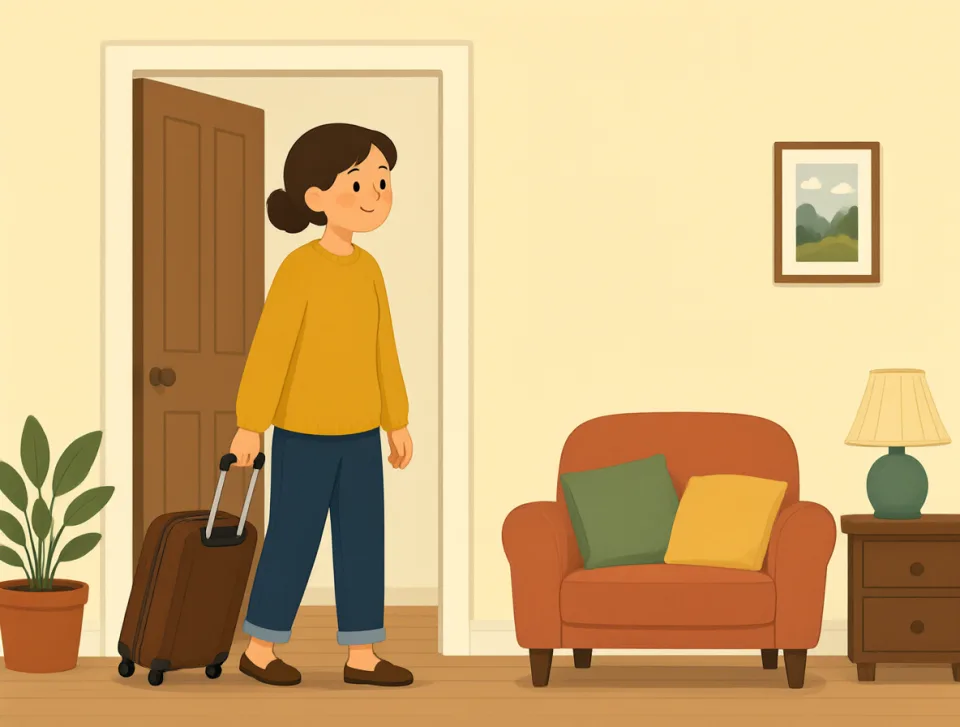
I am staying with my cousin while I look for a new apartment.
Mieszkam u kuzyna, dopóki nie znajdę nowego mieszkania.

My cousin and I bought matching jackets at the shopping center.
Razem z kuzynem kupiliśmy takie same kurtki w centrum handlowym.
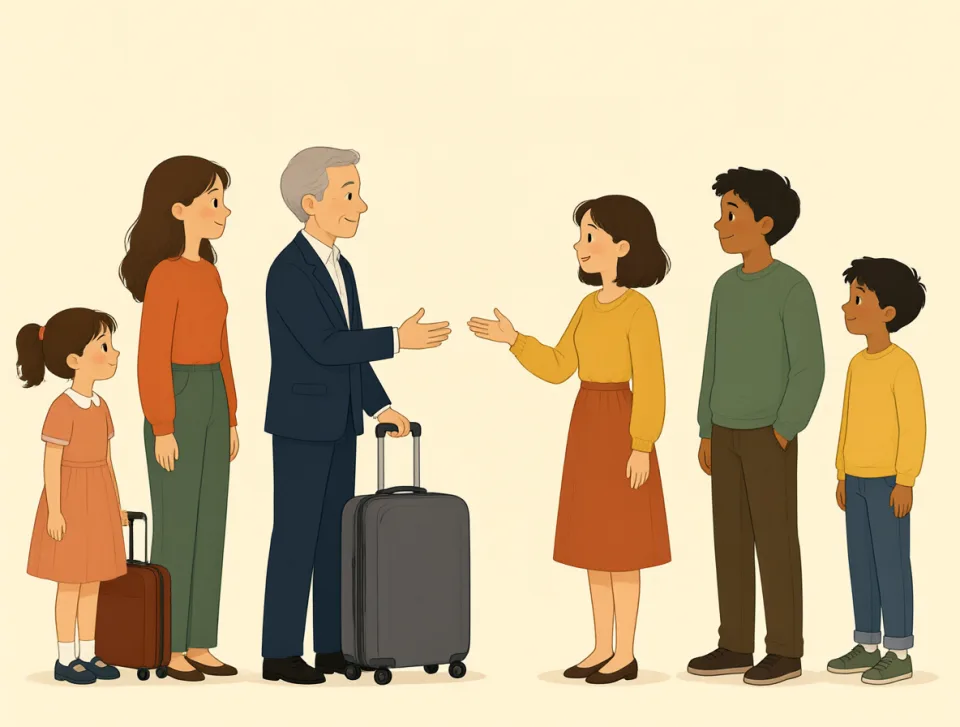
We met our cousins at the airport before traveling to Spain.
Spotkaliśmy się z kuzynami na lotnisku przed podróżą do Hiszpanii.
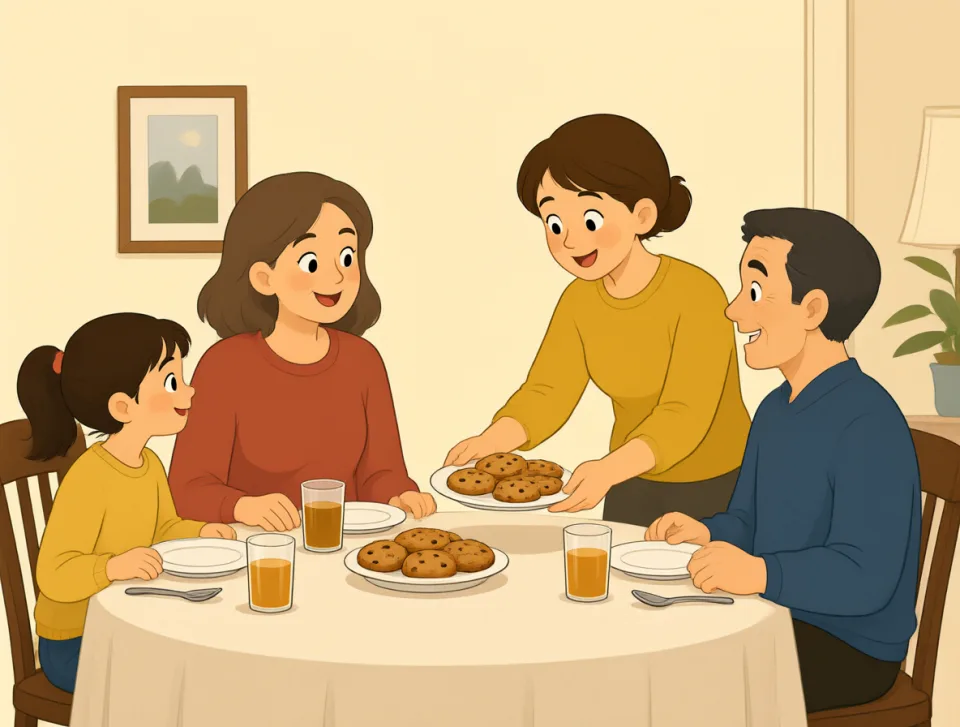
My cousin brought homemade cookies to our family dinner.
Mój kuzyn przyniósł domowe ciasteczka na rodzinny obiad.
visual
#2362adjective, noun
wzrokowy; wizualny
Connected with seeing, or shown through pictures, images, or other things people can see.
Związany z widzeniem albo przedstawiony za pomocą obrazów, ilustracji lub innych rzeczy, które można zobaczyć.

The visual effect of the sunset made everyone stop and take photographs.
Efekt wizualny zachodu słońca sprawił, że wszyscy się zatrzymali i zaczęli robić zdjęcia.
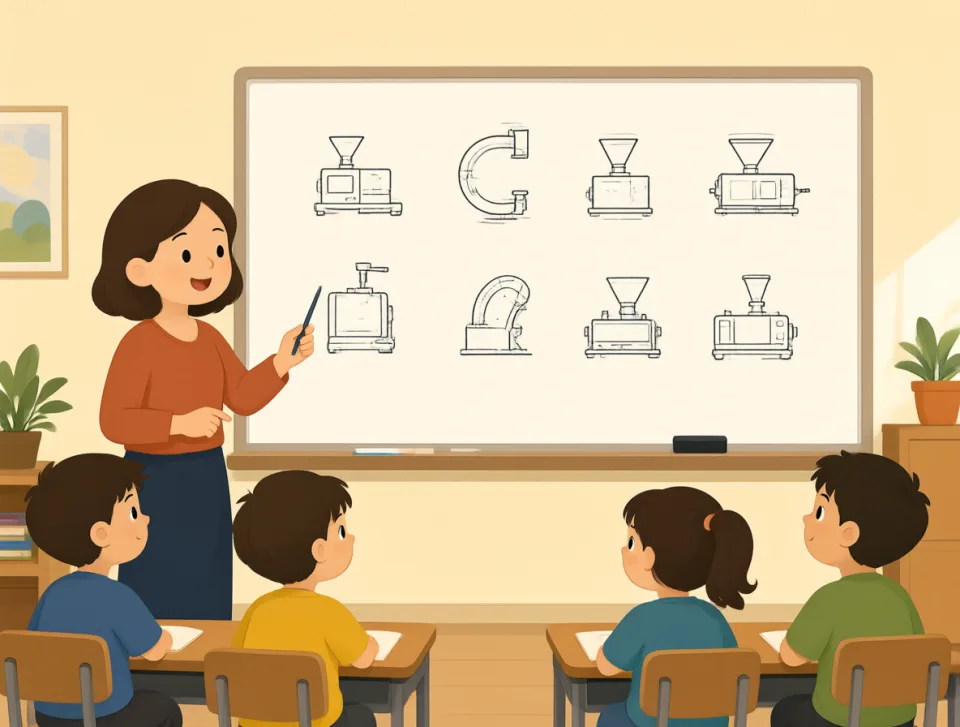
The teacher used visual examples to explain how the machine worked.
Nauczyciel użył przykładów wizualnych, żeby wyjaśnić, jak działa maszyna.

Our presentation needs more visual information and fewer long paragraphs.
Nasza prezentacja potrzebuje więcej informacji wizualnych i mniej długich akapitów.

The shop created a visual display of colorful clothes near the entrance.
Sklep przygotował przy wejściu wizualną ekspozycję kolorowych ubrań.

She has a visual problem and needs new glasses for reading.
Ma problemy ze wzrokiem i potrzebuje nowych okularów do czytania.
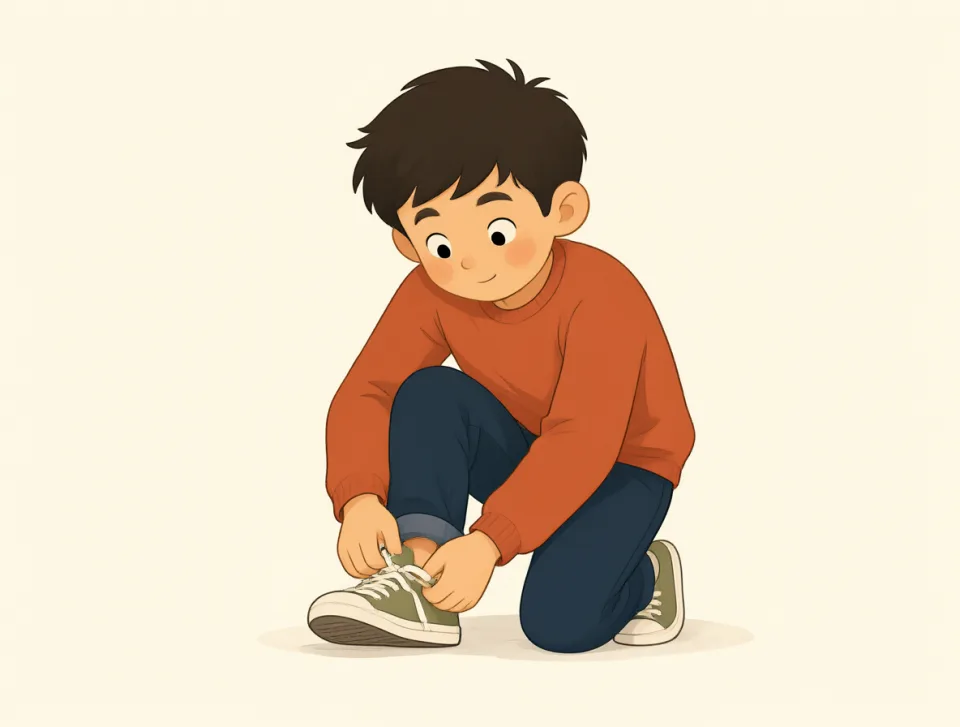
stupid
#2363adjective
głupi
Not intelligent, sensible, or careful; showing poor judgment.
Nierozsądny, mało inteligentny lub nieostrożny; świadczący o braku dobrego osądu.

That was a stupid mistake, but everyone makes mistakes sometimes.
To był głupi błąd, ale każdemu czasem się zdarzają błędy.

It was stupid to leave the house without checking the weather.
Głupio było wyjść z domu bez sprawdzenia pogody.
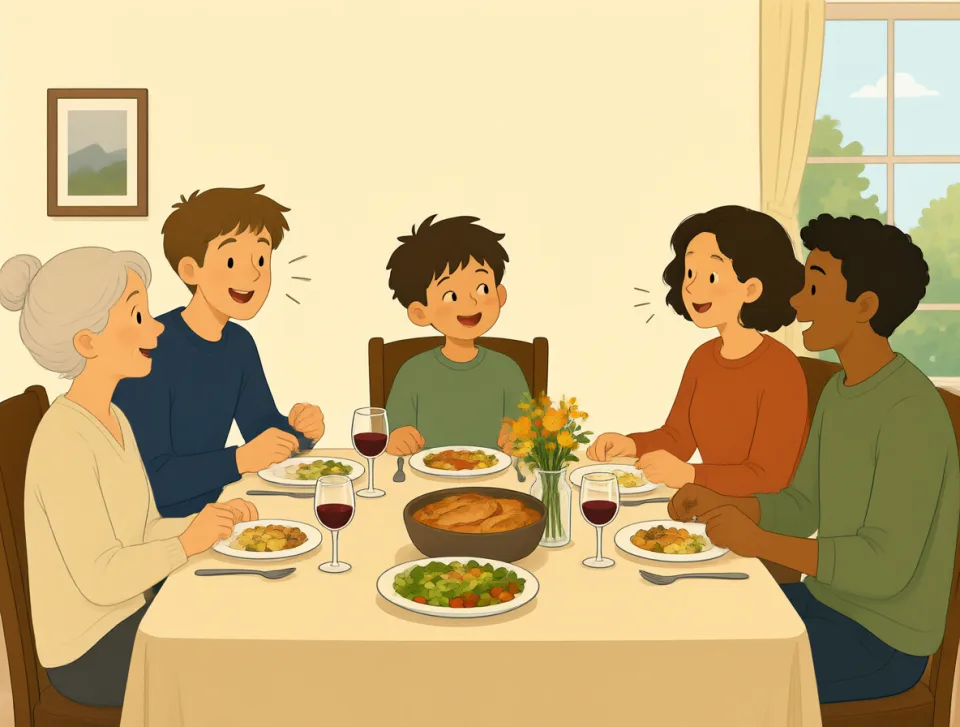
My brother told a stupid joke during dinner, and nobody laughed.
Mój brat opowiedział przy obiedzie głupi żart i nikt się nie zaśmiał.
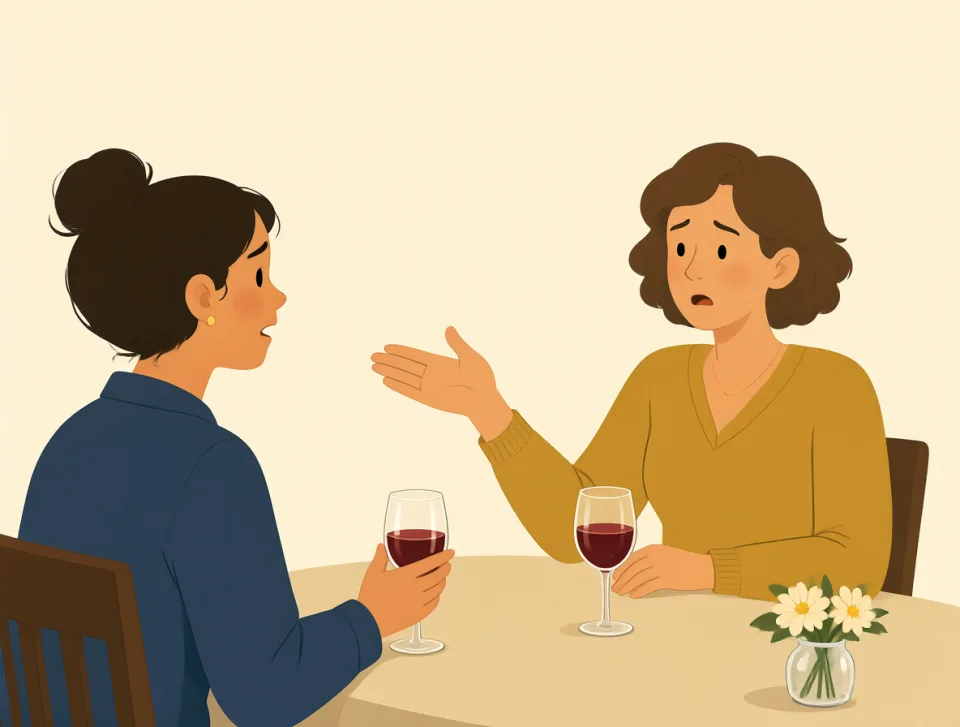
I felt stupid when I forgot my friend's name at the party.
Poczułem się głupio, kiedy na imprezie zapomniałem imienia mojego znajomego.
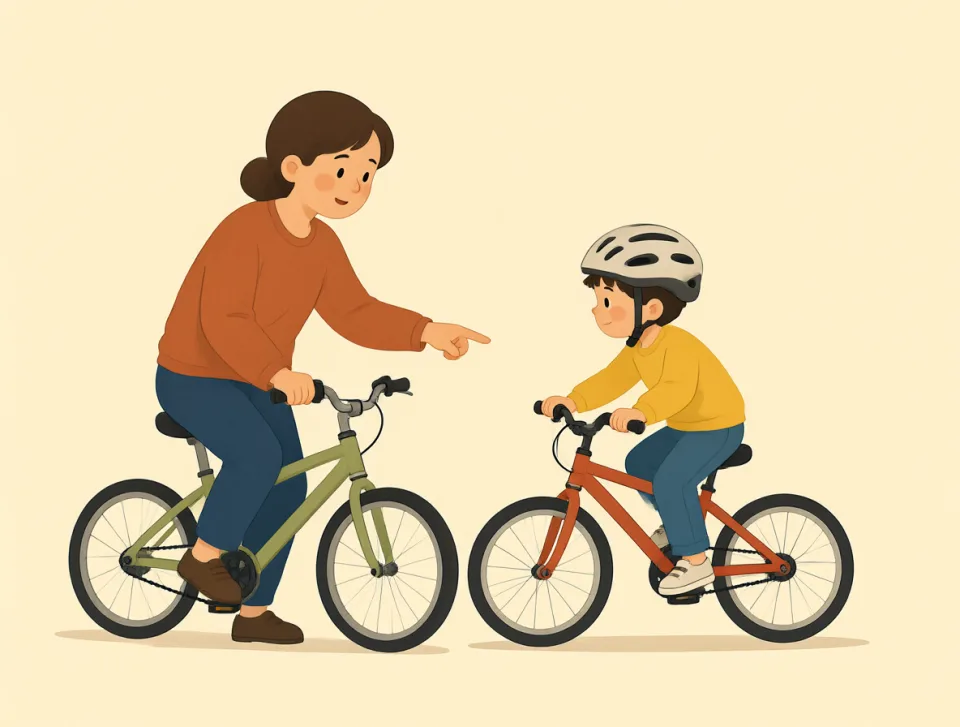
Don't be stupid; wear a helmet before riding your bike.
Nie bądź głupi; załóż kask, zanim wsiądziesz na rower.

keen
#2364adjective
zainteresowany; chętny
Very interested in doing something or having something happen.
Bardzo zainteresowany zrobieniem czegoś albo tym, żeby coś się wydarzyło.

I’m keen to learn more about the new job.
Chętnie dowiem się więcej o nowej pracy.

She is keen on running, so she exercises every morning.
Ona uwielbia biegać, więc ćwiczy każdego ranka.
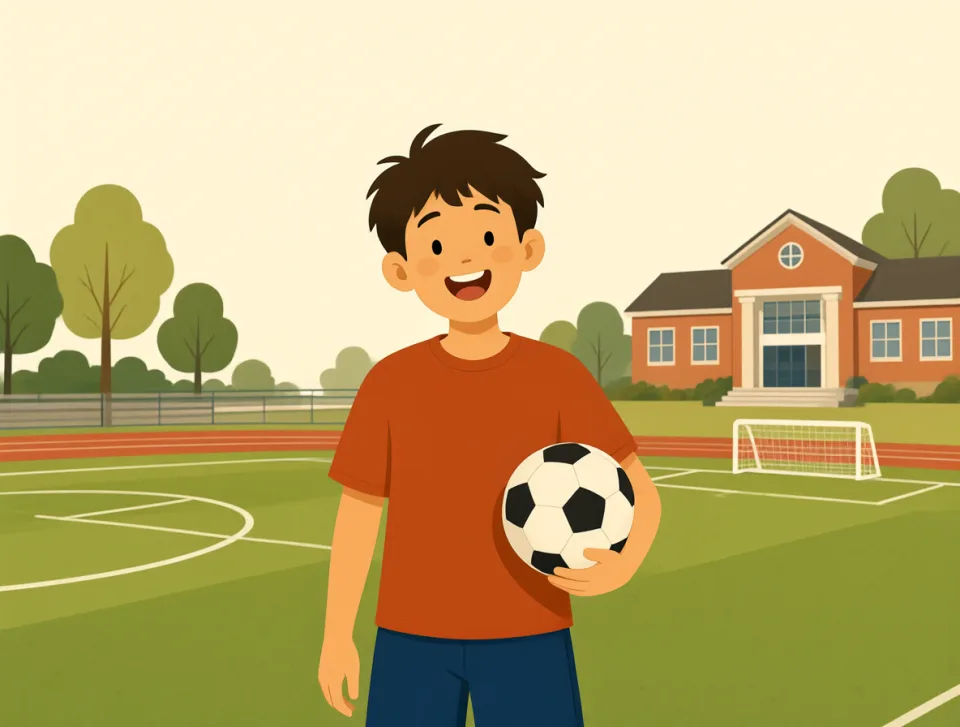
My son is keen to join the school football team.
Mój syn bardzo chce dołączyć do szkolnej drużyny piłkarskiej.

The manager was keen to hear everyone’s ideas at the meeting.
Kierownik z chęcią wysłuchał pomysłów wszystkich uczestników spotkania.
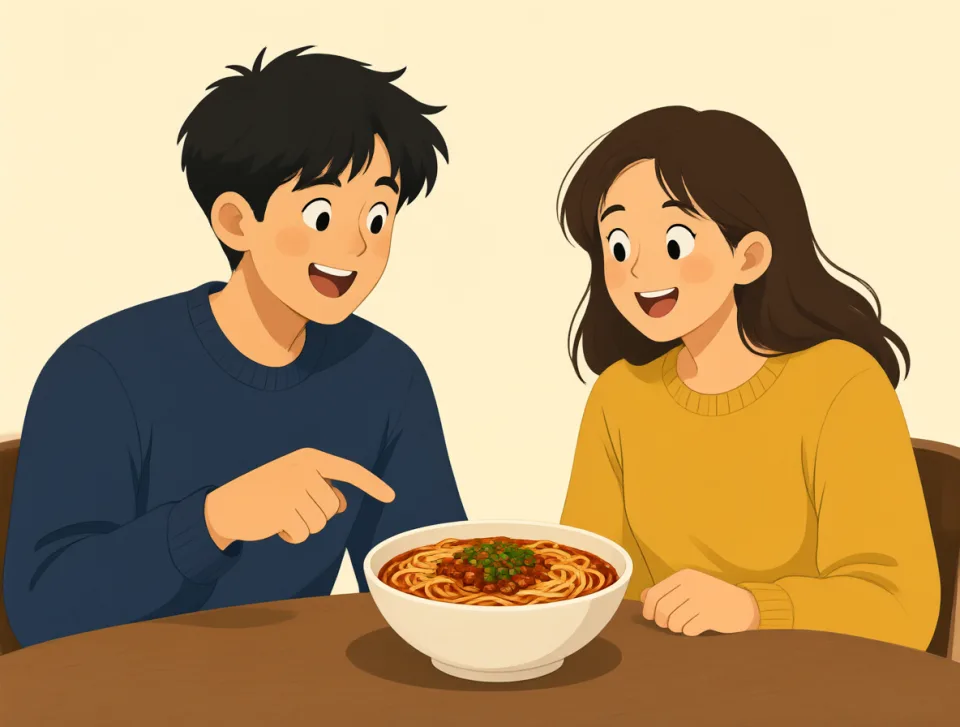
Are you keen on trying the spicy noodles at this restaurant?
Masz ochotę spróbować pikantnego makaronu w tej restauracji?
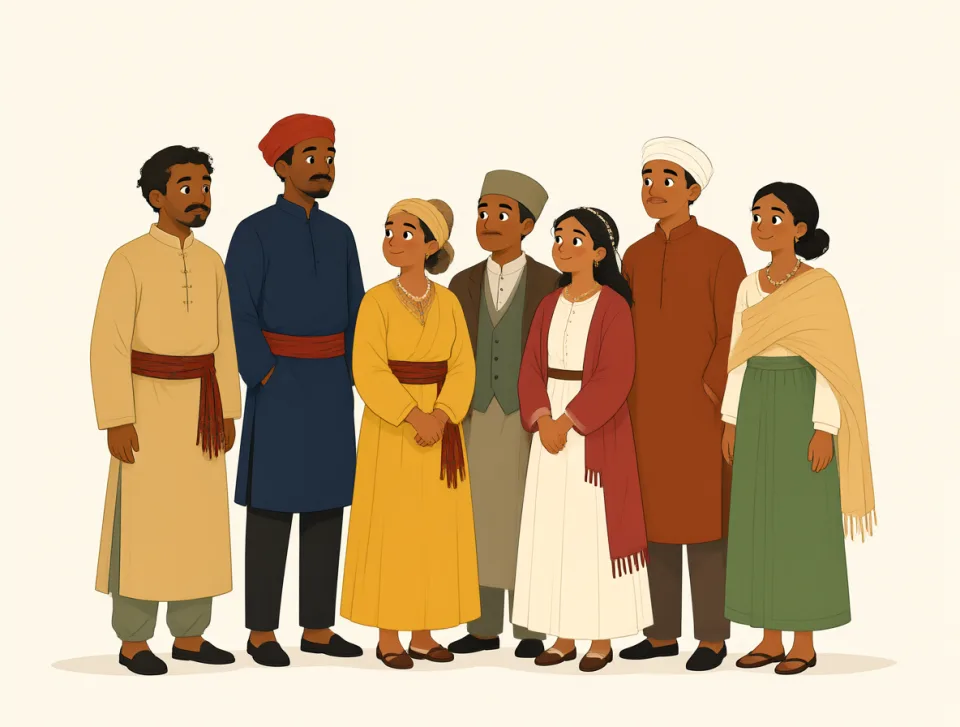
ethnic
#2365adjective
etniczny
Related to a group of people who share the same culture, language, or history.
Związany z grupą ludzi, których łączy kultura, język lub historia.
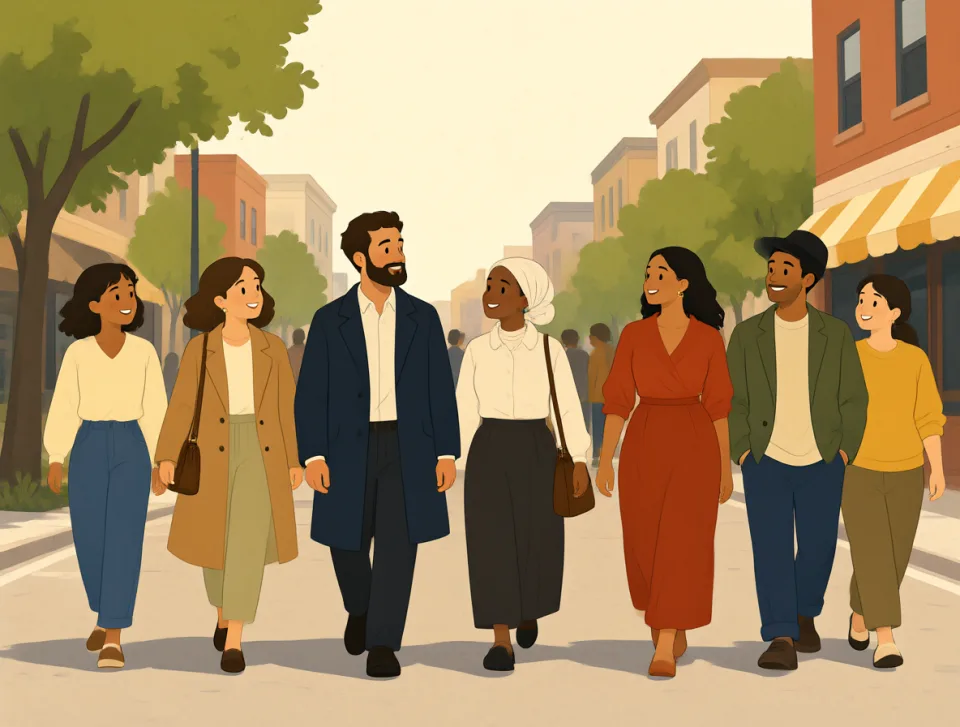
The city is famous for its ethnic diversity and welcoming communities.
Miasto słynie z różnorodności etnicznej i gościnnych społeczności.
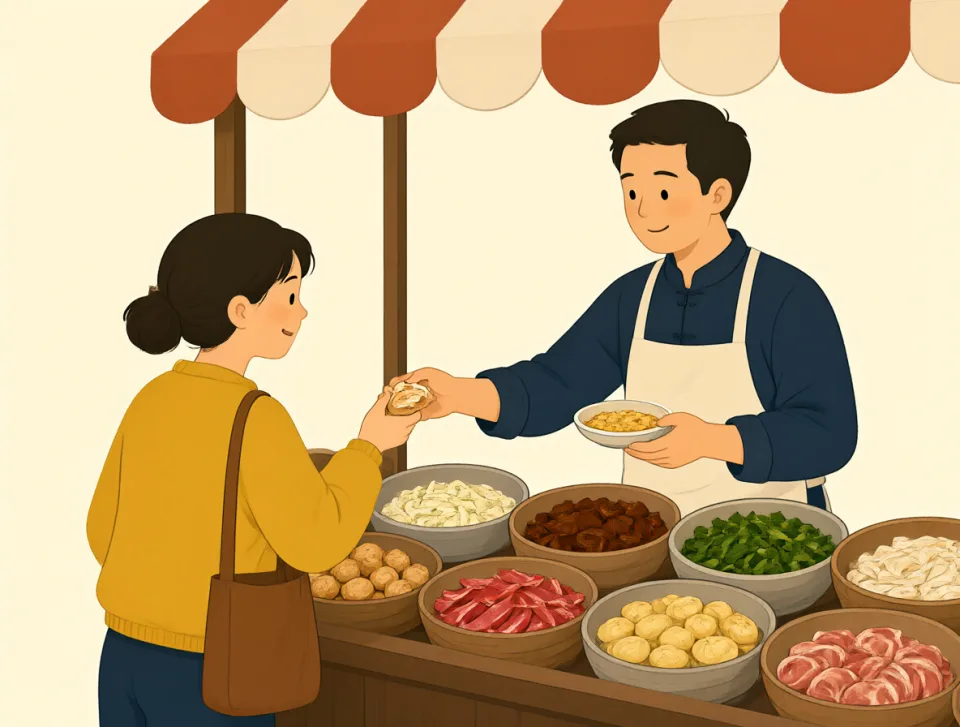
We bought fresh ethnic food from a small market near our home.
Kupiliśmy świeże dania kuchni etnicznej na małym targu niedaleko domu.
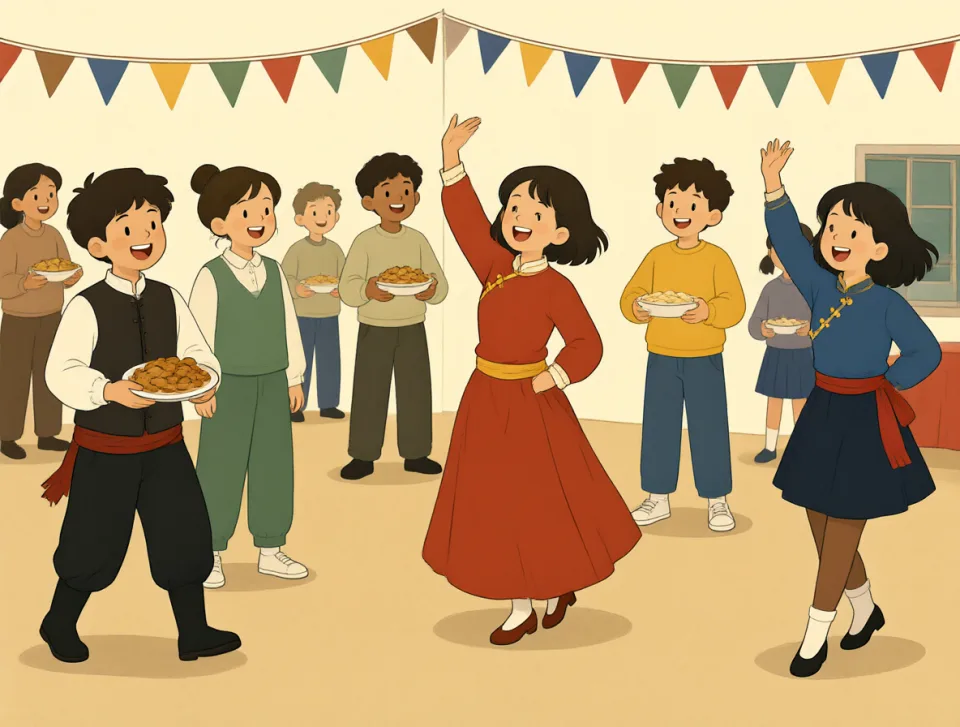
The school celebrates different ethnic traditions during its annual festival.
Podczas dorocznego festiwalu szkoła świętuje różne tradycje etniczne.

Our guide told us about the island’s ethnic groups during the tour.
Podczas wycieczki nasz przewodnik opowiedział nam o grupach etnicznych zamieszkujących wyspę.

The doctor asked about my ethnic background before completing the health survey.
Zanim wypełnił ankietę zdrowotną, lekarz zapytał mnie o moje pochodzenie etniczne.
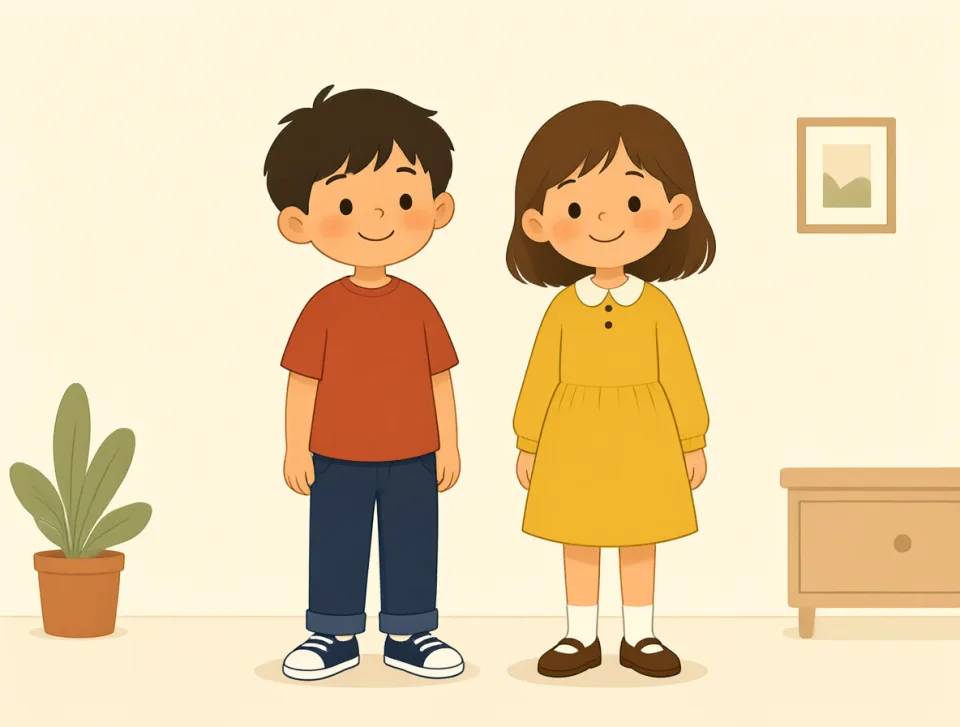
twin
#2366noun, adjective
bliźniak
One of two children born at the same time to the same mother.
Jedno z dwojga dzieci urodzonych przez tę samą matkę w tym samym czasie.
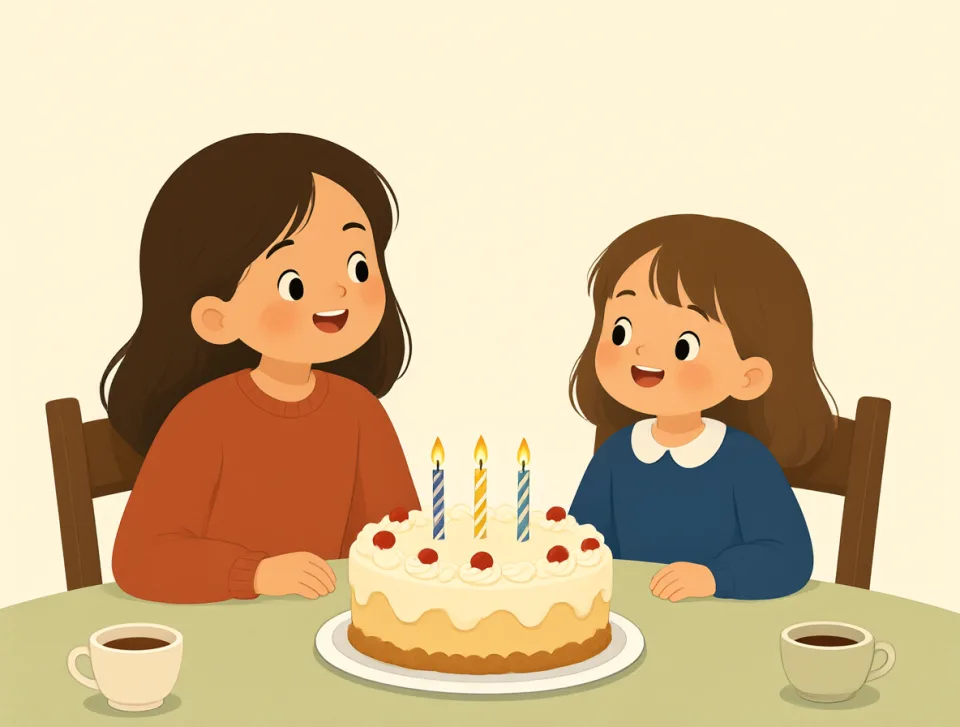
My twin sister and I share the same birthday every year.
Moja siostra bliźniaczka i ja co roku obchodzimy urodziny tego samego dnia.

The twins wore matching jackets during their walk to school.
Bliźniaki miały na sobie pasujące do siebie kurtki, gdy szły do szkoły.

She discovered that her new coworker was her twin brother.
Odkryła, że jej nowy współpracownik jest jej bratem bliźniakiem.
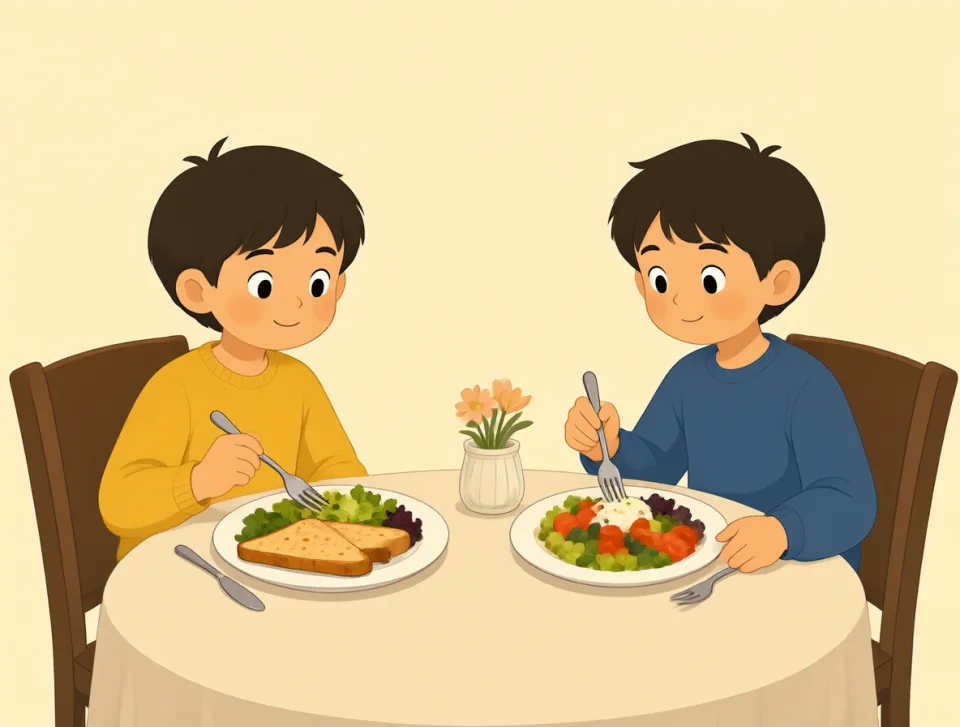
The twins ordered different meals at the restaurant to try more food.
Bliźniaki zamówiły w restauracji różne dania, żeby spróbować więcej potraw.

His twin helped him recover after a difficult operation.
Jego bliźniak pomógł mu dojść do siebie po trudnej operacji.

clinical
#2367adjective
kliniczny
Related to medical treatment, testing, or the careful study of patients and their health.
Związany z leczeniem, badaniami medycznymi lub uważną obserwacją pacjentów i ich zdrowia.

The doctor ordered several clinical tests to find the cause of my stomach pain.
Lekarz zlecił kilka badań klinicznych, aby znaleźć przyczynę mojego bólu brzucha.
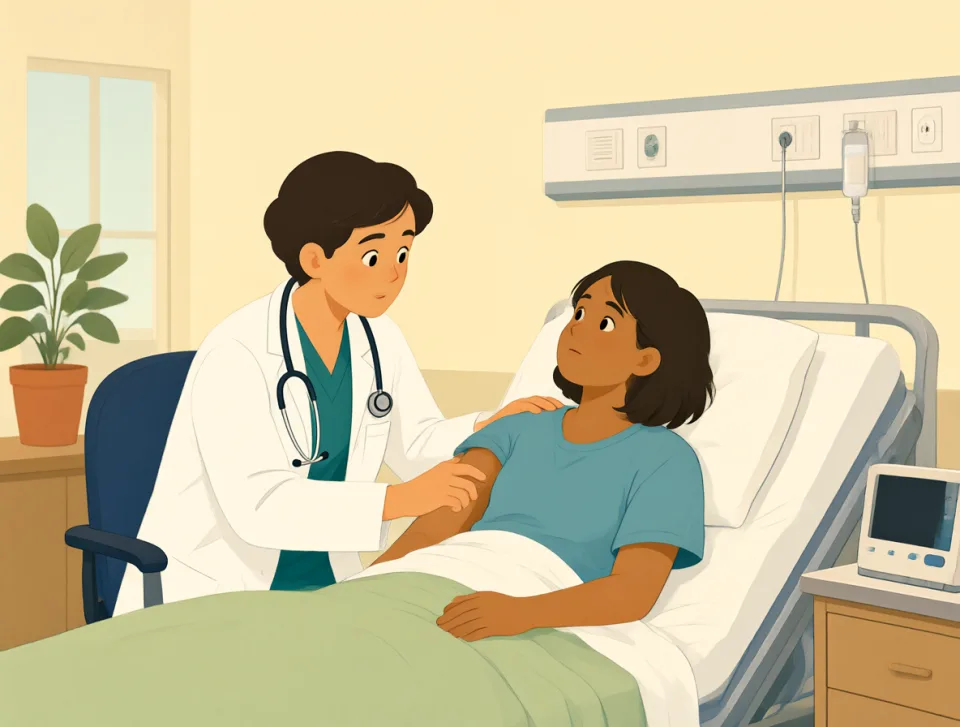
She gained valuable clinical experience while working at a busy city hospital.
Zdobyła cenne doświadczenie kliniczne, pracując w dużym miejskim szpitalu.
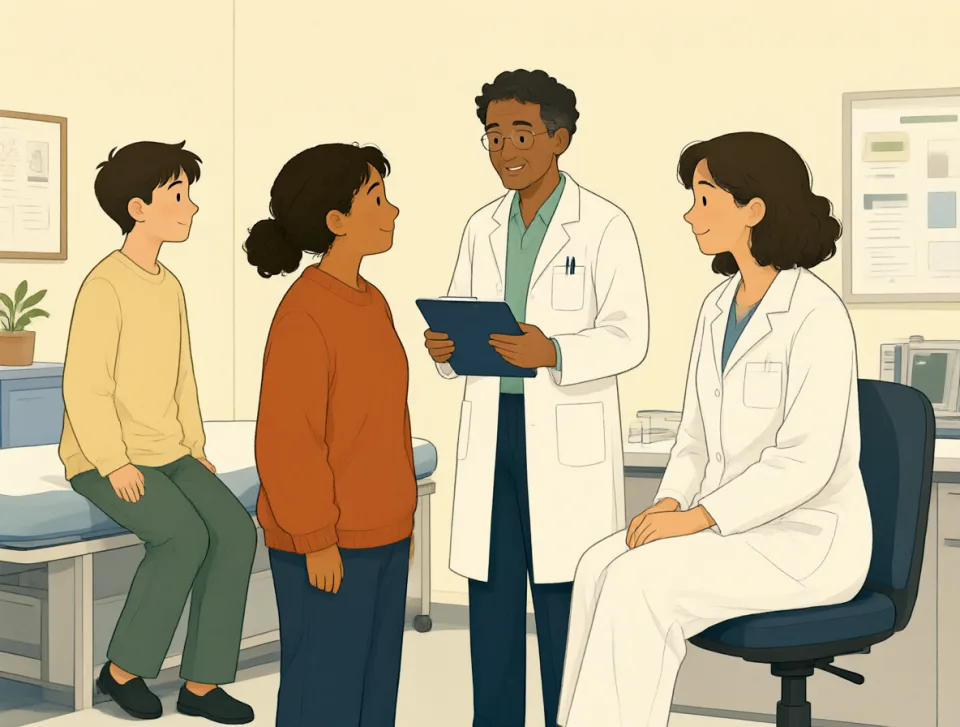
The new medicine is still undergoing clinical trials with adult volunteers.
Nowy lek nadal przechodzi badania kliniczne z udziałem dorosłych ochotników.
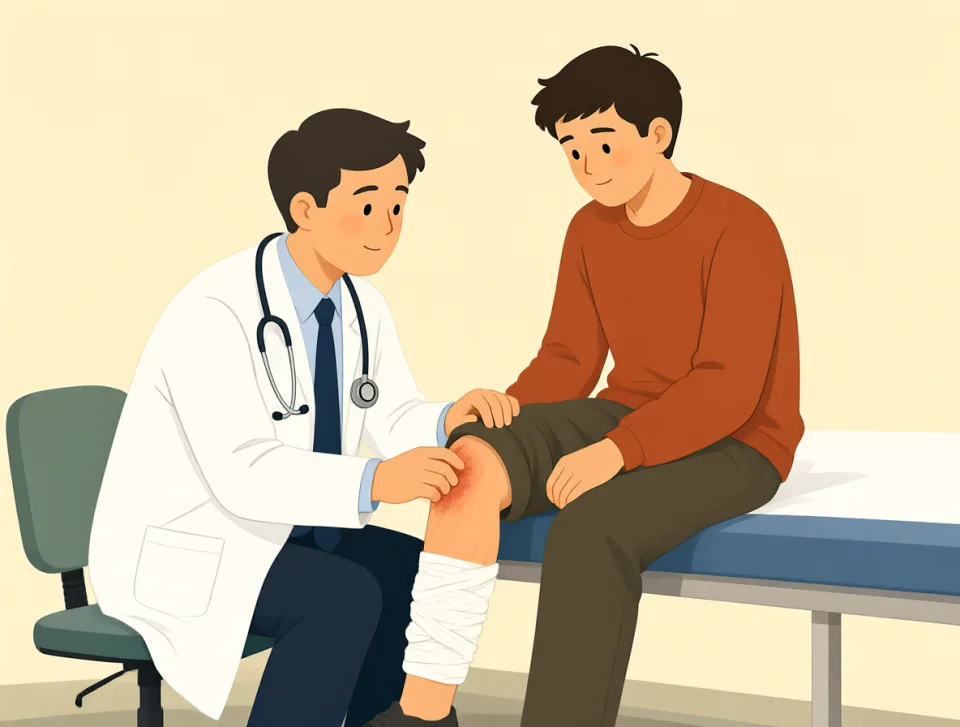
His clinical examination showed that his knee injury was less serious than expected.
Badanie kliniczne wykazało, że uraz jego kolana jest mniej poważny, niż się spodziewano.
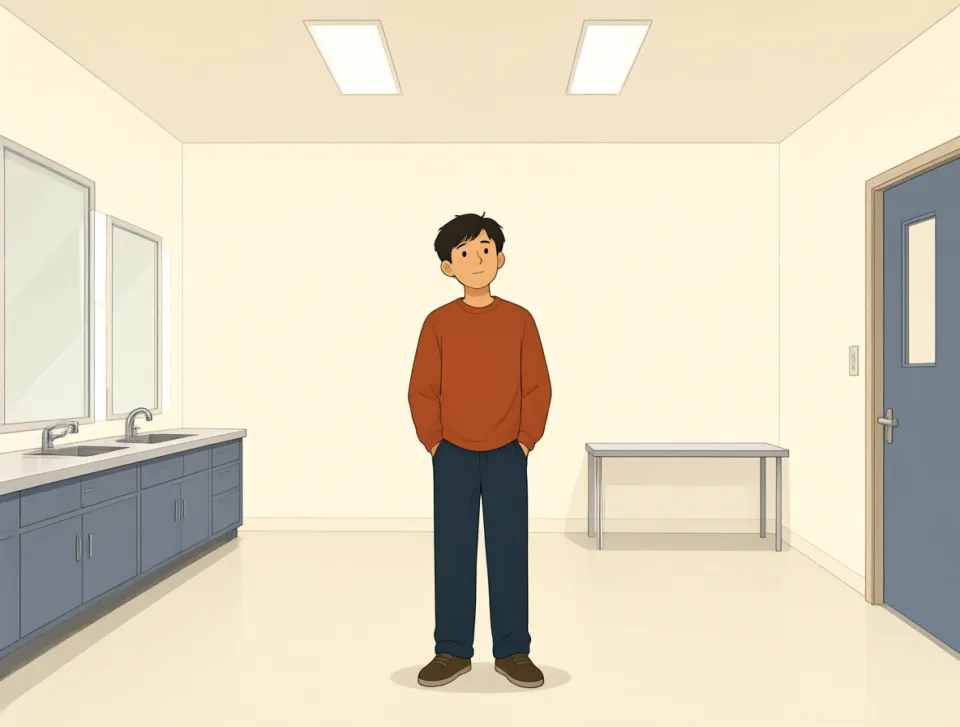
The room looked clean and clinical, with white walls and bright lights.
Pokój wyglądał czysto i sterylnie, z białymi ścianami i jasnym oświetleniem.

eastern
#2368adjective
wschodni
from or in the east part of a place or country
Pochodzący ze wschodniej części jakiegoś miejsca lub kraju albo znajdujący się w tej części.

She grew up in eastern Canada and still misses the cold winters.
Dorastała we wschodniej Kanadzie i nadal tęskni za mroźnymi zimami.

The eastern side of the city has many parks and quiet neighborhoods.
We wschodniej części miasta jest wiele parków i spokojnych dzielnic.

We drove along the eastern coast and stopped at several small fishing villages.
Jechaliśmy wzdłuż wschodniego wybrzeża i zatrzymaliśmy się w kilku małych wioskach rybackich.
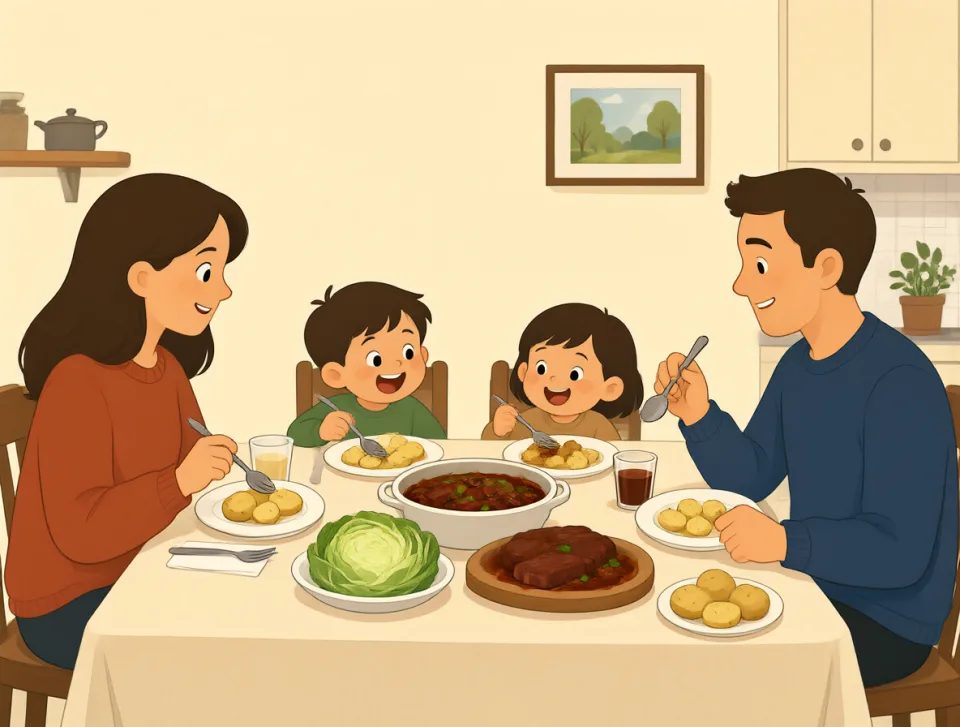
Eastern European food often includes potatoes, cabbage, and rich meat dishes.
Kuchnia wschodnioeuropejska często obejmuje ziemniaki, kapustę i sycące dania mięsne.

The eastern entrance was closed, so we walked around to the main door.
Wschodnie wejście było zamknięte, więc obeszliśmy budynek i poszliśmy do głównych drzwi.
forecast
#2369noun, verb
prognoza; prognozować
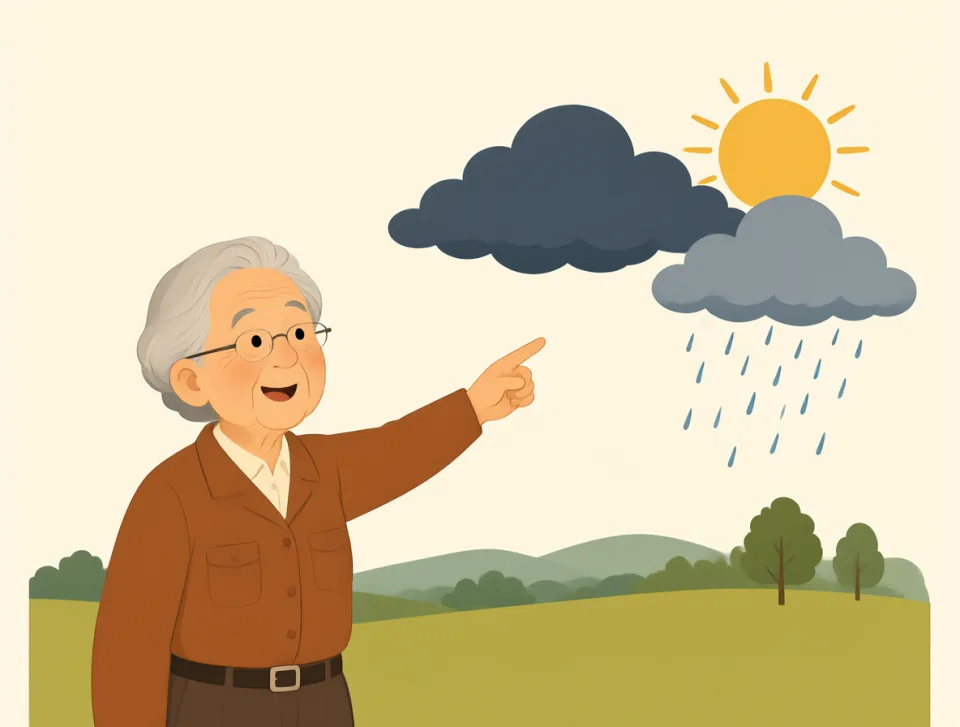
A prediction about what will happen, especially the weather; to predict future conditions.
Przewidywanie tego, co się wydarzy, zwłaszcza prognoza pogody; przewidywać przyszłe warunki.
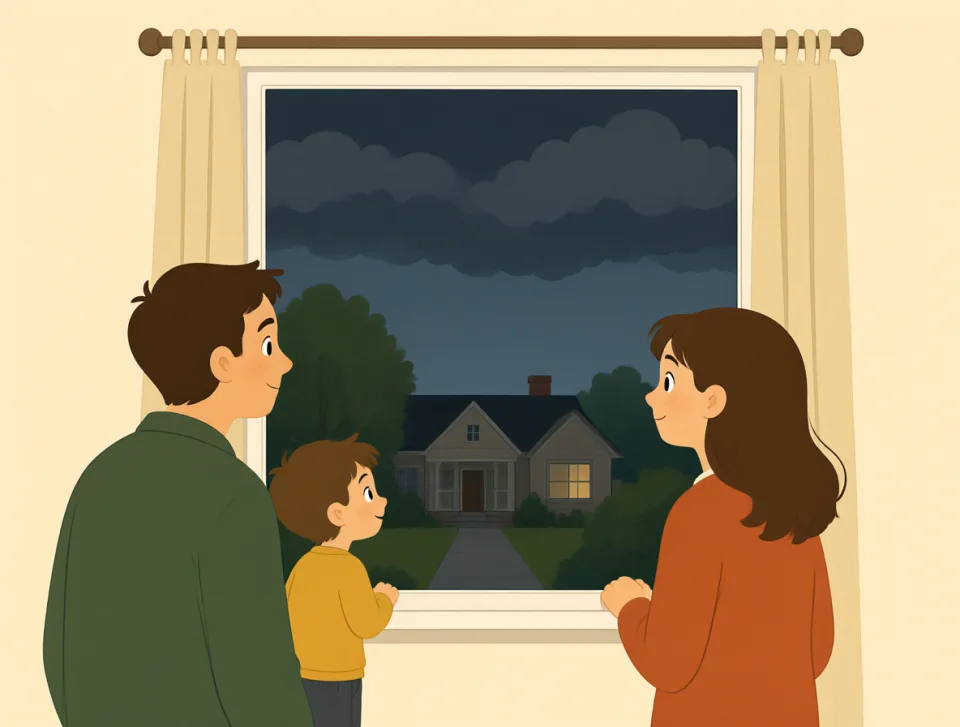
The weather forecast says it will rain this afternoon.
Prognoza pogody zapowiada deszcz na dziś po południu.

Check the forecast before you plan the outdoor party.
Sprawdź prognozę, zanim zaplanujesz przyjęcie na świeżym powietrzu.

The airline canceled several flights because of the storm forecast.
Linia lotnicza odwołała kilka lotów z powodu prognozowanej burzy.

Our sales forecast shows that business will improve next month.
Nasza prognoza sprzedaży wskazuje, że w przyszłym miesiącu wyniki firmy się poprawią.

The doctor forecast a quick recovery after the treatment.
Lekarz przewidział szybki powrót do zdrowia po leczeniu.

segment
#2370noun, verb
segment; dzielić na części
A part of something that is separated from the whole, or to divide something into parts.
Część czegoś oddzielona od całości; także dzielić coś na części.
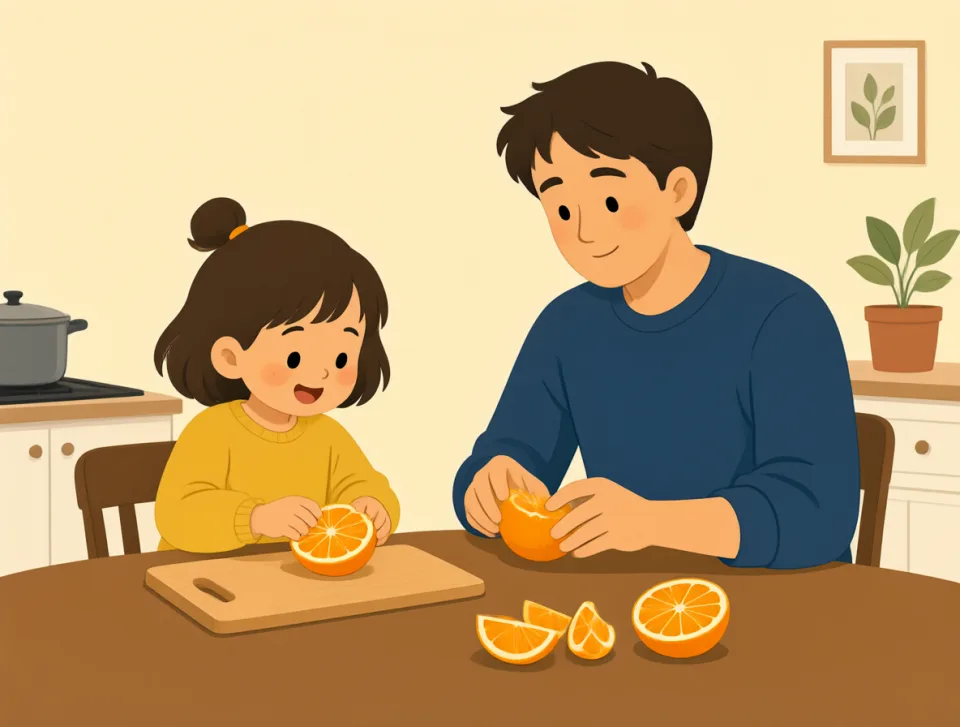
The orange was divided into segments before we shared it.
Pomarańczę podzielono na cząstki, zanim się nią podzieliliśmy.

The report has a separate segment about customer needs.
Raport zawiera osobną część poświęconą potrzebom klientów.
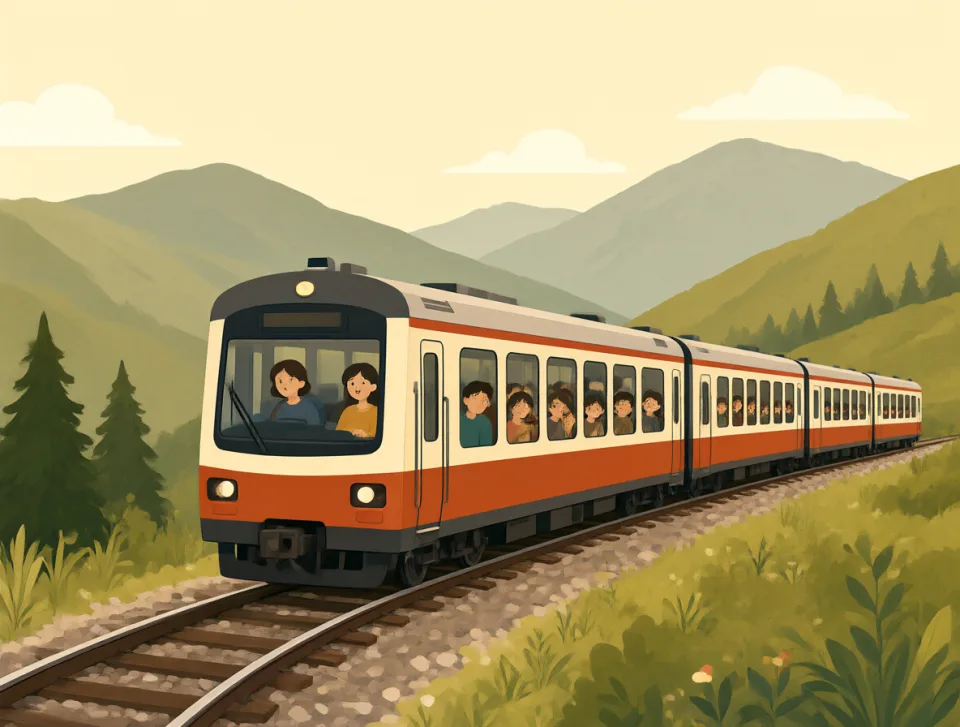
The train stopped briefly at each segment of the mountain route.
Pociąg na krótko zatrzymywał się na każdym odcinku górskiej trasy.

The fitness class included a short stretching segment after the main exercise.
Zajęcia fitness obejmowały krótki segment rozciągania po głównej części treningu.

The shop divided its customers into segments based on their shopping habits.
Sklep podzielił klientów na segmenty na podstawie ich nawyków zakupowych.

custom
#2371noun, adjective
zwyczaj; wykonany na zamówienie
A traditional way of behaving, or made specially for a particular person or purpose.
Tradycyjny sposób postępowania albo coś wykonane specjalnie dla konkretnej osoby lub w określonym celu.
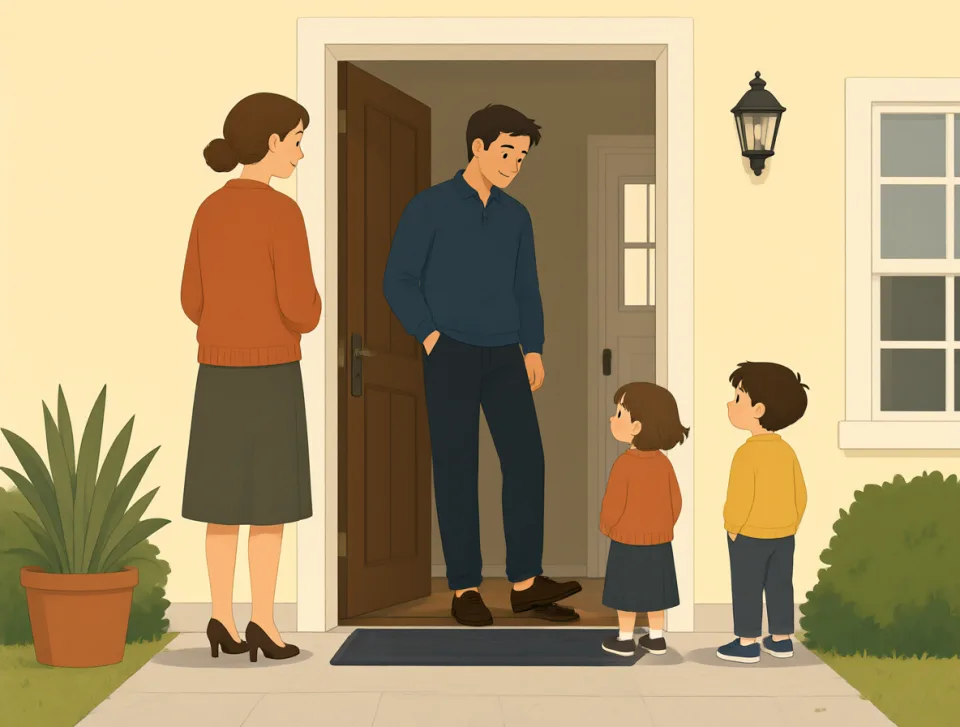
It is a local custom to remove your shoes before entering a home.
Zdejmowanie butów przed wejściem do domu to lokalny zwyczaj.
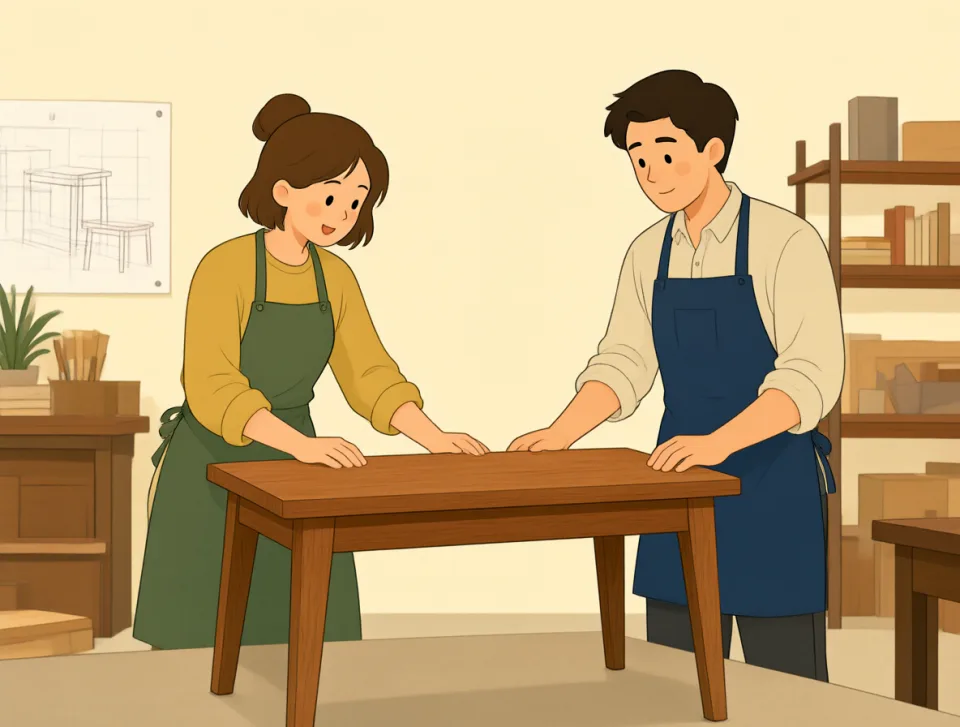
The company offers custom furniture designed to fit each customer's room.
Firma oferuje meble na zamówienie, zaprojektowane tak, by pasowały do pokoju każdego klienta.
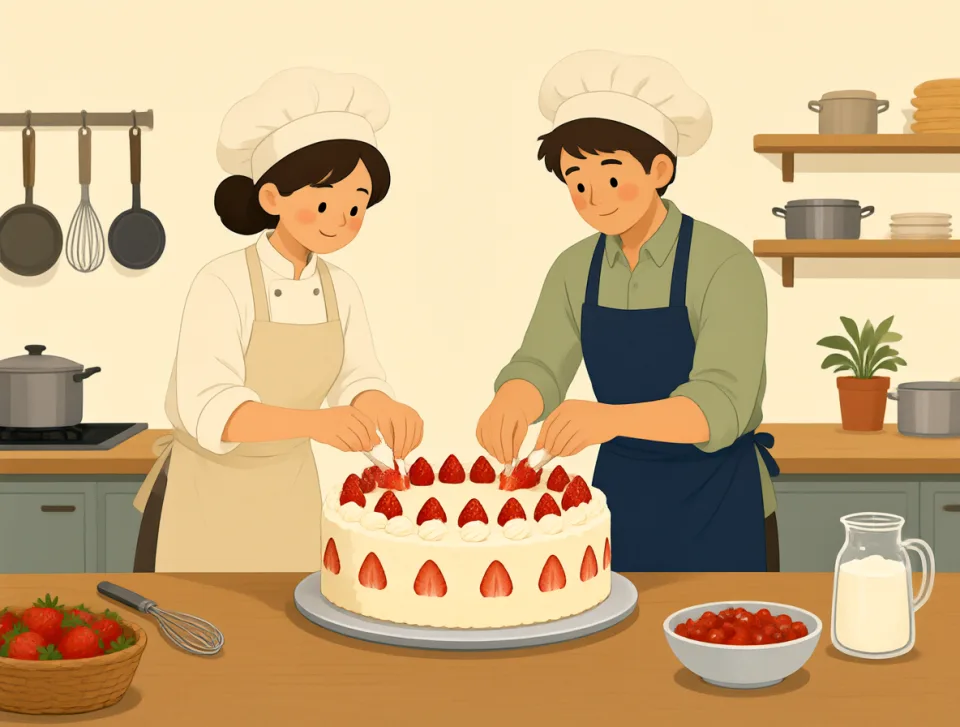
She ordered a custom cake with fresh strawberries for her daughter's birthday.
Zamówiła tort na zamówienie ze świeżymi truskawkami na urodziny córki.
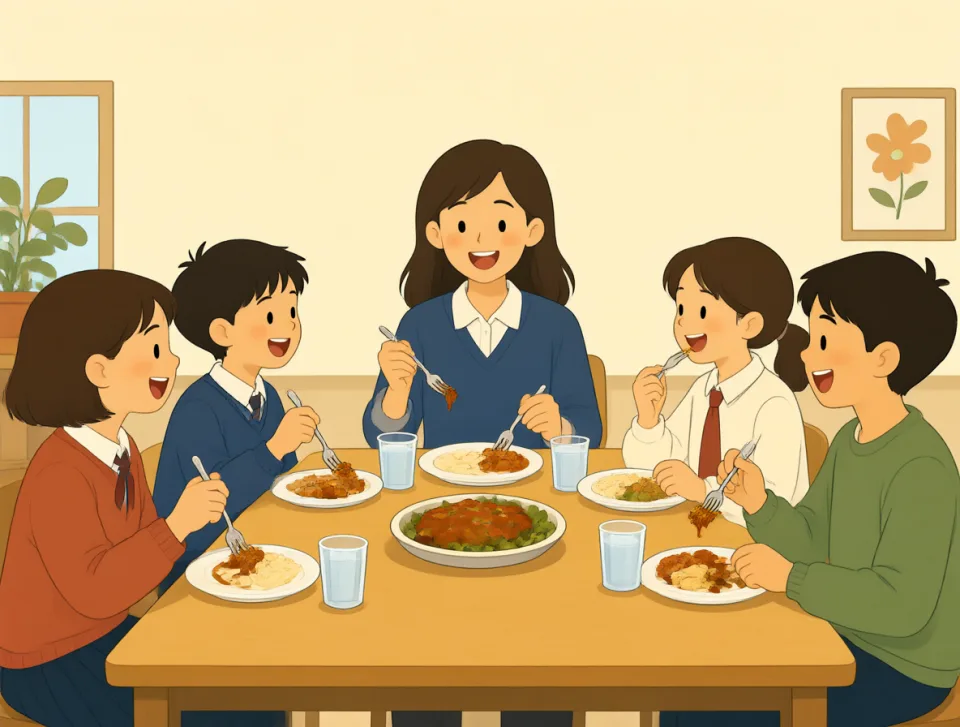
The school has a custom of celebrating new students with a welcome lunch.
W szkole jest zwyczaj świętowania przyjęcia nowych uczniów wspólnym lunchem powitalnym.

We chose a custom travel package that included trains, hotels, and guided tours.
Wybraliśmy spersonalizowany pakiet podróżny obejmujący przejazdy pociągiem, hotele i wycieczki z przewodnikiem.

adapt
#2372verb
dostosować się
to change your behavior or plans so you can deal with a new situation
Zmienić swoje zachowanie lub plany, aby poradzić sobie w nowej sytuacji.

Animals adapt to changes in their environment to survive.
Zwierzęta przystosowują się do zmian w swoim środowisku, aby przetrwać.

We had to adapt our plans because the train was canceled.
Musieliśmy zmienić nasze plany, bo pociąg został odwołany.

She quickly adapted to her new job and friendly coworkers.
Szybko przystosowała się do nowej pracy i przyjaznych współpracowników.
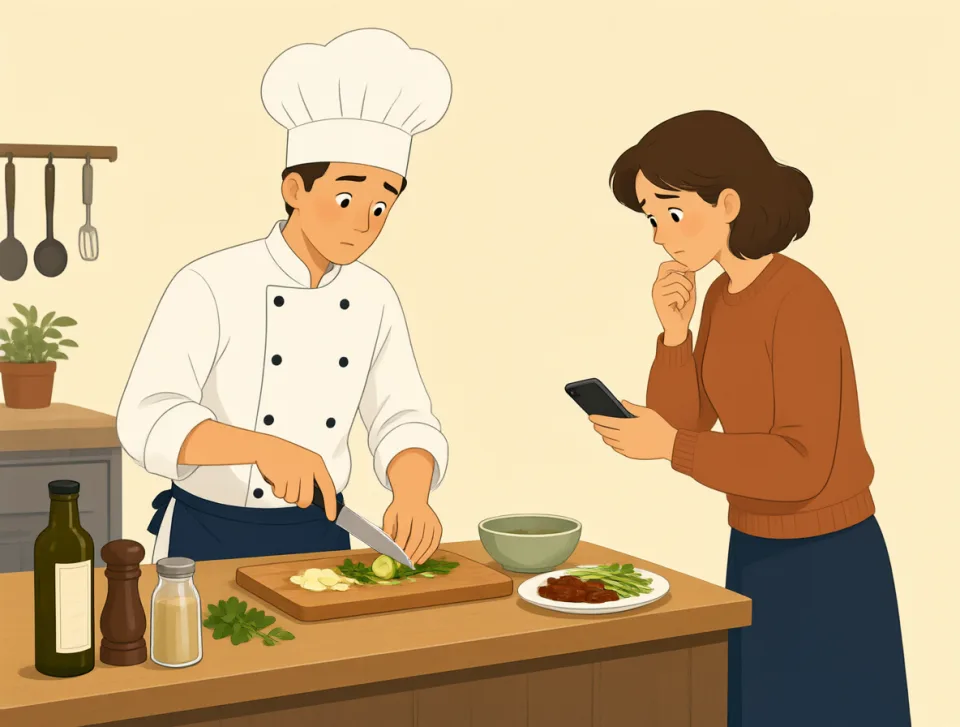
The chef adapted the recipe for guests with food allergies.
Szef kuchni zmodyfikował przepis dla gości z alergiami pokarmowymi.
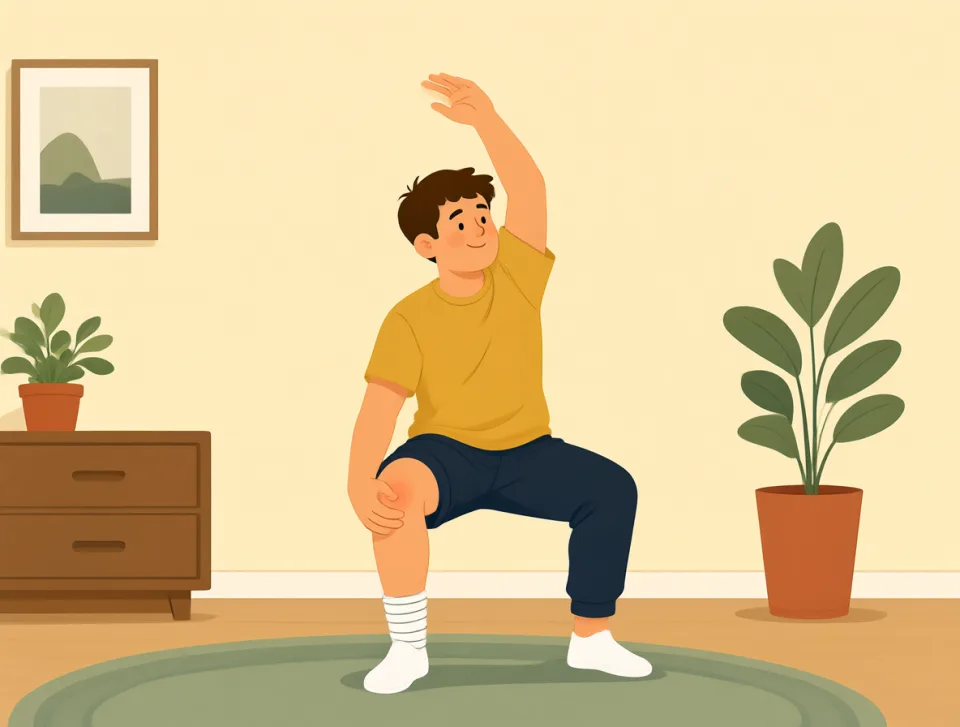
He is adapting his exercise routine after hurting his knee.
Po kontuzji kolana zmienia swój plan ćwiczeń.
sand
#2373noun
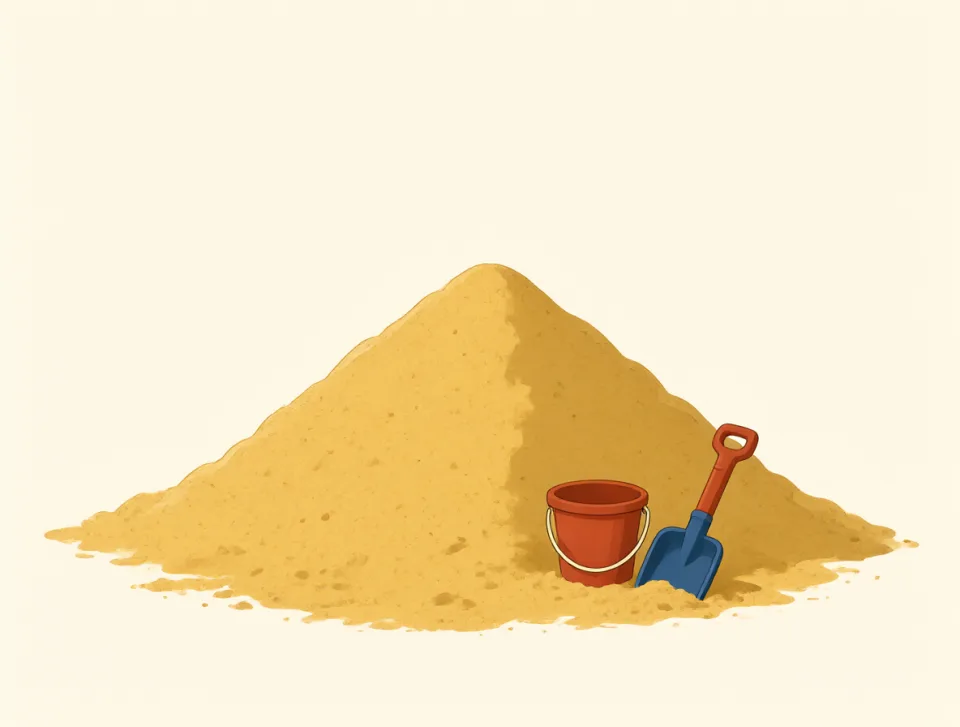
piasek
Very small pieces of rock found on beaches, in deserts, and in some building materials.
Bardzo drobne okruchy skał, które można znaleźć na plażach, pustyniach i w niektórych materiałach budowlanych.
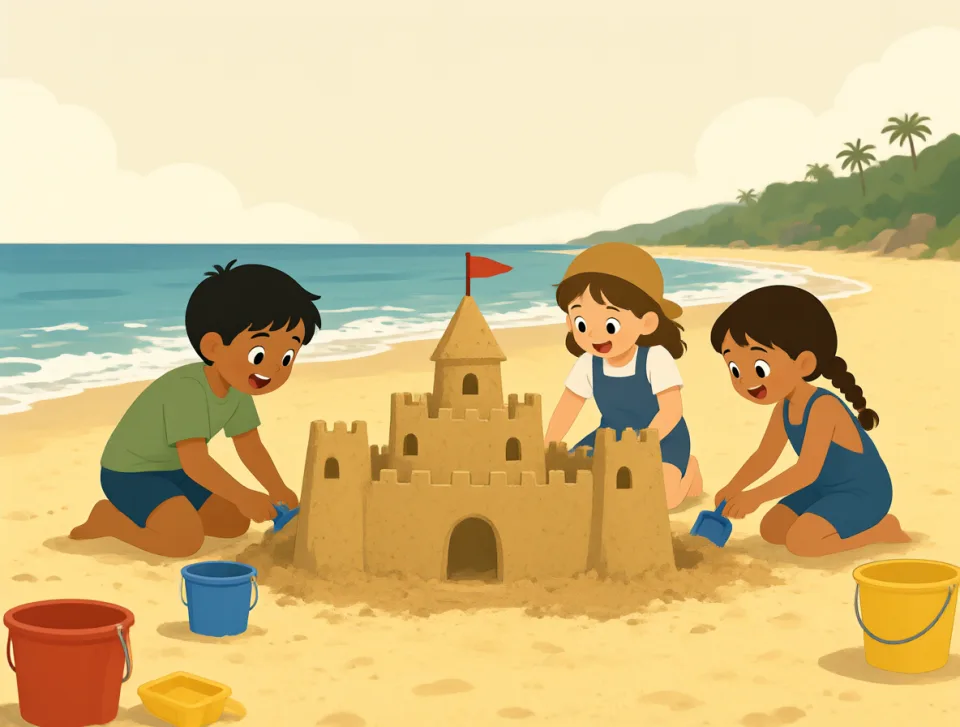
The children built a sandcastle near the water during their summer holiday.
Podczas letnich wakacji dzieci zbudowały przy wodzie zamek z piasku.
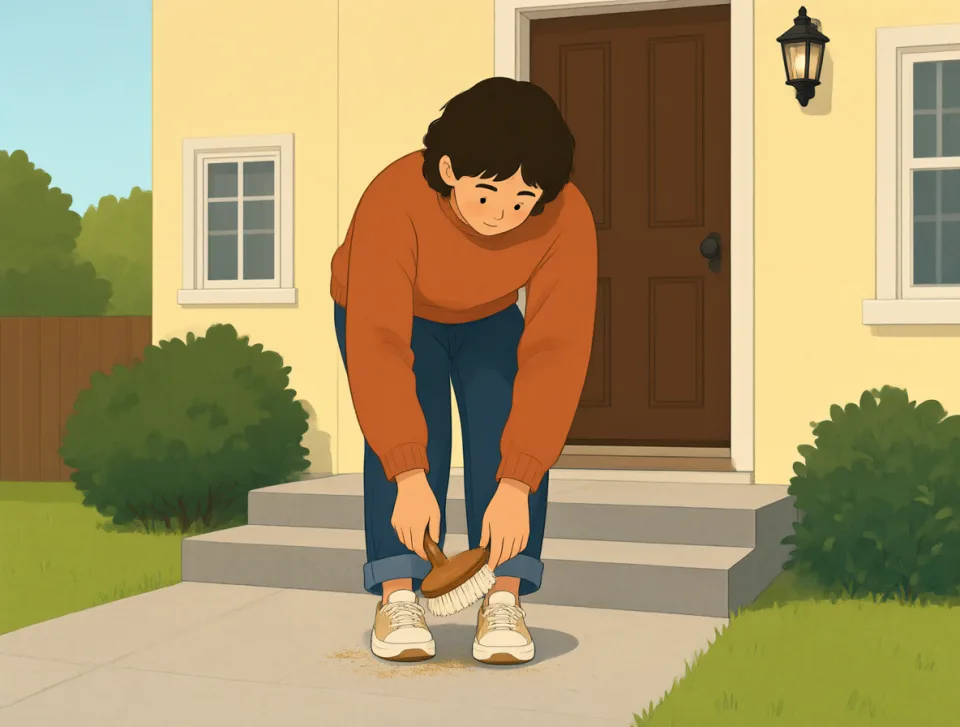
Please brush the sand off your shoes before coming into the house.
Otrzep proszę buty z piasku, zanim wejdziesz do domu.

The workers spread sand over the icy road to make it safer.
Robotnicy rozsypali piasek na oblodzonej drodze, żeby była bezpieczniejsza.

We found sand in our picnic food after a windy afternoon at the beach.
Po wietrznym popołudniu na plaży znaleźliśmy piasek w jedzeniu na pikniku.

The hotel room had sand everywhere after our children played outside.
Po zabawie dzieci na dworze w pokoju hotelowym był wszędzie piasek.

cap
#2374noun, verb
czapka; ograniczać
A soft or hard covering for the top of your head; to limit or control an amount.
Miękkie lub sztywne nakrycie głowy; ograniczać lub kontrolować jakąś ilość.

He always wears a cap when he goes running outside.
Zawsze zakłada czapkę, gdy idzie pobiegać na zewnątrz.
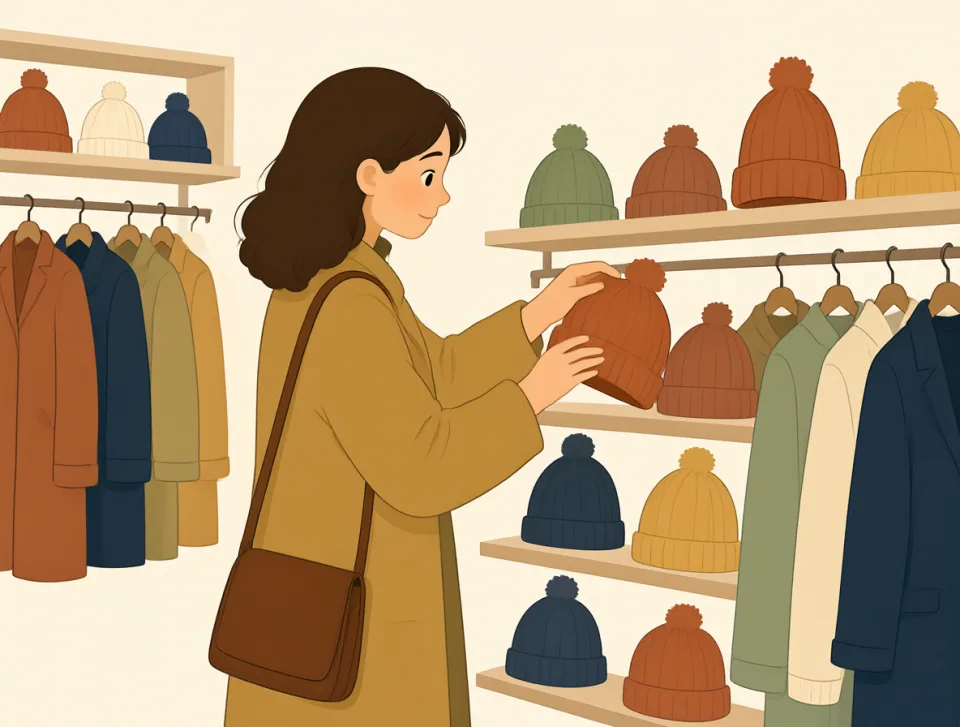
She bought a warm wool cap for her winter trip.
Kupiła ciepłą wełnianą czapkę na zimowy wyjazd.
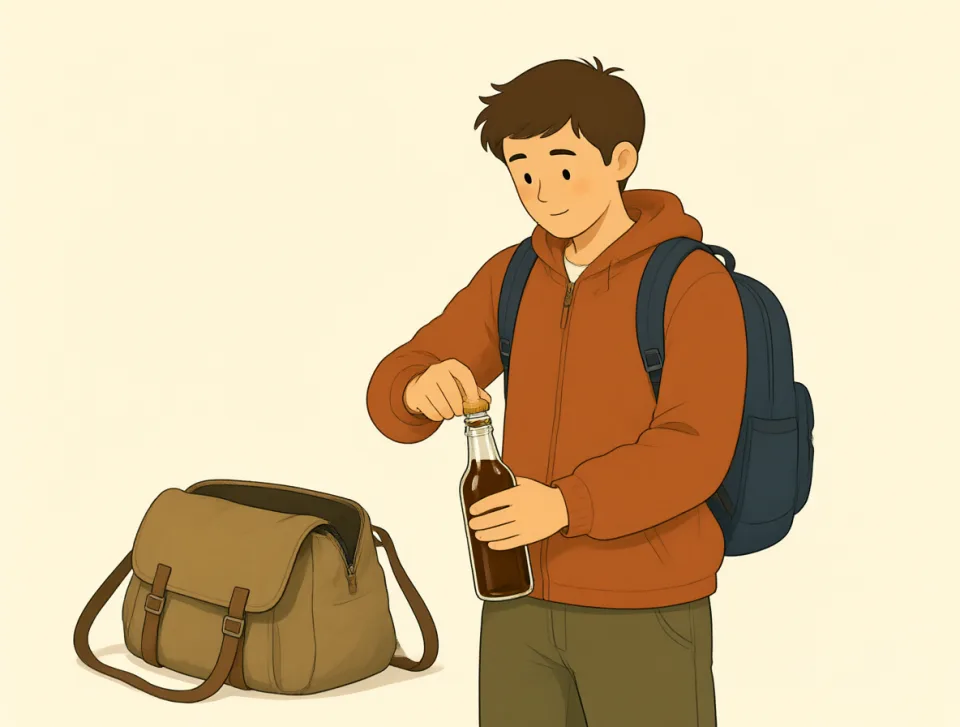
Please cap the bottle tightly before putting it in your bag.
Zakręć mocno butelkę przed włożeniem jej do torby.
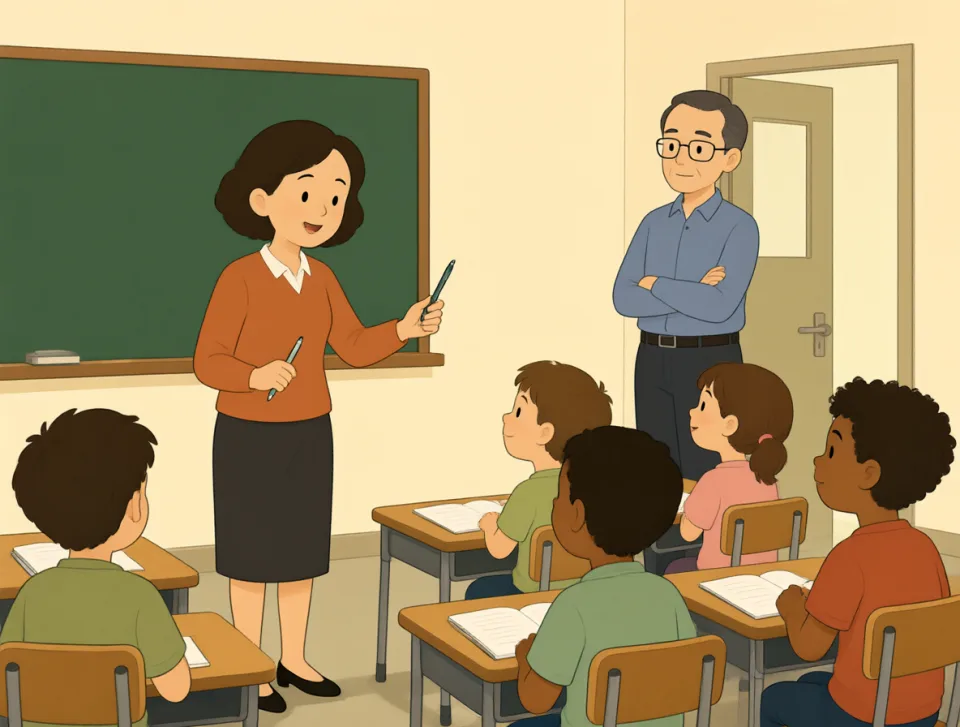
The school caps each class at twenty students this year.
W tym roku szkoła ogranicza liczebność każdej klasy do dwudziestu uczniów.
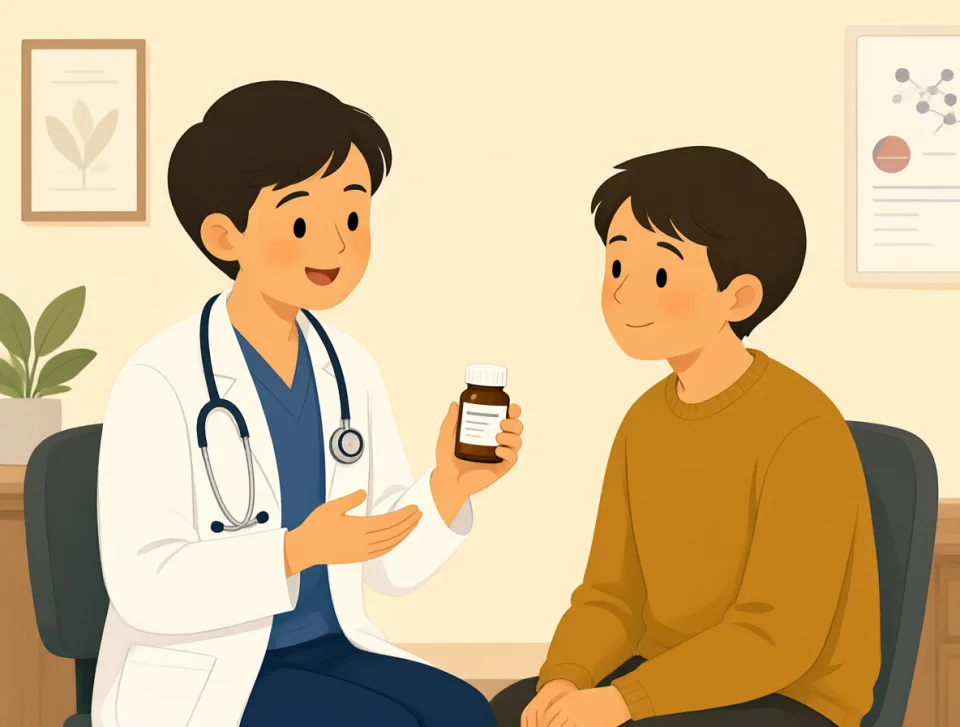
The doctor capped my medicine at two tablets each day.
Lekarz ograniczył dawkę mojego leku do dwóch tabletek dziennie.
prompt
#2375noun, verb, adjective
podpowiedź; bodziec
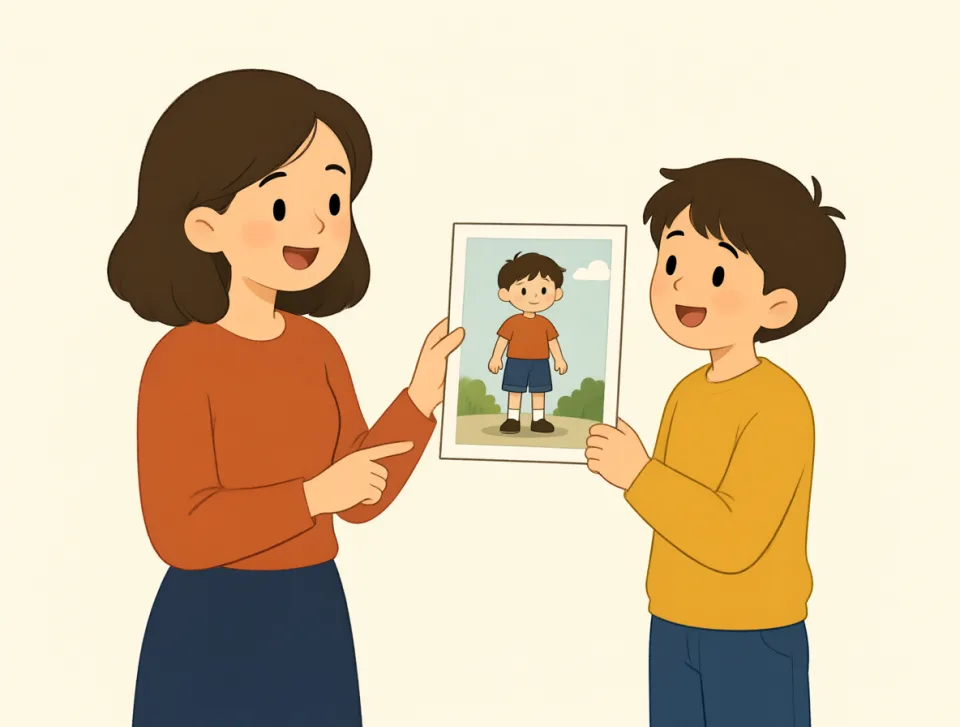
A prompt is a question or instruction that encourages someone to speak, write, or act.
Podpowiedź to pytanie lub polecenie, które zachęca kogoś do mówienia, pisania lub działania.

The teacher gave us a writing prompt about our favorite holiday.
Nauczyciel dał nam temat do pracy pisemnej o naszych ulubionych wakacjach.

Please prompt me if I forget to call the doctor tomorrow.
Przypomnij mi proszę, jeśli jutro zapomnę zadzwonić do lekarza.
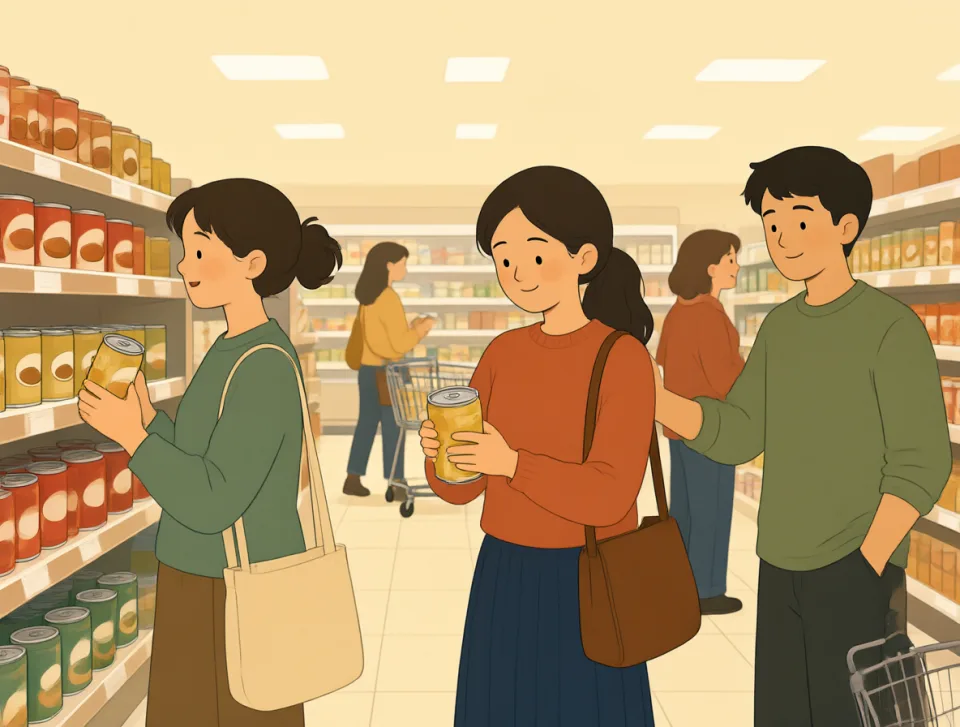
The advertisement prompted many shoppers to try the new soup.
Reklama skłoniła wielu klientów do spróbowania nowej zupy.

She gave a prompt reply when her manager asked about the problem.
Szybko odpowiedziała, gdy jej kierownik zapytał o problem.
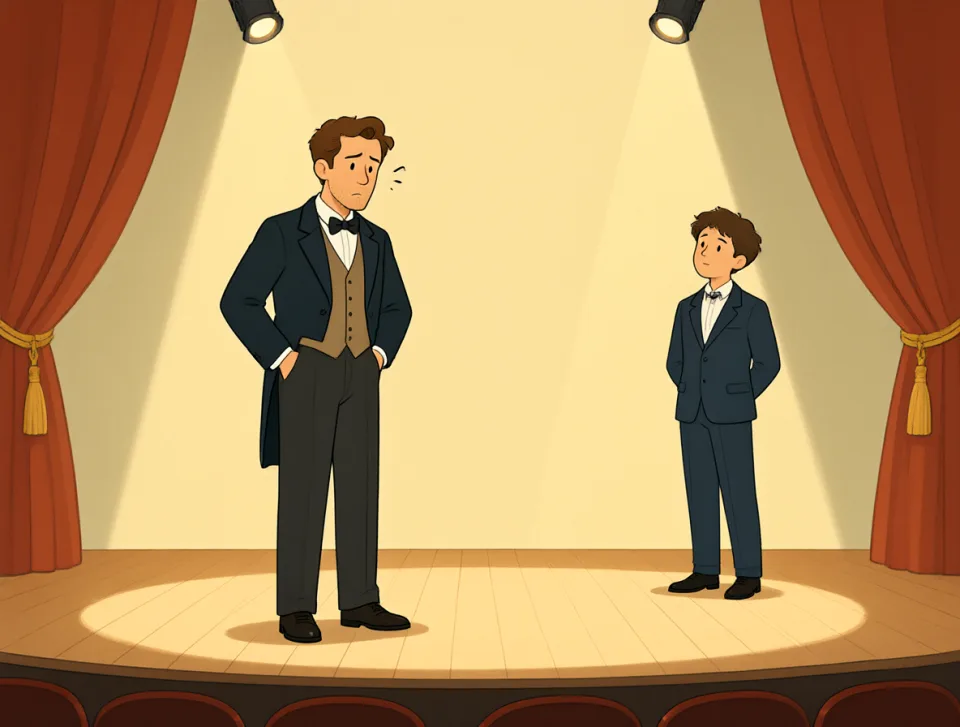
The actor missed his prompt and stood silently on stage.
Aktor nie usłyszał podpowiedzi i stał na scenie w milczeniu.
charm
#2376noun, verb
urok
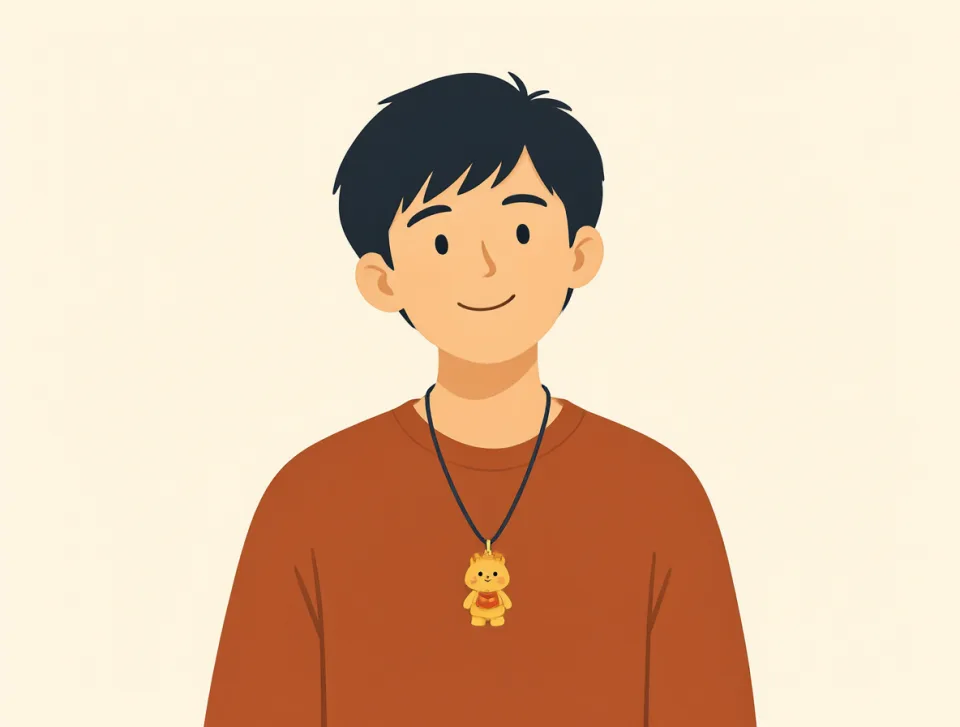
A pleasant quality that makes someone or something attractive, or to attract someone in this way.
Przyjemna cecha, która sprawia, że ktoś lub coś wydaje się atrakcyjne; także: oczarować kogoś.

Her warm smile and friendly charm made everyone feel welcome at the party.
Jej ciepły uśmiech i przyjazny urok sprawiły, że wszyscy czuli się mile widziani na przyjęciu.
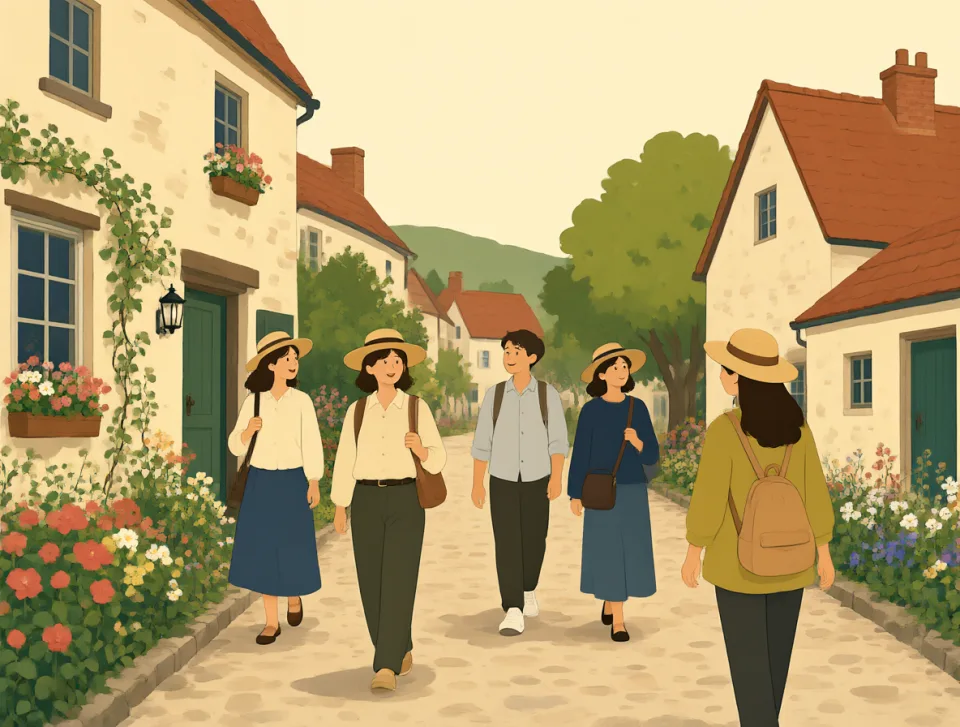
The small village has a special charm that attracts visitors every summer.
Ta mała wioska ma w sobie szczególny urok, który każdego lata przyciąga turystów.

He charmed the shop assistant, who helped him find a cheaper jacket.
Oczarował sprzedawczynię, która pomogła mu znaleźć tańszą kurtkę.

The old restaurant charms customers with homemade food and personal service.
Ta stara restauracja przyciąga klientów domowym jedzeniem i indywidualną obsługą.
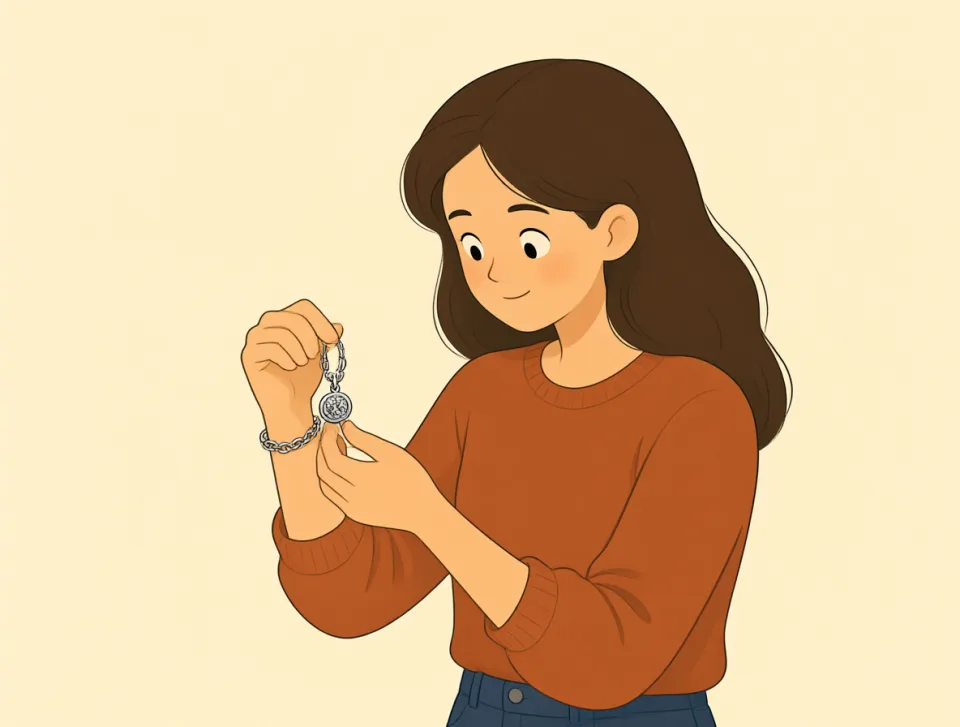
She wore a silver charm on her bracelet to remember her grandmother.
Miała na bransoletce srebrną zawieszkę, która przypominała jej o babci.
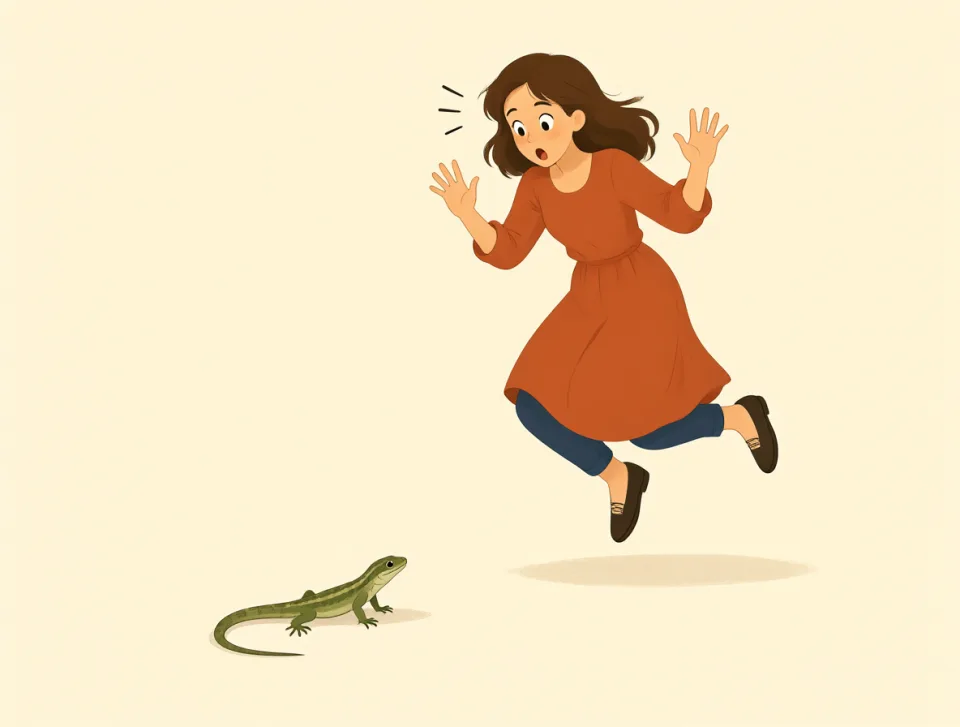
react
#2377verb
reagować
to respond to something by showing a feeling or taking action
Odpowiadać na coś, okazując uczucia lub podejmując działanie.
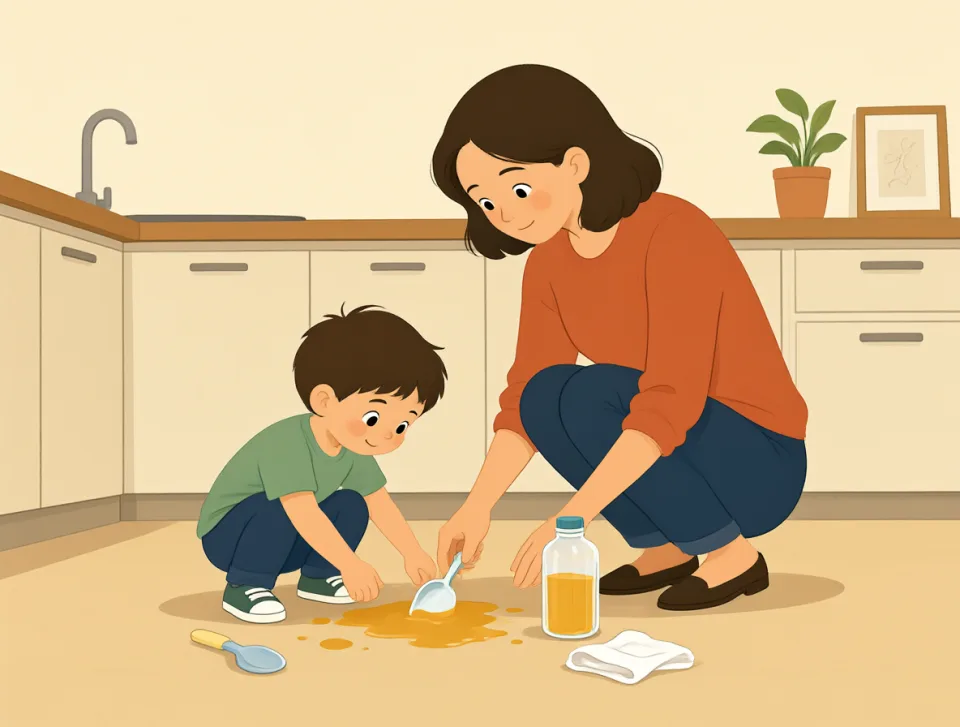
She reacted calmly when her young son spilled juice on the kitchen floor.
Zareagowała spokojnie, gdy jej mały syn rozlał sok na podłogę w kuchni.

How did your manager react to the news about the delayed project?
Jak twój kierownik zareagował na wiadomość o opóźnieniu projektu?

Some people react badly to spicy food, especially when they eat too much.
Niektórzy źle reagują na ostre jedzenie, zwłaszcza gdy zjedzą go za dużo.

The students reacted with excitement when their teacher announced a surprise trip.
Uczniowie zareagowali z entuzjazmem, gdy nauczyciel ogłosił niespodziewaną wycieczkę.
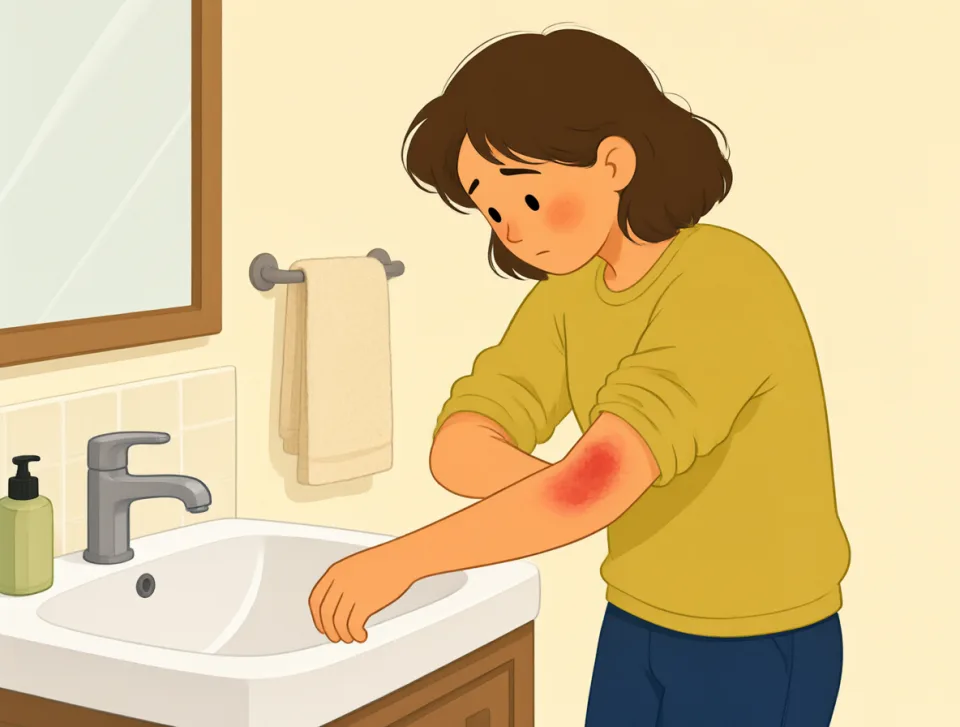
My skin reacted to the new soap, so I stopped using it immediately.
Moja skóra zareagowała na nowe mydło, więc od razu przestałem go używać.
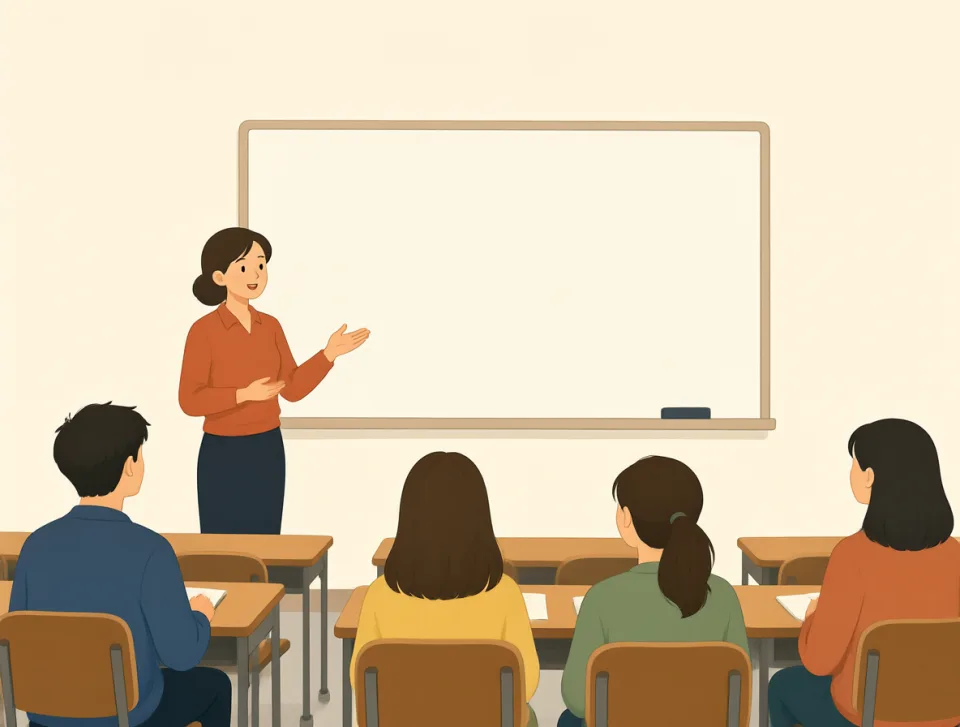
lecture
#2378noun, verb
wykład
A talk that teaches people about a subject, or to give such a talk.
Wystąpienie, podczas którego przekazuje się wiedzę na jakiś temat; także: wygłosić taki wykład.
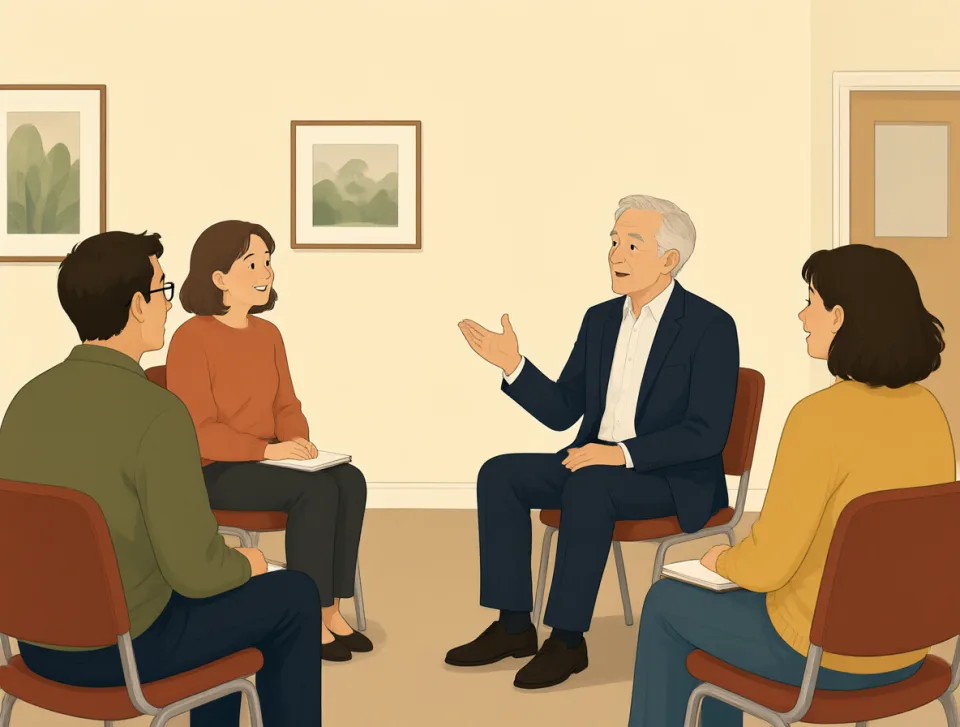
We attended a lecture about healthy eating at the community center.
Wzięliśmy udział w wykładzie o zdrowym odżywianiu w domu kultury.
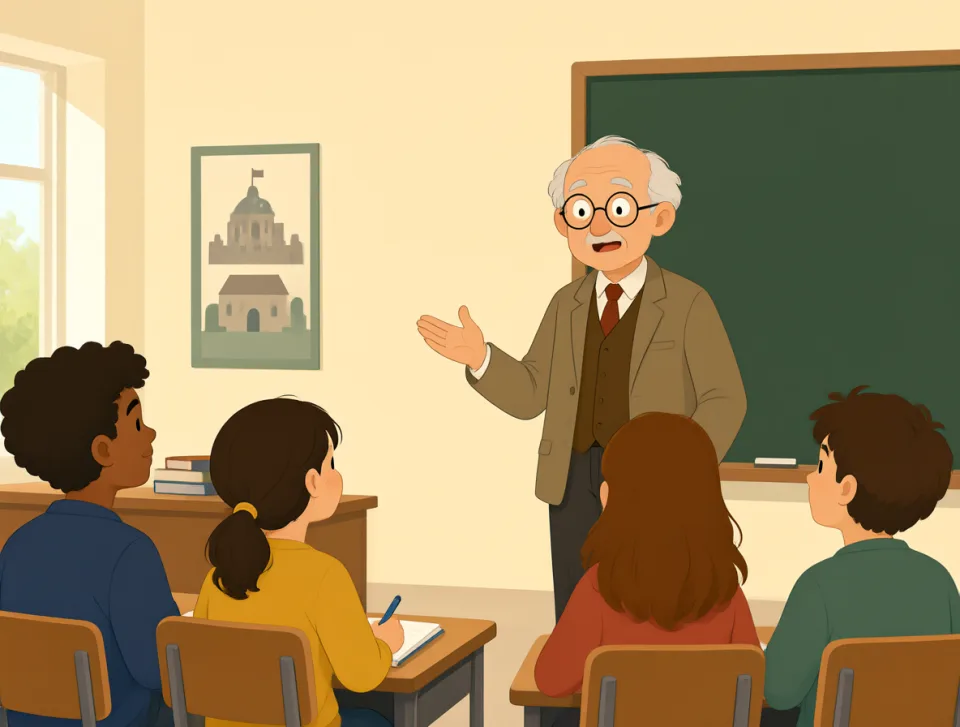
The professor gave a fascinating lecture on ancient Egyptian history.
Profesor wygłosił fascynujący wykład na temat historii starożytnego Egiptu.

I have to prepare my lecture before the conference next week.
Muszę przygotować swój wykład przed konferencją w przyszłym tygodniu.

My father lectured me about driving too fast on the highway.
Ojciec zrobił mi wykład na temat zbyt szybkiej jazdy po autostradzie.

The doctor lectured us on the dangers of smoking during our appointment.
Podczas wizyty lekarz zrobił nam wykład o zagrożeniach związanych z paleniem.

venture
#2379noun, verb
przedsięwzięcie
a new business activity involving risk; to go somewhere or do something difficult
Nowa działalność biznesowa wiążąca się z ryzykiem; udać się gdzieś lub podjąć się czegoś trudnego.
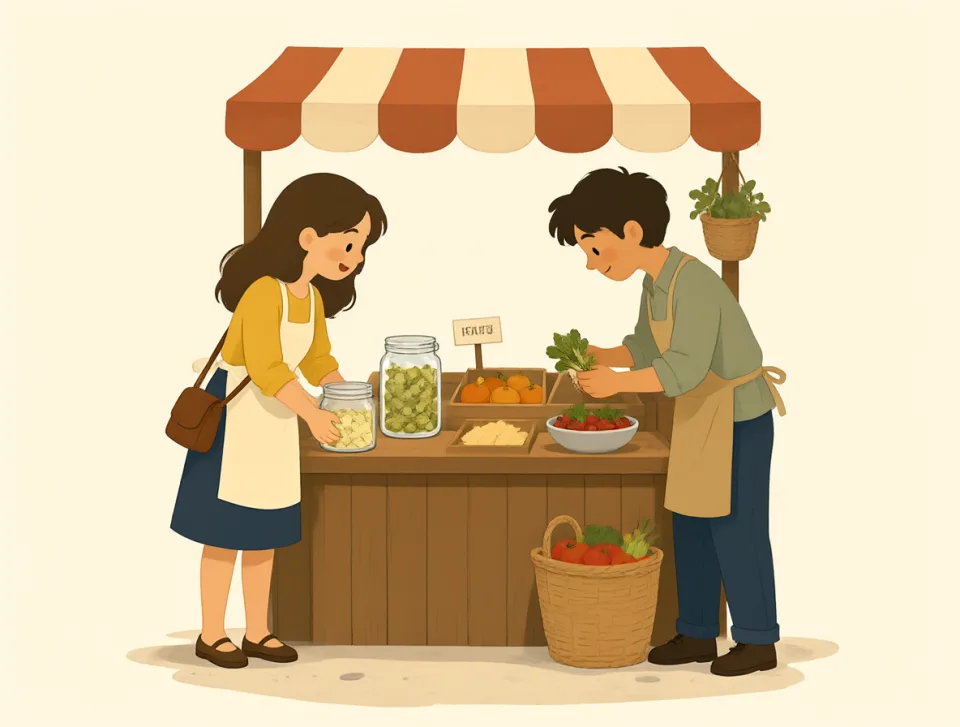
They started a new business venture selling healthy meals to busy office workers.
Założyli nową firmę, która sprzedaje zdrowe posiłki zapracowanym pracownikom biurowym.

We ventured into the forest before sunrise to find a quiet camping place.
Przed wschodem słońca zapuściliśmy się w las, żeby znaleźć spokojne miejsce na biwak.

She rarely ventures out alone after dark because the streets feel unsafe.
Rzadko wychodzi sama po zmroku, bo ulice wydają jej się niebezpieczne.

The company is venturing into online shopping for the first time this year.
W tym roku firma po raz pierwszy wkracza w handel internetowy.
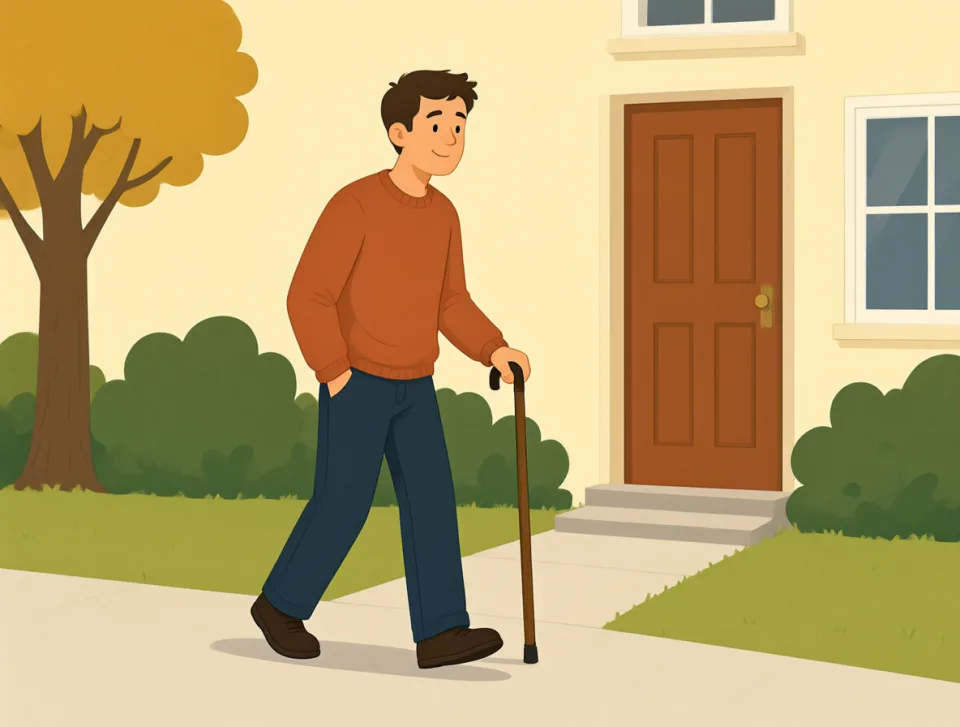
After recovering from surgery, he ventured outside for a short walk.
Po powrocie do zdrowia po operacji odważył się wyjść na krótki spacer.

compound
#2380noun, adjective, verb
związek
A group of buildings; something made from two or more parts; to combine things.
Zespół budynków; coś składającego się z co najmniej dwóch części; łączyć różne rzeczy.
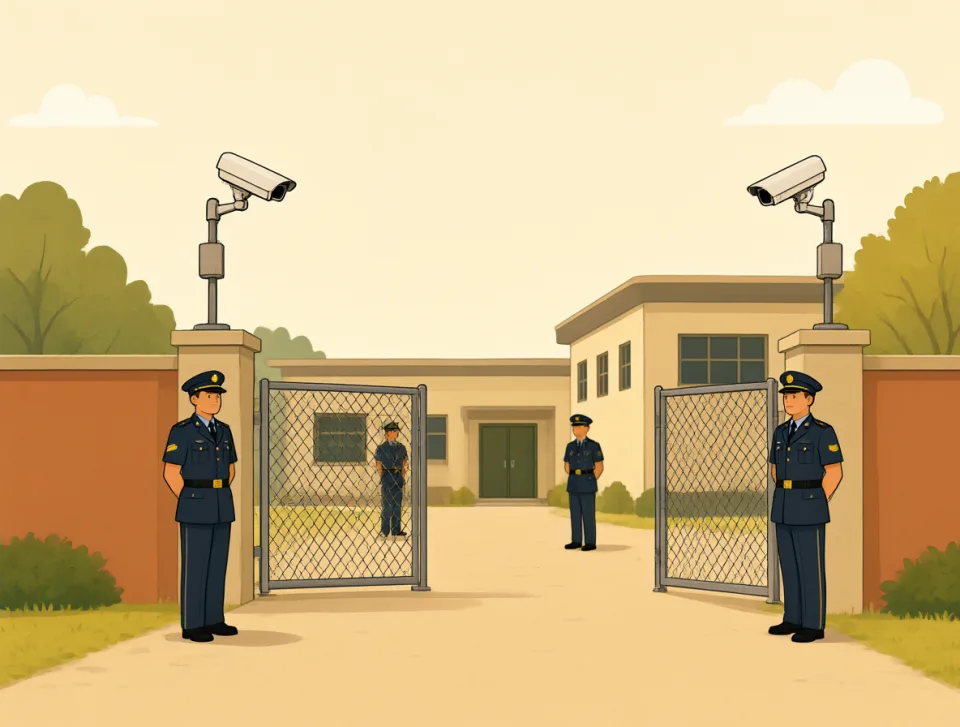
The military compound is surrounded by a high fence and security cameras.
Teren bazy wojskowej otaczają wysokie ogrodzenie i kamery monitoringu.

Scientists are testing a new chemical compound in the laboratory.
Naukowcy testują w laboratorium nowy związek chemiczny.
This word is a compound made from two shorter words.
To słowo jest złożeniem utworzonym z dwóch krótszych słów.

The hotel compound includes several buildings, a pool, and a small restaurant.
Na terenie hotelu znajduje się kilka budynków, basen i niewielka restauracja.

The two companies are compounding their problems by refusing to cooperate.
Obie firmy pogłębiają swoje problemy, odmawiając współpracy.