Zestaw 115
Słowa 2281–2300 · sponsor, boot, accurate, dealer, button, burden
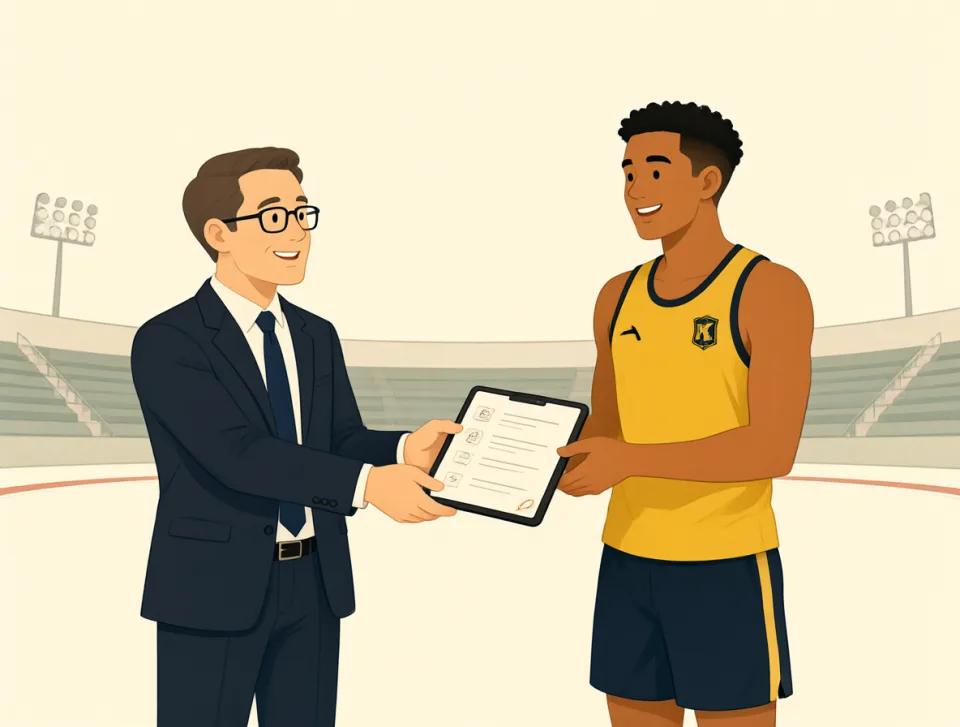
sponsor
#2281noun, verb
sponsor
A person or company that supports an event, activity, or person with money or other help.
Osoba lub firma, która wspiera wydarzenie, działalność lub inną osobę, zapewniając pieniądze albo inną pomoc.
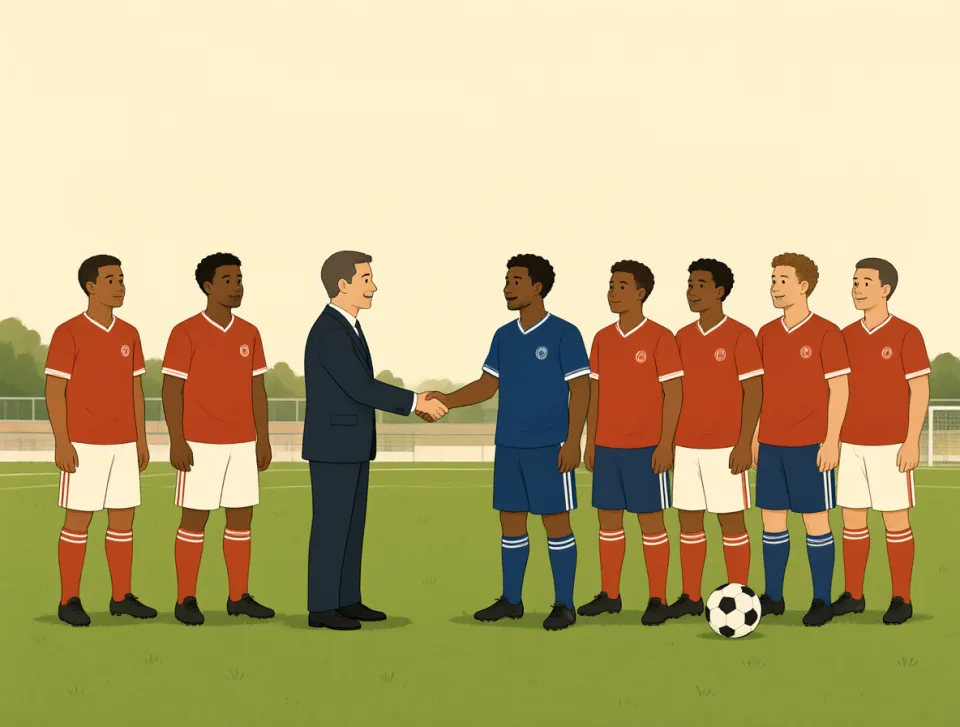
The company is the main sponsor of our local football team.
Ta firma jest głównym sponsorem naszej lokalnej drużyny piłkarskiej.
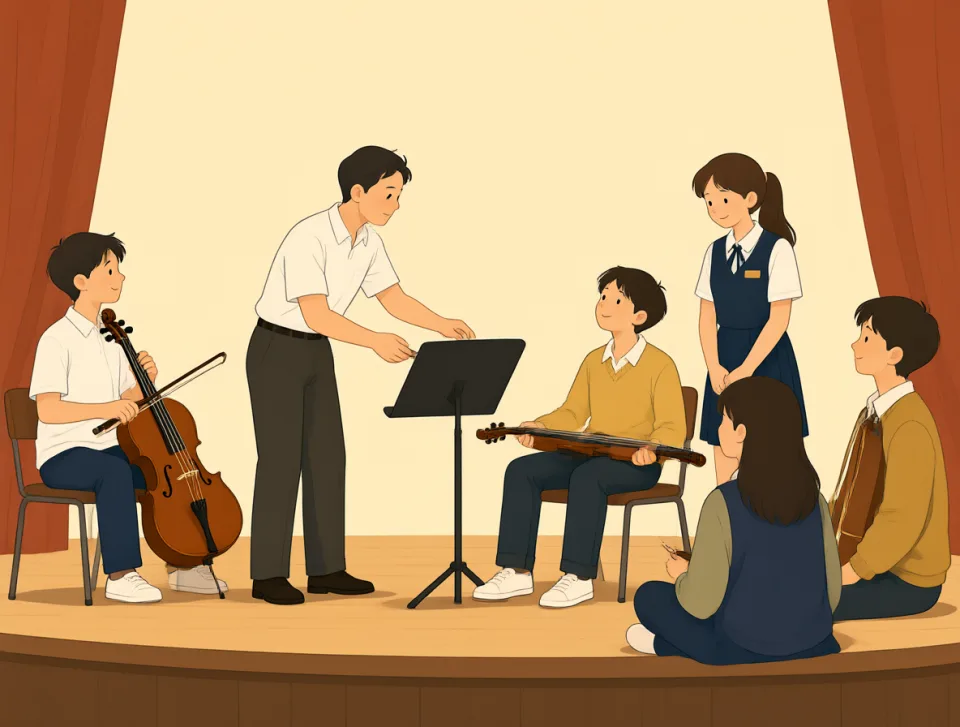
A local business sponsored the school concert last Friday.
W zeszły piątek lokalna firma sponsorowała szkolny koncert.
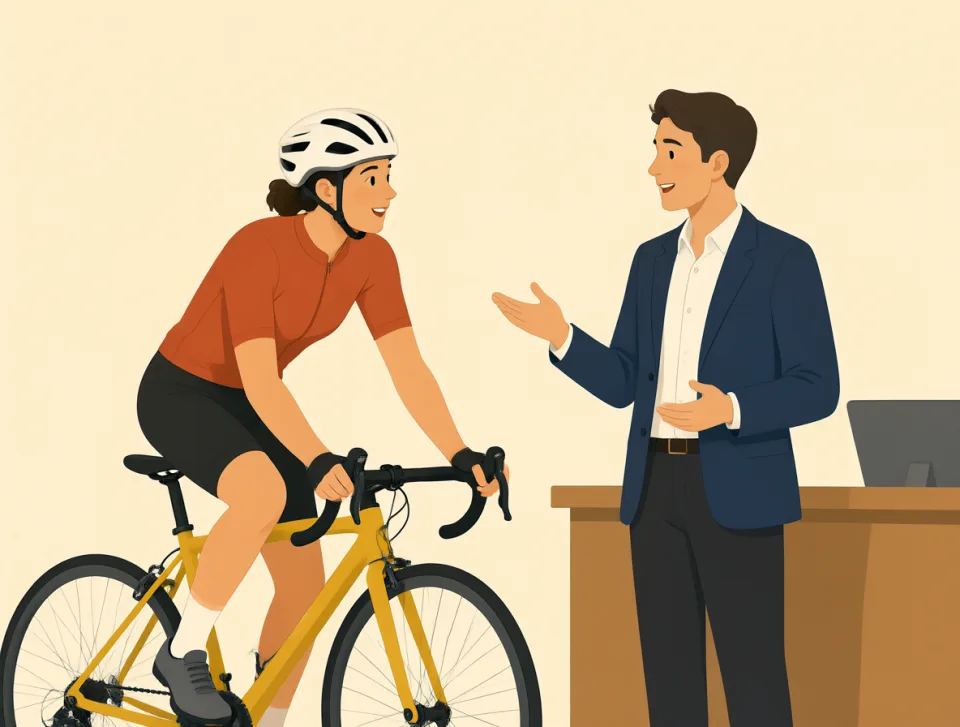
She found a sponsor to help pay for her charity bike ride.
Znalazła sponsora, który pomoże jej opłacić charytatywny rajd rowerowy.
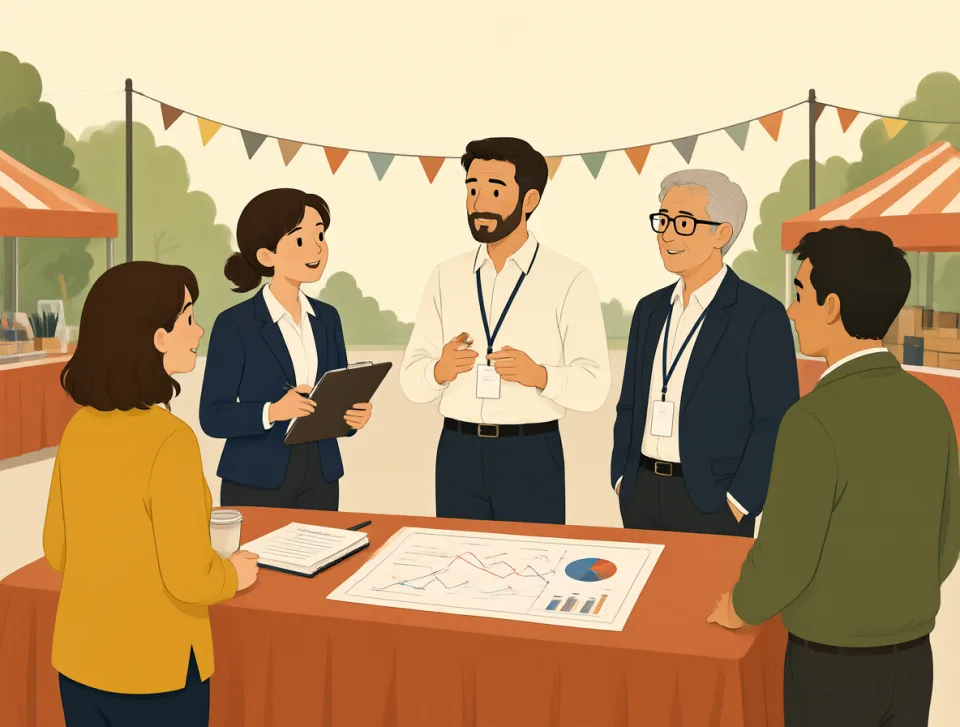
The festival needs more sponsors to cover its rising costs.
Festiwal potrzebuje więcej sponsorów, aby pokryć rosnące koszty.

The athlete thanked her sponsors after winning the race.
Zawodniczka podziękowała swoim sponsorom po wygraniu wyścigu.
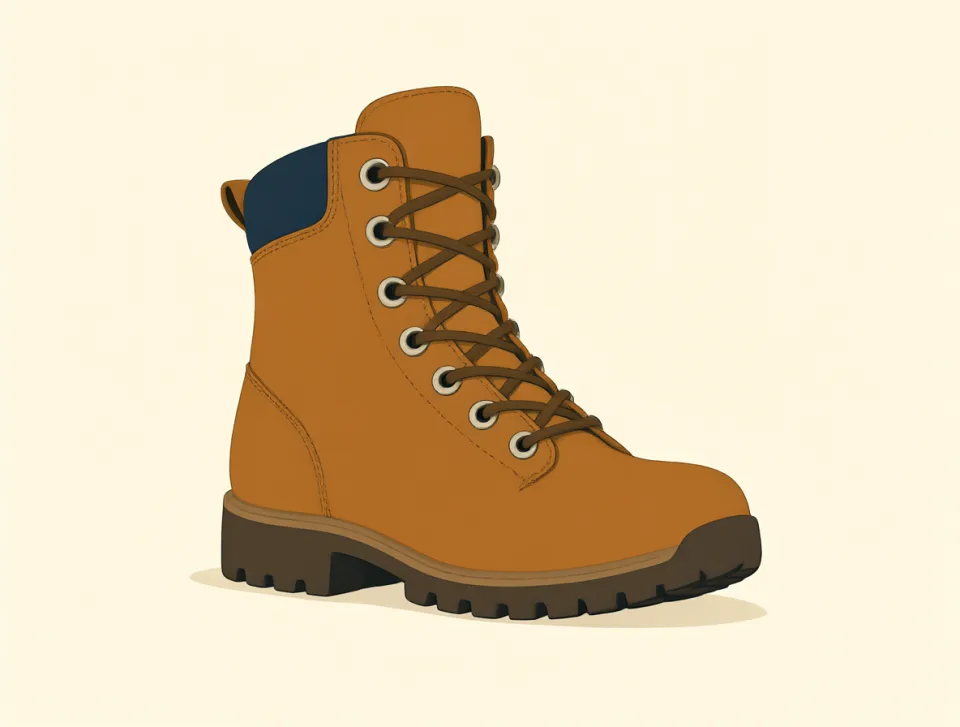
boot
#2282noun, verb
but
A strong shoe covering the foot and lower leg; to start a computer or vehicle.
Solidny but zakrywający stopę i dolną część nogi; uruchamiać komputer lub pojazd.
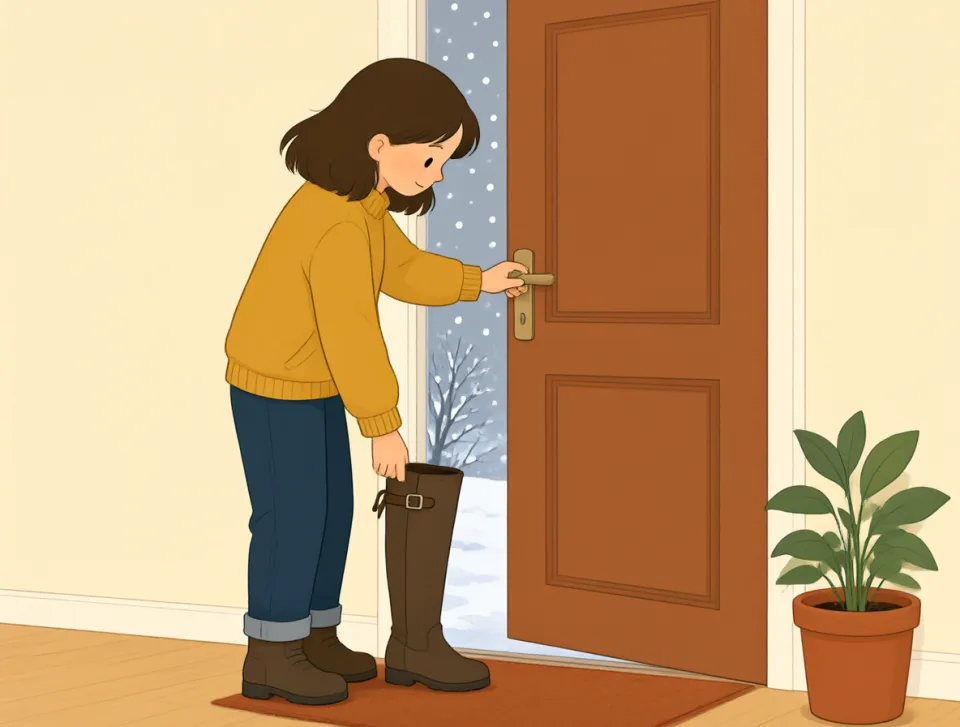
I put on my boots before walking through the deep snow.
Założyłem buty przed spacerem w głębokim śniegu.
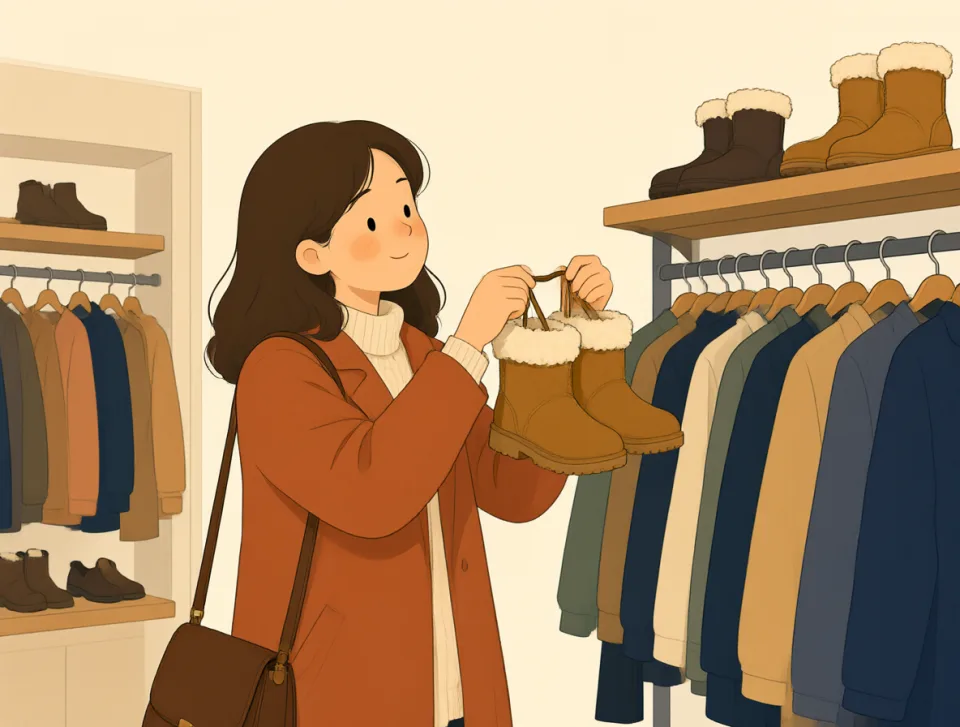
She bought a new pair of boots for the winter.
Kupiła nową parę butów na zimę.
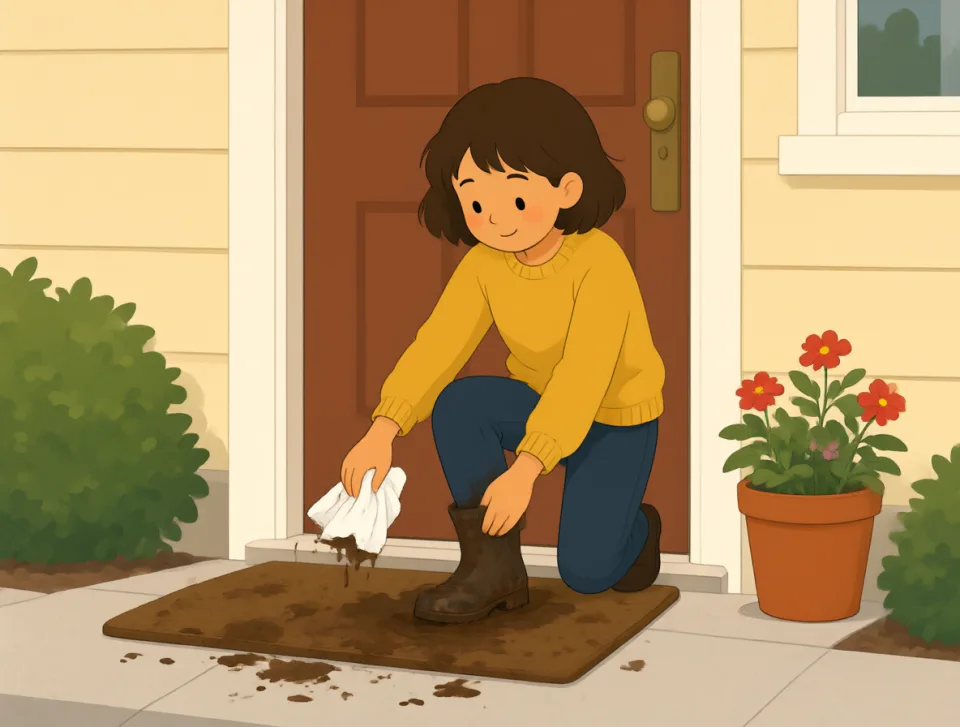
Please wipe your muddy boots before coming into the house.
Wytrzyj proszę zabłocone buty, zanim wejdziesz do domu.

The technician booted the computer after installing the new software.
Po zainstalowaniu nowego oprogramowania technik uruchomił komputer.
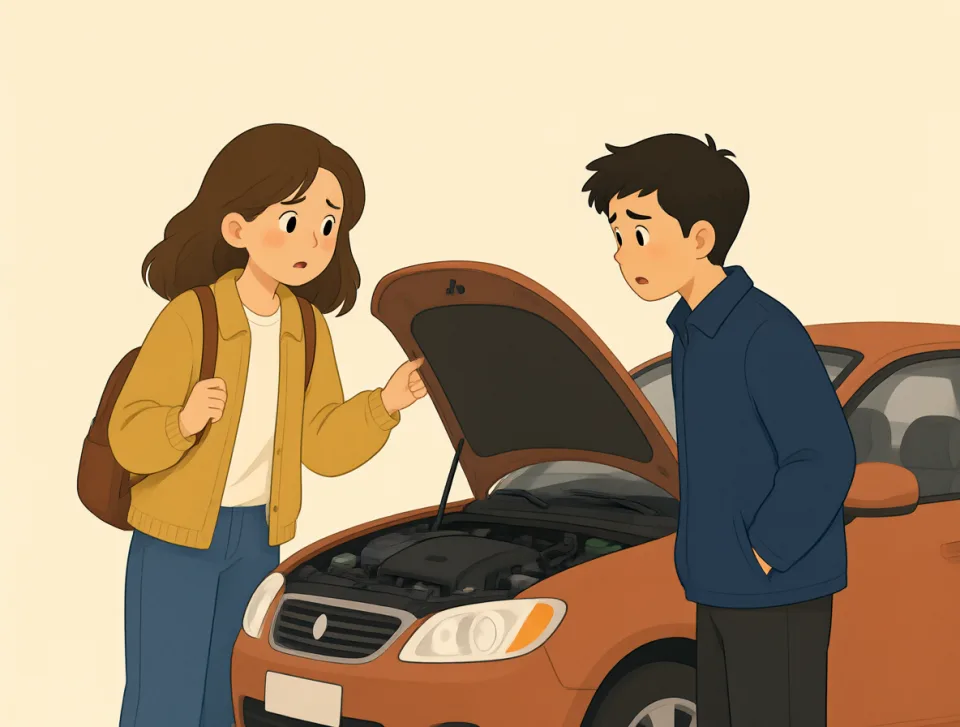
The car would not boot, so we called a mechanic.
Samochód nie chciał się uruchomić, więc zadzwoniliśmy po mechanika.
accurate
#2283adjective
dokładny
Correct and free from mistakes.
Poprawny i wolny od błędów.
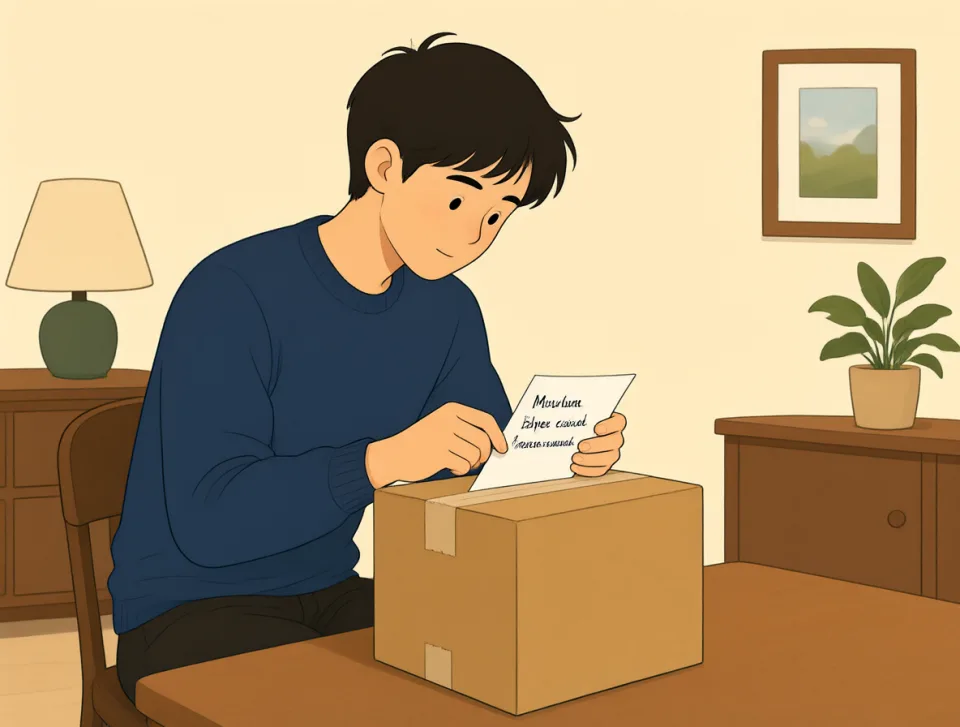
Please make sure the address is accurate before sending the package.
Przed wysłaniem paczki upewnij się, że adres jest dokładny.

The weather forecast was accurate, so we brought umbrellas to work.
Prognoza pogody była dokładna, więc zabraliśmy parasole do pracy.
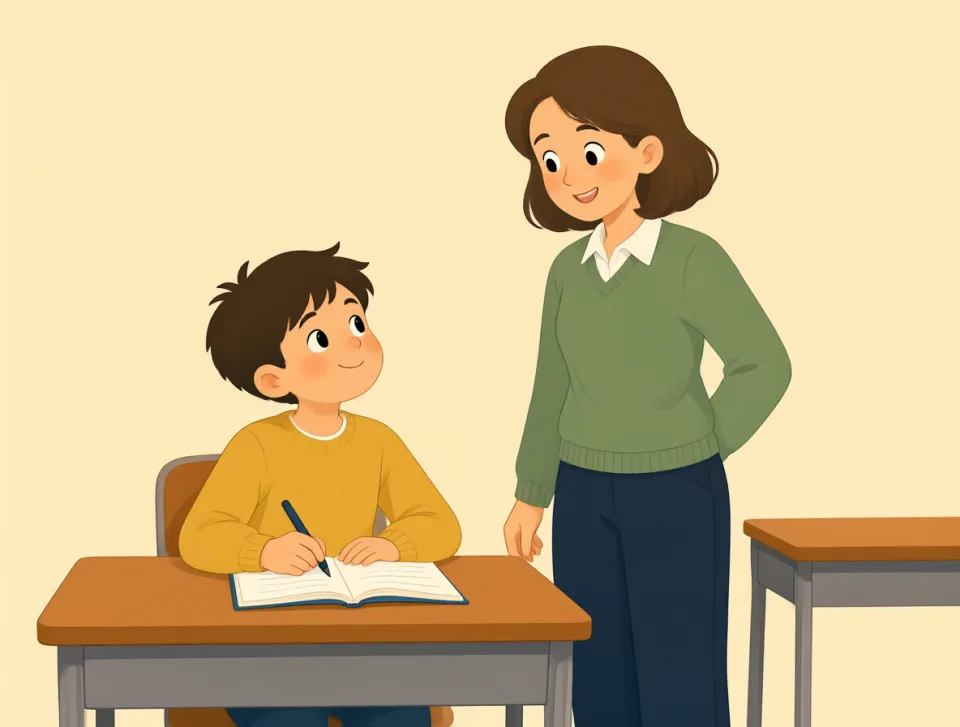
Our teacher praised Mia for giving an accurate answer in class.
Nauczyciel pochwalił Mię za udzielenie dokładnej odpowiedzi na lekcji.
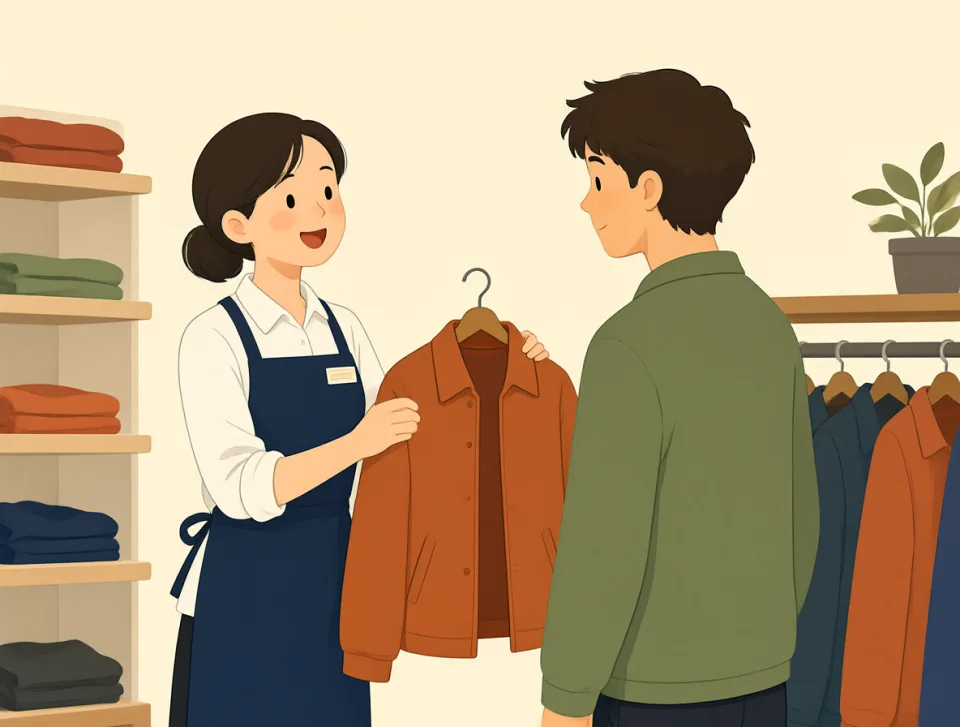
The shop assistant gave me an accurate price for the jacket.
Sprzedawca podał mi dokładną cenę kurtki.
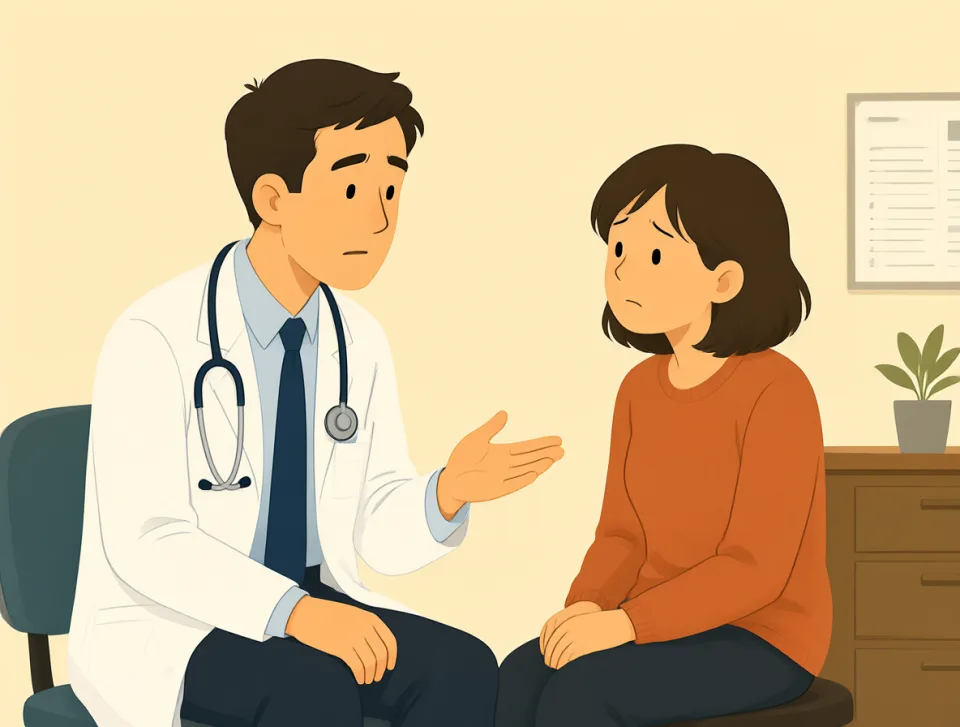
The doctor needs an accurate description of your symptoms.
Lekarz potrzebuje dokładnego opisu twoich objawów.
dealer
#2284noun
dealer
A person or business that sells a particular product, especially cars, drugs, or playing cards.
Osoba lub firma sprzedająca określony produkt, zwłaszcza samochody, narkotyki lub karty do gry.
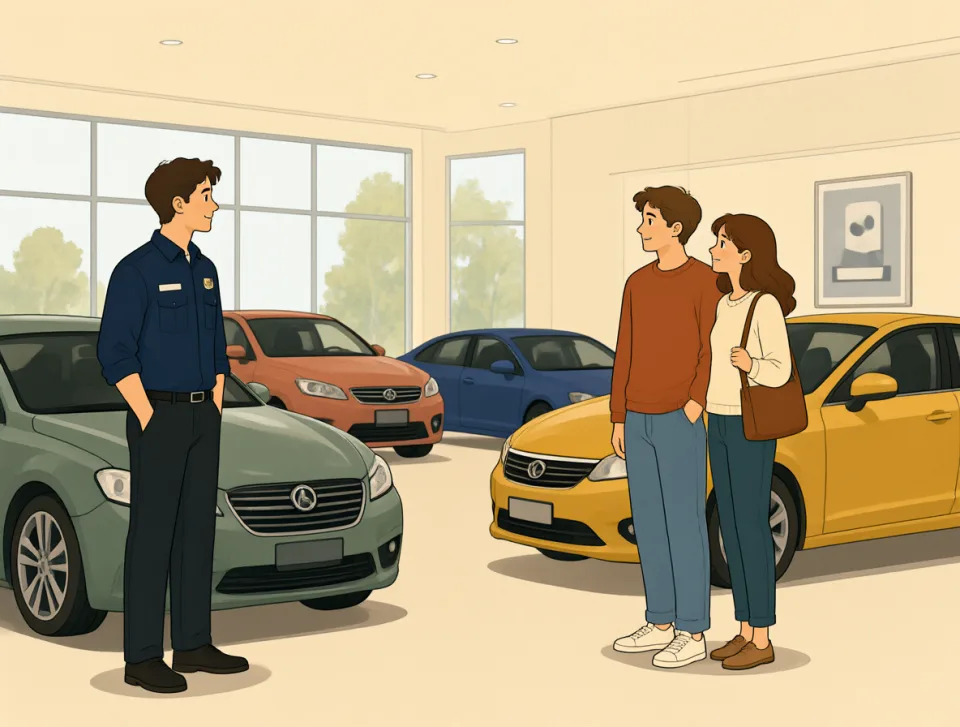
The car dealer showed us several reliable family cars.
Dealer samochodowy pokazał nam kilka niezawodnych samochodów rodzinnych.
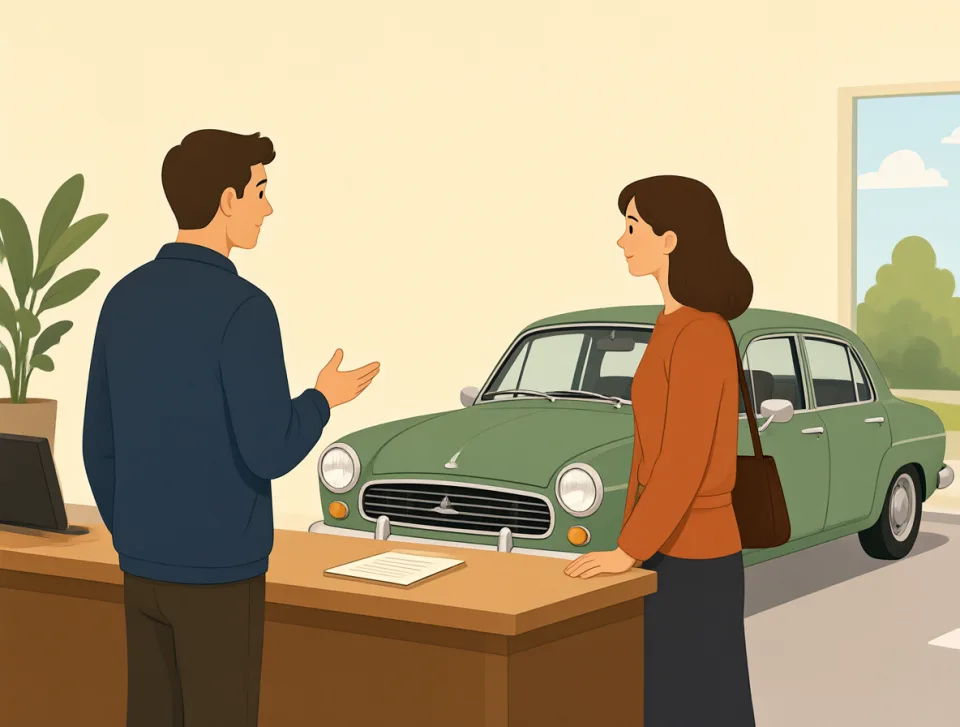
The dealer offered me a fair price for my old car.
Dealer zaoferował mi uczciwą cenę za mój stary samochód.
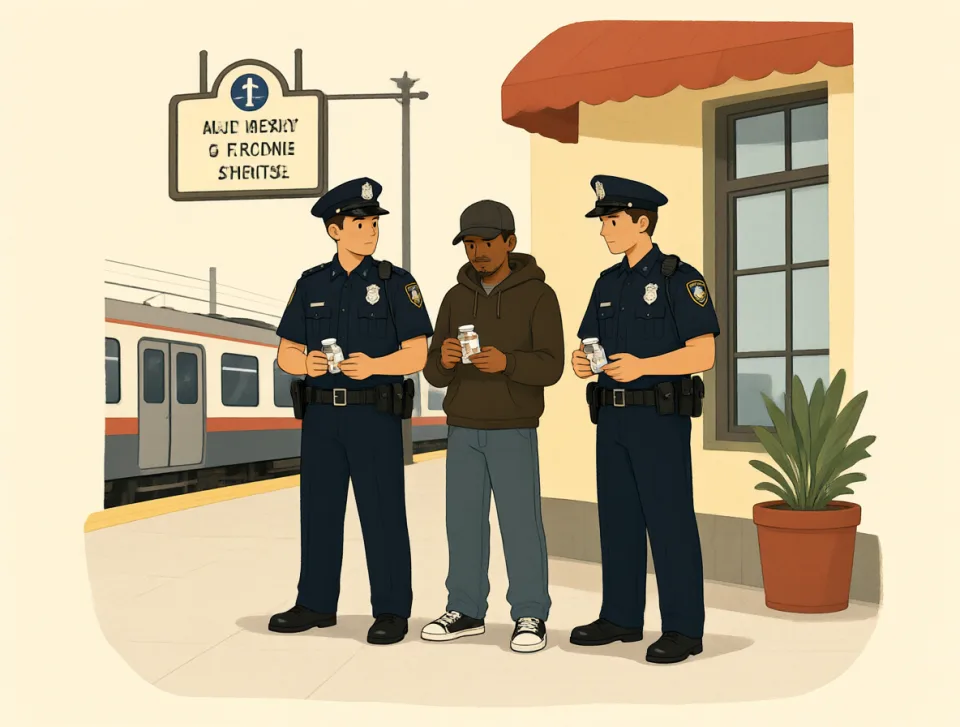
Police arrested a drug dealer near the train station.
Policja aresztowała handlarza narkotyków w pobliżu dworca kolejowego.
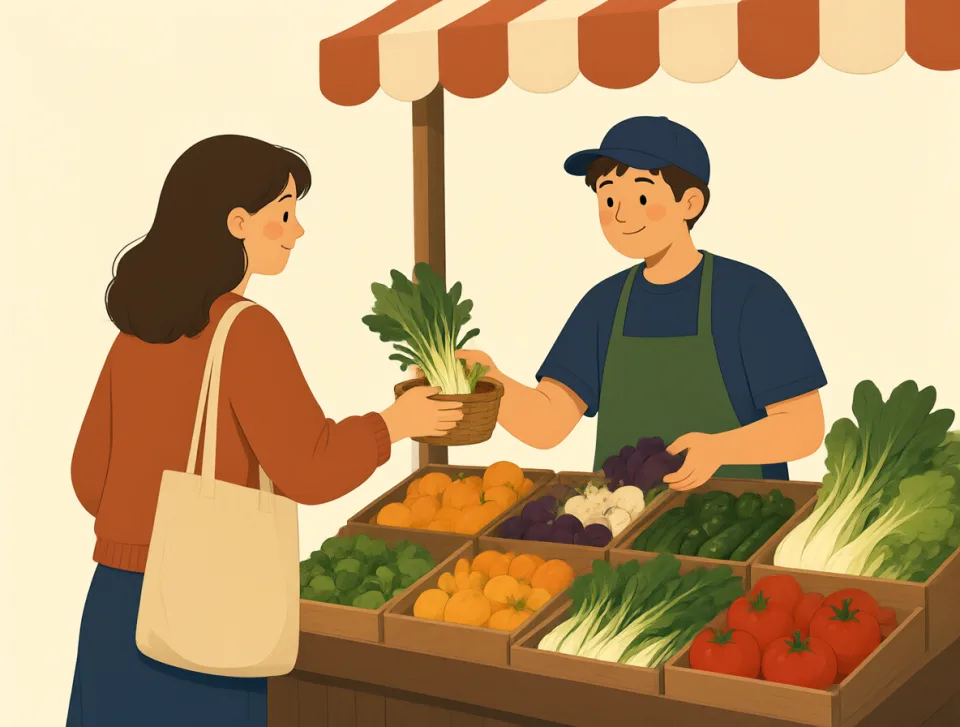
We bought fresh vegetables from a local dealer at the market.
Kupiliśmy świeże warzywa na targu u lokalnego sprzedawcy.
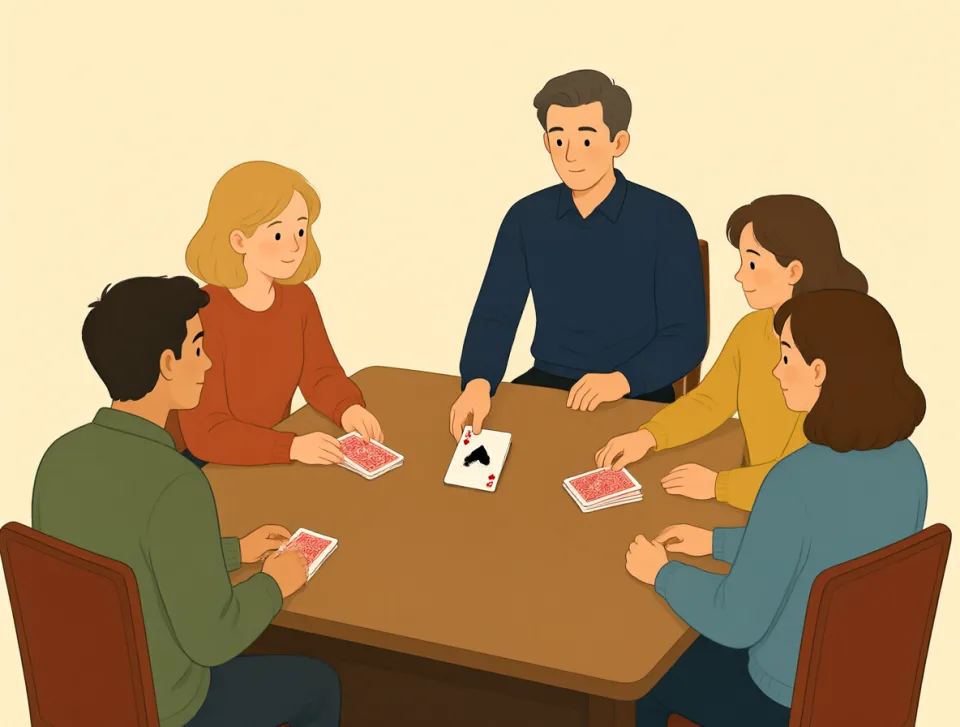
The card dealer gave each player five cards.
Rozdający karty dał każdemu graczowi po pięć kart.
button
#2285noun, verb
przycisk
A small object pressed to control a machine, device, or piece of clothing.
Mały element, który naciska się, aby sterować urządzeniem, maszyną lub częścią ubrania.
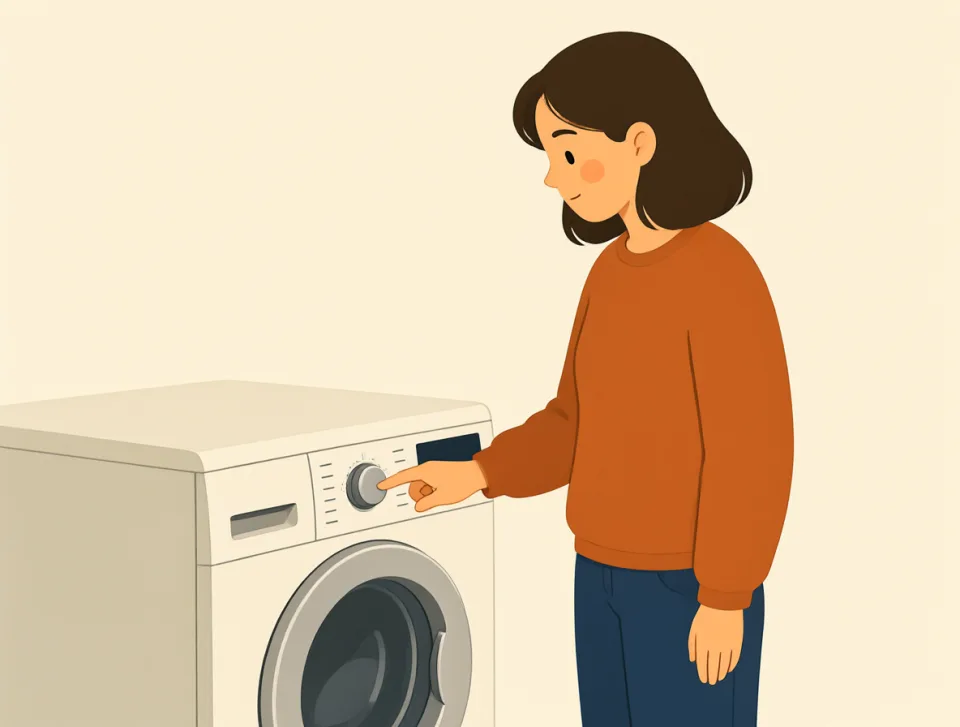
Press the button to start the washing machine.
Naciśnij przycisk, aby uruchomić pralkę.
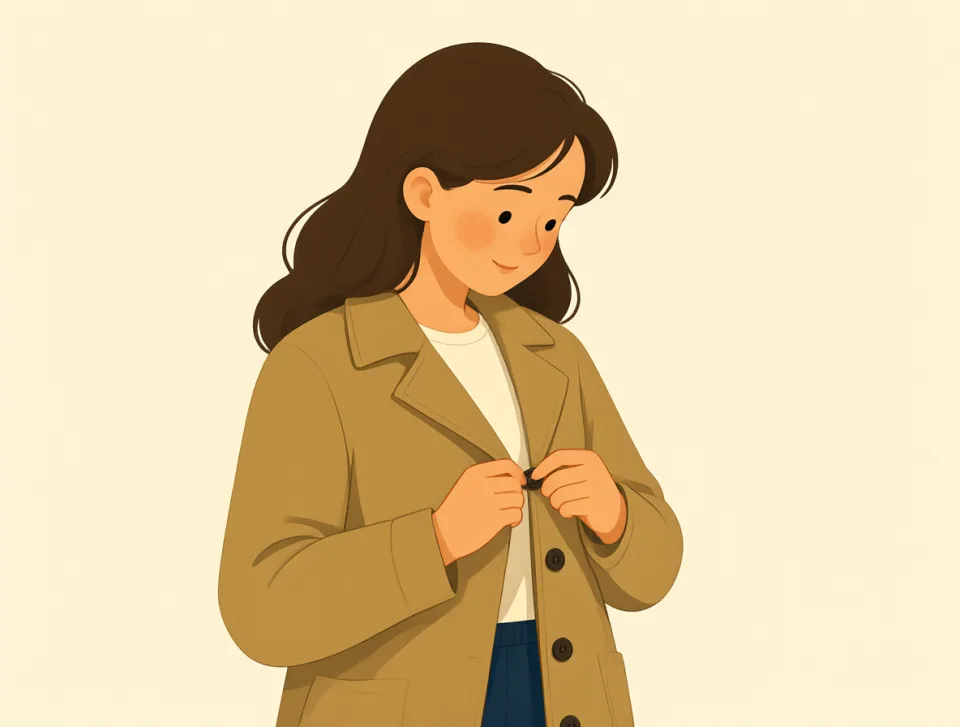
She fastened her coat by pushing each button through its hole.
Zapięła płaszcz, przekładając każdy guzik przez dziurkę.
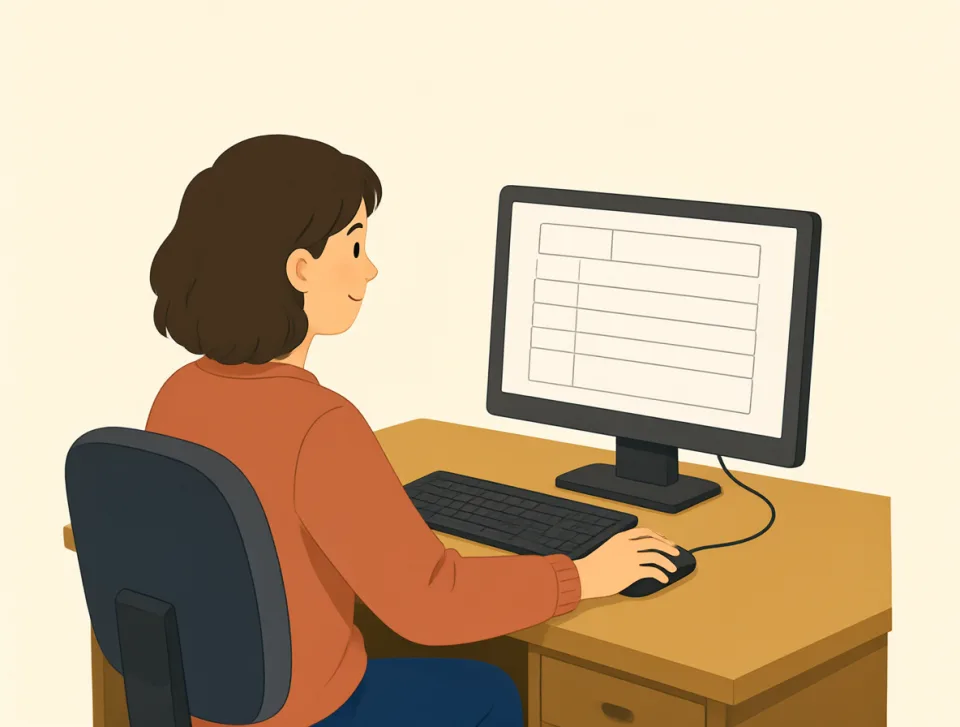
Click the blue button when you finish filling out the form.
Po wypełnieniu formularza kliknij niebieski przycisk.
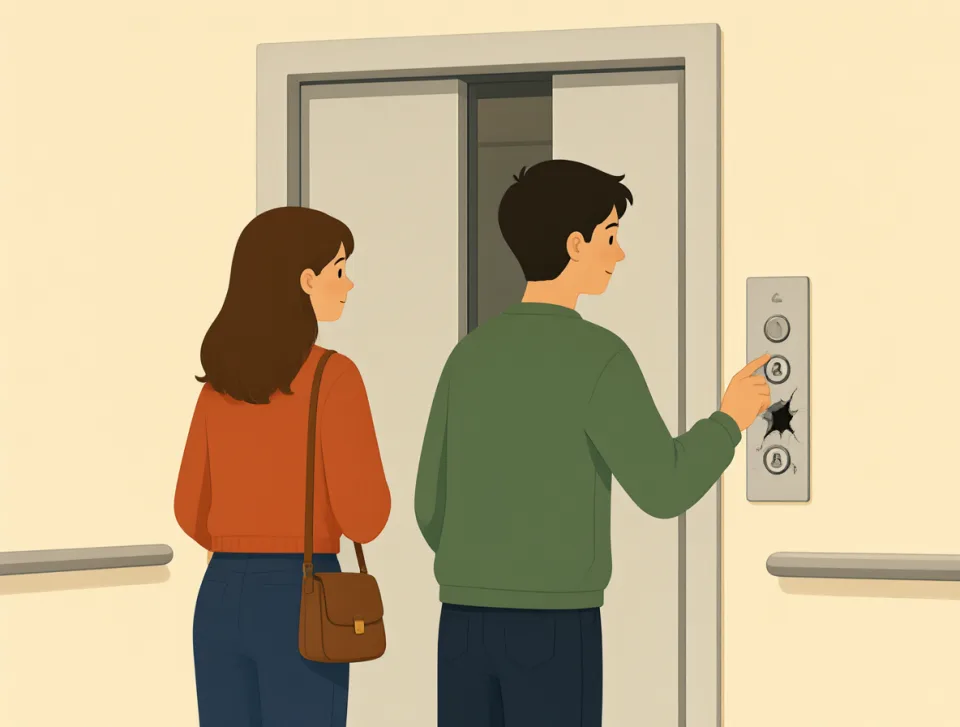
The elevator button was broken, so we took the stairs.
Przycisk windy był zepsuty, więc poszliśmy schodami.
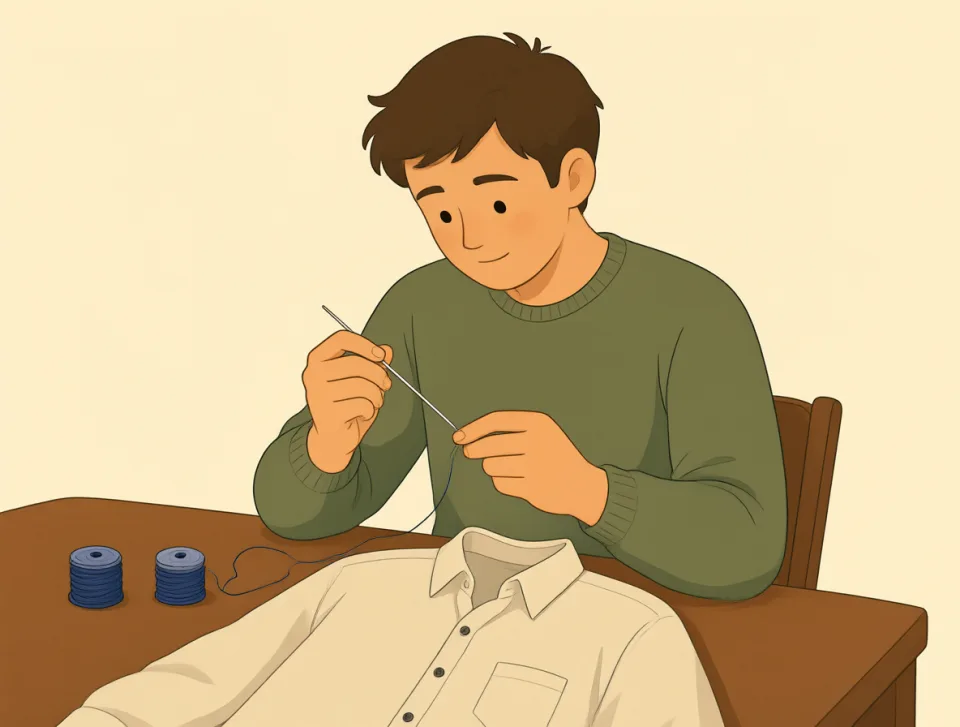
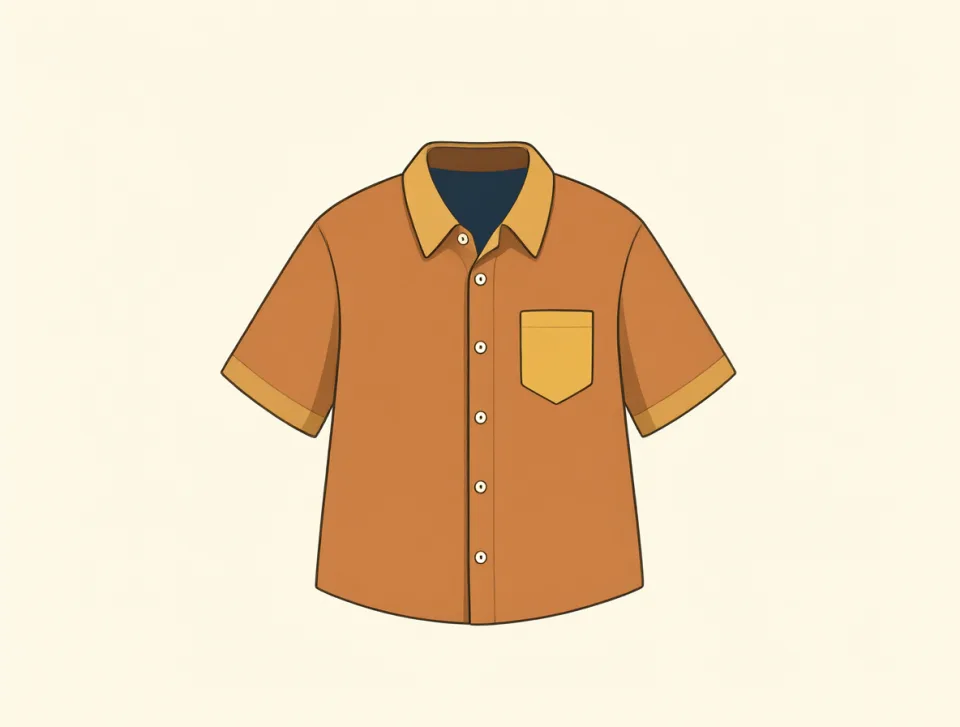
He sewed a new button onto his shirt before going to work.
Przed wyjściem do pracy przyszył do koszuli nowy guzik.
burden
#2286noun, verb
brzemię
A heavy responsibility or problem; to give someone too much responsibility or difficulty.
Ciężka odpowiedzialność lub problem; obarczyć kogoś zbyt dużą odpowiedzialnością lub trudnościami.
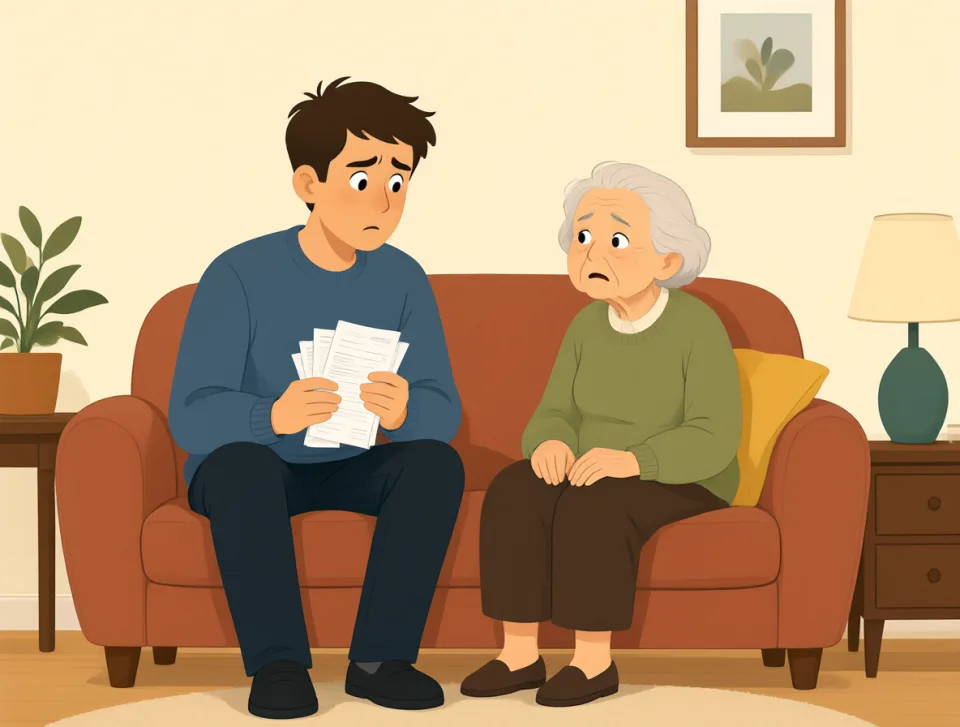
Caring for his elderly parents became a heavy burden after he lost his job.
Opieka nad starszymi rodzicami stała się dużym ciężarem, kiedy stracił pracę.
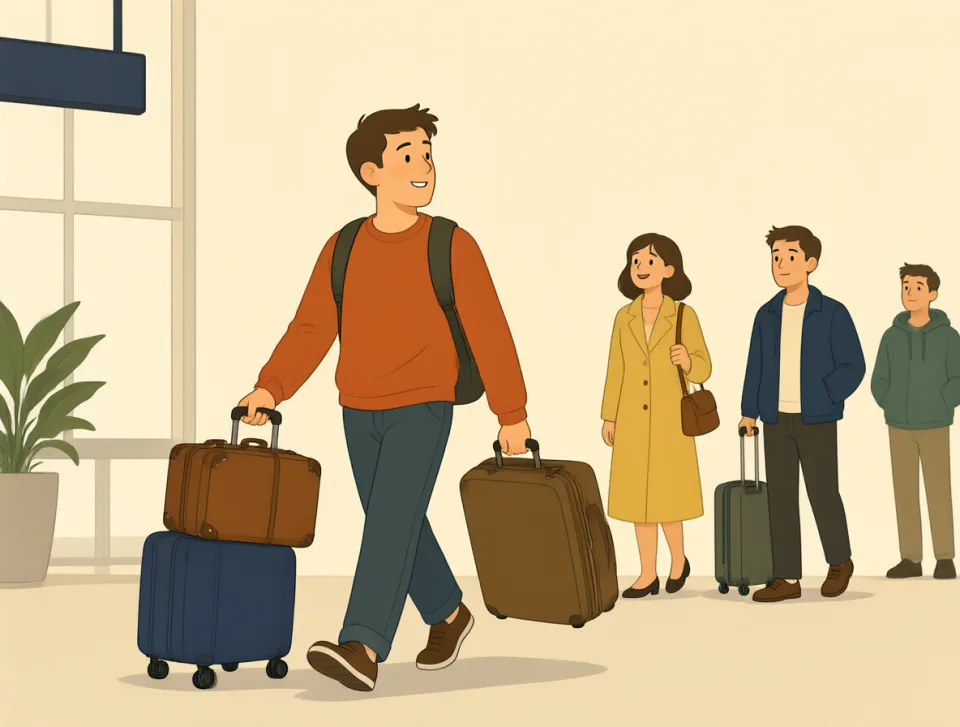
Please carry your own bags so you do not burden the other travelers.
Proszę, niech każdy niesie własne torby, żeby nie obciążać pozostałych podróżnych.
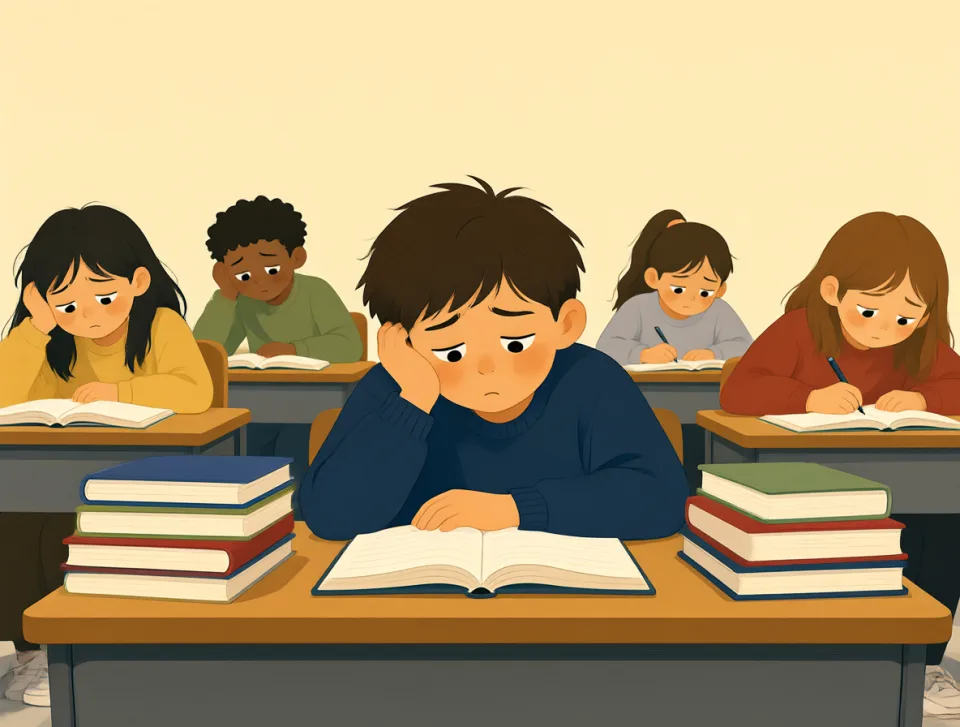
The extra homework was a burden for students already preparing for their exams.
Dodatkowe zadanie domowe było ciężarem dla uczniów, którzy i tak przygotowywali się do egzaminów.
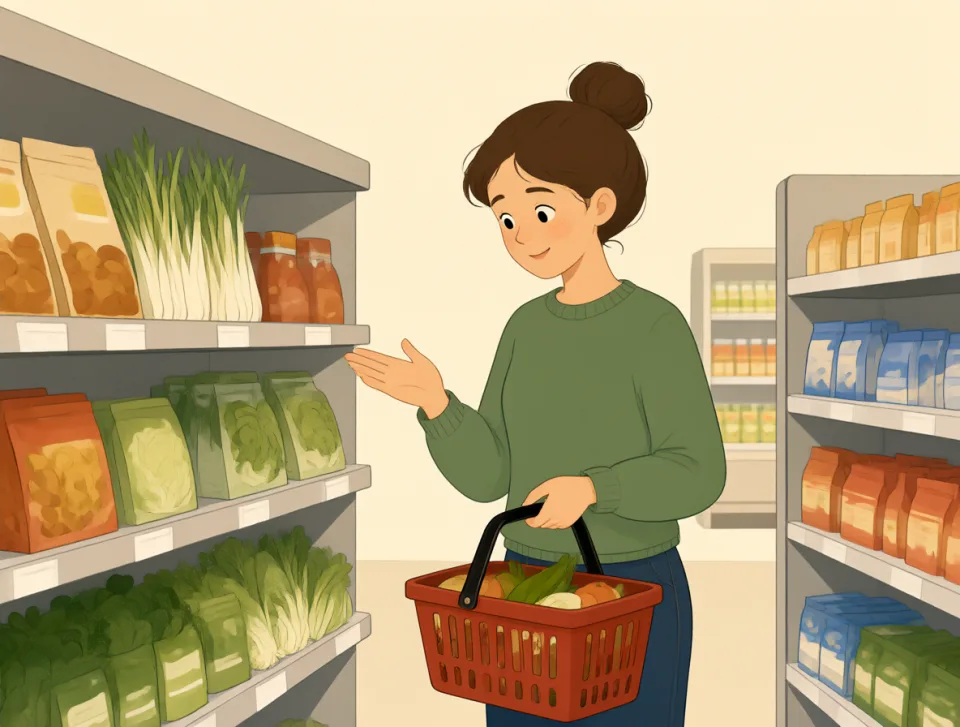
Rising food prices placed a financial burden on many families this winter.
Rosnące ceny żywności tej zimy stały się obciążeniem finansowym dla wielu rodzin.
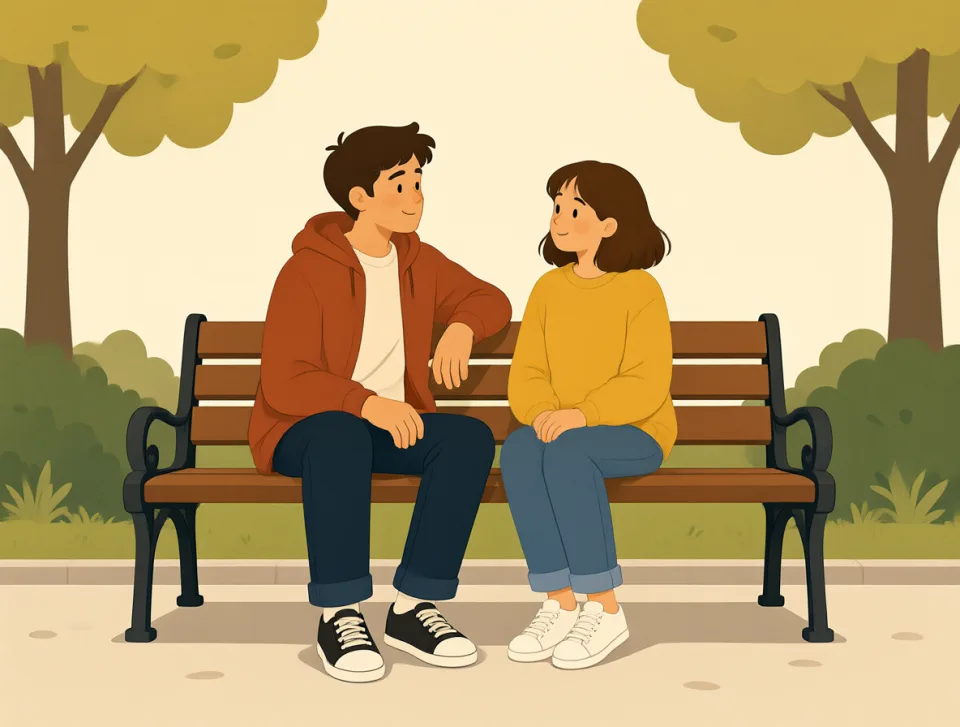
She shared her worries with a friend instead of bearing the burden alone.
Podzieliła się swoimi zmartwieniami z przyjacielem, zamiast dźwigać ten ciężar sama.

desert
#2287noun, verb
pustynia; porzucić
A hot, dry place with very little rain; to leave someone or something completely.
Gorące, suche miejsce, w którym prawie nie pada; całkowicie kogoś lub coś opuścić.
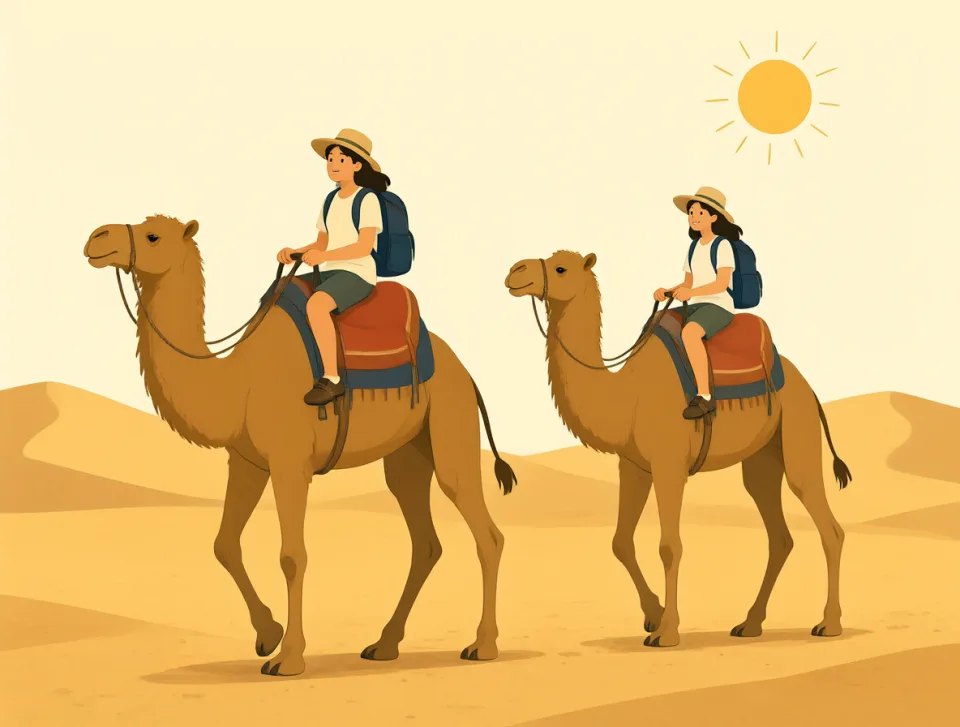
They traveled across the desert by camel during their summer holiday.
Podczas letnich wakacji przemierzali pustynię na wielbłądach.
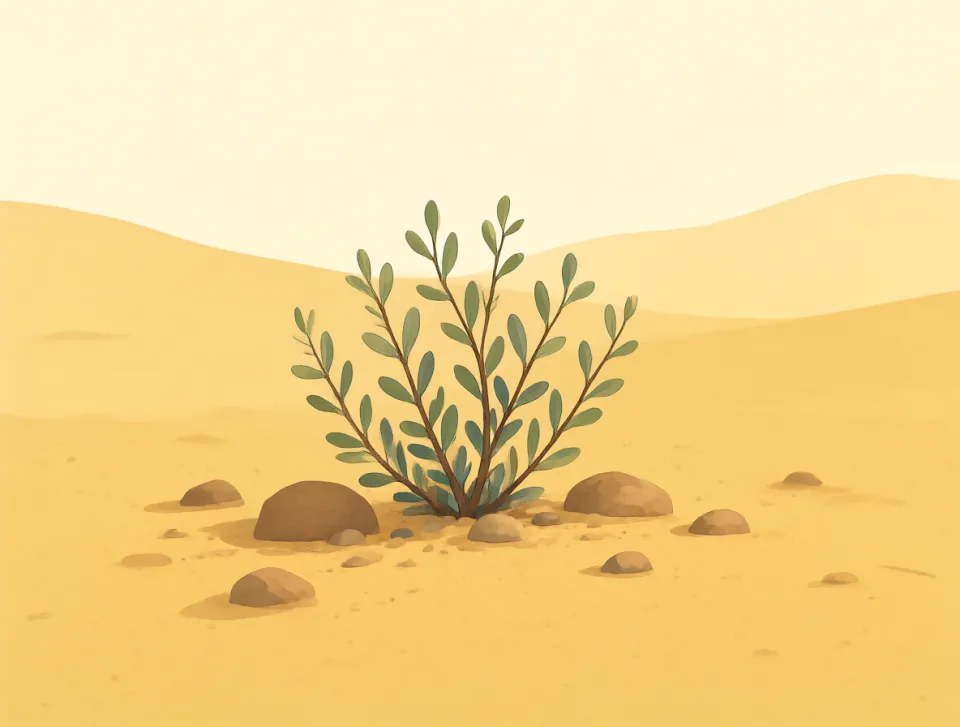
Few plants can survive in the desert without deep roots or stored water.
Niewiele roślin może przetrwać na pustyni bez głębokich korzeni lub zapasu wody.
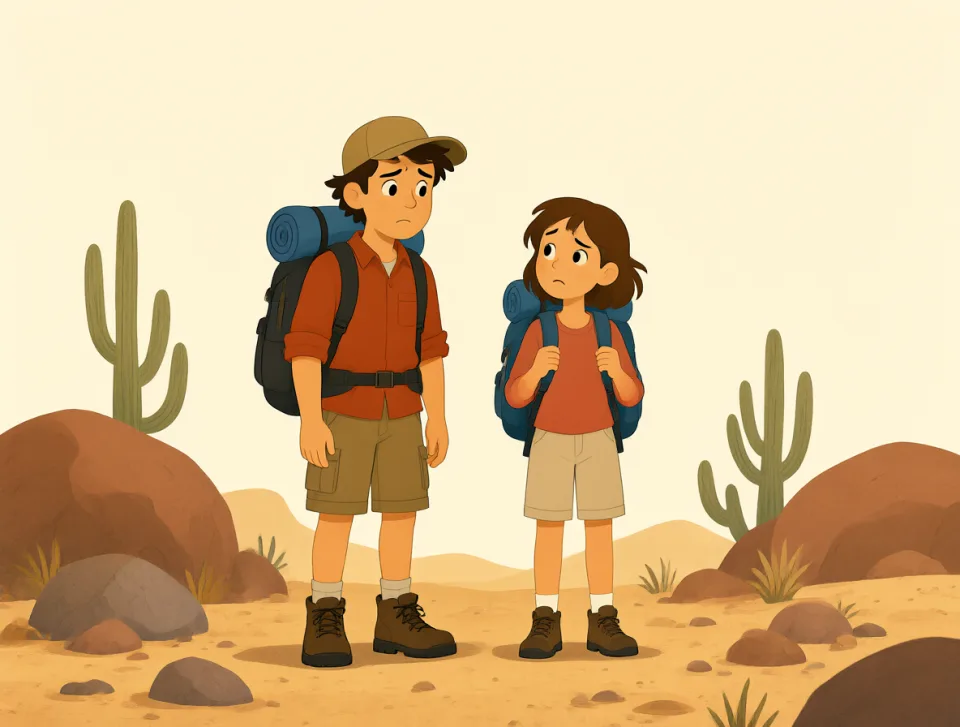
The hikers became lost after leaving the marked desert trail.
Wędrowcy zgubili się, gdy zeszli z wyznaczonego szlaku na pustyni.

He deserted his car when the engine stopped on the empty road.
Porzucił samochód, gdy silnik zgasł na pustej drodze.
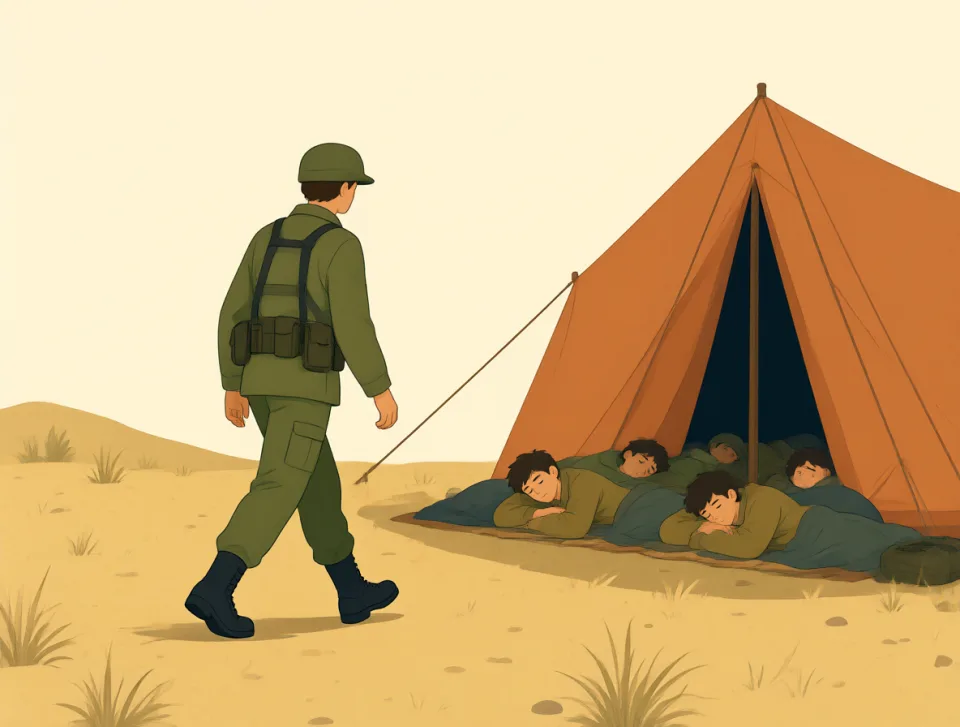
The soldiers were accused of deserting their unit during the night.
Żołnierzy oskarżono o opuszczenie oddziału w nocy.

mate
#2288noun, verb
kumpel; partner
A friend or work partner; to join two animals so they can produce young.
Przyjaciel lub partner w pracy; łączyć dwa zwierzęta, aby mogły mieć potomstwo.
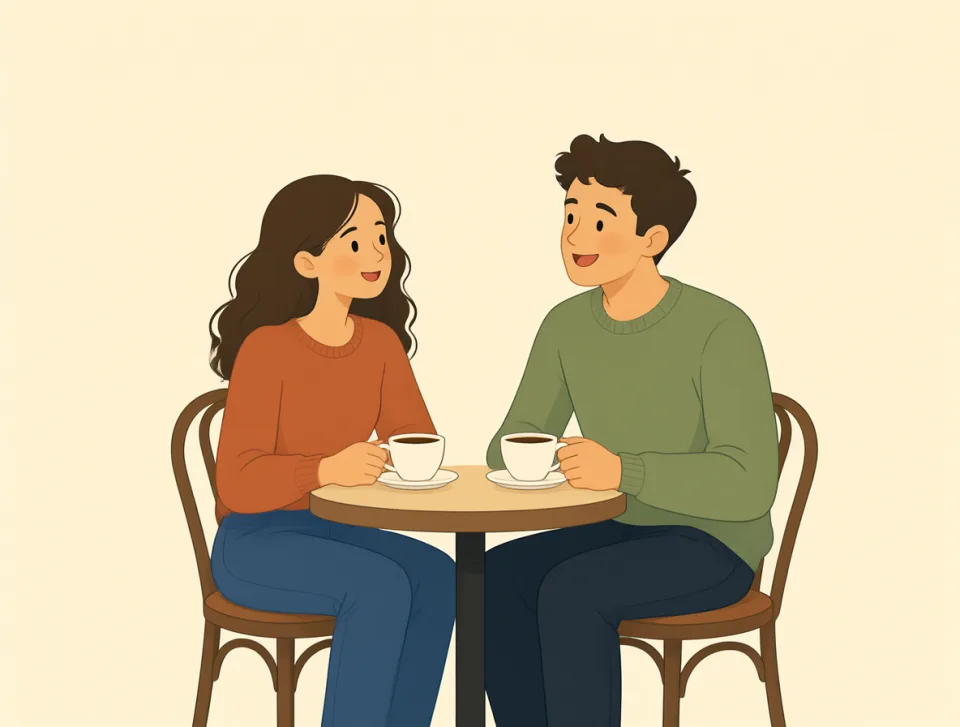
I’m meeting my old mate for coffee after work today.
Dziś po pracy spotykam się na kawę ze swoim starym kumplem.
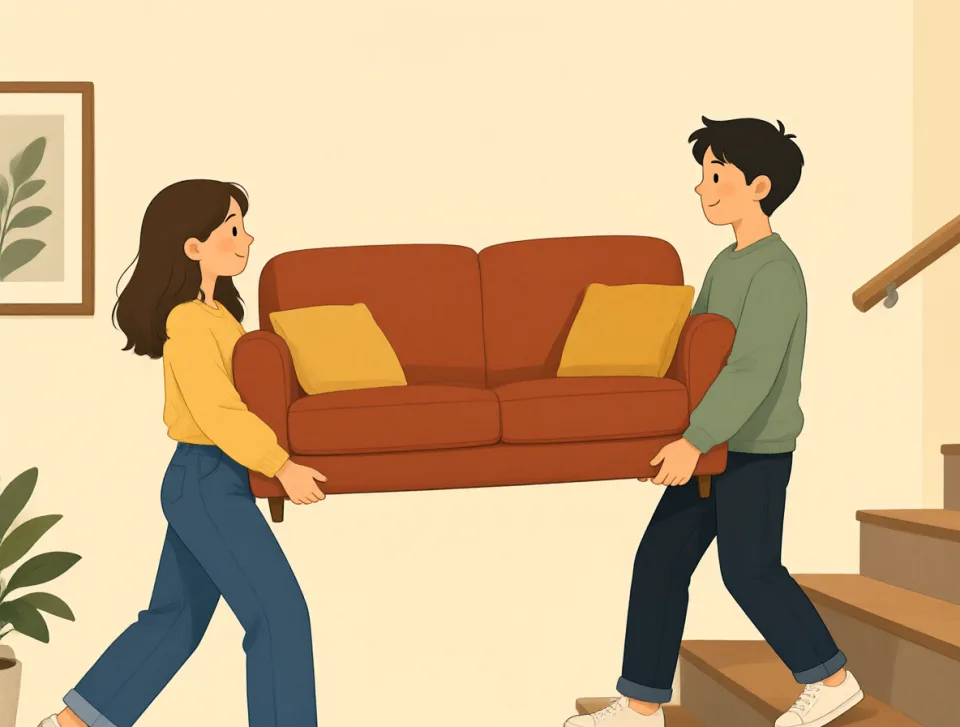
My new flatmate helped me carry the sofa upstairs.
Mój nowy współlokator pomógł mi wnieść kanapę po schodach.
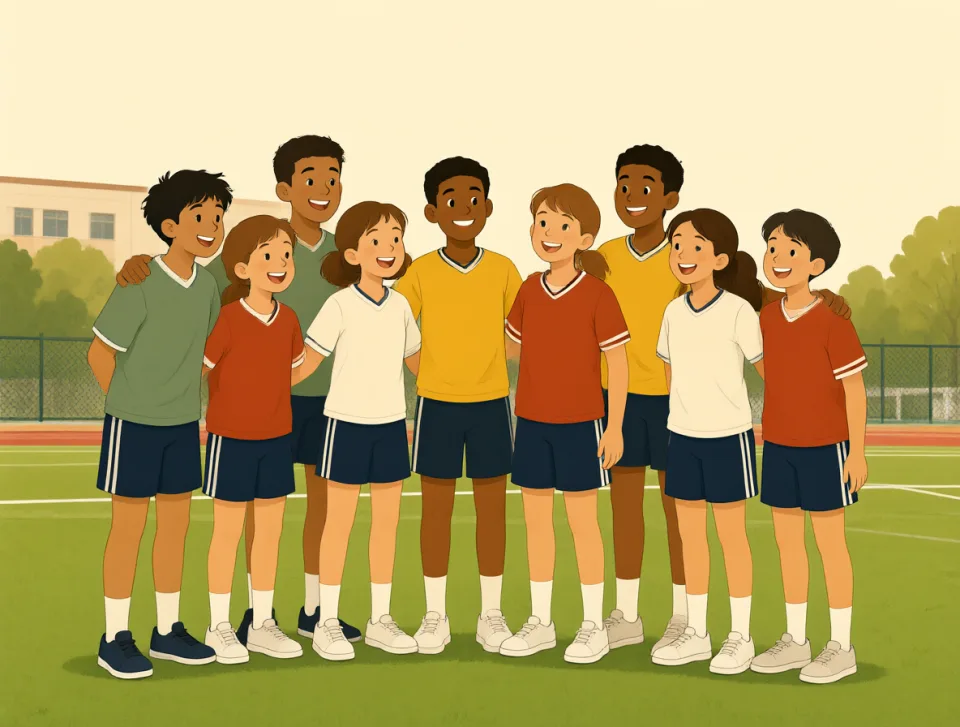
She quickly made friends with her teammates at school.
Szybko zaprzyjaźniła się z kolegami z drużyny w szkole.

The guide told us to stay with our travel mates near the station.
Przewodnik powiedział nam, żebyśmy trzymali się naszych towarzyszy podróży w pobliżu stacji.
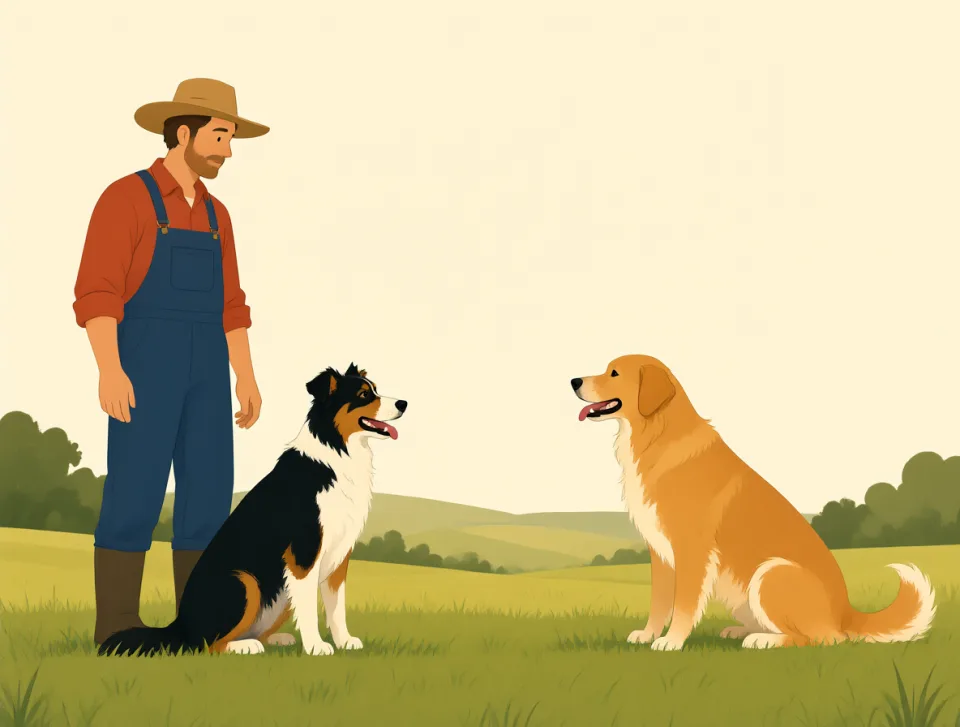
The farmer mated the two healthy dogs in the spring.
Wiosną farmer skojarzył ze sobą dwa zdrowe psy.

occasionally
#2289adverb
od czasu do czasu
sometimes, but not often or regularly
Czasami, ale niezbyt często ani regularnie.
I occasionally walk to work instead of taking the bus.
Od czasu do czasu chodzę do pracy pieszo, zamiast jechać autobusem.
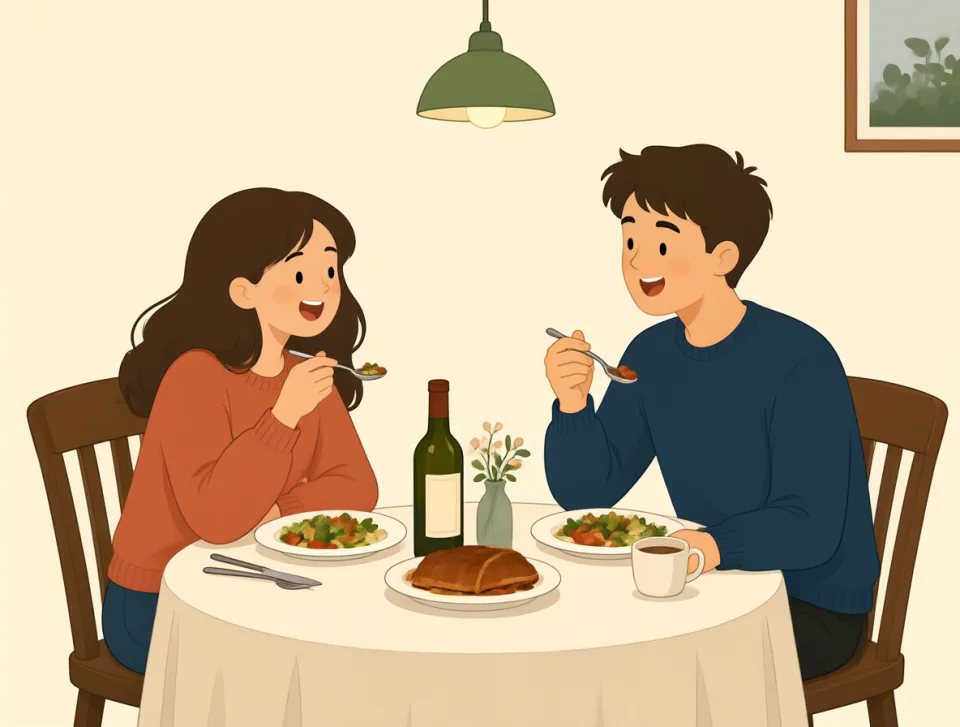
We occasionally eat dinner at a restaurant on Friday evenings.
Od czasu do czasu jemy kolację w restauracji w piątkowe wieczory.
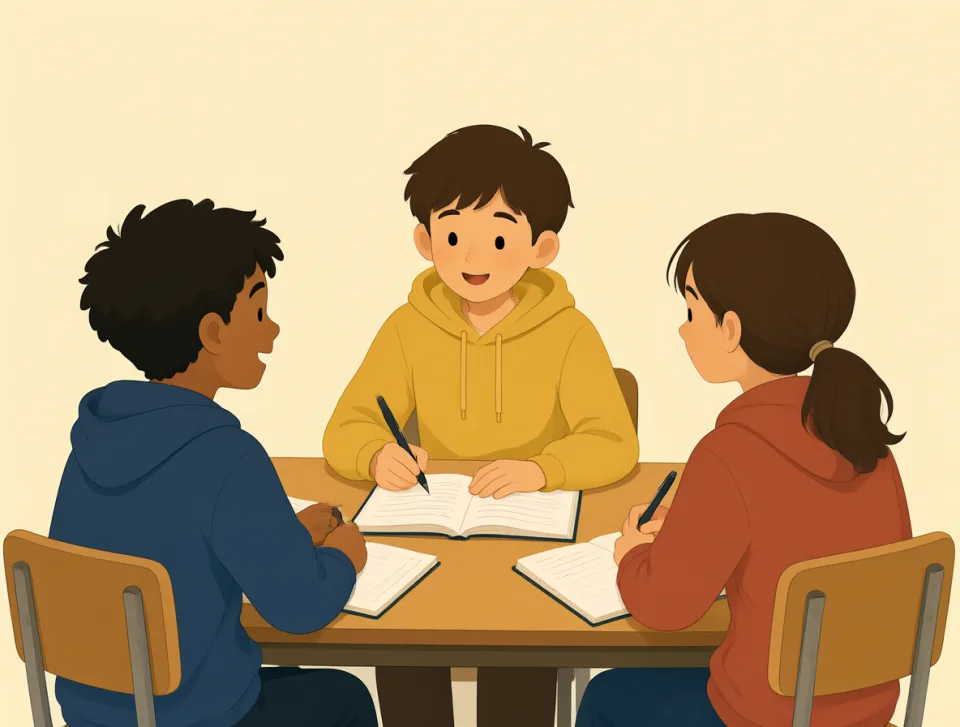
She occasionally helps her classmates with difficult homework.
Od czasu do czasu pomaga kolegom z klasy w trudnych zadaniach domowych.

The train is occasionally delayed during the winter months.
W miesiącach zimowych pociąg czasami się spóźnia.
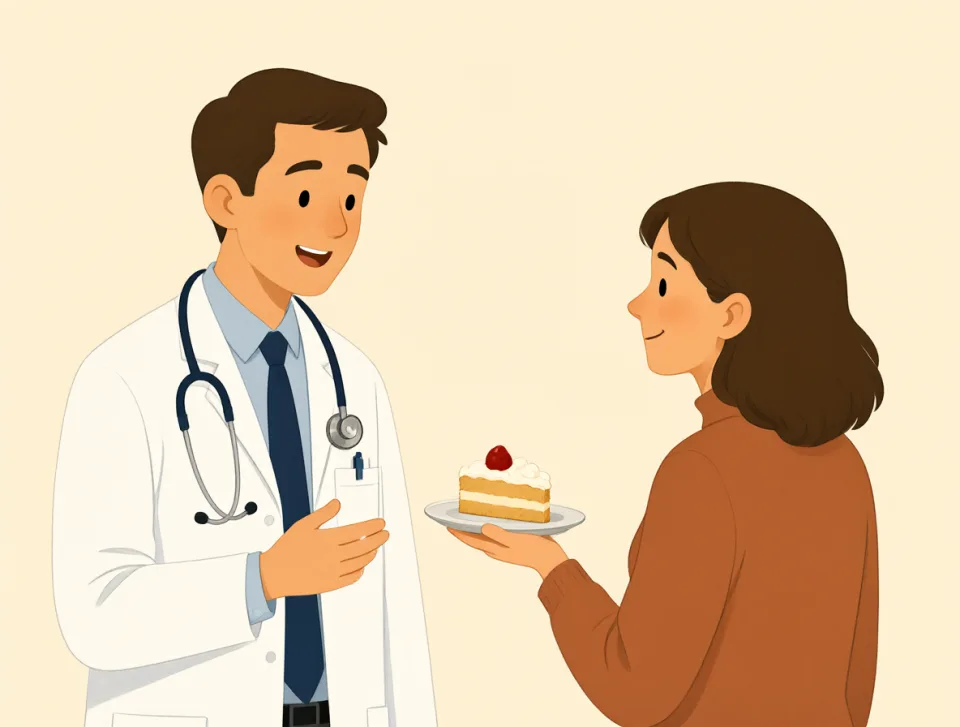
My doctor says I can occasionally enjoy a small piece of cake.
Mój lekarz mówi, że od czasu do czasu mogę zjeść mały kawałek ciasta.

shareholder
#2290noun
akcjonariusz
A person or company that owns part of a business through shares.
Osoba lub firma, która posiada część przedsiębiorstwa dzięki posiadanym akcjom.

Each shareholder received a small payment from the company's yearly profits.
Każdy akcjonariusz otrzymał niewielką wypłatę z rocznych zysków firmy.

The shareholders voted to choose three new members of the company board.
Akcjonariusze głosowali nad wyborem trzech nowych członków zarządu firmy.

A major shareholder sold her shares after the company's sales began falling.
Główna akcjonariuszka sprzedała swoje akcje, gdy sprzedaż firmy zaczęła spadać.

The company invited every shareholder to its annual meeting in London.
Firma zaprosiła wszystkich akcjonariuszy na doroczne spotkanie w Londynie.
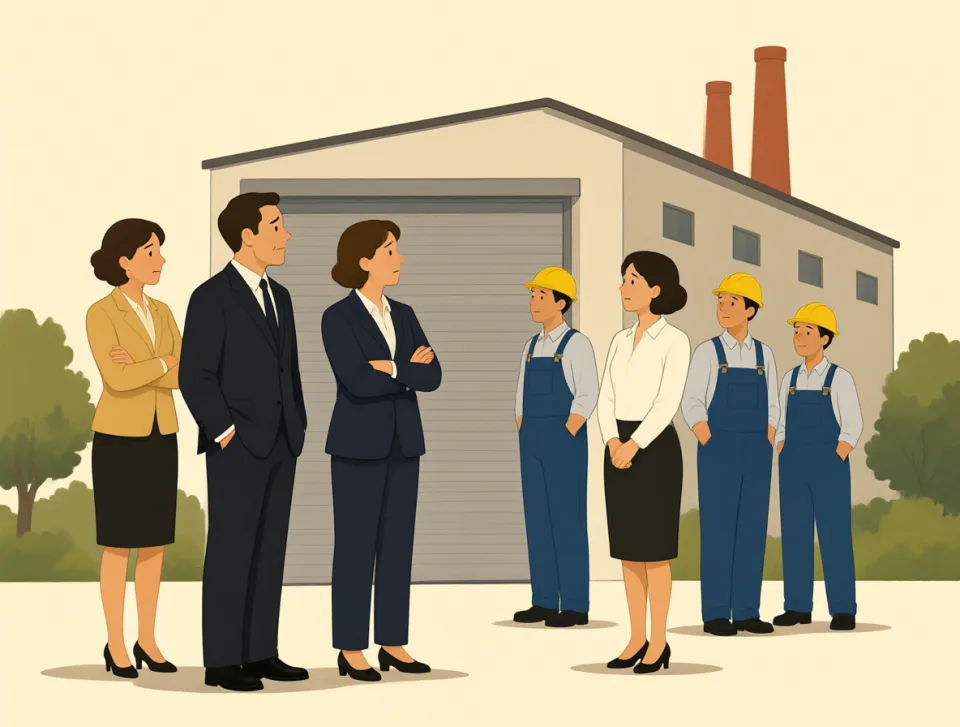
Shareholders were worried when the factory closed and many workers lost jobs.
Akcjonariusze martwili się, gdy fabryka została zamknięta, a wielu pracowników straciło pracę.
bowl
#2291noun, verb
miska
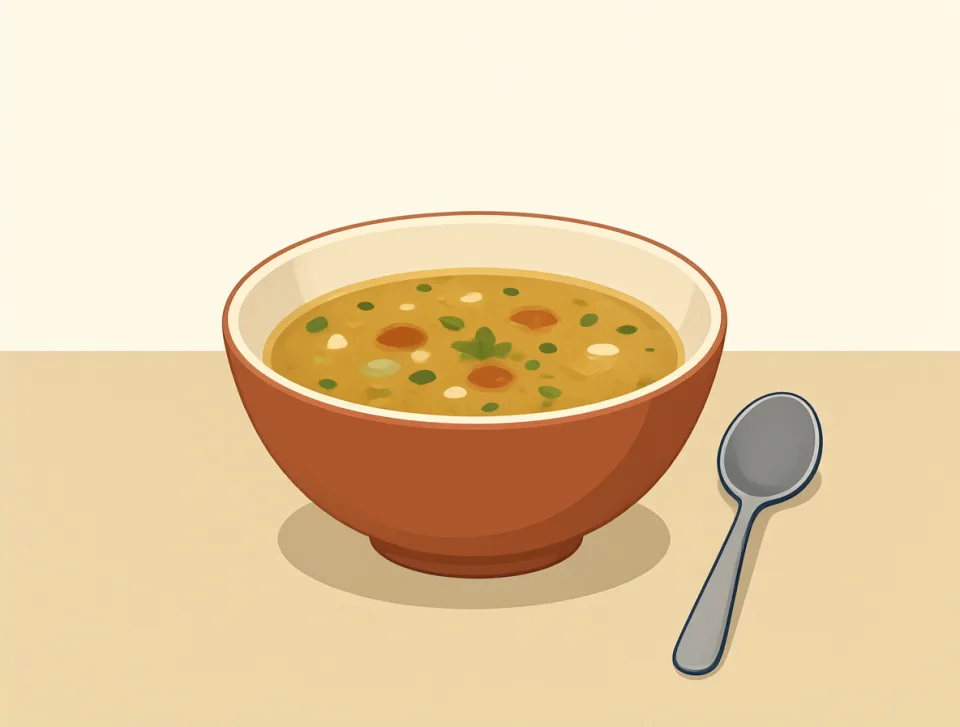
a round, deep container for holding or serving food; to play a game by throwing a ball
Okrągłe, głębokie naczynie do przechowywania lub serwowania jedzenia; gra polegająca na rzucaniu piłką.
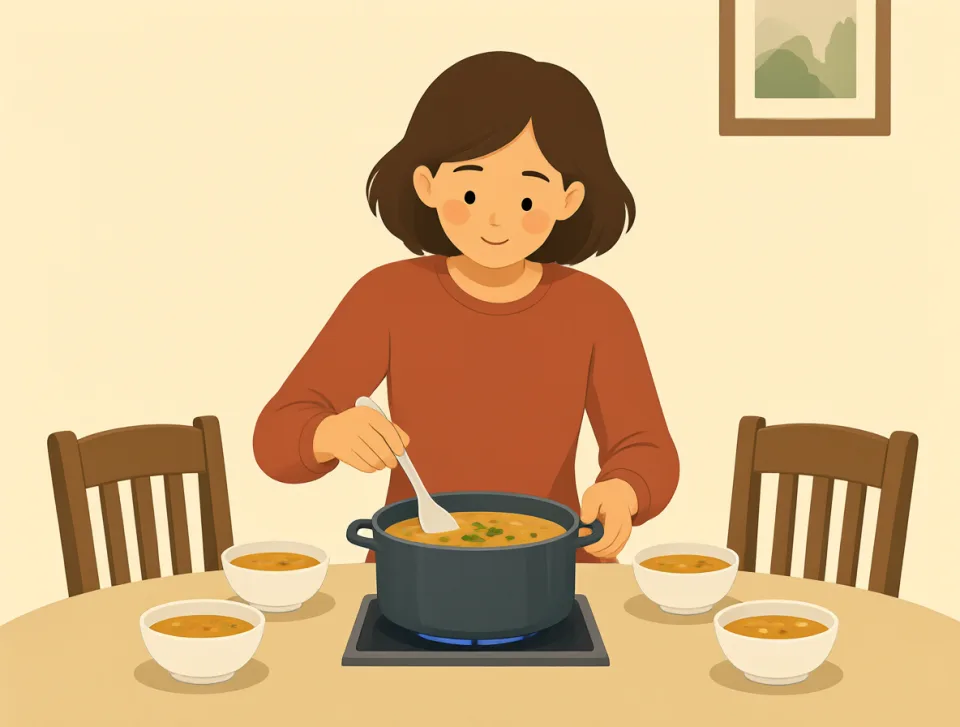
She poured hot soup into a bowl for each guest.
Nalała gorącej zupy do miski dla każdego gościa.
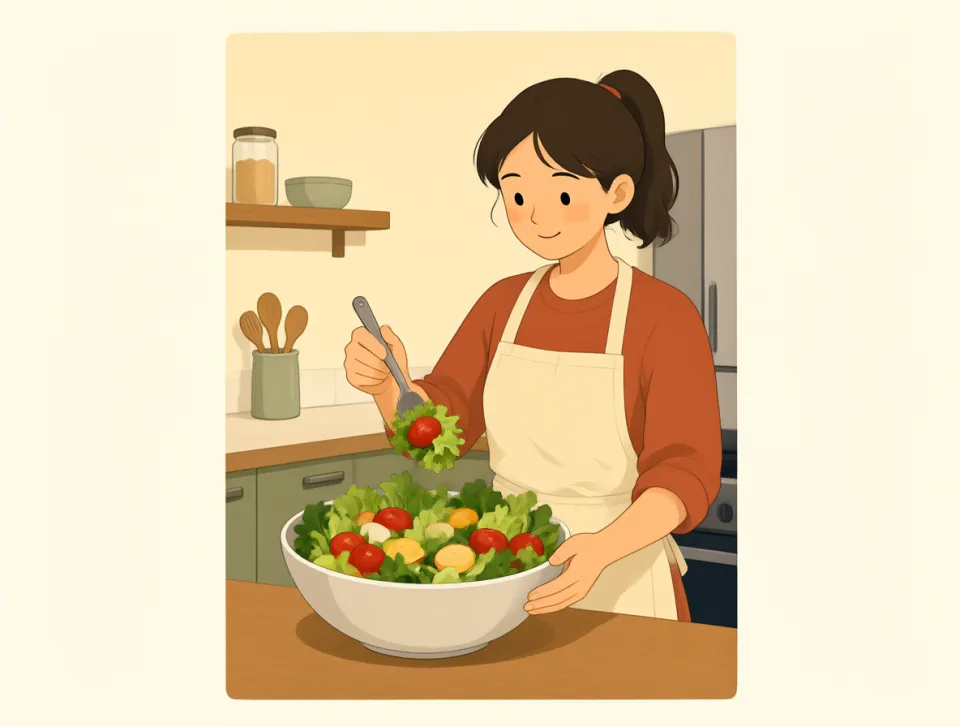
Please put the salad in a large bowl before dinner.
Przed kolacją włóż sałatkę do dużej miski.
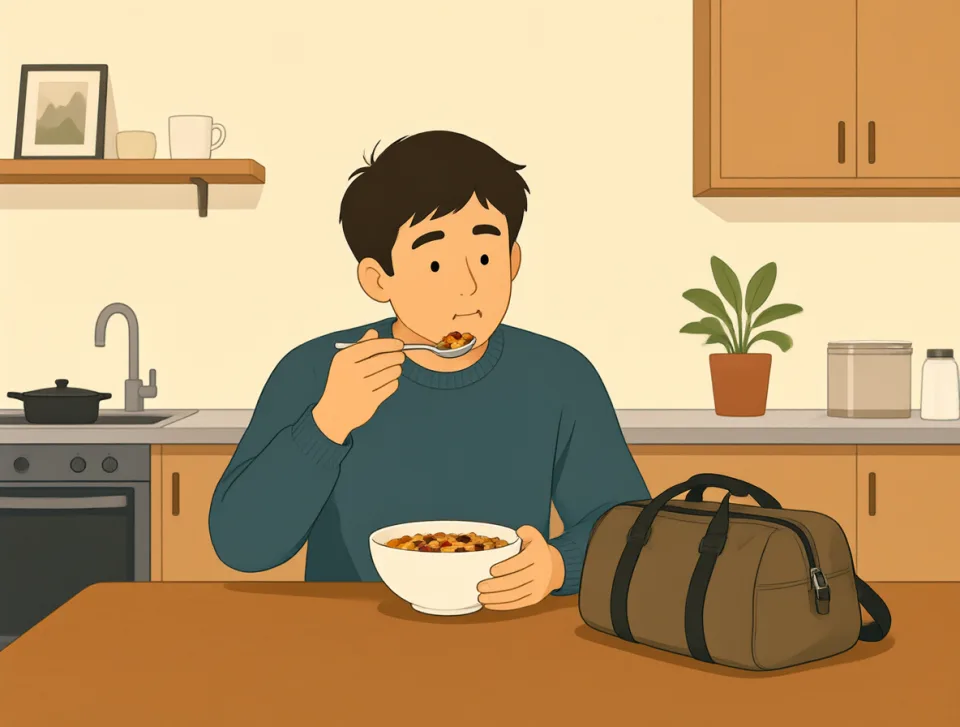
He ate a bowl of cereal before catching the early train.
Zjadł miskę płatków śniadaniowych, zanim wsiadł do wczesnego pociągu.
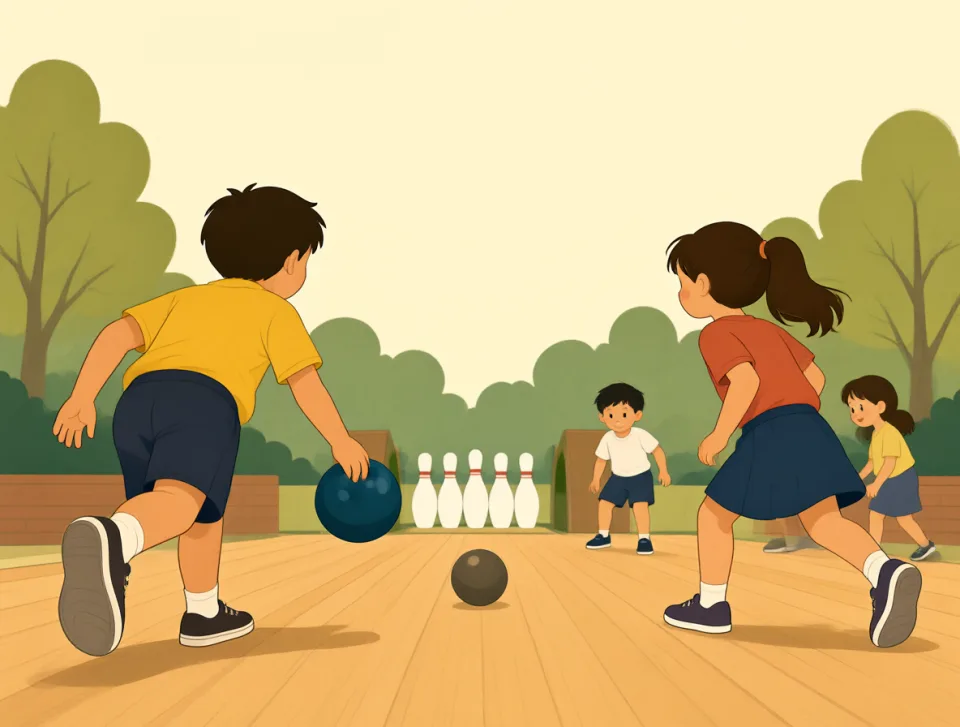
The children sat outside and bowled a ball toward the wooden pins.
Dzieci usiadły na zewnątrz i toczyły piłkę w stronę drewnianych kręgli.
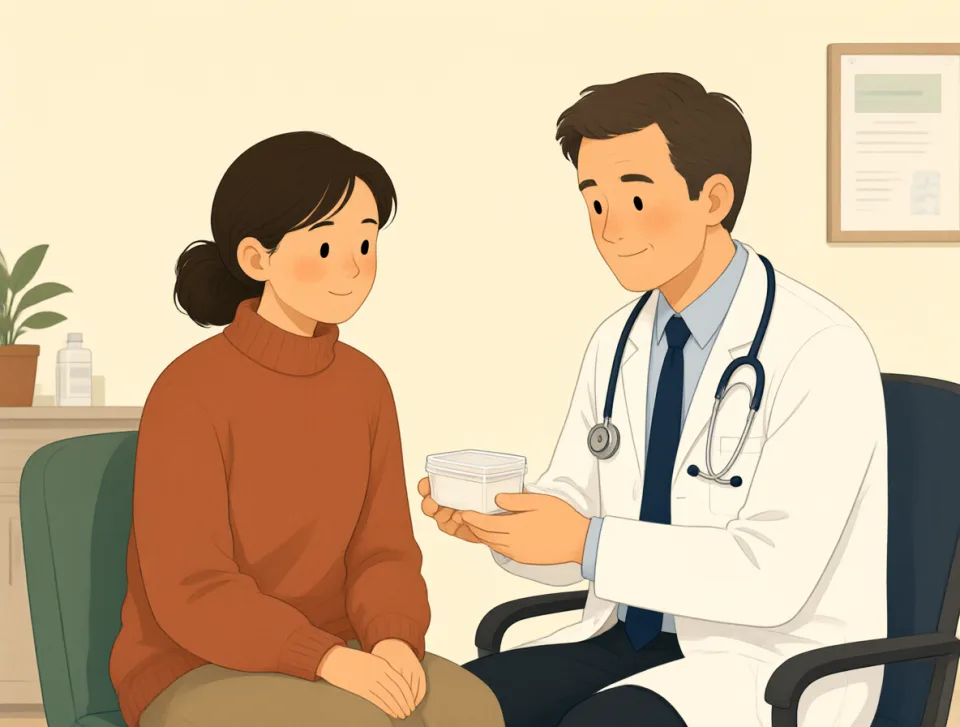
The doctor asked her to bowl a sample into the clean container.
Lekarz poprosił ją, żeby oddała próbkę moczu do czystego pojemnika.
discovery
#2292noun
odkrycie
The act of finding something new or learning something that was previously unknown.
Znalezienie czegoś nowego lub poznanie czegoś, co wcześniej było nieznane.
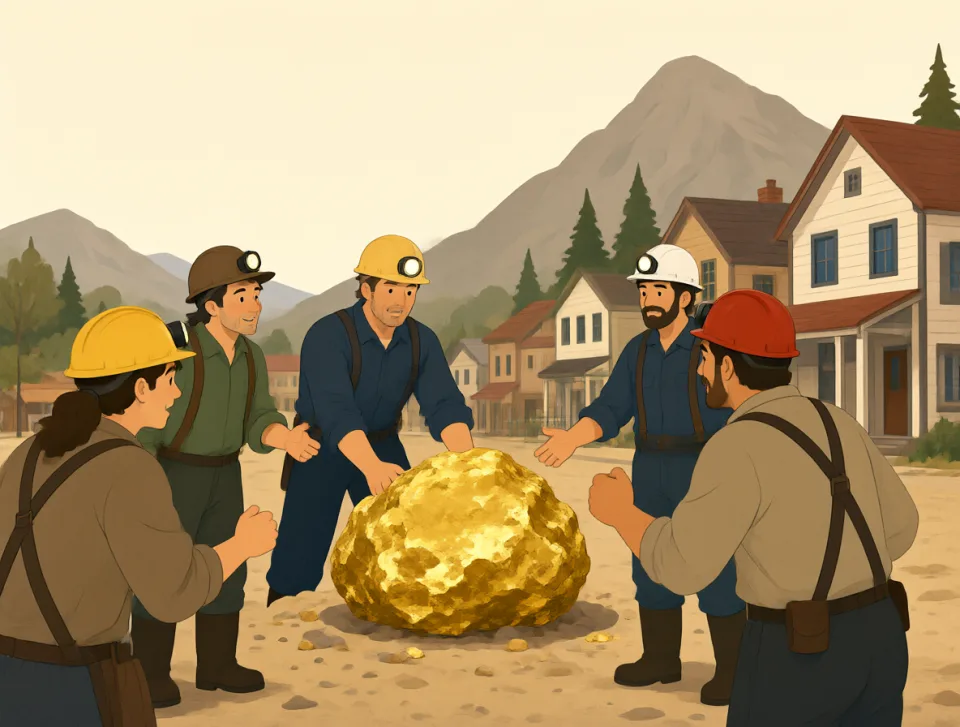
The discovery of gold changed the small town forever.
Odkrycie złota na zawsze odmieniło to małe miasteczko.
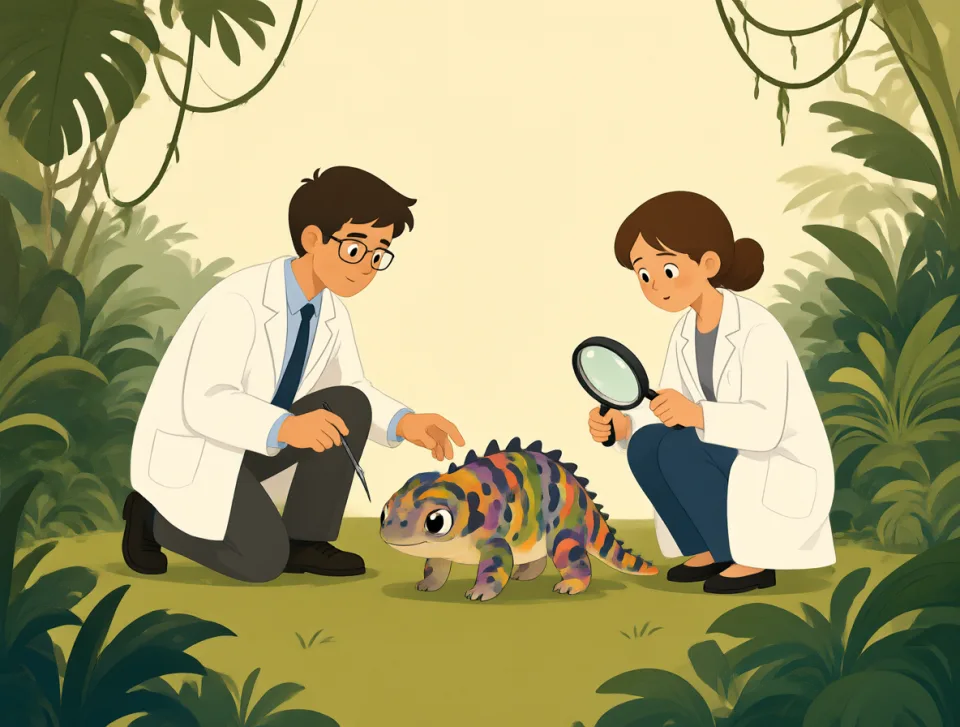
Scientists announced the discovery of a new species in the rainforest.
Naukowcy ogłosili odkrycie nowego gatunku w lesie deszczowym.
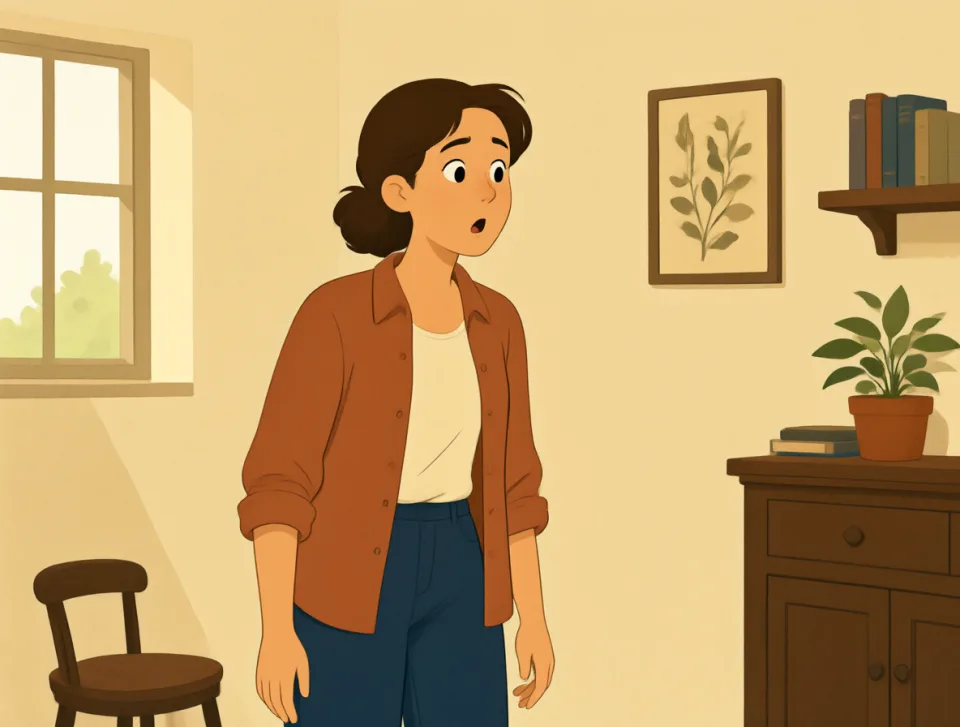
Her discovery of the hidden room made the house feel exciting.
Odkrycie przez nią ukrytego pokoju sprawiło, że dom wydał się fascynujący.
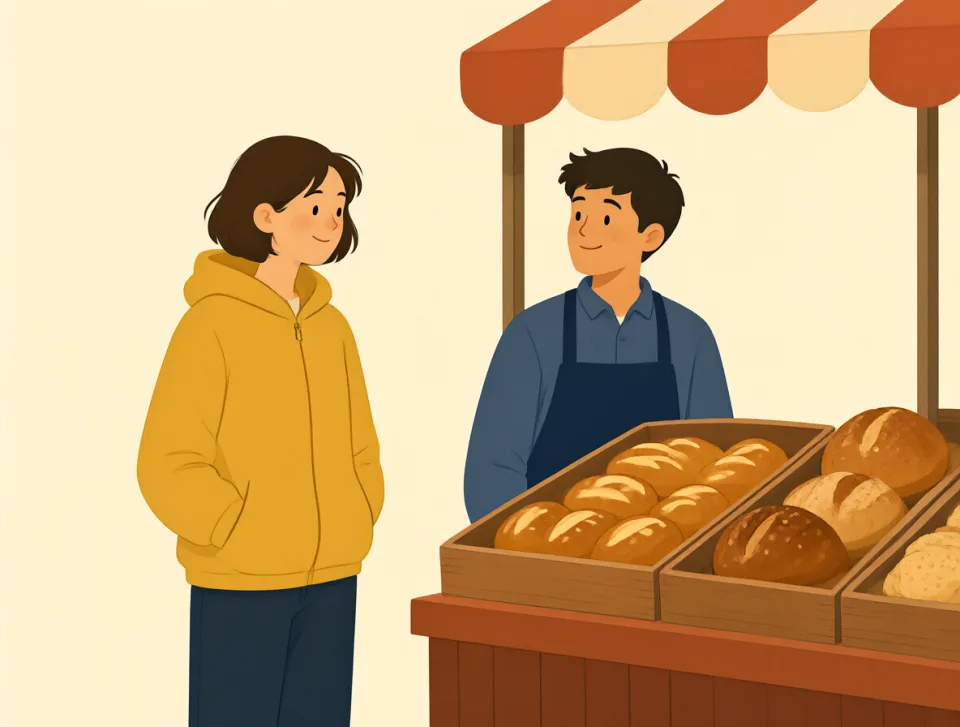
The discovery of fresh bread at the market made us stop shopping.
Odkrycie świeżego chleba na targu sprawiło, że przerwaliśmy zakupy.
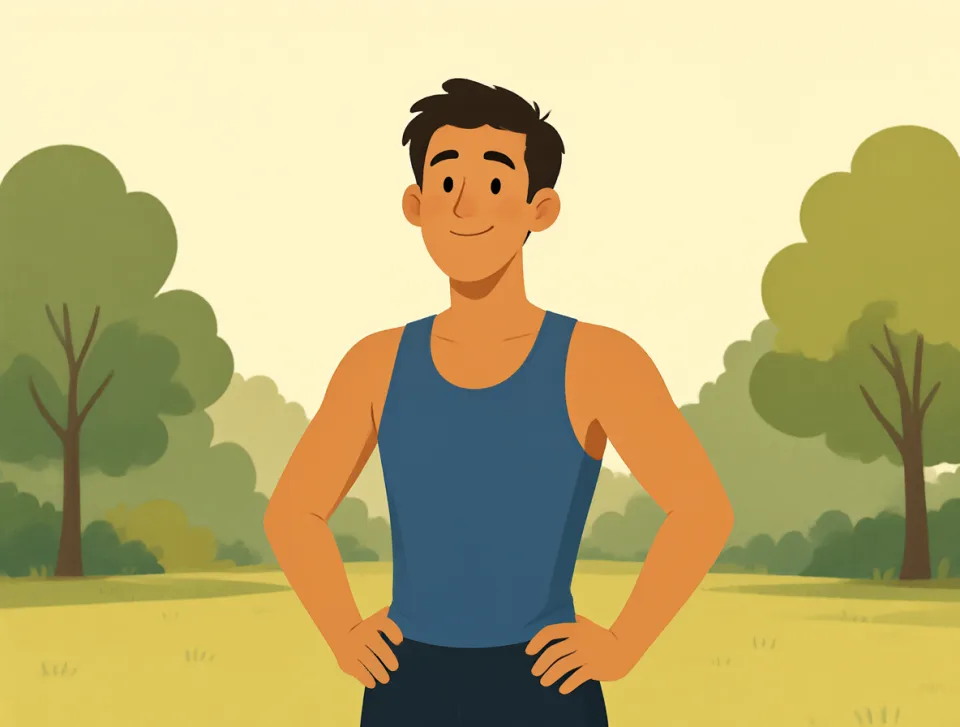
His discovery that exercise improved his sleep changed his daily routine.
Odkrycie, że ćwiczenia poprawiają jakość jego snu, zmieniło jego codzienną rutynę.

resistance
#2293noun
opór
Opposition to something, or a force that slows movement or the flow of electricity.
Sprzeciw wobec czegoś albo siła, która spowalnia ruch lub przepływ prądu.
The new plan met strong resistance from employees who feared losing their jobs.
Nowy plan spotkał się z silnym sprzeciwem pracowników, którzy obawiali się utraty pracy.
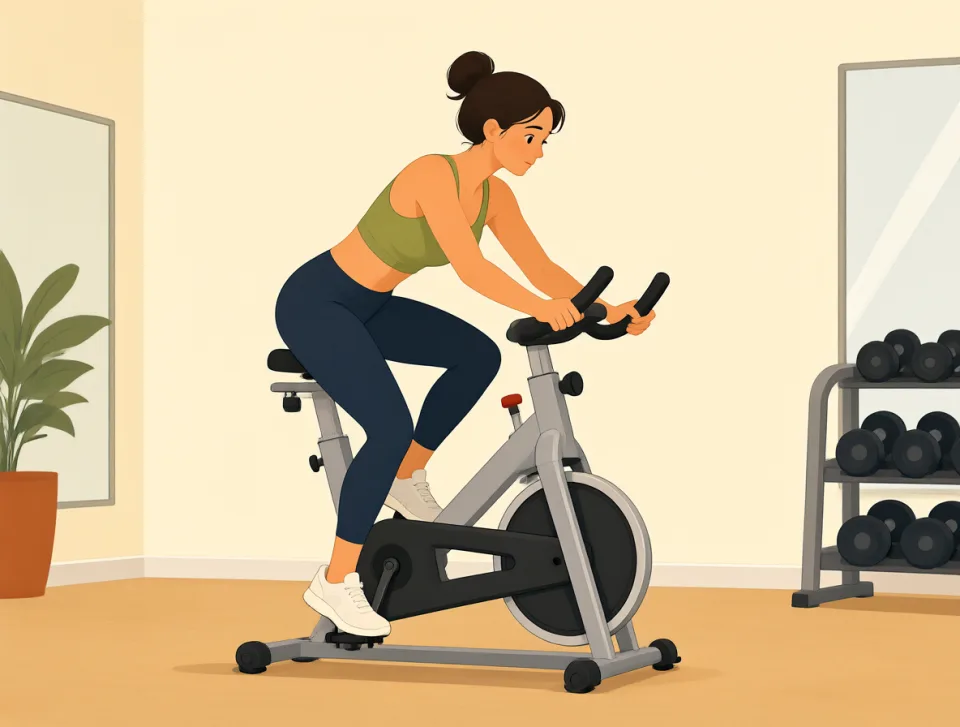
At the gym, Maya increased the bicycle's resistance and began pedaling uphill.
Na siłowni Maya zwiększyła opór w rowerze stacjonarnym i zaczęła pedałować pod górę.
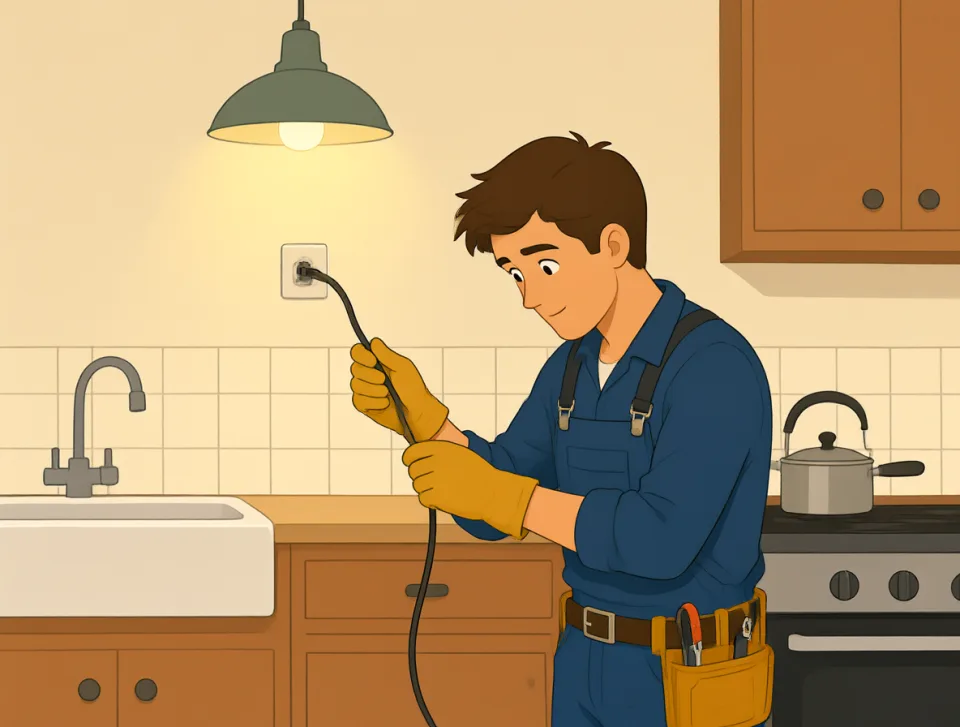
High resistance in the old wire caused the kitchen light to become dim.
Duży opór w starym przewodzie sprawił, że światło w kuchni przygasło.
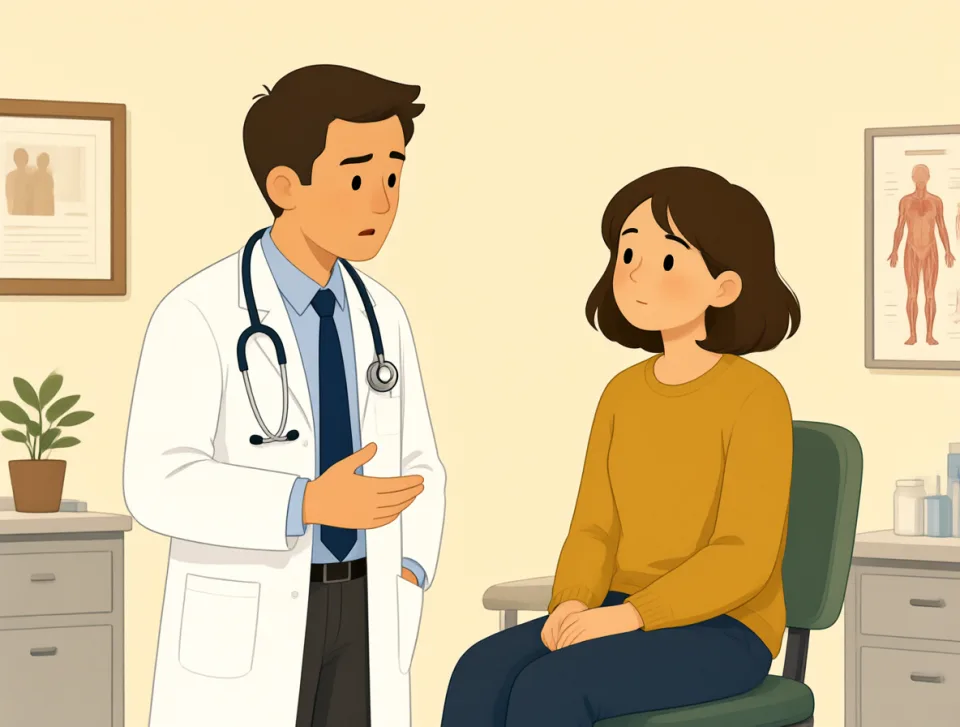
Doctors worry that antibiotic resistance will make some infections harder to treat.
Lekarze obawiają się, że oporność na antybiotyki utrudni leczenie niektórych infekcji.

Strong wind resistance made the cyclist slow down near the mountain.
Silny opór powietrza sprawił, że kolarz zwolnił w pobliżu góry.
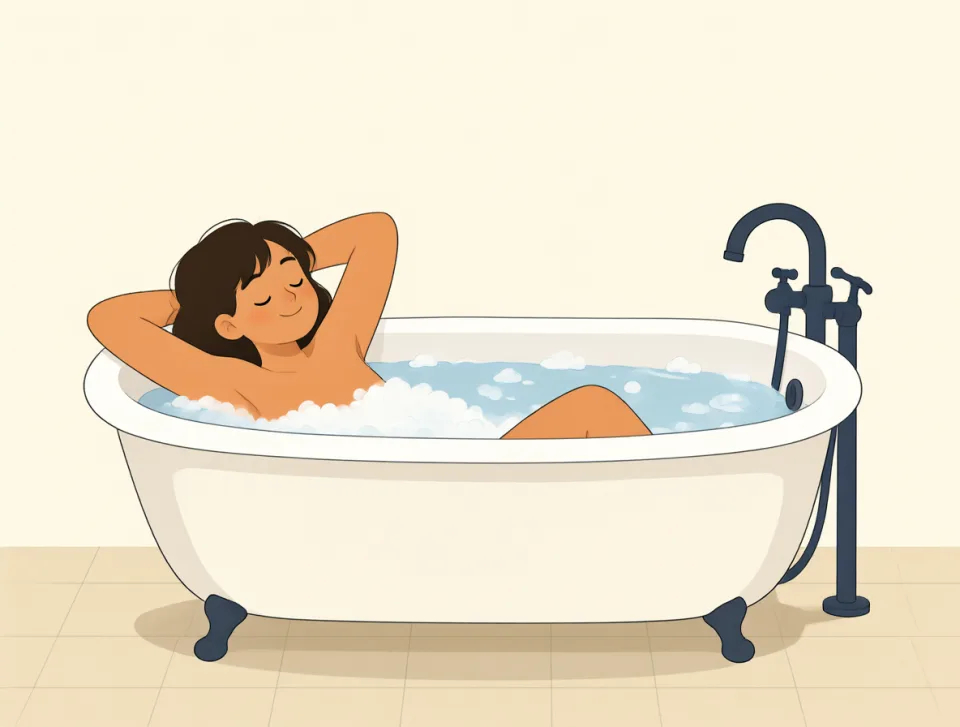
bath
#2294noun, verb
kąpiel
A large container for washing your body, or the act of washing in one.
Duże naczynie do mycia się albo czynność mycia się w nim.

I usually take a bath before bed when I need to relax.
Zwykle biorę kąpiel przed snem, kiedy chcę się odprężyć.
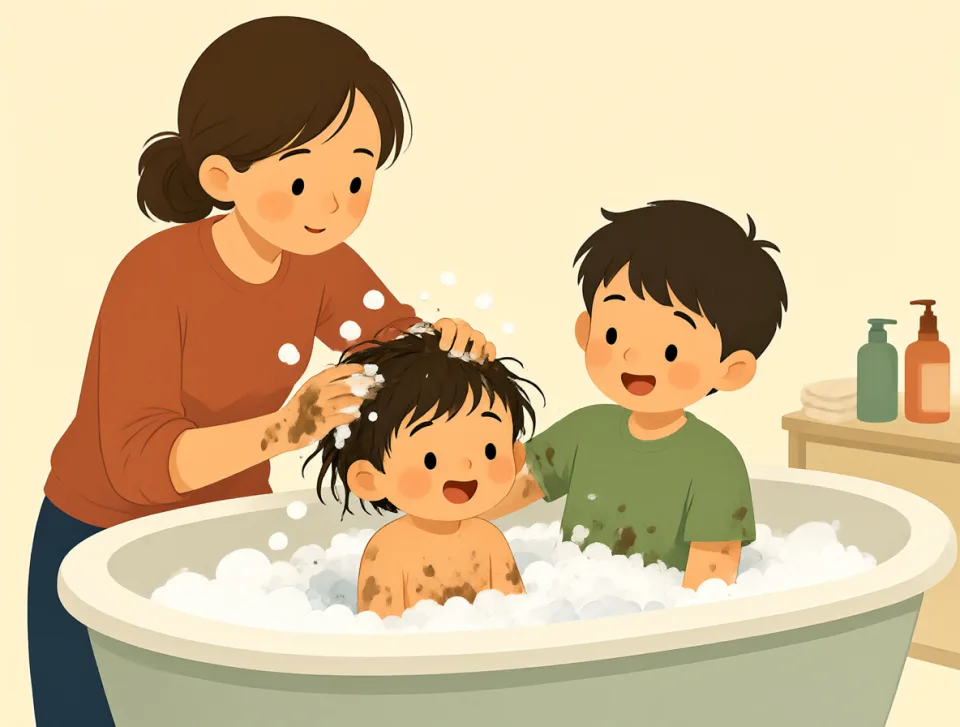
The children are having a bath after playing outside in the mud.
Dzieci kąpią się po zabawie na dworze w błocie.
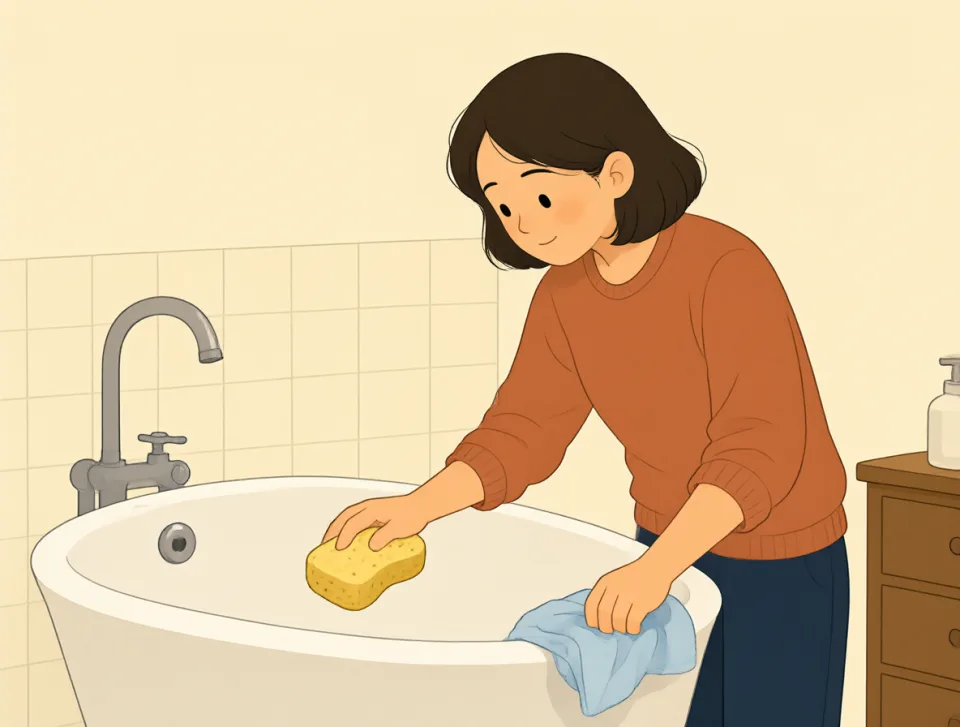
Please clean the bath after you finish using it.
Proszę wyczyścić wannę po kąpieli.
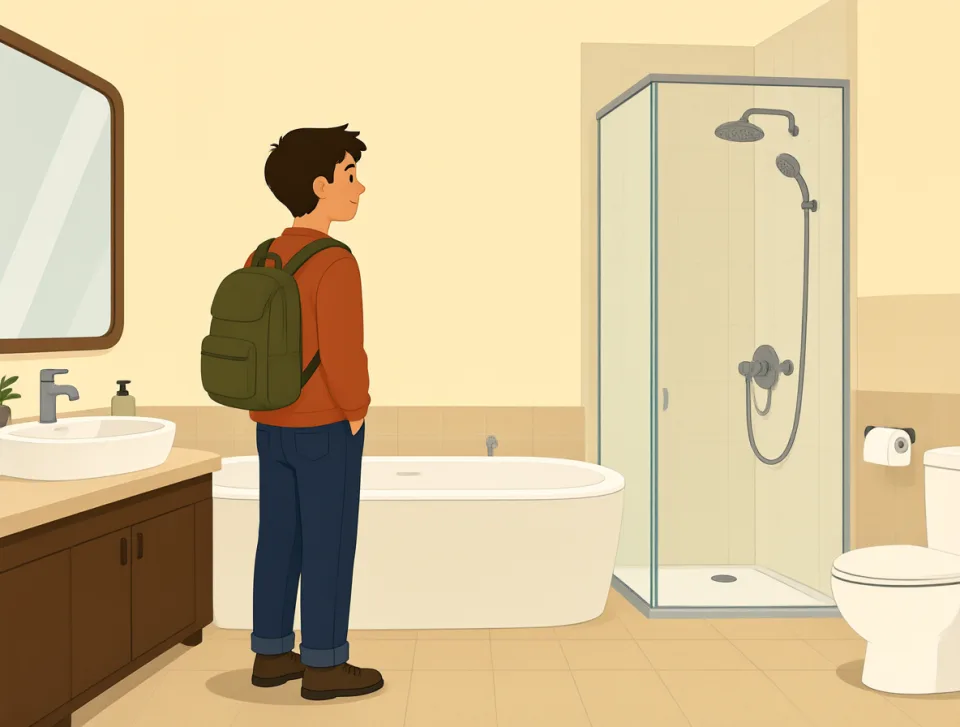
The hotel room had a comfortable bath beside the shower.
W pokoju hotelowym była wygodna wanna obok prysznica.
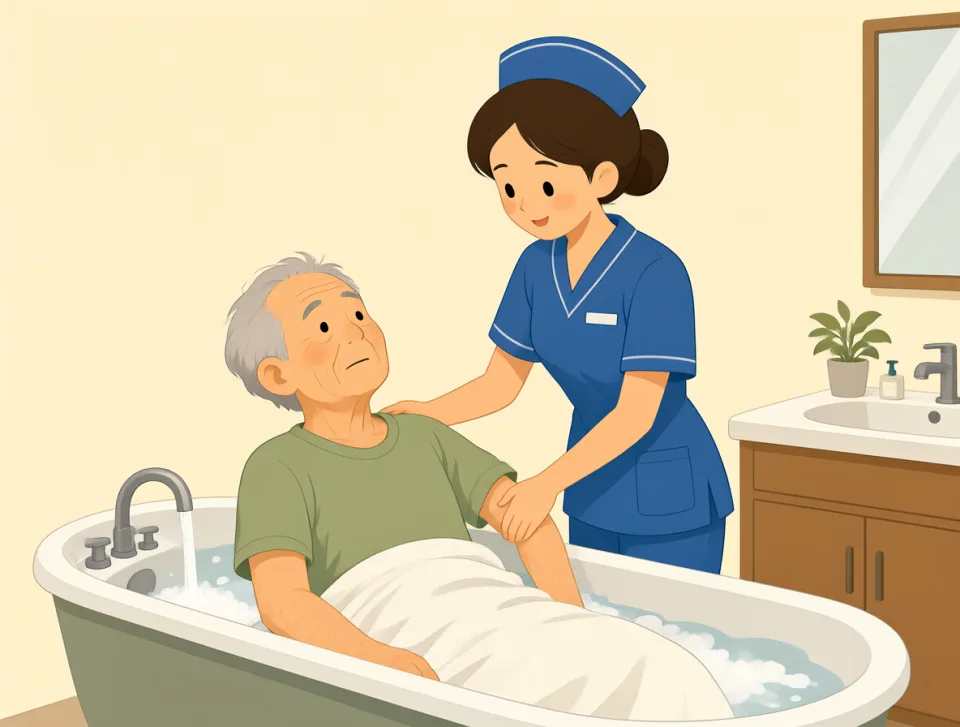
The nurse helped the patient have a warm bath after the operation.
Pielęgniarka pomogła pacjentowi wziąć ciepłą kąpiel po operacji.
frequency
#2295noun
częstotliwość
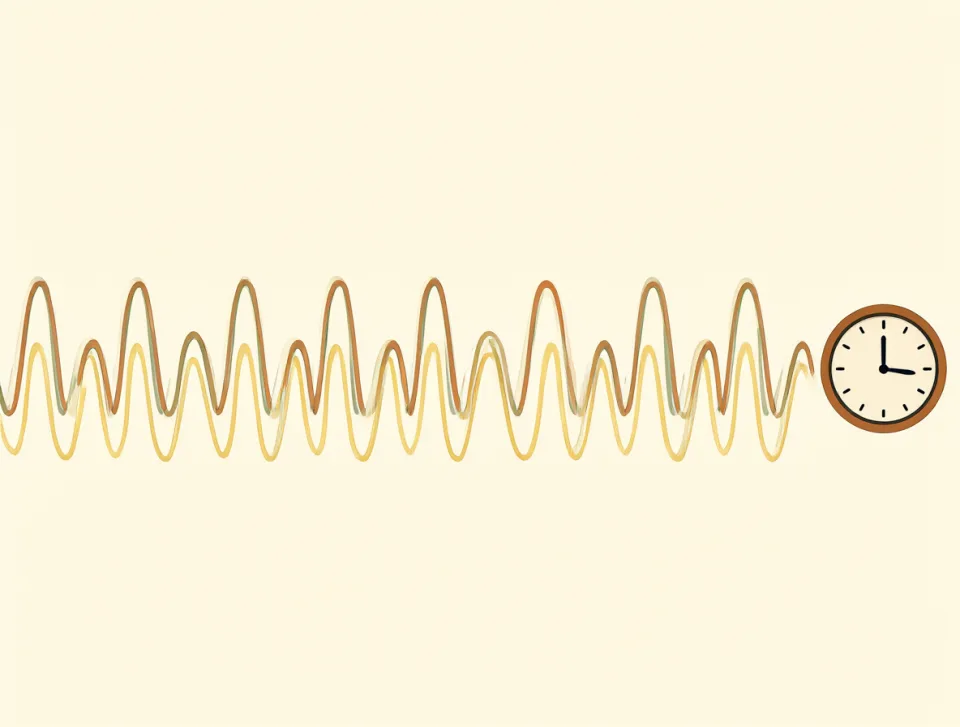
how often something happens or how often a sound or wave repeats
To, jak często coś się dzieje albo jak często powtarza się dźwięk lub fala.
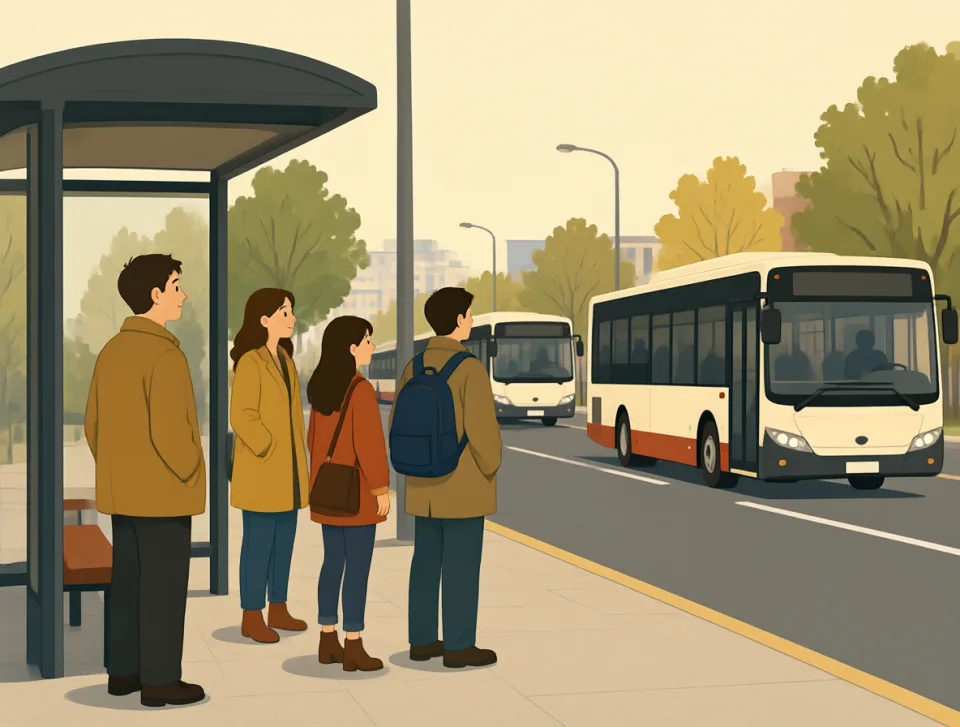
The frequency of bus services increases during the morning rush hour.
W godzinach porannego szczytu autobusy kursują częściej.
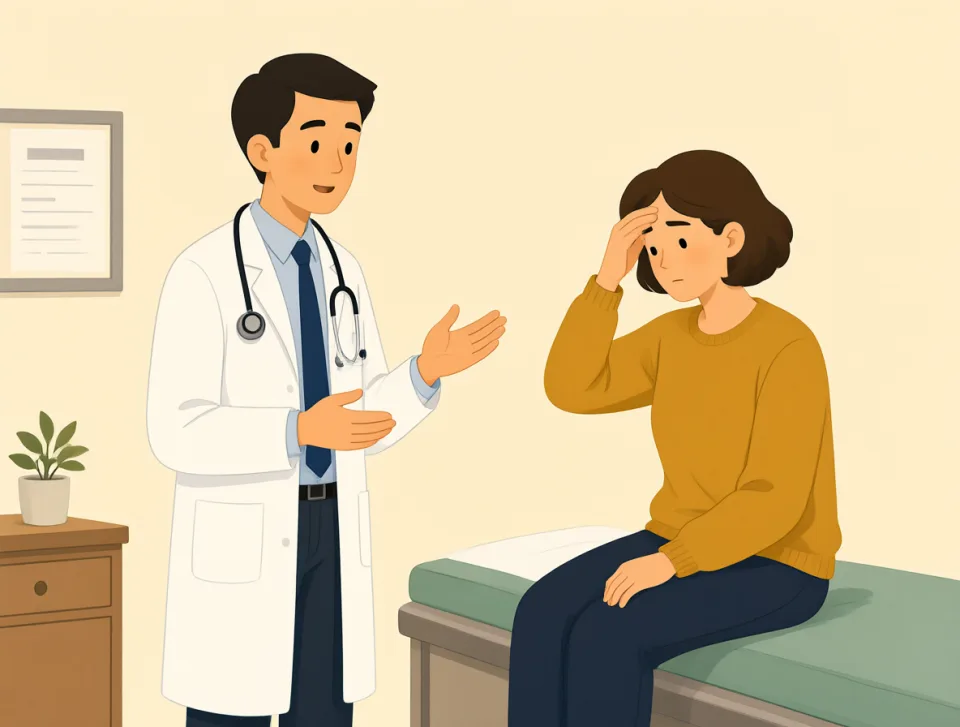
The doctor asked about the frequency of my headaches.
Lekarz zapytał, jak często miewam bóle głowy.

We checked the frequency of our weekly team meetings.
Sprawdziliśmy, jak często odbywają się nasze cotygodniowe spotkania zespołu.
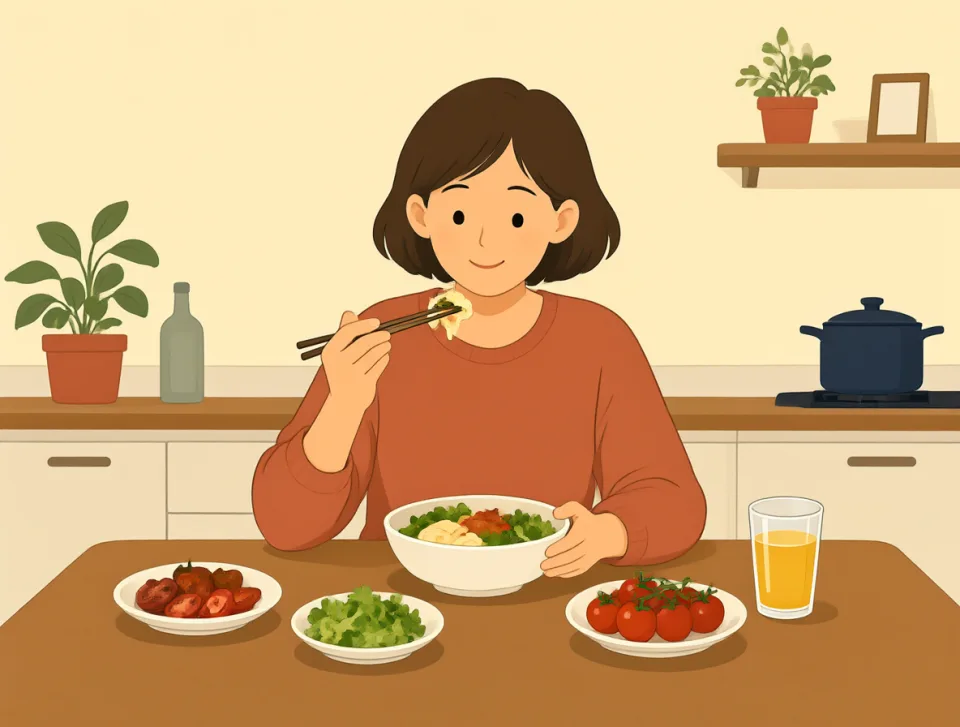
Eating smaller meals with greater frequency helped her feel better.
Jedzenie mniejszych posiłków częściej poprawiło jej samopoczucie.

The radio station broadcasts at a frequency that reaches distant villages.
Stacja radiowa nadaje na częstotliwości, która dociera do odległych wiosek.
criticize
#2296verb
krytykować
to say what you think is wrong with someone or something
mówić, co uważasz za złe lub niewłaściwe w kimś albo w czymś
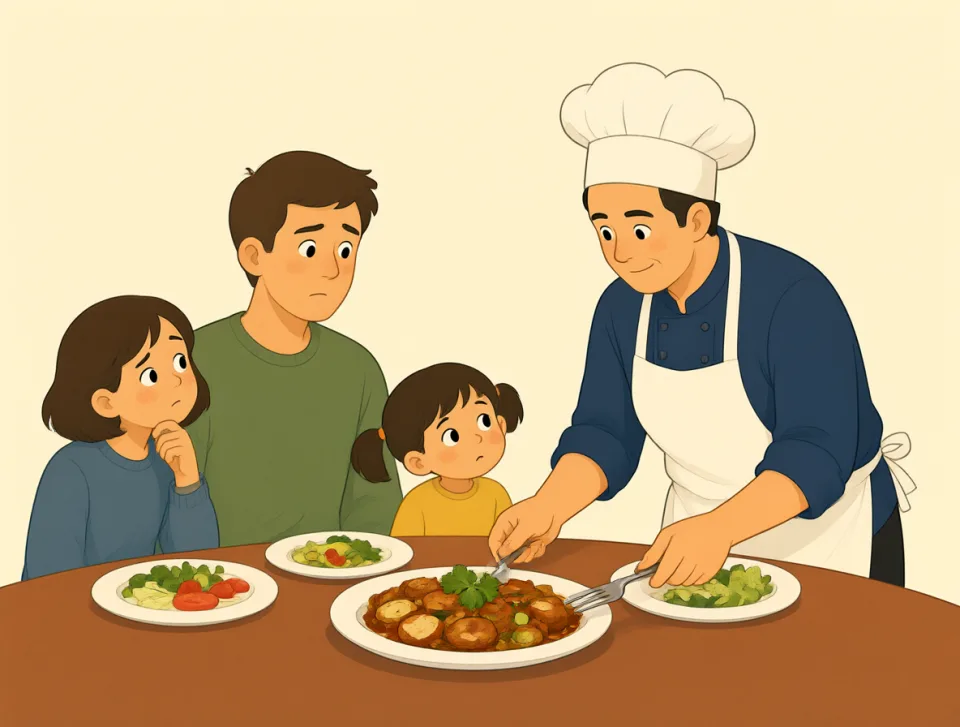
Please do not criticize my cooking before you taste the meal.
Proszę, nie krytykuj mojego gotowania, zanim spróbujesz potrawy.

The manager criticized Tom for arriving late three times this week.
Kierownik skrytykował Toma za to, że w tym tygodniu trzy razy się spóźnił.
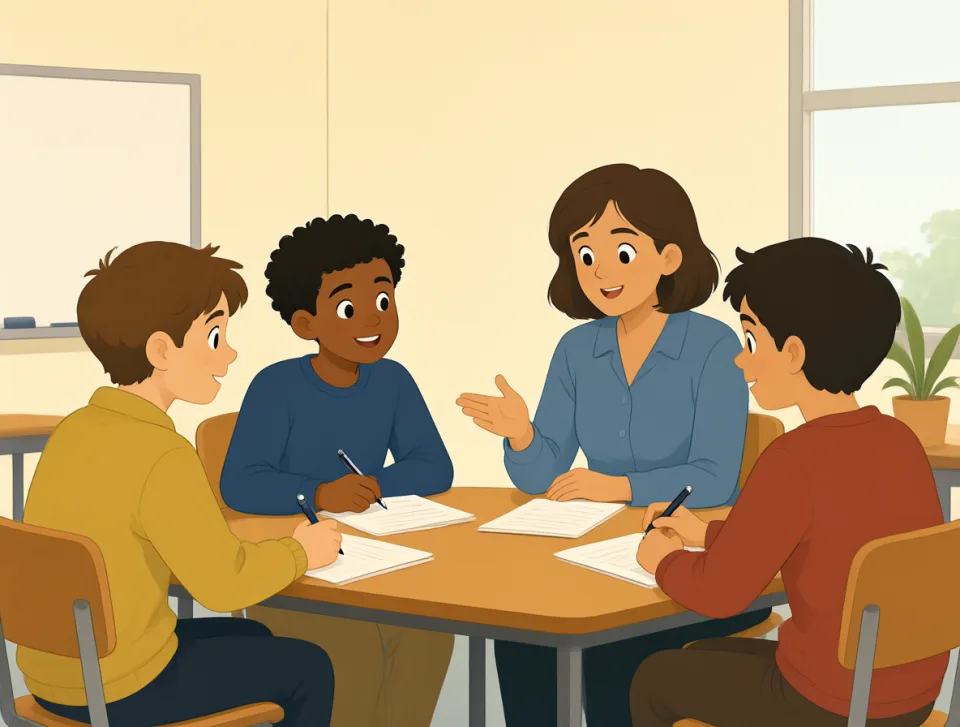
Students should criticize ideas politely during classroom discussions.
Podczas dyskusji w klasie uczniowie powinni uprzejmie krytykować pomysły.
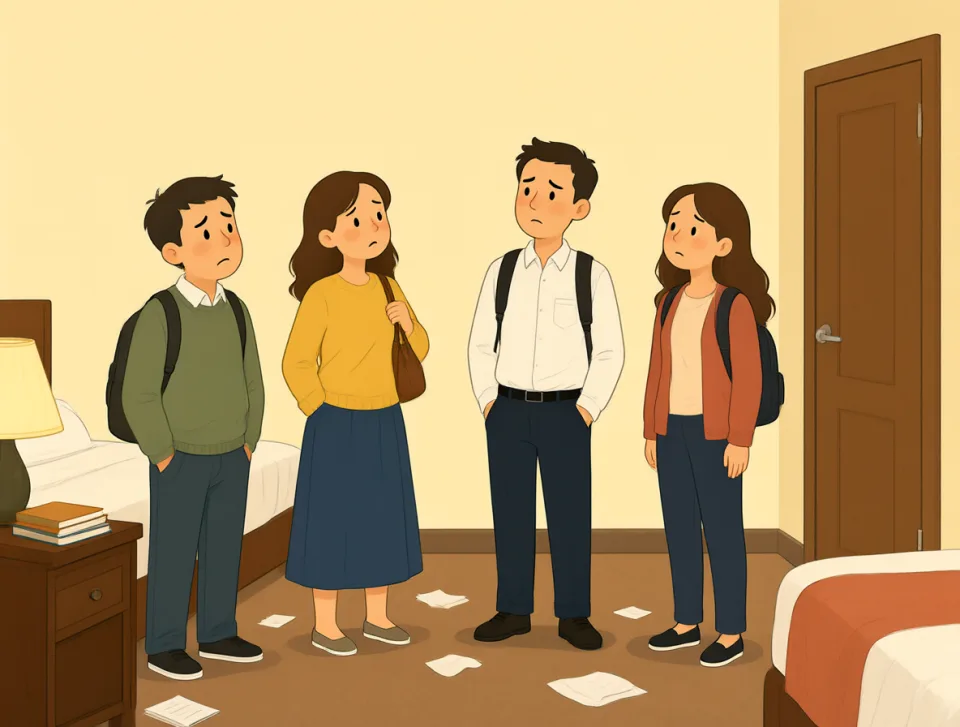
My friends criticized the hotel because our room was dirty and noisy.
Moi znajomi skrytykowali hotel, bo nasz pokój był brudny i hałaśliwy.
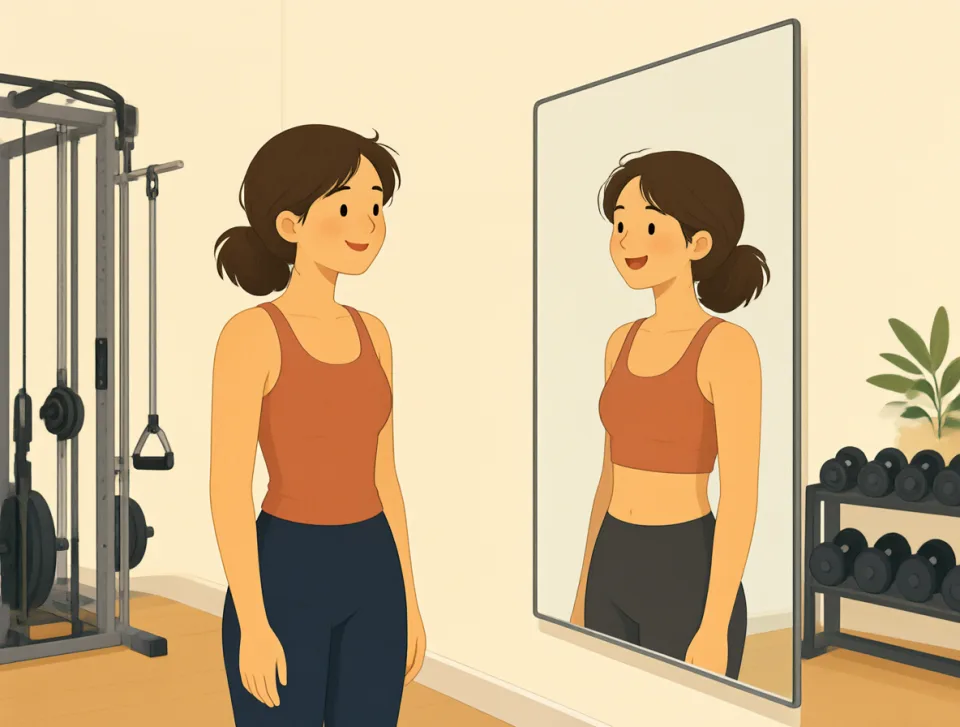
She stopped criticizing herself and celebrated her progress at the gym.
Przestała się krytykować i zaczęła świętować swoje postępy na siłowni.
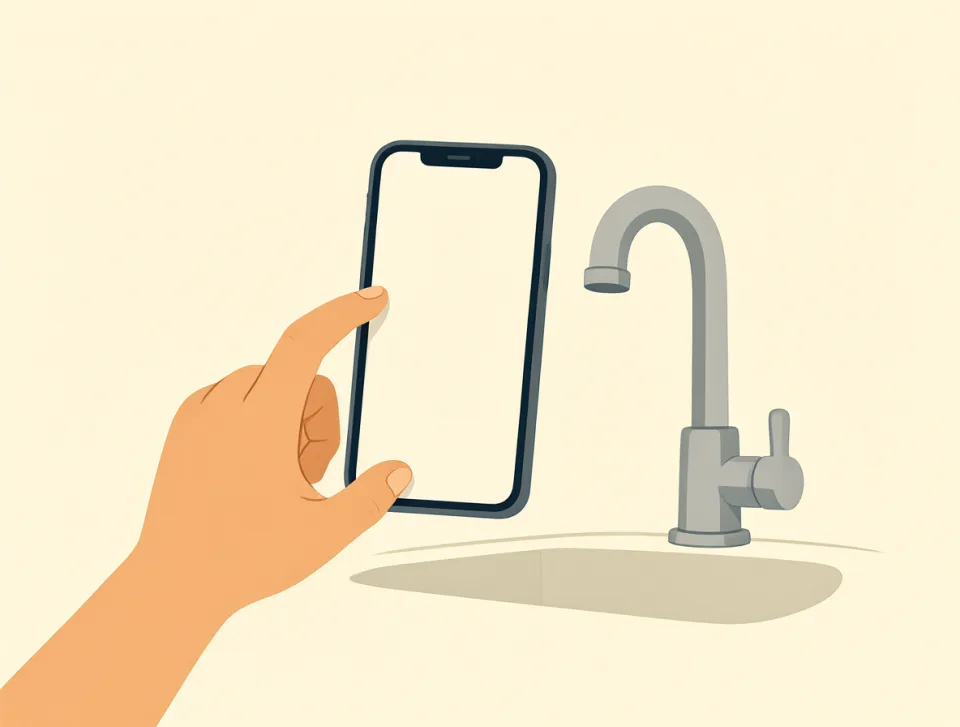
tap
#2297noun, verb
stuknąć; kran
To touch something lightly, or a device that controls the flow of water or liquid.
Lekko czegoś dotknąć albo urządzenie, które reguluje przepływ wody lub innej cieczy.
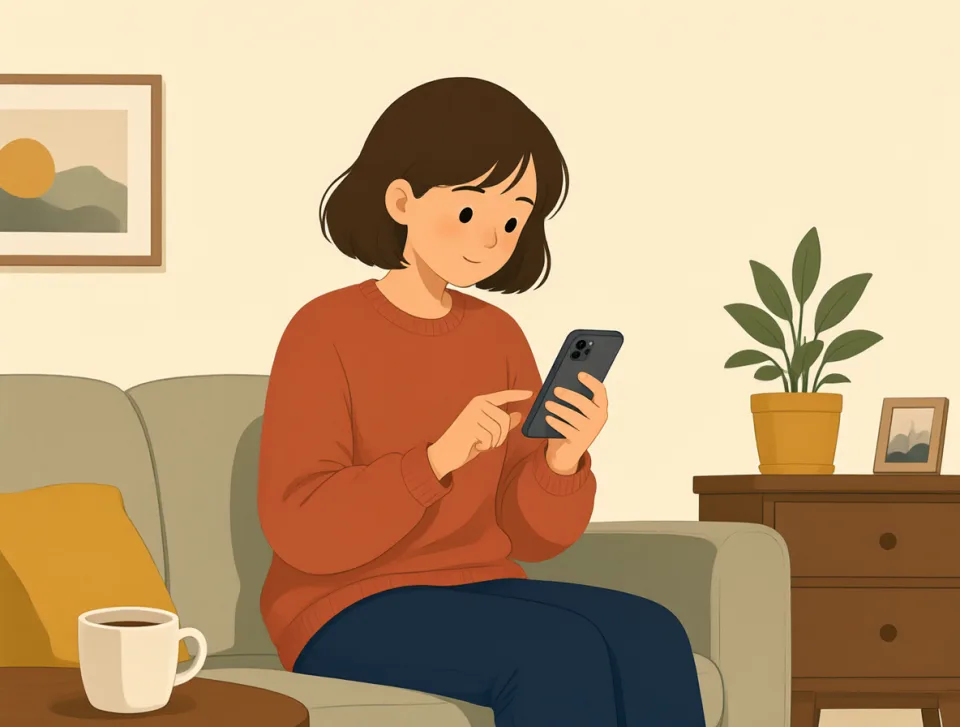
Tap the screen twice to open the app.
Stuknij dwa razy w ekran, aby otworzyć aplikację.
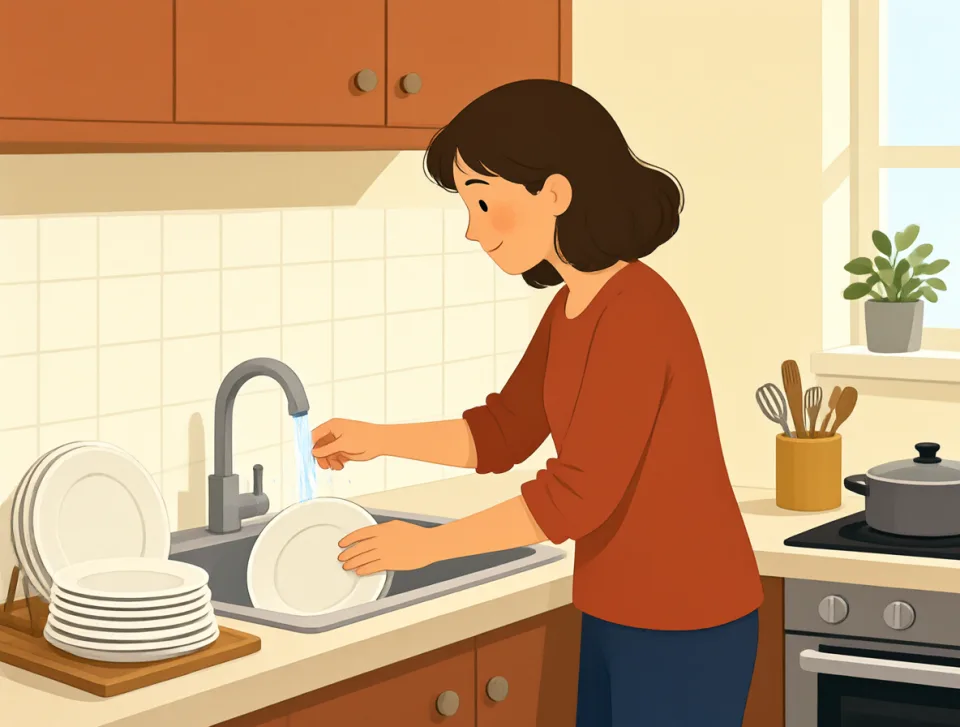
She turned off the tap after washing the dishes.
Zakręciła kran po umyciu naczyń.

He tapped me on the shoulder to get my attention.
Stuknął mnie w ramię, żeby zwrócić na siebie moją uwagę.
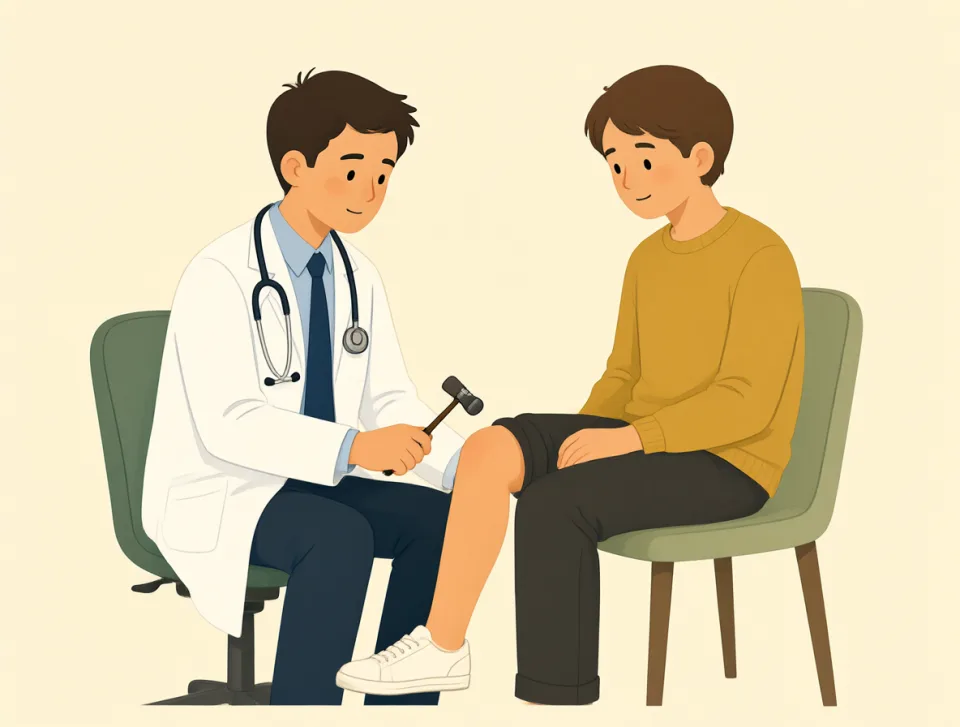
The doctor tapped his knee and watched his leg move.
Lekarz stuknął go w kolano i obserwował, jak porusza się jego noga.
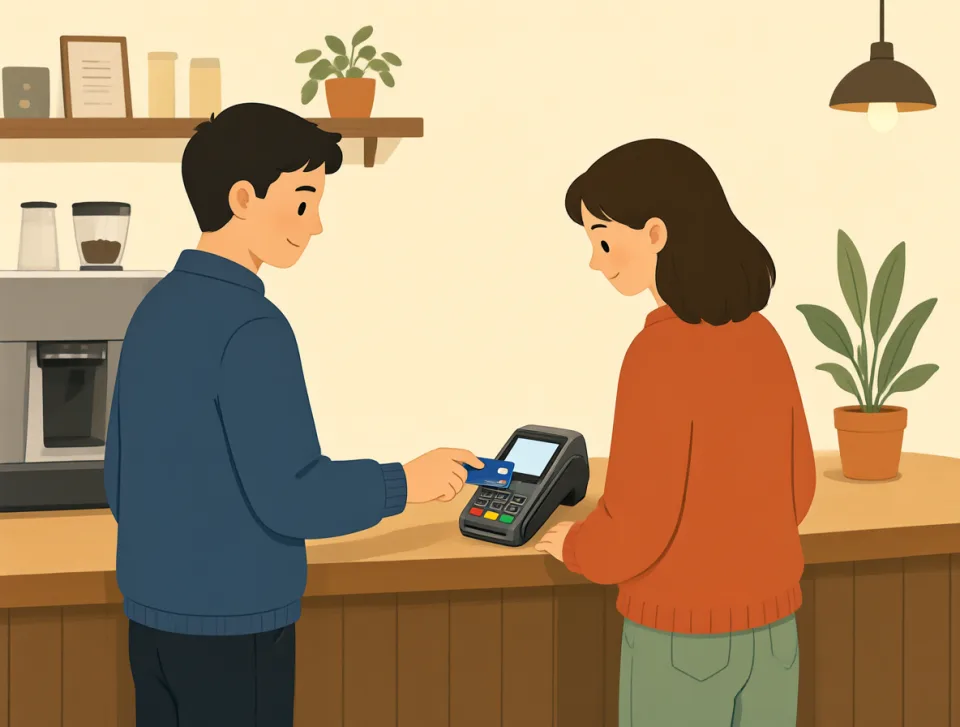
Tap your card on the machine when you pay for lunch.
Przyłóż kartę do terminala, gdy płacisz za lunch.
philosophy
#2298noun
filozofia
A set of beliefs about life, knowledge, and how people should live.
Zbiór przekonań dotyczących życia, wiedzy i tego, jak ludzie powinni żyć.
My philosophy is to stay calm and solve one problem at a time.
Moja filozofia to zachować spokój i rozwiązywać problemy po kolei.

The company’s philosophy puts customer service before making quick profits.
Filozofia firmy stawia obsługę klienta ponad szybkie zyski.
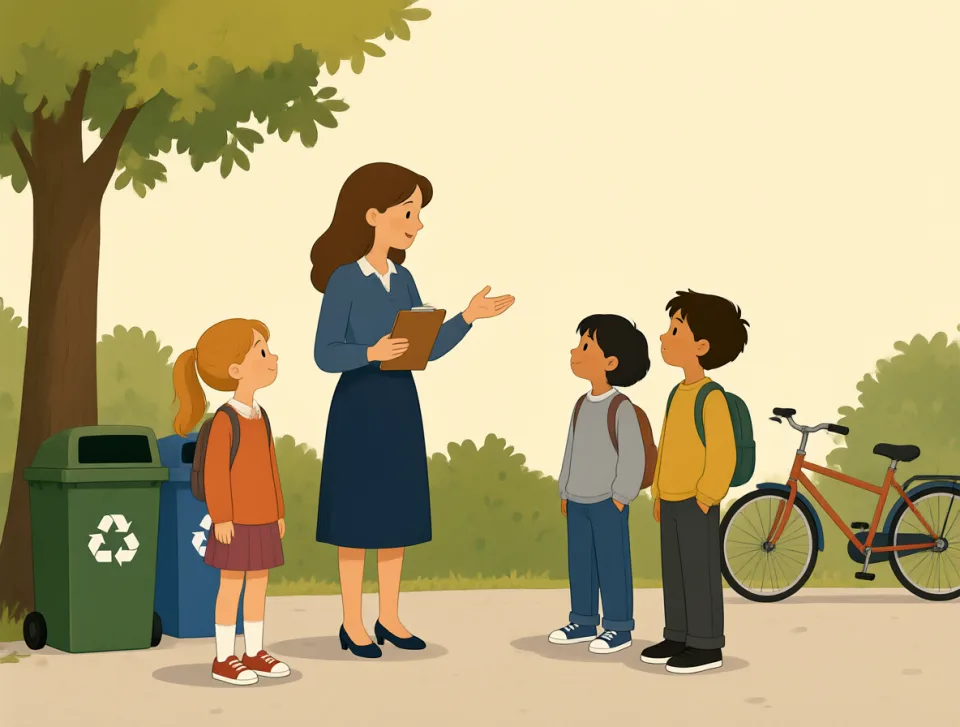
Our teacher discussed the philosophy behind protecting nature and using less energy.
Nasz nauczyciel omówił filozofię stojącą za ochroną przyrody i ograniczaniem zużycia energii.
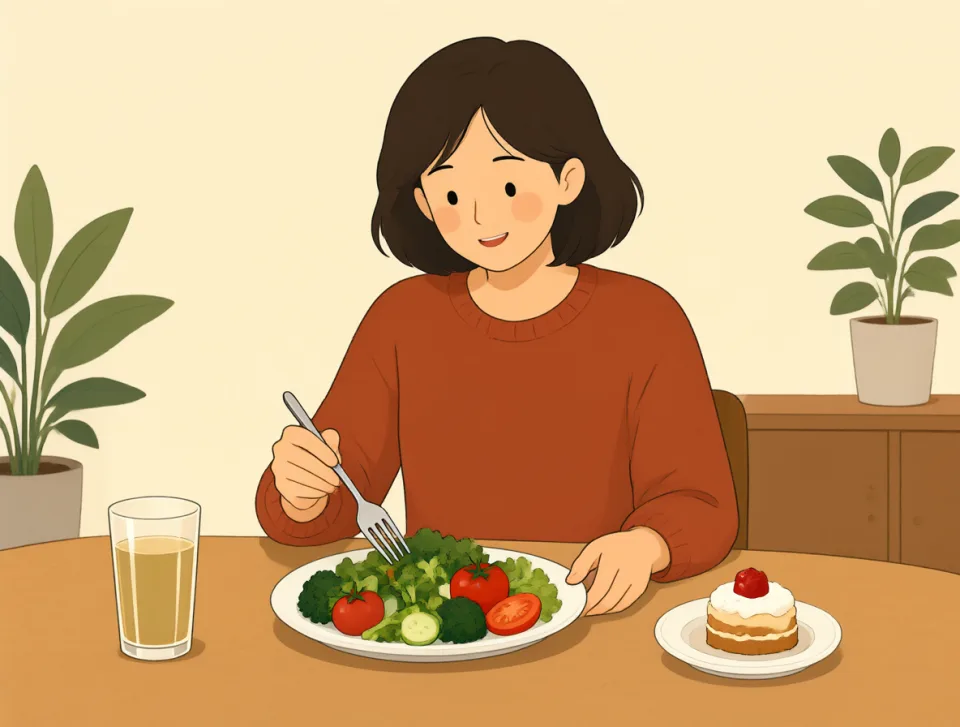
Her philosophy of healthy eating allows small treats without feeling guilty.
Jej filozofia zdrowego odżywiania pozwala na drobne przyjemności bez poczucia winy.

After traveling abroad, he developed a new philosophy about meeting people from different cultures.
Po podróży za granicę wypracował nową filozofię dotyczącą poznawania ludzi z różnych kultur.
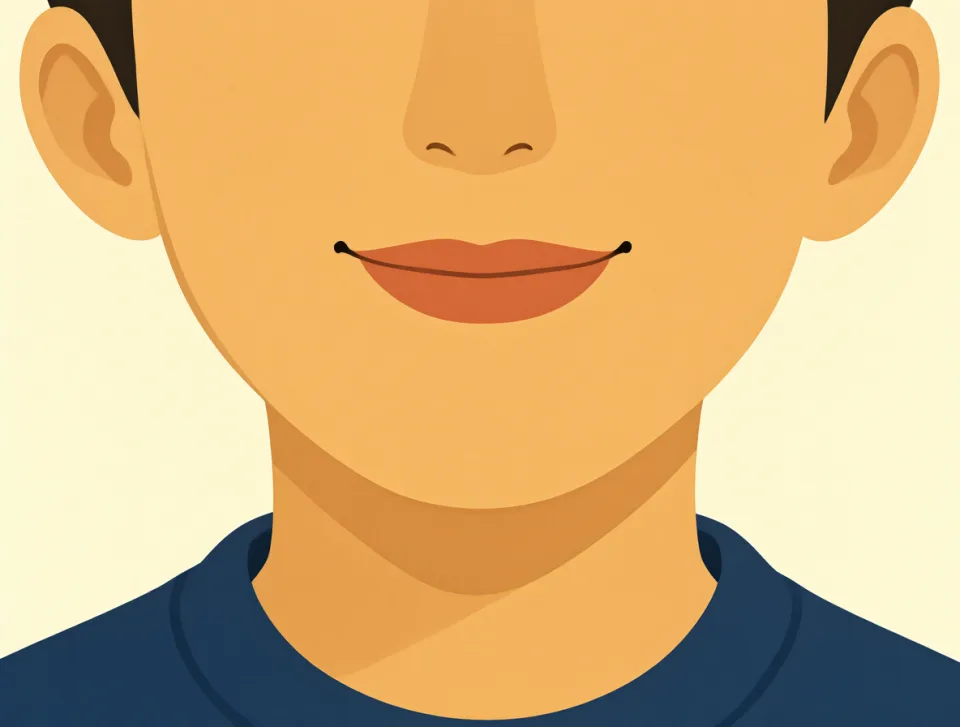
lip
#2299noun
warga
One of the two soft parts around the opening of the mouth.
Jedna z dwóch miękkich części otaczających otwór ust.
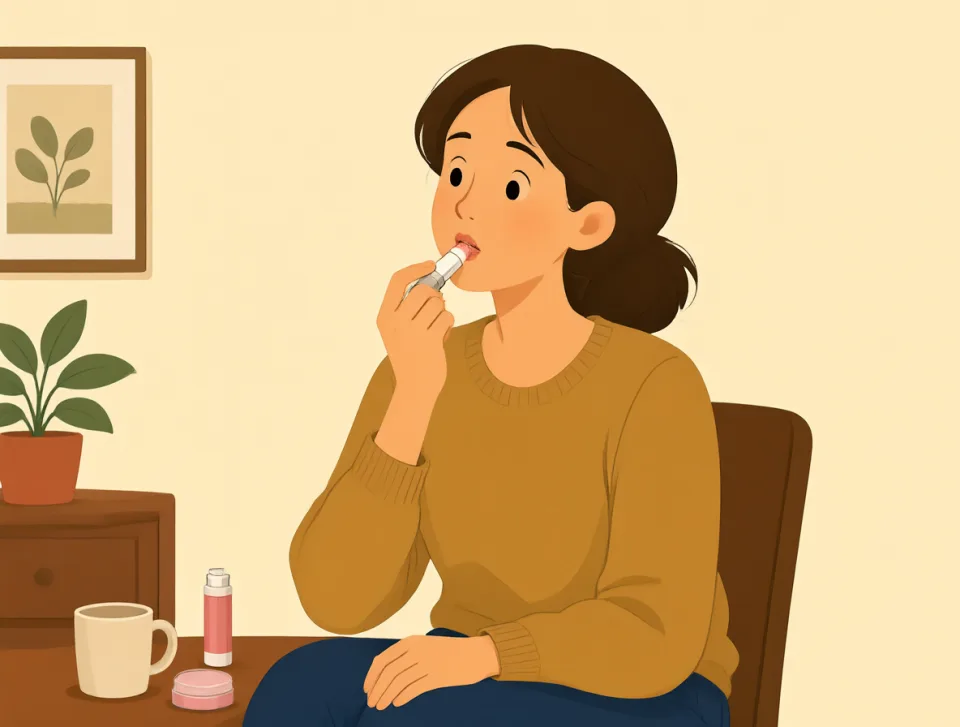
She applied lip balm because her lips were dry and painful.
Nałożyła balsam do ust, bo miała spierzchnięte i bolące wargi.
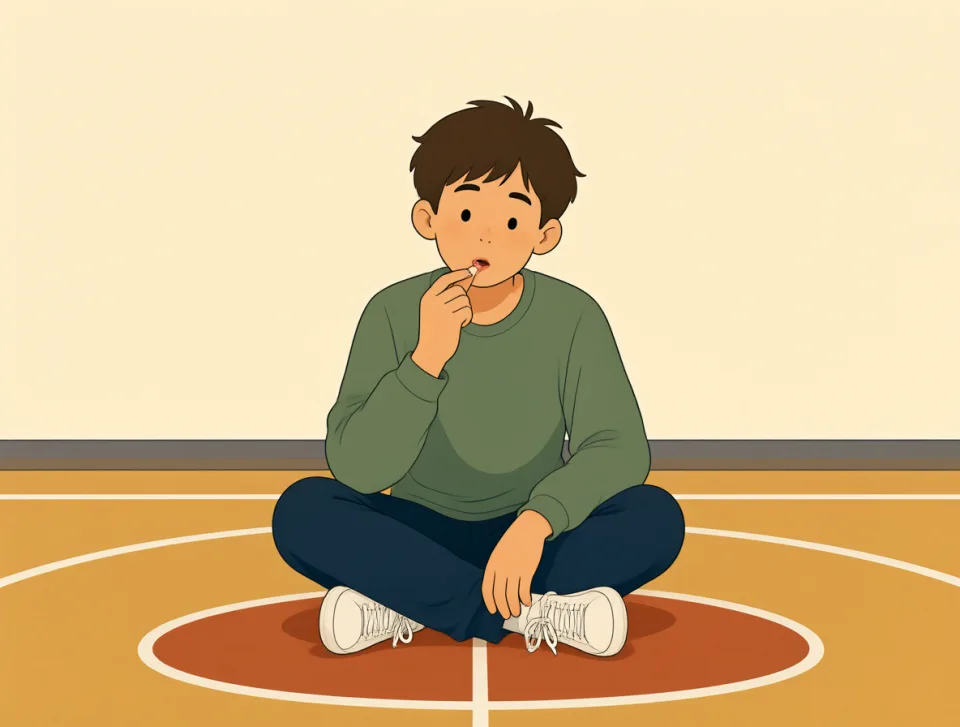
He cut his lip while playing basketball at school.
Rozciął sobie wargę podczas gry w koszykówkę w szkole.
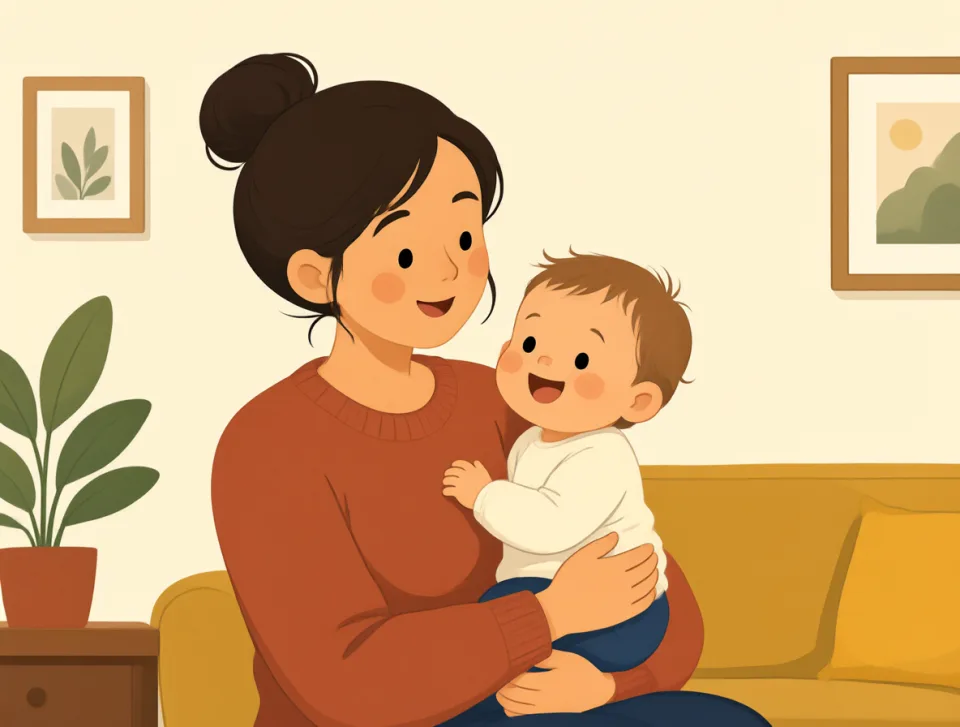
The baby smiled and moved her lips when her mother spoke.
Niemowlę uśmiechnęło się i poruszyło ustami, gdy przemówiła do niego mama.
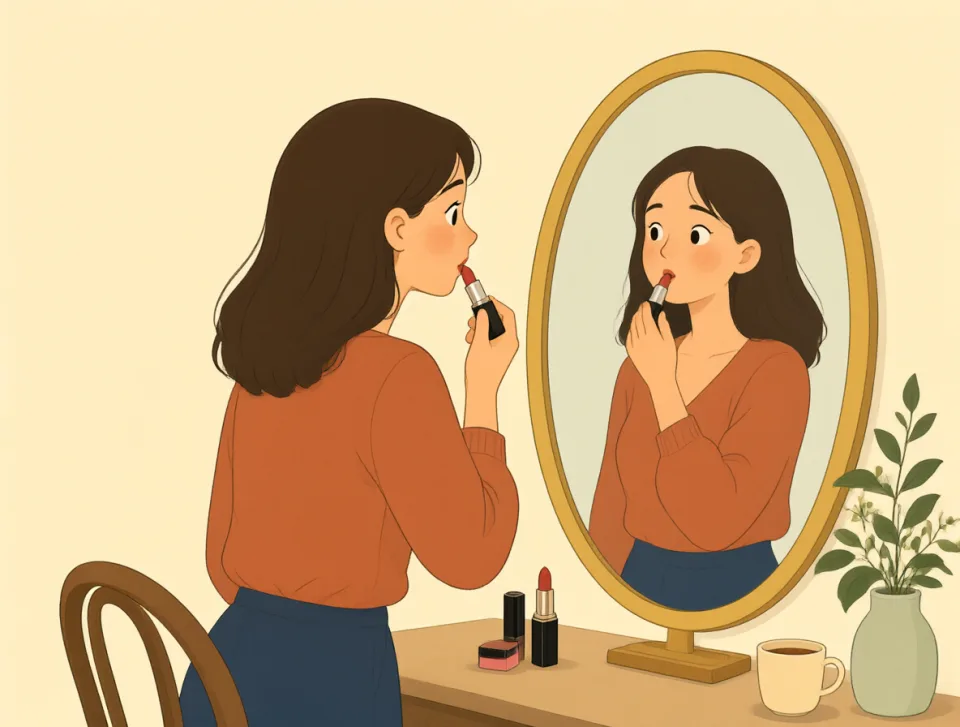
She put lipstick on her lips before meeting friends for dinner.
Przed kolacją ze znajomymi pomalowała usta szminką.
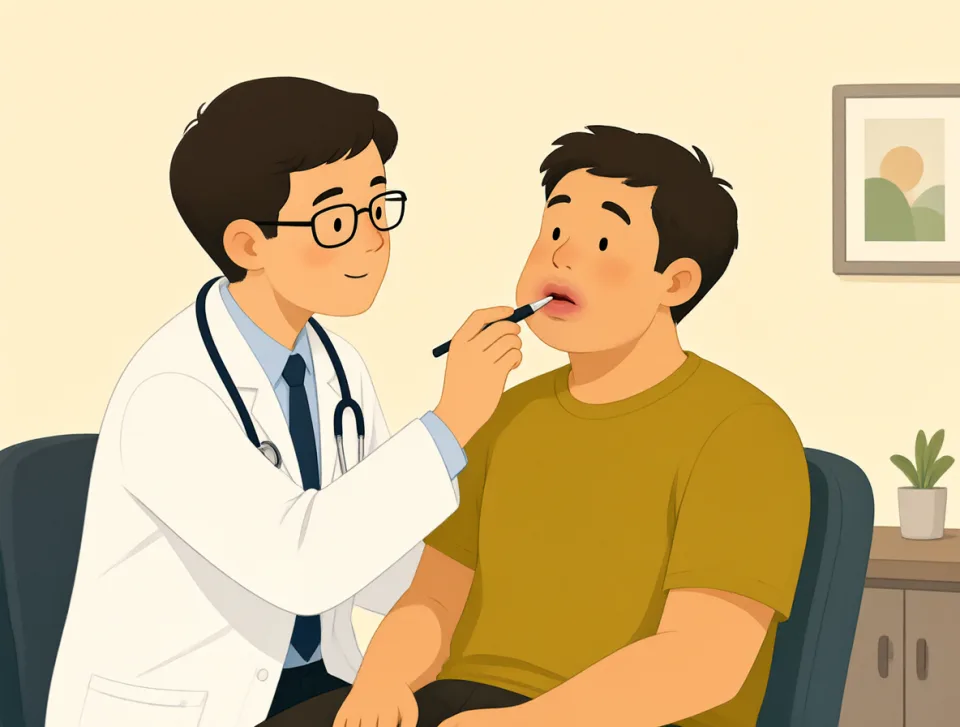
The doctor checked his swollen lip after the allergic reaction.
Lekarz obejrzał jego opuchniętą wargę po reakcji alergicznej.
attribute
#2300noun, verb
cecha; przypisywać
A quality of someone or something; to say that a quality or action belongs to someone.
Cecha danej osoby lub rzeczy; stwierdzić, że dana cecha lub czyn należy do kogoś.
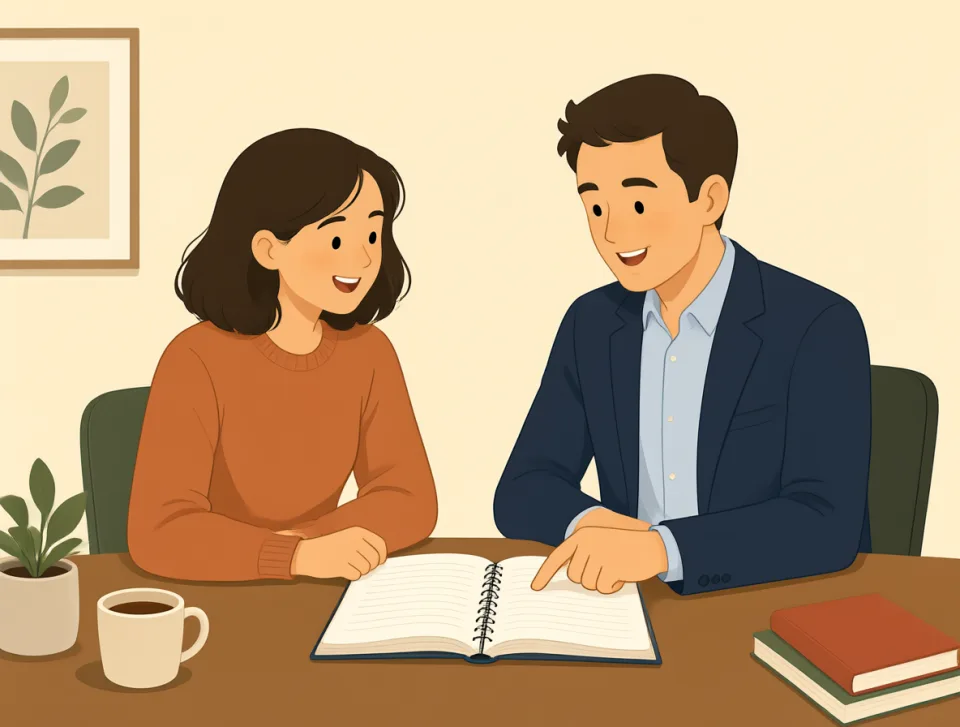
Many people attribute their success to hard work and good advice.
Wiele osób przypisuje swój sukces ciężkiej pracy i dobrym radom.
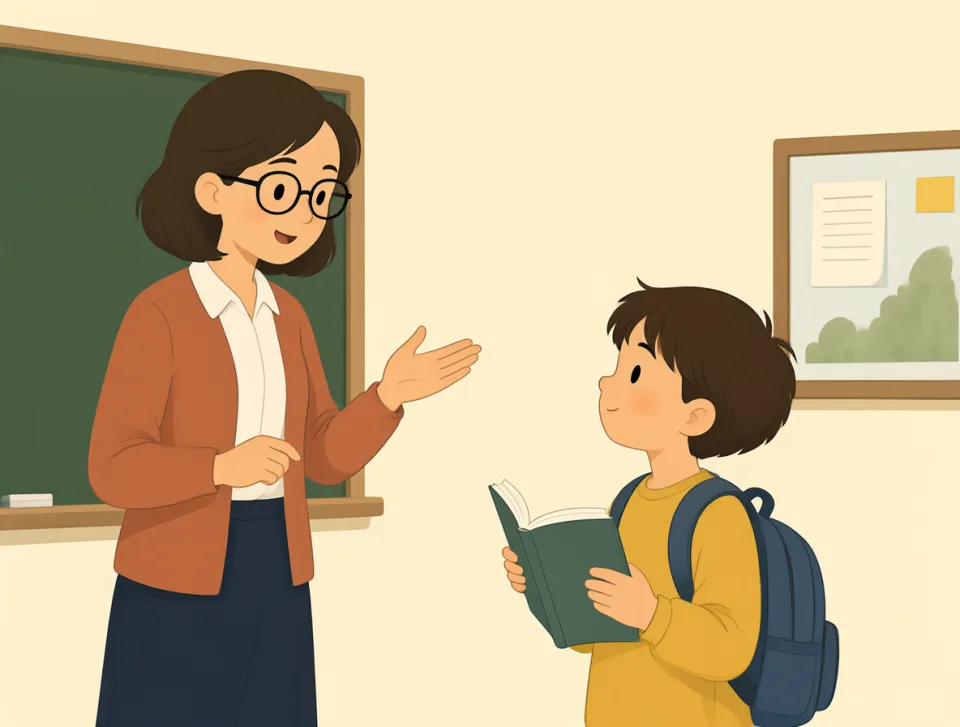
The teacher attributed the student's improvement to regular reading at home.
Nauczyciel przypisał poprawę wyników ucznia regularnemu czytaniu w domu.

The report lists patience as one of her best attributes.
W raporcie cierpliwość wymieniono jako jedną z jej największych zalet.
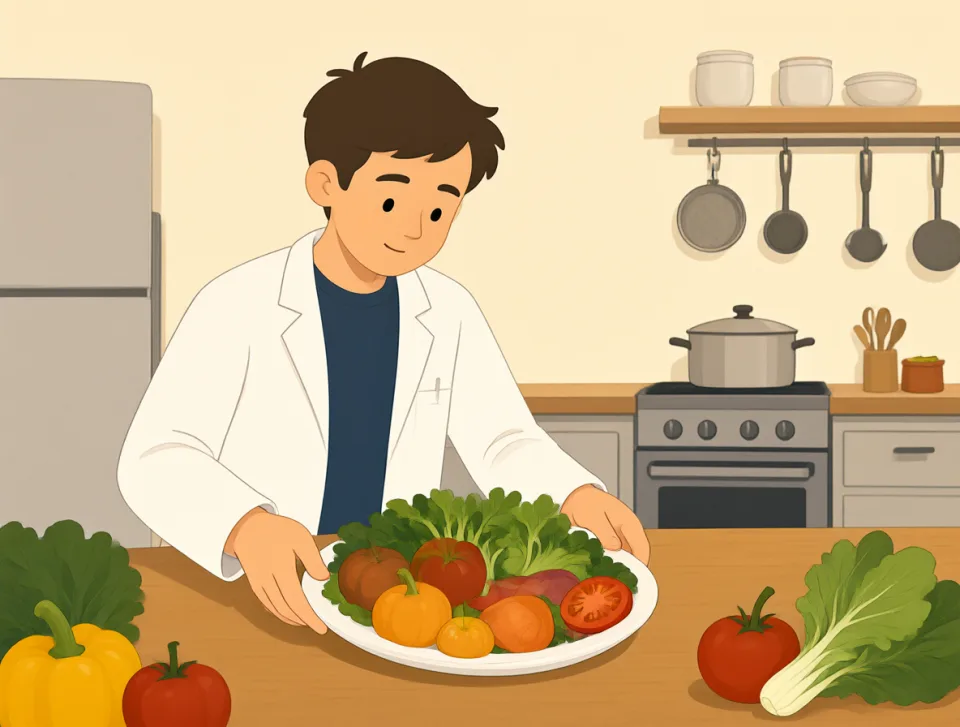
Scientists attribute the health benefits of the dish to its fresh vegetables.
Naukowcy przypisują korzyści zdrowotne tej potrawy świeżym warzywom.
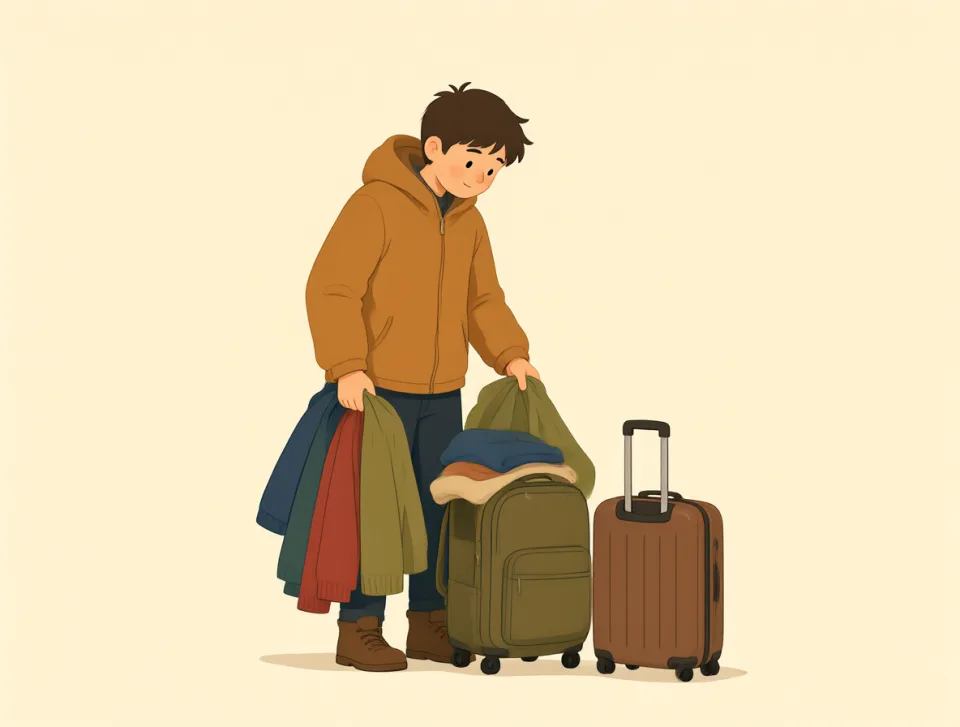
The jacket's warm lining is an important attribute for winter travel.
Ciepła podszewka kurtki to ważna cecha podczas zimowych podróży.