Zestaw 110
Słowa 2181–2200 · album, singer, trail, trap, loose, extension
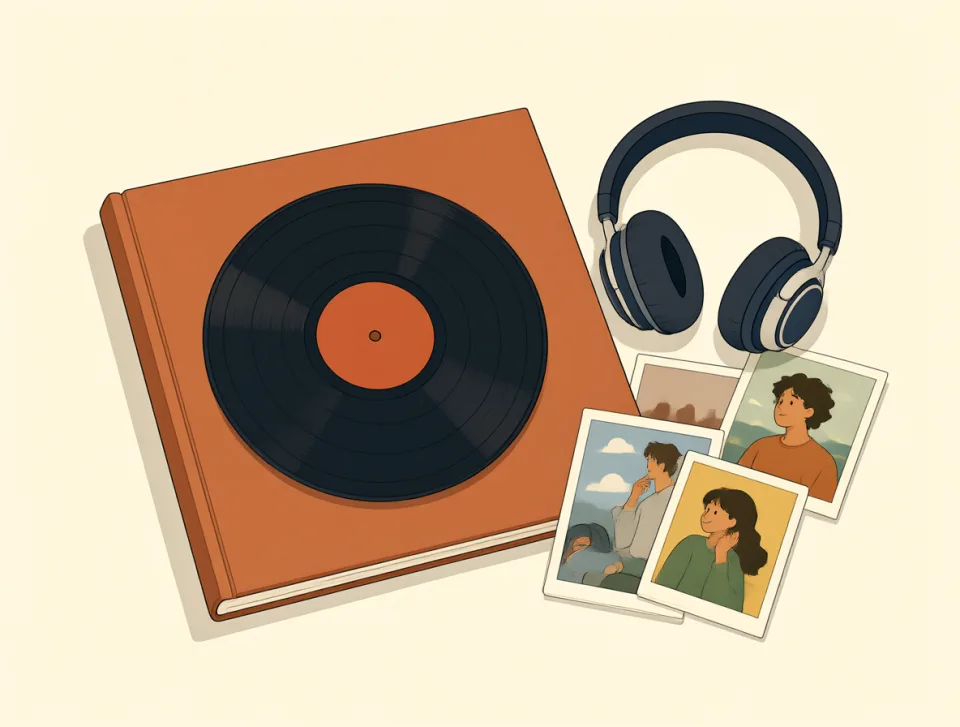
album
#2181noun
album
A collection of songs released together, or a book for collecting photographs or stamps.
Zbiór piosenek wydanych razem albo książka do gromadzenia fotografii lub znaczków.

Her new album has twelve songs and is already popular with fans.
Jej nowy album zawiera dwanaście piosenek i już cieszy się popularnością wśród fanów.
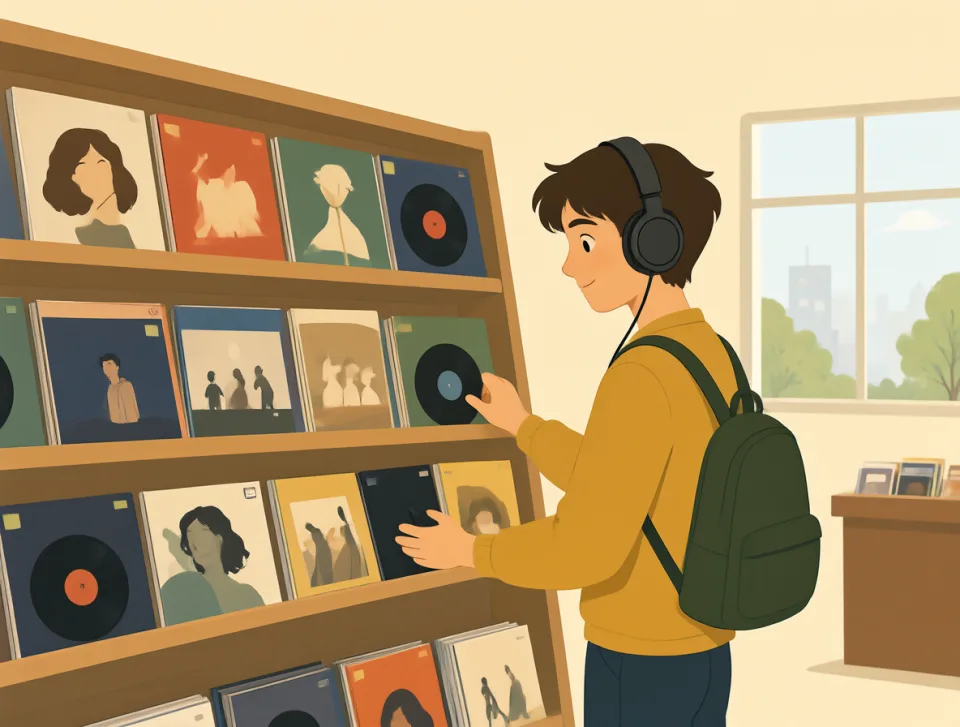
I bought the band's latest album after hearing their song on the radio.
Kupiłem najnowszy album zespołu po tym, jak usłyszałem ich piosenkę w radiu.
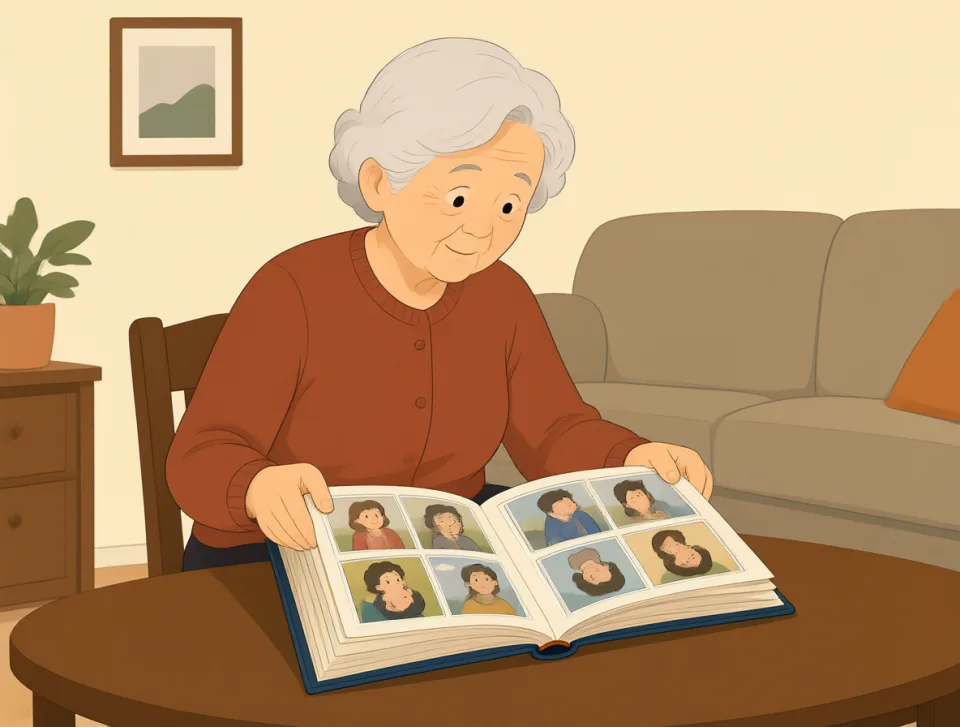
My grandmother keeps an old photo album on the living room bookshelf.
Moja babcia trzyma stary album ze zdjęciami na półce w salonie.
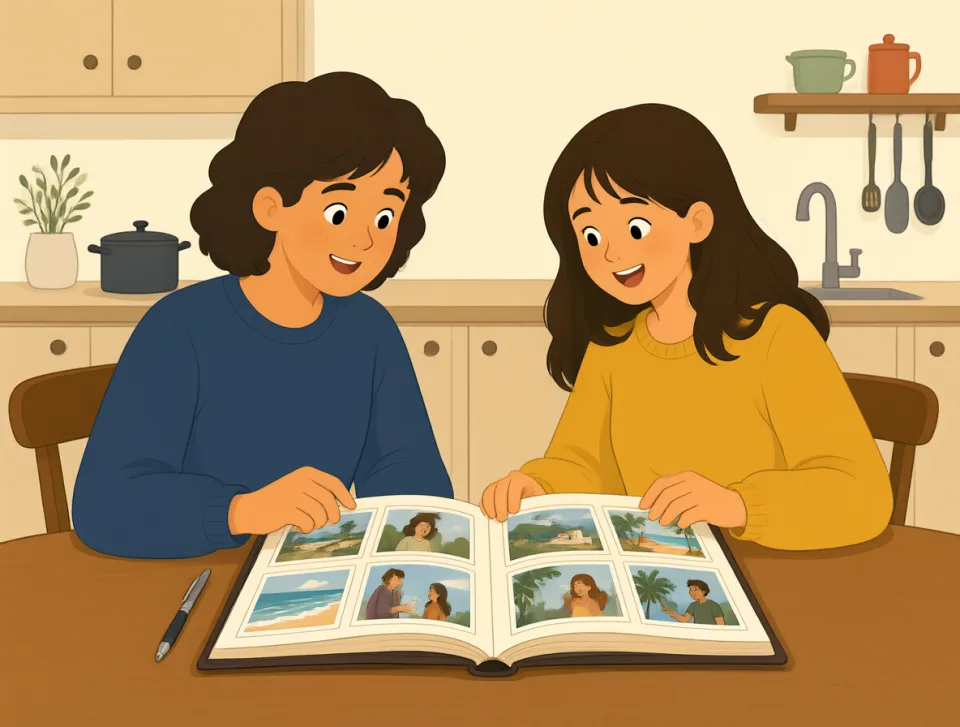
We looked through our holiday album and remembered our trip to Spain.
Przeglądaliśmy nasz album z wakacji i wspominaliśmy podróż do Hiszpanii.
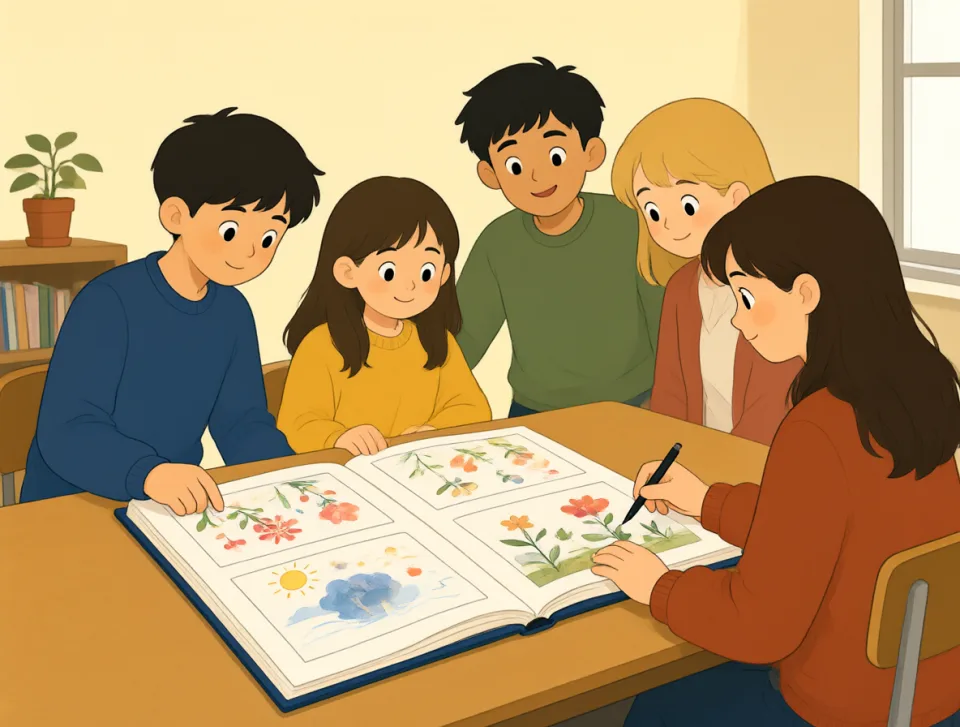
The students created an album of drawings from their art project.
Uczniowie stworzyli album z rysunkami wykonanymi w ramach projektu plastycznego.
singer
#2182noun
piosenkarz / piosenkarka
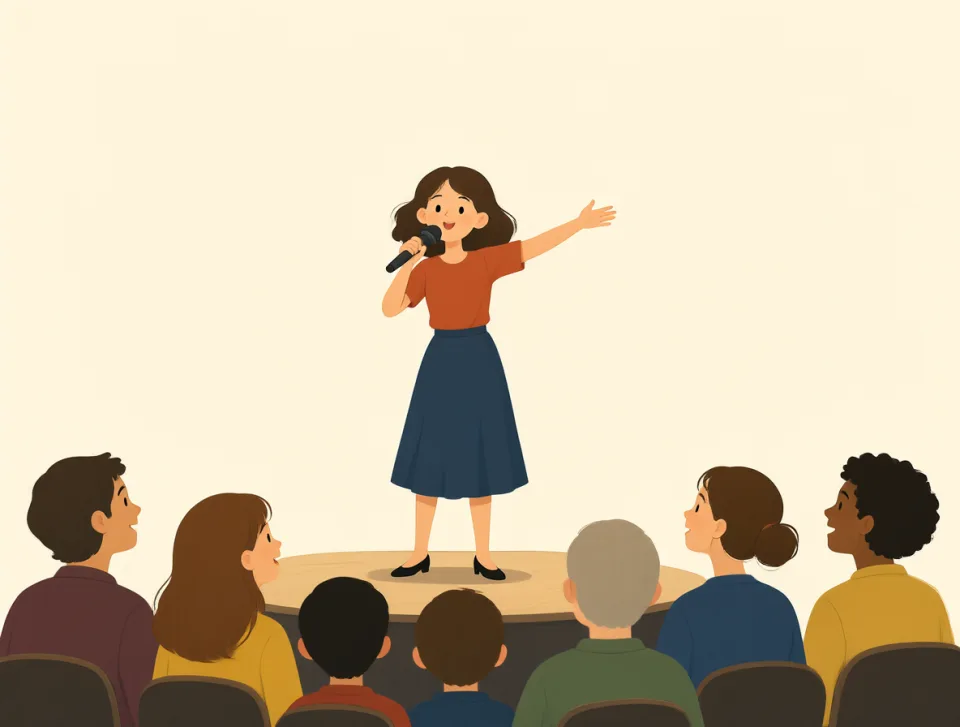
A person who sings, especially as a job or in public performances.
Osoba, która śpiewa, zwłaszcza zawodowo lub podczas występów publicznych.
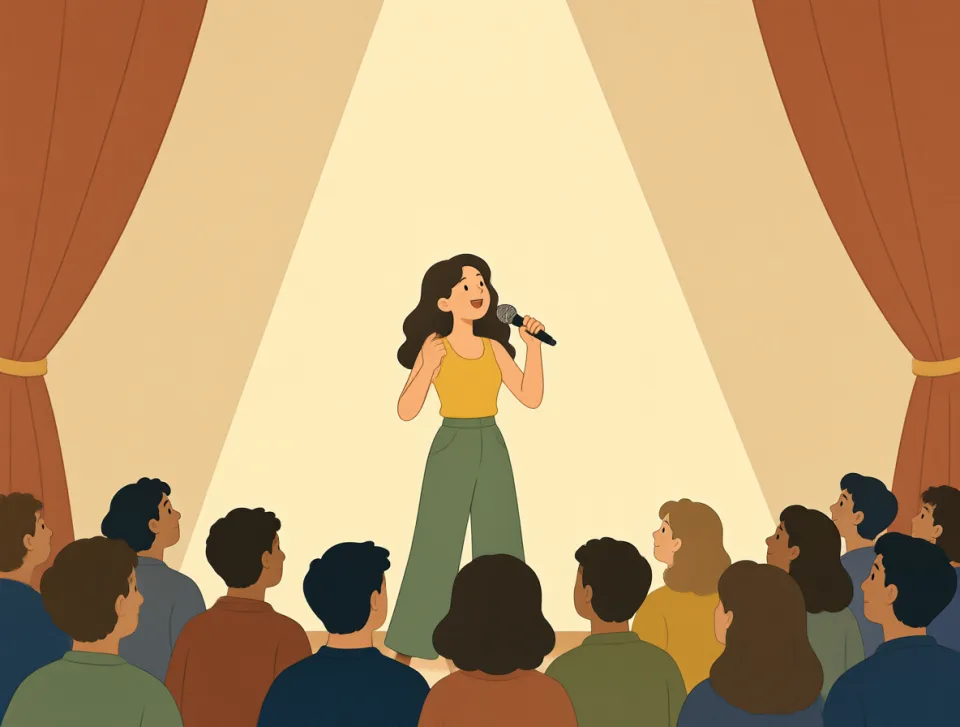
The singer performed three popular songs at the concert last night.
Piosenkarz wykonał wczoraj wieczorem na koncercie trzy popularne utwory.
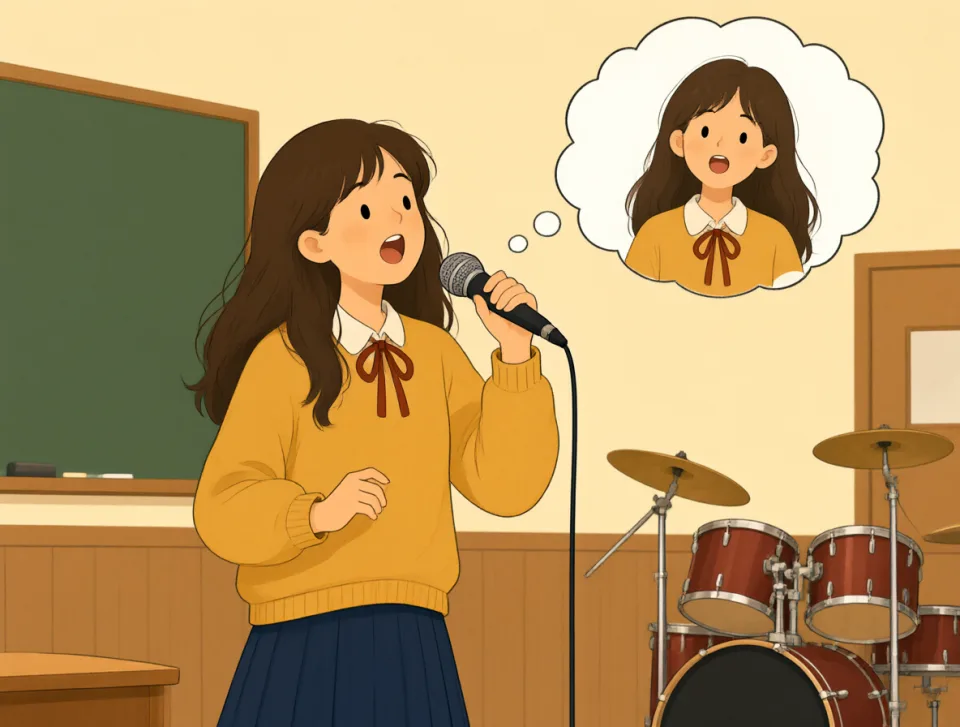
My sister wants to become a singer when she finishes school.
Moja siostra chce zostać piosenkarką po ukończeniu szkoły.
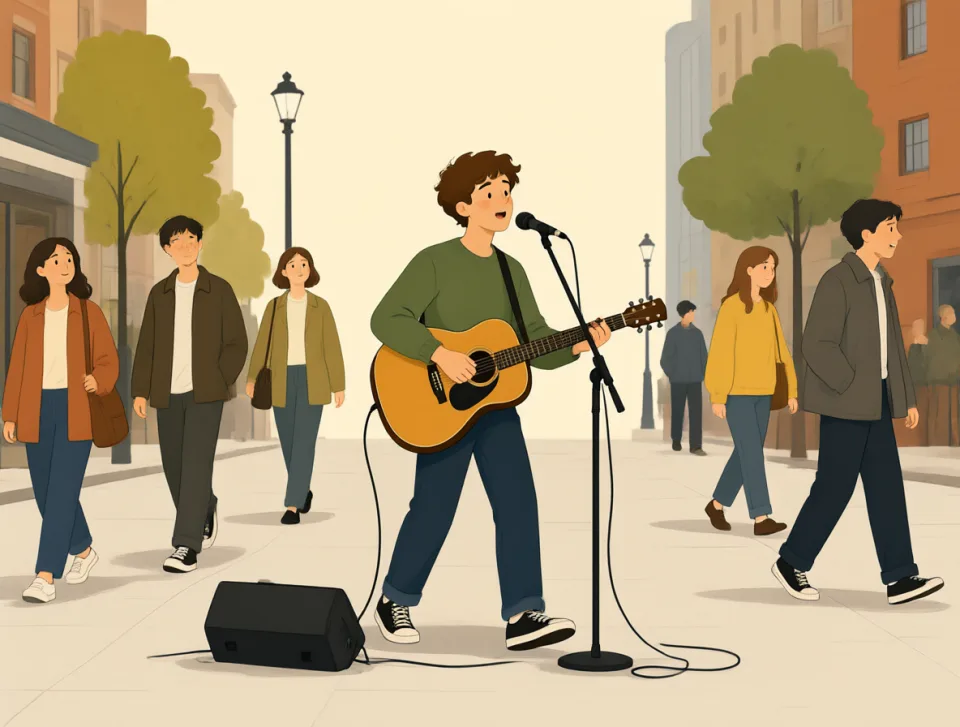
We heard a street singer during our walk through the city.
Podczas spaceru po mieście usłyszeliśmy ulicznego śpiewaka.

The singer practiced every morning before recording her new album.
Piosenkarka ćwiczyła każdego ranka przed nagraniem nowego albumu.
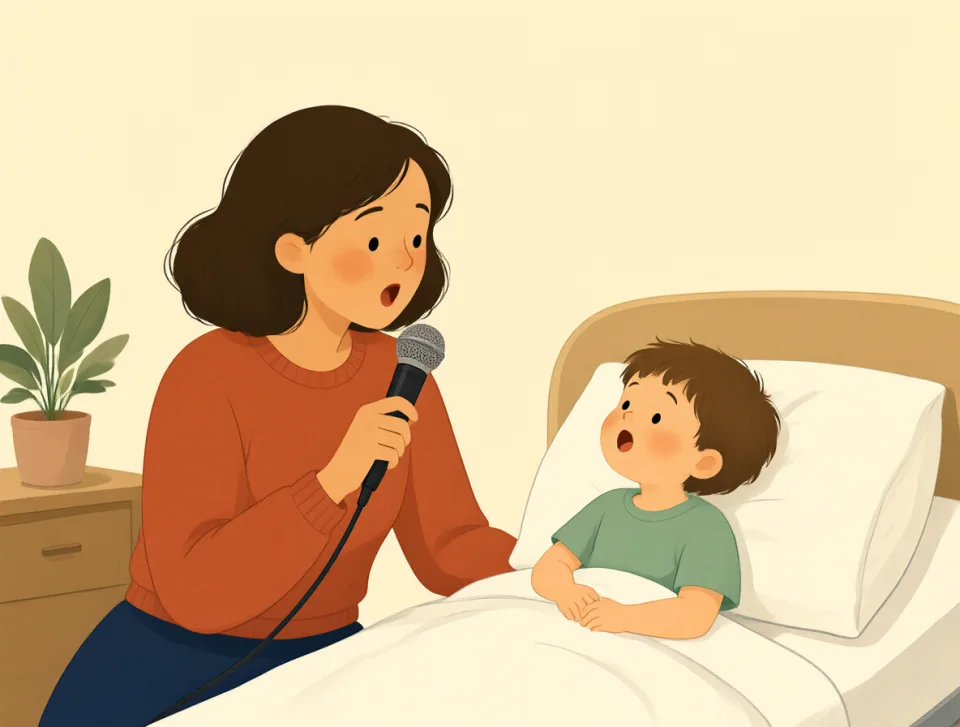
A famous singer visited the children’s hospital and sang for patients.
Znany piosenkarz odwiedził szpital dziecięcy i zaśpiewał dla pacjentów.

trail
#2183noun, verb
szlak
A path through the countryside, or to follow behind someone or something.
Ścieżka prowadząca przez wieś lub las albo podążać za kimś lub czymś.

We followed the trail through the forest until we reached the lake.
Szliśmy szlakiem przez las, aż dotarliśmy do jeziora.
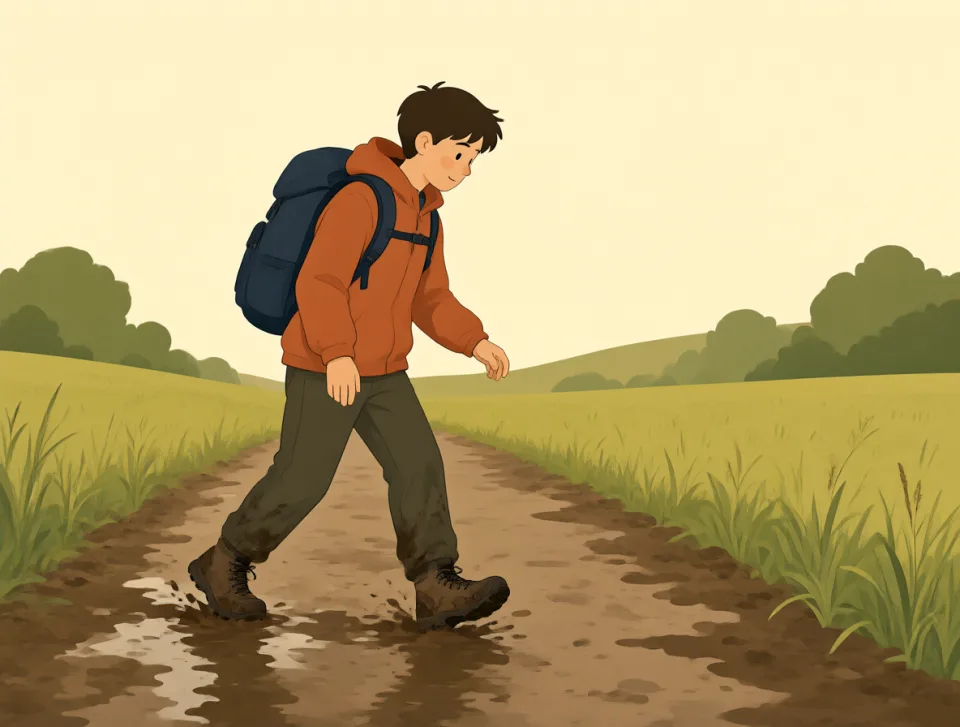
The hiking trail becomes very muddy after heavy rain.
Szlak turystyczny robi się bardzo błotnisty po ulewnym deszczu.
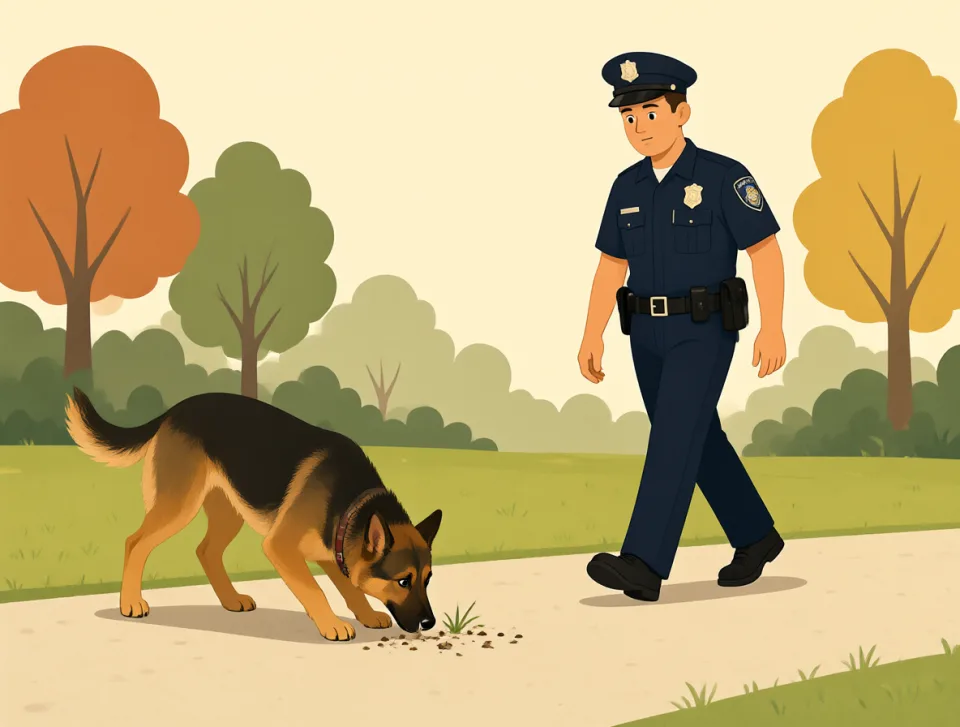
Police dogs tracked the trail left by the missing person.
Psy policyjne podjęły trop pozostawiony przez zaginioną osobę.

The software company is trailing its competitors in international sales.
Firma programistyczna pozostaje w tyle za konkurencją pod względem sprzedaży międzynarodowej.
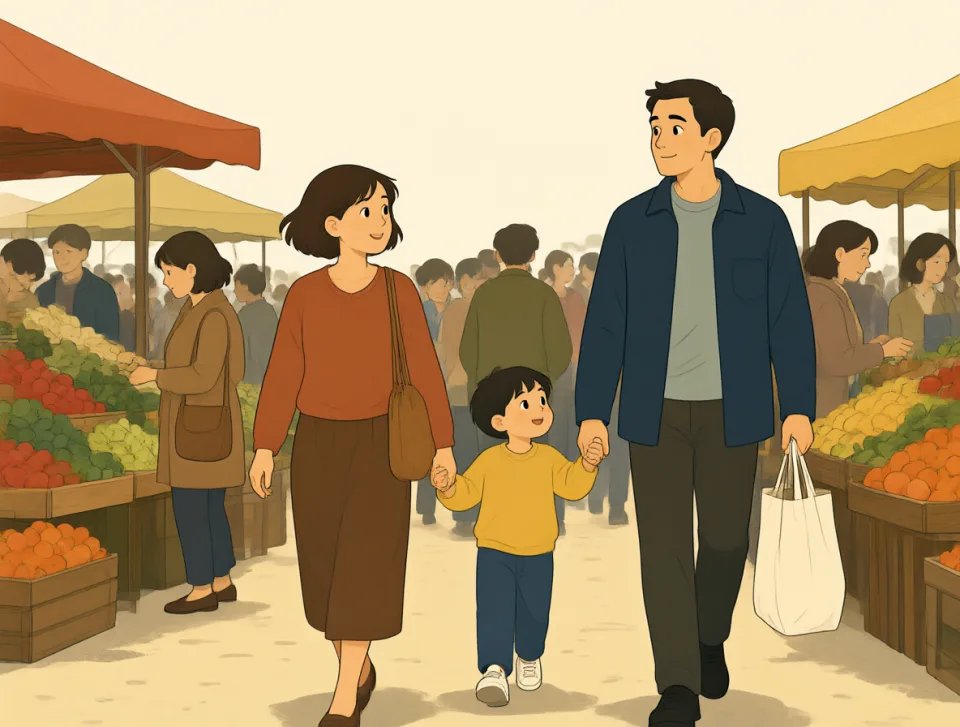
The little boy trailed behind his parents at the busy market.
Mały chłopiec szedł z tyłu za rodzicami na zatłoczonym targu.
trap
#2184noun, verb
pułapka
A hidden danger or device that catches someone; to catch someone or something unexpectedly.
Ukryte zagrożenie lub urządzenie, w które ktoś wpada; złapać kogoś lub coś niespodziewanie.
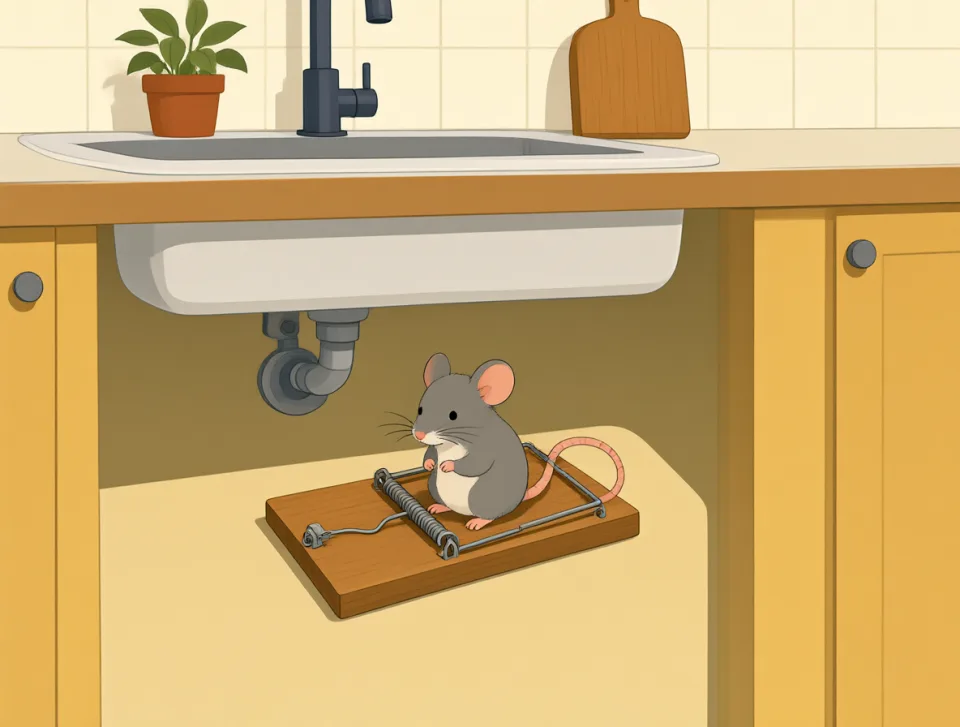
The mouse was caught in a trap under the kitchen sink.
Mysz została złapana w pułapkę pod zlewem w kuchni.
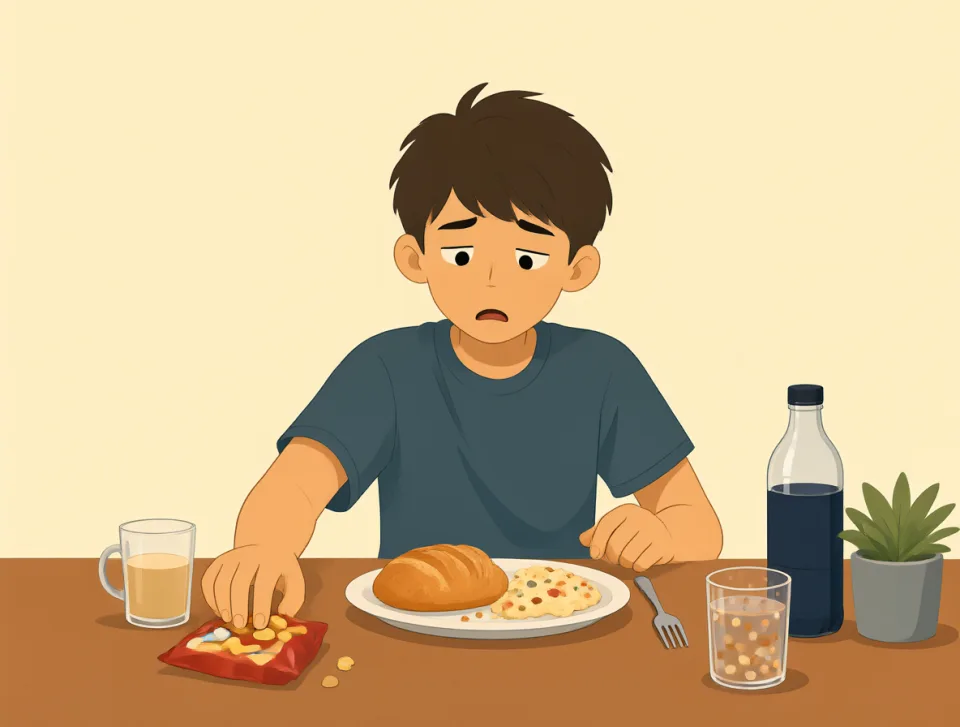
Be careful not to fall into the trap of skipping breakfast.
Uważaj, żeby nie wpaść w pułapkę pomijania śniadania.
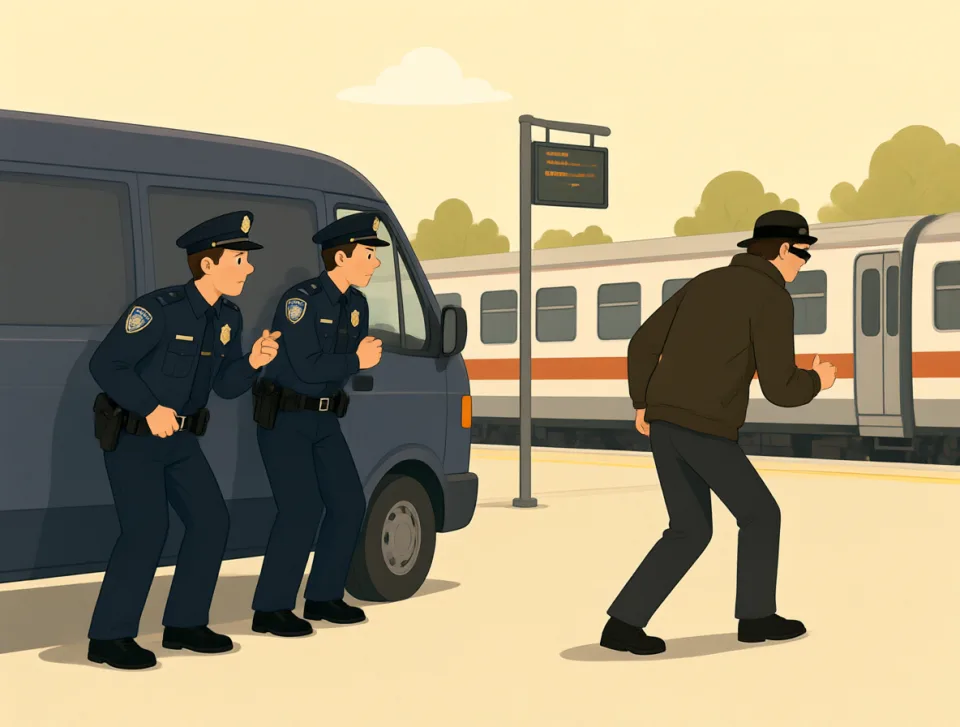
The police set a trap for the thief near the train station.
Policja zastawiła pułapkę na złodzieja w pobliżu dworca kolejowego.

The hikers became trapped by heavy snow on the mountain.
Wędrowcy zostali uwięzieni na górze przez obfite opady śniegu.

The sales assistant warned me about a trap in the contract.
Sprzedawca ostrzegł mnie przed pułapką w umowie.

loose
#2185adjective, verb
luźny
Not tight or firmly fixed; to release something or make it no longer tight.
Niedopasowany lub niezbyt mocno przymocowany; poluzować coś albo sprawić, by przestało być ciasne.
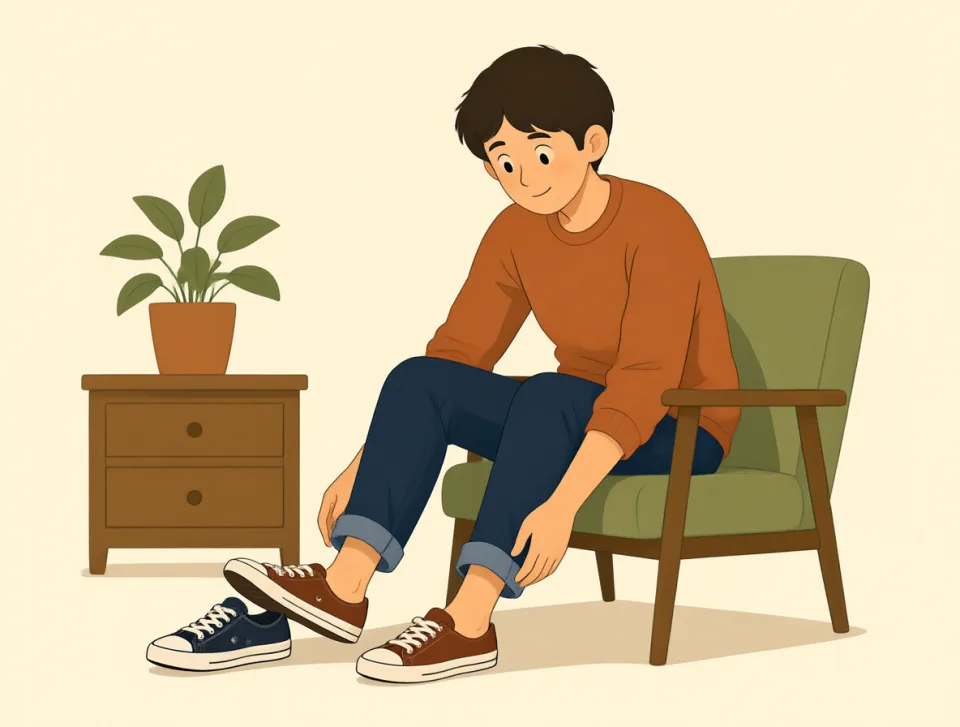
These shoes feel loose, so I need thicker socks.
Te buty są luźne, więc potrzebuję grubszych skarpet.

The loose handle came off when I lifted the suitcase.
Luźna rączka odpadła, kiedy podniosłem walizkę.
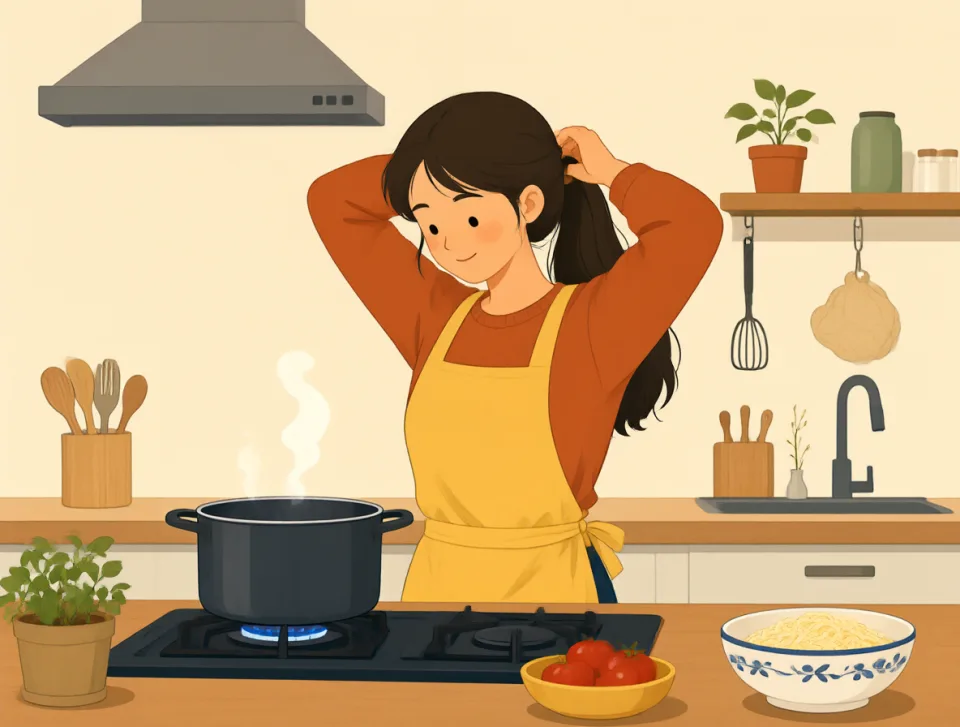
Please tie your loose hair back before cooking dinner.
Przed przygotowaniem kolacji zwiąż proszę luźne włosy.
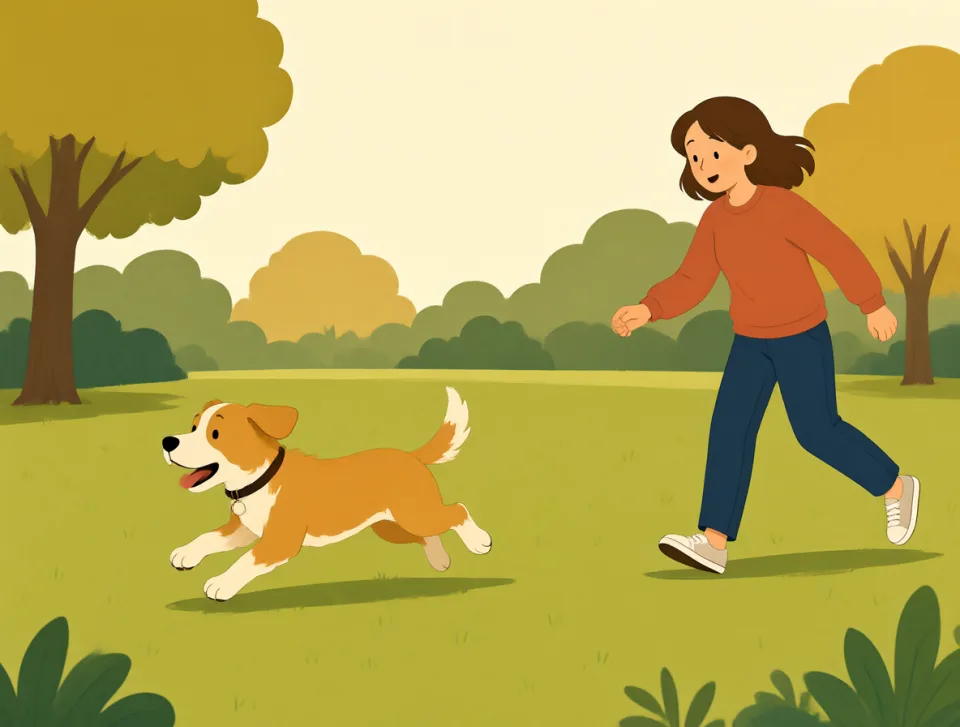
The dog got loose and ran across the park.
Pies się uwolnił i przebiegł przez park.
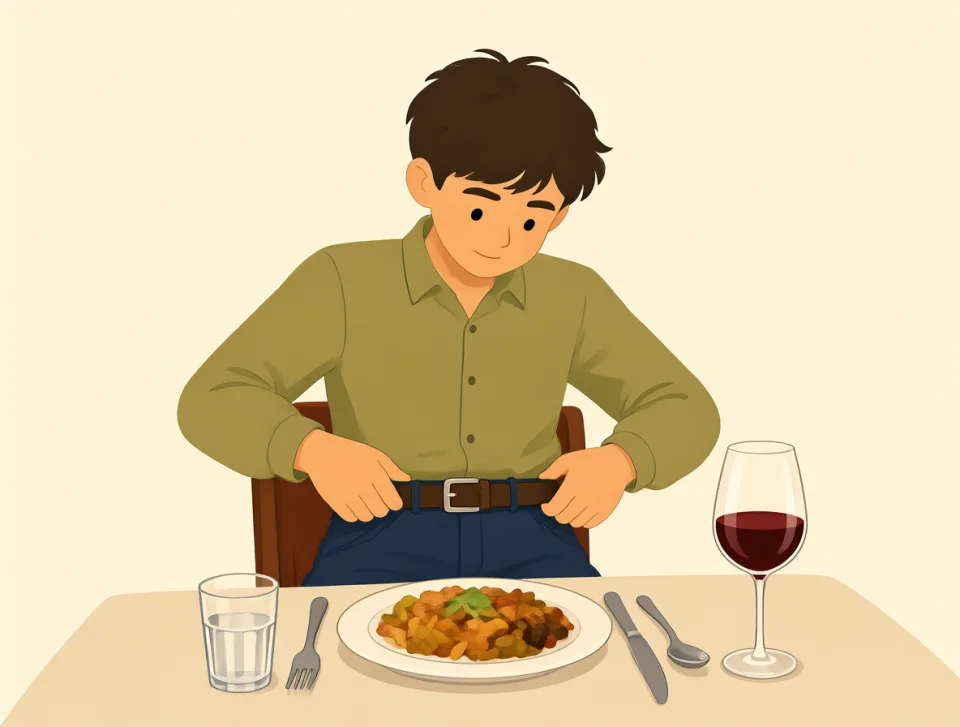
The doctor told me to loosen my belt after eating.
Lekarz powiedział mi, żebym po jedzeniu poluzował pasek.

extension
#2186noun
przedłużenie
Extra time, space, or an added part connected to something larger.
Dodatkowy czas, miejsce lub dobudowana część czegoś większego.

The hotel gave us an extension because our flight was canceled.
Hotel przedłużył nam pobyt, ponieważ odwołano nasz lot.
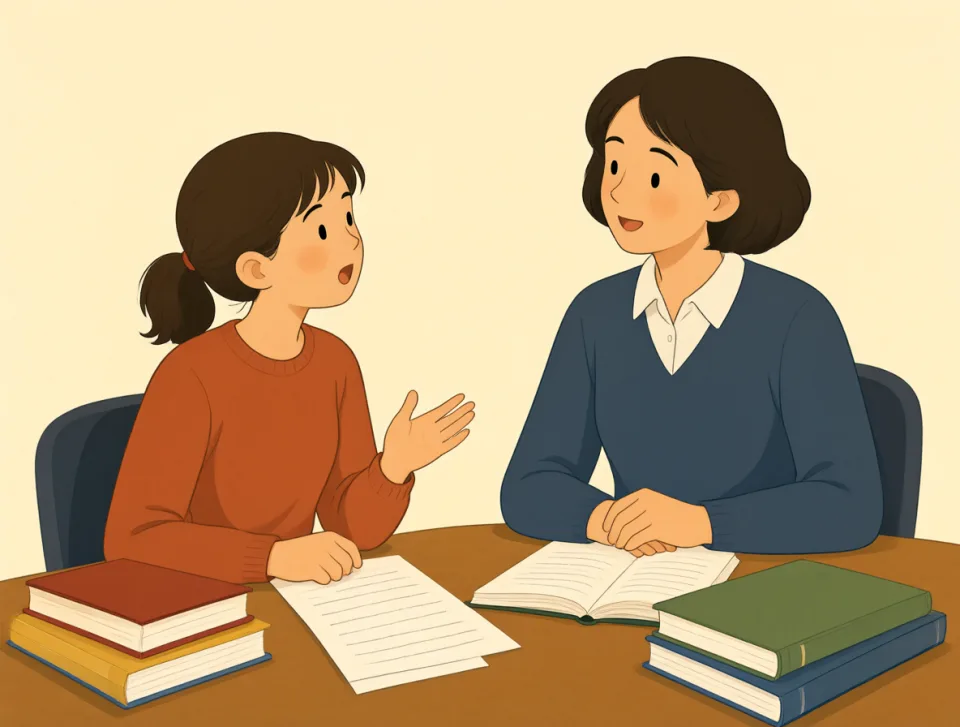
She asked for an extension on her school project until Friday.
Poprosiła o przedłużenie terminu oddania szkolnego projektu do piątku.
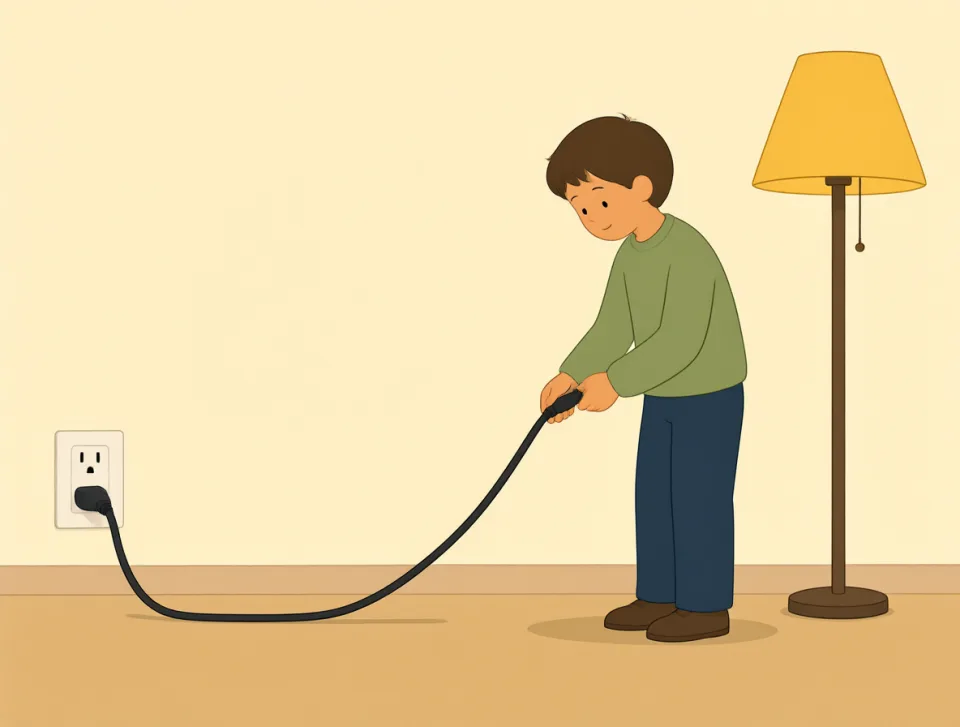
We need an extension cord to reach the lamp across the room.
Potrzebujemy przedłużacza, żeby podłączyć lampę po drugiej stronie pokoju.
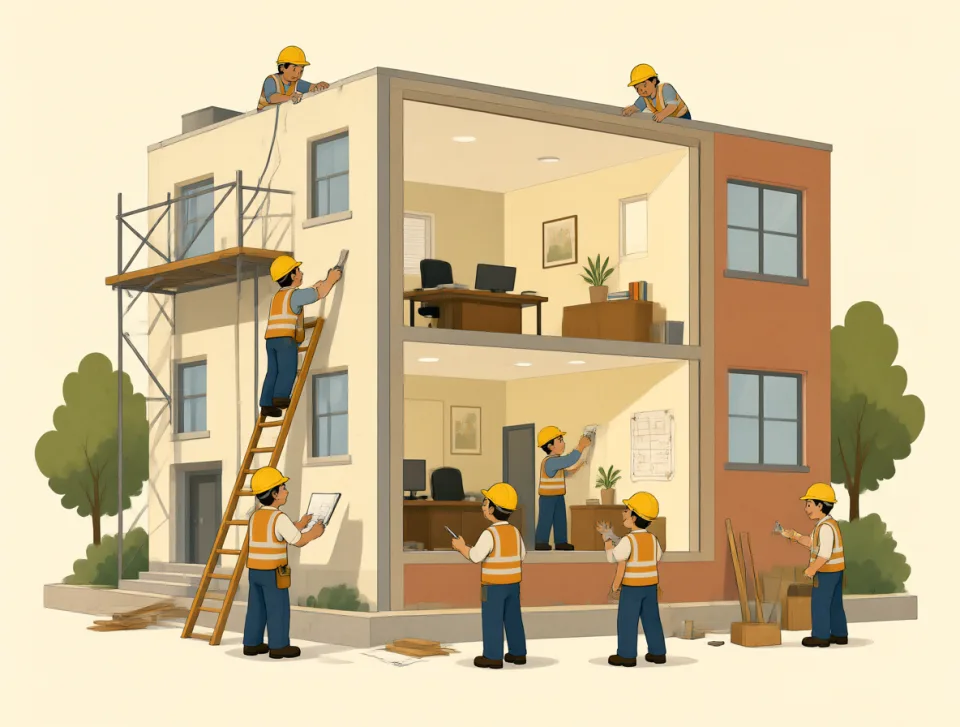
The company built an extension to provide more office space.
Firma dobudowała część budynku, aby zapewnić więcej miejsca na biura.

Please call the sales extension if you need help with your order.
Jeśli potrzebujesz pomocy w sprawie zamówienia, zadzwoń pod wewnętrzny numer działu sprzedaży.
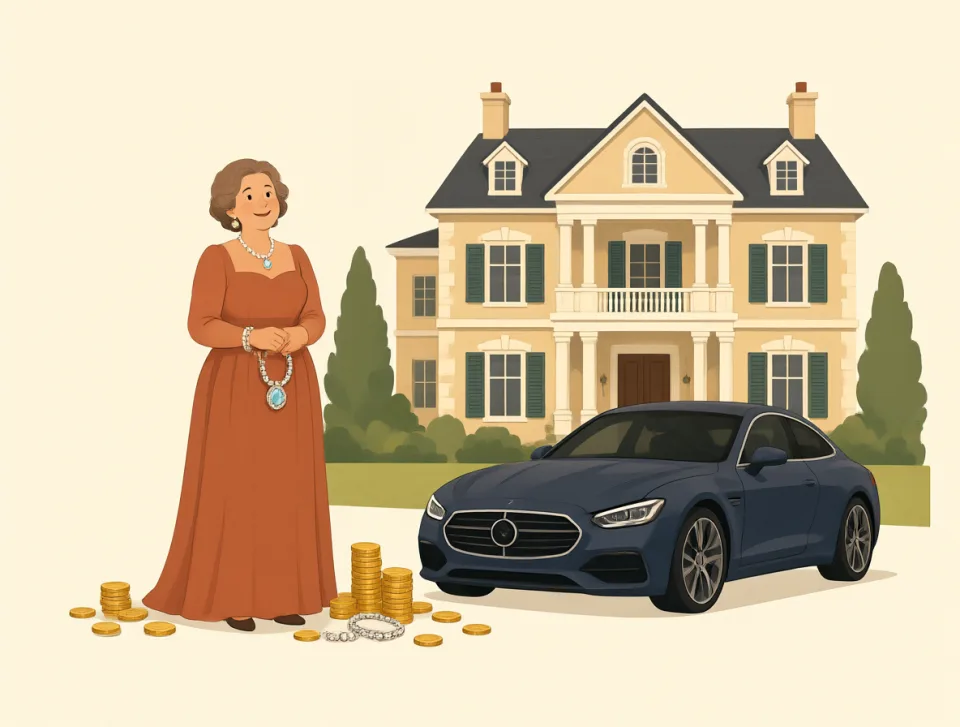
wealth
#2187noun
majątek
A large amount of money, property, or valuable things that someone owns.
Duża suma pieniędzy, nieruchomości lub innych wartościowych rzeczy, które ktoś posiada.

The family built its wealth through years of hard work and careful saving.
Rodzina zgromadziła majątek dzięki wieloletniej ciężkiej pracy i oszczędzaniu.

Many people believe wealth brings happiness, but strong friendships matter more.
Wiele osób uważa, że majątek przynosi szczęście, ale bliskie przyjaźnie są ważniejsze.
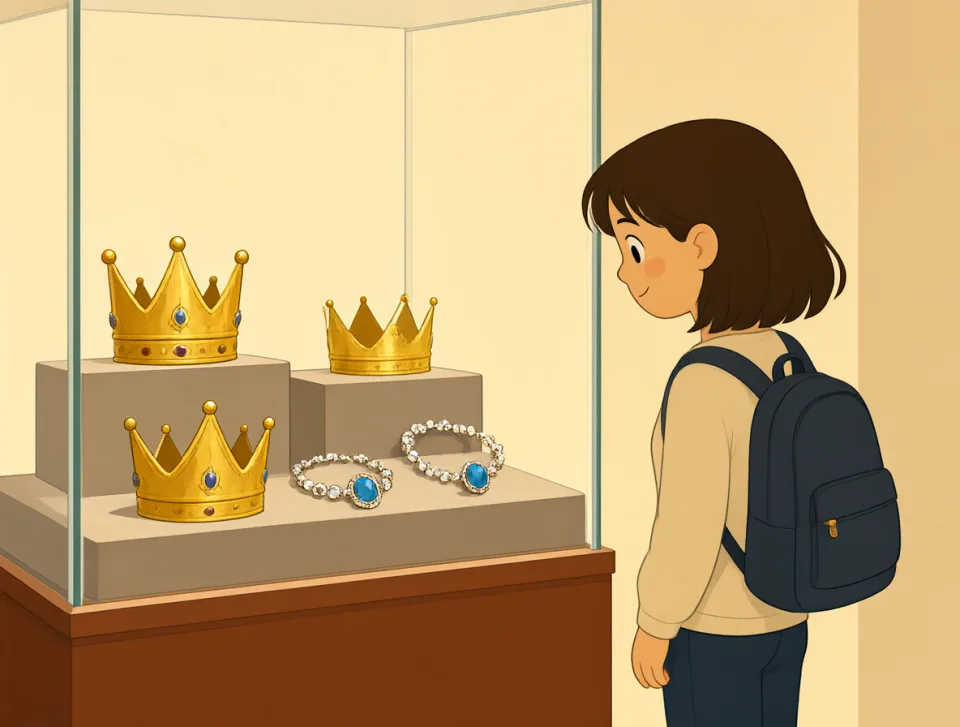
The museum displays the wealth of ancient kings through gold crowns and jewelry.
Muzeum ukazuje bogactwo dawnych królów, prezentując złote korony i biżuterię.
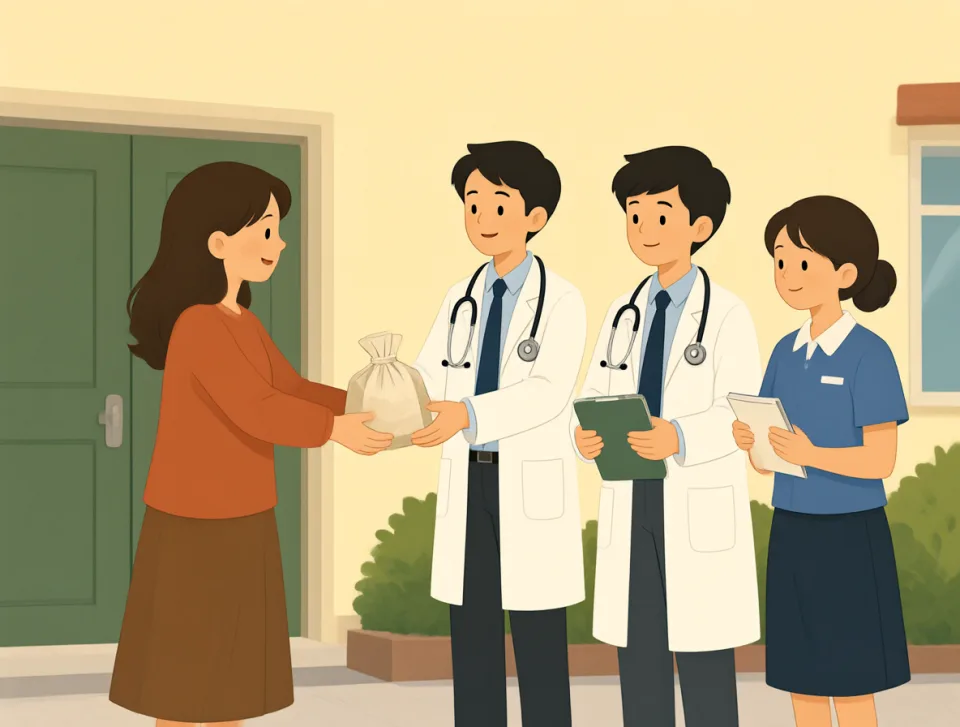
She used her wealth to support hospitals, schools, and local community projects.
Wykorzystała swój majątek, by wspierać szpitale, szkoły i lokalne projekty społeczne.
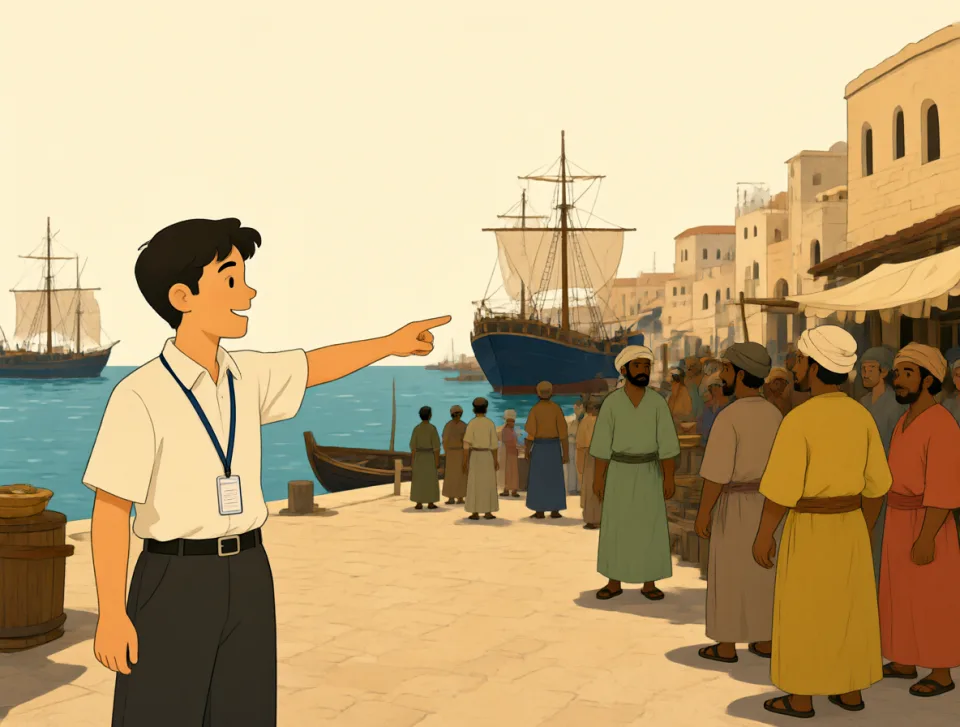
The tour guide explained how trade brought great wealth to the old port.
Przewodnik wyjaśnił, jak handel przyniósł wielkie bogactwo dawnemu portowi.
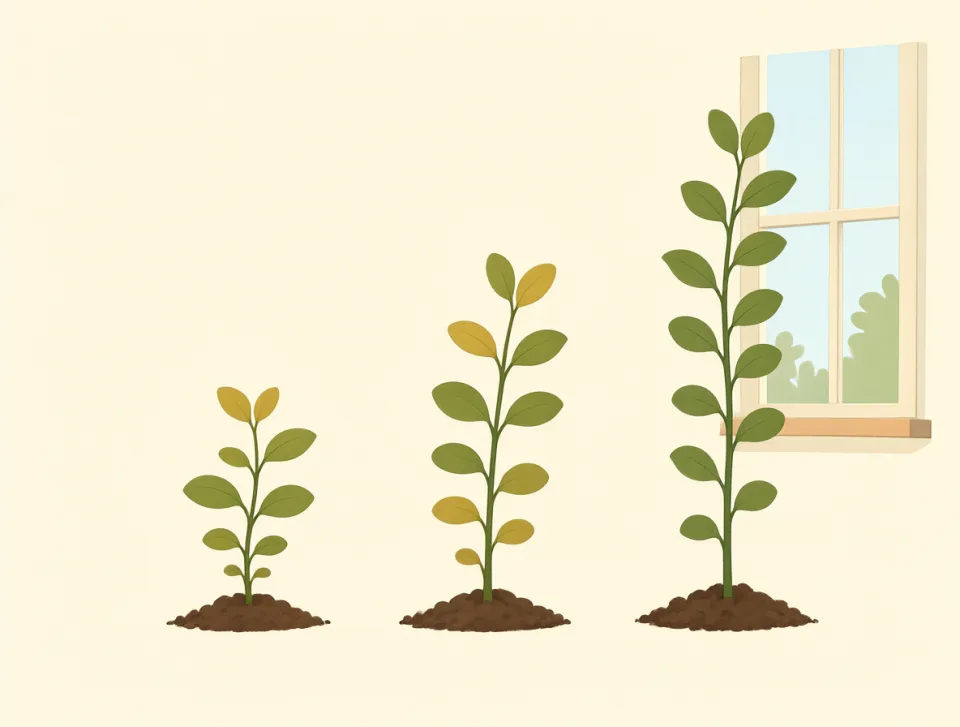
gradually
#2188adverb
stopniowo
Slowly changing over a period of time, with small changes happening one after another.
Zmieniając się powoli w ciągu pewnego czasu, małymi krokami.
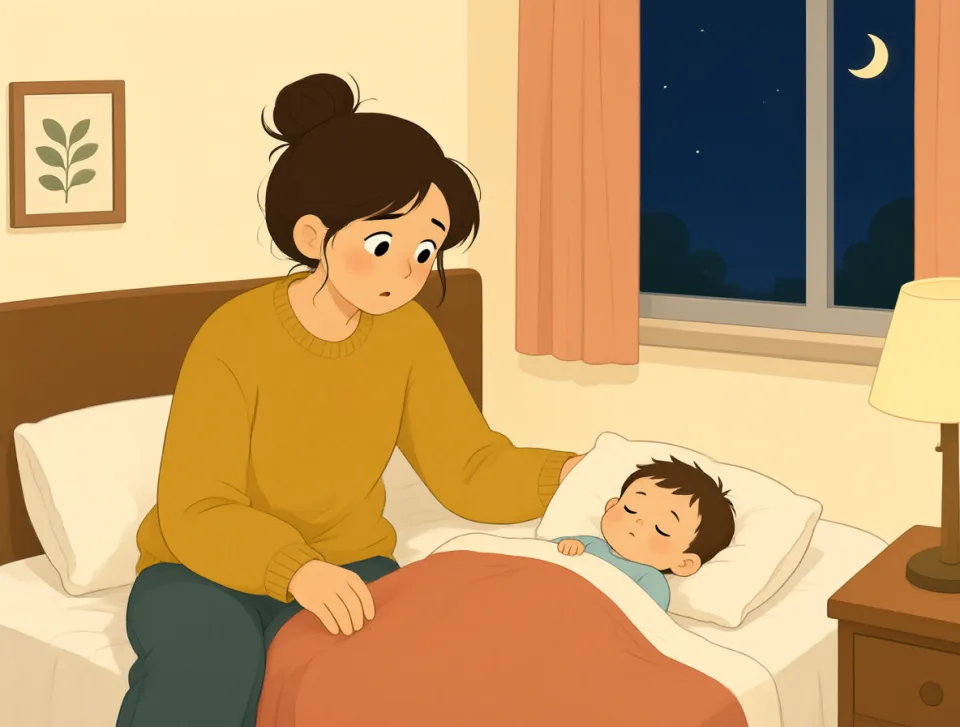
The baby gradually learned to sleep through the night.
Dziecko stopniowo nauczyło się przesypiać całą noc.

She gradually became more confident after speaking English every day.
Po codziennych rozmowach po angielsku stopniowo nabierała pewności siebie.

The weather gradually improved during our week at the beach.
Podczas naszego tygodnia na plaży pogoda stopniowo się poprawiała.
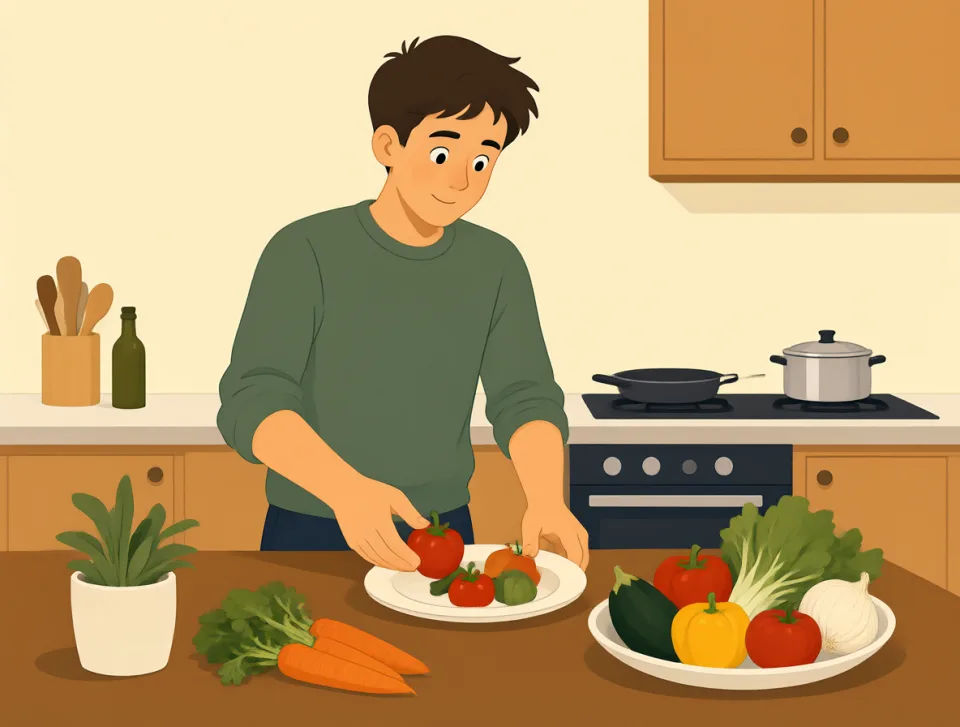
He gradually added more vegetables to his meals for better health.
Stopniowo dodawał do posiłków więcej warzyw, żeby lepiej zadbać o zdrowie.
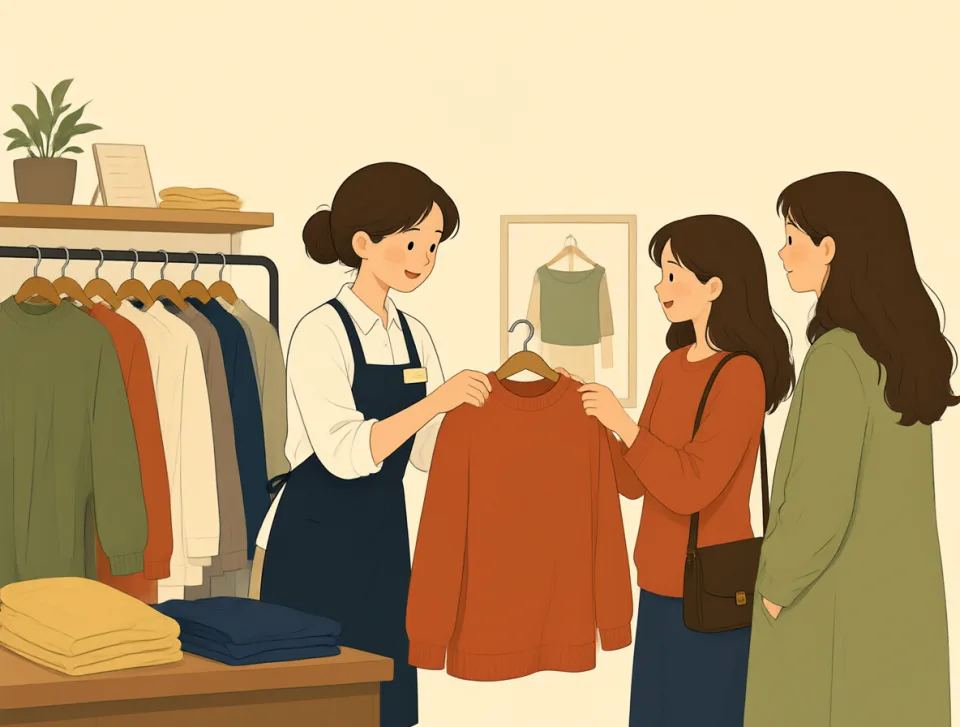
The shop gradually reduced prices as the end of the season approached.
W miarę zbliżania się końca sezonu sklep stopniowo obniżał ceny.
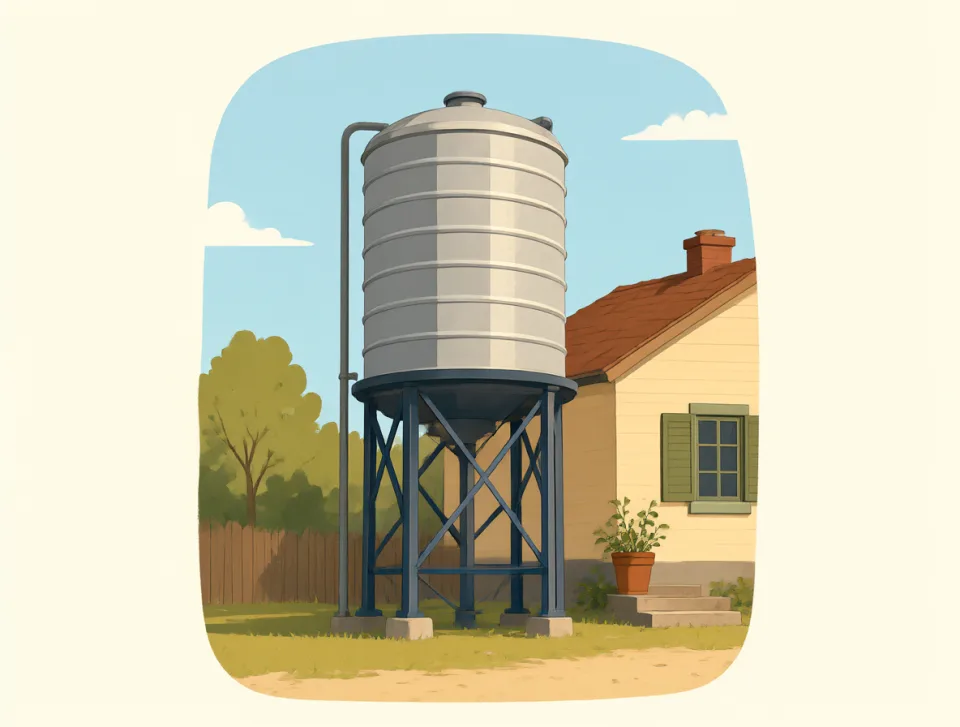
tank
#2189noun, verb
zbiornik
A large container for holding liquid or gas, or a military vehicle with heavy armor.
Duży pojemnik na ciecz lub gaz albo opancerzony pojazd wojskowy.
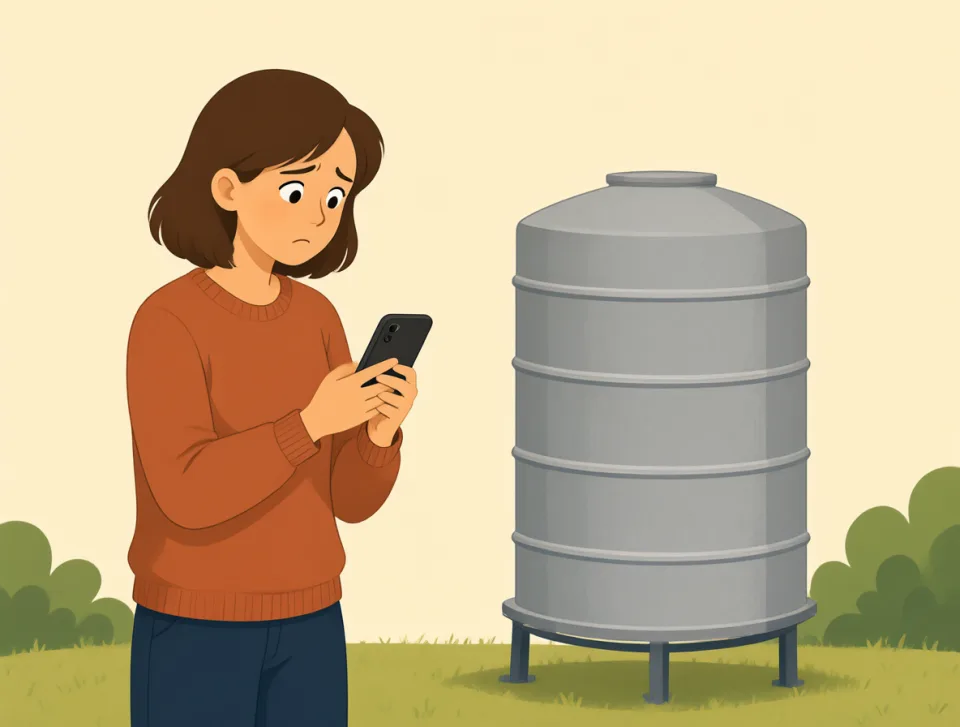
The water tank is empty, so we need to call the plumber today.
Zbiornik na wodę jest pusty, więc musimy dziś wezwać hydraulika.
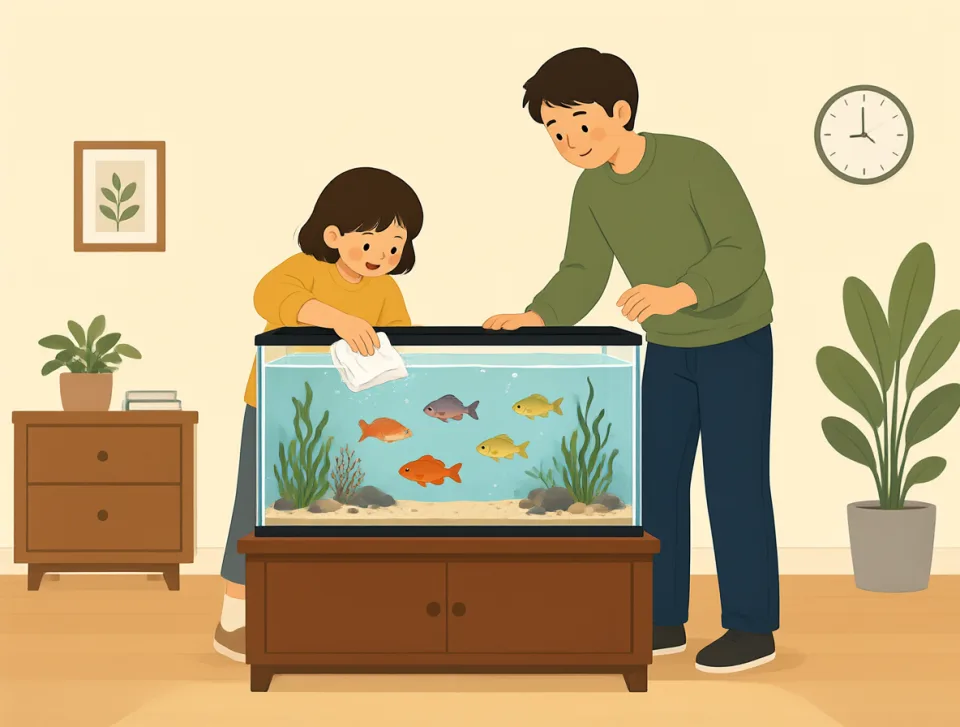
The fish tank needs cleaning before we buy any more fish.
Akwarium trzeba wyczyścić, zanim kupimy więcej ryb.

The army tank moved slowly across the field during the training exercise.
Podczas ćwiczeń wojskowych czołg powoli przejechał przez pole.

Please tank up the car before we leave for the airport.
Zatankuj samochód, proszę, zanim wyruszymy na lotnisko.
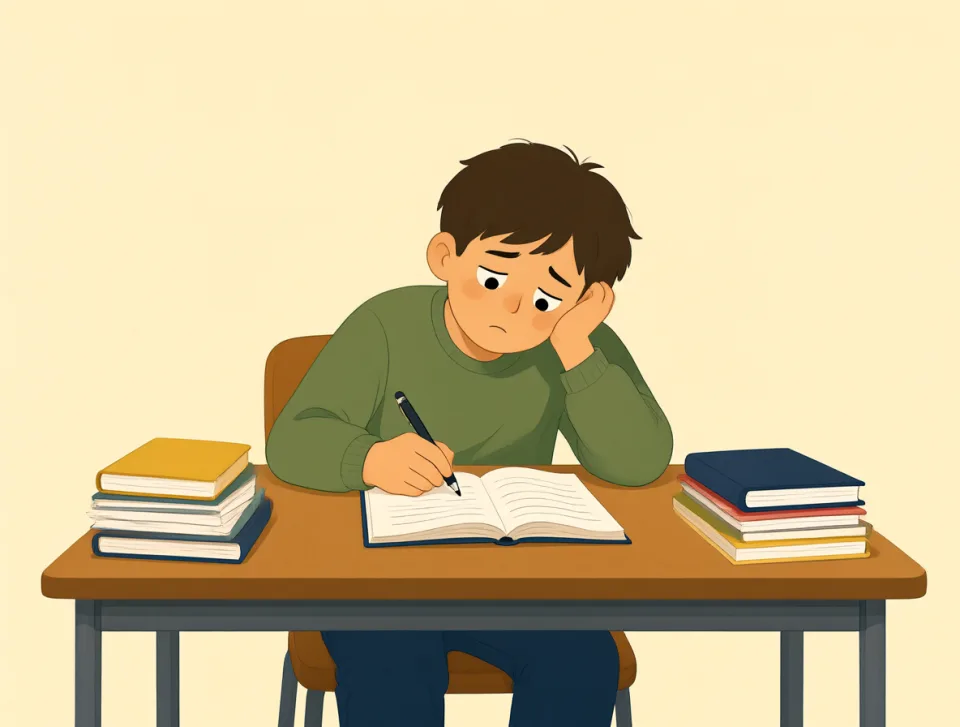
She tanked during the final exam because she had not slept well.
Oblała egzamin końcowy, bo źle spała.
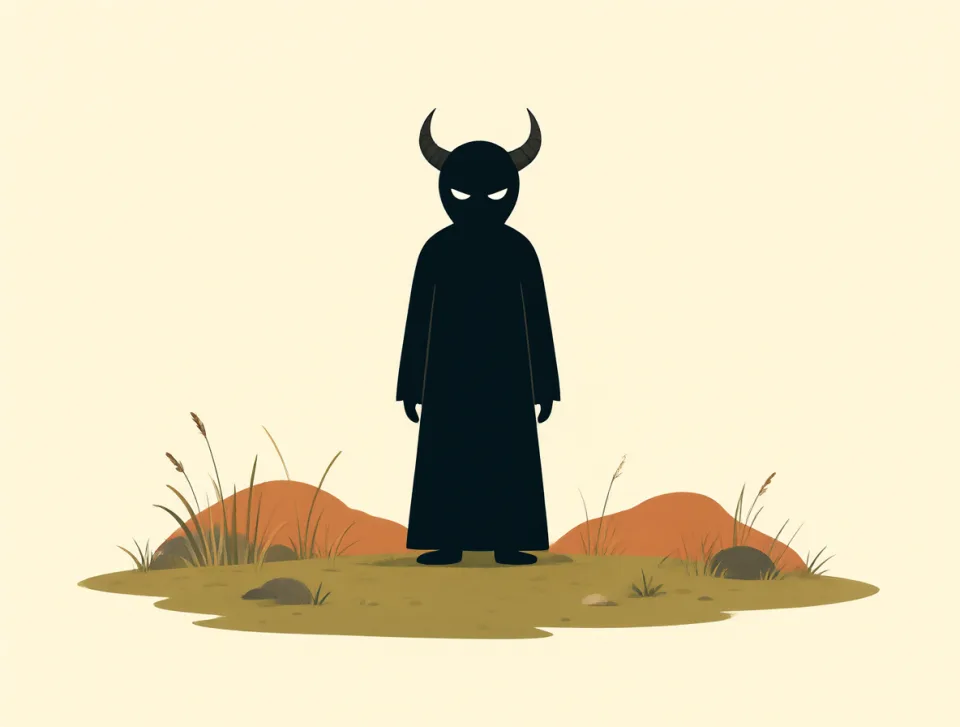
evil
#2190noun, adjective
zło
Very bad or harmful; a person or force that causes great suffering.
Bardzo zły lub szkodliwy; osoba albo siła wyrządzająca wielkie cierpienie.
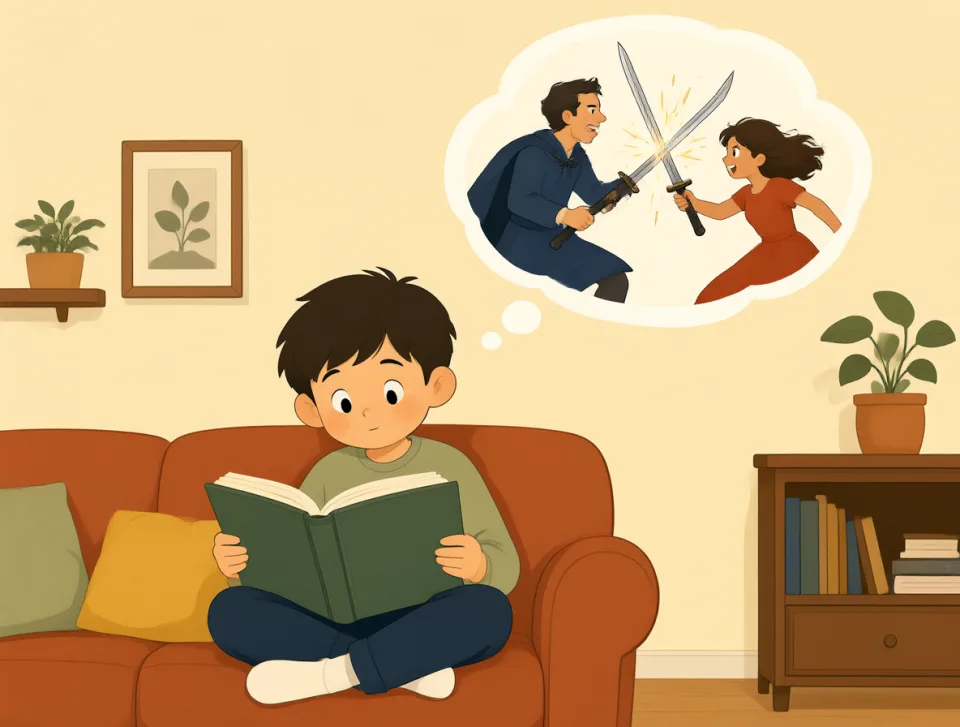
The story is about a battle between good and evil.
Ta historia opowiada o walce dobra ze złem.
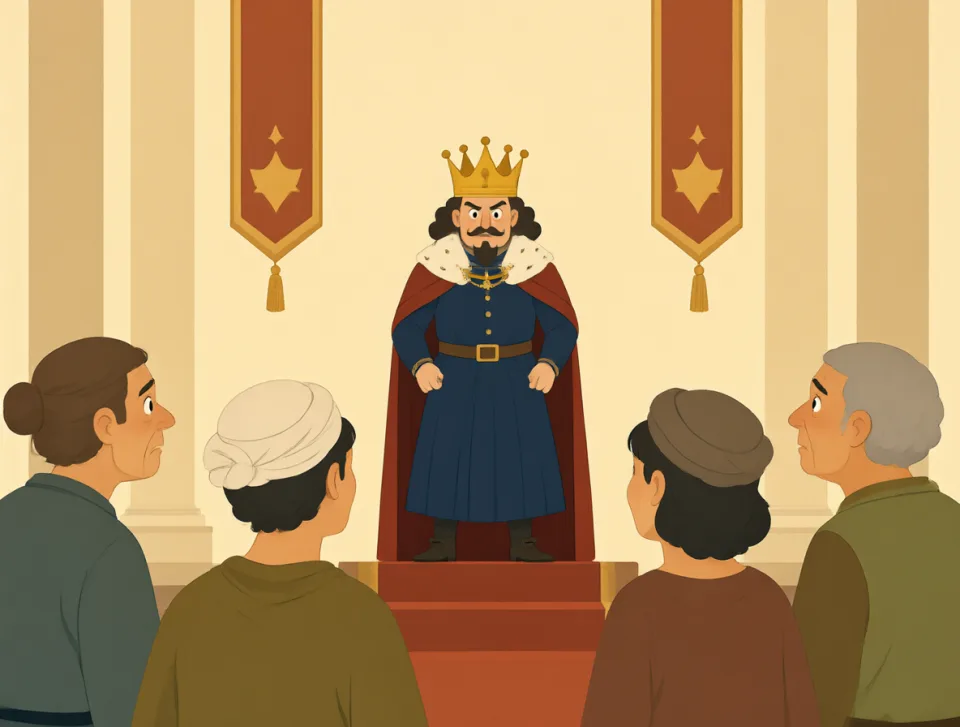
The evil king treated his people cruelly and stole their money.
Zły król okrutnie traktował swoich poddanych i kradł ich pieniądze.
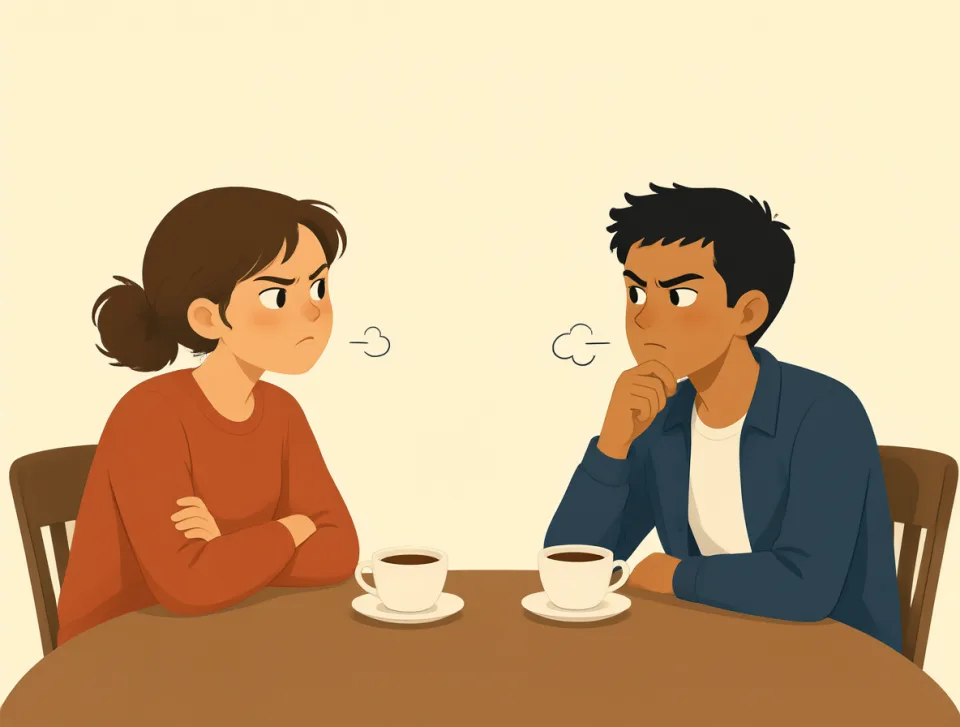
She believes that jealousy can bring out the evil in people.
Uważa, że zazdrość może wydobyć z ludzi zło.
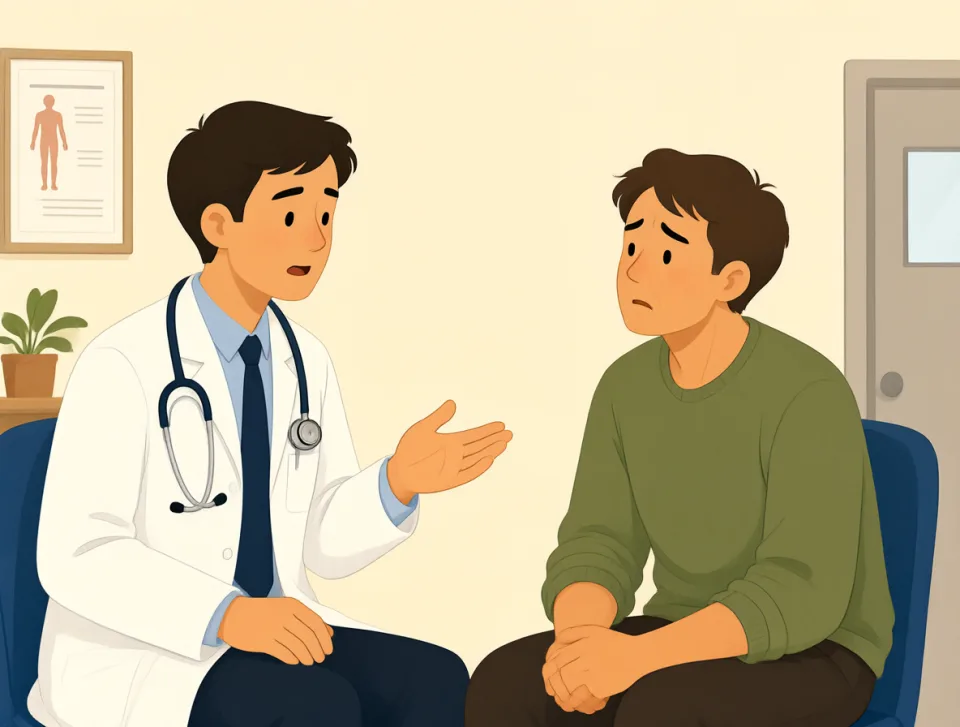
The doctor warned that smoking could cause serious health problems.
Lekarz ostrzegł, że palenie może powodować poważne problemy zdrowotne.
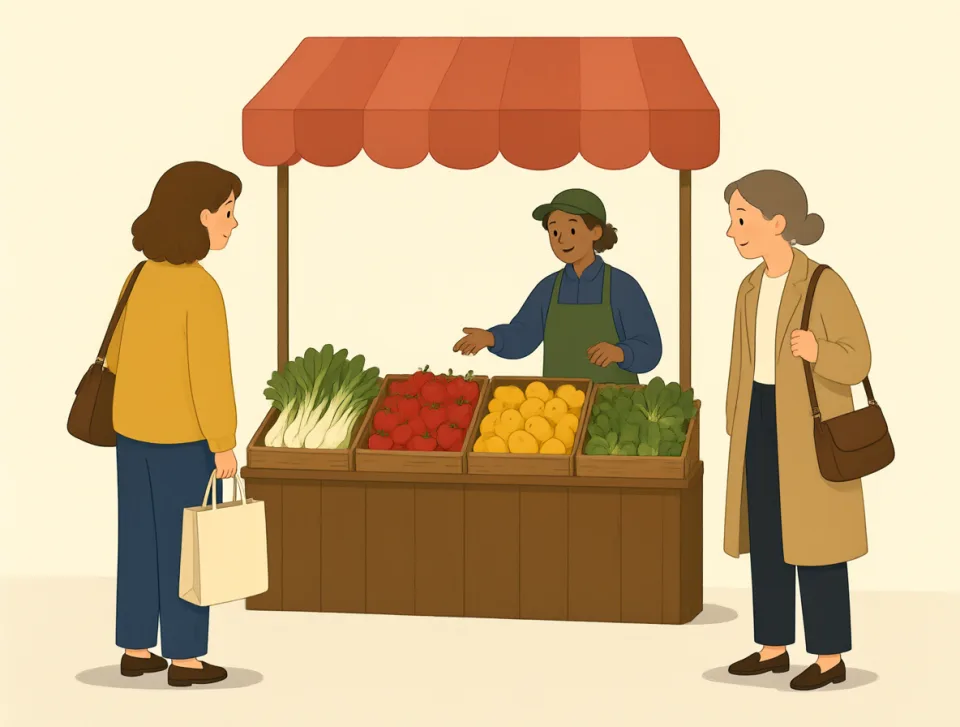
They discovered an evil plan to cheat customers at the market.
Odkryli nieuczciwy plan oszukiwania klientów na targu.

remarkable
#2191adjective
niezwykły
Very unusual or impressive because it is much better or greater than expected.
Bardzo nietypowy lub imponujący, ponieważ jest znacznie lepszy albo większy, niż można się było spodziewać.
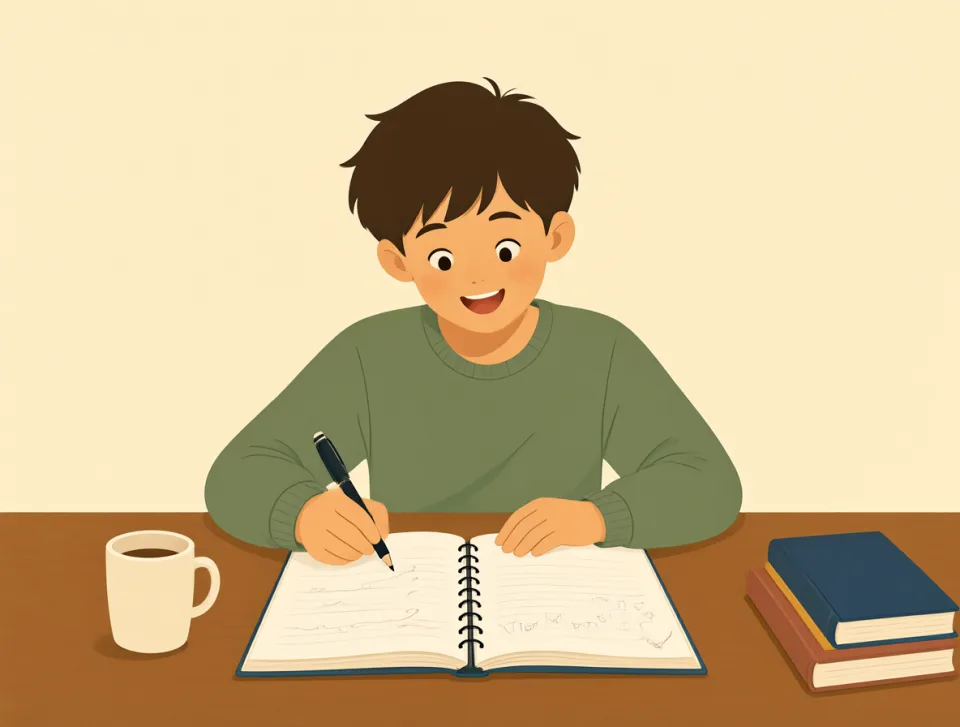
She made remarkable progress after practicing English every day.
Robiła niezwykłe postępy, odkąd codziennie ćwiczyła angielski.

The doctor was impressed by his remarkable recovery after the accident.
Lekarz był pod wrażeniem jego niezwykłego powrotu do zdrowia po wypadku.

We enjoyed a remarkable meal at a small restaurant near the harbor.
Zjedliśmy wyśmienity posiłek w małej restauracji niedaleko portu.

The team achieved remarkable results despite having very little time.
Zespół osiągnął znakomite wyniki, mimo że miał bardzo mało czasu.

It is remarkable that the old house still looks beautiful.
To niezwykłe, że ten stary dom wciąż wygląda pięknie.
tune
#2192noun, verb
melodia; dostroić, wyregulować
A melody, or to adjust something until it works or sounds right.
Melodia albo dopasowanie czegoś tak, by działało lub brzmiało właściwie.
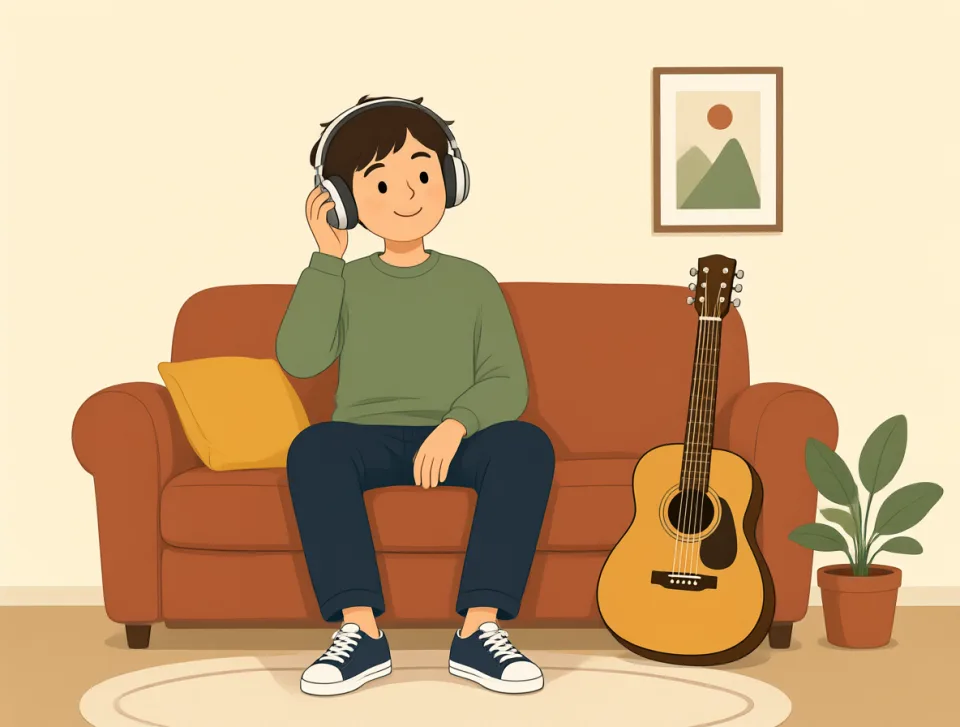
I love this tune; it always makes me feel happy.
Uwielbiam tę melodię, zawsze poprawia mi humor.
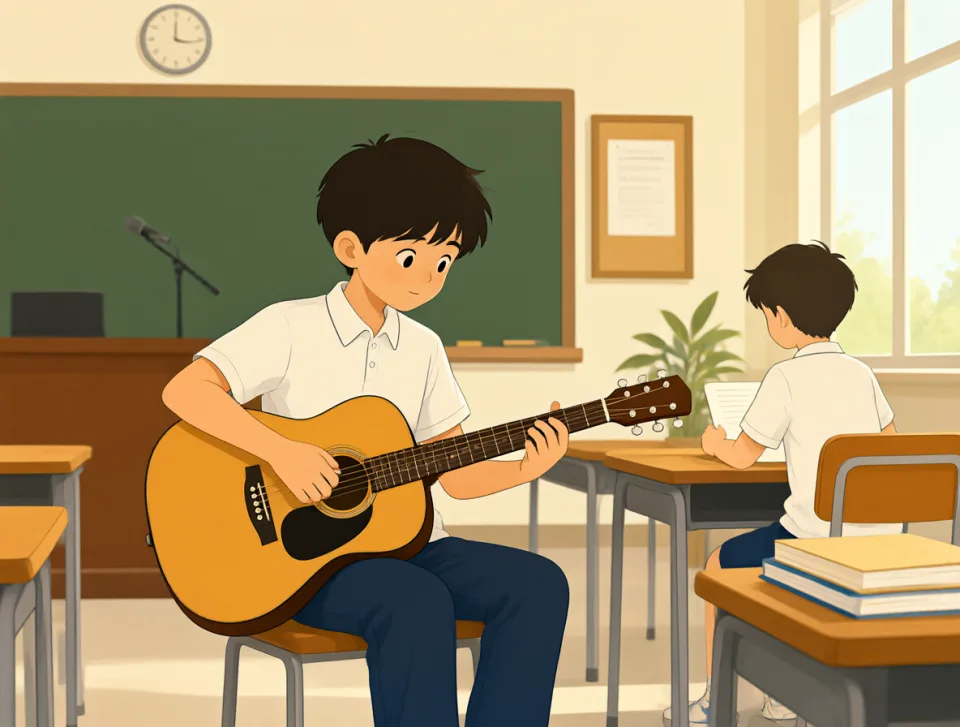
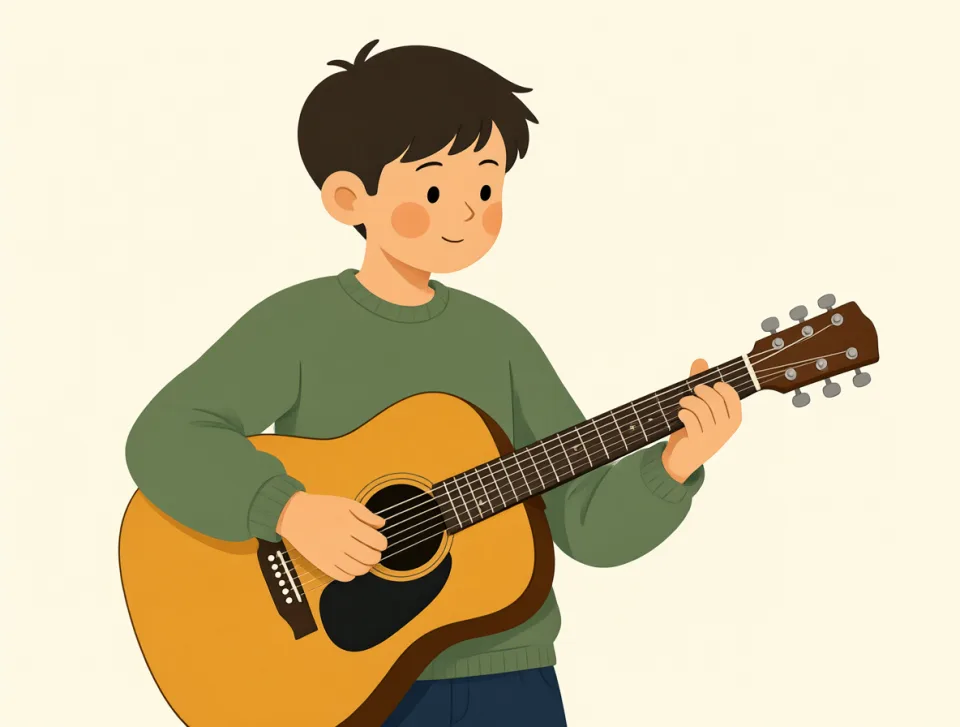
Could you tune the guitar before the school concert?
Czy możesz nastroić gitarę przed szkolnym koncertem?
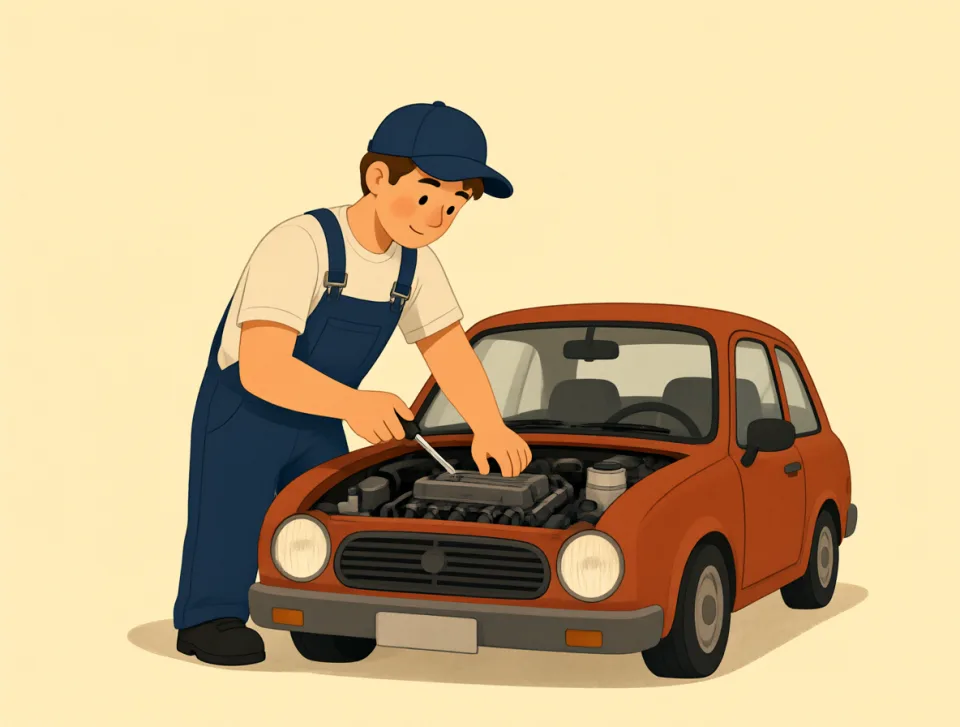
The mechanic tuned the engine before our long trip.
Mechanik wyregulował silnik przed naszą długą podróżą.
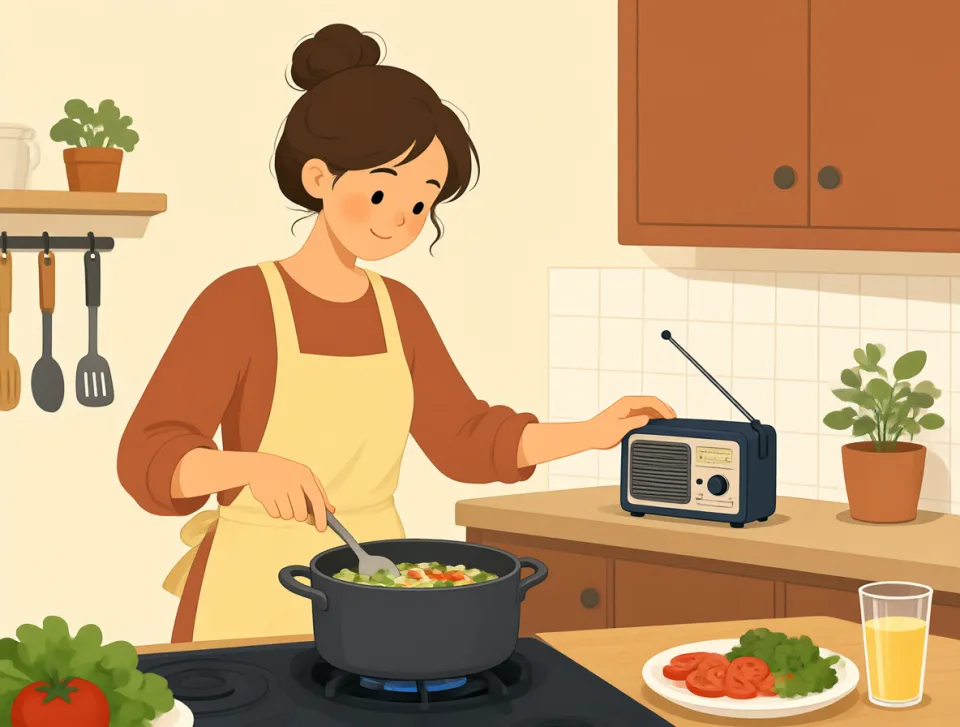
She tuned the radio to her favorite station while cooking dinner.
Podczas przygotowywania kolacji nastawiła radio na swoją ulubioną stację.

We need to tune our plans after the train was delayed.
Musimy skorygować nasze plany, bo pociąg się spóźnił.
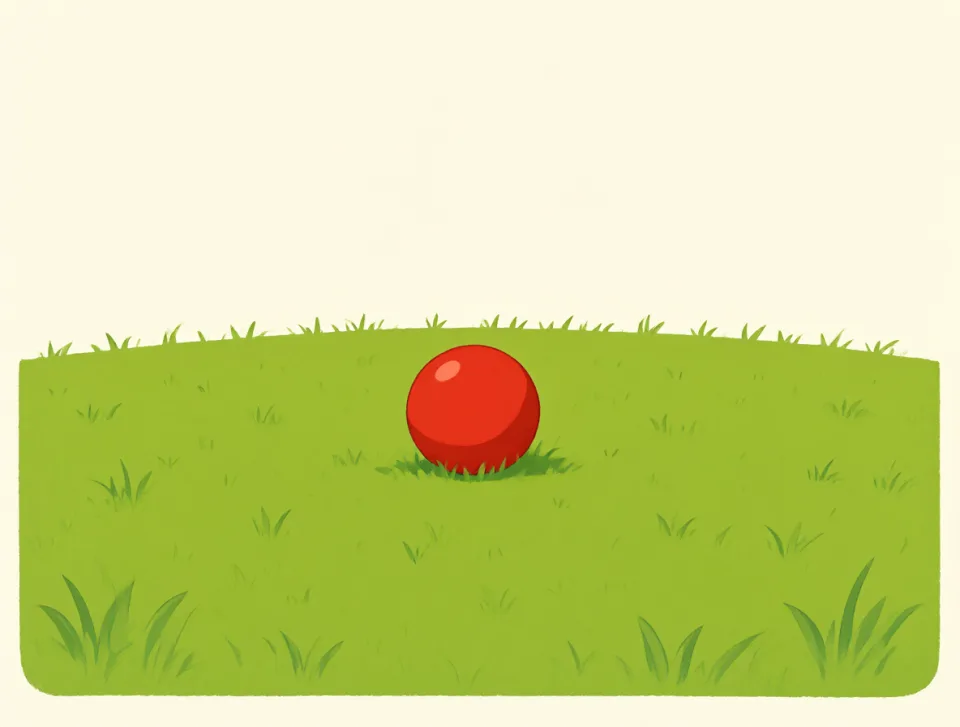
grass
#2193noun, verb
trawa
Green plants with narrow leaves that cover the ground; to feed or cut these plants.
Zielone rośliny o wąskich liściach, które pokrywają ziemię; paść się na trawie lub ją kosić.
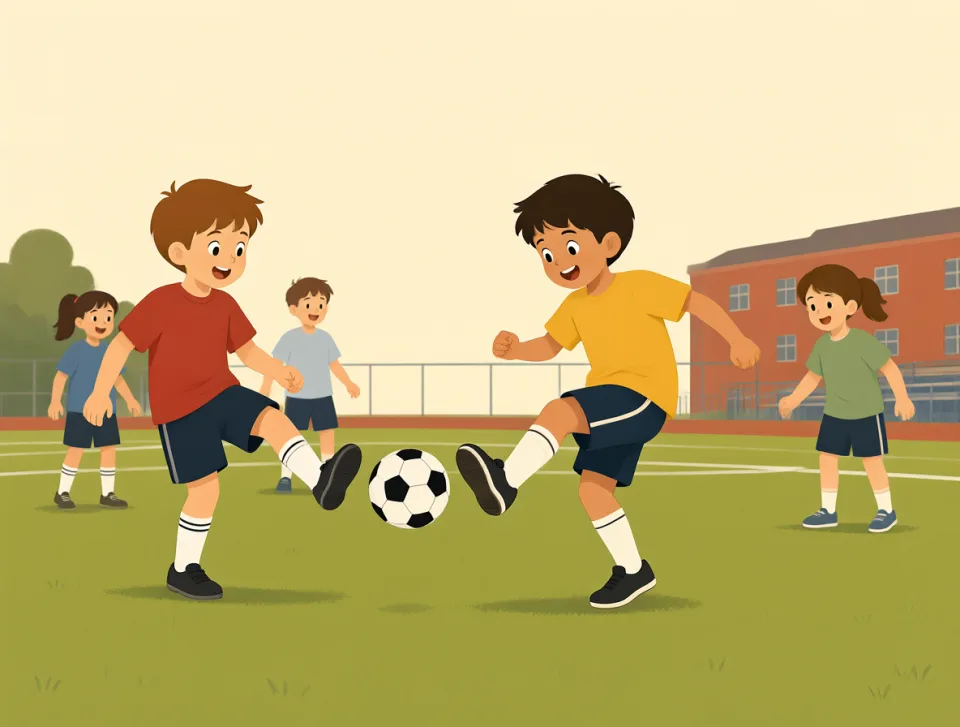
The children are playing football on the grass after school.
Dzieci grają po szkole w piłkę nożną na trawie.
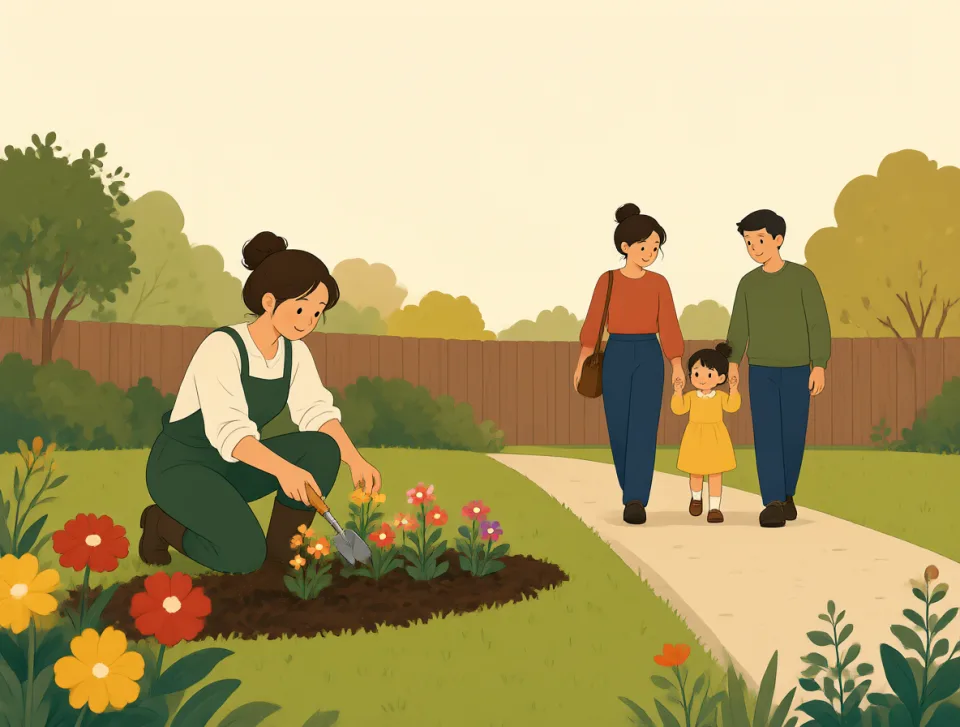
Please keep off the grass while the gardeners plant new flowers.
Prosimy nie deptać trawy, gdy ogrodnicy sadzą nowe kwiaty.

We sat on the grass and ate sandwiches during our lunch break.
Podczas przerwy obiadowej usiedliśmy na trawie i zjedliśmy kanapki.
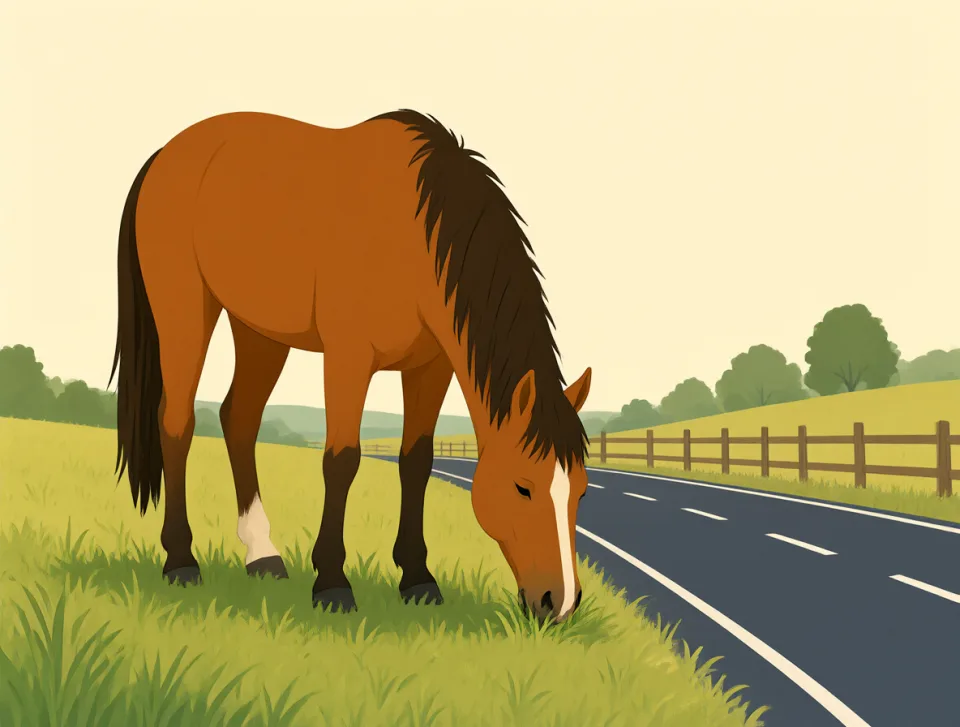
The horse was grazing on fresh grass beside the country road.
Koń pasł się na świeżej trawie przy wiejskiej drodze.
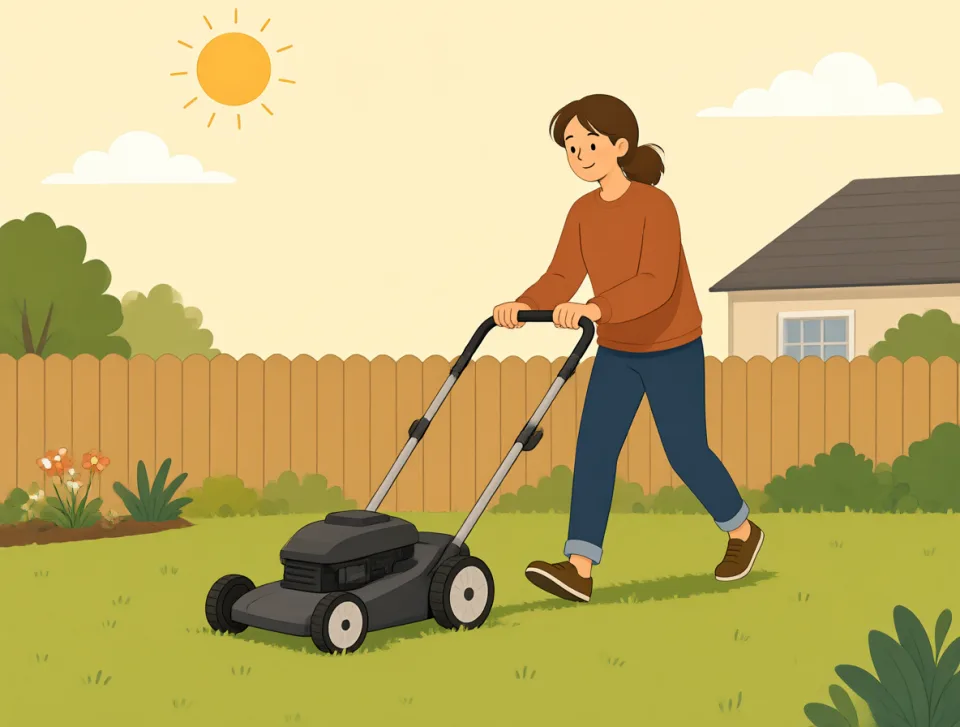
I need to mow the grass before our friends arrive this afternoon.
Muszę skosić trawę, zanim po południu przyjdą nasi znajomi.
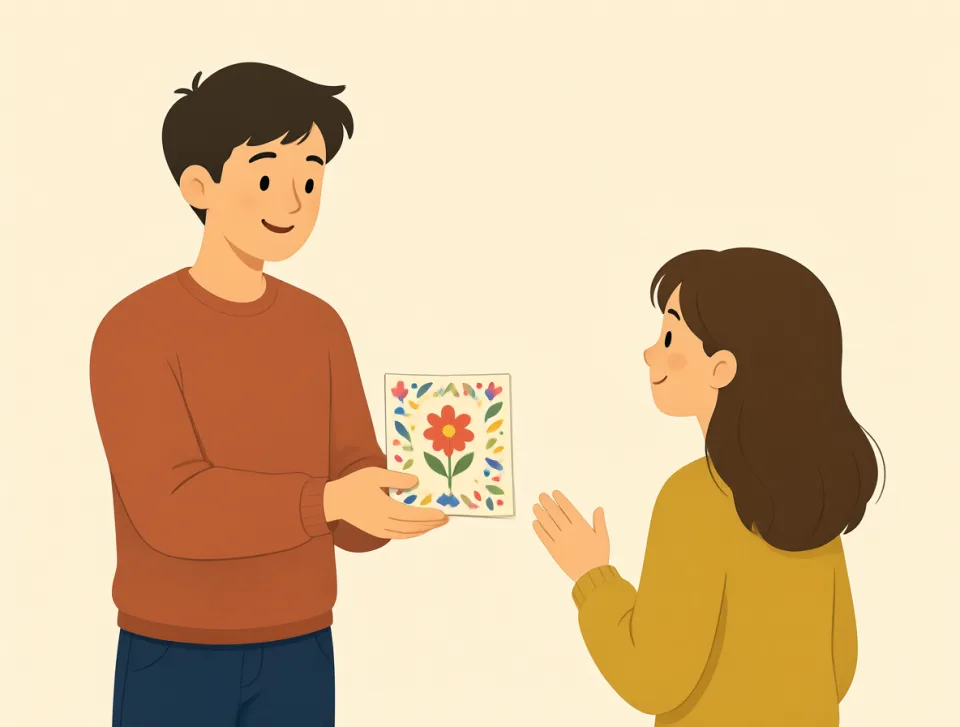
invitation
#2194noun
zaproszenie
A request asking someone to come to an event, place, or occasion.
Prośba, by ktoś przyszedł na wydarzenie, do jakiegoś miejsca lub na jakąś uroczystość.
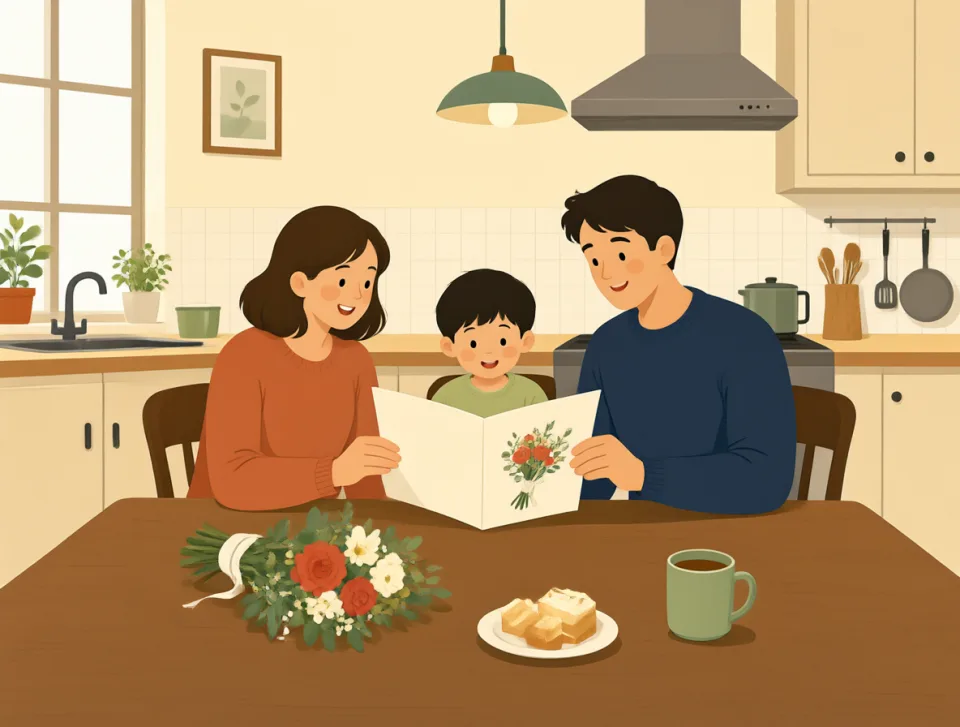
We received an invitation to my cousin's wedding next month.
Dostaliśmy zaproszenie na ślub mojego kuzyna w przyszłym miesiącu.

Thank you for the invitation; I would love to come to dinner.
Dziękuję za zaproszenie, chętnie przyjdę na kolację.
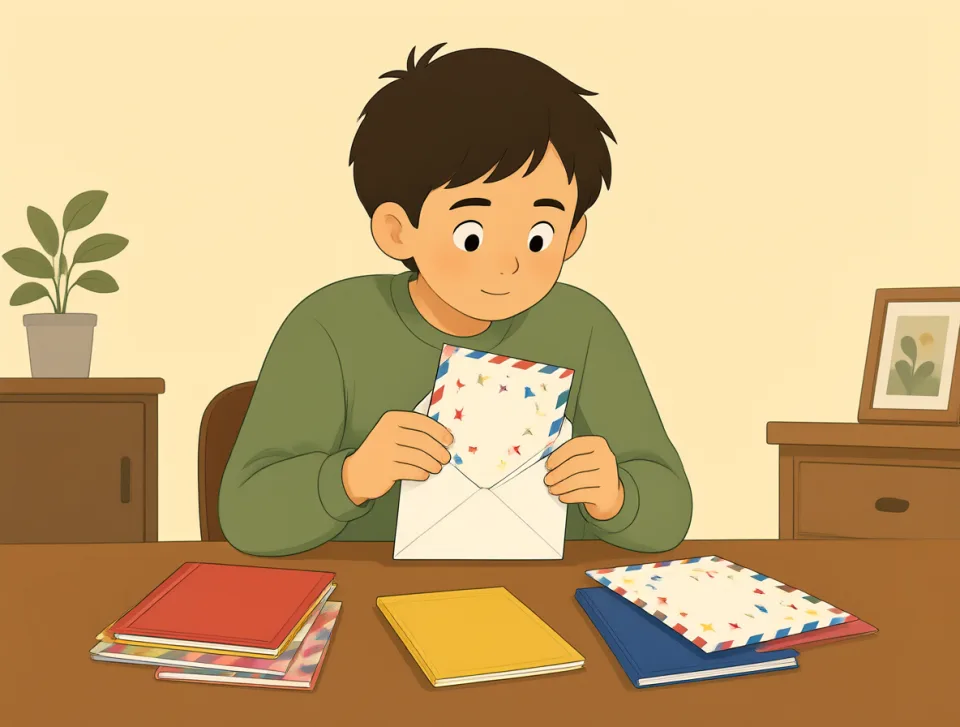
She sent invitations to all her classmates for her birthday party.
Wysłała zaproszenia na swoje przyjęcie urodzinowe wszystkim kolegom i koleżankom z klasy.

My manager gave me an invitation to attend the company's annual meeting.
Mój kierownik zaprosił mnie na doroczne zebranie firmy.

The hotel invitation included a free breakfast and a guided city tour.
Zaproszenie z hotelu obejmowało bezpłatne śniadanie i wycieczkę z przewodnikiem po mieście.
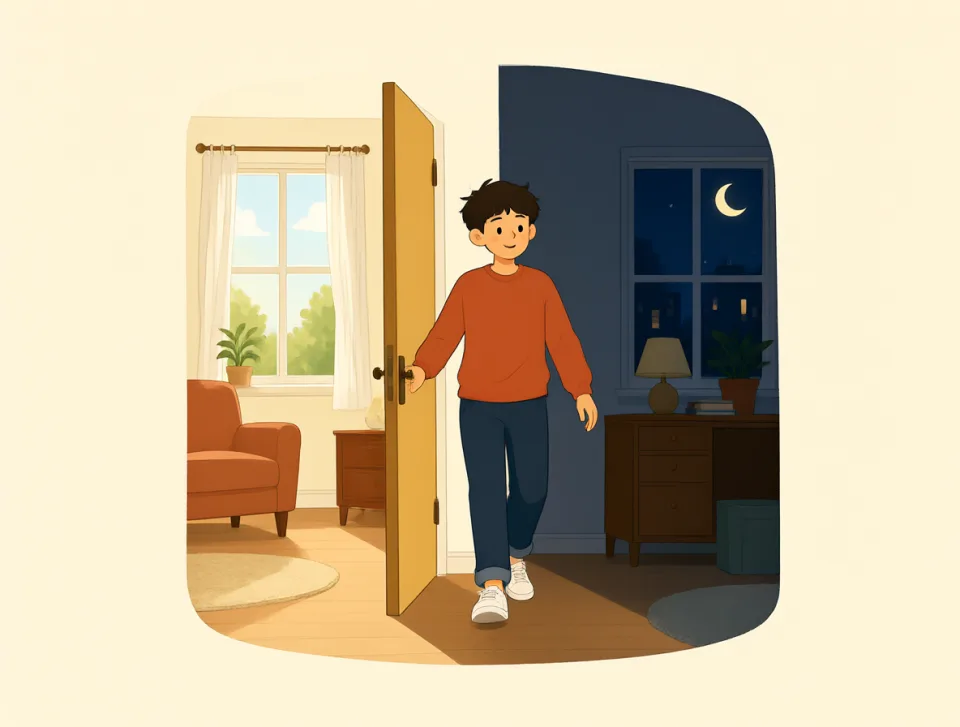
transition
#2195noun, verb
przejście; zmiana
a change from one state, activity, or situation to another
Zmiana jednego stanu, działania lub sytuacji w inny.

The transition from school to work can feel difficult at first.
Przejście ze szkoły do pracy może na początku wydawać się trudne.

Our team is planning the transition to a new computer system.
Nasz zespół planuje przejście na nowy system komputerowy.

The film makes a smooth transition from a quiet scene to an exciting chase.
Film płynnie przechodzi od spokojnej sceny do ekscytującego pościgu.

She needed time to transition back to normal life after her hospital stay.
Po pobycie w szpitalu potrzebowała czasu, by wrócić do normalnego życia.
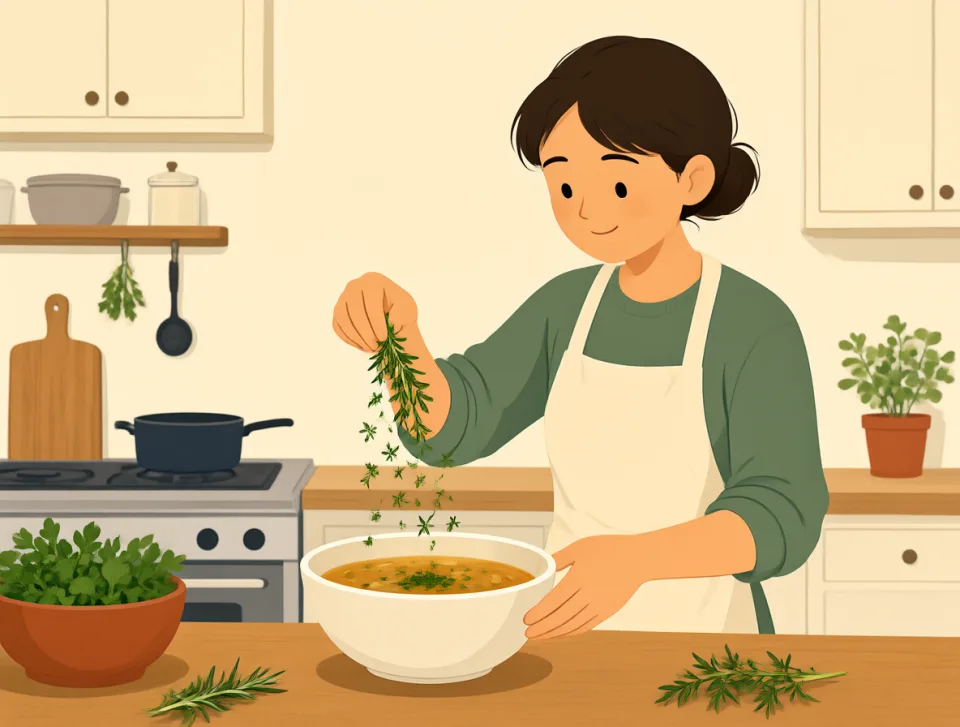
Adding fresh herbs helped transition the simple soup into a flavorful meal.
Dodatek świeżych ziół przemienił prostą zupę w pełne smaku danie.
frighten
#2196verb
przestraszyć
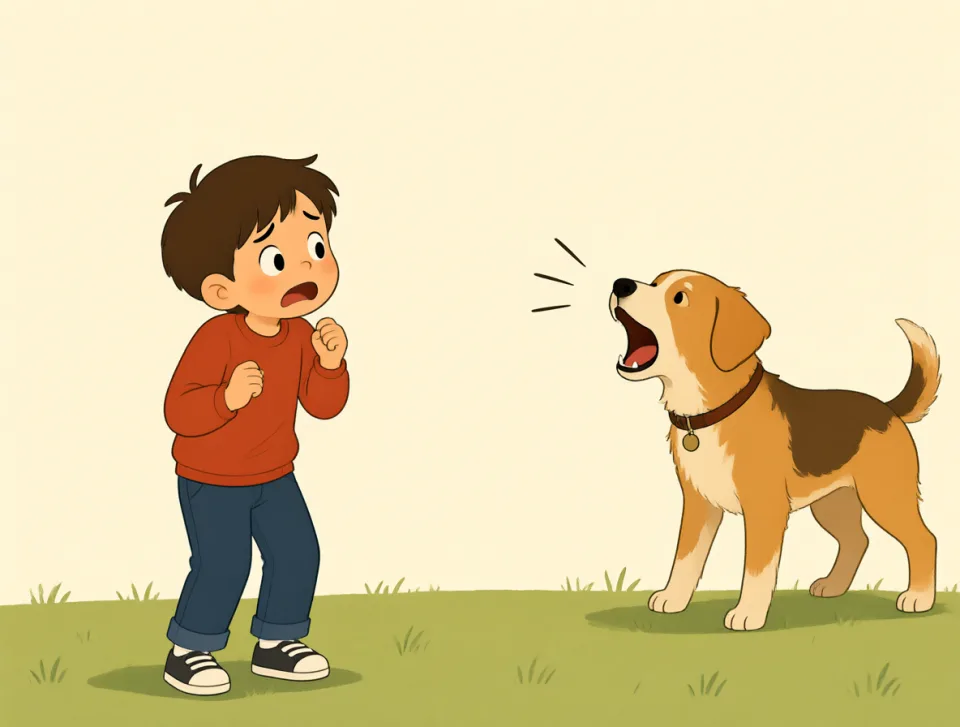
to make someone feel afraid or worried
sprawić, że ktoś poczuje strach lub niepokój
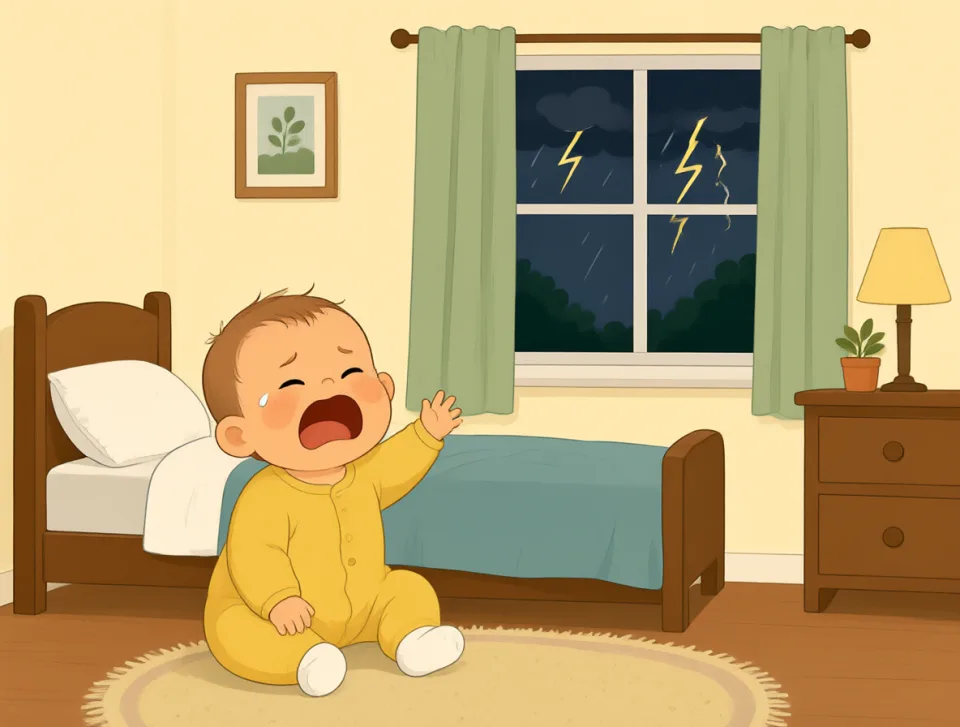
The loud thunder frightened the baby during the storm last night.
Głośny grzmot przestraszył dziecko podczas burzy zeszłej nocy.
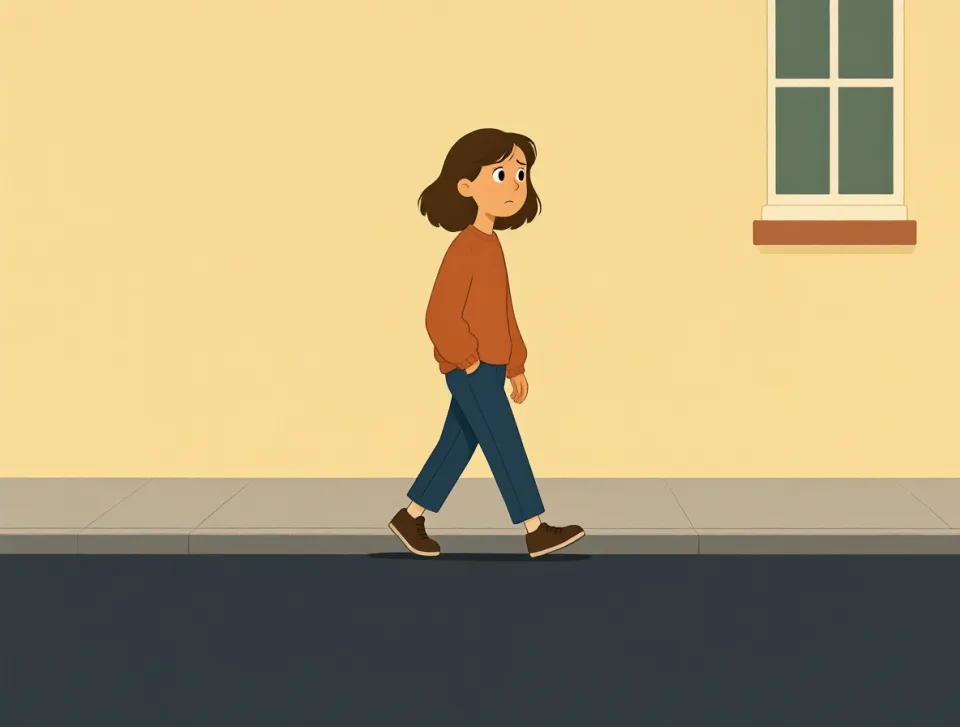
Dark streets can frighten people who are walking home alone.
Ciemne ulice mogą przestraszyć osoby wracające samotnie do domu.
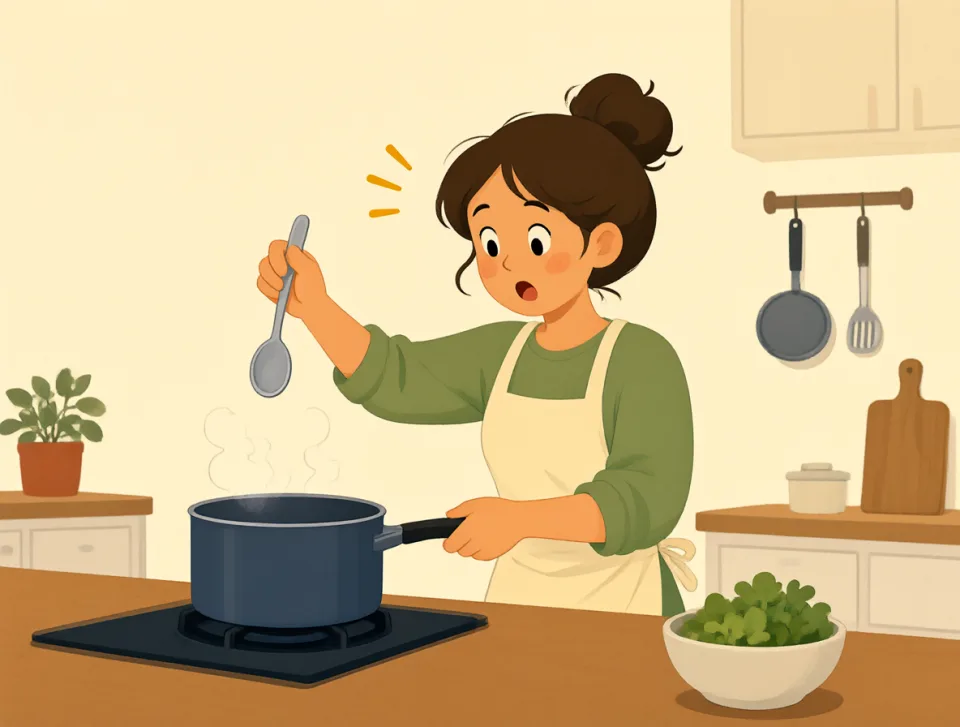
The sudden noise frightened me while I was cooking dinner.
Nagły hałas przestraszył mnie, gdy gotowałem kolację.
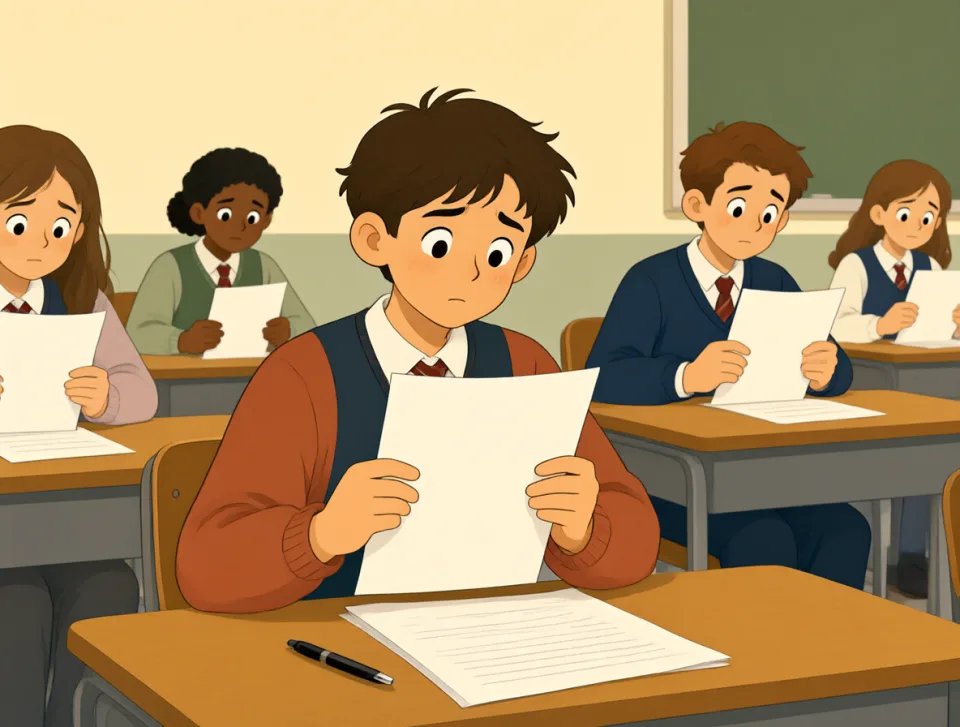
Some students were frightened by the difficult exam before class began.
Niektórzy uczniowie przestraszyli się trudnego egzaminu, zanim zaczęły się zajęcia.
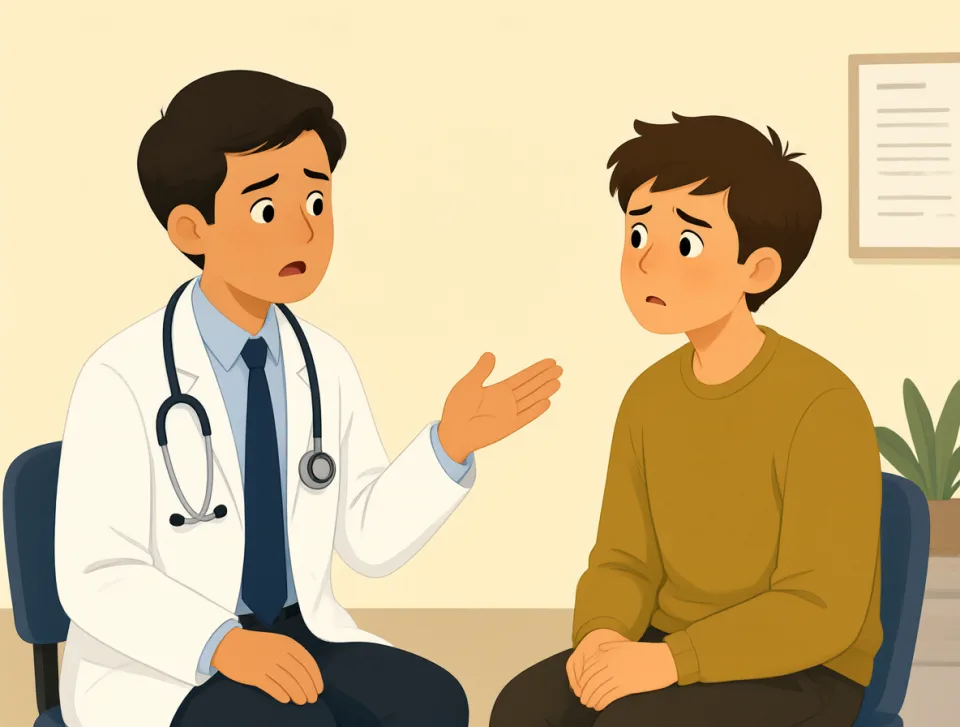
The doctor’s serious voice frightened him, but the test results were normal.
Poważny ton lekarza go przestraszył, ale wyniki badań były prawidłowe.
bid
#2197noun, verb
oferta; licytować
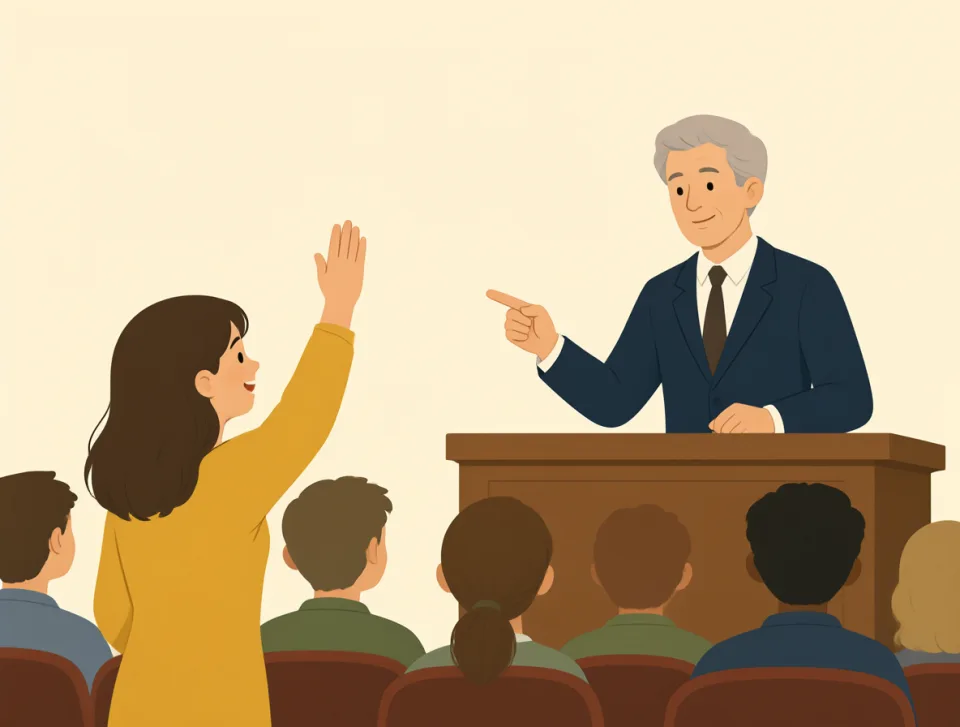
To offer money for something, or the amount of money offered.
Zaoferować za coś pieniądze albo kwota, którą ktoś oferuje.
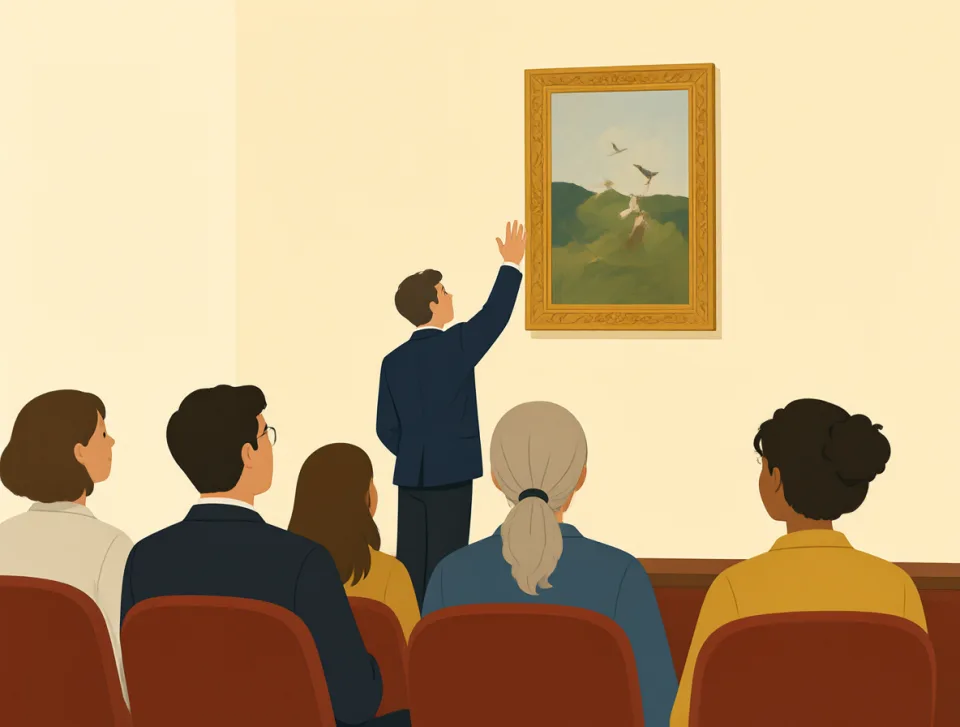
Several people made a bid for the painting at the evening auction.
Kilka osób złożyło oferty za obraz na wieczornej aukcji.

The company won the contract after submitting the lowest bid.
Firma zdobyła kontrakt, składając najniższą ofertę.

I bid ten dollars for the old lamp at the market.
Zaoferowałem dziesięć dolarów za starą lampę na targu.
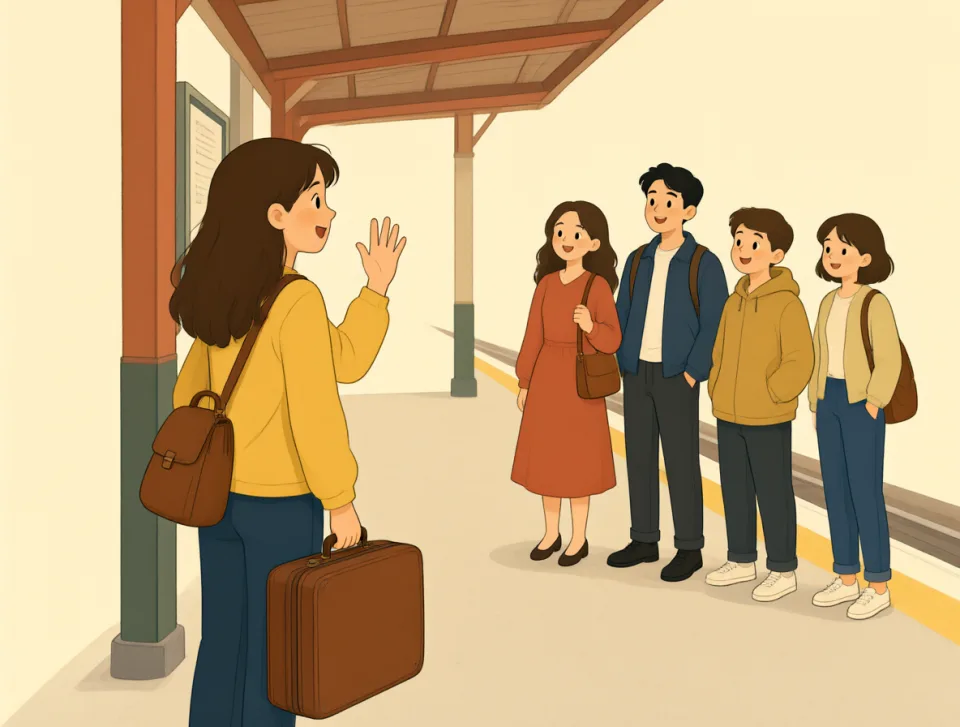
She bid farewell to her friends before boarding the train.
Pożegnała się z przyjaciółmi przed wejściem do pociągu.

The team is bidding to host next year's international sports event.
Zespół ubiega się o organizację przyszłorocznych międzynarodowych zawodów sportowych.
breed
#2198noun, verb
rasa; hodować
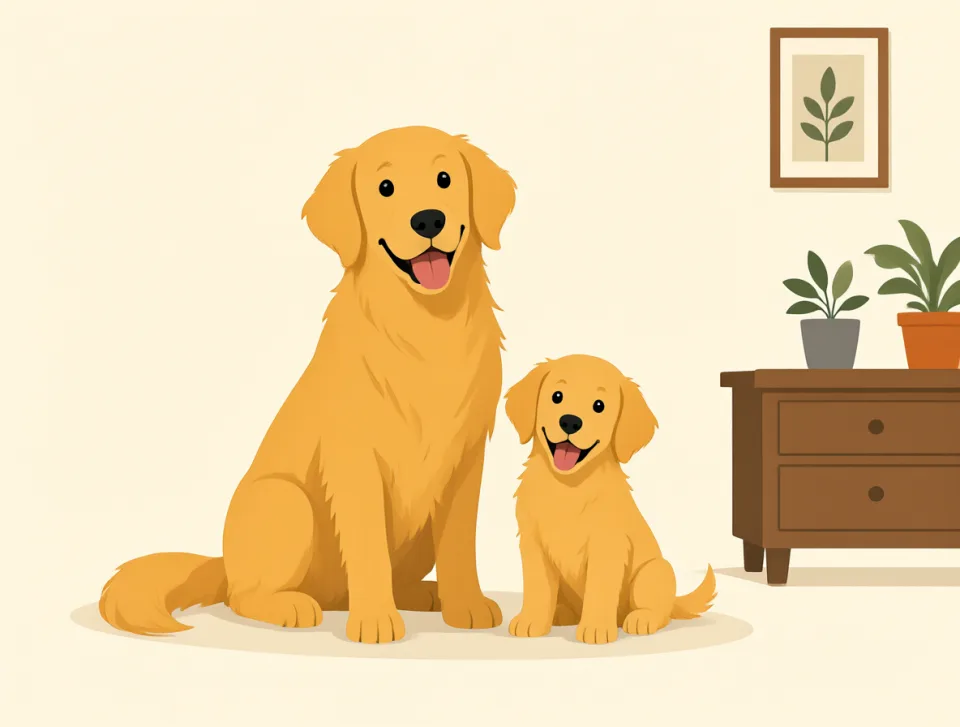
A type of animal, or to produce animals with particular qualities.
Odmiana zwierzęcia albo rozmnażać zwierzęta, aby uzyskać określone cechy.
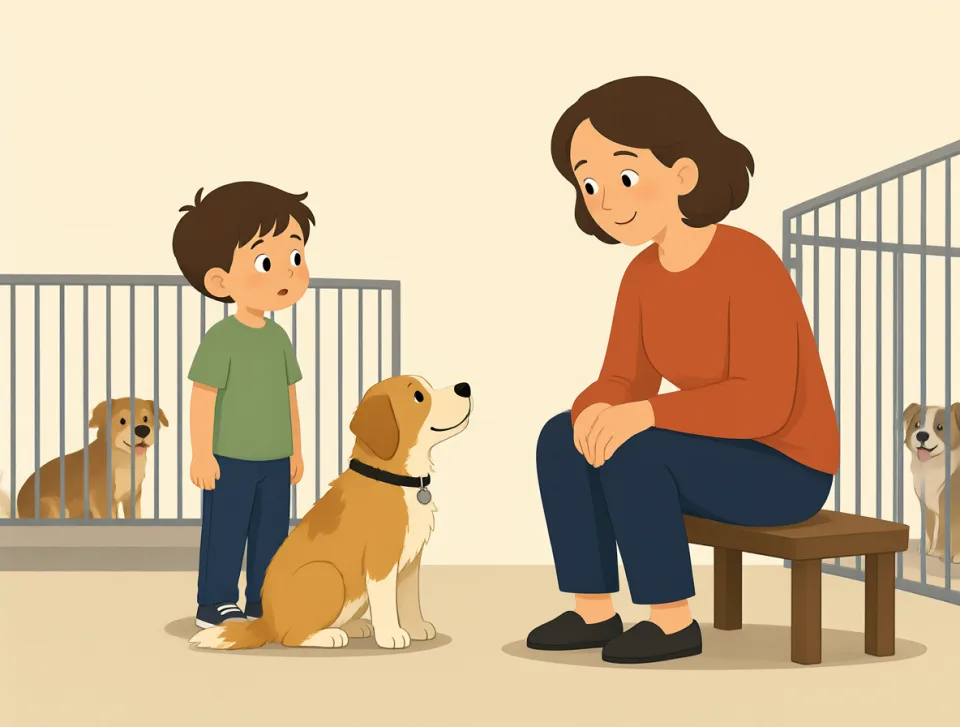
She chose a gentle breed of dog that was good with children.
Wybrała łagodną rasę psa, która dobrze dogadywała się z dziećmi.

This breed of chicken lays large brown eggs throughout the year.
Ta rasa kur znosi przez cały rok duże, brązowe jaja.
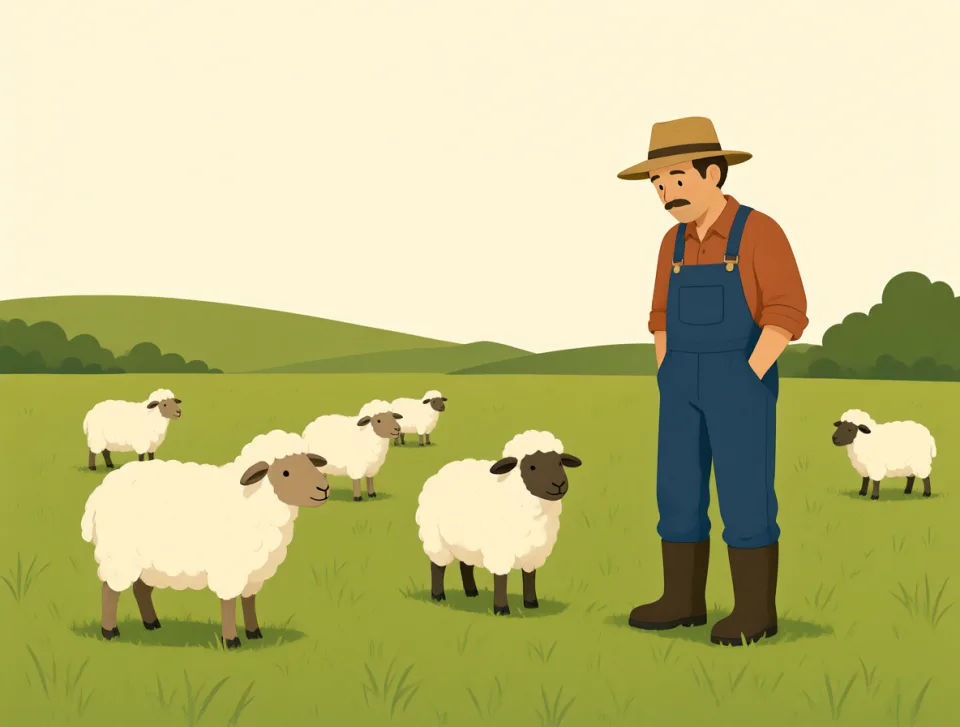
Some farmers breed sheep for their soft wool and healthy meat.
Niektórzy rolnicy hodują owce dla ich miękkiej wełny i zdrowego mięsa.
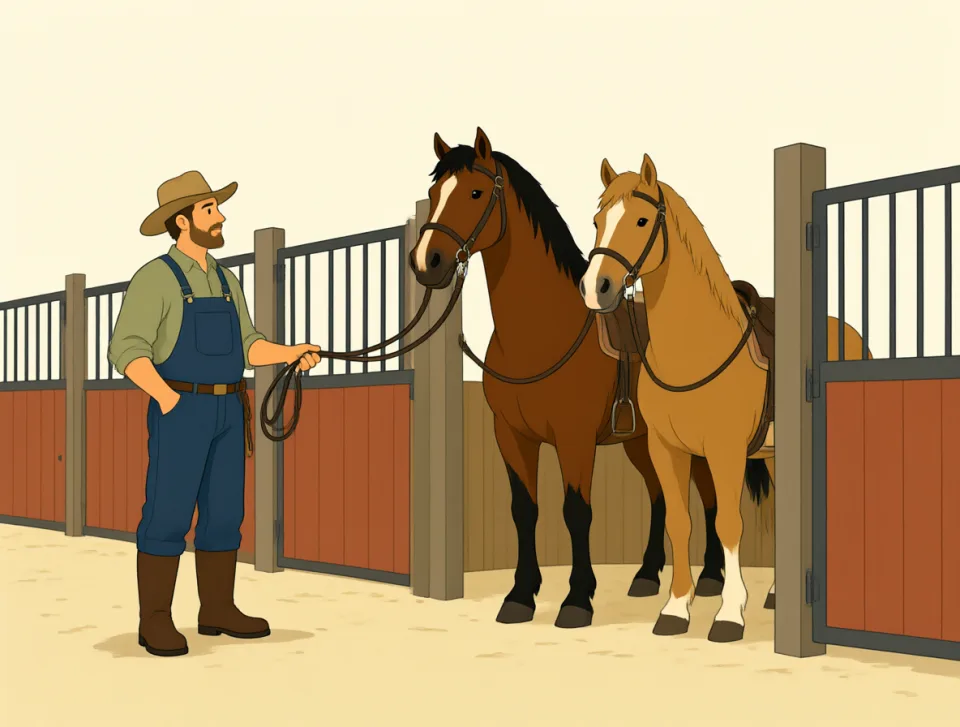
The two horses were bred carefully to produce strong racing animals.
Te dwa konie starannie skrzyżowano, aby uzyskać silne zwierzęta wyścigowe.

Fear can breed problems when people avoid talking about difficult situations.
Strach może prowadzić do problemów, gdy ludzie unikają rozmów o trudnych sytuacjach.

extraordinary
#2199adjective
niezwykły
Very unusual, special, or impressive in a way that is much better than usual.
Bardzo nietypowy, wyjątkowy lub imponujący, znacznie lepszy niż zwykle.

She has an extraordinary talent for remembering people's names.
Ma niezwykły talent do zapamiętywania imion ludzi.

The team made an extraordinary effort to finish the project on time.
Zespół włożył niezwykły wysiłek w to, by ukończyć projekt na czas.
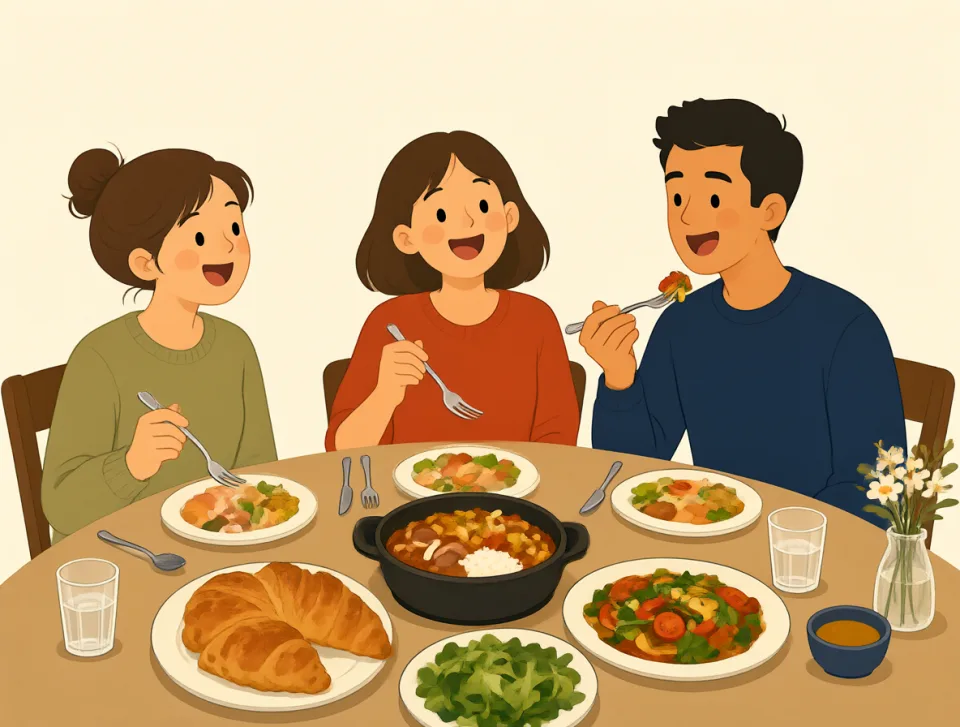
We enjoyed an extraordinary meal at a small restaurant near the station.
Zjedliśmy wyjątkowy posiłek w małej restauracji niedaleko stacji.
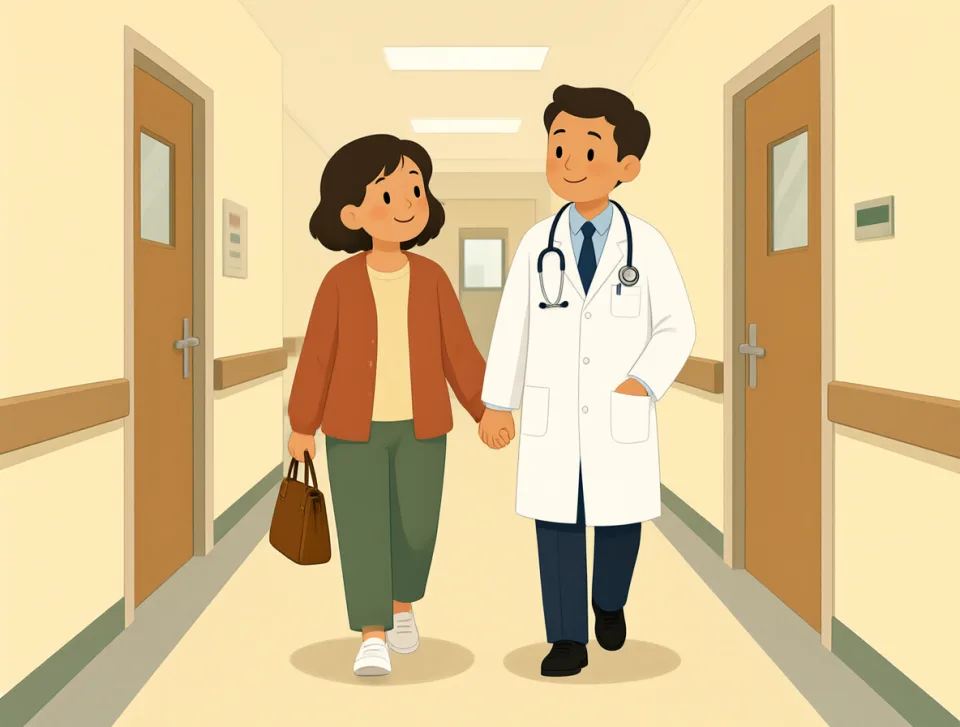
The doctor said his recovery after the accident was extraordinary.
Lekarz powiedział, że jego powrót do zdrowia po wypadku był niezwykły.

They saw an extraordinary view of the mountains from their hotel room.
Z pokoju hotelowego zobaczyli niezwykły widok na góry.
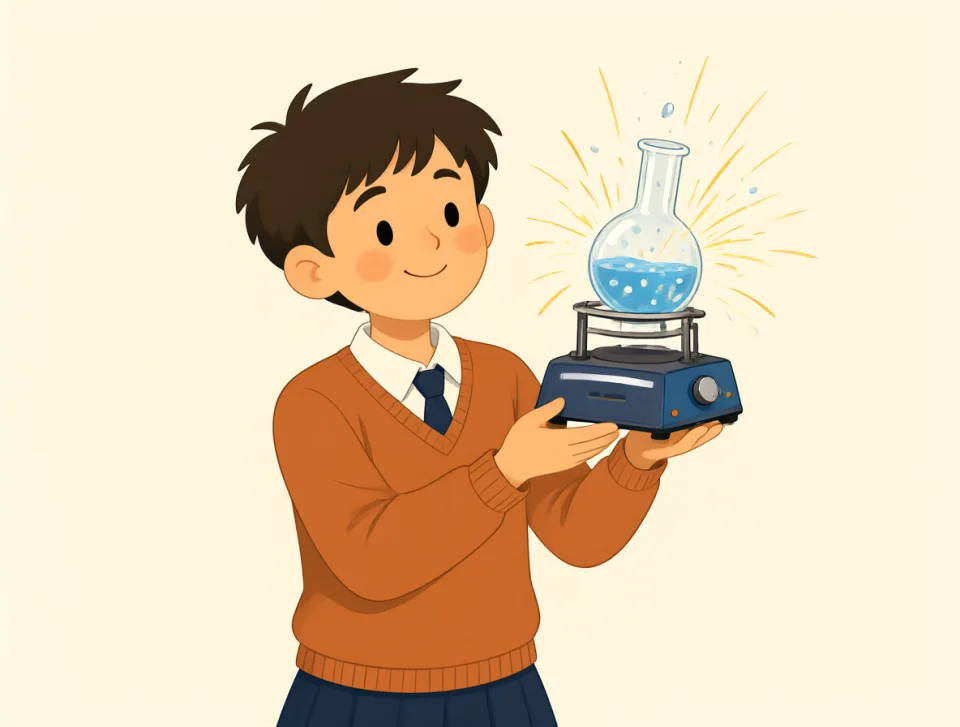
brilliant
#2200adjective
znakomity
Very clever, impressive, or excellent.
Bardzo bystry, imponujący lub doskonały.

That was a brilliant idea for solving the problem quickly.
To był znakomity pomysł na szybkie rozwiązanie problemu.
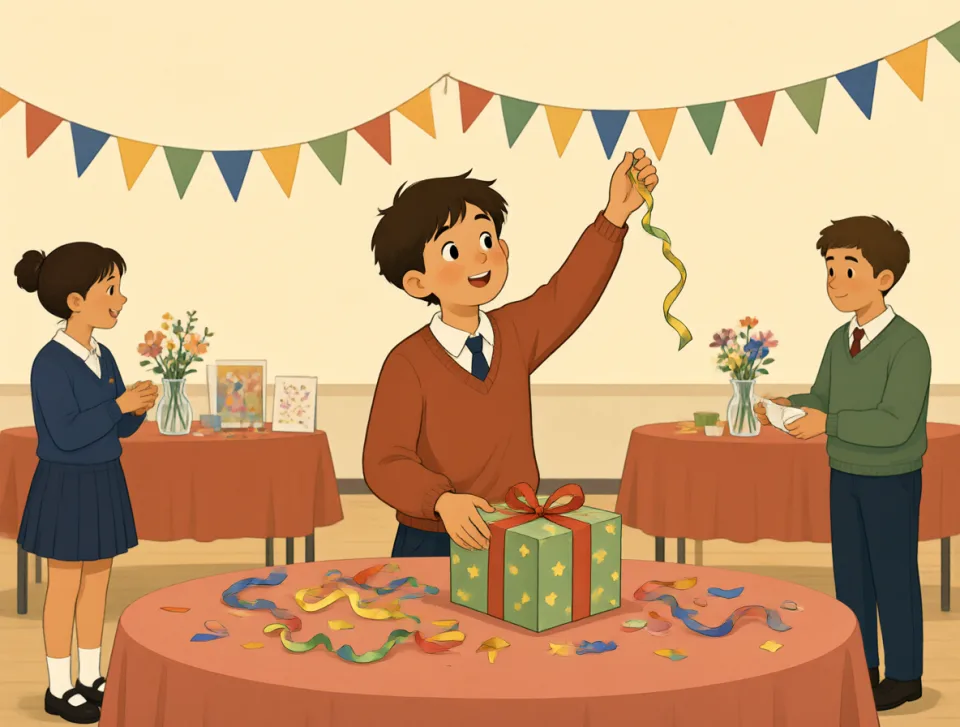
You did a brilliant job organizing the school festival.
Świetnie poradziłeś sobie z organizacją szkolnego festiwalu.

The hotel has a brilliant view of the mountains.
Z hotelu roztacza się wspaniały widok na góry.

She looked brilliant in her new blue dress at dinner.
Podczas kolacji wyglądała olśniewająco w nowej niebieskiej sukience.
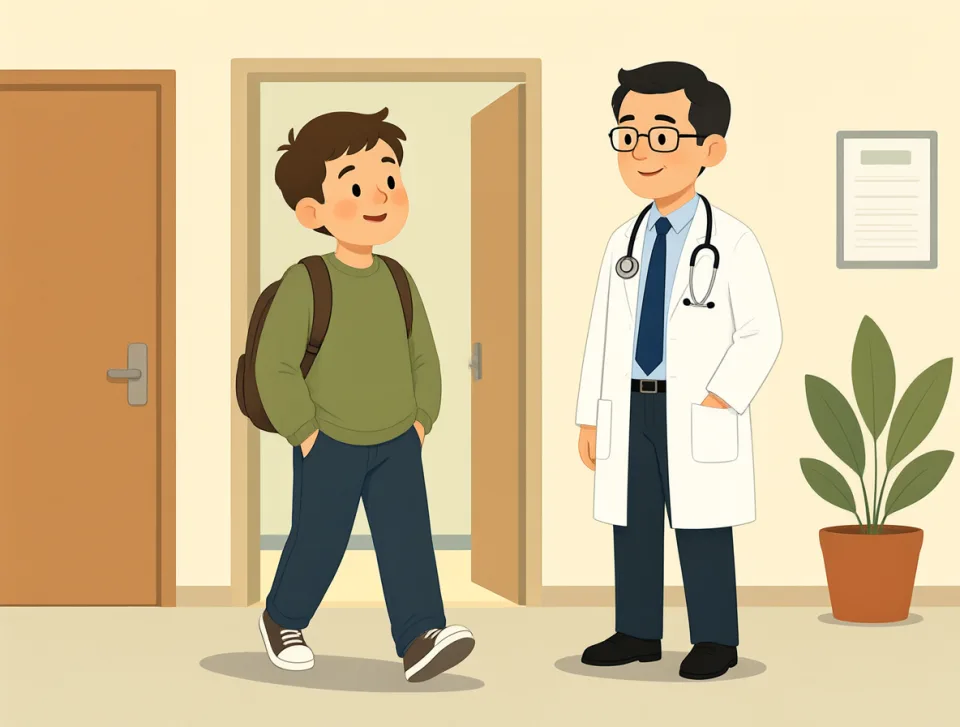
The doctor said his brilliant recovery surprised everyone.
Lekarz powiedział, że jego znakomity powrót do zdrowia zaskoczył wszystkich.