Zestaw 136
Słowa 2701–2720 · reckon, silly, transportation, harbor, comedy, chase

reckon
#2701verb
sądzić; uważać
To think or believe something, or to calculate an amount.
Myśleć lub uważać, że coś jest prawdą, albo obliczać jakąś ilość.
I reckon we’ll get home before the rain starts.
Sądzę, że wrócimy do domu, zanim zacznie padać.

She reckons the new café is better than the one downtown.
Ona uważa, że nowa kawiarnia jest lepsza niż ta w centrum.
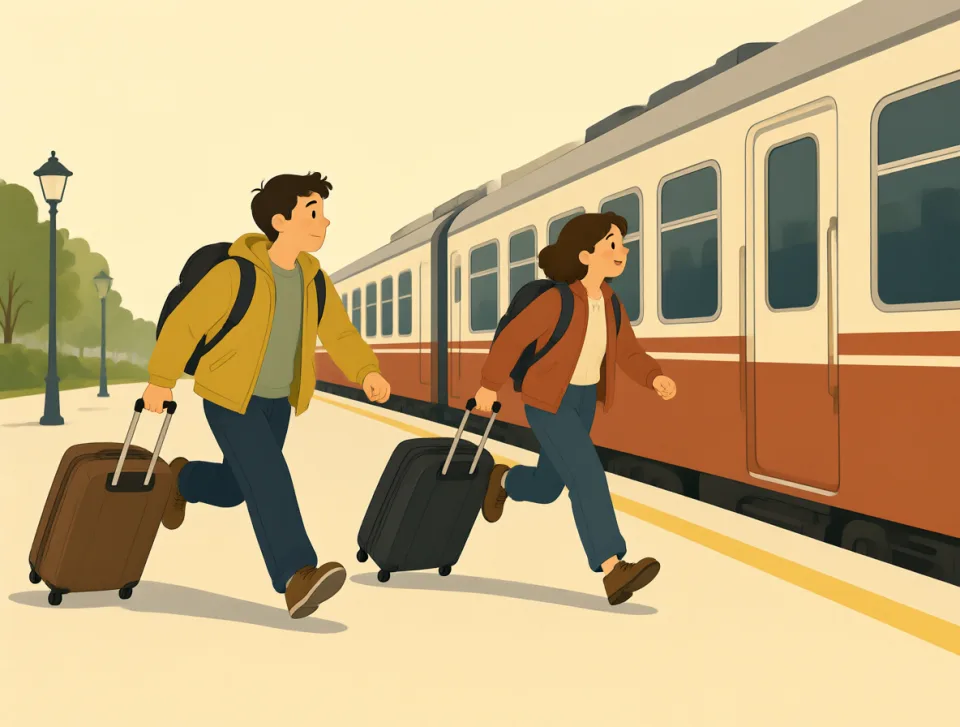
Do you reckon we can catch the earlier train?
Myślisz, że zdążymy na wcześniejszy pociąg?
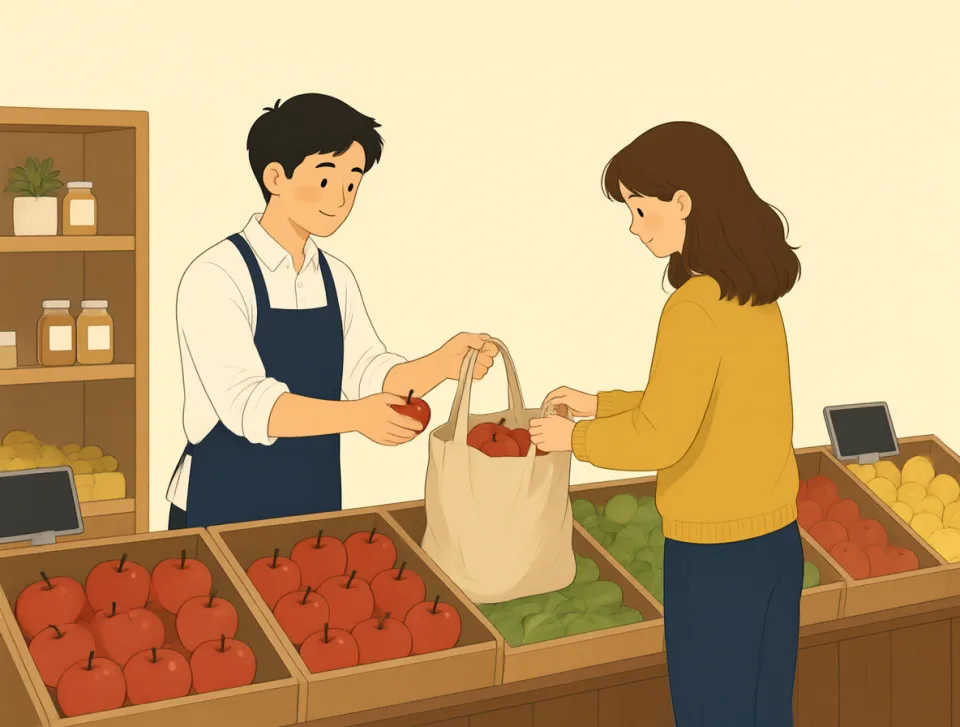
The shopkeeper reckoned the apples would last us all week.
Sprzedawca sądził, że jabłka wystarczą nam na cały tydzień.
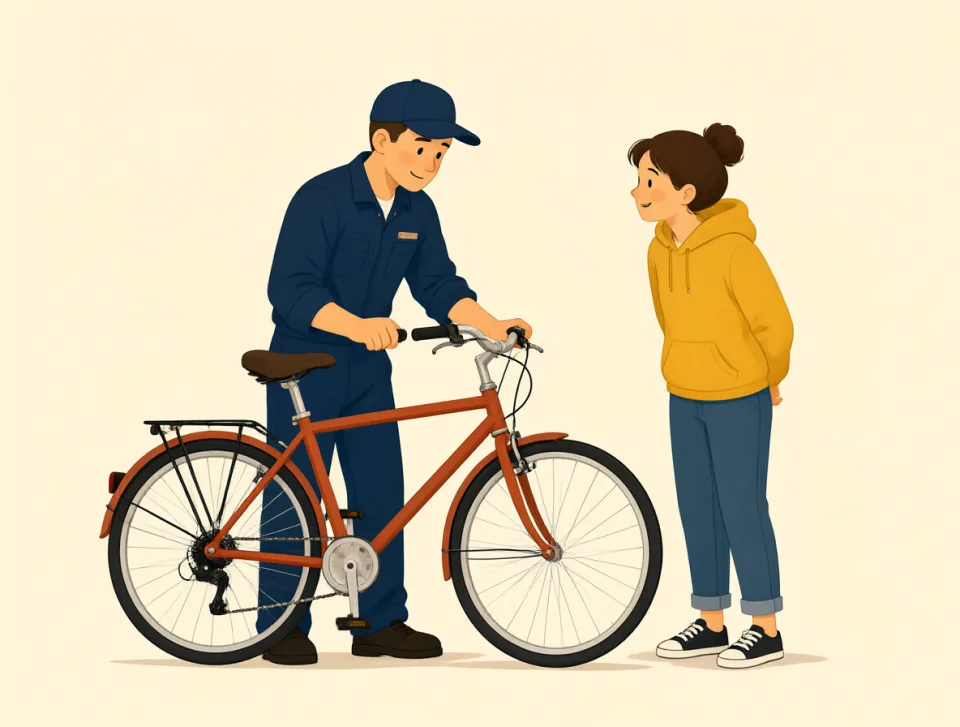
He reckoned the repair would cost about fifty pounds.
Uważał, że naprawa będzie kosztować około pięćdziesięciu funtów.

silly
#2702adjective
głupi; niemądry
Foolish or not sensible, often in a way that is funny.
Niemądry lub pozbawiony rozsądku, często w zabawny sposób.

We felt silly laughing at the joke during the quiet bus ride.
Głupio się czuliśmy, śmiejąc się z żartu podczas cichej jazdy autobusem.
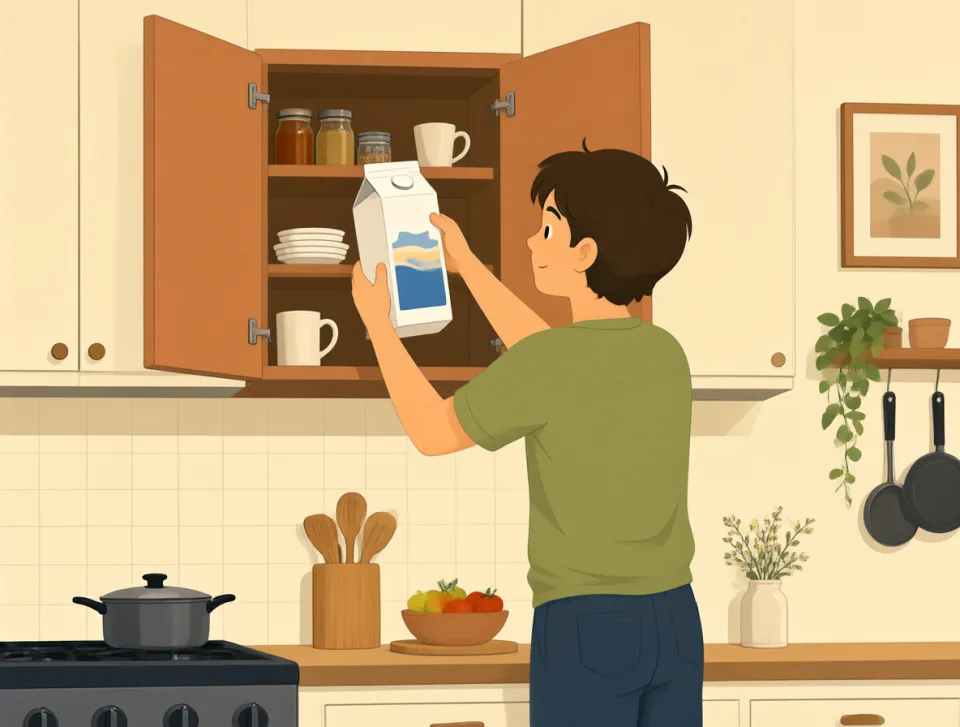
I made a silly mistake and put the milk in the cupboard.
Zrobiłem głupi błąd i włożyłem mleko do szafki.
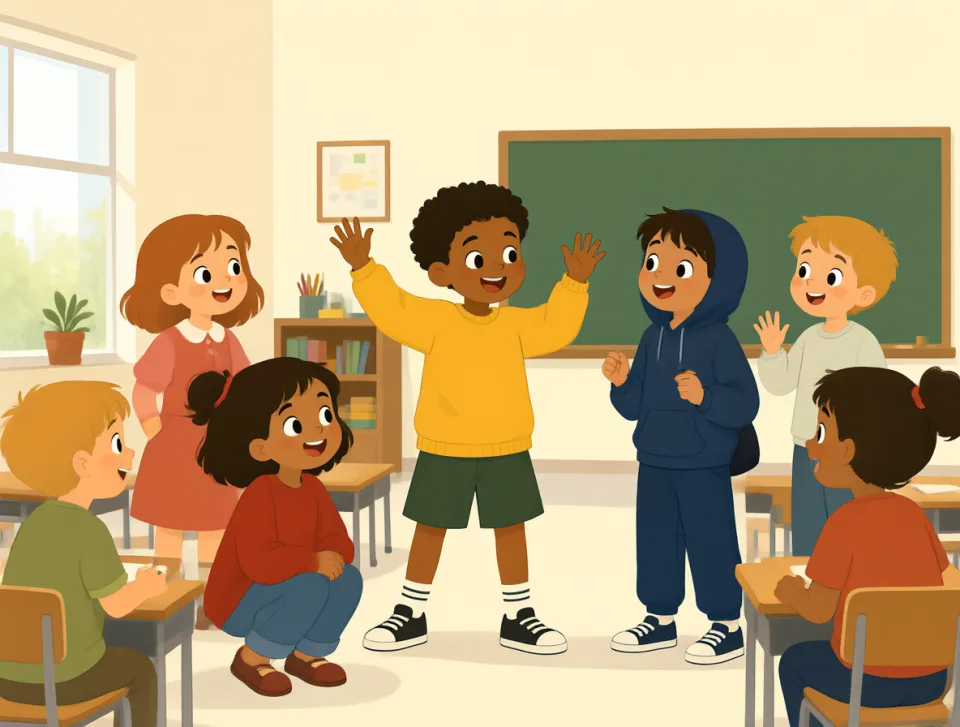
The children wore silly costumes for the school party.
Dzieci założyły zabawne, głupiutkie kostiumy na szkolną imprezę.
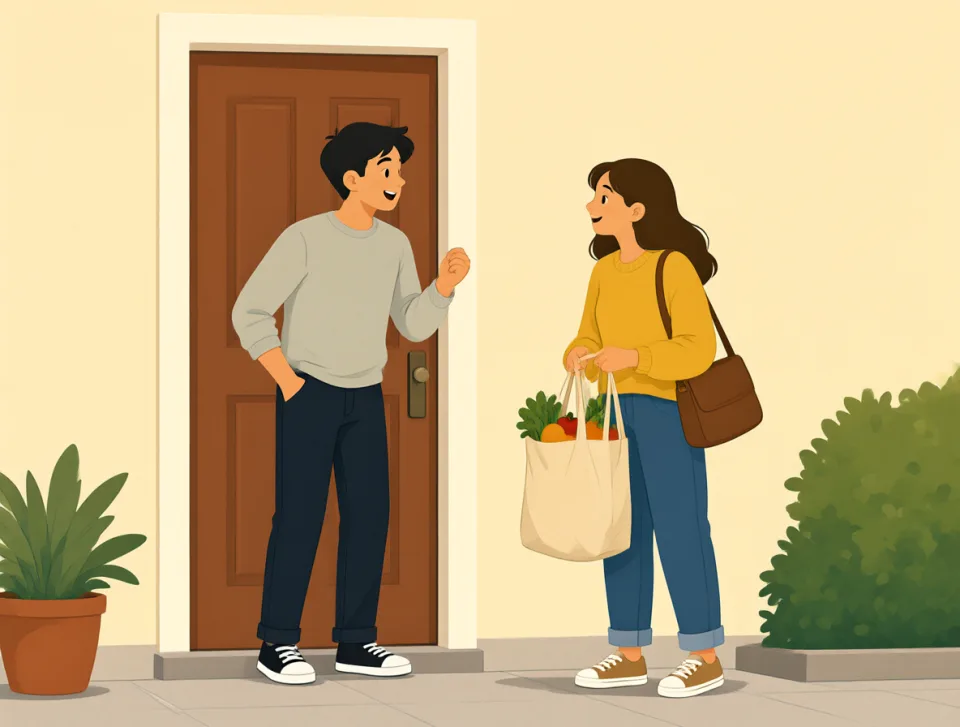
Stop being silly and help me carry these bags inside.
Przestań się wygłupiać i pomóż mi wnieść te torby.
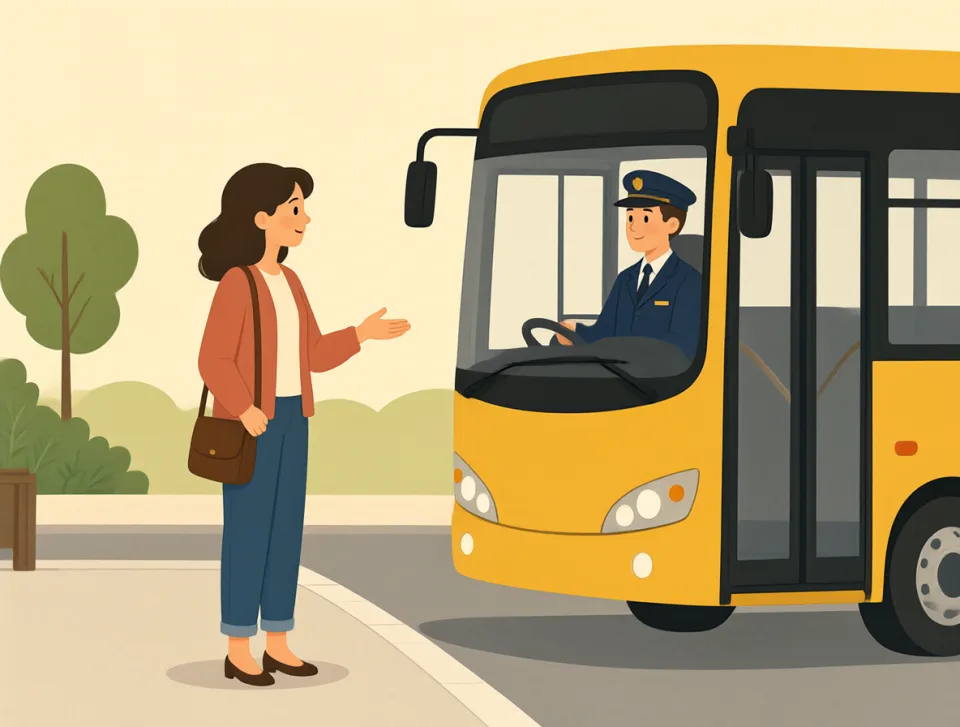
She felt silly asking for directions, but the driver was kind.
Głupio się czuła, pytając o drogę, ale kierowca był miły.
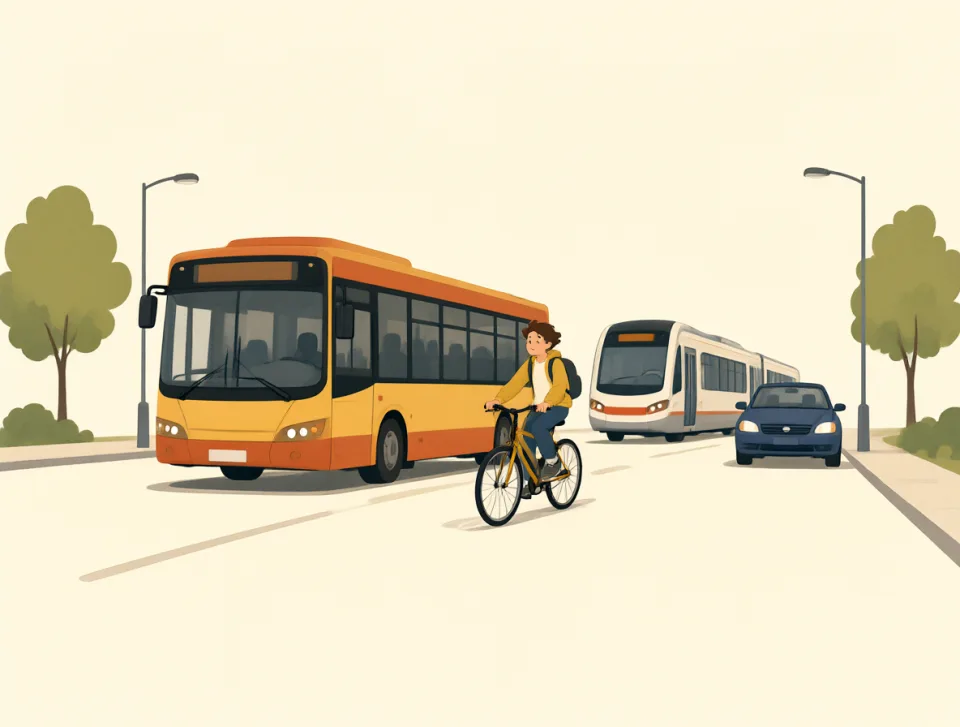
transportation
#2703noun
transport; środki transportu
Vehicles and services used for moving people or goods from one place to another.
Pojazdy i usługi służące do przewożenia ludzi lub towarów z jednego miejsca do drugiego.
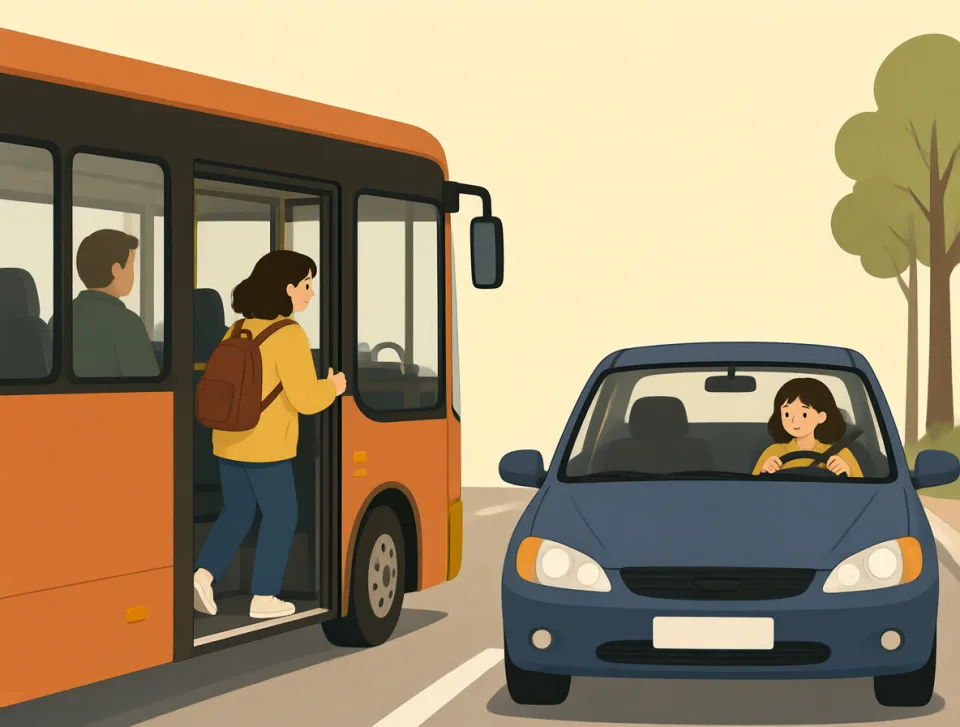
Public transportation is often cheaper than driving your own car.
Transport publiczny jest często tańszy niż jazda własnym samochodem.
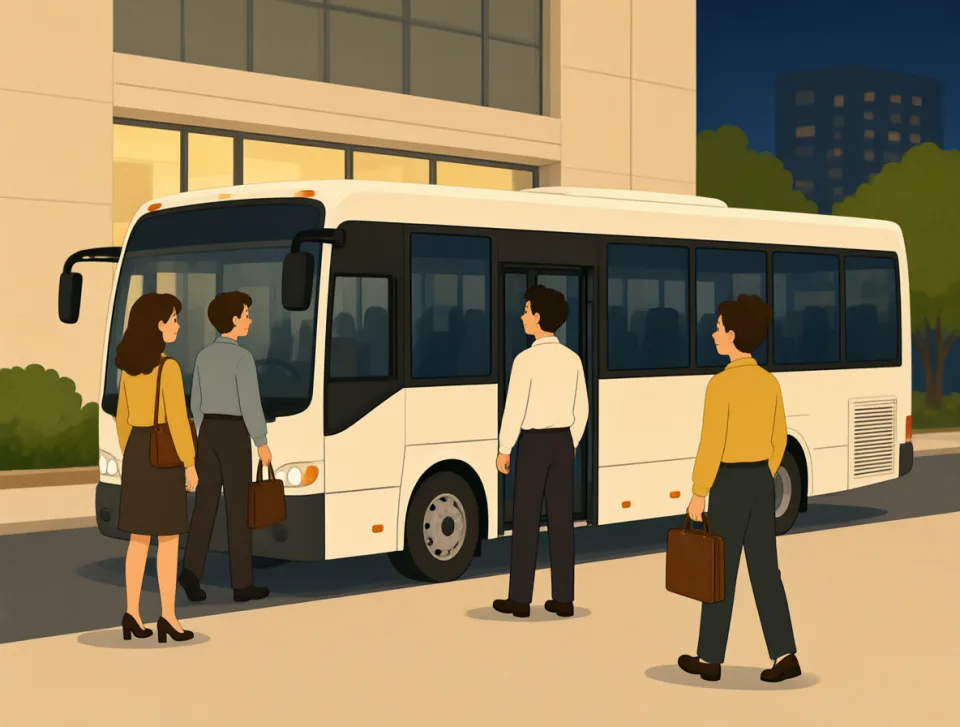
The company provides free transportation for employees who work late.
Firma zapewnia bezpłatny transport pracownikom, którzy pracują do późna.
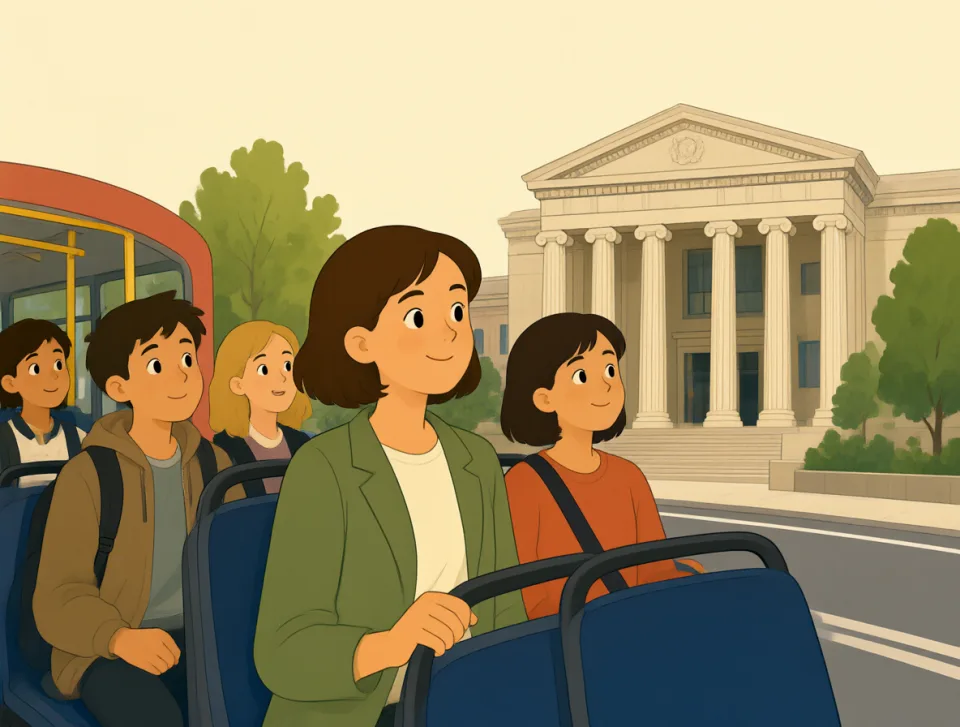
We used public transportation to visit the museum during our school trip.
Podczas szkolnej wycieczki pojechaliśmy do muzeum transportem publicznym.
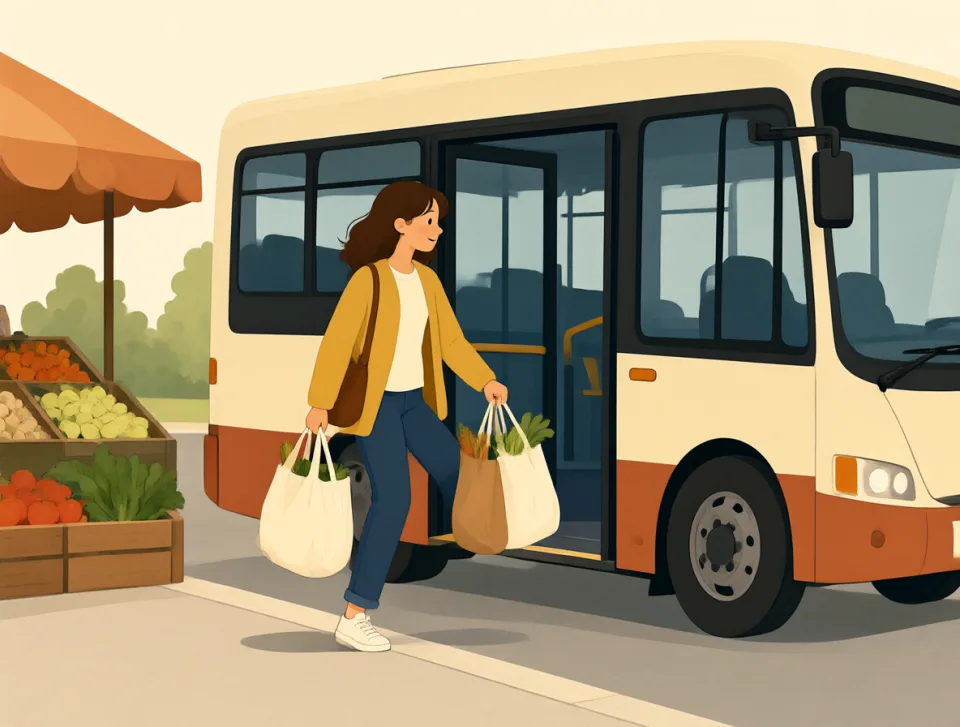
Good transportation makes it easier to shop at the market without a car.
Dobre połączenia komunikacyjne ułatwiają zakupy na targu bez samochodu.
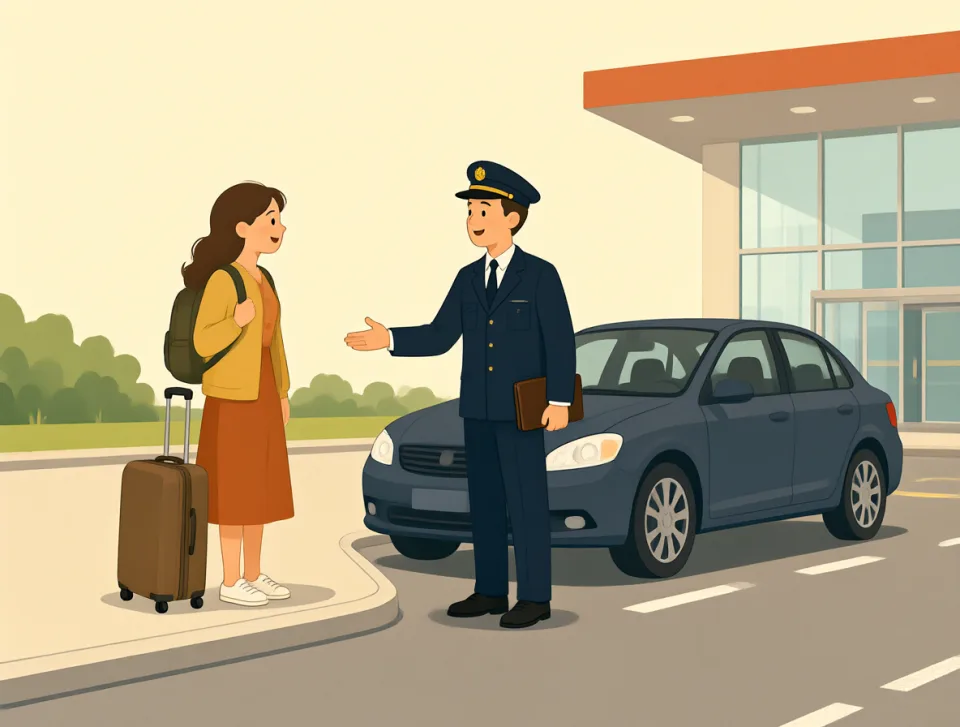
The hotel can arrange transportation from the airport to your room.
Hotel może zorganizować transport z lotniska do hotelu.

harbor
#2704noun, verb
port; schronienie
A place on the coast where boats can stay safely; to shelter or protect someone.
Miejsce na wybrzeżu, w którym łodzie mogą bezpiecznie cumować; zapewniać komuś schronienie lub ochronę.

We watched the fishing boats return to the harbor before sunset.
Przed zachodem słońca patrzyliśmy, jak łodzie rybackie wracają do portu.
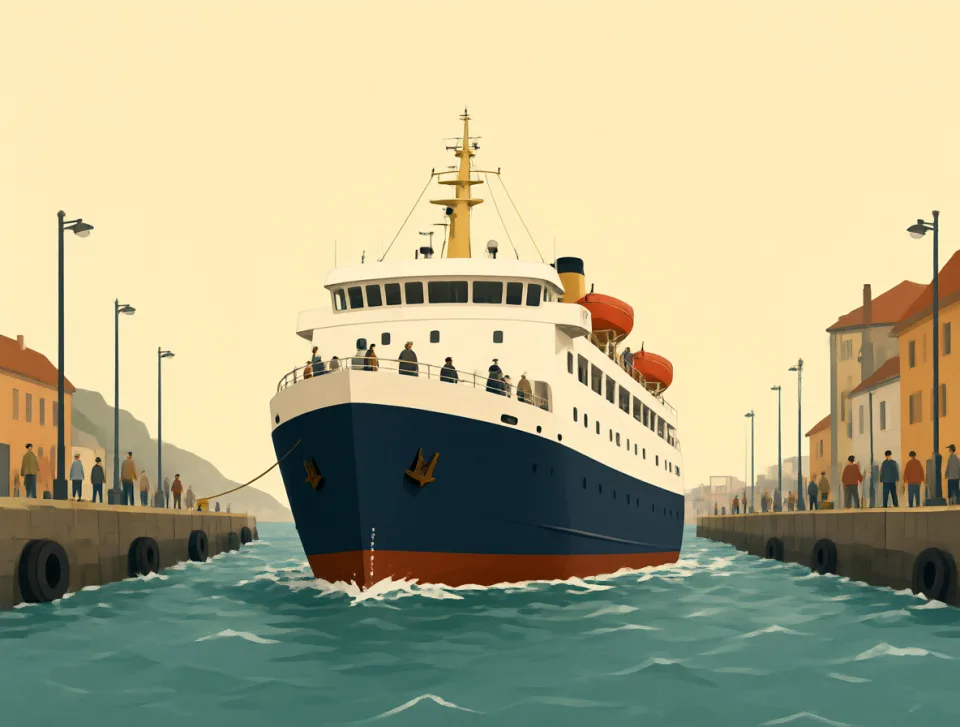
The ferry entered the harbor slowly because the water was rough.
Prom powoli wpłynął do portu, bo woda była wzburzona.
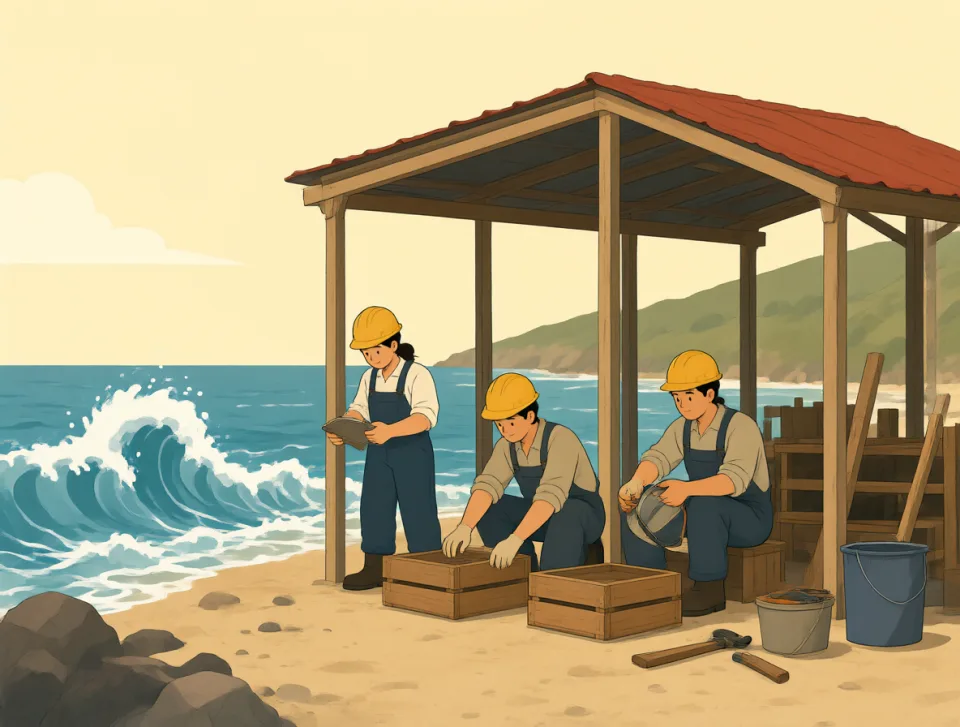
The town built a new harbor to protect boats from strong storms.
Miasteczko zbudowało nowy port, by chronić łodzie przed silnymi sztormami.

After the argument, Maya found a quiet harbor in her sister’s home.
Po kłótni Maya znalazła spokojne schronienie w domu swojej siostry.

The small company harbored hopes of opening a shop near the beach.
Mała firma żywiła nadzieję na otwarcie sklepu w pobliżu plaży.

comedy
#2705noun
komedia
A play, film, or show that is meant to make people laugh.
Sztuka, film lub przedstawienie, które ma rozśmieszyć widzów.

We watched a comedy together after dinner and laughed the whole evening.
Po kolacji obejrzeliśmy razem komedię i śmialiśmy się przez cały wieczór.

She likes romantic comedies because they mix funny moments with love stories.
Lubi komedie romantyczne, bo łączą zabawne sytuacje z historiami miłosnymi.
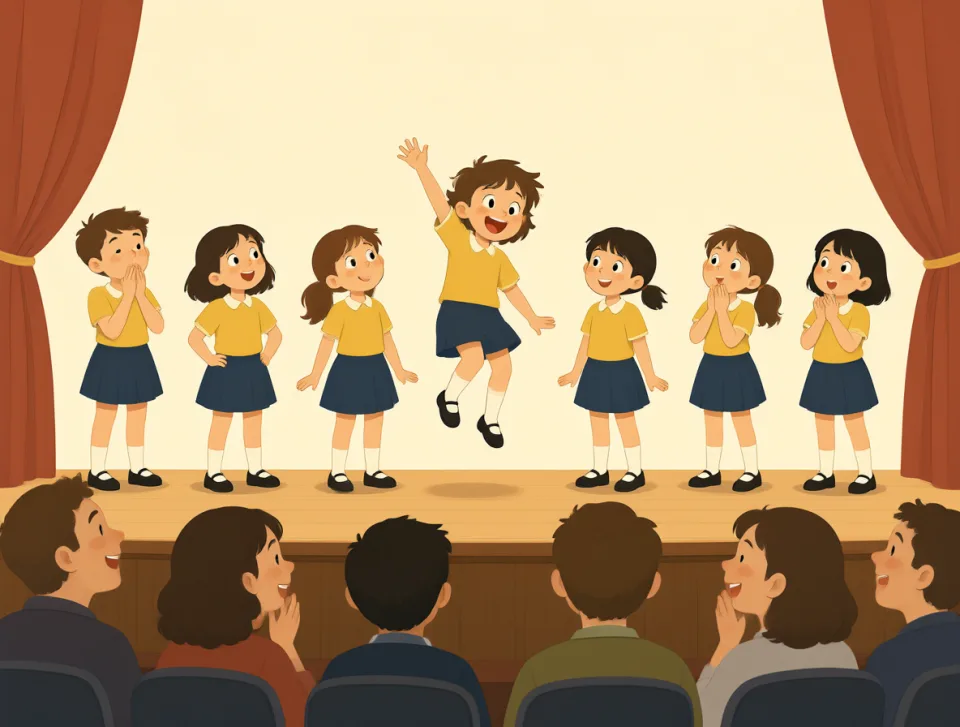
The school comedy was so funny that parents laughed louder than the students.
Szkolna komedia była tak zabawna, że rodzice śmiali się głośniej niż uczniowie.

My brother hopes to write a comedy for the local theater this year.
Mój brat ma nadzieję napisać w tym roku komedię dla lokalnego teatru.
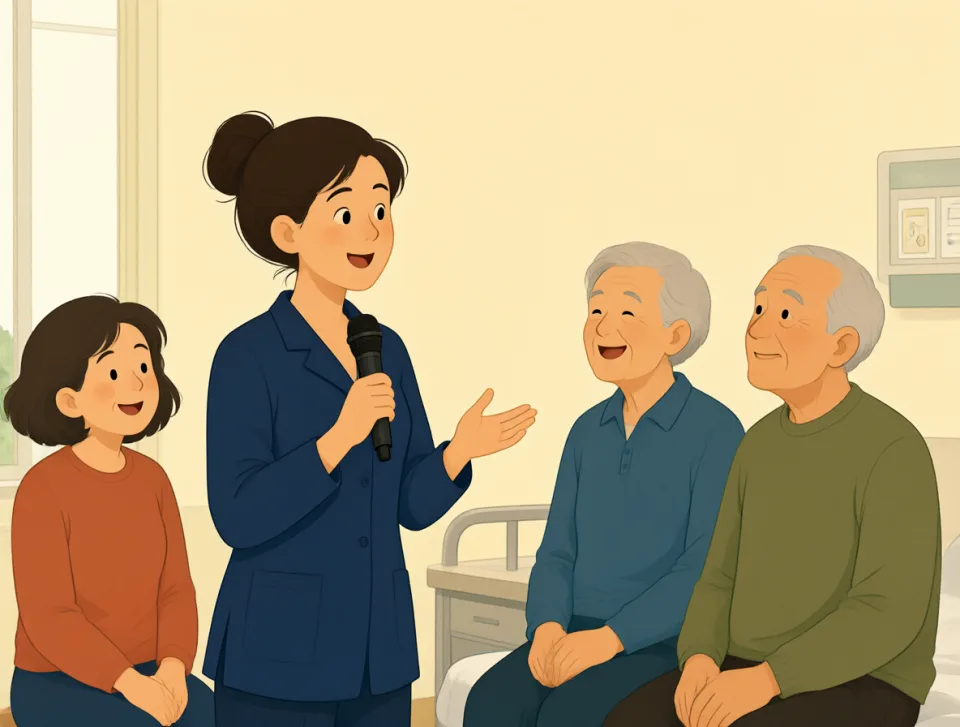
He used comedy to make people feel better during a difficult time.
Wykorzystał komedię, by poprawić ludziom nastrój w trudnym czasie.
chase
#2706noun, verb
gonić; pościg
To run after someone or something to catch them; an attempt to catch or get something.
Biec za kimś lub czymś, żeby to złapać; próba złapania lub zdobycia czegoś.
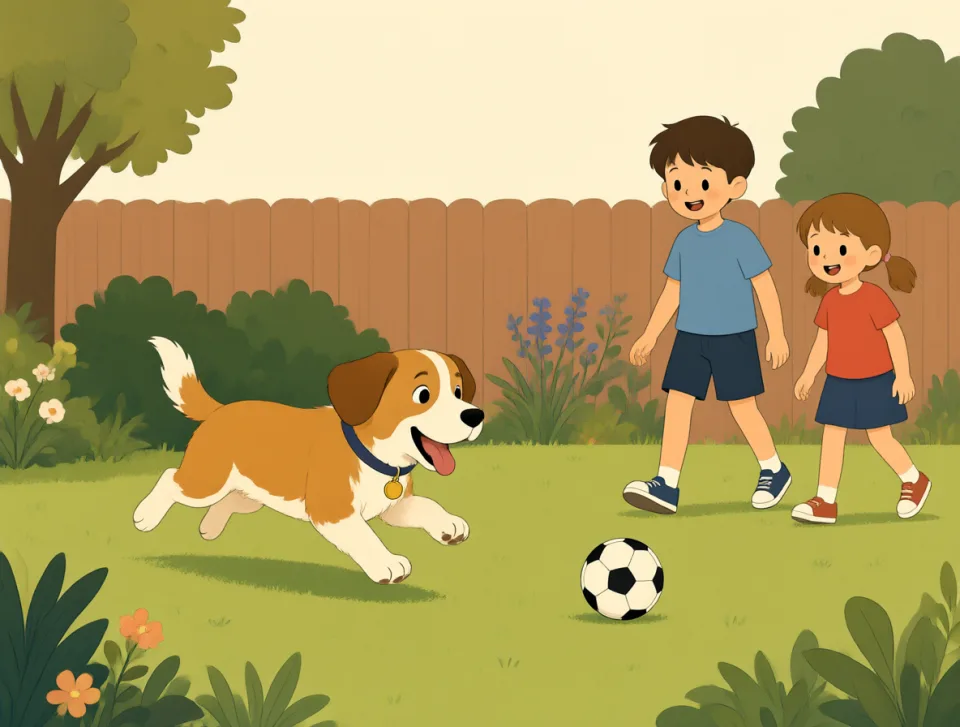
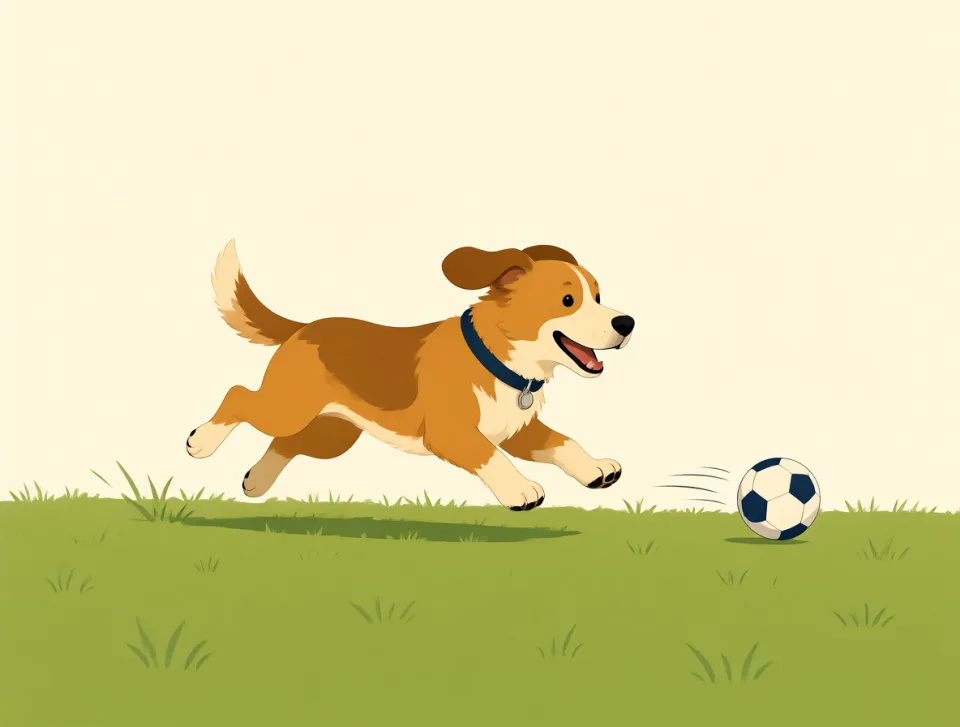
The dog chased the ball across the garden while the children laughed.
Pies gonił piłkę przez ogród, a dzieci się śmiały.
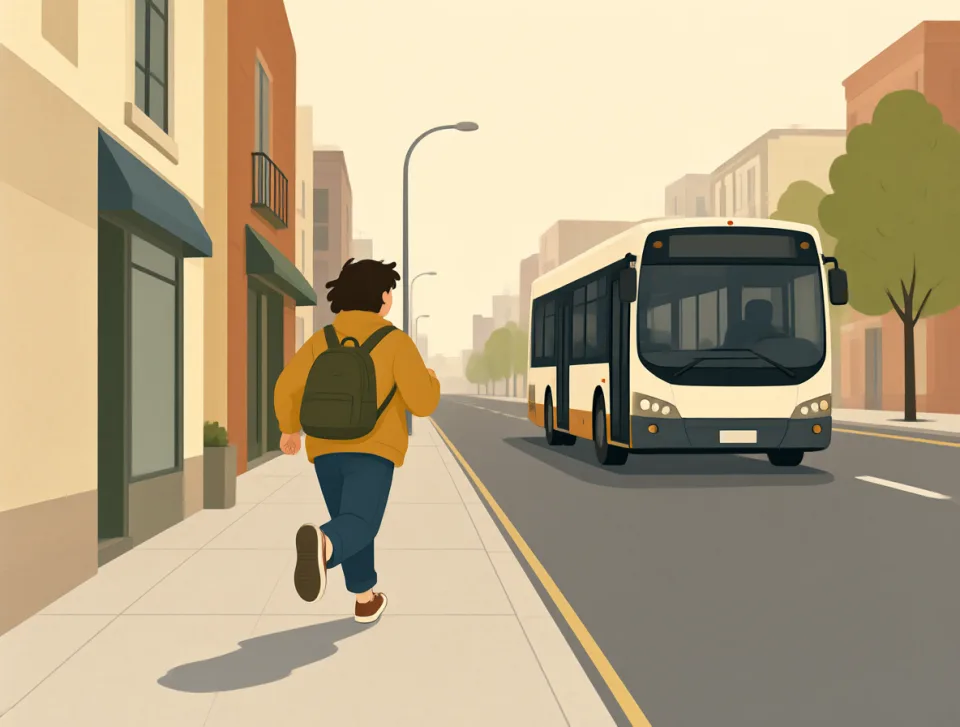
I had to chase the bus after I left my bag at home.
Musiałem gonić autobus, bo zostawiłem torbę w domu.
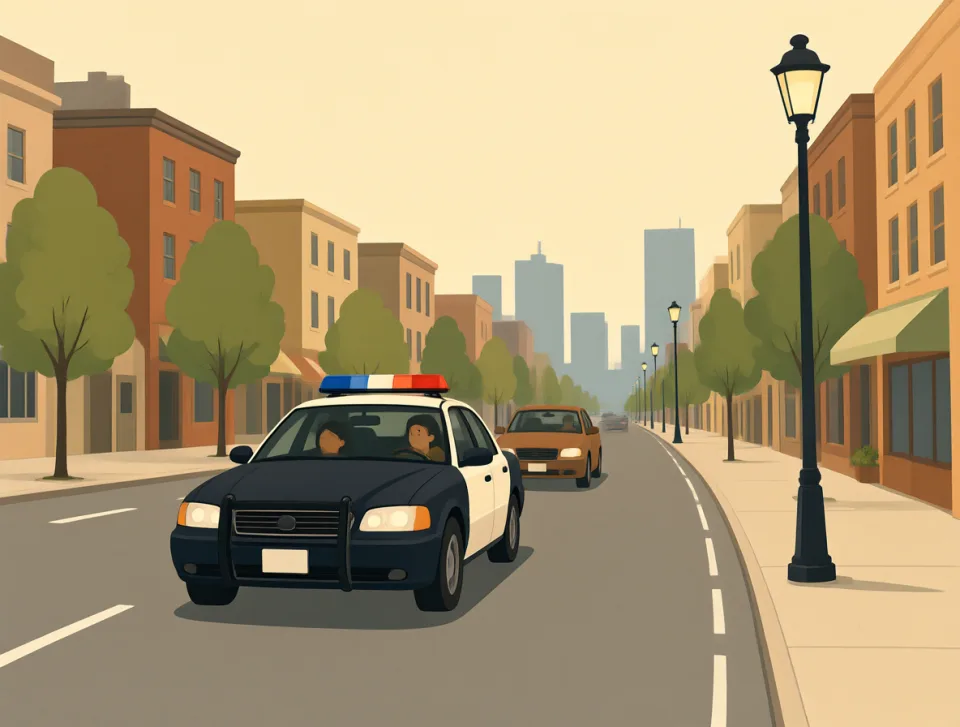
The police chased the driver through the quiet streets last night.
Policja goniła kierowcę zeszłej nocy przez ciche ulice.

She is chasing her dream of becoming a doctor by studying every evening.
Każdego wieczoru się uczy, by spełnić marzenie o zostaniu lekarką.
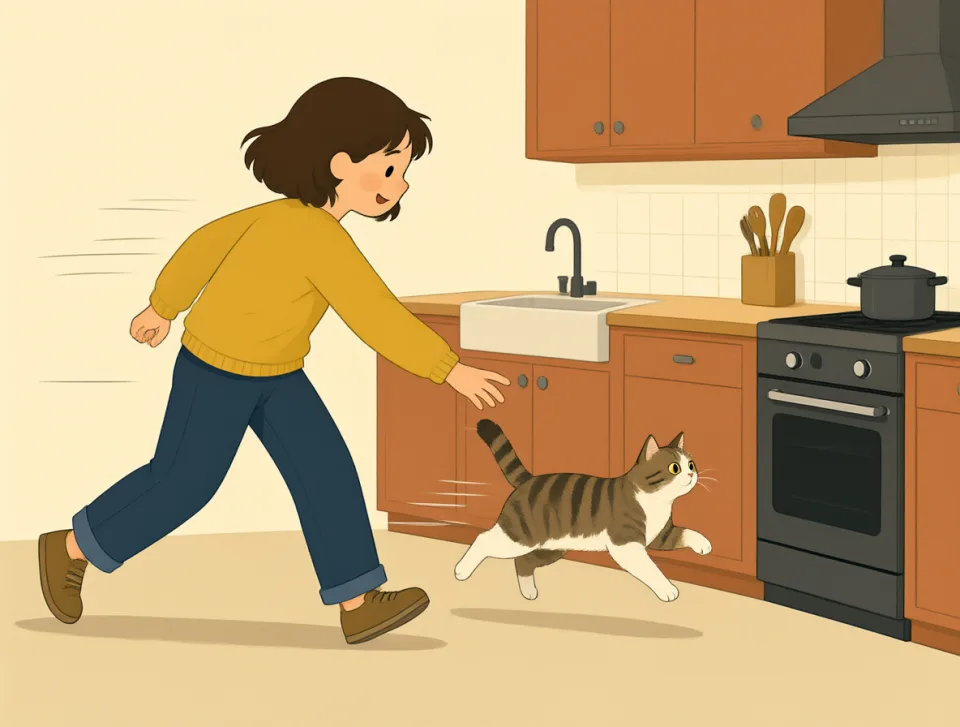
We enjoyed a long chase around the kitchen when the cat escaped.
Świetnie się bawiliśmy, długo ganiając się po kuchni, gdy kot uciekł.
storage
#2707noun
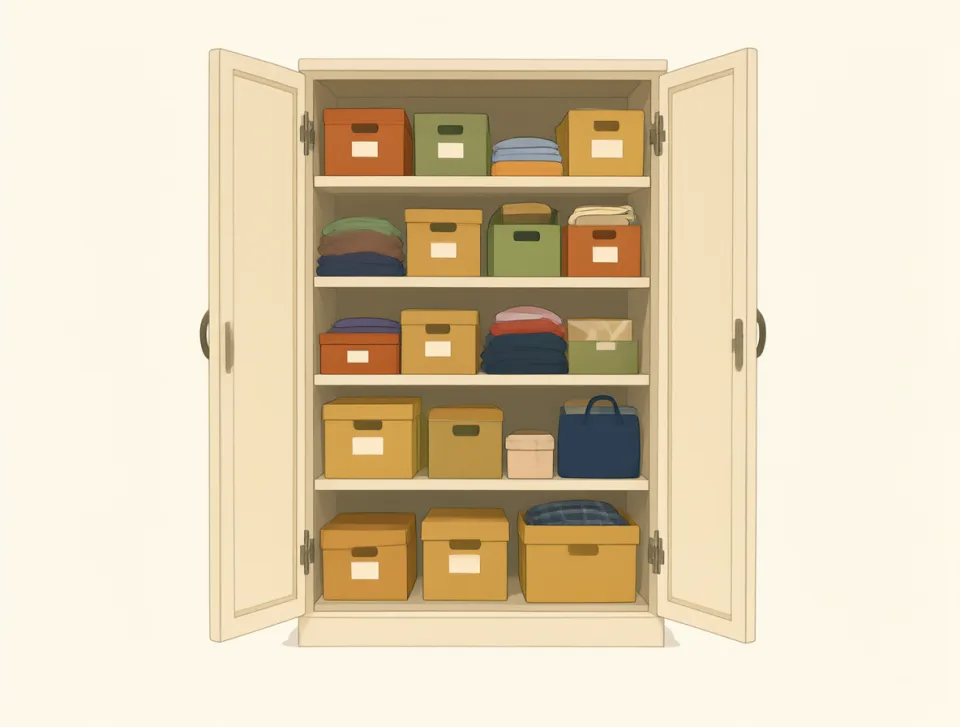
miejsce do przechowywania
The space or place where things are kept until they are needed.
Przestrzeń lub miejsce, w którym przechowuje się rzeczy, dopóki nie będą potrzebne.
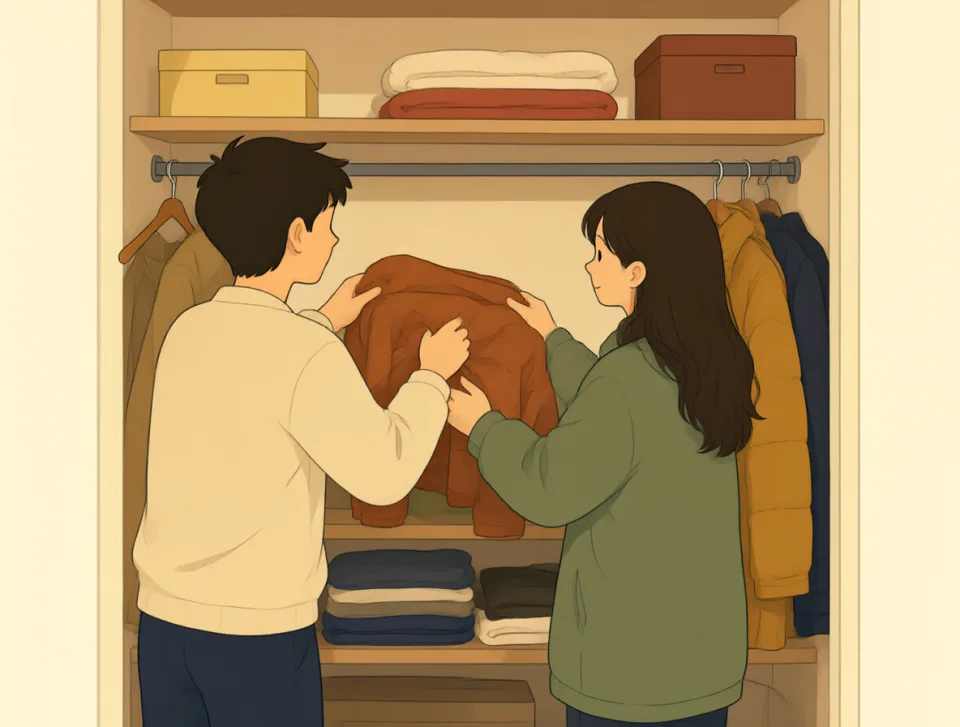
We need more storage for the blankets and winter coats in this small apartment.
Potrzebujemy więcej miejsca na koce i zimowe płaszcze w tym małym mieszkaniu.
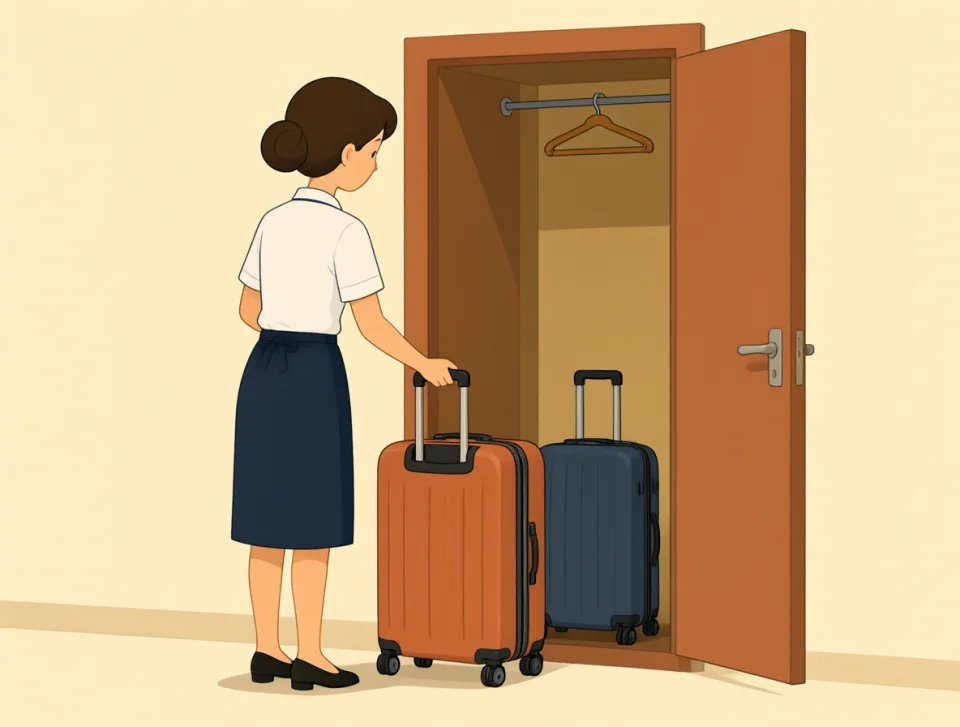
The hotel offers luggage storage before check-in and after checkout.
Hotel oferuje przechowalnię bagażu przed zameldowaniem i po wymeldowaniu.
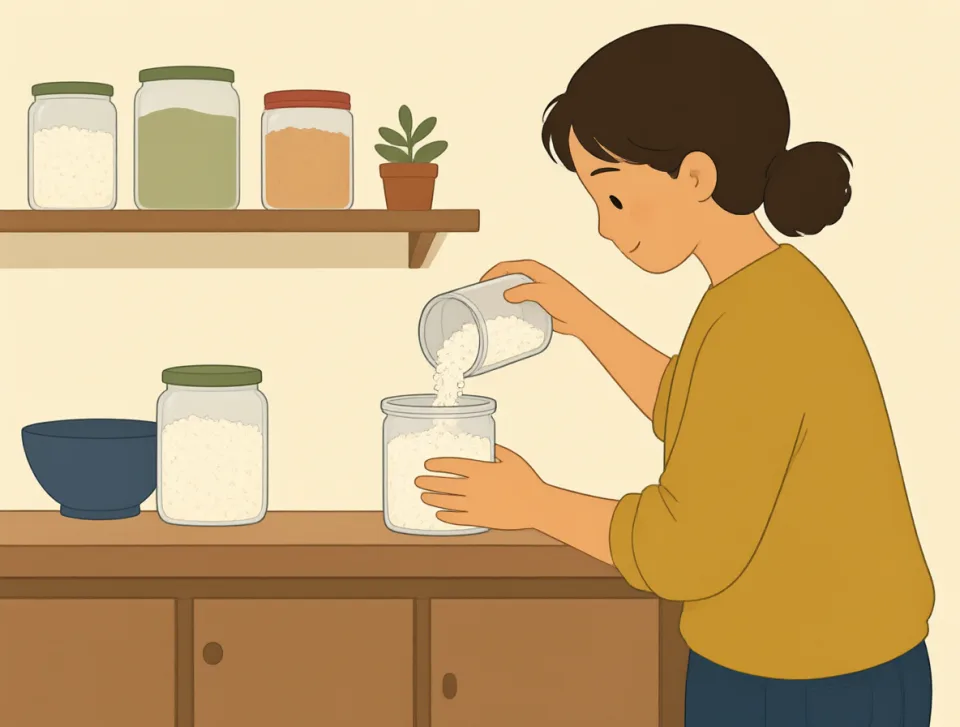
Store the rice in a cool, dry place to prevent damage during storage.
Przechowuj ryż w chłodnym i suchym miejscu, aby się nie zepsuł.
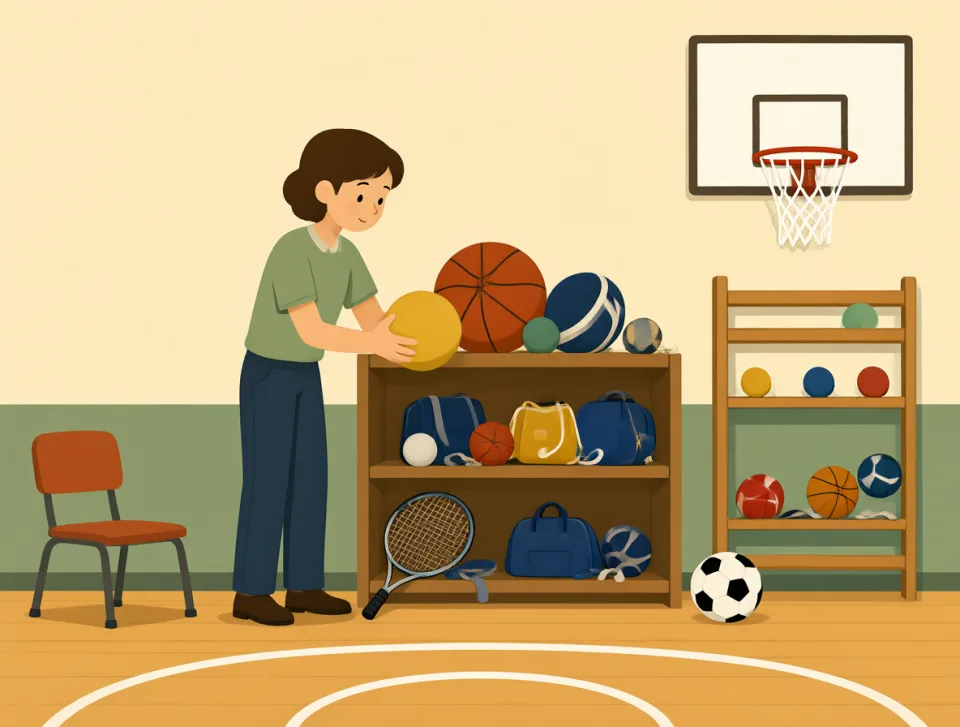
The school added extra storage for sports equipment near the gym.
Szkoła dodała dodatkowe miejsce do przechowywania sprzętu sportowego w pobliżu sali gimnastycznej.
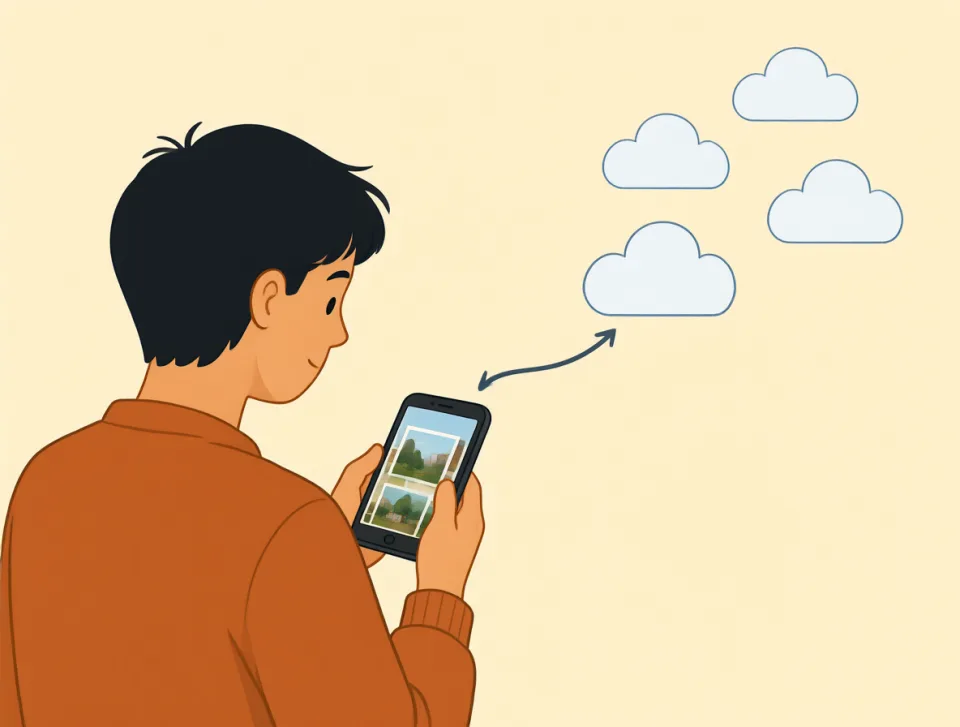
My phone is full, so I moved the photos to cloud storage.
Mam pełną pamięć w telefonie, więc przeniosłem zdjęcia do chmury.

universe
#2708noun
wszechświat
All space and everything in it, including stars, planets, and galaxies.
Cała przestrzeń i wszystko, co się w niej znajduje, w tym gwiazdy, planety i galaktyki.
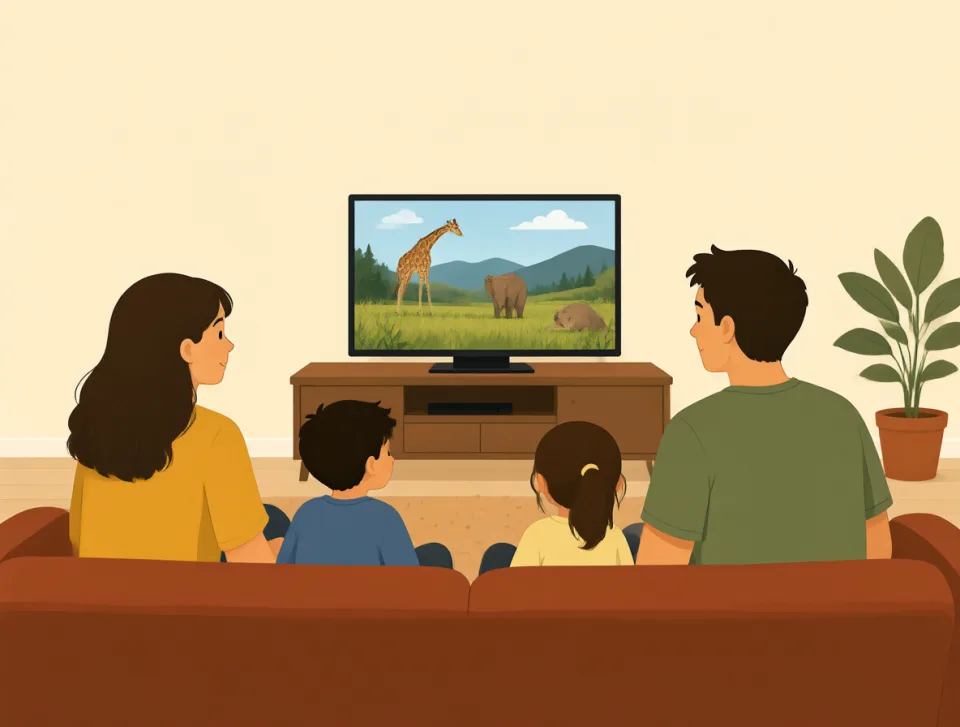
We watched a documentary about the universe after dinner last night.
Wczoraj wieczorem po kolacji obejrzeliśmy film dokumentalny o wszechświecie.
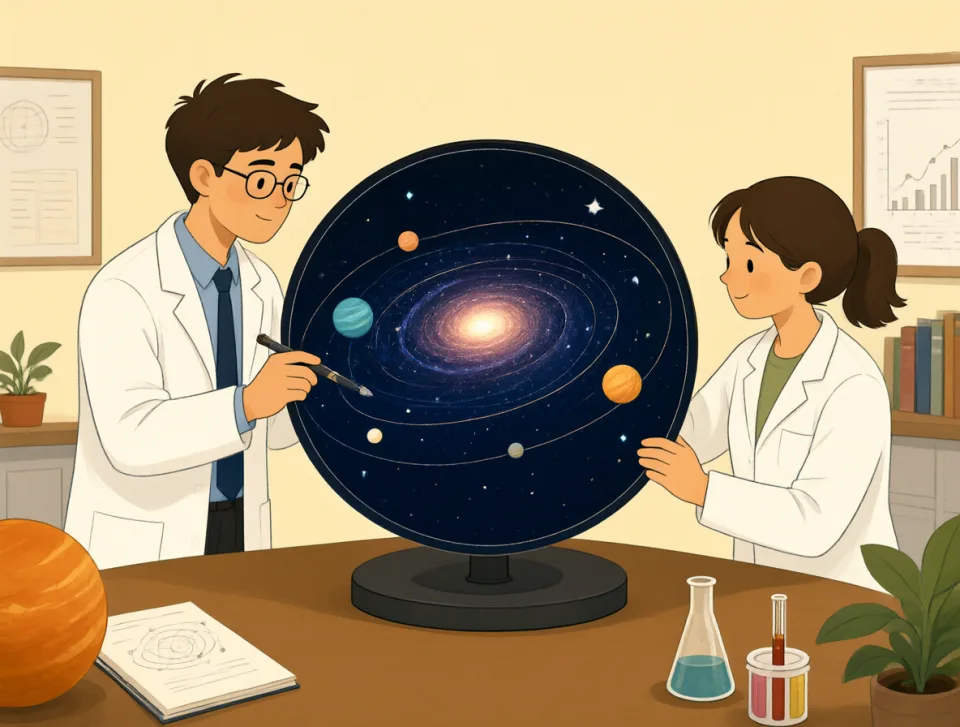
Scientists are still learning how the universe began and how it may end.
Naukowcy wciąż badają, jak powstał wszechświat i jak może się skończyć.

My little brother thinks there may be life elsewhere in the universe.
Mój młodszy brat uważa, że gdzieś we wszechświecie może istnieć życie.

She felt tiny beneath the stars, thinking about her place in the universe.
Poczuła się maleńka pod gwiazdami, zastanawiając się nad swoim miejscem we wszechświecie.
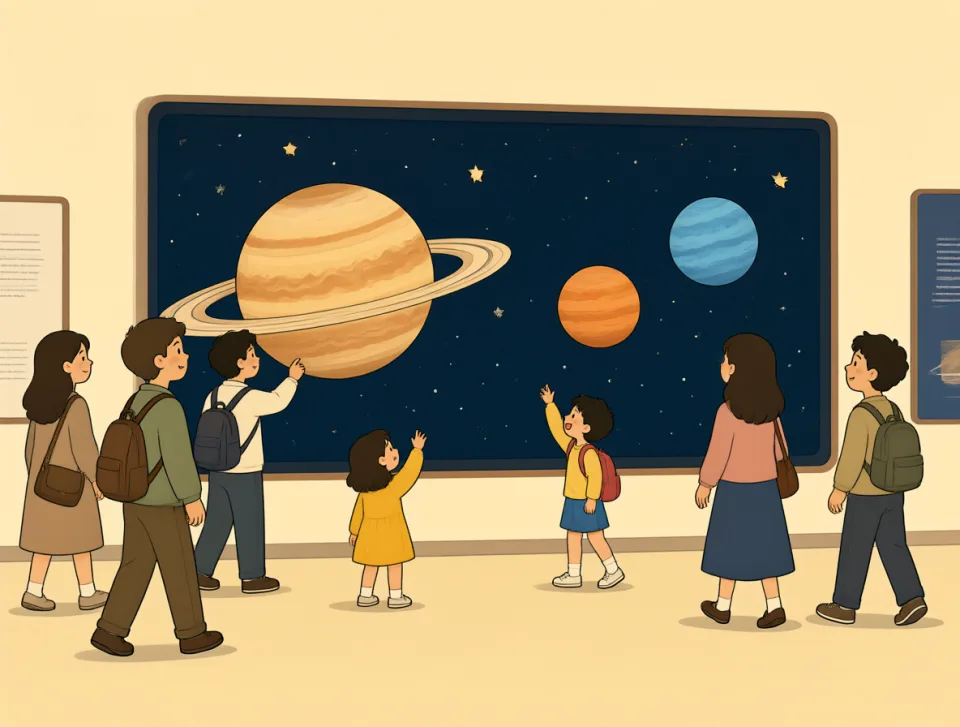
The museum has a room where visitors can explore the universe through models.
W muzeum jest sala, w której zwiedzający mogą poznawać wszechświat za pomocą modeli.
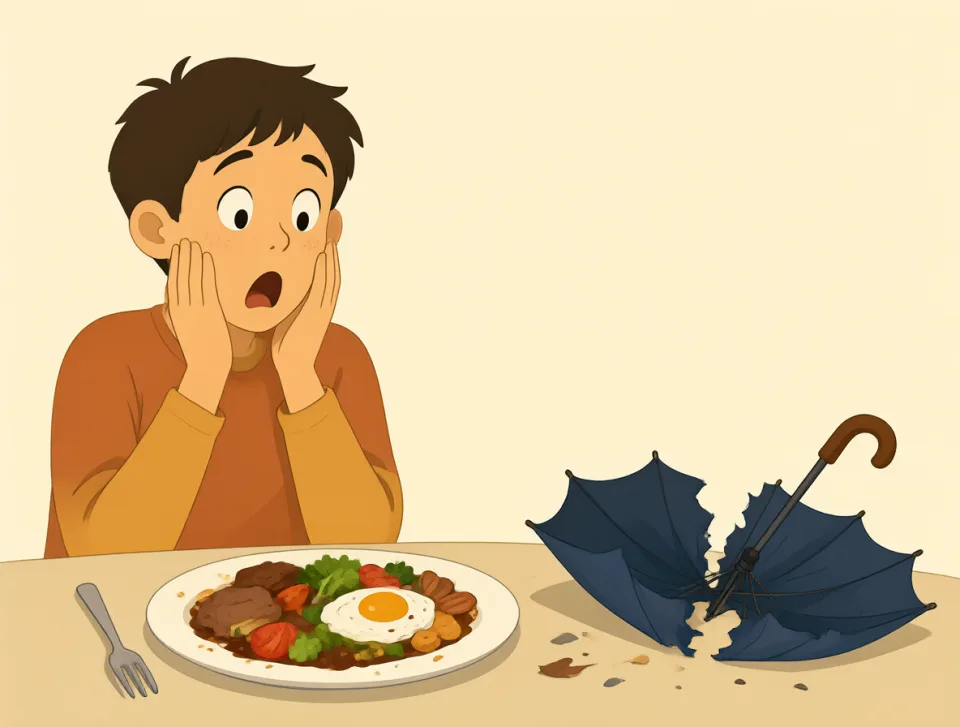
horrible
#2709adjective
okropny
Very bad, unpleasant, or frightening.
Bardzo zły, nieprzyjemny lub przerażający.

We had a horrible day because everything went wrong at work.
Mieliśmy okropny dzień, bo w pracy wszystko poszło nie tak.

The hotel room was horrible, with dirty sheets and a broken window.
Pokój hotelowy był okropny: brudna pościel i zepsute okno.
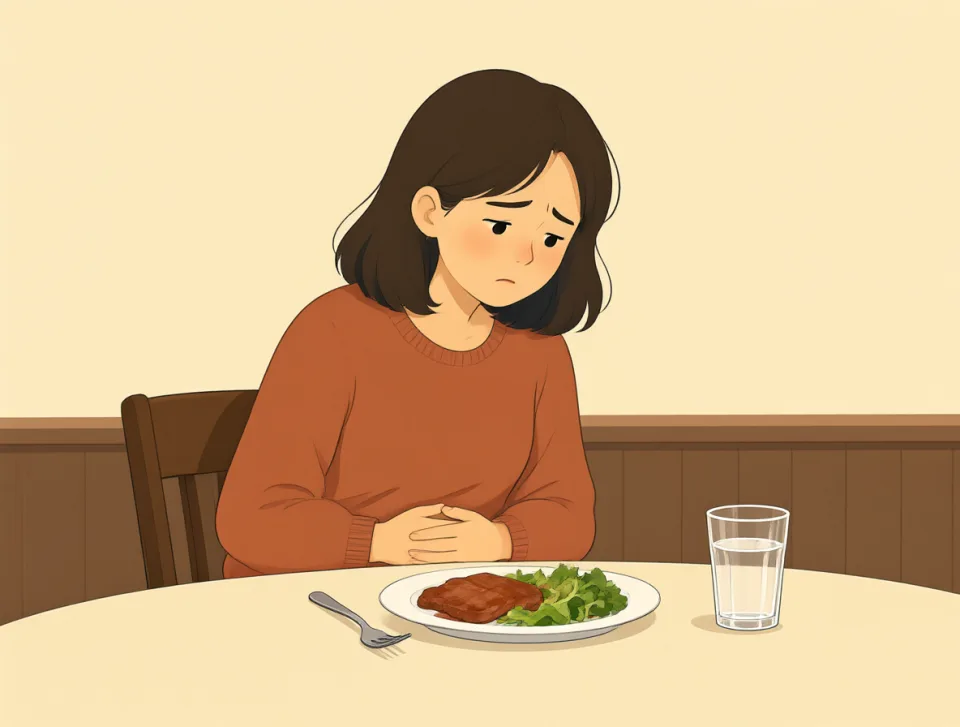
She felt horrible after eating spoiled food at the restaurant.
Po zjedzeniu zepsutego jedzenia w restauracji czuła się okropnie.
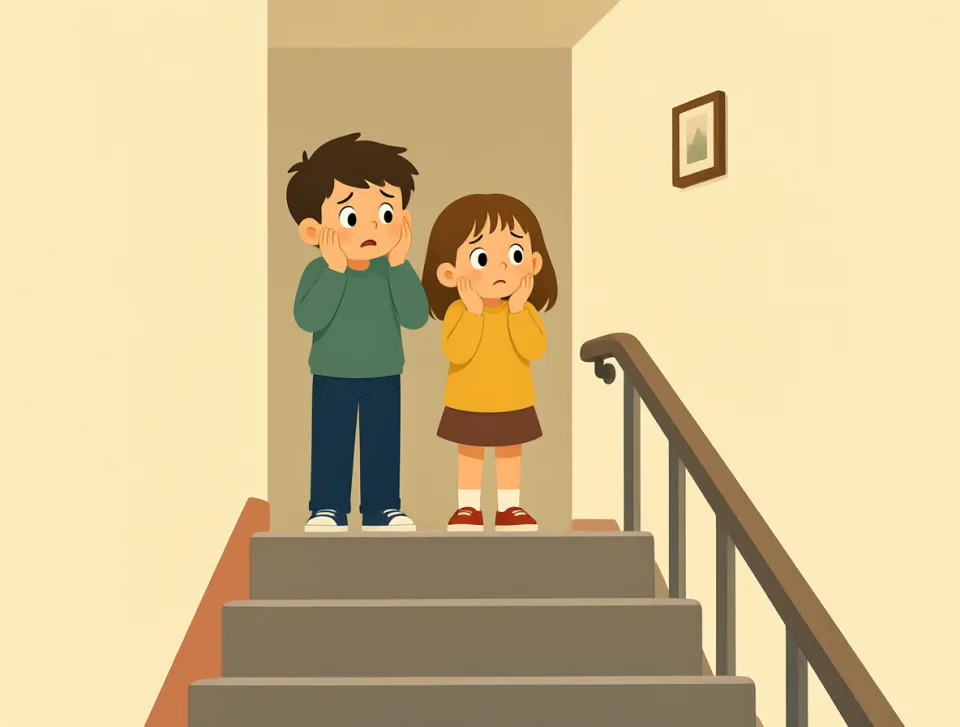
The children heard a horrible noise coming from the dark basement.
Dzieci usłyszały okropny dźwięk dobiegający z ciemnej piwnicy.
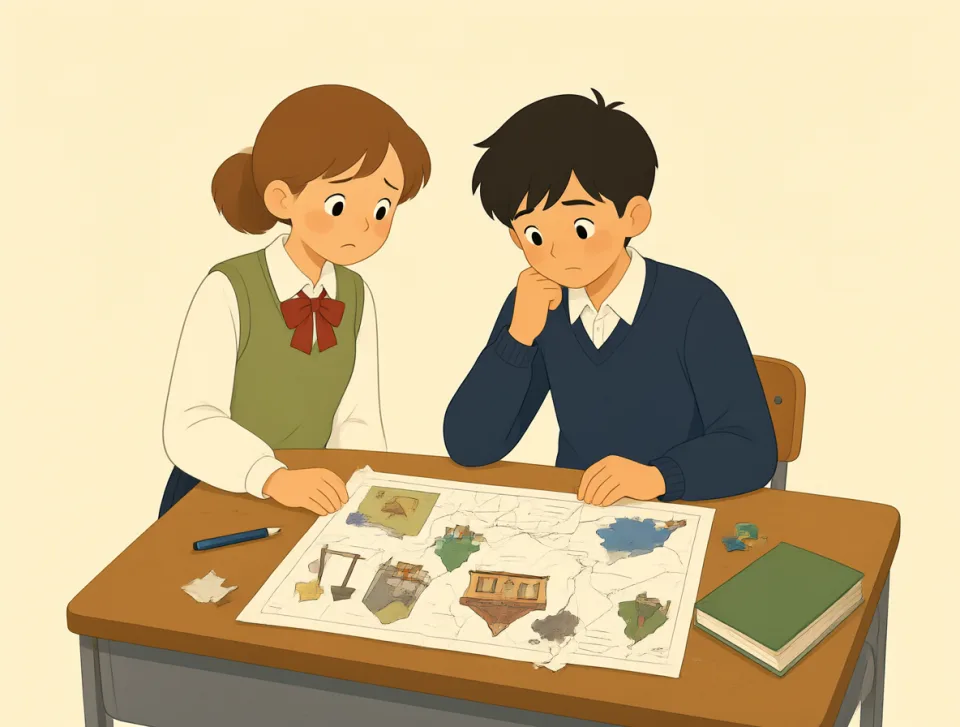
I made a horrible mistake on my school project and felt embarrassed.
Popełniłem okropny błąd w projekcie szkolnym i było mi wstyd.
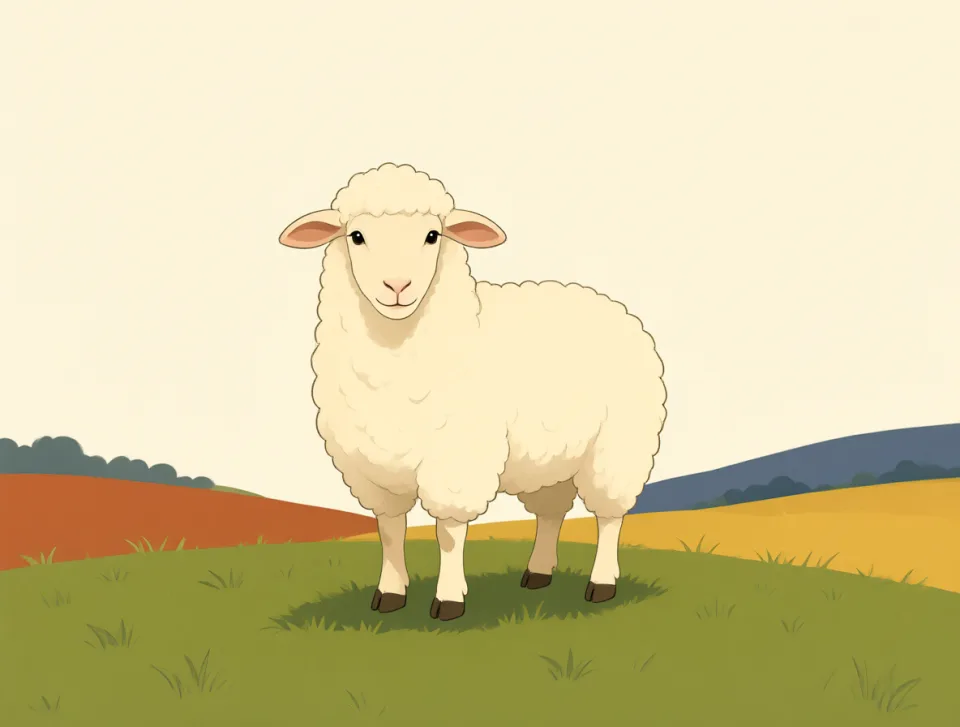
sheep
#2710noun
owca
A farm animal with thick wool; people keep sheep for wool and meat.
Zwierzę hodowlane o gęstej wełnie; owce hoduje się dla wełny i mięsa.
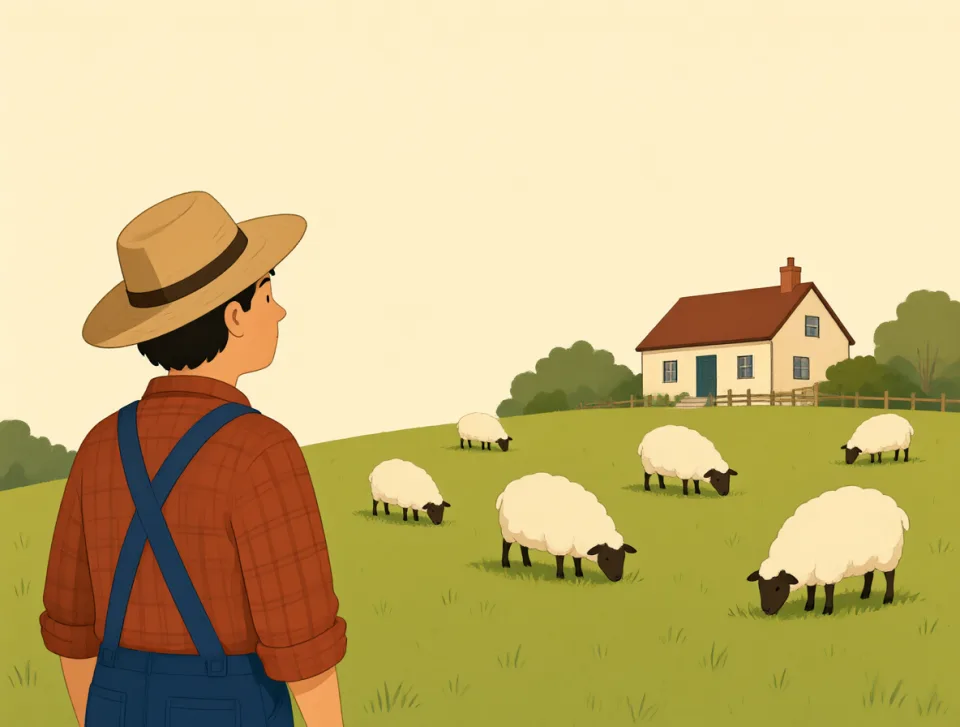
The farmer keeps sheep on the hill behind his house.
Rolnik hoduje owce na wzgórzu za swoim domem.
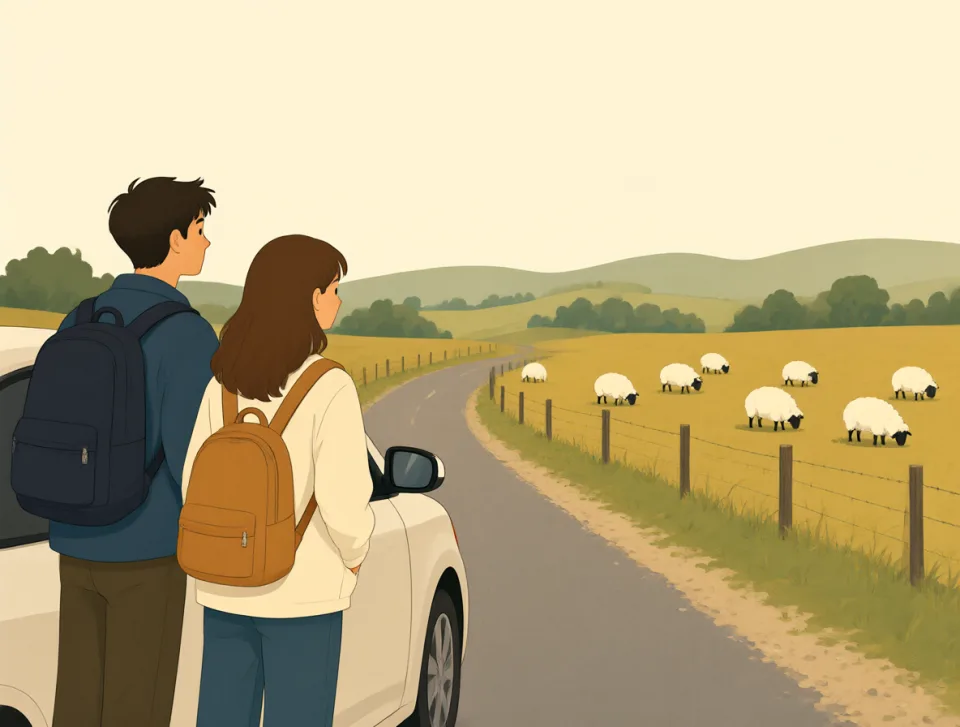
We saw a flock of sheep beside the road during our trip.
Podczas podróży zobaczyliśmy stado owiec przy drodze.
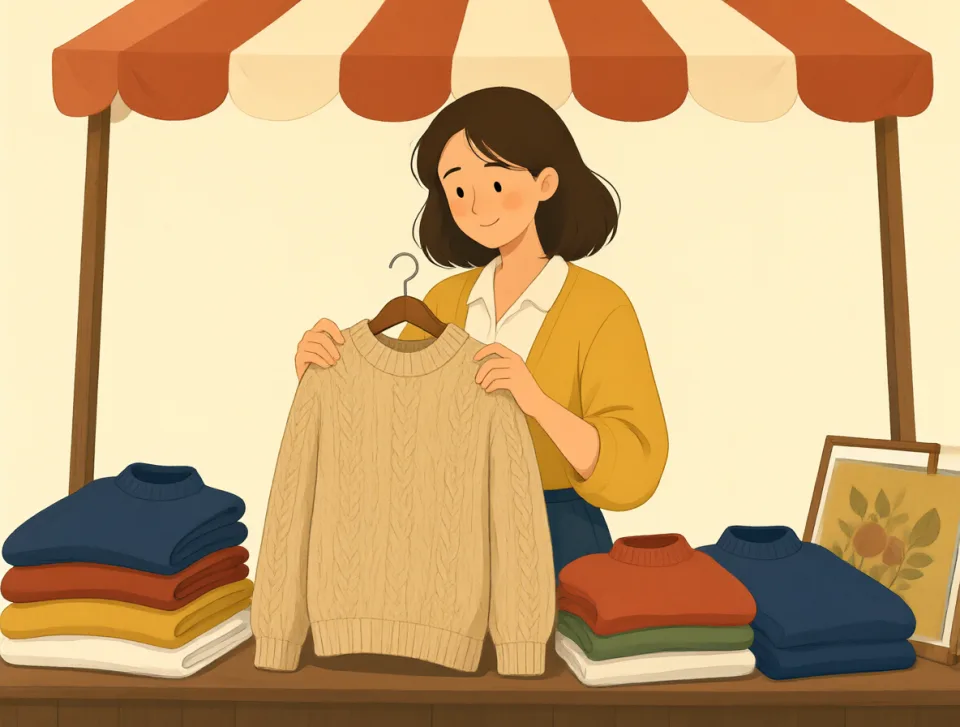
She bought a warm sweater made from sheep’s wool at the market.
Na targu kupiła ciepły sweter z owczej wełny.
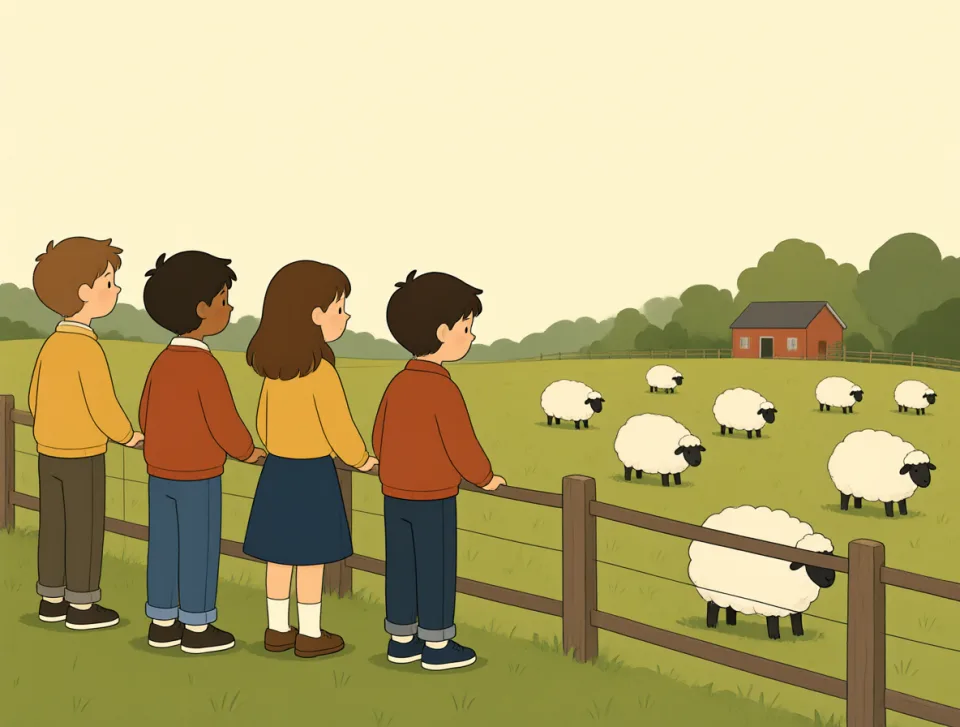
The children counted the sheep in their school’s farm visit.
Podczas szkolnej wycieczki na farmę dzieci policzyły owce.
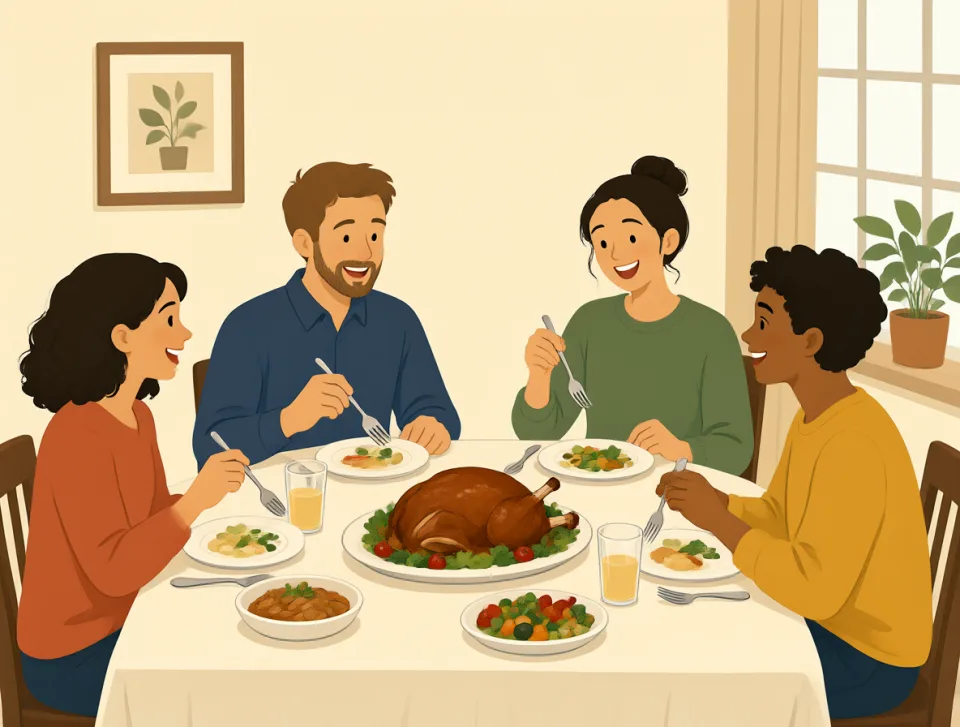
They served roast lamb, which comes from a young sheep, for dinner.
Na kolację podali pieczoną jagnięcinę, która pochodzi od młodej owcy.

lover
#2711noun
miłośnik
A person who loves someone or something very much.
Osoba, która bardzo kocha kogoś lub coś.
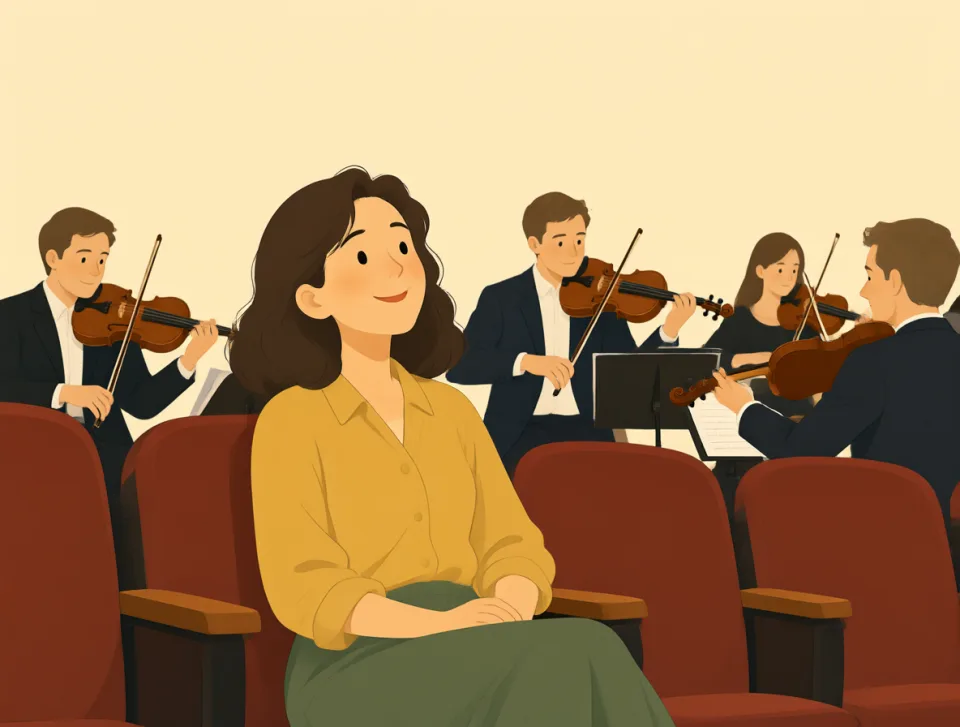
She is a great lover of classical music and attends concerts every month.
Jest wielką miłośniczką muzyki klasycznej i co miesiąc chodzi na koncerty.
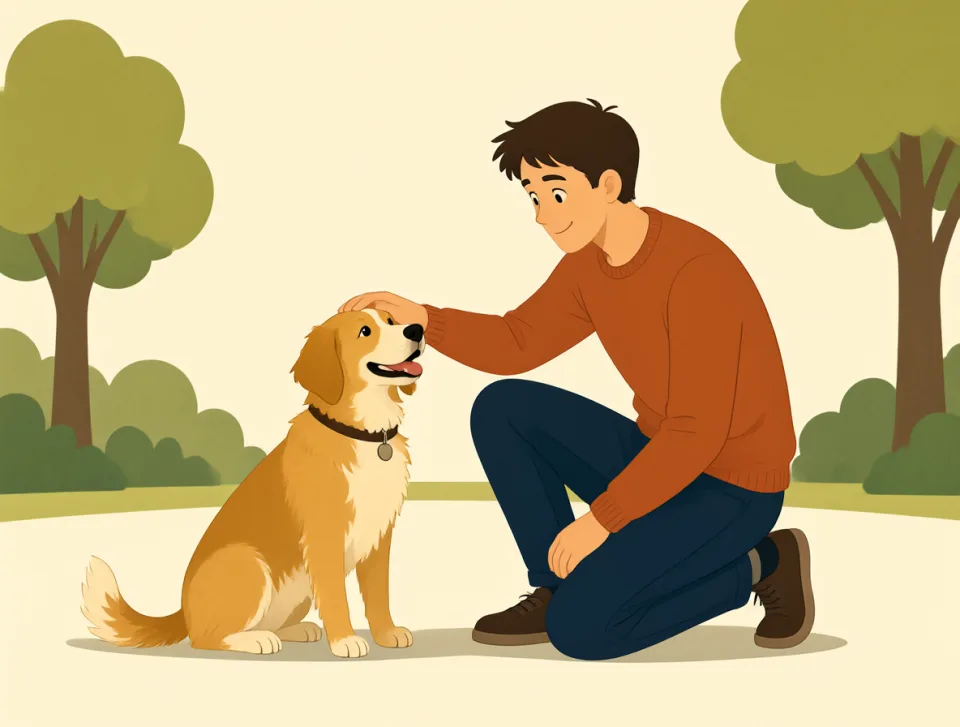
As a dog lover, he always stops to greet friendly dogs in the park.
Jako miłośnik psów zawsze zatrzymuje się, żeby przywitać przyjazne psy w parku.

My sister is a nature lover who spends weekends hiking in the mountains.
Moja siostra jest miłośniczką przyrody i spędza weekendy na wędrówkach po górach.

The two lovers walked along the beach together before sunset.
Zakochani spacerowali razem wzdłuż plaży przed zachodem słońca.
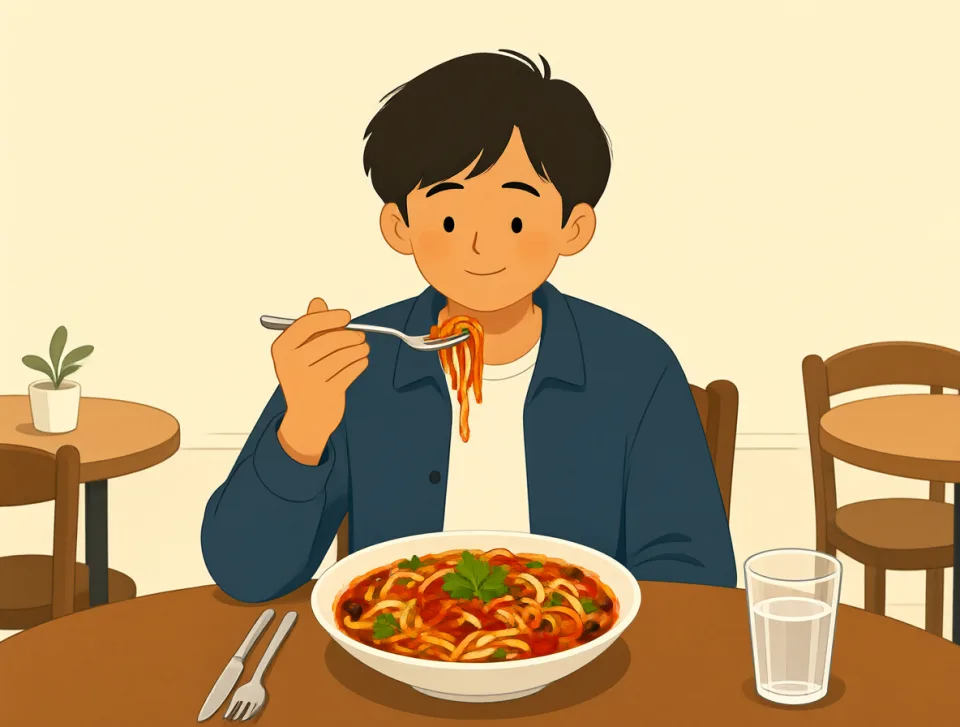
He became a lover of spicy food after traveling through Thailand.
Został miłośnikiem pikantnych potraw po podróży po Tajlandii.
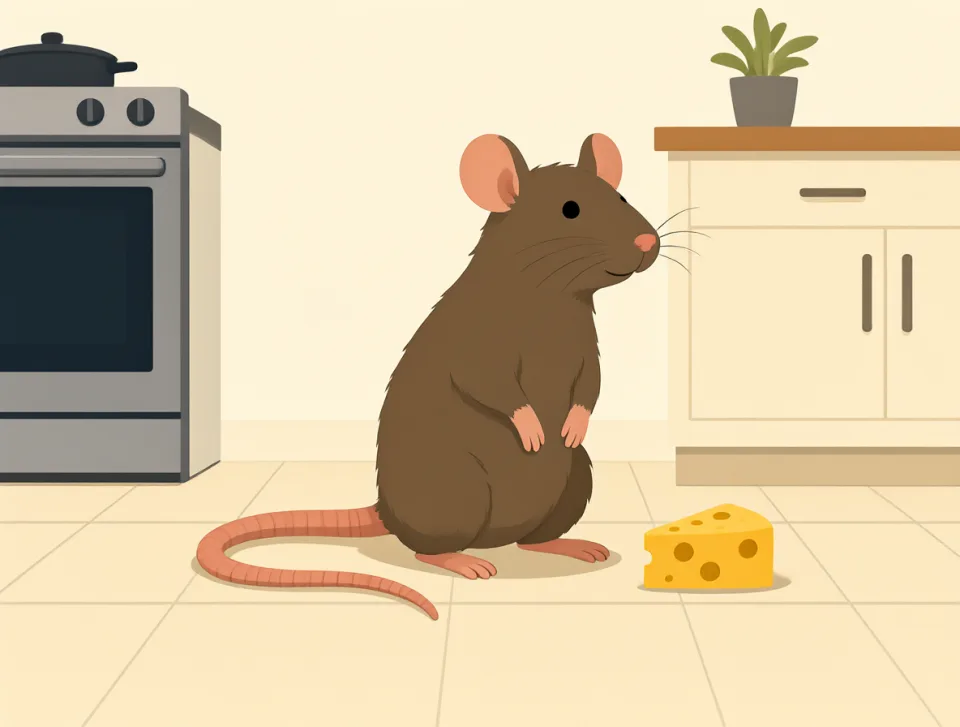
rat
#2712noun, verb
szczur
A small animal with a long tail, often living near people; to betray someone.
Małe zwierzę z długim ogonem, często żyjące w pobliżu ludzi; donosić na kogoś.
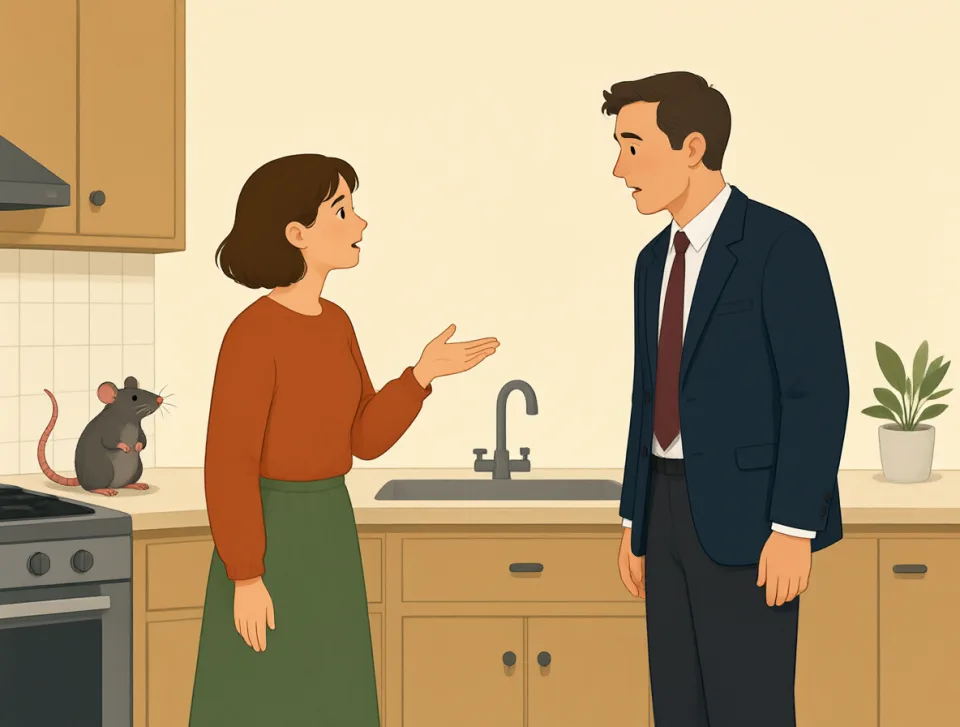
We found a rat in the kitchen and called the landlord.
Znaleźliśmy szczura w kuchni i zadzwoniliśmy do właściciela mieszkania.
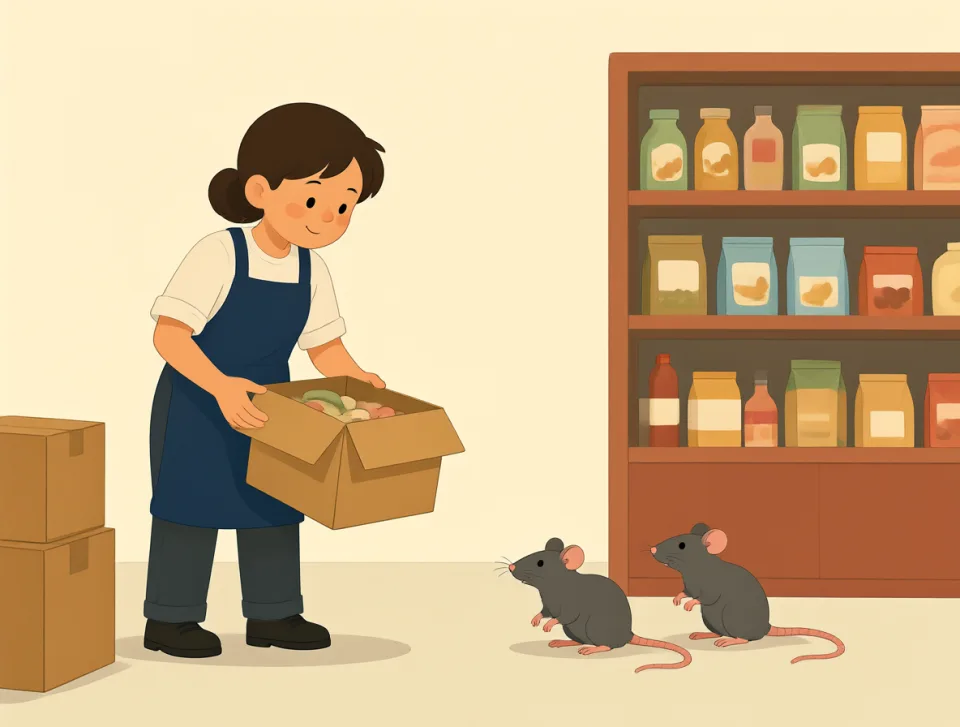
The shop closed early after workers saw rats near the food.
Sklep został wcześniej zamknięty, gdy pracownicy zobaczyli szczury w pobliżu jedzenia.
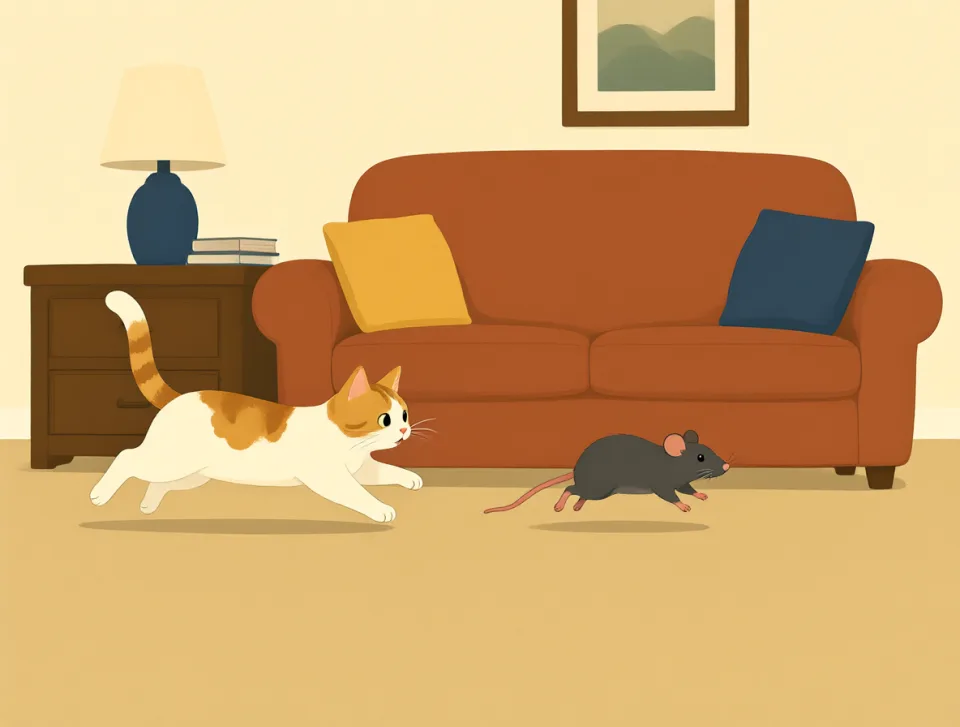
The cat chased a rat under the sofa while we watched.
Kot gonił szczura pod sofę, a my patrzyliśmy.

He was angry when his friend ratted him out to the teacher.
Był zły, gdy jego przyjaciel doniósł na niego nauczycielowi.
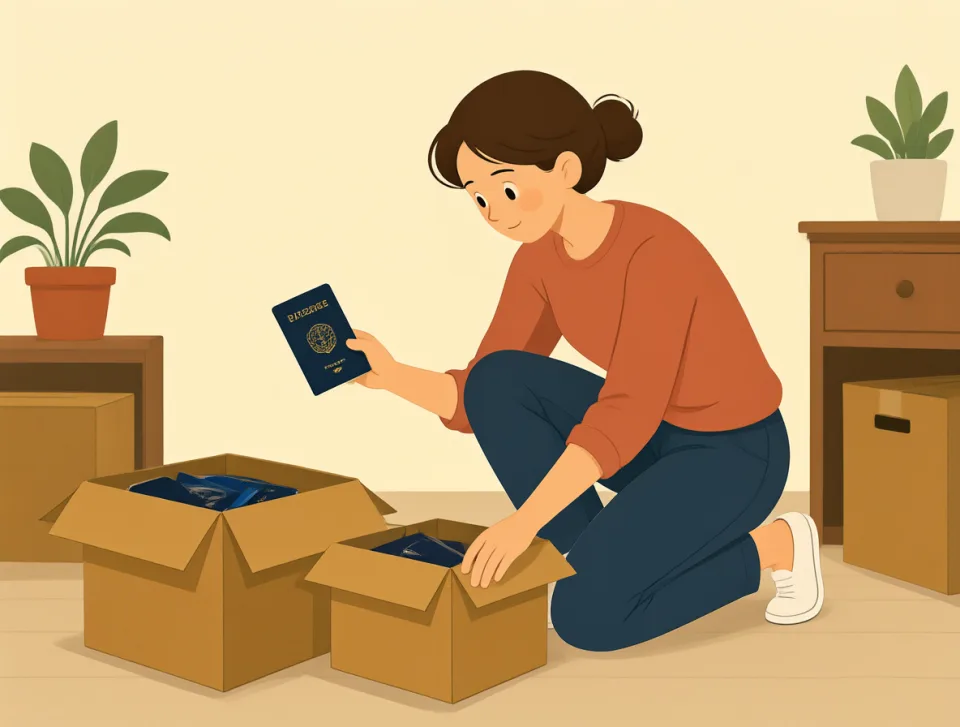
She has been ratting around in the old boxes for her passport.
Przeszukuje stare pudła w poszukiwaniu paszportu.

portrait
#2713noun
portret
A picture, drawing, or photograph of a person, especially showing their face.
Obraz, rysunek lub fotografia przedstawiające osobę, zwłaszcza jej twarz.
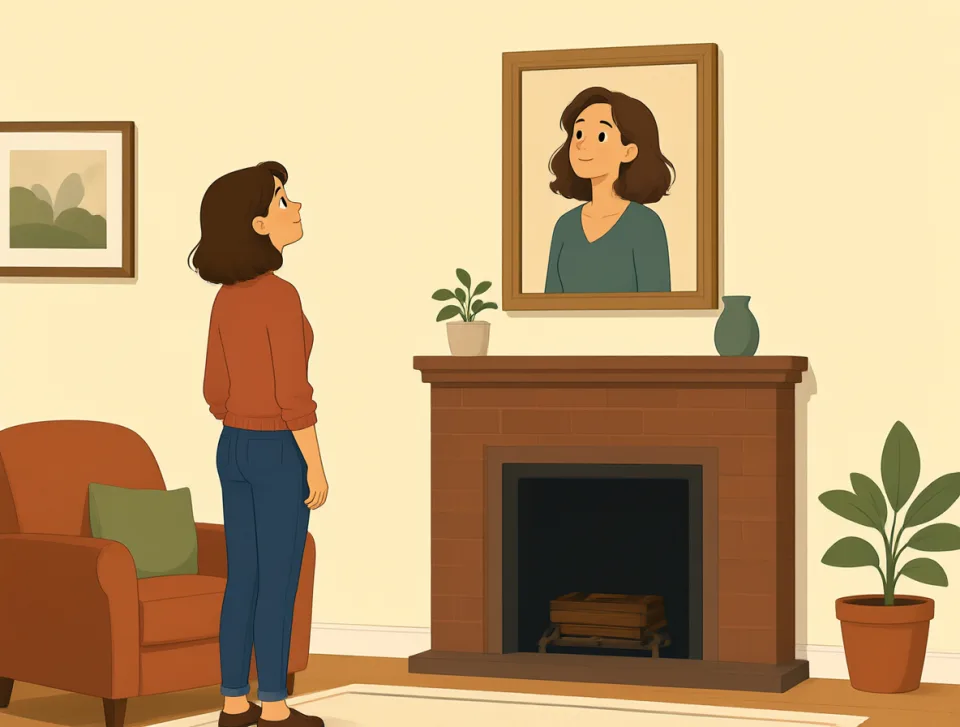
My grandmother keeps a portrait of my grandfather above the fireplace.
Moja babcia trzyma portret dziadka nad kominkiem.
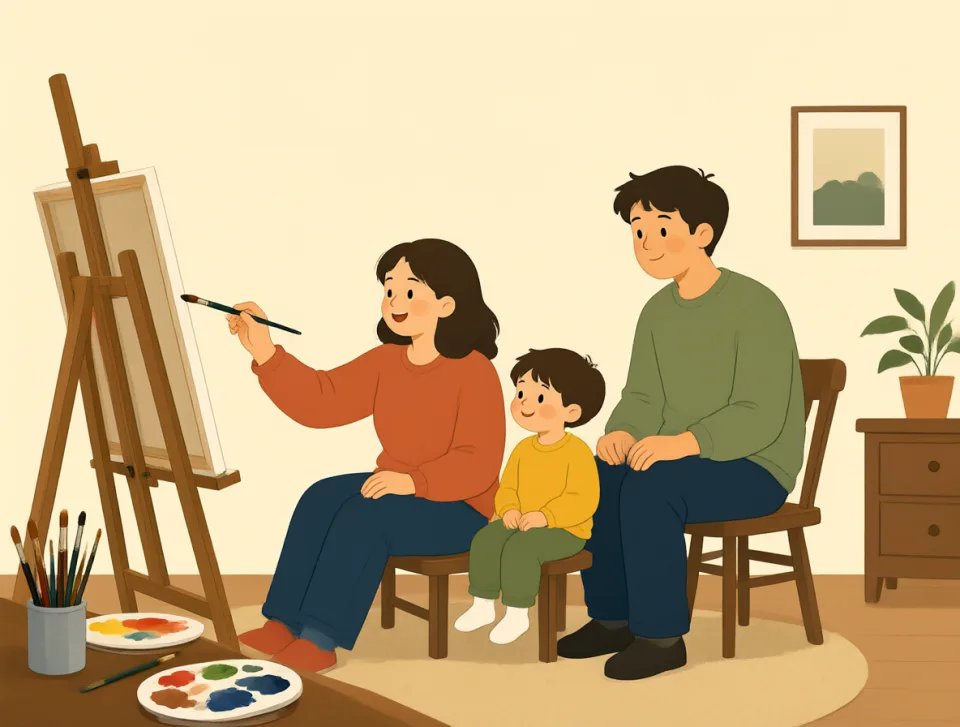
The artist painted a portrait of our family for the new house.
Artysta namalował portret naszej rodziny do nowego domu.
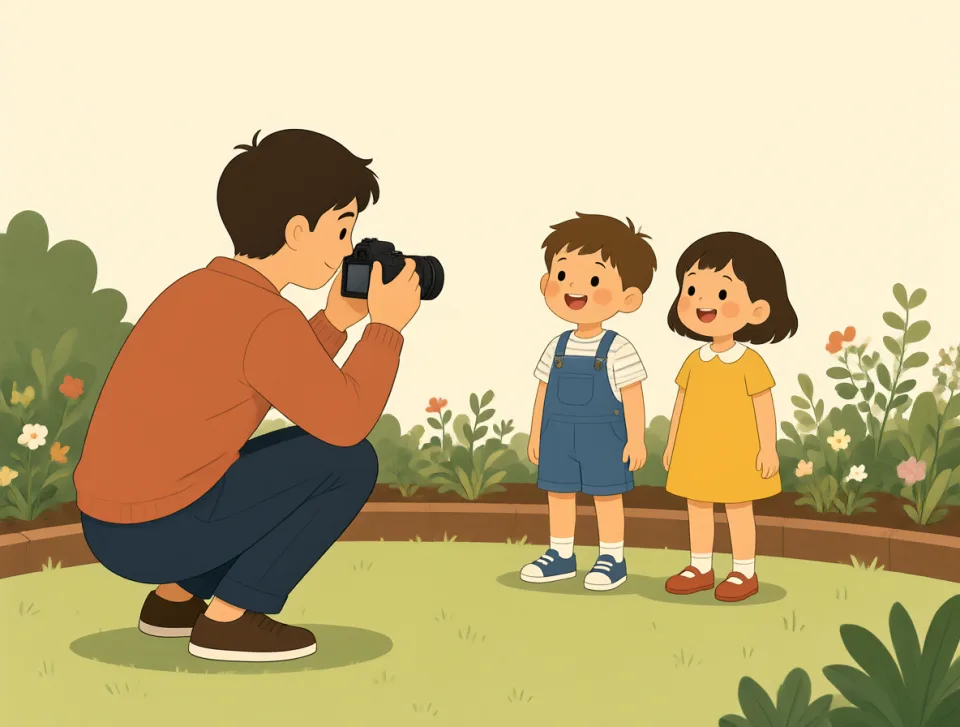
We took a portrait of the children in the garden before lunch.
Przed lunchem zrobiliśmy dzieciom portretowe zdjęcie w ogrodzie.
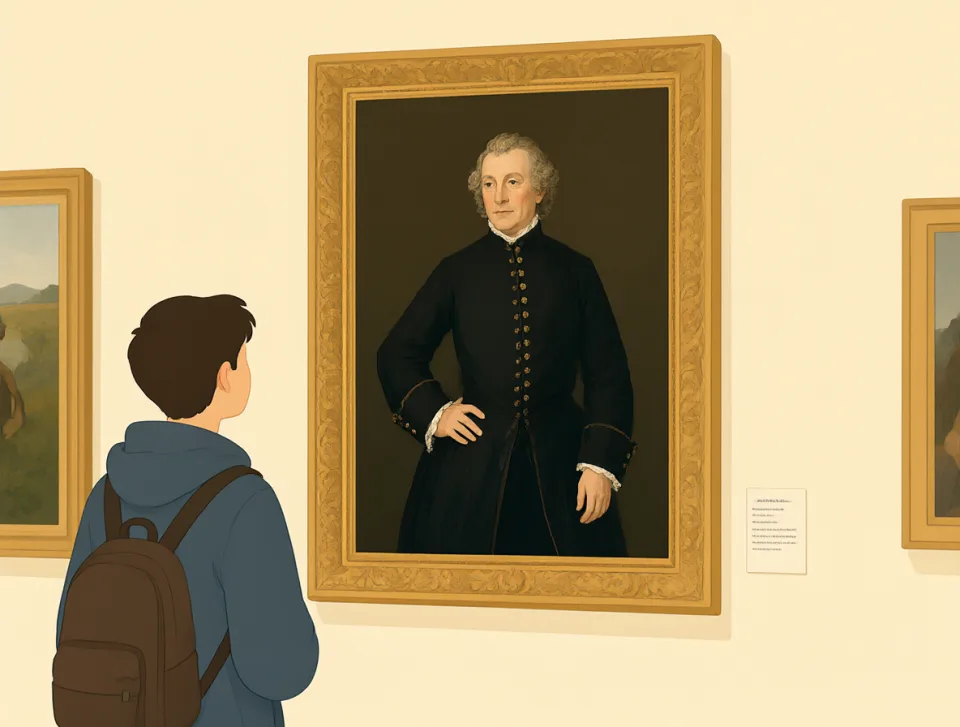
The museum displayed a portrait of the queen beside several landscapes.
W muzeum wystawiono portret królowej obok kilku pejzaży.
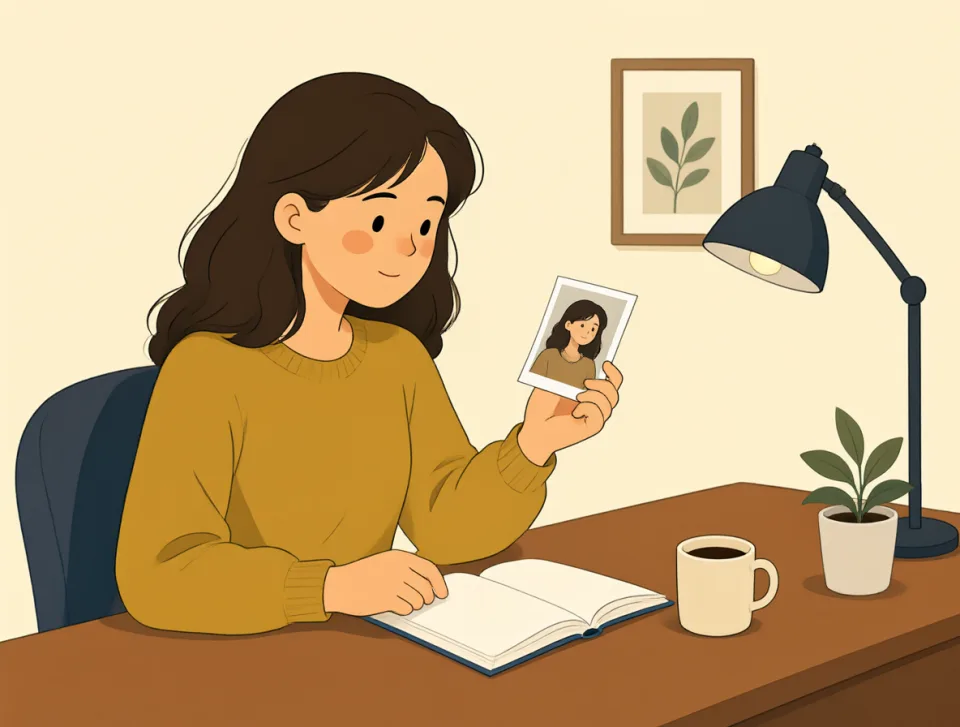
She chose a simple portrait for her profile photo at work.
Wybrała prosty portret na zdjęcie profilowe do pracy.
innocent
#2714adjective
niewinny
Not guilty of a crime or wrongdoing; not intending to cause harm.
Nieguilty of a crime or wrongdoing; not intending to cause harm.
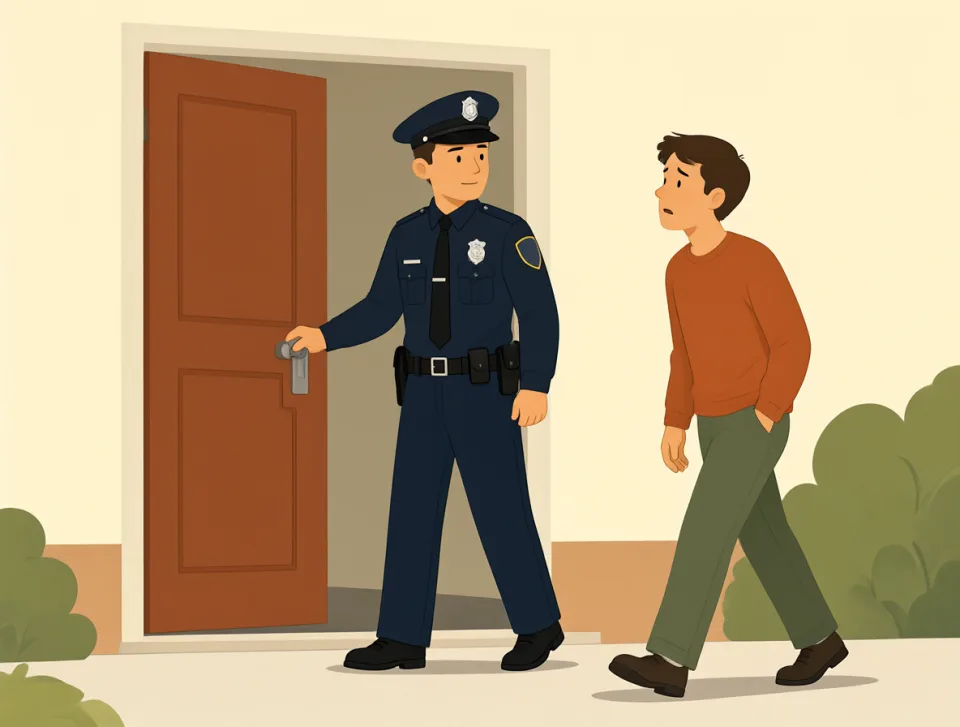
The police believed the innocent man and released him that evening.
Policja uwierzyła niewinnemu mężczyźnie i zwolniła go tego wieczoru.
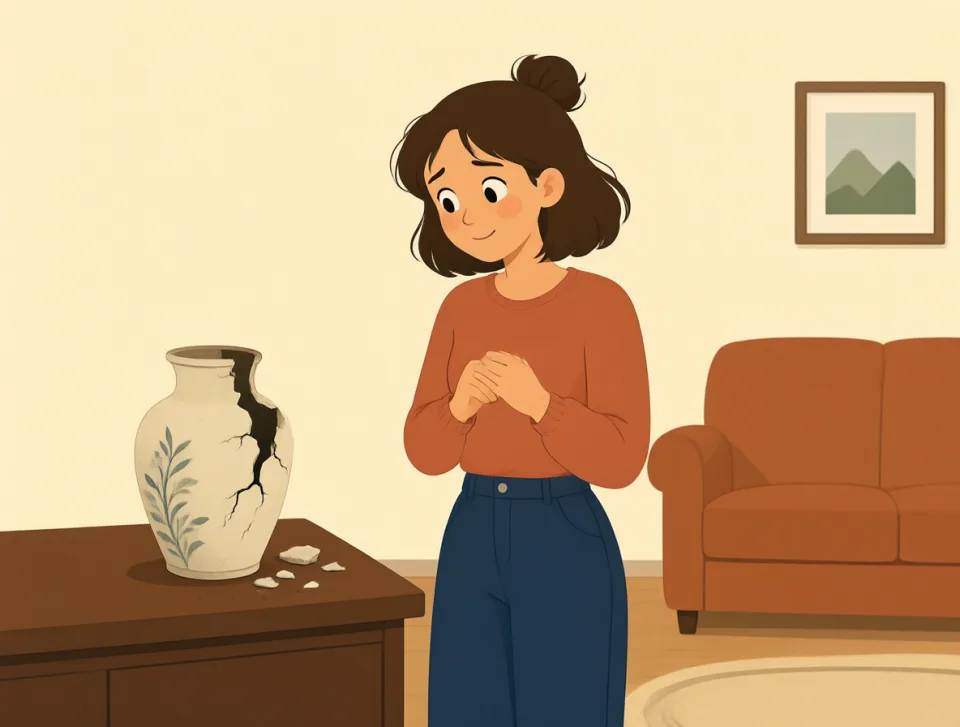
She gave me an innocent smile after accidentally breaking the vase.
Po przypadkowym stłuczeniu wazonu uśmiechnęła się do mnie niewinnie.

The teacher knew the student was innocent of cheating on the test.
Nauczyciel wiedział, że uczeń nie ściągał na teście.
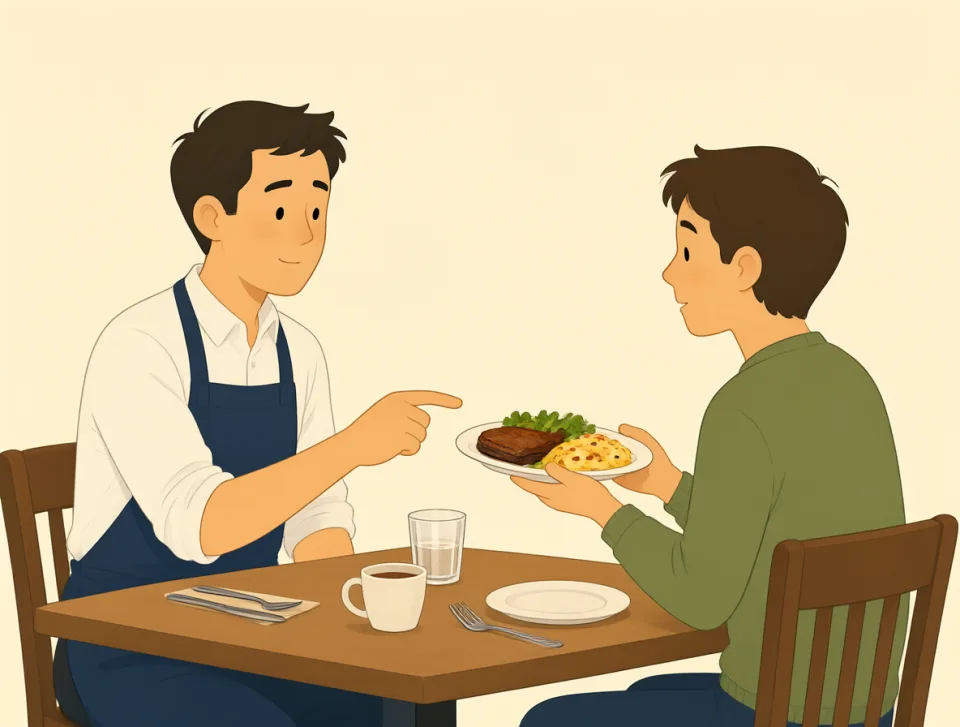
It was an innocent mistake, so nobody blamed him for the wrong order.
To była niewinna pomyłka, więc nikt nie obwiniał go za błędne zamówienie.
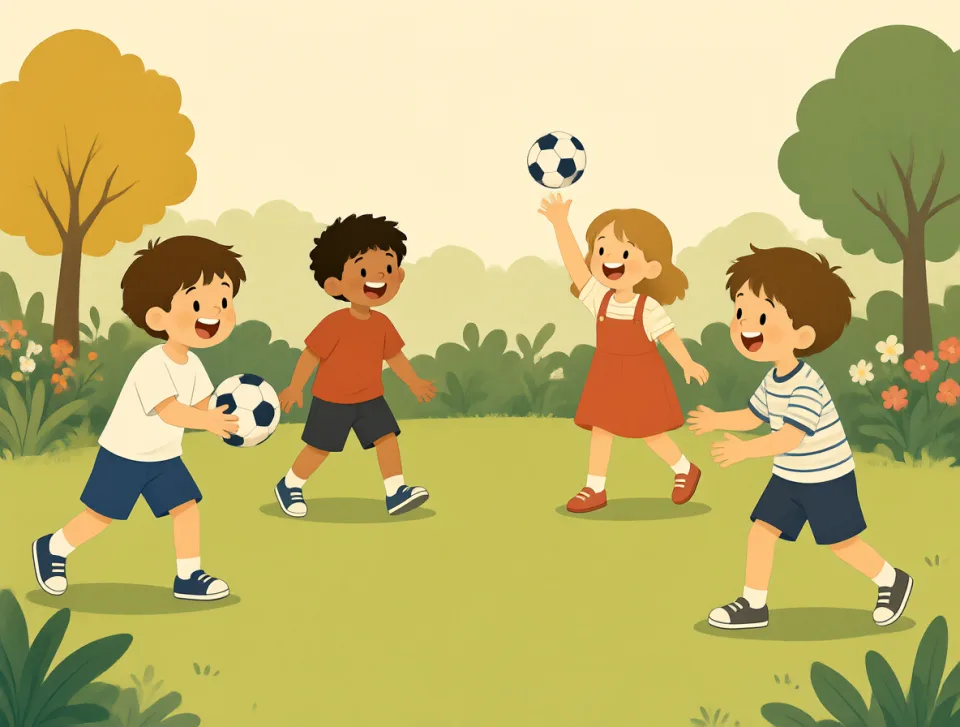
The children played an innocent game in the garden after lunch.
Po lunchu dzieci bawiły się w niewinną zabawę w ogrodzie.

substitute
#2715noun, verb
zastępstwo
A person or thing used instead of another; to use someone or something in its place.
Osoba lub rzecz używana zamiast innej; używać kogoś lub czegoś w jej miejsce.
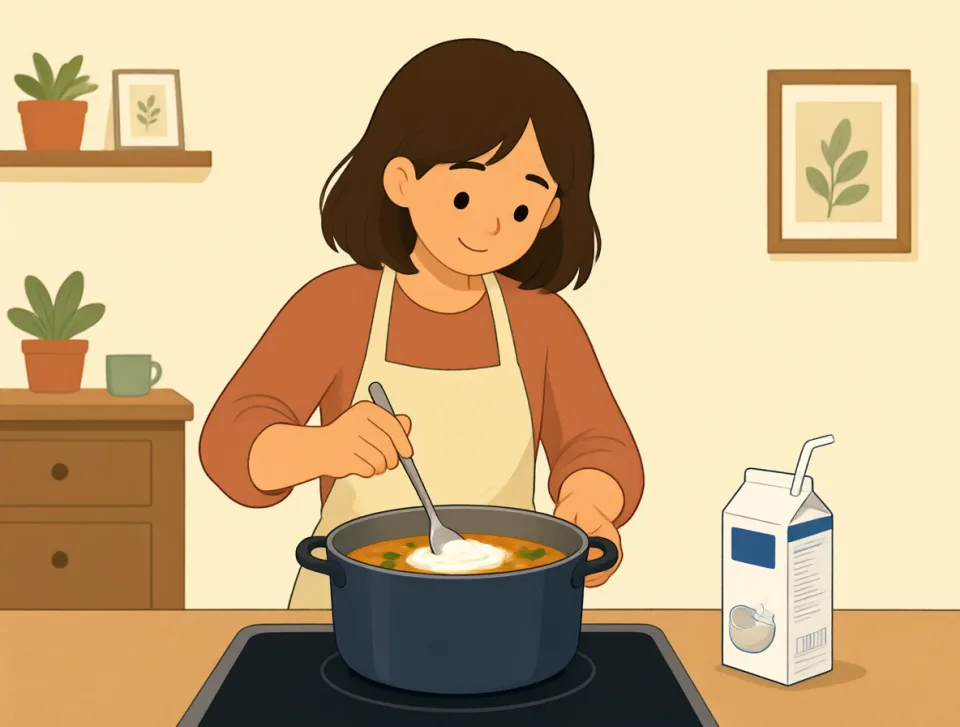
Maya used yogurt as a substitute for cream in the soup.
Maya użyła jogurtu zamiast śmietany do zupy.
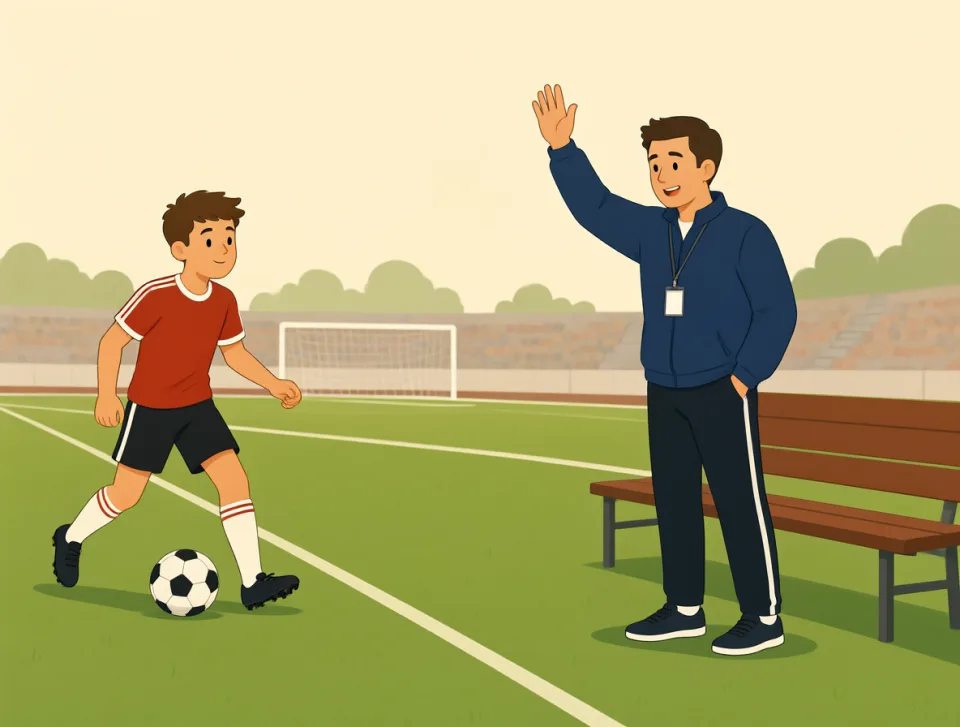
The coach asked a substitute to join the game after Leo hurt his ankle.
Trener poprosił rezerwowego, żeby wszedł do gry, gdy Leo skręcił kostkę.
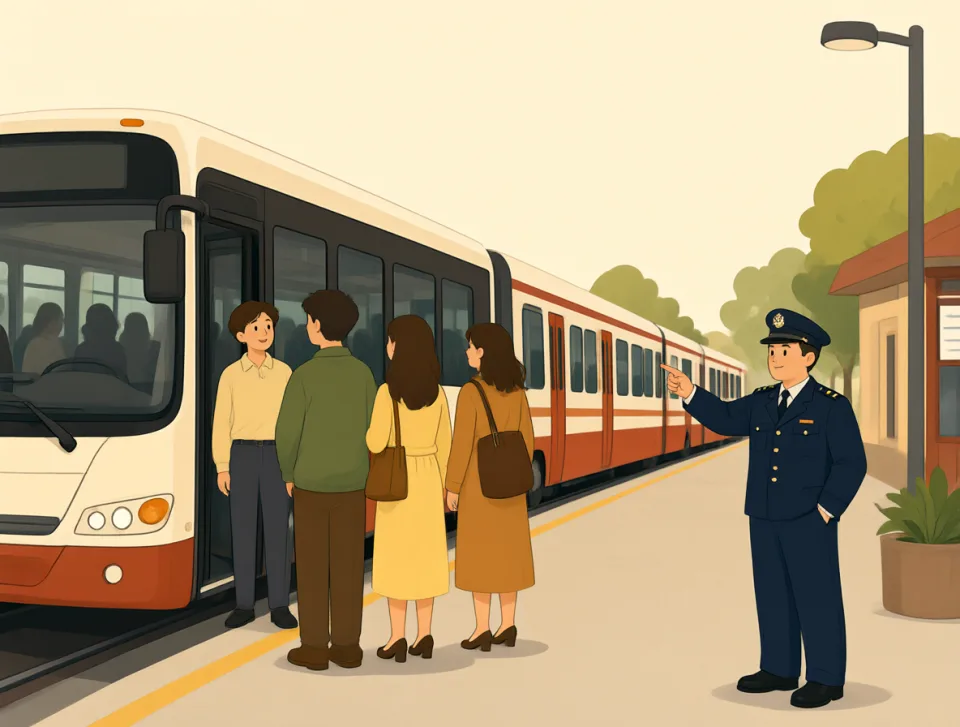
We had to substitute a bus for the train after the line closed.
Po zamknięciu linii musieliśmy pojechać autobusem zamiast pociągiem.
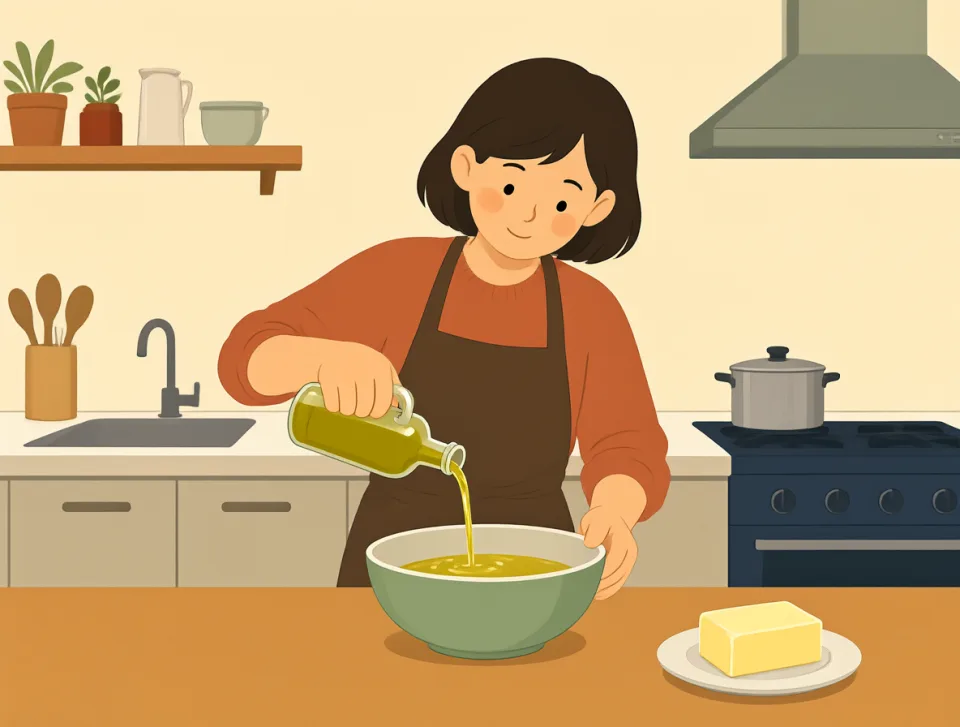
Can you substitute olive oil for butter in this cake recipe?
Czy w tym przepisie na ciasto możesz zastąpić masło oliwą?

The school hired a substitute teacher while Ms. Green was away.
Szkoła zatrudniła nauczyciela na zastępstwo podczas nieobecności pani Green.
supplement
#2716noun, verb
suplement
Something added to improve or complete something; to add something extra.
Coś dodanego, by coś ulepszyć lub uzupełnić; dodawać coś ekstra.
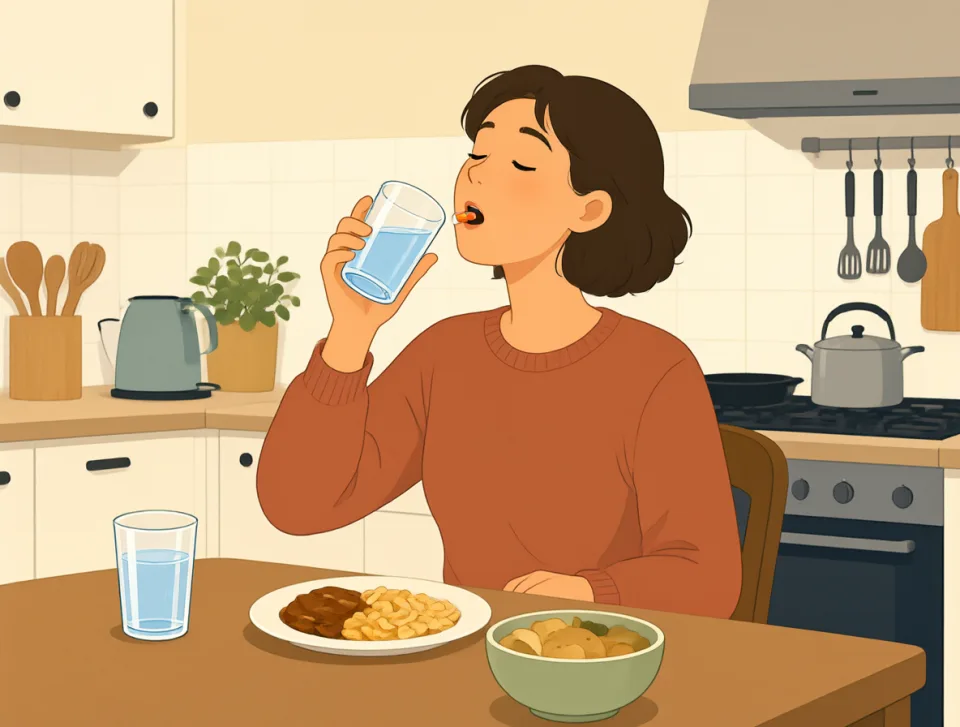
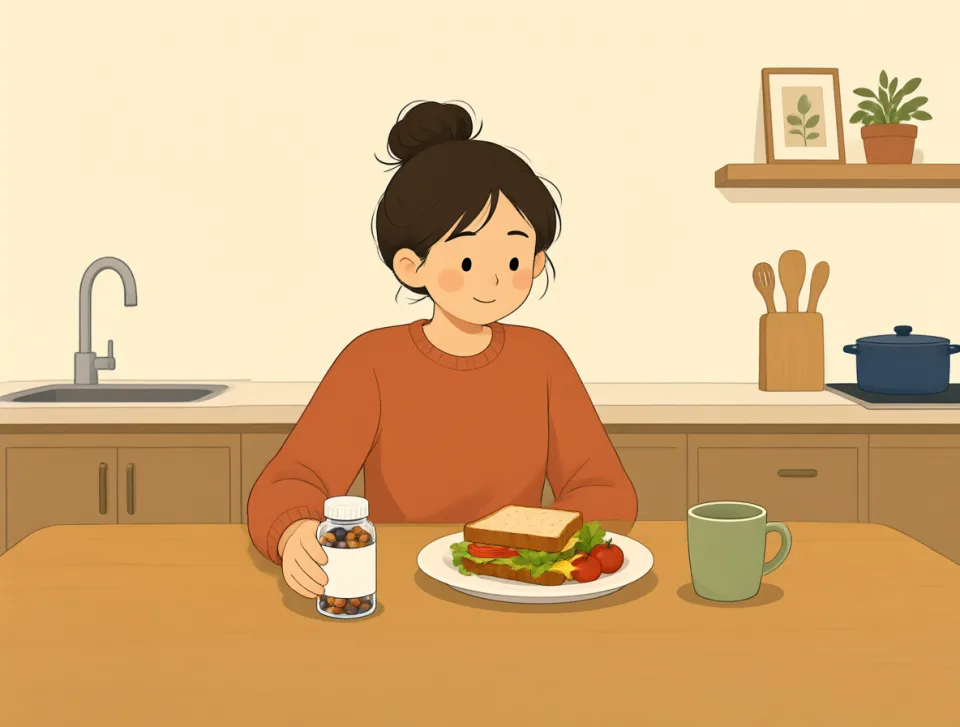
She takes a vitamin supplement each morning with breakfast.
Codziennie rano, do śniadania, bierze suplement witaminowy.
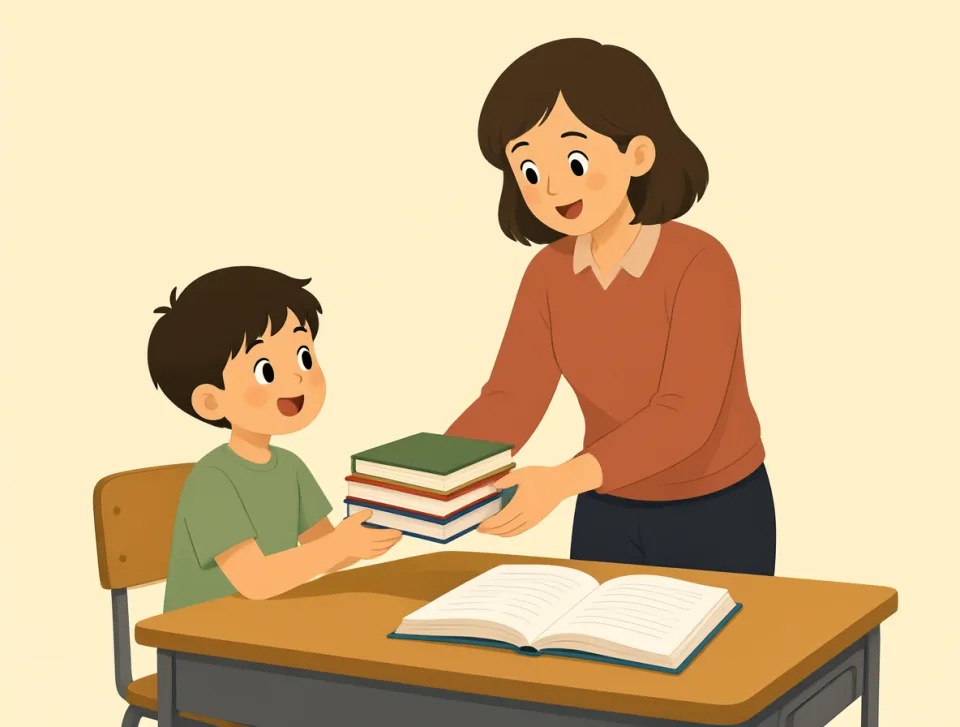
The teacher gave us a reading list to supplement our textbook.
Nauczyciel dał nam listę lektur, która uzupełniała nasz podręcznik.

He earns extra money by working weekend shifts to supplement his income.
Dorobek do pensji, pracując w weekendy na zmiany.
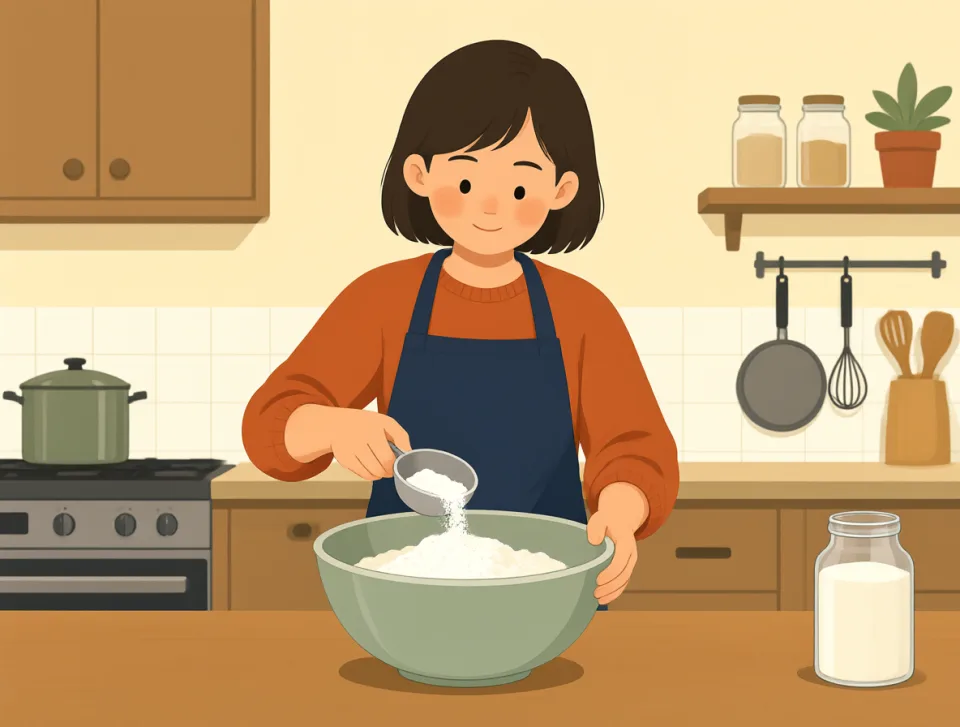
Add a little more flour to supplement the mixture if it feels too wet.
Jeśli masa wydaje się zbyt rzadka, dosyp trochę mąki, żeby ją uzupełnić.
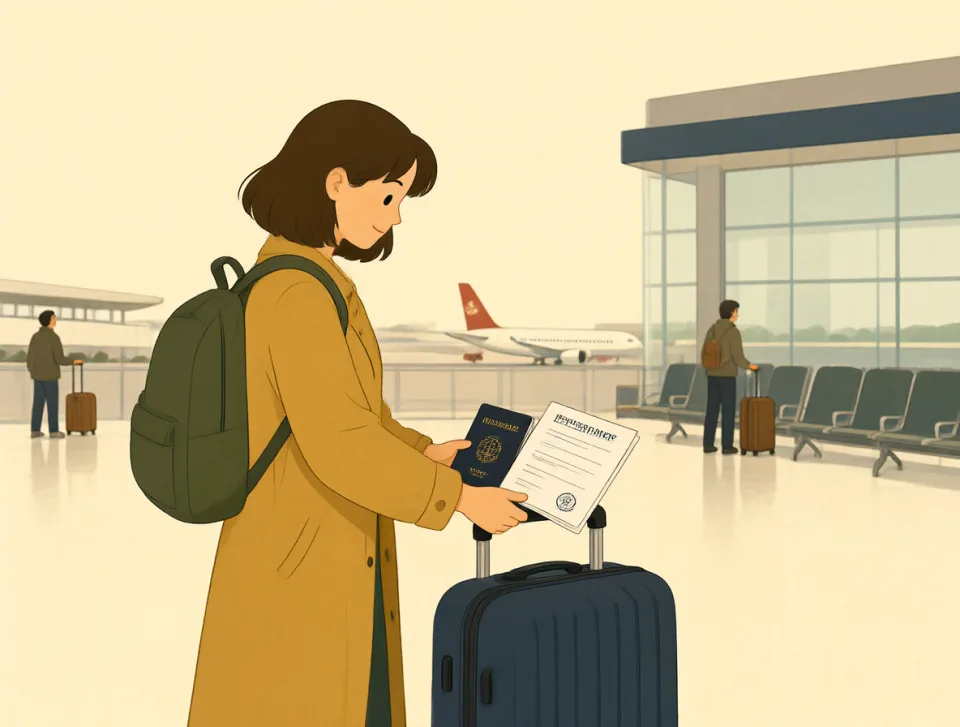
The travel insurance supplements the medical cover included with her credit card.
Ubezpieczenie podróżne uzupełnia ochronę medyczną zawartą w jej karcie kredytowej.
adjustment
#2717noun
dostosowanie
A small change made to improve something or help it fit a new situation.
Niewielka zmiana wprowadzona, by coś ulepszyć lub dopasować do nowej sytuacji.
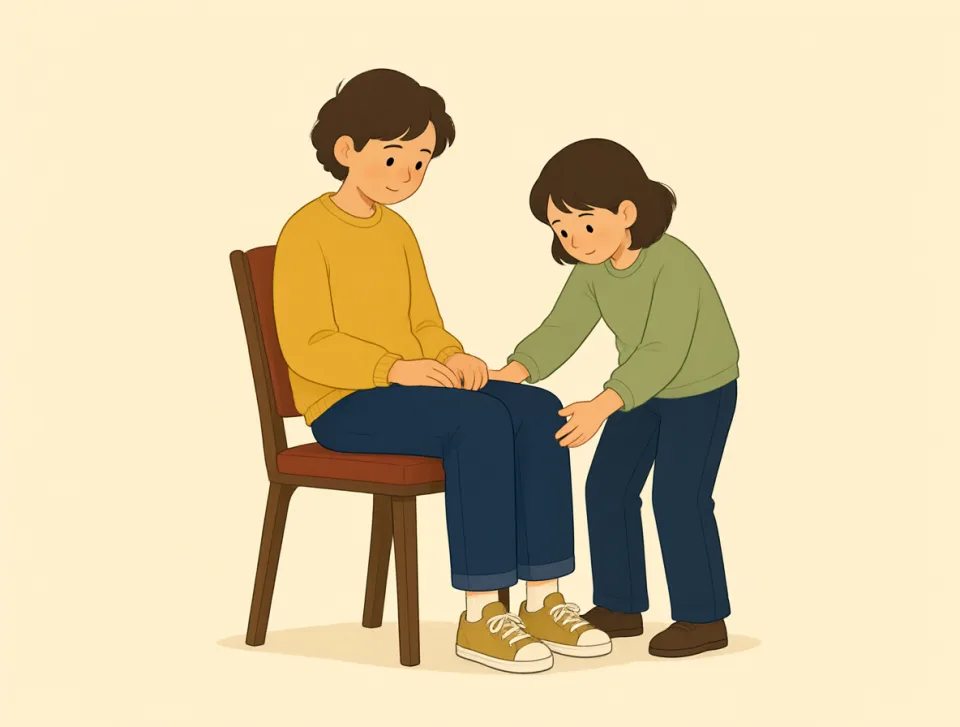
The chair needs a small adjustment before my back feels comfortable.
Trzeba trochę wyregulować krzesło, żebym mógł wygodnie usiąść.

We made a few adjustments to the schedule after the meeting ran late.
Po tym, jak spotkanie się przedłużyło, wprowadziliśmy kilka zmian w harmonogramie.

It took Mia a week to make the adjustment to her new school.
Mia potrzebowała tygodnia, żeby przyzwyczaić się do nowej szkoły.
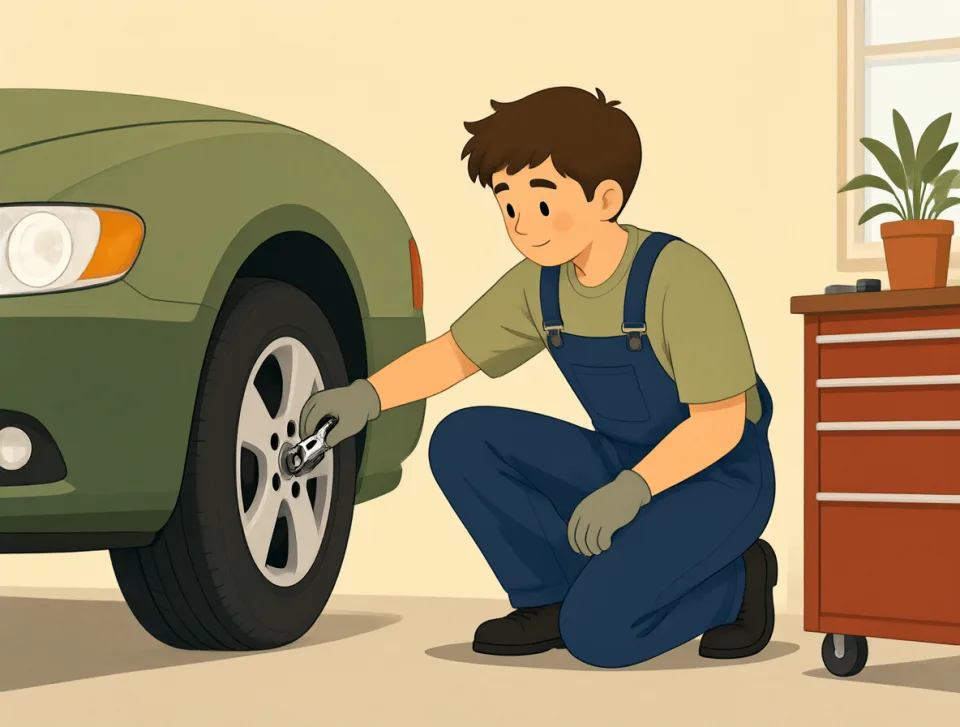
The mechanic made an adjustment to the brakes before our trip.
Mechanik wyregulował hamulce przed naszą podróżą.
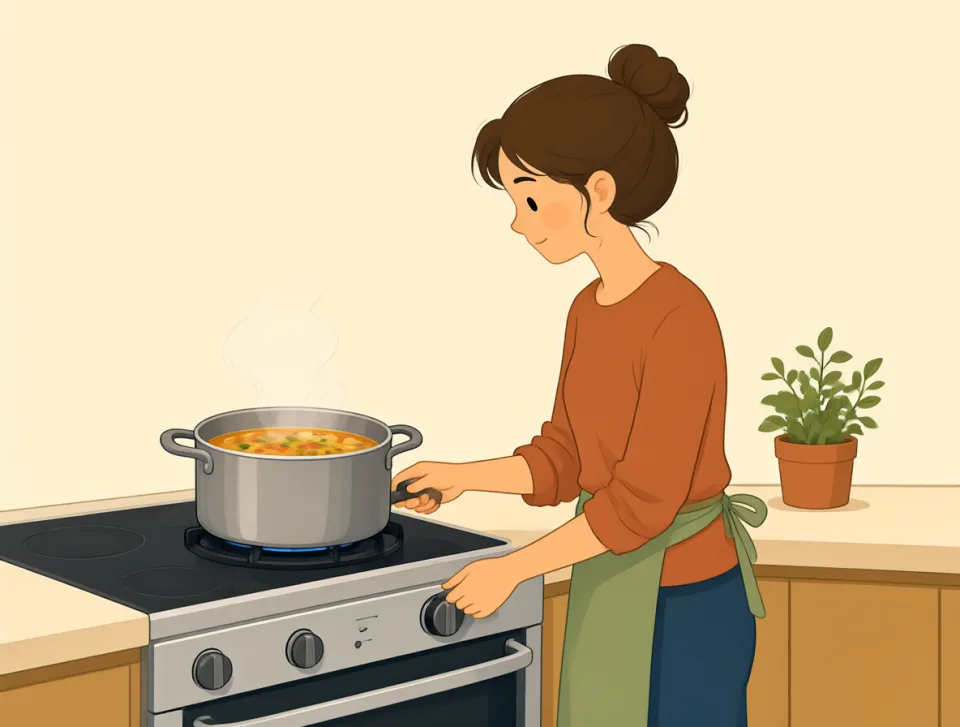
After the adjustment in temperature, the soup tasted much better.
Po zmianie temperatury zupa smakowała o wiele lepiej.

reasonably
#2718adverb
dość
To a fair or acceptable degree, or in a way that is sensible and not extreme.
W stopniu wystarczającym lub akceptowalnym albo w rozsądny, umiarkowany sposób.
The hotel room was reasonably clean and comfortable for the price.
Pokój hotelowy był dość czysty i wygodny jak na tę cenę.

We left reasonably early, so we reached the airport before the crowds arrived.
Wyjechaliśmy dość wcześnie, więc dotarliśmy na lotnisko, zanim przybyły tłumy.

She earns reasonably well, but still saves money for unexpected bills.
Zarabia całkiem dobrze, ale nadal oszczędza pieniądze na nieprzewidziane wydatki.
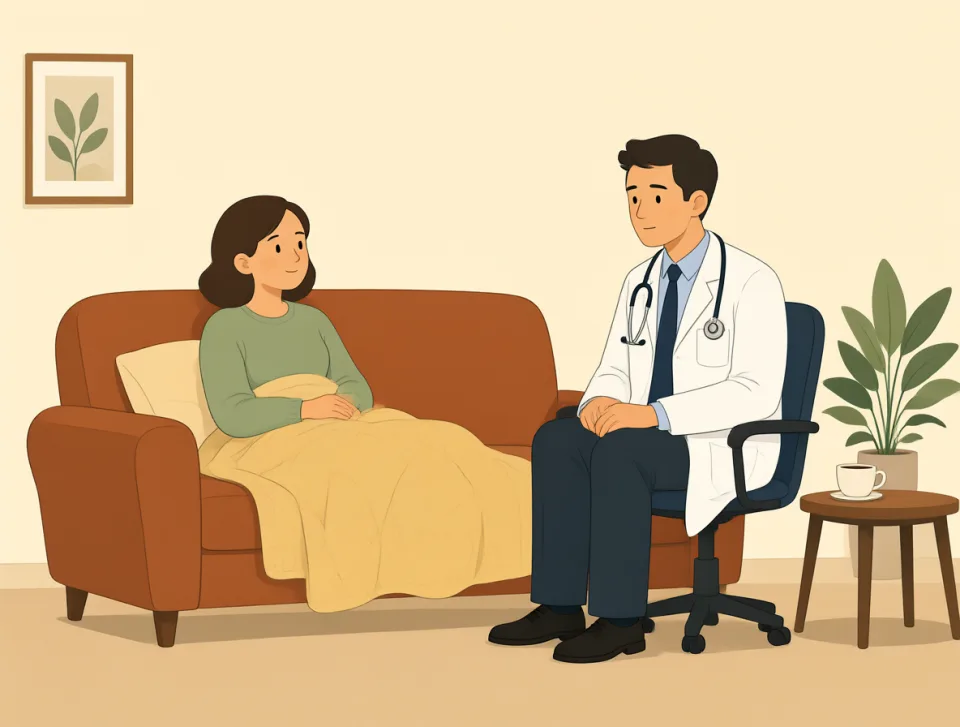
The doctor said I should recover reasonably quickly if I rest this week.
Lekarz powiedział, że jeśli w tym tygodniu odpocznę, powinienem dość szybko wrócić do zdrowia.
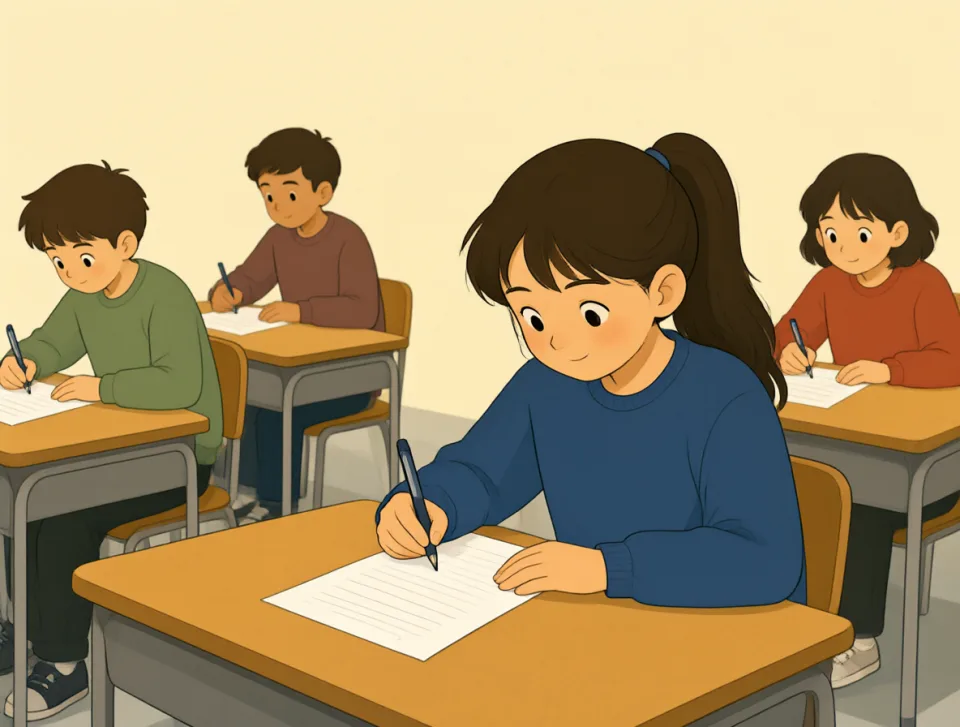
The teacher gave us a reasonably difficult quiz to prepare for the final exam.
Nauczyciel dał nam dość trudny test, żeby przygotować nas do egzaminu końcowego.
filter
#2719noun, verb
filtr
A device or process that removes unwanted things, or to pass something through it.
Urządzenie lub proces, który usuwa niepożądane elementy; także przepuszczać coś przez filtr.
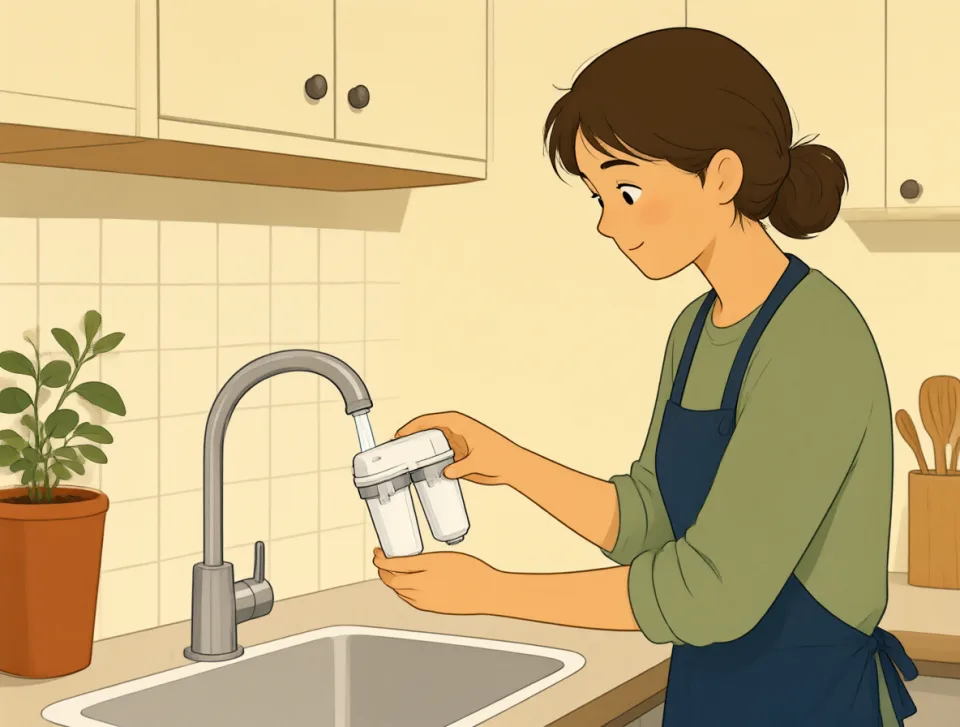
I changed the water filter because the tap water tasted strange.
Wymieniłem filtr do wody, bo woda z kranu miała dziwny smak.
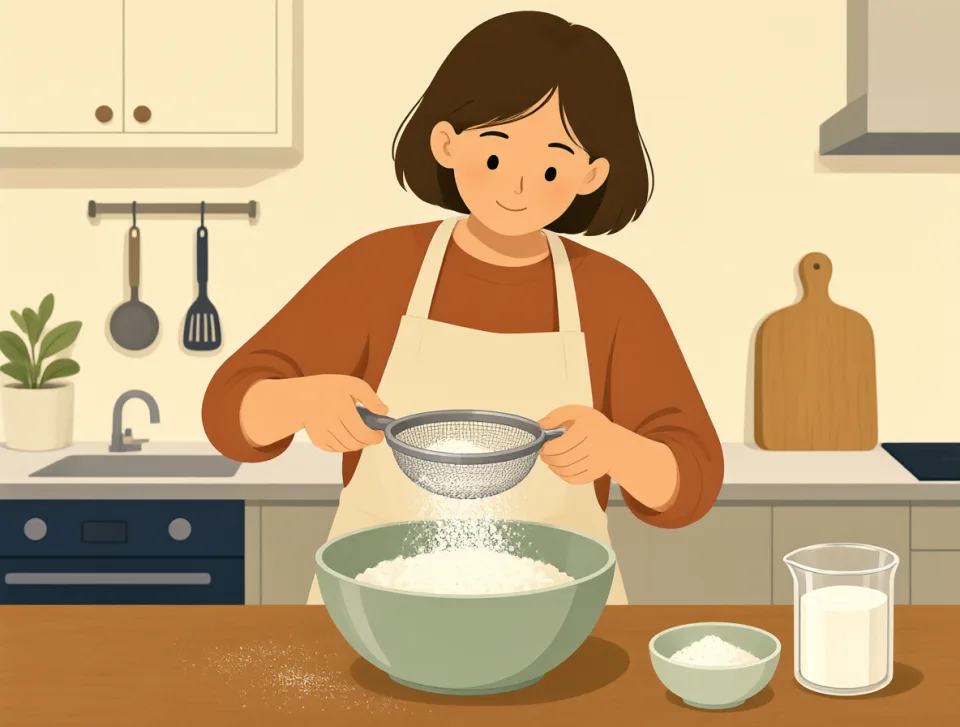
Please filter the flour before you add it to the cake mixture.
Przesiej mąkę, zanim dodasz ją do masy na ciasto.
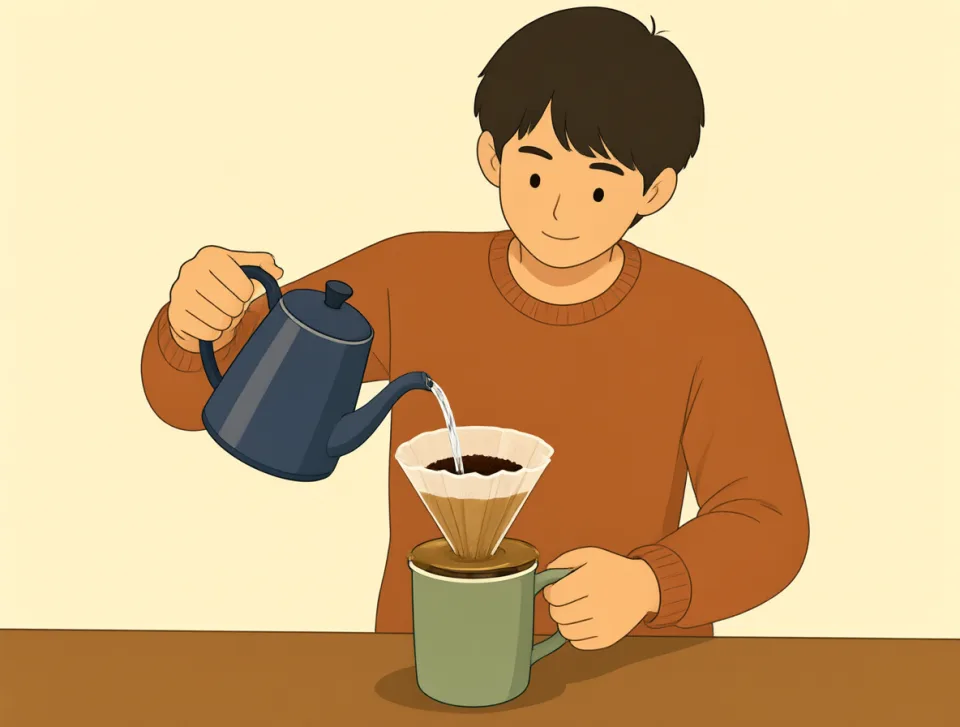
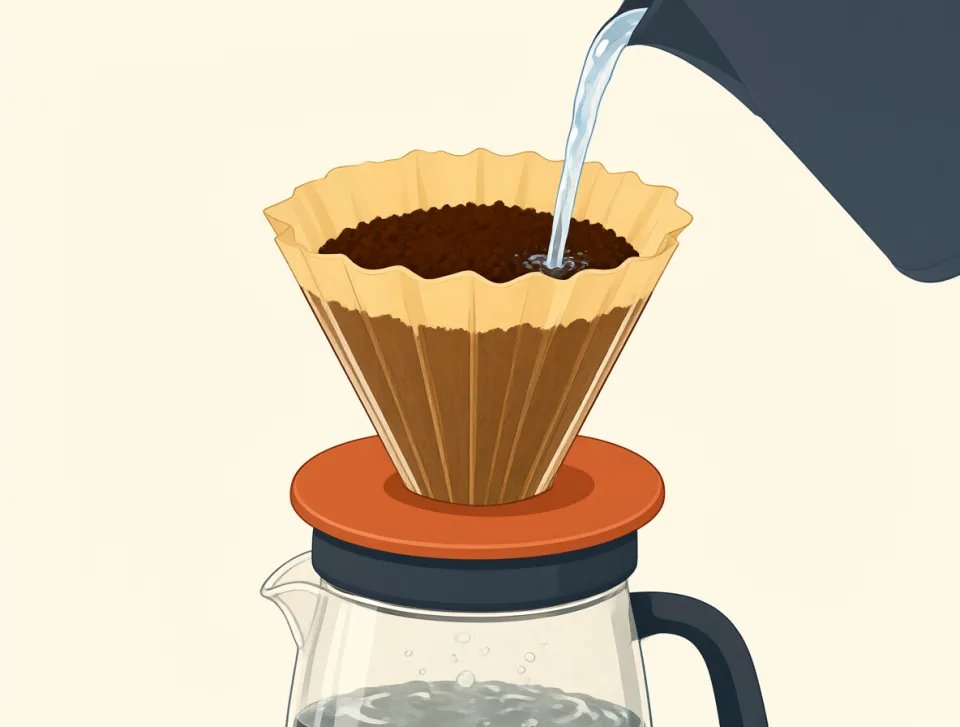
We used a coffee filter to keep the grounds out of our cups.
Użyliśmy filtra do kawy, żeby fusy nie trafiały do naszych filiżanek.

The hiring manager filtered out applications that did not meet the basic requirements.
Kierownik ds. rekrutacji odrzucił aplikacje, które nie spełniały podstawowych wymagań.
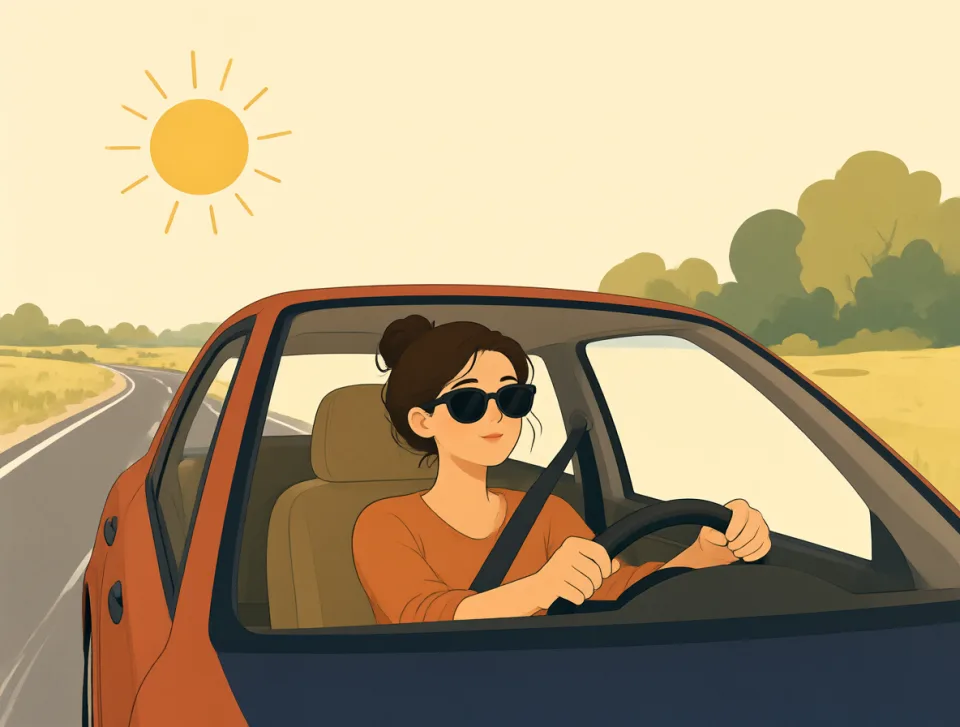
She wore sunglasses to filter the bright sunlight on the drive home.
Założyła okulary przeciwsłoneczne, żeby osłonić oczy przed ostrym słońcem w drodze do domu.

flexible
#2720adjective
elastyczny
Able to change or be changed easily to suit different situations or needs.
Taki, który łatwo można zmienić lub który łatwo się zmienia, aby dostosować się do różnych sytuacji lub potrzeb.

My manager is flexible about when I start work, as long as I finish my tasks.
Mój przełożony jest elastyczny, jeśli chodzi o godzinę rozpoczęcia pracy, o ile wykonuję wszystkie zadania.
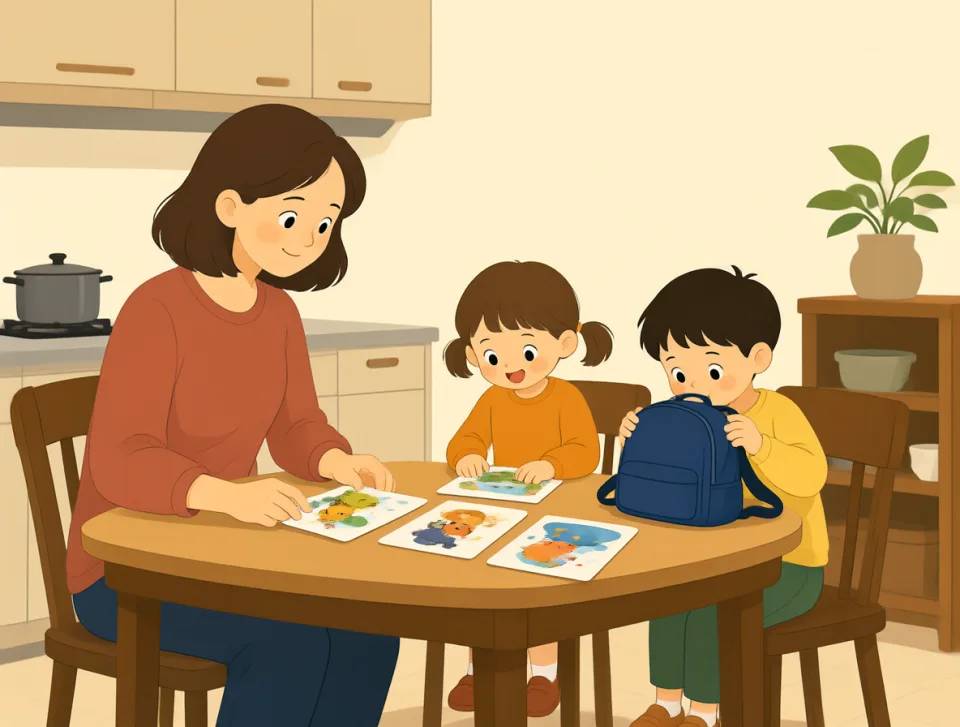
We need a flexible schedule because the children have different school activities each week.
Potrzebujemy elastycznego harmonogramu, bo dzieci mają co tydzień różne zajęcia szkolne.

The hotel offered flexible booking, so we could change our travel dates without a fee.
Hotel oferował elastyczne warunki rezerwacji, dzięki czemu mogliśmy zmienić daty podróży bez dodatkowej opłaty.
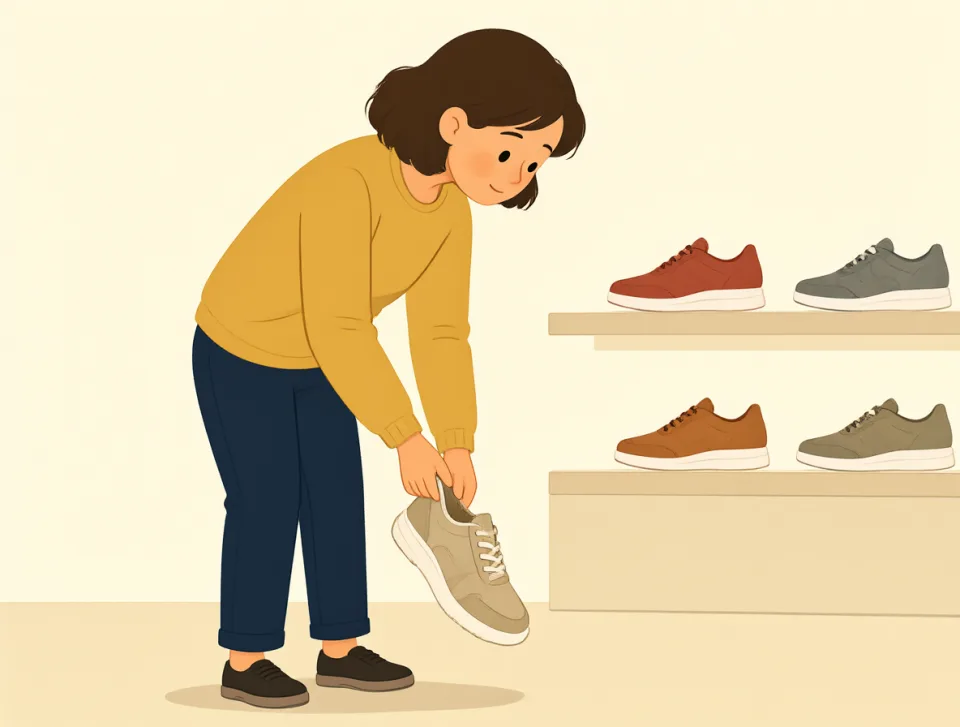
These flexible shoes are comfortable enough for walking around the city all day.
Te elastyczne buty są na tyle wygodne, że można w nich cały dzień chodzić po mieście.
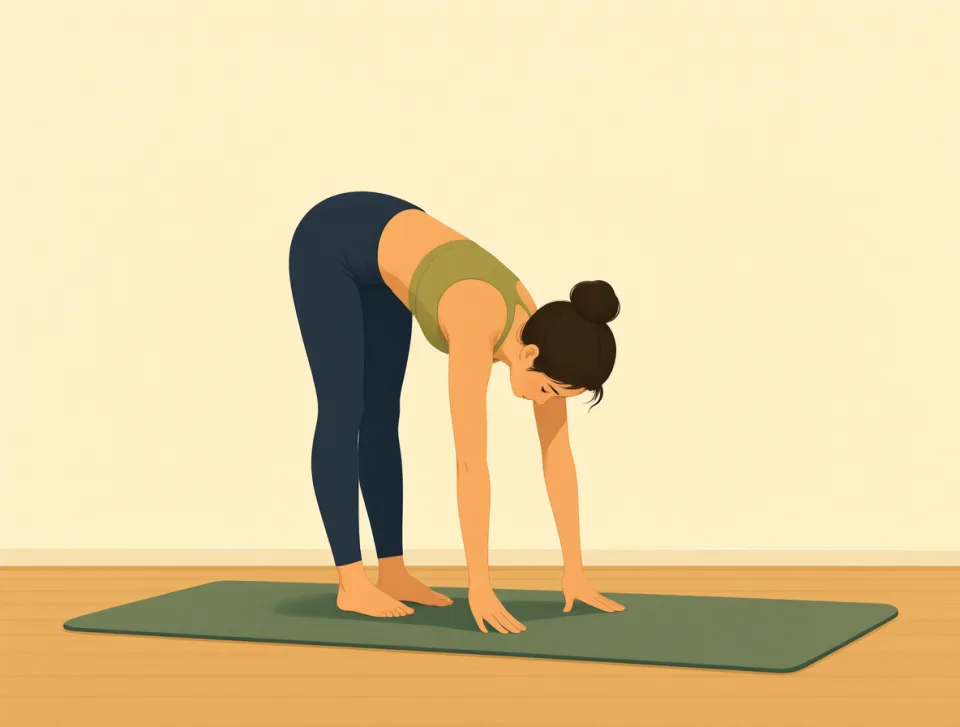
The yoga teacher is flexible enough to place both hands flat on the floor.
Nauczyciel jogi jest na tyle rozciągnięty, że potrafi położyć obie dłonie płasko na podłodze.