Zestaw 112
Słowa 2221–2240 · knee, overcome, web, depth, entrance, log
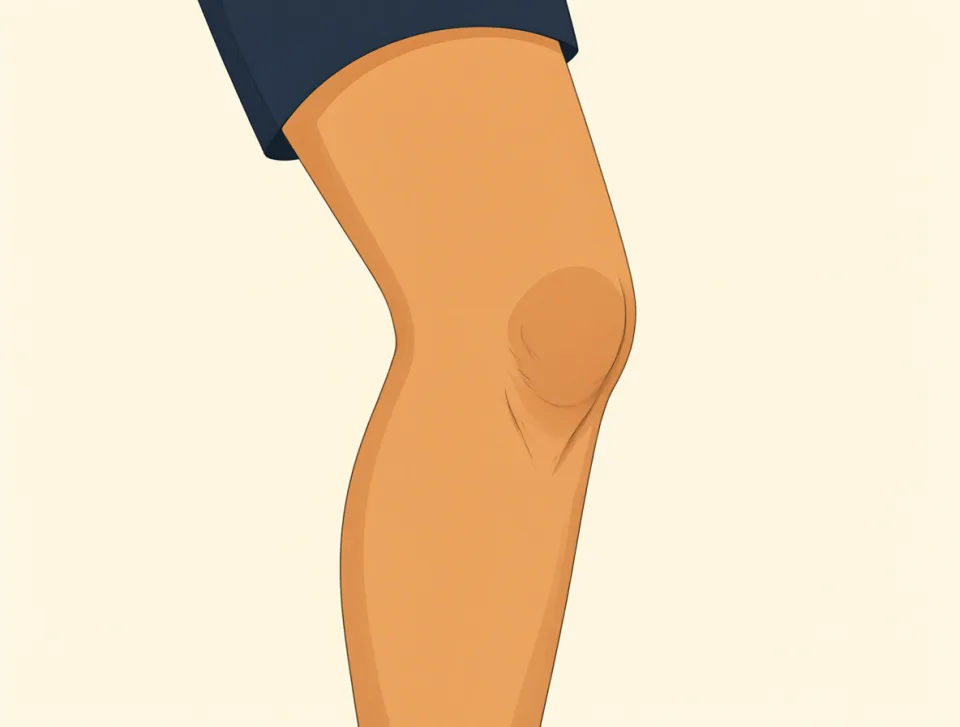
knee
#2221noun
kolano
the joint in the middle of your leg that lets your lower leg bend
staw pośrodku nogi, który umożliwia zginanie jej dolnej części
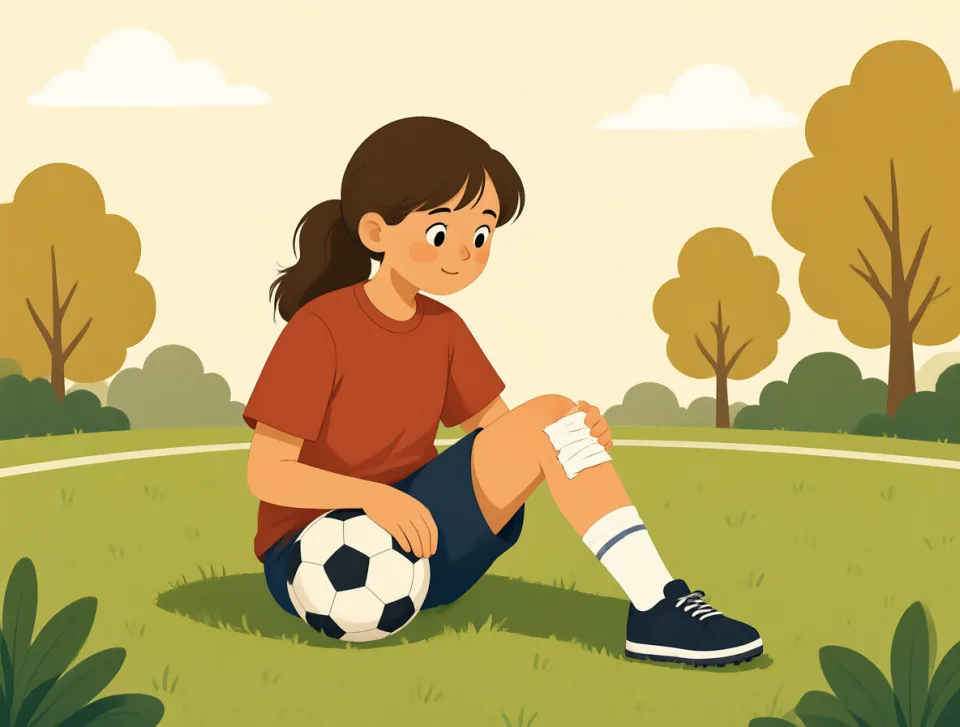
She fell and hurt her knee while playing football in the park.
Upadła i zraniła się w kolano, grając w piłkę nożną w parku.
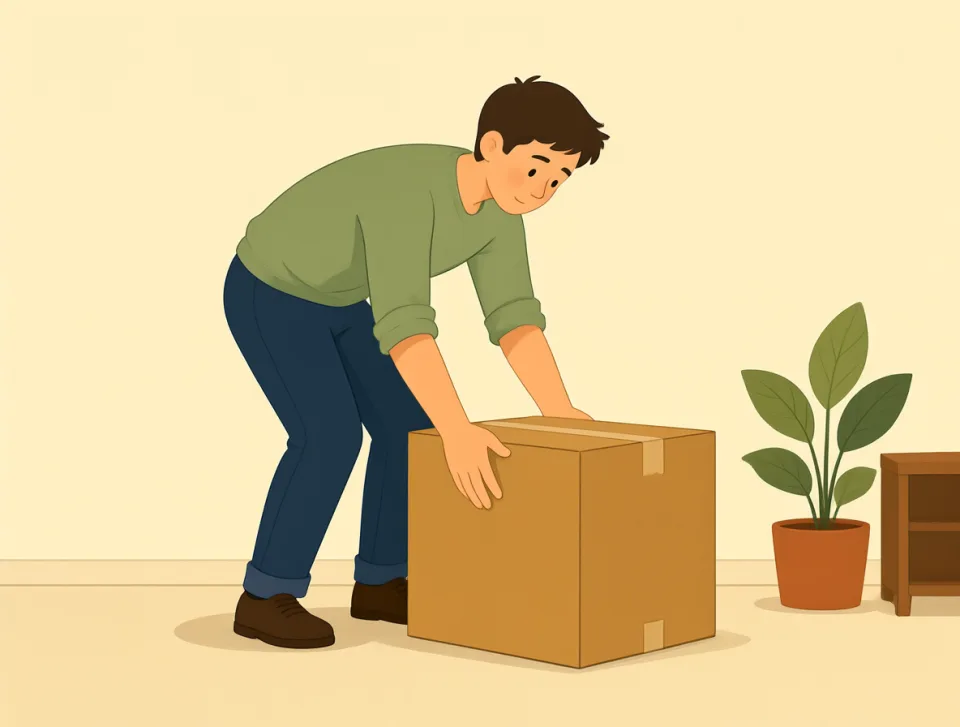
He bent his knees and lifted the heavy box from the floor.
Ugiął kolana i podniósł z podłogi ciężkie pudło.
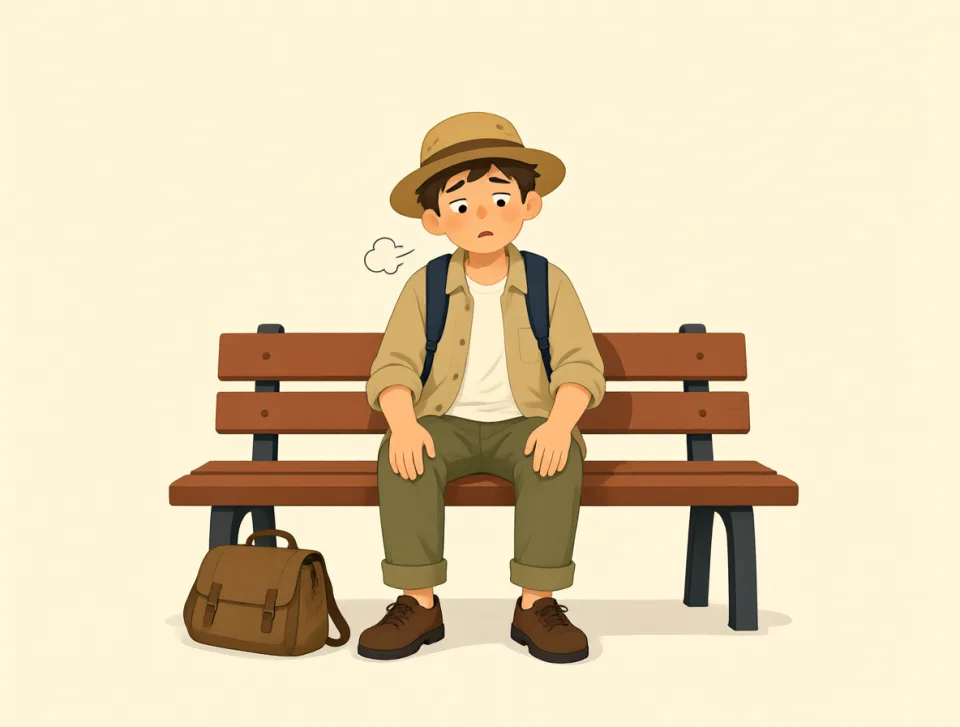
My knees hurt after walking around the city all day.
Bolą mnie kolana po całym dniu chodzenia po mieście.
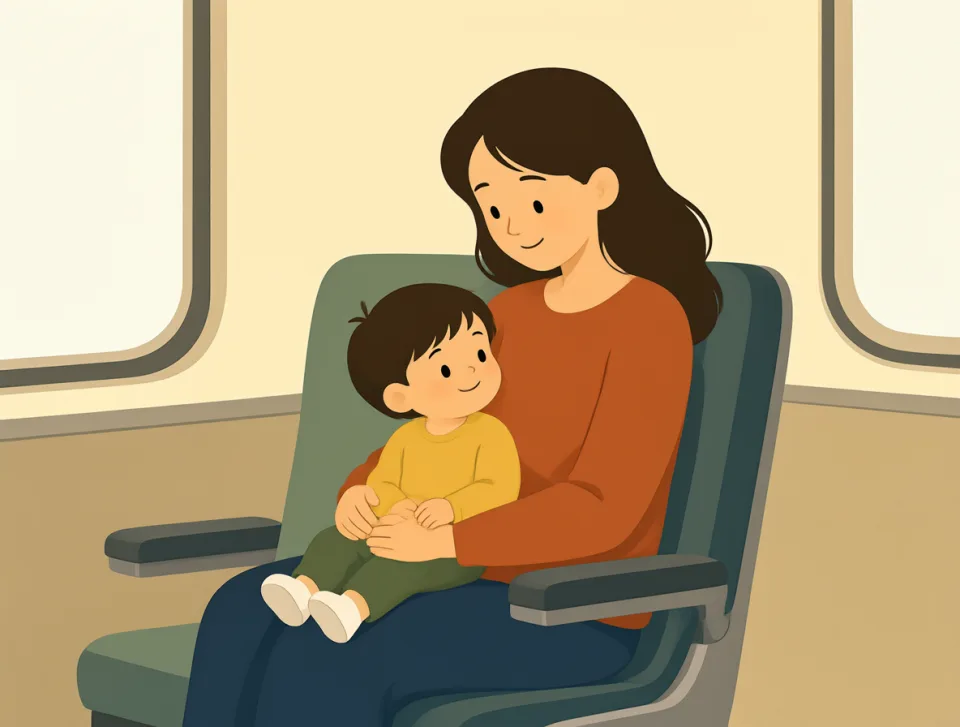
The child sat on her mother's knee during the long train journey.
Podczas długiej podróży pociągiem dziecko siedziało na kolanach matki.
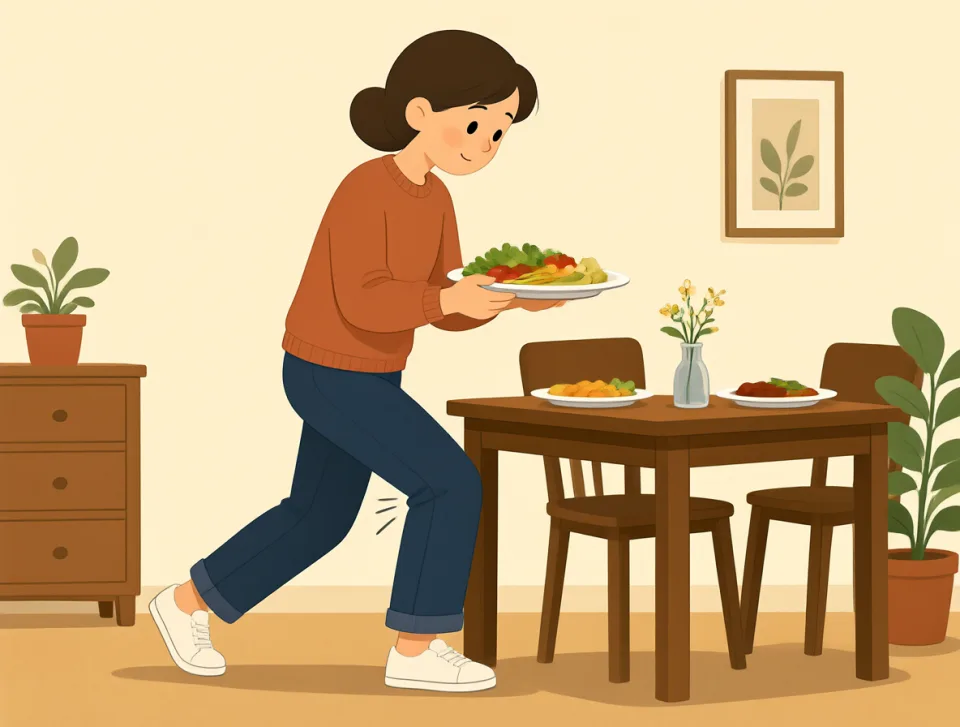
I bumped my knee against the table while carrying dinner plates.
Niosąc talerze z kolacją, uderzyłem kolanem o stół.

overcome
#2222verb
przezwyciężyć
to successfully deal with and control a difficult problem, feeling, or situation
skutecznie poradzić sobie z trudnym problemem, uczuciem lub sytuacją i nad nimi zapanować
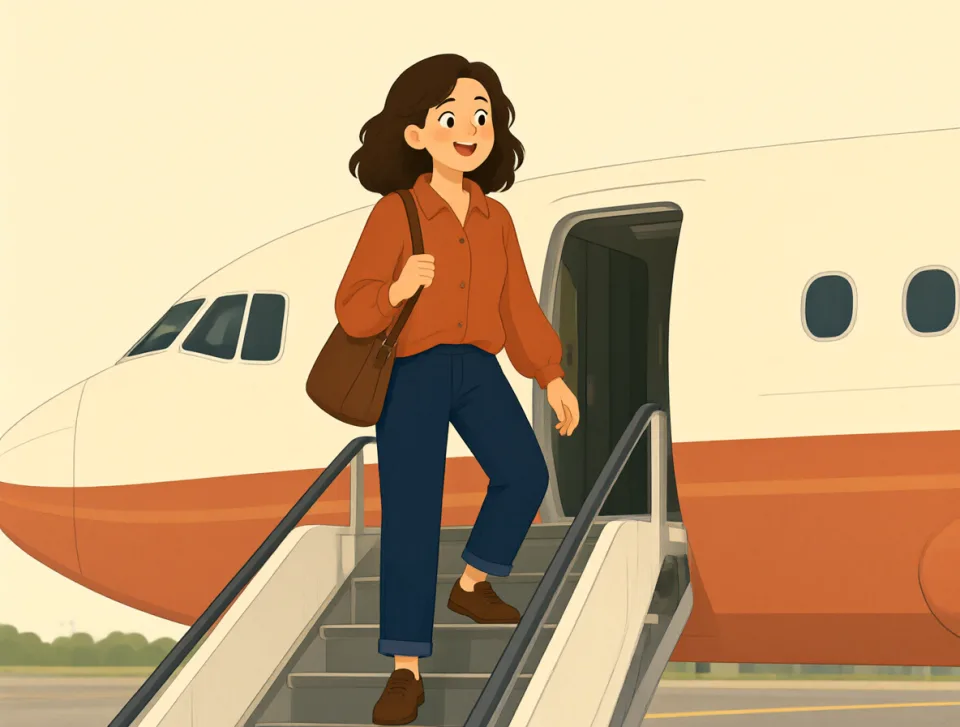
She overcame her fear of flying and booked a holiday abroad.
Przezwyciężyła strach przed lataniem i zarezerwowała wyjazd za granicę.

The team overcame several problems and finished the project on time.
Zespół poradził sobie z kilkoma problemami i ukończył projekt na czas.
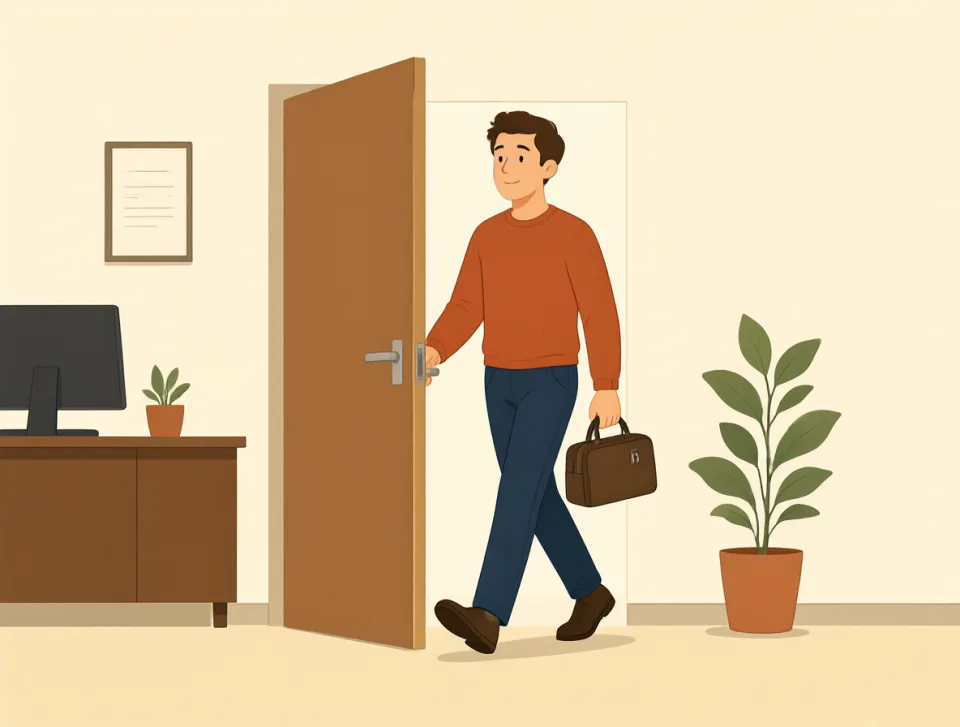
He overcame a serious illness and returned to work last month.
Pokonał poważną chorobę i w zeszłym miesiącu wrócił do pracy.
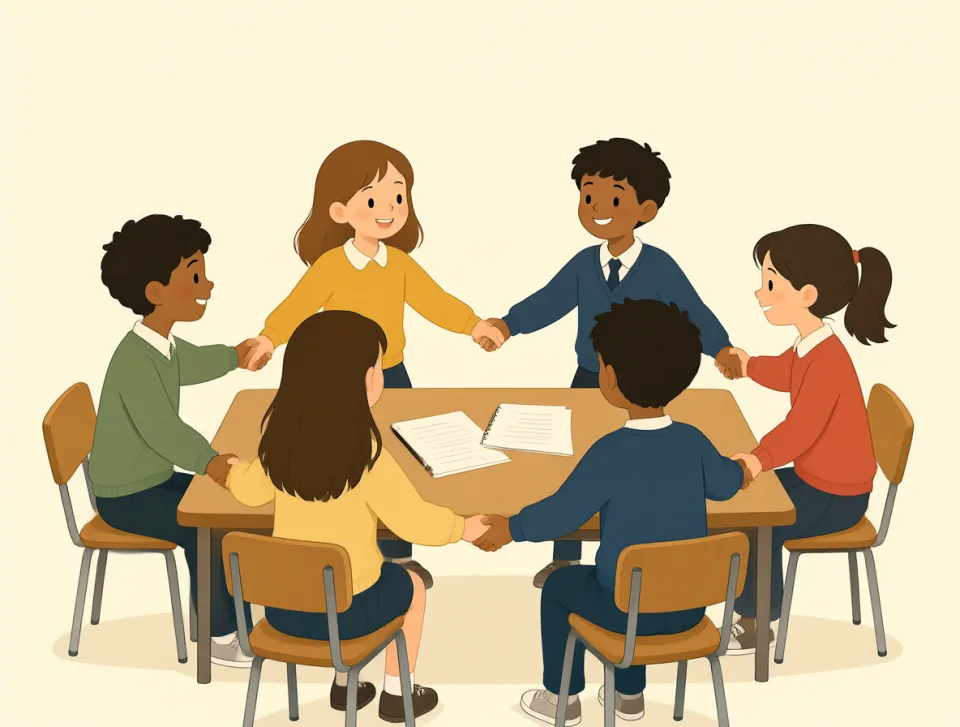
Our class overcame the difficult challenge by working together.
Nasza klasa poradziła sobie z trudnym wyzwaniem, współpracując.
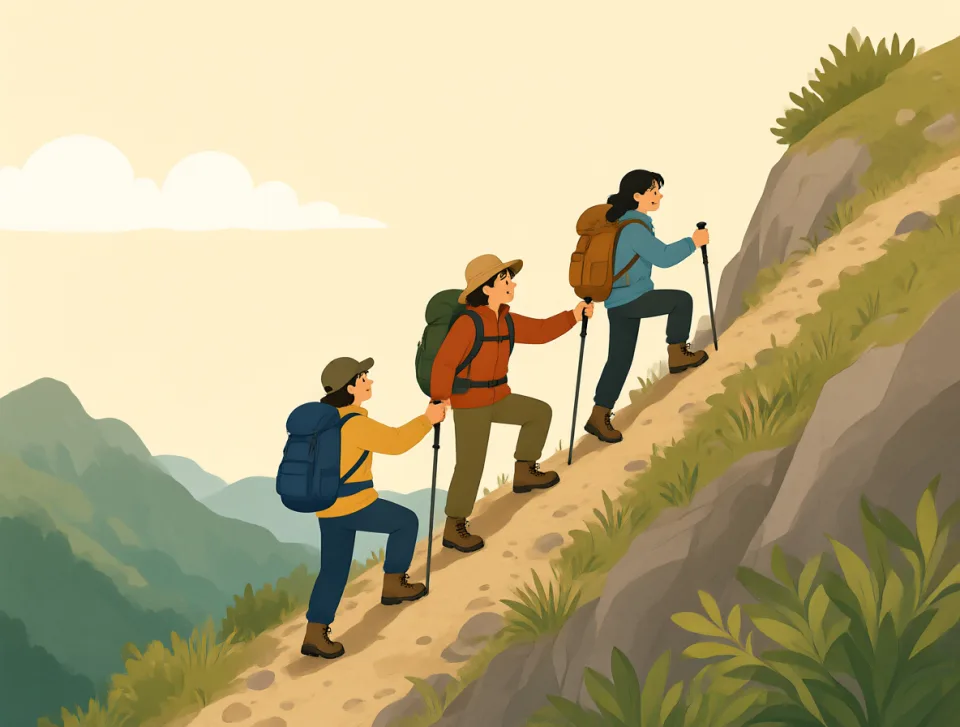
The hikers overcame the steep path before reaching the mountain village.
Wędrowcy pokonali stromą ścieżkę, zanim dotarli do górskiej wioski.
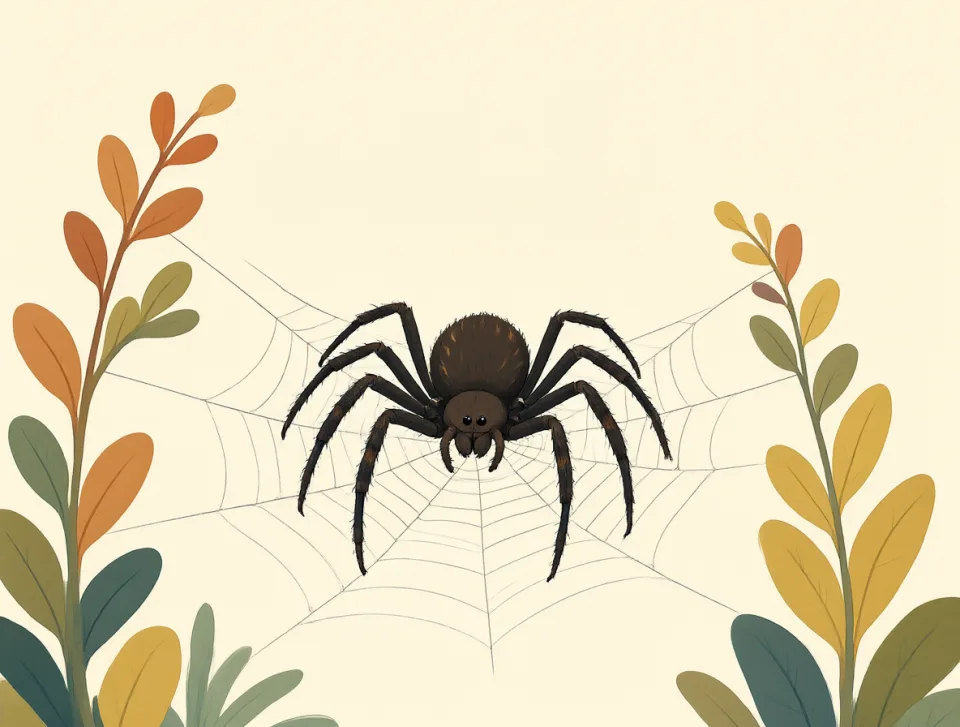
web
#2223noun
sieć
a network of threads made by a spider to catch insects
sieć z nici utkana przez pająka, służąca do łapania owadów
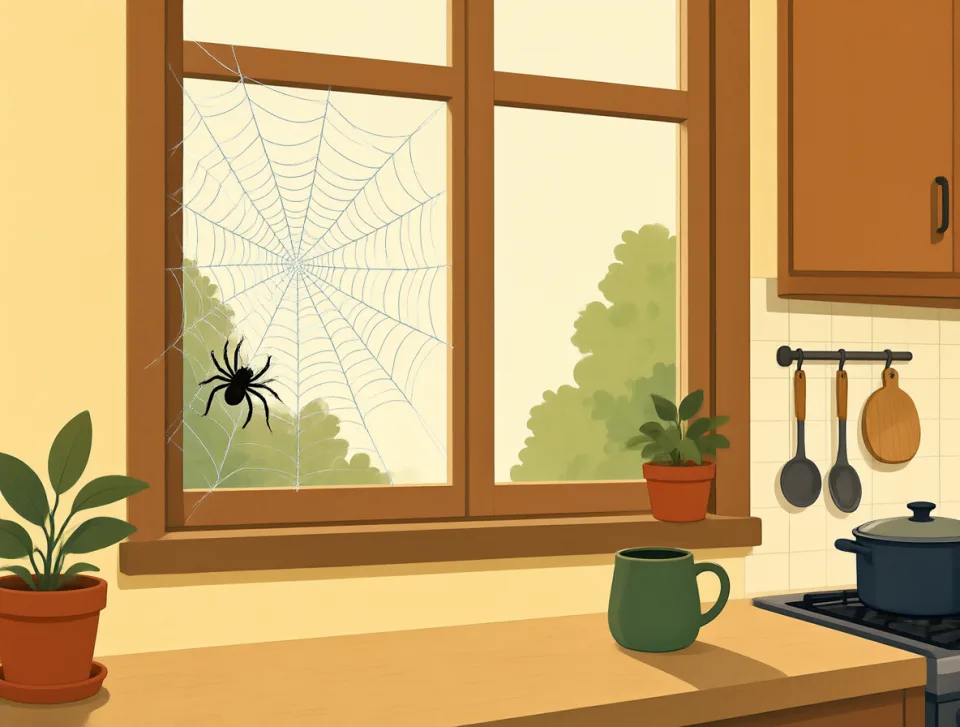
A large spider web covered the corner of our kitchen window this morning.
Dziś rano duża pajęczyna pokrywała róg okna w naszej kuchni.
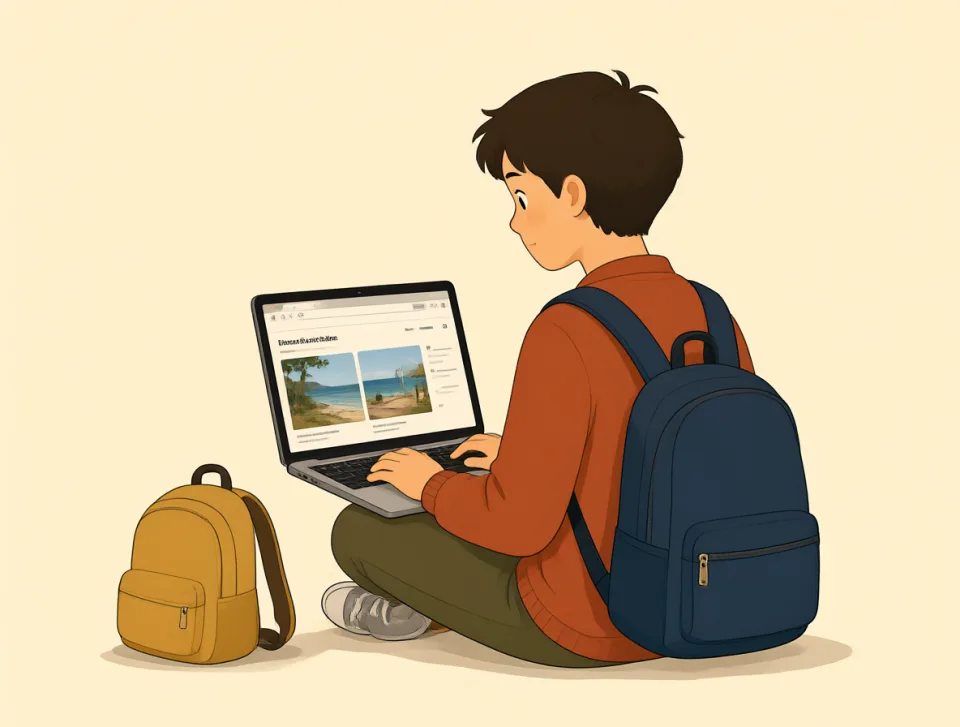
I found the train timetable on the web before leaving for school.
Znalazłem w internecie rozkład jazdy pociągów, zanim wyszedłem do szkoły.

Please check the company's web page for opening hours and prices.
Sprawdź godziny otwarcia i ceny na stronie internetowej firmy.
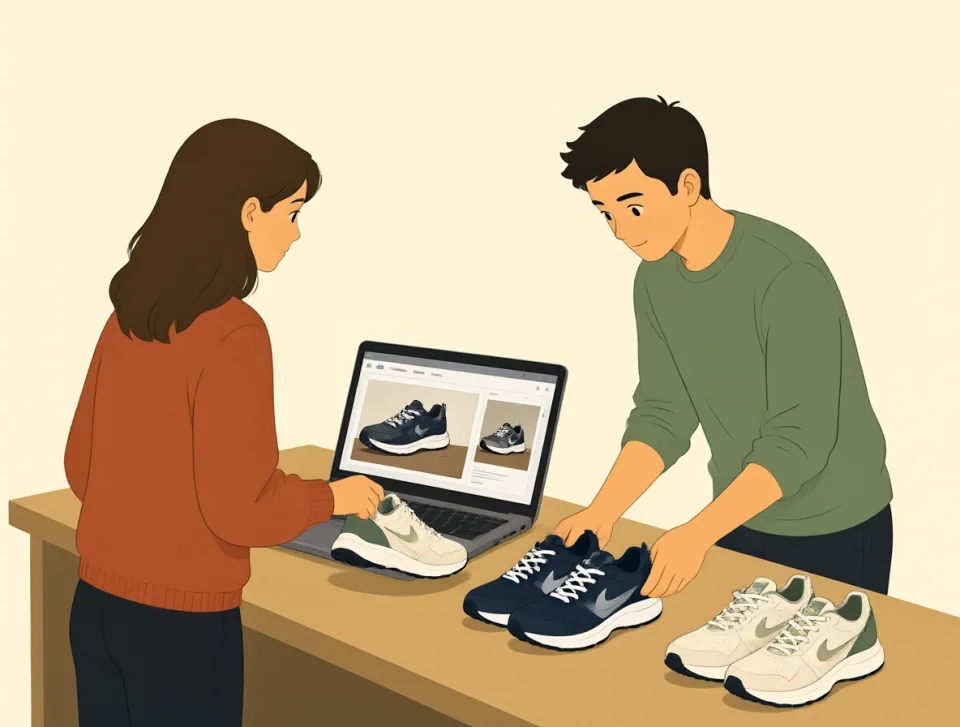
I opened a web browser to compare prices for new running shoes.
Otworzyłem przeglądarkę internetową, żeby porównać ceny nowych butów do biegania.
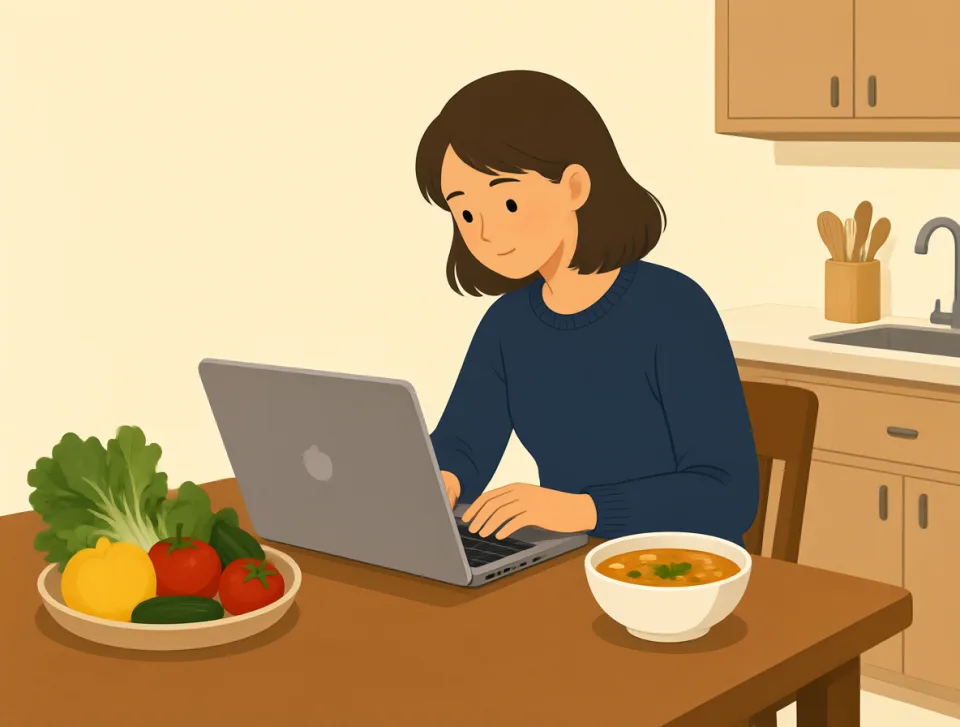
Our doctor recommended a web search for simple recipes with less salt.
Nasz lekarz zalecił wyszukanie w internecie prostych przepisów z mniejszą ilością soli.
depth
#2224noun
głębokość
The distance from the top or surface of something down to its bottom.
odległość od wierzchu lub powierzchni czegoś do jego dna.
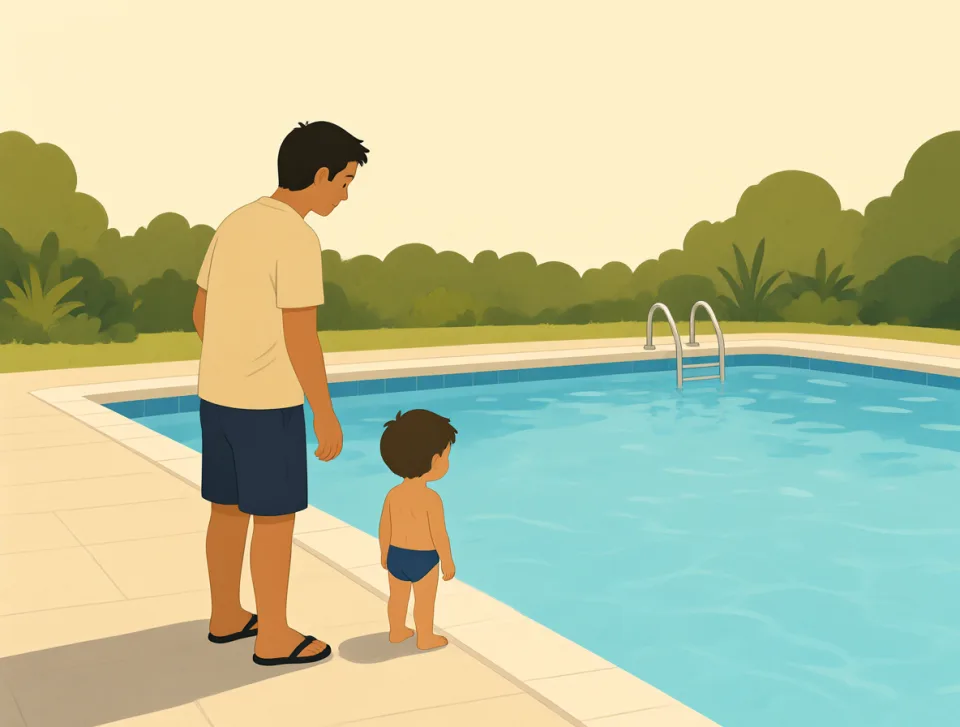
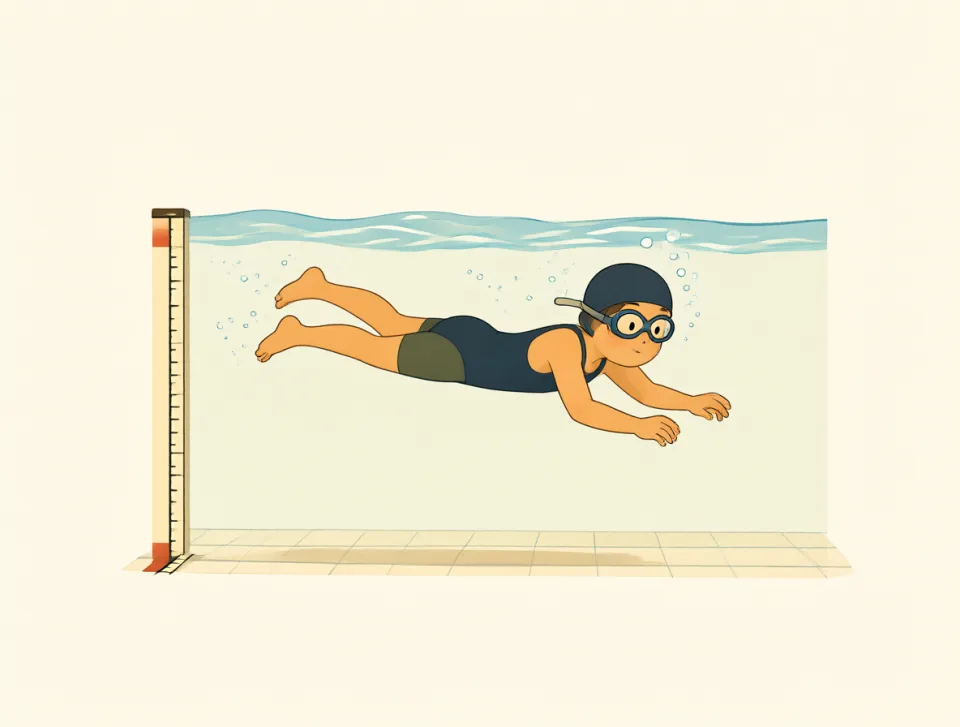
The pool has a depth of two meters, so children must stay with an adult.
Basen ma dwa metry głębokości, więc dzieci muszą przebywać z dorosłym.
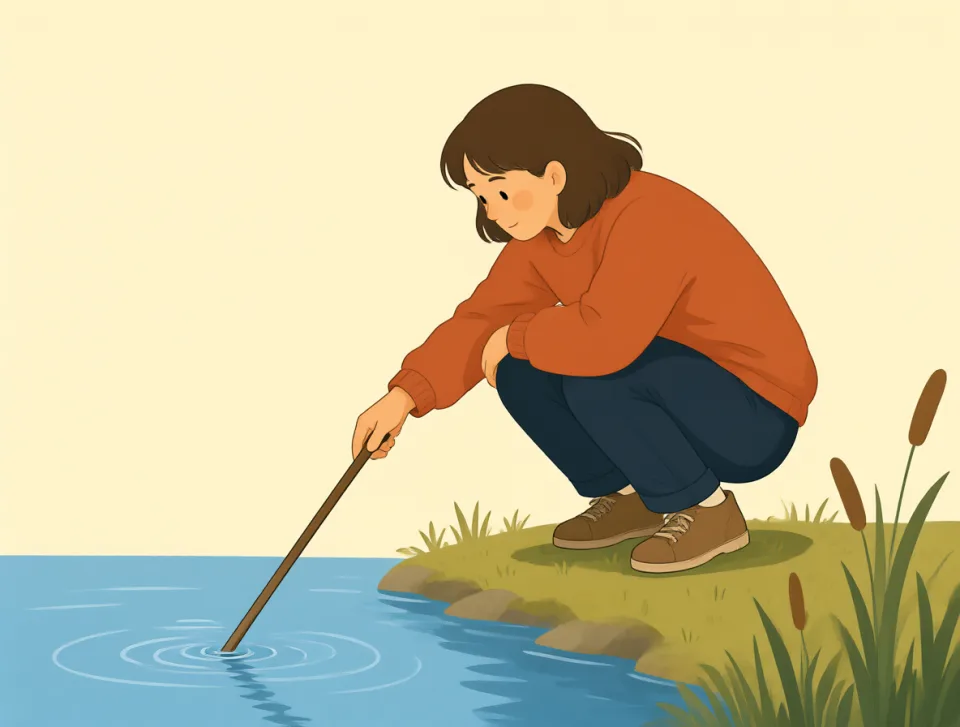
Check the depth of the water before jumping into the lake.
Sprawdź głębokość wody, zanim wskoczysz do jeziora.
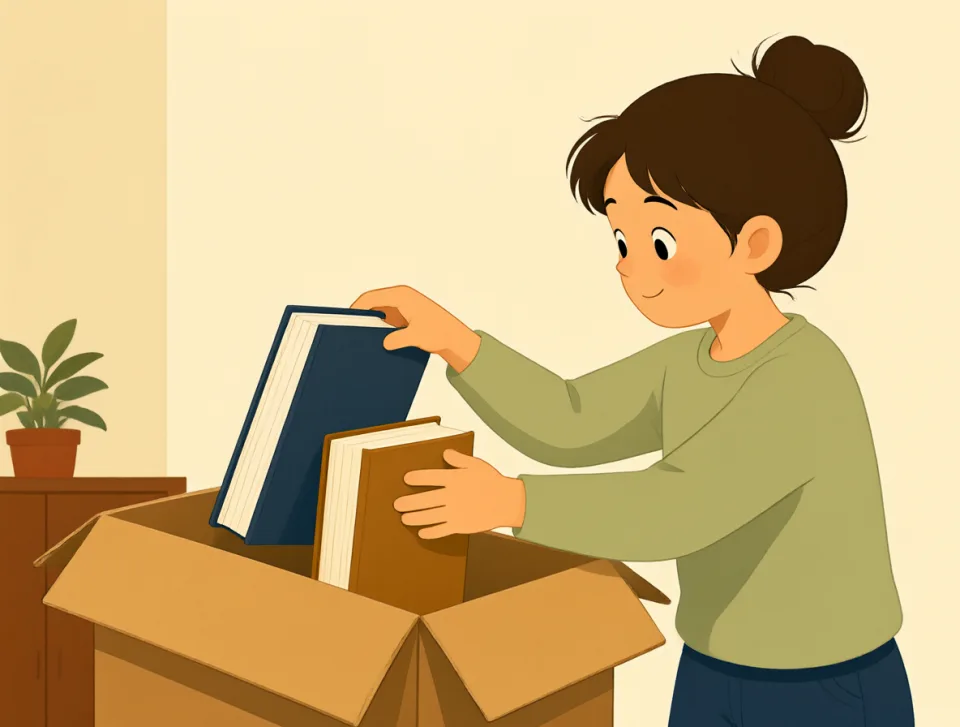
The box is too shallow to hold books with much depth.
Pudło jest zbyt płytkie, by pomieścić książki o dużej grubości.
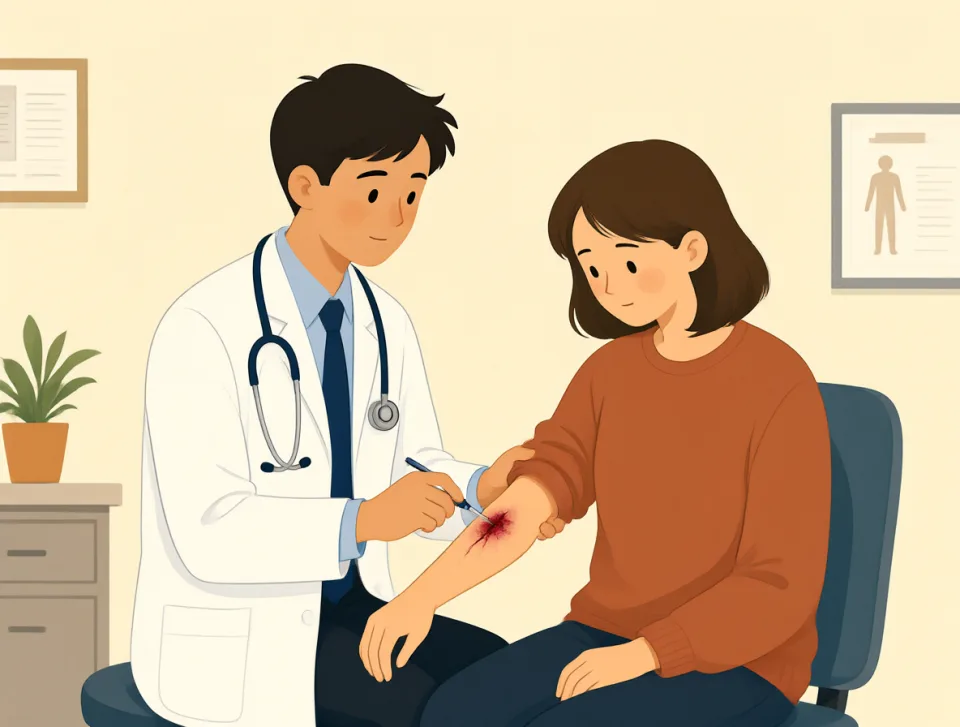
The doctor measured the depth of the cut before cleaning and covering it.
Lekarz zmierzył głębokość rany, zanim ją oczyścił i opatrzył.

We talked about the depth of the problem during our team meeting.
Podczas spotkania zespołu rozmawialiśmy o skali problemu.
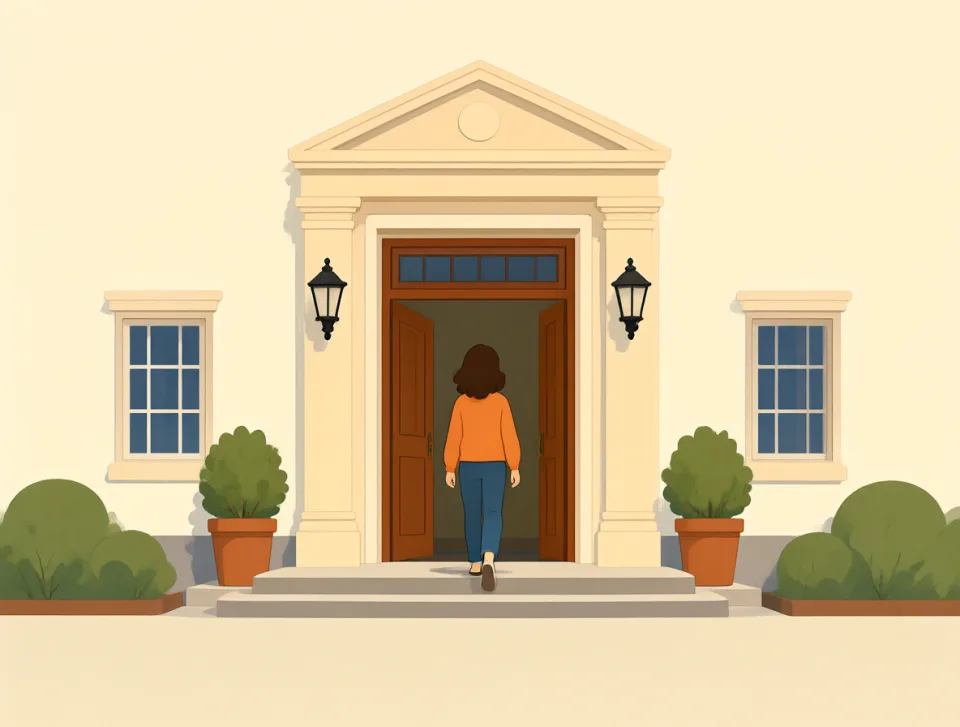
entrance
#2225noun
wejście
A door or place where you go into a building or area.
drzwi lub miejsce, przez które wchodzi się do budynku albo na jakiś teren.
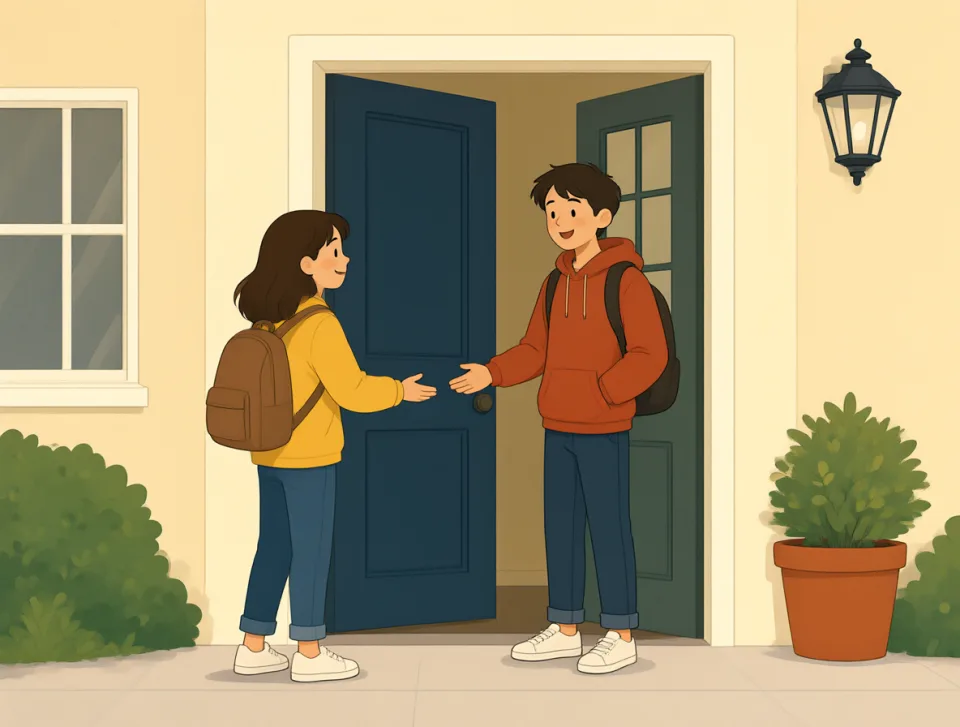
Please wait for me at the main entrance.
Poczekaj na mnie przy głównym wejściu.
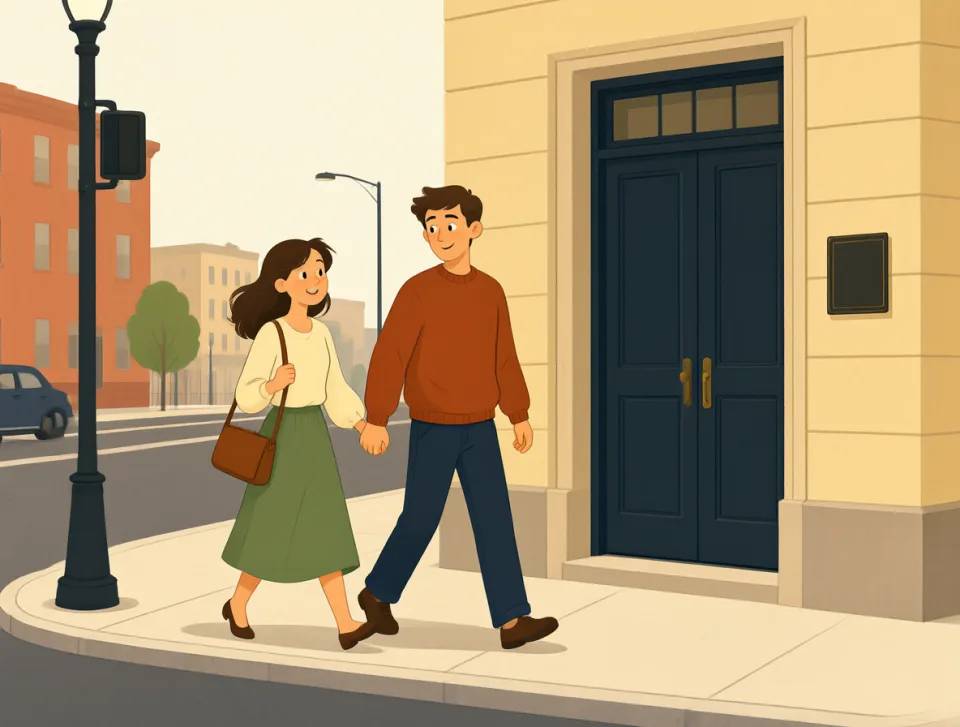
We found the entrance to the museum after walking around the block.
Znaleźliśmy wejście do muzeum, gdy obeszliśmy cały kwartał.

The hotel entrance was crowded with guests carrying suitcases.
Przy wejściu do hotelu tłoczyli się goście z walizkami.
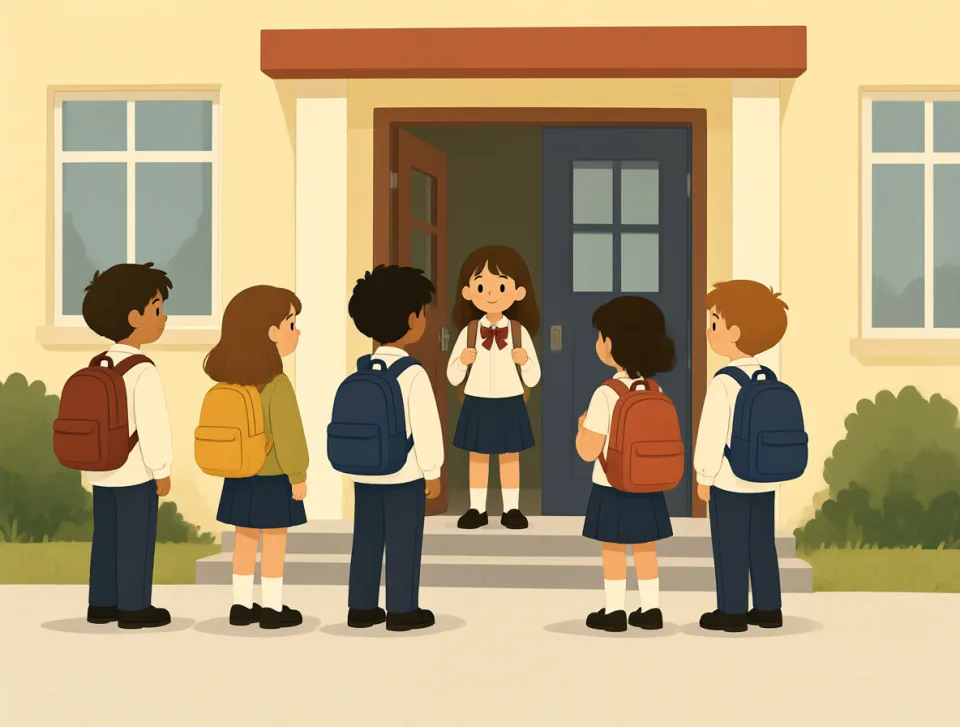
Students stood near the school entrance before the morning bell.
Uczniowie stali przy wejściu do szkoły przed porannym dzwonkiem.
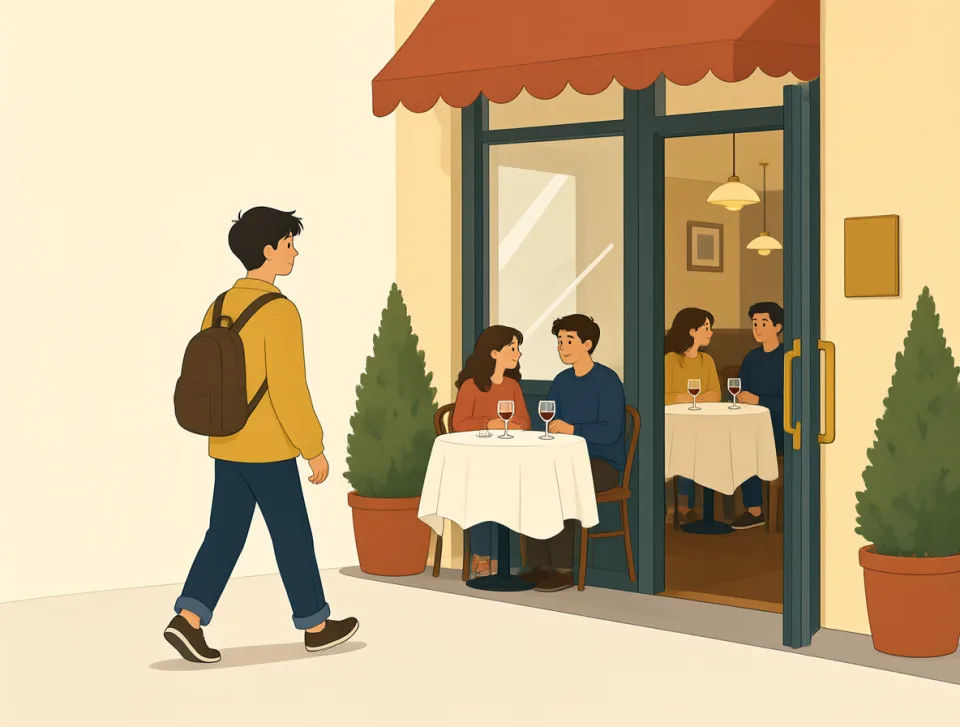
The restaurant entrance is beside the outdoor seating area.
Wejście do restauracji znajduje się obok stolików na zewnątrz.
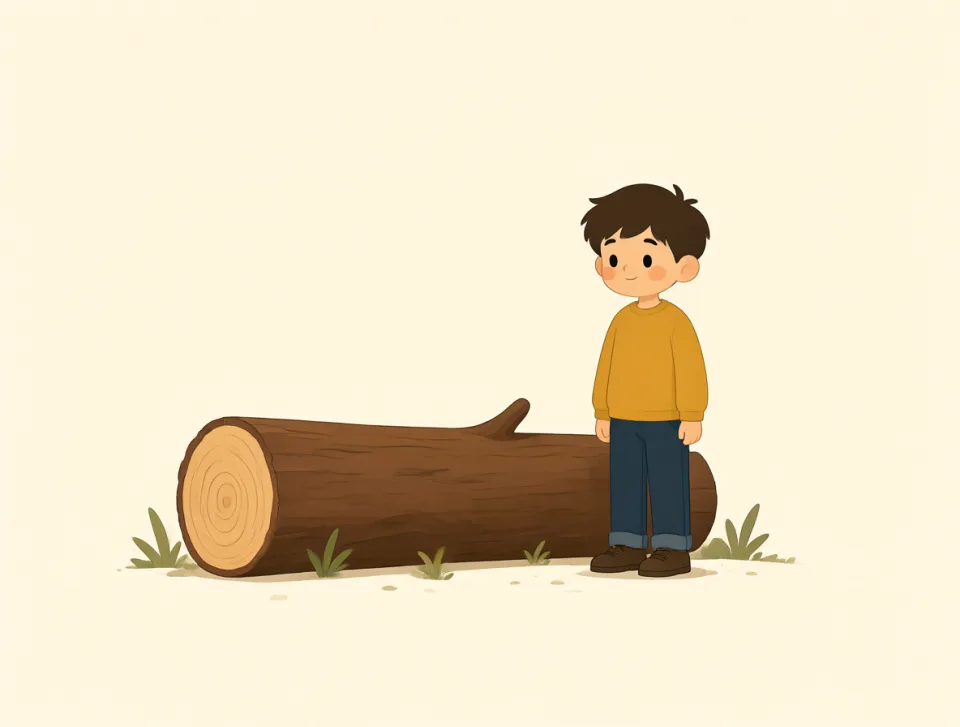
log
#2226noun, verb
kłoda
A thick piece of tree trunk, or to record information about an activity or event.
Gruby kawałek pnia drzewa albo rejestrować informacje o jakiejś czynności lub wydarzeniu.
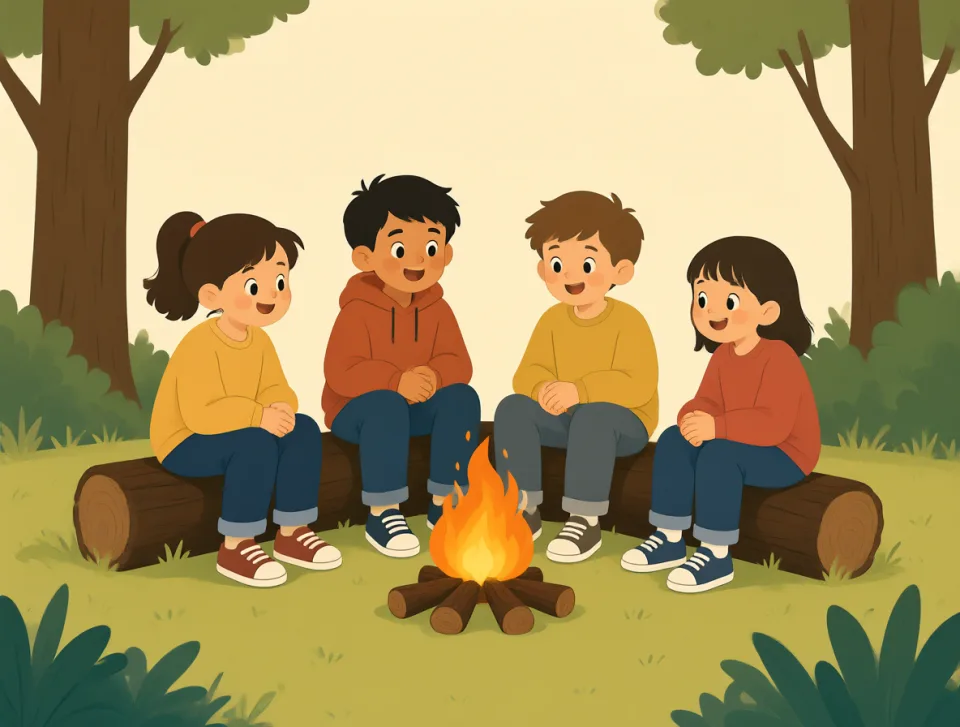
The children sat on a log beside the campfire and told funny stories.
Dzieci usiadły na kłodzie przy ognisku i opowiadały śmieszne historie.
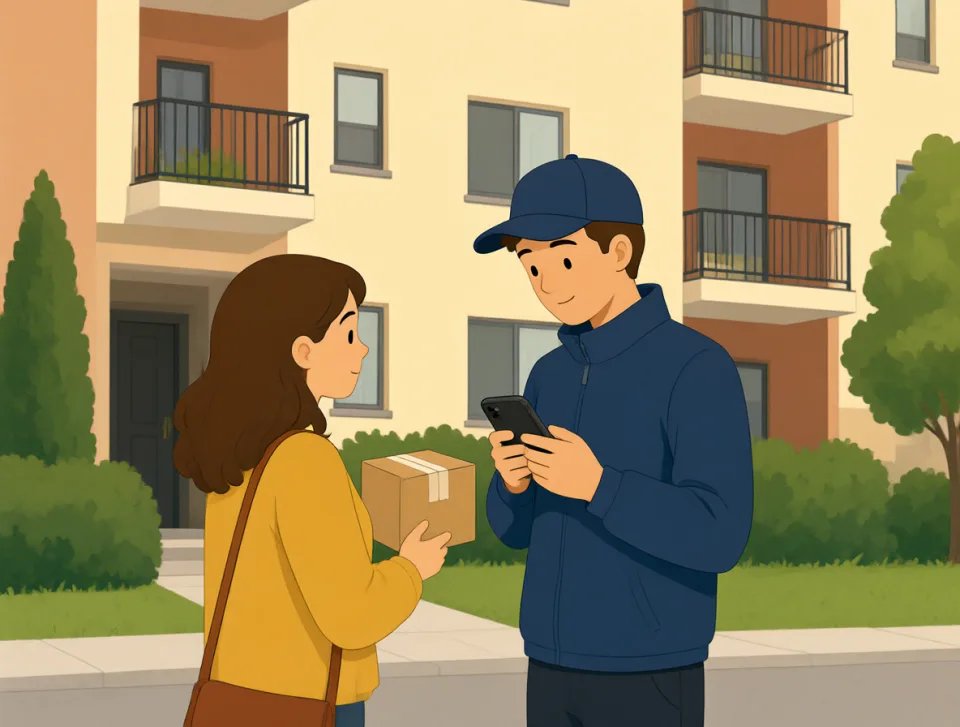
The delivery driver logged the package as delivered before leaving the building.
Kurier oznaczył paczkę jako doręczoną, zanim opuścił budynek.
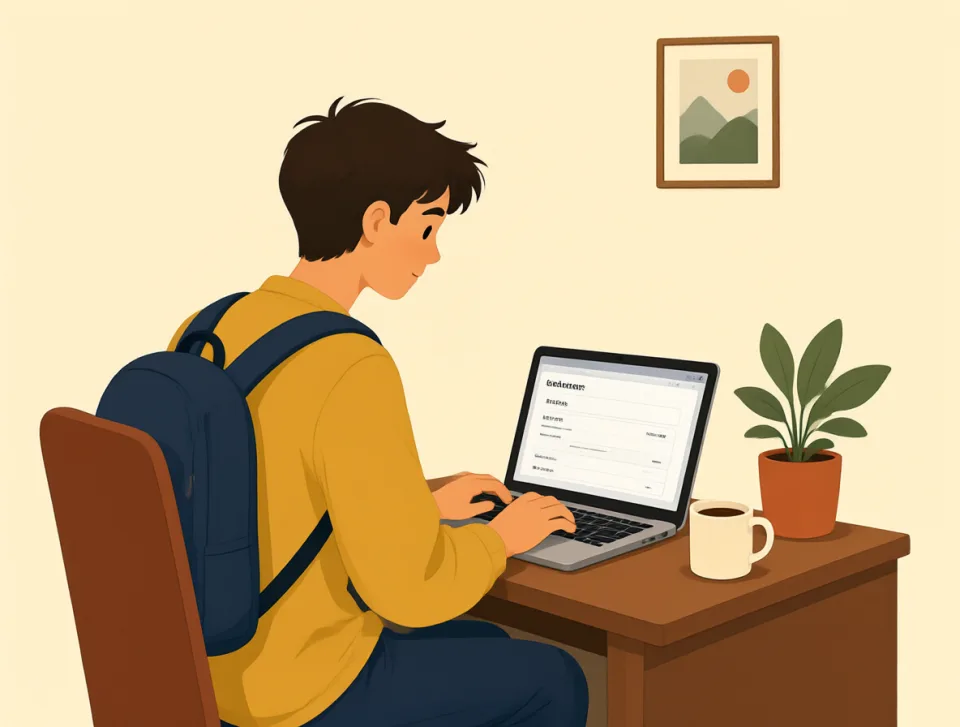
Please log in to your account before buying the train ticket online.
Zaloguj się na swoje konto, zanim kupisz bilet na pociąg przez internet.
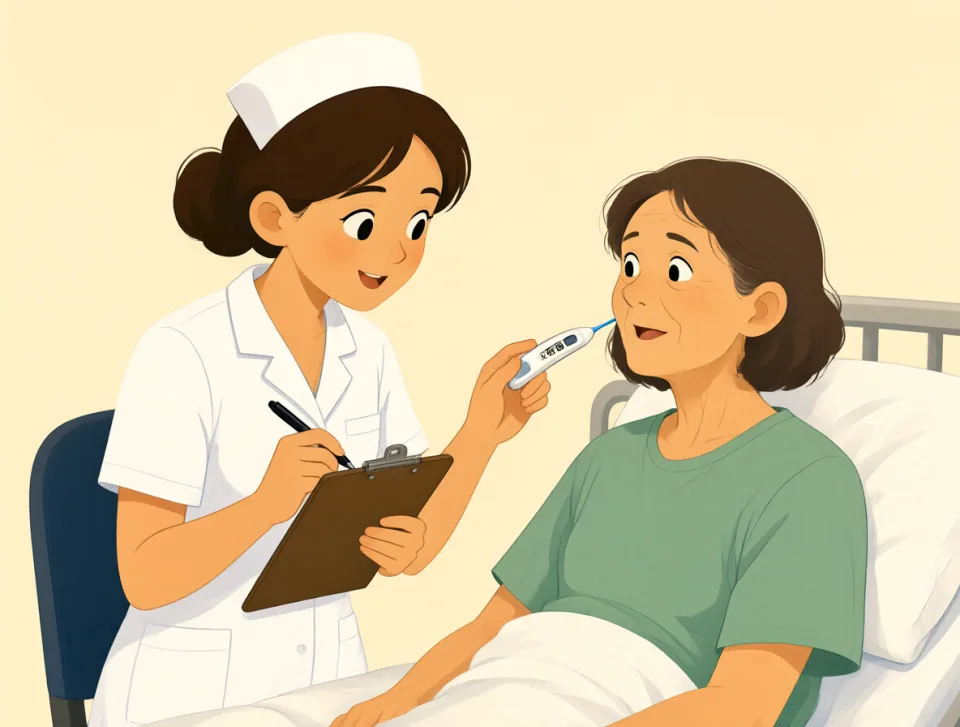
The nurse logged my temperature and asked whether I felt better.
Pielęgniarka zapisała moją temperaturę i zapytała, czy czuję się lepiej.
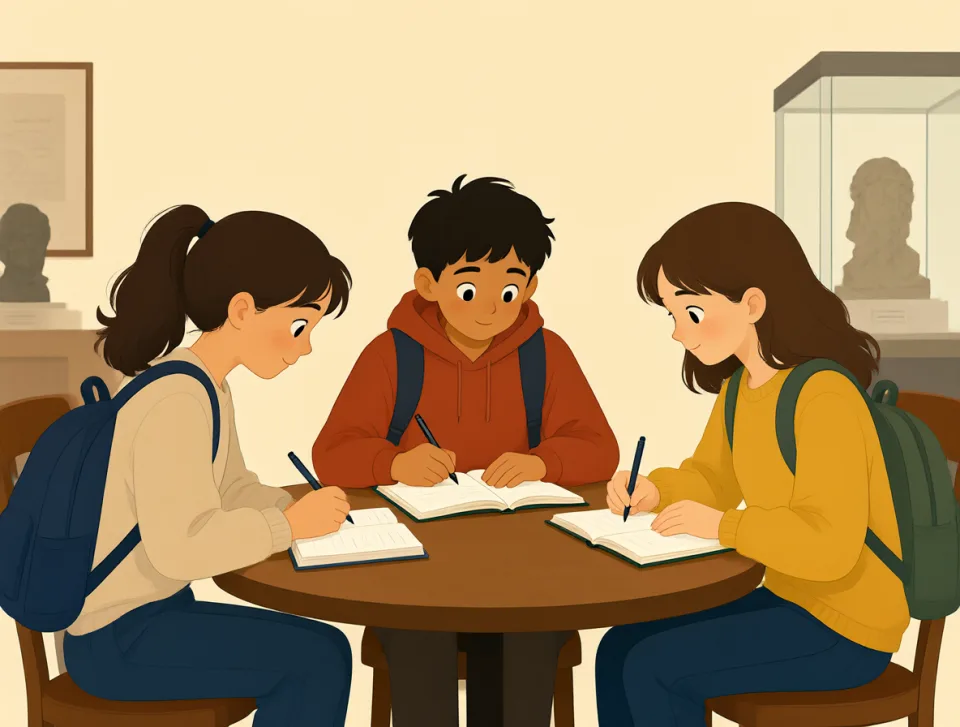
We logged every expense during our school trip to the science museum.
Podczas szkolnej wycieczki do muzeum nauki zapisywaliśmy wszystkie wydatki.
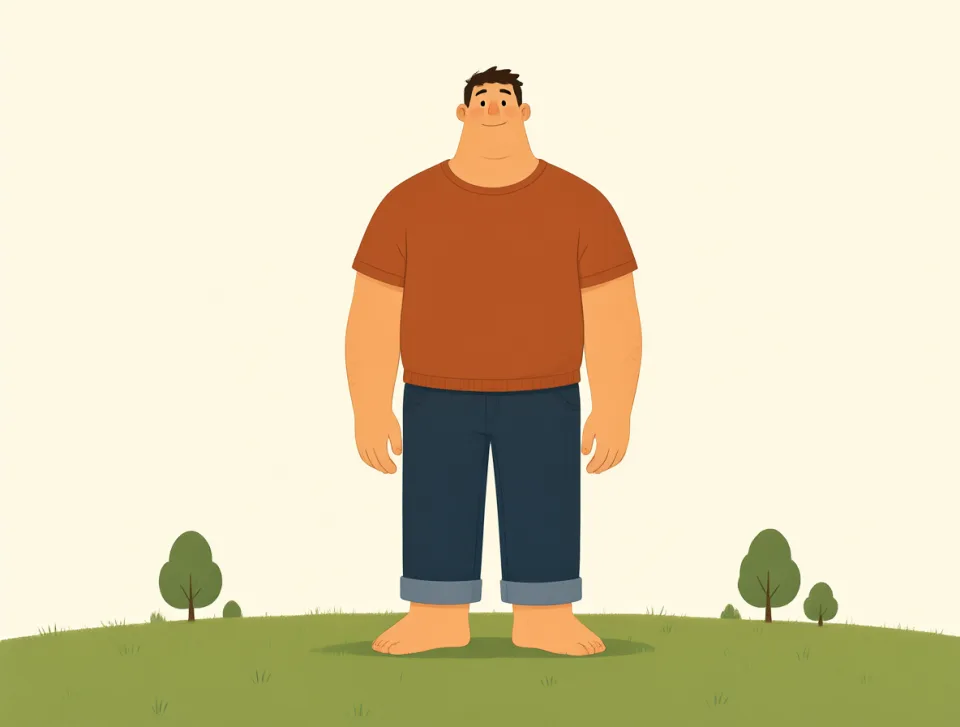
giant
#2227noun, adjective
olbrzymi
A giant is a very large person, animal, plant, or thing.
Olbrzymi to bardzo duży człowiek, zwierzę, roślina lub przedmiot.
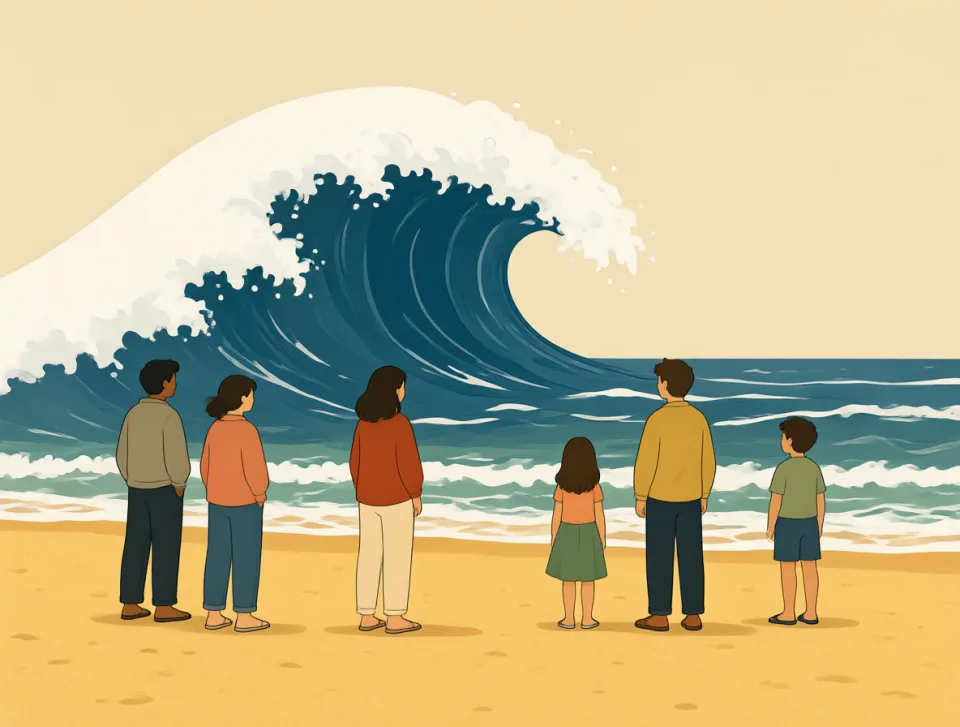
A giant wave crashed over the beach during the storm.
Podczas sztormu na plażę wdarła się ogromna fala.
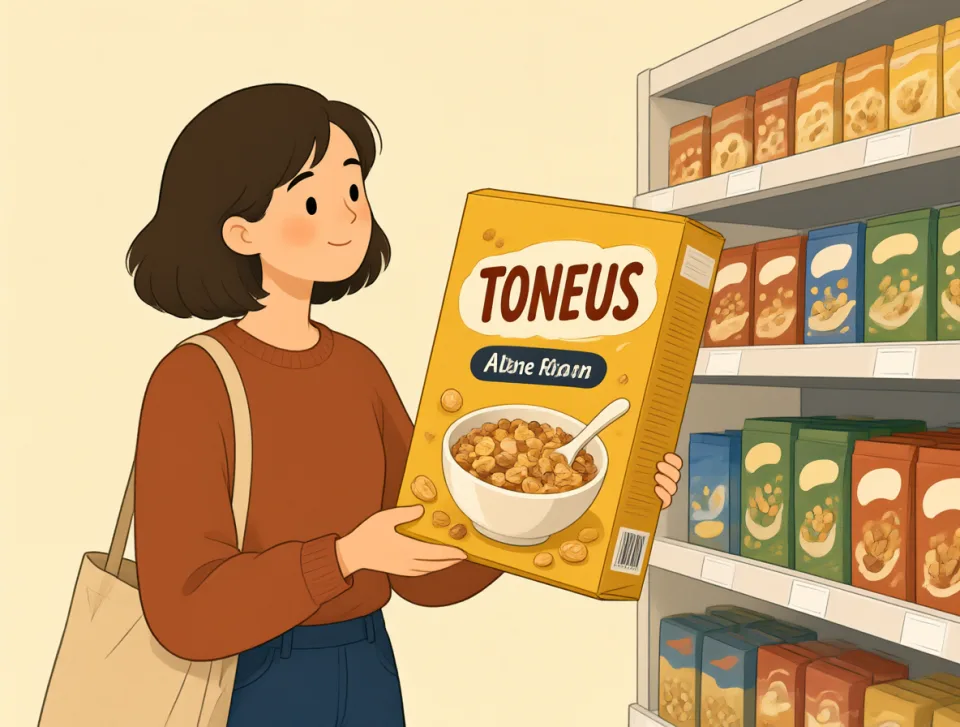
The supermarket sells giant boxes of cereal for large families.
W supermarkecie sprzedają ogromne pudełka płatków śniadaniowych dla dużych rodzin.

We saw a giant statue while walking through the city center.
Podczas spaceru po centrum miasta zobaczyliśmy olbrzymi posąg.
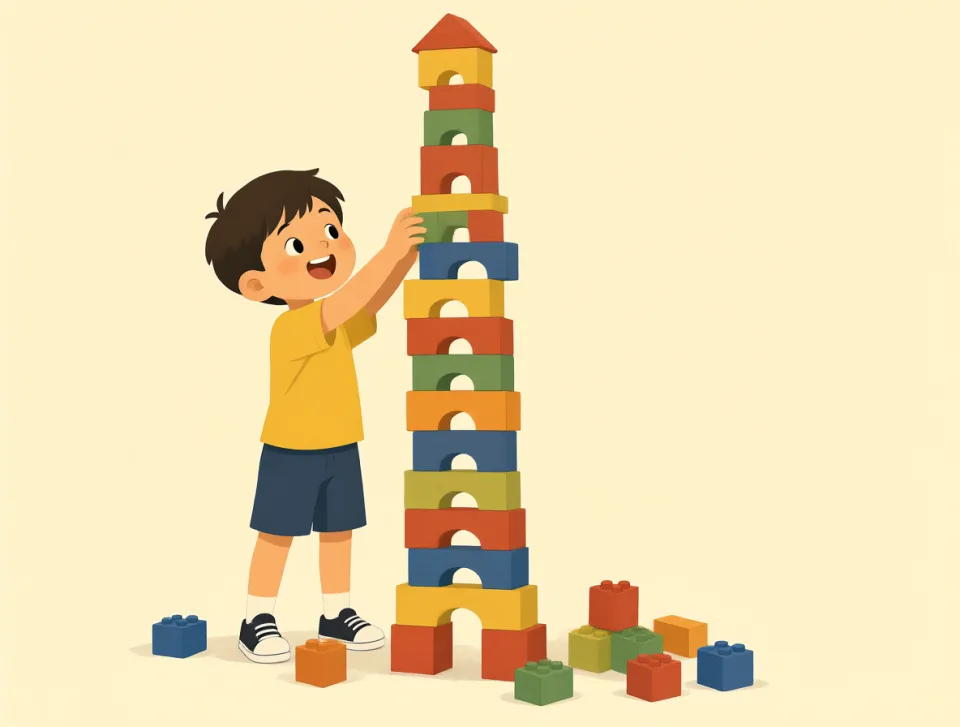
My little brother built a giant tower with his colorful blocks.
Mój młodszy brat zbudował ogromną wieżę z kolorowych klocków.
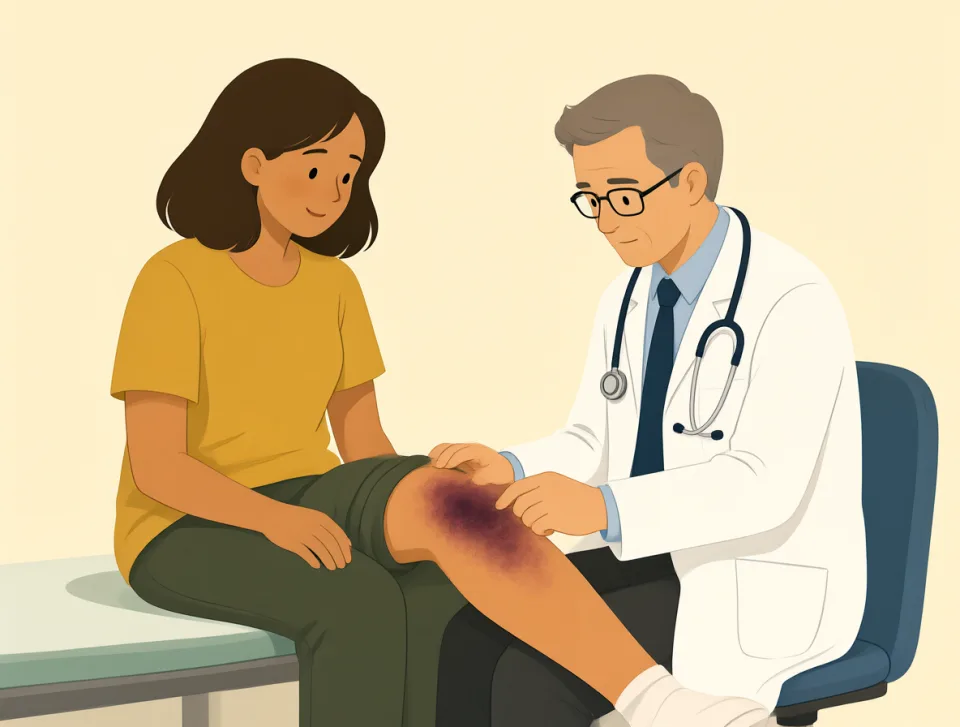
The doctor found a giant bruise on his leg after the fall.
Po upadku lekarz zauważył na jego nodze ogromnego siniaka.

god
#2228noun
Bóg
the creator and ruler of the universe, worshipped in many religions
Stwórca i władca wszechświata, czczony w wielu religiach.

Many people believe that God created the world and cares about everyone.
Wiele osób wierzy, że Bóg stworzył świat i troszczy się o wszystkich.
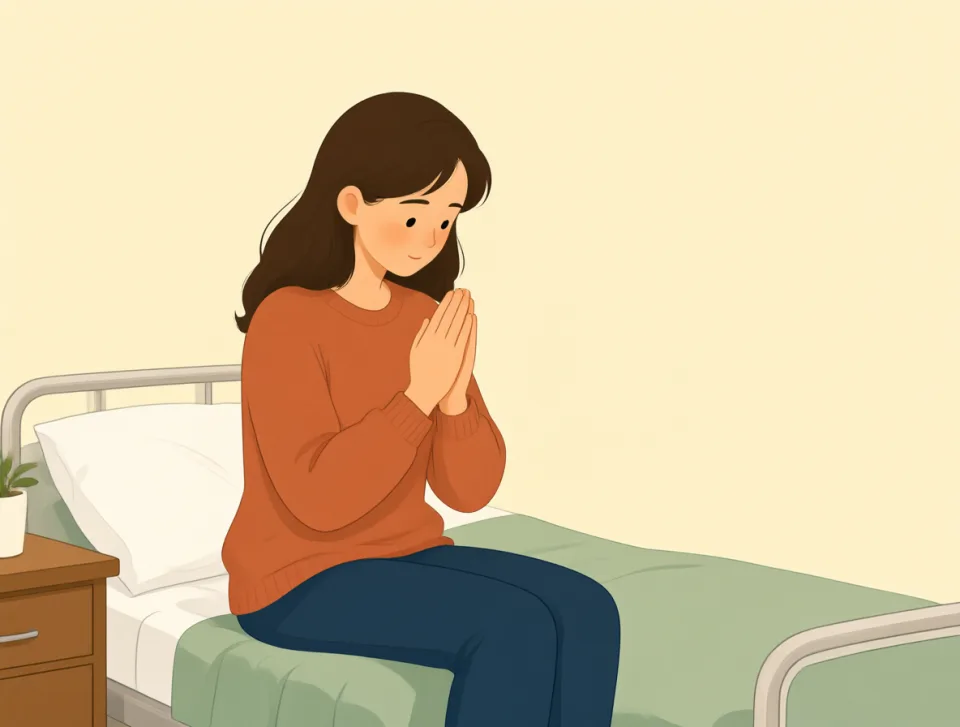
She prayed to God for strength before her difficult medical treatment.
Przed trudnym leczeniem modliła się do Boga o siłę.
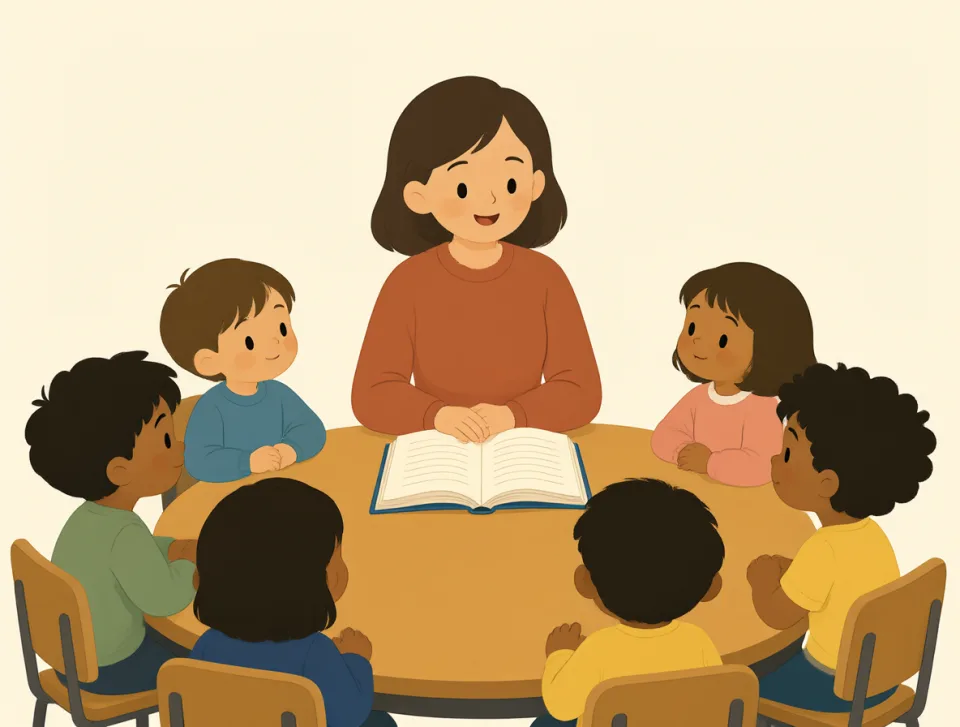
The children learned about God in their religious studies class.
Na lekcji religii dzieci uczyły się o Bogu.
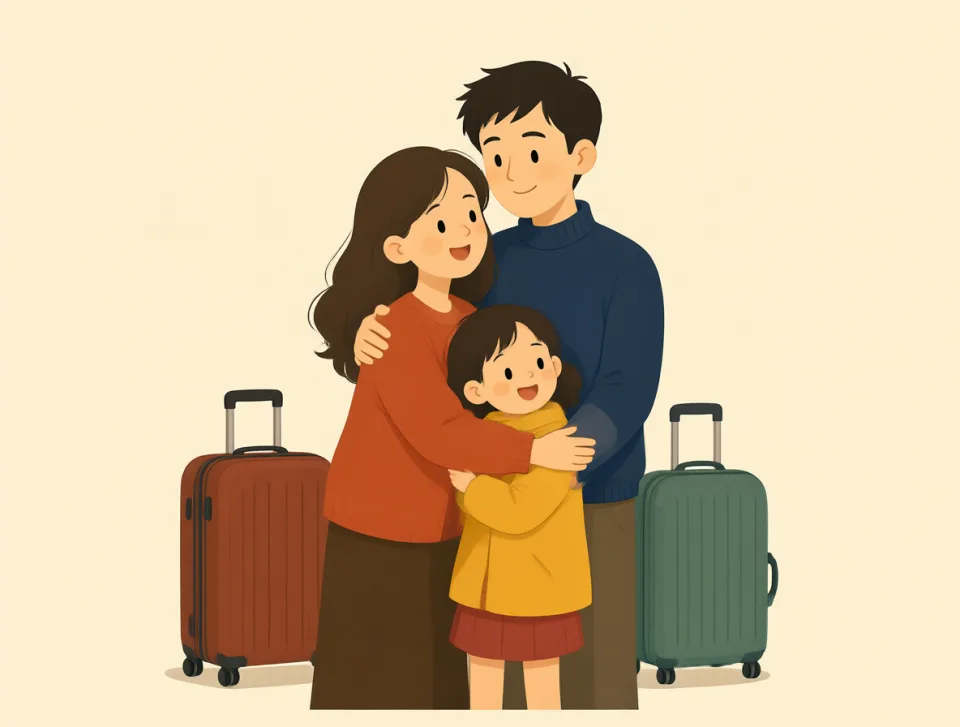
He thanked God when his family arrived safely after the long journey.
Podziękował Bogu, gdy jego rodzina bezpiecznie dotarła na miejsce po długiej podróży.
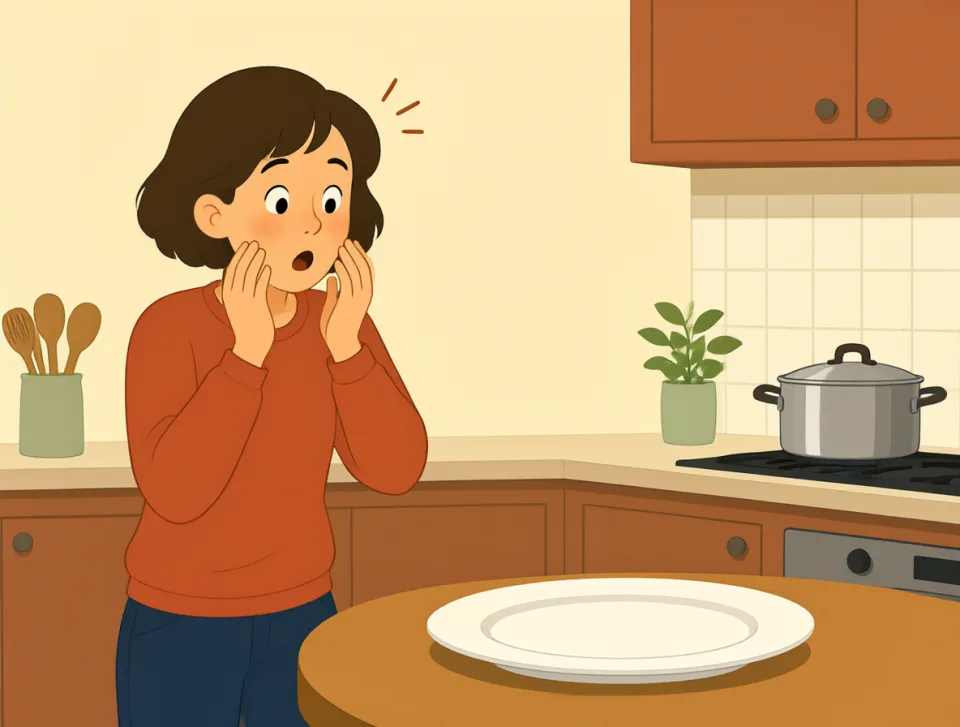
Oh my God, I forgot to bring the birthday cake!
O mój Boże, zapomniałem przynieść tort urodzinowy!
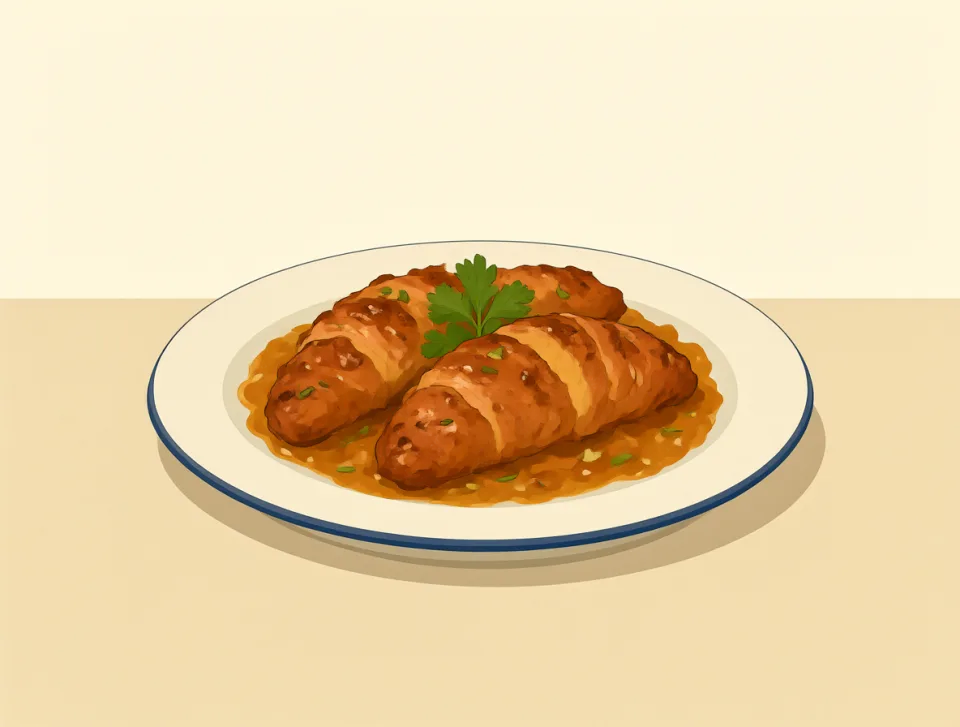
portion
#2229noun
porcja
An amount of something given to one person or used at one time.
Ilość czegoś przeznaczona dla jednej osoby lub do jednorazowego wykorzystania.
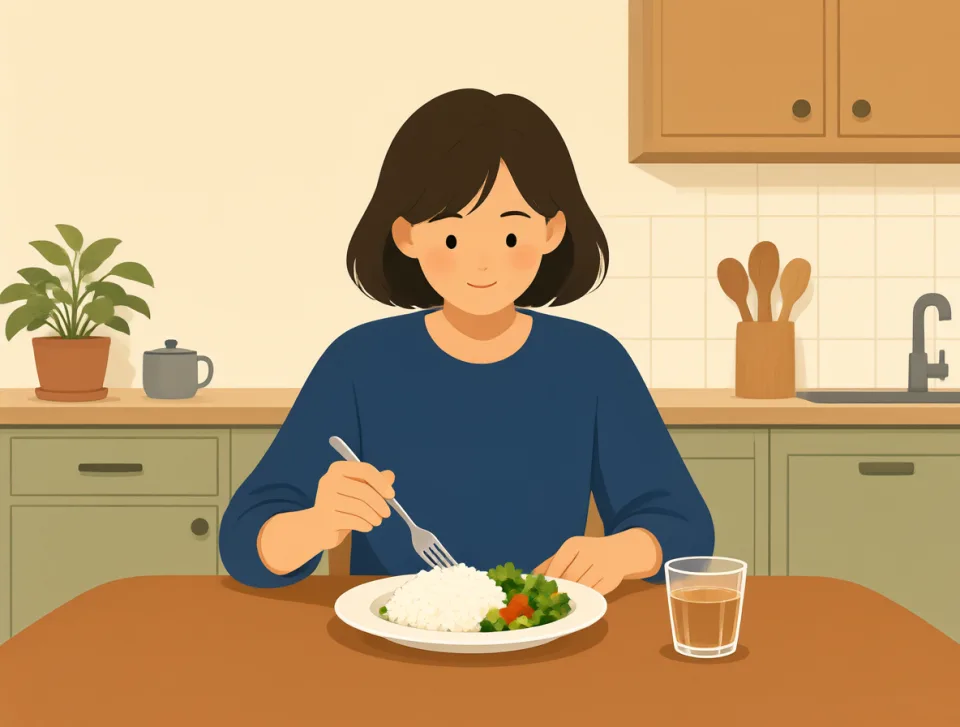
She ate a small portion of rice with grilled vegetables for lunch.
Na lunch zjadła małą porcję ryżu z grillowanymi warzywami.
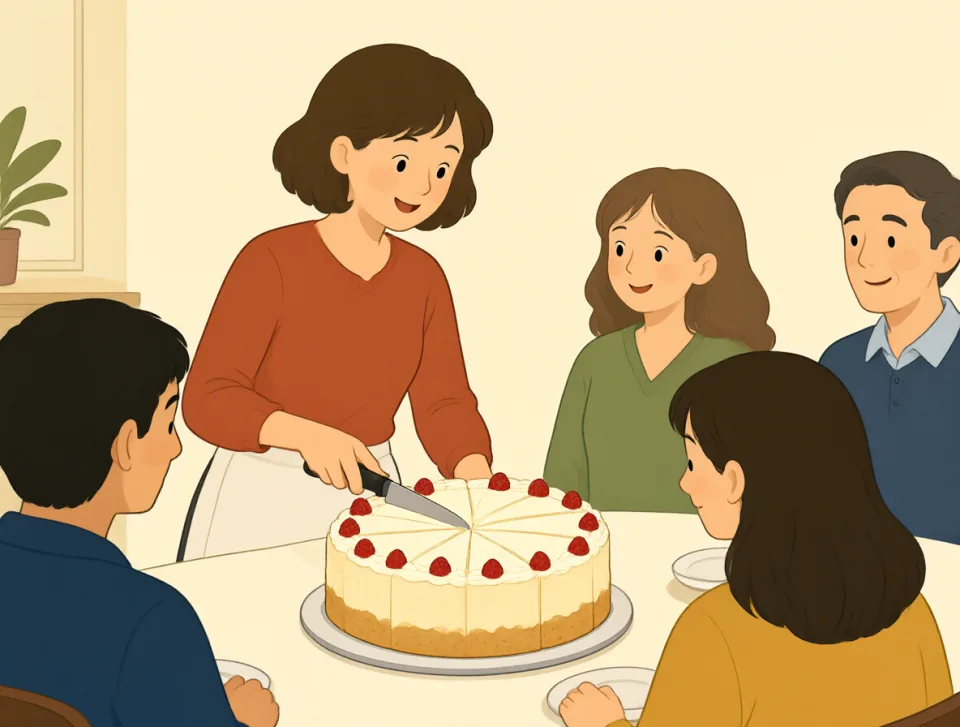
Please divide the cake into equal portions for everyone at the party.
Podziel tort na równe porcje dla wszystkich gości.
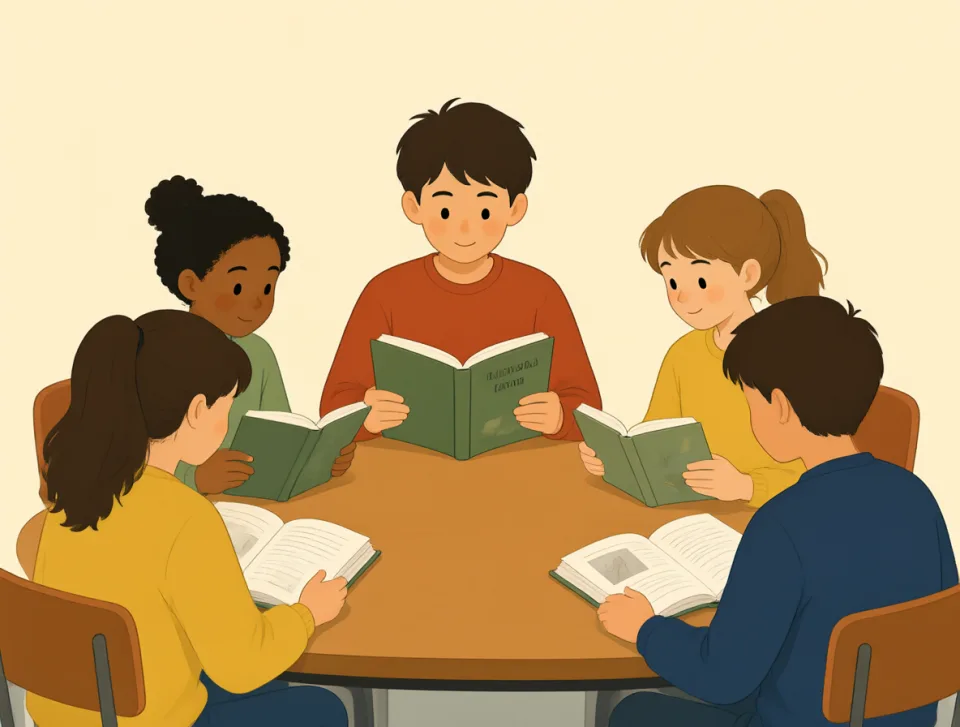
The teacher gave each student a portion of the reading to discuss.
Nauczyciel przydzielił każdemu uczniowi fragment tekstu do omówienia.
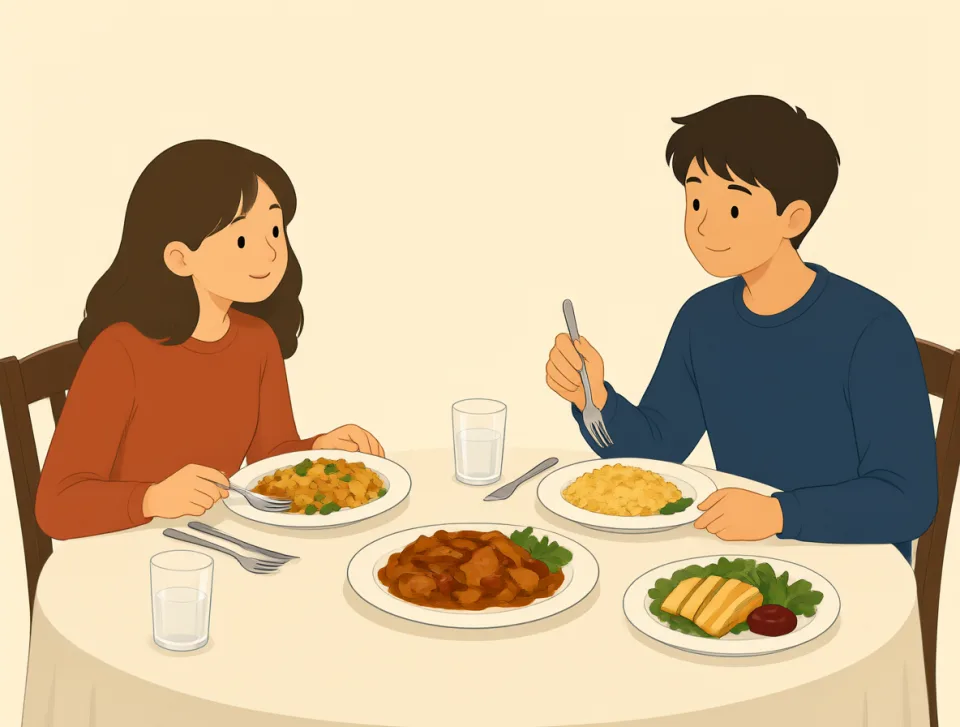
This restaurant serves generous portions, so one meal can feed two people.
W tej restauracji porcje są tak duże, że jedno danie wystarczy dla dwóch osób.
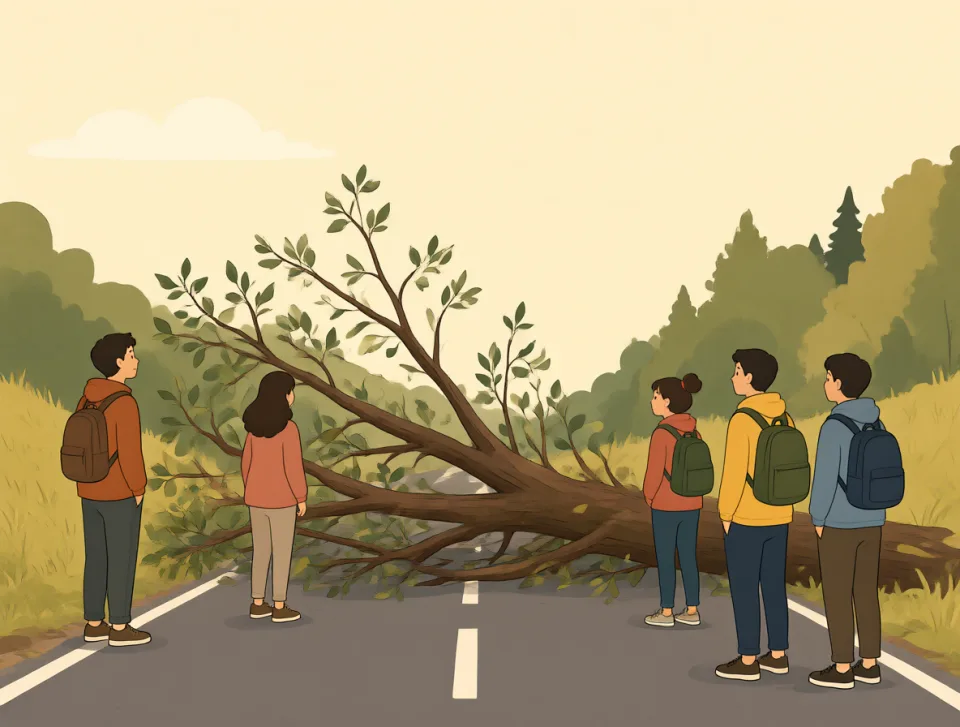
Only a portion of the road was closed after the heavy storm.
Po gwałtownej burzy zamknięto tylko część drogi.
substance
#2230noun
substancja
A particular type of material, especially a solid, liquid, or chemical.
Określony rodzaj materiału, zwłaszcza ciała stałego, cieczy lub związku chemicznego.
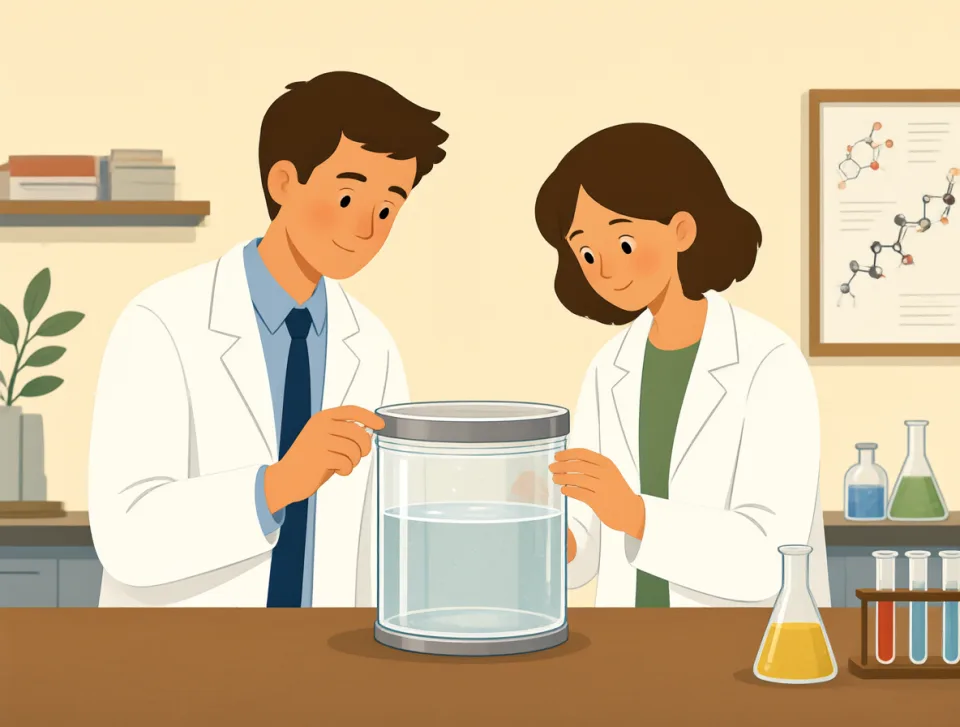
The scientists tested the substance carefully before using it in the experiment.
Naukowcy dokładnie zbadali tę substancję, zanim użyli jej w eksperymencie.
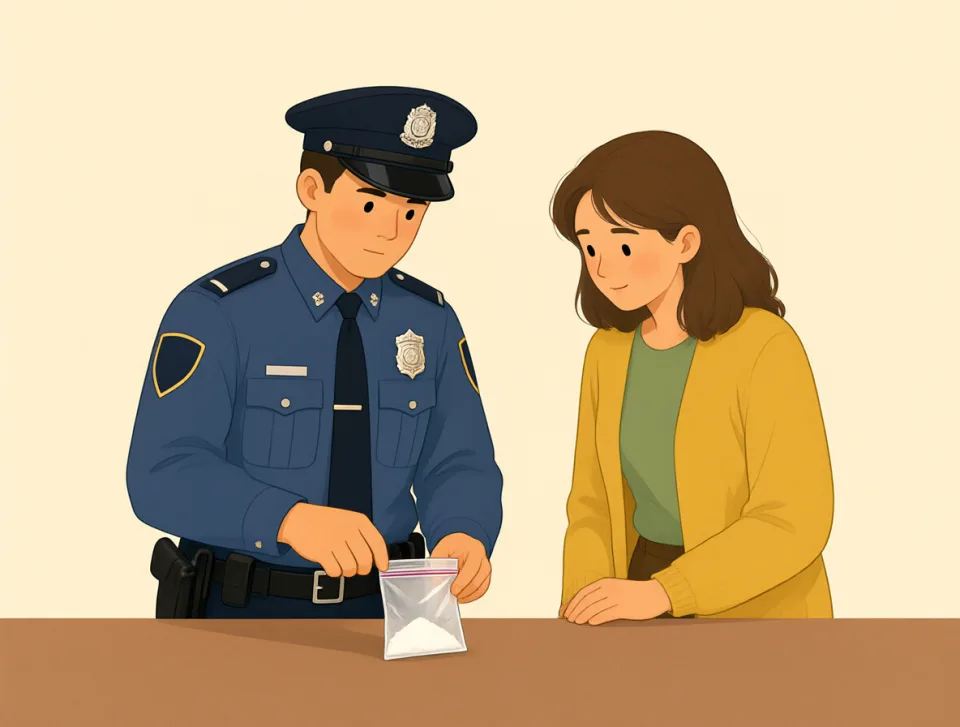
Police found an unknown substance inside a small plastic bag.
Policja znalazła nieznaną substancję w małym plastikowym woreczku.
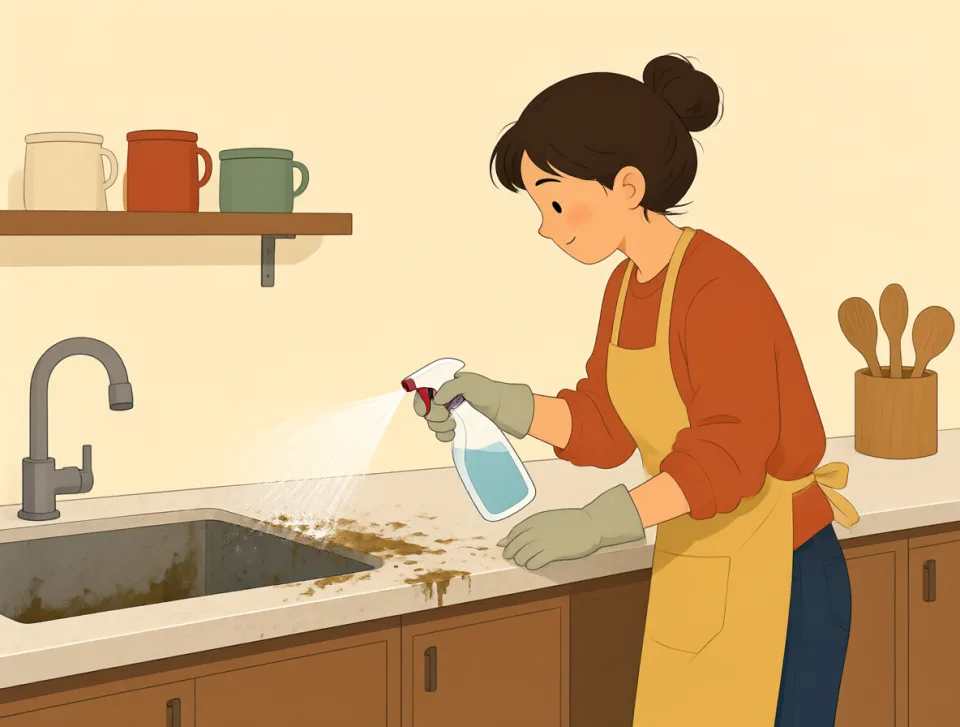
This cleaning substance removes grease from kitchen surfaces quickly.
Ten środek czyszczący szybko usuwa tłuszcz z kuchennych powierzchni.
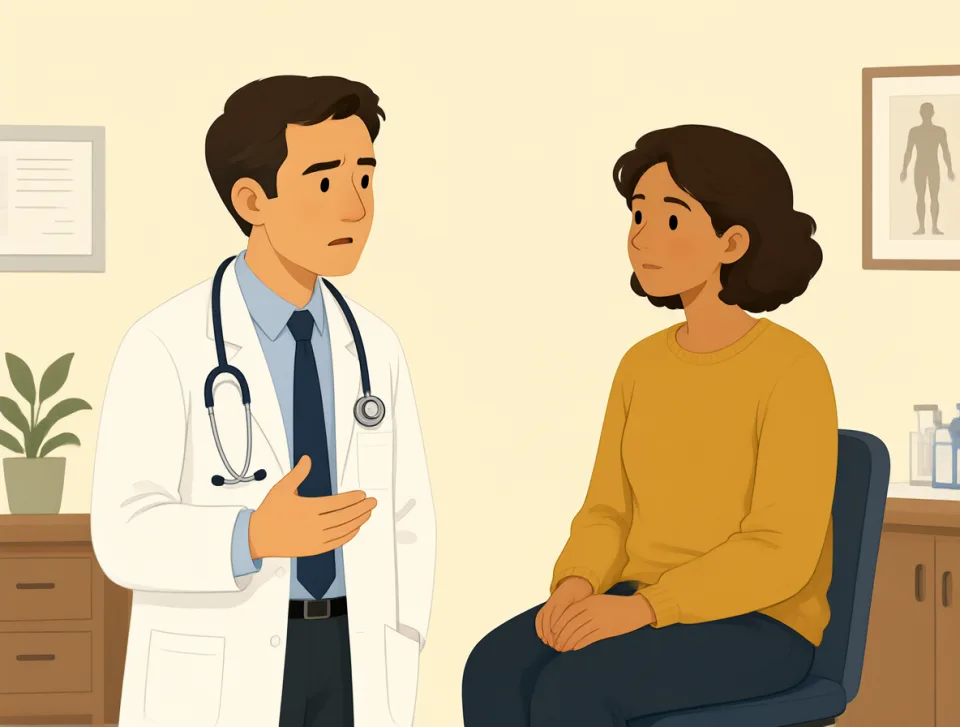
The doctor warned him that the substance could harm his stomach.
Lekarz ostrzegł go, że ta substancja może zaszkodzić jego żołądkowi.
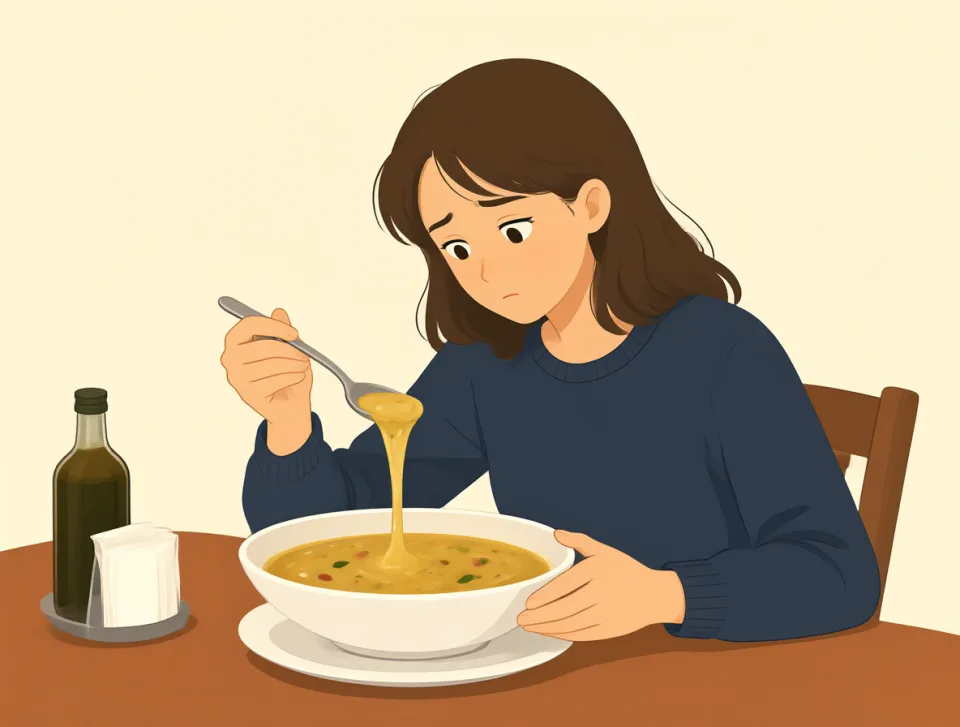
The soup contained a thick substance that made it difficult to swallow.
Zupa zawierała gęstą substancję, przez którą trudno było ją przełknąć.

extensive
#2231adjective
rozległy
Large in size, amount, or range; covering a wide area or many details.
Duży pod względem rozmiaru, ilości lub zakresu; obejmujący dużą powierzchnię albo wiele szczegółów.
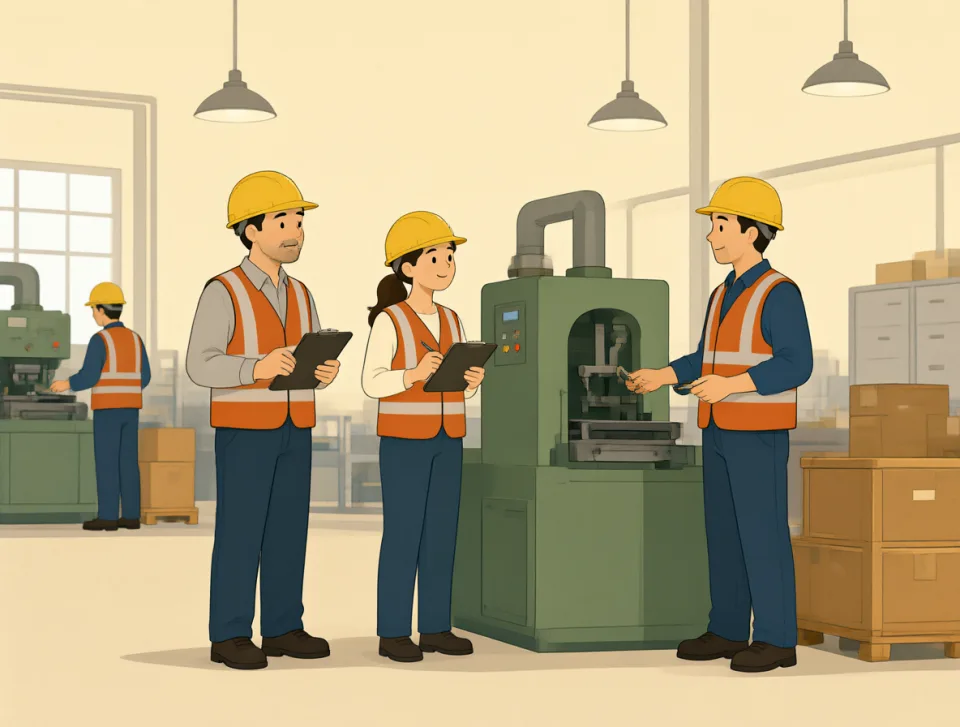
The company carried out extensive safety checks before opening the new factory.
Przed otwarciem nowej fabryki firma przeprowadziła rozległe kontrole bezpieczeństwa.
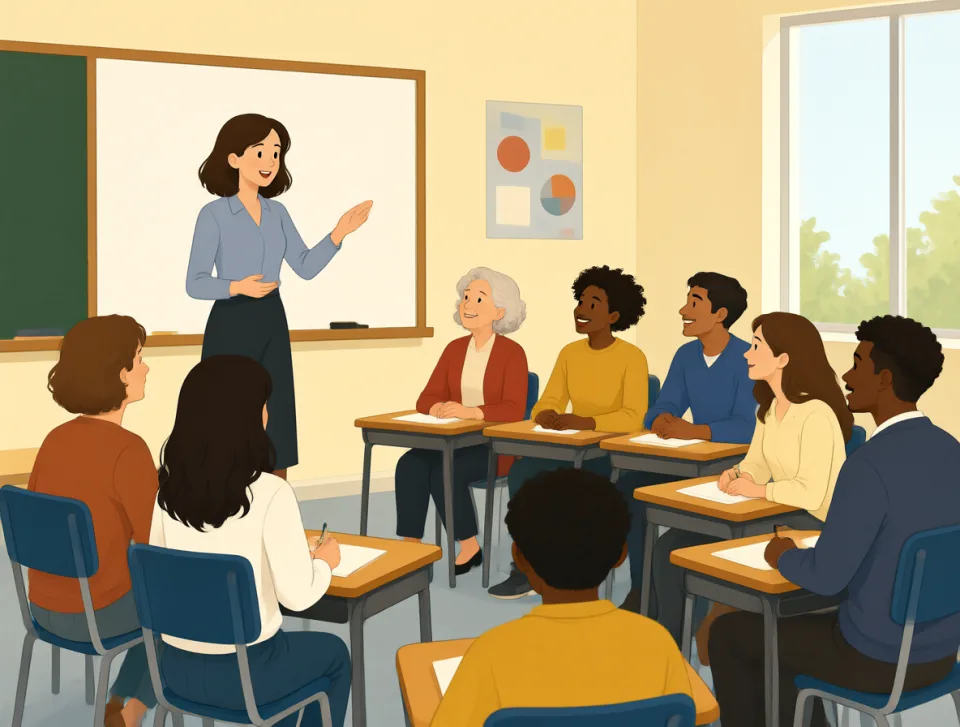
She has extensive experience teaching English to adults from different countries.
Ma duże doświadczenie w nauczaniu angielskiego dorosłych z różnych krajów.
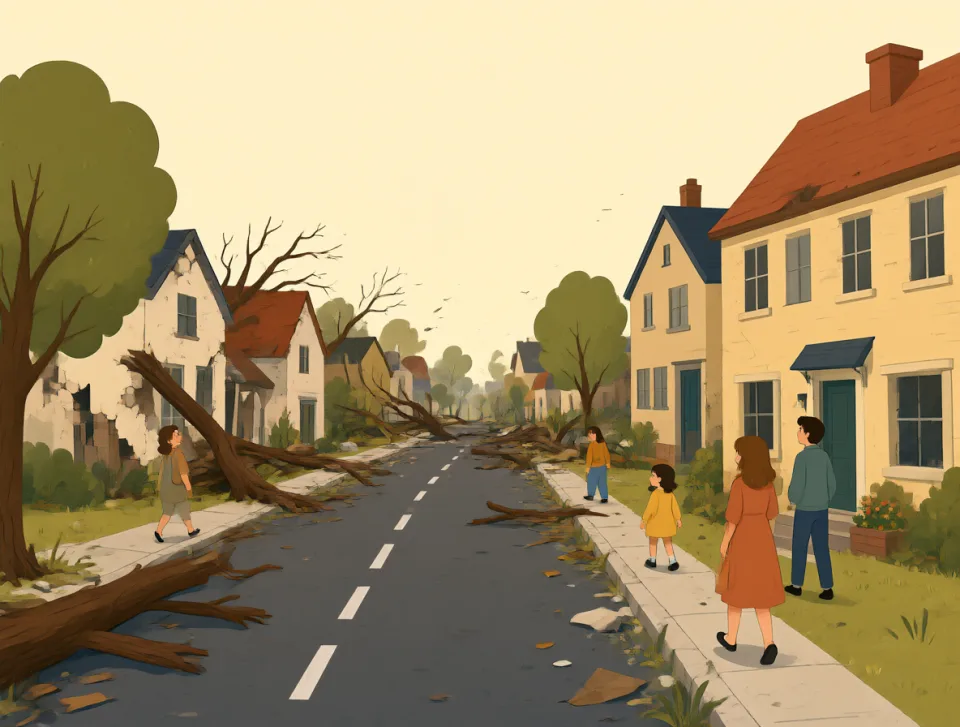
The storm caused extensive damage to homes and roads across the town.
Burza spowodowała rozległe zniszczenia domów i dróg w całym mieście.
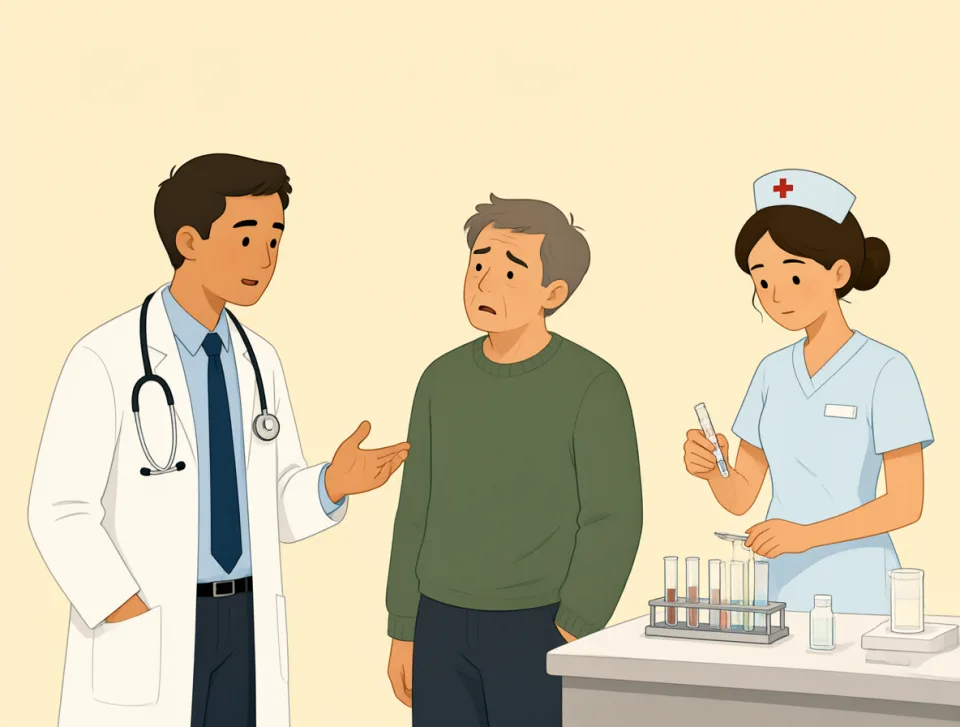
The doctor ordered extensive tests to find the cause of his tiredness.
Lekarz zlecił rozległe badania, żeby znaleźć przyczynę jego zmęczenia.
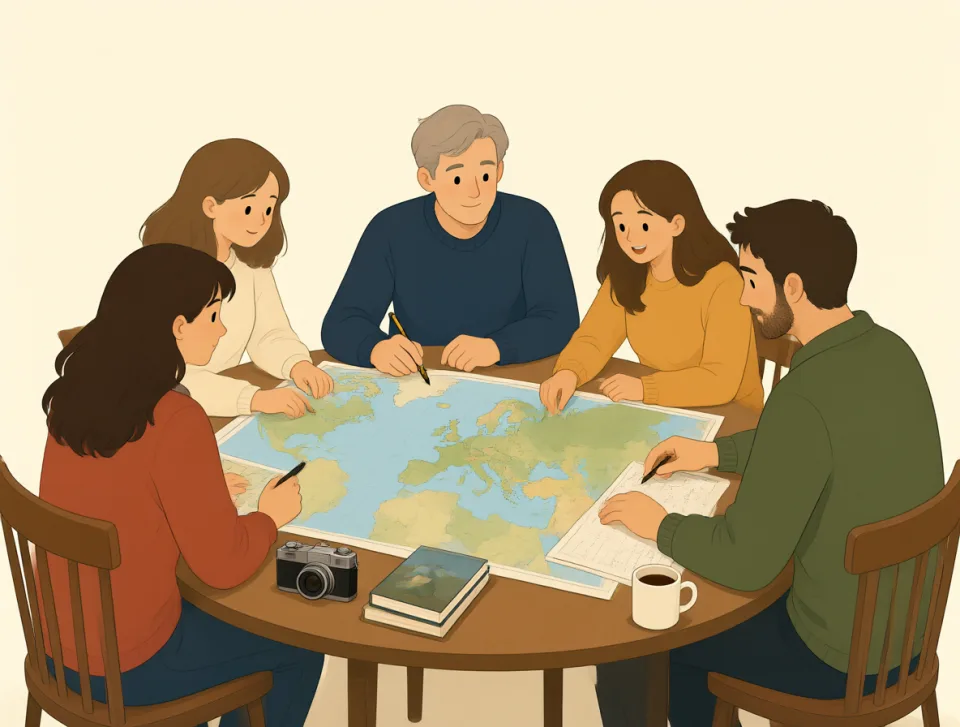
We made extensive plans for our month-long trip around Europe.
Szczegółowo zaplanowaliśmy naszą miesięczną podróż po Europie.
interpret
#2232verb
interpretować
to explain or understand the meaning of something in a particular way
Wyjaśniać znaczenie czegoś lub rozumieć je w określony sposób.
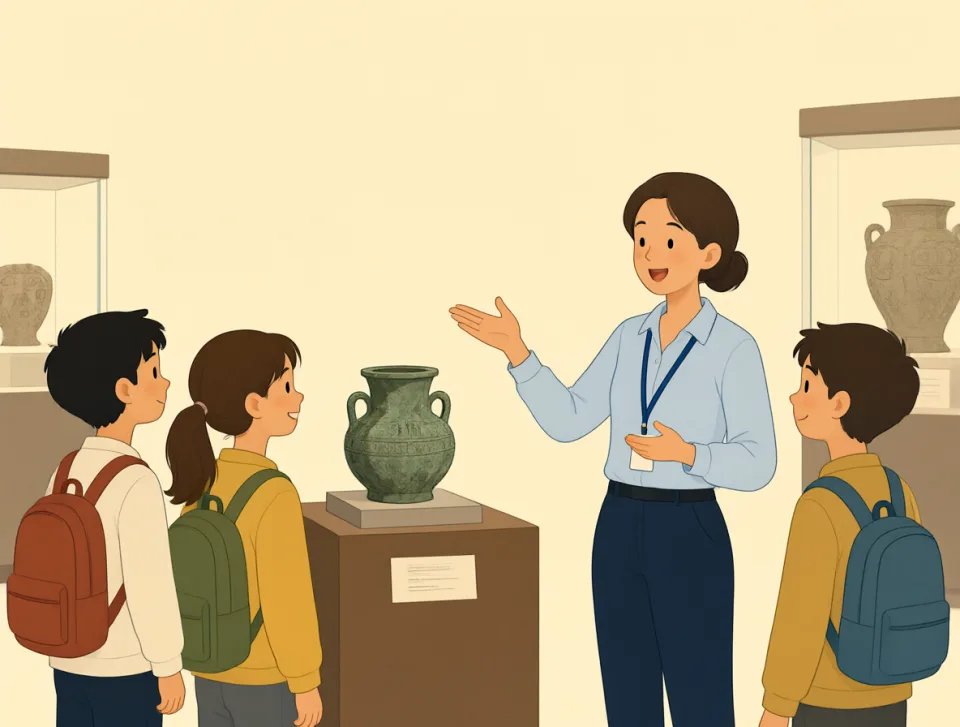
The guide interpreted the museum's history for the visiting students.
Przewodnik objaśnił odwiedzającym muzeum uczniom jego historię.
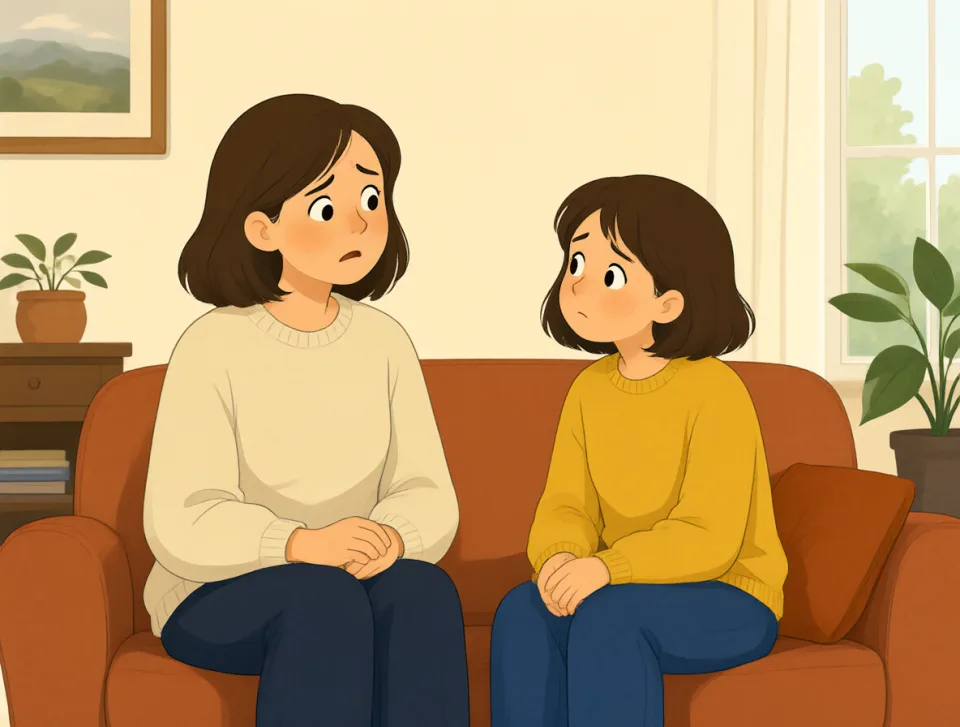
She interpreted his silence as a sign that he was upset.
Zinterpretowała jego milczenie jako znak, że jest zdenerwowany.
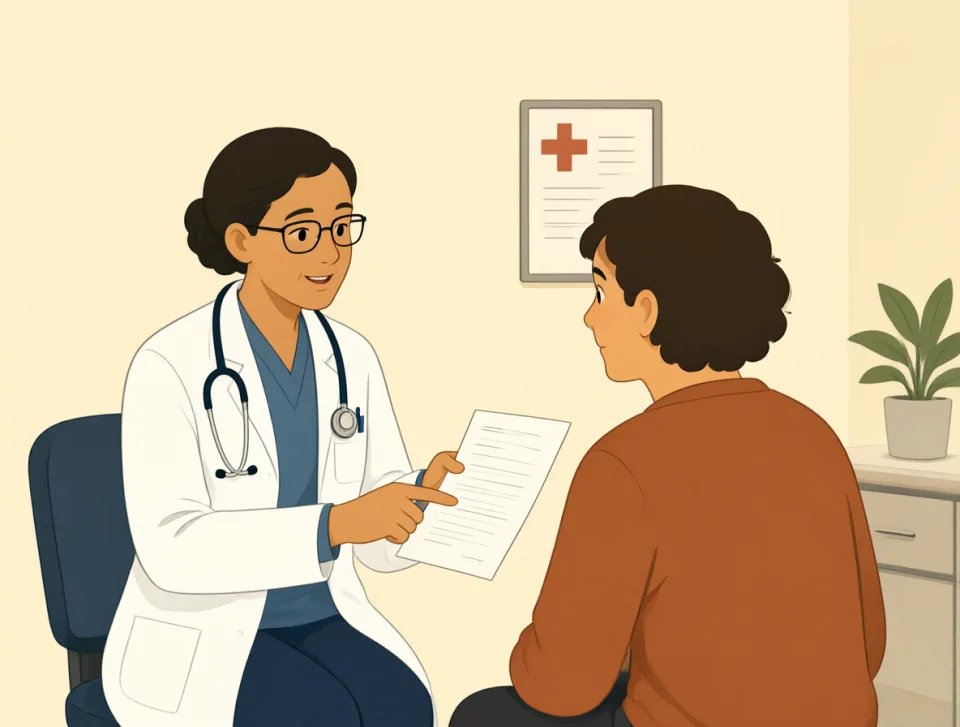
The doctor interpreted the test results and explained them clearly.
Lekarz zinterpretował wyniki badań i jasno je wyjaśnił.

The translator interpreted the speaker's words for tourists at the airport.
Tłumacz przekładał słowa prelegenta turystom na lotnisku.
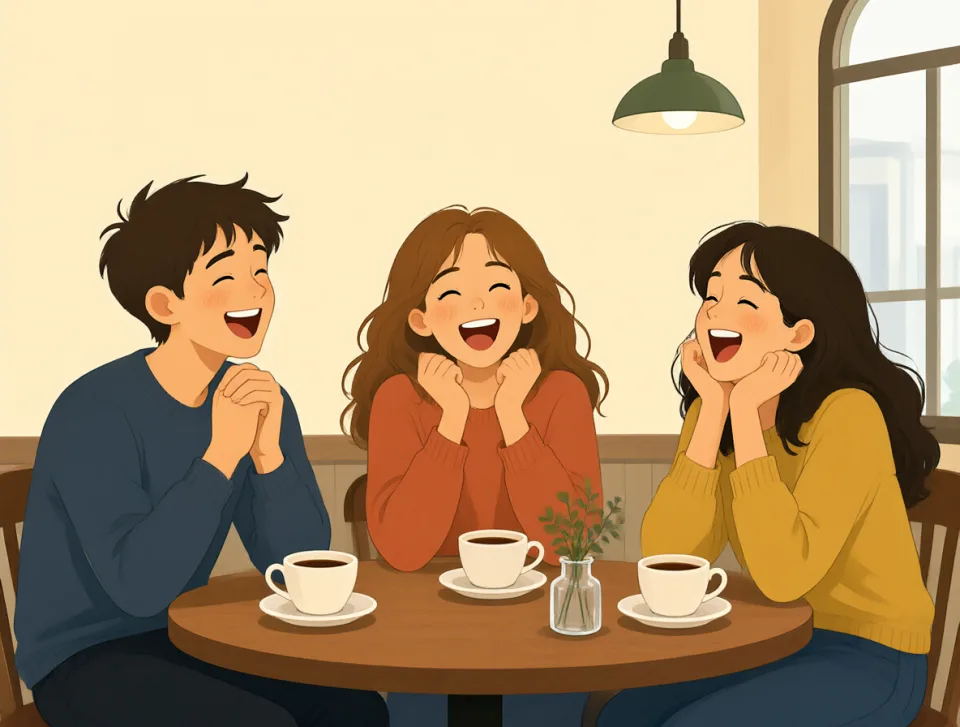
Different people may interpret the same joke in different ways.
Różni ludzie mogą różnie interpretować ten sam żart.
independence
#2233noun
niezależność
The freedom to make your own decisions and live without depending on other people.
Swoboda podejmowania własnych decyzji i życia bez polegania na innych.
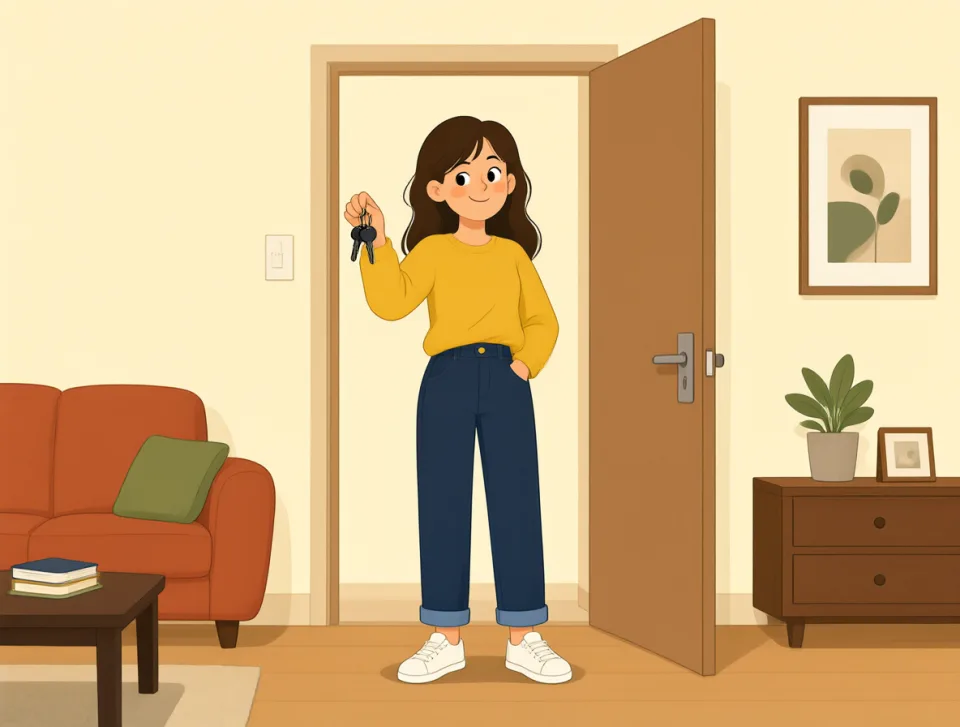
Moving into her own apartment gave Maya a strong sense of independence.
Przeprowadzka do własnego mieszkania dała Mai silne poczucie niezależności.
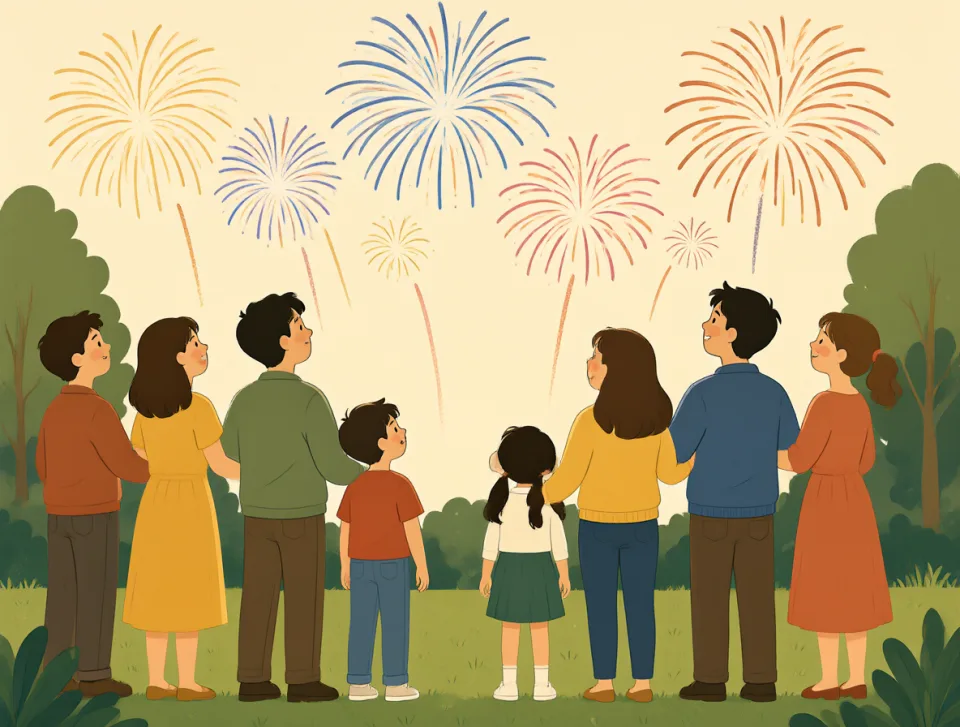
The country celebrated its independence with music, food, and fireworks.
Kraj świętował swoją niepodległość przy muzyce, jedzeniu i pokazach sztucznych ogni.
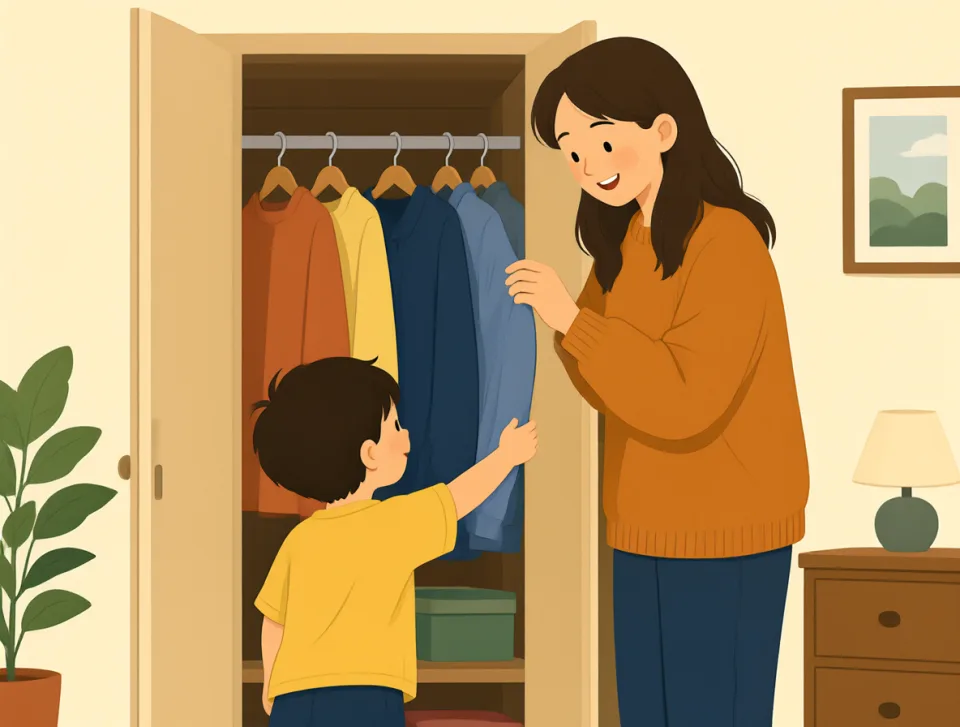
Parents should encourage independence by letting children choose their own clothes.
Rodzice powinni wspierać samodzielność dzieci, pozwalając im wybierać własne ubrania.
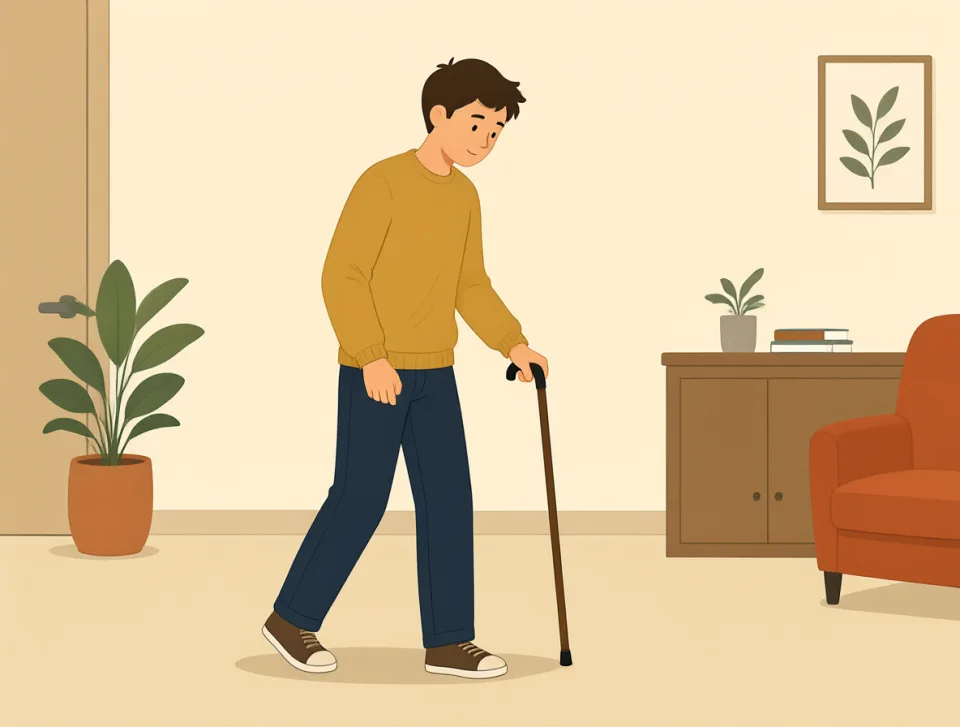
After the accident, physical therapy helped him regain his independence.
Po wypadku fizjoterapia pomogła mu odzyskać samodzielność.
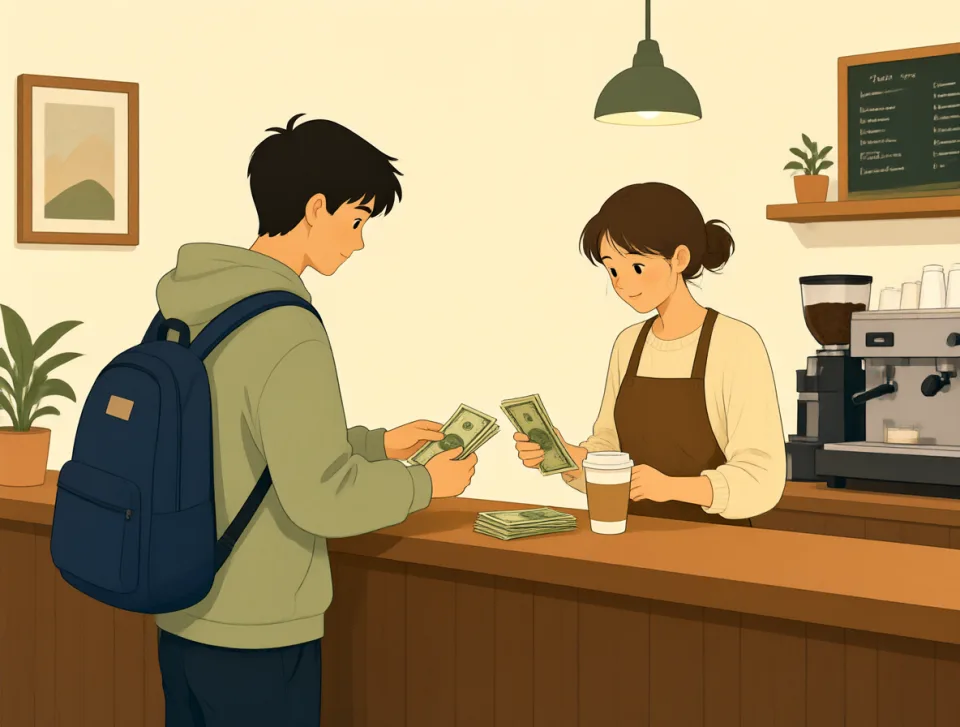
Working part-time gave Lena financial independence during college.
Praca na pół etatu dała Lenie niezależność finansową podczas studiów.
sugar
#2234noun
cukier
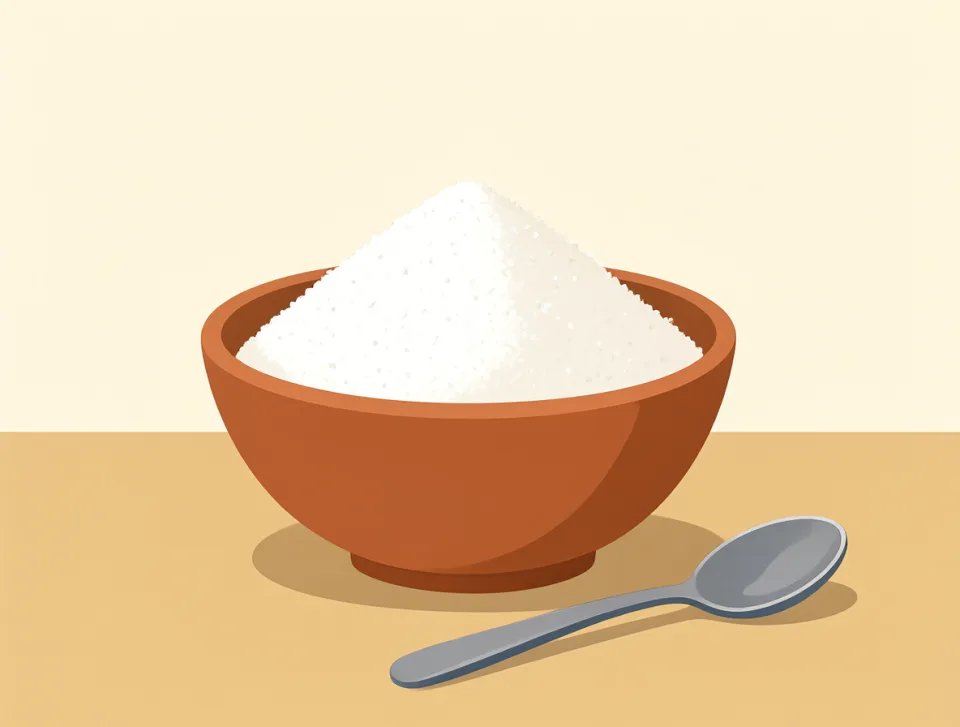
A sweet substance used to make food and drinks taste sweeter.
Słodka substancja używana do osładzania potraw i napojów.
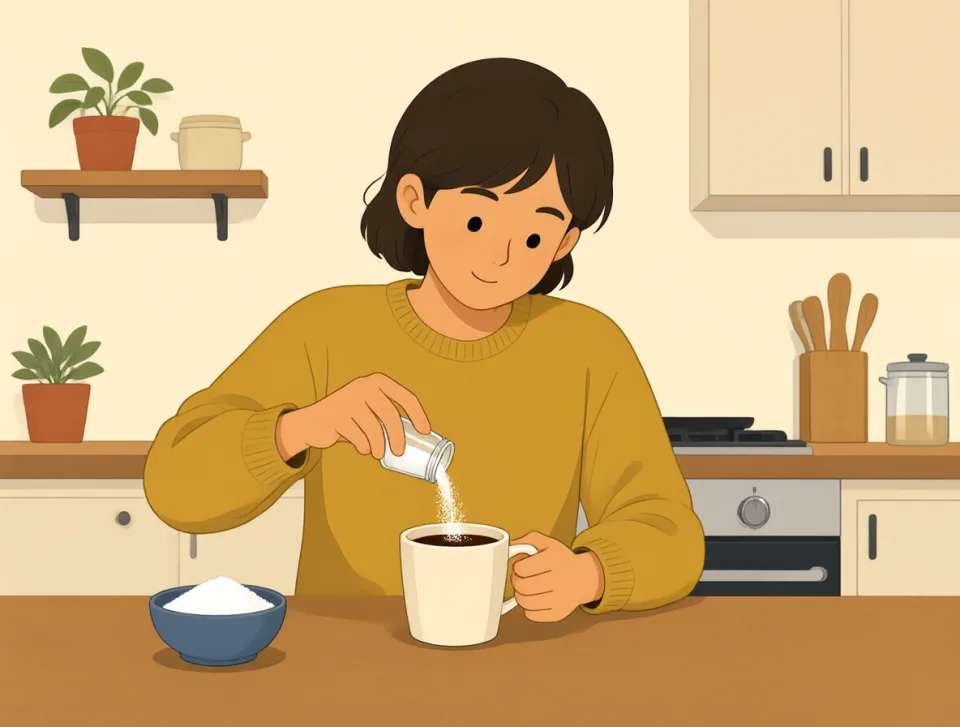
I always add a spoonful of sugar to my morning coffee.
Zawsze dodaję łyżeczkę cukru do porannej kawy.
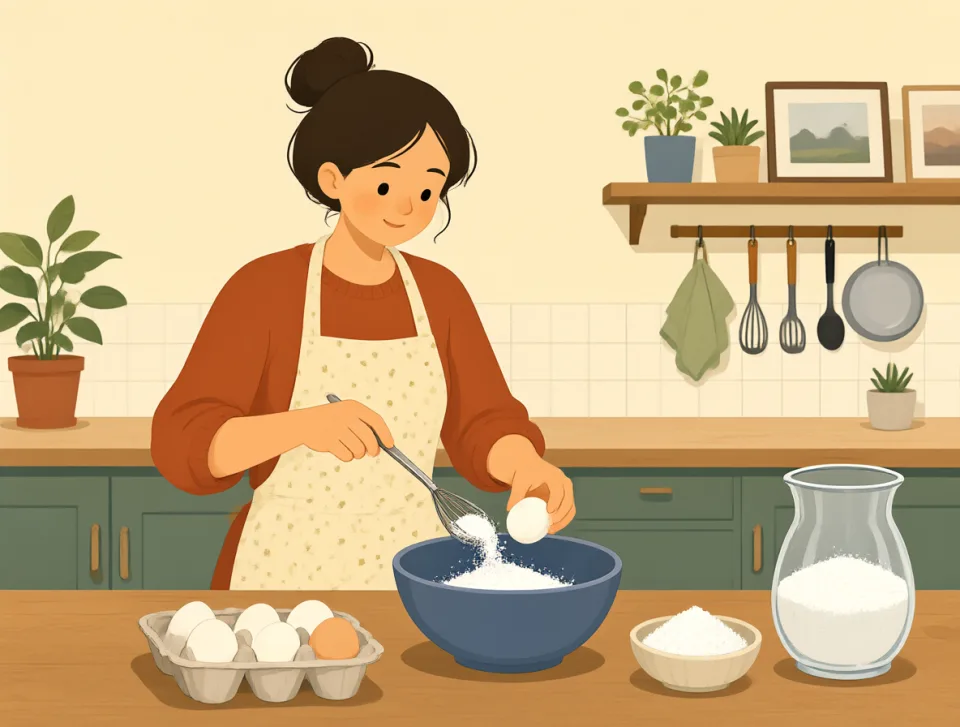
This recipe needs two cups of sugar and three large eggs.
Do tego przepisu potrzeba dwóch szklanek cukru i trzech dużych jajek.
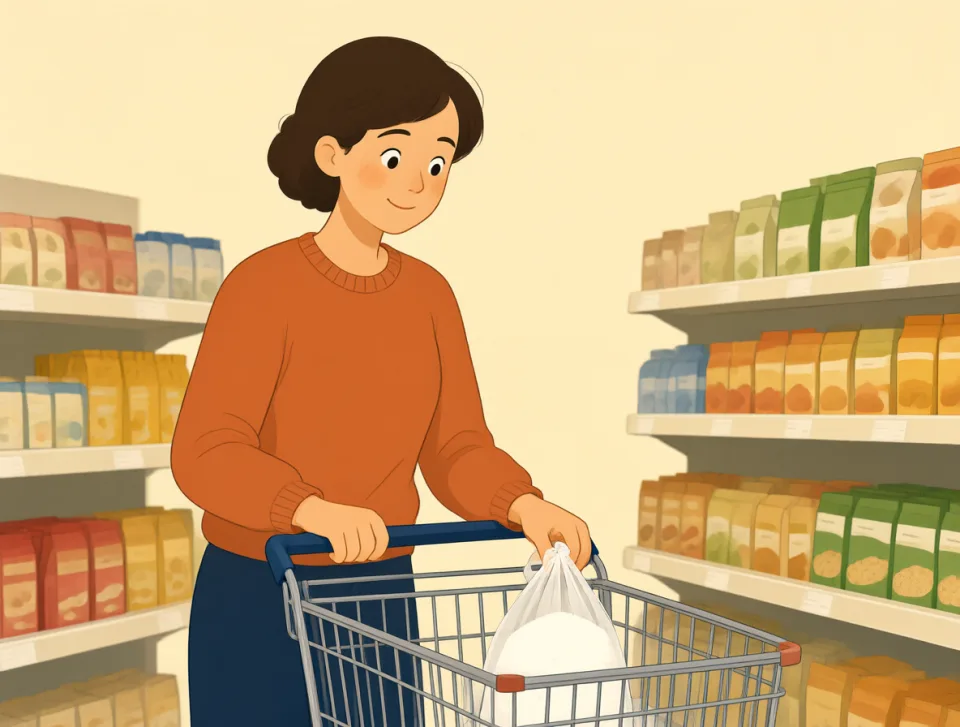
Could you buy some sugar when you go to the supermarket?
Czy możesz kupić trochę cukru, kiedy będziesz w supermarkecie?
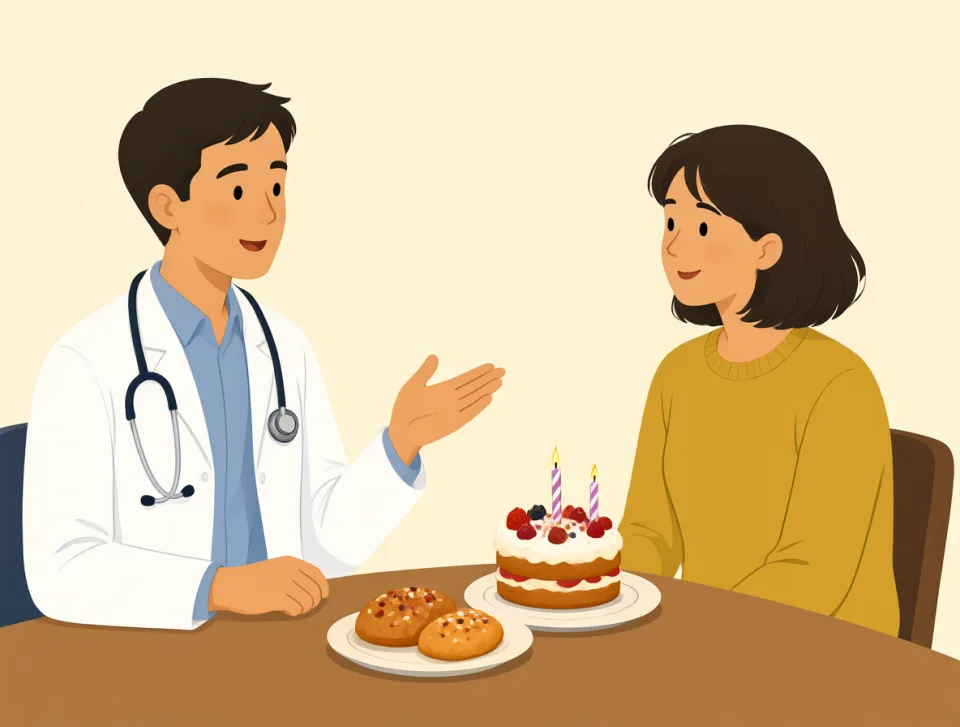
Too much sugar can increase your risk of health problems.
Zbyt duża ilość cukru może zwiększyć ryzyko problemów zdrowotnych.
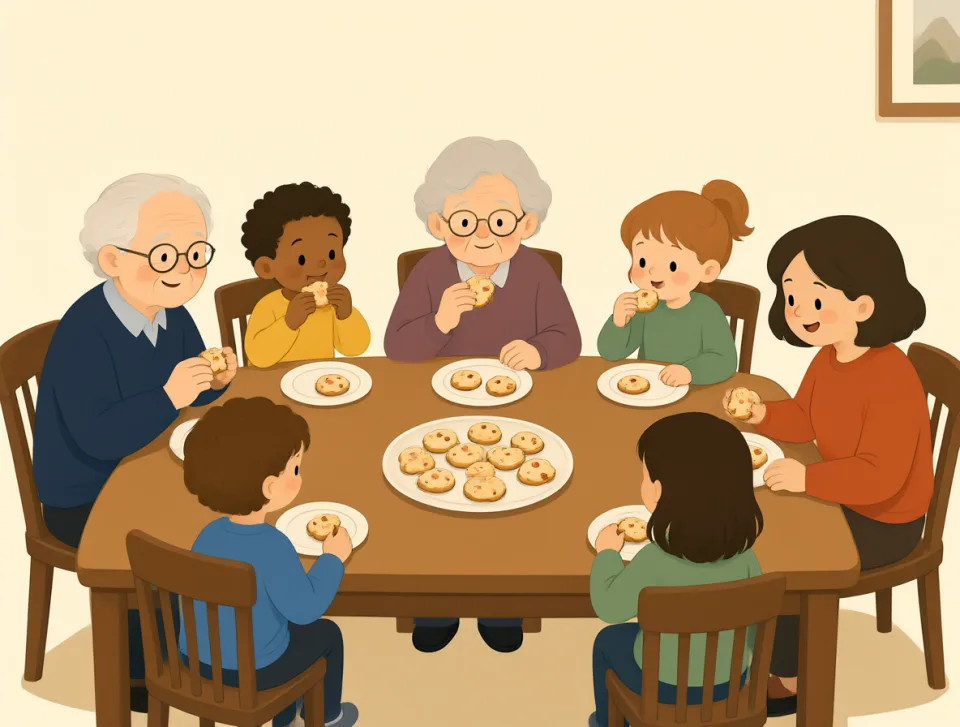
The children were eating sugar cookies while visiting their grandparents.
Dzieci jadły kruche ciasteczka z cukrem podczas wizyty u dziadków.
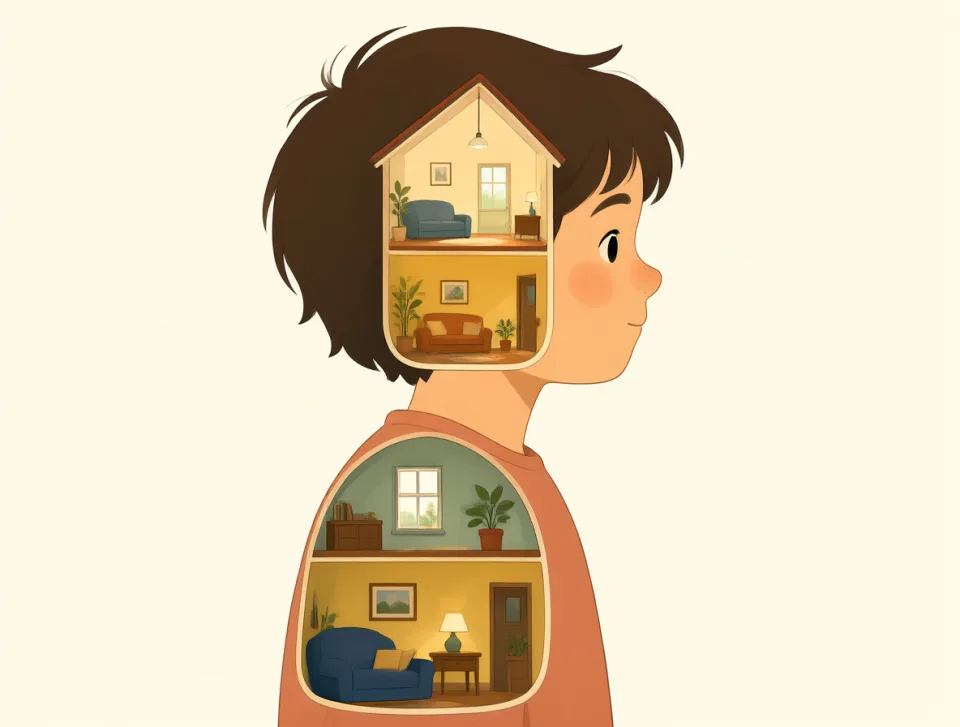
inner
#2235adjective, noun
wewnętrzny
Located inside something, or the private thoughts and feelings inside a person.
Znajdujący się wewnątrz czegoś albo odnoszący się do prywatnych myśli i uczuć człowieka.
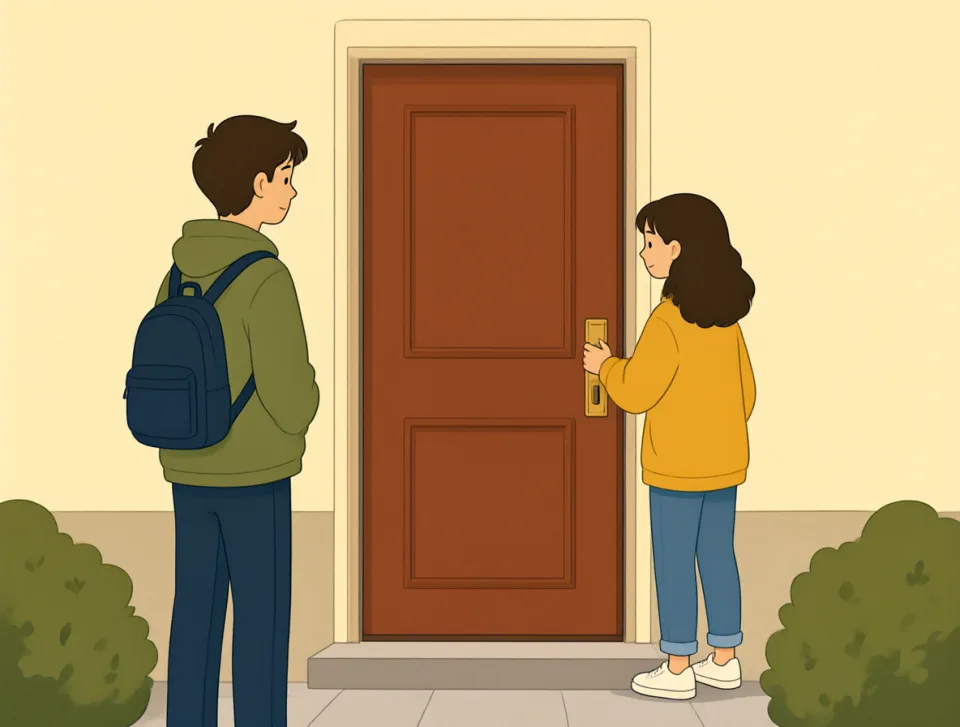
The inner door was locked, so we waited outside the building.
Wewnętrzne drzwi były zamknięte, więc czekaliśmy na zewnątrz budynku.
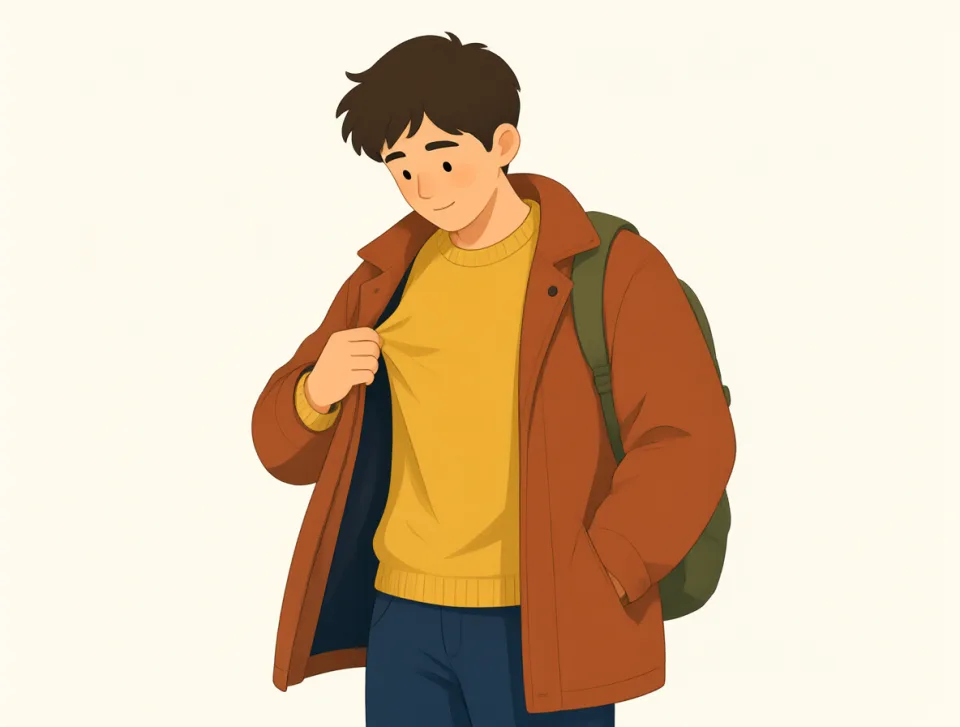
She wore a warm inner layer under her coat during the winter trip.
Podczas zimowego wyjazdu miała pod płaszczem ciepłą warstwę odzieży.
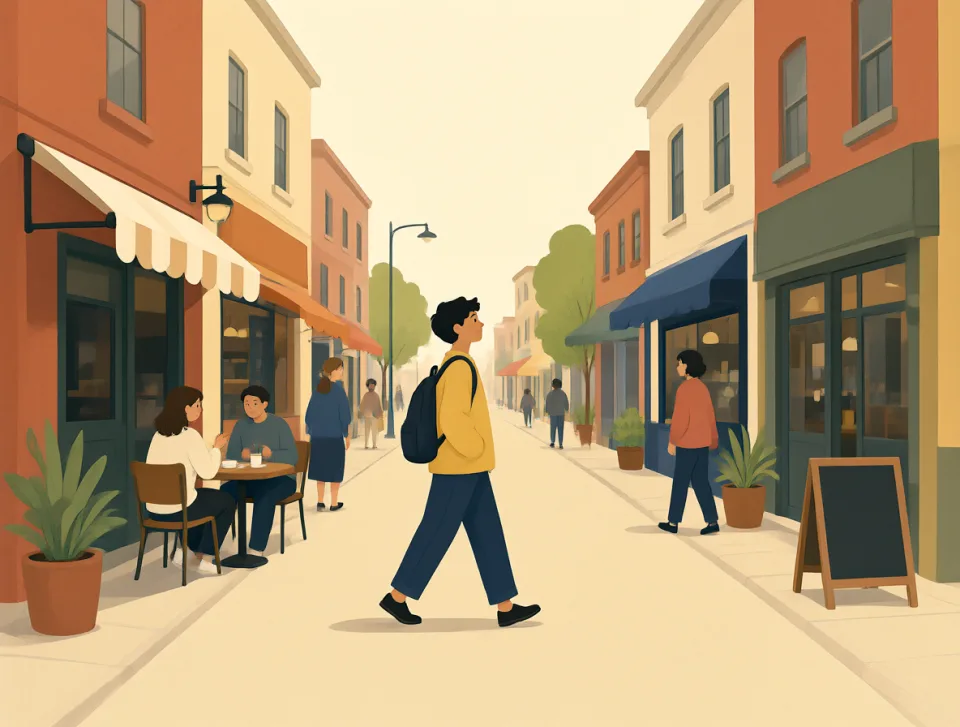
The inner city has many small shops, restaurants, and busy streets.
W centrum miasta jest wiele małych sklepów, restauracji i ruchliwych ulic.
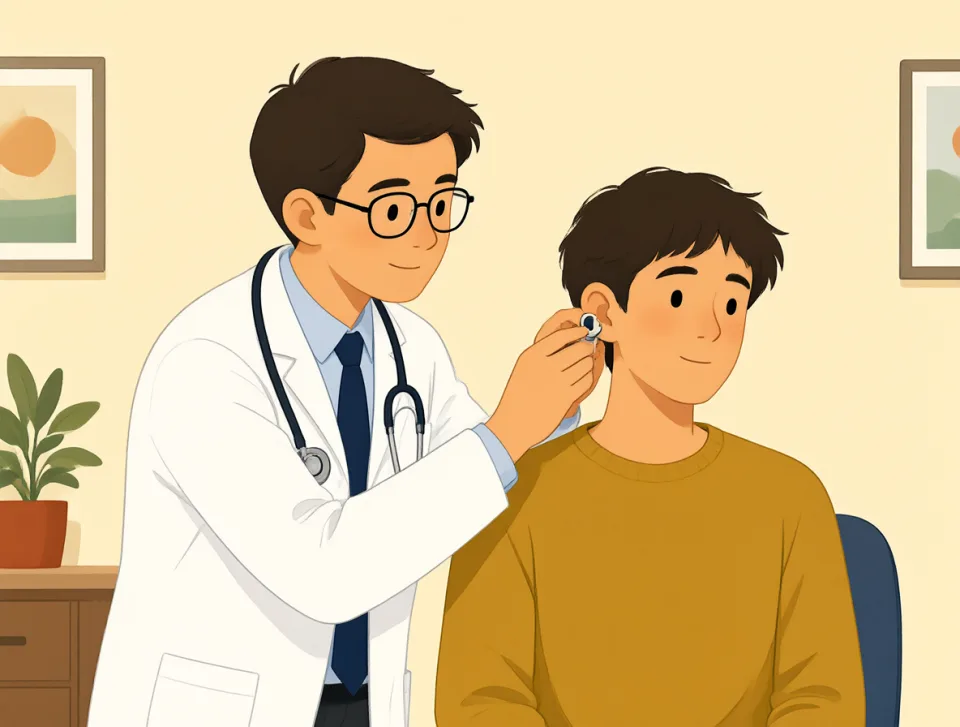
The doctor examined the inner part of my ear carefully.
Lekarz dokładnie zbadał wewnętrzną część mojego ucha.
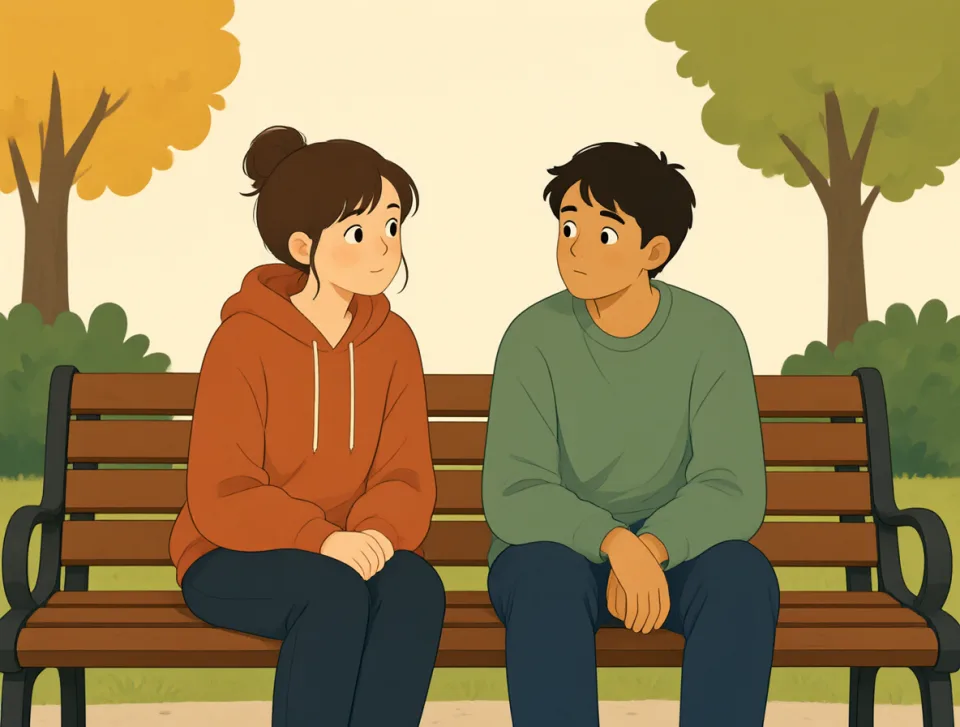
Deep inside, he felt an inner calm after talking with his friend.
Głęboko w środku poczuł wewnętrzny spokój po rozmowie z przyjacielem.
harm
#2236noun, verb
szkodzić; szkoda
physical or emotional damage, or to cause someone or something damage
uszkodzenie fizyczne lub emocjonalne albo spowodowanie szkody komuś lub czemuś
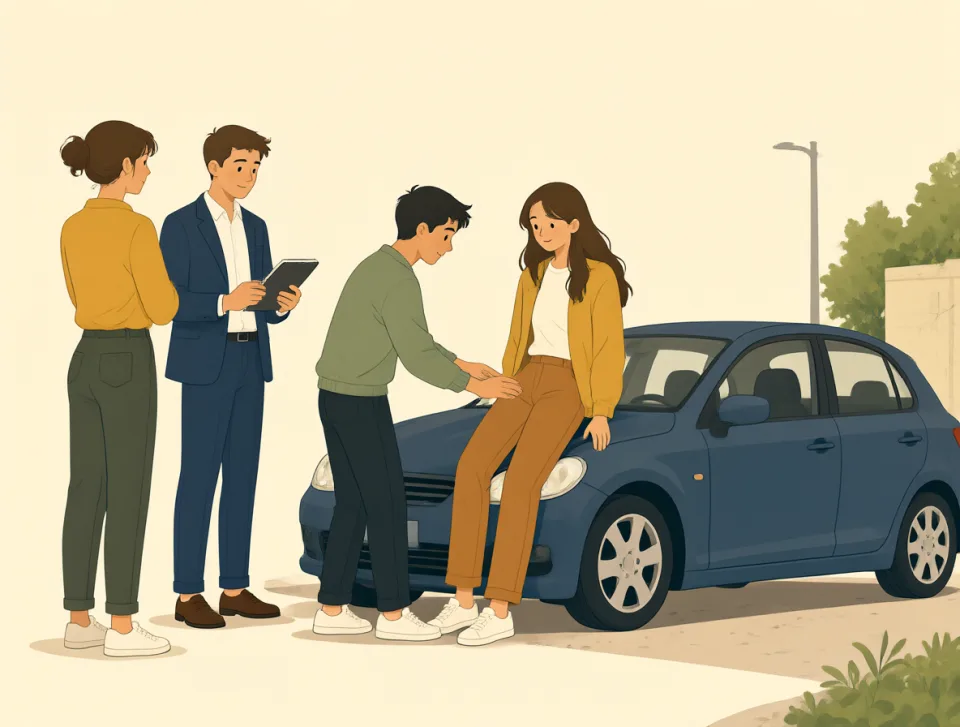
Luckily, nobody was harmed in the accident.
Na szczęście nikt nie ucierpiał w wypadku.
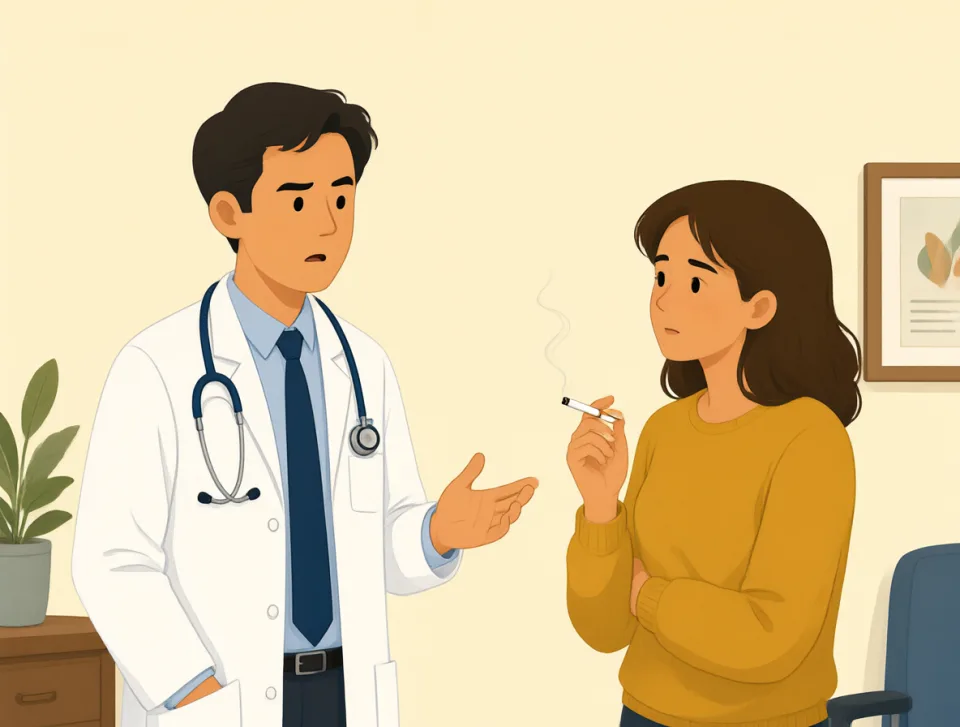
Smoking can harm your health over many years.
Palenie może przez wiele lat szkodzić zdrowiu.
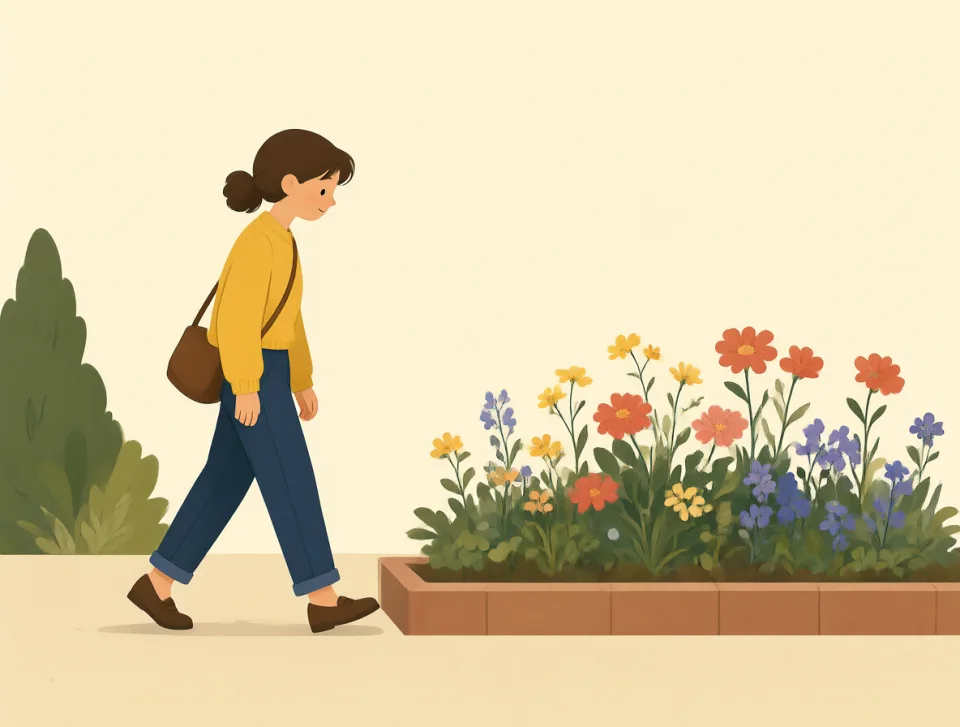
Be careful not to harm the flowers when you walk past.
Uważaj, żeby nie uszkodzić kwiatów, gdy będziesz przechodzić obok.
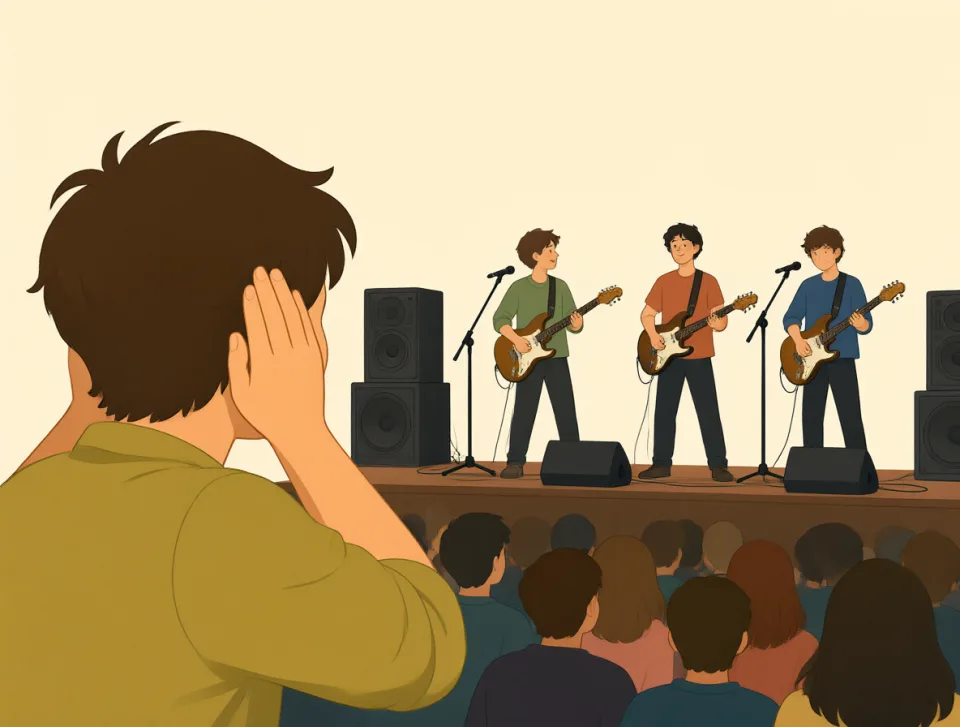
The loud music harmed my ears during the concert.
Głośna muzyka uszkodziła mi słuch podczas koncertu.
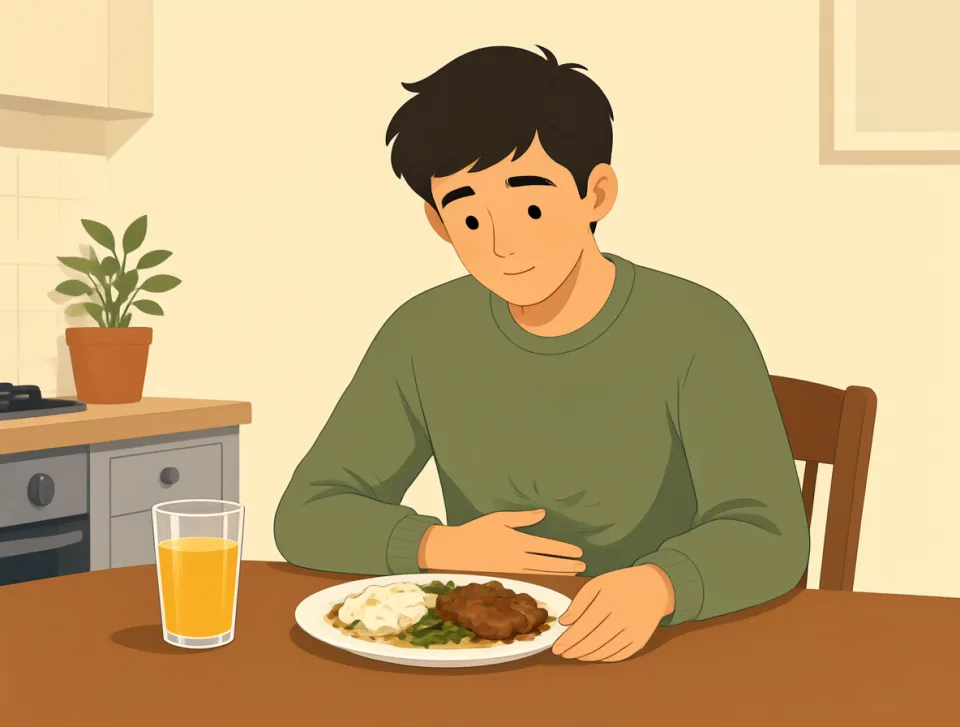
Eating too much spoiled food may harm your stomach.
Jedzenie zbyt dużej ilości zepsutego jedzenia może zaszkodzić żołądkowi.
consult
#2237verb
konsultować się
to ask an expert for advice before making a decision
zapytać eksperta o radę przed podjęciem decyzji
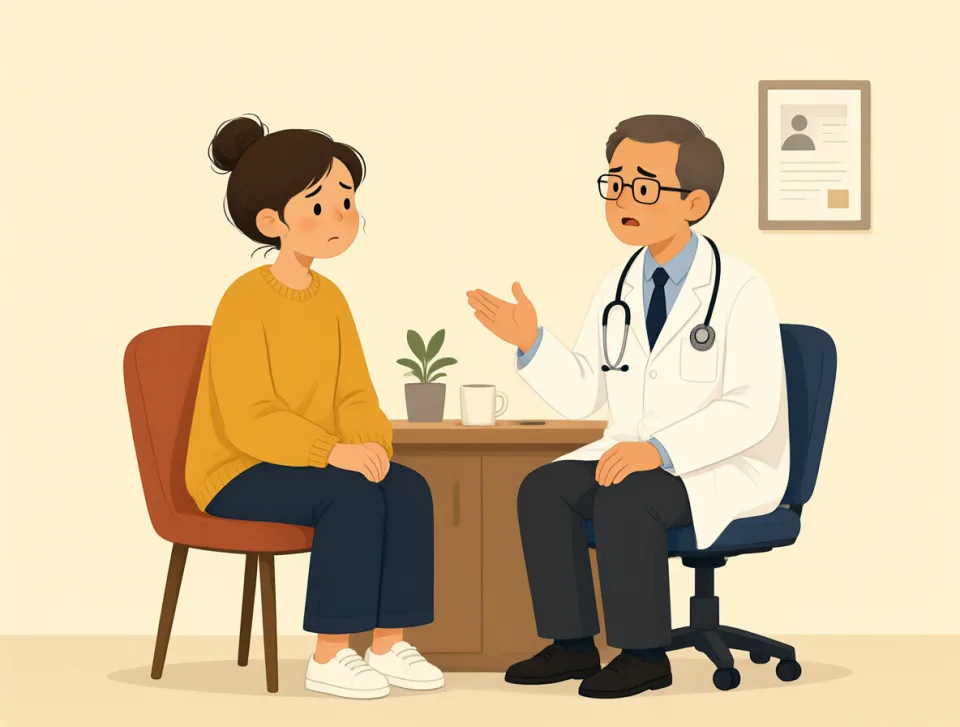
You should consult your doctor if the pain continues for several days.
Jeśli ból będzie się utrzymywał przez kilka dni, skonsultuj się z lekarzem.
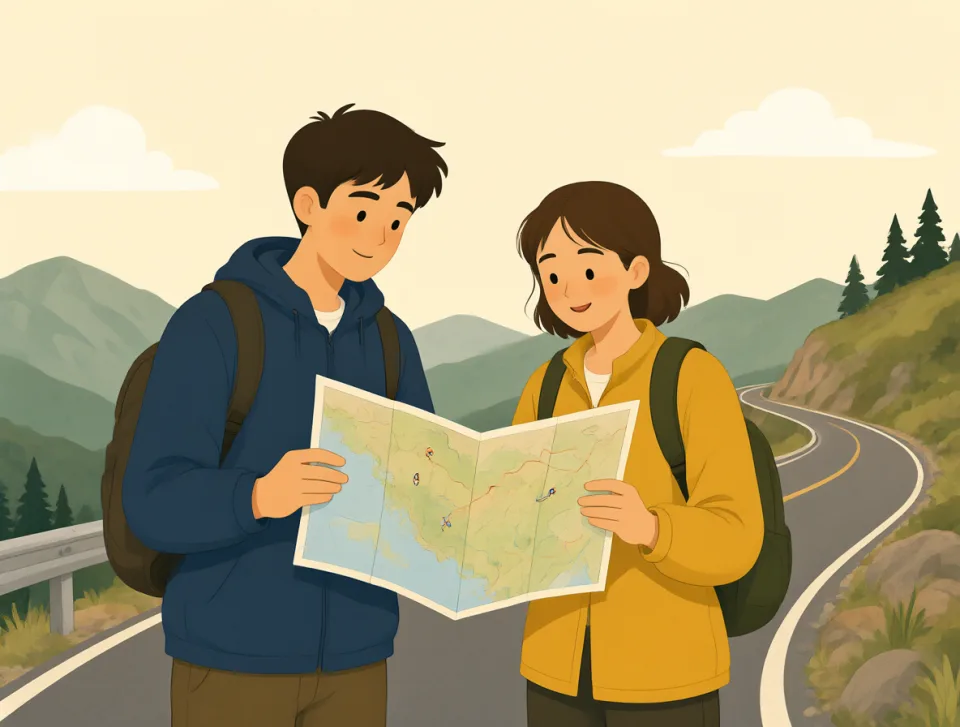
We consulted a map before choosing the best route through the mountains.
Przed wyborem najlepszej trasy przez góry sprawdziliśmy mapę.

The designer consulted her manager before changing the company logo.
Projektantka skonsultowała się ze swoją kierowniczką, zanim zmieniła logo firmy.
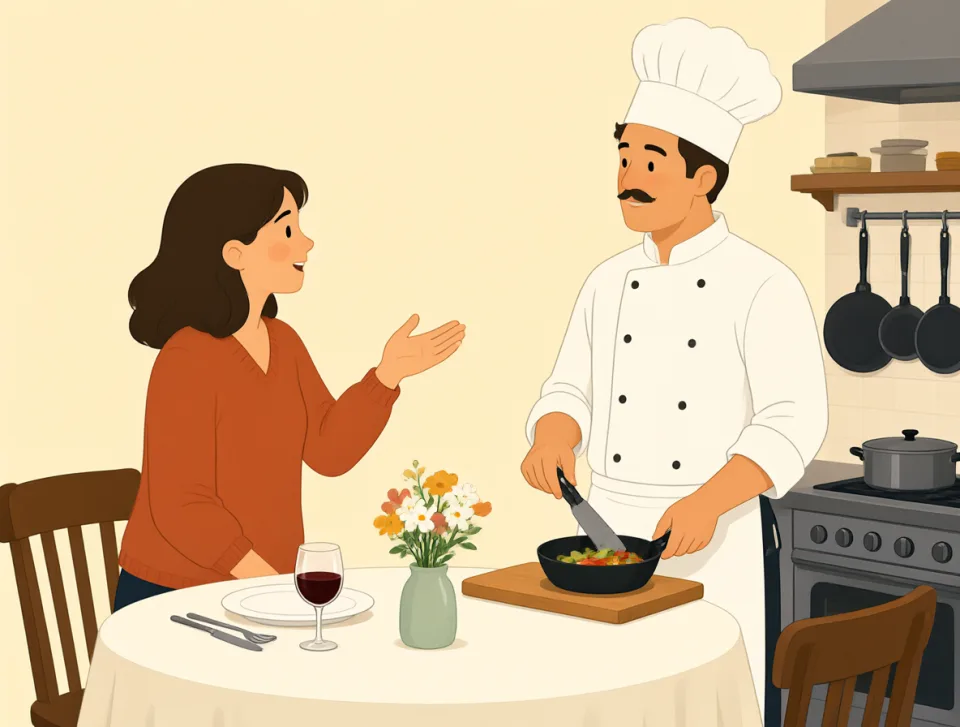
Please consult the chef if you have questions about the ingredients.
Jeśli masz pytania dotyczące składników, skonsultuj się z szefem kuchni.
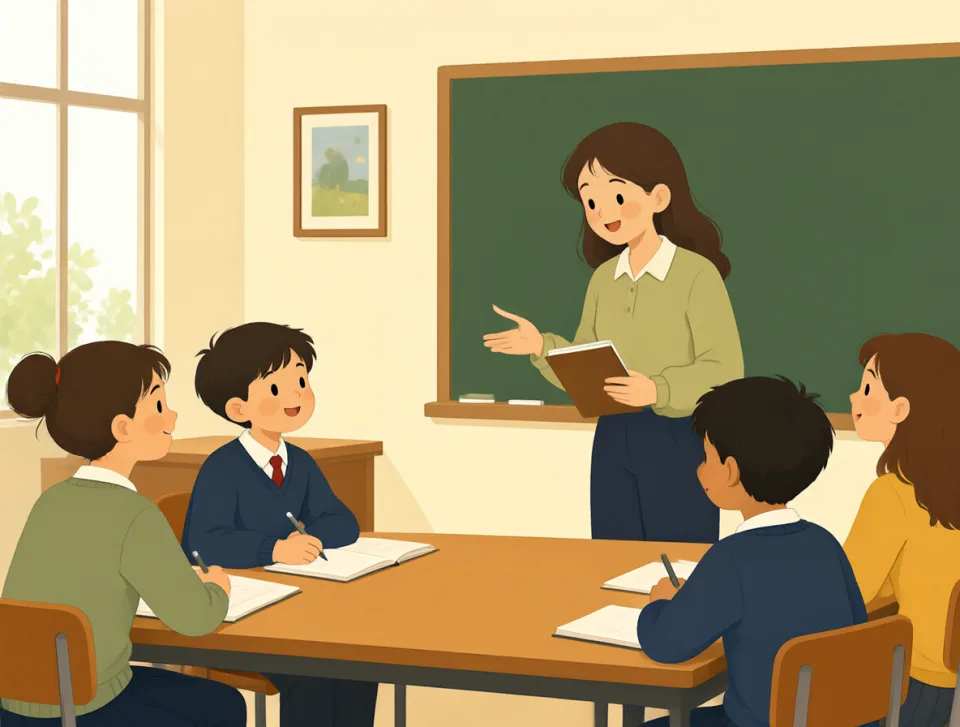
The students consulted their teacher about the difficult homework assignment.
Uczniowie skonsultowali się z nauczycielem w sprawie trudnego zadania domowego.

pink
#2238adjective, noun
różowy
A light red color; having the color of light red.
Jasnoczerwony kolor; mający jasnoczerwoną barwę.
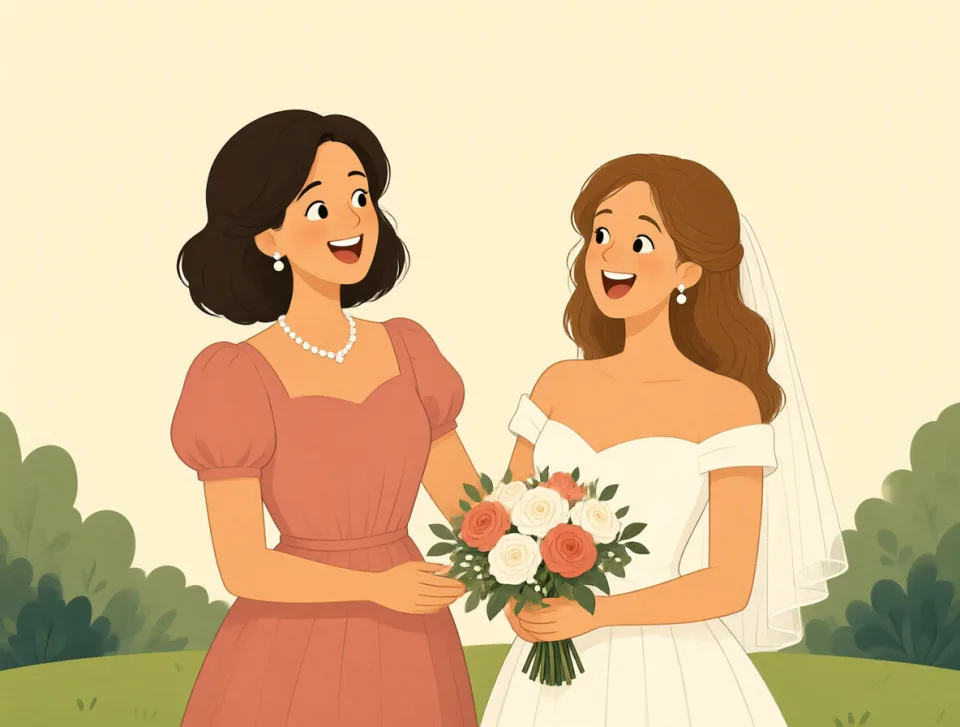
She wore a pink dress to her sister’s wedding last weekend.
W zeszły weekend założyła różową sukienkę na ślub swojej siostry.
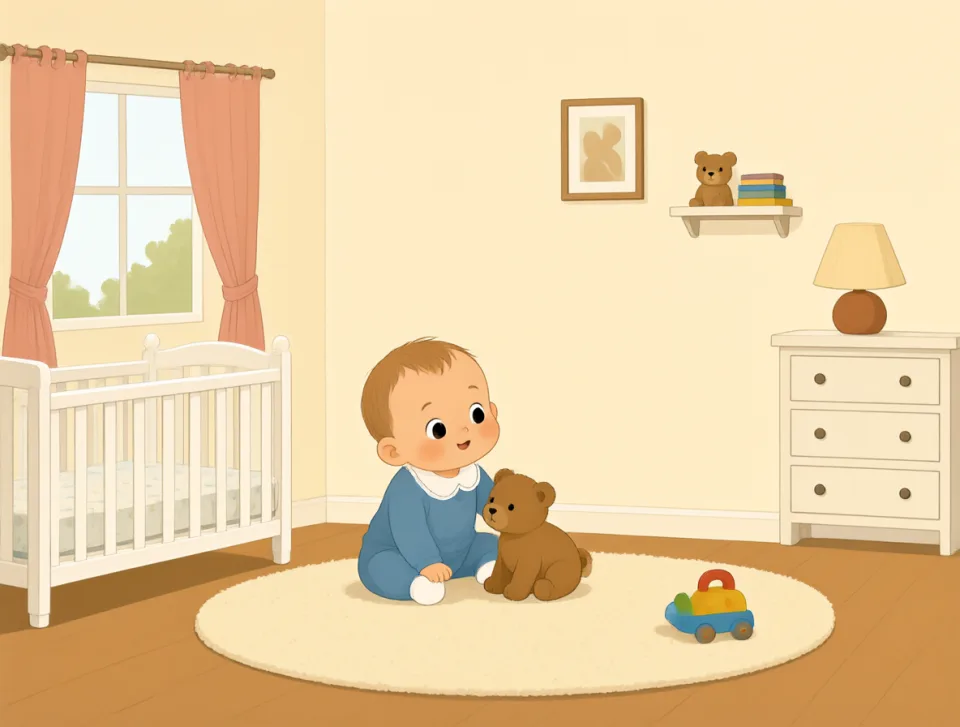
The baby’s room has pink curtains and a small white crib.
W pokoju dziecka wiszą różowe zasłony, a w rogu stoi małe białe łóżeczko.

He bought a pink shirt because it was on sale.
Kupił różową koszulę, bo była przeceniona.

The sunset turned the clouds pink as we drove along the coast.
Gdy jechaliśmy wzdłuż wybrzeża, zachód słońca zabarwił chmury na różowo.

She ordered a pink lemonade and sat outside with her friends.
Zamówiła różową lemoniadę i usiadła na zewnątrz z przyjaciółmi.
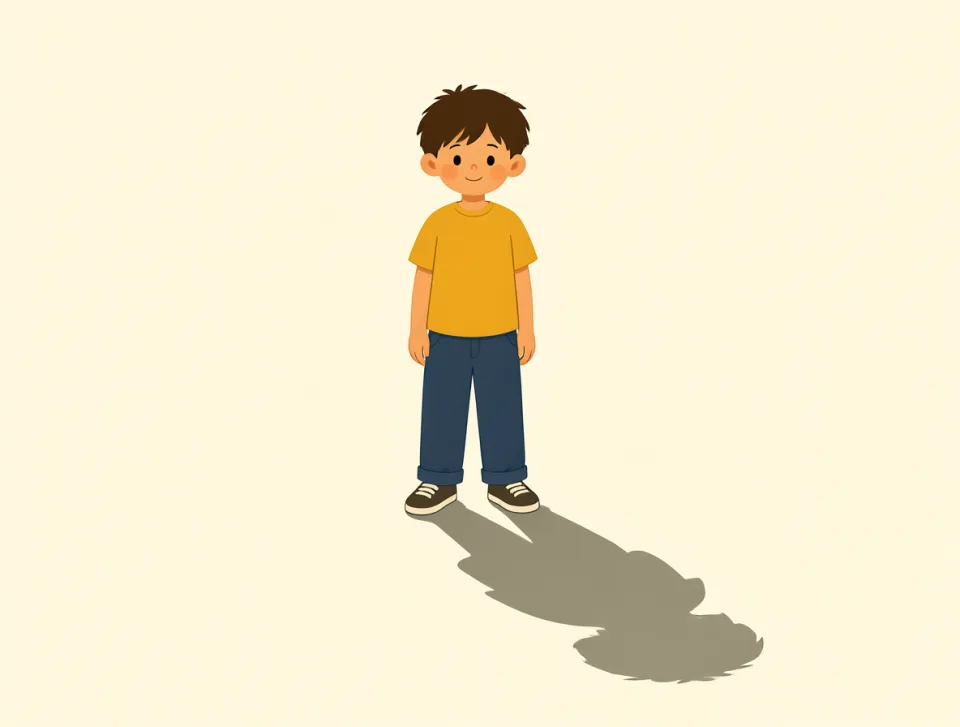
shadow
#2239noun, verb
cień
A dark shape made when something blocks light; to follow someone closely.
Ciemny kształt powstający, gdy coś zasłania światło; śledzić kogoś z bliska.
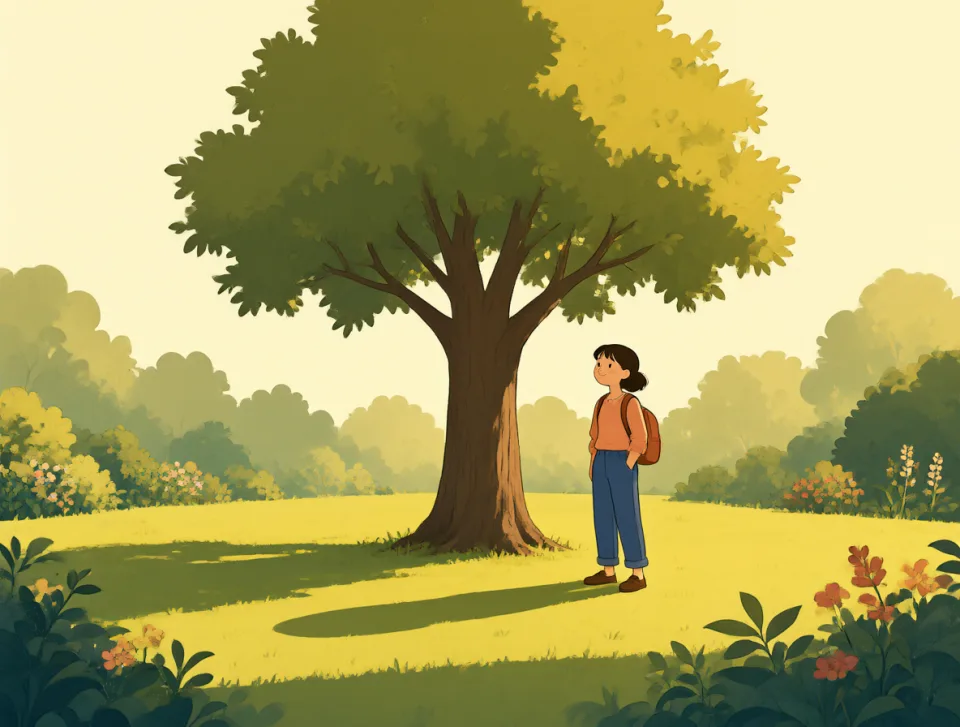
The tree cast a long shadow across the garden in the afternoon.
Po południu drzewo rzuciło długi cień na ogród.
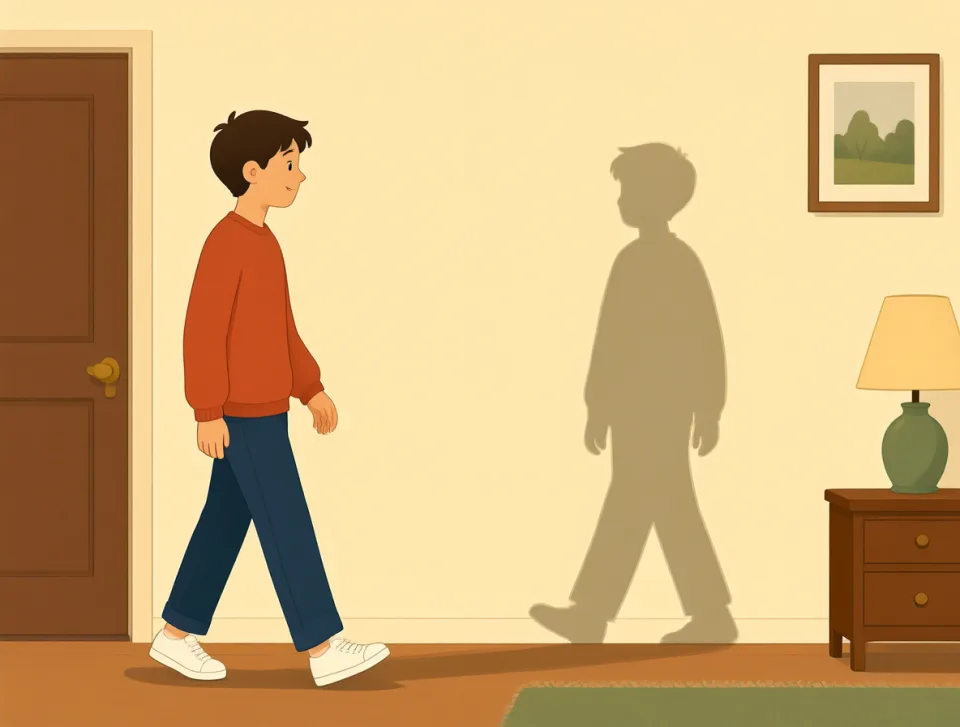
I saw my shadow on the wall as I walked past the lamp.
Gdy przechodziłem obok lampy, zobaczyłem swój cień na ścianie.
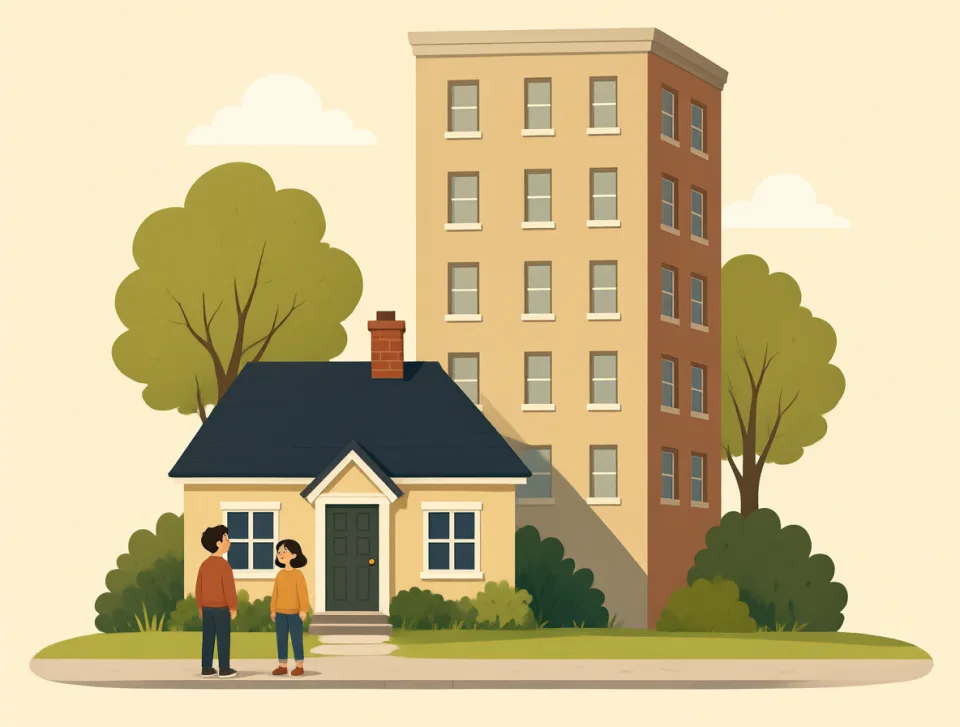
The house stayed cool because it was in the shadow of a tall building.
W domu było chłodno, bo znajdował się w cieniu wysokiego budynku.
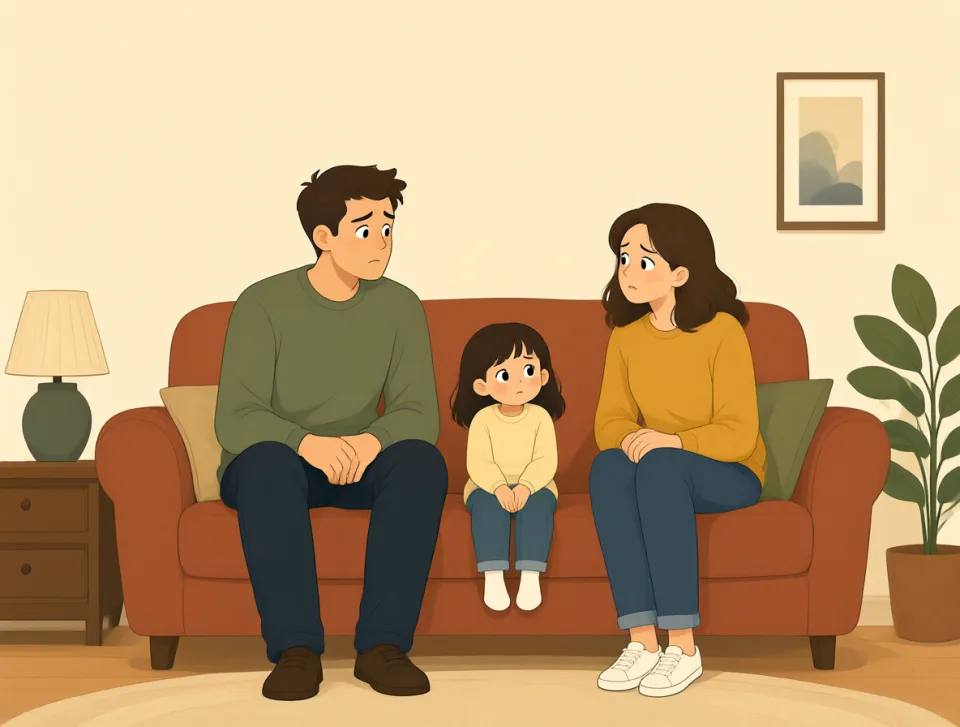
After the accident, fear cast a shadow over the whole family.
Po wypadku strach położył się cieniem na całej rodzinie.
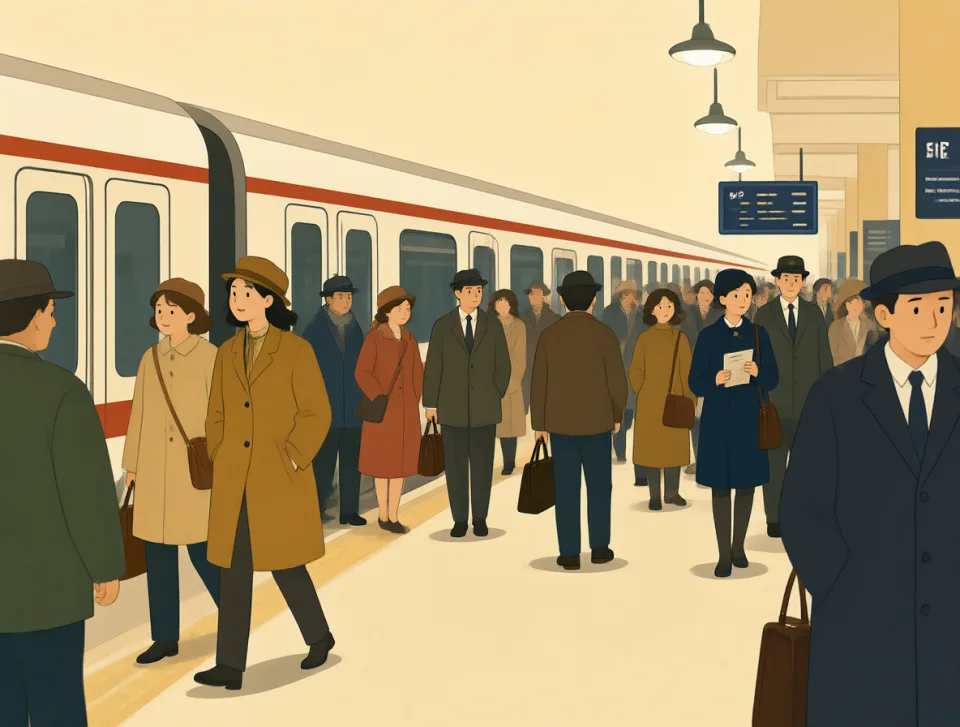
The detective shadowed the suspect through the busy train station.
Detektyw śledził podejrzanego przez zatłoczony dworzec kolejowy.
strip
#2240noun, verb
pasek; rozbierać; zdejmować
a long, narrow piece; to remove clothing or covering from something
długi, wąski kawałek; zdejmować ubranie lub powłokę z czegoś
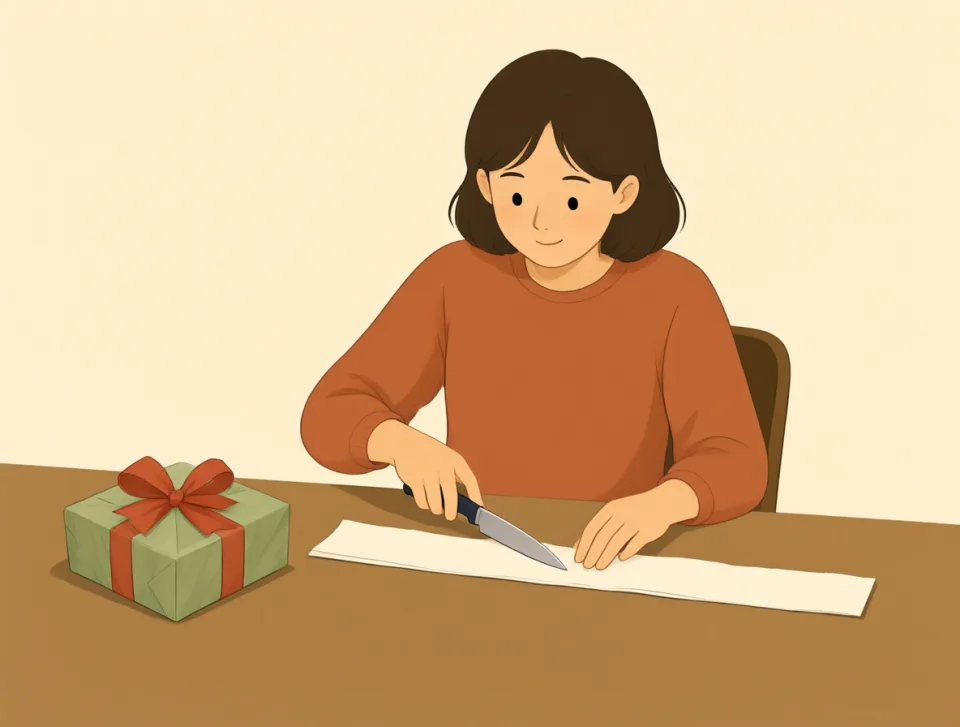
She cut a strip of paper to wrap around the gift.
Wycięła pasek papieru, żeby owinąć nim prezent.
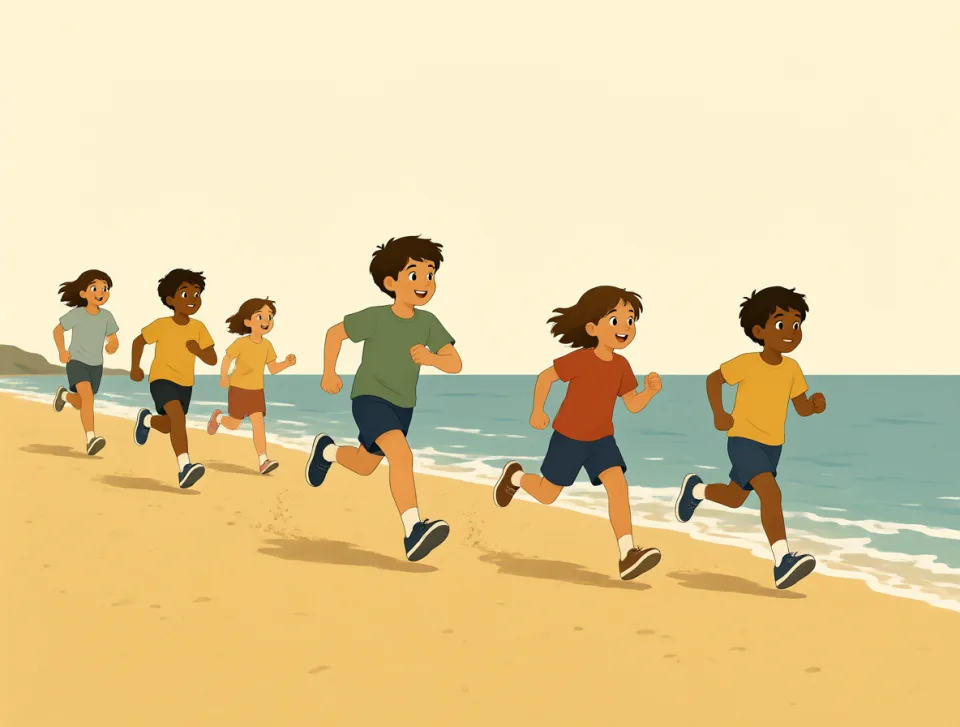
The children ran along a narrow strip of beach after school.
Po szkole dzieci biegły wzdłuż wąskiego pasa plaży.
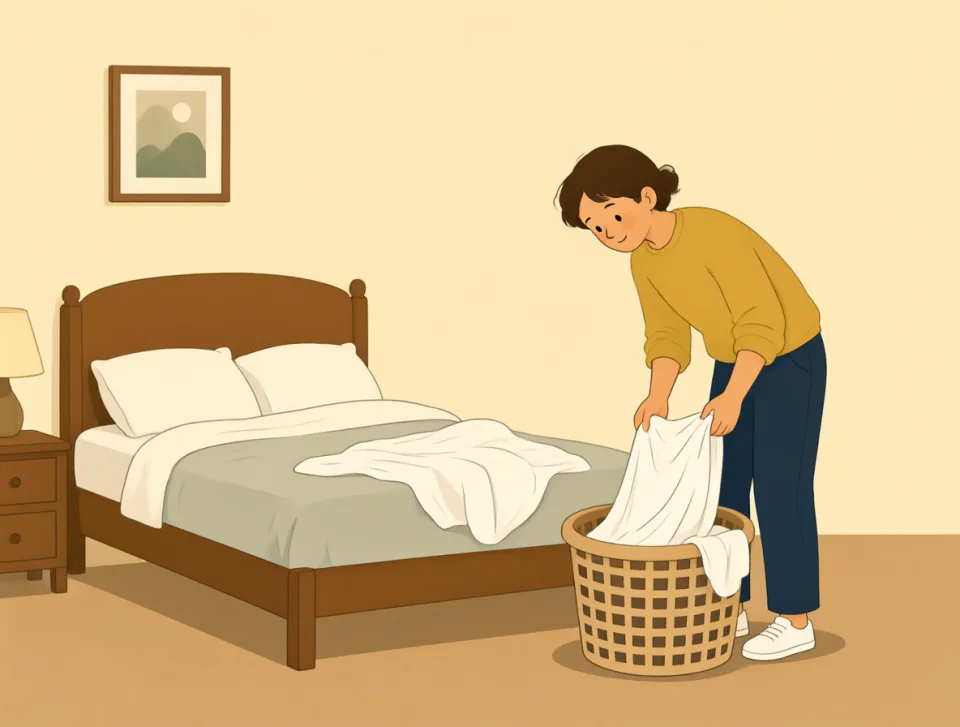
Please strip the beds and put the dirty sheets in the laundry basket.
Proszę zdjąć pościel z łóżek i włożyć brudne prześcieradła do kosza na pranie.
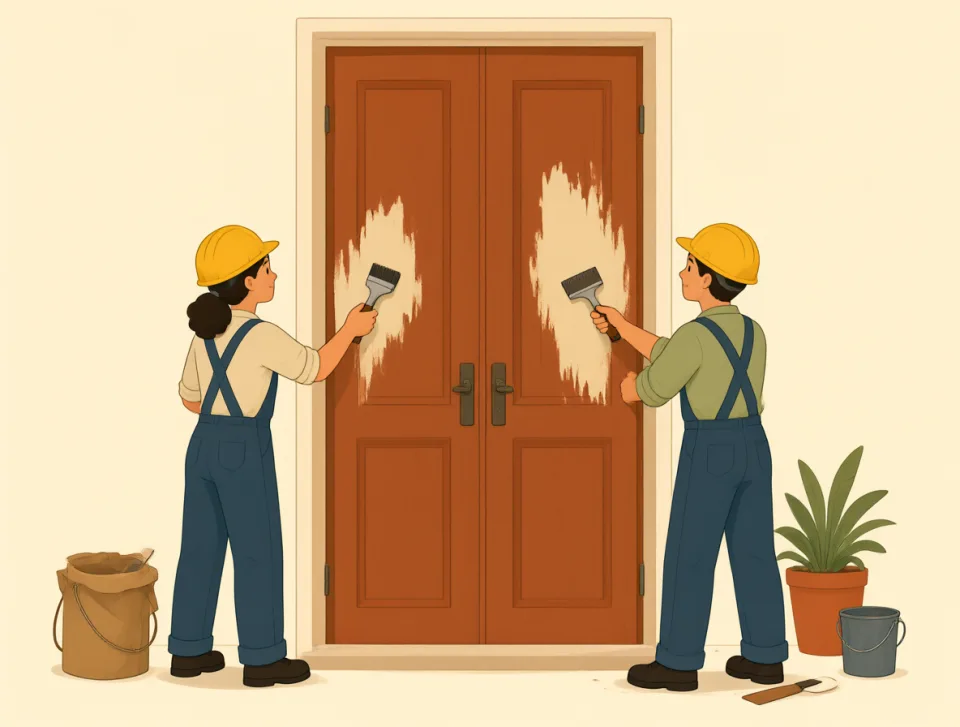
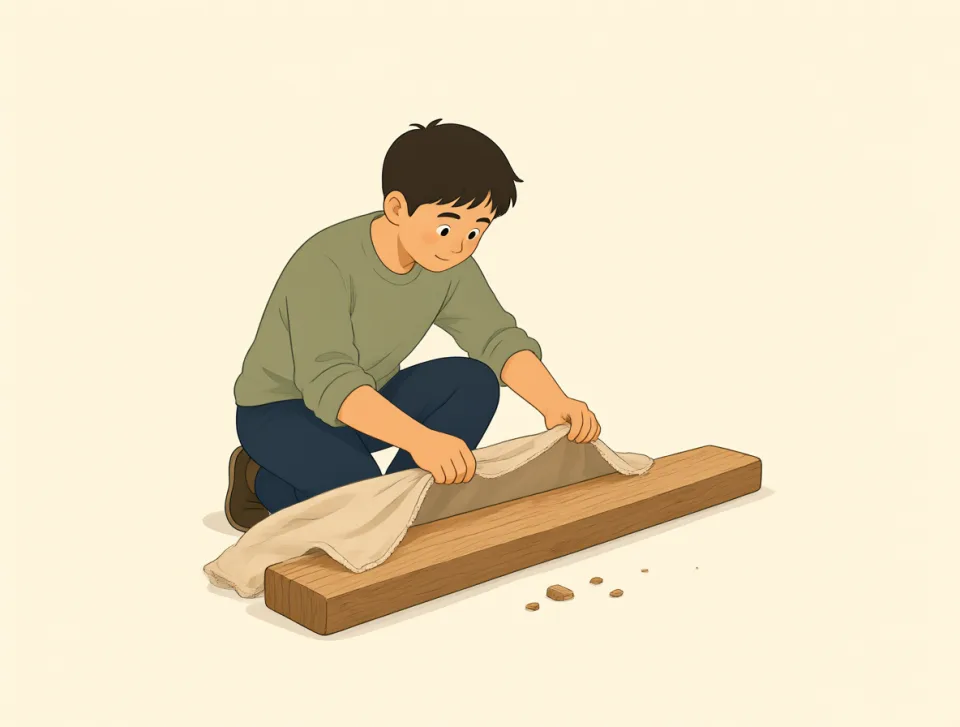
Workers are stripping the old paint from the wooden door.
Robotnicy usuwają starą farbę z drewnianych drzwi.
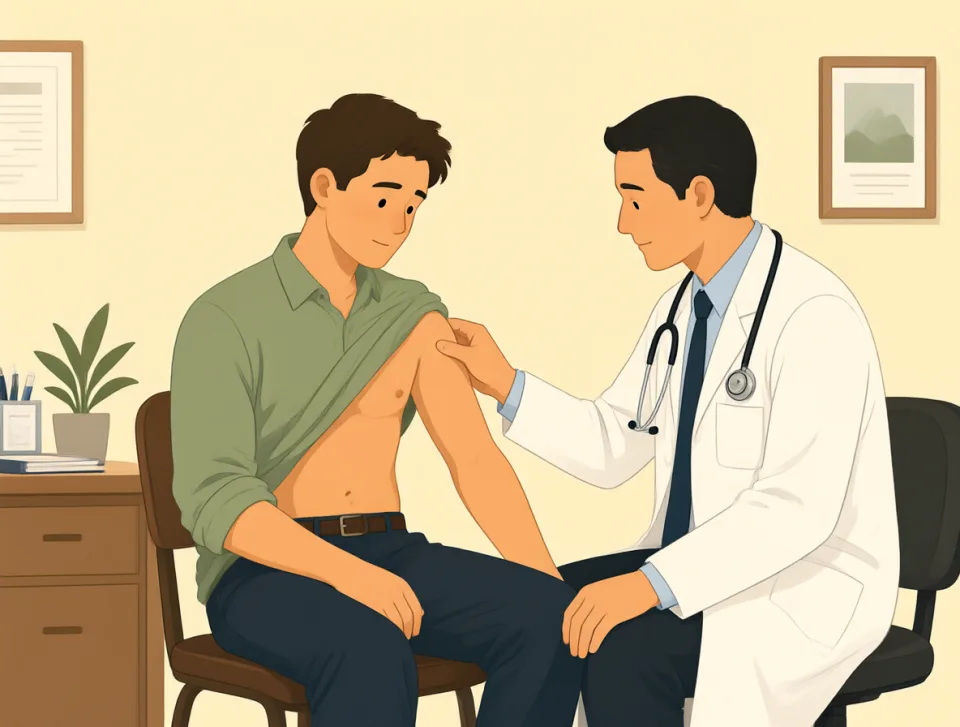
The doctor told him to strip to the waist for the examination.
Lekarz kazał mu rozebrać się do pasa na czas badania.