Zestaw 117
Słowa 2321–2340 · recovery, seal, tube, tower, characterize, specify
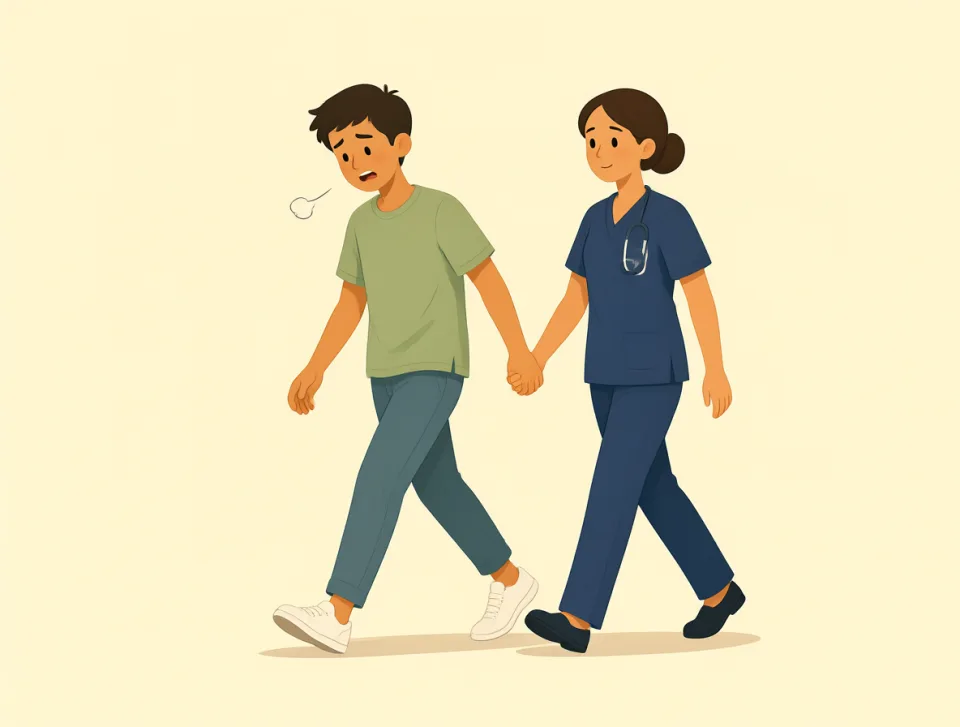
recovery
#2321noun
powrót do zdrowia
The process of becoming healthy, strong, or normal again after illness, injury, or difficulty.
Proces ponownego odzyskiwania zdrowia, sił lub normalnego funkcjonowania po chorobie, urazie albo trudnym okresie.
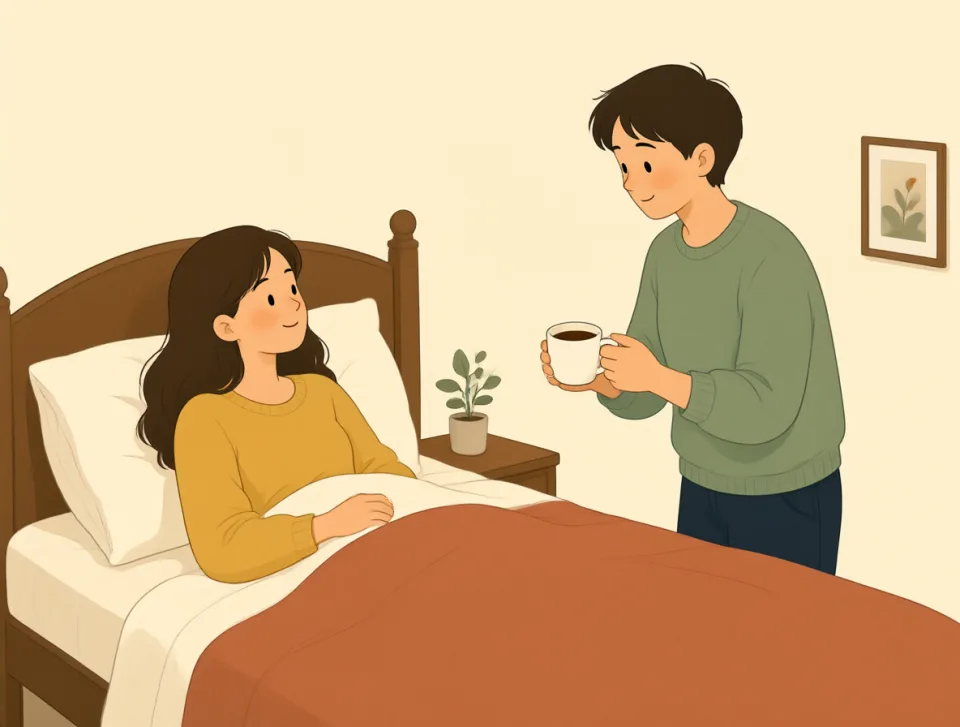
Her recovery from the operation took several weeks.
Powrót do zdrowia po operacji zajął jej kilka tygodni.

The team hopes for a quick recovery after losing several important games.
Po porażkach w kilku ważnych meczach drużyna liczy na szybki powrót do formy.

He made a full recovery and returned to work last Monday.
W pełni wyzdrowiał i wrócił do pracy w zeszły poniedziałek.
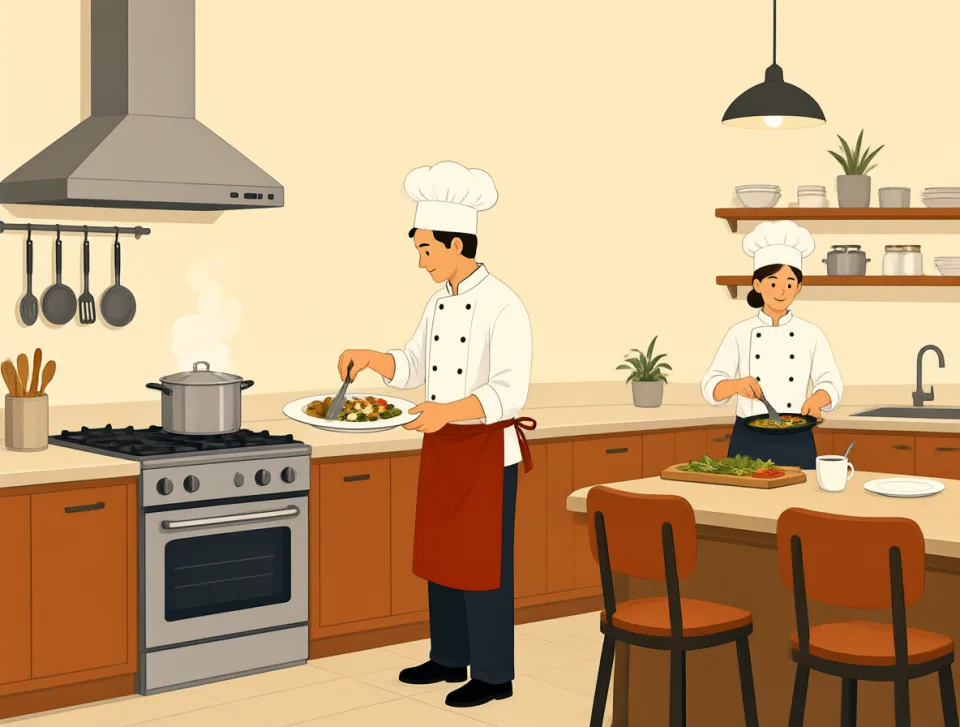
The hotel offered free breakfast during the recovery of its damaged kitchen.
Hotel zapewniał bezpłatne śniadanie podczas remontu uszkodzonej kuchni.
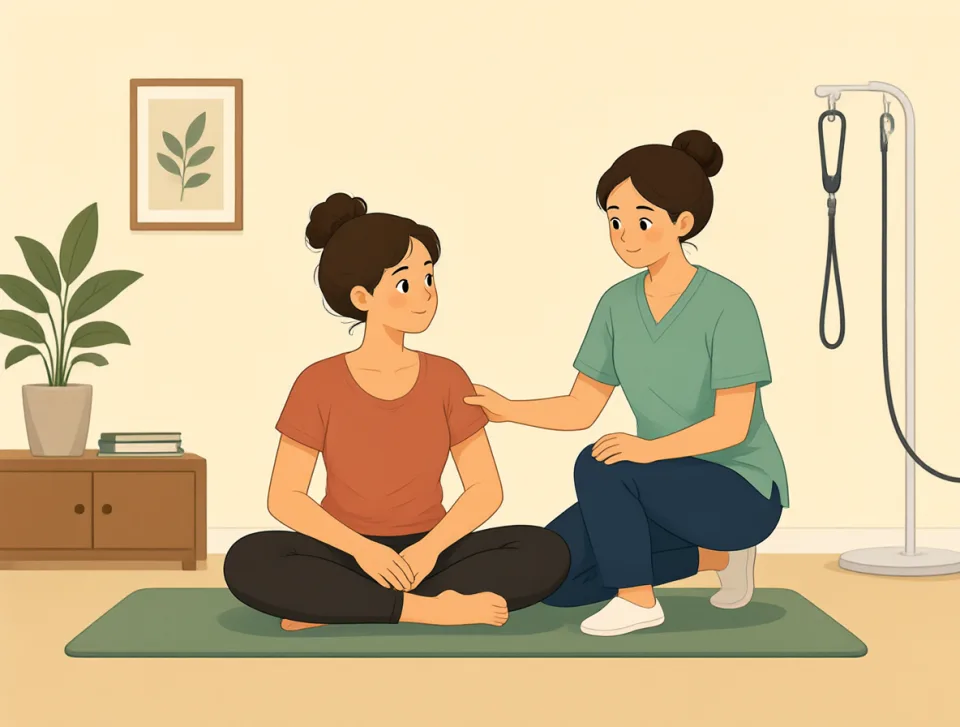
Regular exercise helped speed up her recovery after the accident.
Regularne ćwiczenia przyspieszyły jej powrót do zdrowia po wypadku.
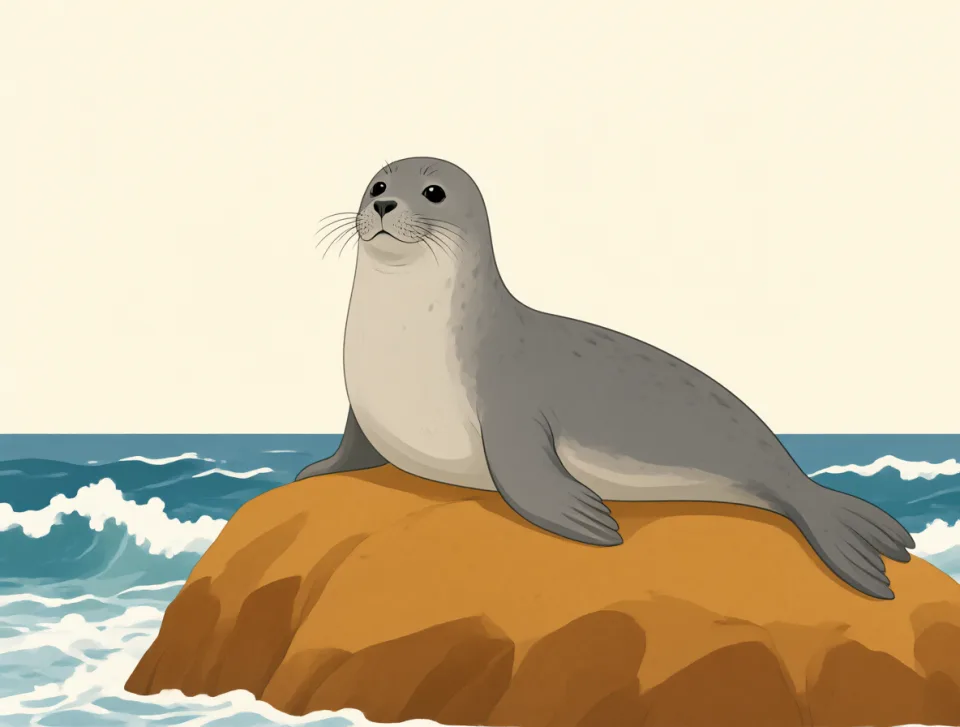
seal
#2322noun, verb
foka; pieczęć; uszczelnić
A seal is a sea animal, or a secure closure; to seal means to close something tightly.
Foka to ssak morski; seal może też oznaczać szczelne zamknięcie, a jako czasownik — szczelnie coś zamknąć.
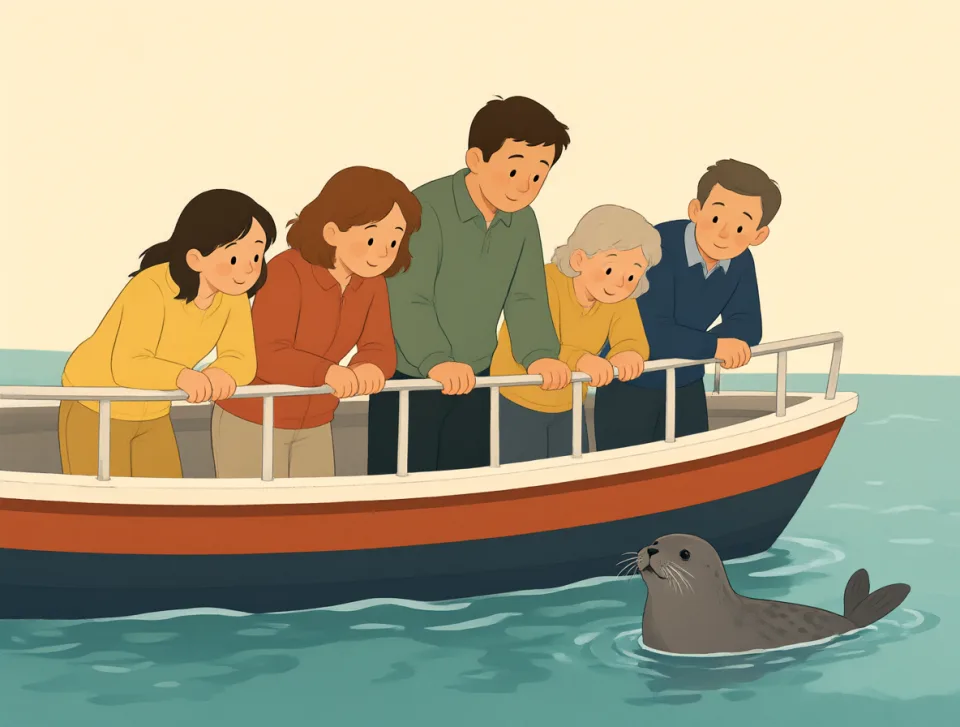
We watched a seal swimming near the boat during our island trip.
Podczas wycieczki na wyspę obserwowaliśmy fokę pływającą niedaleko łodzi.
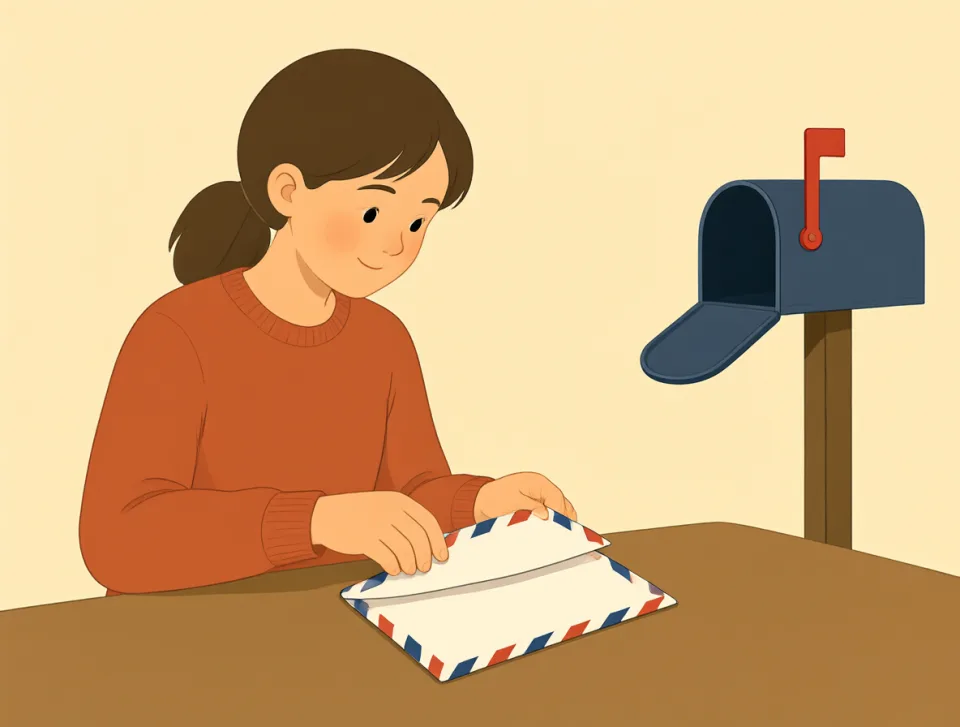
Please seal the envelope before you put it in the mailbox.
Proszę zakleić kopertę przed wrzuceniem jej do skrzynki pocztowej.
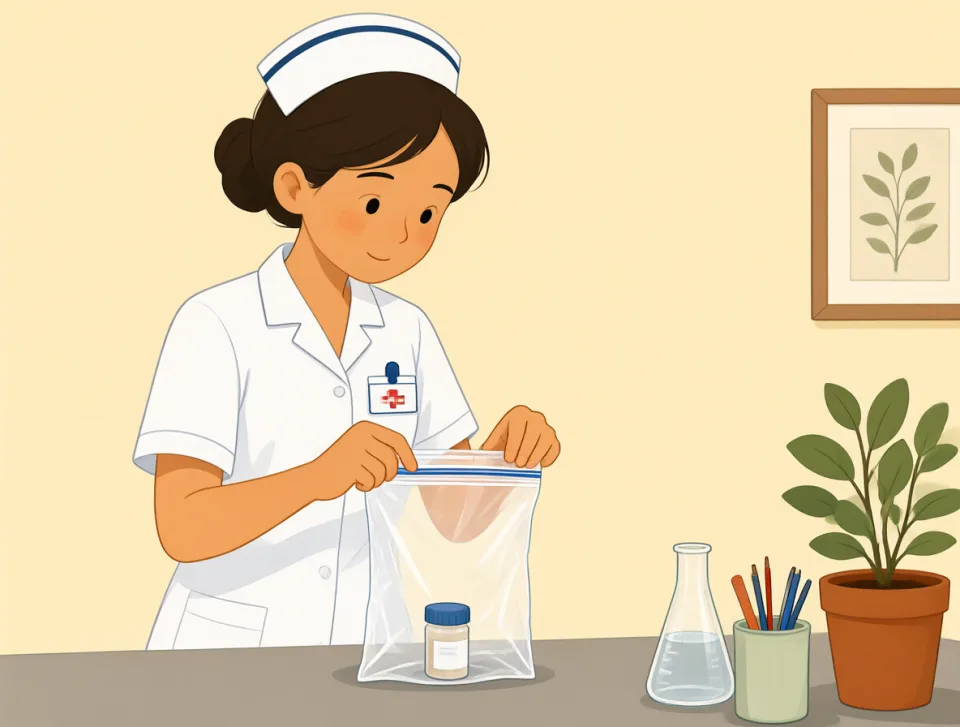
The nurse sealed the sample in a clean plastic bag.
Pielęgniarka zamknęła próbkę w czystym plastikowym woreczku.

The jar's seal was broken, so we returned it to the store.
Zabezpieczenie słoika było naruszone, więc zwróciliśmy go do sklepu.
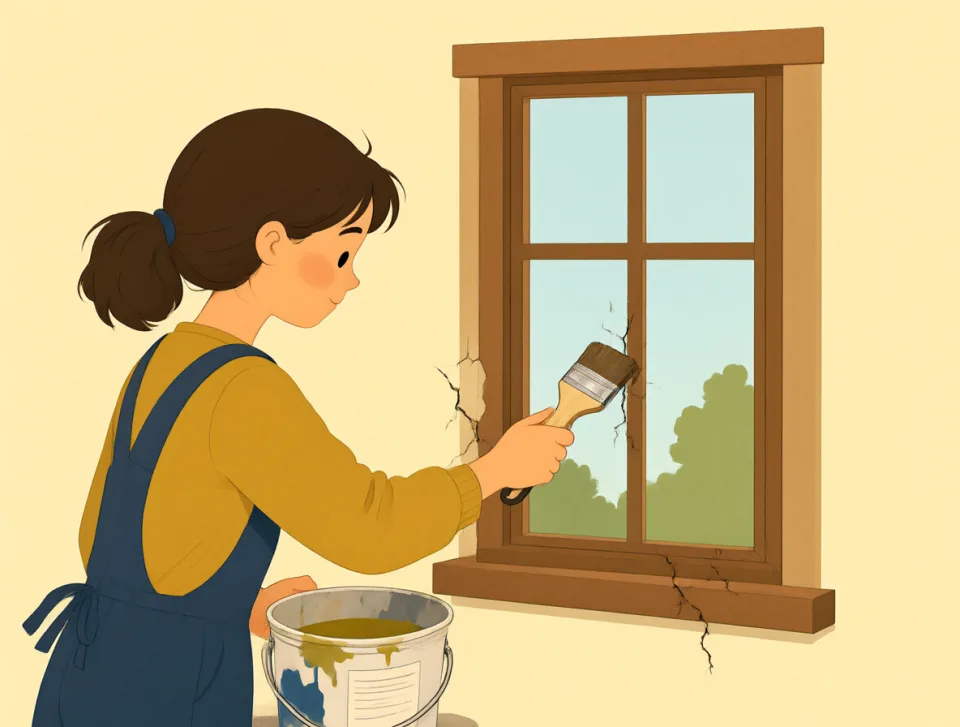
Fresh paint can seal small cracks in the wooden window frame.
Świeża farba może uszczelnić drobne pęknięcia w drewnianej ramie okiennej.
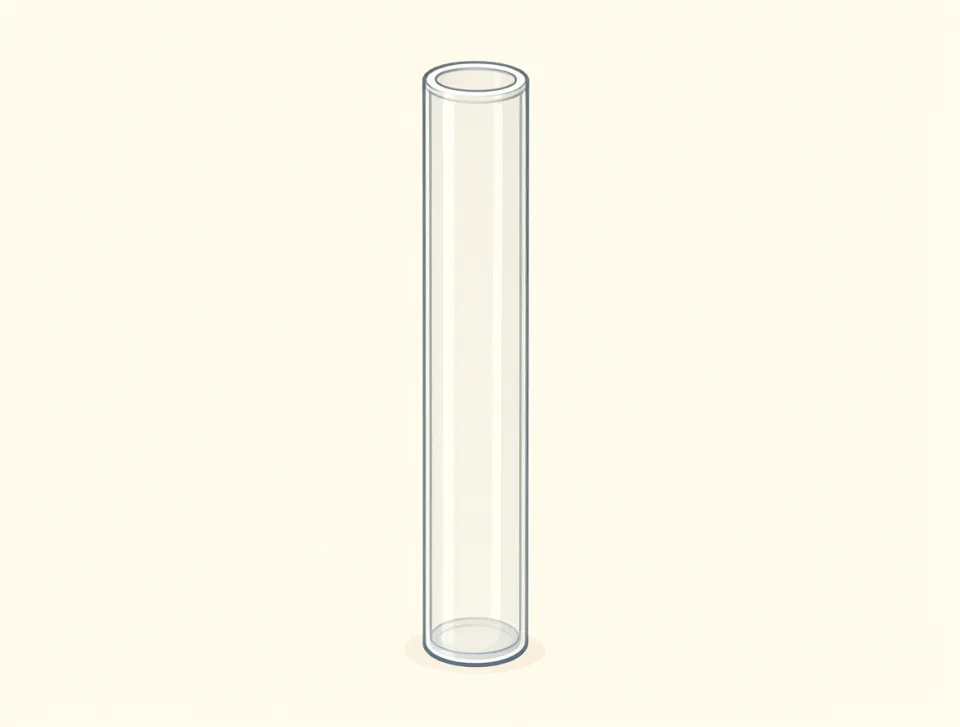
tube
#2323noun
rurka; tuba; przewód
a long, hollow container or pipe used to carry liquids, air, or other substances
Długi, pusty w środku pojemnik lub przewód służący do transportowania płynów, powietrza albo innych substancji.
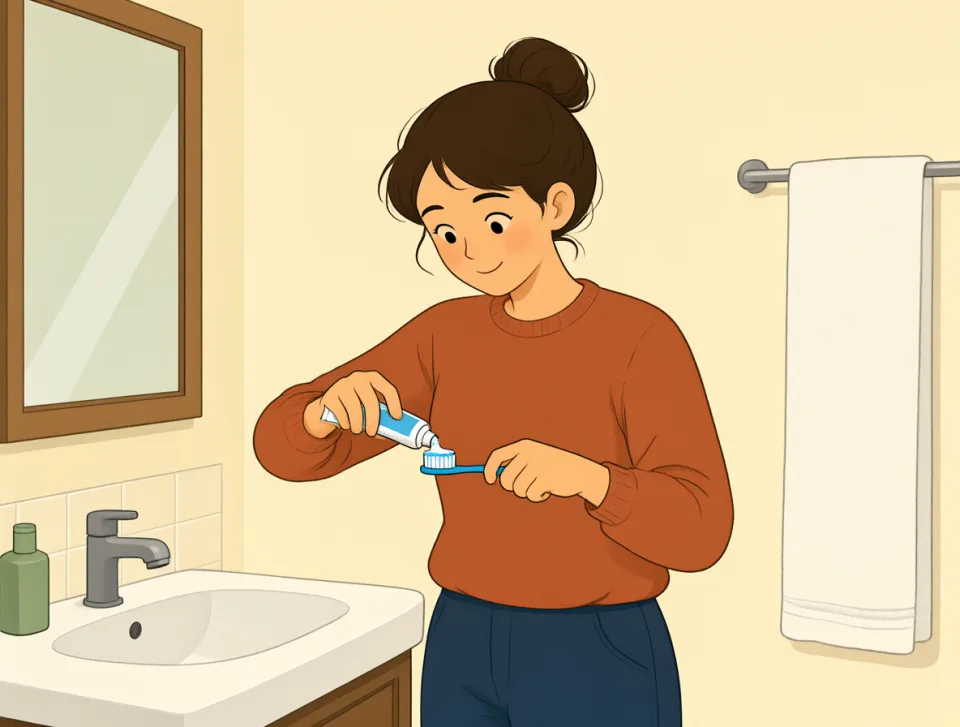
She squeezed toothpaste from the tube onto her toothbrush.
Wycisnęła pastę do zębów z tubki na szczoteczkę.
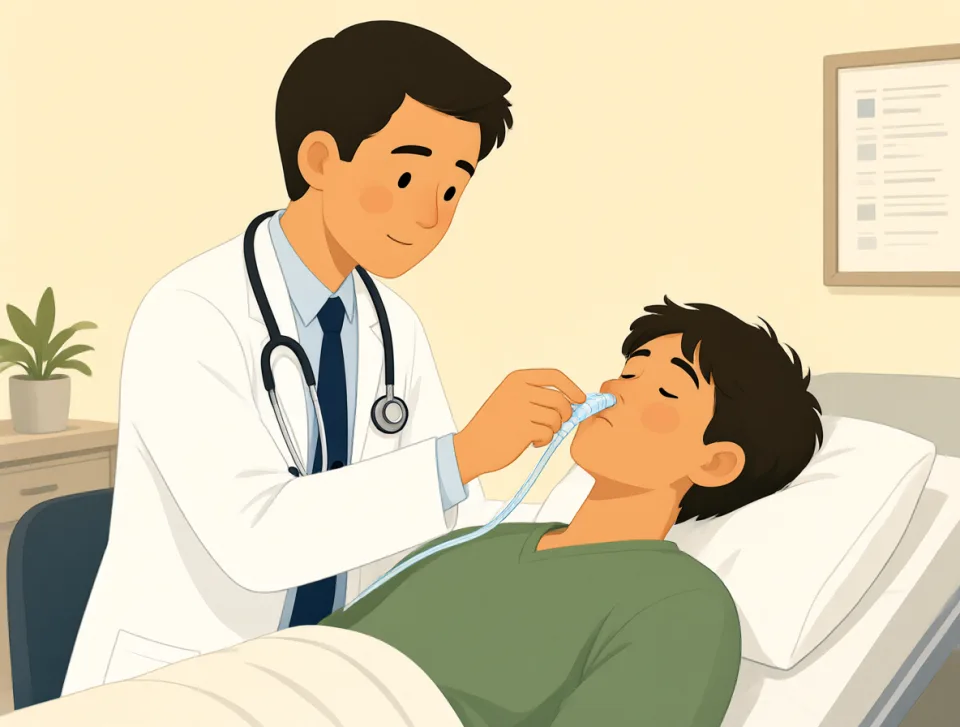
The doctor put a small tube in his nose to help him breathe.
Lekarz wprowadził mu do nosa małą rurkę, żeby ułatwić mu oddychanie.
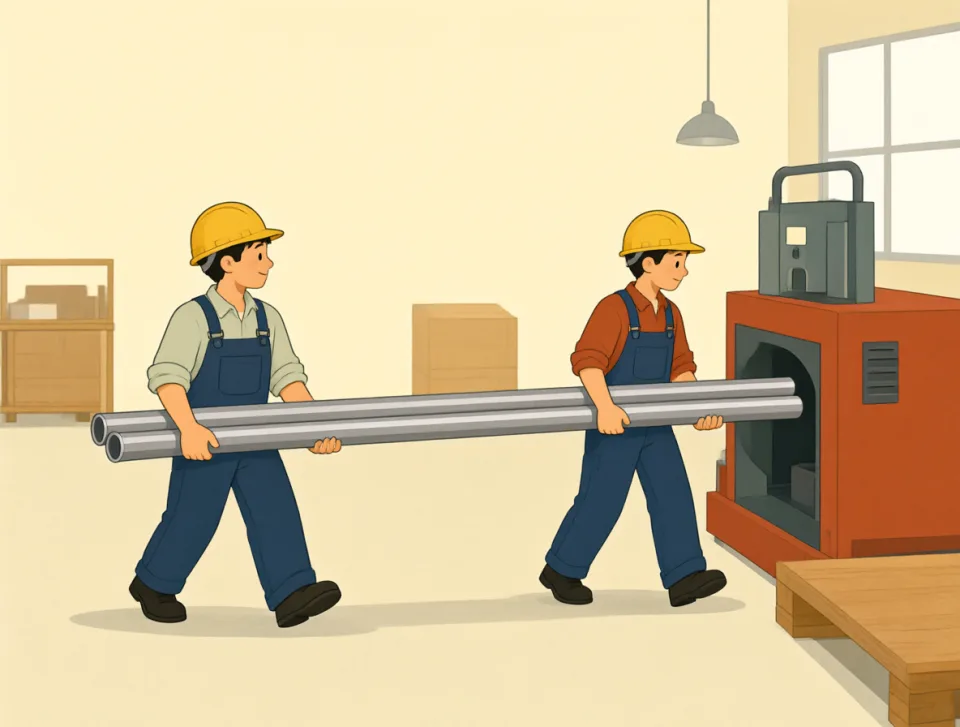
Workers carried the metal tubes into the factory for installation.
Robotnicy wnieśli metalowe rury do fabryki, aby je zamontować.
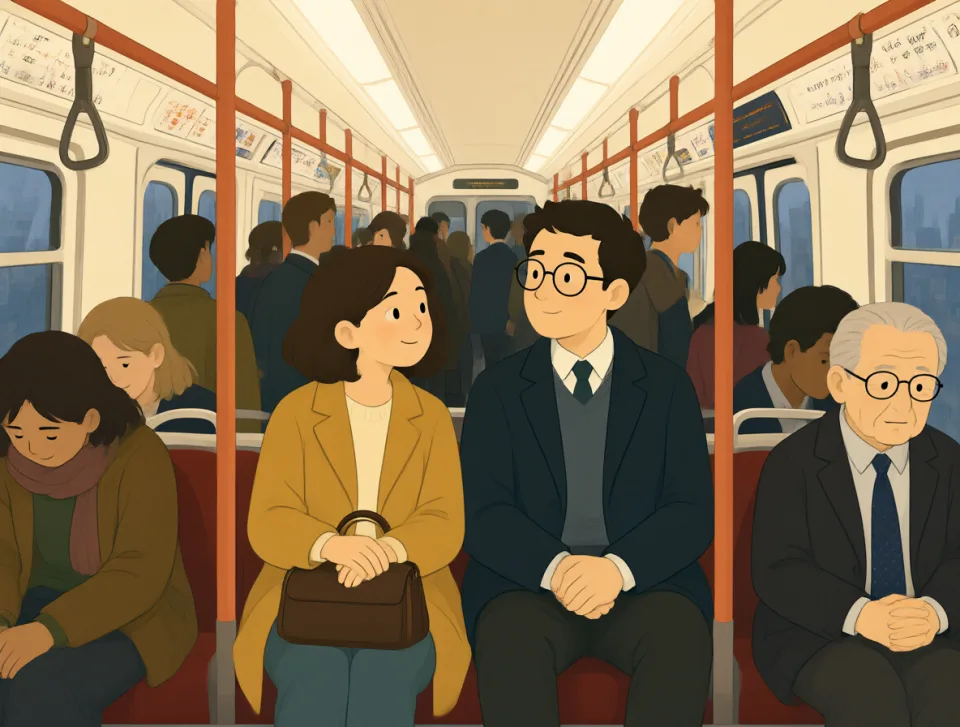
We traveled across London by tube during the busy morning rush.
Podczas porannego szczytu przejechaliśmy przez Londyn metrem.

The chef used a piping tube to decorate the birthday cake.
Cukiernik użył rękawa cukierniczego, żeby udekorować tort urodzinowy.

tower
#2324noun, verb
wieża; górować
A tall, narrow building or structure; to rise high above the surrounding area.
Wysoki, smukły budynek lub inna konstrukcja; jako czasownik oznacza wznosić się wysoko ponad otoczeniem.
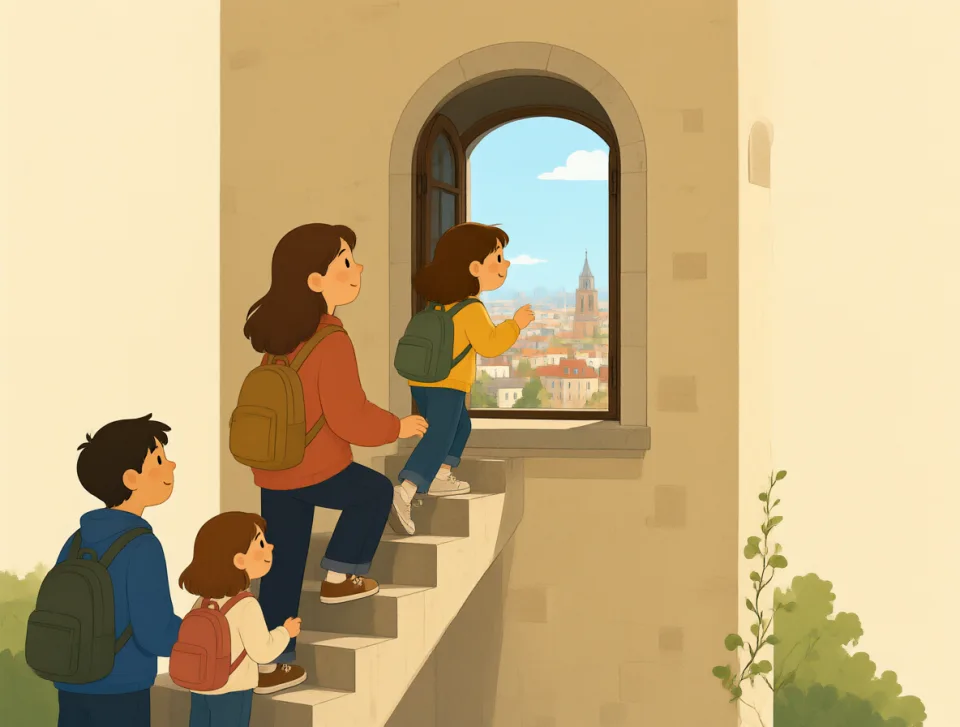
We climbed the tower to enjoy the beautiful view of the city.
Wspięliśmy się na wieżę, żeby podziwiać piękny widok na miasto.
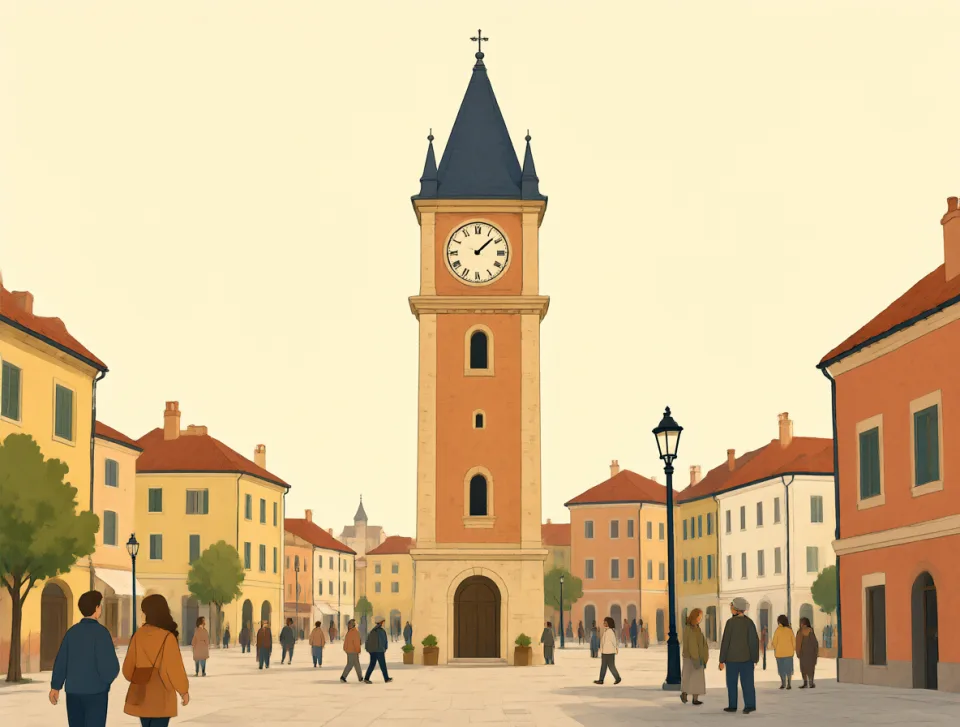
The old clock tower stands in the center of the town.
Stara wieża zegarowa stoi w centrum miasteczka.
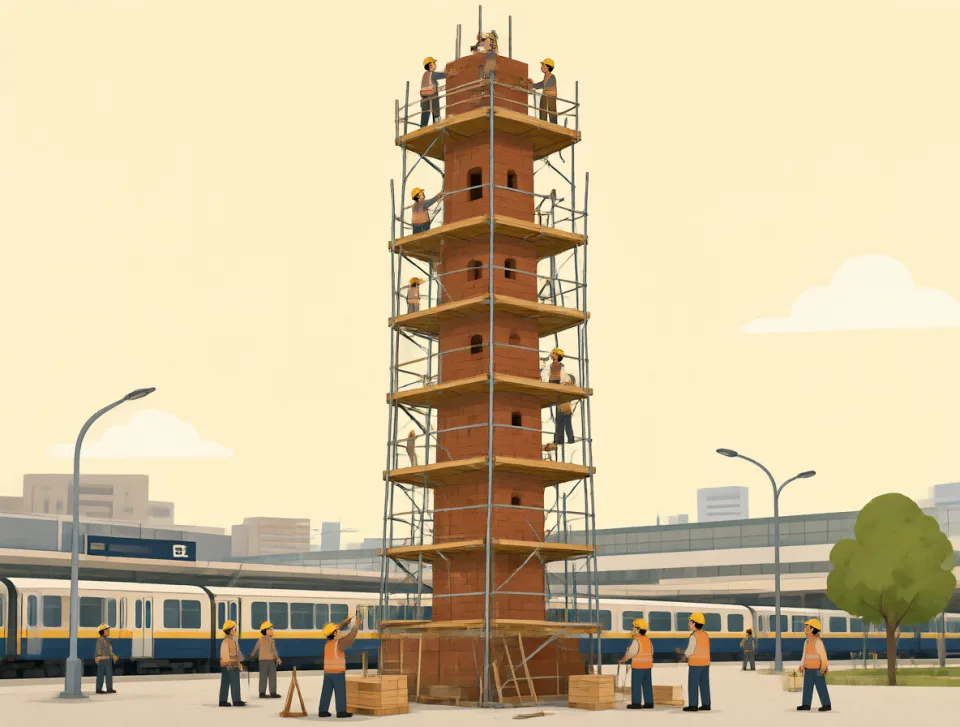
The builders are constructing a new tower near the train station.
Budowniczowie wznoszą nową wieżę w pobliżu dworca kolejowego.
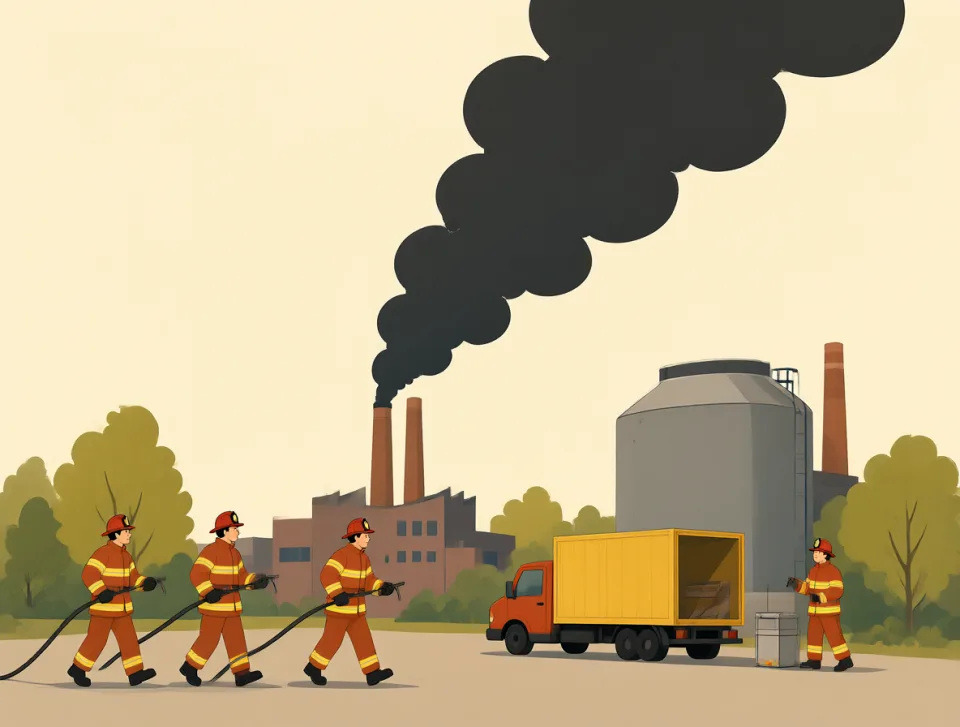
Smoke began to tower above the factory after the fire started.
Po wybuchu pożaru nad fabryką zaczął unosić się wysoki słup dymu.
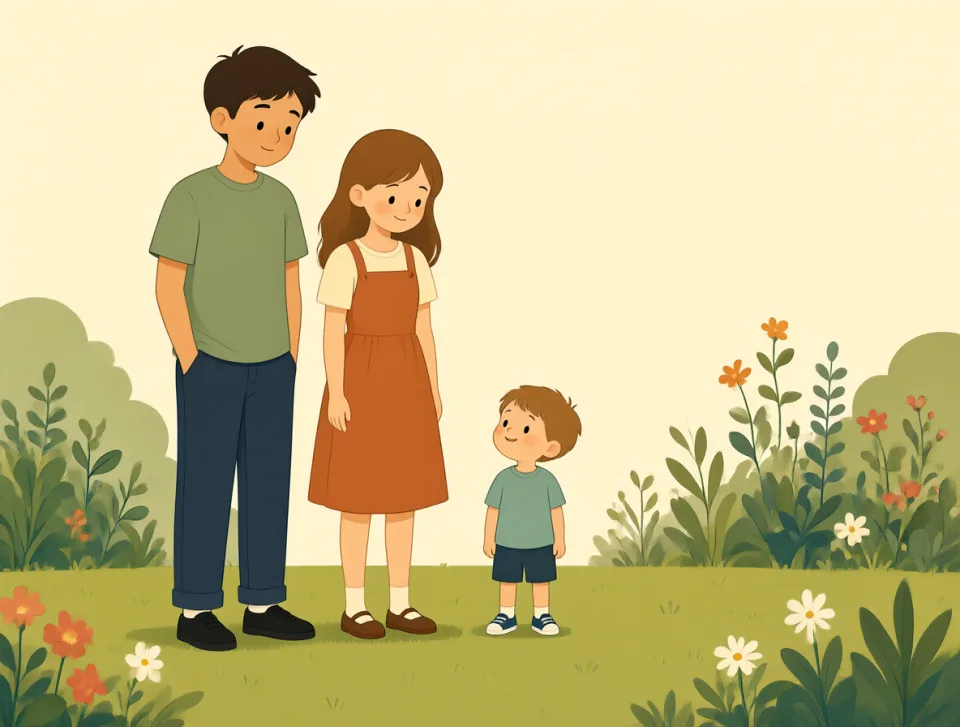
The children towered over their younger brother during the group photo.
Na wspólnym zdjęciu dzieci górowały wzrostem nad młodszym bratem.
characterize
#2325verb
charakteryzować; opisywać
to describe the main qualities or features of someone or something
Opisywać najważniejsze cechy lub właściwości kogoś albo czegoś.
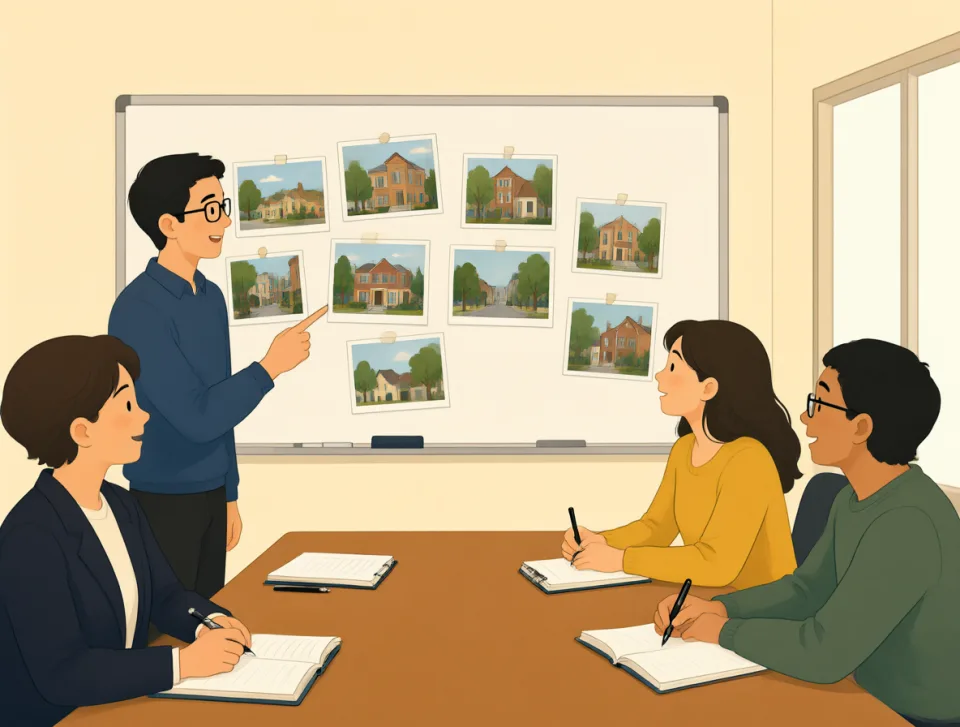
The report characterizes the neighborhood as safe, friendly, and convenient for families.
W raporcie opisano tę dzielnicę jako bezpieczną, przyjazną i wygodną dla rodzin.

Her calm voice and careful planning characterize her work as a manager.
Spokojny głos i staranne planowanie charakteryzują jej pracę jako menedżerki.
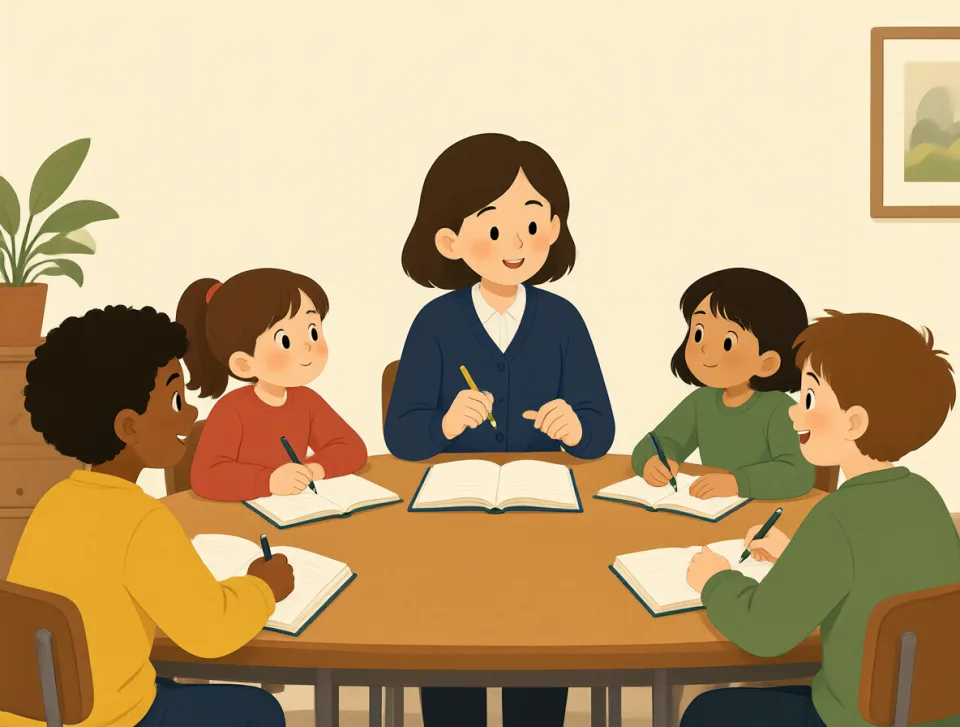
The teacher characterized the novel as a story about courage and friendship.
Nauczyciel opisał powieść jako opowieść o odwadze i przyjaźni.

The chef characterizes this soup with fresh herbs, lemon, and a little chili.
Szef kuchni nadaje tej zupie charakter, dodając świeże zioła, cytrynę i odrobinę chili.
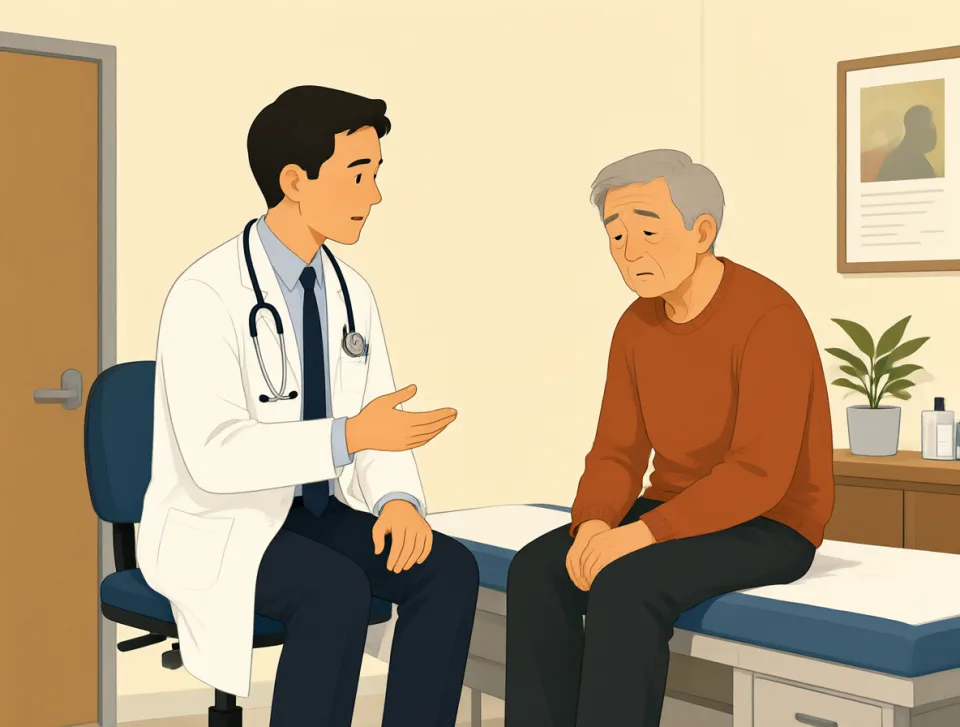
Doctors characterized his tiredness as a temporary result of stress and poor sleep.
Lekarze uznali jego zmęczenie za przejściowy skutek stresu i niedoboru snu.

specify
#2326verb
sprecyzować
to give exact information about something
podać dokładne informacje na jakiś temat
Please specify your preferred delivery date when you place the order.
Składając zamówienie, podaj proszę preferowaną datę dostawy.

The job advertisement specifies three years of experience in customer service.
W ogłoszeniu o pracę określono, że wymagane są trzy lata doświadczenia w obsłudze klienta.

She specified that the meeting should start at nine o’clock.
Sprecyzowała, że spotkanie powinno rozpocząć się o dziewiątej.
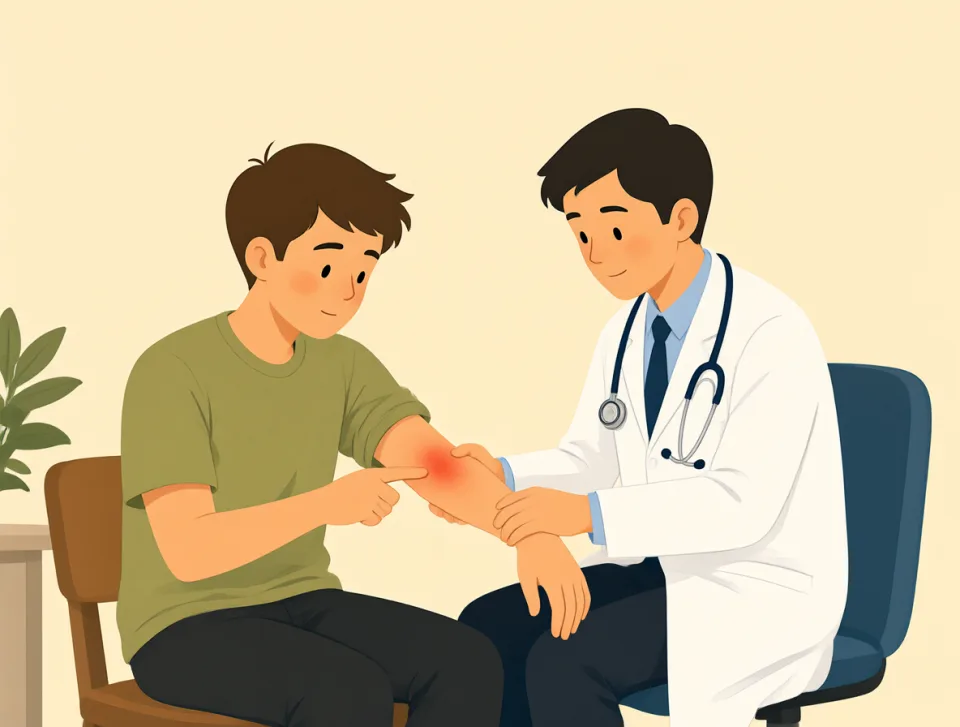
The doctor asked him to specify where he felt the pain.
Lekarz poprosił go, żeby sprecyzował, gdzie odczuwa ból.

Could you specify which ingredients you would like removed from your meal?
Czy może Pani sprecyzować, które składniki chciałaby Pani usunąć ze swojego posiłku?
exact
#2327adjective
dokładny
Correct in every detail; not approximate or different.
Poprawny w każdym szczególe; nieprzybliżony ani odmienny.
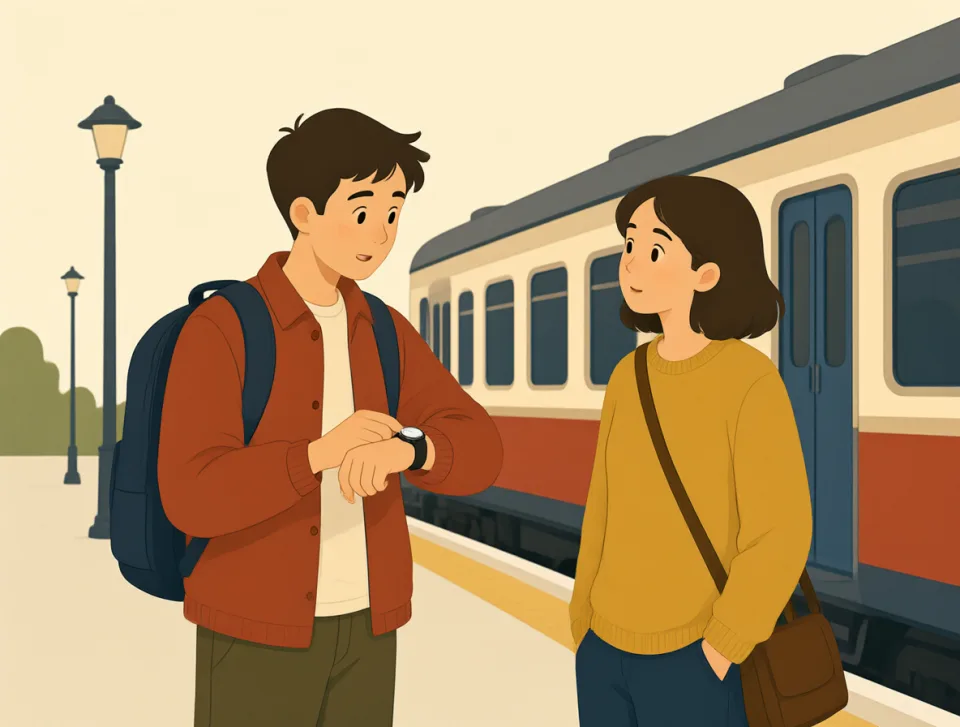
Please tell me the exact time your train arrives tomorrow.
Proszę podać mi dokładną godzinę, o której jutro przyjeżdża twój pociąg.
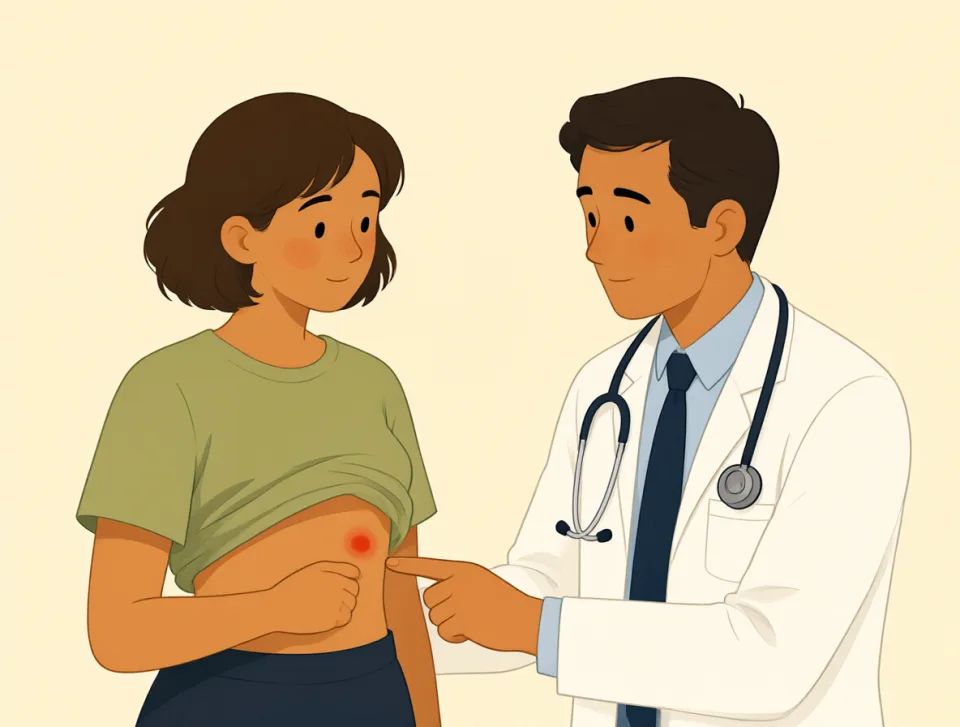
The doctor asked me to describe the exact location of my pain.
Lekarz poprosił mnie, żebym opisał dokładne miejsce, w którym odczuwam ból.
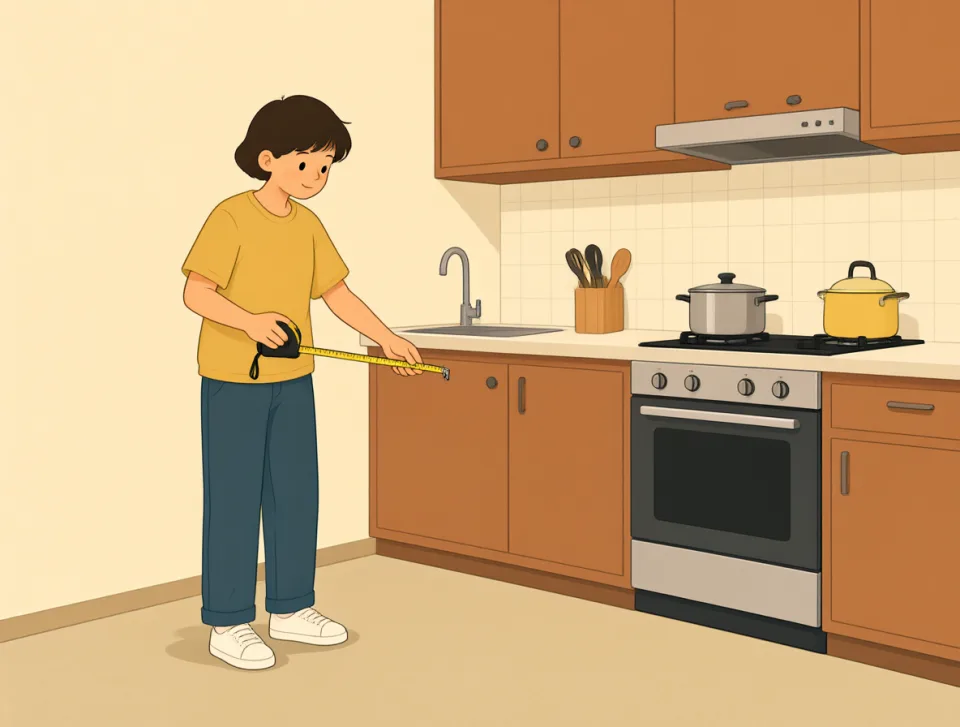
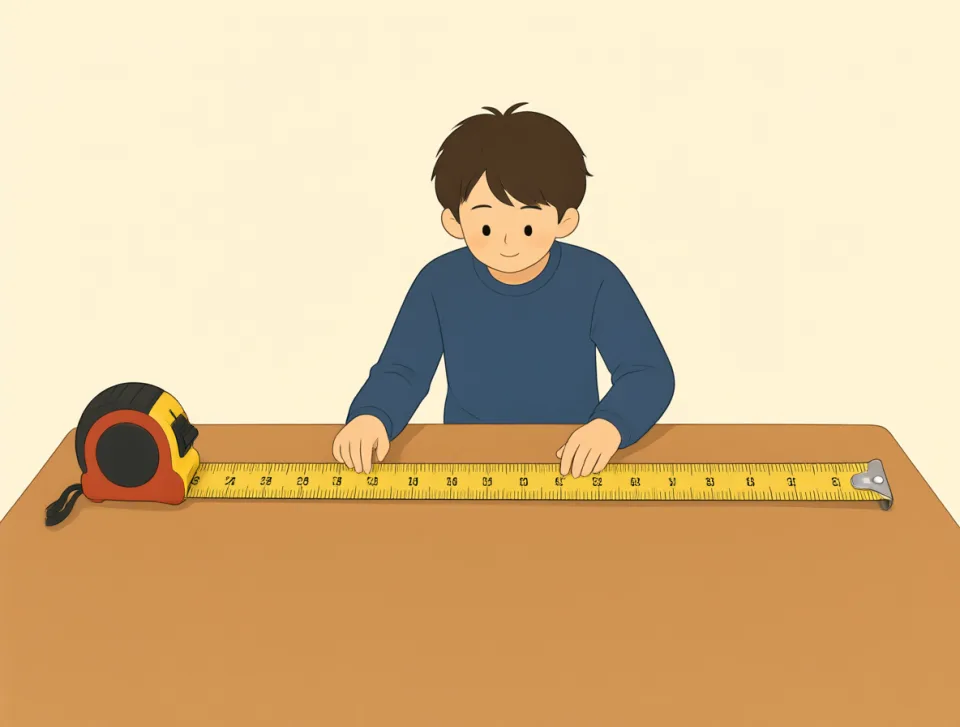
I need the exact measurements before I order the new kitchen table.
Potrzebuję dokładnych wymiarów, zanim zamówię nowy stół kuchenny.

She remembered the exact address and guided us there without a map.
Pamiętała dokładny adres i zaprowadziła nas tam bez mapy.
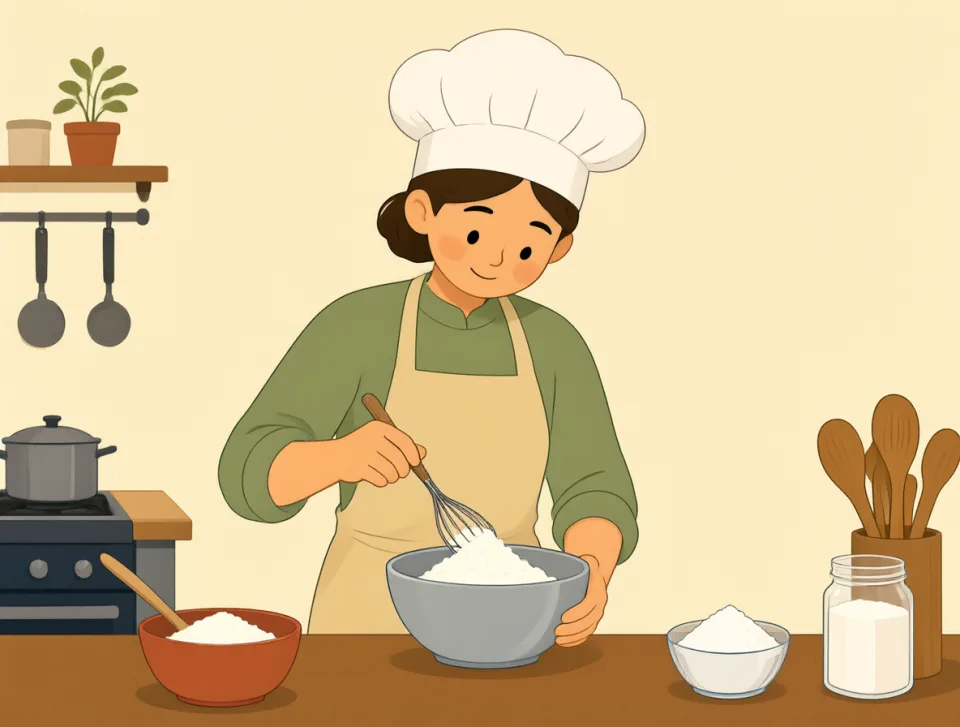
The recipe says to use the exact amount of flour and sugar.
W przepisie jest napisane, żeby użyć dokładnie takiej ilości mąki i cukru.
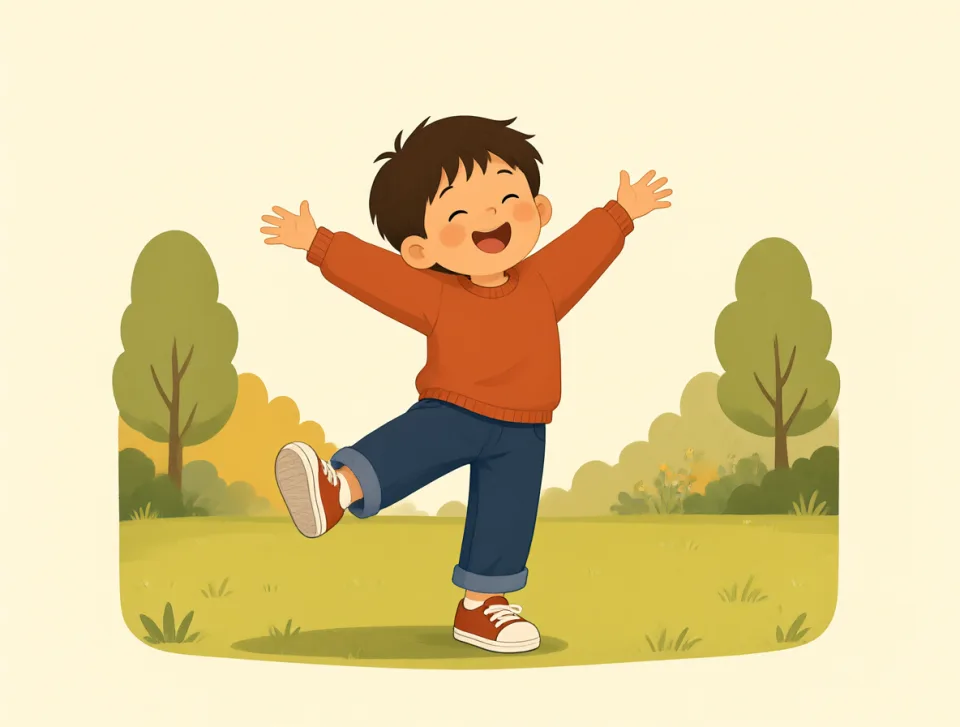
spin
#2328verb, noun
obracać się
To turn around quickly, or the act of turning around quickly.
Szybko się obracać lub szybki obrót.
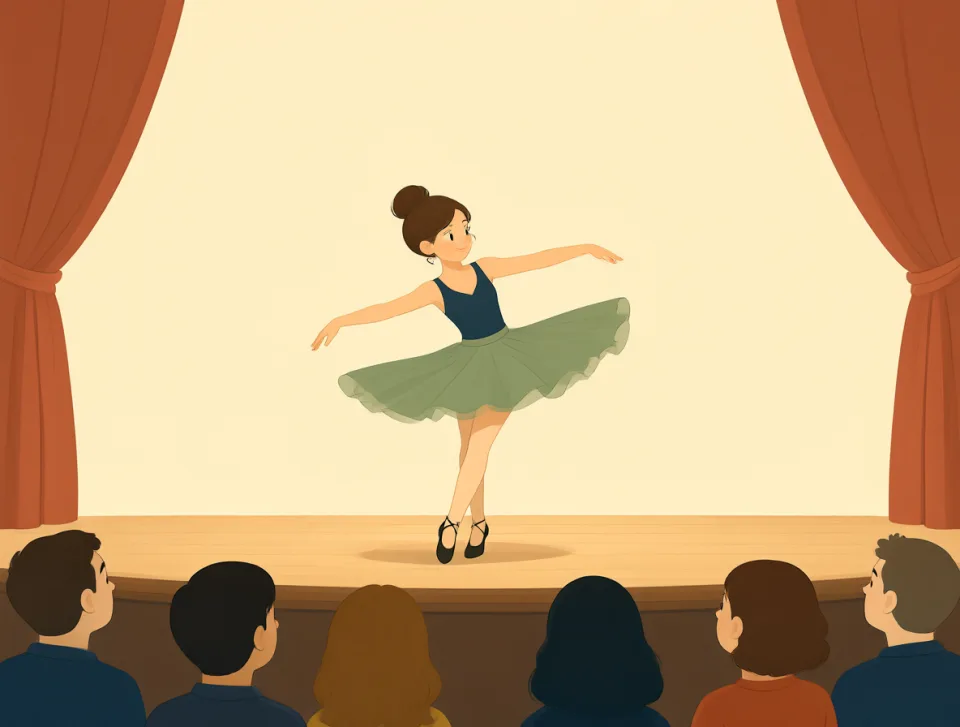
The dancer spun around and bowed to the audience.
Tancerka obróciła się i ukłoniła publiczności.
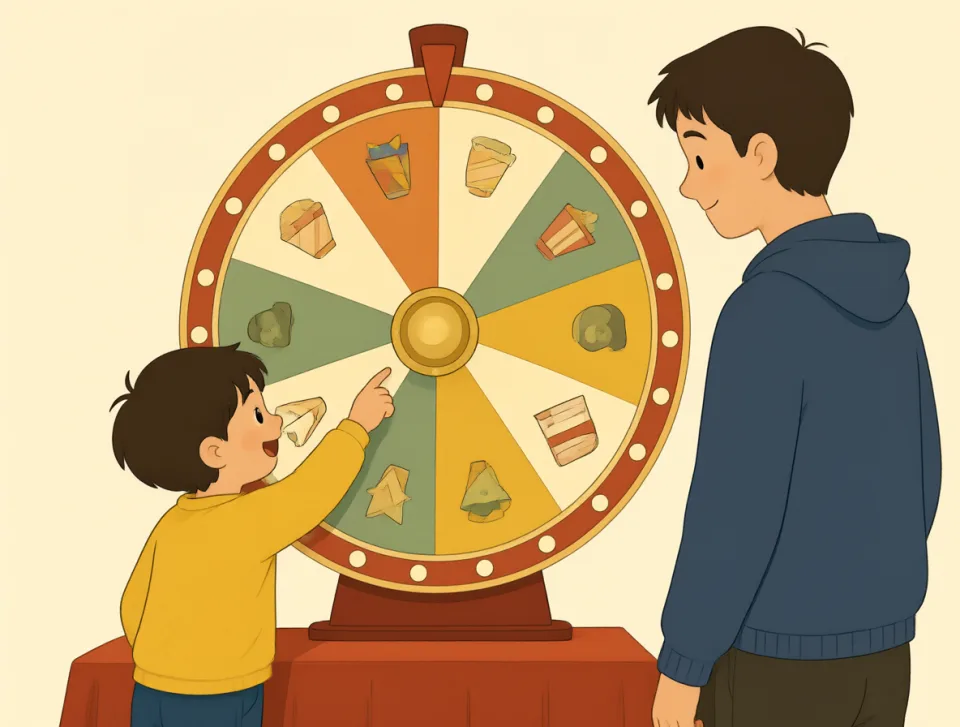
Please spin the wheel to choose a prize.
Zakręć kołem, żeby wybrać nagrodę.
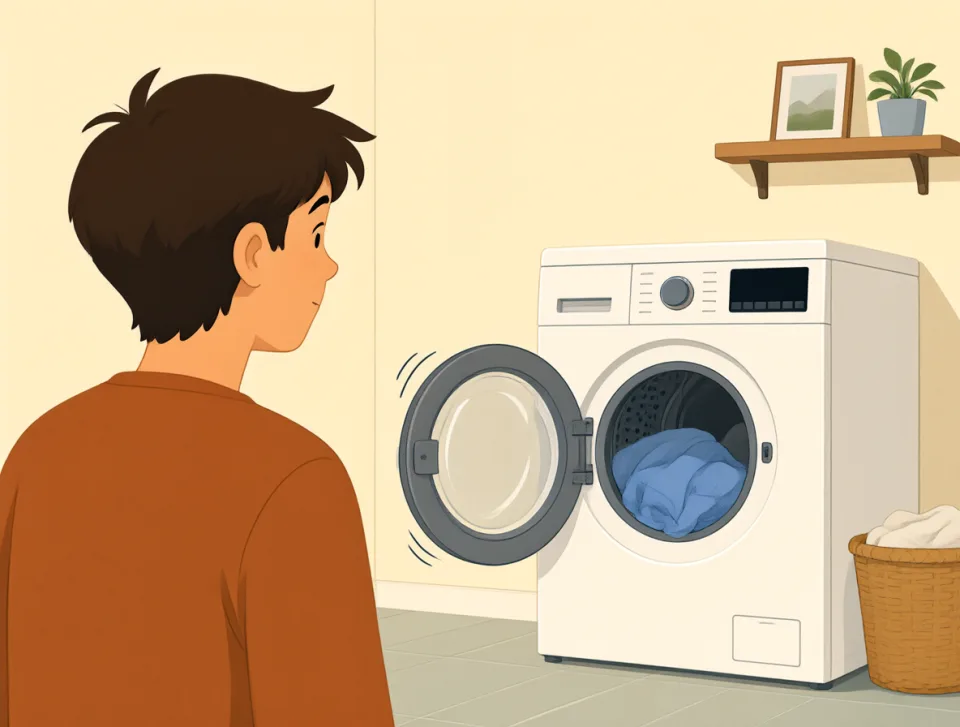
The washing machine started spinning during the final cycle.
Pralka zaczęła wirować podczas ostatniego cyklu.

He gave the story an interesting spin during the meeting.
Podczas spotkania przedstawił tę historię w ciekawy sposób.
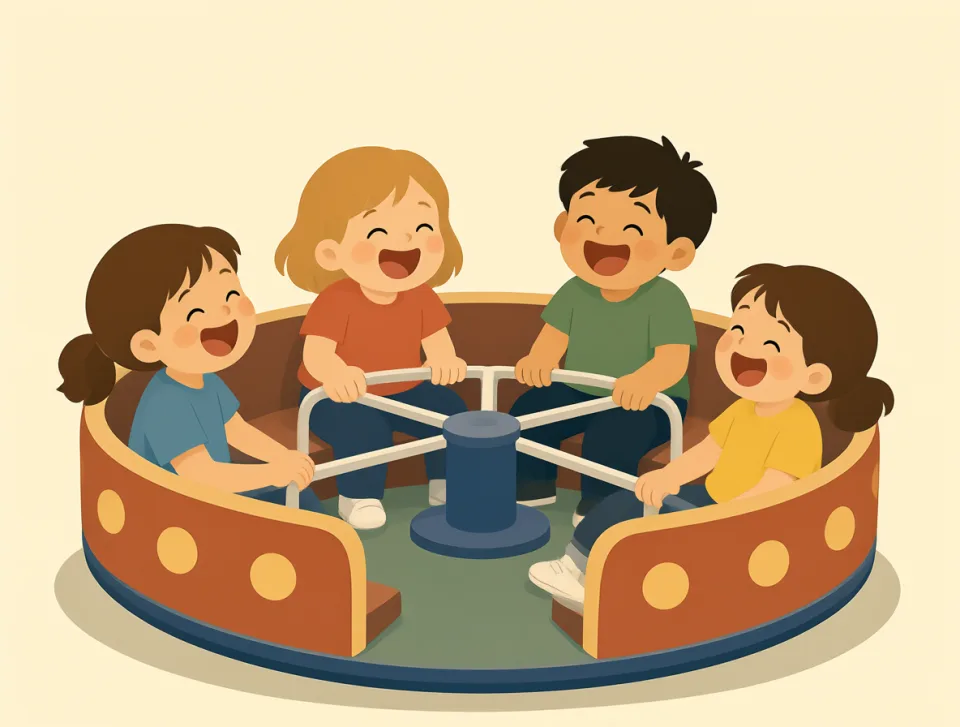
The children took turns on the spinning playground ride.
Dzieci na zmianę korzystały z obrotowej atrakcji na placu zabaw.
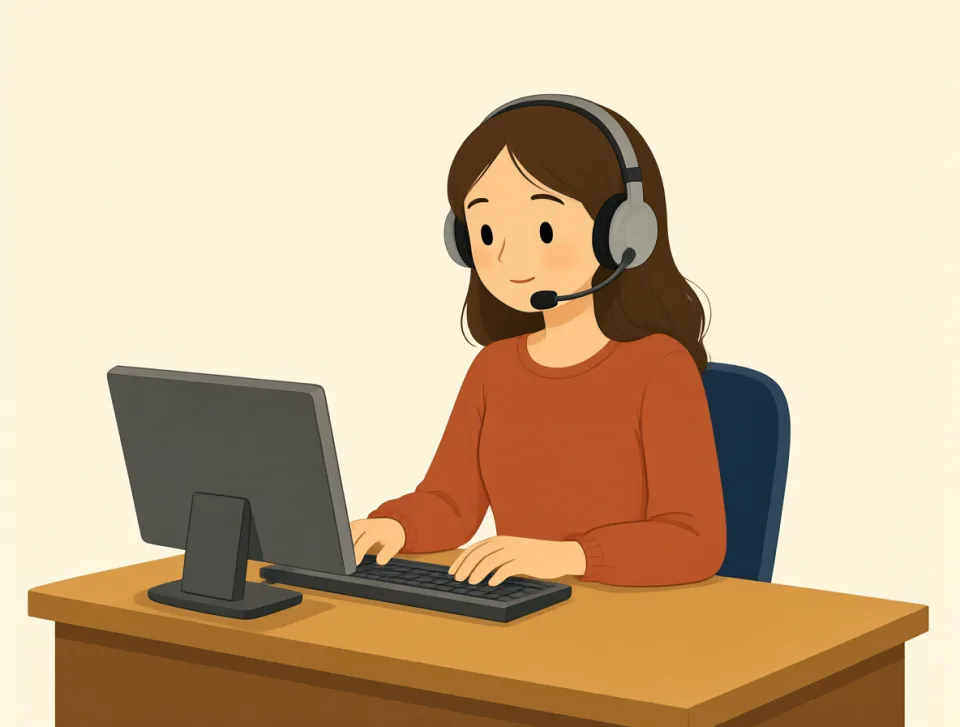
operator
#2329noun
operator
A person or machine that controls or operates a system, machine, or telephone service.
Osoba lub urządzenie, które kontroluje system, obsługuje maszynę albo prowadzi centralę telefoniczną.

The telephone operator connected me to the right department within a minute.
Operator telefoniczny połączył mnie z właściwym działem w ciągu minuty.
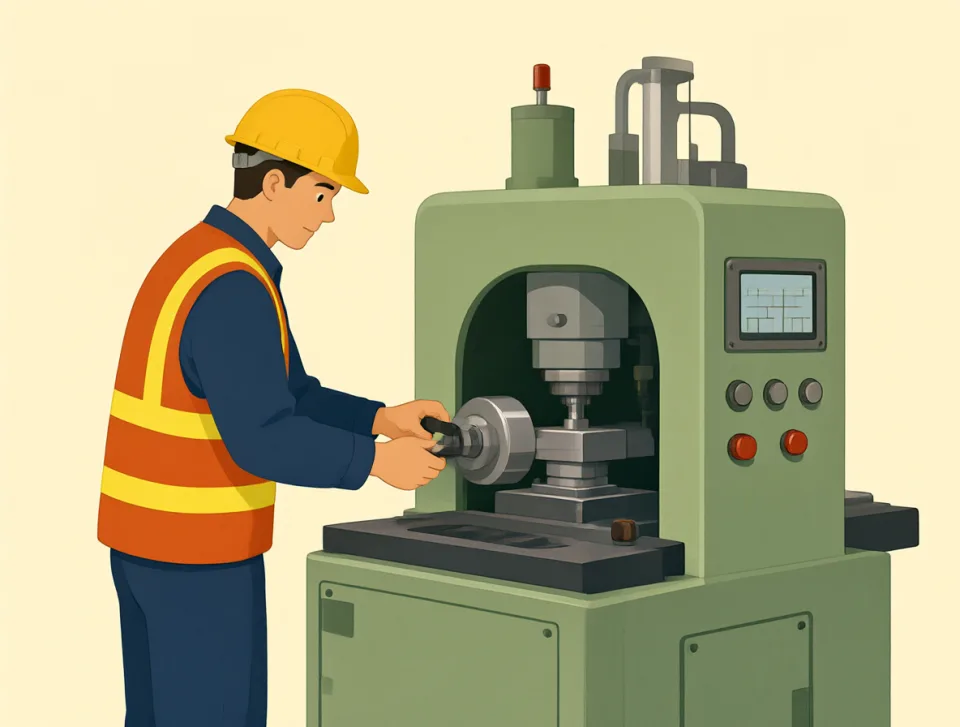
The machine operator checked the factory equipment before starting work.
Operator maszyny sprawdził sprzęt fabryczny przed rozpoczęciem pracy.
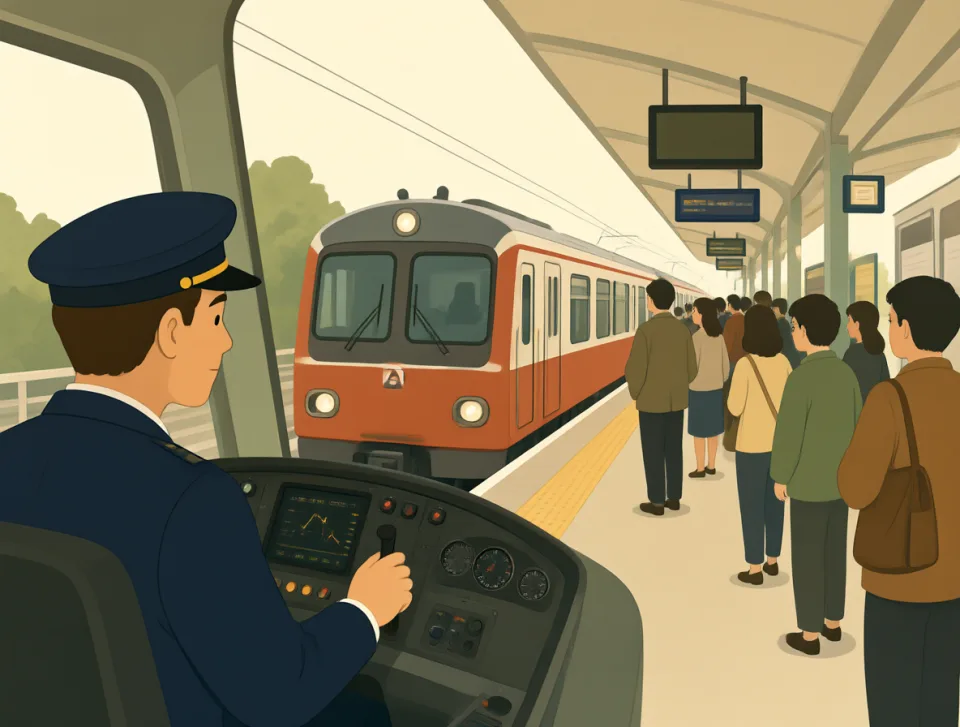
The train operator slowed down as the track became crowded with people.
Maszynista zwolnił, gdy na torach zrobiło się tłoczno.

Please ask the hotel operator to call a taxi for us.
Proszę poprosić operatora hotelowej centrali, żeby zamówił nam taksówkę.

The computer operator entered the students’ test results into the system.
Operator komputera wprowadził wyniki testów uczniów do systemu.

infant
#2330noun
niemowlę
a very young baby, usually less than one year old
bardzo małe dziecko, zwykle w wieku poniżej jednego roku
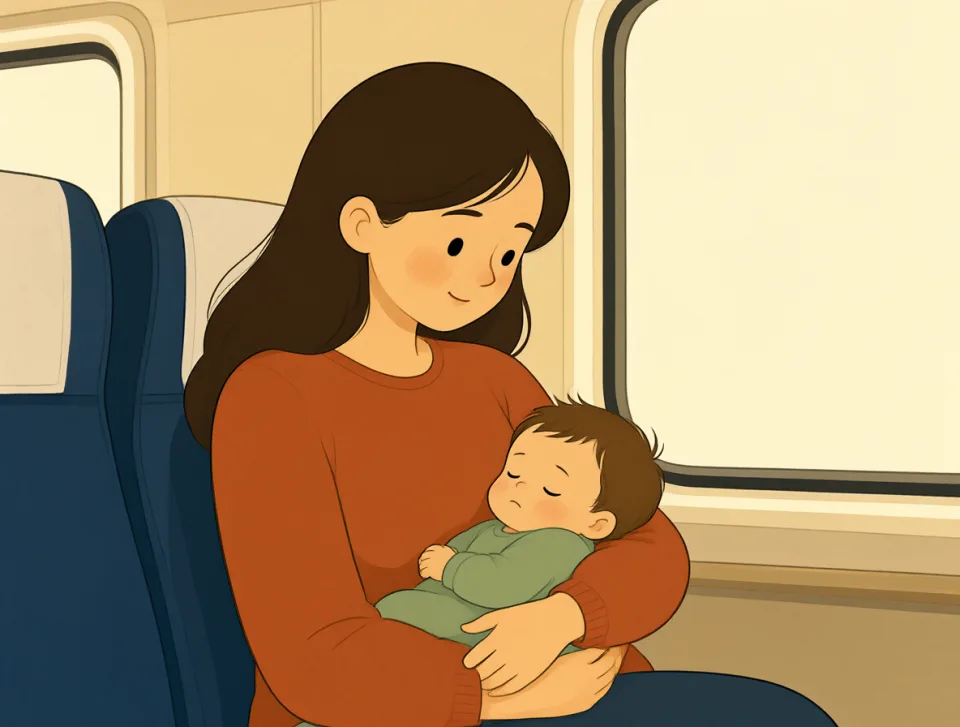
The infant slept peacefully in her mother's arms during the long train journey.
Niemowlę spało spokojnie w ramionach matki podczas długiej podróży pociągiem.
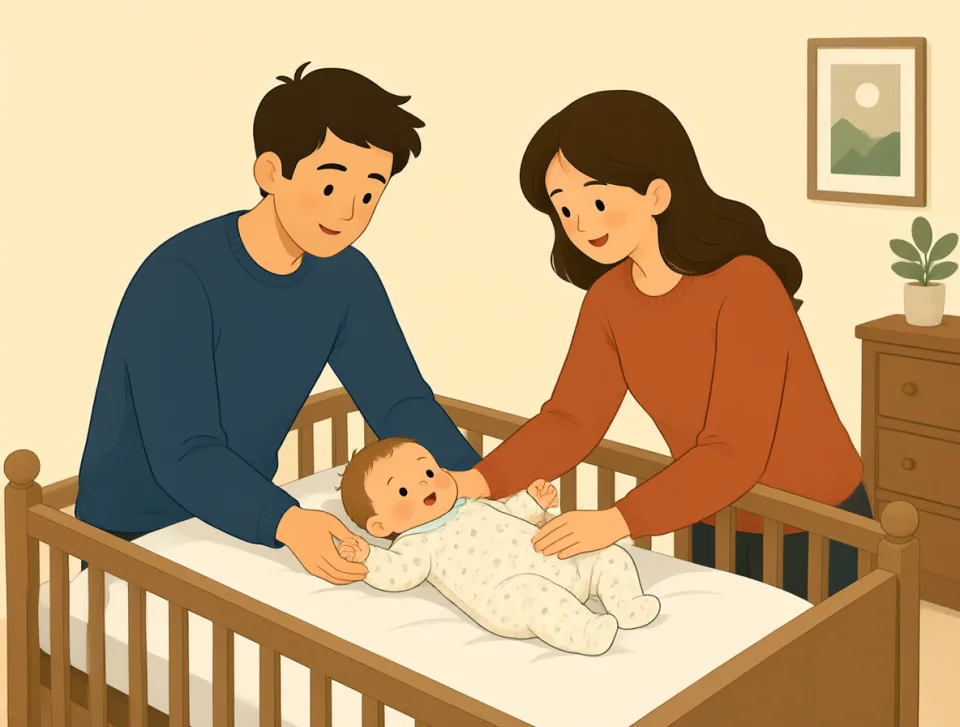
Parents should place an infant on its back to sleep safely.
Aby zapewnić niemowlęciu bezpieczny sen, rodzice powinni układać je na plecach.
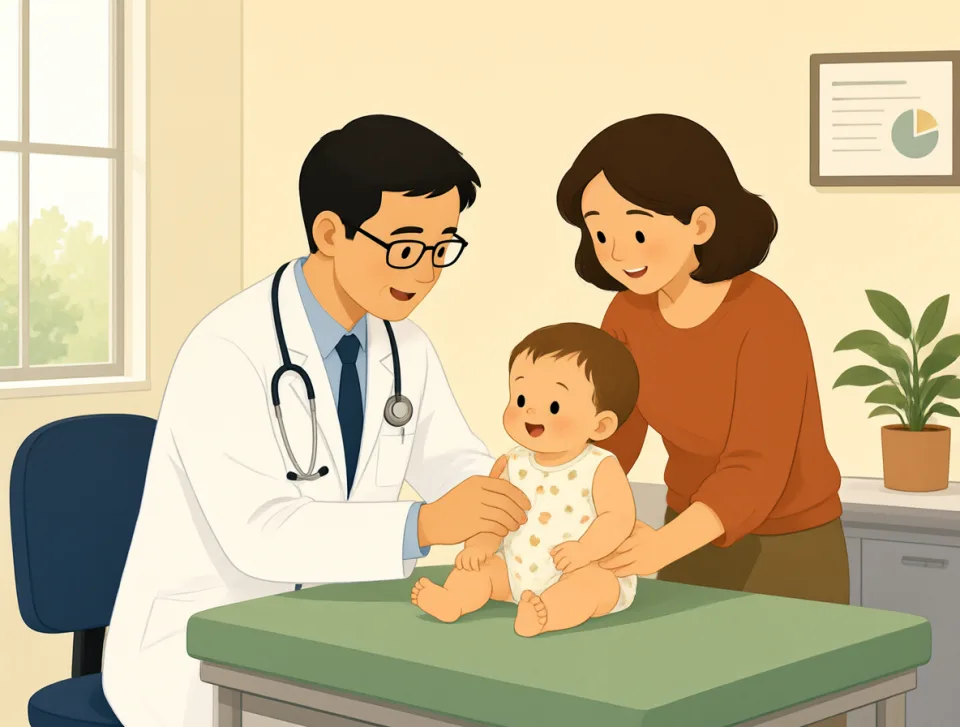
The doctor checked the infant's weight and temperature during the appointment.
Podczas wizyty lekarz sprawdził wagę i temperaturę niemowlęcia.
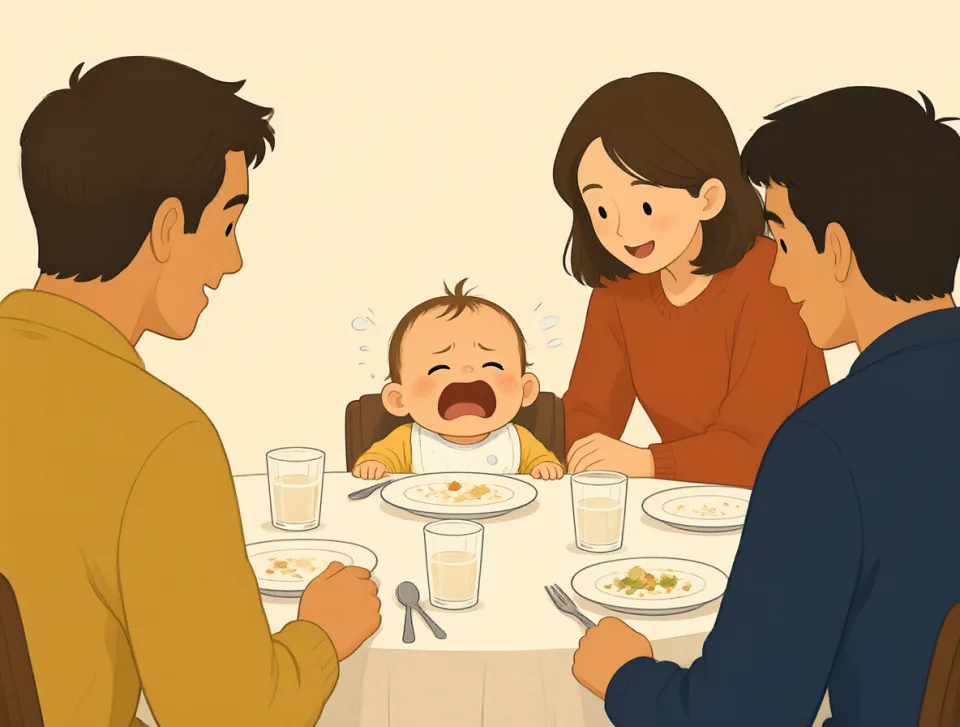
The infant began crying when the family entered the noisy restaurant.
Niemowlę zaczęło płakać, gdy rodzina weszła do hałaśliwej restauracji.

She bought warm clothes and soft blankets for her newborn infant.
Kupiła ciepłe ubranka i miękkie kocyki dla swojego nowo narodzonego dziecka.
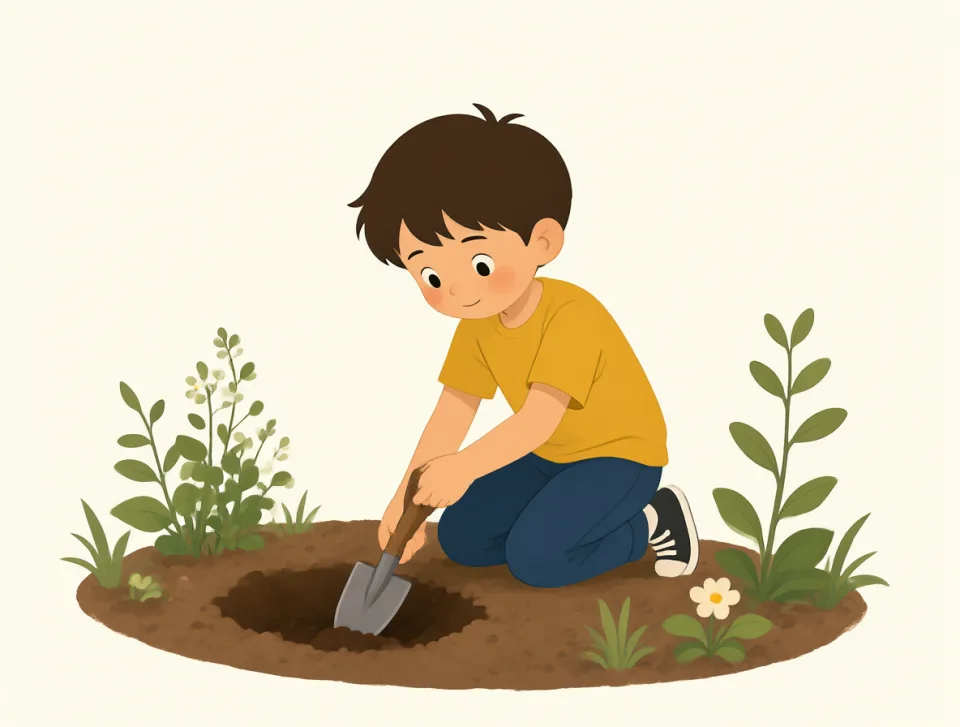
dig
#2331verb, noun
kopać
to make a hole in the ground or search by moving soil with a tool
robić dziurę w ziemi lub szukać czegoś, rozgarniając ziemię narzędziem
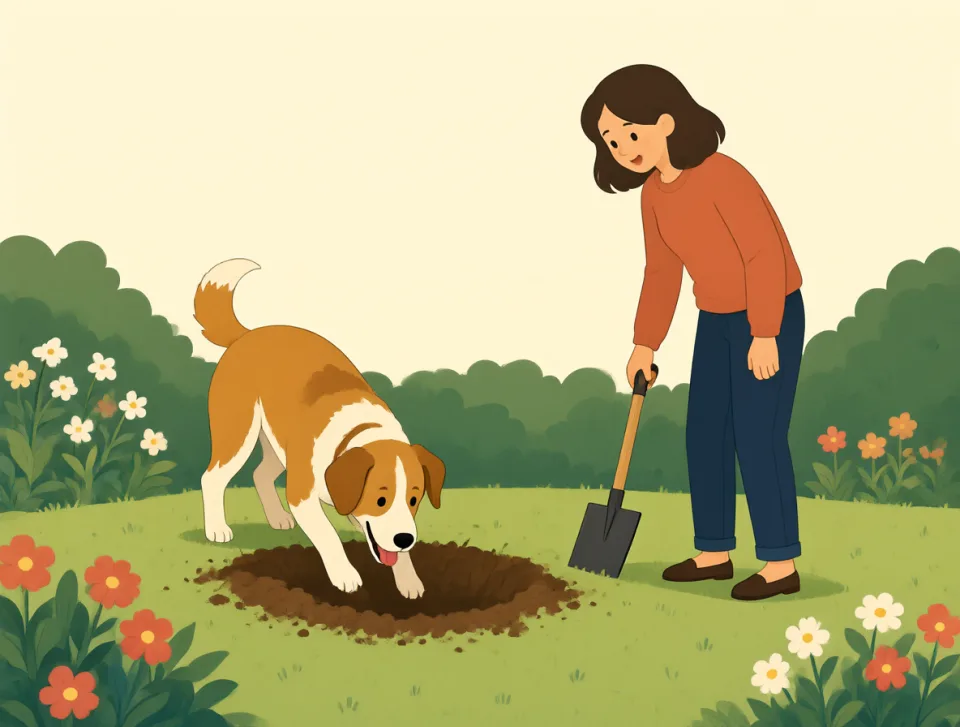
The dog is digging a hole in the garden beside the flowers.
Pies kopie dołek w ogrodzie obok kwiatów.
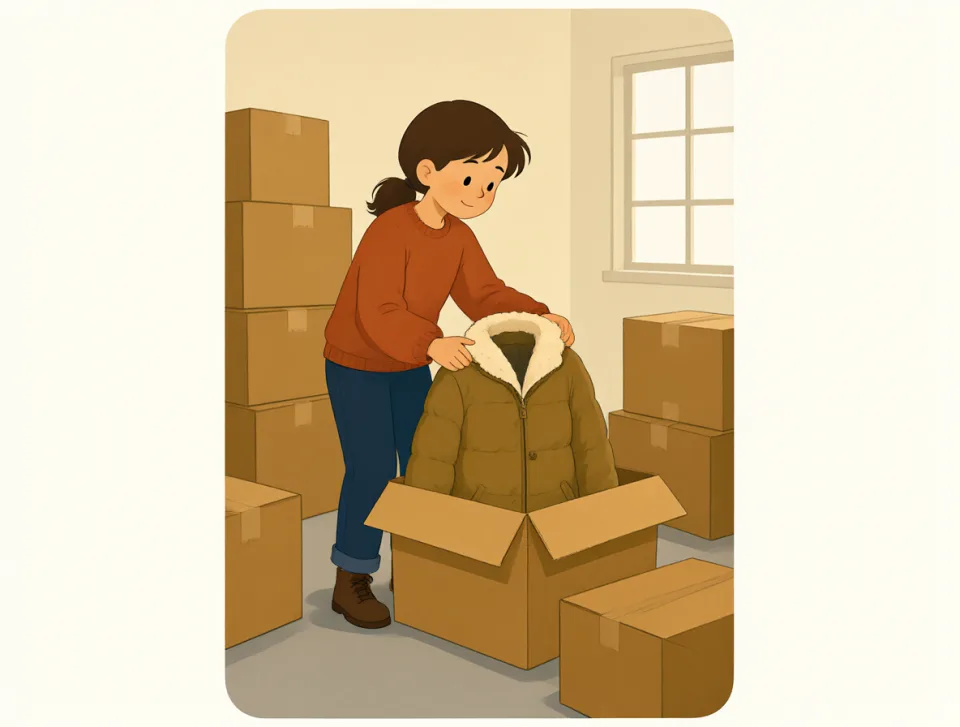
We dug through the boxes to find my old winter coat.
Przekopaliśmy się przez pudła, żeby znaleźć mój stary zimowy płaszcz.
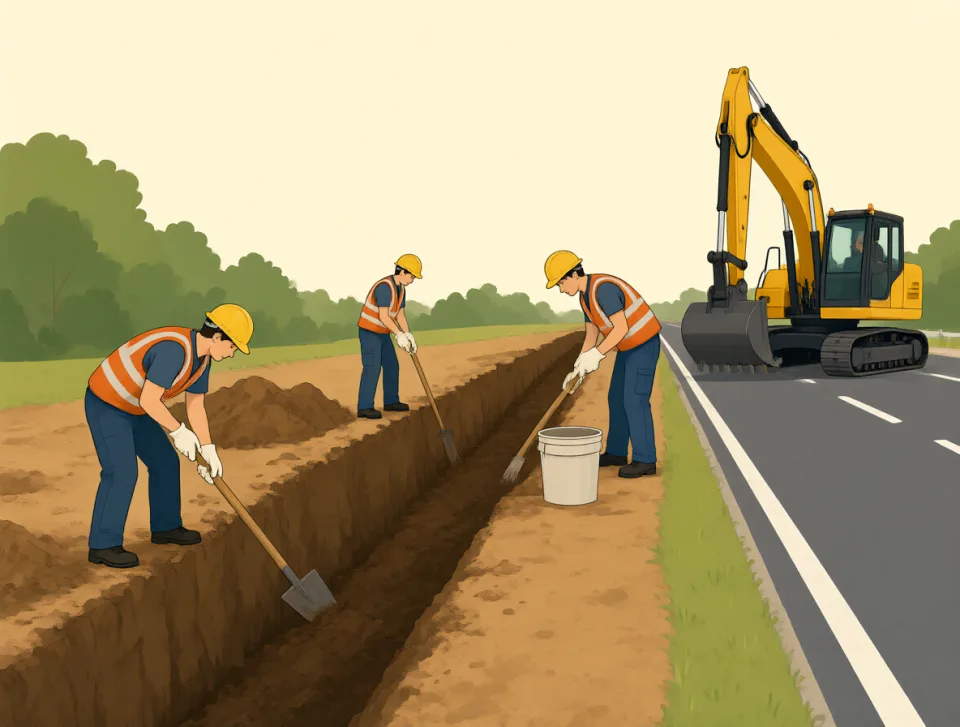
The workers are digging a trench beside the road for new pipes.
Robotnicy kopią rów przy drodze pod nowe rury.
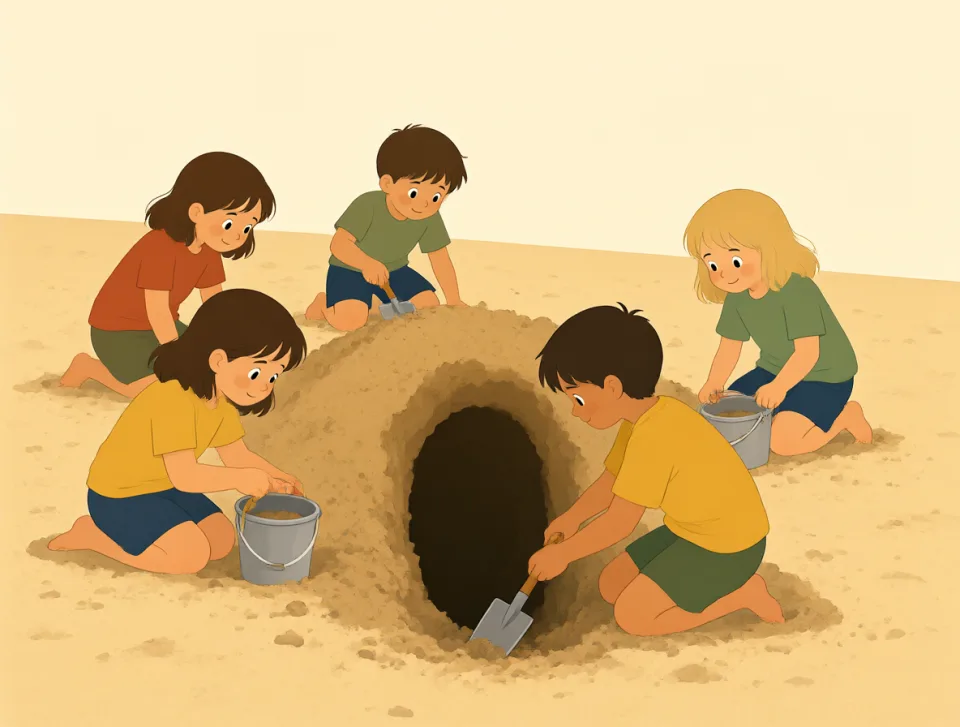
The children dug in the sand and built a deep tunnel.
Dzieci kopały w piasku i zbudowały głęboki tunel.
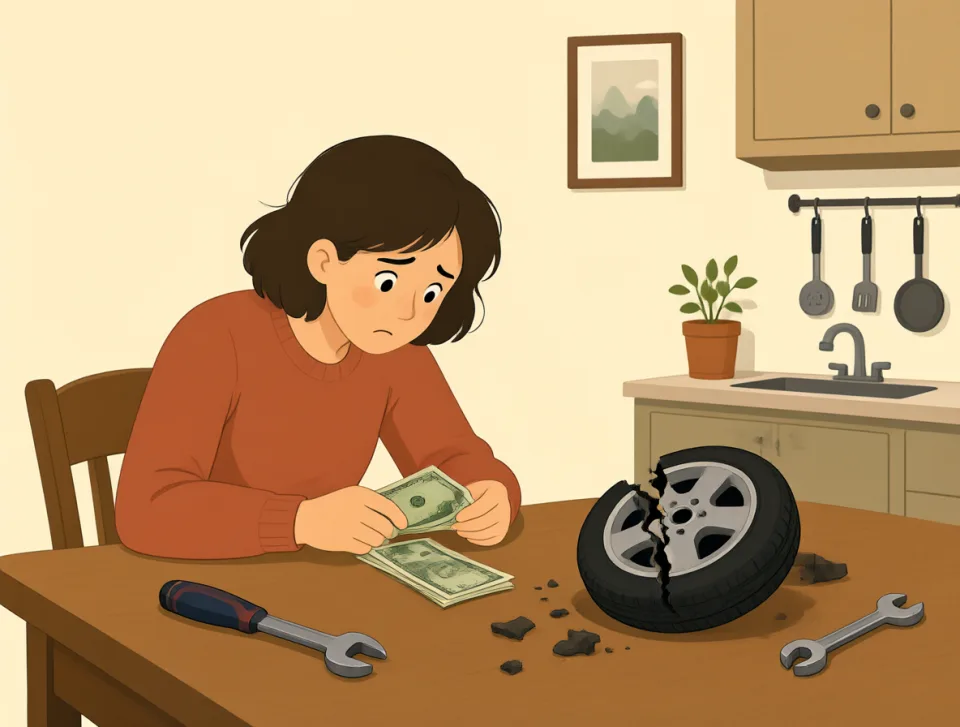
I had to dig into my savings to pay for the car repair.
Musiałem sięgnąć do oszczędności, żeby zapłacić za naprawę samochodu.
drag
#2332verb, noun
ciągnąć; uciążliwa, nużąca rzecz
to pull something along the ground, or a slow, tiring task or experience
ciągnąć coś po ziemi; także: powolne, męczące zadanie lub doświadczenie
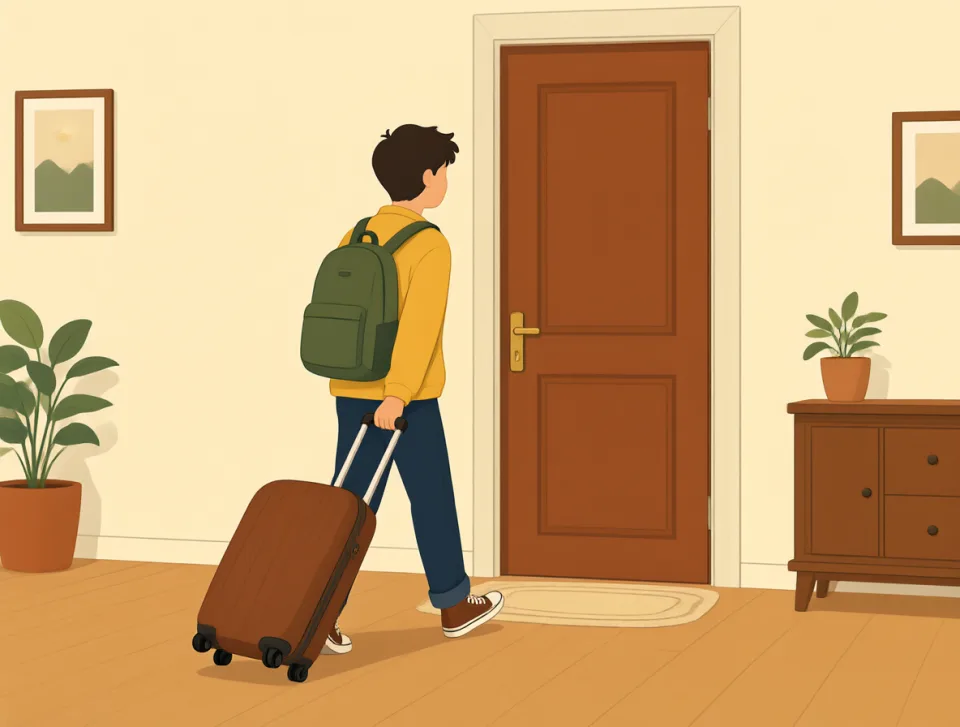
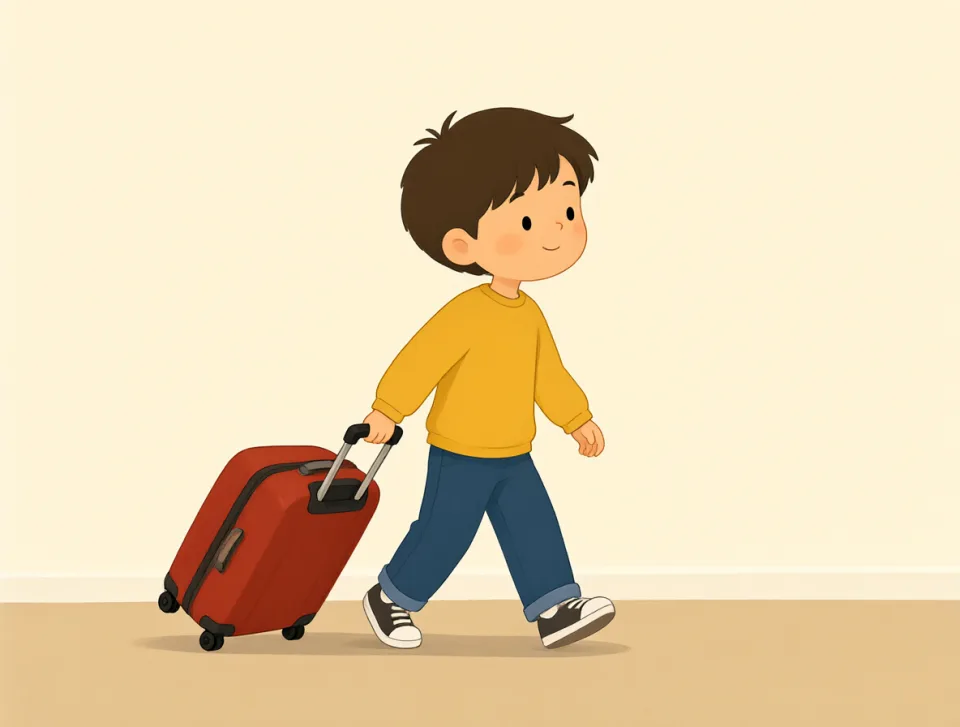
Please drag the heavy suitcase across the floor to the front door.
Proszę przeciągnąć ciężką walizkę po podłodze do drzwi wejściowych.
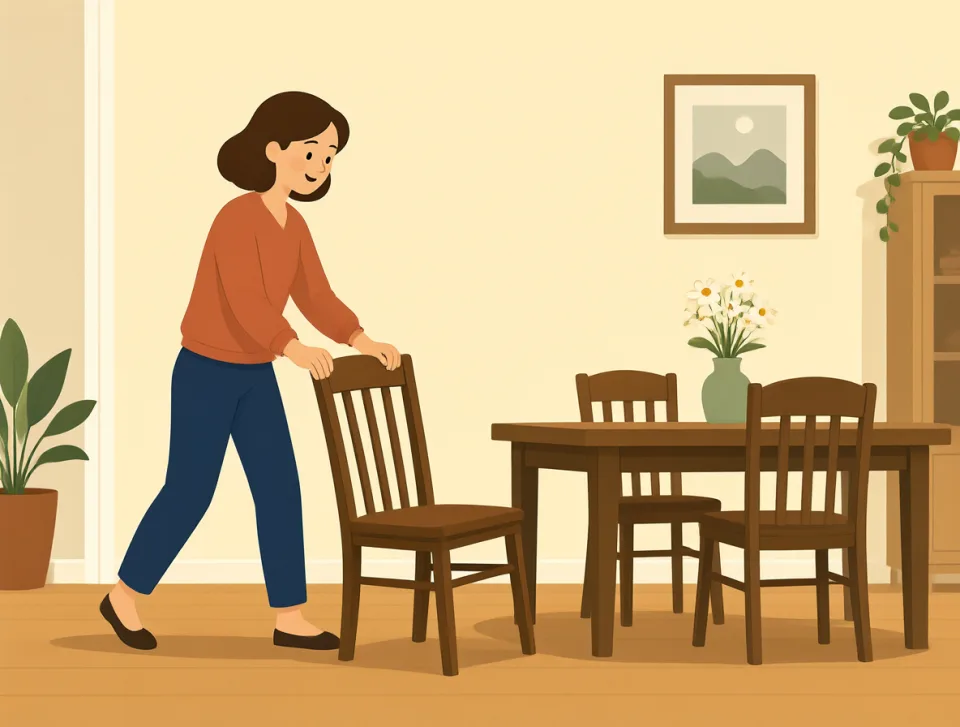
She dragged the chair closer to the table before dinner.
Przed kolacją przesunęła krzesło bliżej stołu.
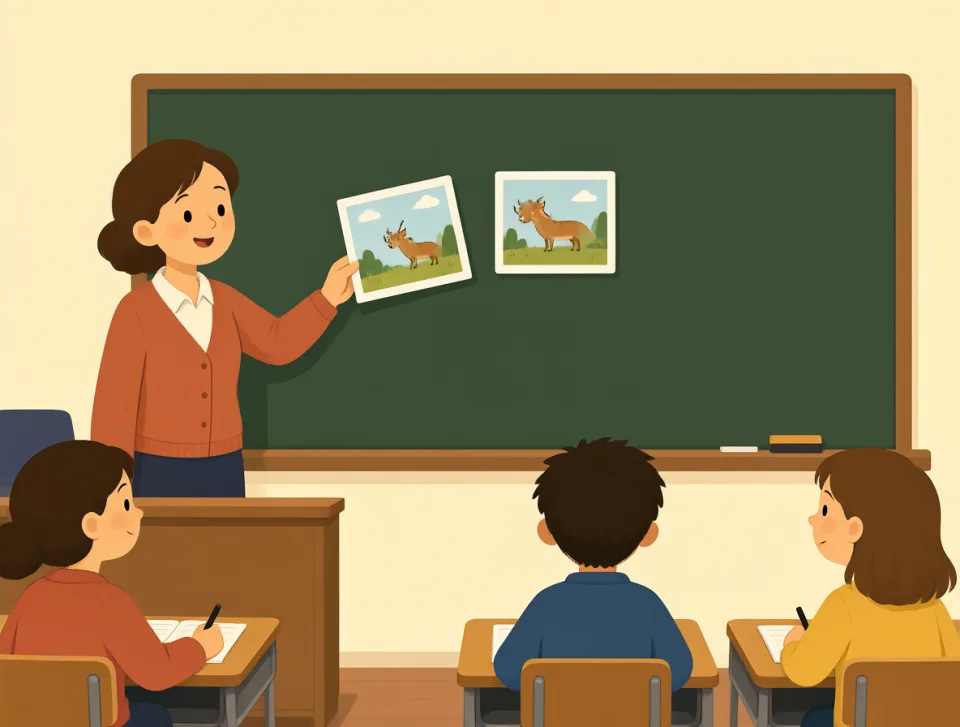
The teacher dragged the picture into the correct place on the board.
Nauczyciel przeciągnął obrazek we właściwe miejsce na tablicy.

My computer is so slow that every website takes ages to drag.
Mój komputer działa tak wolno, że każda strona internetowa ładuje się wieki.
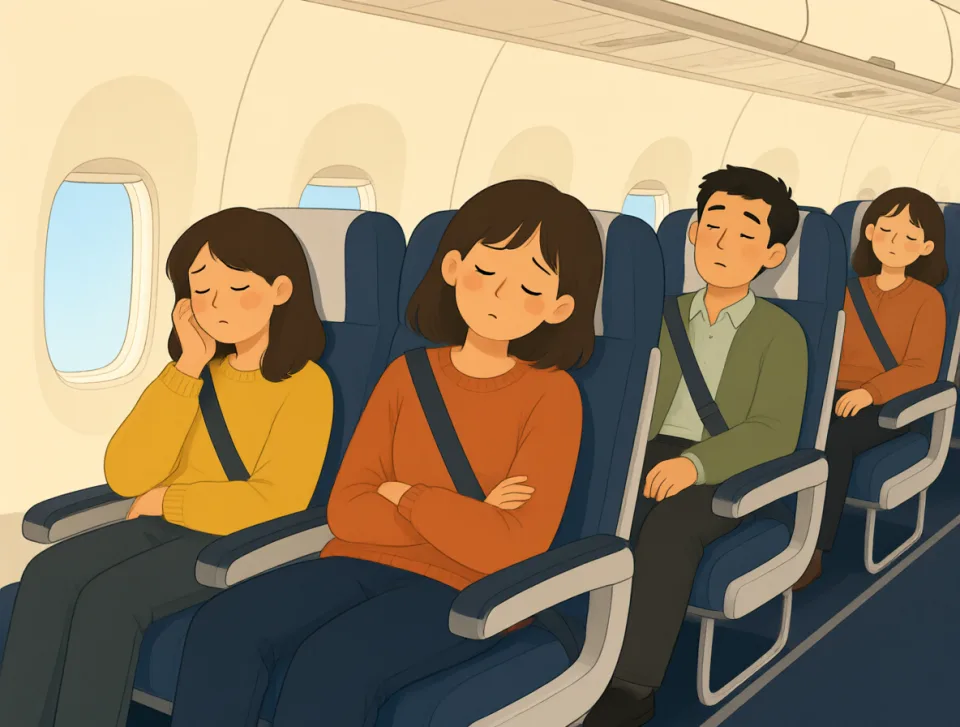
The long flight was a real drag, but the holiday was wonderful.
Długi lot był prawdziwą męczarnią, ale wakacje były wspaniałe.

mount
#2333noun, verb
góra; mocować
a mountain, or to place something on a support or raise it higher
góra albo umieszczać coś na podporze lub podnosić wyżej

The hikers reached the mount before sunset and rested beside the trail.
Wędrowcy dotarli na górę przed zachodem słońca i odpoczęli przy szlaku.
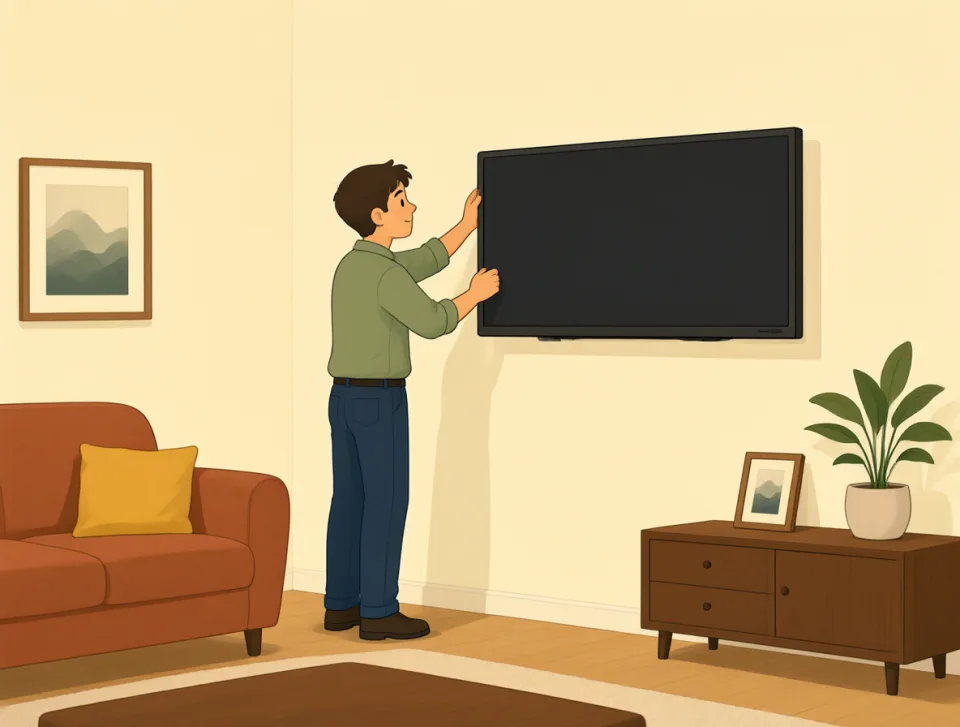
The technician mounted the new television securely on the living room wall.
Technik solidnie zamontował nowy telewizor na ścianie w salonie.
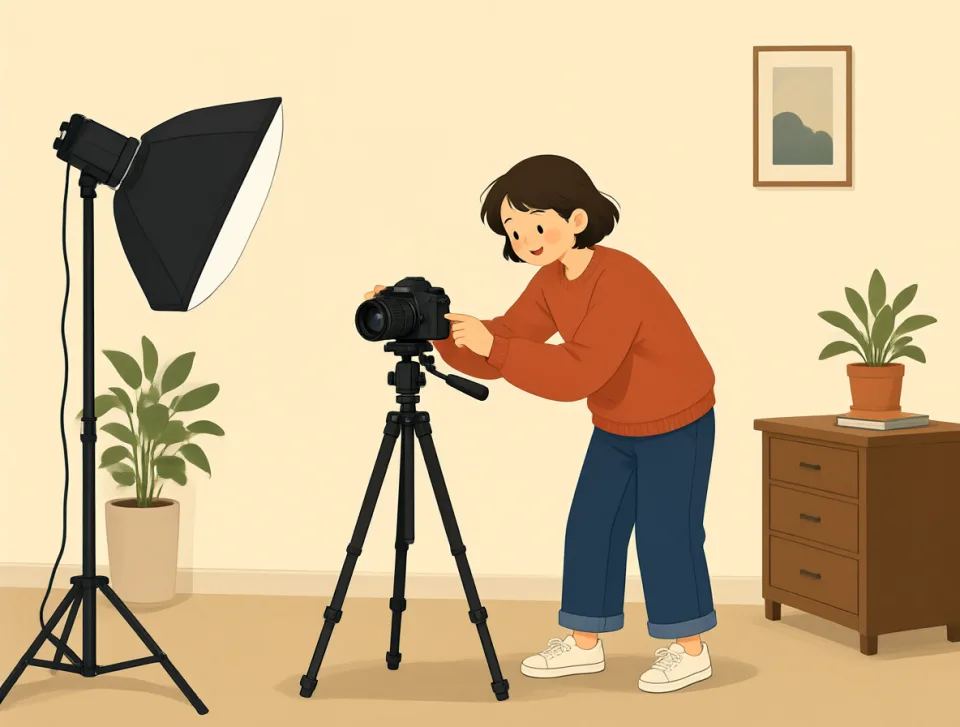
The camera is mounted on a tripod for steady photographs.
Aparat jest zamocowany na statywie, żeby zdjęcia były ostre.
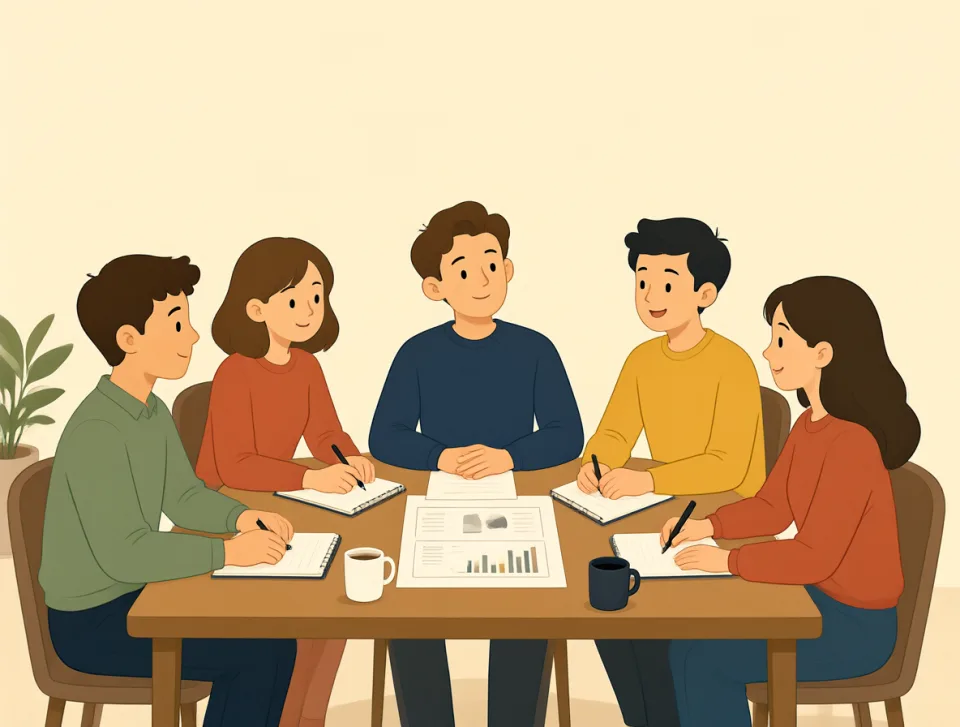
The company mounted a strong campaign to attract more customers this summer.
Firma rozpoczęła szeroko zakrojoną kampanię, by tego lata przyciągnąć więcej klientów.
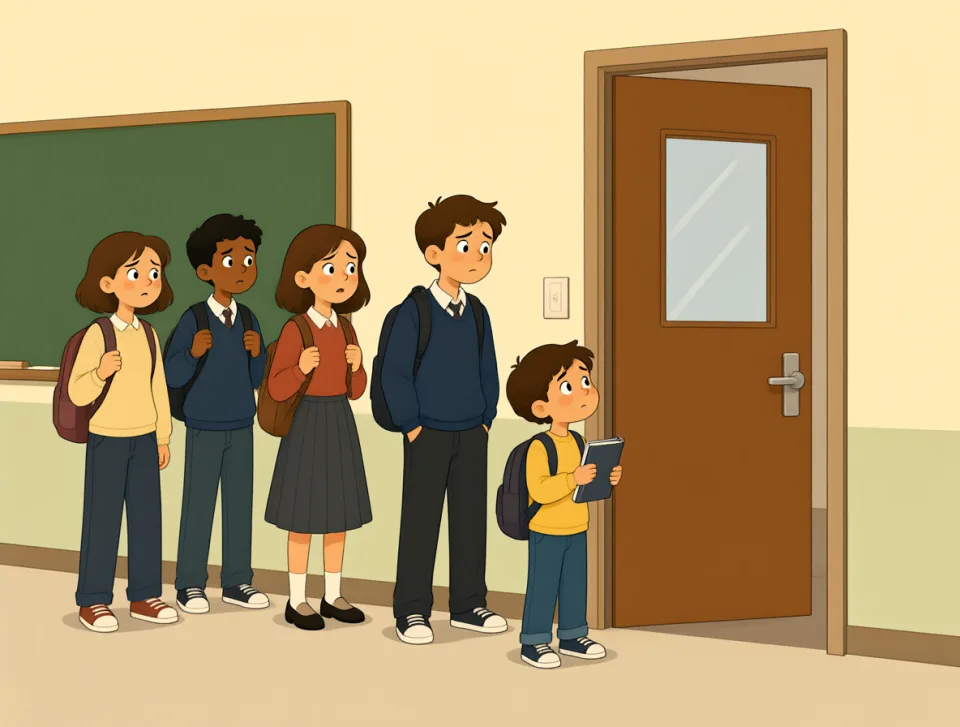
Anger mounted as the students waited outside the closed classroom.
Złość narastała, gdy uczniowie czekali przed zamkniętą salą lekcyjną.
wrap
#2334noun, verb
owijać
to cover or surround something with paper, cloth, or another material
okrywać lub otaczać coś papierem, tkaniną albo innym materiałem
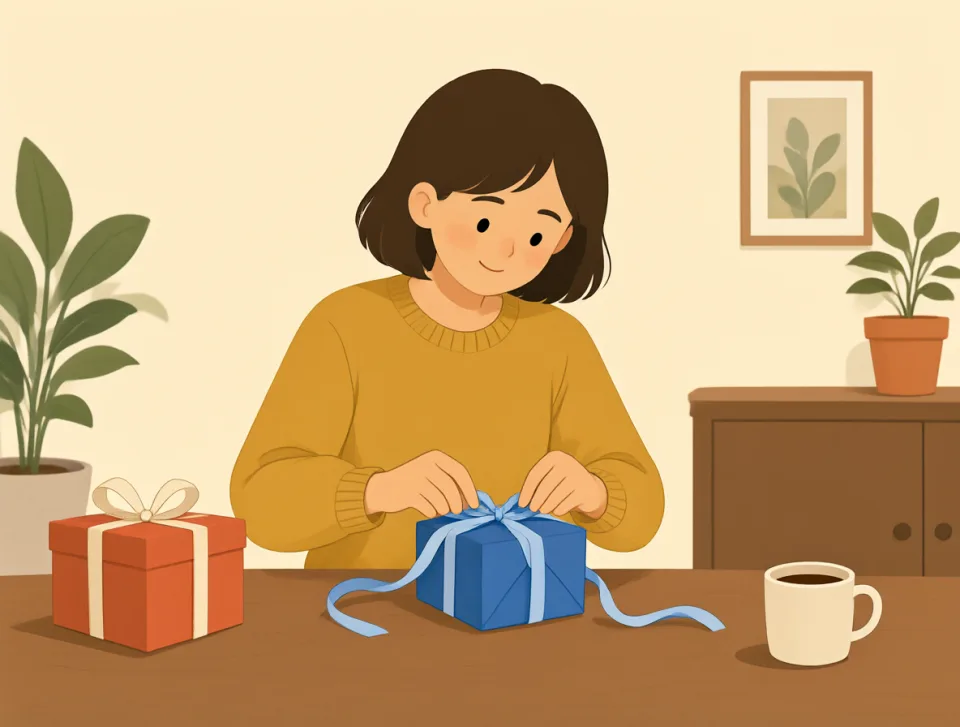
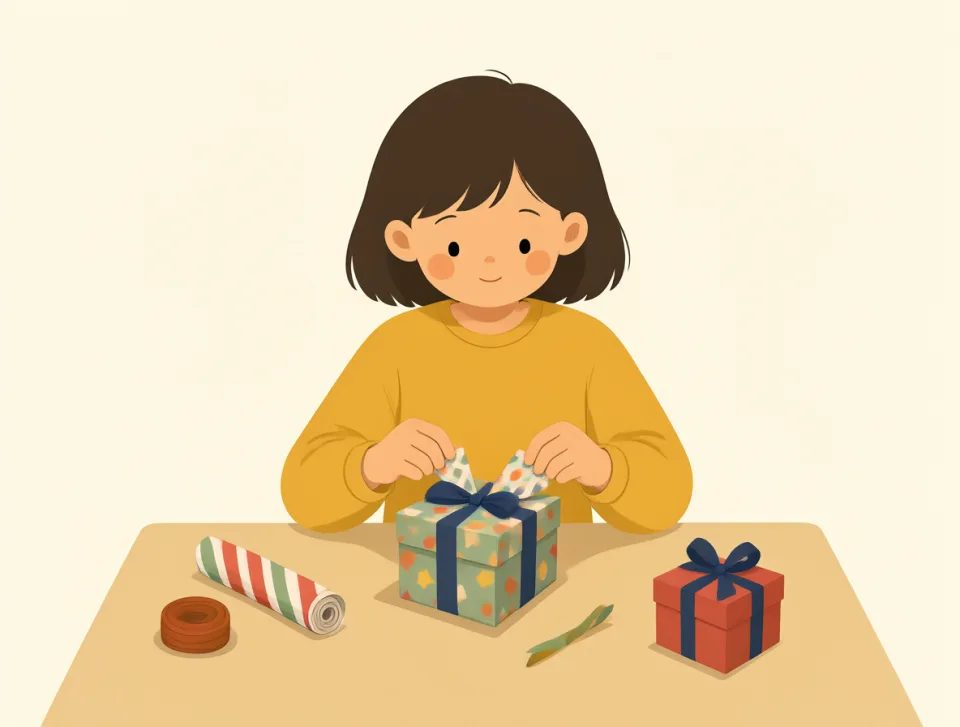
She wrapped the birthday present in bright blue paper.
Owinęła prezent urodzinowy w jaskrawoniebieski papier.
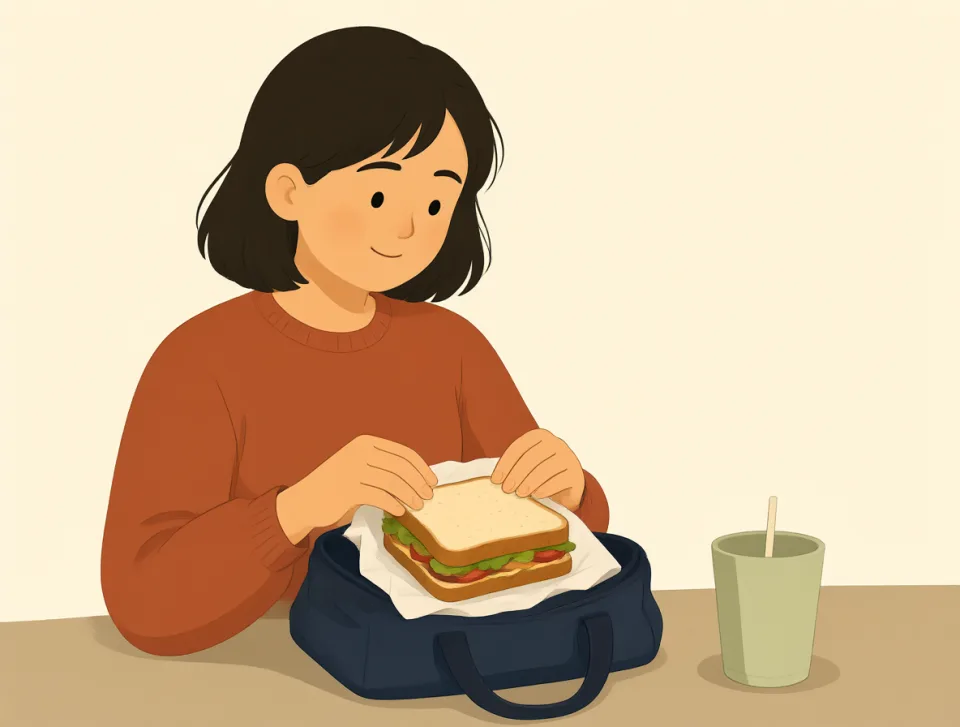
Please wrap the sandwich before you put it in my bag.
Proszę owinąć kanapkę, zanim włożysz ją do mojej torby.

He wrapped a warm blanket around the tired child.
Owinął zmęczone dziecko ciepłym kocem.
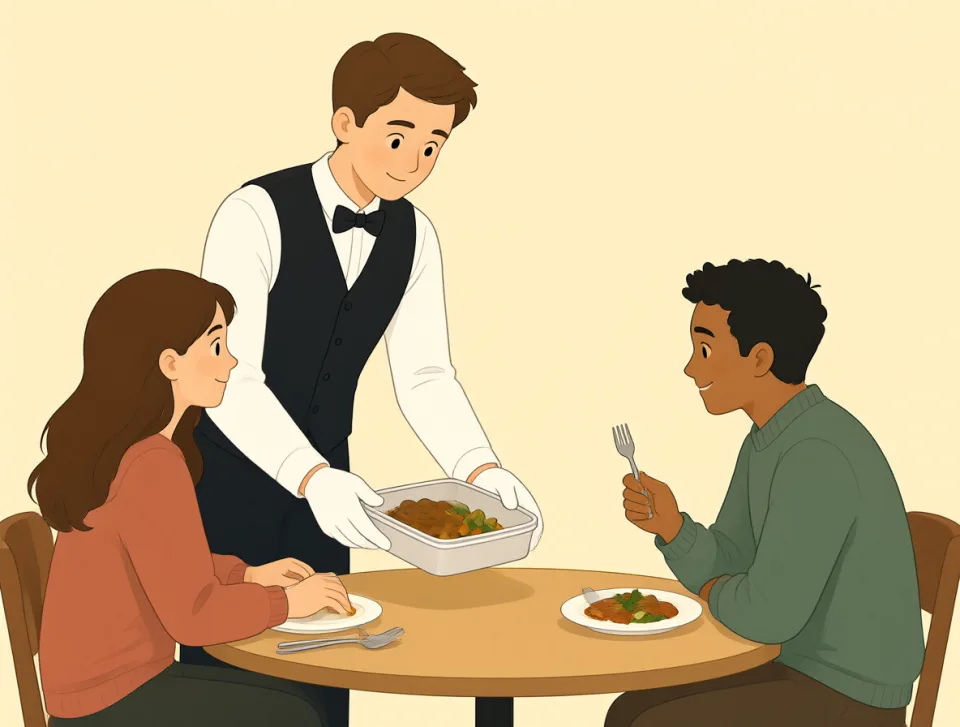
The waiter wrapped the leftover food for us to take home.
Kelner zapakował resztki jedzenia na wynos.

We wrapped up the meeting before everyone left for lunch.
Zakończyliśmy spotkanie, zanim wszyscy wyszli na lunch.
anticipate
#2335verb
przewidywać
to expect something and prepare for it before it happens
spodziewać się czegoś i przygotowywać się na to, zanim się wydarzy
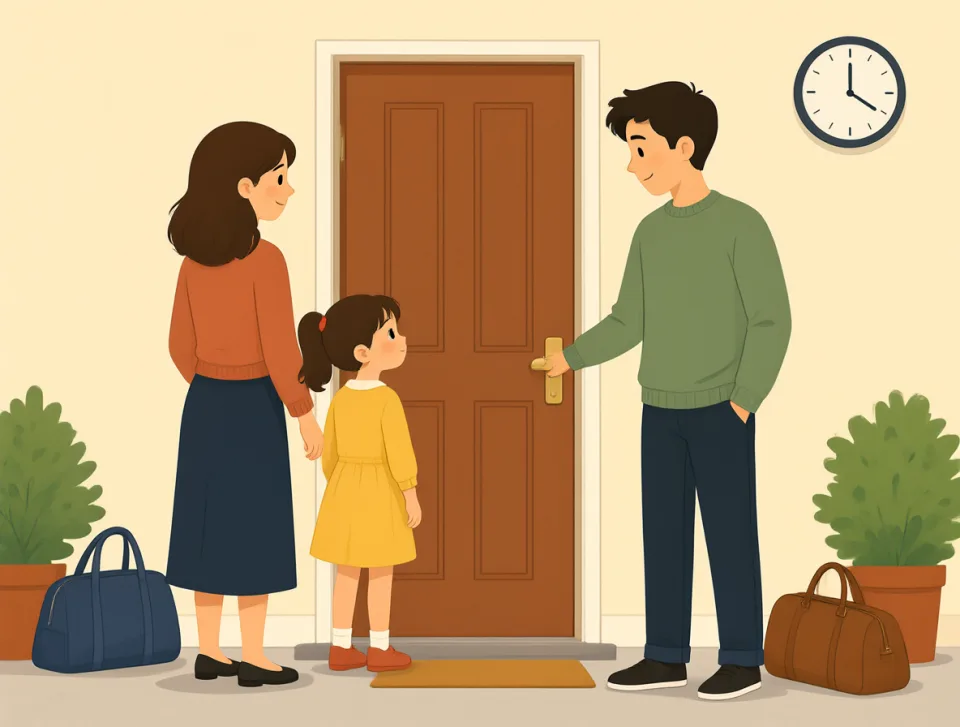
We anticipate heavy traffic, so we are leaving home early.
Spodziewamy się dużego ruchu, więc wyjeżdżamy z domu wcześniej.
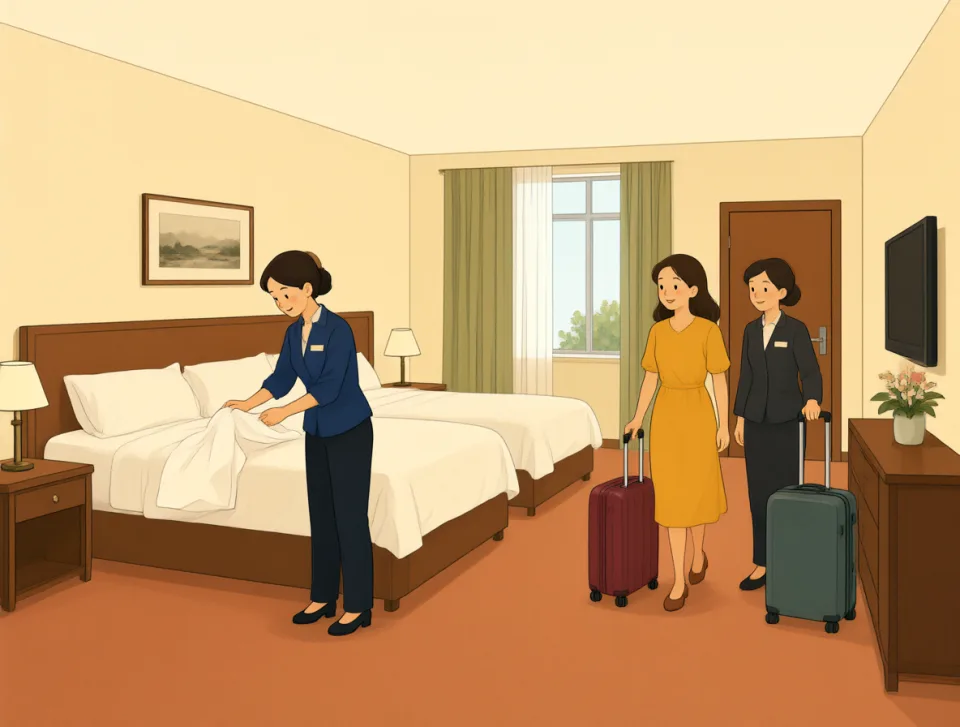
The hotel anticipates many guests during the summer holidays.
Hotel spodziewa się wielu gości podczas wakacji letnich.
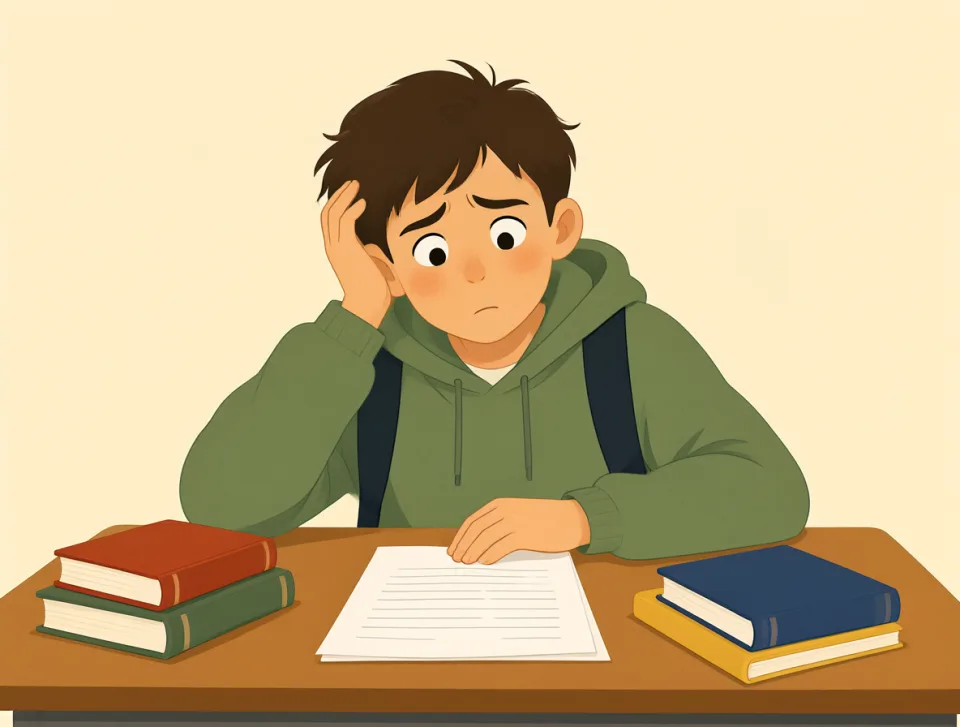
I did not anticipate such a difficult exam at school.
Nie spodziewałem się tak trudnego egzaminu w szkole.
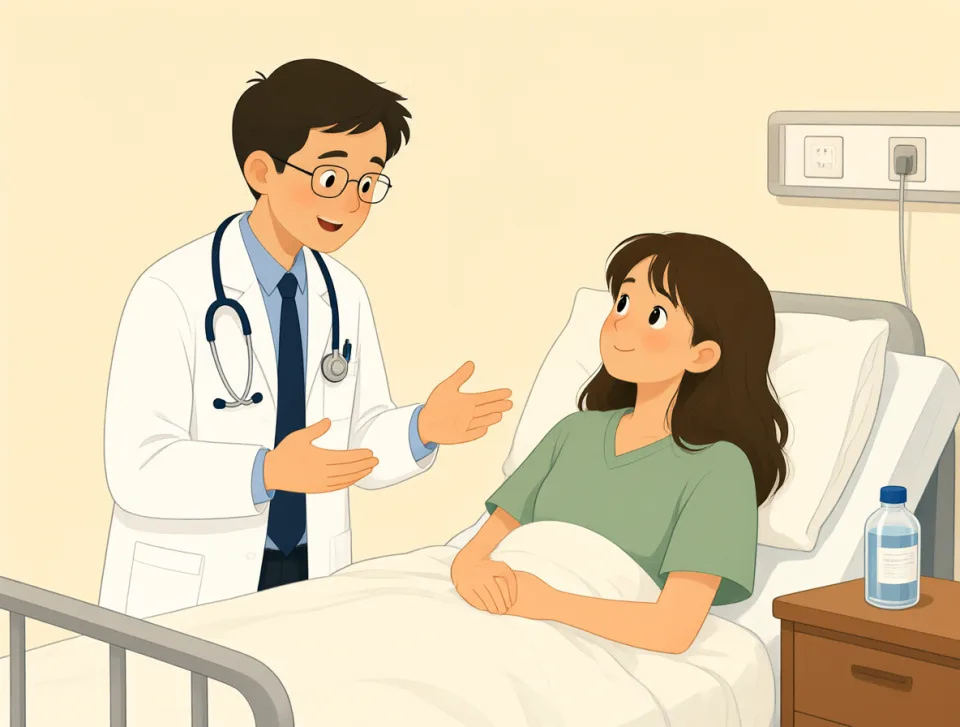
The doctor anticipates a quick recovery after your operation.
Lekarz przewiduje szybki powrót do zdrowia po operacji.

We anticipated feeling hungry and brought sandwiches for the train journey.
Spodziewaliśmy się, że zgłodniejemy, więc zabraliśmy kanapki na podróż pociągiem.
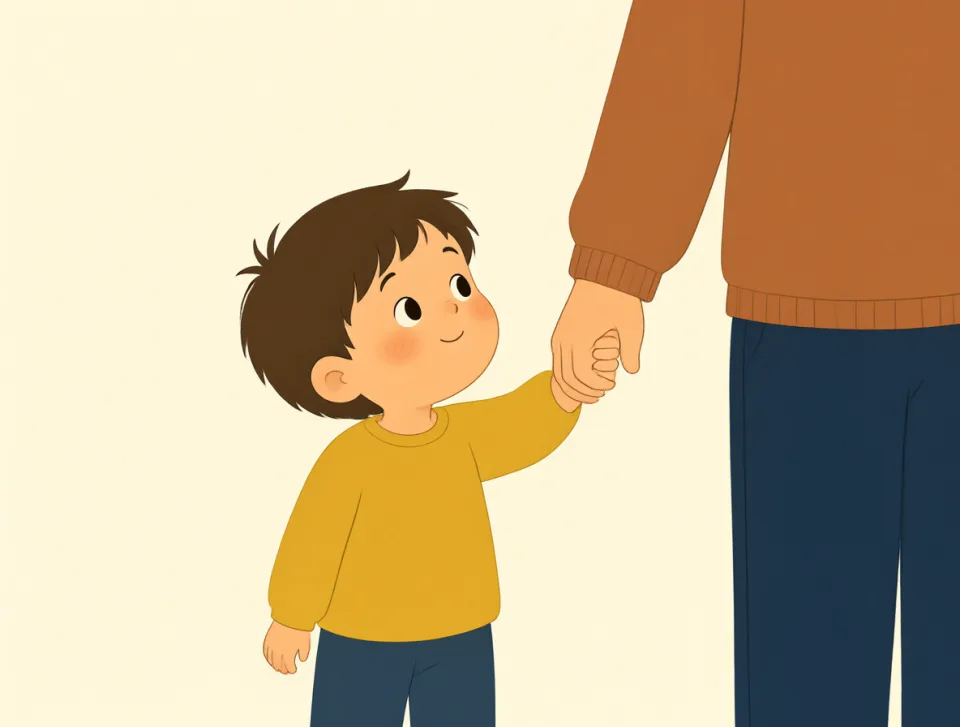
dependent
#2336adjective, noun
zależny
Needing someone or something else for support, money, or help.
Potrzebujący wsparcia, pieniędzy lub pomocy ze strony kogoś albo czegoś.
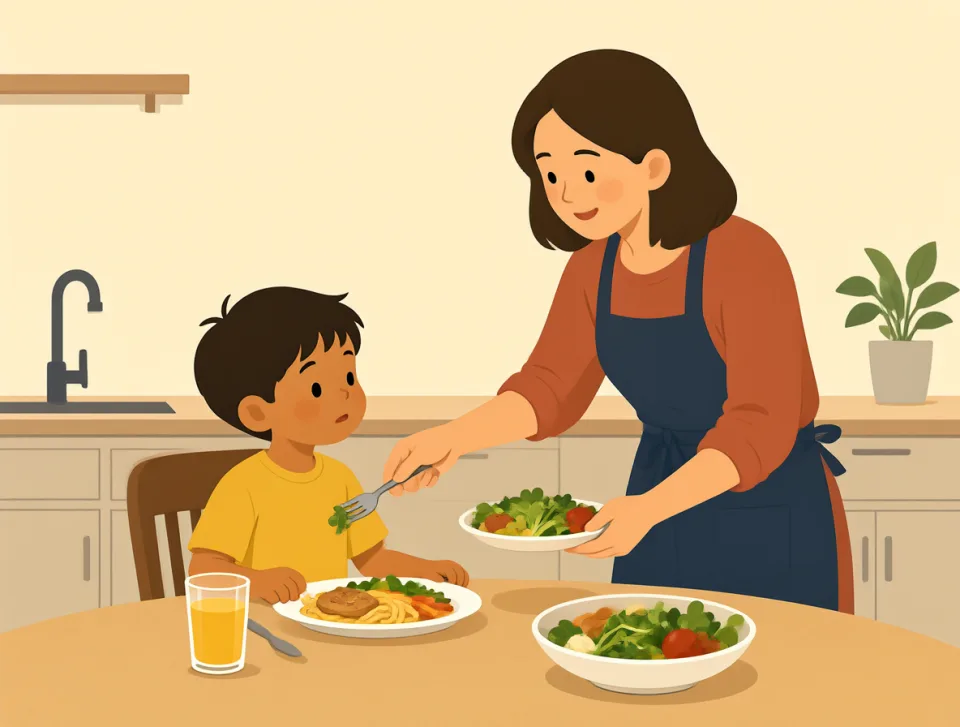
Many young children are dependent on their parents for food and shelter.
Wiele małych dzieci jest zależnych od rodziców, jeśli chodzi o jedzenie i schronienie.

The company is heavily dependent on international customers for its income.
Firma w dużym stopniu polega na klientach zagranicznych jako źródle dochodu.

Our plans are dependent on the weather staying warm and dry.
Nasze plany zależą od tego, czy pogoda będzie ciepła i sucha.
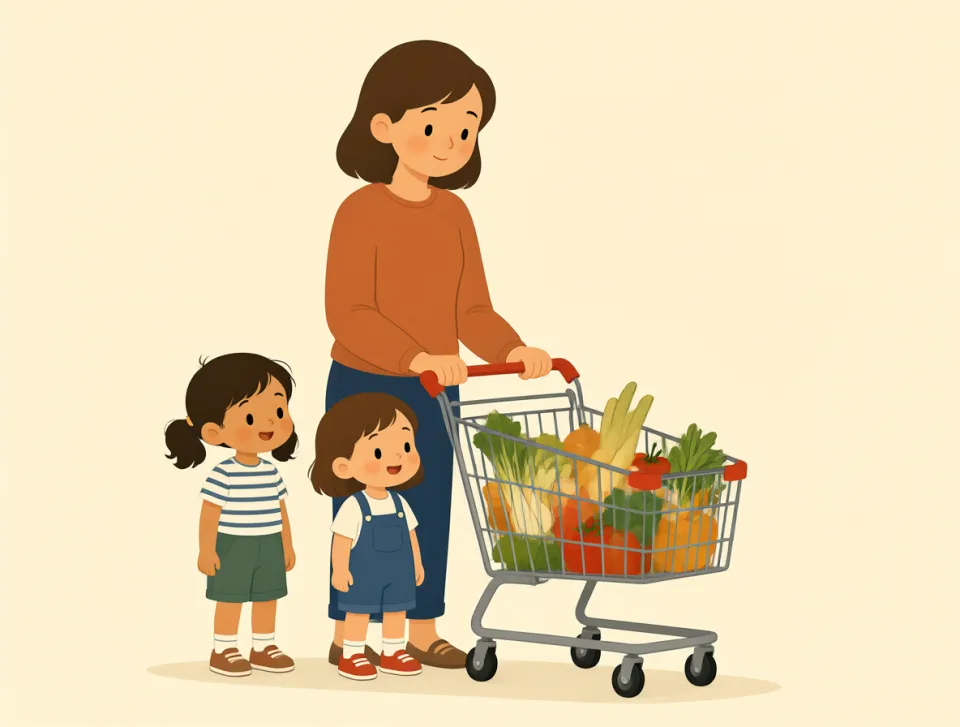
She has two dependents, so her monthly expenses are quite high.
Utrzymuje dwie osoby na utrzymaniu, więc jej miesięczne wydatki są dość wysokie.
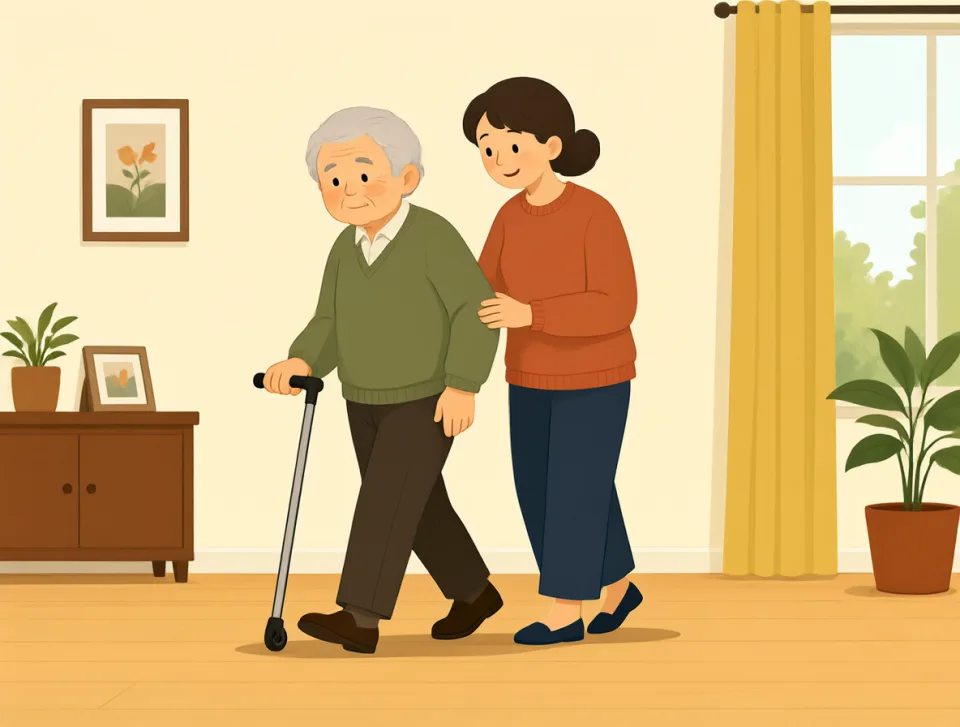
Some older people become dependent on others after a serious illness.
Niektóre starsze osoby po ciężkiej chorobie stają się zależne od innych.
specialize
#2337verb
specjalizować się
to spend most of your time studying or working in one particular area
Poświęcać większość czasu na naukę lub pracę w jednej konkretnej dziedzinie.

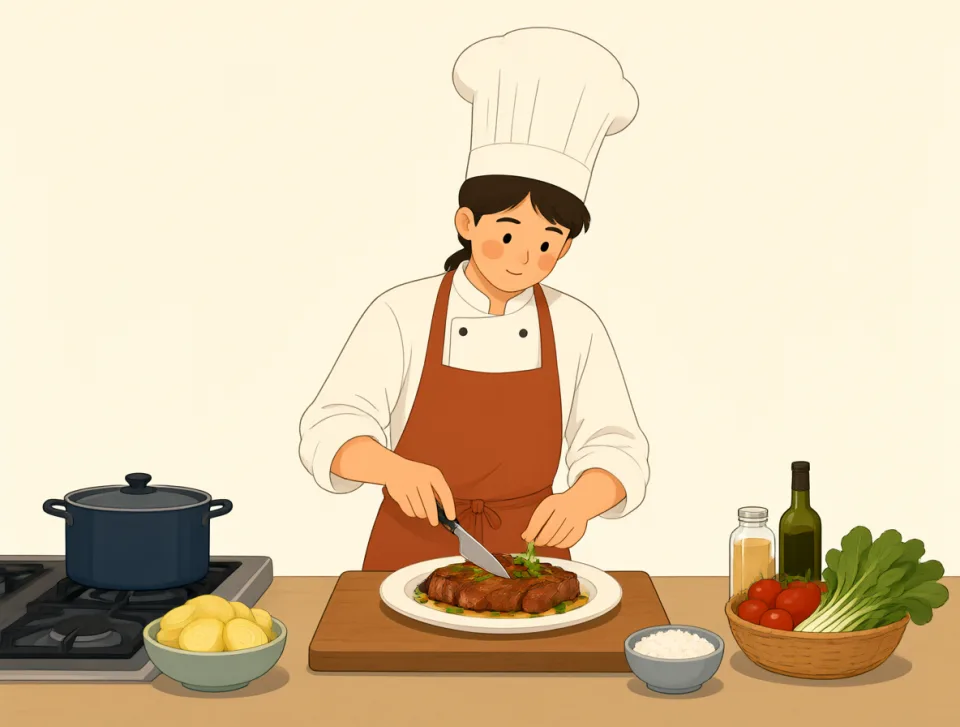
Our restaurant specializes in fresh seafood and homemade desserts.
Nasza restauracja specjalizuje się w świeżych owocach morza i domowych deserach.
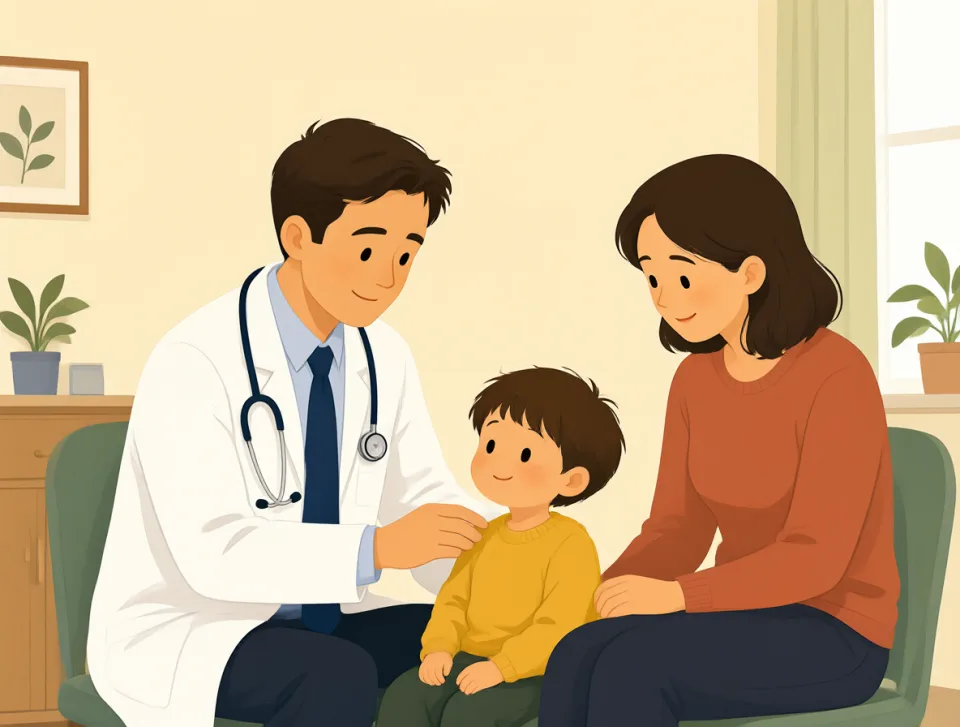
The hospital specializes in treating children with serious illnesses.
Szpital specjalizuje się w leczeniu dzieci z poważnymi chorobami.

She decided to specialize in science when she entered university.
Po rozpoczęciu studiów zdecydowała się specjalizować w naukach ścisłych.
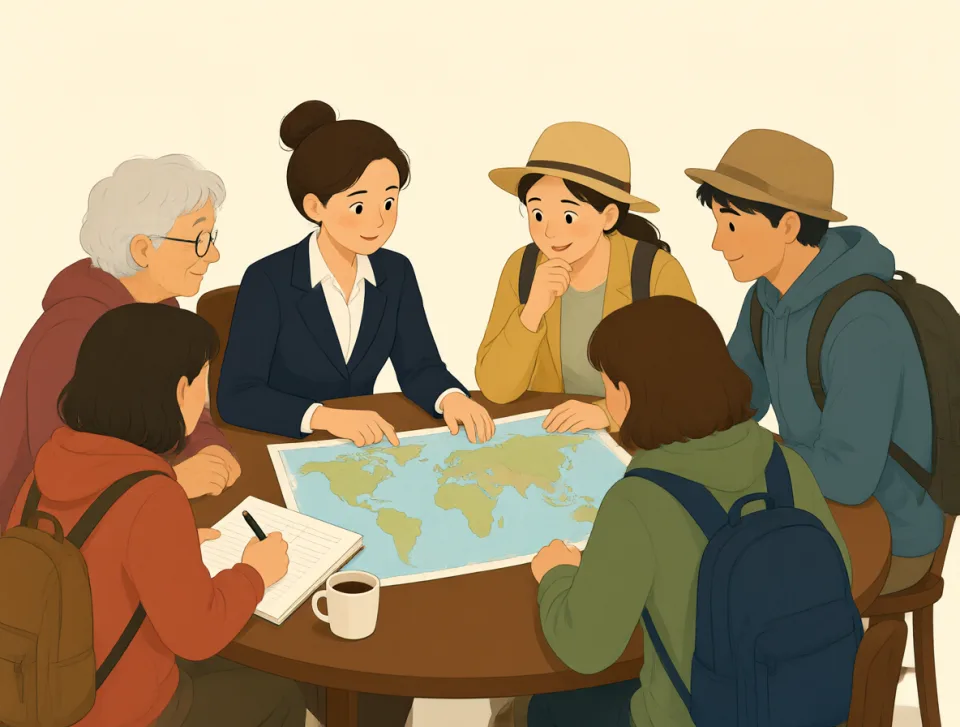
This travel agency specializes in small group tours around Europe.
To biuro podróży specjalizuje się w wycieczkach po Europie dla małych grup.

My friend is specializing in computer security at college.
Mój znajomy specjalizuje się na studiach w dziedzinie cyberbezpieczeństwa.
angle
#2338noun, verb
kąt
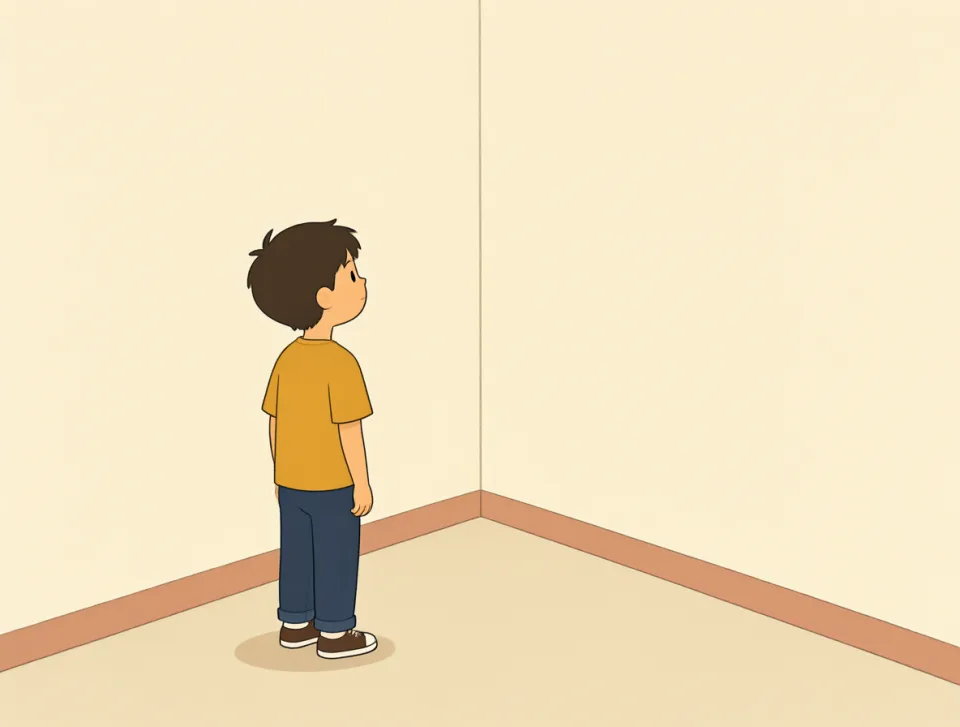
A direction or position from which you look at something; to aim or present something differently.
Kierunek lub pozycja, z której patrzysz na coś; ustawiać lub przedstawiać coś w inny sposób.
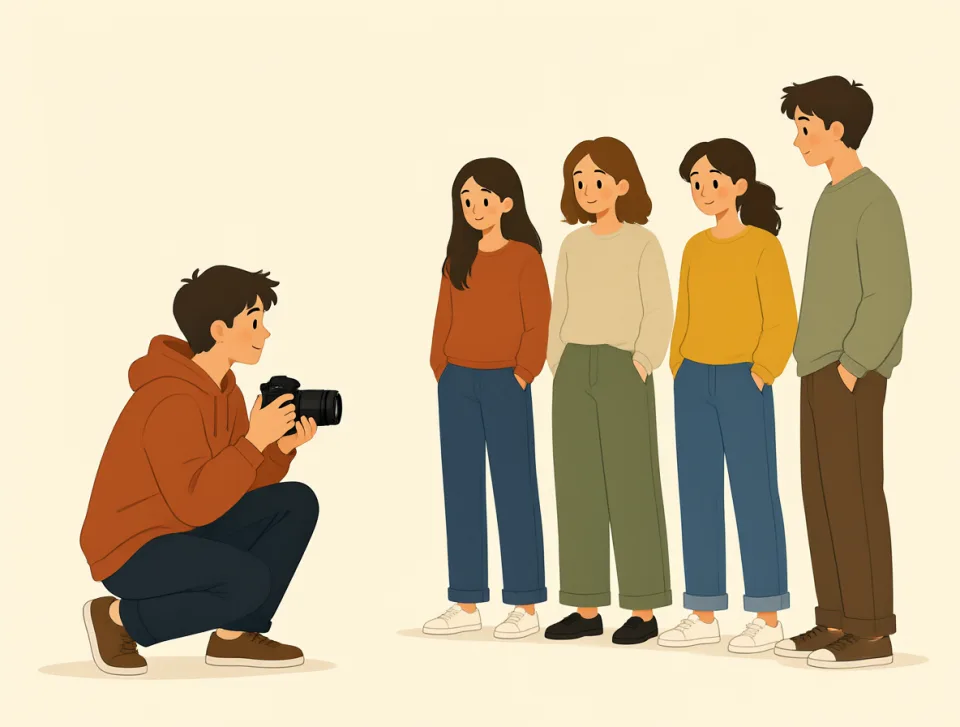
Try taking the photo from a different angle to include everyone.
Spróbuj zrobić zdjęcie pod innym kątem, żeby wszyscy się zmieścili.
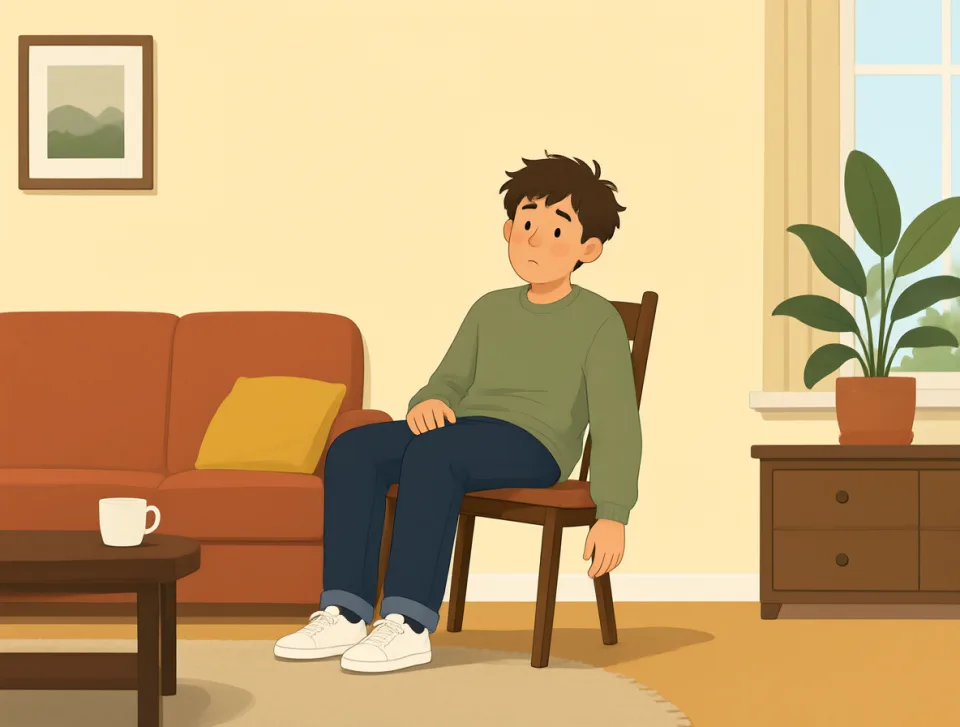
The angle of the chair made it uncomfortable to sit for long.
Ustawienie krzesła pod takim kątem sprawiało, że siedzenie na nim przez dłuższy czas było niewygodne.
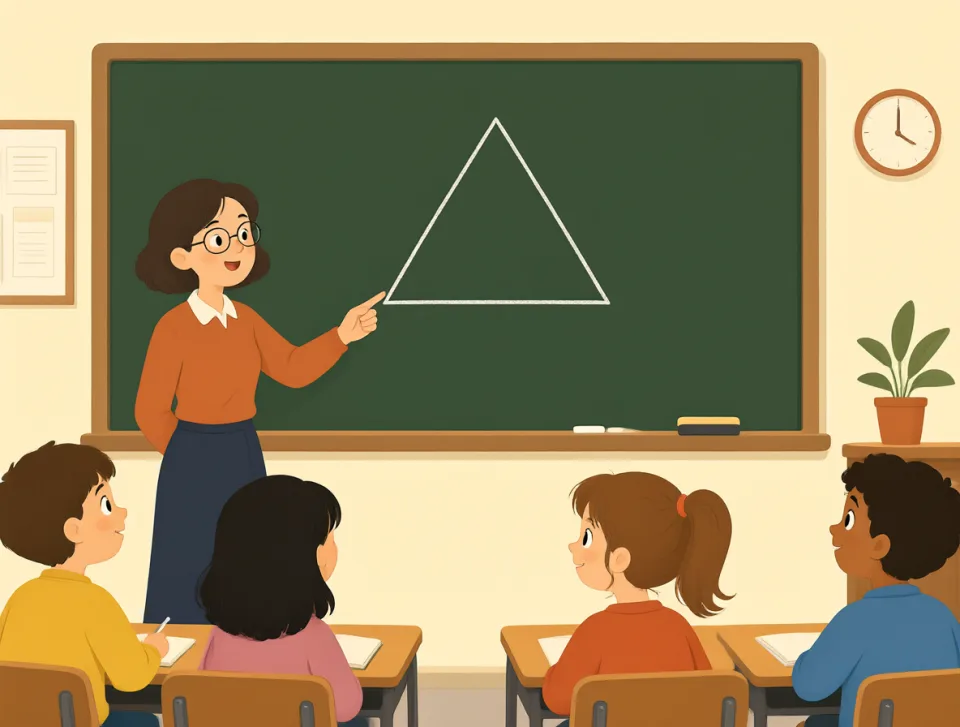
The teacher explained how to measure the angles in a triangle.
Nauczyciel wyjaśnił, jak mierzyć kąty w trójkącie.
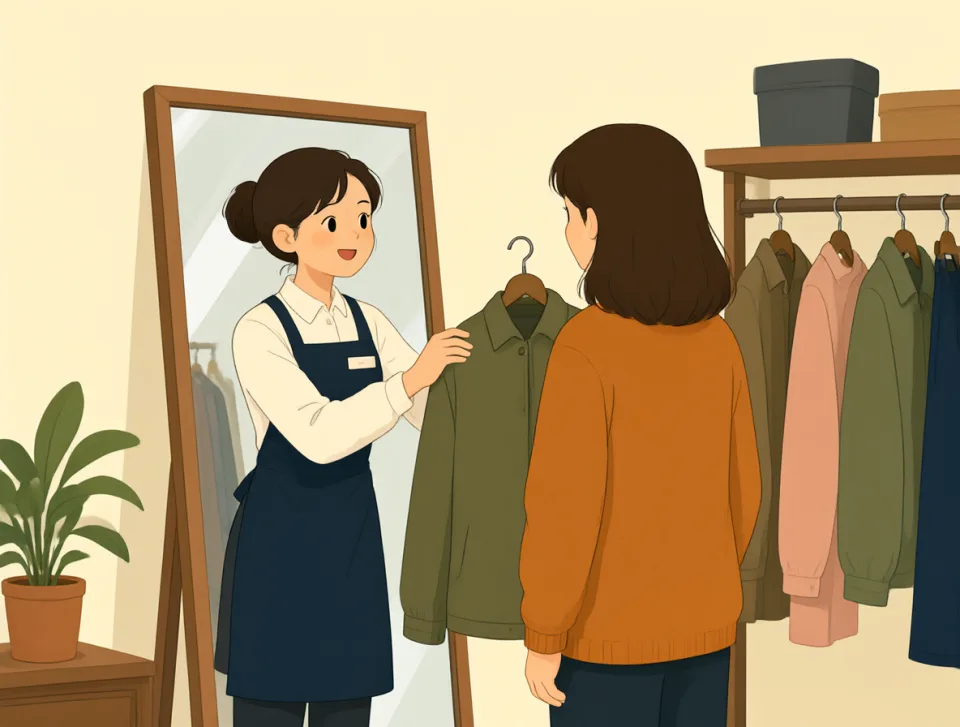
The shop assistant angled the mirror so I could see the back of my jacket.
Sprzedawca ustawił lustro pod takim kątem, żebym mógł zobaczyć tył swojej kurtki.
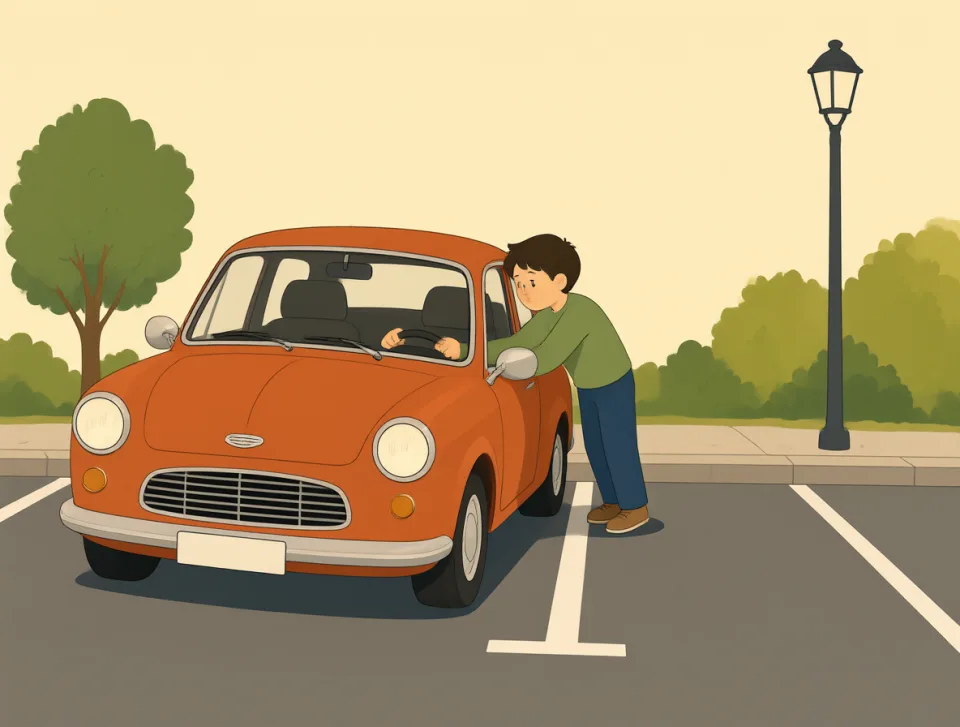
We need to angle the car carefully to fit into the narrow parking space.
Musimy ostrożnie ustawić samochód pod kątem, żeby zmieścił się na wąskim miejscu parkingowym.
chicken
#2339noun, verb
kurczak; stchórzyć
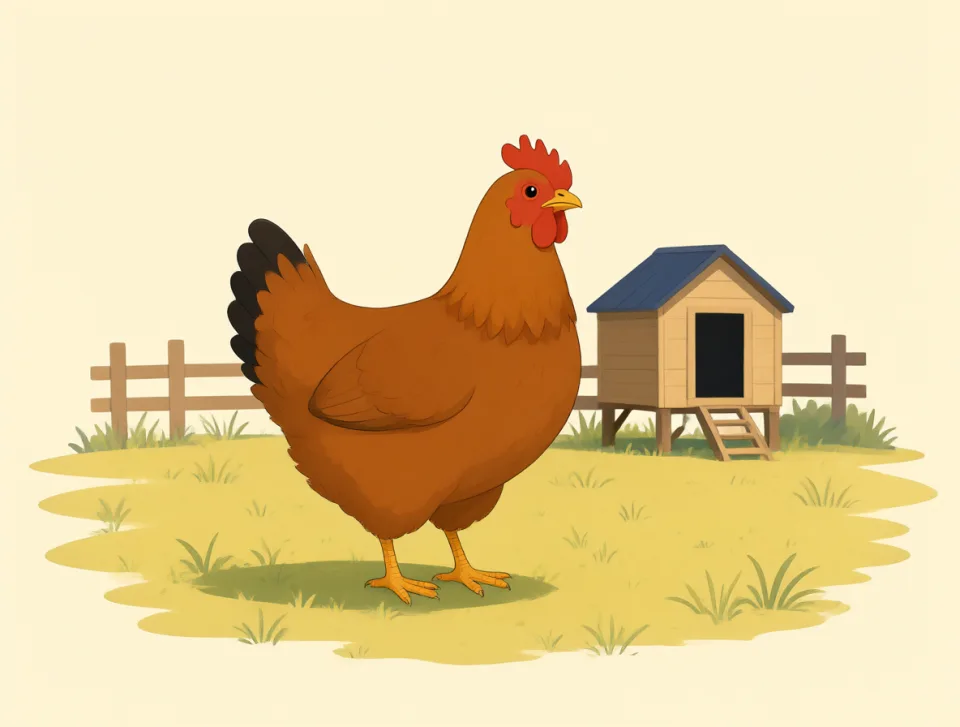
a farm bird raised for meat and eggs; to avoid doing something because you are afraid
Ptak hodowlany, którego mięso i jaja są przeznaczone do spożycia; unikać czegoś ze strachu.
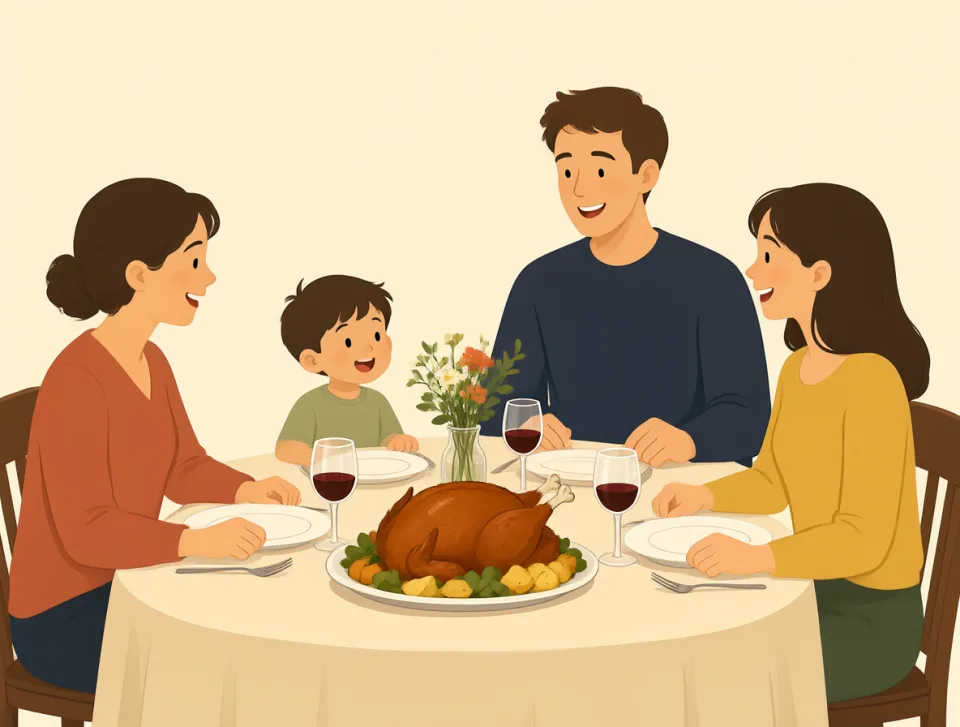
We had roast chicken with potatoes for dinner last night.
Wczoraj wieczorem na kolację jedliśmy pieczonego kurczaka z ziemniakami.
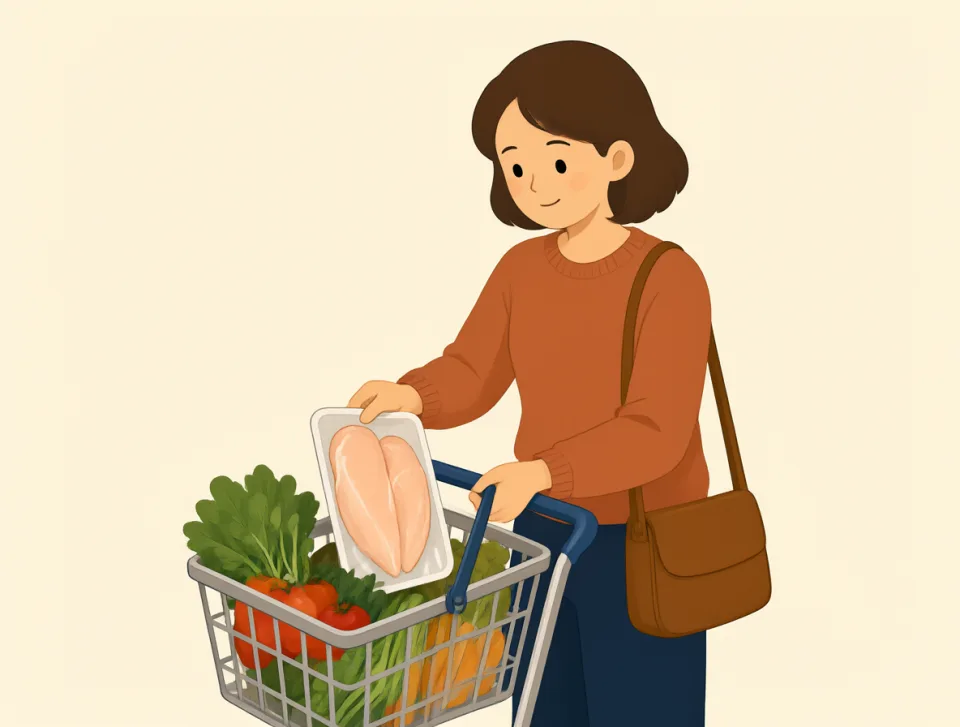
I bought two chicken breasts and fresh vegetables at the supermarket.
Kupiłem w supermarkecie dwie piersi z kurczaka i świeże warzywa.
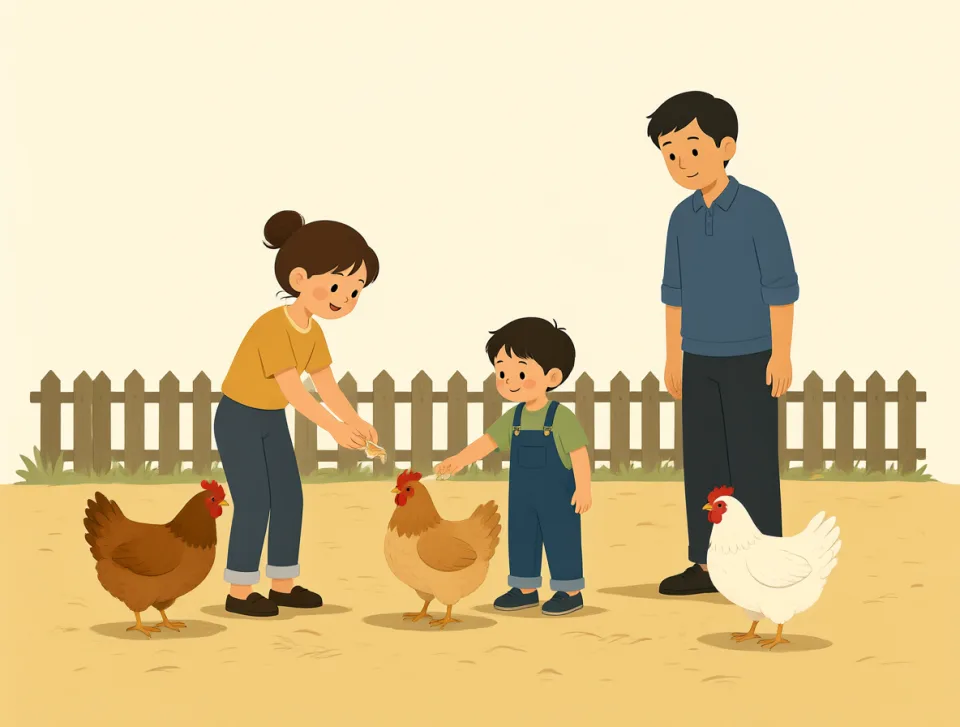
The children were excited to feed the chickens on the farm.
Dzieci nie mogły się doczekać, żeby nakarmić kury na farmie.
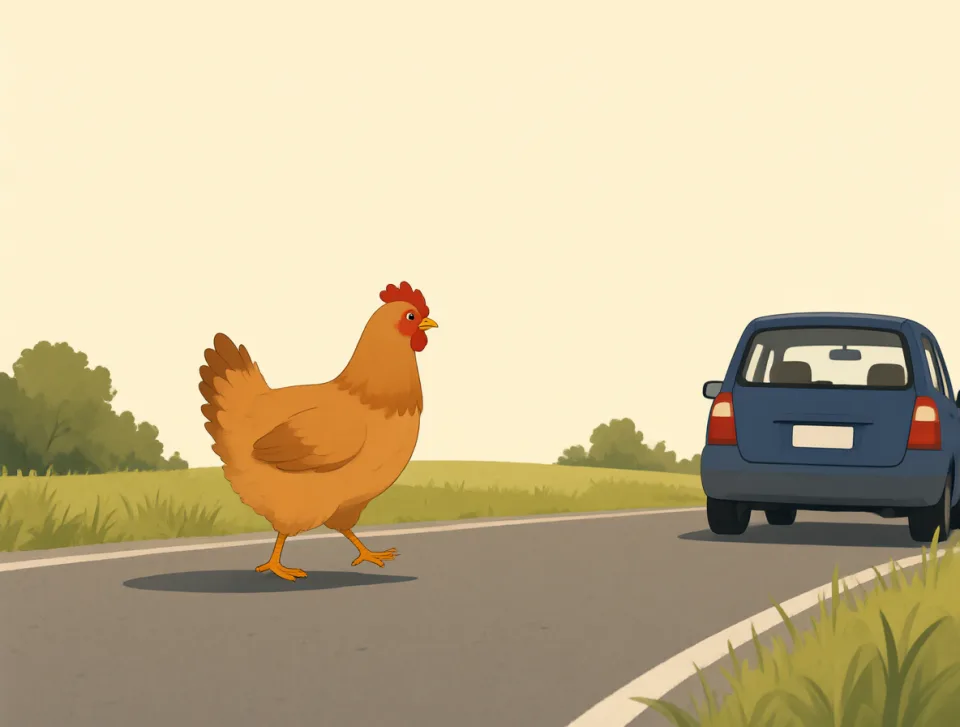
The chicken crossed the road while we were driving to the beach.
Kura przeszła przez drogę, kiedy jechaliśmy samochodem na plażę.
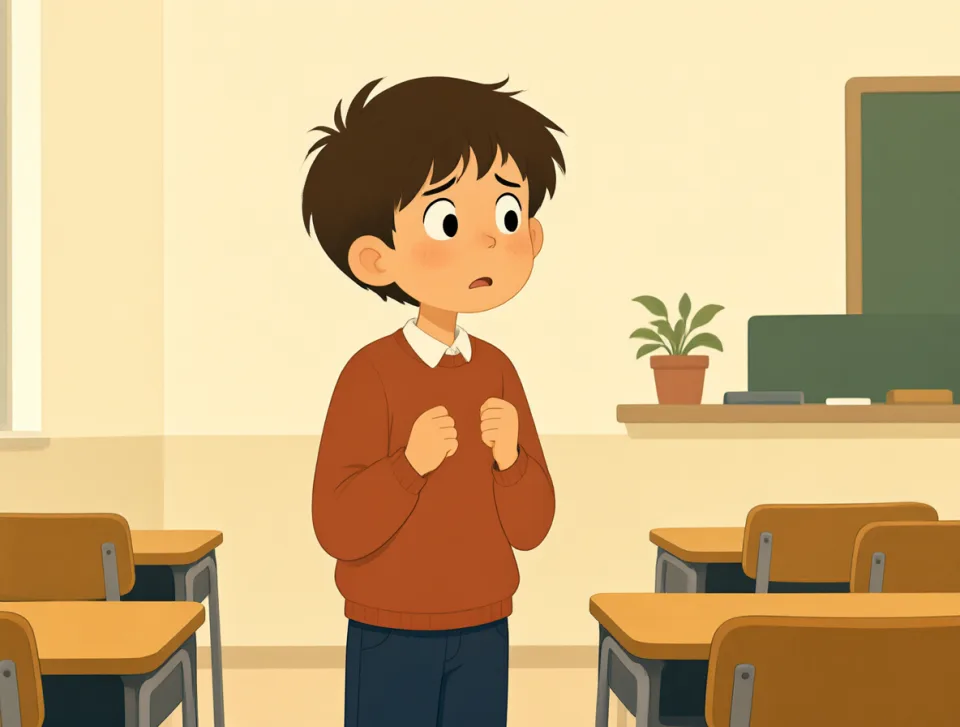
He chickened out before giving his speech to the whole class.
Stchórzył, zanim wygłosił przemówienie przed całą klasą.
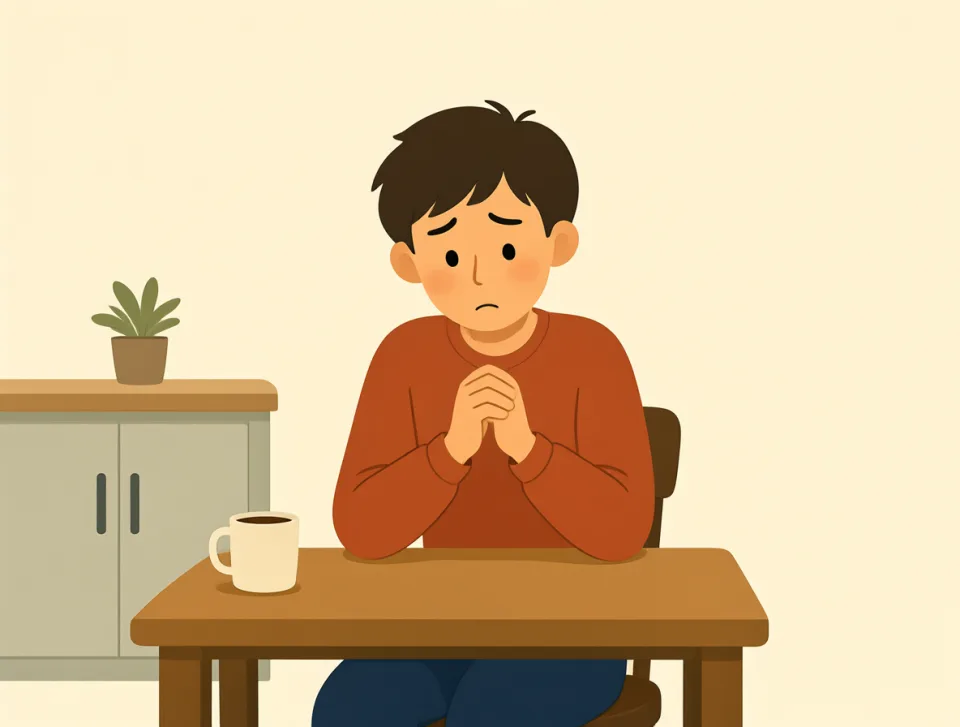
anxiety
#2340noun
niepokój
a worried feeling caused by fear or concern about something that may happen
Uczucie zmartwienia spowodowane strachem lub obawą przed tym, co może się wydarzyć.
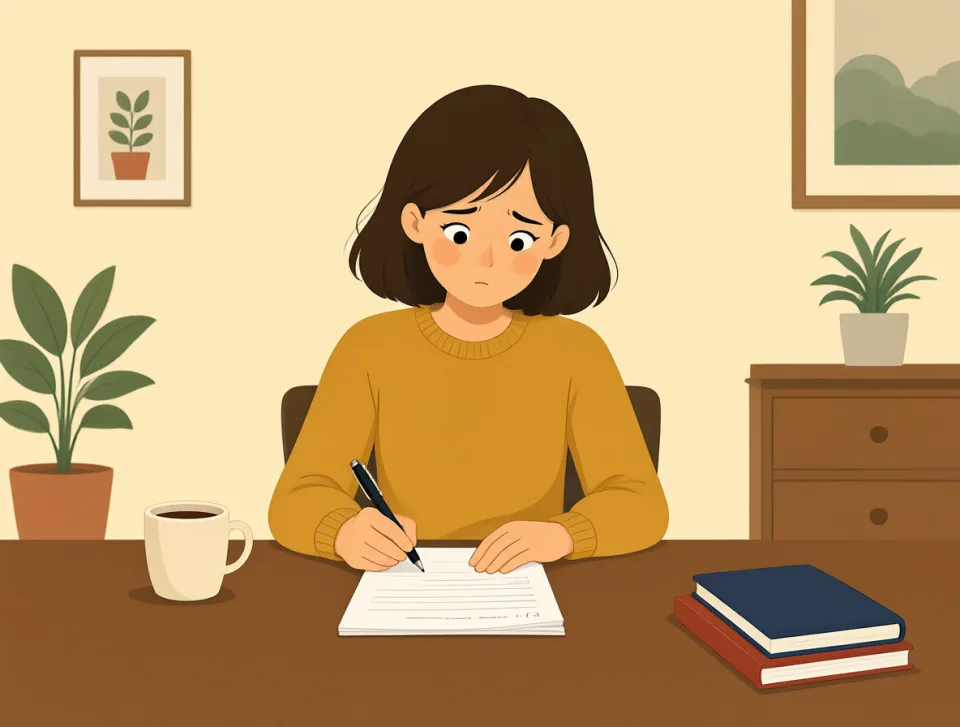
She felt anxiety before her job interview and practiced her answers twice.
Przed rozmową o pracę odczuwała niepokój i dwa razy przećwiczyła swoje odpowiedzi.
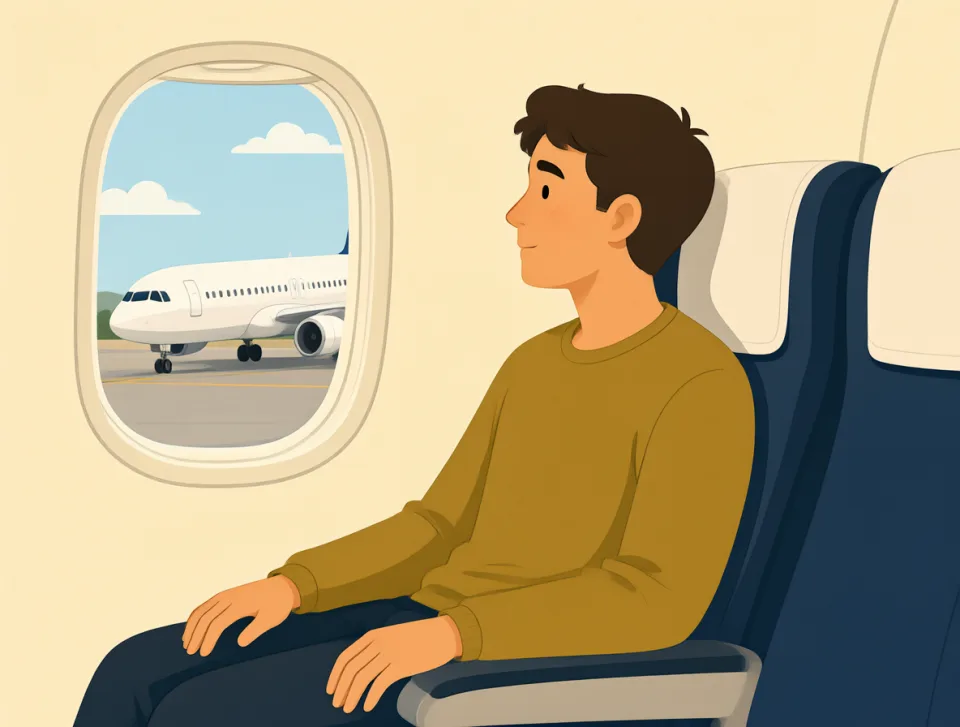
His anxiety about flying disappeared after the plane landed safely.
Jego lęk przed lataniem minął, gdy samolot bezpiecznie wylądował.

Exam anxiety made it difficult for Mia to sleep the night before.
Niepokój przed egzaminem utrudniał Mii zaśnięcie poprzedniego wieczoru.

Talking with a friend helped reduce my anxiety about moving to a new city.
Rozmowa z przyjacielem pomogła mi zmniejszyć niepokój związany z przeprowadzką do nowego miasta.
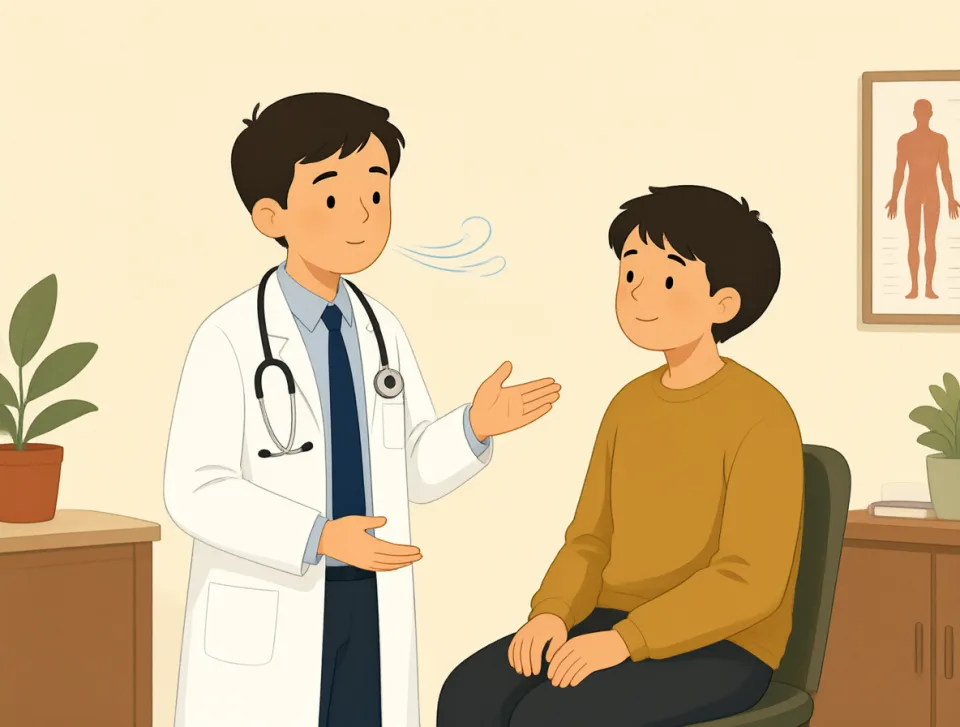
The doctor taught him breathing exercises to manage his anxiety.
Lekarz nauczył go ćwiczeń oddechowych, które pomagają radzić sobie z niepokojem.