Zestaw 134
Słowa 2661–2680 · weekly, wherever, bite, printer, firstly, anxious
weekly
#2661adjective, adverb, noun
cotygodniowy
Happening, appearing, or being done once every week.
Dziejący się, pojawiający się lub wykonywany raz w tygodniu.

We have a weekly team meeting every Monday morning.
W każdy poniedziałek rano mamy cotygodniowe spotkanie zespołu.
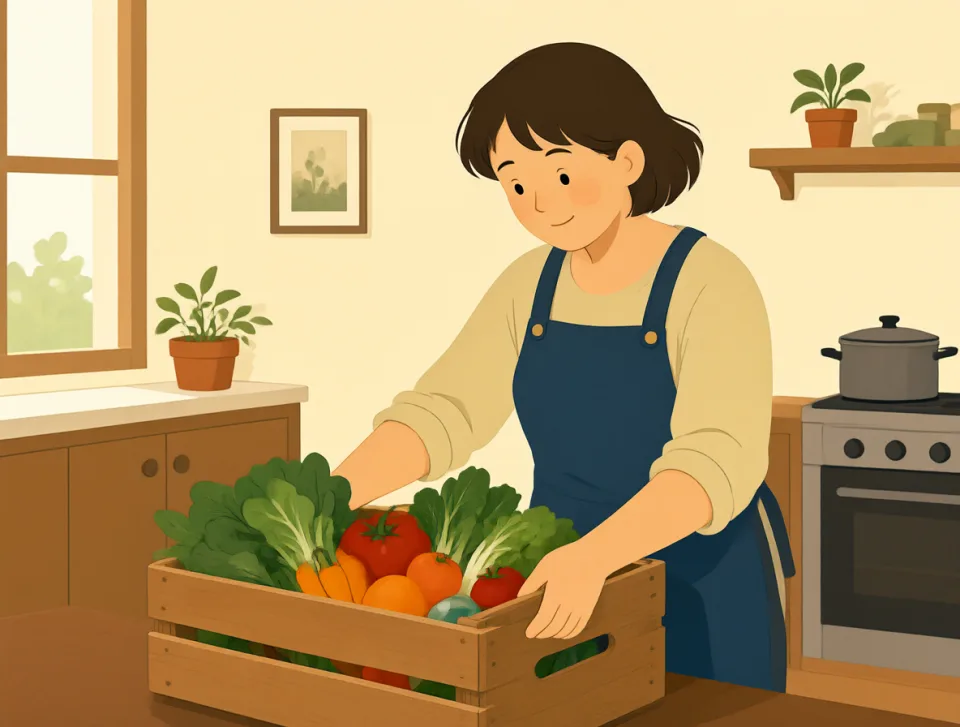
She gets a weekly delivery of fresh vegetables from a local farm.
Co tydzień dostaje świeże warzywa z lokalnego gospodarstwa.
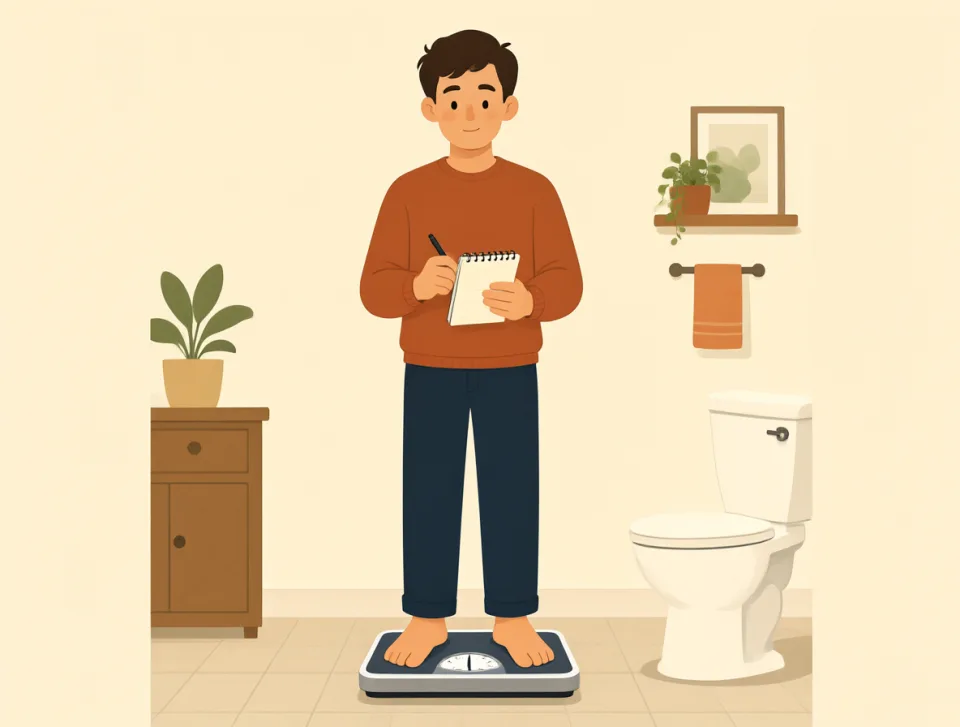
The doctor asked him to record his weight weekly.
Lekarz poprosił go, żeby co tydzień zapisywał swoją wagę.
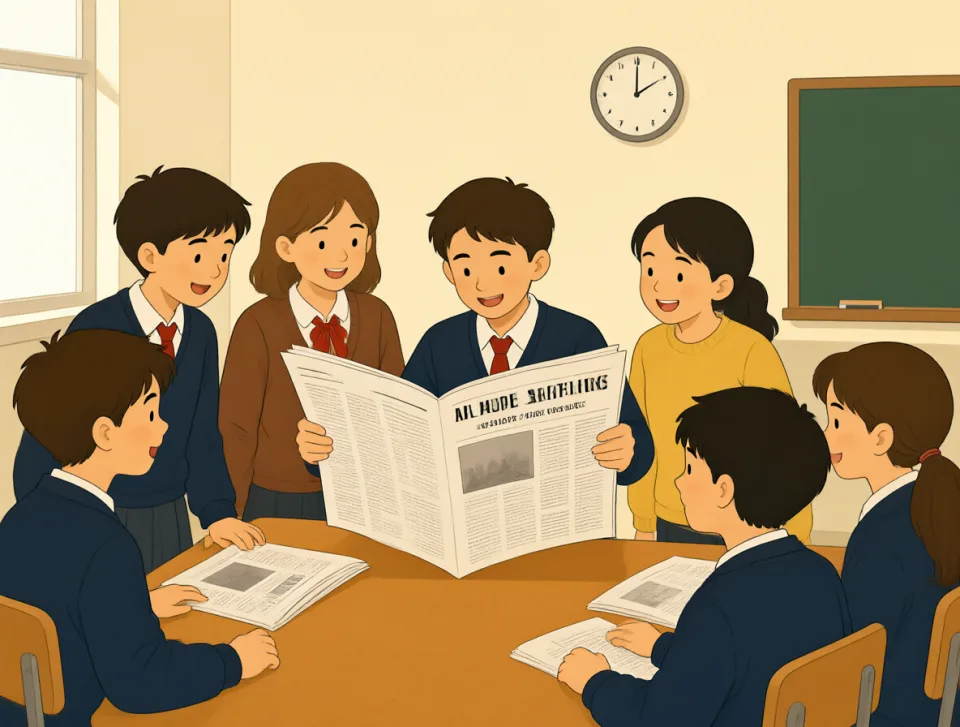
Our school newspaper comes out weekly, so students read it every Friday.
Nasza szkolna gazeta ukazuje się co tydzień, więc uczniowie czytają ją w każdy piątek.

The gym charges a weekly fee, which works better for my travel plans.
Siłownia pobiera tygodniową opłatę, co lepiej pasuje do moich planów podróży.
wherever
#2662adverb, conjunction
gdziekolwiek
In or to any place or situation that; no matter where.
W dowolnym miejscu lub sytuacji; bez względu na to, gdzie.
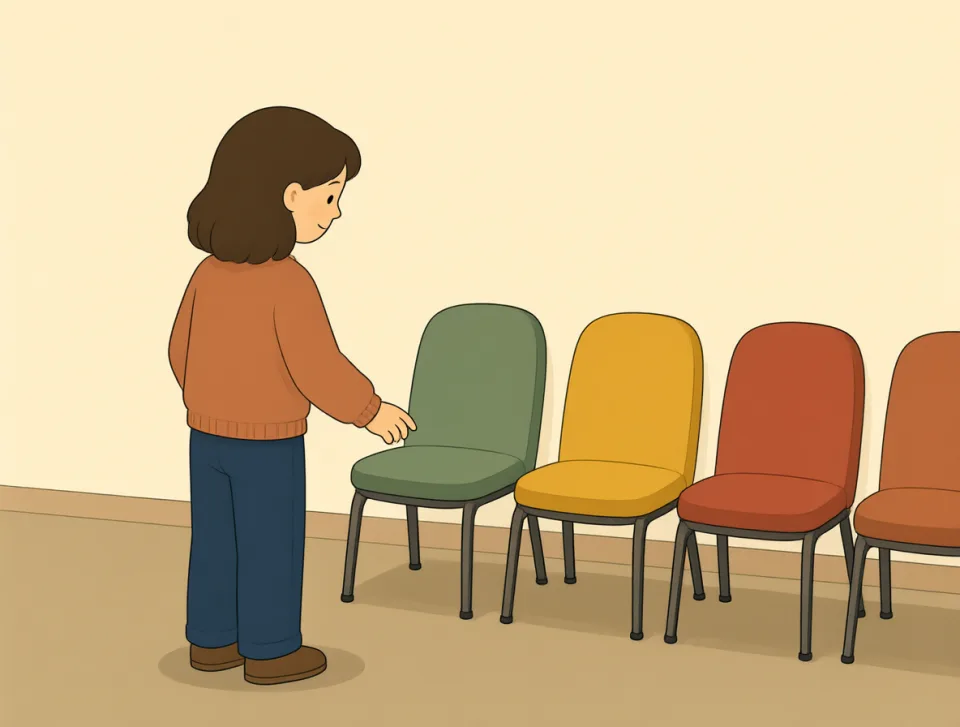
You can sit wherever you like; there are plenty of empty seats.
Możesz usiąść, gdzie chcesz — jest mnóstwo wolnych miejsc.
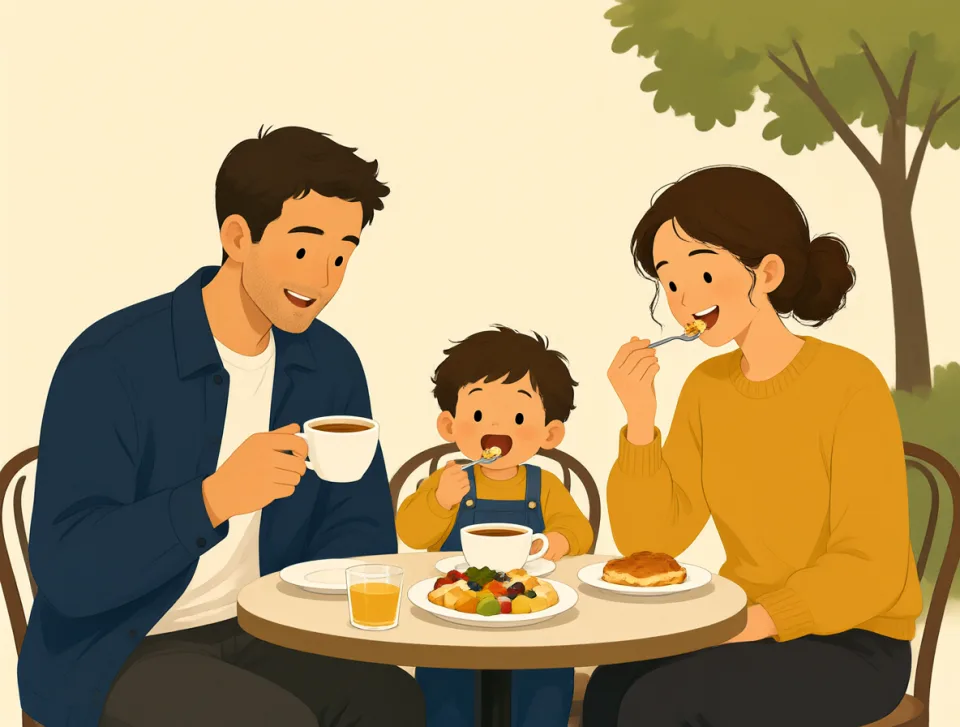
Wherever we go on vacation, we try the local food.
Gdziekolwiek jedziemy na wakacje, próbujemy lokalnych potraw.

She takes her laptop wherever she works, even to the kitchen.
Zabiera laptop wszędzie tam, gdzie pracuje, nawet do kuchni.
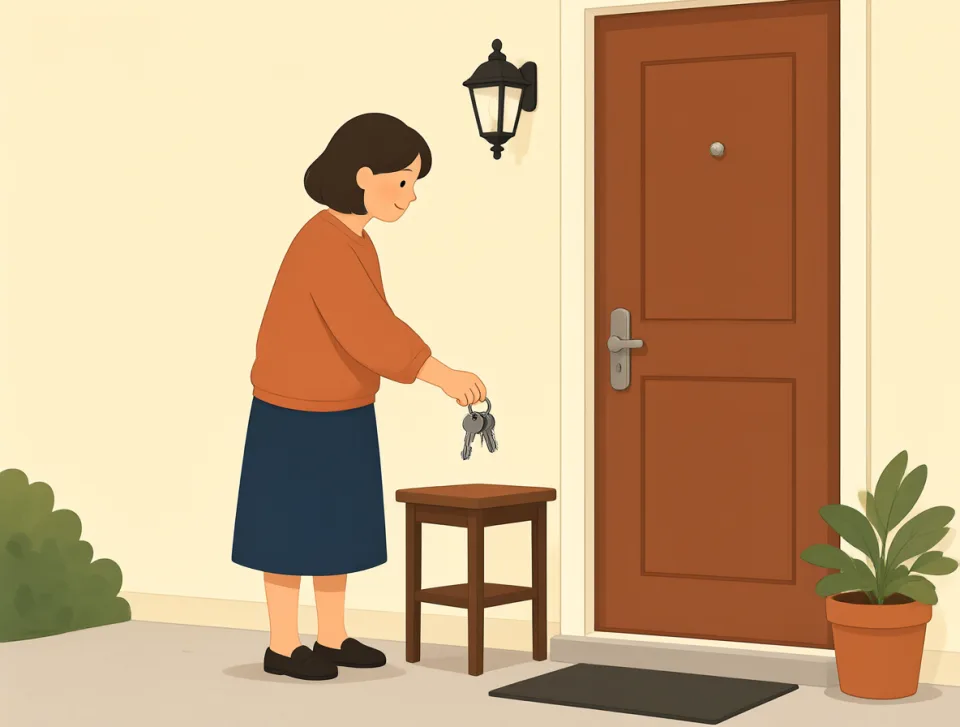
Wherever you put your keys, please leave them near the front door.
Gdziekolwiek odłożysz klucze, proszę, zostaw je blisko drzwi wejściowych.

He helps wherever the team needs him during busy mornings.
Pomaga tam, gdzie zespół go potrzebuje podczas porannych godzin szczytu.
bite
#2663noun, verb
ugryźć; kęs
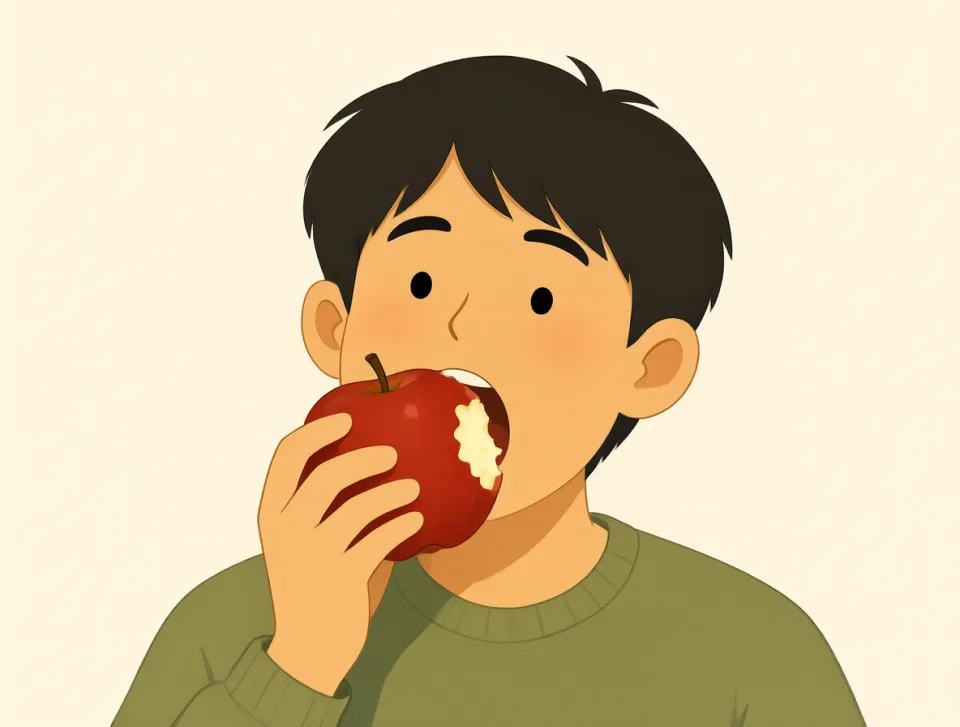
To cut or break something with your teeth, or a small amount taken this way.
Odgryźć lub odciąć coś zębami albo mała porcja odgryziona w ten sposób.
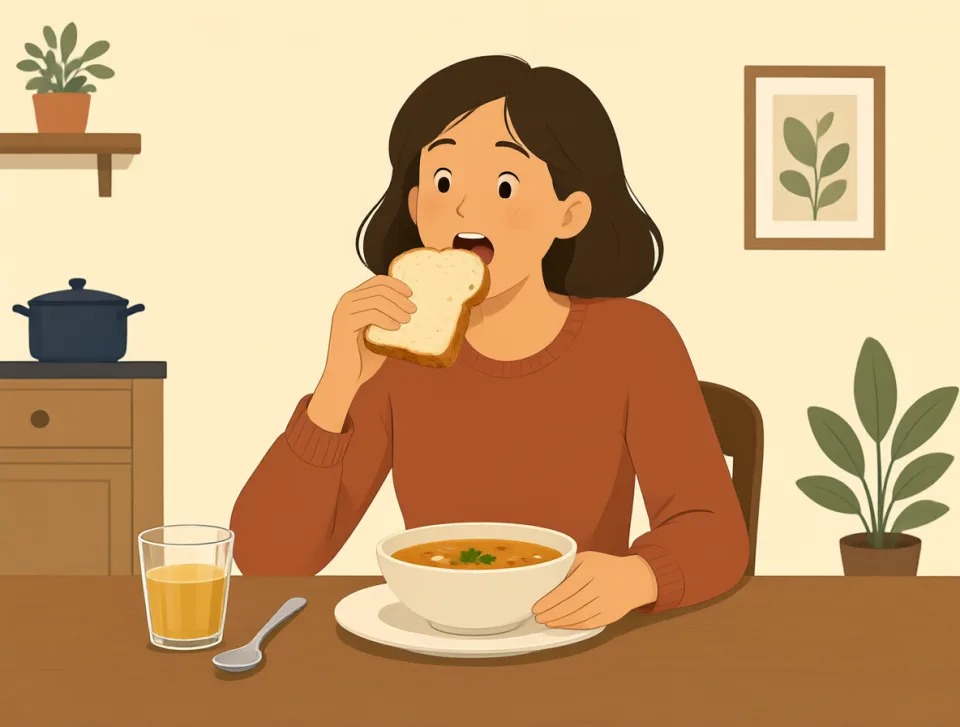
She took a bite of the warm bread while waiting for the soup.
Czekając na zupę, odgryzła kawałek ciepłego chleba.
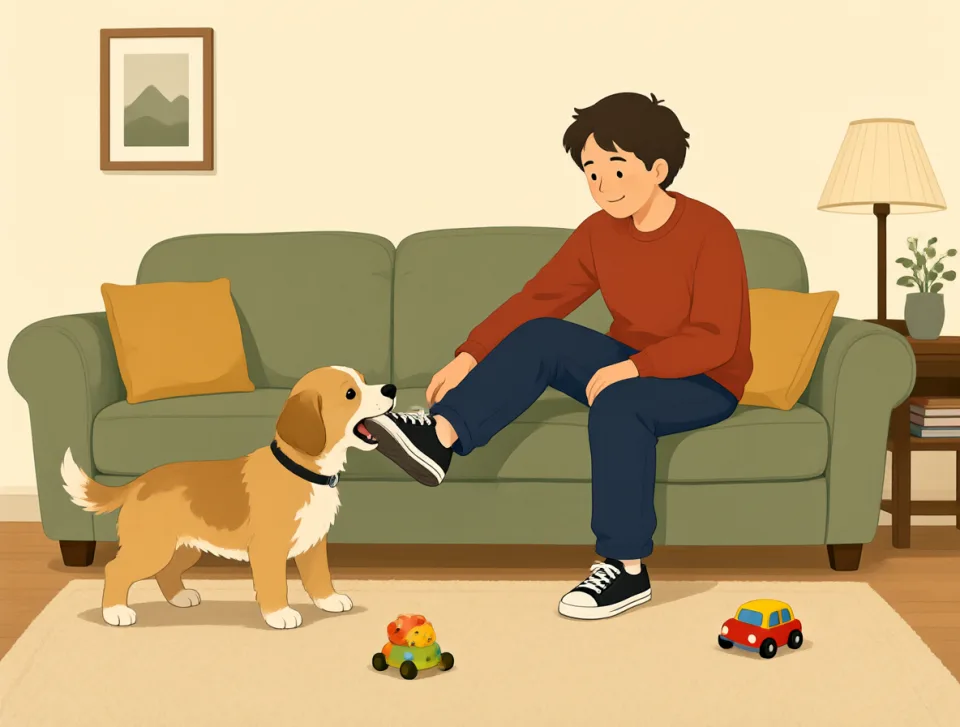
The dog bit my shoe when I tried to take its toy.
Pies ugryzł mój but, kiedy próbowałem zabrać mu zabawkę.
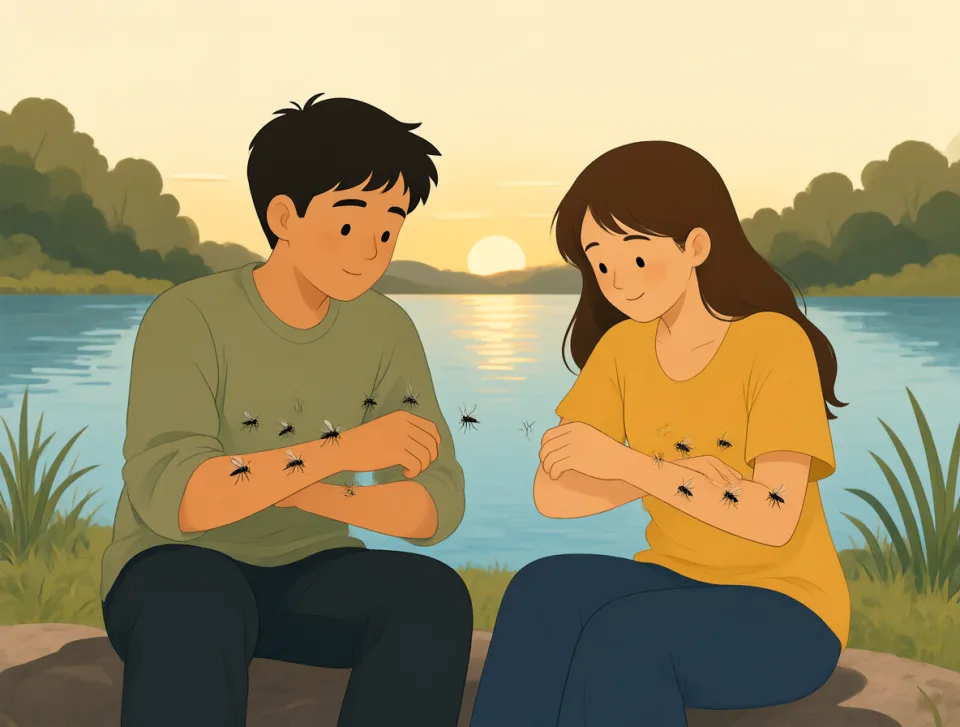
Mosquitoes were biting us all evening beside the lake.
Komary gryzły nas przez cały wieczór nad jeziorem.
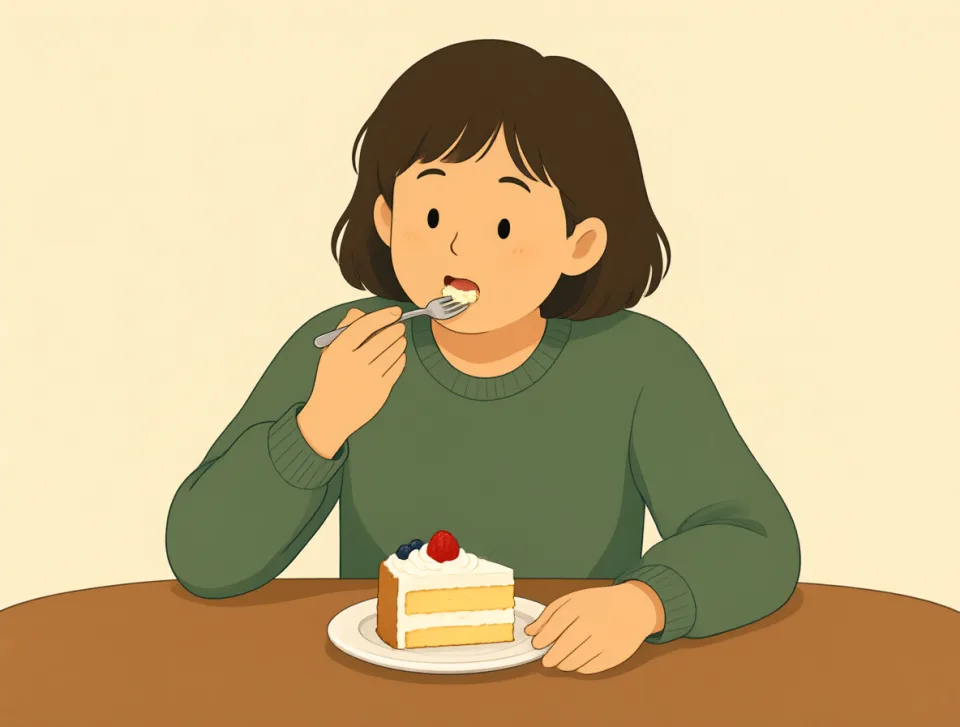
Take small bites so you can enjoy the cake slowly.
Bierz małe kęsy, żeby powoli delektować się ciastem.
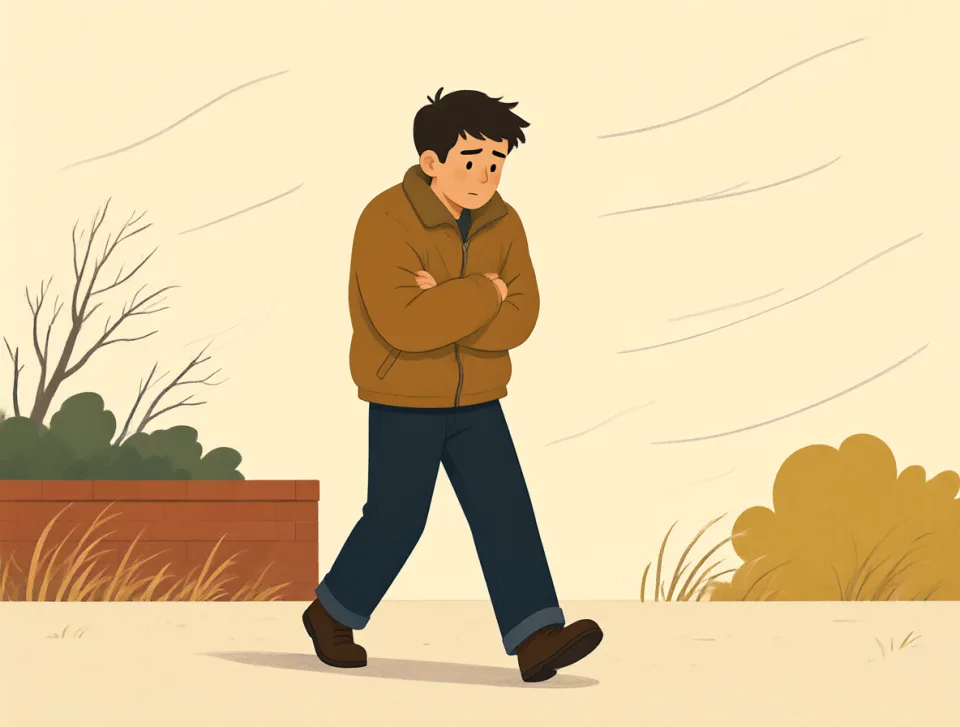
The cold wind bit through his jacket during the walk home.
Podczas drogi do domu zimny wiatr przenikał przez jego kurtkę.
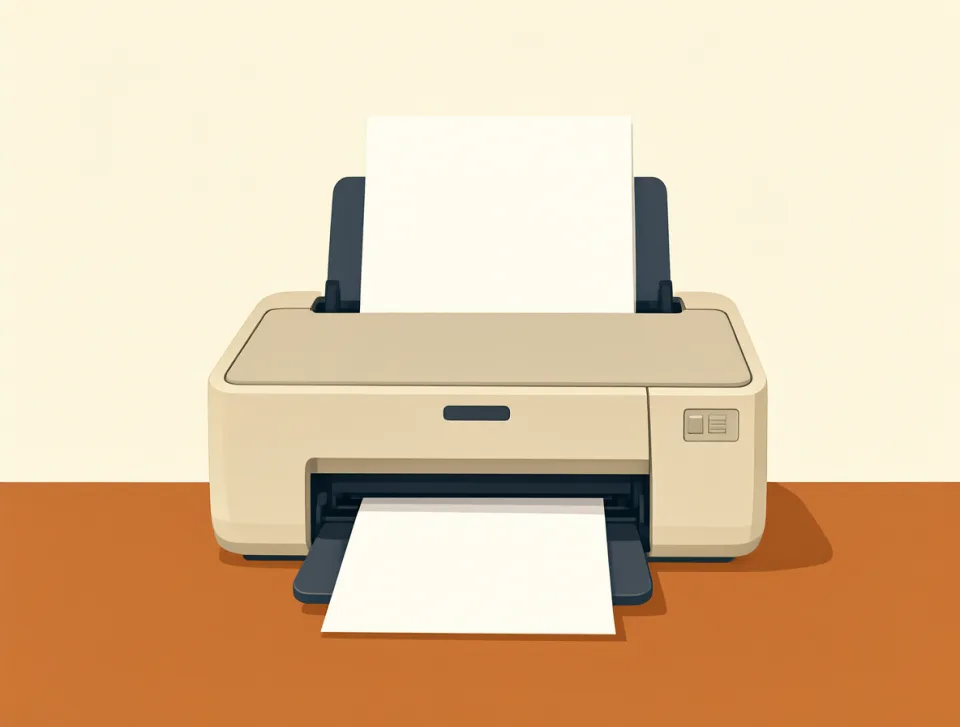
printer
#2664noun
drukarka
A machine that puts text or pictures from a computer onto paper.
Urządzenie, które przenosi tekst lub obrazy z komputera na papier.
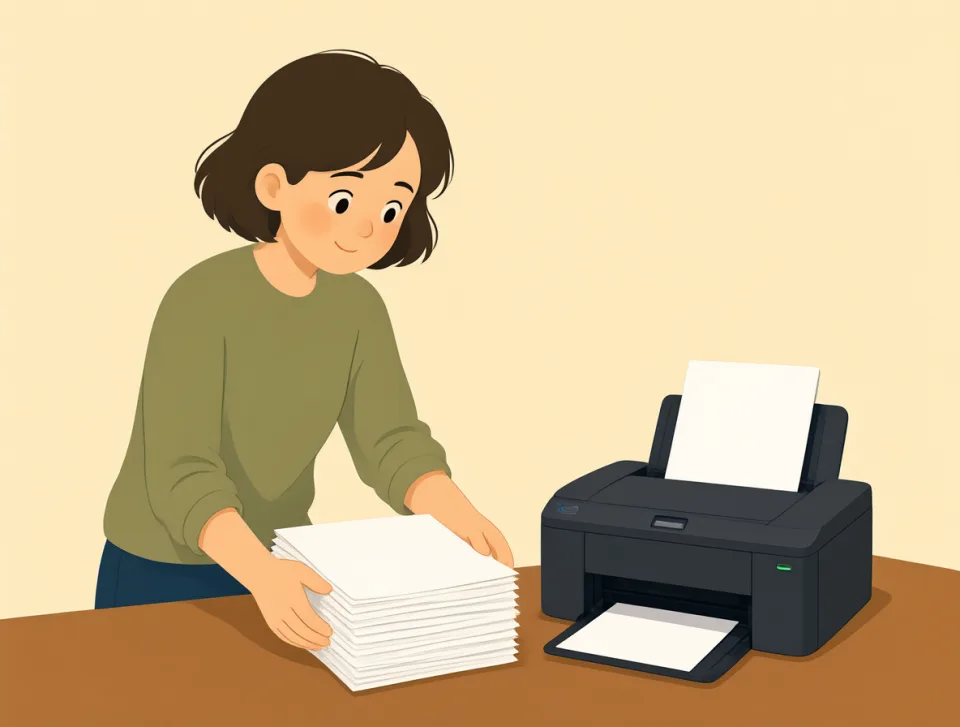
The printer ran out of paper, so I added a fresh stack.
W drukarce skończył się papier, więc dołożyłem nowy stos.
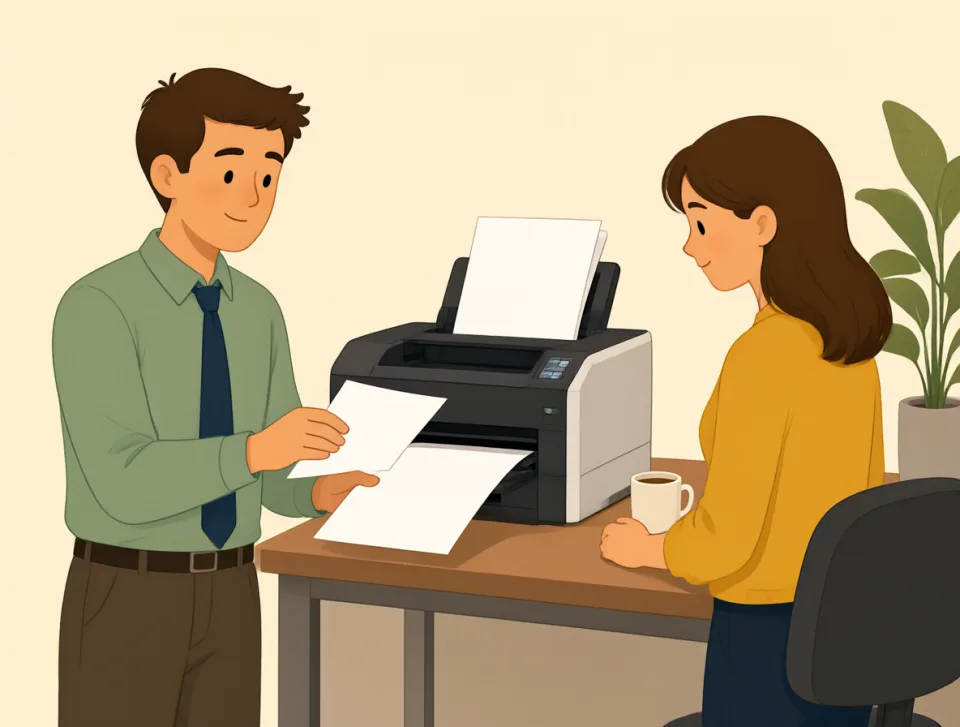
Could you print the meeting notes on the office printer for me?
Czy możesz wydrukować dla mnie notatki ze spotkania na drukarce biurowej?
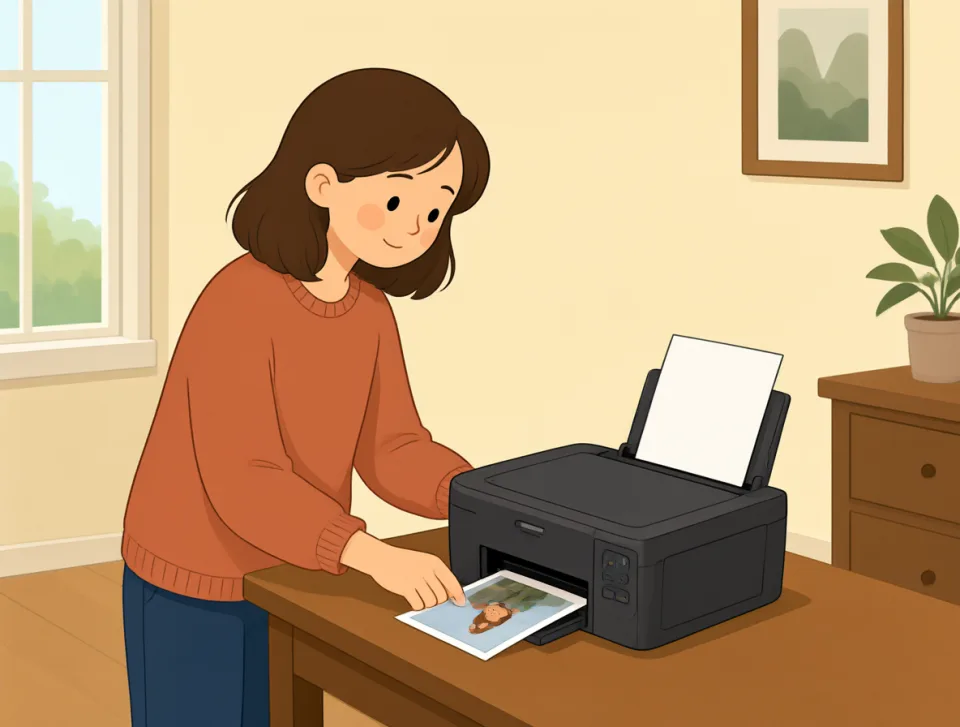
My sister bought a small printer to print photos at home.
Moja siostra kupiła małą drukarkę, żeby drukować zdjęcia w domu.
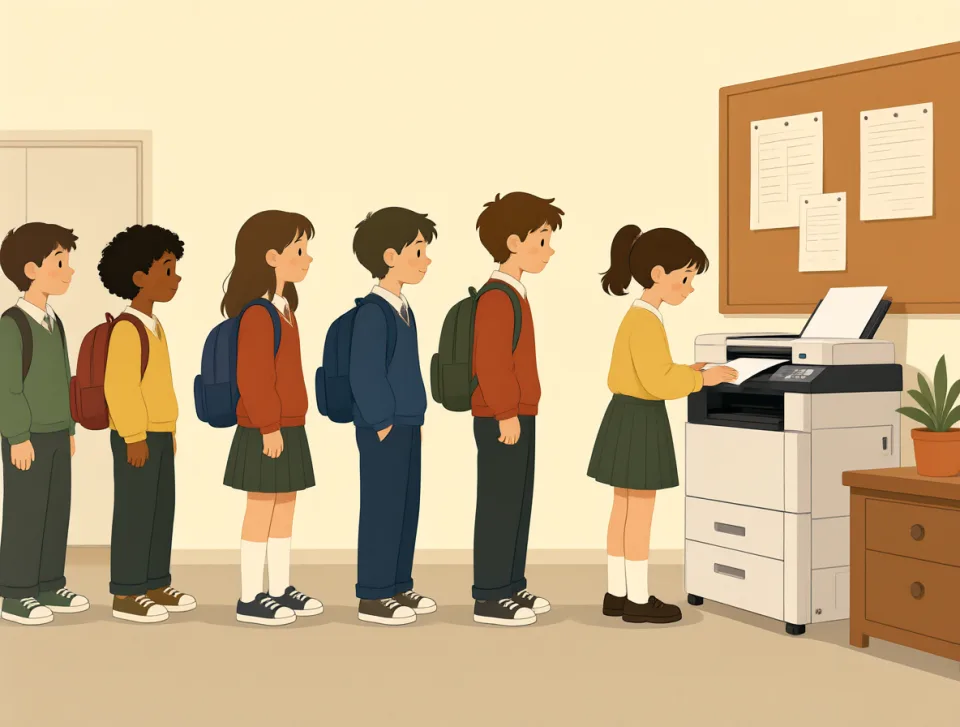
The school printer is busy, so please wait until your turn.
Drukarka szkolna jest zajęta, więc poczekaj, aż przyjdzie twoja kolej.

We found a printer on sale and brought it home yesterday.
Wczoraj znaleźliśmy drukarkę w promocji i przynieśliśmy ją do domu.
firstly
#2665adverb
po pierwsze
Used to introduce the first point in a list of reasons or ideas.
Wyrażenie używane do wprowadzenia pierwszego punktu na liście powodów lub pomysłów.
Firstly, we should check the train times before booking our tickets.
Po pierwsze, przed rezerwacją biletów powinniśmy sprawdzić rozkład jazdy pociągów.
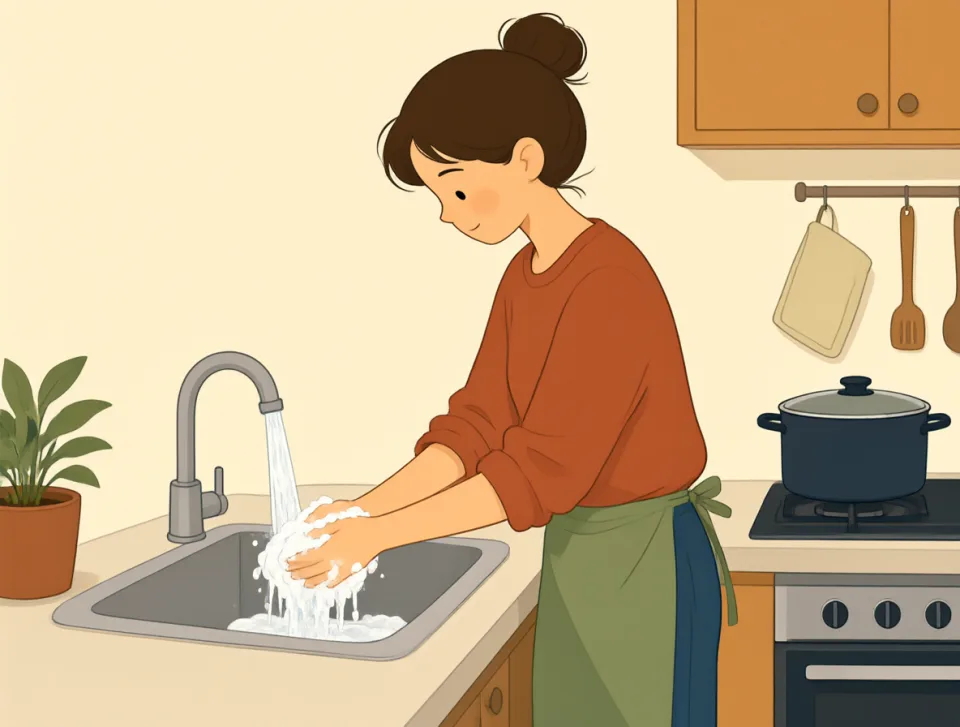
Firstly, wash your hands before you start preparing dinner.
Po pierwsze, umyj ręce, zanim zaczniesz przygotowywać kolację.
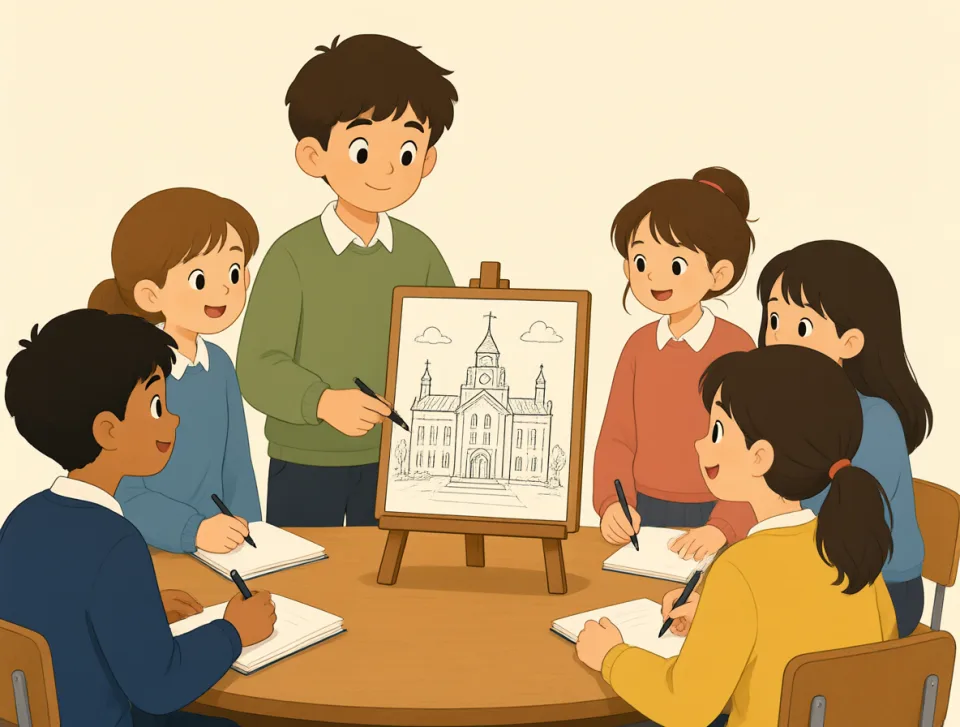
Firstly, I want to thank everyone who helped with the school project.
Po pierwsze, chcę podziękować wszystkim, którzy pomogli przy szkolnym projekcie.
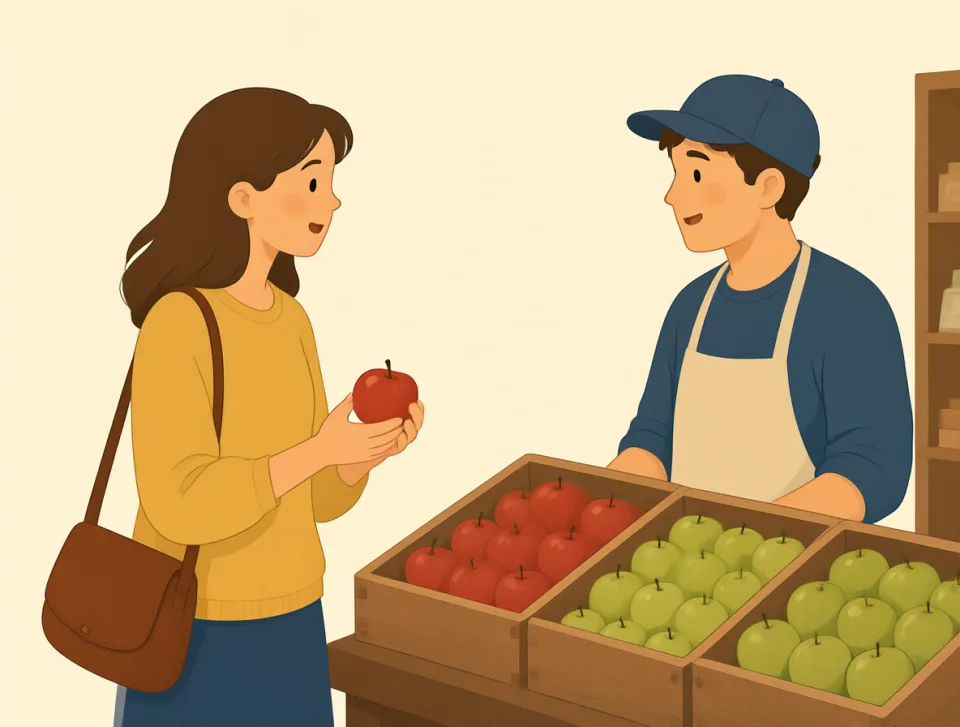
Firstly, could you tell me how much these apples cost?
Po pierwsze, czy może mi pan powiedzieć, ile kosztują te jabłka?
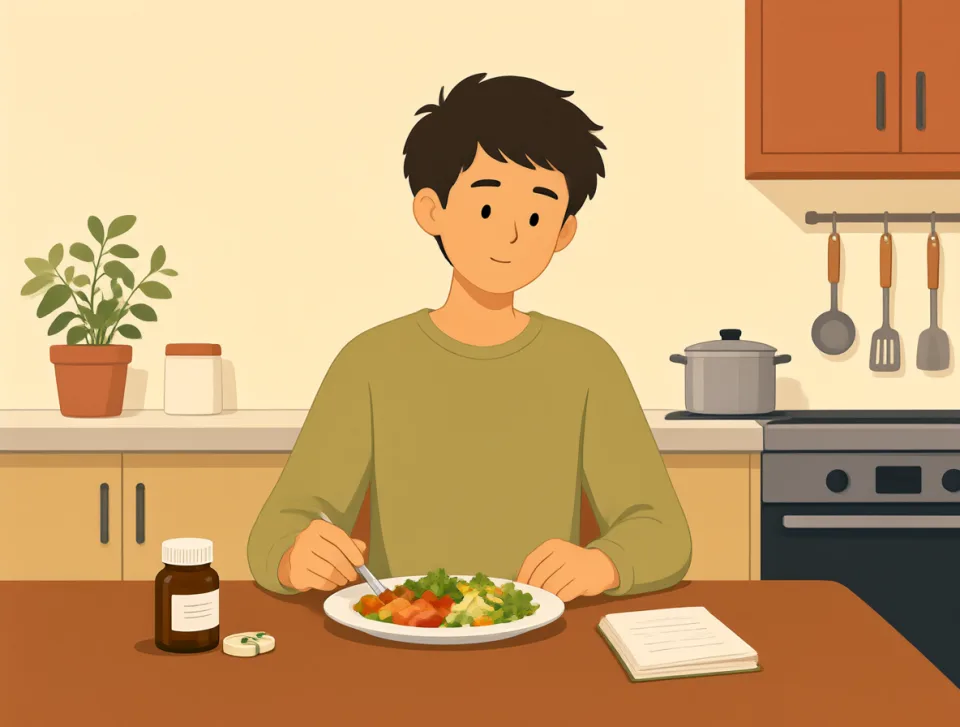
Firstly, take your medicine with food, then rest for the afternoon.
Po pierwsze, zażyj lek z jedzeniem, a potem odpoczywaj przez resztę popołudnia.
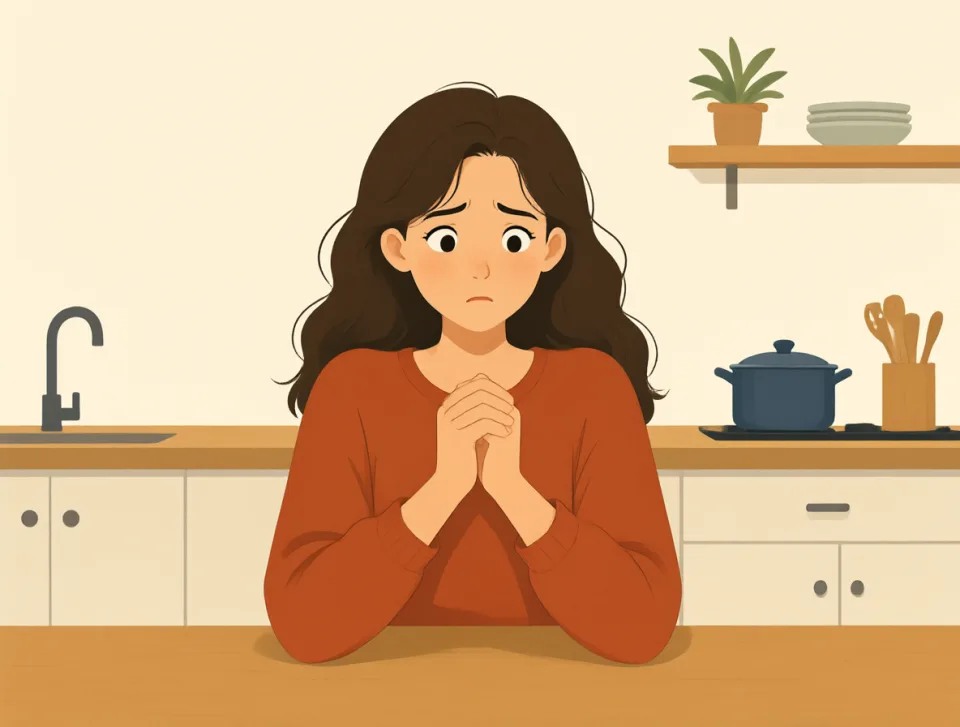
anxious
#2666adjective
zaniepokojony
Worried or nervous about something that may happen.
Zmartwiony lub zdenerwowany z powodu czegoś, co może się wydarzyć.
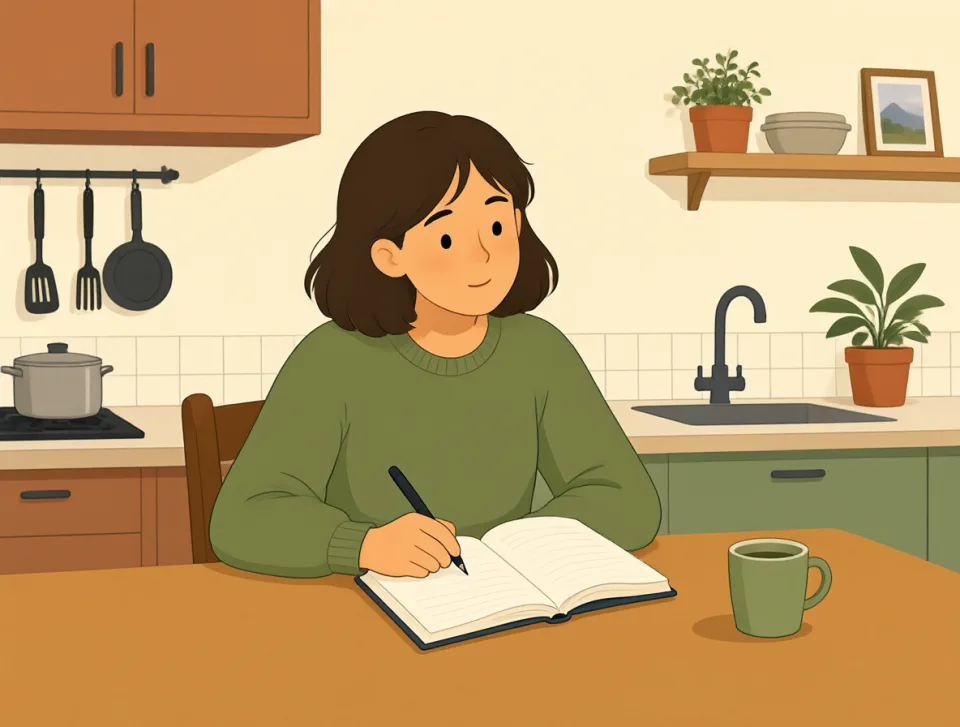
I felt anxious about my job interview, so I practiced my answers at home.
Denerwowałem się rozmową kwalifikacyjną, więc ćwiczyłem odpowiedzi w domu.
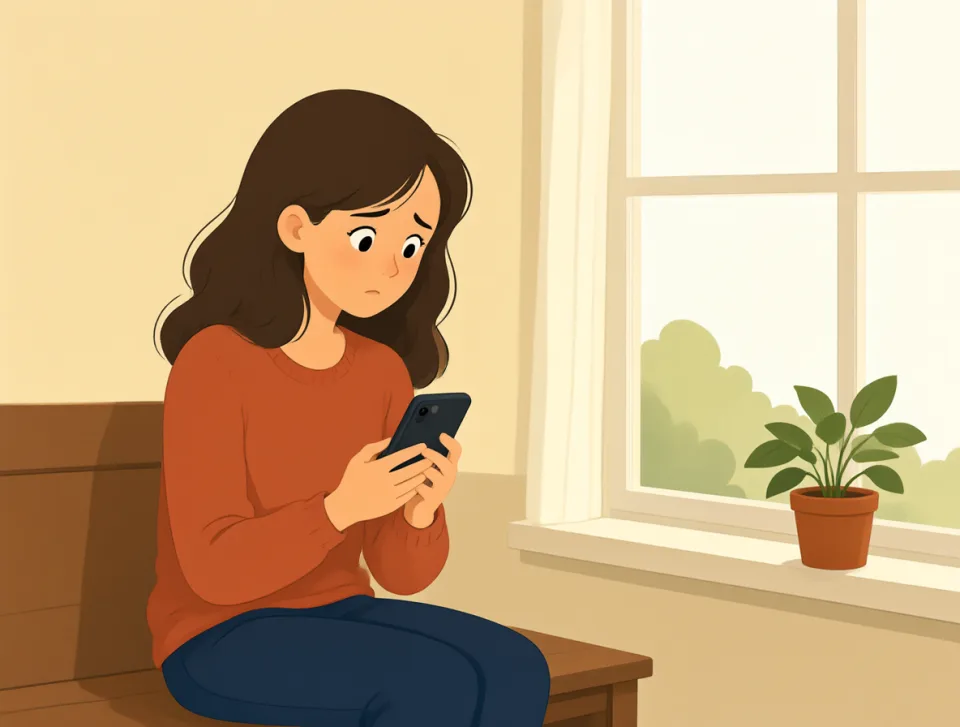
She was anxious to hear whether her brother had arrived safely.
Martwiła się, czy jej brat dotarł bezpiecznie.
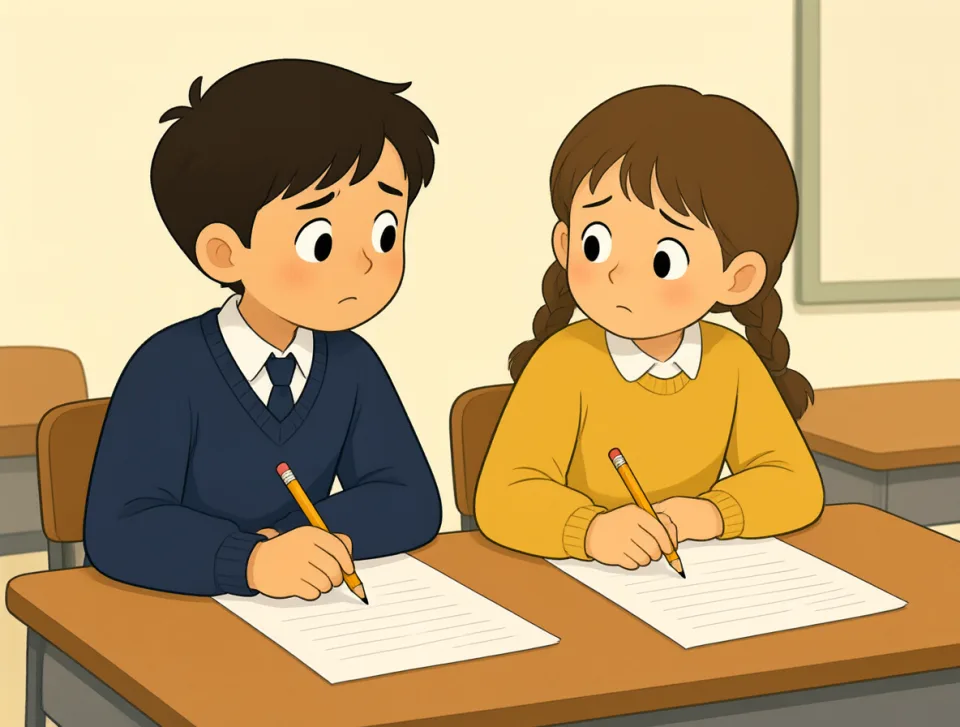
The students felt anxious before their final exam at school.
Uczniowie denerwowali się przed końcowym egzaminem w szkole.
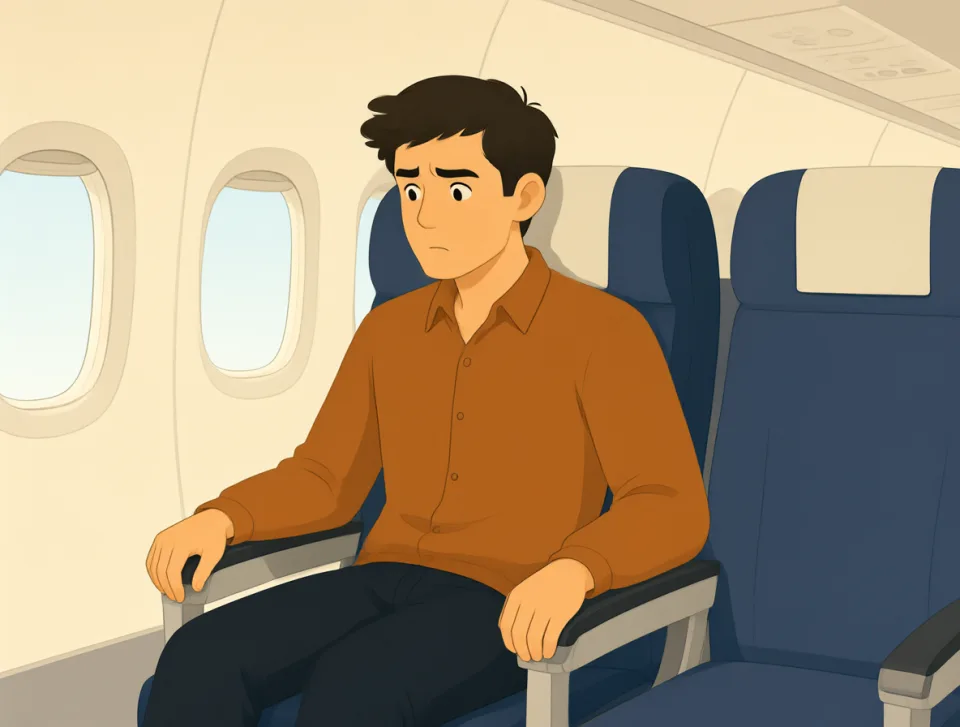
He gets anxious when he has to fly alone for work.
Denerwuje się, kiedy musi sam lecieć samolotem służbowo.
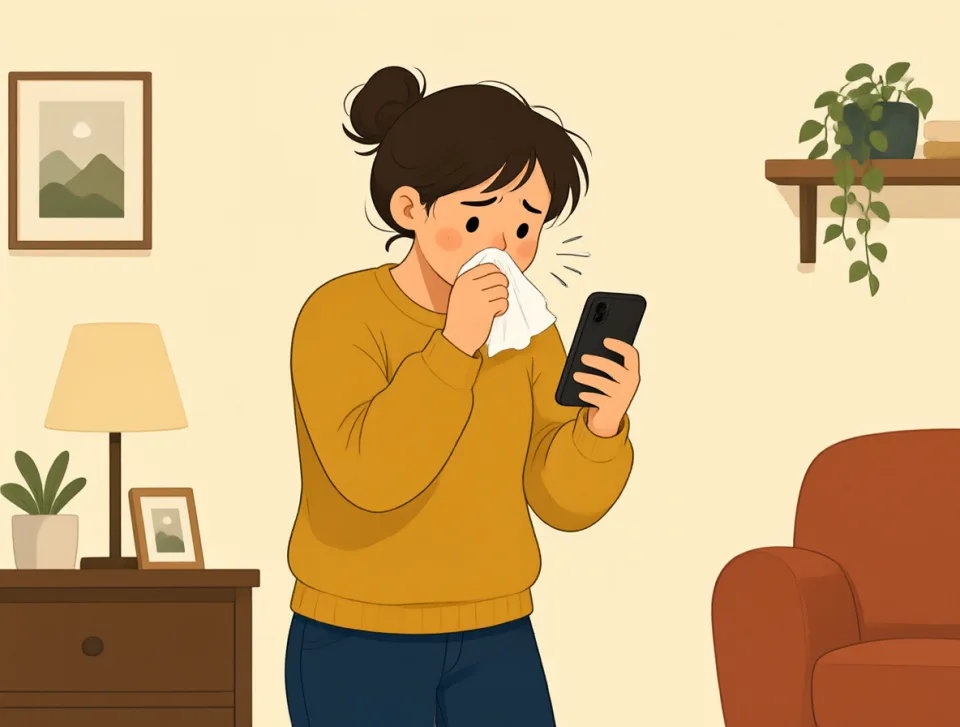
I'm anxious about my cough, so I'm going to call the doctor.
Martwię się swoim kaszlem, więc zadzwonię do lekarza.

adventure
#2667noun
przygoda
An exciting or unusual experience, especially one that involves travel or new activities.
Ekscytujące lub niezwykłe przeżycie, zwłaszcza związane z podróżą lub nowymi zajęciami.
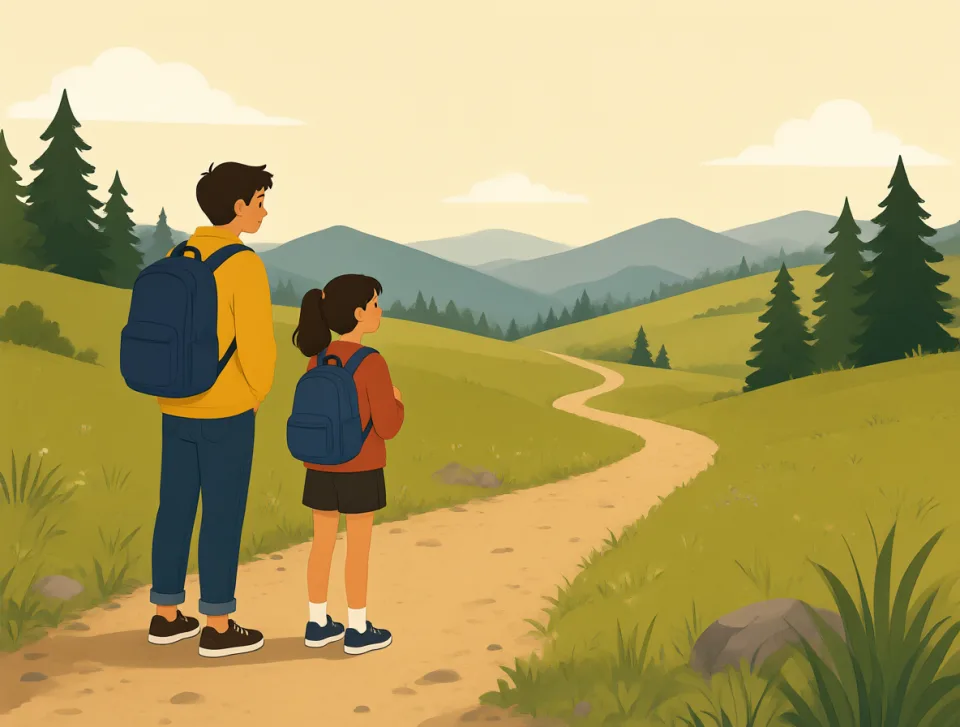
Our adventure began when we took a wrong turn on the mountain trail.
Nasza przygoda zaczęła się, gdy skręciliśmy w złą stronę na górskim szlaku.
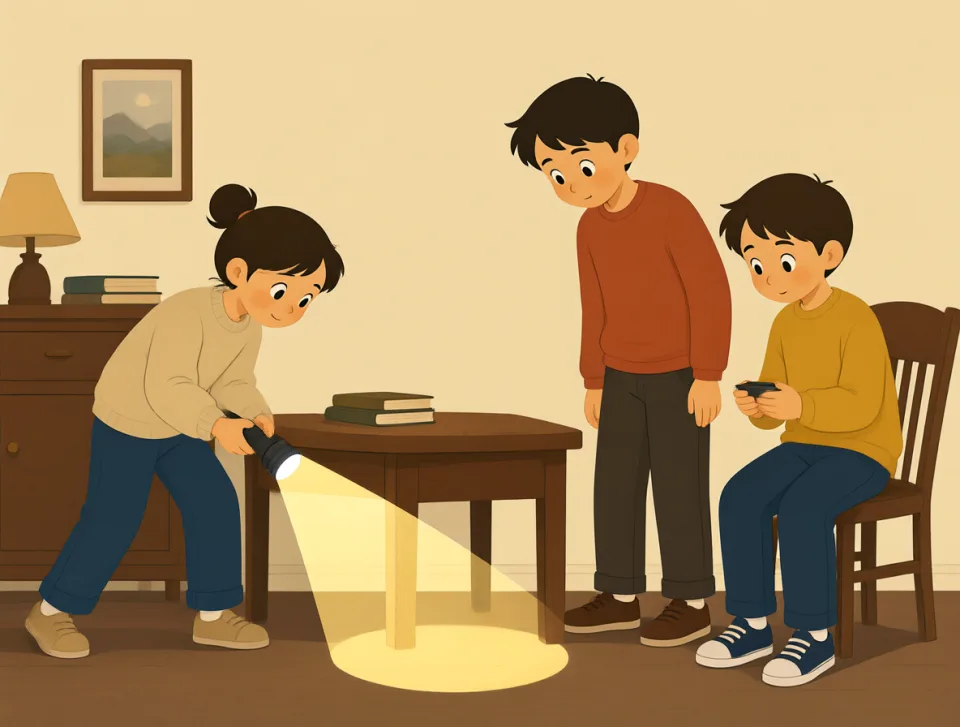
The children had an adventure exploring the old house with their cousins.
Dzieci przeżyły przygodę, zwiedzając stary dom z kuzynami.
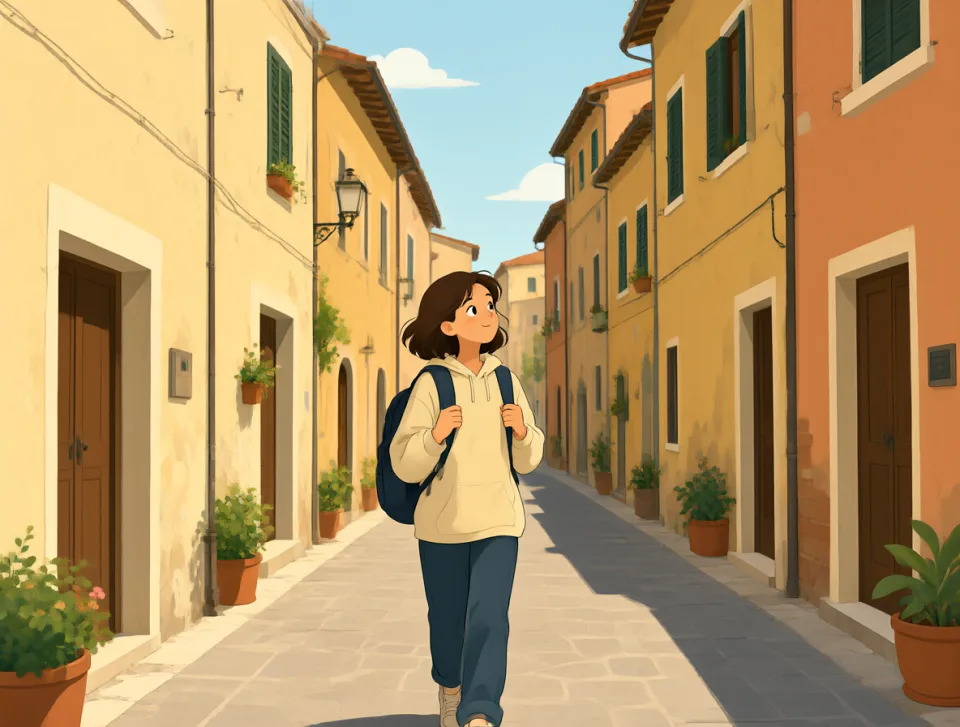
She went on an adventure through Italy after finishing her university exams.
Po zdaniu egzaminów na studiach wyruszyła w podróż pełną przygód po Włoszech.
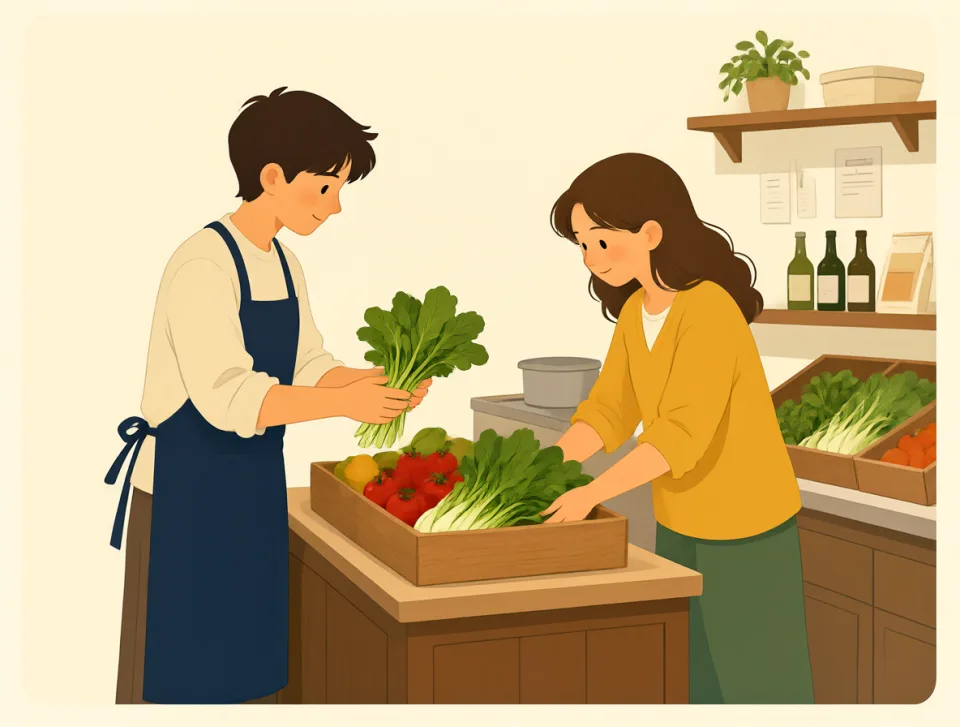
Starting a small business was a big adventure for my brother and his friend.
Założenie małej firmy było wielką przygodą dla mojego brata i jego przyjaciela.
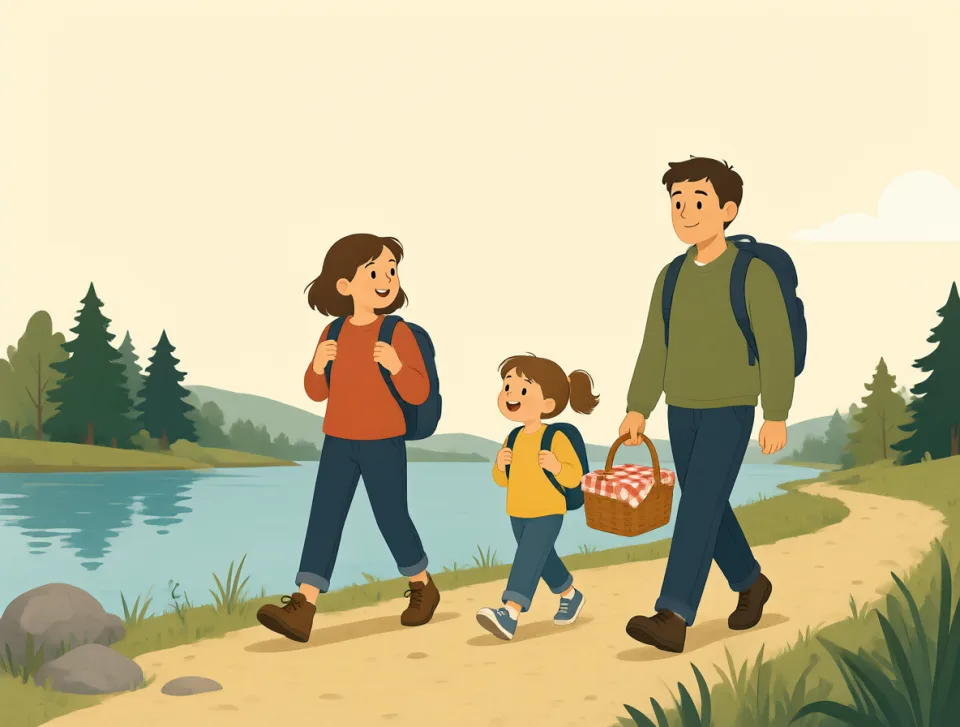
We planned a weekend adventure by the lake, with hiking and a picnic.
Zaplanowaliśmy weekendową przygodę nad jeziorem: wędrówkę i piknik.
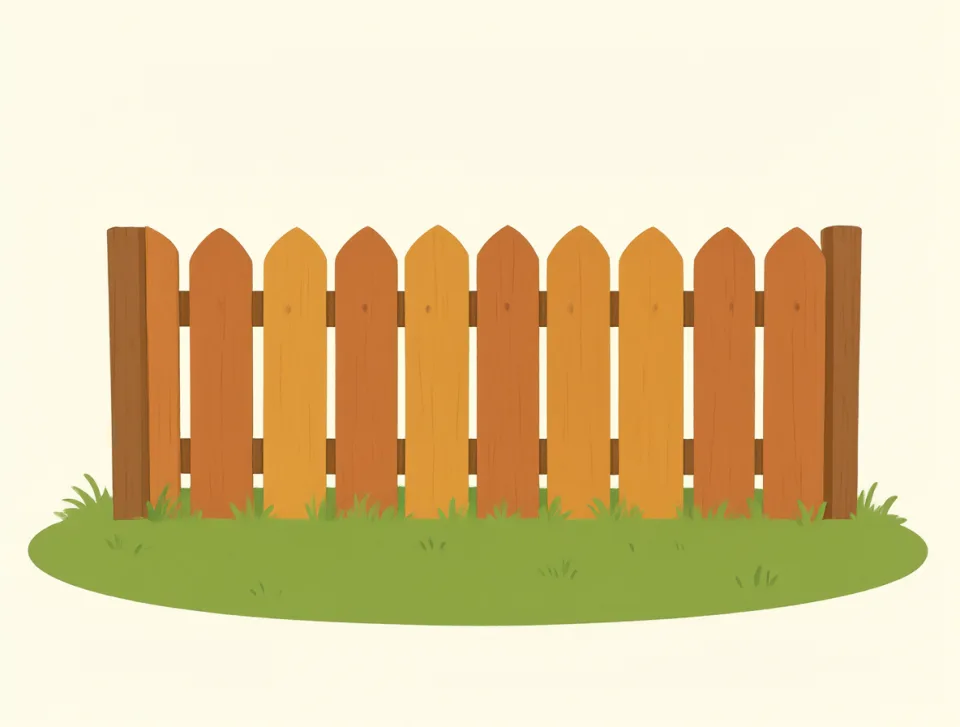
fence
#2668noun, verb
płot; paserować
A barrier made of wood, metal, or wire around an area; to sell stolen goods.
Ogrodzenie z drewna, metalu lub drutu, które otacza jakiś teren; sprzedawać kradzione towary.
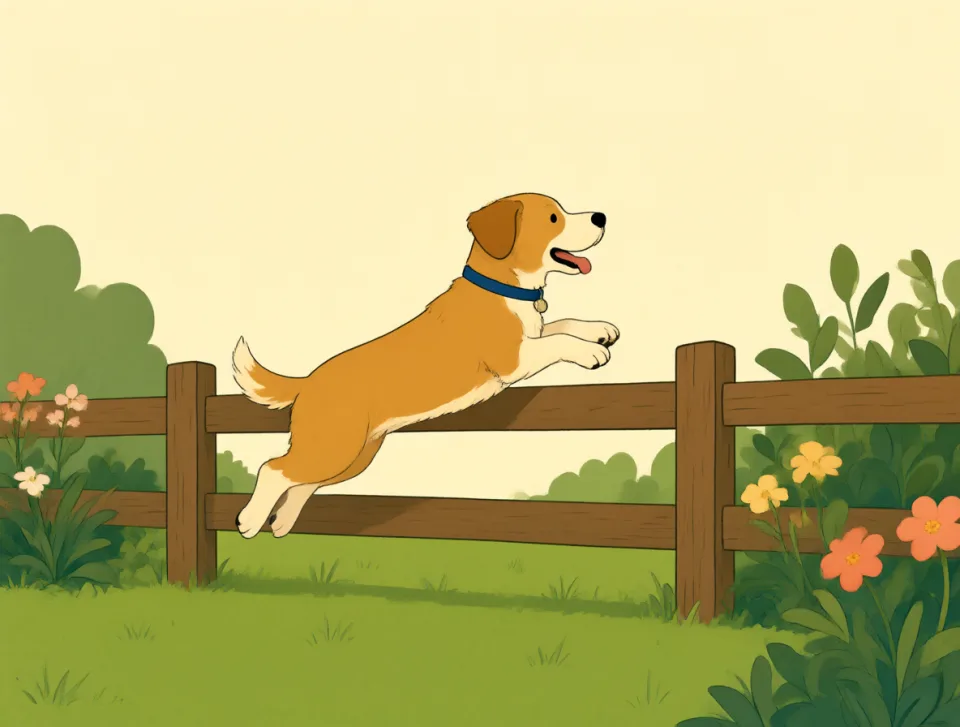
The dog jumped over the fence and ran into the neighbor’s garden.
Pies przeskoczył przez płot i wbiegł do ogrodu sąsiada.
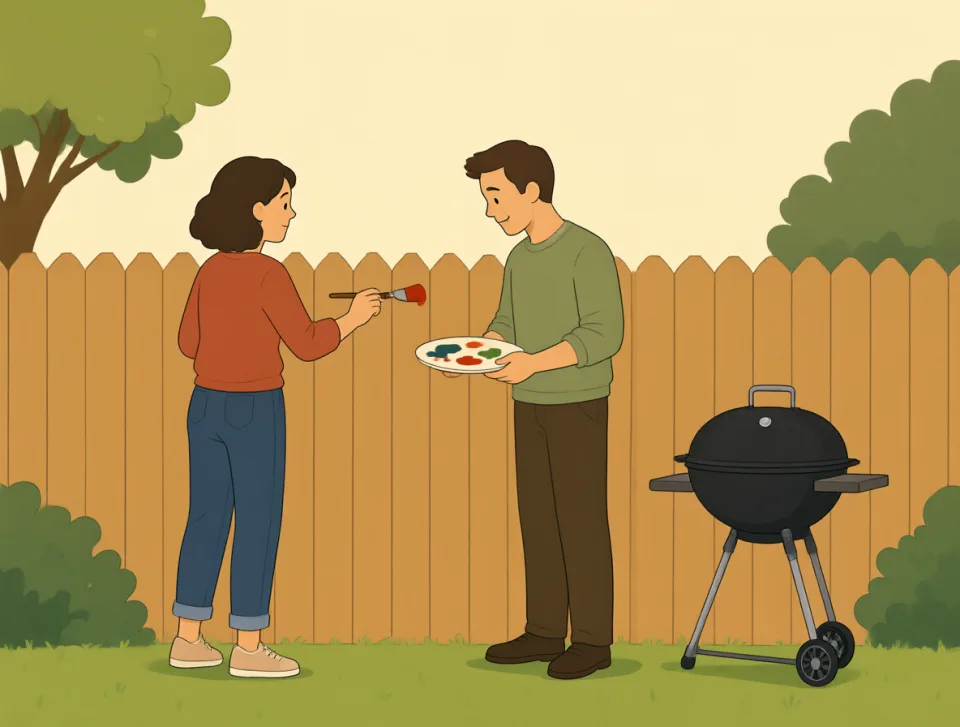
We painted the fence white before our family barbecue on Saturday.
Pomalowaliśmy płot na biało przed rodzinnym grillem w sobotę.
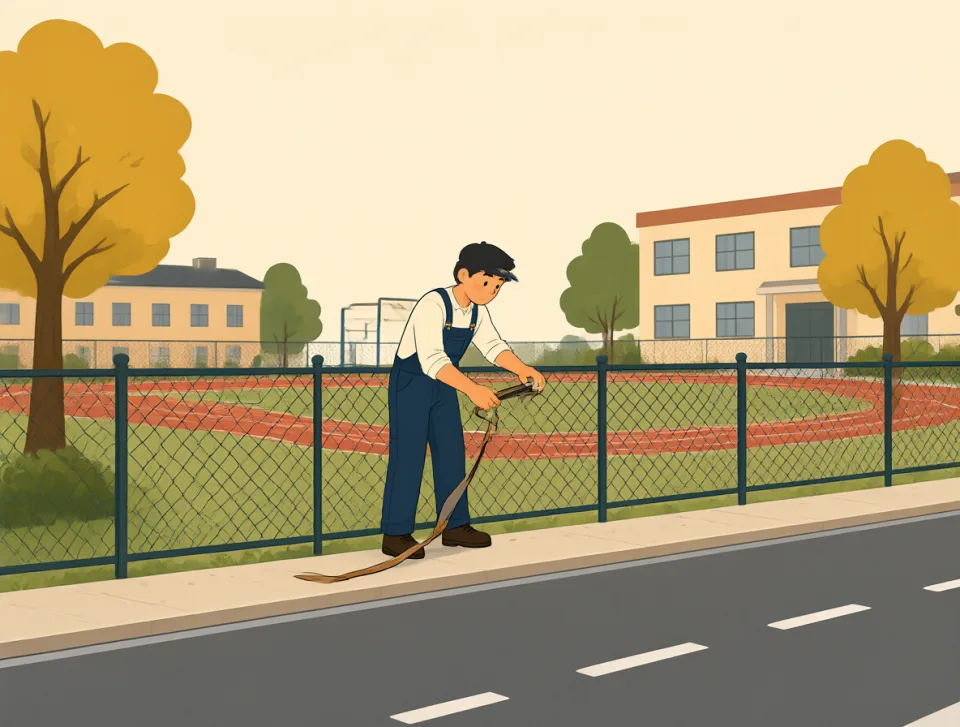
The school put up a fence to keep children away from the busy road.
Szkoła postawiła płot, żeby trzymać dzieci z dala od ruchliwej drogi.
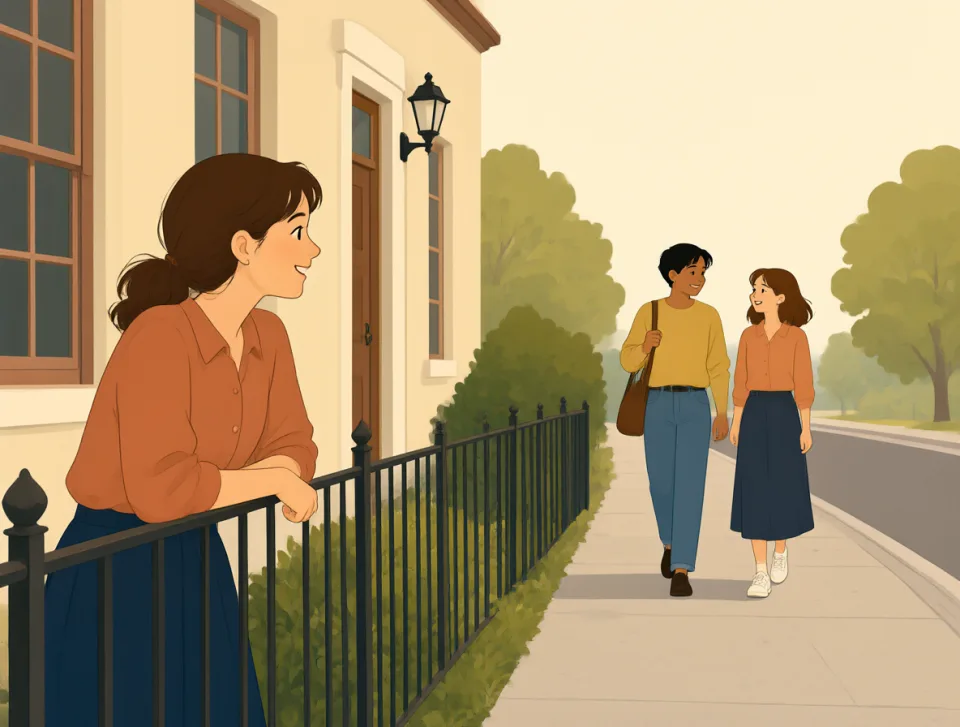
She leaned against the fence while waiting for her friends after work.
Oparła się o płot, czekając po pracy na znajomych.
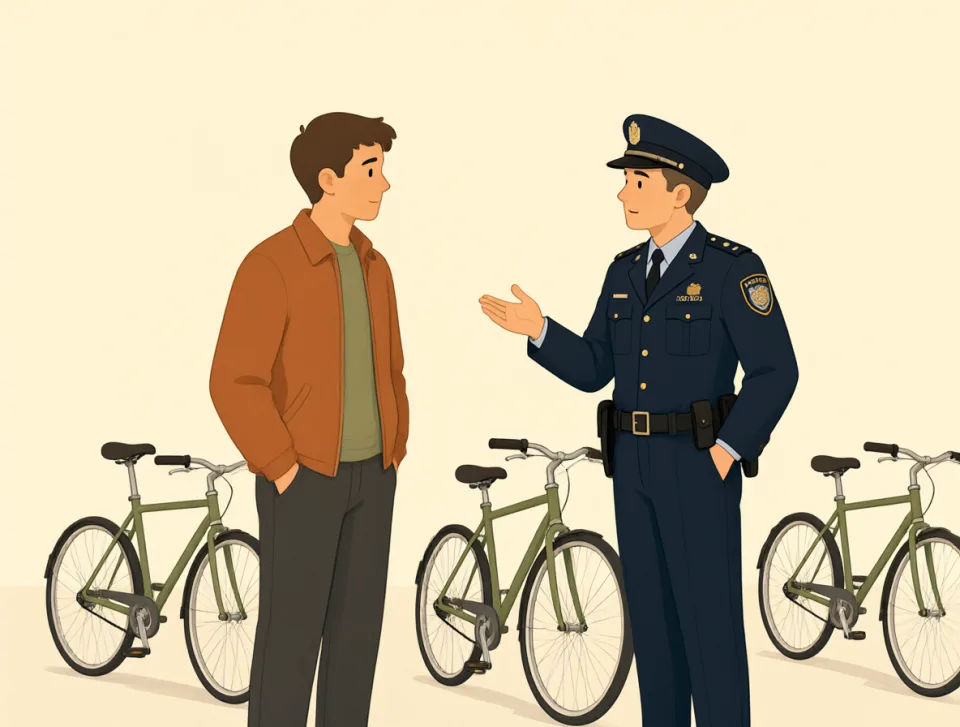
He was caught fencing stolen bicycles and had to explain everything to the police.
Przyłapano go na paserowaniu skradzionych rowerów i musiał wszystko wyjaśnić policji.
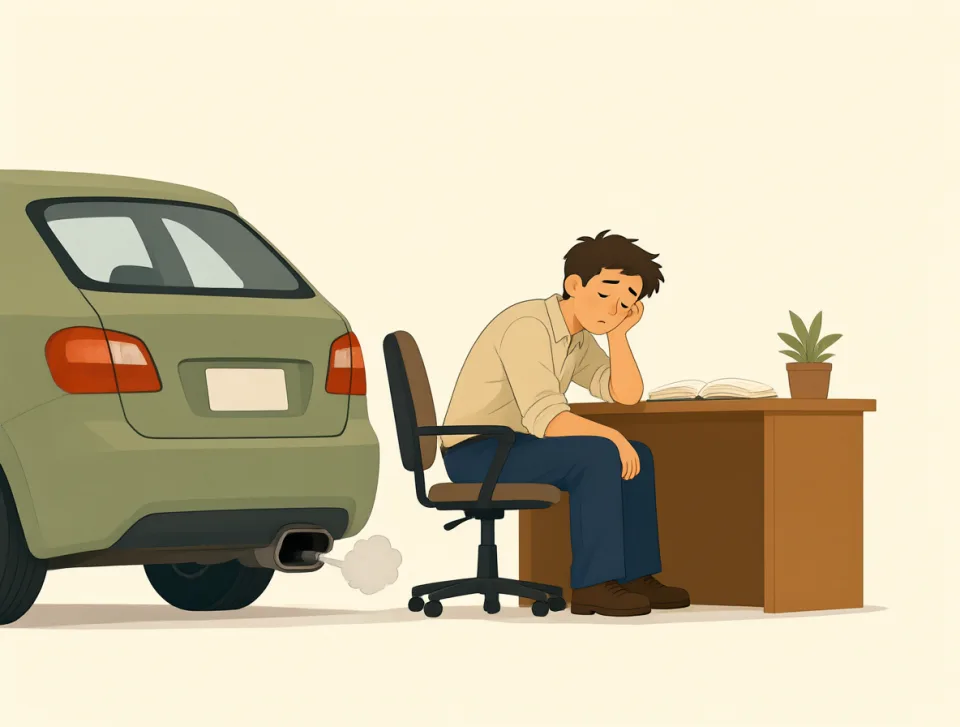
exhaust
#2669verb, noun
wyczerpywać; spaliny
to make someone very tired; the gases that leave a vehicle's engine
Bardzo kogoś zmęczyć; gazy wydostające się z silnika pojazdu.
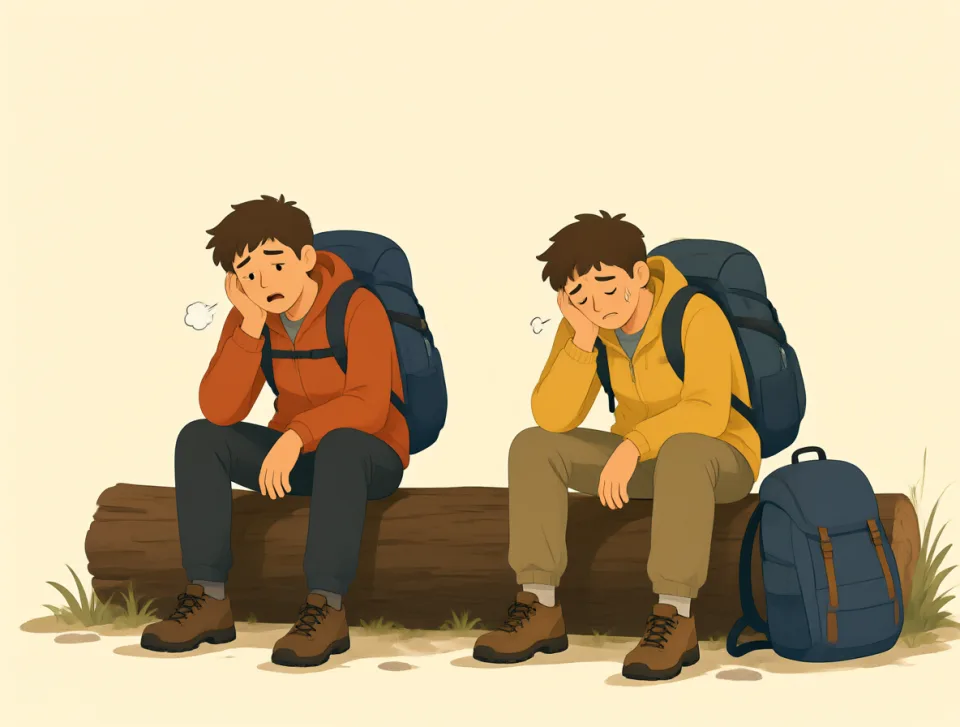
The long hike exhausted us, so we rested beside the trail.
Długa wędrówka nas wyczerpała, więc odpoczęliśmy przy szlaku.
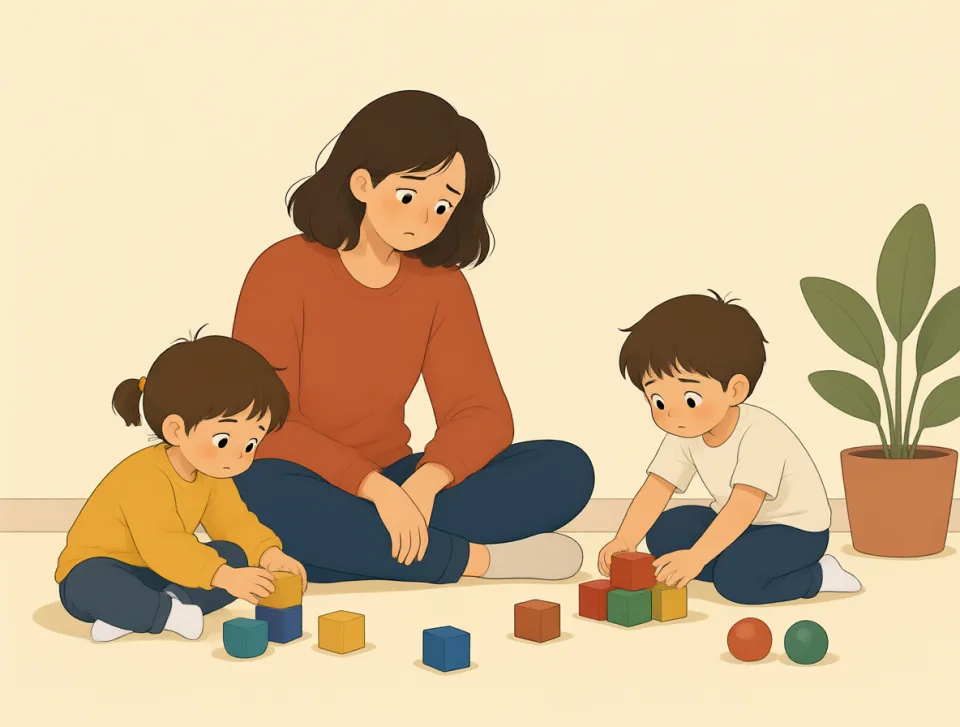
Running around after the children all day completely exhausts my sister.
Całodzienne bieganie za dziećmi zupełnie wyczerpuje moją siostrę.
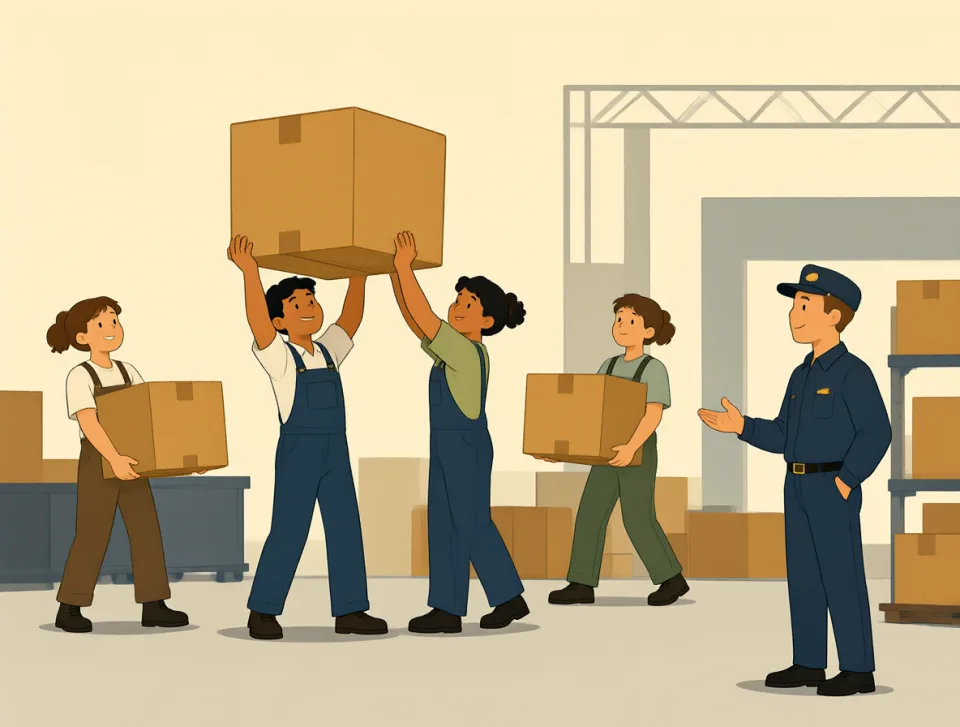
The factory exhausted its workers with long shifts and heavy lifting.
Fabryka wyczerpywała pracowników długimi zmianami i ciężką pracą fizyczną.
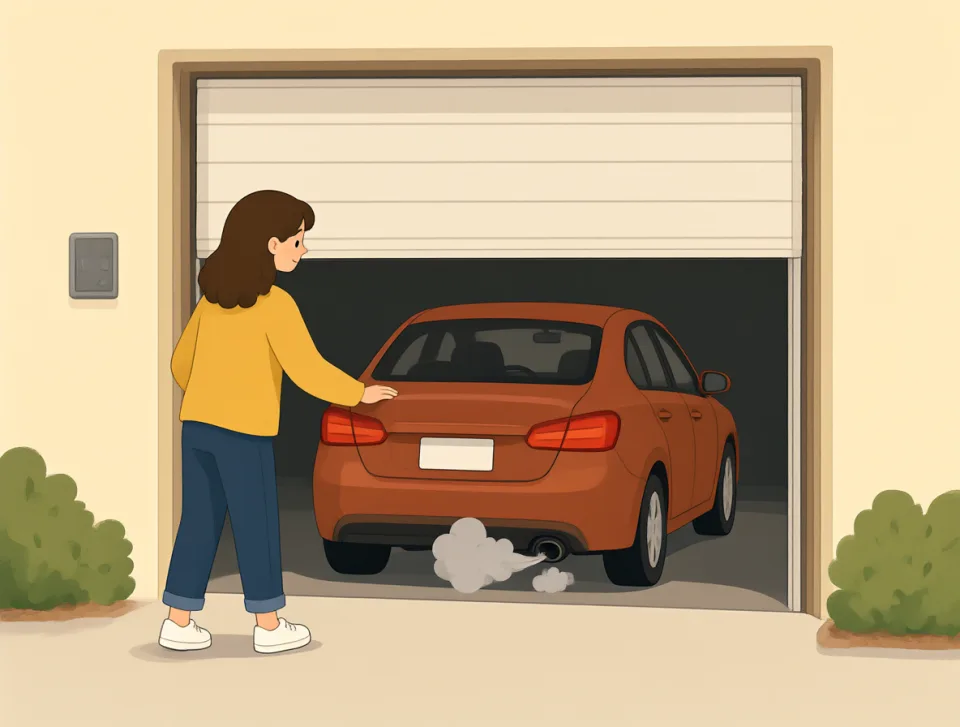
The car's exhaust filled the garage, so Maya opened the door quickly.
Spaliny z samochodu wypełniły garaż, więc Maya szybko otworzyła drzwi.
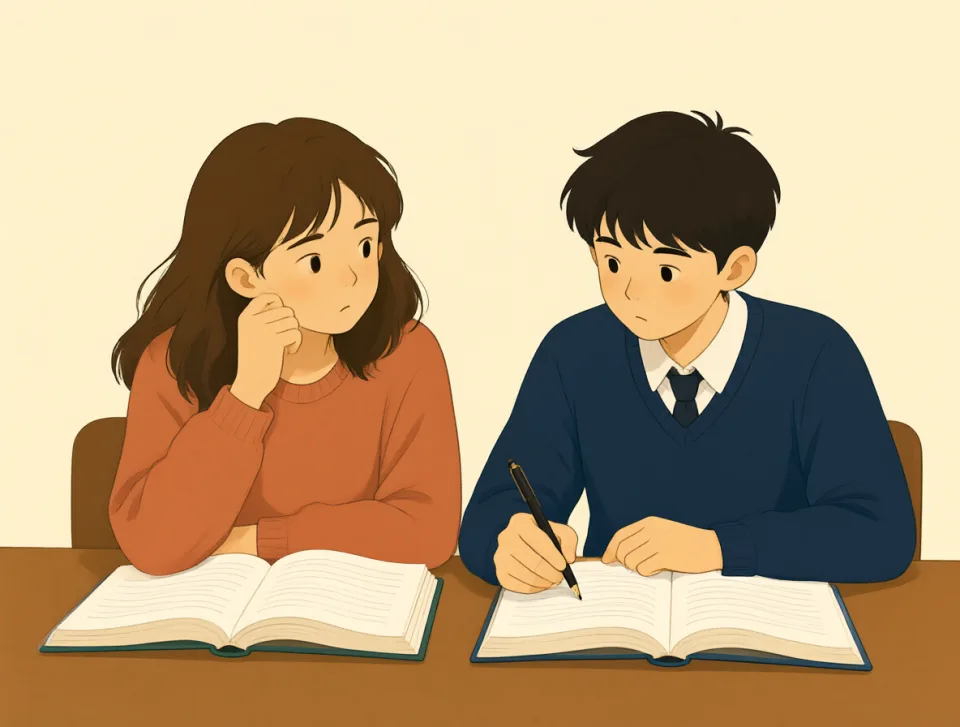
We exhausted every option before asking our teacher for help.
Wyczerpaliśmy wszystkie możliwości, zanim poprosiliśmy nauczyciela o pomoc.
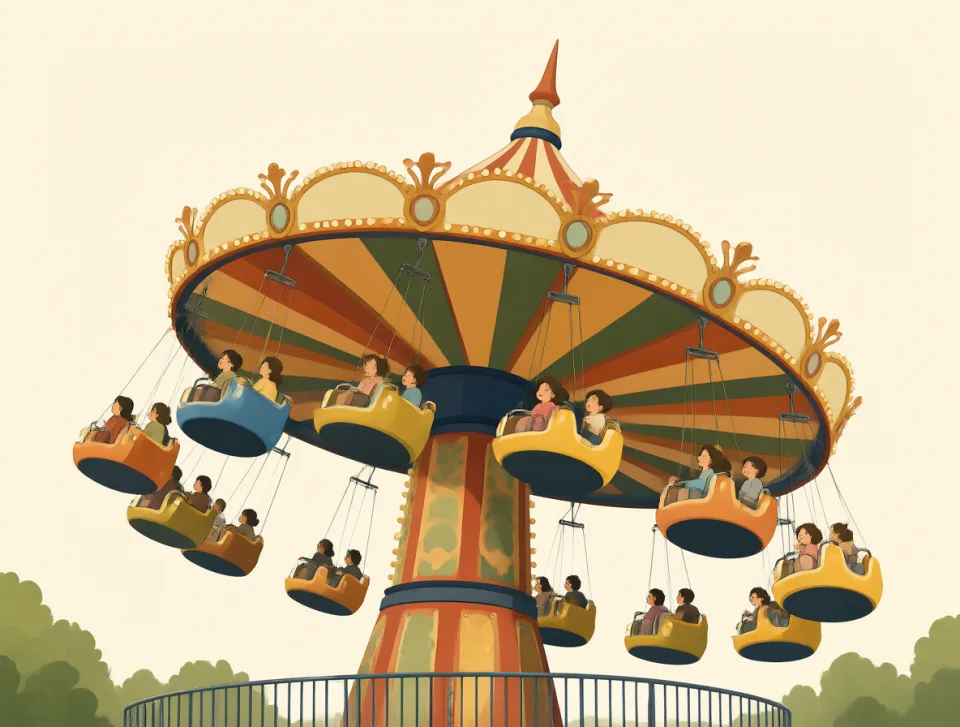
attraction
#2670noun
atrakcja
A place or event that people visit because it is interesting or enjoyable.
Miejsce lub wydarzenie, które ludzie odwiedzają, bo jest interesujące lub przyjemne.
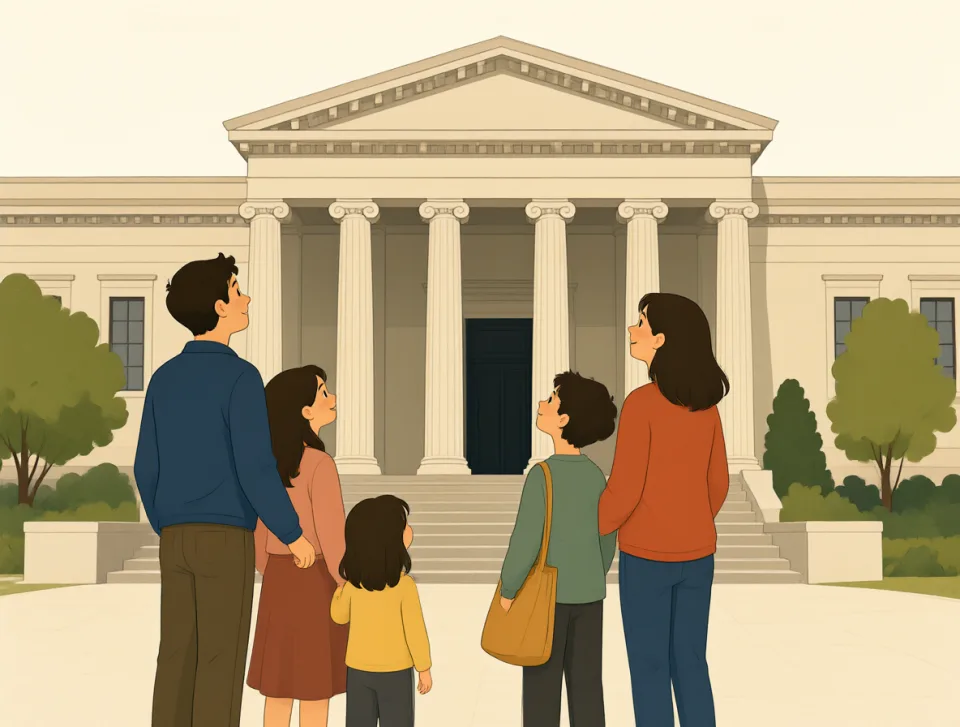
The museum is a popular attraction for families visiting the city.
Muzeum jest popularną atrakcją dla rodzin odwiedzających miasto.
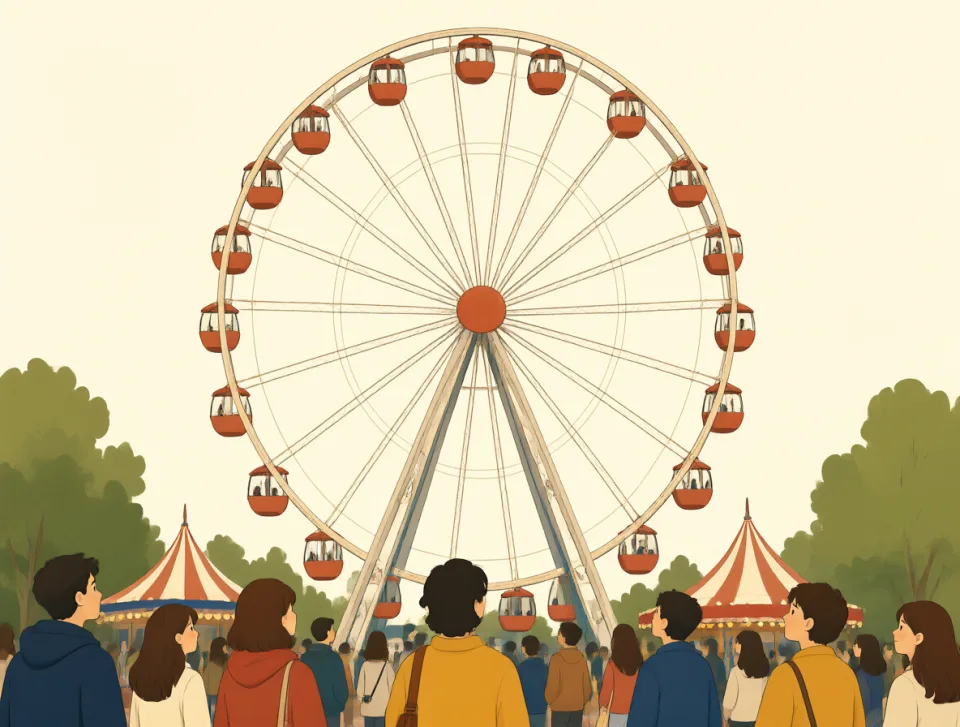
The main attraction at the fair was a huge Ferris wheel.
Główną atrakcją na festynie było ogromne koło młyńskie.
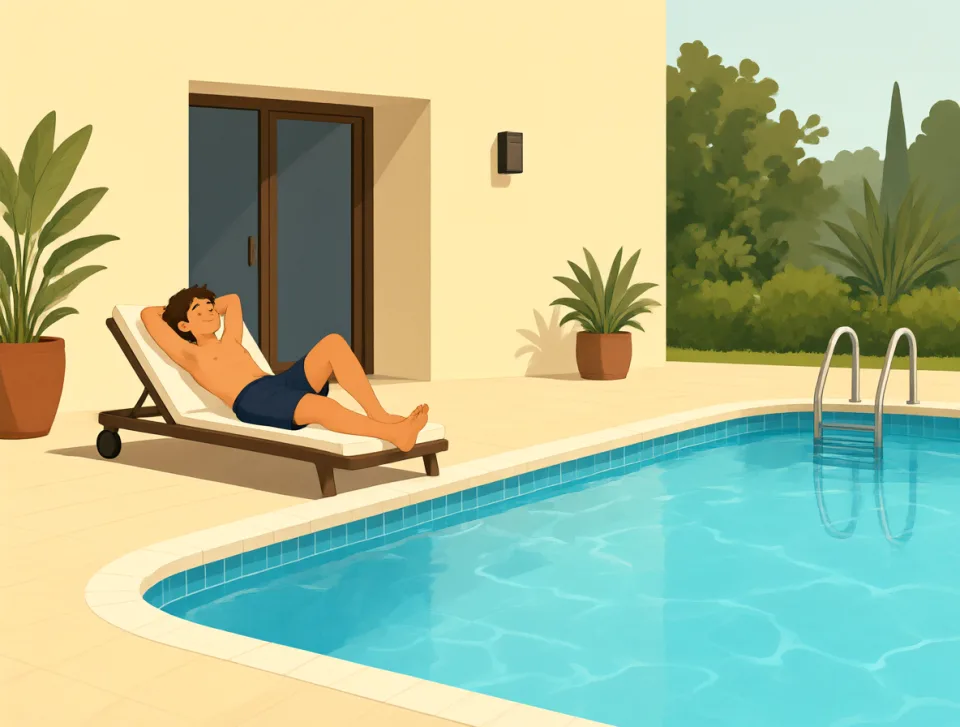
The hotel’s biggest attraction is its quiet pool beside the garden.
Największą atrakcją hotelu jest cichy basen obok ogrodu.

She felt a strong attraction to her new colleague but kept it private.
Czuła silny pociąg do nowego współpracownika, ale zachowała to dla siebie.
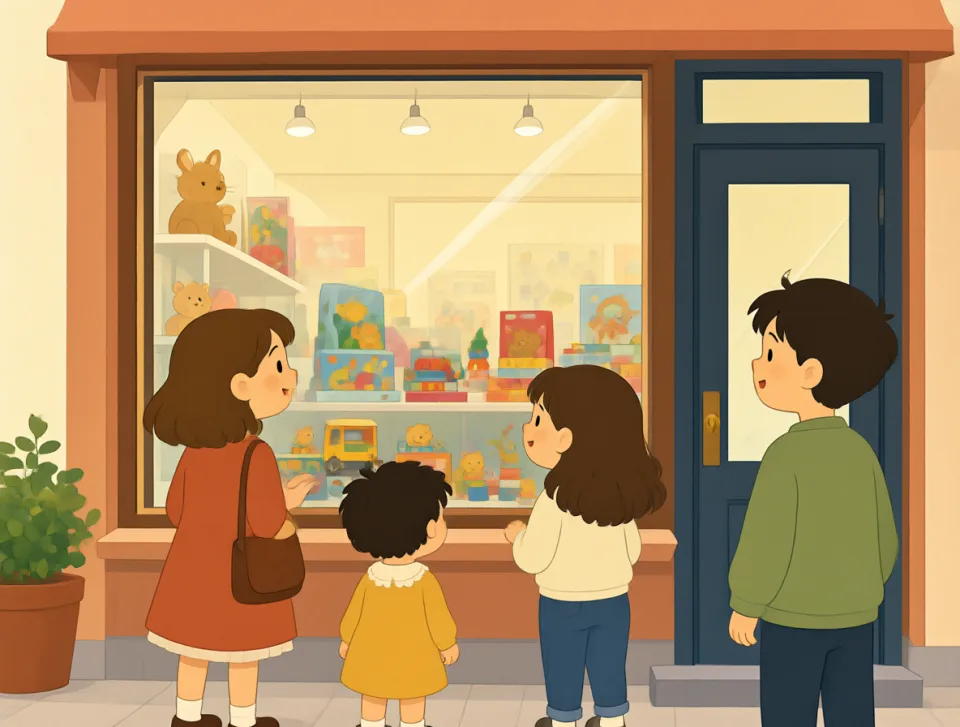
The bright window display had an attraction for children passing the shop.
Jasna wystawa w witrynie przyciągała uwagę dzieci przechodzących obok sklepu.
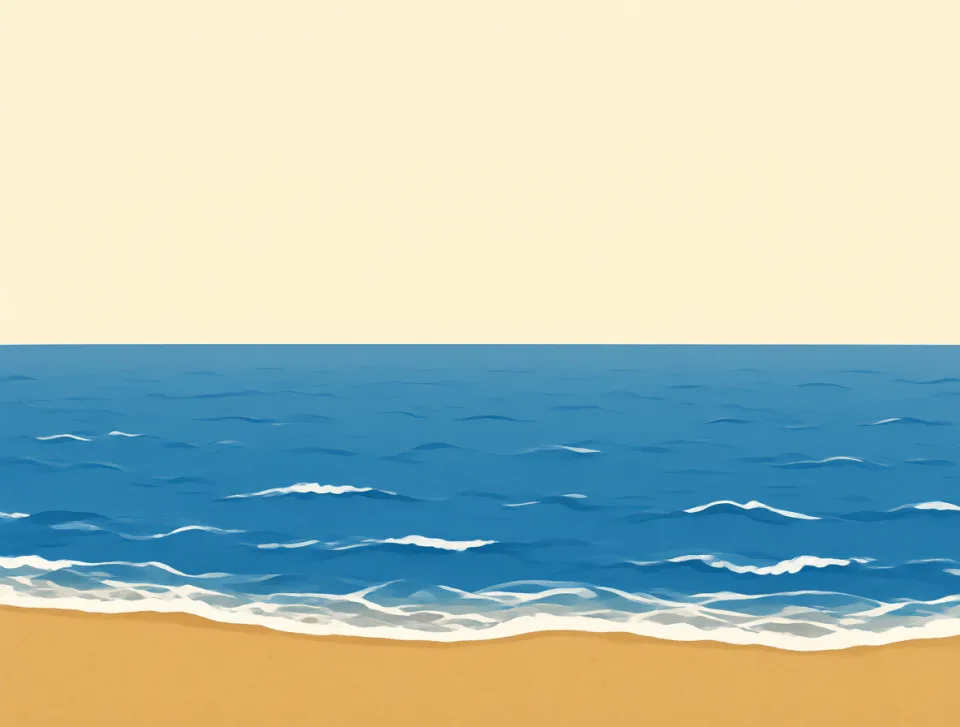
ocean
#2671noun
ocean
The large area of salt water that covers much of the Earth.
Rozległy obszar słonej wody pokrywający dużą część Ziemi.
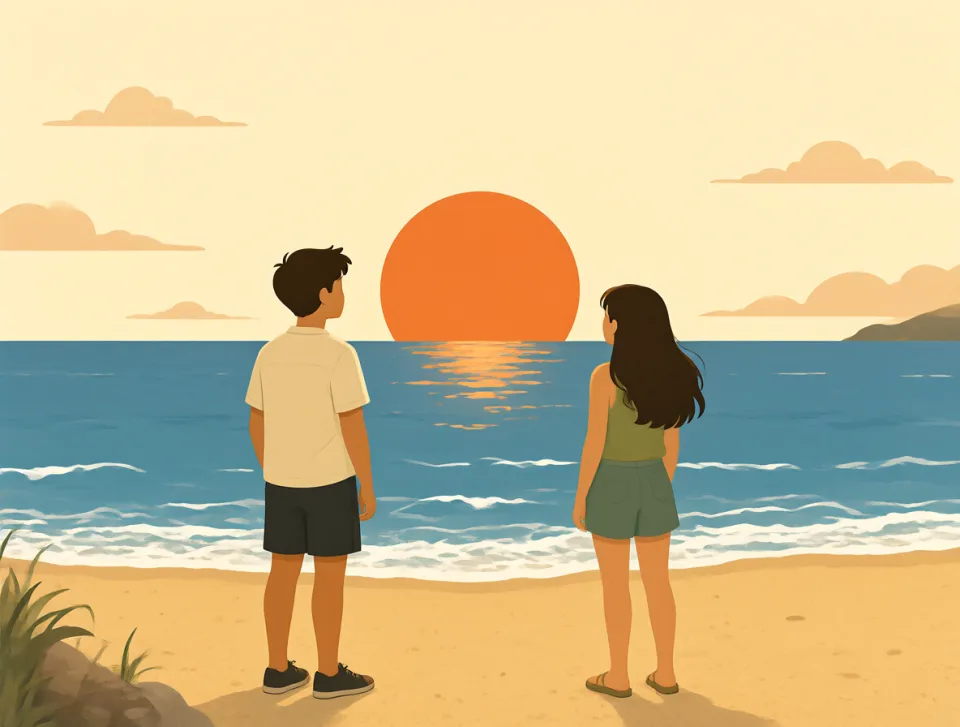
We watched the sun set over the ocean from the beach.
Obserwowaliśmy zachód słońca nad oceanem z plaży.
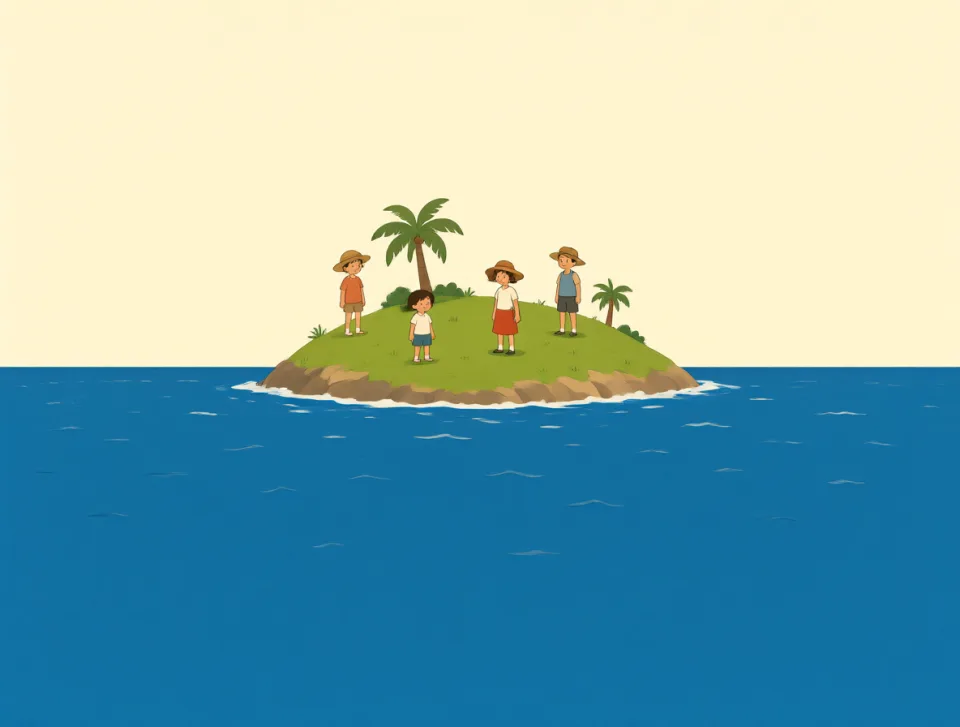
The island is surrounded by ocean on every side.
Wyspa jest ze wszystkich stron otoczona oceanem.
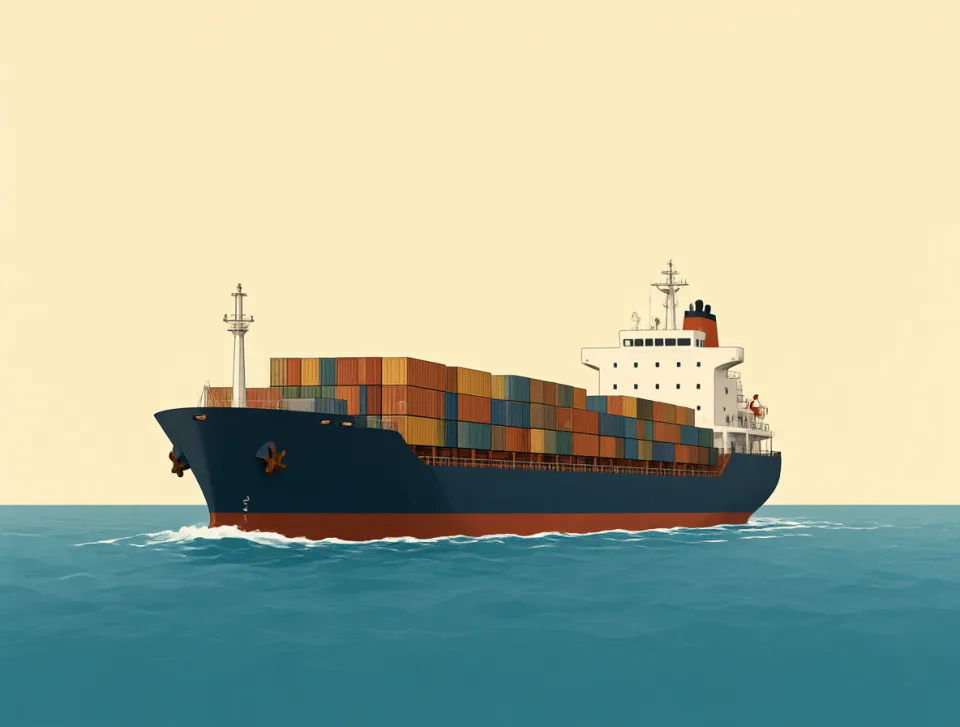
Many ships cross the ocean to carry food and other goods.
Wiele statków przepływa przez ocean, przewożąc żywność i inne towary.
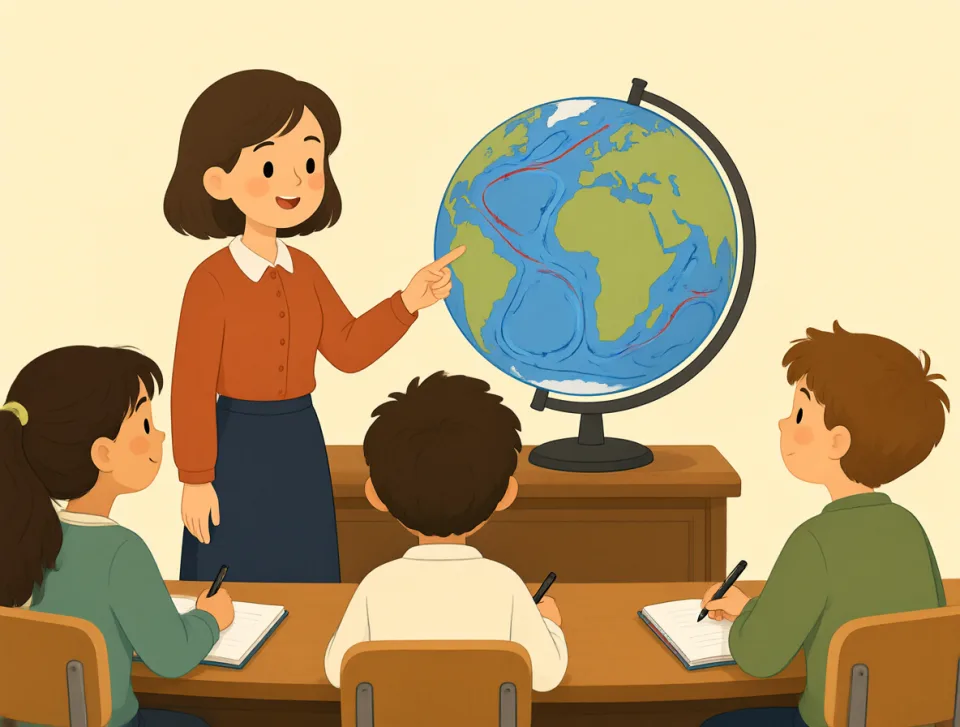
Our science class learned how ocean currents affect the weather.
Na lekcji przyrody dowiedzieliśmy się, jak prądy oceaniczne wpływają na pogodę.
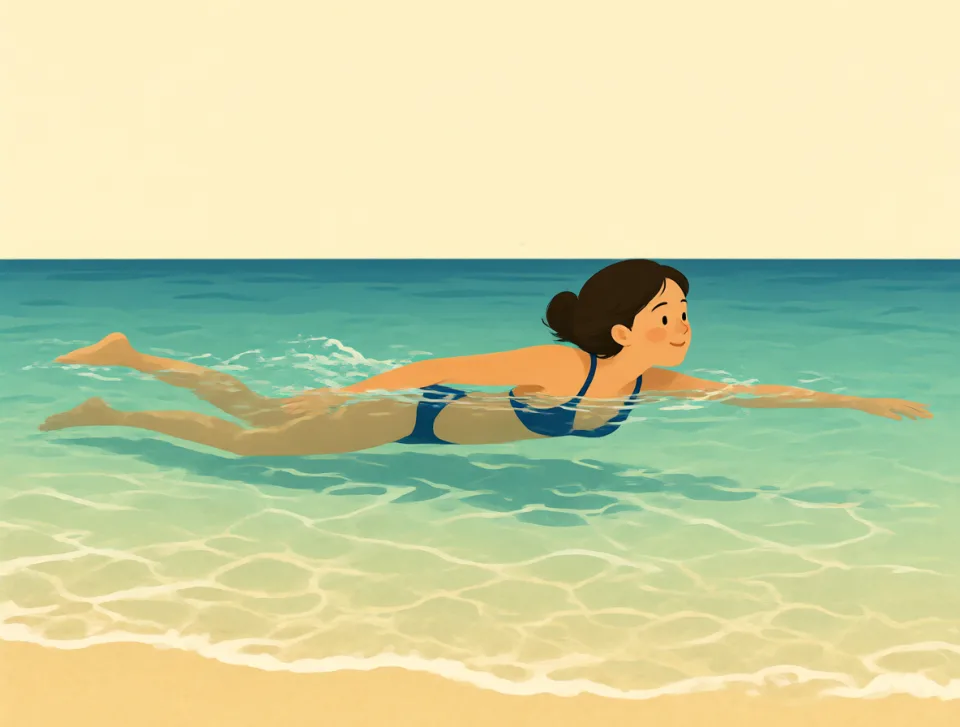
She likes swimming in the ocean when the water is warm.
Lubi pływać w oceanie, kiedy woda jest ciepła.
quietly
#2672adverb
po cichu
In a way that makes little or no noise.
W sposób, który powoduje niewielki hałas lub nie powoduje go wcale.
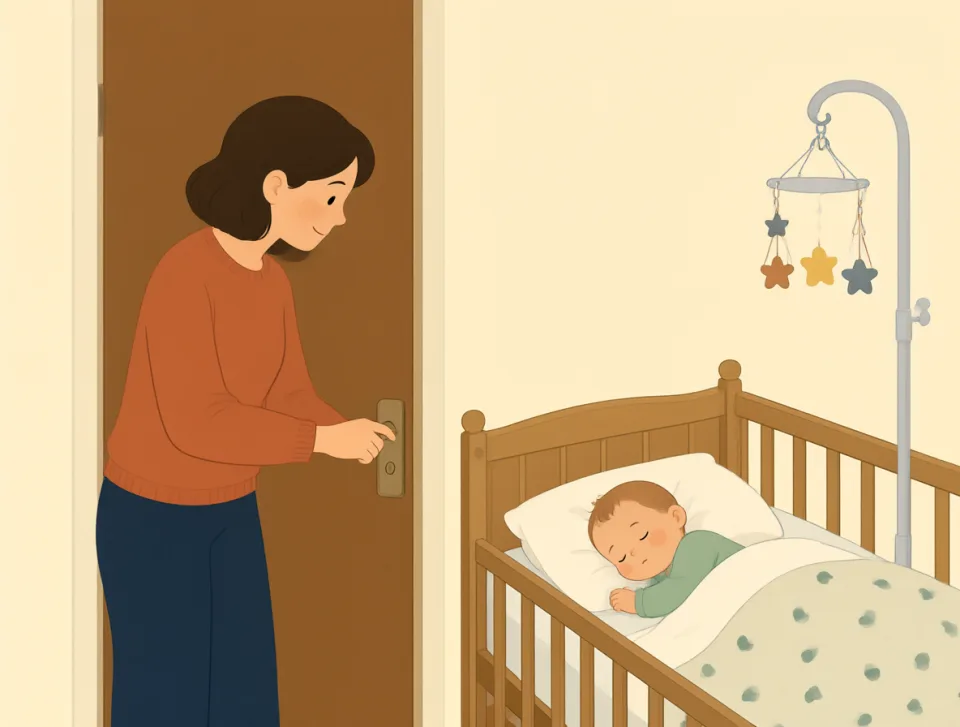
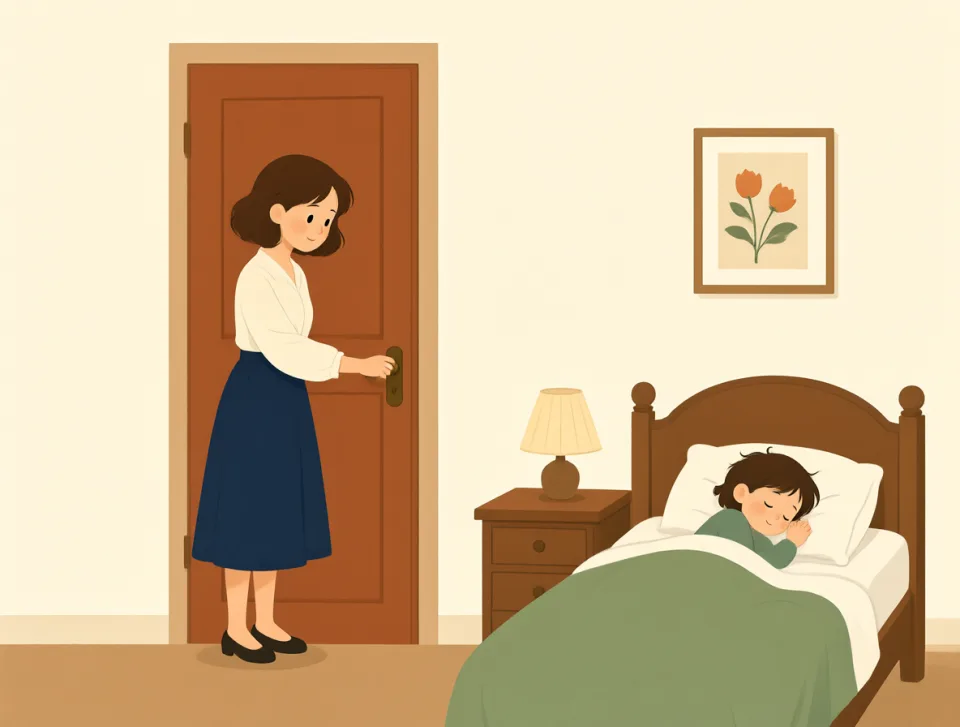
She quietly closed the door so she wouldn’t wake the baby.
Po cichu zamknęła drzwi, żeby nie obudzić dziecka.
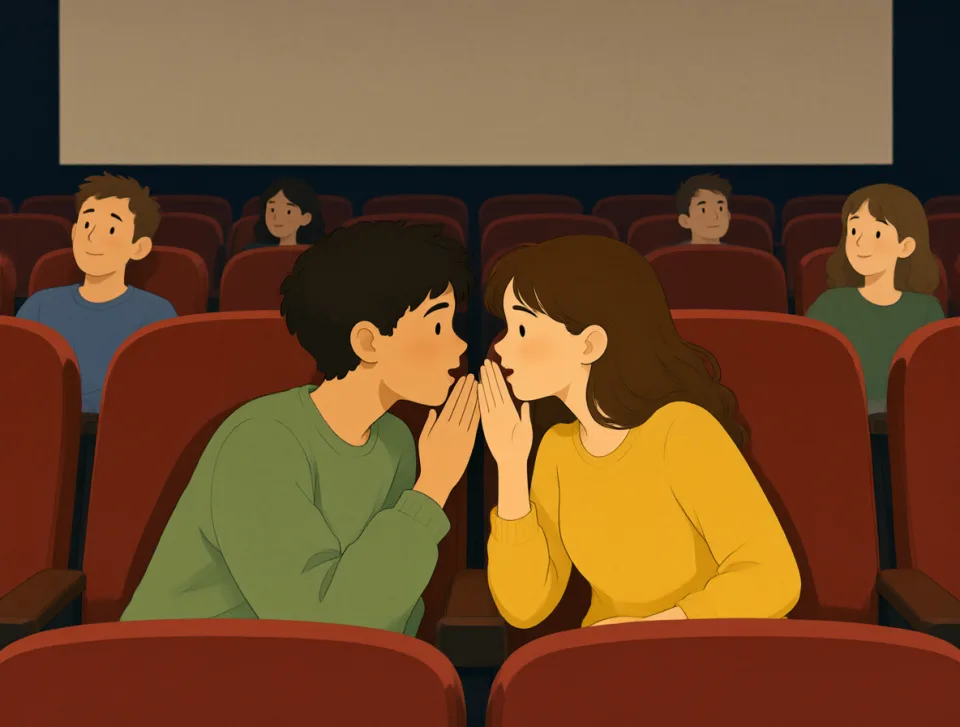
He spoke quietly to his friend during the movie.
Podczas filmu cicho rozmawiał ze swoim przyjacielem.
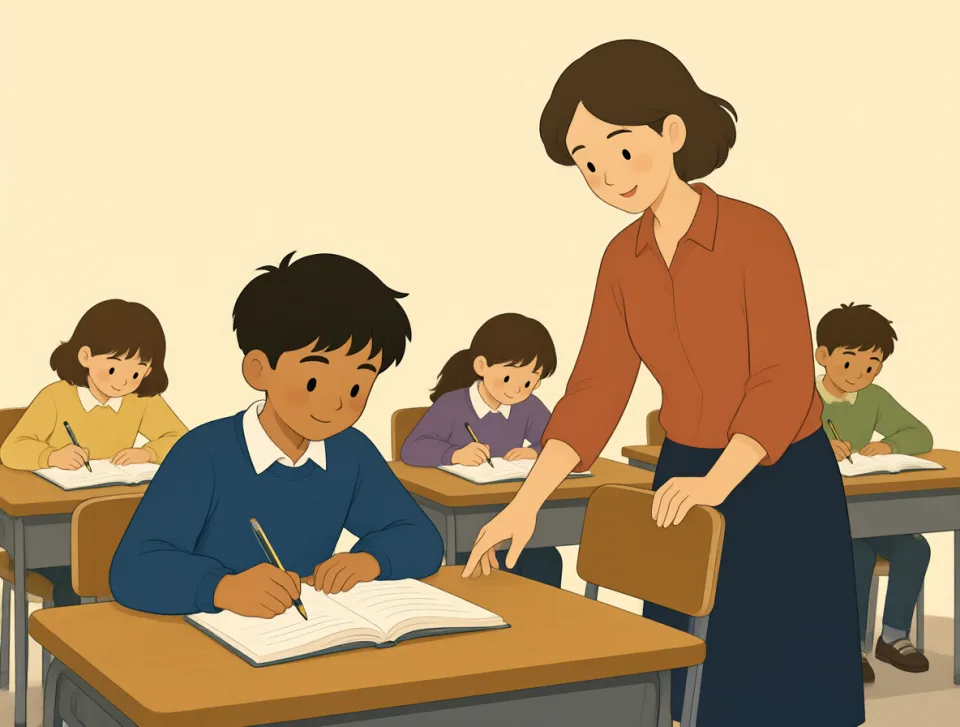
The students worked quietly while their teacher helped someone.
Uczniowie pracowali w ciszy, podczas gdy nauczyciel pomagał komuś innemu.
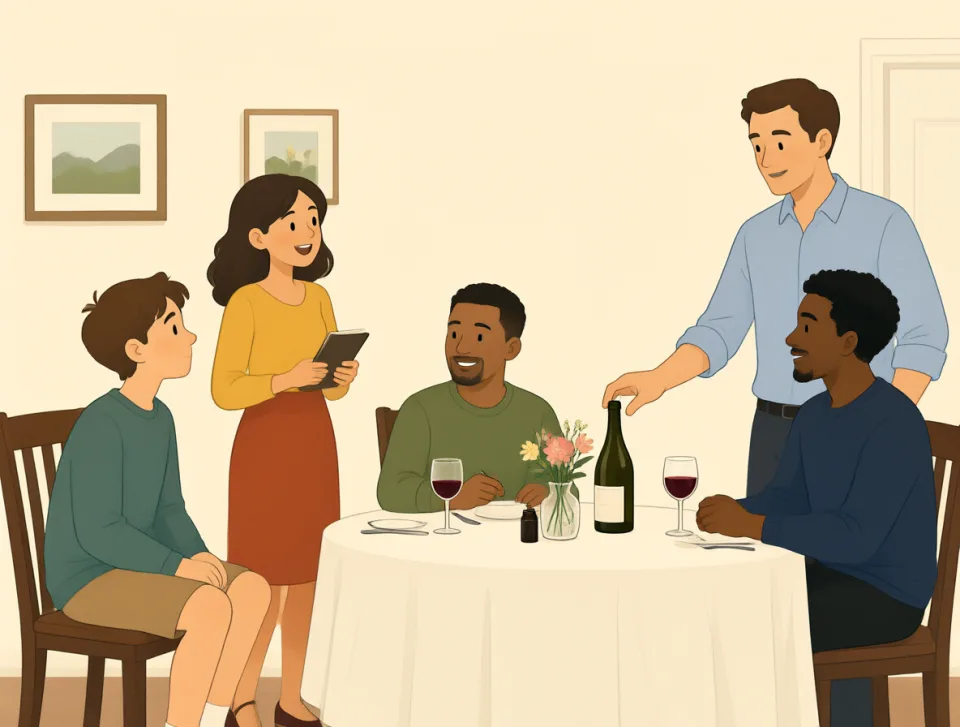
We quietly left the restaurant after our friends paid the bill.
Po cichu wyszliśmy z restauracji, gdy nasi przyjaciele zapłacili rachunek.
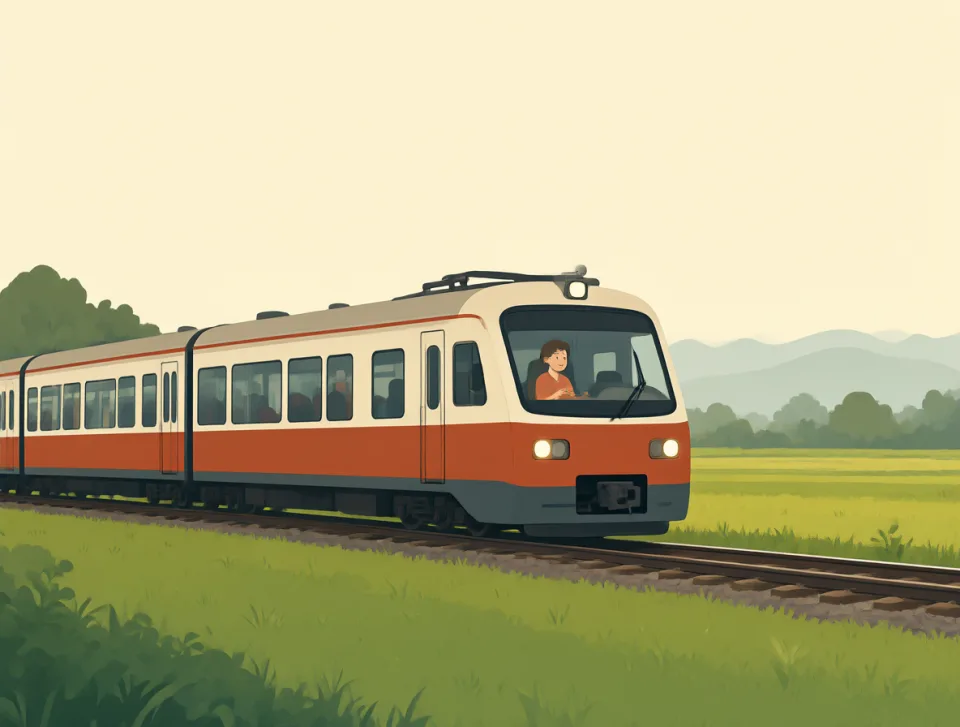
The train moved quietly through the countryside early in the morning.
Wczesnym rankiem pociąg cicho przemierzał wiejskie okolice.
castle
#2673noun
zamek
A large strong building where a king, queen, or noble family lived.
Duży, warowny budynek, w którym mieszkał król, królowa lub szlachecka rodzina.
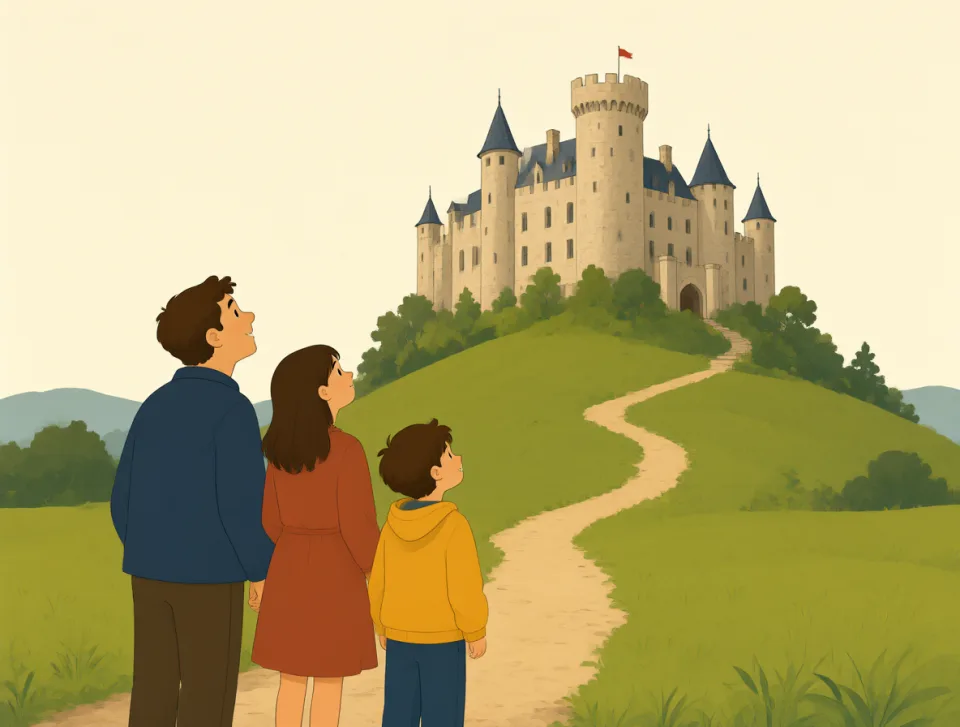
We visited a beautiful castle during our trip to Scotland.
Podczas naszej podróży do Szkocji odwiedziliśmy piękny zamek.
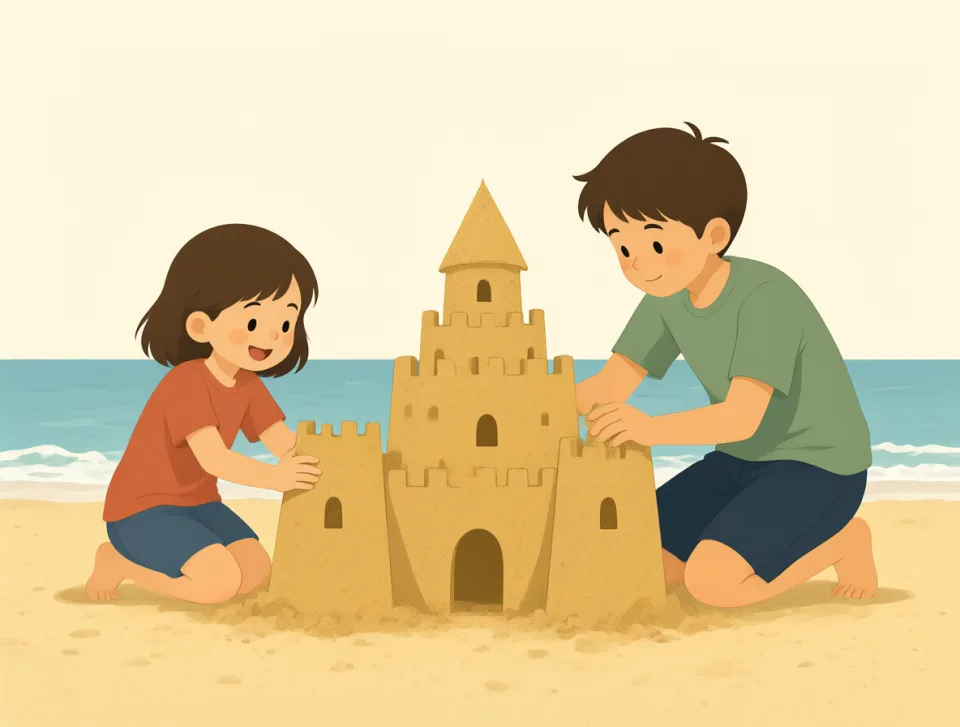
The children built a sandcastle together at the beach.
Dzieci wspólnie zbudowały zamek z piasku na plaży.
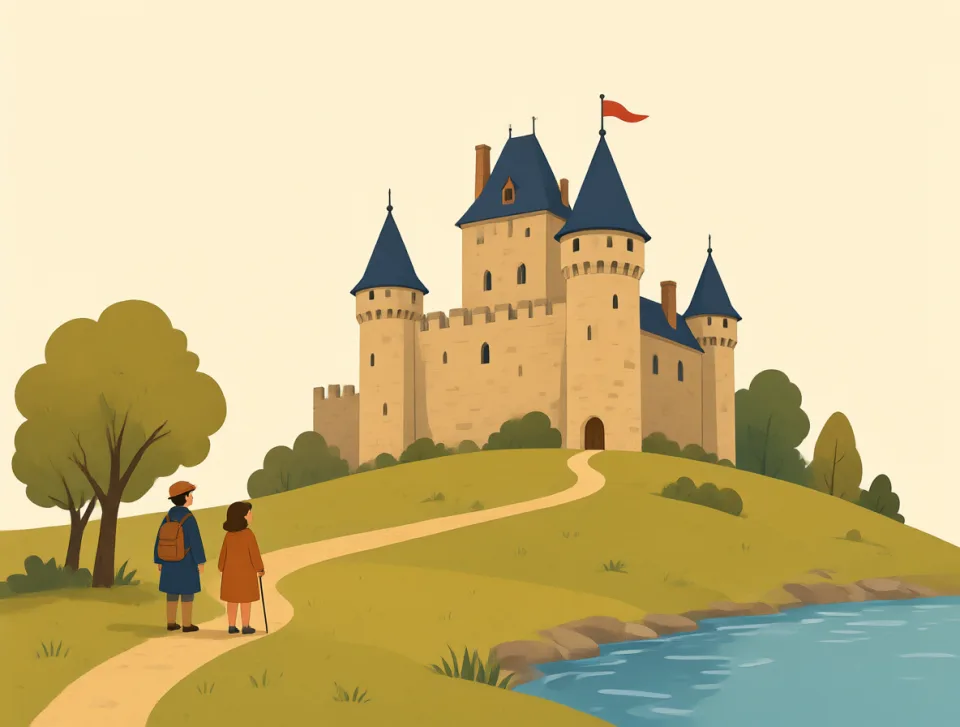
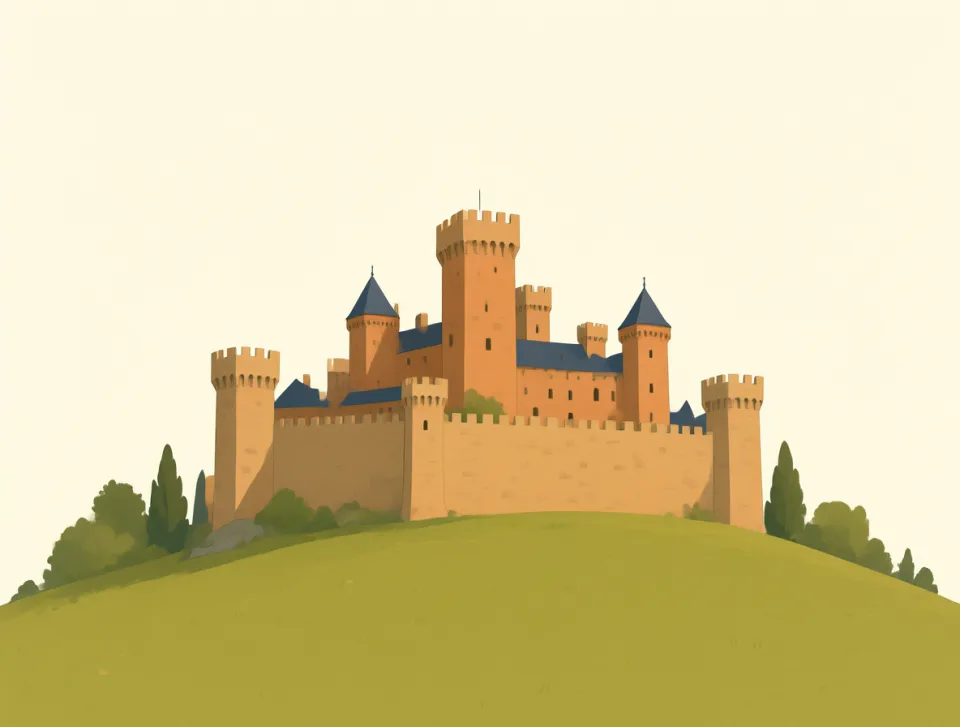
The old castle sits on a hill above the river.
Stary zamek stoi na wzgórzu nad rzeką.
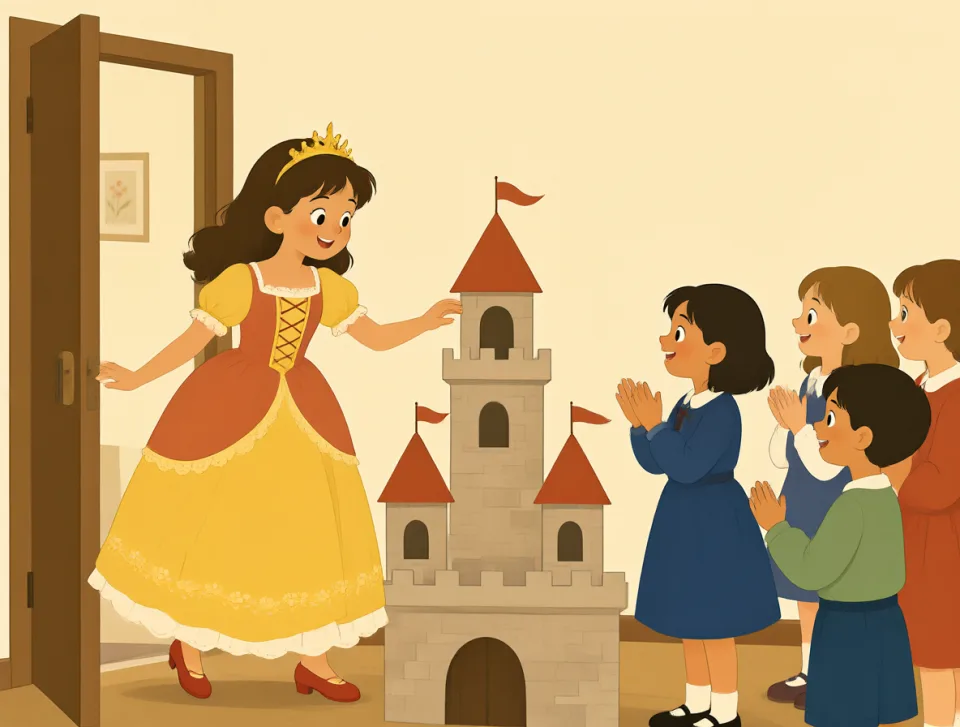
My sister dressed as a princess for the castle-themed party.
Moja siostra przebrała się za księżniczkę na przyjęcie w stylu zamkowym.
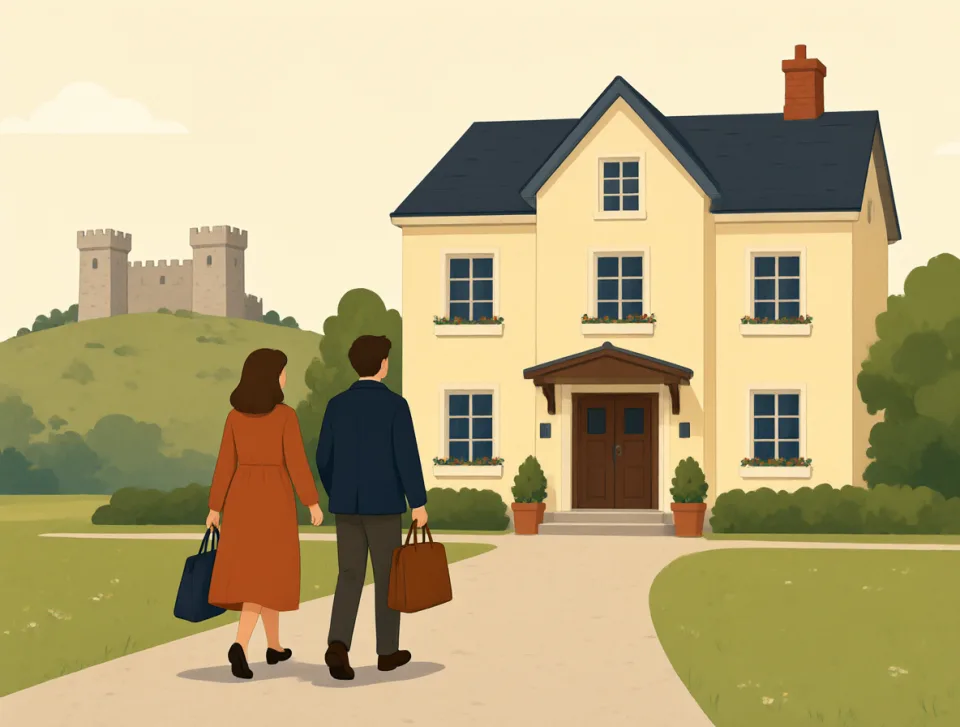
We stayed in a small hotel near the castle for two nights.
Przez dwie noce mieszkaliśmy w małym hotelu niedaleko zamku.
veteran
#2674noun, adjective
weteran
A person with a lot of experience in a particular job or activity, or a former soldier.
Osoba z dużym doświadczeniem w określonej pracy lub dziedzinie albo były żołnierz.
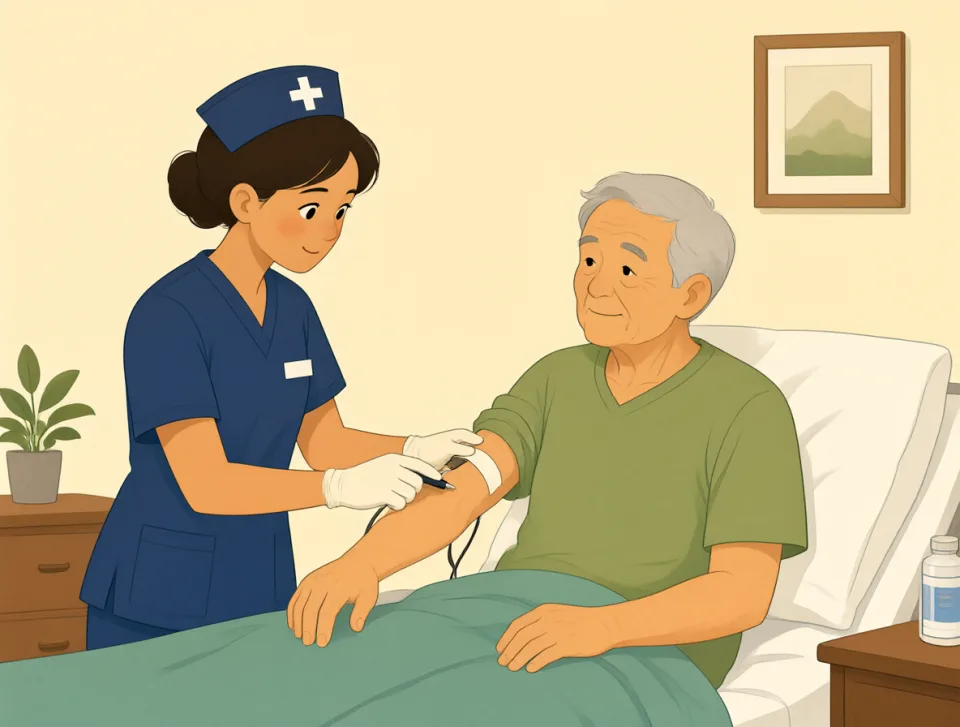
She is a veteran nurse who has worked in this hospital for twenty years.
Jest doświadczoną pielęgniarką, która pracuje w tym szpitalu od dwudziestu lat.
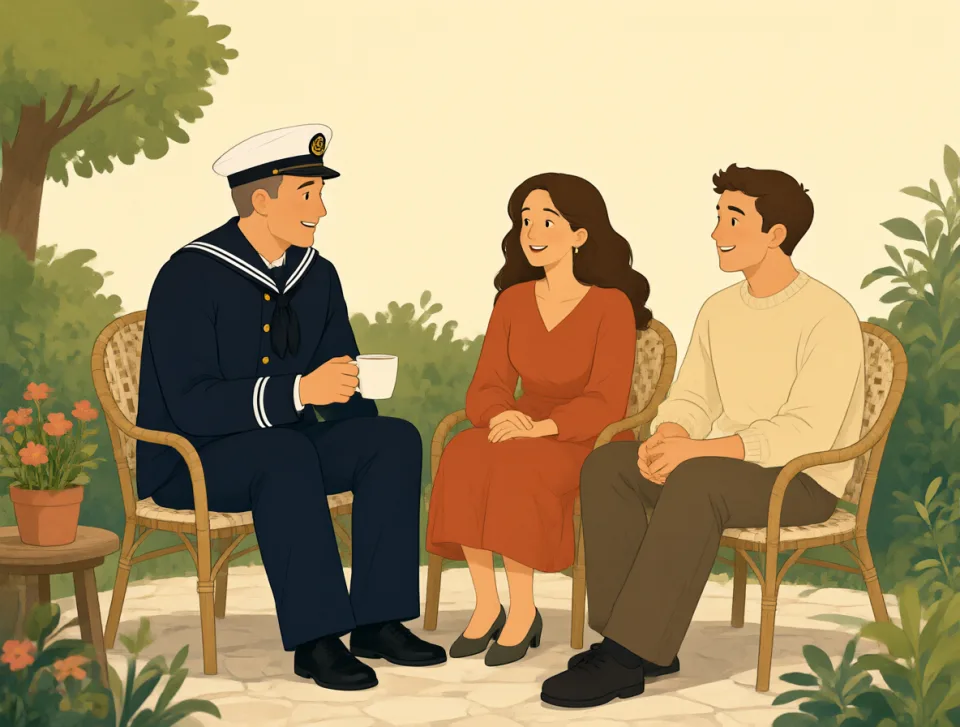
My dad is a veteran of the navy and still visits his old shipmates.
Mój tata jest weteranem marynarki wojennej i nadal odwiedza swoich dawnych kolegów z jednostki.
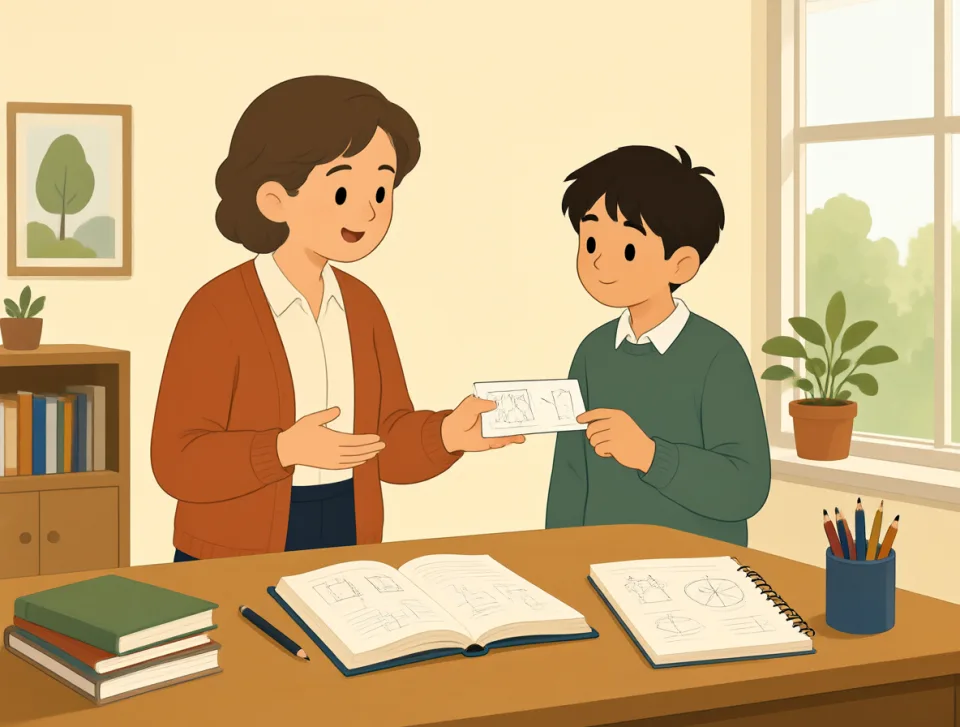
The company hired a veteran teacher to train its new staff.
Firma zatrudniła doświadczonego nauczyciela, aby przeszkolił nowych pracowników.
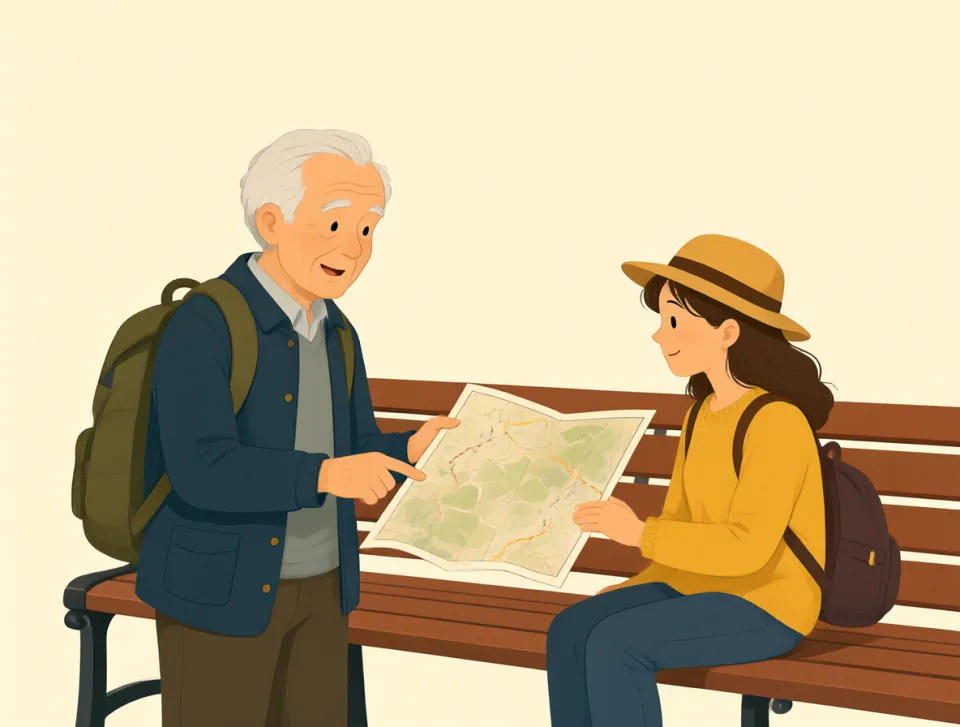
A veteran traveler gave us helpful advice about taking the train across Italy.
Doświadczony podróżnik udzielił nam przydatnych porad dotyczących podróży pociągiem przez Włochy.
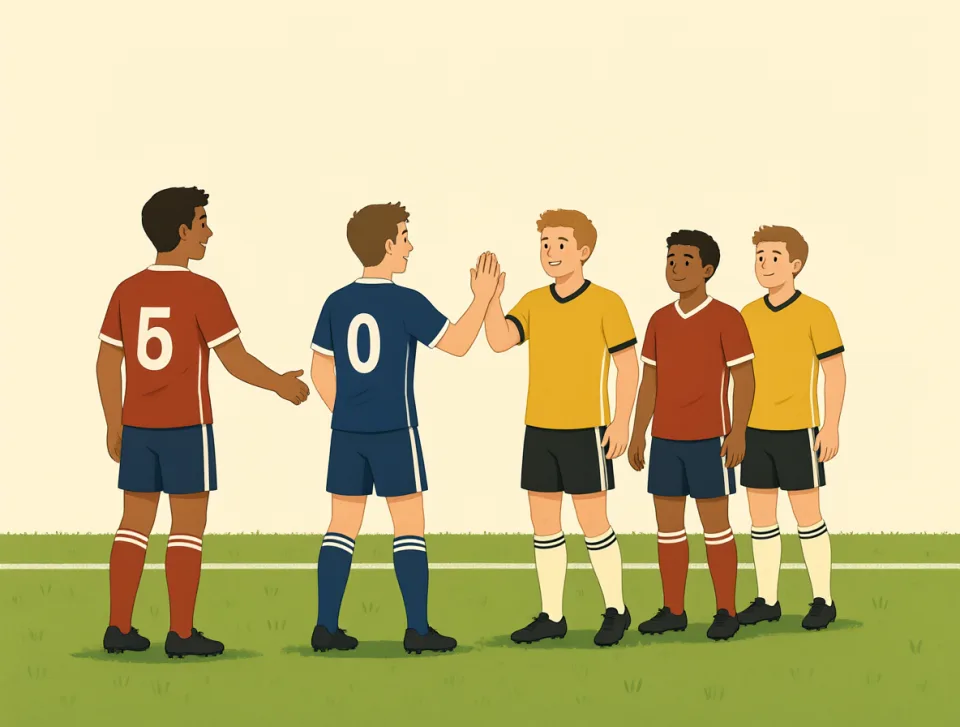
The veteran players welcomed the new members to the neighborhood football team.
Doświadczeni zawodnicy powitali nowych członków osiedlowej drużyny piłkarskiej.
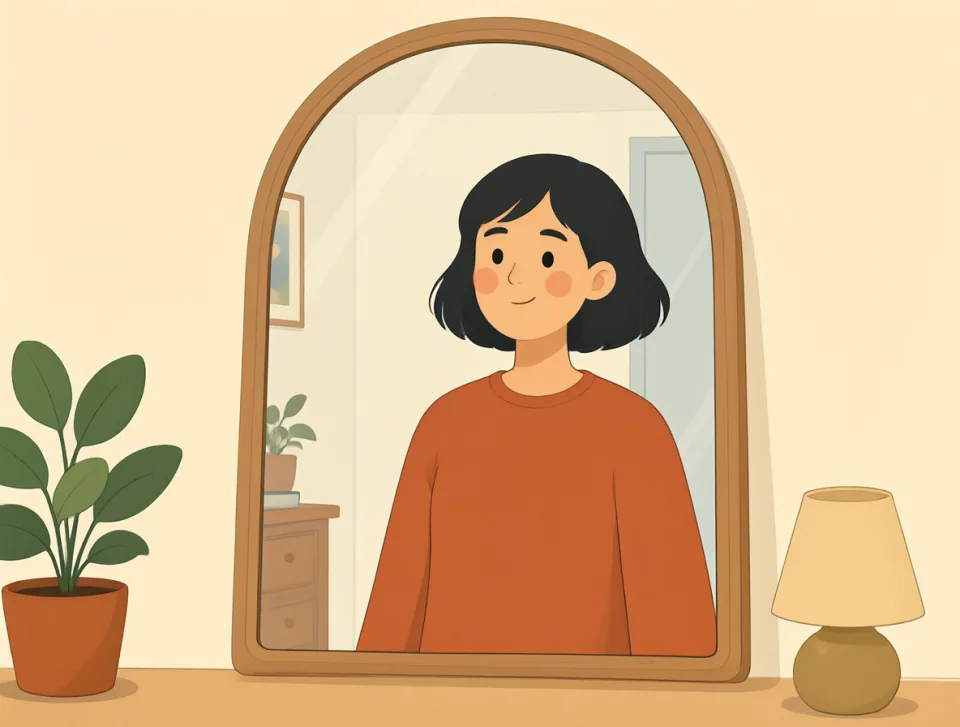
reflection
#2675noun
odbicie; refleksja
An image seen in a mirror, glass, or water; also a careful thought about something.
Obraz widoczny w lustrze, szybie lub wodzie; także uważne przemyślenie czegoś.
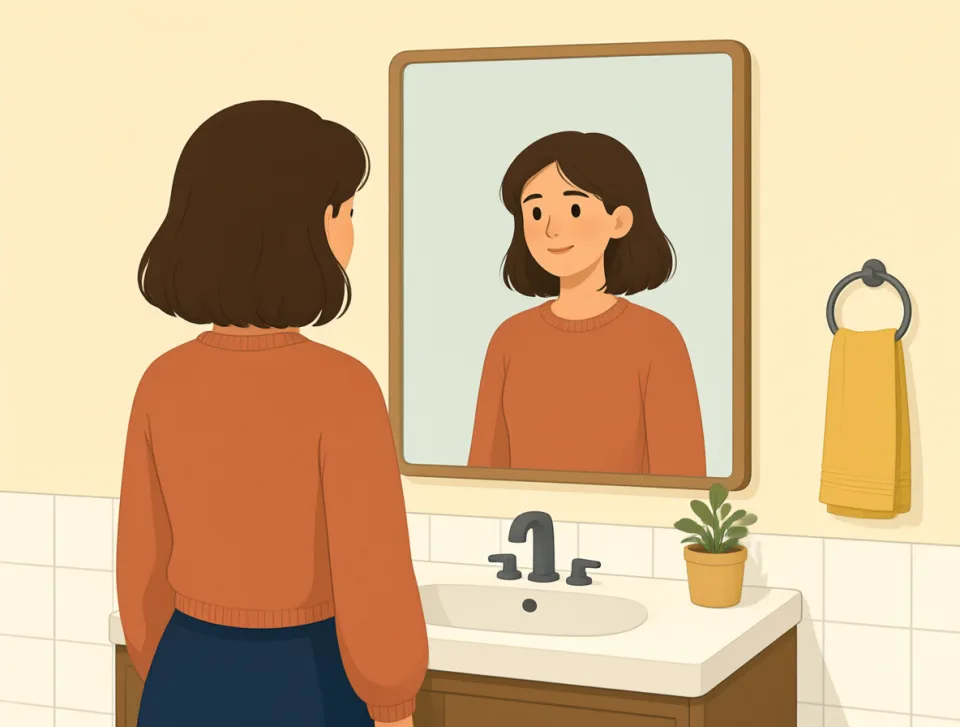
Her reflection appeared clearly in the bathroom mirror.
Jej odbicie wyraźnie pojawiło się w lustrze łazienkowym.
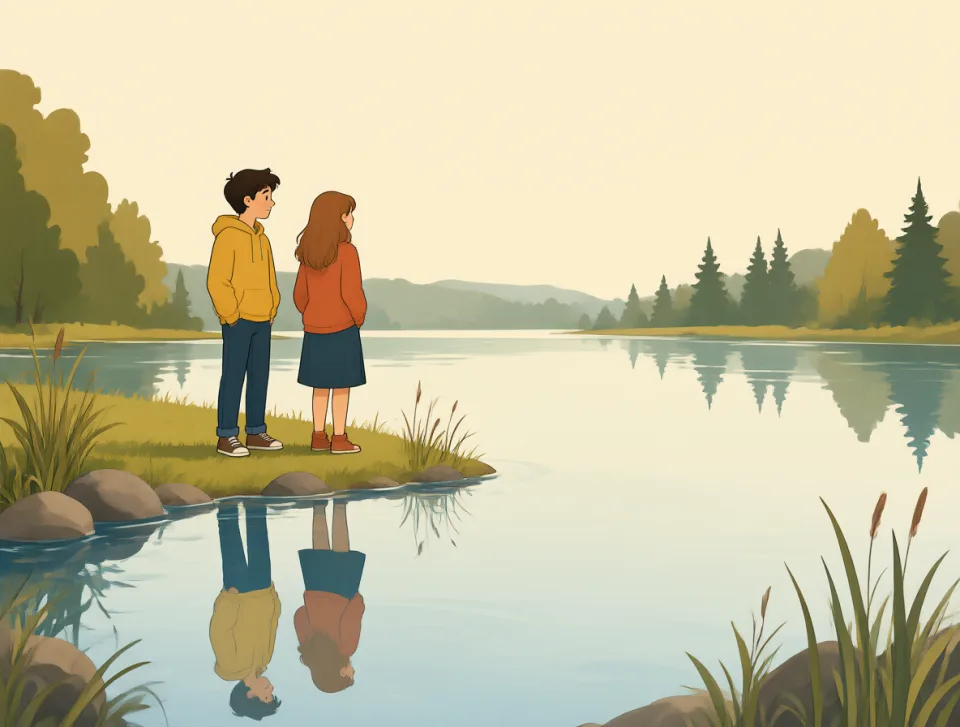
The lake was so calm that we could see our reflections.
Jezioro było tak spokojne, że mogliśmy zobaczyć swoje odbicia.
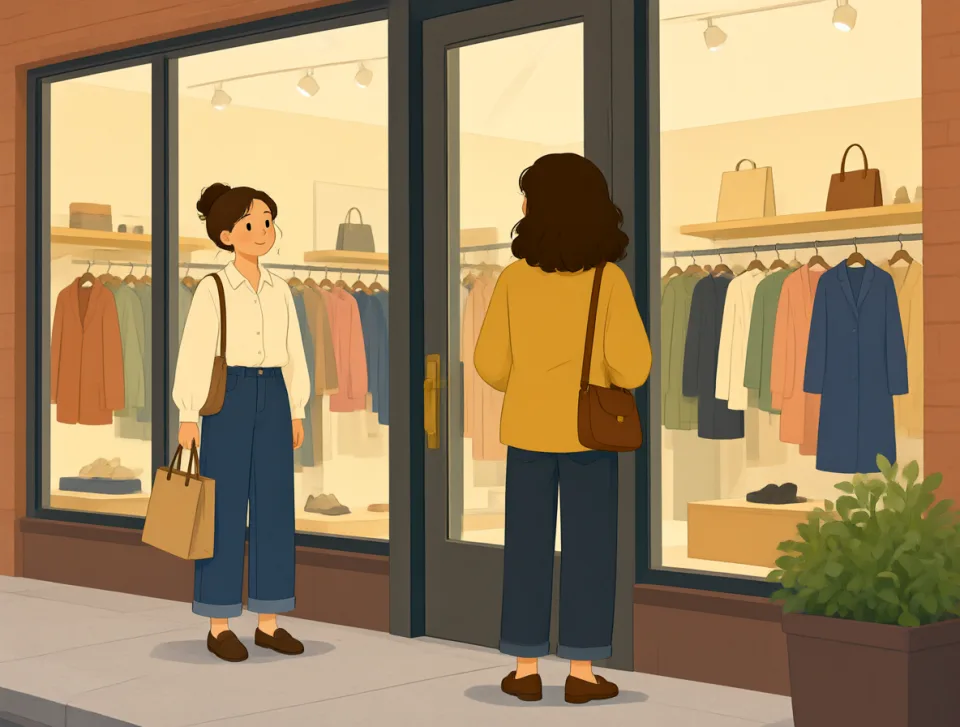
The shop window showed my reflection beside the clothes.
W witrynie sklepowej, obok ubrań, widziałem swoje odbicie.
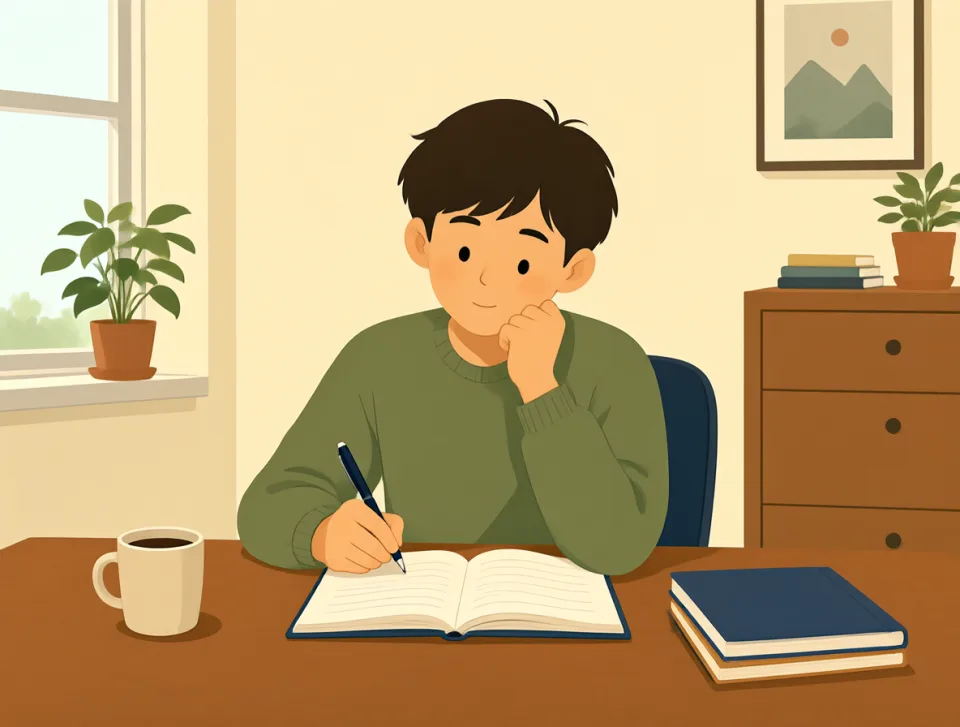
After the trip, he wrote a reflection about what he had learned.
Po podróży napisał refleksję na temat tego, czego się dowiedział.
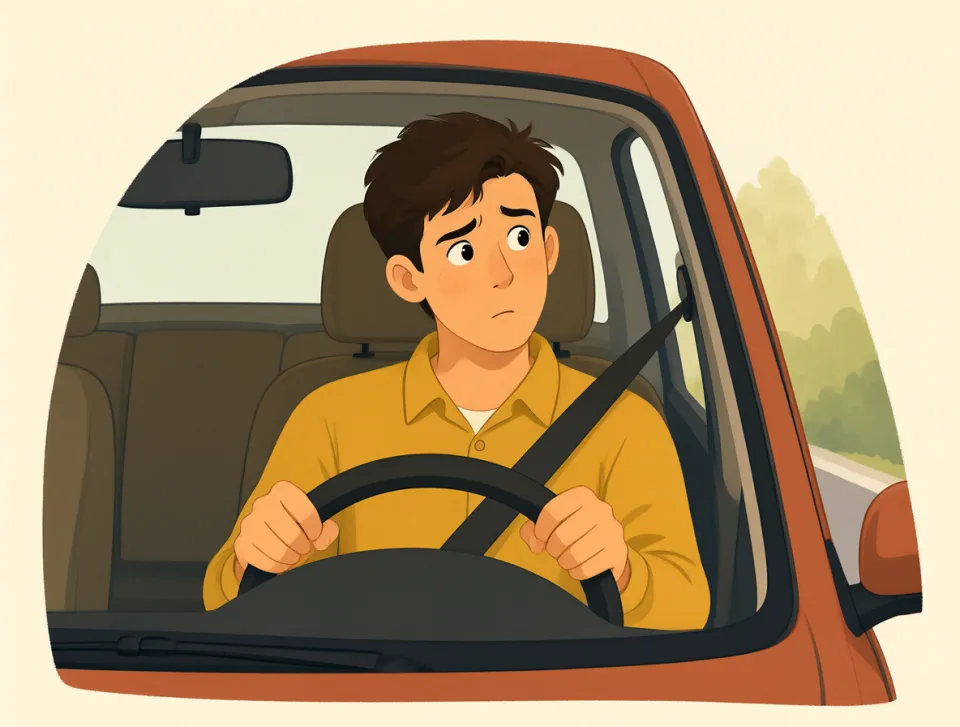
The accident led to serious reflection about road safety.
Wypadek skłonił do poważnych przemyśleń na temat bezpieczeństwa na drogach.
nerve
#2676noun
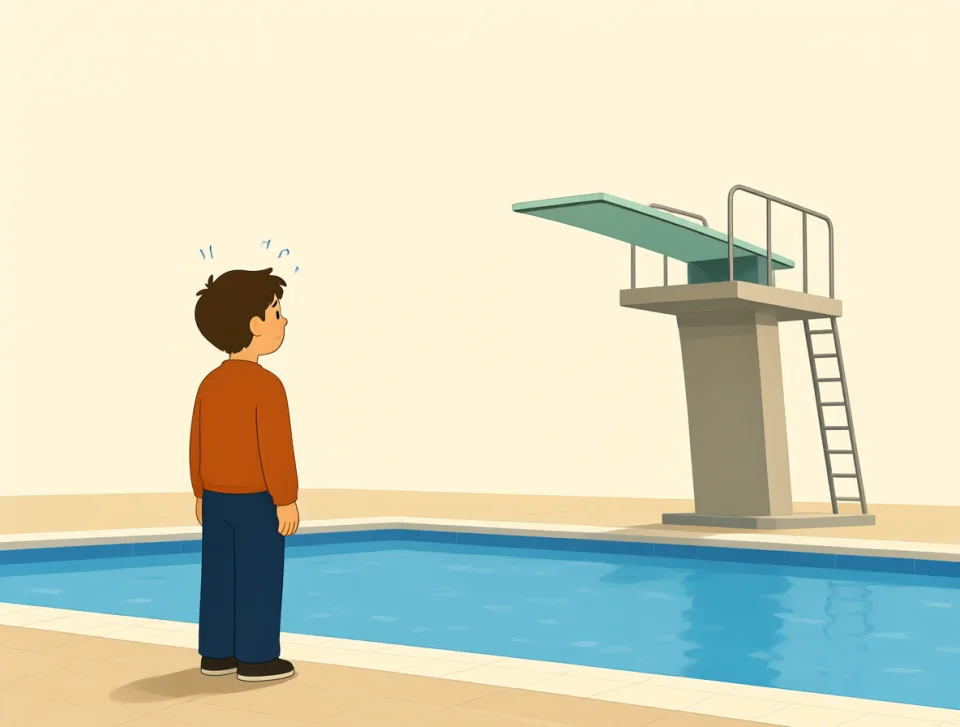
odwaga
A feeling of fear or worry before doing something difficult or frightening.
Uczucie strachu lub niepokoju przed zrobieniem czegoś trudnego albo przerażającego.
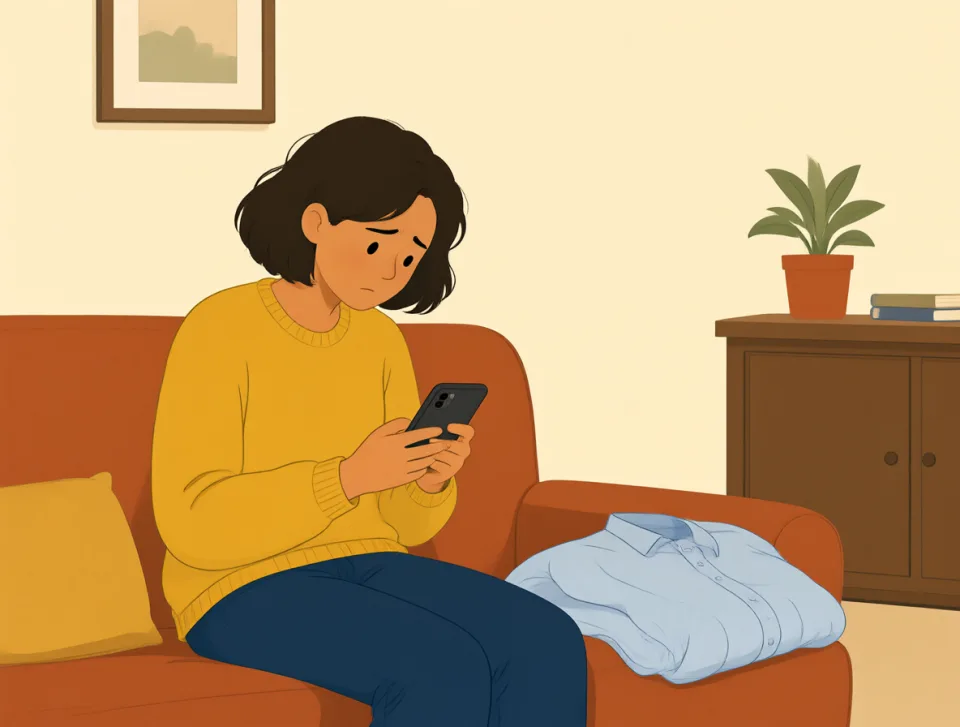
I lost my nerve and canceled the job interview at the last minute.
Stchórzyłem i w ostatniej chwili odwołałem rozmowę kwalifikacyjną.
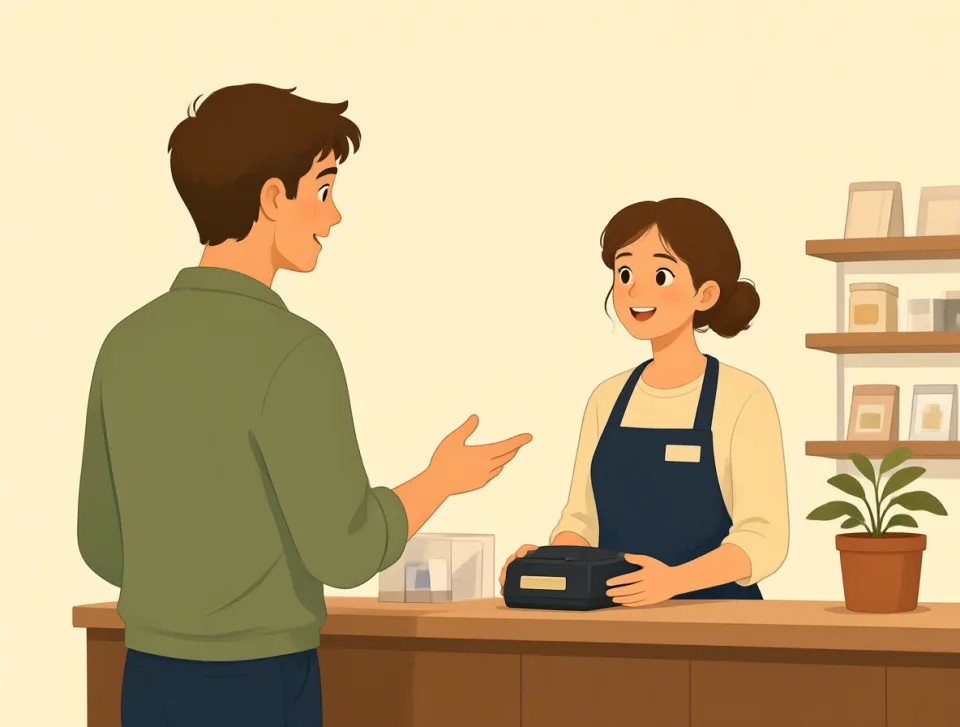
She had the nerve to ask for a refund after using the product.
Miała tupet, żeby poprosić o zwrot pieniędzy po użyciu produktu.
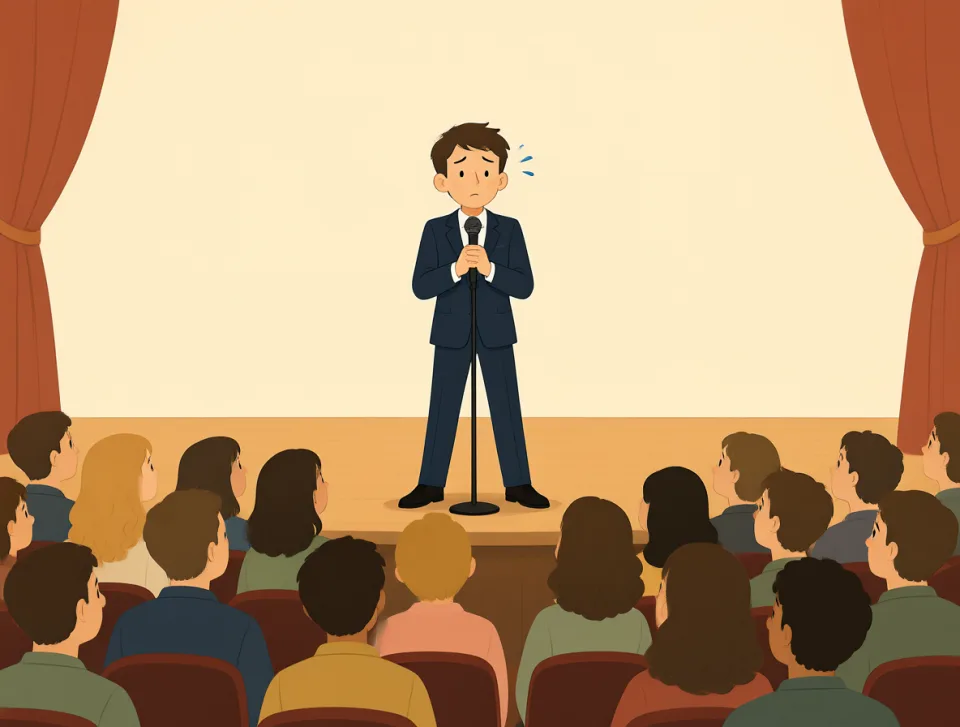
It takes a lot of nerve to speak in front of hundreds of people.
Wystąpienie przed setkami osób wymaga sporo odwagi.
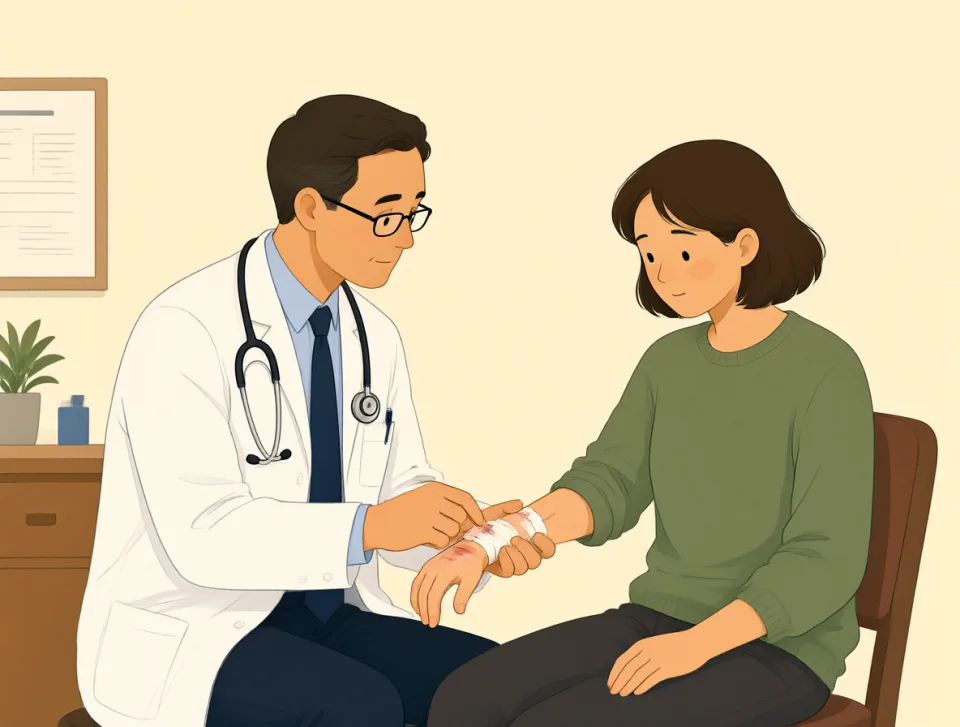
The doctor examined the damaged nerve in his hand after the accident.
Po wypadku lekarz zbadał uszkodzony nerw w jego dłoni.
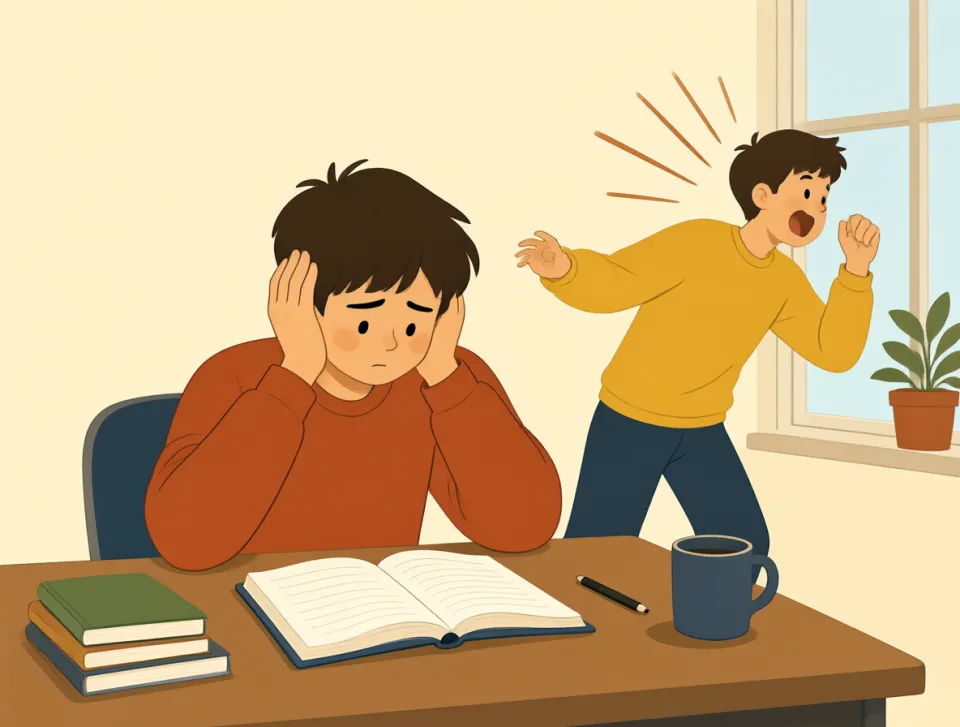
The loud noise got on my nerves while I was trying to study.
Hałas działał mi na nerwy, kiedy próbowałem się uczyć.
determination
#2677noun
determinacja
The strong feeling that makes you keep trying to achieve something.
Silne pragnienie, które sprawia, że nie przestajesz dążyć do celu.
Her determination helped her finish the difficult project on time.
Dzięki determinacji udało jej się ukończyć trudny projekt na czas.
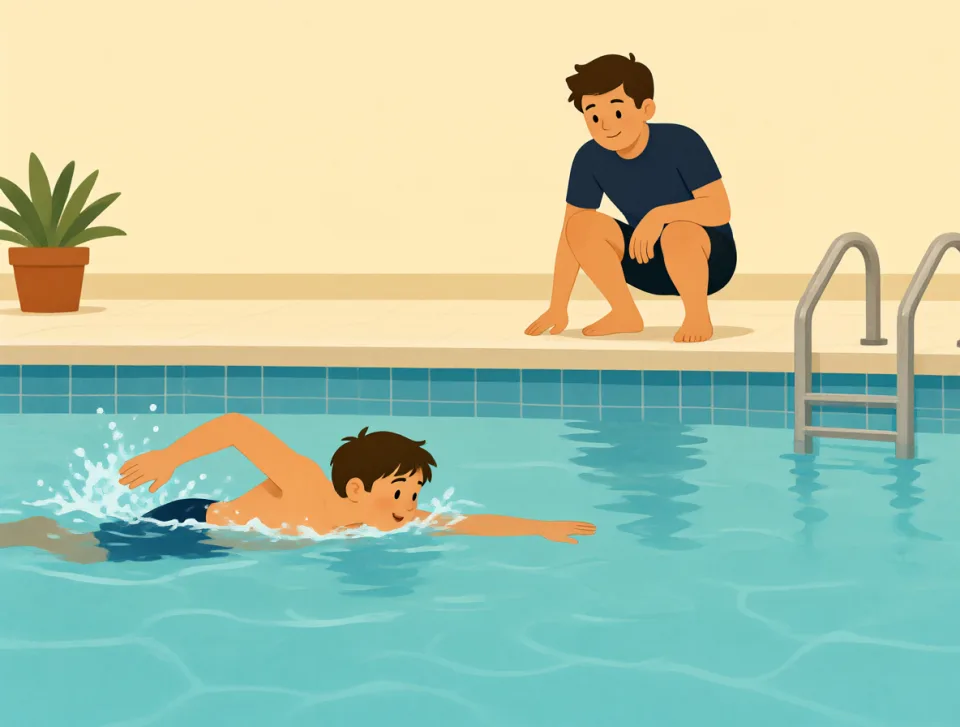
With determination, he practiced every day and finally learned to swim.
Dzięki determinacji ćwiczył codziennie i w końcu nauczył się pływać.
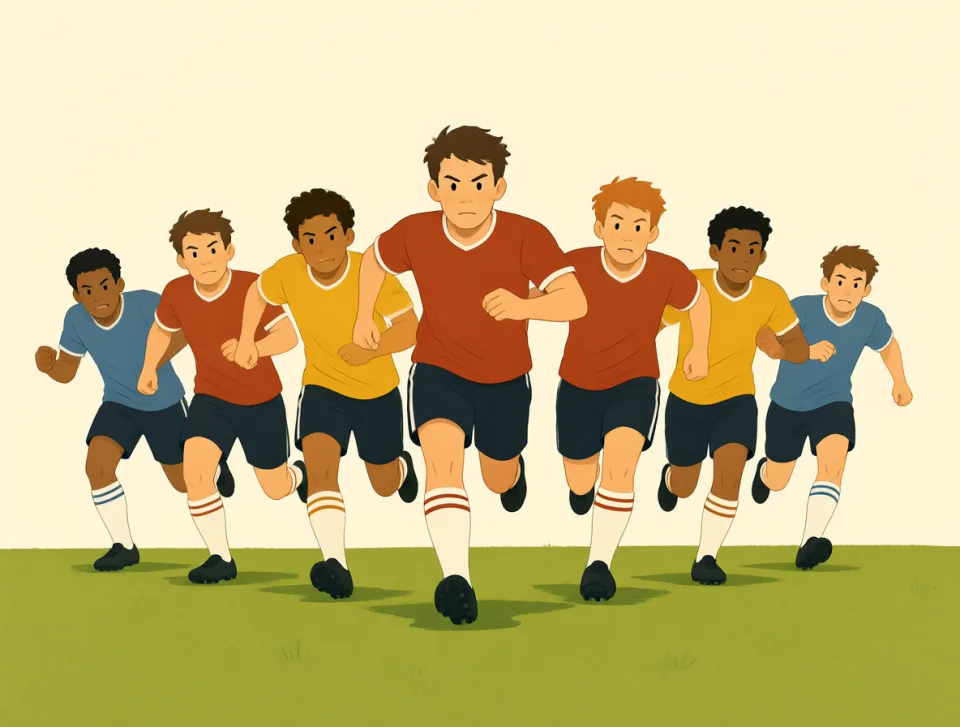
The team showed great determination after falling behind in the game.
Zespół wykazał się ogromną determinacją, gdy przegrywał w meczu.
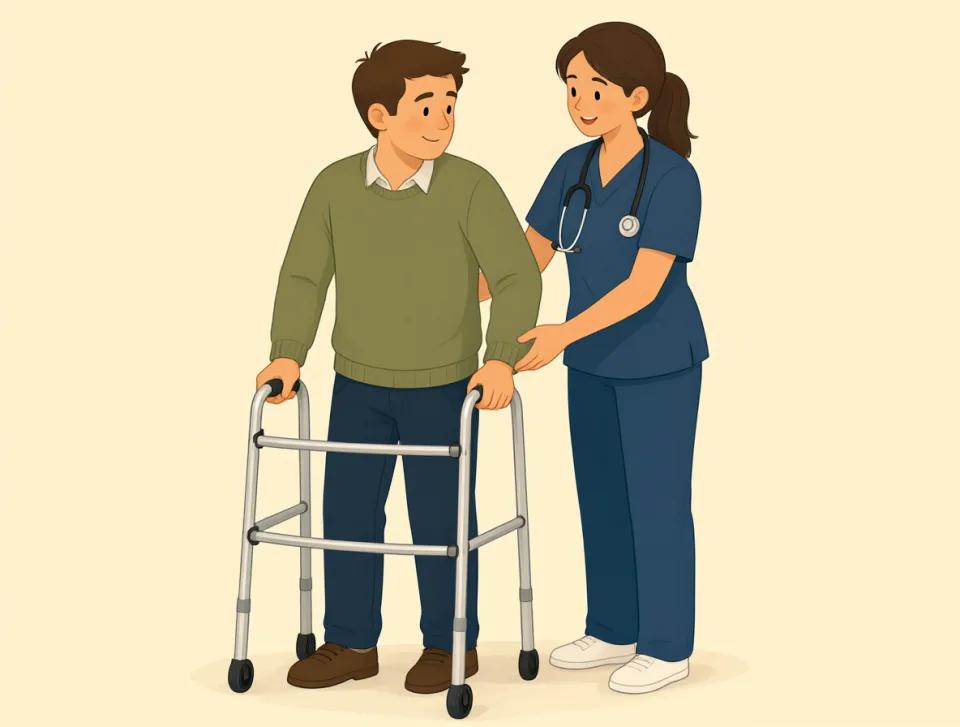
His determination to recover helped him walk again after the accident.
Determinacja, by wyzdrowieć, pomogła mu znów chodzić po wypadku.
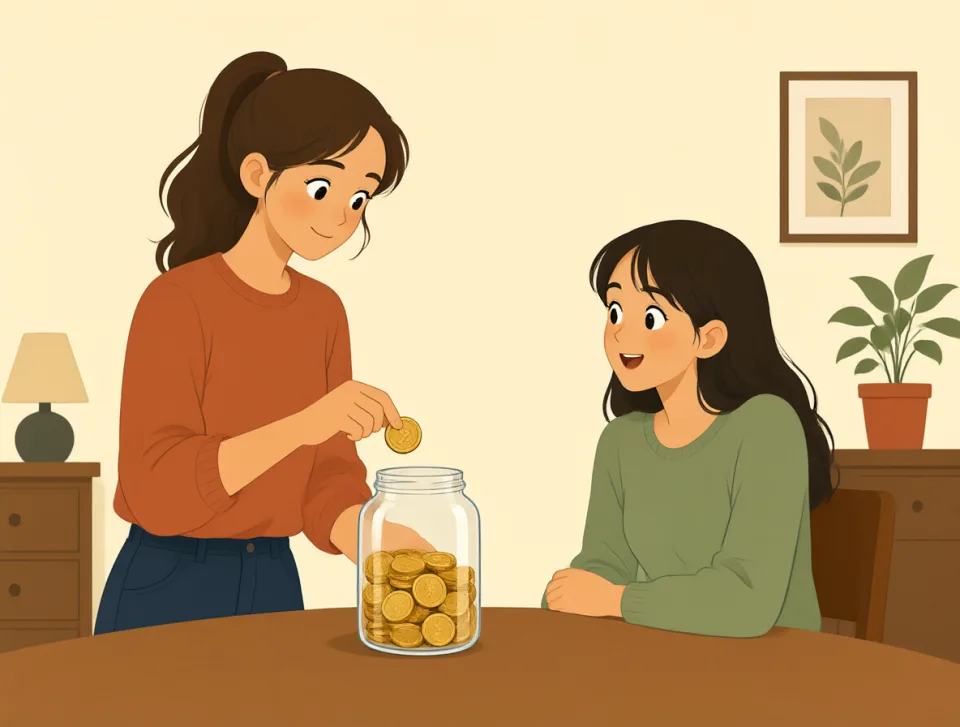
She admired her friend's determination to save money for a long trip.
Podziwiała determinację przyjaciółki, która oszczędzała na długą podróż.
altogether
#2678adverb
łącznie
In total; completely; or when everything is considered.
W sumie, całkowicie lub biorąc wszystko pod uwagę.
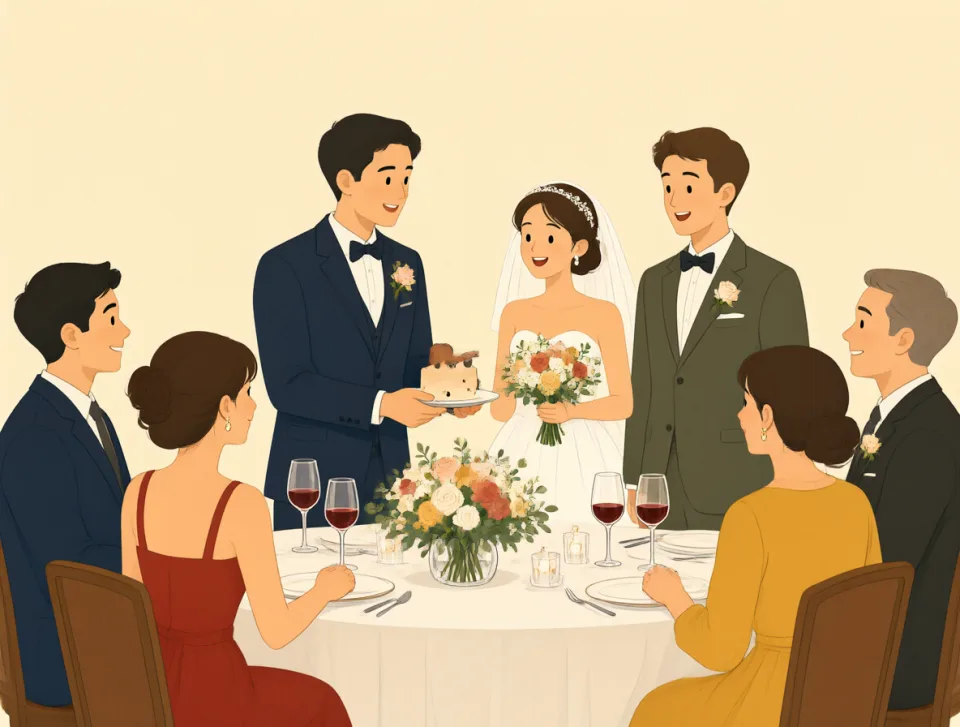
There were altogether thirty guests at the family wedding.
Na rodzinnym weselu było łącznie trzydzieści osób.
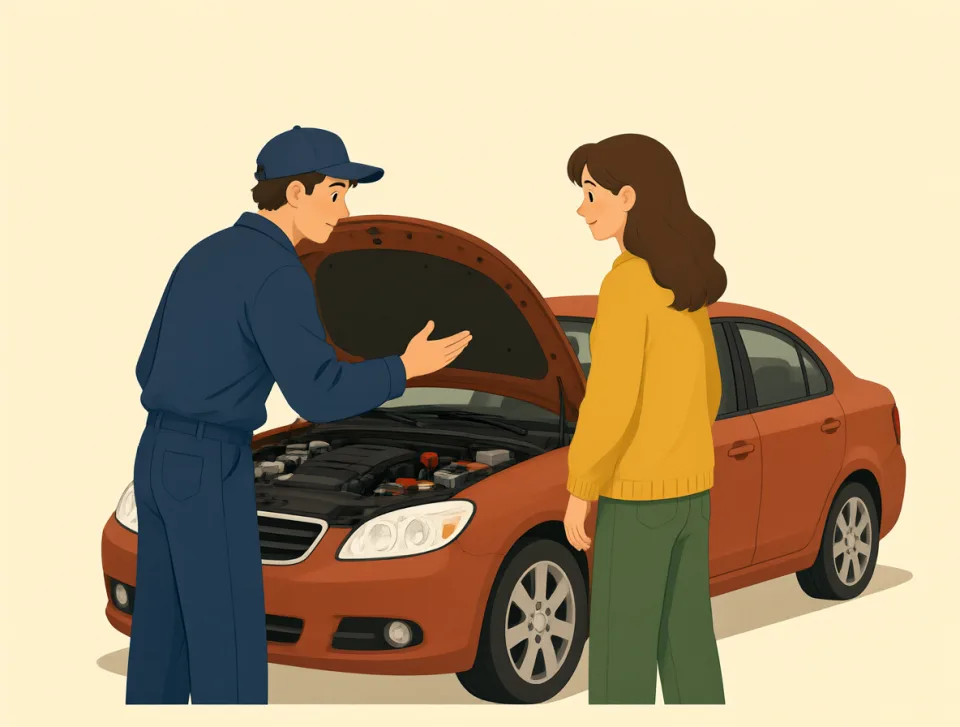
The repairs will cost £200 altogether, including parts and labor.
Naprawy będą kosztować łącznie 200 funtów, wliczając części i robociznę.

The trip was altogether more enjoyable than we expected.
Wycieczka była znacznie przyjemniejsza, niż się spodziewaliśmy.
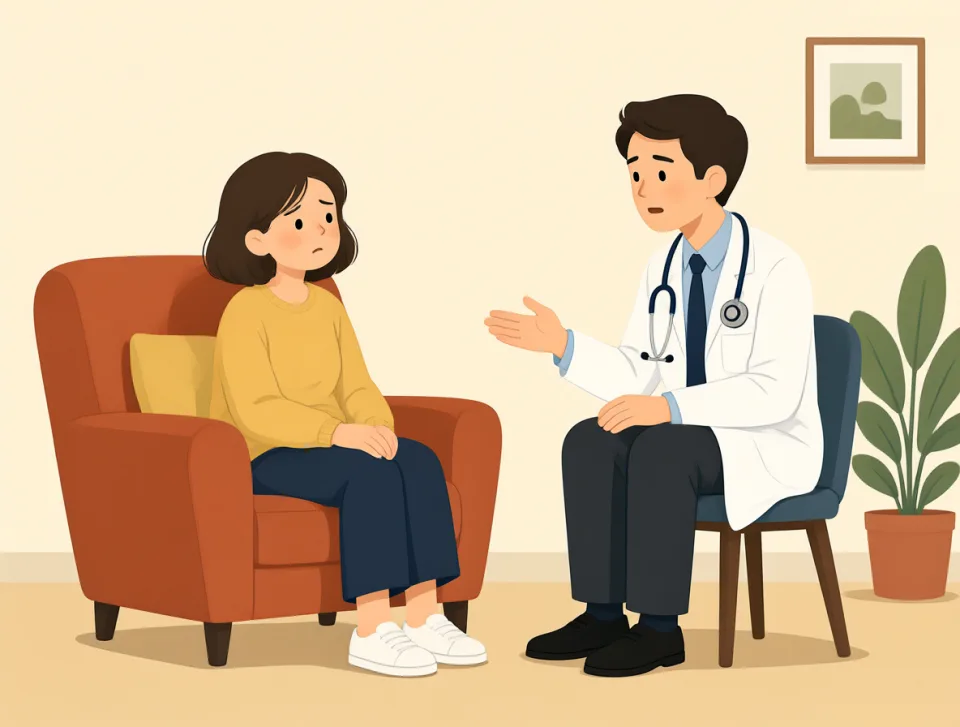
I stopped eating altogether after the doctor advised me to rest.
Po tym, jak lekarz zalecił mi odpoczynek, całkowicie przestałem jeść.
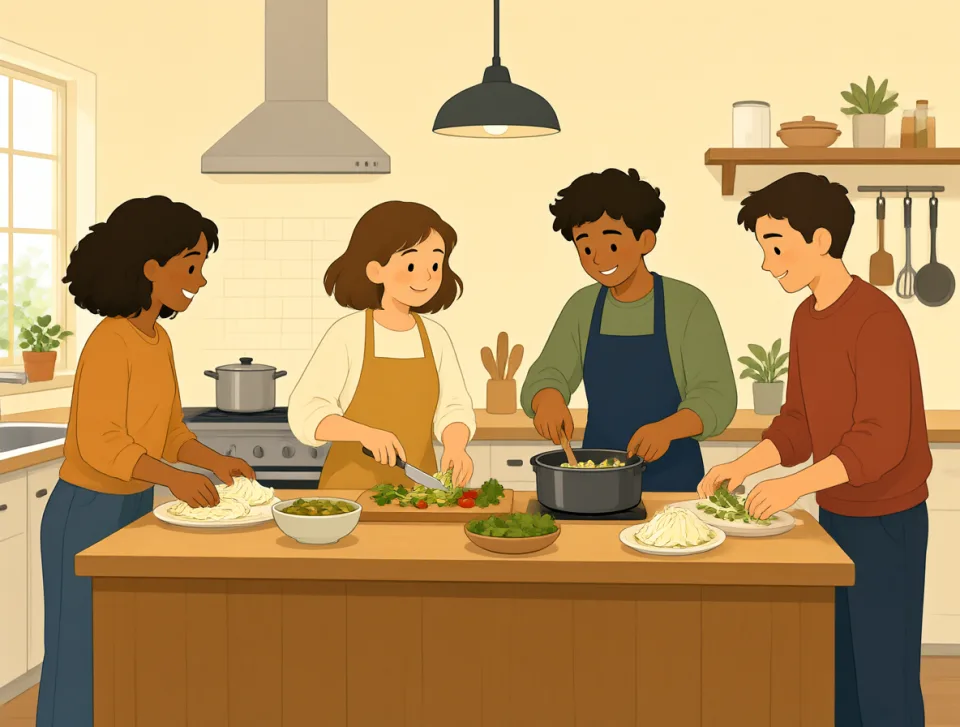
Altogether, we decided to stay home and cook dinner.
Ostatecznie postanowiliśmy zostać w domu i przygotować kolację.
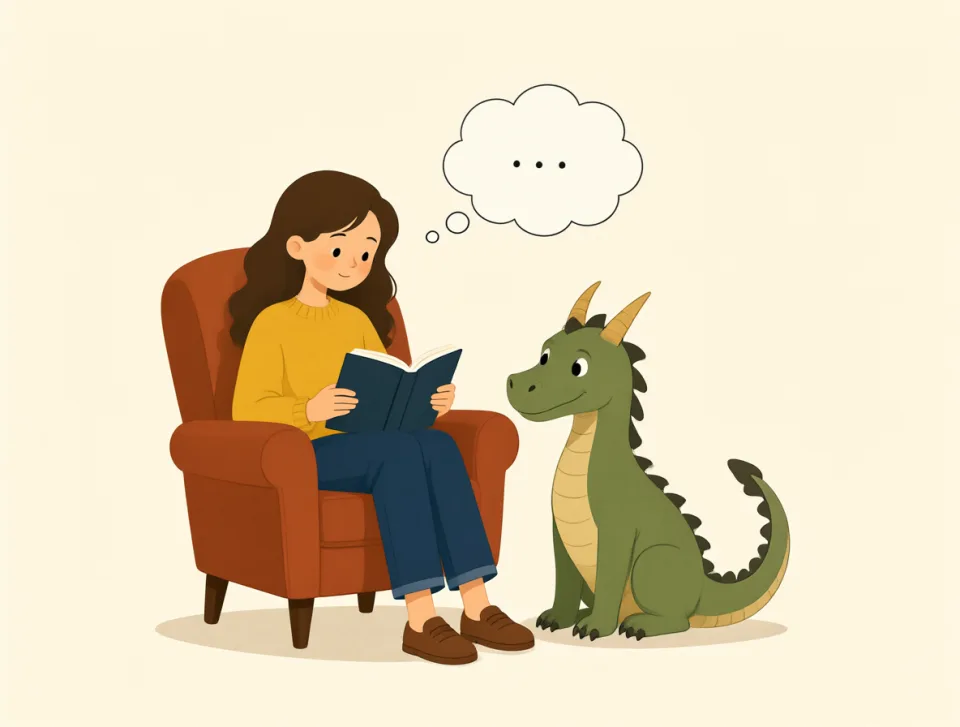
fiction
#2679noun
fikcja
Stories or books about people and events that are invented, not true.
Opowieści lub książki o wymyślonych, a nie prawdziwych ludziach i wydarzeniach.
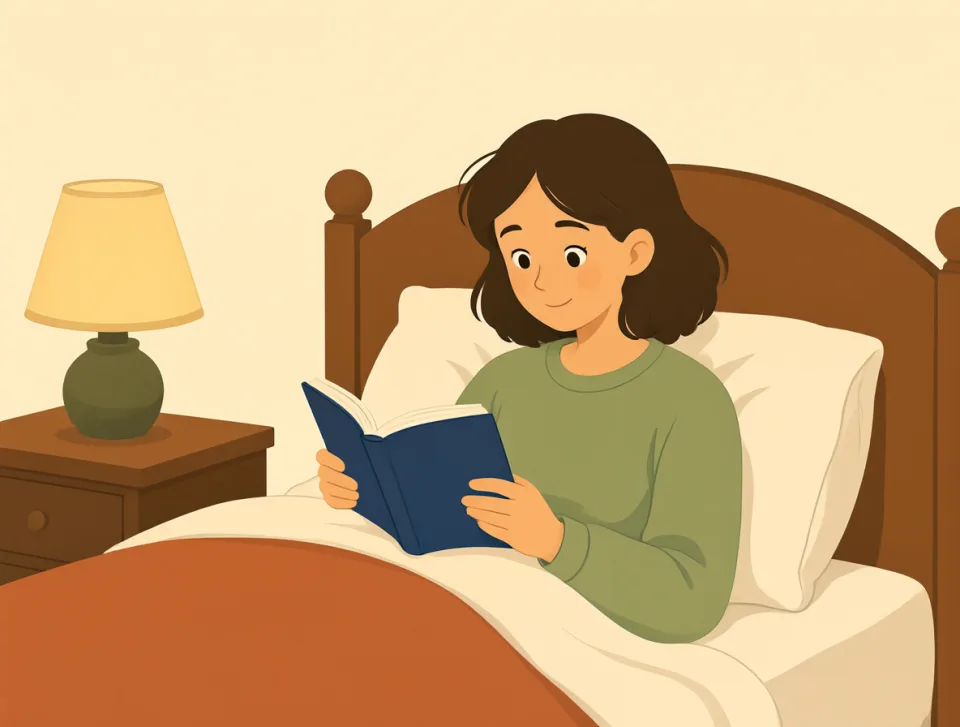
She usually reads fiction before bed because it helps her relax.
Zwykle czyta przed snem fikcję, bo pomaga jej się odprężyć.
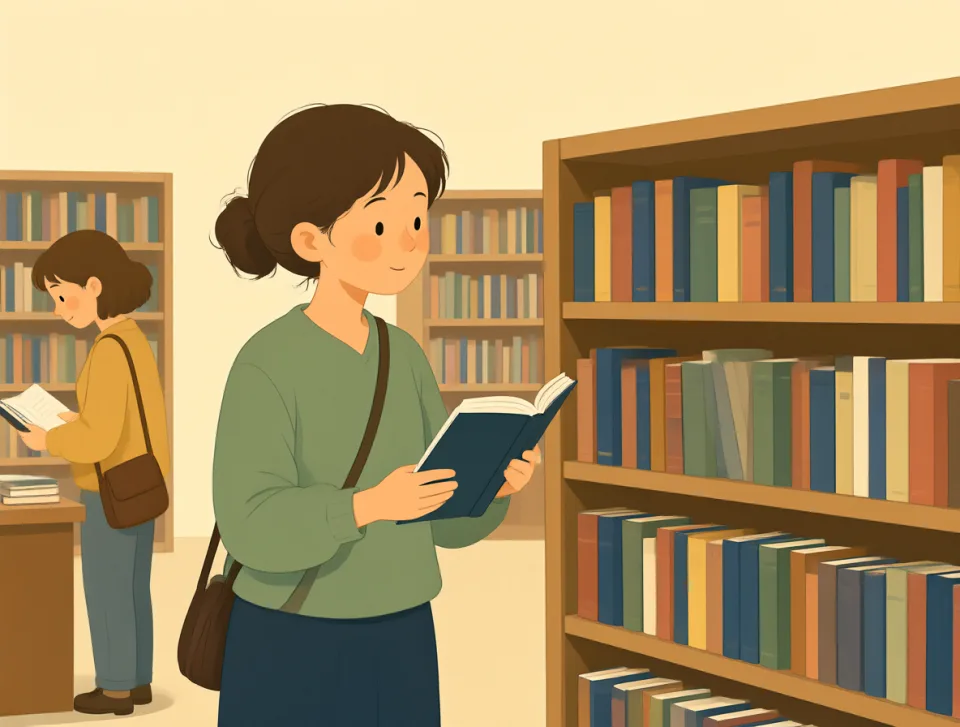
The library has a large fiction section near the front entrance.
Biblioteka ma duży dział z literaturą piękną niedaleko głównego wejścia.
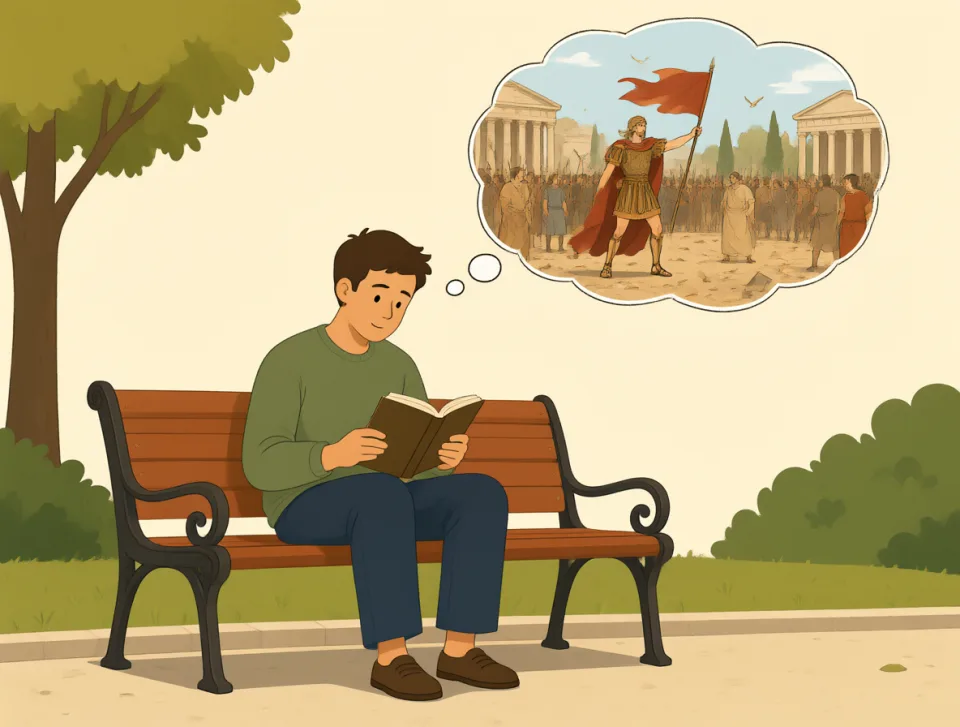
He enjoys historical fiction, especially stories set in ancient Rome.
Lubi powieści historyczne, zwłaszcza opowieści, których akcja toczy się w starożytnym Rzymie.
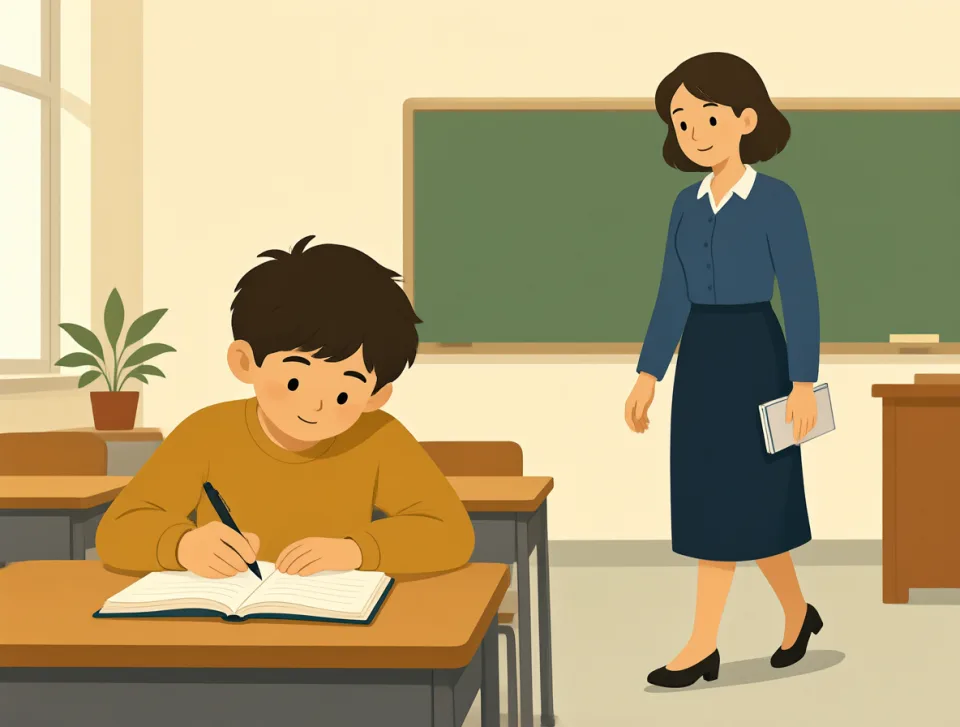
Our teacher asked us to write a short piece of fiction for class.
Nauczyciel poprosił nas o napisanie krótkiego utworu fikcyjnego na zajęcia.
The film mixes fiction with real events from the explorer’s life.
Film łączy fikcję z prawdziwymi wydarzeniami z życia odkrywcy.
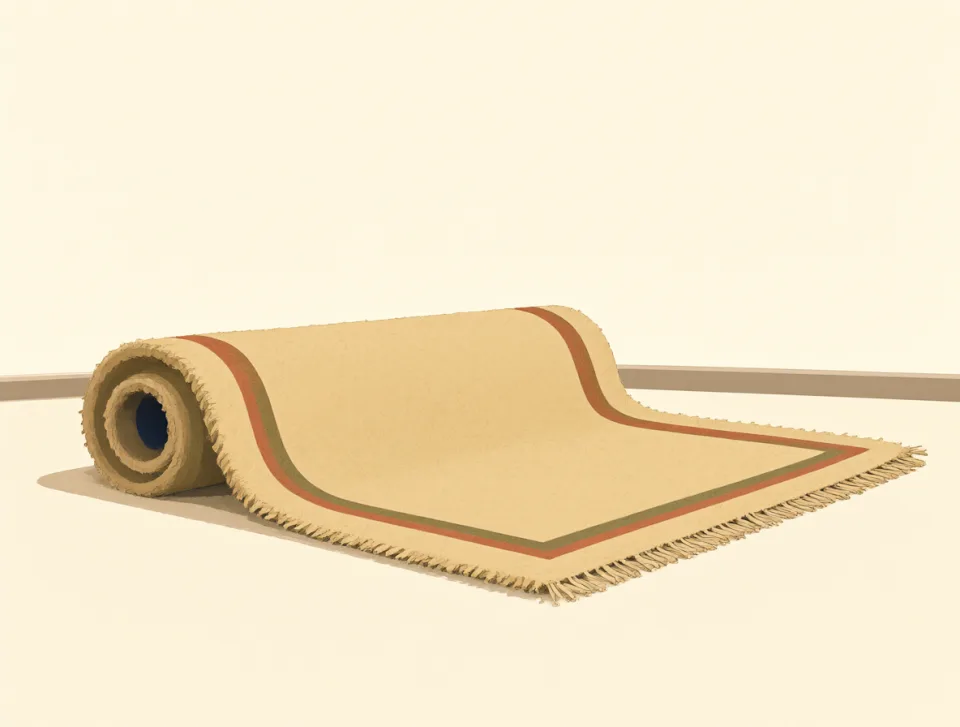
carpet
#2680noun, verb
dywan
A thick floor covering, usually made of woven material; to cover a floor with it.
Grube pokrycie podłogi, zwykle z tkanego materiału; także pokrywać nim podłogę.
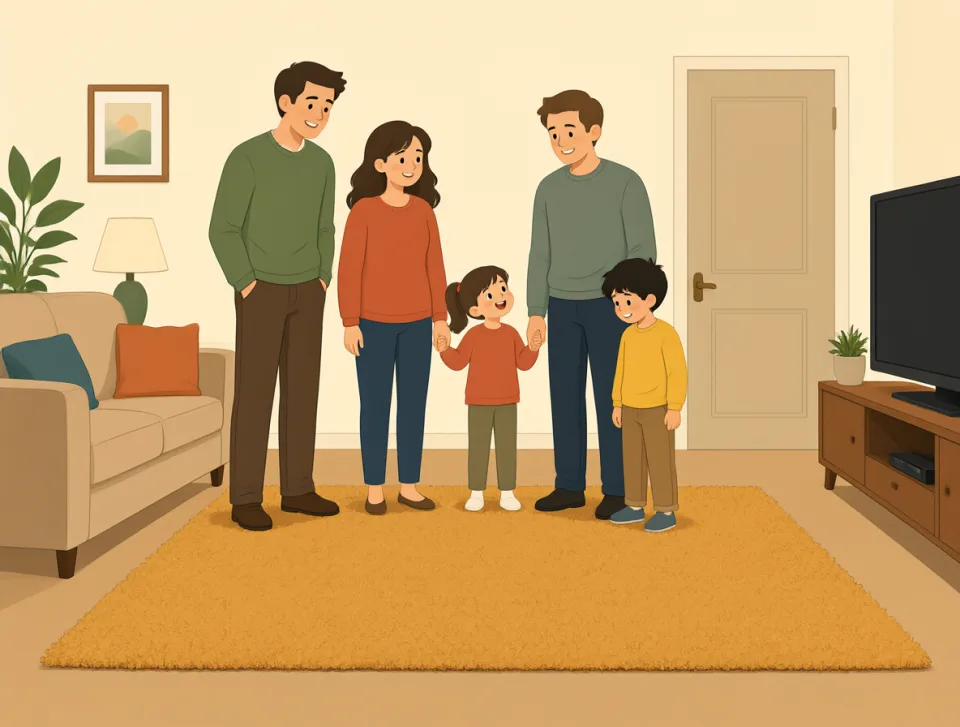
The new carpet makes the living room feel warmer and more comfortable.
Nowy dywan sprawia, że w salonie jest cieplej i przytulniej.
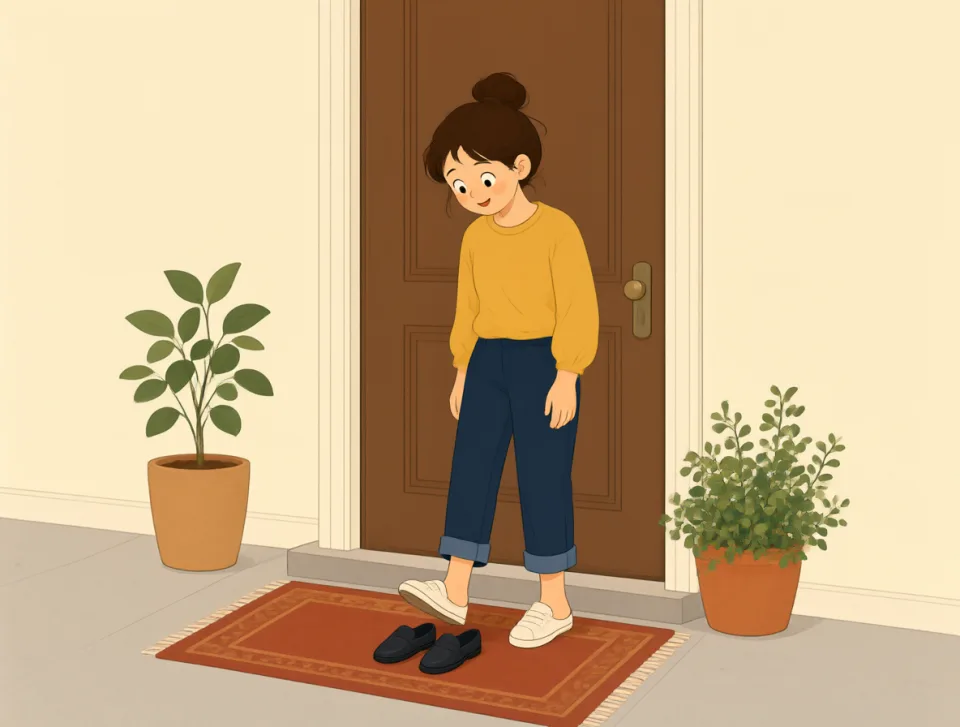
Please remove your shoes before walking on the carpet.
Zdejmijcie proszę buty, zanim wejdziecie na dywan.

We chose a dark carpet to hide marks and stains.
Wybraliśmy ciemny dywan, żeby nie było widać śladów i plam.
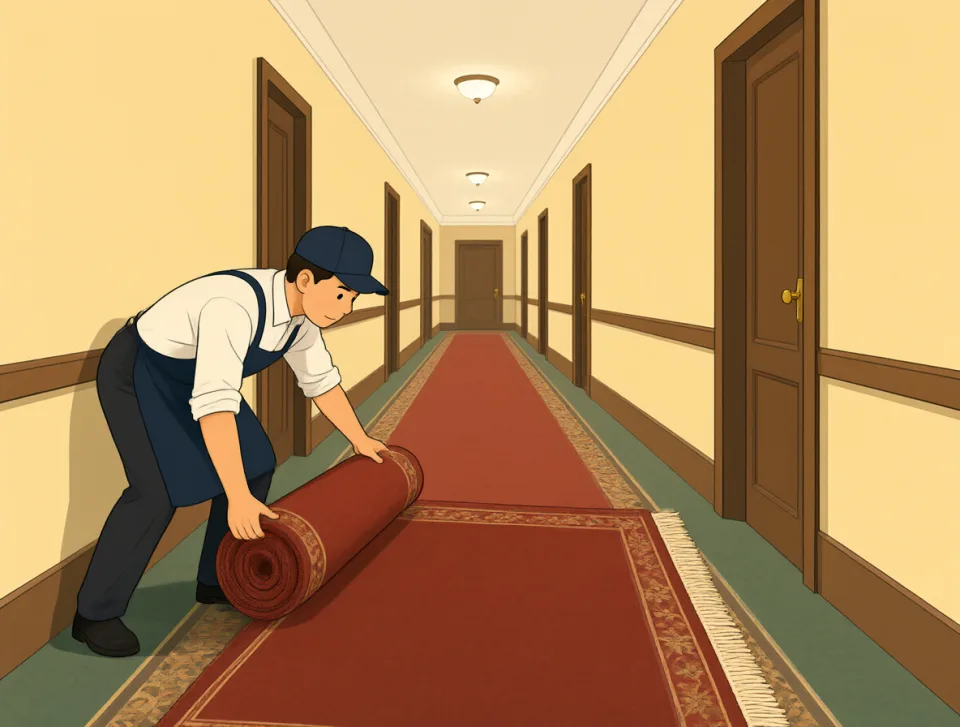
The hotel replaced the old carpet during our stay.
Podczas naszego pobytu hotel wymienił stary dywan.
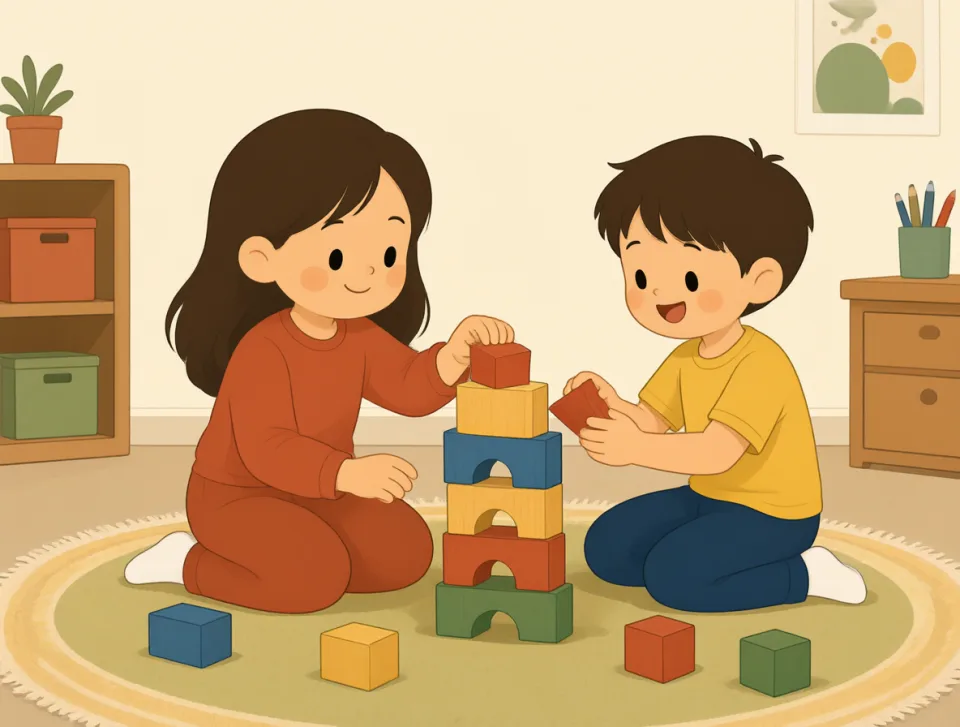
The children were sitting on the carpet, building a colorful tower.
Dzieci siedziały na dywanie i budowały kolorową wieżę.