Zestaw 131
Słowa 2601–2620 · bless, airline, amendment, grandmother, jury, cooperation
bless
#2601verb
błogosławić
to ask God to protect someone or something, or to thank God for them
prosić Boga o opiekę nad kimś lub czymś albo dziękować Bogu za tę osobę lub rzecz

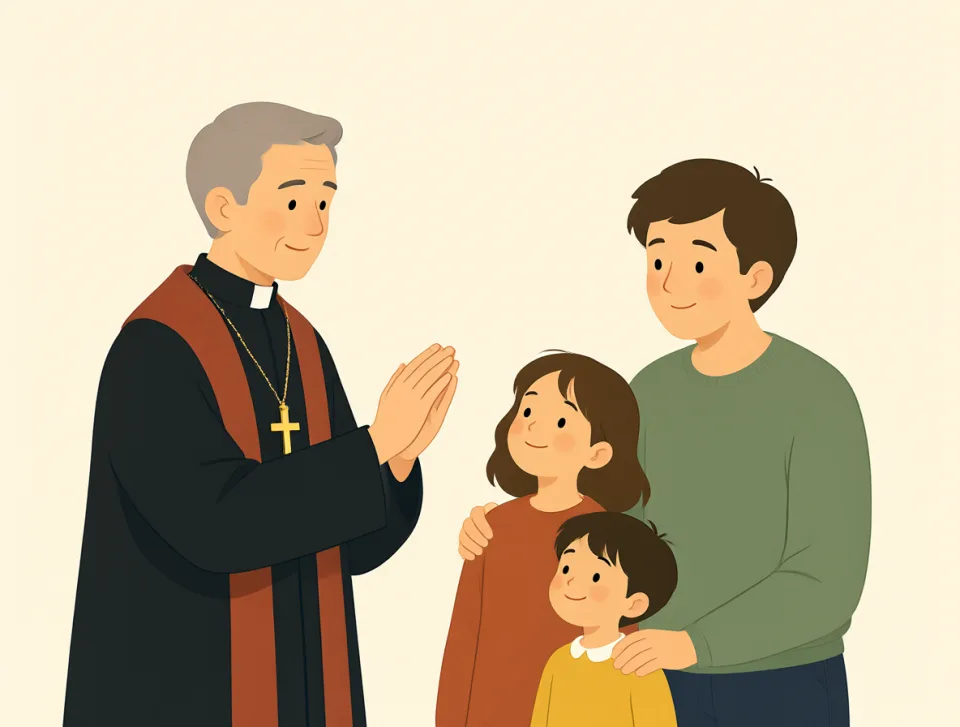
The priest blessed the couple during their wedding ceremony.
Ksiądz pobłogosławił parę podczas ceremonii ślubnej.
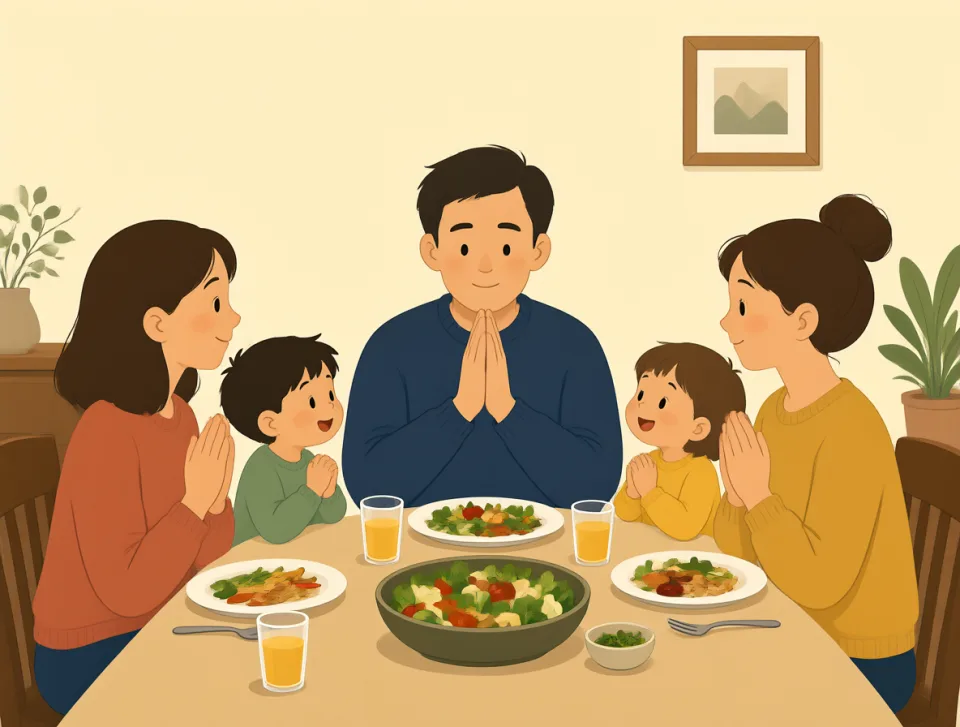
Bless this food before we begin eating.
Pobłogosławmy to jedzenie, zanim zaczniemy jeść.
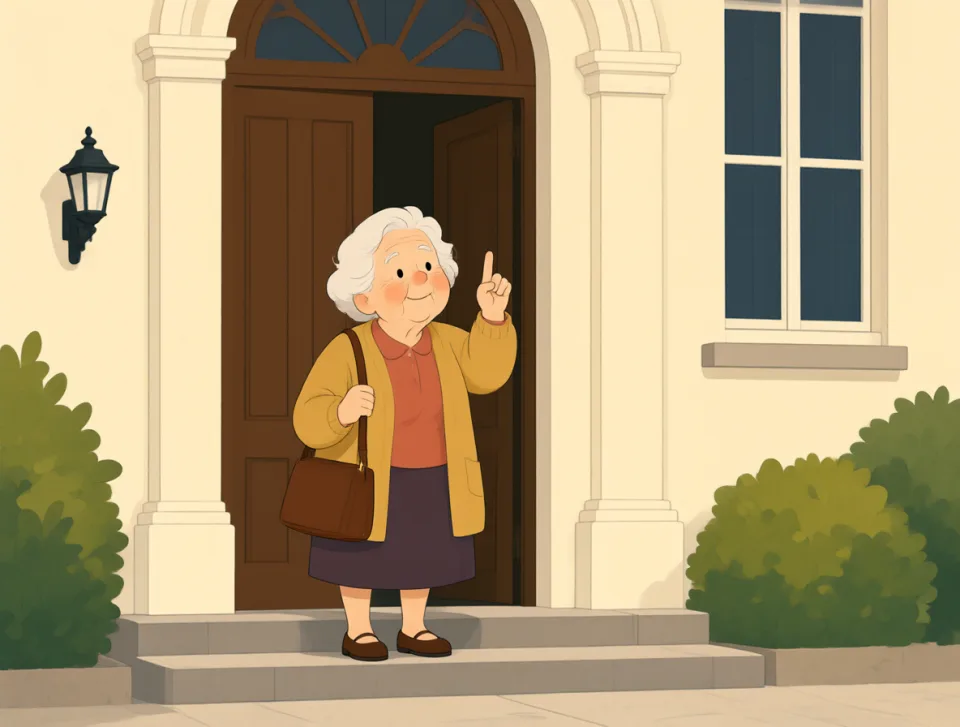
The old woman blessed herself before entering the church.
Starsza kobieta przeżegnała się przed wejściem do kościoła.

The doctor blessed me with good news about my health.
Lekarz obdarzył mnie błogosławieństwem w postaci dobrych wiadomości o moim zdrowiu.
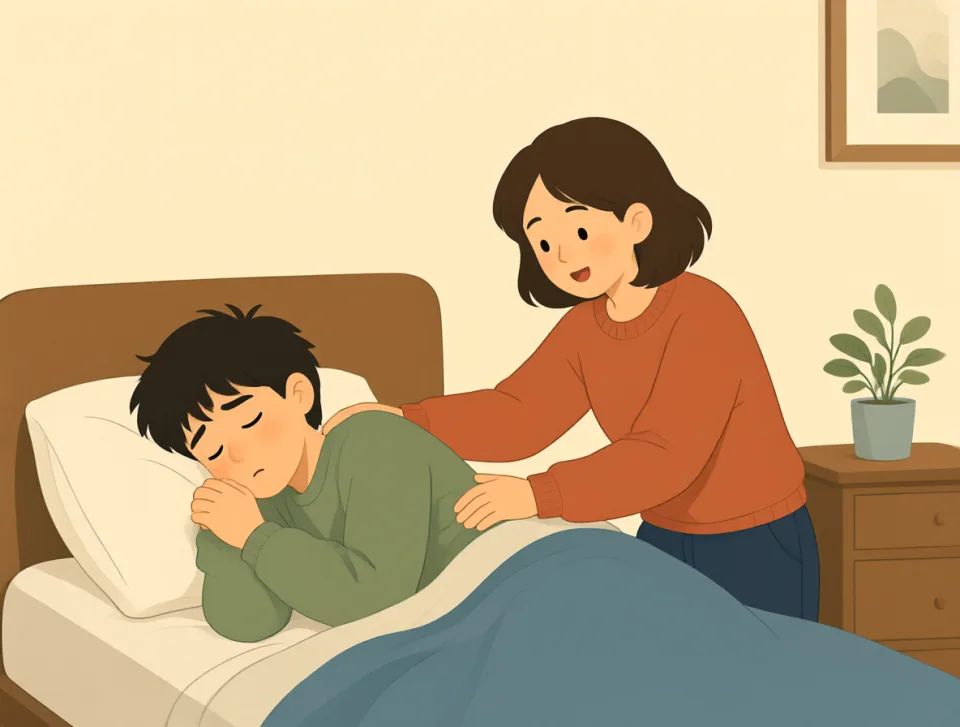
Bless you! I hope you feel better soon.
Na zdrowie! Mam nadzieję, że niedługo poczujesz się lepiej.

airline
#2602noun
linia lotnicza
A company that flies passengers or goods from one place to another.
Firma, która przewozi pasażerów lub towary z jednego miejsca do drugiego samolotami.
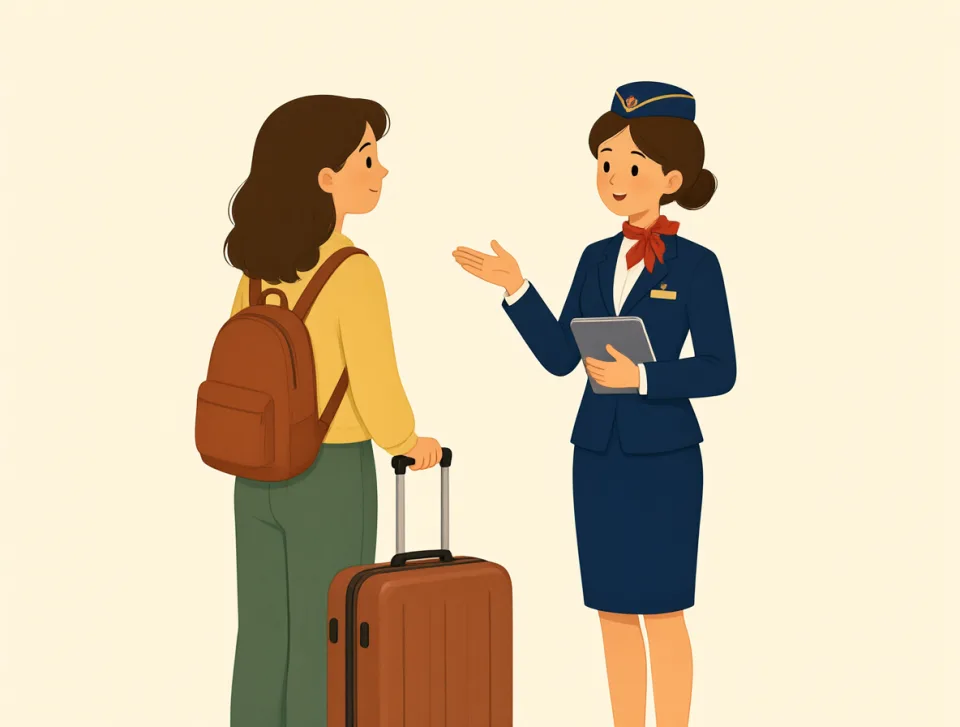
The airline canceled our flight, so we had to stay overnight near the airport.
Linia lotnicza odwołała nasz lot, więc musieliśmy przenocować w pobliżu lotniska.
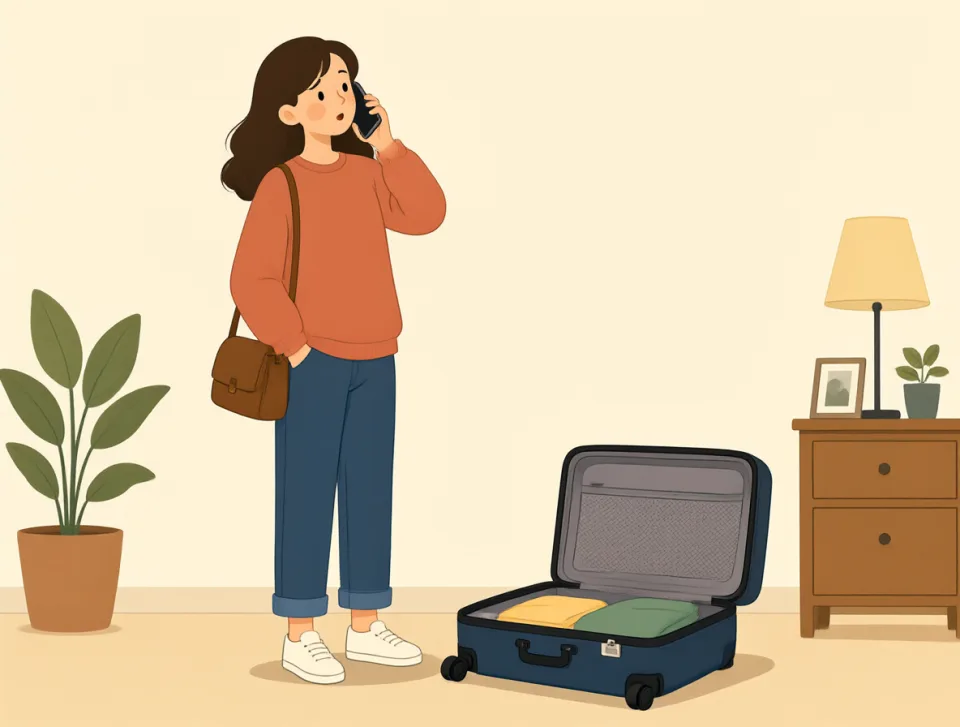
She called the airline to ask whether her ticket included a checked bag.
Zadzwoniła do linii lotniczej, żeby zapytać, czy bilet obejmuje bagaż rejestrowany.

My brother works for an airline and helps passengers board their flights.
Mój brat pracuje w linii lotniczej i pomaga pasażerom wsiadać na pokład samolotów.
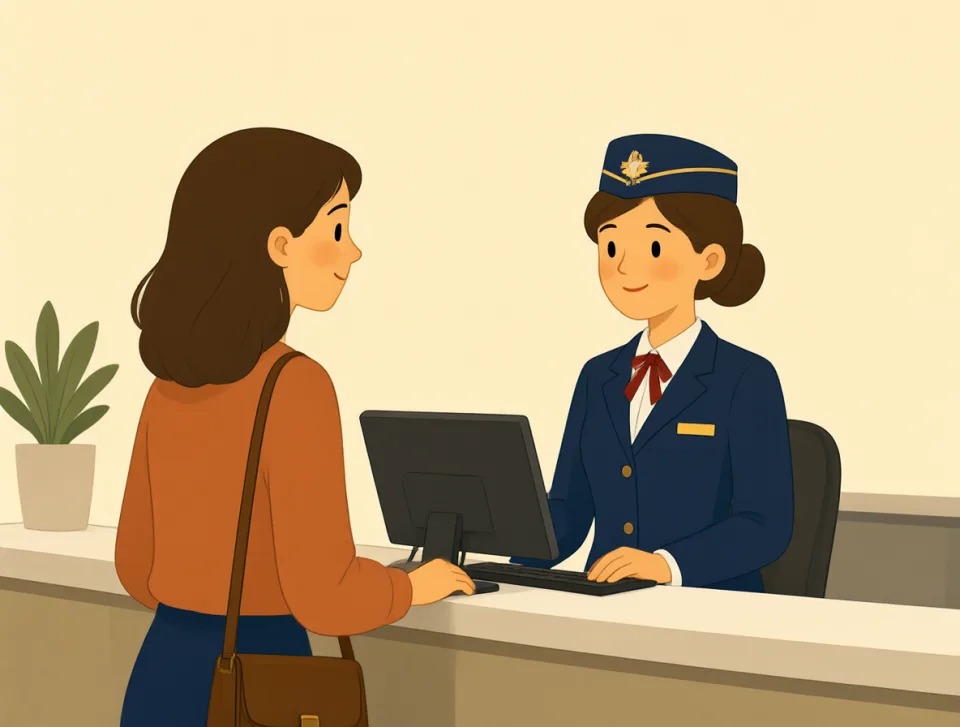
The airline offered us a refund after the storm kept the plane grounded.
Linia lotnicza zaoferowała nam zwrot pieniędzy, gdy burza uniemożliwiła start samolotu.
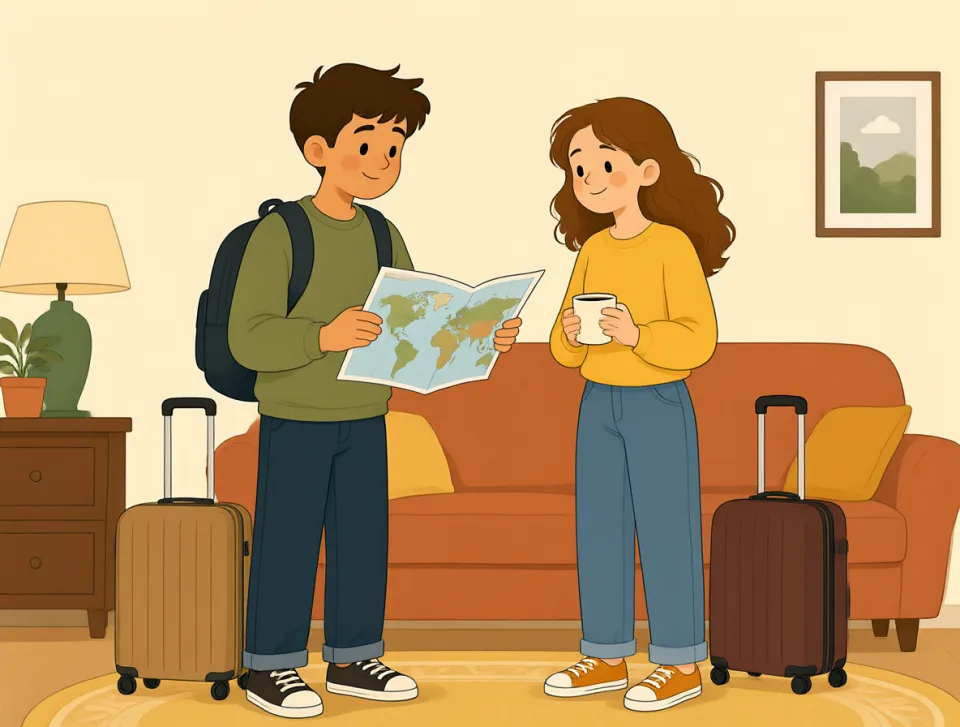
We chose a smaller airline because its flights were cheaper that week.
Wybraliśmy mniejszą linię lotniczą, bo w tamtym tygodniu jej loty były tańsze.

amendment
#2603noun
poprawka
a change made to a law, document, agreement, or proposal
zmiana wprowadzona do ustawy, dokumentu, umowy lub propozycji
The committee approved an amendment to the new housing law.
Komisja zatwierdziła poprawkę do nowej ustawy mieszkaniowej.
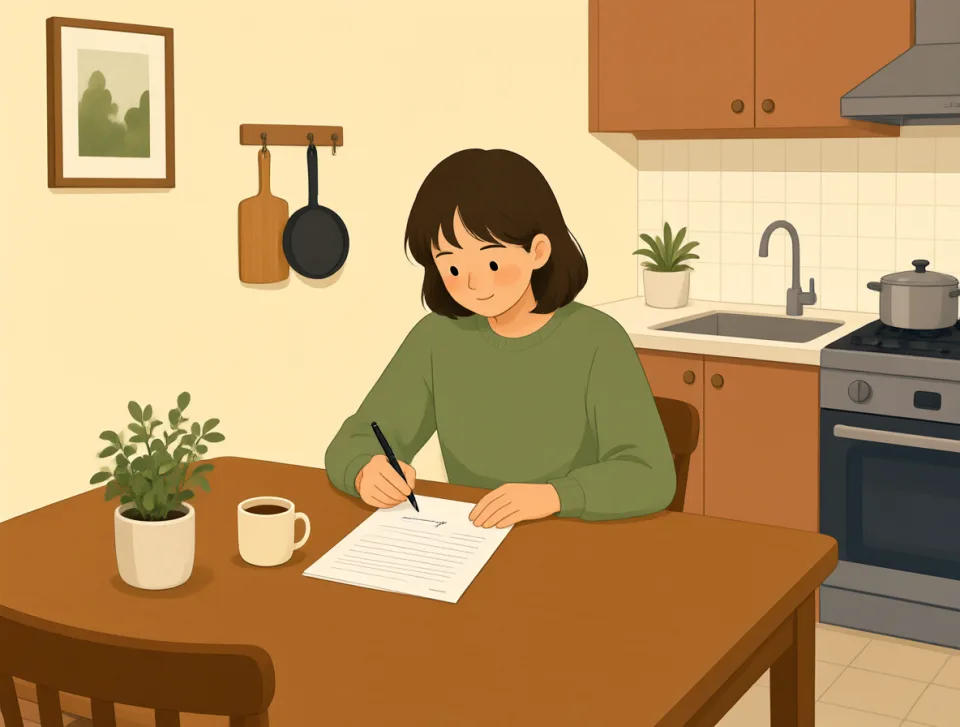
Please read the amendment before you sign the rental agreement.
Przeczytaj poprawkę, zanim podpiszesz umowę najmu.
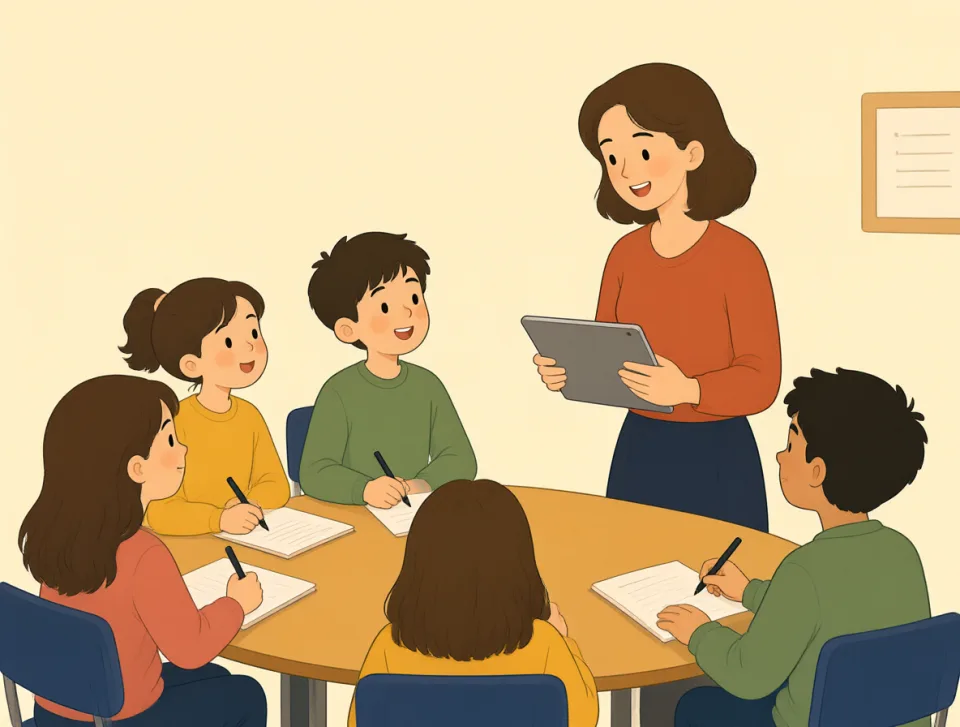
The teacher suggested an amendment to our school project plan.
Nauczyciel zaproponował poprawkę do planu naszego projektu szkolnego.

Both sides agreed to an amendment after several hours of discussion.
Obie strony zgodziły się na poprawkę po kilku godzinach dyskusji.
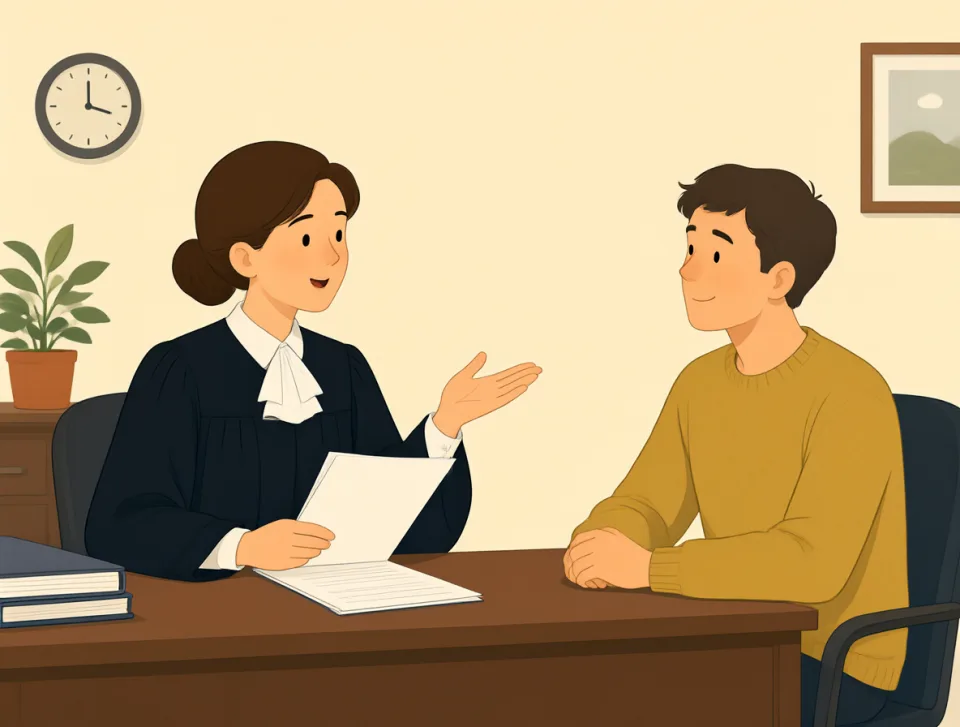
The lawyer proposed three amendments to protect the patient's rights.
Prawnik zaproponował trzy poprawki, aby chronić prawa pacjenta.
grandmother
#2604noun
babcia
Your mother’s or father’s mother.
Matka twojej matki lub ojca.
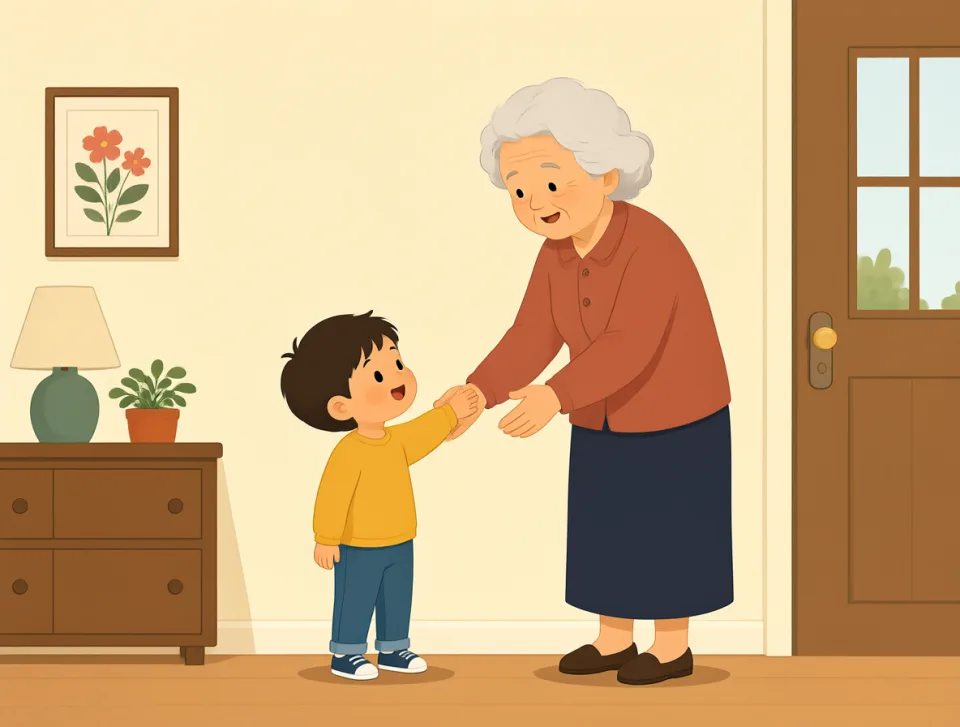
My grandmother lives nearby, so I visit her every Sunday afternoon.
Moja babcia mieszka niedaleko, więc odwiedzam ją w każdą niedzielę po południu.
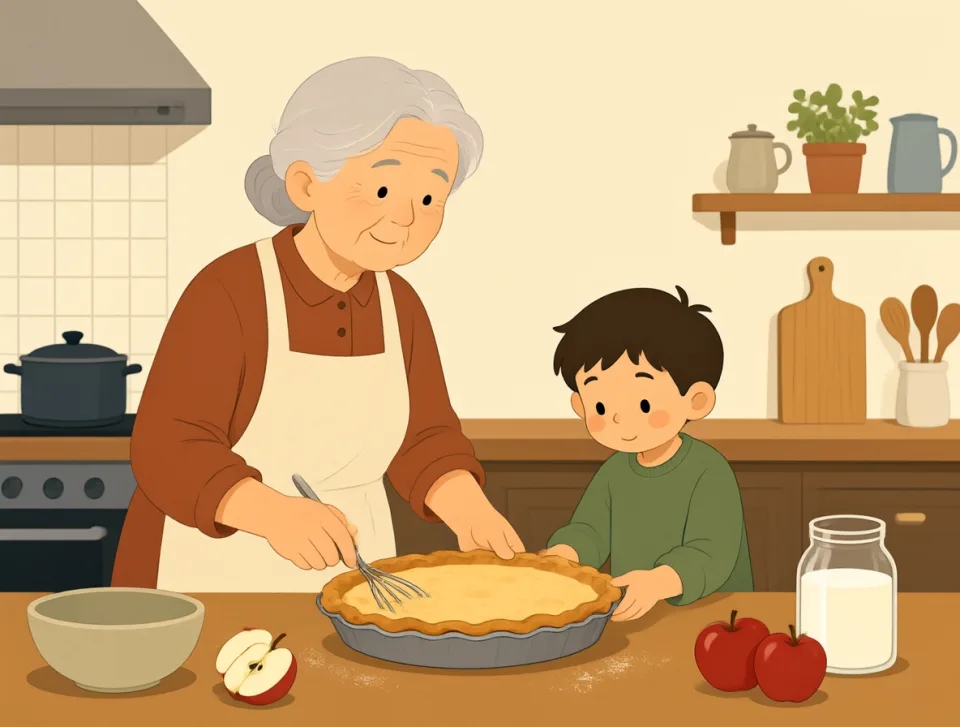
His grandmother taught him how to make her famous apple pie.
Jego babcia nauczyła go robić swoje słynne ciasto z jabłkami.
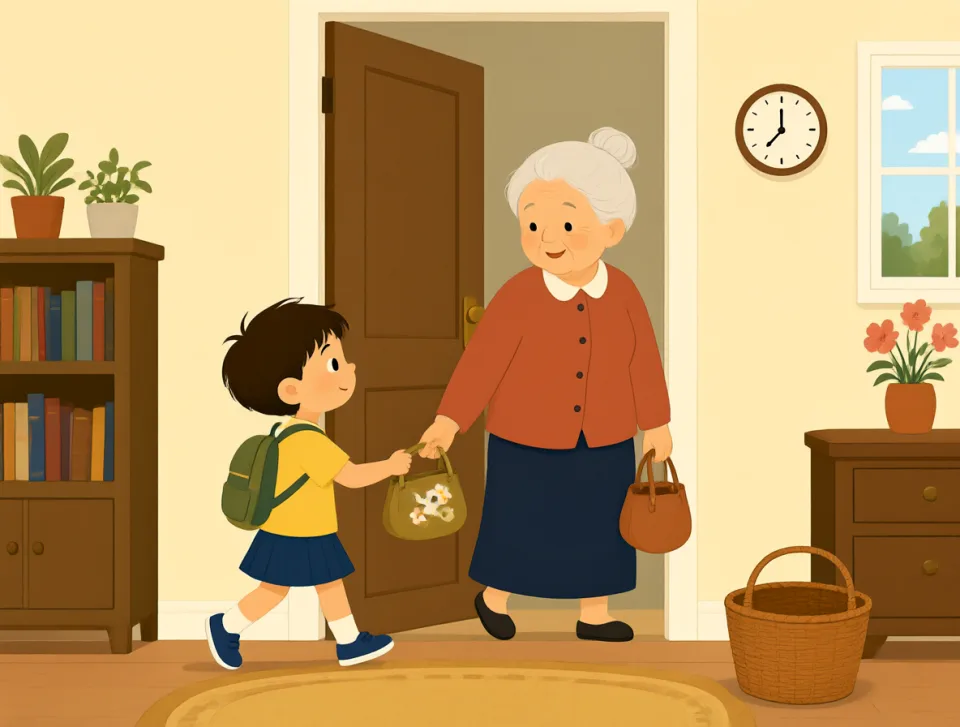
We stayed at our grandmother’s house during the school holidays.
Podczas ferii szkolnych zatrzymaliśmy się u babci.
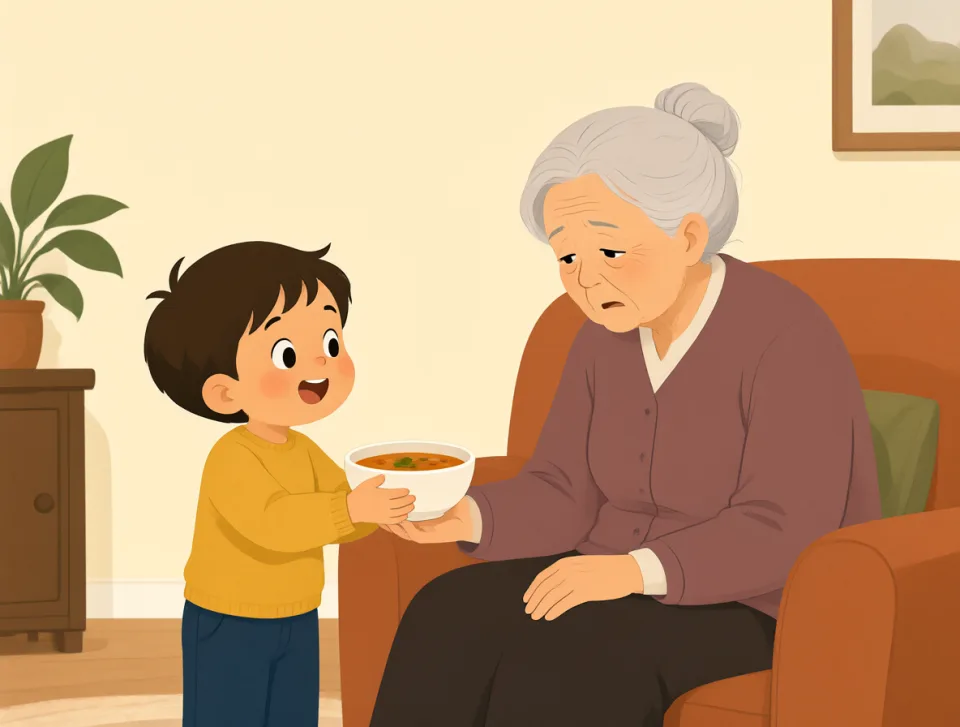
My grandmother was feeling tired, so we brought her some soup.
Moja babcia źle się czuła, więc przynieśliśmy jej trochę zupy.
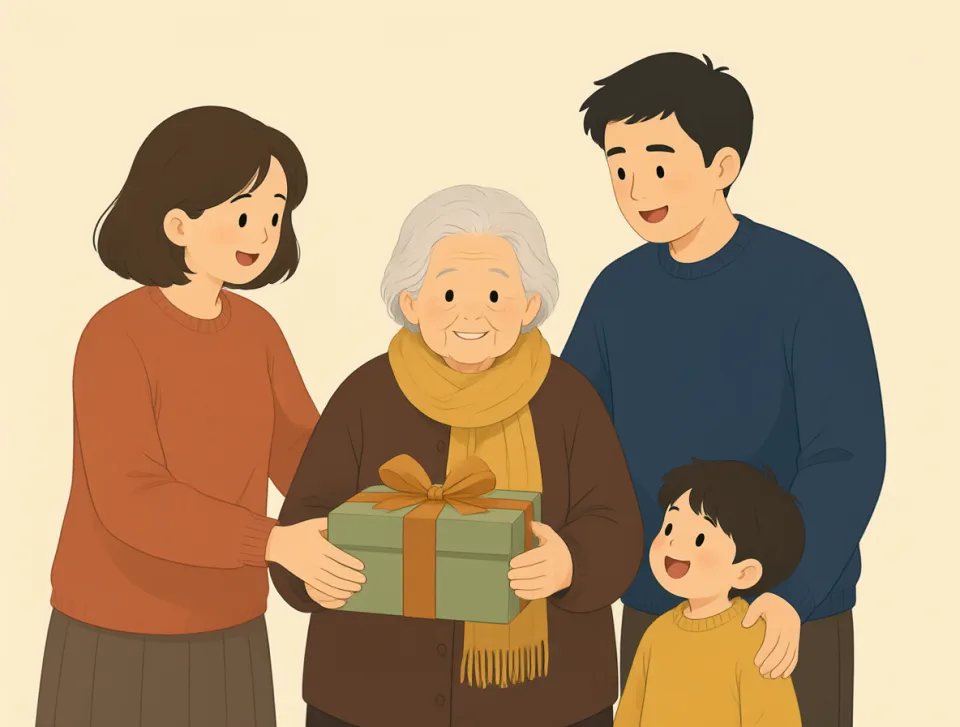
They bought their grandmother a warm scarf for her birthday.
Kupili babci ciepły szalik na urodziny.
jury
#2605noun
ława przysięgłych
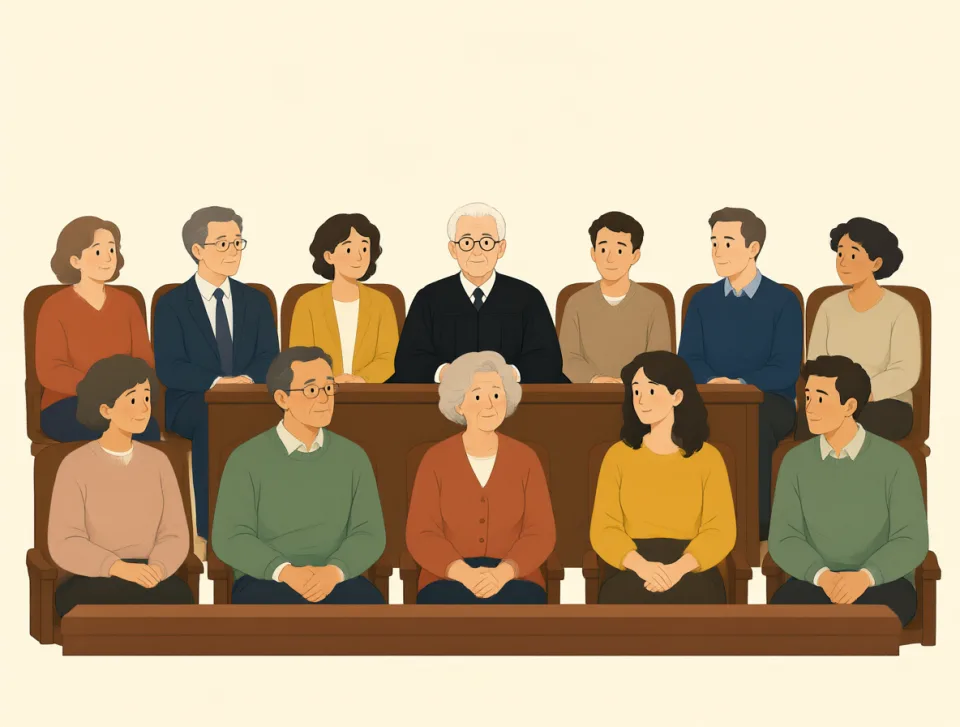
A group of people who decide whether someone accused of a crime is guilty.
Grupa osób, która orzeka, czy oskarżony o przestępstwo jest winny.
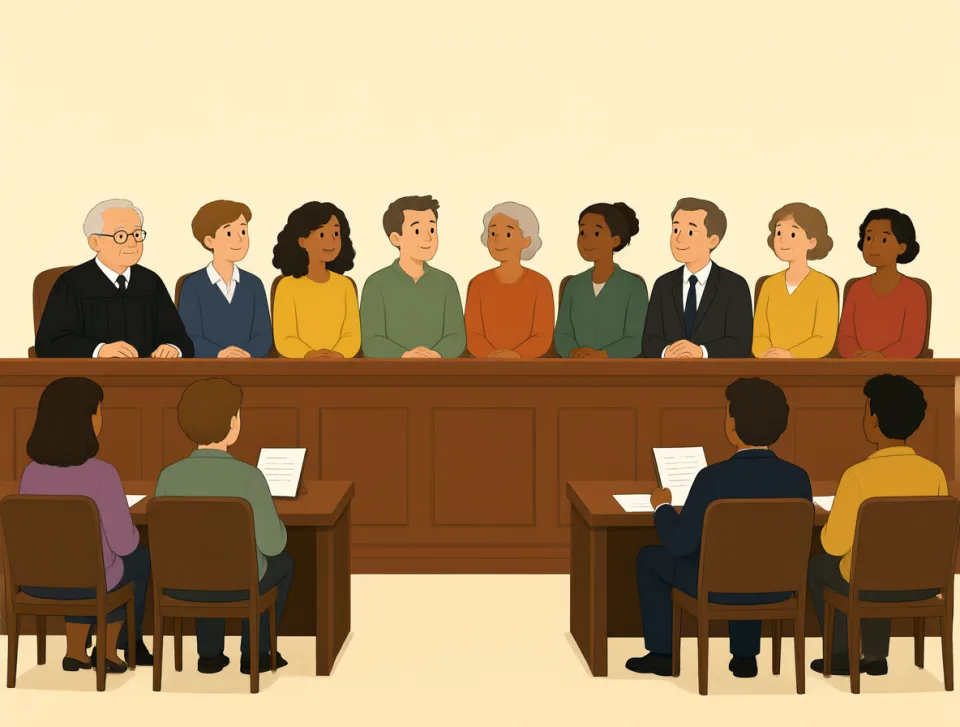
The jury found the man guilty after two hours of discussion.
Po dwóch godzinach narady ława przysięgłych uznała mężczyznę za winnego.
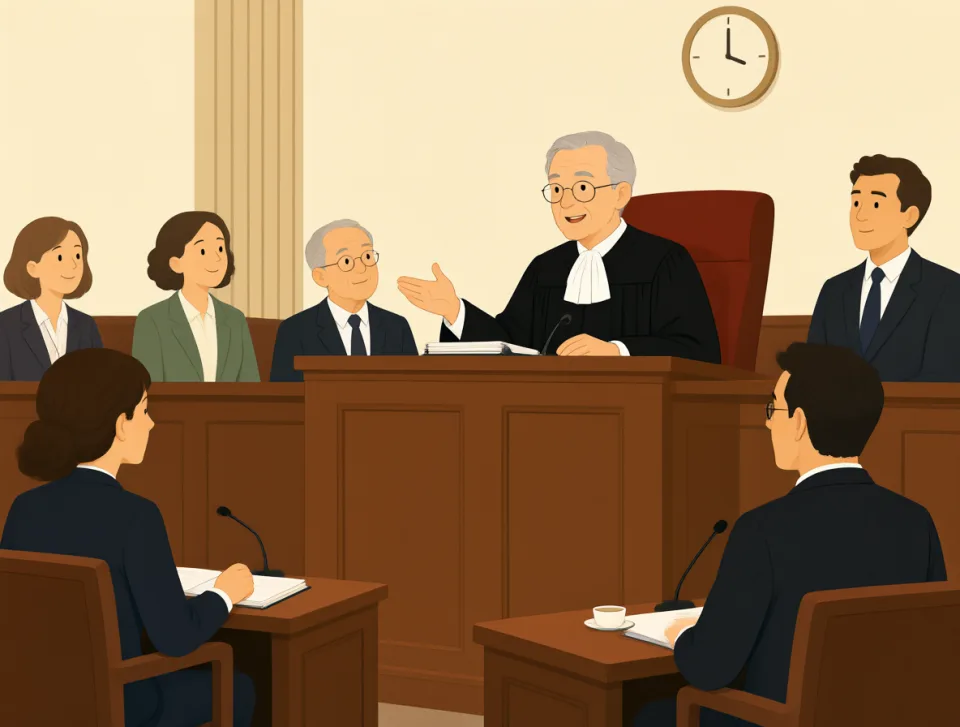
The judge asked the jury to consider all the evidence carefully.
Sędzia poprosił ławę przysięgłych, by uważnie rozważyła wszystkie dowody.

She was chosen for jury duty and had to miss work.
Wybrano ją do pełnienia obowiązków przysięgłego i musiała wziąć wolne w pracy.
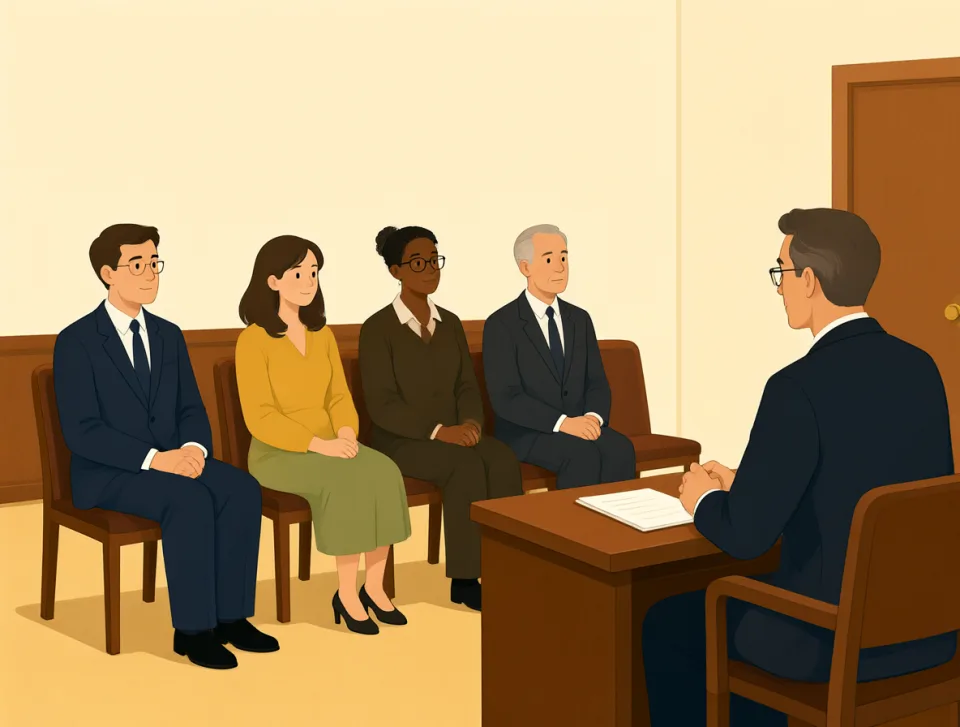
The jury listened quietly while the witness answered questions.
Ława przysięgłych w ciszy słuchała, jak świadek odpowiadał na pytania.
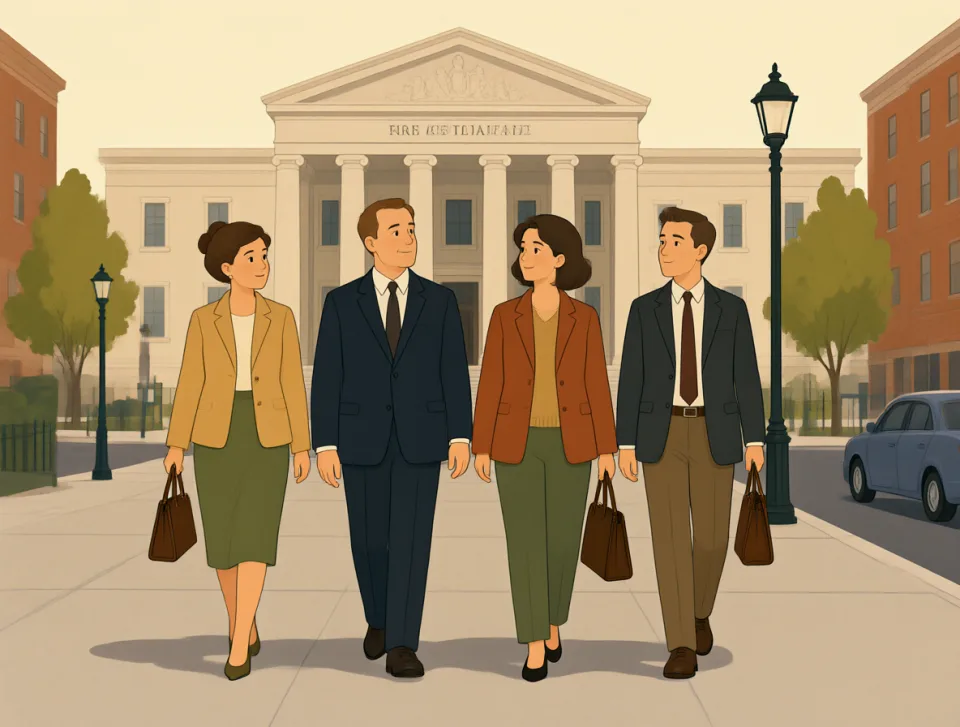
After the trial, the jury returned to their everyday lives.
Po procesie członkowie ławy przysięgłych wrócili do codziennego życia.
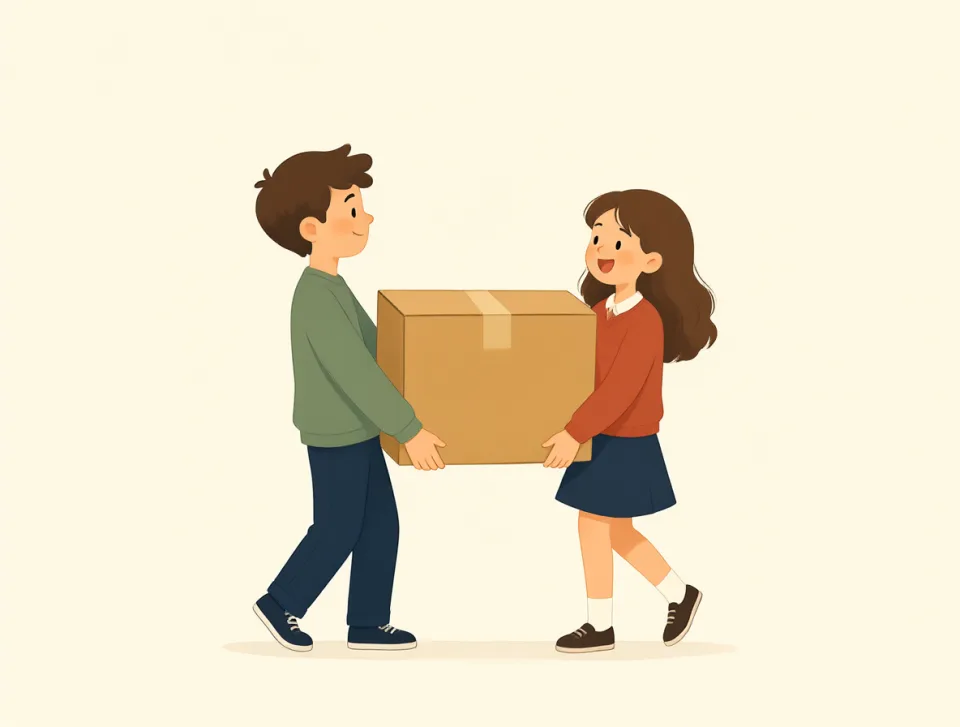
cooperation
#2606noun
współpraca
The act of working together to achieve something.
Wspólne działanie w celu osiągnięcia czegoś.
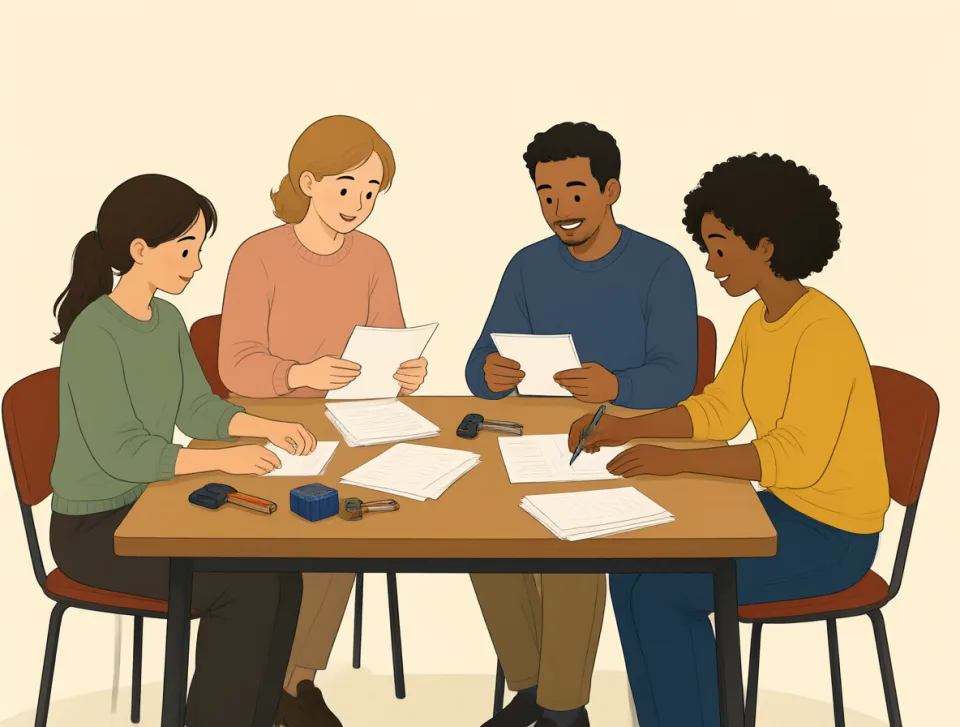
The project was finished on time thanks to everyone’s cooperation.
Projekt ukończono na czas dzięki współpracy wszystkich.
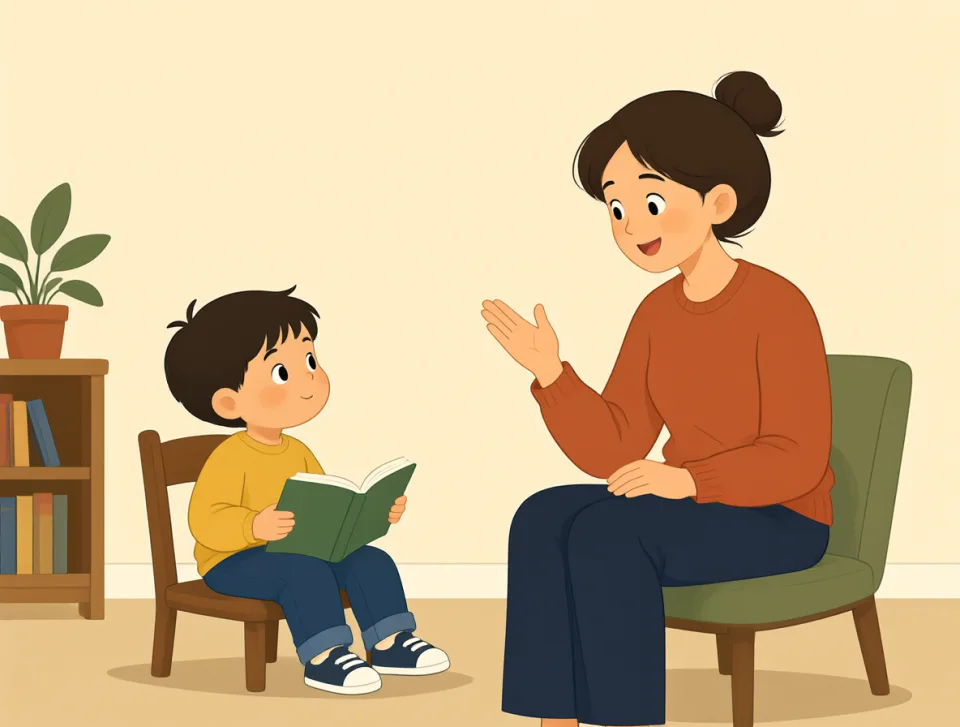
Good cooperation between parents and teachers can help a child learn.
Dobra współpraca rodziców i nauczycieli może pomóc dziecku w nauce.
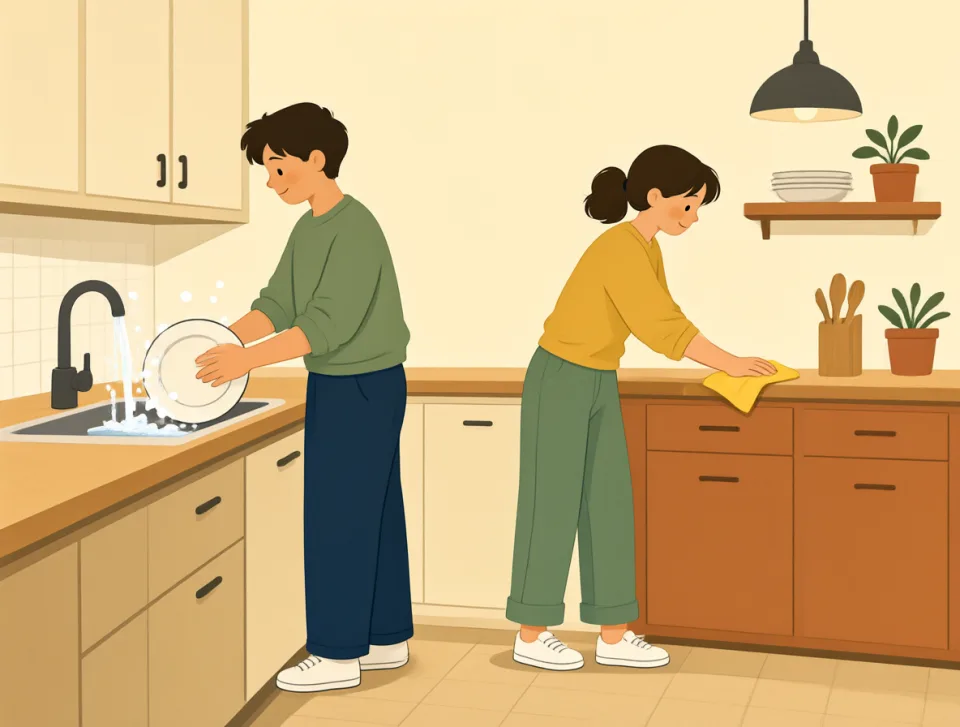
The team needs your cooperation to keep the kitchen clean.
Zespół potrzebuje twojej współpracy, żeby utrzymać kuchnię w czystości.

The two countries agreed to closer cooperation on health and safety.
Oba kraje zgodziły się na ściślejszą współpracę w dziedzinie zdrowia i bezpieczeństwa.
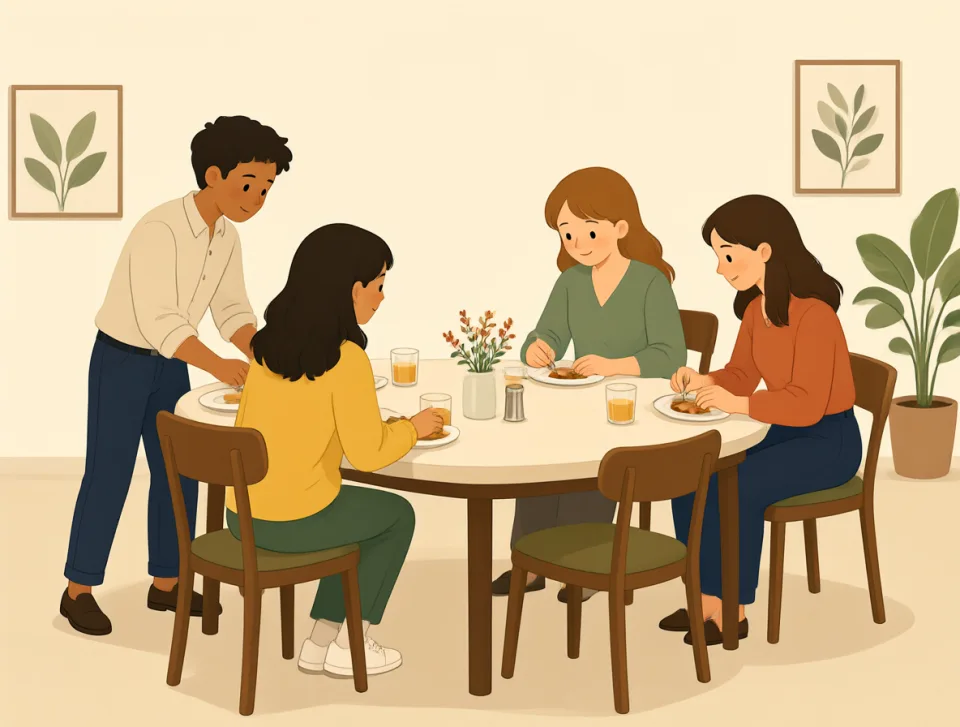
With a little cooperation, we found seats for all our friends.
Dzięki odrobinie współpracy znaleźliśmy miejsca dla wszystkich naszych znajomych.
civilian
#2607noun, adjective
cywil
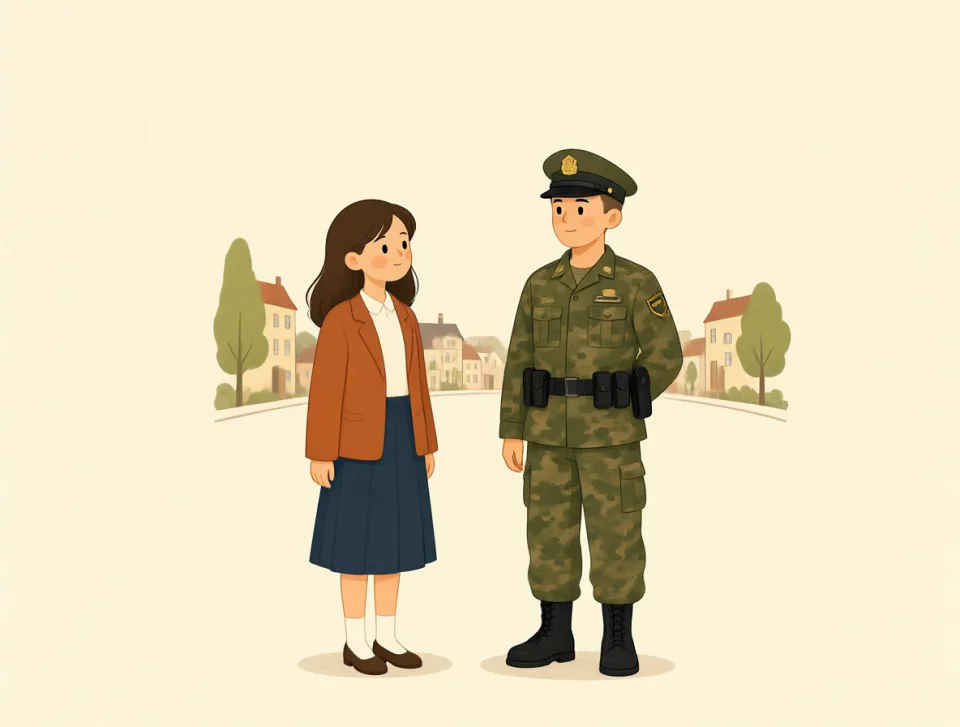
A person who is not a member of the military or police.
Osoba, która nie należy do wojska ani policji.
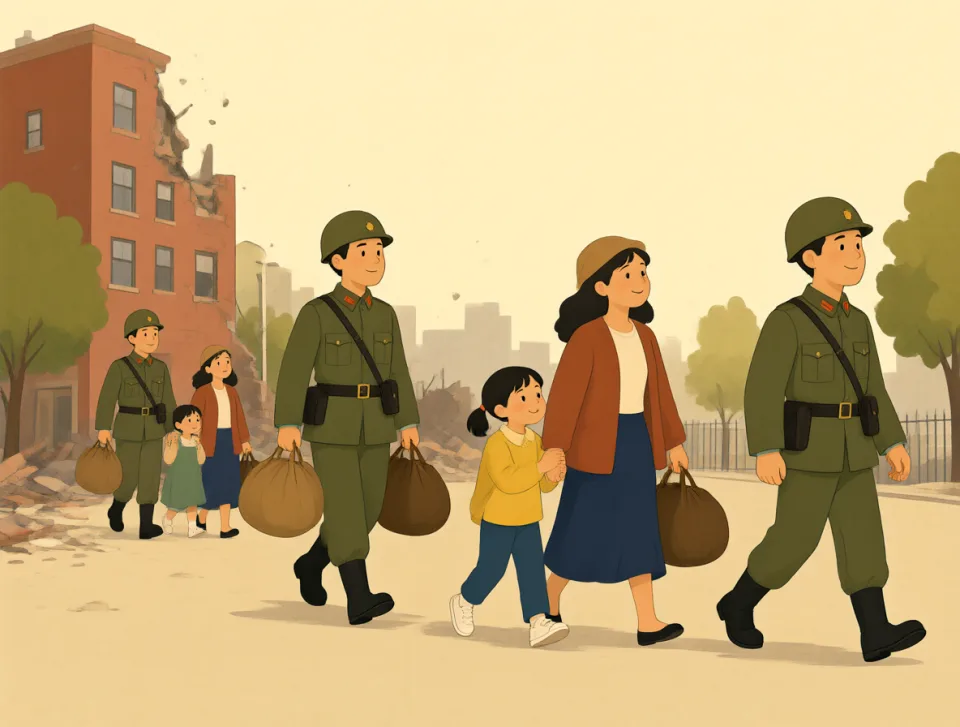
The soldiers helped civilians leave the city safely during the attack.
Podczas ataku żołnierze pomogli cywilom bezpiecznie opuścić miasto.
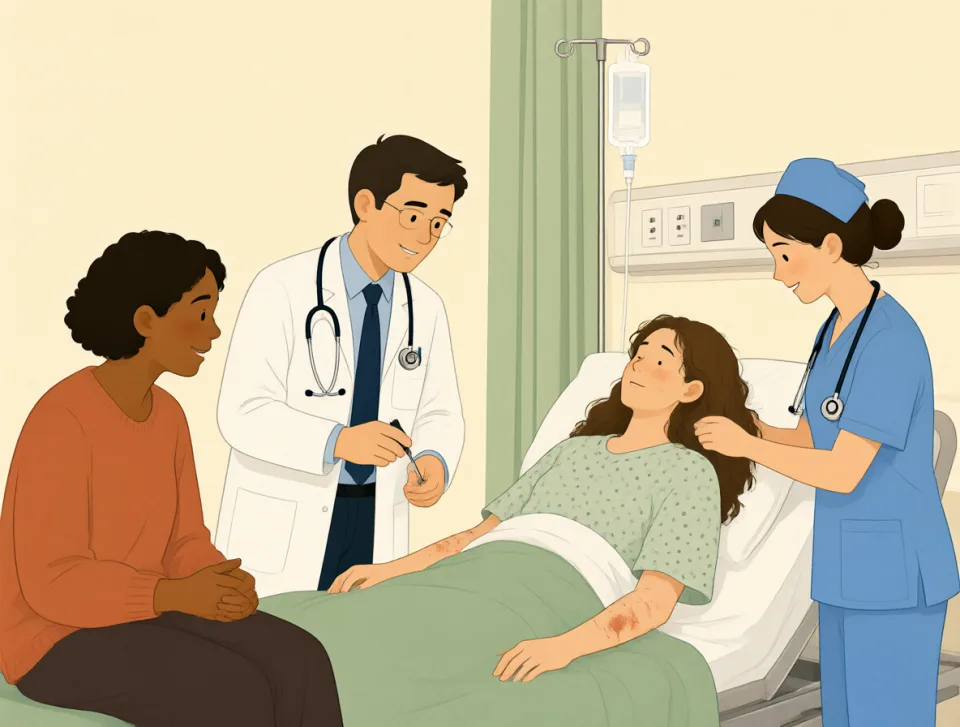
The hospital treated several civilians injured in the accident.
W szpitalu udzielono pomocy kilku cywilom rannym w wypadku.
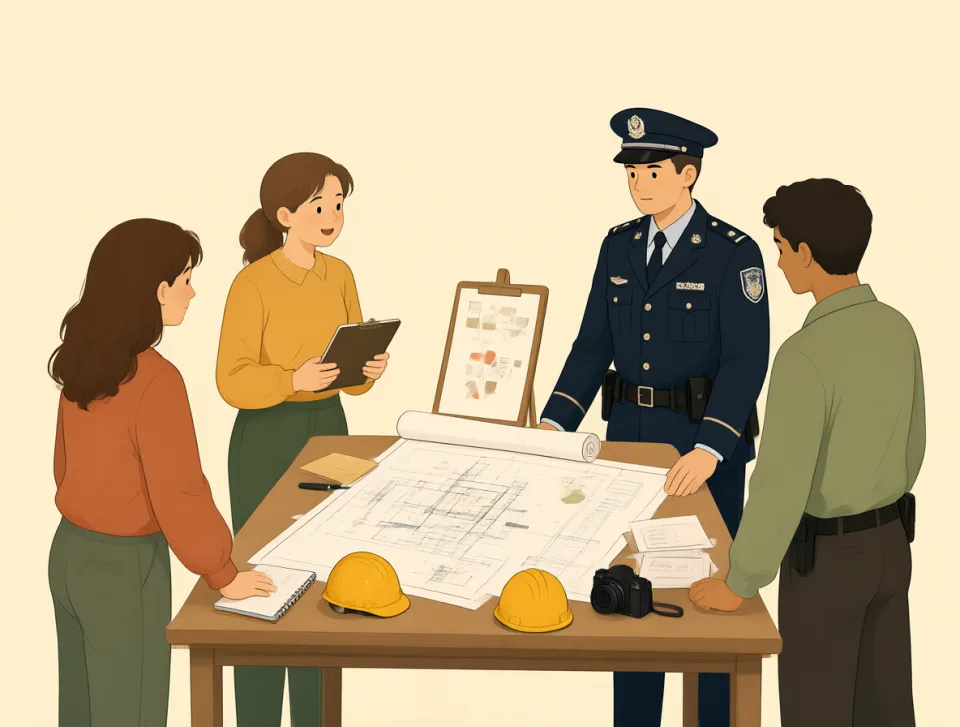
The new safety plan protects both civilian workers and police officers.
Nowy plan bezpieczeństwa chroni zarówno pracowników cywilnych, jak i policjantów.
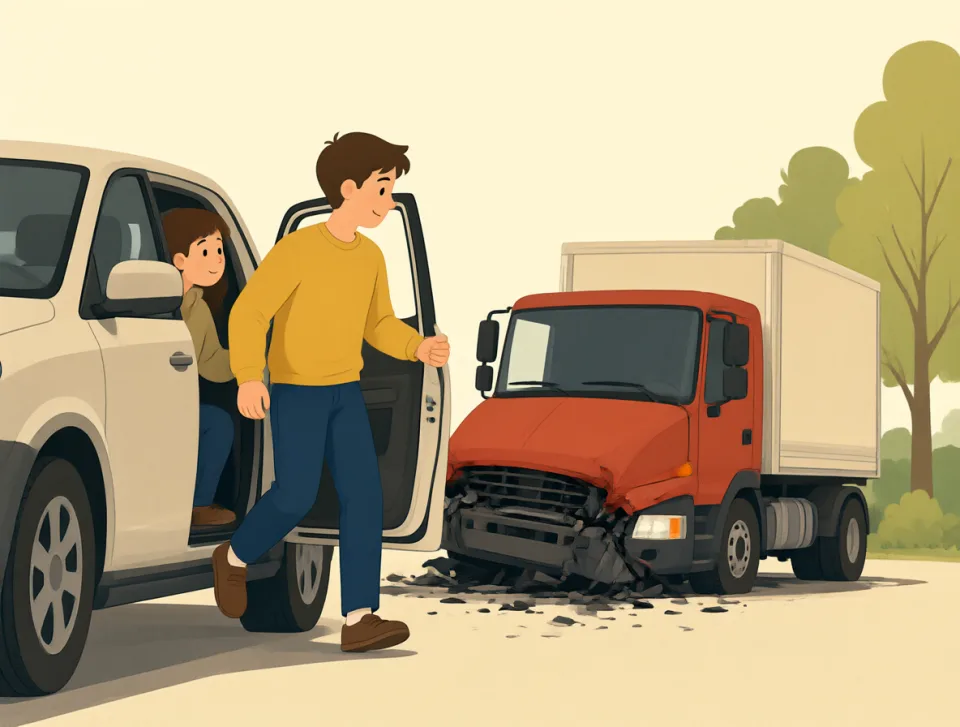
A civilian car stopped to help after the truck crashed.
Po zderzeniu ciężarówki zatrzymał się samochód cywilny, żeby pomóc.
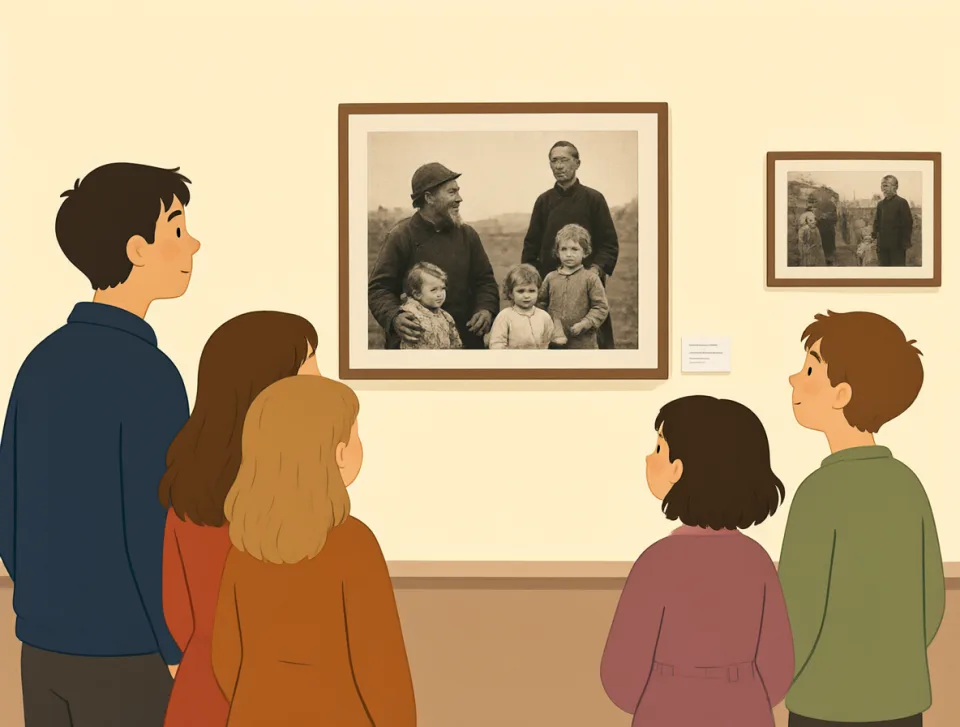
The museum displayed photographs of civilian life during the war.
W muzeum wystawiono zdjęcia przedstawiające życie cywilów podczas wojny.
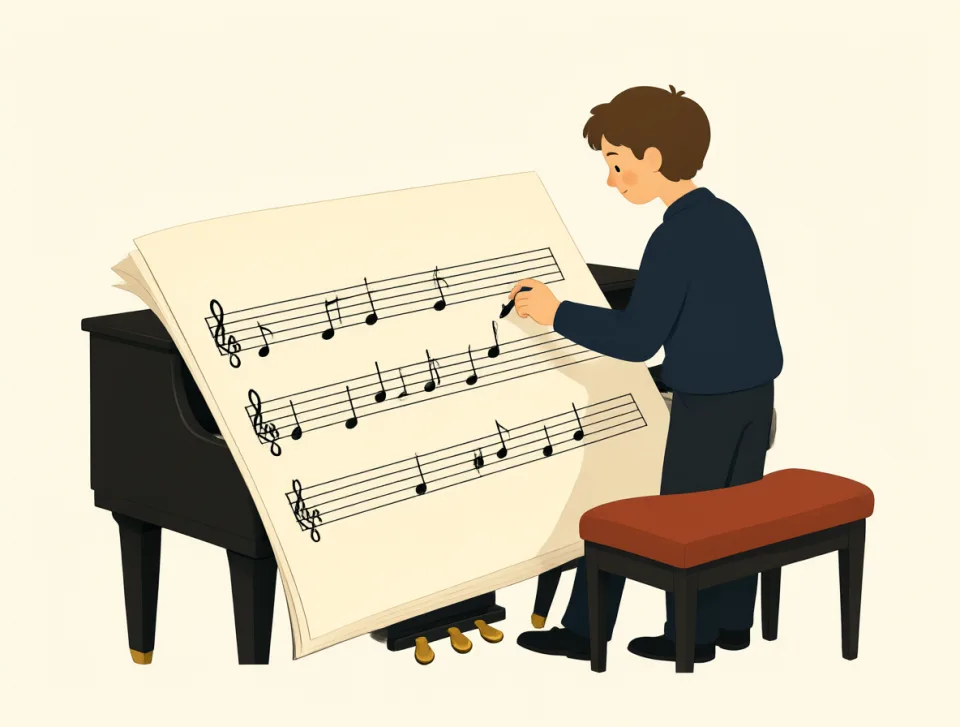
composition
#2608noun
kompozycja
The way parts are arranged to form something, or a piece of music, writing, or art.
Sposób, w jaki rozmieszczone są elementy, albo utwór muzyczny, tekst lub dzieło sztuki.
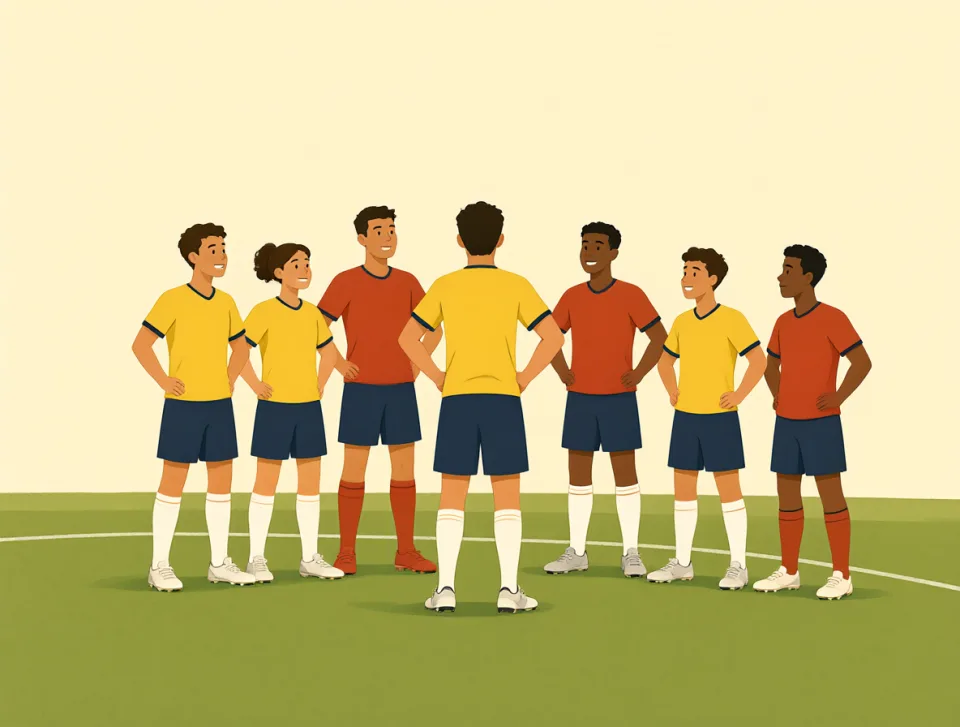
The composition of the team changed after two experienced players left.
Skład drużyny zmienił się, gdy odeszło dwóch doświadczonych zawodników.
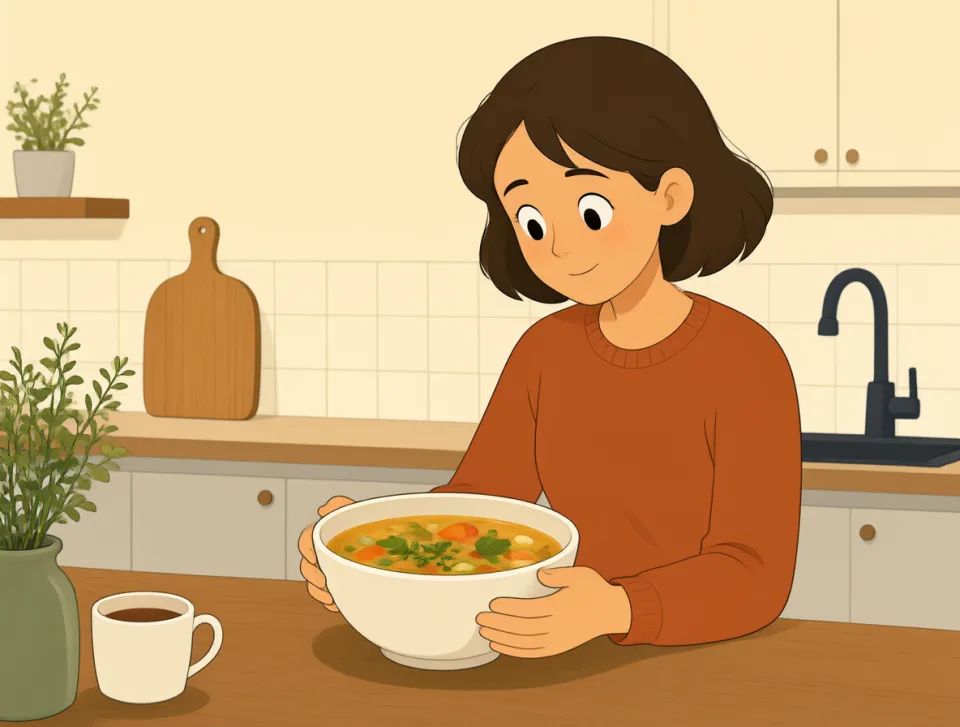
She studied the composition of the soup before asking about its ingredients.
Zanim zapytała o składniki, przyjrzała się składowi zupy.
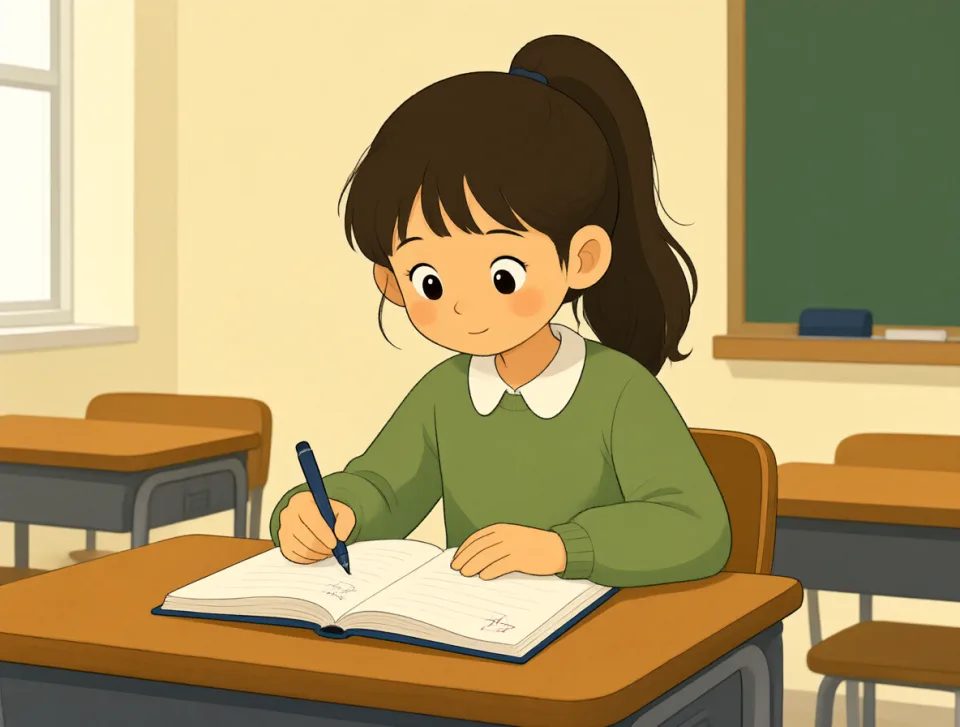
The students wrote a short composition about their favorite family holiday.
Uczniowie napisali krótki tekst o swoich ulubionych rodzinnych wakacjach.
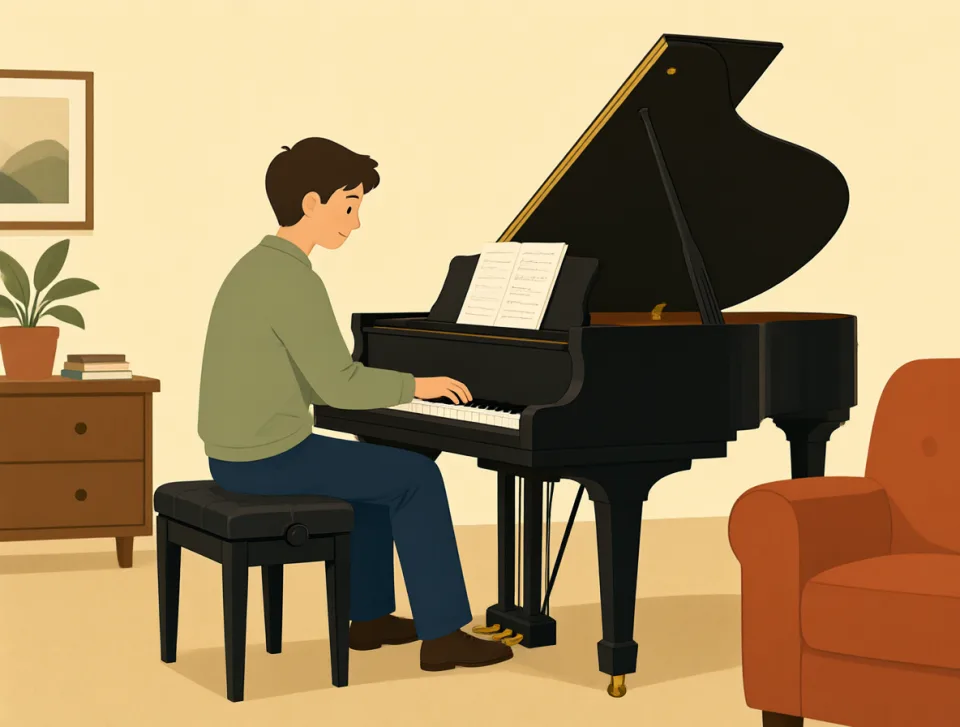
His piano composition sounded gentle and reminded me of a quiet evening.
Utwór fortepianowy, który skomponował, brzmiał łagodnie i przypominał mi spokojny wieczór.
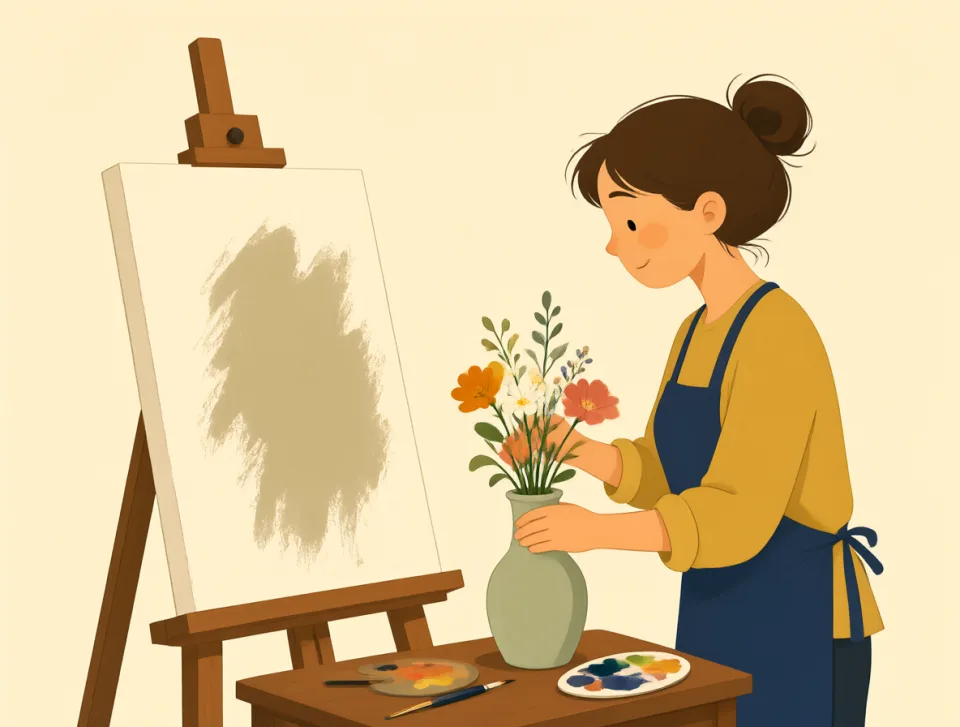
The artist carefully planned the composition of the flowers in her painting.
Artystka starannie zaplanowała kompozycję kwiatów na swoim obrazie.

coin
#2609noun, verb
moneta; ukuć
A small piece of metal used as money; to create a new word or phrase.
Niewielki kawałek metalu używany jako pieniądz; utworzyć nowe słowo lub wyrażenie.
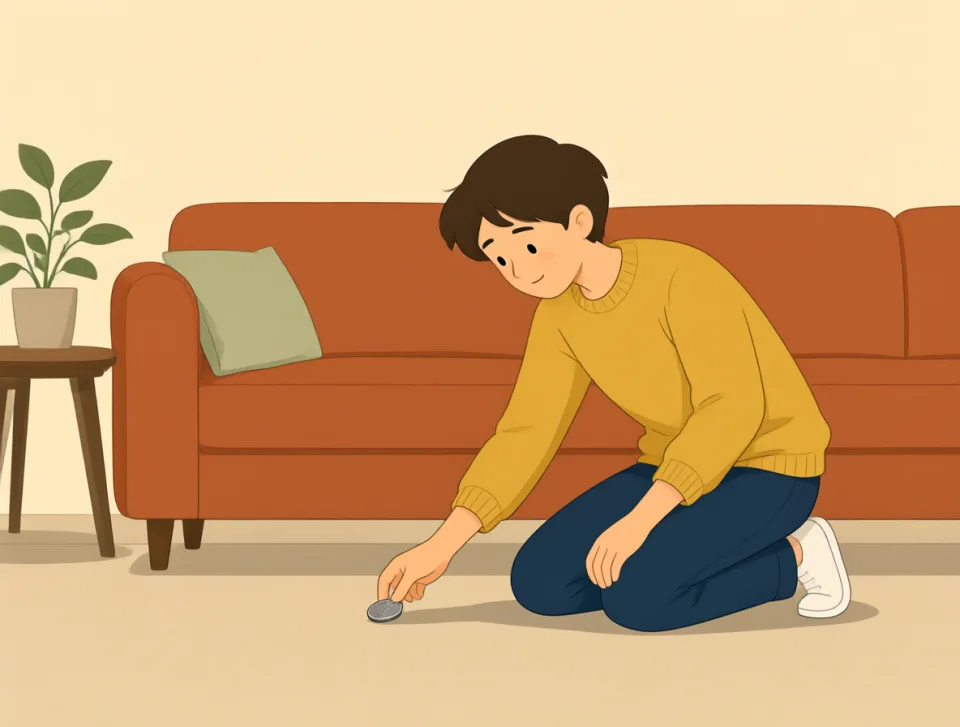
I found a coin under the sofa while cleaning the living room.
Podczas sprzątania salonu znalazłem monetę pod kanapą.
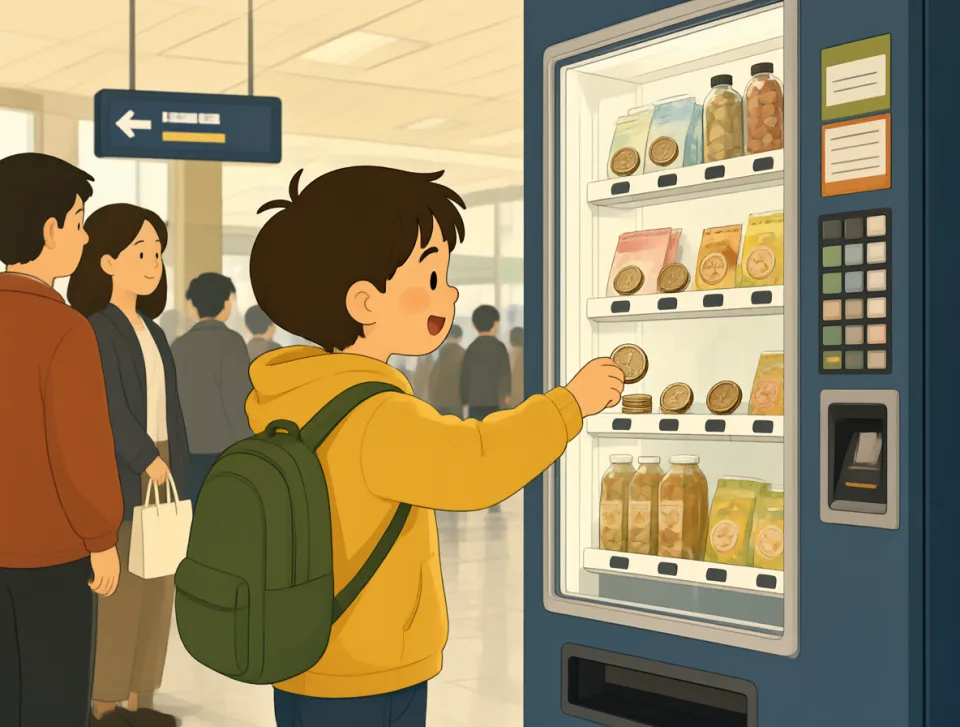
The child dropped several coins into the vending machine at the station.
Dziecko wrzuciło kilka monet do automatu na stacji.
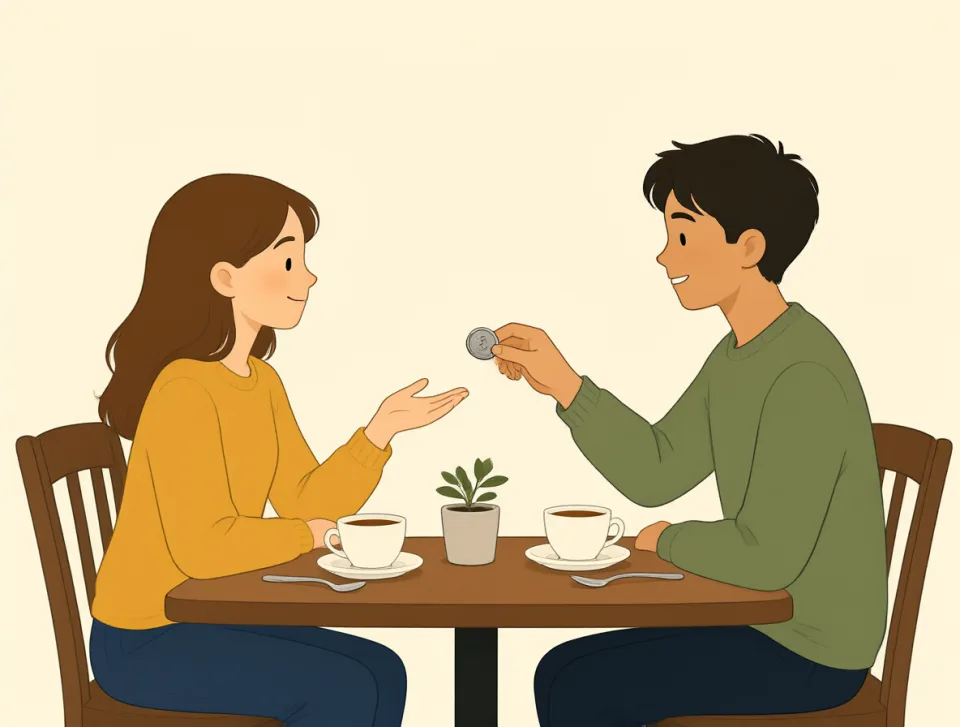
We tossed a coin to decide who would order the food.
Rzuciliśmy monetą, żeby zdecydować, kto zamówi jedzenie.
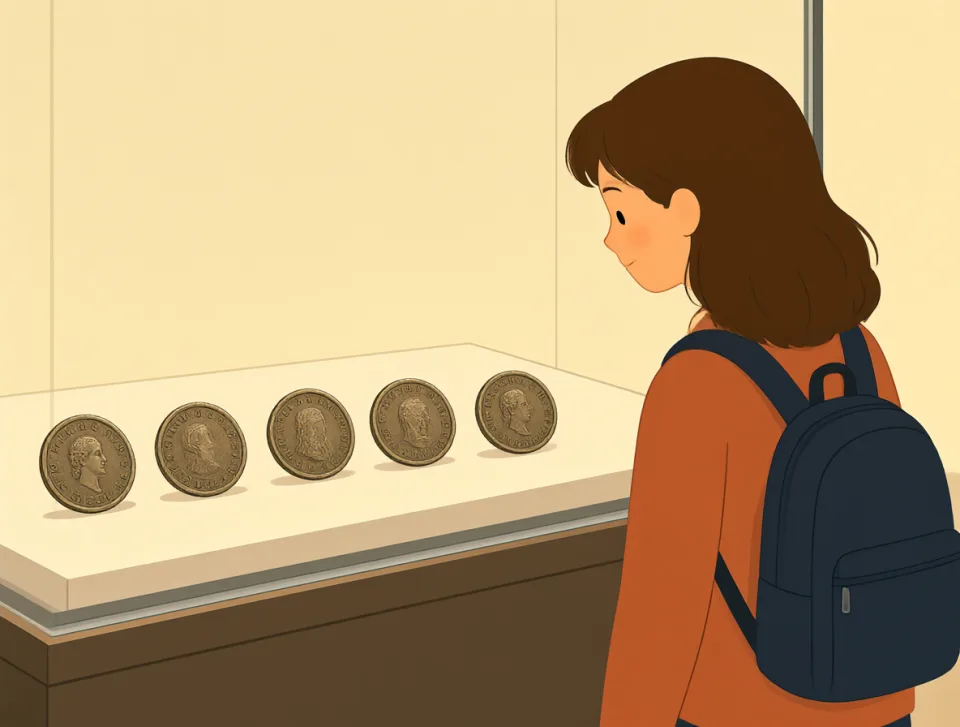
The museum displayed ancient coins from different countries and historical periods.
W muzeum wystawiono starożytne monety z różnych krajów i epok historycznych.
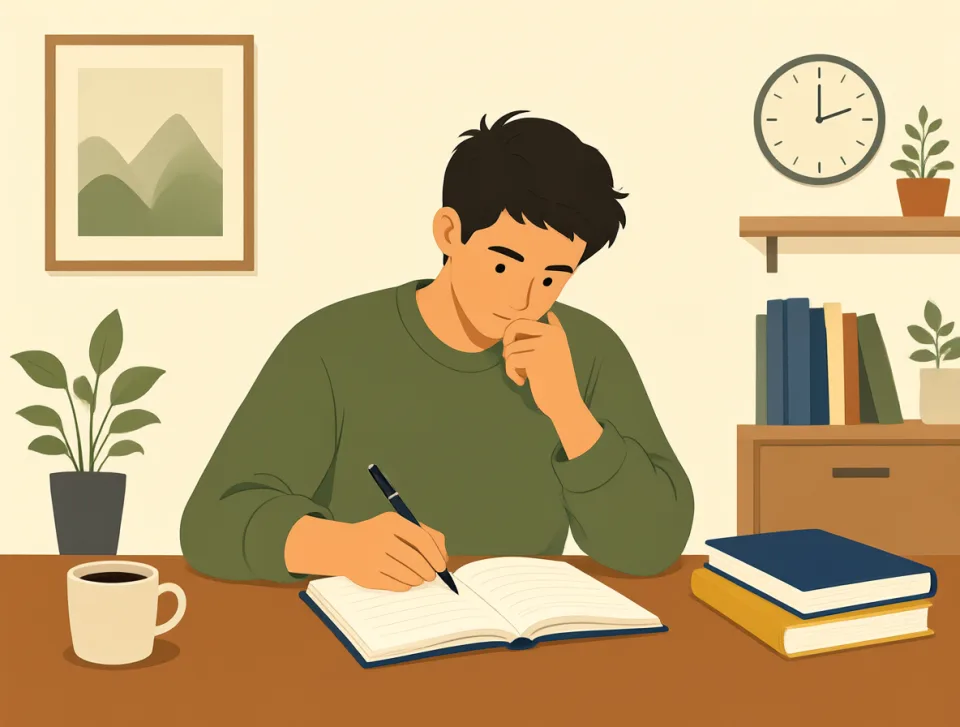
The journalist coined a phrase that quickly became popular with young people.
Dziennikarz ukuł wyrażenie, które szybko zyskało popularność wśród młodych ludzi.

regardless
#2610adverb
niezależnie
Without being affected by something or considering it important.
Bez względu na coś lub bez uwzględniania tego.
We went for a walk regardless of the rain.
Poszliśmy na spacer mimo deszczu.

Regardless of the cost, she wanted to buy the warm winter coat.
Bez względu na cenę chciała kupić ciepły zimowy płaszcz.
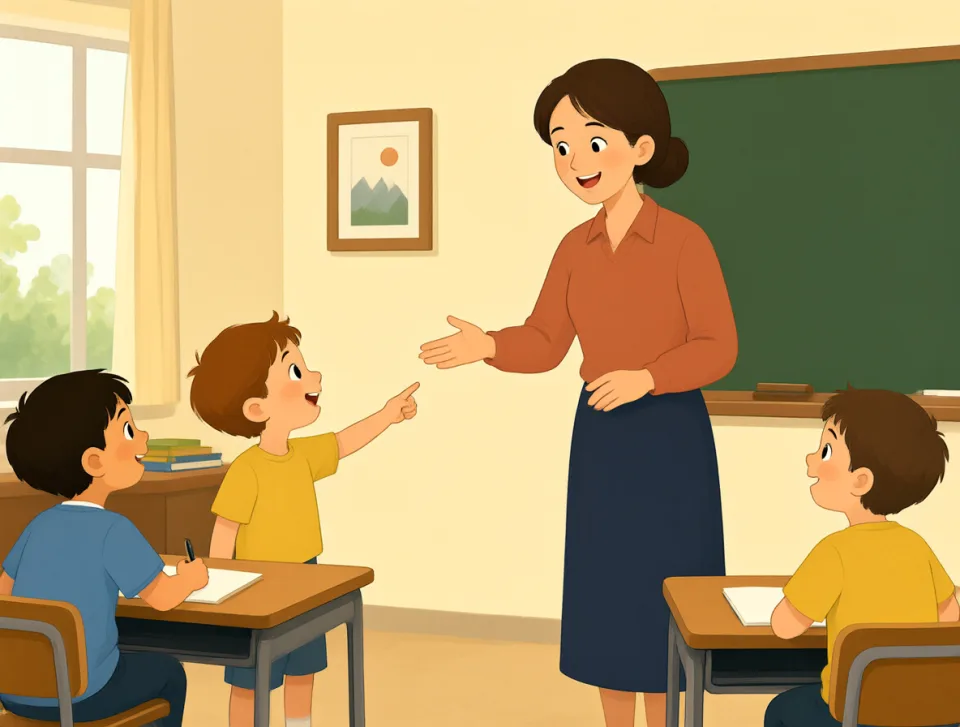
The school welcomes every student, regardless of their grades.
Szkoła przyjmuje każdego ucznia, niezależnie od jego ocen.
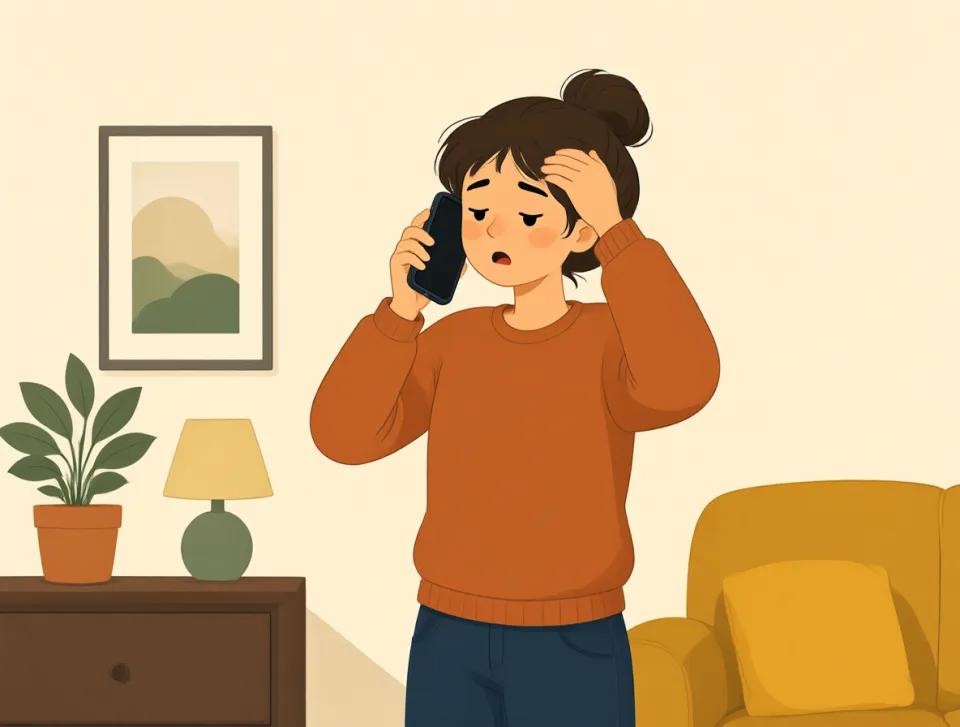
You should call the doctor regardless of how busy you feel.
Powinieneś zadzwonić do lekarza, niezależnie od tego, jak bardzo jesteś zajęty.

Regardless, we can still meet at the café after work.
Tak czy inaczej, nadal możemy spotkać się w kawiarni po pracy.
scan
#2611verb, noun
skanować; przeglądać
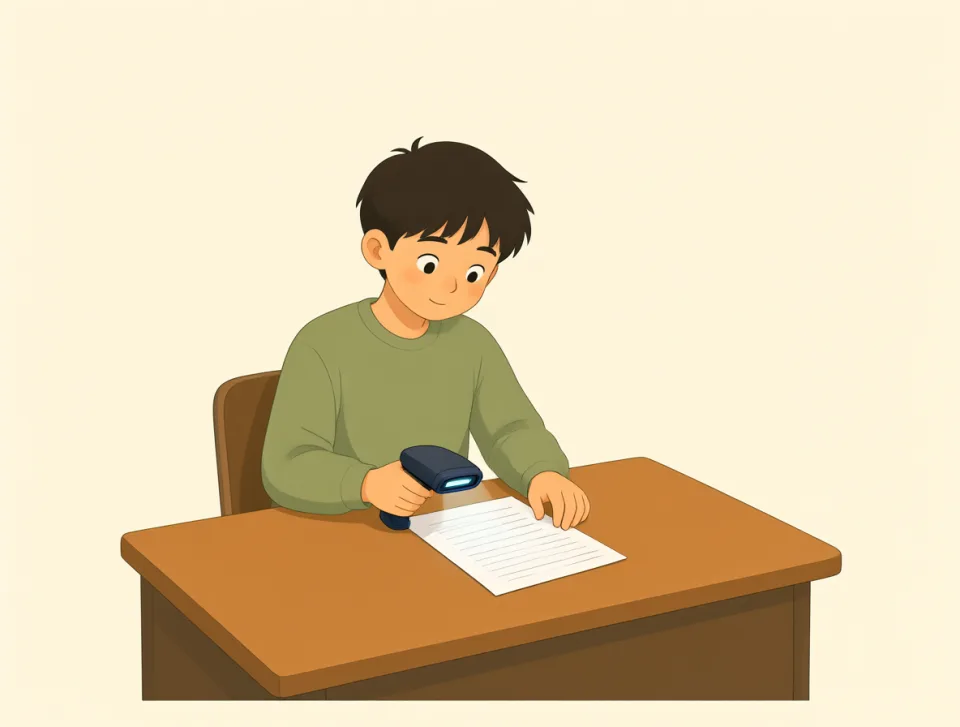
To look over something carefully, or to make a digital copy using a scanner.
Dokładnie coś przeglądać albo tworzyć cyfrową kopię za pomocą skanera.
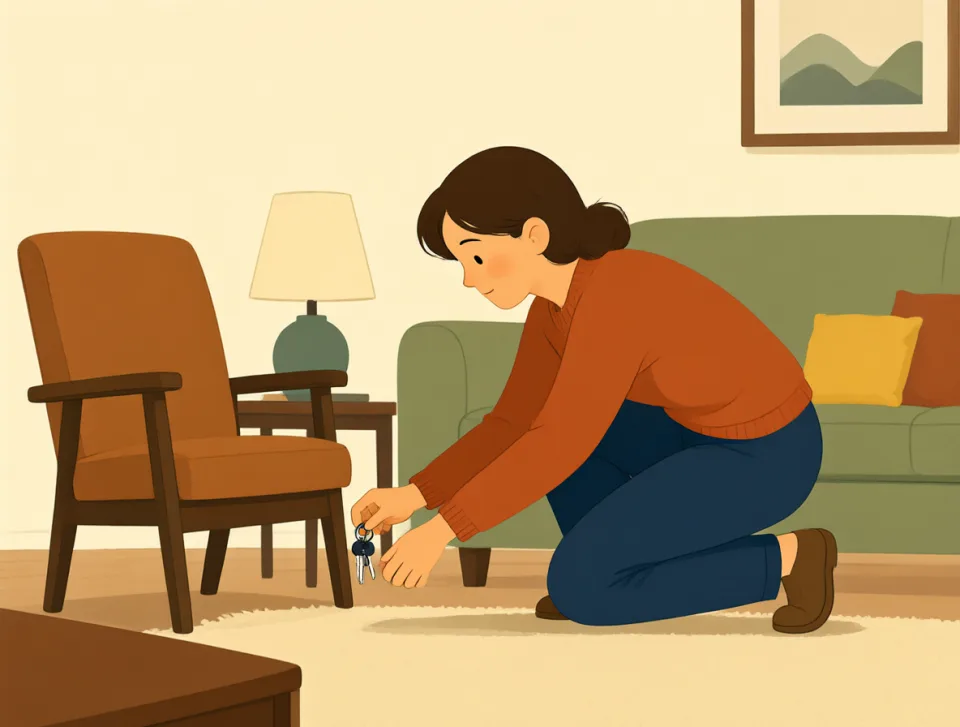
She scanned the room for her lost keys before leaving for work.
Przed wyjściem do pracy przeszukała wzrokiem pokój w poszukiwaniu zgubionych kluczy.
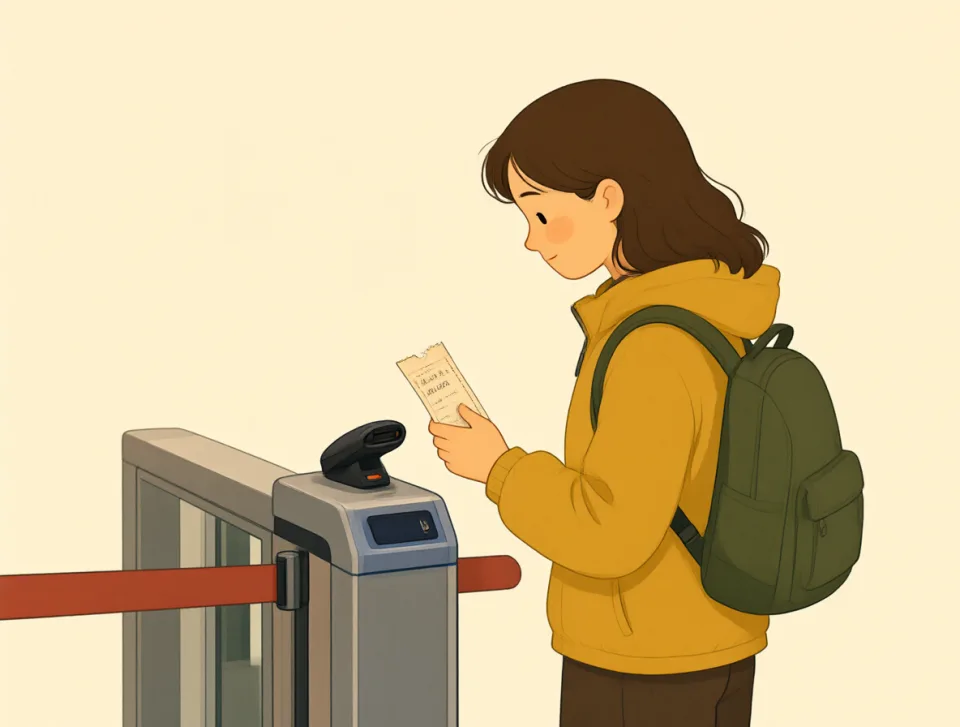
Please scan your ticket at the entrance before boarding the train.
Przed wejściem do pociągu zeskanuj bilet przy wejściu.
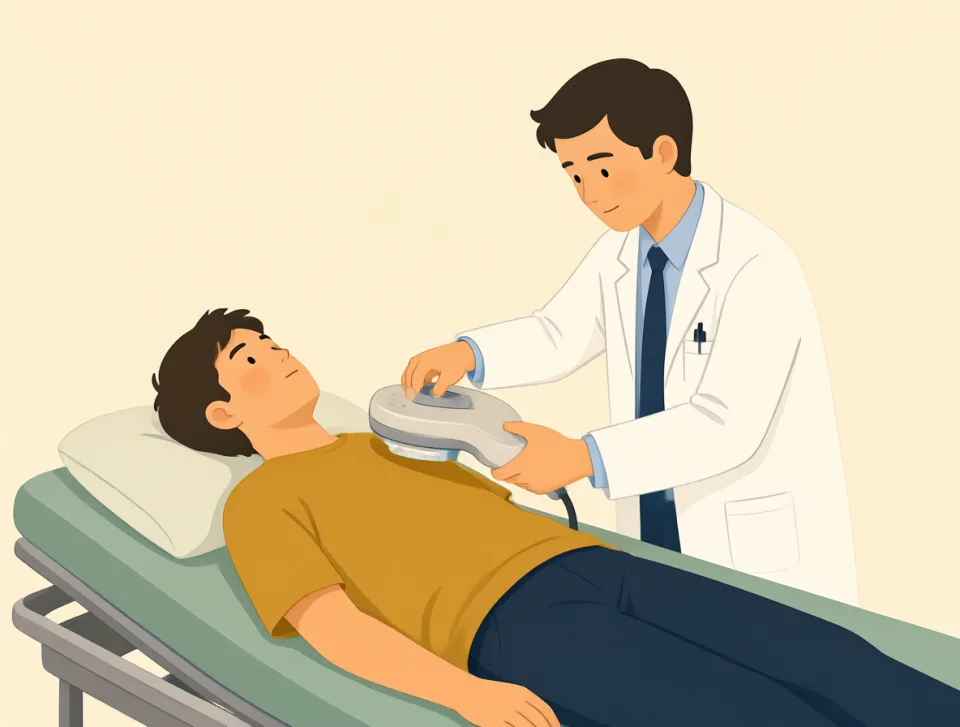
The doctor scanned his chest to check for any signs of illness.
Lekarz zeskanował mu klatkę piersiową, żeby sprawdzić, czy nie ma oznak choroby.
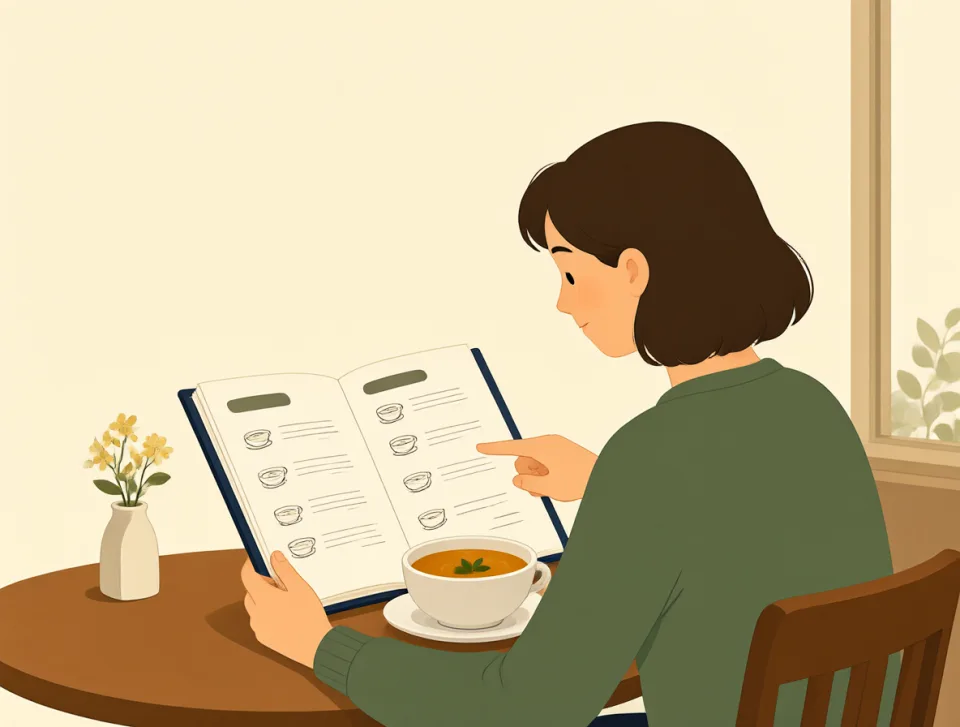
I scanned the menu quickly and chose the soup of the day.
Szybko przejrzałem menu i wybrałem zupę dnia.
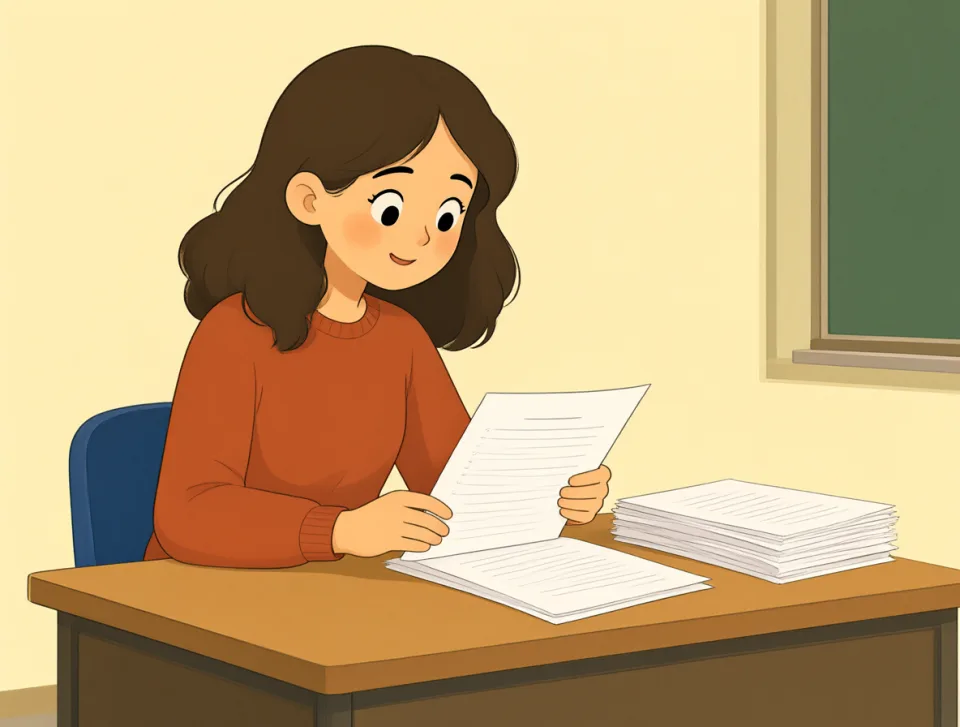
The teacher scanned our essays for mistakes before returning them.
Nauczyciel przejrzał nasze wypracowania w poszukiwaniu błędów, zanim nam je oddał.

bunch
#2612noun
pęk; grupa
A group of similar things, or a number of people or things together.
Grupa podobnych rzeczy albo pewna liczba osób lub przedmiotów zebranych razem.
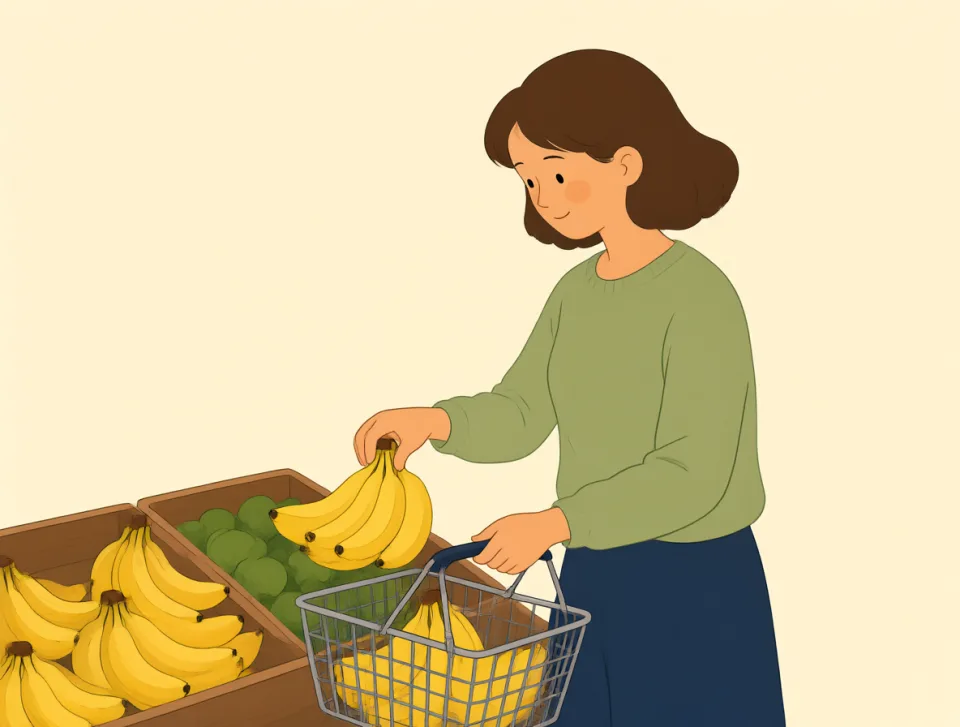
She bought a bunch of bananas for breakfast at the market.
Kupiła na targu pęk bananów na śniadanie.
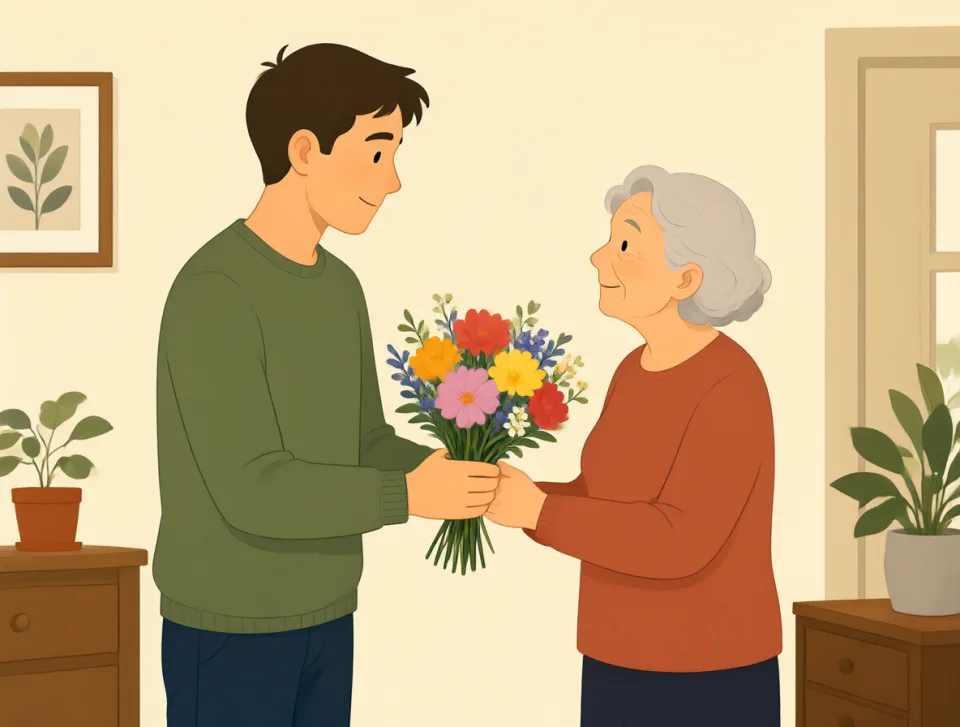
He brought a bunch of flowers home for his mother.
Przyniósł do domu bukiet kwiatów dla mamy.

A bunch of friends met at the café after work.
Grupa przyjaciół spotkała się po pracy w kawiarni.
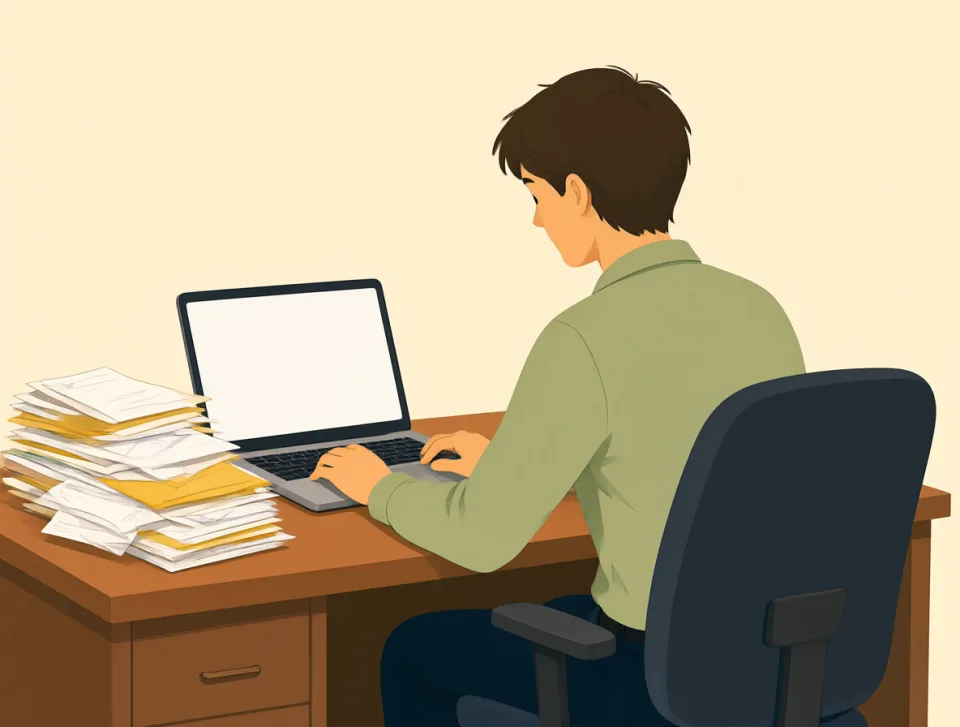
I have a bunch of emails to answer before lunch.
Mam mnóstwo e-maili do odpisania przed lunchem.
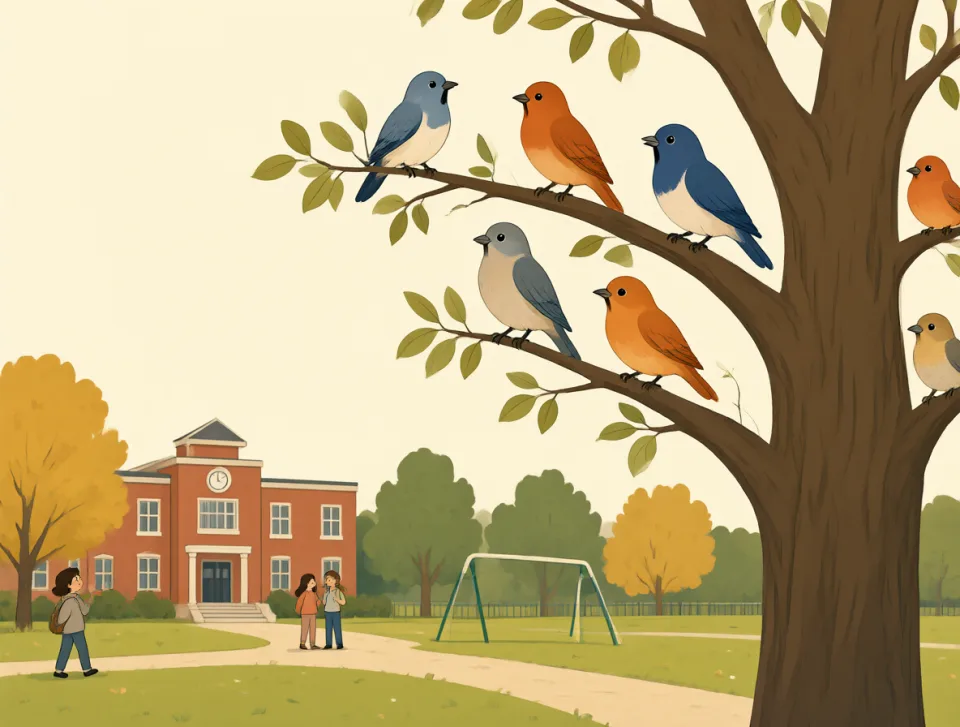
We saw a bunch of birds resting in the tree near school.
Widzieliśmy grupę ptaków odpoczywających na drzewie niedaleko szkoły.

racial
#2613adjective
rasowy; dotyczący rasy
Related to people's race or the way society treats people of different races.
Dotyczący rasy ludzi lub sposobu, w jaki społeczeństwo traktuje osoby należące do różnych ras.
The company has a clear policy against racial discrimination in the workplace.
Firma ma jasną politykę zakazującą dyskryminacji rasowej w miejscu pracy.
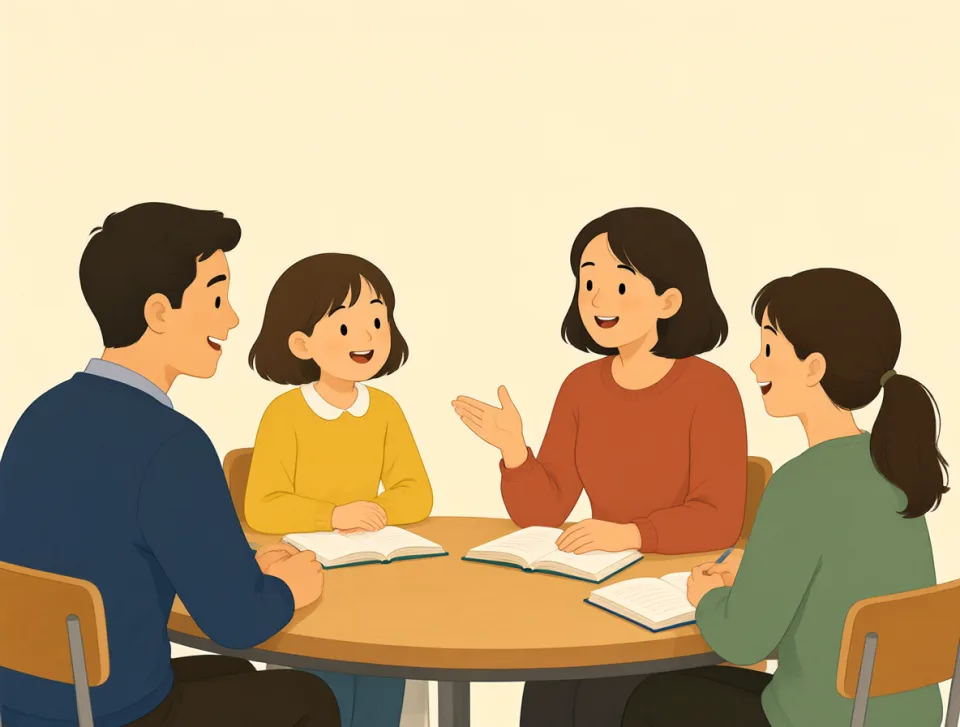
The school invited parents to talk about racial equality with the teachers.
Szkoła zaprosiła rodziców na spotkanie z nauczycielami poświęcone równości rasowej.
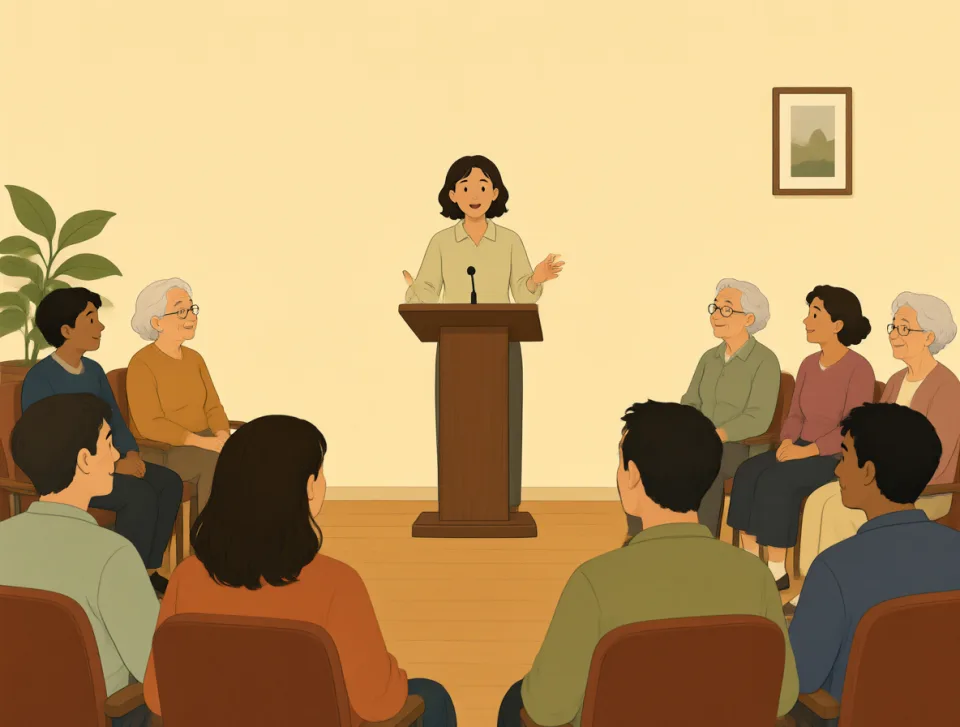
The city held a meeting about racial tensions after the neighborhood protest.
Po proteście w sąsiedztwie miasto zorganizowało spotkanie na temat napięć na tle rasowym.
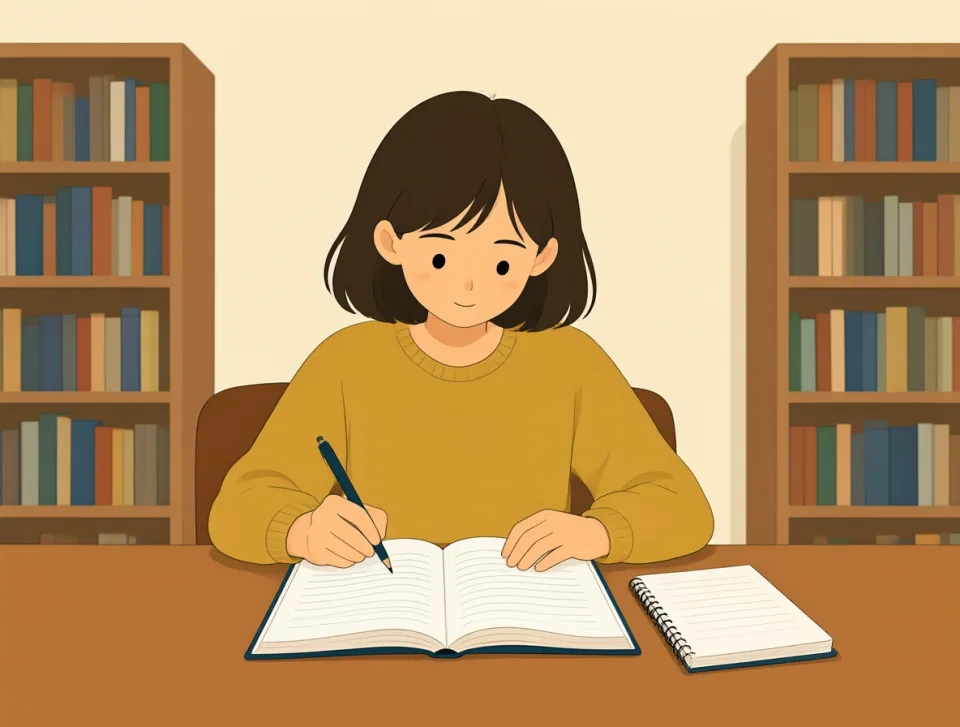
She studied racial differences in health care for her university project.
Na potrzeby projektu na uczelni badała różnice rasowe w opiece zdrowotnej.
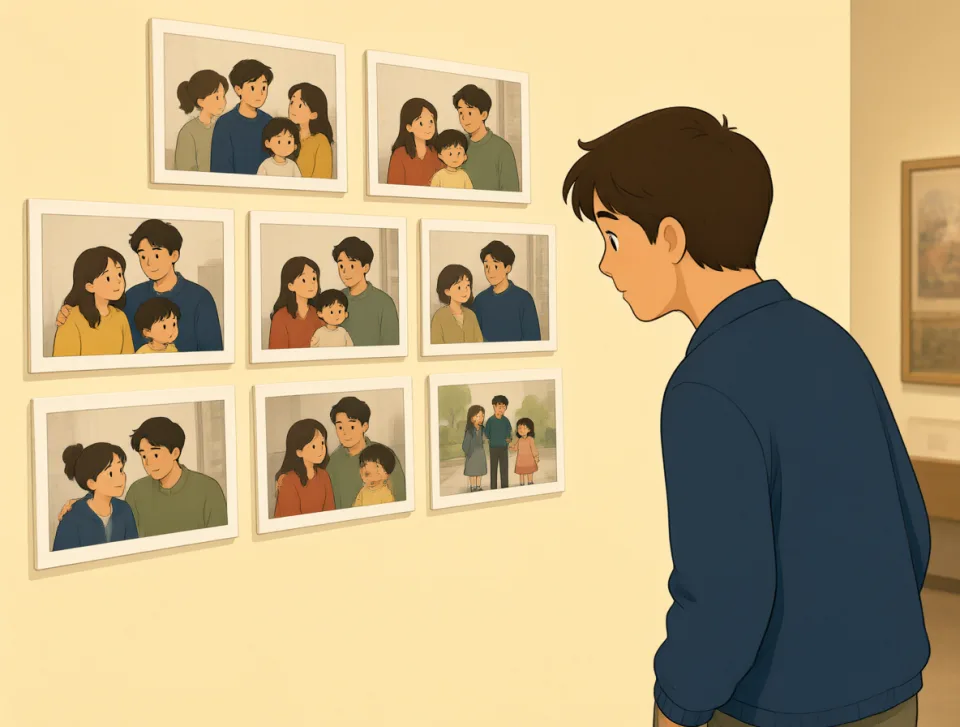
The museum’s new exhibit explores racial identity through family stories and photographs.
Nowa wystawa w muzeum ukazuje tożsamość rasową poprzez rodzinne historie i fotografie.
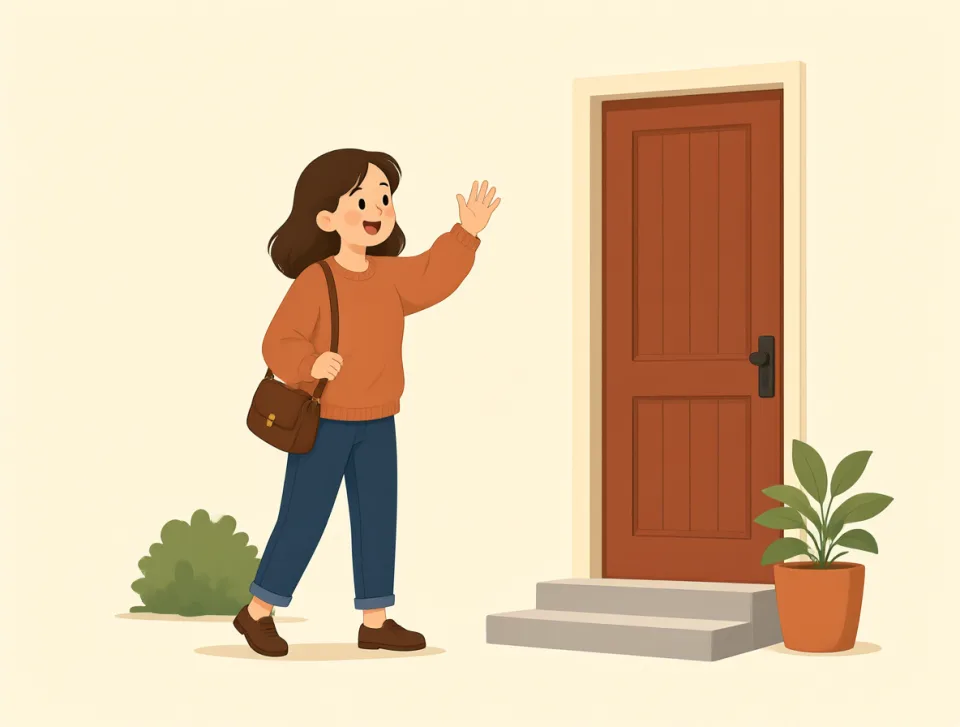
greet
#2614verb
witać
to say hello to someone or welcome them when you meet them
Powiedzieć komuś „cześć” lub powitać go przy spotkaniu.

She greeted her neighbors warmly when they moved into the new house.
Serdecznie przywitała sąsiadów, gdy wprowadzili się do nowego domu.
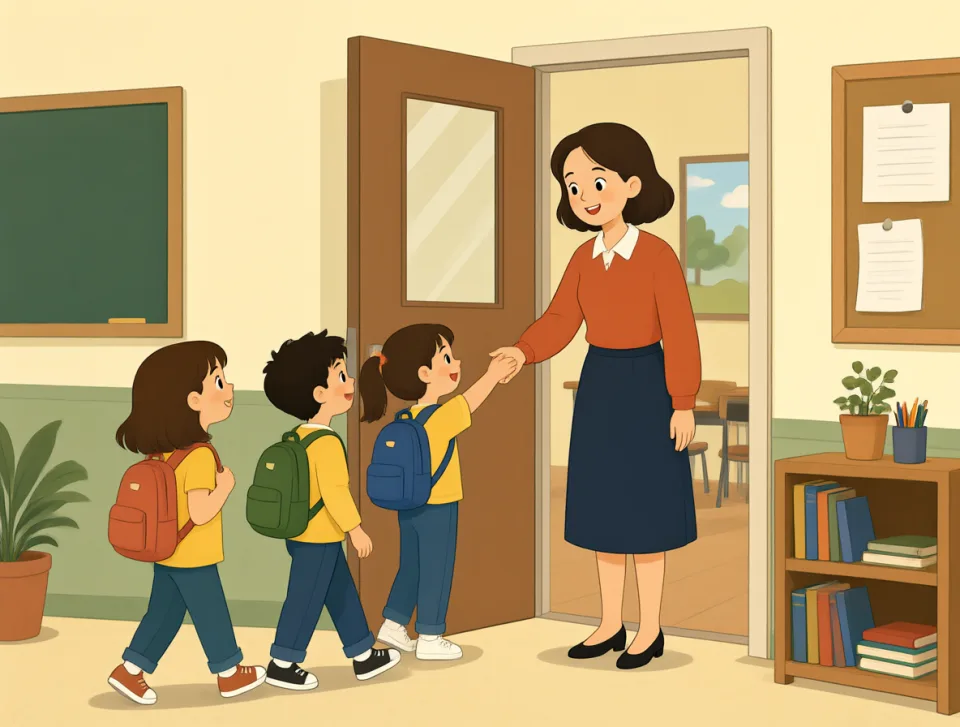
The teacher greeted each student at the classroom door this morning.
Tego ranka nauczyciel witał każdego ucznia przy drzwiach do sali.
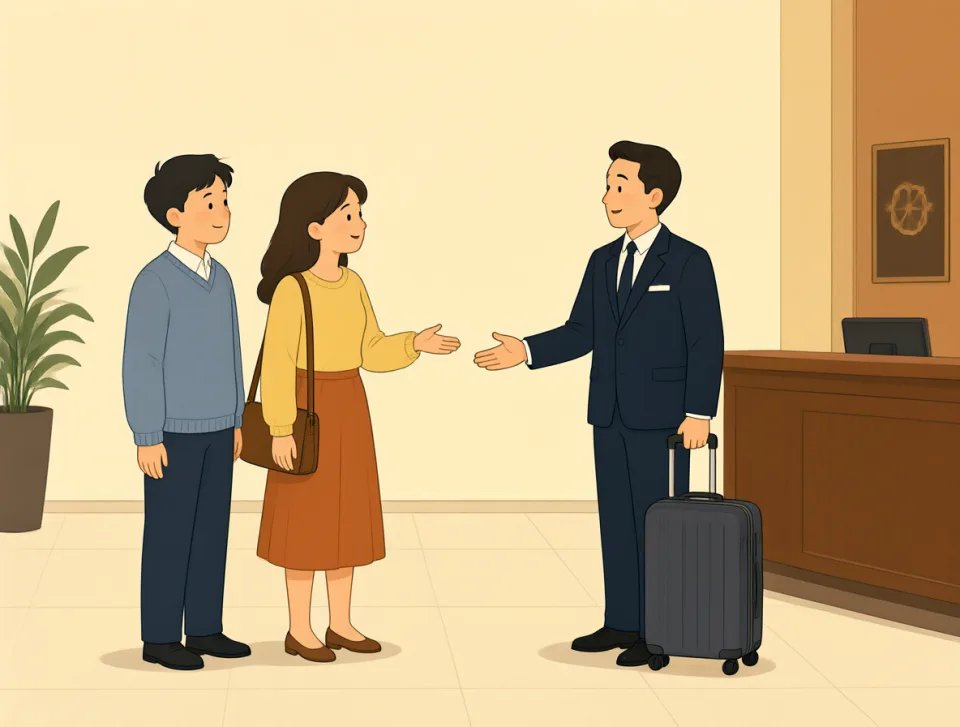
The hotel manager greeted us and helped carry our bags upstairs.
Kierownik hotelu przywitał nas i pomógł wnieść bagaże na górę.

The shop assistant greeted me before showing me the winter coats.
Sprzedawca przywitał mnie, zanim pokazał mi zimowe płaszcze.
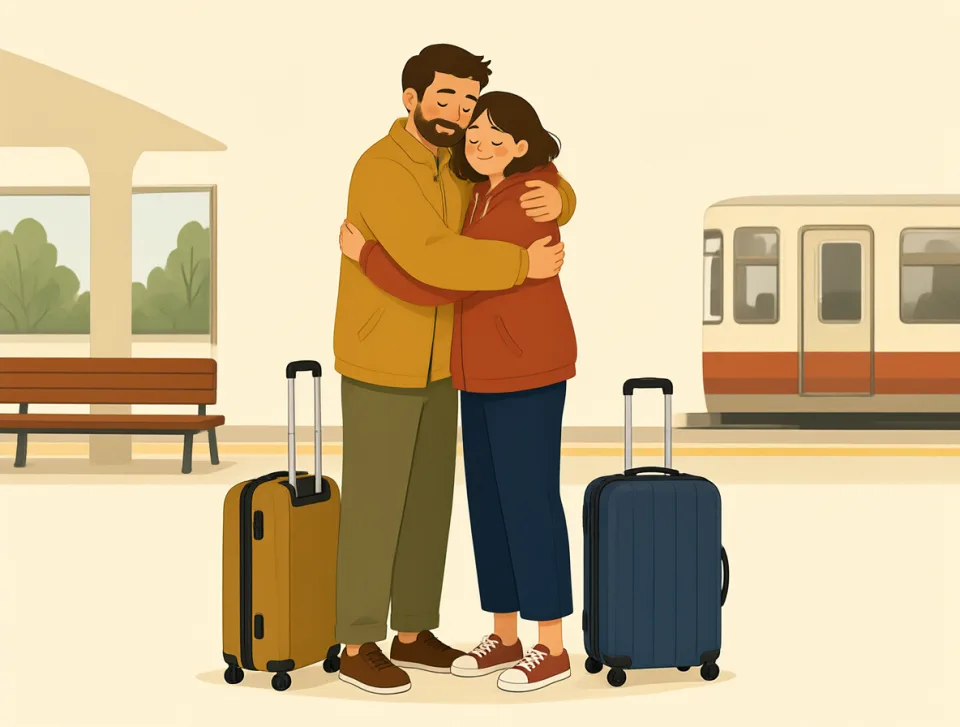
He greeted his old friend with a hug at the train station.
Na dworcu uściskał na powitanie dawnego przyjaciela.
hopefully
#2615adverb
miejmy nadzieję; oby
Used to say that you hope something will happen or be true.
Używane, by wyrazić nadzieję, że coś się wydarzy lub okaże się prawdą.
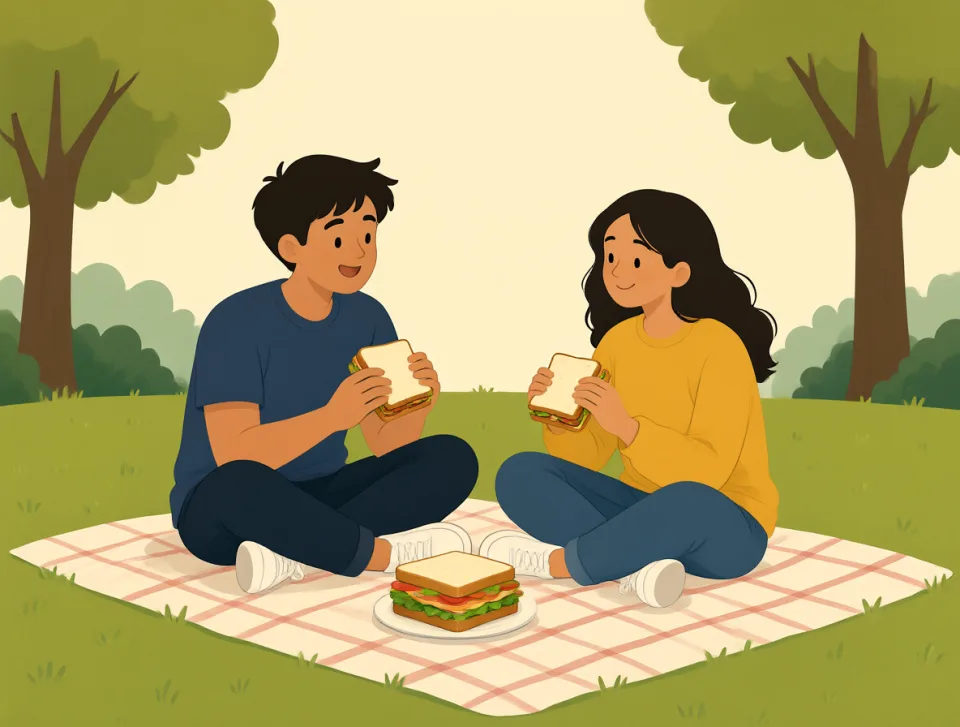
Hopefully, the weather will stay sunny for our picnic tomorrow.
Miejmy nadzieję, że jutro podczas naszego pikniku będzie słonecznie.
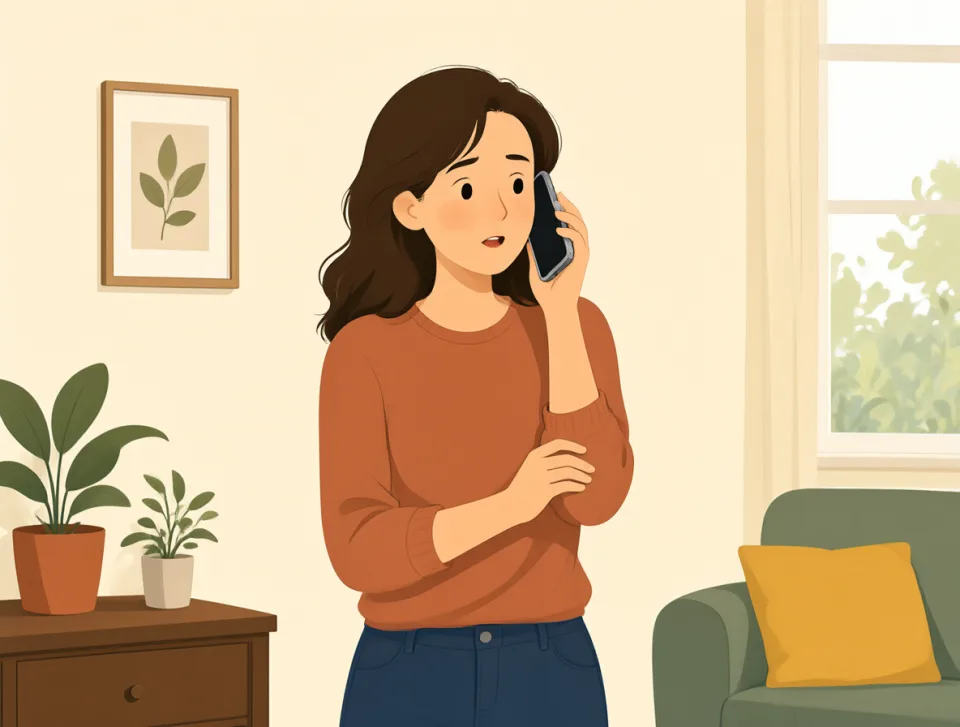
She called the clinic, hoping they could see her today.
Zadzwoniła do przychodni, mając nadzieję, że przyjmą ją jeszcze dziś.
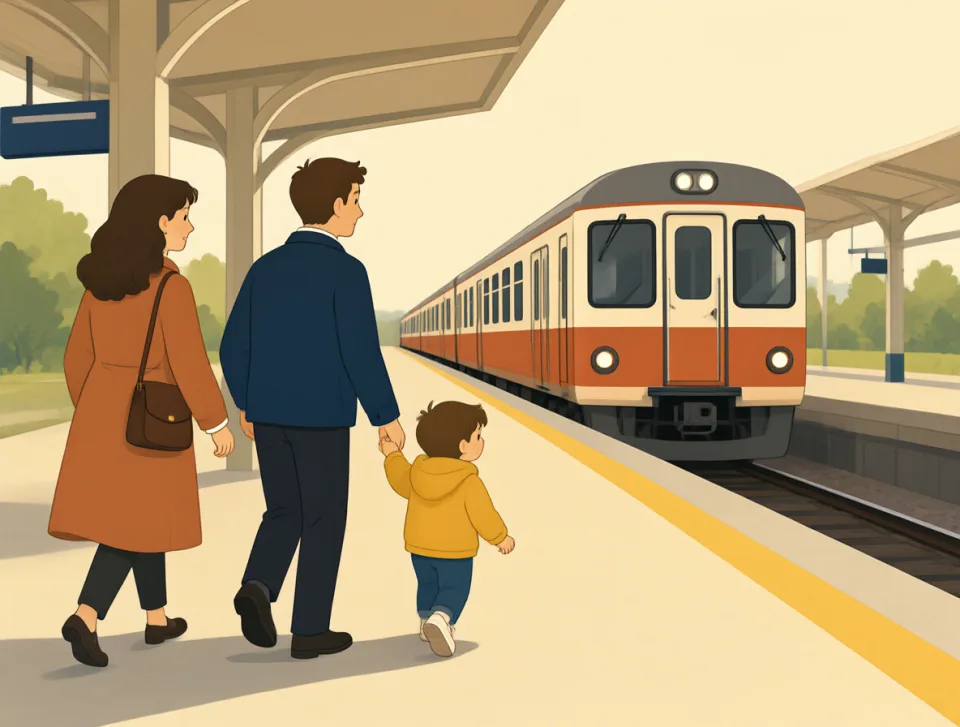
Hopefully, we can catch the earlier train and get home before dinner.
Miejmy nadzieję, że zdążymy na wcześniejszy pociąg i wrócimy do domu przed kolacją.

He studied hard and hopefully will pass his driving test next week.
Dużo się uczył i ma nadzieję, że w przyszłym tygodniu zda egzamin na prawo jazdy.
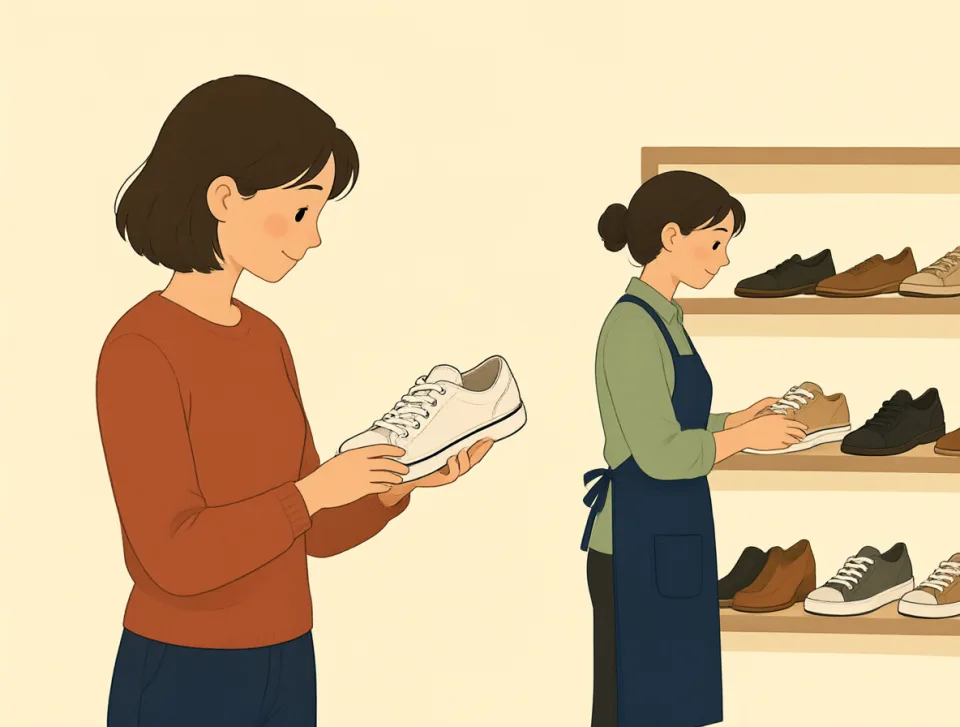
Hopefully, the shop still has the shoes in my size.
Miejmy nadzieję, że w sklepie wciąż mają te buty w moim rozmiarze.
sanction
#2616noun, verb
sankcja
An official penalty or restriction; to officially punish or approve an action.
Urzędna kara lub ograniczenie; oficjalnie ukarać albo zatwierdzić jakieś działanie.
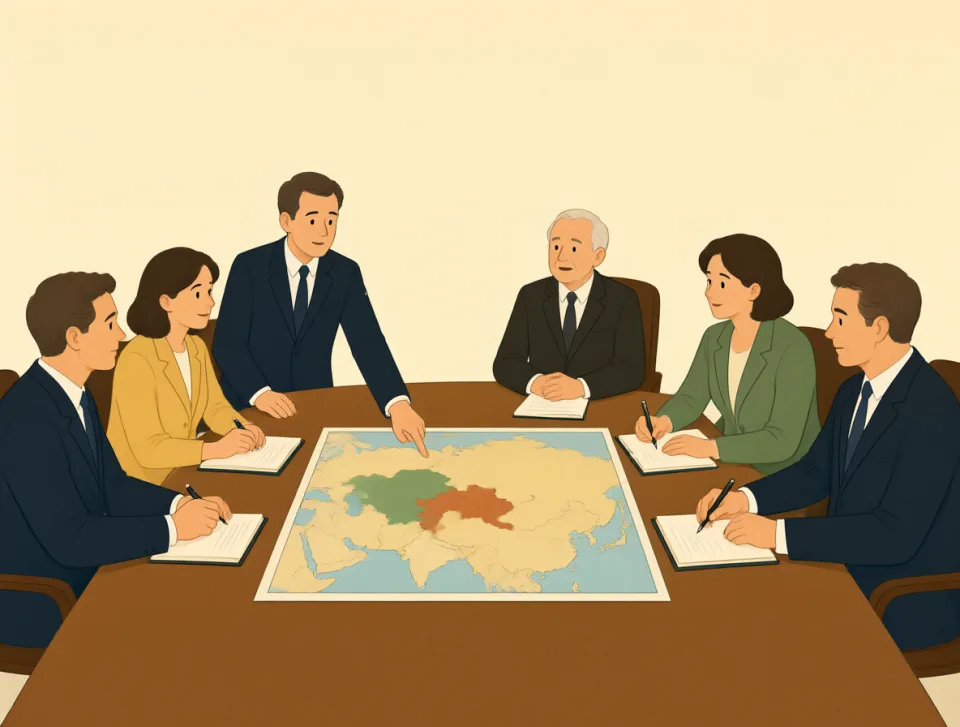
The country imposed sanctions on its neighbor after the invasion.
Kraj nałożył sankcje na sąsiada po inwazji.
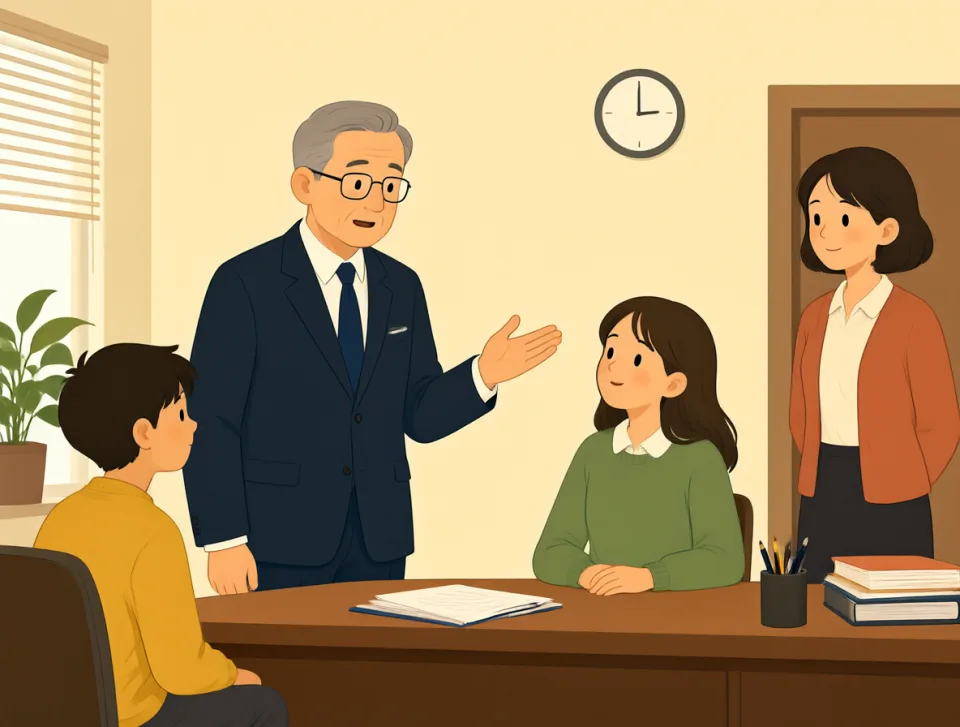
The school may sanction students who repeatedly break the safety rules.
Szkoła może ukarać uczniów, którzy wielokrotnie łamią zasady bezpieczeństwa.
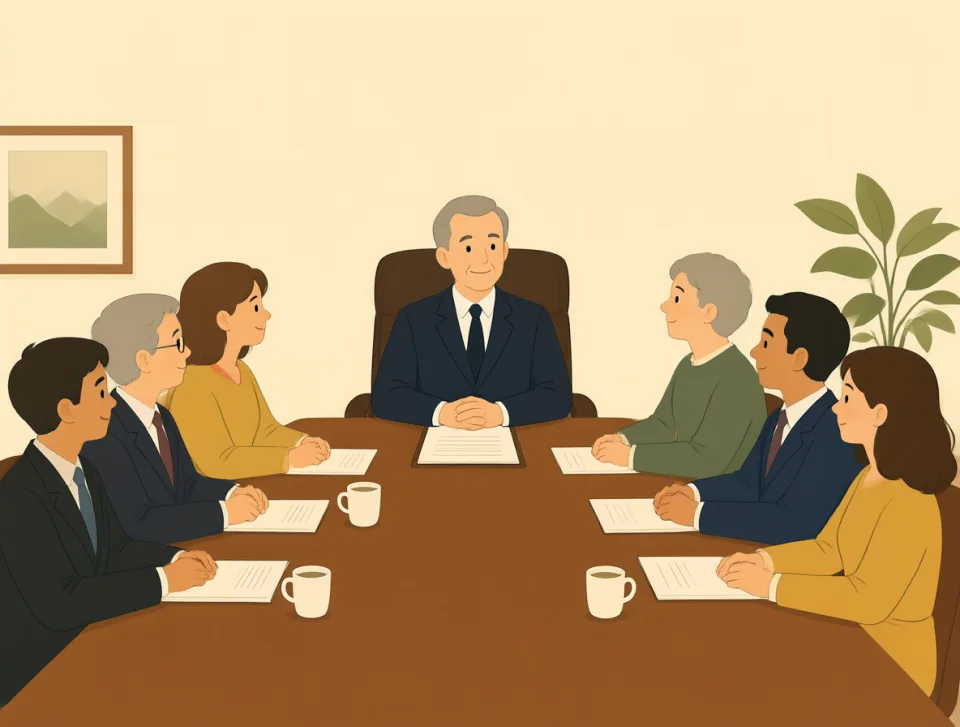
The committee sanctioned the new plan after reviewing the safety risks.
Komitet zatwierdził nowy plan po przeanalizowaniu zagrożeń dla bezpieczeństwa.
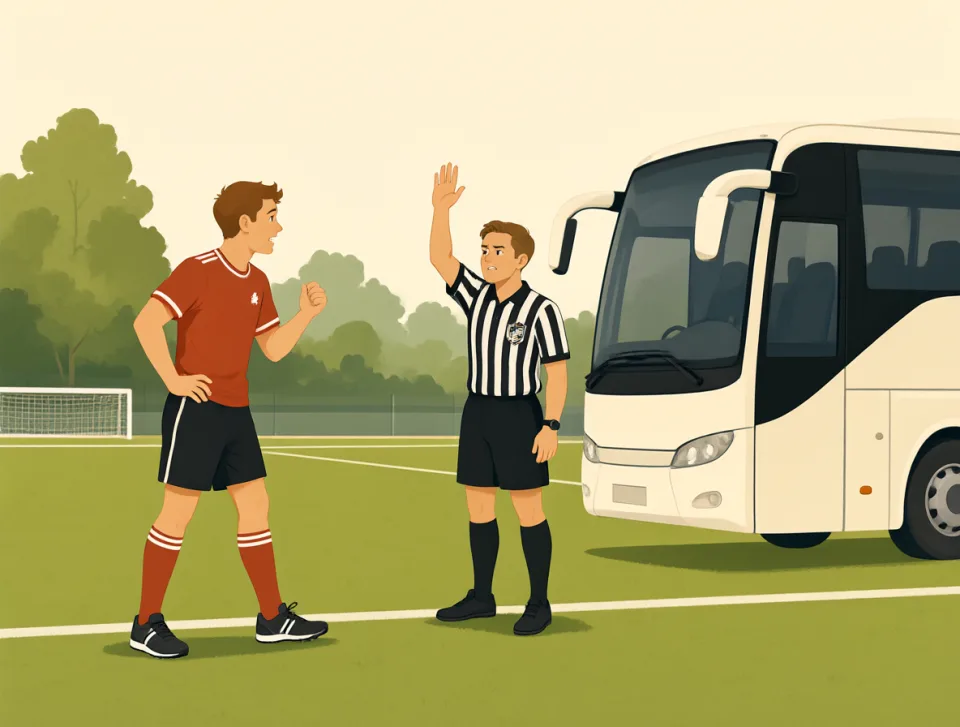
The coach was sanctioned for arguing with the referee during the match.
Trener został ukarany za kłótnię z sędzią podczas meczu.
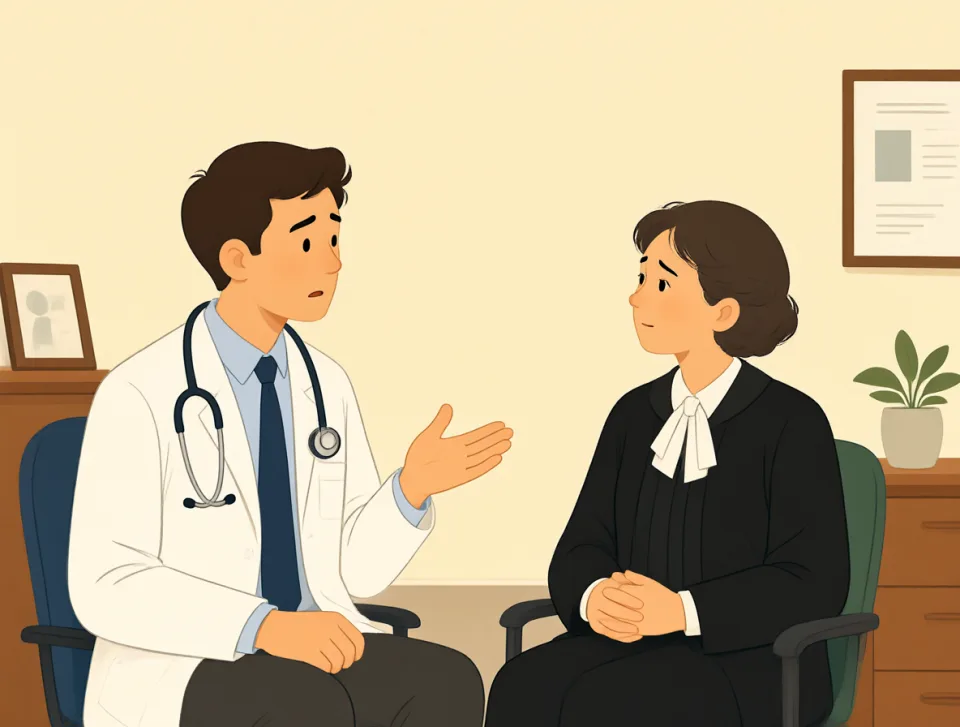
The law sanctions doctors who share a patient's private information.
Prawo przewiduje kary dla lekarzy, którzy ujawniają prywatne informacje o pacjencie.
trick
#2617noun, verb
sztuczka
A clever action or plan used to fool someone or solve a problem.
Sprytne działanie lub plan, który ma kogoś oszukać albo pomóc rozwiązać problem.
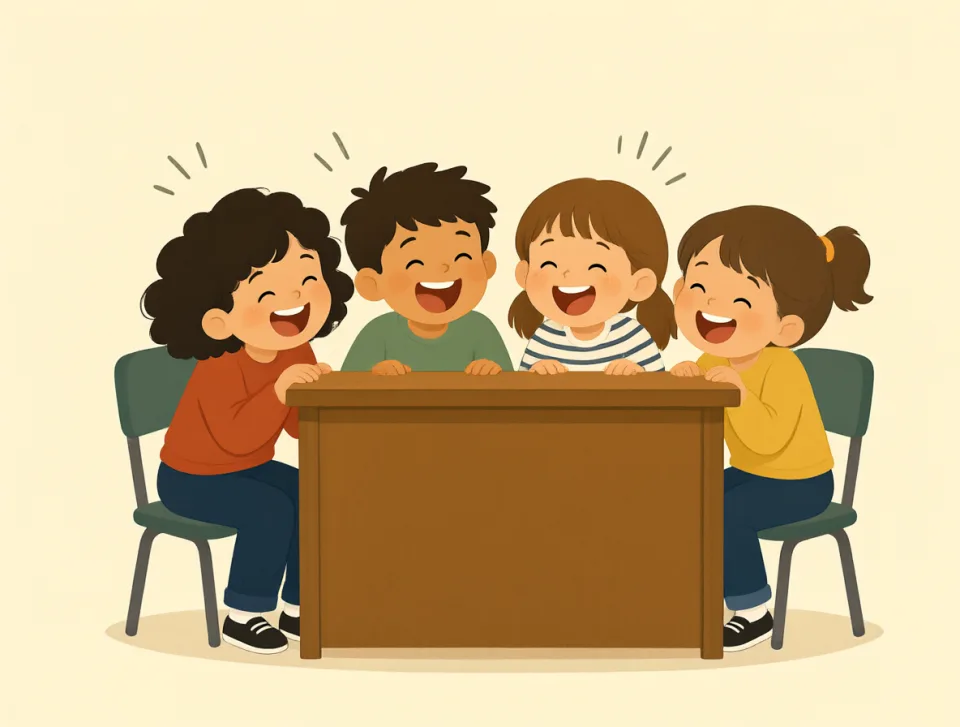
The children played a trick on their teacher by hiding her bag.
Dzieci zrobiły nauczycielce kawał, chowając jej torbę.
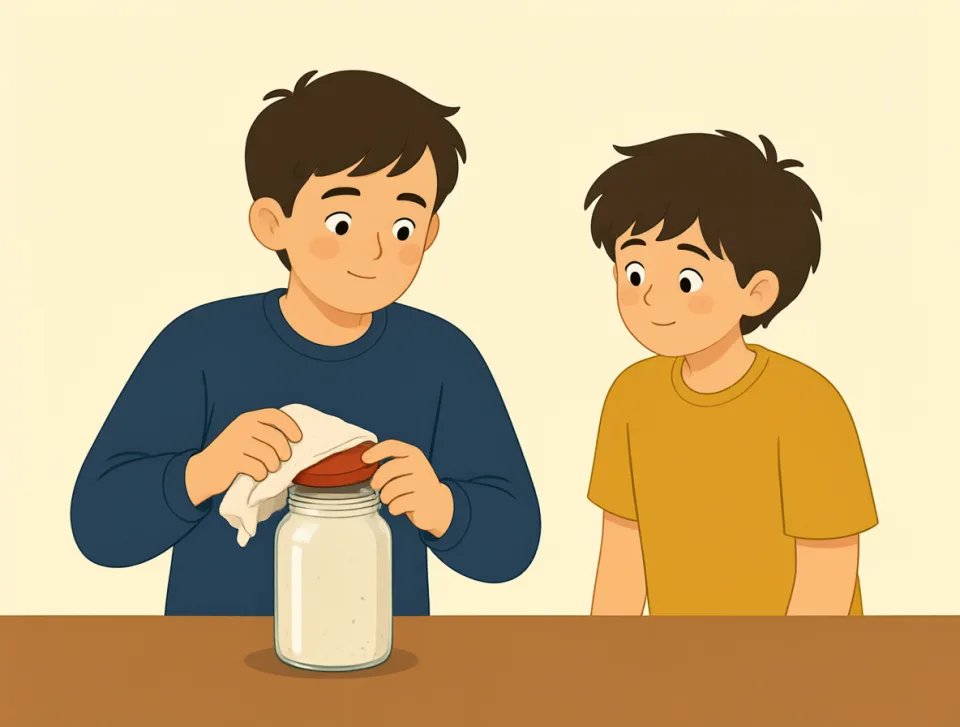
He showed me a simple trick for opening a jar more easily.
Pokazał mi prosty sposób na łatwiejsze otwieranie słoików.
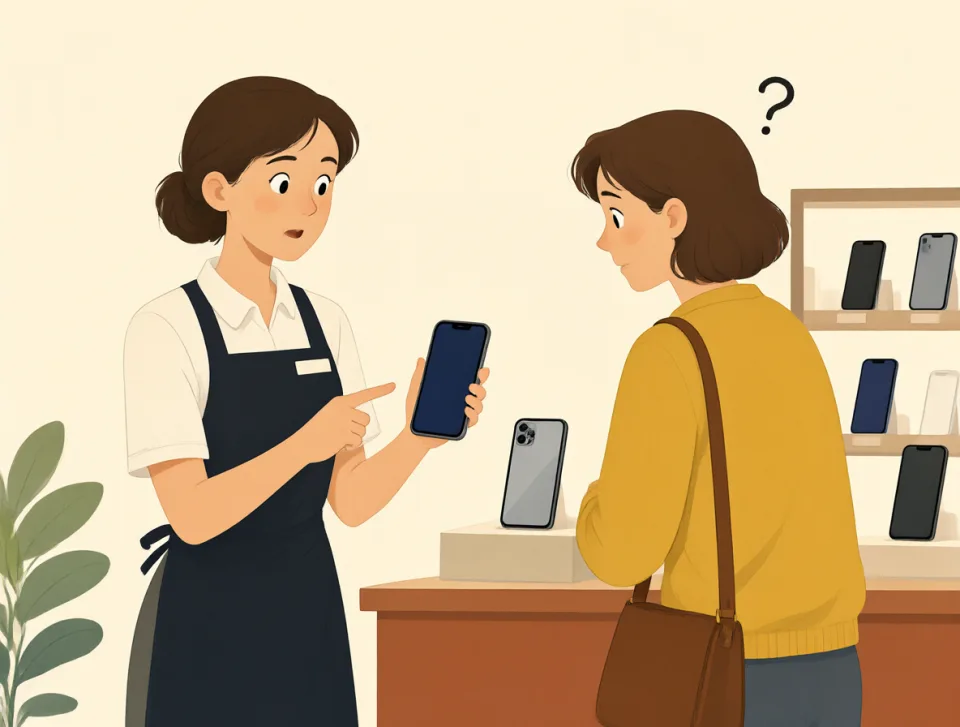
The shop assistant tricked me into buying a more expensive phone.
Sprzedawca w sklepie podstępem skłonił mnie do kupienia droższego telefonu.
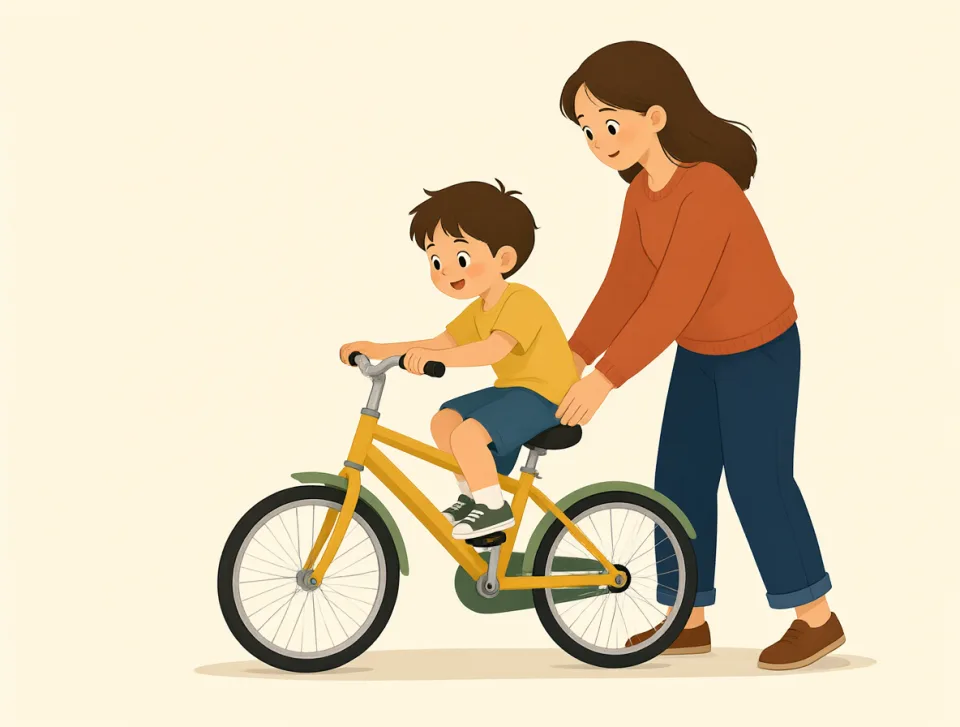
It takes a little practice to learn the trick of riding a bike.
Opanowanie sztuki jazdy na rowerze wymaga trochę ćwiczeń.
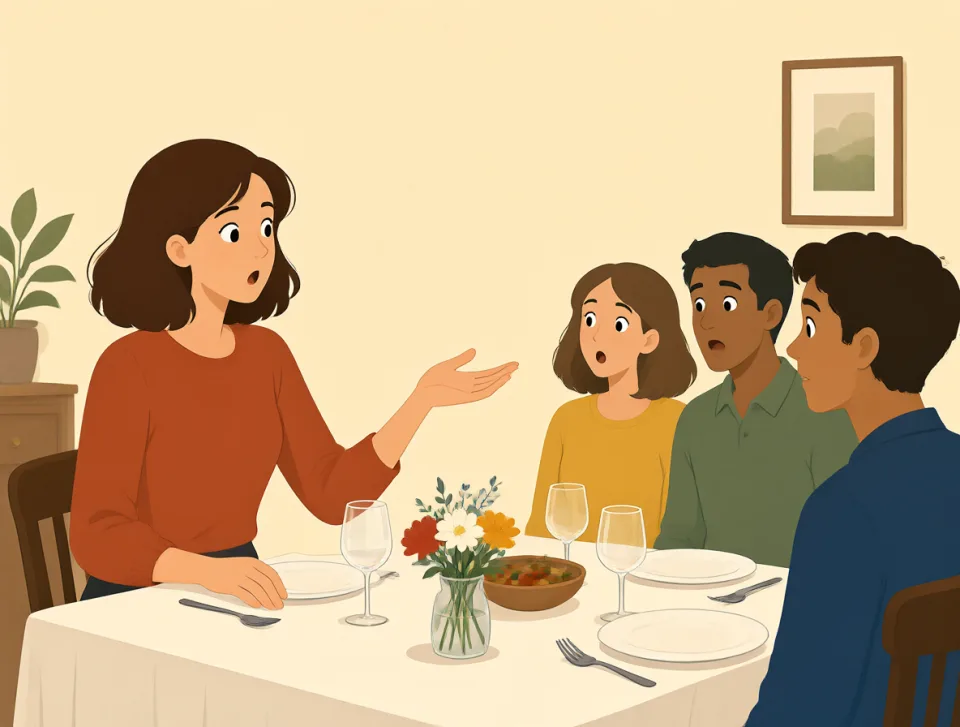
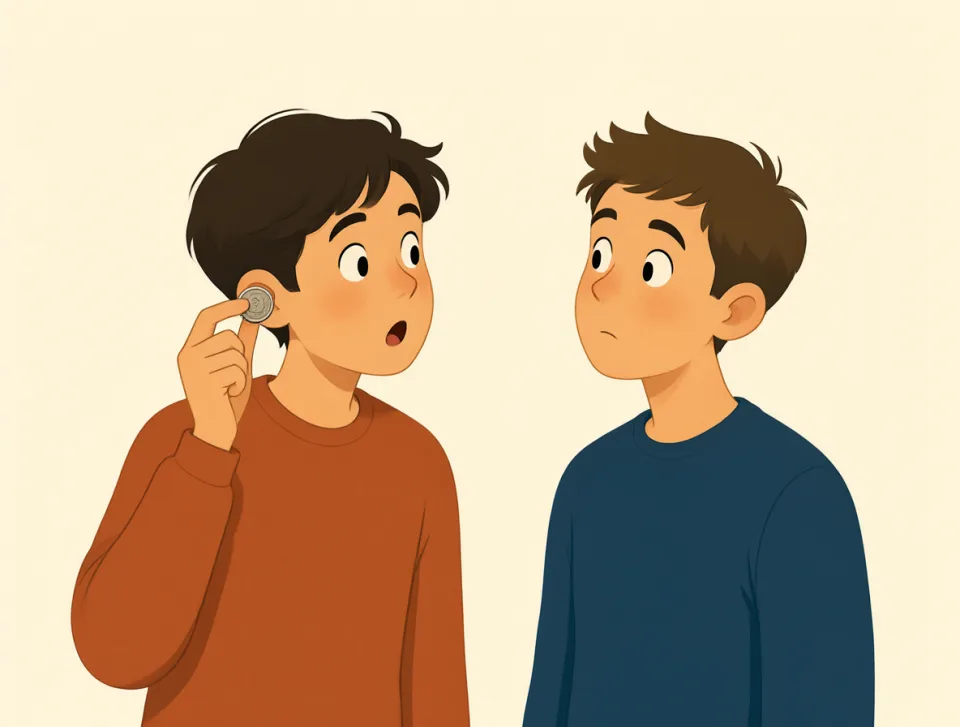
She used a magic trick to make a coin disappear at dinner.
Podczas kolacji wykonała magiczną sztuczkę, dzięki której moneta zniknęła.
paragraph
#2618noun
akapit
A section of writing that deals with one main idea, usually made of several sentences.
Część tekstu poświęcona jednej głównej myśli, zwykle składająca się z kilku zdań.
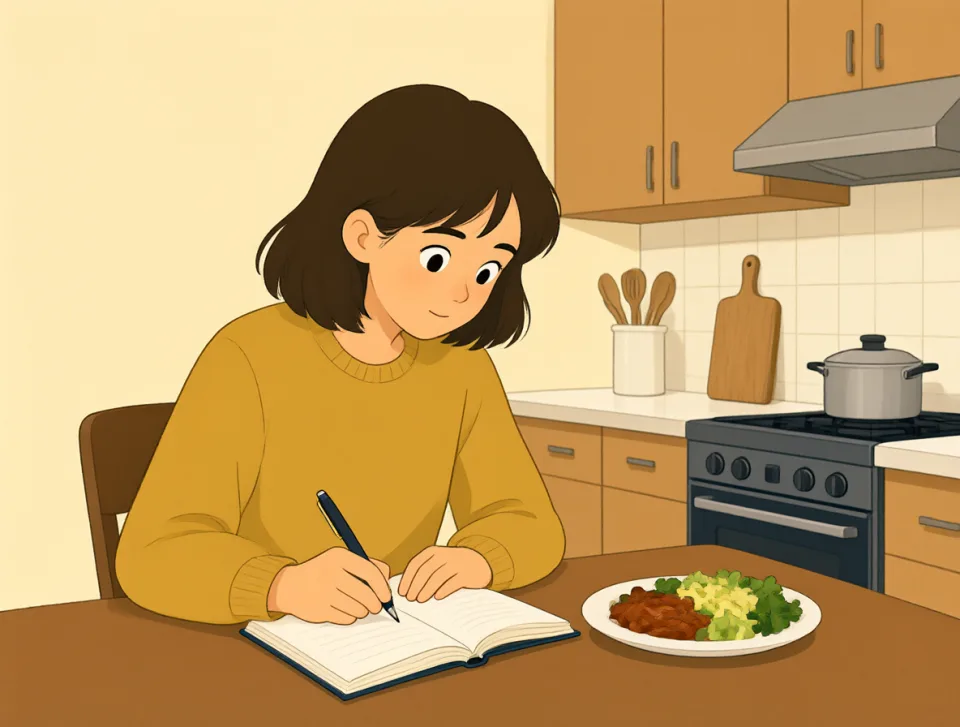
Please write one paragraph about your favorite meal for homework.
Napisz na zadanie domowe jeden akapit o swoim ulubionym posiłku.
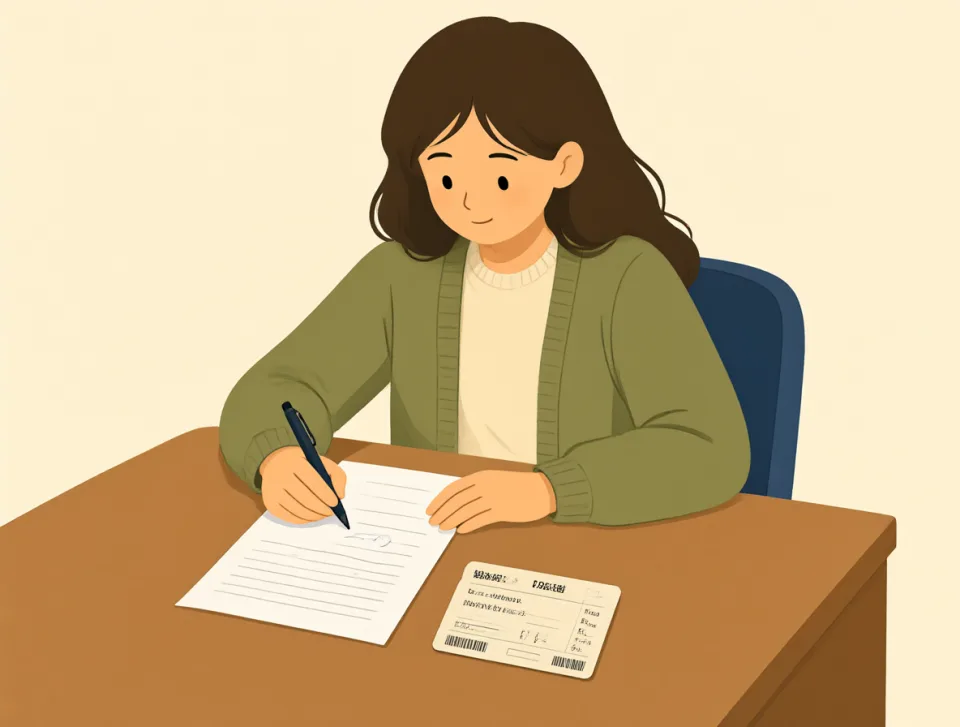
The first paragraph explains why the train was delayed this morning.
Pierwszy akapit wyjaśnia, dlaczego pociąg miał dziś rano opóźnienie.
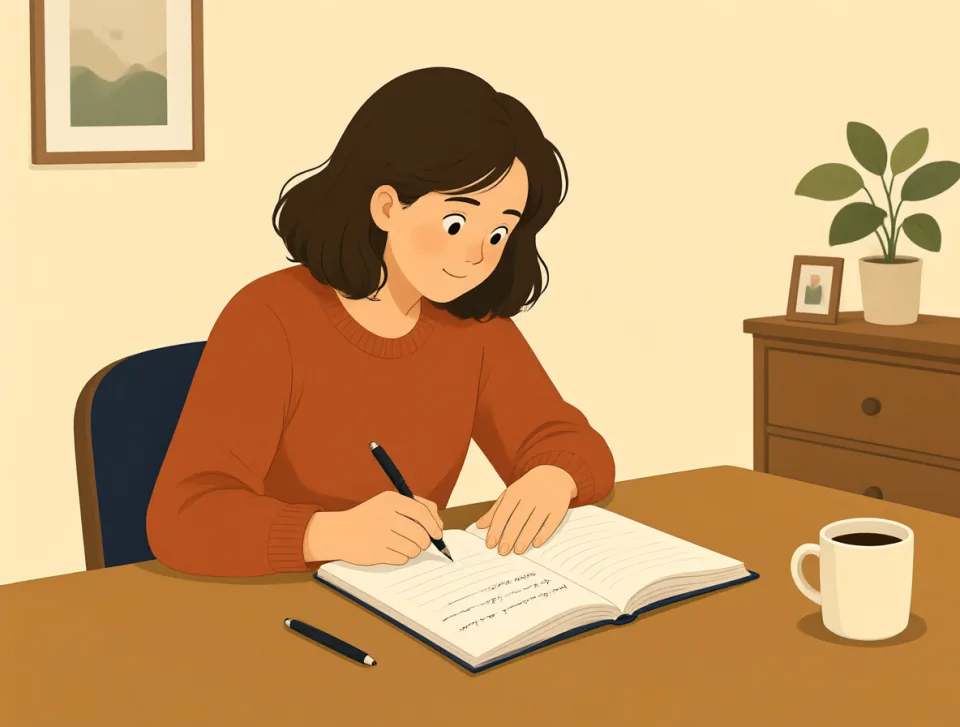
She added a short paragraph to the email before sending it.
Dodała krótki akapit do e-maila, zanim go wysłała.
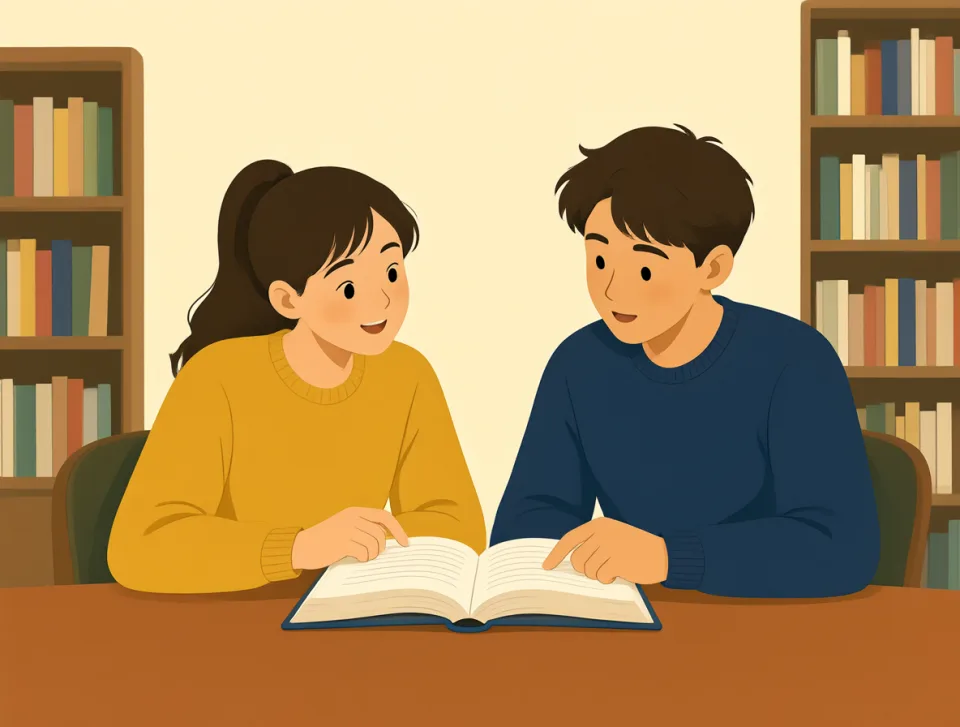
Read the second paragraph again, then answer the questions with your partner.
Przeczytaj jeszcze raz drugi akapit, a potem odpowiedz na pytania razem z osobą z pary.
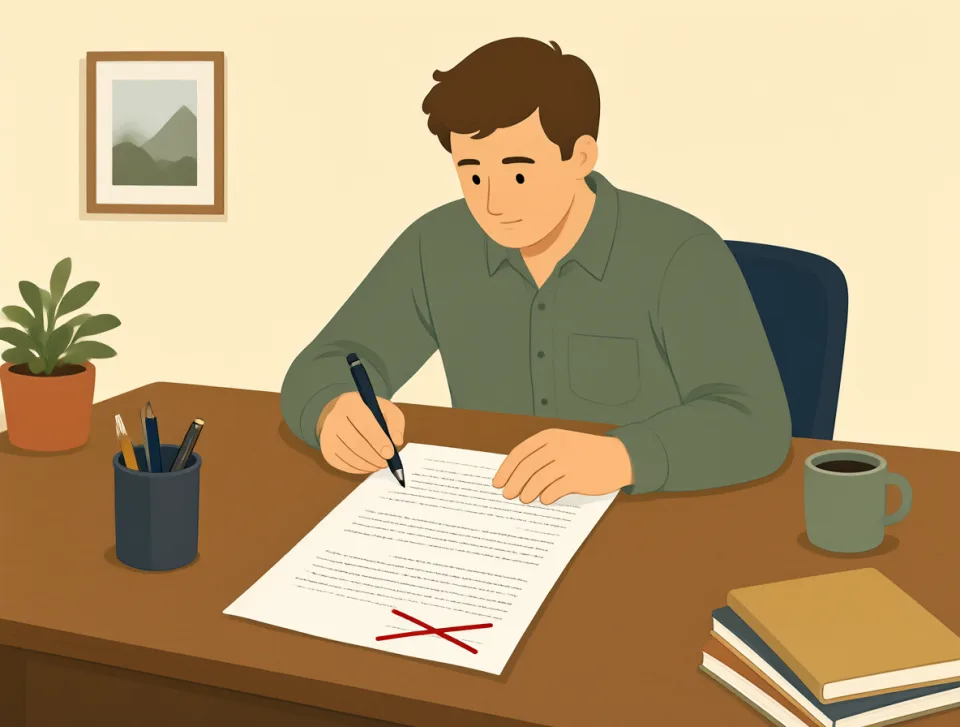
He crossed out the final paragraph because it repeated the same point.
Skreślił ostatni akapit, ponieważ powtarzał tę samą myśl.
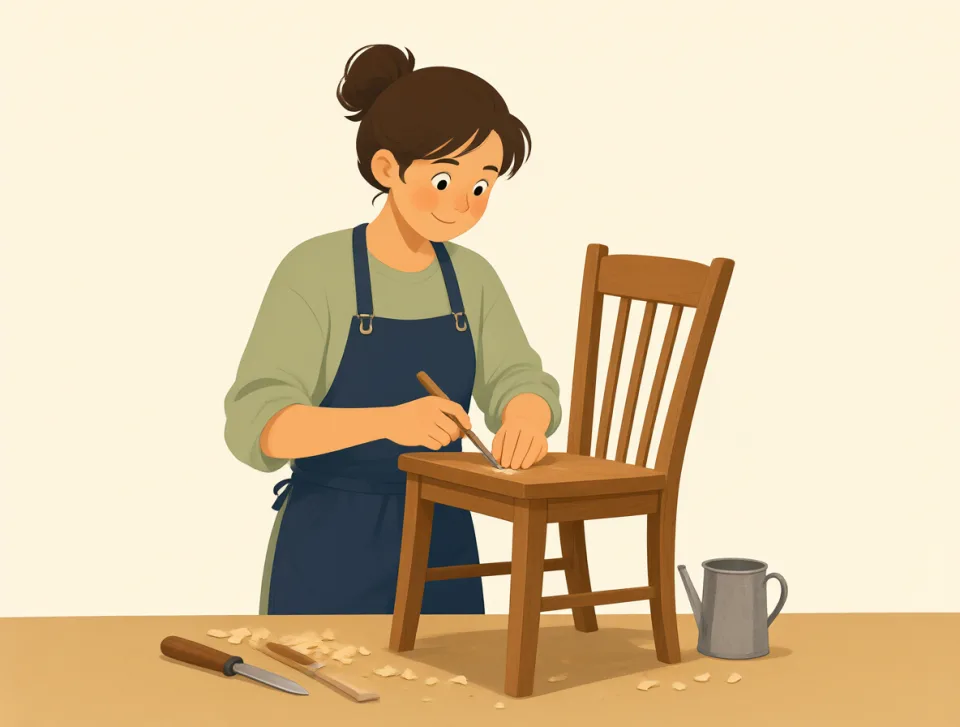
maker
#2619noun
producent
A person or company that makes or produces something.
Osoba lub firma, która coś wytwarza albo produkuje.
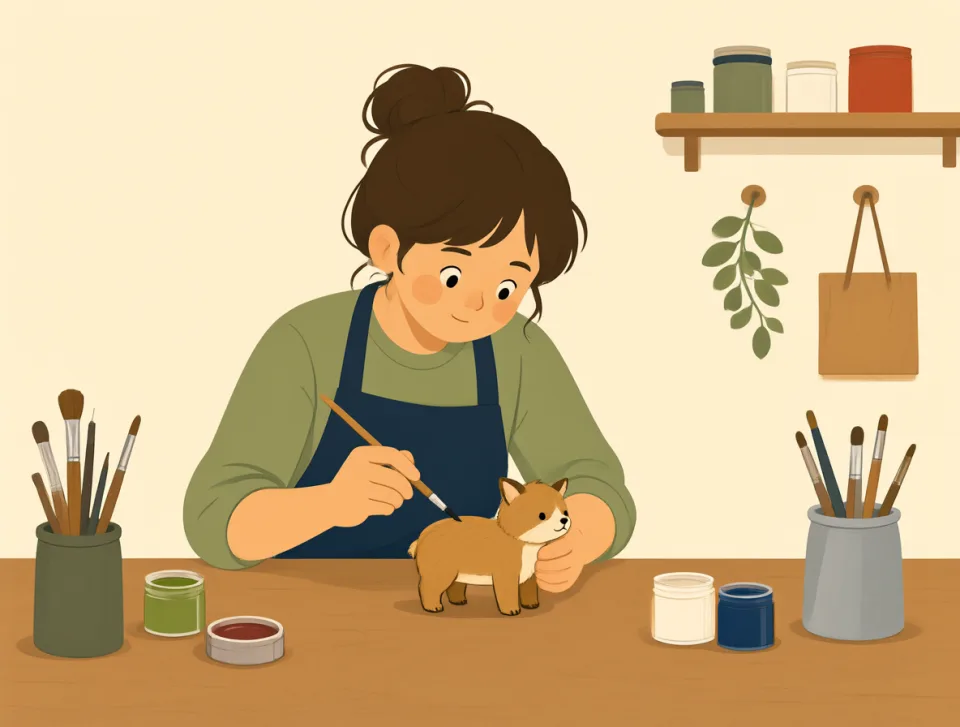
The toy maker designs colorful wooden animals for children.
Producent zabawek projektuje dla dzieci kolorowe drewniane zwierzątka.
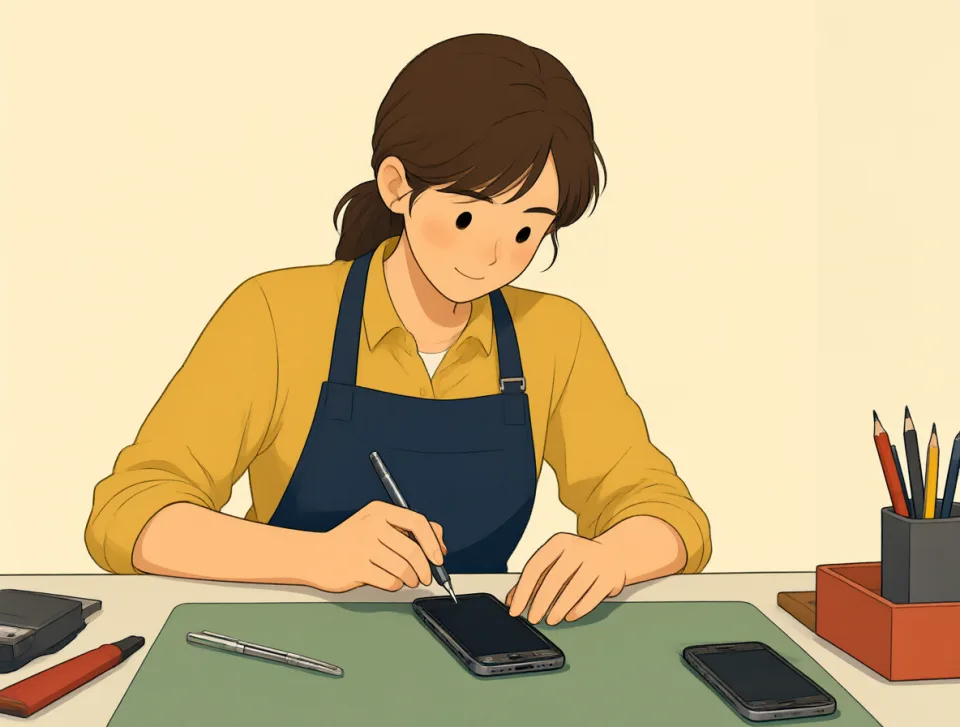
The maker of this phone offers a two-year repair service.
Producent tego telefonu oferuje dwuletnią usługę naprawy.
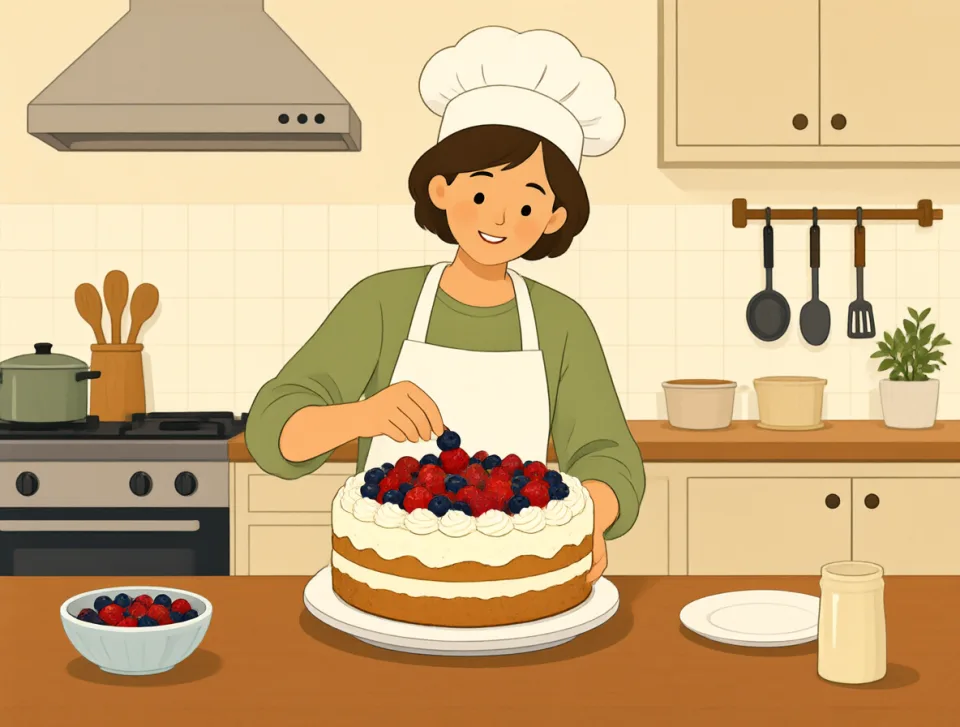
She asked the cake maker to add fresh berries for her birthday.
Poprosiła cukiernika, żeby dodał świeże owoce do tortu urodzinowego.

The decision maker invited the whole team to share their ideas.
Osoba podejmująca decyzje zaprosiła cały zespół do podzielenia się pomysłami.
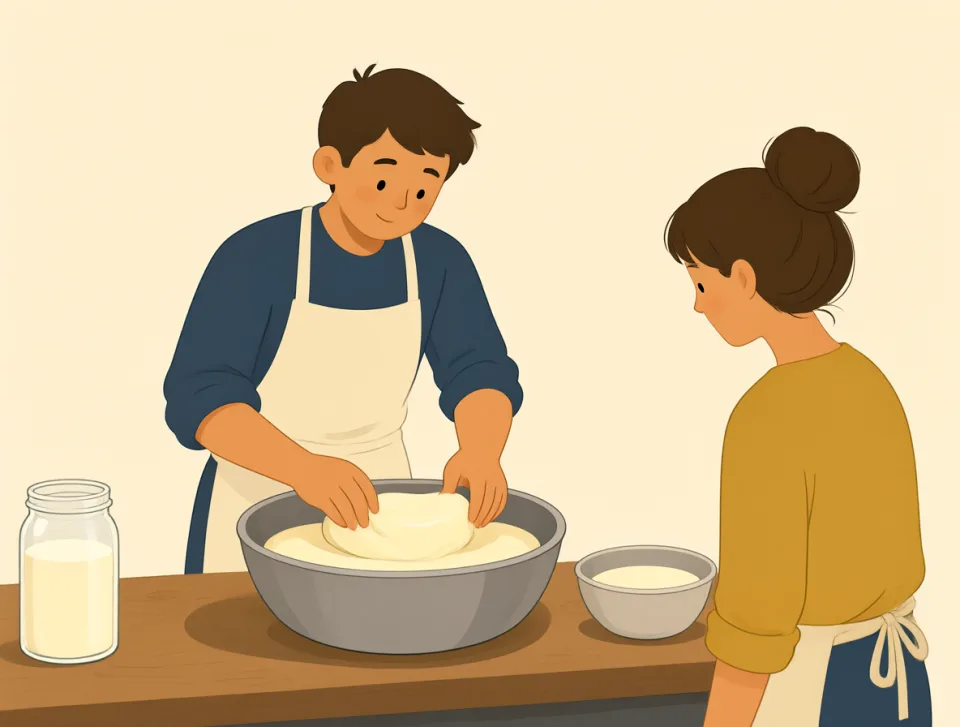
We visited a local cheese maker during our trip through the countryside.
Podczas wycieczki po okolicy odwiedziliśmy lokalnego serowara.
chocolate
#2620noun
czekolada
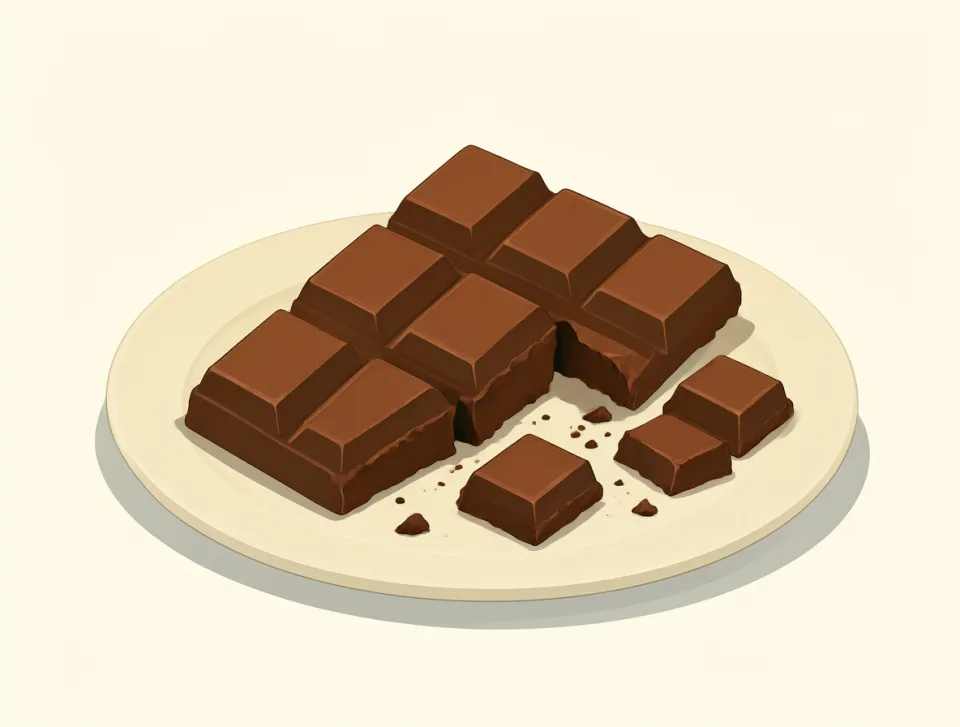
A sweet brown food made from cocoa, often eaten as a bar or used in desserts.
Słodki, brązowy produkt z kakao, często jedzony w formie tabliczki lub używany do deserów.
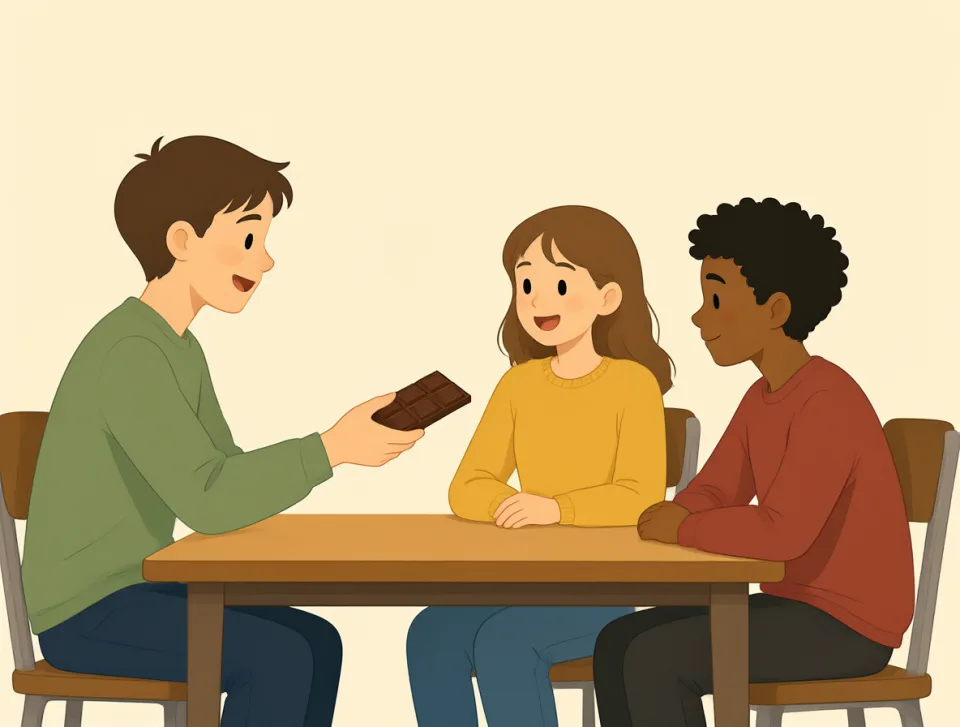
She bought a bar of chocolate to share with her friends after class.
Kupiła tabliczkę czekolady, żeby podzielić się nią z przyjaciółmi po zajęciach.
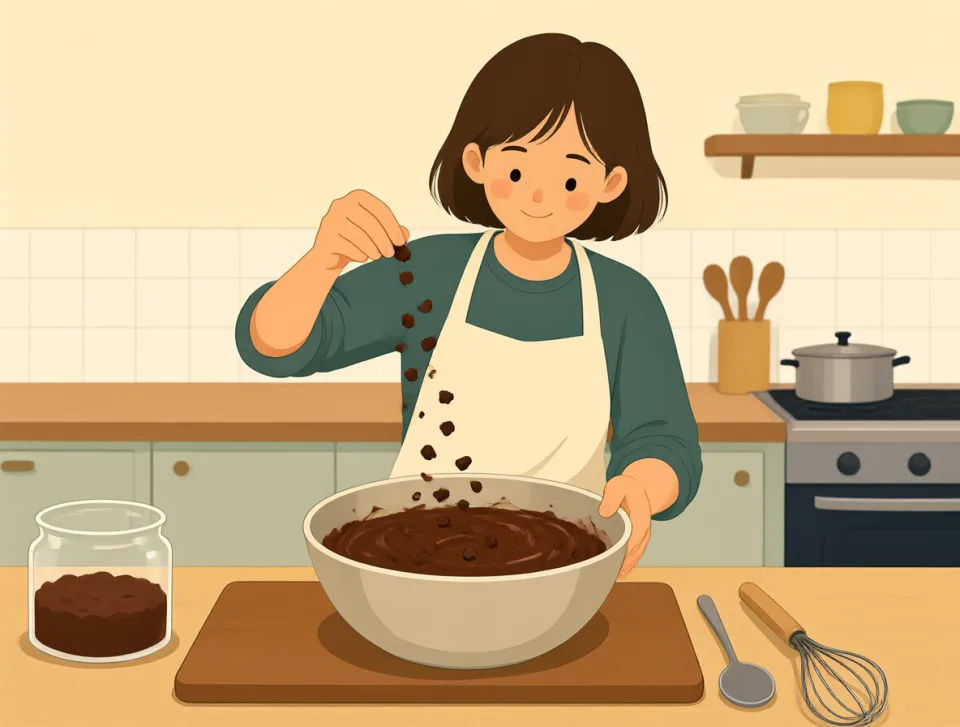
I added some chocolate to the cake before putting it in the oven.
Dodałem trochę czekolady do ciasta, zanim włożyłem je do piekarnika.
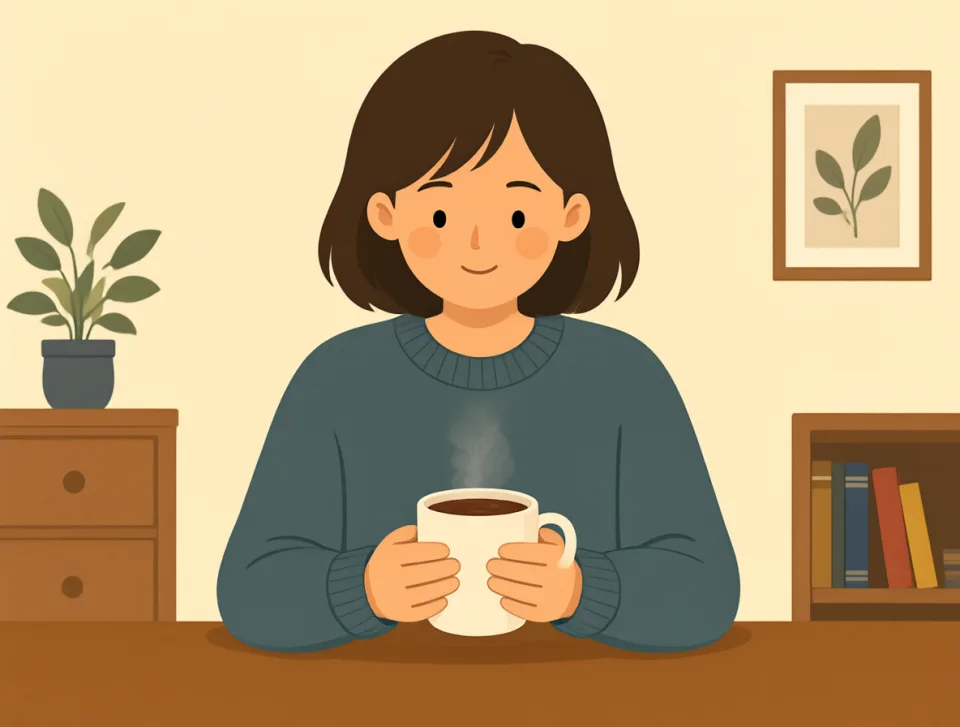
He likes hot chocolate when he comes home on cold evenings.
Lubi gorącą czekoladę, gdy wraca do domu w chłodne wieczory.
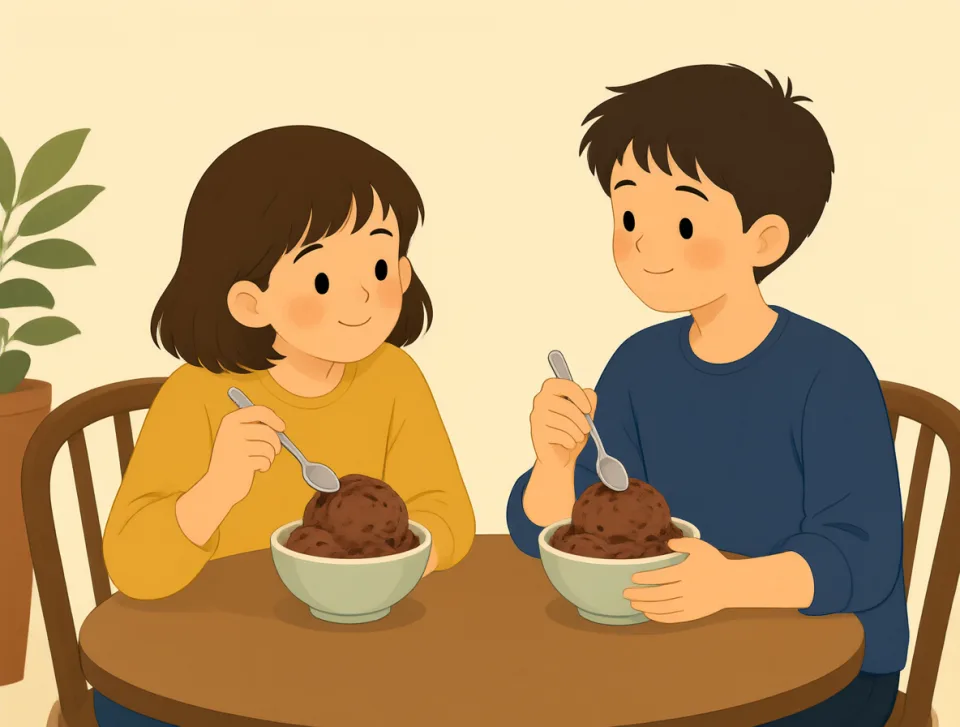
The children chose chocolate ice cream for dessert at the café.
Dzieci wybrały na deser lody czekoladowe w kawiarni.
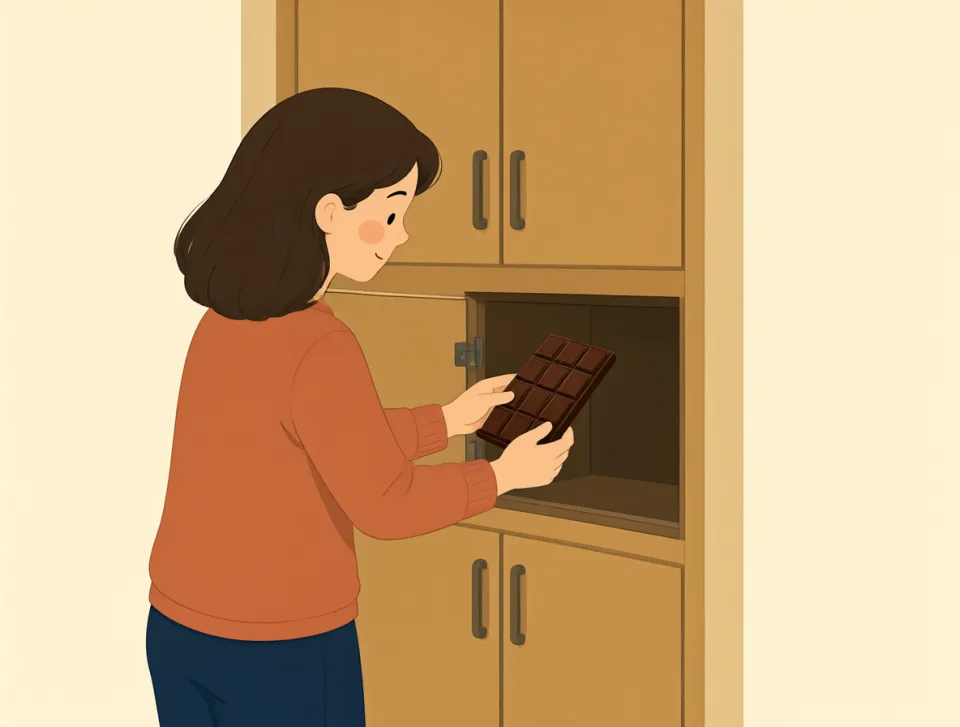
She gave up chocolate for a month because she wanted to eat less sugar.
Zrezygnowała z czekolady na miesiąc, bo chciała jeść mniej cukru.