Zestaw 113
Słowa 2241–2260 · smooth, intervention, impress, exam, vice, radical

smooth
#2241adjective,verb
gładki
even and soft, or moving easily without sudden stops or problems
równy i miękki albo poruszający się płynnie, bez nagłych zatrzymań czy problemów
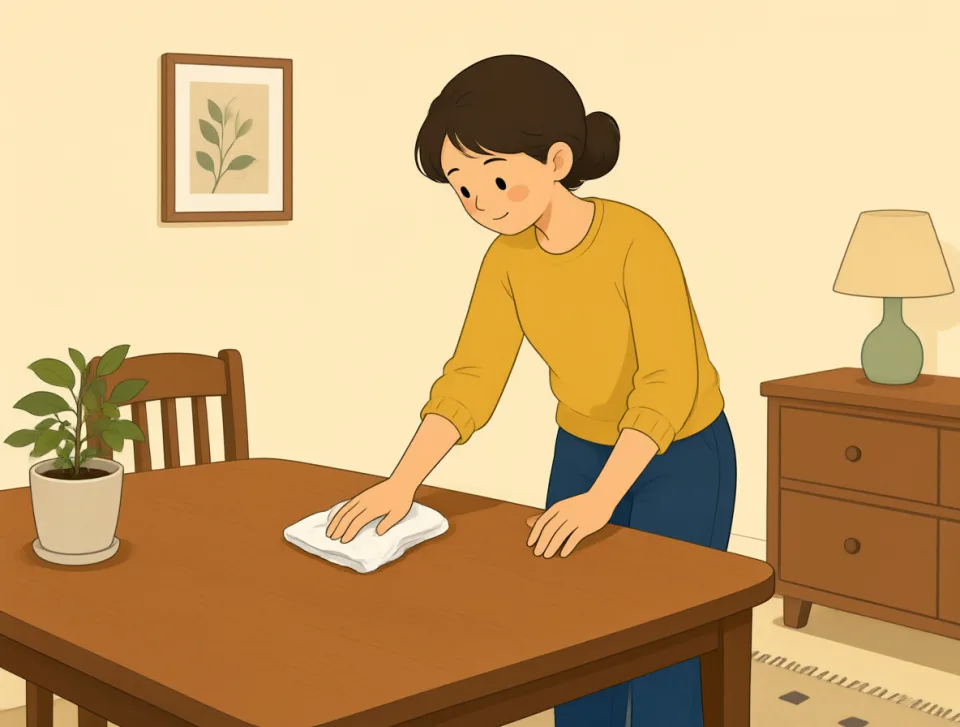
The smooth surface of the table is easy to clean.
Gładką powierzchnię stołu łatwo wyczyścić.
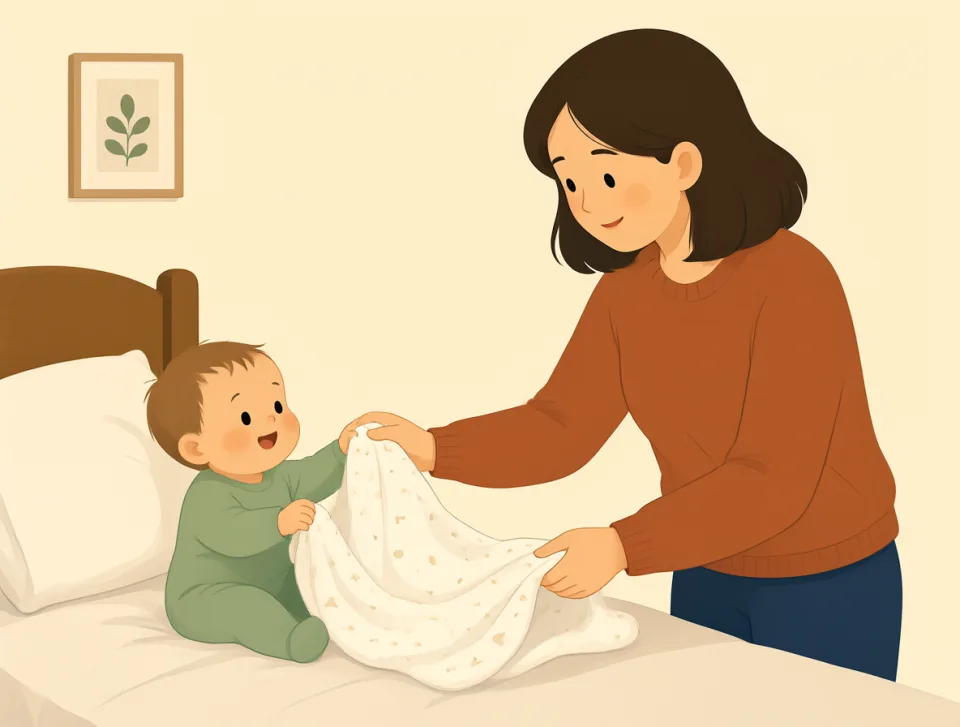
She gave the baby a smooth, soft blanket before bedtime.
Przed snem dała dziecku gładki, miękki kocyk.

The manager wants to ensure a smooth start for the new employee.
Kierownik chce zapewnić nowemu pracownikowi dobry początek.

The train ride was smooth, so we arrived feeling rested.
Podróż pociągiem przebiegła płynnie, więc dotarliśmy na miejsce wypoczęci.
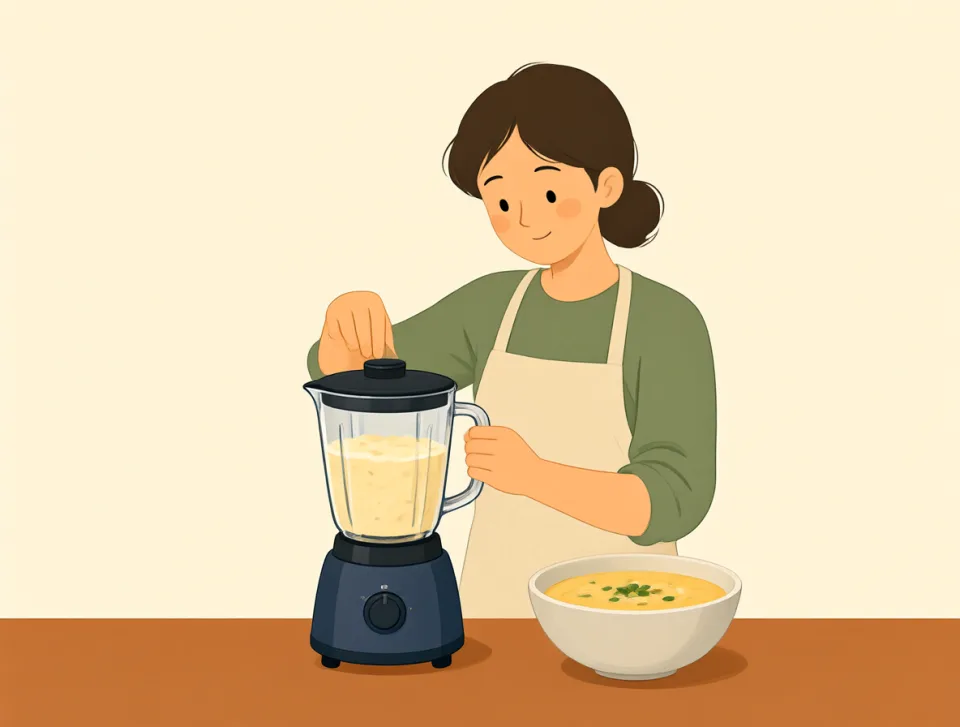
Blend the soup until it becomes smooth and creamy.
Zmiksuj zupę, aż będzie gładka i kremowa.
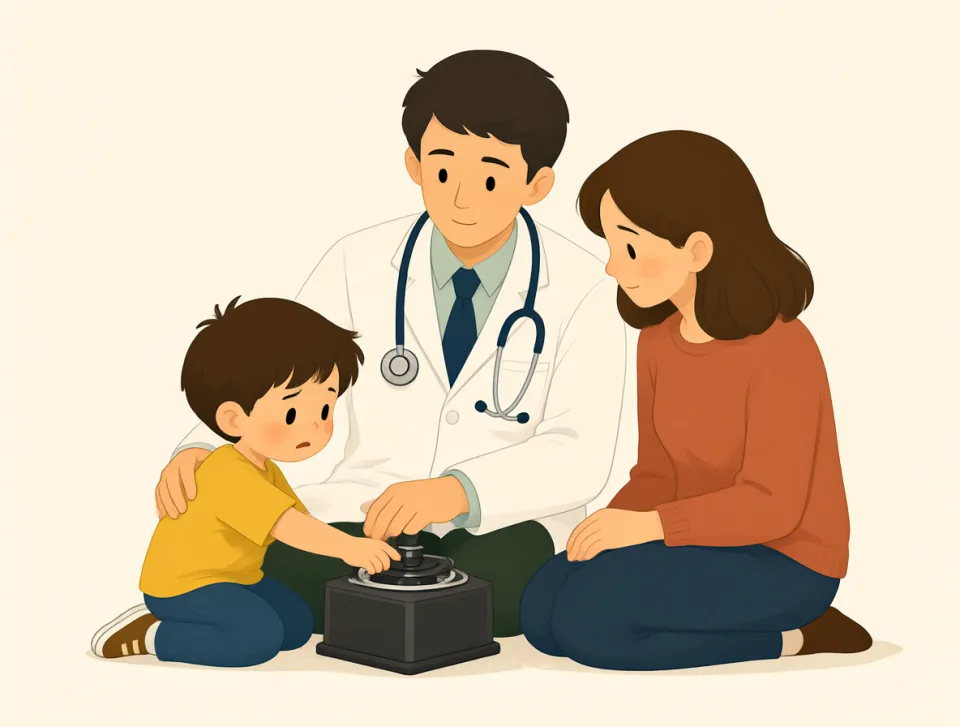
intervention
#2242noun
interwencja
Action taken to improve a difficult situation or stop a problem from getting worse.
Działanie podjęte w celu poprawy trudnej sytuacji lub zapobieżenia pogorszeniu się problemu.
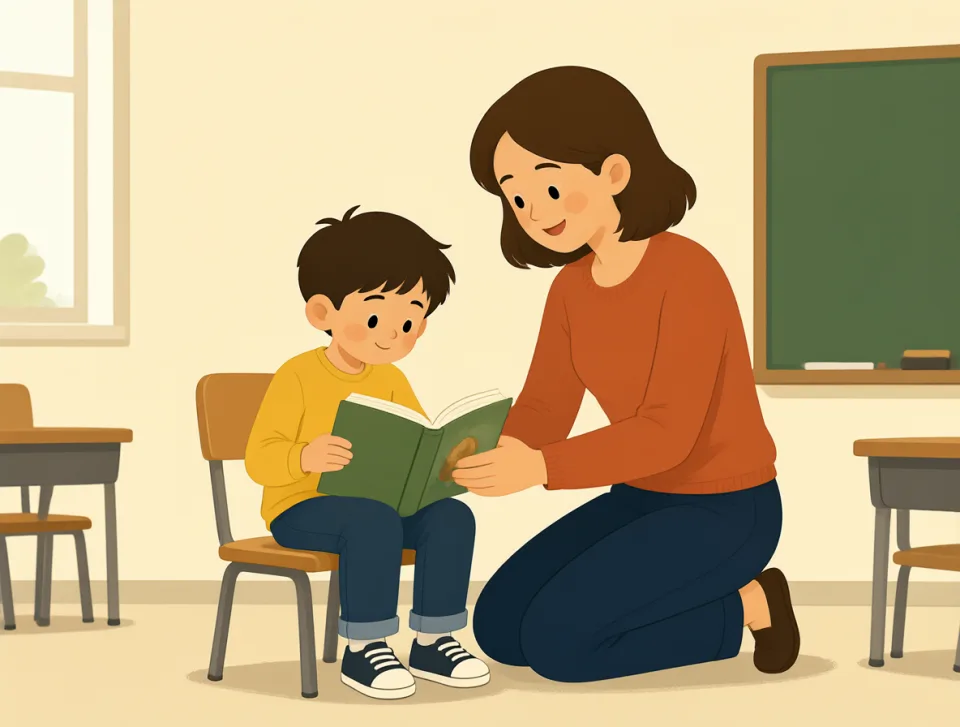
Early intervention helped the child improve his reading skills at school.
Wczesna interwencja pomogła dziecku poprawić umiejętność czytania w szkole.

The manager's intervention prevented a serious argument between two coworkers.
Interwencja kierownika zapobiegła poważnej kłótni między dwojgiem współpracowników.
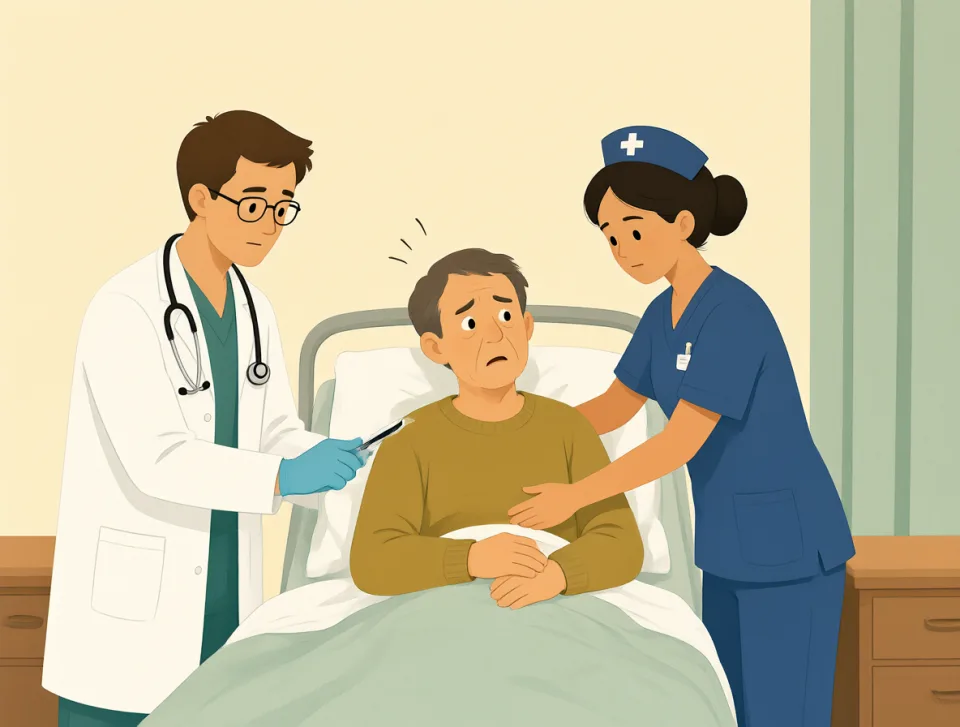
Doctors recommended immediate intervention after the patient's condition suddenly became worse.
Lekarze zalecili natychmiastową interwencję, gdy stan pacjenta nagle się pogorszył.
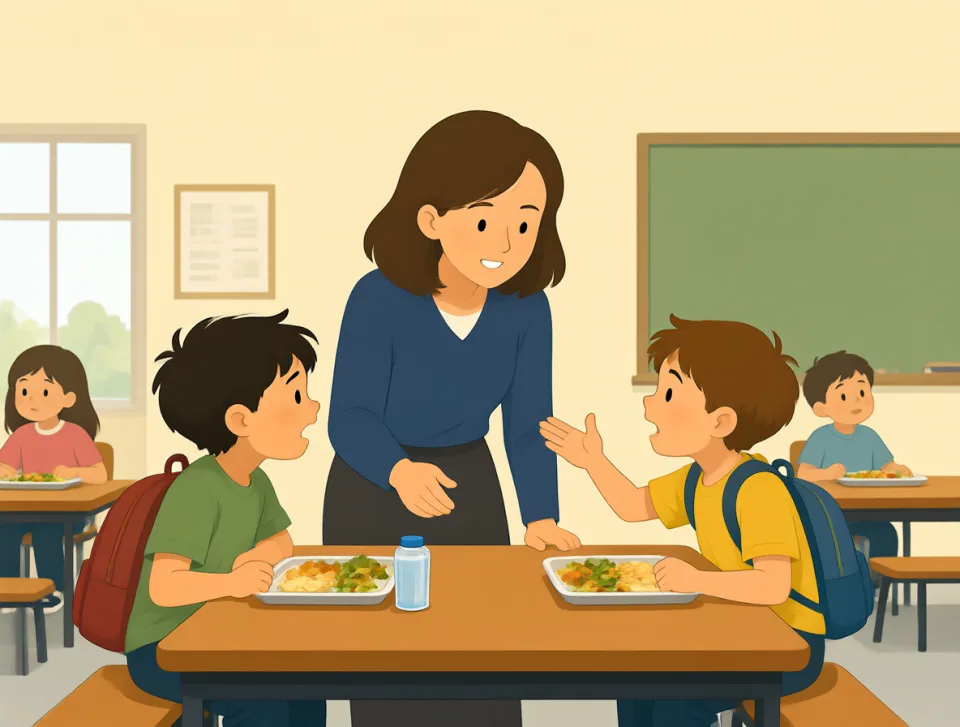
The teacher's intervention stopped the students from fighting during lunch.
Interwencja nauczyciela powstrzymała uczniów przed bójką podczas przerwy obiadowej.

Government intervention kept food prices from rising too quickly this year.
Interwencja rządu zapobiegła zbyt szybkiemu wzrostowi cen żywności w tym roku.
impress
#2243verb
wywierać wrażenie
to make someone admire or respect you because of something you do well
sprawiać, że ktoś cię podziwia lub szanuje ze względu na coś, co robisz dobrze

Her excellent presentation impressed everyone at the meeting.
Jej znakomita prezentacja zrobiła wrażenie na wszystkich uczestnikach spotkania.
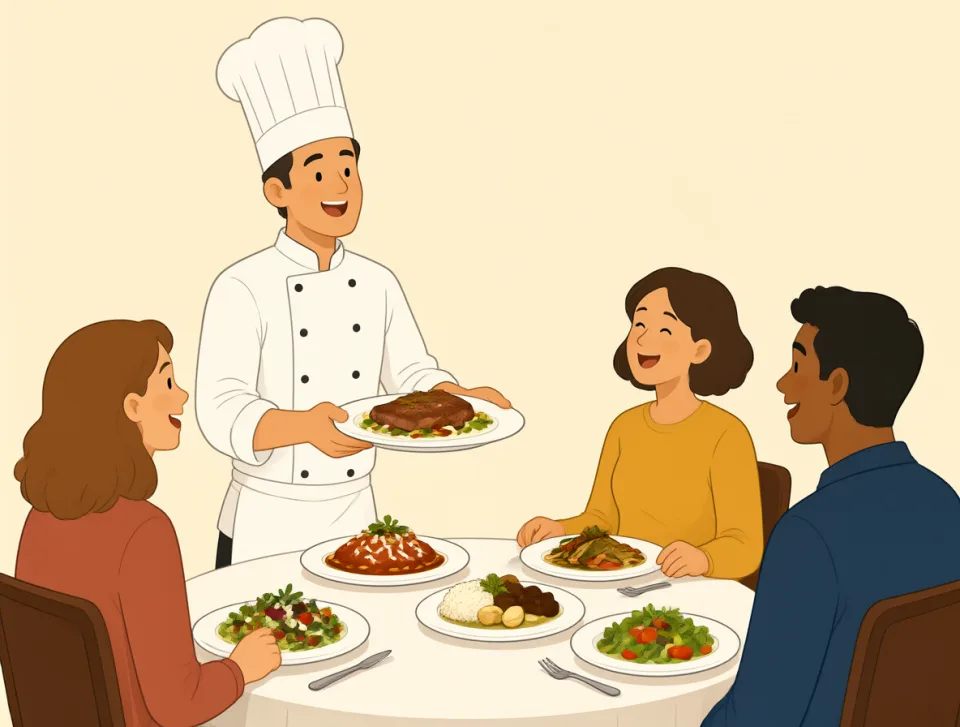
The chef impressed us with a delicious three-course meal.
Szef kuchni zaimponował nam pysznym, trzydaniowym posiłkiem.
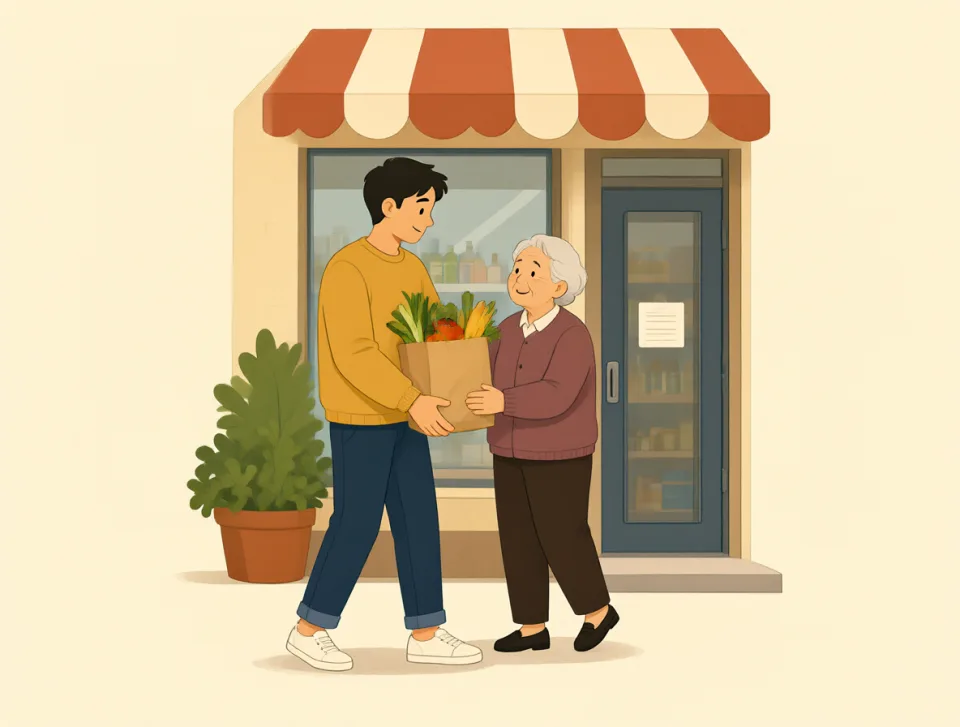
His kindness impressed me more than his expensive clothes.
Jego życzliwość zrobiła na mnie większe wrażenie niż jego drogie ubrania.

We were impressed by the hotel’s clean rooms and friendly staff.
Byliśmy pod wrażeniem czystych pokoi w hotelu i życzliwego personelu.
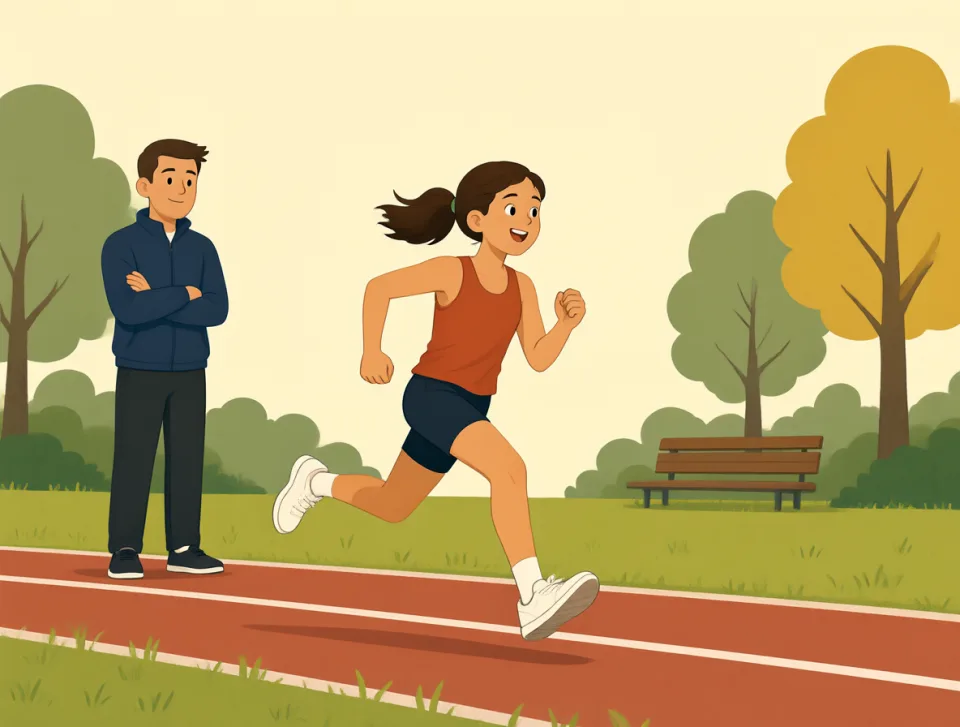
The young athlete impressed her coach by training every morning.
Młoda sportsmenka zaimponowała trenerowi, trenując każdego ranka.
exam
#2244noun
egzamin
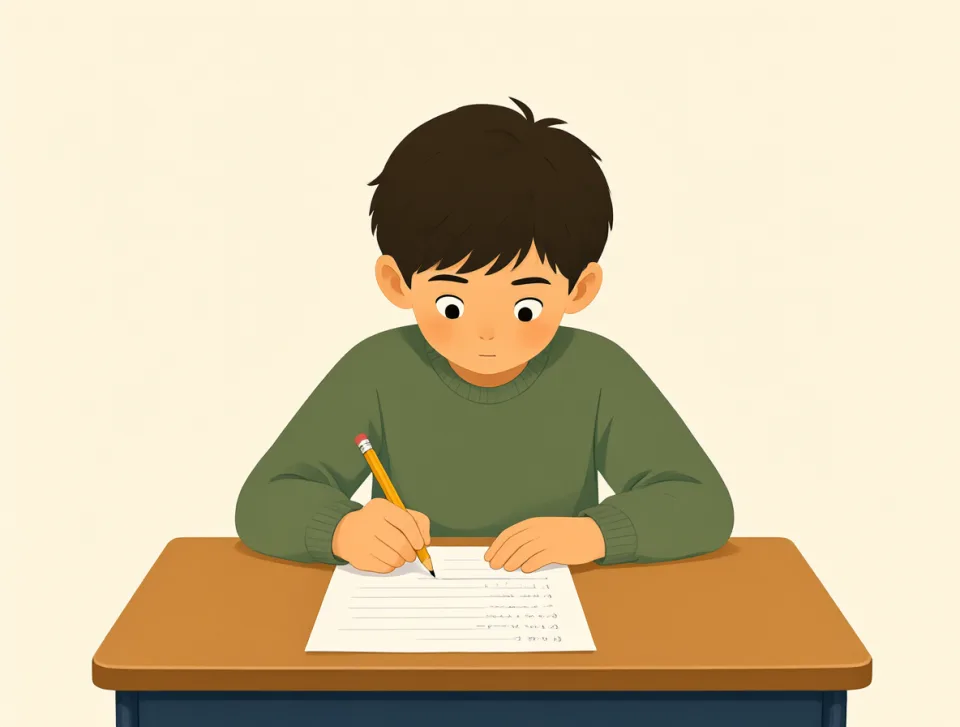
a test that measures what you know or can do
sprawdzian mierzący to, co wiesz lub potrafisz
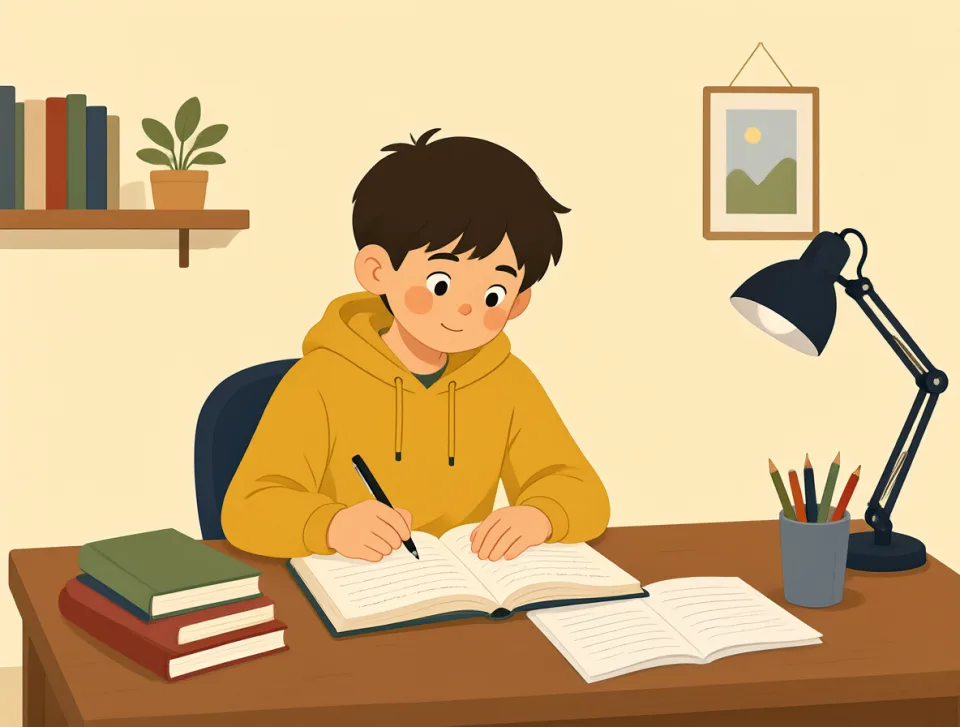
I have an important English exam tomorrow, so I need to study tonight.
Jutro mam ważny egzamin z angielskiego, więc dziś wieczorem muszę się pouczyć.

She passed her driving exam on the first attempt.
Zdała egzamin na prawo jazdy za pierwszym podejściem.
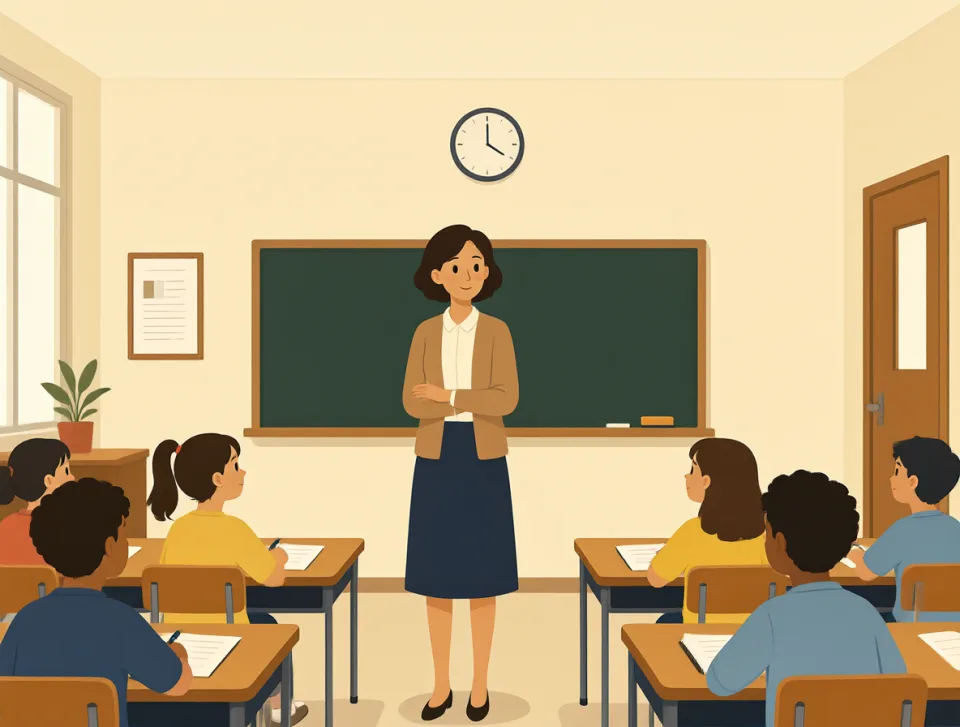
The final exam counts for half of our science grade.
Egzamin końcowy stanowi połowę naszej oceny z nauk przyrodniczych.
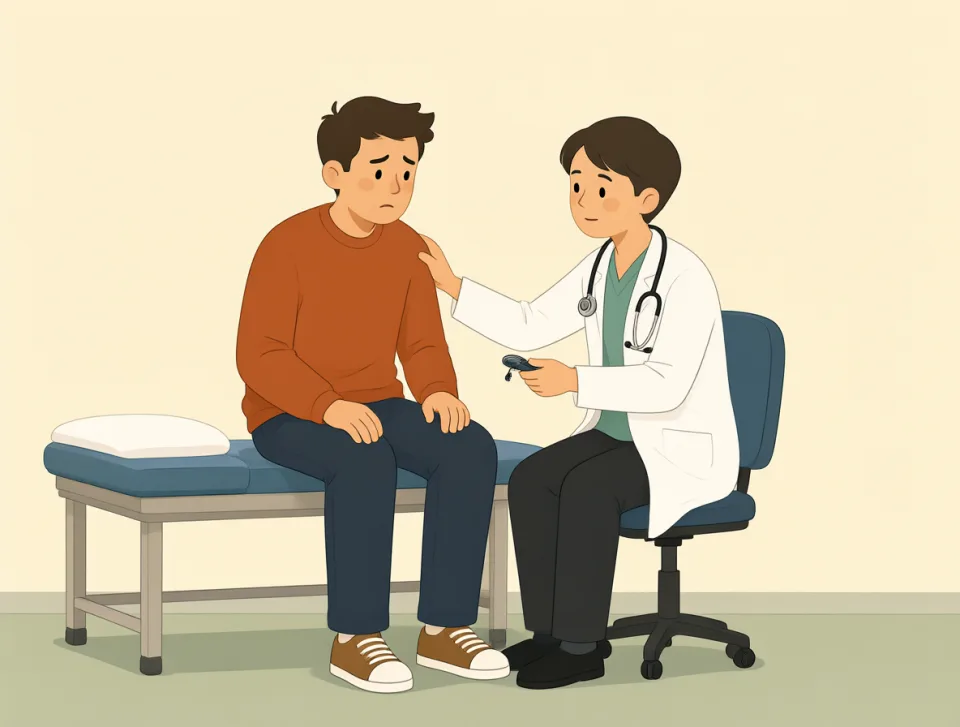
He felt nervous before the medical exam, but the doctor was very friendly.
Przed badaniem lekarskim się denerwował, ale lekarz był bardzo przyjazny.
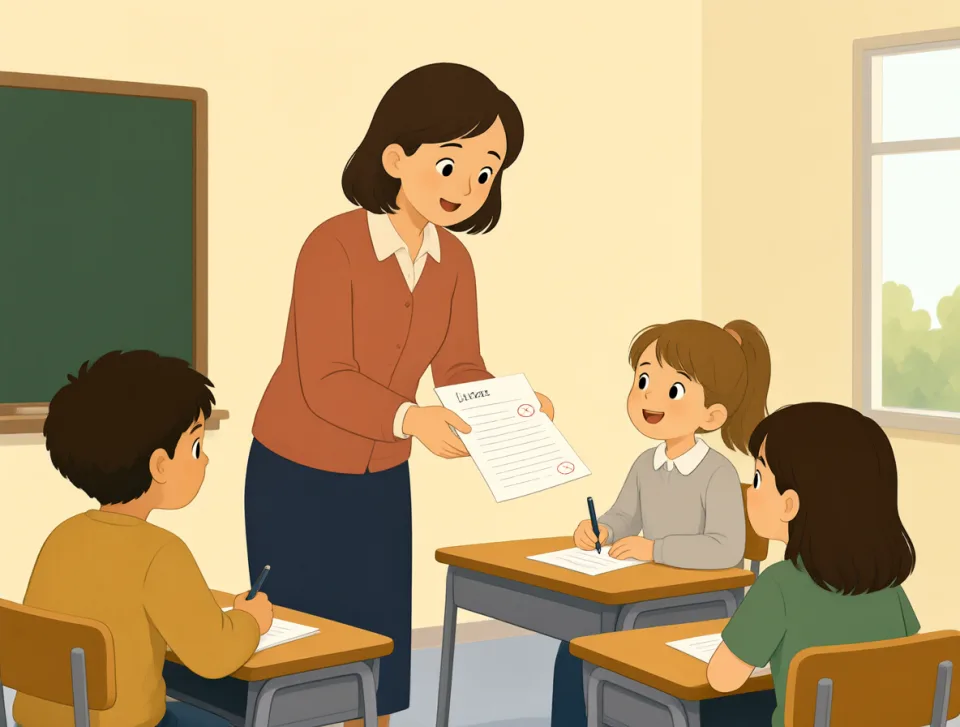
Our teacher returned the exams and explained the most difficult answers.
Nauczyciel oddał nam sprawdzone egzaminy i wyjaśnił najtrudniejsze odpowiedzi.

vice
#2245noun
wada
A bad habit or behavior, especially one that harms a person or society.
Zły nawyk lub postępowanie, zwłaszcza takie, które szkodzi człowiekowi lub społeczeństwu.
The film shows how gambling can become a serious vice for some people.
Film pokazuje, jak hazard może stać się poważnym nałogiem dla niektórych osób.
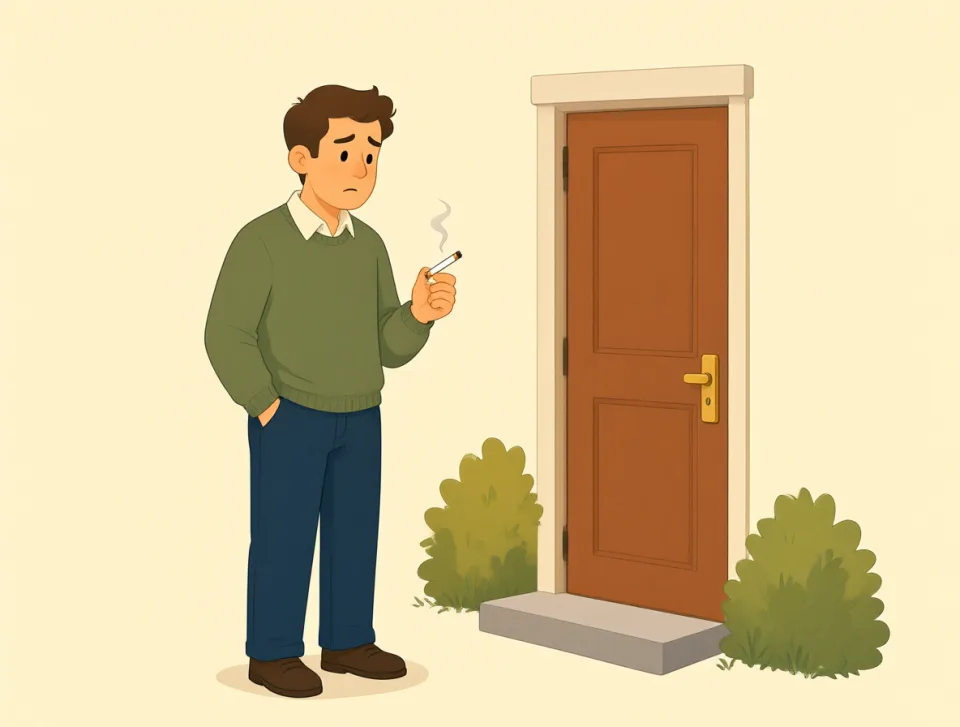
He admitted that smoking was his worst vice and wanted to quit.
Przyznał, że palenie było jego najgorszym nałogiem, i chciał z nim skończyć.
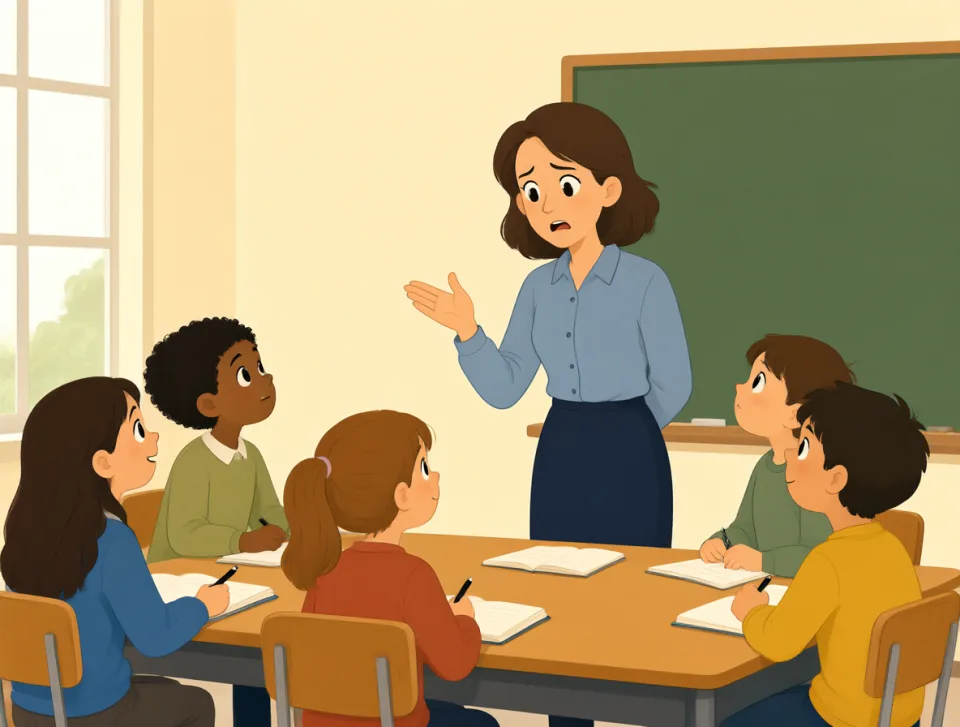
The teacher warned students that dishonesty is a vice that damages trust.
Nauczyciel ostrzegł uczniów, że nieuczciwość jest wadą, która niszczy zaufanie.

The old novel describes a wealthy man hiding his vices from his family.
Stara powieść opisuje bogatego mężczyznę, który ukrywa swoje wady przed rodziną.
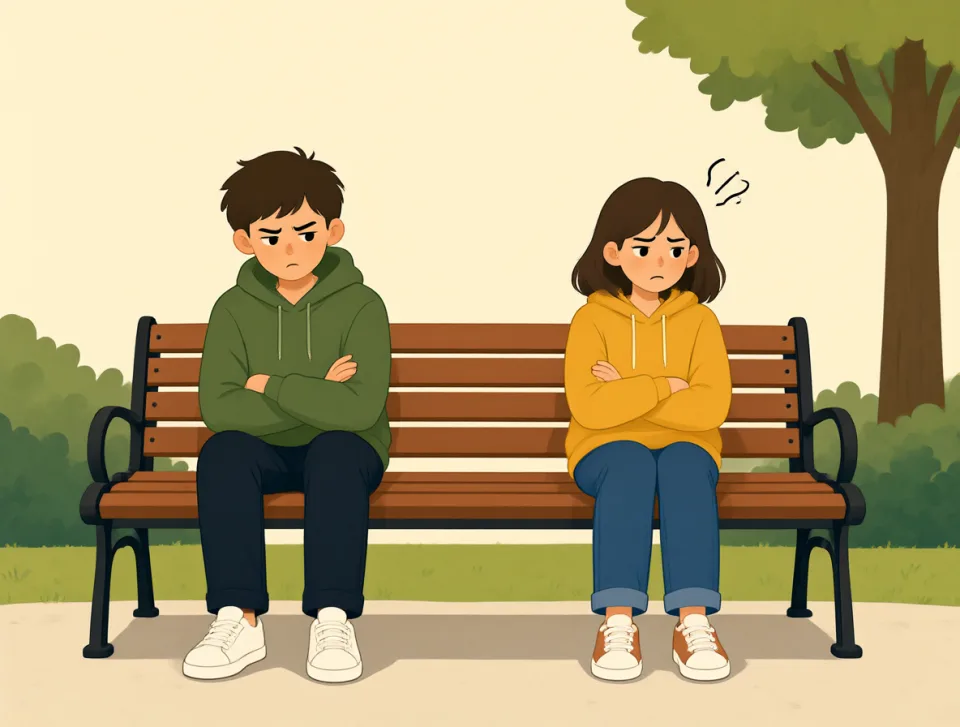
Many people believe that envy is a vice that can ruin close friendships.
Wiele osób uważa, że zazdrość jest wadą, która może zniszczyć bliskie przyjaźnie.

radical
#2246adjective, noun
radykalny
Very different from usual; a person who wants major political or social change.
Bardzo różniący się od tego, co zwykle; osoba, która chce wprowadzić poważne zmiany polityczne lub społeczne.
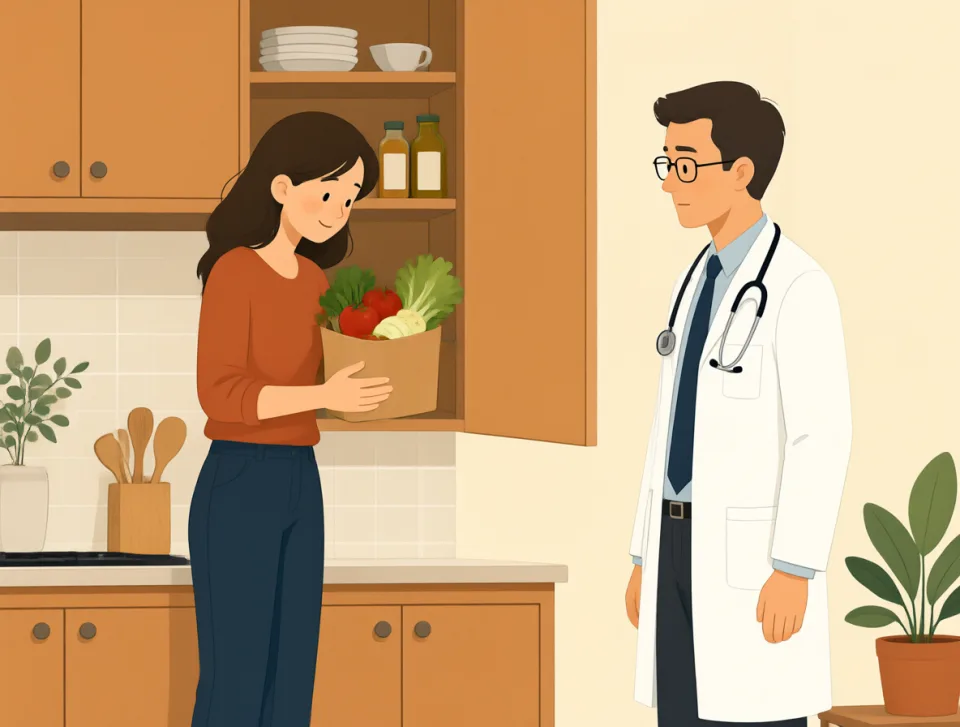
She made a radical change to her diet after talking with her doctor.
Po rozmowie z lekarzem zmieniła radykalnie swoją dietę.

The company needs radical changes to survive in today’s competitive market.
Firma potrzebuje radykalnych zmian, aby przetrwać na dzisiejszym konkurencyjnym rynku.
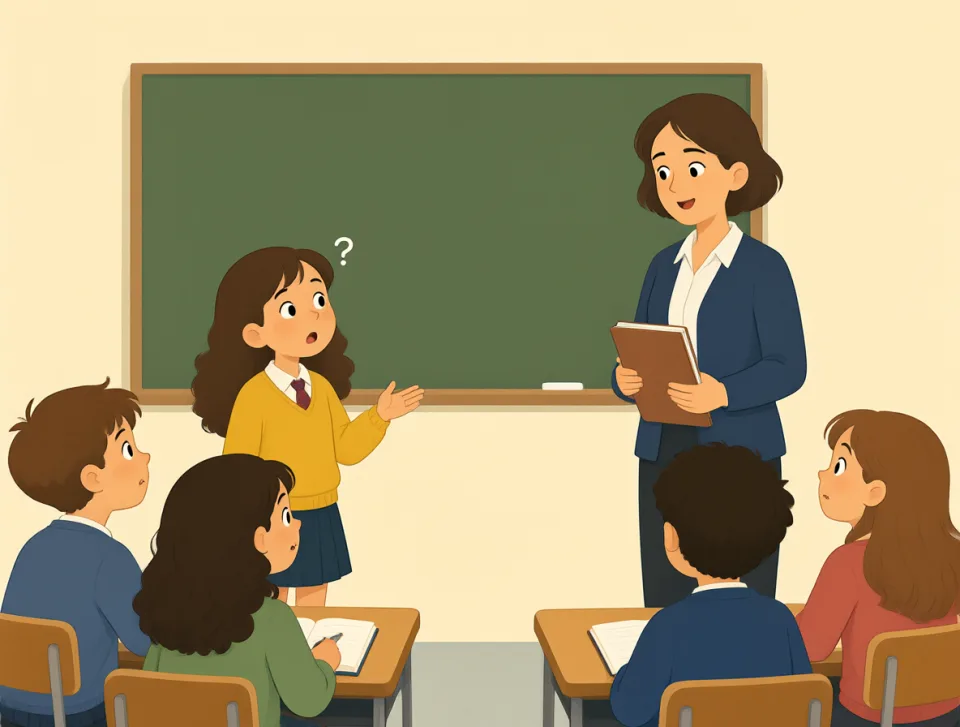
His radical ideas about education surprised everyone in the classroom.
Jego radykalne pomysły na temat edukacji zaskoczyły wszystkich w klasie.
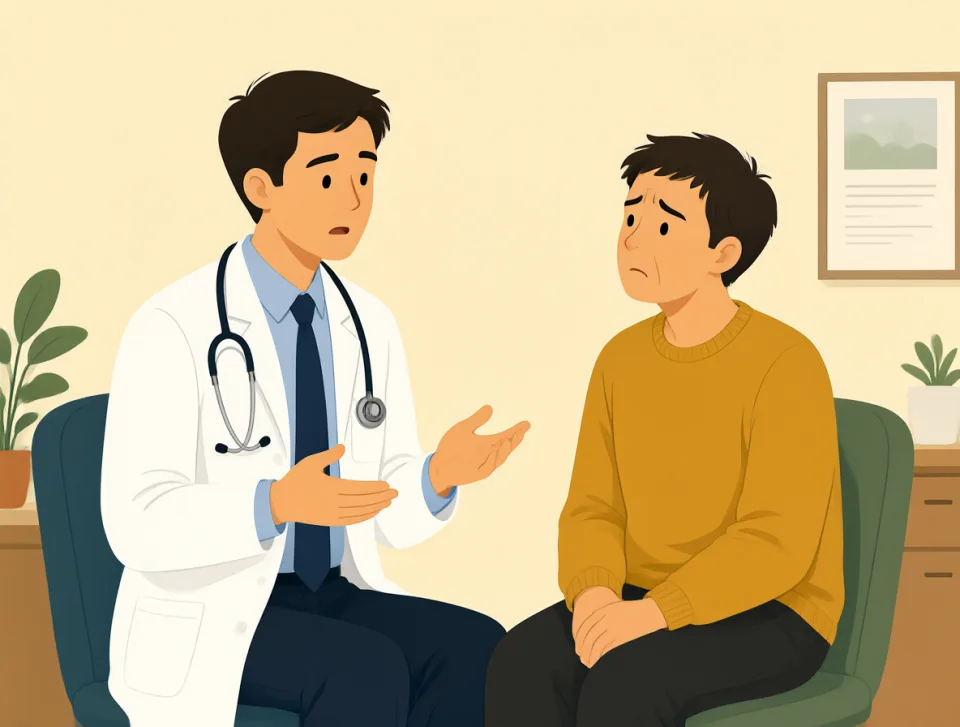
The doctor suggested radical treatment when the usual medicine stopped working.
Gdy zwykły lek przestał działać, lekarz zasugerował radykalną metodę leczenia.

Some young activists want radical political change in their country.
Niektórzy młodzi aktywiści chcą radykalnych zmian politycznych w swoim kraju.

similarly
#2247adverb
podobnie
In a similar way or manner; also in the same way.
W podobny sposób; także: tak samo.
The two sisters dressed similarly for the family wedding.
Dwie siostry ubrały się podobnie na rodzinny ślub.

The second hotel was similarly priced but closer to the city center.
Cena drugiego hotelu była podobna, ale znajdował się on bliżej centrum miasta.
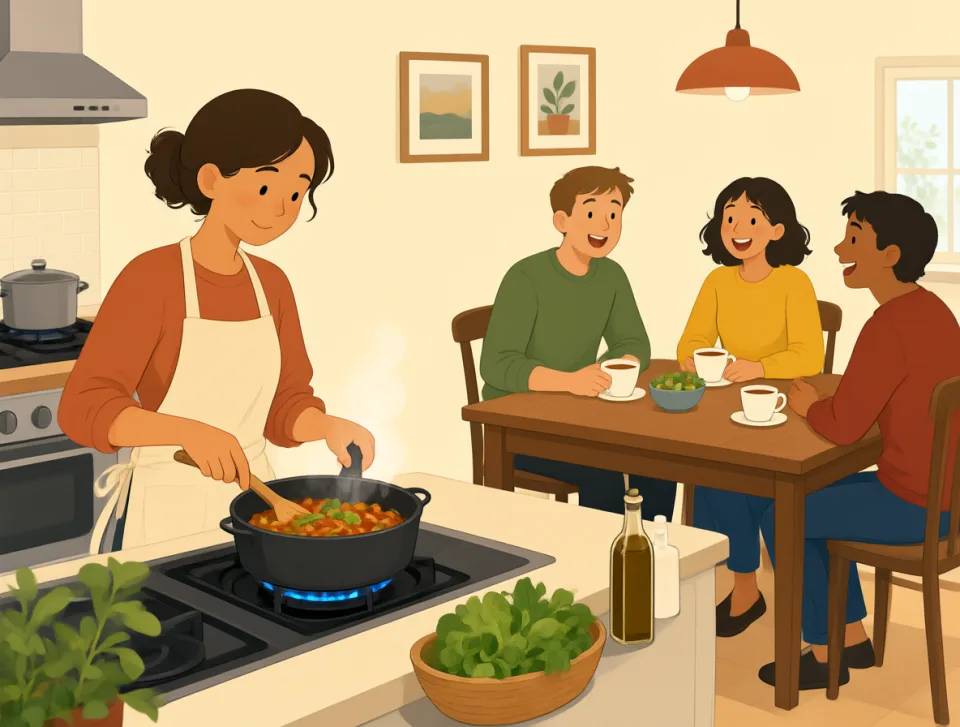
My brother enjoys cooking, and I similarly love preparing meals for friends.
Mój brat lubi gotować, a ja podobnie uwielbiam przygotowywać posiłki dla przyjaciół.
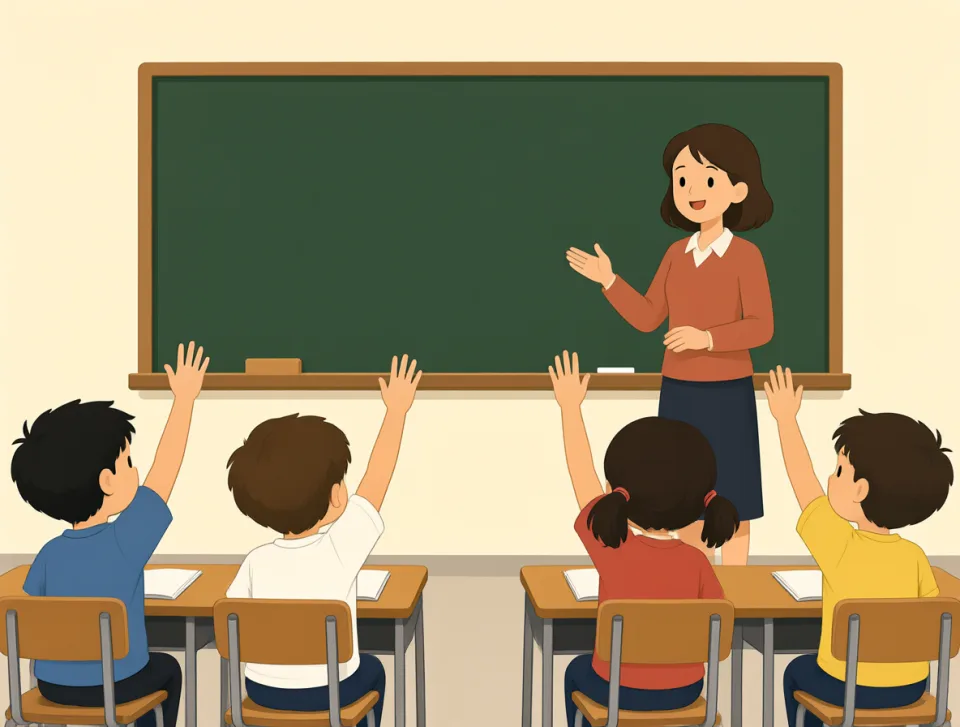
The teacher explained the grammar clearly, and the students responded similarly.
Nauczyciel jasno wyjaśnił gramatykę, a uczniowie zareagowali podobnie.
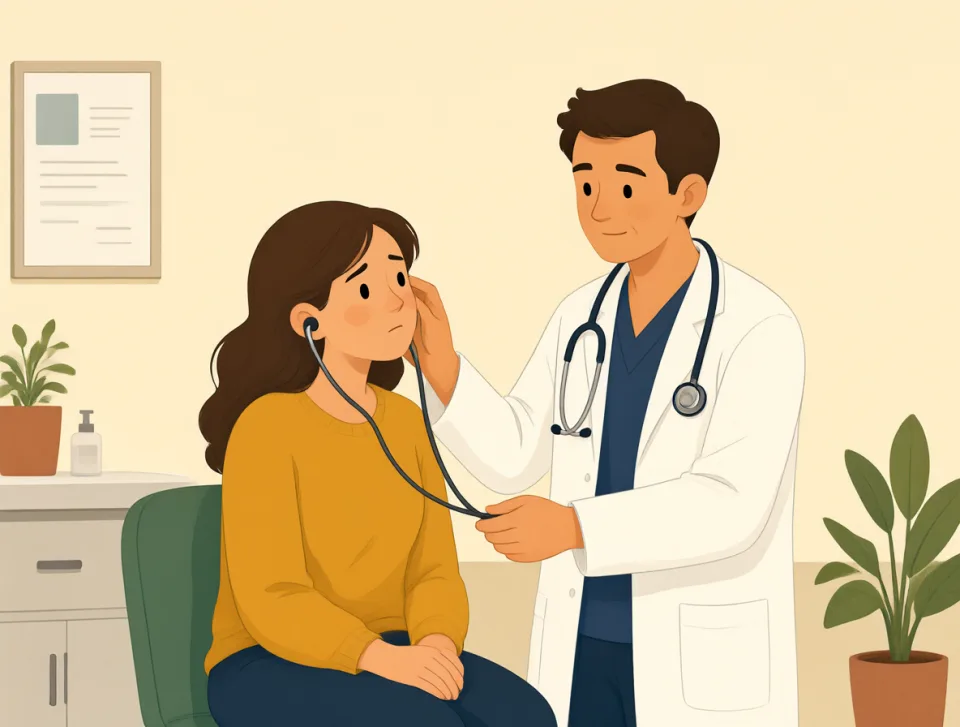
The doctor treated my sister similarly after she reported the same symptoms.
Lekarz potraktował moją siostrę podobnie, gdy zgłosiła te same objawy.
behave
#2248verb
zachowywać się
to act in a particular way, especially in a good or acceptable way
Postępować w określony sposób, zwłaszcza właściwie lub w akceptowalny sposób.

The children behaved well during the long train journey.
Dzieci dobrze się zachowywały podczas długiej podróży pociągiem.
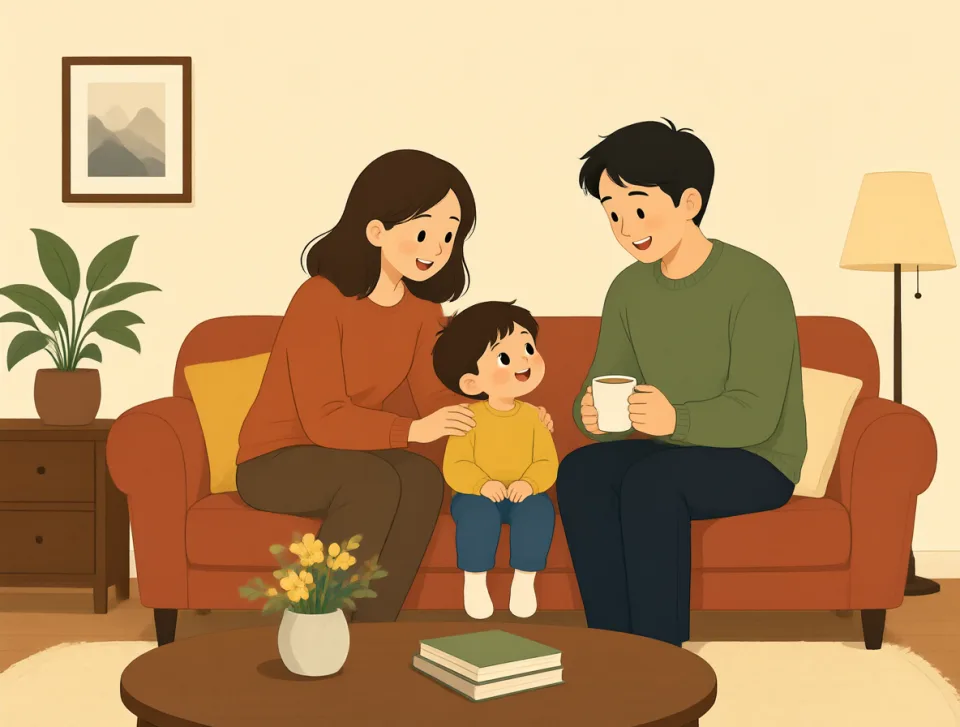
Please behave yourself while our guests are visiting.
Proszę, zachowuj się odpowiednio, kiedy będą u nas goście.
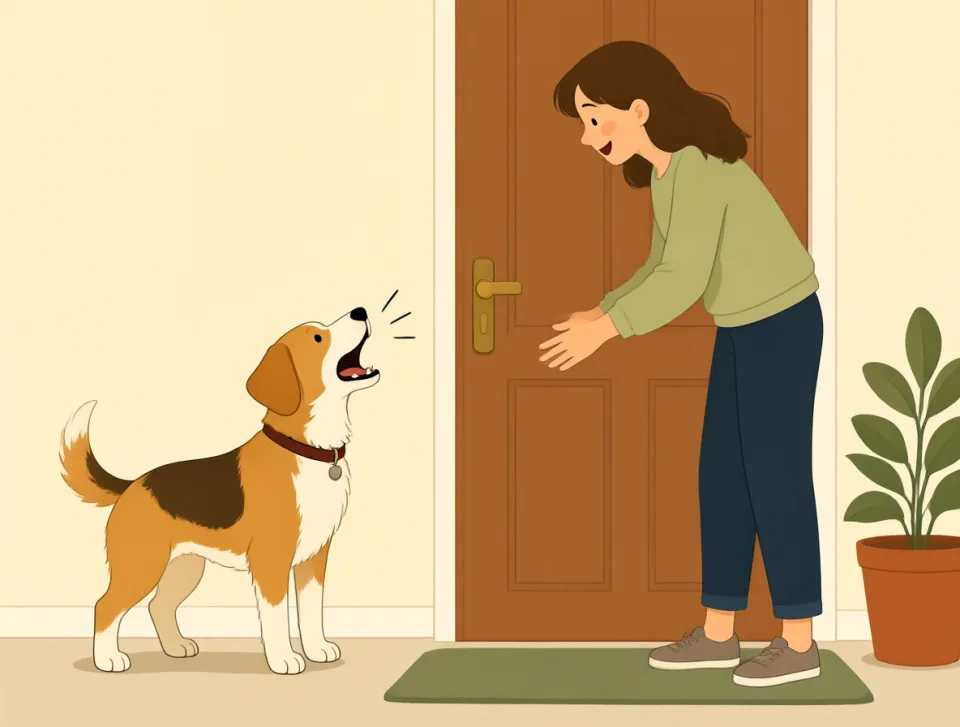
Our dog behaves badly whenever someone rings the doorbell.
Nasz pies źle się zachowuje za każdym razem, gdy ktoś dzwoni do drzwi.
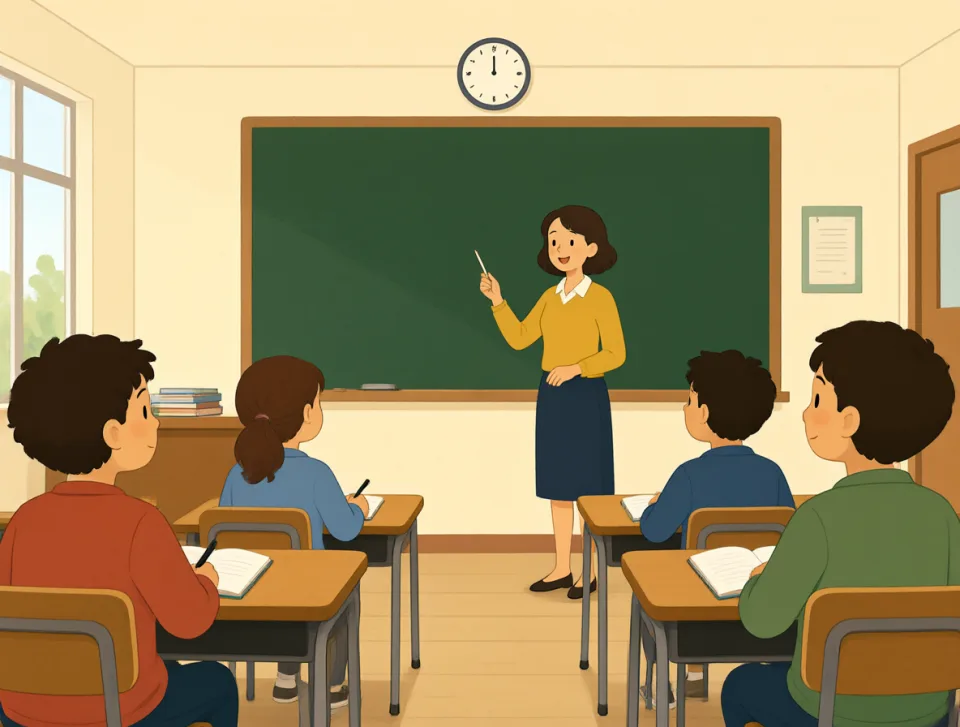
Students should behave respectfully toward their teachers and classmates.
Uczniowie powinni odnosić się z szacunkiem do nauczycieli i kolegów z klasy.

The patient is behaving normally again after taking the medicine.
Po zażyciu leku pacjent znów zachowuje się normalnie.
loud
#2249adjective, adverb
głośny
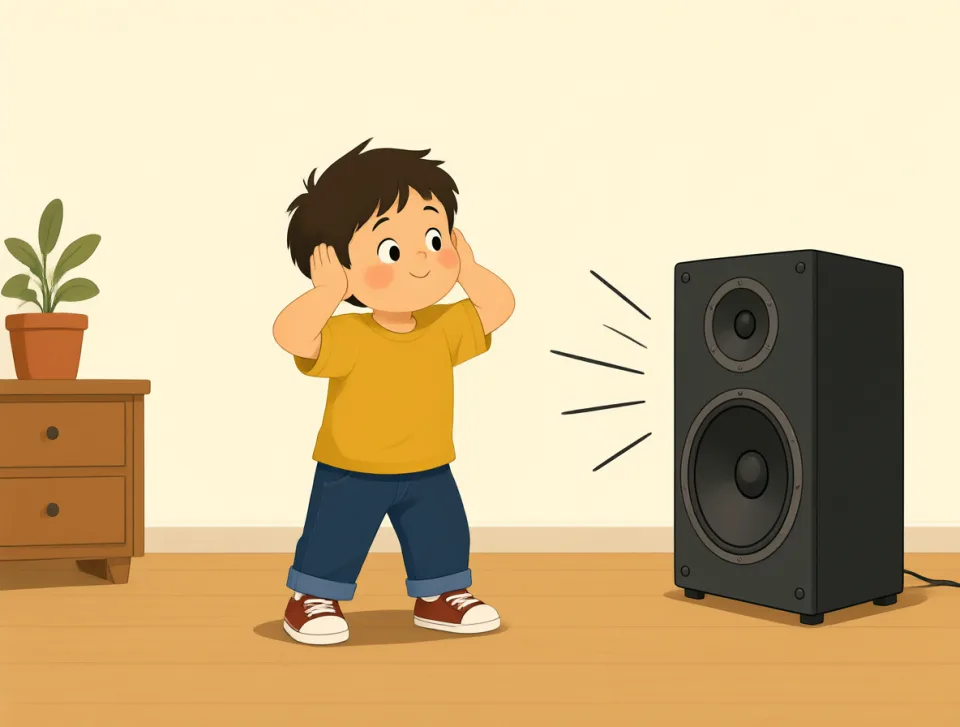
Making a lot of noise, or speaking with a strong, easily heard voice.
Wydający dużo dźwięków lub mówiący donośnym, dobrze słyszalnym głosem.
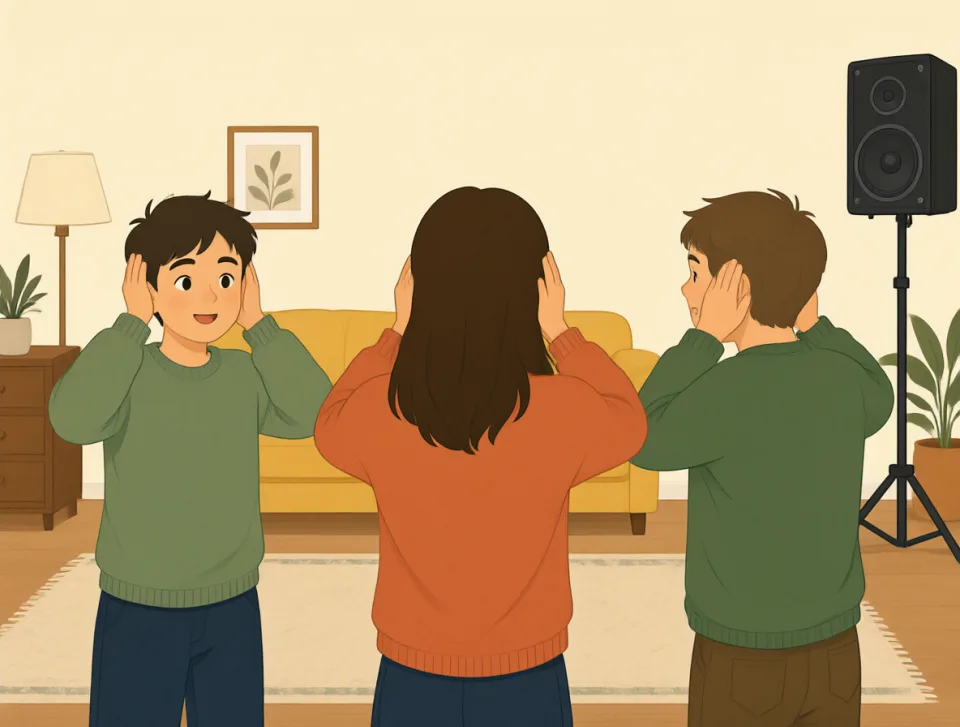
The music was so loud that everyone covered their ears.
Muzyka była tak głośna, że wszyscy zakryli uszy.

Please speak louder; I cannot hear you over the traffic.
Proszę mówić głośniej, nie słyszę pana przez hałas uliczny.
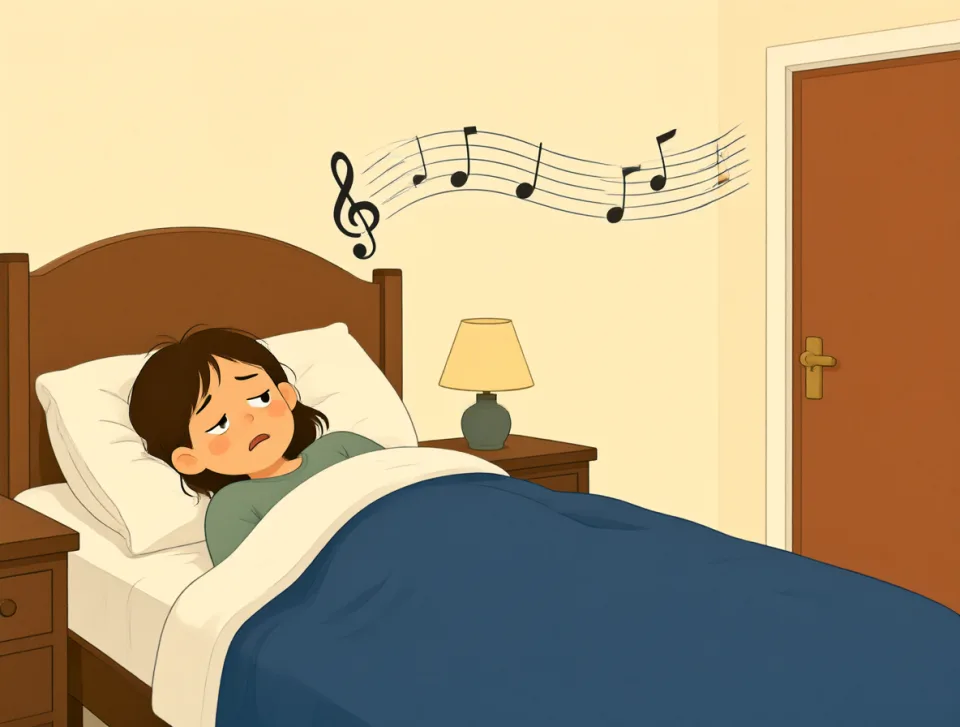
Our neighbors played loud music late into the night.
Nasi sąsiedzi puszczali głośną muzykę do późna w nocy.
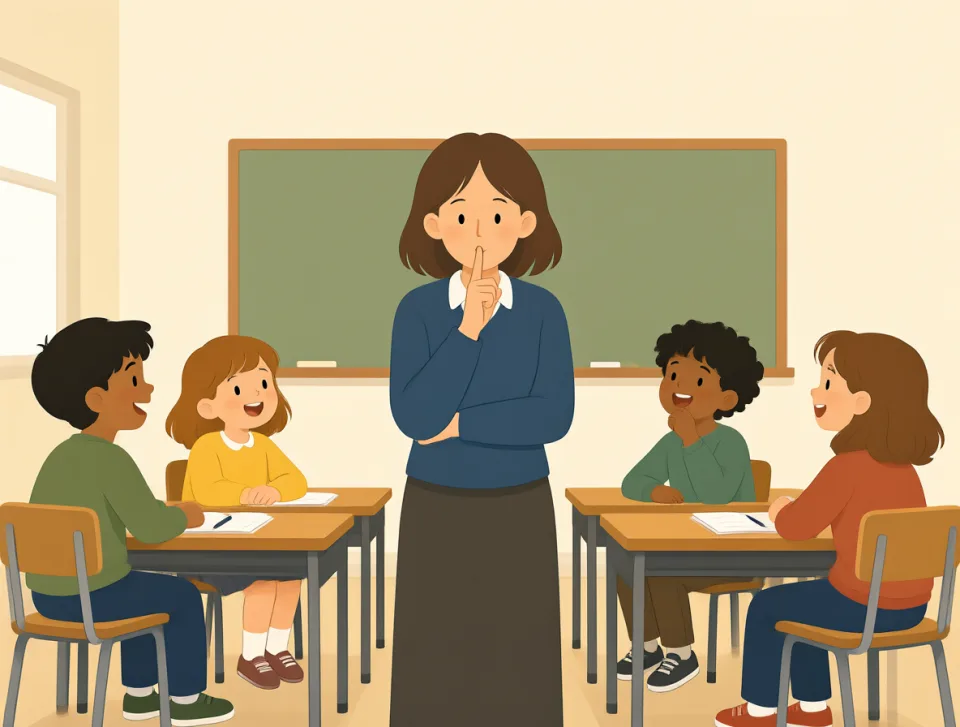
The teacher asked the students not to talk so loudly.
Nauczyciel poprosił uczniów, żeby nie rozmawiali tak głośno.

He laughed loudly when his friend told the funny story.
Roześmiał się głośno, gdy jego przyjaciel opowiedział zabawną historię.

dimension
#2250noun
wymiar
A measurement of how long, wide, or deep something is, or one part of a situation.
Miara długości, szerokości lub głębokości czegoś albo jeden z aspektów danej sytuacji.
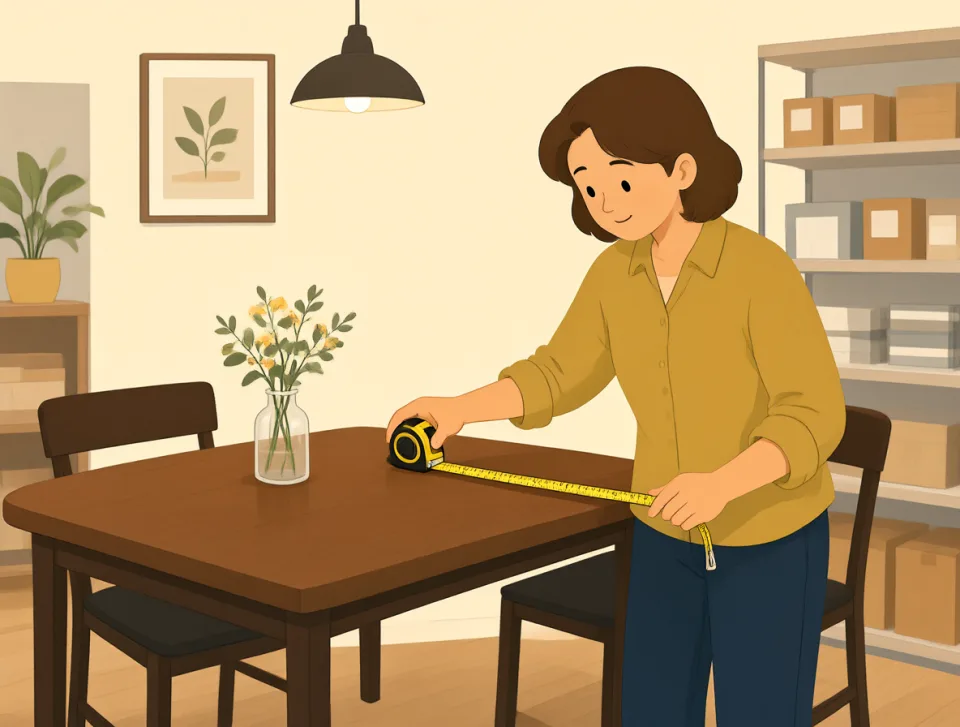
Please check the dimensions of the table before buying a tablecloth.
Przed zakupem obrusa sprawdź wymiary stołu.
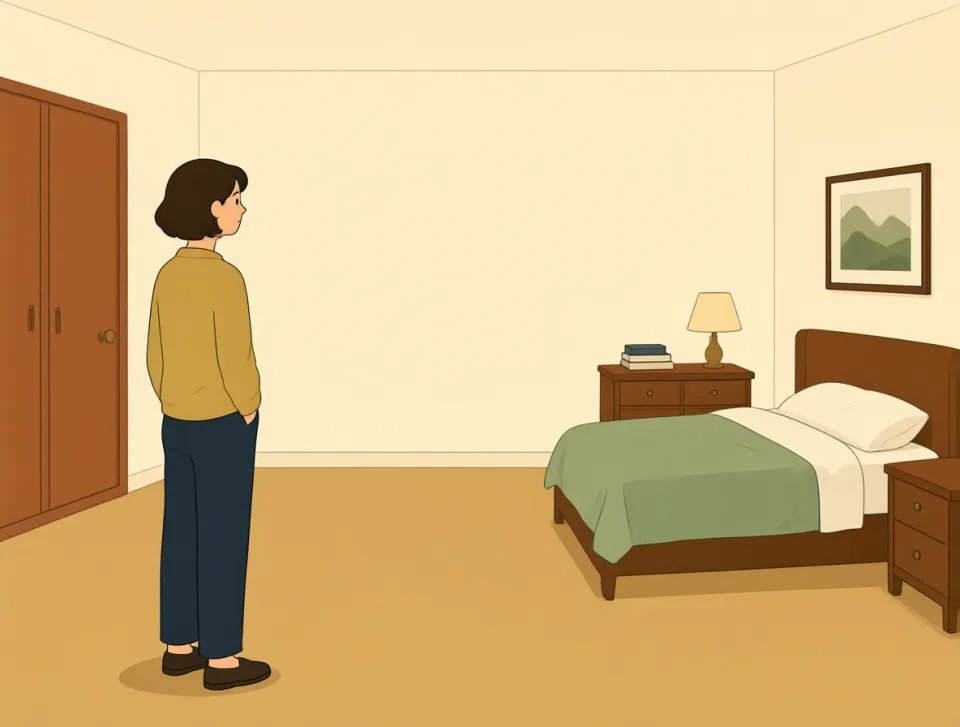
The room has enough space for a bed and a small desk.
W pokoju jest dość miejsca na łóżko i małe biurko.

We need to consider the financial dimension of the project carefully.
Musimy dokładnie rozważyć finansowy aspekt projektu.
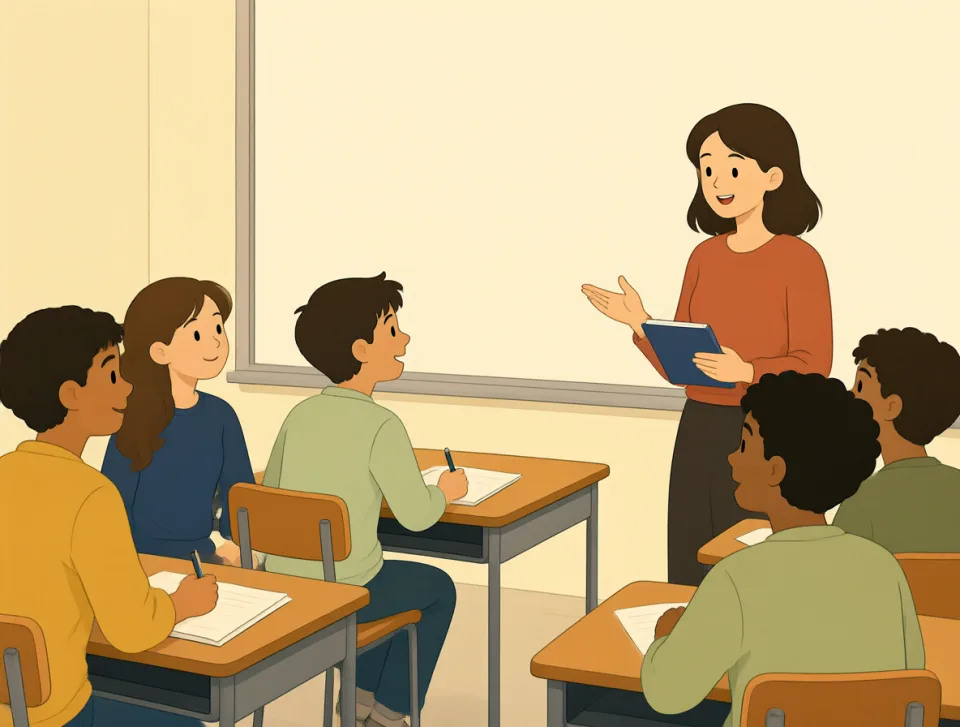
The course explores the social and cultural dimensions of modern health.
Kurs omawia społeczne i kulturowe aspekty współczesnej opieki zdrowotnej.

Travel adds a new dimension to friendships because people share unusual experiences.
Podróże nadają przyjaźniom nowy wymiar, ponieważ ludzie dzielą się niezwykłymi doświadczeniami.

subsequent
#2251adjective
następny
happening or coming after something else
Dziejący się lub następujący po czymś innym.
The subsequent meeting focused on solving the problems from yesterday.
Podczas kolejnego spotkania skupiliśmy się na rozwiązaniu problemów z wczoraj.
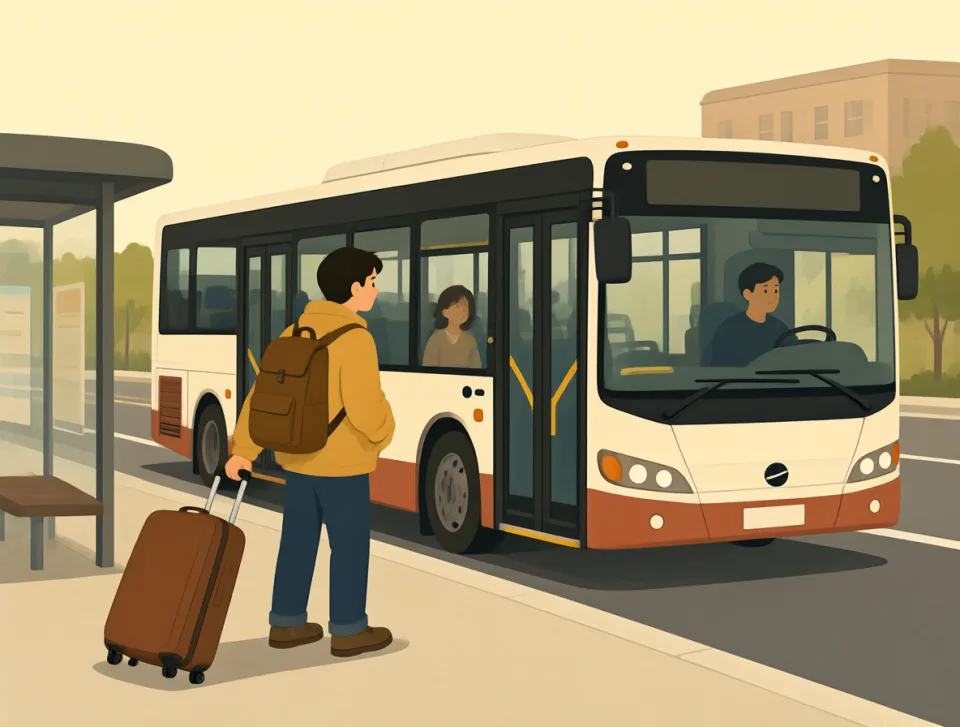
She missed her train and took a subsequent bus to the city center.
Spóźniła się na pociąg i pojechała późniejszym autobusem do centrum miasta.
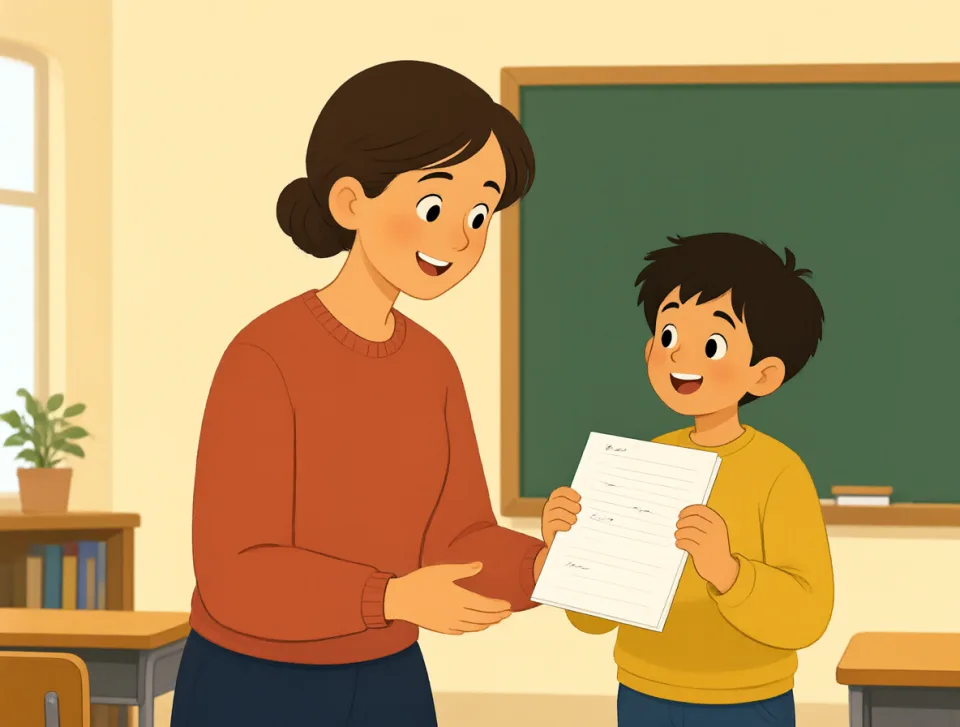
The teacher praised his hard work and subsequent improvement in reading.
Nauczyciel pochwalił jego ciężką pracę i późniejsze postępy w czytaniu.
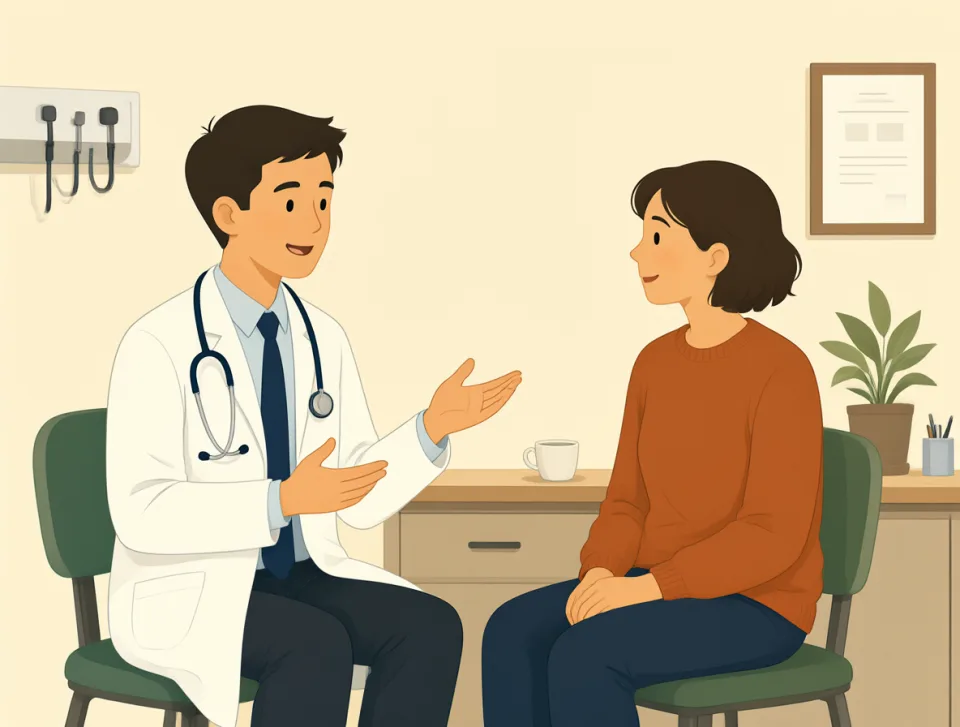
The first treatment failed, so the doctor recommended subsequent tests.
Pierwsze leczenie nie przyniosło efektów, więc lekarz zalecił kolejne badania.

We enjoyed dinner and the subsequent walk through the quiet neighborhood.
Po kolacji wybraliśmy się na spacer po cichej okolicy.
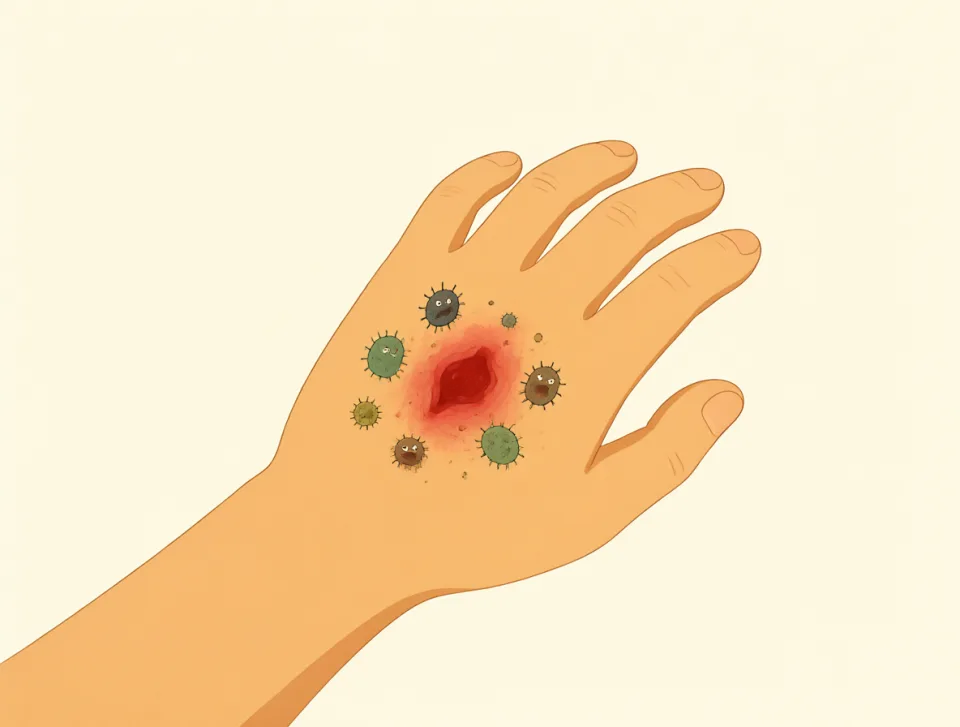
infection
#2252noun
infekcja
An illness caused by harmful bacteria or viruses entering the body.
Choroba wywołana przez szkodliwe bakterie lub wirusy, które dostają się do organizmu.
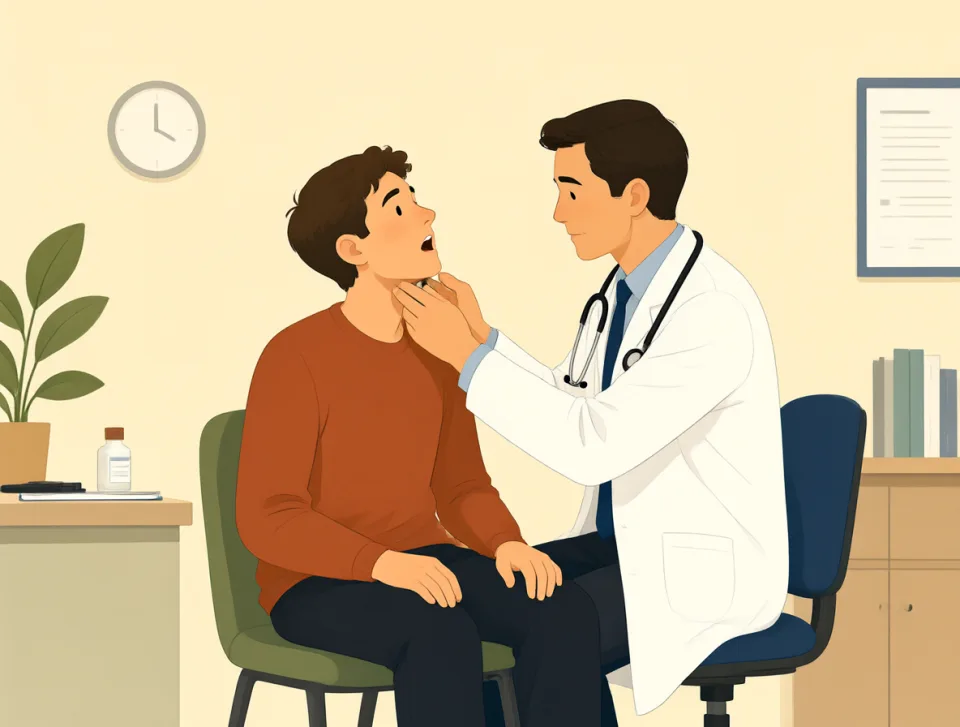
The doctor gave him antibiotics to treat the infection in his throat.
Lekarz przepisał mu antybiotyki na infekcję gardła.
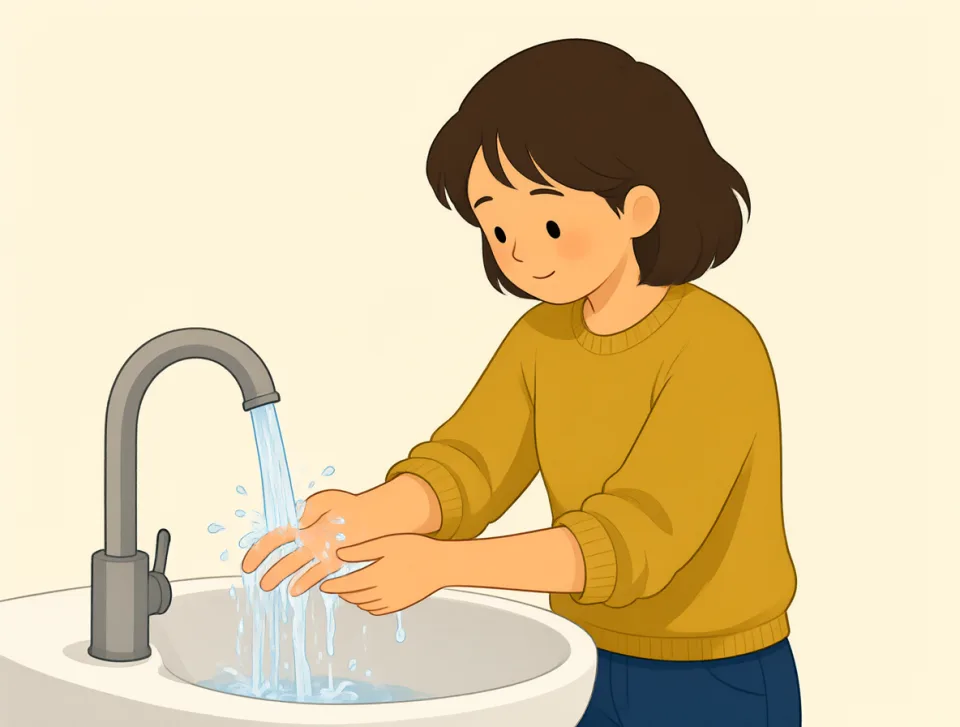
Wash the cut carefully to prevent an infection from developing.
Dokładnie umyj skaleczenie, żeby zapobiec rozwojowi infekcji.
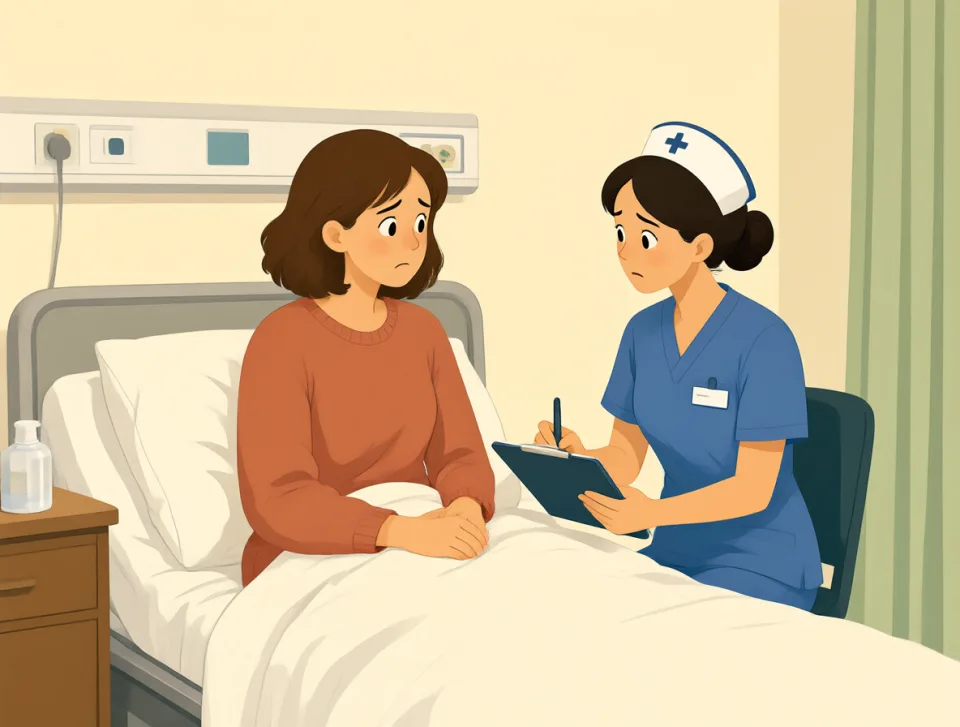
The infection spread quickly, so she returned to the hospital.
Infekcja szybko się rozprzestrzeniła, więc wróciła do szpitala.
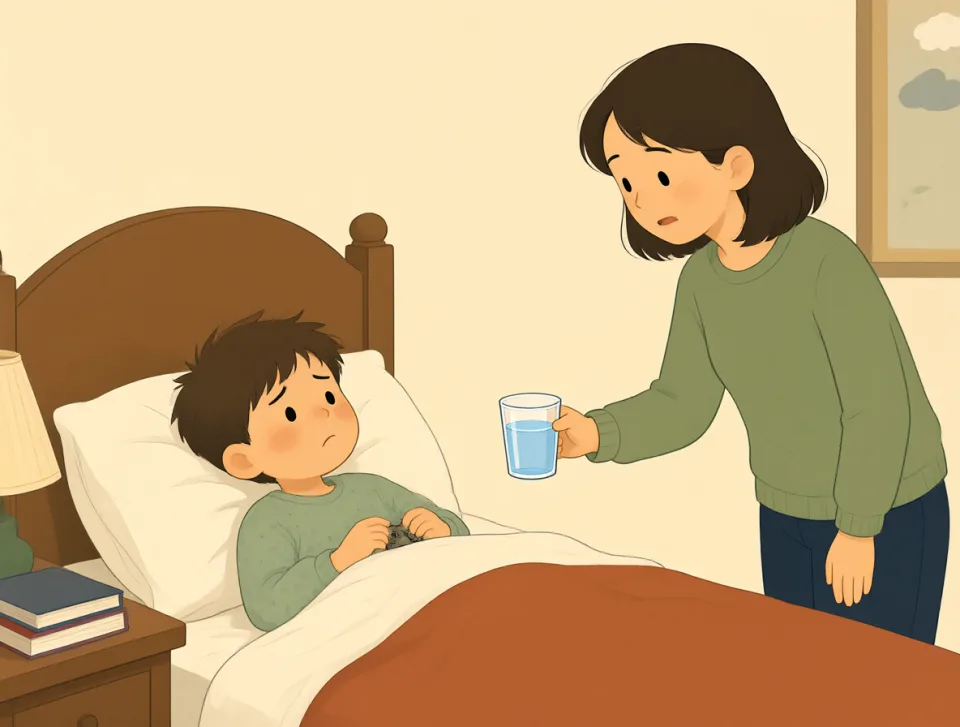
Several students stayed home because they had a stomach infection.
Kilku uczniów zostało w domu, bo mieli infekcję żołądkową.
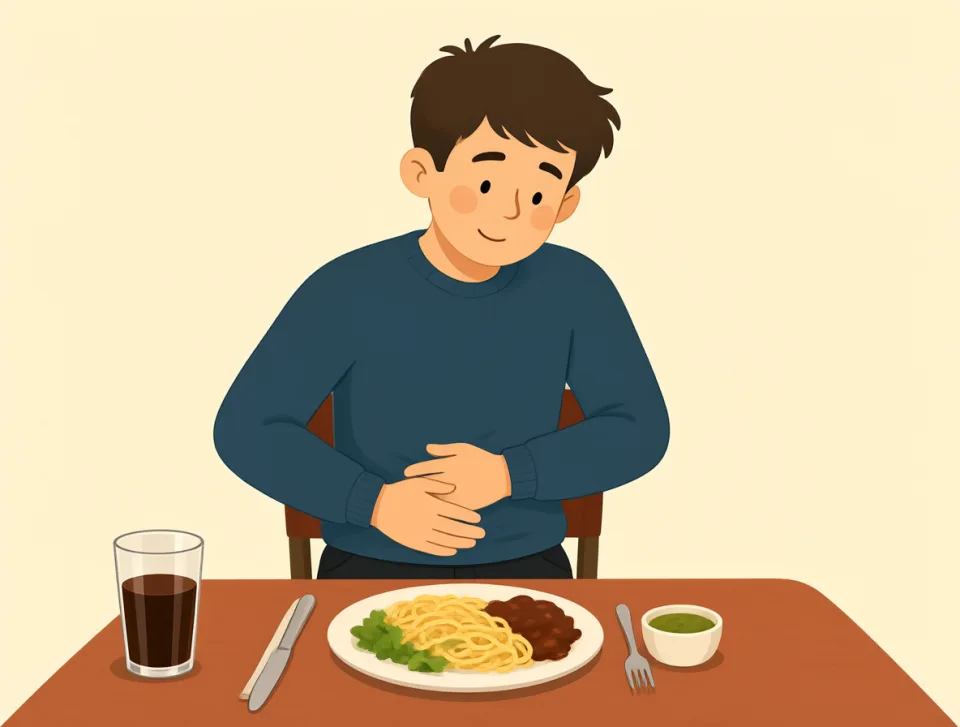
Food poisoning can cause an infection after eating contaminated food.
Zatrucie pokarmowe może doprowadzić do infekcji po zjedzeniu skażonego jedzenia.

jacket
#2253noun
kurtka
A piece of clothing worn on the upper body, usually over a shirt.
Ubranie noszone na górnej części ciała, zwykle na koszulę.
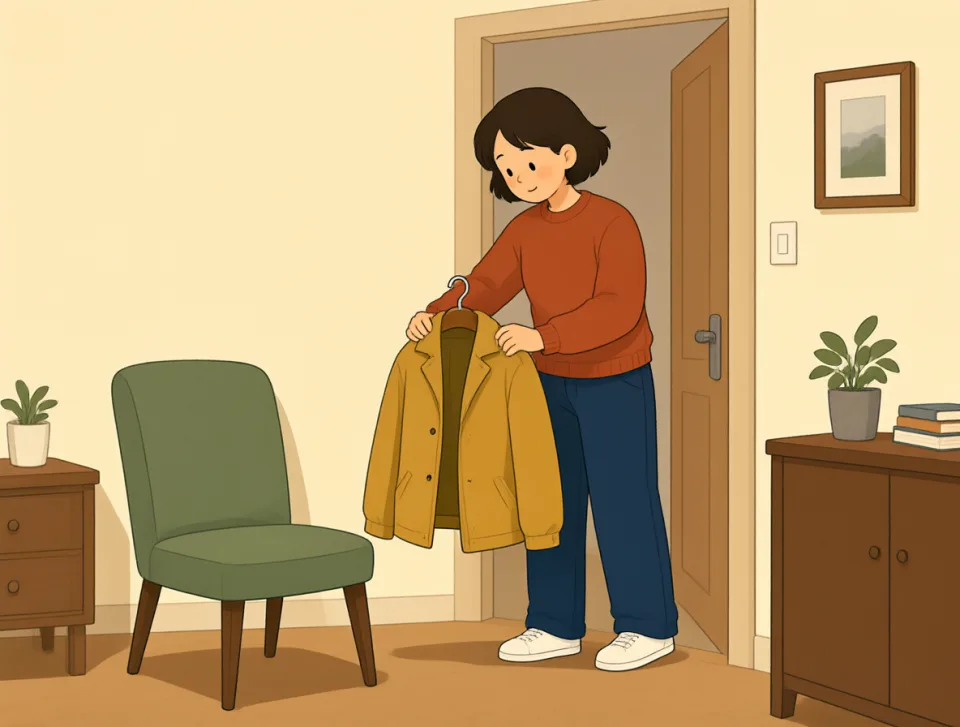
Take your jacket because it will be cold outside tonight.
Weź kurtkę, bo dziś wieczorem na dworze będzie zimno.
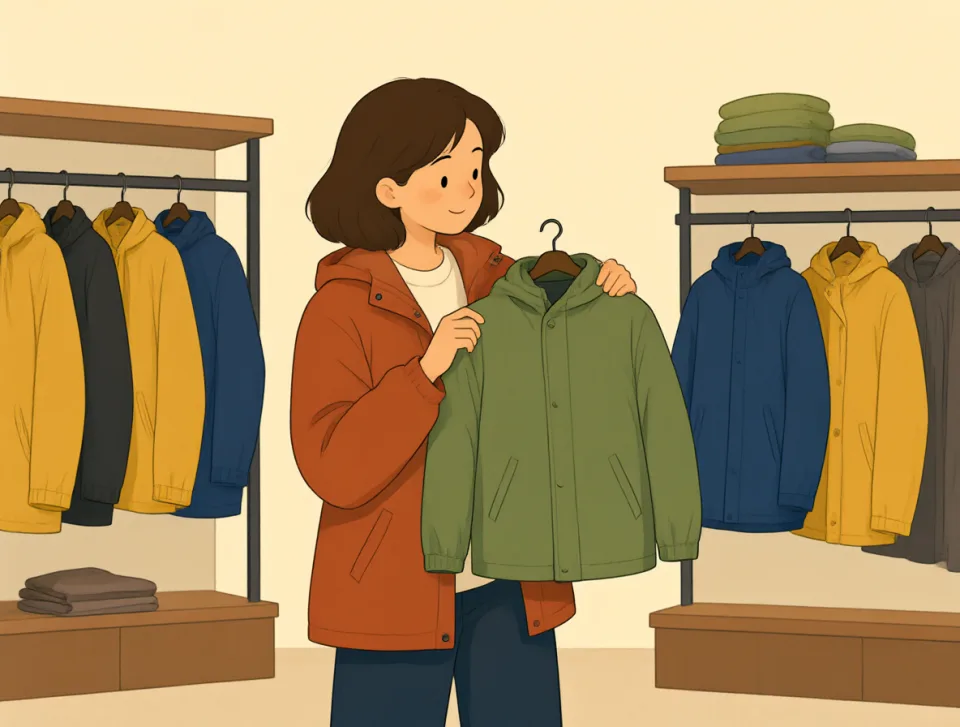
She bought a waterproof jacket for her hiking trip.
Kupiła wodoodporną kurtkę na wyprawę w góry.
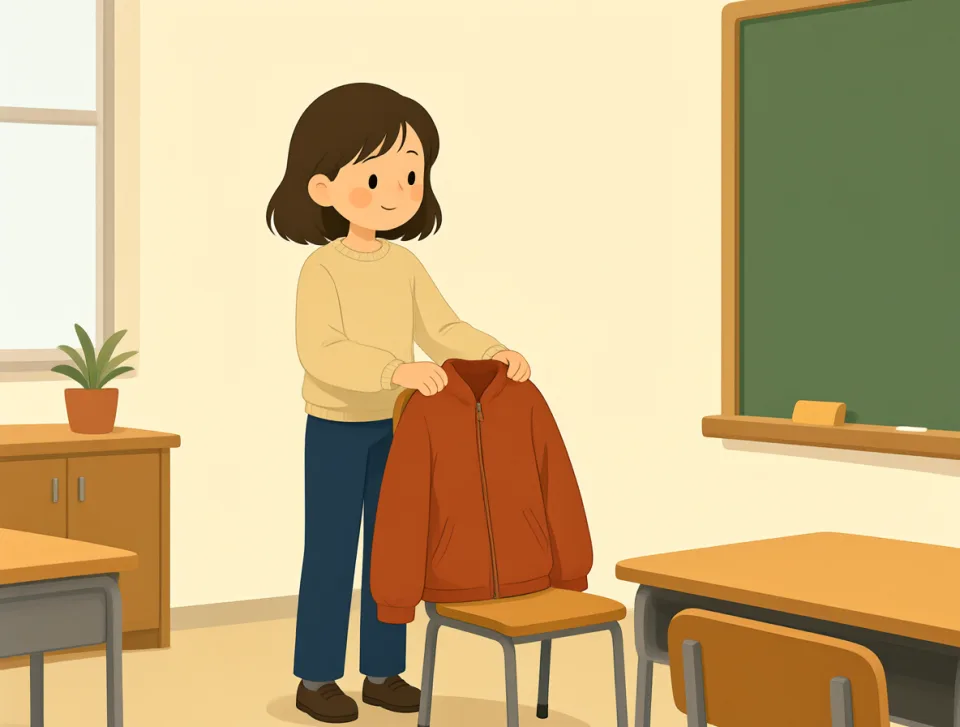
Please hang your jacket on the back of your chair.
Proszę powiesić kurtkę na oparciu krzesła.
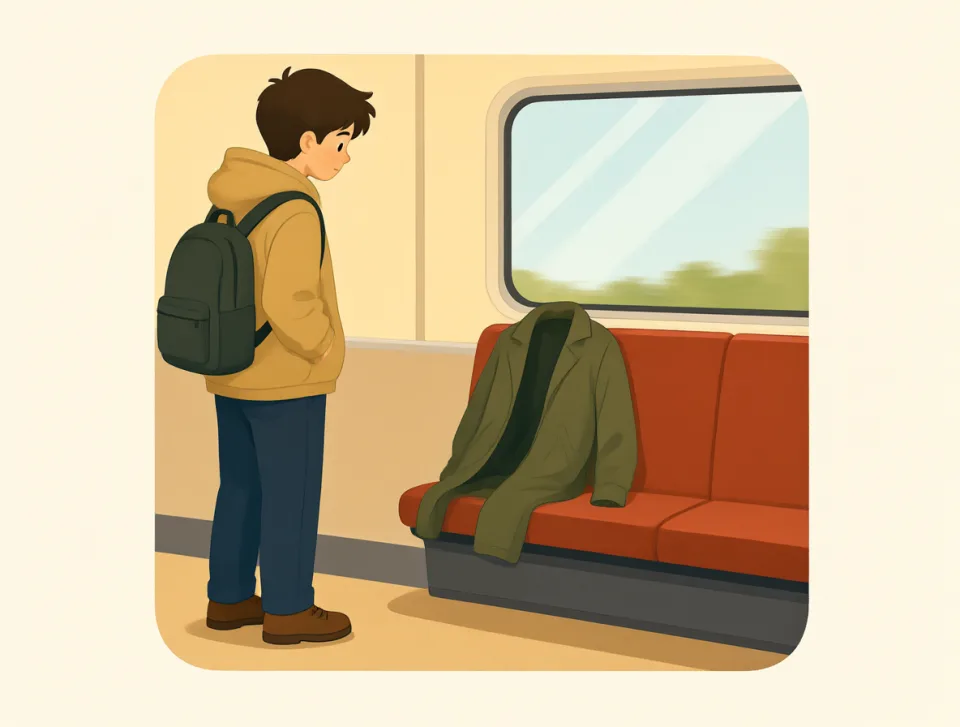
He left his jacket on the train during the journey home.
W drodze do domu zostawił kurtkę w pociągu.
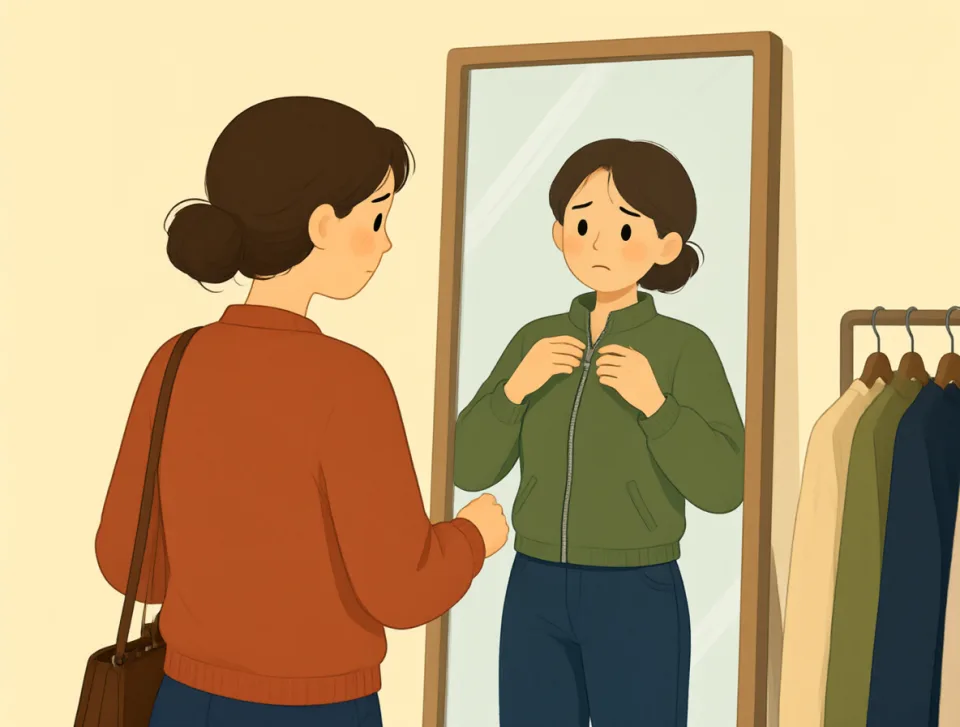
My jacket is too tight, so I need a larger size.
Moja kurtka jest za ciasna, więc potrzebuję większego rozmiaru.
efficiency
#2254noun
efektywność
The ability to do something well without wasting time, energy, or materials.
Umiejętność sprawnego wykonywania czegoś bez marnowania czasu, energii ani materiałów.
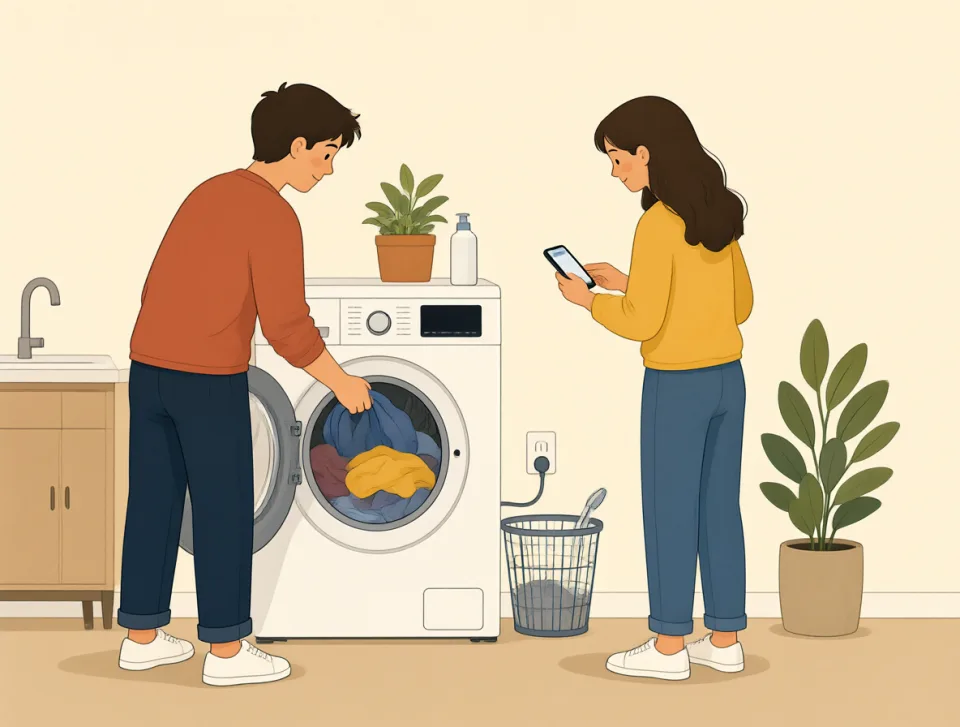
The new washing machine saves water and improves energy efficiency.
Nowa pralka oszczędza wodę i zwiększa efektywność energetyczną.

Our manager introduced a new system to increase efficiency at work.
Nasz kierownik wprowadził nowy system, żeby zwiększyć efektywność pracy.
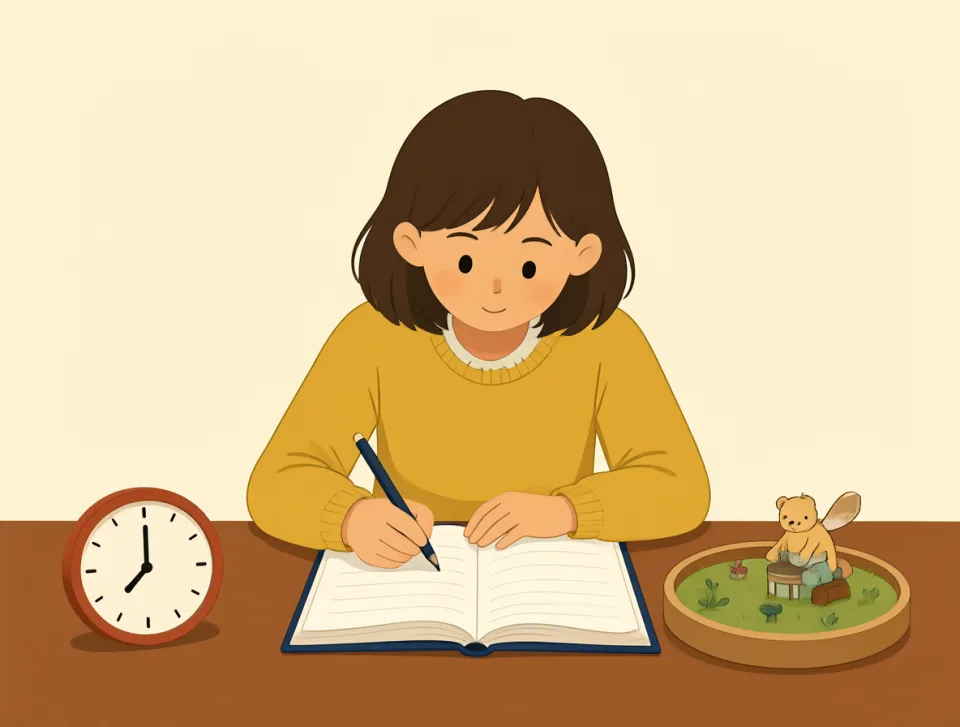
Students can improve their study efficiency by planning short breaks.
Uczniowie mogą poprawić efektywność nauki, planując krótkie przerwy.

The store improved checkout efficiency by opening another counter.
Sklep usprawnił obsługę przy kasach, otwierając kolejne stanowisko.
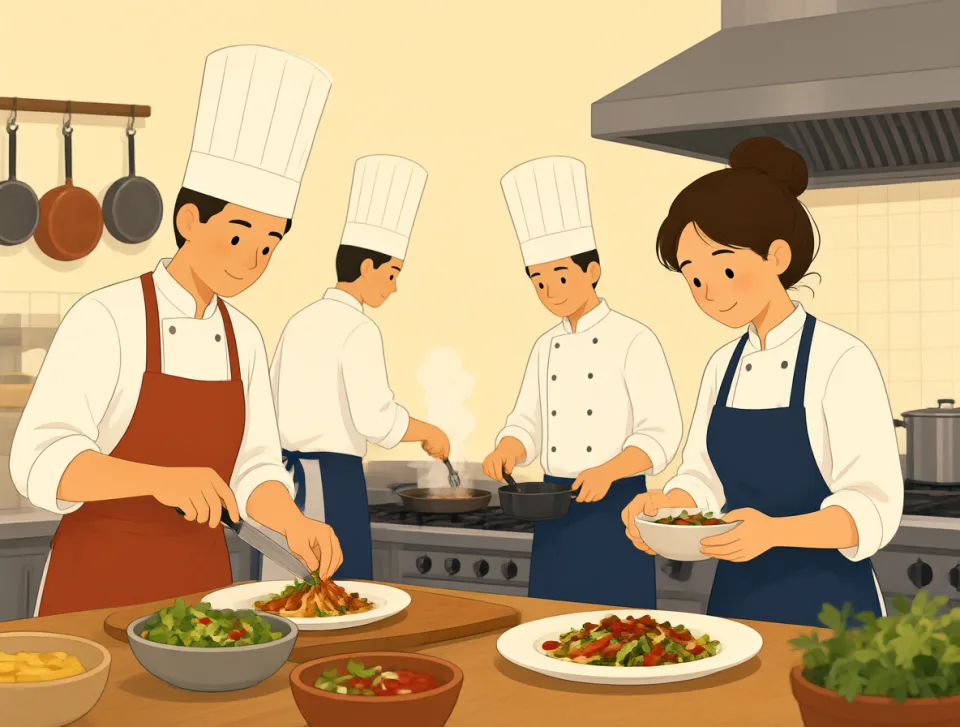
Better kitchen efficiency helps restaurants prepare meals faster during busy evenings.
Lepsza organizacja pracy w kuchni pomaga restauracjom szybciej przygotowywać posiłki w ruchliwe wieczory.

dirty
#2255adjective
brudny
Not clean, with dirt, stains, or harmful germs on it.
Nieczysty, pokryty brudem, plamami lub szkodliwymi zarazkami.
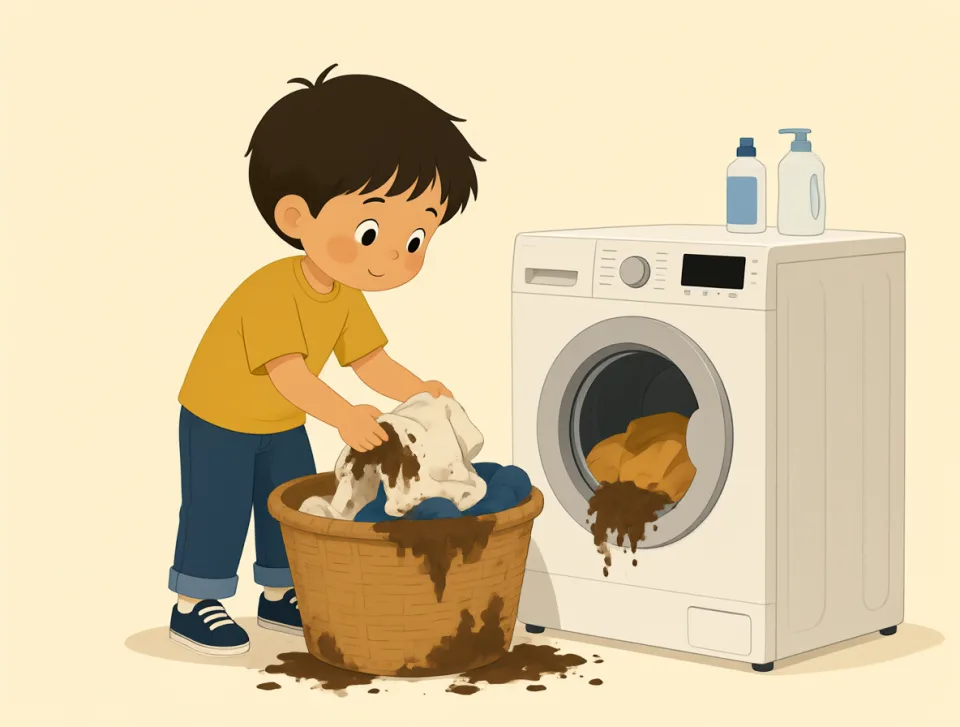
Please put your dirty clothes in the laundry basket.
Włóż brudne ubrania do kosza na pranie.

The children came home with dirty hands after playing outside.
Dzieci wróciły do domu z brudnymi rękami po zabawie na dworze.

We found a dirty table and asked the waiter to clean it.
Znaleźliśmy brudny stolik i poprosiliśmy kelnera, żeby go wyczyścił.

He used a dirty joke to make his friends laugh at dinner.
Opowiedział sprośny dowcip, żeby rozśmieszyć znajomych przy kolacji.
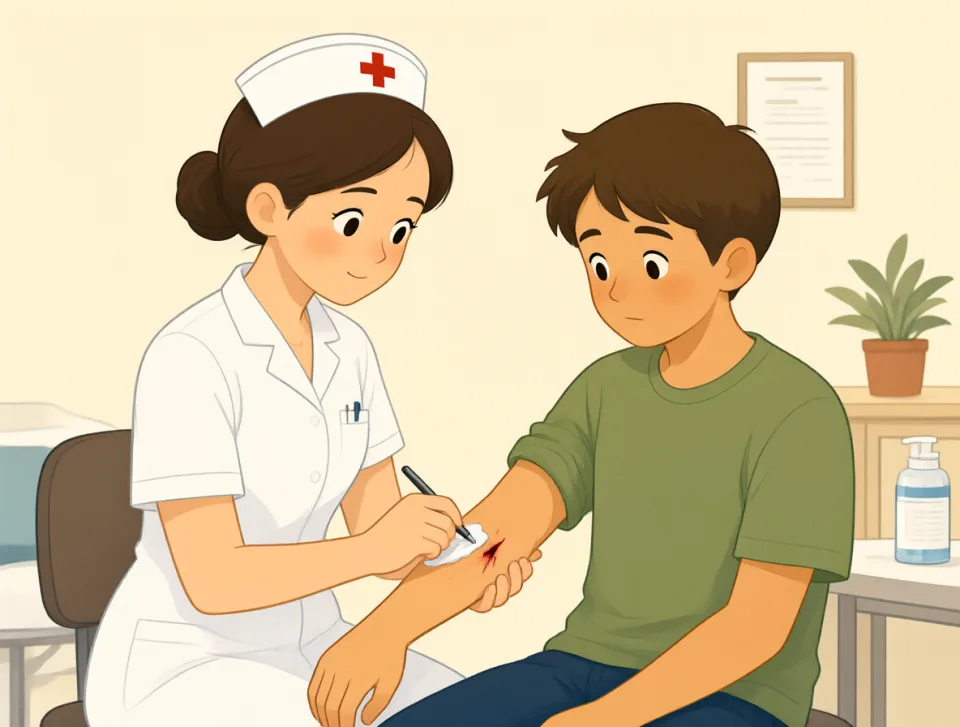
The cut became dirty, so the nurse cleaned it carefully.
Skaleczenie się zabrudziło, więc pielęgniarka dokładnie je oczyściła.

statistic
#2256noun
statystyka
a number that shows information about a group or situation
Liczba przedstawiająca informacje o grupie lub sytuacji.

The latest statistic shows that more people are working from home.
Najnowsza statystyka pokazuje, że coraz więcej osób pracuje z domu.
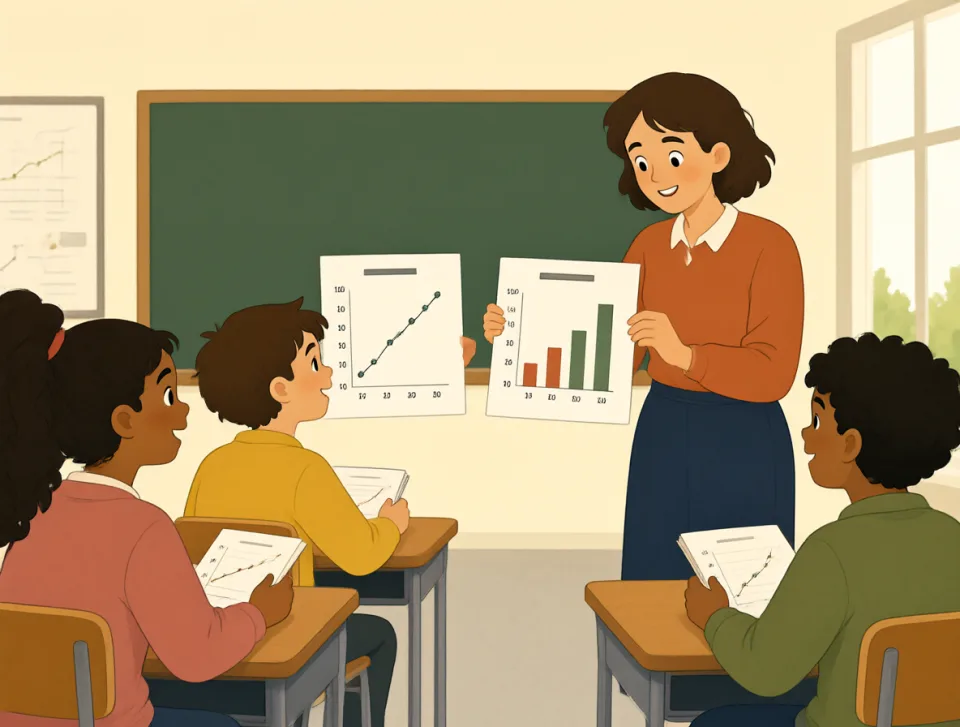
The teacher asked us to compare statistics about health and exercise.
Nauczyciel poprosił nas, żebyśmy porównali statystyki dotyczące zdrowia i ćwiczeń.

This statistic says that most shoppers check prices before buying.
Ta statystyka pokazuje, że większość klientów sprawdza ceny przed zakupem.

We were surprised by the statistics on how many trains arrive late.
Zaskoczyły nas statystyki dotyczące liczby pociągów, które się spóźniają.
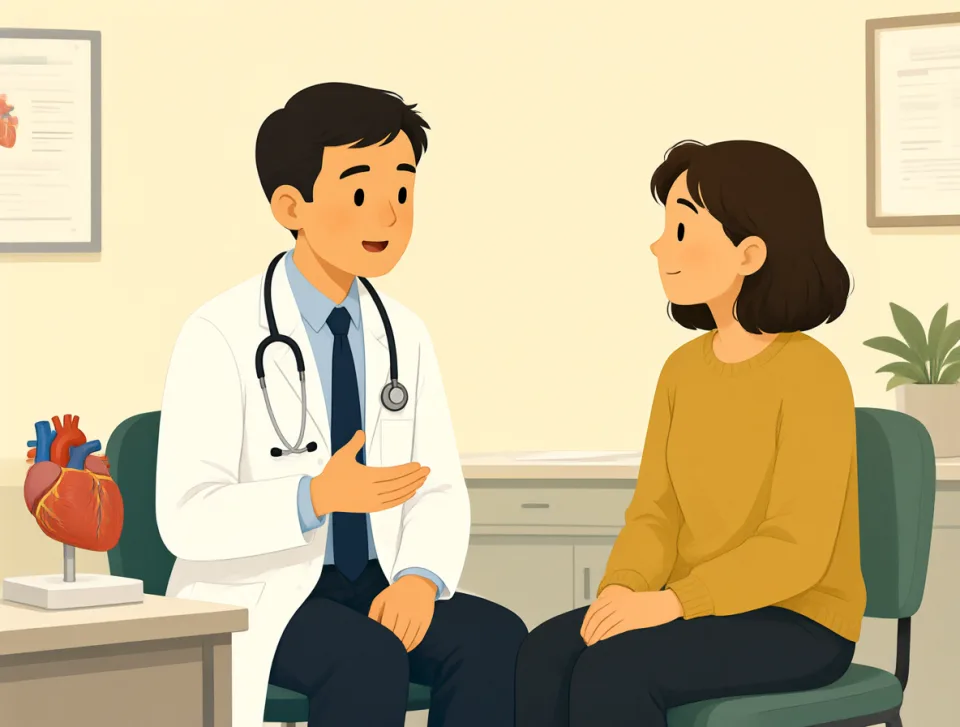
The doctor explained a worrying statistic about heart disease in adults.
Lekarz wyjaśnił niepokojącą statystykę dotyczącą chorób serca u dorosłych.

regularly
#2257adverb
regularnie
happening often and at fairly even times or intervals
Dziejący się często i w dość równych odstępach czasu.
I regularly walk to work instead of taking the bus.
Regularnie chodzę do pracy pieszo zamiast jeździć autobusem.

She regularly checks her email before starting work.
Ona regularnie sprawdza pocztę przed rozpoczęciem pracy.
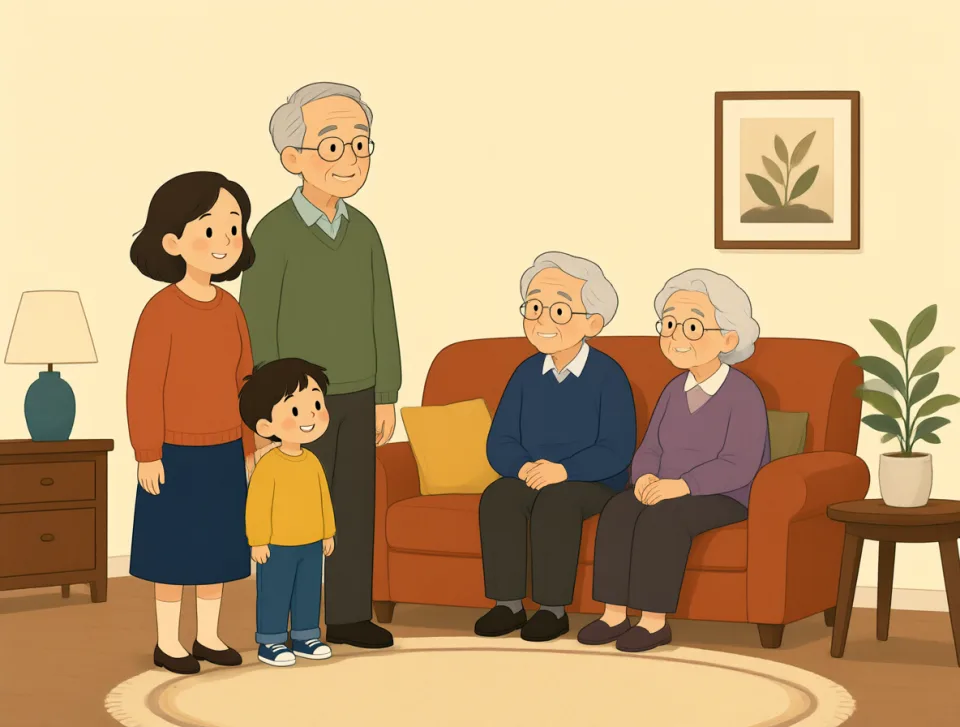
We regularly visit our grandparents on Sunday afternoons.
Regularnie odwiedzamy dziadków w niedzielne popołudnia.
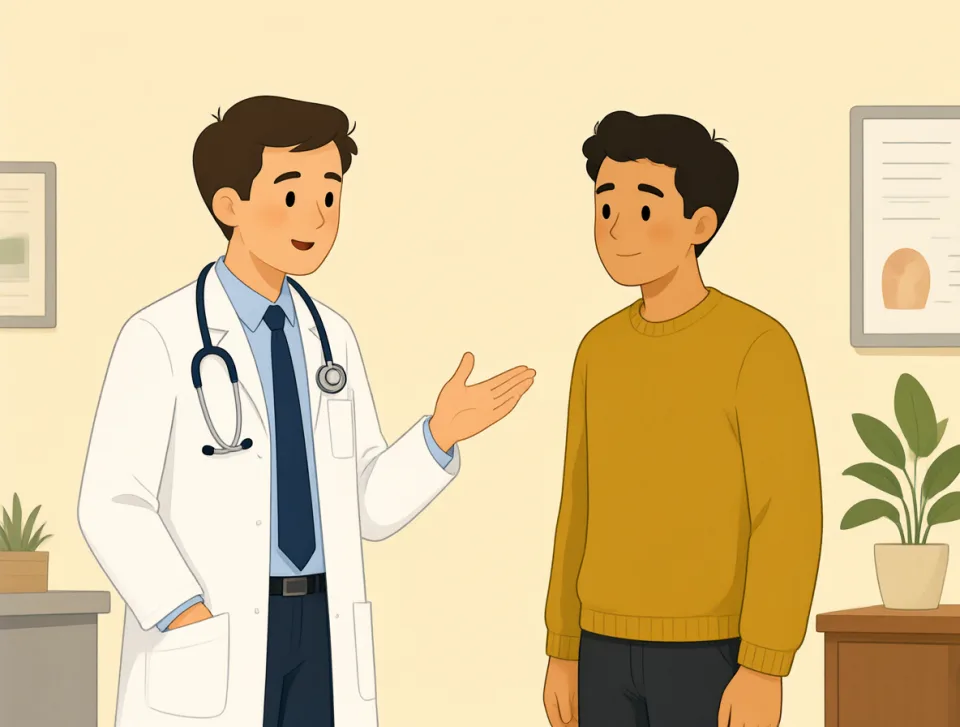
The doctor advised him to exercise regularly for better health.
Lekarz zalecił mu regularne ćwiczenia dla poprawy zdrowia.

They regularly buy fresh vegetables at the market near home.
Regularnie kupują świeże warzywa na targu niedaleko domu.

resort
#2258noun, verb
kurort; uciekać się do
A holiday place, or a way used when other choices have failed.
Miejsce wypoczynkowe albo sposób, po który sięga się, gdy inne możliwości zawiodły.

We stayed at a popular beach resort during our summer holiday.
Podczas letnich wakacji zatrzymaliśmy się w popularnym nadmorskim kurorcie.

The mountain resort offers skiing, hiking, and comfortable rooms.
Górski kurort oferuje narciarstwo, piesze wędrówki i wygodne pokoje.

The company resorted to online meetings when travel became difficult.
Gdy podróżowanie stało się trudne, firma uciekła się do spotkań online.
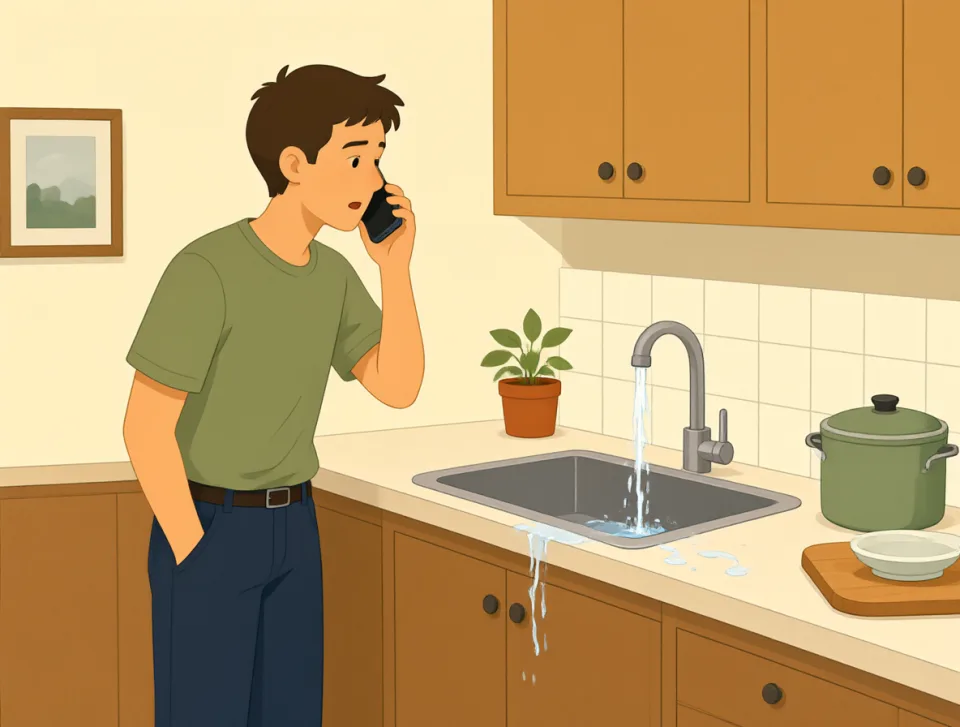
When the sink broke, we resorted to calling a plumber.
Kiedy zepsuł się zlew, musieliśmy wezwać hydraulika.

Some students resort to copying homework when they feel unprepared.
Niektórzy uczniowie uciekają się do przepisywania zadań domowych, gdy czują się nieprzygotowani.

iron
#2259noun, verb
żelazo; prasować
A heavy metal used to make things, or to press clothes smooth with heat.
Twardy metal wykorzystywany do wyrobu różnych przedmiotów; także wygładzać ubrania za pomocą gorącego żelazka.
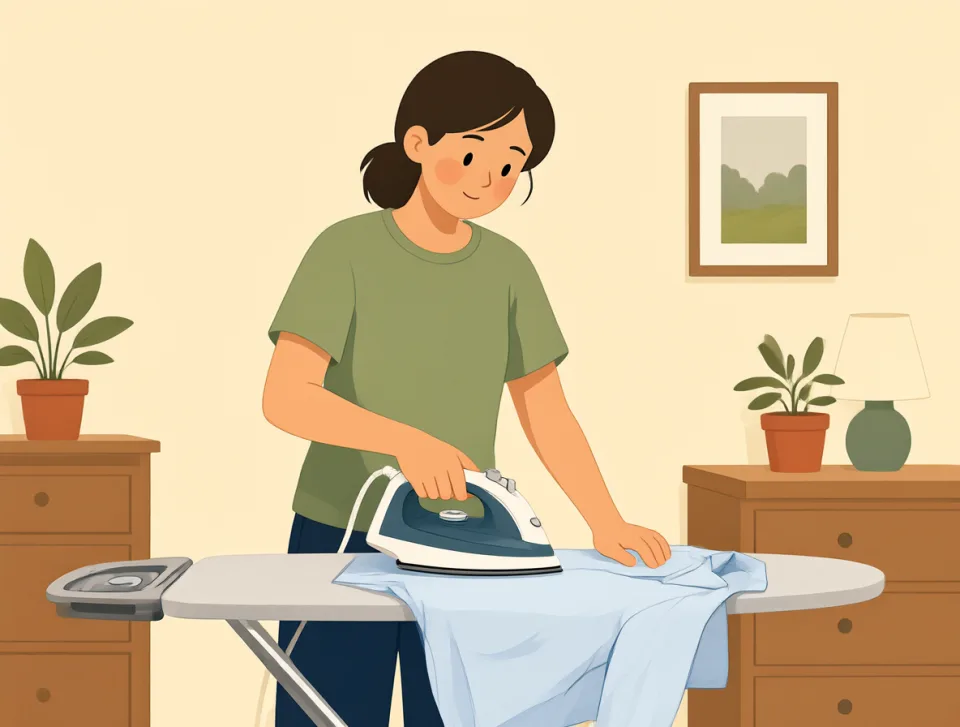
I need to iron this shirt before the meeting tomorrow morning.
Muszę wyprasować tę koszulę przed jutrzejszym porannym spotkaniem.
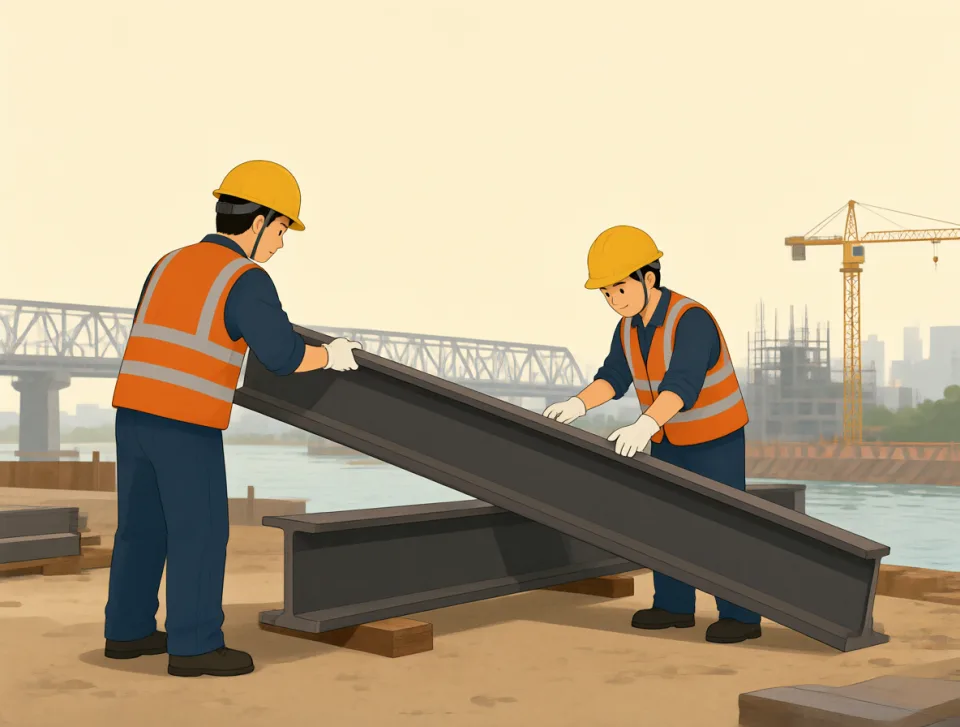
The old bridge was built with strong iron beams.
Stary most zbudowano z wytrzymałych żelaznych belek.
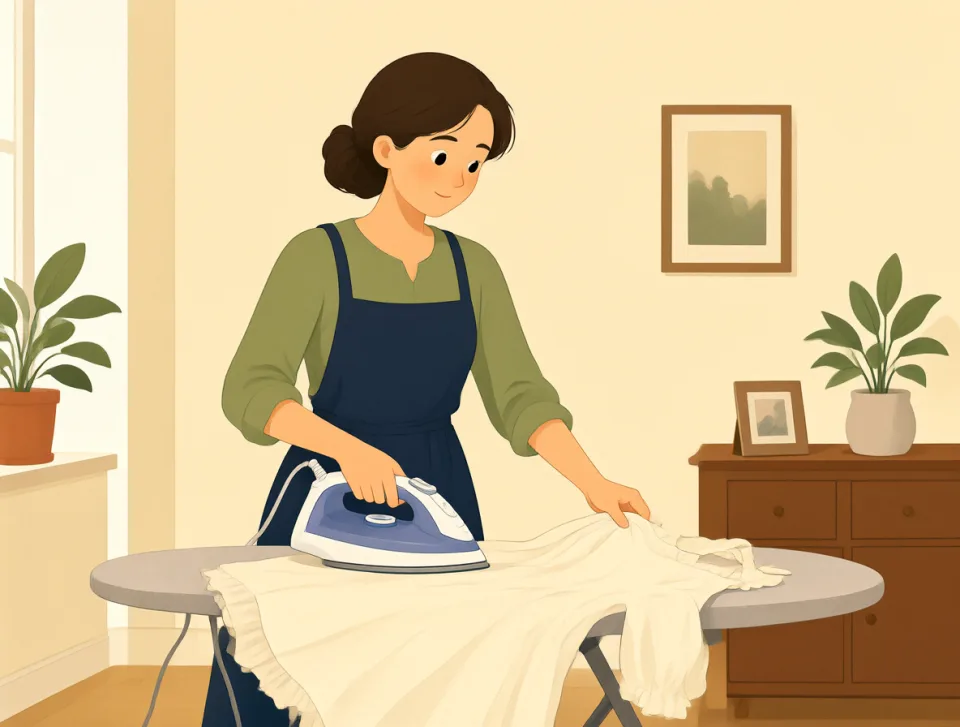
She ironed the wrinkles out of her dress before the party.
Przed przyjęciem wyprasowała zagniecenia na sukience.
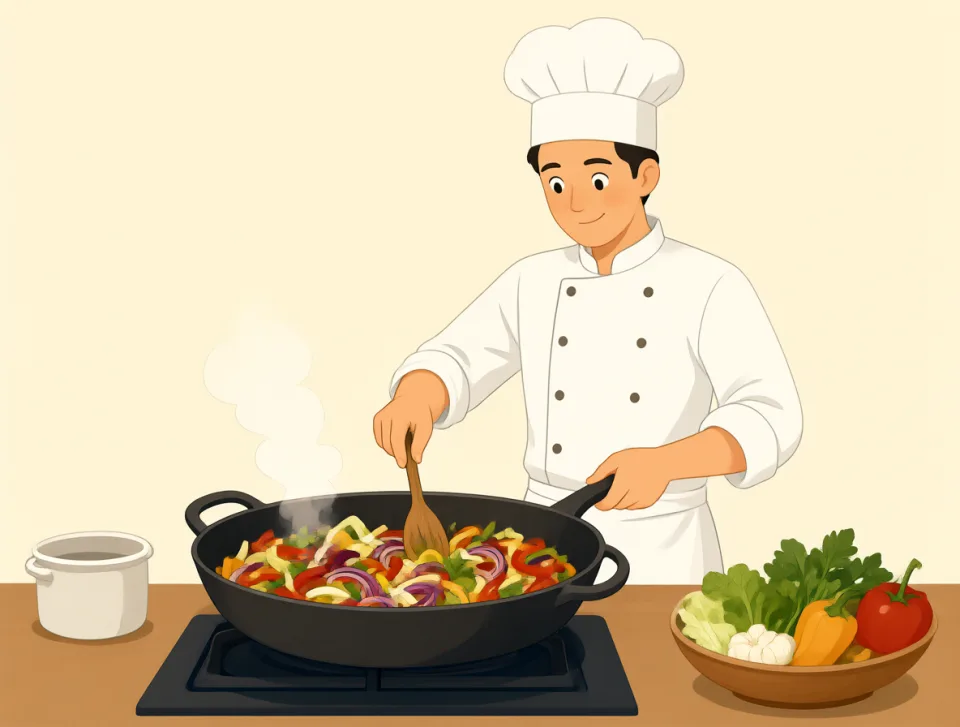
The chef cooked vegetables in an iron pan over the fire.
Kucharz usmażył warzywa na żeliwnej patelni nad ogniem.
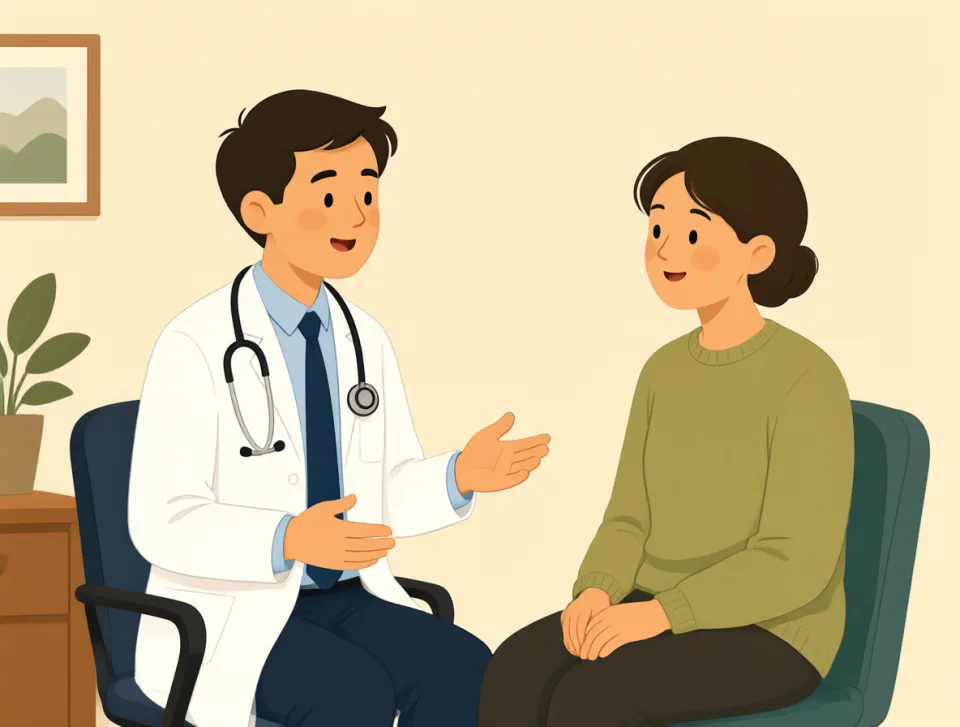
The doctor said my blood contains too little iron.
Lekarz powiedział, że moja krew zawiera za mało żelaza.

broadcast
#2260noun, verb
nadawać
To send a program, message, or event by radio, television, or the internet.
Przekazywać program, wiadomość lub wydarzenie przez radio, telewizję albo internet.
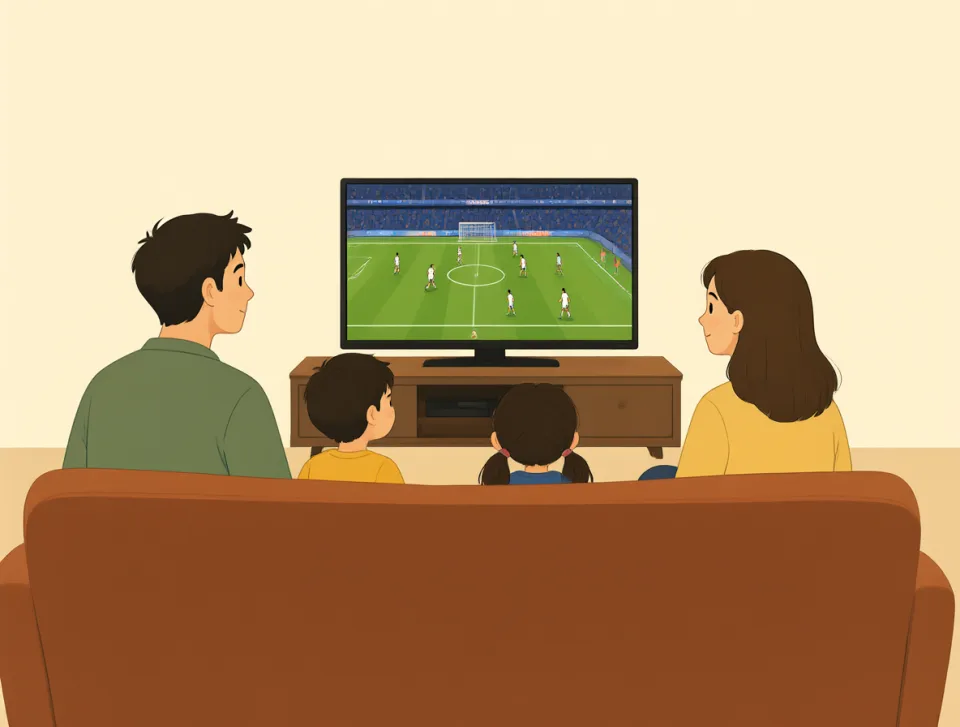
The match was broadcast live on television last night.
Wczoraj wieczorem mecz był transmitowany na żywo w telewizji.

The radio station broadcasts the morning news every weekday.
Stacja radiowa nadaje poranne wiadomości w każdy dzień roboczy.
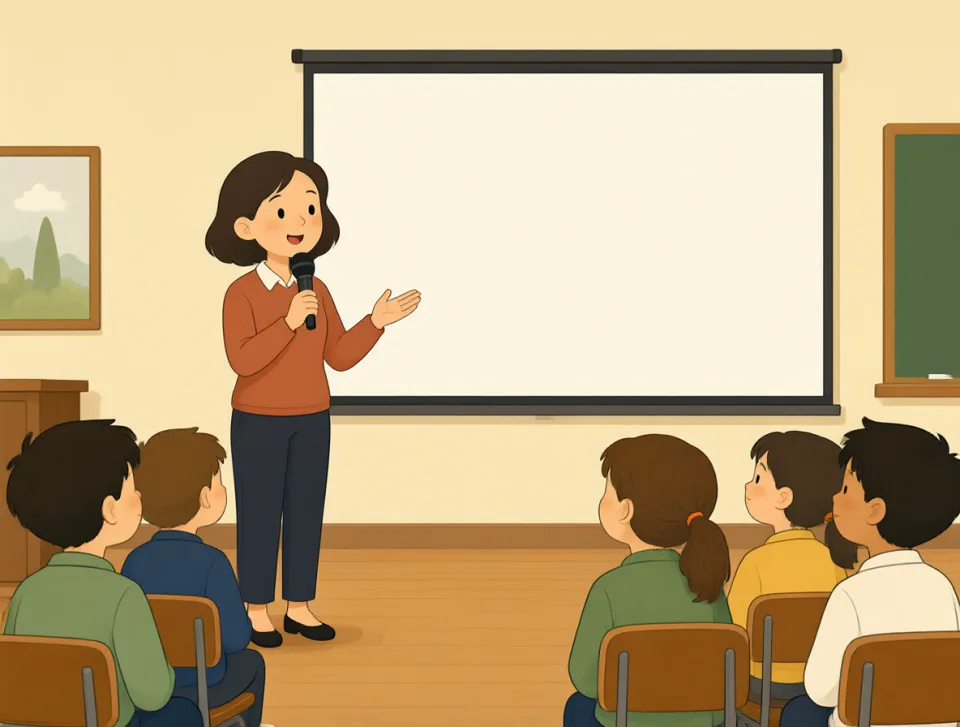
The school broadcast an important safety message to all students.
Szkoła nadała wszystkim uczniom ważny komunikat dotyczący bezpieczeństwa.

The concert will be broadcast online for fans around the world.
Koncert będzie transmitowany online dla fanów z całego świata.

The station is broadcasting weather warnings before the storm arrives.
Stacja nadaje ostrzeżenia pogodowe, zanim nadejdzie burza.