Zestaw 129
Słowa 2561–2580 · diversity, allege, pride, intense, inquiry, resign
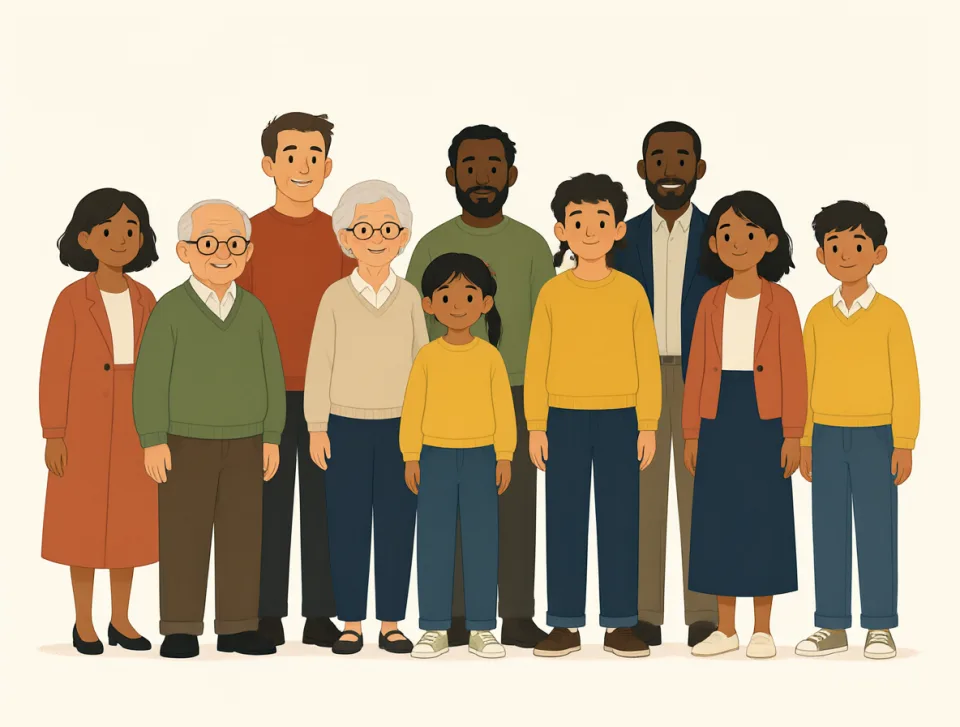
diversity
#2561noun
różnorodność
The presence of many different types of people, things, or ideas in one group.
Obecność wielu różnych typów ludzi, rzeczy lub pomysłów w jednej grupie.

The company is working to improve diversity among its senior managers.
Firma pracuje nad zwiększeniem różnorodności wśród kadry kierowniczej wyższego szczebla.
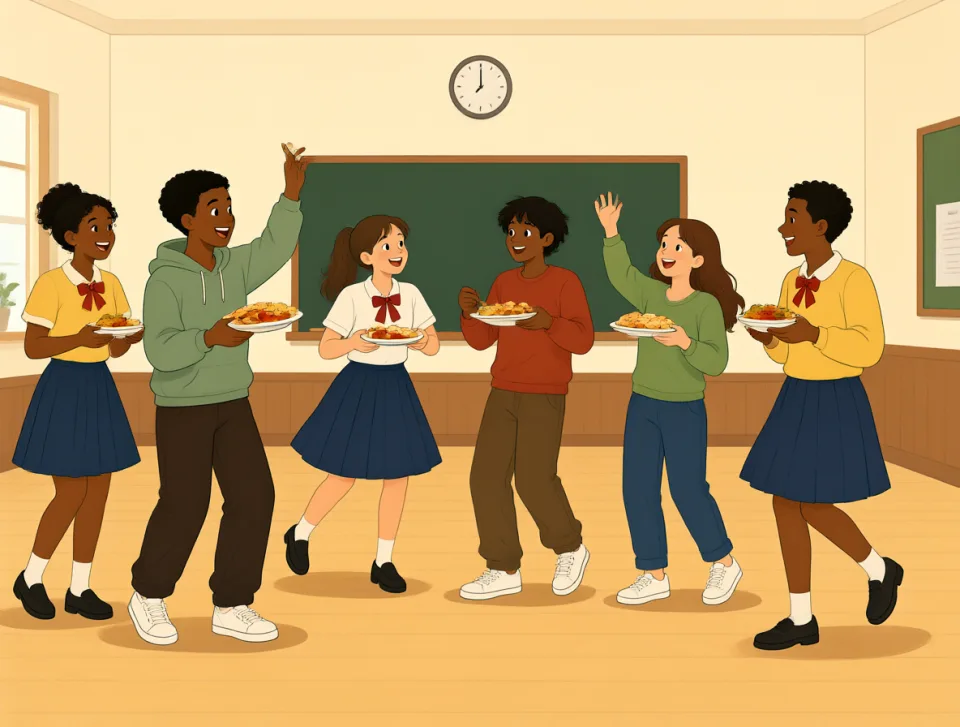
Our school celebrates cultural diversity with food, music, and dance.
Nasza szkoła celebruje różnorodność kulturową, organizując wydarzenia z jedzeniem, muzyką i tańcem.
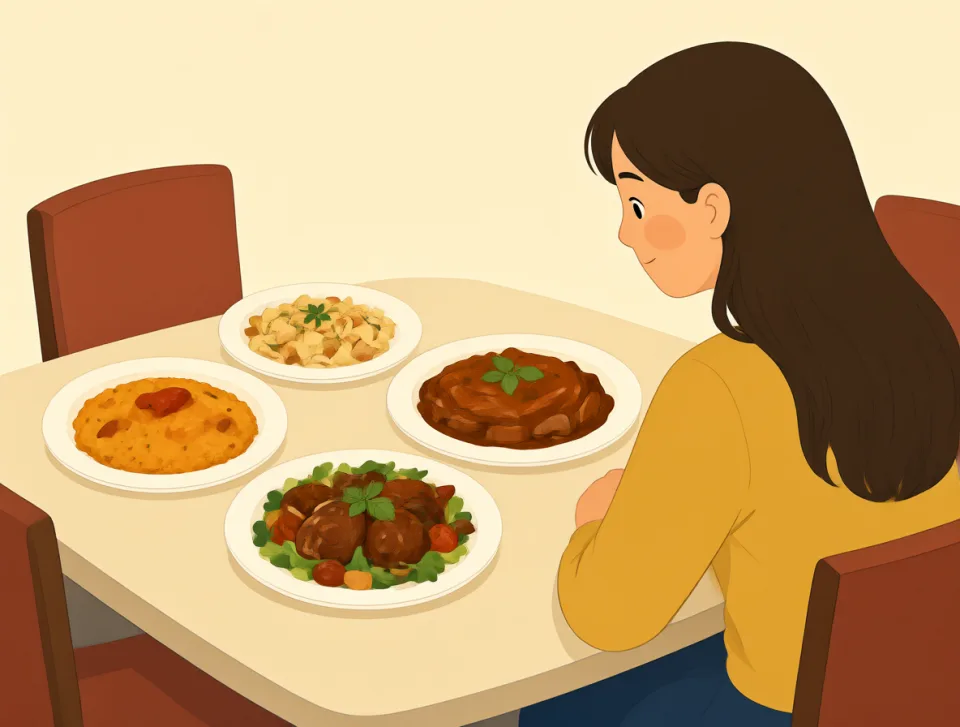
The city offers great diversity in restaurants, from local cafés to international kitchens.
Miasto oferuje ogromną różnorodność restauracji — od lokalnych kawiarni po lokale z kuchnią międzynarodową.

Traveling opened my mind to the diversity of lifestyles around the world.
Podróże otworzyły mi oczy na różnorodność stylów życia na całym świecie.
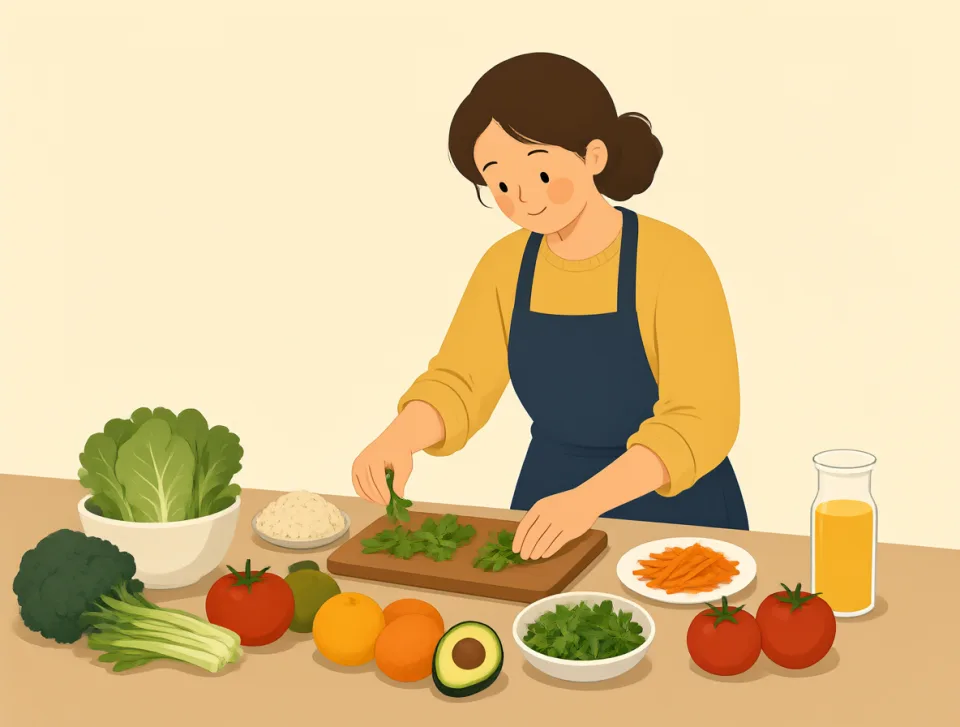
A healthy diet should include diversity, with plenty of fruits, vegetables, grains, and protein.
Zdrowa dieta powinna być różnorodna i zawierać dużo owoców, warzyw, zbóż oraz białka.
allege
#2562verb
zarzucać
To say that someone did something wrong, although this has not been proven.
Twierdzić, że ktoś zrobił coś złego, choć nie zostało to udowodnione.
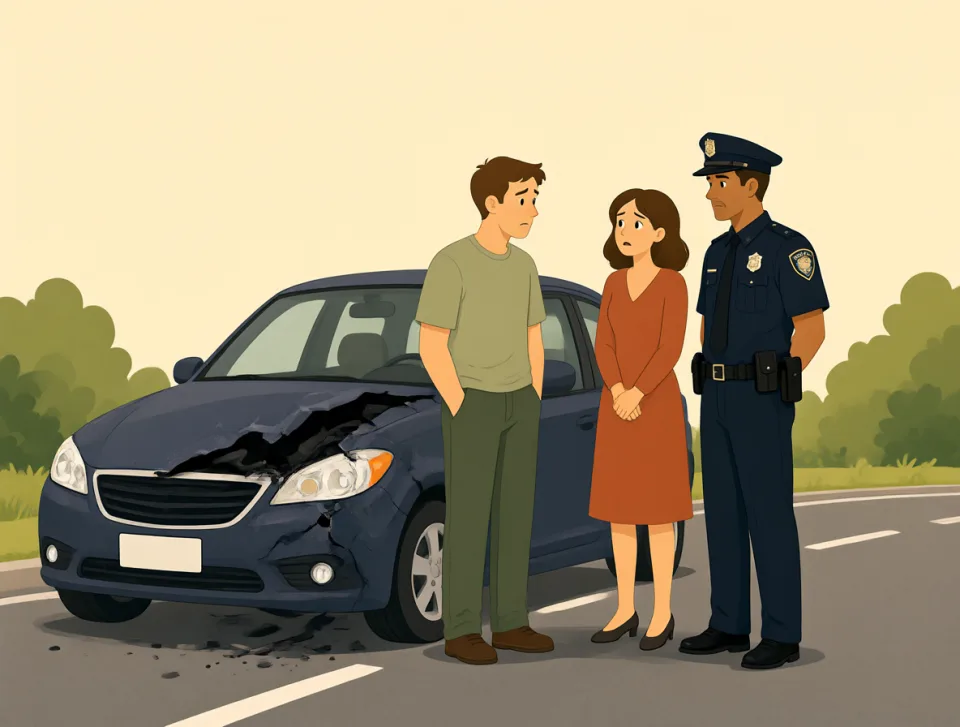
Police allege that the driver caused the crash after drinking.
Policja twierdzi, że kierowca spowodował wypadek po spożyciu alkoholu.

She alleges that her manager ignored her complaints about unsafe working conditions.
Twierdzi, że jej przełożony zignorował jej skargi dotyczące niebezpiecznych warunków pracy.

The newspaper alleged corruption among officials, but provided no evidence.
Gazeta zarzuciła urzędnikom korupcję, ale nie przedstawiła żadnych dowodów.

He alleges he was charged twice for the same meal at the restaurant.
Twierdzi, że w restauracji dwukrotnie obciążono go opłatą za ten sam posiłek.
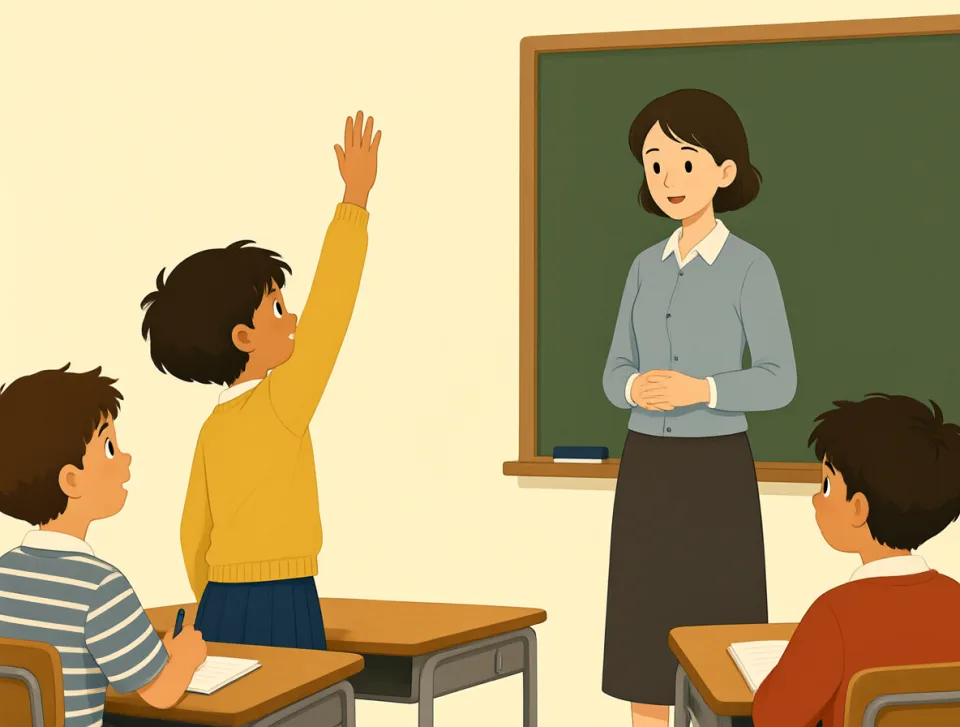
The student alleged that another student had cheated during the exam.
Uczeń zarzucił innemu uczniowi, że ściągał podczas egzaminu.

pride
#2563noun
duma
A feeling of pleasure and respect for yourself or someone you care about.
Poczucie zadowolenia i szacunku do siebie lub kogoś, na kim ci zależy.

Her parents felt great pride when she graduated from university.
Jej rodzice byli bardzo dumni, gdy ukończyła studia.

He takes pride in keeping his small apartment clean and comfortable.
Dba o to, by jego małe mieszkanie było czyste i przytulne.
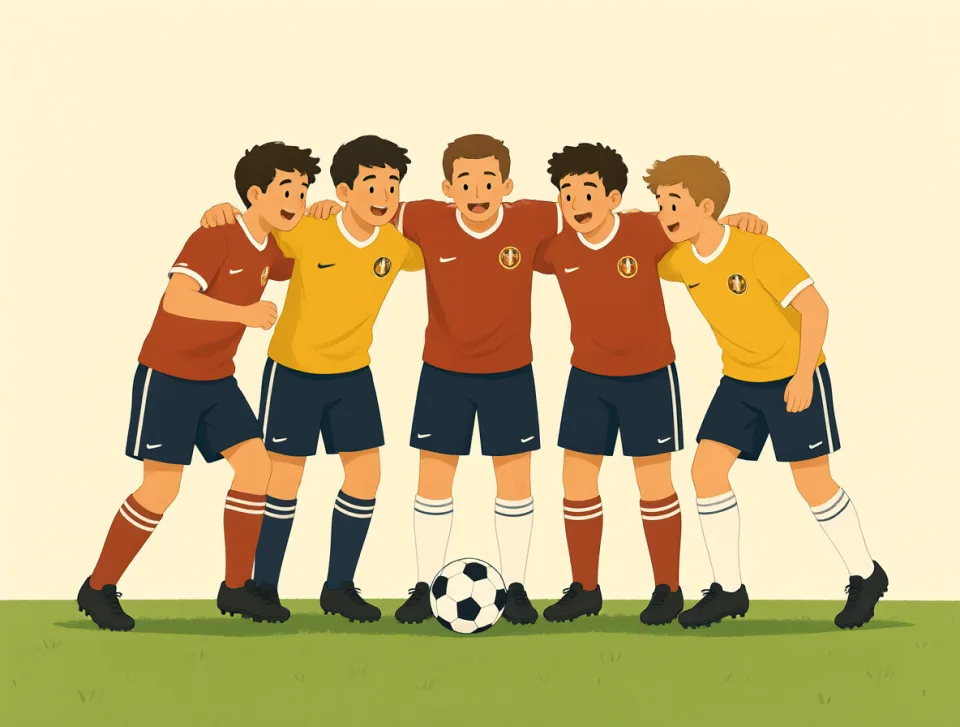
The team celebrated with pride after winning the local football match.
Drużyna świętowała z dumą po wygraniu lokalnego meczu piłki nożnej.

She swallowed her pride and asked her manager for help.
Przełknęła dumę i poprosiła przełożonego o pomoc.
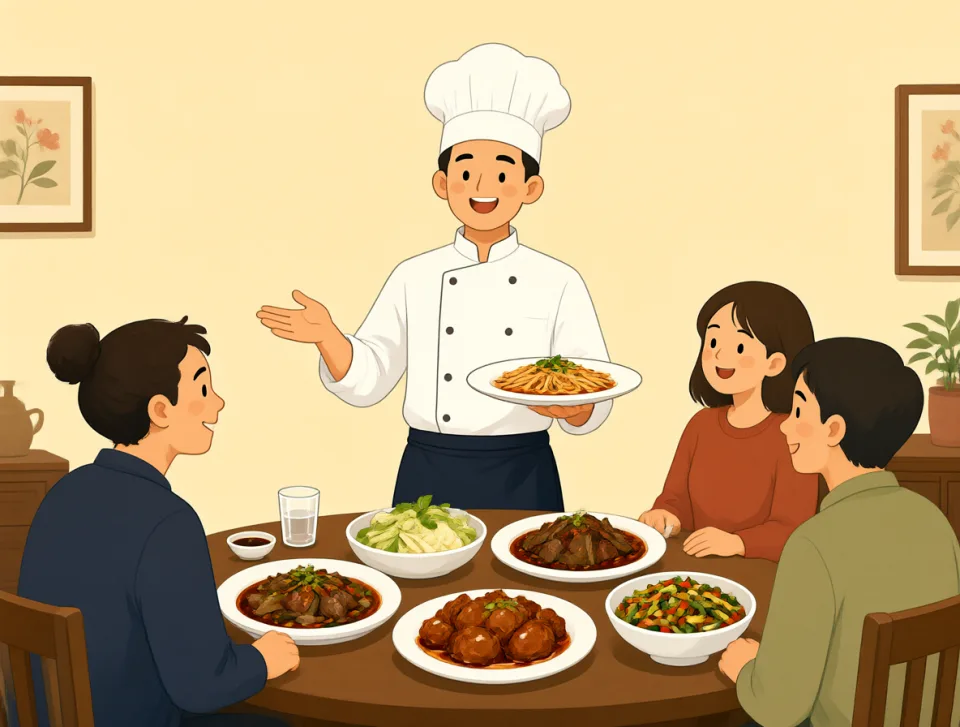
The restaurant serves traditional dishes that are a source of local pride.
Restauracja serwuje tradycyjne dania, które są powodem do dumy lokalnej społeczności.

intense
#2564adjective
intensywny
Very strong, serious, or extreme in force, feeling, or degree.
Bardzo silny, poważny lub skrajny pod względem siły, uczuć albo stopnia.
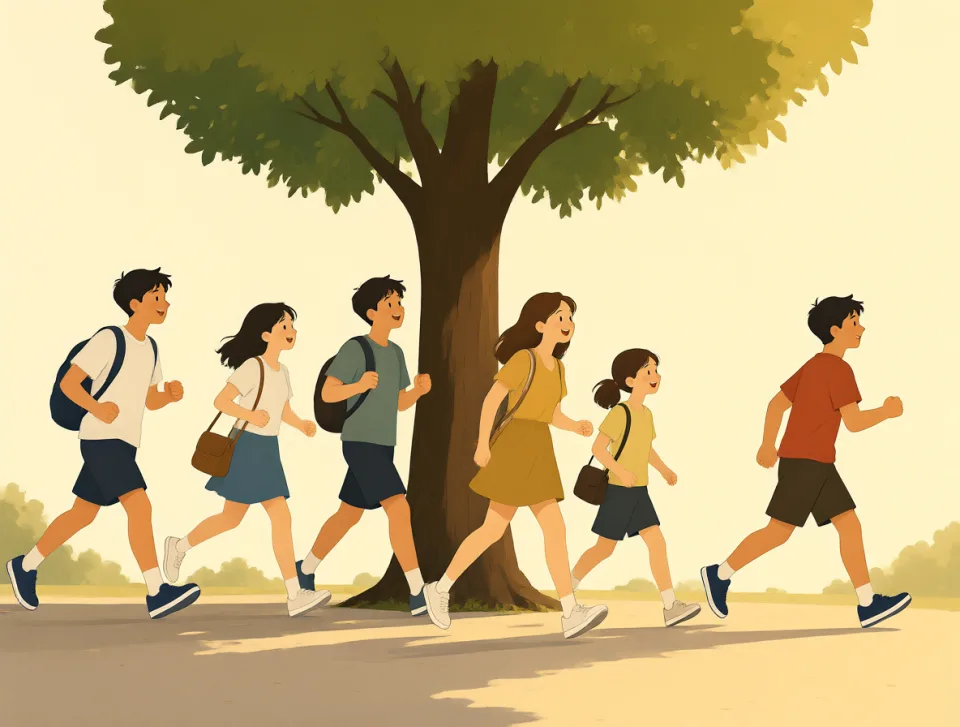
The intense heat made everyone look for shade during the afternoon.
Z powodu nieznośnego upału wszyscy po południu szukali cienia.
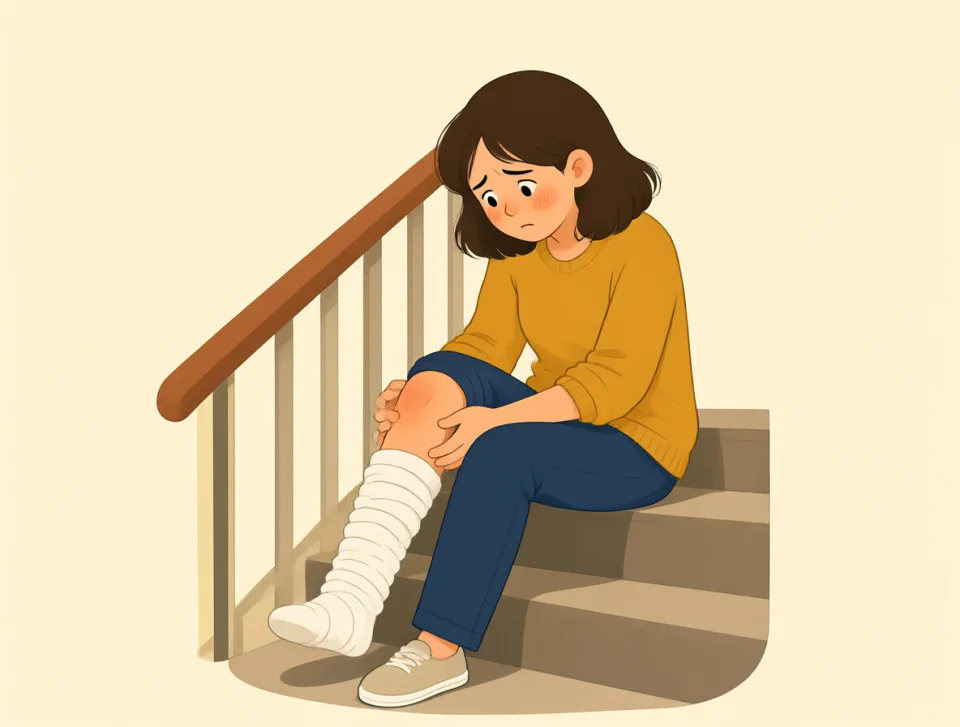
She felt intense pain in her leg after falling down the stairs.
Po upadku ze schodów poczuła silny ból nogi.

The team had an intense discussion about the company’s future plans.
Zespół odbył intensywną dyskusję na temat przyszłych planów firmy.
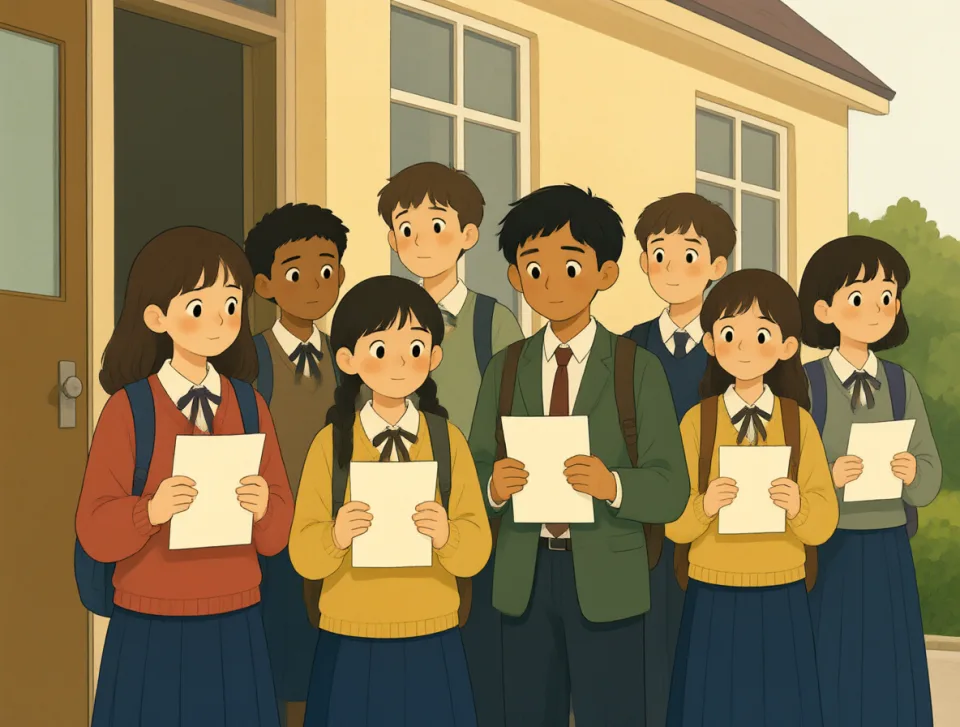
The students faced intense competition for places at the popular school.
Uczniowie musieli zmierzyć się z ostrą konkurencją o miejsca w popularnej szkole.
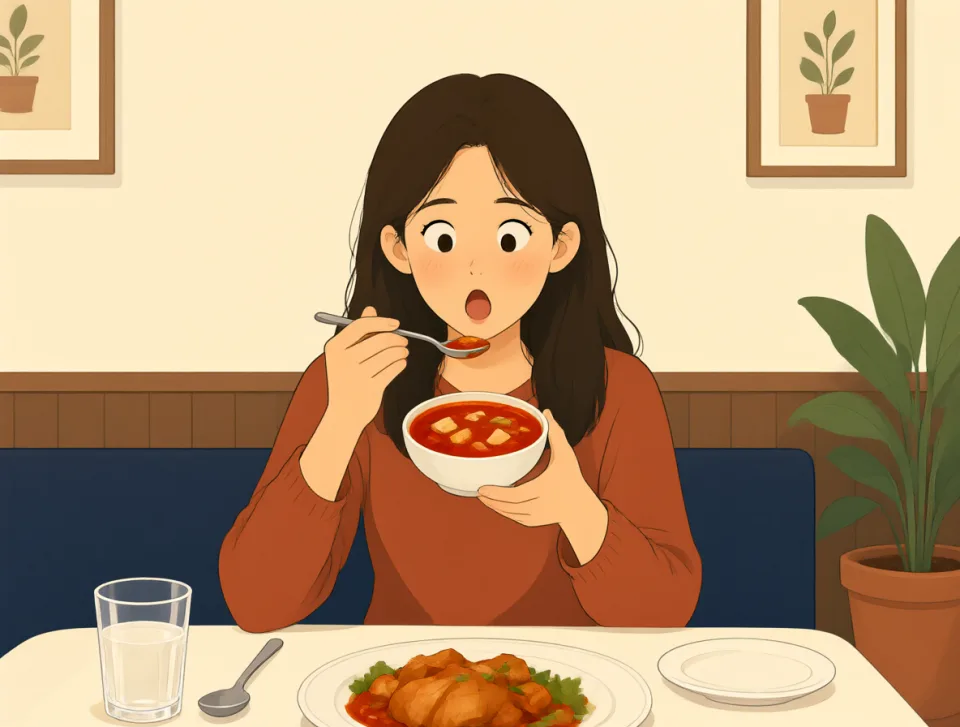
This curry has an intense flavor, so start with a small serving.
To curry ma intensywny smak, więc na początek nałóż sobie niewielką porcję.

inquiry
#2565noun
zapytanie
a request for information about something
Prośba o informacje na jakiś temat.
The hotel received an inquiry about available rooms for the holiday weekend.
Hotel otrzymał zapytanie o dostępność pokoi na świąteczny weekend.

I sent an inquiry to the company about returning my damaged headphones.
Wysłałem do firmy zapytanie o możliwość zwrotu uszkodzonych słuchawek.

The teacher answered several inquiries about next week's science project.
Nauczyciel odpowiedział na kilka pytań dotyczących przyszłotygodniowego projektu z nauk przyrodniczych.
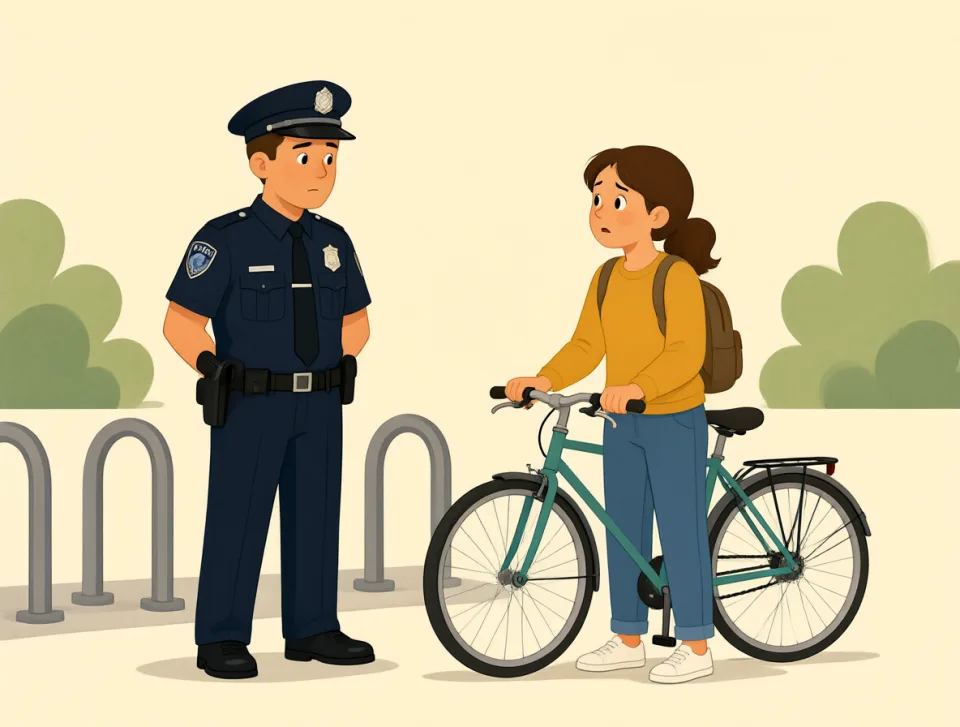
The police are making inquiries about the missing bicycle near the station.
Policja prowadzi dochodzenie w sprawie roweru, który zaginął w pobliżu dworca.

The doctor made an inquiry about my sleeping problems during the appointment.
Podczas wizyty lekarz zapytał mnie o problemy ze snem.

resign
#2566verb
zrezygnować z pracy
To officially leave a job or position by telling your employer that you are leaving.
Oficjalnie odejść z pracy lub ze stanowiska, informując pracodawcę o swojej decyzji.

She resigned from her job after finding a better position.
Zrezygnowała z pracy, gdy znalazła lepsze stanowisko.

The manager resigned as president after accepting responsibility for the mistake.
Menedżer zrezygnował z funkcji prezesa po tym, jak wziął odpowiedzialność za błąd.

He resigned from the committee because he no longer had enough time.
Odszedł z komitetu, bo nie miał już wystarczająco dużo czasu.
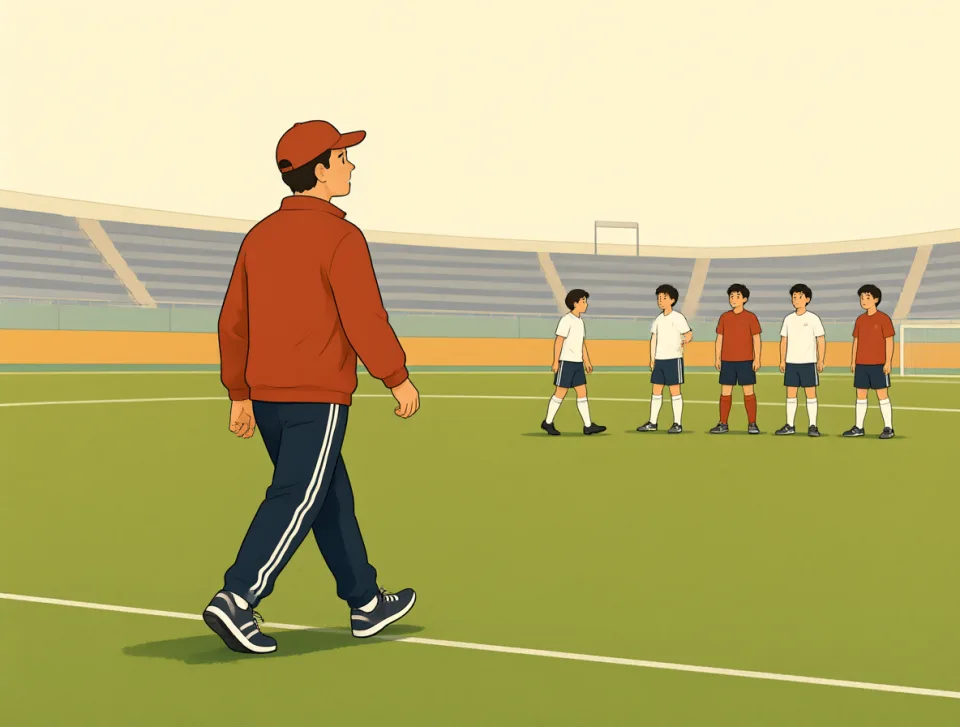
The coach resigned after the team lost several important matches.
Trener zrezygnował po tym, jak drużyna przegrała kilka ważnych meczów.
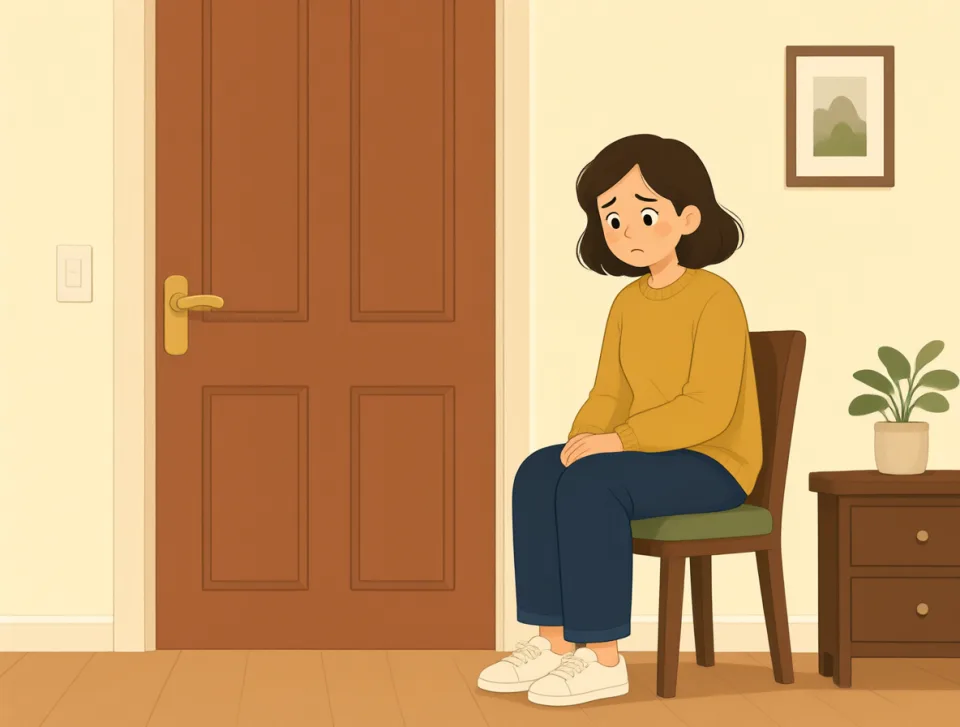
After months of stress, she resigned herself to waiting for the decision.
Po miesiącach stresu pogodziła się z tym, że musi czekać na decyzję.

craft
#2567noun, verb
rękodzieło; tworzyć
A small boat or handmade object; to make something carefully and skillfully.
Mała łódź lub przedmiot wykonany ręcznie; tworzyć coś starannie i umiejętnie.

The small craft carried tourists across the lake on a sunny afternoon.
Mała łódź przewoziła turystów przez jezioro w słoneczne popołudnie.
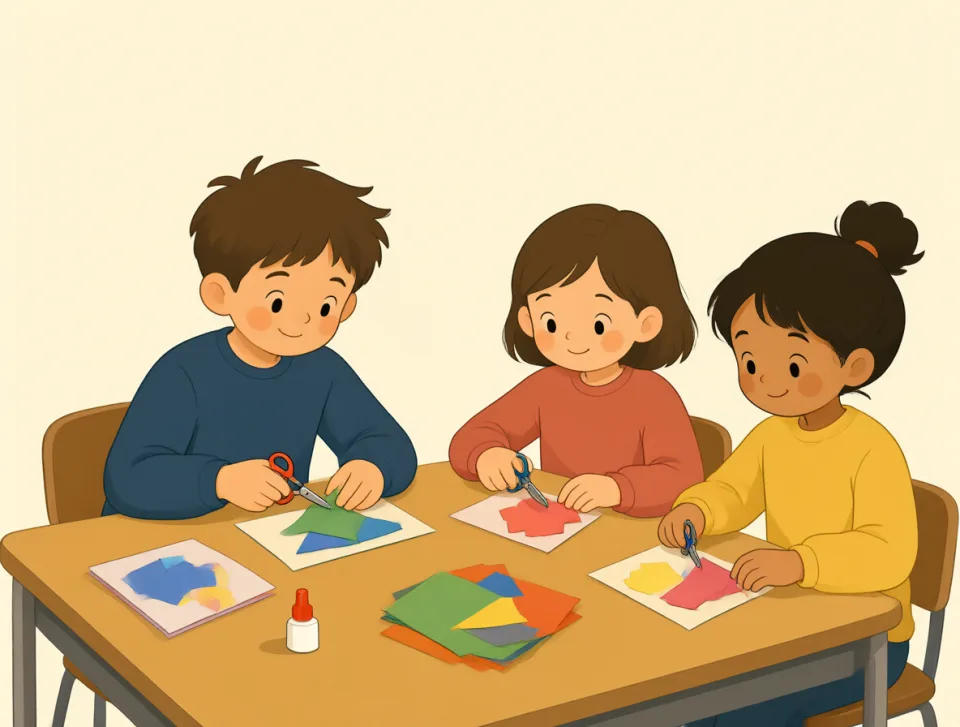
Students made colorful crafts from paper during their art lesson.
Podczas lekcji plastyki uczniowie zrobili z papieru kolorowe ozdoby.
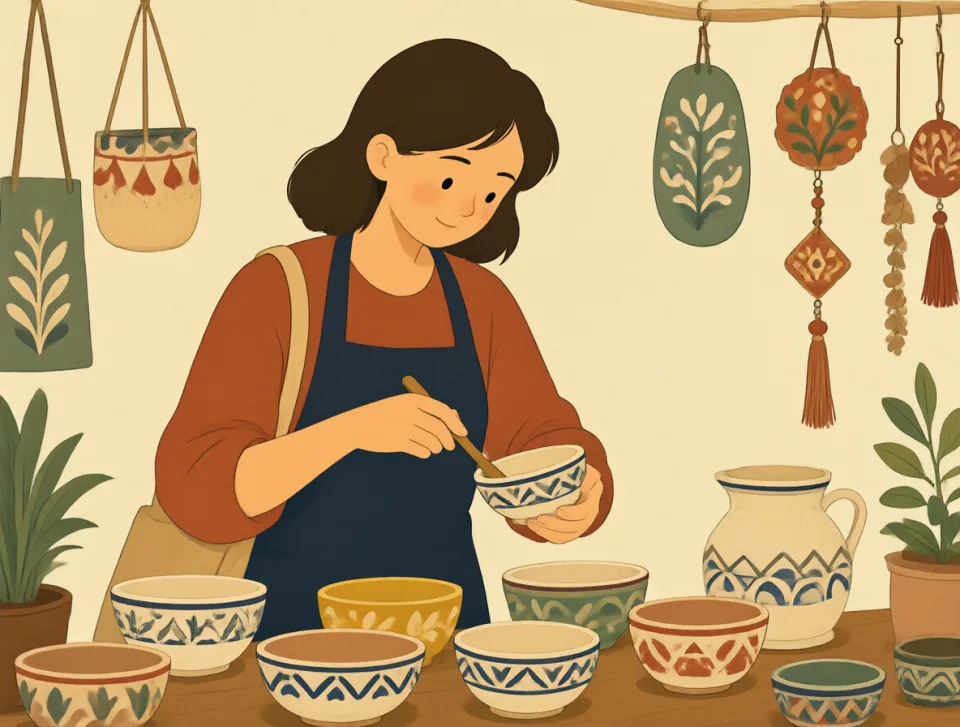
She found beautiful handmade crafts at the market near her hotel.
Na targu niedaleko hotelu znalazła piękne rękodzieło.

Our manager crafted a clear plan for the busy week ahead.
Nasz menedżer opracował jasny plan na nadchodzący pracowity tydzień.

My friend ordered a craft beer with dinner at the new restaurant.
Mój znajomy zamówił do kolacji piwo rzemieślnicze w nowej restauracji.
strict
#2568adjective
rygorystyczny
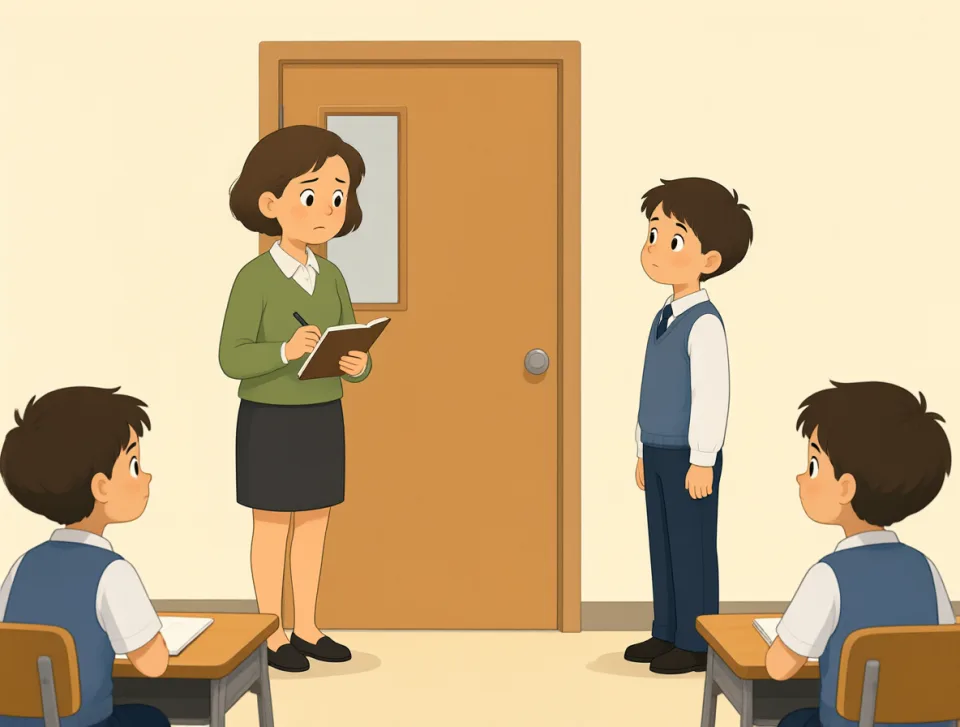
Expecting rules to be obeyed exactly and allowing little freedom or choice.
Wymagający ścisłego przestrzegania zasad i pozostawiający niewiele swobody lub wyboru.
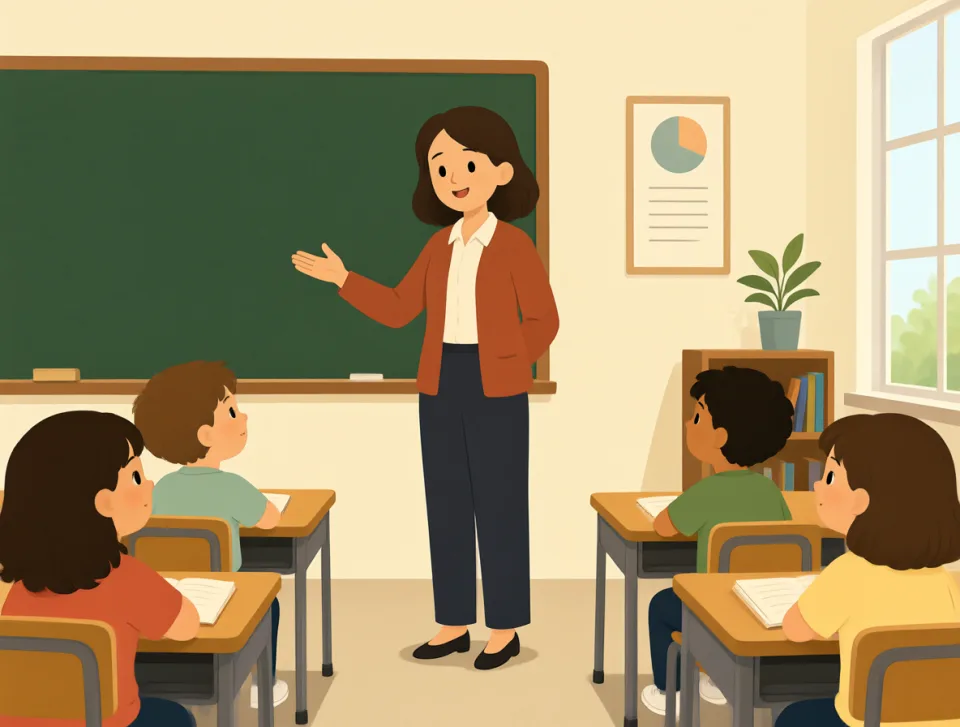
Our teacher is strict, but she always explains the rules clearly.
Nasza nauczycielka jest surowa, ale zawsze jasno wyjaśnia zasady.

The hotel has strict rules about smoking in rooms and shared areas.
W hotelu obowiązują rygorystyczne zasady dotyczące palenia w pokojach i pomieszczeniach wspólnych.
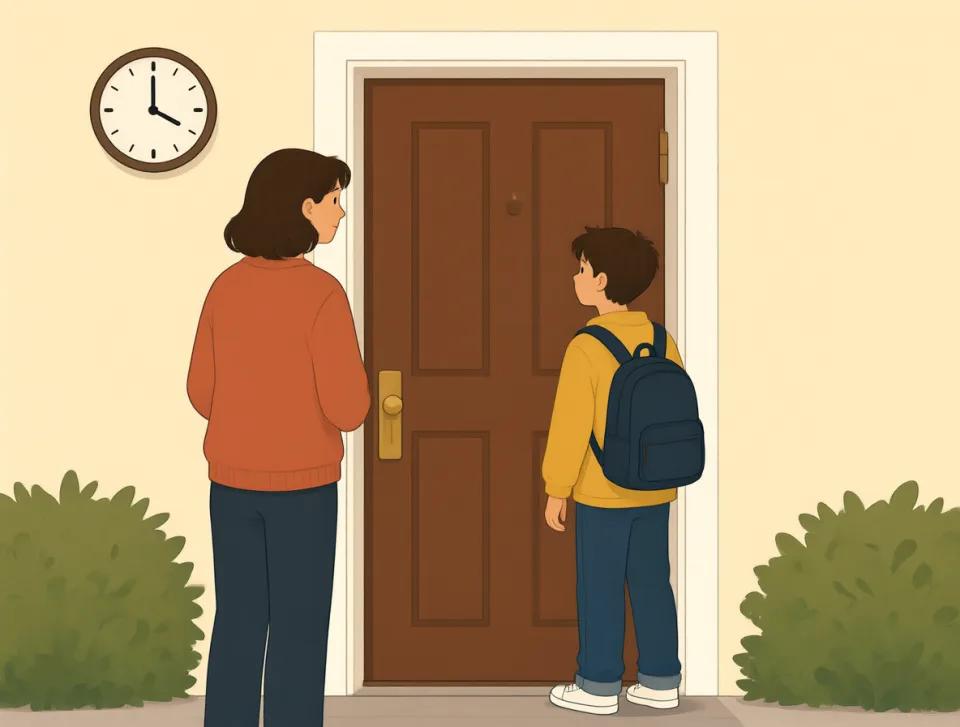
My parents were strict about being home before ten on school nights.
Moi rodzice surowo pilnowali, żebym w dni szkolne wracał do domu przed dziesiątą.

The doctor put me on a strict diet after my blood test.
Po badaniu krwi lekarz zalecił mi ścisłą dietę.

The airline has strict baggage limits, so we removed several heavy items.
Linia lotnicza ma rygorystyczne limity bagażu, więc wyjęliśmy kilka ciężkich rzeczy.
concrete
#2569adjective, noun
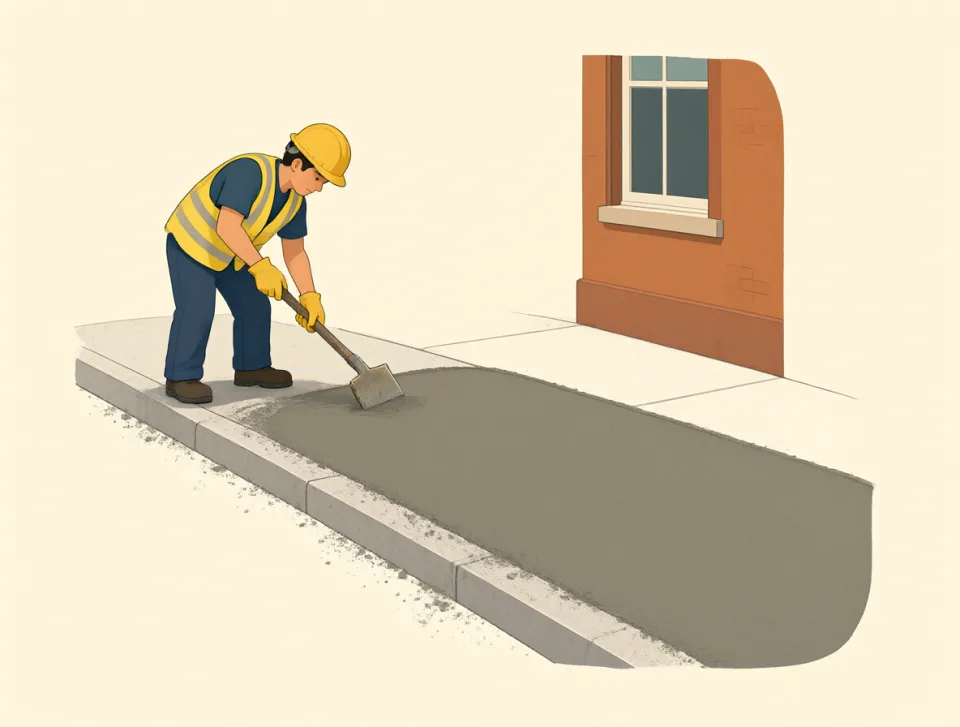
konkretny; beton
Adjective: real and specific; noun: a strong building material made from cement, sand, and water.
Przymiotnik: rzeczywisty i określony; rzeczownik: trwały materiał budowlany z cementu, piasku i wody.

We need concrete plans before we start the project next week.
Zanim rozpoczniemy projekt w przyszłym tygodniu, potrzebujemy konkretnych planów.

The builder poured concrete to make a strong foundation for the house.
Budowlaniec wylał beton, aby zrobić solidne fundamenty domu.
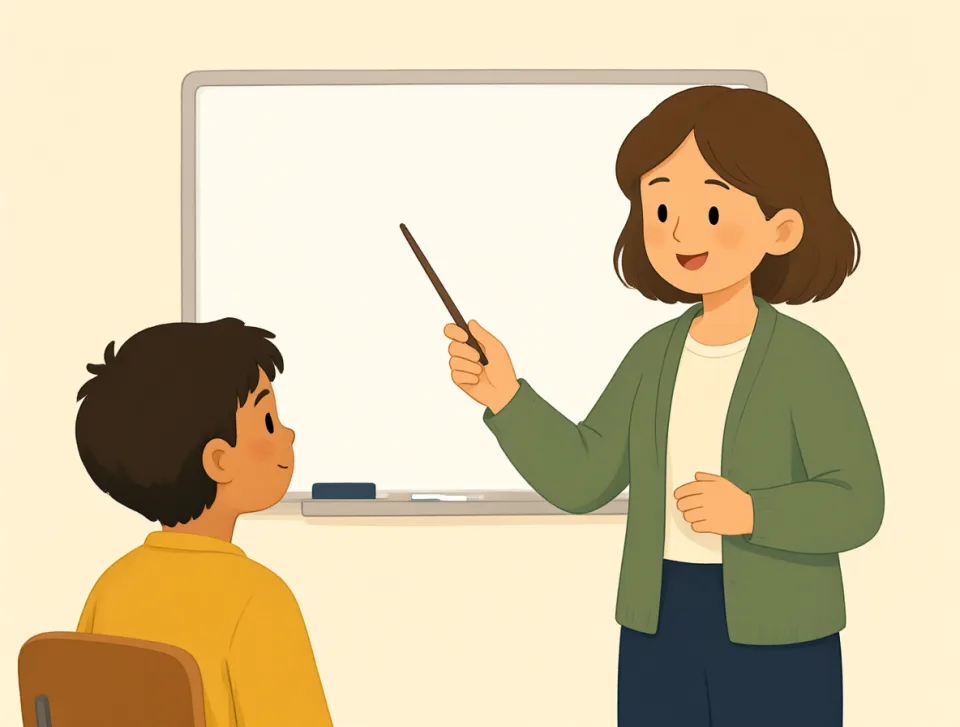
Please give me a concrete example so I can understand the idea.
Podaj mi proszę konkretny przykład, żebym mógł zrozumieć tę koncepcję.
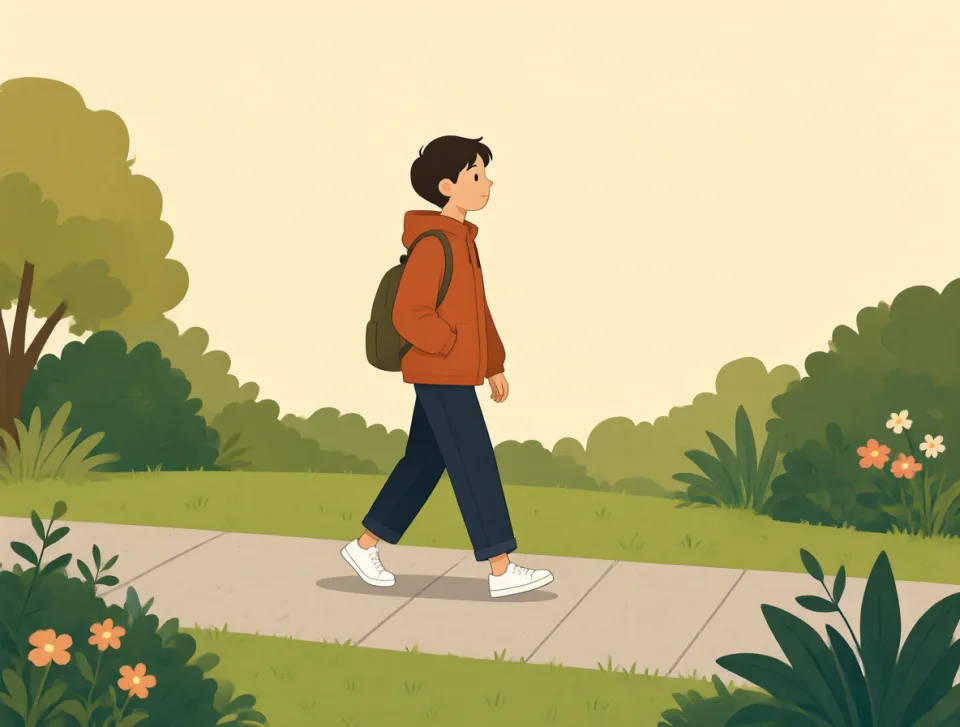
The path is made of concrete, so it stays dry after heavy rain.
Ścieżka jest z betonu, więc po ulewnym deszczu pozostaje sucha.

The doctor gave us concrete advice about helping Dad recover at home.
Lekarz dał nam konkretne wskazówki, jak pomóc tacie wrócić do zdrowia w domu.
shell
#2570noun, verb
skorupa; łuska
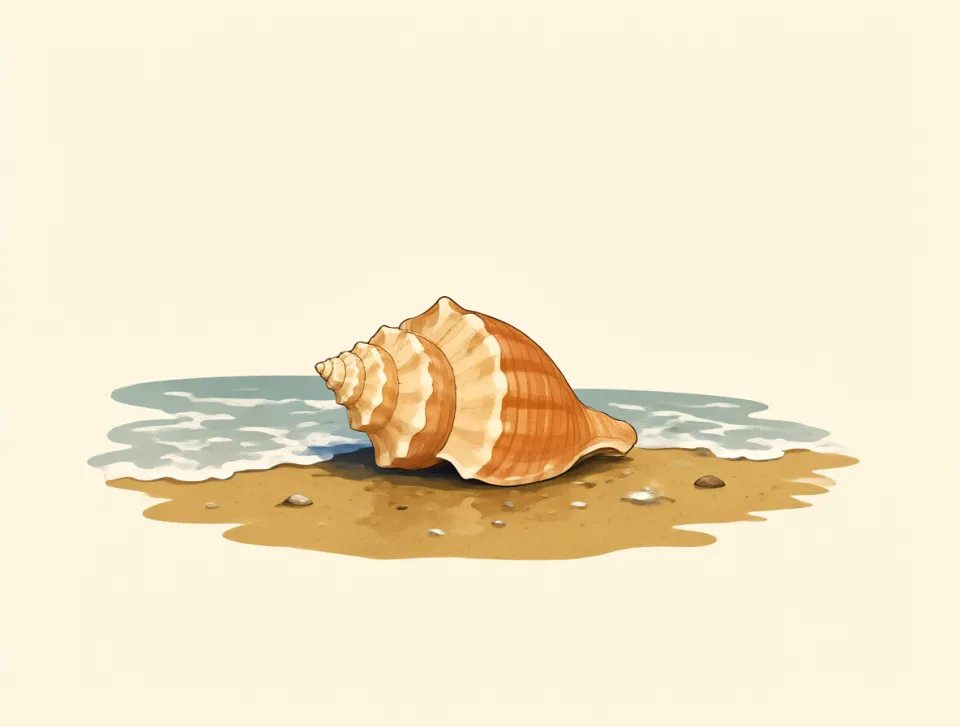
the hard outer covering of an egg, nut, or sea animal; to remove this covering
Twarda zewnętrzna osłona jajka, orzecha lub zwierzęcia morskiego; usuwać tę osłonę.
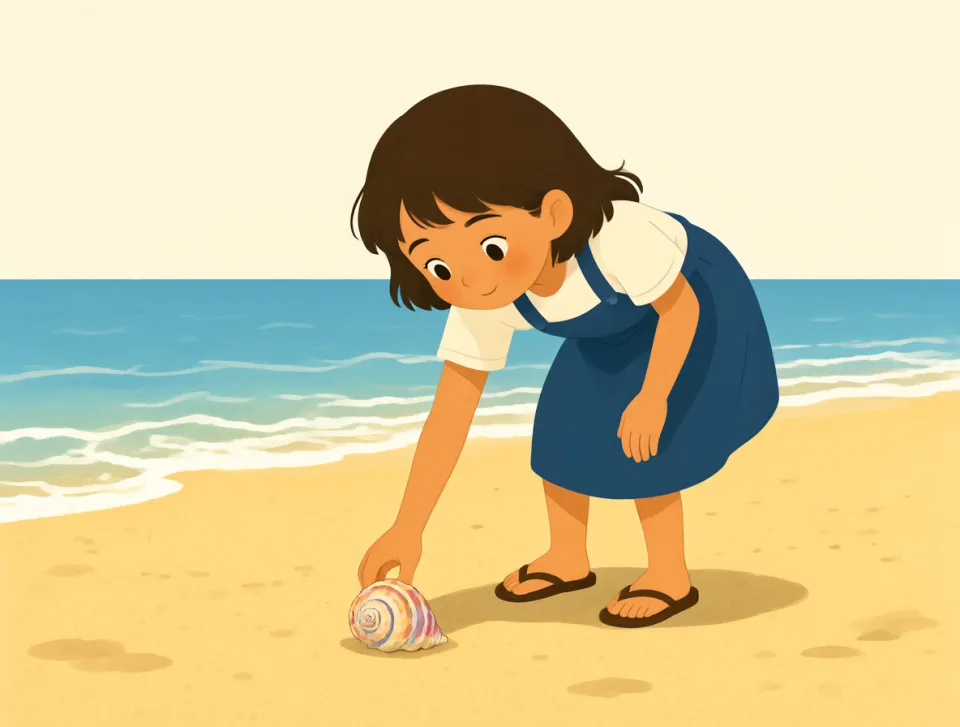
She found a beautiful shell while walking along the beach.
Podczas spaceru po plaży znalazła piękną muszlę.
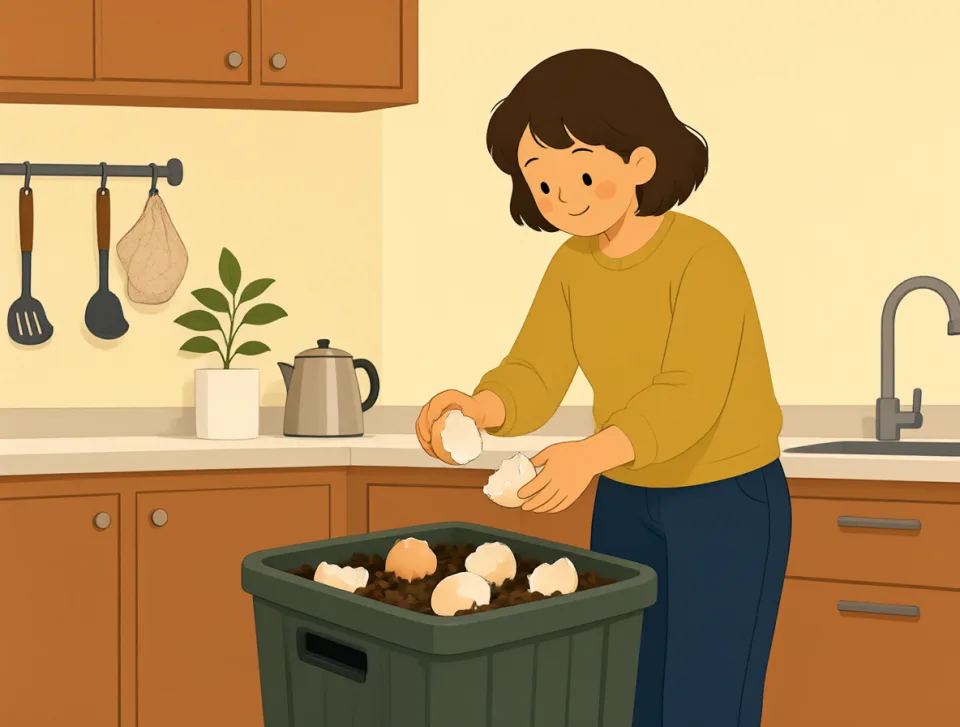
Please put the eggshells in the compost bin after breakfast.
Po śniadaniu wrzuć proszę skorupki jajek do pojemnika na kompost.
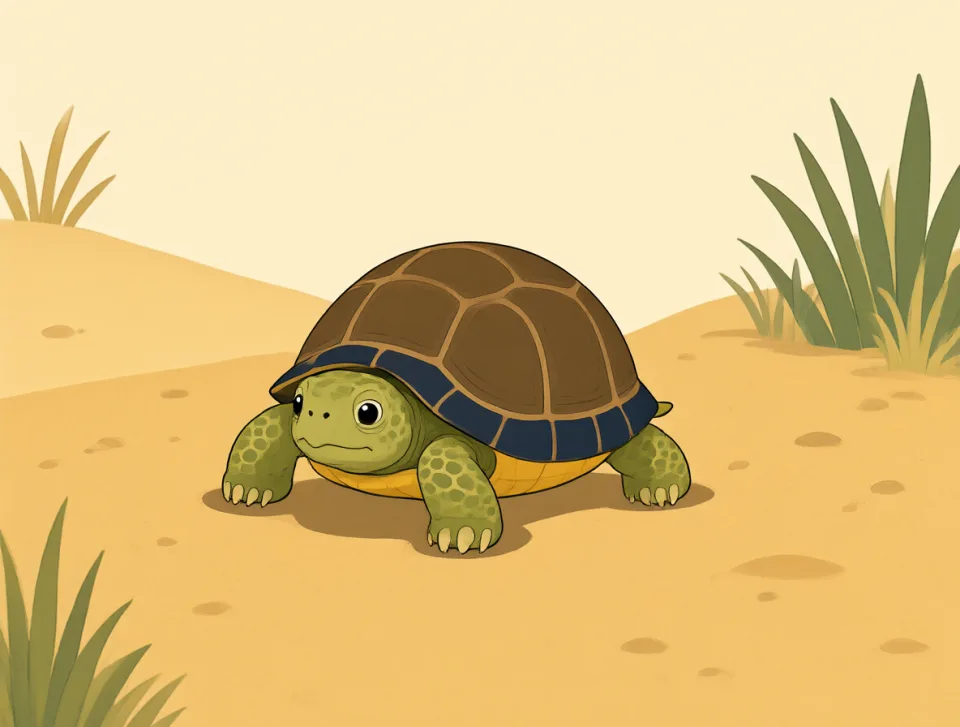
The turtle pulled its head safely inside its shell.
Żółw bezpiecznie schował głowę do skorupy.

He carefully shelled the peas before adding them to the soup.
Ostrożnie wyłuskał groszek, zanim dodał go do zupy.

The restaurant serves shrimp with the shells already removed.
Restauracja podaje krewetki już obrane ze skorup.
damn
#2571adjective, adverb, noun, verb
cholerny
Used to show anger, emphasis, or surprise; also meaning to condemn someone to punishment.
Słowo używane do wyrażenia złości, podkreślenia czegoś lub zaskoczenia; oznacza też skazać kogoś na karę.
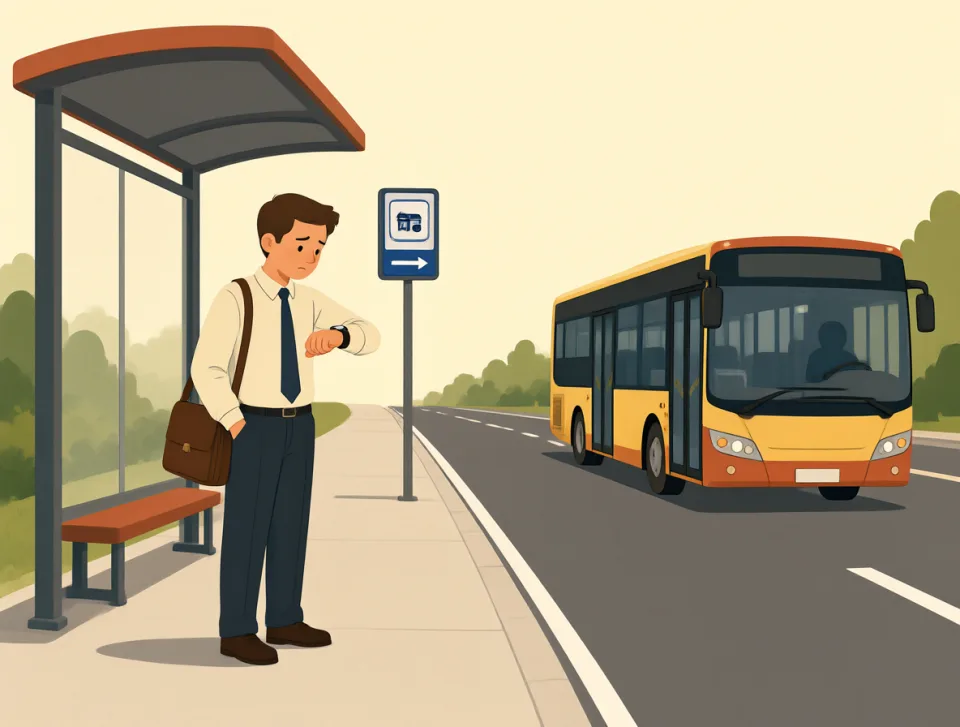
I missed the damn bus and arrived twenty minutes late for work.
Przegapiłem ten cholerny autobus i spóźniłem się do pracy dwadzieścia minut.

That was a damn good meal; I would happily order it again.
To był cholernie dobry posiłek; z przyjemnością zamówiłbym go jeszcze raz.
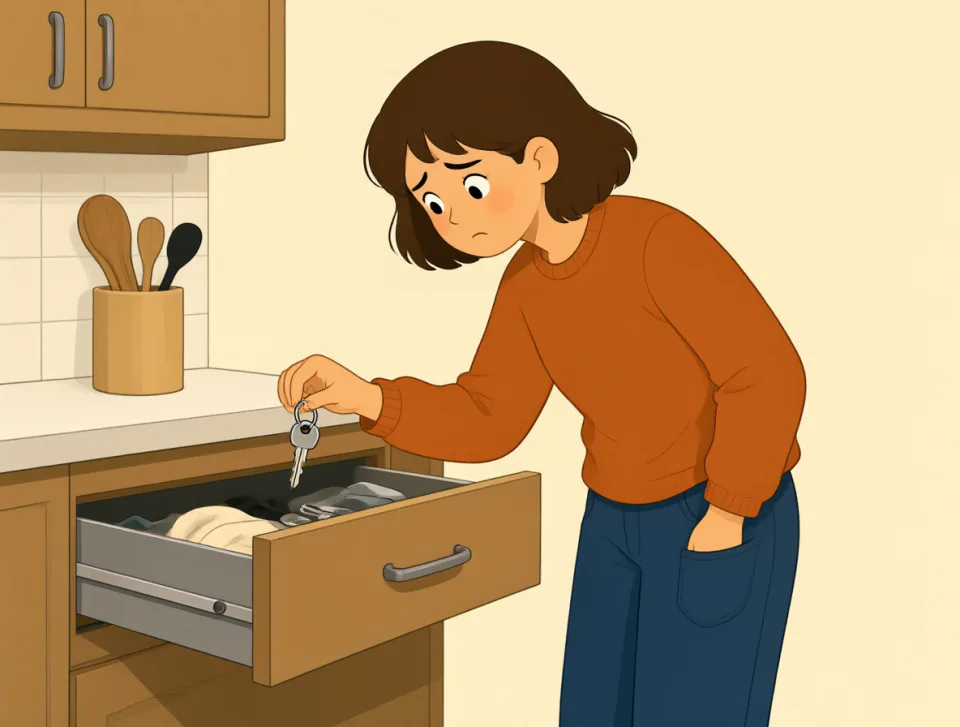
Where the damn hell did I put my keys this morning?
Gdzie, do cholery, położyłem dziś rano klucze?

The mechanic said the damn car would be ready by Friday afternoon.
Mechanik powiedział, że ten cholerny samochód będzie gotowy w piątek po południu.
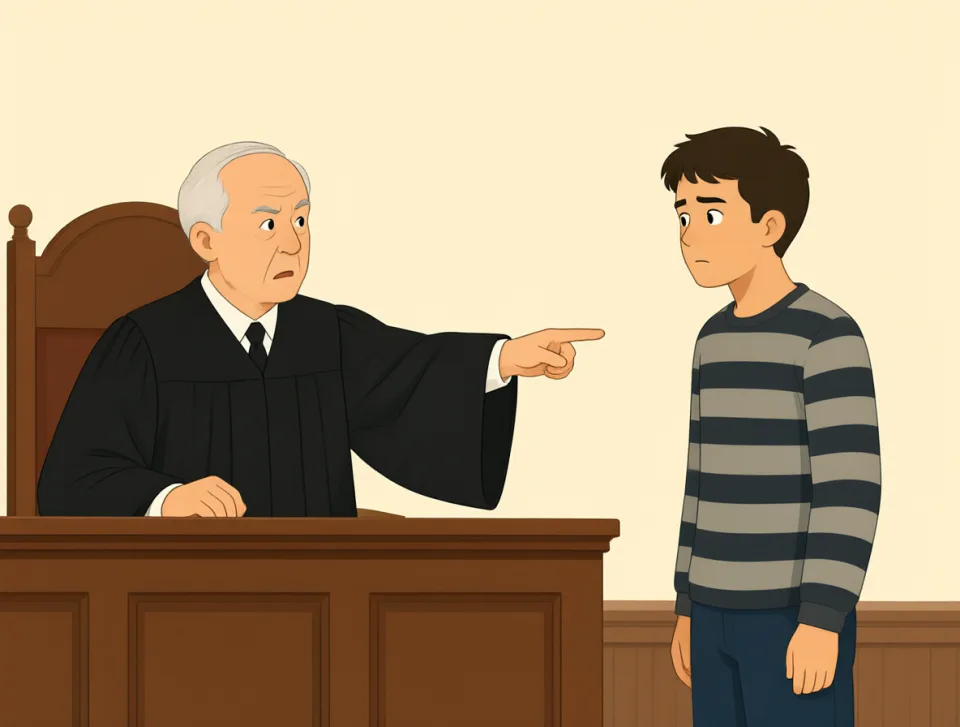
The judge damned the violent criminal for showing no regret.
Sędzia potępił brutalnego przestępcę za to, że nie okazał skruchy.
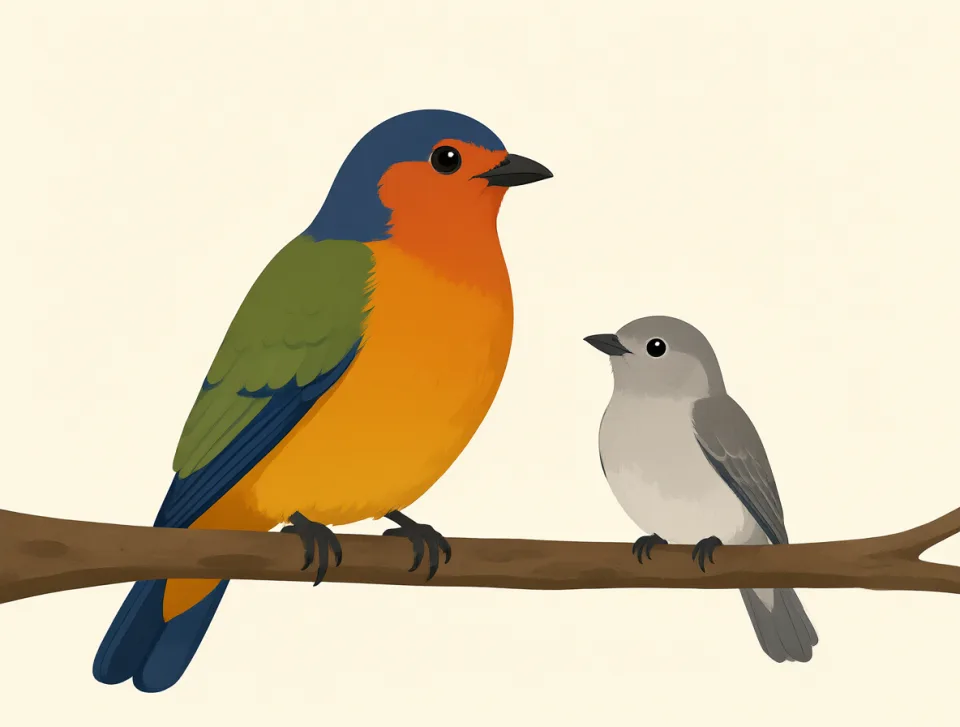
distinct
#2572adjective
odrębny
Clearly different from other people or things, or easy to recognize as separate.
Wyraźnie różniący się od innych osób lub rzeczy albo łatwy do rozpoznania jako coś osobnego.
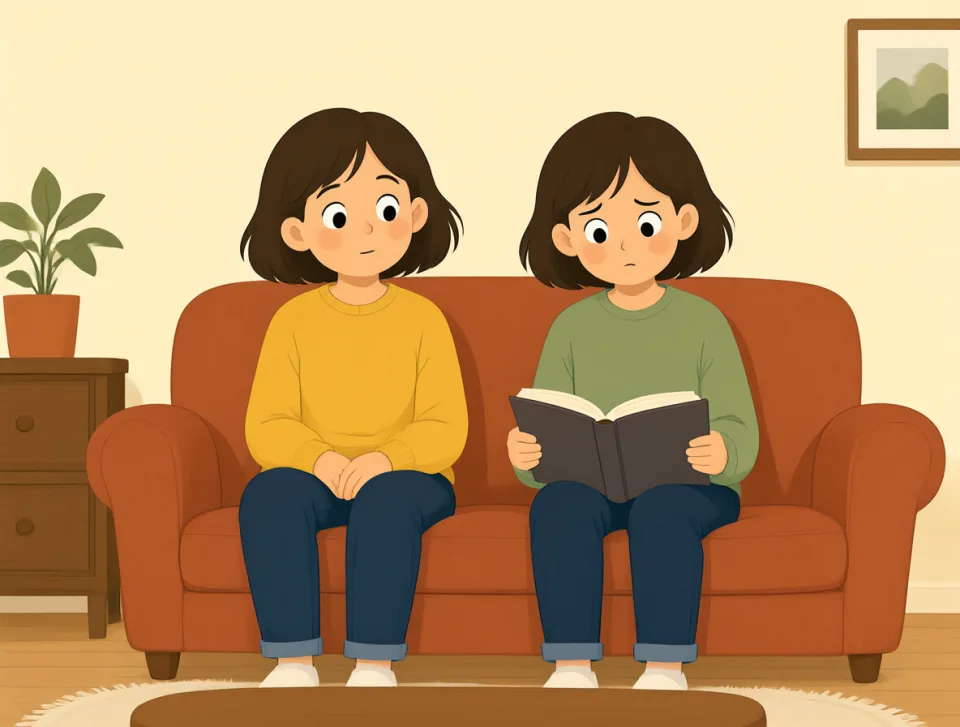
The twins have distinct personalities, even though they look very similar.
Bliźnięta mają różne osobowości, mimo że wyglądają bardzo podobnie.

The artist used distinct colors to separate each section of the painting.
Artysta użył wyraźnie odmiennych kolorów, aby oddzielić poszczególne części obrazu.
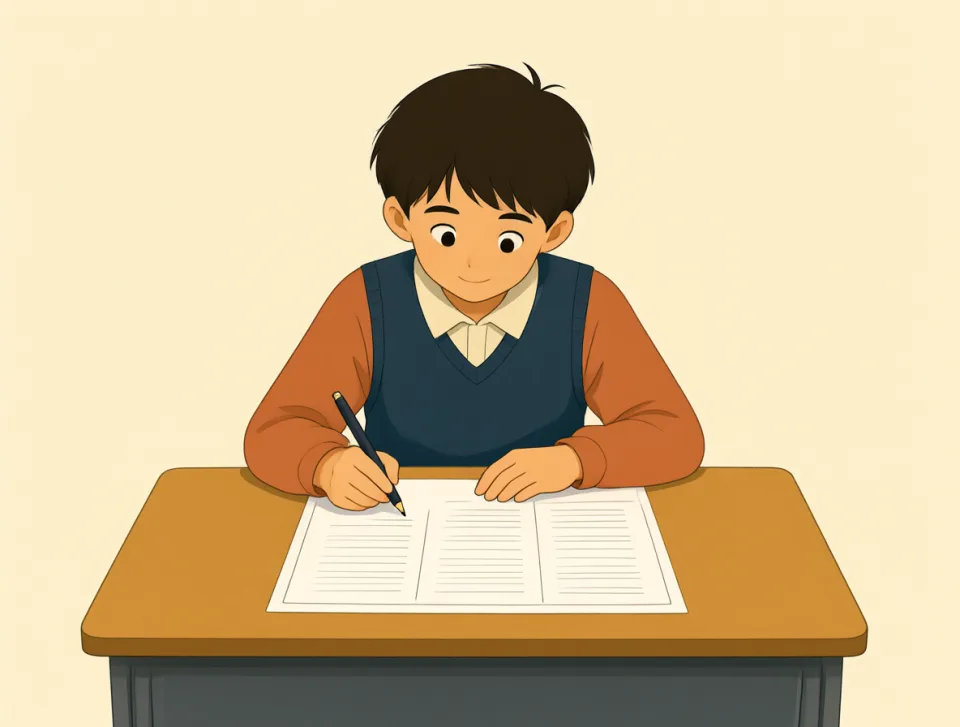
There are three distinct parts of the test, so read each section carefully.
Test składa się z trzech odrębnych części, więc uważnie przeczytaj każdą z nich.
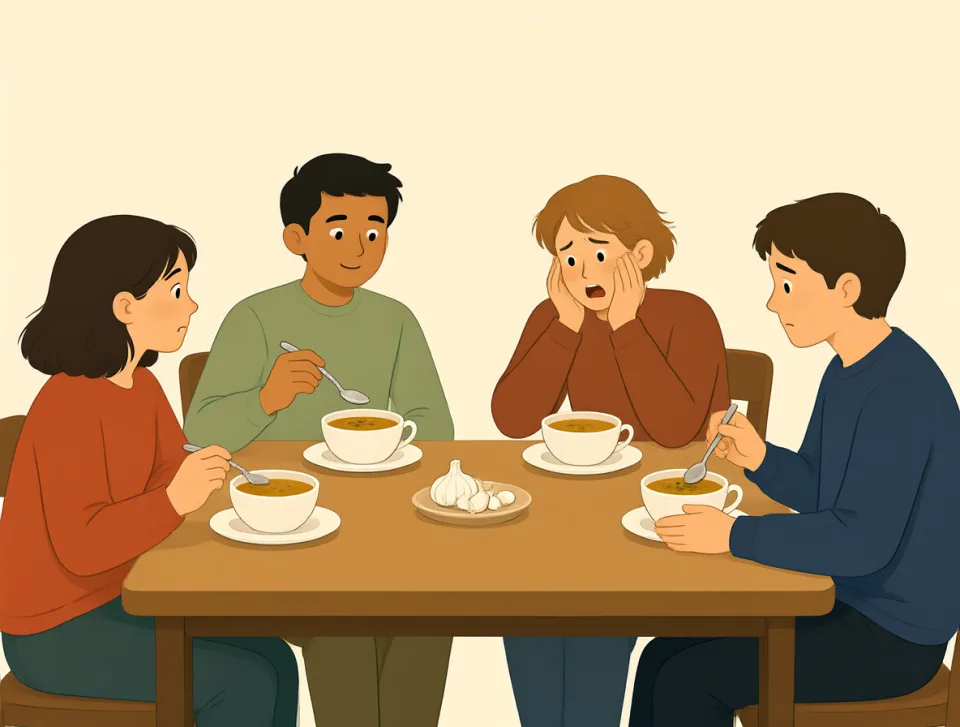
The soup has a distinct garlic flavor that everyone noticed immediately.
Zupa ma wyraźny czosnkowy smak, który wszyscy od razu zauważyli.

The mountain had a distinct shape against the evening sky.
Góra wyraźnie odcinała się swoim kształtem na tle wieczornego nieba.

humor
#2573noun
poczucie humoru
The quality of being funny or making people laugh.
Zdolność do rozśmieszania innych lub dostrzegania zabawnych stron różnych sytuacji.

Her sense of humor makes long meetings much more enjoyable.
Jej poczucie humoru sprawia, że długie zebrania są o wiele przyjemniejsze.

He used humor to make everyone feel relaxed at the party.
Rozbawił wszystkich, żeby poczuli się swobodnie na przyjęciu.

The teacher's humor helped students enjoy the difficult lesson.
Poczucie humoru nauczyciela pomogło uczniom czerpać przyjemność z trudnej lekcji.
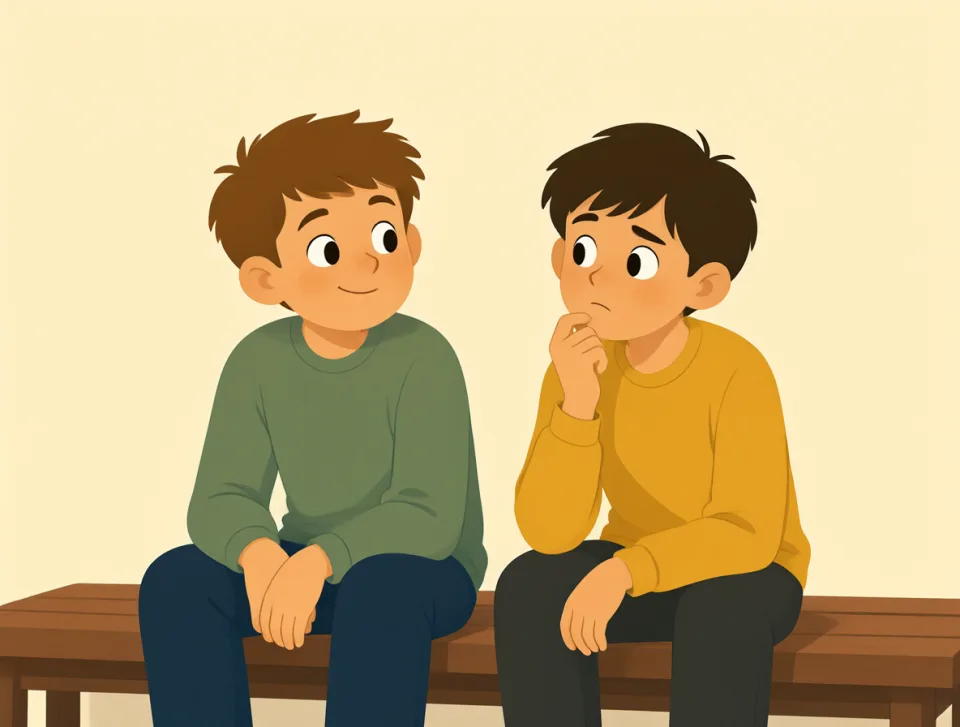
My brother has a strange humor that not everyone understands.
Mój brat ma specyficzne poczucie humoru, którego nie wszyscy rozumieją.

She lost her sense of humor after several nights without sleep.
Straciła poczucie humoru po kilku nieprzespanych nocach.
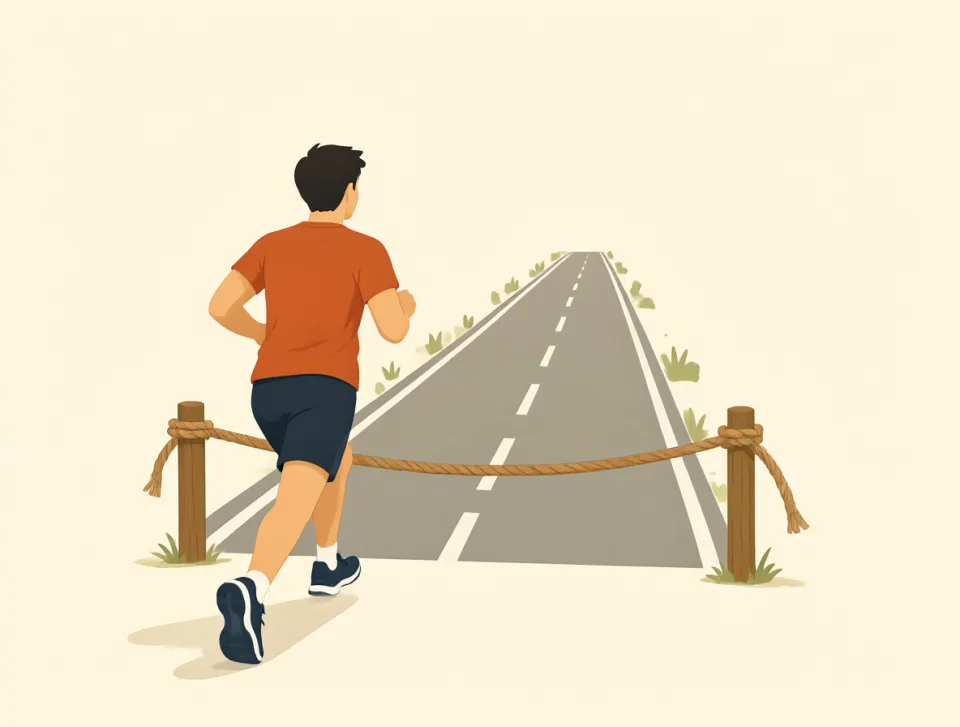
limitation
#2574noun
ograniczenie
A problem or condition that limits what someone or something can do.
Problem lub warunek ograniczający to, co ktoś lub coś może zrobić.
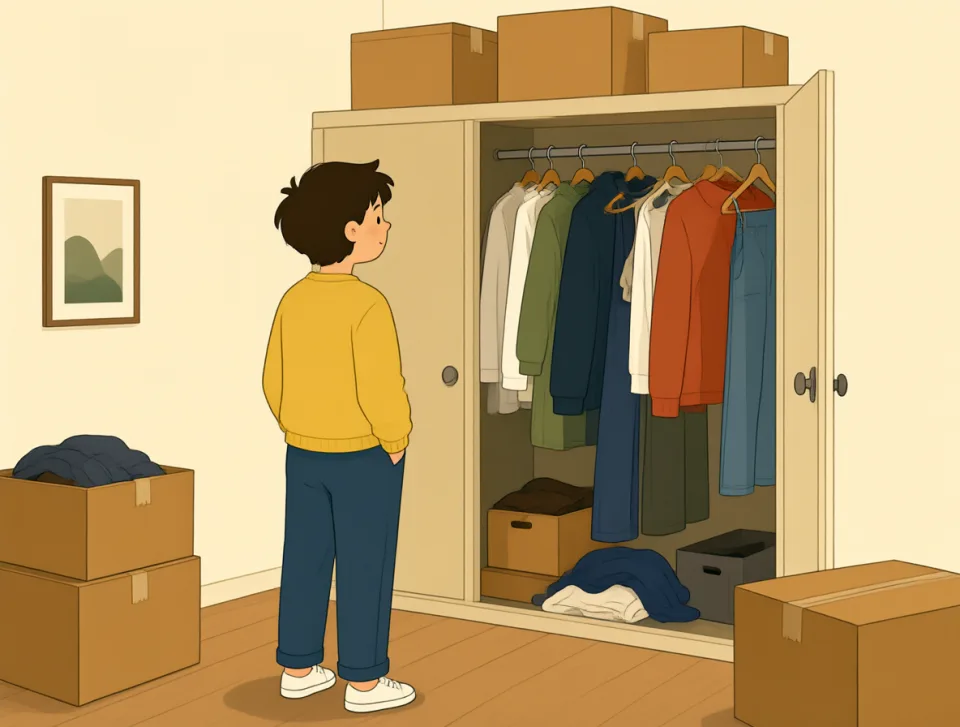
The main limitation of this small apartment is the lack of storage space.
Głównym ograniczeniem tego małego mieszkania jest brak miejsca do przechowywania rzeczy.

Our budget puts a limitation on how much we can spend during the trip.
Nasz budżet ogranicza to, ile możemy wydać podczas podróży.
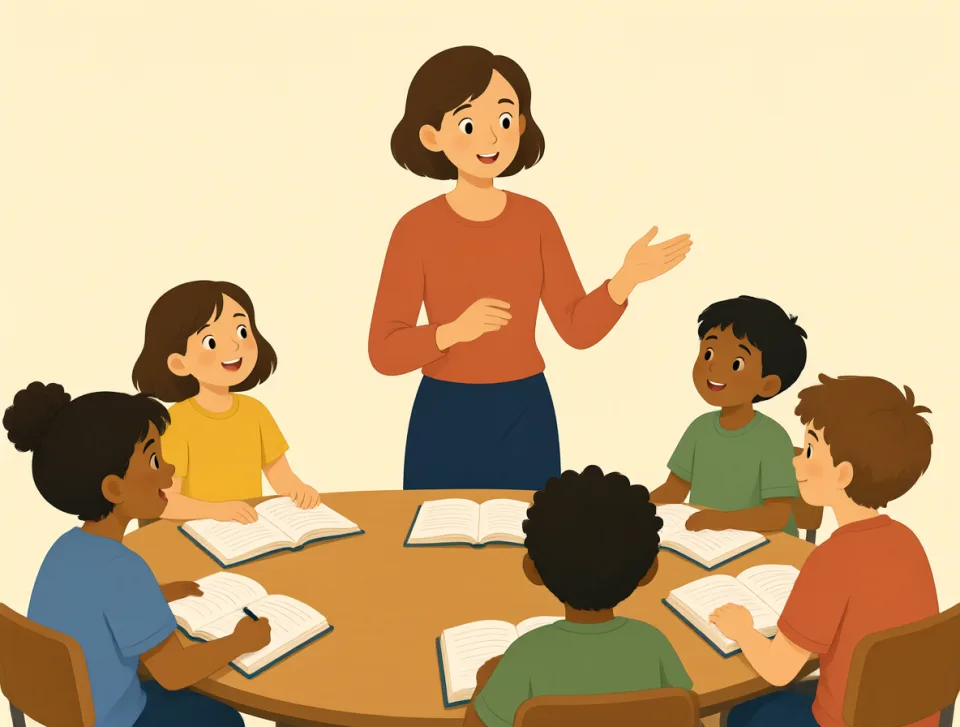
The teacher explained the limitations of using only one source for research.
Nauczyciel wyjaśnił ograniczenia związane z korzystaniem tylko z jednego źródła w pracy badawczej.
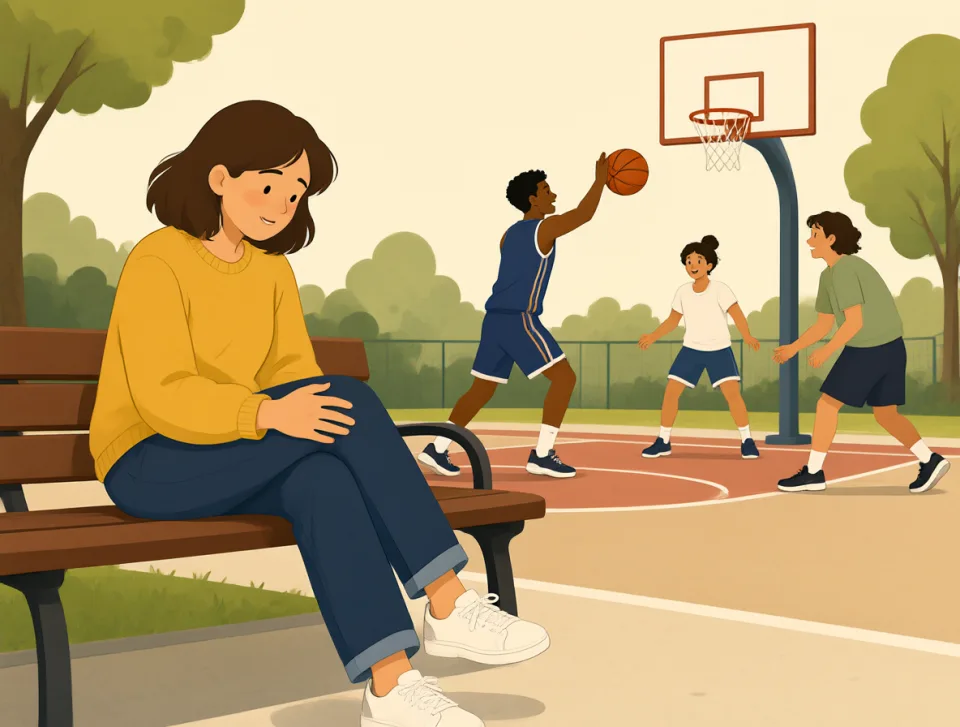
Her knee injury places limitations on the sports she can safely play.
Kontuzja kolana ogranicza rodzaje sportu, które może bezpiecznie uprawiać.
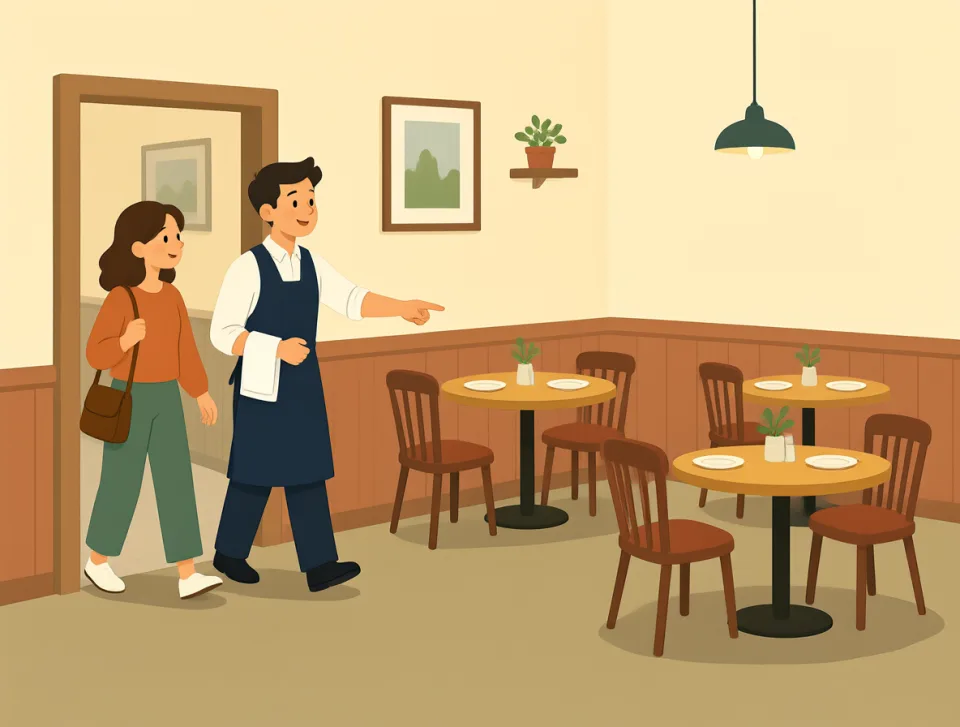
The restaurant has limited seating, so we should book a table early.
W restauracji jest niewiele miejsc, więc powinniśmy zarezerwować stolik z wyprzedzeniem.
indication
#2575noun
wskazówka
a sign that shows something is true or is likely to happen
Znak świadczący o tym, że coś jest prawdą lub może się wydarzyć.
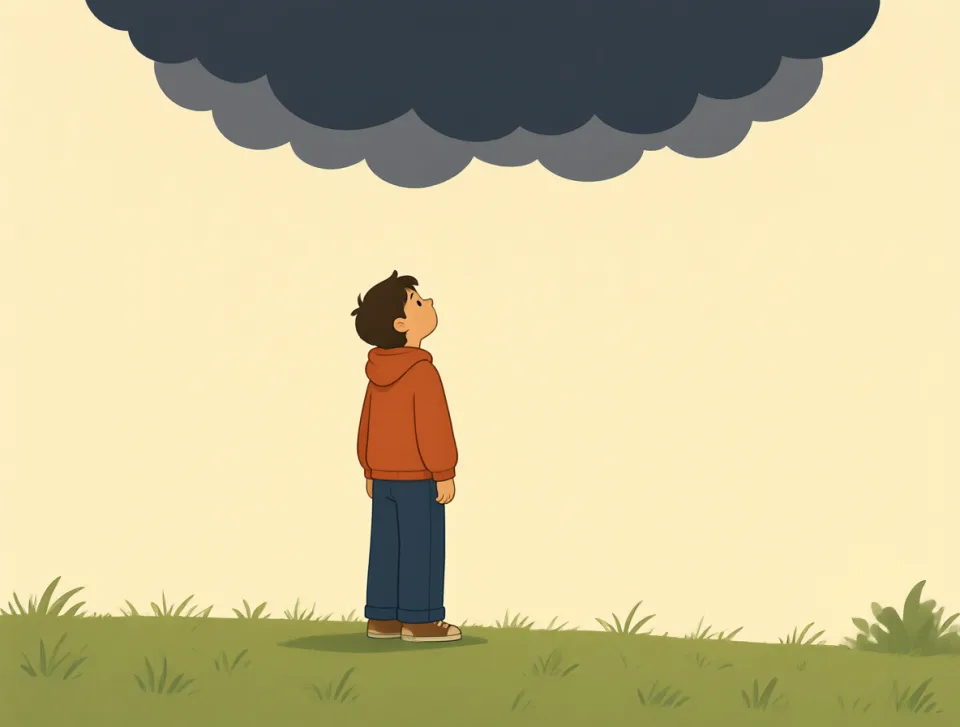
The dark clouds were an indication that rain was coming soon.
Ciemne chmury były oznaką, że wkrótce będzie padać.

Her tired voice was a clear indication that she needed a break.
Jej zmęczony głos wyraźnie wskazywał, że potrzebuje przerwy.
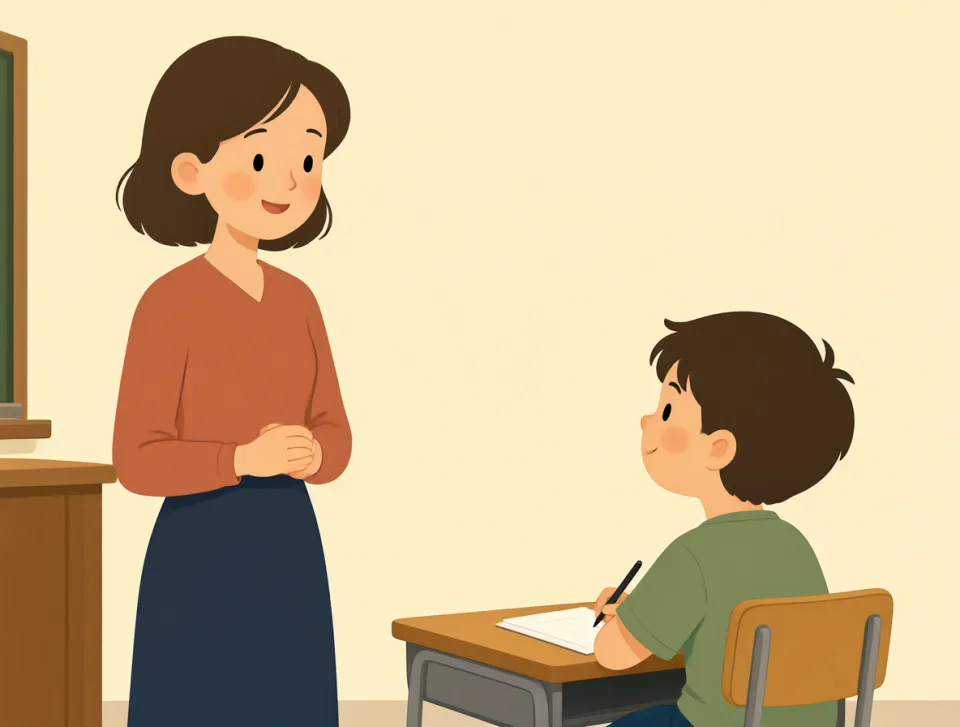
The teacher's smile was an indication that my answer was correct.
Uśmiech nauczyciela był znakiem, że moja odpowiedź była poprawna.
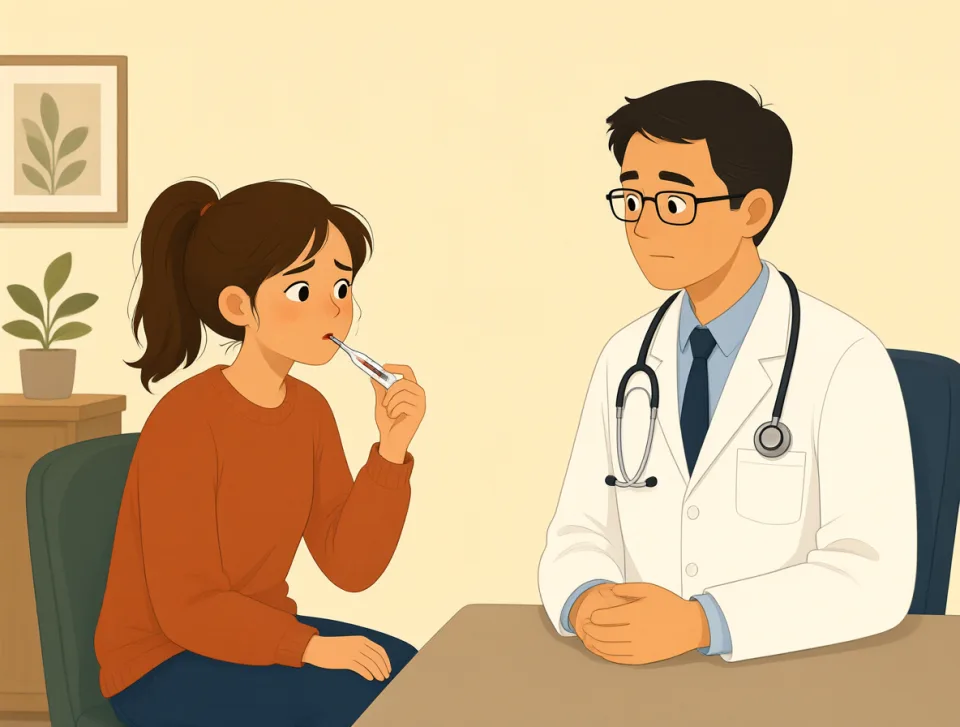
A fever can be an indication of an infection, so contact your doctor.
Gorączka może świadczyć o infekcji, więc skontaktuj się z lekarzem.
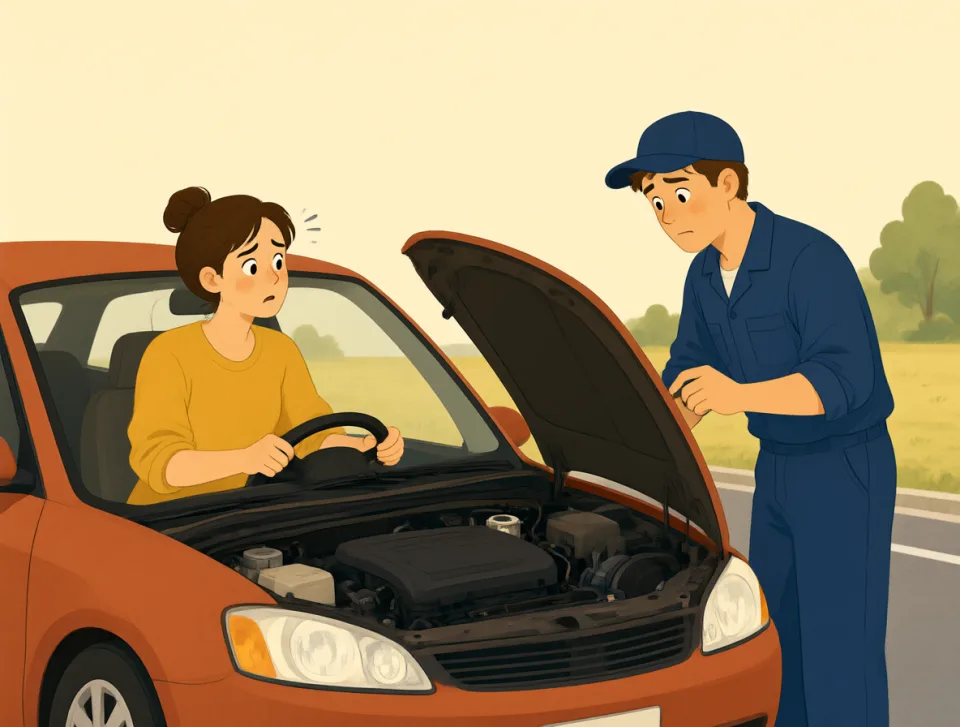
The flashing light was an indication that the car battery needed replacing.
Migająca kontrolka wskazywała, że akumulator samochodu wymaga wymiany.
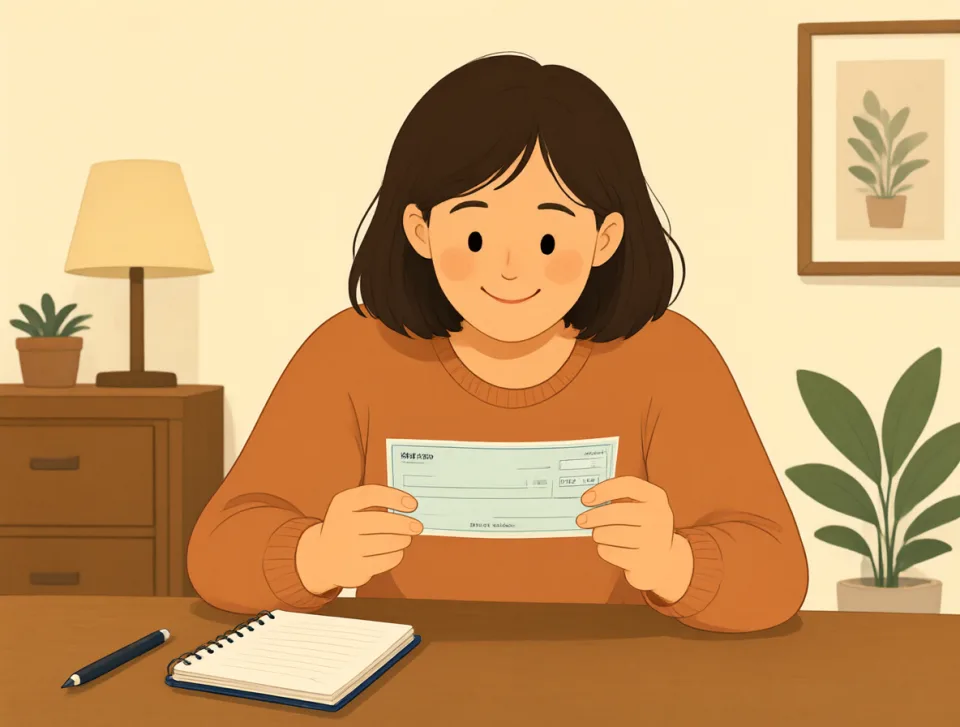
stability
#2576noun
stabilność
The condition of being steady, balanced, and unlikely to change suddenly.
Stan równowagi i stałości, w którym jest mało prawdopodobne, że coś nagle się zmieni.
The new job gave her financial stability and peace of mind.
Nowa praca zapewniła jej stabilność finansową i spokój ducha.

Regular exercise can improve your physical stability and balance.
Regularne ćwiczenia mogą poprawić stabilność i równowagę ciała.

The company needs political stability before opening a new office abroad.
Zanim firma otworzy nowe biuro za granicą, potrzebuje stabilności politycznej.
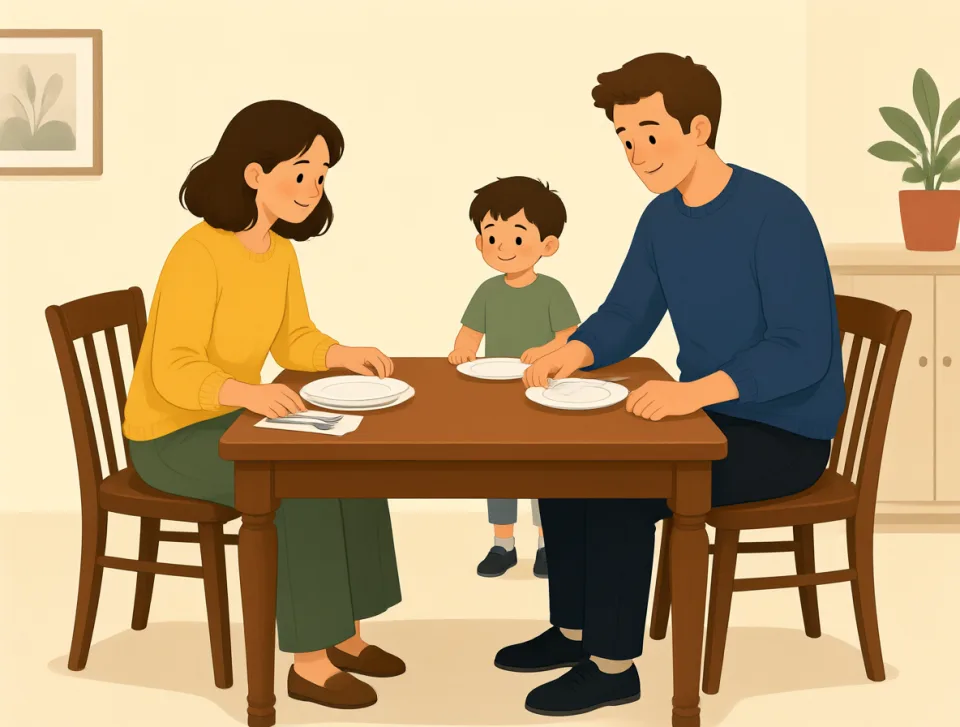
The table shook, so we checked its stability before eating dinner.
Stół się chwiał, więc przed kolacją sprawdziliśmy, czy jest stabilny.

The teacher helped the student find stability after moving to a new school.
Nauczyciel pomógł uczniowi odzyskać poczucie stabilności po przeprowadzce do nowej szkoły.
wise
#2577adjective
rozsądny
Having good judgment and making sensible decisions.
Kierujący się dobrym osądem i podejmujący rozsądne decyzje.
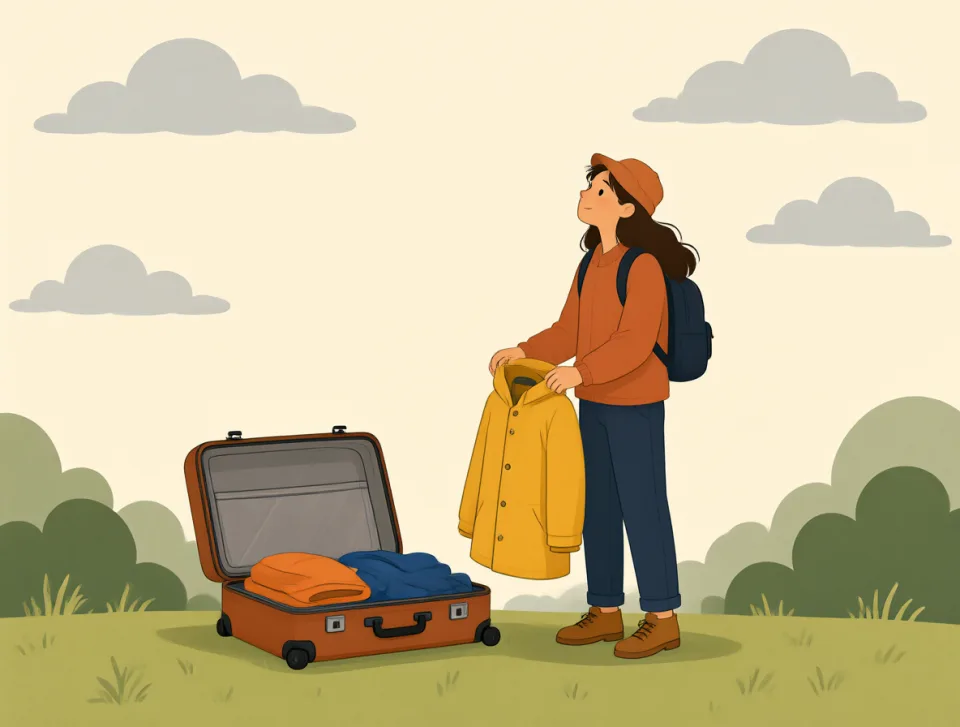
It was wise to check the weather before leaving for our trip.
Rozsądnie było sprawdzić pogodę przed wyjazdem.
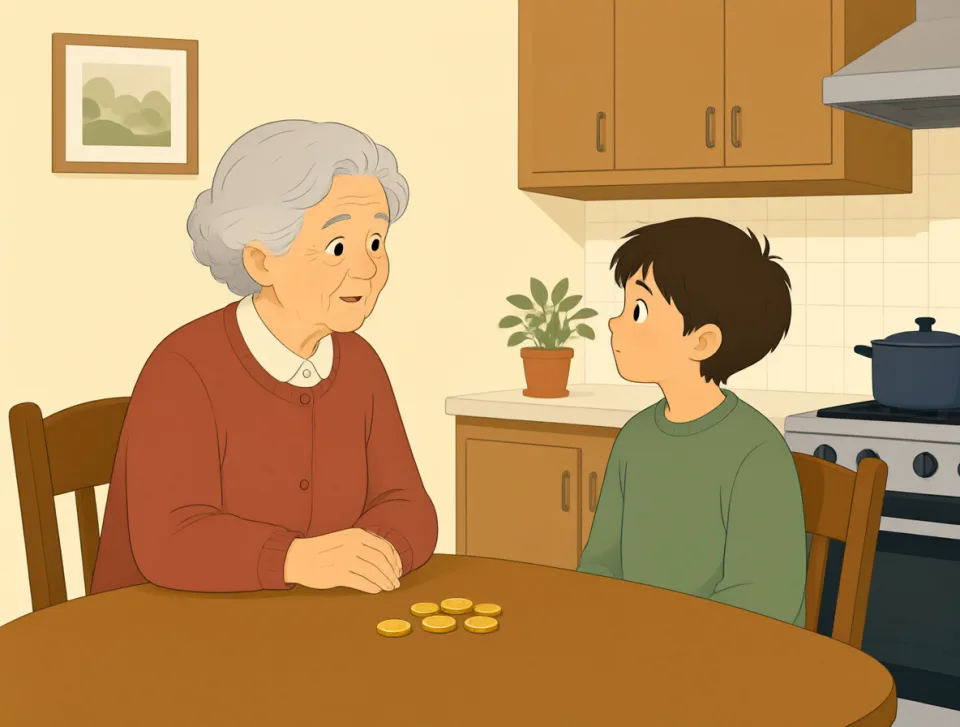
My grandmother gave me wise advice about saving money for emergencies.
Babcia udzieliła mi mądrej rady, żeby oszczędzać pieniądze na nagłe wypadki.

You would be wise to book your train tickets early during holidays.
W czasie świąt rozsądnie będzie zarezerwować bilety kolejowe z wyprzedzeniem.

Choosing the cheaper phone was a wise decision for our family.
Wybór tańszego telefonu był rozsądną decyzją dla naszej rodziny.

He grew wiser after making the same mistake twice at work.
Po tym, jak dwa razy popełnił ten sam błąd w pracy, stał się mądrzejszy.

neglect
#2578verb, noun
zaniedbywać
to fail to give someone or something the care or attention they need
Nie zapewniać komuś lub czemuś potrzebnej opieki ani uwagi.
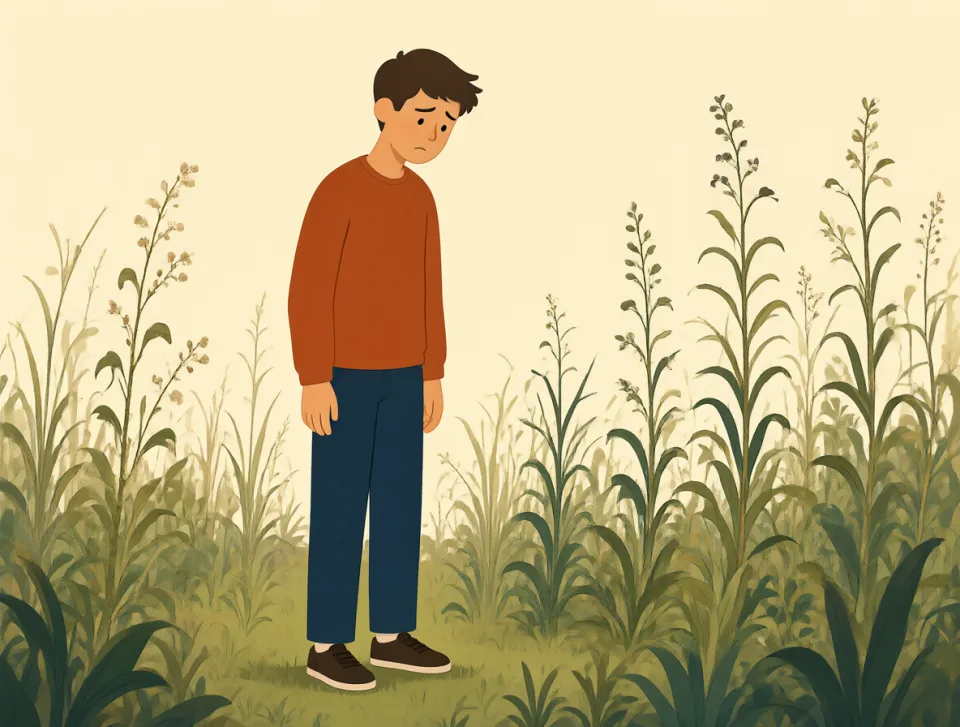
He neglected his garden during the summer and found it full of weeds.
Latem zaniedbał swój ogród i zastał go pełnego chwastów.
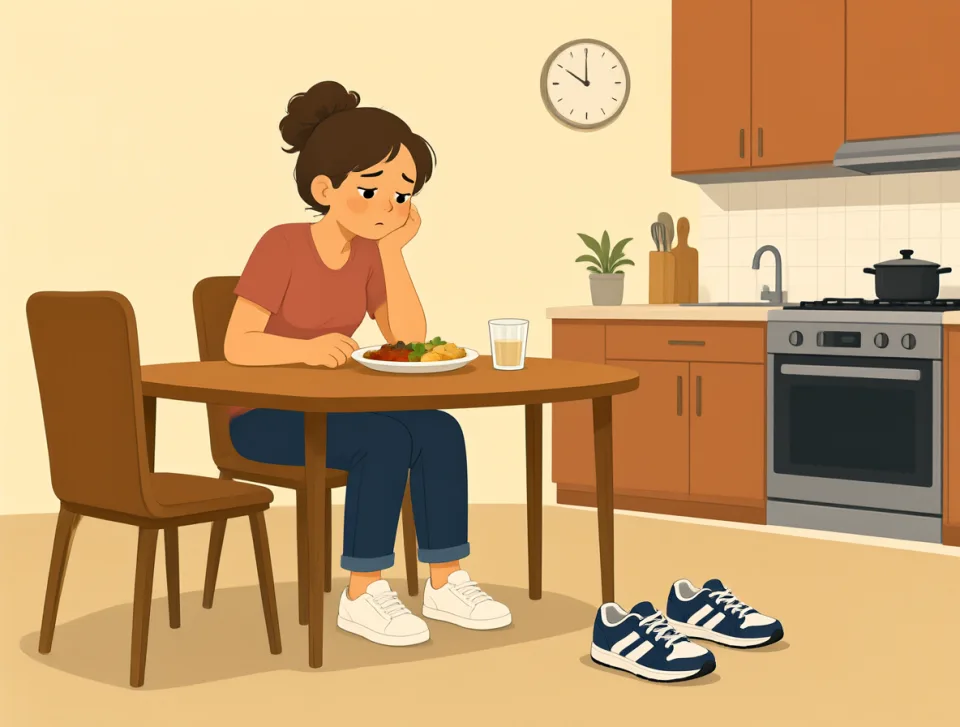
She neglected her health by skipping meals and avoiding regular exercise.
Zaniedbywała swoje zdrowie, pomijając posiłki i unikając regularnych ćwiczeń.

The company was accused of neglecting important safety rules at work.
Firmę oskarżono o zaniedbywanie ważnych zasad bezpieczeństwa w pracy.
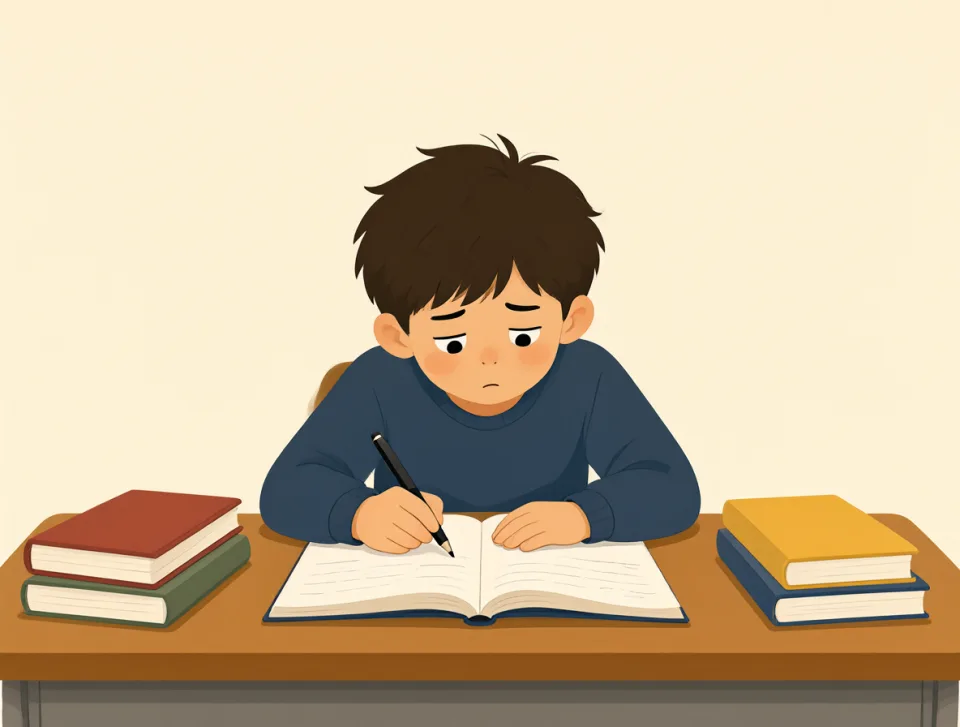
Please do not neglect your homework, even when you feel tired after school.
Nie zaniedbuj pracy domowej, nawet gdy po szkole jesteś zmęczony.
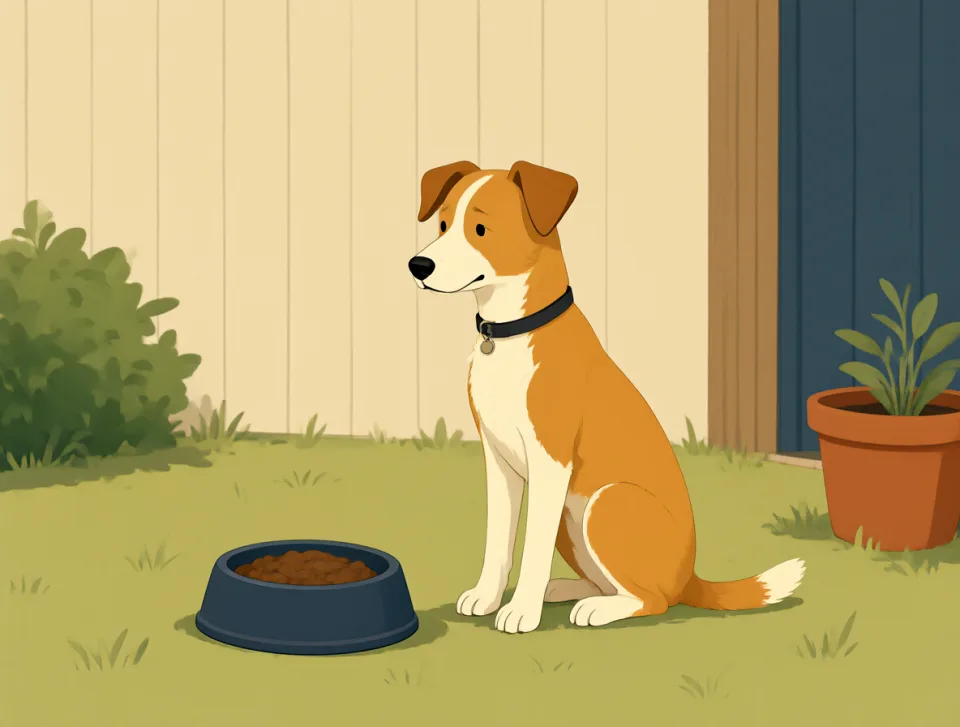
The dog suffered from neglect after its owner stopped feeding it properly.
Pies cierpiał z powodu zaniedbania, odkąd jego właściciel przestał go odpowiednio karmić.
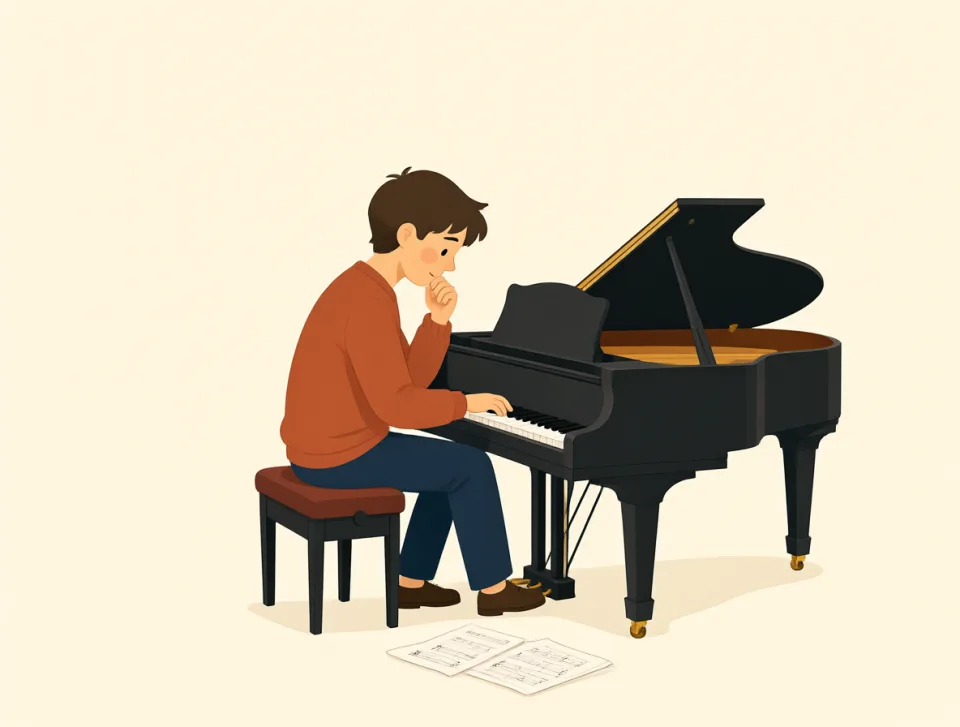
compose
#2579verb
tworzyć
to create something by putting its parts or ideas together
Tworzyć coś przez łączenie jego części lub pomysłów.
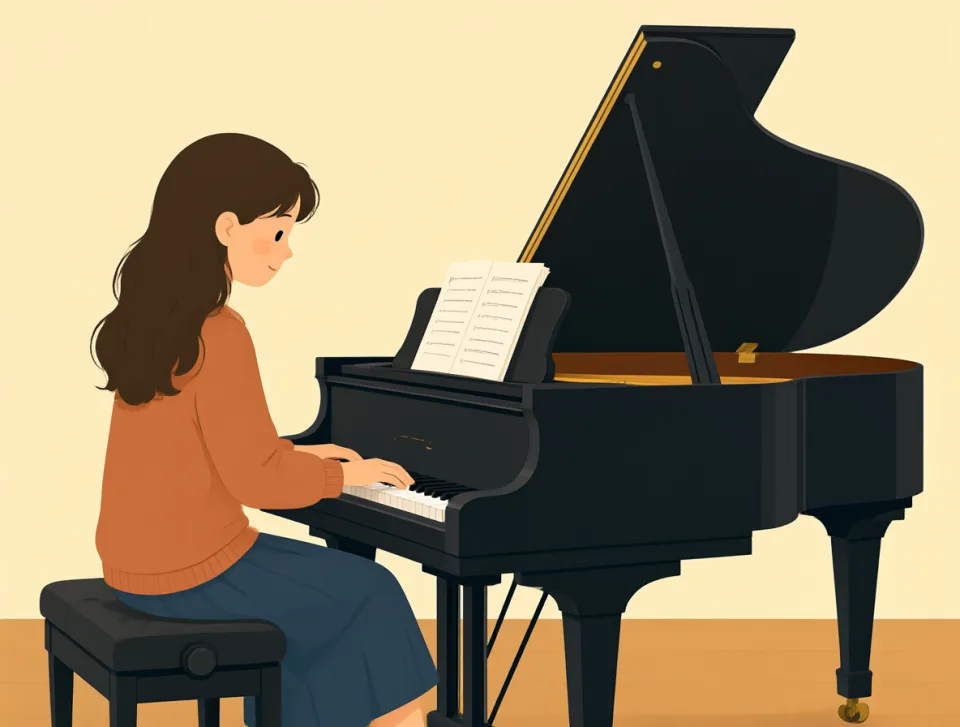
She composed a short song for the school concert.
Skomponowała krótką piosenkę na szkolny koncert.

Please compose a polite email to the hotel before lunch.
Proszę napisać uprzejmego e-maila do hotelu przed lunchem.

The committee is composed of teachers, parents, and local volunteers.
Komitet składa się z nauczycieli, rodziców i lokalnych wolontariuszy.

He took a deep breath and composed himself before the interview.
Wziął głęboki oddech i opanował się przed rozmową kwalifikacyjną.

The chef composed a colorful salad with fruit, herbs, and cheese.
Szef skomponował kolorową sałatkę z owoców, ziół i sera.
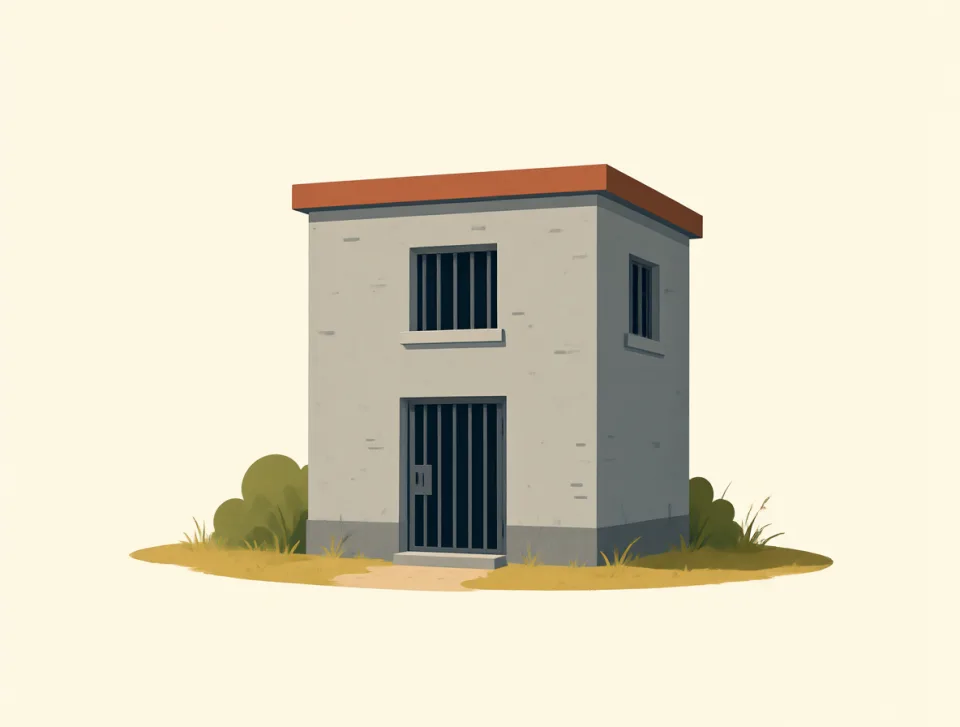
jail
#2580noun, verb
więzienie
A place where people are kept as punishment or while waiting for trial.
Miejsce, w którym ludzie są przetrzymywani za karę lub do czasu rozprawy.
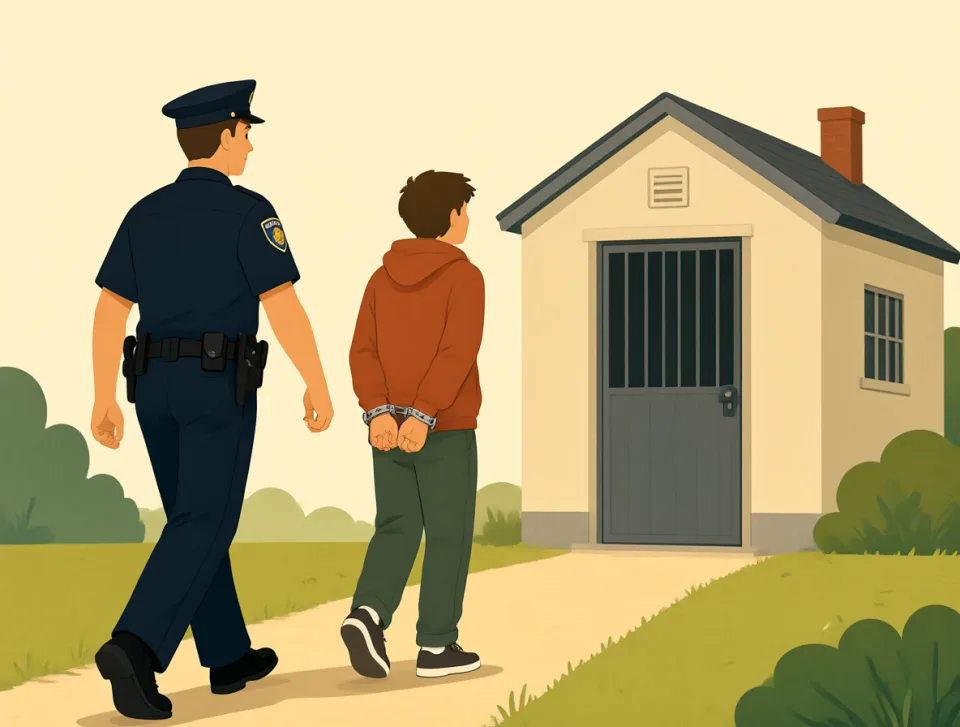
The police took the suspect to jail after the robbery.
Po napadzie policja zabrała podejrzanego do więzienia.
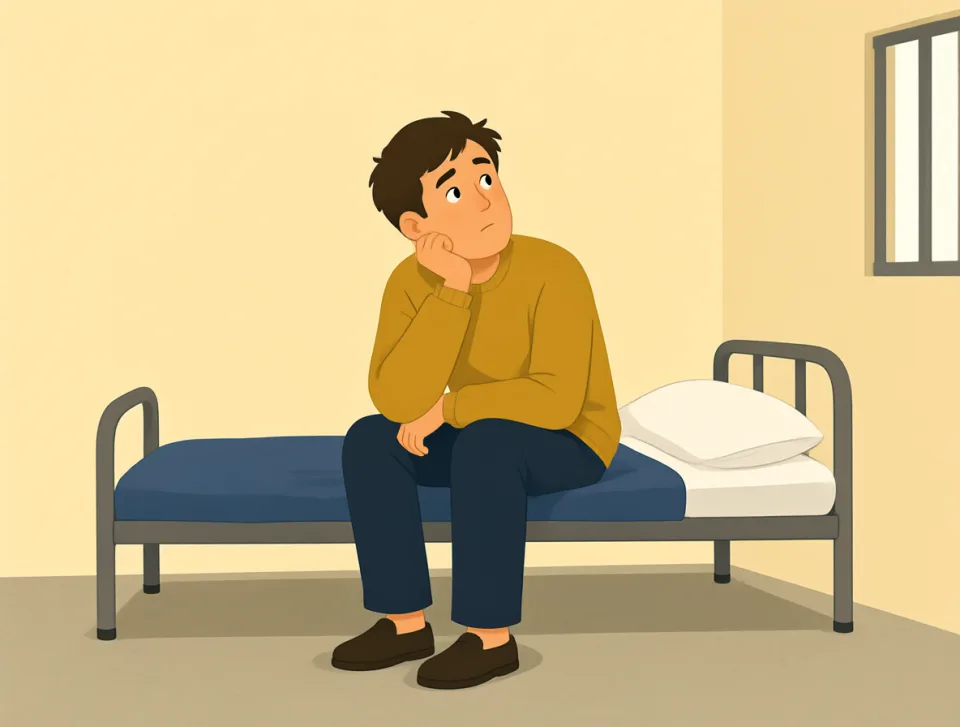
He spent three months in jail for driving without a license.
Spędził trzy miesiące w więzieniu za jazdę bez prawa jazdy.
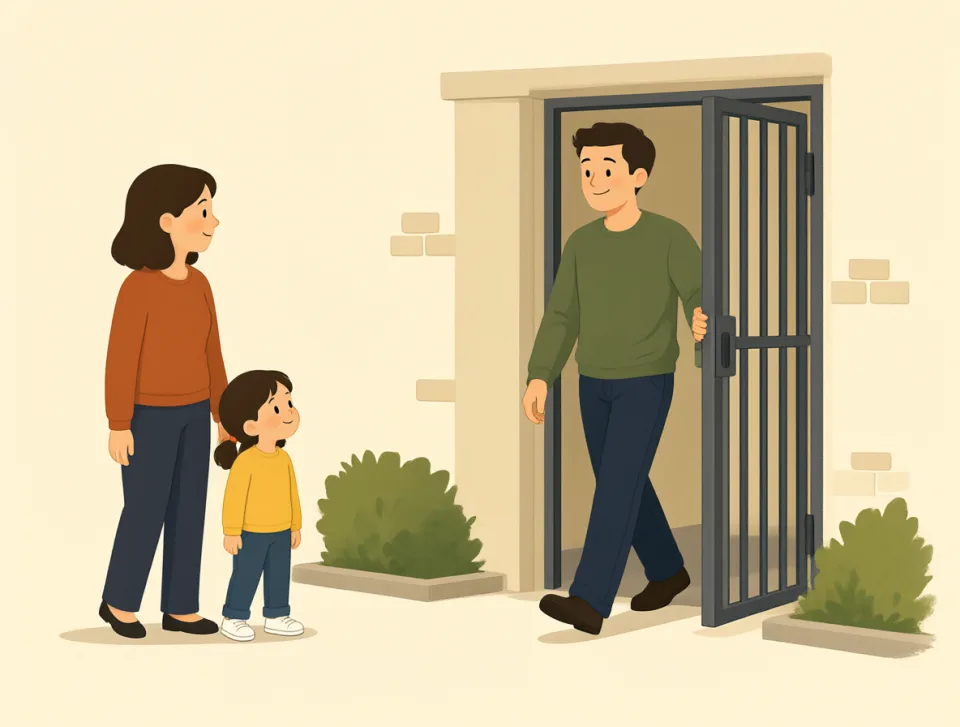
Her brother was released from jail yesterday morning.
Jej brat wyszedł z więzienia wczoraj rano.
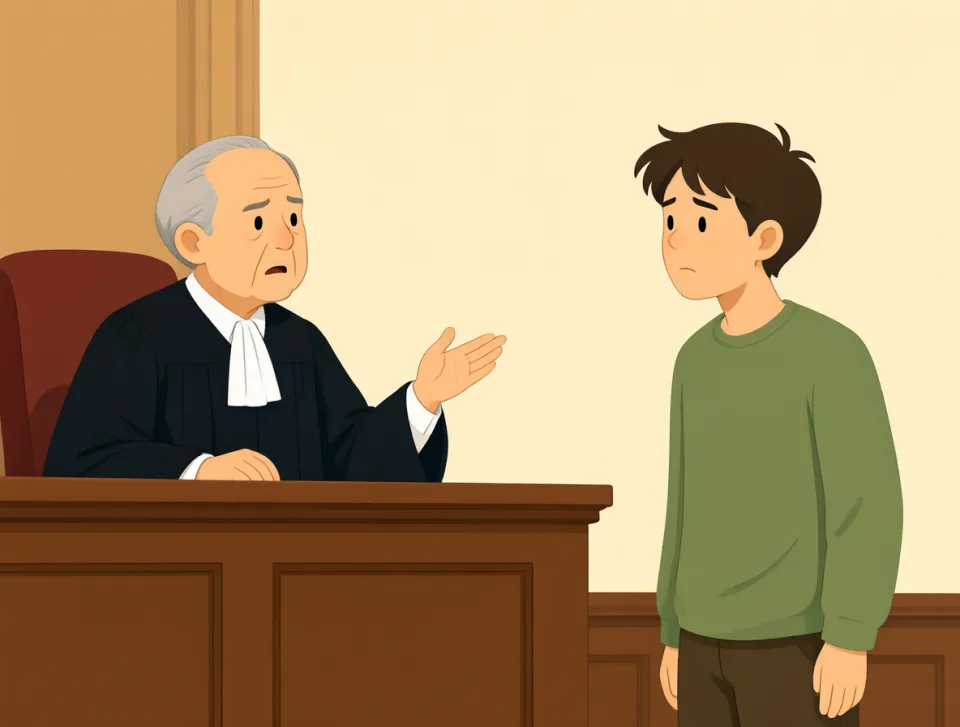
The judge warned that he could go to jail if he broke the law again.
Sędzia ostrzegł go, że może trafić do więzienia, jeśli znów złamie prawo.
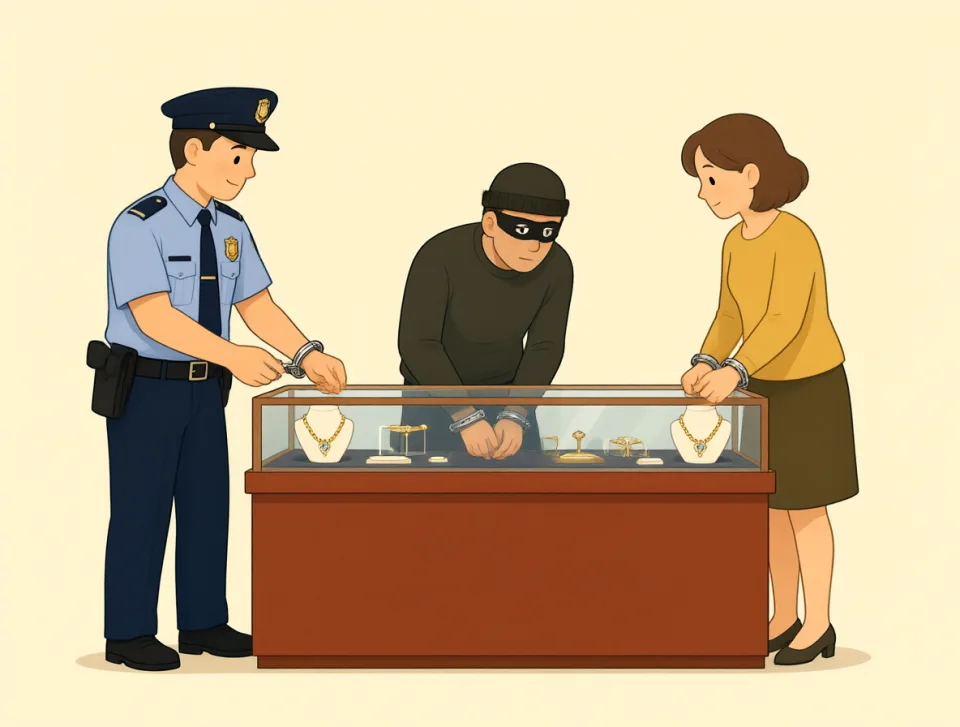
The police jailed the thief after finding the stolen jewelry.
Policja wsadziła złodzieja do więzienia po znalezieniu skradzionej biżuterii.