Zestaw 132
Słowa 2621–2640 · stimulate, belt, potato, narrative, tissue, barely
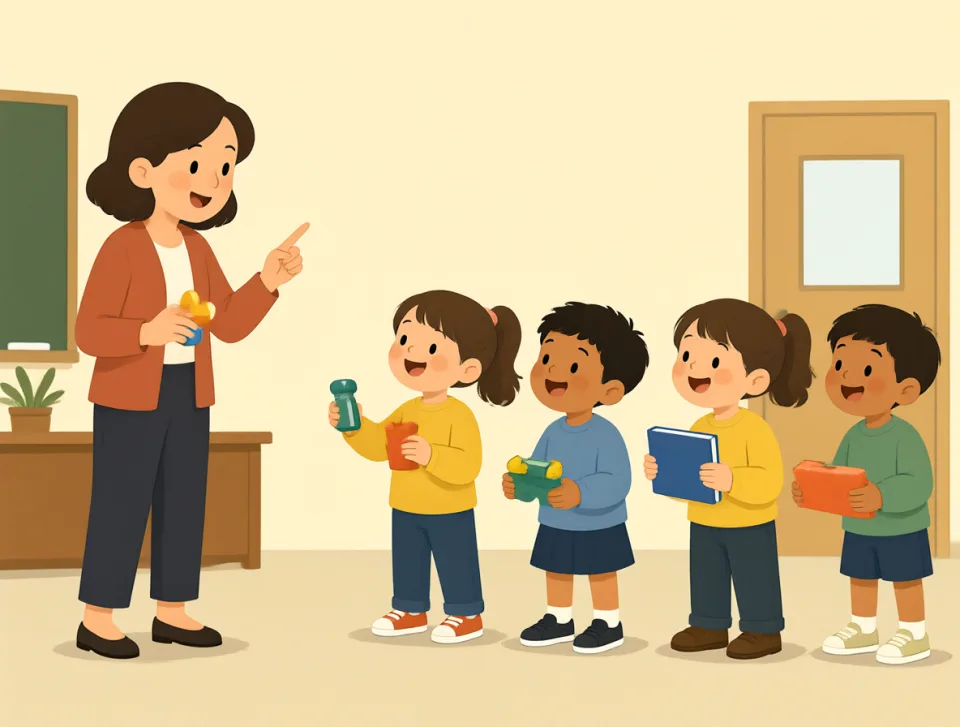
stimulate
#2621verb
pobudzać
to make someone or something more active, interested, or excited
Sprawiać, że ktoś lub coś staje się bardziej aktywne, zainteresowane lub podekscytowane.
The teacher used games to stimulate the students’ interest in science.
Nauczyciel wykorzystał gry, aby pobudzić zainteresowanie uczniów naukami ścisłymi.
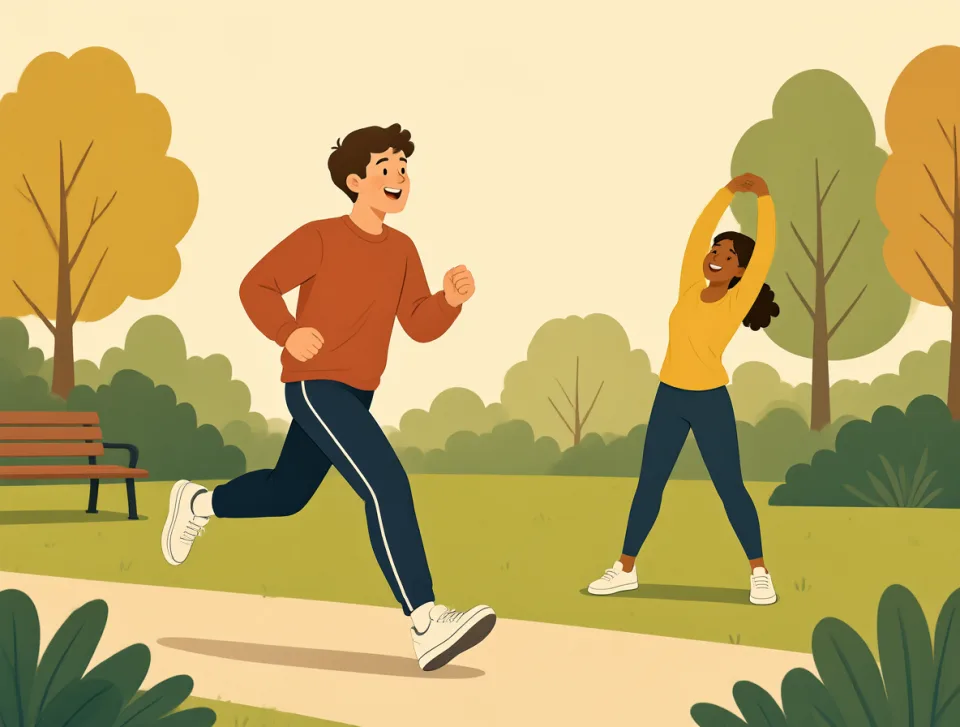
Exercise stimulates blood flow and helps you feel more energetic.
Ćwiczenia pobudzają przepływ krwi i pomagają poczuć się bardziej energicznie.
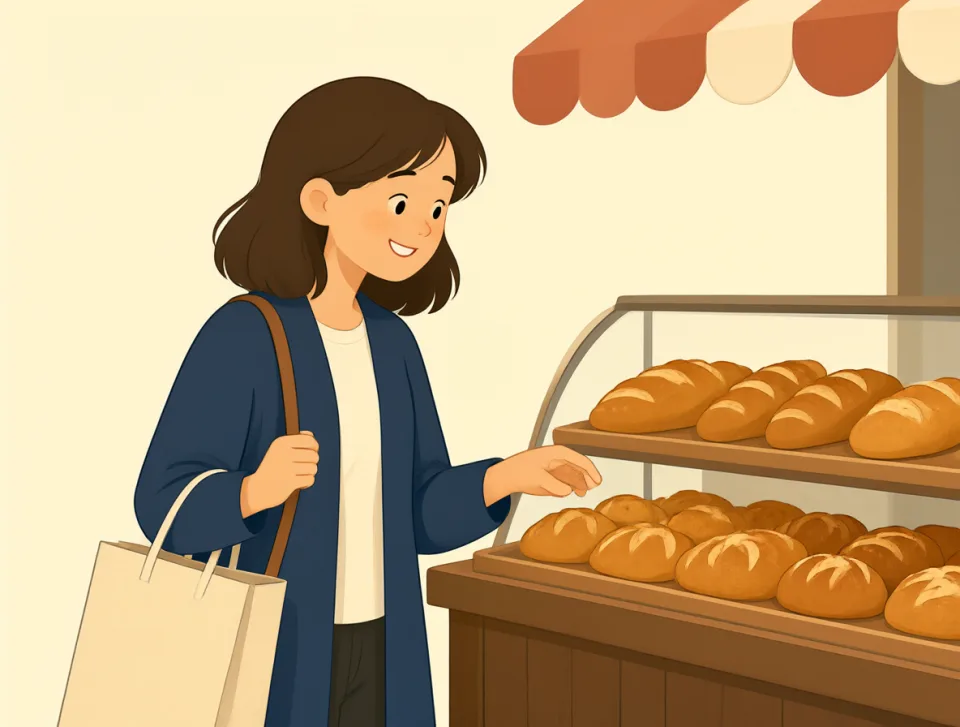
The smell of fresh bread stimulated my appetite at the market.
Zapach świeżego chleba na targu pobudził mój apetyt.
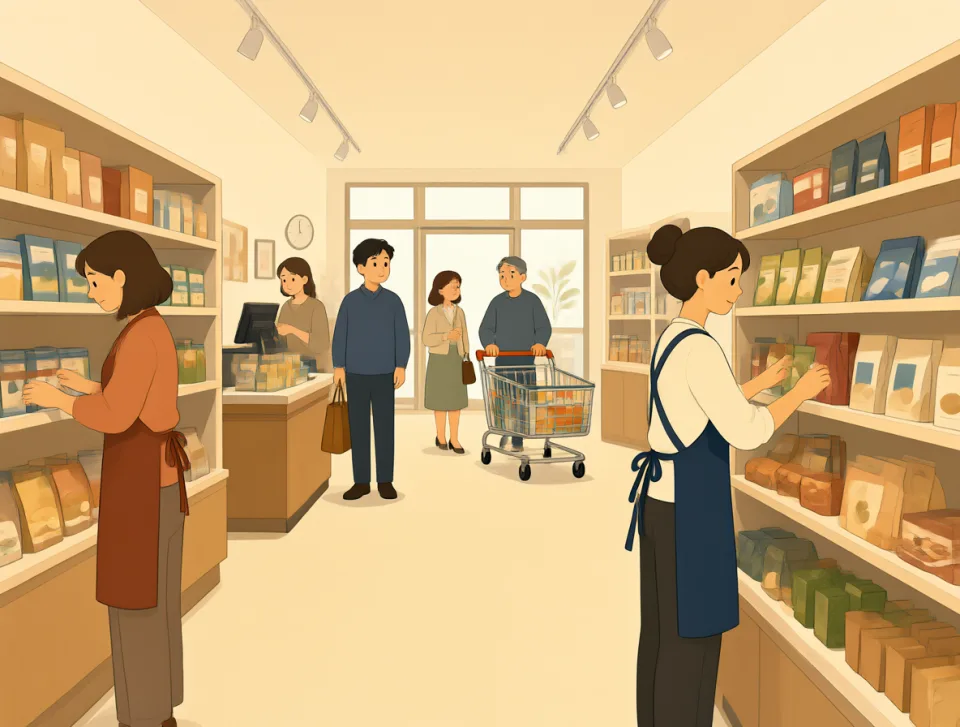
The company lowered prices to stimulate sales during the quiet winter months.
Firma obniżyła ceny, aby pobudzić sprzedaż w spokojnych miesiącach zimowych.

A good question can stimulate a lively discussion among friends.
Dobre pytanie może wywołać ożywioną dyskusję wśród przyjaciół.
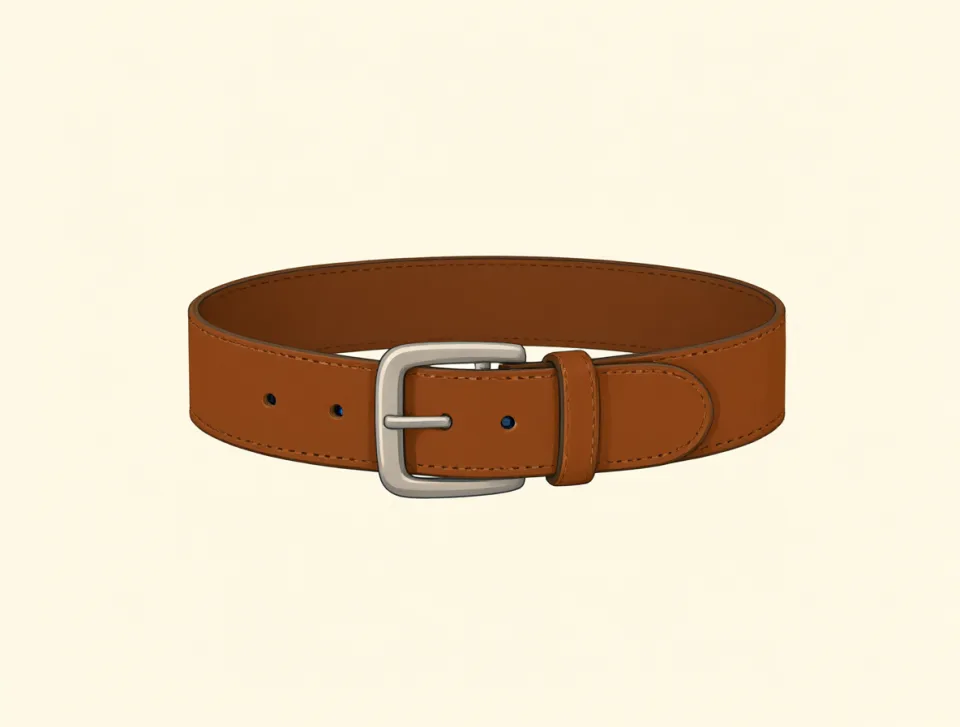
belt
#2622noun, verb
pas
A strip worn around the waist, or a safety strap; also, to sing loudly.
Pasek noszony w pasie lub pas bezpieczeństwa; także: śpiewać głośno.
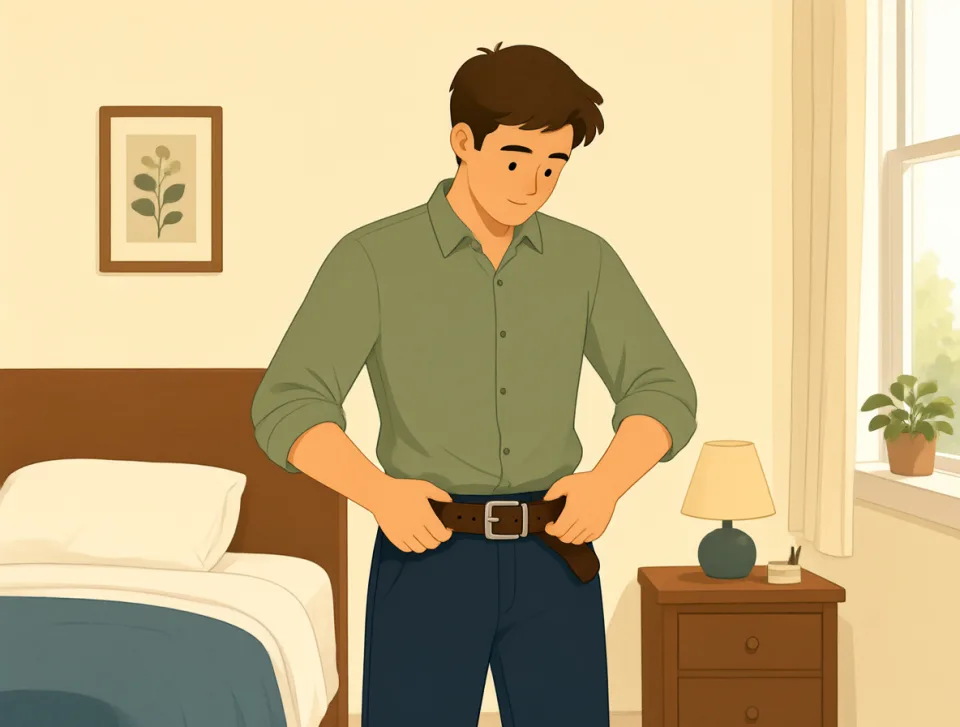
He tightened his leather belt before leaving for work.
Przed wyjściem do pracy zacisnął skórzany pasek.
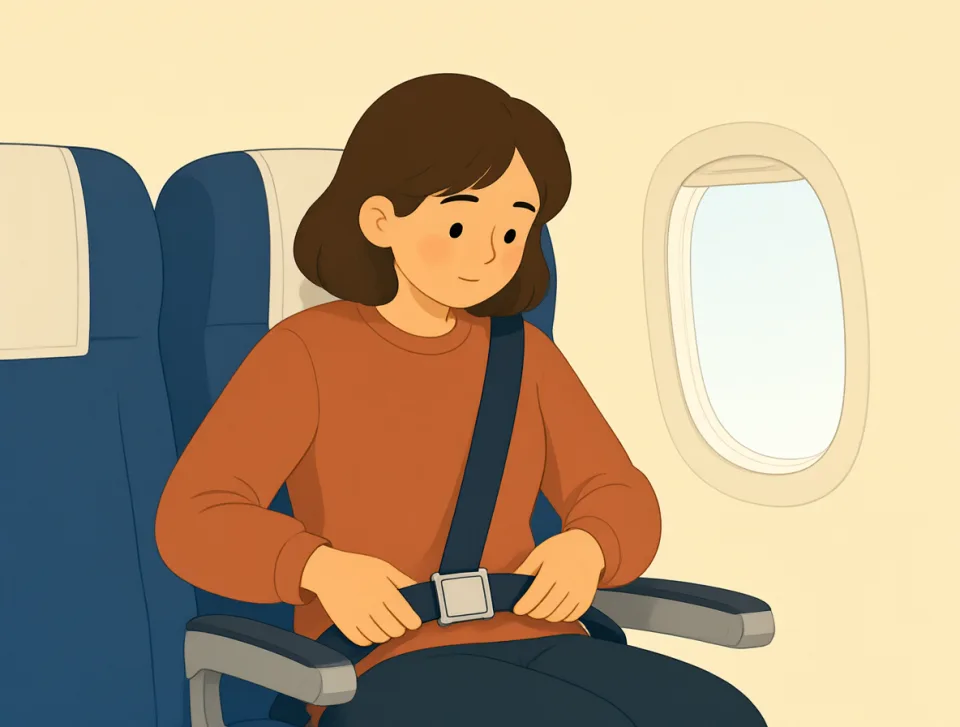
Please fasten your seat belt before the plane begins moving.
Proszę zapiąć pas bezpieczeństwa, zanim samolot zacznie się poruszać.
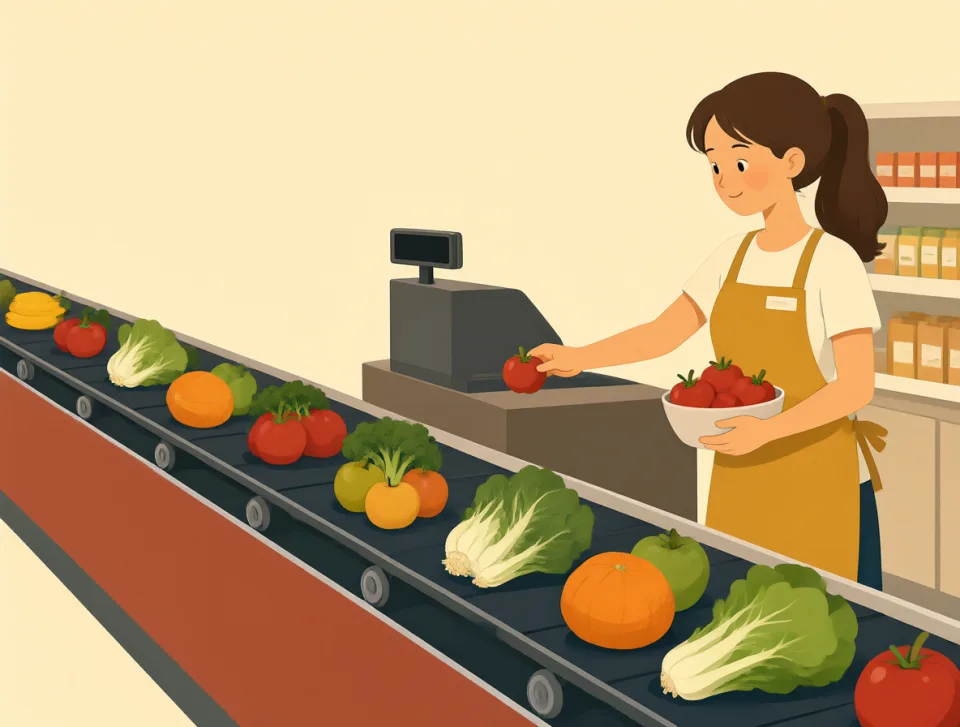
At the supermarket, our groceries moved along the conveyor belt.
W supermarkecie nasze zakupy przesuwały się po taśmie transportowej.
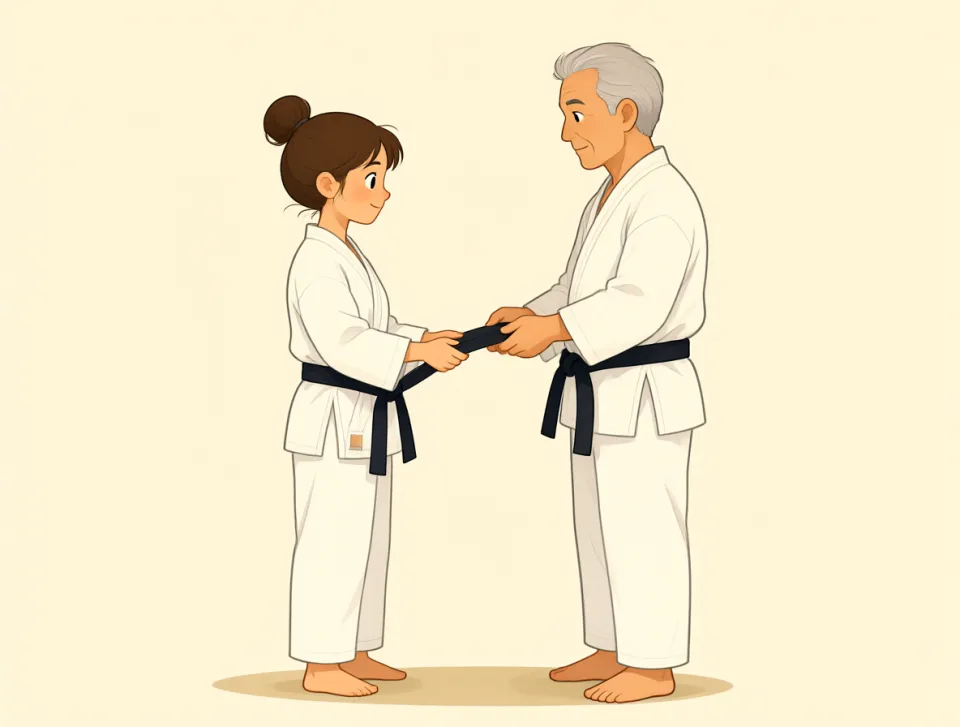
Maya proudly received her black belt after years of karate practice.
Po latach treningów karate Maya z dumą odebrała czarny pas.
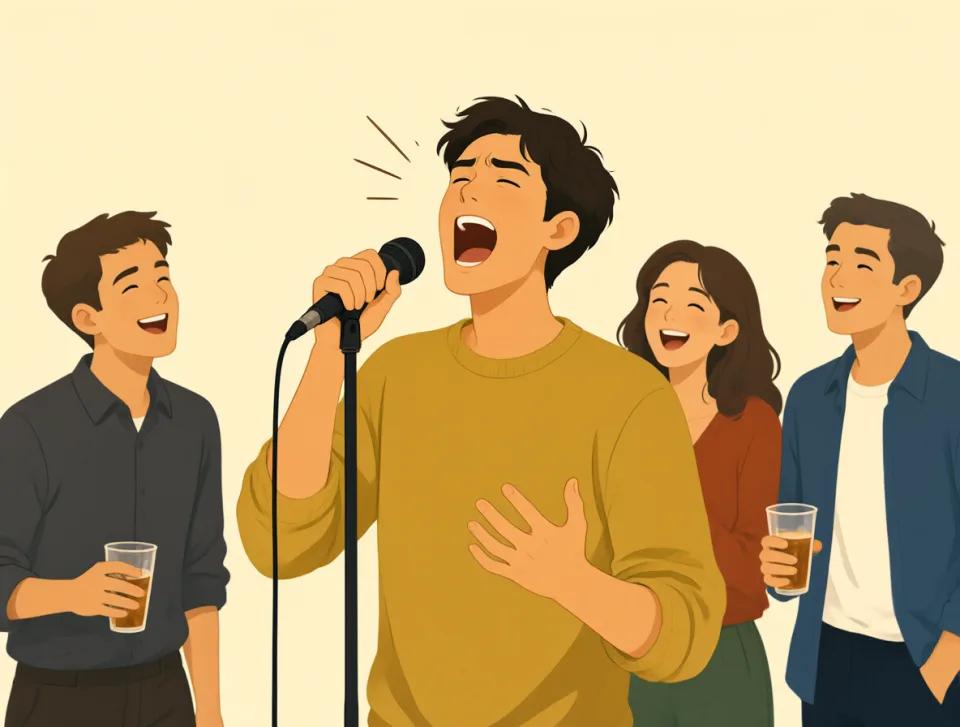
At the party, Ben belted out his favorite song with his friends.
Na przyjęciu Ben zaśpiewał na cały głos swoją ulubioną piosenkę razem z przyjaciółmi.
potato
#2623noun
ziemniak
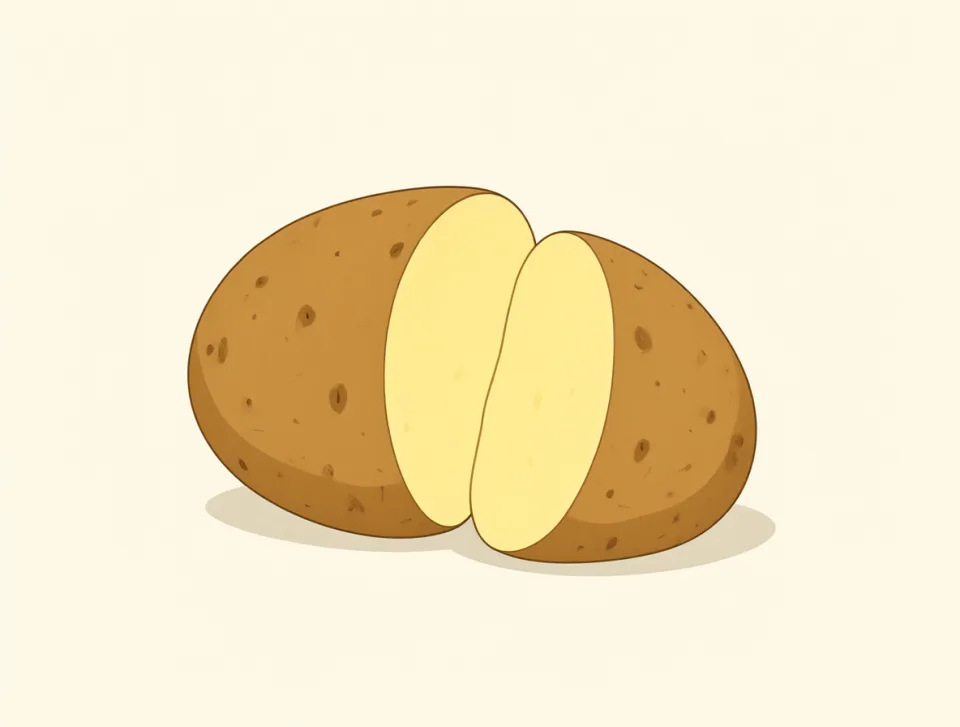
A round or long underground vegetable that is used as food.
Okrągłe lub podłużne warzywo rosnące pod ziemią, wykorzystywane jako pożywienie.
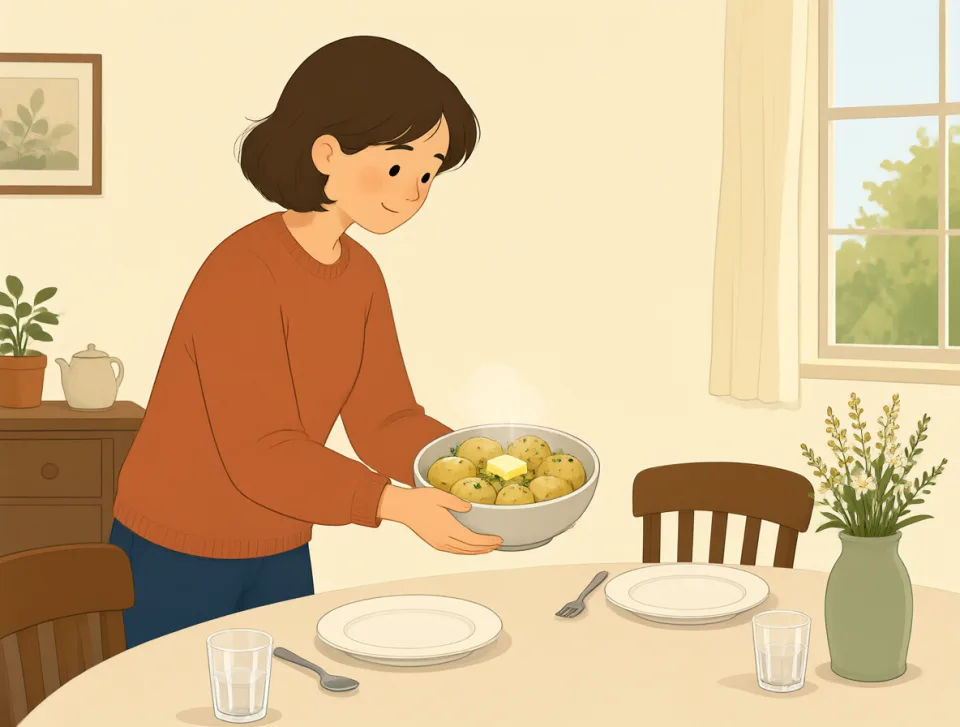
I boiled potatoes for dinner and served them with butter and fresh herbs.
Ugotowałem ziemniaki na kolację i podałem je z masłem oraz świeżymi ziołami.
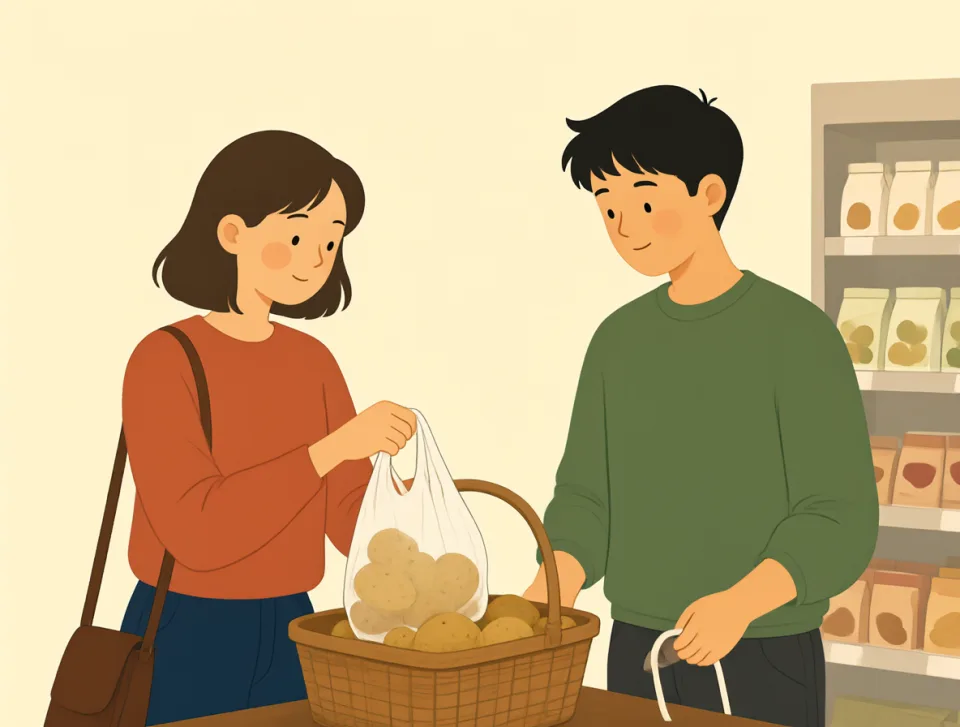
Could you buy a bag of potatoes while you are at the supermarket?
Czy możesz kupić worek ziemniaków, kiedy będziesz w supermarkecie?
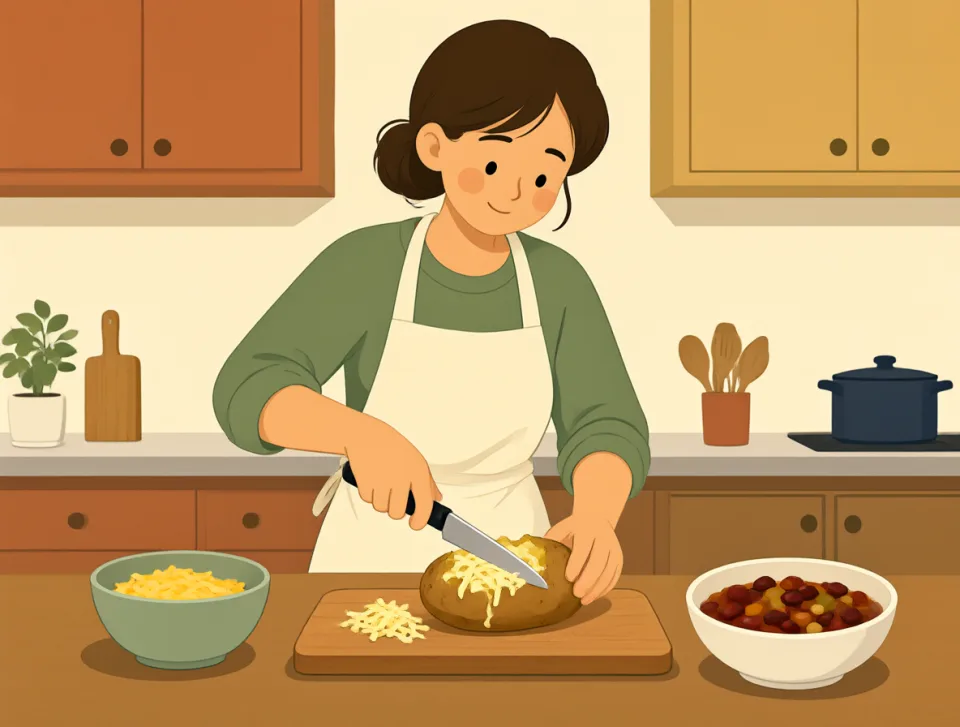
She baked a potato for lunch and filled it with cheese and beans.
Upiekła ziemniaka na lunch i nadziała go serem oraz fasolą.
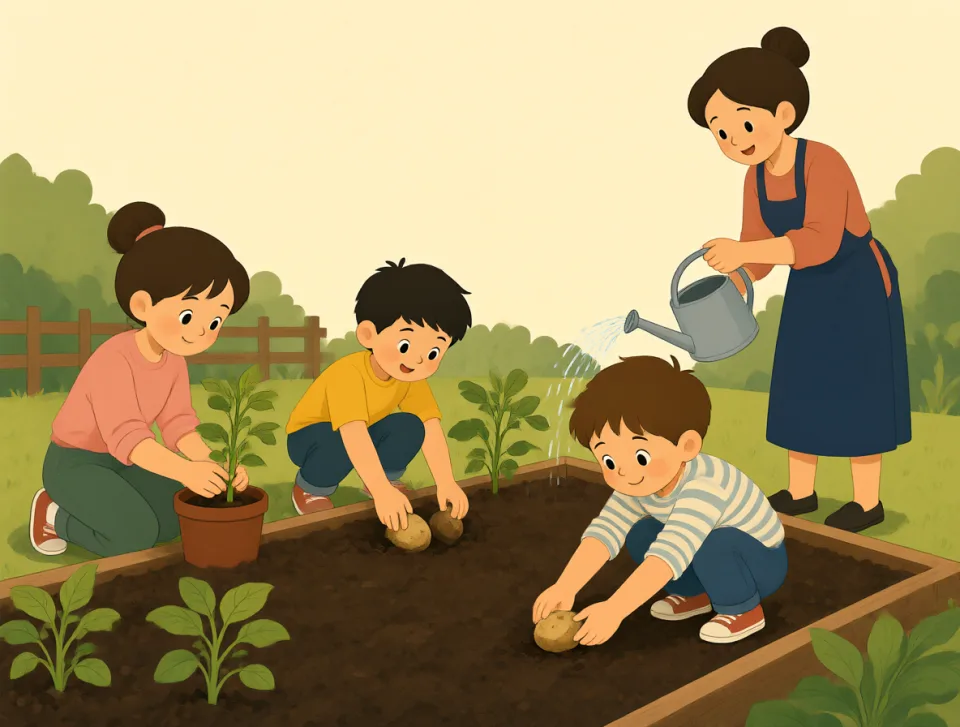
The children planted potatoes in the school garden and watered the soil carefully.
Dzieci posadziły ziemniaki w szkolnym ogródku i starannie podlały ziemię.

We shared hot potato chips on the train during our trip to the coast.
Podczas podróży nad morze jedliśmy na zmianę gorące frytki w pociągu.

narrative
#2624noun
narracja
A story or description of events, especially one told in a particular way.
Opowieść lub opis wydarzeń, zwłaszcza przedstawiony w określony sposób.
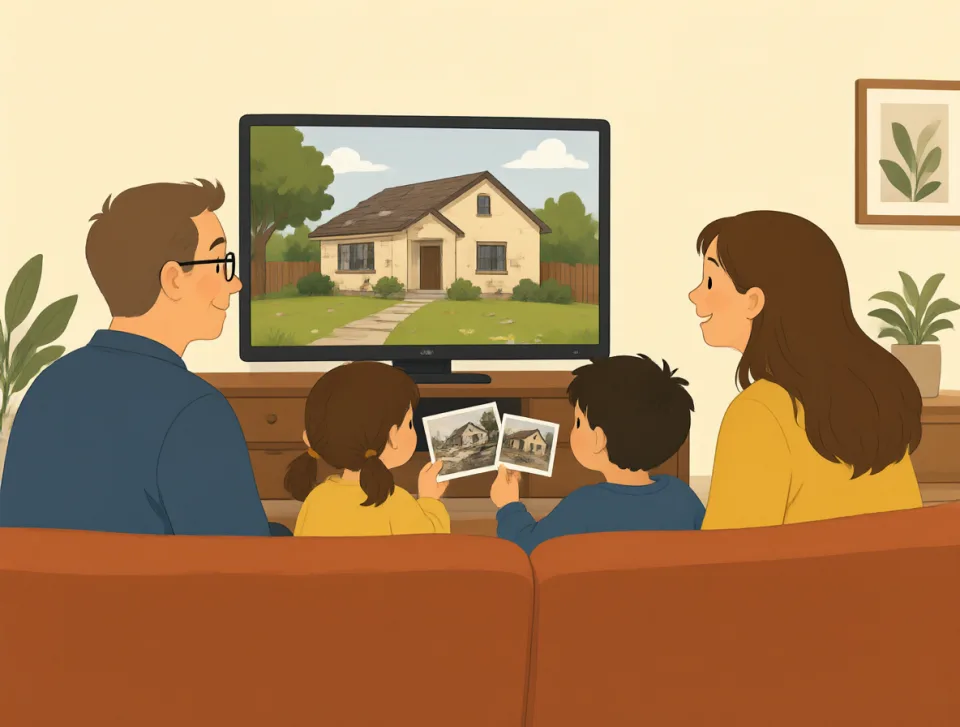
The documentary tells the narrative of a family rebuilding their home after a fire.
Ten film dokumentalny opowiada historię rodziny, która odbudowuje swój dom po pożarze.

The novel has a powerful narrative about friendship, loss, and starting again.
Powieść zawiera poruszającą opowieść o przyjaźni, stracie i zaczynaniu od nowa.
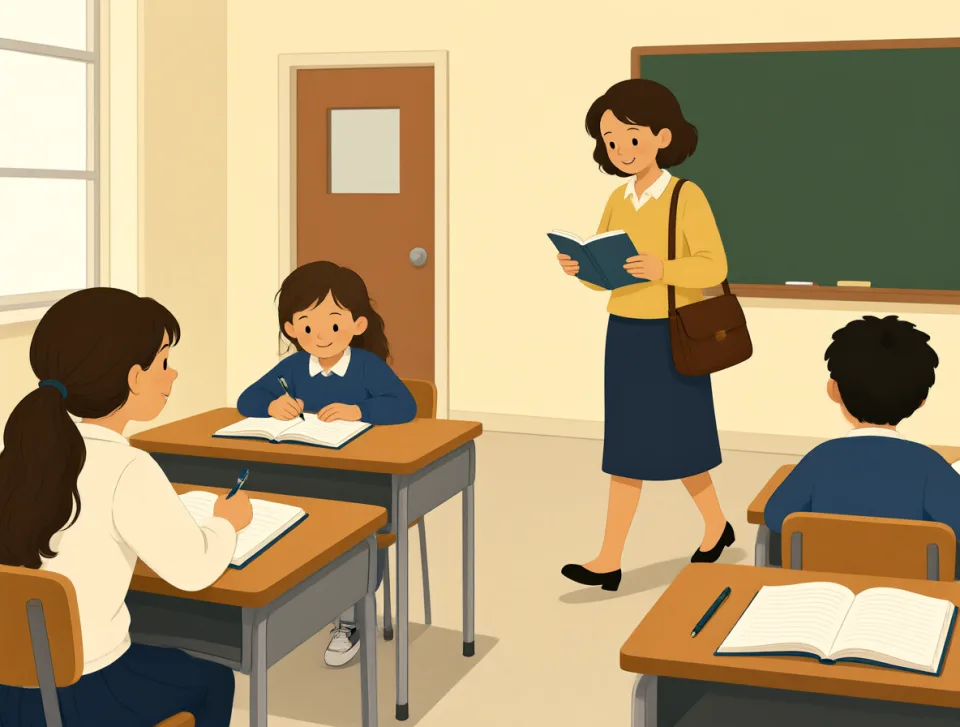
The teacher asked students to write a short narrative about their summer holiday.
Nauczyciel poprosił uczniów o napisanie krótkiego opowiadania o wakacjach letnich.

The company changed its marketing narrative after customers complained about the product.
Firma zmieniła sposób przedstawiania swojej marki w materiałach marketingowych po skargach klientów na produkt.

The film uses several different narratives to show how the travelers’ lives connect.
Film wykorzystuje kilka różnych narracji, aby pokazać, jak łączą się losy podróżnych.

tissue
#2625noun
chusteczka higieniczna
A soft piece of paper used for blowing your nose or cleaning small spills.
Miękki kawałek papieru używany do wydmuchiwania nosa lub wycierania niewielkich rozlanych płynów.
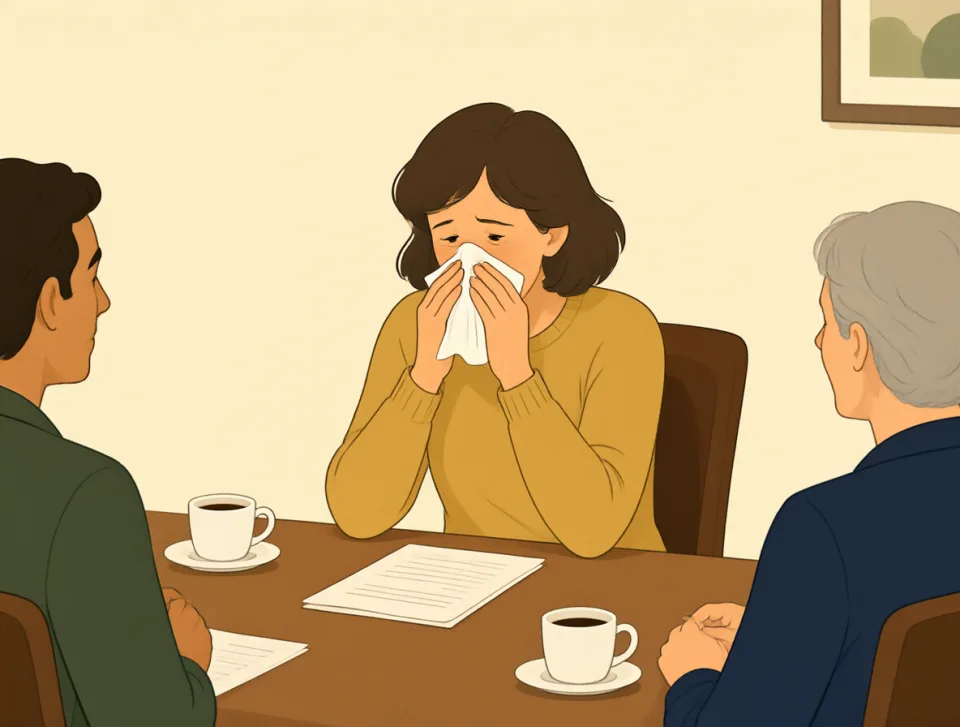
She reached for a tissue and blew her nose during the meeting.
Podczas spotkania sięgnęła po chusteczkę i wydmuchała nos.
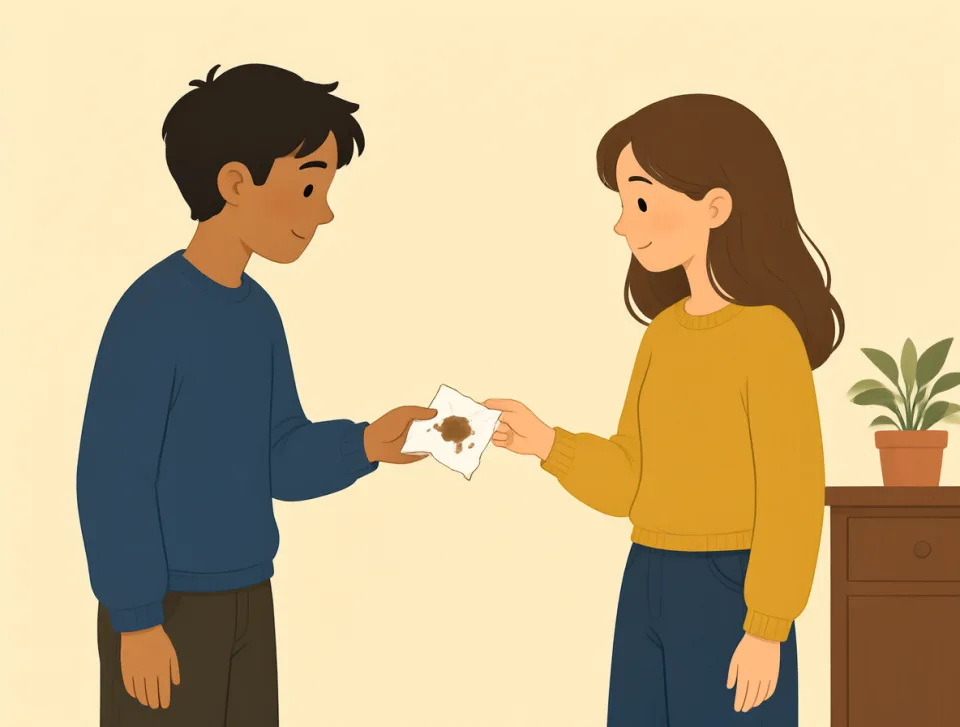
Could you pass me a tissue? I spilled coffee on my shirt.
Czy możesz podać mi chusteczkę? Rozlałem kawę na koszulę.
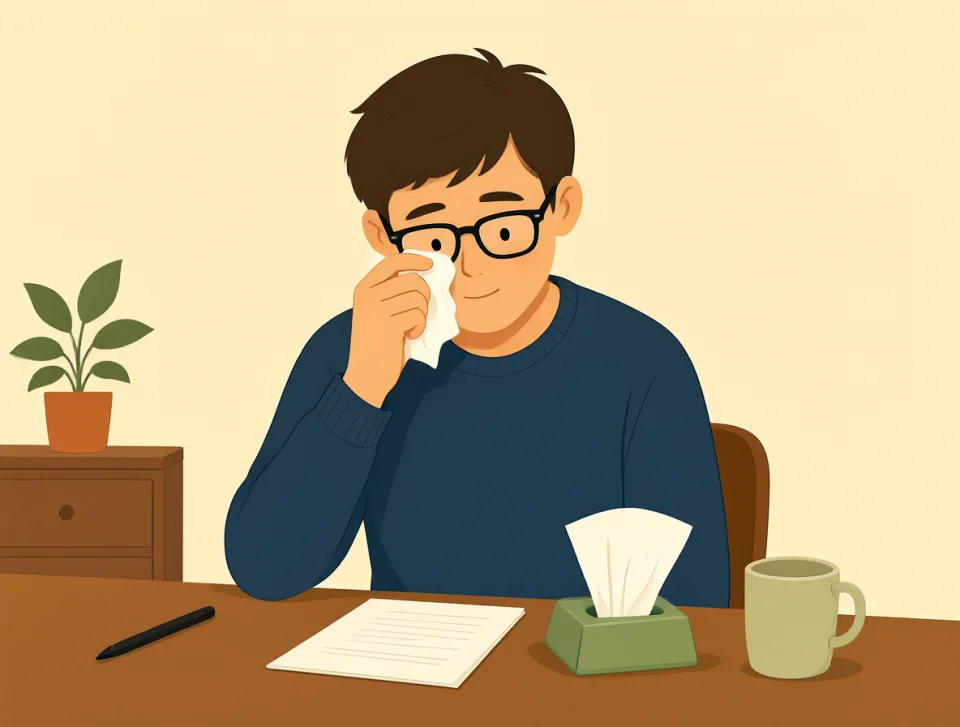
He took a tissue from the box and wiped his glasses clean.
Wyjął chusteczkę z pudełka i wytarł okulary do czysta.
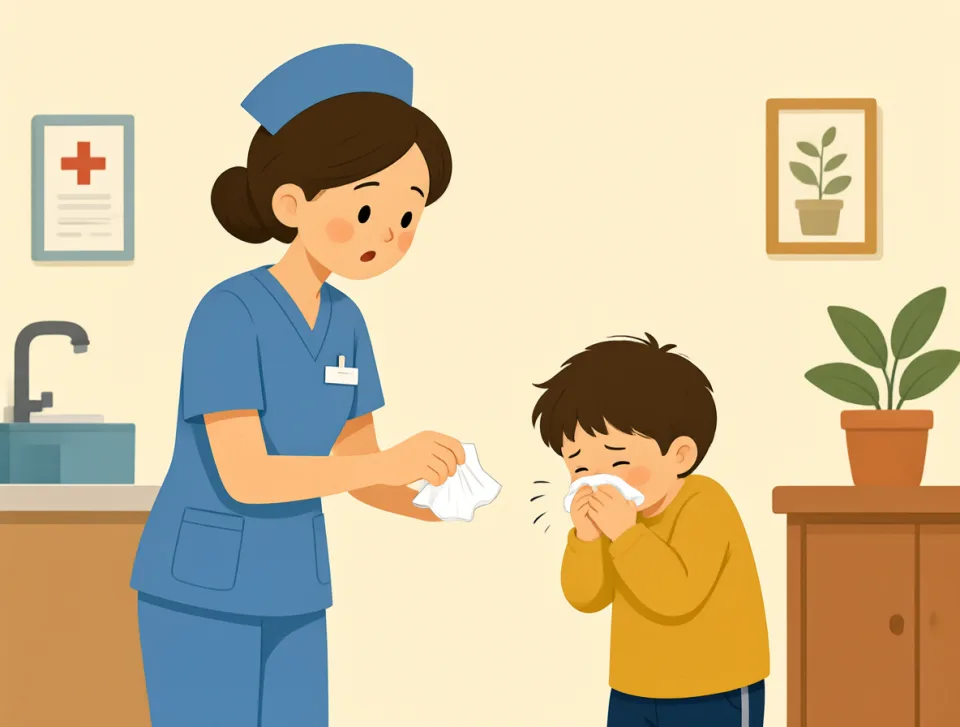
The nurse gave the child a tissue after he started sneezing.
Pielęgniarka dała dziecku chusteczkę, gdy zaczęło kichać.
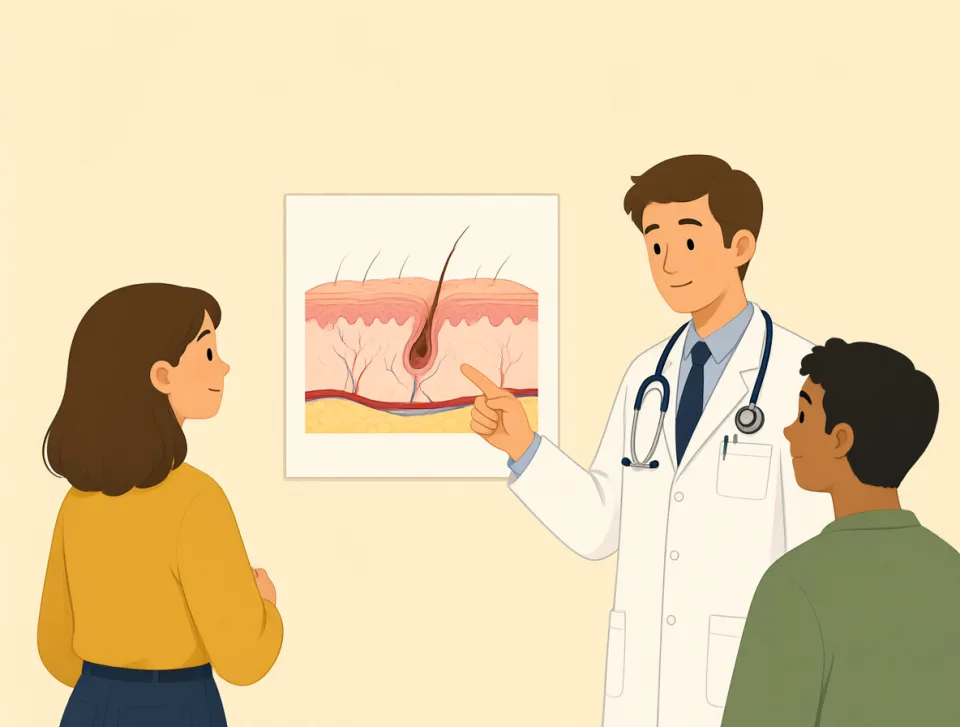
The doctor explained how the damaged tissue was healing after surgery.
Lekarz wyjaśnił, jak goiła się uszkodzona tkanka po operacji.

barely
#2626adverb
ledwo
only just; almost not; by a very small amount
Zaledwie; prawie wcale; z bardzo niewielką różnicą.
I could barely hear you because the restaurant was so noisy.
Ledwo cię słyszałem, bo w restauracji było tak głośno.
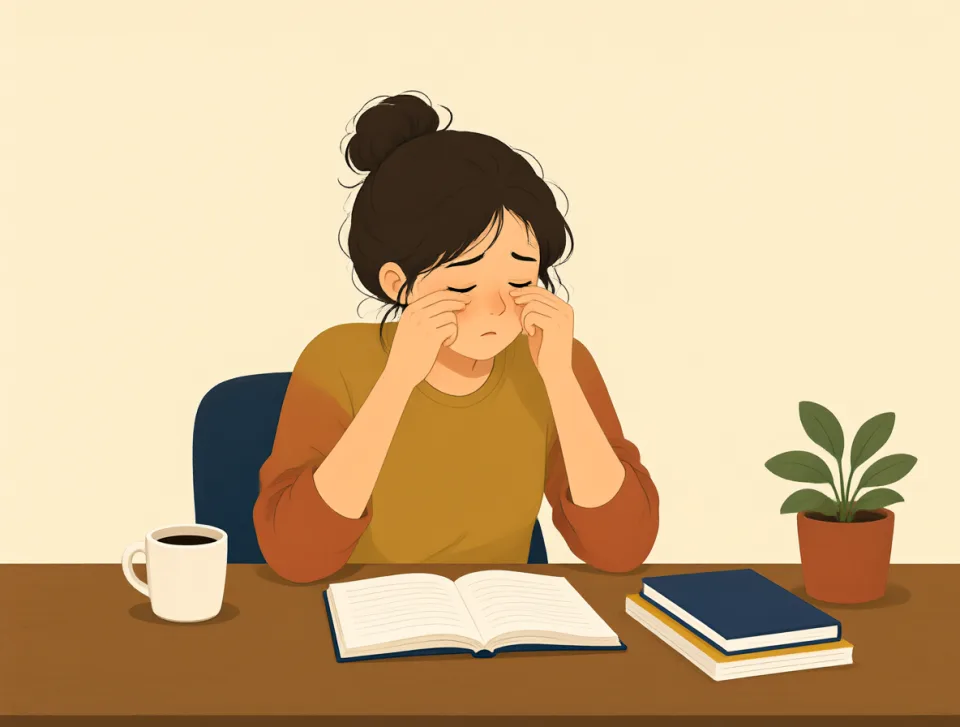
She barely slept last night, so she feels tired at work today.
Prawie nie spała zeszłej nocy, więc dziś w pracy jest zmęczona.
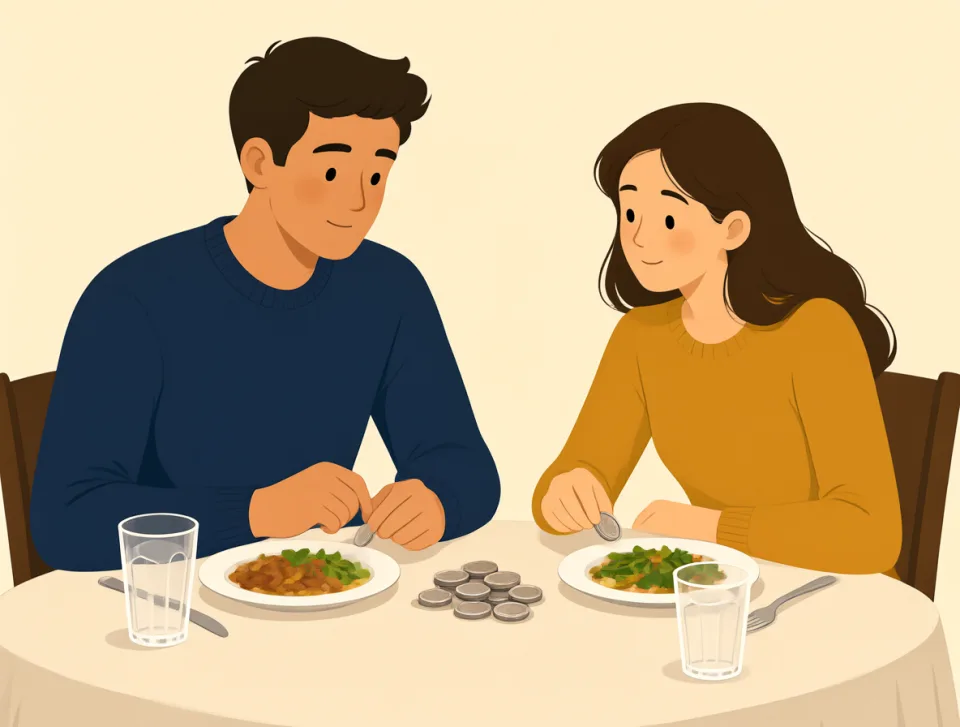
We barely had enough money to buy dinner after paying the hotel bill.
Po opłaceniu rachunku za hotel ledwo starczyło nam pieniędzy na kolację.
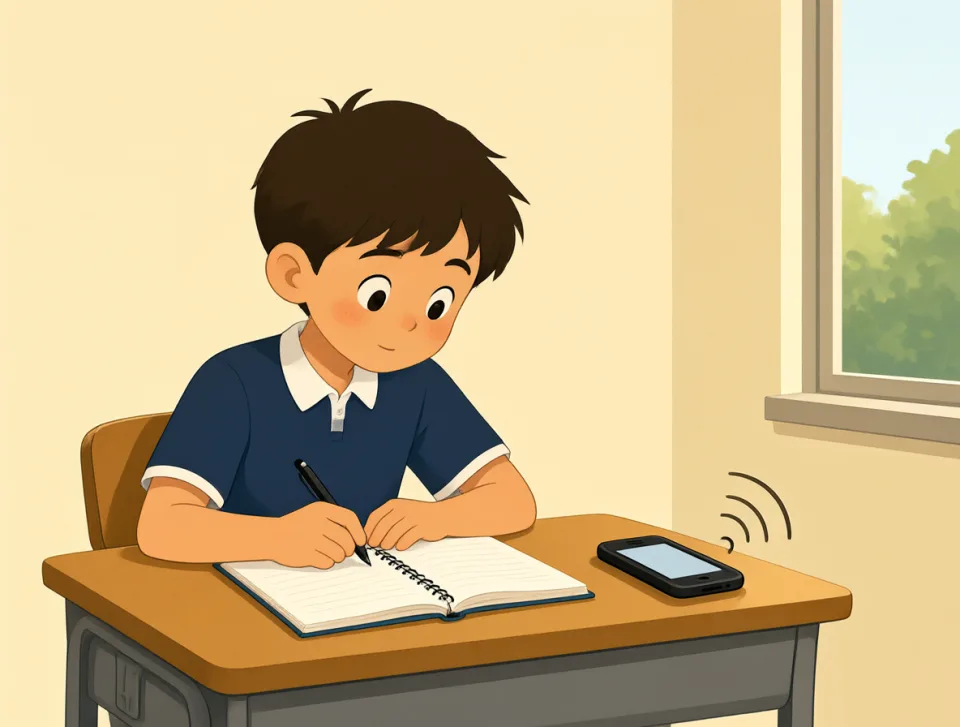
He had barely finished his homework when his friends called him.
Ledwo skończył odrabiać pracę domową, gdy zadzwonili do niego znajomi.

The train had barely left the station when the passenger noticed her missing bag.
Pociąg ledwo odjechał ze stacji, gdy pasażerka zauważyła, że brakuje jej torby.
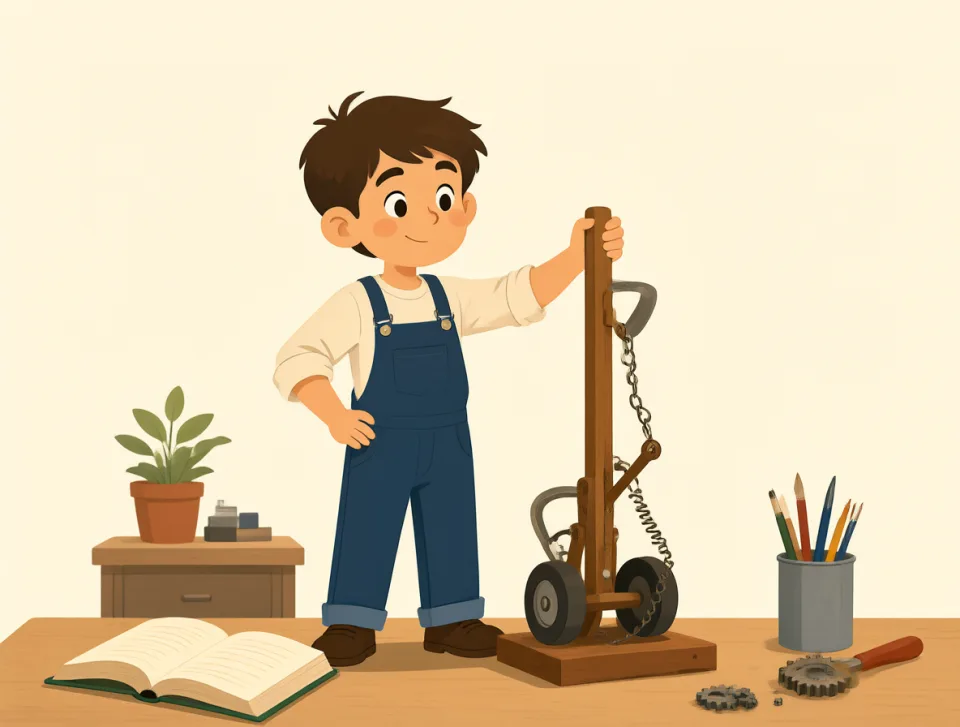
invent
#2627verb
wymyślić
to create something new, especially an idea, machine, or method
Stworzyć coś nowego, zwłaszcza pomysł, maszynę lub metodę.
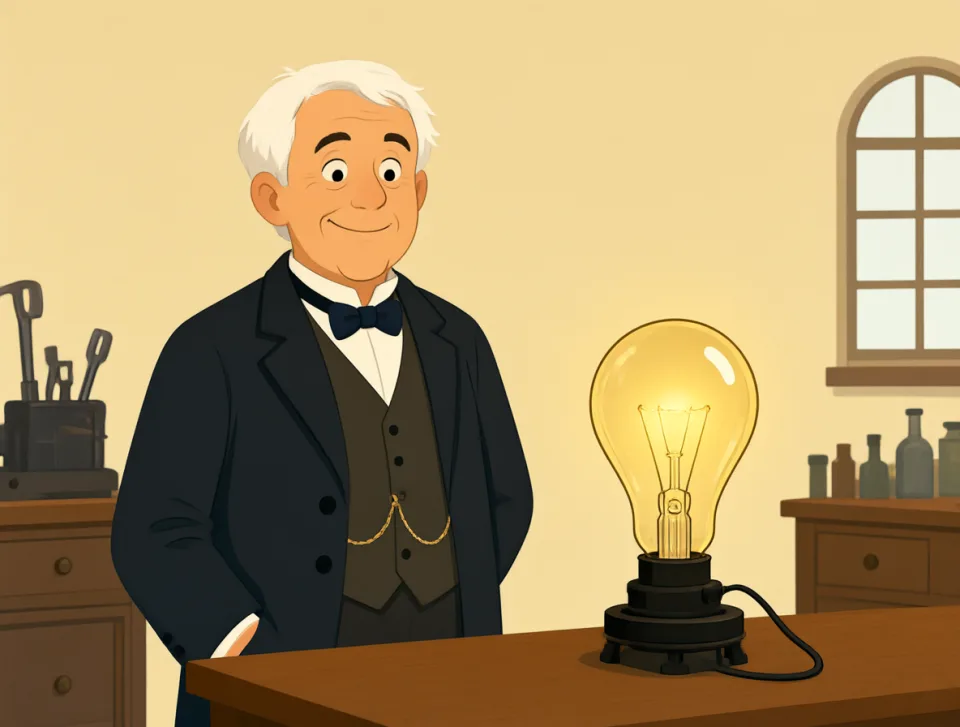
Thomas Edison invented the electric light bulb over one hundred years ago.
Thomas Edison wynalazł żarówkę ponad sto lat temu.
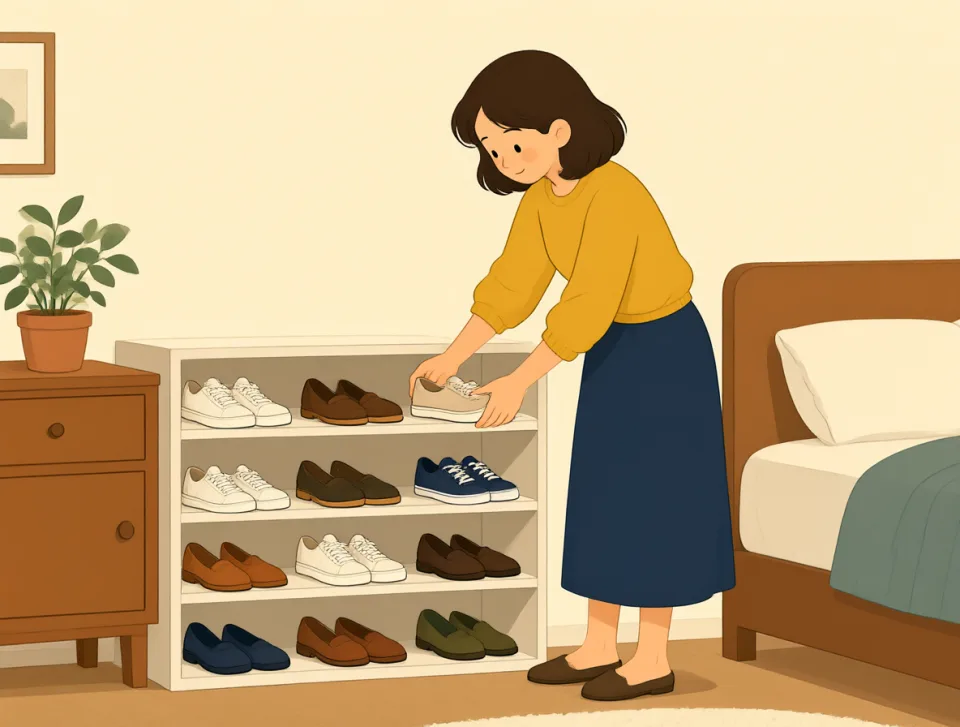
She invented a clever way to organize her shoes at home.
Wymyśliła sprytny sposób na uporządkowanie butów w domu.
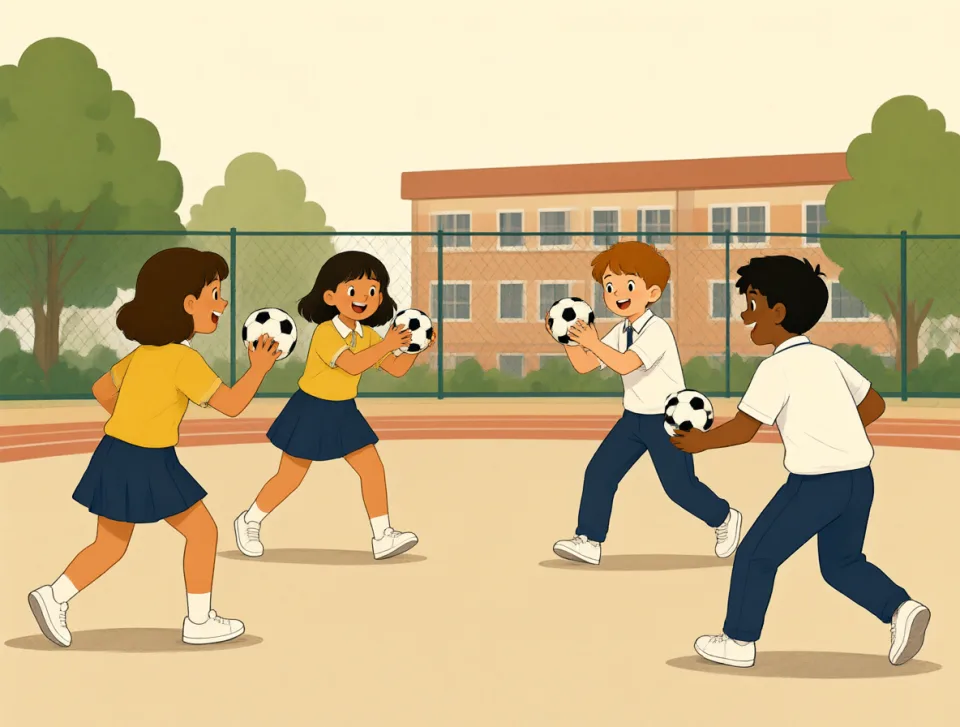
The students invented a game to play during their lunch break.
Uczniowie wymyślili grę, w którą mogli zagrać podczas przerwy na lunch.
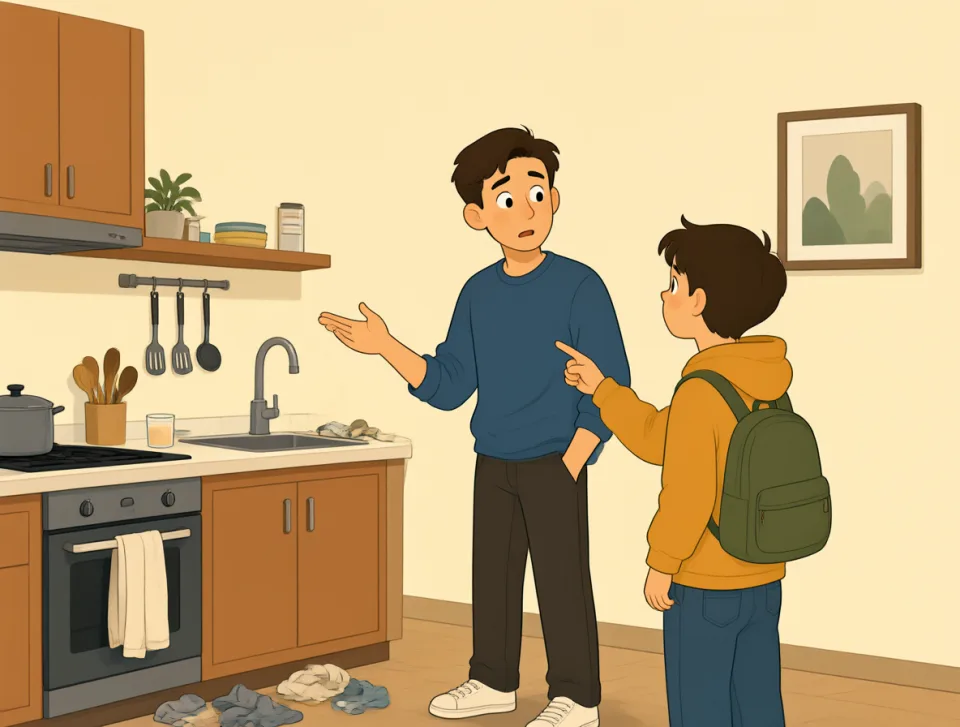
My brother keeps inventing excuses when he forgets to clean the kitchen.
Mój brat ciągle wymyśla wymówki, kiedy zapomina posprzątać kuchnię.
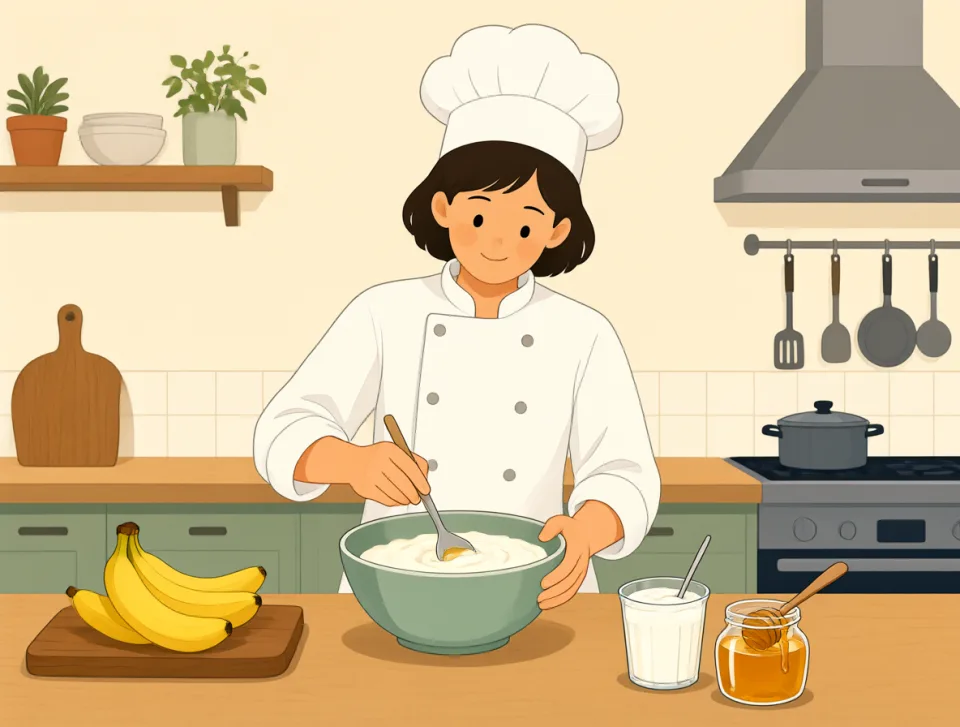
The chef invented a healthy dessert using bananas, yogurt, and honey.
Szef kuchni wymyślił zdrowy deser z bananów, jogurtu i miodu.
tourism
#2628noun
turystyka
Traveling to places for pleasure, business, or interest, and the industry supporting these visitors.
Podróżowanie dla przyjemności, w celach biznesowych lub z zainteresowania oraz branża obsługująca odwiedzających.
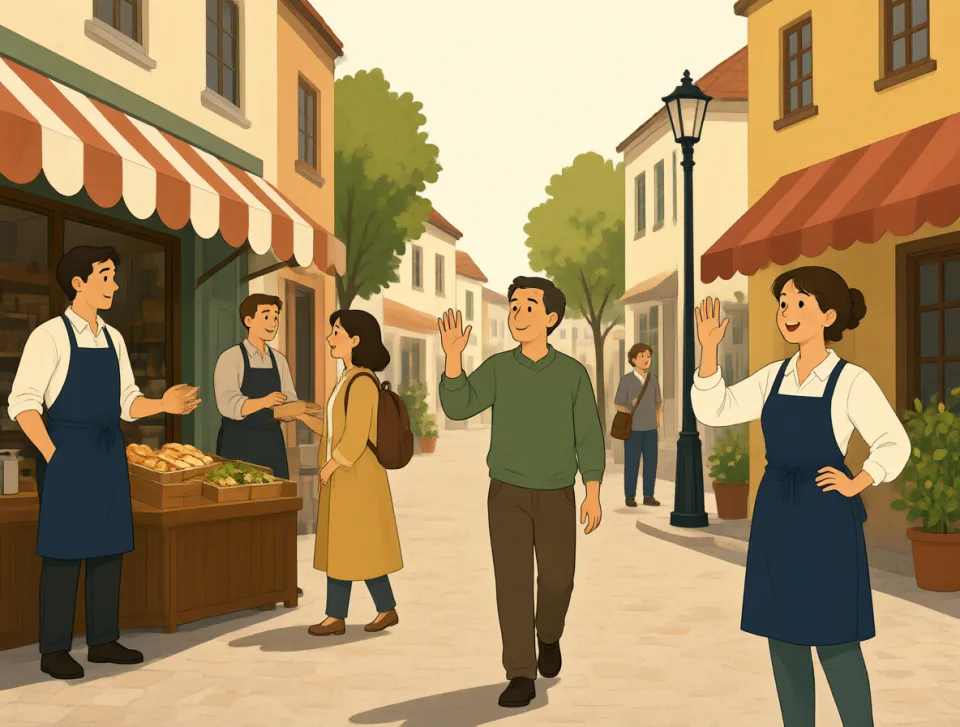
Tourism brings money and jobs to many small towns.
Turystyka przynosi pieniądze i miejsca pracy wielu małym miasteczkom.
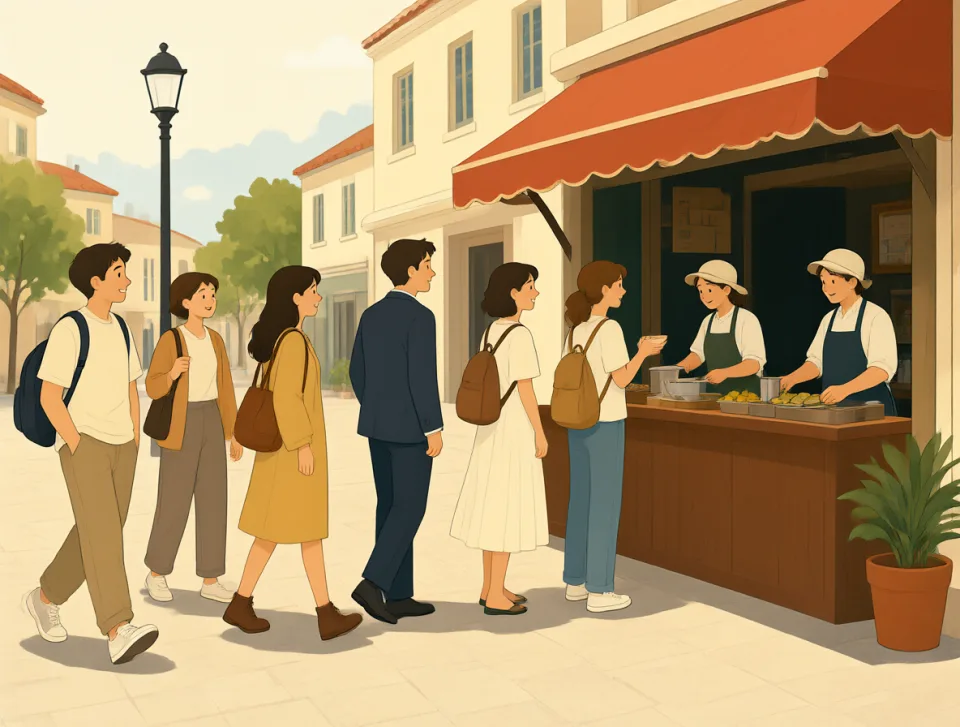
Our city depends on tourism during the summer months.
Nasze miasto jest zależne od turystyki w miesiącach letnich.
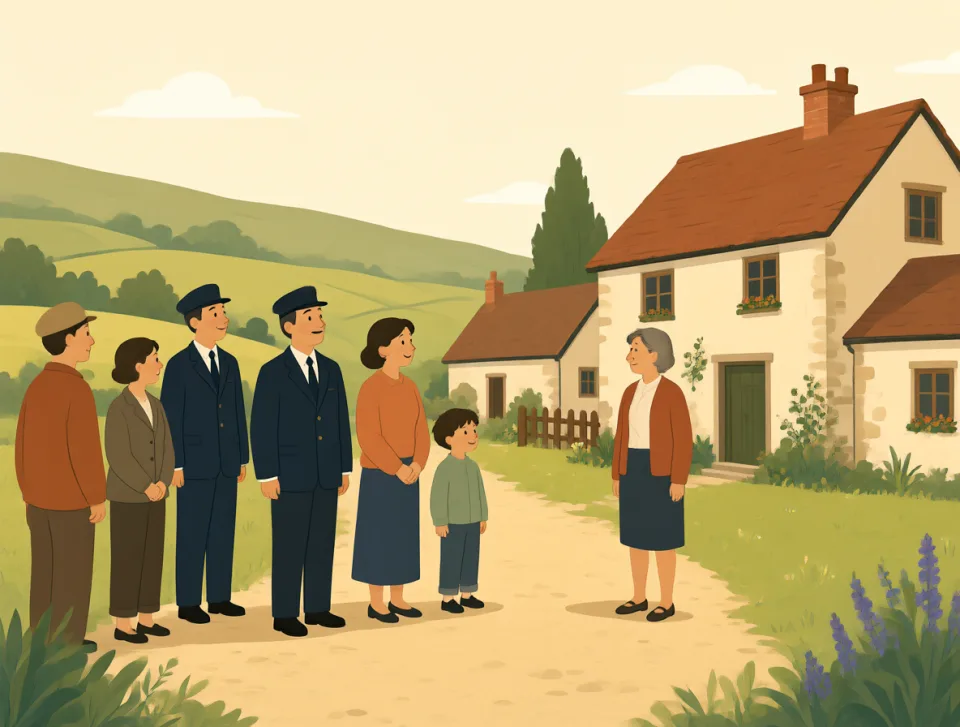
The government is promoting tourism in rural areas.
Rząd promuje turystykę na obszarach wiejskich.
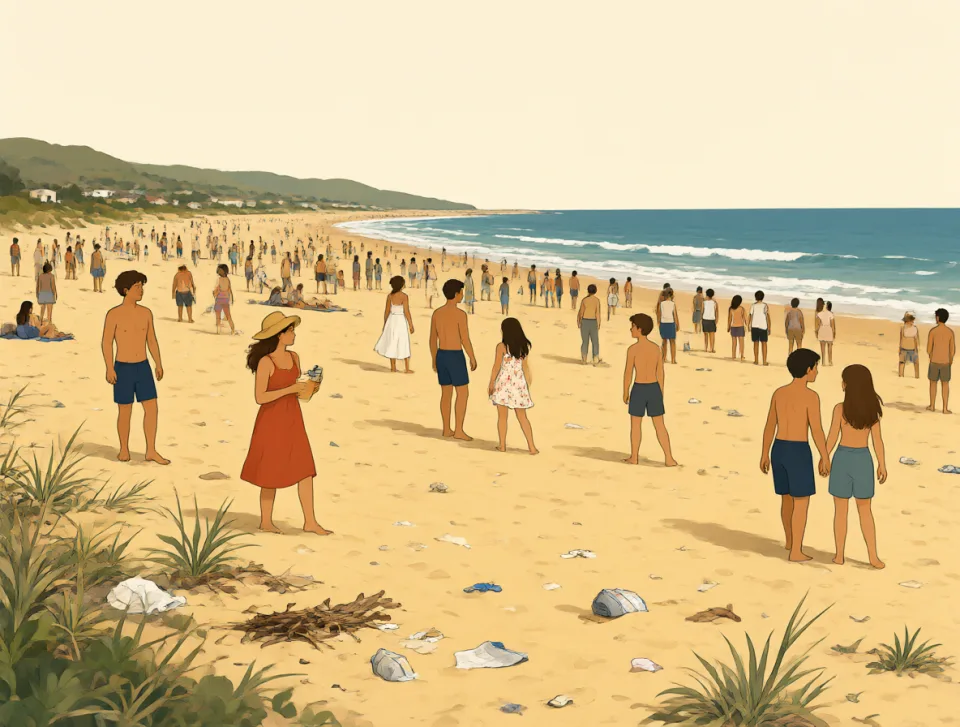
Too much tourism can damage beaches and other natural places.
Nadmierna turystyka może niszczyć plaże i inne tereny przyrodnicze.
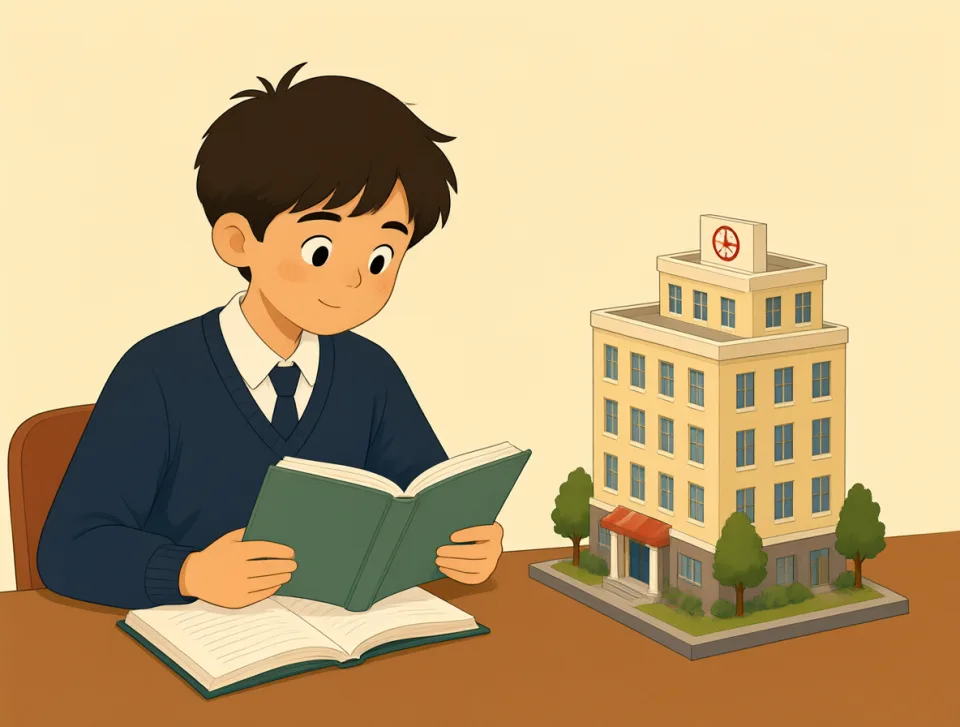
She studies tourism at college and hopes to manage a hotel.
Studiuje turystykę na studiach i ma nadzieję zarządzać hotelem.
pro
#2629noun, adjective
profesjonalista
A professional, especially someone who is very skilled or earns money doing an activity.
Osoba wykonująca coś zawodowo, zwłaszcza bardzo uzdolniona lub zarabiająca na danej działalności.

She hired a pro to take photos at her sister’s wedding.
Zatrudniła profesjonalnego fotografa, żeby zrobił zdjęcia na ślubie jej siostry.
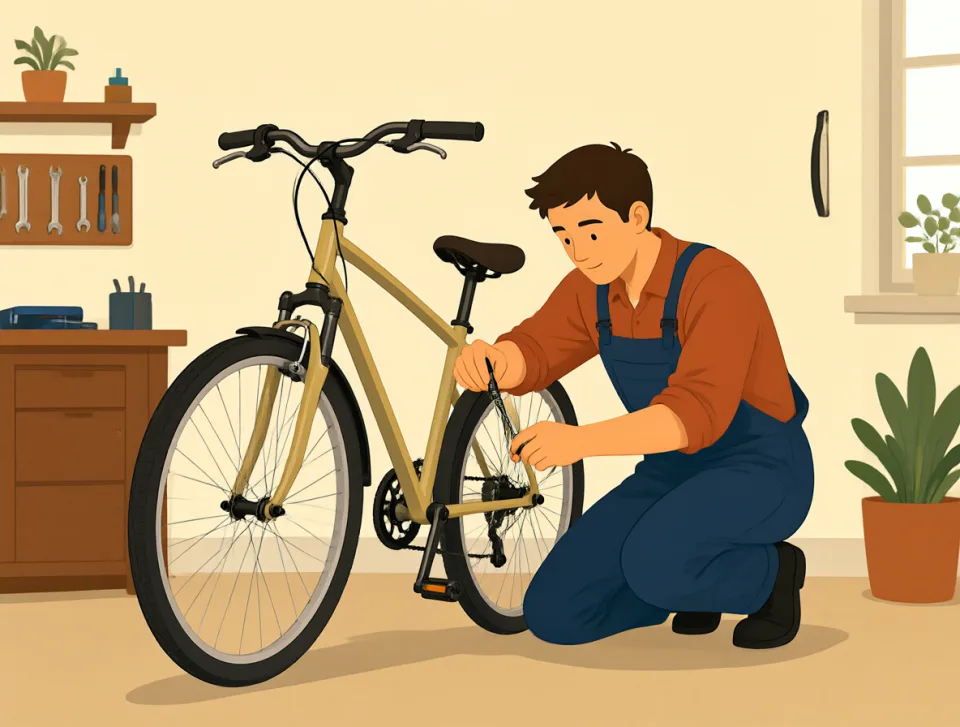
He’s a pro at fixing bikes, so I asked him to help.
Świetnie naprawia rowery, więc poprosiłem go o pomoc.

My brother went pro after playing basketball in college.
Po studiach zaczął grać w koszykówkę zawodowo.
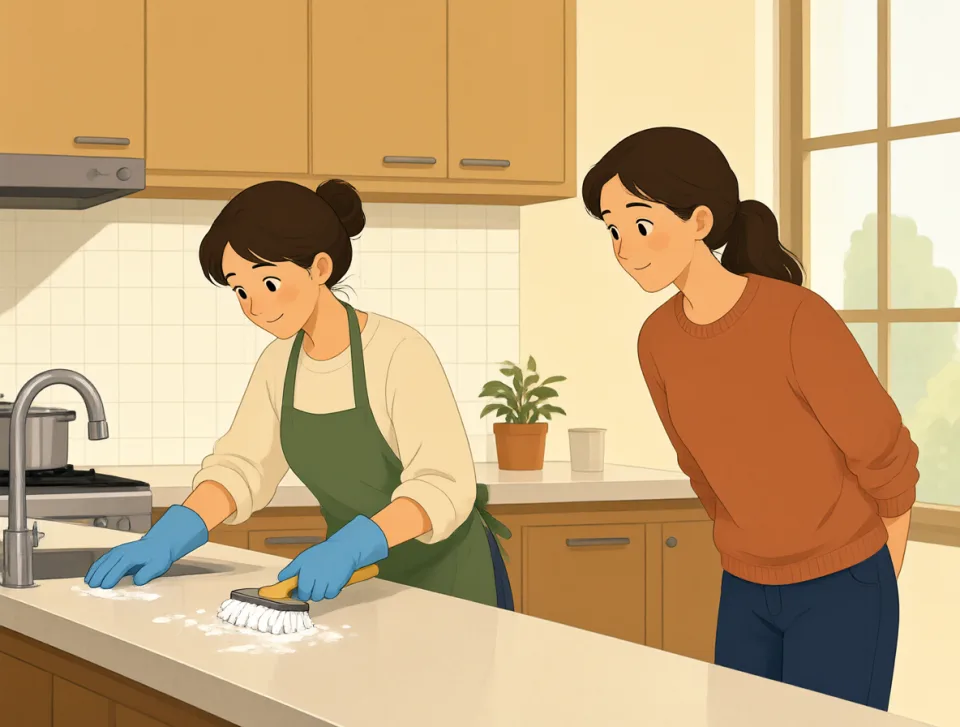
We hired a pro cleaner to get the kitchen ready for guests.
Zatrudniliśmy profesjonalną ekipę sprzątającą, żeby przygotować kuchnię na przyjęcie gości.

She bought a pro camera because she wants to improve her travel photos.
Kupiła profesjonalny aparat, bo chce robić lepsze zdjęcia z podróży.
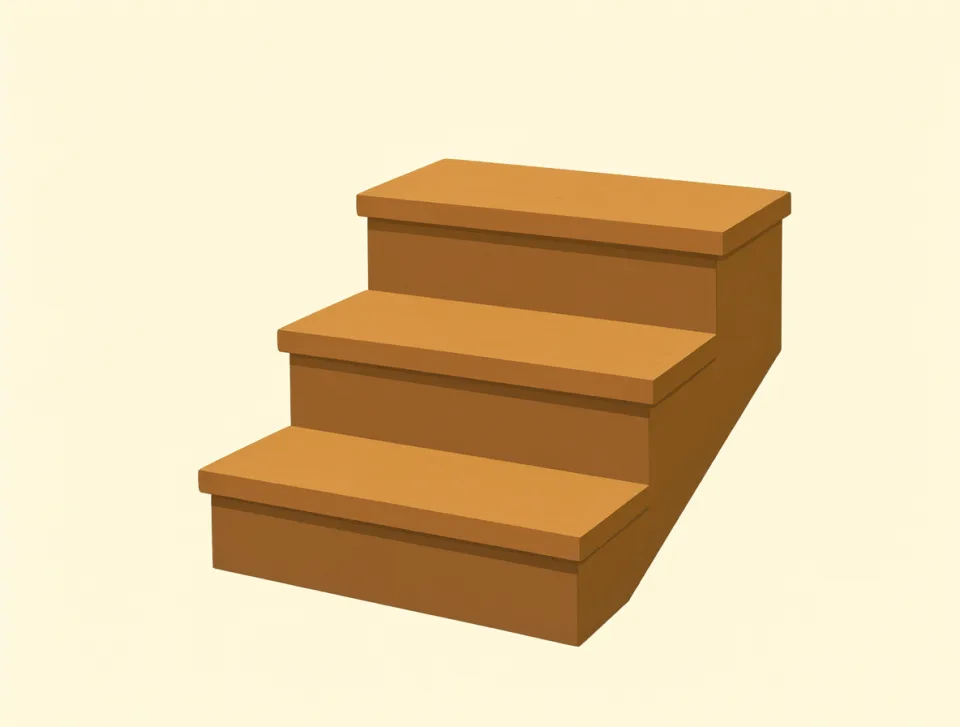
stair
#2630noun
stopień
One of the steps you walk on when going up or down a staircase.
Jeden ze stopni, po których wchodzi się po schodach lub schodzi.
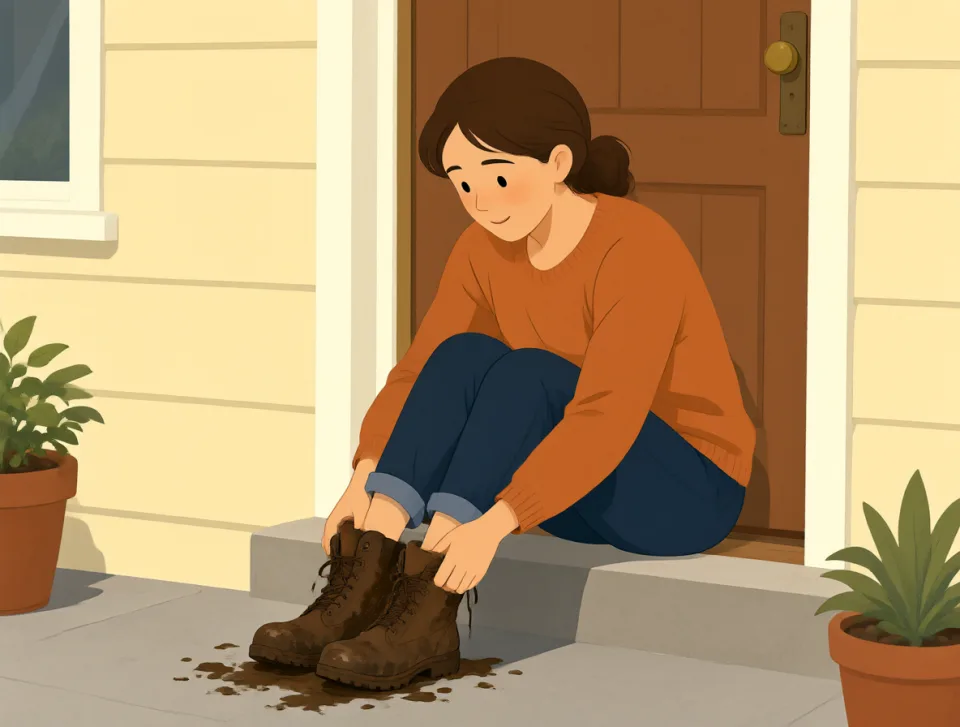
She sat on the bottom stair to take off her muddy boots.
Usiadła na najniższym stopniu, żeby zdjąć zabłocone buty.
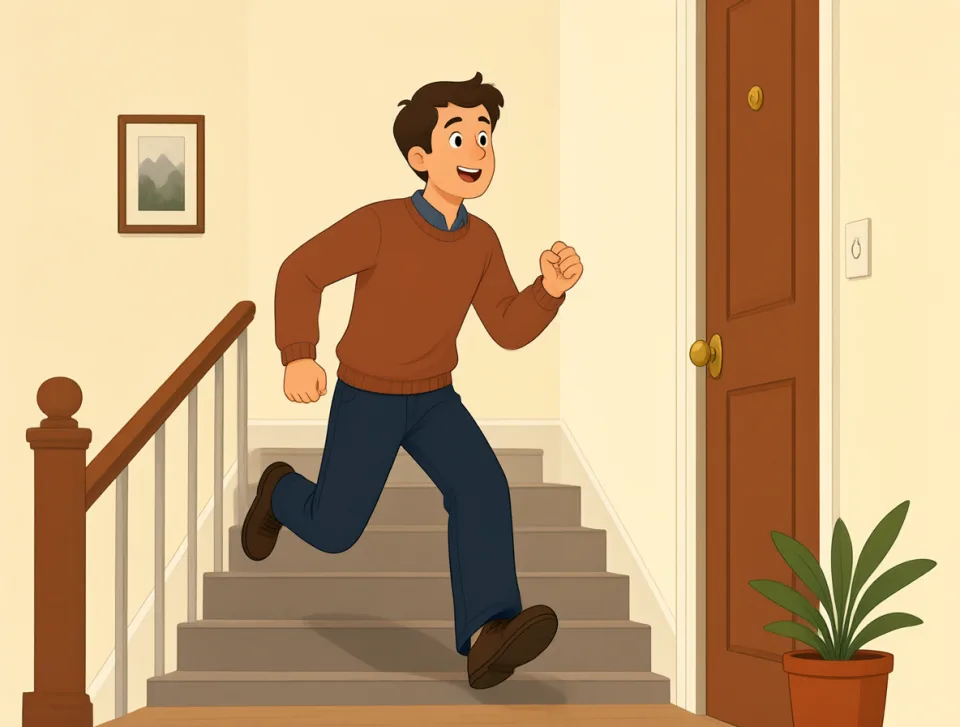
He ran up the stairs when he heard the doorbell ring.
Wbiegł po schodach, gdy usłyszał dzwonek do drzwi.
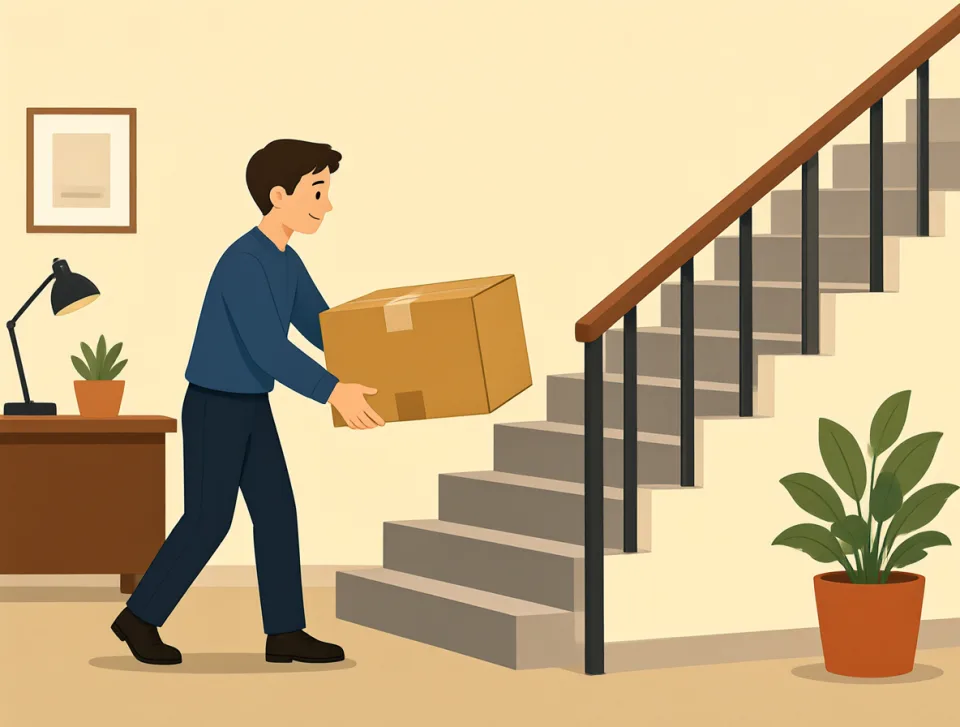
Please keep the stairs clear so people can leave the office safely.
Proszę nie zastawiać schodów, żeby ludzie mogli bezpiecznie opuścić biuro.
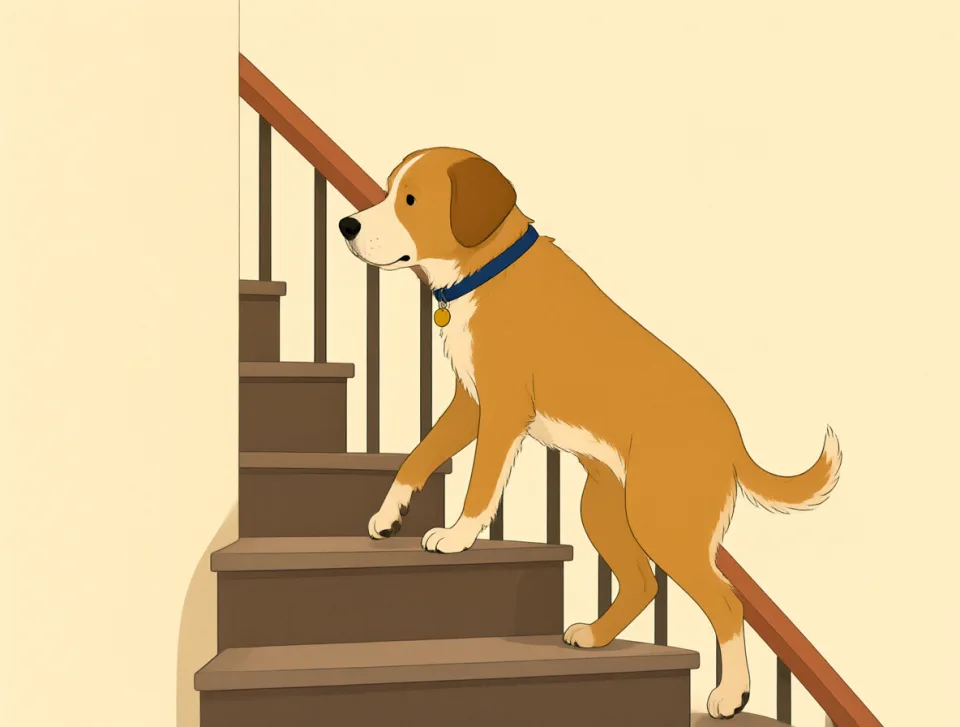
The old dog climbed each stair slowly, stopping to rest halfway up.
Stary pies powoli wspinał się po kolejnych stopniach, zatrzymując się w połowie, żeby odpocząć.
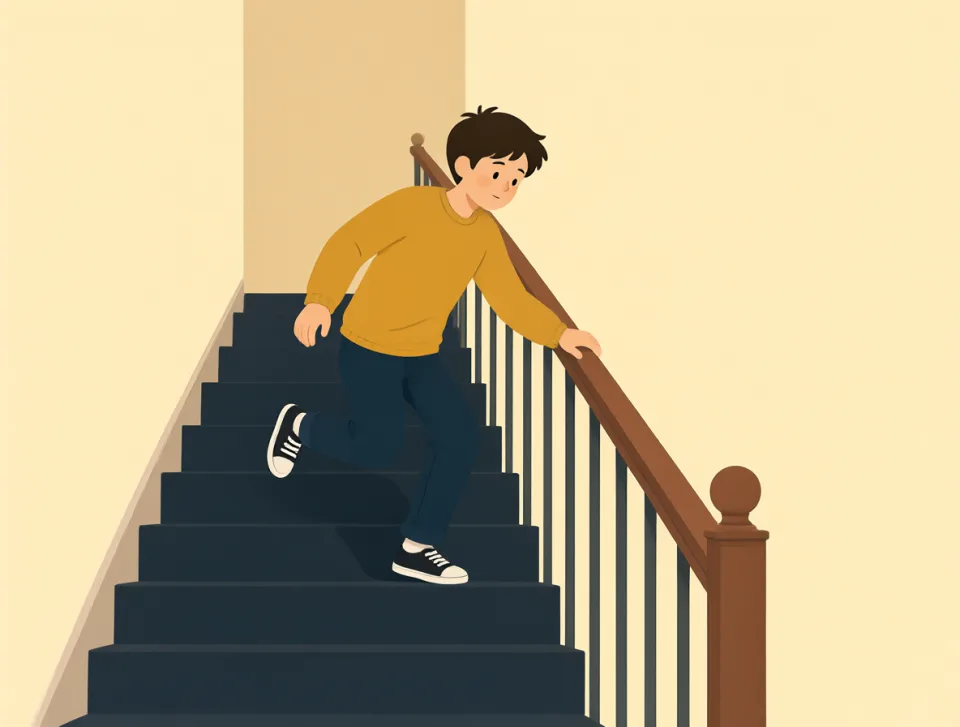
I missed a stair in the dark and twisted my ankle.
Po ciemku nie zauważyłem jednego stopnia i skręciłem kostkę.
hesitate
#2631verb
wahać się
to pause before doing something because you feel unsure or nervous
zatrzymać się przed zrobieniem czegoś, ponieważ czujesz niepewność lub zdenerwowanie

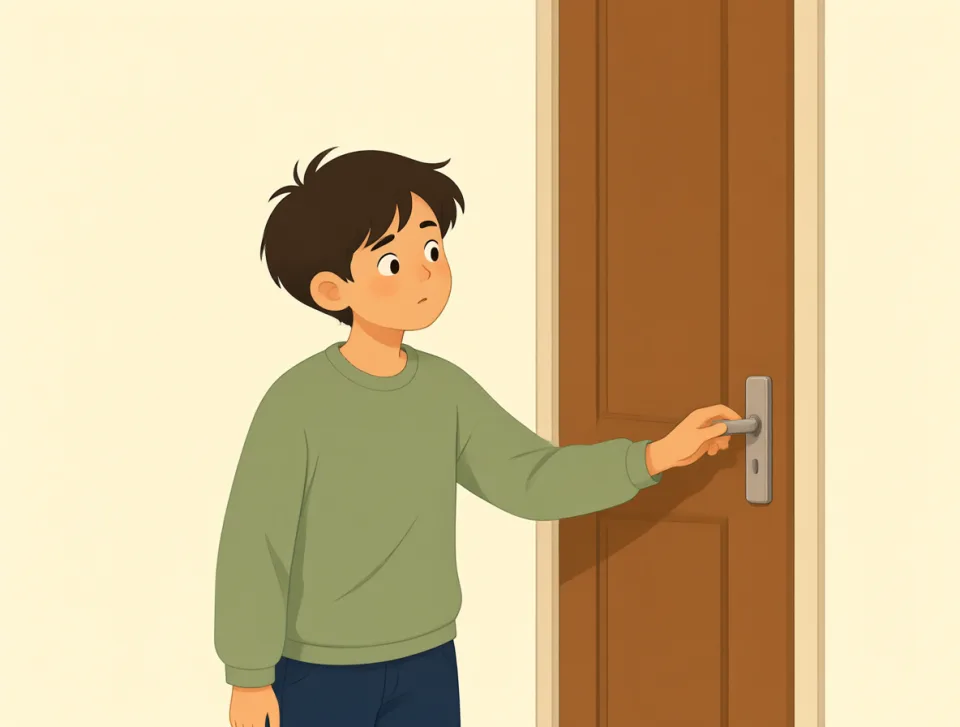
She hesitated before answering the difficult question in class.
Zanim odpowiedziała na trudne pytanie na lekcji, zawahała się.
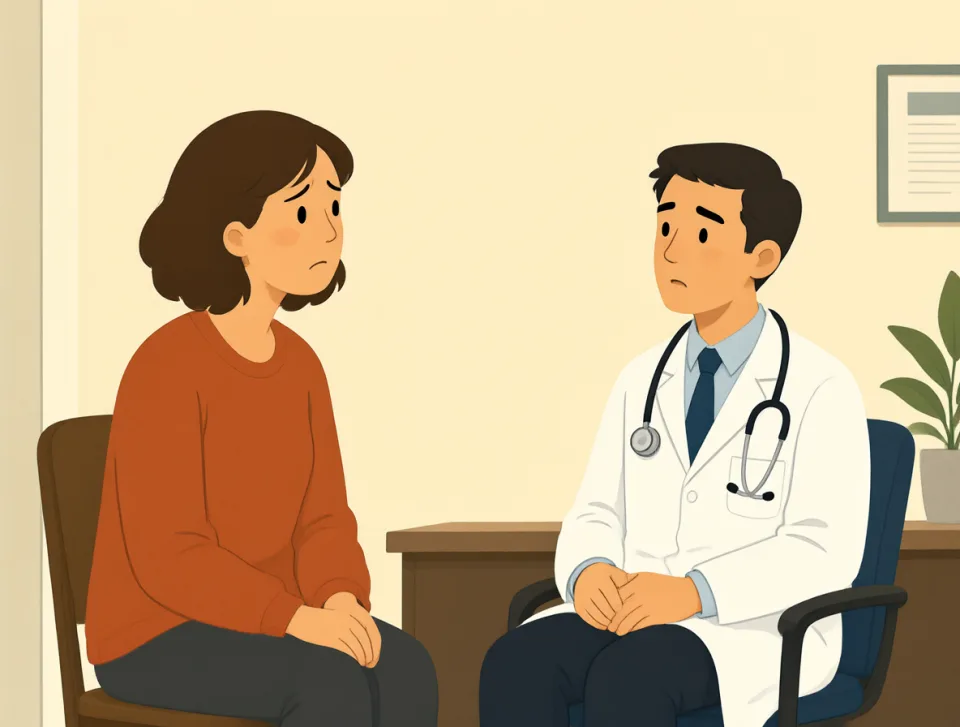
Please do not hesitate to ask for help if you feel sick.
Jeśli źle się czujesz, nie wahaj się poprosić o pomoc.

He hesitated about buying the expensive jacket in the shop.
Wahał się, czy kupić tę drogą kurtkę w sklepie.

We hesitated to book the flight because the weather looked dangerous.
Wahaliśmy się z rezerwacją lotu, ponieważ pogoda wyglądała niebezpiecznie.
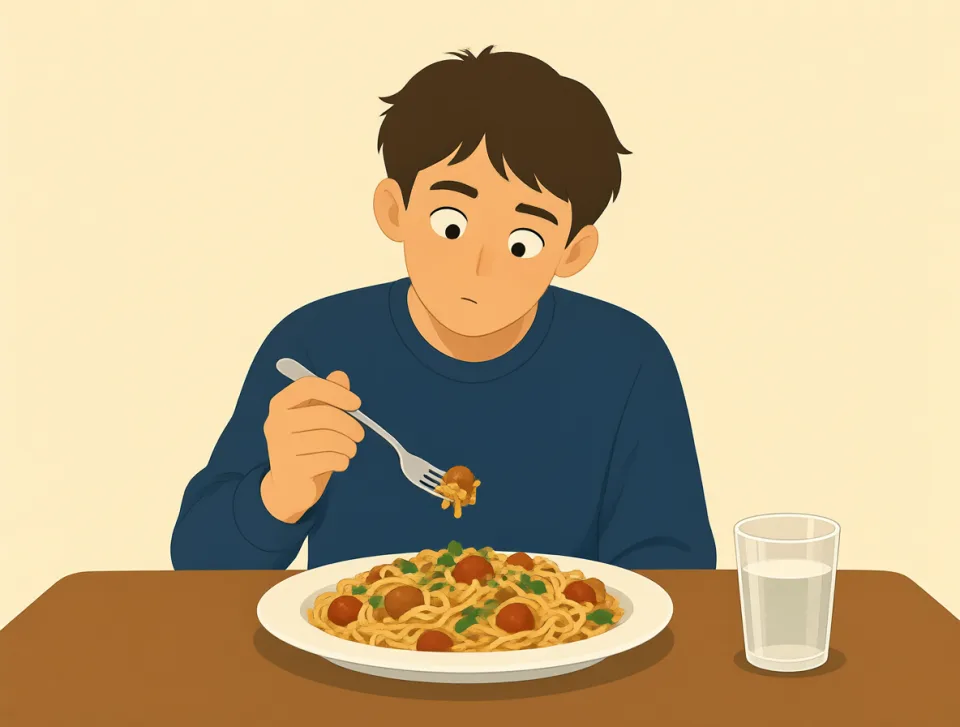
I was hungry, but I hesitated before trying the strange new dish.
Byłem głodny, ale zawahałem się, zanim spróbowałem tego dziwnego, nowego dania.

shine
#2632noun, verb
świecić; błyszczeć
to give off bright light, or to reflect light brightly
emitować jasne światło lub mocno odbijać światło
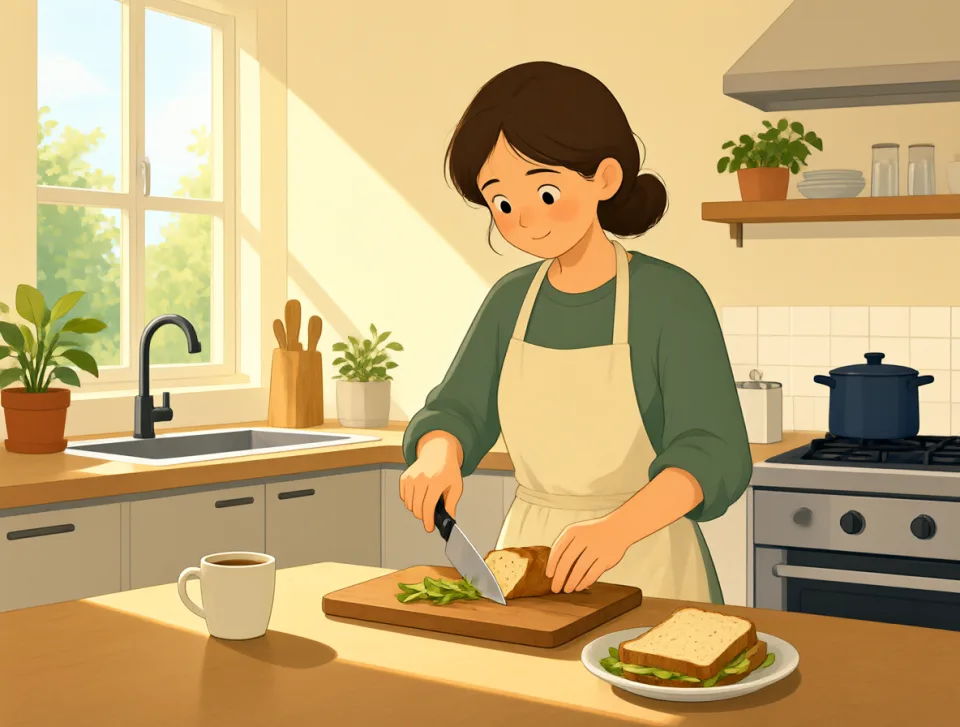
The sun was shining through the kitchen window this morning.
Dziś rano słońce świeciło przez kuchenne okno.
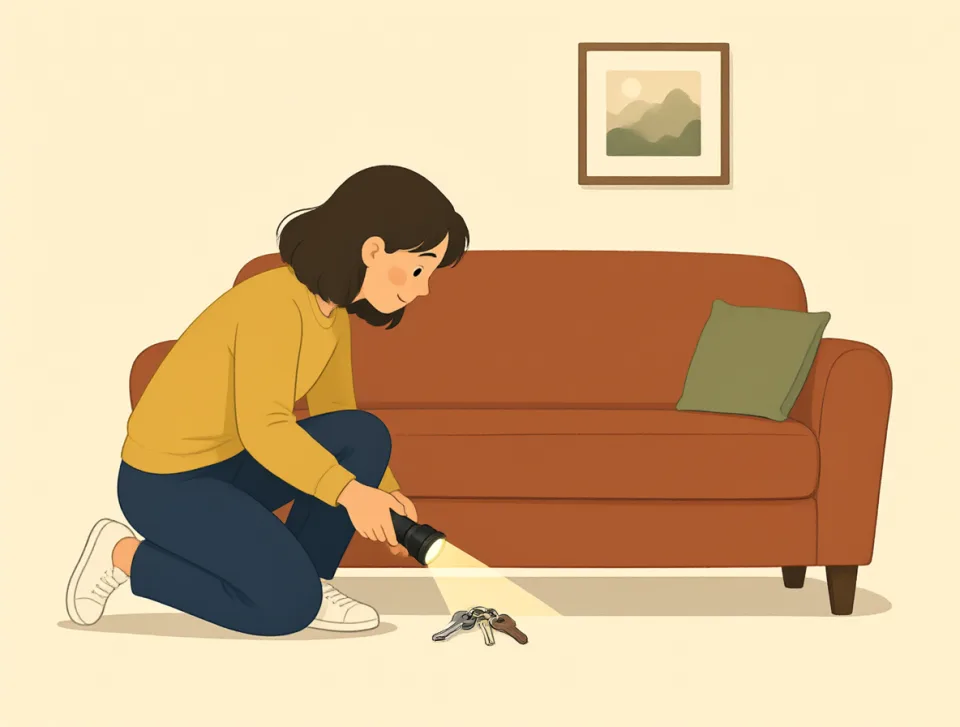
Please shine your flashlight under the sofa and look for my keys.
Proszę poświeć latarką pod kanapą i poszukaj moich kluczy.

Her new shoes shone brightly under the shop lights.
Jej nowe buty lśniły w świetle sklepowych lamp.
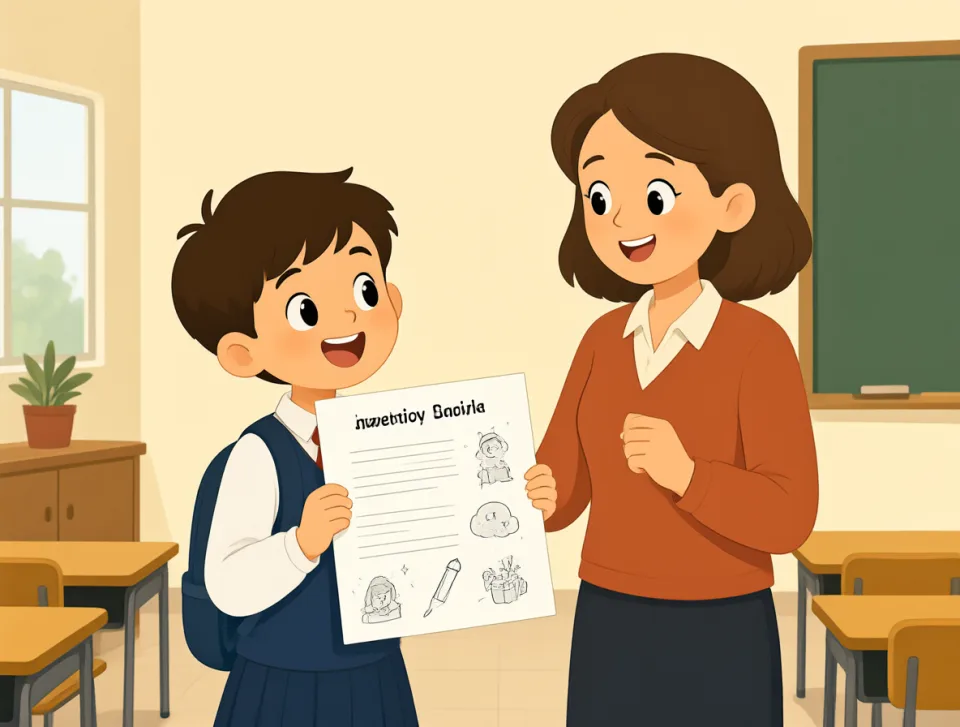
The teacher said my hard work really shone in the final project.
Nauczyciel powiedział, że moja ciężka praca naprawdę wyróżniła się w końcowym projekcie.

The doctor noticed a healthy shine in his eyes after he recovered.
Po wyzdrowieniu lekarz zauważył zdrowy blask w jego oczach.
motivation
#2633noun
motywacja
The reason or feeling that makes someone want to do something.
powód lub uczucie, które sprawia, że ktoś chce coś zrobić.
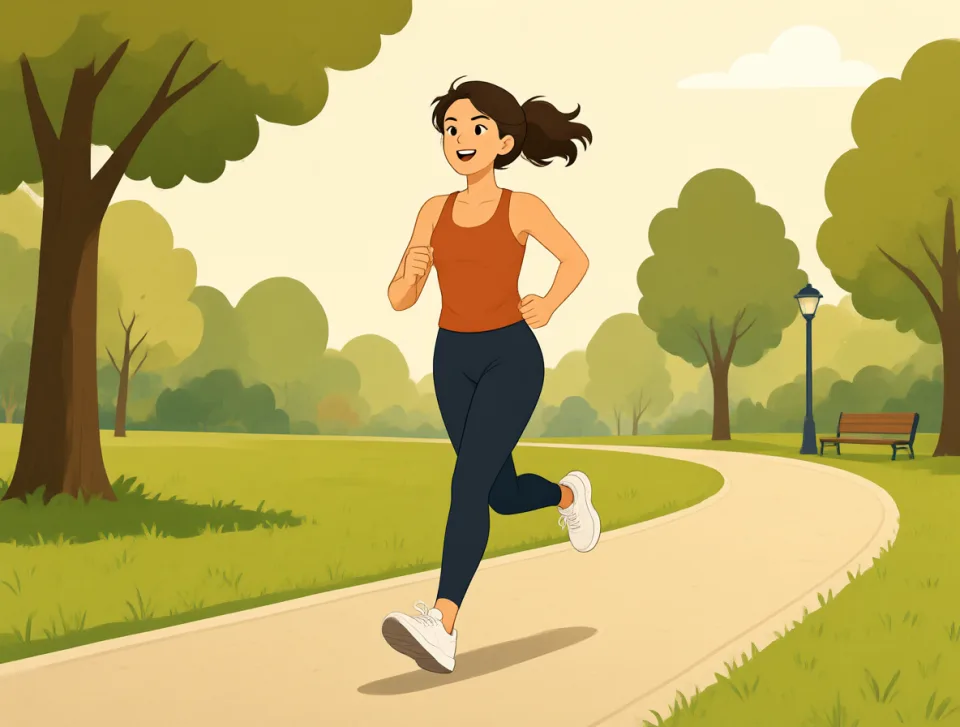
Her motivation to exercise comes from wanting to feel healthier.
Jej motywacja do ćwiczeń wynika z chęci poprawy zdrowia.
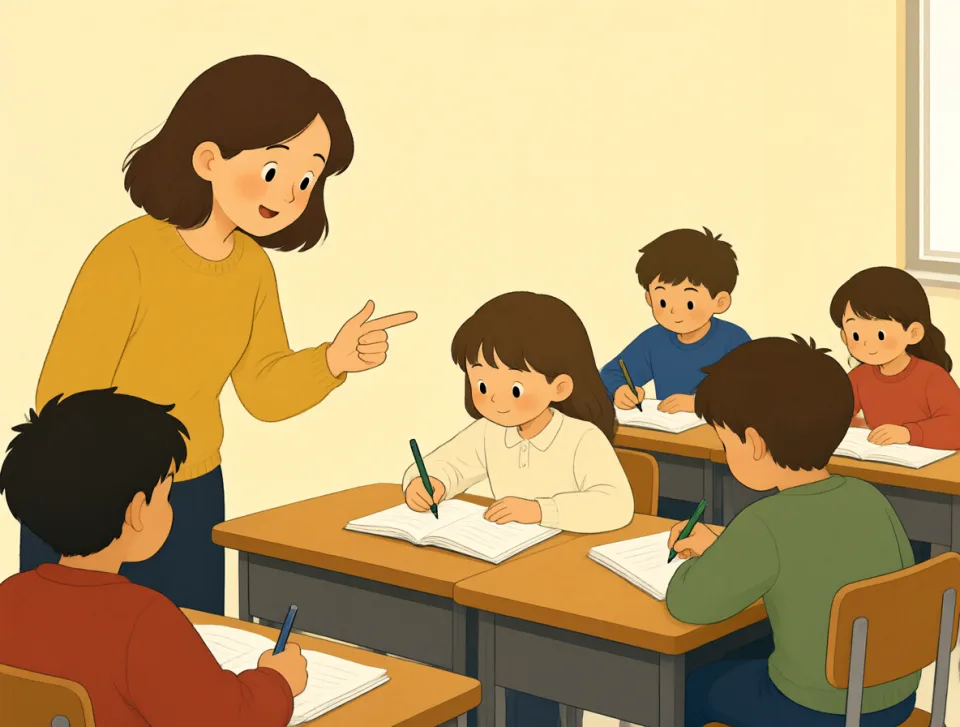
The teacher used small rewards to increase students' motivation to study.
Nauczyciel wykorzystał małe nagrody, aby zwiększyć motywację uczniów do nauki.
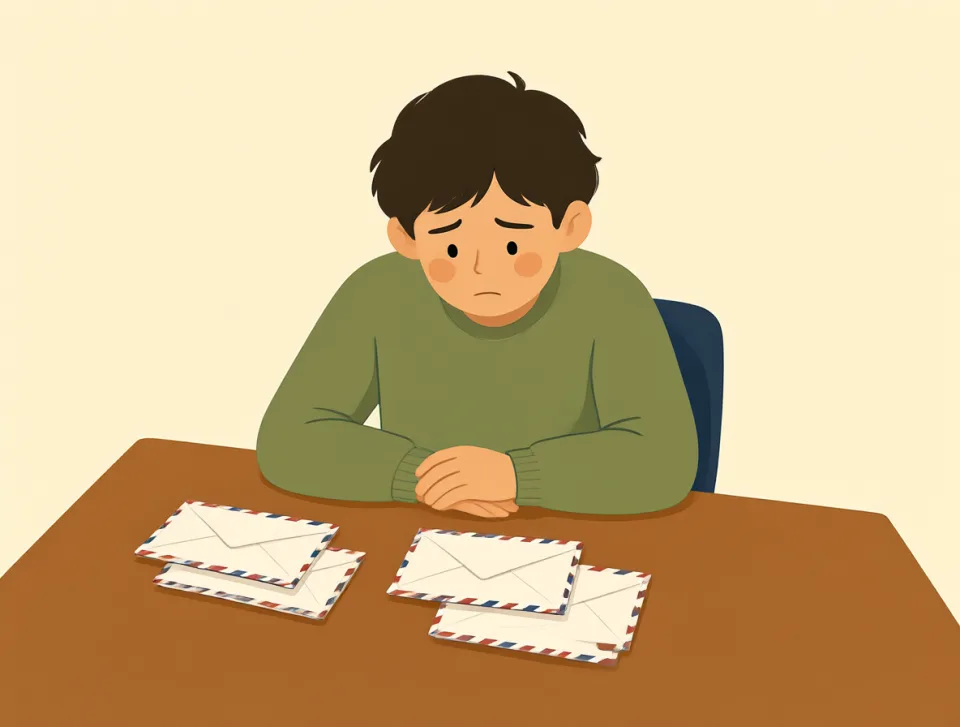
I lost my motivation after receiving several disappointing replies.
Straciłem motywację po otrzymaniu kilku rozczarowujących odpowiedzi.
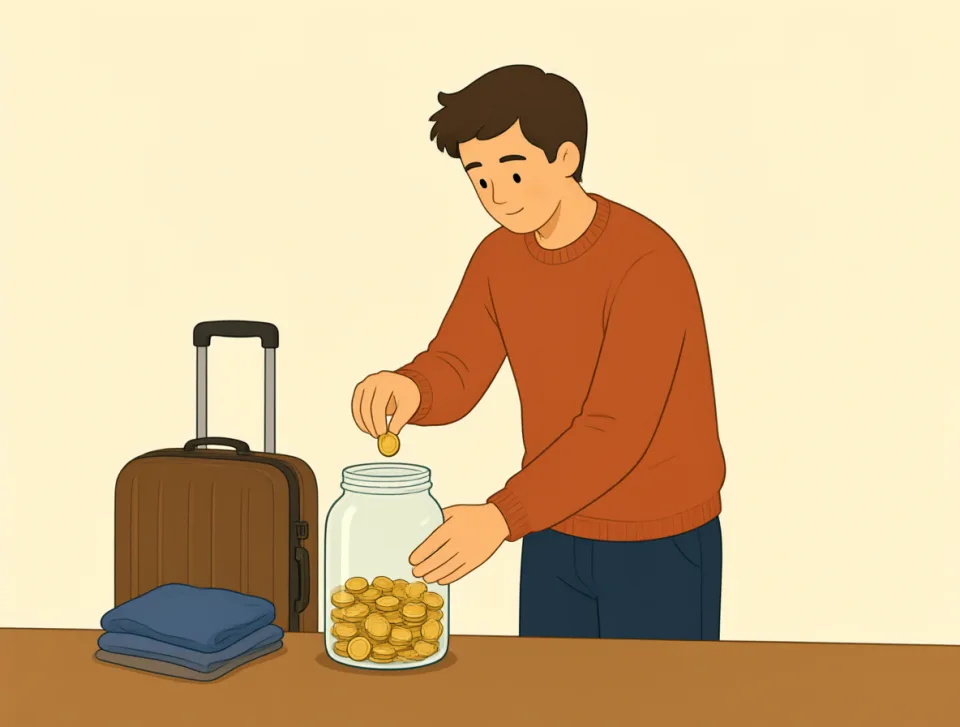
His motivation for saving money was a long family holiday abroad.
Jego motywacją do oszczędzania pieniędzy były długie rodzinne wakacje za granicą.

Talking with supportive friends gave her the motivation to try again.
Rozmowa ze wspierającymi przyjaciółmi dała jej motywację, by spróbować ponownie.

romantic
#2634adjective
romantyczny
Related to love or expressing love in a way that feels special and intimate.
związany z miłością lub wyrażający miłość w wyjątkowy i intymny sposób.
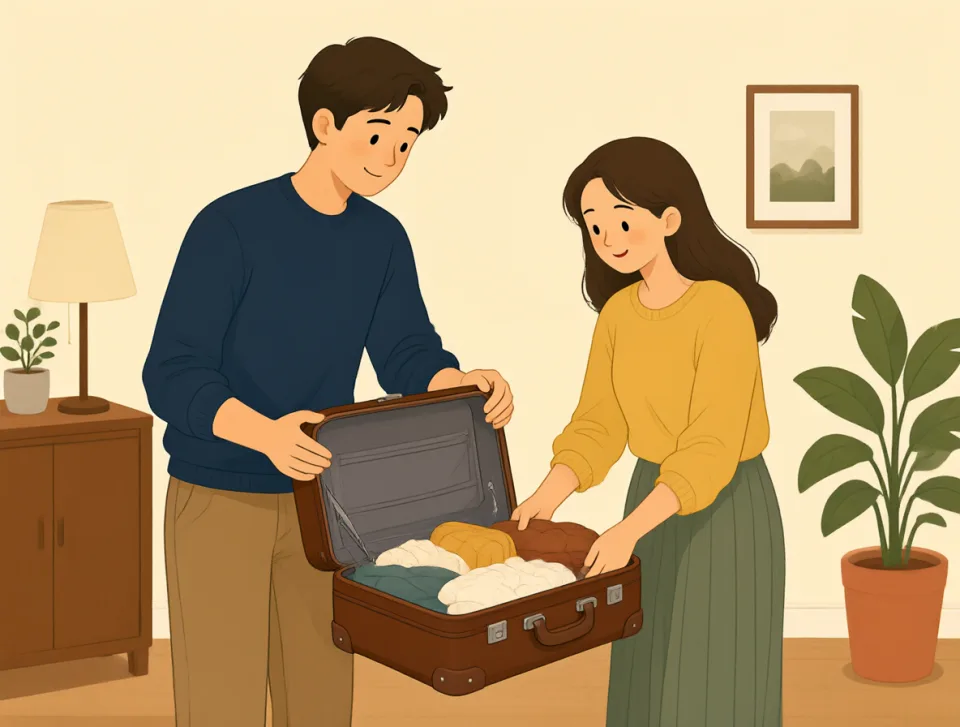
They planned a romantic weekend away to celebrate their anniversary.
Zaplanowali romantyczny weekendowy wyjazd, żeby uczcić rocznicę.

He bought her flowers for a romantic dinner at their favorite restaurant.
Kupił jej kwiaty na romantyczną kolację w ich ulubionej restauracji.

We watched a romantic film together after the children went to bed.
Położyliśmy dzieci spać, a potem obejrzeliśmy razem romantyczny film.

My friends think a walk along the beach is more romantic than expensive gifts.
Moi przyjaciele uważają, że spacer wzdłuż plaży jest bardziej romantyczny niż drogie prezenty.

The hotel has a romantic room with a large bed and a beautiful view.
Hotel ma romantyczny pokój z dużym łóżkiem i pięknym widokiem.
firmly
#2635adverb
stanowczo; mocno
In a strong, steady, or determined way.
w zdecydowany, stabilny lub pełen determinacji sposób.
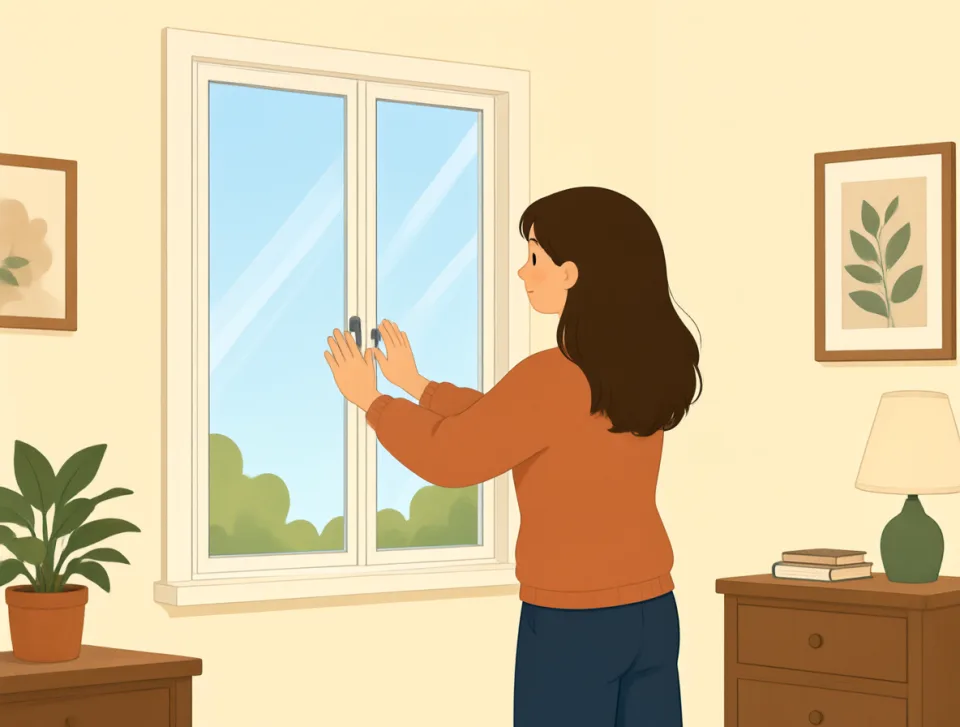
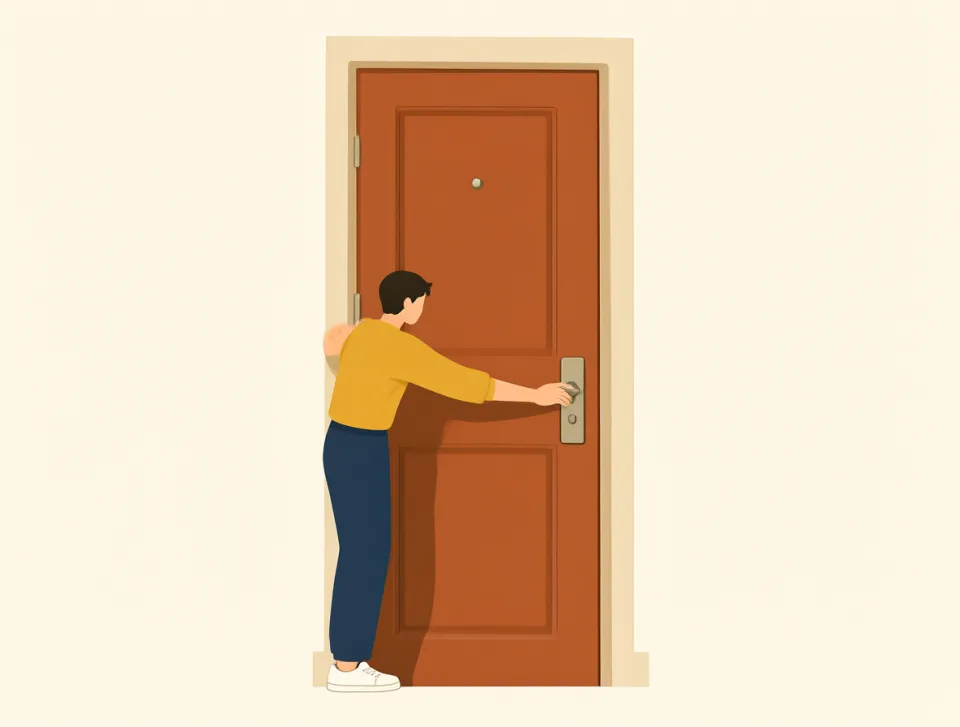
She firmly closed the window before leaving the house.
Stanowczo zamknęła okno przed wyjściem z domu.
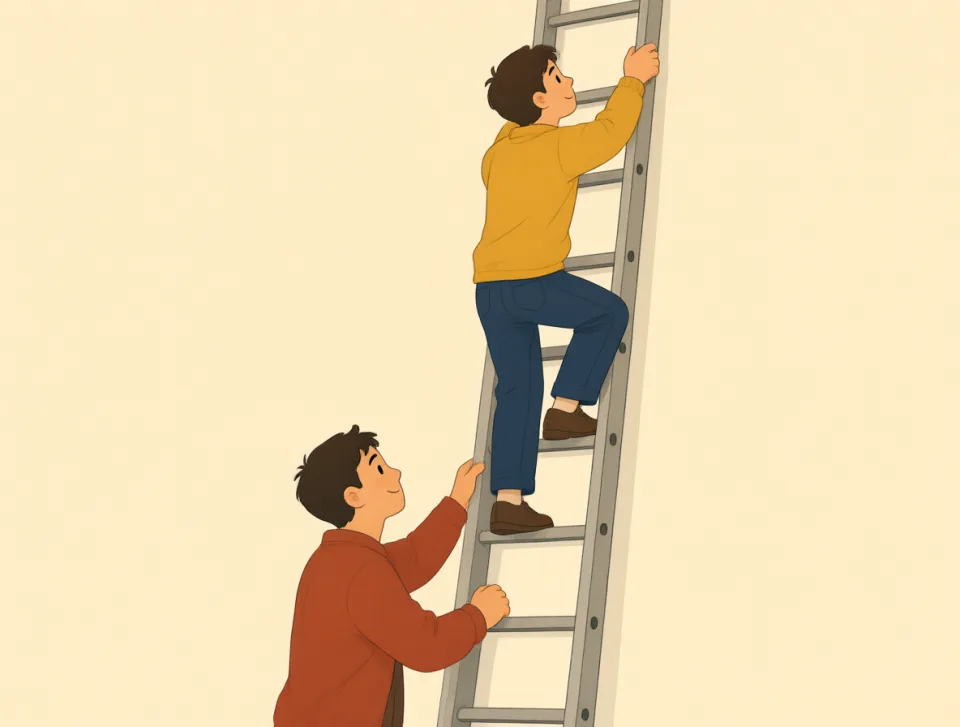
He firmly held the ladder while his friend climbed up.
Mocno trzymał drabinę, gdy jego przyjaciel wspinał się na górę.
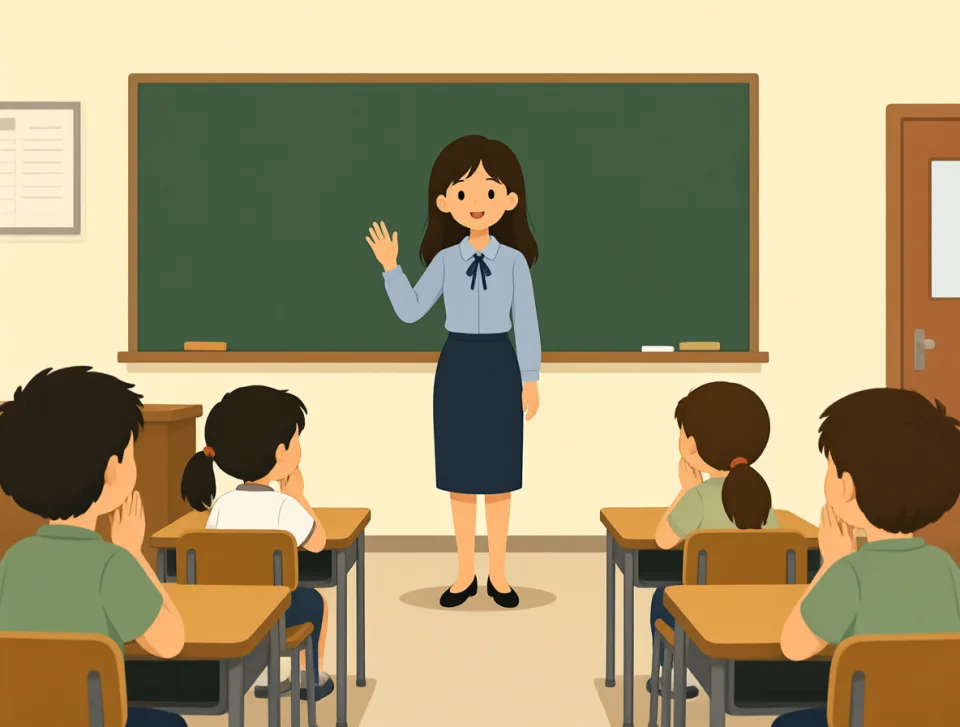
The teacher firmly asked the students to stop talking.
Nauczyciel stanowczo poprosił uczniów, żeby przestali rozmawiać.
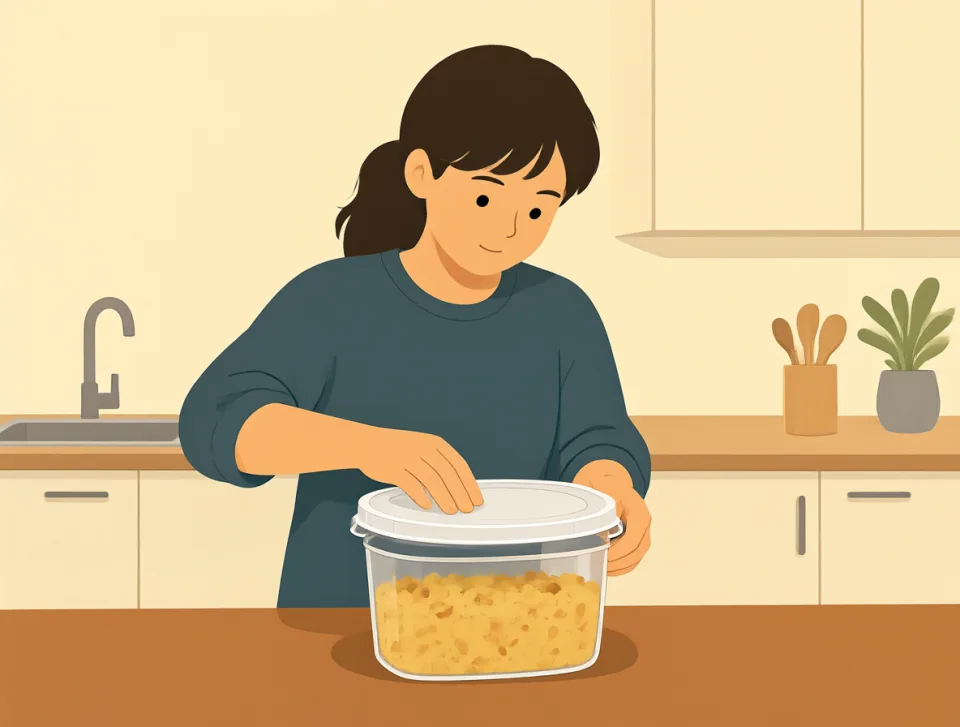
Please press the lid firmly onto the container before carrying it.
Przed przeniesieniem pojemnika mocno dociśnij pokrywkę.
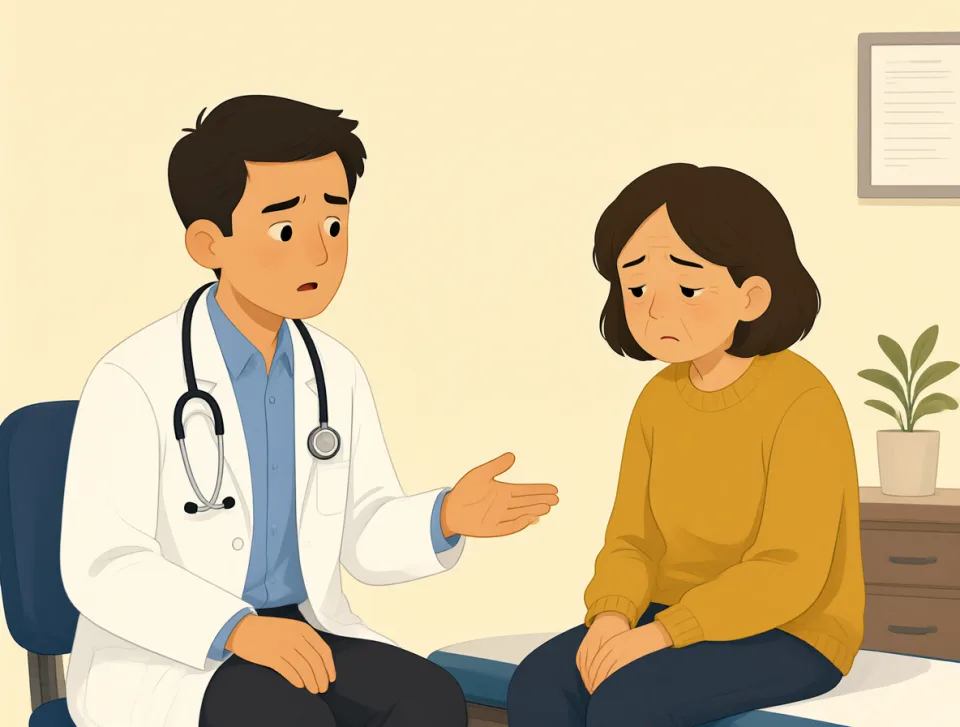
The doctor firmly advised him to rest for several days.
Lekarz stanowczo zalecił mu odpoczynek przez kilka dni.

interior
#2636noun, adjective
wnętrze
The inside part of a building, car, or other enclosed space.
Wewnętrzna część budynku, samochodu lub innej zamkniętej przestrzeni.
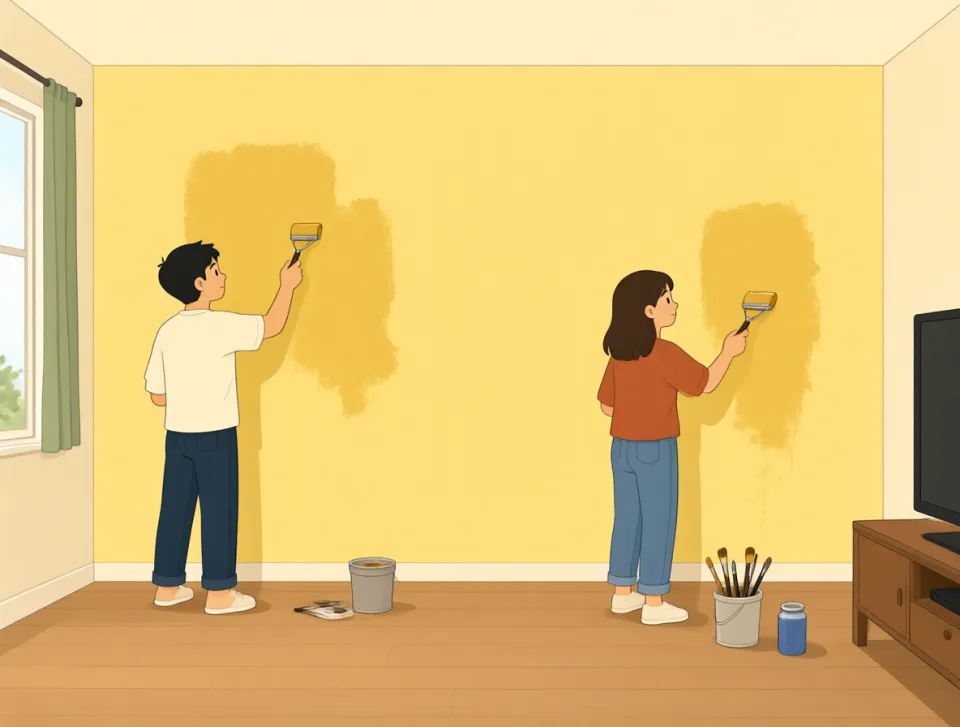
We painted the interior of the house a warm shade of yellow.
Pomalowaliśmy wnętrze domu na ciepły odcień żółci.
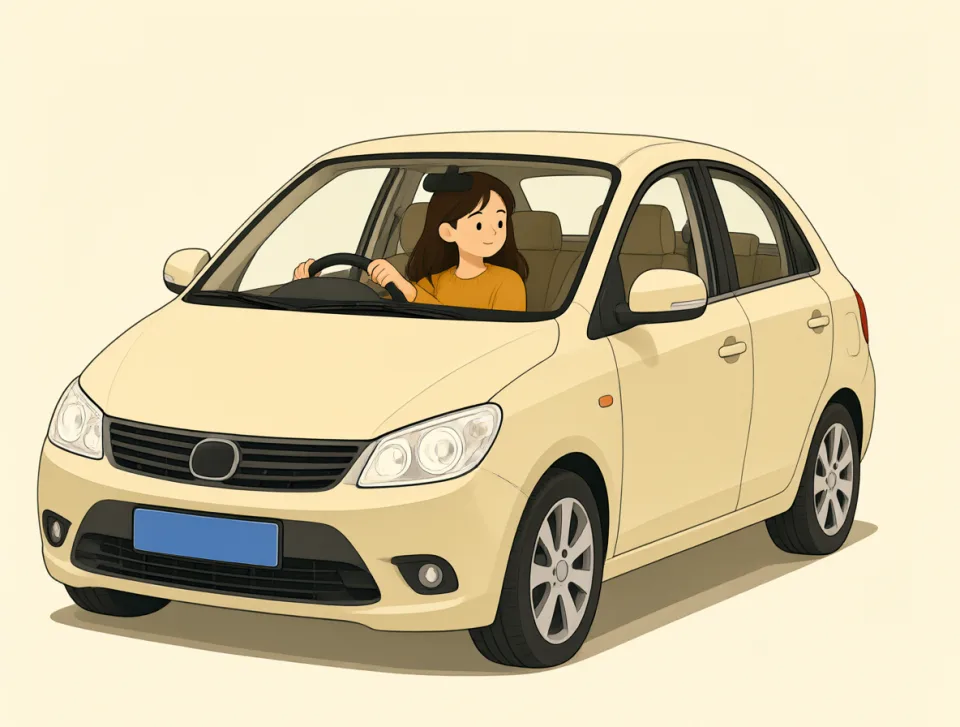
The car’s interior is clean, with comfortable seats and plenty of space.
Wnętrze samochodu jest czyste, a siedzenia wygodne i miejsca jest pod dostatkiem.
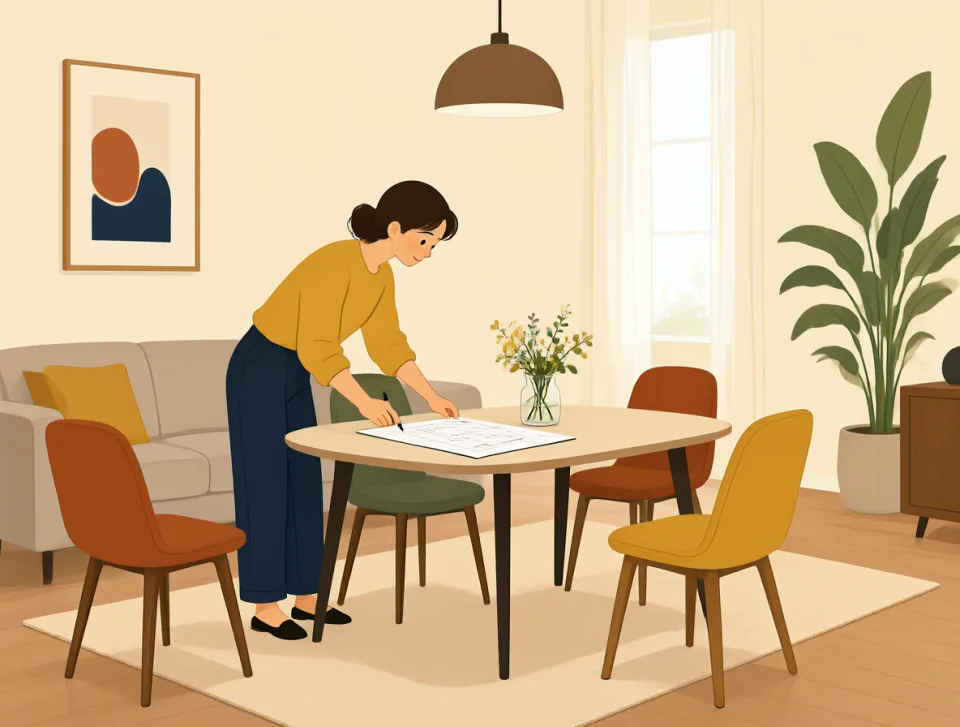
She works as an interior designer for a small company downtown.
Pracuje jako projektantka wnętrz w małej firmie w centrum miasta.
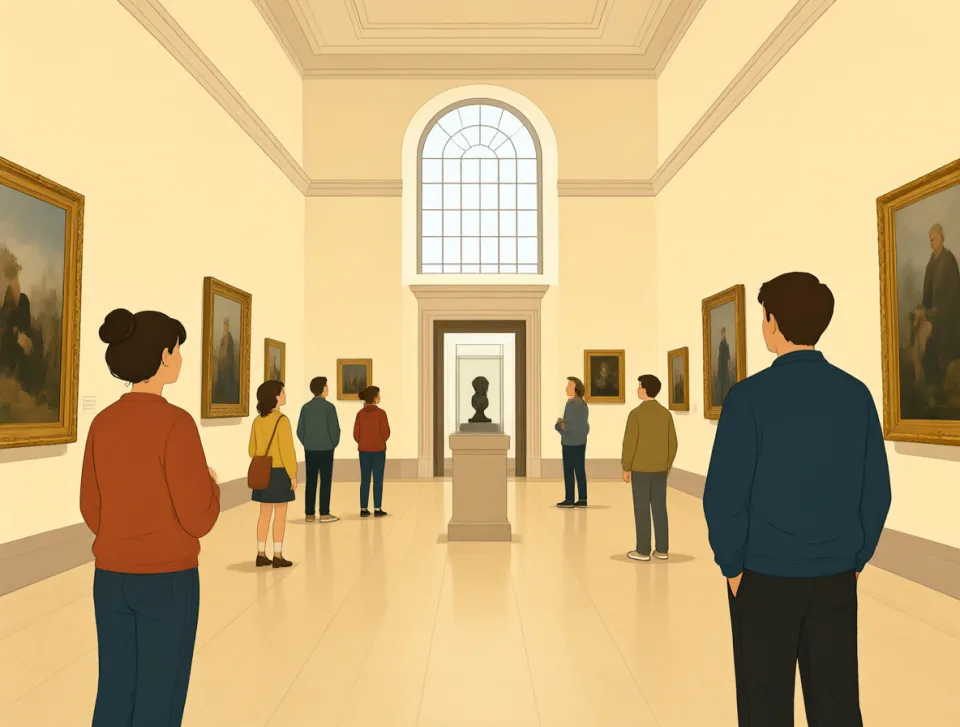
The museum has a beautiful interior with high ceilings and large windows.
Muzeum ma piękne wnętrze z wysokimi sufitami i dużymi oknami.

They traveled through the interior of the country by train.
Podróżowali pociągiem przez interior kraju.
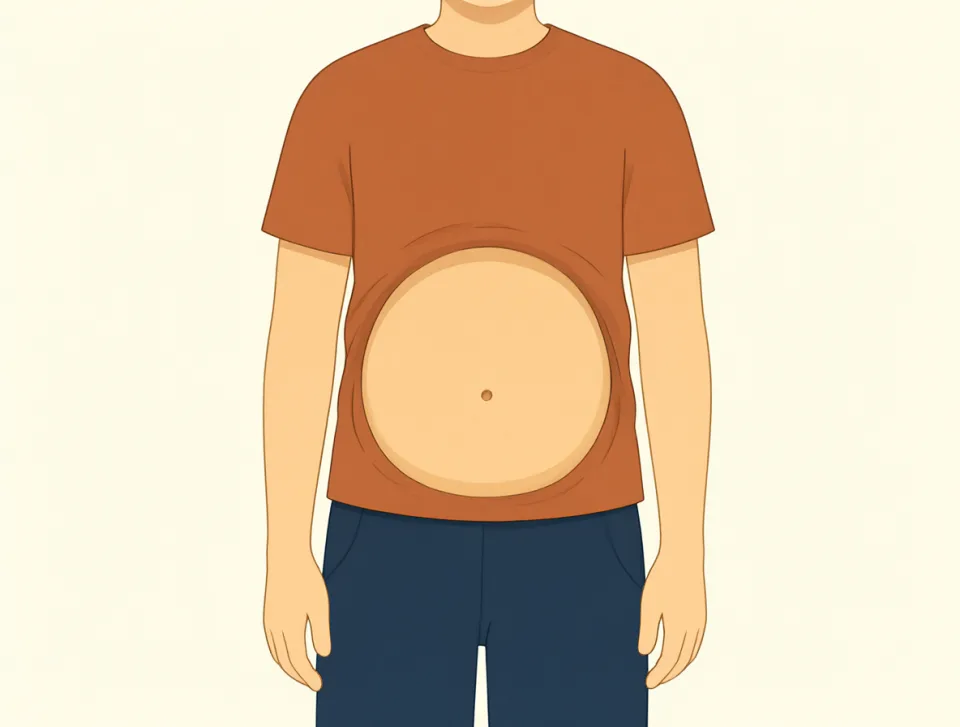
stomach
#2637noun
żołądek
The part of your body where food goes after you swallow it.
Część ciała, do której trafia jedzenie po jego połknięciu.
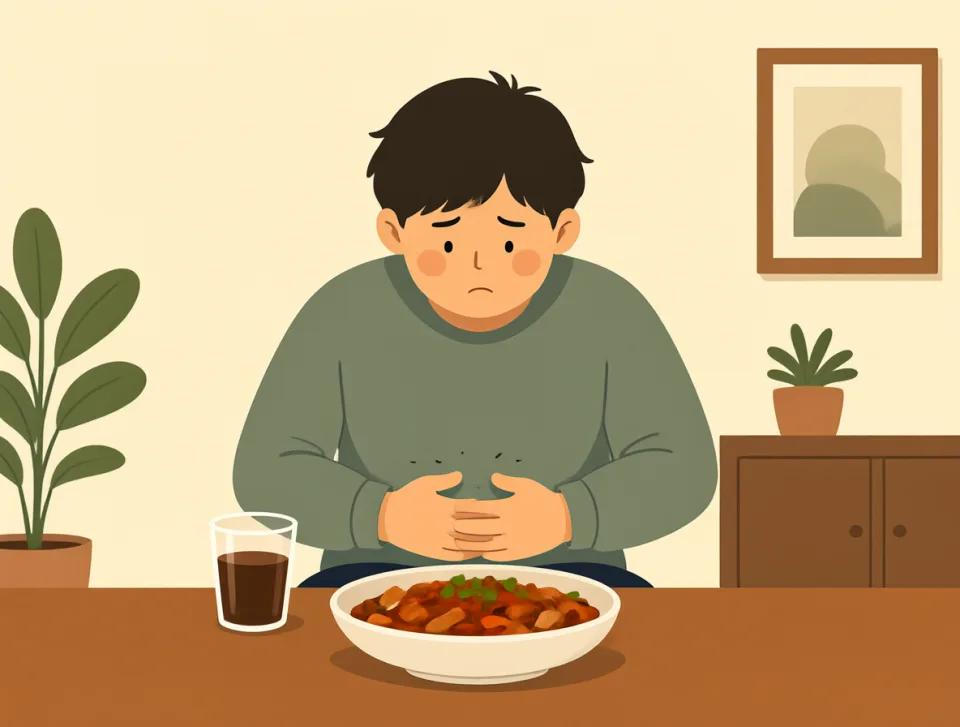
My stomach hurts whenever I eat too much spicy food.
Boli mnie żołądek, ilekroć zjem za dużo pikantnych potraw.

She had butterflies in her stomach before the job interview.
Przed rozmową kwalifikacyjną czuła motyle w brzuchu.
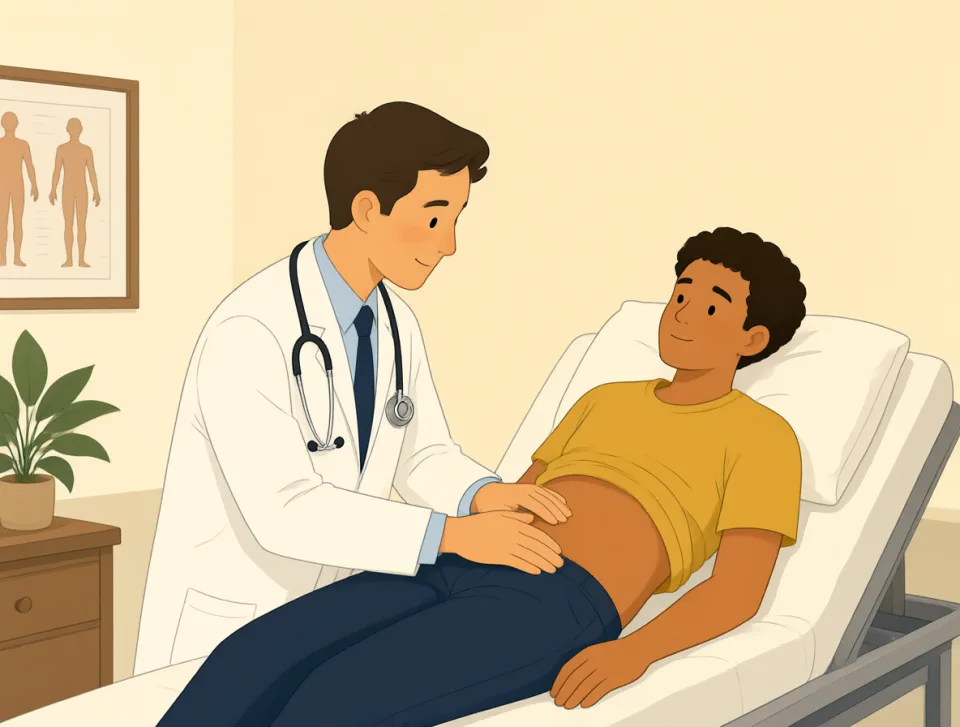
The doctor gently pressed my stomach to find the sore spot.
Lekarz delikatnie ucisnął mój brzuch, żeby znaleźć bolące miejsce.
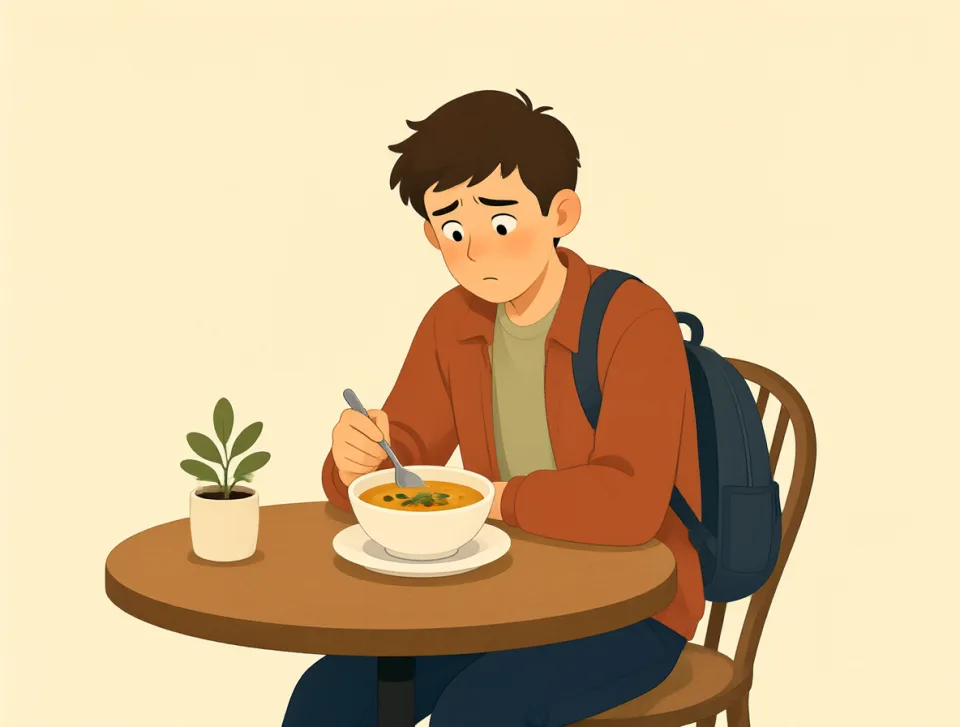
He ordered soup because his stomach was upset after the long flight.
Zamówił zupę, bo po długim locie miał rozstrój żołądka.

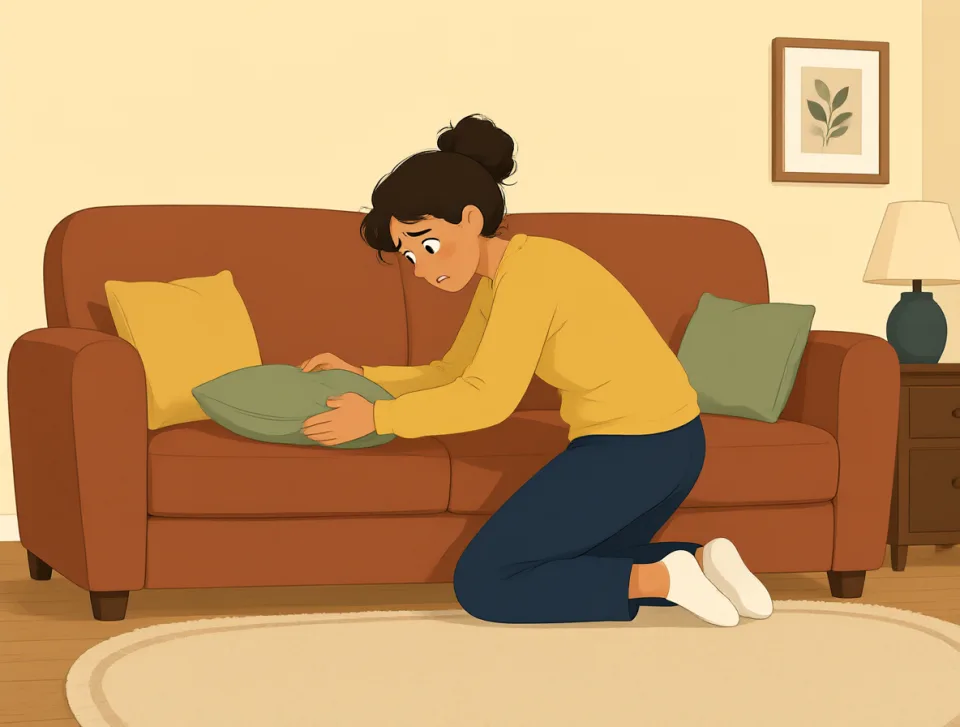
We laughed so hard that our stomachs began to hurt.
Śmialiśmy się tak mocno, że zaczęły nas boleć brzuchy.
nowhere
#2638adverb
nigdzie
Not in or to any place.
W żadnym miejscu ani do żadnego miejsca.
I looked everywhere, but my keys were nowhere to be found.
Szukałem wszędzie, ale kluczy nigdzie nie było.
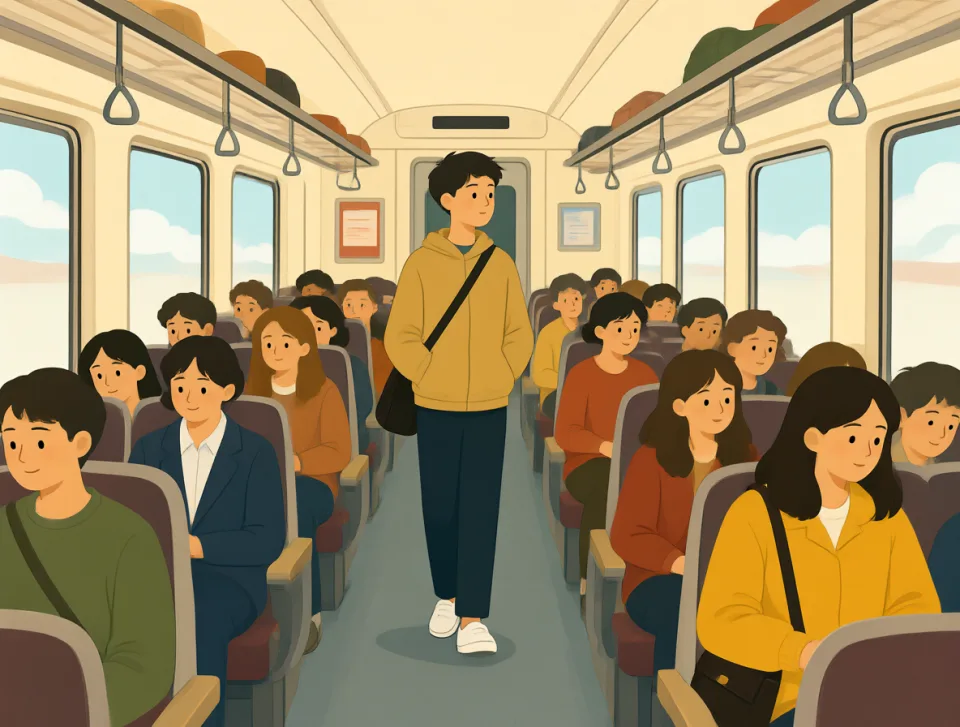
There's nowhere to sit on this crowded train.
W tym zatłoczonym pociągu nie ma gdzie usiąść.
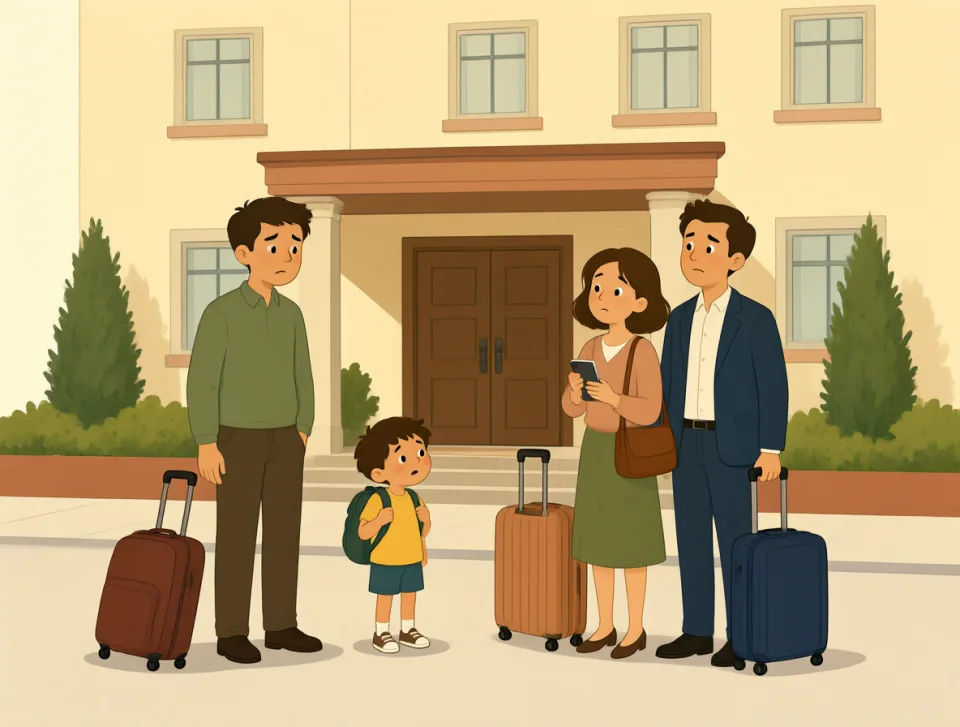
We had nowhere to stay after our hotel reservation was canceled.
Nie mieliśmy gdzie się zatrzymać, gdy odwołano naszą rezerwację hotelową.
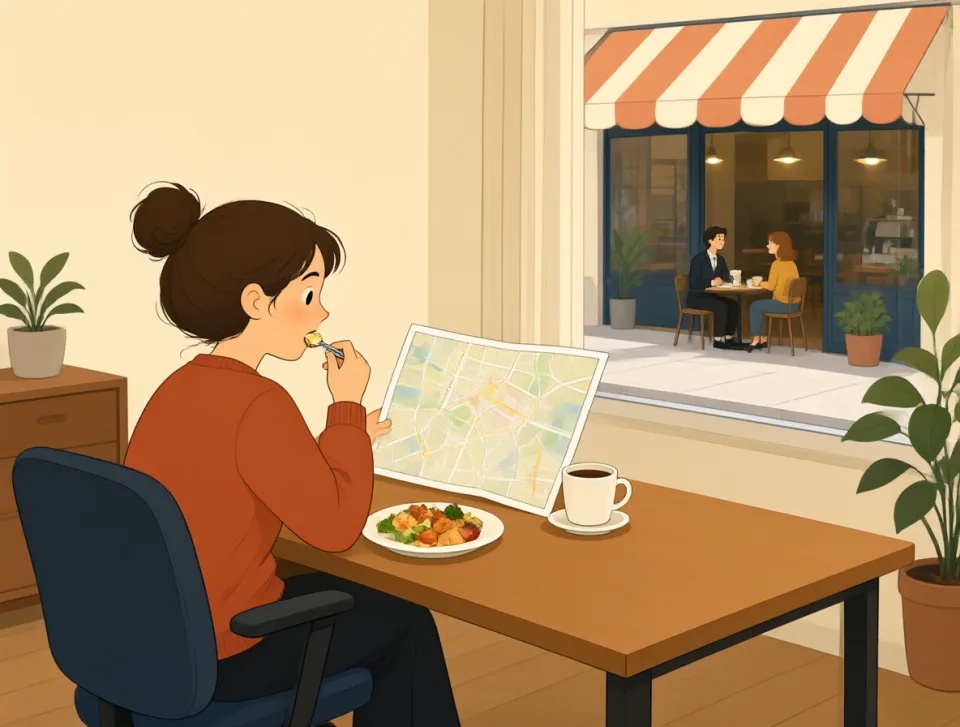
The new café is nowhere near my office, so I usually eat at home.
Nowa kawiarnia jest bardzo daleko od mojego biura, więc zwykle jem w domu.
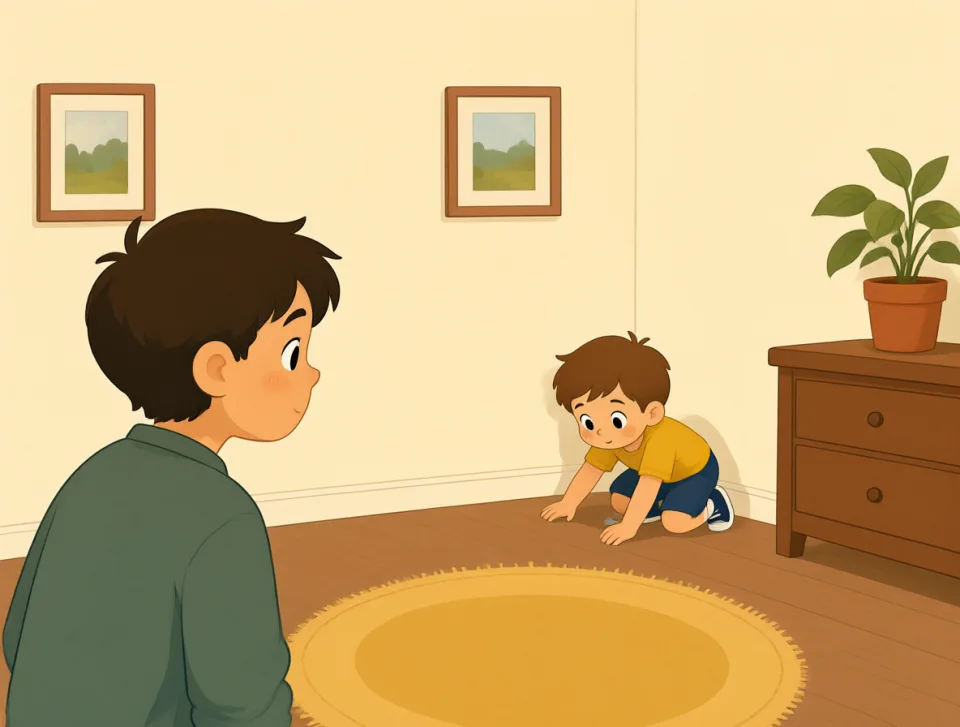
My little brother had nowhere to hide during our game of hide-and-seek.
Mój młodszy brat nie miał się gdzie schować podczas naszej zabawy w chowanego.
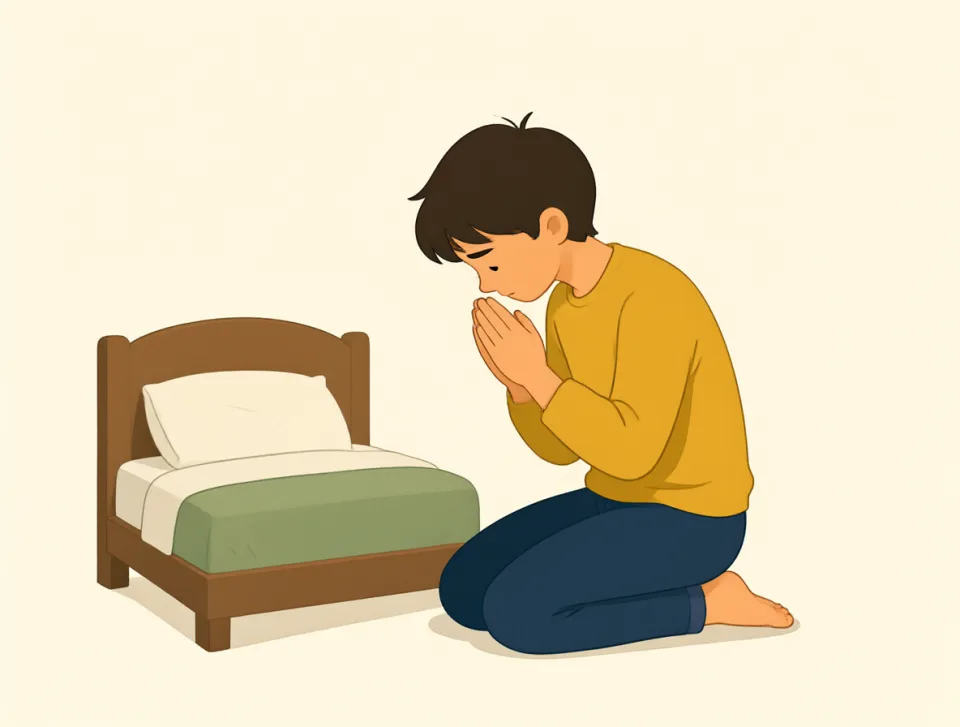
pray
#2639verb
modlić się
to speak to God or a god, especially to ask for help or give thanks
Zwracać się do Boga lub bóstwa, zwłaszcza z prośbą o pomoc albo z podziękowaniem.
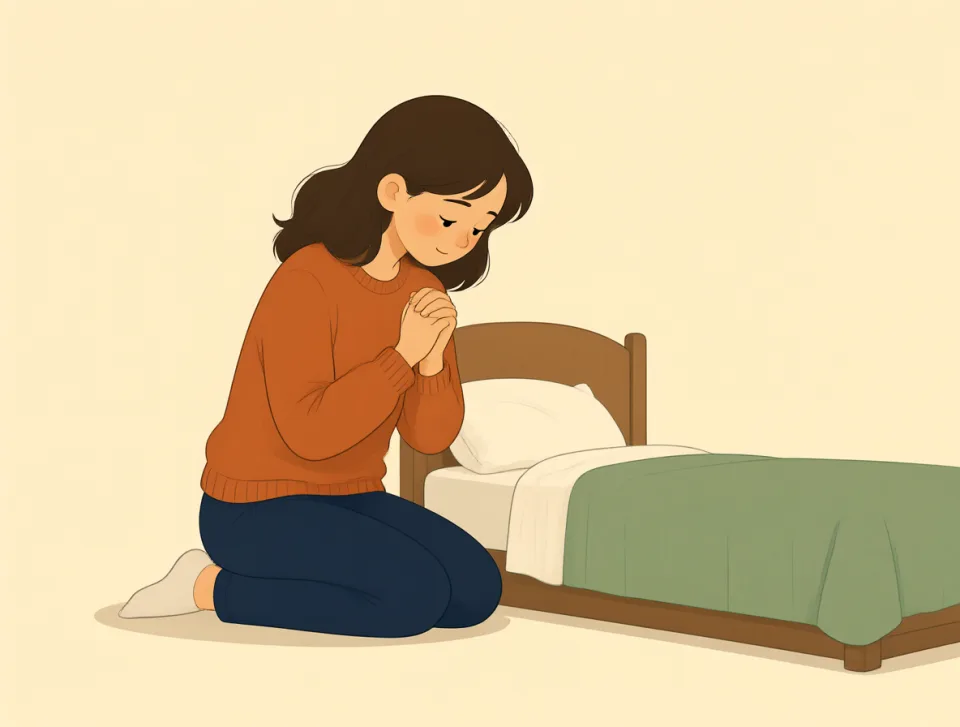
She prayed for her sick mother before going to bed.
Modliła się za chorą matkę przed pójściem spać.
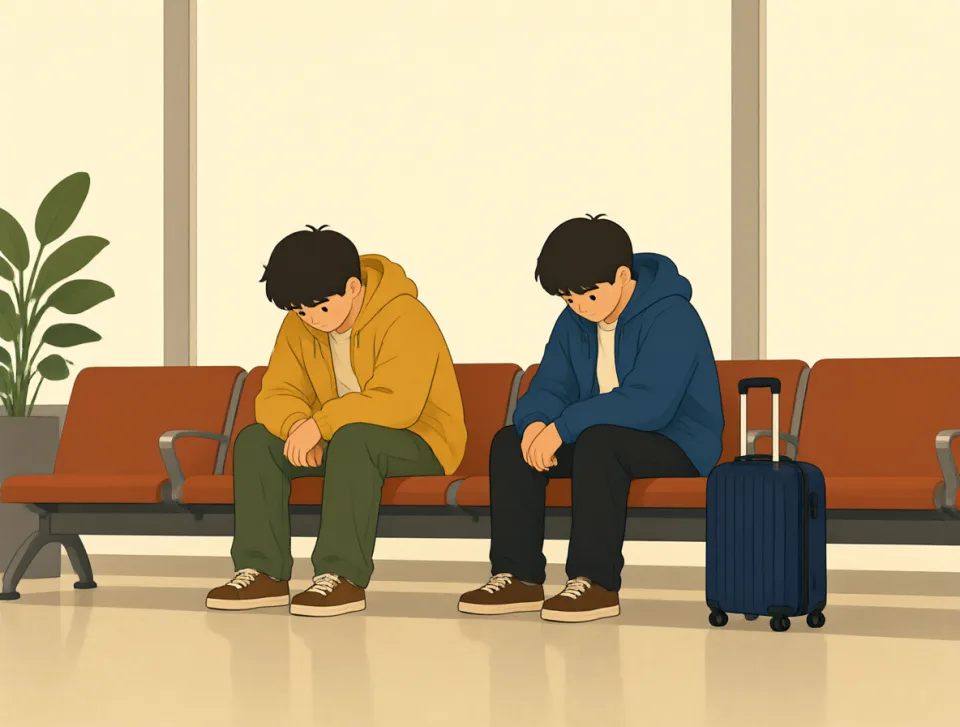
We prayed that the storm would pass before our flight.
Modliliśmy się, żeby burza minęła przed naszym lotem.

He prays every morning before leaving for work.
Modli się każdego ranka, zanim wyjdzie do pracy.
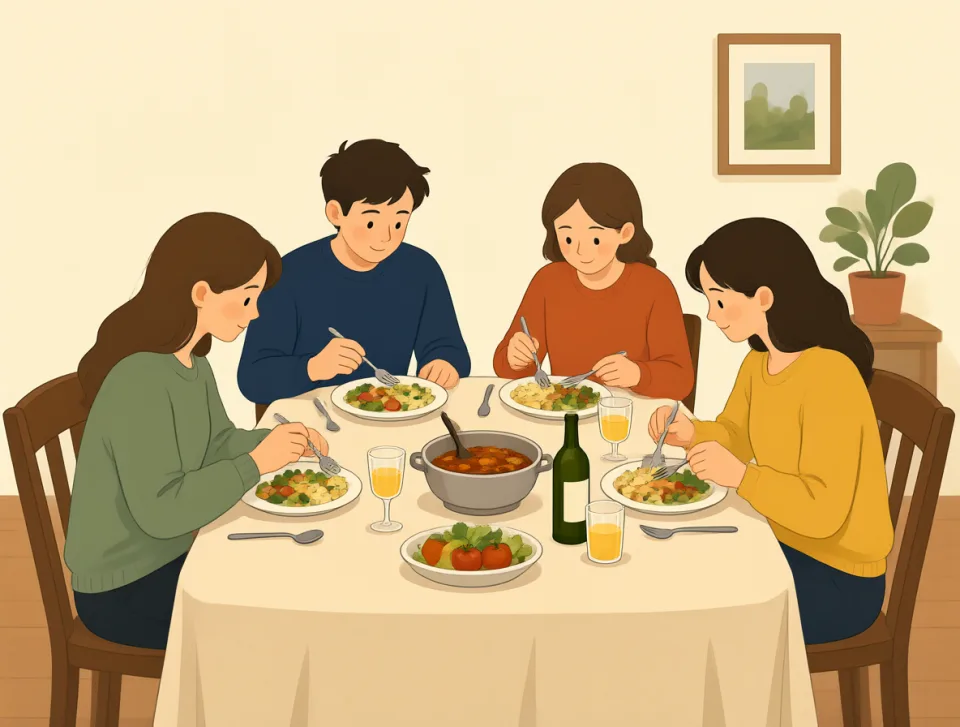
The family prayed together and gave thanks for their meal.
Rodzina modliła się razem i podziękowała za posiłek.
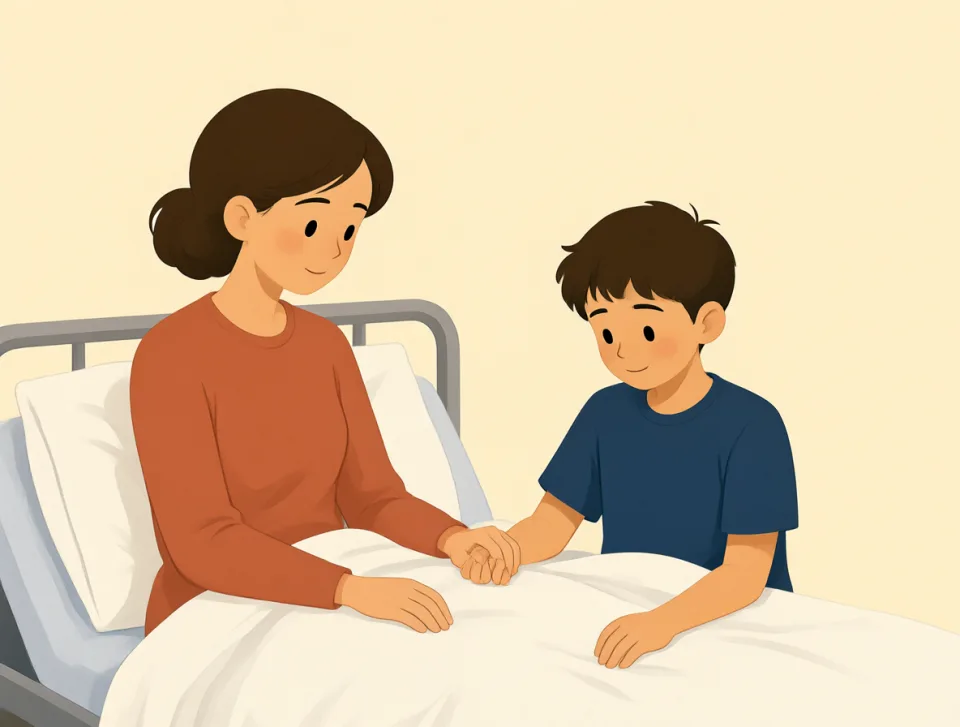
I hope you’ll pray for my brother while he’s in hospital.
Mam nadzieję, że będziesz się modlić za mojego brata, kiedy będzie w szpitalu.

championship
#2640noun
mistrzostwa
A competition to find the best player or team in a sport.
Zawody, w których wyłania się najlepszego zawodnika lub drużynę w danej dyscyplinie sportu.

The team won the national championship after a thrilling final match.
Drużyna zdobyła mistrzostwo kraju po emocjonującym meczu finałowym.
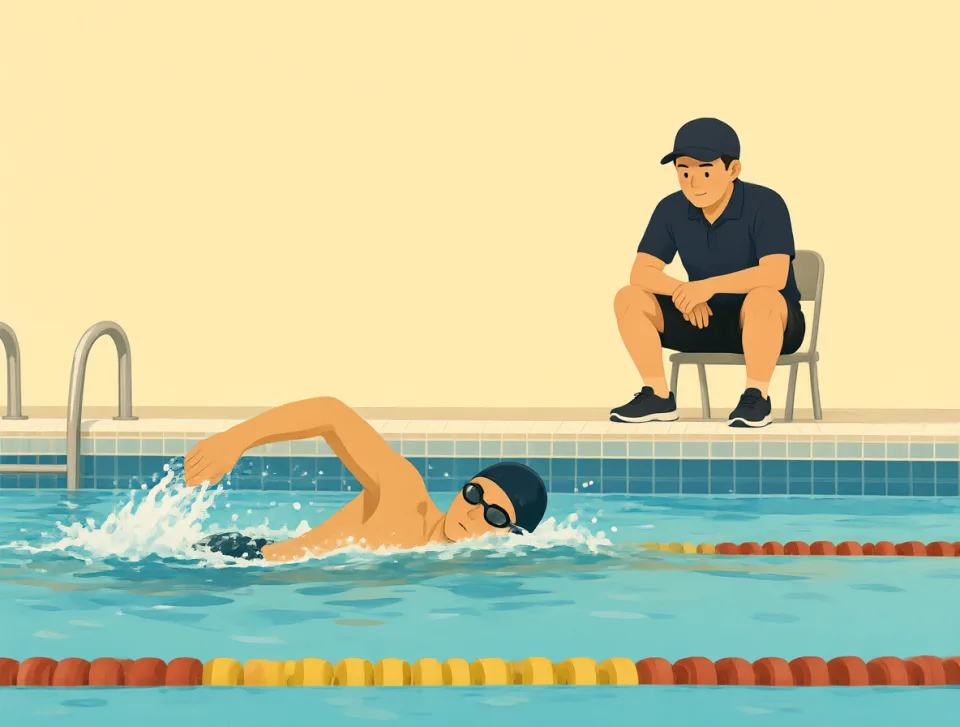
She is training hard for the swimming championship next month.
Ciężko trenuje przed przyszłomiesięcznymi mistrzostwami w pływaniu.
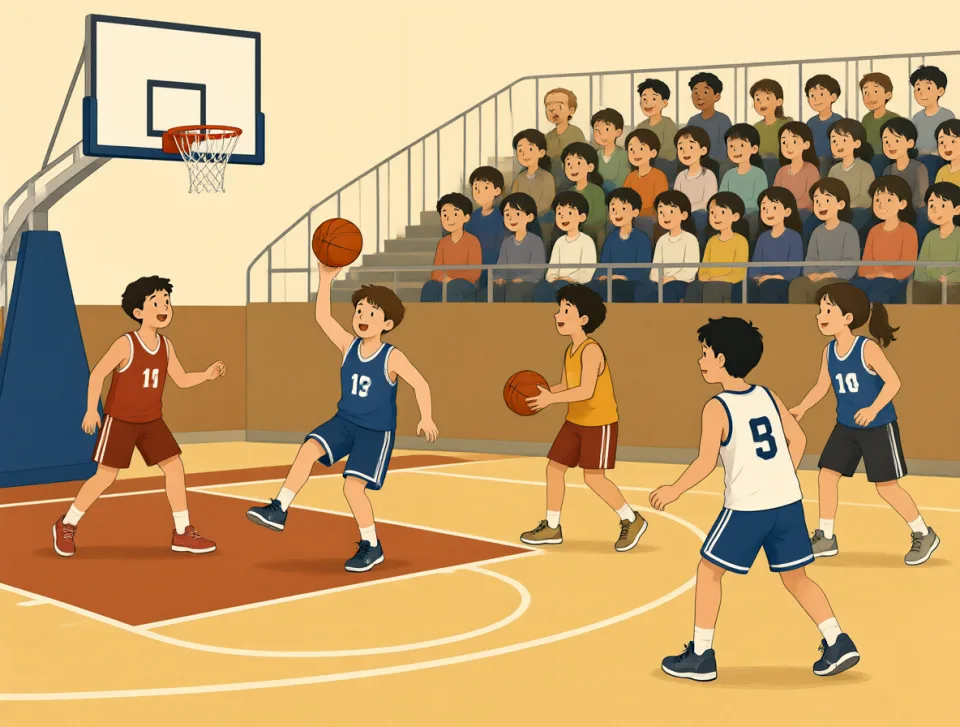
Our school hosted a basketball championship in the new sports hall.
Nasza szkoła zorganizowała mistrzostwa w koszykówce w nowej hali sportowej.

The championship trophy stood proudly on the coach's office shelf.
Puchar za mistrzostwo stał dumnie na półce w gabinecie trenera.
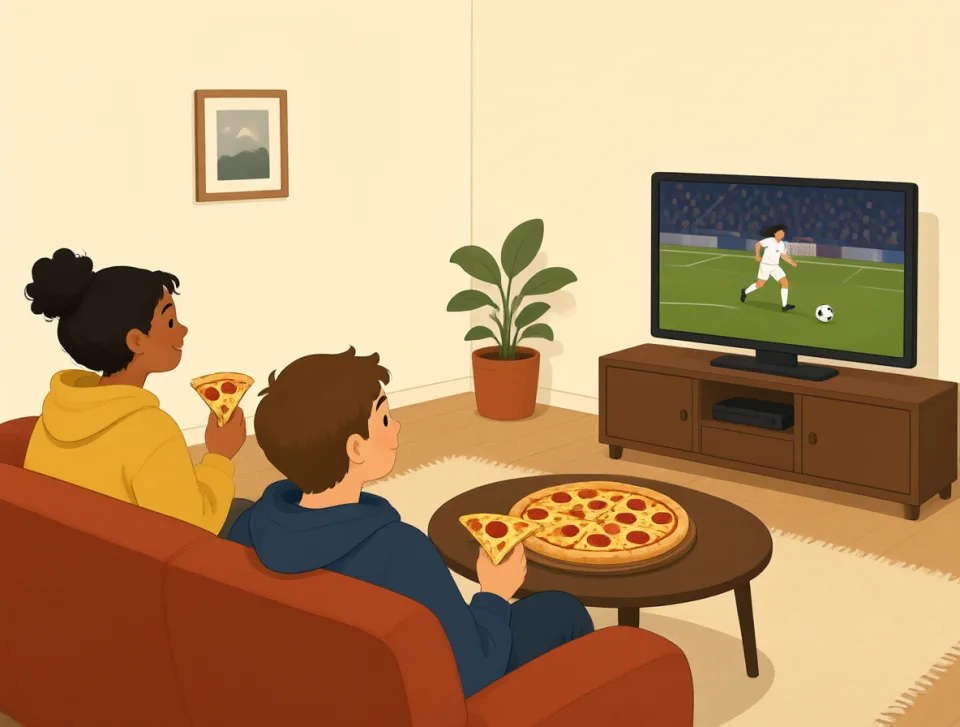
They watched the world championship together while eating pizza at home.
Oglądali razem mistrzostwa świata, jedząc pizzę w domu.