Zestaw 124
Słowa 2461–2480 · opera, contest, brush, embarrass, gallery, genetic
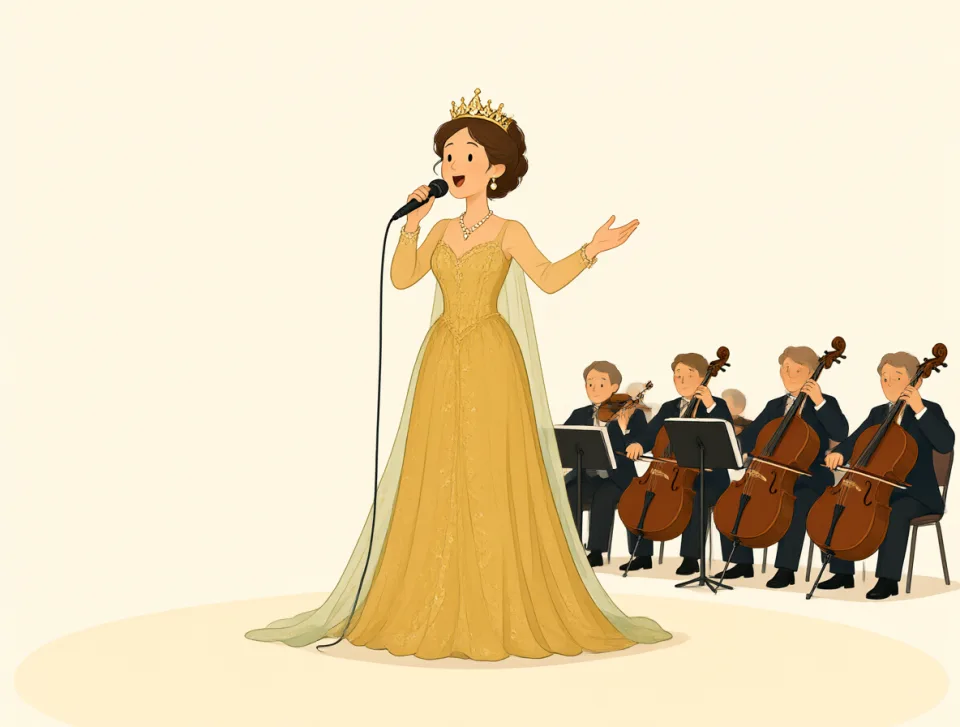
opera
#2461noun
opera
A dramatic story performed by singers and an orchestra.
Dramatyczna opowieść wystawiana przez śpiewaków i orkiestrę.
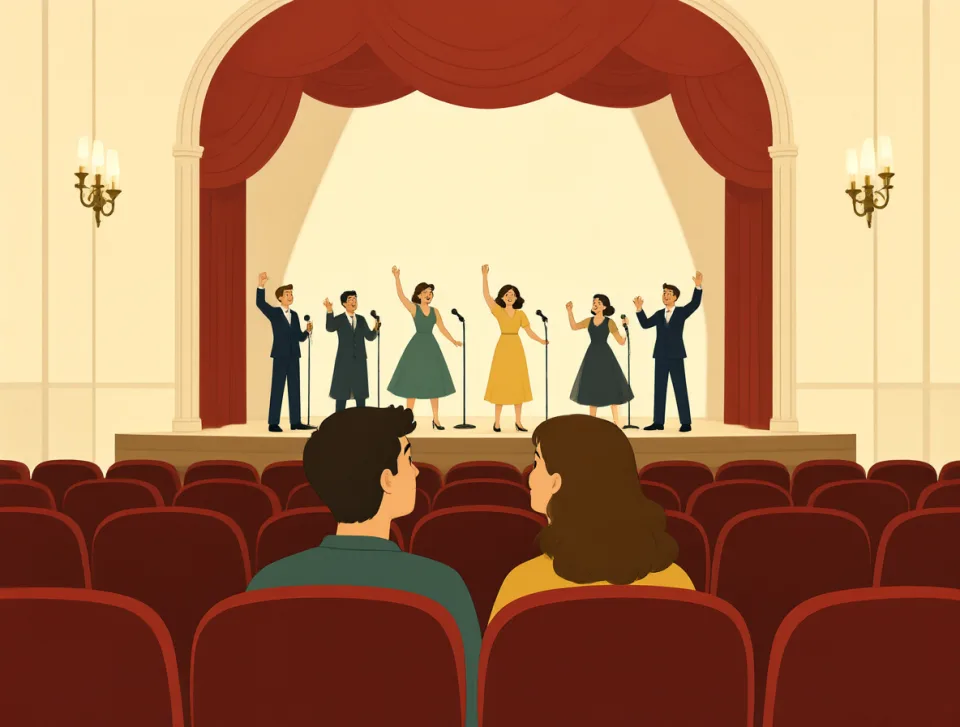
We watched an opera at the theater during our visit to Vienna.
Podczas naszej wizyty w Wiedniu oglądaliśmy operę w teatrze.
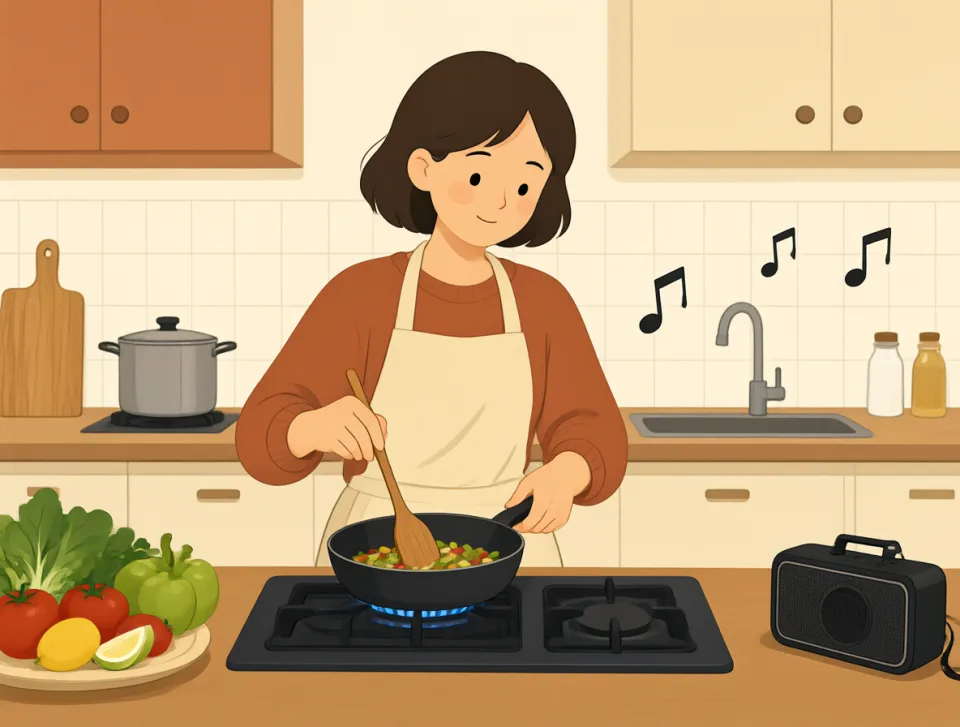
My sister loves opera and listens to it while cooking dinner.
Moja siostra uwielbia operę i słucha jej podczas gotowania kolacji.
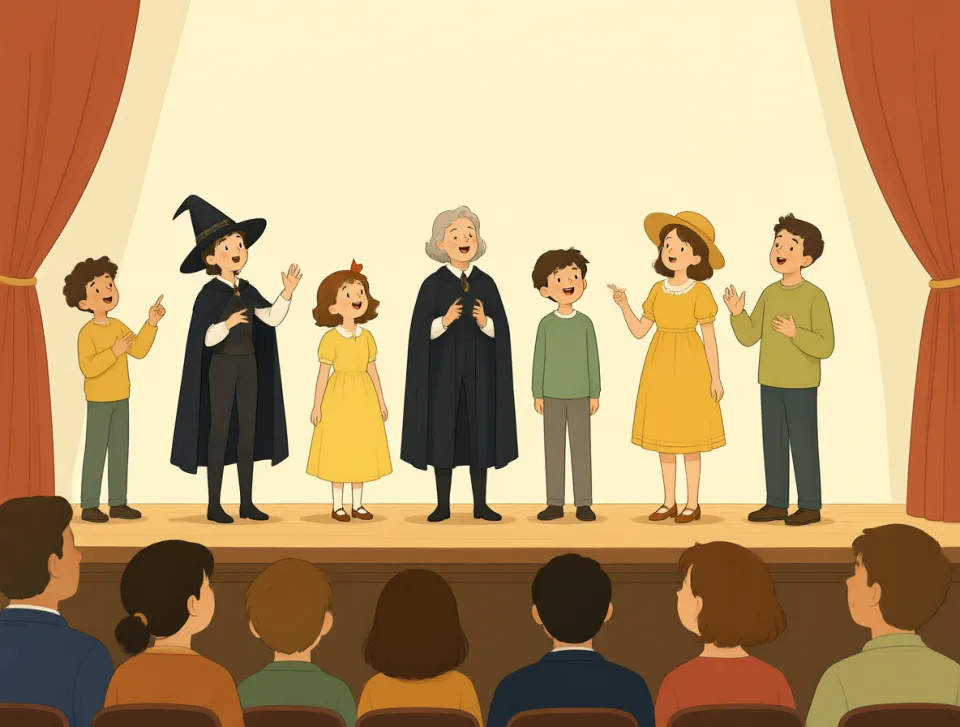
The school music club performed a short opera for parents.
Szkolne kółko muzyczne wystawiło krótką operę dla rodziców.
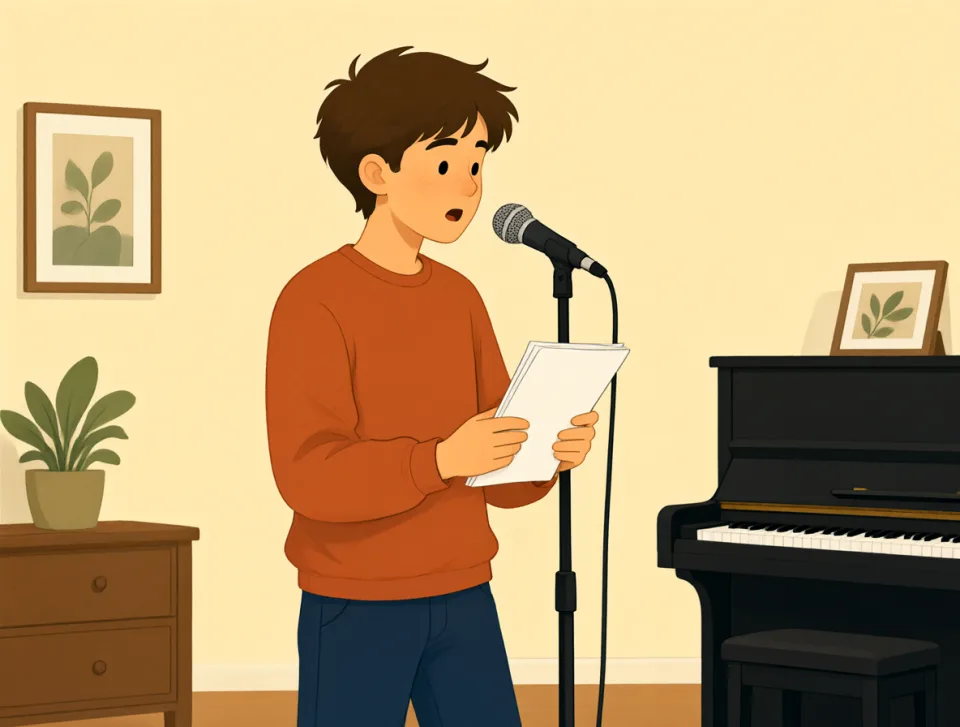
The opera singer practiced her difficult part every morning.
Śpiewaczka operowa ćwiczyła swoją trudną partię każdego ranka.
Tickets for the popular opera sold out before we could buy them.
Bilety na popularną operę wyprzedały się, zanim zdążyliśmy je kupić.
contest
#2462noun, verb
konkurs
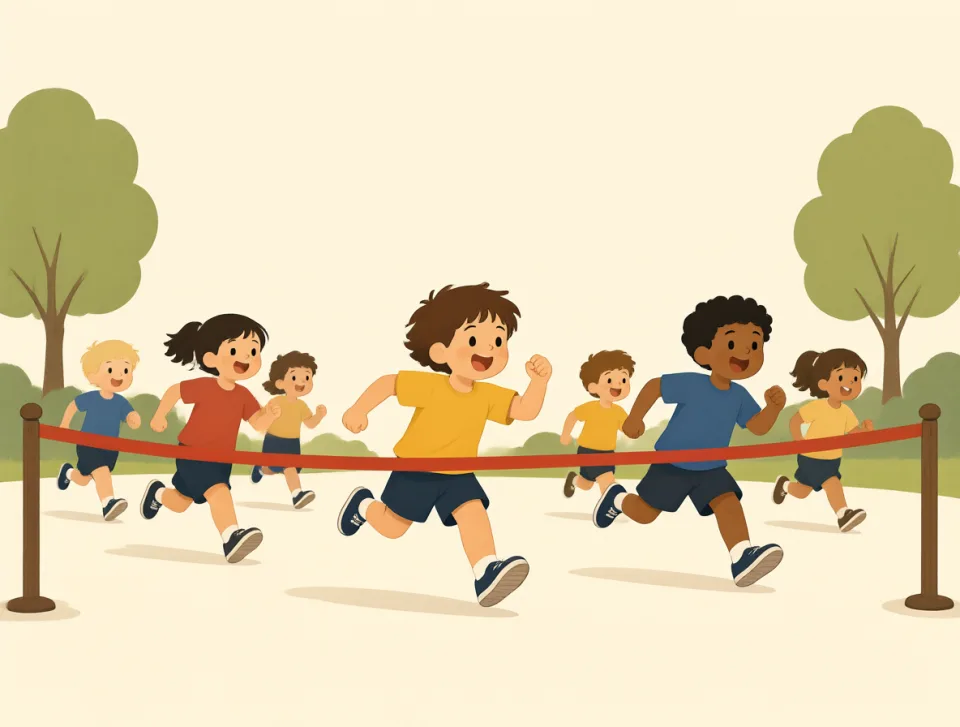
a competition, or to compete against someone to win something
Konkurs albo rywalizowanie z kimś o wygraną.

She won first prize in a local baking contest last weekend.
W zeszły weekend wygrała pierwszą nagrodę w lokalnym konkursie pieczenia.
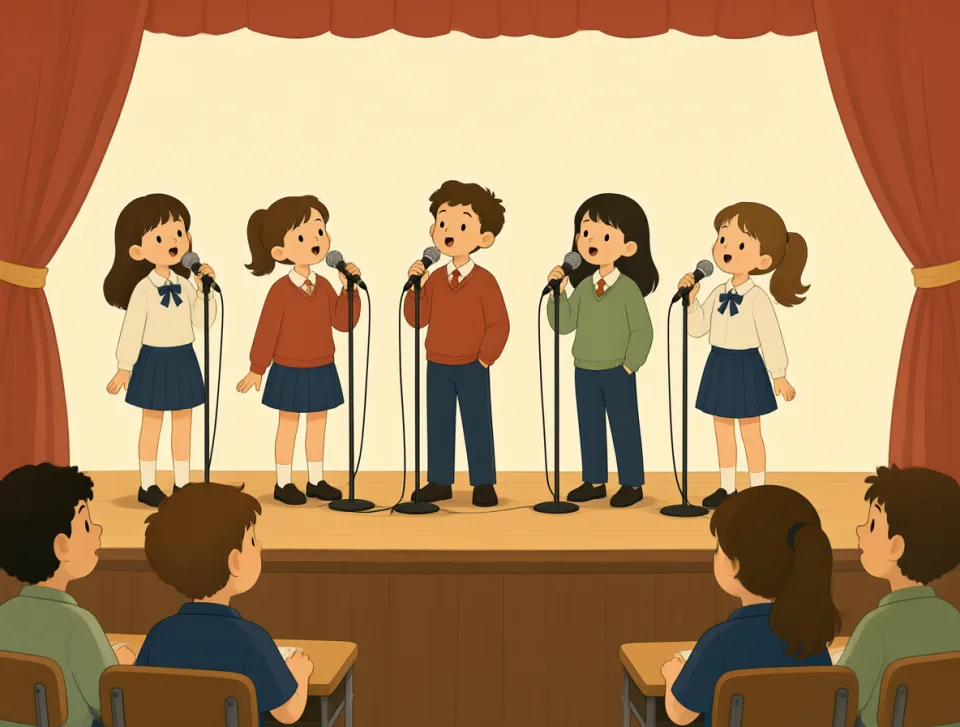
Our school is holding a singing contest next Friday afternoon.
W przyszły piątek po południu w naszej szkole odbędzie się konkurs śpiewu.
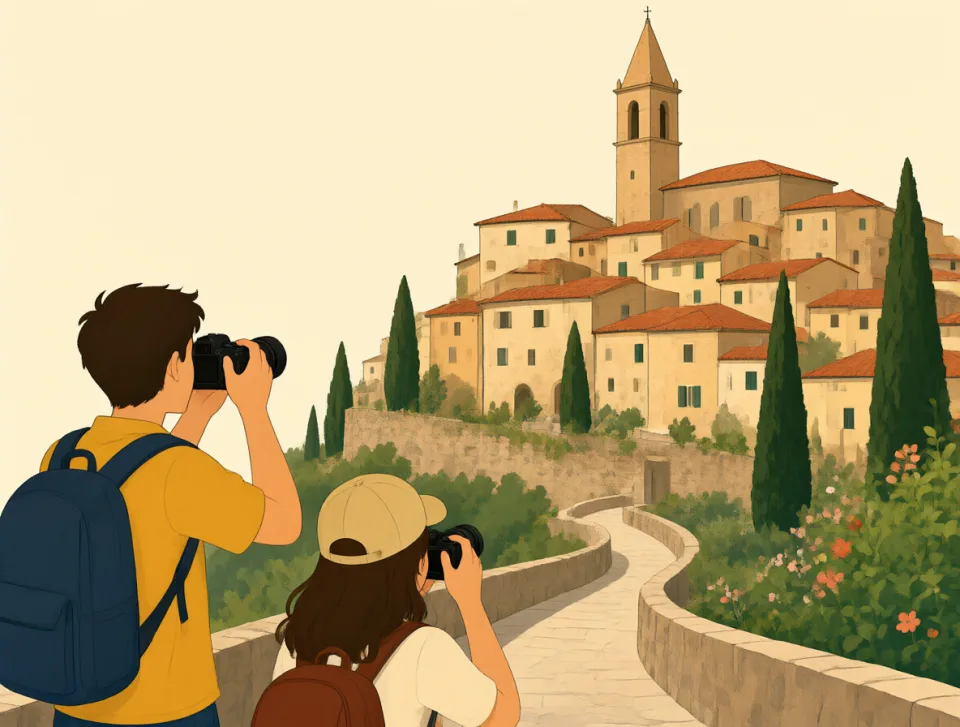
They entered a photography contest during their trip to Italy.
Podczas podróży do Włoch wzięli udział w konkursie fotograficznym.
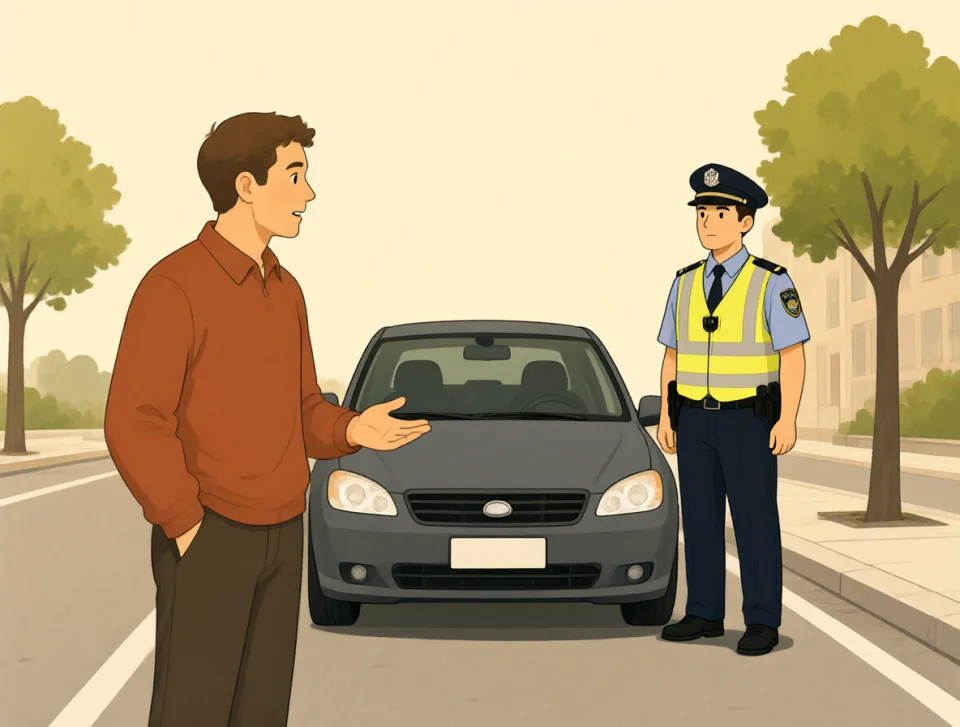
He contested the parking ticket because his car was legally parked.
Odwołał się od mandatu za parkowanie, ponieważ jego samochód był zaparkowany zgodnie z przepisami.
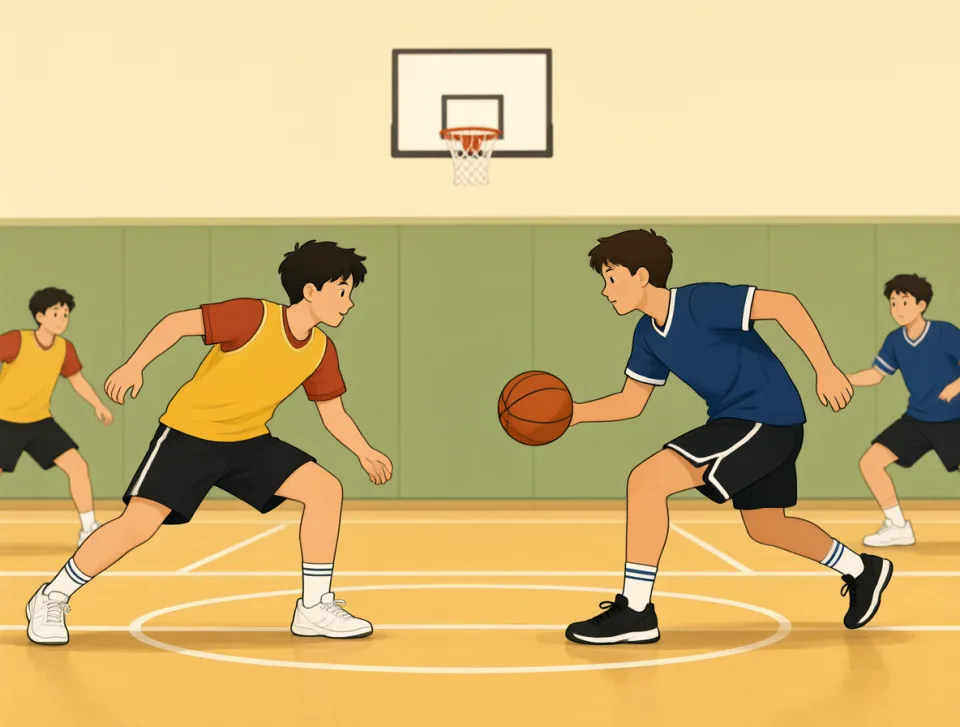
The two teams are contesting the final match at the sports center.
Dwie drużyny rywalizują w meczu finałowym w centrum sportowym.
brush
#2463noun, verb
szczotka; szczotkować
a tool with bristles for cleaning, grooming, or painting; to clean or touch lightly
Narzędzie z włosiem do czyszczenia, pielęgnacji lub malowania; czyścić albo lekko dotykać.
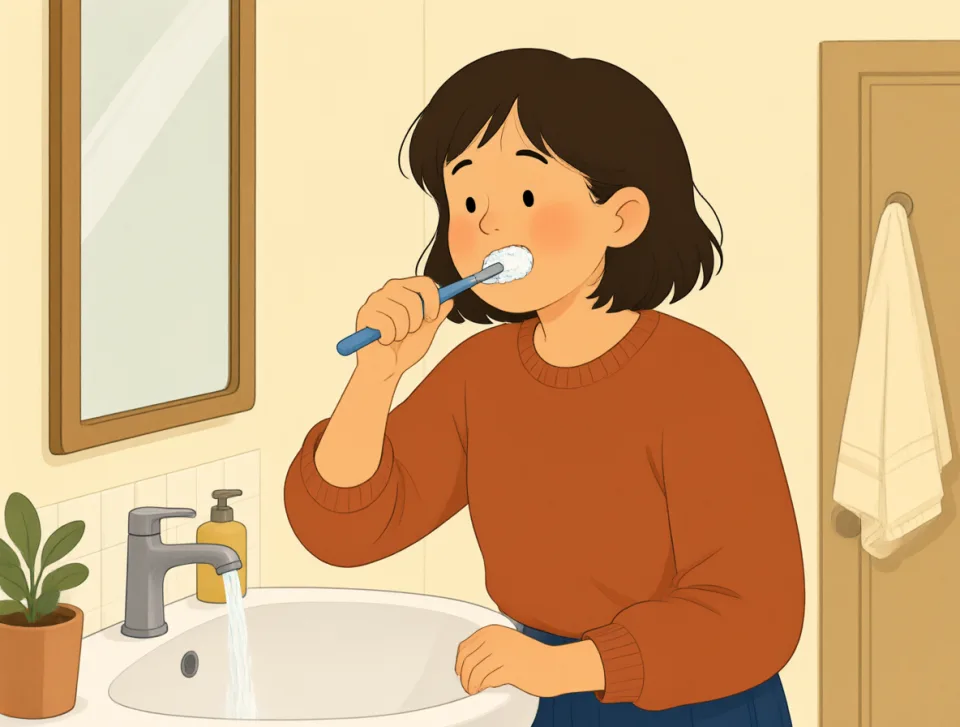
I brush my teeth twice a day to keep them healthy.
Szczotkuję zęby dwa razy dziennie, żeby były zdrowe.
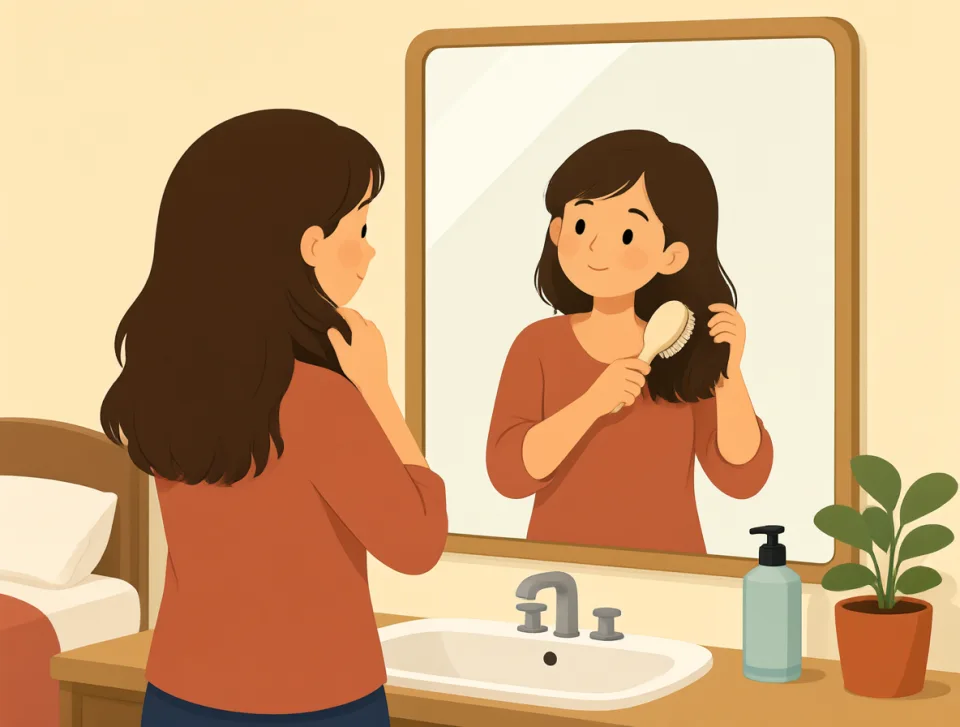
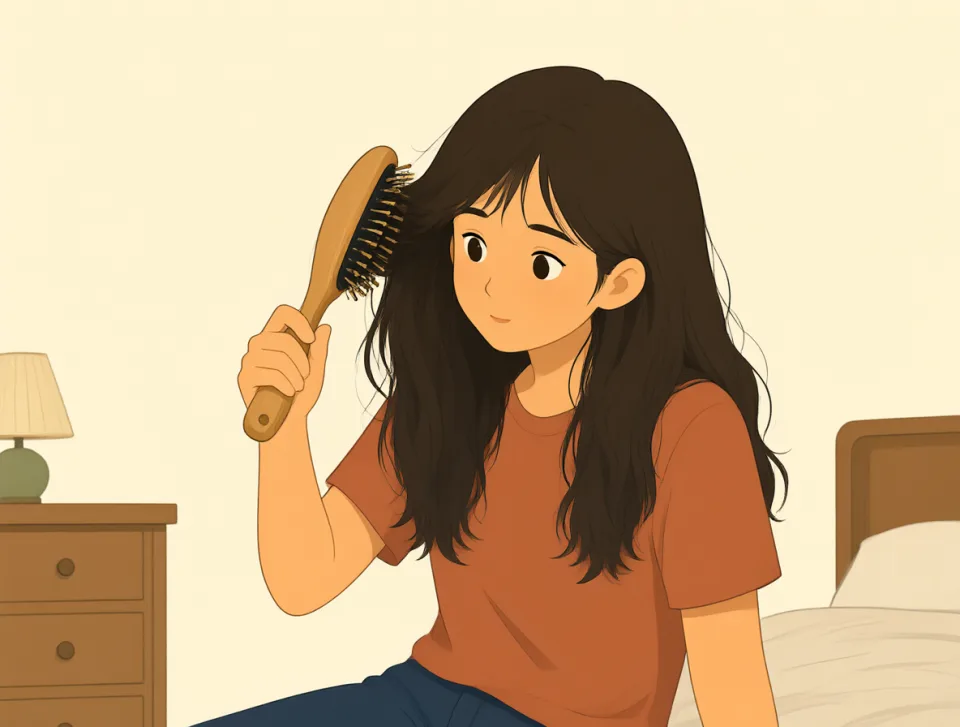
She brushed her hair before leaving for work.
Uczesała włosy przed wyjściem do pracy.
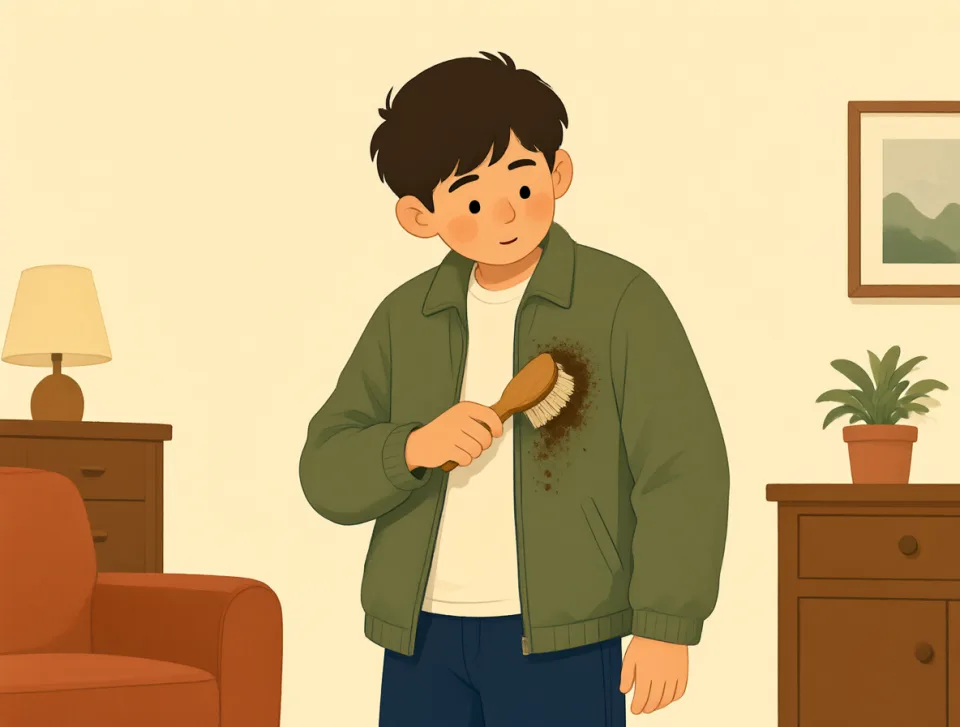
Please brush the dirt off your jacket before sitting down.
Otrzep proszę kurtkę z brudu, zanim usiądziesz.
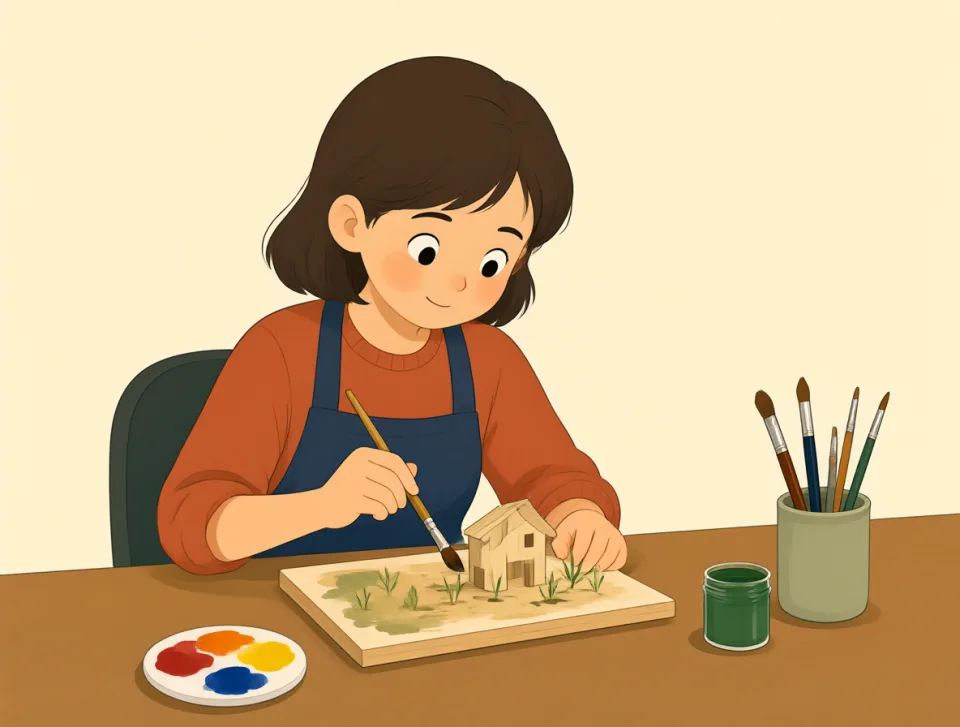
He used a small brush to paint the wooden model.
Użył małego pędzla, żeby pomalować drewniany model.

The cat brushed against my leg while I prepared dinner.
Kot otarł się o moją nogę, gdy przygotowywałem kolację.
embarrass
#2464verb
wprawić w zakłopotanie
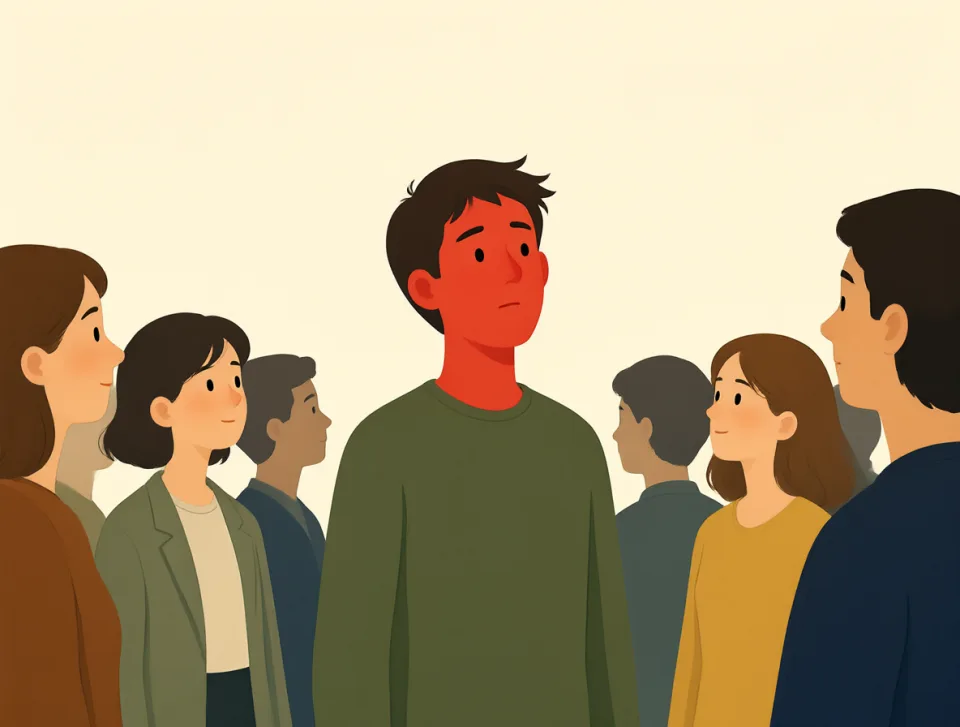
to make someone feel ashamed, shy, or uncomfortable in front of other people
Sprawić, że ktoś poczuje wstyd, nieśmiałość lub skrępowanie w obecności innych osób.

I embarrassed myself when I forgot my manager's name during the meeting.
Wprawiłem się w zakłopotanie, gdy podczas zebrania zapomniałem imienia mojego kierownika.
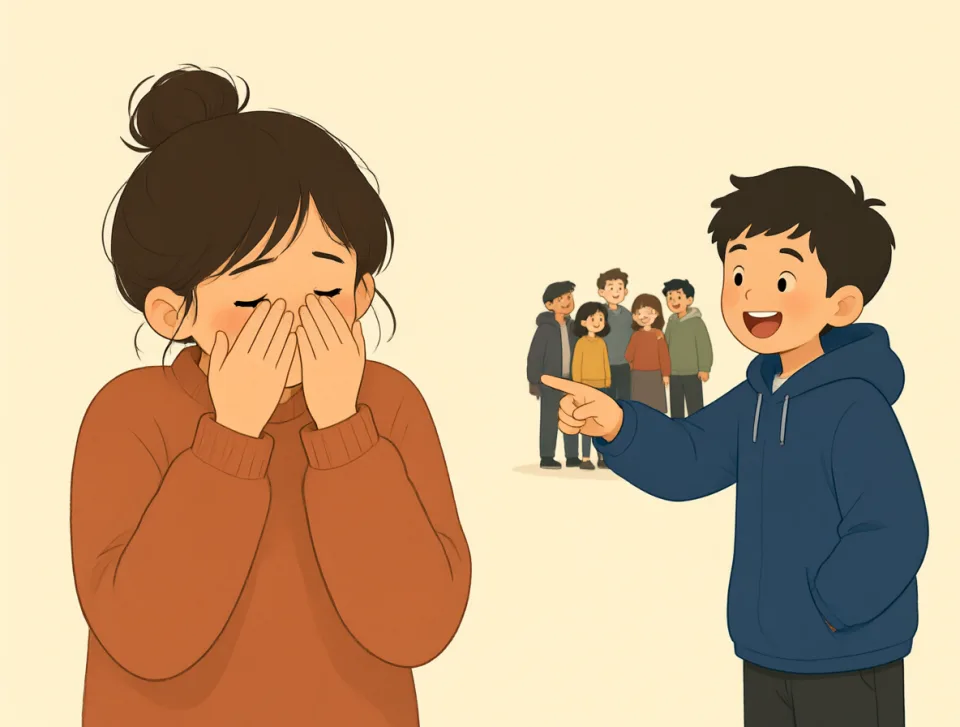
Please don't embarrass me by telling everyone about my mistake.
Proszę, nie wprawiaj mnie w zakłopotanie, opowiadając wszystkim o moim błędzie.
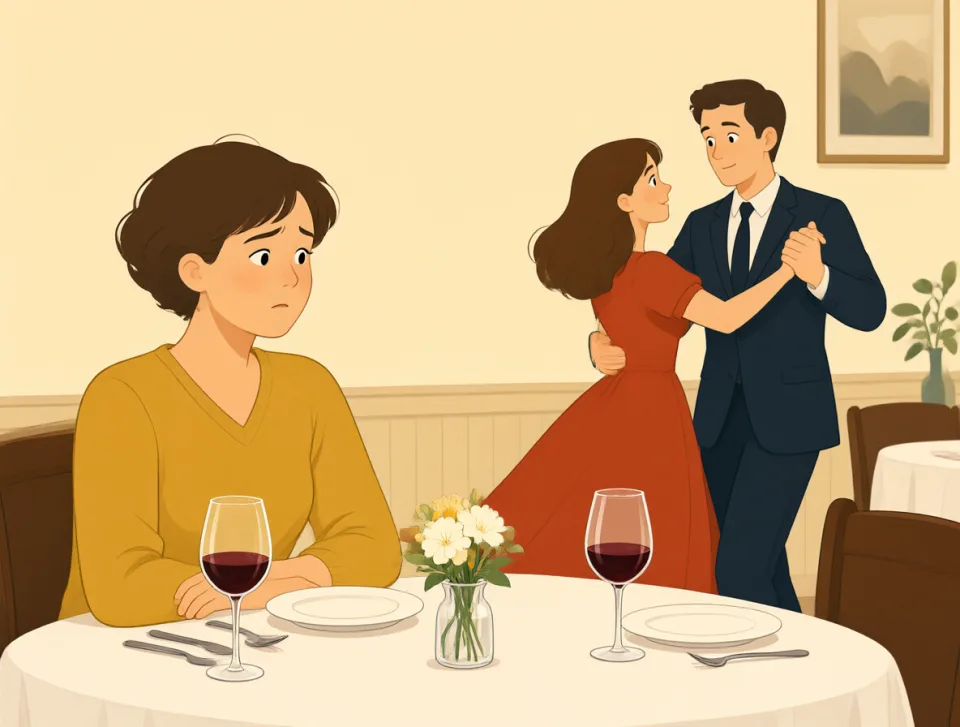
His parents embarrassed him by dancing in the restaurant.
Jego rodzice wprawili go w zakłopotanie, tańcząc w restauracji.
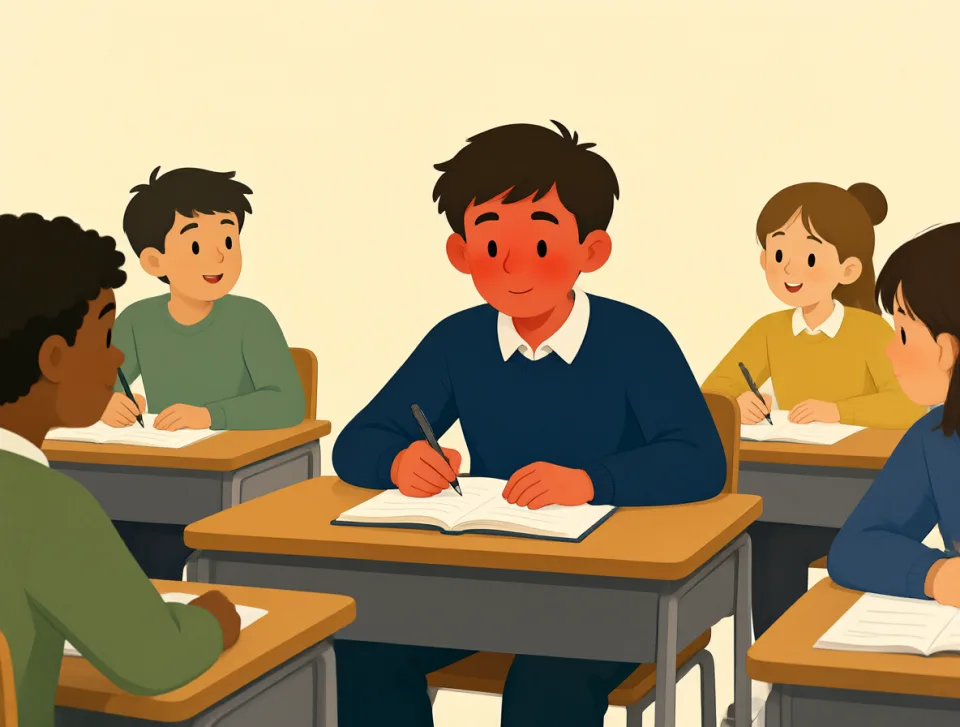
She felt embarrassed when her stomach suddenly made a loud noise in class.
Było jej wstyd, gdy w klasie nagle głośno zaburczało jej w brzuchu.
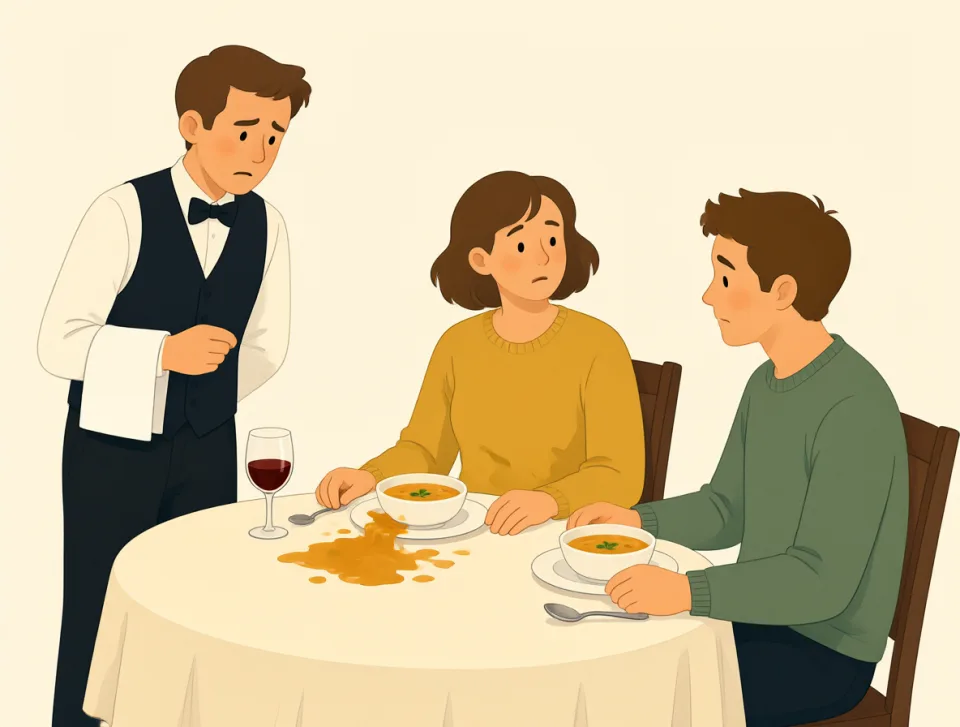
The waiter embarrassed us by spilling soup onto our clothes.
Kelner wprawił nas w zakłopotanie, rozlewając zupę na nasze ubrania.
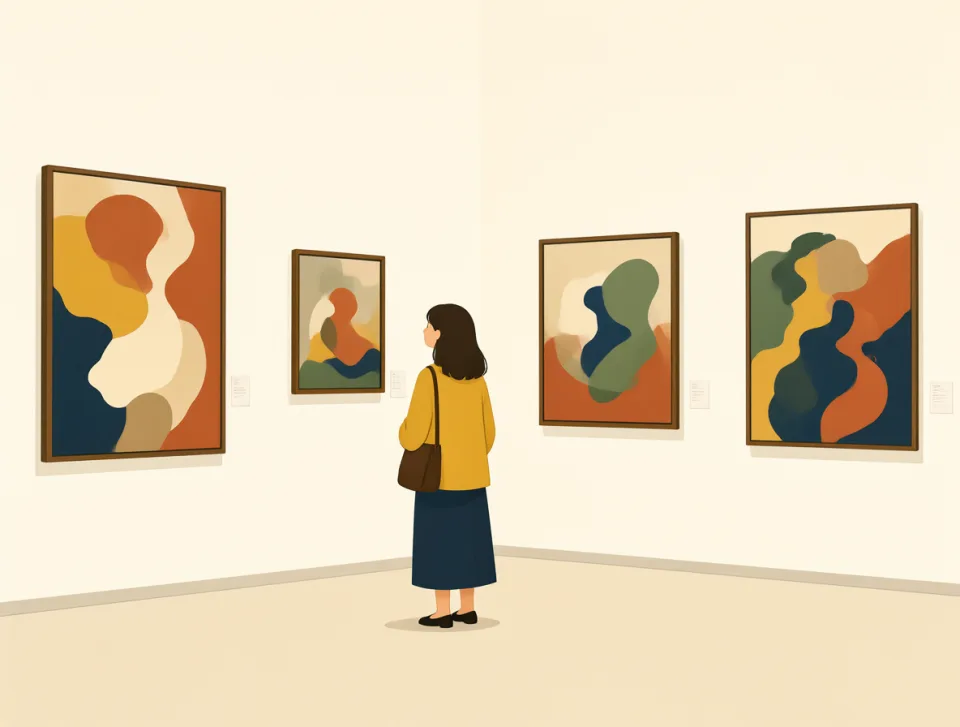
gallery
#2465noun
galeria
A place where people display and sell works of art.
Miejsce, w którym wystawia się i sprzedaje dzieła sztuki.
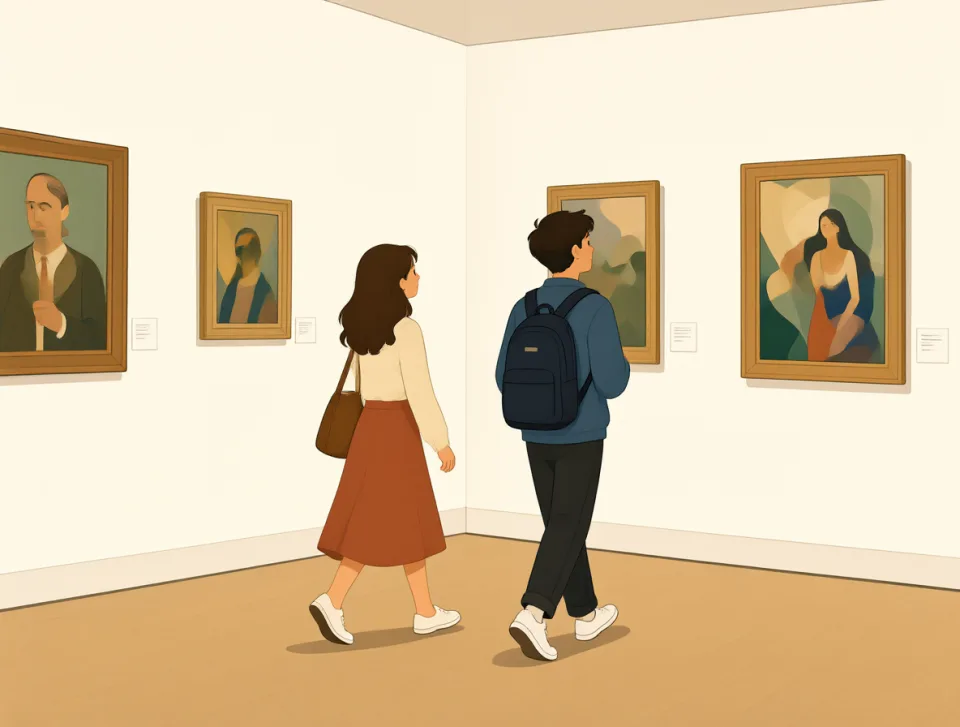
We visited an art gallery during our trip to the city.
Podczas wycieczki do miasta odwiedziliśmy galerię sztuki.
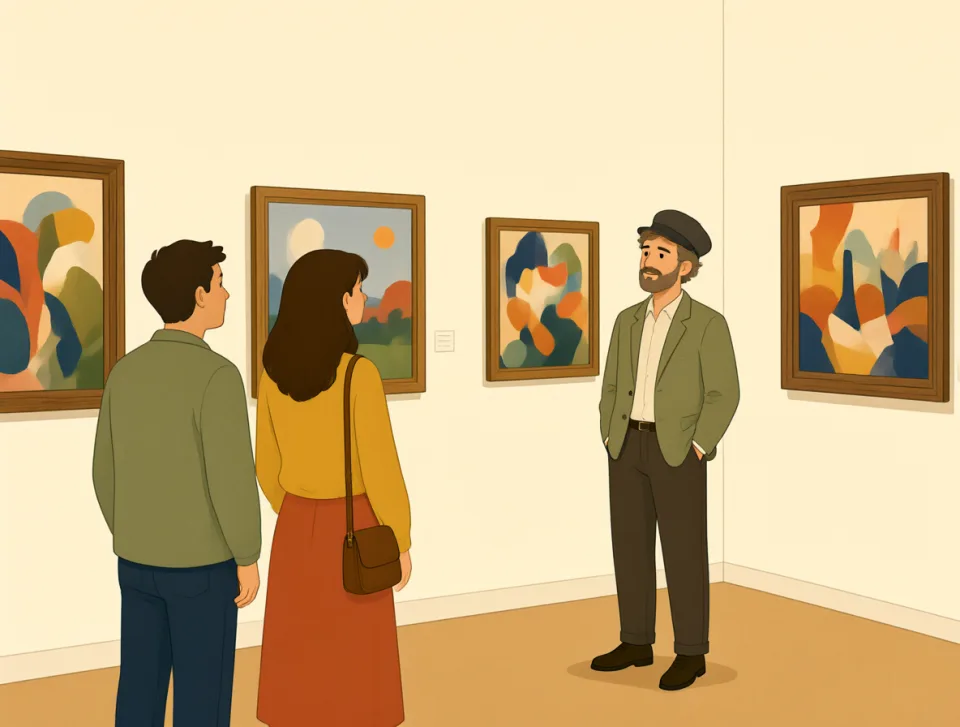
The gallery is showing paintings by a young local artist this month.
W tym miesiącu w galerii można oglądać obrazy młodego lokalnego artysty.
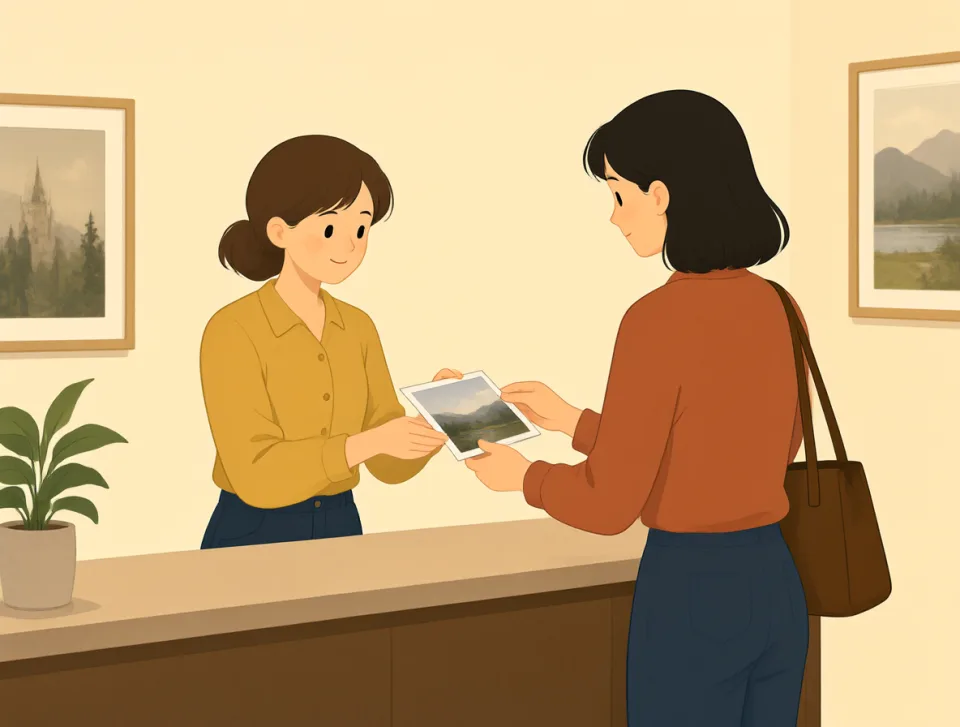
She bought a beautiful photograph from the gallery near our hotel.
Kupiła piękną fotografię w galerii niedaleko naszego hotelu.
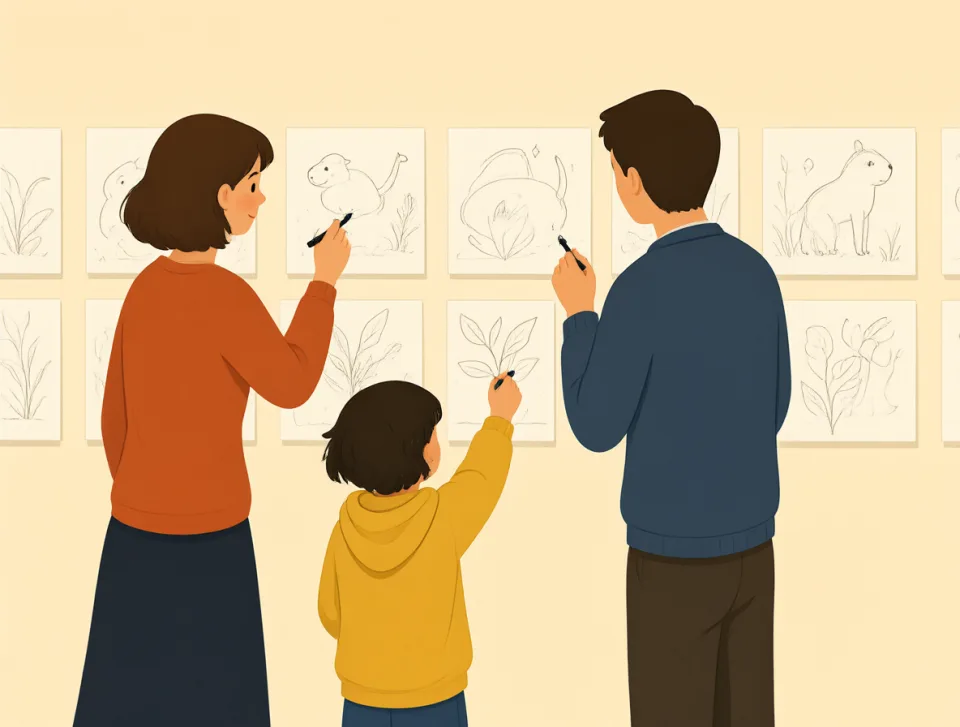
The school gallery displayed students' drawings for their families.
W szkolnej galerii wystawiono rysunki uczniów dla ich rodzin.
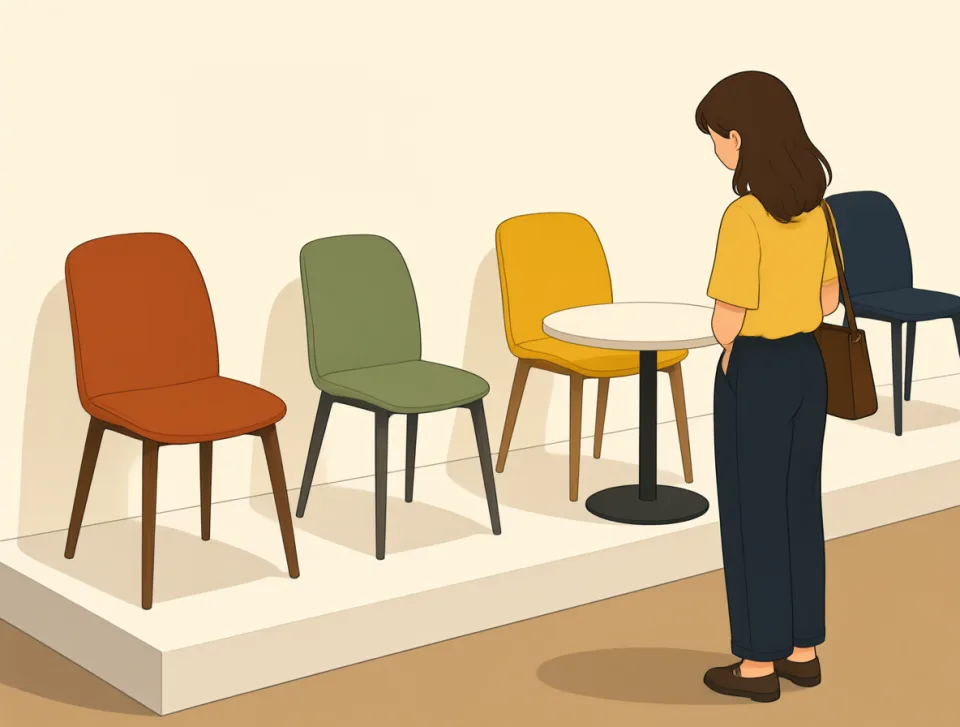
The shopping center has a small gallery of modern furniture upstairs.
Na piętrze centrum handlowego znajduje się mała galeria nowoczesnych mebli.
genetic
#2466adjective
genetyczny
Related to the genes passed from parents to their children.
Związany z genami przekazywanymi przez rodziców dzieciom.

Some diseases are caused by genetic changes passed from parents to children.
Niektóre choroby są spowodowane zmianami genetycznymi przekazywanymi z rodziców na dzieci.
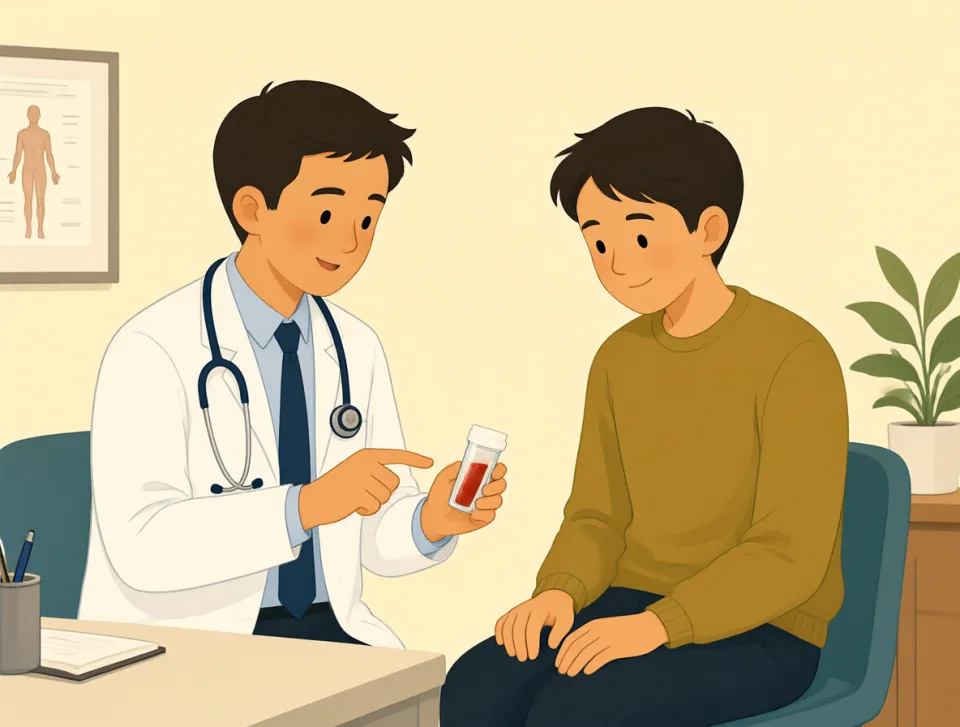
The test can show whether a health problem is genetic.
Badanie może wykazać, czy problem zdrowotny ma podłoże genetyczne.
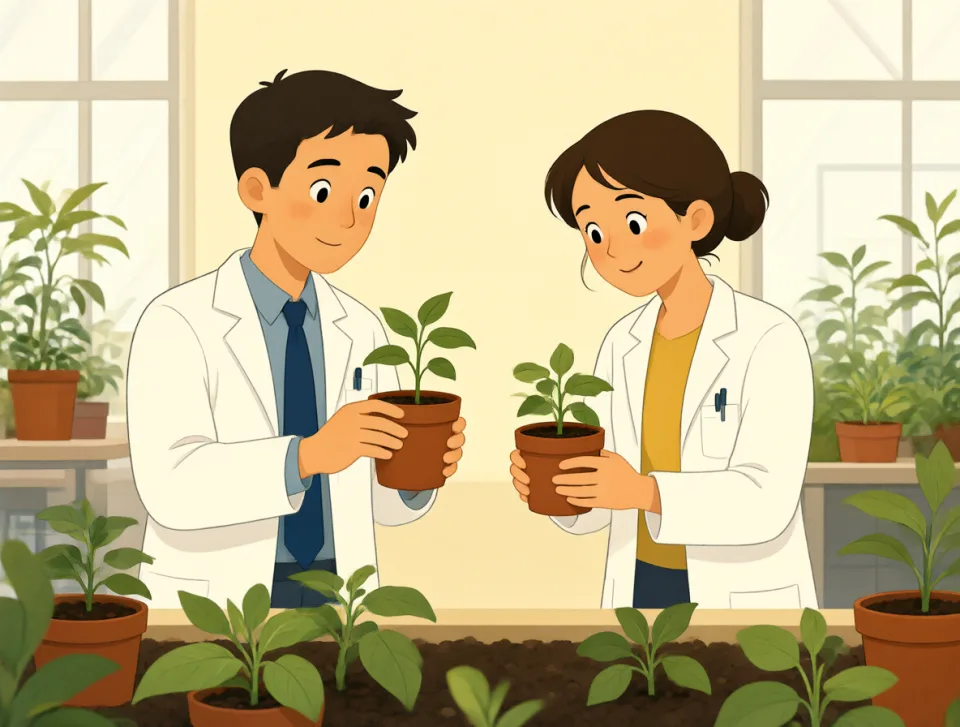
Scientists are studying the genetic differences between these two plants.
Naukowcy badają różnice genetyczne między tymi dwiema roślinami.
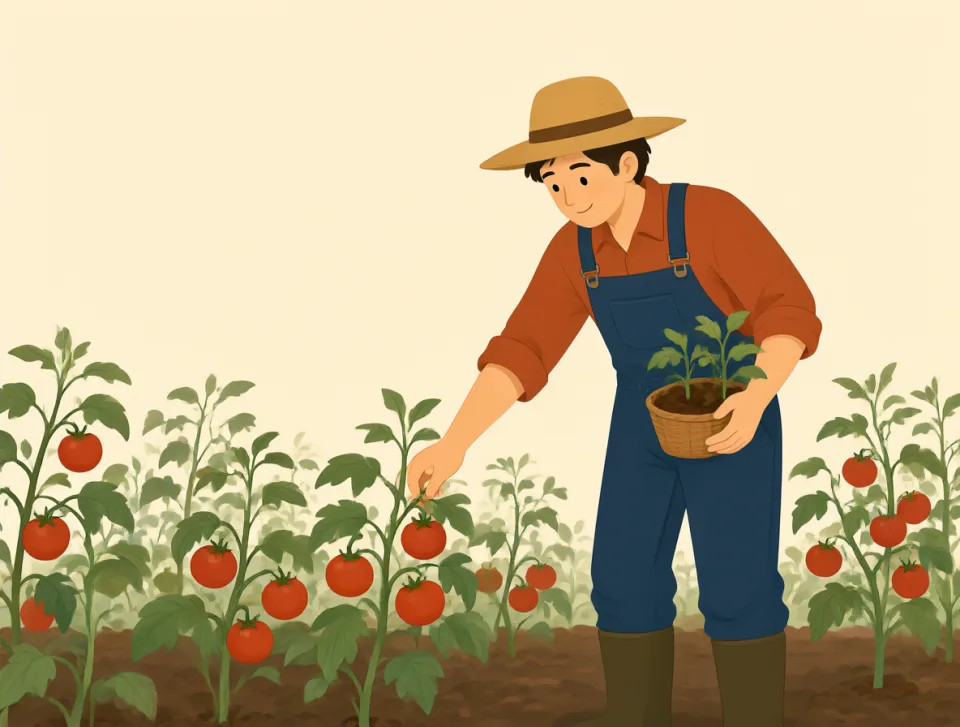
The farmer chose genetic varieties of tomatoes that grow well in cold weather.
Rolnik wybrał genetyczne odmiany pomidorów, które dobrze rosną w chłodnej pogodzie.

Genetic research may help doctors find better treatments for cancer.
Badania genetyczne mogą pomóc lekarzom znaleźć lepsze metody leczenia raka.
aggressive
#2467adjective
agresywny
behaving in an angry or forceful way, often ready to fight or argue
Zachowujący się w gniewny lub napastliwy sposób, często gotowy do kłótni albo walki.
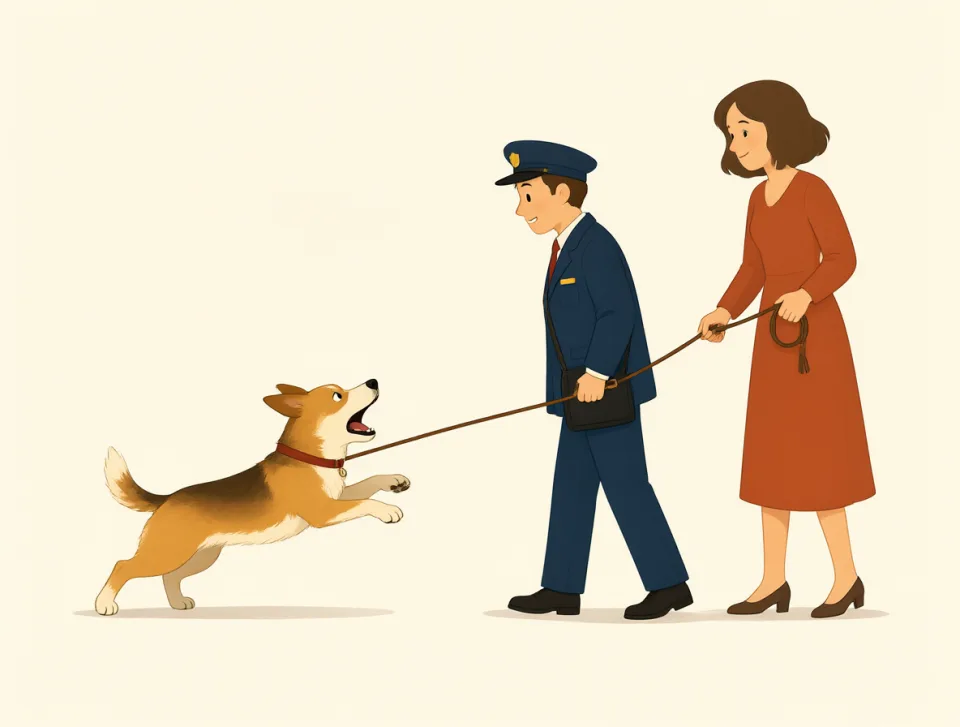
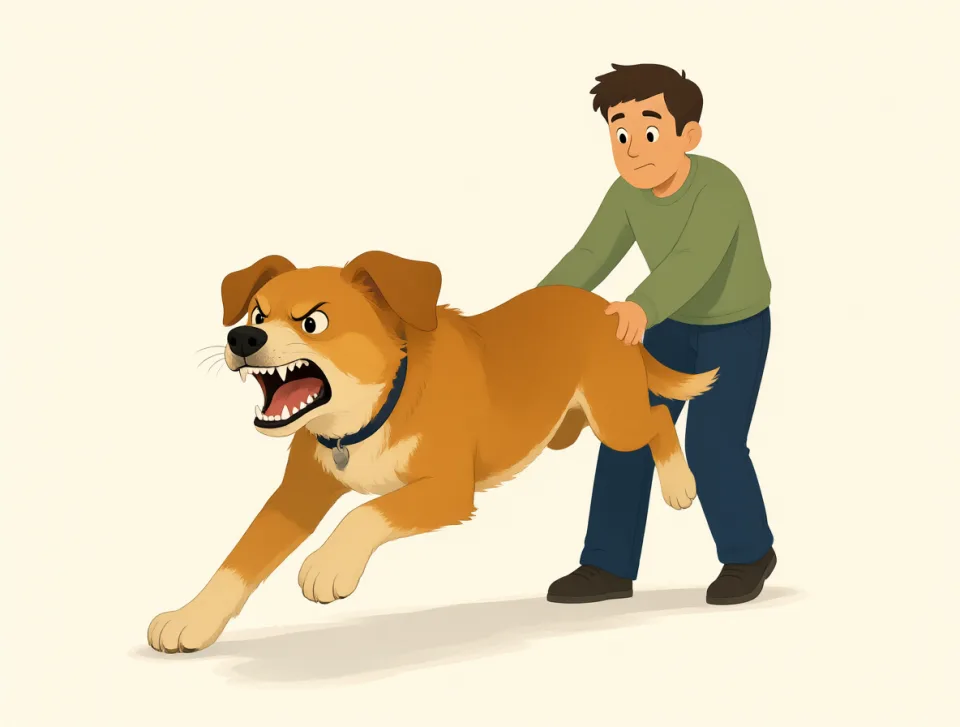
The aggressive dog barked loudly and tried to bite the visiting postman.
Agresywny pies głośno szczekał i próbował ugryźć listonosza, który przyszedł z wizytą.
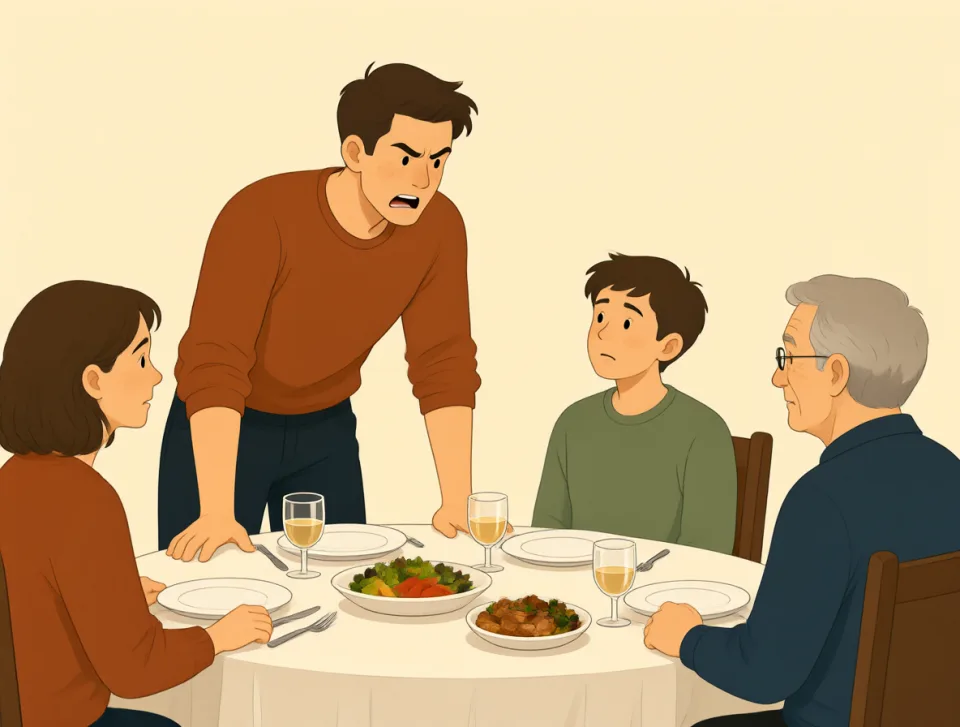
His aggressive behavior made everyone uncomfortable during the family dinner.
Jego agresywne zachowanie sprawiło, że wszyscy czuli się nieswojo podczas rodzinnego obiadu.

The sales assistant used aggressive tactics to persuade customers to buy expensive products.
Sprzedawca stosował agresywne taktyki, żeby przekonać klientów do kupowania drogich produktów.
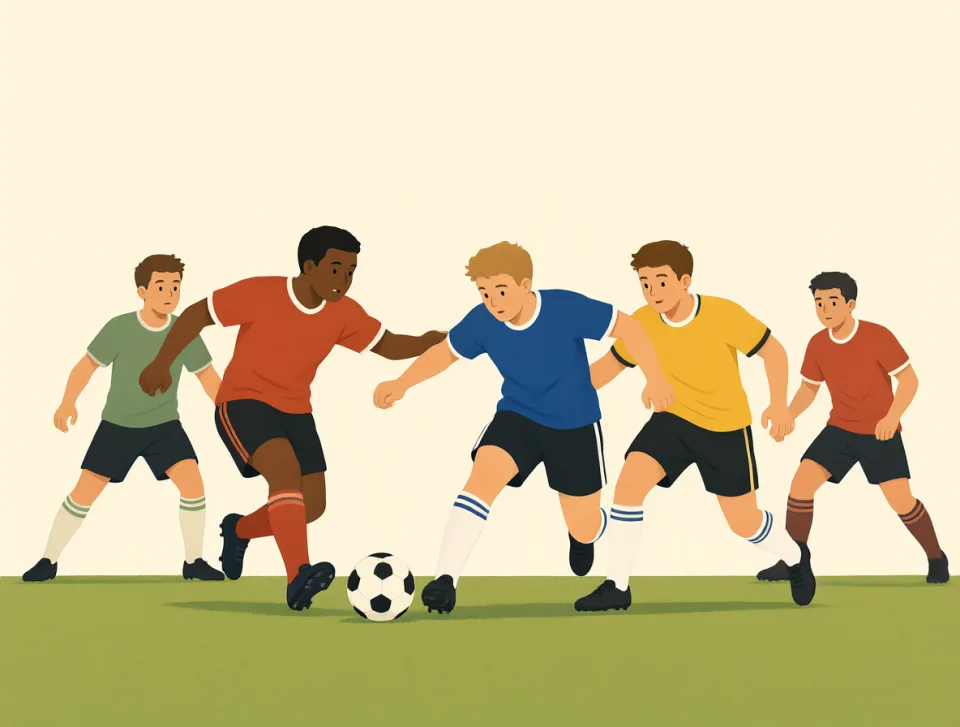
The football team played aggressive football and scored two goals before halftime.
Drużyna grała agresywnie i strzeliła dwa gole przed przerwą.

Doctors recommended aggressive treatment because the disease was spreading quickly.
Lekarze zalecili intensywne leczenie, ponieważ choroba szybko się rozprzestrzeniała.
chest
#2468noun
klatka piersiowa
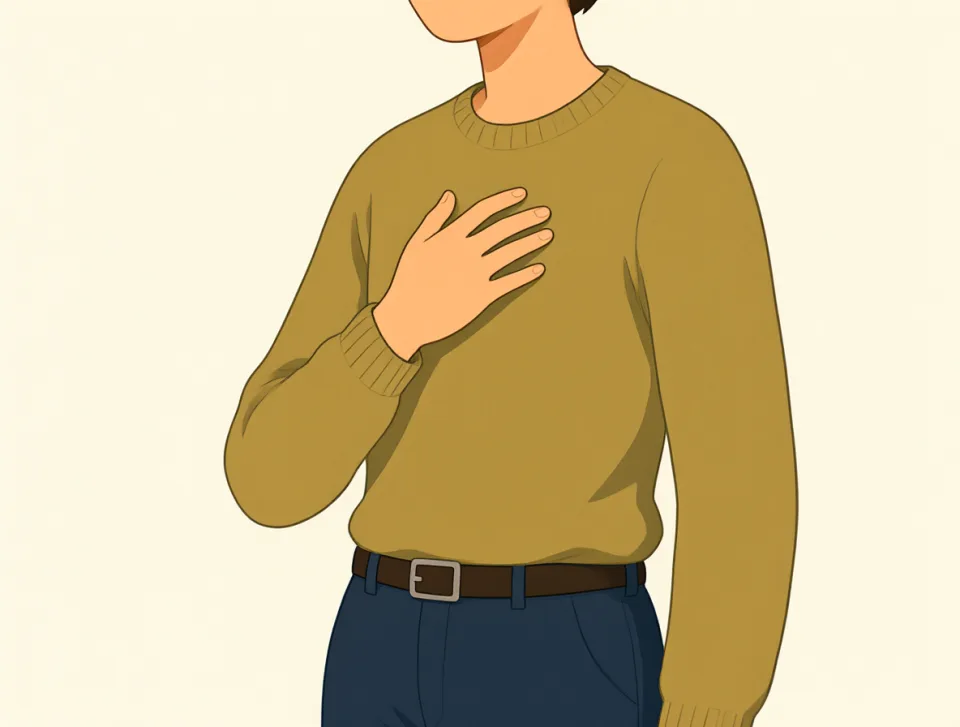
The front part of your body between your neck and stomach.
Przednia część ciała między szyją a brzuchem.
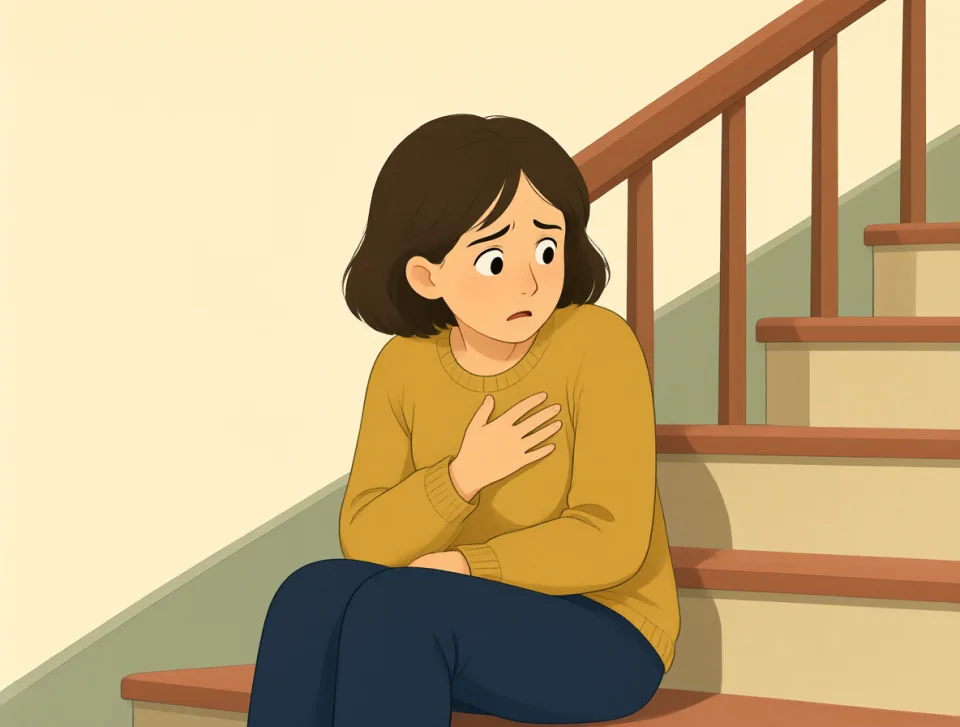
She felt a sharp pain in her chest after climbing the stairs.
Po wejściu po schodach poczuła ostry ból w klatce piersiowej.
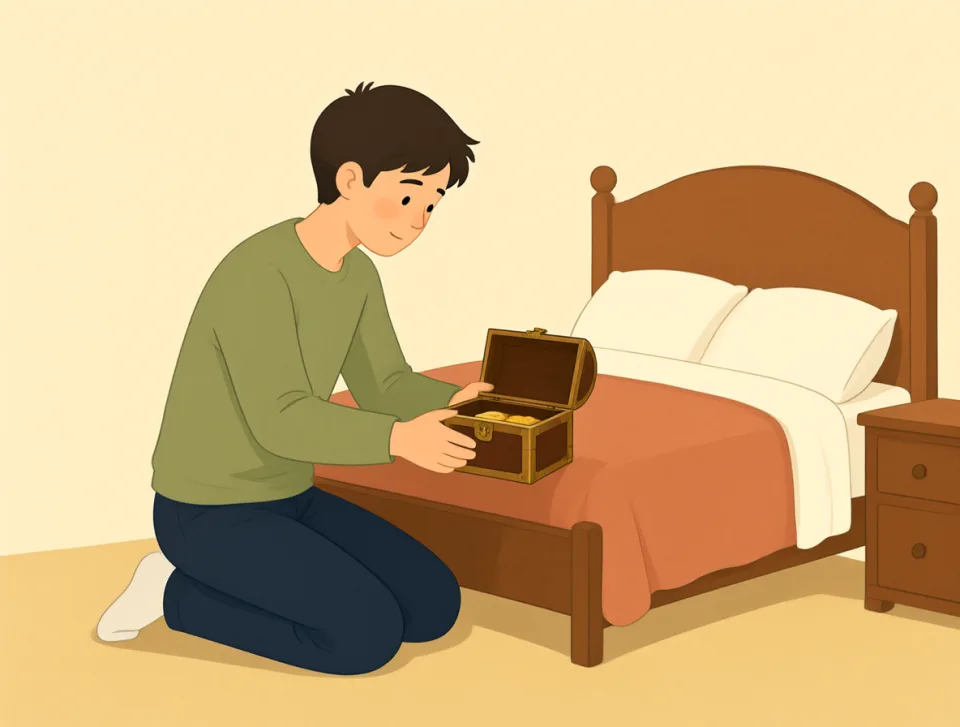
He kept the small wooden chest under his bed at home.
Trzymał w domu pod łóżkiem małą drewnianą skrzynię.
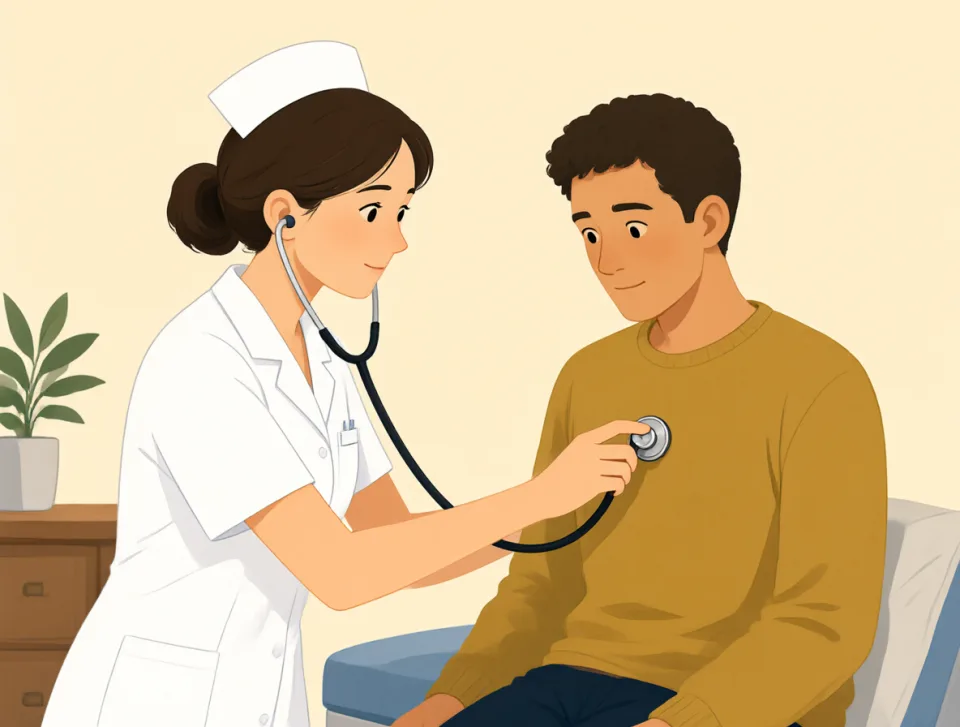
The nurse listened to the patient's chest with a stethoscope.
Pielęgniarka osłuchała klatkę piersiową pacjenta stetoskopem.
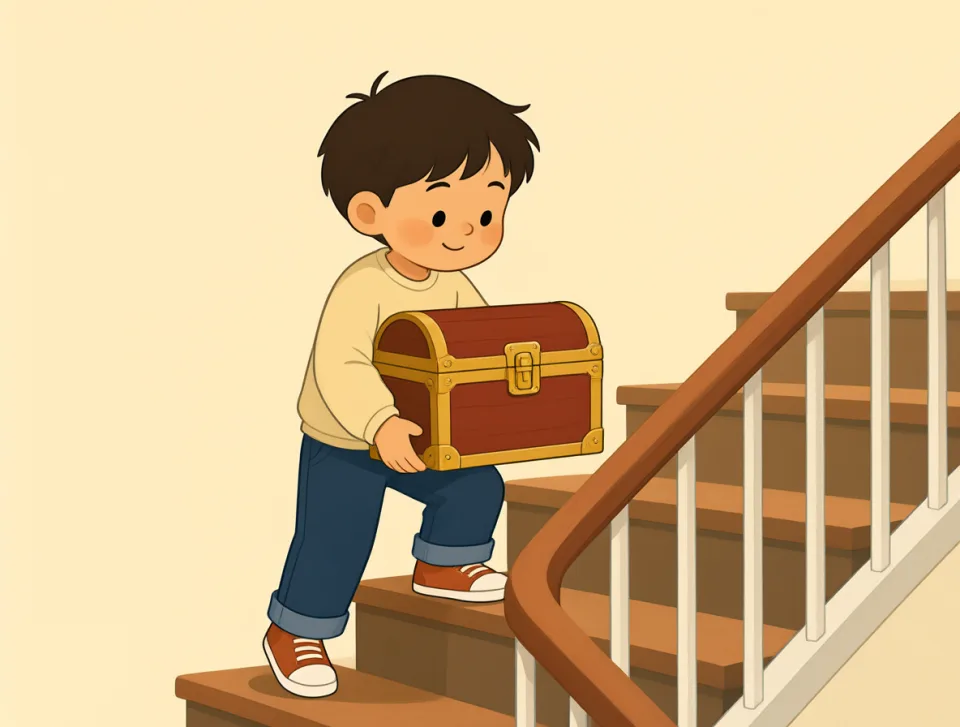
The child carried a heavy chest filled with old toys upstairs.
Dziecko wniosło po schodach ciężką skrzynię pełną starych zabawek.
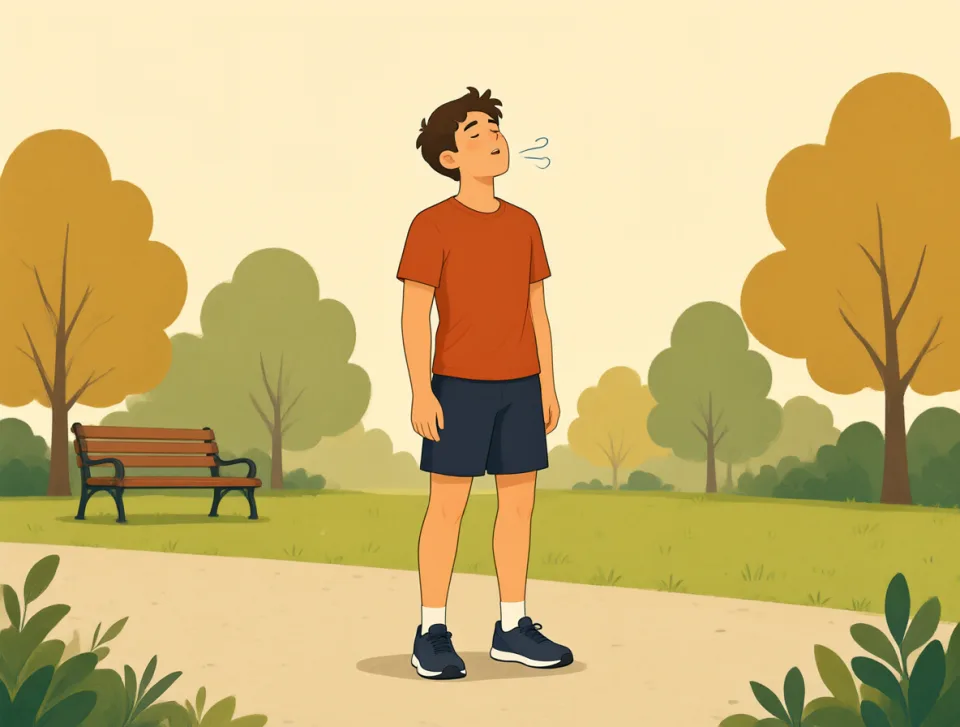
The runner took a deep breath and lifted his chest proudly.
Biegacz wziął głęboki oddech i dumnie wypiął pierś.

format
#2469noun, verb
format
The way information is arranged, or to arrange it in a particular way.
Sposób uporządkowania informacji albo uporządkować je w określony sposób.
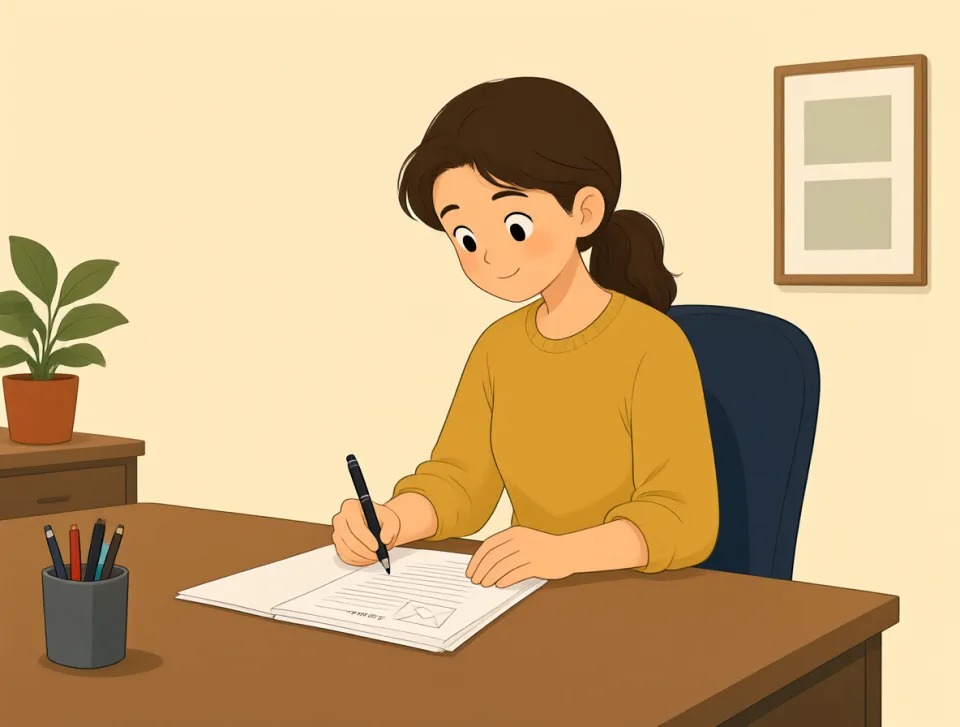
Please save the report in PDF format before sending it to the manager.
Przed wysłaniem raportu kierownikowi zapisz go w formacie PDF.
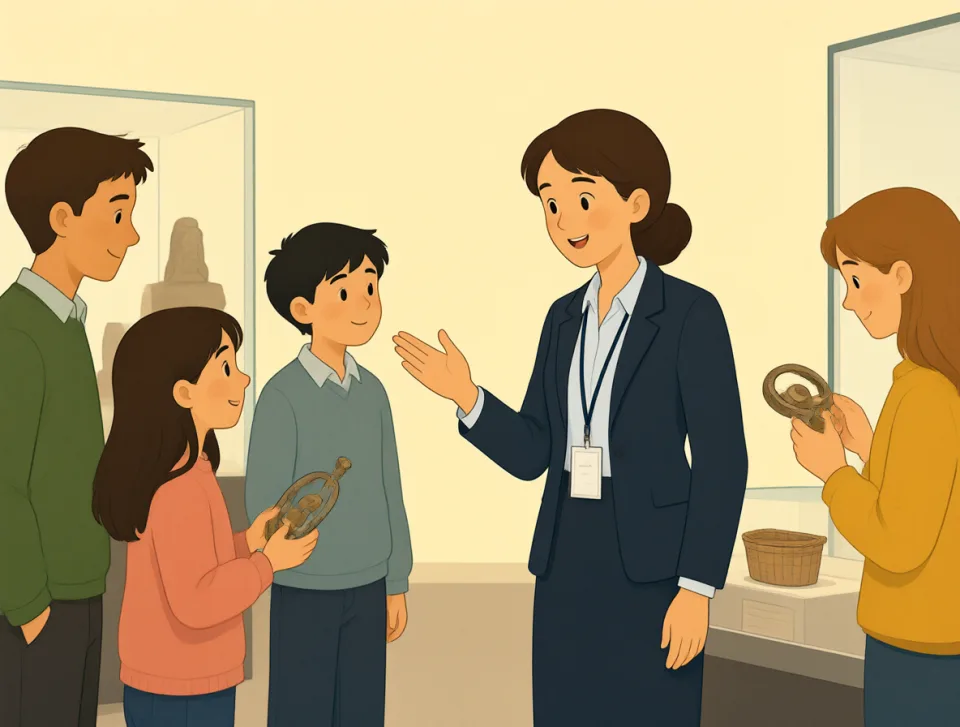
The museum changed the format of its tours to make them more interactive.
Muzeum zmieniło formę zwiedzania, żeby wycieczki były bardziej interaktywne.
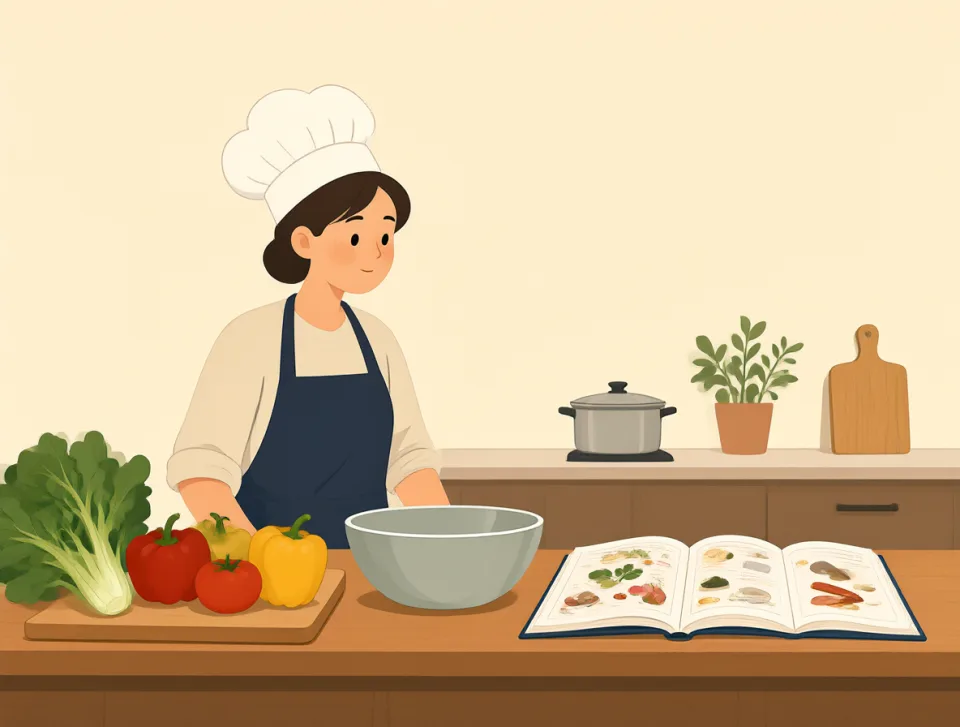
This recipe is formatted as a short list of clear cooking steps.
Ten przepis ma formę krótkiej listy jasnych instrukcji dotyczących gotowania.
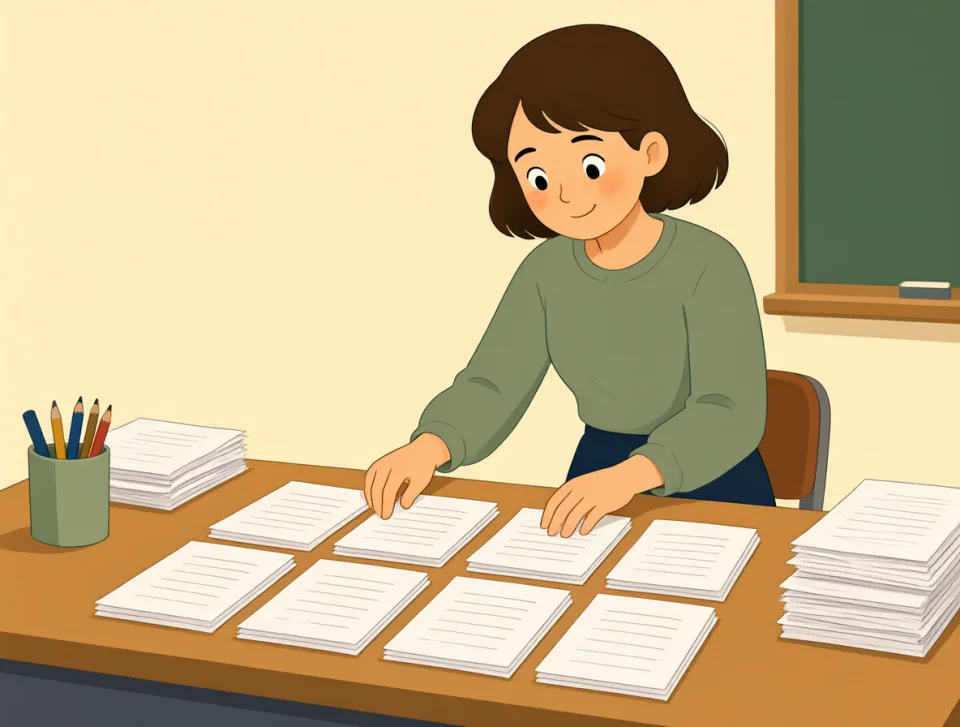
The teacher formatted the students' answers into a simple table for review.
Nauczyciel uporządkował odpowiedzi uczniów w prostej tabeli, żeby można je było omówić.
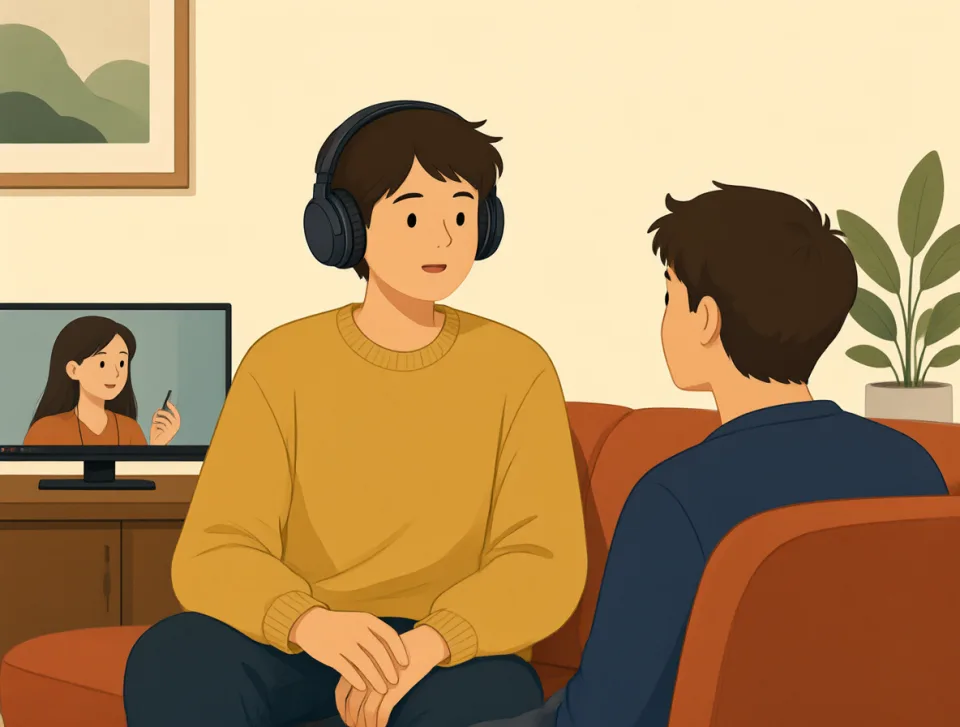
The podcast is available in several formats, including audio and video.
Podcast jest dostępny w kilku formatach, między innymi audio i wideo.

literary
#2470adjective
literacki
Connected with books, writing, or the study of literature.
Związany z książkami, pisaniem lub badaniem literatury.

She enjoys literary novels about family, friendship, and difficult choices.
Lubi powieści literackie o rodzinie, przyjaźni i trudnych wyborach.
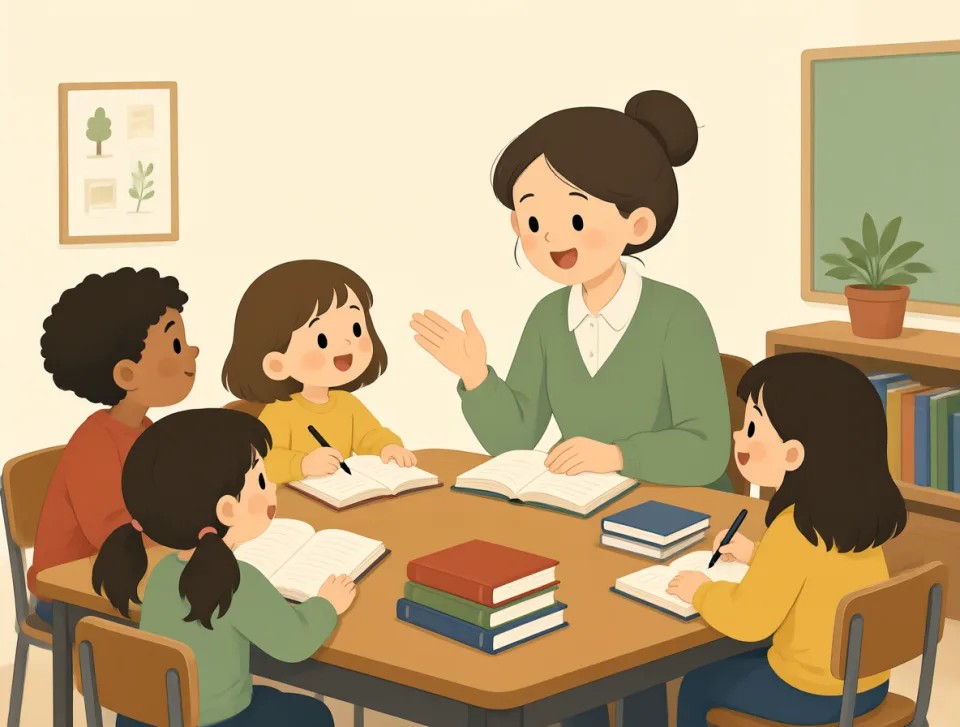
The university offers a literary course about famous English writers.
Uniwersytet oferuje kurs literacki poświęcony słynnym angielskim pisarzom.

The bookshop has a literary section near the front entrance.
Księgarnia ma dział literacki niedaleko głównego wejścia.
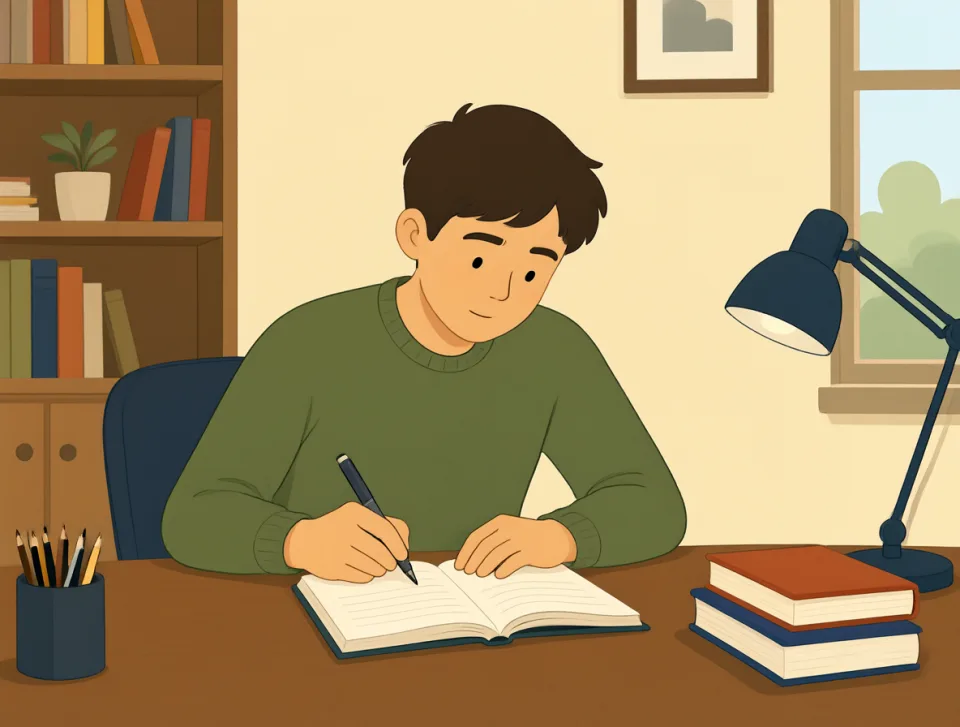
His literary style is clear, gentle, and easy for beginners to understand.
Jego styl literacki jest jasny, łagodny i łatwy do zrozumienia dla początkujących.
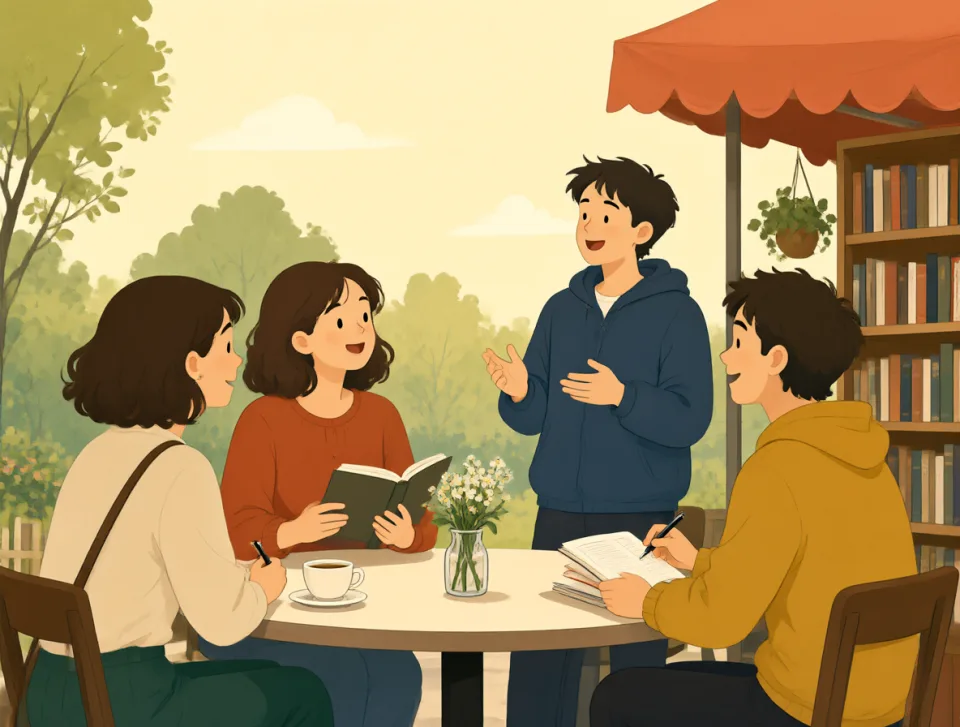
The festival brings together literary fans, poets, and local authors.
Festiwal gromadzi miłośników literatury, poetów i lokalnych autorów.

govern
#2471verb
rządzić
To control and lead a country, organization, or group of people.
Kierować krajem, organizacją lub grupą ludzi i sprawować nad nią kontrolę.

The elected party governs the country with support from smaller groups.
Wybrana partia rządzi krajem przy wsparciu mniejszych ugrupowań.

Strong laws govern how companies treat their workers and customers.
Surowe przepisy określają, jak firmy mają traktować swoich pracowników i klientów.
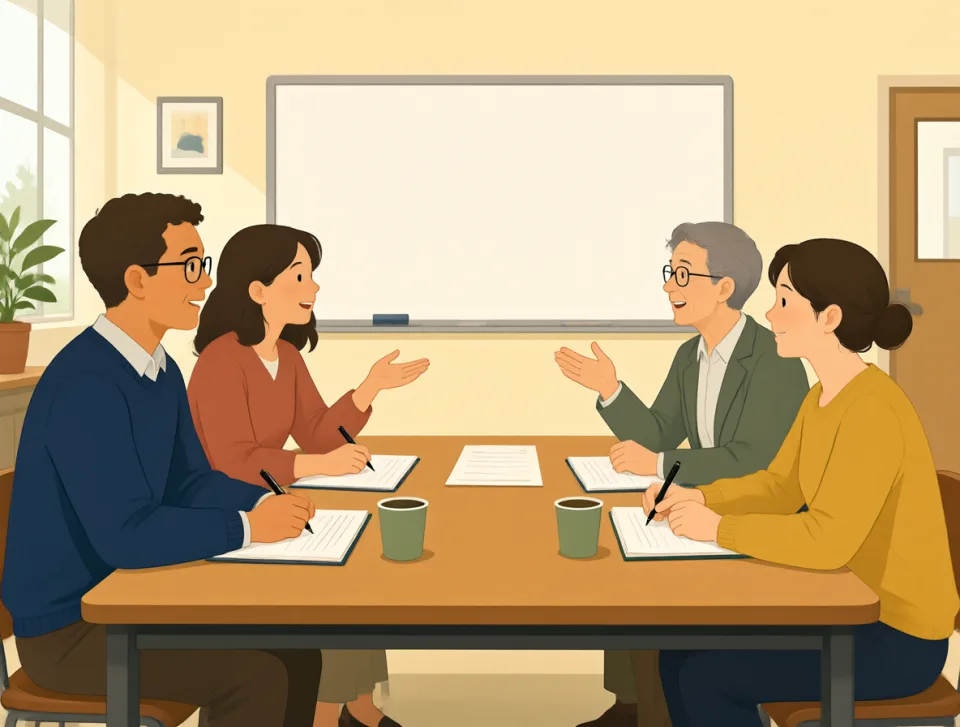
The school is governed by a board of teachers and parents.
Szkołą kieruje rada złożona z nauczycieli i rodziców.

Local rules govern where shops can build new entrances and signs.
Lokalne przepisy określają, gdzie sklepy mogą budować nowe wejścia i stawiać szyldy.

Their friendship is governed by trust, honesty, and respect.
Ich przyjaźń opiera się na zaufaniu, szczerości i szacunku.
embrace
#2472verb, noun
przyjąć; objąć
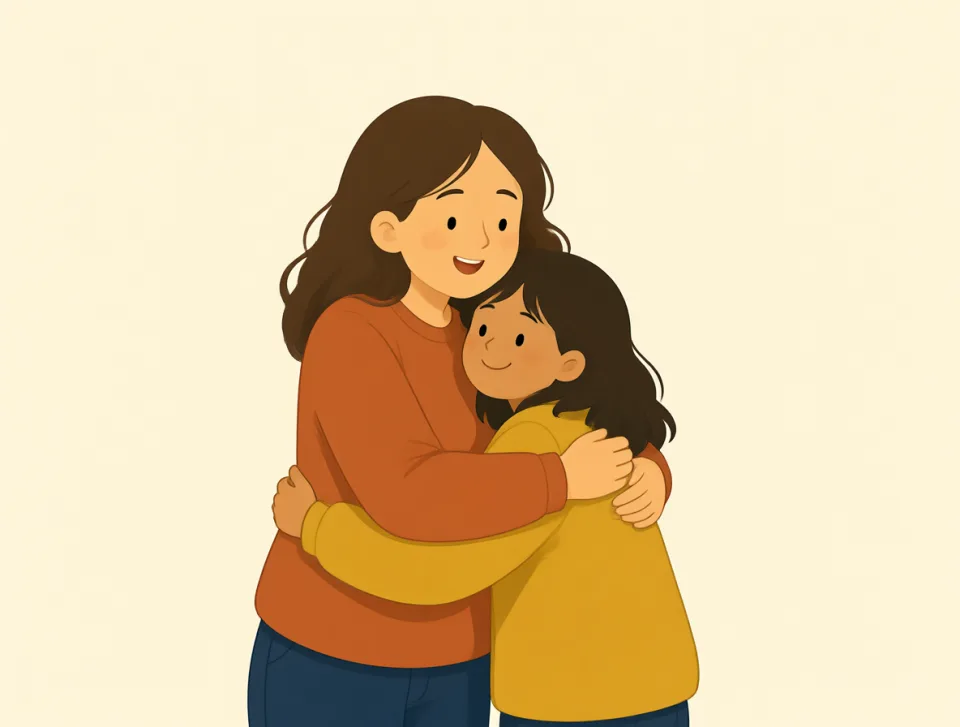
to accept something eagerly or hold someone closely in your arms
Chętnie coś zaakceptować lub mocno kogoś objąć.
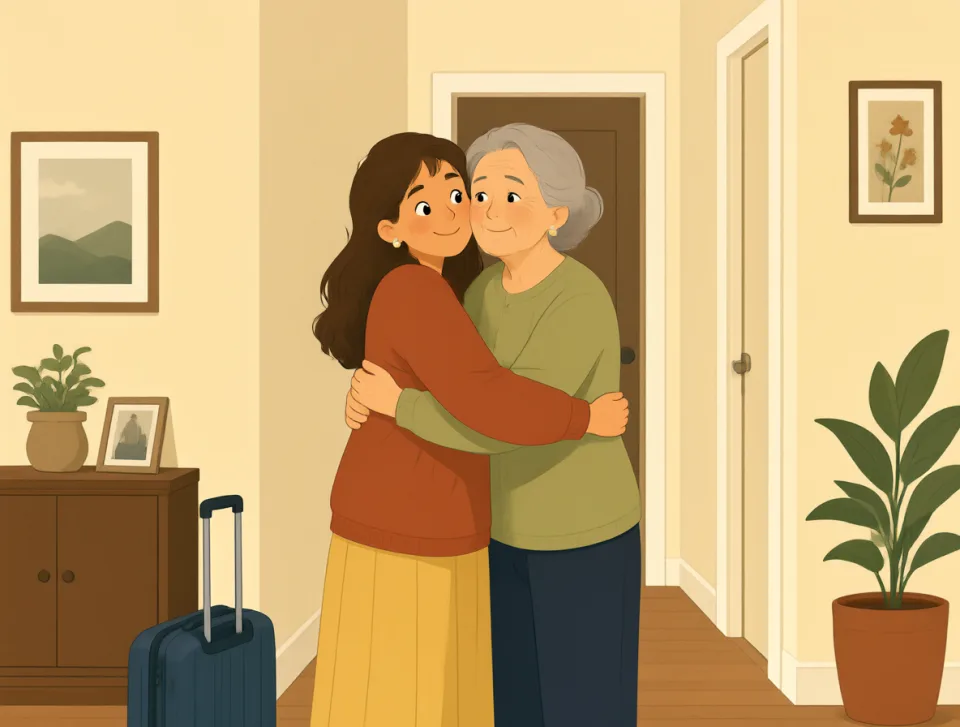
She embraced her mother tightly after returning home from a long trip.
Po powrocie do domu z długiej podróży mocno objęła mamę.

Many companies are embracing flexible working to support their employees.
Wiele firm wprowadza elastyczne formy pracy, by wspierać swoich pracowników.

Our school has embraced new ideas for teaching science and mathematics.
Nasza szkoła przyjęła nowe pomysły na nauczanie przyrody i matematyki.
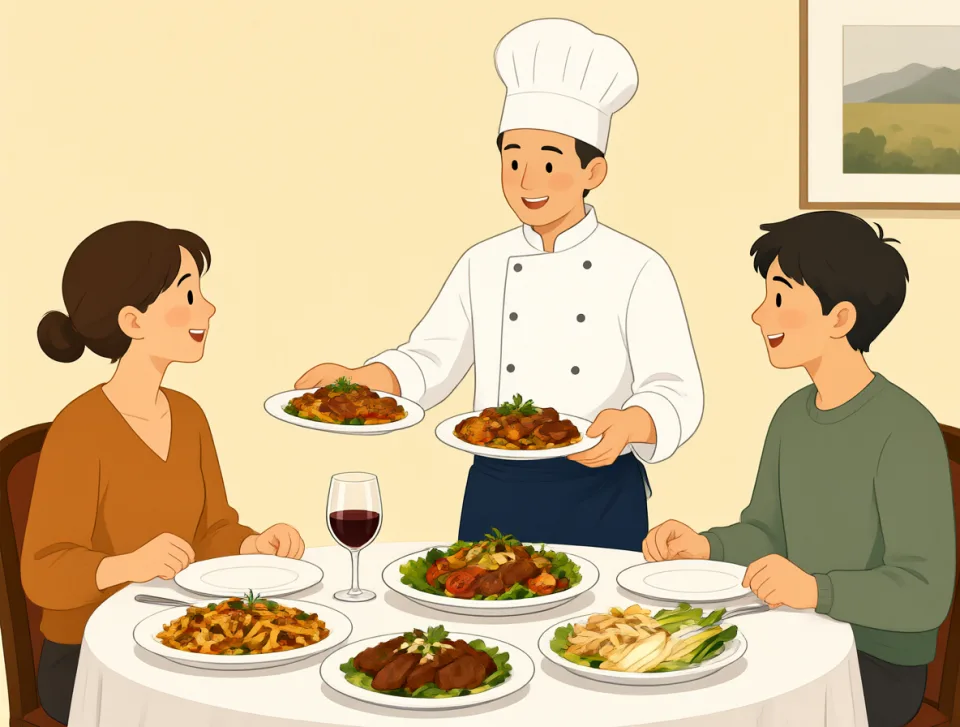
The hotel embraced local food traditions by serving fresh regional dishes.
Hotel nawiązał do lokalnych tradycji kulinarnych, serwując świeże regionalne dania.

He embraced the chance to travel abroad and learn about another culture.
Skorzystał z okazji, by wyjechać za granicę i poznać inną kulturę.
praise
#2473noun, verb
chwalić
To express strong approval or admiration for someone or something.
Wyrażać duże uznanie lub podziw dla kogoś albo czegoś.

The teacher praised Mia for her excellent science project.
Nauczyciel pochwalił Mię za jej znakomity projekt z przyrody.

His manager praised him for finishing the difficult report early.
Jego kierownik pochwalił go za wcześniejsze ukończenie trudnego raportu.
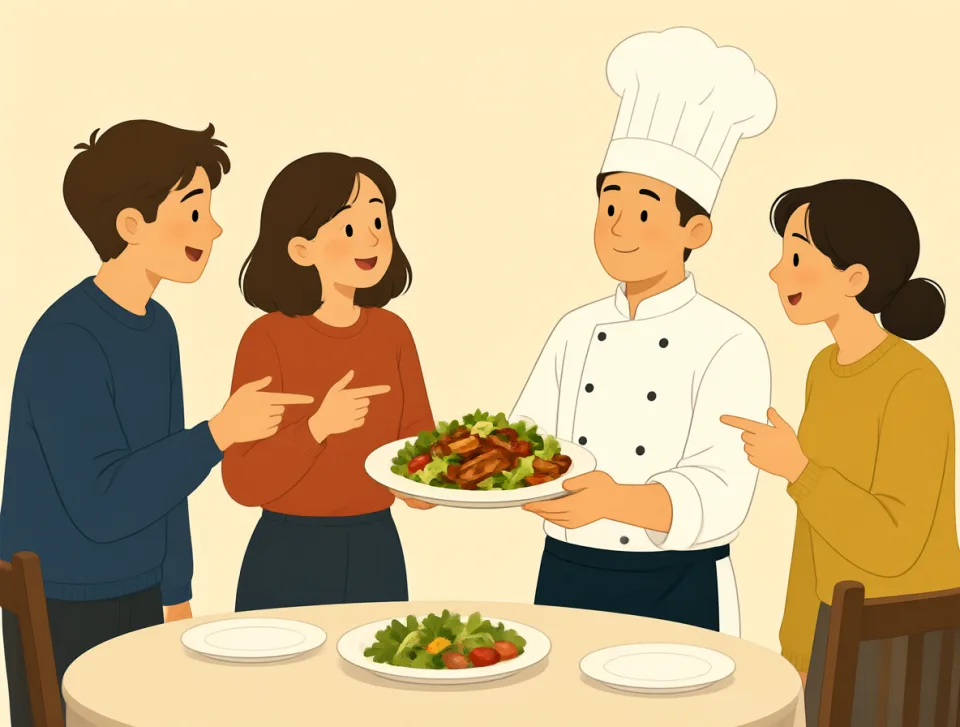
We praised the chef for preparing such a delicious meal.
Pochwaliliśmy szefa kuchni za przygotowanie tak pysznego posiłku.
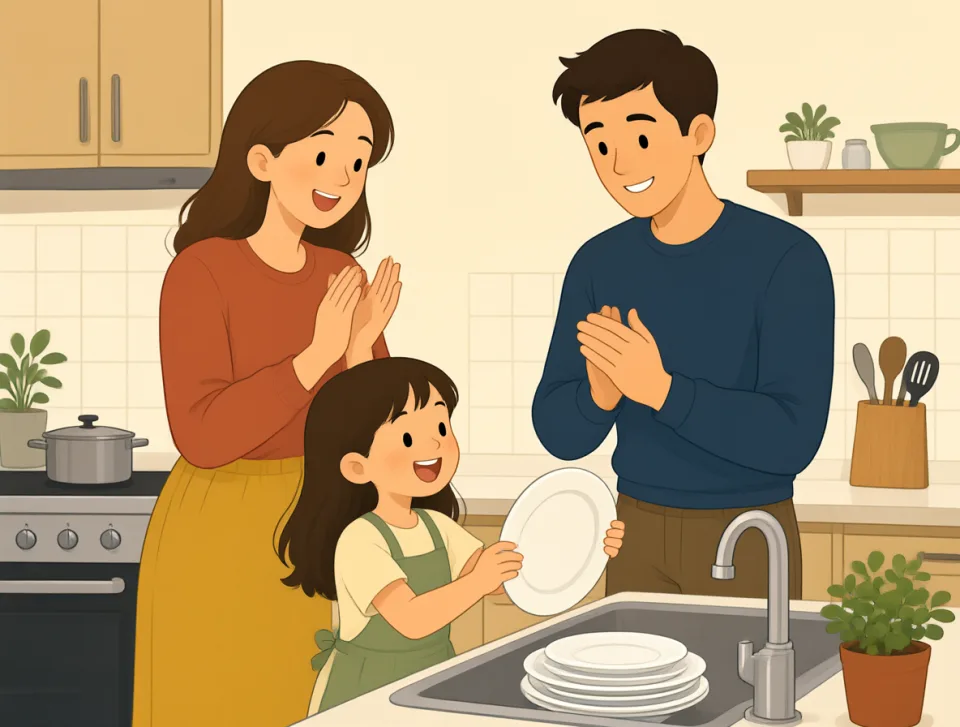
Her parents praised her after she helped clean the kitchen.
Rodzice pochwalili ją, gdy pomogła posprzątać kuchnię.

The doctor praised me for exercising regularly and eating healthy food.
Lekarz pochwalił mnie za regularne ćwiczenia i zdrowe odżywianie.
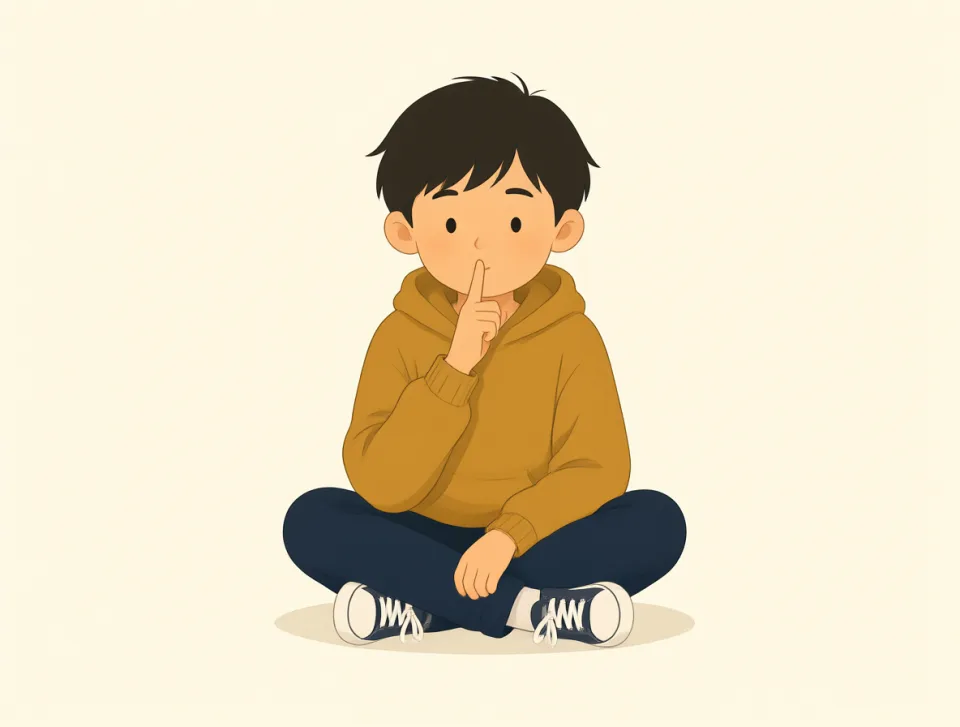
silent
#2474adjective
cichy; milczący
Making little or no sound; not speaking or talking.
Wydający niewiele dźwięków lub niewydający ich wcale; niespokojący się ani nieodzywający.
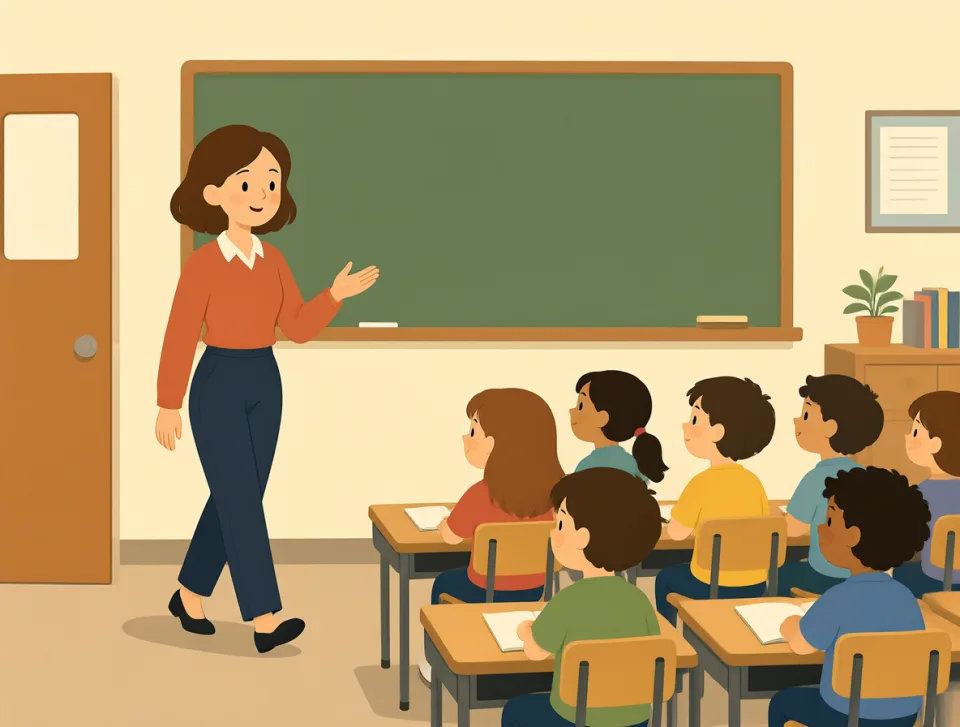
The room became silent when the teacher entered.
W pokoju zapadła cisza, gdy wszedł nauczyciel.
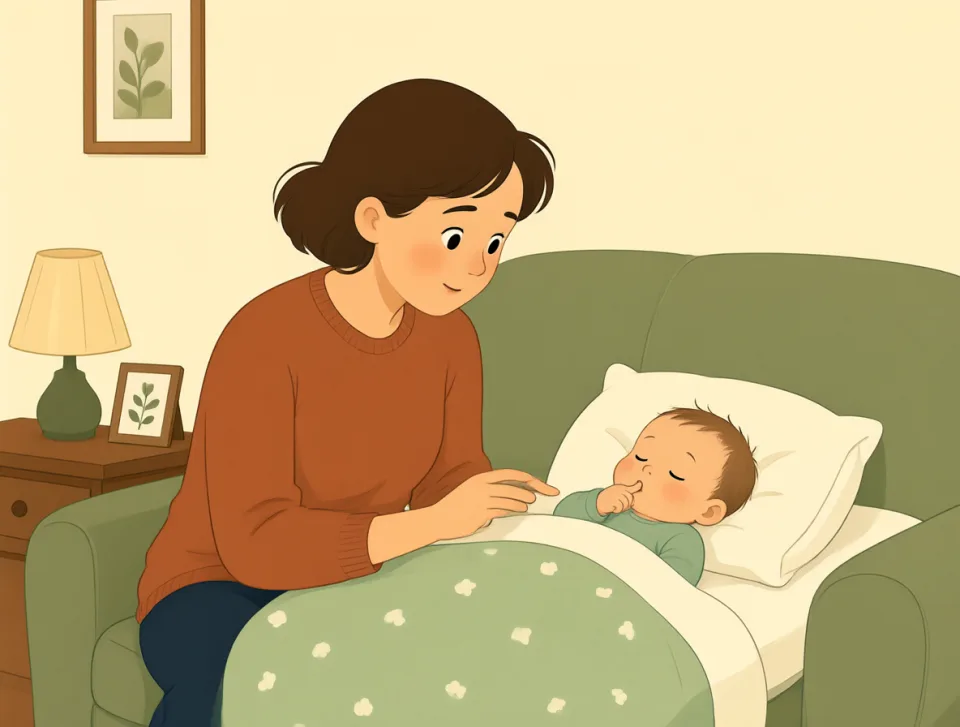
Please stay silent while the baby is sleeping.
Proszę zachować ciszę, kiedy dziecko śpi.
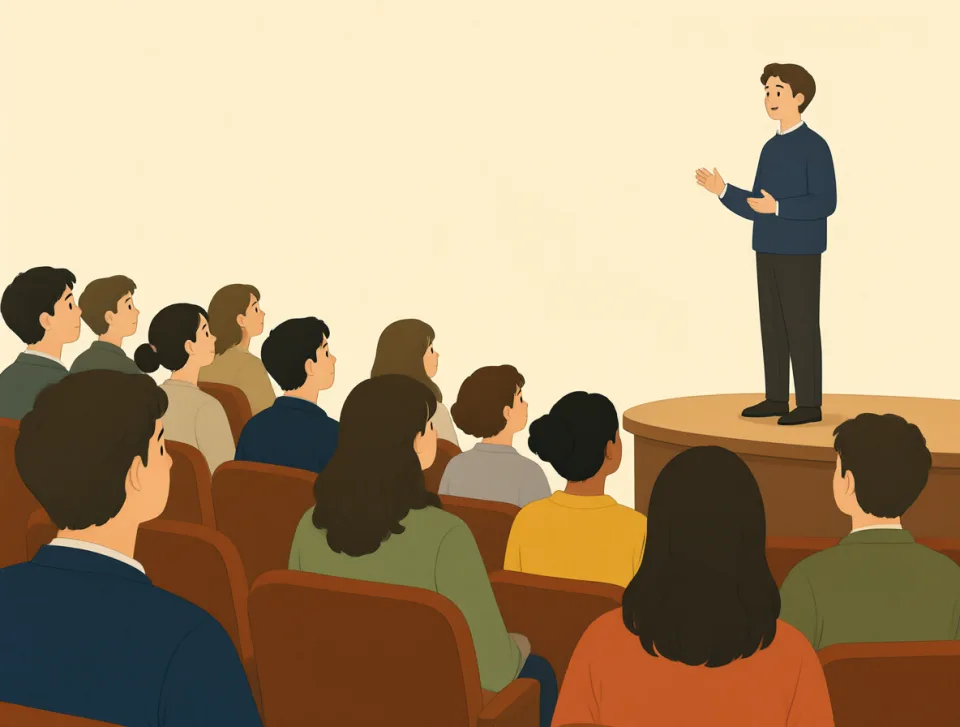
The audience was silent during the emotional speech.
Publiczność milczała podczas poruszającego przemówienia.
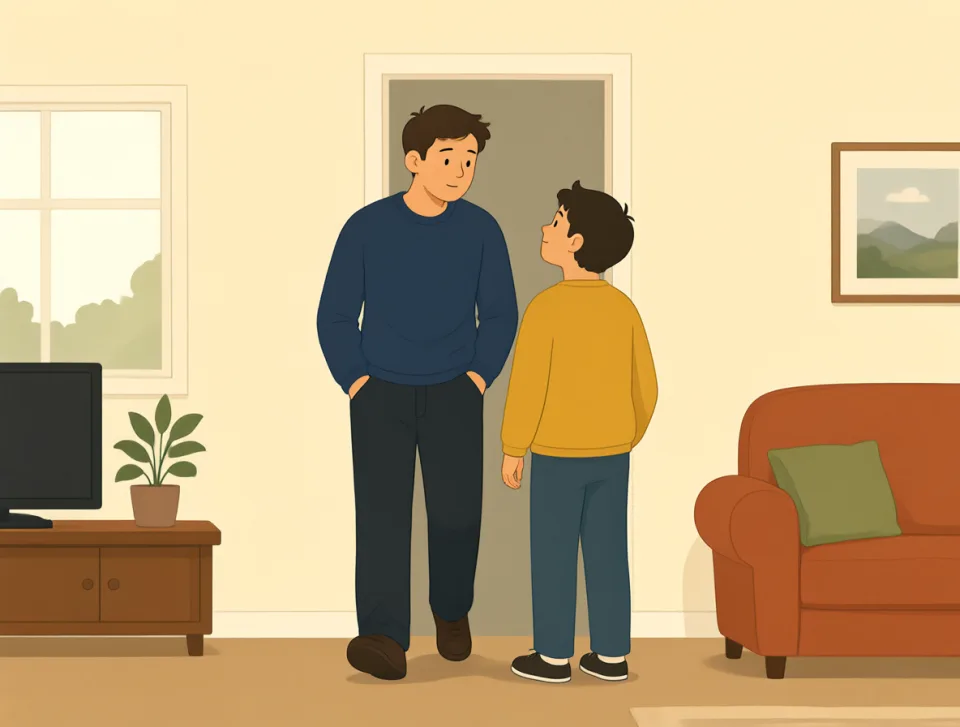
He gave me a silent nod and left the room.
Skinął mi głową w milczeniu i wyszedł z pokoju.

The doctor asked her to remain silent during the examination.
Lekarz poprosił ją, by milczała podczas badania.
pump
#2475noun, verb
pompa; pompować
A device that moves liquid or air, or the action of moving it.
Urządzenie do przemieszczania cieczy lub powietrza albo czynność ich przemieszczania.
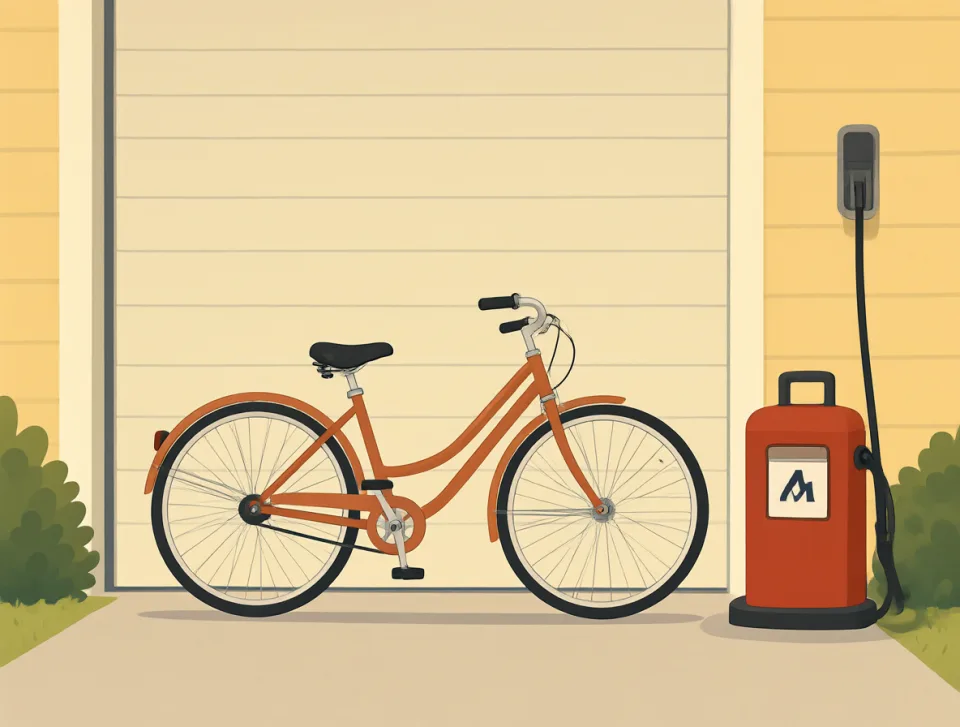
The bicycle pump is beside the garage door.
Pompka rowerowa stoi obok drzwi garażowych.
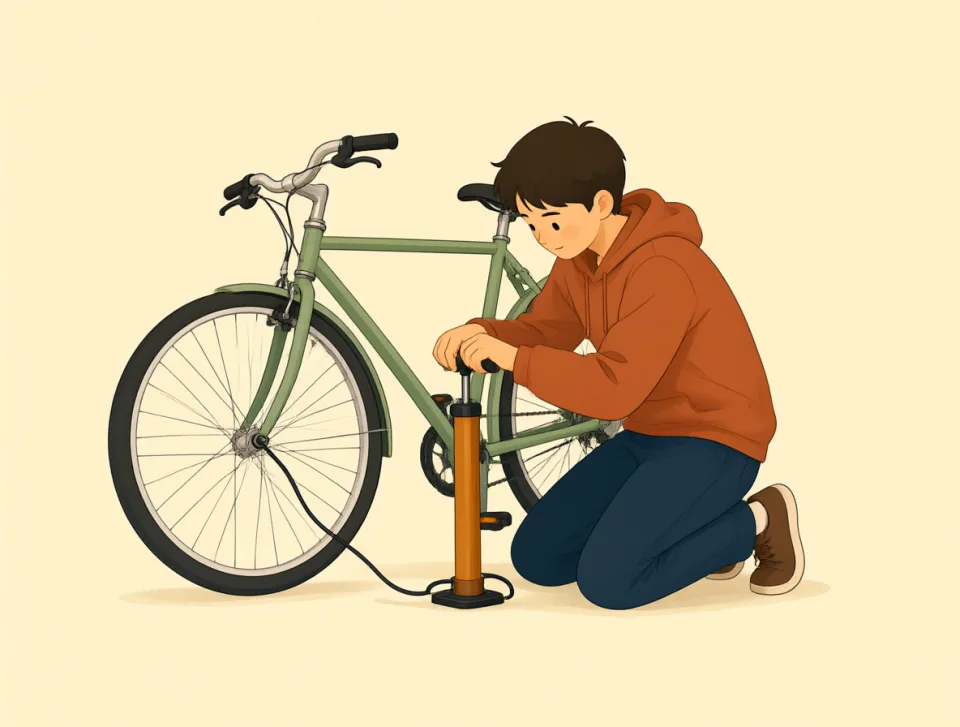
Please pump some air into the flat tire.
Proszę napompować przebitą oponę.
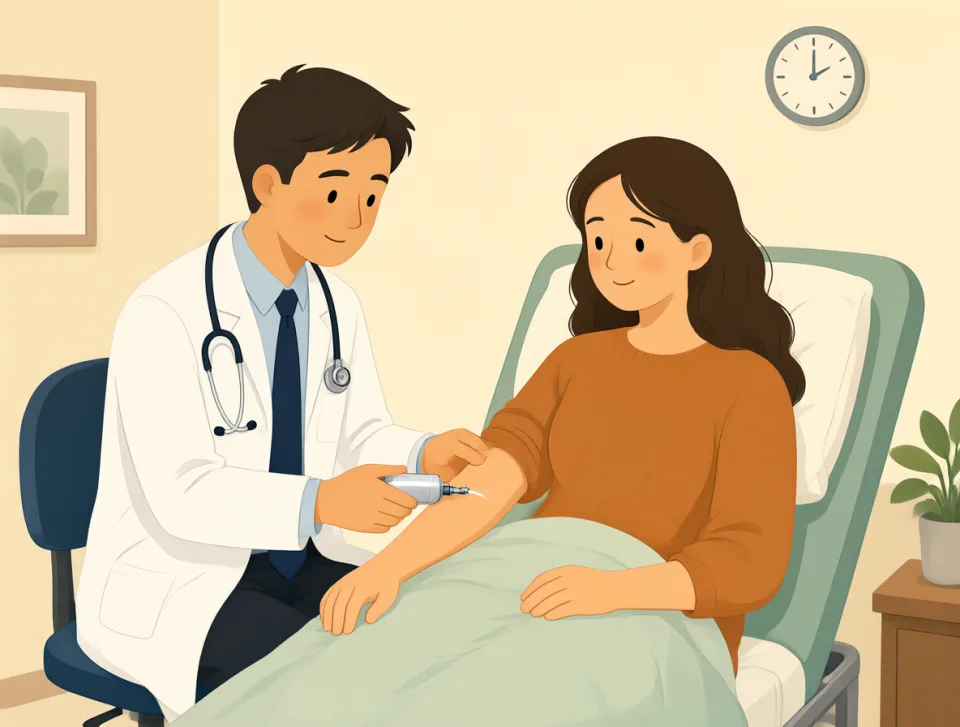
The doctor used a small pump to give him medicine.
Lekarz użył małej pompki, żeby podać mu lek.
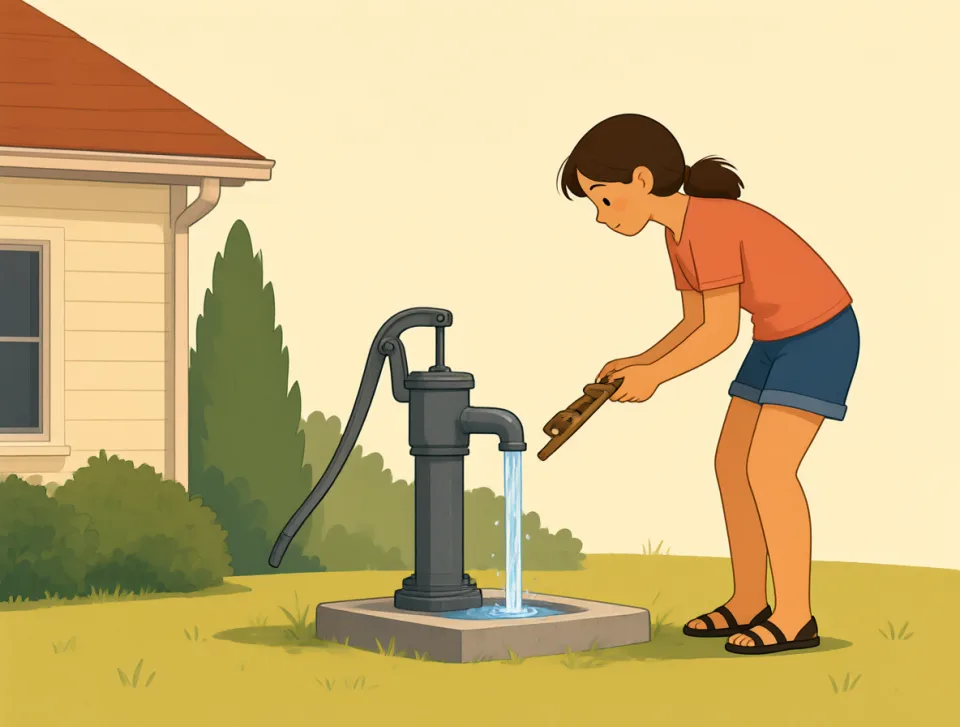
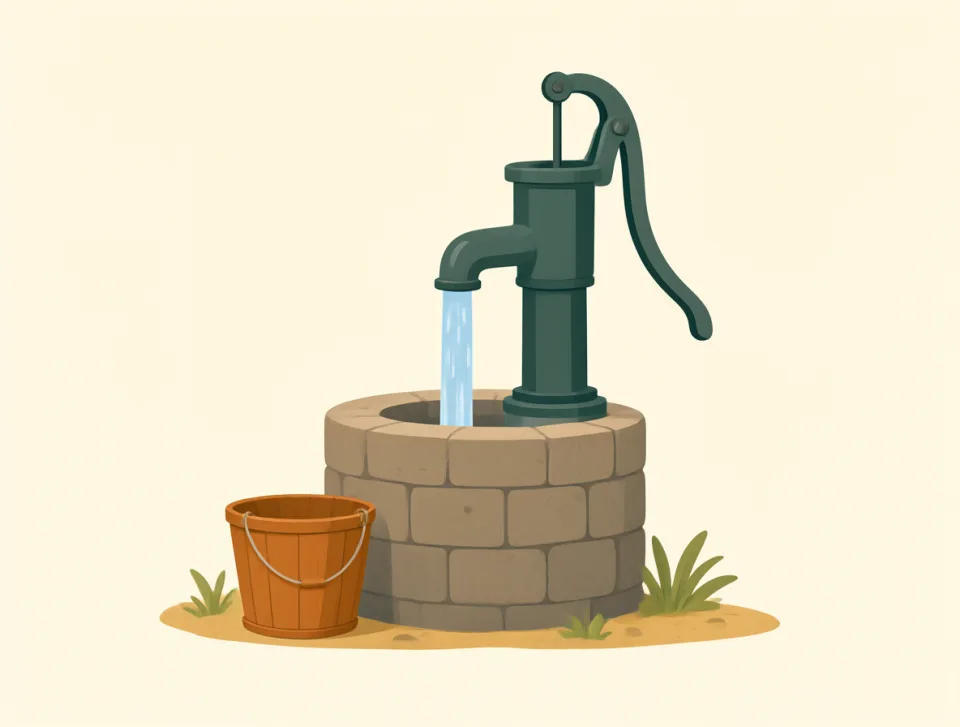
The water pump stopped working during the hot afternoon.
Pompa wodna przestała działać podczas upalnego popołudnia.

She pumped gas into the car before starting the long journey.
Przed wyruszeniem w długą podróż zatankowała samochód.
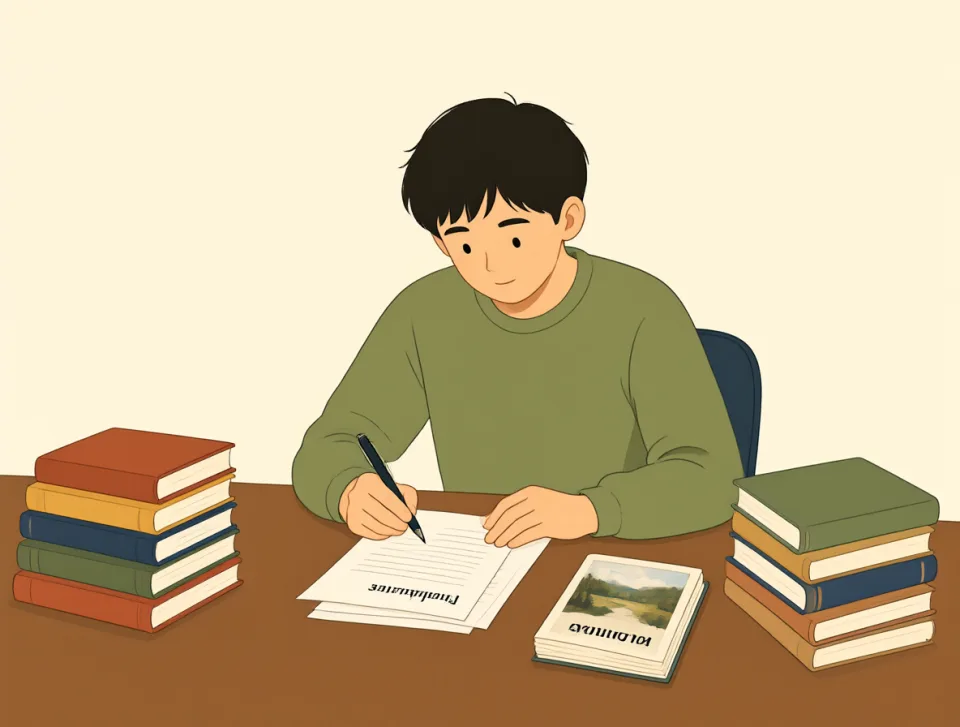
publisher
#2476noun
wydawca
A person or company that prepares and sells books, magazines, or other printed materials.
Osoba lub firma, która przygotowuje i sprzedaje książki, czasopisma lub inne materiały drukowane.
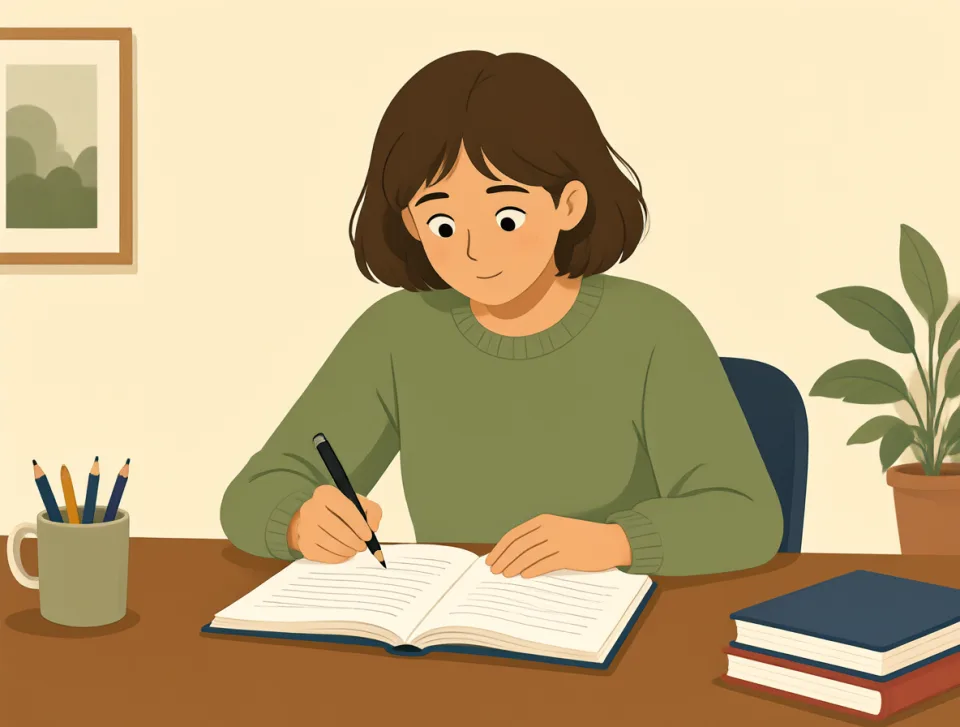
The publisher accepted her first novel after reading the opening chapters.
Wydawca przyjął jej pierwszą powieść po przeczytaniu początkowych rozdziałów.

Our school uses textbooks from a well-known educational publisher.
W naszej szkole korzystamy z podręczników znanego wydawnictwa edukacyjnego.
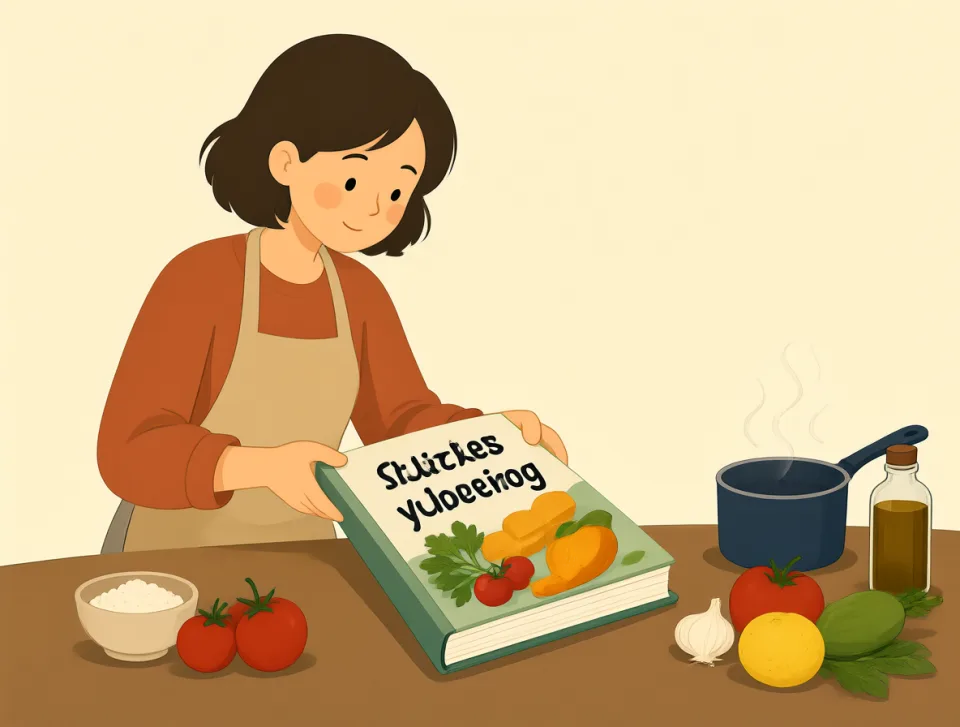
The publisher released a new cookbook featuring simple family recipes.
Wydawca opublikował nową książkę kucharską z prostymi przepisami dla całej rodziny.
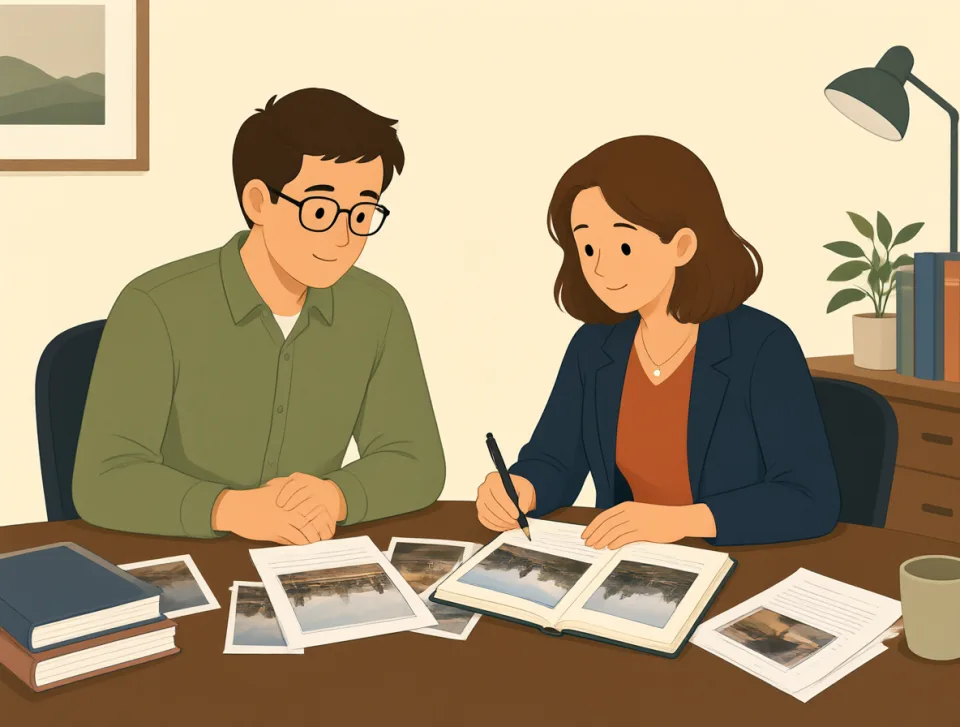
The magazine publisher asked the writer to send photographs by Friday.
Wydawca czasopisma poprosił autora o przesłanie zdjęć do piątku.
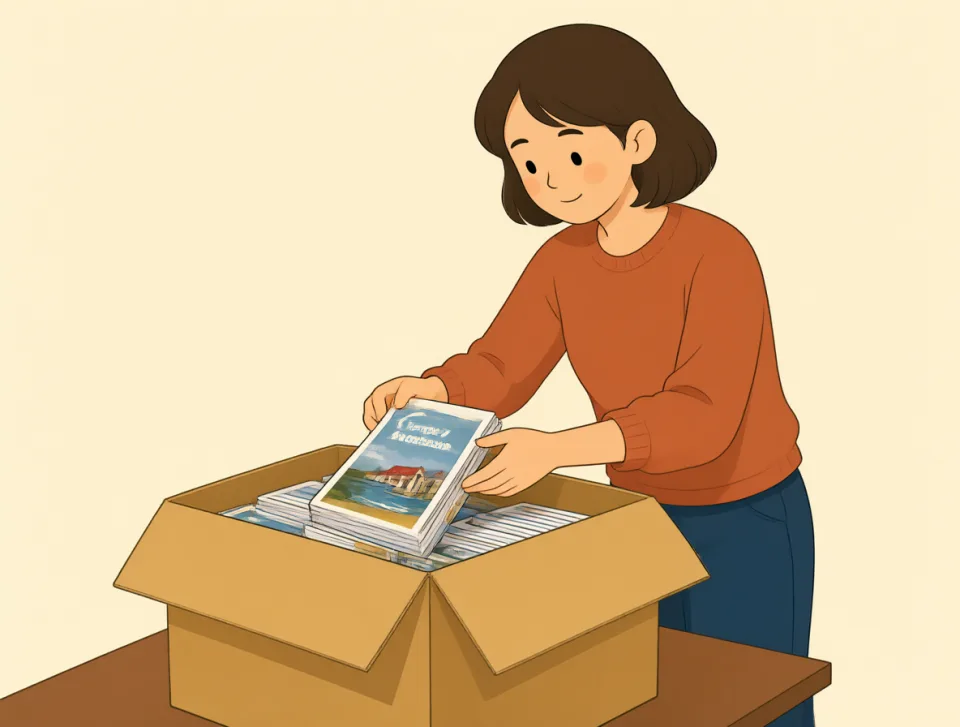
A small publisher printed my travel guide and sold it online.
Małe wydawnictwo wydrukowało mój przewodnik turystyczny i sprzedawało go w internecie.
celebration
#2477noun
uroczystość
An event or party held to mark a special occasion or achievement.
Wydarzenie lub przyjęcie organizowane z okazji ważnego wydarzenia albo osiągnięcia.
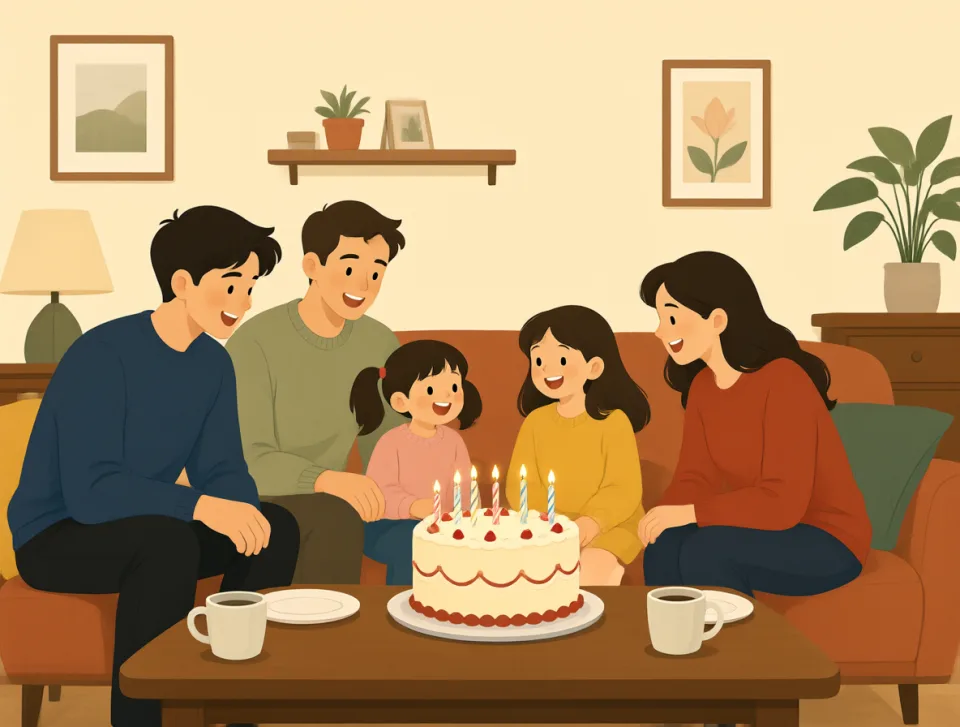
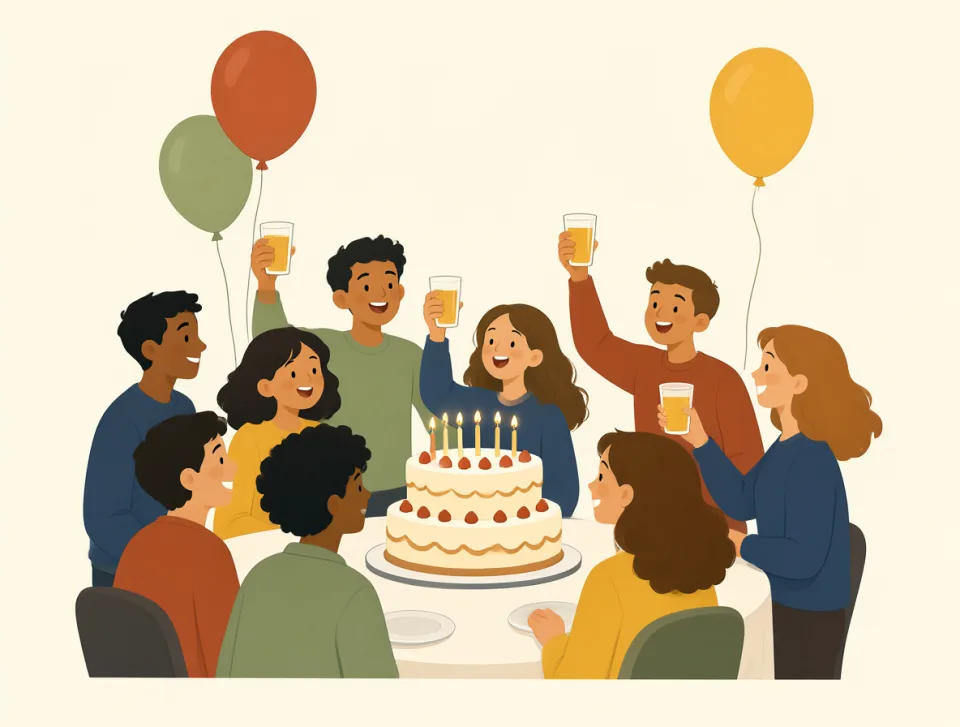
We had a small birthday celebration at home with cake and close friends.
Zorganizowaliśmy w domu niewielkie przyjęcie urodzinowe z ciastem i w gronie bliskich przyjaciół.
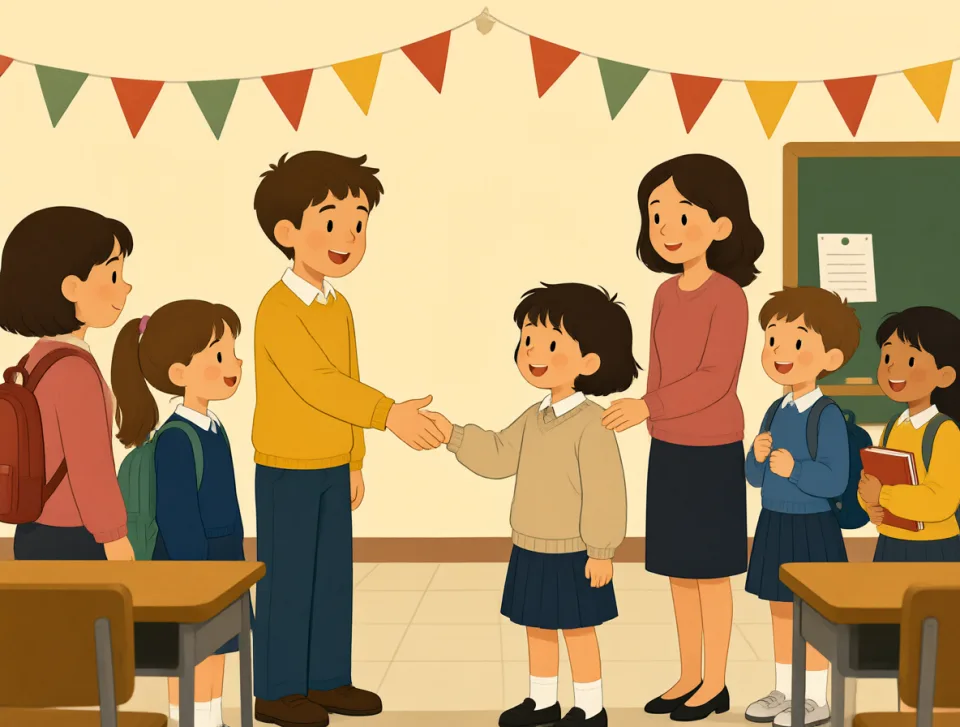
The school held a celebration to welcome new students at the start of term.
Na początku semestru szkoła zorganizowała uroczystość powitalną dla nowych uczniów.

Our team planned a celebration after winning the final match.
Nasz zespół zaplanował świętowanie po wygraniu finałowego meczu.

The restaurant offered free dessert during its anniversary celebration.
Restauracja rozdawała darmowy deser z okazji rocznicy działalności.
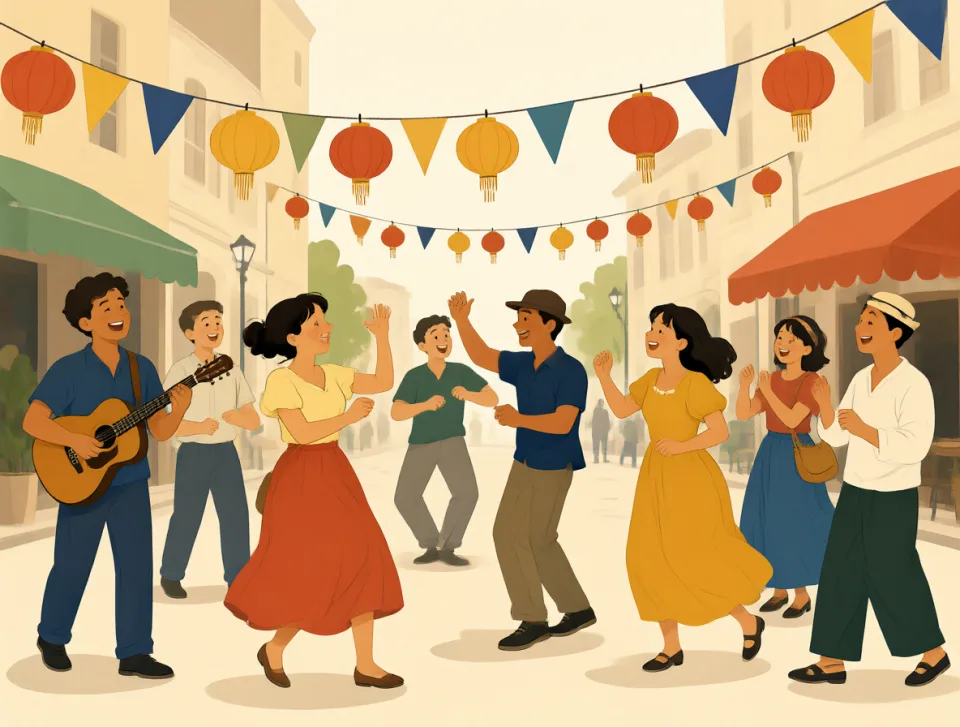
They joined a street celebration while visiting the city during the holiday.
Podczas świątecznej wizyty w mieście wzięli udział w ulicznej zabawie.
golf
#2478noun, verb
golf
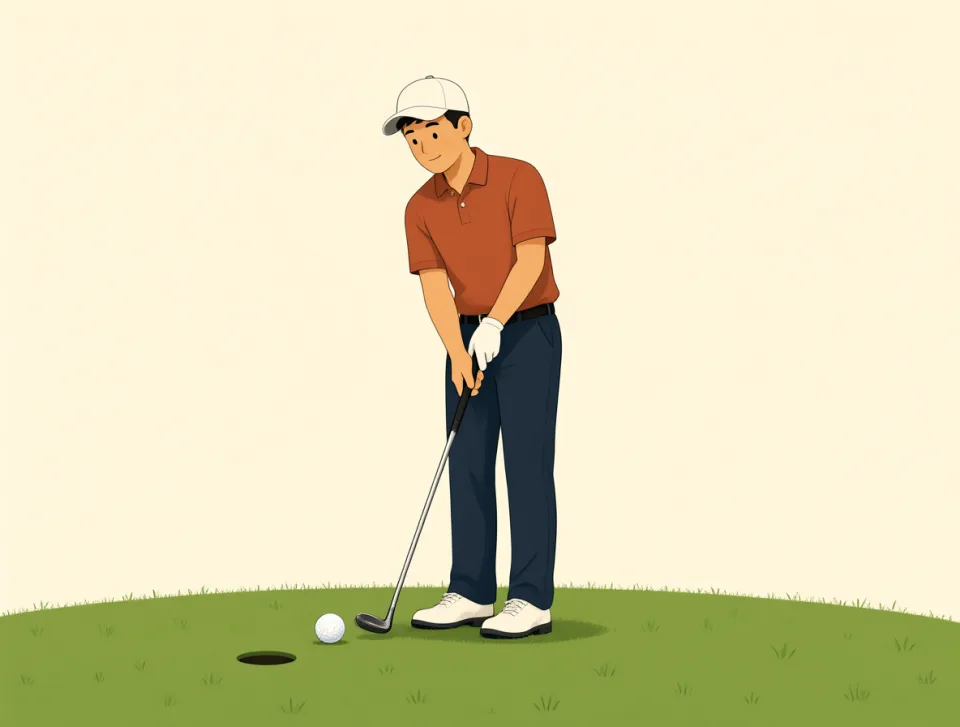
A game played by hitting a small ball into holes using clubs.
Gra polegająca na wbijaniu małej piłki do dołków za pomocą kijów.
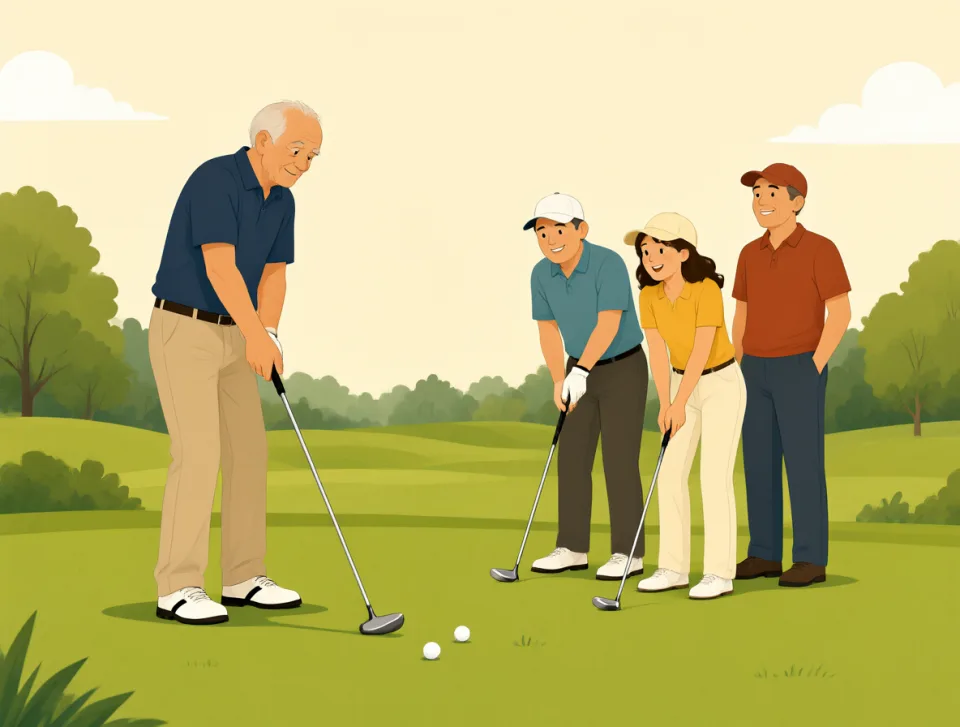
My father plays golf every Saturday with his friends.
Mój ojciec gra w golfa w każdą sobotę z przyjaciółmi.
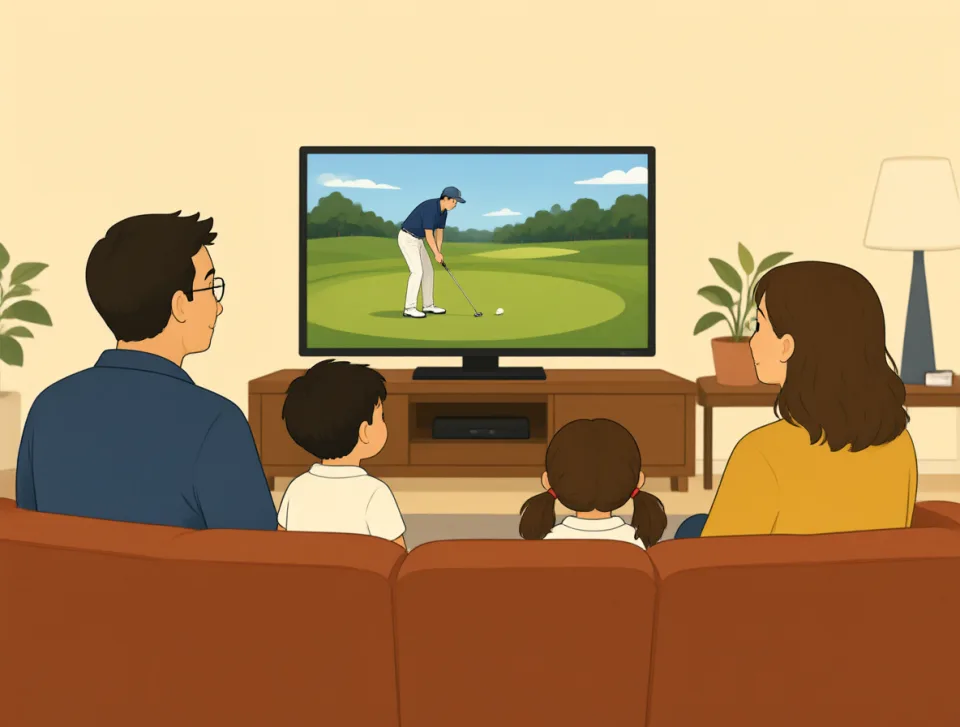
We watched a golf tournament on television after dinner.
Po kolacji oglądaliśmy w telewizji turniej golfa.
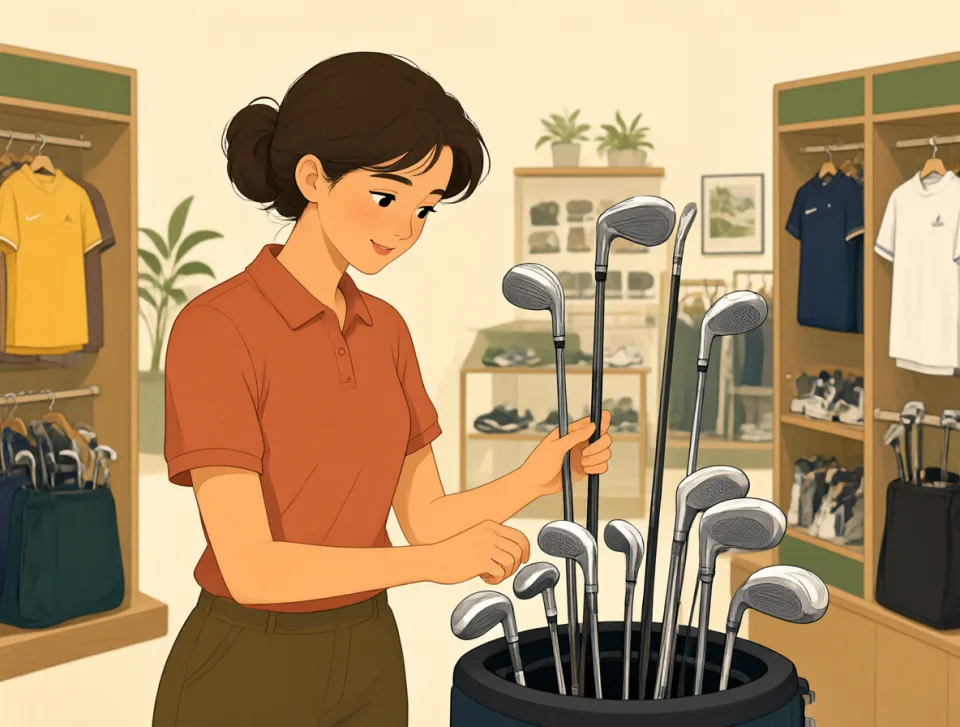
She bought new golf clubs before her holiday in Spain.
Przed wakacjami w Hiszpanii kupiła nowe kije golfowe.
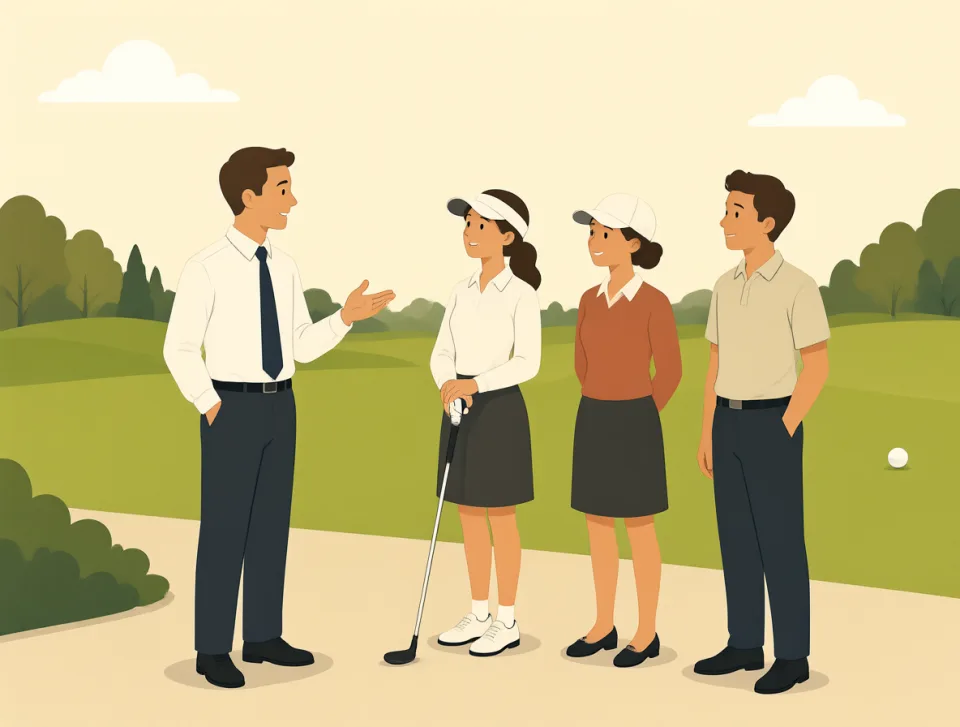
Our manager invited the team to play golf this weekend.
Nasz kierownik zaprosił zespół na golfa w ten weekend.
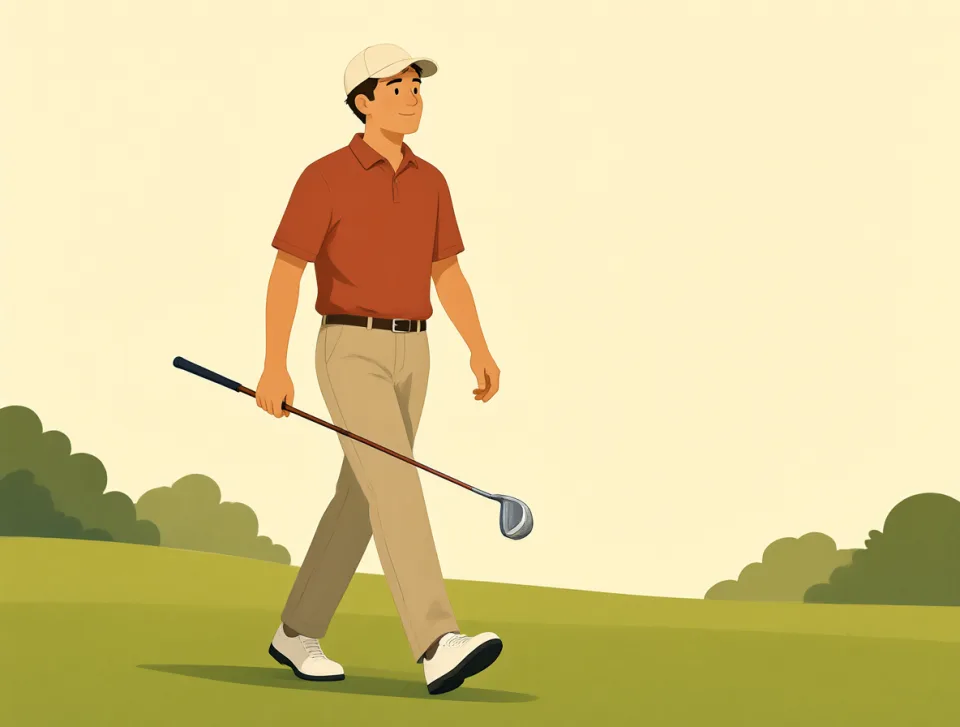
He has been golfing regularly to get more exercise.
Regularnie gra w golfa, żeby więcej się ruszać.
compensation
#2479noun
odszkodowanie
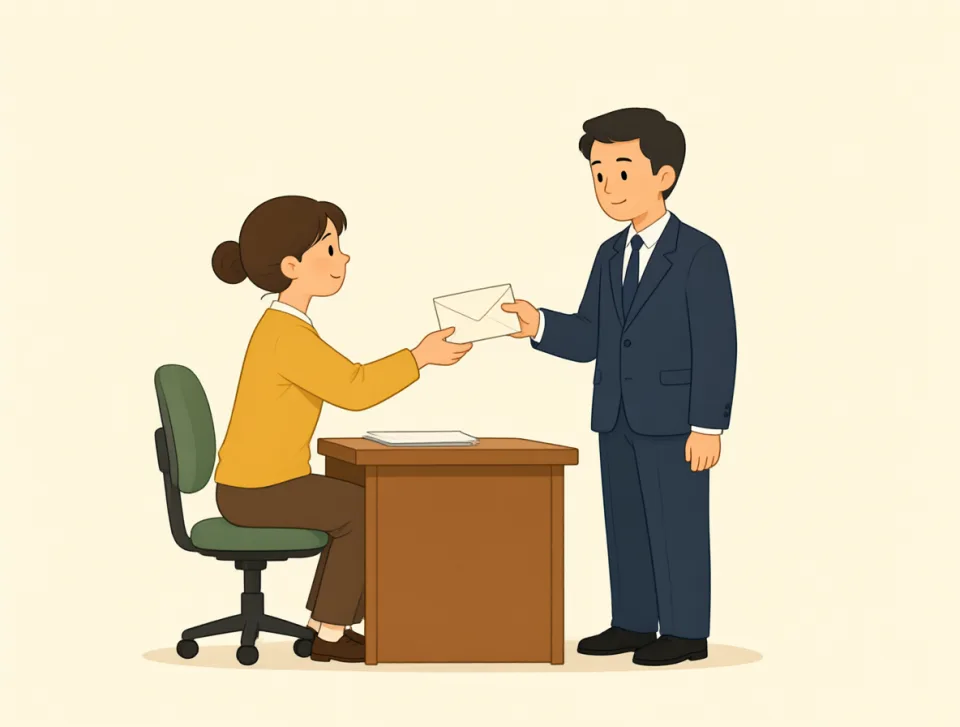
Money or something else given to someone because of loss, damage, or work.
Pieniądze lub inna forma rekompensaty przyznawana komuś za poniesioną stratę, szkodę lub wykonaną pracę.

The company offered compensation after the flight was canceled.
Firma zaoferowała odszkodowanie po odwołaniu lotu.

She received compensation for the injury she suffered at work.
Otrzymała odszkodowanie za uraz, którego doznała w pracy.

The hotel gave us compensation for the uncomfortable room.
Hotel zrekompensował nam niewygodny pokój.

He asked for compensation after the store delivered the wrong table.
Poprosił o odszkodowanie, gdy sklep dostarczył niewłaściwy stół.

Good compensation helps attract talented workers to difficult jobs.
Dobre wynagrodzenie pomaga przyciągnąć utalentowanych pracowników do wymagającej pracy.
classical
#2480adjective
klasyczny
Related to the art, literature, music, and culture of ancient Greece and Rome.
Związany ze sztuką, literaturą, muzyką i kulturą starożytnej Grecji i Rzymu.
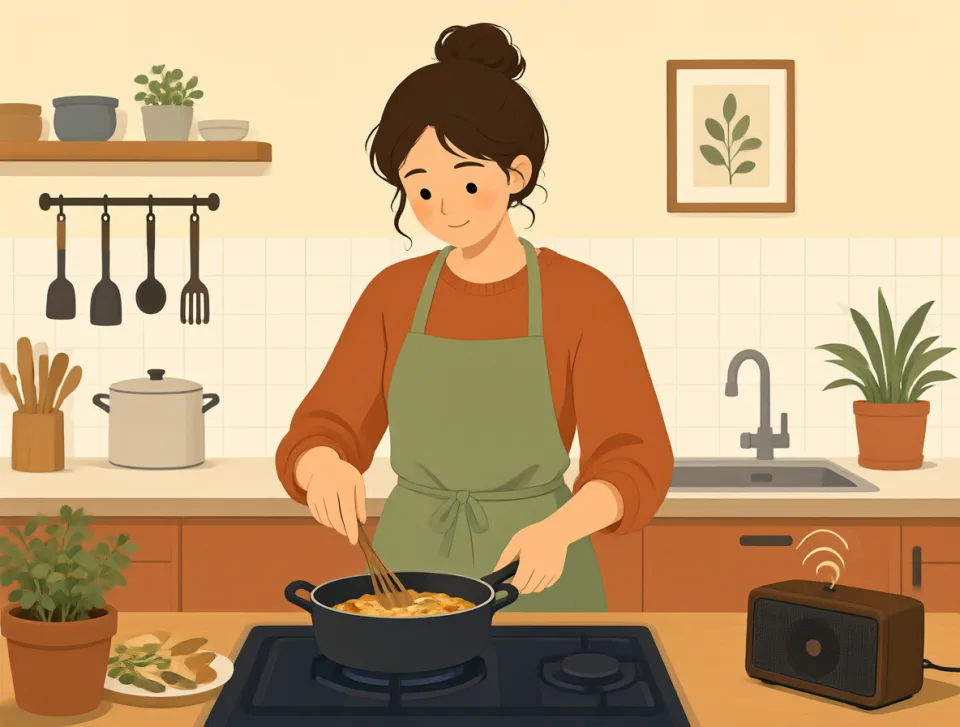
She enjoys listening to classical music while cooking dinner.
Lubi słuchać muzyki klasycznej podczas przygotowywania kolacji.
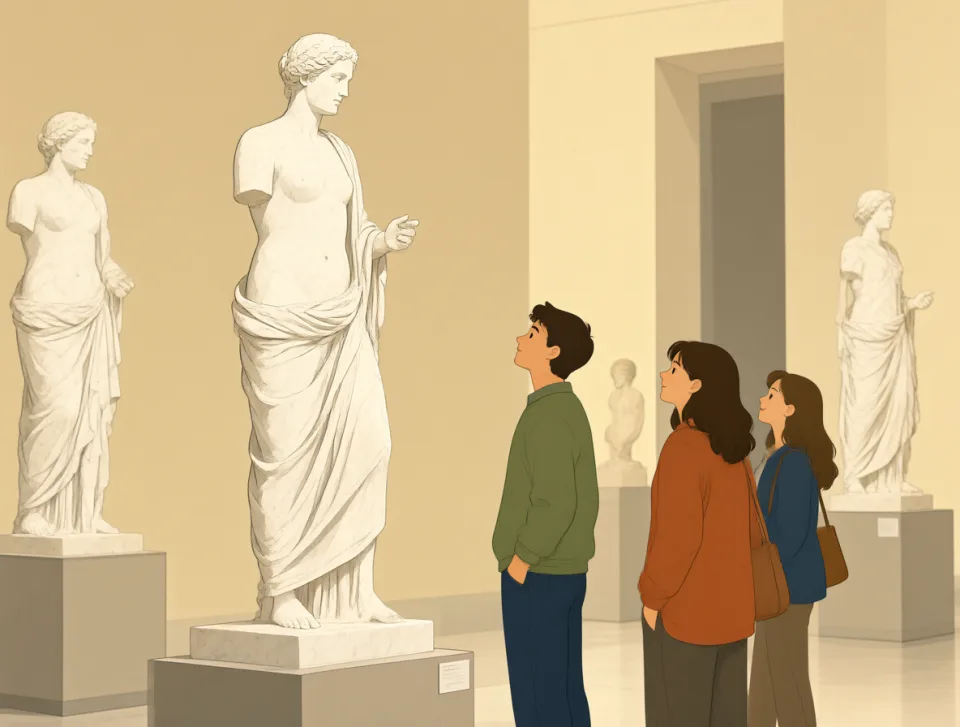
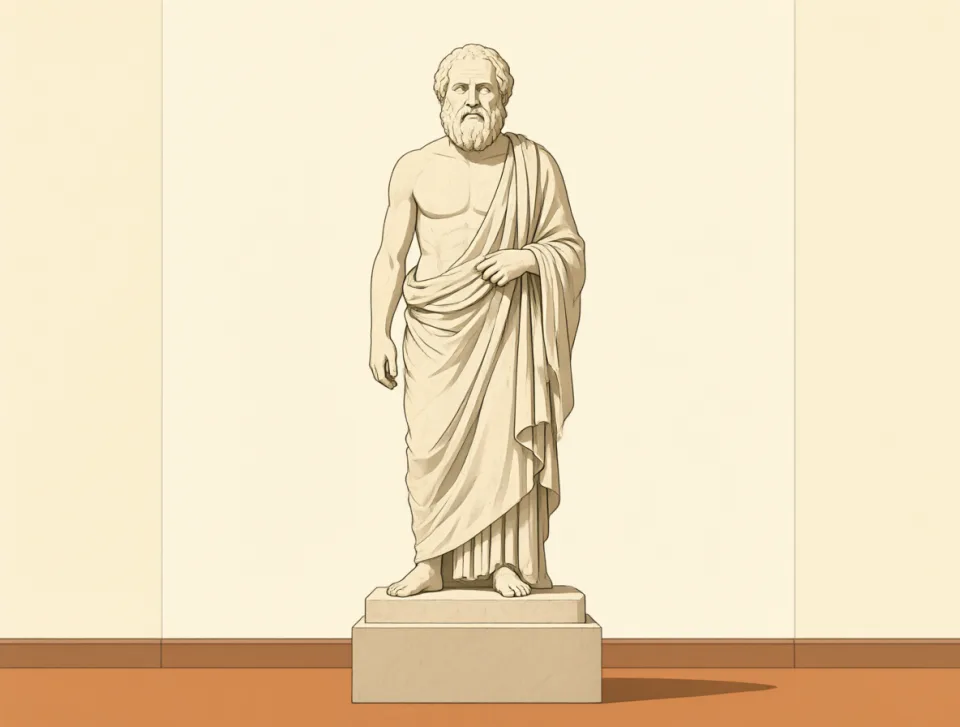
The museum has a beautiful collection of classical Greek statues.
W muzeum znajduje się piękna kolekcja klasycznych greckich rzeźb.
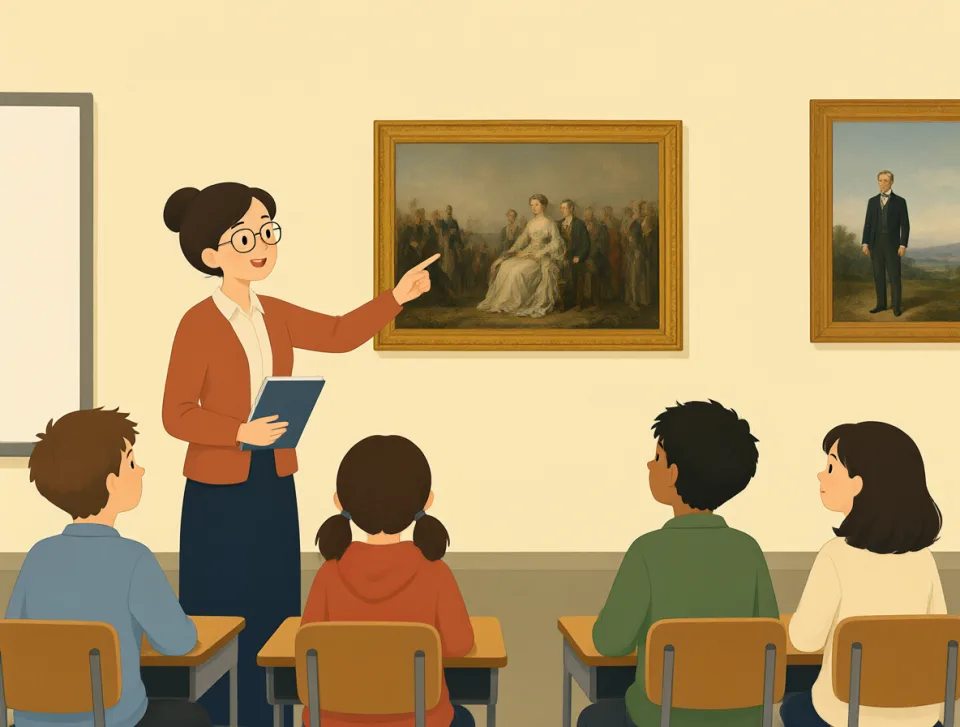
Our teacher showed us classical paintings from the eighteenth century.
Nasz nauczyciel pokazał nam klasyczne obrazy z XVIII wieku.
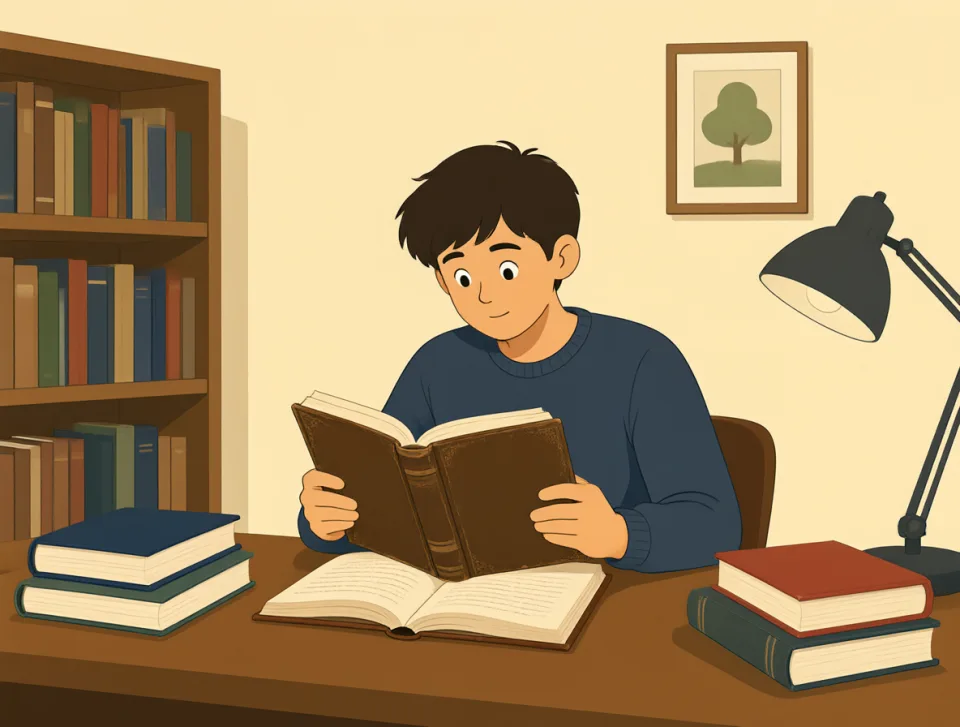
He studied classical literature at university and became a writer.
Studiował literaturę klasyczną na uniwersytecie i został pisarzem.
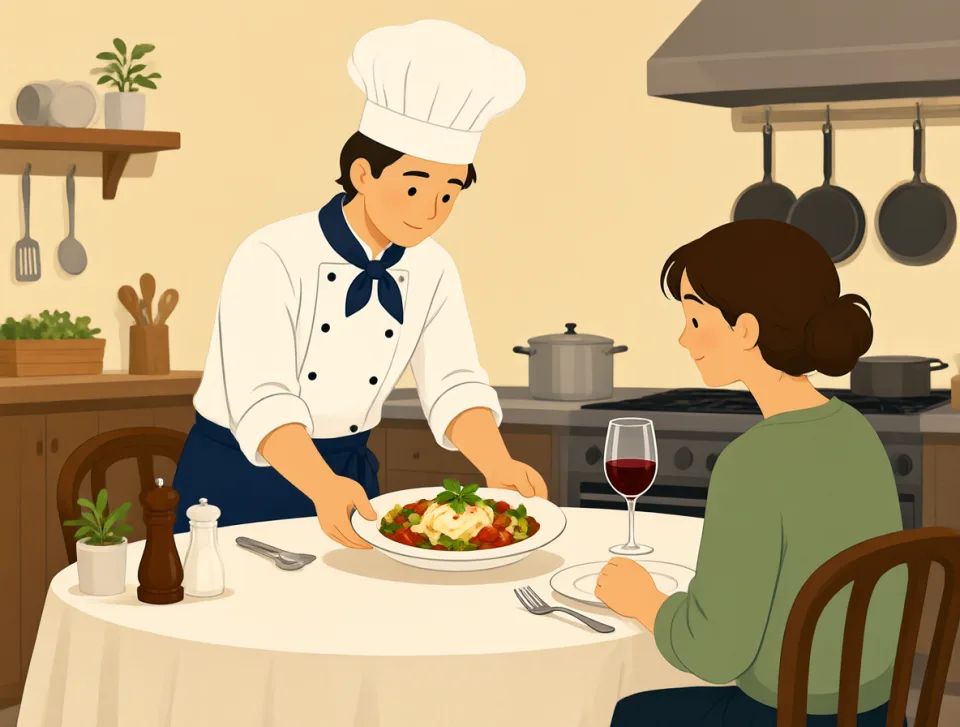
The restaurant serves classical French dishes with fresh local ingredients.
Restauracja serwuje klasyczne dania kuchni francuskiej ze świeżych, lokalnych składników.