Zestaw 114
Słowa 2261–2280 · membership, bread, blind, pure, bloody, ally
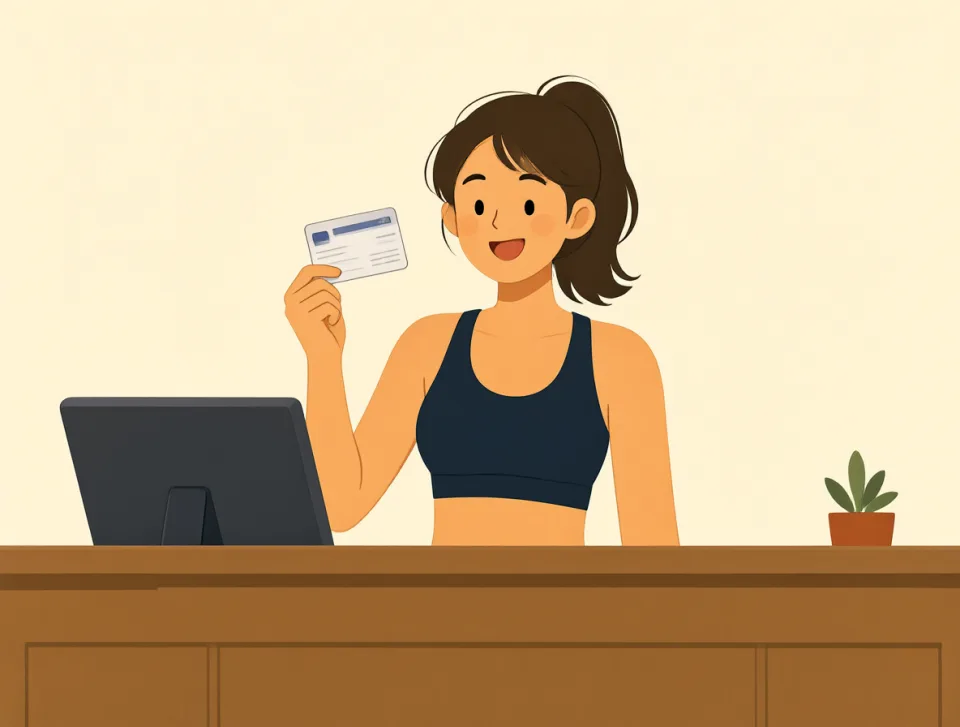
membership
#2261noun
członkostwo
Being a member of a group, club, or organization, or the fee paid to join one.
Bycie członkiem grupy, klubu lub organizacji albo opłata za przystąpienie do niej.
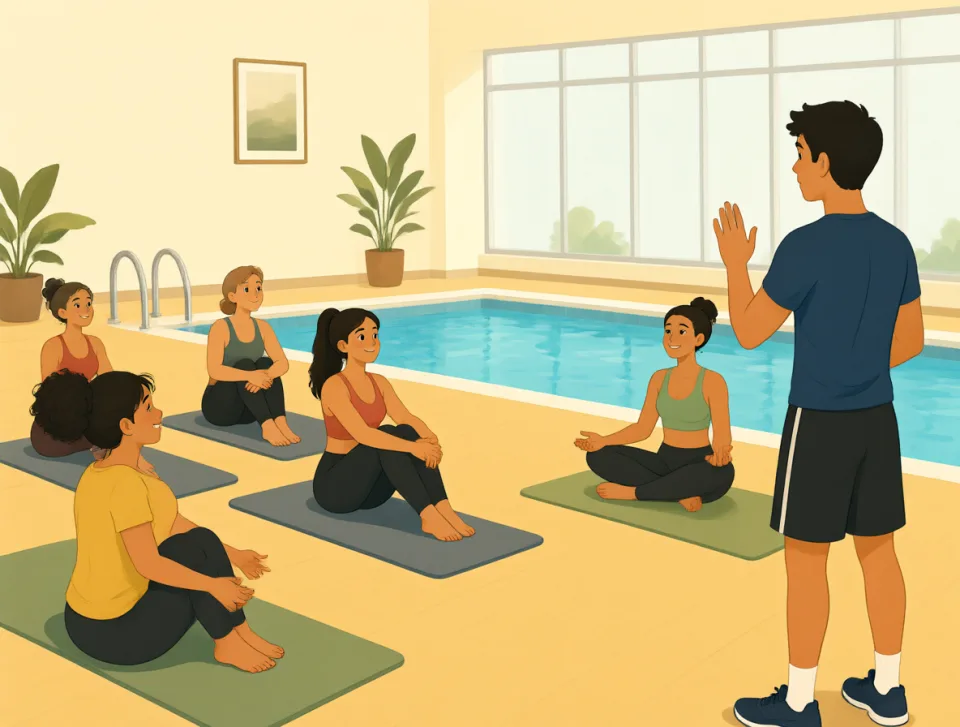
My gym membership includes access to the swimming pool and fitness classes.
Karnet na siłownię obejmuje dostęp do basenu i zajęć fitness.
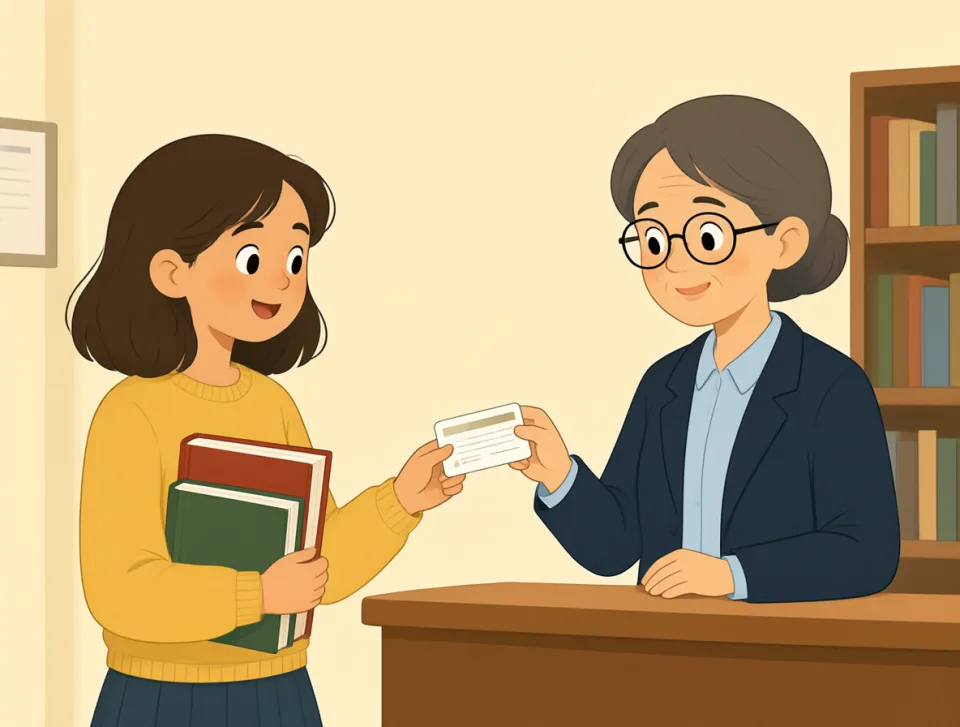
You need a library membership to borrow books from this branch.
Żeby wypożyczać książki z tej filii, potrzebujesz karty bibliotecznej.

The club offers free membership to students under eighteen.
Klub oferuje bezpłatne członkostwo uczniom poniżej osiemnastego roku życia.
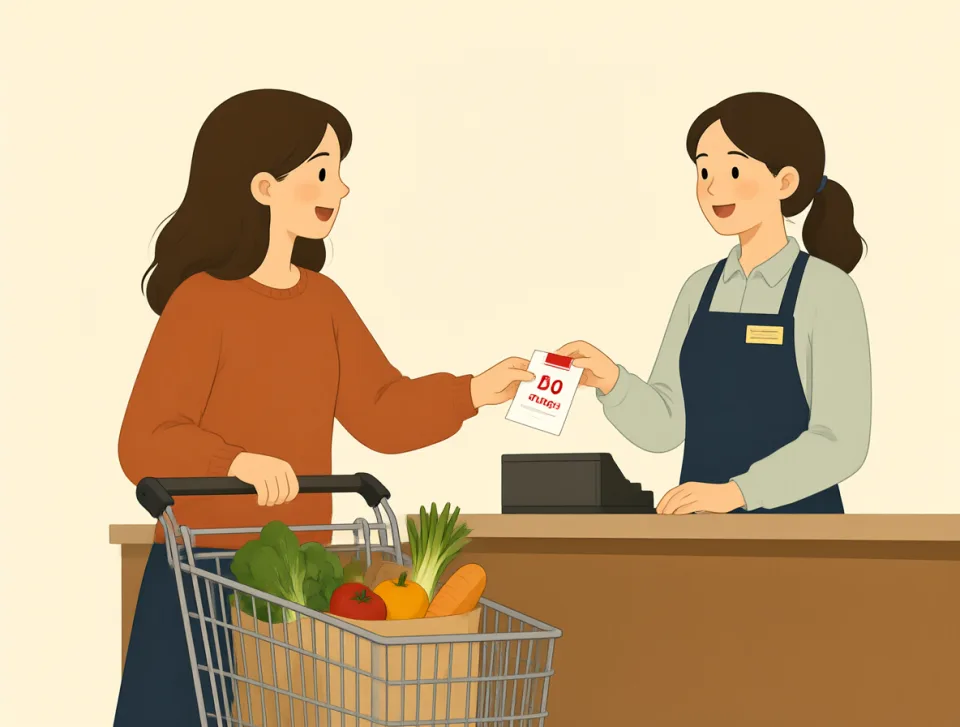
Our supermarket membership gives us discounts on weekly groceries.
Nasza karta lojalnościowa w supermarkecie daje nam zniżki na cotygodniowe zakupy spożywcze.

She canceled her membership because she moved to another city.
Anulowała członkostwo, ponieważ przeprowadziła się do innego miasta.

bread
#2262noun
chleb
A common food made from flour and baked, usually eaten with meals or used in sandwiches.
Popularny produkt spożywczy z mąki, pieczony i zwykle jedzony do posiłków lub używany do kanapek.

I bought some fresh bread from the bakery this morning.
Kupiłem dziś rano świeży chleb w piekarni.

She made a sandwich with bread, cheese, and sliced tomatoes.
Zrobiła kanapkę z chleba, sera i pokrojonych pomidorów.
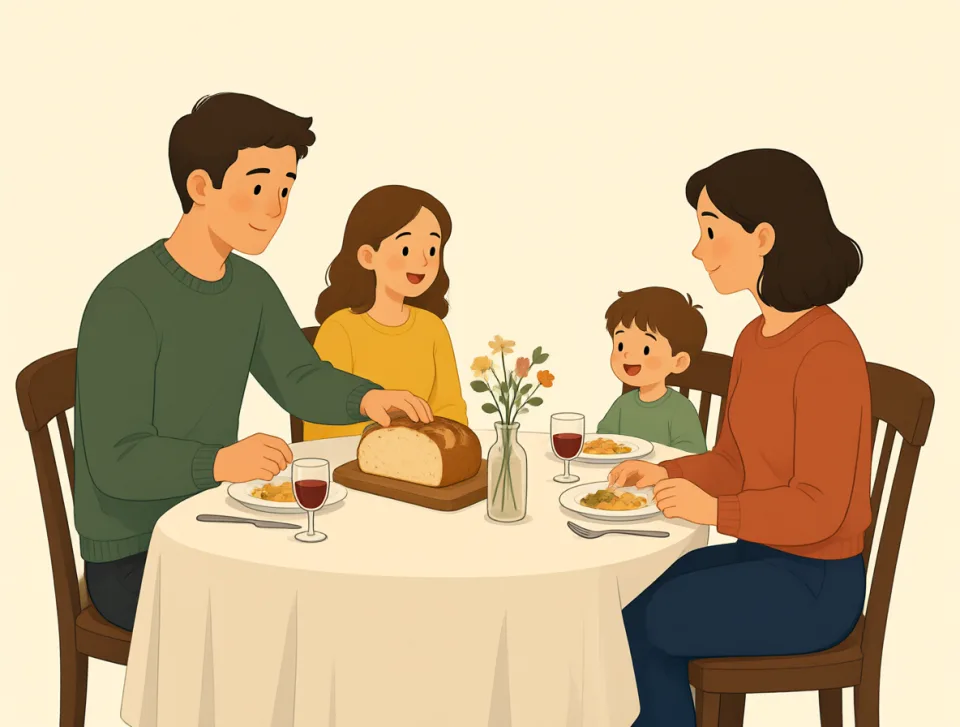
Could you pass me the bread, please?
Czy możesz podać mi chleb, proszę?
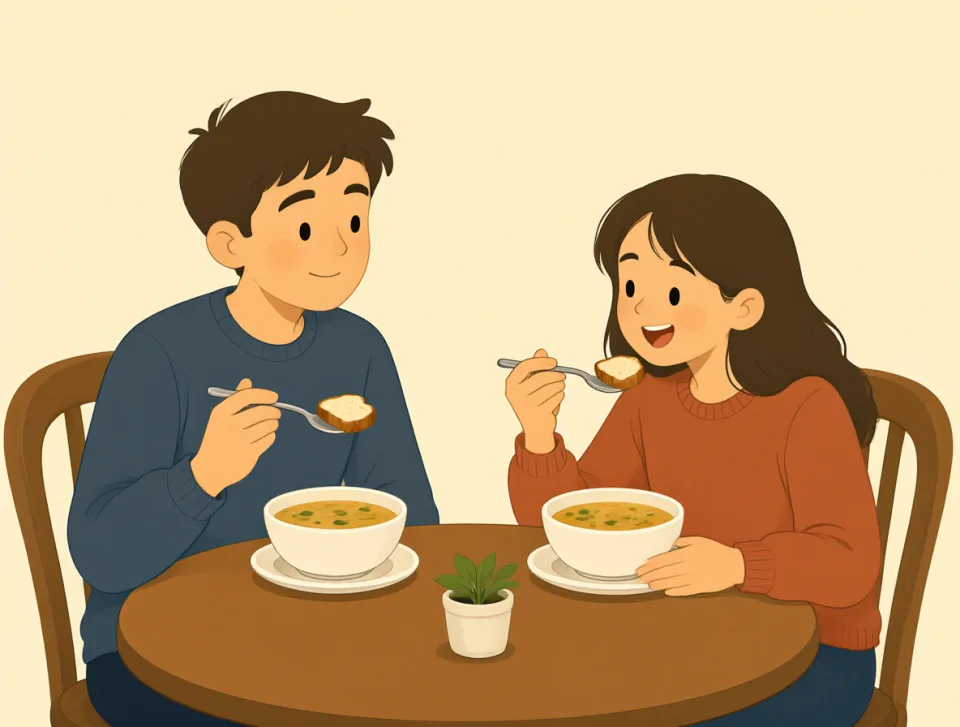
We ate bread and soup for lunch at the small café.
Na lunch zjedliśmy chleb i zupę w małej kawiarni.
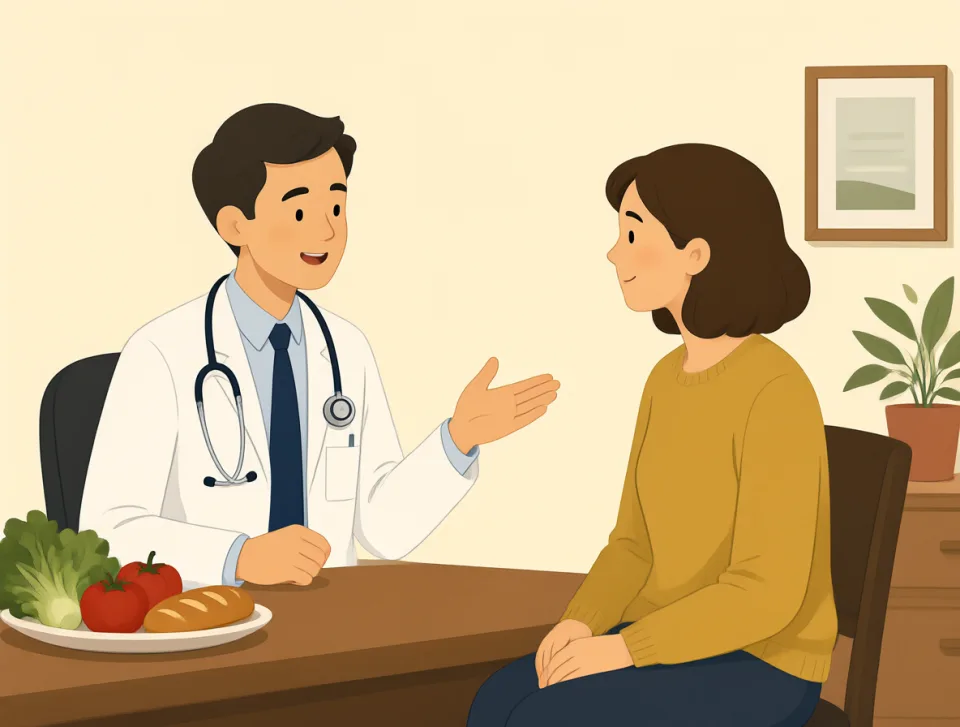
The doctor told him to eat less white bread and more vegetables.
Lekarz powiedział mu, żeby jadł mniej białego chleba, a więcej warzyw.
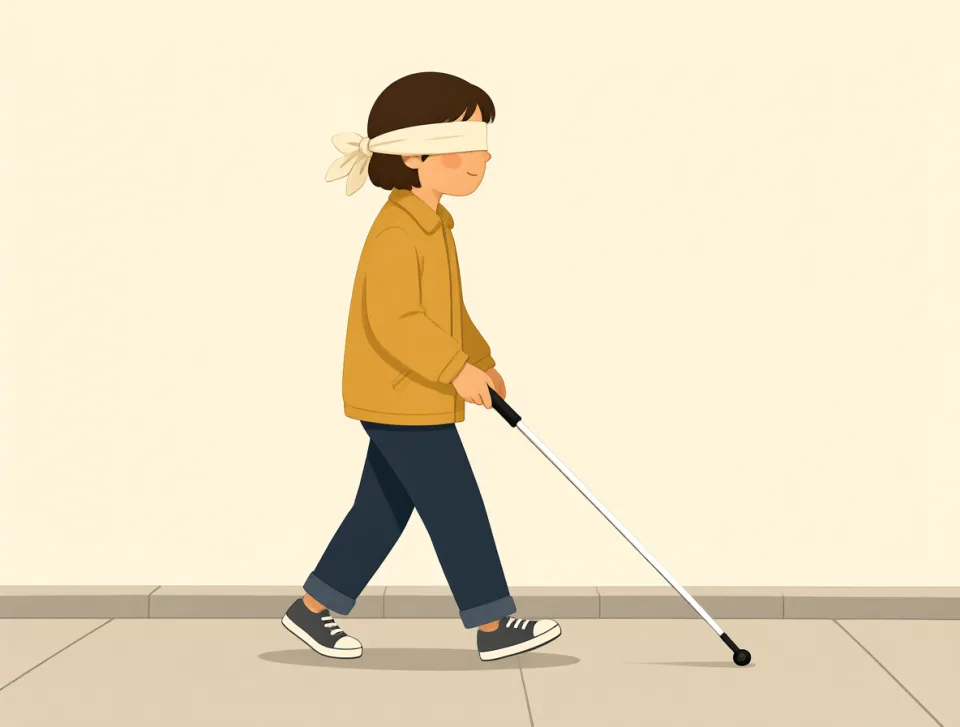
blind
#2263adjective, noun, verb
ślepy; roleta; zaślepiać
Unable to see; a cover that blocks light; to hide someone’s eyes or judgment.
Niemogący widzieć; osłona blokująca światło; ukrywać przed kimś prawdę lub wpływać na czyjąś ocenę sytuacji.
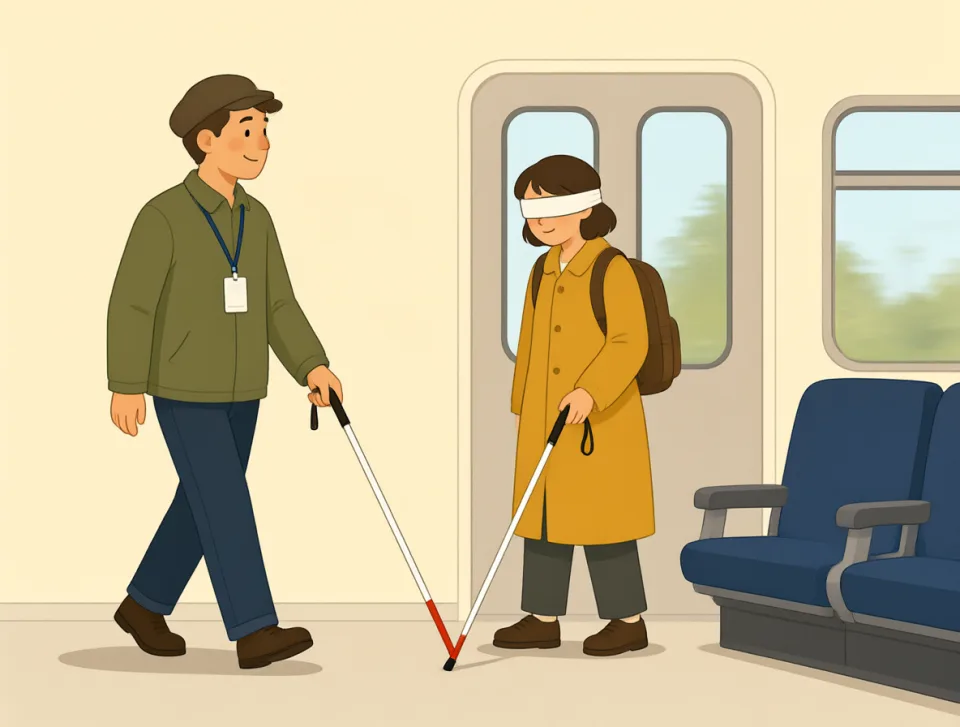
The guide helped the blind traveler find her seat on the train.
Przewodnik pomógł niewidomej podróżnej znaleźć miejsce w pociągu.
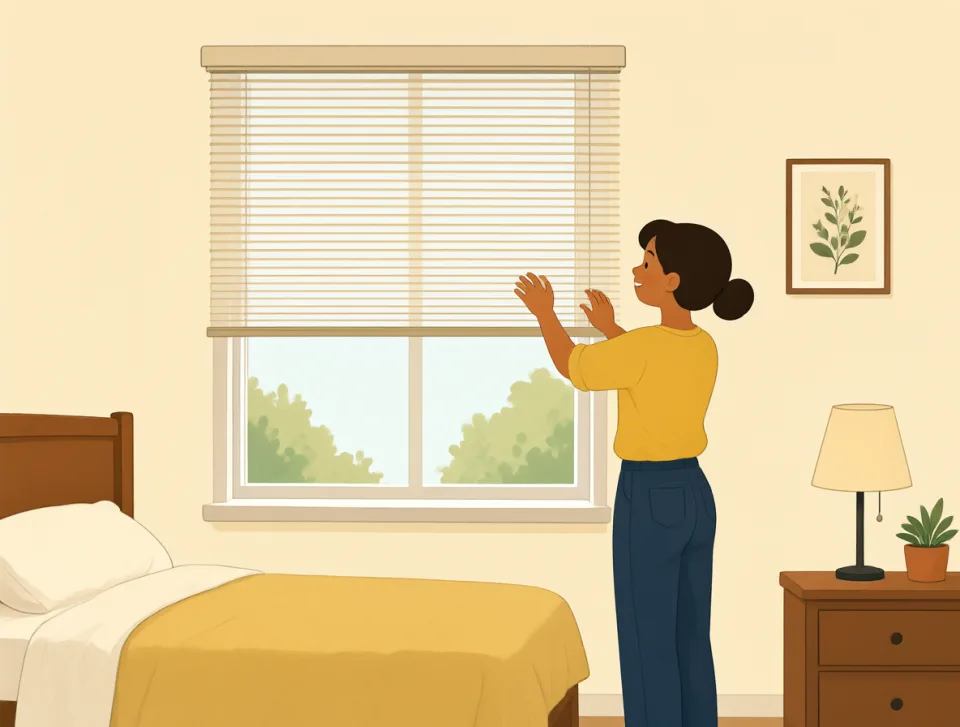
We bought new blinds to keep the bright morning sun out.
Kupiliśmy nowe rolety, żeby nie wpuszczały jasnego porannego słońca.
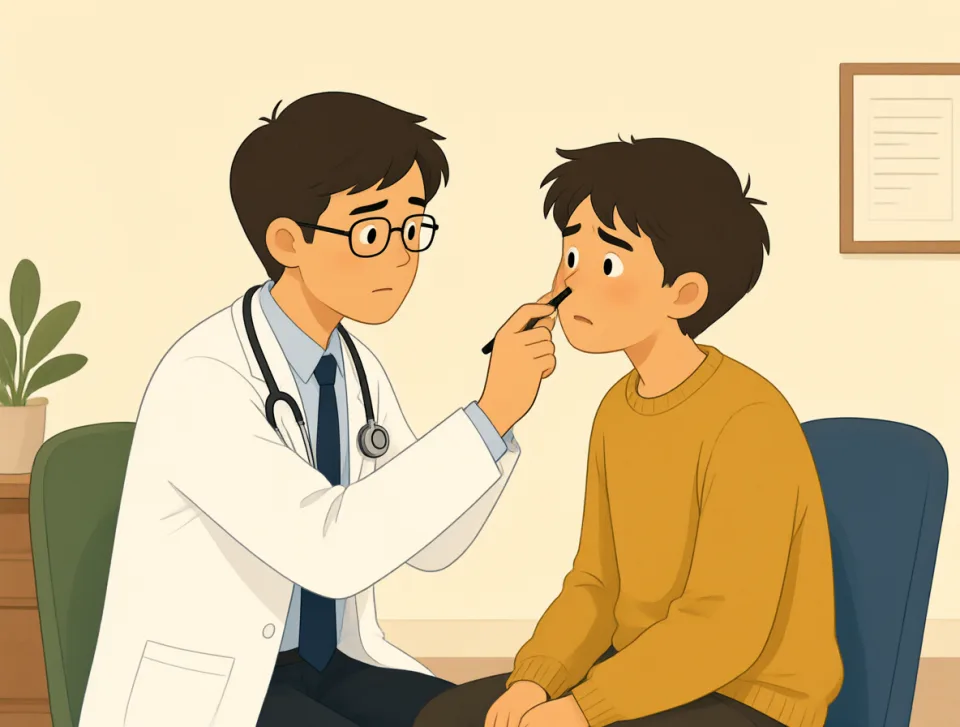
The doctor said the infection might leave him blind in one eye.
Lekarz powiedział, że infekcja może sprawić, że straci wzrok w jednym oku.
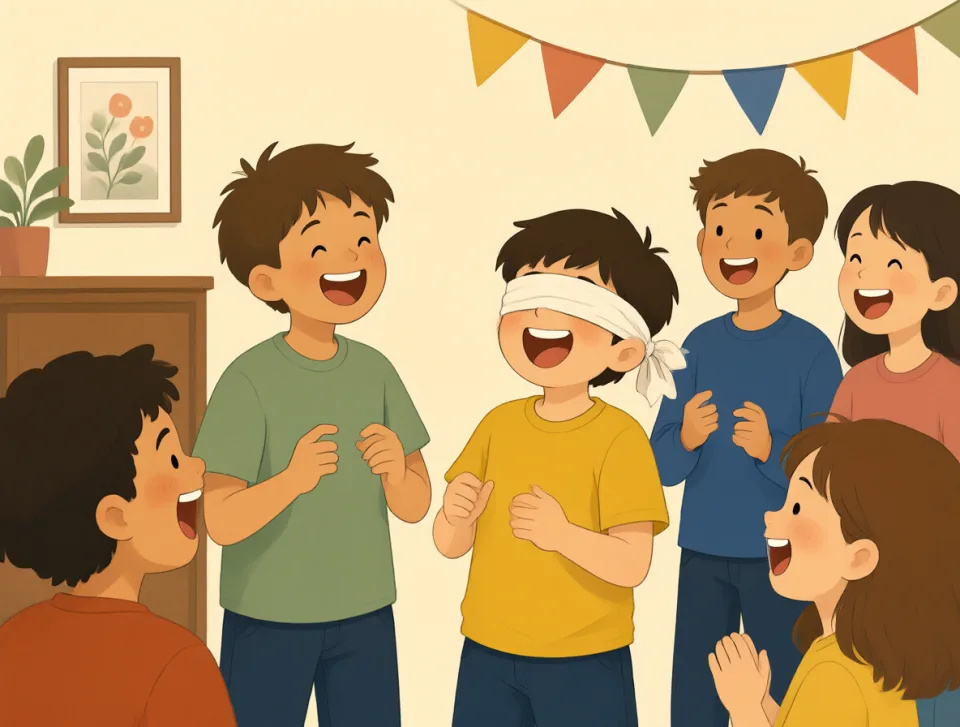
The children were blindfolded before the party game began.
Zanim rozpoczęła się zabawa na przyjęciu, dzieciom zasłonięto oczy.
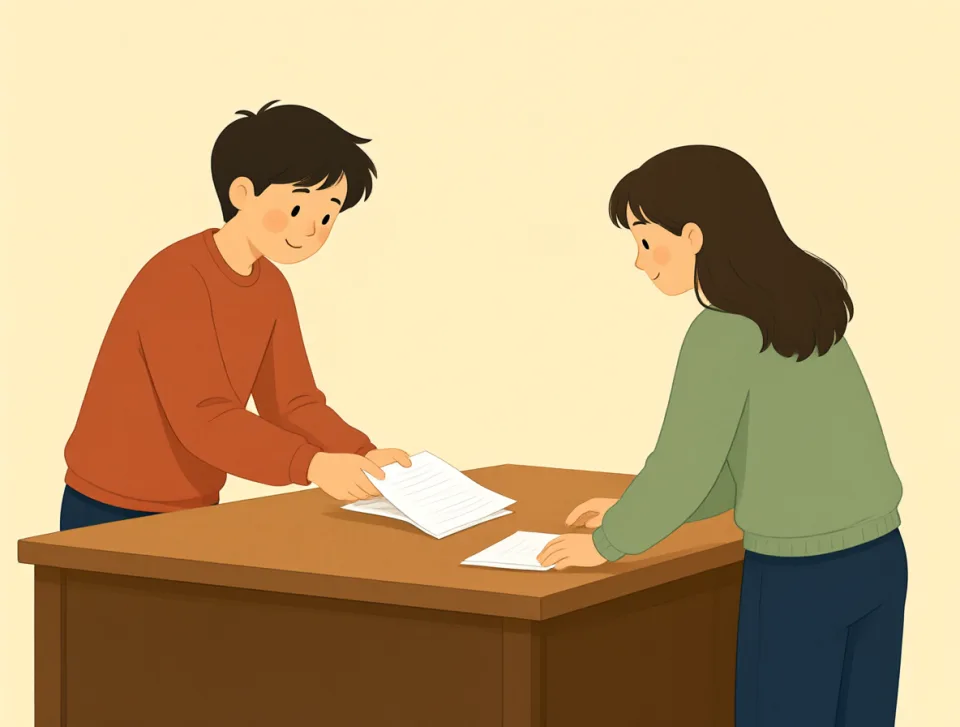
He made a blind decision without checking the facts first.
Podjął pochopną decyzję, nie sprawdzając wcześniej faktów.

pure
#2264adjective
czysty; czysta; czyste
Not mixed with anything else; clean, natural, or complete.
Niezmieszany z niczym innym; czysty, naturalny lub całkowity.

She washed the shirt in pure water to remove the soap completely.
Wyprała koszulę w czystej wodzie, żeby całkowicie usunąć mydło.

The restaurant serves pure fruit juice with no added sugar.
W tej restauracji podaje się czysty sok owocowy bez dodatku cukru.
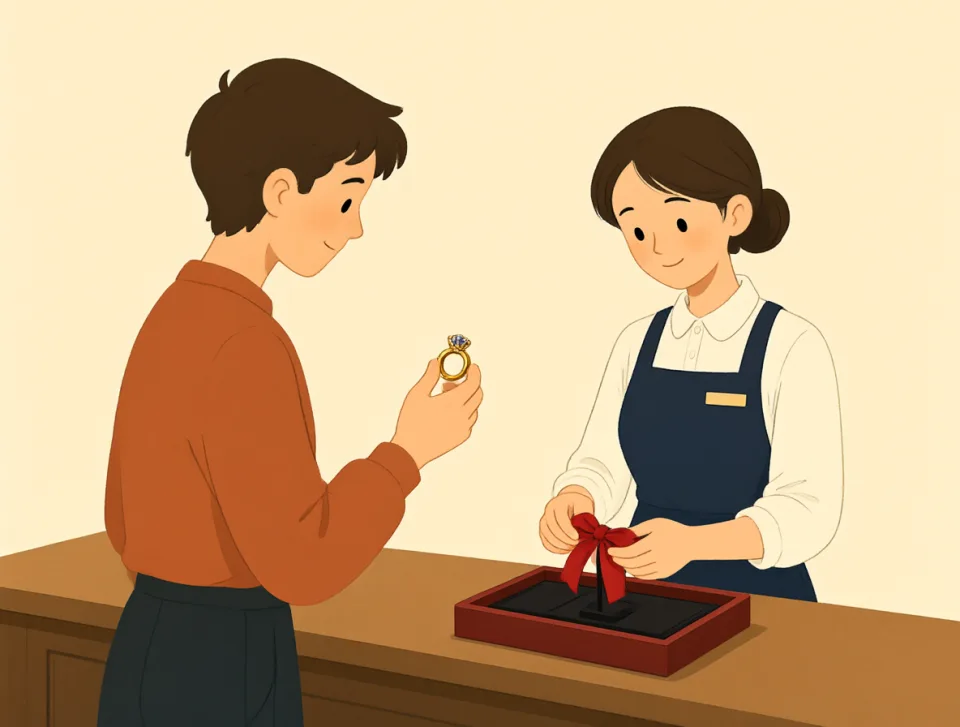
His pure gold ring was carefully wrapped before he left the jewelry shop.
Jego pierścionek z czystego złota został starannie zapakowany, zanim wyszedł ze sklepu jubilerskiego.

The mountain air was pure and cool after the long hike.
Po długiej wędrówce górskie powietrze było czyste i chłodne.

Their friendship grew from pure kindness, without any desire for money or attention.
Ich przyjaźń zrodziła się z czystej życzliwości, bez pragnienia pieniędzy ani uwagi.
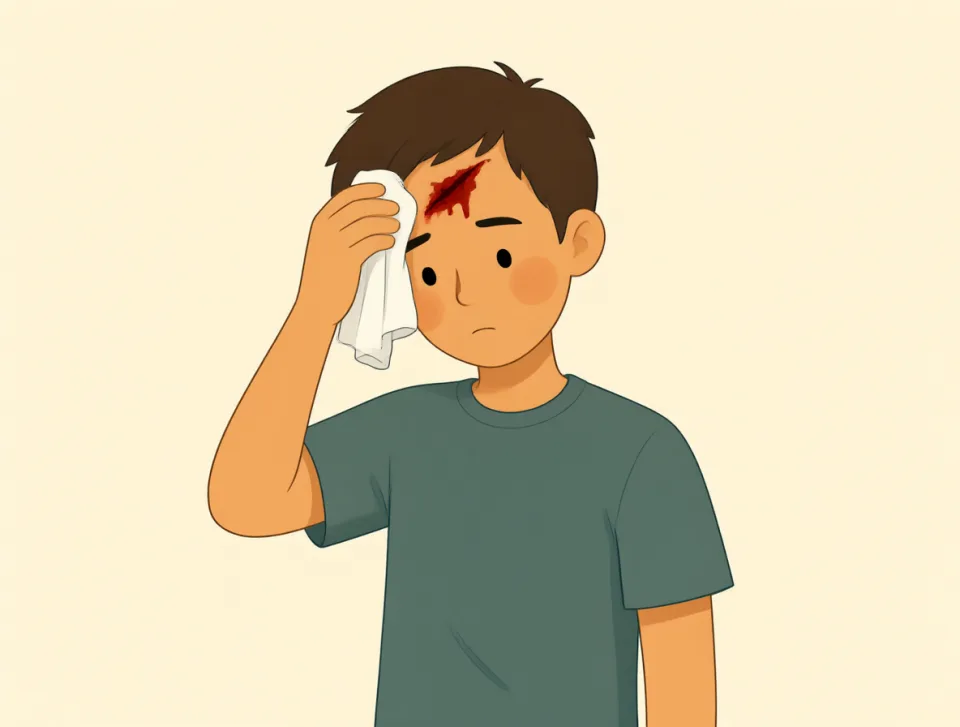
bloody
#2265adjective, adverb
krwawy; cholerny
Containing or covered with blood; used before an adjective to show strong feeling, especially in British English.
Zawierający krew lub pokryty krwią; używany przed przymiotnikiem do wyrażenia silnych emocji, zwłaszcza w brytyjskiej odmianie angielskiego.
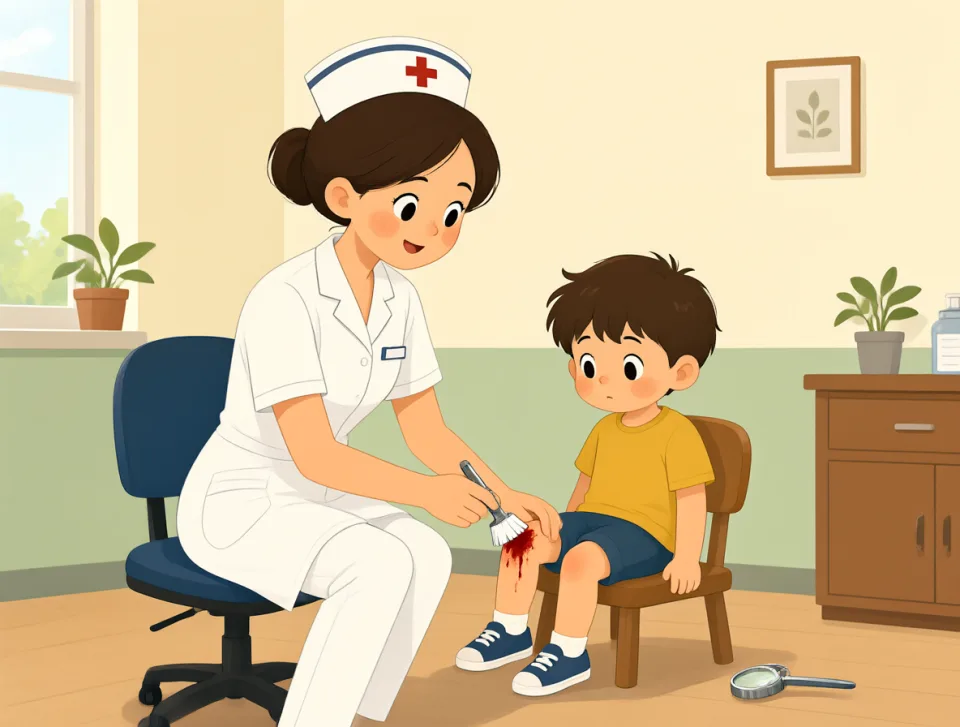
The nurse gently cleaned the bloody cut on my knee.
Pielęgniarka delikatnie oczyściła zakrwawione rozcięcie na moim kolanie.

He wiped his bloody hands before touching the kitchen door.
Wytarł zakrwawione ręce, zanim dotknął drzwi do kuchni.
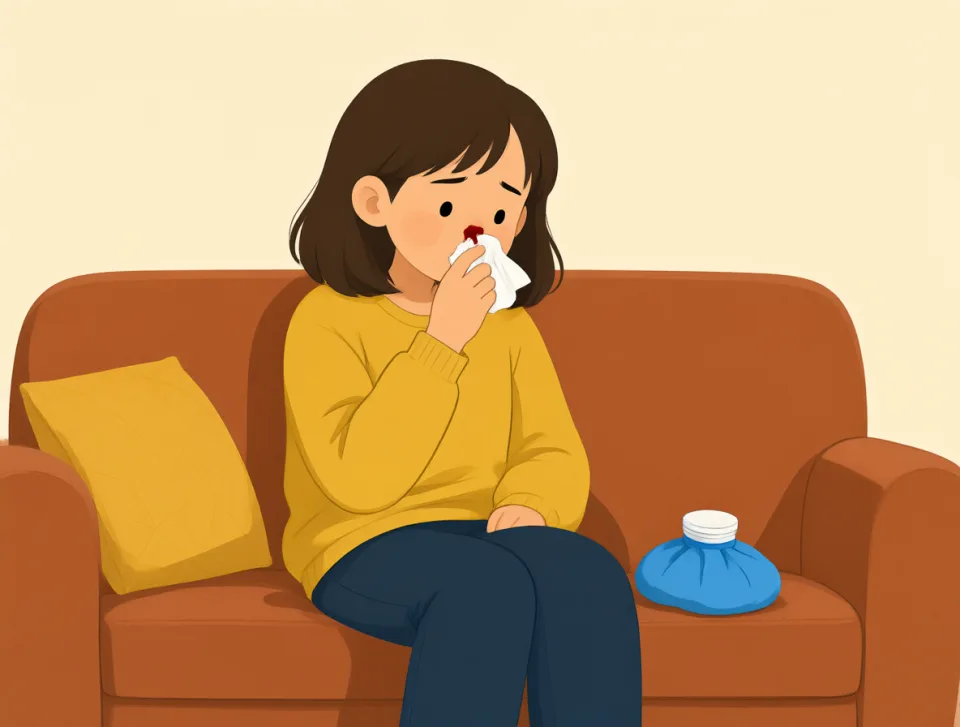
The bloody nose stopped after she rested with an ice pack.
Krwawienie z nosa ustało, gdy odpoczęła z okładem z lodu.

That bloody traffic made us late for the airport.
Przez te cholerne korki spóźniliśmy się na lotnisko.
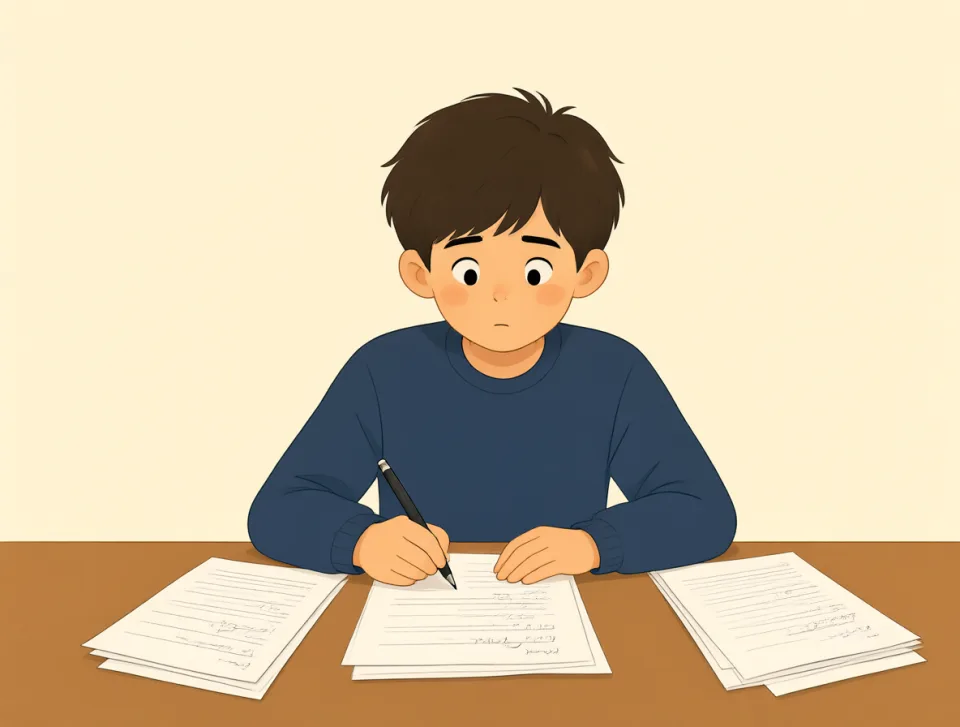
It was a bloody difficult exam, but I passed it.
To był cholernie trudny egzamin, ale zdałem.
ally
#2266noun, verb
sojusznik
A person, group, or country that supports and helps another.
Osoba, grupa lub kraj, które wspierają i pomagają komuś innemu.
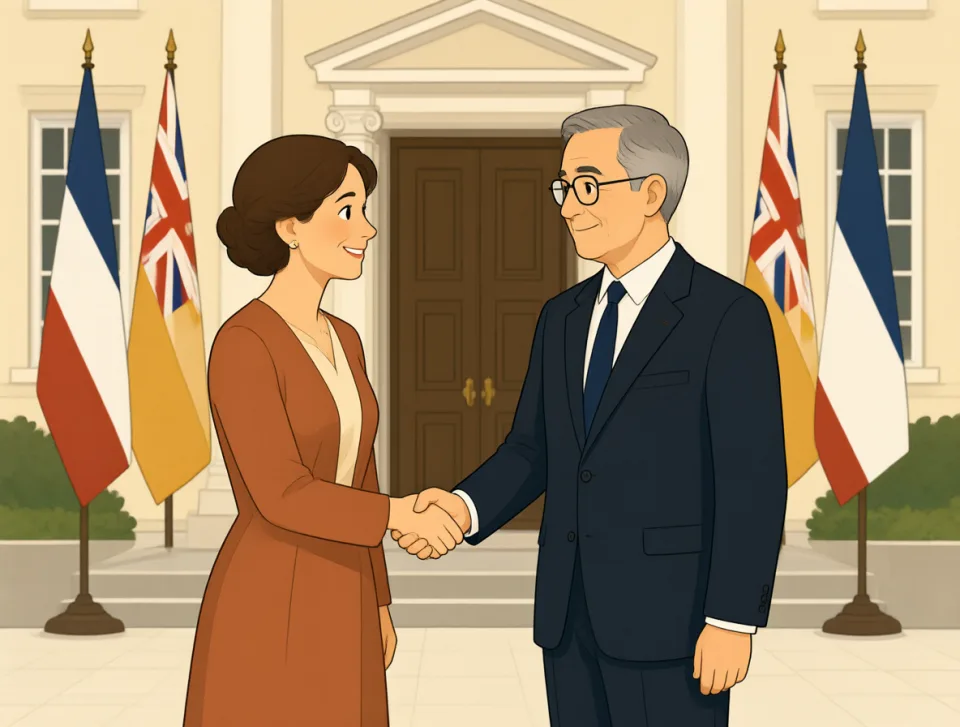
The two countries became close allies after signing the peace agreement.
Dwa kraje stały się bliskimi sojusznikami po podpisaniu porozumienia pokojowego.
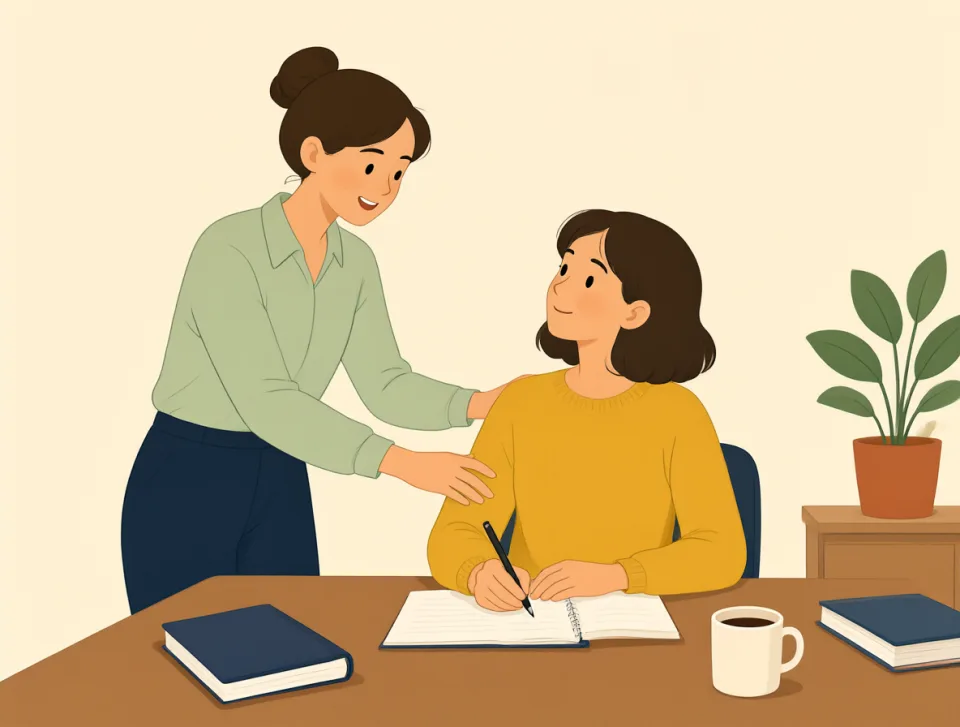
She has always been a strong ally when I need help at work.
Zawsze była dla mnie wielkim wsparciem, gdy potrzebowałem pomocy w pracy.

The small business found an ally in a local shop owner.
Mała firma znalazła sprzymierzeńca w osobie właściciela lokalnego sklepu.

My best friend allied with me to organize the surprise party.
Mój najlepszy przyjaciel pomógł mi zorganizować przyjęcie-niespodziankę.
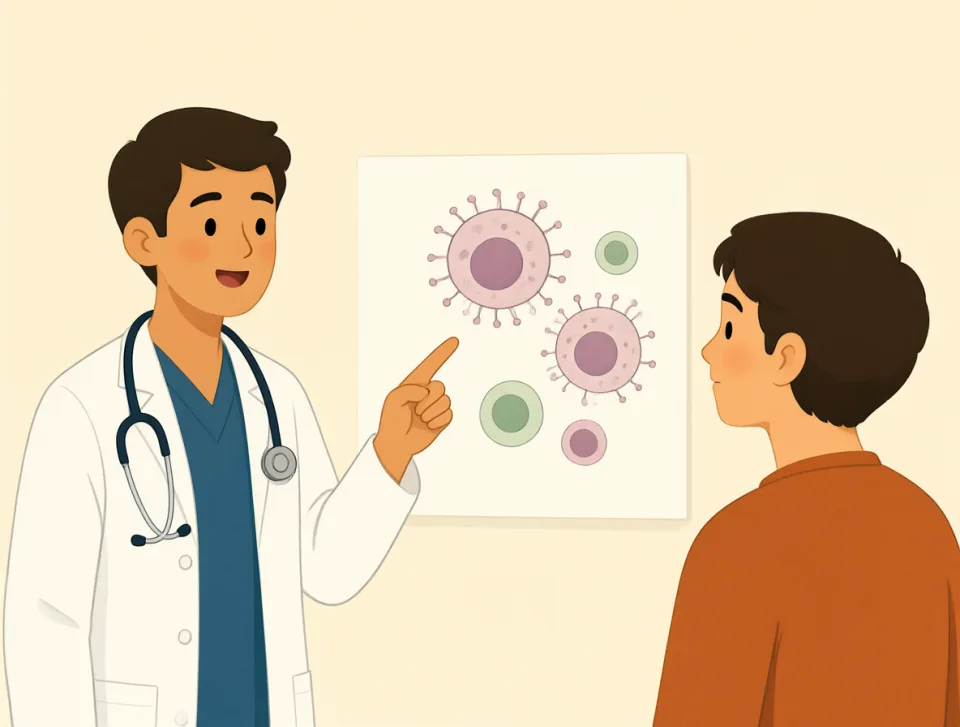
The medicine works by helping the body's natural allies fight infection.
Lek działa, wspomagając naturalne mechanizmy obronne organizmu w walce z infekcją.

quantity
#2267noun
ilość
the amount or number of something
Ilość lub liczba czegoś.
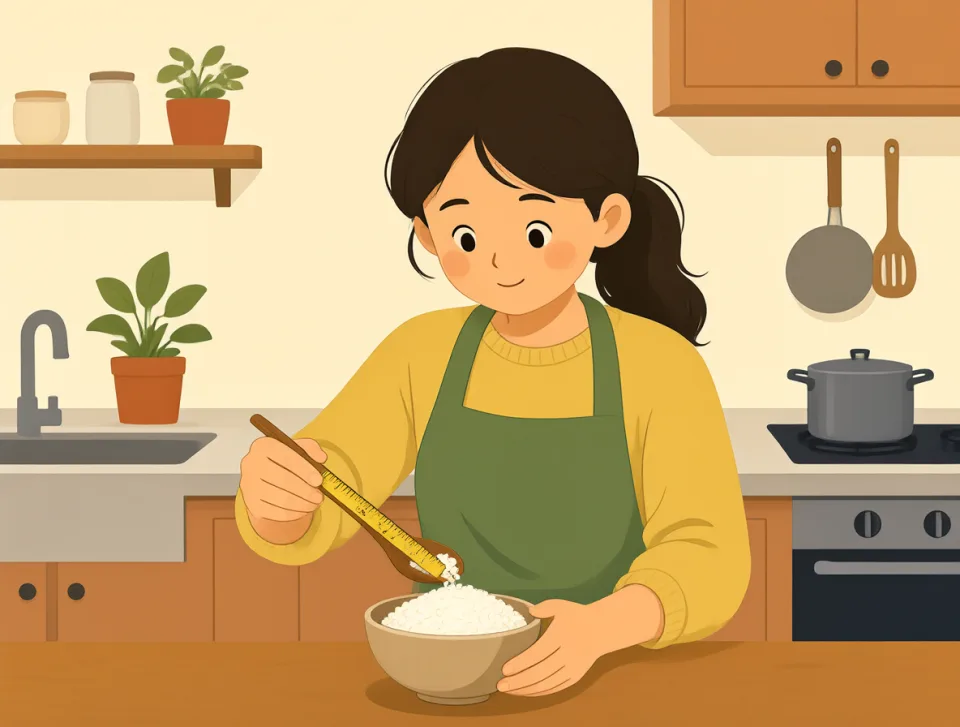
A small quantity of rice is enough for one person.
Mała porcja ryżu wystarczy dla jednej osoby.
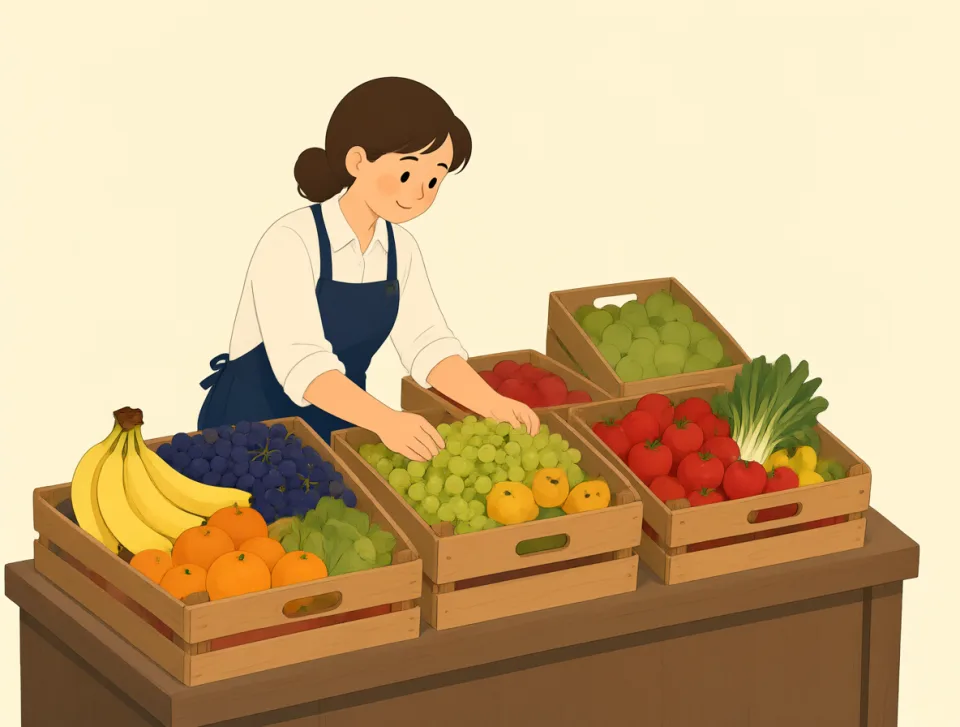
The shop sells large quantities of fresh fruit every morning.
Sklep każdego ranka sprzedaje duże ilości świeżych owoców.
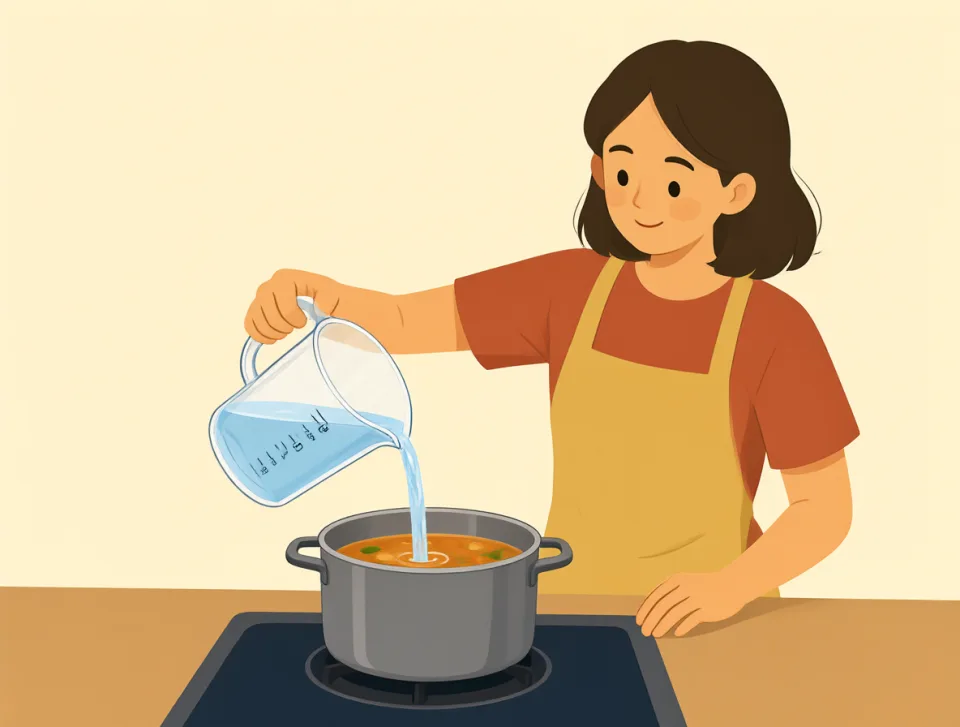
Please use the correct quantity of water when making the soup.
Przygotowując zupę, użyj odpowiedniej ilości wody.
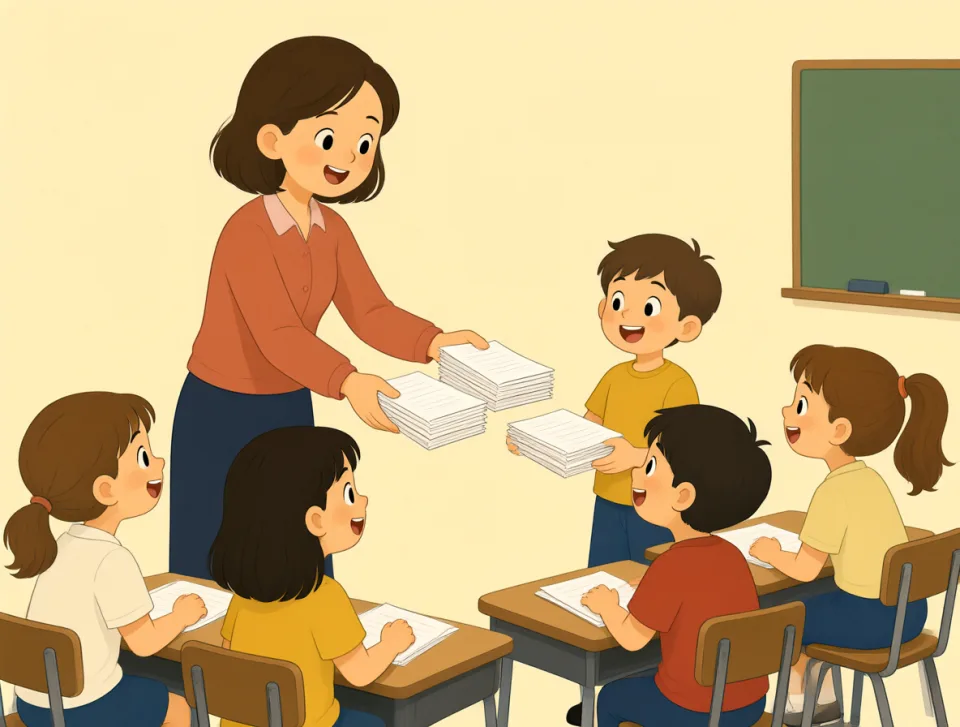
The teacher gave each group an equal quantity of paper.
Nauczyciel dał każdej grupie taką samą ilość papieru.
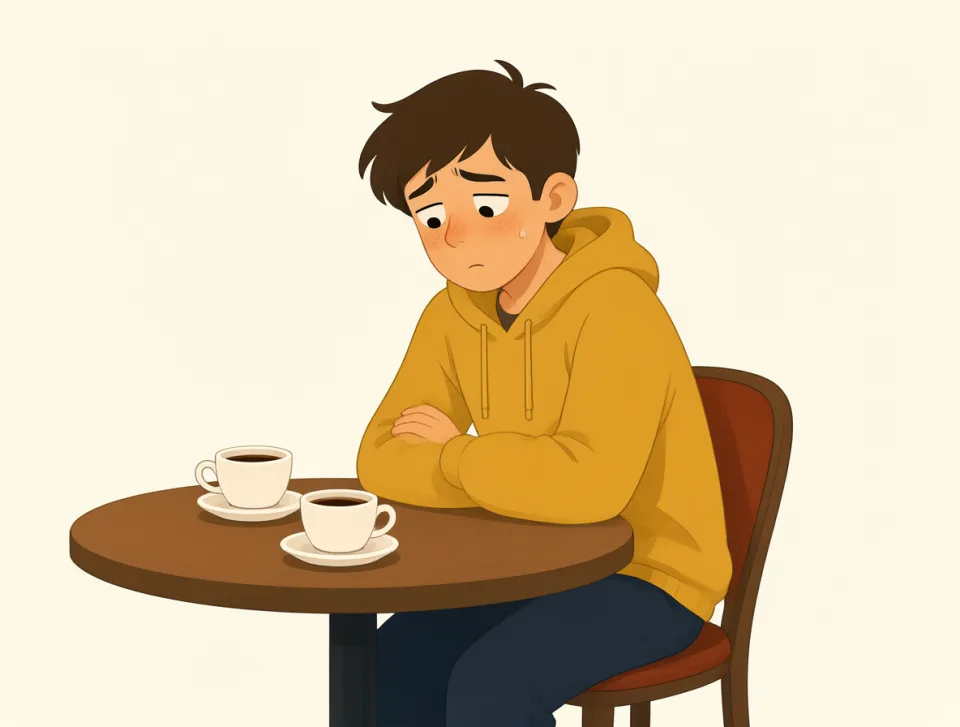
Drinking a large quantity of coffee made him feel nervous.
Wypicie dużej ilości kawy sprawiło, że poczuł się niespokojny.
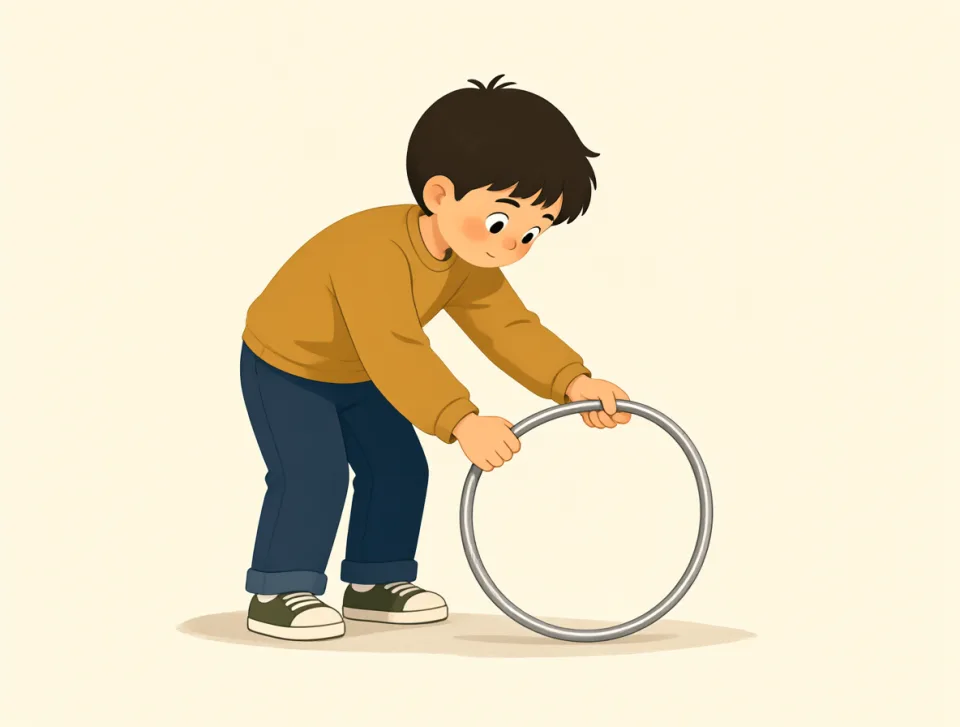
bend
#2268verb, noun
zginać; zakręt
To move something into a curved shape, or a curved part of a road or object.
Zginać coś tak, by przybrało zaokrąglony kształt; także zakrzywiona część drogi lub przedmiotu.
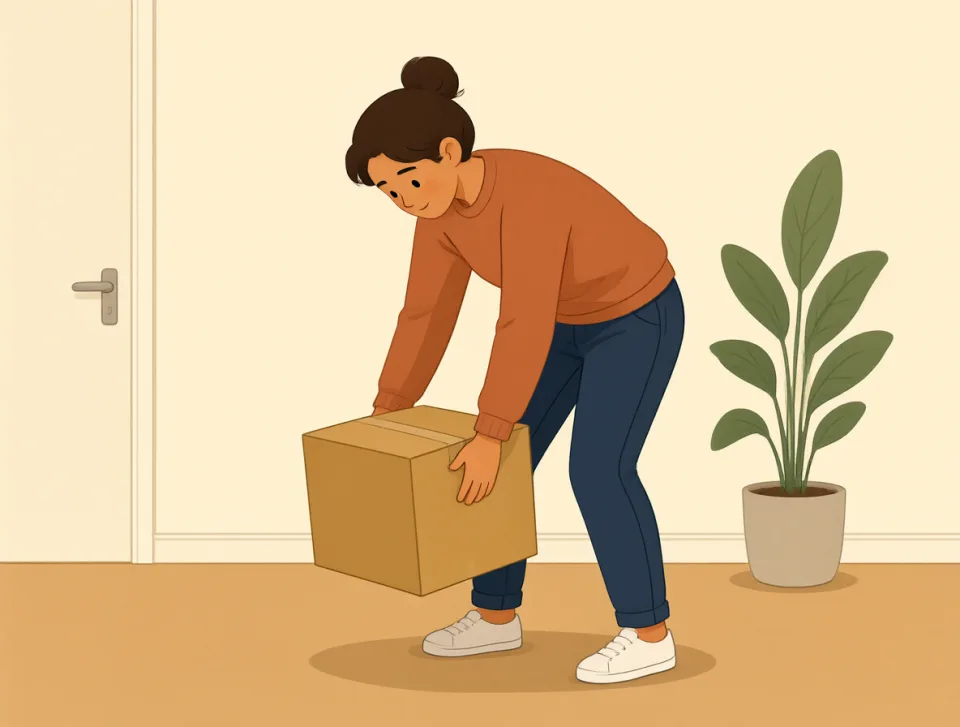
Bend your knees when you lift the heavy box from the floor.
Zginaj kolana, gdy podnosisz z podłogi ciężkie pudło.
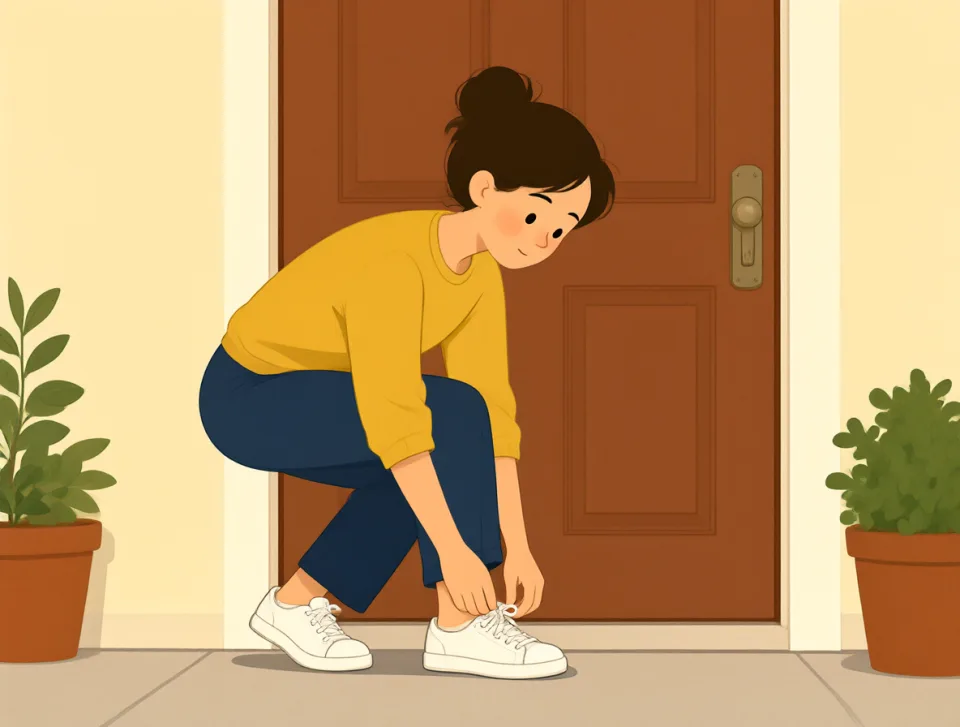
She bent down to tie her shoes before leaving for work.
Przed wyjściem do pracy schyliła się, żeby zawiązać buty.
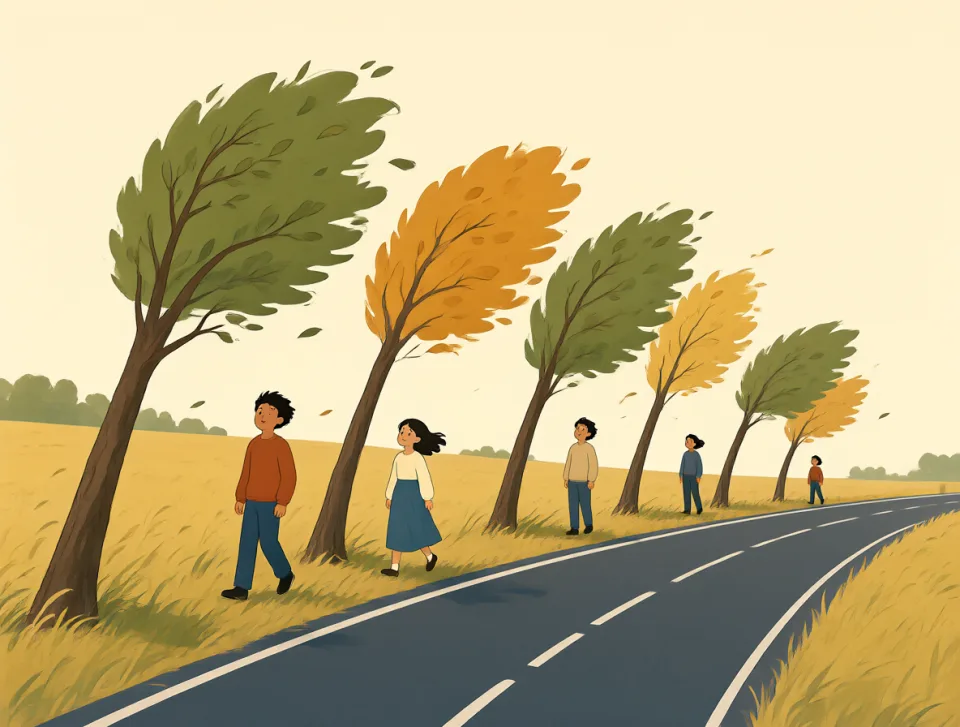
The strong wind bent the young trees along the road.
Silny wiatr powyginał młode drzewa rosnące wzdłuż drogi.

Turn slowly at the bend to see the lake below.
Skręć powoli na zakręcie, żeby zobaczyć jezioro w dole.
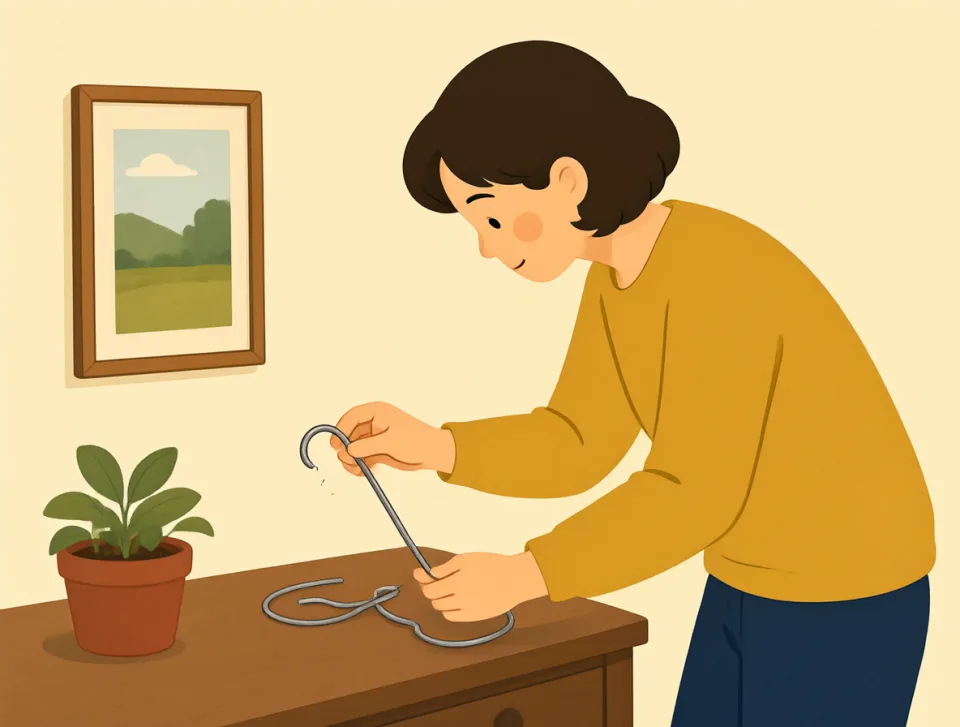
He bent the wire into a small hook for hanging the picture.
Wygiął drut w mały haczyk, na którym można powiesić obraz.
mature
#2269adjective, verb
dojrzały; dojrzewać
Fully grown or developed; to become fully grown or develop a sensible character.
W pełni rozwinięty; osiągnąć pełny rozwój lub nabrać rozsądku.

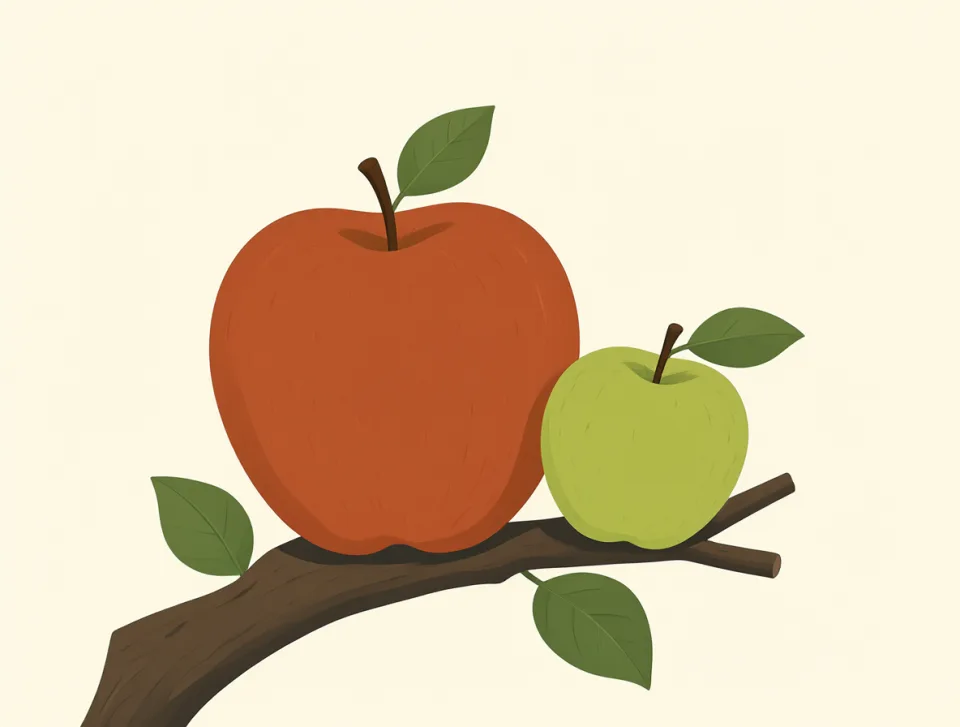
These apples are mature and ready to pick from the tree.
Te jabłka są dojrzałe i można je już zerwać z drzewa.

She is mature enough to make her own decisions now.
Jest już na tyle dojrzała, żeby sama podejmować decyzje.
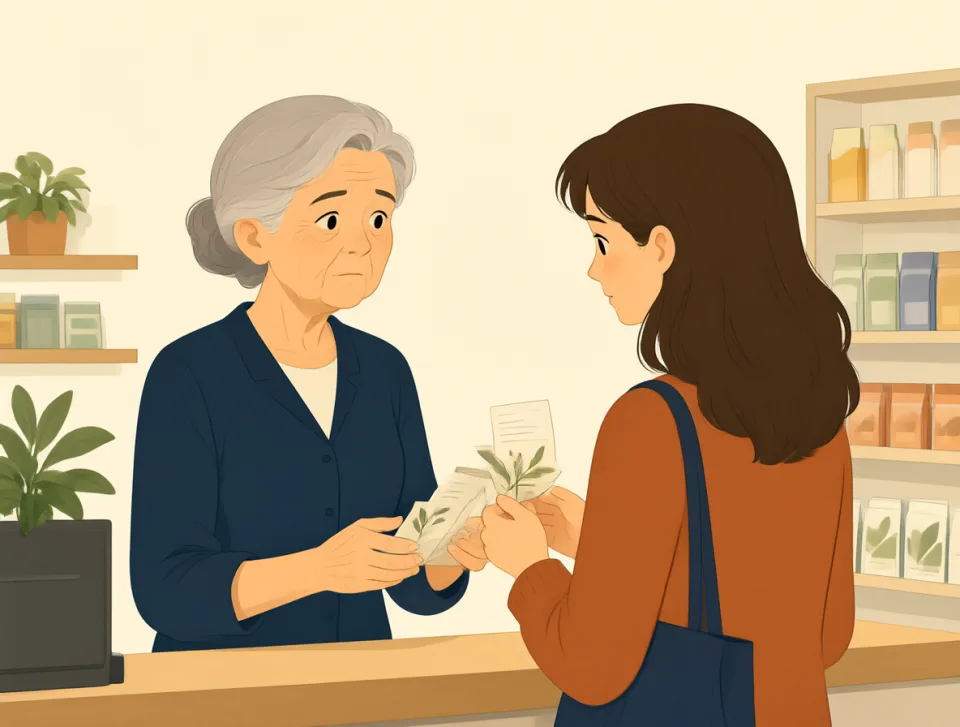
The company needs mature workers who can handle difficult customers.
Firma potrzebuje dojrzałych pracowników, którzy potrafią radzić sobie z trudnymi klientami.
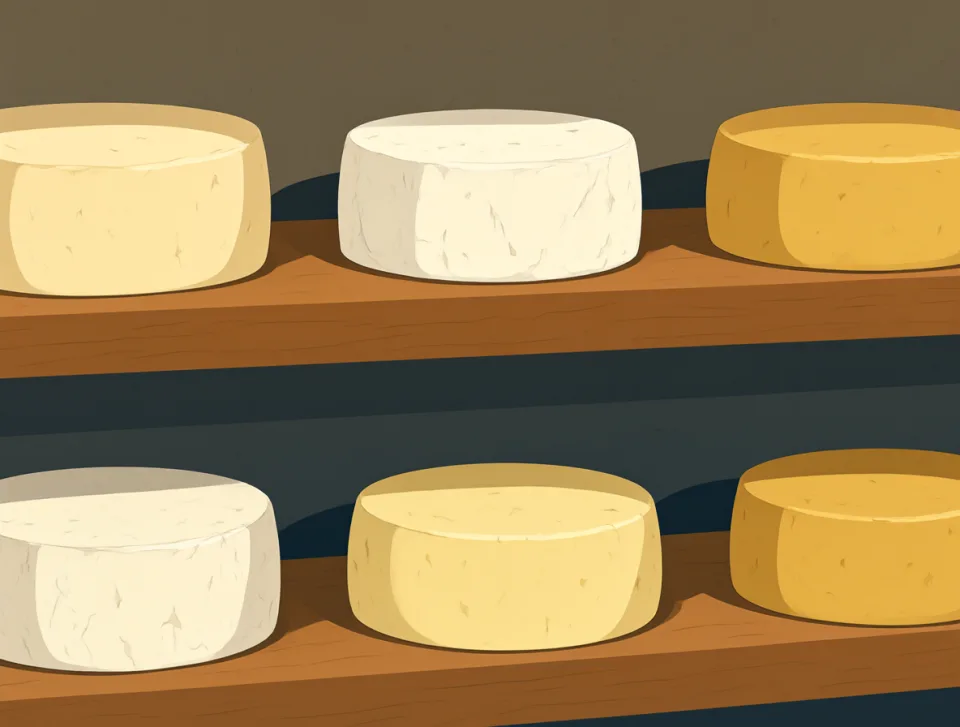
The cheese becomes more flavorful as it matures in the cellar.
Ser dojrzewa w piwnicy i nabiera coraz wyrazistszego smaku.
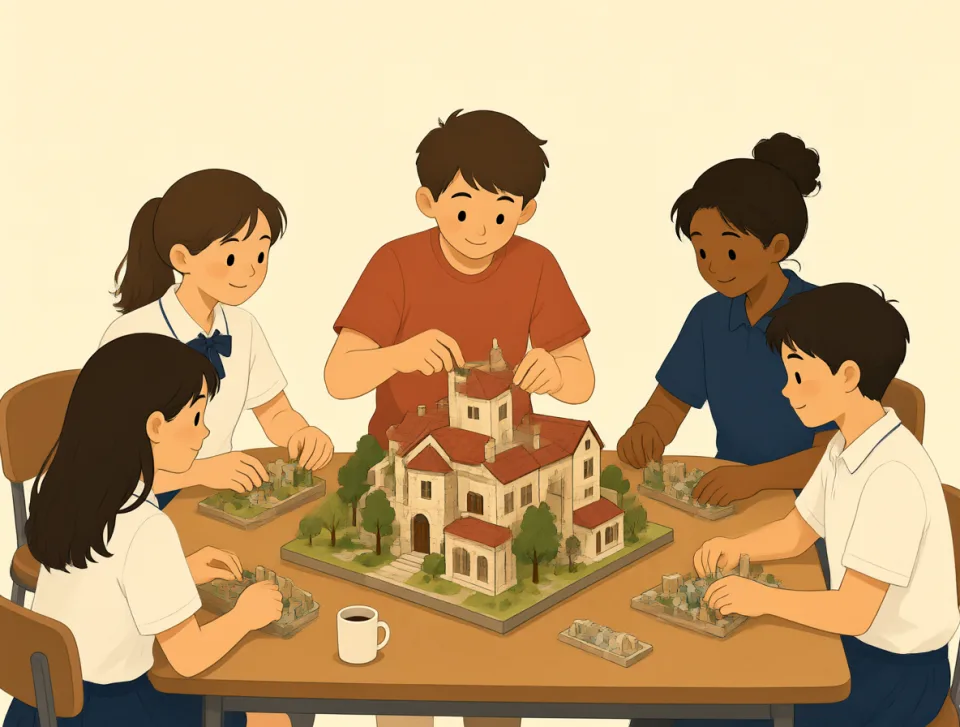
The students matured after working together on a challenging project.
Studenci dojrzeli dzięki wspólnej pracy nad wymagającym projektem.

briefly
#2270adverb
krótko; pokrótce
For a short time or using few words.
Przez krótki czas lub niewieloma słowami.
The manager briefly explained the changes before the meeting started.
Kierownik krótko wyjaśnił zmiany przed rozpoczęciem spotkania.

We briefly stopped at a café during our train journey.
Podczas podróży pociągiem zatrzymaliśmy się na chwilę w kawiarni.
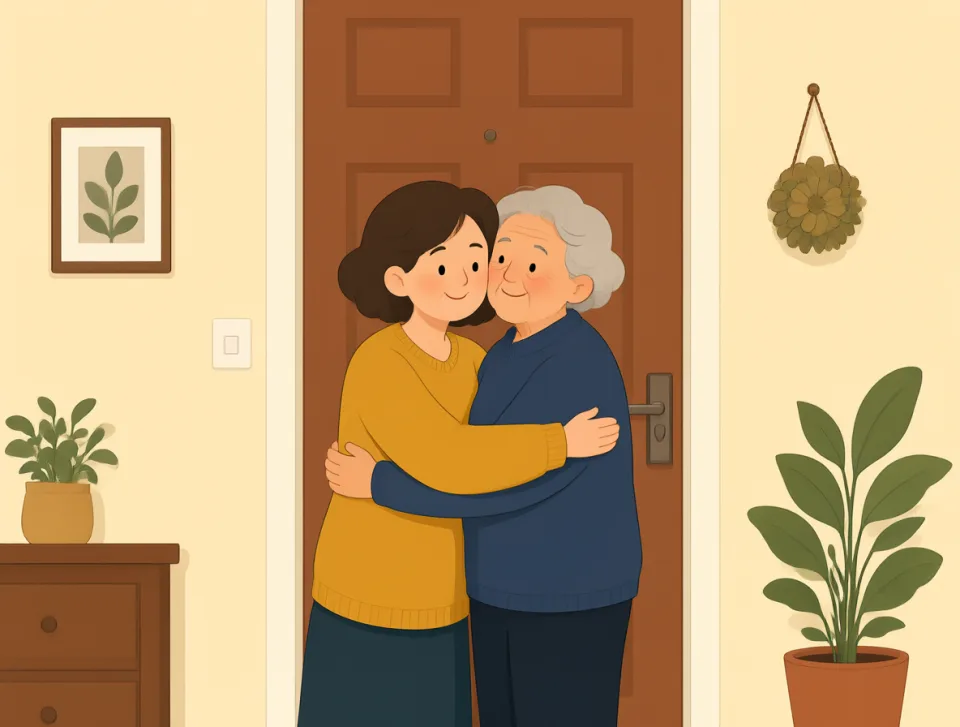
She briefly visited her parents before returning home for dinner.
Na krótko odwiedziła rodziców, zanim wróciła do domu na kolację.
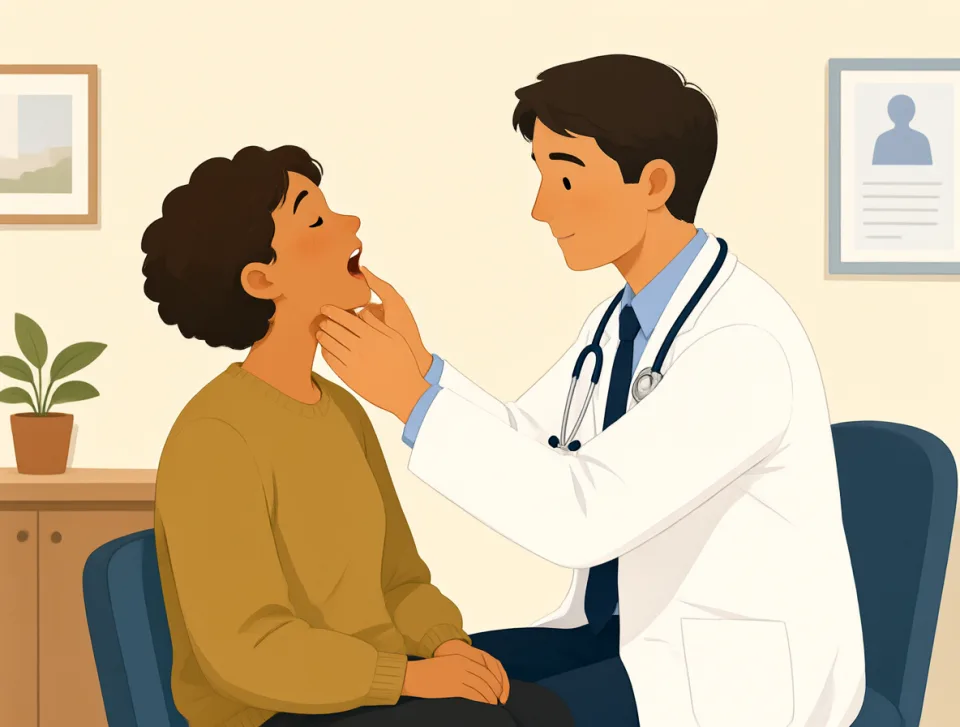
The doctor briefly examined my sore throat and asked about my symptoms.
Lekarz krótko zbadał moje bolące gardło i zapytał o objawy.
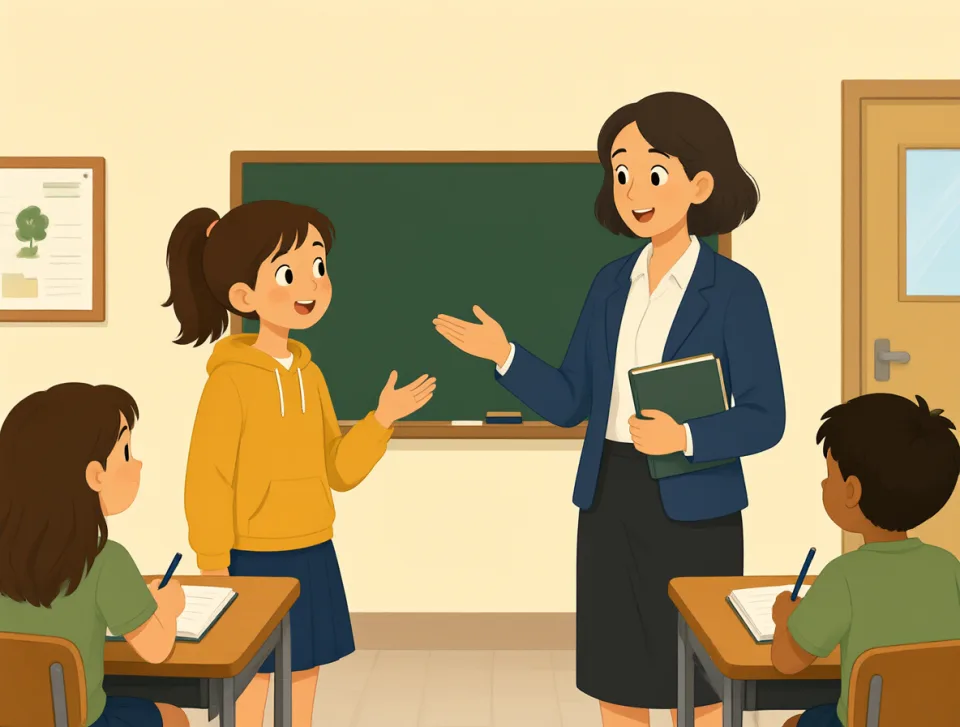
He briefly spoke with his teacher after class about the difficult homework.
Po zajęciach krótko porozmawiał z nauczycielem o trudnym zadaniu domowym.
alarm
#2271noun, verb
alarm
a warning sound or device; to make someone feel worried or frightened
dźwięk lub urządzenie ostrzegawcze; niepokoić lub przestraszyć kogoś
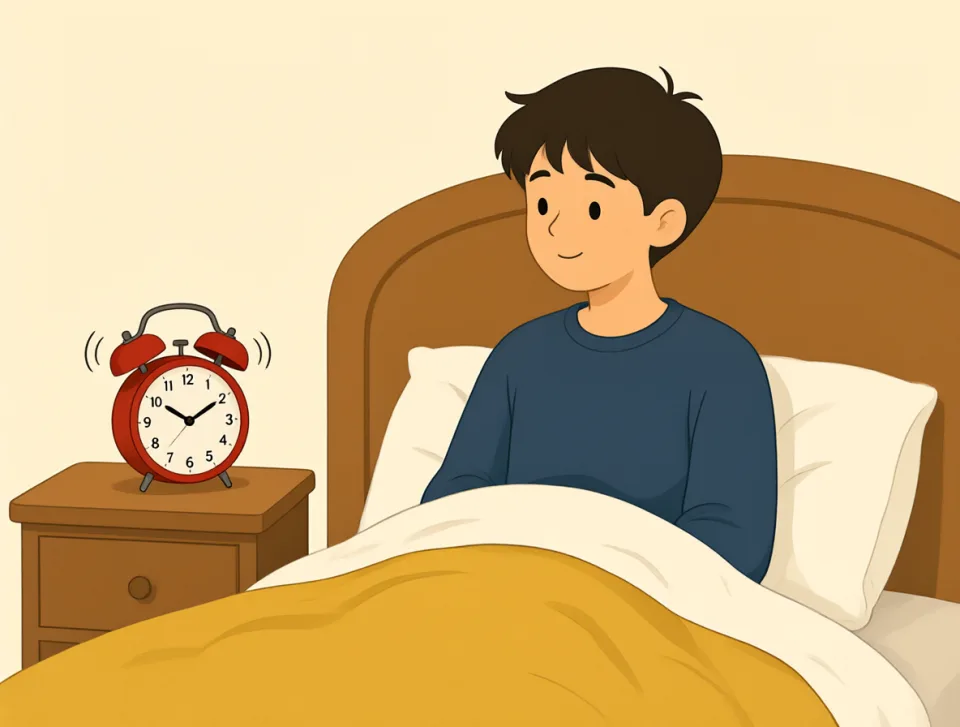
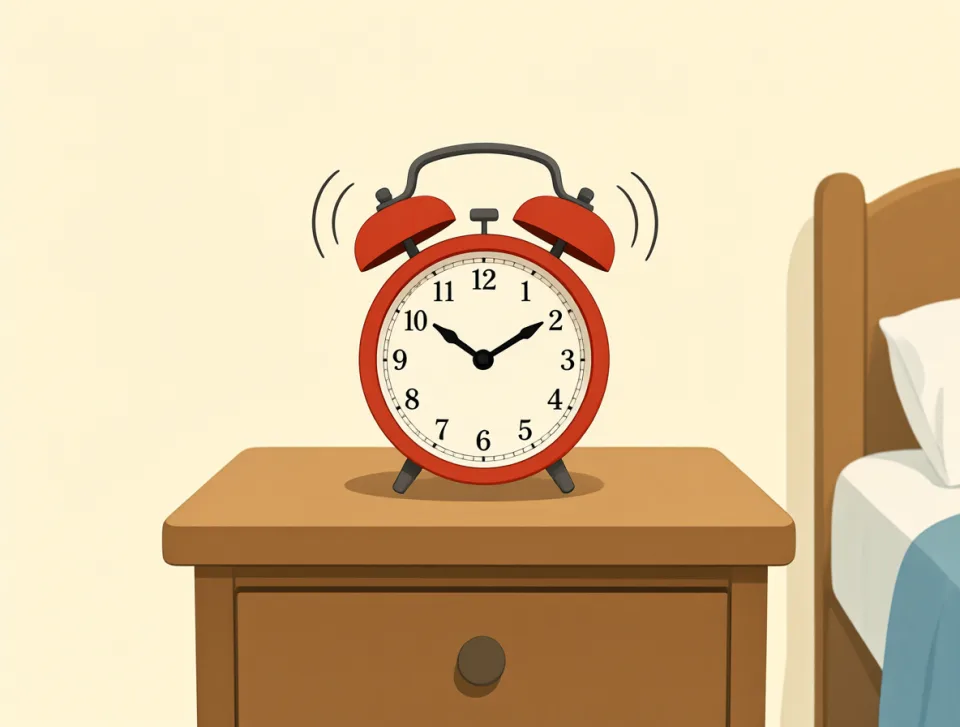
My alarm goes off at seven every morning.
Mój budzik dzwoni codziennie rano o siódmej.
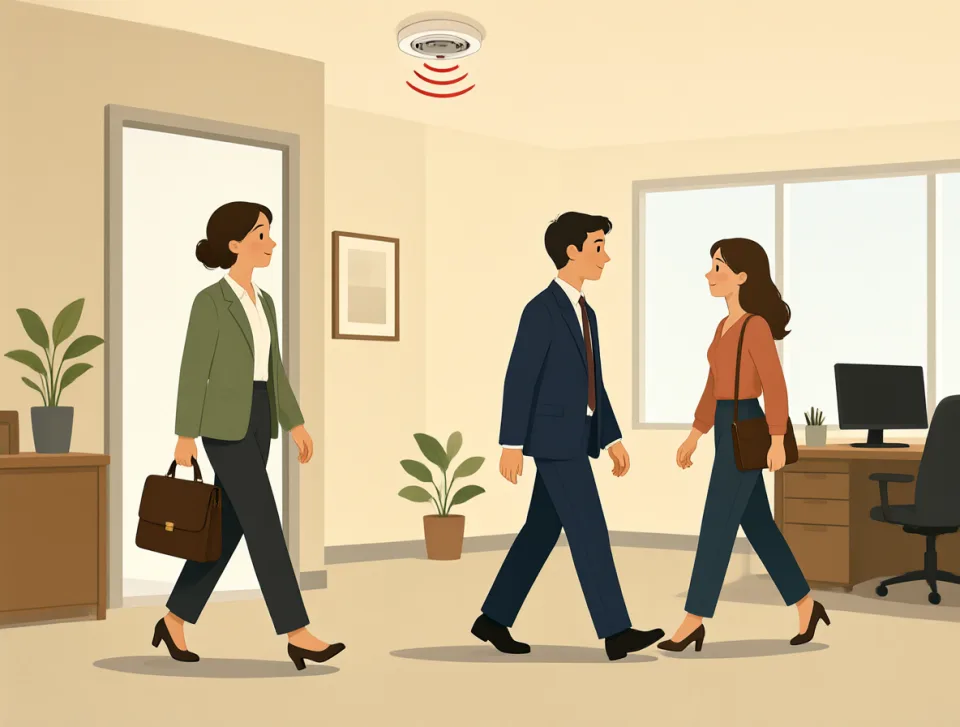
The fire alarm rang, and everyone left the office quickly.
Rozległ się alarm przeciwpożarowy i wszyscy szybko opuścili biuro.
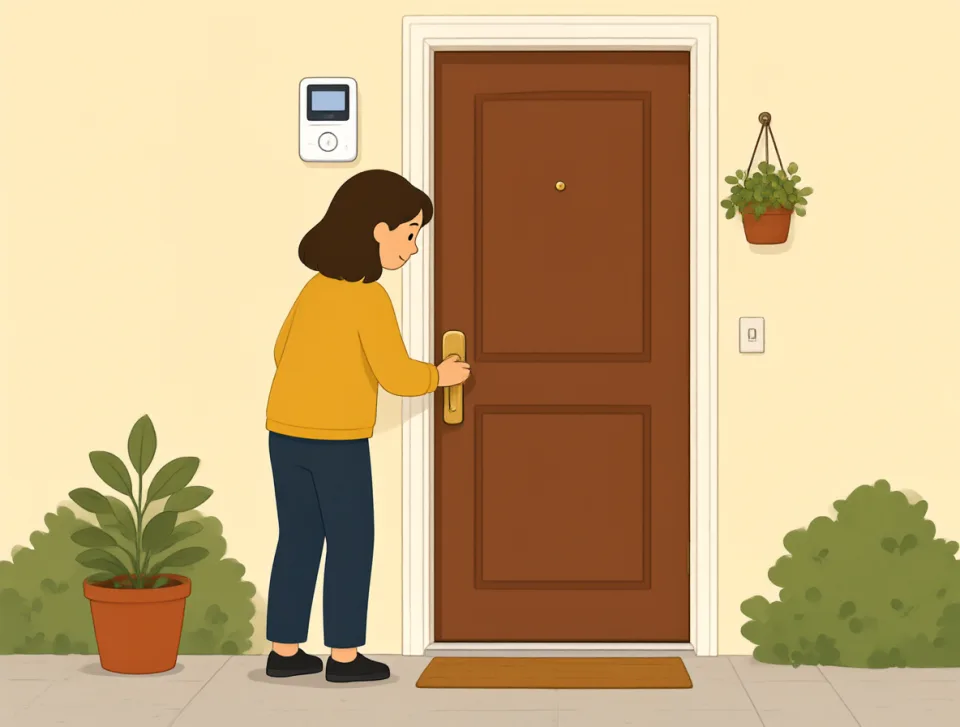
Please set the alarm before you leave the house.
Proszę nastawić alarm przed wyjściem z domu.
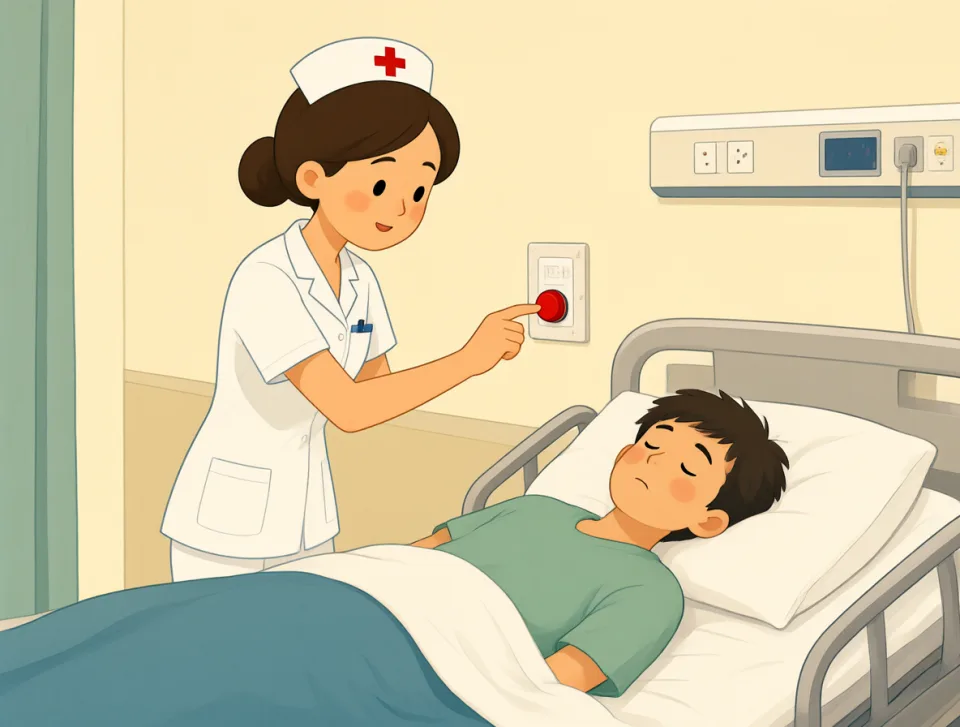
The nurse sounded the alarm when the patient suddenly fell.
Pielęgniarka wszczęła alarm, gdy pacjent nagle upadł.
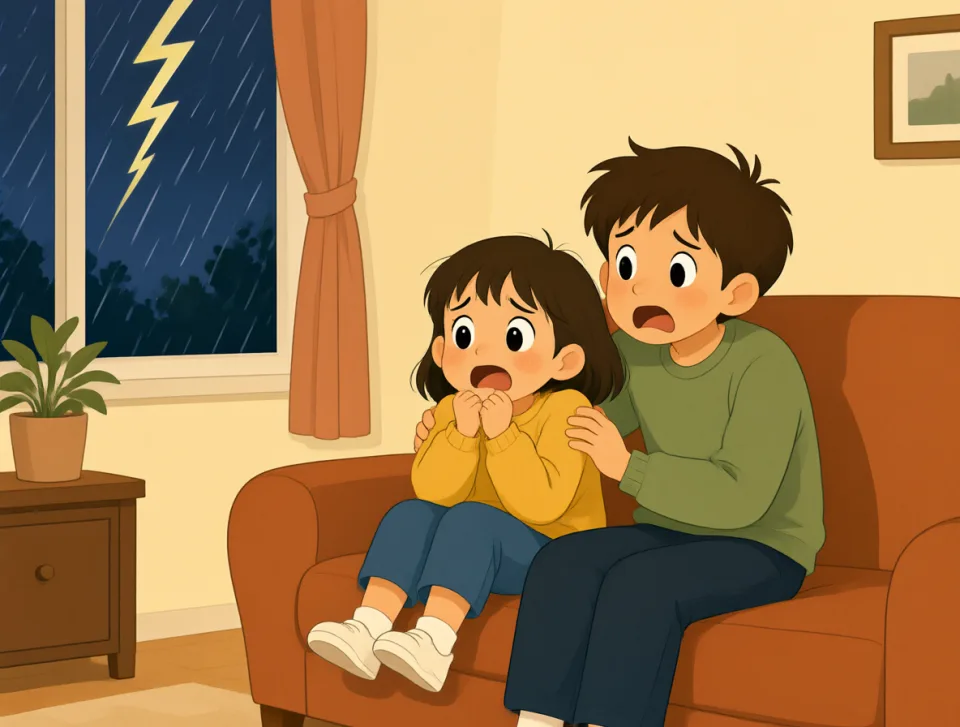
The strange noise alarmed the children during the storm.
Dziwny hałas podczas burzy przestraszył dzieci.
disturb
#2272verb
zakłócać
to interrupt someone or something and make it difficult to continue
przerywać komuś lub czemuś i utrudniać dalsze działanie

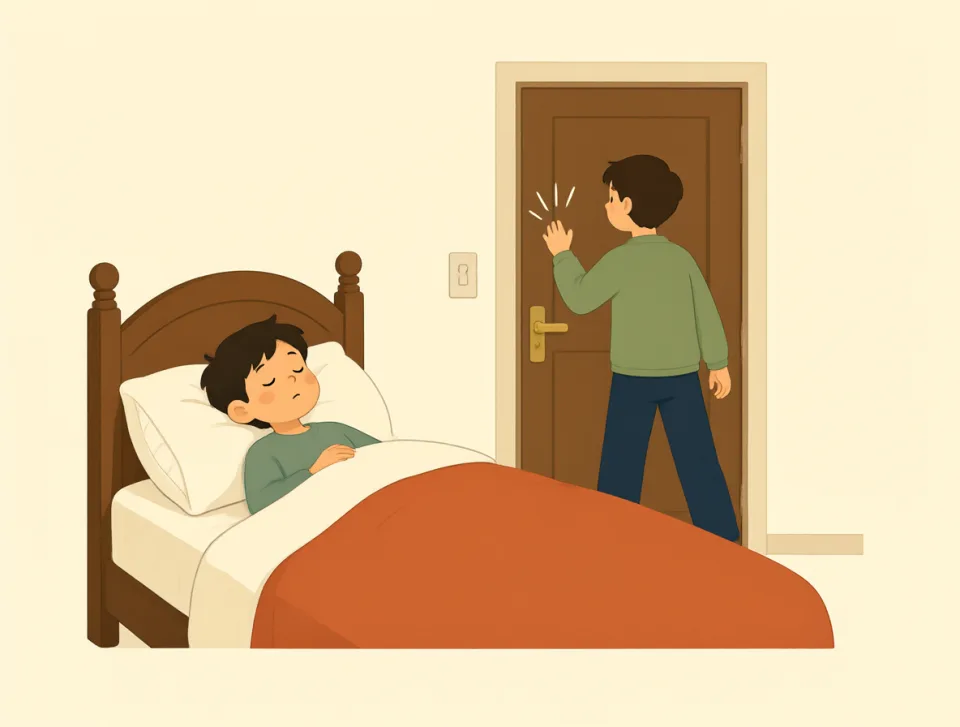
Please do not disturb me while I am working on this report.
Proszę mi nie przeszkadzać, kiedy pracuję nad tym raportem.
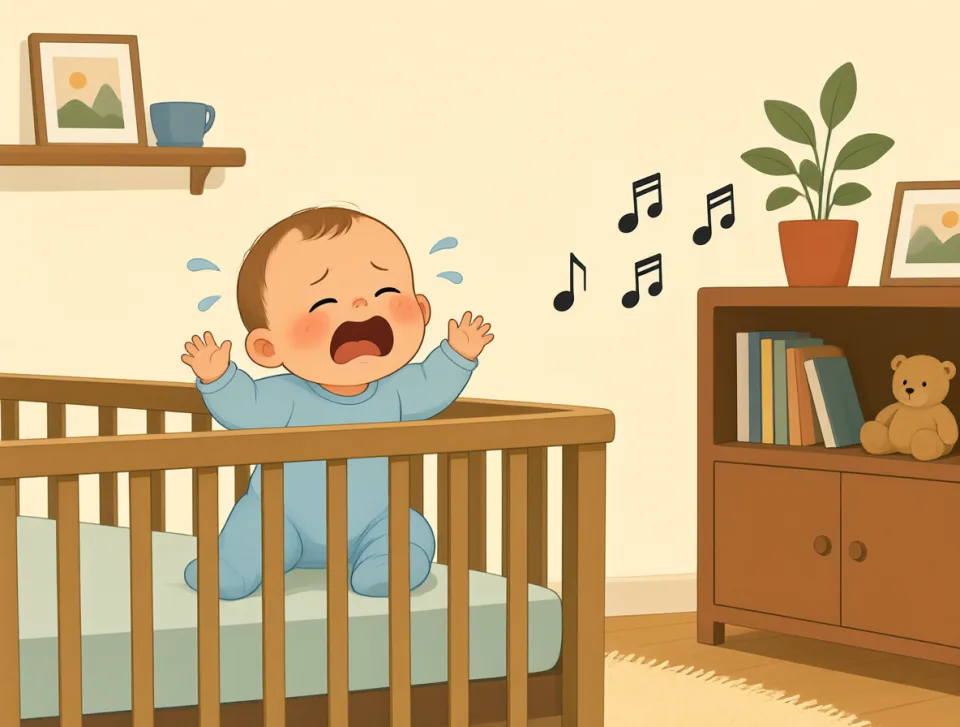
The loud music disturbed our baby, so she started crying.
Głośna muzyka obudziła nasze dziecko, więc zaczęło płakać.

I hope our conversation did not disturb the other guests.
Mam nadzieję, że nasza rozmowa nie przeszkadzała pozostałym gościom.
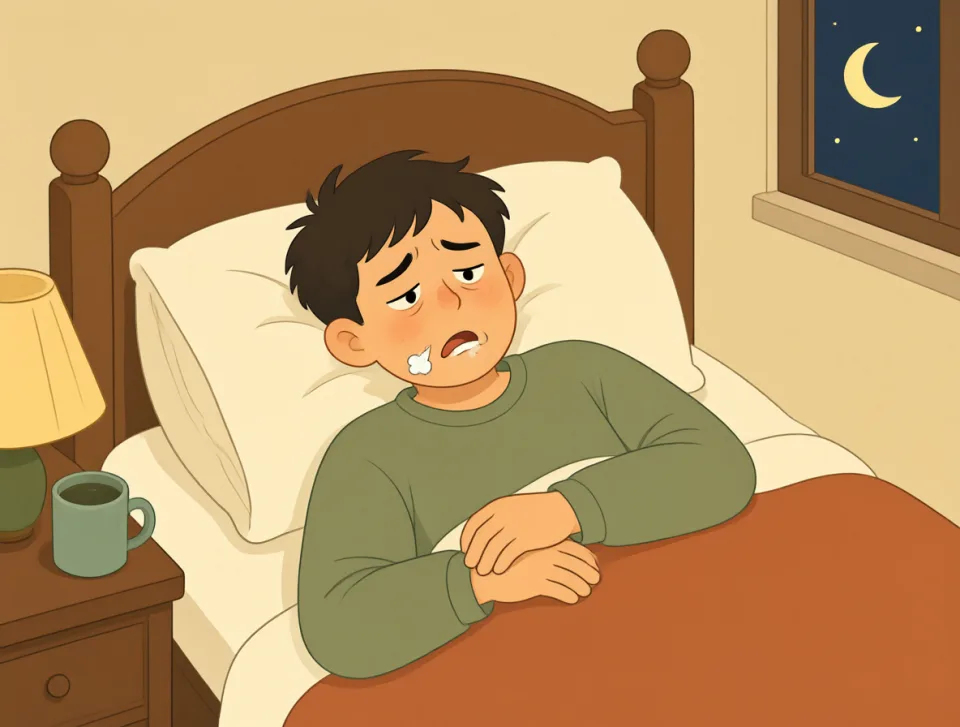
The illness disturbed his sleep for several nights.
Choroba zakłócała jego sen przez kilka nocy.
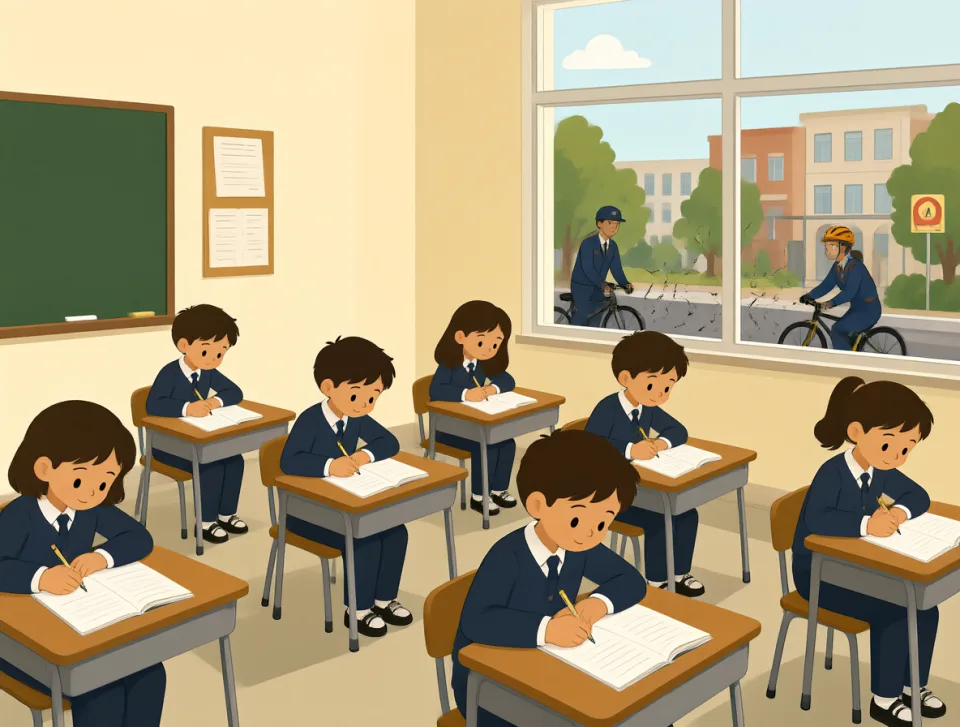
Construction work disturbed the students during their final exam.
Prace budowlane przeszkadzały uczniom podczas egzaminu końcowego.
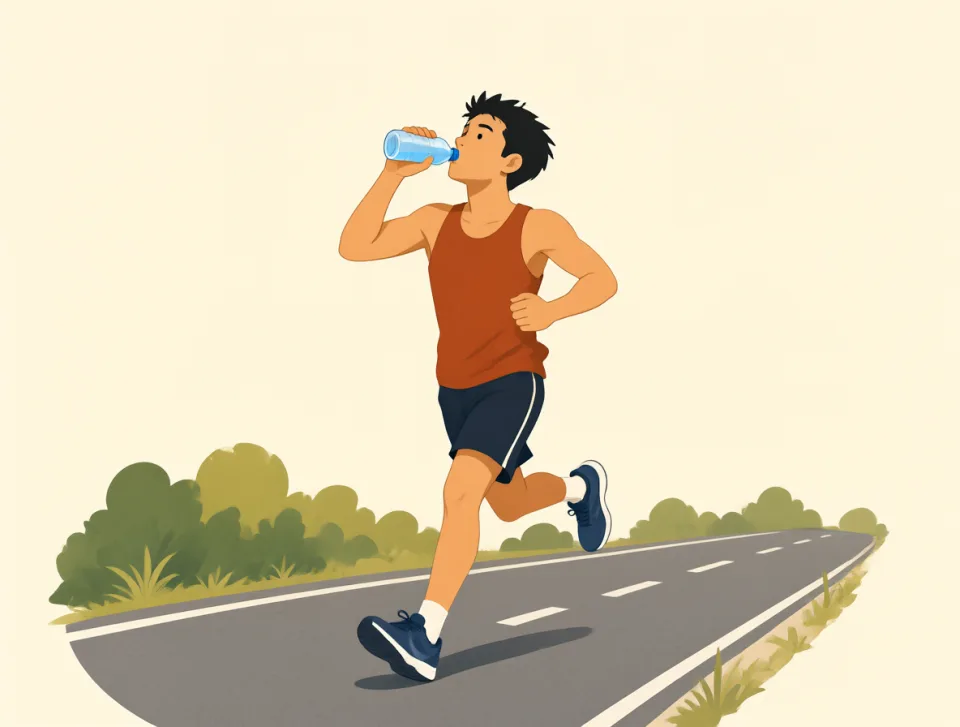
sustain
#2273verb
podtrzymywać
to keep something strong, healthy, or continuing for a long time
utrzymywać coś w dobrej kondycji, zdrowiu lub w działaniu przez długi czas
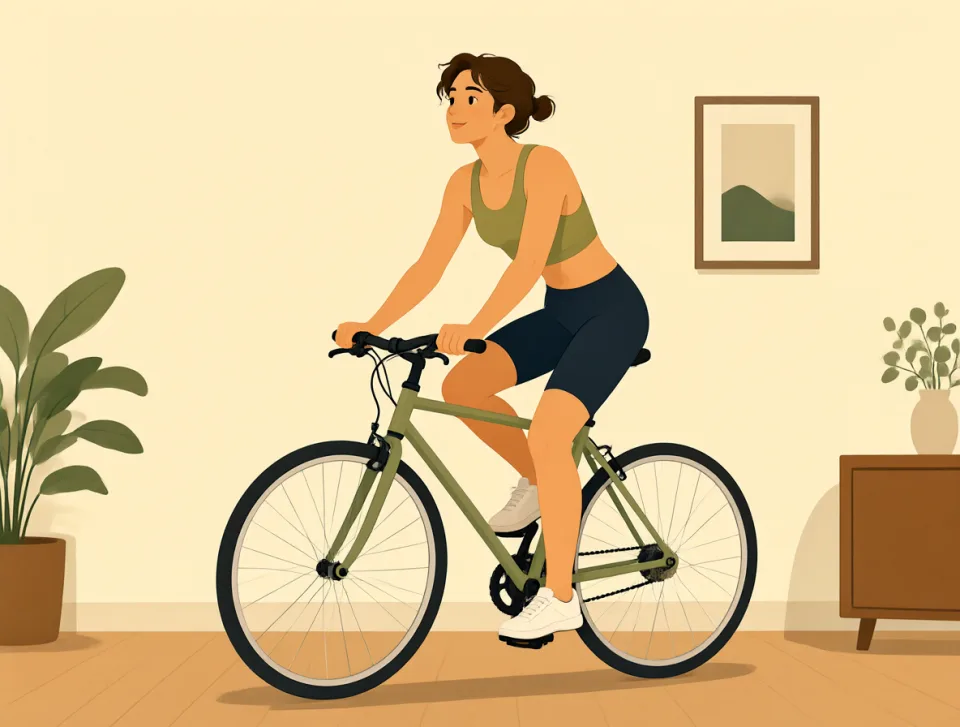
Regular exercise helps sustain good health and energy throughout the day.
Regularne ćwiczenia pomagają zachować zdrowie i energię przez cały dzień.

The small farm cannot sustain the family during a long, dry summer.
Małe gospodarstwo nie jest w stanie utrzymać rodziny podczas długiego, suchego lata.
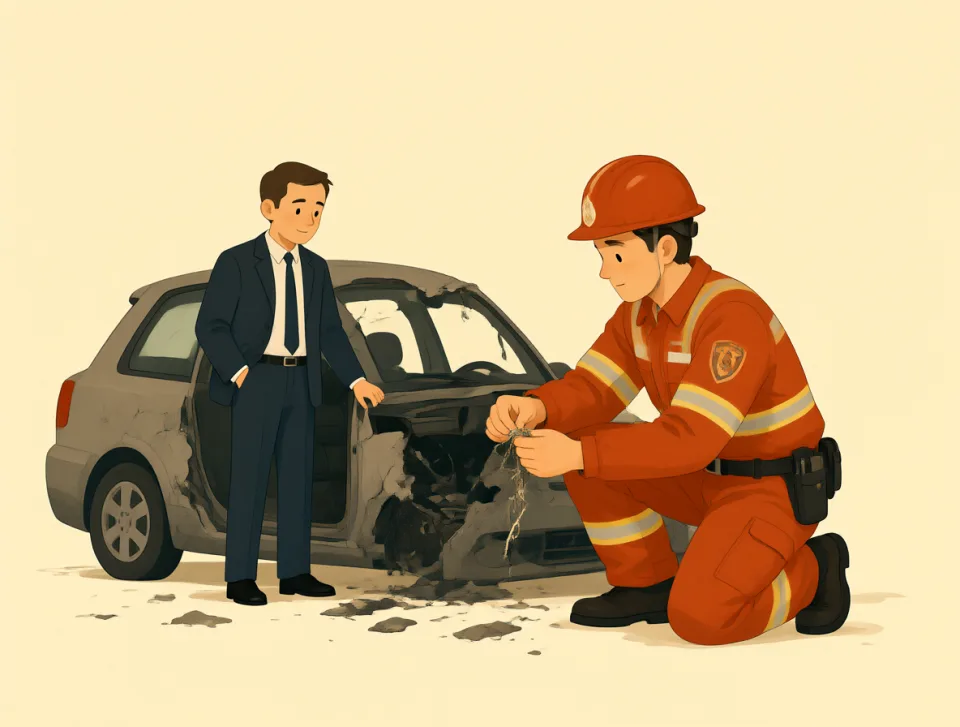
The manager sustained serious injuries in a car accident yesterday.
Wczoraj w wypadku samochodowym kierownik doznał poważnych obrażeń.
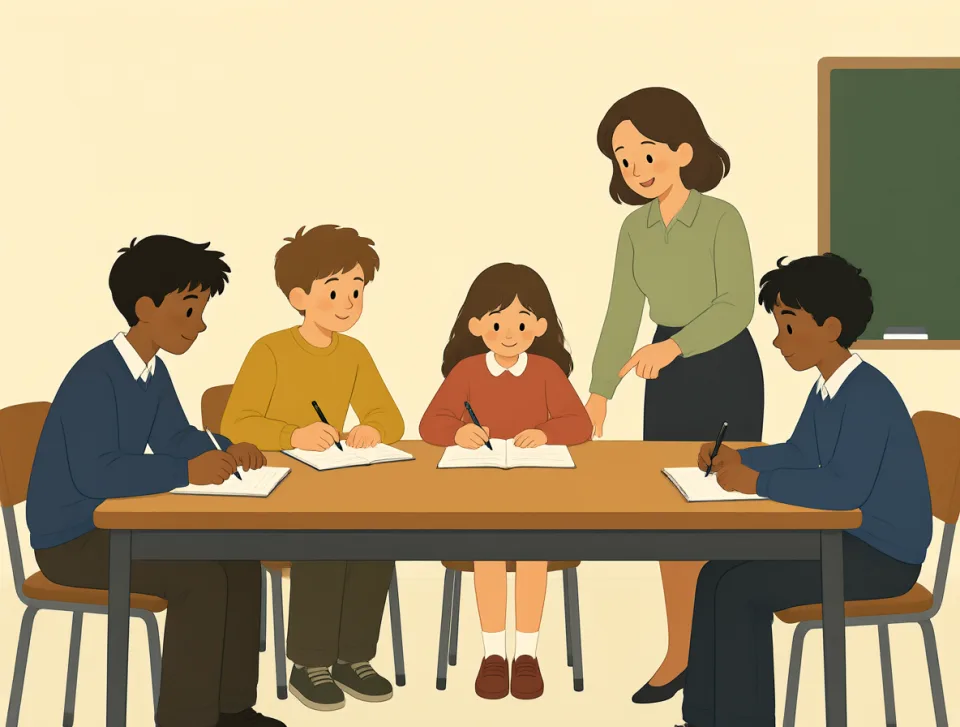
The teacher used group activities to sustain students' interest during the lesson.
Nauczyciel wykorzystywał pracę w grupach, by podtrzymać zainteresowanie uczniów podczas lekcji.
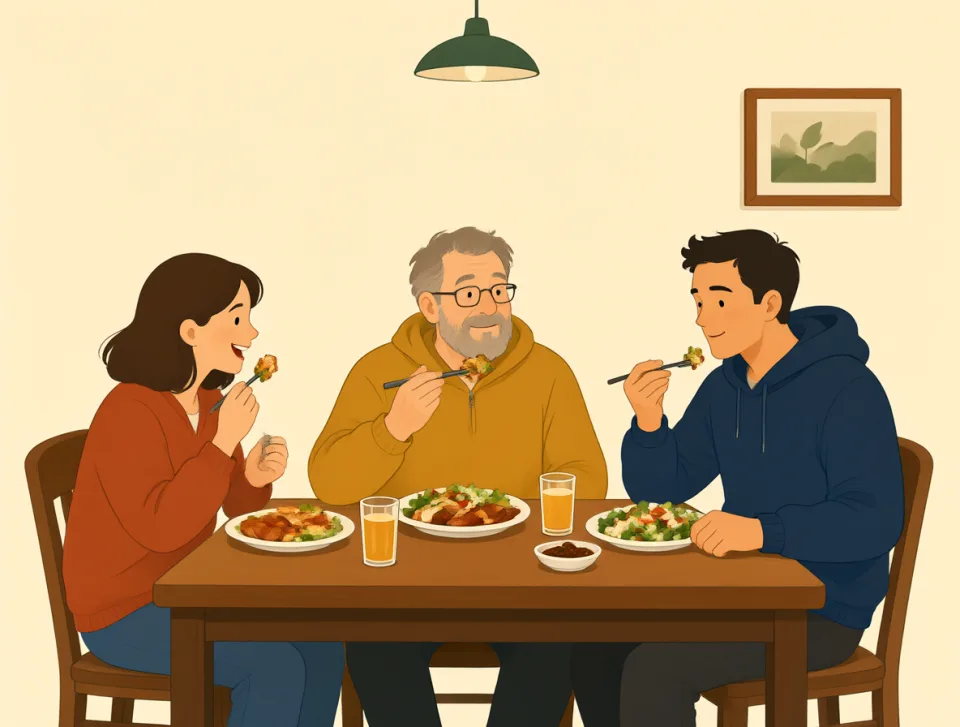
The restaurant offers filling meals that sustain travelers on long journeys.
Restauracja serwuje sycące posiłki, które dodają podróżnym sił podczas długich podróży.
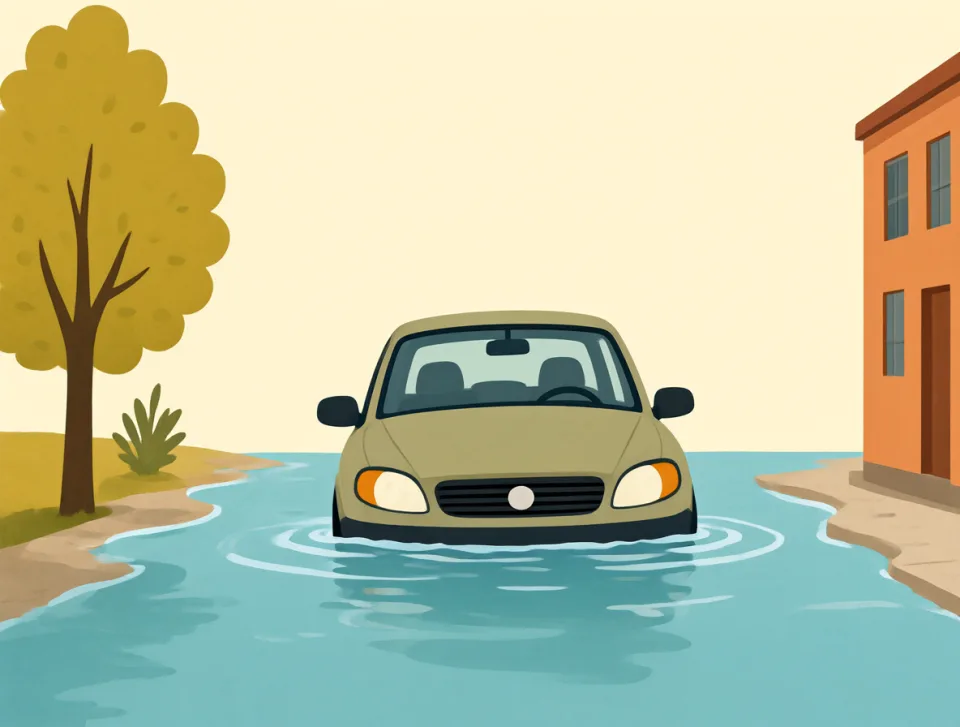
flood
#2274noun, verb
powódź
a large amount of water covering land, or to cover land with water
duża ilość wody pokrywająca ląd; zalewać ląd wodą
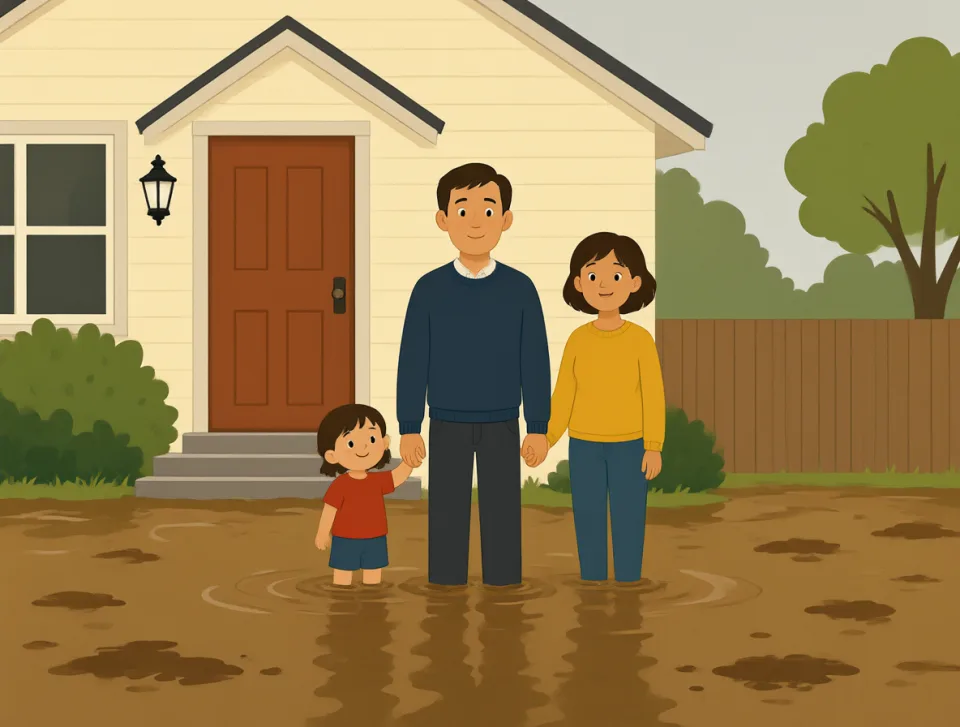
Heavy rain caused a flood that damaged several homes near the river.
Ulewne deszcze spowodowały powódź, która uszkodziła kilka domów w pobliżu rzeki.
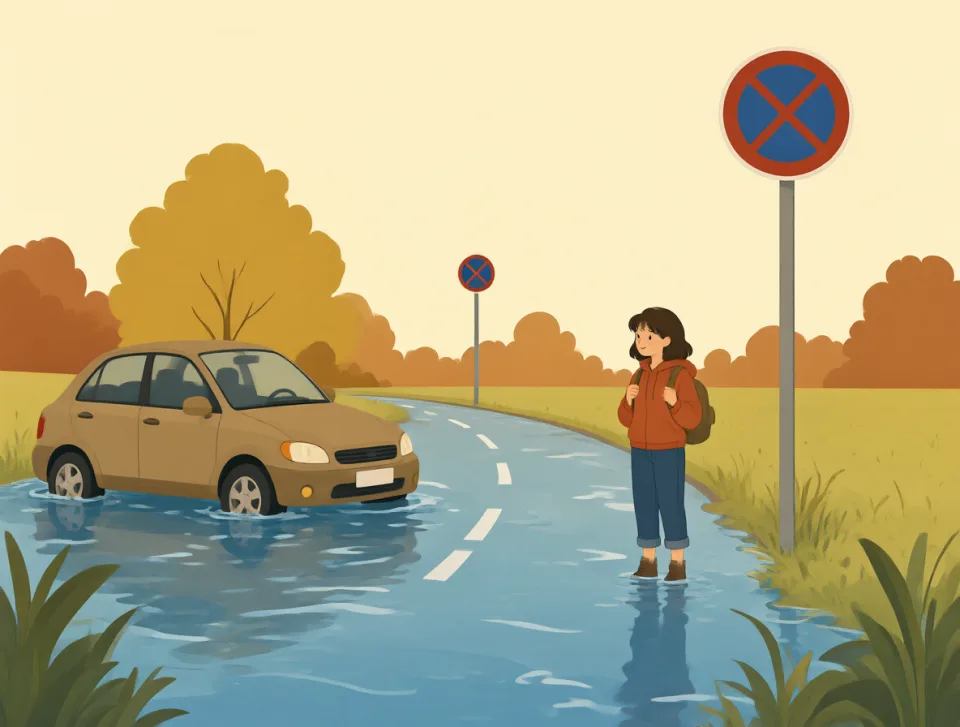
The river flooded after three days of rain and blocked the main road.
Po trzech dniach deszczu rzeka wystąpiła z brzegów i zablokowała główną drogę.
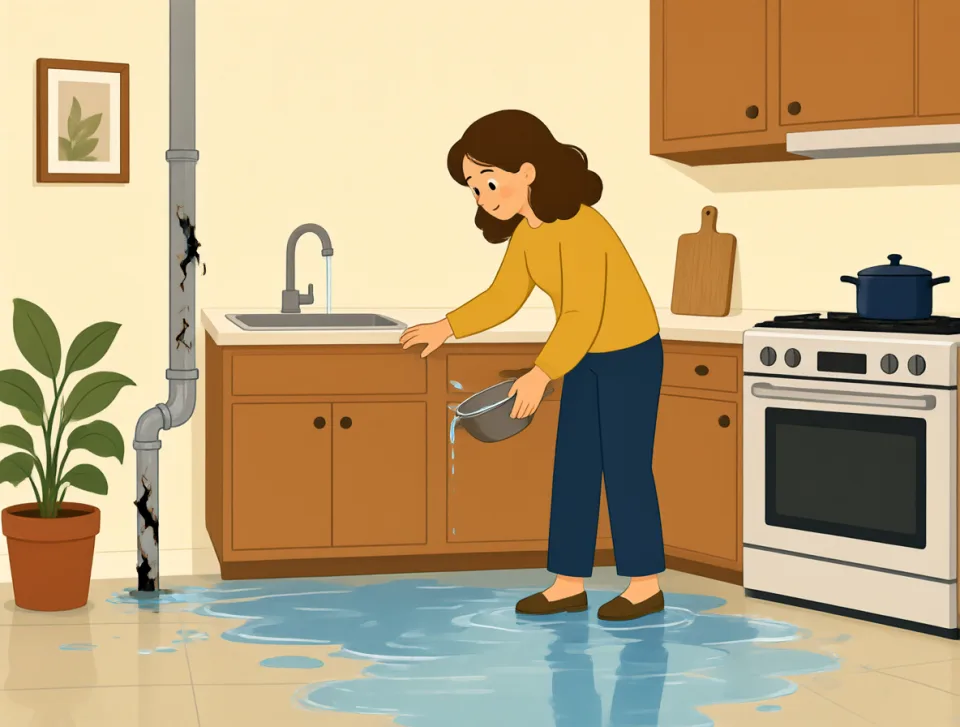
Water from the broken pipe flooded the kitchen floor overnight.
Woda z pękniętej rury zalała nocą podłogę w kuchni.
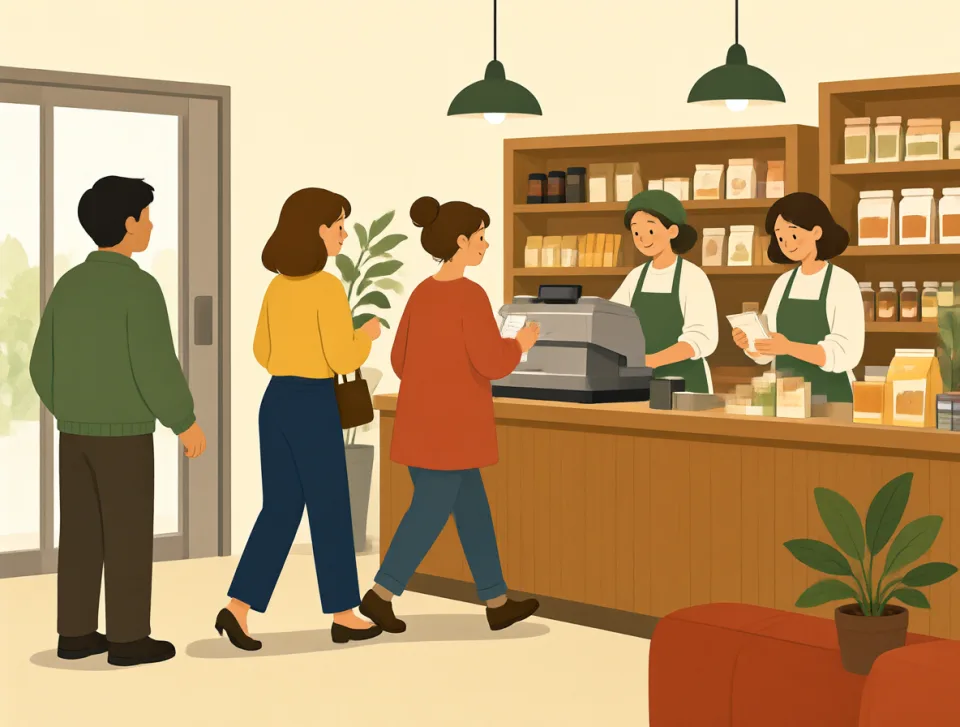
The sudden flood of customers kept the shop workers busy all afternoon.
Nagły napływ klientów sprawił, że pracownicy sklepu mieli zajęcie przez całe popołudnie.

A flood of memories returned when I visited my old school.
Gdy odwiedziłem swoją dawną szkołę, wróciła do mnie lawina wspomnień.
poverty
#2275noun
ubóstwo
The state of being very poor and unable to afford basic needs.
stan skrajnego ubóstwa, w którym nie stać na podstawowe potrzeby.
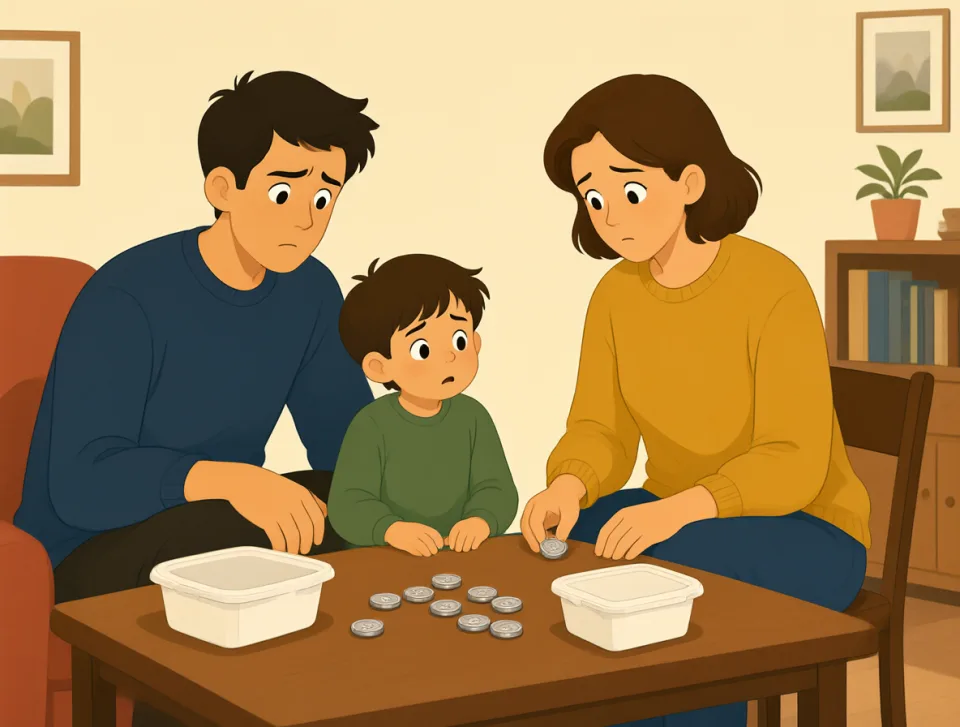
Many families live in poverty and struggle to pay for food and housing.
Wiele rodzin żyje w ubóstwie i z trudem opłaca jedzenie oraz mieszkanie.
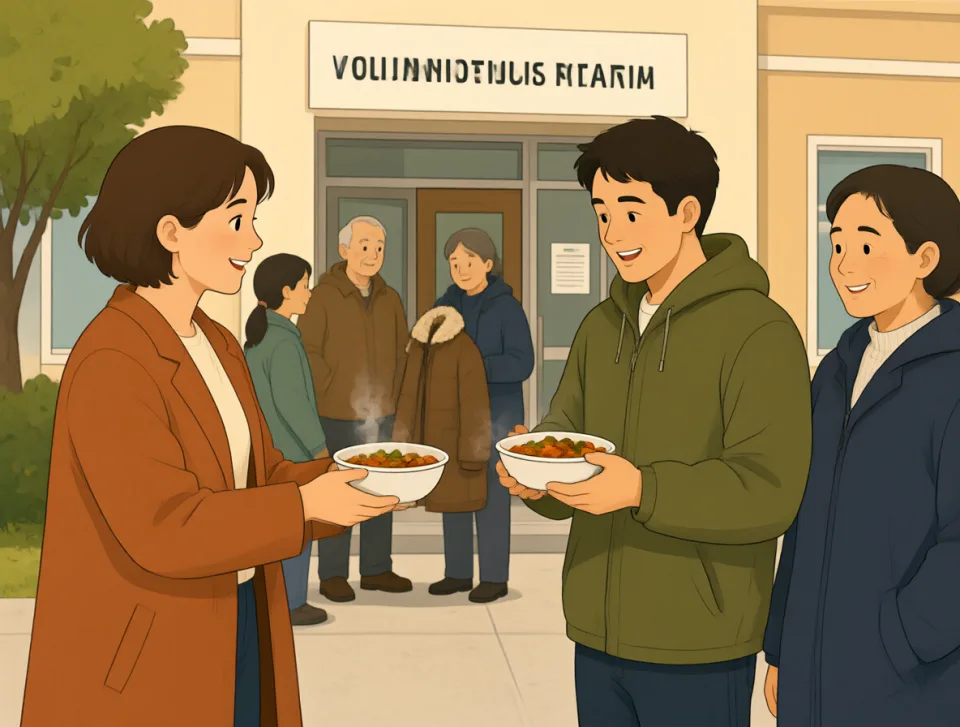
The charity works to reduce poverty by providing meals and warm clothes.
Organizacja charytatywna walczy z ubóstwem, zapewniając posiłki i ciepłe ubrania.
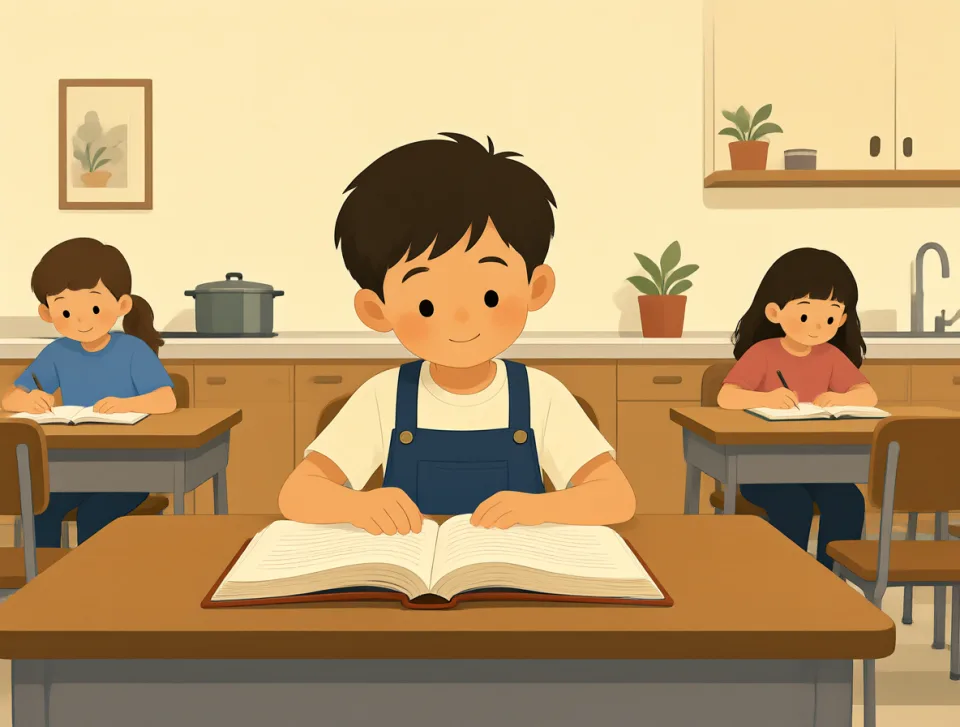
Poverty can prevent children from getting a good education.
Ubóstwo może uniemożliwić dzieciom zdobycie dobrego wykształcenia.
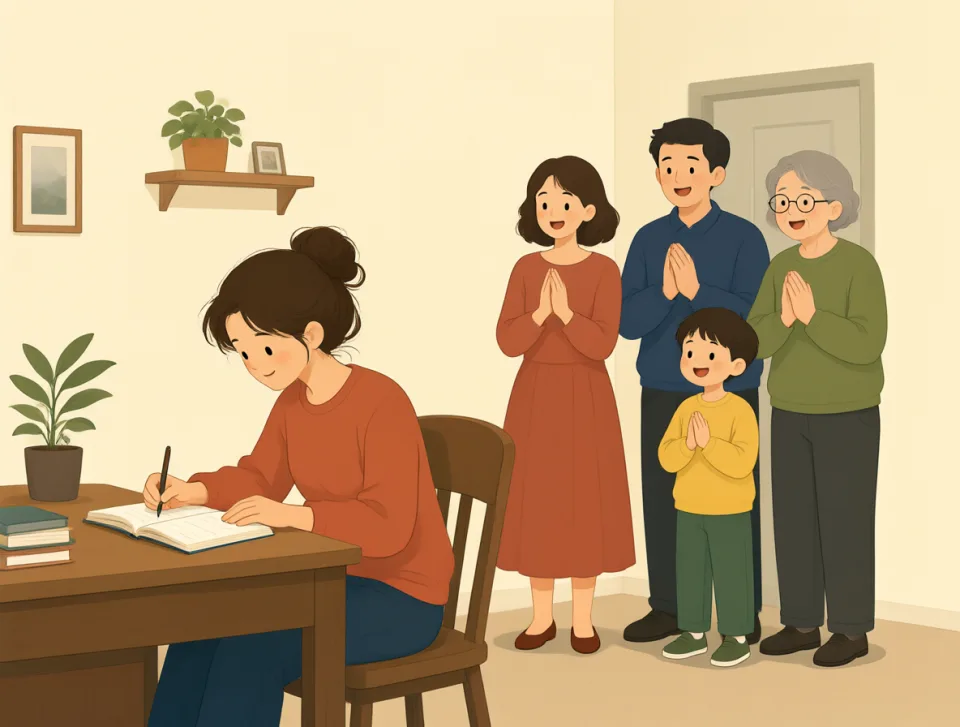
She grew up in poverty but worked hard to build a successful career.
Dorastała w ubóstwie, ale ciężko pracowała, by zbudować udaną karierę.
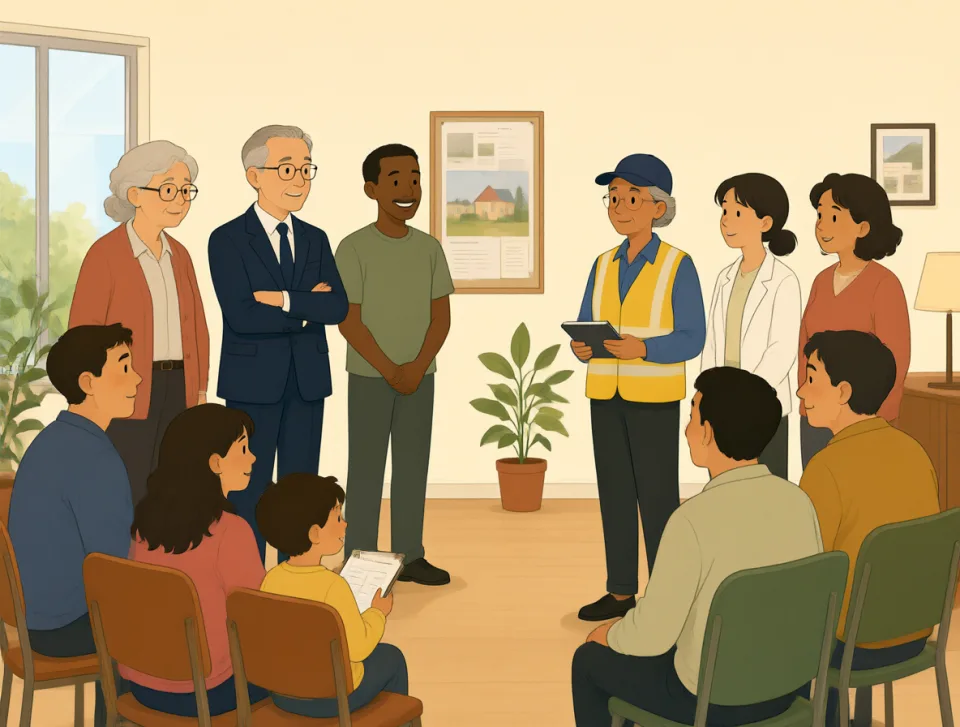
The government is planning new programs to help people escape poverty.
Rząd planuje nowe programy, które mają pomóc ludziom wydostać się z ubóstwa.
crazy
#2276adjective
szalony
Very surprising, exciting, or difficult to believe; sometimes mentally ill or unable to think normally.
Bardzo zaskakujący, ekscytujący lub trudny do uwierzenia; czasami oznaczający chorobę psychiczną albo niezdolność do normalnego myślenia.
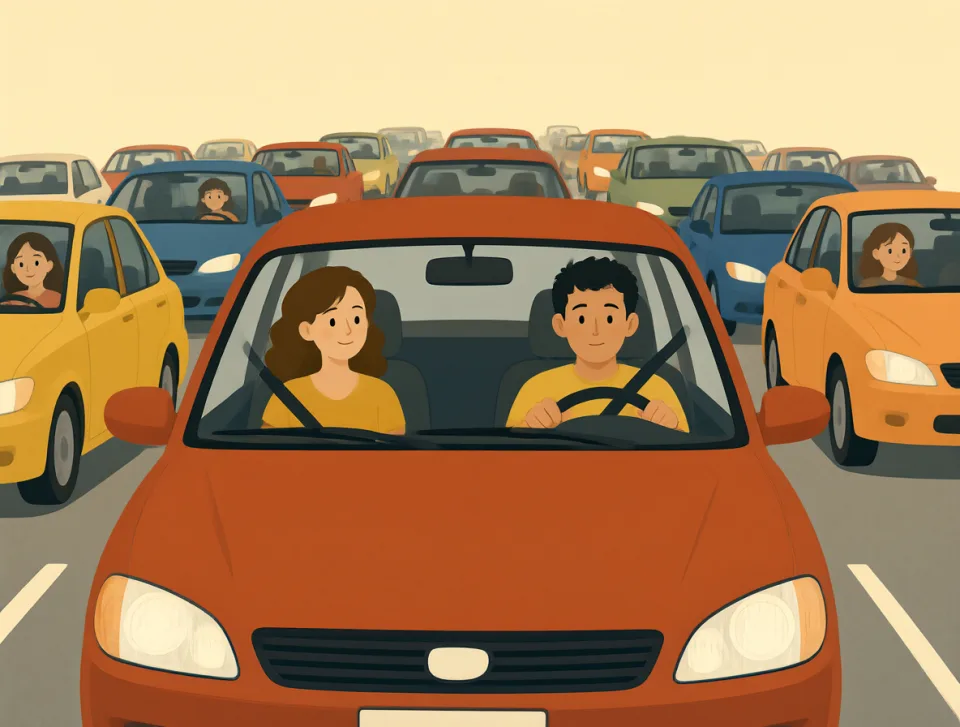
The traffic was crazy, so we arrived at work thirty minutes late.
Korki były szalone, więc spóźniliśmy się do pracy trzydzieści minut.

My friends planned a crazy party with music, dancing, and colorful decorations.
Moi przyjaciele zaplanowali szaloną imprezę z muzyką, tańcami i kolorowymi dekoracjami.
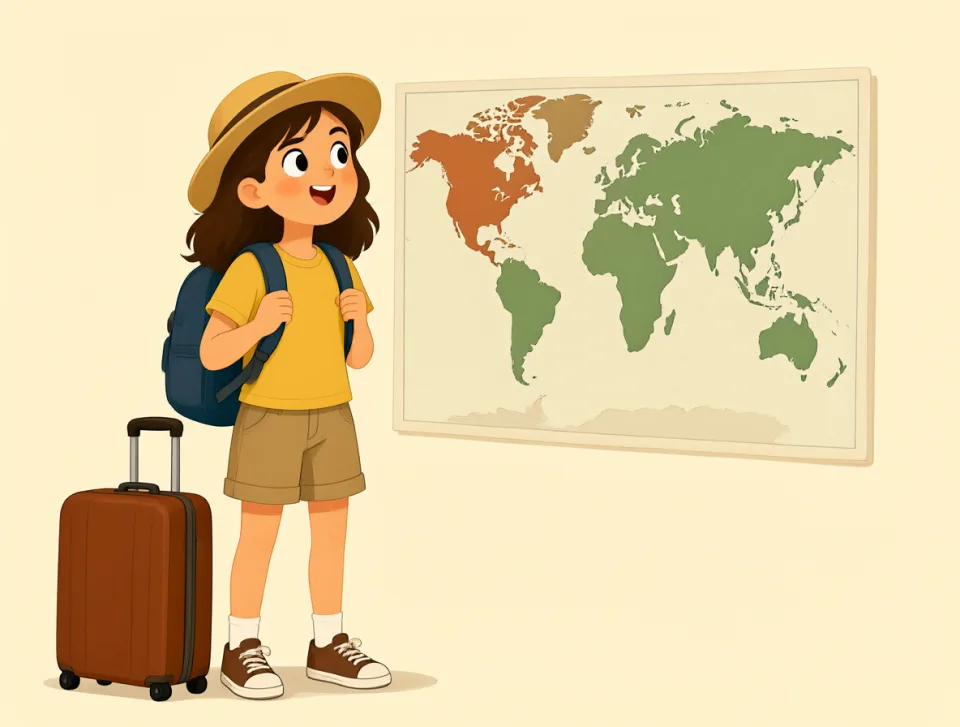
It sounds crazy, but I want to travel around the world alone.
To brzmi szalenie, ale chcę samotnie podróżować po całym świecie.
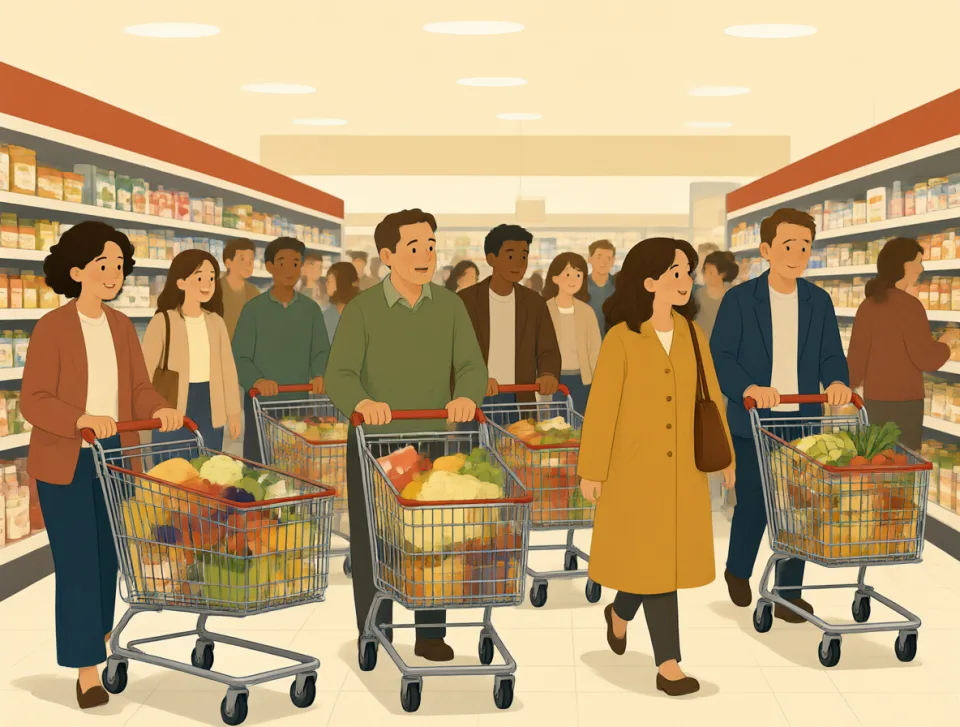
The supermarket was crazy before the holiday, with shoppers rushing everywhere.
Przed świętami w supermarkecie panował istny chaos, a klienci biegali we wszystkie strony.
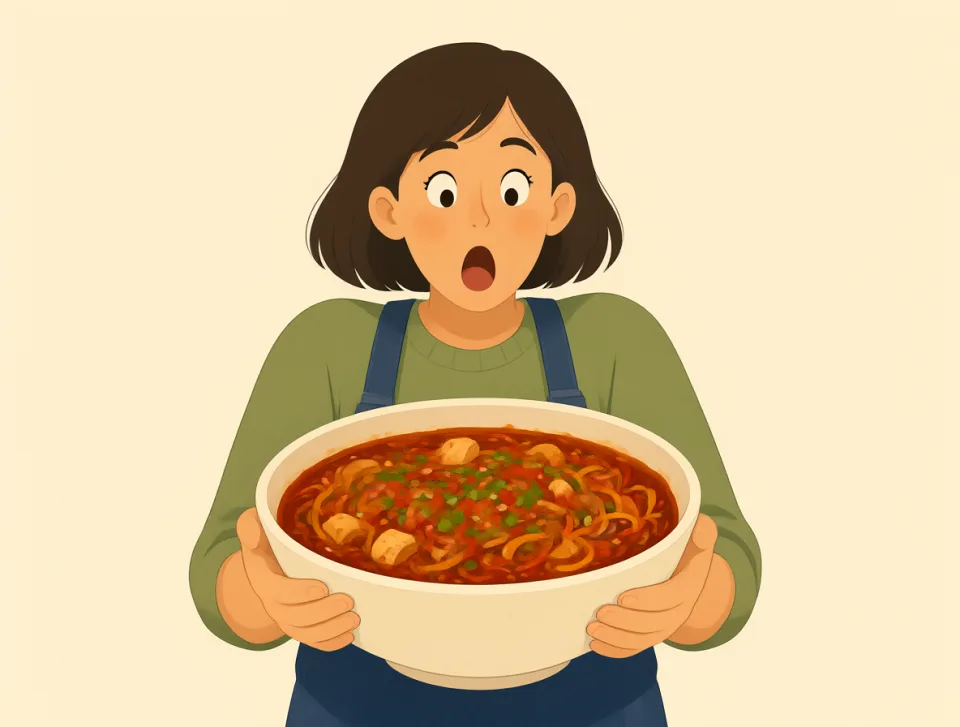
You must be crazy to eat that much spicy food at once.
Chyba oszalałeś, skoro chcesz zjeść tyle ostrego jedzenia naraz.
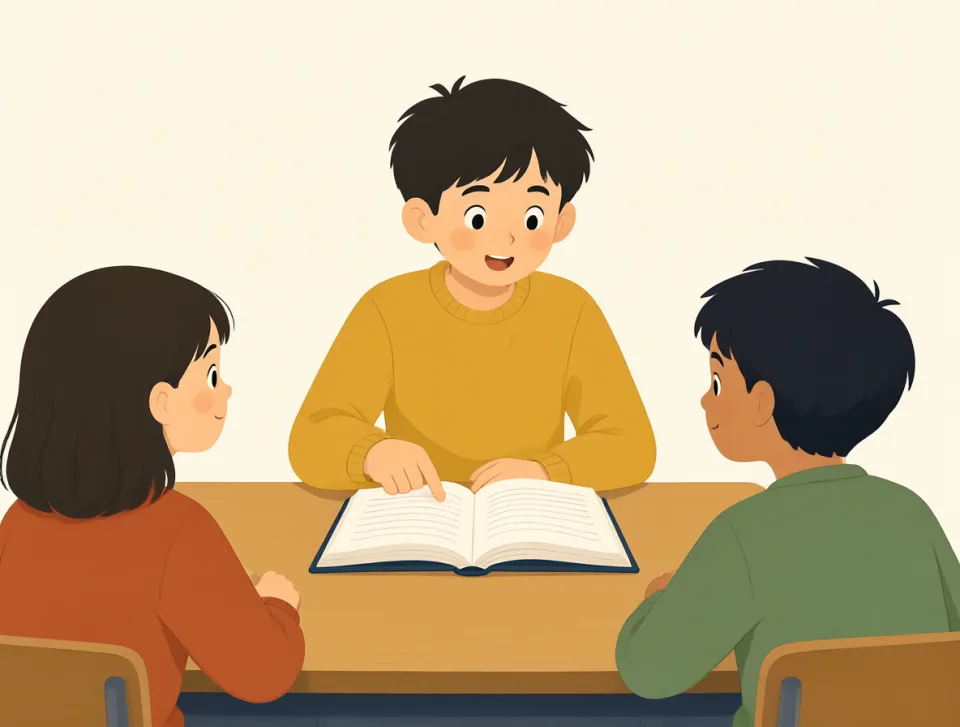
cite
#2277verb
przywoływać
to mention a person, book, or example as evidence or support for an idea
Wspominać o osobie, książce lub przykładzie jako dowodzie albo wsparciu dla jakiegoś pomysłu.
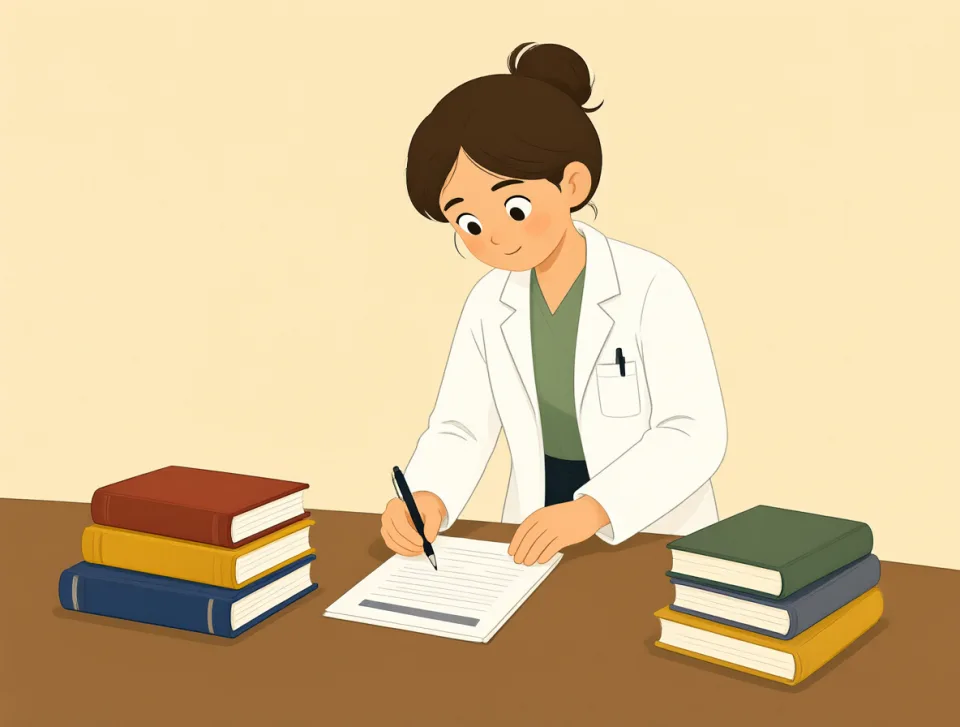
The report cites several studies to support its conclusion.
Raport przywołuje wyniki kilku badań na poparcie swojego wniosku.
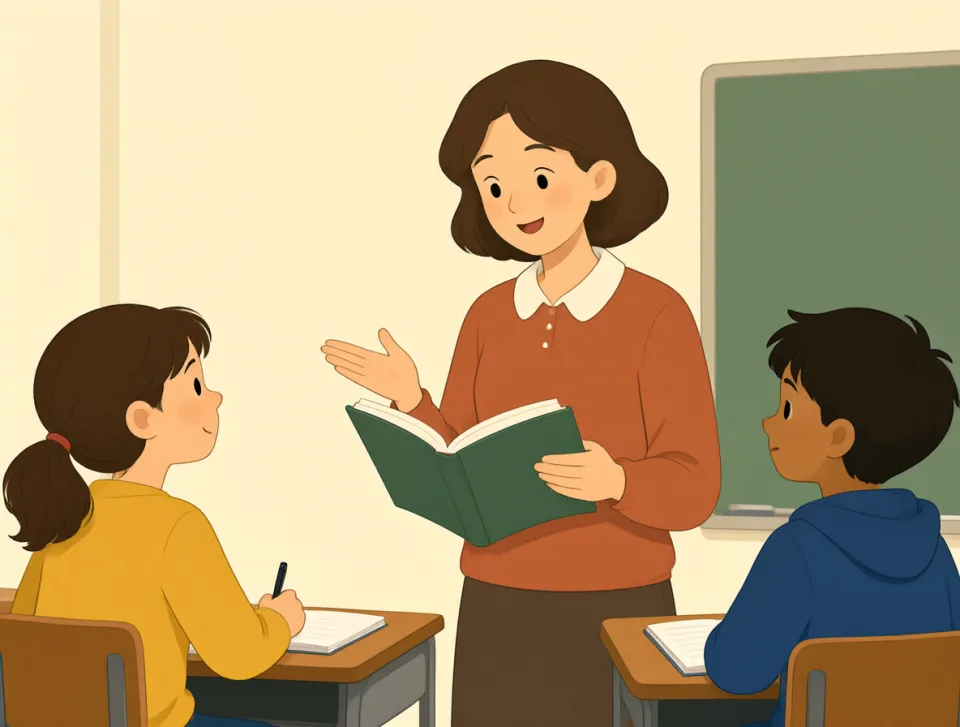
The teacher cited a famous poem during the literature lesson.
Nauczyciel przytoczył słynny wiersz podczas lekcji literatury.

Please cite your sources when you use information from the internet.
Proszę podawać źródła, gdy korzysta Pan/Pani z informacji z internetu.
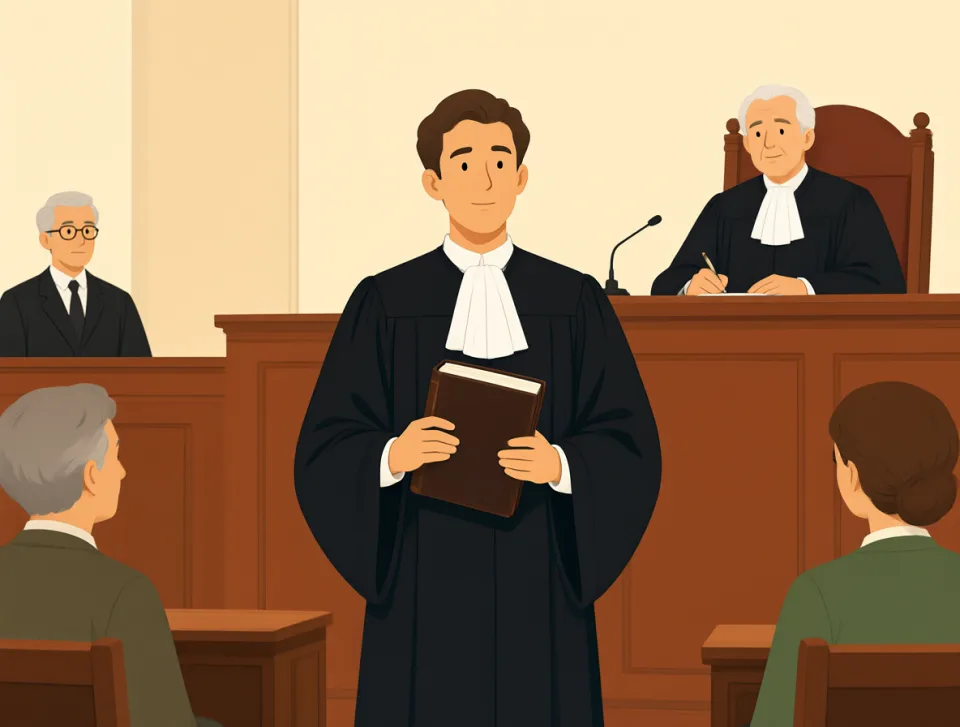
The lawyer cited an earlier court case during the trial.
Prawnik powołał się na wcześniejszą sprawę sądową podczas procesu.

She cited the cold weather as the reason for canceling dinner.
Jako powód odwołania kolacji podała zimną pogodę.

newly
#2278adverb
nowo
recently or for the first time
Niedawno lub po raz pierwszy.

She is newly married and has just moved to a different city.
Niedawno wyszła za mąż i właśnie przeprowadziła się do innego miasta.

The newly opened café serves fresh bread and excellent coffee.
Nowo otwarta kawiarnia serwuje świeże pieczywo i wyśmienitą kawę.

Our newly hired manager introduced herself during the morning meeting.
Nasz nowo zatrudniony menedżer przedstawił się podczas porannego zebrania.
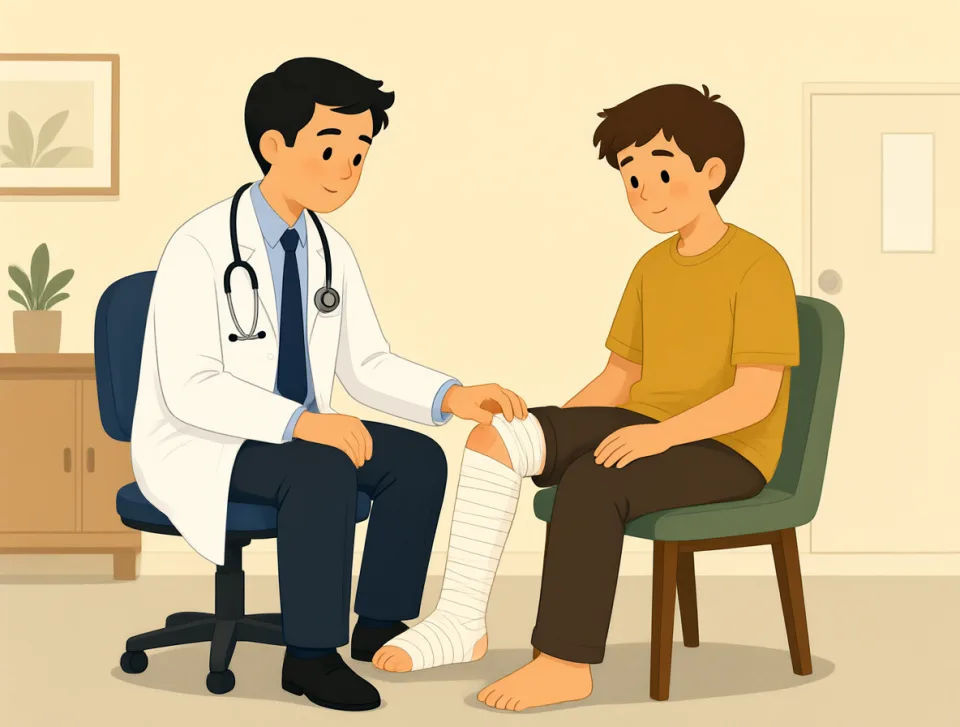
The doctor checked the patient’s newly injured knee carefully.
Lekarz dokładnie zbadał niedawno kontuzjowane kolano pacjenta.
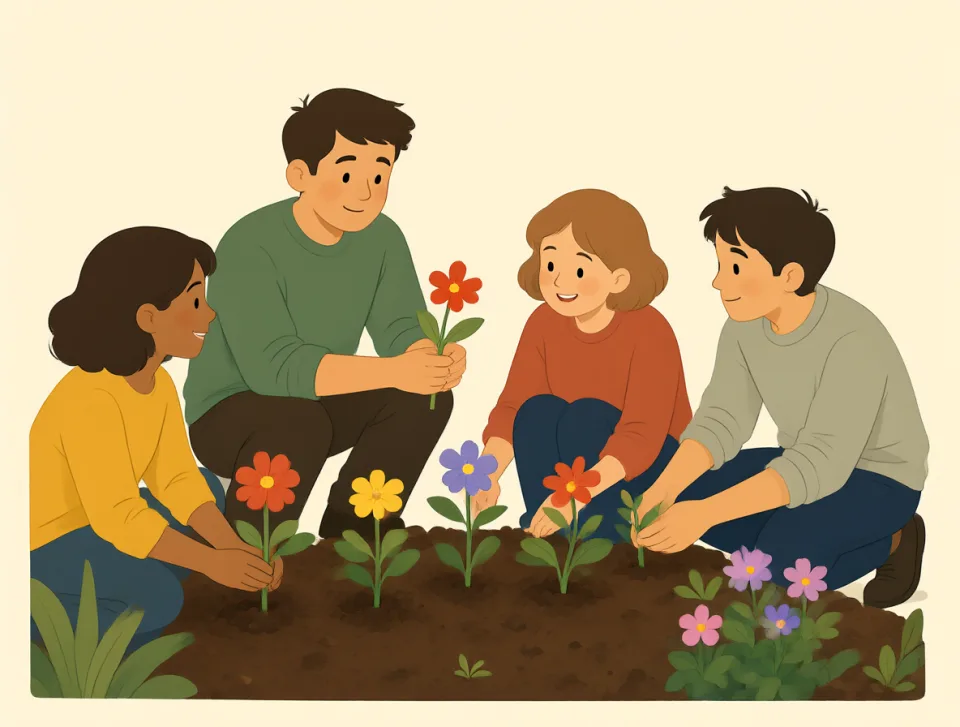
He proudly showed his friends the newly planted flowers in his garden.
Z dumą pokazał przyjaciołom nowo posadzone kwiaty w swoim ogrodzie.
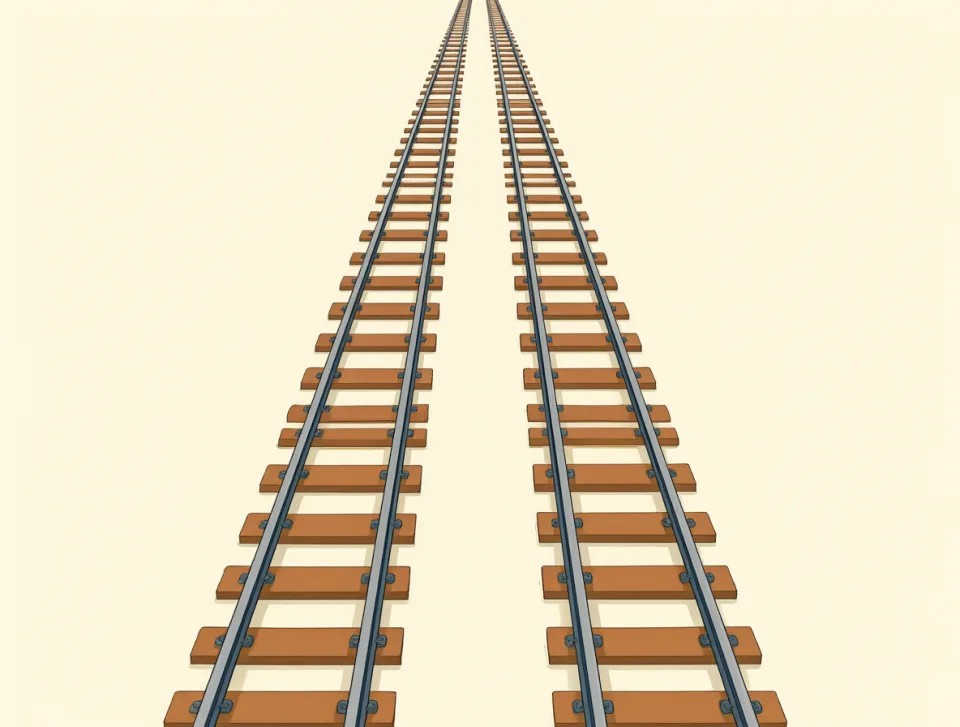
parallel
#2279adjective, noun, verb
równoległy
Going in the same direction and staying the same distance apart; a line with this property.
Biegnący w tym samym kierunku i pozostający w tej samej odległości; linia mająca tę właściwość.

The two roads run parallel through the valley for several miles.
Te dwie drogi biegną równolegle przez dolinę na odcinku kilku mil.
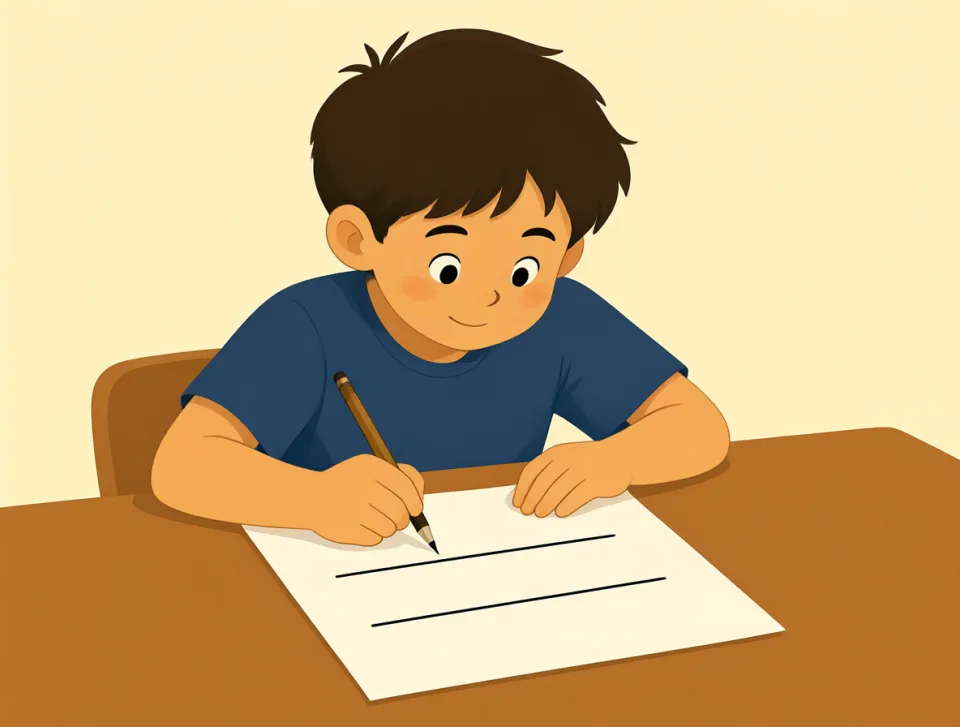
Draw two parallel lines across the page for your geometry homework.
Narysuj na kartce dwie równoległe linie jako zadanie domowe z geometrii.
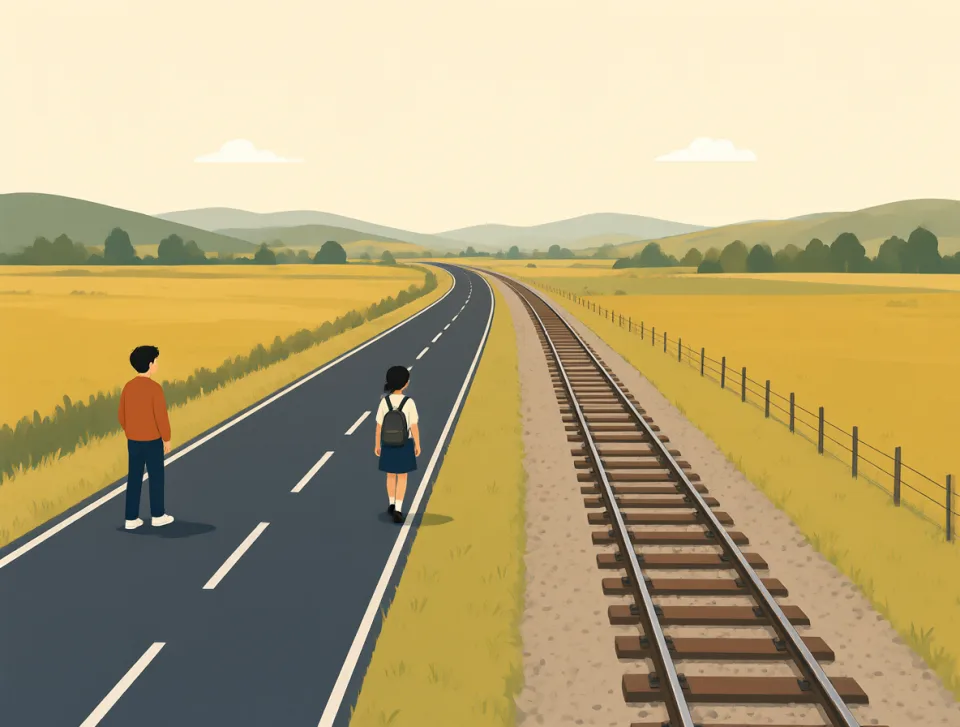
The new airport road runs parallel to the railway line.
Nowa droga na lotnisko biegnie równolegle do linii kolejowej.
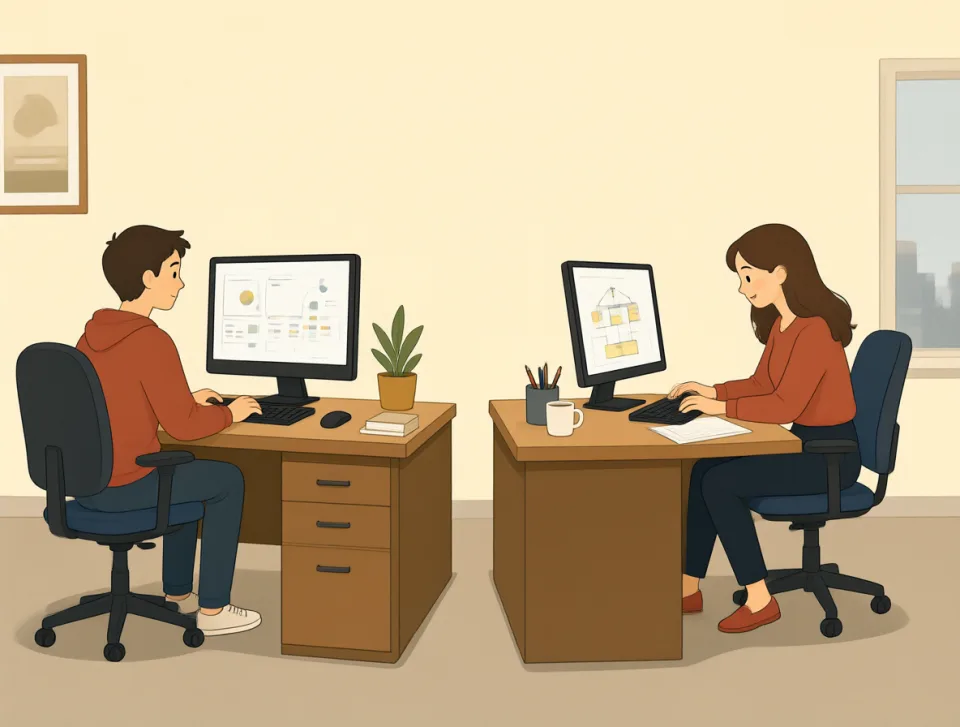
The company is developing a parallel project with a different team.
Firma rozwija równoległy projekt z innym zespołem.

Her experience ran parallel to mine, so we understood each other quickly.
Jej doświadczenia były podobne do moich, więc szybko się zrozumieliśmy.

gender
#2280noun
płeć
The idea of being male, female, or another identity in society.
Pojęcie określające bycie mężczyzną, kobietą lub osobą o innej tożsamości w społeczeństwie.
The form asks for your age, address, and gender.
Formularz wymaga podania wieku, adresu i płci.
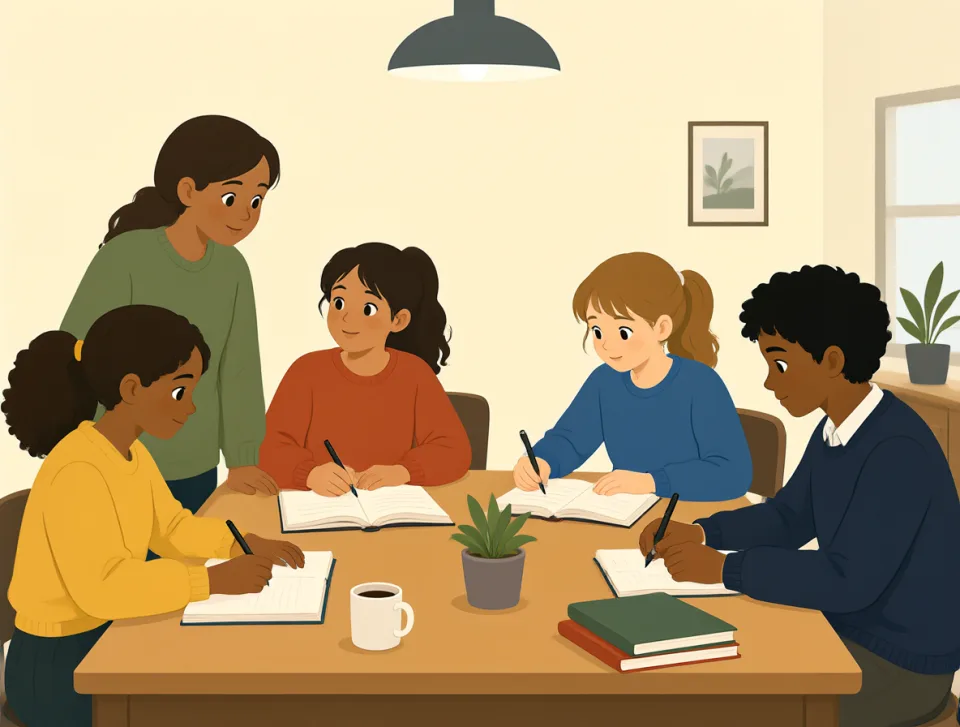
The school encourages students of every gender to join the science club.
Szkoła zachęca uczniów każdej płci do dołączenia do klubu naukowego.

Clothing stores are creating more gender-neutral sections for shoppers.
Sklepy odzieżowe tworzą dla klientów coraz więcej działów z odzieżą neutralną płciowo.
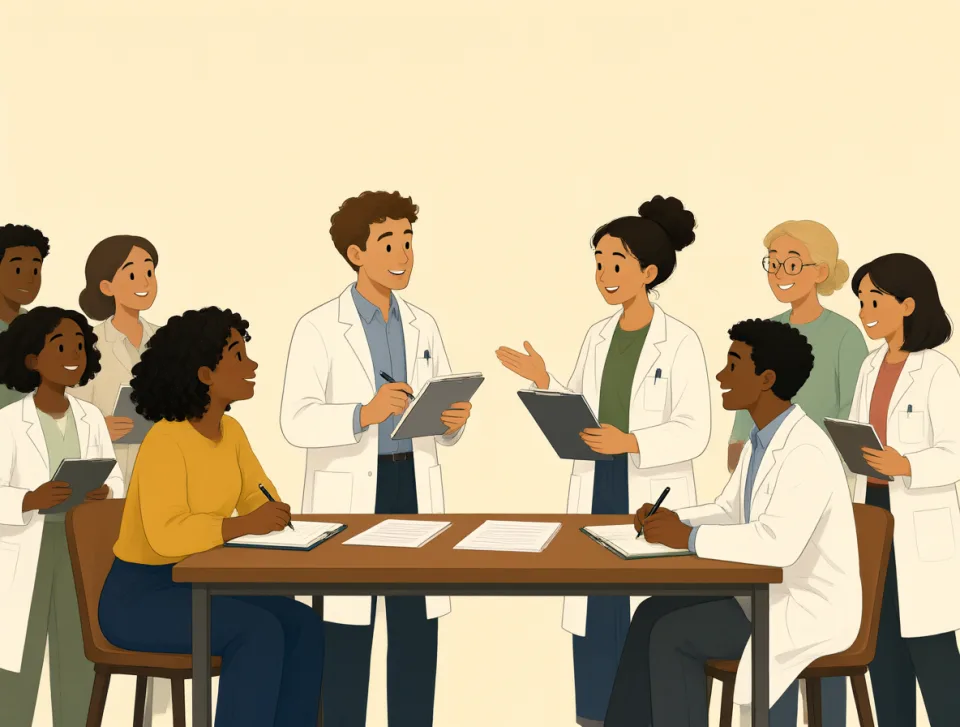
Researchers studied how gender affects people’s experiences at work.
Naukowcy badali, jak płeć wpływa na doświadczenia ludzi w pracy.
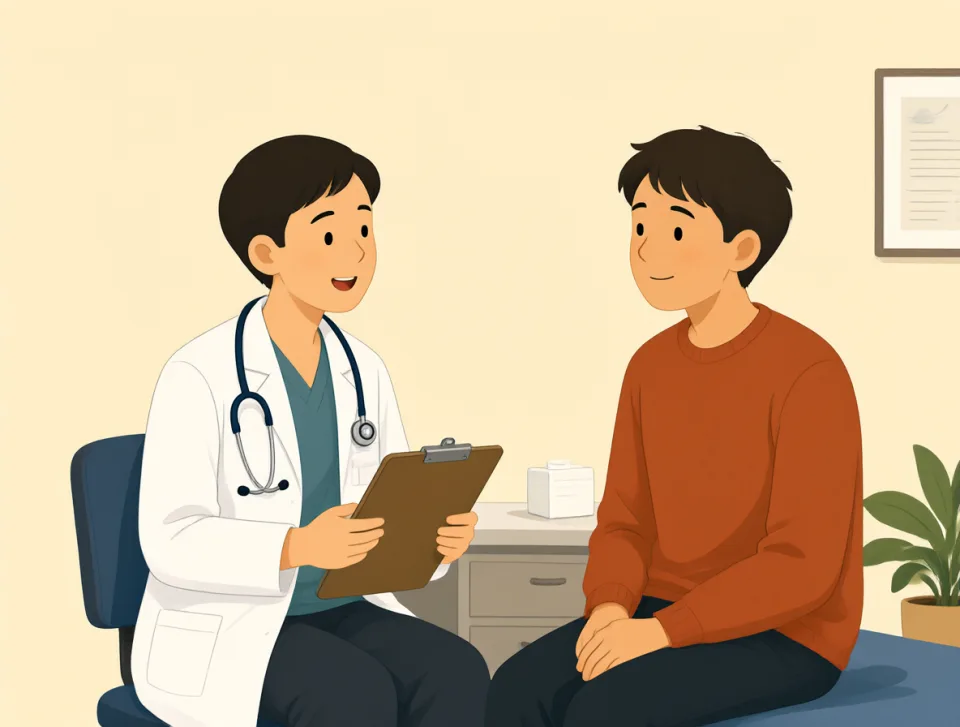
The doctor asked whether gender had been recorded correctly on my medical file.
Lekarz zapytał, czy płeć została prawidłowo wpisana do mojej dokumentacji medycznej.