Zestaw 105
Słowa 2081–2100 · prisoner, eliminate, tight, wet, secondary, welfare
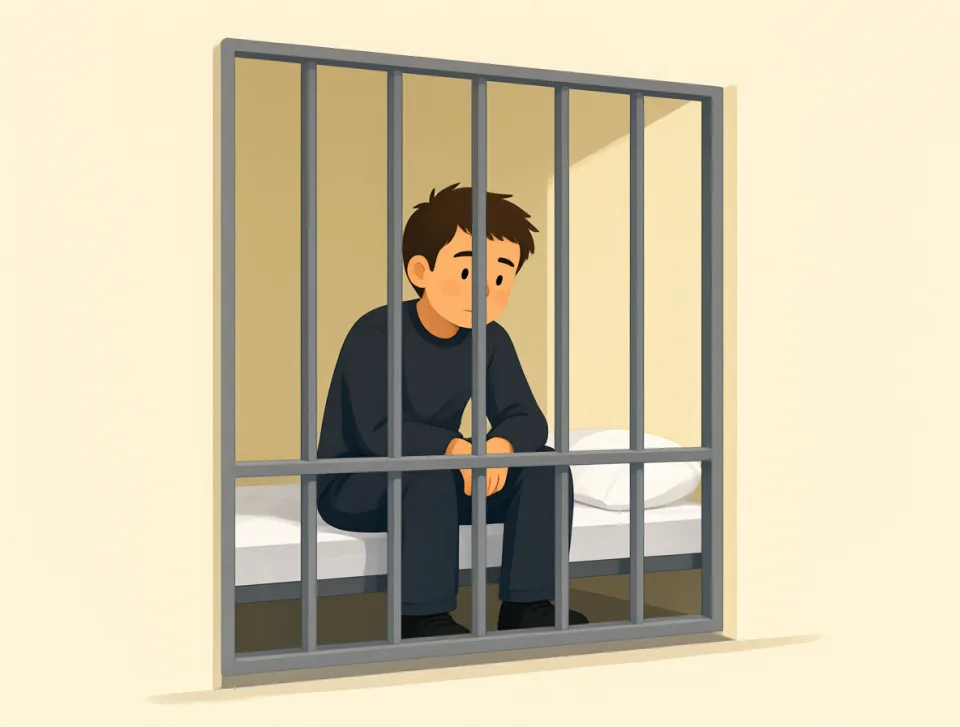
prisoner
#2081noun
więzień
A person kept in prison as punishment or while waiting for trial.
Osoba przebywająca w więzieniu jako kara lub w oczekiwaniu na proces.
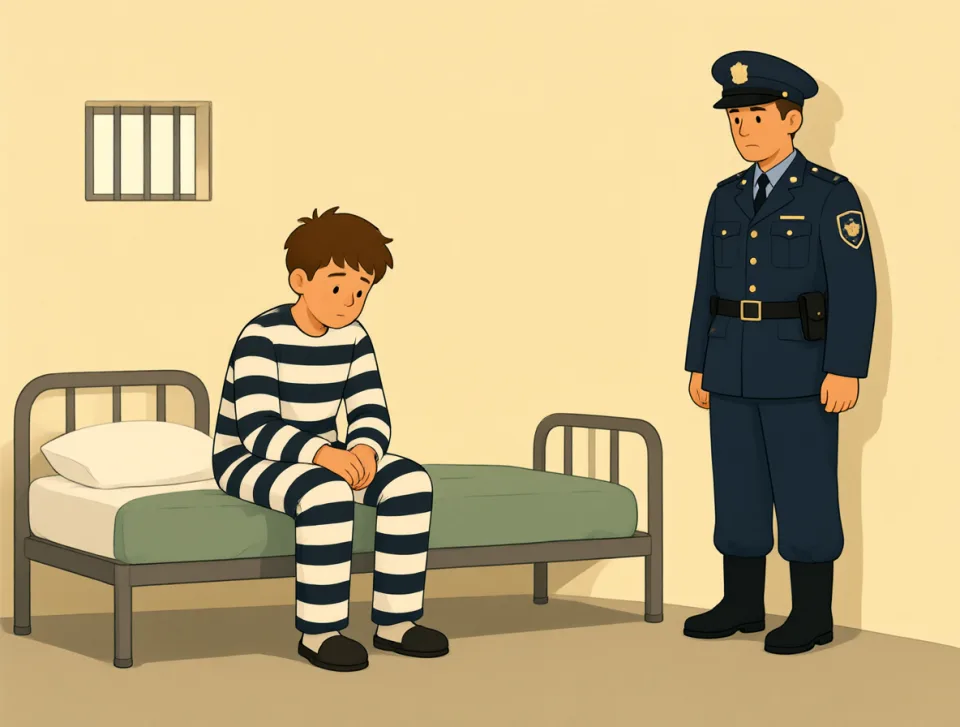
The prisoner waited quietly in his cell for the judge’s decision.
Więzień czekał spokojnie w celi na decyzję sędziego.
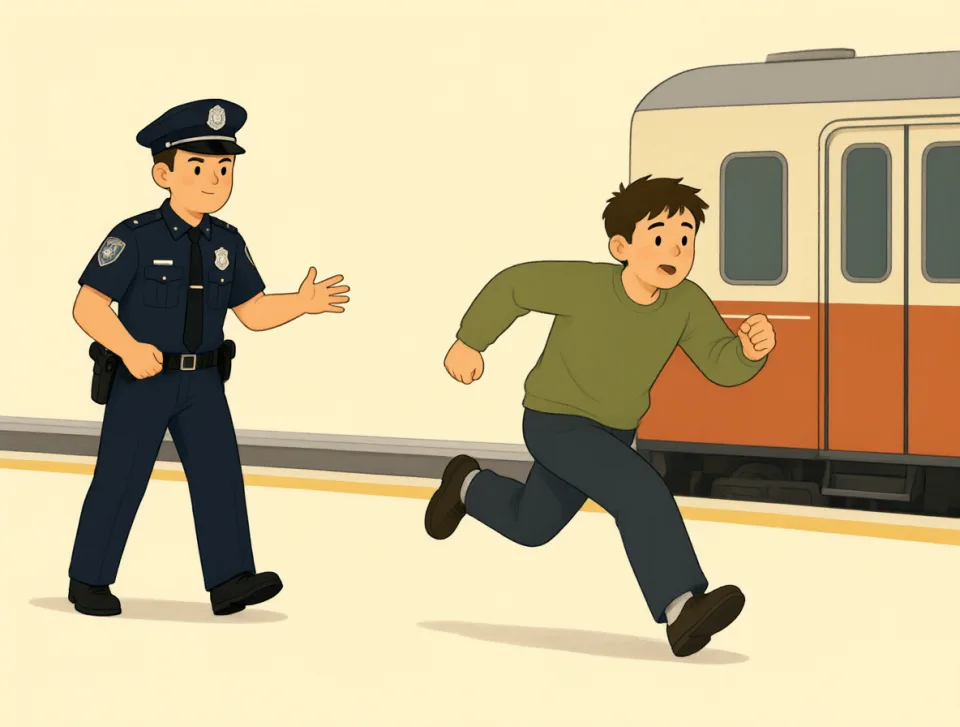
The police caught the escaped prisoner near the train station.
Policja złapała zbiegłego więźnia w pobliżu dworca kolejowego.
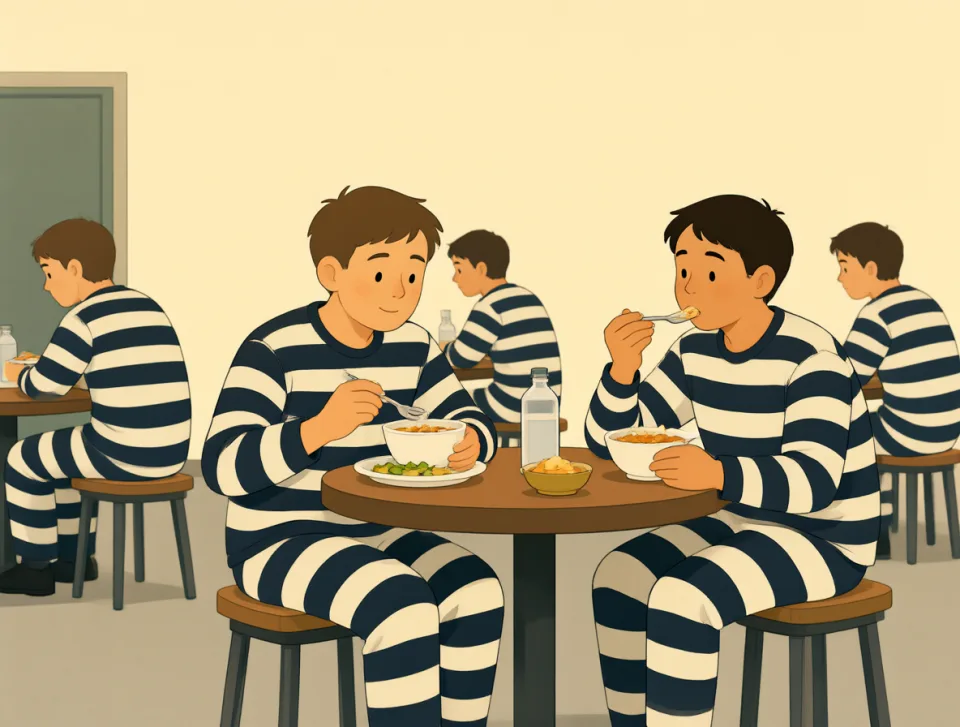
The prisoners ate lunch together in the prison dining room.
Więźniowie jedli razem lunch w więziennej stołówce.
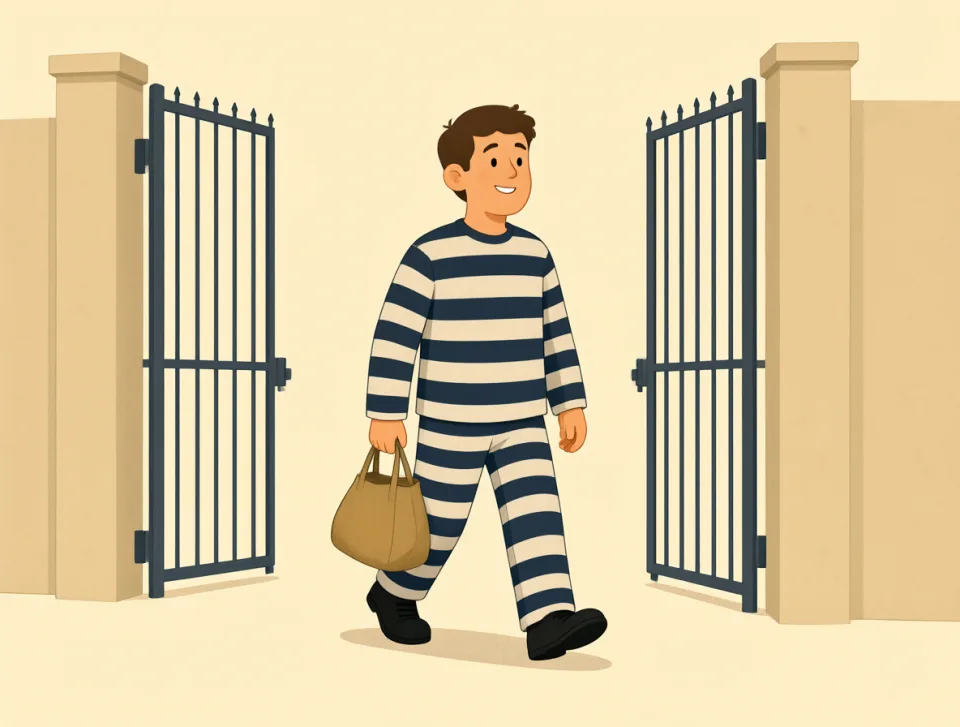
The prisoner was released after serving ten years in prison.
Więzień został zwolniony po odbyciu dziesięcioletniej kary więzienia.
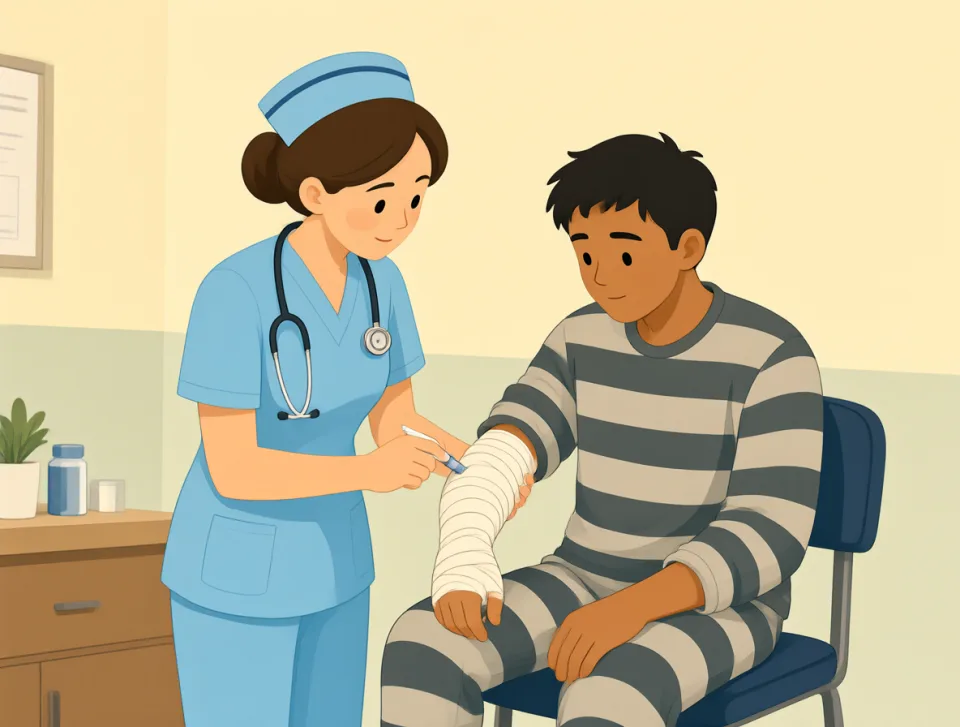
The nurse checked the prisoner’s injured arm in the prison clinic.
Pielęgniarka zbadała ranną rękę więźnia w więziennej przychodni.

eliminate
#2082verb
wyeliminować
to remove or get rid of something completely
Całkowicie usunąć lub pozbyć się czegoś.
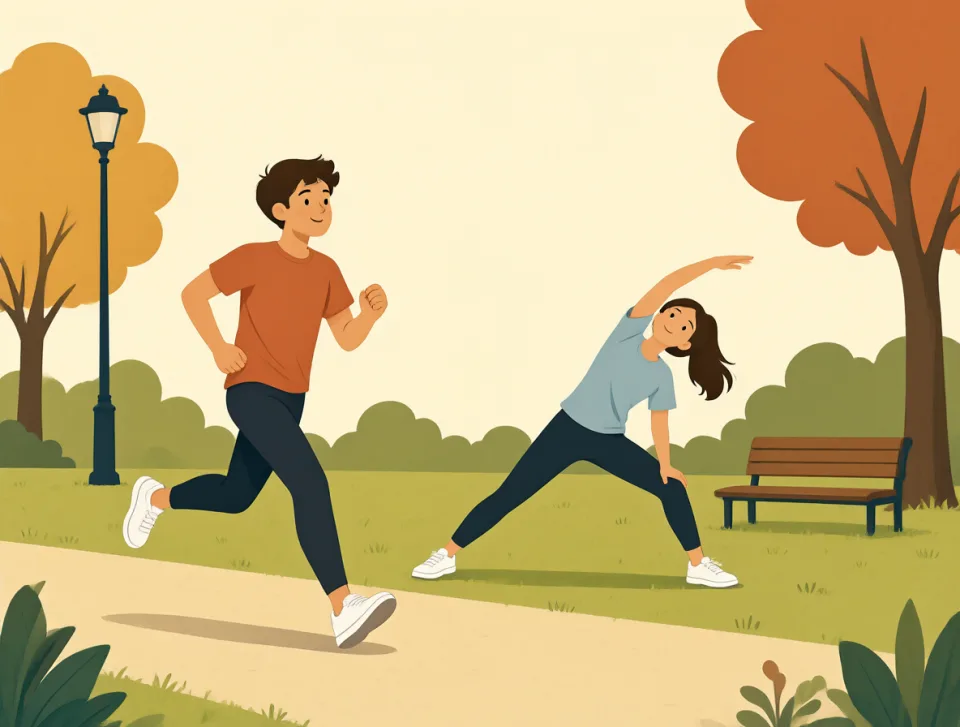
Regular exercise can eliminate some health problems and improve your energy.
Regularne ćwiczenia mogą wyeliminować niektóre problemy zdrowotne i dodać energii.
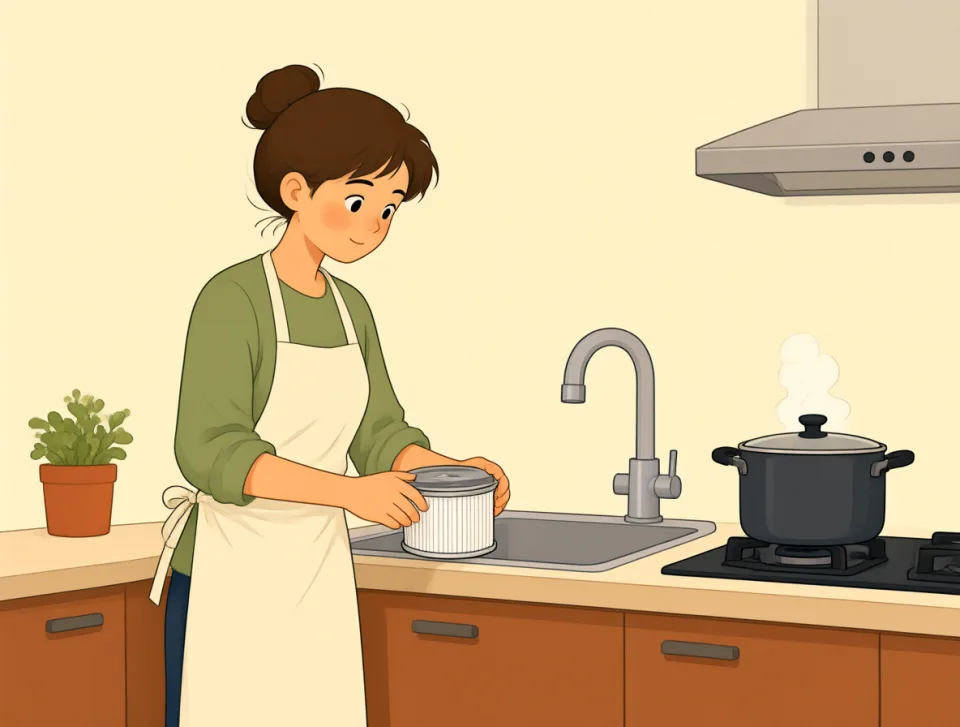
The new filter eliminates unpleasant smells from the kitchen.
Nowy filtr eliminuje nieprzyjemne zapachy z kuchni.
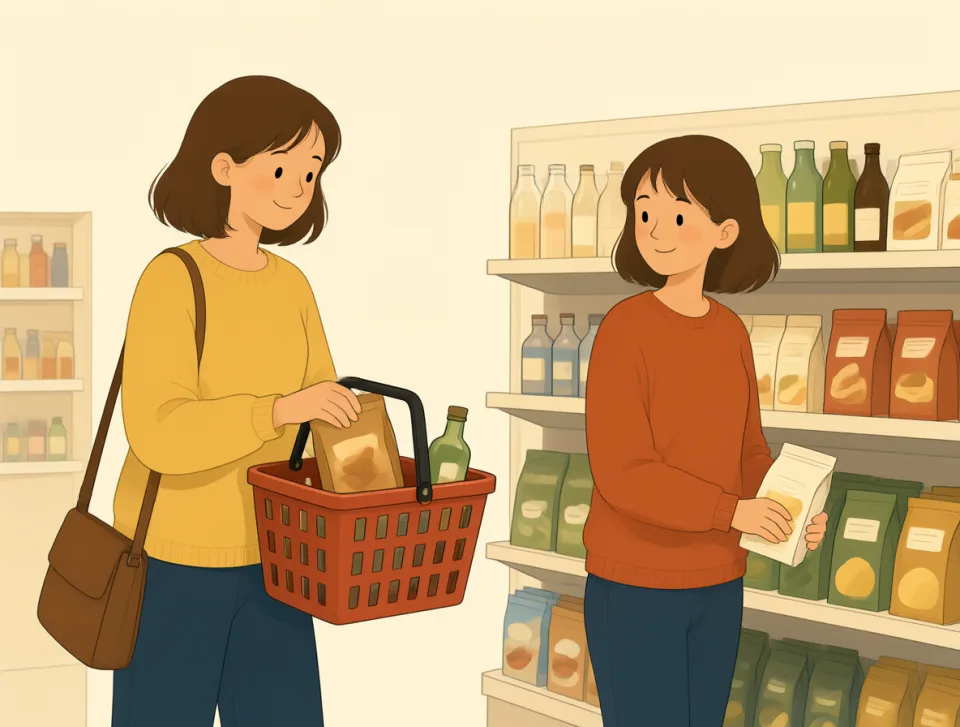
We eliminated several expensive items from our shopping list.
Usunęliśmy z naszej listy zakupów kilka drogich produktów.
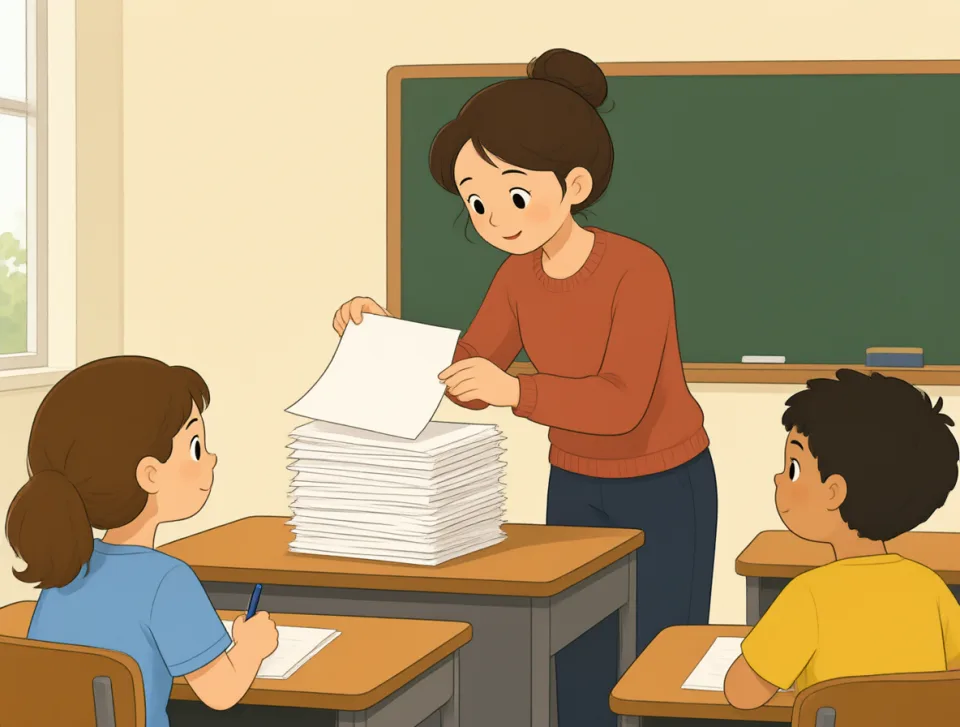
The teacher eliminated the hardest question from the test.
Nauczyciel usunął z testu najtrudniejsze pytanie.

The airline eliminated our evening flight because too few people booked seats.
Linia lotnicza odwołała nasz wieczorny lot, ponieważ zbyt mało osób zarezerwowało miejsca.

tight
#2083adjective, adverb, verb
ciasny; mocno
Firmly fixed, fitting closely, or having little extra space; to pull something firmly.
Mocno przylegający, dobrze dopasowany lub pozostawiający niewiele wolnego miejsca; także: mocno coś pociągnąć.
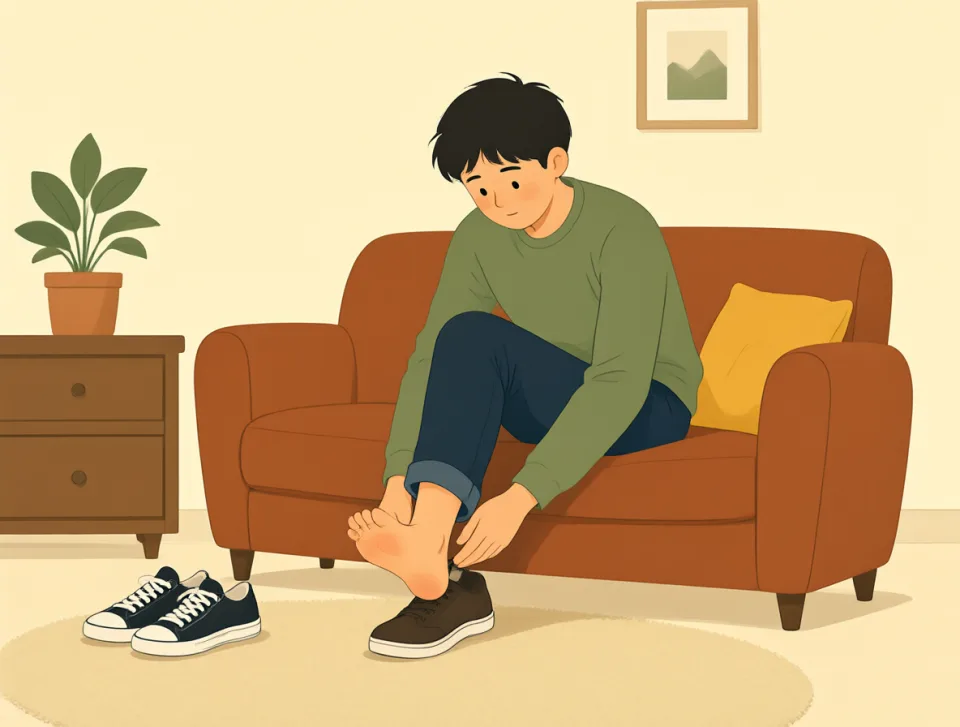
These shoes are too tight, so my feet hurt after walking.
Te buty są za ciasne, więc po spacerze bolą mnie stopy.

Please hold tight while the bus turns around the corner.
Proszę, trzymajcie się mocno, gdy autobus będzie skręcał za róg.

We have a tight schedule, so please arrive exactly on time.
Mamy napięty harmonogram, więc proszę przyjdź dokładnie na czas.
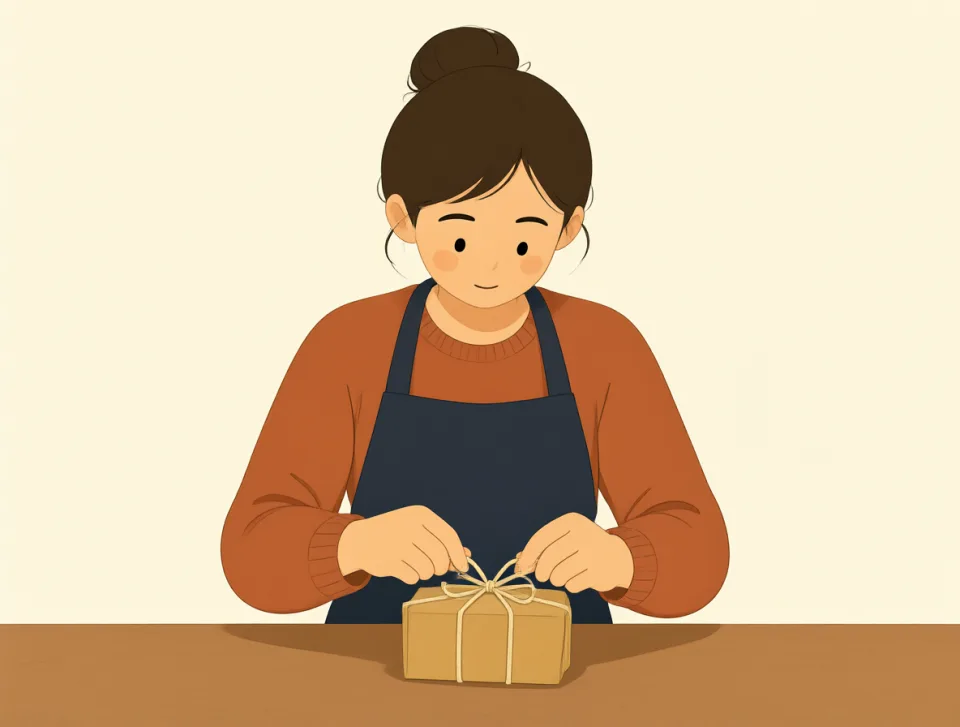
She tied the package tight before taking it to the post office.
Związała paczkę mocno, zanim zaniosła ją na pocztę.
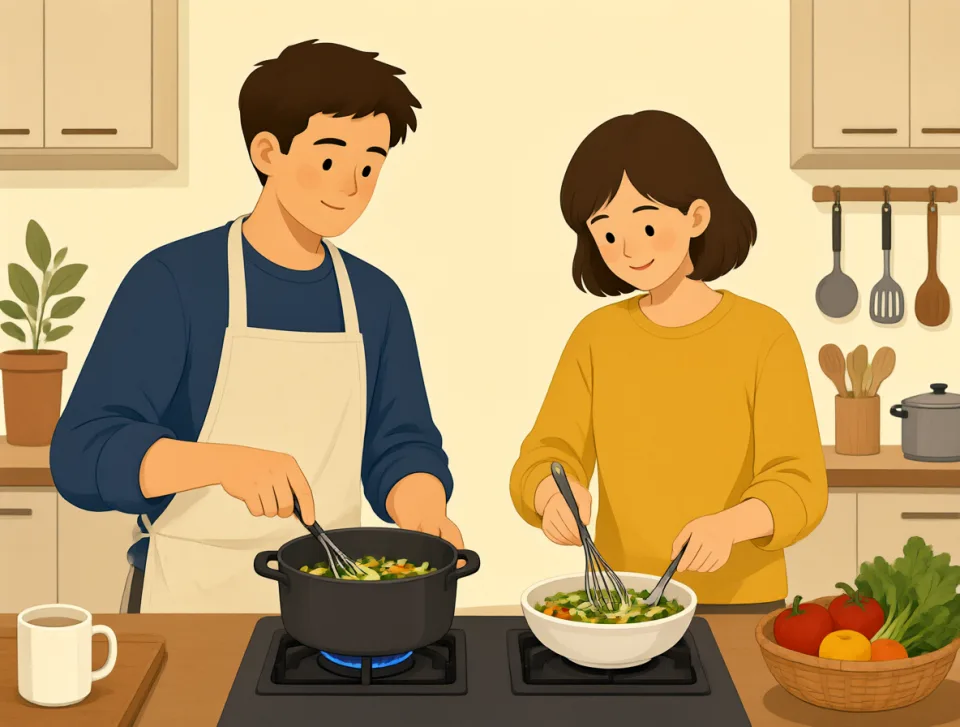
Money is tight this month, so we are cooking at home more often.
W tym miesiącu mamy mało pieniędzy, więc częściej gotujemy w domu.

wet
#2084adjective, noun, verb
mokry
covered or filled with water; to make something wet
Pokryty wodą lub nią nasiąknięty; także: zmoczyć coś.

My shoes got wet when I walked home in the heavy rain.
Moje buty przemokły, kiedy wracałem do domu w ulewnym deszczu.

Please hang the wet towels outside so they can dry.
Proszę, powieś mokre ręczniki na zewnątrz, żeby wyschły.

The children were wet after playing in the fountain.
Dzieci były mokre po zabawie w fontannie.
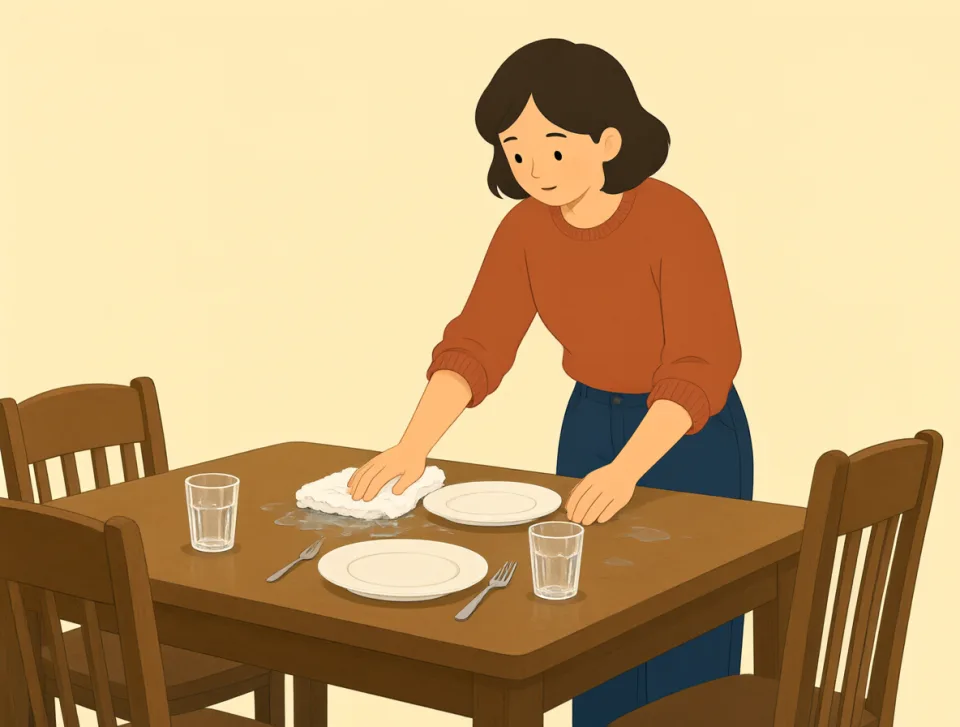
Wipe the table before dinner because someone spilled water on it.
Wytrzyj stół przed kolacją, bo ktoś rozlał na niego wodę.

The nurse placed a wet cloth on his forehead to cool him down.
Pielęgniarka położyła mu na czole mokrą ściereczkę, żeby go ochłodzić.

secondary
#2085adjective, noun
drugorzędny
less important than something else, or connected with education after primary school
Mniej ważny niż coś innego albo związany z nauką na poziomie po szkole podstawowej.
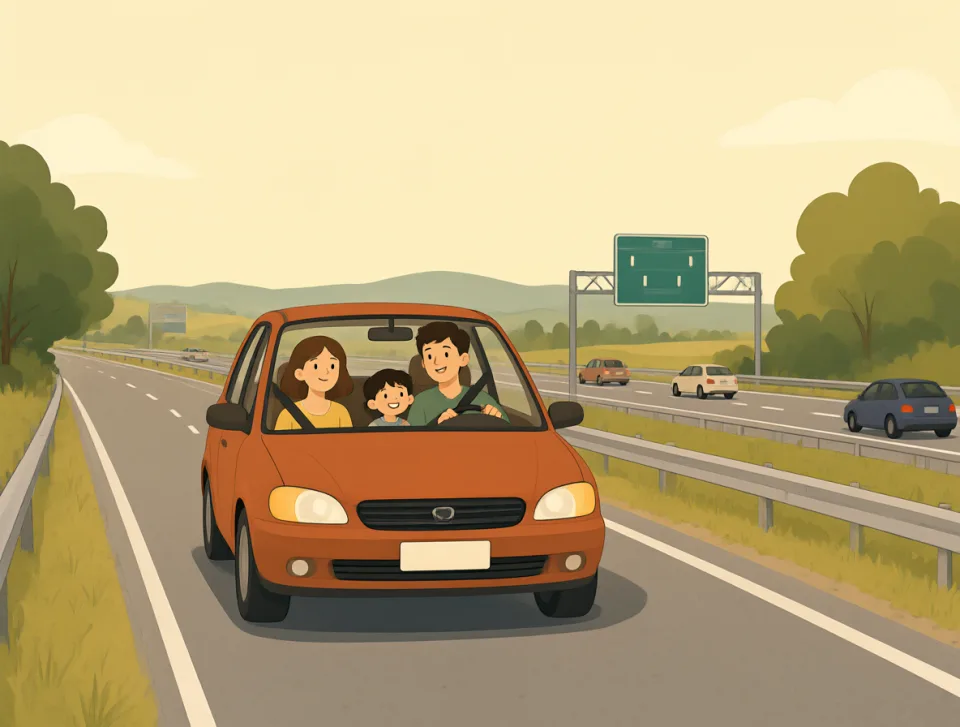
The secondary road was quieter and safer than the busy highway.
Droga lokalna była spokojniejsza i bezpieczniejsza niż ruchliwa autostrada.
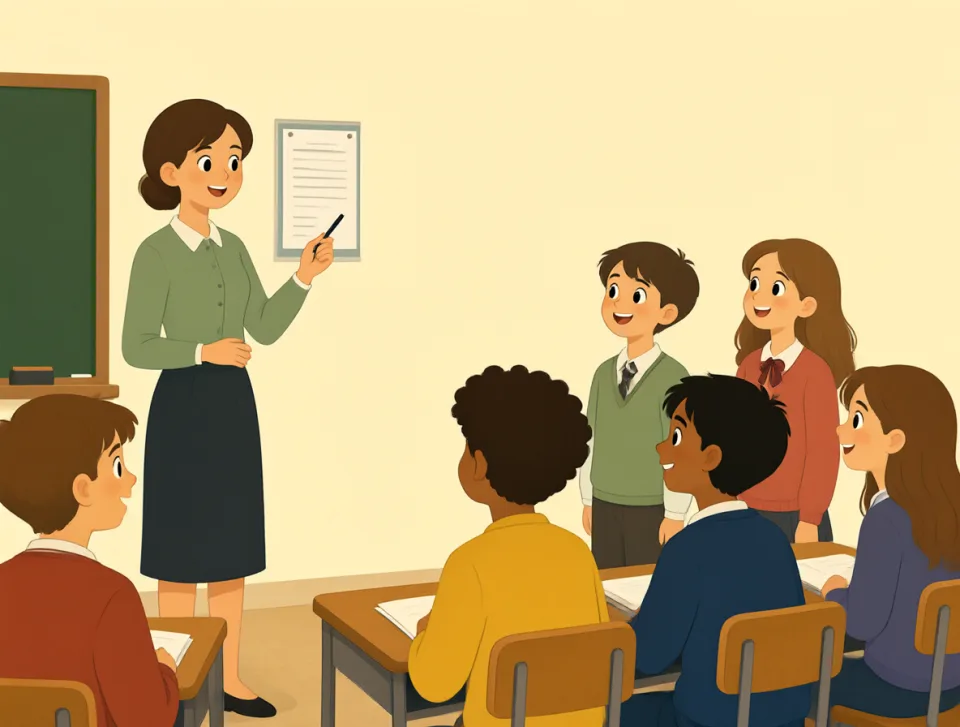
She works as a secondary teacher at a school near her home.
Pracuje jako nauczycielka w szkole niedaleko swojego domu.
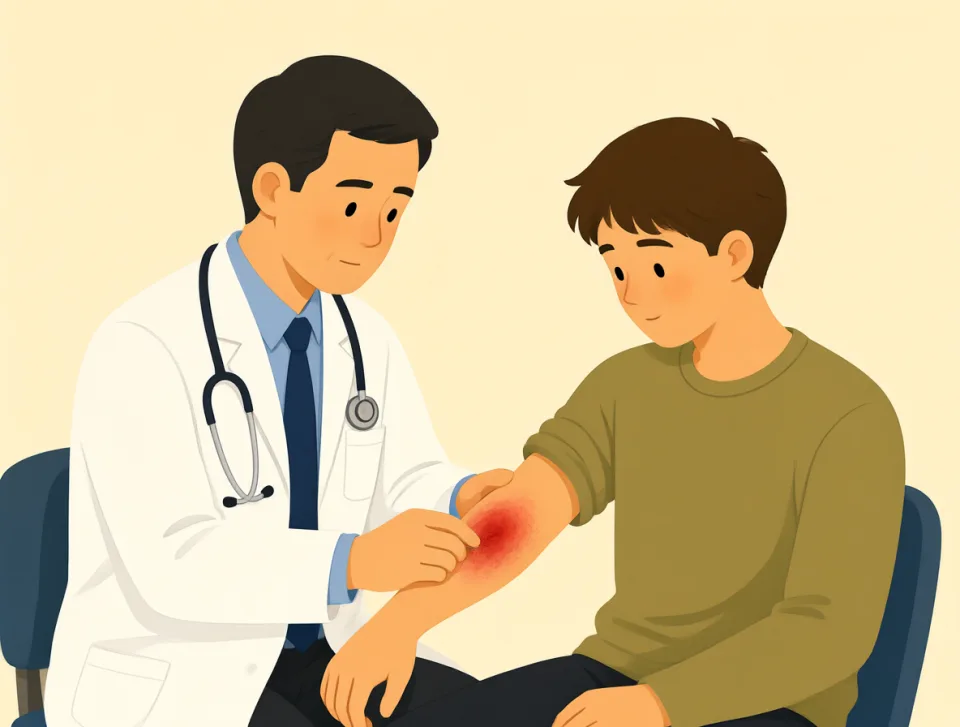
The doctor found a secondary infection and prescribed stronger medicine.
Lekarz wykrył wtórną infekcję i przepisał silniejszy lek.

The main entrance is closed, so please use the secondary entrance.
Główne wejście jest zamknięte, proszę więc skorzystać z drugiego wejścia.
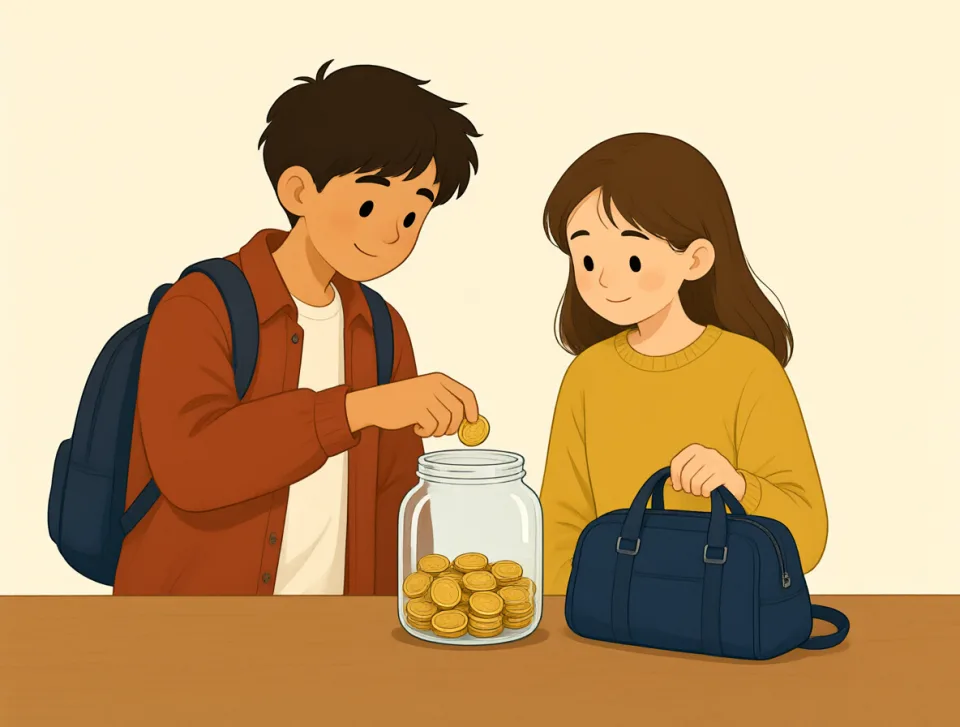
Our secondary goal is to save enough money for a summer trip.
Naszym drugorzędnym celem jest zaoszczędzenie wystarczającej kwoty na letni wyjazd.
welfare
#2086noun
świadczenia socjalne
Help provided by the government for people who need money, housing, or other support.
Pomoc udzielana przez państwo osobom, które potrzebują pieniędzy, mieszkania lub innego wsparcia.
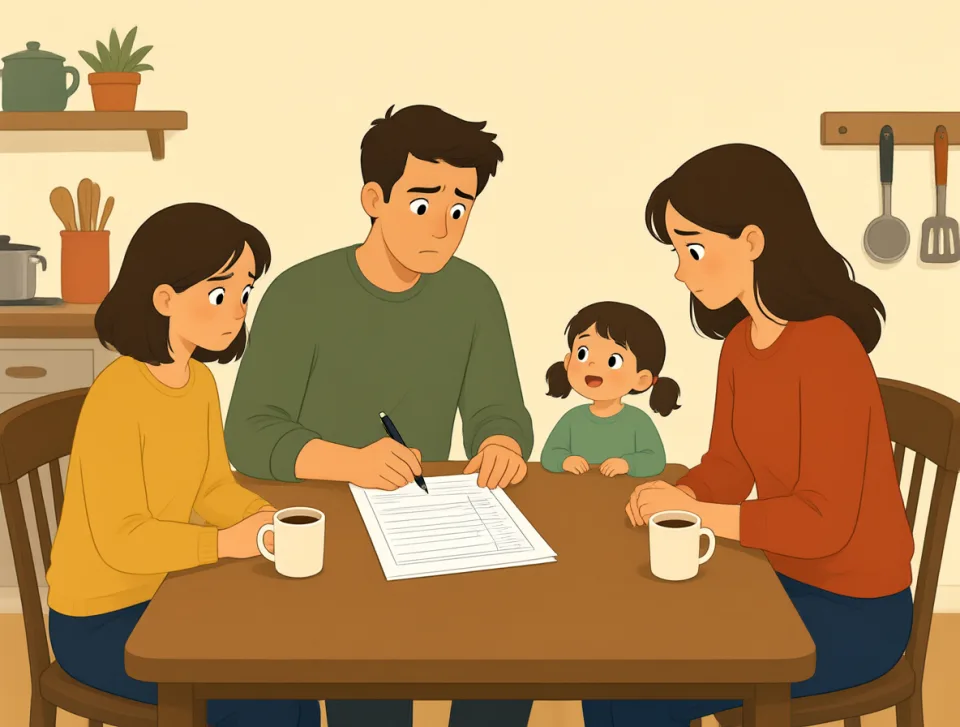
The family applied for welfare after the father lost his job.
Rodzina złożyła wniosek o świadczenia socjalne, gdy ojciec stracił pracę.
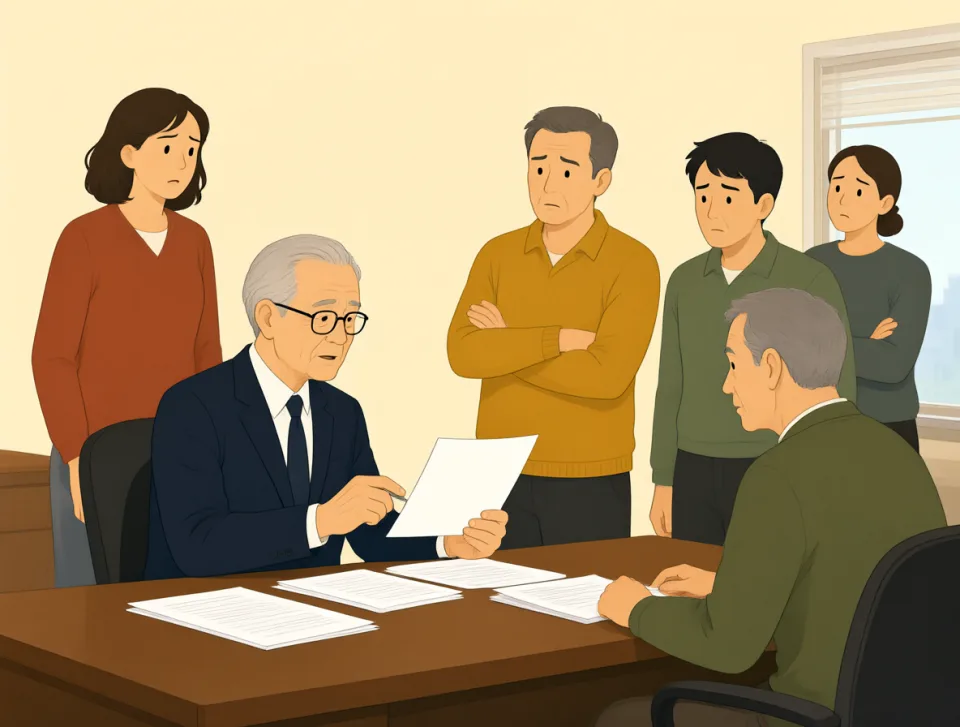
The government is cutting welfare payments for some unemployed people.
Rząd ogranicza wypłaty świadczeń socjalnych dla niektórych bezrobotnych.

Many students worry about their parents' welfare during the long journey.
Wielu uczniów martwi się o dobrostan rodziców podczas długiej podróży.
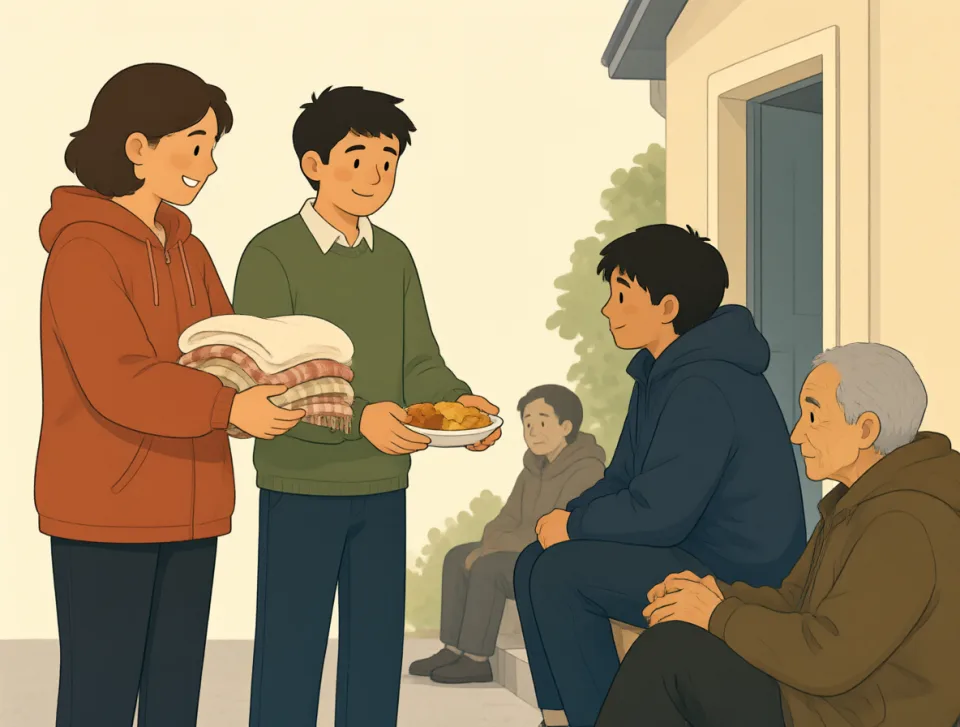
The charity works to improve the welfare of homeless people.
Organizacja charytatywna działa na rzecz poprawy warunków życia osób bezdomnych.
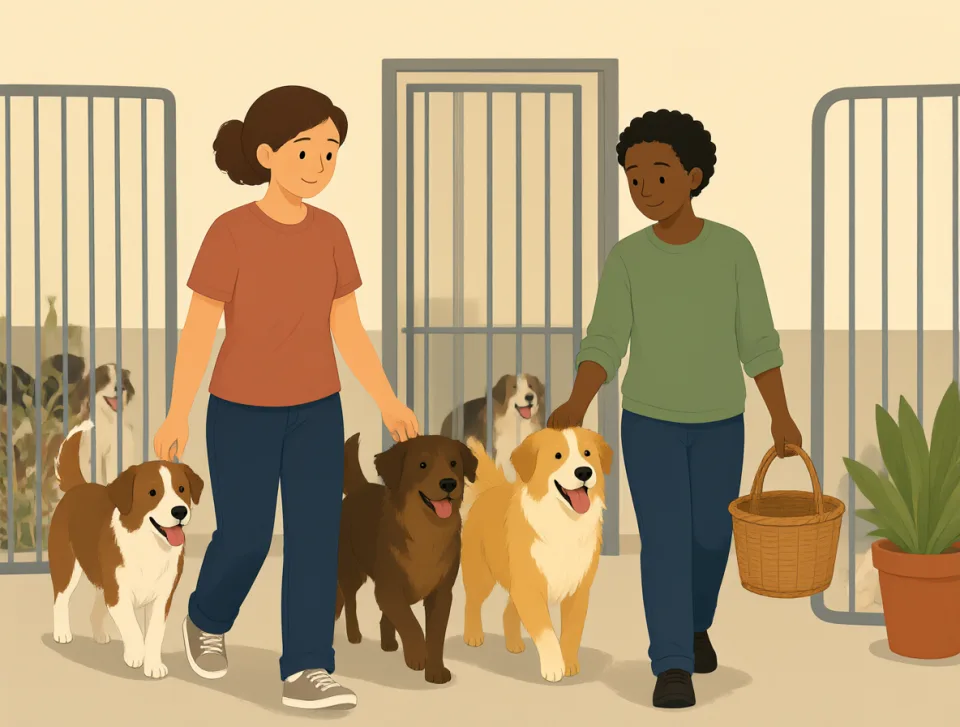
Animal welfare groups rescued several dogs from the crowded shelter.
Organizacje działające na rzecz dobrostanu zwierząt uratowały kilka psów z przepełnionego schroniska.

recruit
#2087noun, verb
rekrutować
To find and persuade people to join an organization, team, or group.
Znajdować osoby i przekonywać je do dołączenia do organizacji, zespołu lub grupy.

The company plans to recruit more nurses for its busy hospital.
Szpitalna firma planuje zatrudnić więcej pielęgniarek, aby sprostać dużemu zapotrzebowaniu.
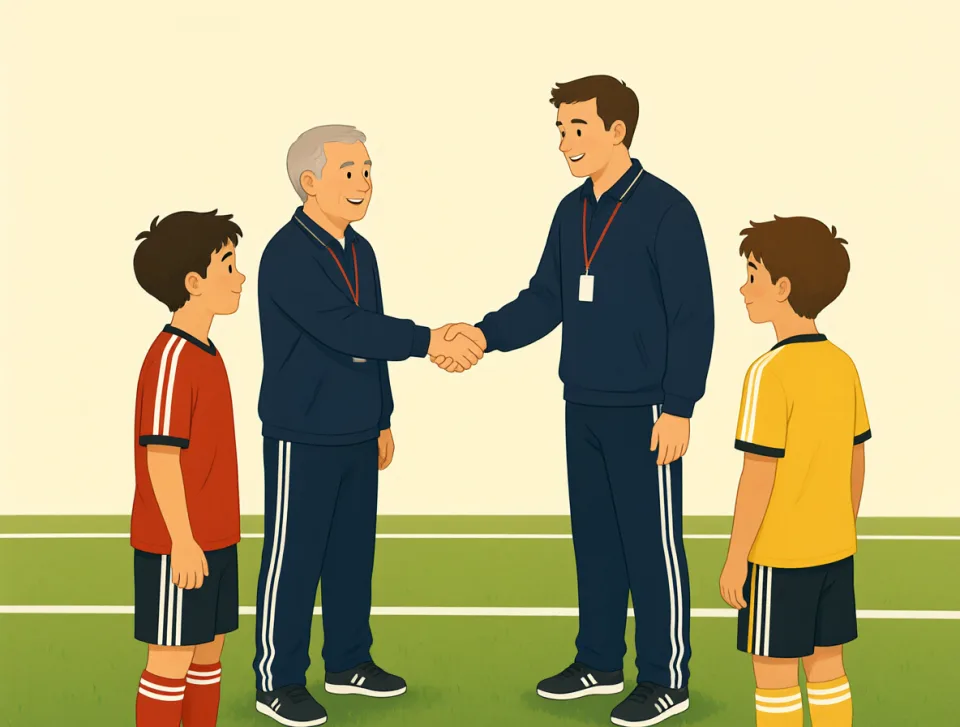
The football club recruited two talented players from a local school.
Klub piłkarski zrekrutował dwóch utalentowanych zawodników z lokalnej szkoły.
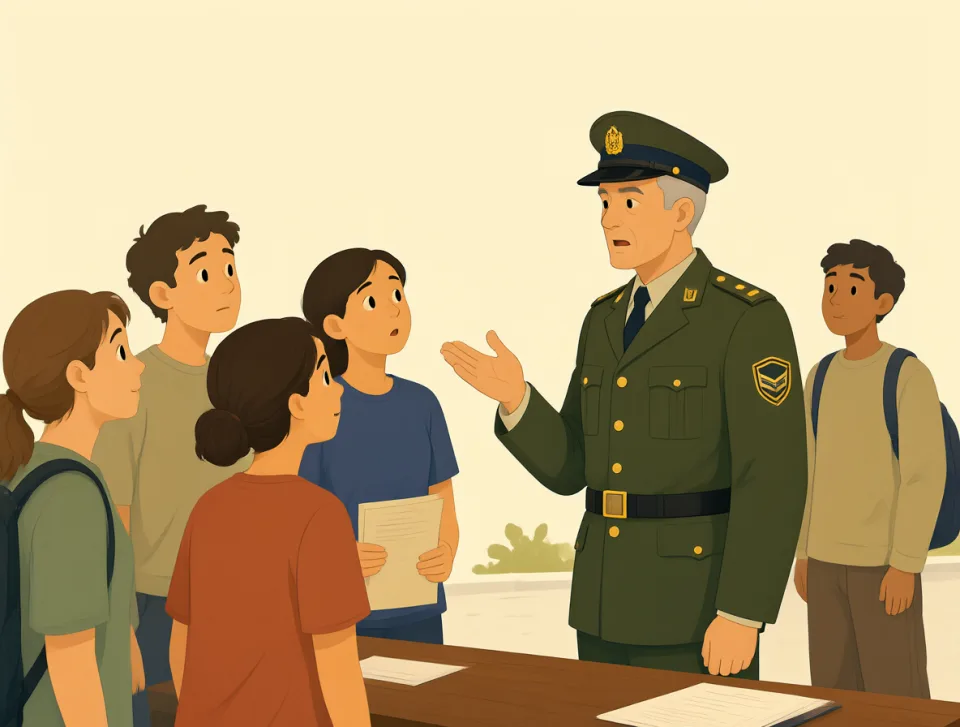
The army is recruiting volunteers for several months of training.
Armia rekrutuje ochotników na kilkumiesięczne szkolenie.
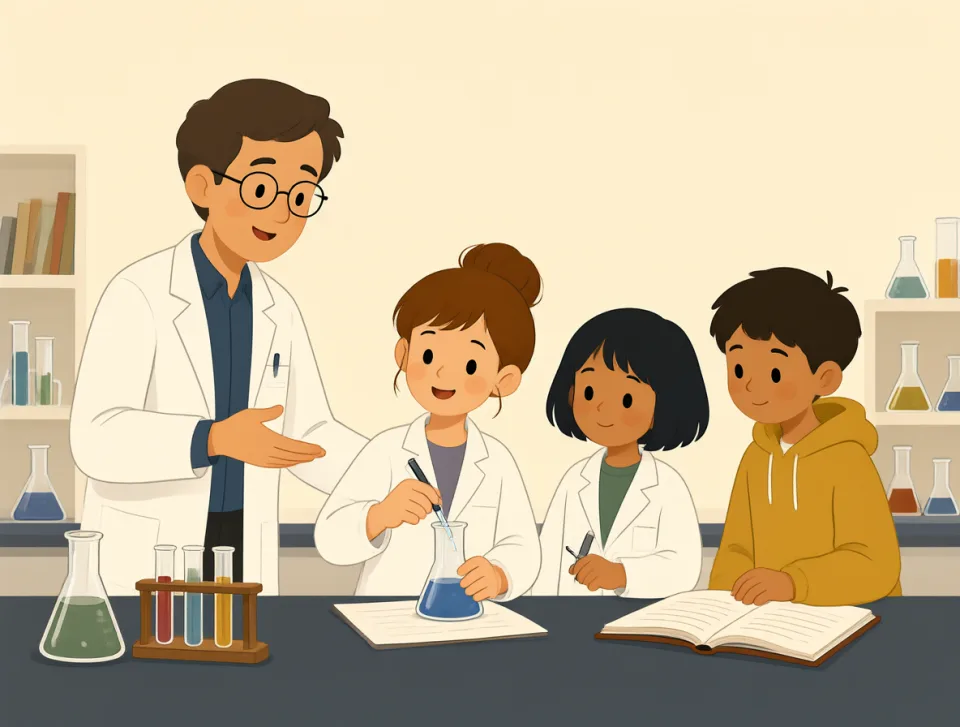
Our science teacher recruited three students to help with the experiment.
Nasz nauczyciel przedmiotów ścisłych zrekrutował troje uczniów do pomocy przy eksperymencie.

The restaurant recruited extra workers before the busy holiday season.
Restauracja zatrudniła dodatkowych pracowników przed pracowitym okresem świątecznym.
exclude
#2088verb
wykluczyć
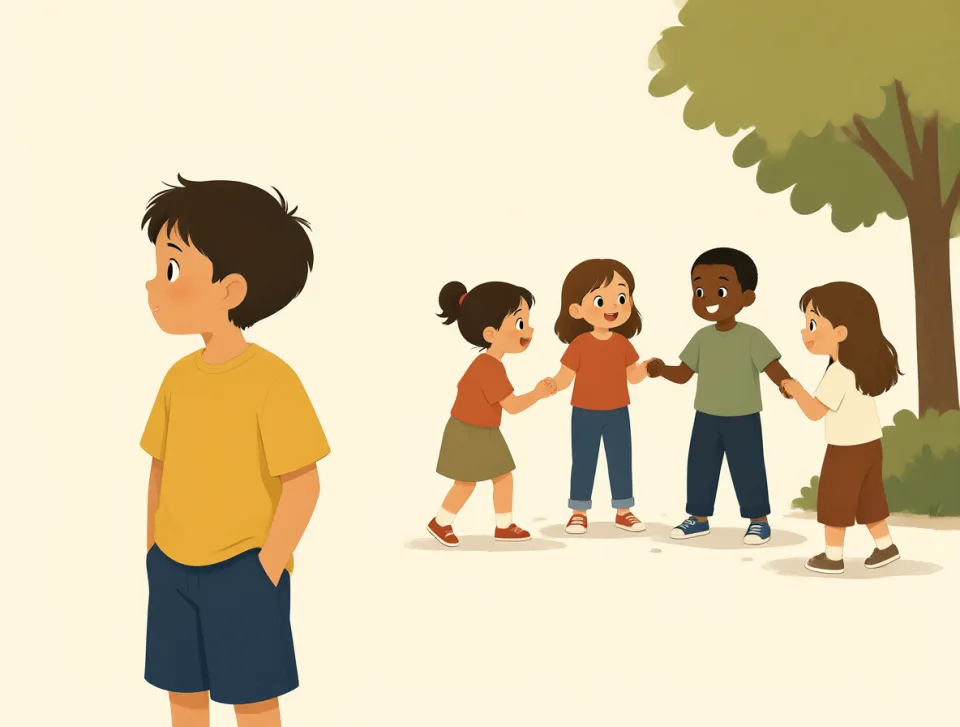
to deliberately leave someone or something out of a group, activity, or situation
Celowo nie dopuścić kogoś lub czegoś do grupy, aktywności albo sytuacji.
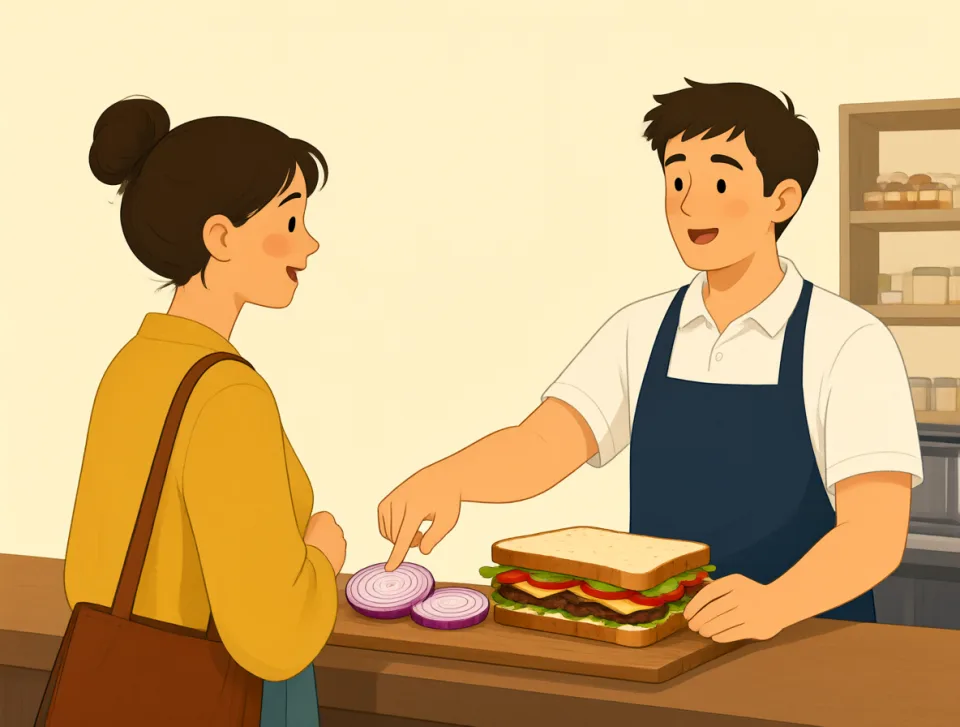
Please exclude onions from my sandwich because I am allergic to them.
Proszę nie dodawać cebuli do mojej kanapki, ponieważ mam na nią alergię.

The price excludes delivery, so you must pay an extra fee.
Cena nie obejmuje dostawy, więc trzeba dopłacić.
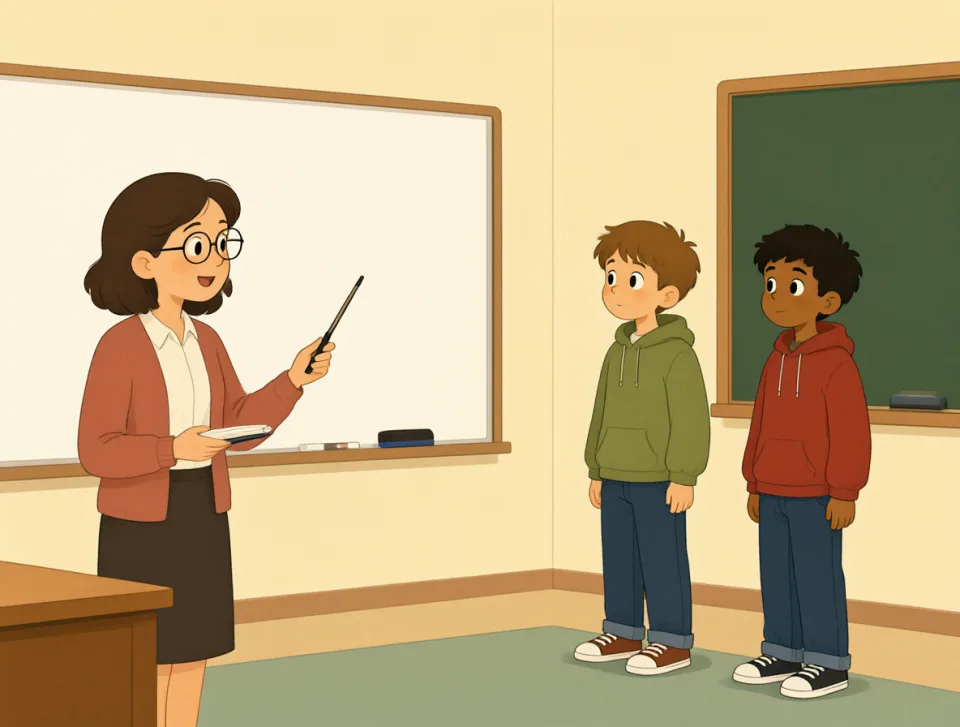
The teacher excluded the late students from the first activity.
Nauczyciel nie dopuścił spóźnionych uczniów do pierwszego zadania.
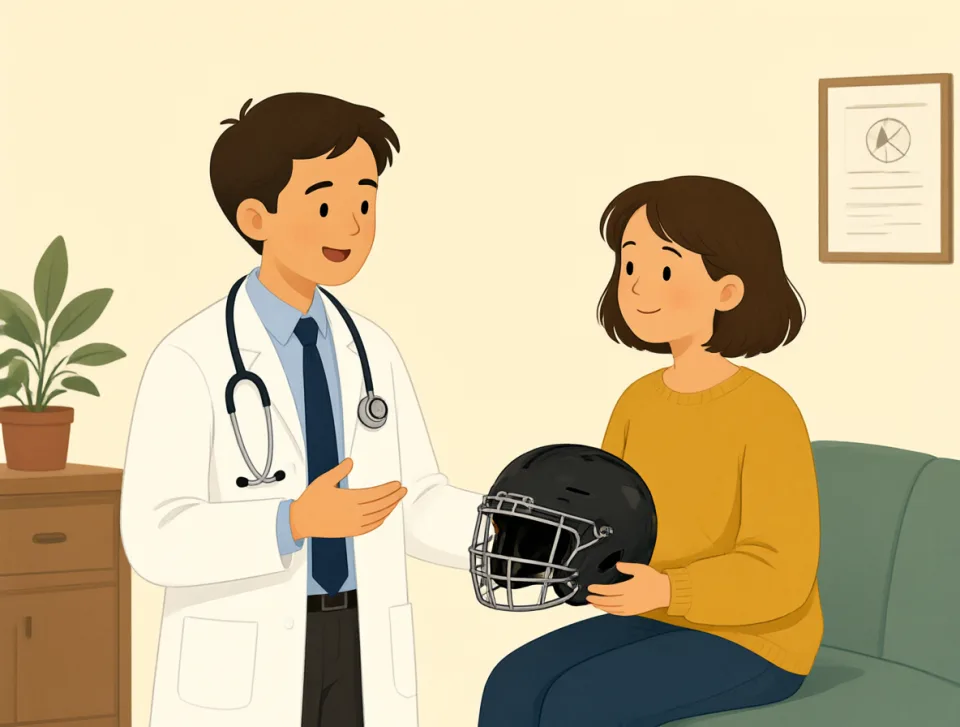
This insurance plan excludes treatment for injuries caused by dangerous sports.
Ten plan ubezpieczeniowy nie obejmuje leczenia urazów spowodowanych uprawianiem niebezpiecznych sportów.
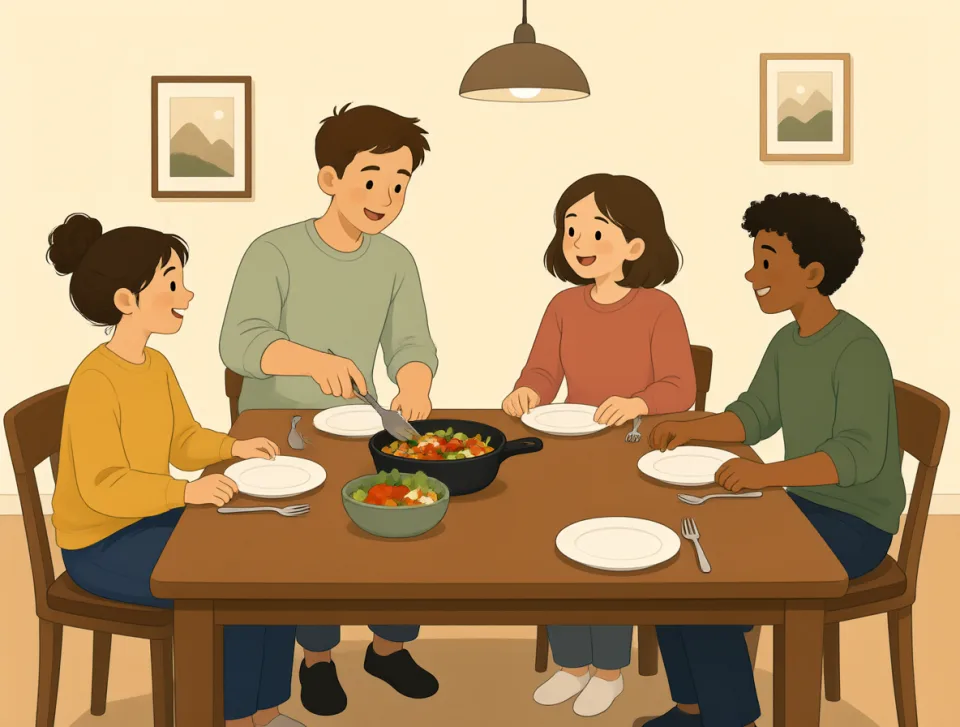
We excluded Tom from the dinner invitation after he canceled twice.
Nie zaprosiliśmy Toma na kolację, bo dwa razy odwołał spotkanie.

string
#2089noun, verb
sznurek
A thin cord used for tying things, or a series of connected words, events, or messages.
Cienki sznurek służący do wiązania rzeczy albo ciąg powiązanych ze sobą słów, wydarzeń lub wiadomości.

She tied the package with string before taking it to the post office.
Związała paczkę sznurkiem, zanim zaniosła ją na pocztę.
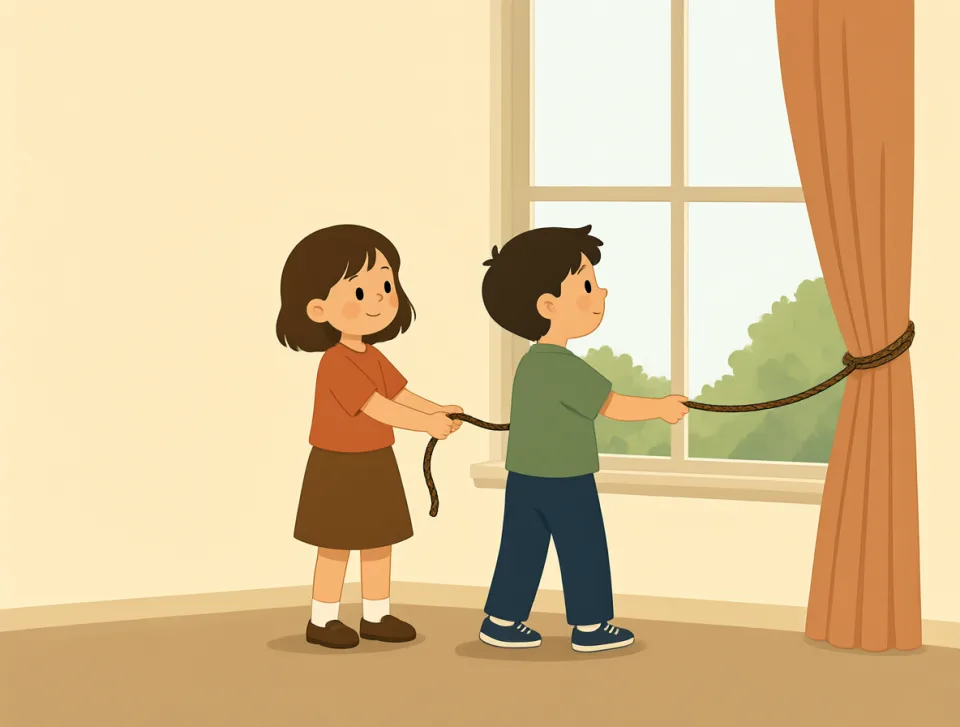
The children pulled the string to open the curtains in the living room.
Dzieci pociągnęły za sznurek, żeby otworzyć zasłony w salonie.

He bought a string of colorful lights for the balcony.
Kupił girlandę kolorowych lampek na balkon.
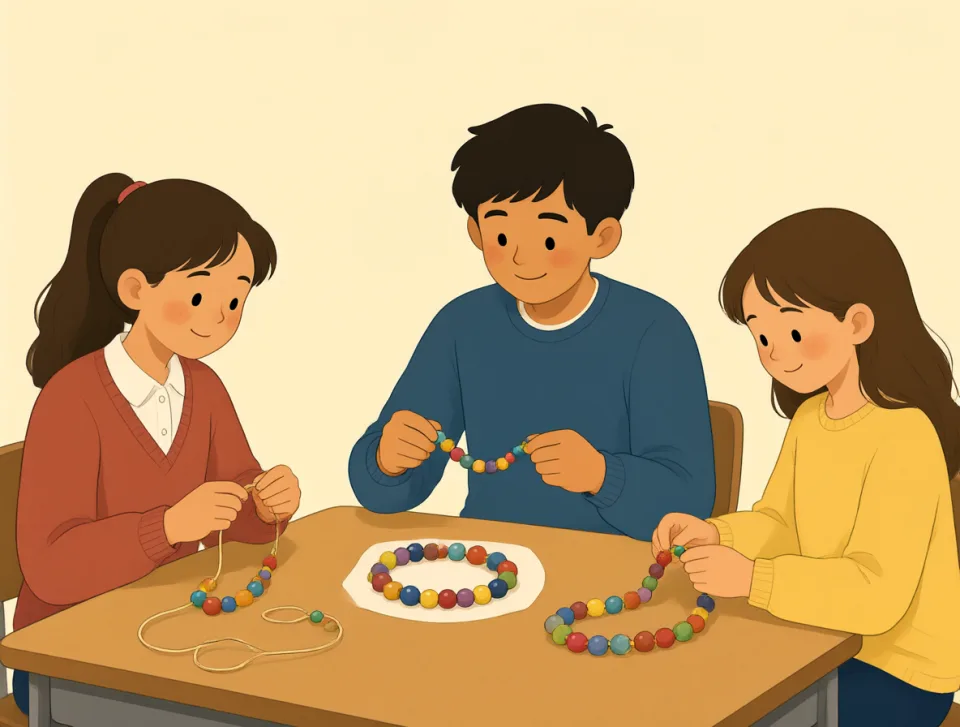
The teacher asked us to string the beads together for an art project.
Nauczyciel poprosił nas, żebyśmy nawlekli koraliki na sznurek na potrzeby projektu plastycznego.
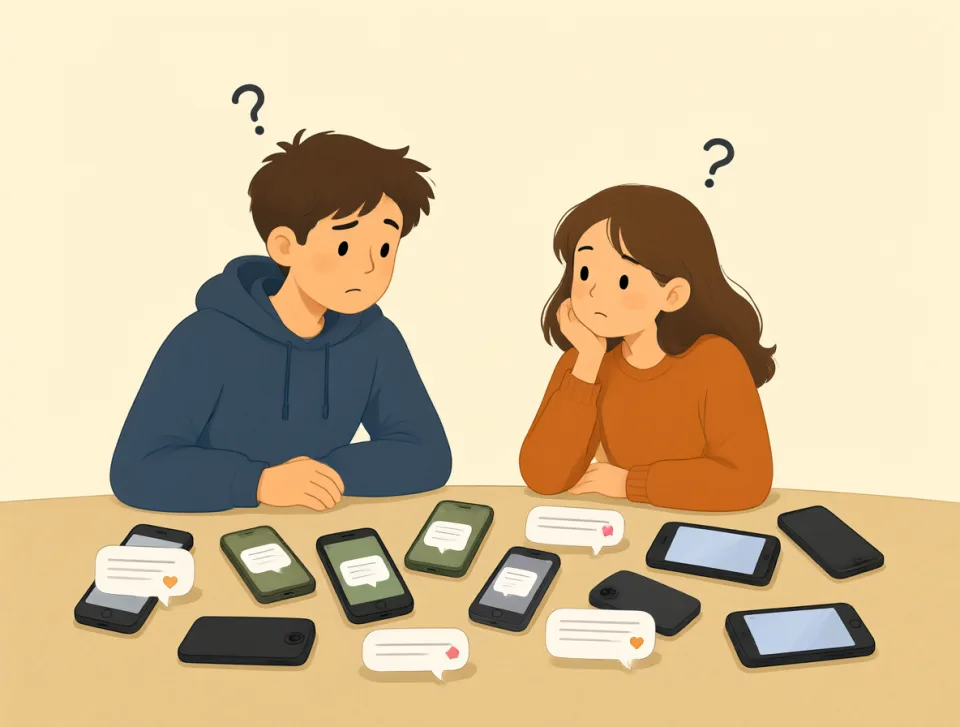
We lost the conversation thread after several messages about different plans.
Po kilku wiadomościach o różnych planach zgubiliśmy wątek rozmowy.

cloud
#2090noun, verb
chmura
a white or gray shape in the sky made of tiny drops of water; to make something less clear
Biała lub szara forma na niebie, składająca się z drobnych kropelek wody; sprawić, że coś stanie się mniej wyraźne.

Dark clouds covered the sky, so we decided to stay home.
Ciemne chmury zasnuły niebo, więc postanowiliśmy zostać w domu.
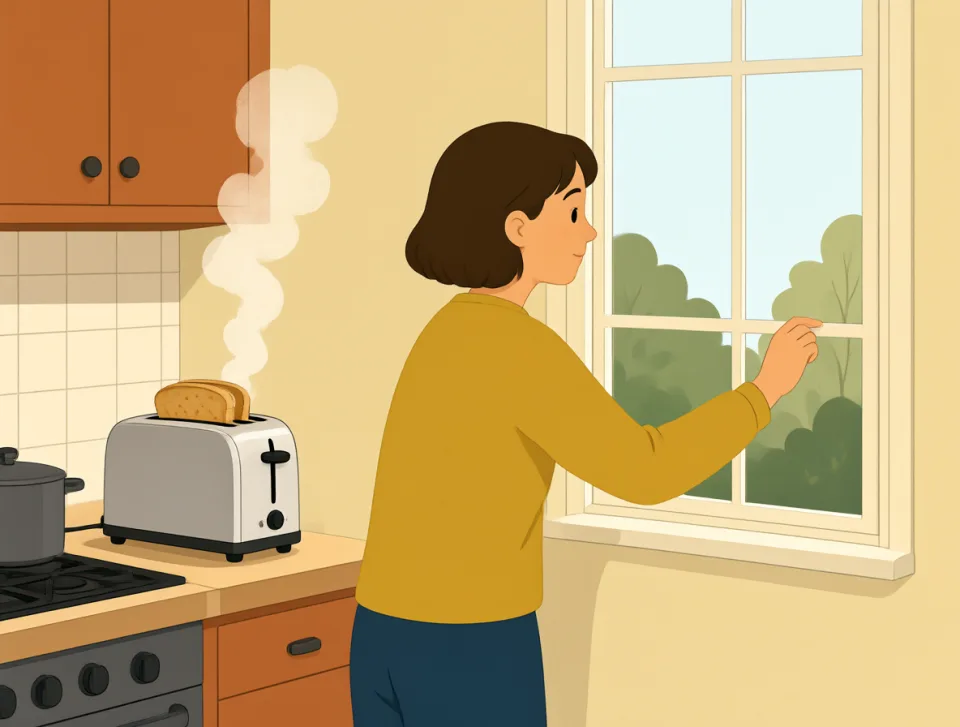
A cloud of smoke filled the kitchen when the toast burned.
Kiedy tost się przypalił, kuchnię wypełniła chmura dymu.

The plane rose above the clouds during our flight to Madrid.
Podczas lotu do Madrytu samolot wzniósł się ponad chmury.

The new software runs in the cloud, so our team can access files anywhere.
Nowe oprogramowanie działa w chmurze, więc nasz zespół może uzyskać dostęp do plików z dowolnego miejsca.

His tired face was clouded by worry after the doctor called.
Po telefonie od lekarza jego zmęczoną twarz przyćmił niepokój.
persuade
#2091verb
przekonać
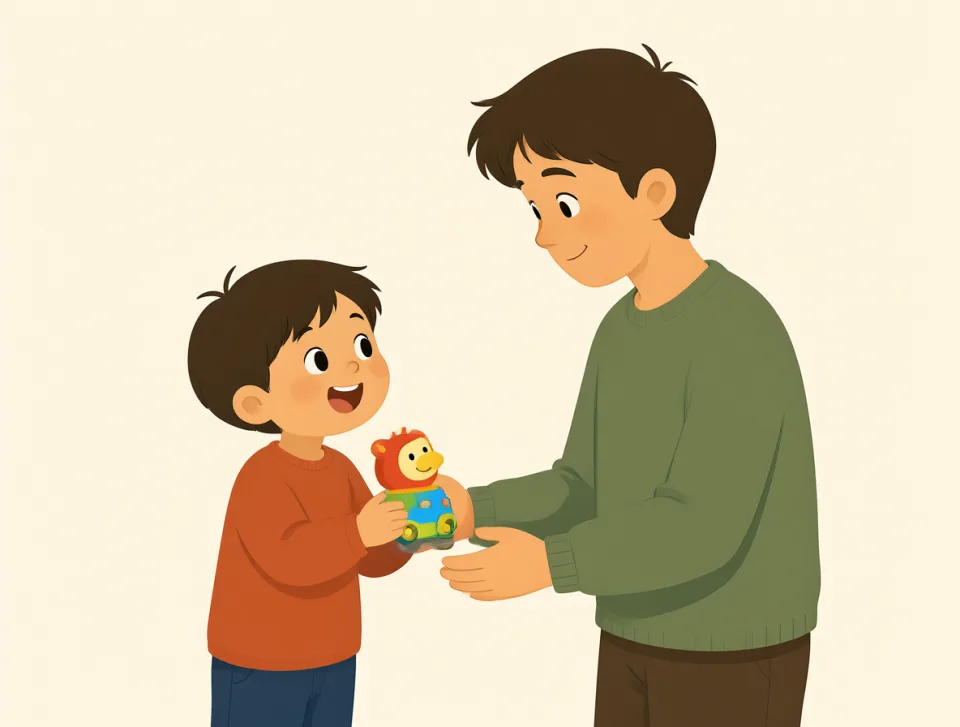
to make someone agree to do something by giving good reasons
sprawić, by ktoś zgodził się coś zrobić, podając dobre powody
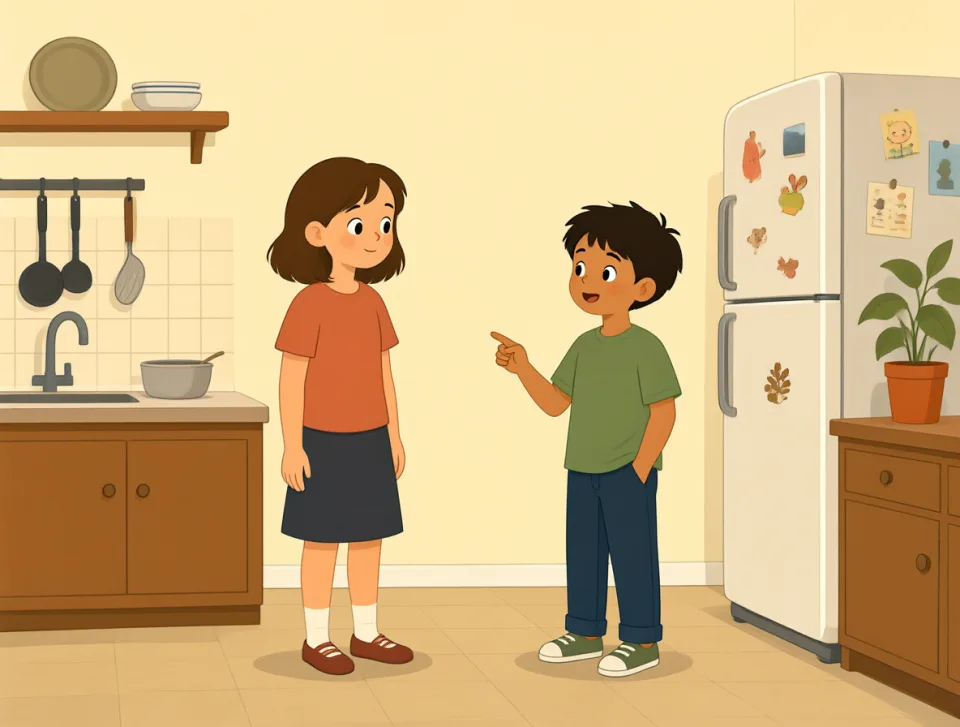
She persuaded her brother to help clean the kitchen after dinner.
Przekonała brata, żeby po kolacji pomógł posprzątać kuchnię.

The sales assistant persuaded me to try the more comfortable shoes.
Sprzedawca przekonał mnie, żebym przymierzył wygodniejsze buty.
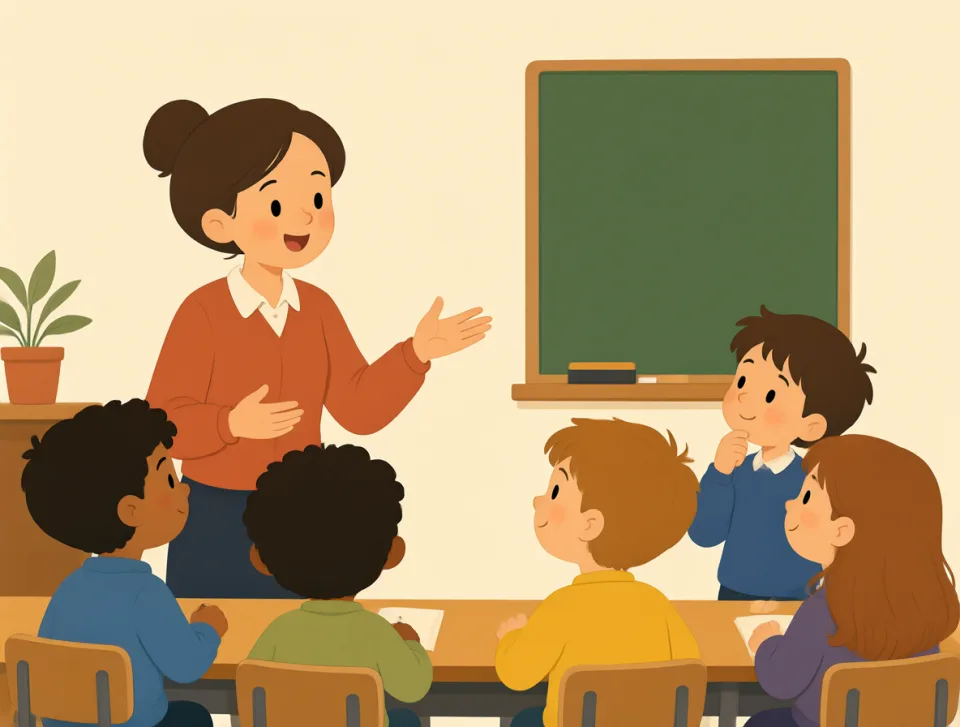
Our teacher persuaded us to join the school science competition.
Nauczyciel przekonał nas, żebyśmy wzięli udział w szkolnym konkursie naukowym.

He persuaded his manager to let him work from home on Friday.
Przekonał swojego kierownika, żeby pozwolił mu pracować w piątek z domu.

My friends persuaded me to take the train instead of driving.
Znajomi przekonali mnie, żebym pojechał pociągiem zamiast samochodem.

inspire
#2092verb
inspirować
to make someone feel excited, hopeful, or eager to do something
sprawić, by ktoś poczuł ekscytację, nadzieję lub chęć do działania

Her courage inspired me to apply for the new job.
Jej odwaga zainspirowała mnie, by ubiegać się o nową pracę.

The teacher inspired his students to read more books.
Nauczyciel zainspirował swoich uczniów do czytania większej liczby książek.

We were inspired by the chef’s creative use of fresh vegetables.
Zainspirowało nas to, jak pomysłowo szef kuchni wykorzystał świeże warzywa.

The beautiful countryside inspired us to take a longer train journey.
Piękne wiejskie krajobrazy zainspirowały nas do dłuższej podróży pociągiem.
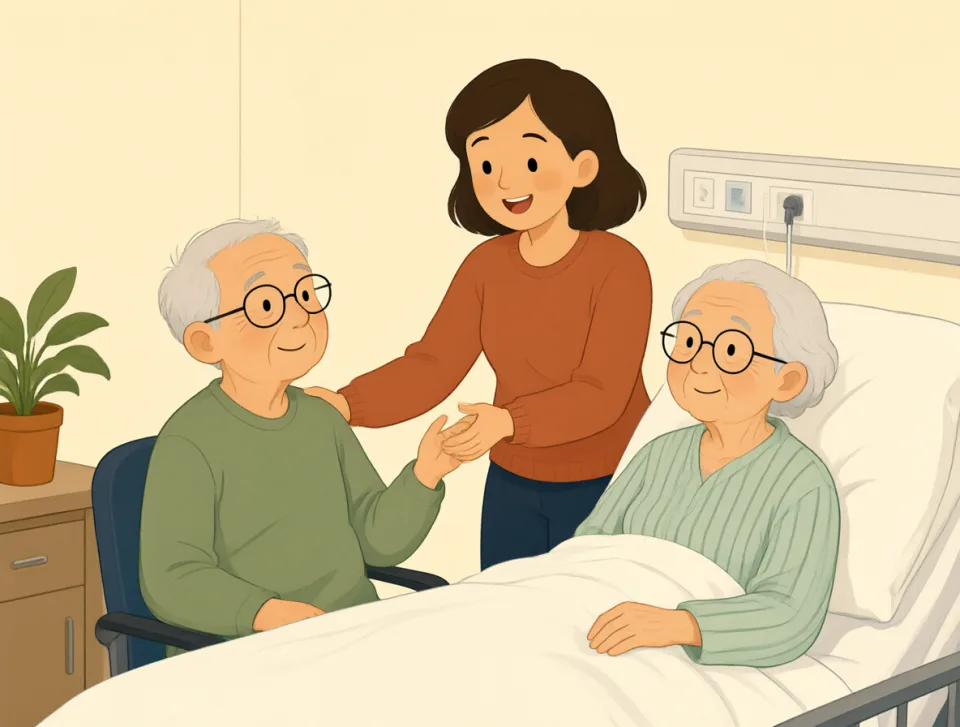
Her recovery inspired other patients to stay positive during treatment.
Jej powrót do zdrowia zainspirował innych pacjentów, by zachowali optymizm podczas leczenia.

grand
#2093adjective, noun
okazały; tysiąc dolarów
Very large, impressive, or important; also, one thousand dollars.
Bardzo duży, imponujący lub ważny; także tysiąc dolarów.
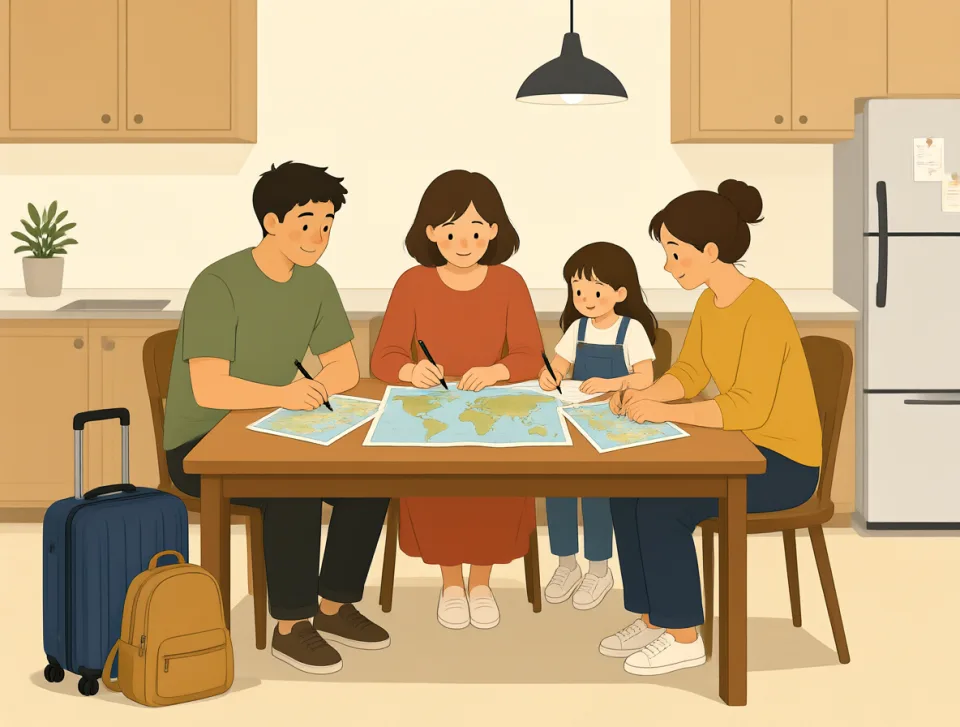
They made grand plans for their summer holiday in Italy.
Snuli wielkie plany na letnie wakacje we Włoszech.

The hotel has a grand entrance with marble floors and golden lights.
Hotel ma okazałe wejście z marmurową posadzką i złotymi światłami.

She dreamed of living in a grand house near the sea.
Marzyła o mieszkaniu w okazałym domu nad morzem.

The school held a grand celebration after the team won the championship.
Szkoła zorganizowała wielką uroczystość po tym, jak drużyna wygrała mistrzostwa.

He spent three grand on a used car last month.
W zeszłym miesiącu wydał trzy tysiące dolarów na używany samochód.
hence
#2094adverb
stąd; odtąd
for this reason; from this time
z tego powodu; od tego czasu
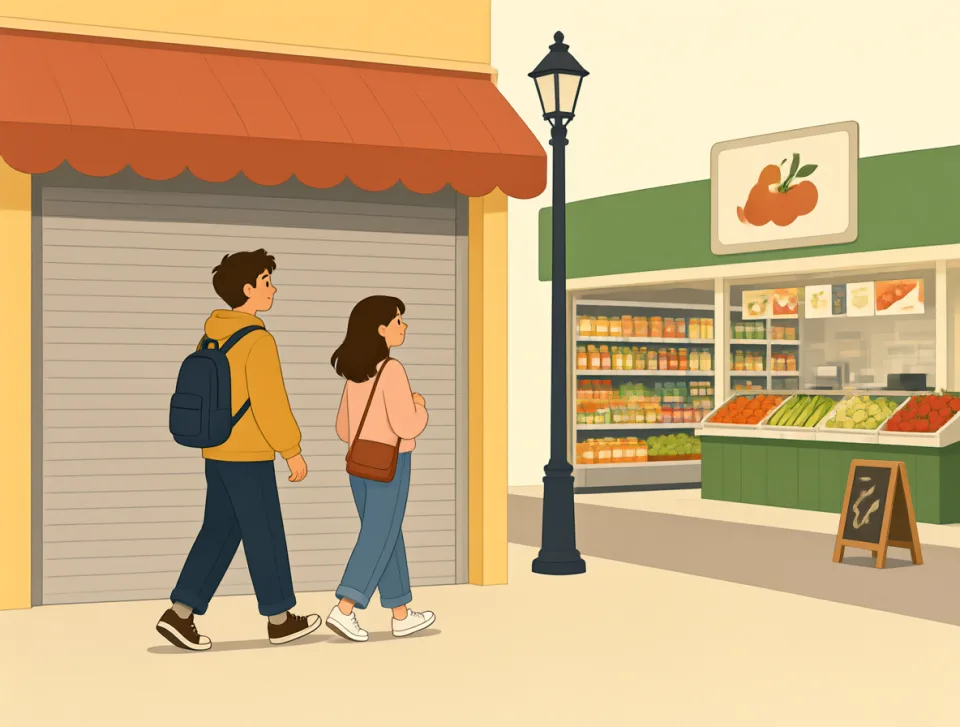
The store was closed; hence, we went to the supermarket nearby.
Sklep był zamknięty, więc poszliśmy do pobliskiego supermarketu.

She missed the train, hence arriving at work thirty minutes late.
Spóźniła się na pociąg, przez co dotarła do pracy trzydzieści minut później.
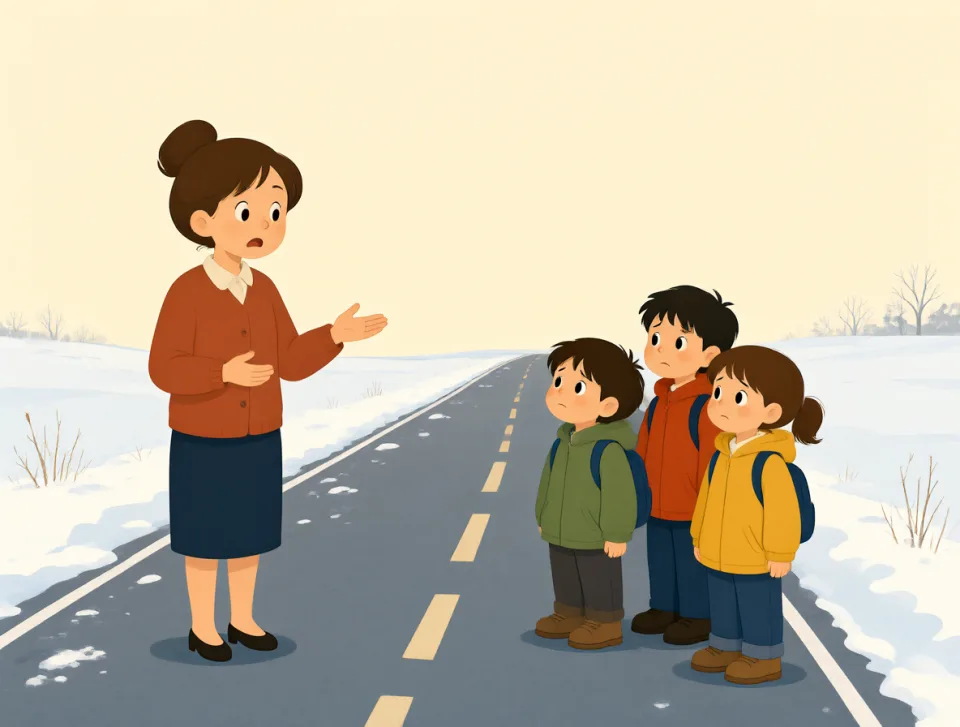
The road was icy, hence the decision to cancel the school trip.
Droga była oblodzona, dlatego zdecydowano się odwołać szkolną wycieczkę.

He forgot his umbrella, hence getting completely wet on the walk home.
Zapomniał parasola, przez co w drodze do domu przemókł do suchej nitki.

The hotel was full; hence, we stayed in a small guesthouse instead.
W hotelu nie było już wolnych miejsc, więc zatrzymaliśmy się w małym pensjonacie.

crew
#2095noun
załoga; ekipa
A group of people who work together, especially on a ship, aircraft, or film.
Grupa osób, które razem pracują, zwłaszcza na statku, w samolocie lub przy filmie.

The flight crew welcomed passengers and helped them find their seats.
Załoga samolotu powitała pasażerów i pomogła im znaleźć miejsca.

A film crew arrived early to prepare the set for shooting.
Ekipa filmowa przyjechała wcześniej, żeby przygotować plan zdjęciowy.

The restaurant crew worked quickly during the busy Friday evening.
Zespół restauracji sprawnie pracował w ruchny piątkowy wieczór.

The rescue crew pulled the injured hiker safely from the mountain path.
Ekipa ratunkowa bezpiecznie sprowadziła rannego turystę ze szlaku górskiego.
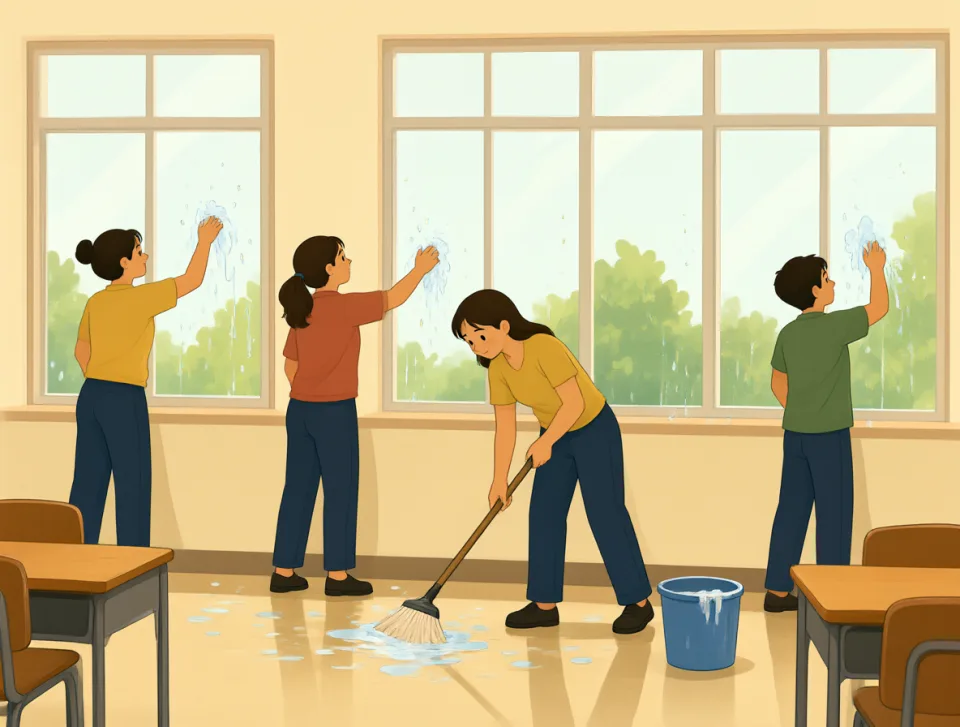
The cleaning crew came after school to wash the classrooms and windows.
Ekipa sprzątająca przyszła po lekcjach umyć sale i okna.

phenomenon
#2096noun
zjawisko
an event or fact that is unusual, interesting, or difficult to understand
zdarzenie lub fakt, który jest niezwykły, interesujący albo trudny do zrozumienia

The northern lights are a natural phenomenon that attracts visitors from around the world.
Zorza polarna to naturalne zjawisko, które przyciąga turystów z całego świata.
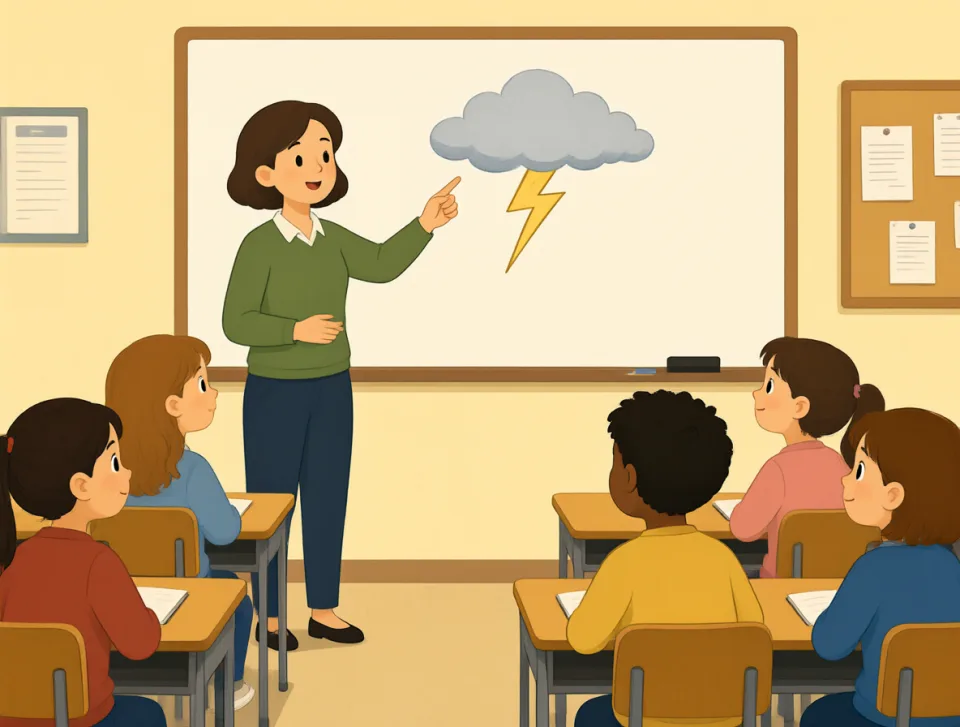
The teacher explained the strange weather phenomenon during our science lesson.
Nauczyciel wyjaśnił dziwne zjawisko pogodowe podczas naszej lekcji przyrody.

Social media has created a new phenomenon: friends sharing every part of their lives online.
Media społecznościowe stworzyły nowe zjawisko: znajomi dzielą się w internecie każdą chwilą ze swojego życia.
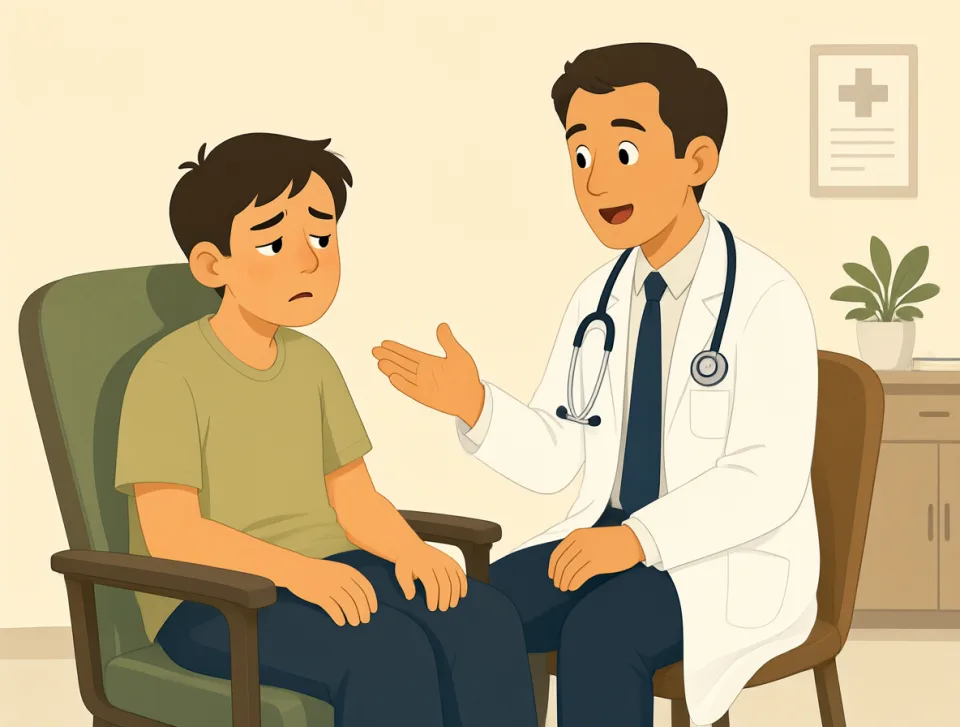
The doctor said that tiredness is a common phenomenon after a long illness.
Lekarz powiedział, że zmęczenie jest częstym zjawiskiem po długiej chorobie.
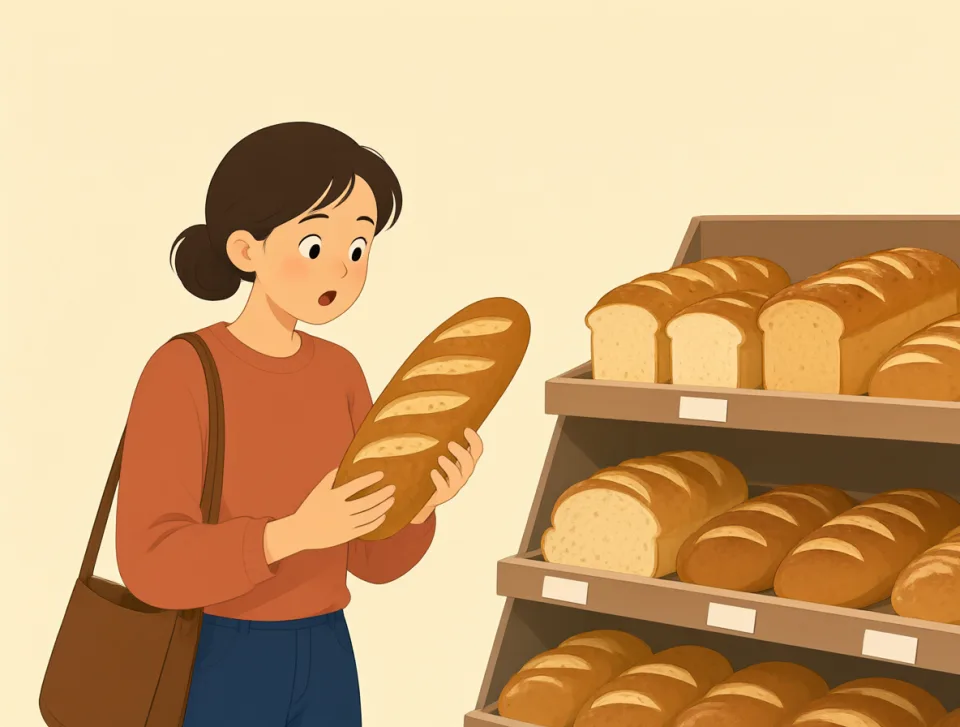
The sudden increase in bread prices became a serious economic phenomenon in the town.
Nagły wzrost cen chleba stał się w mieście poważnym zjawiskiem gospodarczym.

pupil
#2097noun
uczeń
a student, especially a child, who goes to school
osoba ucząca się w szkole, zwłaszcza dziecko
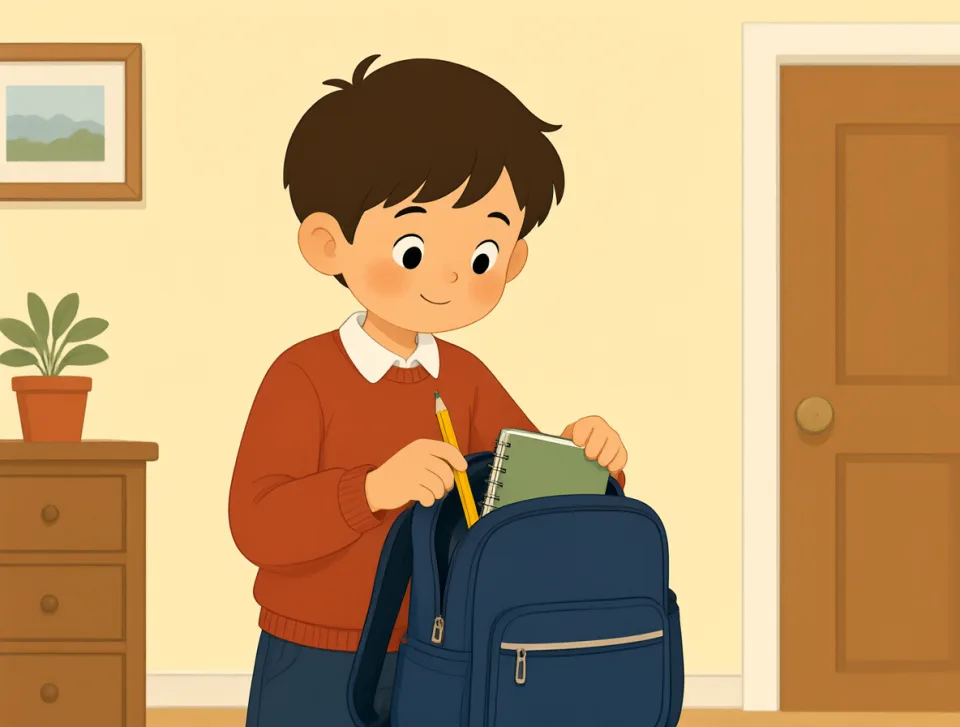
Every pupil must bring a pencil and notebook to class each morning.
Każdy uczeń musi przynosić na lekcje ołówk i zeszyt każdego ranka.
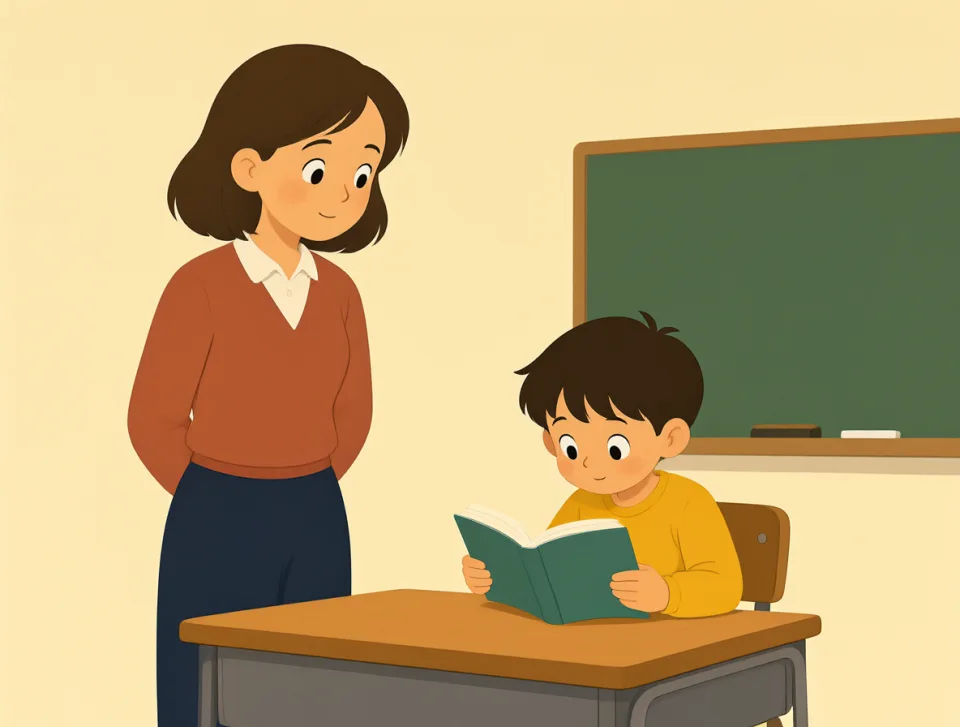
The teacher asked each pupil to read one paragraph aloud.
Nauczyciel poprosił każdego ucznia, żeby przeczytał na głos jeden akapit.
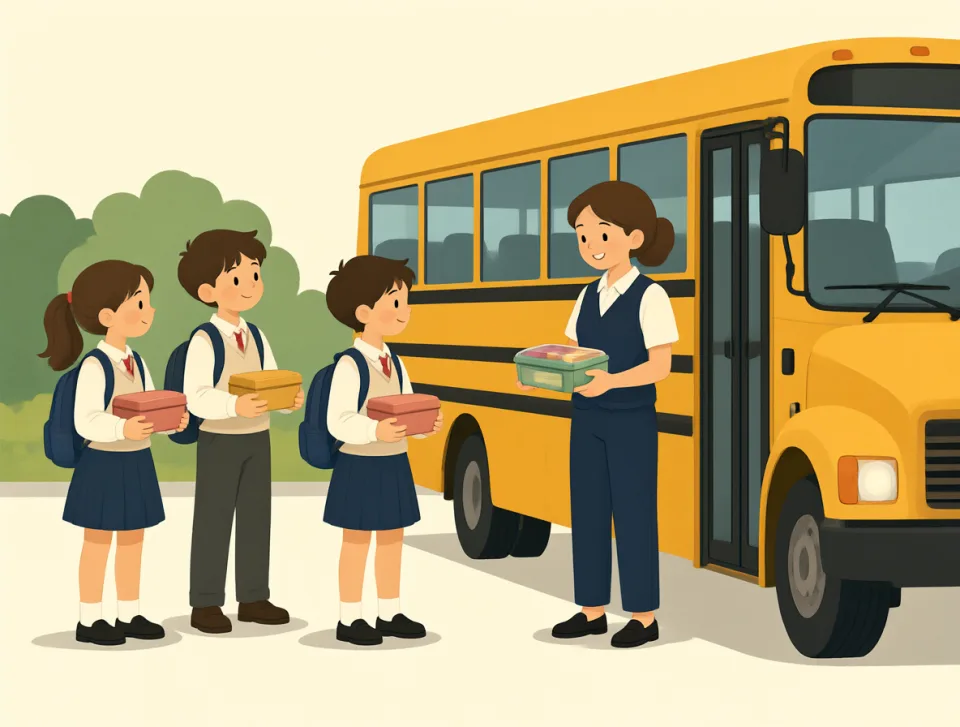
The school gave every pupil a free lunch during the trip.
Szkoła zapewniła każdemu uczniowi bezpłatny lunch podczas wycieczki.
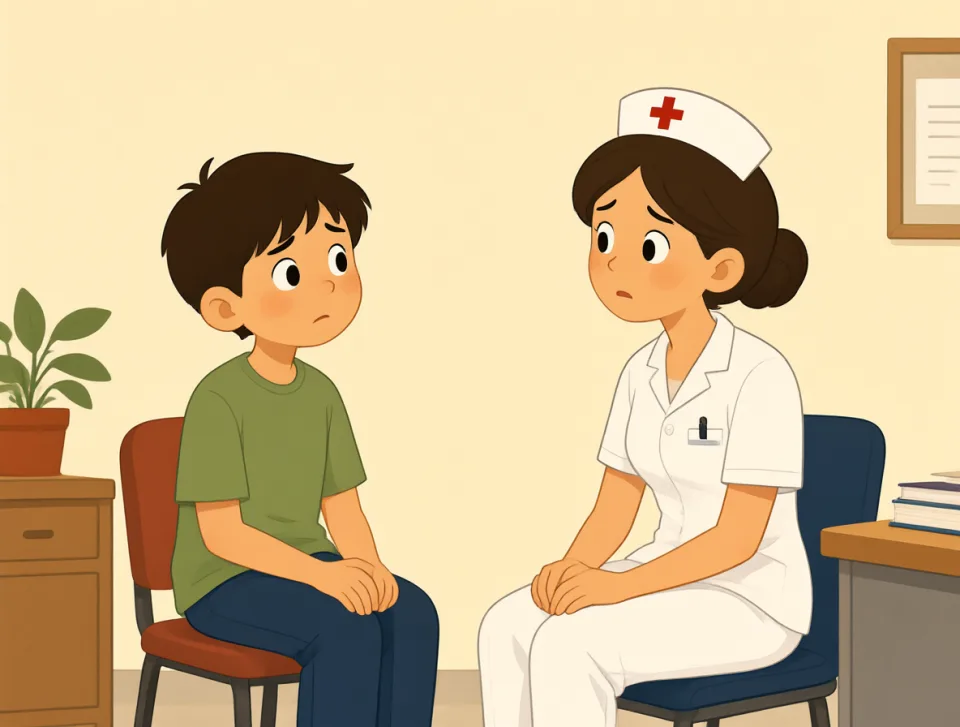
A worried pupil spoke to the nurse about a painful stomach.
Zaniepokojony uczeń powiedział pielęgniarce, że boli go brzuch.

The new pupil quickly made friends during the afternoon break.
Nowy uczeń szybko zaprzyjaźnił się z innymi podczas popołudniowej przerwy.
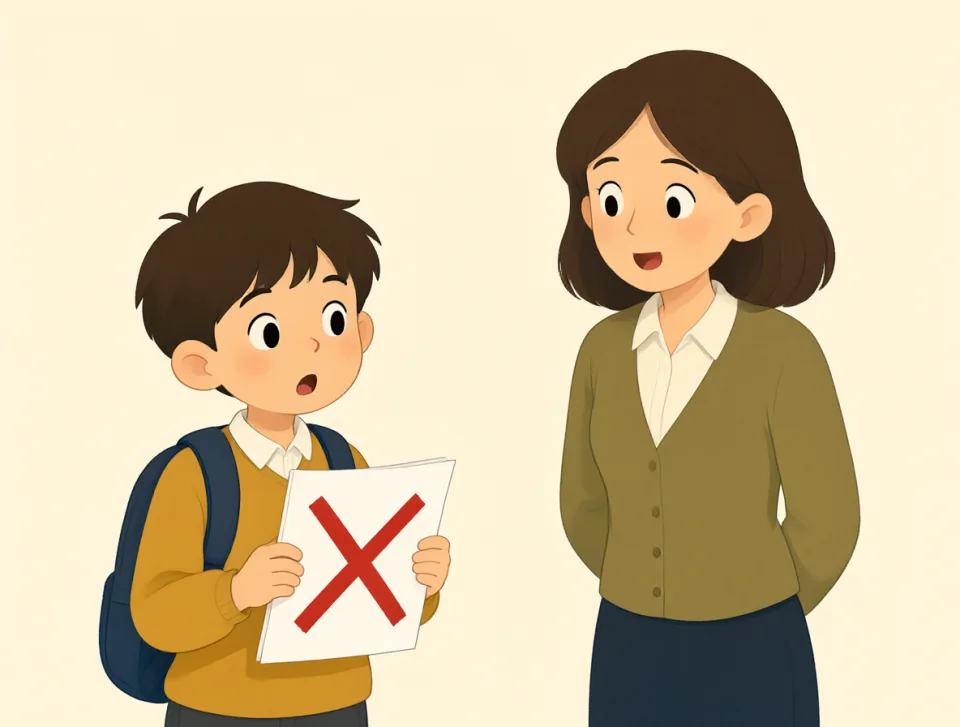
FALSE
#2098adjective, noun
FAŁSZYWY
Not true or correct; a statement or idea that is not true.
Nieprawdziwy lub niepoprawny; stwierdzenie albo pomysł, który nie jest prawdziwy.

The story he told us was completely false.
Historia, którą nam opowiedział, była całkowicie nieprawdziwa.

The website gave me a false address for the hotel.
Strona internetowa podała mi nieprawidłowy adres hotelu.

The alarm was false, so everyone returned to work.
Alarm był fałszywy, więc wszyscy wrócili do pracy.

She bought a false diamond for a surprisingly low price.
Kupiła sztuczny diament za zaskakująco niską cenę.

The doctor said the test result was a false positive.
Lekarz powiedział, że wynik testu był fałszywie dodatni.

assist
#2099verb, noun
pomagać
to help someone do something, especially by making a task easier
pomagać komuś coś zrobić, zwłaszcza ułatwiając wykonanie zadania

The nurse assisted the doctor during the busy afternoon surgery.
Pielęgniarka pomagała lekarzowi podczas pracowitego popołudniowego dyżuru.

Could you assist me with these heavy boxes before the guests arrive?
Czy możesz mi pomóc z tymi ciężkimi pudłami, zanim przyjdą goście?
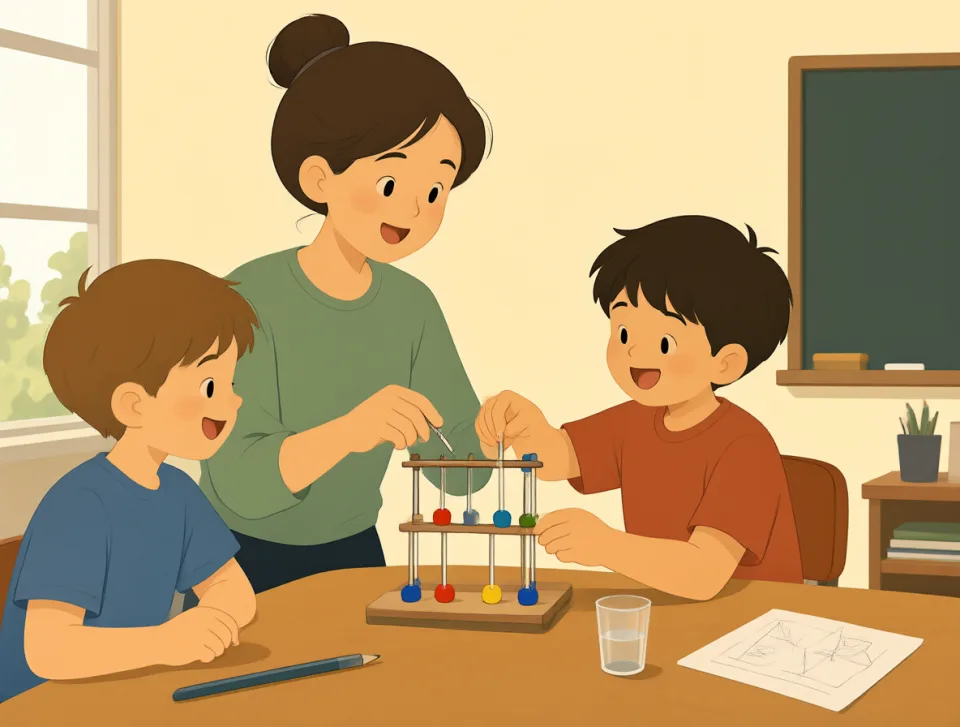
A teaching assistant assisted students with their science projects after class.
Asystent nauczyciela pomagał uczniom przy projektach z nauk przyrodniczych po lekcjach.

The waiter assisted us by finding a quiet table near the window.
Kelner pomógł nam, znajdując cichy stolik przy oknie.

The guide assisted an injured tourist down the mountain trail.
Przewodnik pomógł rannemu turyście zejść górskim szlakiem.
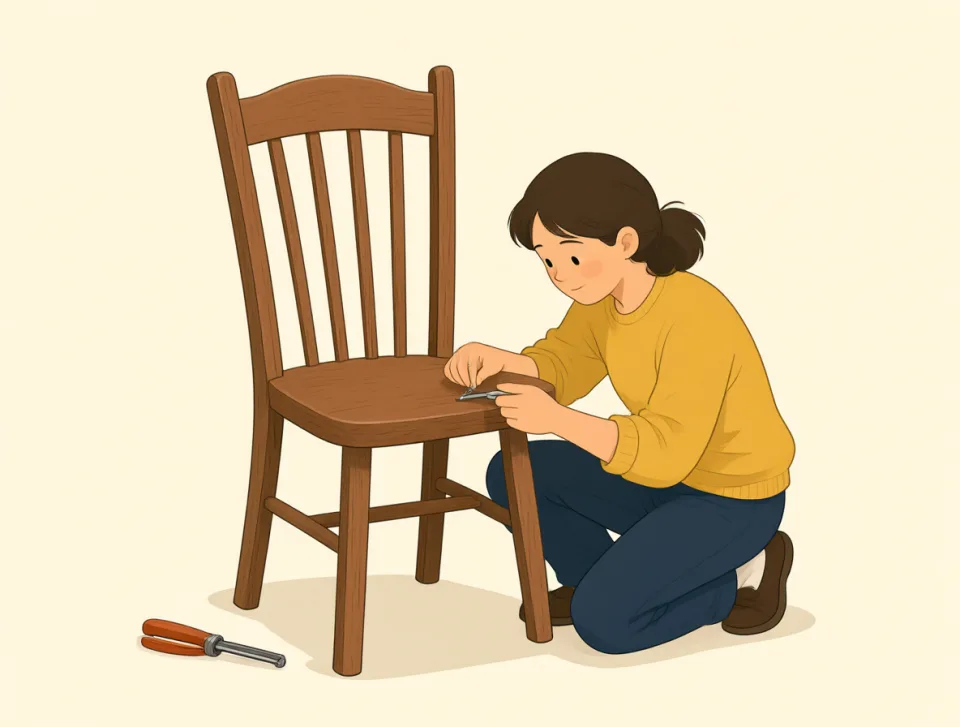
restore
#2100verb
przywracać
to bring something back to its earlier condition, strength, or appearance
przywracać coś do wcześniejszego stanu, siły lub wyglądu

The hotel plans to restore the old building next year.
Hotel planuje odrestaurować stary budynek w przyszłym roku.
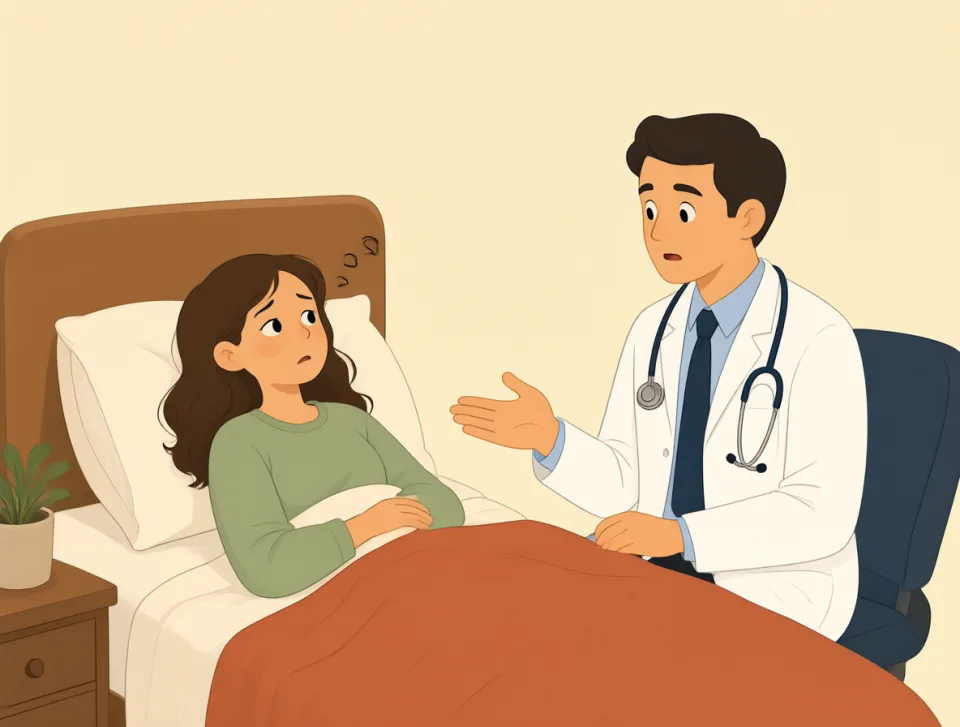
The doctor said rest would help restore her strength.
Lekarz powiedział, że odpoczynek pomoże jej odzyskać siły.
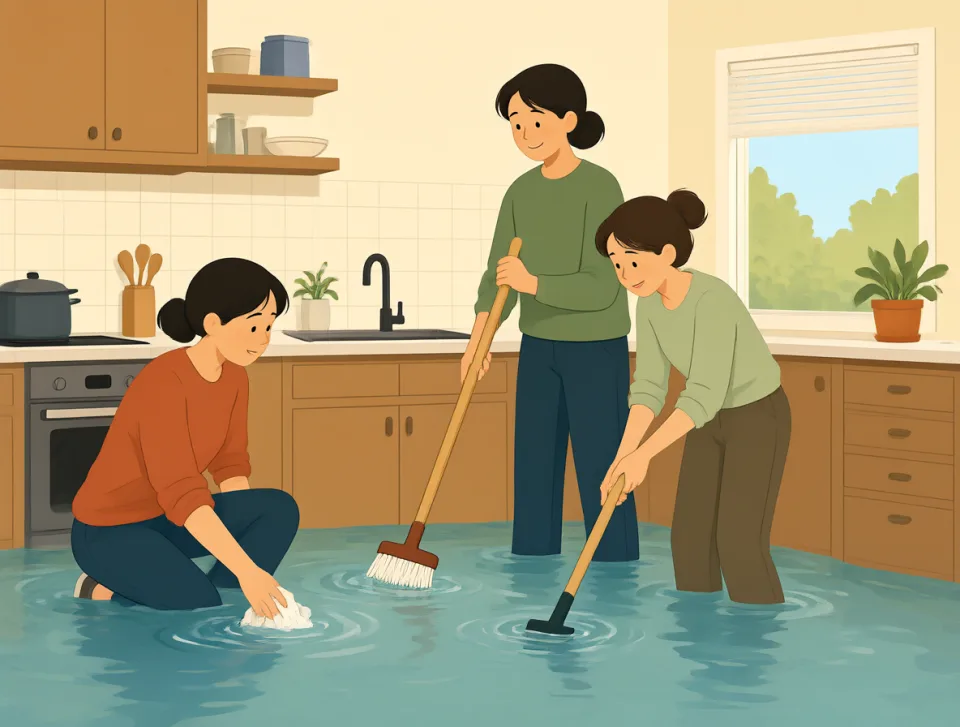
We are restoring the kitchen after the flood damaged it.
Odnawiamy kuchnię po tym, jak uszkodziła ją powódź.
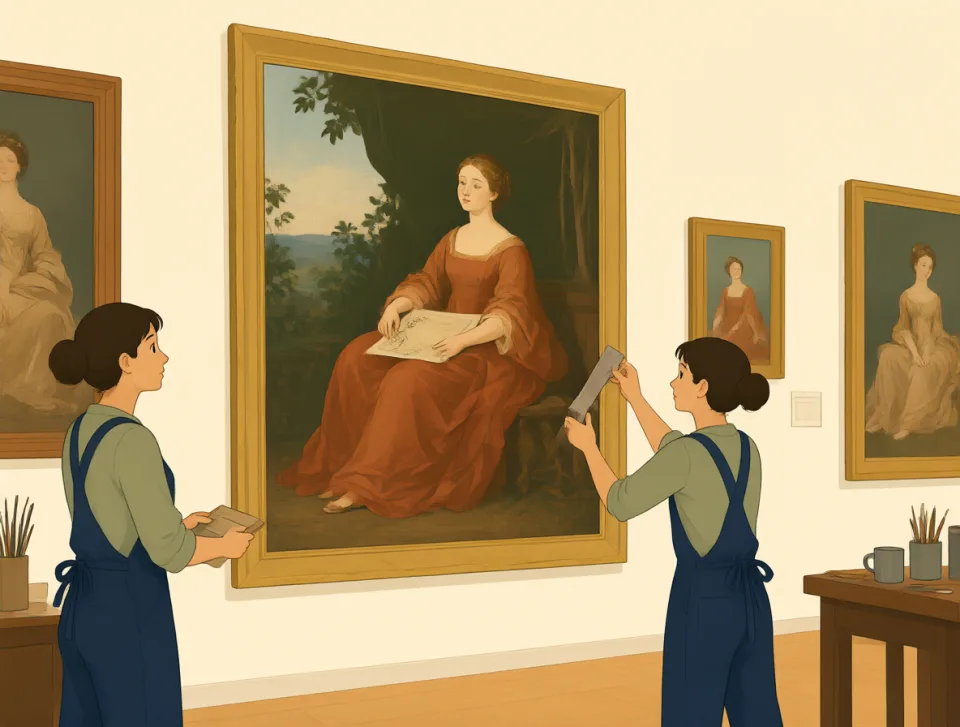
The museum restored the painting and displayed it near the entrance.
Muzeum odrestaurowało obraz i wystawiło go przy wejściu.
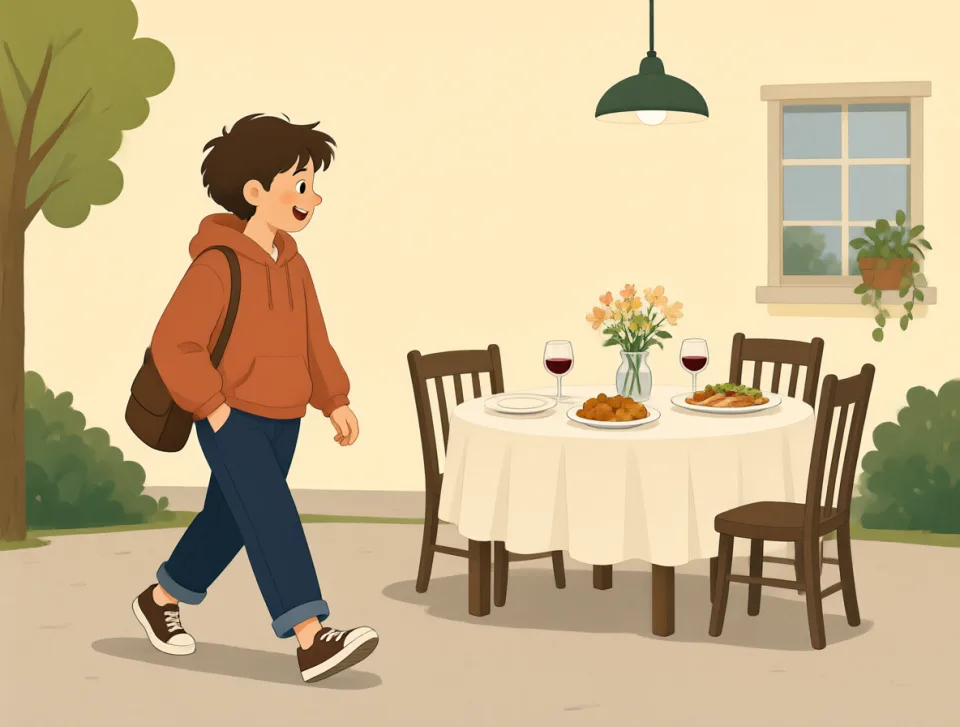
A short walk helped restore my appetite before dinner.
Krótki spacer pomógł mi odzyskać apetyt przed kolacją.