Zestaw 111
Słowa 2201–2220 · adviser, stem, reverse, mode, mirror, awful

adviser
#2201noun
doradca
Someone whose job is to give advice about a particular subject or situation.
Osoba, której praca polega na udzielaniu porad w określonej dziedzinie lub sytuacji.

The financial adviser helped us choose a suitable savings plan for our family.
Doradca finansowy pomógł nam wybrać odpowiedni plan oszczędzania dla naszej rodziny.

Ask your travel adviser about local buses before you book the hotel.
Zapytaj doradcę ds. podróży o lokalne autobusy, zanim zarezerwujesz hotel.

The school adviser helped Maria decide which subjects to study next year.
Doradca szkolny pomógł Marii zdecydować, których przedmiotów uczyć się w przyszłym roku.

Our health adviser suggested walking daily and eating more fresh vegetables.
Nasz doradca ds. zdrowia zalecił codzienne spacery i jedzenie większej ilości świeżych warzyw.
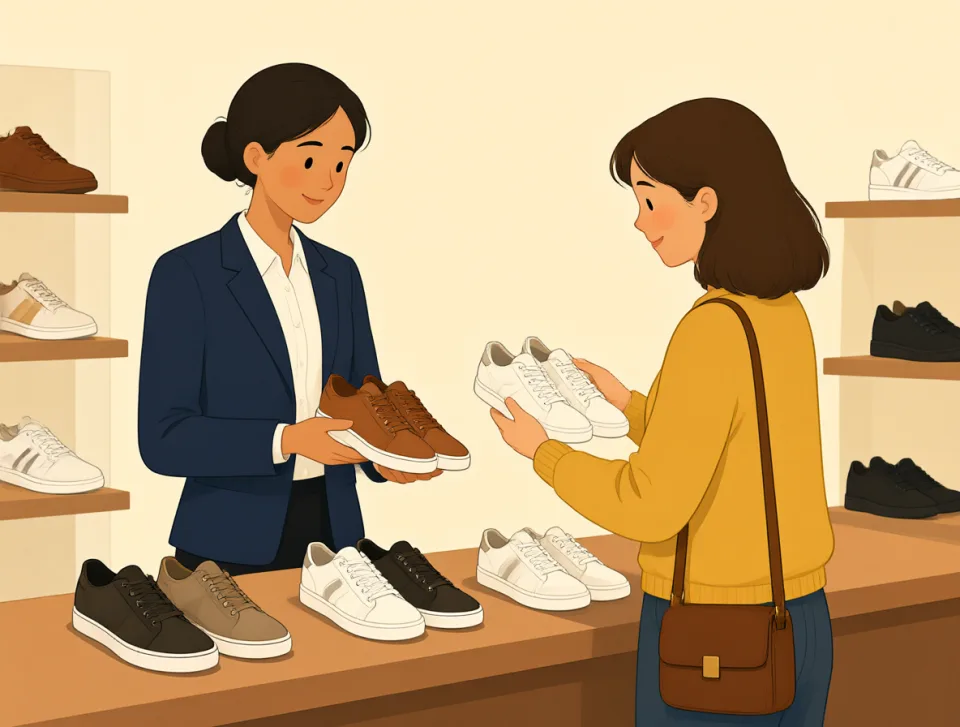
The shop adviser showed me three comfortable shoes for my long journey.
Doradca w sklepie pokazał mi trzy wygodne pary butów na długą podróż.
stem
#2202noun, verb
łodyga
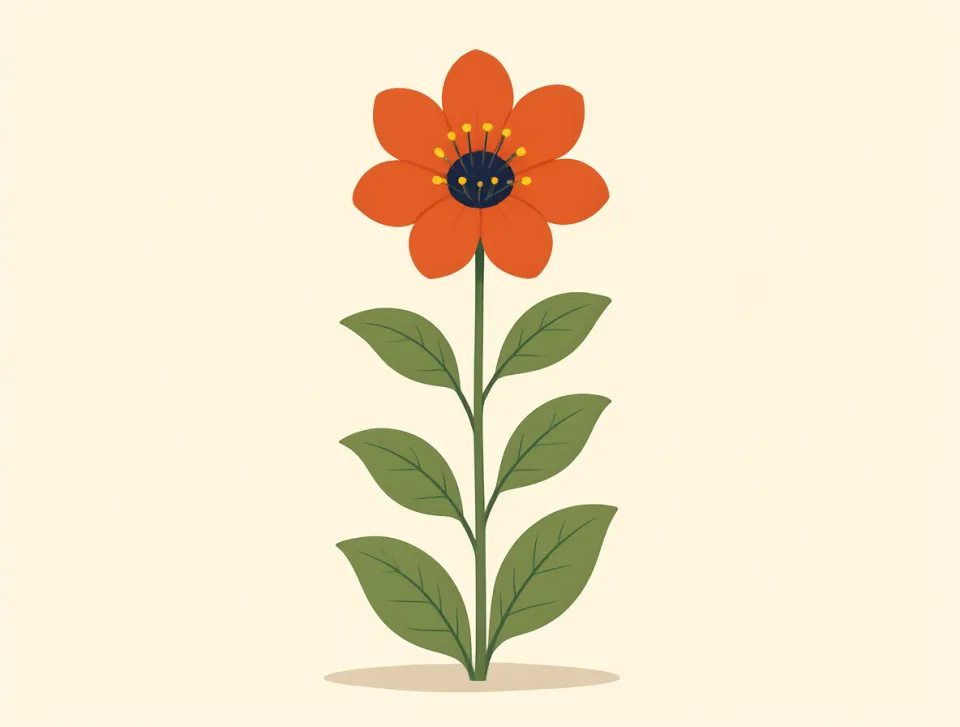
The main part of a plant from which leaves or flowers grow; to remove a plant's stems.
Główna część rośliny, z której wyrastają liście lub kwiaty; usuwać łodygi rośliny.
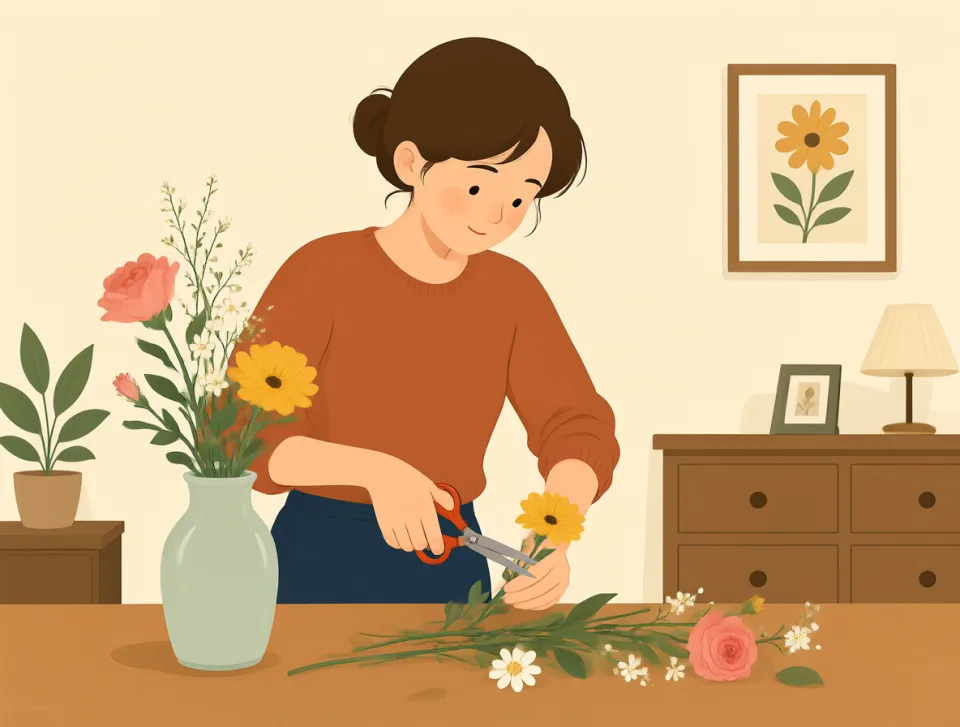
She cut the flower stems and placed them in a vase.
Przycięła łodygi kwiatów i wstawiła je do wazonu.

The rose has a long stem covered with small, sharp thorns.
Róża ma długą łodygę pokrytą małymi, ostrymi kolcami.
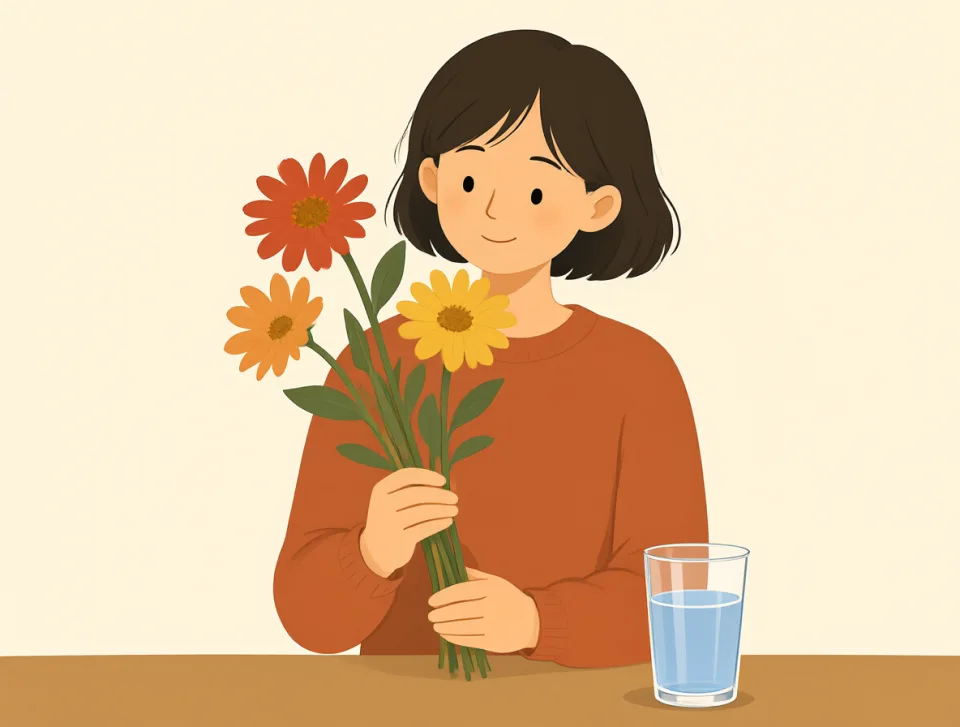
These flowers have strong stems, so they will last longer in water.
Te kwiaty mają mocne łodygi, więc dłużej postoją w wodzie.
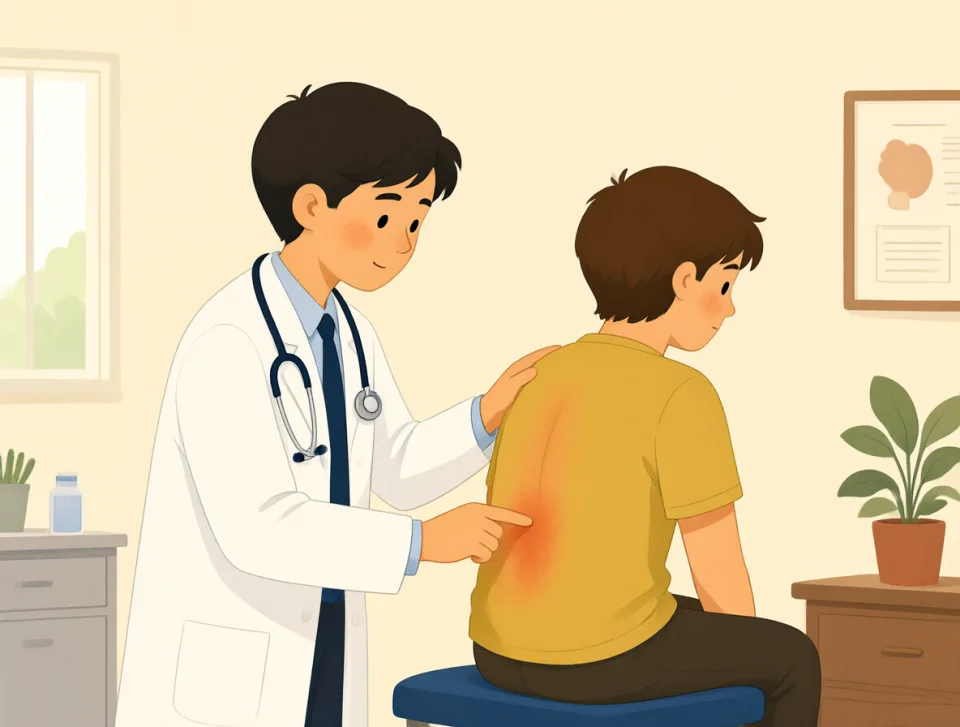
The doctor said the pain came from a pinched nerve in my spinal stem.
Lekarz powiedział, że ból był spowodowany uciskiem na nerw w moim rdzeniu kręgowym.
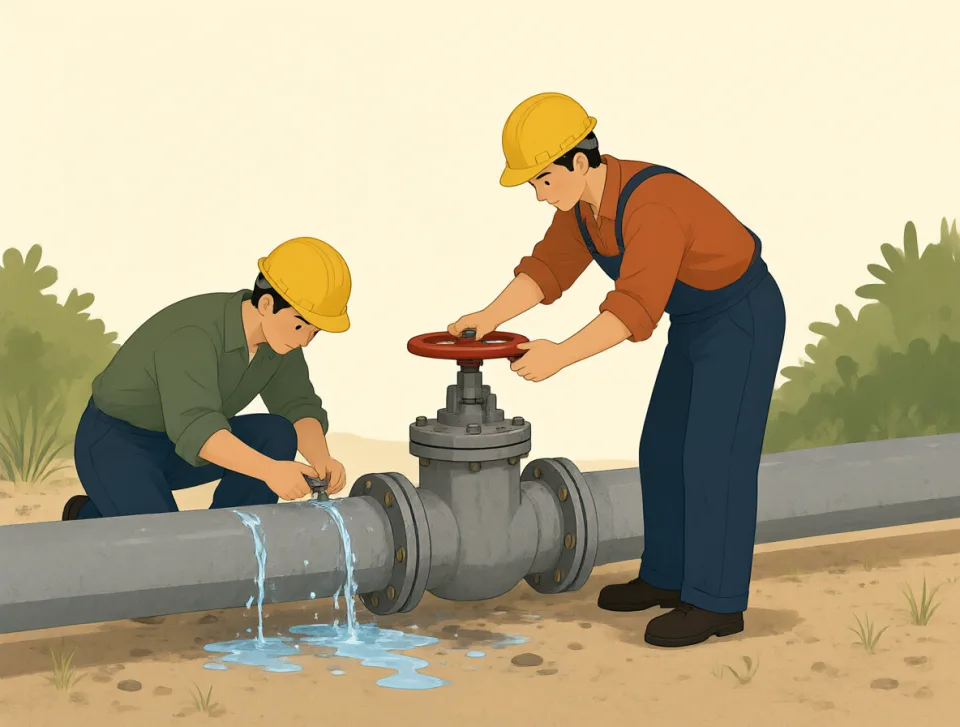
The workers stemmed the flow of water before repairing the broken pipe.
Pracownicy zatrzymali przepływ wody, zanim naprawili pękniętą rurę.
reverse
#2203verb, noun, adjective
cofnąć; odwrócić
To change something back to its earlier condition, direction, or position.
Przywrócić coś do wcześniejszego stanu, kierunku lub położenia.
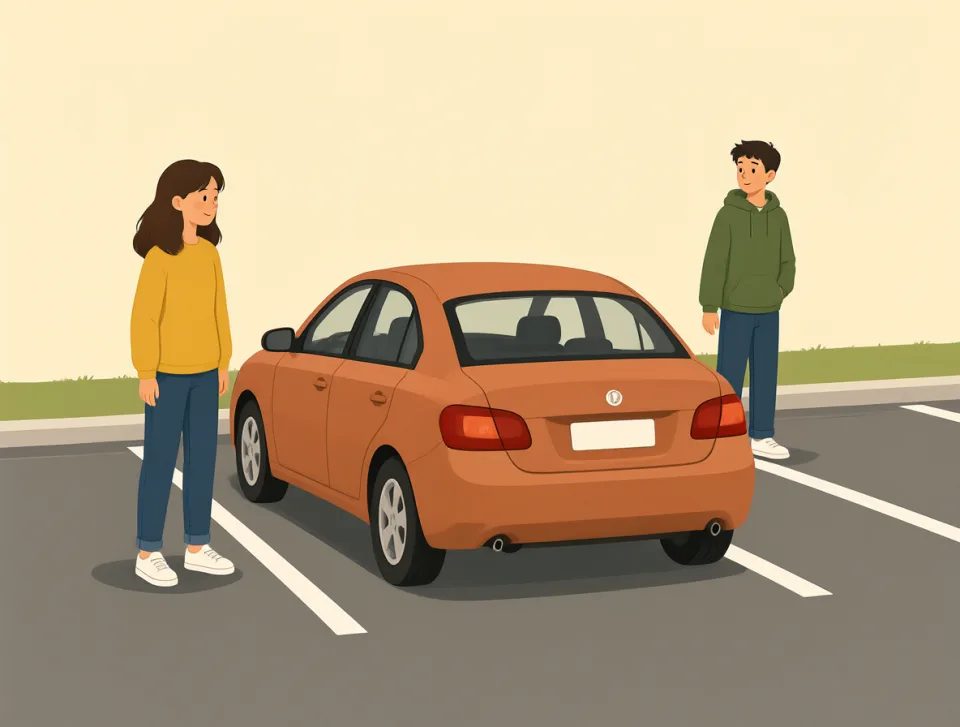
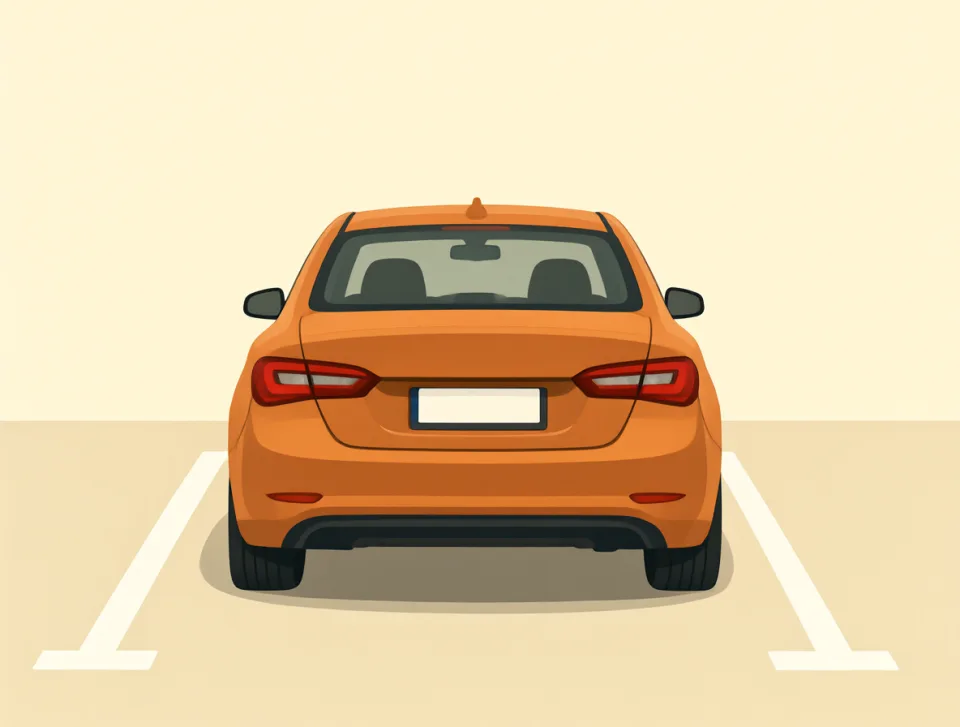
Please reverse the car slowly into the empty parking space.
Proszę powoli cofnąć samochód na wolne miejsce parkingowe.

The company reversed its decision after many customers complained.
Firma zmieniła swoją decyzję po licznych skargach klientów.
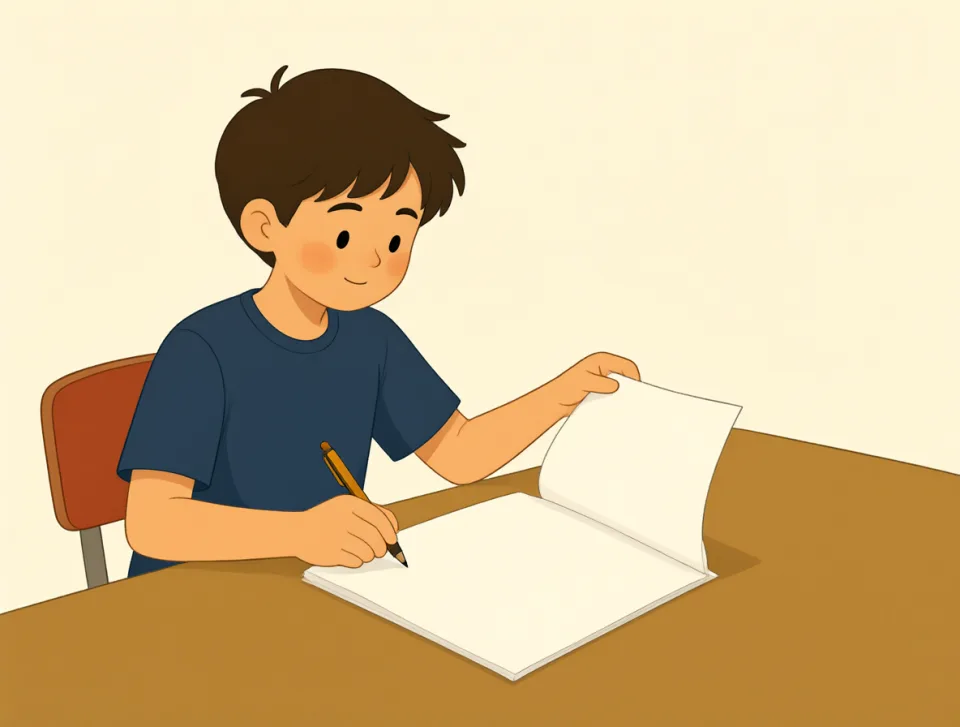
Turn the paper over and write your answers on the reverse side.
Odwróć kartkę i napisz odpowiedzi na jej odwrocie.
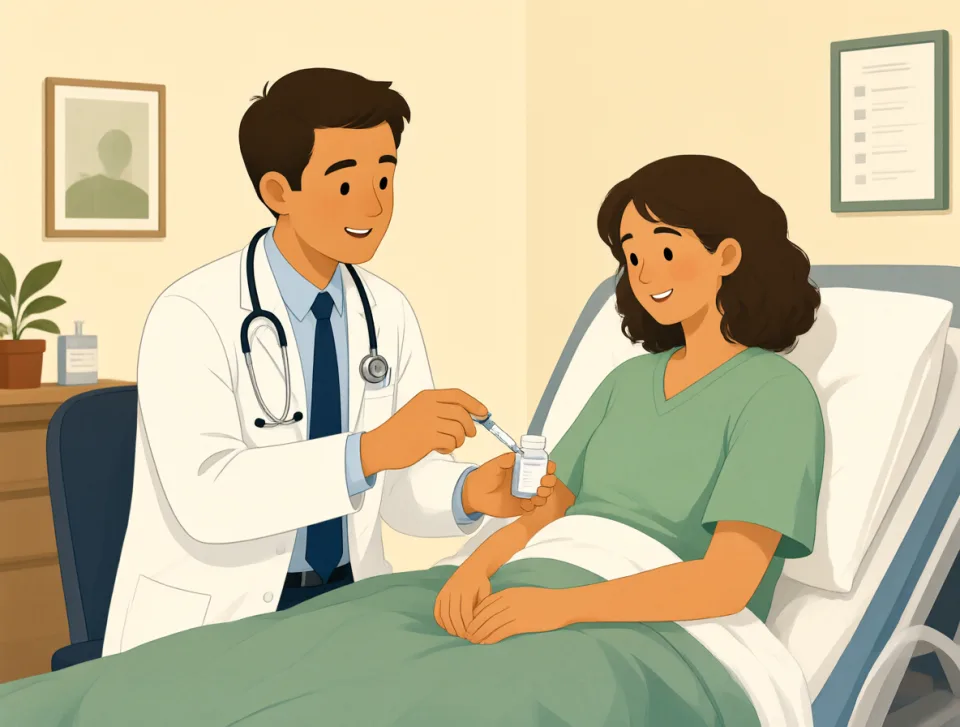
The medicine may reverse some of the damage caused by the illness.
Lek może cofnąć część szkód spowodowanych chorobą.
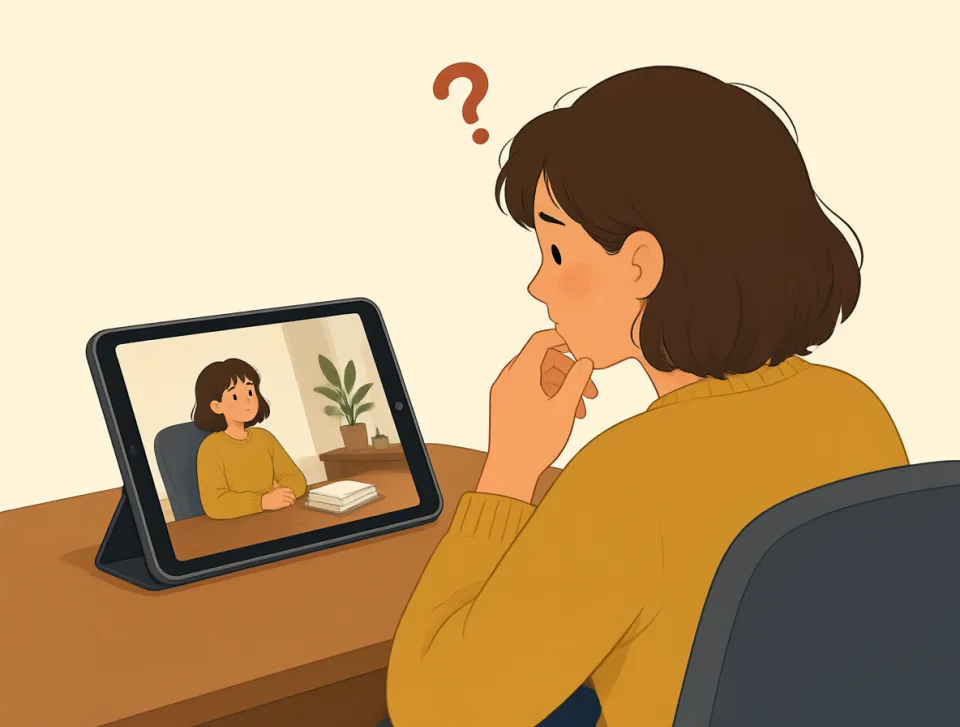
I watched the video in reverse to understand what happened first.
Obejrzałem film od tyłu, żeby zrozumieć, co wydarzyło się najpierw.
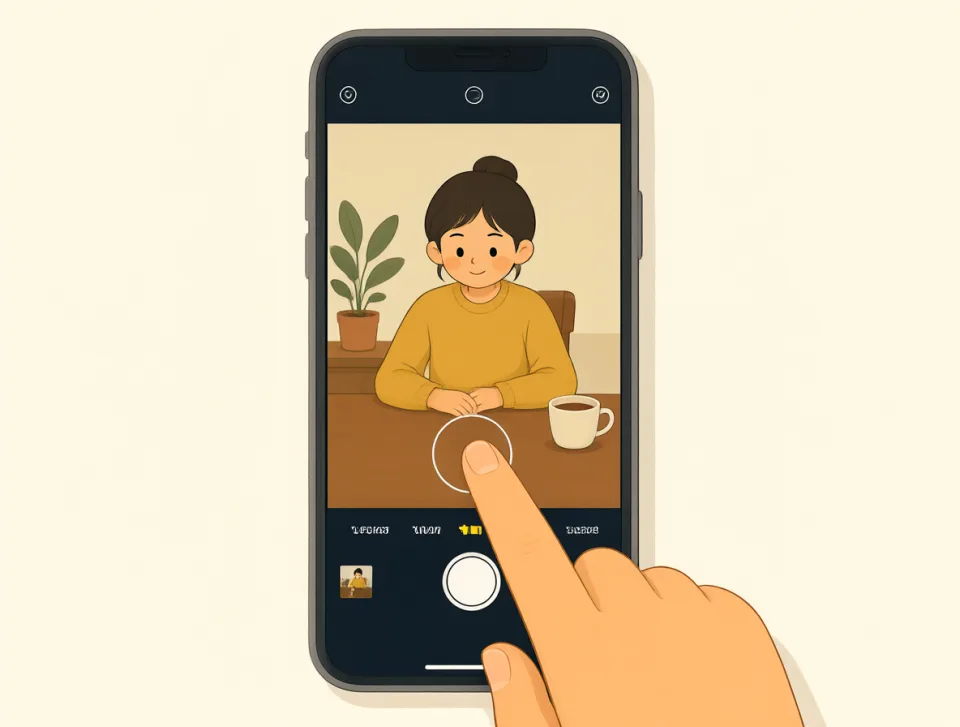
mode
#2204noun
tryb
A particular way of operating, behaving, or doing something.
Określony sposób działania, zachowania się lub wykonywania czegoś.

Please put your phone on silent mode during the meeting.
Proszę wyciszyć telefon podczas spotkania.
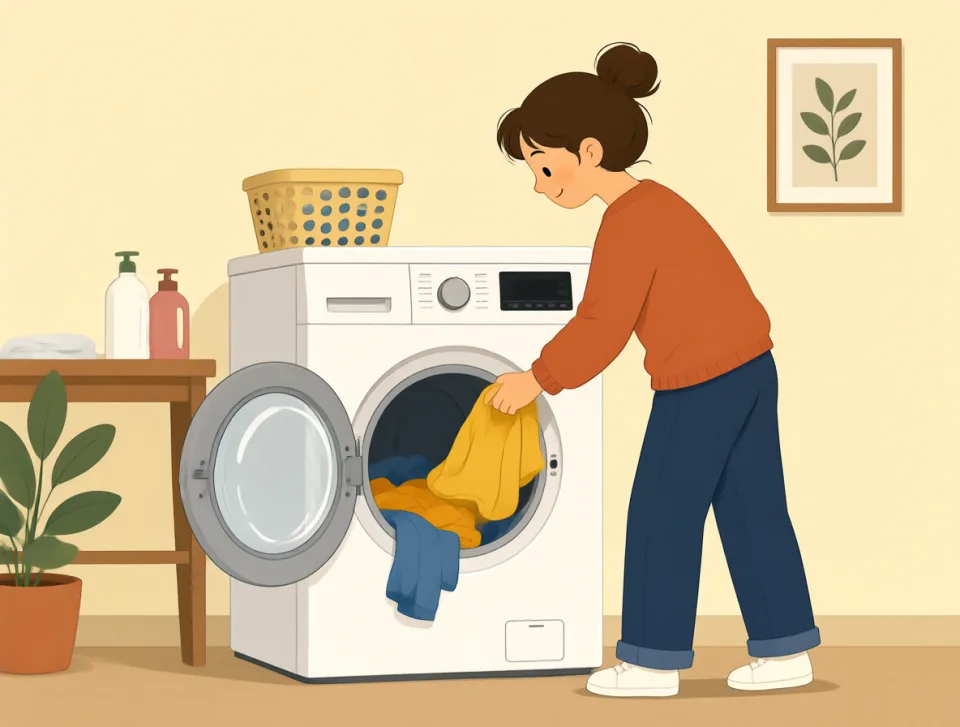
The washing machine has a quick mode for lightly dirty clothes.
Pralka ma szybki tryb do lekko zabrudzonych ubrań.
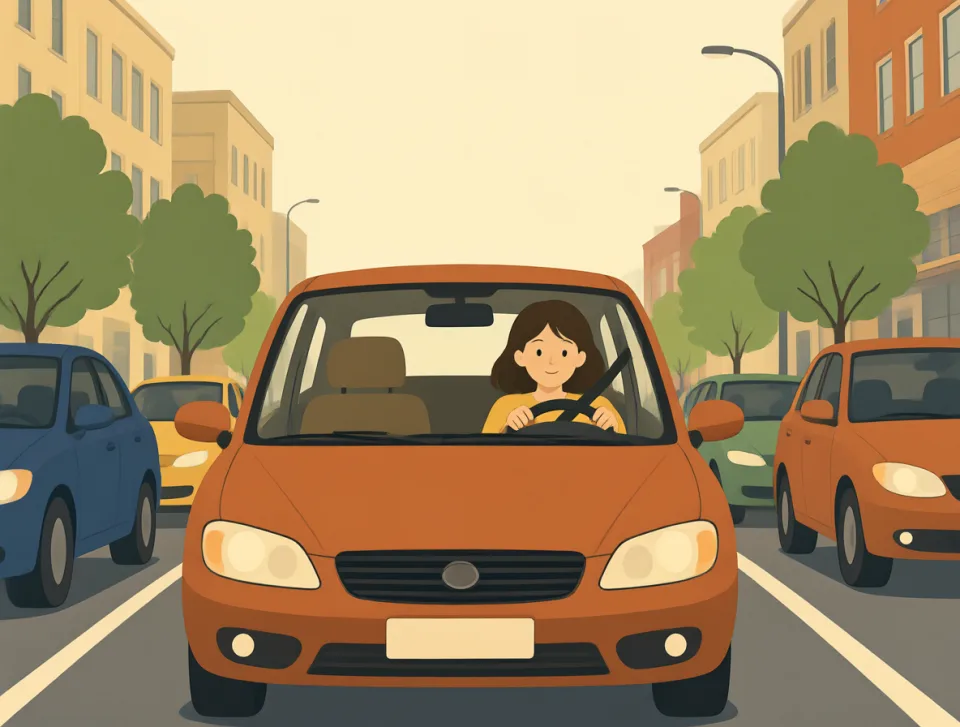
The car automatically switches to electric mode in busy city traffic.
Samochód automatycznie przełącza się na tryb elektryczny w zatłoczonym ruchu miejskim.
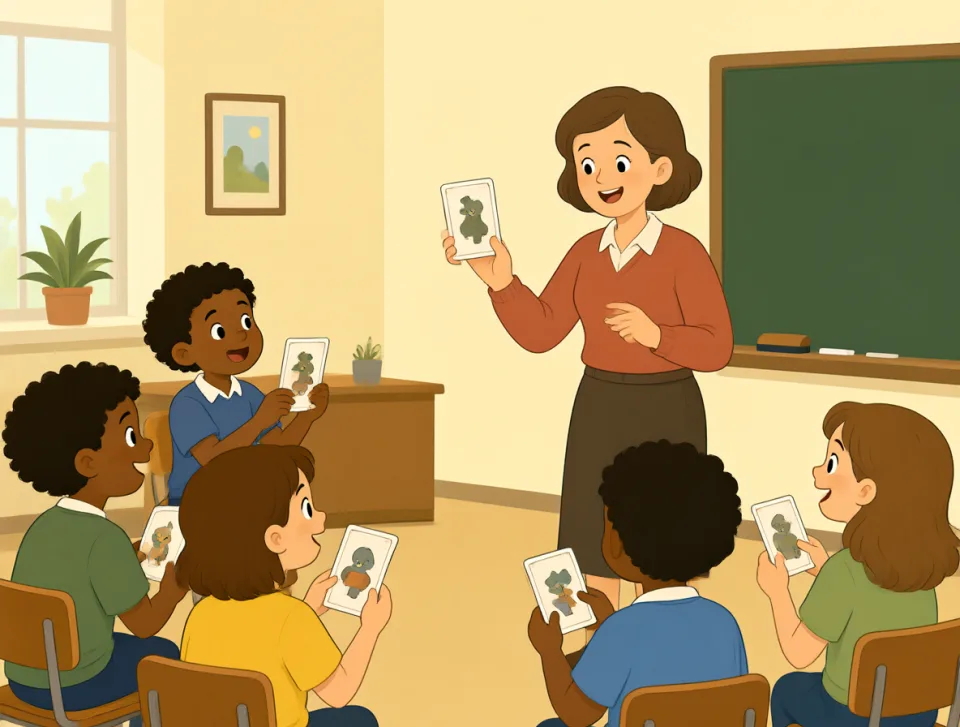
Our teacher used game mode to help us review new vocabulary.
Nasz nauczyciel wykorzystał tryb gry, żeby pomóc nam powtórzyć nowe słownictwo.
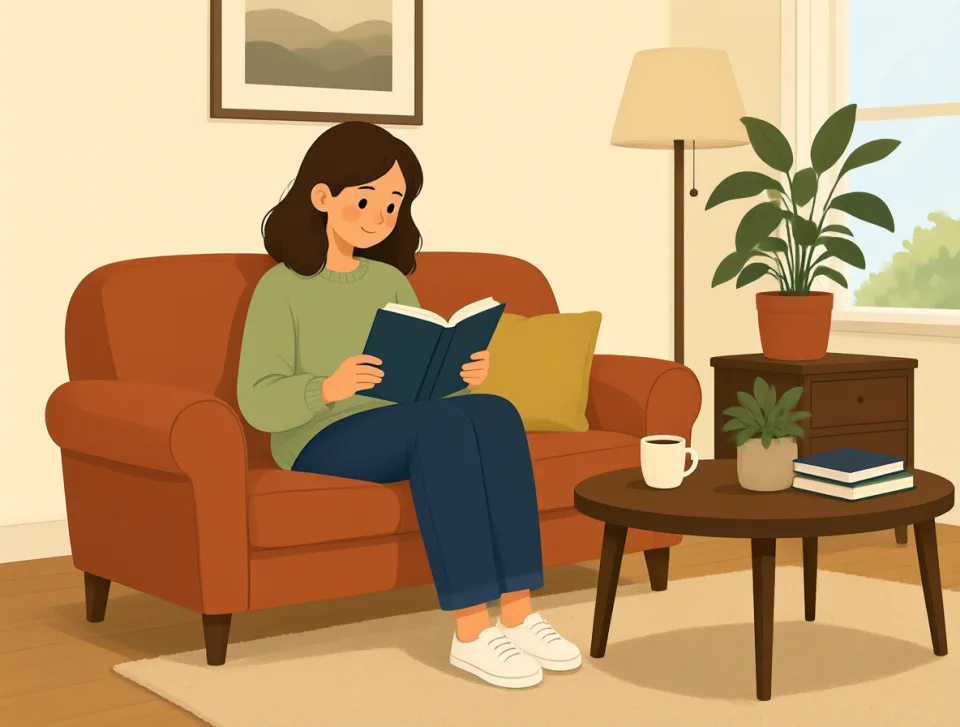
After dinner, I usually change into relaxation mode and read quietly.
Po kolacji zwykle przechodzę w tryb relaksu i czytam w ciszy.
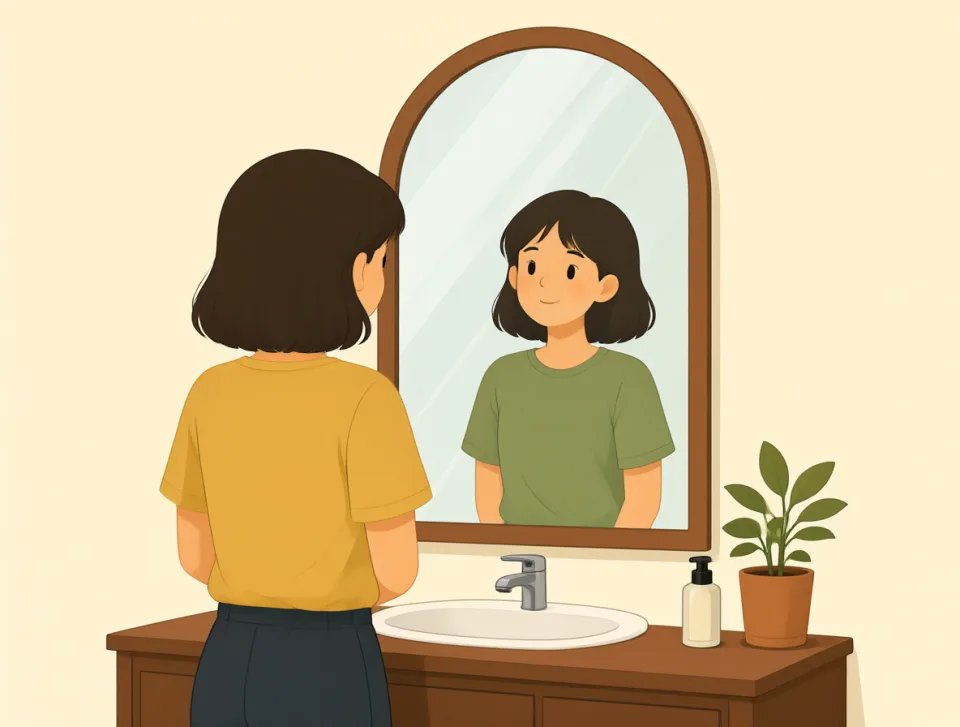
mirror
#2205noun, verb
lustro; odzwierciedlać
A piece of glass that shows your reflection, or to copy someone or something.
Kawałek szkła, w którym widać swoje odbicie, albo naśladować kogoś lub coś.
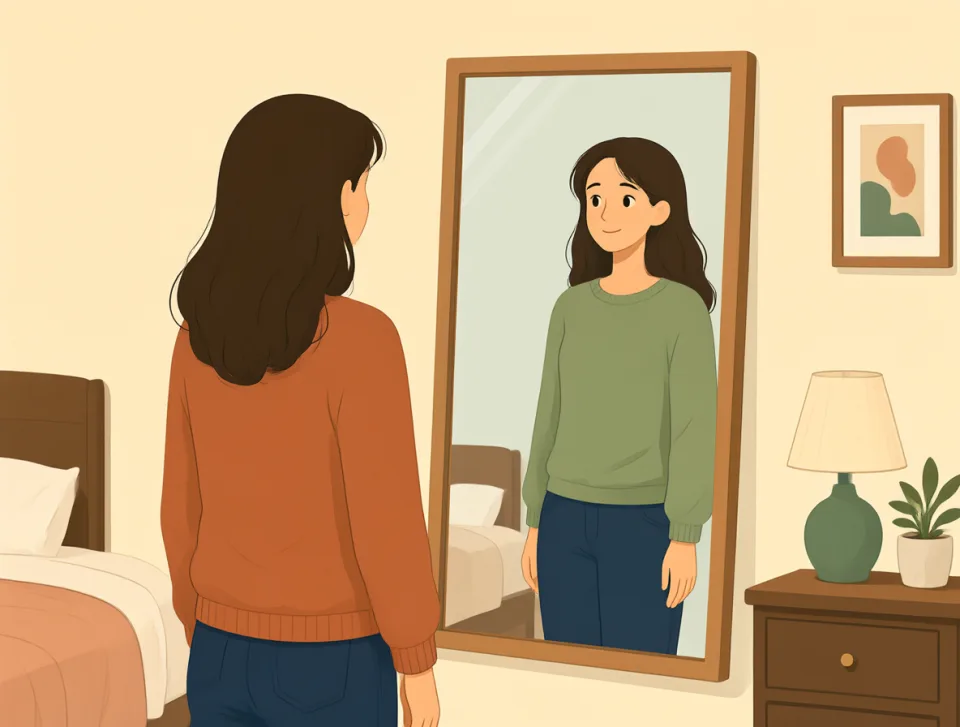
She looked in the mirror before leaving the house.
Spojrzała w lustro, zanim wyszła z domu.
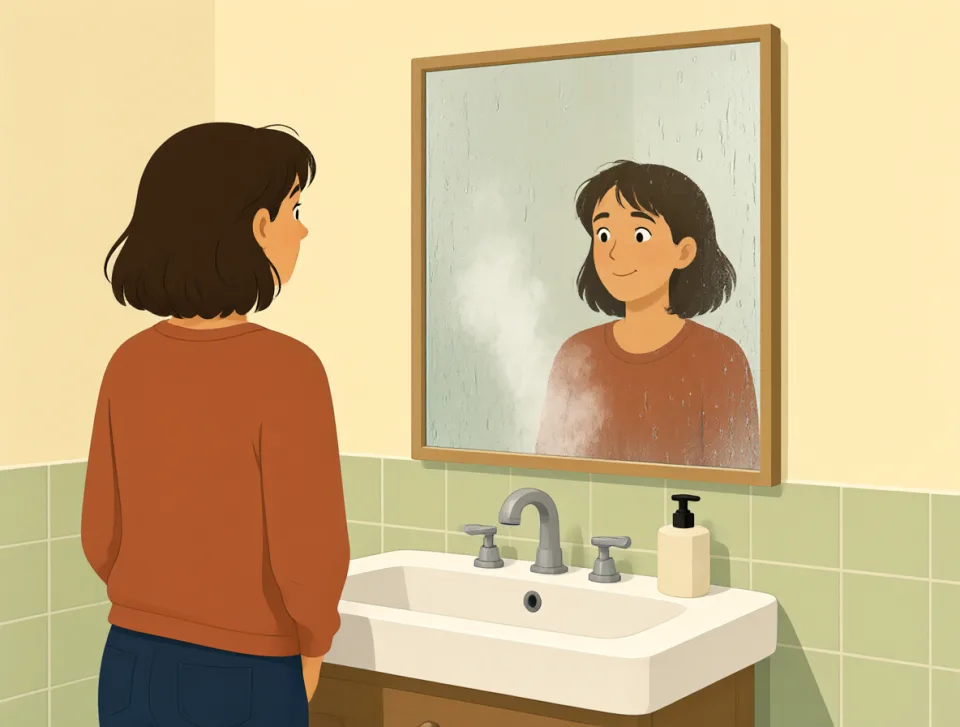
The bathroom mirror was covered with water drops after my shower.
Po moim prysznicu lustro w łazience było pokryte kroplami wody.
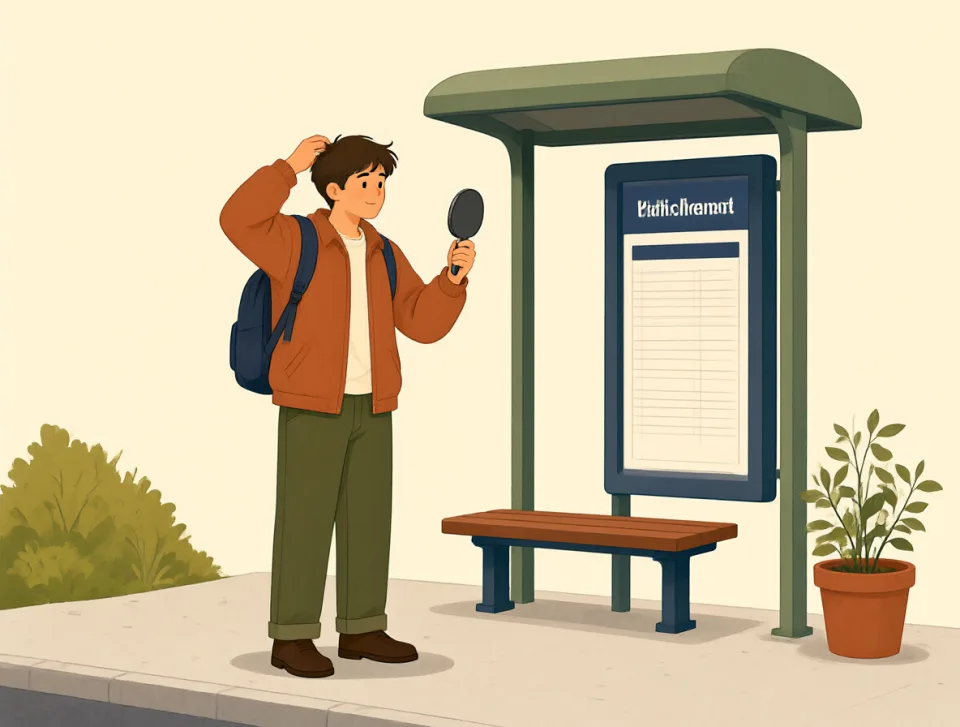
He checked his hair in the mirror while waiting for the bus.
Czekając na autobus, poprawił włosy, patrząc w lustro.

The lake mirrored the mountains on a calm summer morning.
Spokojnego letniego poranka jezioro odbijało góry.

Her friendly smile mirrored mine during our first meeting.
Podczas naszego pierwszego spotkania jej przyjazny uśmiech odwzajemnił mój.
awful
#2206adjective
okropny
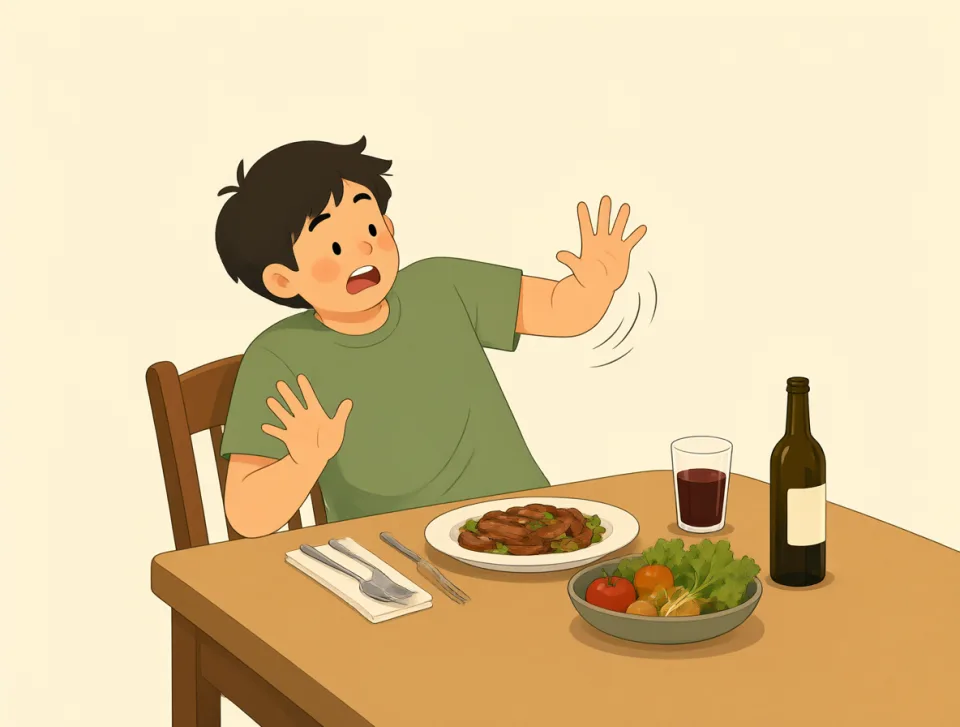
Very bad, unpleasant, or frightening.
Bardzo zły, nieprzyjemny lub przerażający.
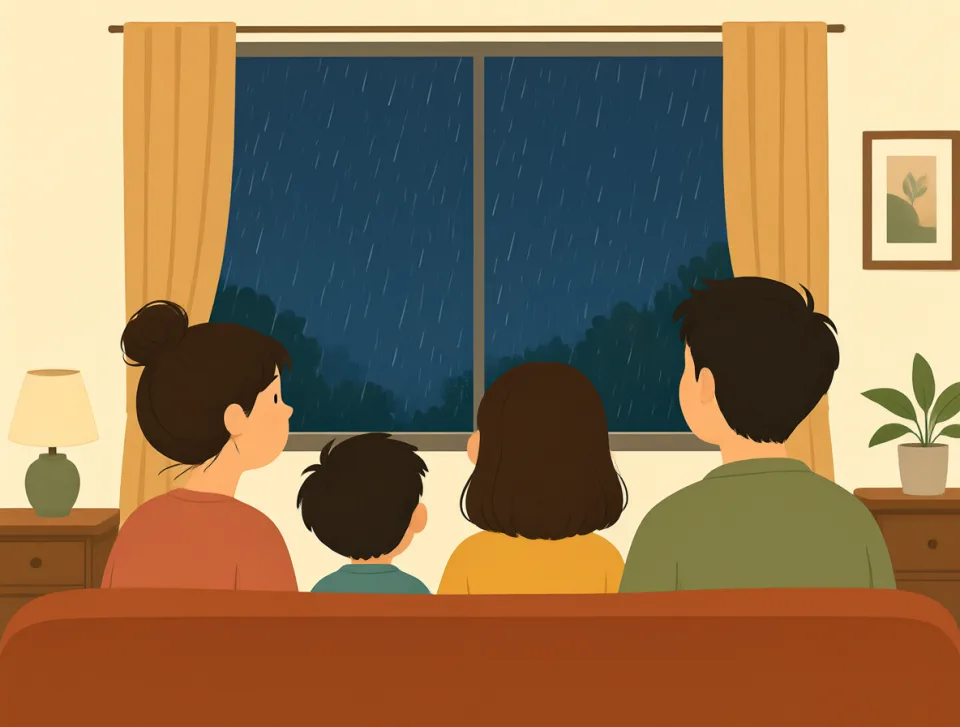
The weather was awful, so we stayed home and watched movies.
Pogoda była okropna, więc zostaliśmy w domu i oglądaliśmy filmy.
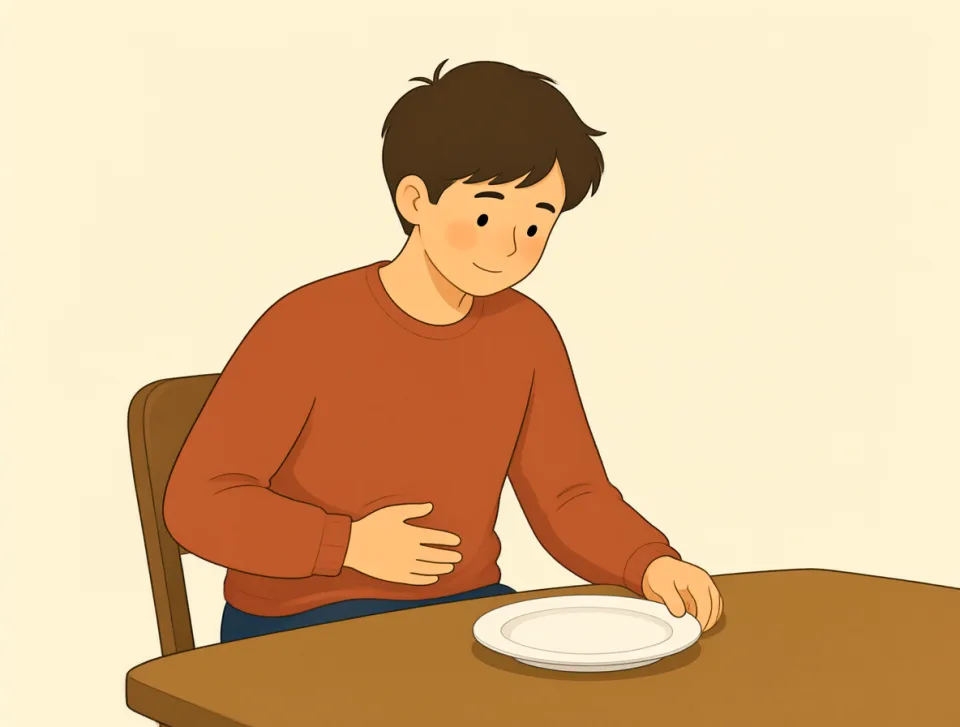
I felt awful after eating too much birthday cake.
Źle się czułem po zjedzeniu zbyt dużej ilości tortu urodzinowego.
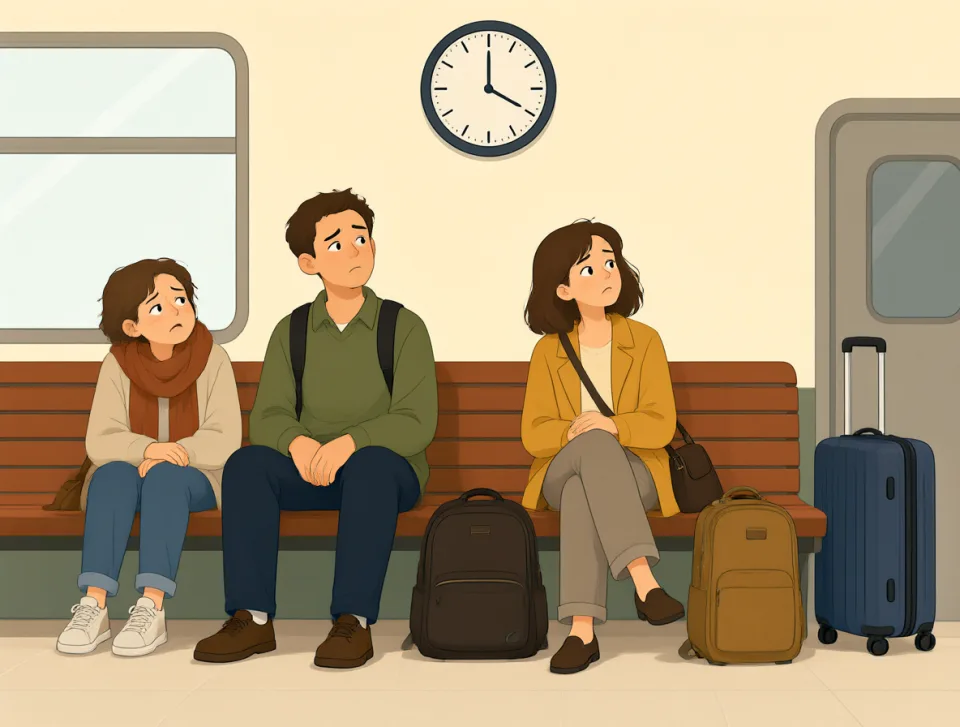
We had an awful journey because our train was delayed for hours.
Podróż była okropna, bo nasz pociąg miał kilkugodzinne opóźnienie.
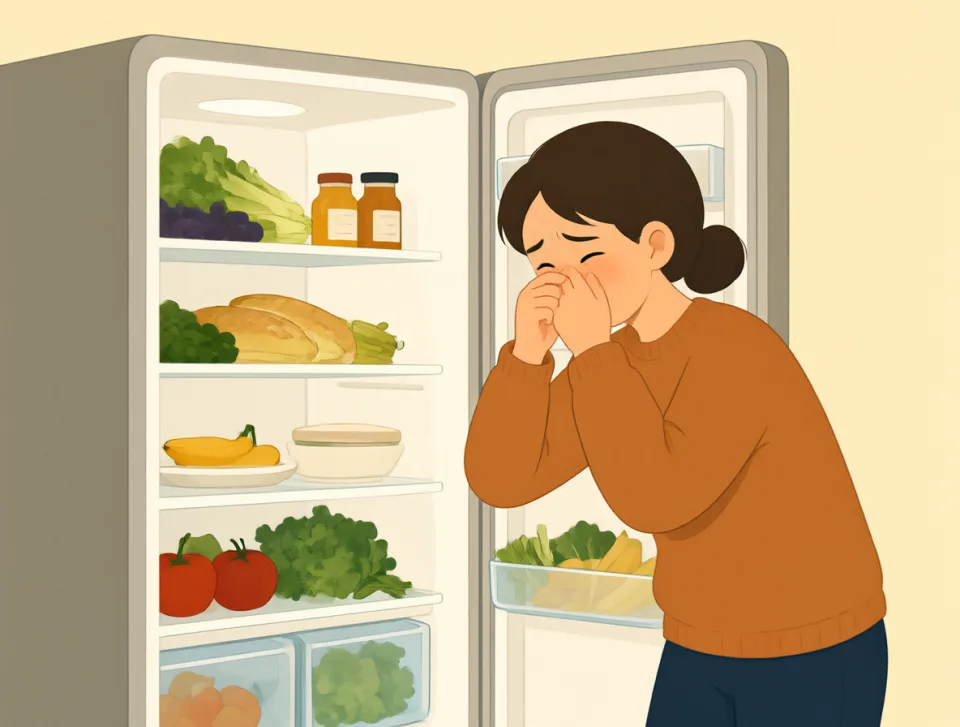
That awful smell is coming from the refrigerator.
Ten okropny zapach wydobywa się z lodówki.
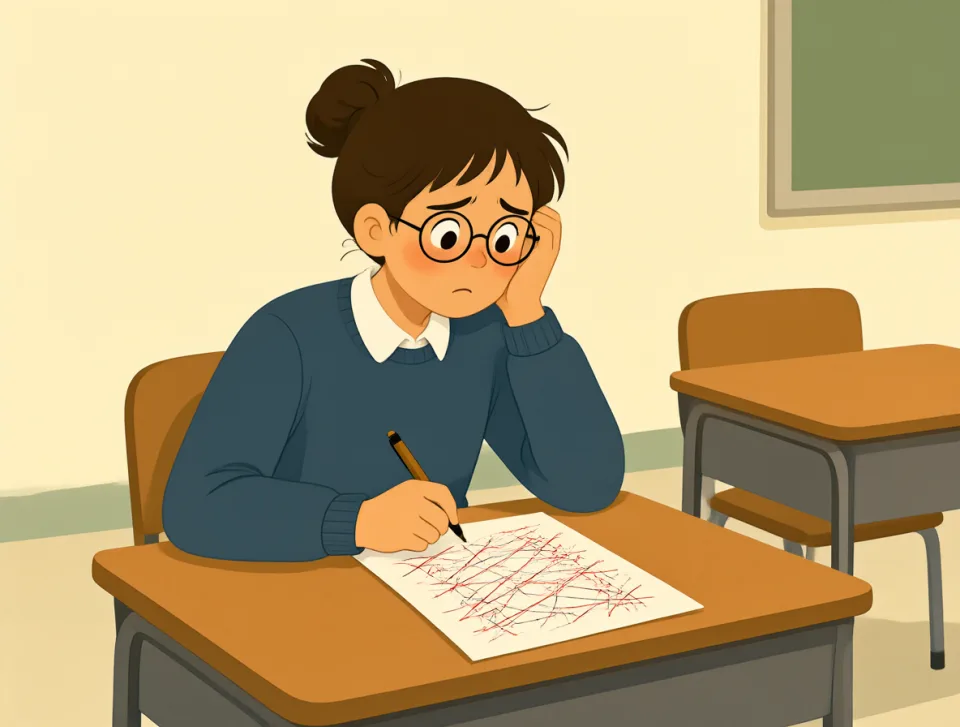
She made an awful mistake on the science test and felt embarrassed.
Popełniła straszny błąd na sprawdzianie z nauk przyrodniczych i było jej wstyd.
pose
#2207noun, verb
stwarzać; pozować
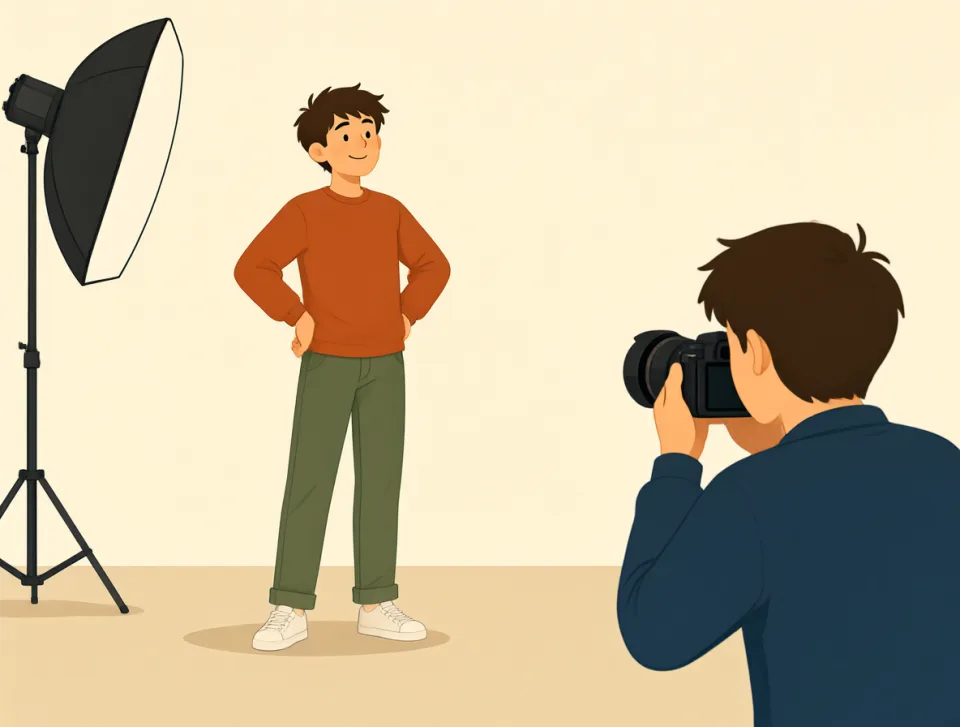
to create a difficult situation or problem, or to sit or stand for a photograph
Stwarzać trudną sytuację lub problem albo przyjmować pozę do zdjęcia.
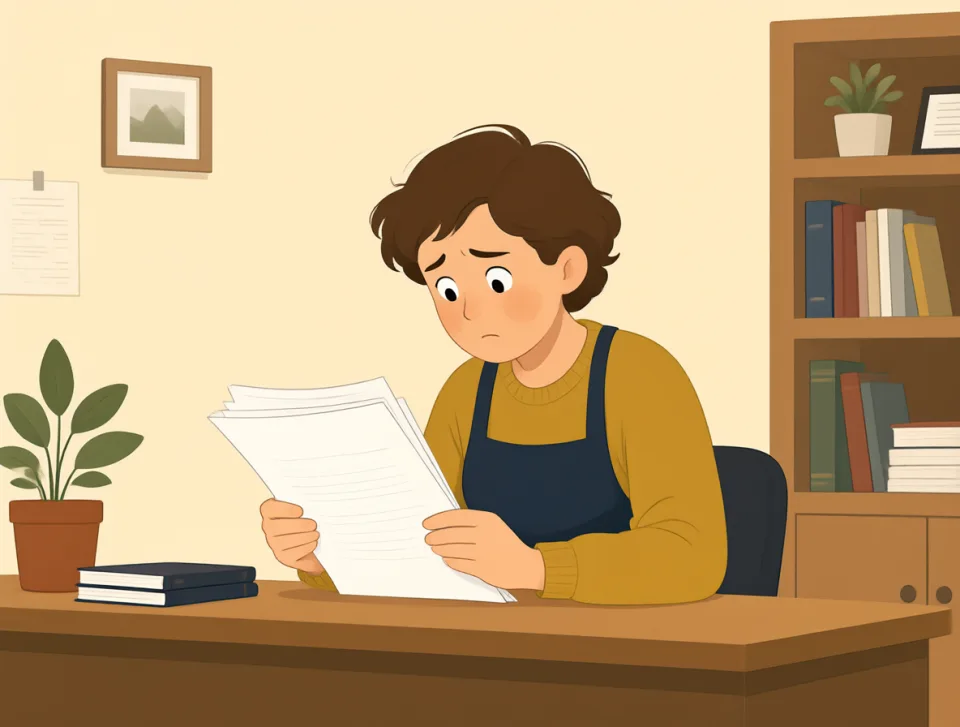
The new safety rules pose a serious challenge for small businesses.
Nowe przepisy bezpieczeństwa stanowią poważne wyzwanie dla małych firm.
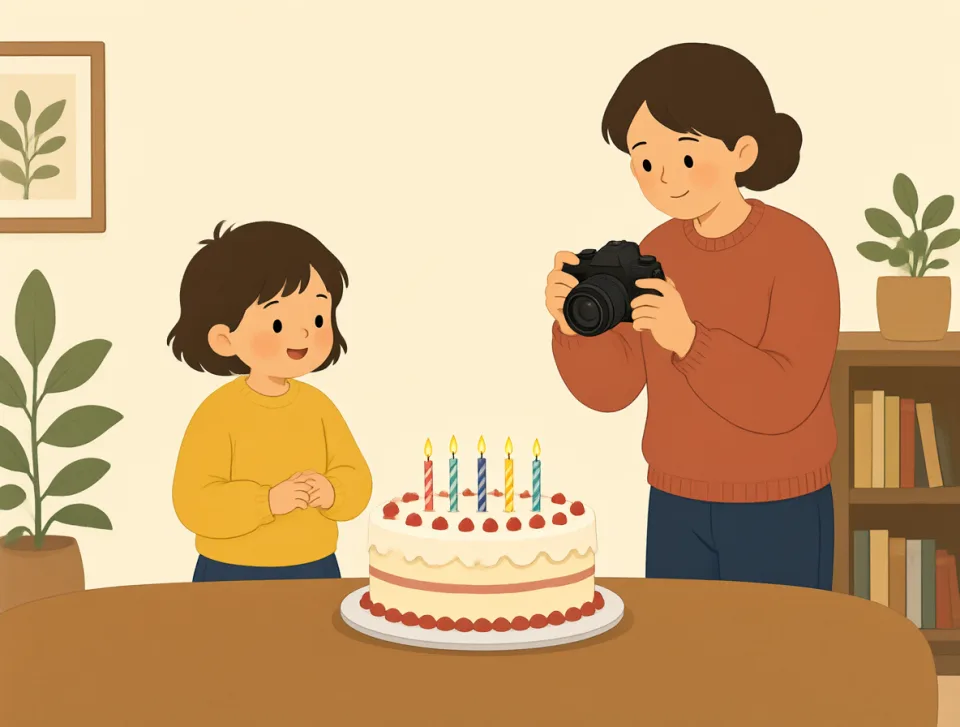
Please pose beside the cake so I can take a picture.
Proszę stanąć obok tortu, żebym mógł zrobić zdjęcie.
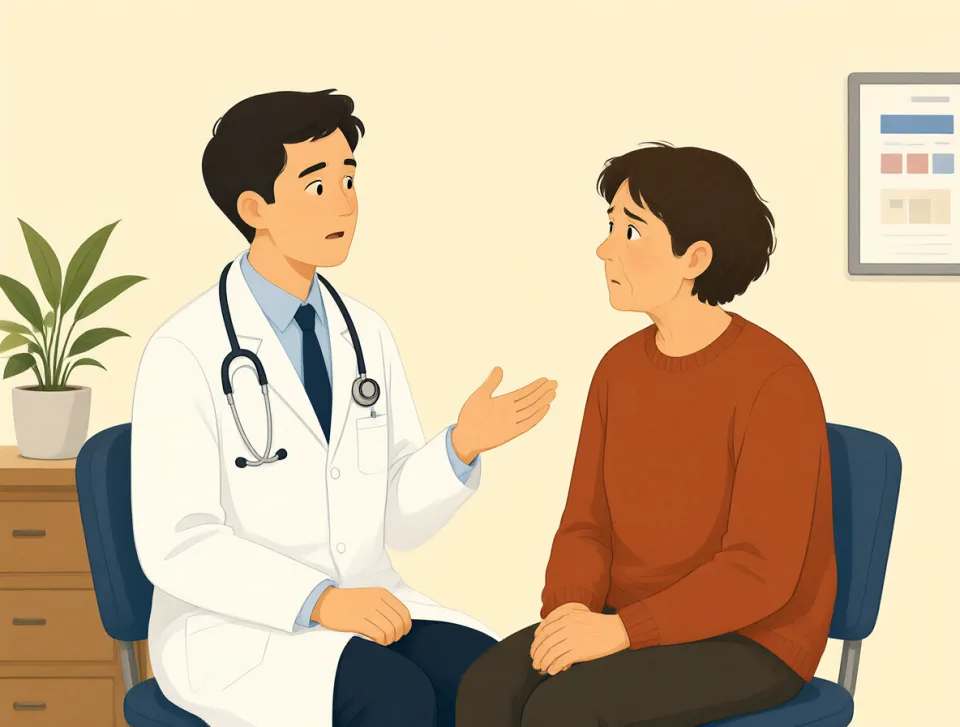
The doctor explained that the fever could pose a health risk.
Lekarz wyjaśnił, że gorączka może stanowić zagrożenie dla zdrowia.
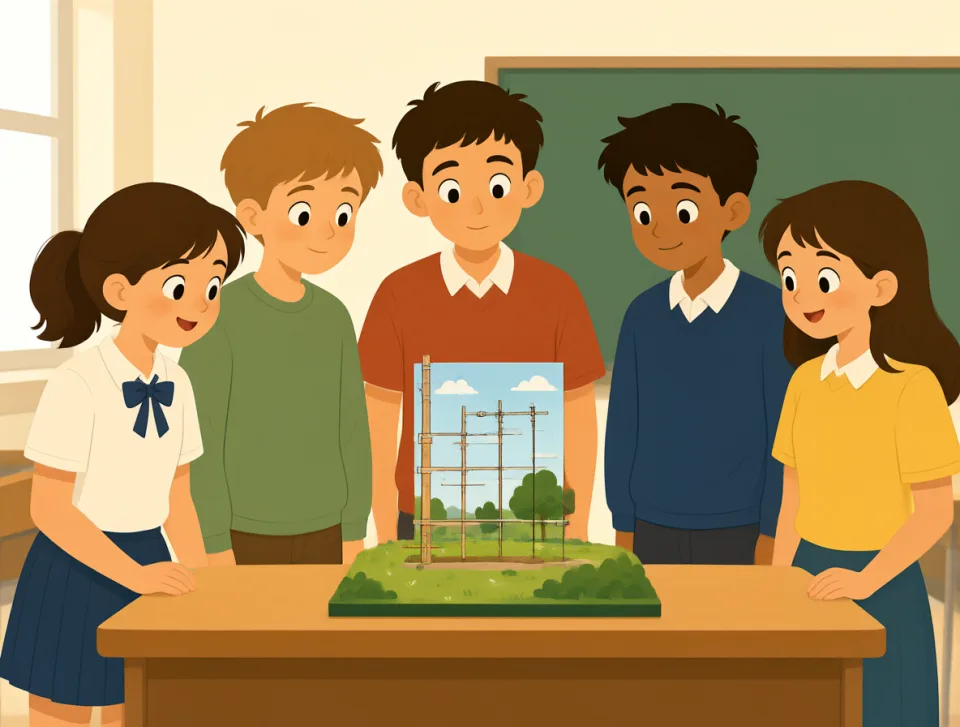
The students posed for a group photo after finishing their science project.
Po zakończeniu projektu z nauk przyrodniczych uczniowie pozowali do wspólnego zdjęcia.

The waiter posed with the chef before they opened the restaurant.
Kelner pozował z szefem kuchni, zanim otworzyli restaurację.

adjust
#2208verb
regulować; dostosowywać
To change something slightly so it works better or feels more comfortable.
Nieco coś zmienić, żeby działało lepiej lub było wygodniejsze.
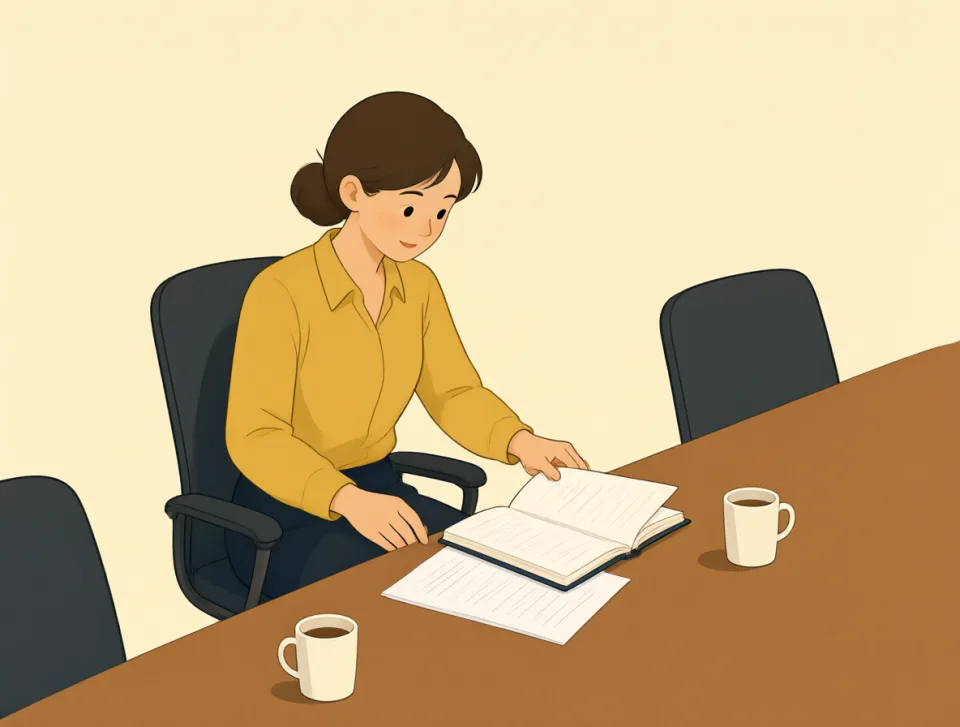
Please adjust the chair so you can sit comfortably during the meeting.
Proszę wyregulować krzesło, żeby mógł Pan wygodnie siedzieć podczas spotkania.
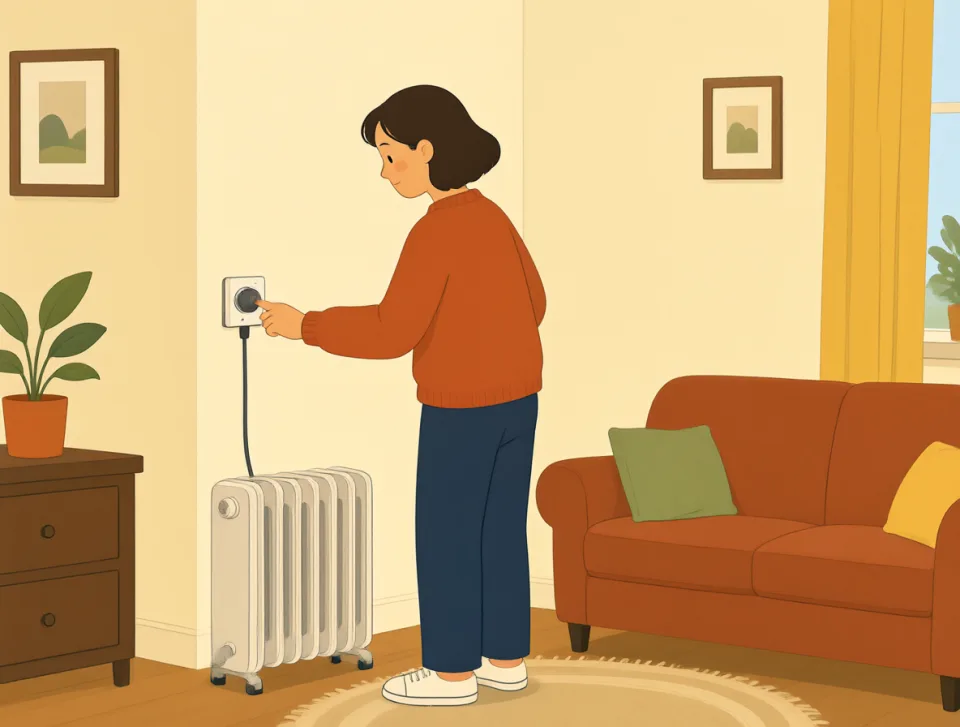
We adjusted the heating because the room became too warm.
Wyregulowaliśmy ogrzewanie, bo w pokoju zrobiło się za ciepło.
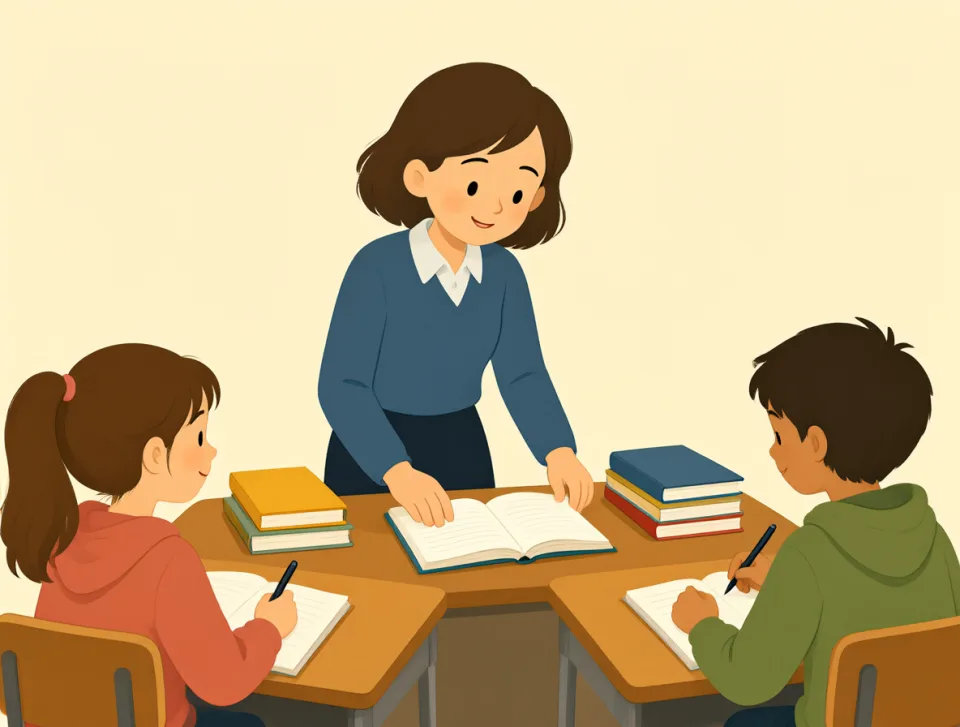
The teacher adjusted the lesson for students who needed more time.
Nauczyciel dostosował lekcję do potrzeb uczniów, którzy potrzebowali więcej czasu.
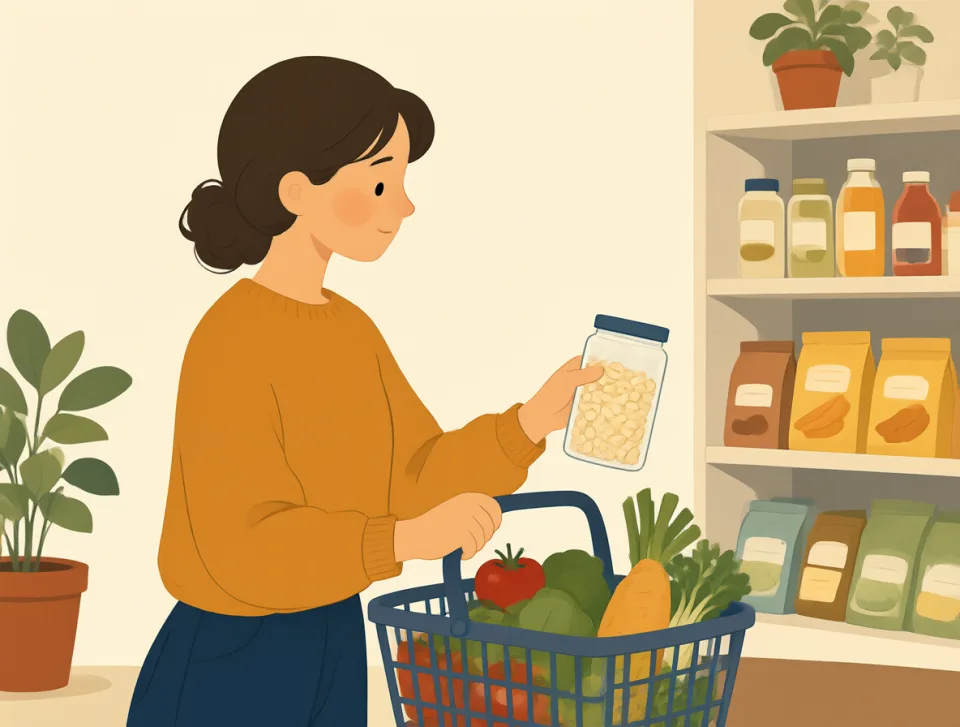
She adjusted her budget to afford the higher price at the supermarket.
Dostosowała swój budżet, żeby móc sobie pozwolić na wyższą cenę w supermarkecie.
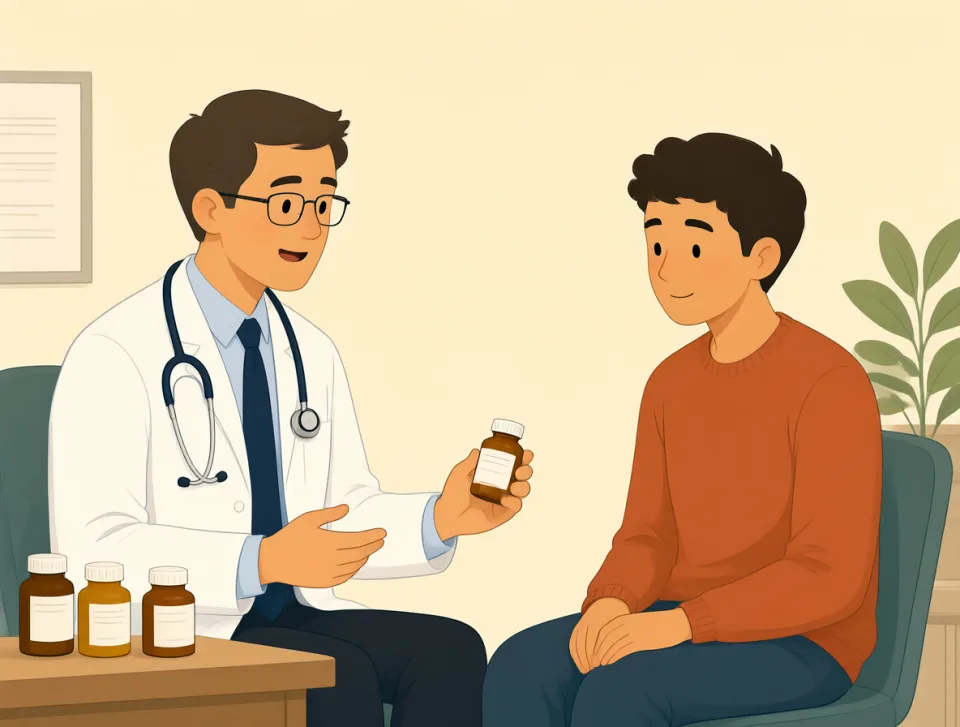
The doctor adjusted his medicine after hearing about the headaches.
Lekarz zmienił dawkowanie leku po tym, jak usłyszał o bólach głowy.
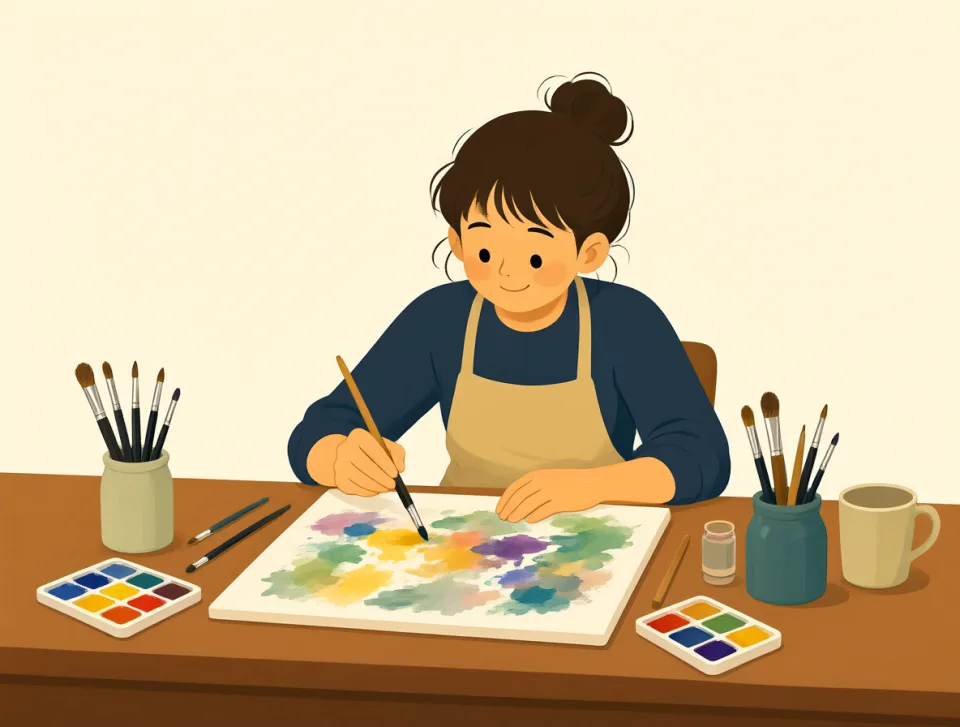
creative
#2209adjective
kreatywny
Having new and imaginative ideas, especially in art, design, or solving problems.
Mający nowe, pomysłowe idee, zwłaszcza w sztuce, projektowaniu lub rozwiązywaniu problemów.
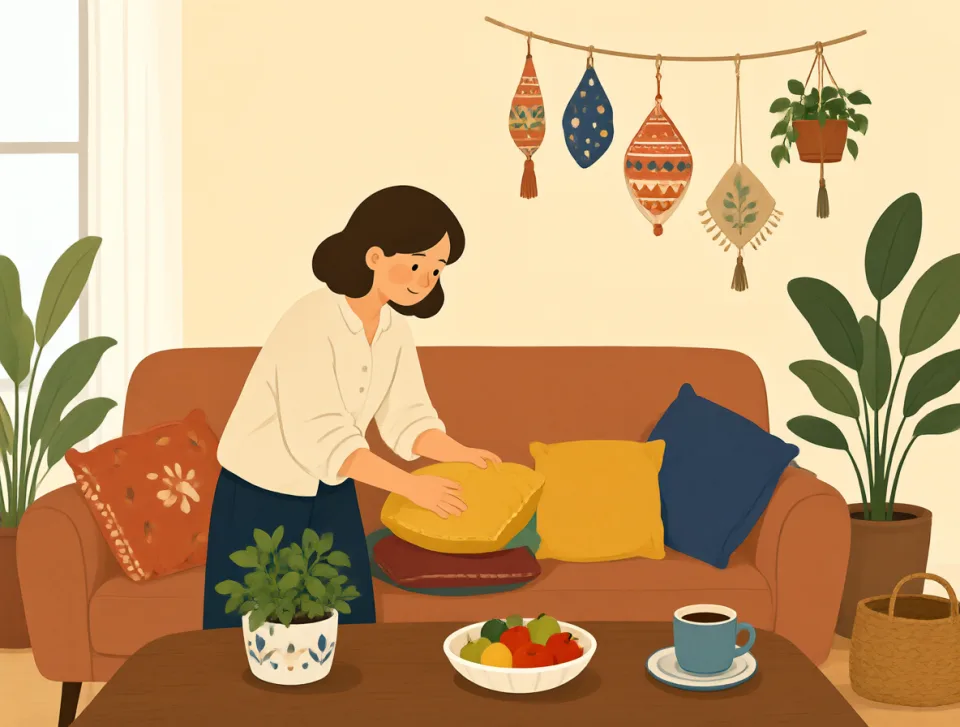
She is very creative and always finds new ways to decorate her home.
Jest bardzo kreatywna i zawsze znajduje nowe sposoby na udekorowanie swojego domu.
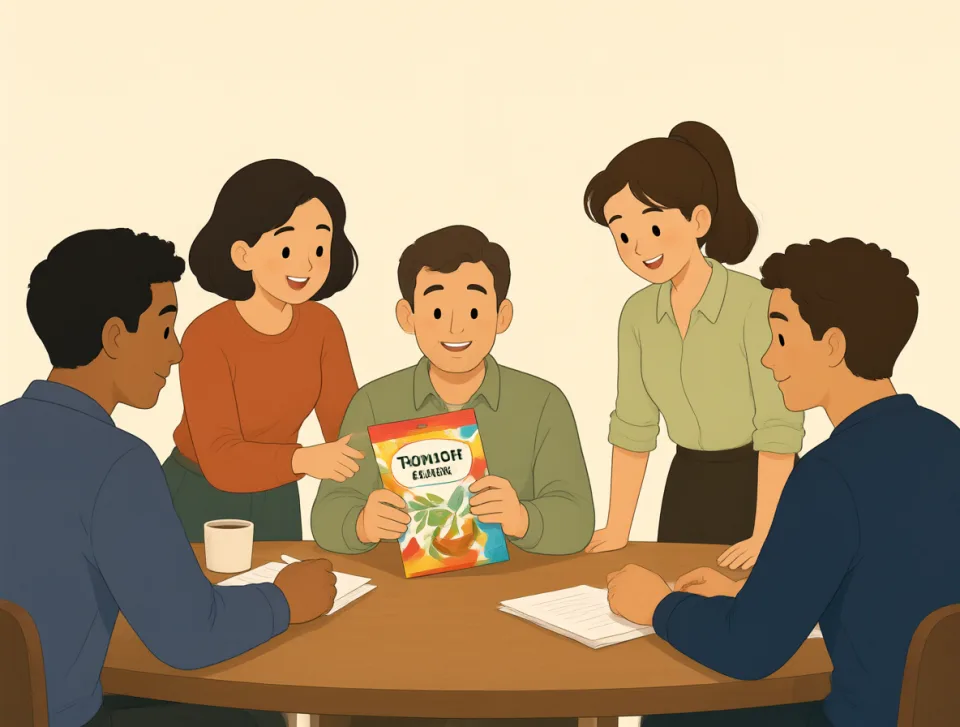
Our creative team designed a simple, attractive package for the new product.
Nasz kreatywny zespół zaprojektował proste, atrakcyjne opakowanie nowego produktu.
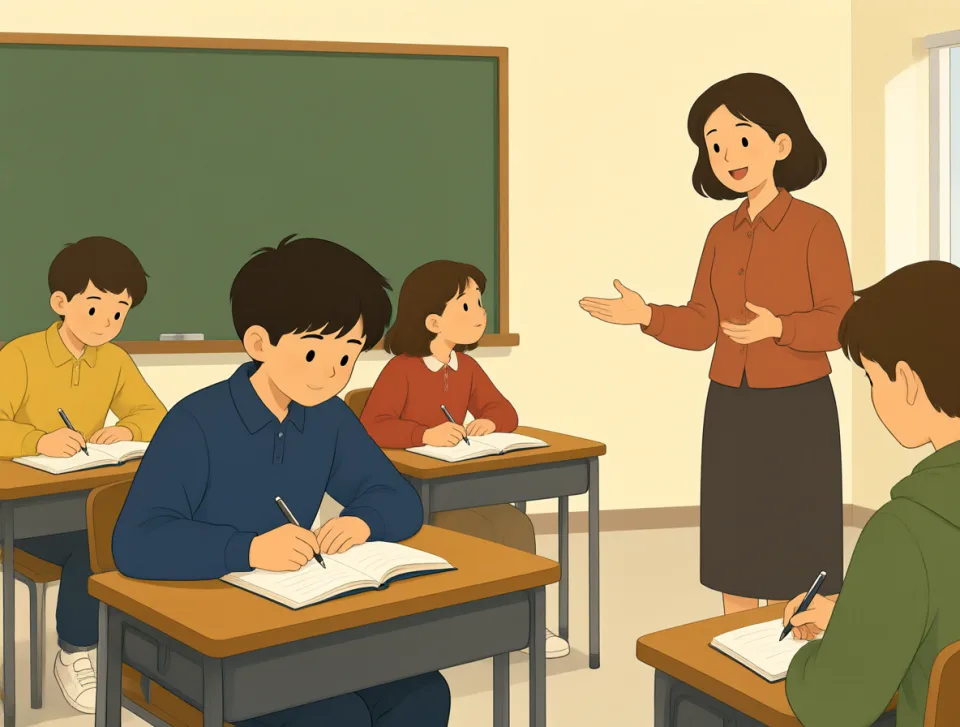
The teacher asked students to write a creative story about a mysterious journey.
Nauczyciel poprosił uczniów o napisanie kreatywnego opowiadania o tajemniczej podróży.
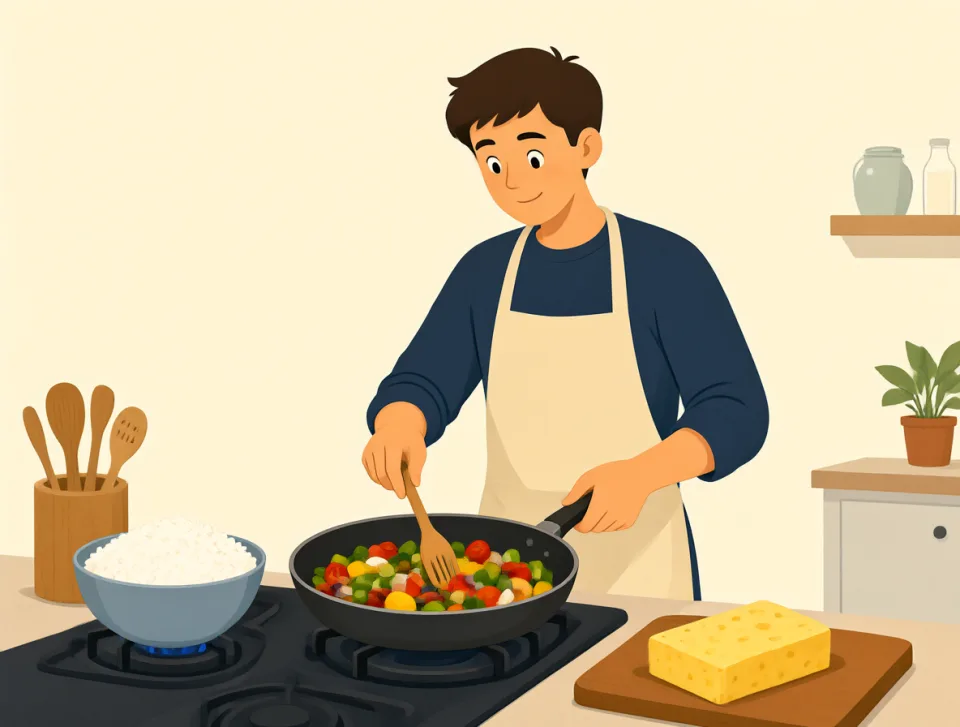
He made a creative meal from leftover vegetables, rice, and a little cheese.
Przygotował kreatywny posiłek z resztek warzyw, ryżu i odrobiny sera.

My friends planned a creative way to surprise me at the airport.
Moi przyjaciele wymyślili kreatywny sposób, żeby zrobić mi niespodziankę na lotnisku.

nowadays
#2210adverb
obecnie
at the present time, especially compared with the past
W obecnym czasie, zwłaszcza w porównaniu z przeszłością.
Nowadays, many people work from home several days a week.
Obecnie wiele osób pracuje z domu kilka dni w tygodniu.
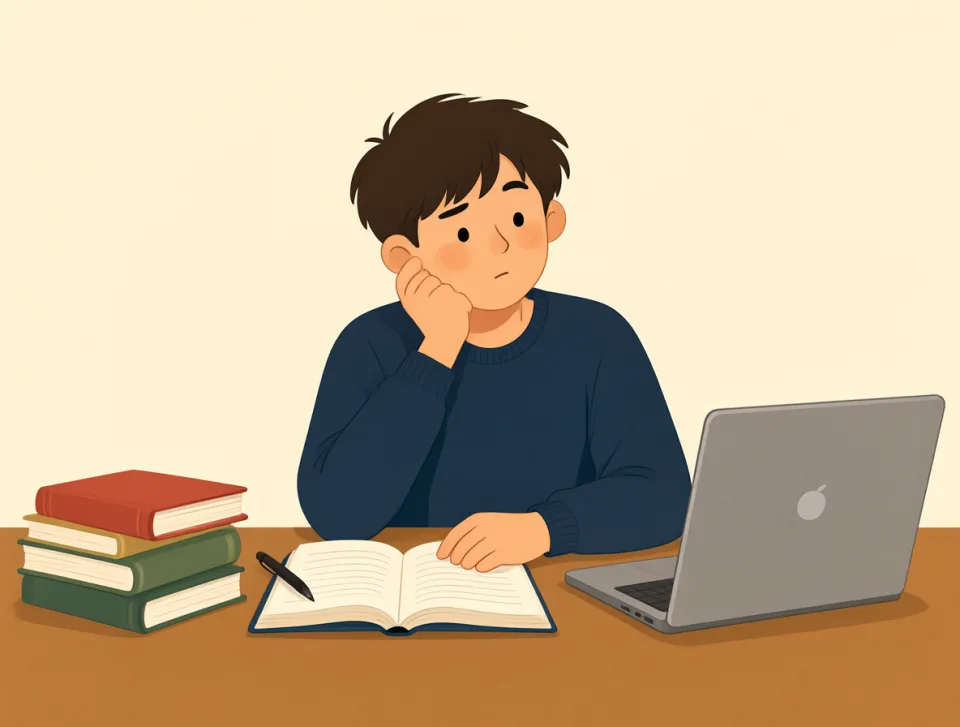
Nowadays, students often use online resources to help with their homework.
Obecnie uczniowie często korzystają z zasobów internetowych, które pomagają im w odrabianiu prac domowych.
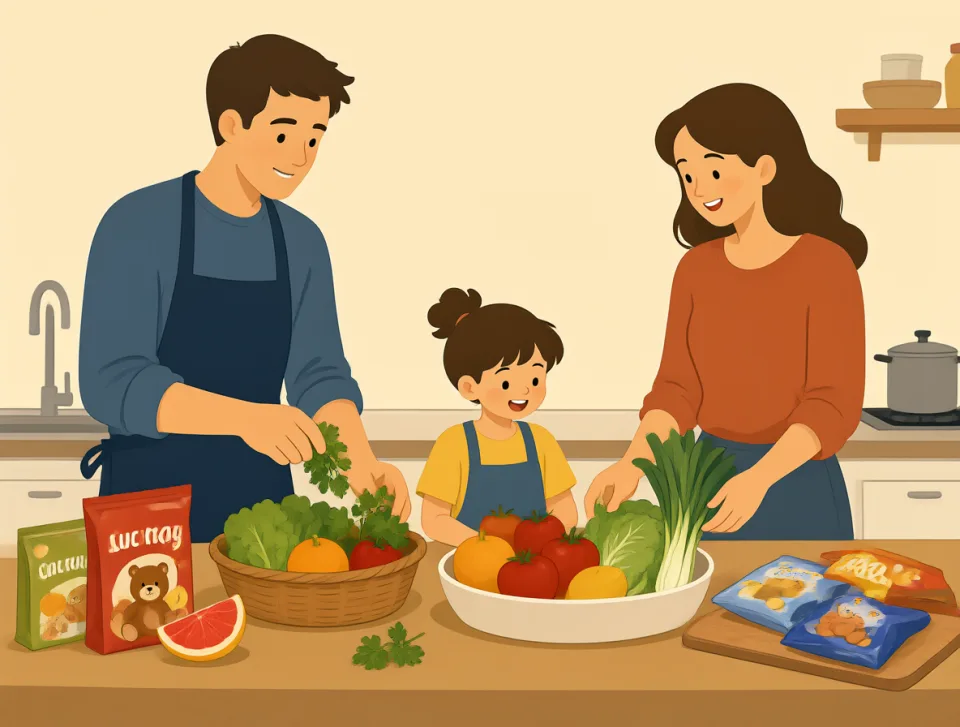
People nowadays are more careful about eating too much sugar.
Obecnie ludzie bardziej uważają na to, żeby nie jeść zbyt dużo cukru.
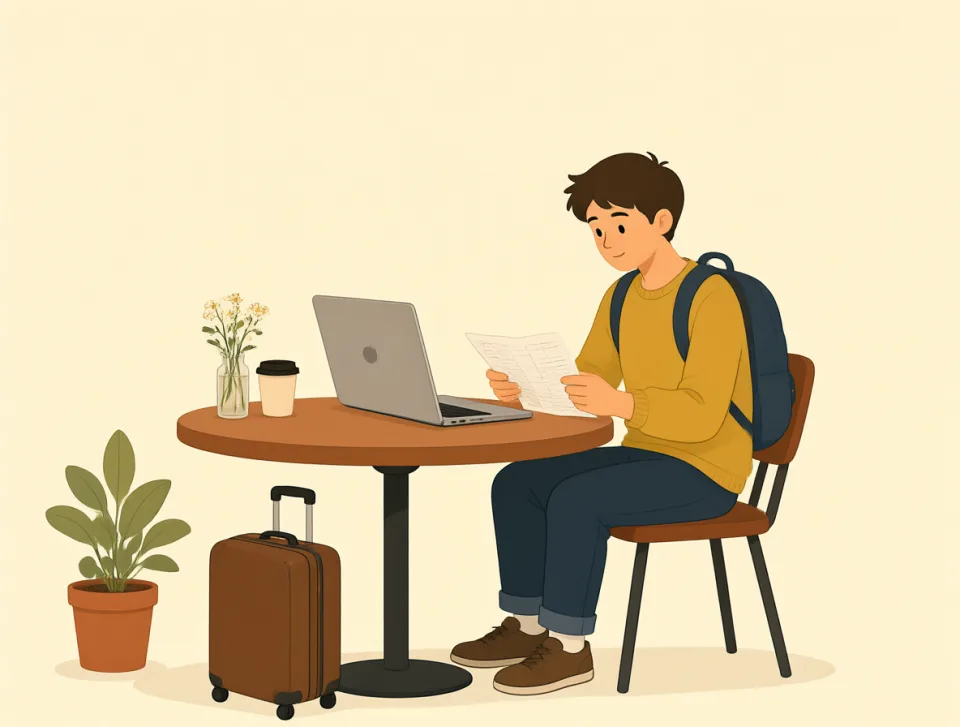
Nowadays, travelers usually book their flights and hotels online.
Obecnie podróżni zwykle rezerwują loty i hotele przez internet.

It is easier to keep in touch with friends nowadays.
Obecnie łatwiej jest utrzymywać kontakt ze znajomymi.
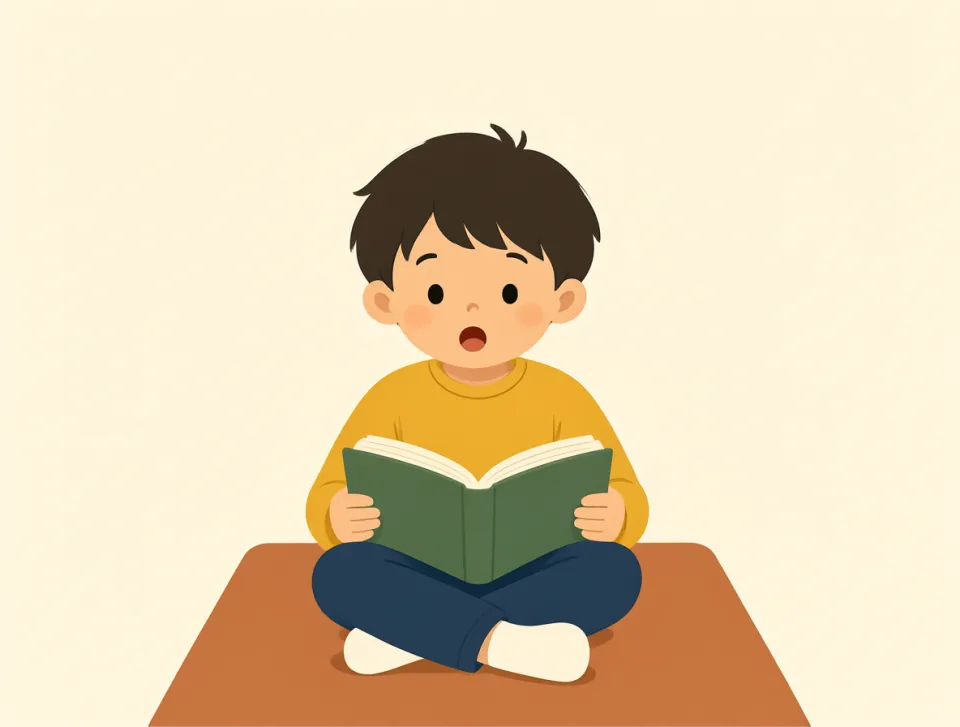
poem
#2211noun
wiersz
A piece of writing that uses lines and rhythm to express feelings or ideas.
Utwór literacki złożony z wersów i rytmu, który wyraża uczucia lub idee.
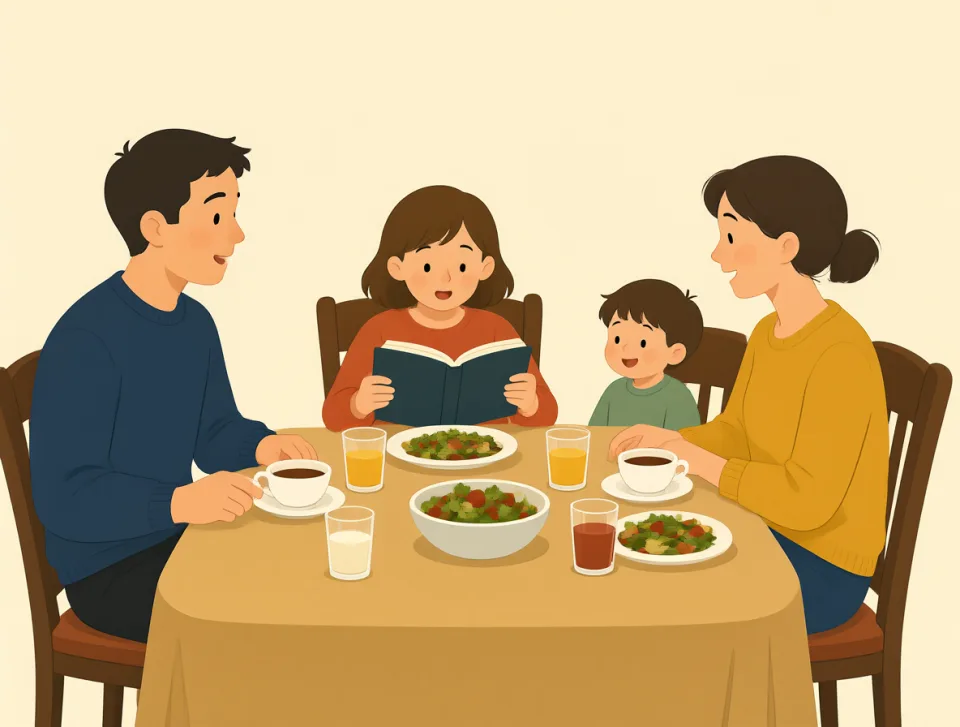
She read a short poem to us before dinner.
Przeczytała nam krótki wiersz przed kolacją.
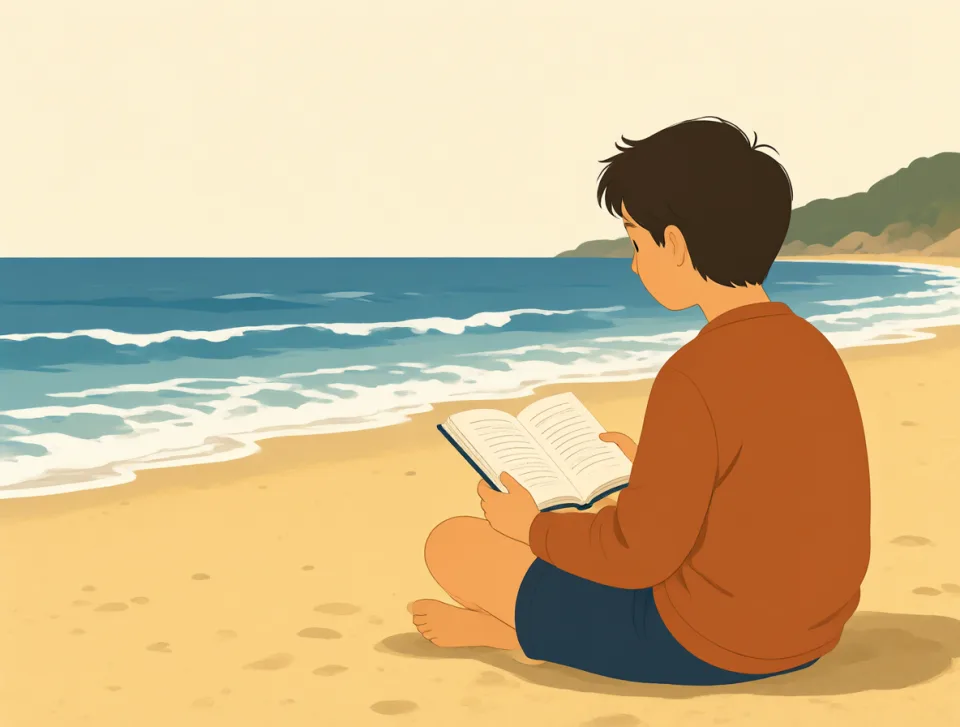
My favorite poem describes the beauty of the sea.
Mój ulubiony wiersz opisuje piękno morza.
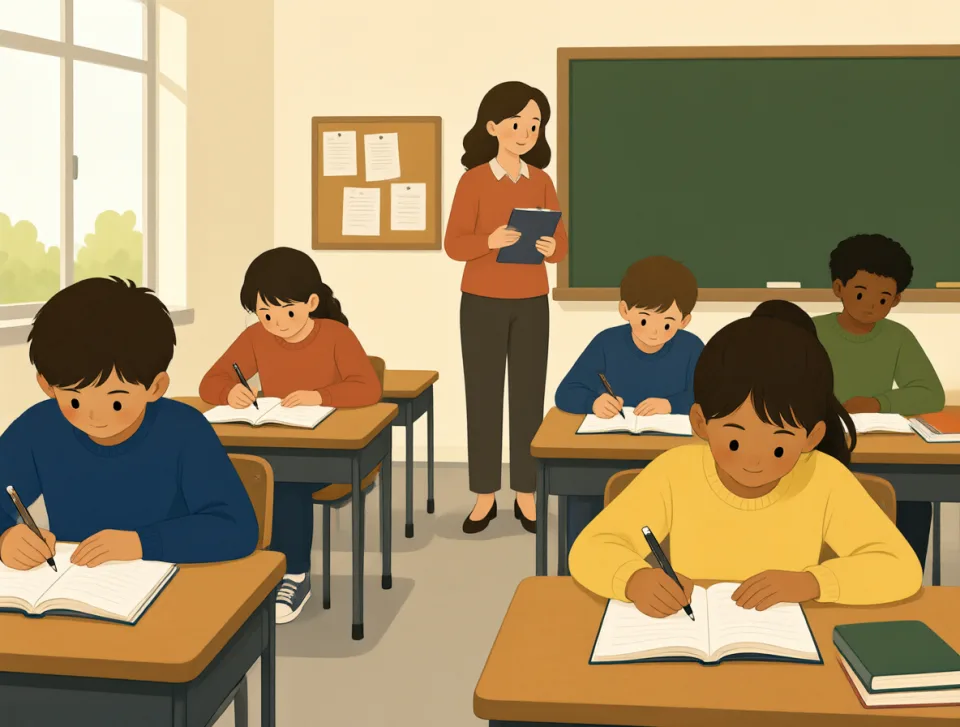
Our teacher asked us to write a poem about friendship.
Nasz nauczyciel poprosił nas o napisanie wiersza o przyjaźni.
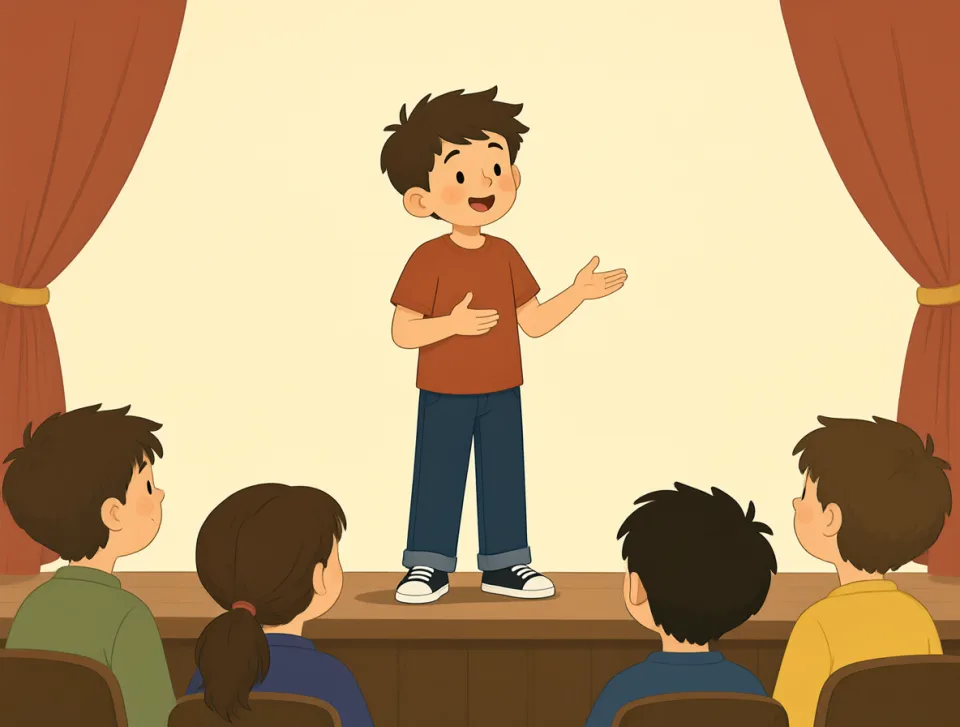
He memorized the poem and performed it at the school celebration.
Nauczył się wiersza na pamięć i wyrecytował go podczas szkolnej uroczystości.

I bought a book of poems at the airport for my journey.
Kupiłem na lotnisku tomik poezji na podróż.
agricultural
#2212adjective
rolniczy
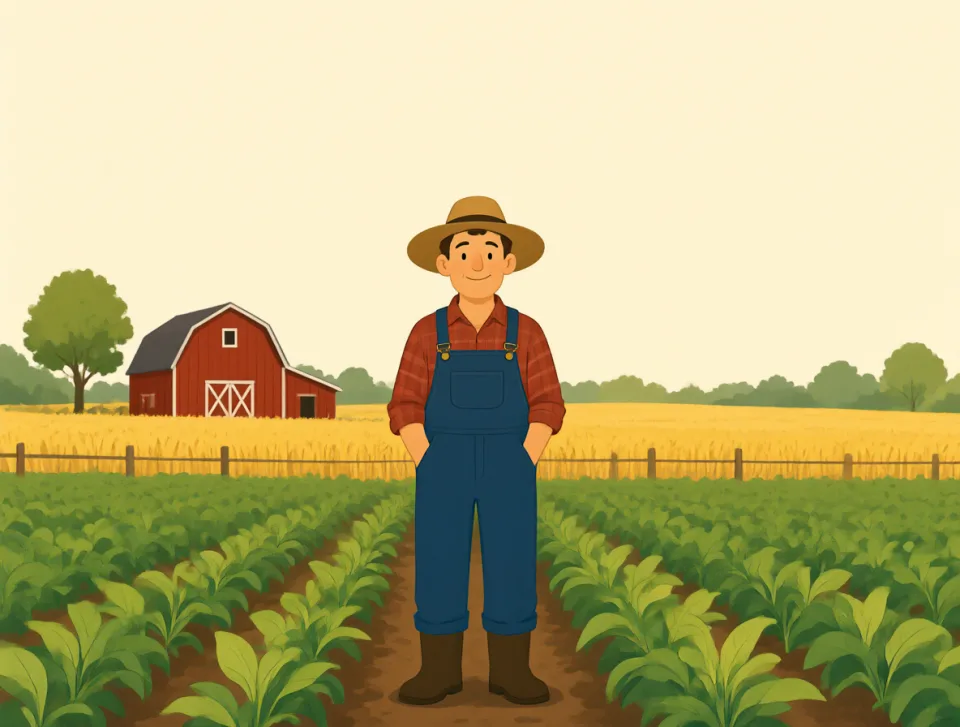
Relating to farming, growing crops, or raising animals for food.
Związany z uprawą roli, uprawą roślin lub hodowlą zwierząt na żywność.
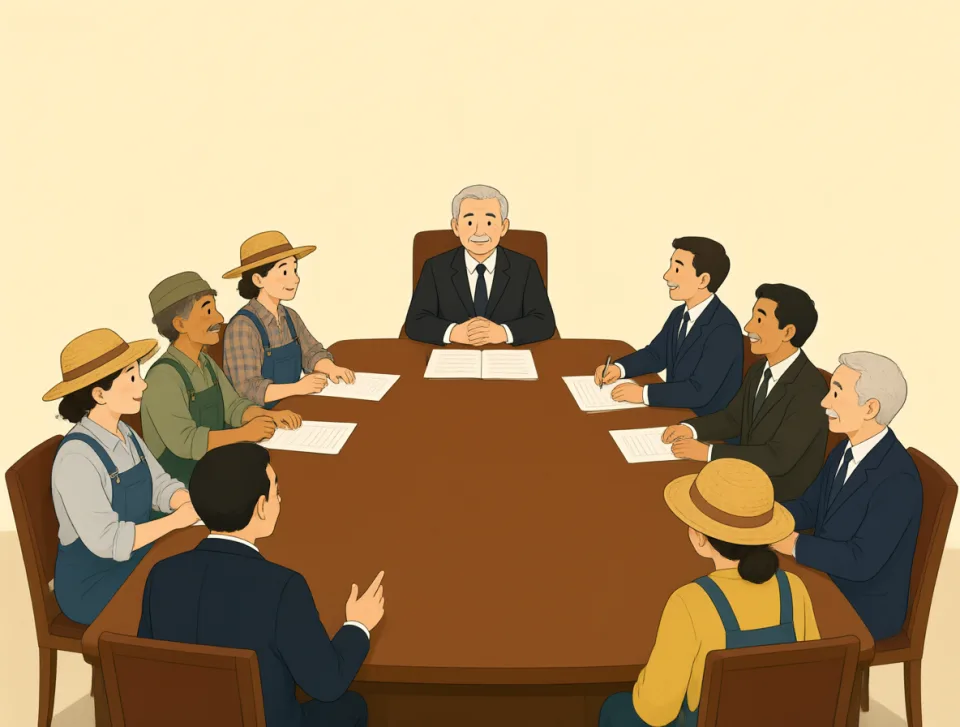
The country needs better agricultural policies to support small farmers.
Kraj potrzebuje lepszej polityki rolnej, by wspierać małych rolników.
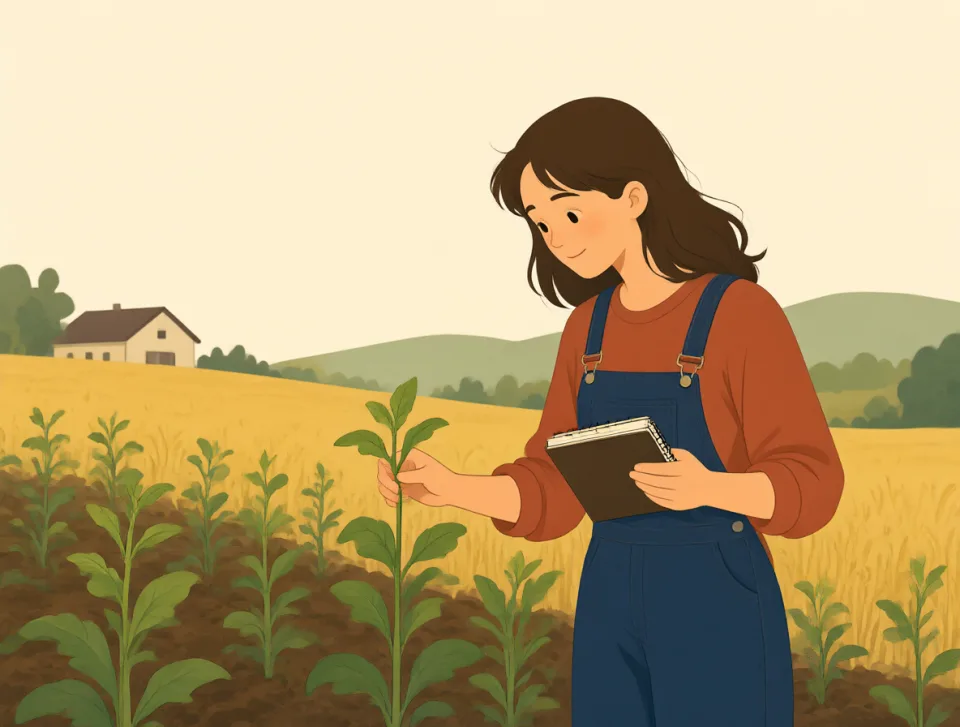
She studied agricultural science at university and now works on a farm.
Studiowała na uniwersytecie nauki rolnicze, a teraz pracuje na farmie.
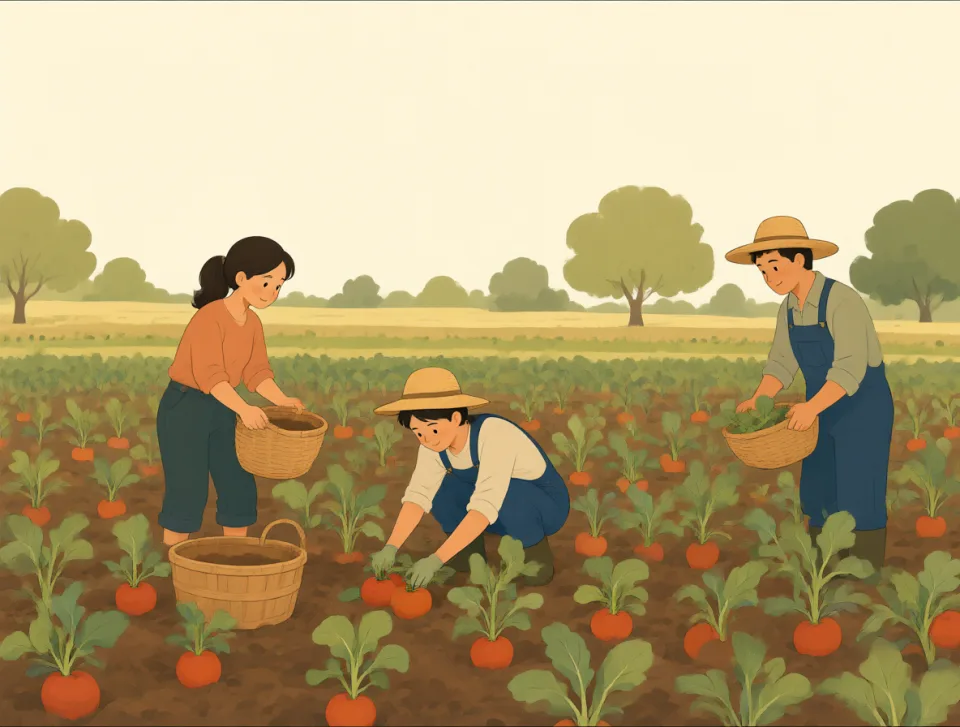
The agricultural industry provides jobs for many people in this region.
Branża rolnicza zapewnia pracę wielu osobom w tym regionie.
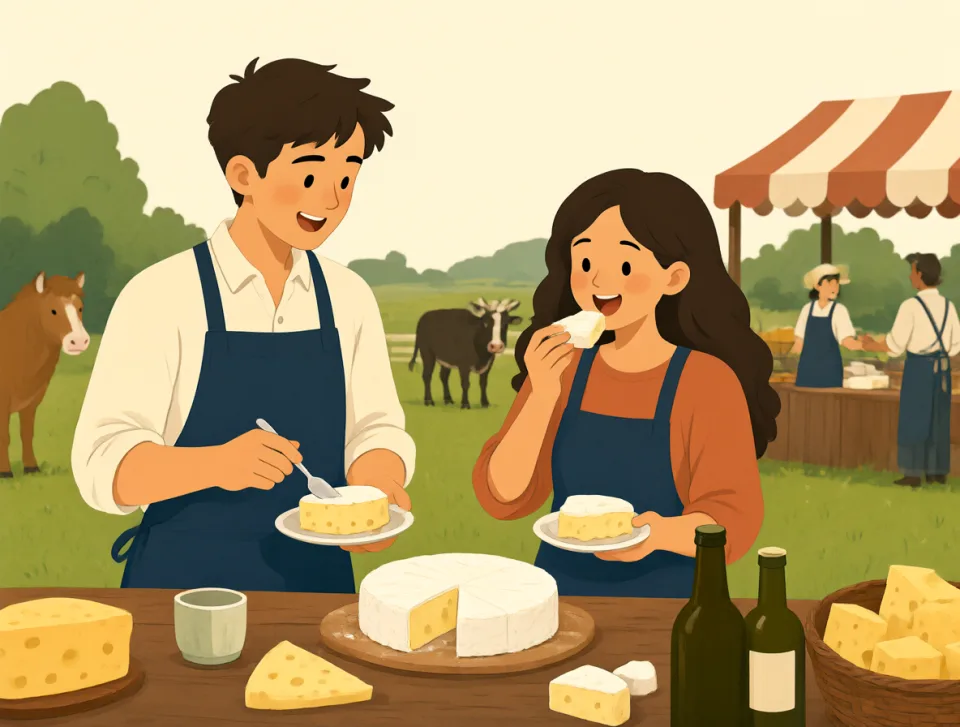
We visited an agricultural fair and tasted fresh local cheese.
Odwiedziliśmy targi rolnicze i spróbowaliśmy świeżego lokalnego sera.
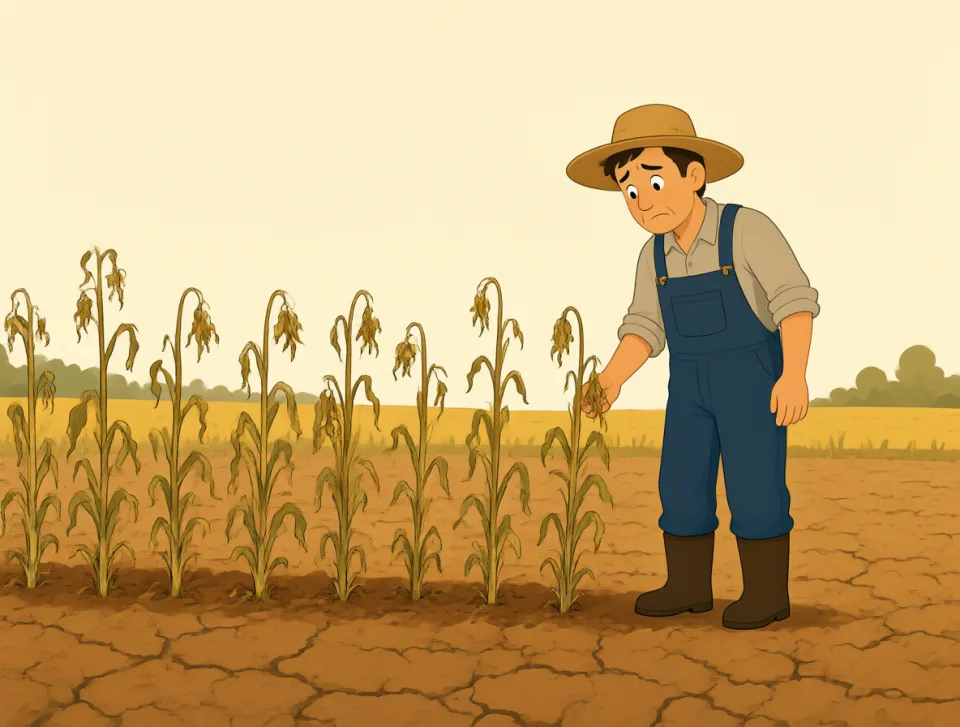
The drought caused serious agricultural damage across the southern farms.
Susza spowodowała poważne straty w rolnictwie w gospodarstwach na południu.
competitor
#2213noun
konkurent
a person or team that competes against another person or team
Osoba lub zespół rywalizujący z inną osobą lub zespołem.
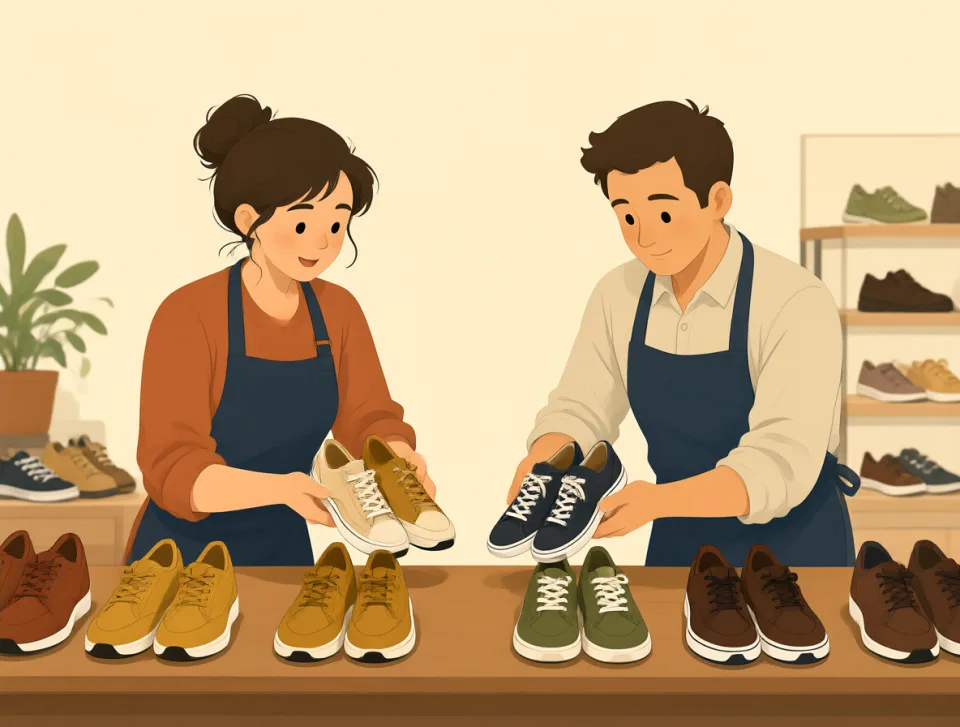
Our main competitor sells similar shoes at a lower price.
Nasz główny konkurent sprzedaje podobne buty w niższej cenie.
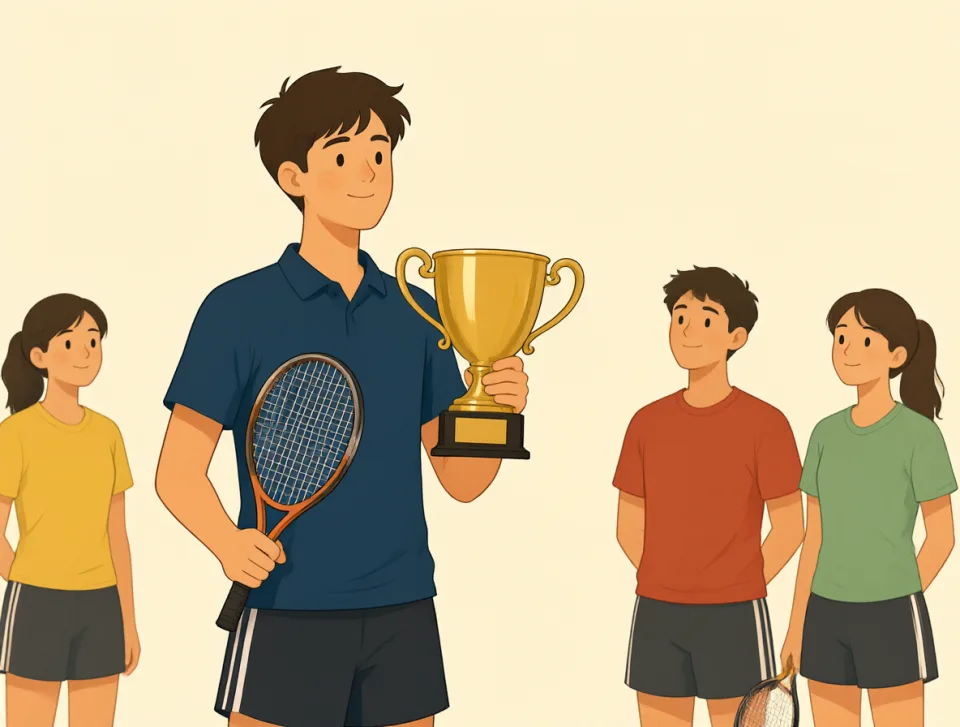
She beat every competitor and won the school tennis tournament.
Pokonała wszystkich rywali i wygrała szkolny turniej tenisa.

The company is studying its competitors before launching a new product.
Firma analizuje konkurencję przed wprowadzeniem na rynek nowego produktu.

He made friends with a competitor during the cooking competition.
Podczas konkursu kulinarnego zaprzyjaźnił się z jednym z rywali.
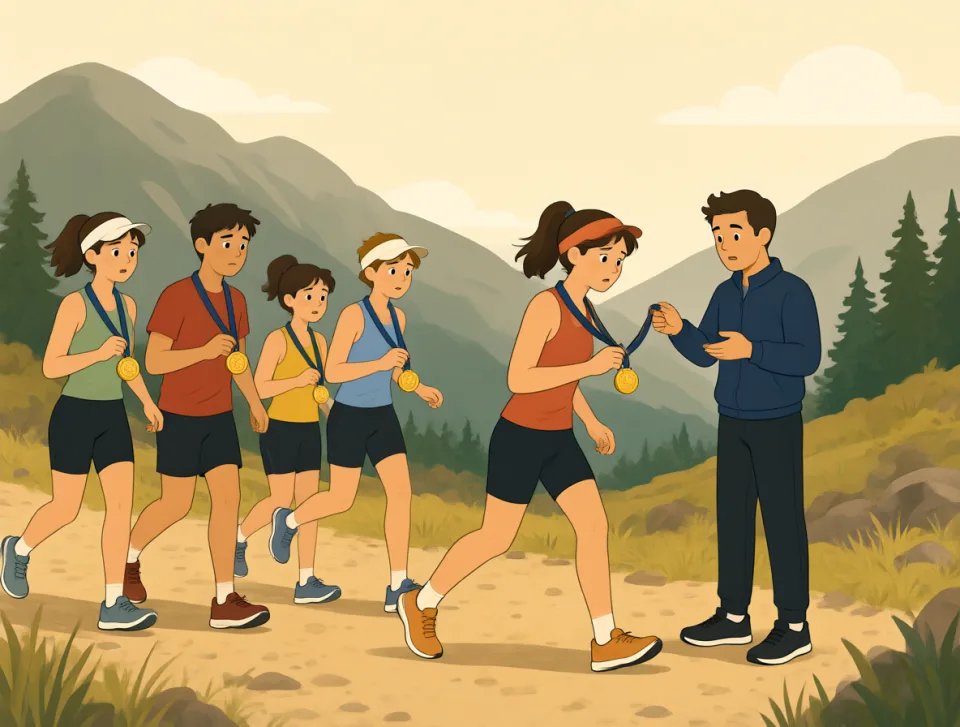
Each competitor received a medal after finishing the mountain race.
Każdy zawodnik otrzymał medal po ukończeniu górskiego biegu.
alcohol
#2214noun
alkohol
A chemical substance in drinks that can make people drunk.
Substancja chemiczna znajdująca się w napojach, która może powodować upojenie.
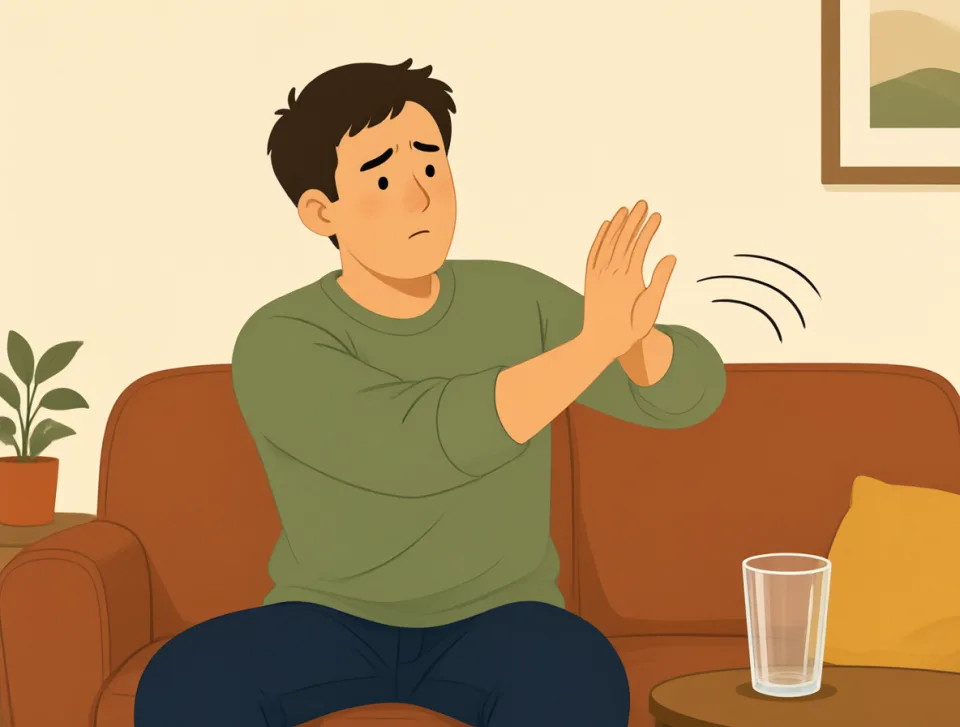
He does not drink alcohol because it makes him feel sick.
Nie pije alkoholu, bo po nim źle się czuje.
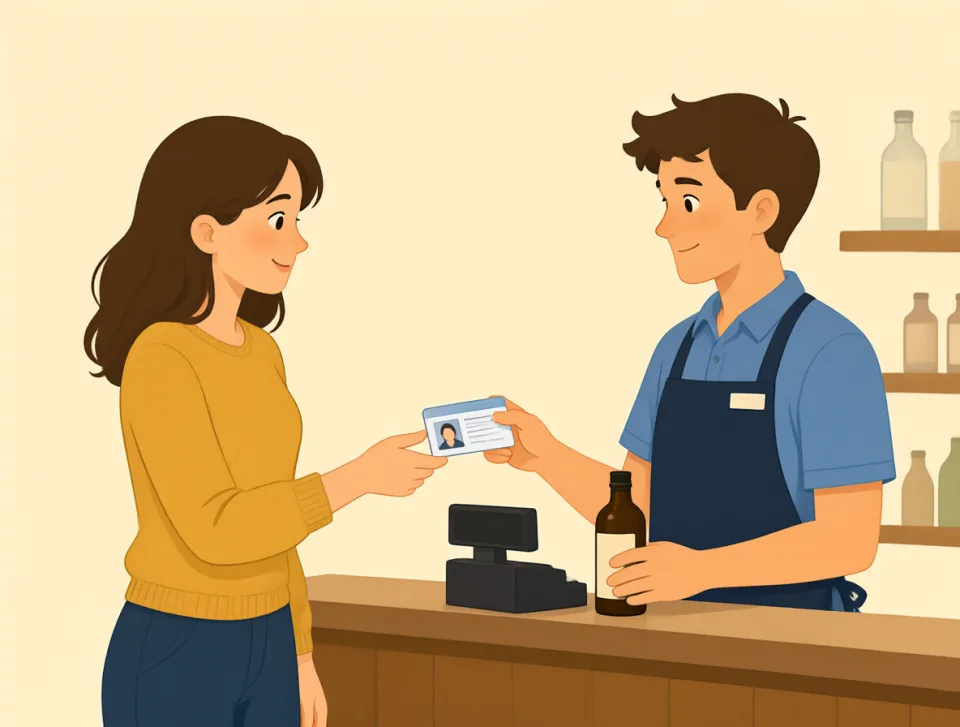
You must be over eighteen to buy alcohol in this country.
W tym kraju, żeby kupić alkohol, trzeba mieć ukończone osiemnaście lat.
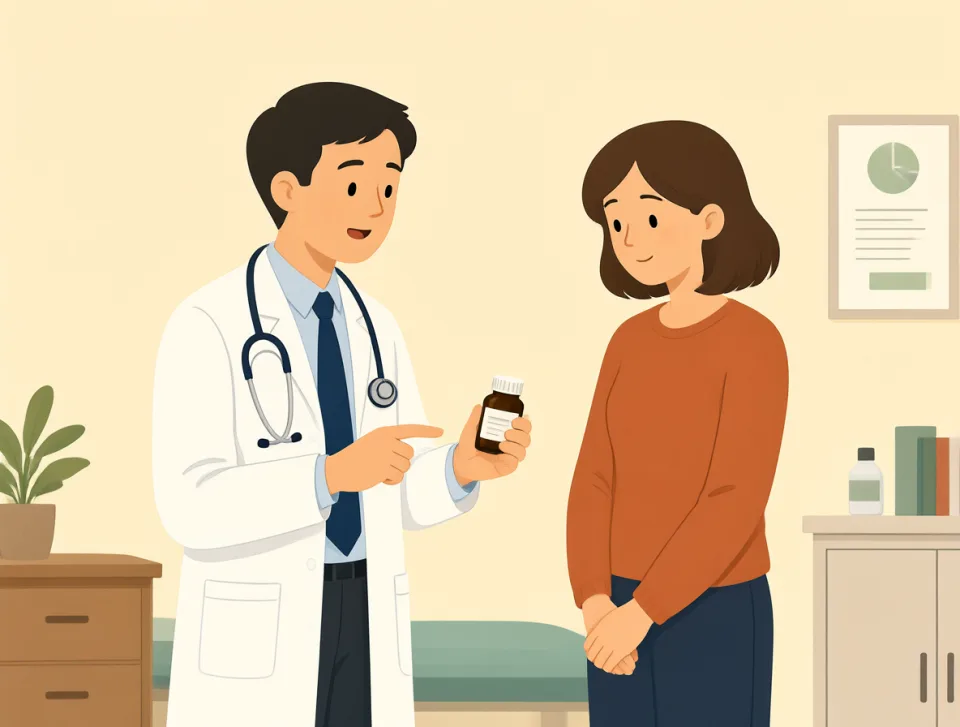
The doctor advised her to avoid alcohol while taking this medicine.
Lekarz zalecił jej unikanie alkoholu podczas przyjmowania tego leku.
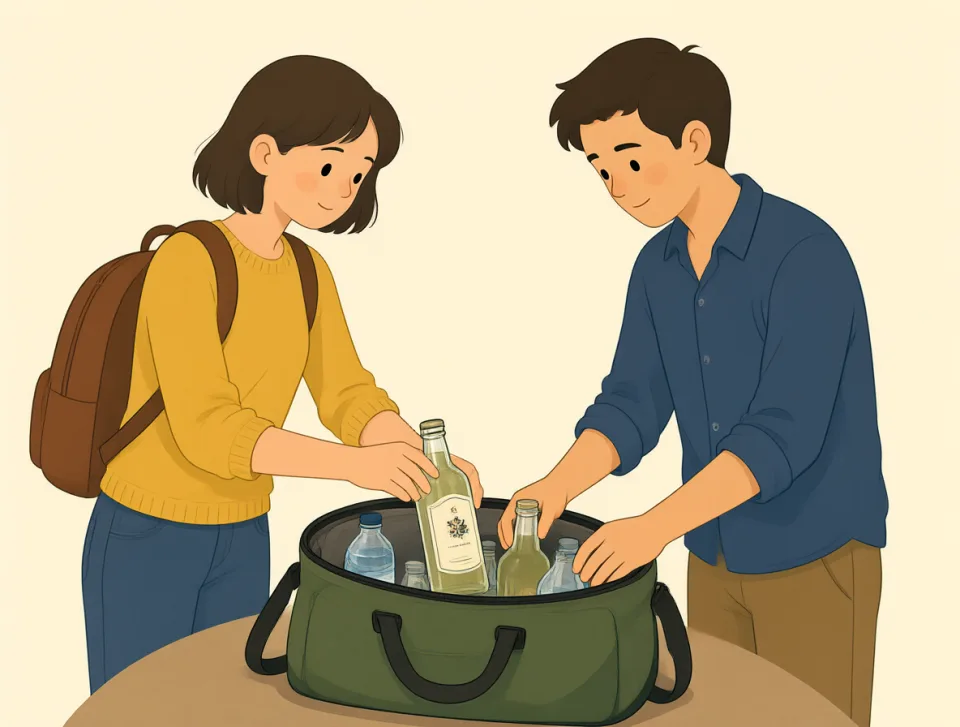
We packed some alcohol-free drinks for the long train journey.
Spakowaliśmy na długą podróż pociągiem kilka napojów bezalkoholowych.
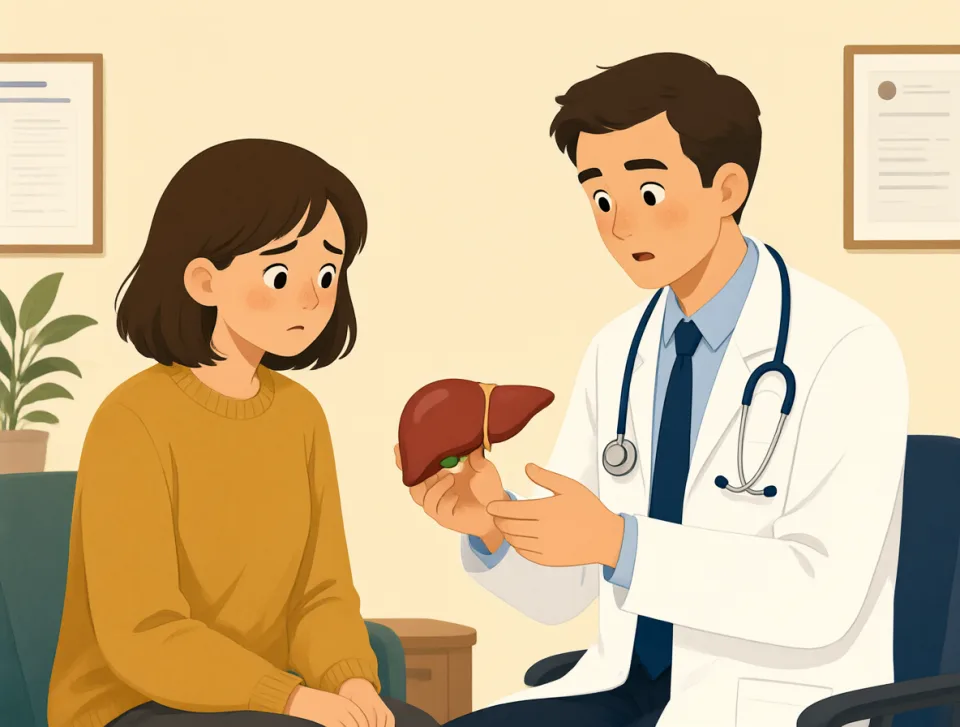
Too much alcohol can damage your liver and affect your health.
Nadmiar alkoholu może uszkodzić wątrobę i zaszkodzić zdrowiu.
festival
#2215noun
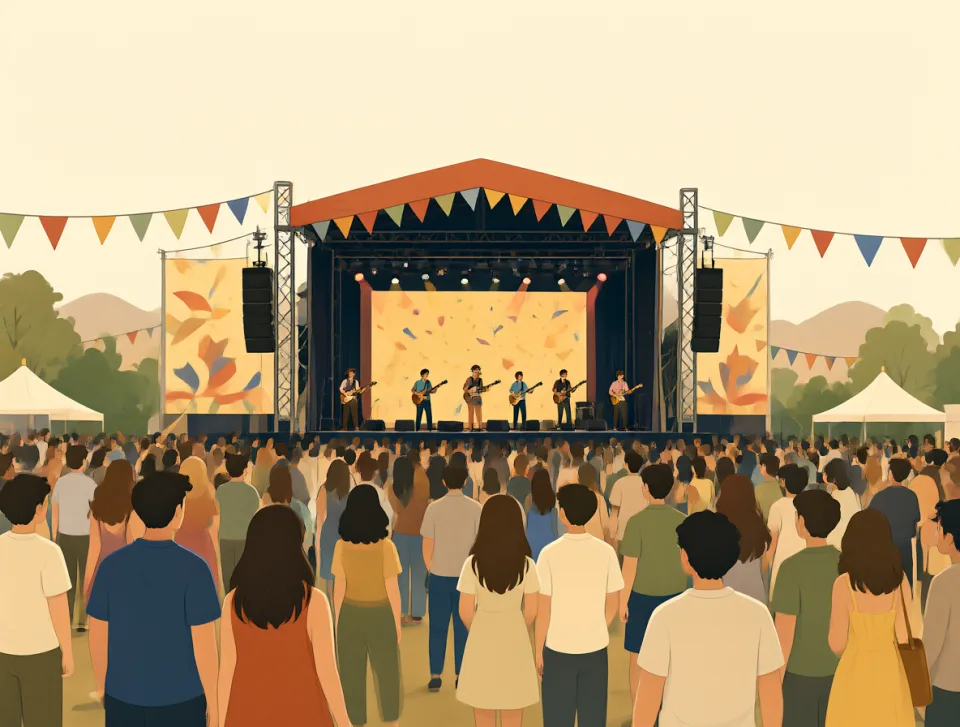
festiwal
an organized event with music, performances, food, or activities, usually held for several days
Zorganizowane wydarzenie z muzyką, występami, jedzeniem lub atrakcjami, zwykle trwające kilka dni.
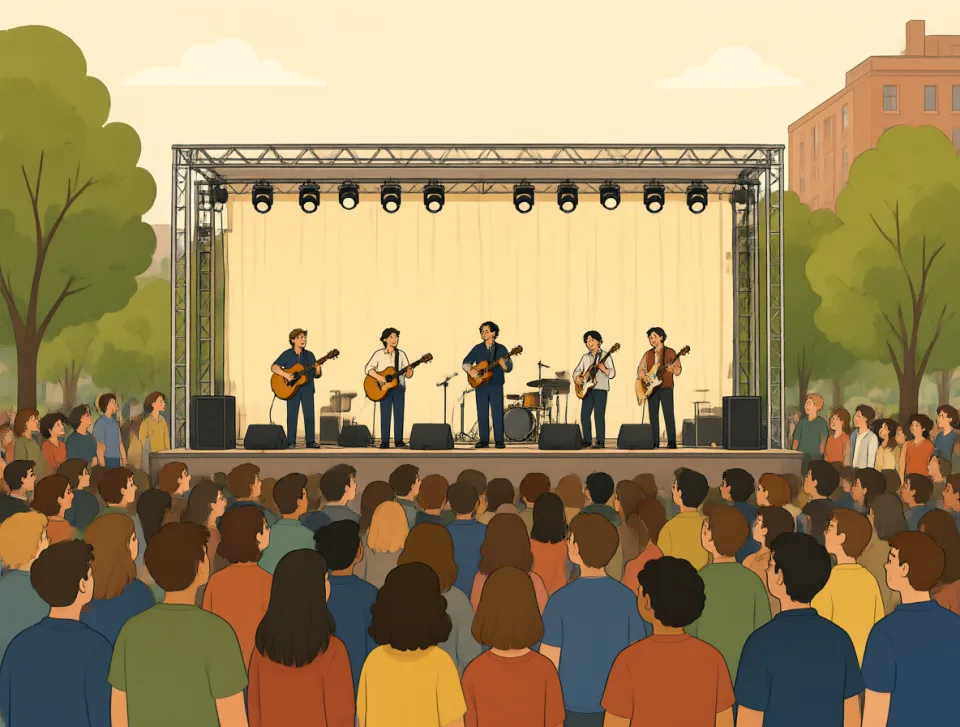
Thousands of people attended the music festival in the city park.
Tysiące osób przyszły na festiwal muzyczny w miejskim parku.
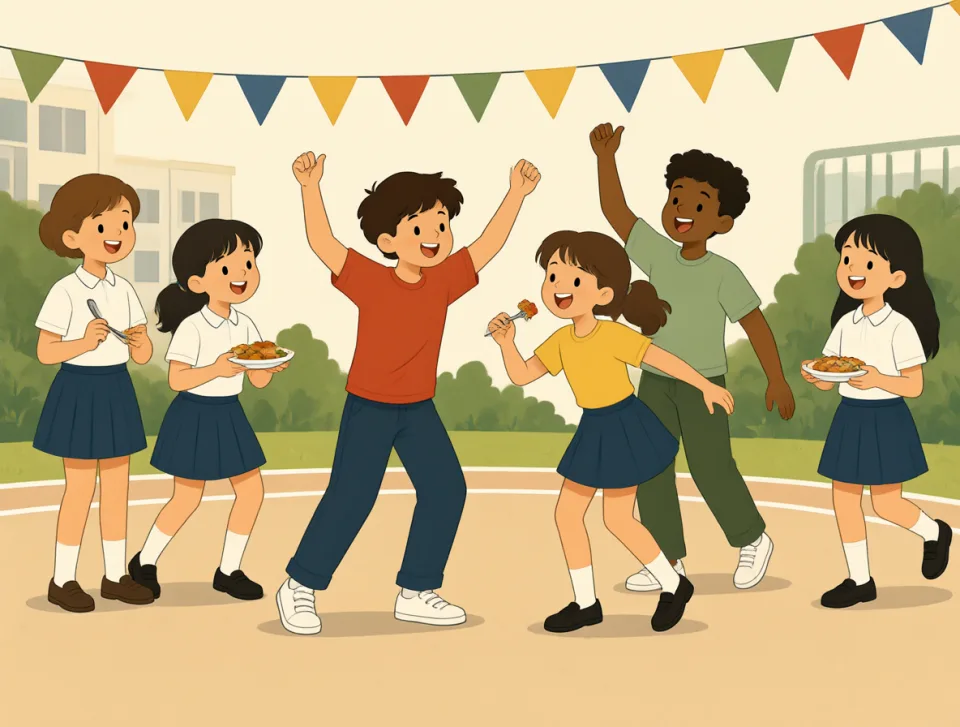
Our school holds a spring festival with games, food, and dancing.
Nasza szkoła organizuje wiosenny festyn z grami, jedzeniem i tańcami.
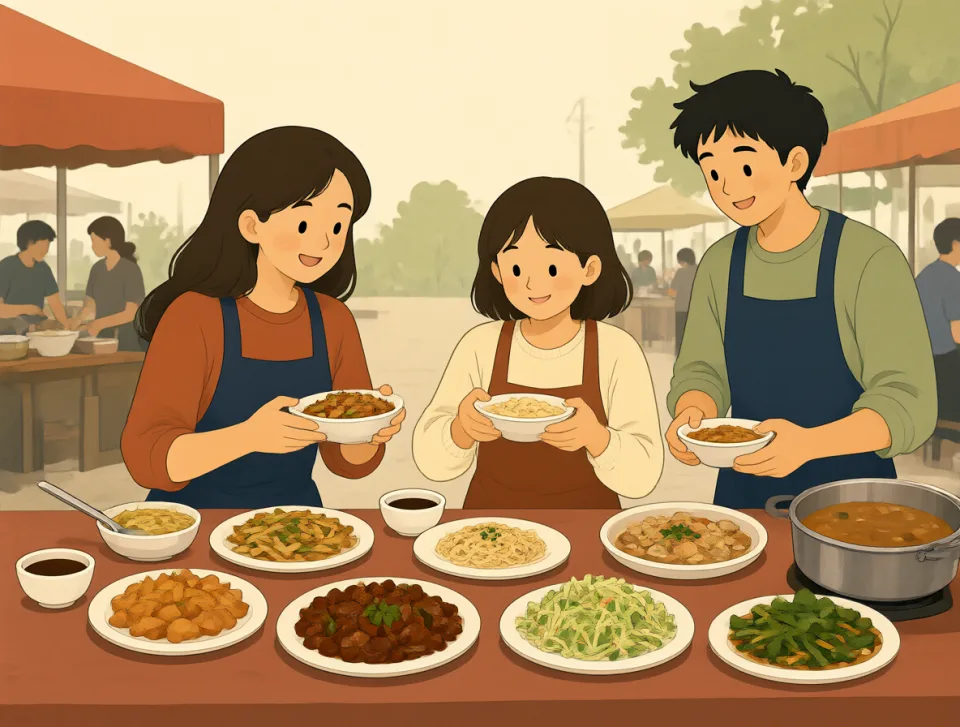
We tried traditional dishes at the local food festival.
Spróbowaliśmy tradycyjnych potraw na lokalnym festiwalu kulinarnym.

The film festival attracted directors and actors from around the world.
Festiwal filmowy przyciągnął reżyserów i aktorów z całego świata.
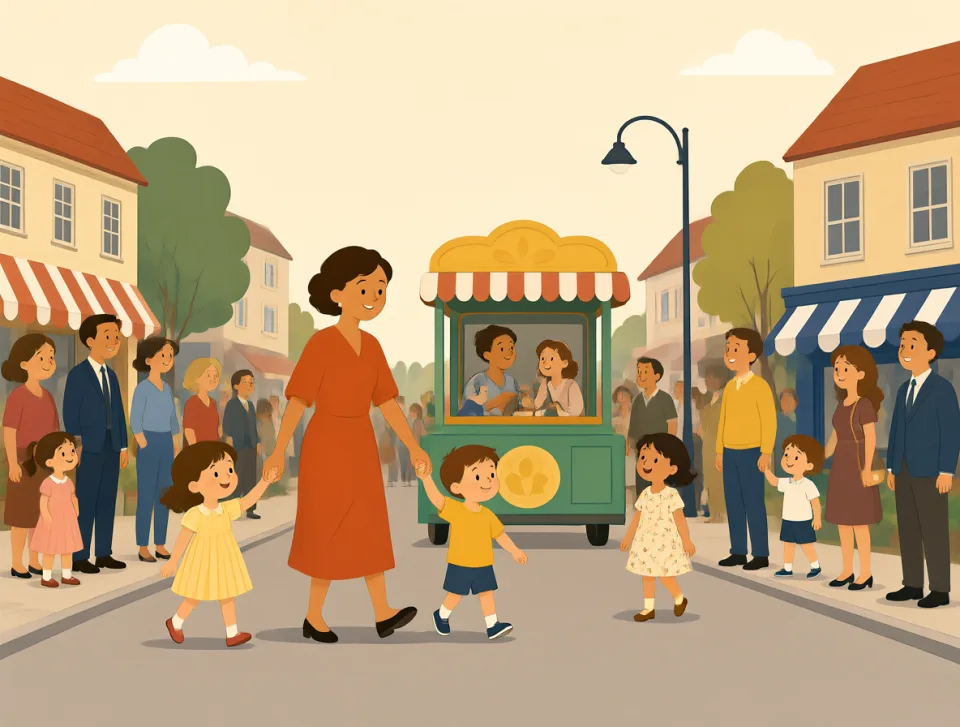
The town celebrates its annual festival with a colorful parade.
Miasteczko obchodzi swój coroczny festiwal, organizując barwną paradę.
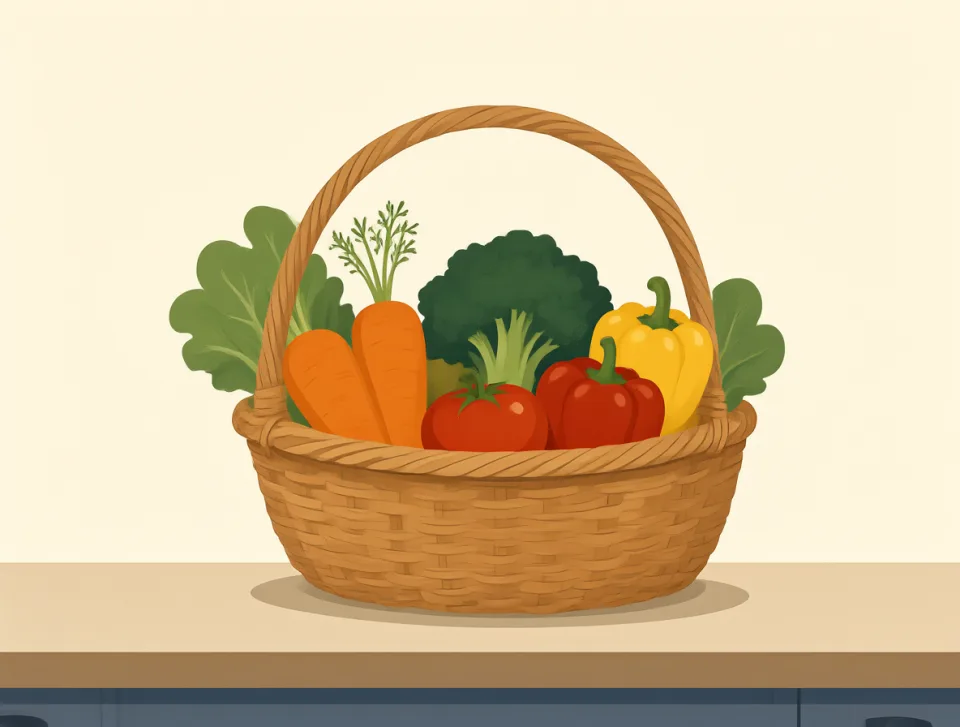
vegetable
#2216noun
warzywo
A plant or part of a plant that people eat as food.
Roślina lub jej część, którą ludzie jedzą.
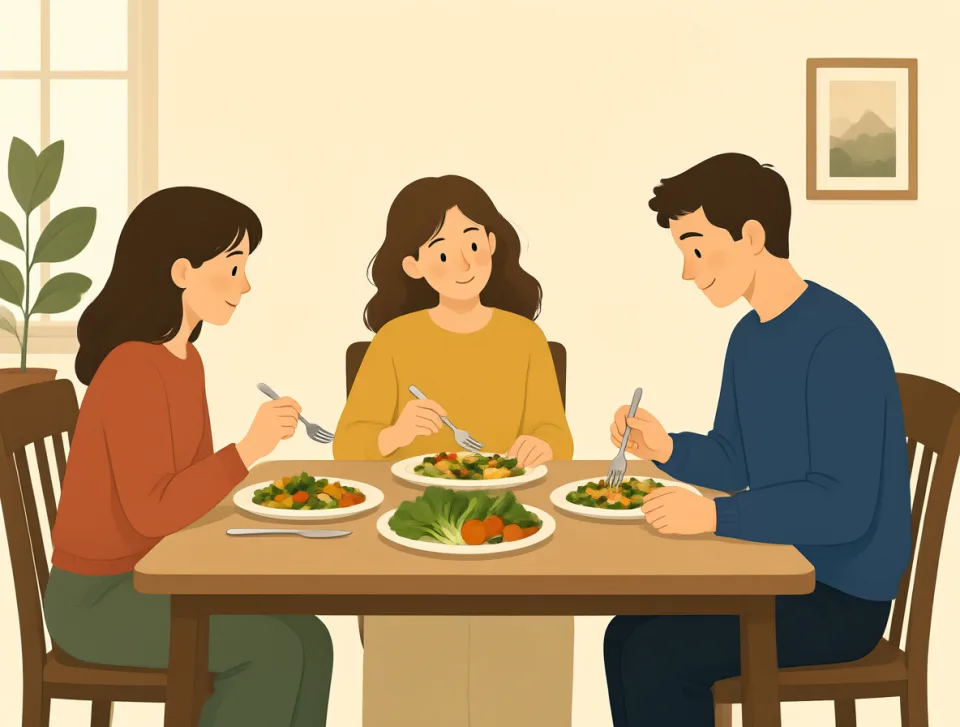
We eat vegetables with dinner almost every night.
Prawie każdego wieczoru jemy do kolacji warzywa.
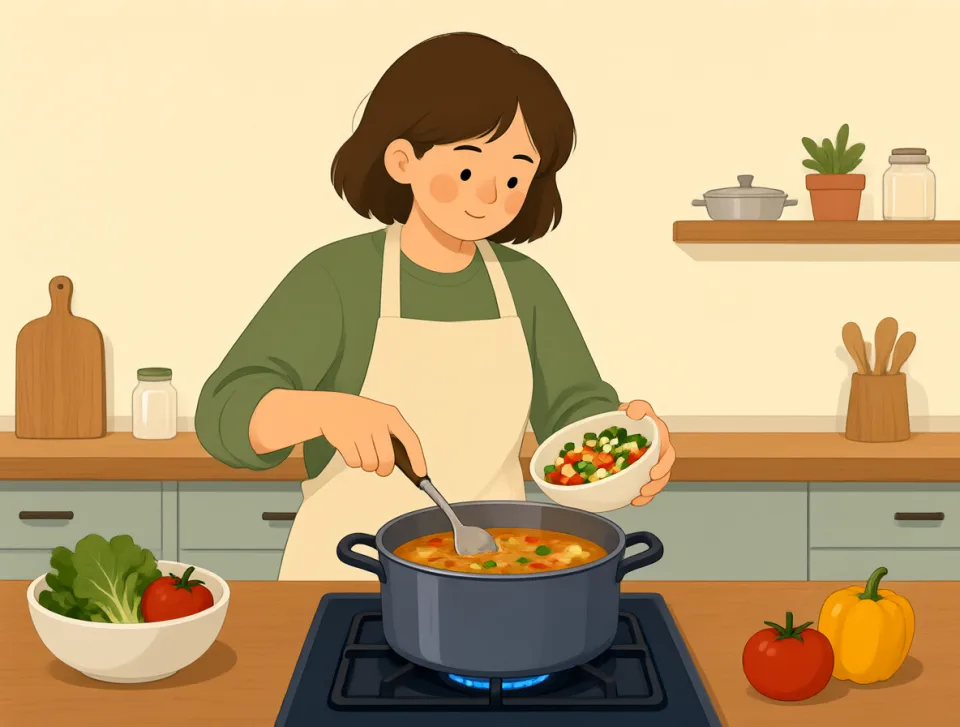
Add some chopped vegetables to the soup before it boils.
Dodaj do zupy trochę posiekanych warzyw, zanim zacznie wrzeć.
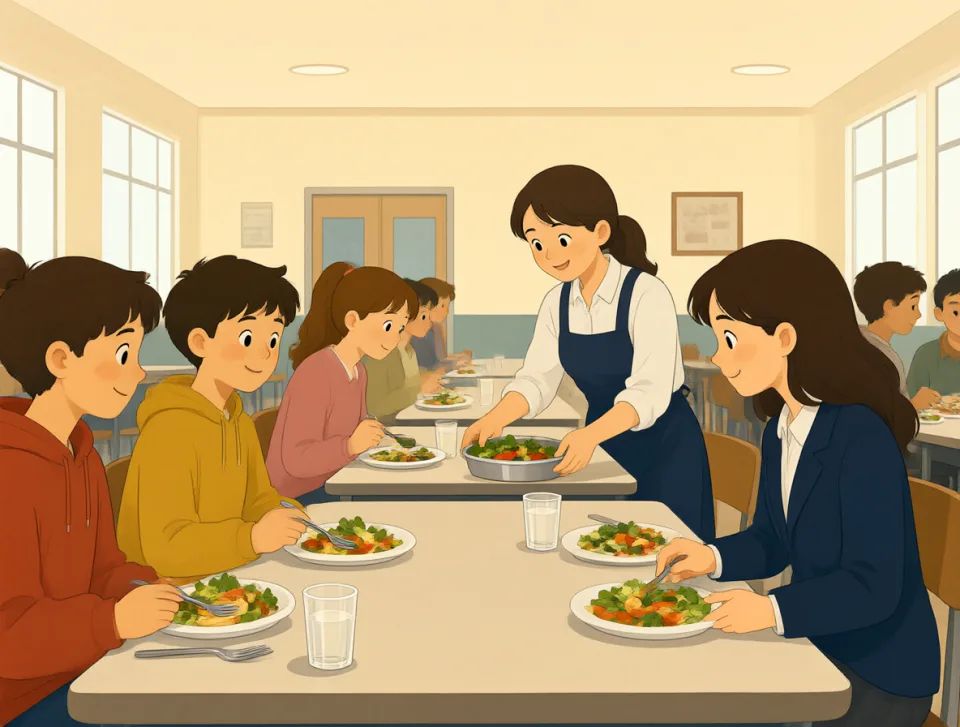
The school cafeteria serves fresh vegetables at lunchtime.
W szkolnej stołówce w porze lunchu podają świeże warzywa.
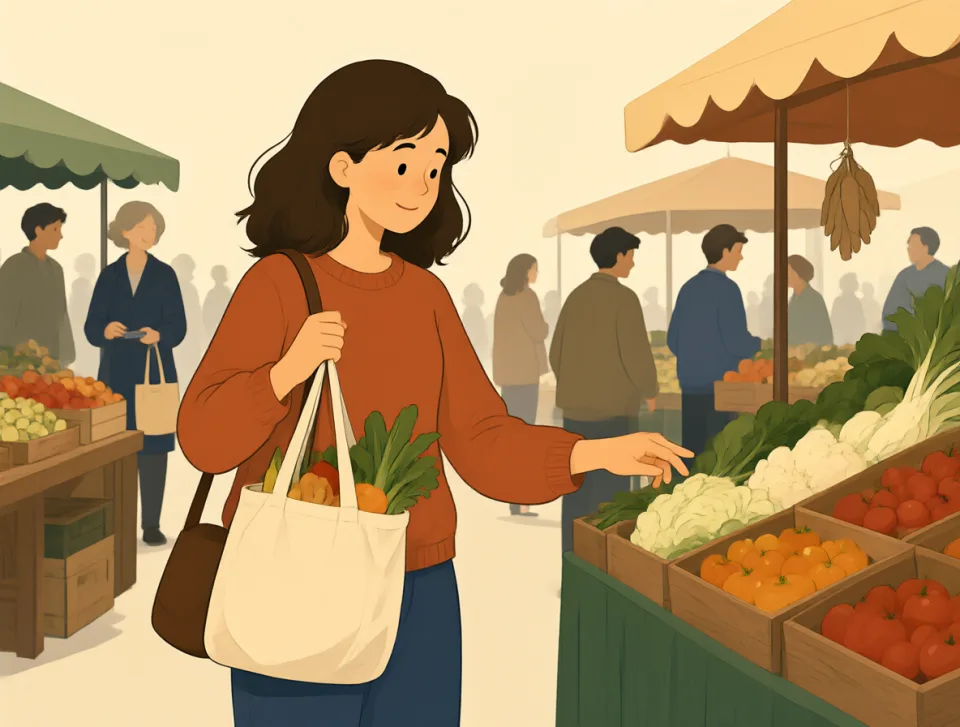
I bought several vegetables at the market for the weekend.
Kupiłem kilka warzyw na targu na weekend.
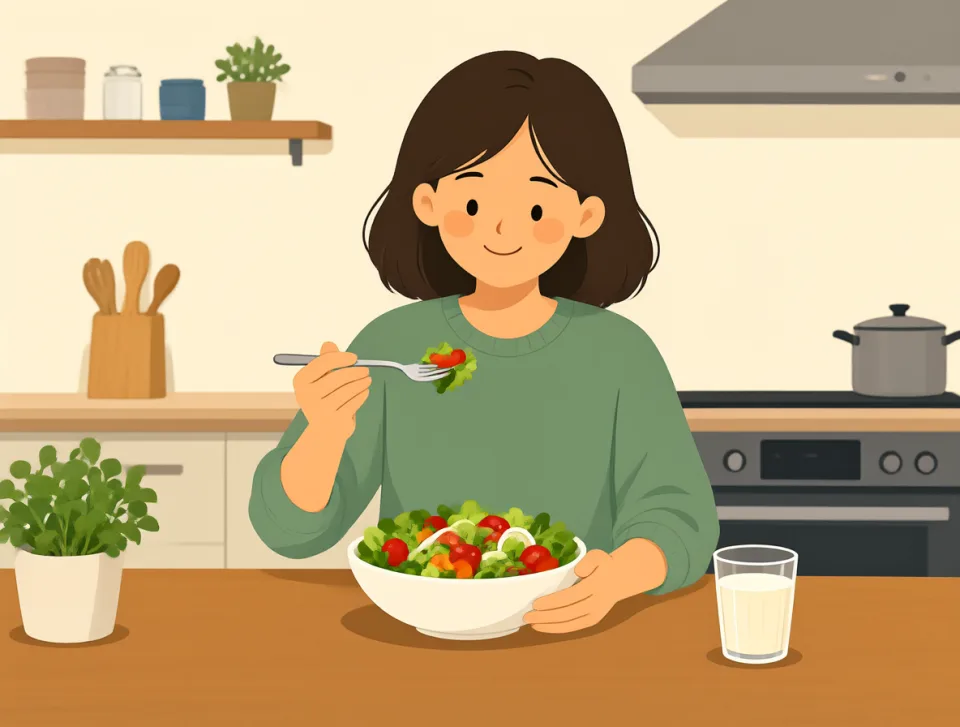
Eating more vegetables can help you stay healthy.
Jedzenie większej ilości warzyw może pomóc ci zachować zdrowie.
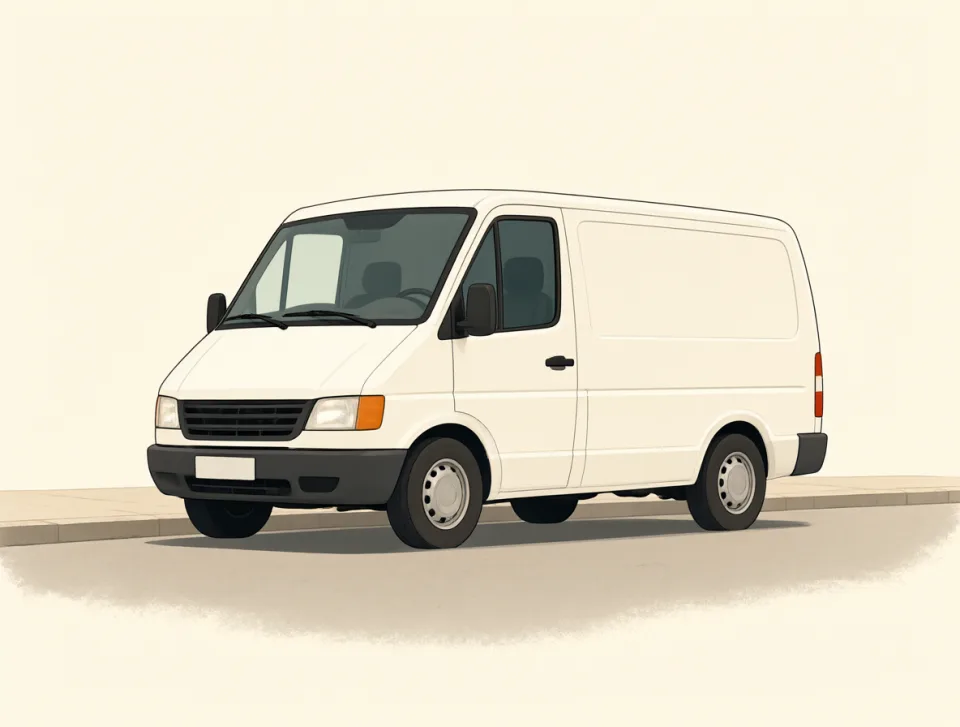
van
#2217noun
van
A large road vehicle used to carry people, goods, or equipment.
Duży samochód używany do przewozu osób, towarów lub sprzętu.
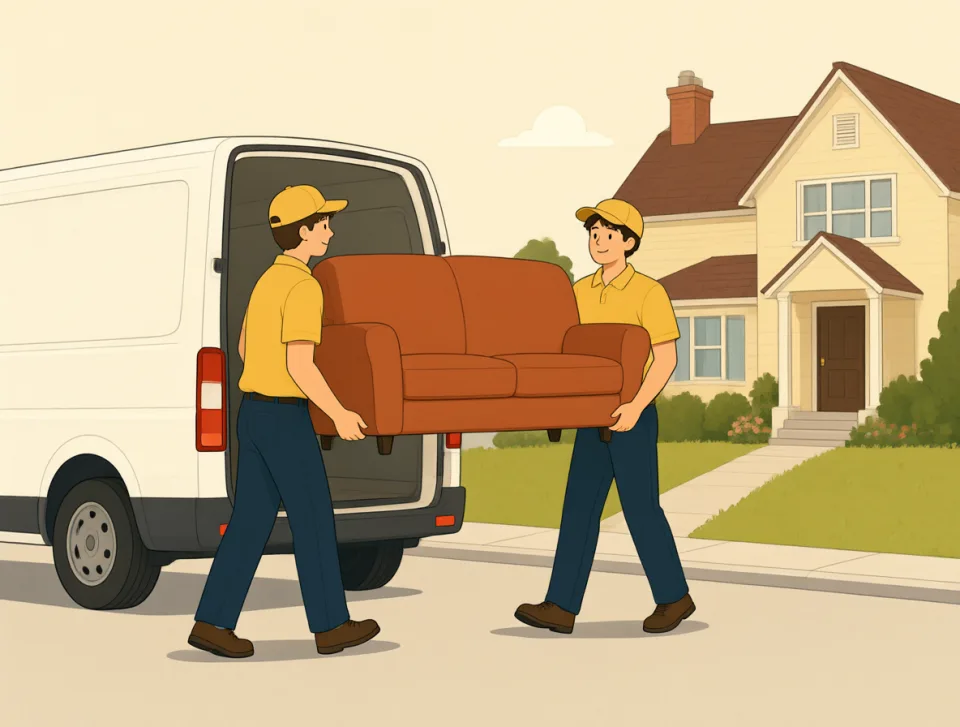
The delivery van brought our new sofa this morning.
Dostawczy van przywiózł dziś rano naszą nową sofę.
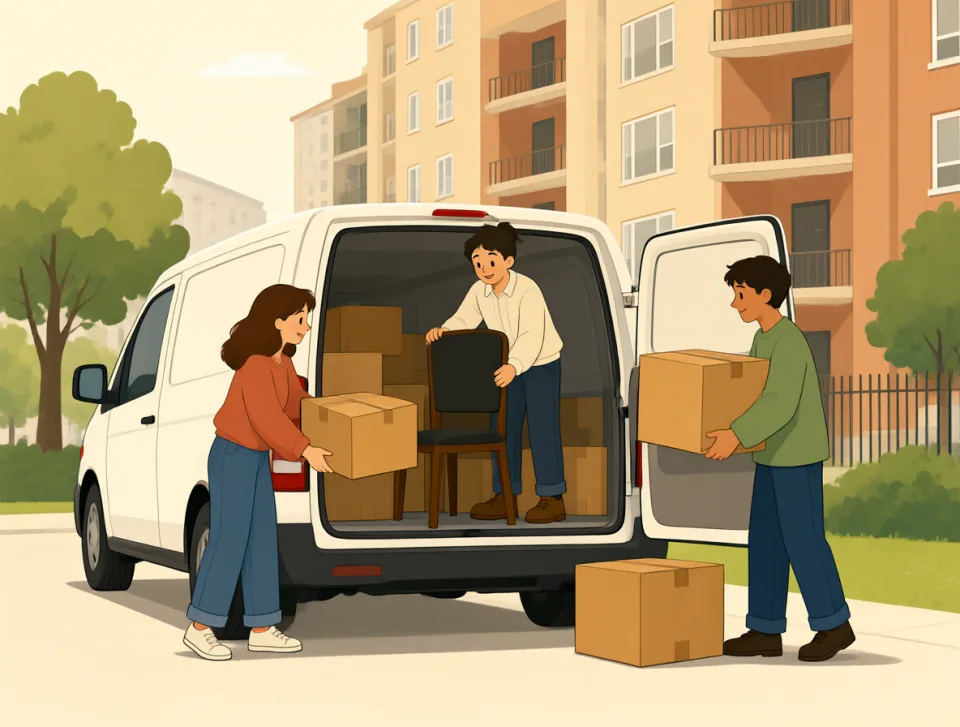
We rented a van to move into our new apartment.
Wynajęliśmy vana, żeby przeprowadzić się do nowego mieszkania.
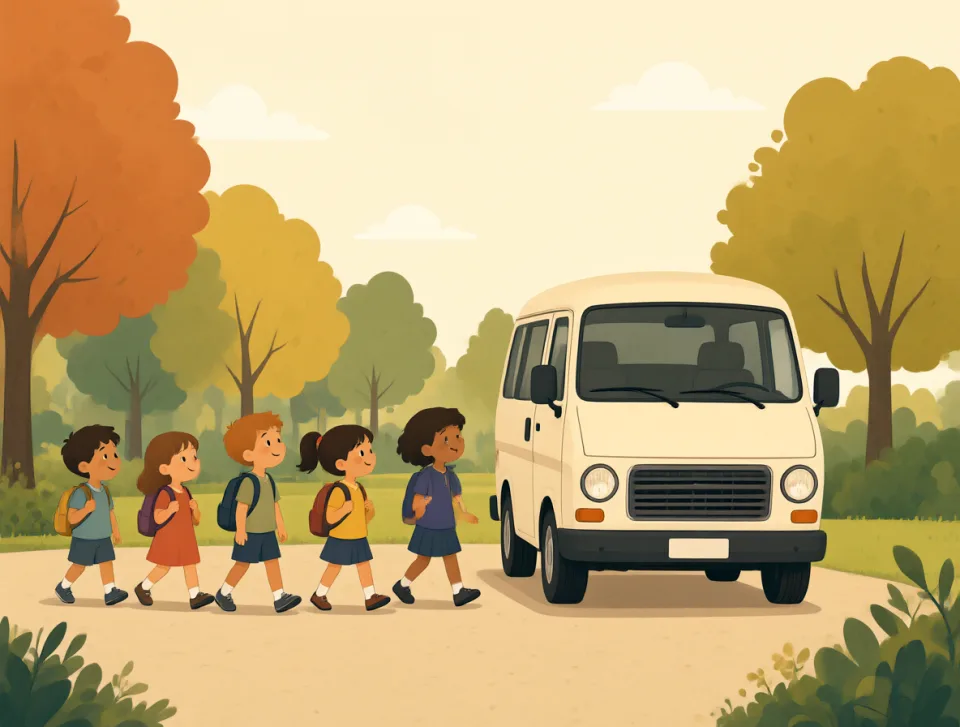
The school van picks up children near the park every afternoon.
Szkolny bus codziennie po południu odbiera dzieci w pobliżu parku.
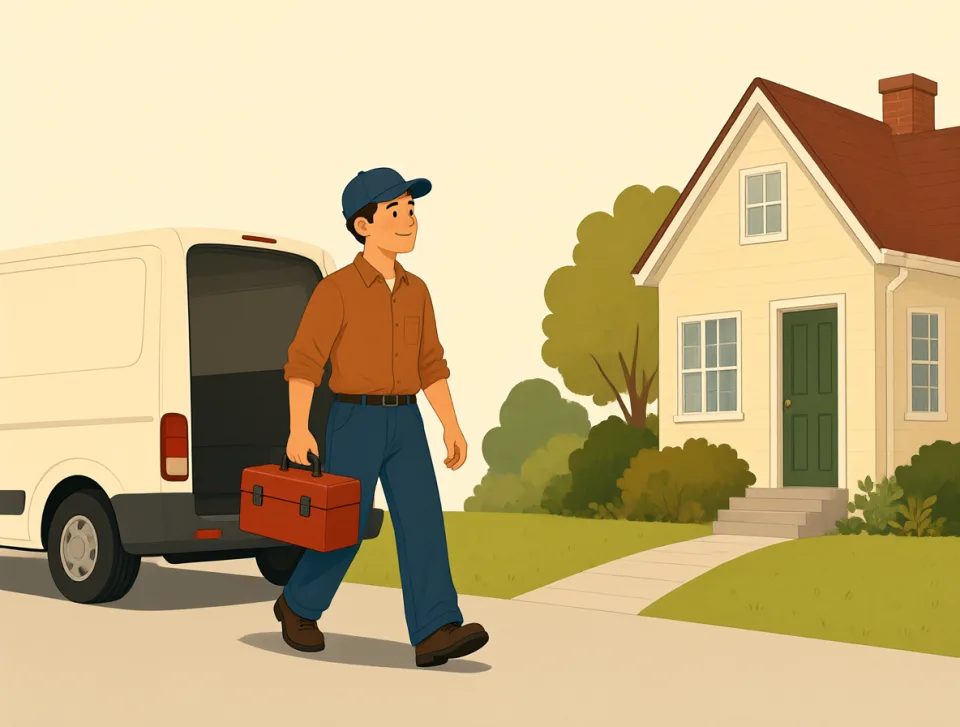
A repair van arrived quickly after our kitchen sink started leaking.
Samochód serwisowy szybko przyjechał, gdy z kuchennego zlewu zaczęła cieknąć woda.
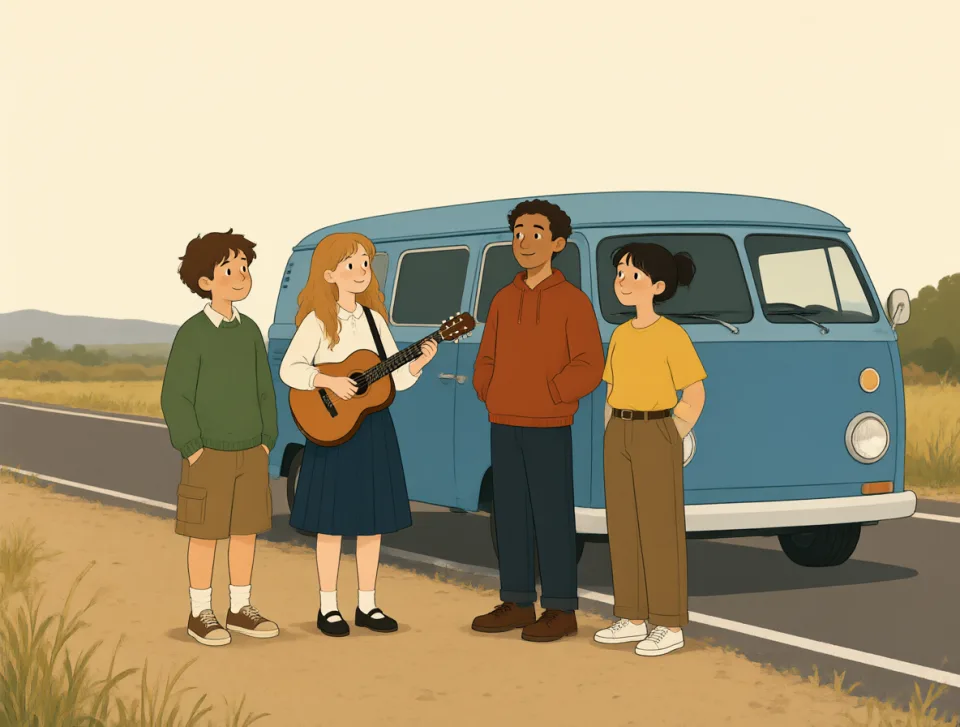
Their band traveled across Europe in an old blue van.
Ich zespół podróżował po Europie starym niebieskim vanem.
confident
#2218adjective
pewny siebie
Feeling sure about your abilities, decisions, or actions.
Mający zaufanie do swoich umiejętności, decyzji lub działań.
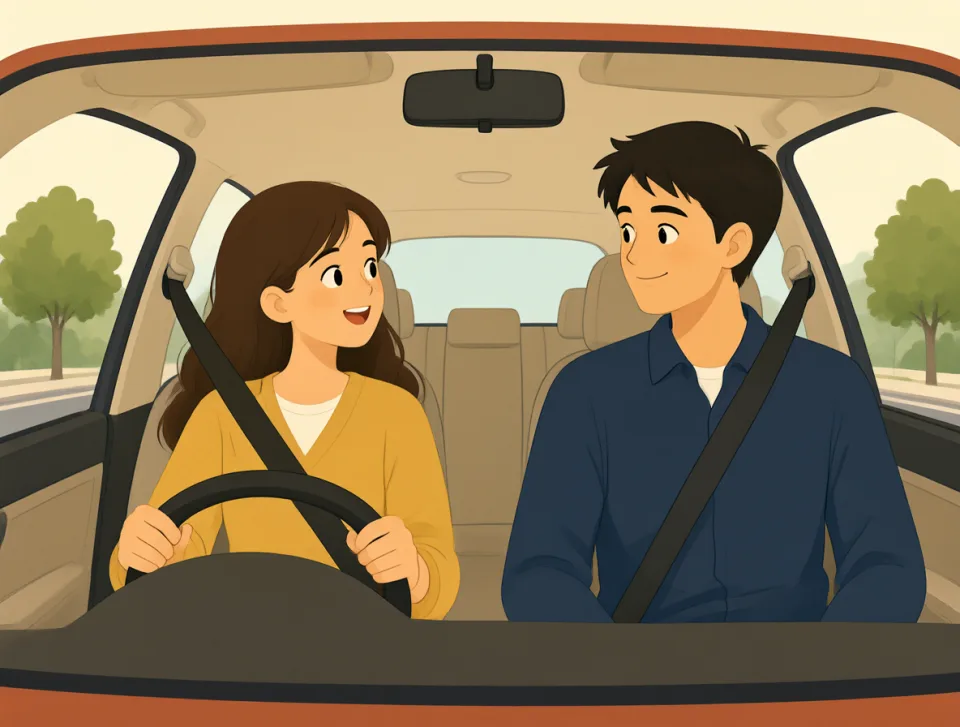
She felt confident about passing the driving test after several weeks of practice.
Po kilku tygodniach ćwiczeń była pewna, że zda egzamin na prawo jazdy.

He is confident that his team can finish the project on time.
Jest pewien, że jego zespół ukończy projekt na czas.
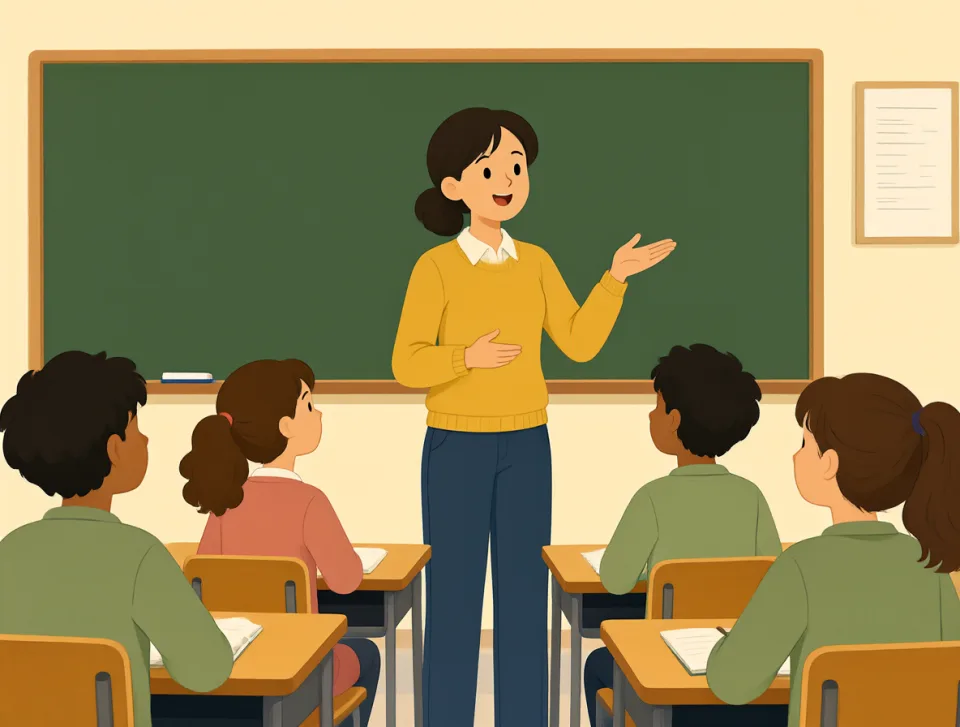
The confident student gave a clear presentation to the whole class.
Pewny siebie uczeń wygłosił jasną i zrozumiałą prezentację przed całą klasą.

I felt more confident speaking English after chatting with travelers at the hostel.
Po rozmowach z podróżnymi w hostelu czułem się pewniej, mówiąc po angielsku.
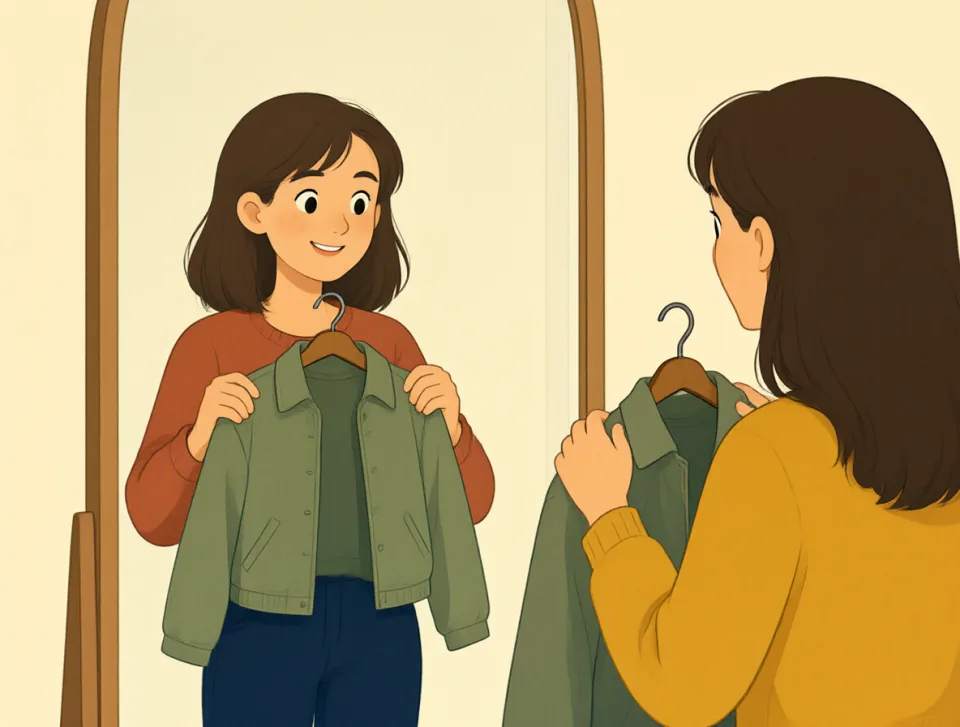
She looked confident in her new jacket while shopping with her friend.
Podczas zakupów z przyjaciółką wyglądała na pewną siebie w nowej kurtce.
planet
#2219noun
planeta
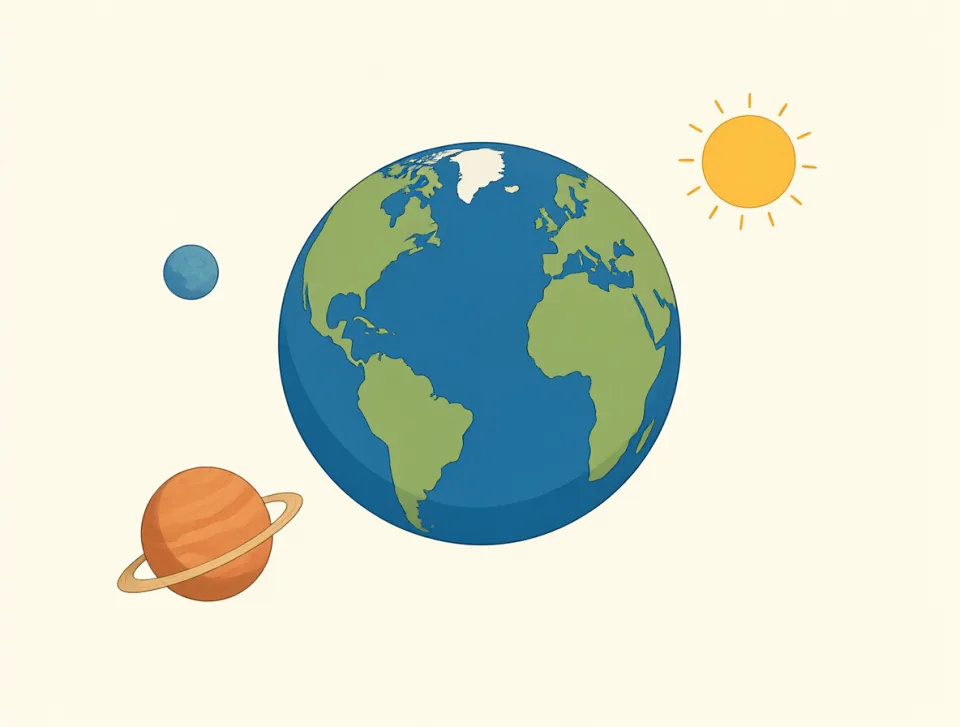
A large round object that travels around a star, such as Earth around the Sun.
Duże, kuliste ciało, które krąży wokół gwiazdy, tak jak Ziemia wokół Słońca.
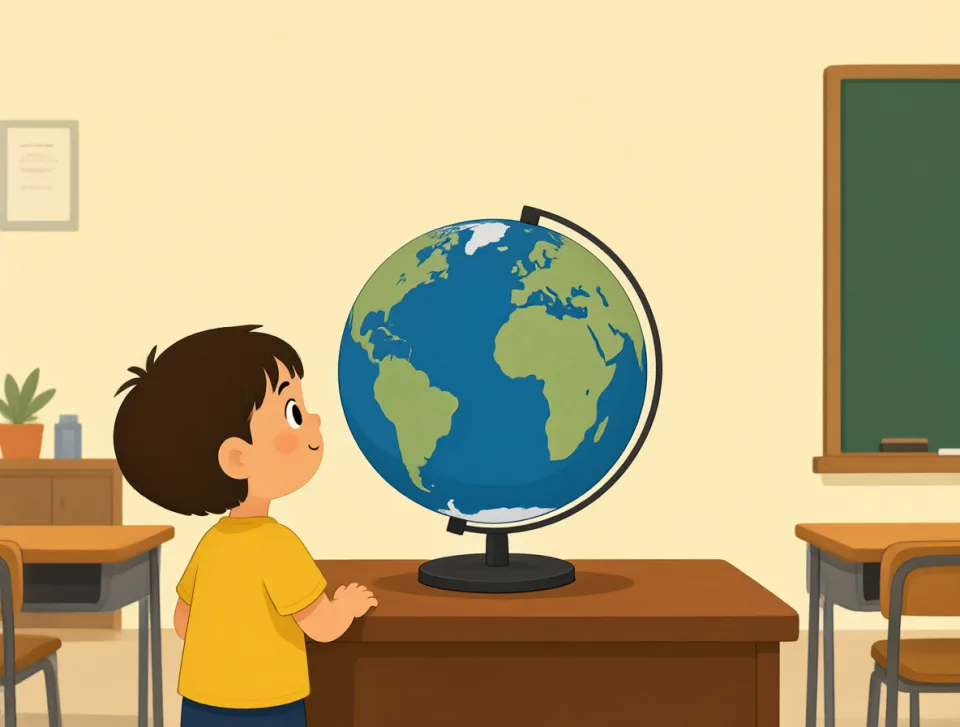
Earth is the only planet known to support human life.
Ziemia to jedyna znana planeta, na której istnieje życie ludzkie.
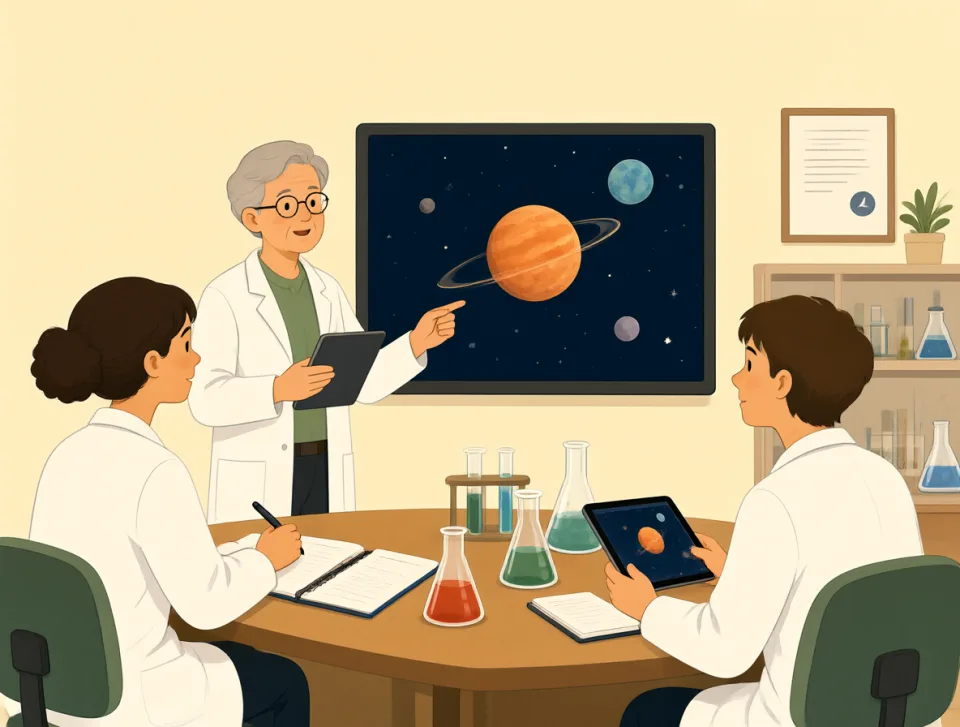
Scientists are searching for planets that might have water and life.
Naukowcy poszukują planet, na których może występować woda i życie.
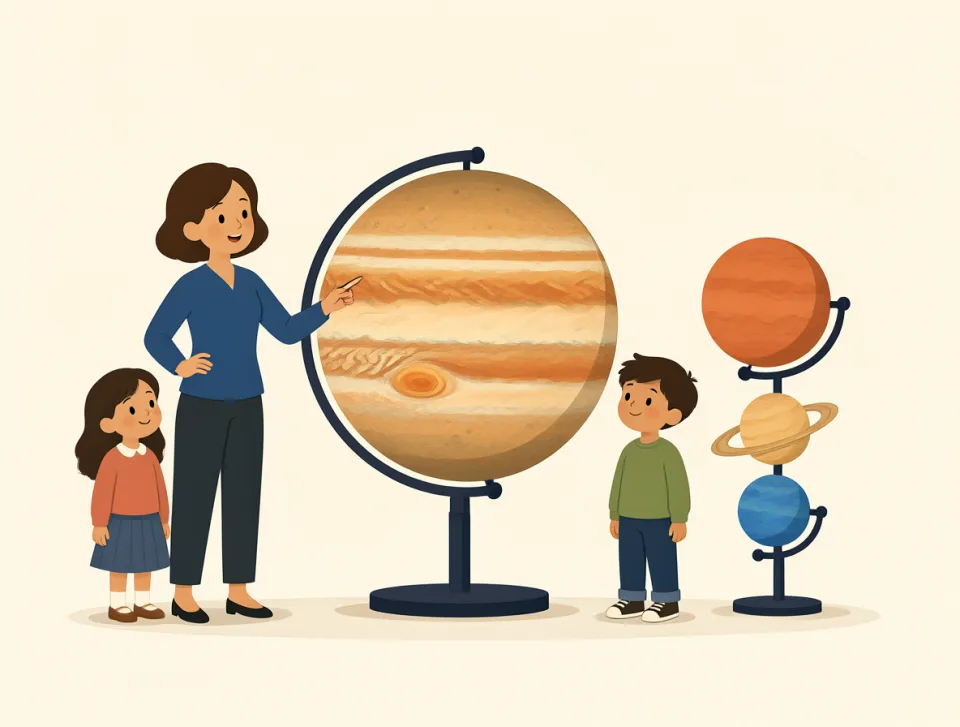
Jupiter is the largest planet in our solar system.
Jowisz jest największą planetą w naszym Układzie Słonecznym.

The spacecraft will travel past several planets during its long journey.
Podczas długiej podróży statek kosmiczny minie kilka planet.
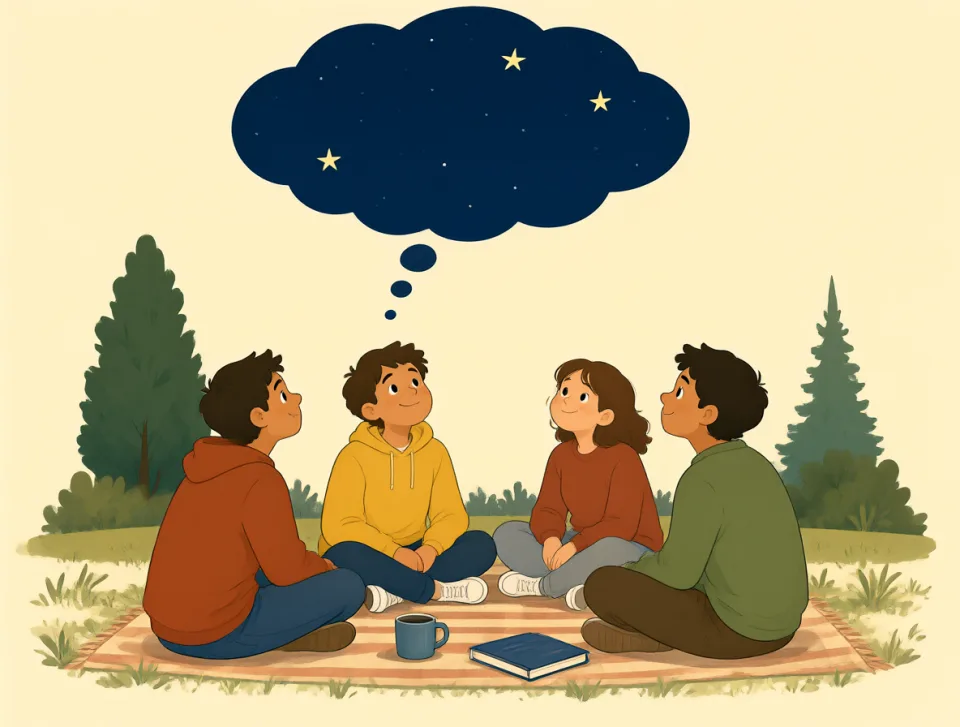
People often imagine living on another planet in the future.
Ludzie często wyobrażają sobie, że w przyszłości będą mieszkać na innej planecie.
curve
#2220noun, verb
krzywizna; zakręt
A smoothly bending line or shape; to bend gradually in a smooth way.
Gładko wygięta linia lub kształt; stopniowo i łagodnie się wyginać.
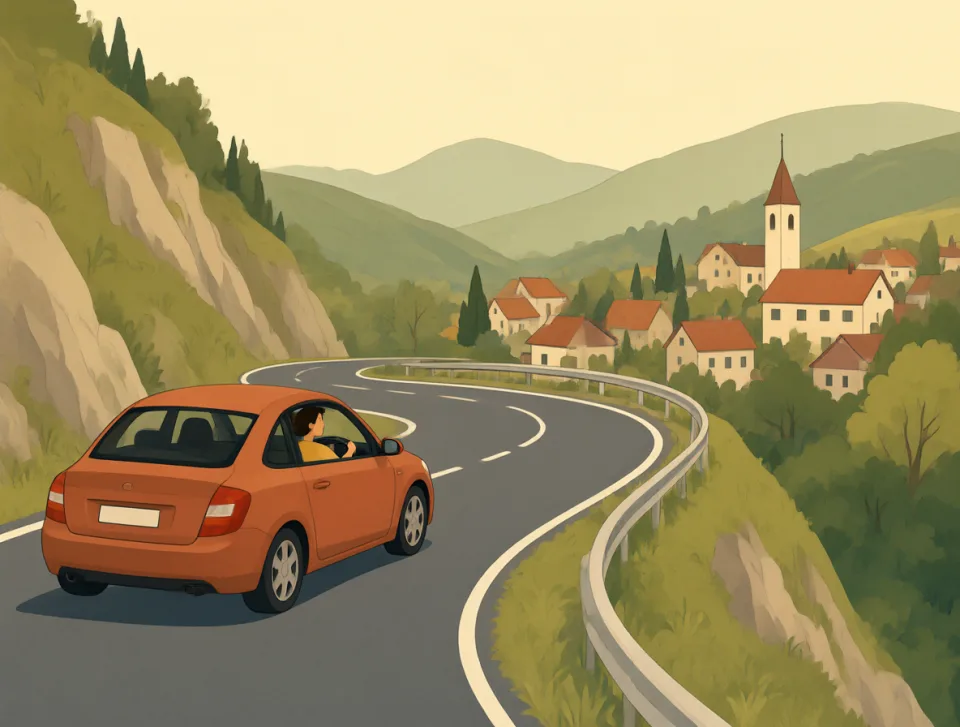
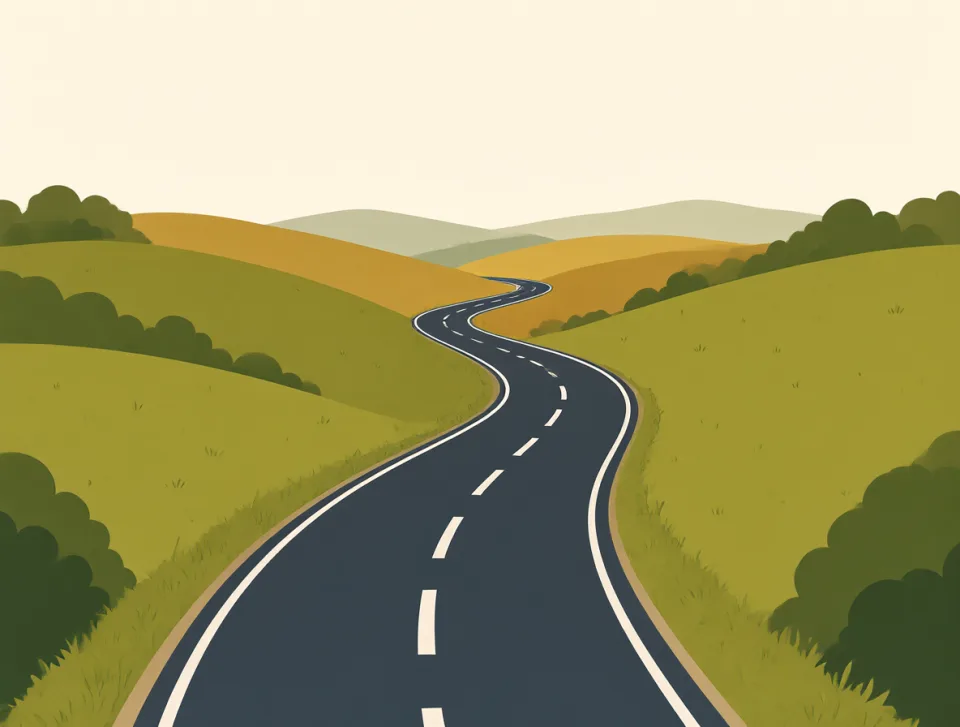
The road makes a sharp curve around the mountain before reaching the village.
Droga ostro zakręca wokół góry, zanim dotrze do wioski.
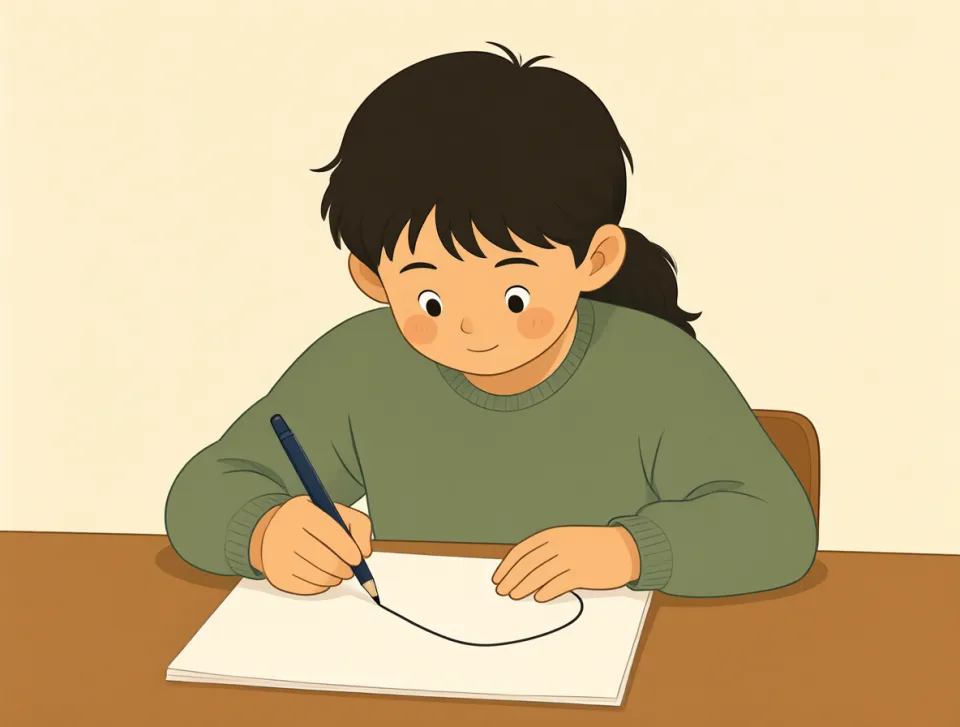
She drew a gentle curve across the paper with a blue pencil.
Narysowała na papierze delikatny łuk niebieskim ołówkiem.
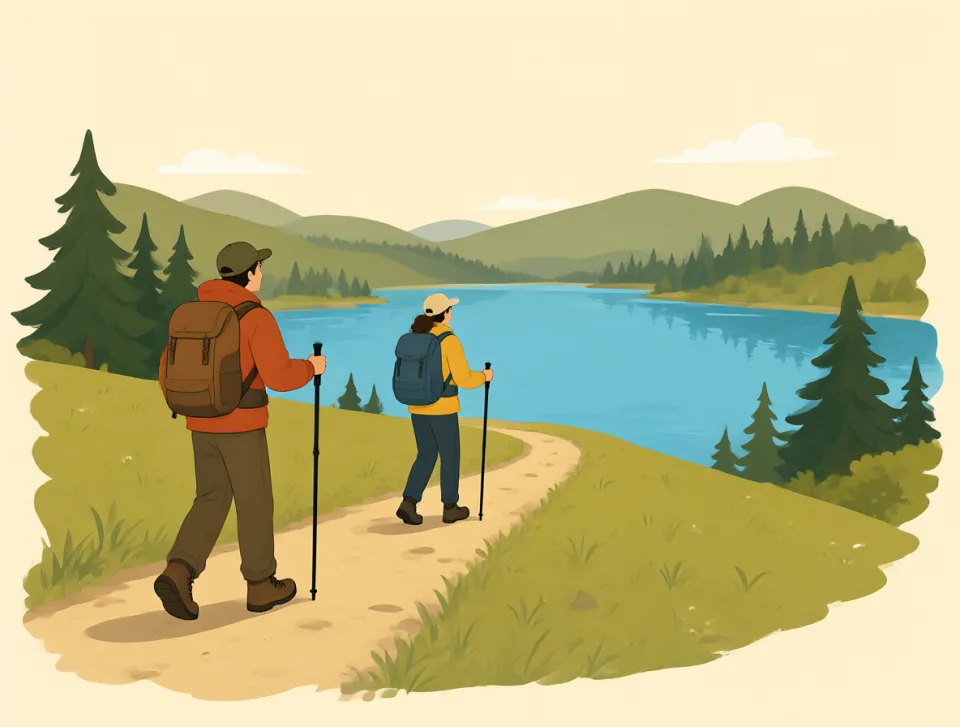
The path curves around the lake and leads to the camping area.
Ścieżka okrąża jezioro i prowadzi do miejsca kempingowego.
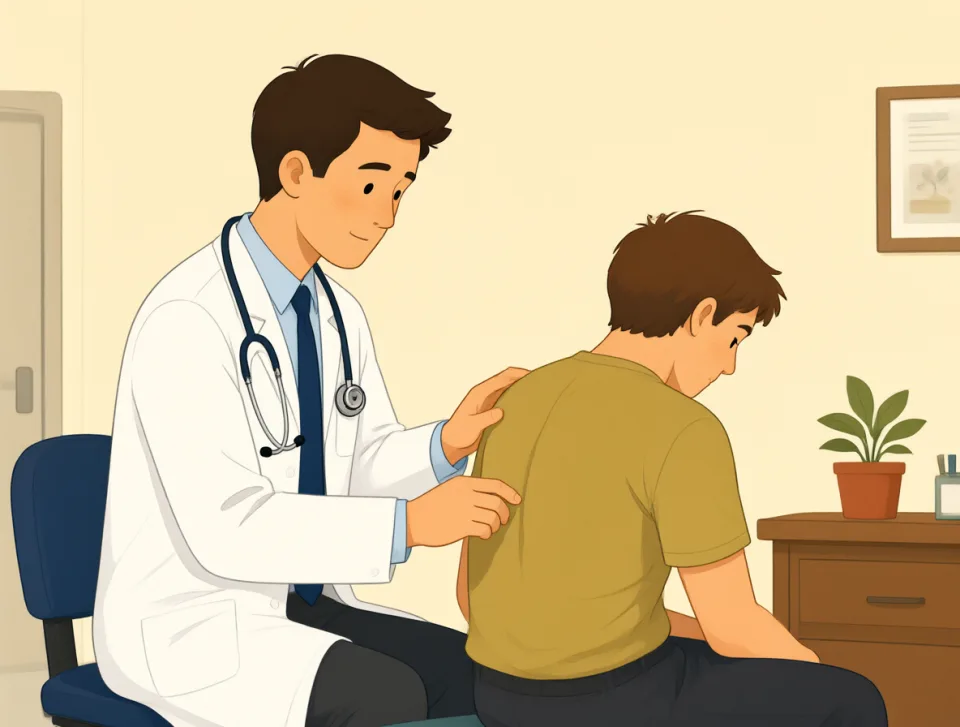
The doctor said the curve in his spine was mild and harmless.
Lekarz powiedział, że skrzywienie jego kręgosłupa jest niewielkie i niegroźne.
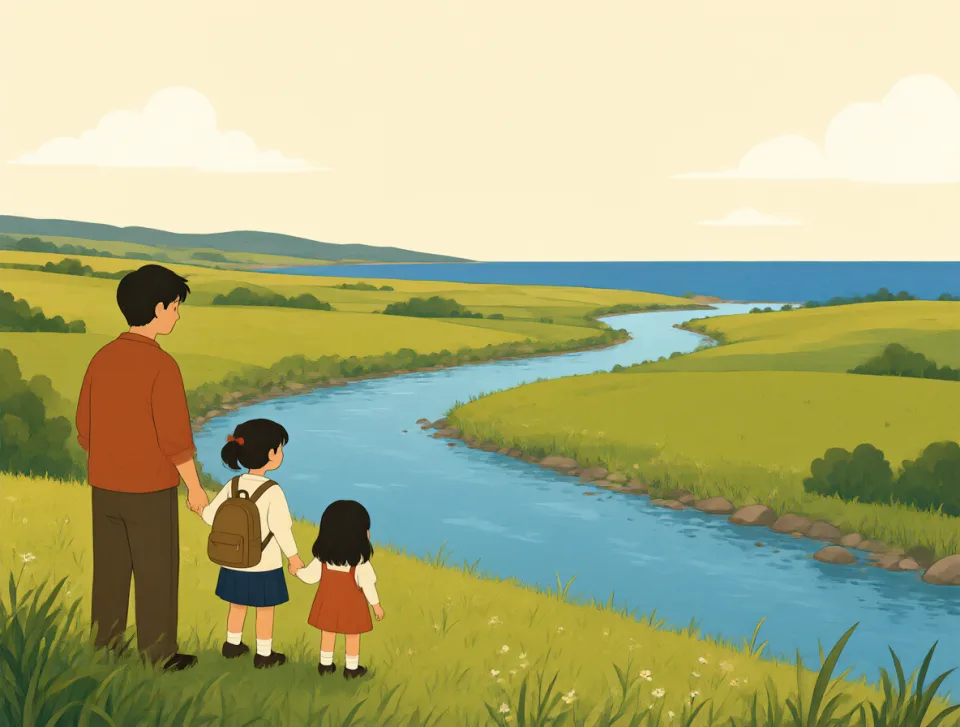
The river curves through the fields before it reaches the sea.
Rzeka meandruje przez pola, zanim dotrze do morza.