Zestaw 121
Słowa 2401–2420 · dare, barrier, rid, divorce, ruin, bury
dare
#2401verb, noun
odważyć się
to be brave enough to do something difficult or dangerous; a challenge to do it
mieć dość odwagi, by zrobić coś trudnego lub niebezpiecznego; wyzwanie, by to zrobić
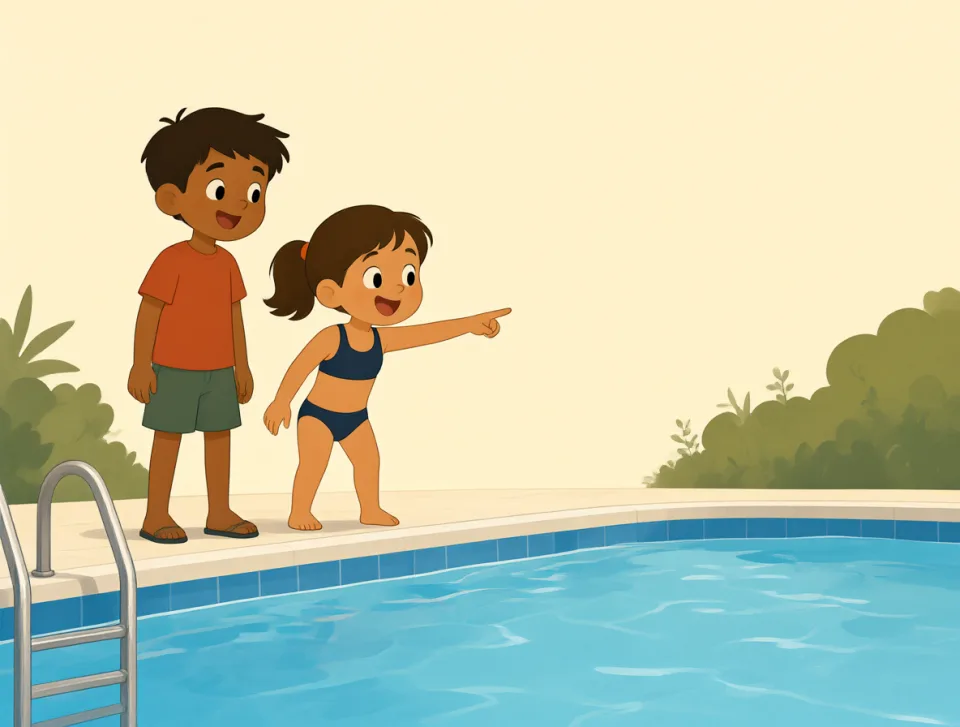
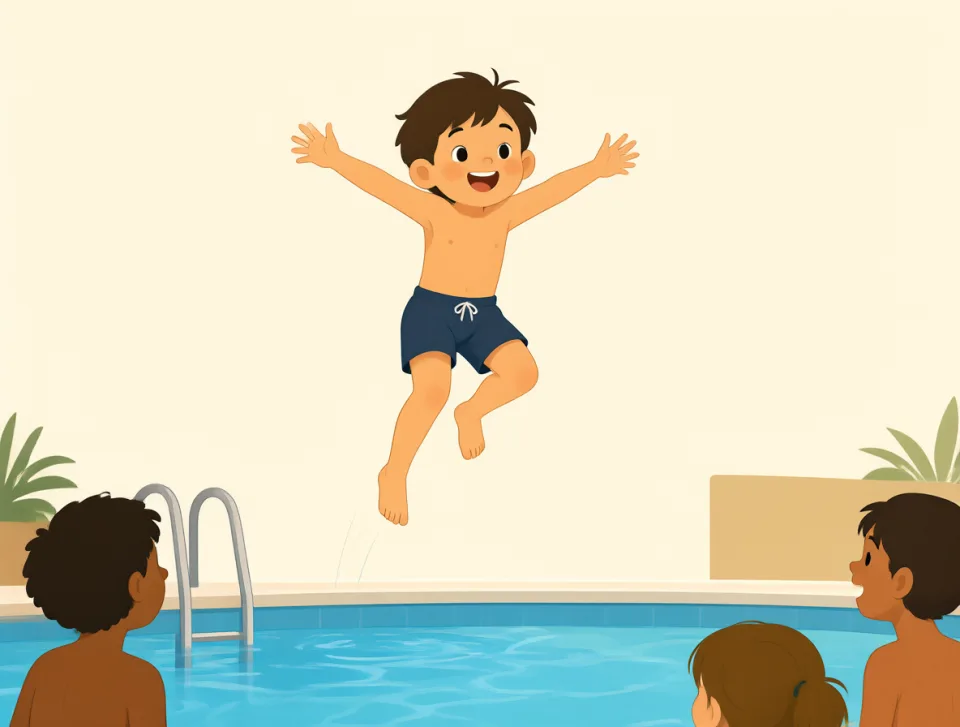
I dare you to jump into the pool before dinner.
Rzucam ci wyzwanie: wskocz do basenu przed kolacją.

She didn't dare ask her manager for another day off.
Nie odważyła się poprosić kierownika o jeszcze jeden dzień wolnego.

He wouldn't dare drive after drinking at the party.
Nie odważyłby się prowadzić po piciu na imprezie.
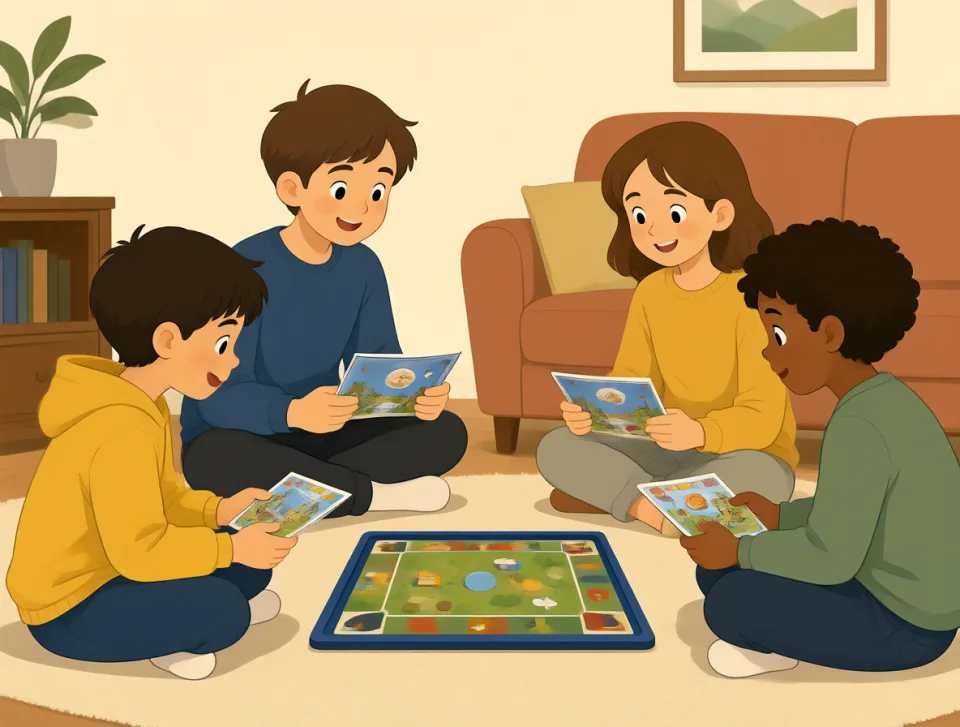
The children played truth or dare after finishing their homework.
Po odrobieniu lekcji dzieci zagrały w „prawdę czy wyzwanie”.

I took a dare and ate the very spicy chili.
Podjąłem wyzwanie i zjadłem bardzo ostrą papryczkę chili.
barrier
#2402noun
bariera
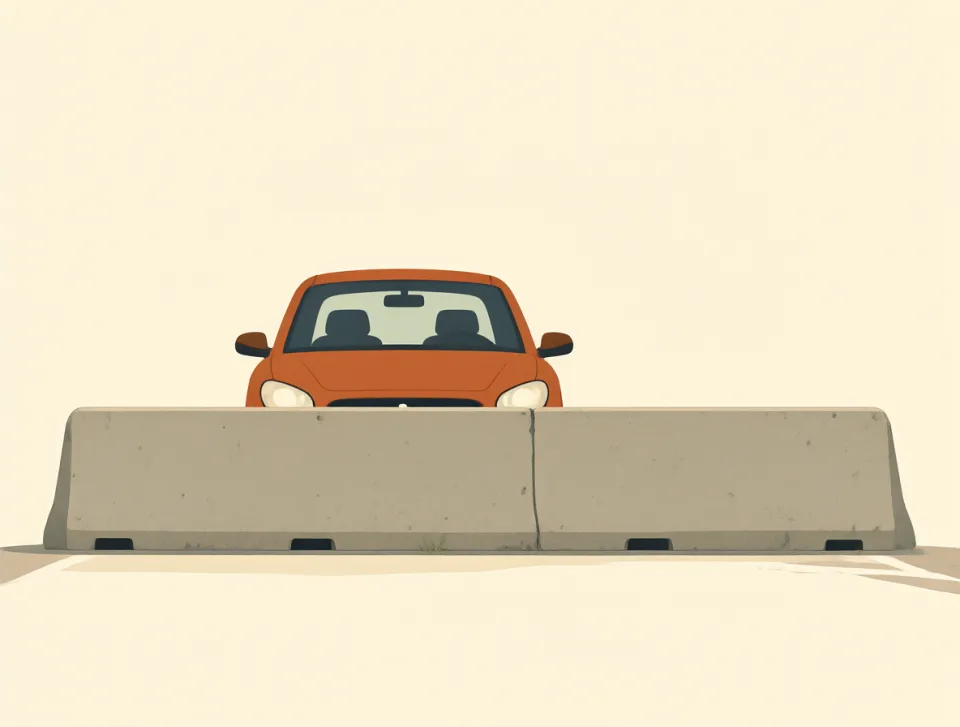
Something that blocks movement, progress, or communication between people or places.
Coś, co utrudnia przemieszczanie się, postępy lub komunikację między ludźmi albo miejscami.
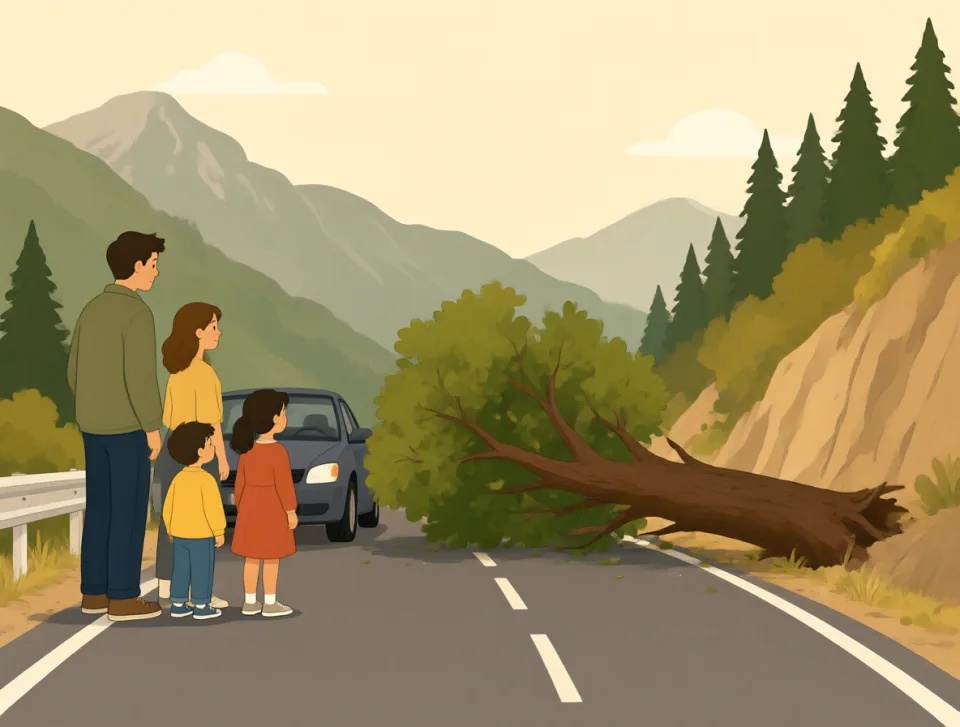
A fallen tree created a barrier across the mountain road.
Powalone drzewo zagrodziło górską drogę.

Cost is often a barrier to buying fresh food every day.
Cena często stanowi przeszkodę w codziennym kupowaniu świeżej żywności.

Language barriers made it difficult for the tourists to ask for directions.
Bariera językowa utrudniała turystom pytanie o drogę.
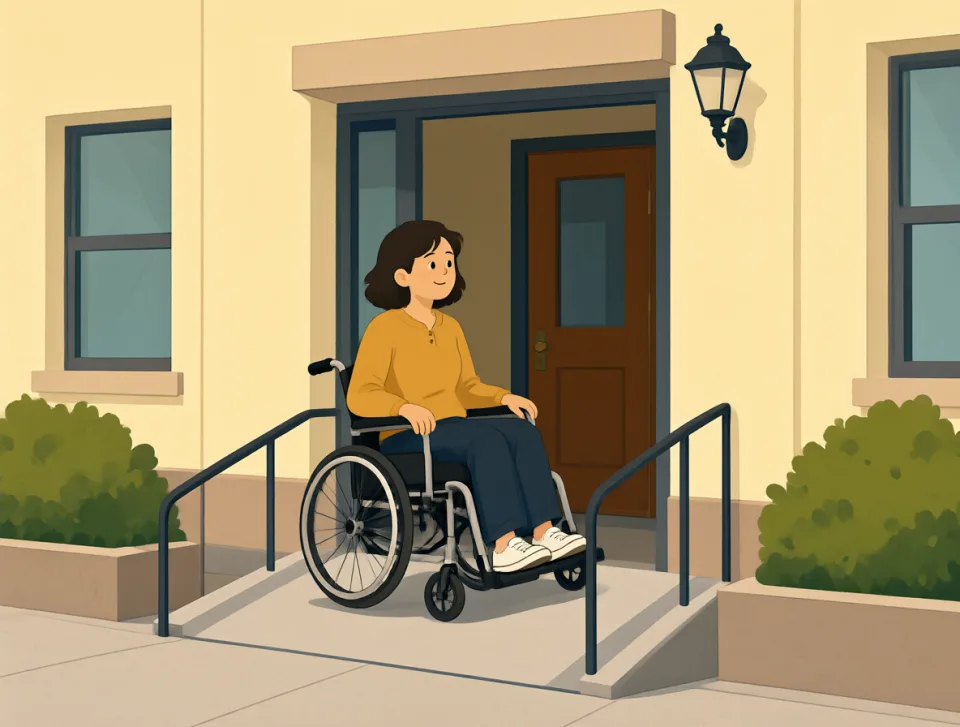
The wheelchair ramp removes a barrier for people entering the building.
Podjazd dla wózków usuwa przeszkodę dla osób wchodzących do budynku.
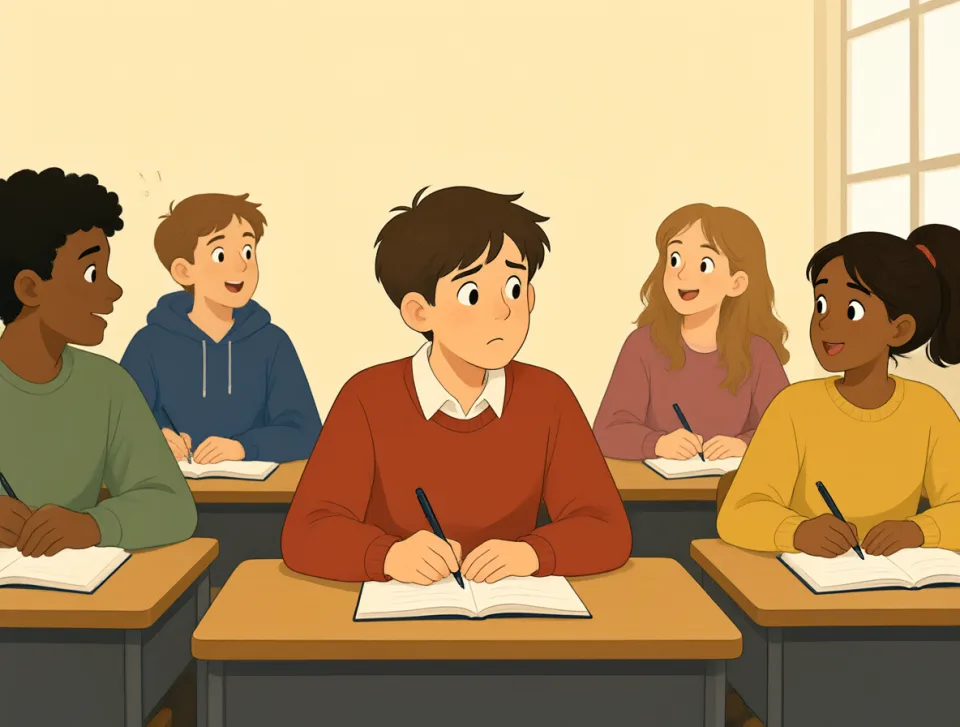
Fear can become a barrier when students try to speak English in class.
Strach może stać się przeszkodą, gdy uczniowie próbują mówić po angielsku na lekcji.
rid
#2403verb
pozbyć się
to make someone or something free from an unwanted person, thing, or problem
sprawić, by ktoś lub coś uwolniło się od niechcianej osoby, rzeczy lub problemu
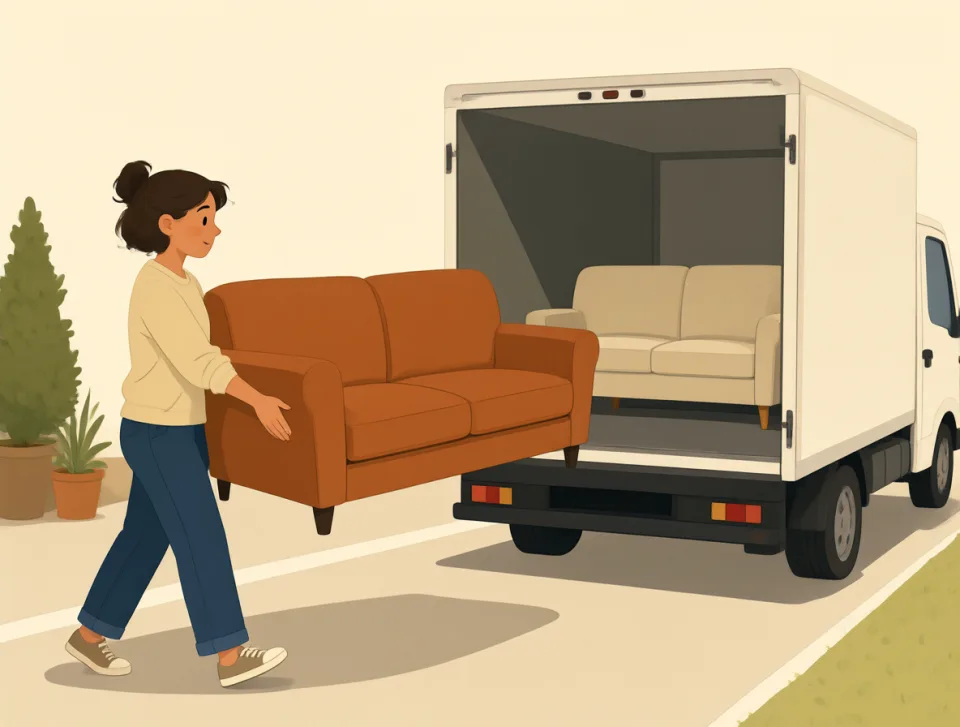
She finally got rid of the old sofa after buying a comfortable new one.
W końcu pozbyła się starej kanapy, gdy kupiła sobie wygodną nową.
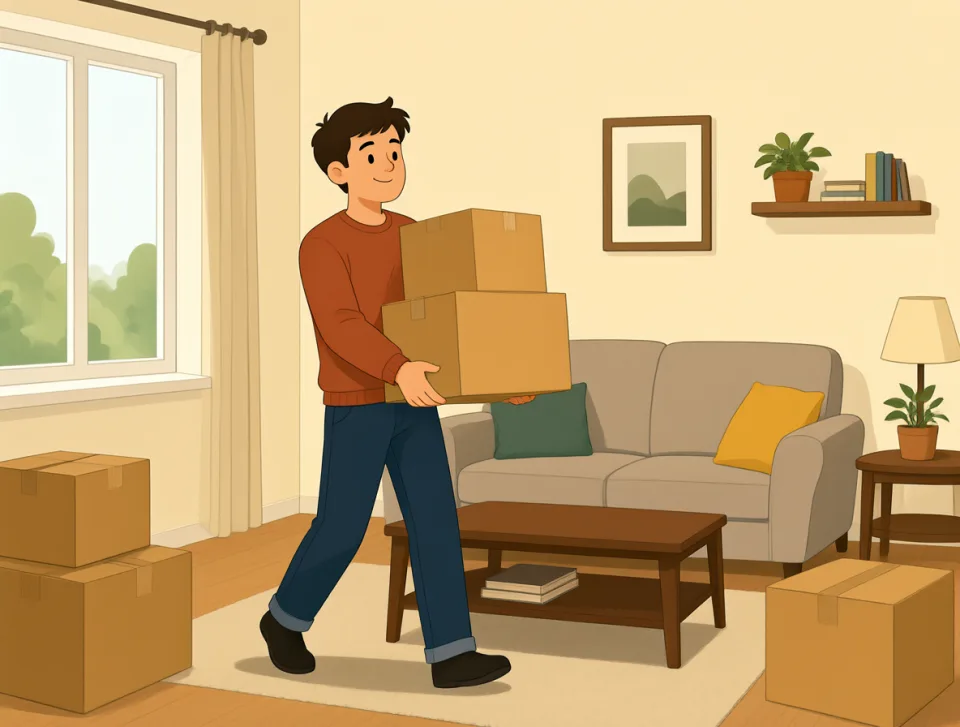
Please get rid of these empty boxes before our guests arrive tonight.
Proszę, pozbądź się tych pustych pudeł, zanim dziś wieczorem przyjdą nasi goście.
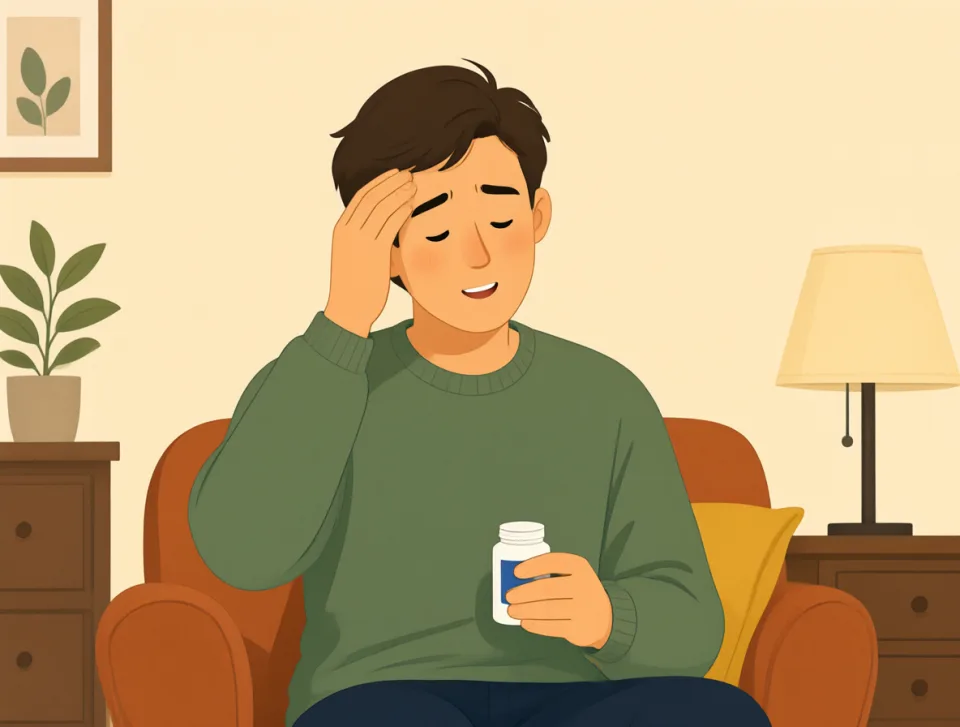
The medicine helped him get rid of his headache before the important meeting.
Lek pomógł mu pozbyć się bólu głowy przed ważnym spotkaniem.
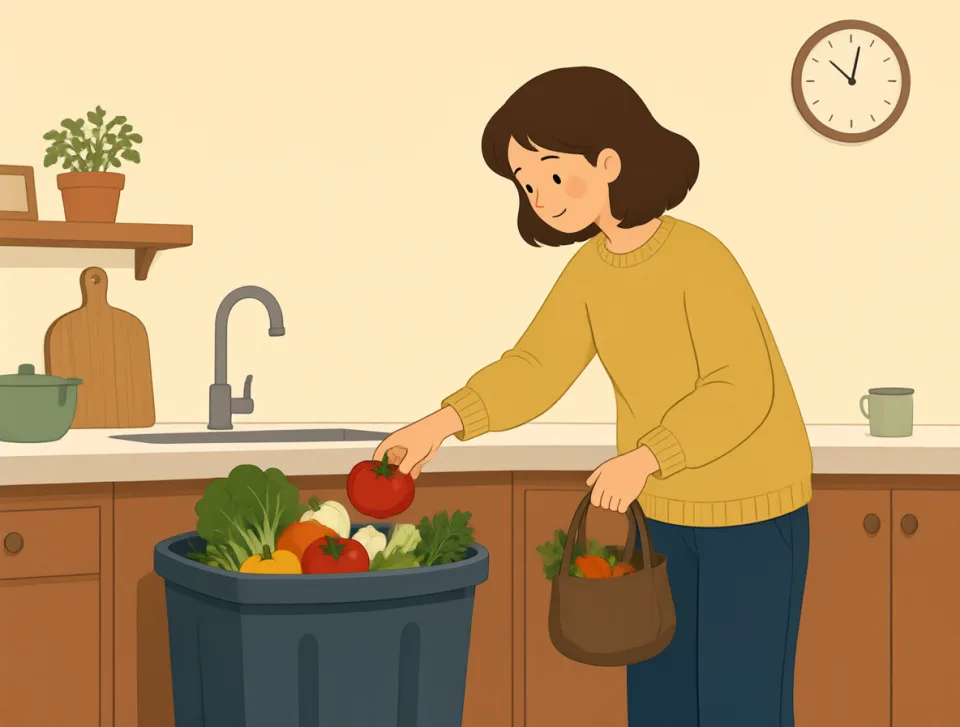
We need to get rid of these spoiled vegetables before cooking dinner.
Musimy pozbyć się tych zepsutych warzyw, zanim zaczniemy przygotowywać kolację.
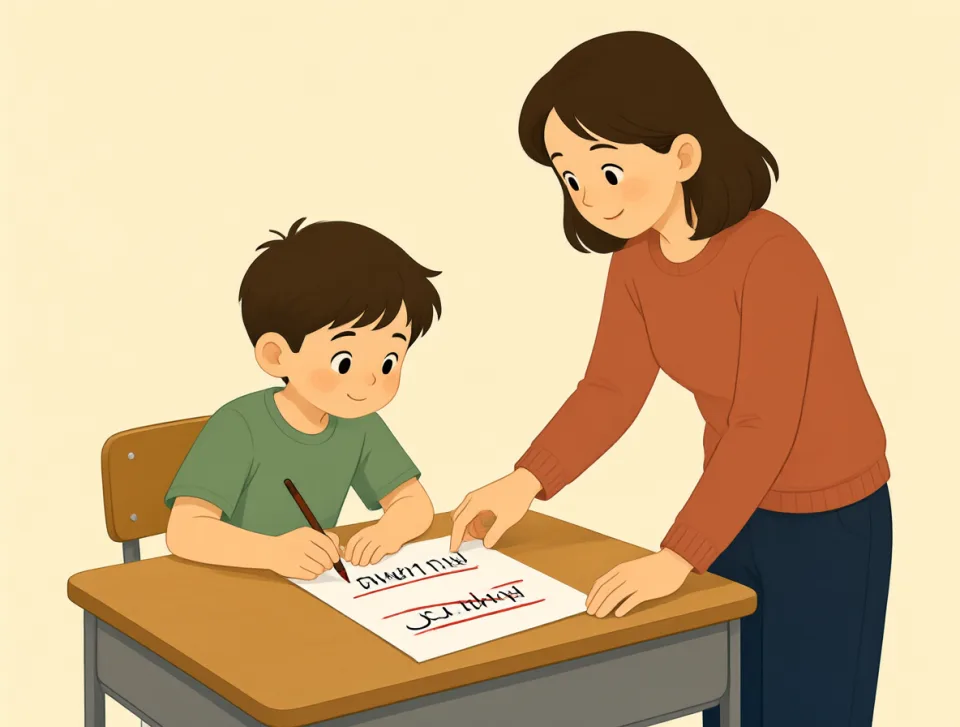
The teacher asked students to get rid of unnecessary words in their essays.
Nauczyciel poprosił uczniów, by usunęli ze swoich wypracowań zbędne słowa.

divorce
#2404noun, verb
rozwód
The legal end of a marriage, or to legally end a marriage.
Prawne zakończenie małżeństwa lub prawnie zakończyć małżeństwo.
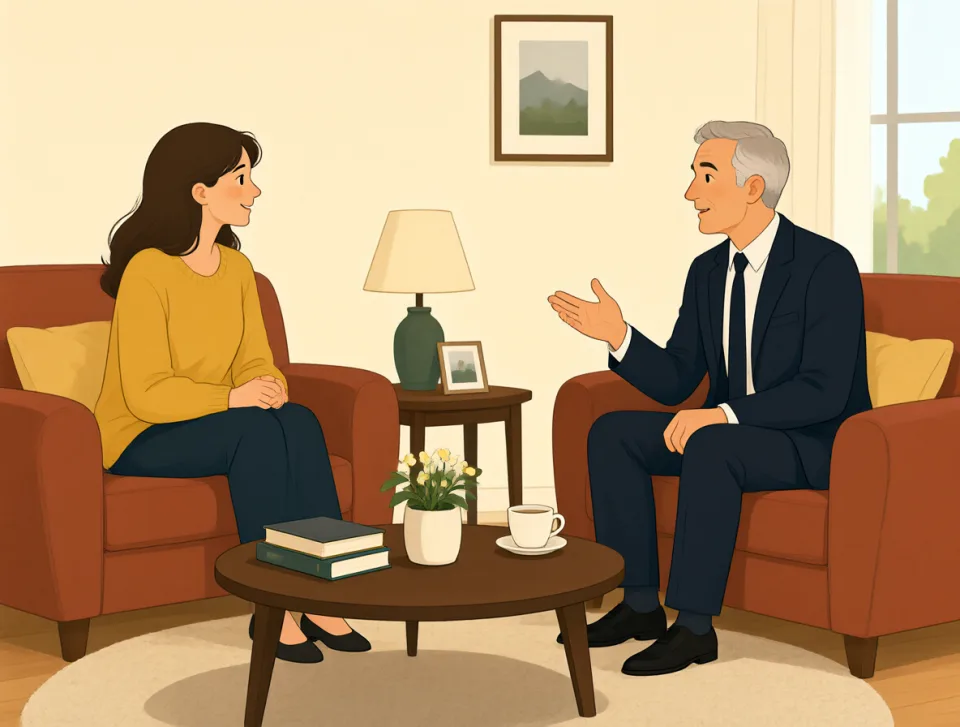
They got a divorce after twenty years of marriage.
Po dwudziestu latach małżeństwa się rozwiedli.
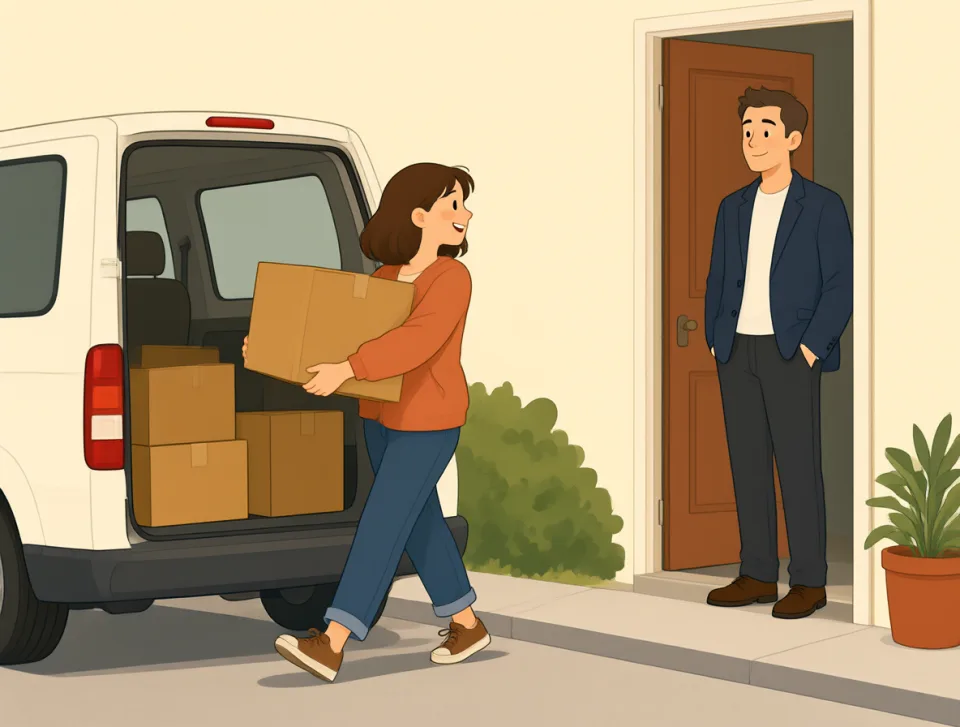
She divorced her husband and moved to another city.
Rozwiodła się z mężem i przeprowadziła do innego miasta.
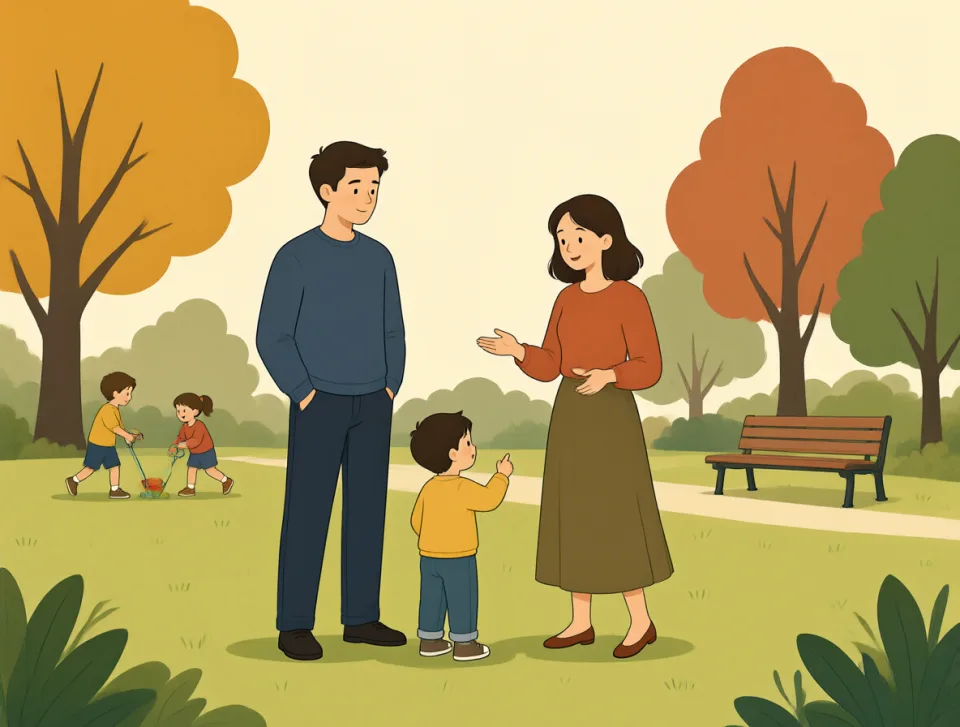
Their divorce was difficult, but they stayed friendly for their children.
Ich rozwód był trudny, ale ze względu na dzieci zachowali przyjazne stosunki.

My friend is going through a divorce and needs someone to listen.
Mój przyjaciel przechodzi przez rozwód i potrzebuje kogoś, kto go wysłucha.
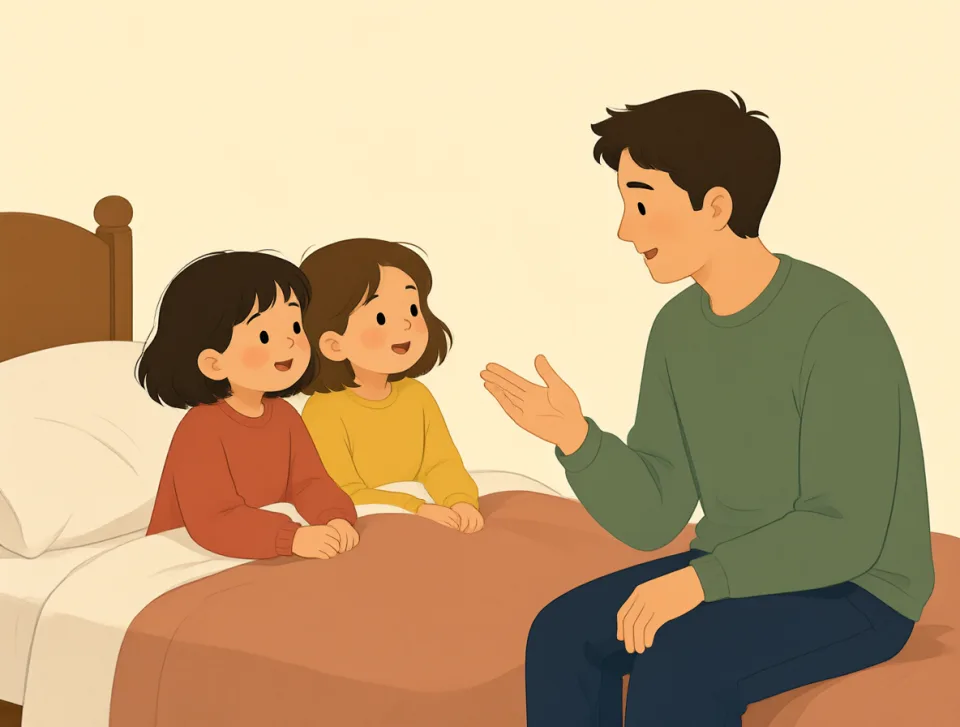
The children felt sad when their parents decided to divorce.
Dzieci zasmuciły się, gdy ich rodzice postanowili się rozwieść.
ruin
#2405noun, verb
zrujnować
to damage something badly, or to spoil a good situation completely
poważnie coś uszkodzić albo całkowicie zepsuć dobrą sytuację
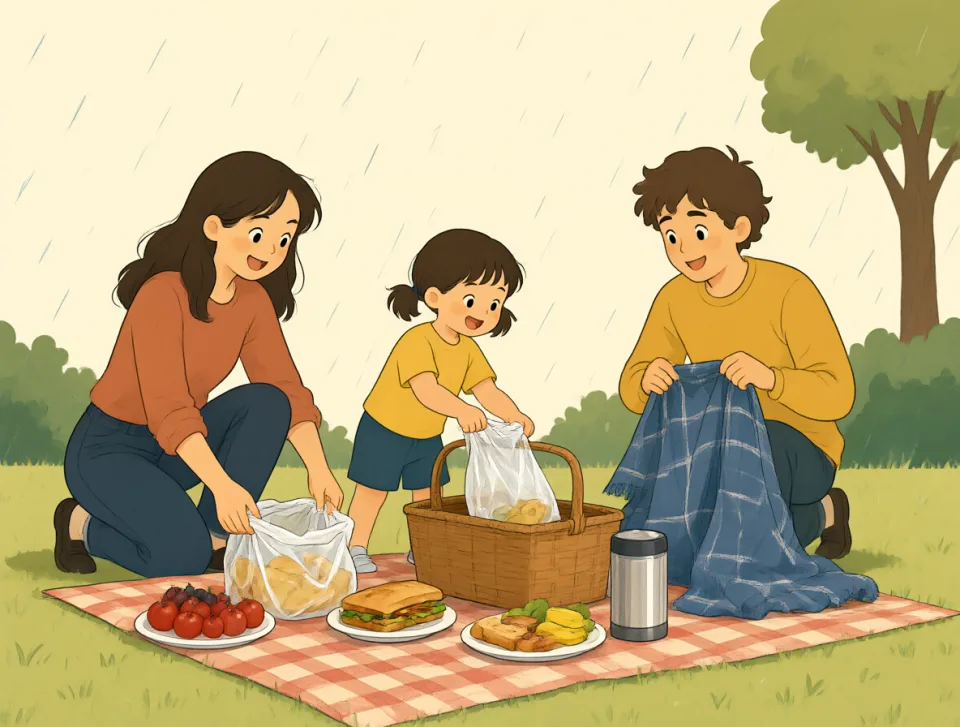
The heavy rain ruined our picnic, so we went home early.
Ulewny deszcz zepsuł nam piknik, więc wcześniej wróciliśmy do domu.
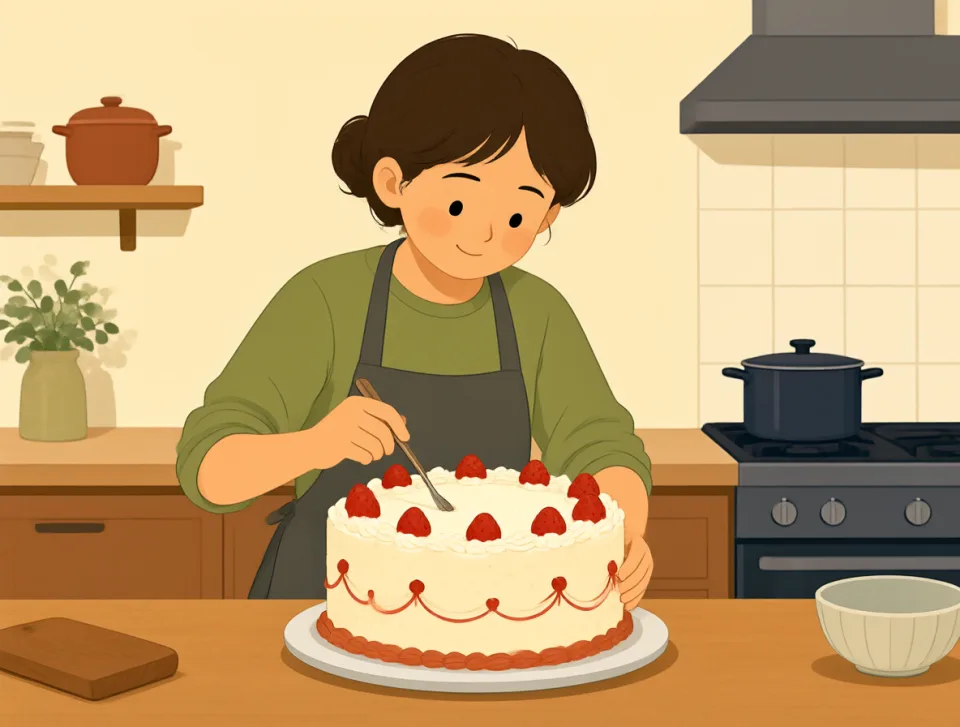
Please keep the cake covered, or the heat will ruin it.
Przykryj ciasto, bo inaczej ciepło je zepsuje.
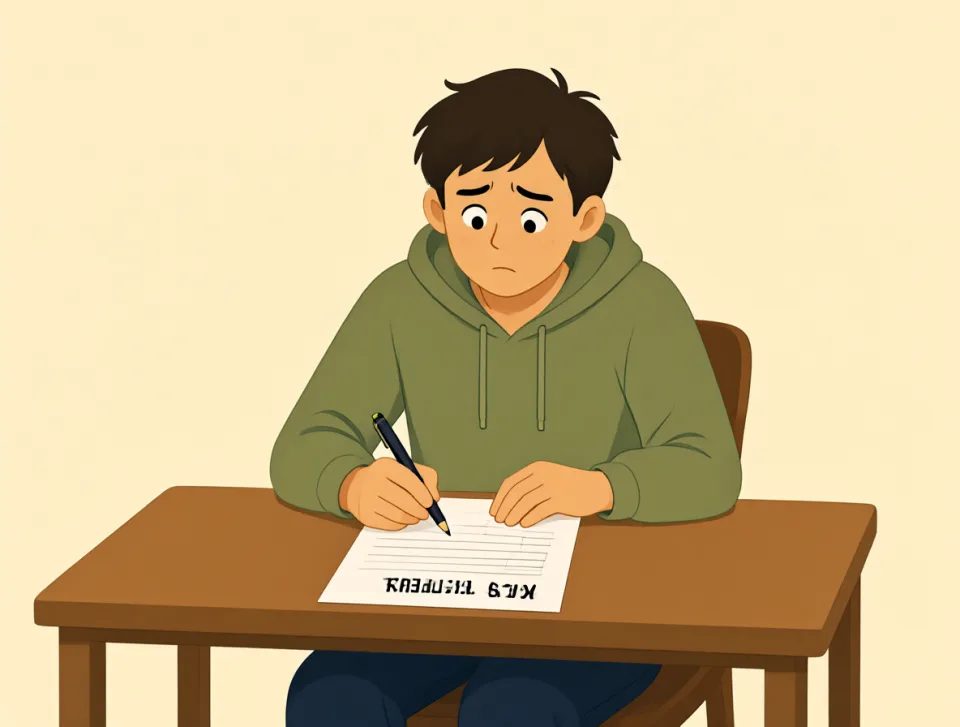
One careless mistake could ruin your chances of getting the job.
Jeden nieostrożny błąd mógłby przekreślić twoje szanse na zdobycie tej pracy.
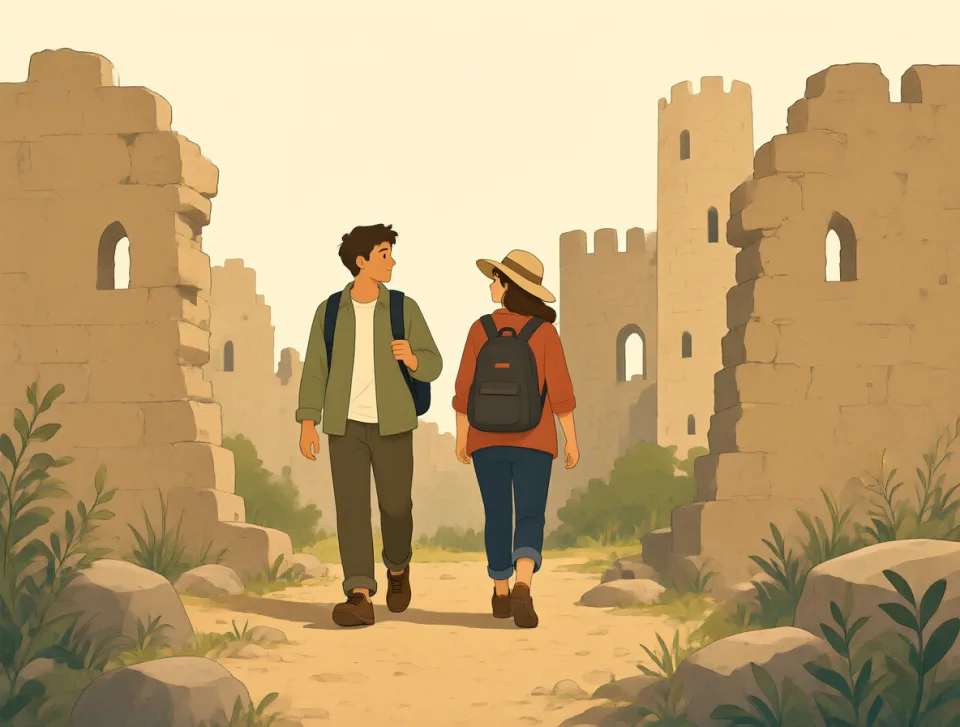
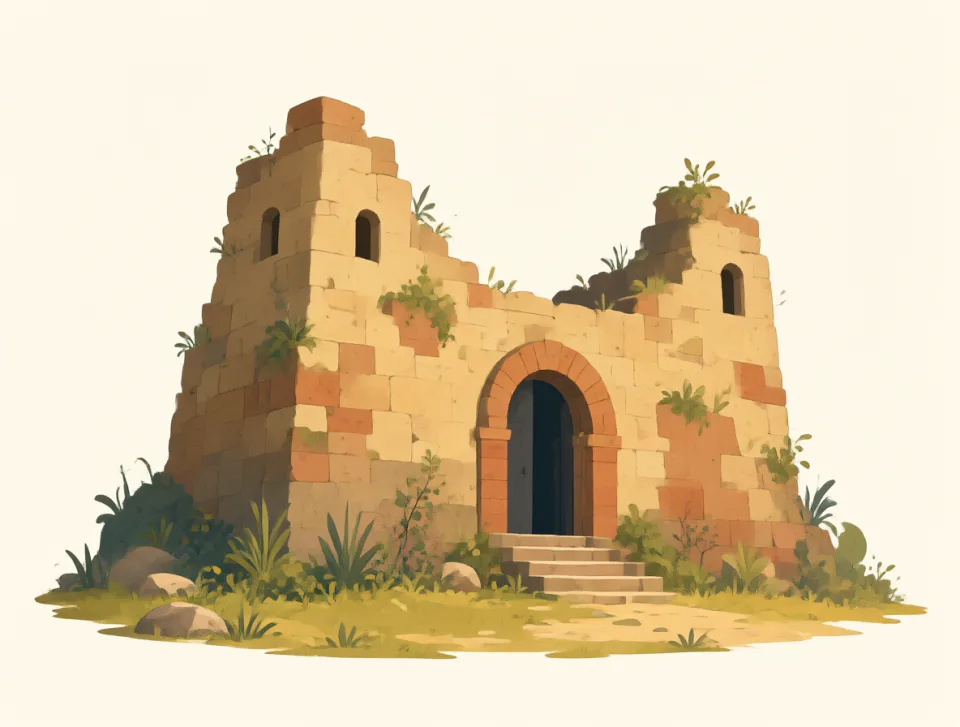
We explored the ruins of an old castle during our holiday.
Podczas wakacji zwiedziliśmy ruiny starego zamku.
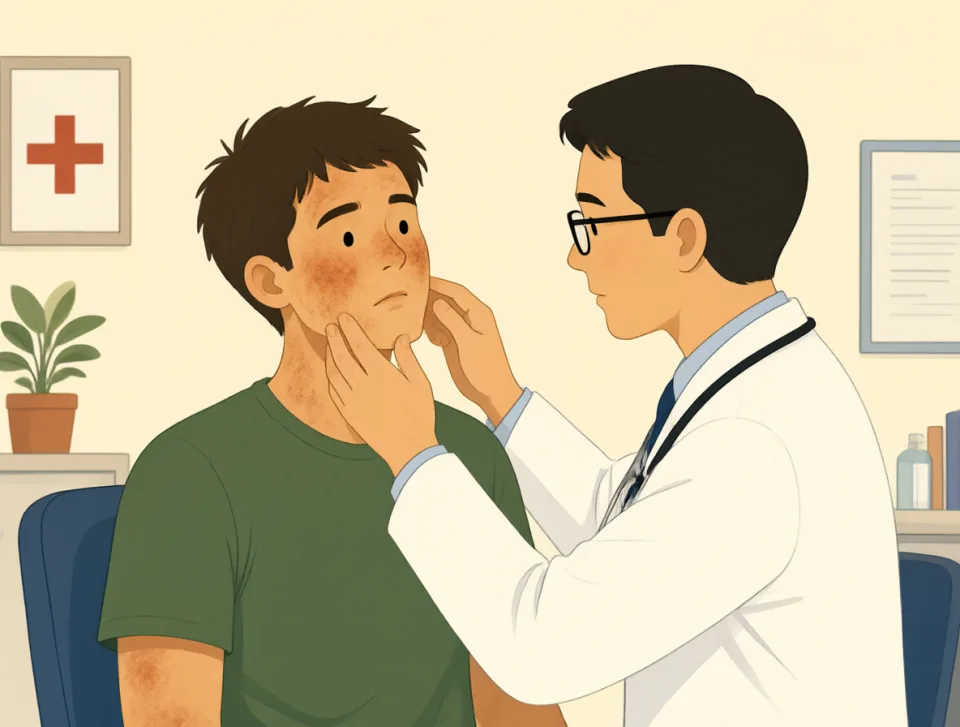
The doctor said too much sun had ruined the skin on his face.
Lekarz powiedział, że zbyt dużo słońca zniszczyło skórę na jego twarzy.
bury
#2406verb
zakopać; pochować
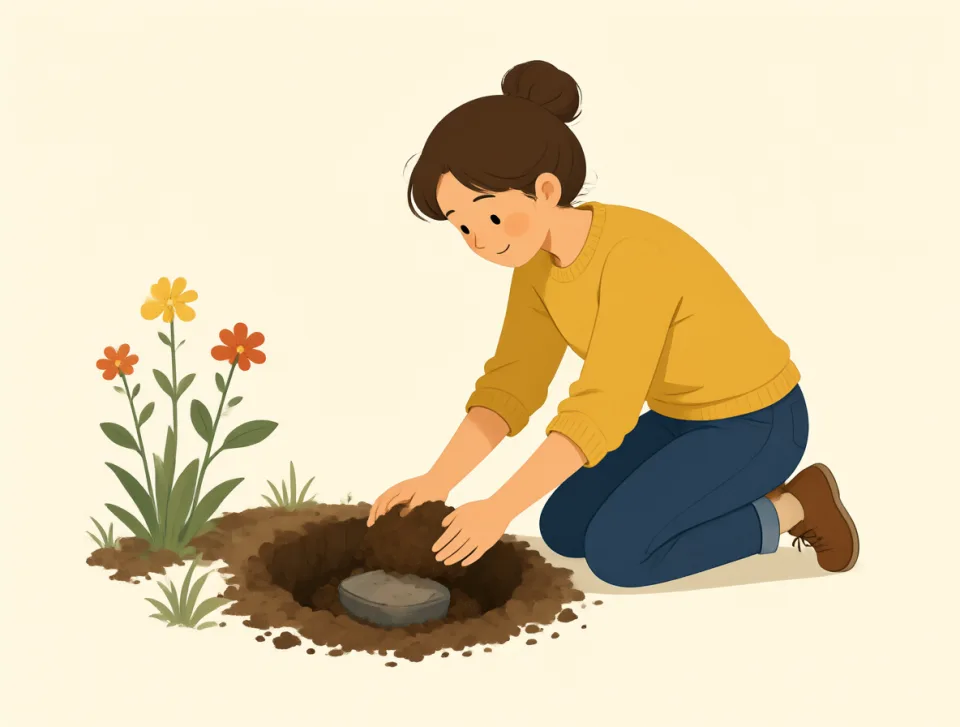
to put something in the ground and cover it with earth
włożyć coś do ziemi i przykryć to ziemią
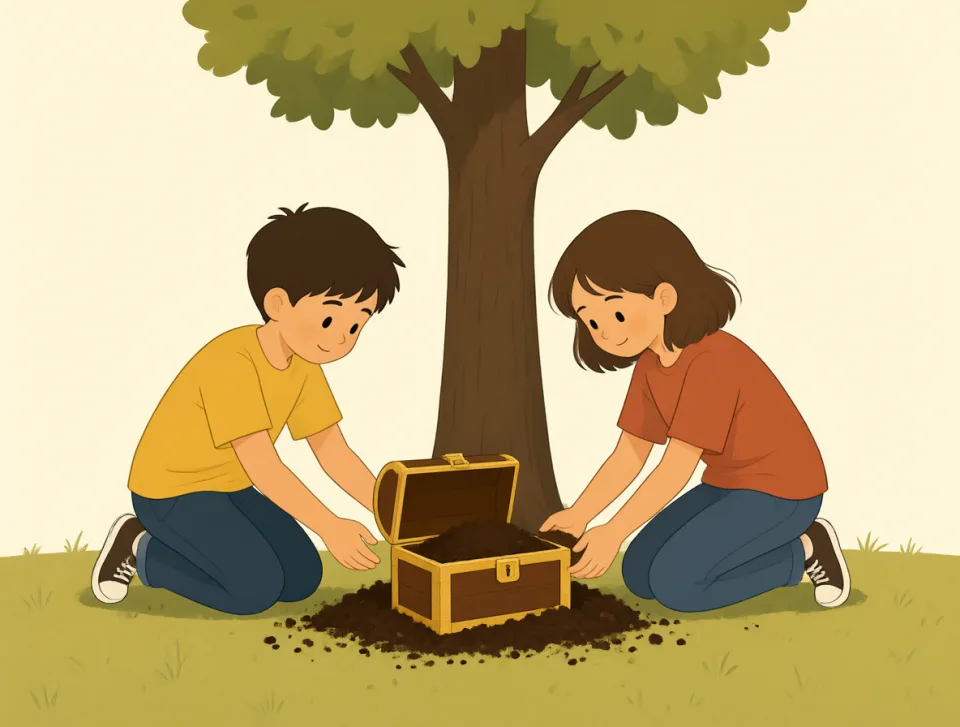
They buried the treasure under a large tree in the garden.
Zakopali skarb pod dużym drzewem w ogrodzie.
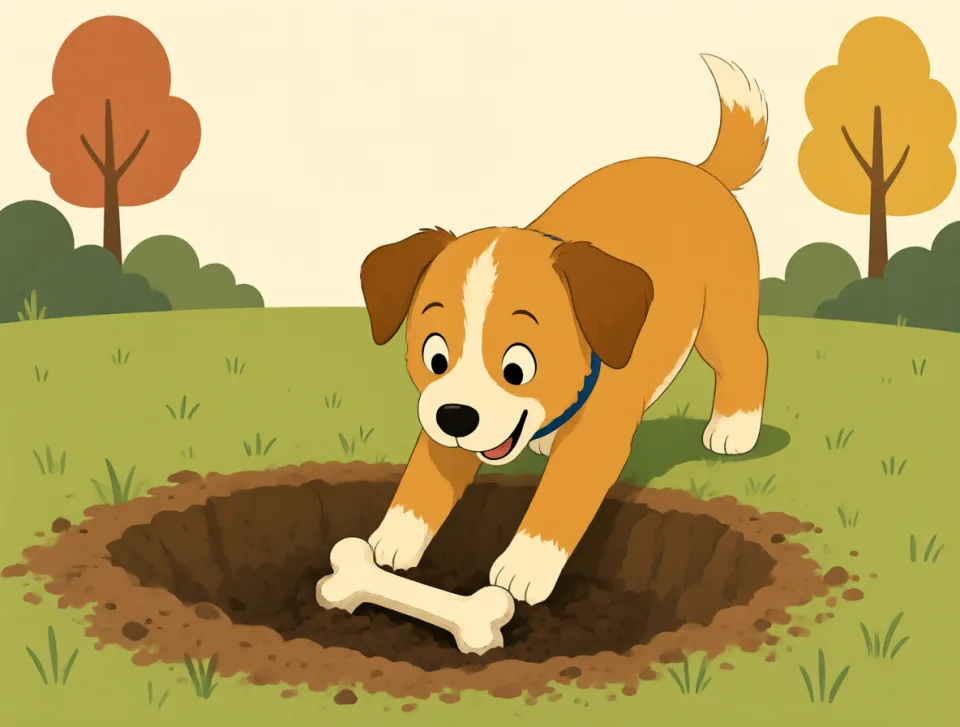
The dog buried its bone in the soft ground.
Pies zakopał swoją kość w miękkiej ziemi.
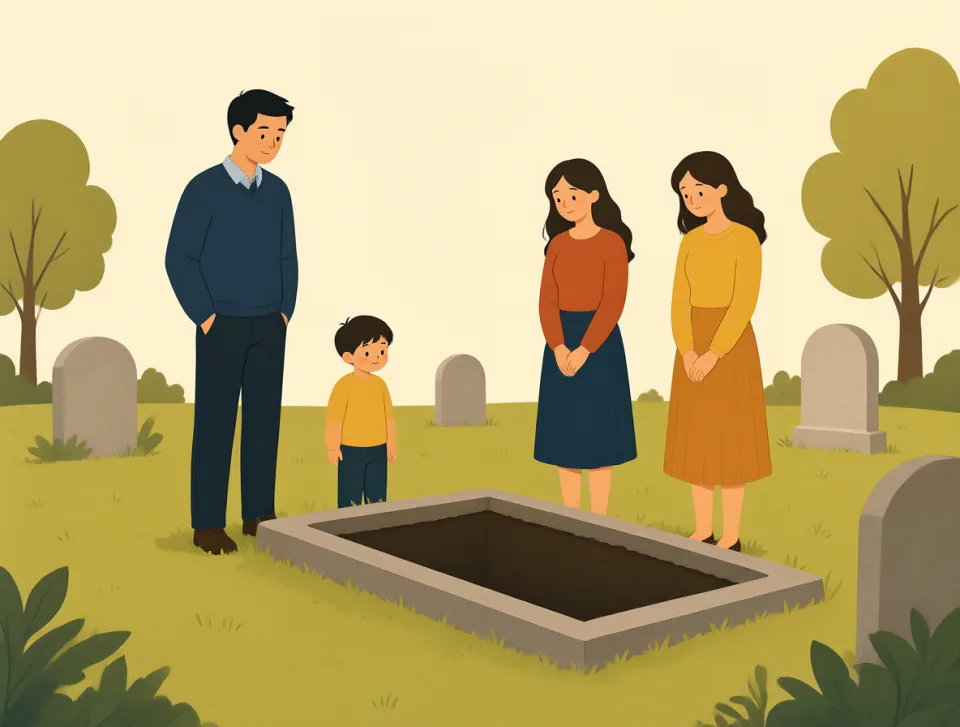
The family buried their grandfather in the village cemetery.
Rodzina pochowała dziadka na wiejskim cmentarzu.
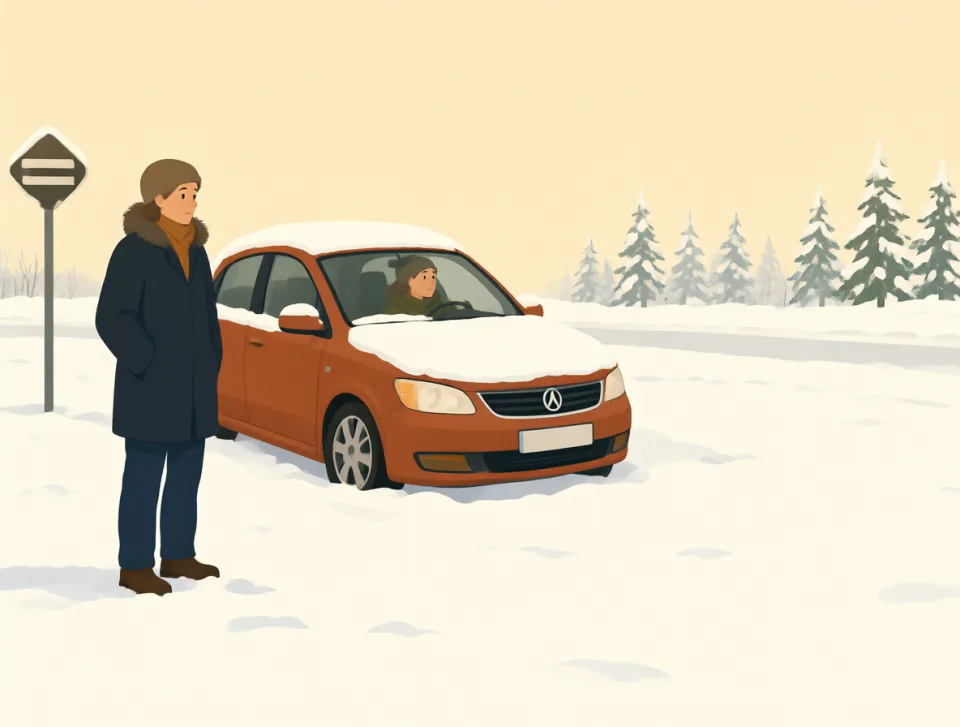
Heavy snow buried the roads and stopped us from traveling.
Obfity śnieg zasypał drogi i uniemożliwił nam podróżowanie.
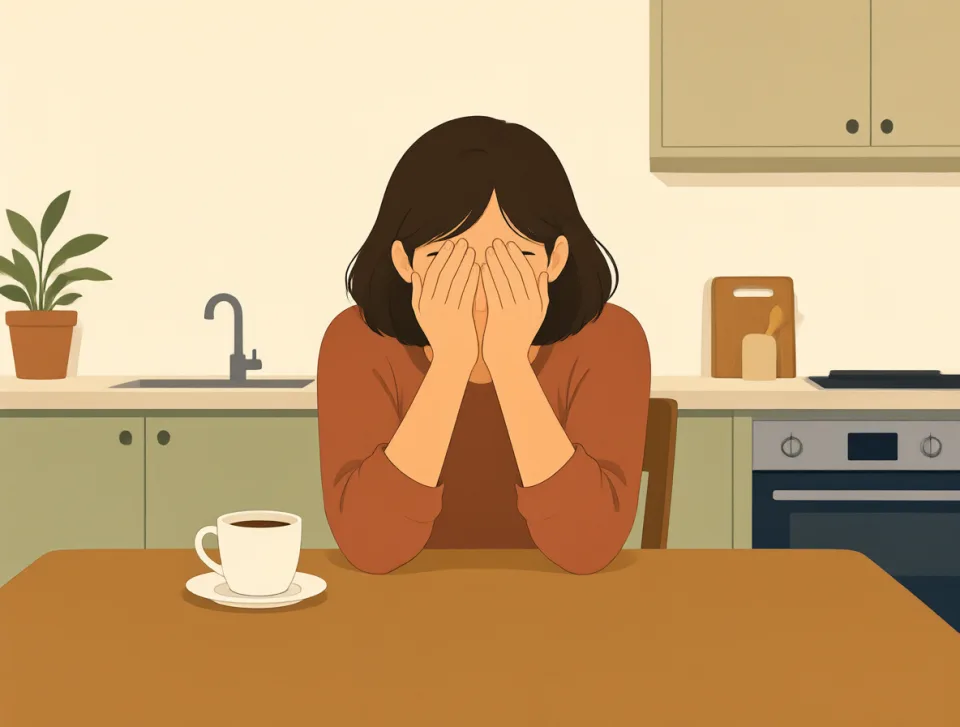
She buried her face in her hands after hearing the sad news.
Po usłyszeniu smutnej wiadomości ukryła twarz w dłoniach.
counsel
#2407noun, verb
porada; doradztwo
advice about what to do, especially from a lawyer or other trained person
rada dotycząca tego, co należy zrobić, zwłaszcza udzielona przez prawnika lub inną wykwalifikowaną osobę
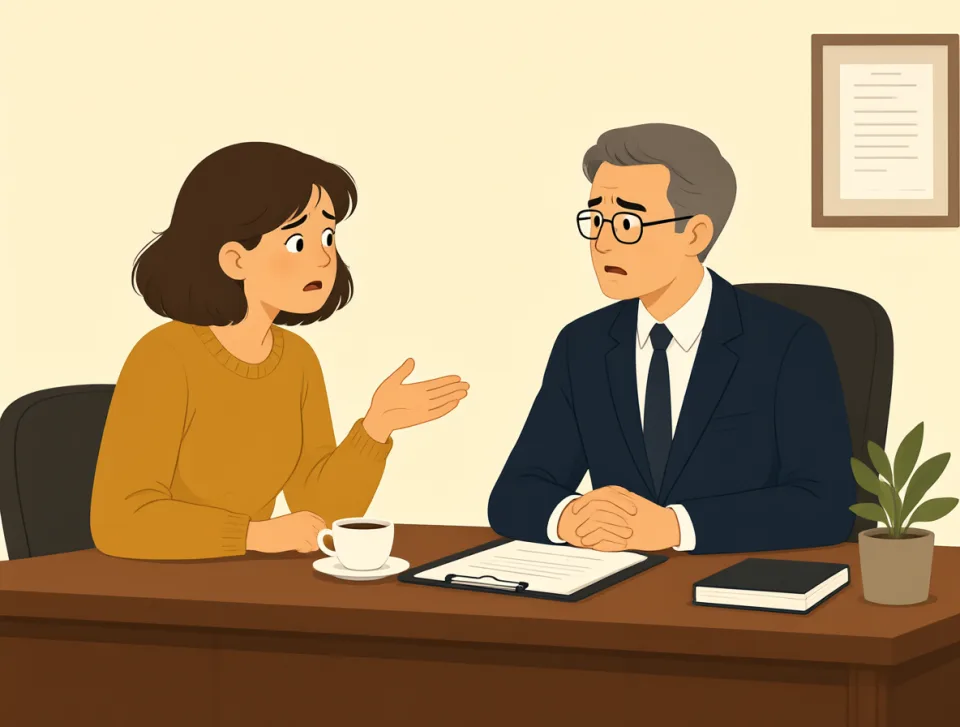
She sought legal counsel before signing the agreement.
Przed podpisaniem umowy zasięgnęła porady prawnej.
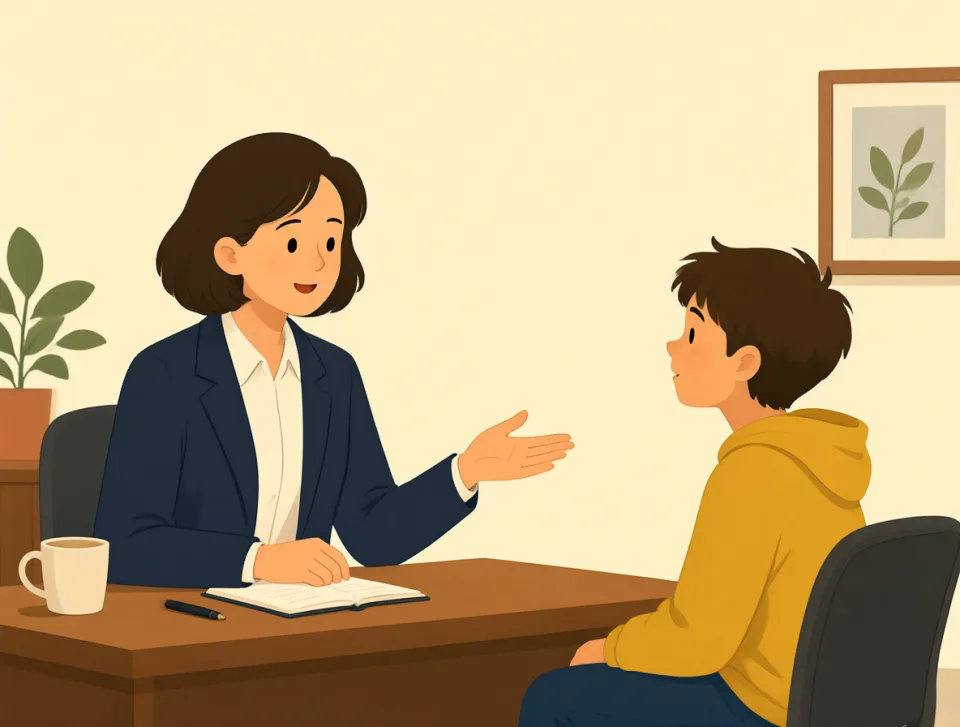
The school counselor counseled him about choosing a suitable career.
Doradca szkolny doradził mu wybór odpowiedniej kariery zawodowej.

My doctor counseled me to exercise regularly and eat less sugar.
Mój lekarz poradził mi, żebym regularnie ćwiczył i jadł mniej cukru.

The manager counseled the employee after several customers complained.
Kierownik udzielił pracownikowi porady po tym, jak poskarżyło się kilku klientów.

Friends counseled her to wait before buying the expensive coat.
Przyjaciele poradzili jej, żeby wstrzymała się z zakupem drogiego płaszcza.
tendency
#2408noun
tendencja; skłonność
A tendency is a usual way of behaving or a tendency to do something.
Tendencja to typowy sposób zachowania lub skłonność do robienia czegoś.
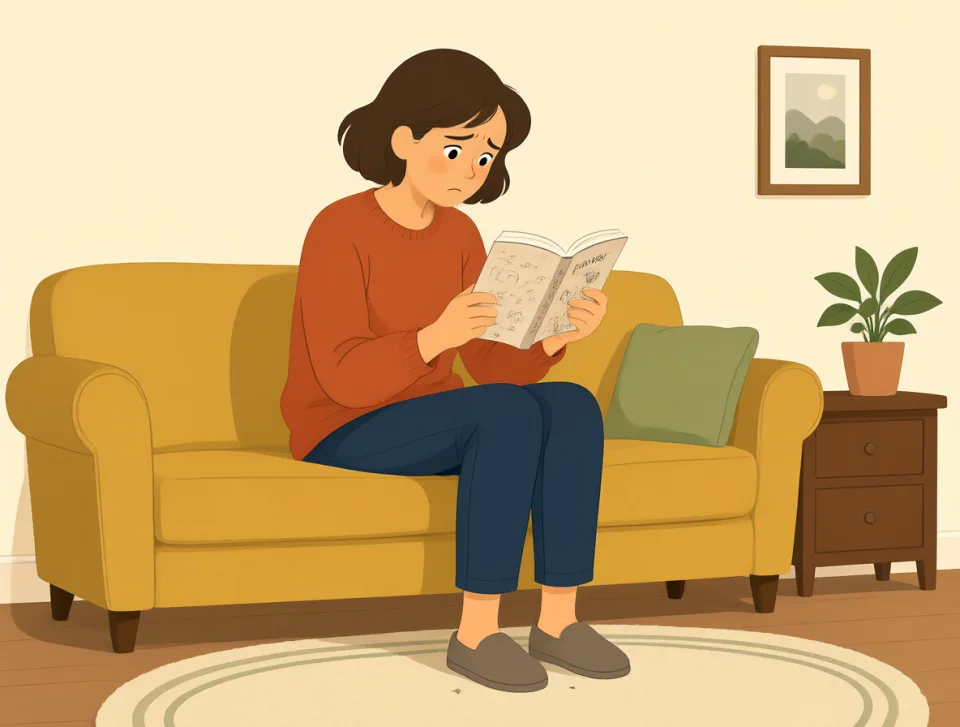
She has a tendency to worry about small problems.
Ma skłonność do zamartwiania się drobnymi problemami.
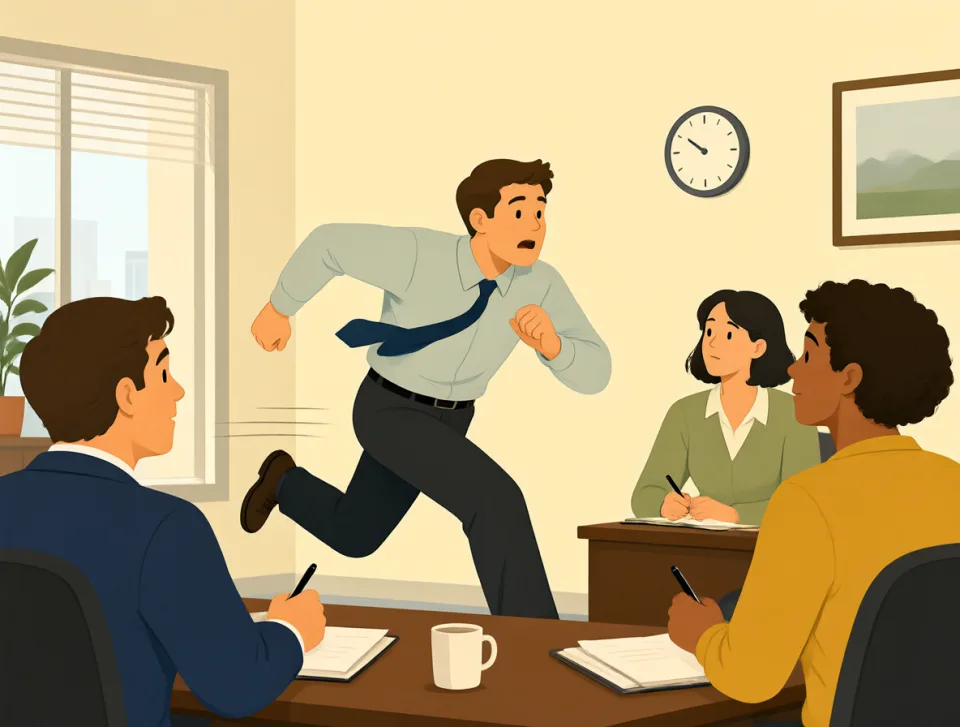
His tendency to arrive late annoys his coworkers.
Jego skłonność do spóźniania się irytuje współpracowników.
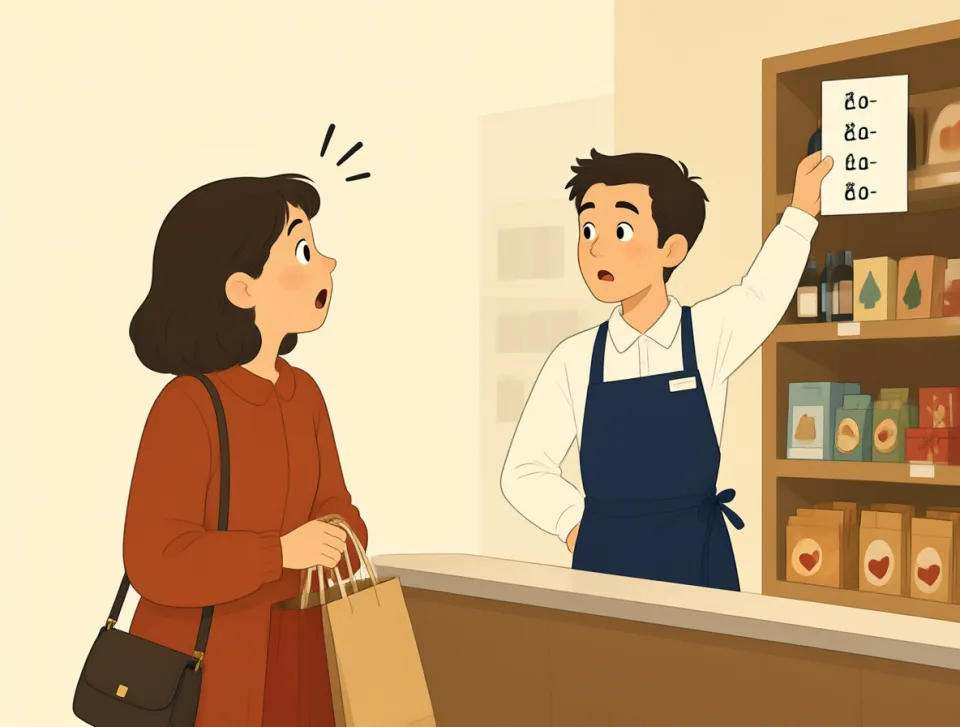
There is a tendency for prices to rise before holidays.
Przed świętami ceny mają tendencję do wzrostu.
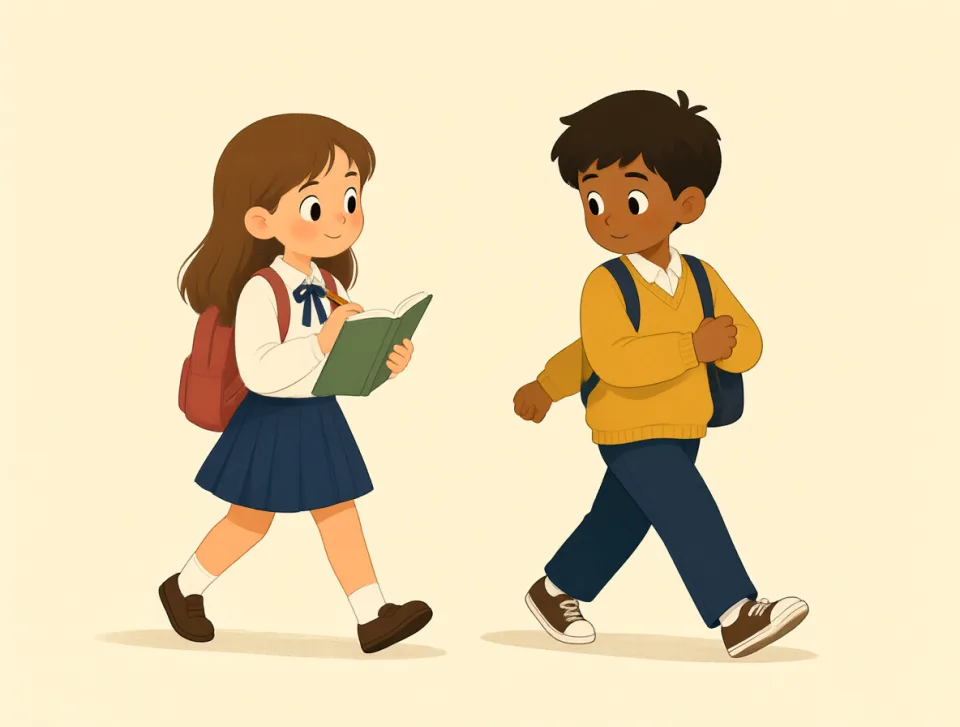
Children often show a tendency to copy their friends.
Dzieci często mają skłonność do naśladowania swoich przyjaciół.
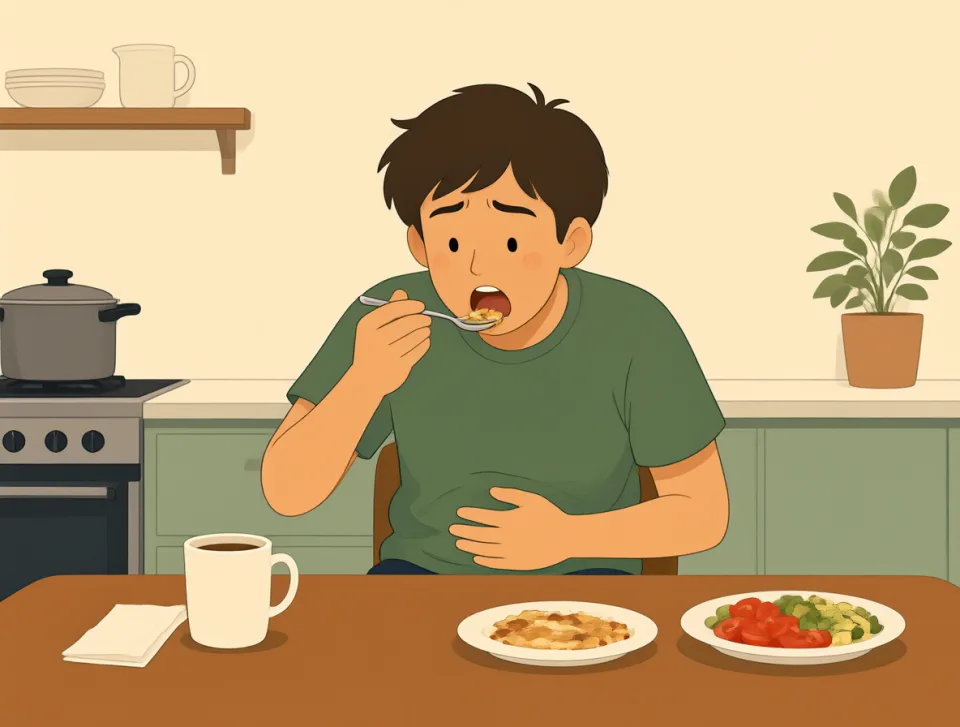
My tendency to eat too quickly causes stomach pain.
Moja skłonność do zbyt szybkiego jedzenia powoduje bóle brzucha.
frequent
#2409adjective
częsty
happening often or regularly
zdarzający się często lub regularnie
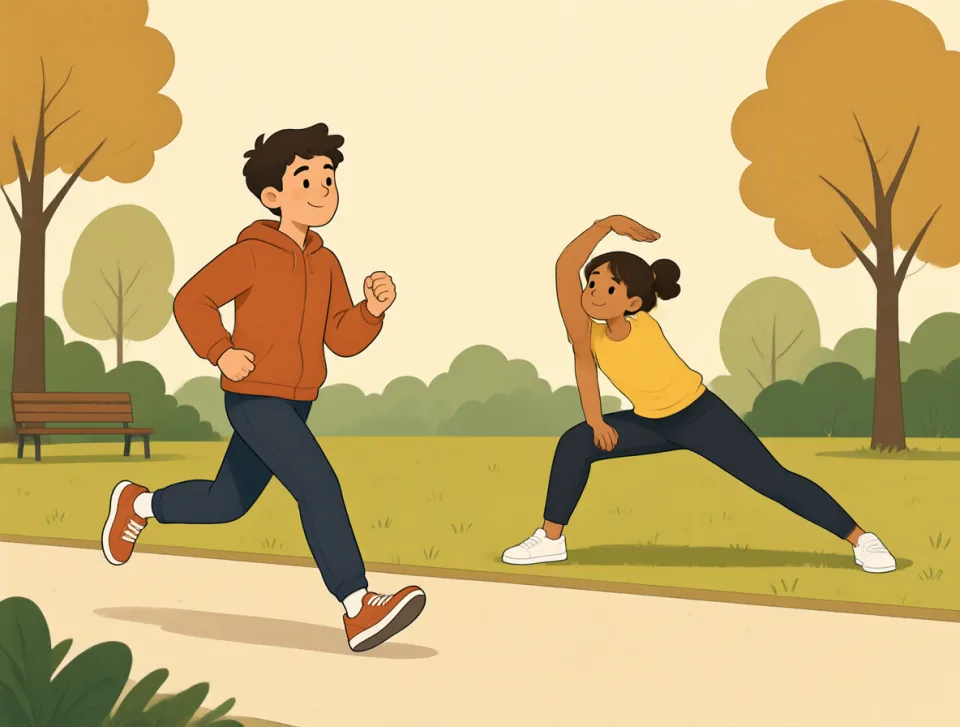
Frequent exercise can help you sleep better and feel less stressed.
Częste ćwiczenia mogą pomóc ci lepiej spać i mniej się stresować.
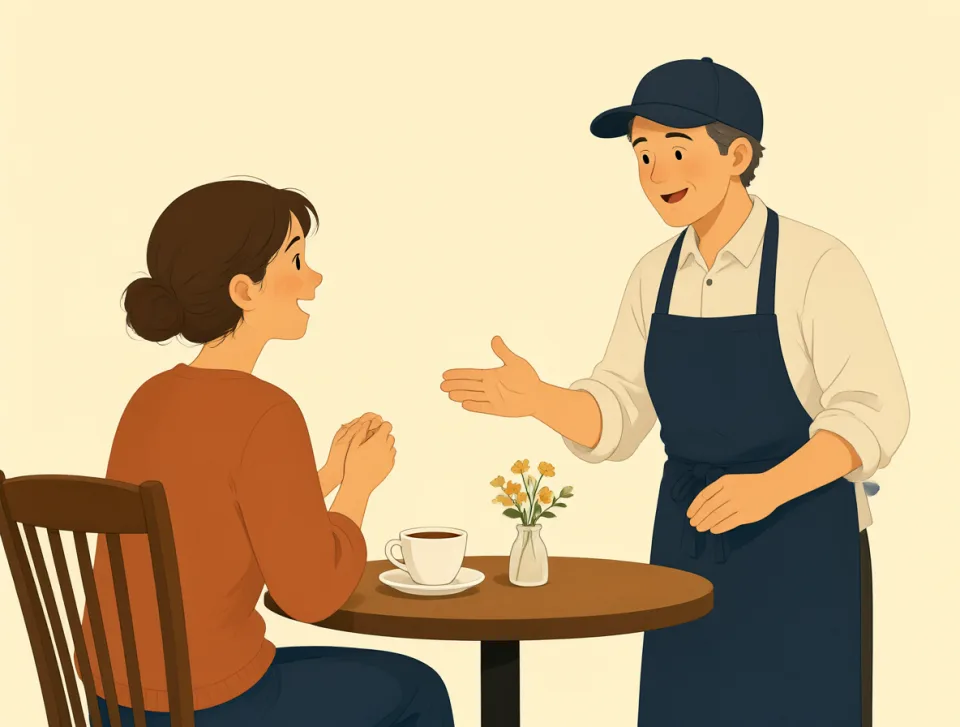
She is a frequent visitor to the small café near her office.
Często odwiedza małą kawiarnię w pobliżu swojego biura.
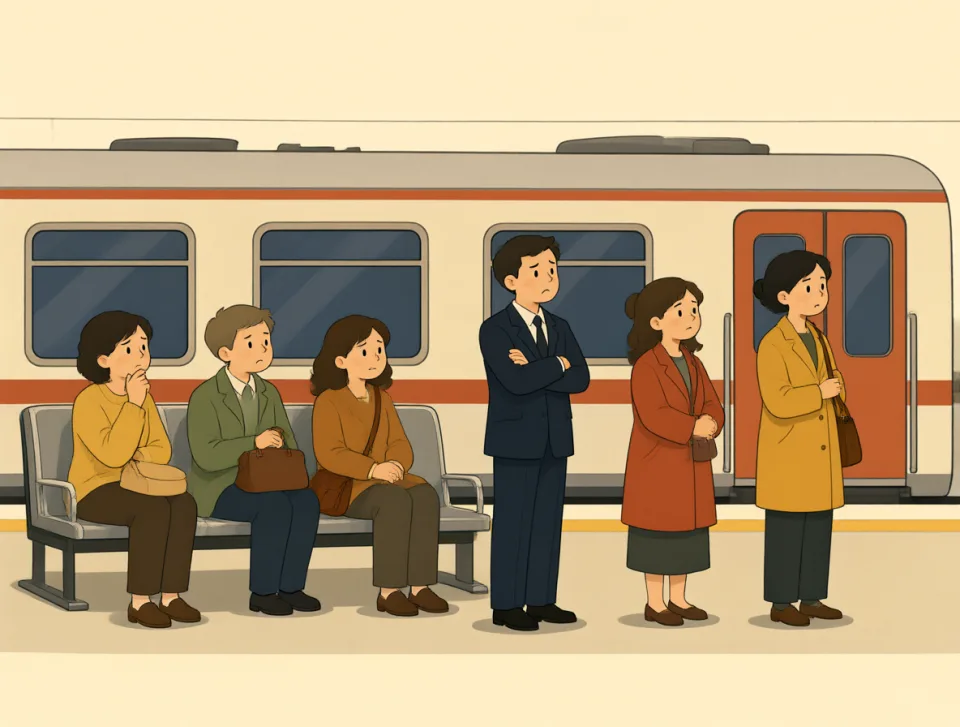
Frequent delays made the train journey much longer than expected.
Częste opóźnienia znacznie wydłużyły podróż pociągiem w porównaniu z oczekiwaniami.
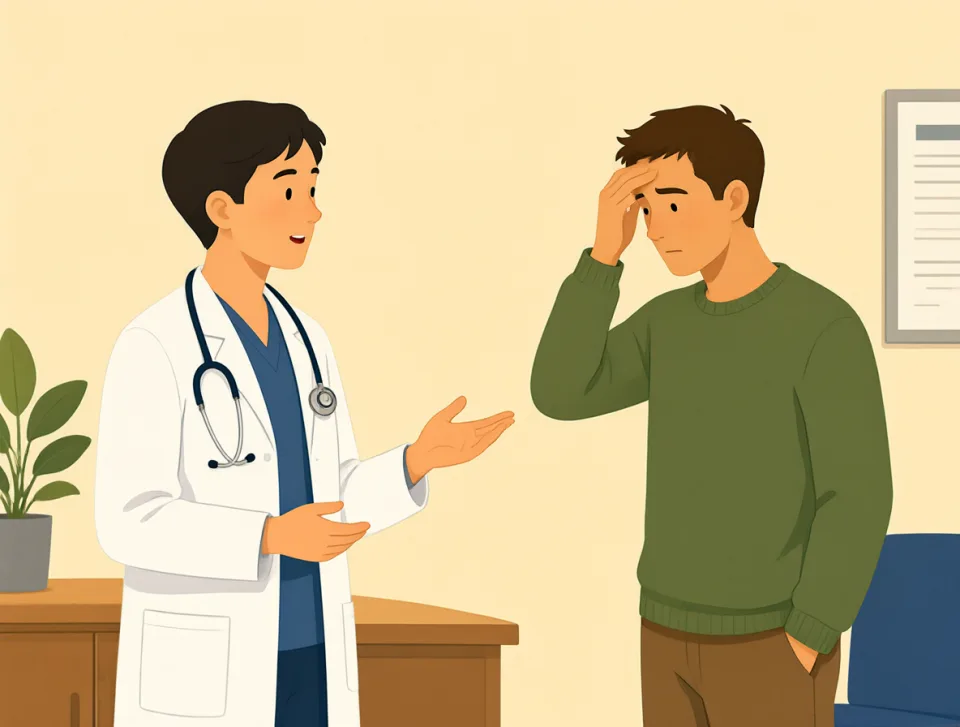
The doctor asked about his frequent headaches during the past month.
Lekarz zapytał o jego częste bóle głowy w ciągu ostatniego miesiąca.
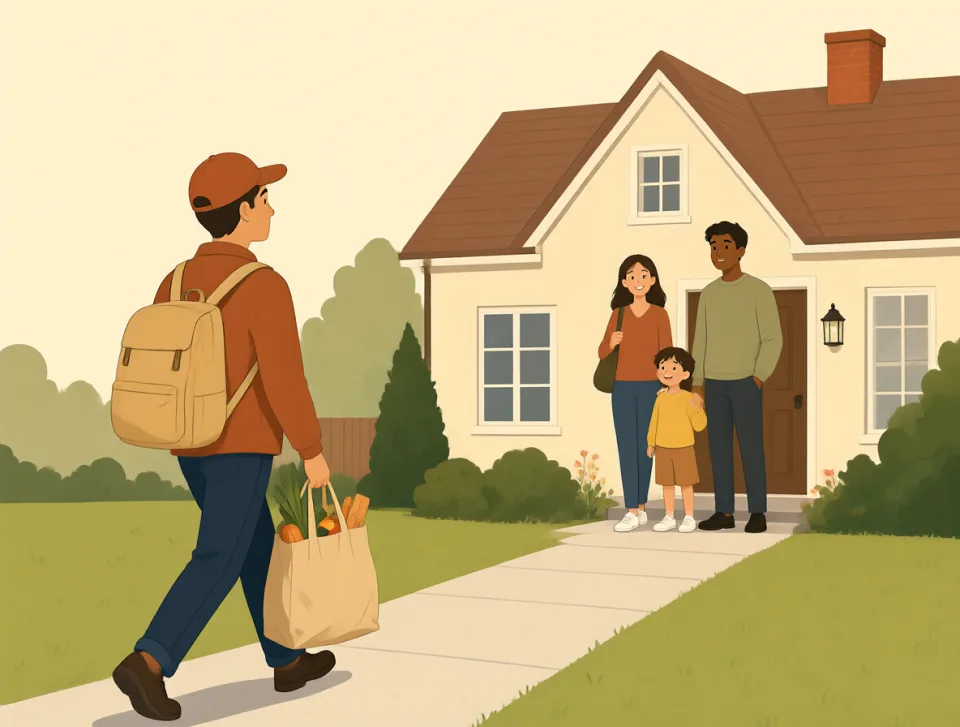
We receive frequent deliveries because our family orders groceries online.
Otrzymujemy częste dostawy, ponieważ nasza rodzina zamawia zakupy spożywcze przez internet.
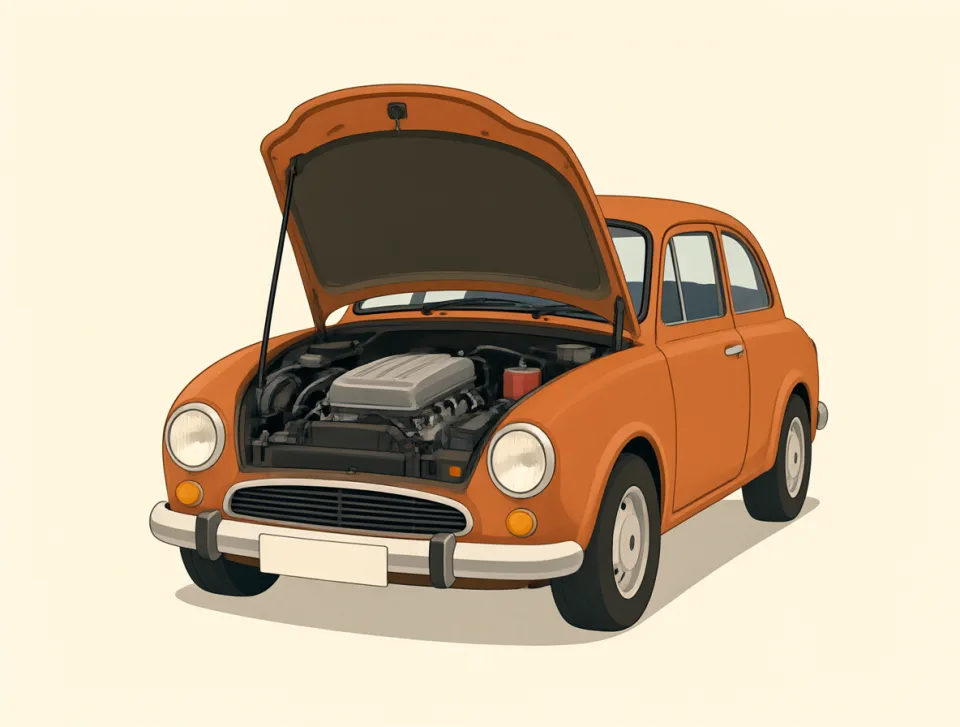
motor
#2410noun
silnik
a machine that uses energy to make a vehicle or other machine move
maszyna, która wykorzystuje energię, aby wprawić w ruch pojazd lub inną maszynę
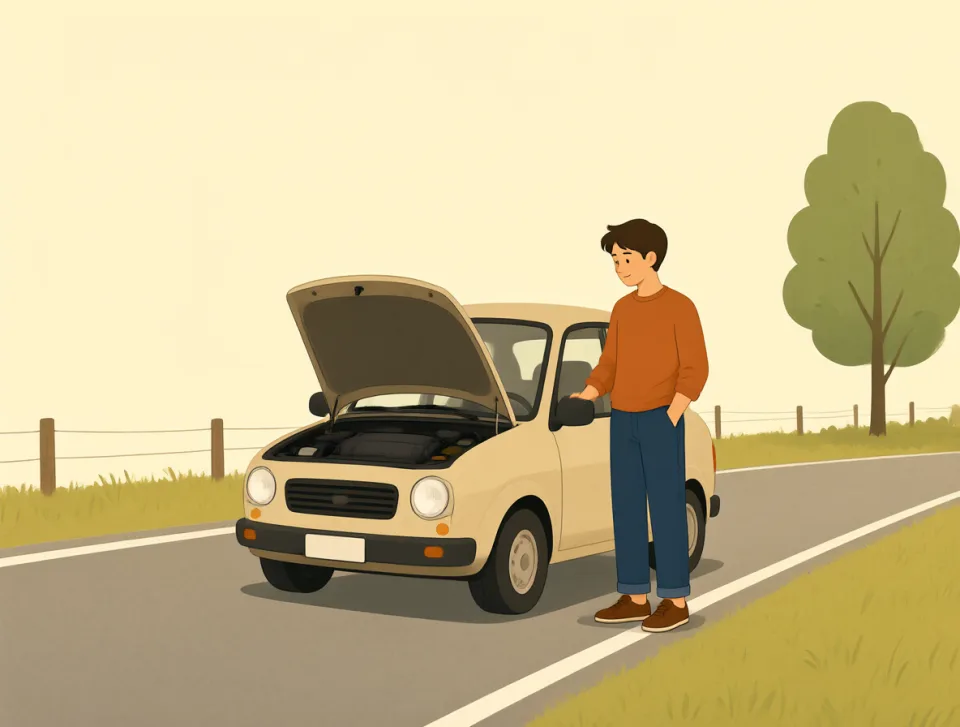
The car's motor stopped suddenly on the way home.
Silnik samochodu nagle się zatrzymał w drodze do domu.
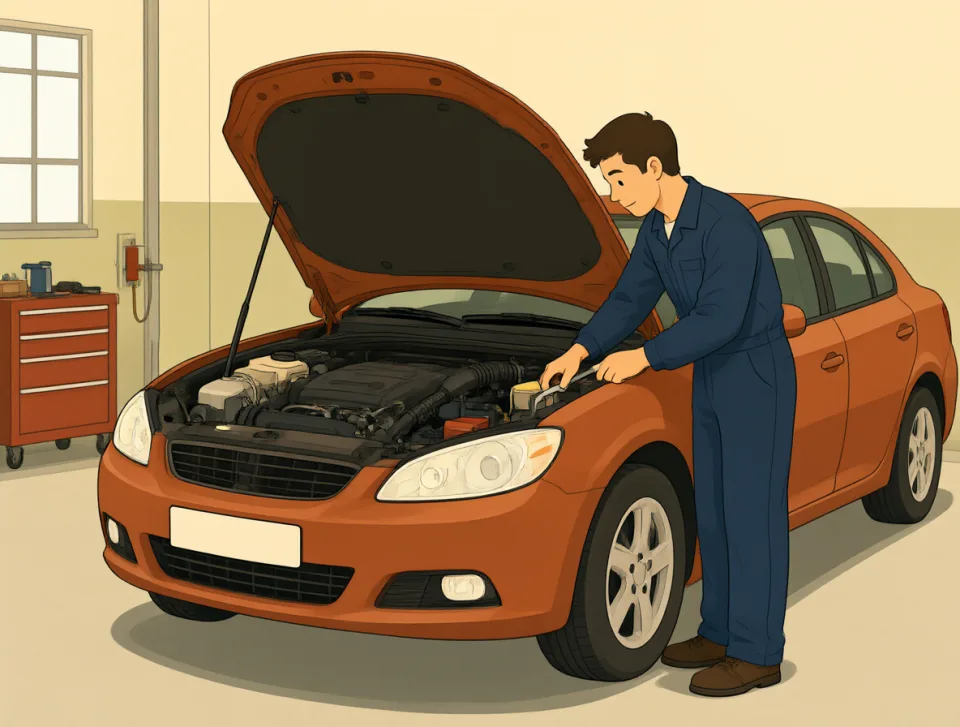
The mechanic checked the motor before returning the car.
Mechanik sprawdził silnik przed oddaniem samochodu.
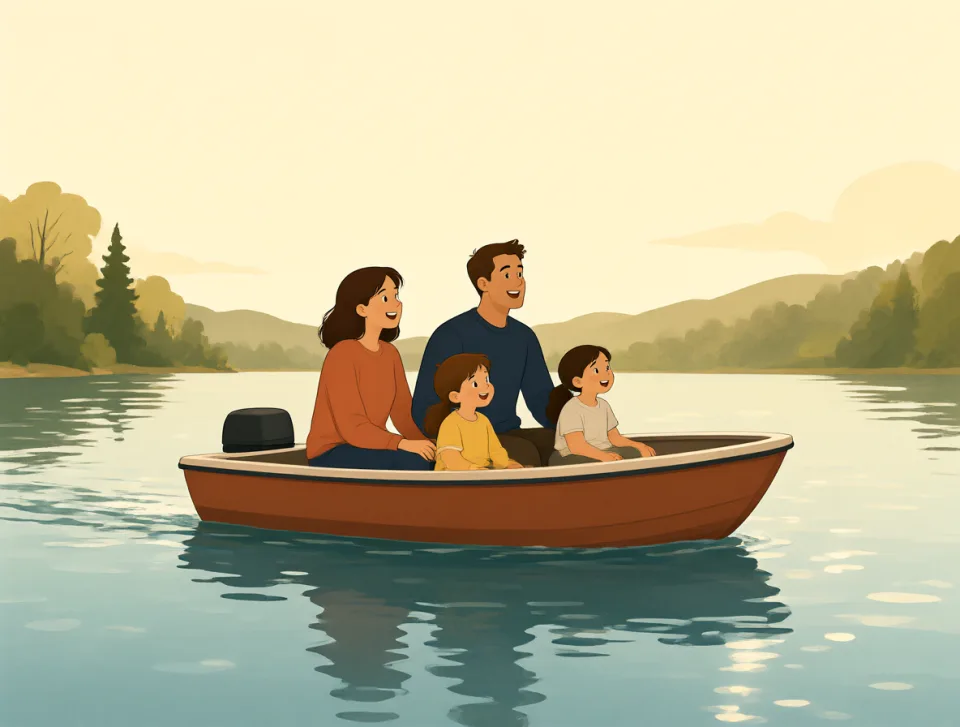
The boat has a powerful motor for traveling across the lake.
Łódź ma mocny silnik, który pozwala jej pływać po jeziorze.
I could hear the motor running behind the office wall.
Słyszałem, jak za ścianą biura pracował silnik.
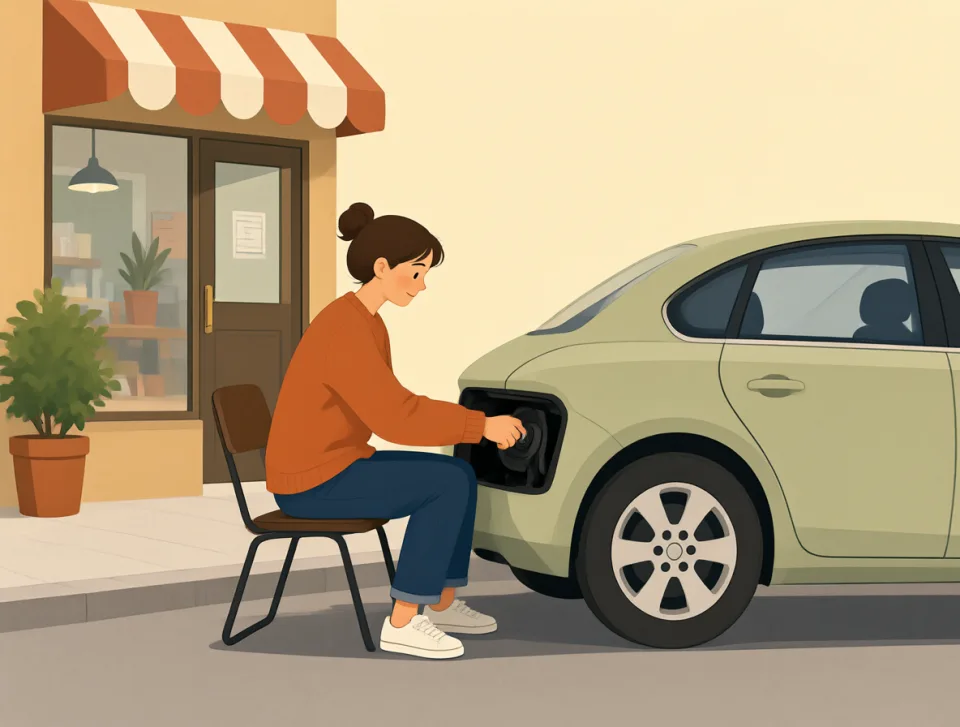
She turned off the motor while waiting outside the store.
Wyłączyła silnik, czekając przed sklepem.
survival
#2411noun
przetrwanie
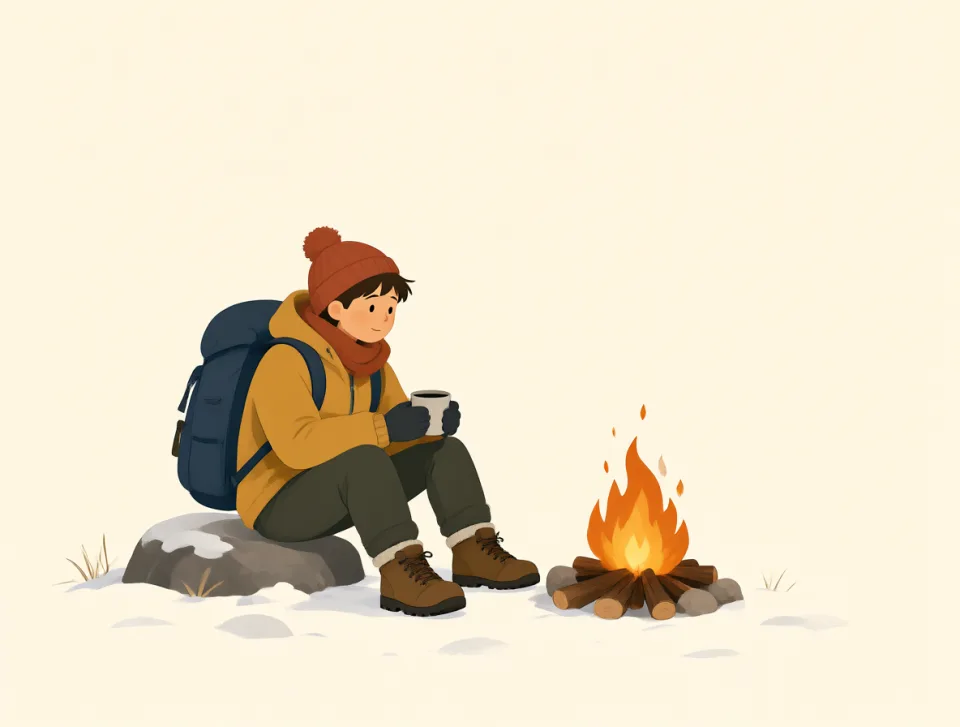
The ability to continue living or existing, especially through danger or difficulty.
Zdolność do dalszego życia lub istnienia, zwłaszcza w obliczu niebezpieczeństwa lub trudności.
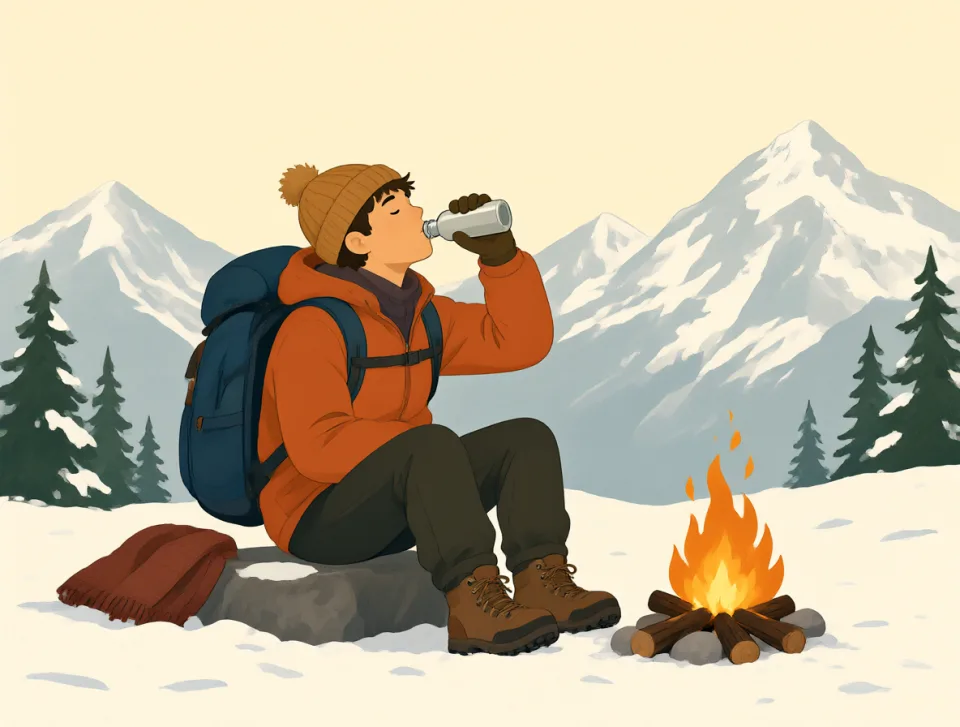
Clean water and warm clothing are essential for survival in cold weather.
Czysta woda i ciepłe ubrania są niezbędne do przetrwania w chłodne dni.
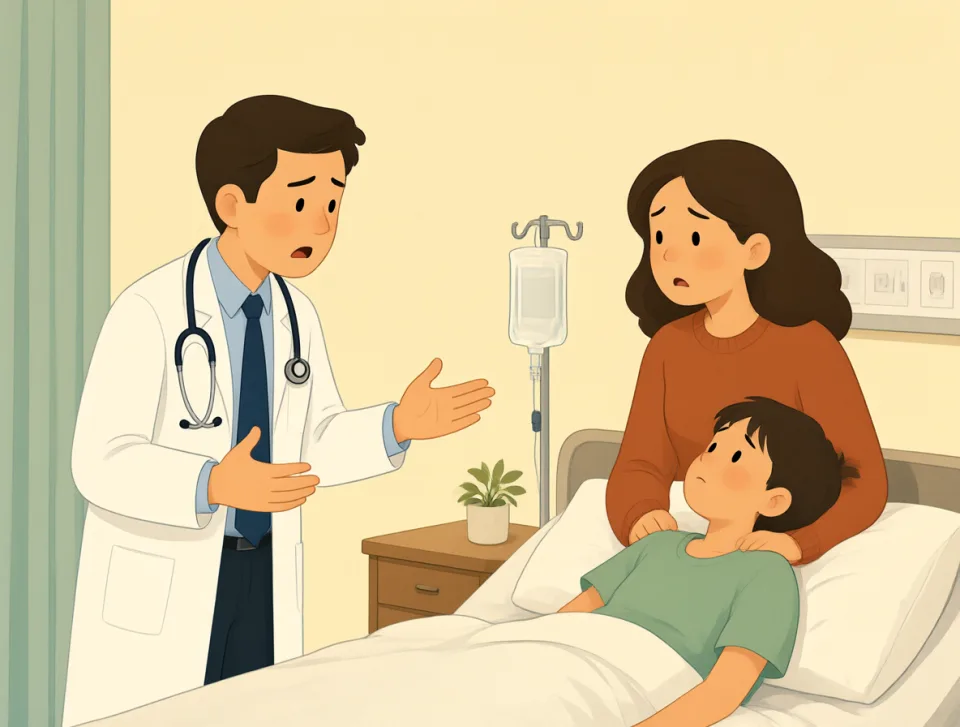
The doctor said her survival depended on getting treatment quickly.
Lekarz powiedział, że jej przeżycie zależało od szybkiego podjęcia leczenia.
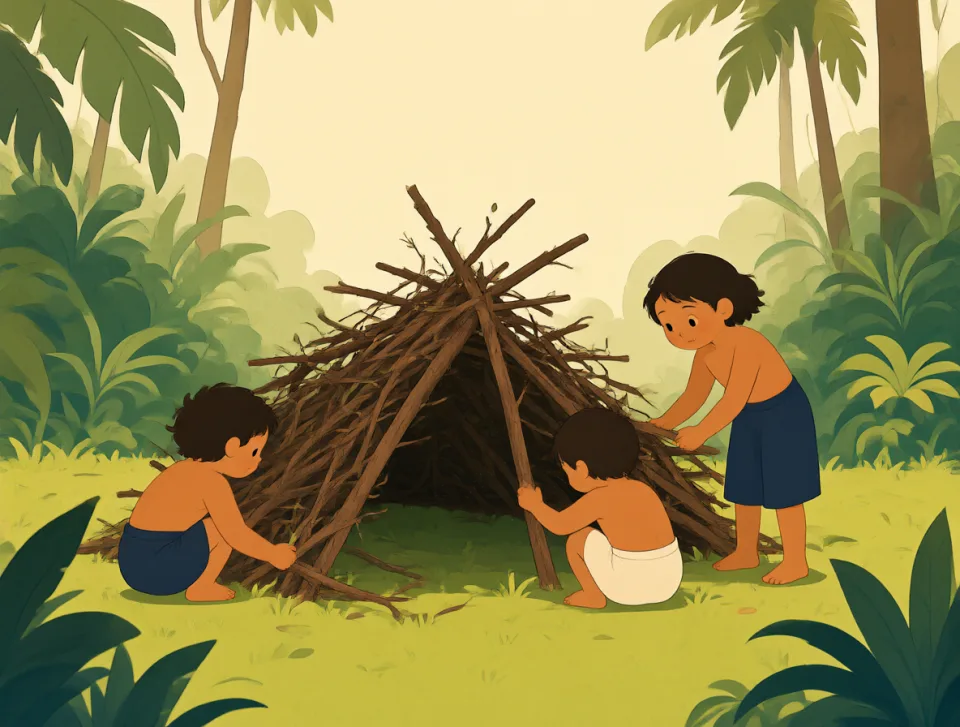
The team learned basic survival skills before exploring the jungle.
Zespół nauczył się podstawowych umiejętności przetrwania, zanim wyruszył na wyprawę do dżungli.
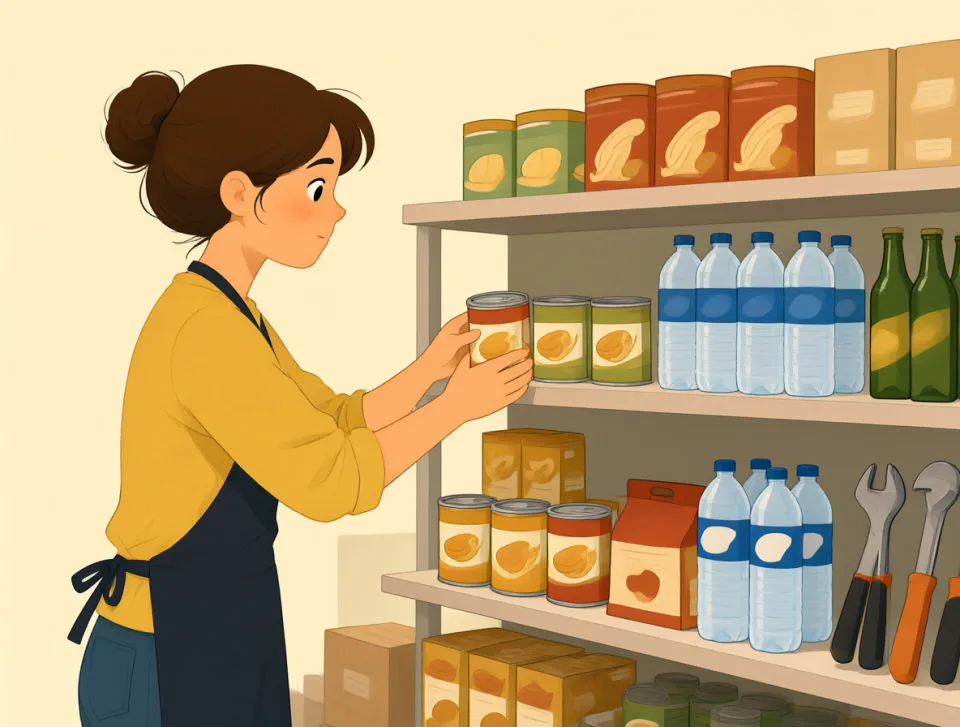
The small shop sells food and tools for everyday survival.
W tym małym sklepie można kupić żywność i narzędzia niezbędne do codziennego życia.
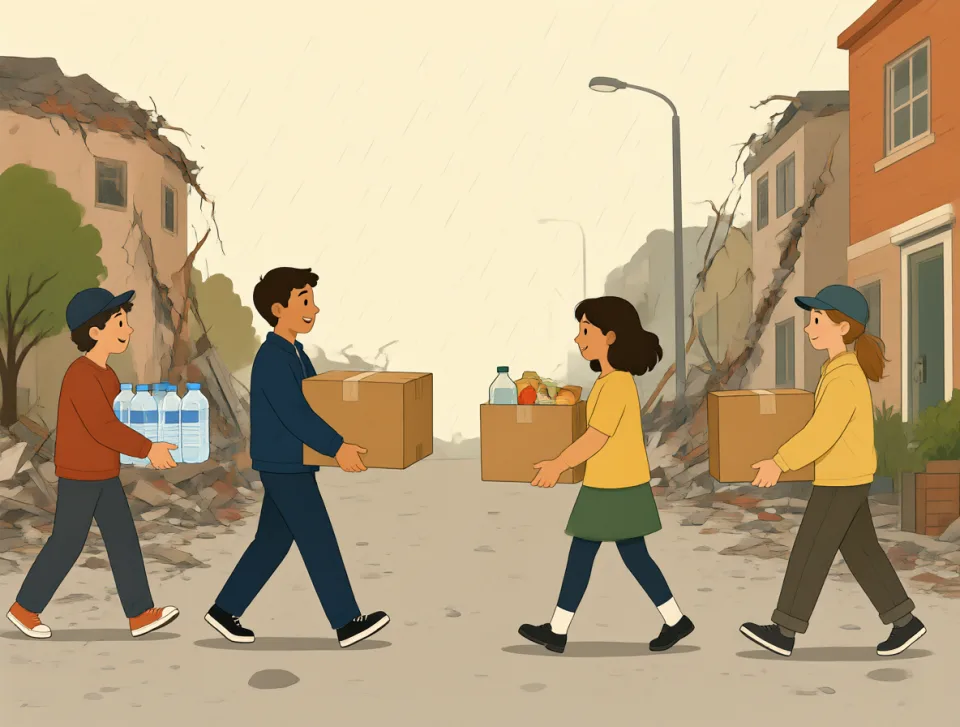
After the storm, our survival depended on helping each other.
Po burzy nasze przetrwanie zależało od tego, czy będziemy sobie nawzajem pomagać.
counter
#2412noun, verb
lada; przeciwdziałać
A long flat surface for serving food or doing work, or to act against something.
Długi, płaski blat, na którym podaje się jedzenie lub wykonuje pracę; także działać przeciwko czemuś.
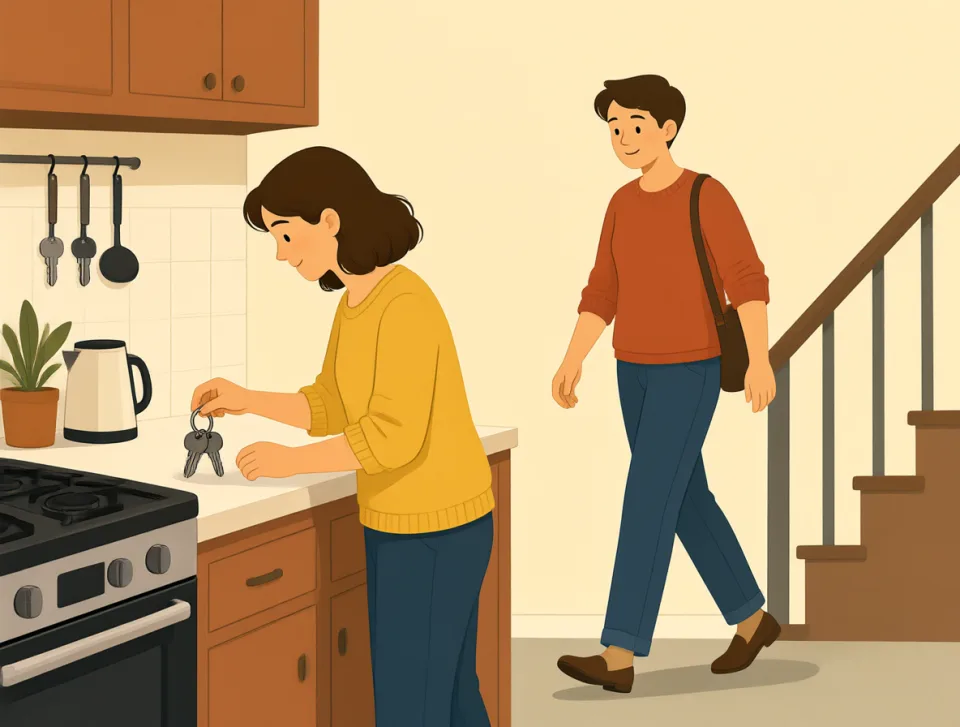
She left the keys on the kitchen counter before going upstairs.
Zostawiła klucze na kuchennym blacie, zanim poszła na górę.
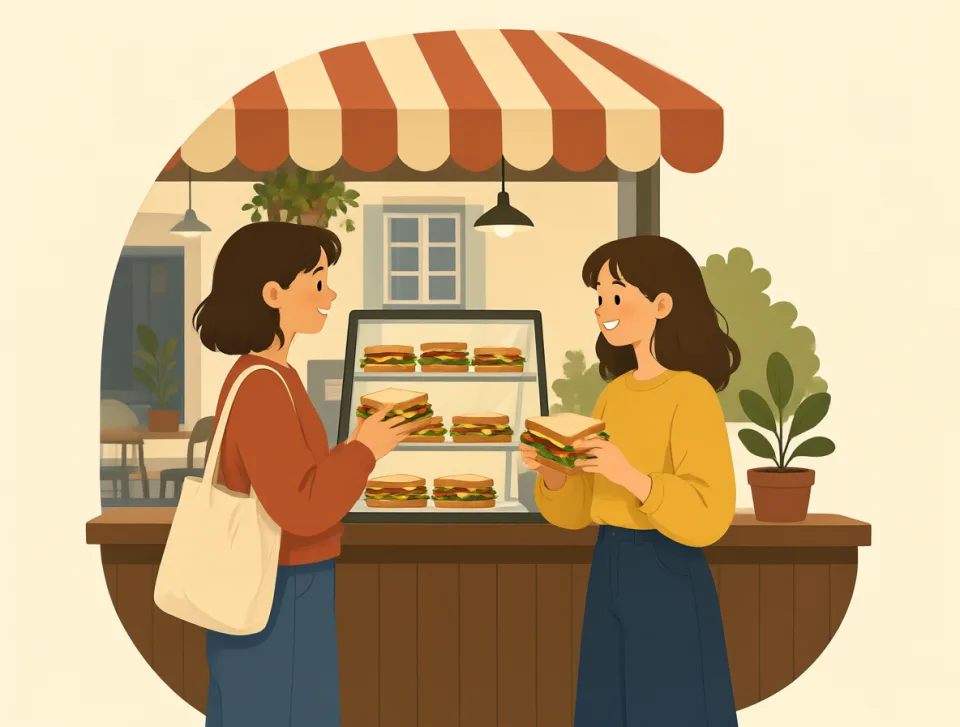
We ordered sandwiches at the counter and found a table outside.
Zamówiliśmy kanapki przy ladzie i znaleźliśmy stolik na zewnątrz.
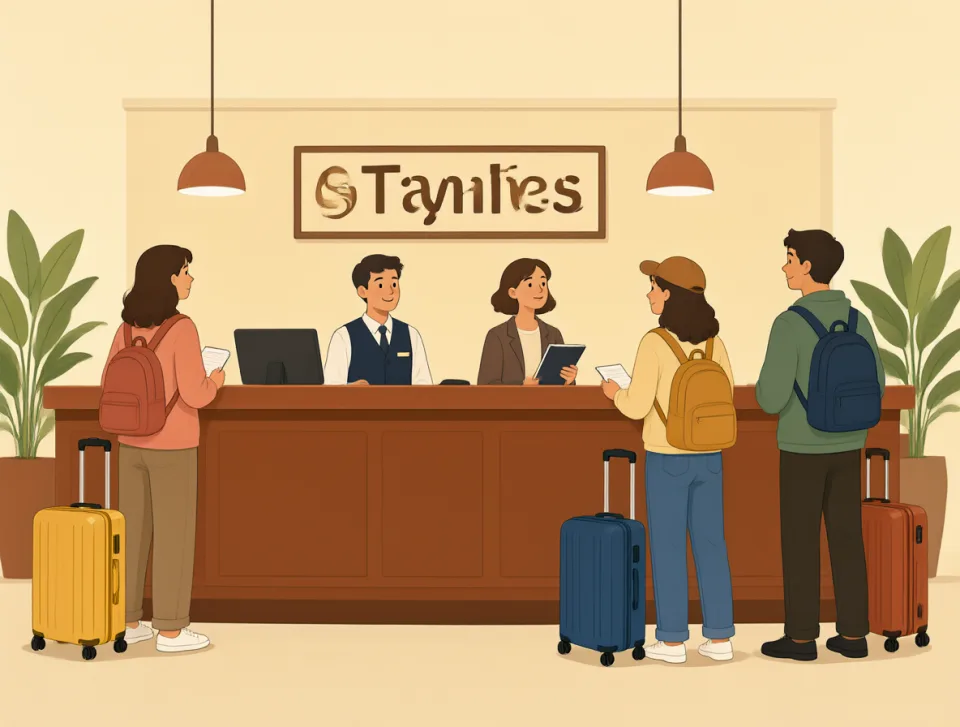
The hotel counter was busy, so we waited quietly with our bags.
Przy hotelowej recepcji panował tłok, więc spokojnie czekaliśmy z bagażami.

The new evidence counters the argument that the treatment is unsafe.
Nowe dowody podważają argument, że ta metoda leczenia jest niebezpieczna.
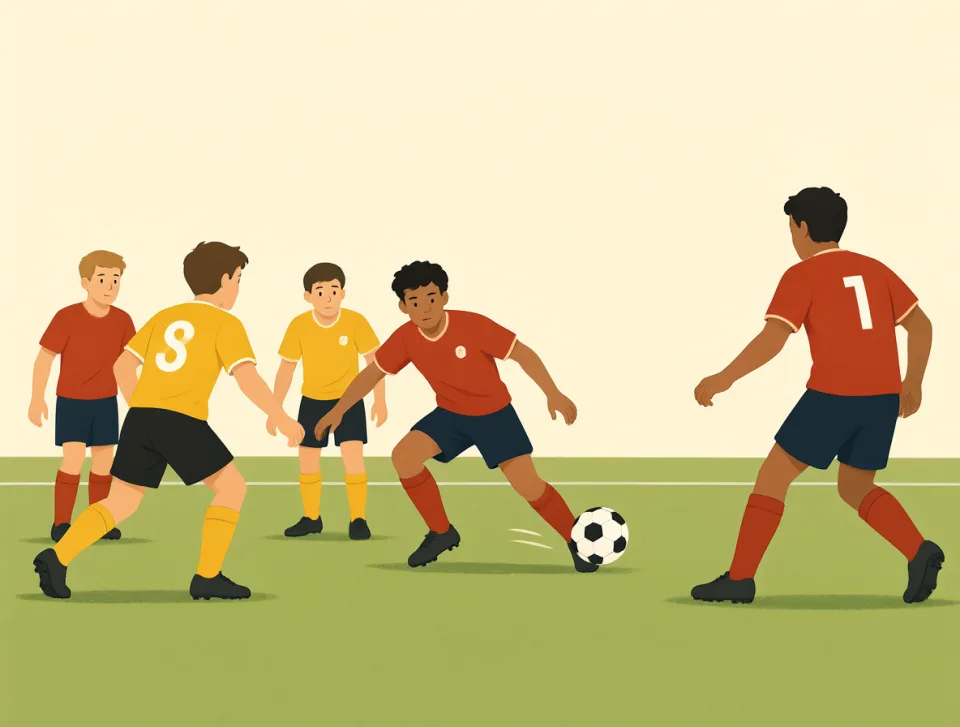
The team is countering the opponent's attack with a quick pass.
Zespół odpowiada na atak przeciwnika szybkim podaniem.
possess
#2413verb
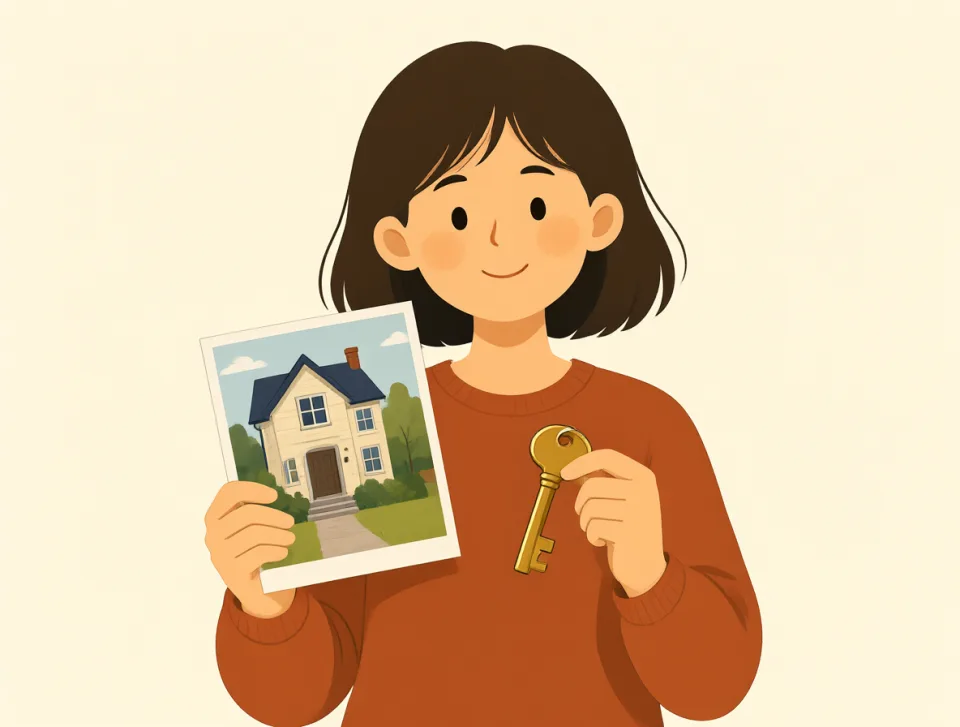
posiadać
to have something as your own or to have a particular quality
Mieć coś na własność lub mieć określoną cechę.

She possesses excellent communication skills and works well with people.
Ma doskonałe umiejętności komunikacyjne i dobrze dogaduje się z ludźmi.
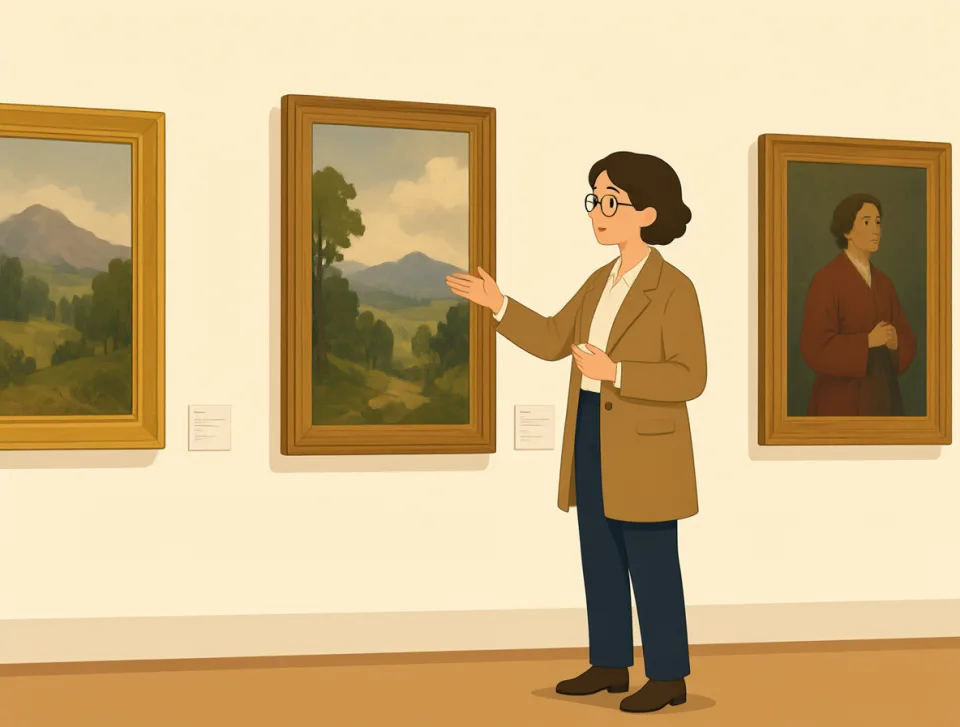
The museum possesses several paintings by famous local artists.
Muzeum posiada kilka obrazów znanych lokalnych artystów.
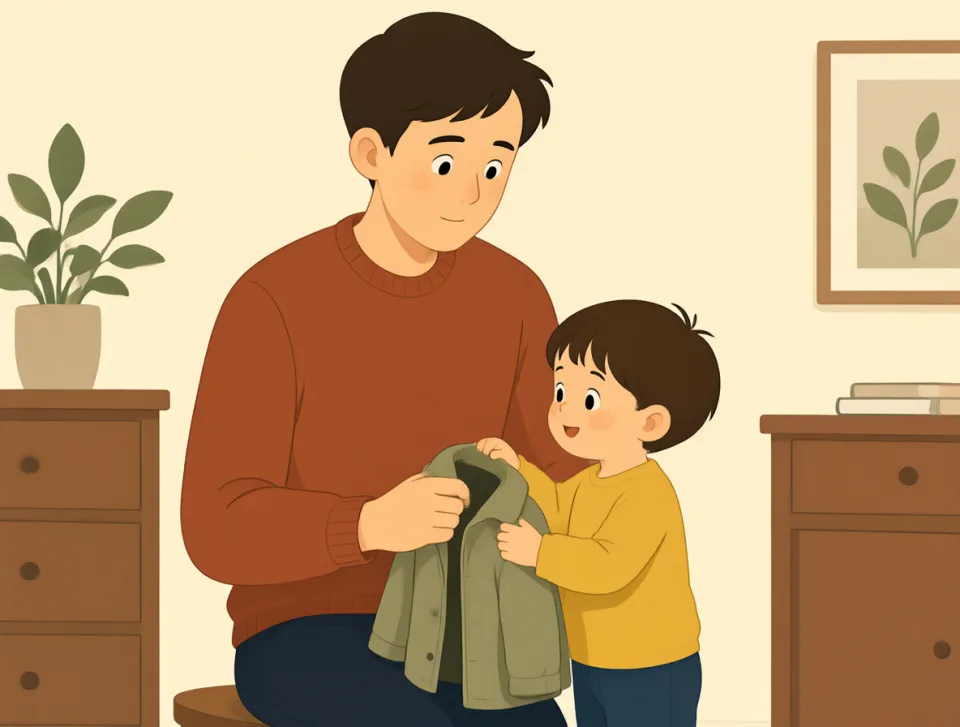
He possesses the patience needed to care for young children.
Ma cierpliwość potrzebną do opieki nad małymi dziećmi.

The new phone possesses a powerful camera and a long-lasting battery.
Nowy telefon ma doskonały aparat i baterię o długiej żywotności.
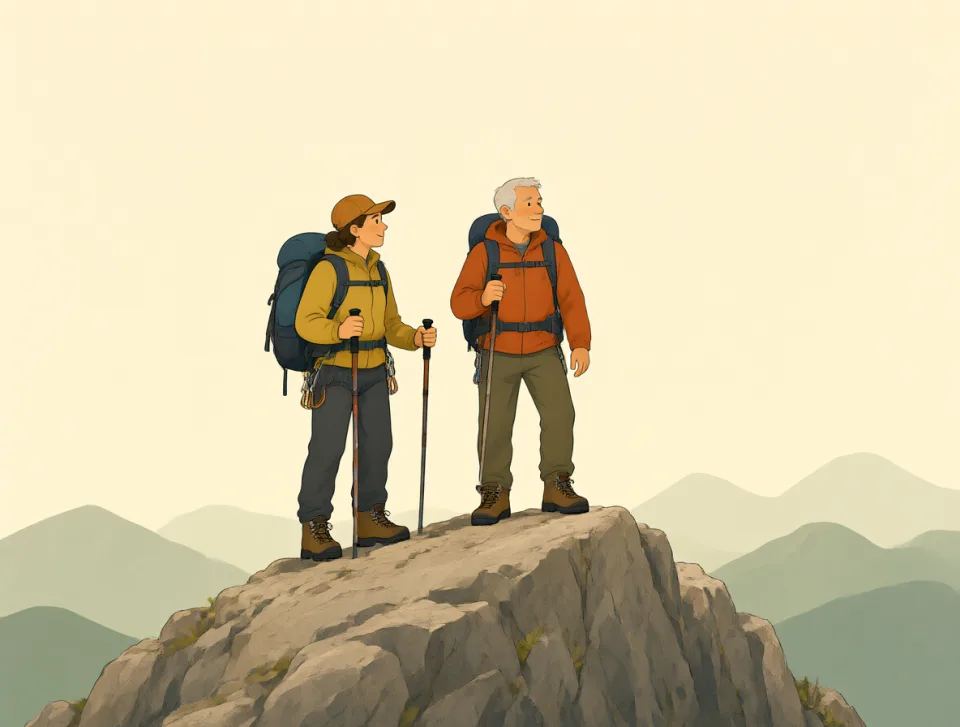
Only experienced climbers possess the strength to reach the mountain’s highest point.
Tylko doświadczeni wspinacze mają dość siły, by dotrzeć na najwyższy szczyt góry.
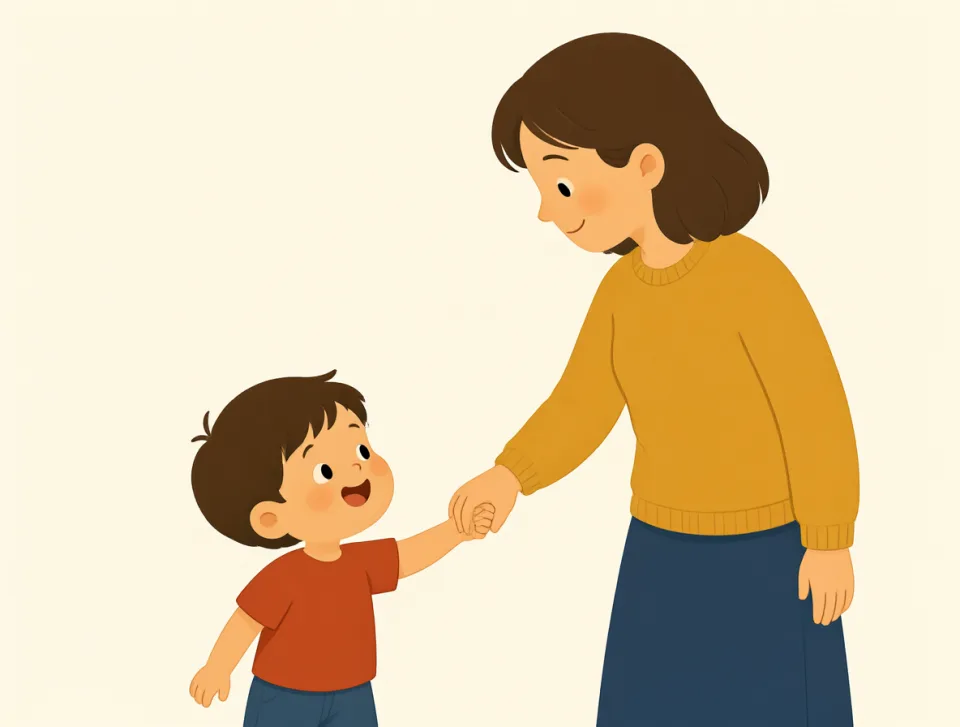
permission
#2414noun
pozwolenie
If you have permission, someone allows you to do something.
Jeśli masz pozwolenie, ktoś zgadza się, żebyś coś zrobił lub zrobiła.
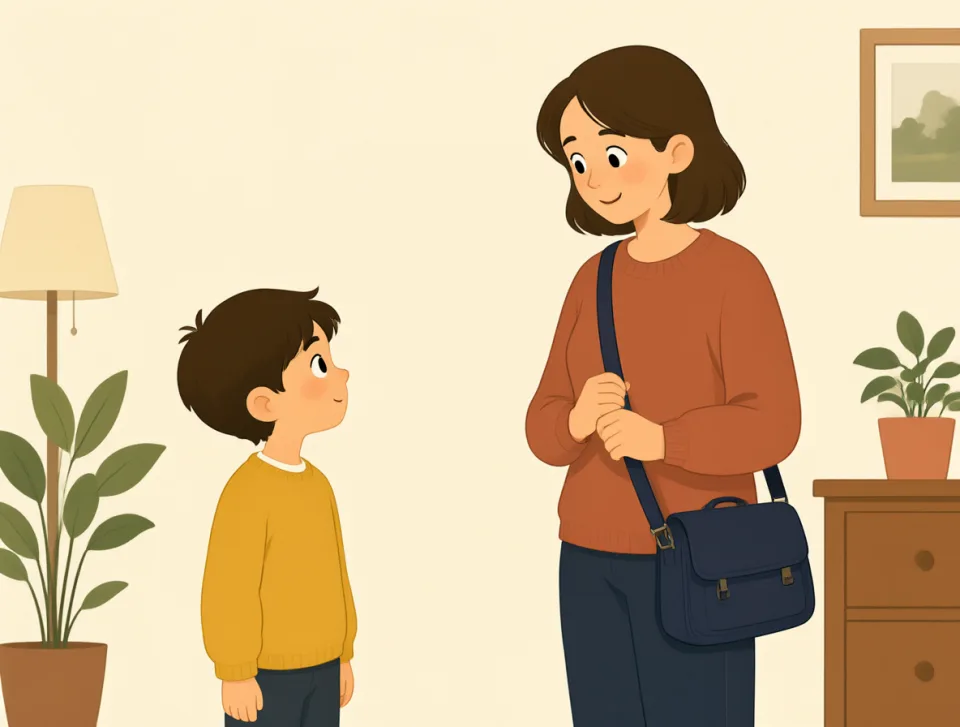
You need your parents' permission before going on the school trip.
Zanim pojedziesz na wycieczkę szkolną, potrzebujesz zgody rodziców.

I asked my manager for permission to leave work early.
Poprosiłem przełożonego o zgodę na wcześniejsze wyjście z pracy.
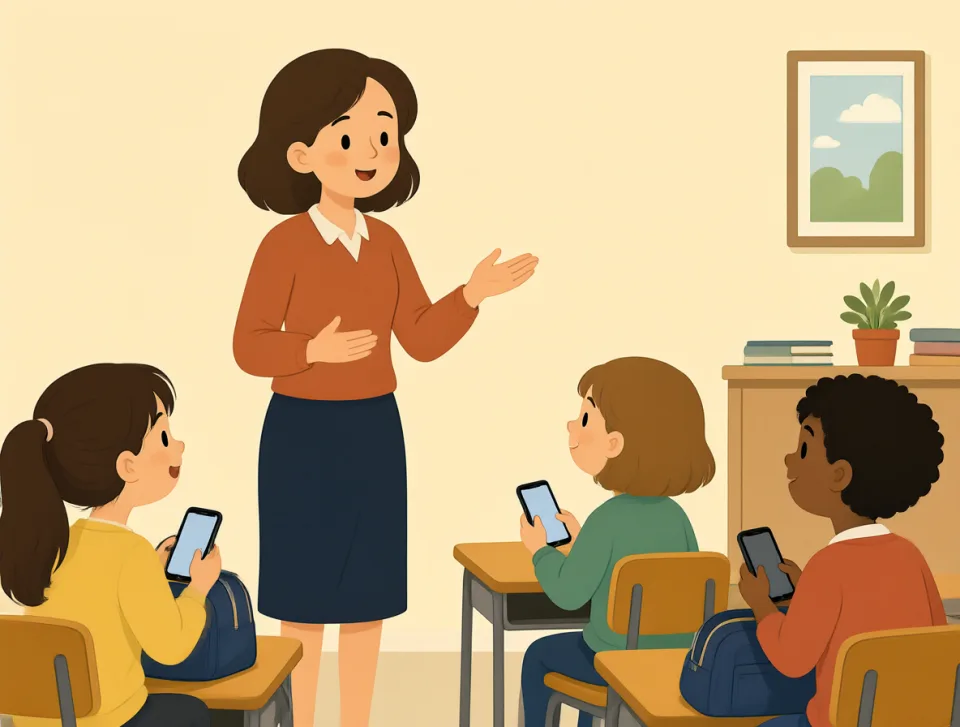
The teacher gave us permission to use our phones during the break.
Nauczyciel pozwolił nam korzystać z telefonów podczas przerwy.
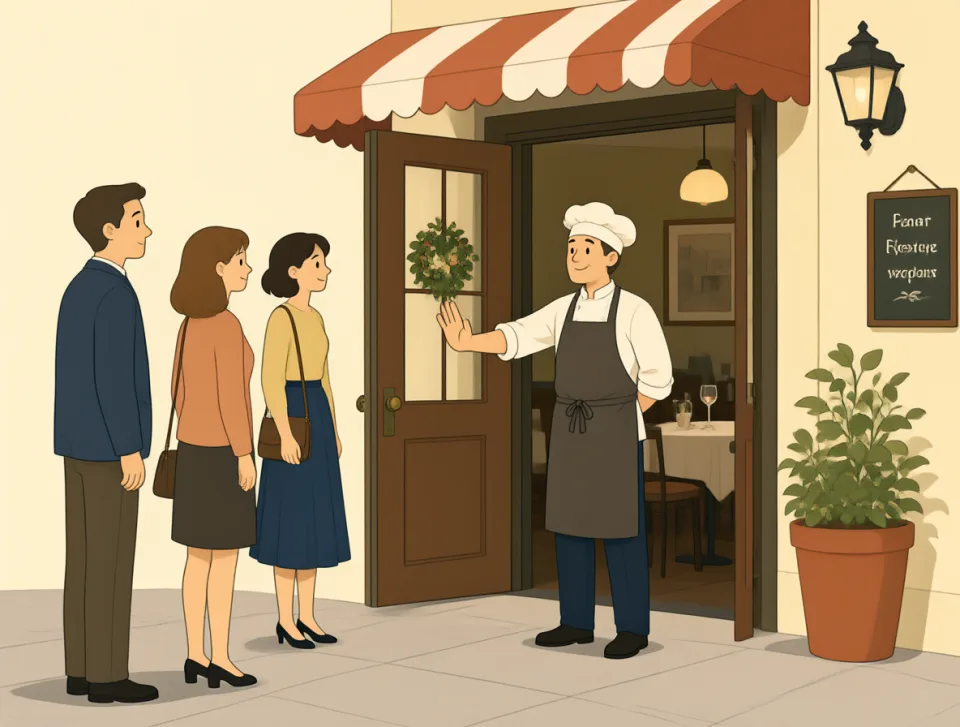
We could not enter the restaurant without permission from the owner.
Nie mogliśmy wejść do restauracji bez zgody właściciela.
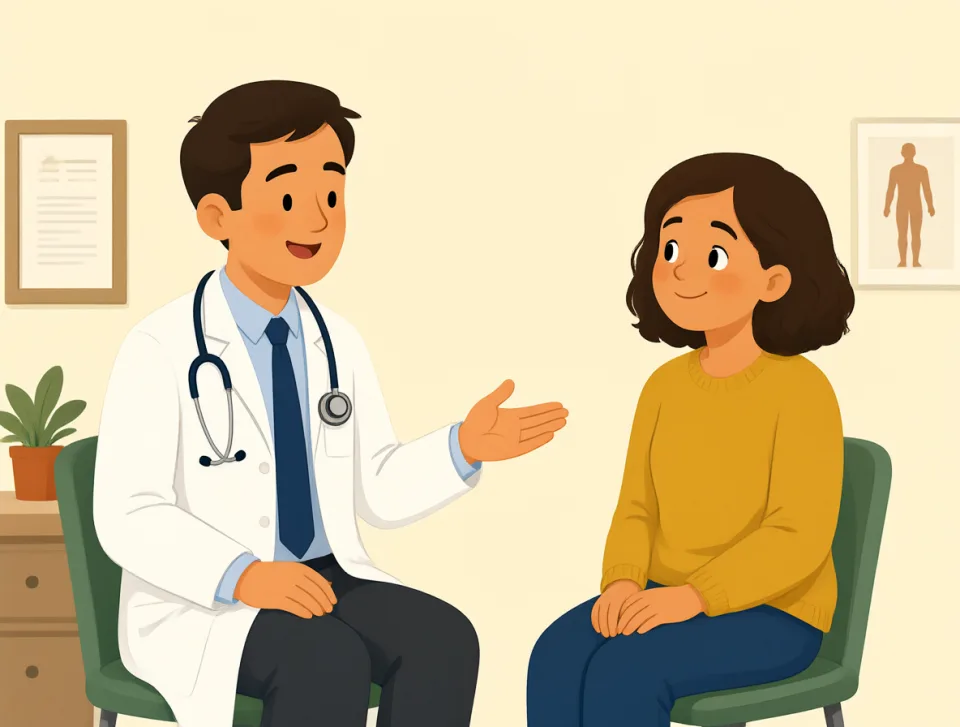
The doctor gave him permission to return to work next week.
Lekarz pozwolił mu wrócić do pracy w przyszłym tygodniu.

valley
#2415noun
dolina
A low area of land between hills or mountains, often with a river running through it.
Nisko położony teren między wzgórzami lub górami, często z przepływającą przez niego rzeką.
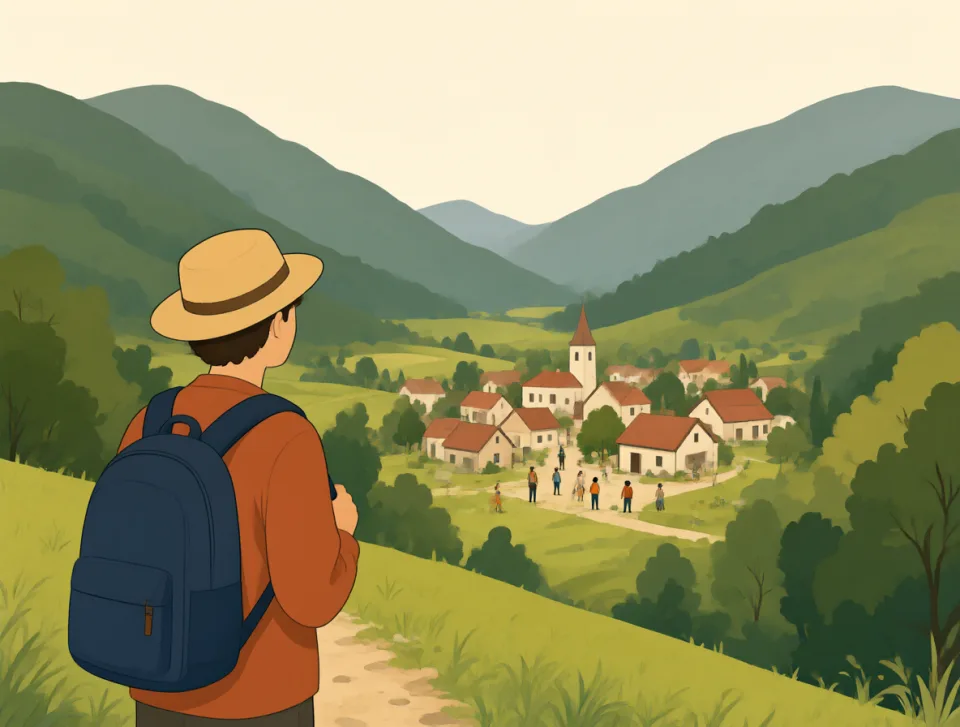
The small village lies in a beautiful valley between two mountain ranges.
Mała wioska leży w pięknej dolinie między dwoma pasmami górskimi.
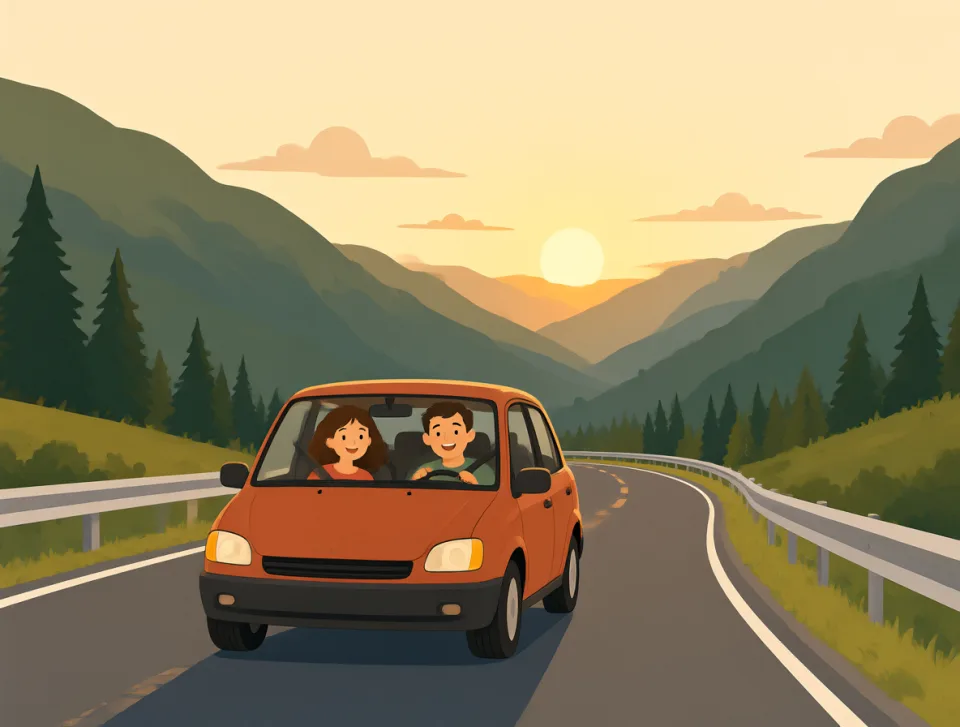
We drove through the valley until we reached the town before sunset.
Jechaliśmy przez dolinę, aż przed zachodem słońca dotarliśmy do miasteczka.
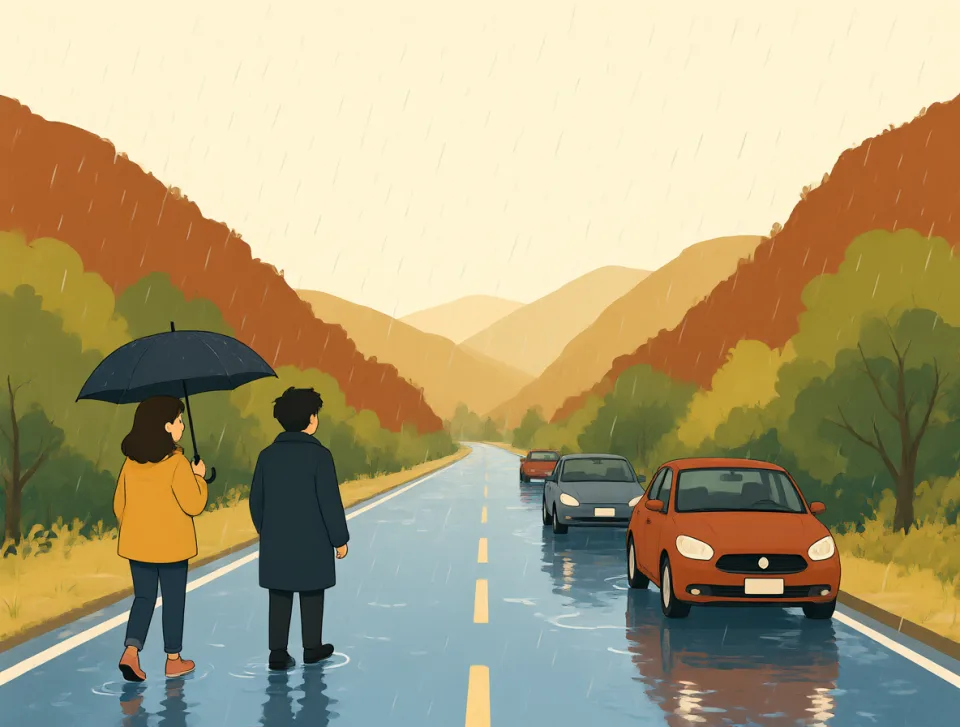
Heavy rain filled the valley with water and blocked the main road.
Ulewny deszcz zalał dolinę i zablokował główną drogę.

From the top of the hill, we could see the entire valley below.
Ze szczytu wzgórza mogliśmy zobaczyć całą dolinę rozciągającą się u naszych stóp.
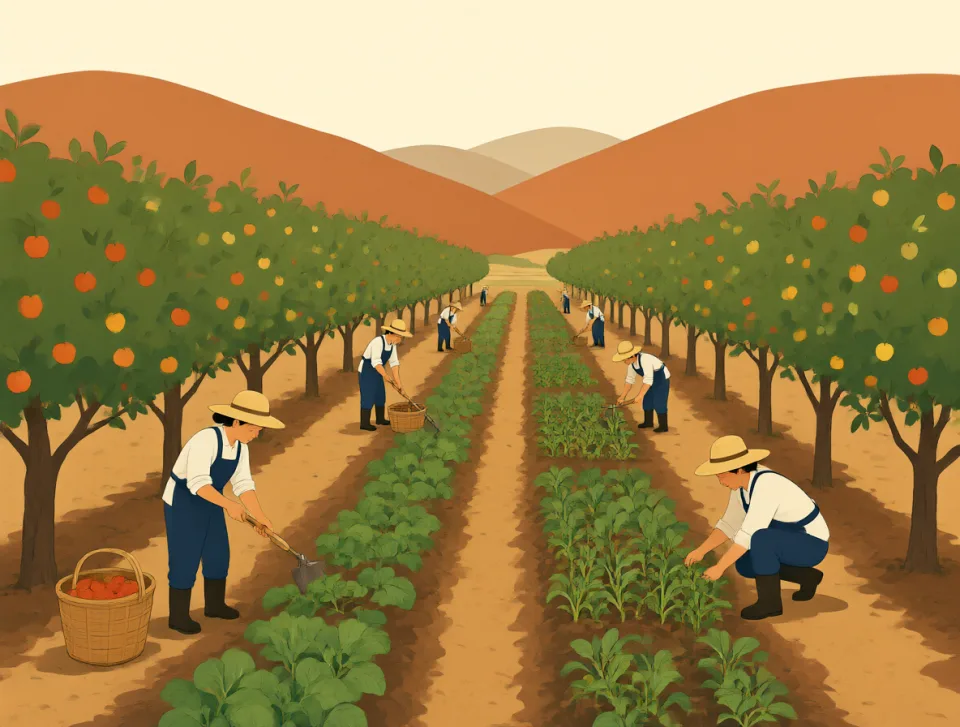
Farmers grow fruit and vegetables on the valley floor.
Rolnicy uprawiają owoce i warzywa na dnie doliny.
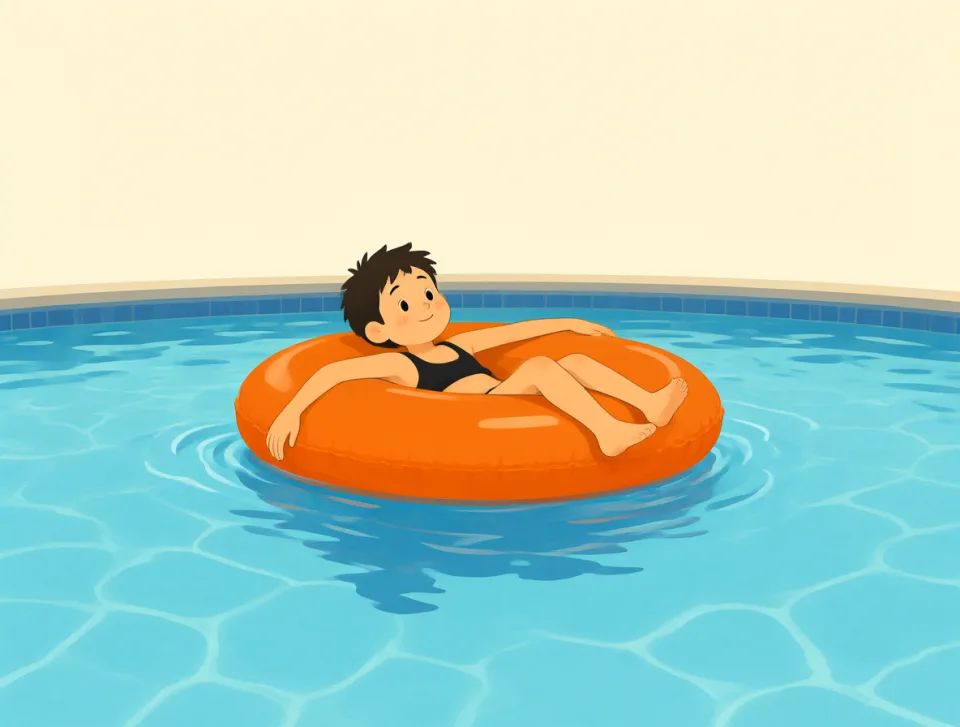
float
#2416verb, noun
unosić się
to stay on the surface of water or another liquid without sinking
utrzymywać się na powierzchni wody lub innej cieczy, nie tonąc
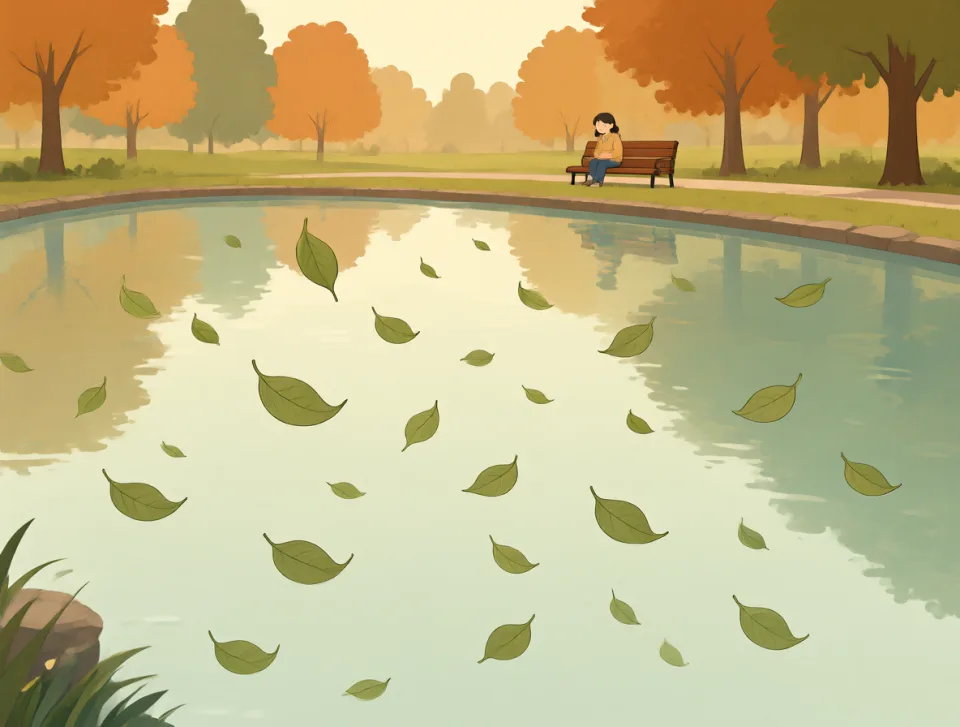
The leaves floated gently on the surface of the pond.
Liście delikatnie unosiły się na powierzchni stawu.
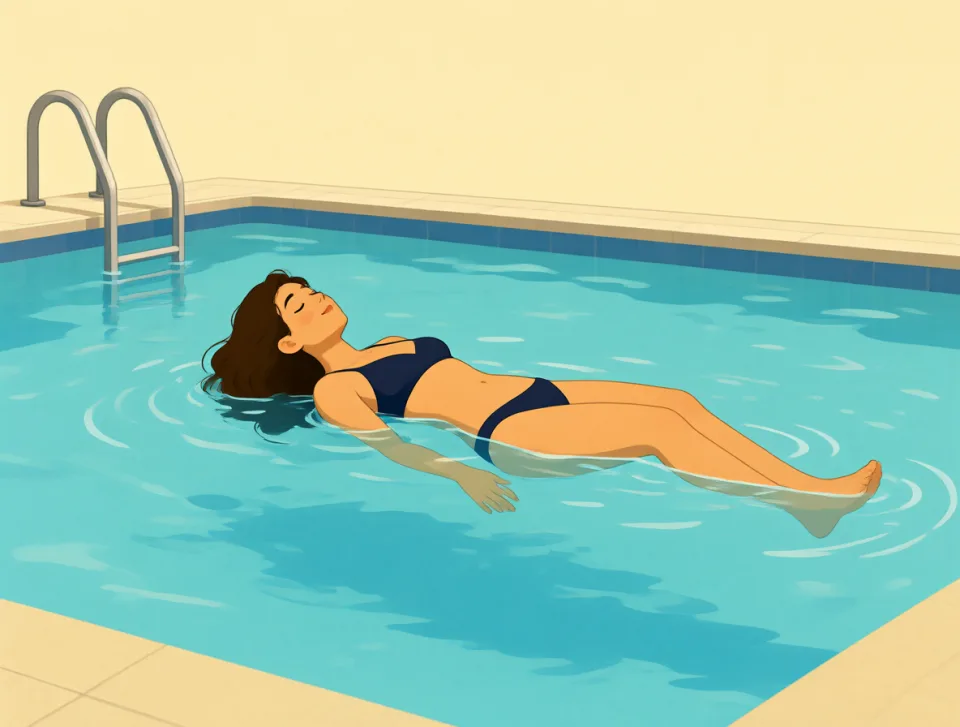
She floated on her back while relaxing in the swimming pool.
Relaksując się w basenie, unosiła się na plecach.
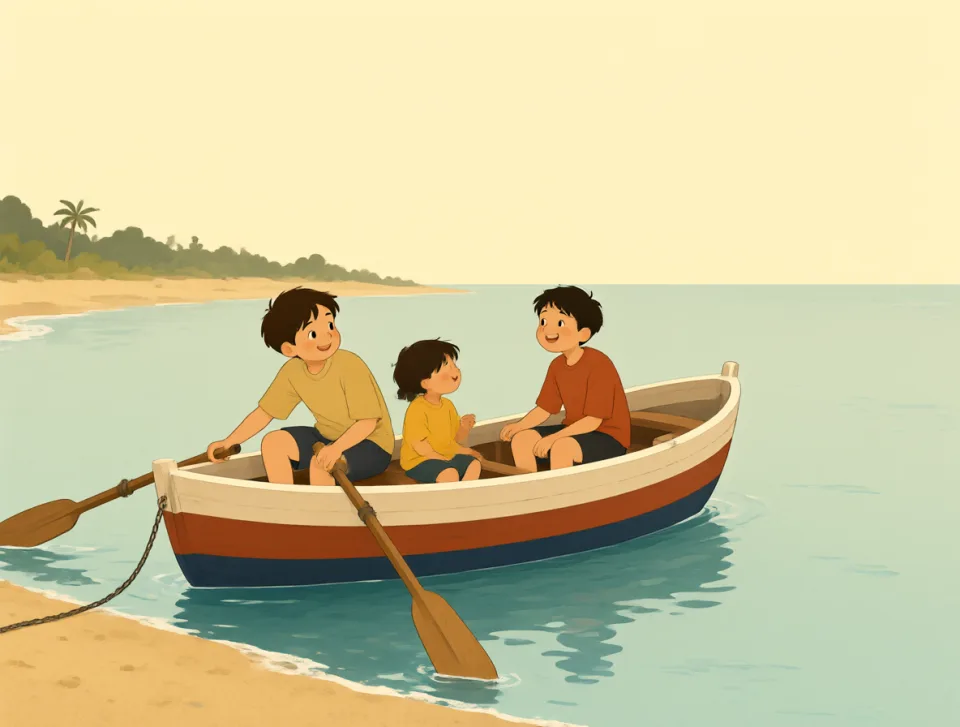
A small boat was floating near the beach after the storm.
Po burzy mała łódź unosiła się niedaleko plaży.
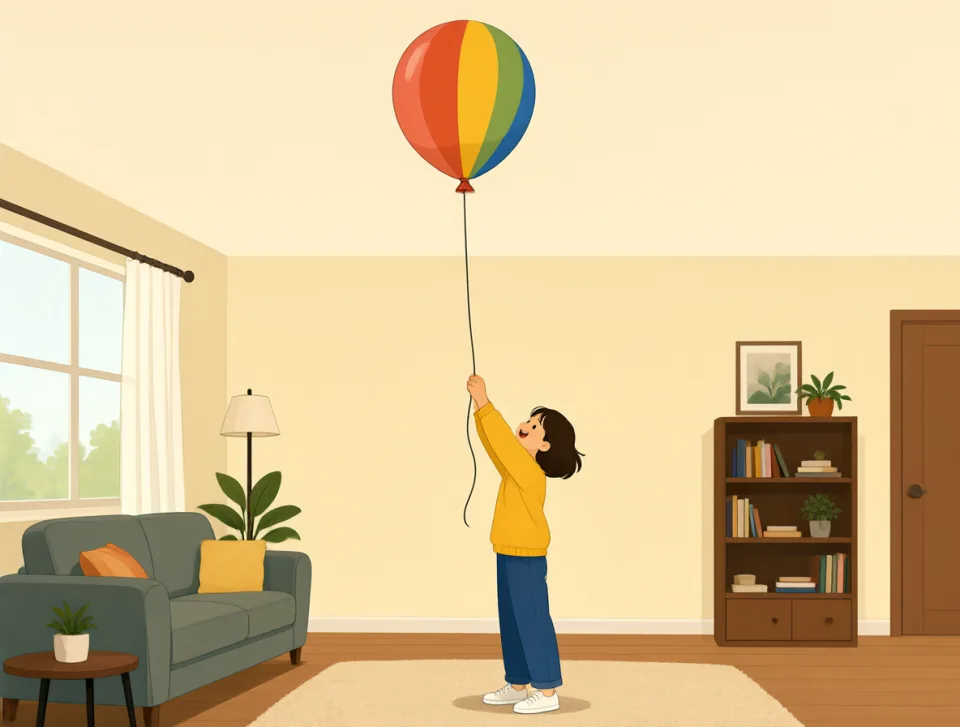
The balloon floated up to the ceiling during the birthday party.
Podczas przyjęcia urodzinowego balon uniósł się aż do sufitu.
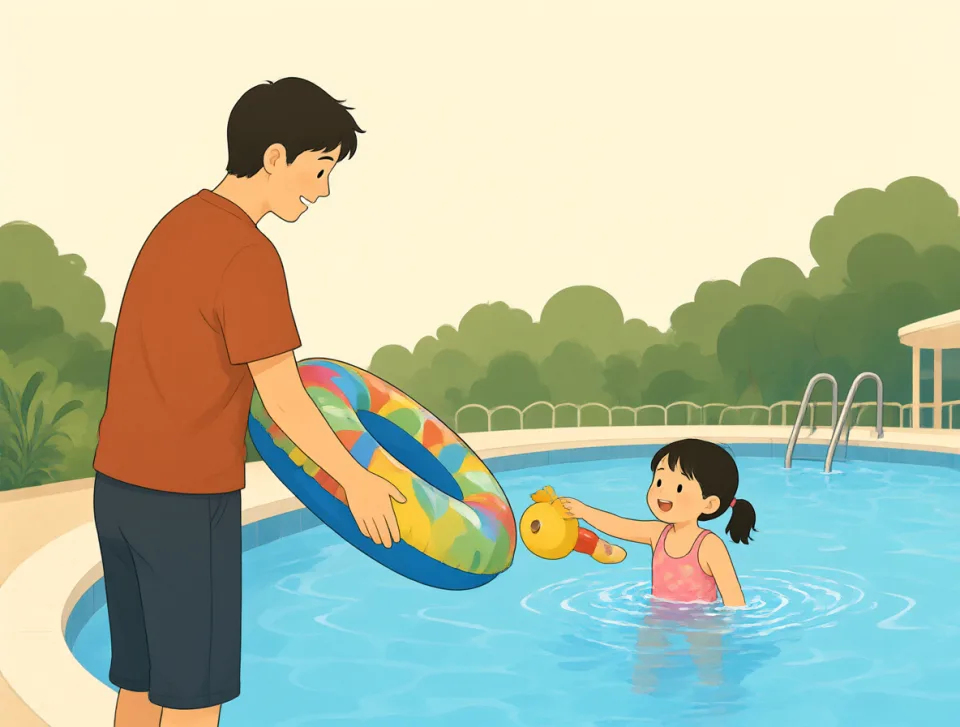
We bought a comfortable float for the children at the water park.
Kupiliśmy dla dzieci wygodne koło do pływania do parku wodnego.
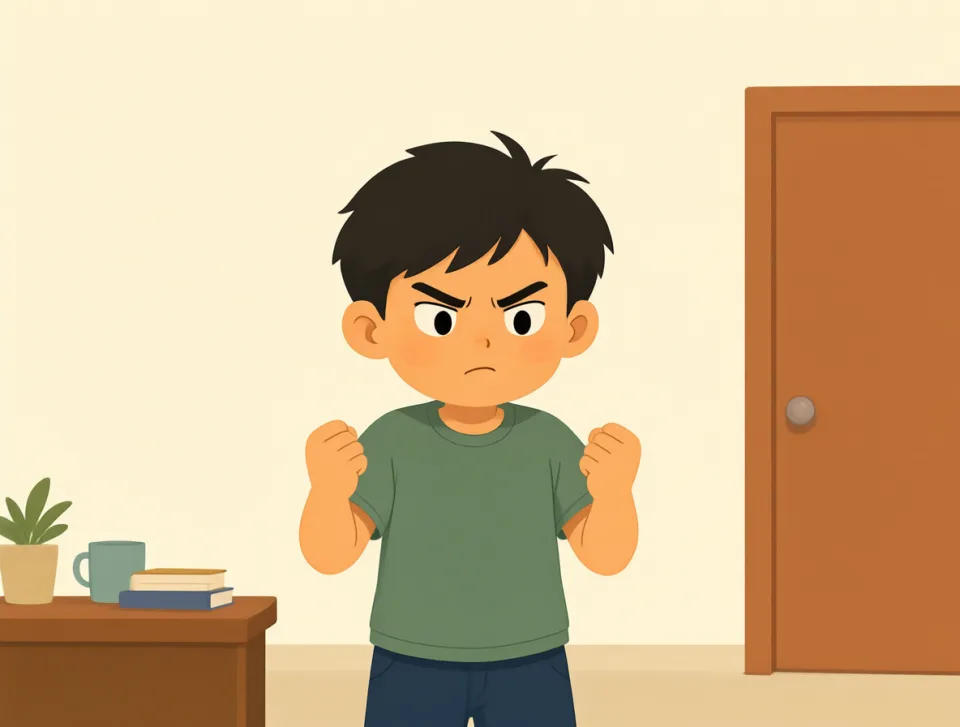
mad
#2417adjective
zły
angry, annoyed, or mentally ill, depending on the situation
zły, zdenerwowany lub chory psychicznie, zależnie od sytuacji
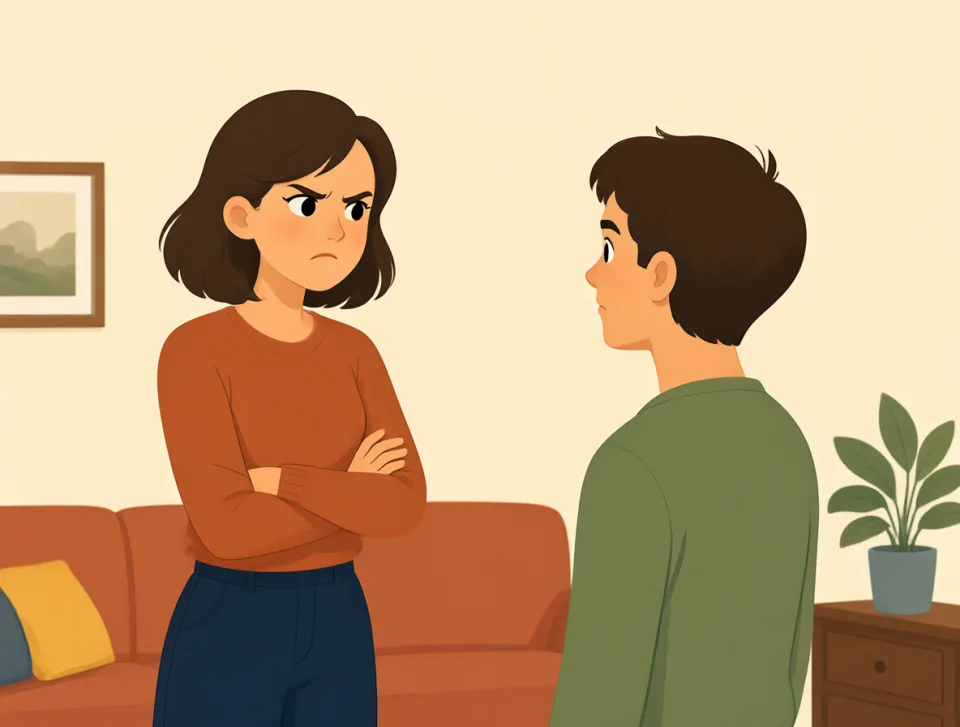
She was mad at me for forgetting her birthday.
Była na mnie zła, że zapomniałem o jej urodzinach.
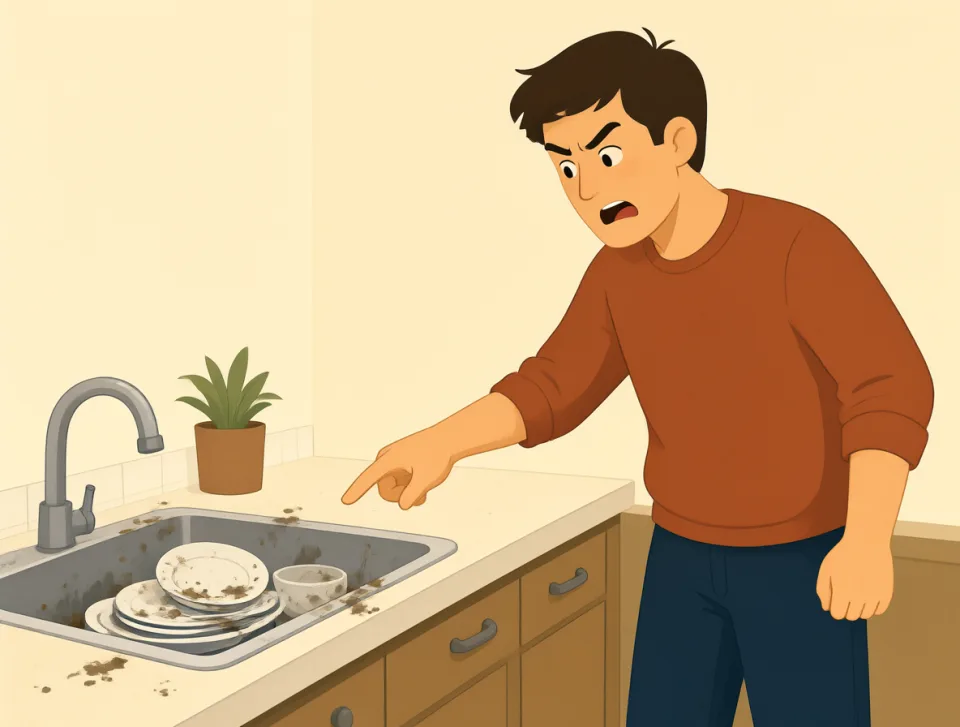
My dad gets mad when people leave dirty dishes in the sink.
Mój tata złości się, gdy ludzie zostawiają brudne naczynia w zlewie.
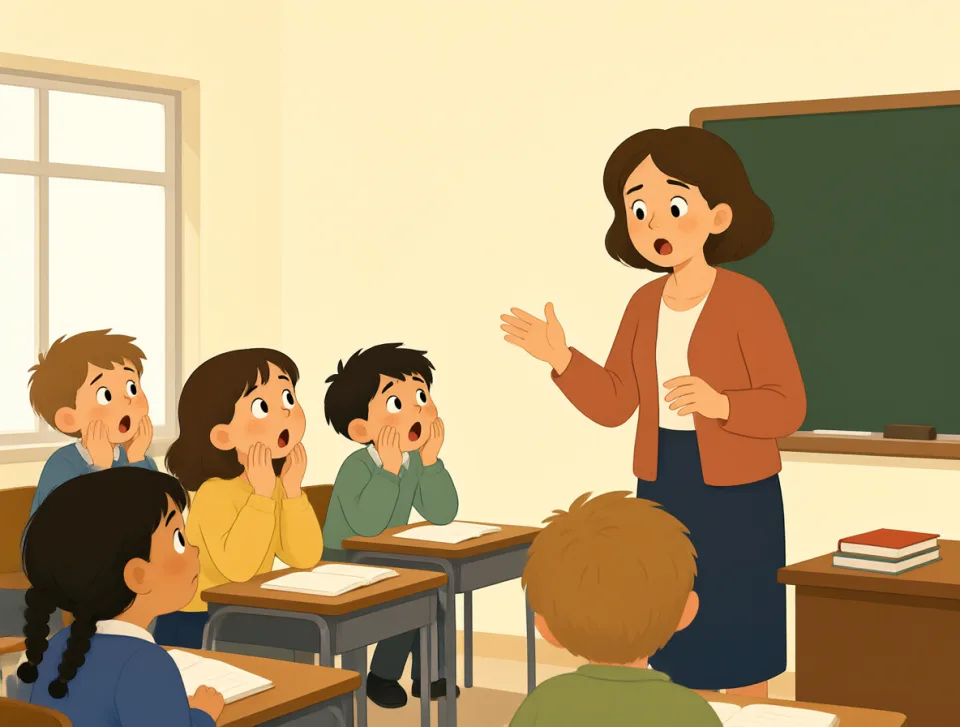
The children went mad when the teacher canceled their trip.
Dzieci wpadły w szał, gdy nauczyciel odwołał ich wycieczkę.
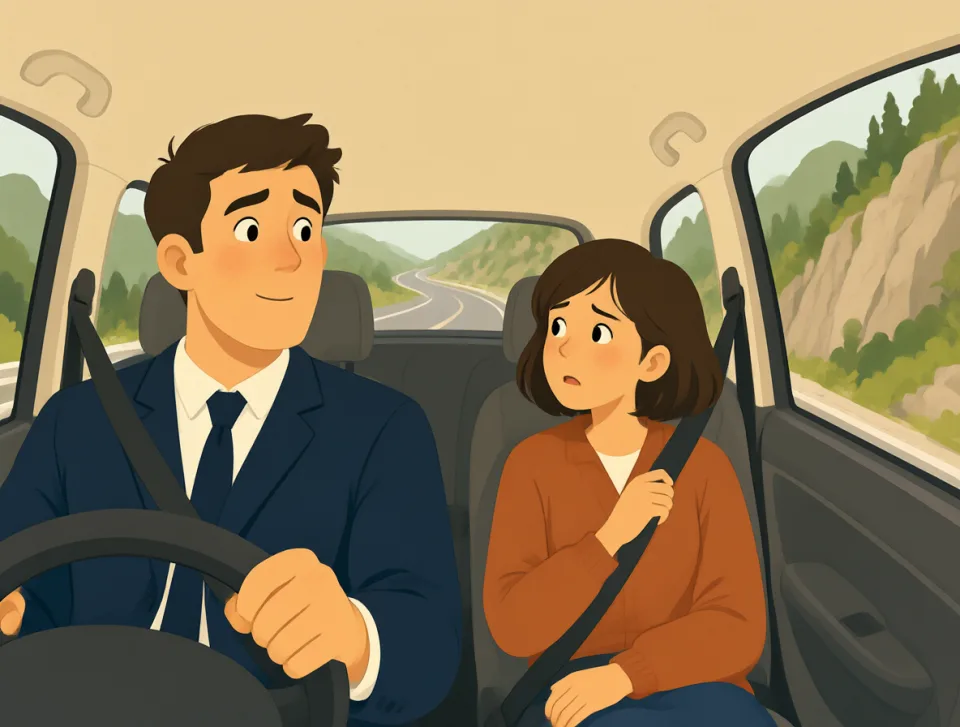
He must be mad to drive so fast on this narrow mountain road.
Chyba oszalał, skoro jedzie tak szybko tą wąską górską drogą.
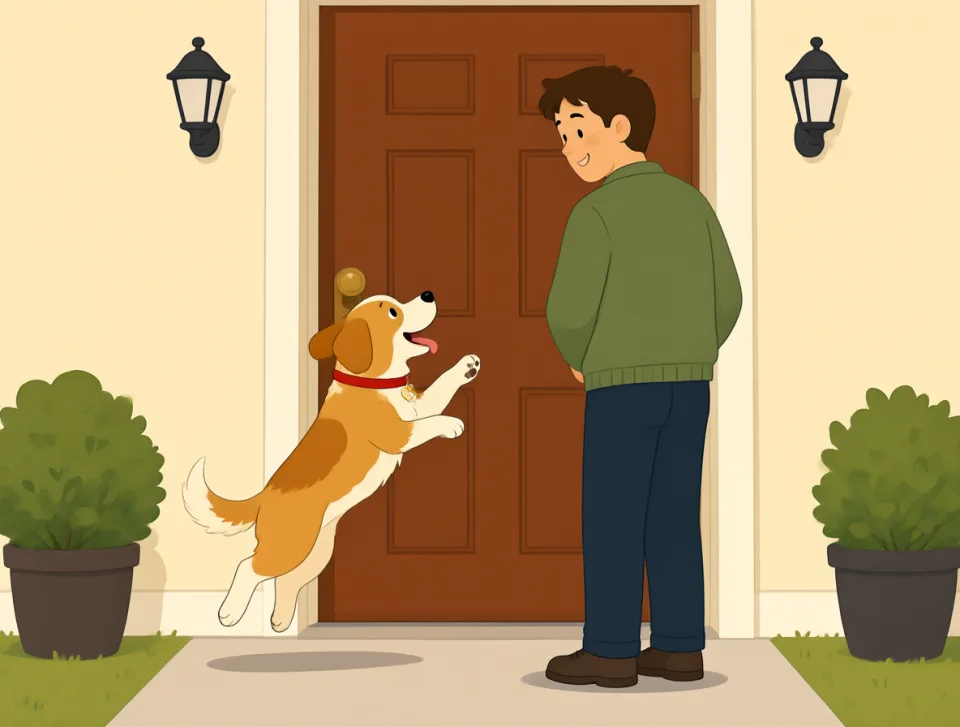
The dog went mad with excitement when its owner came home.
Pies oszalał z radości, gdy jego właściciel wrócił do domu.
greatly
#2418adverb
znacznie
Very much; to a great degree.
Bardzo; w dużym stopniu.
The new medicine greatly improved my grandmother’s health.
Nowy lek znacznie poprawił stan zdrowia mojej babci.

We greatly enjoyed our weekend trip to the mountains.
Bardzo podobała nam się weekendowa wycieczka w góry.
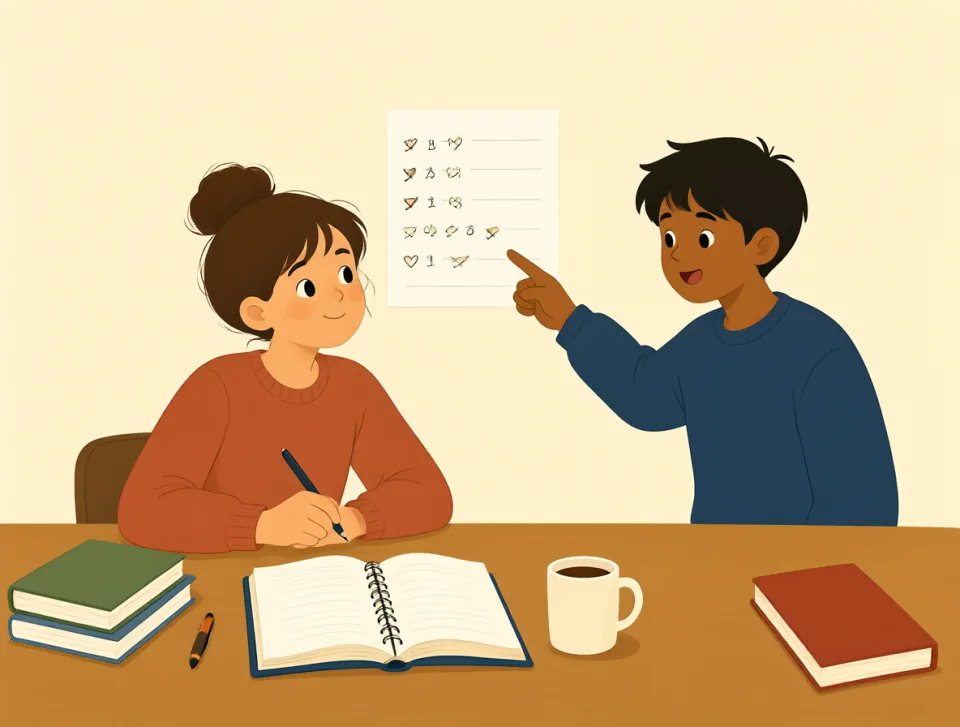
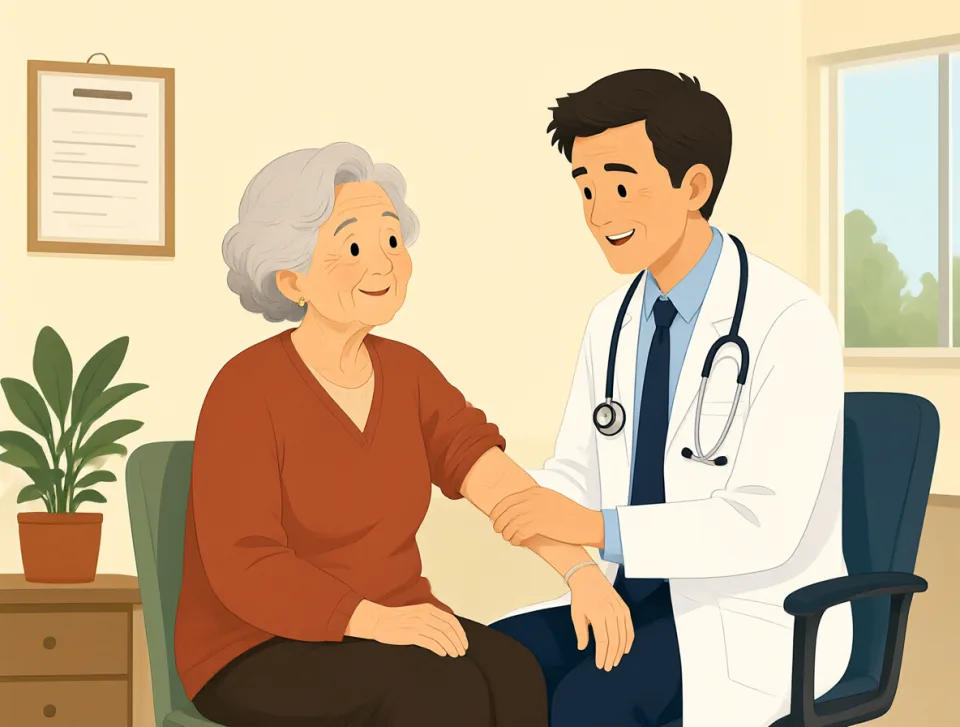
Your advice greatly helped me prepare for the difficult exam.
Twoja rada bardzo mi pomogła przygotować się do trudnego egzaminu.
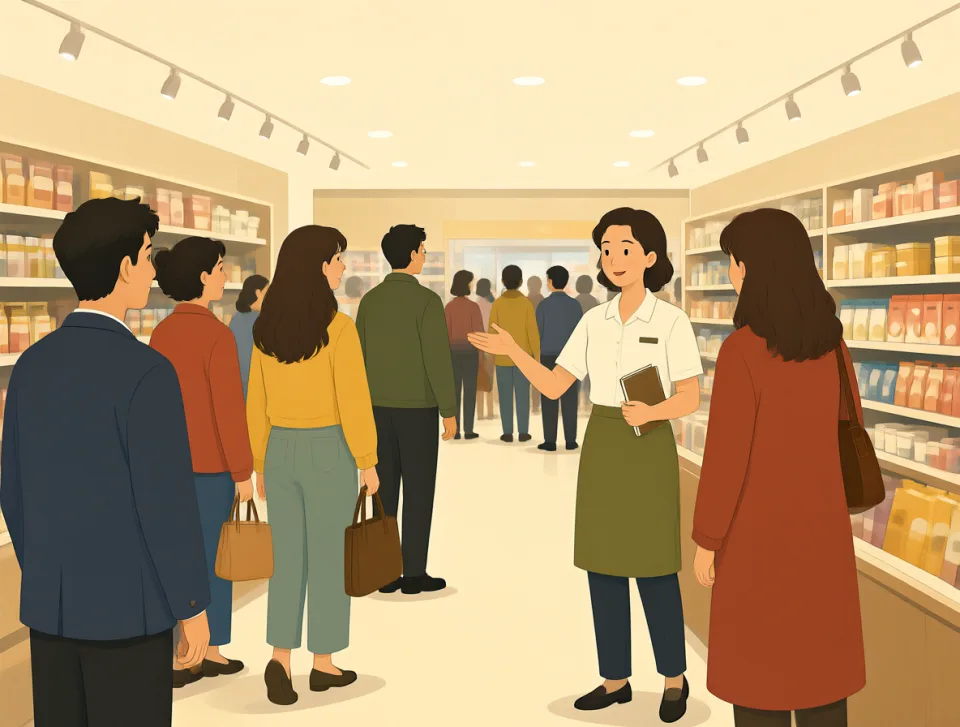
The store’s lower prices greatly increased the number of customers.
Niższe ceny w sklepie znacznie zwiększyły liczbę klientów.
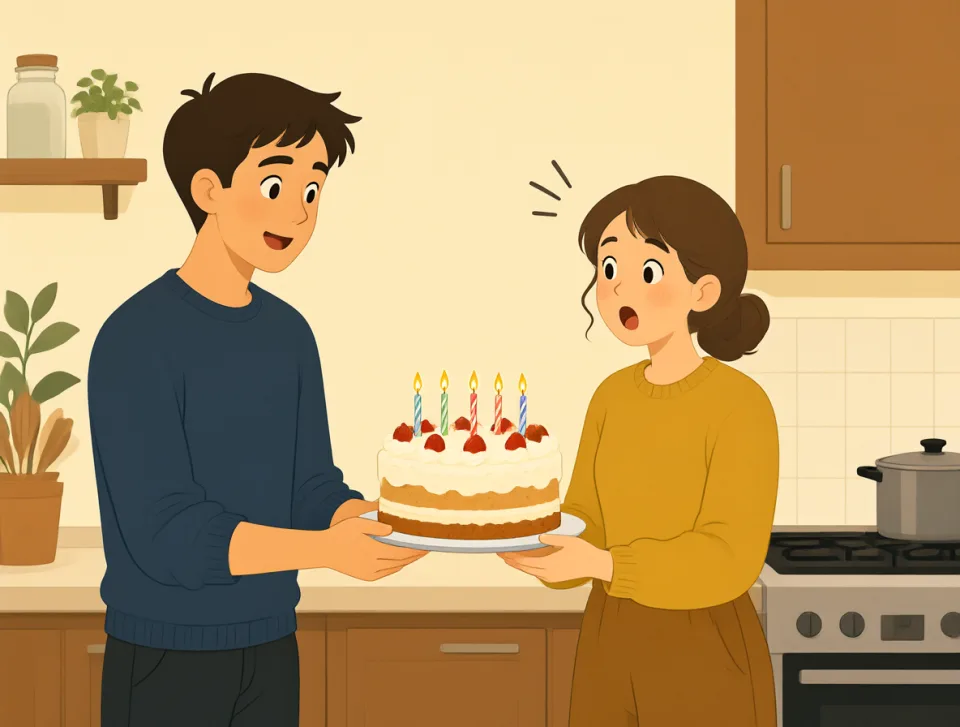
I was greatly surprised when my friends brought me a birthday cake.
Byłem bardzo zaskoczony, gdy znajomi przynieśli mi tort urodzinowy.
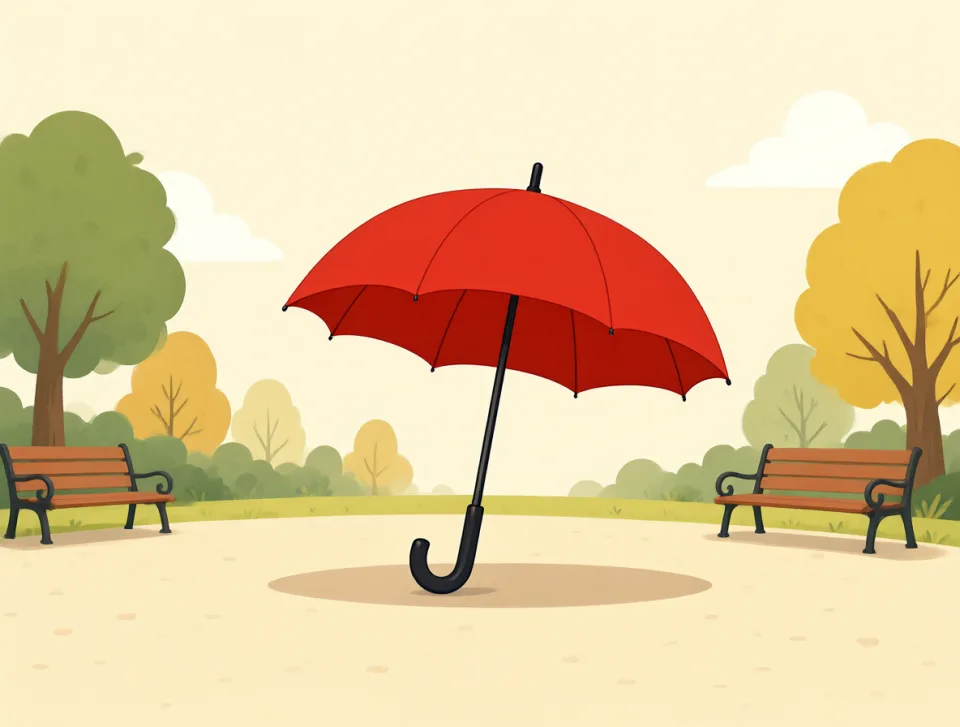
visible
#2419adjective
widoczny
Able to be seen or noticed.
Możliwy do zobaczenia lub zauważenia.

The mountains were clearly visible from our hotel window.
Góry były wyraźnie widoczne z okna naszego hotelu.
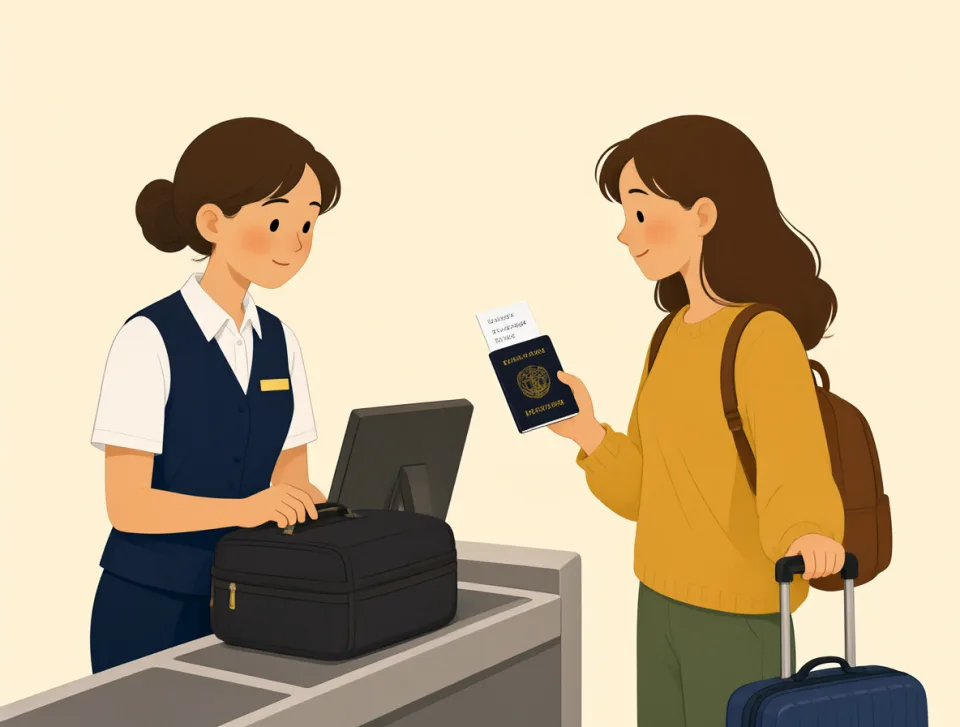
Please keep your passport visible while we check your bags.
Proszę mieć paszport na widoku, gdy będziemy sprawdzać bagaże.
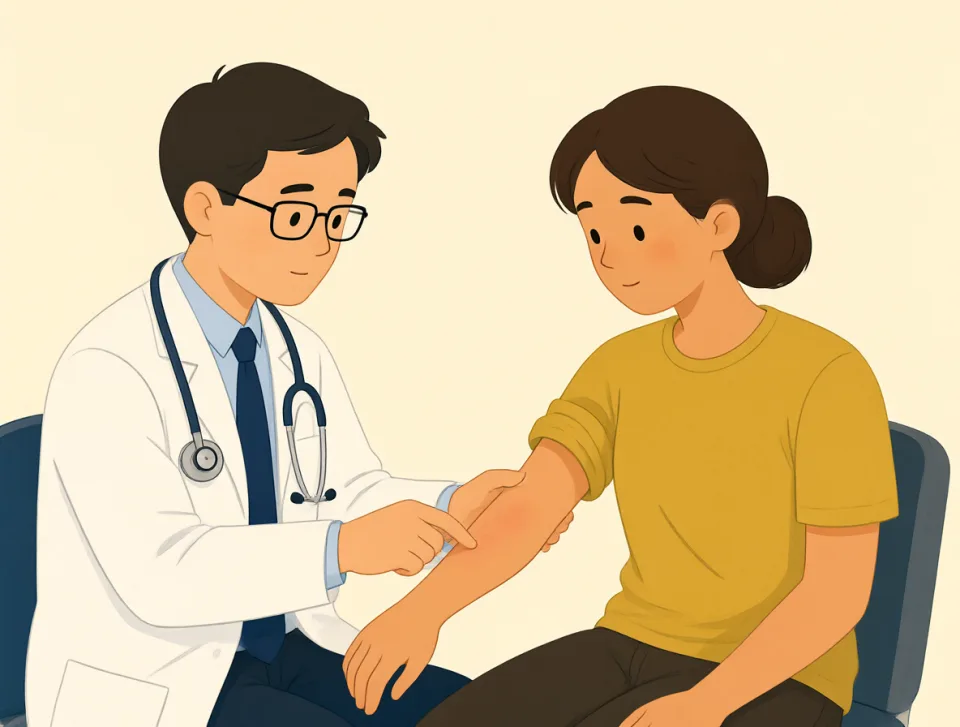
The doctor found no visible signs of infection.
Lekarz nie znalazł widocznych oznak infekcji.
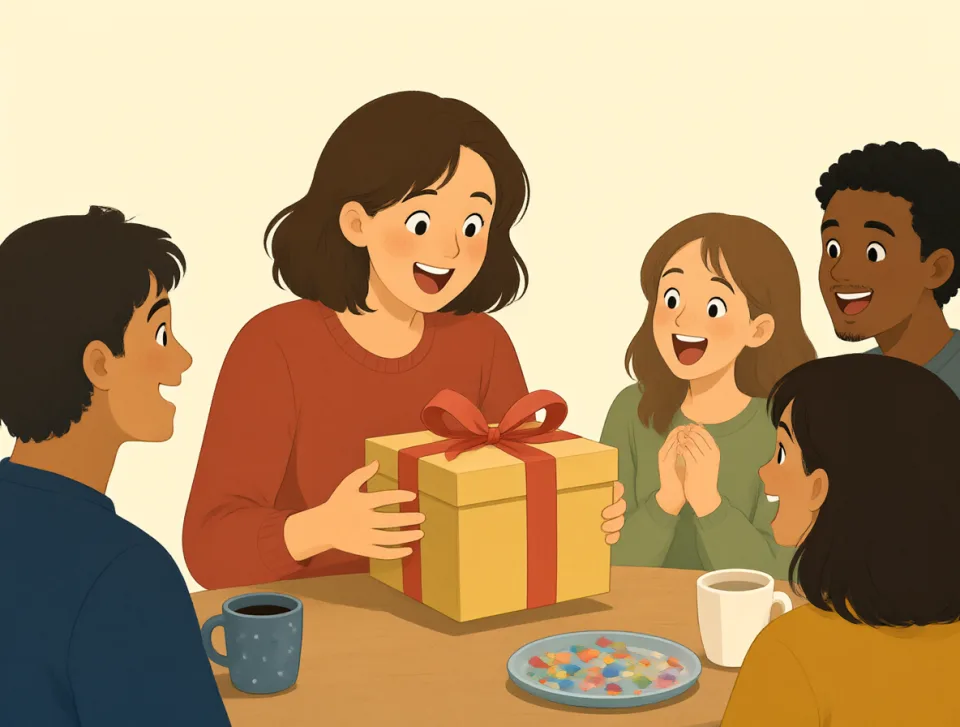
Her excitement was visible when she opened the birthday gift.
Kiedy otworzyła prezent urodzinowy, było widać jej podekscytowanie.
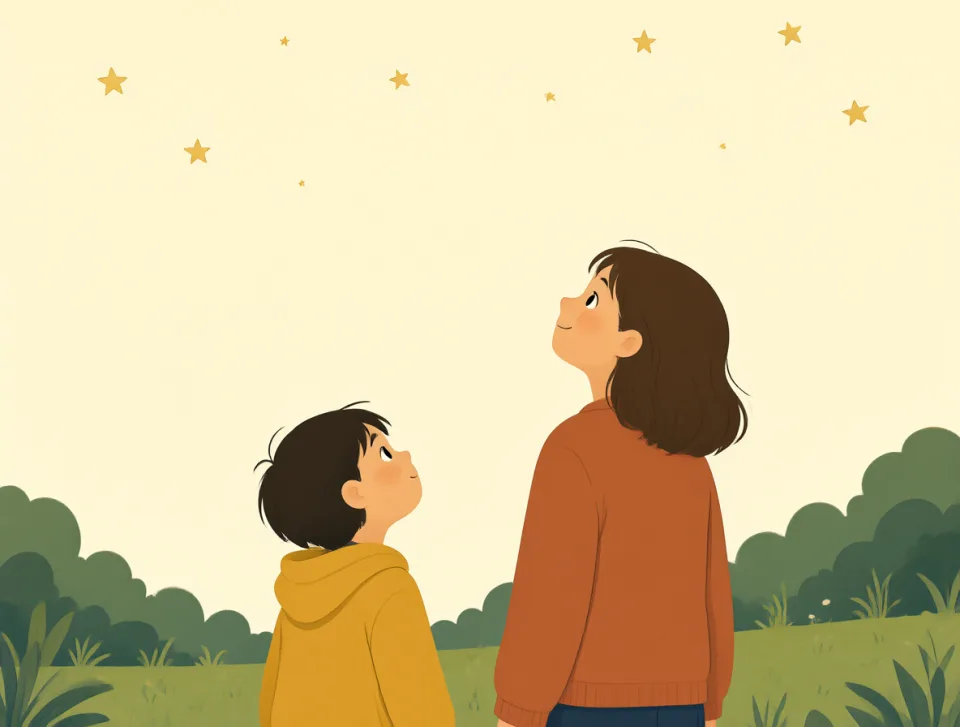
The stars became visible after the clouds moved away.
Gwiazdy stały się widoczne, gdy chmury się przesunęły.
electric
#2420adjective
elektryczny
using or producing electricity
działający na prąd lub wytwarzający prąd
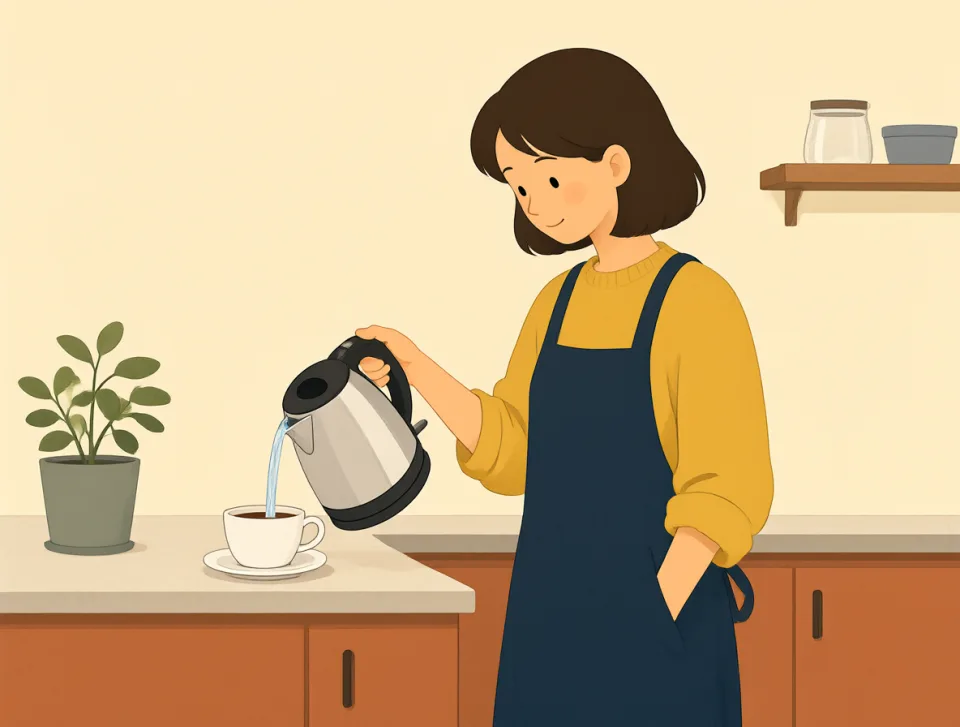
We bought an electric kettle to boil water quickly in the morning.
Kupiliśmy czajnik elektryczny, żeby rano szybko zagotować wodę.
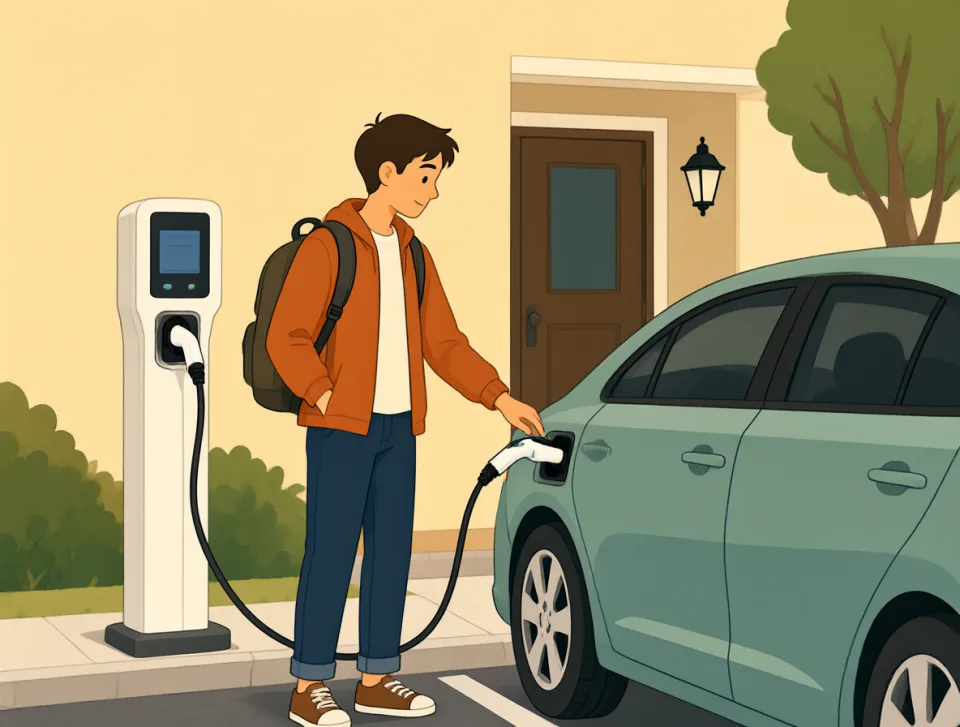
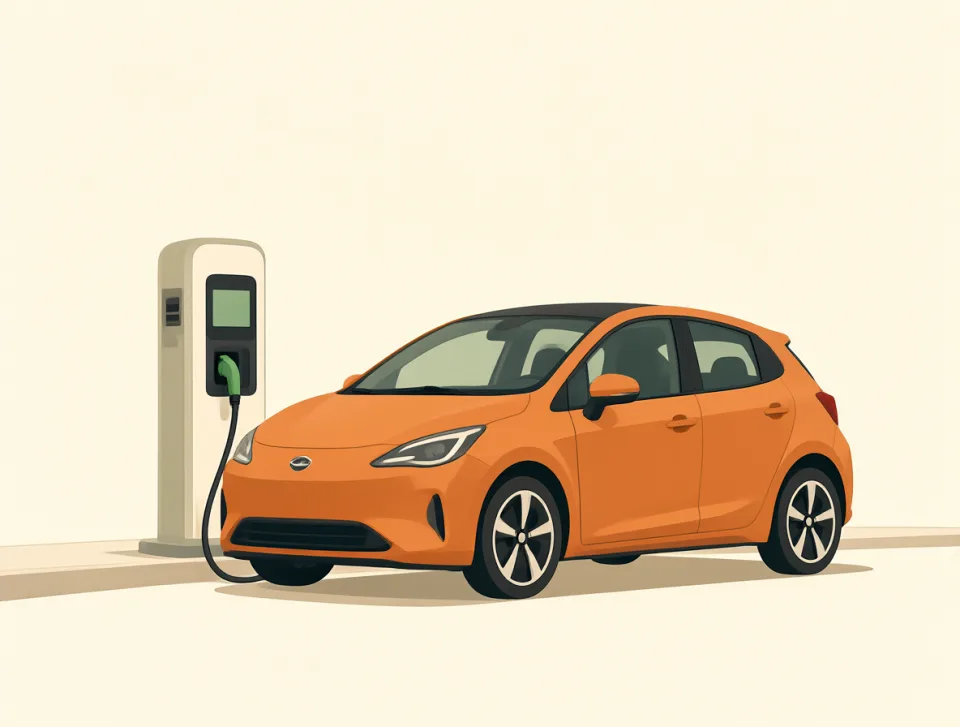
The electric car needs charging before we drive to the airport.
Samochód elektryczny trzeba naładować, zanim pojedziemy na lotnisko.
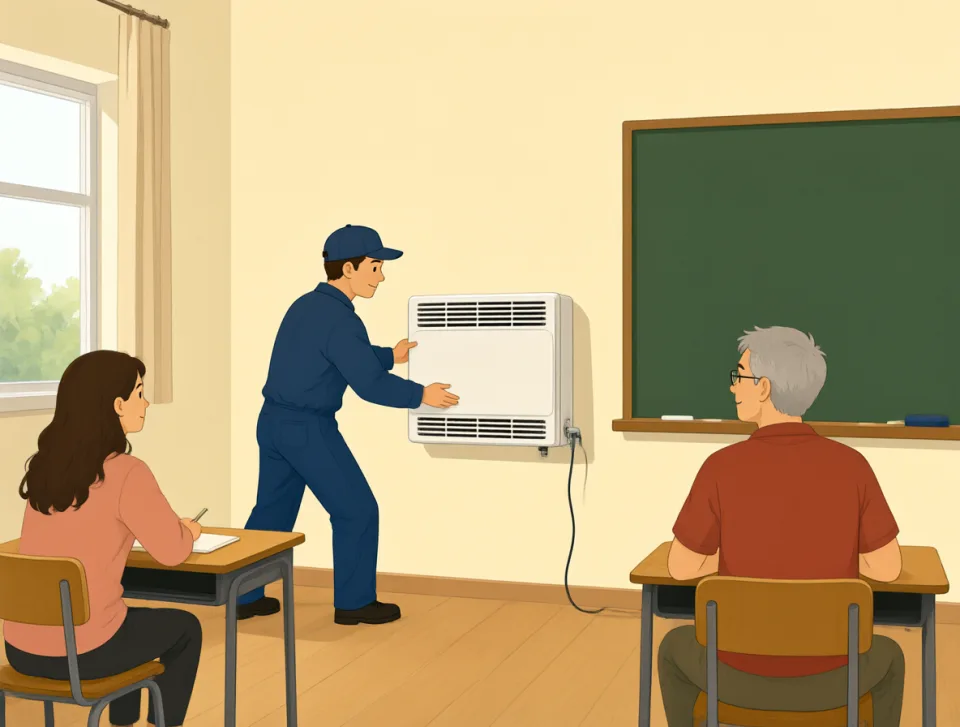
The school replaced its old heating system with an electric one.
Szkoła wymieniła stary system ogrzewania na elektryczny.
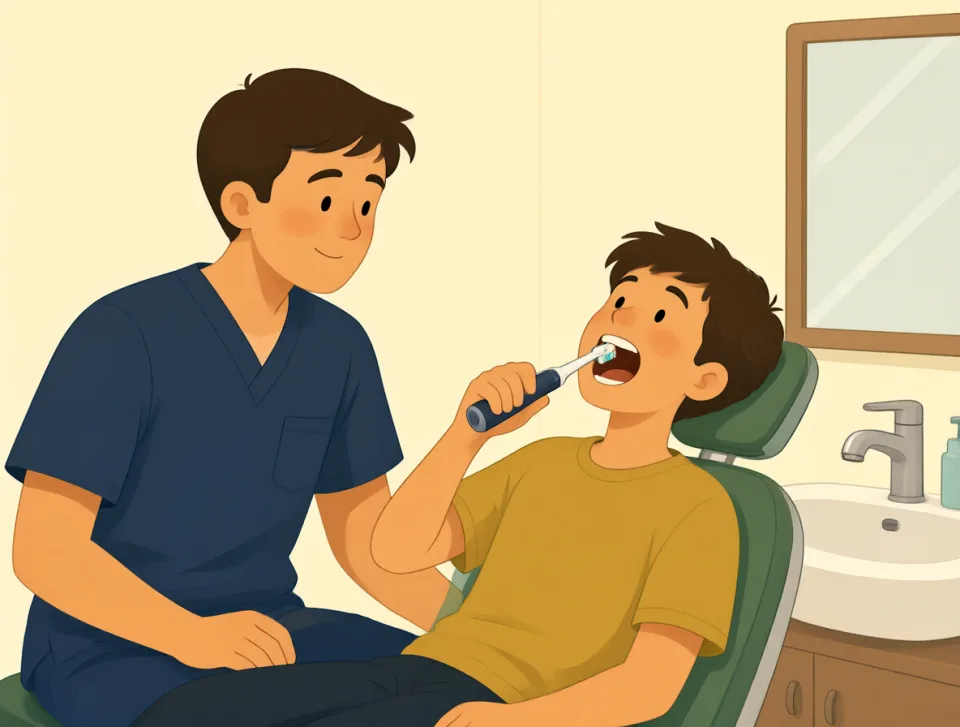
The dentist used an electric toothbrush to clean my teeth.
Dentysta użył elektrycznej szczoteczki do umycia moich zębów.
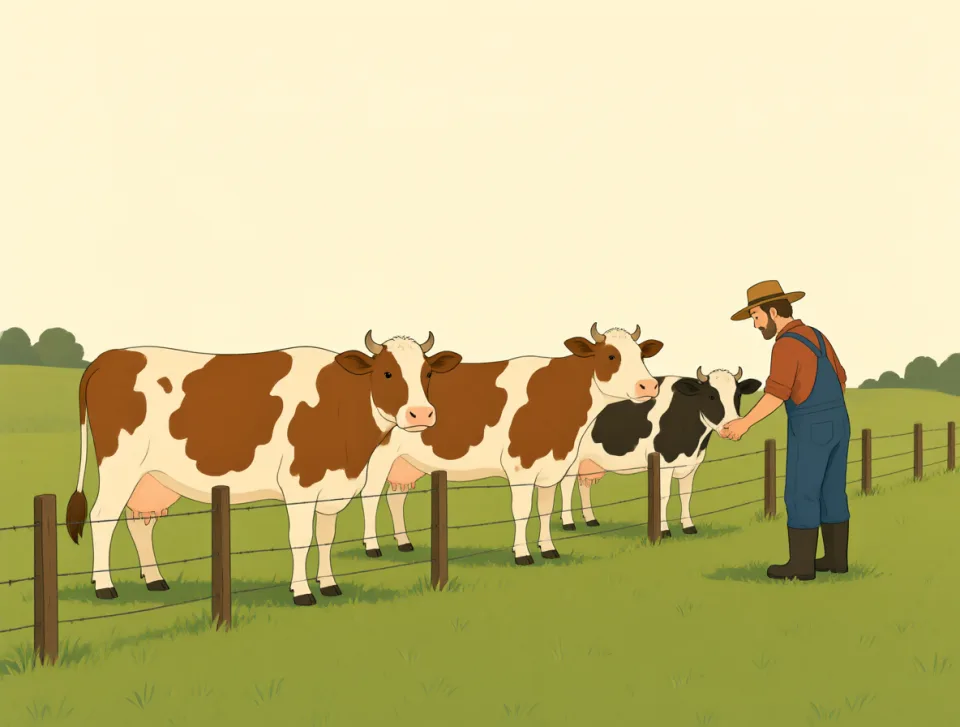
An electric fence keeps the animals safely inside the field.
Ogrodzenie elektryczne bezpiecznie utrzymuje zwierzęta na pastwisku.