單元 103
單字 2041–2060 · publication, slight, unknown, framework, zone, restrict
publication
#2041noun
出版物; 刊物
A book, magazine, newspaper, or other printed work offered to the public.
面向公眾發行的書籍、雜誌、報紙或其他印刷品。

The magazine is a popular publication about travel and local food.
這本雜誌是一本很受歡迎的旅遊和當地美食刊物。
Our school newspaper became an official publication last year.
我們的校報去年成為正式出版物。

The company released a new publication about workplace safety.
公司釋出了一份關於工作場所安全的新出版物。

I found this interesting publication in the library yesterday.
我昨天在圖書館找到了一份有趣的出版物。

The doctor recommended a medical publication about healthy eating.
醫生推薦了一本關於健康飲食的醫學刊物。

slight
#2042adjective, noun, verb
輕微的;少量的;怠慢;侮辱
Small in size, amount, or degree; to insult or show disrespect briefly.
在大小、數量或程度上很小;短暫地冒犯或表示不尊重。

There is a slight chance of rain this afternoon, so take an umbrella.
今天下午有小機率會下雨,帶把傘吧。
I felt a slight pain in my shoulder after carrying the heavy boxes.
搬完那些沉重的箱子後,我覺得肩膀有點疼。

The recipe needs a slight change because the soup tastes too salty.
這道菜譜需要稍作調整,因為湯嚐起來太鹹了。

She gave a slight smile when her friend arrived at the café.
朋友到咖啡館時,她微微一笑。

He slighted his colleague by ignoring her during the important meeting.
他在重要會議上無視同事,怠慢了她。

unknown
#2043adjective, noun
未知的;陌生的;未知者
Not known, identified, or understood; a person or thing that is not known.
不為人所知、未被確認或無法理解的;不為人所知的人或事物。
The cause of the strange noise is still unknown.
奇怪聲響的原因仍然未知。

An unknown man left a package at the office this morning.
今天早上,一個陌生男子把一個包裹留在了辦公室。
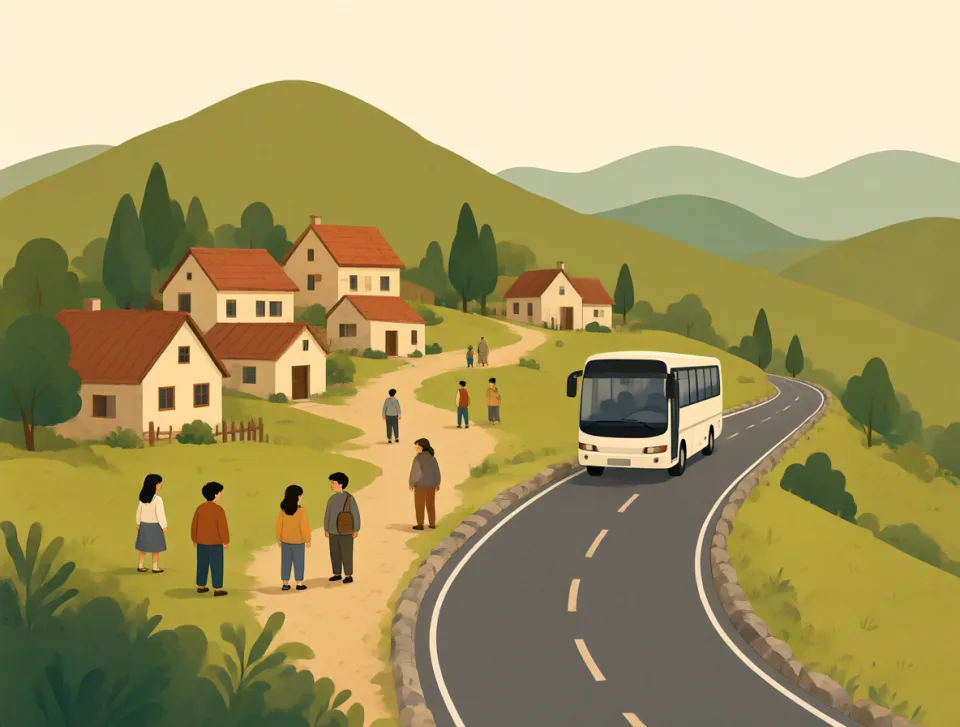
The village remained unknown to tourists until a new road opened.
這座村莊一直不為遊客所知,直到一條新公路開通。

The doctor ordered tests because the cause of her pain was unknown.
醫生安排了檢查,因為她疼痛的原因尚不清楚。

We chose an unknown restaurant and discovered delicious local food.
我們選了一家沒聽說過的餐館,結果發現了美味的當地美食。
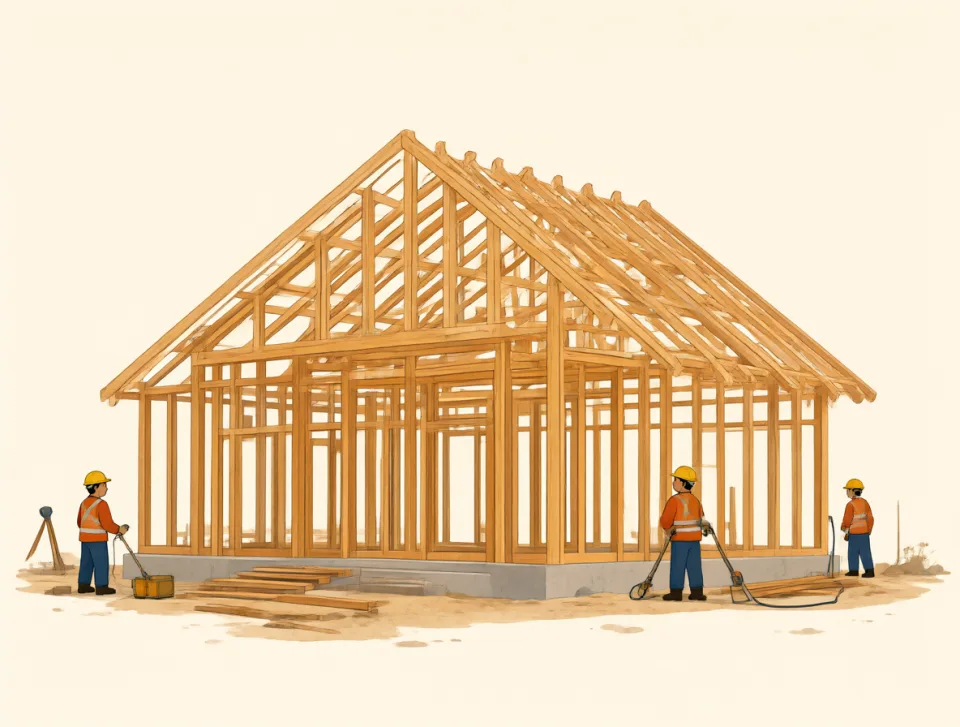
framework
#2044noun
框架;架構
A basic structure that supports something or helps organize an idea, system, or plan.
支援某種事物,或幫助組織某個想法、系統或計劃的基本結構。

The team created a simple framework for planning the new project.
團隊為規劃這個新專案制定了一個簡單的框架。
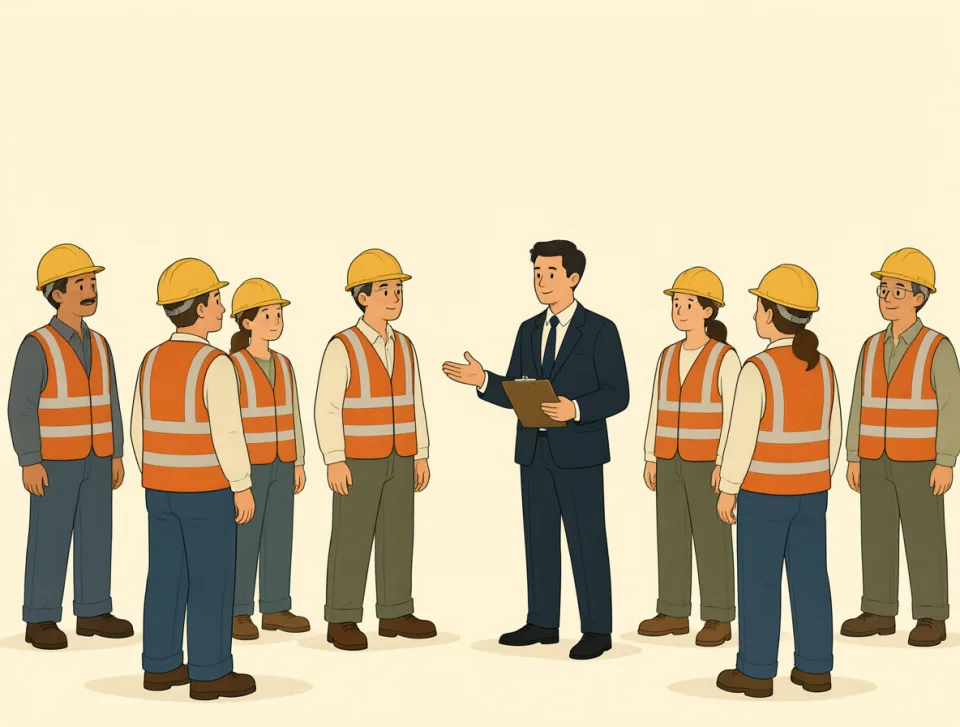
This legal framework protects workers and sets clear safety rules.
這套法律框架保護工人,並制定了明確的安全規定。
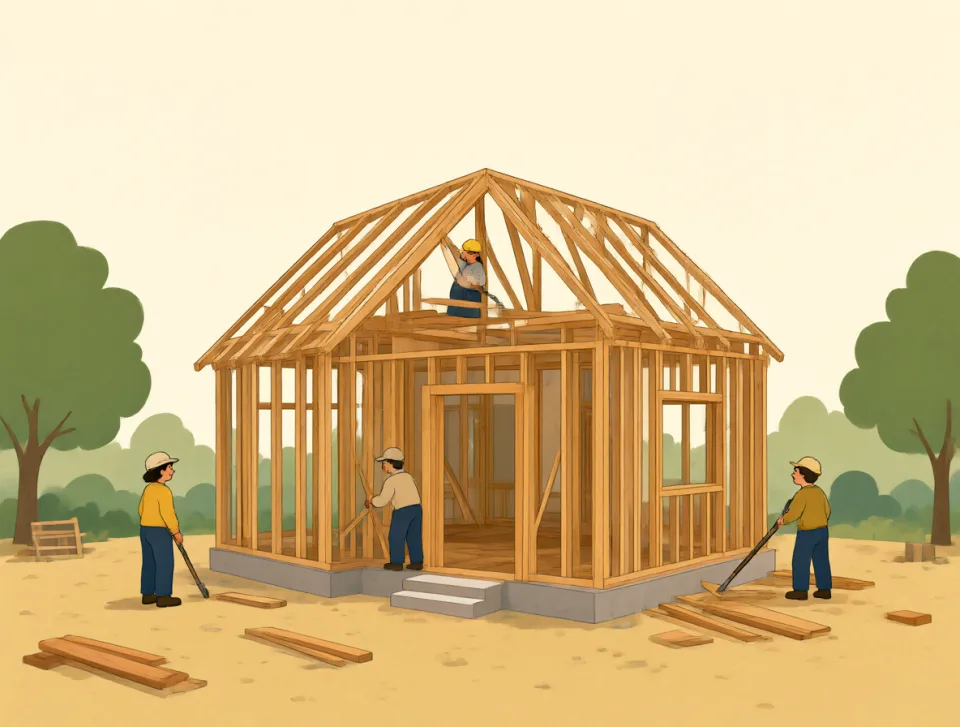
The wooden framework of the house was visible before the walls were added.
牆壁還沒建好之前,房子的木製框架清晰可見。

At school, our teacher gave us a writing framework to organize our ideas.
在學校,老師給了我們一個寫作框架,幫助我們組織思路。
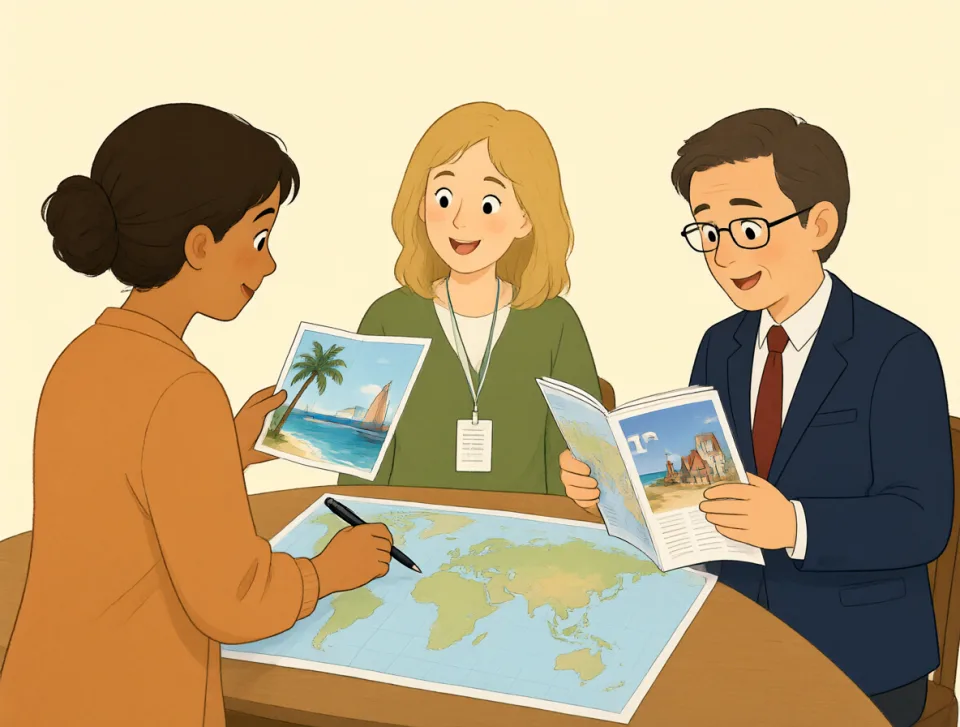
The travel agency used a flexible framework for planning different holiday packages.
這家旅行社採用了靈活的框架來規劃不同的度假套餐。
zone
#2045noun, verb
區域;地帶
An area with a particular purpose, activity, or set of rules.
具有特定用途、活動或規則的區域。
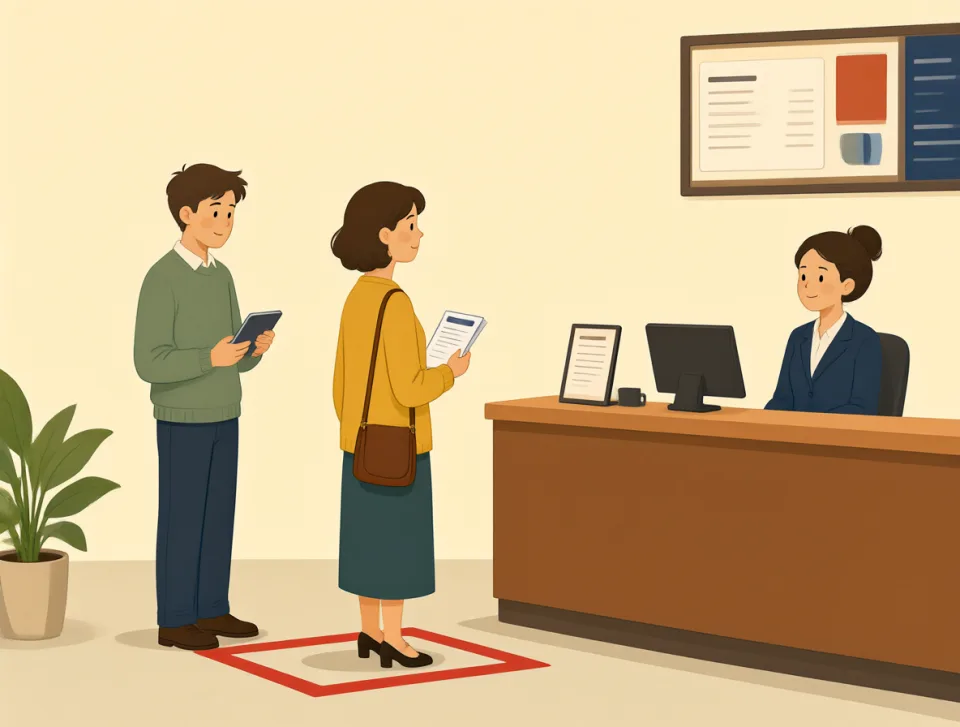
Please wait in the designated zone until your number is called.
請在指定區域等候,直到叫到你的號碼。

This quiet zone is perfect for reading or studying after school.
這個安靜區很適合放學後閱讀或學習。

The hotel is in a busy shopping zone near the city center.
這家酒店位於市中心附近繁華的購物區。
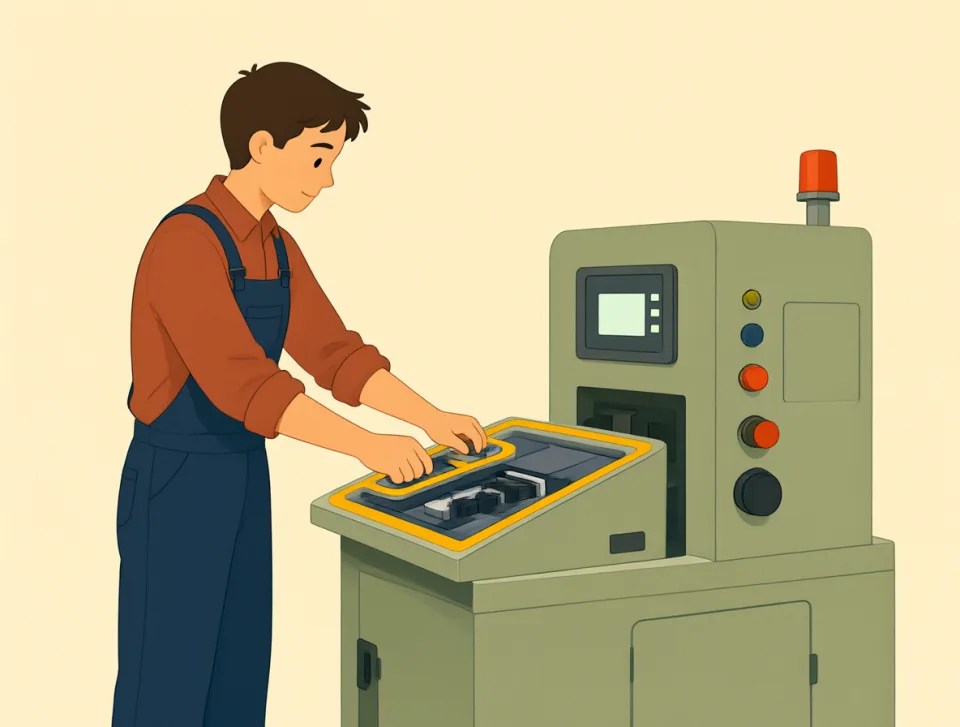
Keep your hands inside the safe zone while the machine is running.
機器執行時,請把手放在安全區域內。

The doctor advised her to avoid the danger zone during recovery.
醫生建議她在康復期間避開危險區域。

restrict
#2046verb
限制;限定
To limit something or prevent someone from doing something freely.
限制某事,或阻止某人自由地做某事。
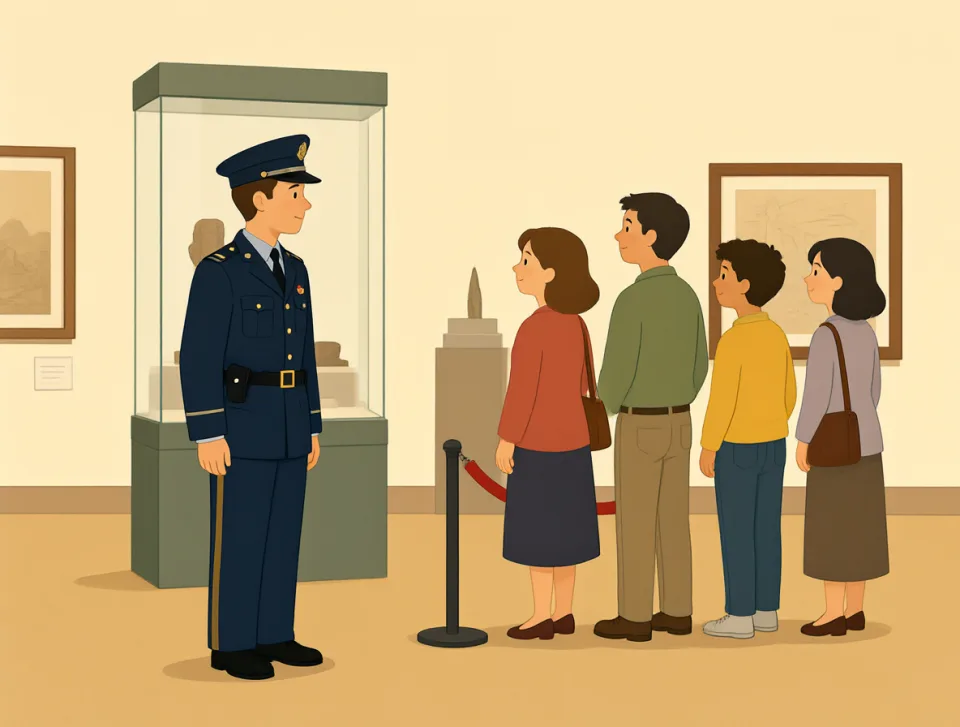
The museum restricts access to fragile exhibits, allowing only a few visitors inside.
博物館限制進入易損展品的展區,每次只允許少數遊客入內。

My doctor restricted my salt intake after my blood pressure became too high.
我的血壓升得太高後,醫生限制了我的鹽攝入量。
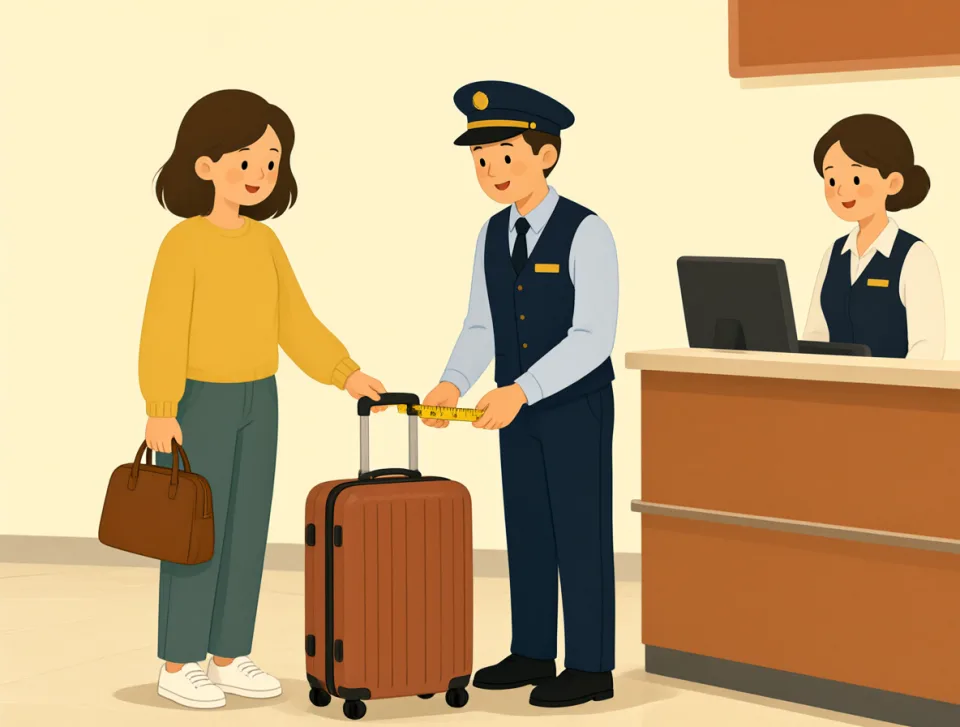
The airline restricts passengers to one small bag on this budget flight.
這趟廉價航班規定每位乘客只能帶一個小包。

Please restrict your questions to the topic while we finish the group project.
小組專案完成前,請大家把問題限制在主題範圍內。
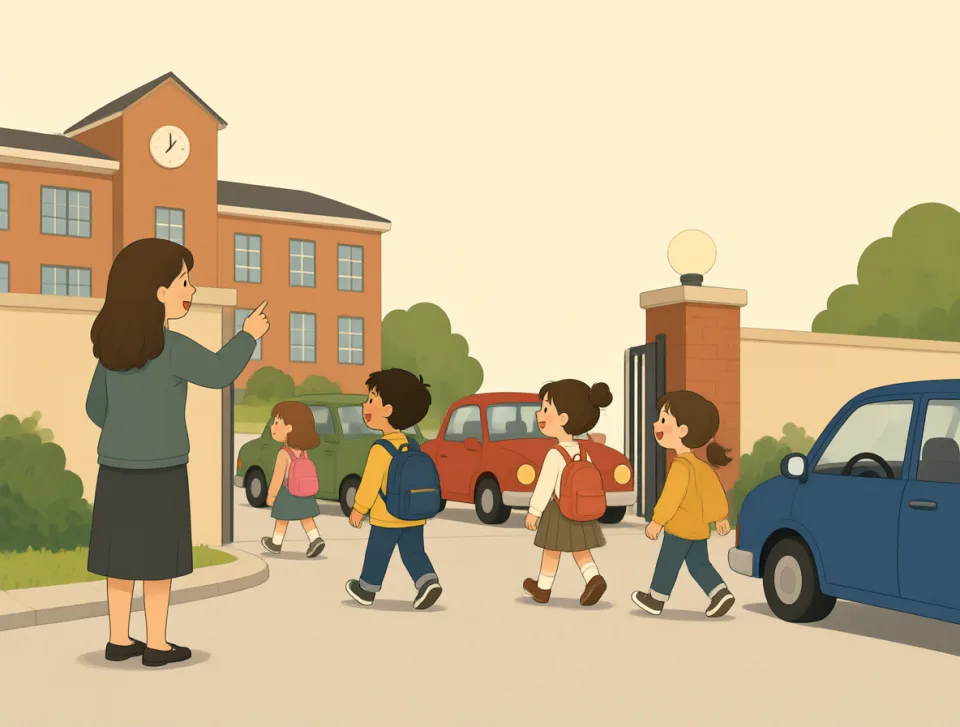
The school is restricting car use to reduce traffic near the main entrance.
學校正在限制汽車通行,以減少正門附近的交通擁堵。
trace
#2047noun, verb
痕跡;追查;描摹
A small sign of something, or to find and follow something carefully.
某物留下的一點跡象,或仔細尋找並追蹤某物。

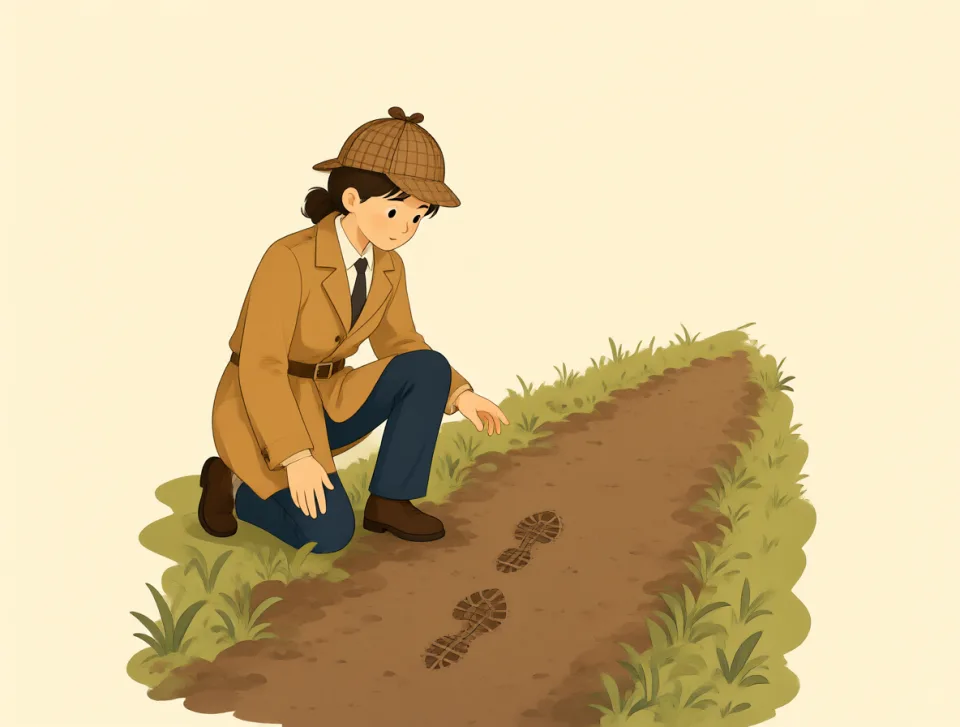
Police found a trace of blood near the broken window.
警方在破損的窗戶附近發現了一點血跡。
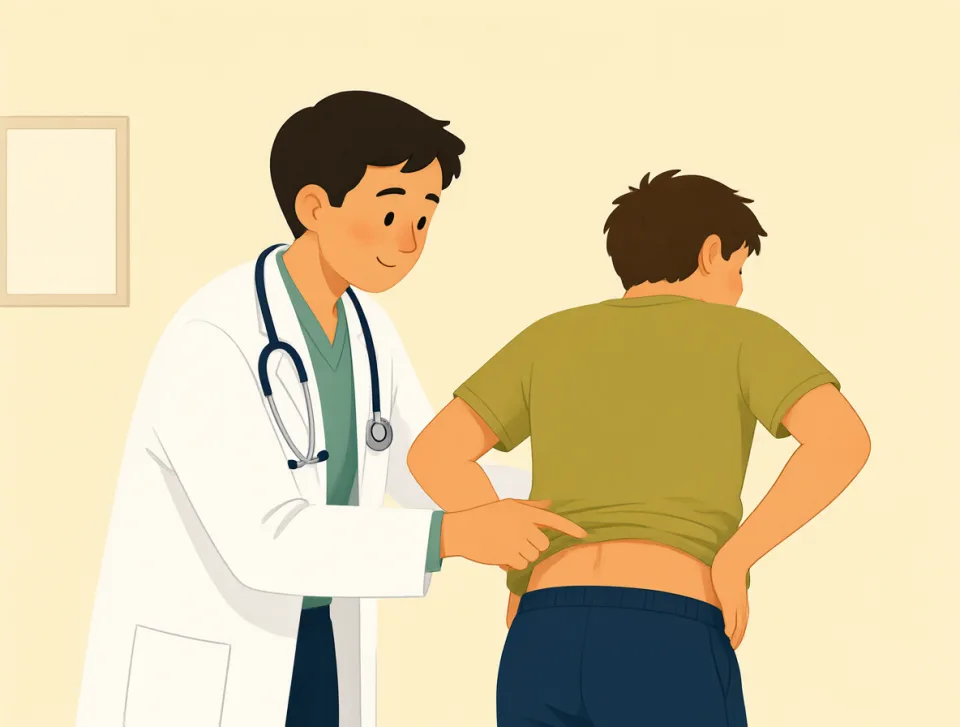
The doctor traced the pain to a problem in her back.
醫生查明她的疼痛是由背部的問題引起的。

She traced the family history back to a village in Italy.
她把家族史追溯到義大利的一個村莊。

The child traced a picture of a bird with a pencil.
孩子用鉛筆描摹了一隻鳥的圖畫。
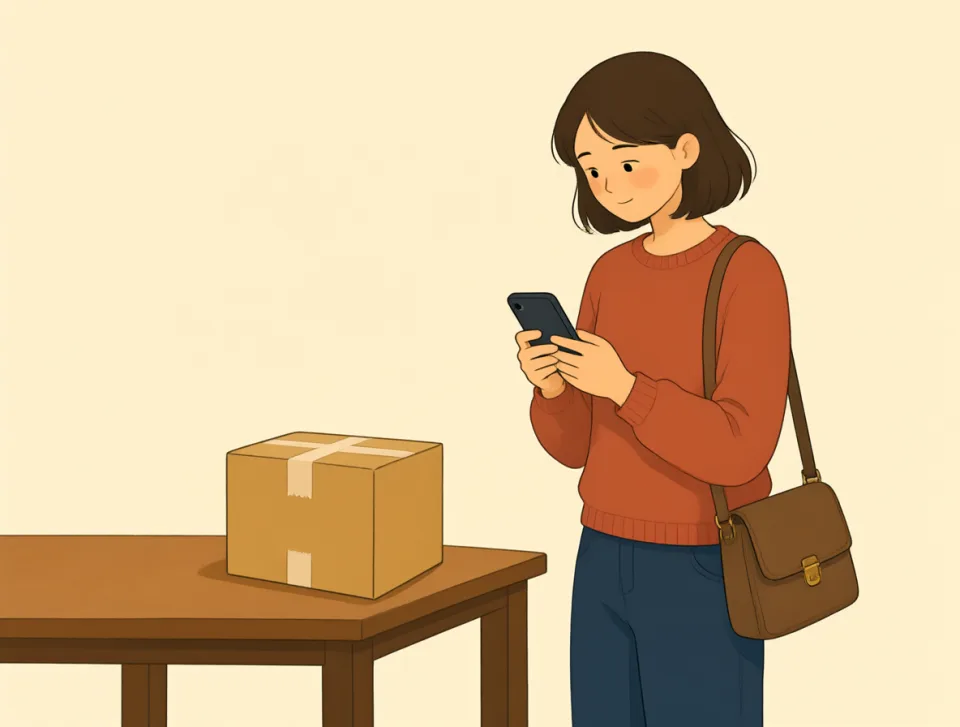
We traced the package online after it left the store.
包裹離開商店後,我們在網上追蹤了它的物流資訊。
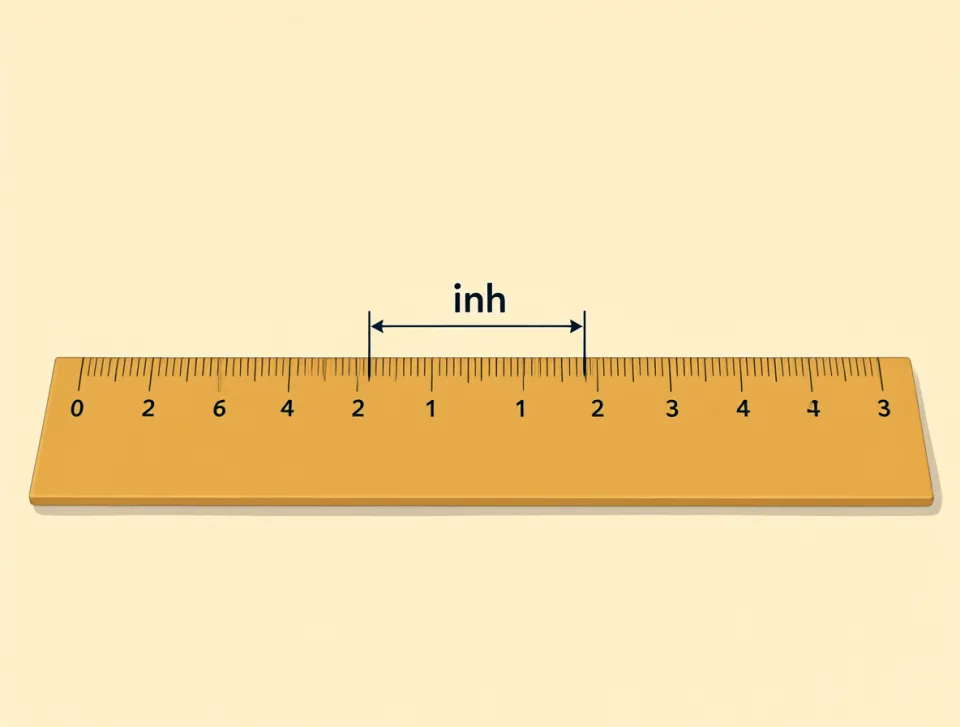
inch
#2048noun, verb
英寸;緩慢移動
A unit of length equal to 2.54 centimeters; to move or progress very slowly.
一種長度單位,等於2.54釐米;緩慢地移動或進展

The shelf is twelve inches wide, so it fits perfectly above the desk.
這個架子寬十二英寸,正好能放在書桌上方。

Please cut two inches from the ribbon before wrapping the gift.
包裝禮物前,請從絲帶上剪掉兩英寸。

The snow was six inches deep after the overnight storm.
一夜暴風雪過後,積雪有六英寸深。

Traffic barely inched forward as we waited near the airport.
我們在機場附近等候時,交通幾乎一動不動,只向前挪了一點。

He inched closer to the edge of the diving board and looked down.
他一點點挪到跳水板邊緣,低頭看了下去。
equivalent
#2049adjective, noun
相等的; 等價物
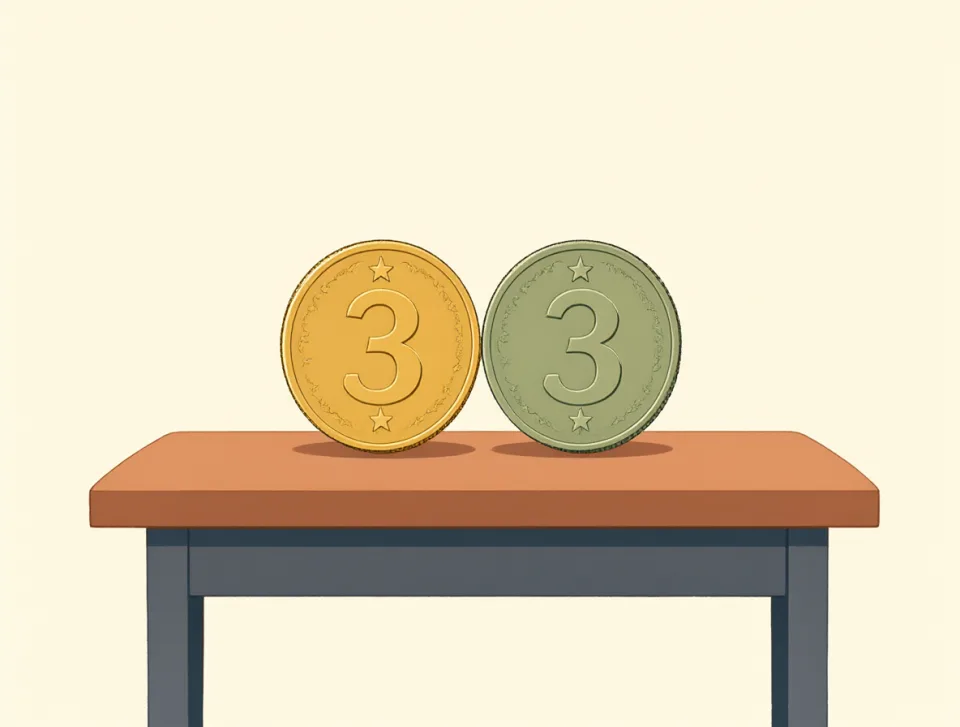
The same as, or equal in value, meaning, amount, or purpose.
在價值、意義、數量或用途上相同或相等的。
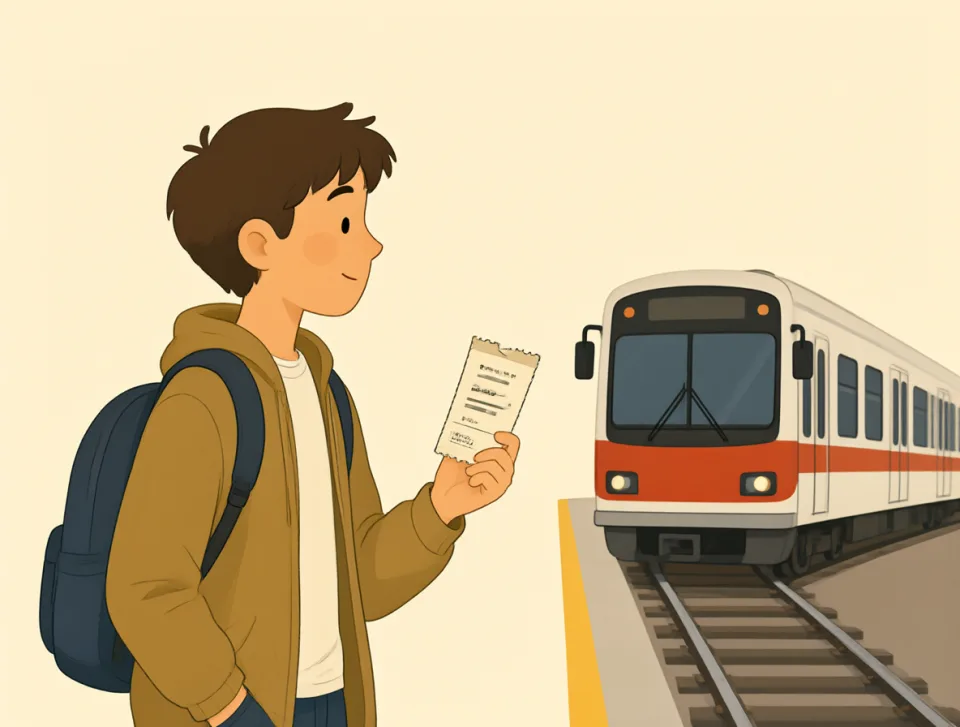
This bus ticket is equivalent to a train ticket for the same journey.
這張公交車票和同一路程的火車票等值。

One cup of rice is roughly equivalent to two small potatoes.
一杯米大致相當於兩個小土豆。

The new employee has experience equivalent to three years in this position.
這名新員工的經驗相當於在這個職位上工作三年。

Students may choose an equivalent course if this class is already full.
如果這門課已經滿員,學生可以選擇同等課程。

There is no exact equivalent for this traditional dish in English cooking.
在英式烹飪中,沒有與這道傳統菜完全對應的菜。

solid
#2050adjective, noun
固體;堅實的;可靠的;牢固的
firm and hard, not liquid or soft; a substance that keeps its own shape
堅硬結實的,不是液體或柔軟的;能夠保持自身形狀的物質

The ice was solid enough to walk across safely.
冰結得足夠結實,可以安全地從上面走過去。

We need solid evidence before making such an important decision.
在做這麼重要的決定之前,我們需要確鑿的證據。

She built a solid relationship with her new teammates.
她和新隊友建立了牢固的關係。

The doctor recommended solid food after the operation.
醫生建議手術後吃固體食物。

These shoes have solid soles, so they are comfortable for hiking.
這些鞋的鞋底很結實,所以很適合徒步旅行。

enterprise
#2051noun
企業;公司
a business or company, especially one that is large or successful
一家企業或公司,尤其是規模較大或經營成功的企業
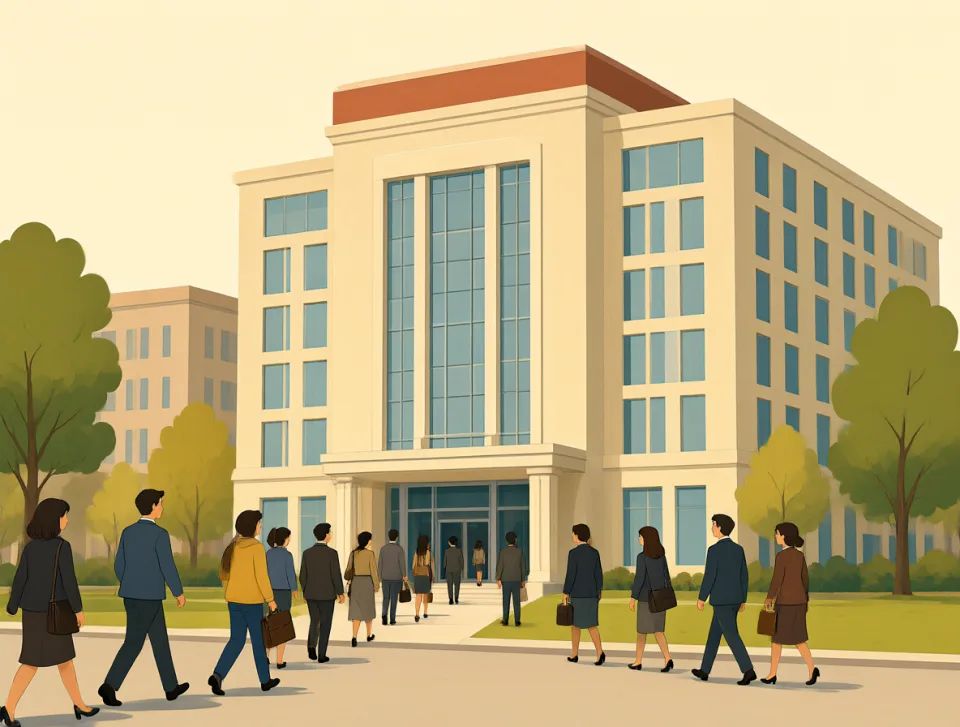
The new enterprise has created hundreds of jobs in our town.
這家新企業為我們鎮創造了數百個就業崗位。

She started a small enterprise selling homemade cakes from her kitchen.
她在自家廚房裡製作蛋糕並出售,由此創辦了一家小企業。

The university supports student enterprises with advice and small business loans.
這所大學為學生創業專案提供諮詢和小額商業貸款。

Running a family enterprise can be difficult when relatives disagree.
親戚之間意見不合時,經營家族企業可能會很困難。
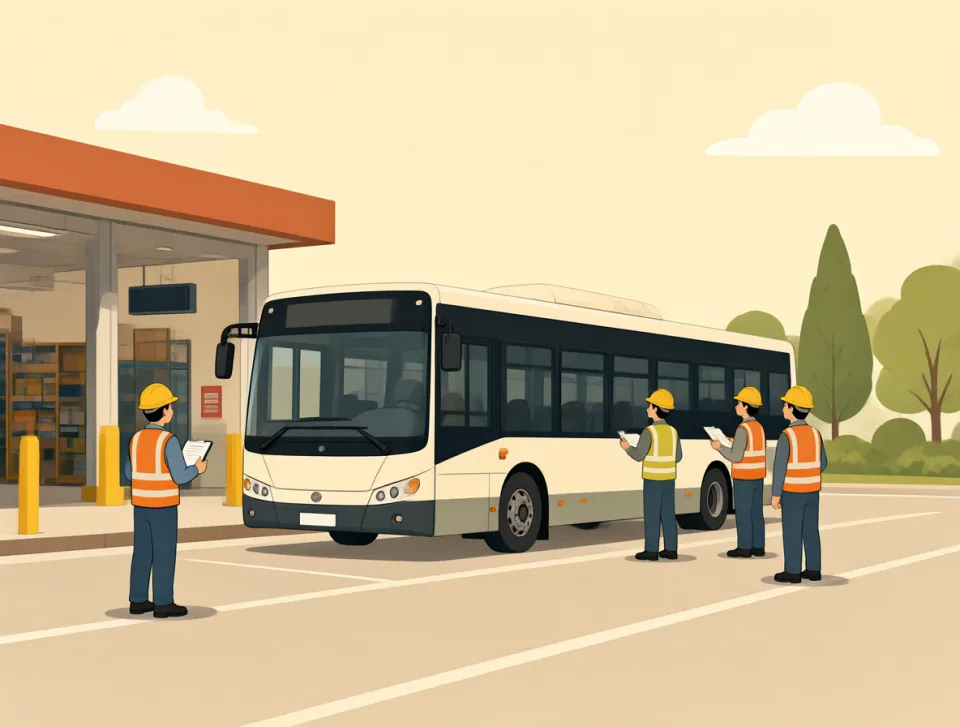
The government invested in a new enterprise to improve local transportation.
政府投資創辦了一家新企業,以改善當地的交通。
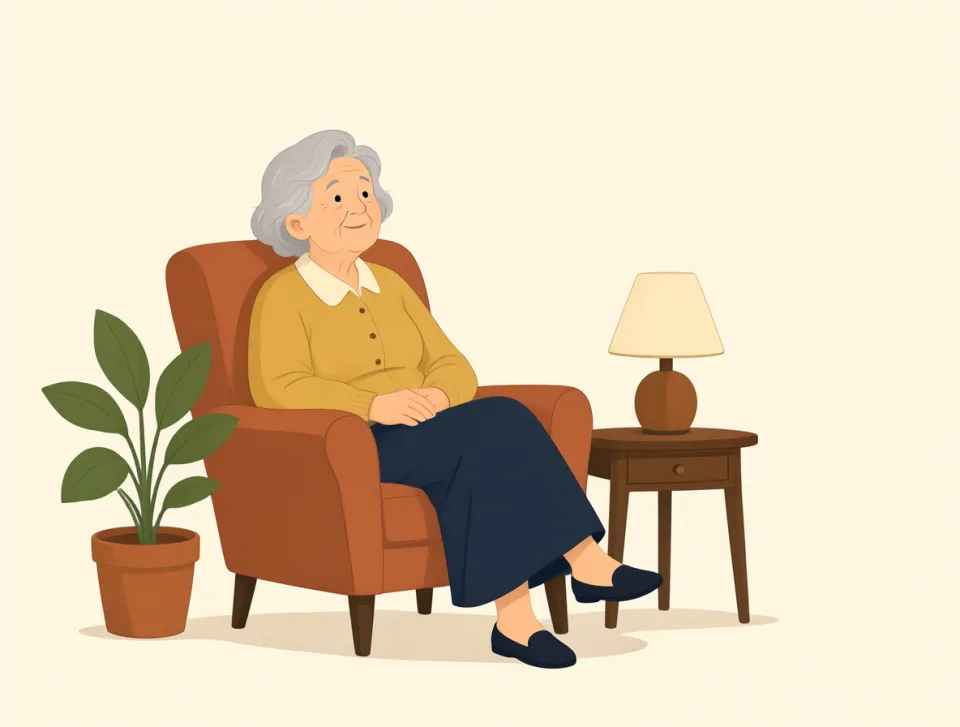
elderly
#2052adjective
年長的;老年的
Very old, especially referring to people who are no longer young.
年紀很大,尤指不再年輕的人。

The elderly man lives alone in a small apartment near the park.
這位老人獨自住在公園附近的一間小公寓裡。
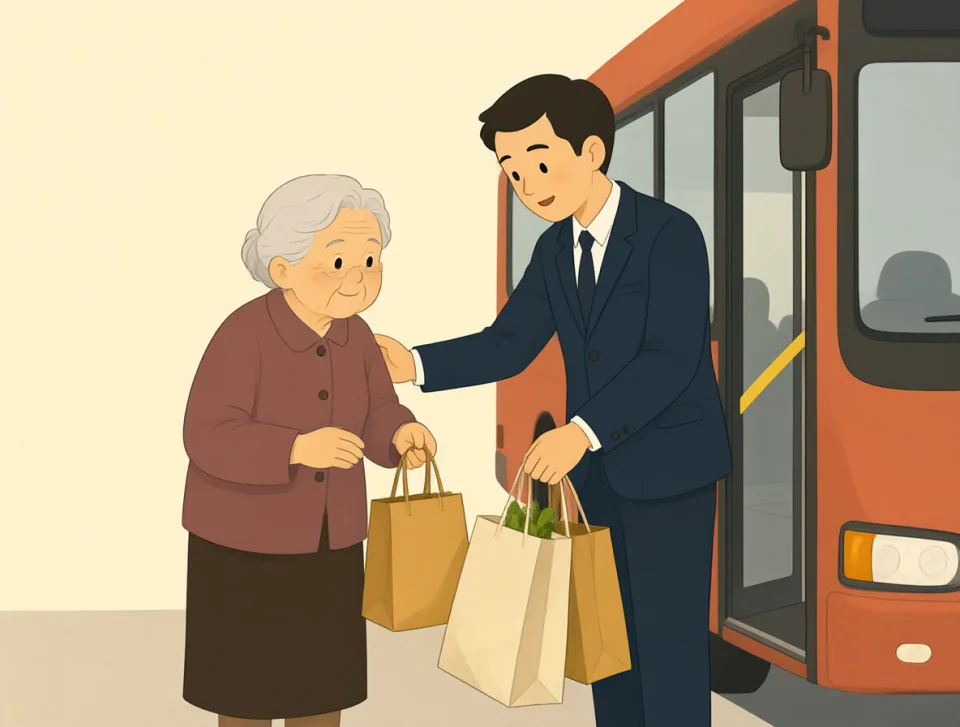
The bus driver helped an elderly passenger carry her shopping bags.
公交車司機幫一位老年乘客提了購物袋。
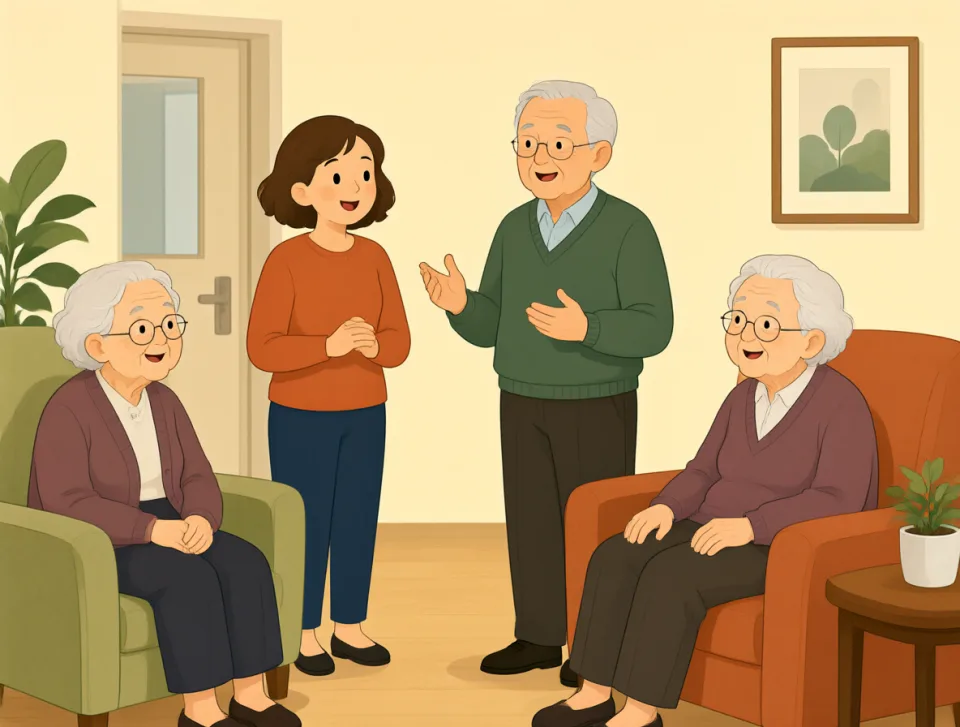
Our school volunteers visit elderly people at a nearby care home.
我們學校的志願者會去附近的養老院探望老人。
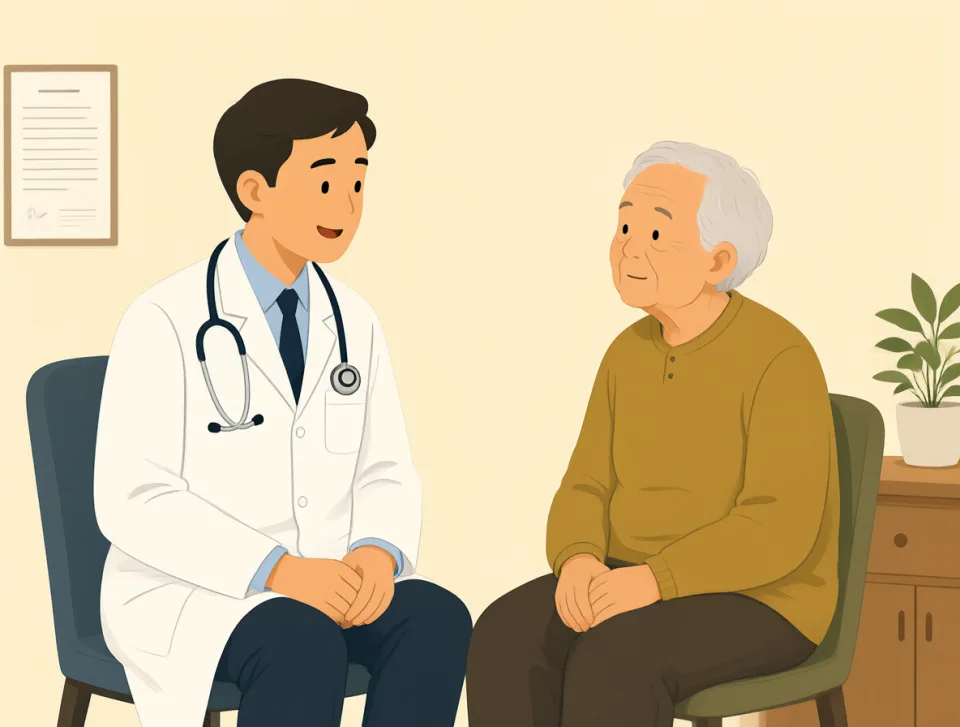
The doctor advised the elderly patient to drink more water each day.
醫生建議這位老年患者每天多喝水。
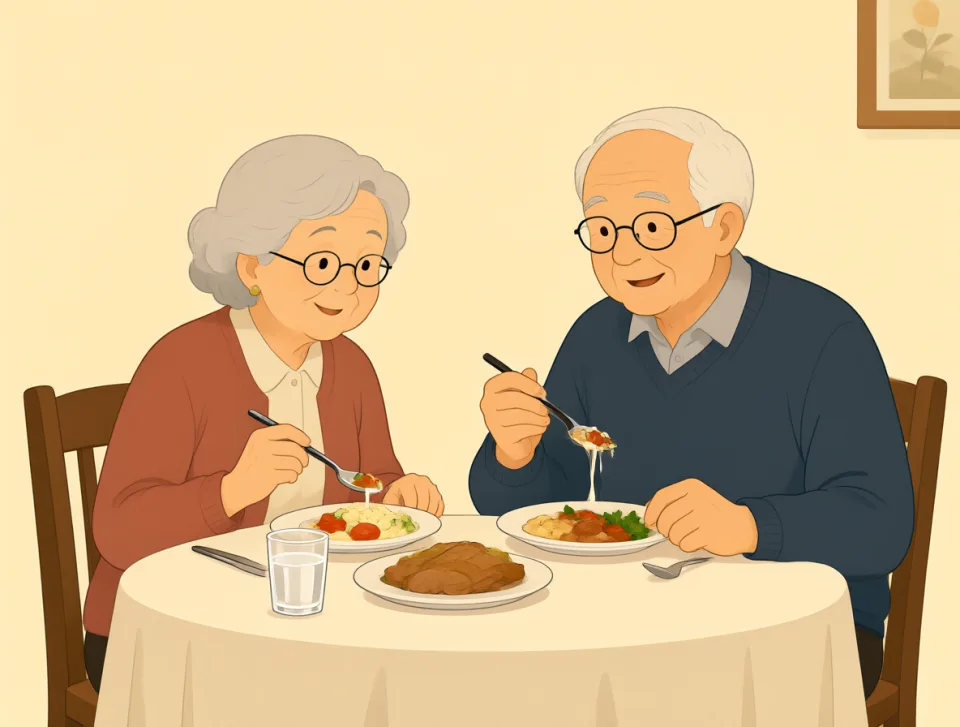
An elderly couple enjoyed a quiet meal together at the restaurant.
一對老年夫婦在餐廳裡共進了一頓安靜的晚餐。

owe
#2053verb
欠;歸功於
to need to pay someone money or give them something because you borrowed it
因為向某人借了錢或東西,需要還給對方。

I owe my brother twenty dollars for the concert tickets.
演唱會門票的錢我還欠我弟弟二十美元。

We still owe the bank money for our house.
我們買房子還欠銀行一筆錢。

She owes her success to years of hard work and practice.
她的成功歸功於多年來的努力和練習。
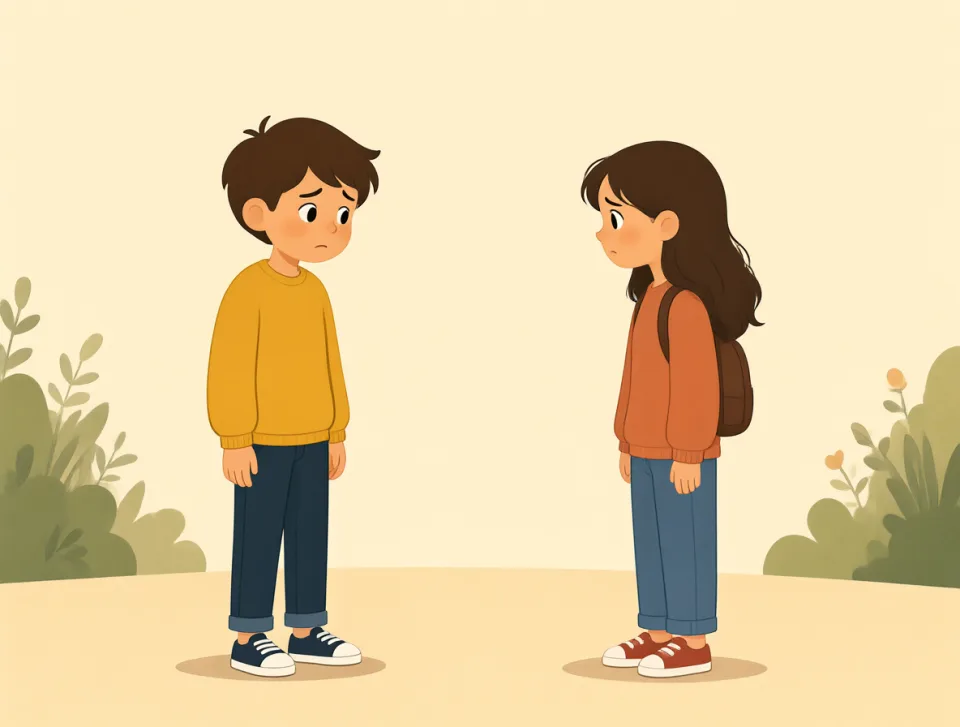
You owe me an apology for speaking to me so rudely.
你剛才那樣無禮地跟我說話,應該向我道歉。

The restaurant owes us a refund because our food arrived cold.
餐廳應該給我們退款,因為送來的飯菜都涼了。

governor
#2054noun
州長;地方長官
The elected leader of a state or region in some countries.
在一些國家,由選舉產生的州或地區領導人。
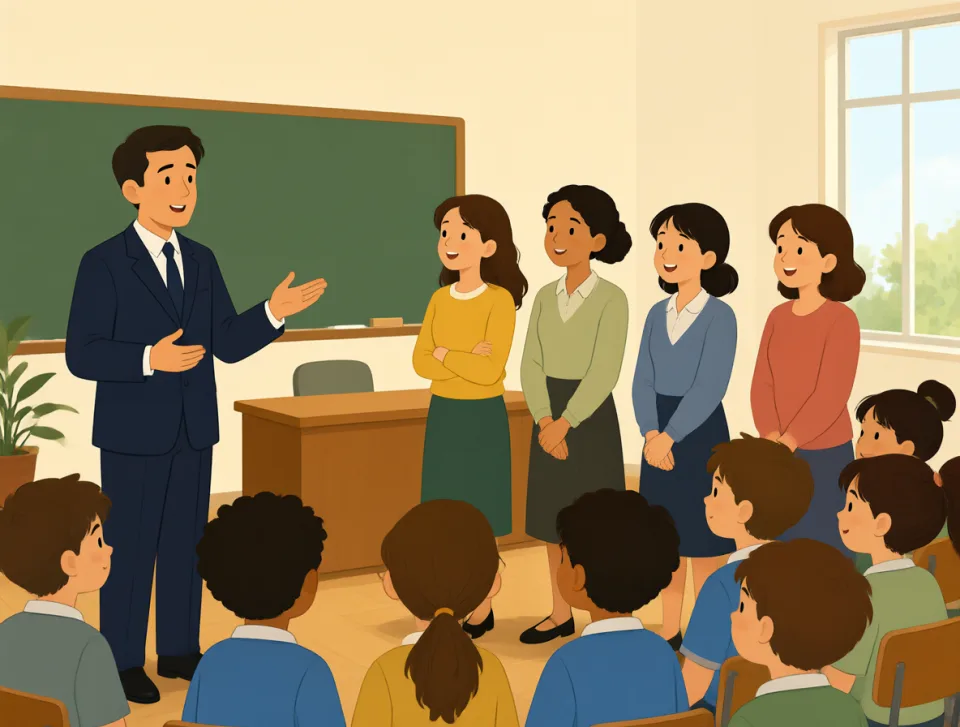
The governor announced new plans to improve public schools across the state.
州長宣佈了改善全州公立學校的新計劃。

The governor met local farmers to discuss rising food prices.
州長會見了當地農民,討論食品價格上漲的問題。
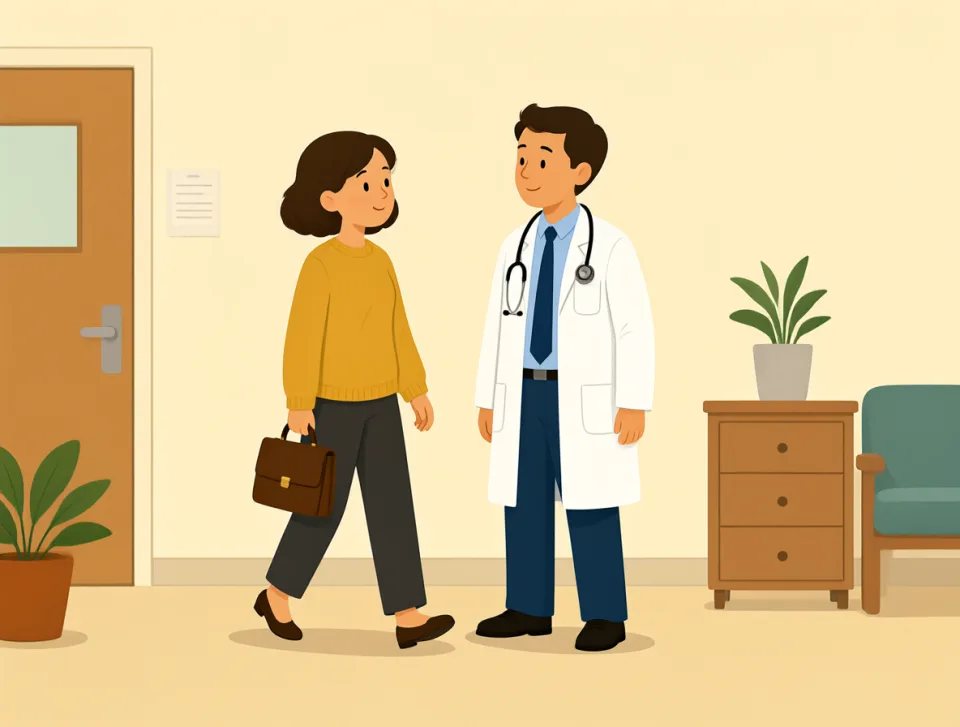
The governor visited the hospital after the storm damaged several buildings.
暴風雨損壞了幾棟建築後,州長前往醫院視察。

Our governor signed the new law during a meeting at the state office.
我們的州長在州政府辦公室的一次會議上籤署了這項新法律。
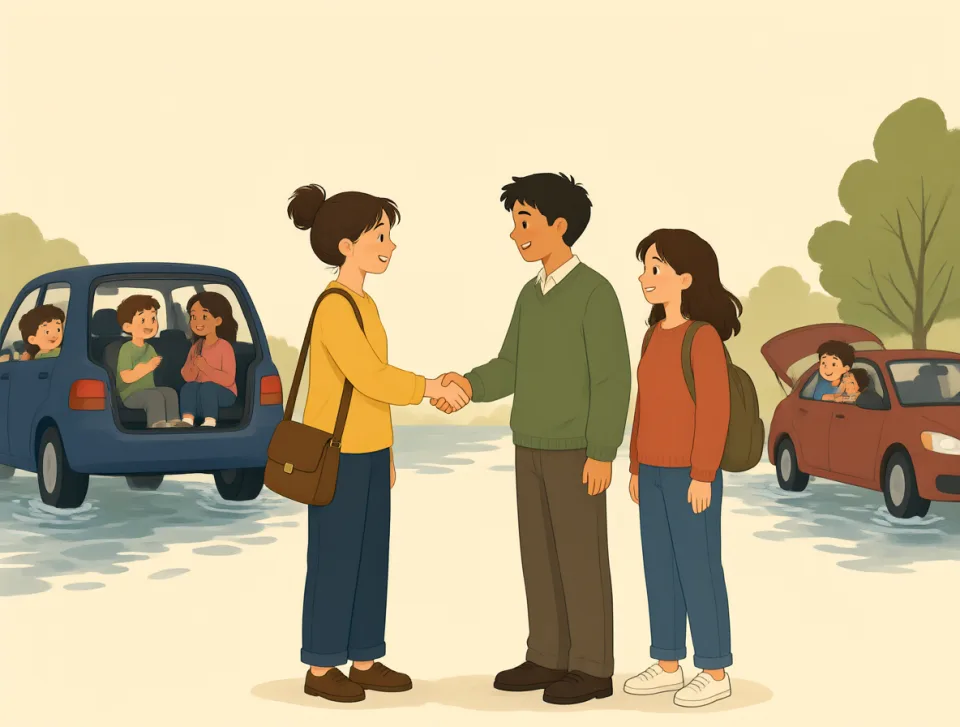
The governor thanked volunteers who helped families leave the flooded town.
州長感謝了幫助洪水圍困的小鎮居民撤離的志願者。

uniform
#2055noun, adjective
制服
A set of clothes worn by people who belong to the same group or do the same job.
同屬一個群體或從事同一種工作的人穿的一套服裝。

The school requires students to wear a uniform every day.
學校要求學生每天都穿校服。

The hotel staff wore smart uniforms while welcoming guests.
酒店員工穿著得體的制服迎接客人。
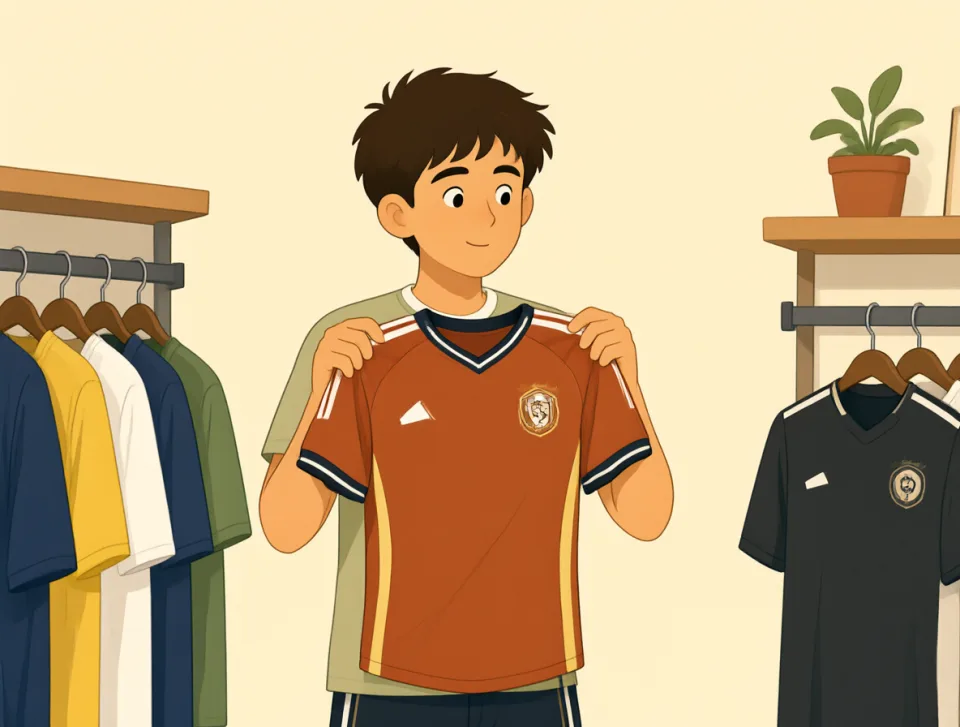
He bought a new football uniform before the season started.
賽季開始前,他買了一套新的足球隊服。

The nurse changed into her uniform before starting the night shift.
護士在開始上夜班前換上了制服。
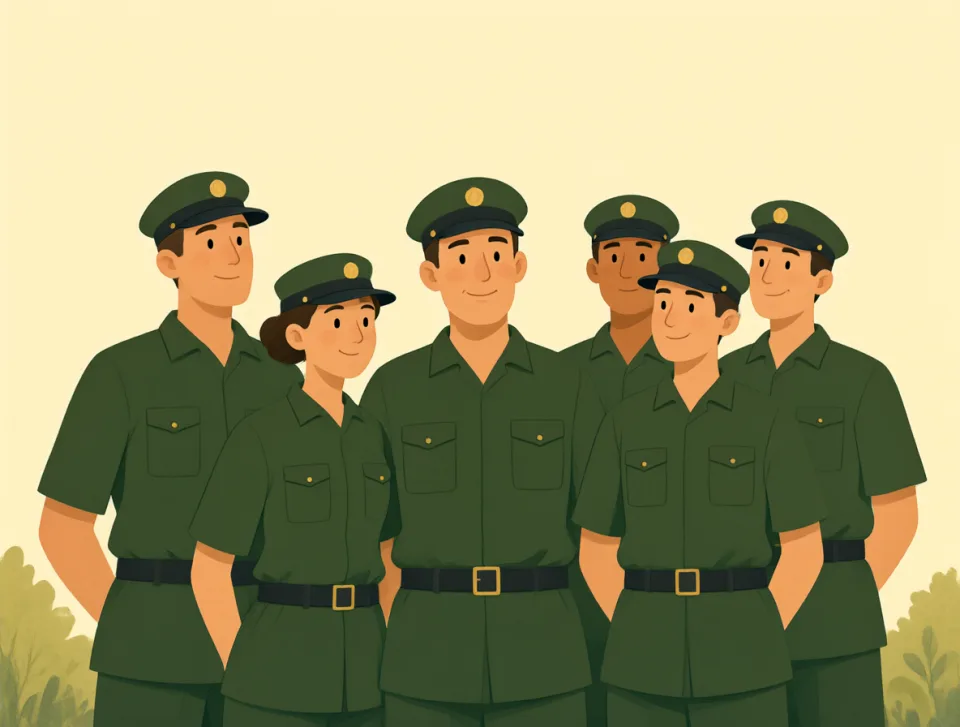
All the soldiers looked similar in their dark green uniforms.
所有士兵都穿著深綠色制服,看起來差不多。
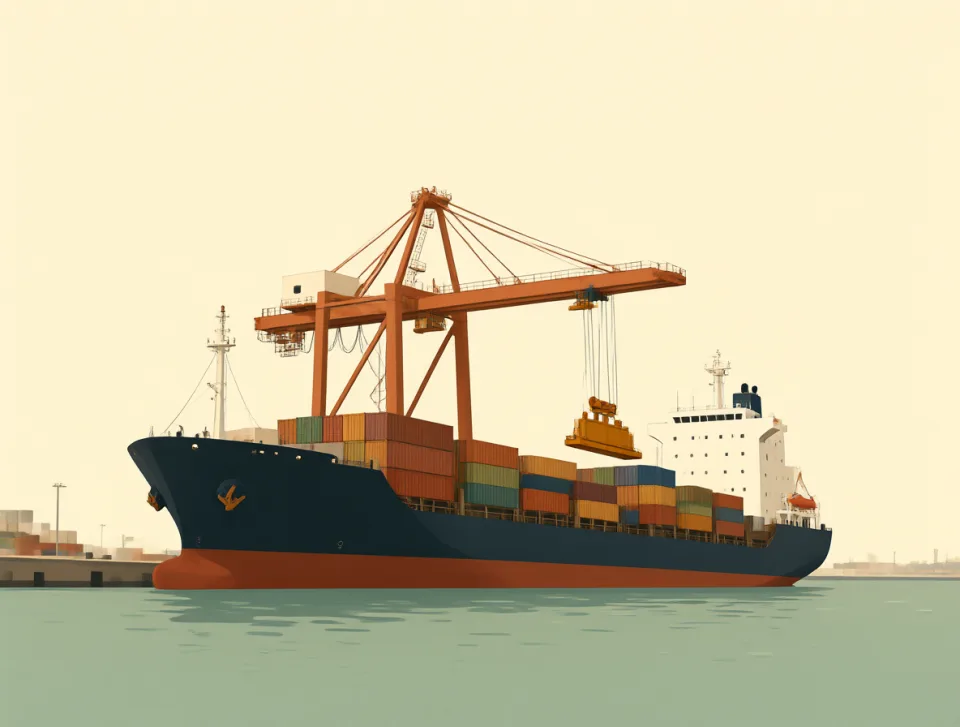
port
#2056noun, verb
港口;埠;移植
A place where ships load and unload; to connect a computer or device to another device.
船隻裝卸貨物的地方;將計算機或裝置連線到另一臺裝置;將軟體移植到另一部裝置上。

The ferry arrived at the port just before sunset.
渡輪在日落前不久抵達了港口。

We walked around the port and watched the fishing boats return.
我們在港口附近散步,看著漁船歸來。
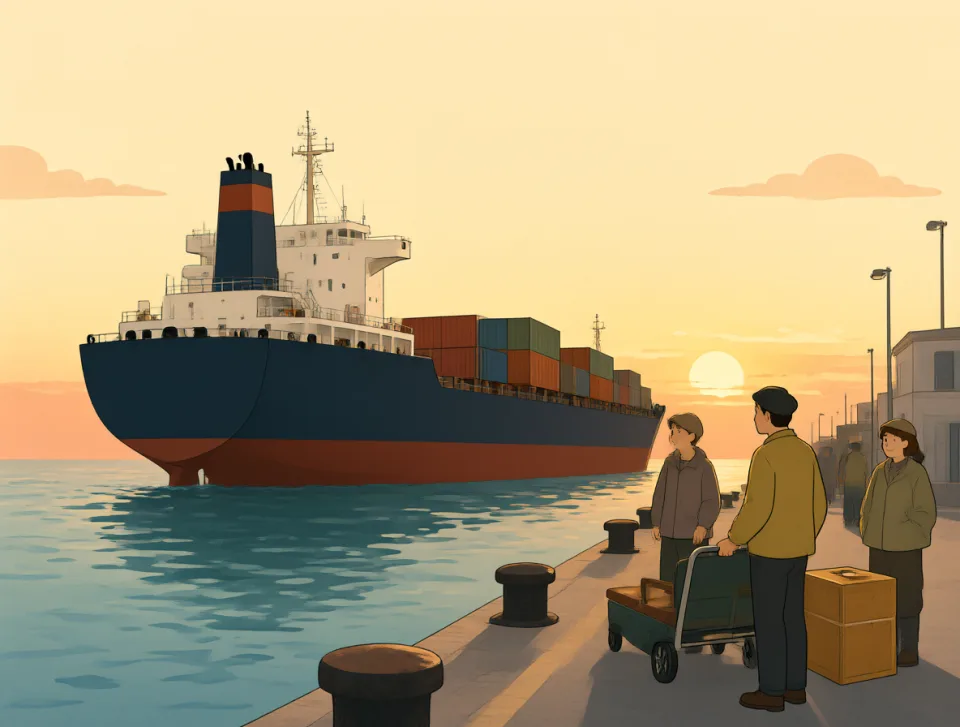
The ship will leave the port early tomorrow morning.
這艘船明天一早就要離開港口。
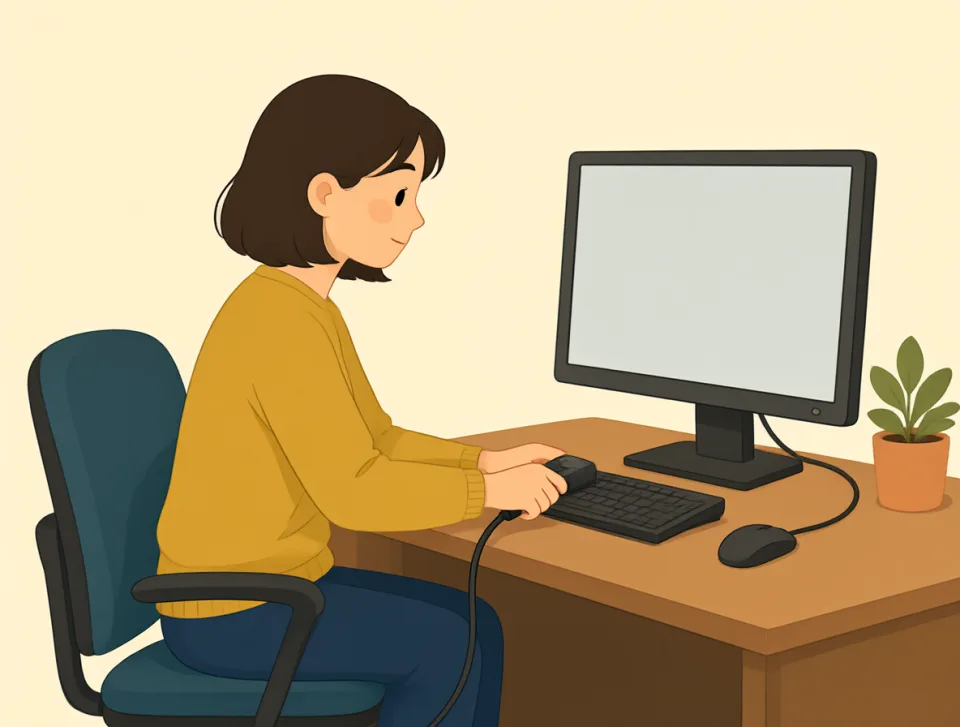
Please plug the printer into the USB port on your computer.
請將印表機插入電腦上的 USB 埠。

The technician is porting the software to a newer phone.
技術員正在將這款軟體移植到一部較新的手機上。

pitch
#2057noun, verb
音調;推銷說辭;帳篷營位;投球
A strong feeling in your voice, a place to sleep, or an idea presented to persuade people.
聲音中表達的強烈情感、可以睡覺的地方,或為說服他人而提出的想法。

Her voice rose in pitch when she became excited about the news.
她因對這個訊息感到興奮,聲音的音調提高了。

The sales team prepared a pitch for their new product.
銷售團隊為他們的新產品準備了一份推銷說辭。

He pitched his idea to the manager during the morning meeting.
他在早上的會議上向經理推介了自己的想法。

We rented a small tent pitch near the lake for the weekend.
週末我們在湖邊租了一個小型帳篷營位。

The baseball player pitched the ball straight toward the waiting batter.
那名棒球投手把球直直地投向等待擊球的擊球手。

arrival
#2058noun
到達;抵達
The act of coming to a place, or the time when someone or something comes.
來到某地的行為,或某人或某物到來的時間。

Please check the arrival time before you leave for the airport.
出發去機場前,請先檢視到達時間。

Our friends waited outside the station to welcome us on arrival.
我們的朋友在車站外等著,在我們到達時迎接我們。

The doctor examined the baby soon after its arrival.
嬰兒到達後不久,醫生就給它做了檢查。

The late arrival of the delivery made dinner plans difficult.
送貨晚到,使晚餐計劃變得很難安排。
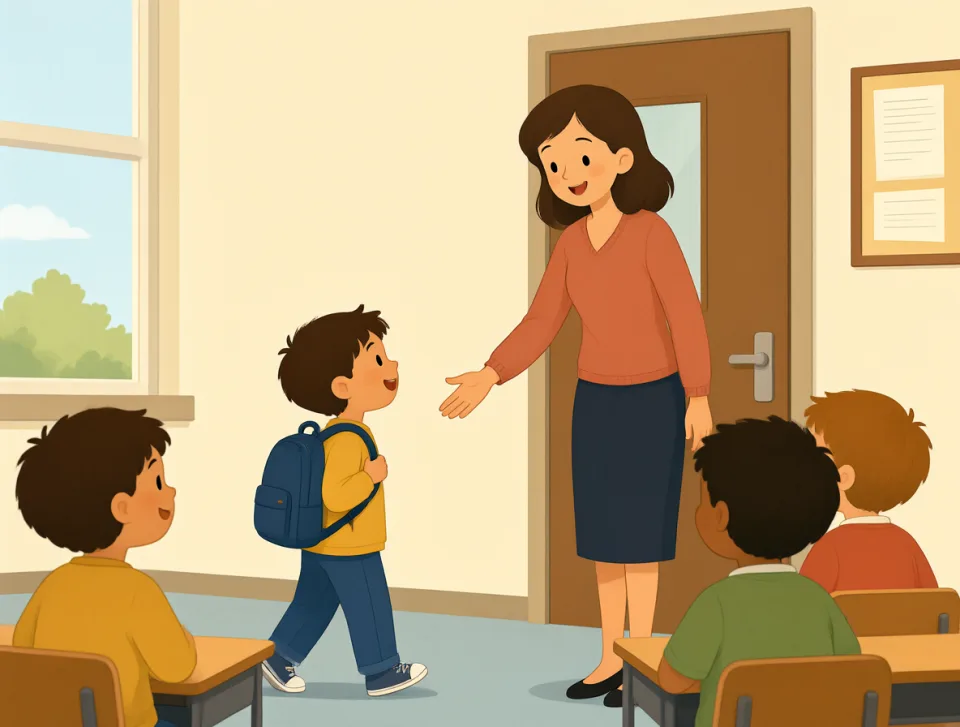
The teacher smiled at the new student's arrival for class.
新生到教室時,老師對他微笑了。
contemporary
#2059adjective, noun
當代的;現代的;同時代的人
Modern and connected with the present time; a person living at the same time as another.
現代的,與當下有關;與另一個人生活在同一時代的人。

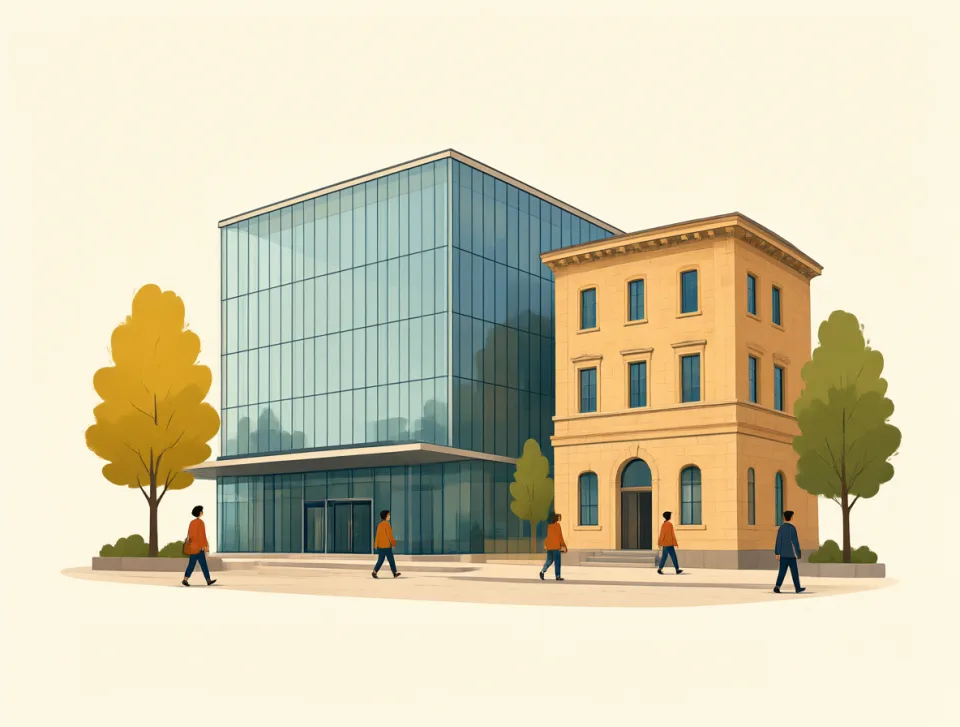
The museum has a large collection of contemporary art from around the world.
這家博物館收藏了大量來自世界各地的當代藝術作品。

She prefers contemporary furniture because it makes her apartment feel bright and modern.
她更喜歡現代傢俱,因為這能讓她的公寓顯得明亮又時尚。

The course examines contemporary issues such as climate change and online privacy.
這門課程探討氣候變化和網路隱私等當代議題。

The chef serves contemporary dishes that combine traditional flavors with modern cooking methods.
這位廚師供應融合傳統風味與現代烹飪方法的創新菜餚。

The writer was a contemporary of Virginia Woolf and lived in London at the same time.
這位作家與Virginia Woolf是同時代的人,當時也住在倫敦。
gate
#2060noun
門;大門
a movable barrier that opens and closes an entrance to a place
可以開關、用來封閉某處入口的活動屏障
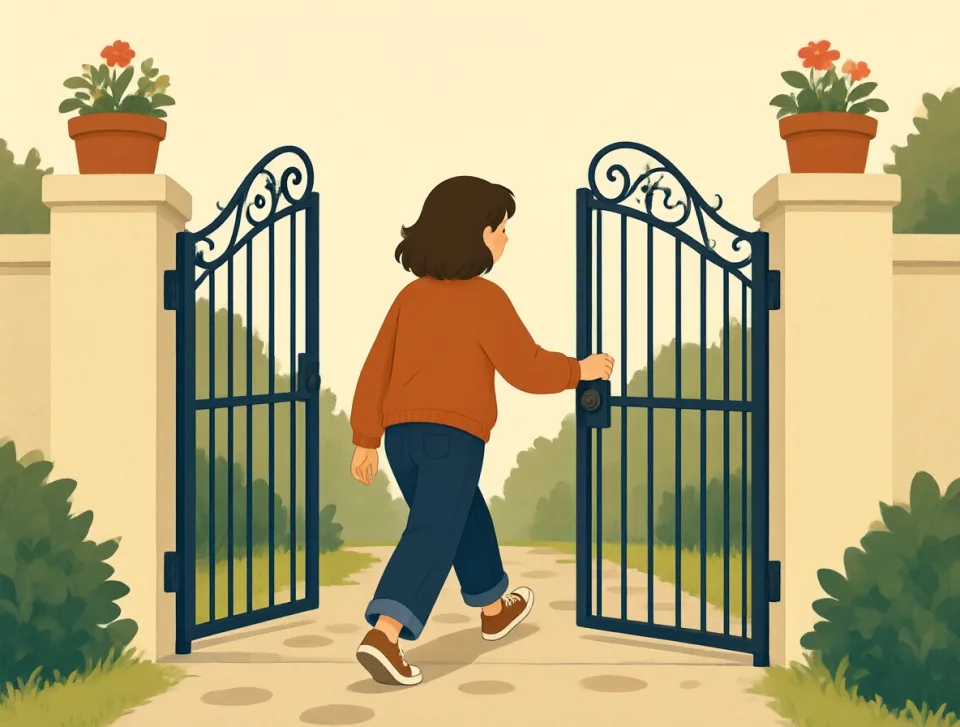
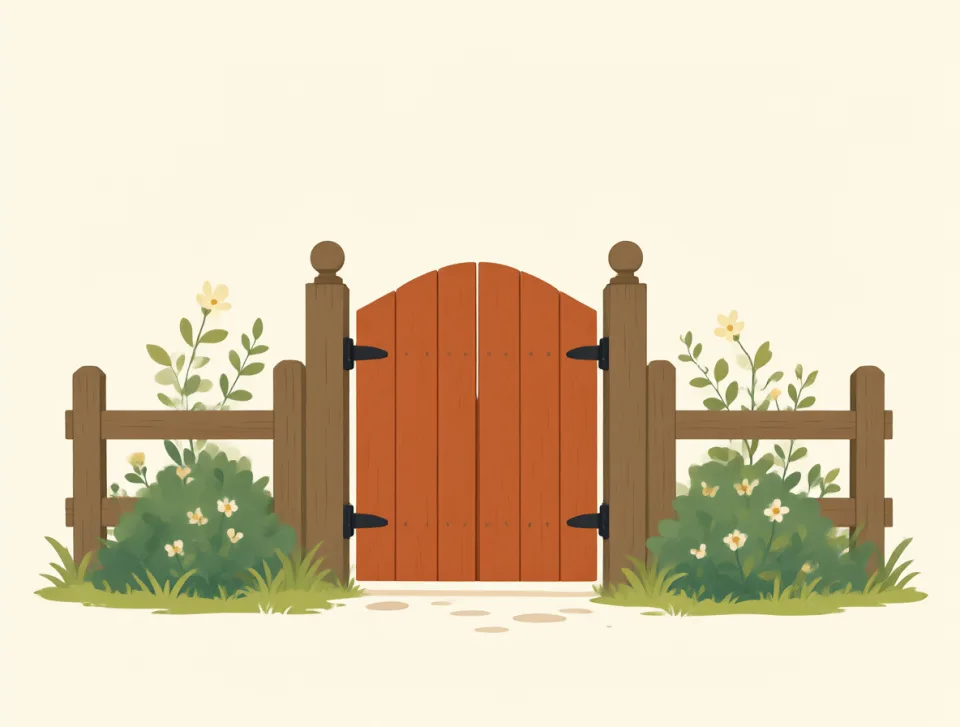
Please close the garden gate after you come inside.
進來後請關上花園門。
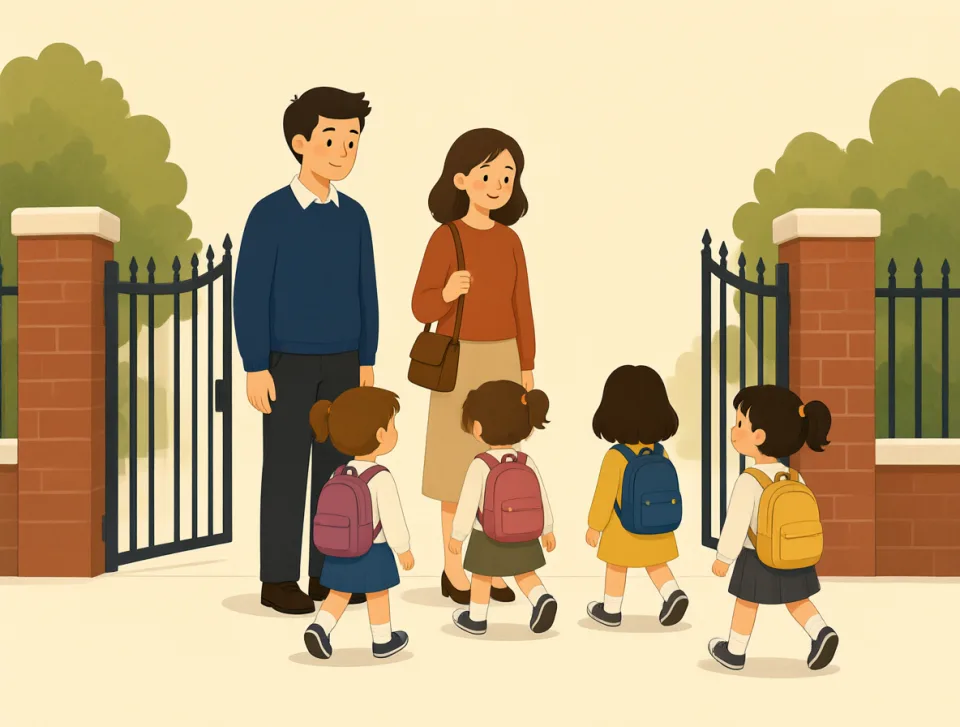
We waited at the school gate for our children.
我們在校門口等孩子。

The airport gate changed, so we hurried across the terminal.
機場登機口換了,所以我們趕緊穿過航站樓。

The horse escaped when someone left the farm gate open.
有人忘了關農場的大門,馬就跑了出去。
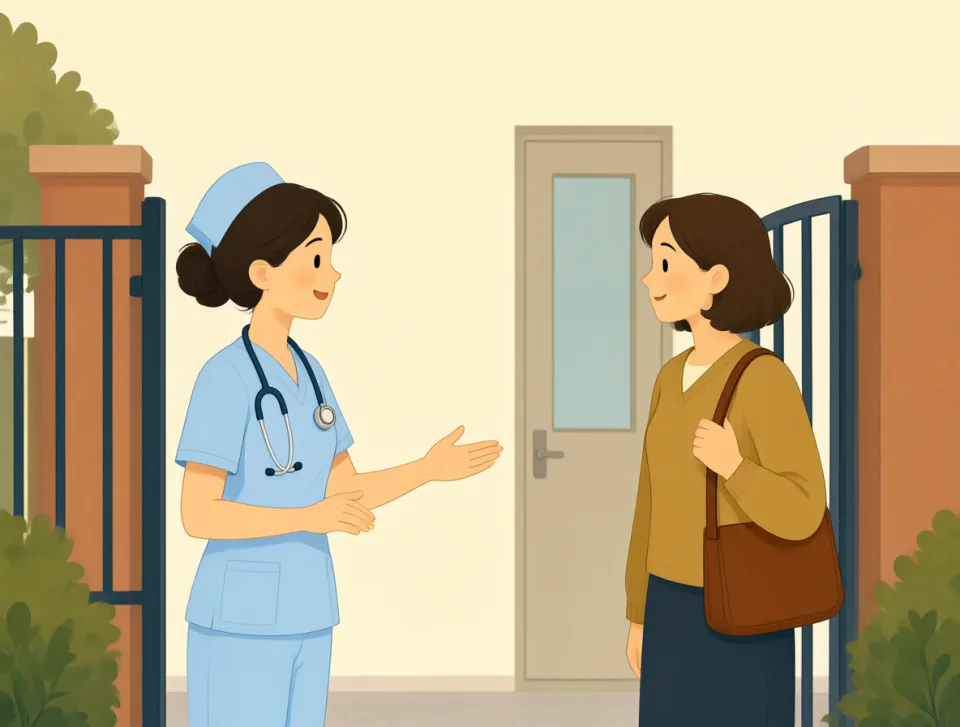
The nurse met me at the hospital gate and showed me where to go.
護士在醫院門口接到我,並帶我去了該去的地方。