單元 131
單字 2601–2620 · bless, airline, amendment, grandmother, jury, cooperation

bless
#2601verb
祝福;保佑;賜福;感恩
to ask God to protect someone or something, or to thank God for them
祈求上帝保護某人或某物,或為他們向上帝表達感謝。

The priest blessed the couple during their wedding ceremony.
牧師在婚禮儀式上為這對新人祈福。
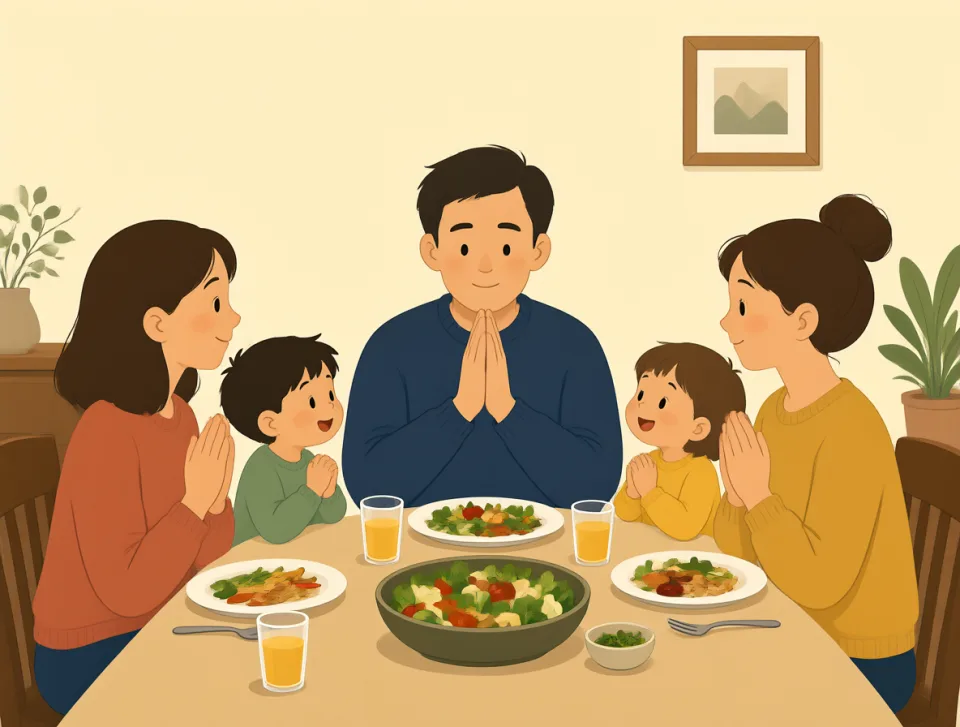
Bless this food before we begin eating.
在我們開始吃飯之前,先為這些食物禱告,感謝上帝的恩賜。
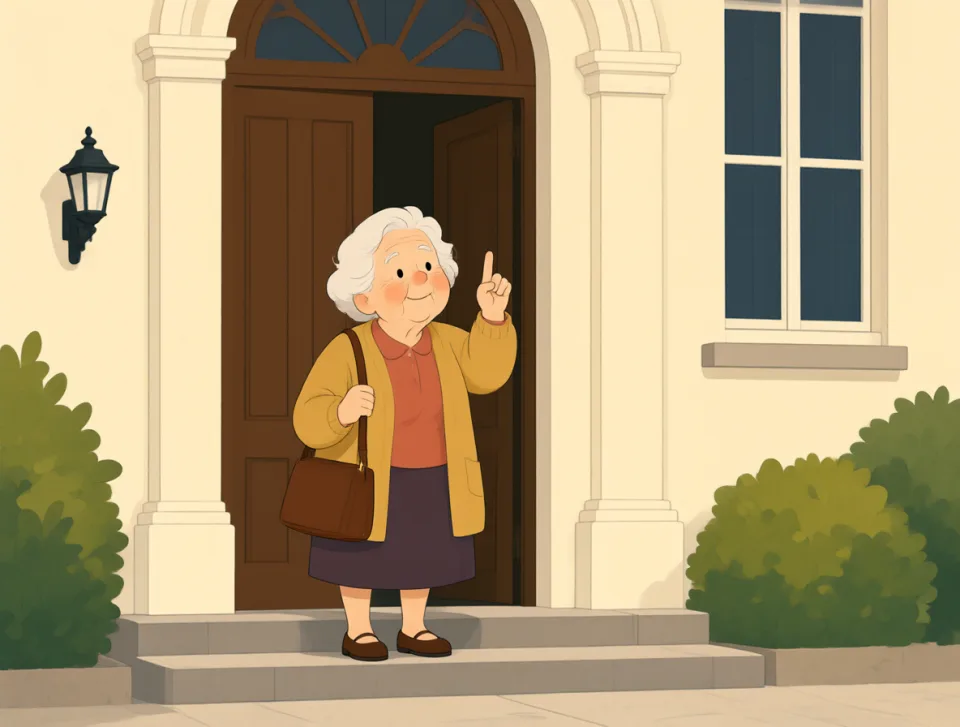
The old woman blessed herself before entering the church.
那位老婦人在進入教堂前先祈求上帝保佑自己。

The doctor blessed me with good news about my health.
醫生帶給我一個好訊息,讓我感到自己受到了上天的眷顧。

Bless you! I hope you feel better soon.
保佑你!希望你早日康復。

airline
#2602noun
航空公司; 航空企業
A company that flies passengers or goods from one place to another.
一家透過飛機將乘客或貨物從一個地方運送到另一個地方的公司。
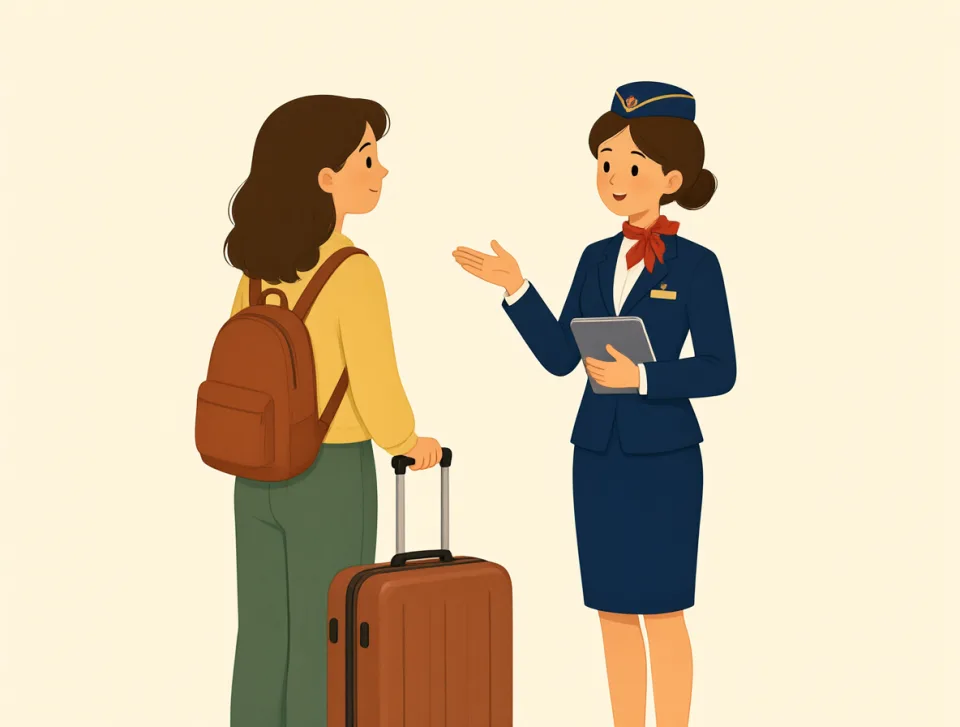
The airline canceled our flight, so we had to stay overnight near the airport.
航空公司取消了我們的航班,所以我們不得不在機場附近過夜。
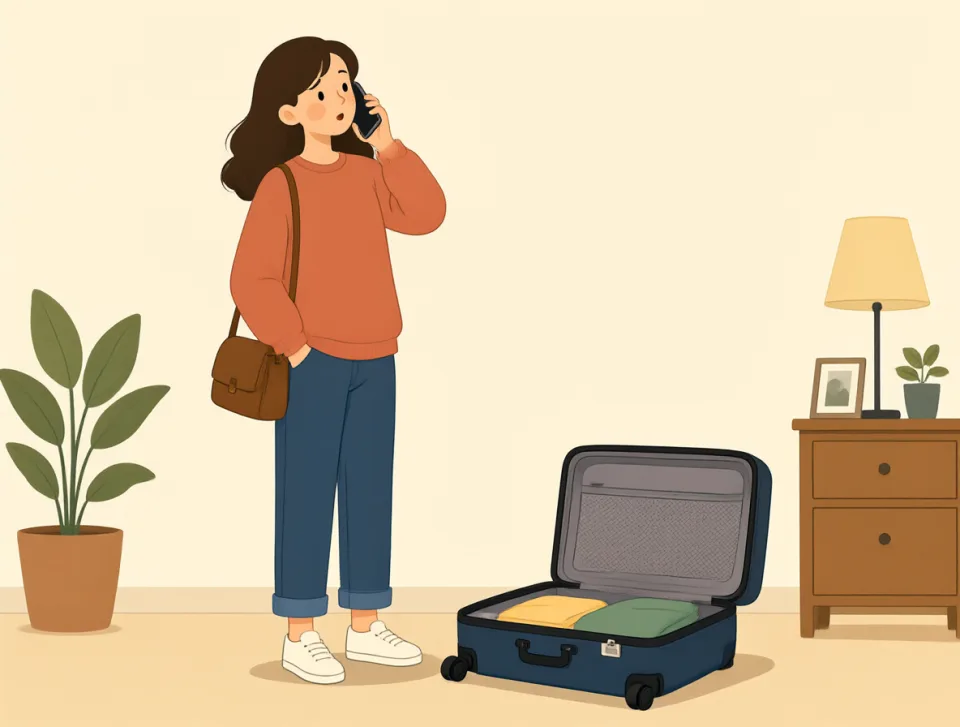
She called the airline to ask whether her ticket included a checked bag.
她打電話給航空公司,詢問機票是否包含托執行李。

My brother works for an airline and helps passengers board their flights.
我哥哥在一家航空公司工作,負責協助乘客登機。

The airline offered us a refund after the storm kept the plane grounded.
暴風雨導致飛機無法起飛,航空公司因此向我們提供了退款。

We chose a smaller airline because its flights were cheaper that week.
我們選擇了一家規模較小的航空公司,因為那一週它的機票更便宜。

amendment
#2603noun
修正案;修改;修訂
a change made to a law, document, agreement, or proposal
對法律、檔案、協議或提案所作的修改。
The committee approved an amendment to the new housing law.
委員會批准了新住房法的一項修正案。

Please read the amendment before you sign the rental agreement.
請在簽署租賃協議之前仔細閱讀修訂條款。
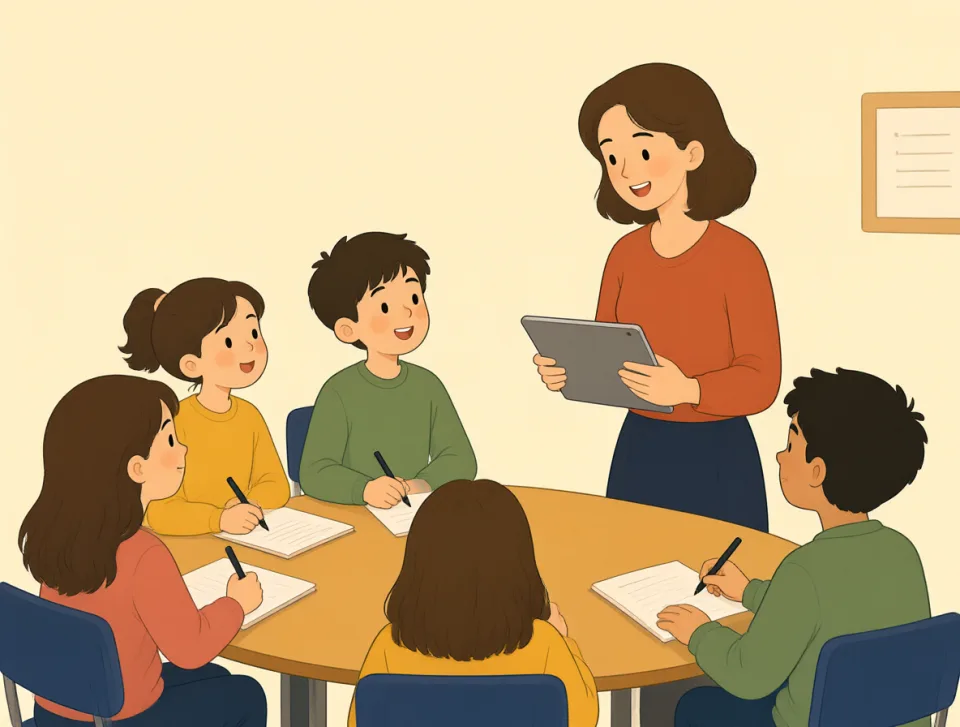
The teacher suggested an amendment to our school project plan.
老師建議對我們的學校專案計劃進行修改。

Both sides agreed to an amendment after several hours of discussion.
經過幾個小時的討論,雙方同意對協議進行修改。

The lawyer proposed three amendments to protect the patient's rights.
律師提出了三項修正案,以保護患者的權利。
grandmother
#2604noun
祖母;奶奶;外祖母;姥姥
Your mother’s or father’s mother.
你母親或父親的母親。
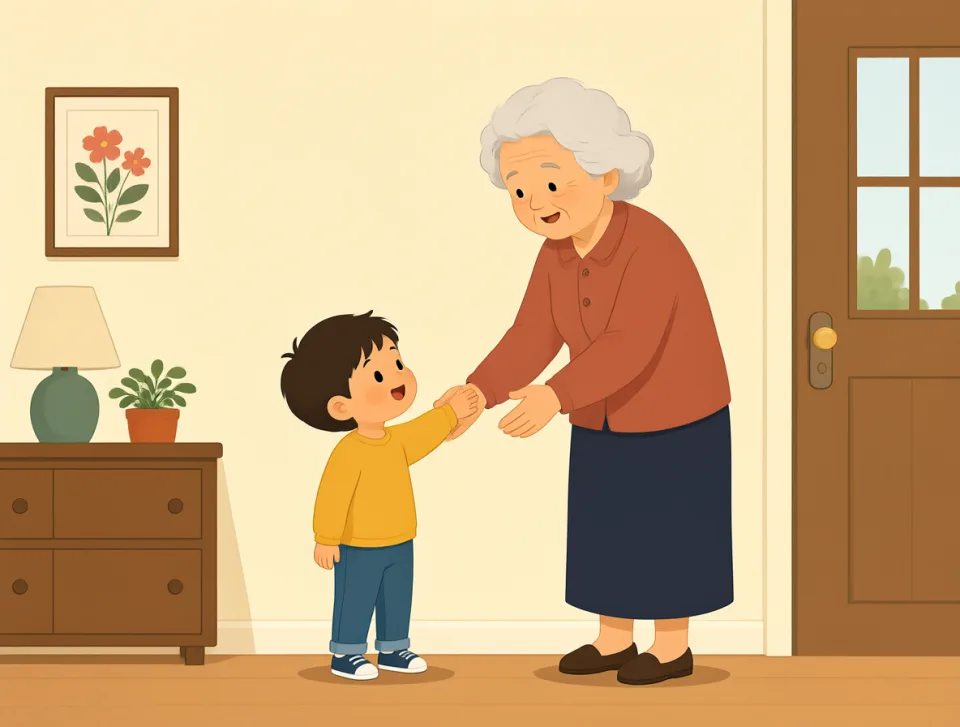
My grandmother lives nearby, so I visit her every Sunday afternoon.
我奶奶住在附近,所以我每個星期天下午都會去看她。
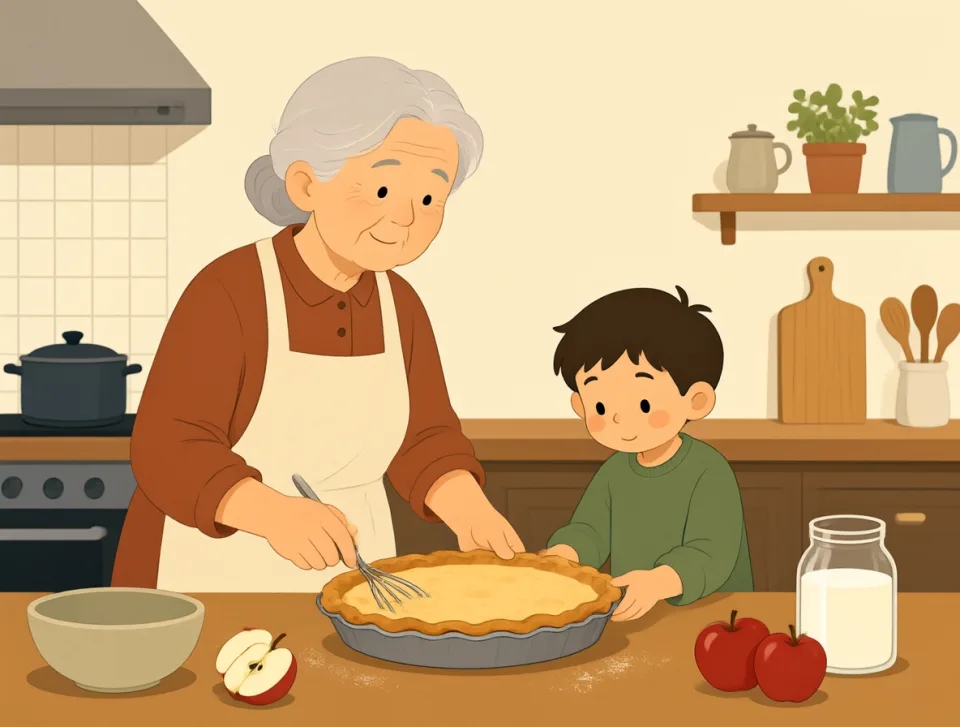
His grandmother taught him how to make her famous apple pie.
他的奶奶教他做奶奶拿手的蘋果派。
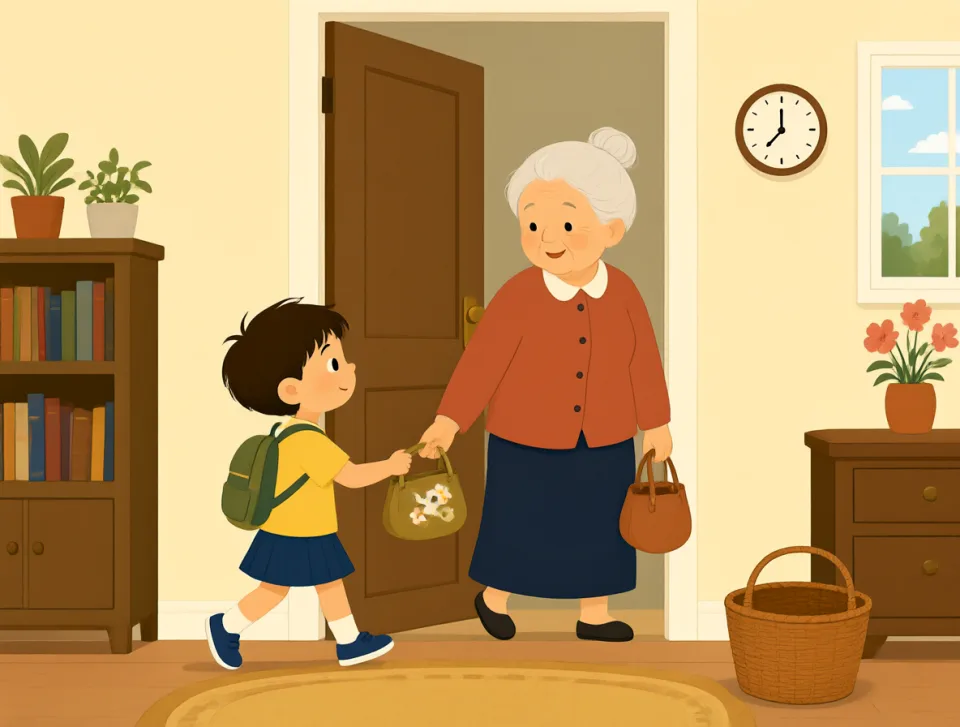
We stayed at our grandmother’s house during the school holidays.
學校放假期間,我們住在奶奶家。
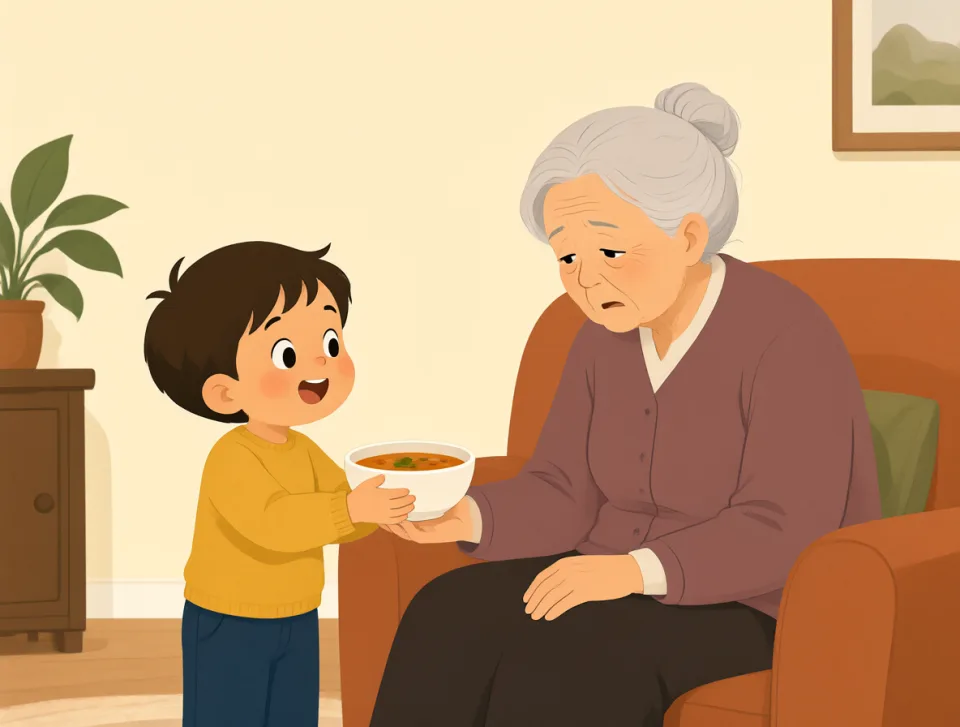
My grandmother was feeling tired, so we brought her some soup.
奶奶覺得有點累,所以我們給她送了些湯。
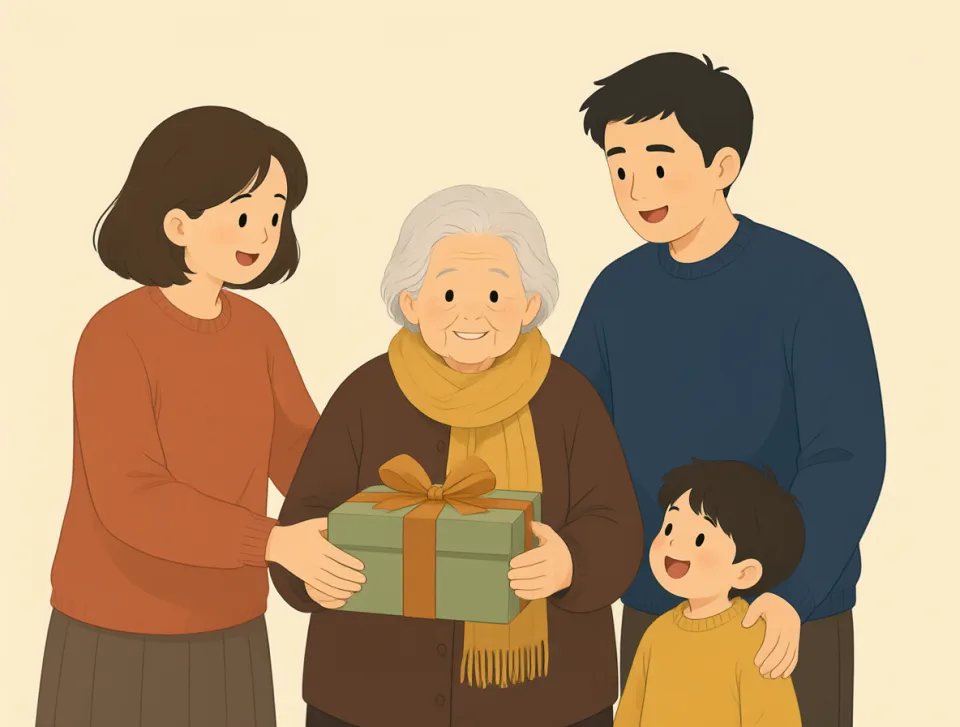
They bought their grandmother a warm scarf for her birthday.
他們給奶奶買了一條暖和的圍巾作為生日禮物。
jury
#2605noun
陪審團
A group of people who decide whether someone accused of a crime is guilty.
由一群人組成的團體,負責判定被指控犯罪的人是否有罪。
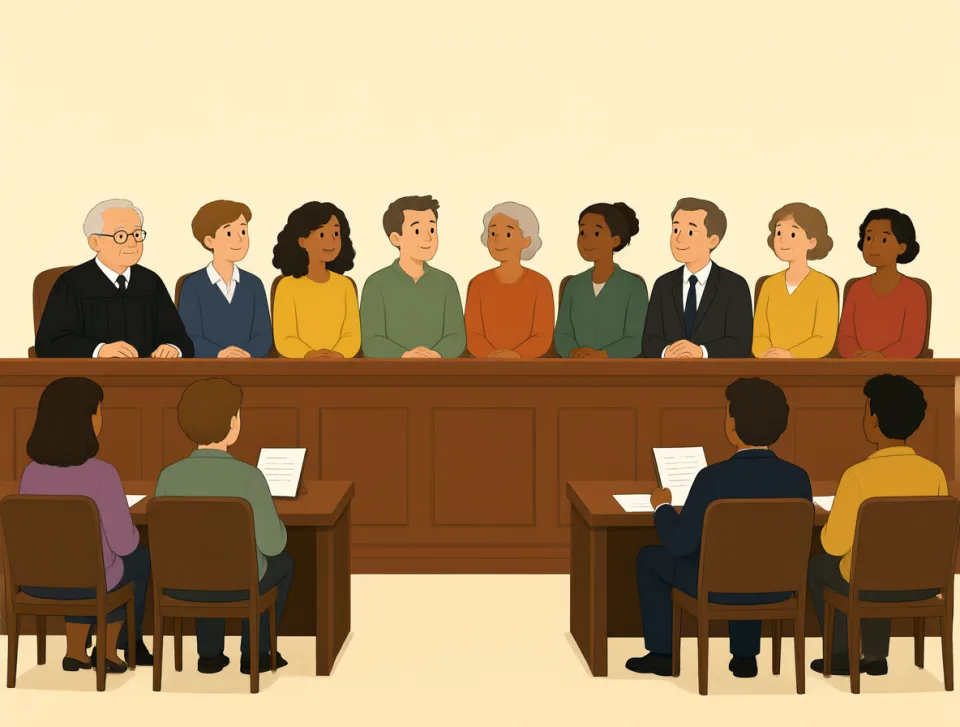
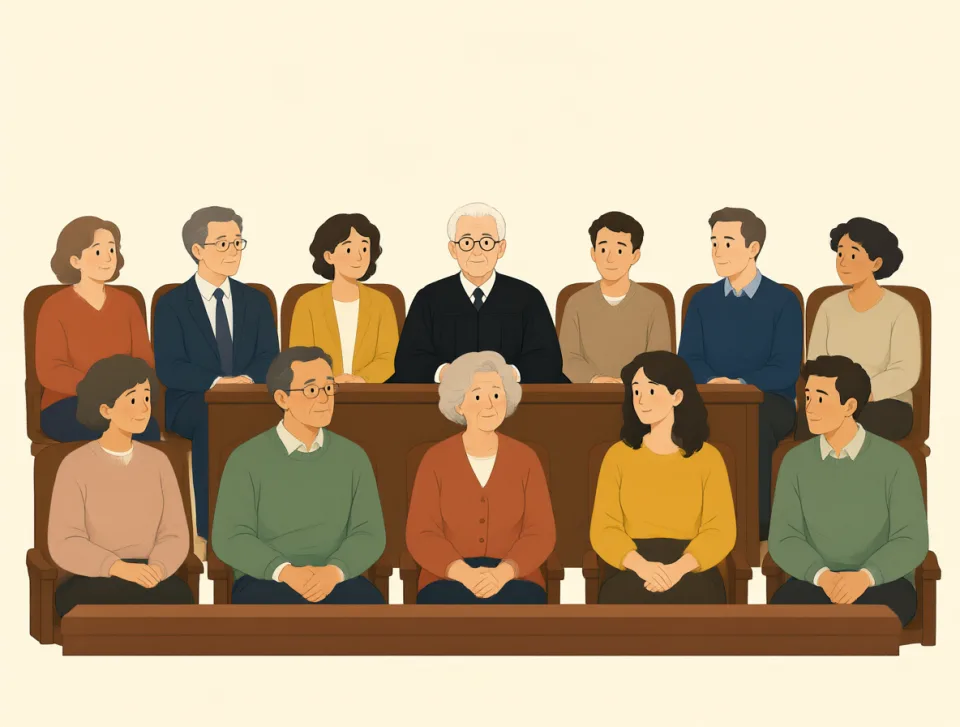
The jury found the man guilty after two hours of discussion.
經過兩個小時的討論,陪審團裁定該男子有罪。
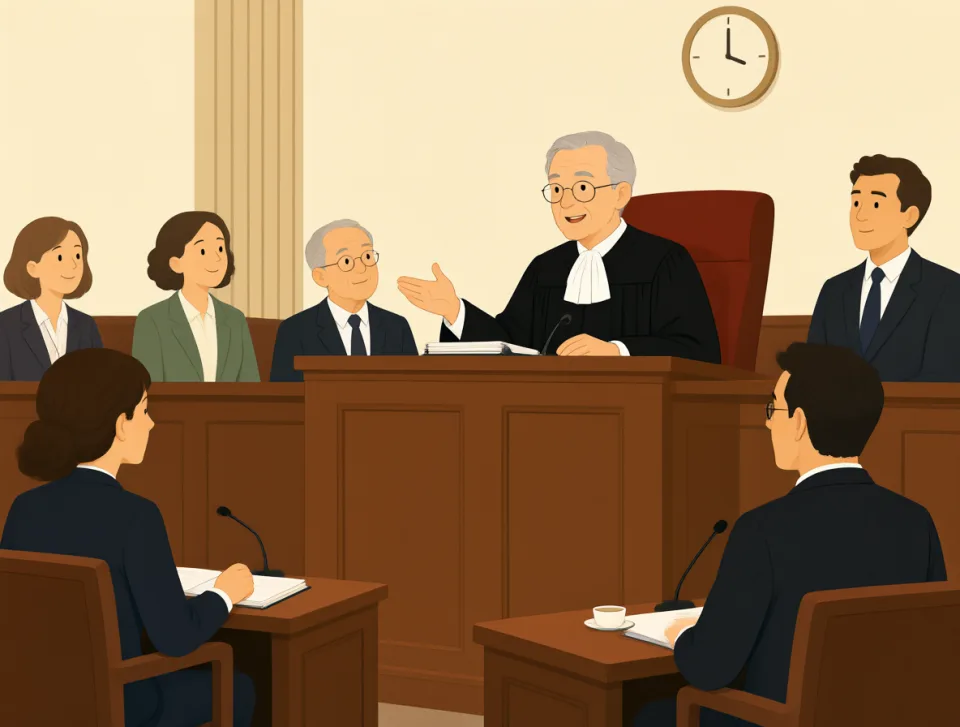
The judge asked the jury to consider all the evidence carefully.
法官要求陪審團仔細審查所有證據。

She was chosen for jury duty and had to miss work.
她被選中擔任陪審員,因此不得不請假缺勤。
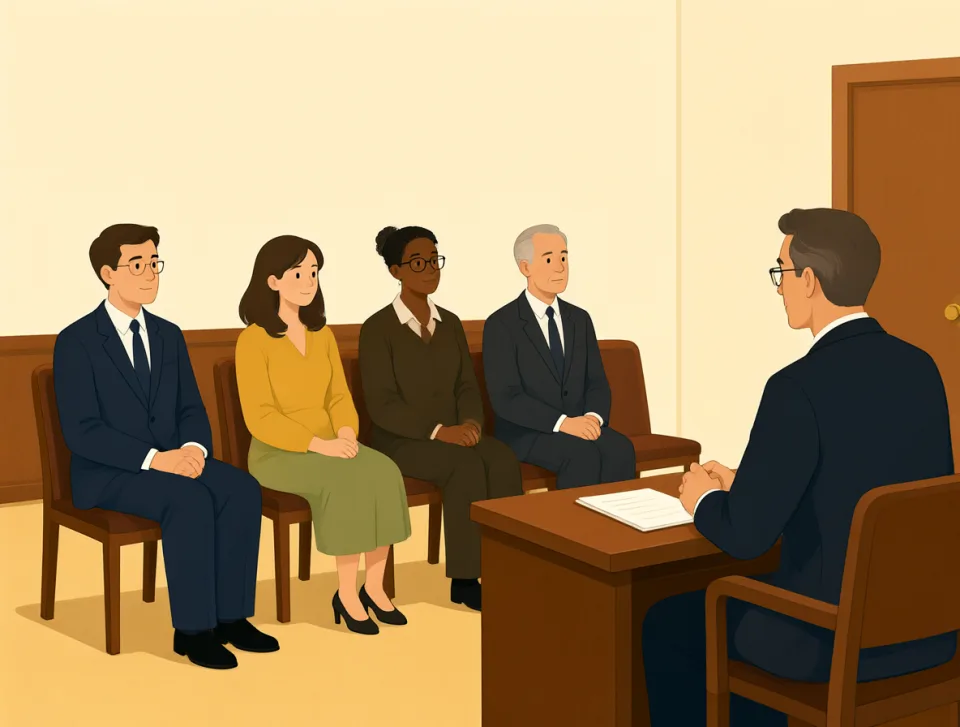
The jury listened quietly while the witness answered questions.
證人回答問題時,陪審團成員靜靜地聽著。
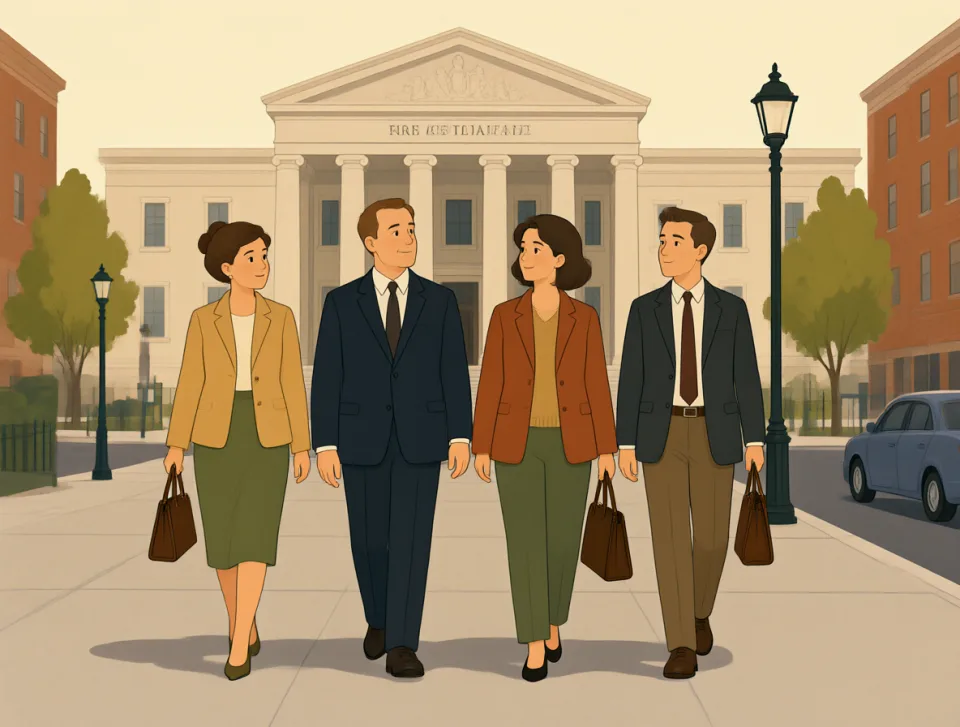
After the trial, the jury returned to their everyday lives.
審判結束後,陪審團成員迴歸了日常生活。

cooperation
#2606noun
合作;協作
The act of working together to achieve something.
為了實現某個目標而共同努力的行為。
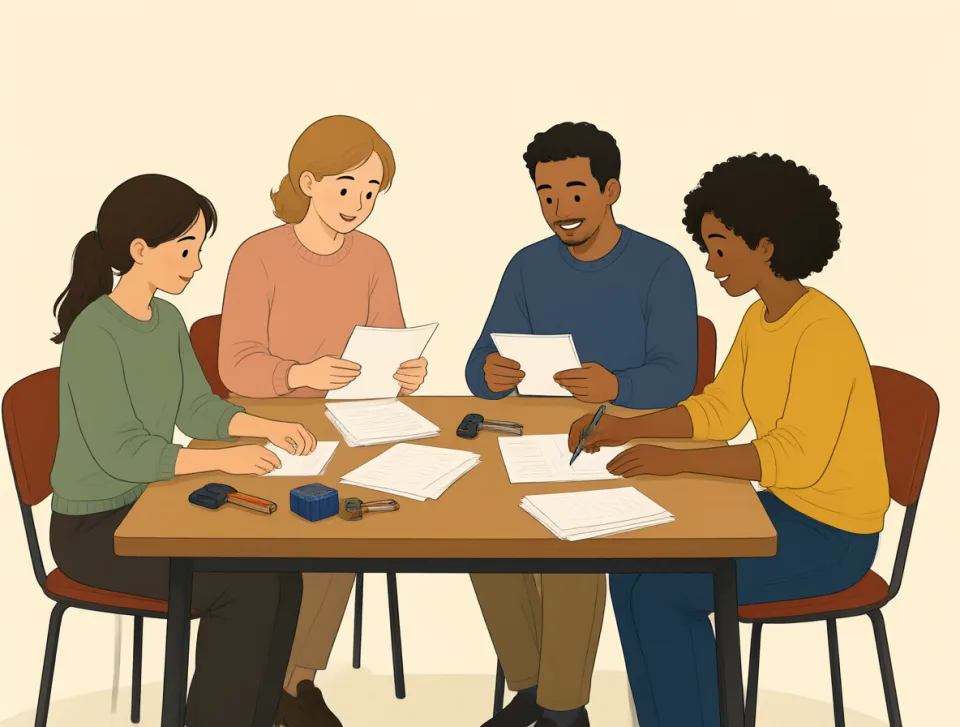
The project was finished on time thanks to everyone’s cooperation.
多虧了大家的合作,專案才按時完成。
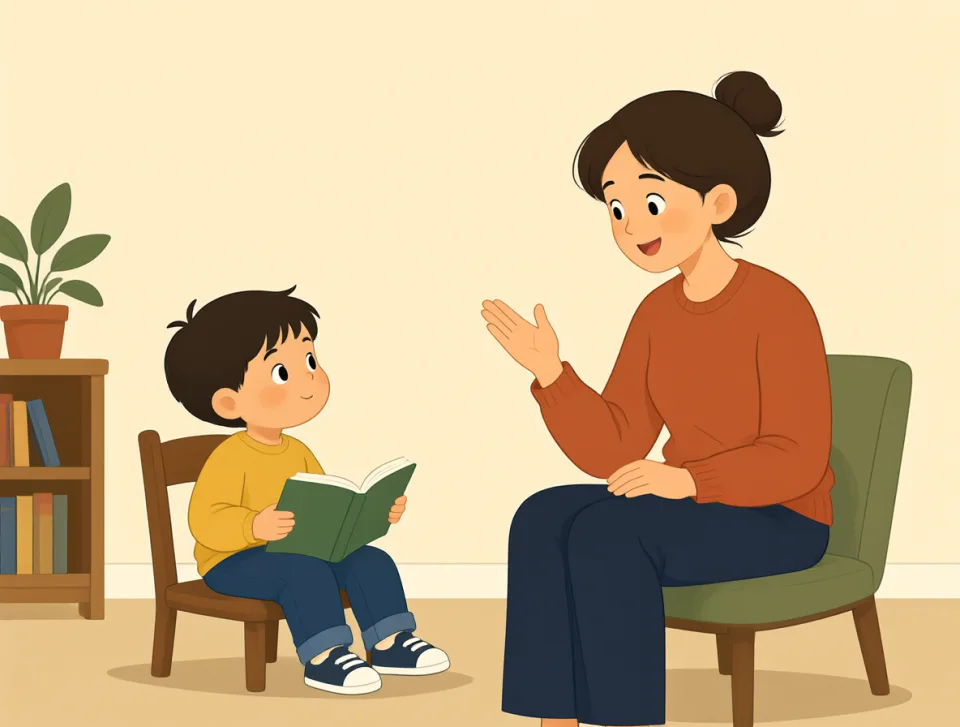
Good cooperation between parents and teachers can help a child learn.
家長和老師之間的良好合作有助於孩子學習。
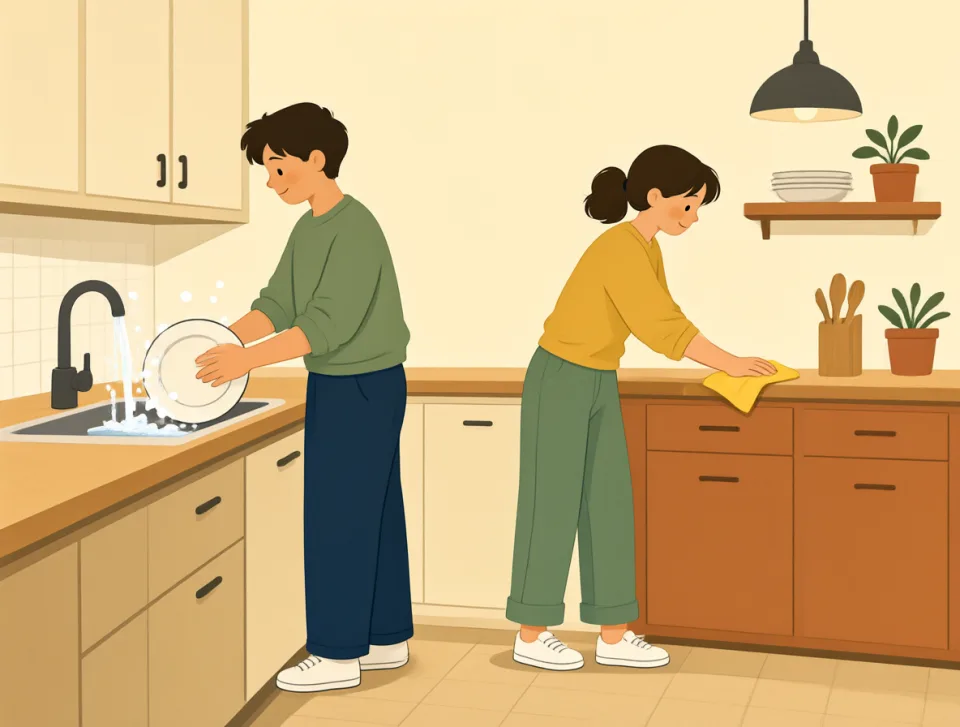
The team needs your cooperation to keep the kitchen clean.
為了保持廚房整潔,團隊需要你的配合。

The two countries agreed to closer cooperation on health and safety.
這兩個國家同意在衛生和安全領域加強合作。
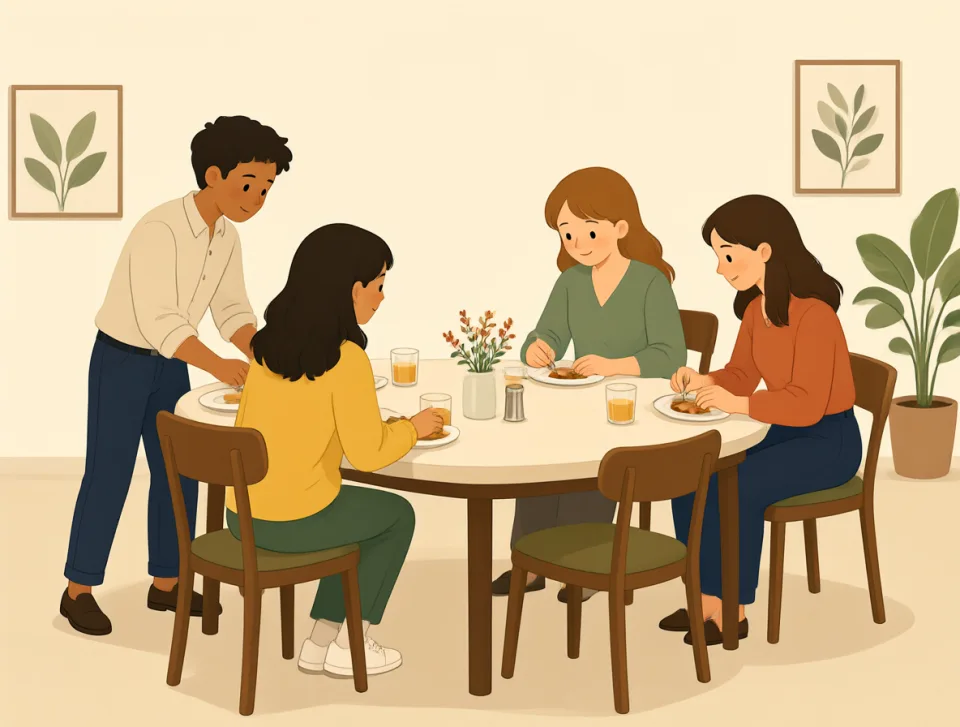
With a little cooperation, we found seats for all our friends.
大家稍微配合一下,我們就為所有朋友都找到了座位。
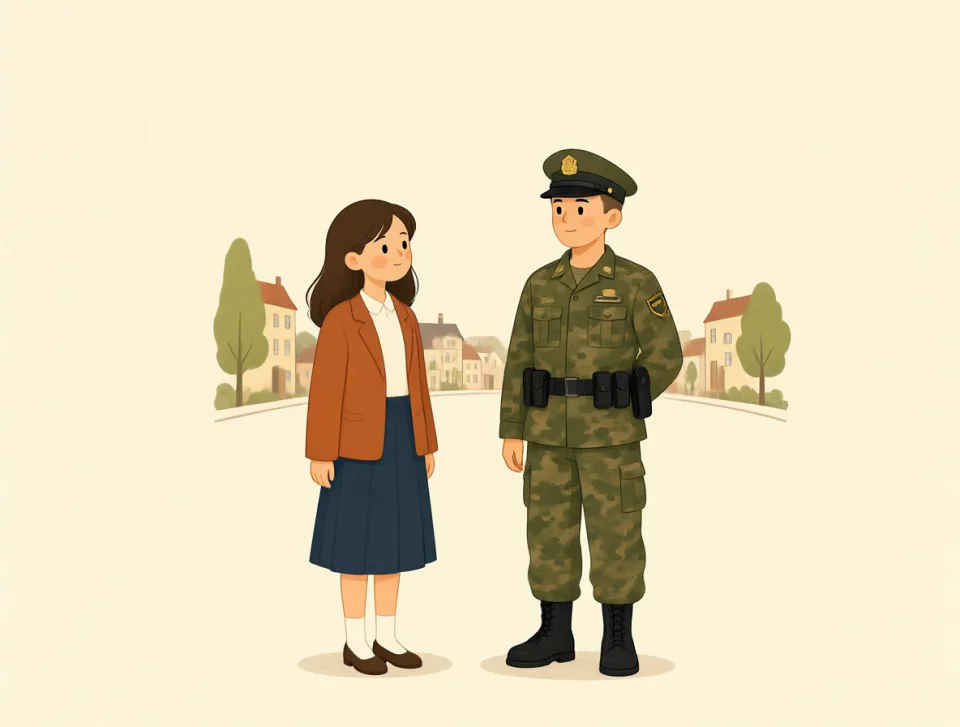
civilian
#2607noun, adjective
平民;百姓;非軍職人員;民用的
A person who is not a member of the military or police.
不屬於軍隊或警察部門的人員。
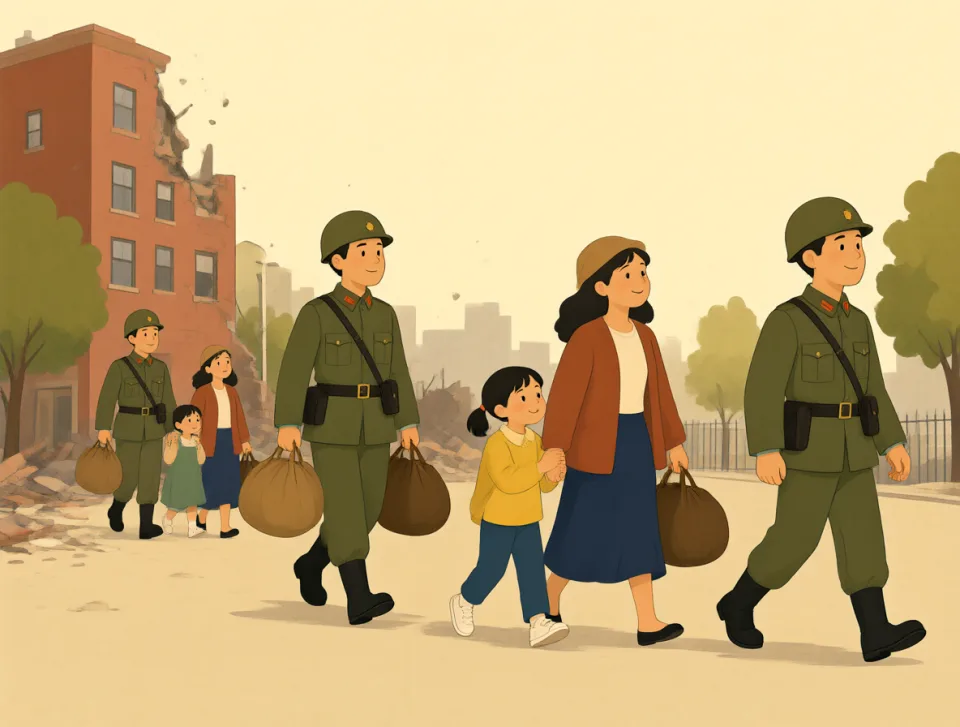
The soldiers helped civilians leave the city safely during the attack.
襲擊期間,士兵幫助平民安全撤離了這座城市。
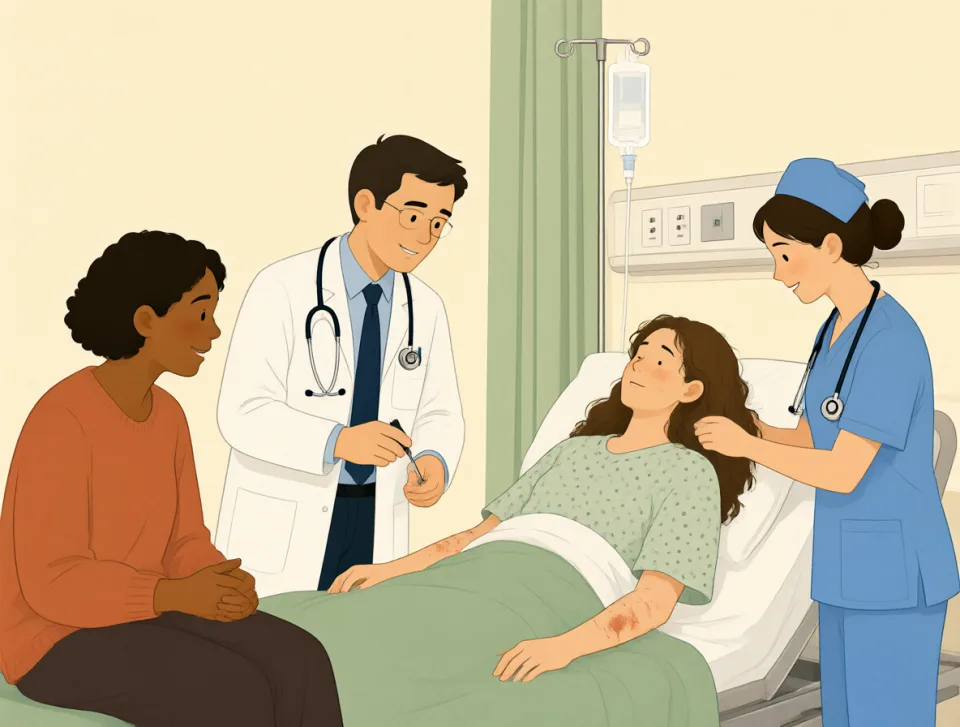
The hospital treated several civilians injured in the accident.
這家醫院救治了幾名在事故中受傷的平民。
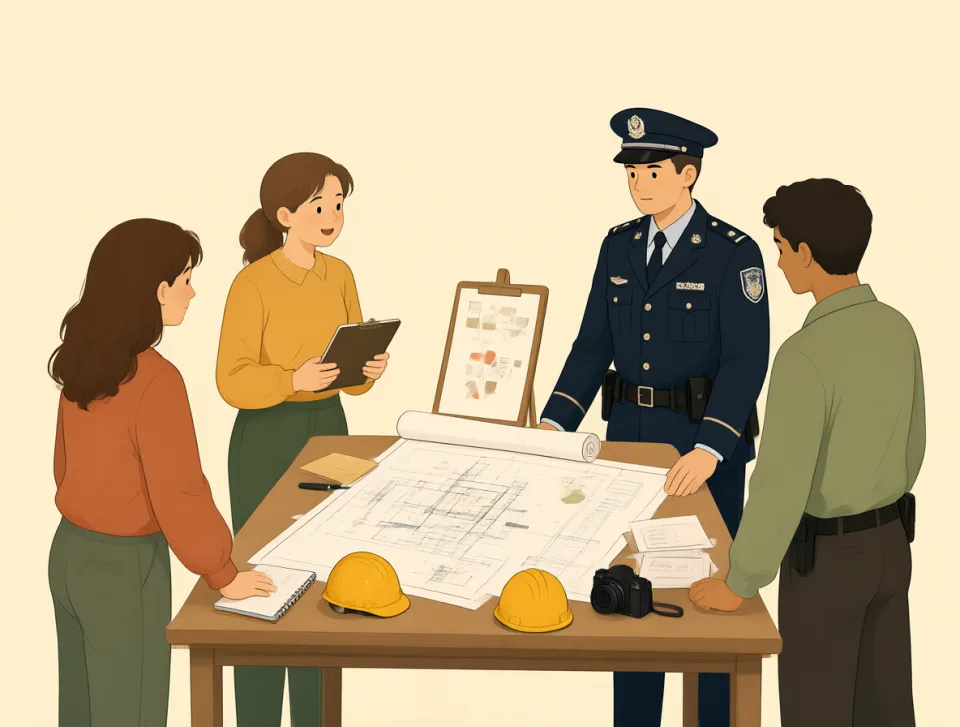
The new safety plan protects both civilian workers and police officers.
這項新的安全計劃既保護平民工作人員,也保護警察。
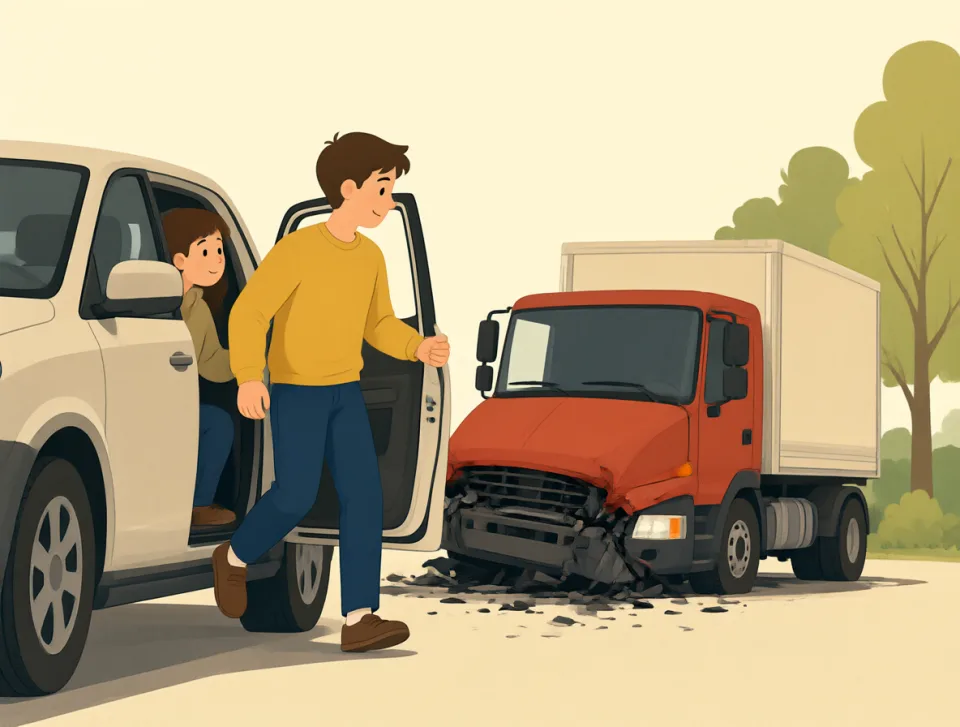
A civilian car stopped to help after the truck crashed.
卡車撞車後,一輛民用汽車停下來提供幫助。
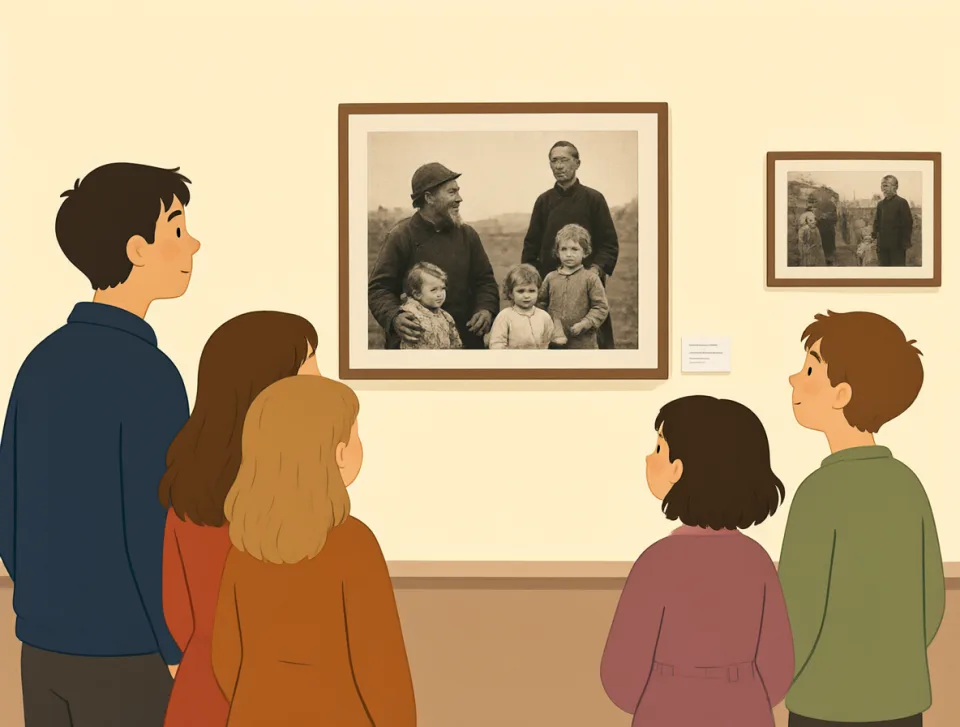
The museum displayed photographs of civilian life during the war.
博物館展出了戰爭期間平民生活的照片。
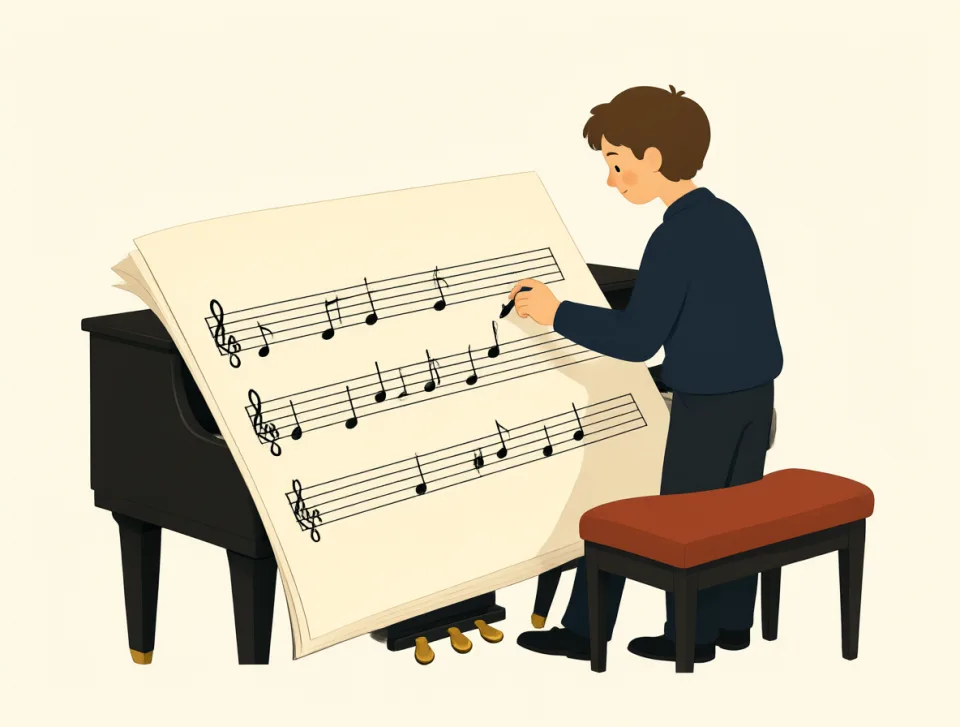
composition
#2608noun
構成;組成;作文;作品
The way parts are arranged to form something, or a piece of music, writing, or art.
各個部分組合成整體的方式;也指一段音樂作品、一篇文章或一件藝術作品。
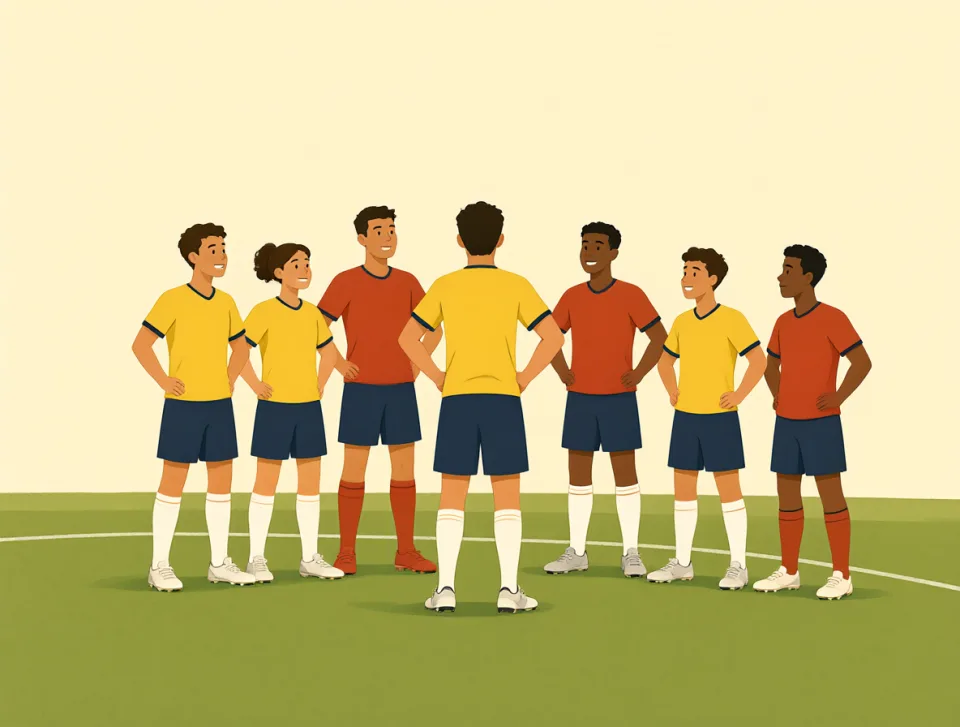
The composition of the team changed after two experienced players left.
兩名經驗豐富的隊員離開後,團隊的人員組成發生了變化。
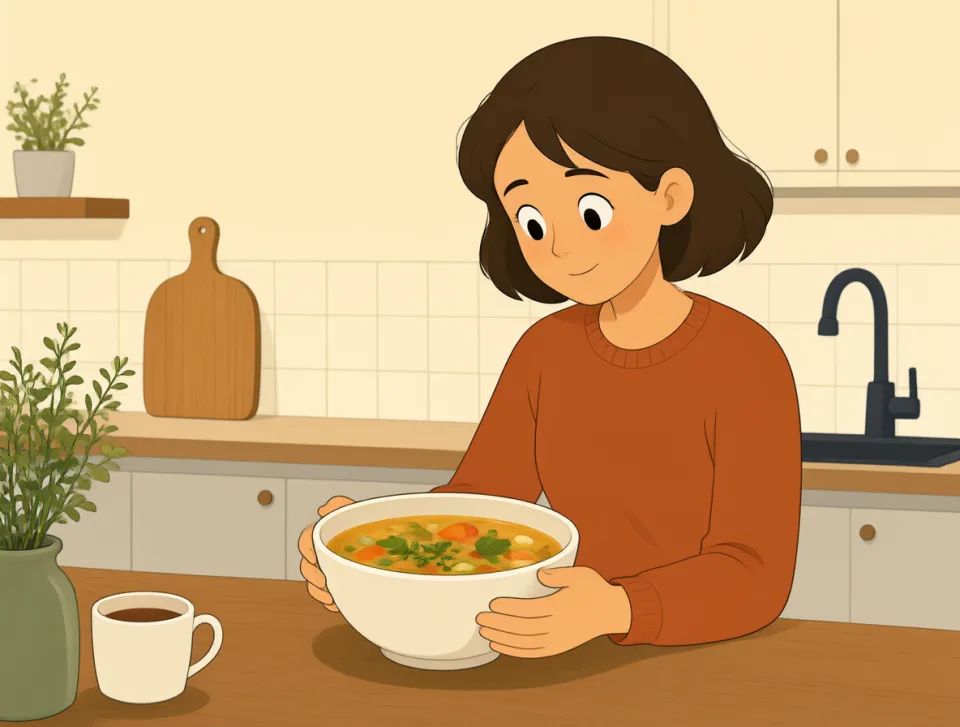
She studied the composition of the soup before asking about its ingredients.
她仔細研究了湯的成分,然後詢問裡面都放了些什麼。
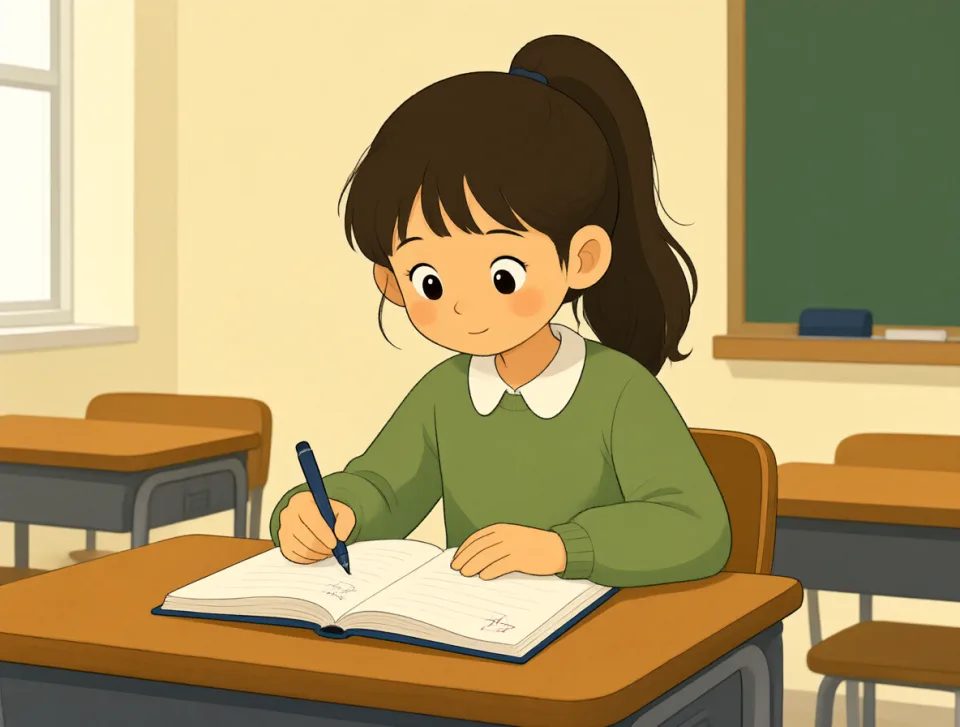
The students wrote a short composition about their favorite family holiday.
學生們寫了一篇關於自己最喜歡的家庭假期的短文。

His piano composition sounded gentle and reminded me of a quiet evening.
他創作的鋼琴曲聽起來很輕柔,讓我想起了寧靜的夜晚。
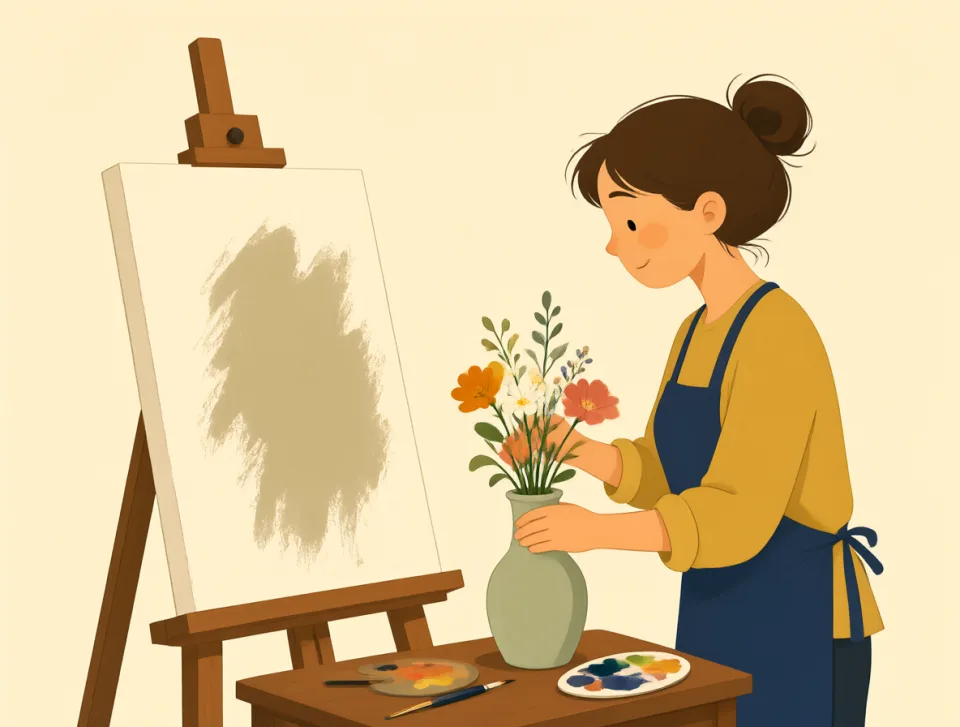
The artist carefully planned the composition of the flowers in her painting.
這位藝術家精心安排了畫中花朵的佈局。

coin
#2609noun, verb
硬幣;鑄造;創造新詞
A small piece of metal used as money; to create a new word or phrase.
一種用作貨幣的小金屬片;創造一個新詞或短語。
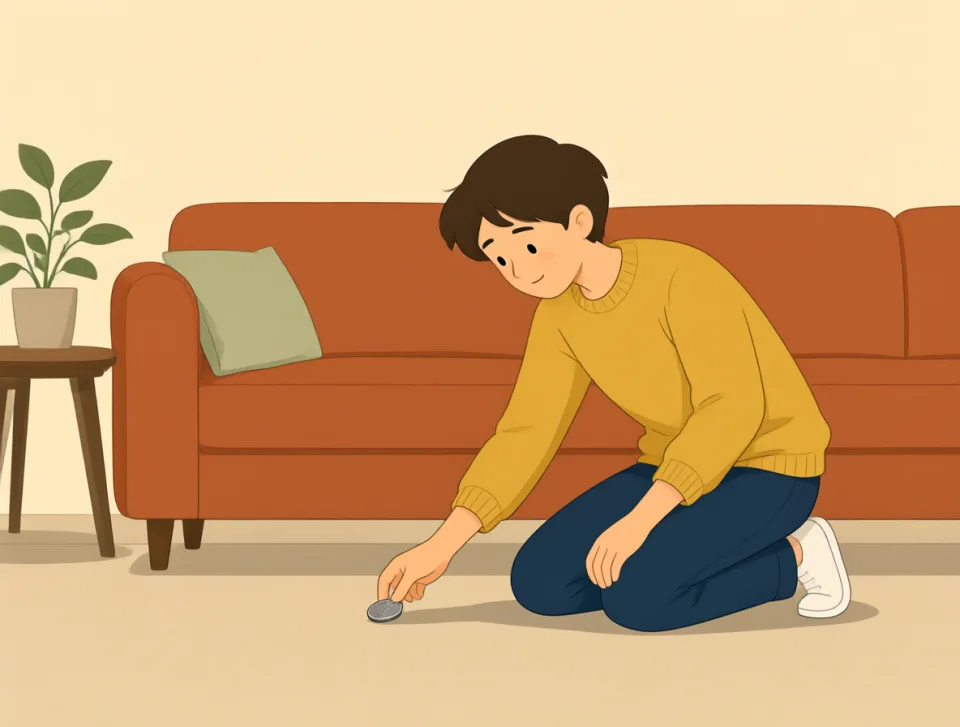
I found a coin under the sofa while cleaning the living room.
我打掃客廳時,在沙發下面發現了一枚硬幣。
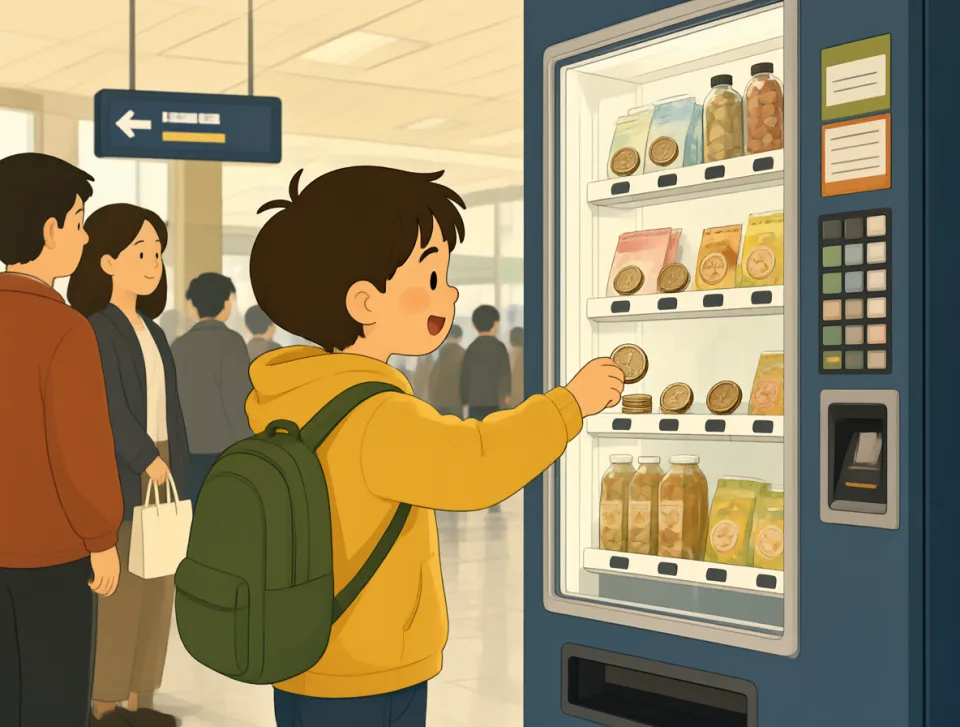
The child dropped several coins into the vending machine at the station.
那個孩子把幾枚硬幣投進了車站的自動售貨機。

We tossed a coin to decide who would order the food.
我們拋了一枚硬幣,來決定誰去點餐。
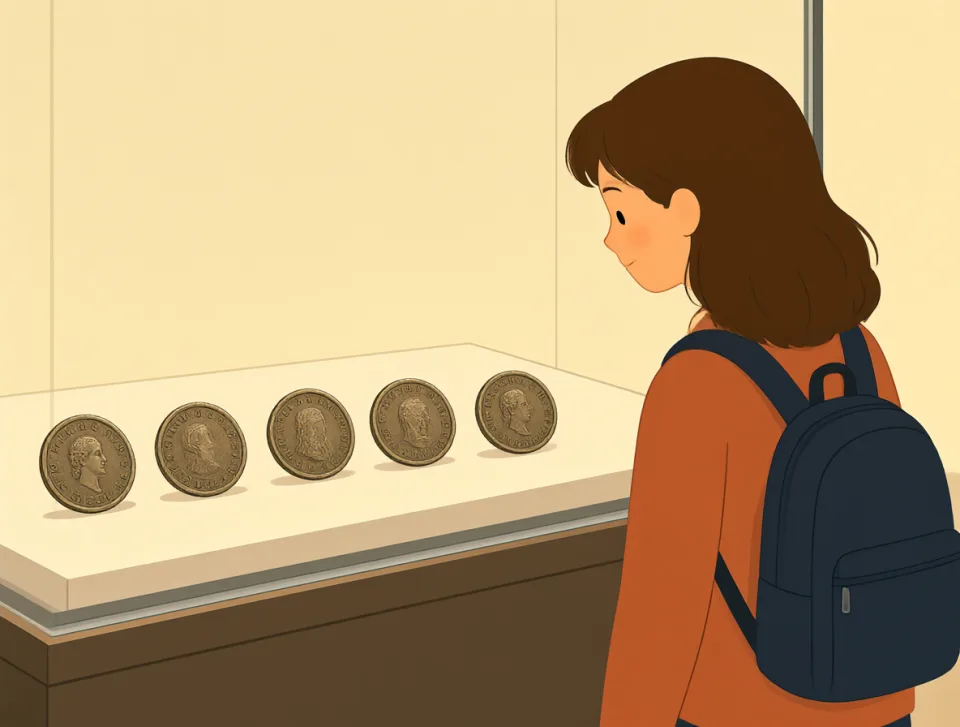
The museum displayed ancient coins from different countries and historical periods.
博物館展出了來自不同國家和歷史時期的古錢幣。

The journalist coined a phrase that quickly became popular with young people.
那位記者創造了一個新短語,很快就在年輕人中流行起來。

regardless
#2610adverb
不管;無論如何;不顧
Without being affected by something or considering it important.
不受某事影響,或不把某事視為重要因素。
We went for a walk regardless of the rain.
儘管下著雨,我們還是出去散步了。

Regardless of the cost, she wanted to buy the warm winter coat.
不管花多少錢,她都想買那件保暖的冬季外套。

The school welcomes every student, regardless of their grades.
學校歡迎每一位學生,無論他們的成績如何。
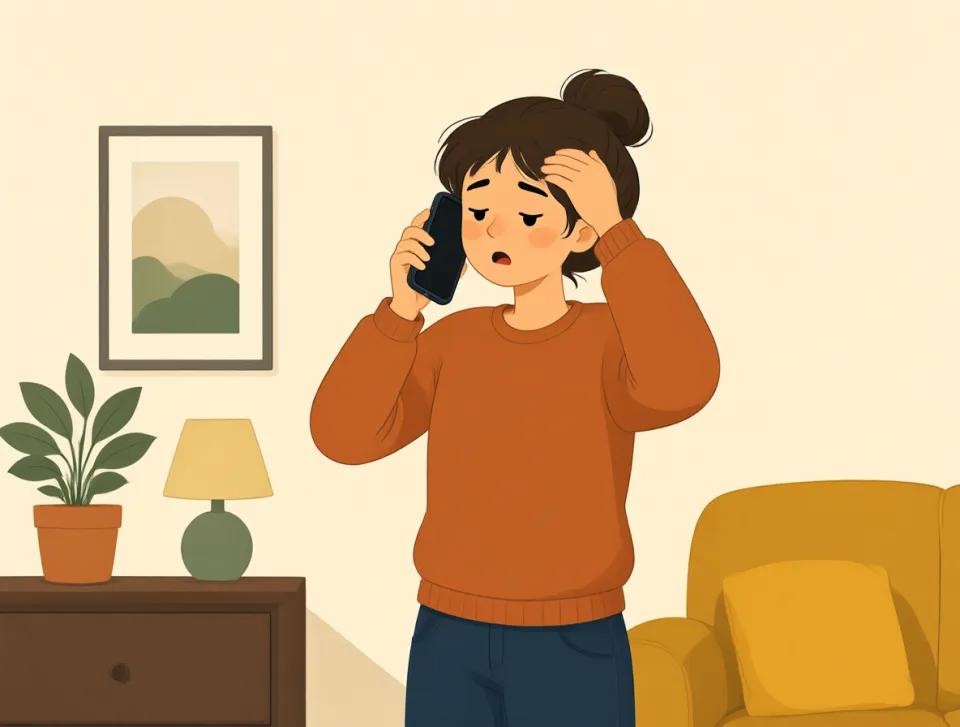
You should call the doctor regardless of how busy you feel.
無論你覺得自己有多忙,都應該給醫生打電話。

Regardless, we can still meet at the café after work.
不管怎樣,我們下班後還是可以在咖啡館見面。
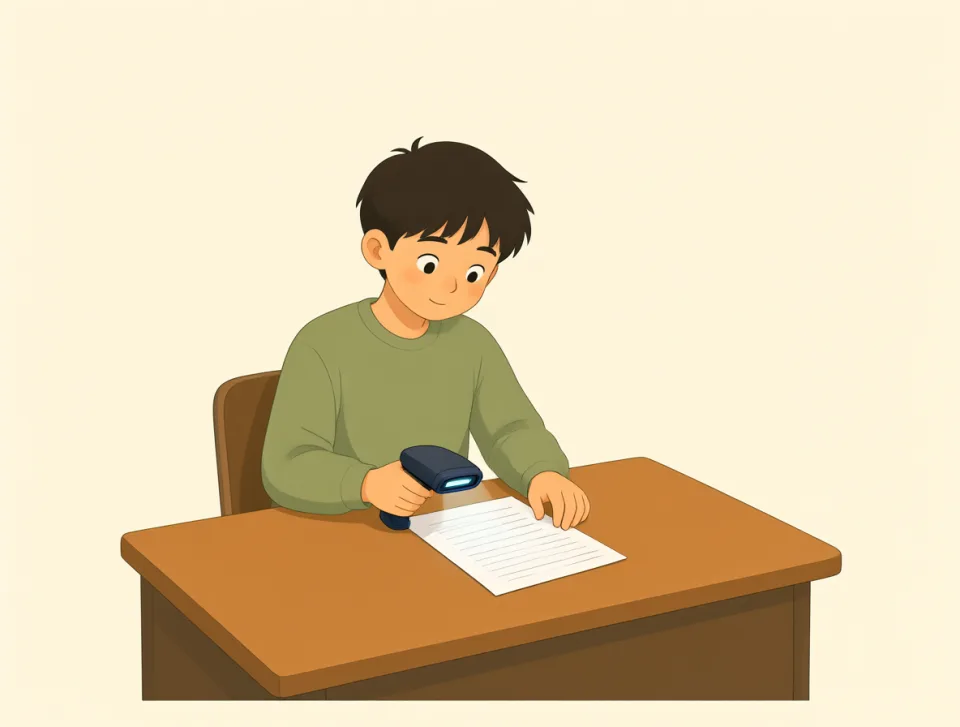
scan
#2611verb, noun
仔細檢視;掃描;瀏覽
To look over something carefully, or to make a digital copy using a scanner.
仔細檢視某物,或使用掃描器將其轉換為數字副本。
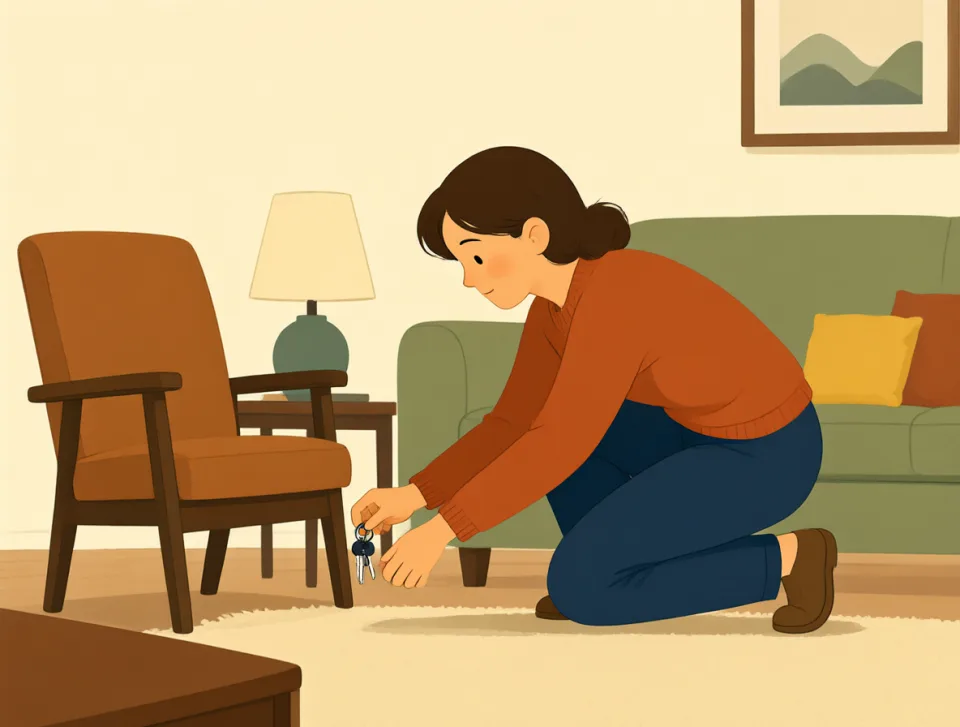
She scanned the room for her lost keys before leaving for work.
上班前,她仔細檢視了房間,尋找丟失的鑰匙。
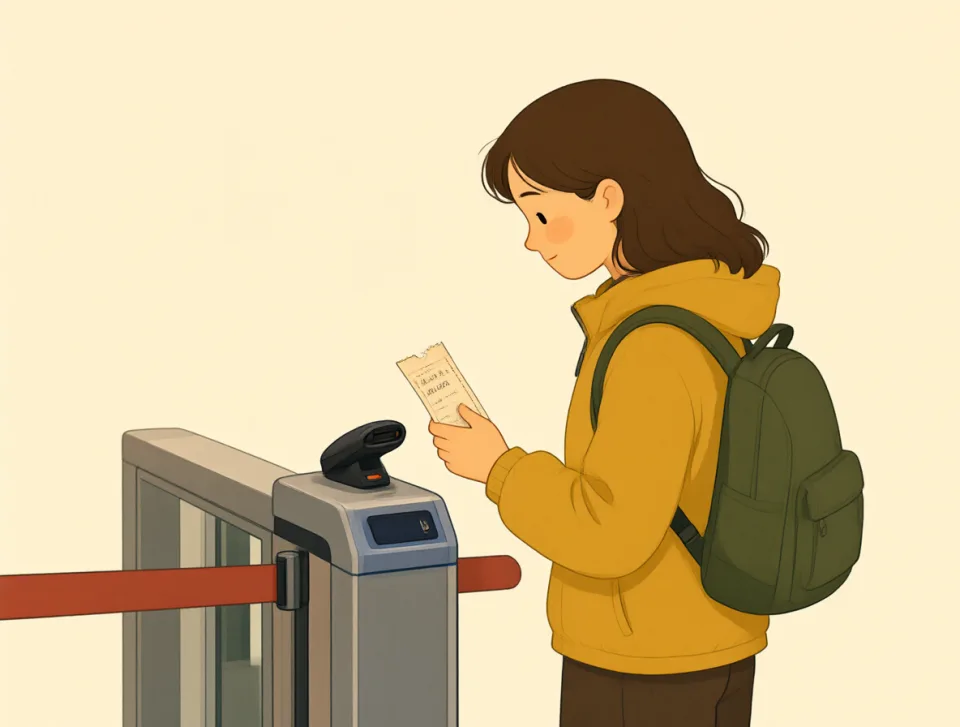
Please scan your ticket at the entrance before boarding the train.
請在上火車前,在入口處掃描車票。
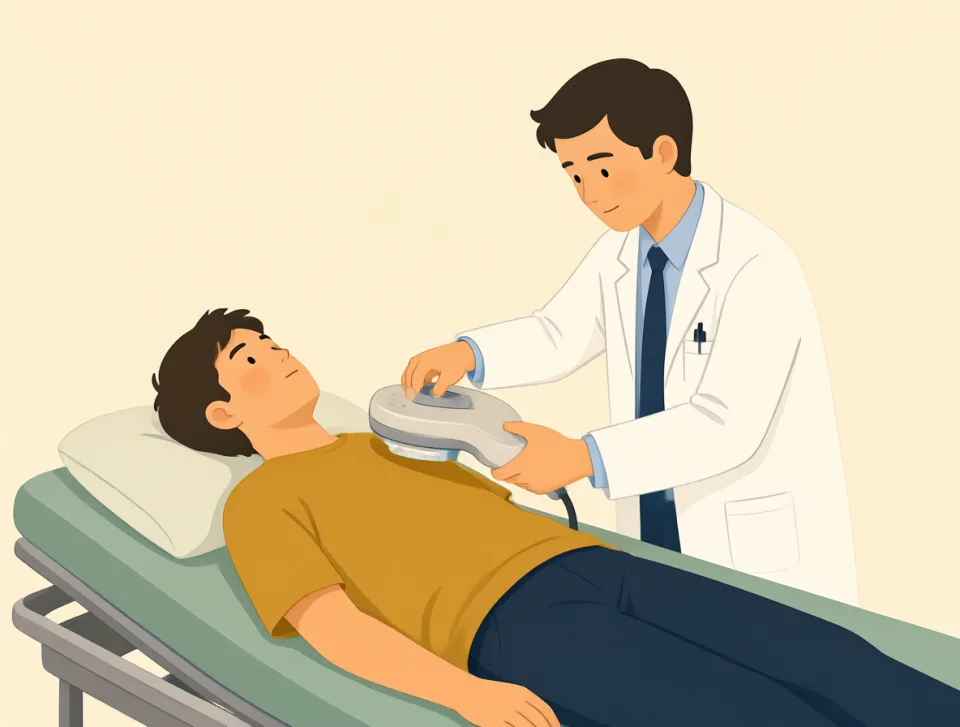
The doctor scanned his chest to check for any signs of illness.
醫生給他做了胸部掃描,檢查是否有任何疾病跡象。
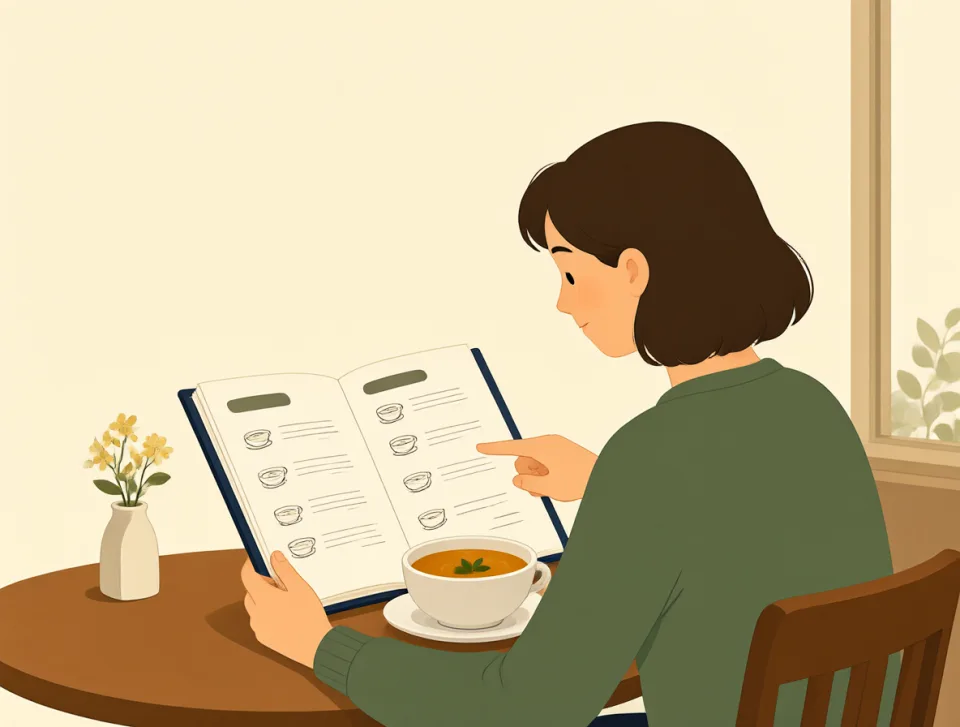
I scanned the menu quickly and chose the soup of the day.
我快速瀏覽了一下選單,選了今日例湯。
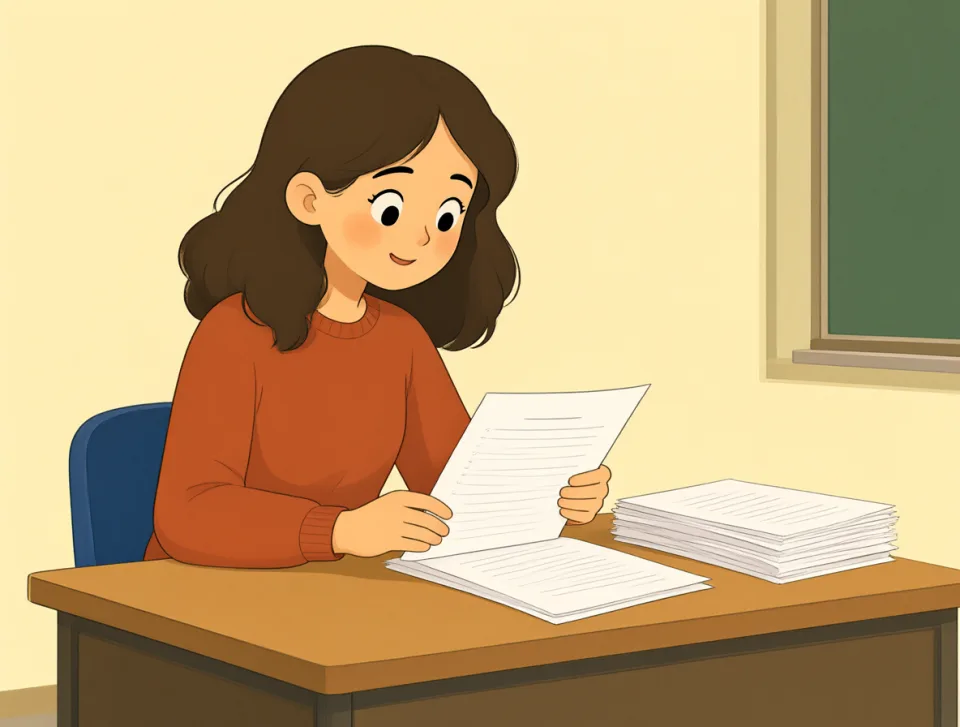
The teacher scanned our essays for mistakes before returning them.
老師仔細檢查了我們的作文中的錯誤,然後才發還給我們。
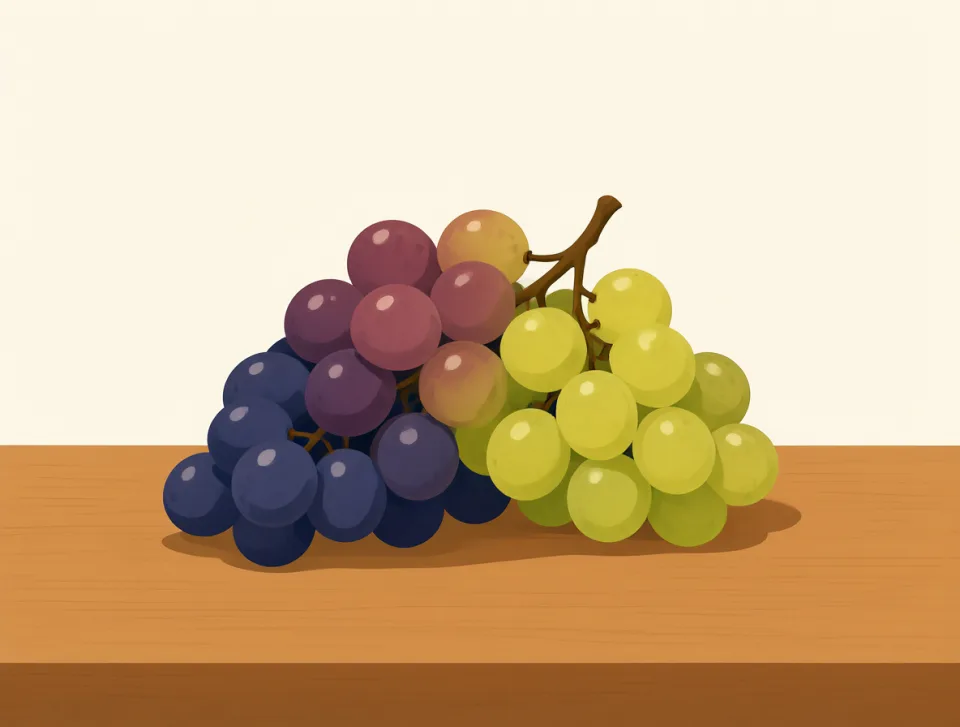
bunch
#2612noun
一串;一束;一群;一堆
A group of similar things, or a number of people or things together.
一組相似的東西,或聚在一起的一些人或物品。
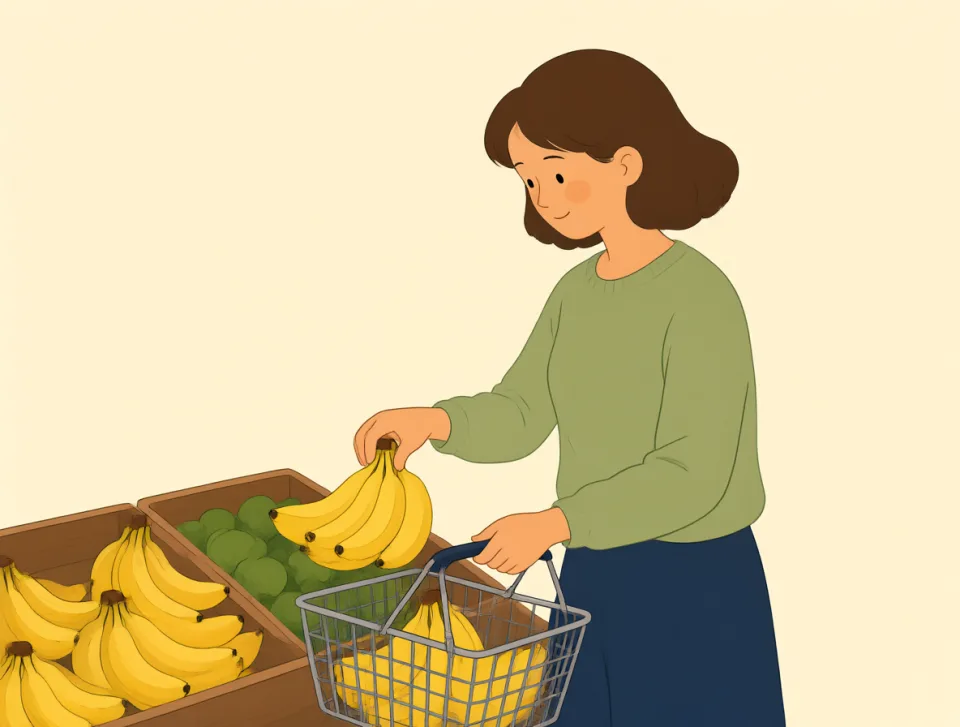
She bought a bunch of bananas for breakfast at the market.
她在市場上買了一串香蕉當早餐。
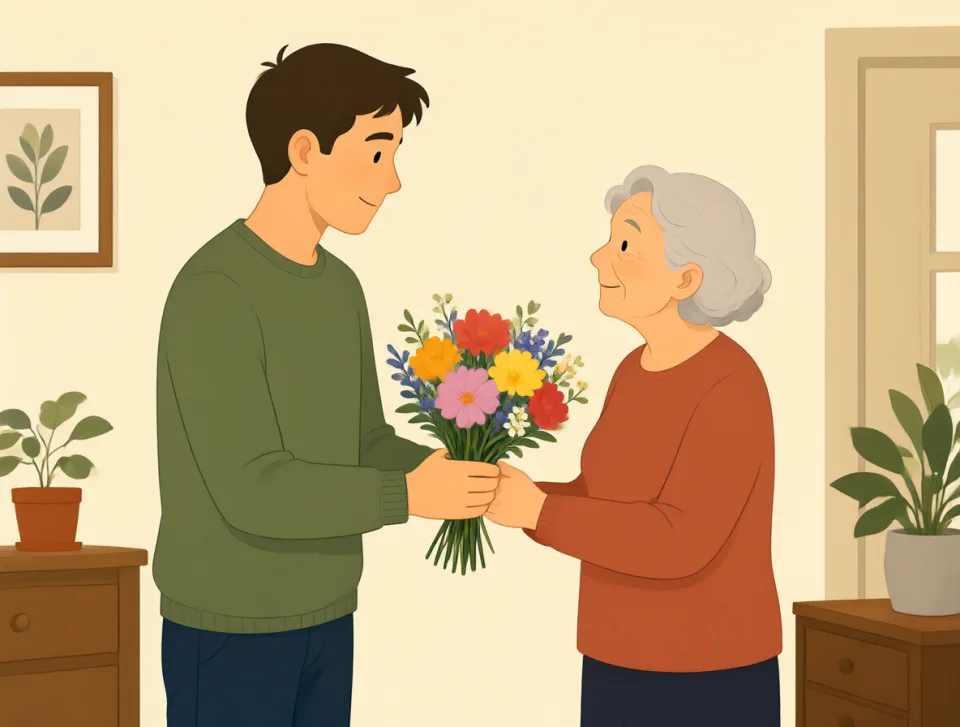
He brought a bunch of flowers home for his mother.
他帶了一束花回家送給媽媽。

A bunch of friends met at the café after work.
一群朋友下班後在咖啡館見面。

I have a bunch of emails to answer before lunch.
午飯前我還有一堆郵件要回復。
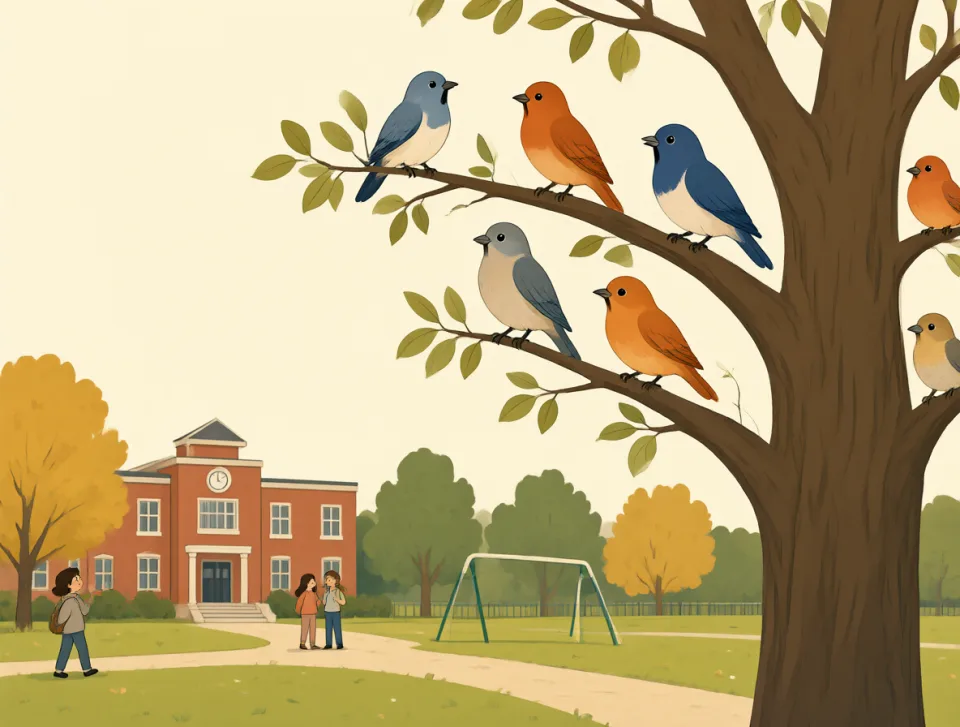
We saw a bunch of birds resting in the tree near school.
我們看到學校附近的樹上有一群鳥在休息。

racial
#2613adjective
種族的;民族的
Related to people's race or the way society treats people of different races.
與人們的種族或社會對待不同種族人群的方式有關的。
The company has a clear policy against racial discrimination in the workplace.
這家公司明確規定,禁止在工作場所進行種族歧視。
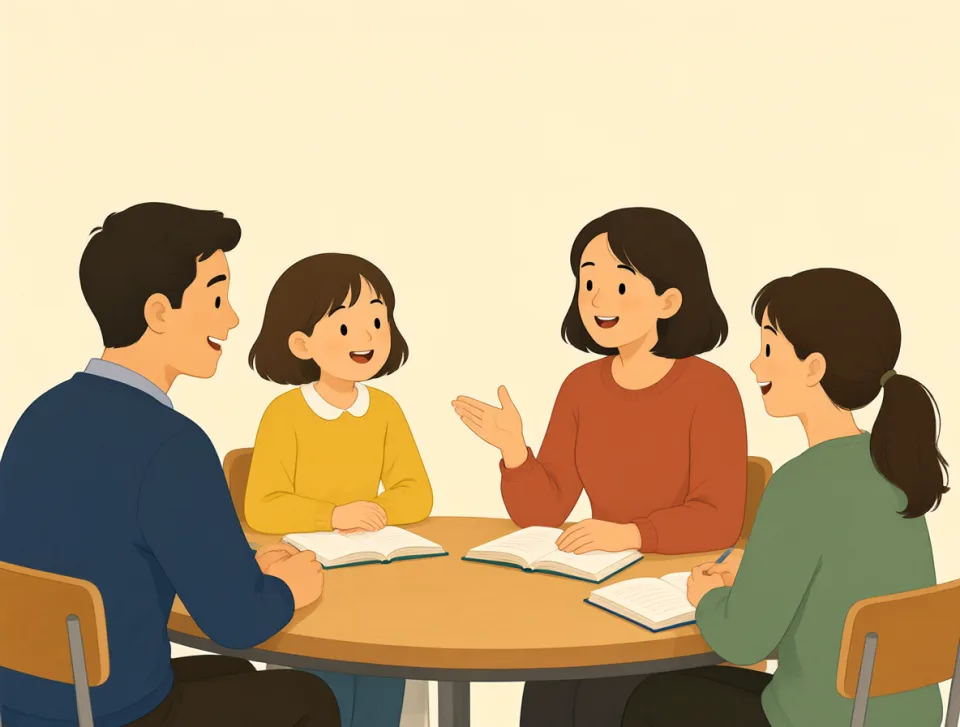
The school invited parents to talk about racial equality with the teachers.
學校邀請家長和老師一起討論種族平等問題。
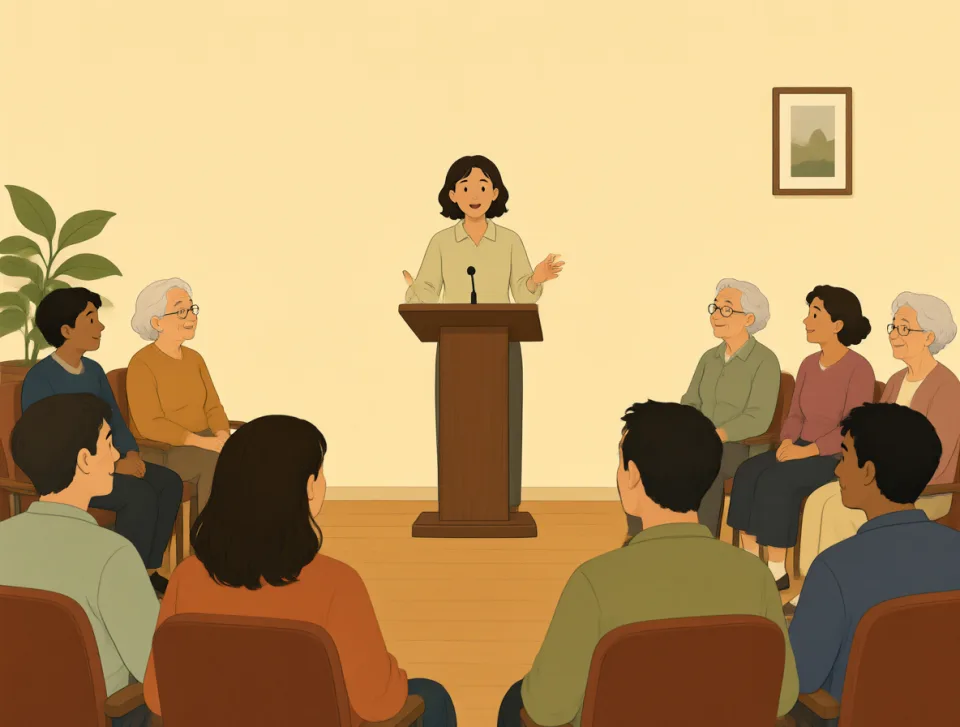
The city held a meeting about racial tensions after the neighborhood protest.
社群抗議活動後,這座城市召開了一次關於種族關係緊張的會議。
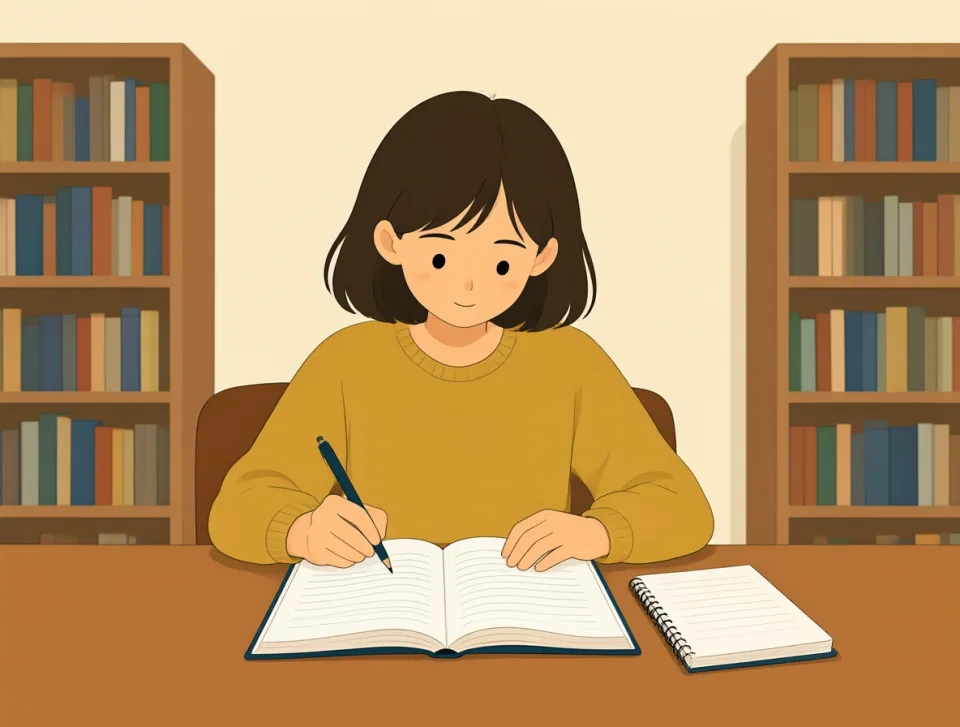
She studied racial differences in health care for her university project.
她為大學課題研究了醫療保健方面的種族差異。
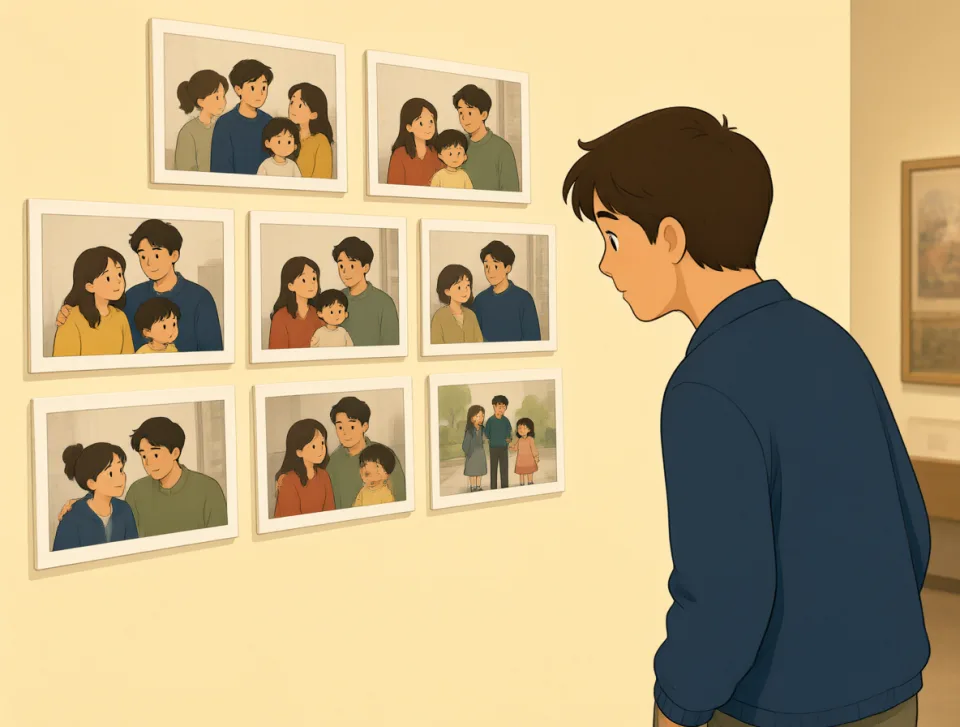
The museum’s new exhibit explores racial identity through family stories and photographs.
博物館的新展覽透過家庭故事和照片,探討種族身份。
greet
#2614verb
問候;迎接;打招呼
to say hello to someone or welcome them when you meet them
與某人見面時向對方問好或表示歡迎。

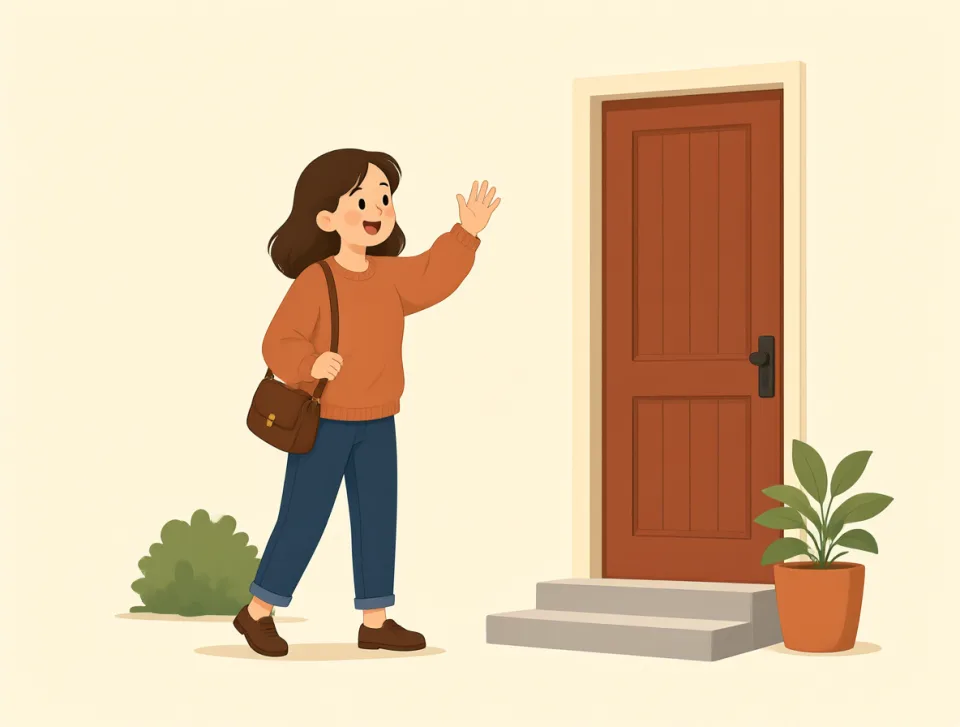
She greeted her neighbors warmly when they moved into the new house.
新鄰居搬進新房子時,她熱情地向他們打招呼。
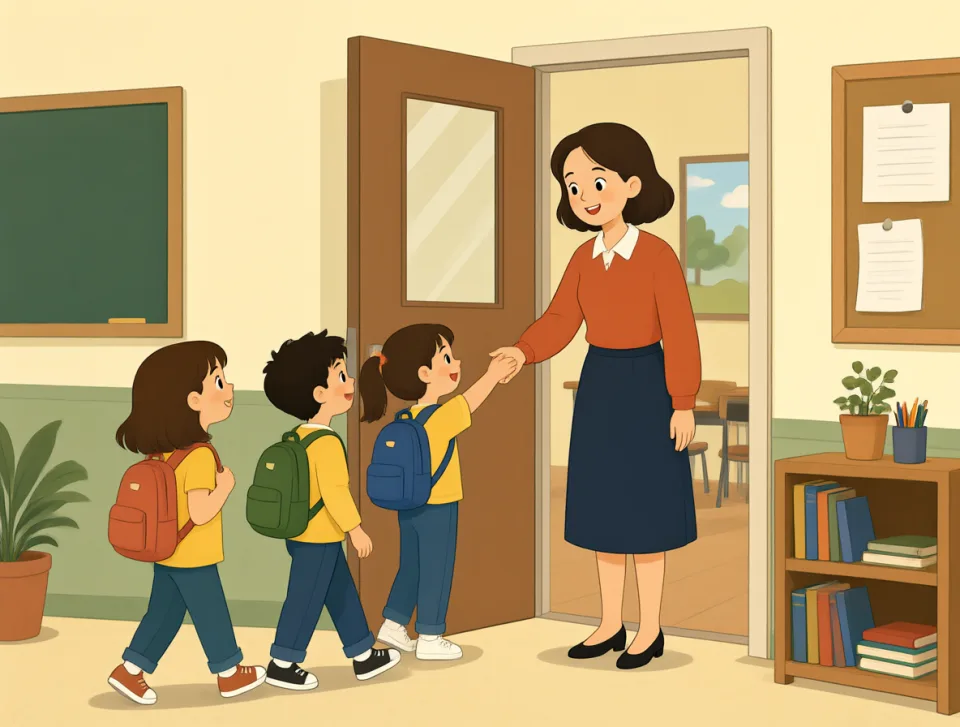
The teacher greeted each student at the classroom door this morning.
今天早上,老師在教室門口迎接每一位學生。

The hotel manager greeted us and helped carry our bags upstairs.
酒店經理迎接了我們,還幫我們把行李拿到了樓上。

The shop assistant greeted me before showing me the winter coats.
店員先向我打了招呼,然後帶我去看冬季外套。

He greeted his old friend with a hug at the train station.
在火車站,他擁抱著迎接了自己的老朋友。

hopefully
#2615adverb
希望;但願
Used to say that you hope something will happen or be true.
用於表示你希望某件事會發生或成為事實。
Hopefully, the weather will stay sunny for our picnic tomorrow.
希望明天天氣能一直晴朗,這樣我們就可以去野餐了。

She called the clinic, hoping they could see her today.
她打電話給診所,希望他們今天能給她安排就診。
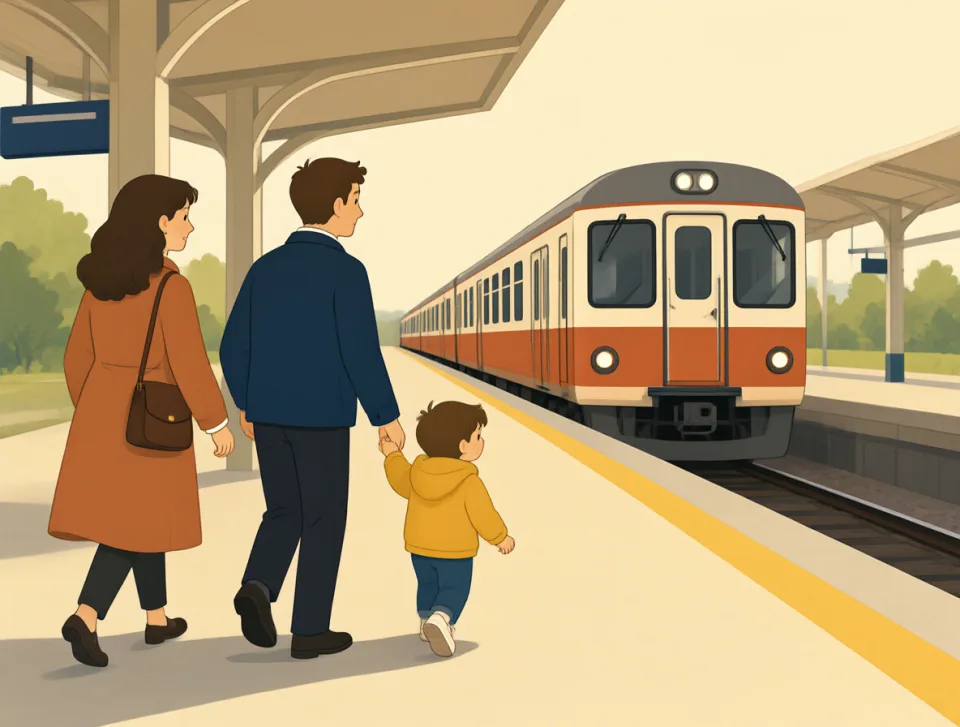
Hopefully, we can catch the earlier train and get home before dinner.
希望我們能趕上早一點的火車,在晚飯前到家。

He studied hard and hopefully will pass his driving test next week.
他努力學習,希望下週能透過駕照考試。
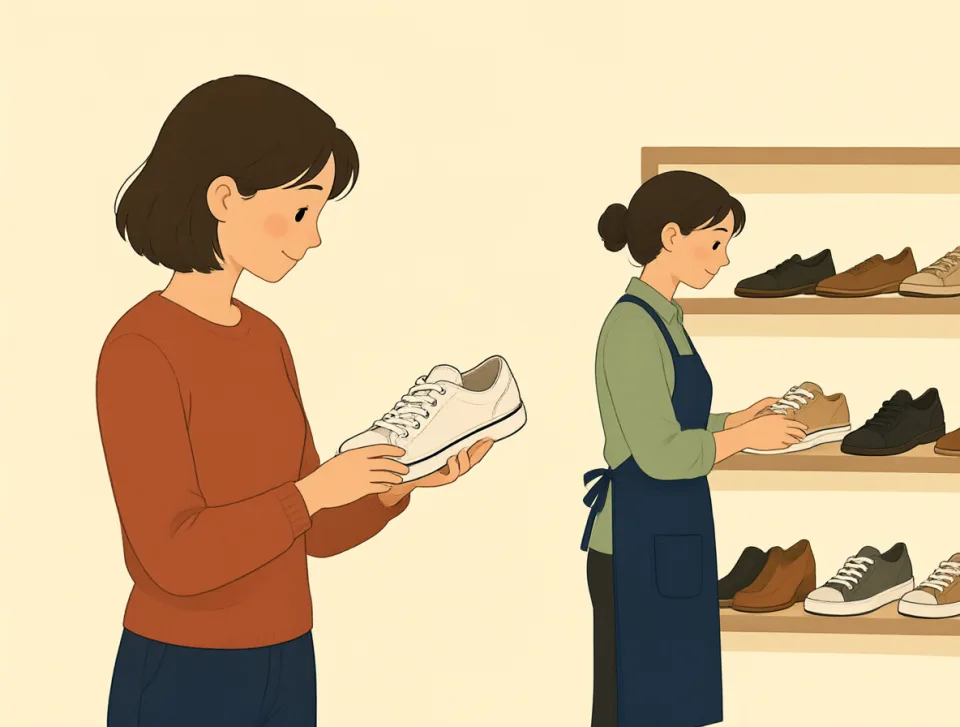
Hopefully, the shop still has the shoes in my size.
希望那家店還有我穿的尺碼。
sanction
#2616noun, verb
制裁;處罰;批准
An official penalty or restriction; to officially punish or approve an action.
官方施加的懲罰或限制;正式懲罰某種行為或批准某項行動。
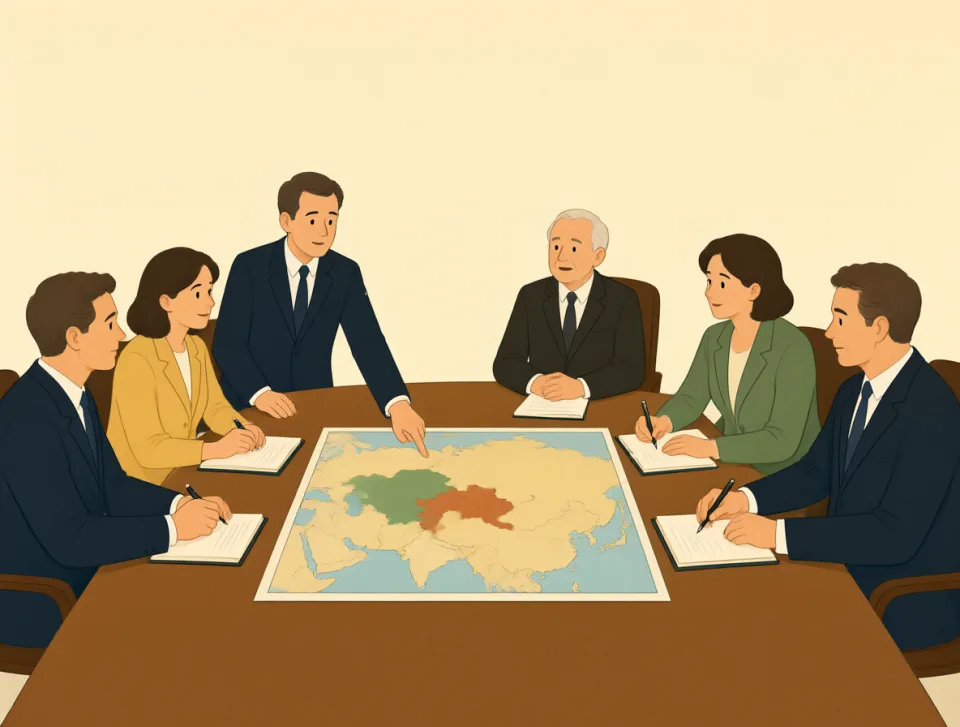
The country imposed sanctions on its neighbor after the invasion.
該國在鄰國發動入侵後,對其實施了制裁。
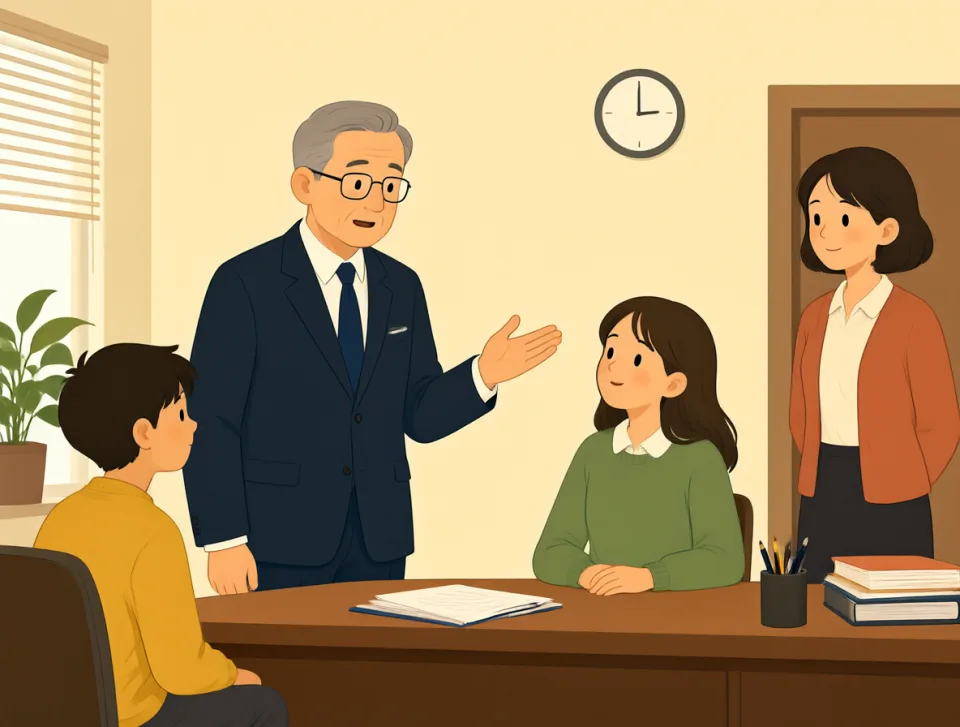
The school may sanction students who repeatedly break the safety rules.
對於屢次違反安全規定的學生,學校可能會給予處分。
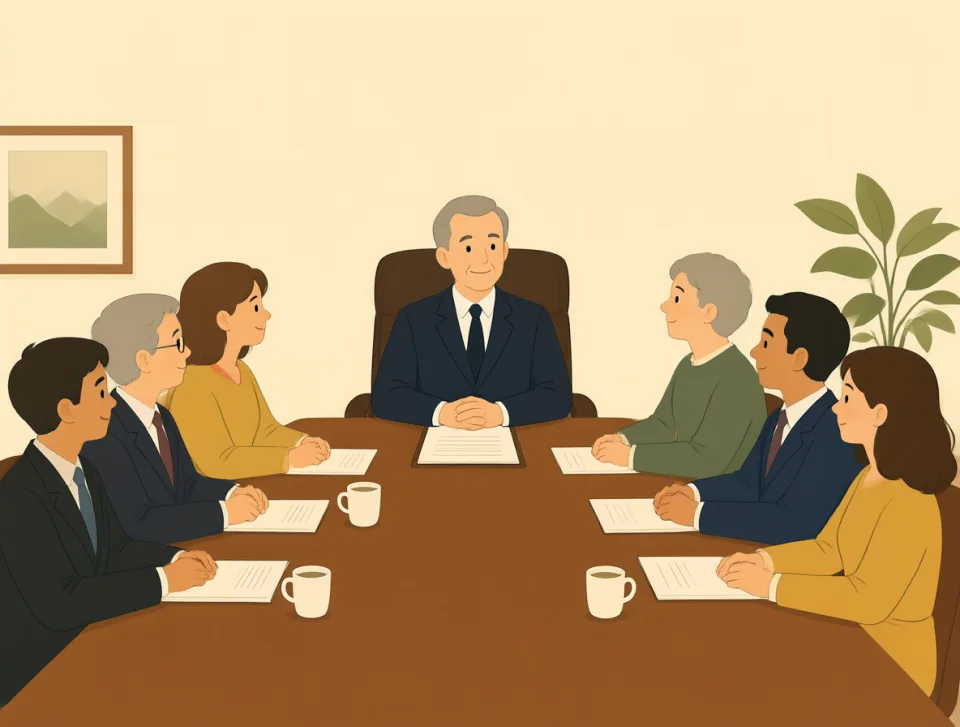
The committee sanctioned the new plan after reviewing the safety risks.
委員會審查了新計劃的安全風險後,批准了該計劃。
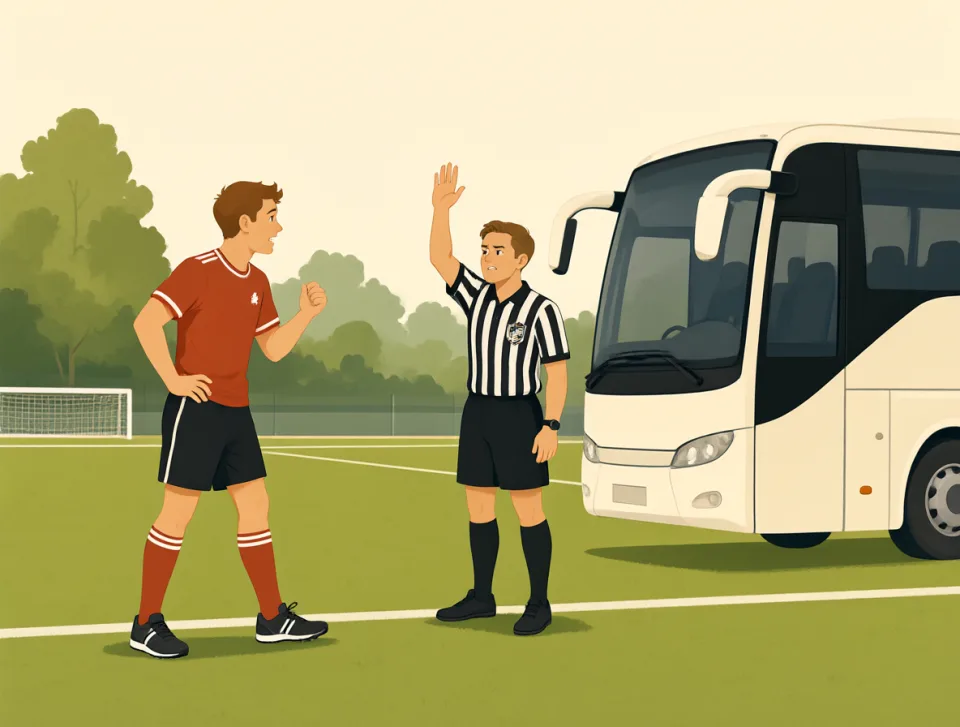
The coach was sanctioned for arguing with the referee during the match.
教練因在比賽中與裁判爭論而受到處罰。

The law sanctions doctors who share a patient's private information.
法律規定,醫生洩露患者隱私資訊將受到處罰。
trick
#2617noun, verb
把戲;詭計;技巧;訣竅
A clever action or plan used to fool someone or solve a problem.
用來欺騙別人或解決問題的巧妙行為或方法。
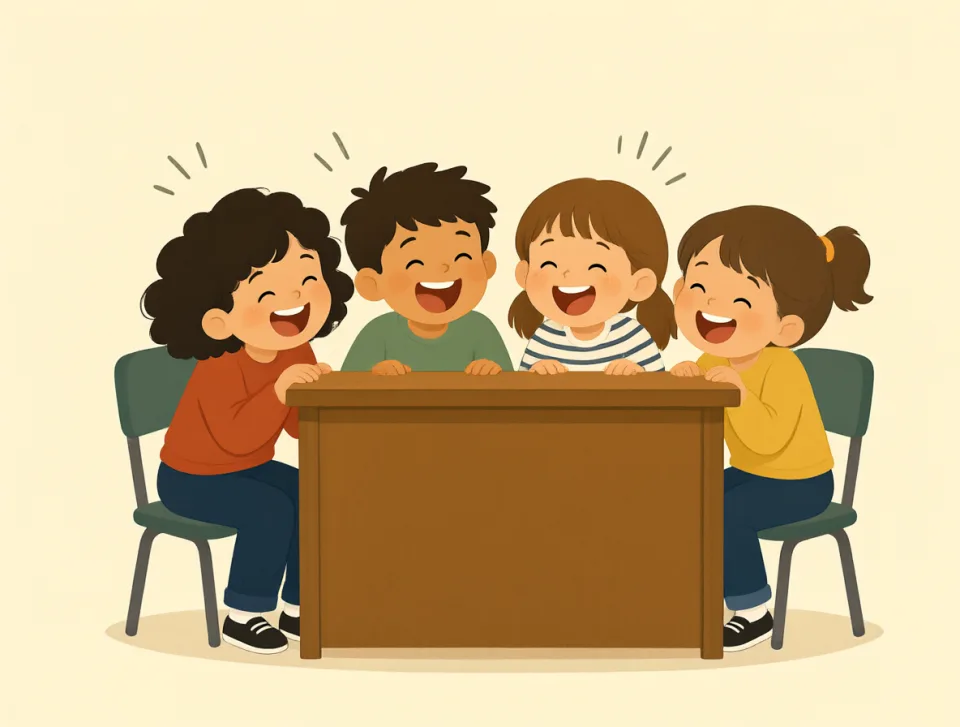
The children played a trick on their teacher by hiding her bag.
孩子們把老師的包藏了起來,捉弄了她一番。
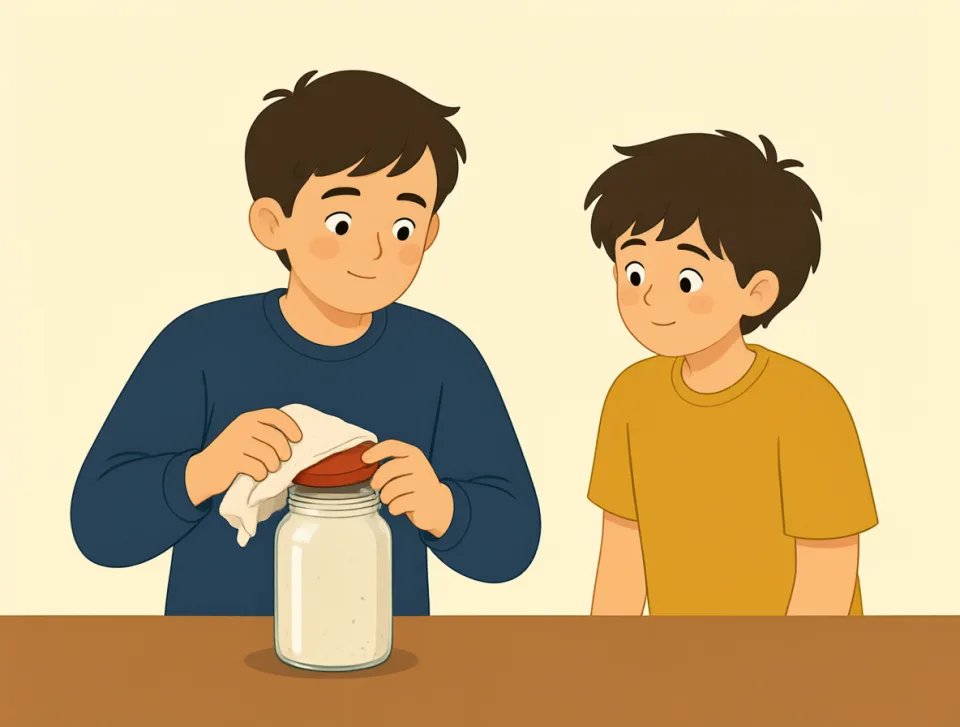
He showed me a simple trick for opening a jar more easily.
他教了我一個簡單的小技巧,讓我能更輕鬆地開啟罐子。
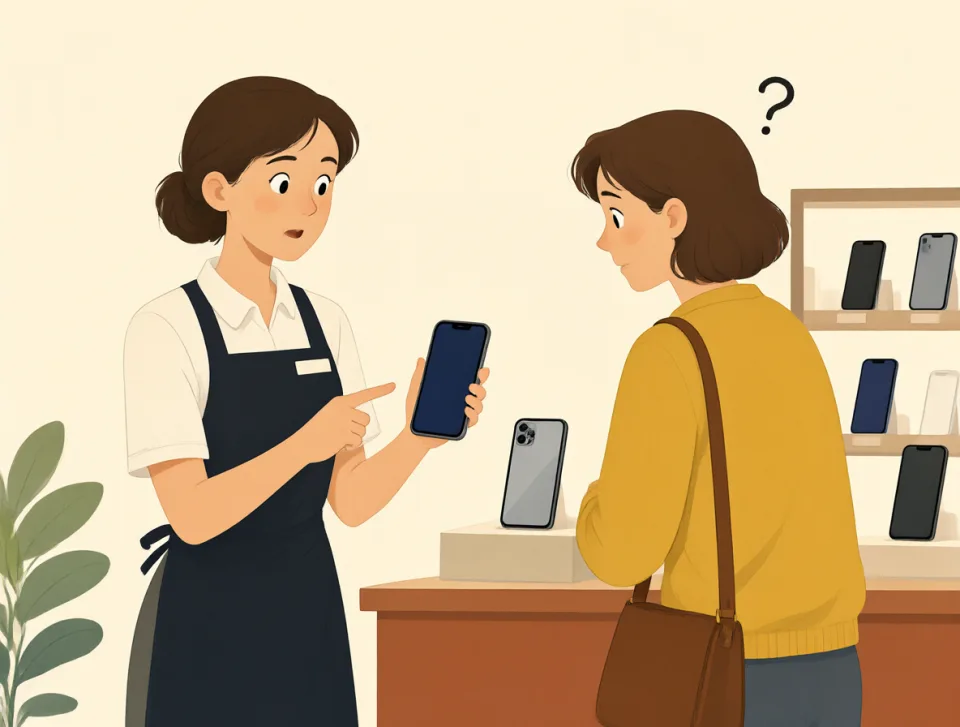
The shop assistant tricked me into buying a more expensive phone.
店員騙我買了一部更貴的手機。
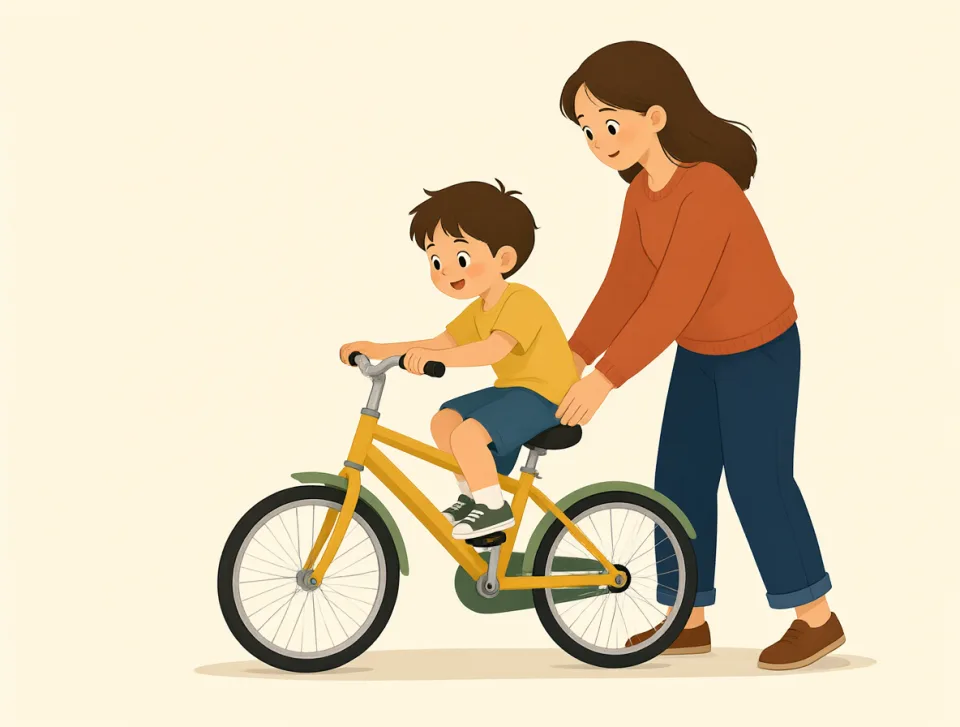
It takes a little practice to learn the trick of riding a bike.
學會騎腳踏車的訣竅需要一點練習。

She used a magic trick to make a coin disappear at dinner.
晚餐時,她用一個魔術把一枚硬幣變沒了。
paragraph
#2618noun
段落
A section of writing that deals with one main idea, usually made of several sentences.
一段圍繞一個主要觀點展開的文字,通常由幾個句子組成。

Please write one paragraph about your favorite meal for homework.
請寫一段關於你最喜歡的飯菜的文字作為家庭作業。
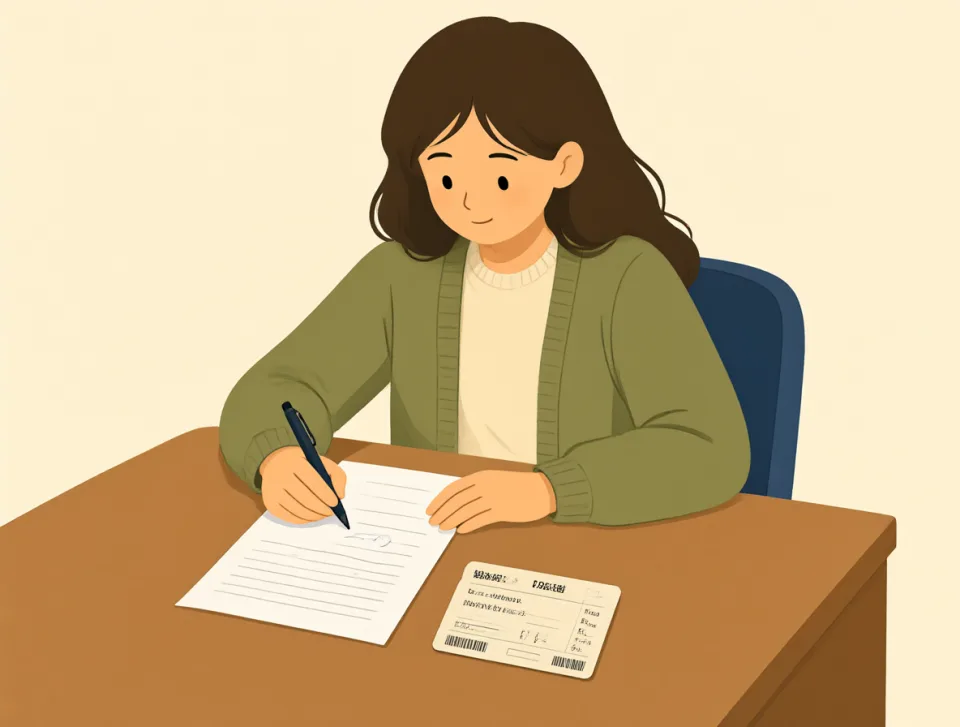
The first paragraph explains why the train was delayed this morning.
第一段解釋了今天早上火車延誤的原因。

She added a short paragraph to the email before sending it.
她在傳送郵件前又加了一小段文字。

Read the second paragraph again, then answer the questions with your partner.
再讀一遍第二段,然後和你的搭檔一起回答問題。

He crossed out the final paragraph because it repeated the same point.
他刪掉了最後一段,因為它重複了同一個觀點。
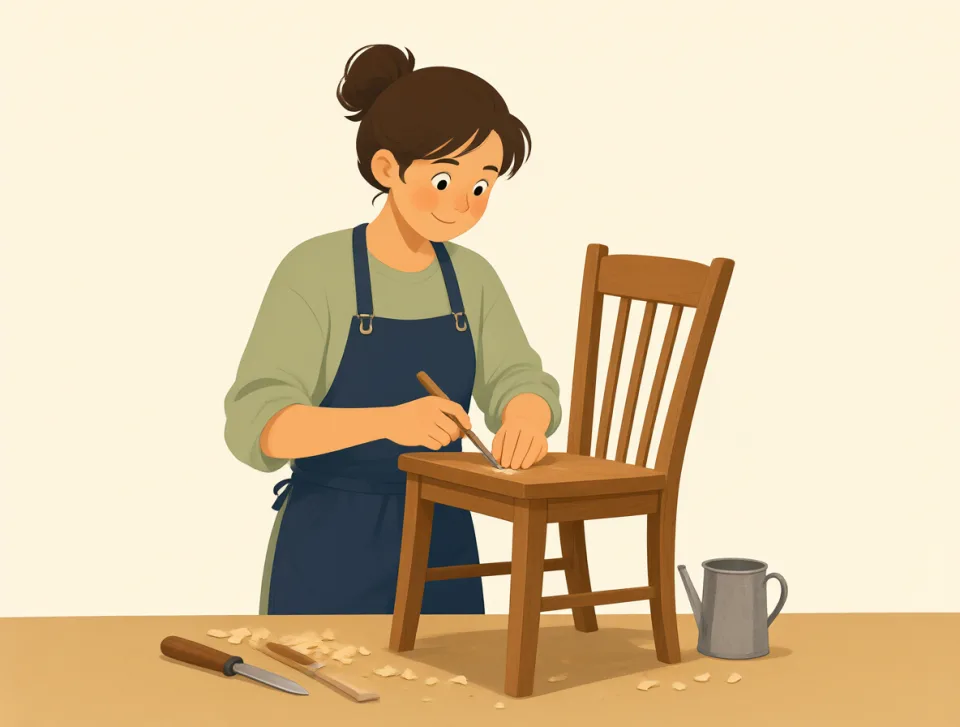
maker
#2619noun
製造商;生產者;製作者;創作者
A person or company that makes or produces something.
製造或生產某種東西的個人或公司。
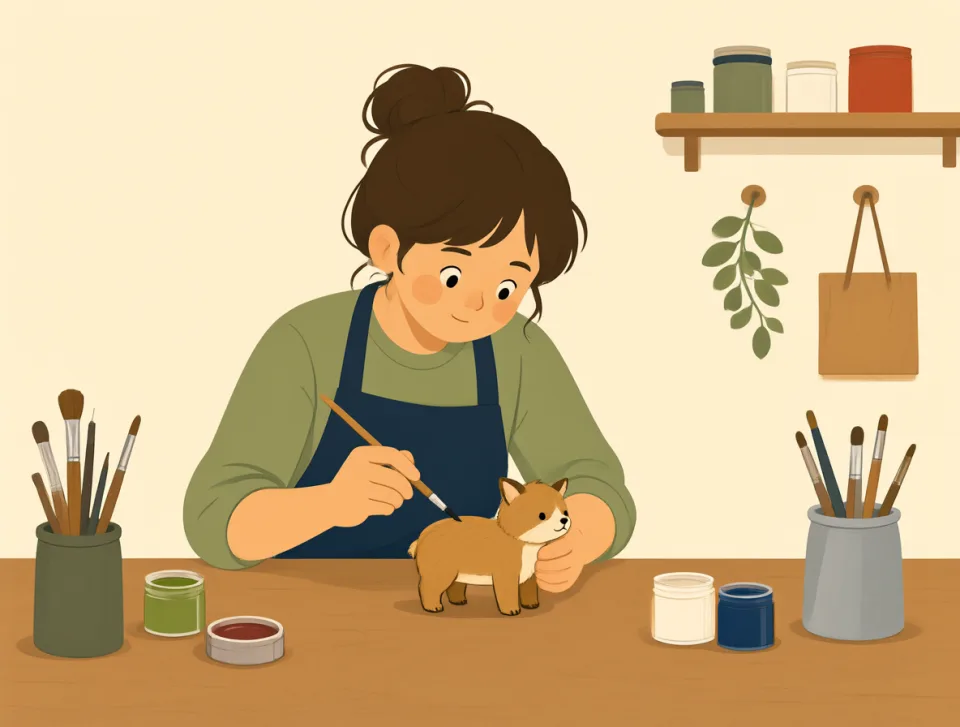
The toy maker designs colorful wooden animals for children.
這位玩具製造商為孩子們設計了色彩鮮豔的木製動物玩具。
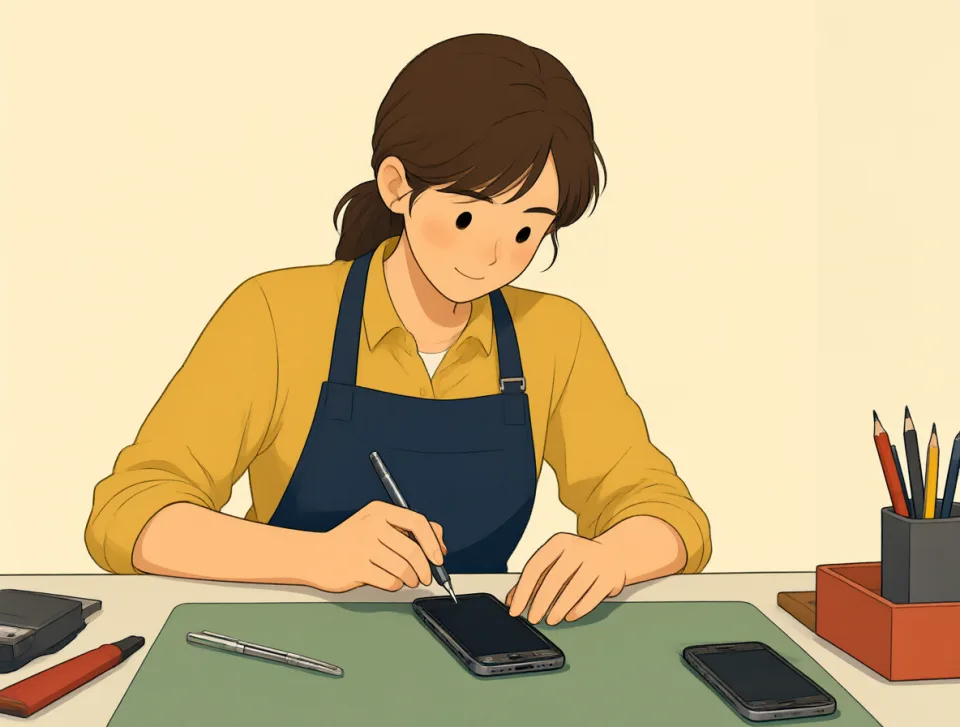
The maker of this phone offers a two-year repair service.
這款手機的製造商提供為期兩年的維修服務。

She asked the cake maker to add fresh berries for her birthday.
她請蛋糕師傅在生日蛋糕上加一些新鮮漿果。

The decision maker invited the whole team to share their ideas.
決策者邀請整個團隊分享他們的想法。
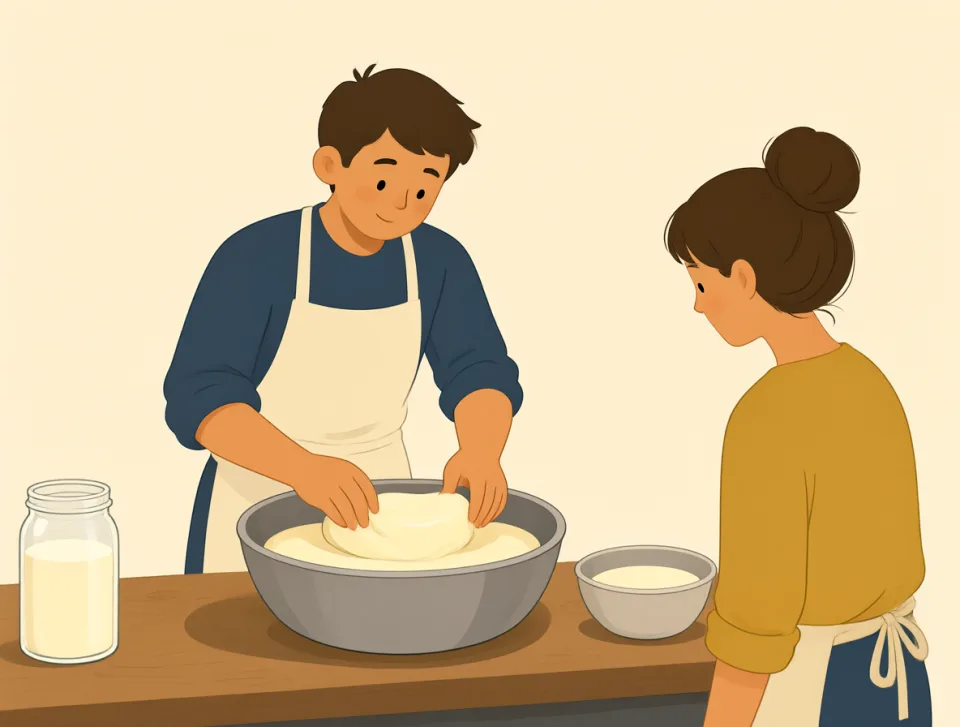
We visited a local cheese maker during our trip through the countryside.
我們在鄉村旅行期間拜訪了一位當地的乳酪製作商。
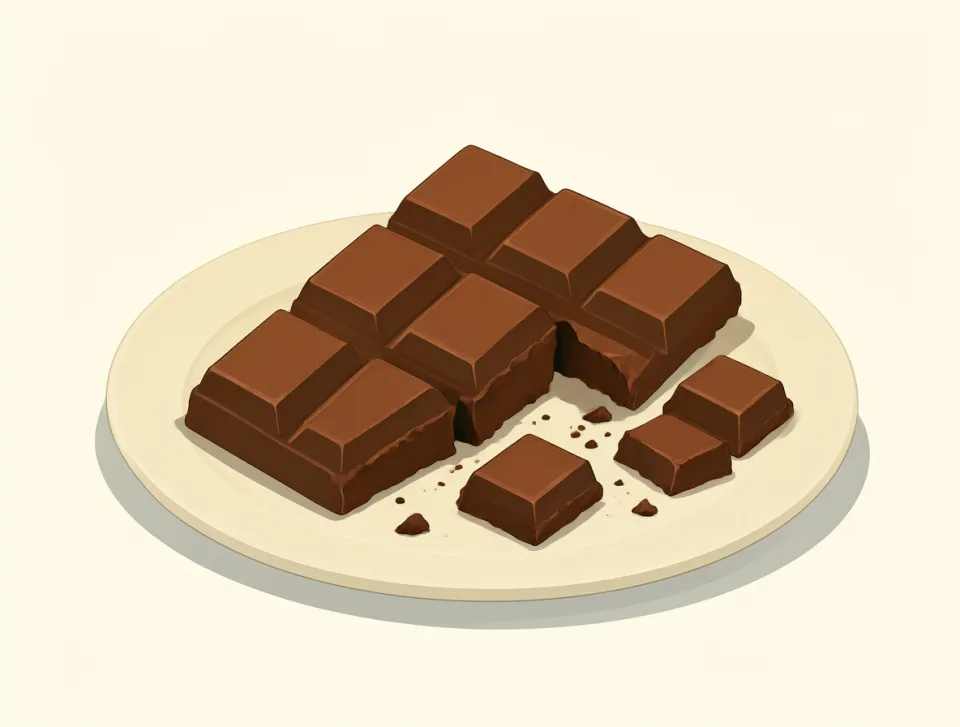
chocolate
#2620noun
巧克力
A sweet brown food made from cocoa, often eaten as a bar or used in desserts.
一種用可可製成的棕色甜食,通常做成巧克力棒食用,也常用於製作甜點。
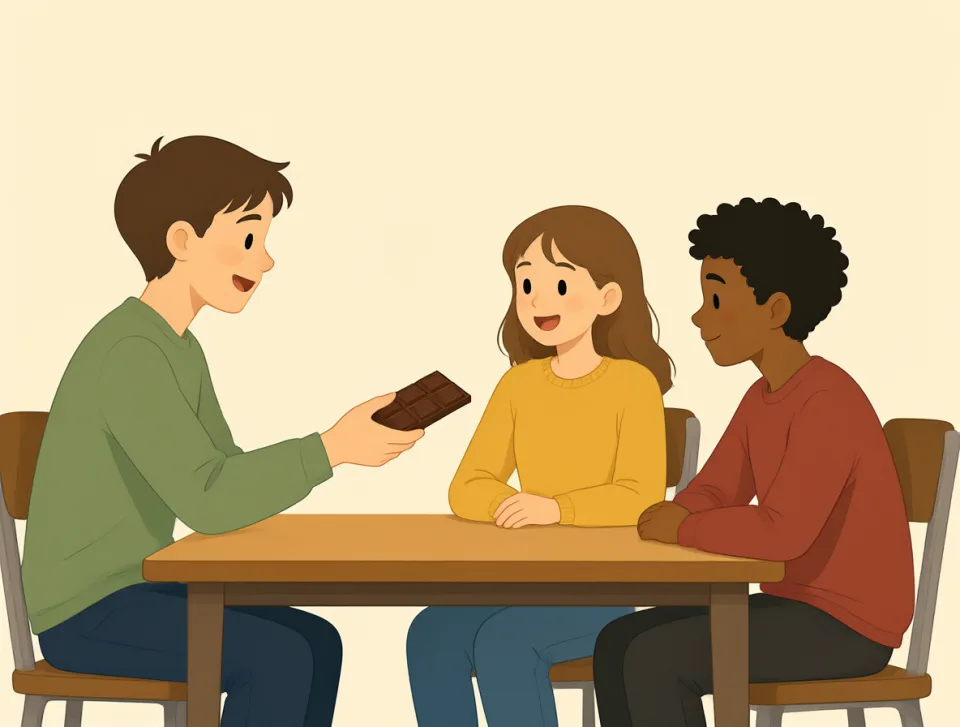
She bought a bar of chocolate to share with her friends after class.
下課後,她買了一塊巧克力,想和朋友們一起分享。
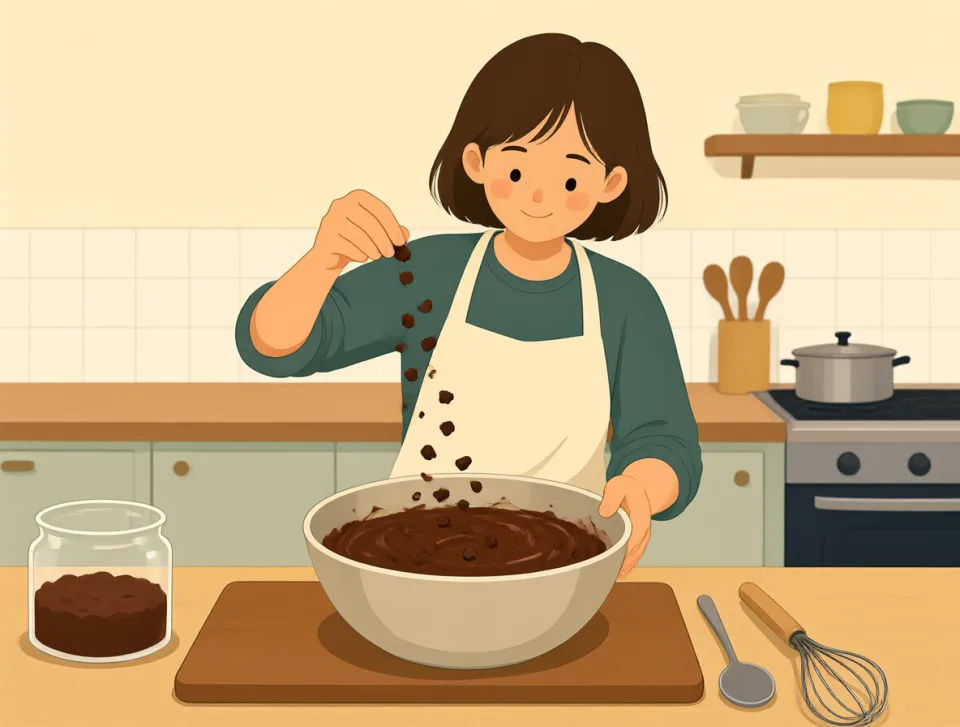
I added some chocolate to the cake before putting it in the oven.
我在把蛋糕放進烤箱之前,往裡面加了一些巧克力。

He likes hot chocolate when he comes home on cold evenings.
天氣寒冷的晚上,他喜歡回家後喝一杯熱巧克力。
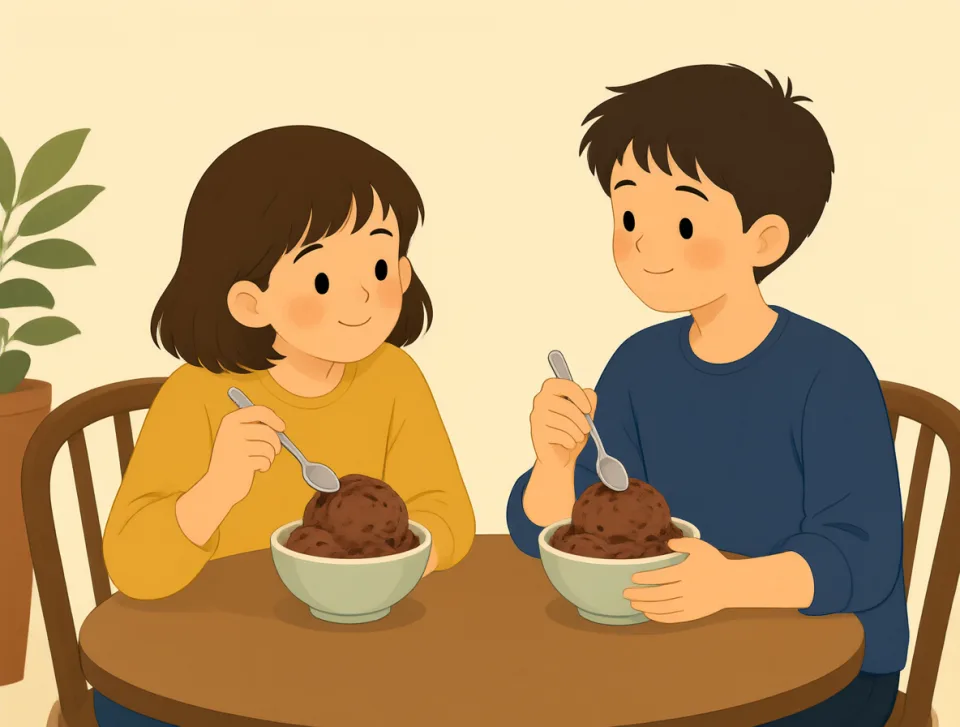
The children chose chocolate ice cream for dessert at the café.
孩子們在咖啡館選擇了巧克力冰淇淋作為飯後甜點。
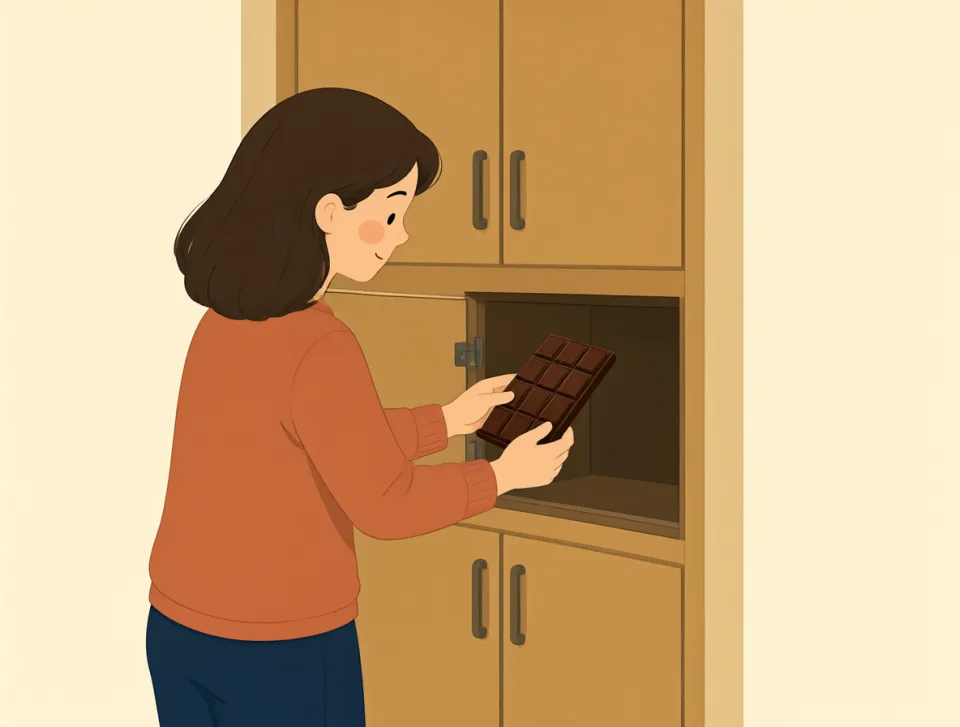
She gave up chocolate for a month because she wanted to eat less sugar.
她為了少攝入糖分,整整一個月都沒吃巧克力。