單元 124
單字 2461–2480 · opera, contest, brush, embarrass, gallery, genetic
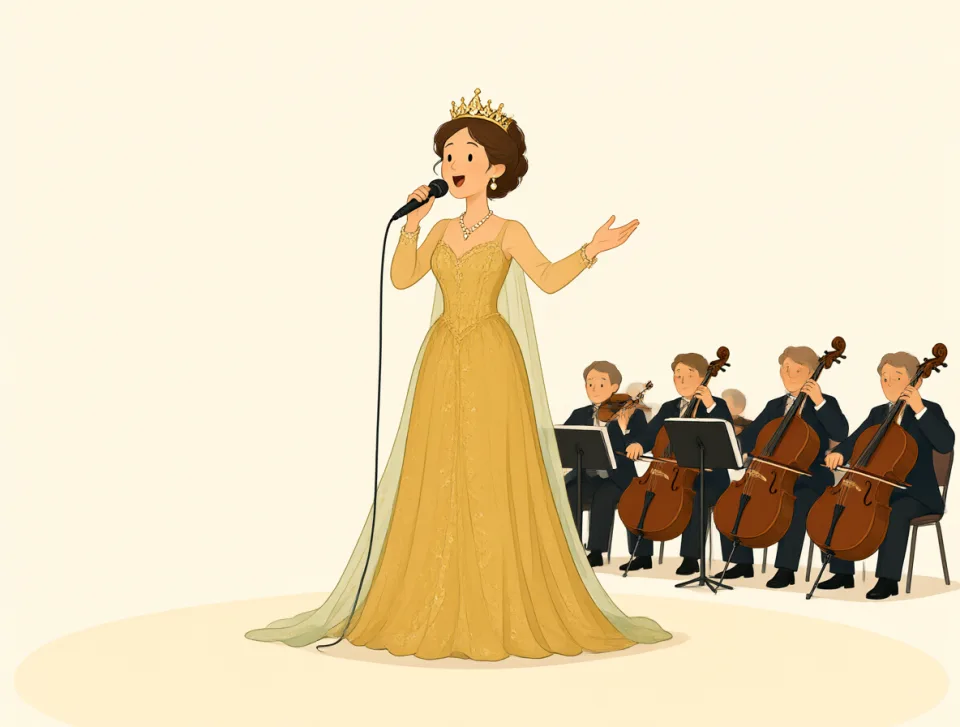
opera
#2461noun
歌劇
A dramatic story performed by singers and an orchestra.
由歌唱家和管絃樂隊共同演出的戲劇故事。
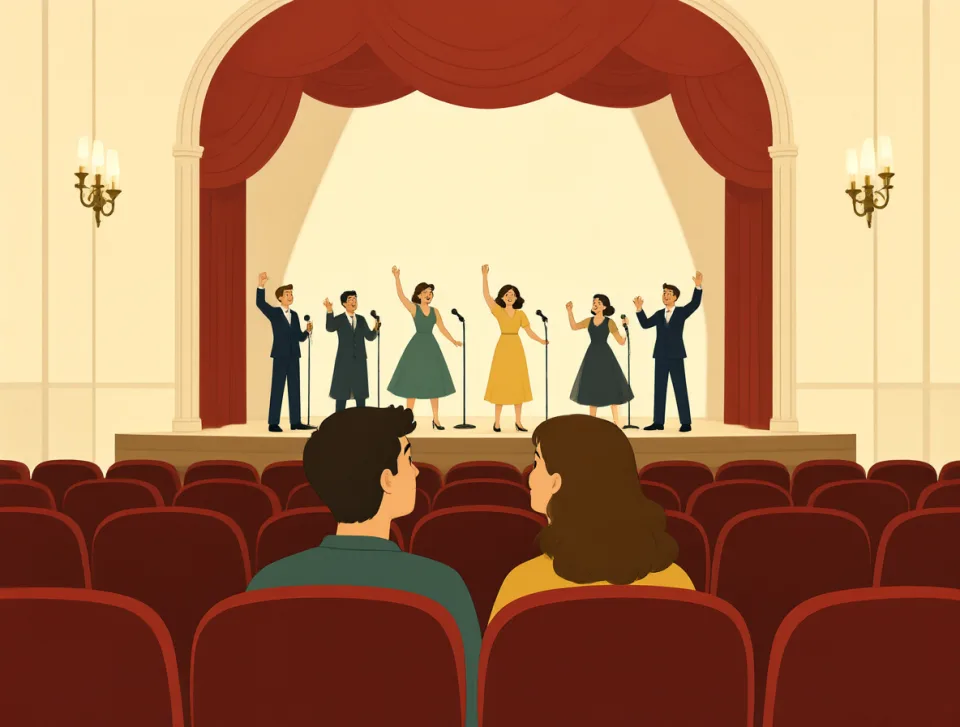
We watched an opera at the theater during our visit to Vienna.
我們去維也納旅遊時,在劇院看了一場歌劇。
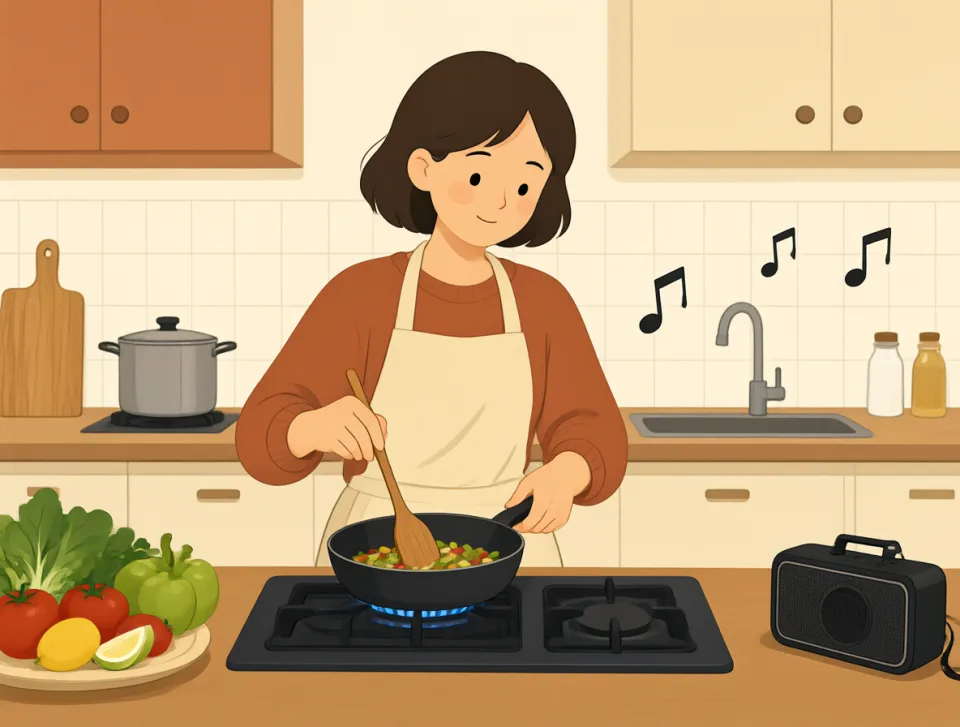
My sister loves opera and listens to it while cooking dinner.
我姐姐很喜歡歌劇,做晚飯時也會聽。
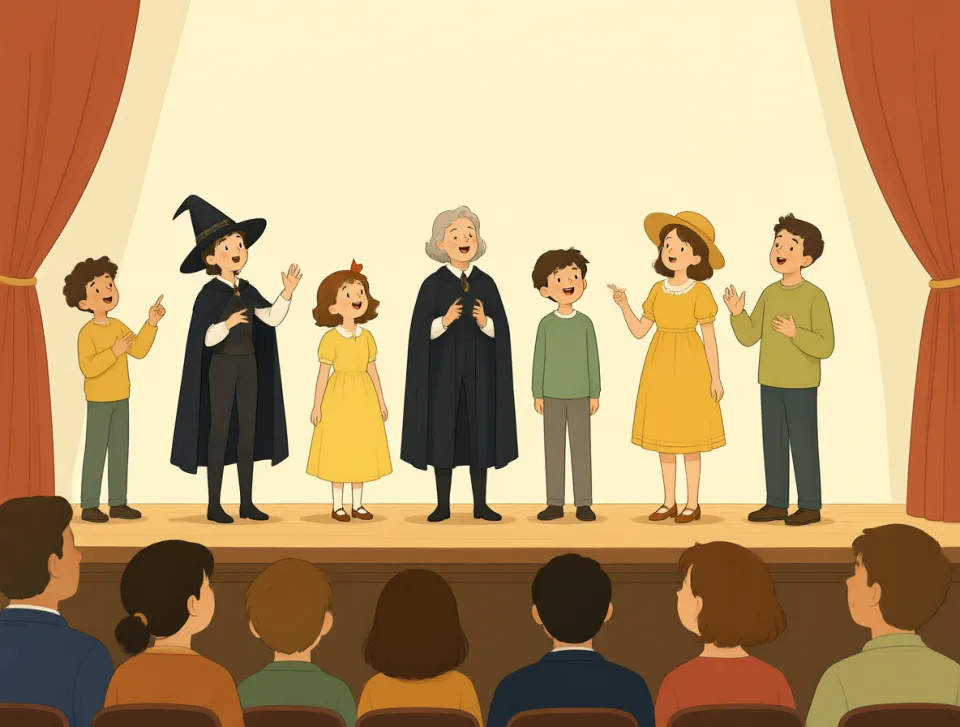
The school music club performed a short opera for parents.
學校音樂社為家長們演出了一部短歌劇。
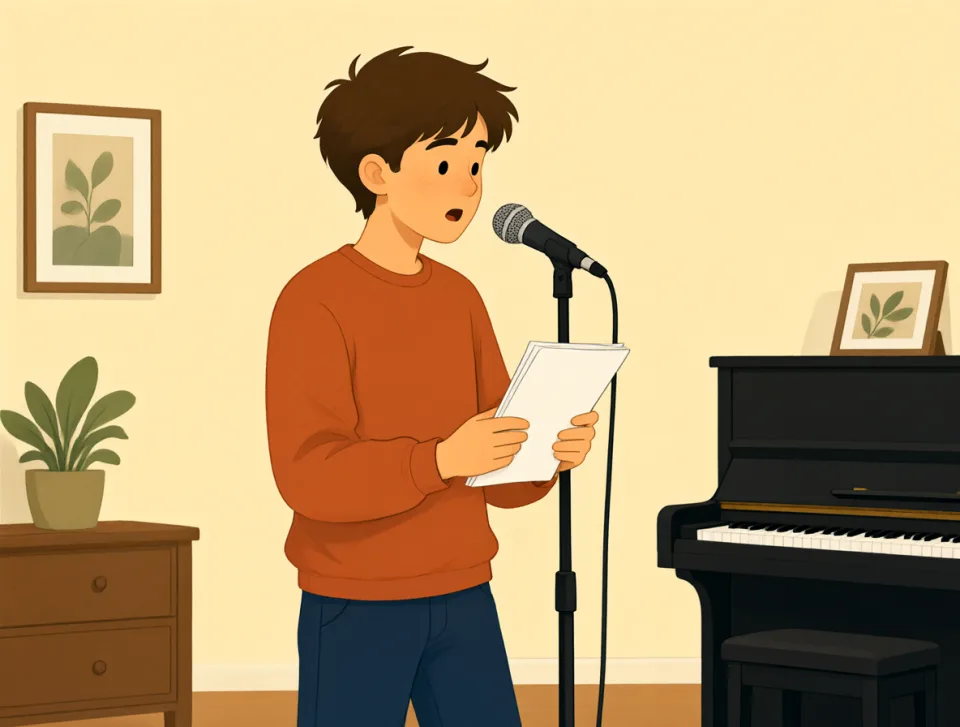
The opera singer practiced her difficult part every morning.
那位歌劇演員每天早上都會練習自己難度很高的唱段。

Tickets for the popular opera sold out before we could buy them.
那部熱門歌劇的門票在我們買到之前就已經售罄了。
contest
#2462noun, verb
比賽;競賽;爭辯;競爭
a competition, or to compete against someone to win something
一場比賽或競賽;與某人競爭以贏得某樣東西。

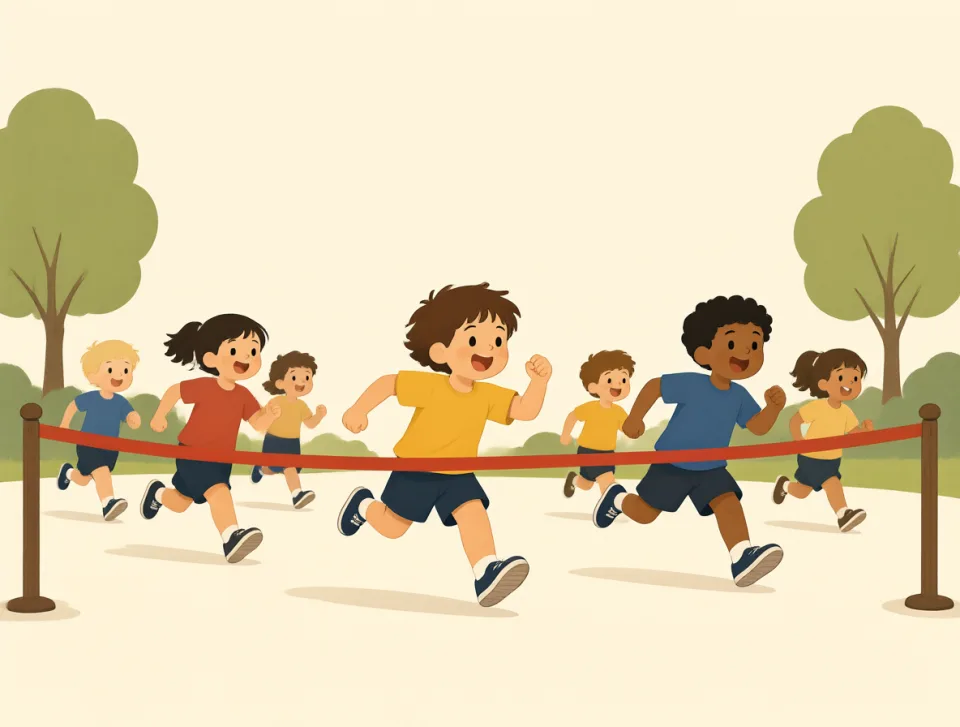
She won first prize in a local baking contest last weekend.
上週末,她在當地的一場烘焙比賽中獲得了一等獎。
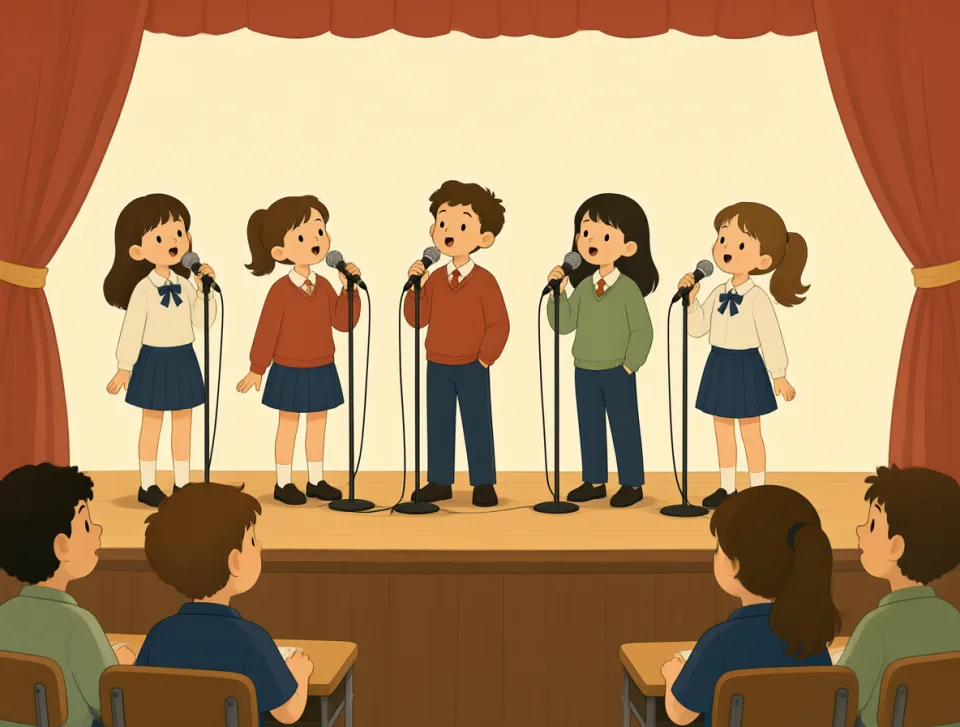
Our school is holding a singing contest next Friday afternoon.
我們學校下週五下午將舉辦一場歌唱比賽。

They entered a photography contest during their trip to Italy.
他們在義大利旅行期間參加了一場攝影比賽。
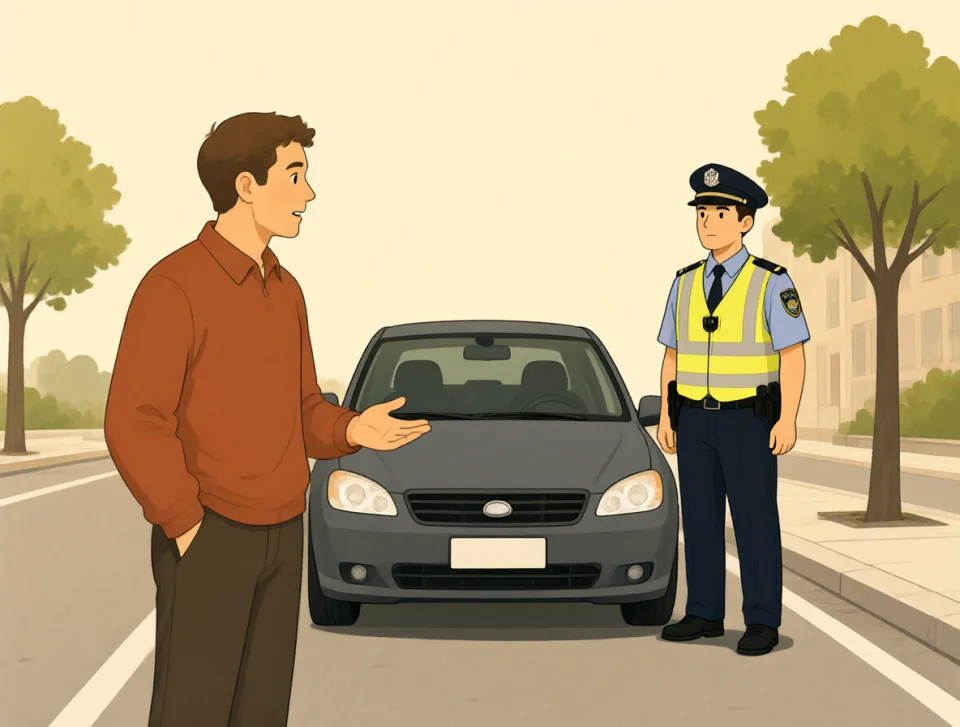
He contested the parking ticket because his car was legally parked.
他對這張停車罰單提出了異議,因為他的車當時停得合法。
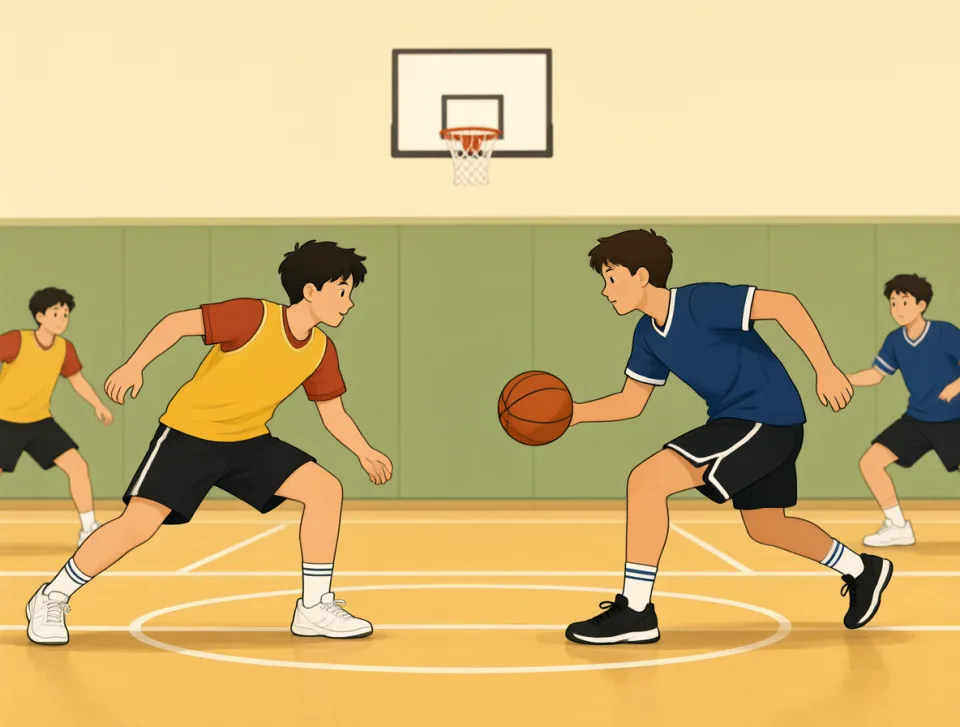
The two teams are contesting the final match at the sports center.
這兩支隊伍將在體育中心進行決賽。

brush
#2463noun, verb
刷子;刷;輕觸
a tool with bristles for cleaning, grooming, or painting; to clean or touch lightly
一種帶有刷毛的工具,用於清潔、梳理或繪畫;刷洗或輕輕觸碰。
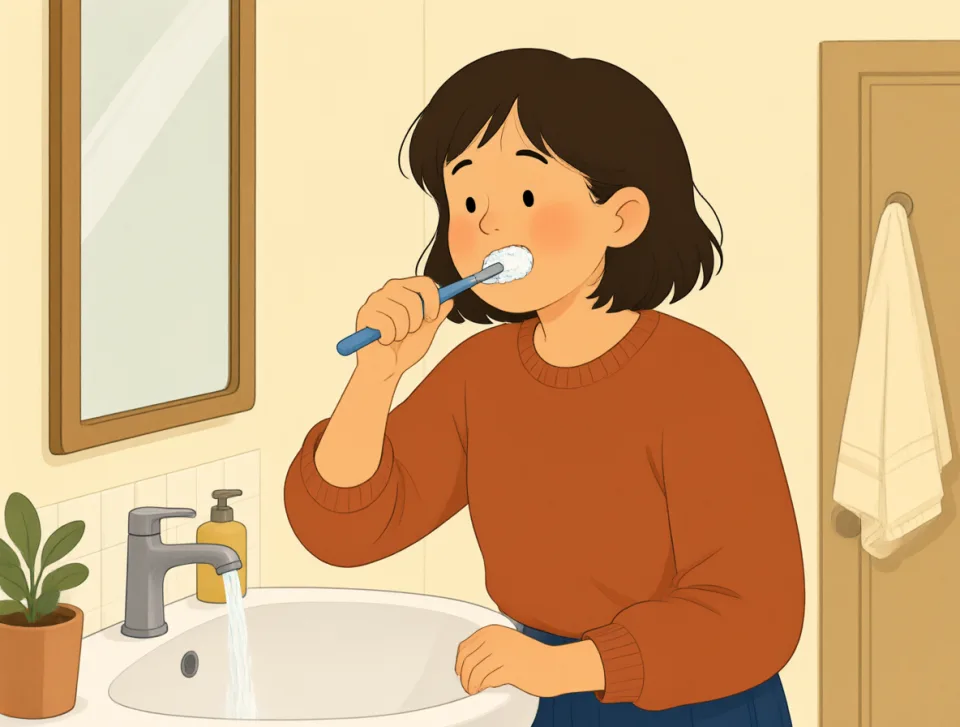
I brush my teeth twice a day to keep them healthy.
我每天刷兩次牙,以保持牙齒健康。
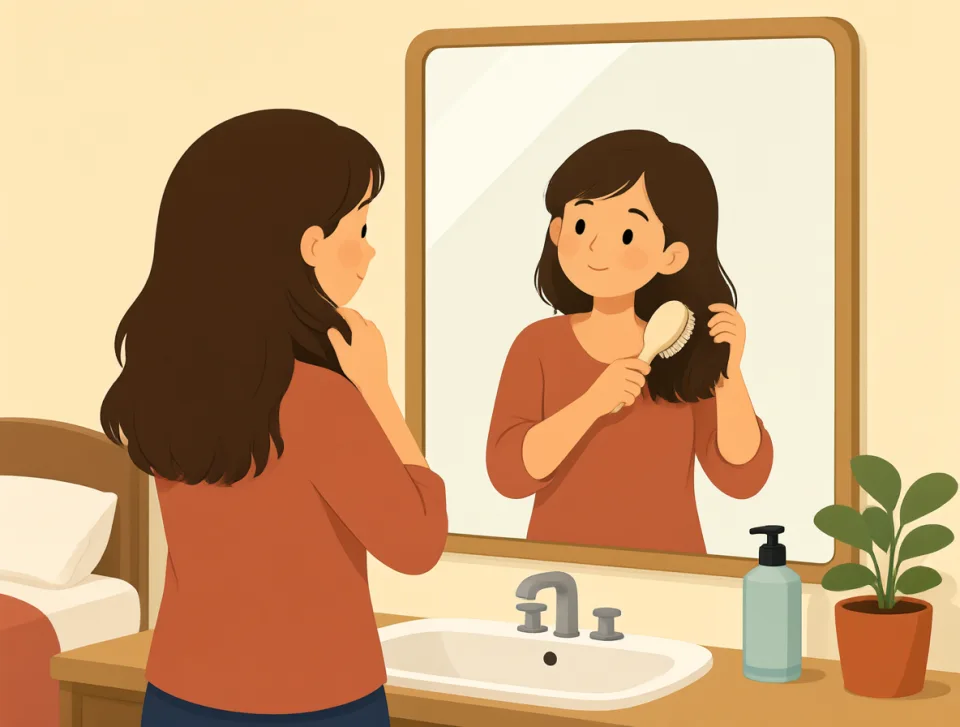
She brushed her hair before leaving for work.
她上班前梳了梳頭髮。
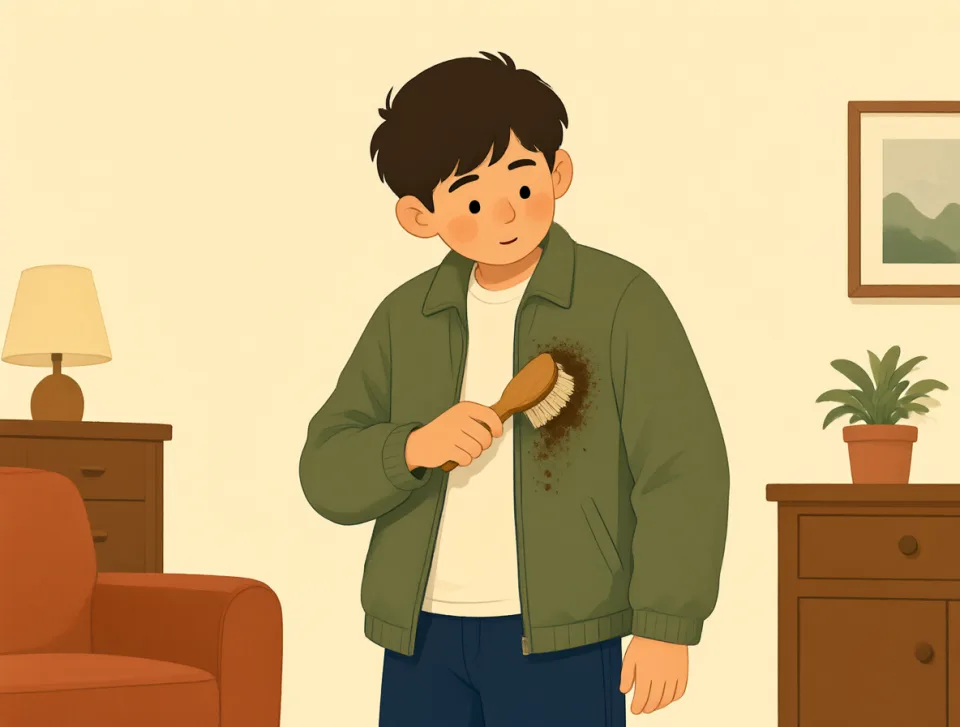
Please brush the dirt off your jacket before sitting down.
請坐下前把夾克上的灰塵刷掉。
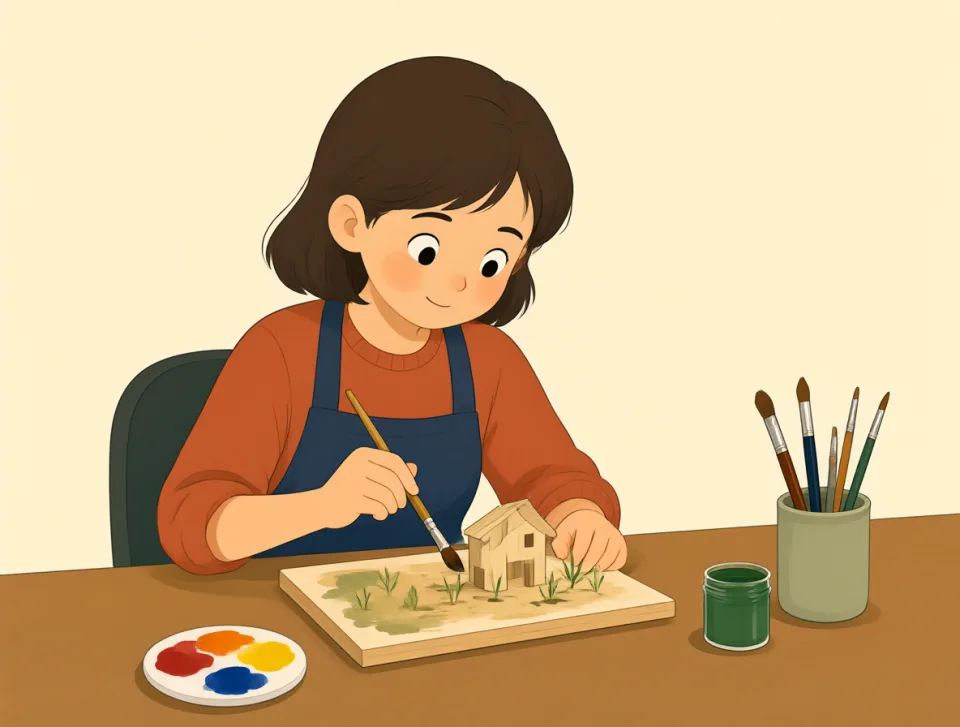
He used a small brush to paint the wooden model.
他用一把小刷子給木製模型上色。

The cat brushed against my leg while I prepared dinner.
我準備晚飯時,那隻貓輕輕蹭了蹭我的腿。

embarrass
#2464verb
使尷尬;使難堪;使窘迫
to make someone feel ashamed, shy, or uncomfortable in front of other people
使某人在別人面前感到羞愧、害羞或不自在。

I embarrassed myself when I forgot my manager's name during the meeting.
開會時,我忘了經理的名字,真是讓自己尷尬了一把。
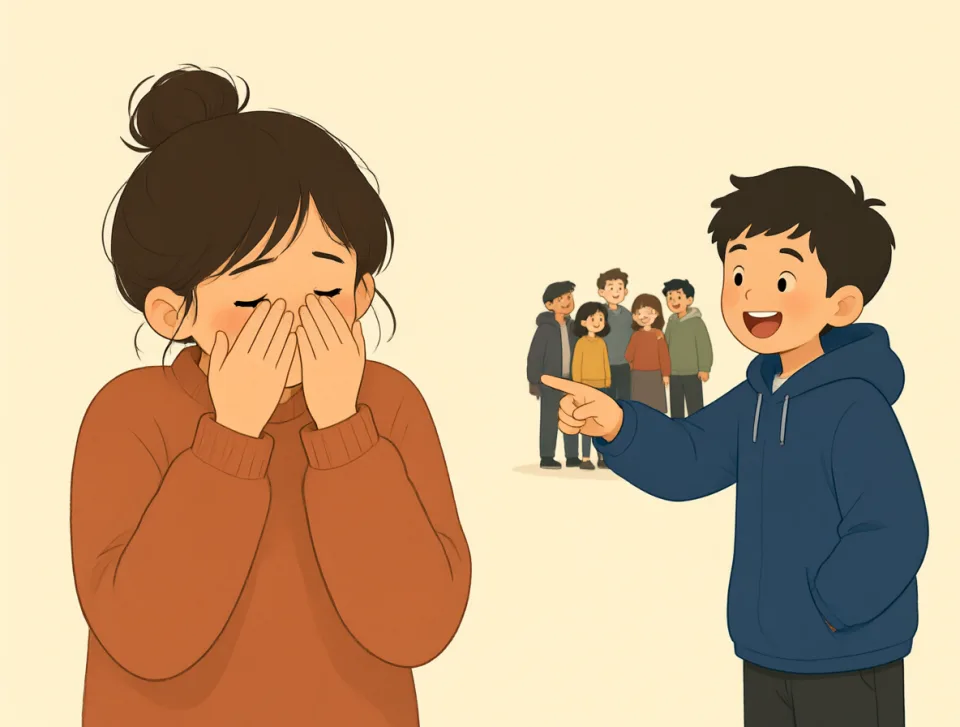
Please don't embarrass me by telling everyone about my mistake.
請不要把我的錯誤告訴所有人,讓我難堪。

His parents embarrassed him by dancing in the restaurant.
他的父母在餐廳裡跳舞,讓他覺得很尷尬。

She felt embarrassed when her stomach suddenly made a loud noise in class.
上課時,她的肚子突然發出很大的聲音,這讓她覺得很不好意思。
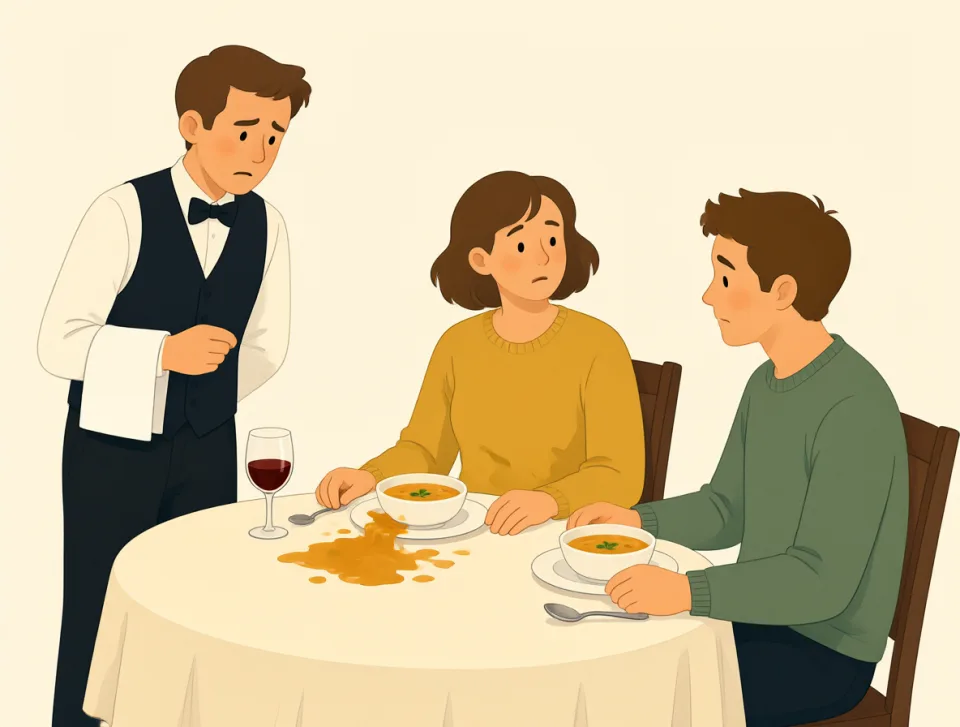
The waiter embarrassed us by spilling soup onto our clothes.
服務員把湯灑在我們的衣服上,讓我們很尷尬。
gallery
#2465noun
美術館;畫廊
A place where people display and sell works of art.
展示和出售藝術作品的場所。
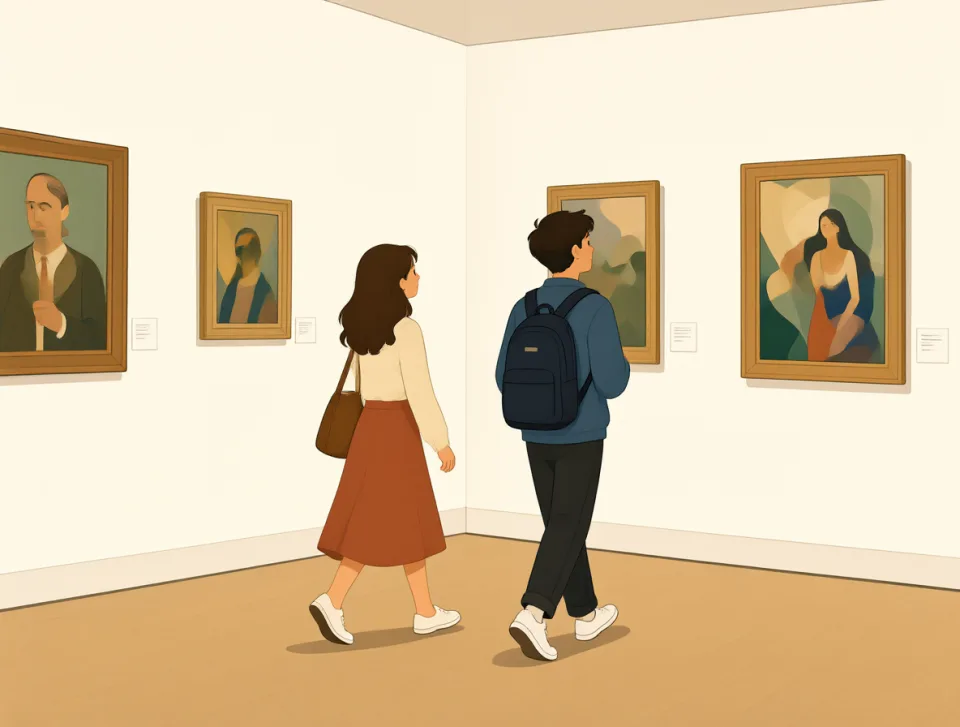
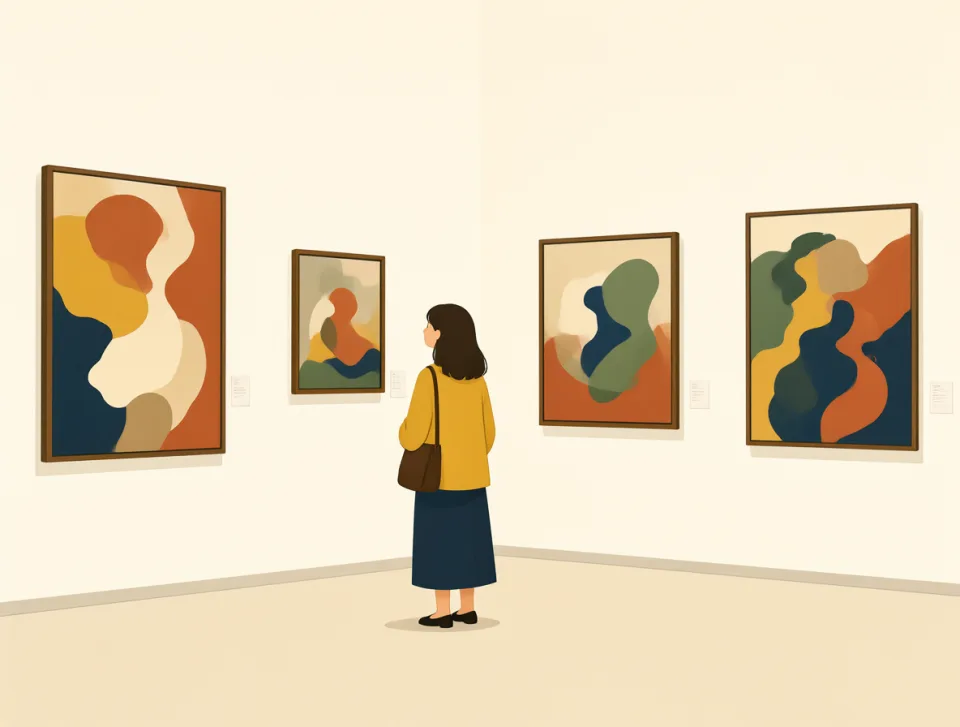
We visited an art gallery during our trip to the city.
我們在城裡旅行時參觀了一家美術館。
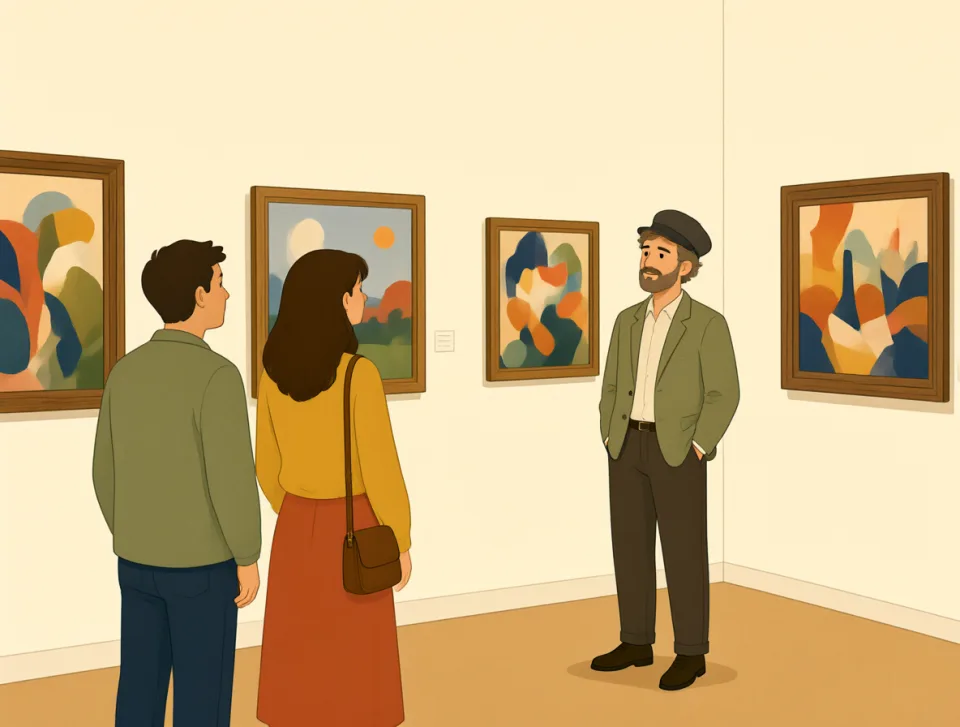
The gallery is showing paintings by a young local artist this month.
這家美術館本月正在展出一位年輕本地藝術家的畫作。

She bought a beautiful photograph from the gallery near our hotel.
她從我們酒店附近的一家畫廊買了一幅很漂亮的攝影作品。
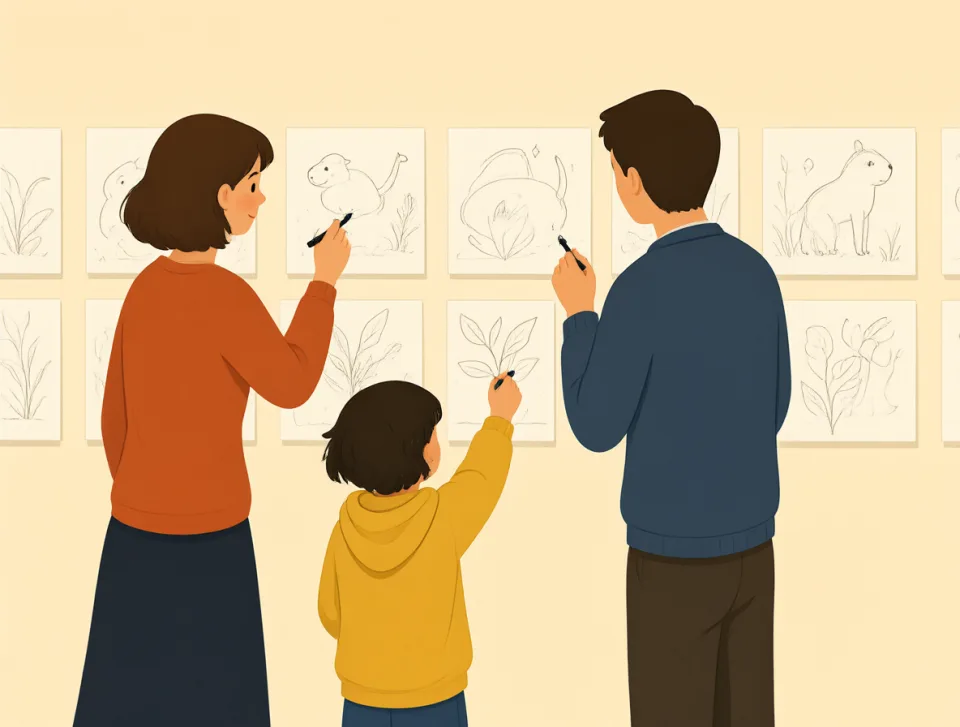
The school gallery displayed students' drawings for their families.
學校的展覽館展出了學生們的畫作,供他們的家人欣賞。
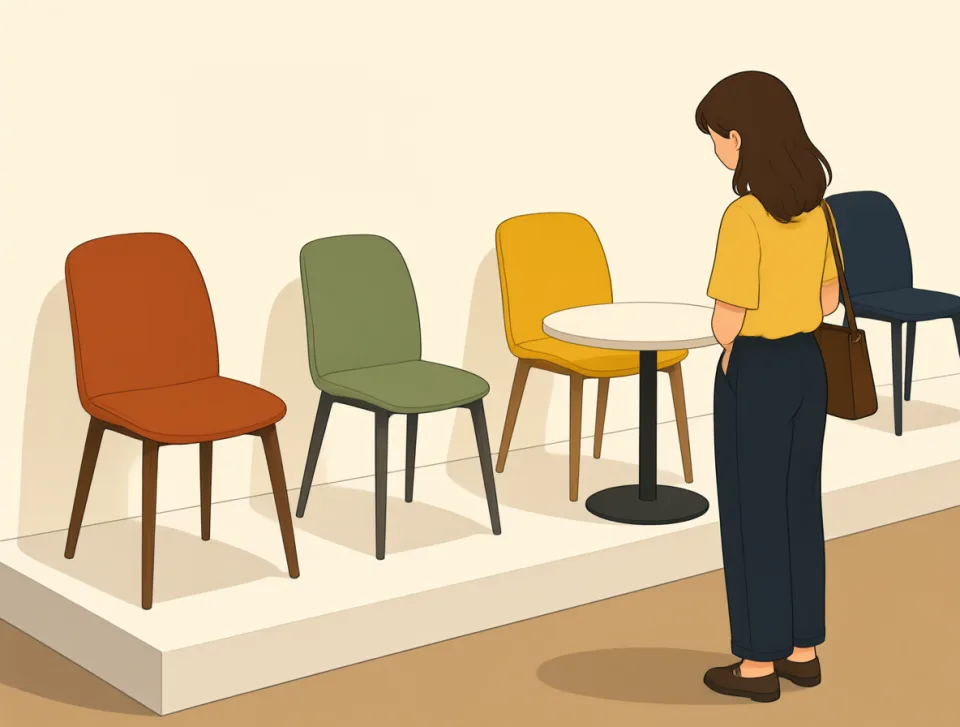
The shopping center has a small gallery of modern furniture upstairs.
這家購物中心的樓上有一個小型現代傢俱展廳。
genetic
#2466adjective
遺傳的;基因的
Related to the genes passed from parents to their children.
與父母遺傳給子女的基因有關的。

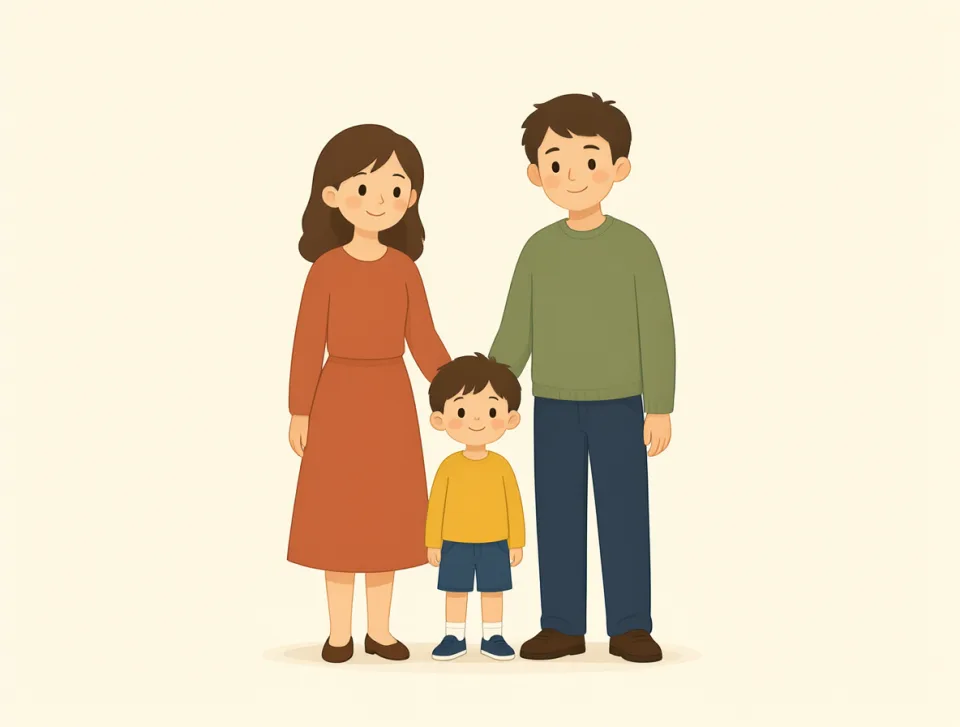
Some diseases are caused by genetic changes passed from parents to children.
有些疾病是由父母遺傳給子女的基因變化引起的。
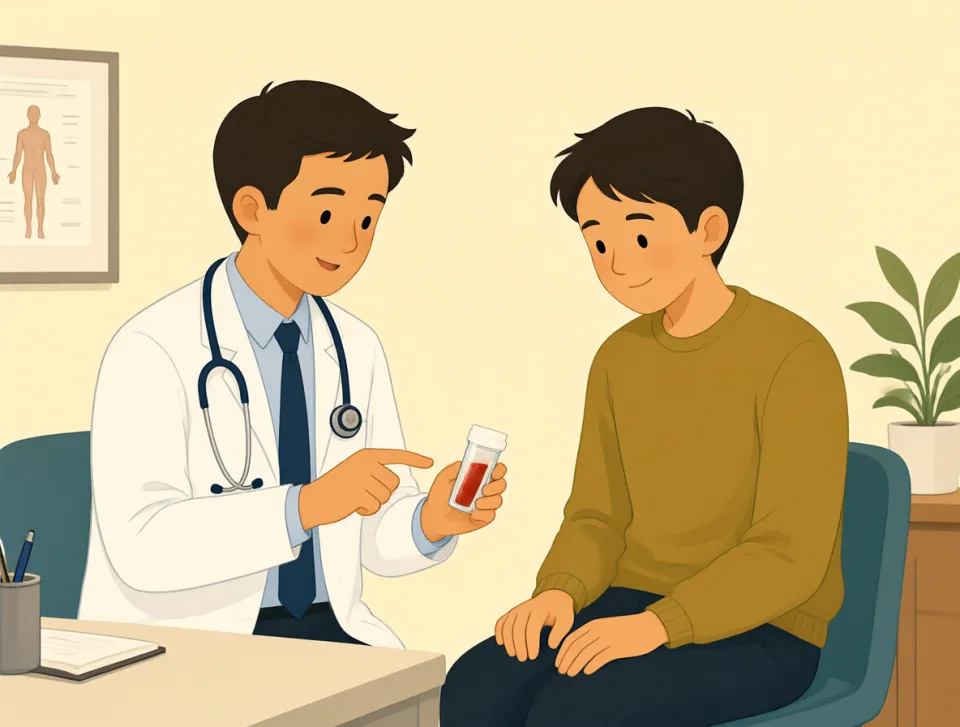
The test can show whether a health problem is genetic.
這項檢測可以判斷某種健康問題是否由遺傳因素引起。

Scientists are studying the genetic differences between these two plants.
科學家正在研究這兩種植物之間的遺傳差異。
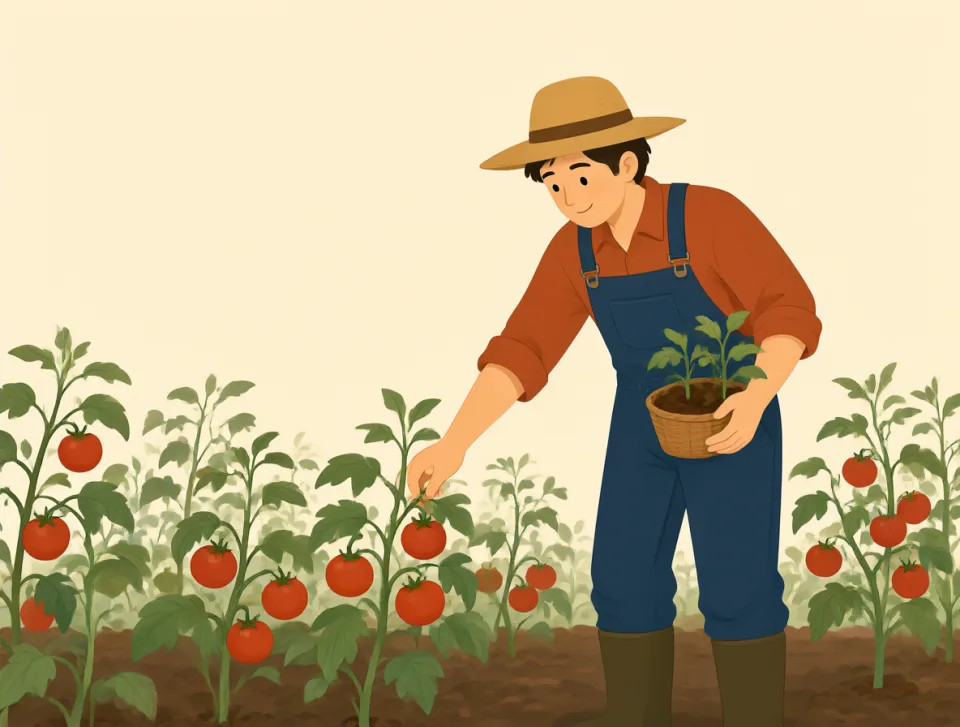
The farmer chose genetic varieties of tomatoes that grow well in cold weather.
農民選擇了適合在寒冷天氣中生長的番茄品種。

Genetic research may help doctors find better treatments for cancer.
遺傳學研究可能幫助醫生找到更好的癌症治療方法。
aggressive
#2467adjective
好鬥的;挑釁的;咄咄逼人的;積極進取的
behaving in an angry or forceful way, often ready to fight or argue
表現得憤怒或強勢,常常隨時準備打架或爭吵。
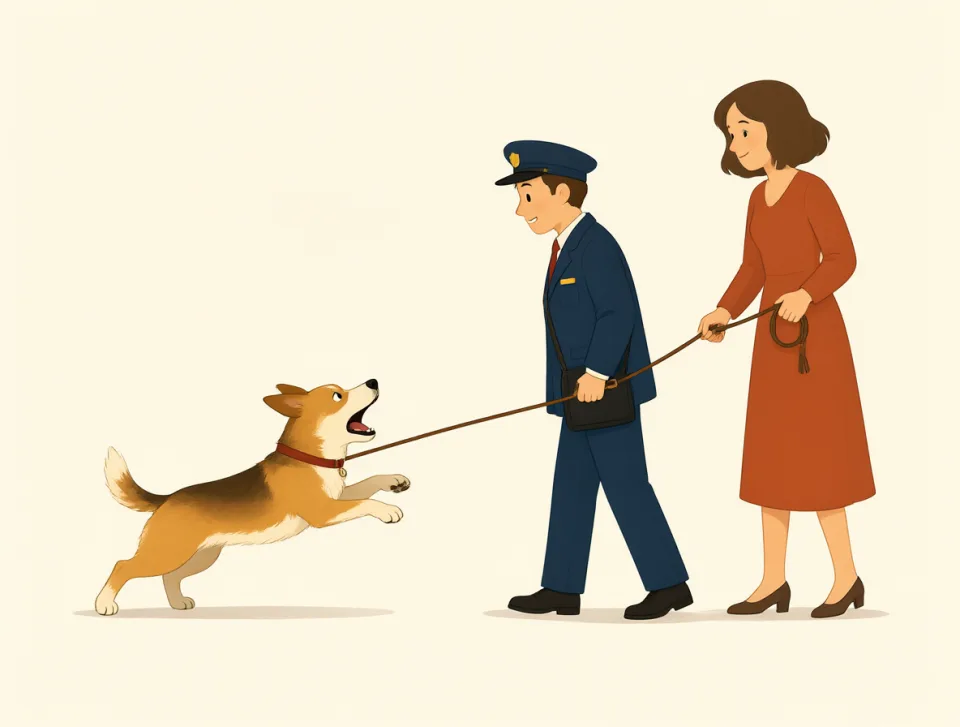
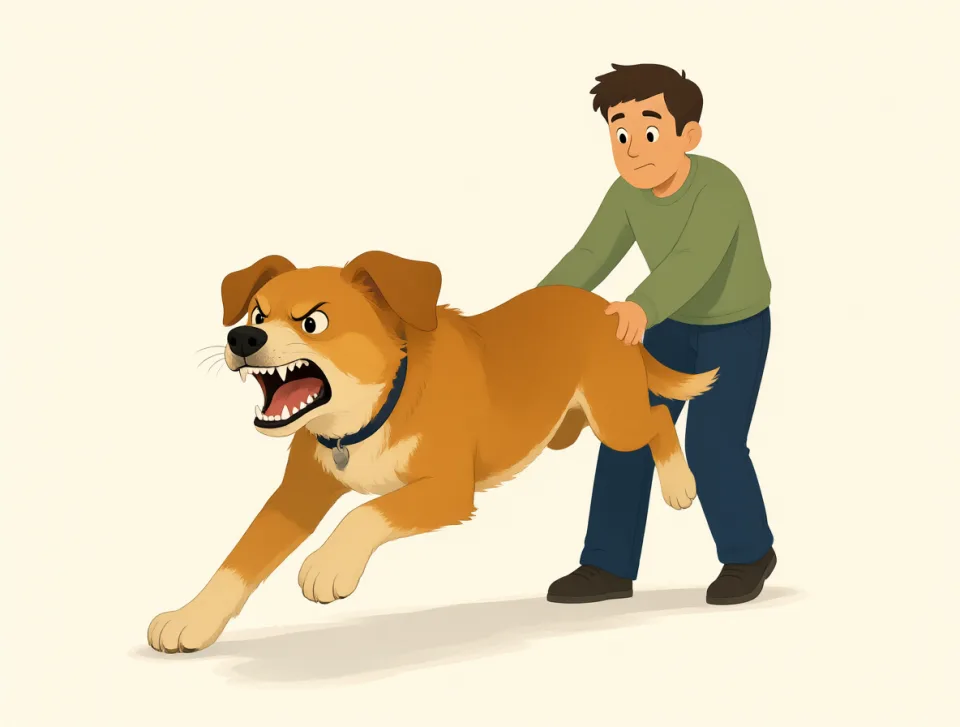
The aggressive dog barked loudly and tried to bite the visiting postman.
那隻好鬥的狗大聲吠叫,還試圖咬前來送信的郵遞員。
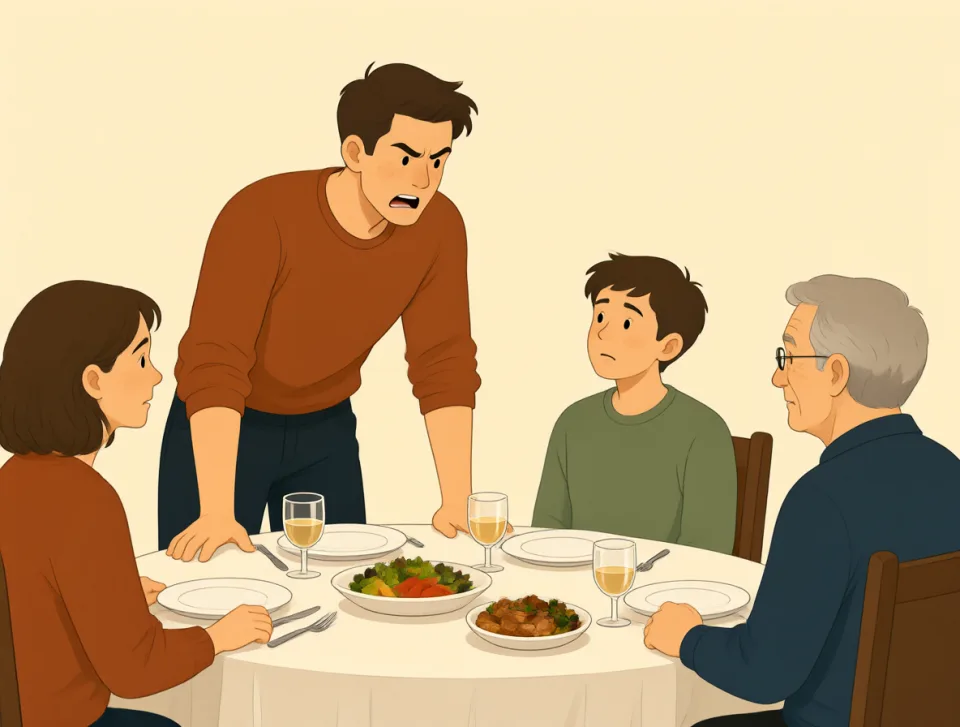
His aggressive behavior made everyone uncomfortable during the family dinner.
他咄咄逼人的舉止讓家庭聚餐時的所有人都感到不自在。

The sales assistant used aggressive tactics to persuade customers to buy expensive products.
那名銷售人員採用咄咄逼人的推銷手段,說服顧客購買昂貴的產品。
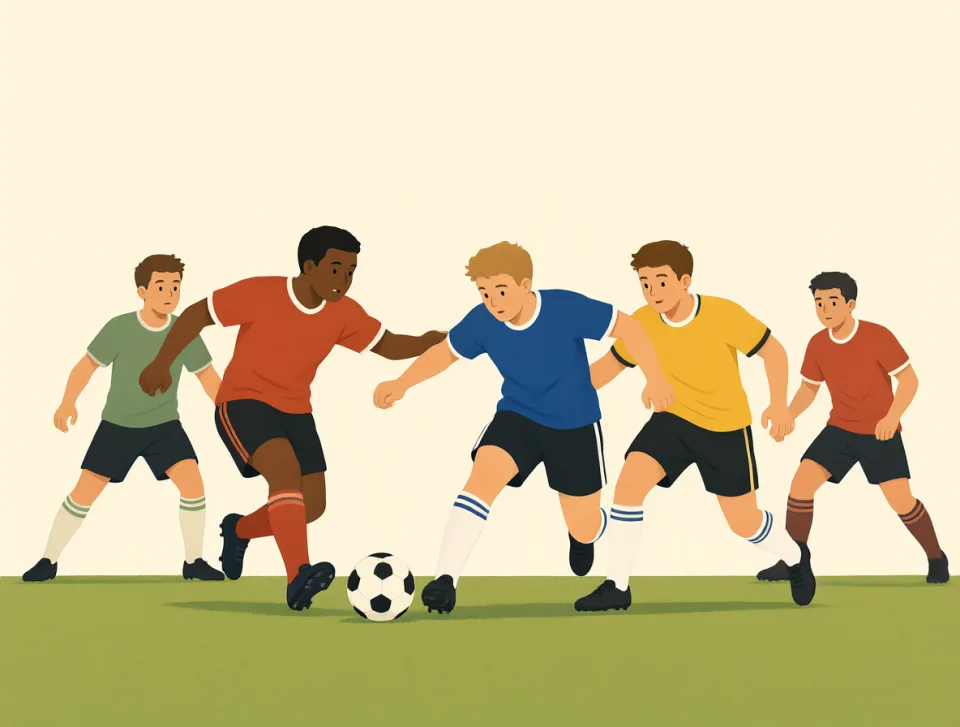
The football team played aggressive football and scored two goals before halftime.
這支足球隊踢得十分有侵略性,在上半場結束前就打進了兩球。

Doctors recommended aggressive treatment because the disease was spreading quickly.
由於病情迅速擴散,醫生建議採取積極的治療方案。
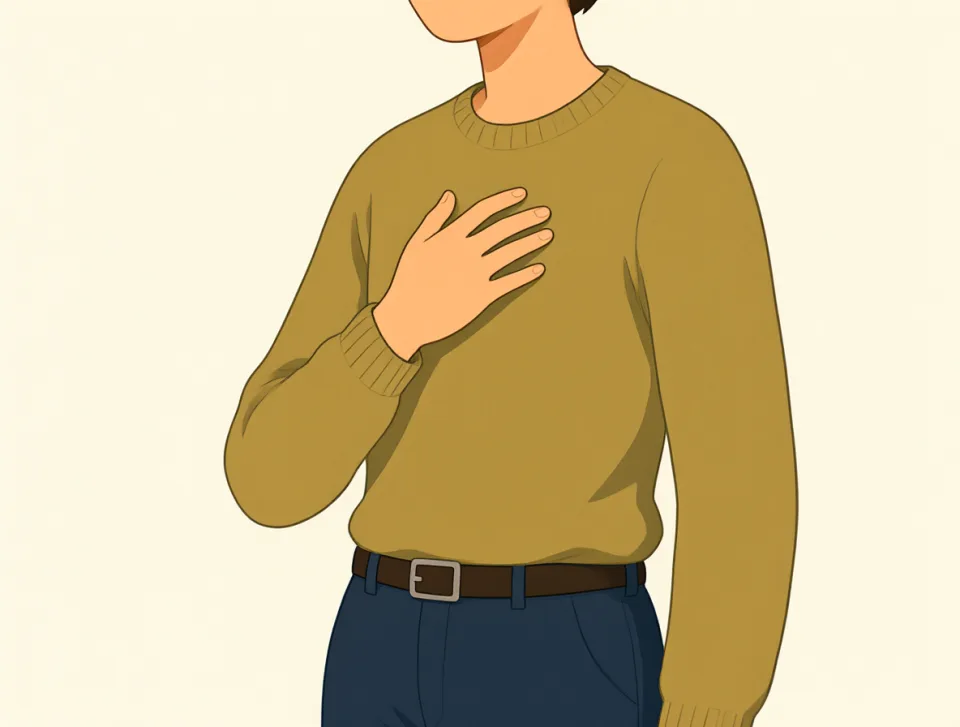
chest
#2468noun
胸部;胸膛;箱子;大箱子
The front part of your body between your neck and stomach.
你身體前面位於脖子和胃之間的部分。
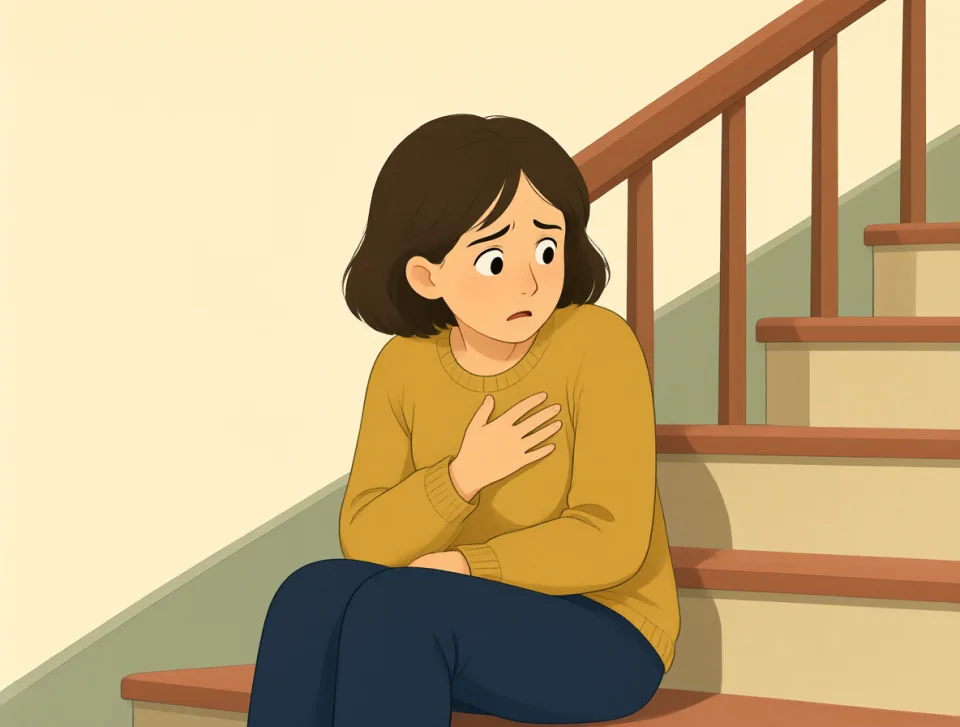
She felt a sharp pain in her chest after climbing the stairs.
爬完樓梯後,她感到胸口一陣劇烈疼痛。
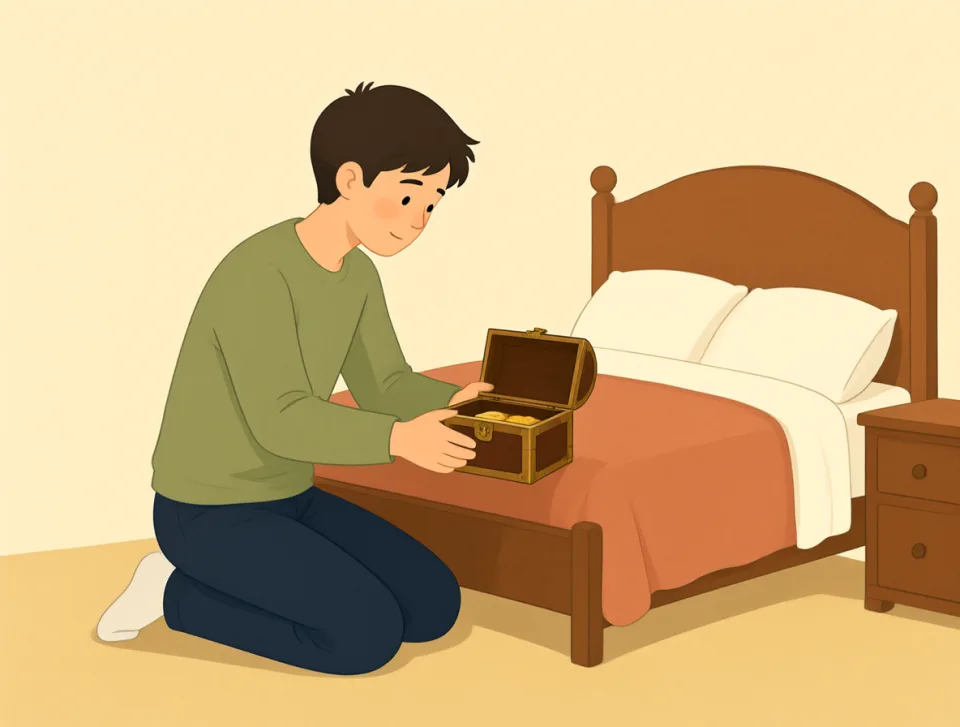
He kept the small wooden chest under his bed at home.
他把一個小木箱放在家裡的床底下。

The nurse listened to the patient's chest with a stethoscope.
護士用聽診器聽了聽病人的胸部。
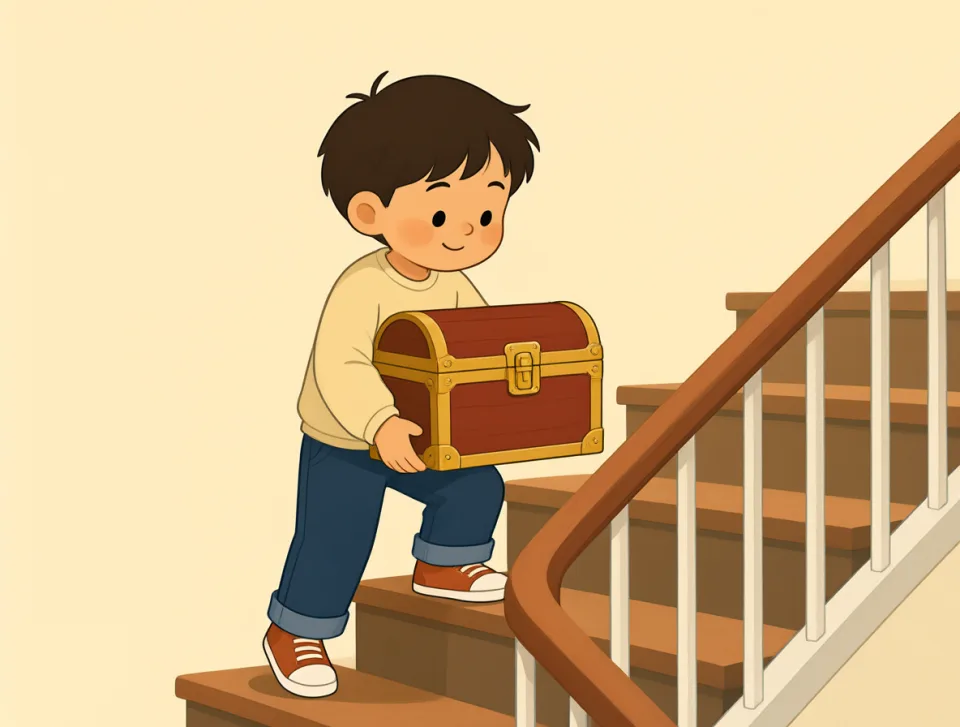
The child carried a heavy chest filled with old toys upstairs.
那個孩子搬著一個裝滿舊玩具的沉重大箱子上了樓。
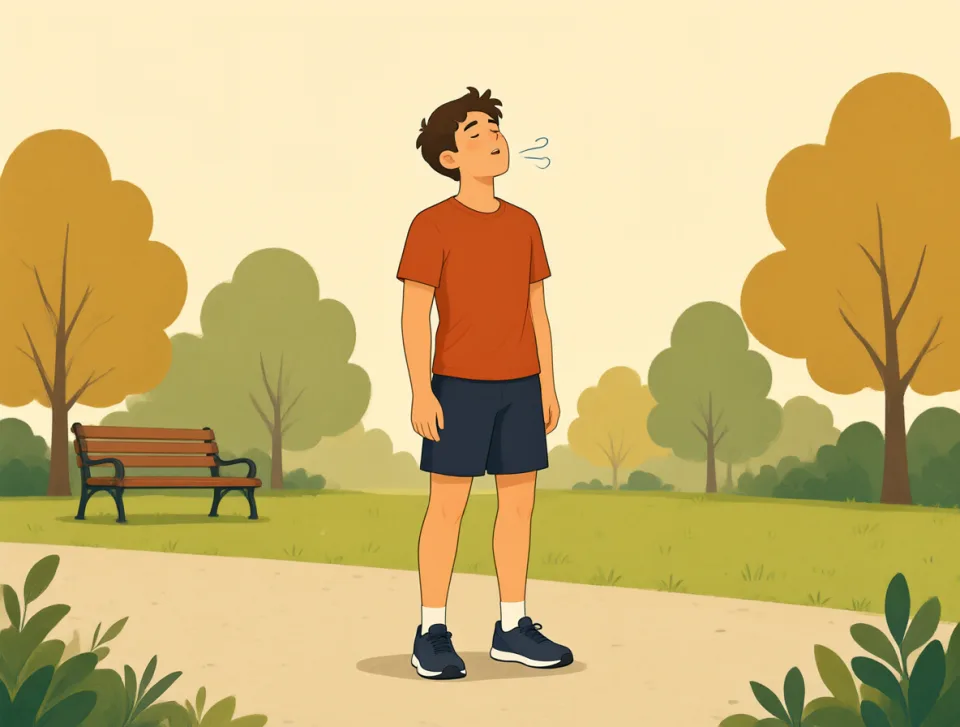
The runner took a deep breath and lifted his chest proudly.
跑步者深吸一口氣,挺起胸膛,自豪地站著。

format
#2469noun, verb
格式;版式;編排
The way information is arranged, or to arrange it in a particular way.
資訊的組織或排列方式,或按照特定方式組織或排列資訊。

Please save the report in PDF format before sending it to the manager.
請在把報告傳送給經理之前,將其儲存為 PDF 格式。
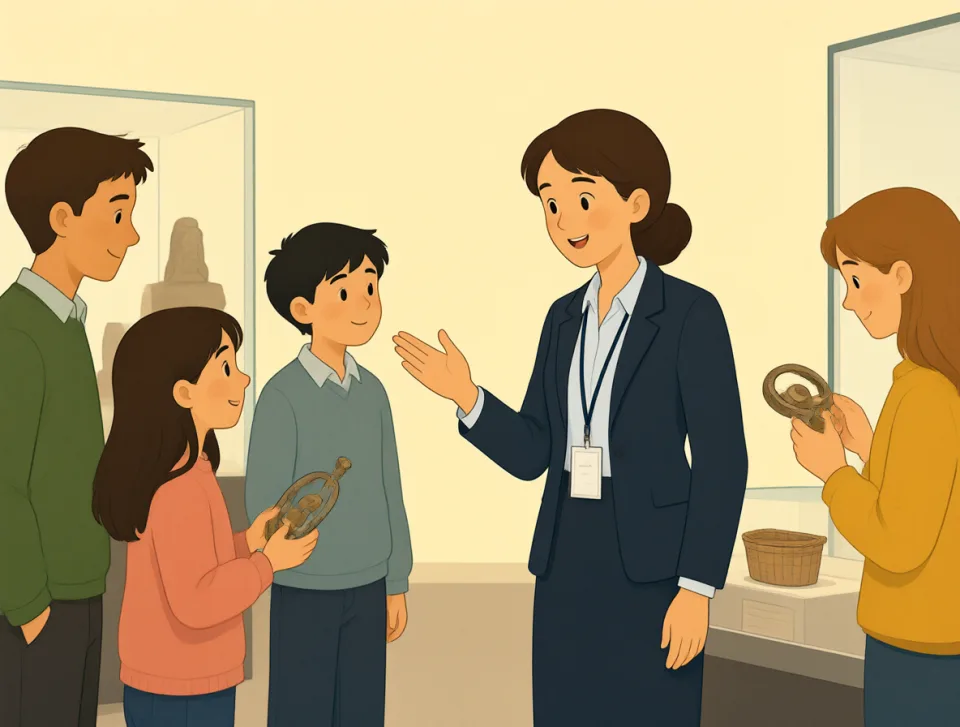
The museum changed the format of its tours to make them more interactive.
博物館改變了導覽活動的形式,讓遊客有更多互動體驗。
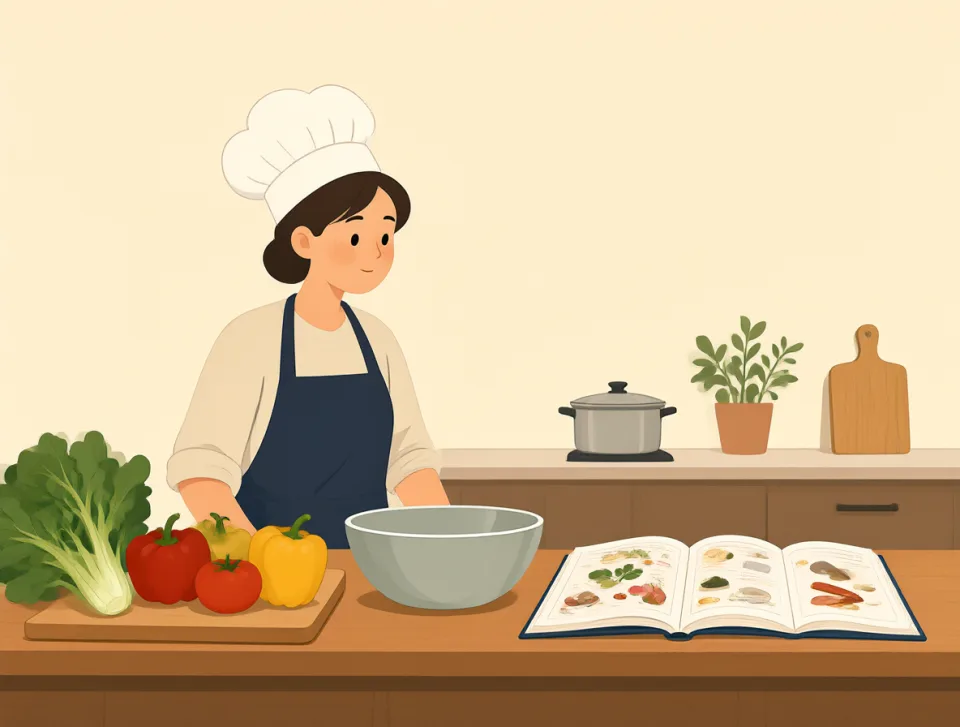
This recipe is formatted as a short list of clear cooking steps.
這份食譜採用簡潔的格式,以清晰的步驟列出了烹飪方法。

The teacher formatted the students' answers into a simple table for review.
老師把學生們的答案整理成了一張簡單的表格,方便複習。

The podcast is available in several formats, including audio and video.
這個播客有多種形式,包括音訊和影片。

literary
#2470adjective
文學的;文學上的
Connected with books, writing, or the study of literature.
與書籍、寫作或文學研究有關的。

She enjoys literary novels about family, friendship, and difficult choices.
她喜歡以家庭、友誼和艱難抉擇為主題的文學小說。
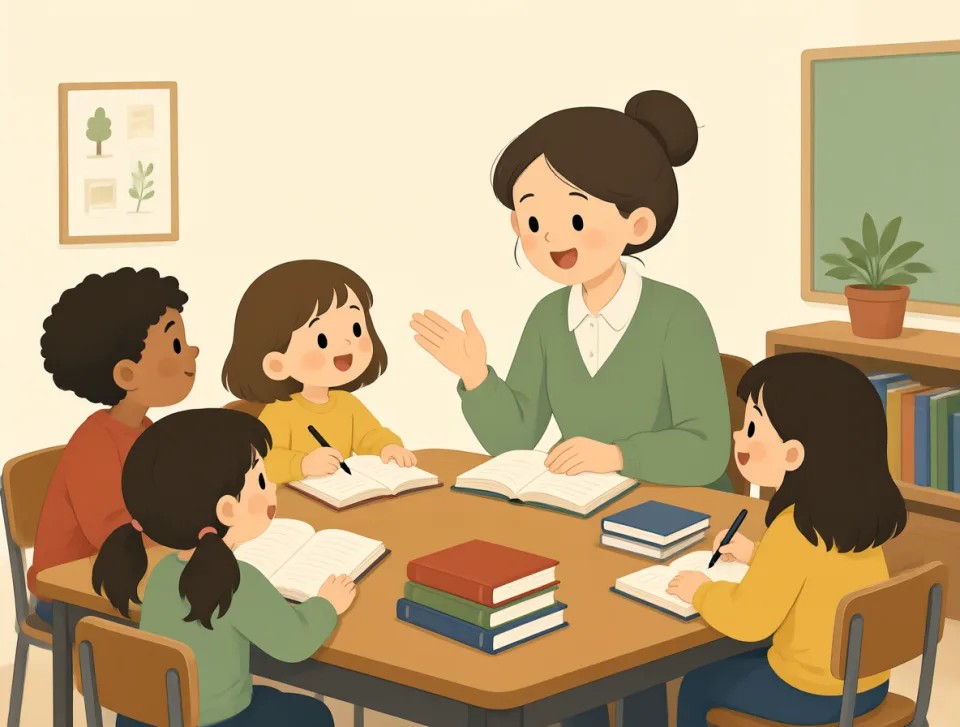
The university offers a literary course about famous English writers.
這所大學開設了一門關於英國著名作家的文學課程。

The bookshop has a literary section near the front entrance.
書店入口附近設有一個文學類圖書專區。

His literary style is clear, gentle, and easy for beginners to understand.
他的文學風格清晰、溫和,初學者也很容易理解。

The festival brings together literary fans, poets, and local authors.
這個文學節匯聚了文學愛好者、詩人和當地作家。

govern
#2471verb
治理;統治;管理
To control and lead a country, organization, or group of people.
控制並領導一個國家、組織或群體。

The elected party governs the country with support from smaller groups.
當選政黨在較小政黨的支援下治理國家。

Strong laws govern how companies treat their workers and customers.
嚴格的法律規範著企業對待員工和客戶的方式。

The school is governed by a board of teachers and parents.
這所學校由一個教師和家長組成的委員會管理。

Local rules govern where shops can build new entrances and signs.
當地規定決定了商店可以在哪裡設定新的入口和招牌。

Their friendship is governed by trust, honesty, and respect.
他們的友誼建立在信任、誠實和尊重的基礎上。
embrace
#2472verb, noun
擁抱;欣然接受;採納
to accept something eagerly or hold someone closely in your arms
熱切地接受某事,或用雙臂緊緊地抱住某人。

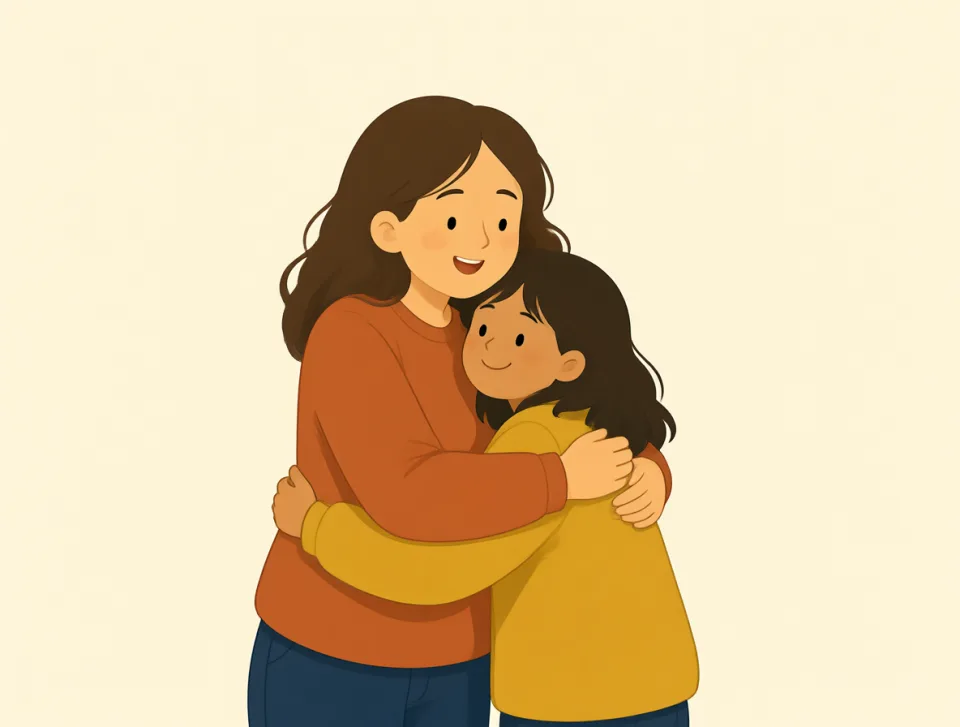
She embraced her mother tightly after returning home from a long trip.
長途旅行回家後,她緊緊地擁抱了母親。

Many companies are embracing flexible working to support their employees.
許多公司正在採用靈活的工作方式,以更好地支援員工。

Our school has embraced new ideas for teaching science and mathematics.
我們學校採納了新的科學和數學教學理念。
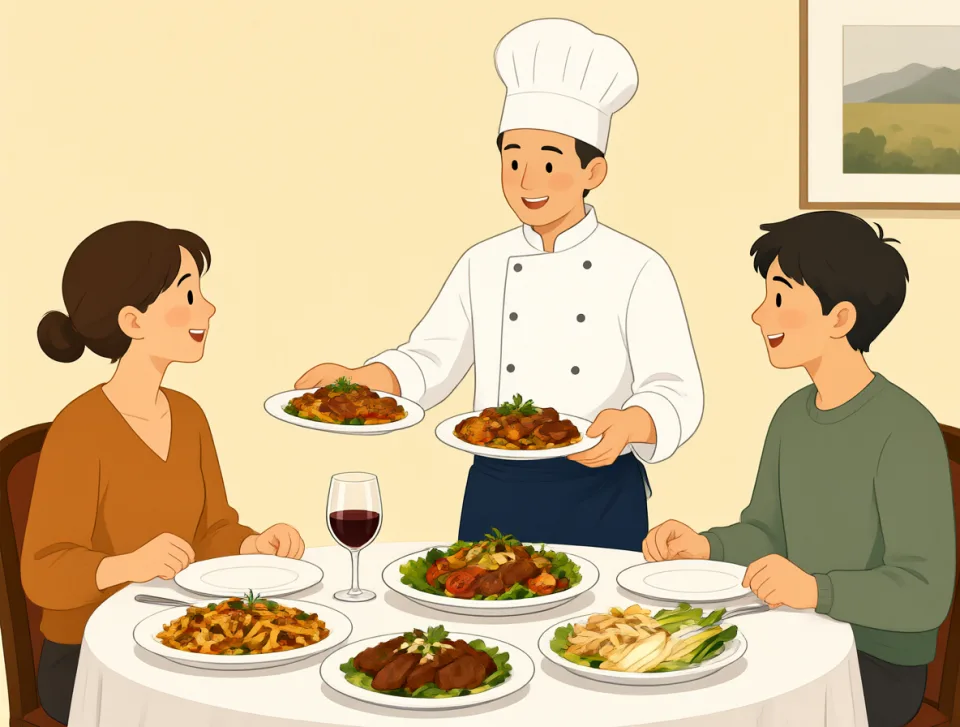
The hotel embraced local food traditions by serving fresh regional dishes.
這家酒店透過供應新鮮的當地特色菜,融入了當地的飲食傳統。

He embraced the chance to travel abroad and learn about another culture.
他欣然接受了出國旅行的機會,希望瞭解另一種文化。
praise
#2473noun, verb
稱讚;讚揚;表揚;讚美
To express strong approval or admiration for someone or something.
對某人或某事表示高度認可或讚賞。

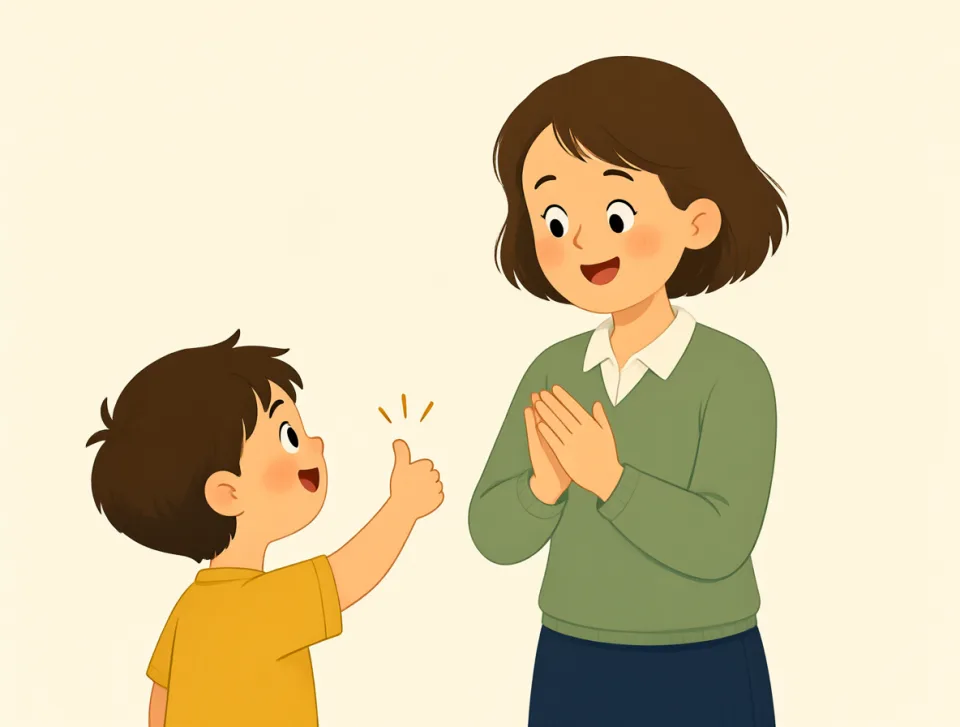
The teacher praised Mia for her excellent science project.
老師表揚了Mia,因為她的科學專案做得非常出色。

His manager praised him for finishing the difficult report early.
他的經理表揚了他,因為他提前完成了那份有難度的報告。
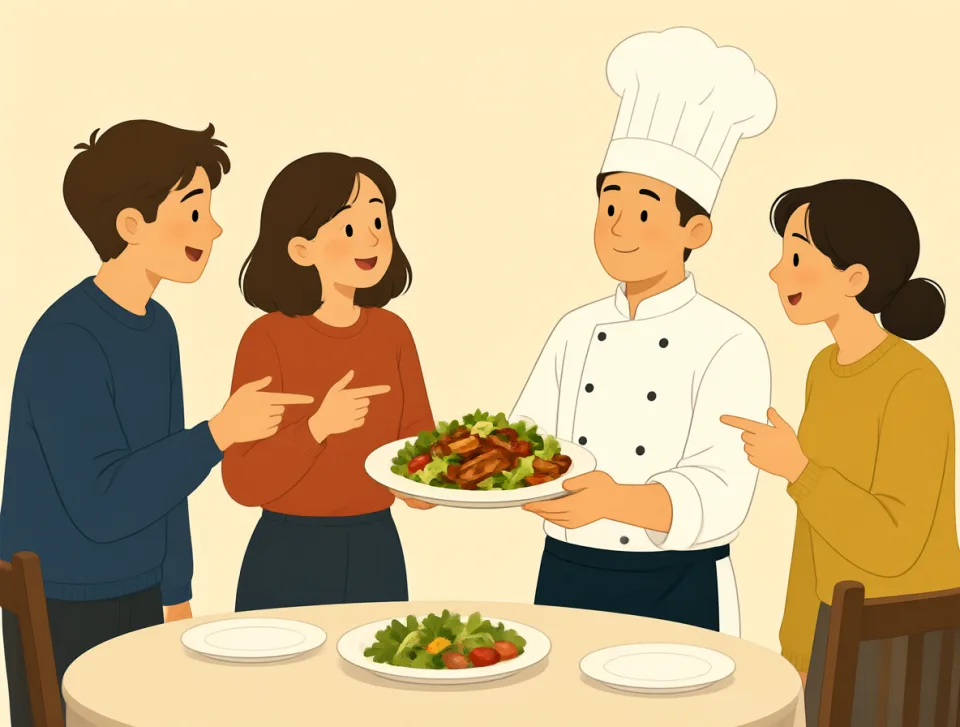
We praised the chef for preparing such a delicious meal.
我們稱讚了廚師,因為他做的飯菜非常美味。

Her parents praised her after she helped clean the kitchen.
她幫忙打掃廚房後,父母表揚了她。

The doctor praised me for exercising regularly and eating healthy food.
醫生表揚了我,因為我堅持鍛鍊,並且飲食健康。
silent
#2474adjective
安靜的; 沉默的; 無聲的
Making little or no sound; not speaking or talking.
幾乎不發出聲音的;不說話或保持沉默的。

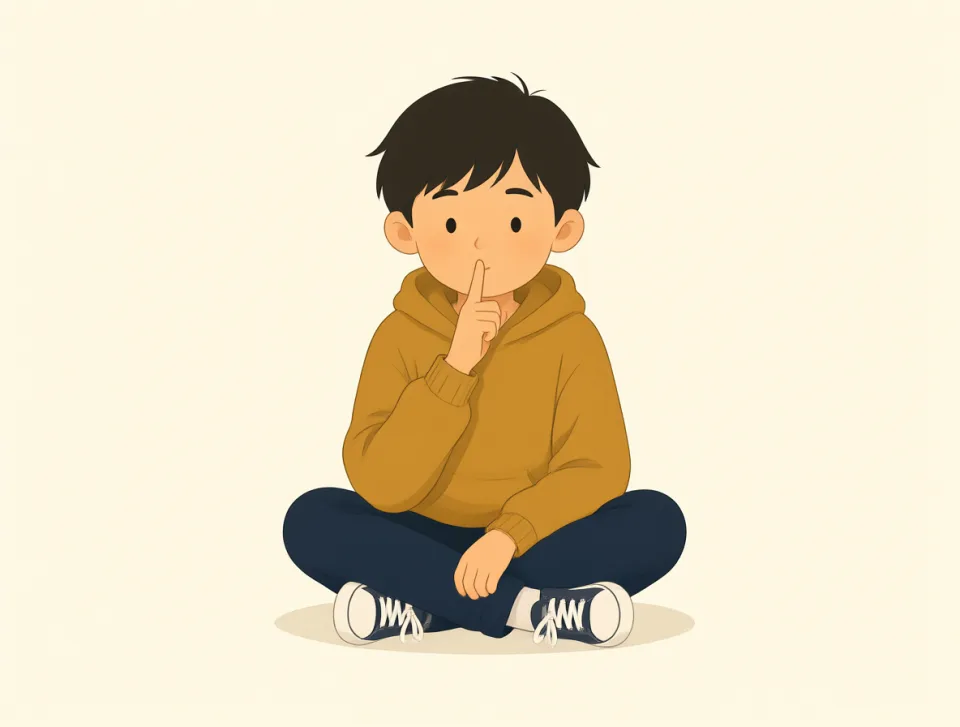
The room became silent when the teacher entered.
老師走進教室時,整個房間頓時安靜了下來。

Please stay silent while the baby is sleeping.
寶寶睡覺的時候,請保持安靜。

The audience was silent during the emotional speech.
演講感人至深,聽眾全程鴉雀無聲。
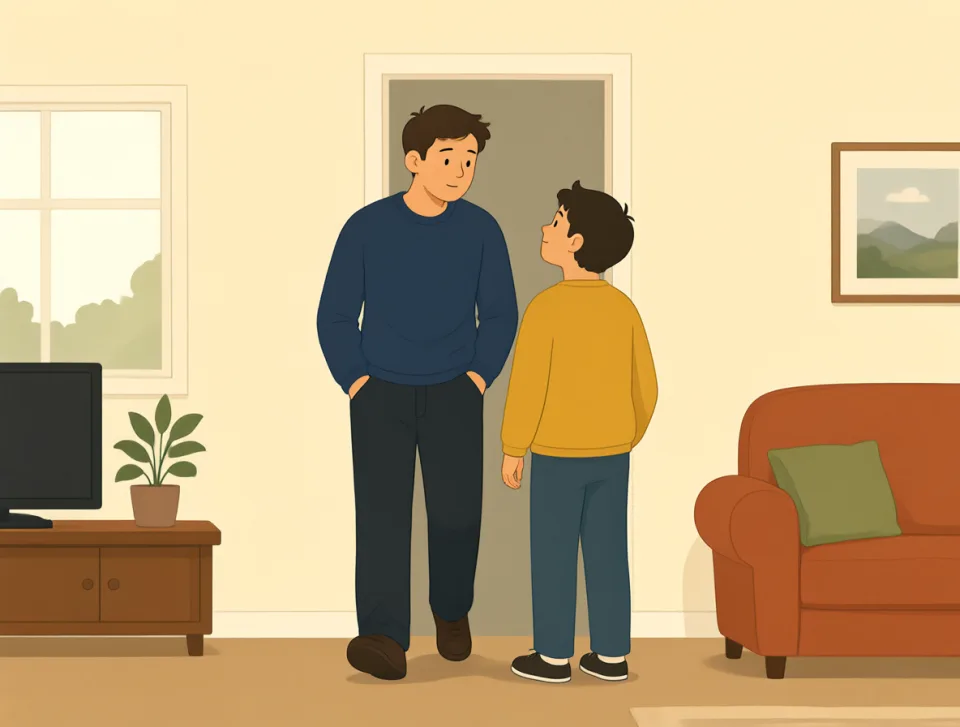
He gave me a silent nod and left the room.
他默默地朝我點了點頭,然後離開了房間。

The doctor asked her to remain silent during the examination.
醫生要求她在檢查過程中保持安靜。
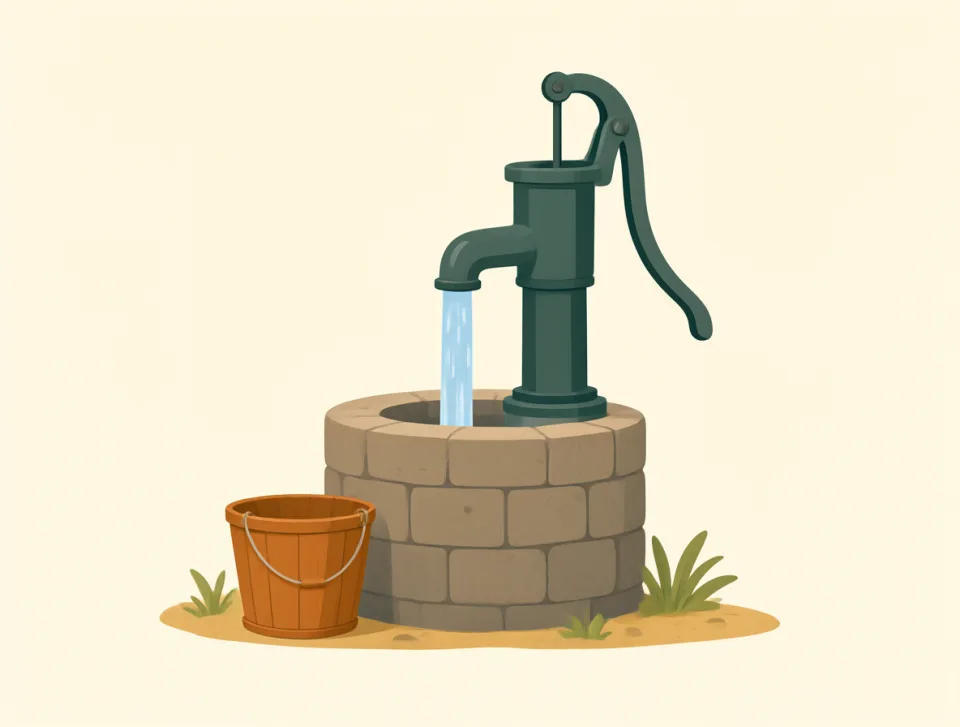
pump
#2475noun, verb
泵;打氣筒;抽水機;輸送
A device that moves liquid or air, or the action of moving it.
一種用於輸送液體或空氣的裝置,也可以指輸送液體或空氣的動作。
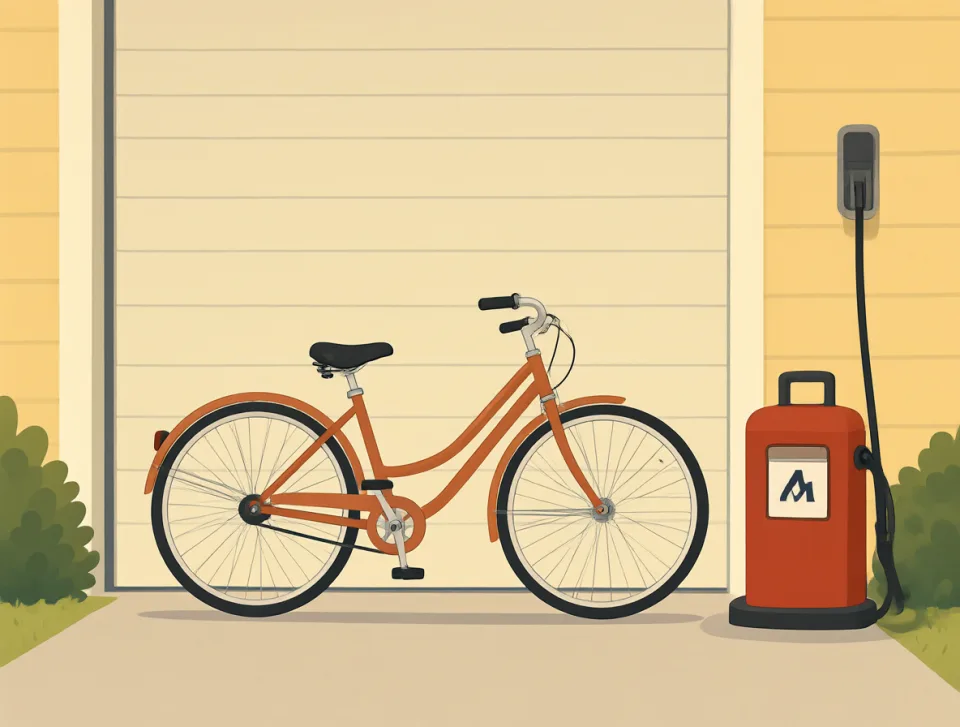
The bicycle pump is beside the garage door.
腳踏車打氣筒就在車庫門旁邊。
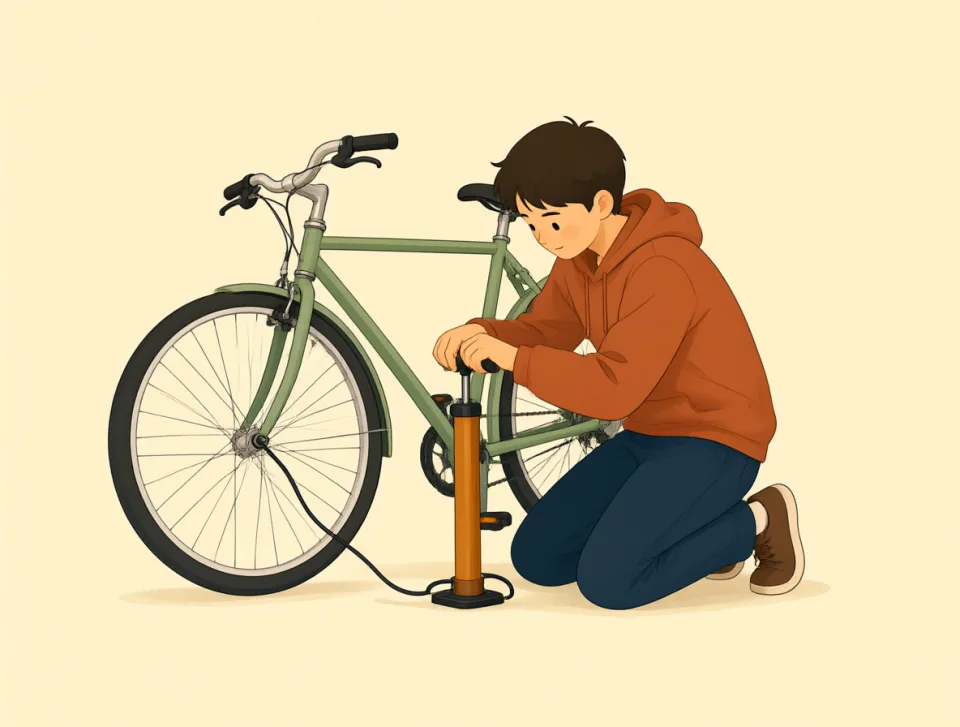
Please pump some air into the flat tire.
請給癟了的輪胎打點氣。
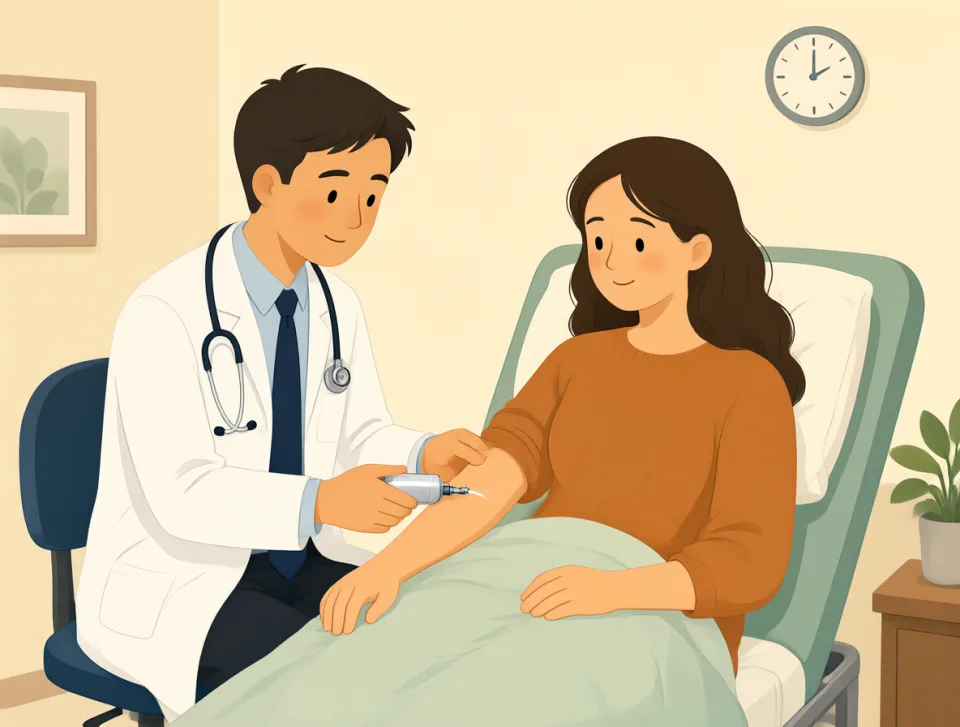
The doctor used a small pump to give him medicine.
醫生用一個小泵給他輸送藥物。
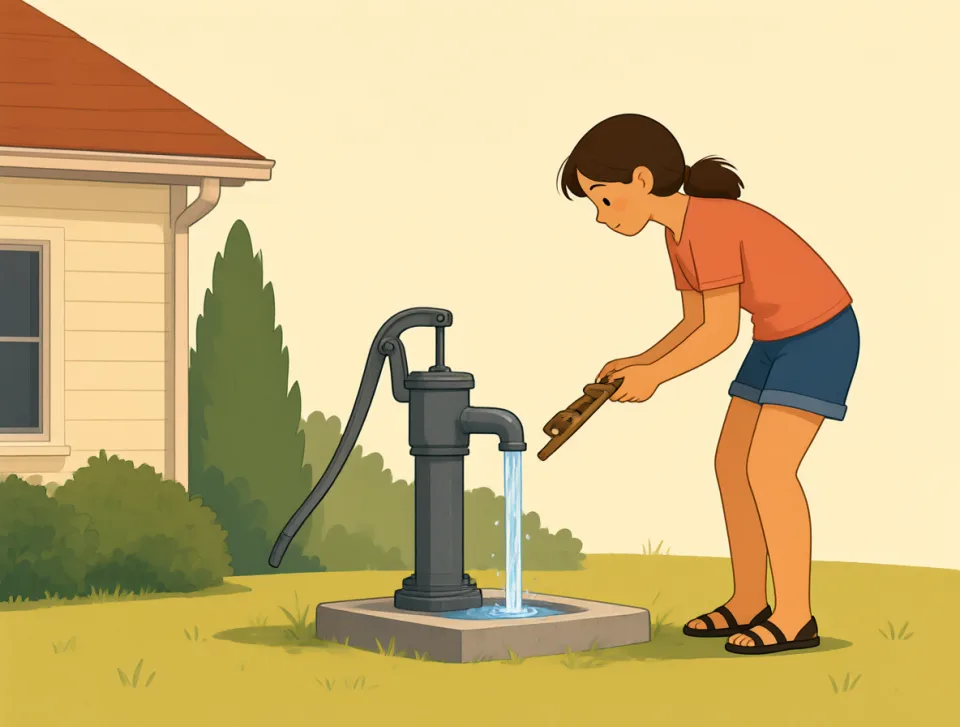
The water pump stopped working during the hot afternoon.
炎熱的下午,水泵停止了工作。

She pumped gas into the car before starting the long journey.
她在開始長途旅行前給汽車加滿了油。
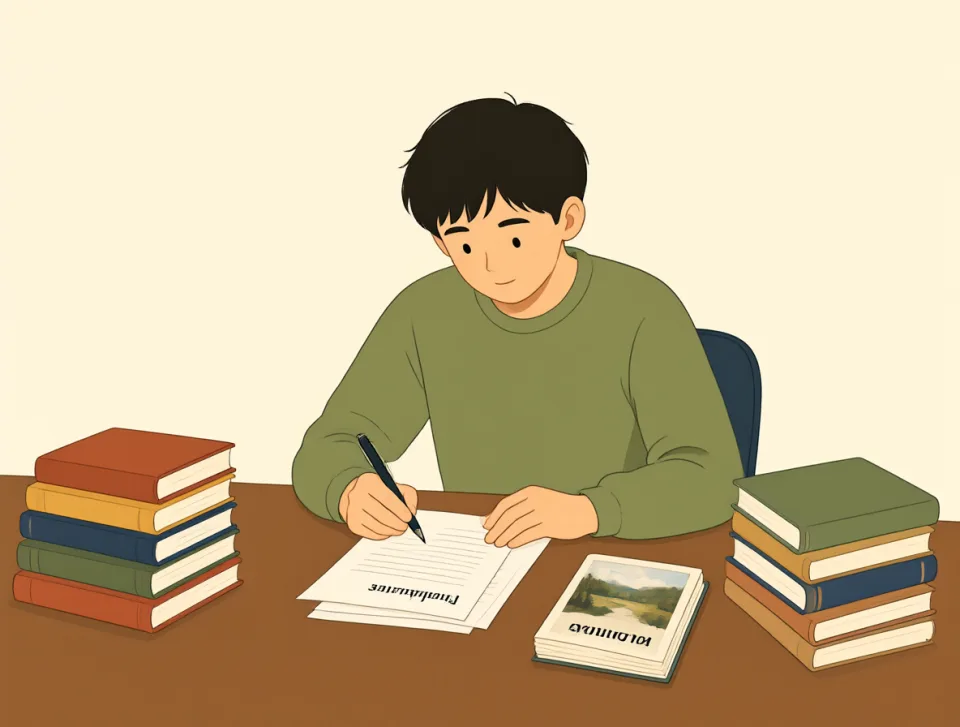
publisher
#2476noun
出版商; 出版社
A person or company that prepares and sells books, magazines, or other printed materials.
負責編輯、製作並銷售書籍、雜誌或其他印刷品的個人或公司。

The publisher accepted her first novel after reading the opening chapters.
出版商讀完她小說的開頭幾章後,決定出版她的第一部小說。

Our school uses textbooks from a well-known educational publisher.
我們學校使用一家知名教育出版社出版的教材。
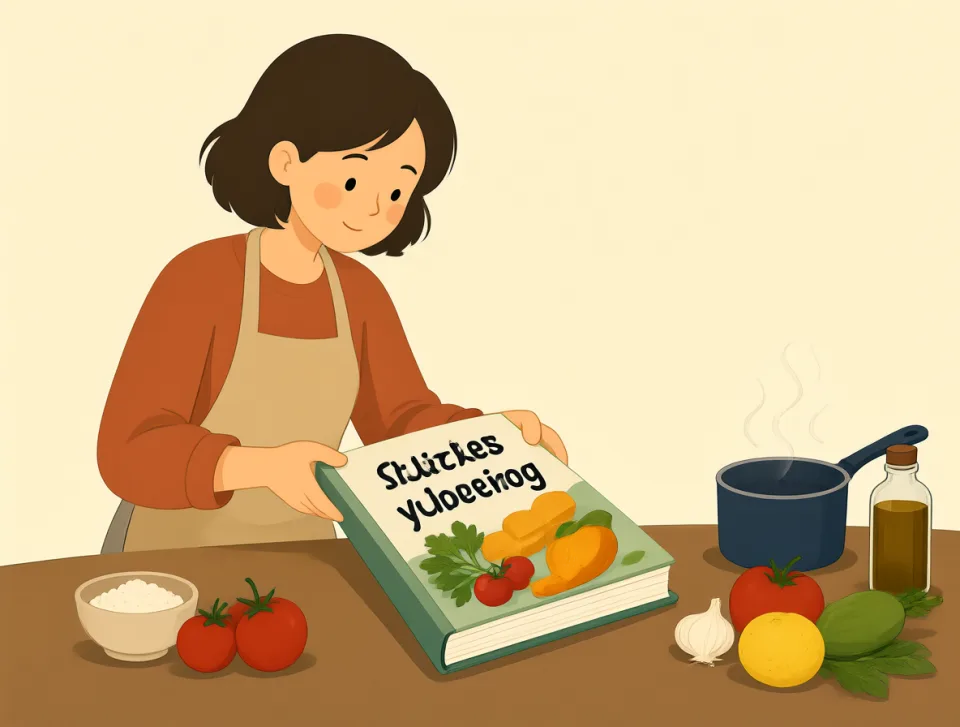
The publisher released a new cookbook featuring simple family recipes.
這家出版社推出了一本新的食譜,裡面收錄了許多簡單的家庭菜譜。

The magazine publisher asked the writer to send photographs by Friday.
這家雜誌出版社要求作者在星期五之前提交照片。
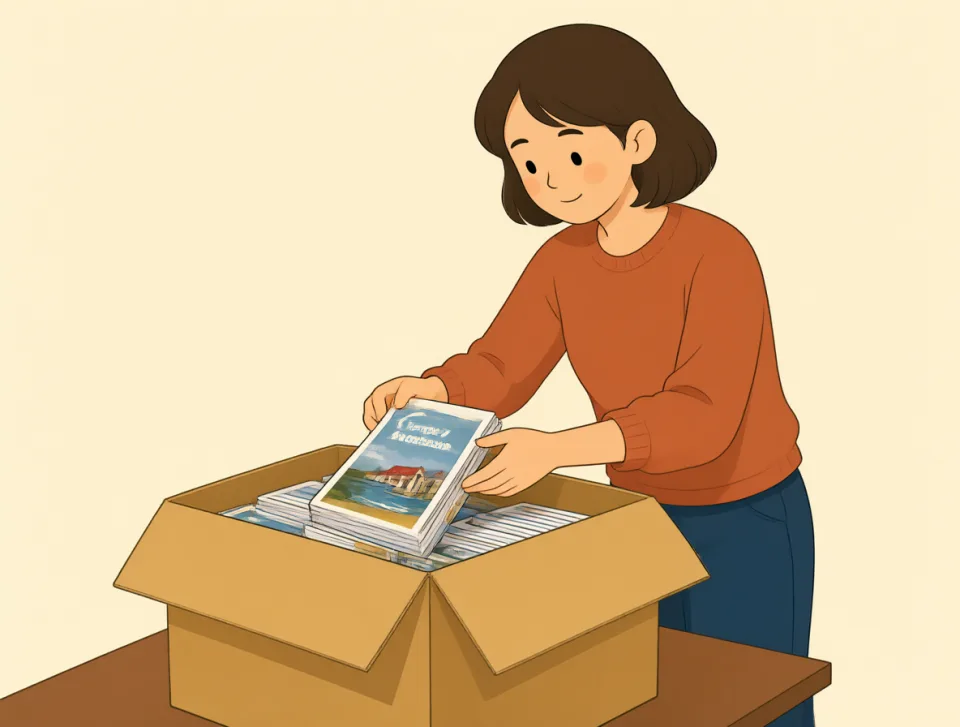
A small publisher printed my travel guide and sold it online.
一家小型出版社幫我印製了旅行指南,並在網上銷售。

celebration
#2477noun
慶祝活動;慶典;慶祝會
An event or party held to mark a special occasion or achievement.
為紀念特殊時刻或慶祝某項成就而舉辦的活動或聚會。
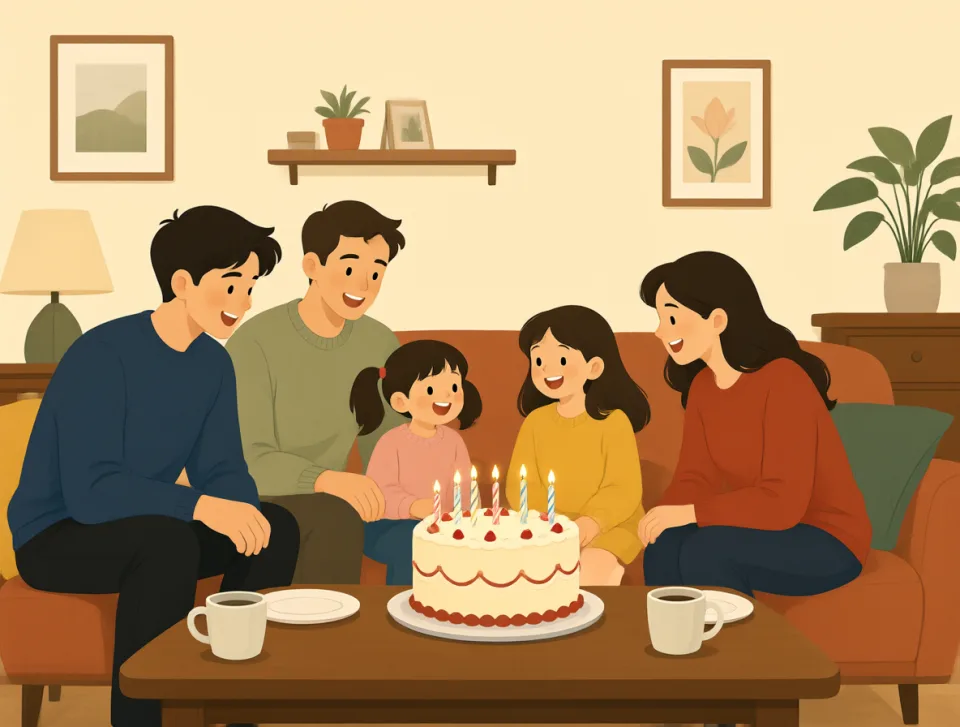
We had a small birthday celebration at home with cake and close friends.
我們在家舉辦了一個小型生日聚會,和親密的朋友一起吃蛋糕。
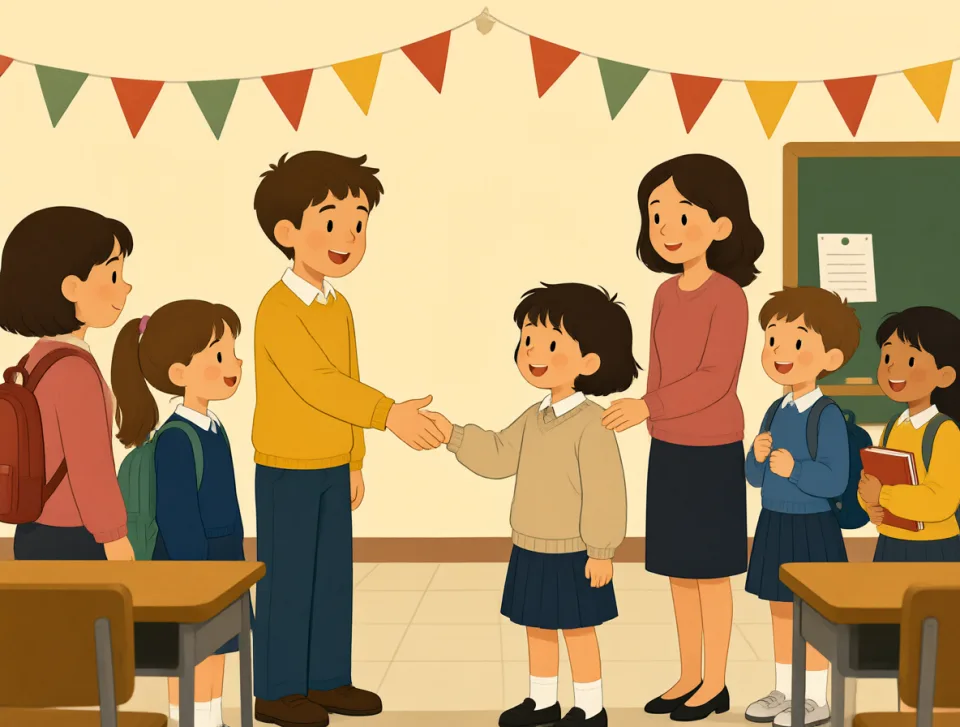
The school held a celebration to welcome new students at the start of term.
學校在新學期開學時舉辦了一場歡迎新生的慶祝活動。

Our team planned a celebration after winning the final match.
我們團隊計劃在贏得決賽後舉辦一場慶祝活動。

The restaurant offered free dessert during its anniversary celebration.
餐廳在週年慶活動期間免費贈送甜點。
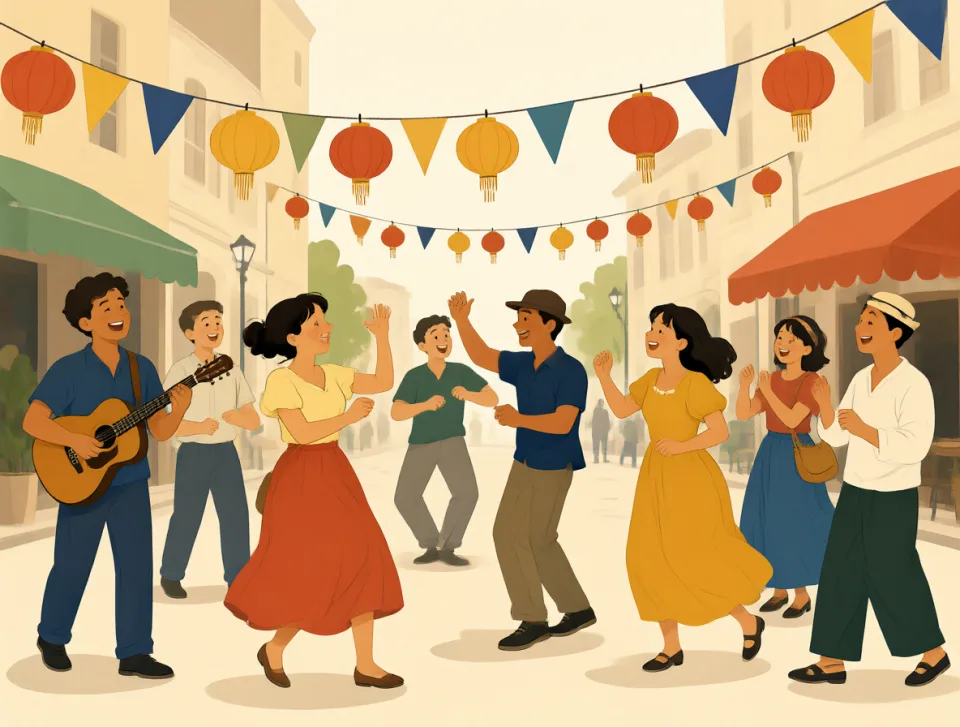
They joined a street celebration while visiting the city during the holiday.
他們在假期期間遊覽這座城市時,參加了一場街頭慶祝活動。
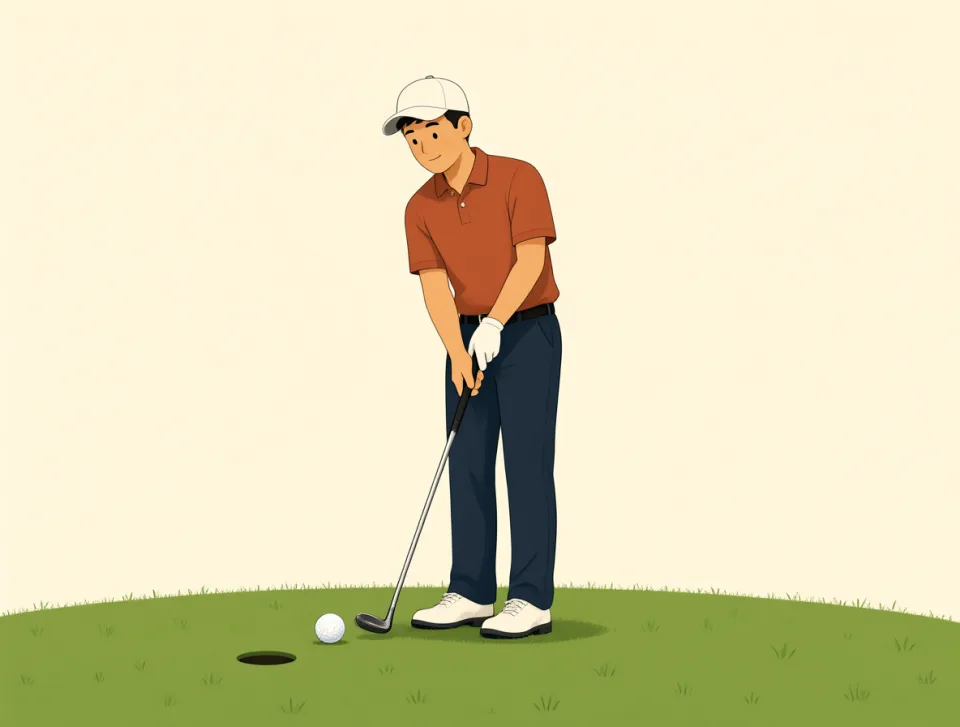
golf
#2478noun, verb
高爾夫球;打高爾夫球
A game played by hitting a small ball into holes using clubs.
一種運動,玩家使用球杆擊打一個小球,使其進入球洞。
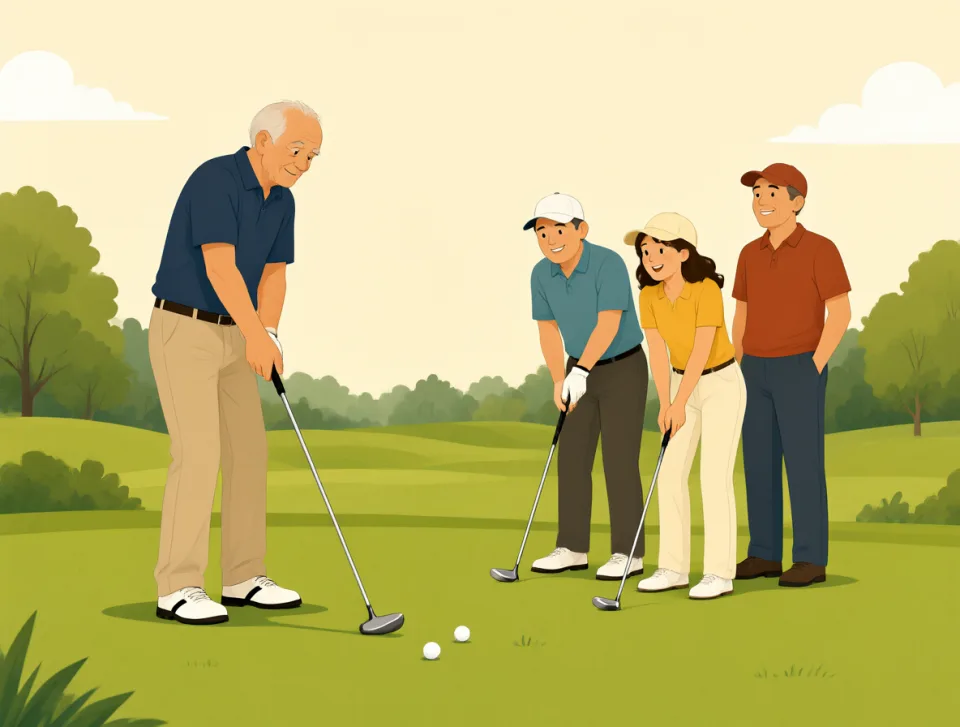
My father plays golf every Saturday with his friends.
我爸爸每週六都會和朋友一起打高爾夫球。
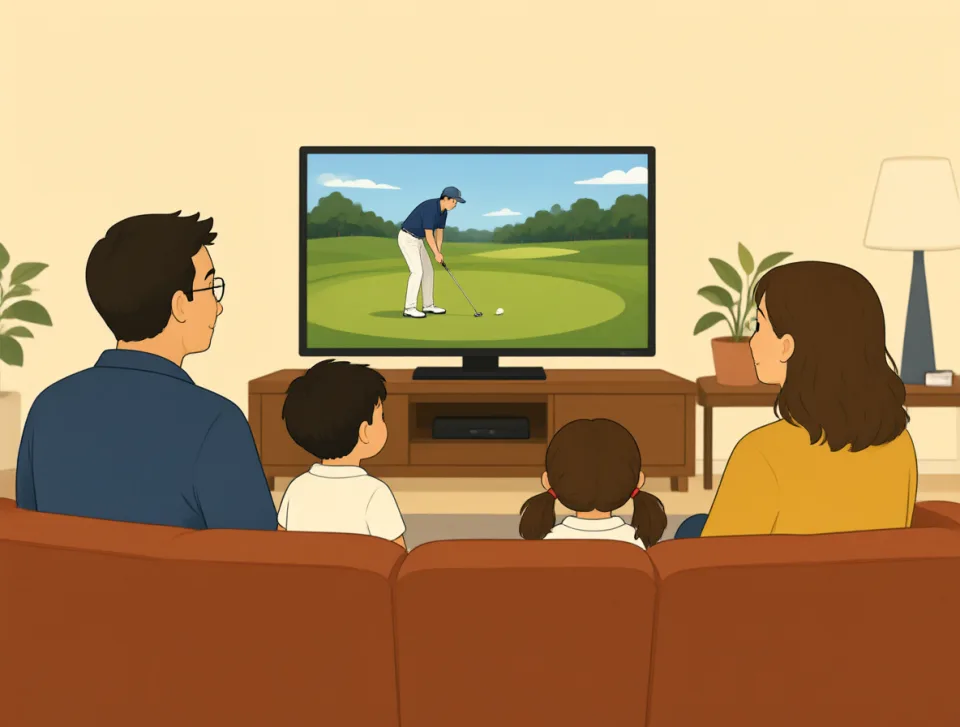
We watched a golf tournament on television after dinner.
晚飯後,我們在電視上觀看了一場高爾夫球錦標賽。
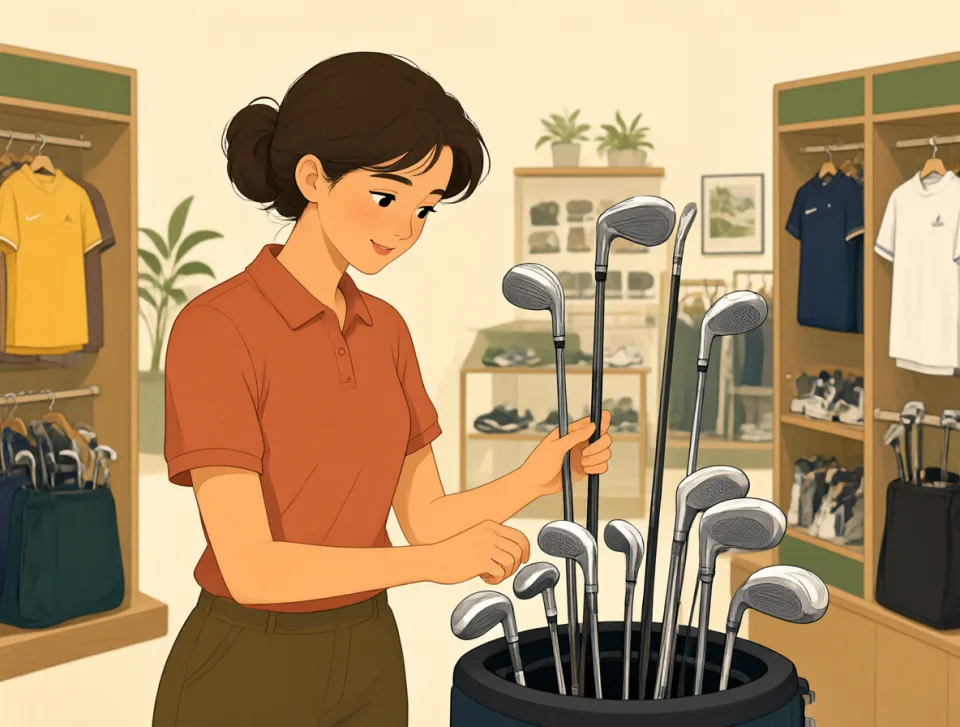
She bought new golf clubs before her holiday in Spain.
她在去西班牙度假之前買了一套新的高爾夫球杆。
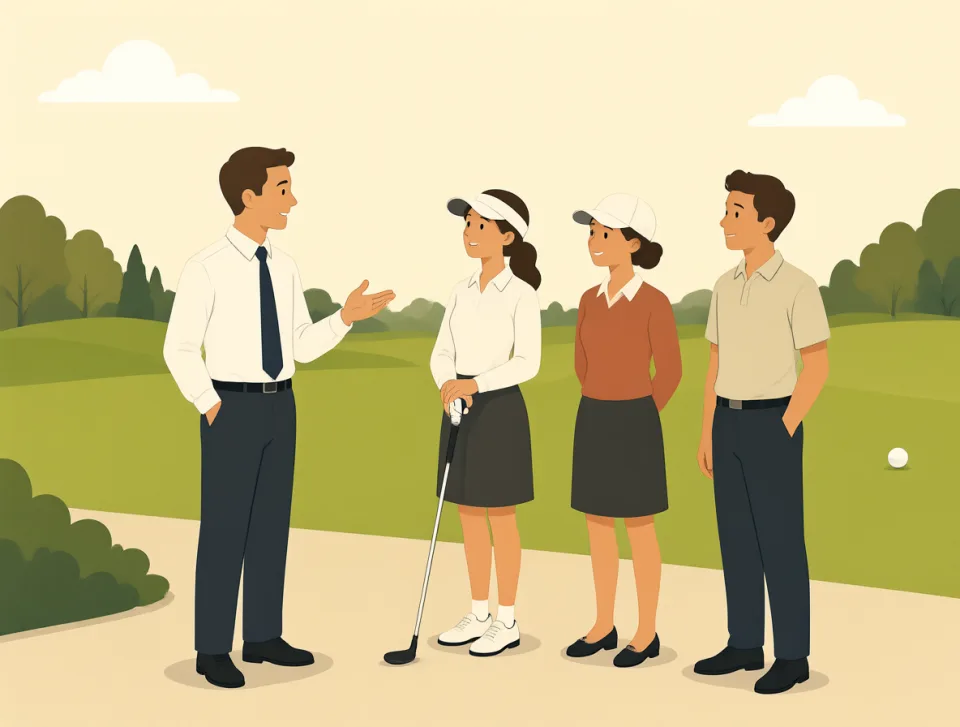
Our manager invited the team to play golf this weekend.
我們的經理邀請團隊這個週末一起去打高爾夫球。
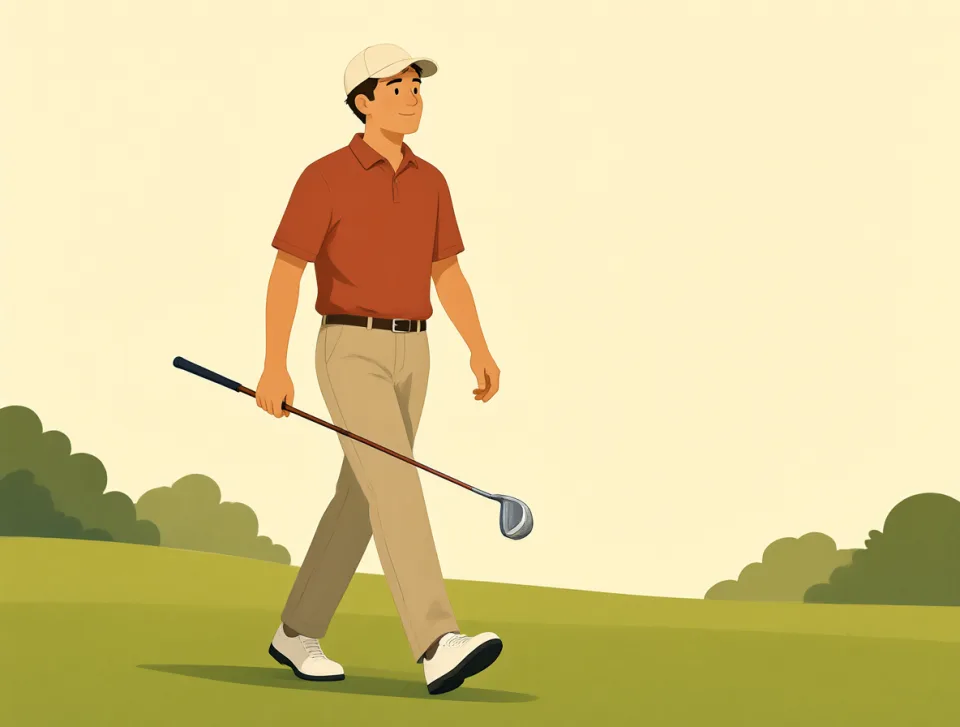
He has been golfing regularly to get more exercise.
他一直堅持定期打高爾夫球,以增加運動量。

compensation
#2479noun
賠償;補償;報酬
Money or something else given to someone because of loss, damage, or work.
因遭受損失、損害或提供勞動而獲得的錢款或其他形式的補償。

The company offered compensation after the flight was canceled.
航班取消後,公司提出給予乘客賠償。

She received compensation for the injury she suffered at work.
她因在工作中受傷而獲得了賠償。

The hotel gave us compensation for the uncomfortable room.
酒店因為房間住得不舒服而給了我們補償。

He asked for compensation after the store delivered the wrong table.
商店送錯了桌子,他因此要求賠償。

Good compensation helps attract talented workers to difficult jobs.
優厚的薪酬有助於吸引優秀人才從事艱苦的工作。
classical
#2480adjective
古典的;經典的
Related to the art, literature, music, and culture of ancient Greece and Rome.
與古希臘和古羅馬的藝術、文學、音樂及文化有關的。
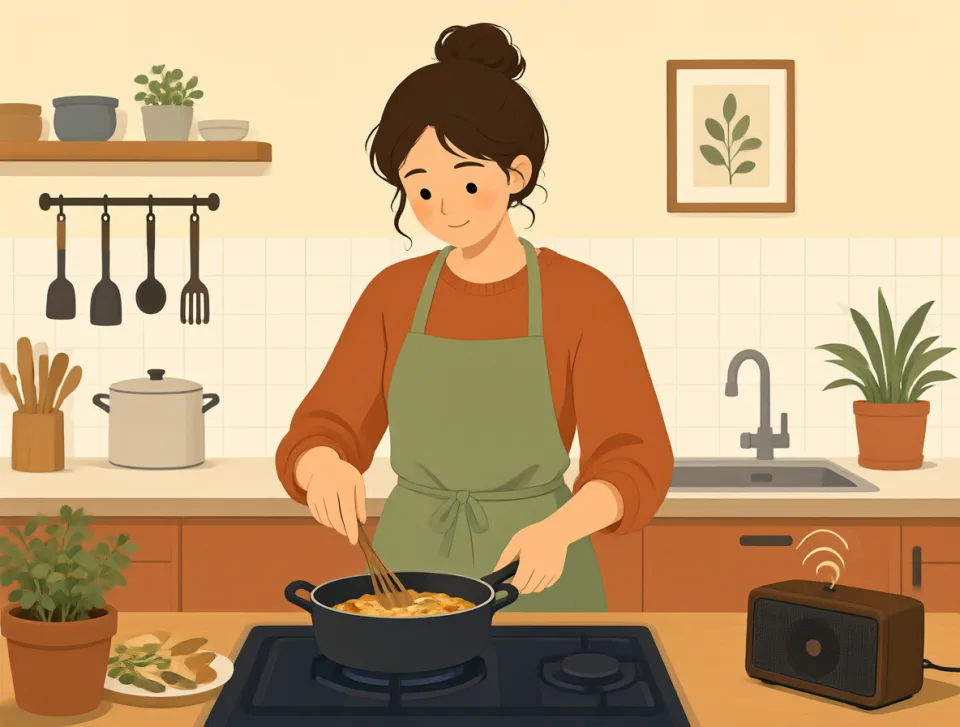
She enjoys listening to classical music while cooking dinner.
她喜歡一邊做晚飯,一邊聽古典音樂。
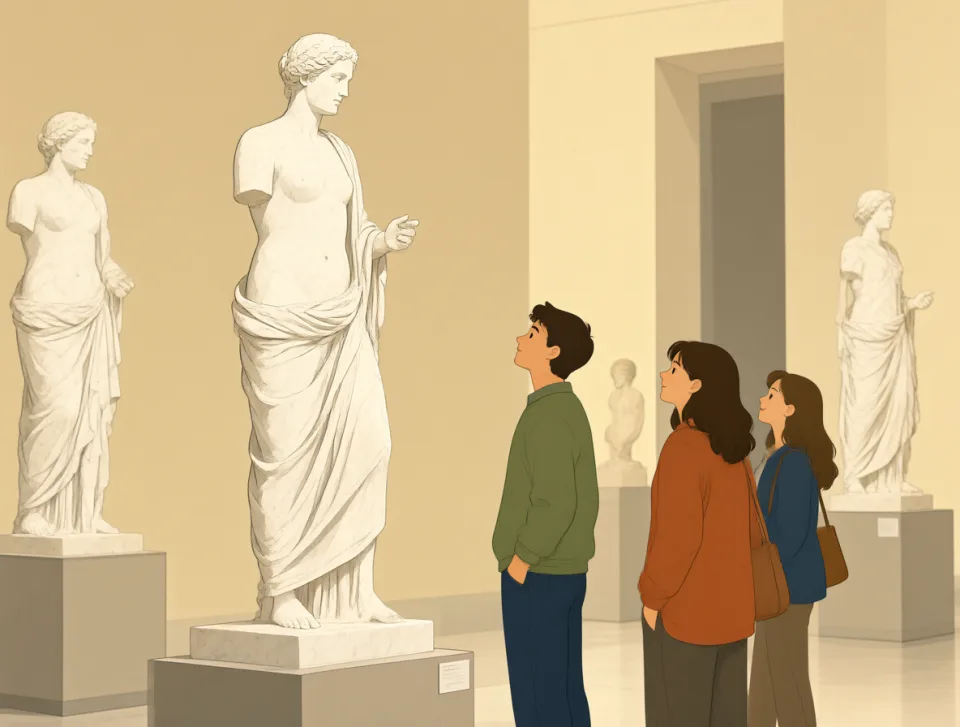
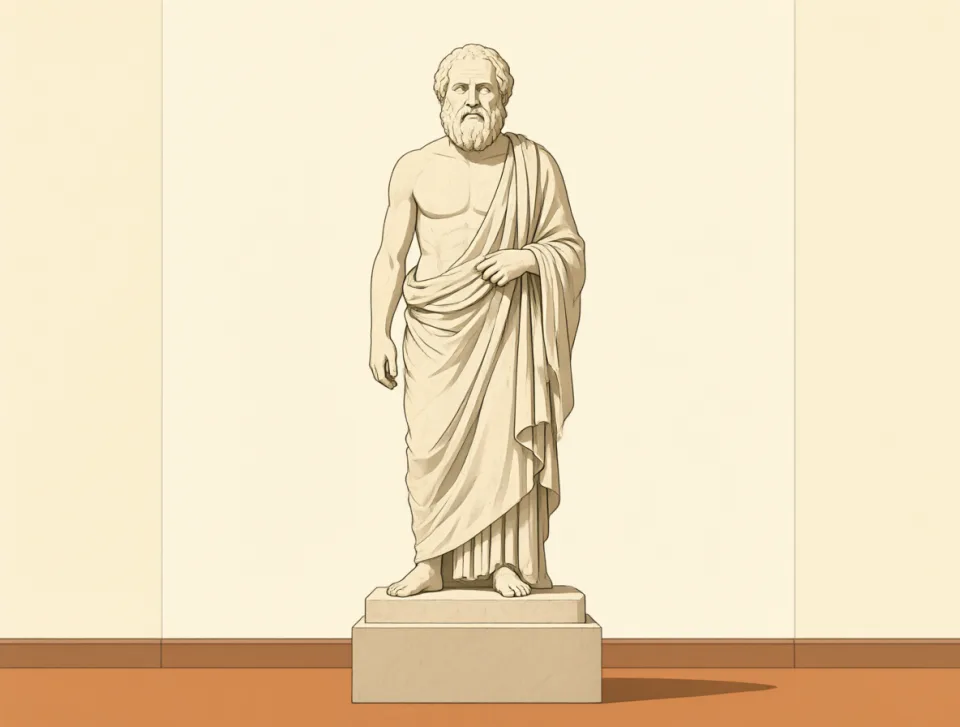
The museum has a beautiful collection of classical Greek statues.
這家博物館收藏了許多精美的古希臘雕像。
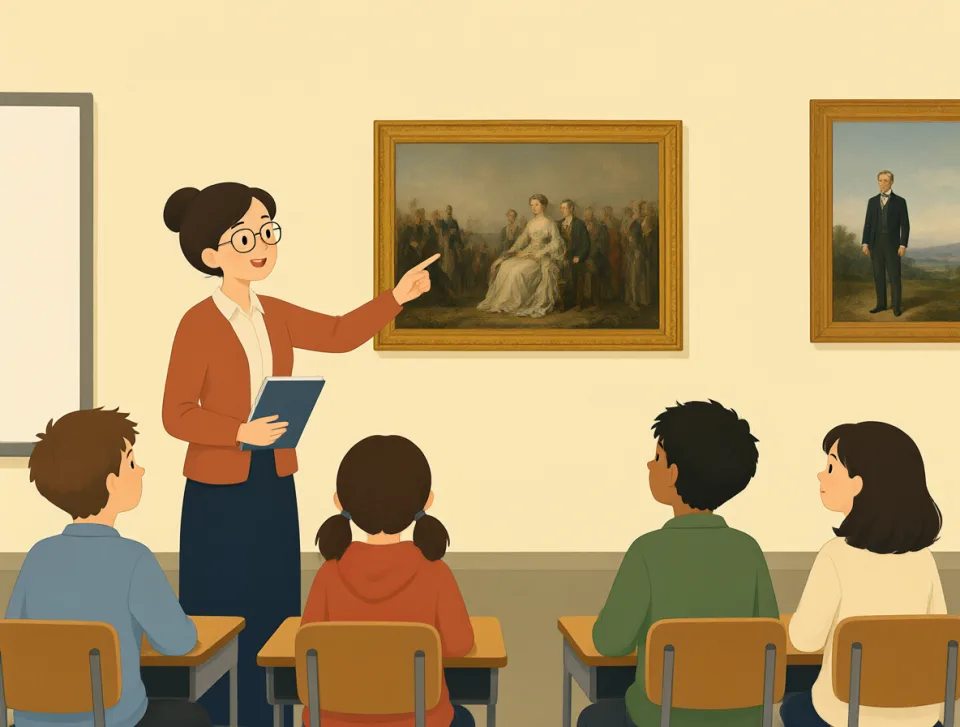
Our teacher showed us classical paintings from the eighteenth century.
老師給我們展示了十八世紀的古典繪畫作品。

He studied classical literature at university and became a writer.
他在大學學習古典文學,後來成了一名作家。

The restaurant serves classical French dishes with fresh local ingredients.
這家餐廳用新鮮的本地食材烹製經典法式菜餚。