單元 101
單字 2001–2020 · achievement, negotiate, dominate, supplier, prize, typically

achievement
#2001noun
成就;成績;功績
Something important that you succeed in doing after effort.
經過努力後成功做到的一件重要事情。
Winning the school science prize was her proudest achievement this year.
贏得學校科學獎是她今年最引以為傲的成就。
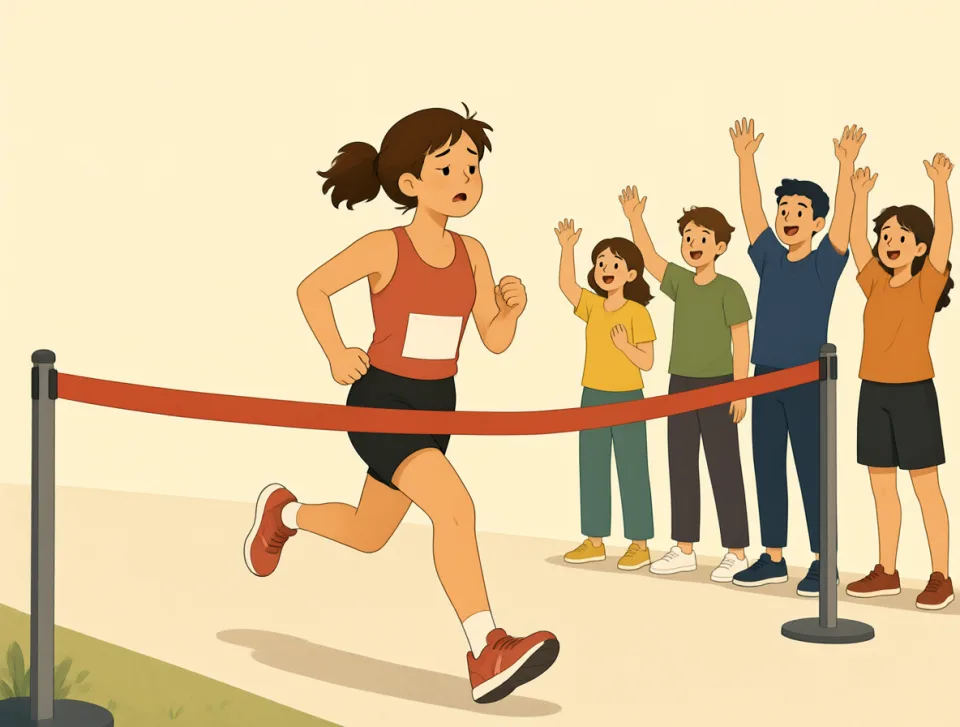
Completing the marathon was a major achievement after months of training.
經過幾個月的訓練,完成馬拉松是一項了不起的成就。

The team celebrated its latest achievement with cake at the office.
團隊在辦公室吃蛋糕,慶祝他們最近取得的成就。

Learning to cook healthy meals became an important personal achievement for him.
學會做健康的飯菜成了他個人的一項重要成就。

Her academic achievements helped her get a place at university.
她的學業成績幫助她獲得了大學的錄取名額。

negotiate
#2002verb
談判;協商;商談
to discuss something until people agree on a price, plan, or set of conditions
透過討論,直到各方就價格、計劃或一系列條件達成一致

We negotiated a better price with the seller before buying the used bicycle.
買這輛二手腳踏車之前,我們和賣家協商出了一個更優惠的價格。

The two companies are negotiating a new contract for next year's deliveries.
兩家公司正在就明年的交付事宜談判一份新合同。

After a long discussion, they negotiated an agreement about sharing the kitchen.
經過長時間的討論,他們就共用廚房一事達成了協議。

We negotiated with the hotel manager and got a later checkout time.
我們和酒店經理協商後,爭取到了延遲退房的時間。

The doctor negotiated a treatment plan that both the patient and family accepted.
醫生協商出了一套患者和家人都接受的治療方案。
dominate
#2003verb
主導;支配;控制
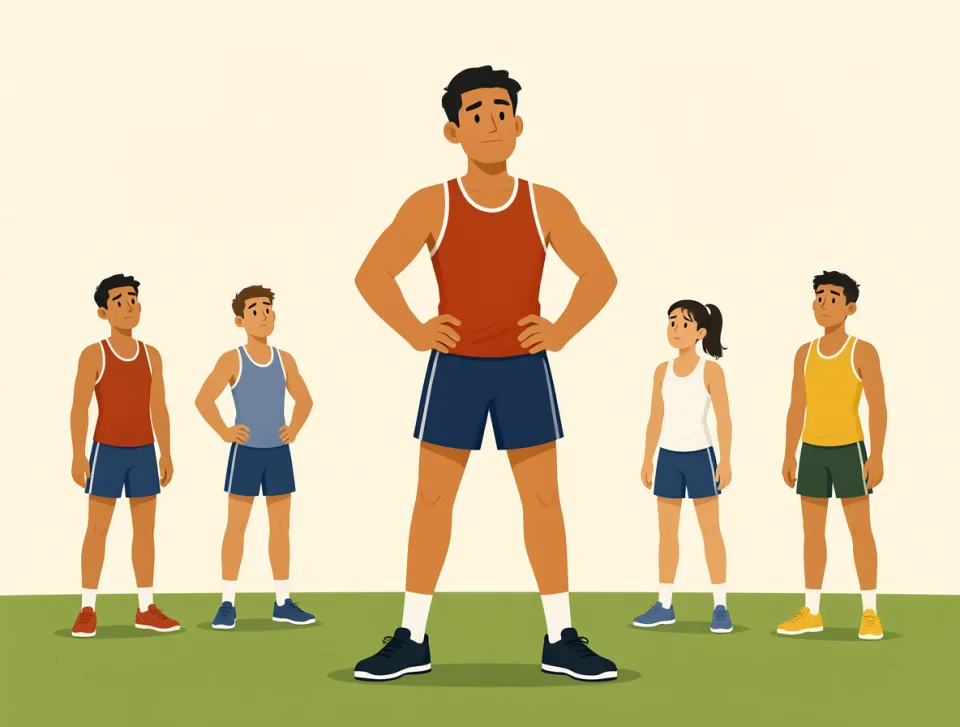
to control or strongly influence a person, place, or situation
控制或強烈影響某個人、某個地方或某種情況
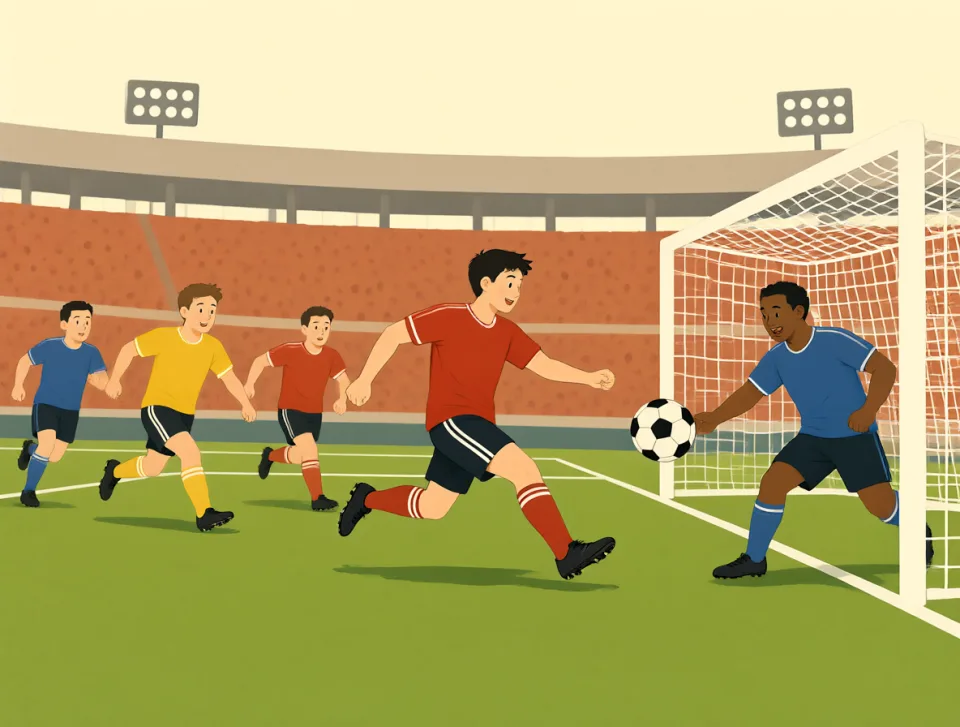
One player dominated the game and scored three goals before halftime.
一名球員主宰了整場比賽,在中場休息前就進了三個球。

A few large companies dominate the market for online shopping.
幾家大公司主導著網上購物市場。
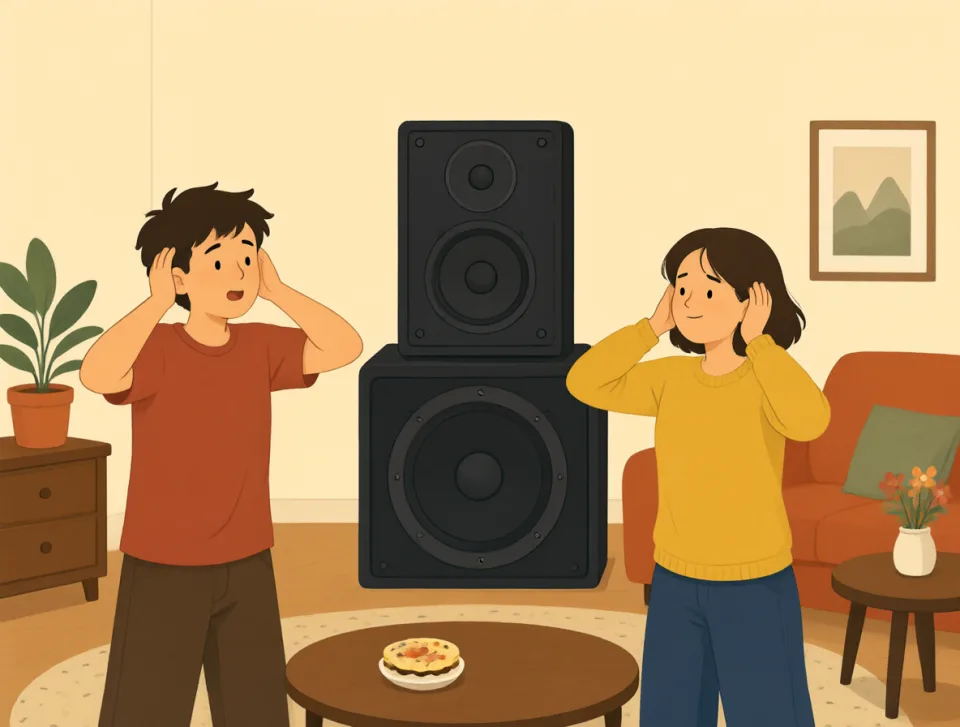
Loud music dominated the party, making conversation almost impossible.
震耳欲聾的音樂佔據了整個聚會的氛圍,讓人幾乎無法交談。

The dark sofa dominated the small living room and made it feel crowded.
那張深色沙發佔據了小客廳的大部分空間,讓房間顯得很擁擠。

Fear dominated her thoughts before the long flight overseas.
在乘坐長途國際航班前,恐懼佔據了她的思緒。

supplier
#2004noun
供應商; 供貨商
A person or company that provides goods or services to another person or business.
為個人或企業提供商品或服務的人或公司。
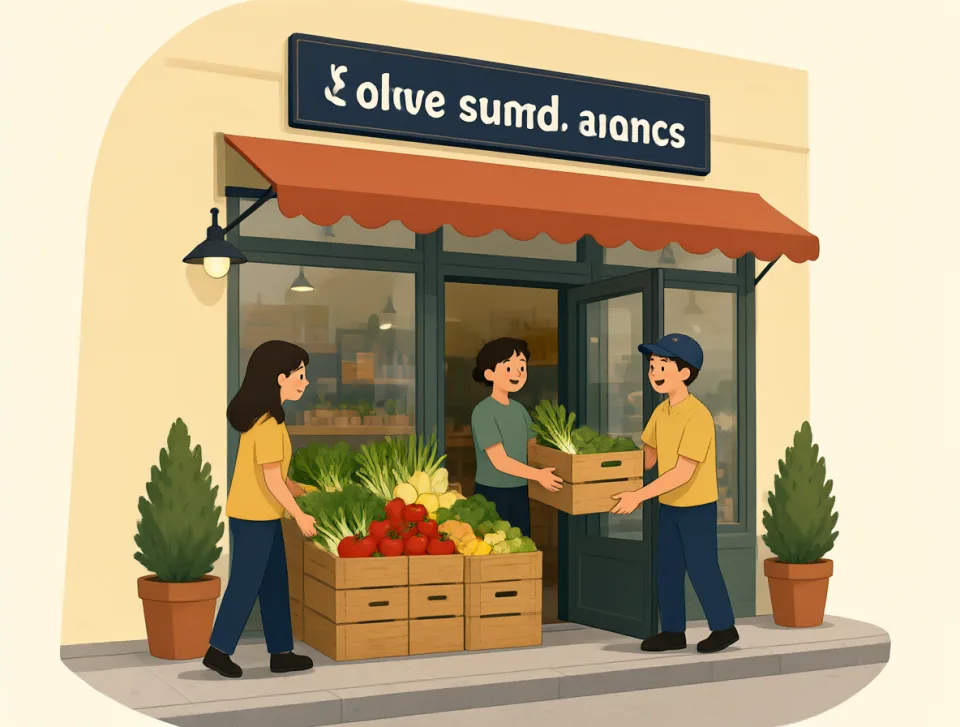
The supplier delivers fresh vegetables to our restaurant every morning.
供應商每天早上都給我們的餐廳送來新鮮蔬菜。

We changed suppliers because the old company often delivered late.
我們更換了供應商,因為原來的公司經常遲交貨。

Our office supplier provides paper, pens, and printer ink each month.
我們的辦公用品供應商每個月都會提供紙張、鋼筆和印表機墨水。
The school contacted a local supplier for new computers.
學校聯絡了一家本地供應商購買新電腦。
The hotel found a cheaper supplier for towels and soap.
這家酒店找到了一家價格更低的毛巾和肥皂供應商。

prize
#2005noun, verb
獎品;獎勵;珍視
A prize is something given to the winner of a competition or contest.
獎品是頒發給比賽或競賽獲勝者的東西。

She won first prize in the school art competition.
她在學校的藝術比賽中贏得了一等獎。

The winner received a cash prize and a gold medal.
獲勝者獲得了現金獎勵和一枚金牌。

They offered a prize for finding the lost dog.
他們懸賞尋找那隻走失的狗。

Our team is competing for the top prize this weekend.
本週末,我們的團隊正在爭奪最高獎項。

He prized the old watch because it belonged to his grandfather.
他很珍視那塊舊手錶,因為那是他祖父留下的。

typically
#2006adverb
通常;一般來說
in the usual or most common way
以通常或最常見的方式
She typically drinks coffee before leaving for work each morning.
她通常每天早上上班前喝咖啡。

The train typically arrives ten minutes before the busy morning rush.
這趟火車通常會在早高峰前十分鐘到達。
Children typically learn new languages faster when they practice every day.
孩子們通常每天練習時,學新語言會更快。

This restaurant typically serves large portions of fresh pasta and salad.
這家餐廳通常供應分量很大的新鮮義大利麵和沙拉。

He typically feels tired after exercising, but today he feels energetic.
他運動後通常會感到疲倦,但今天卻精力充沛。
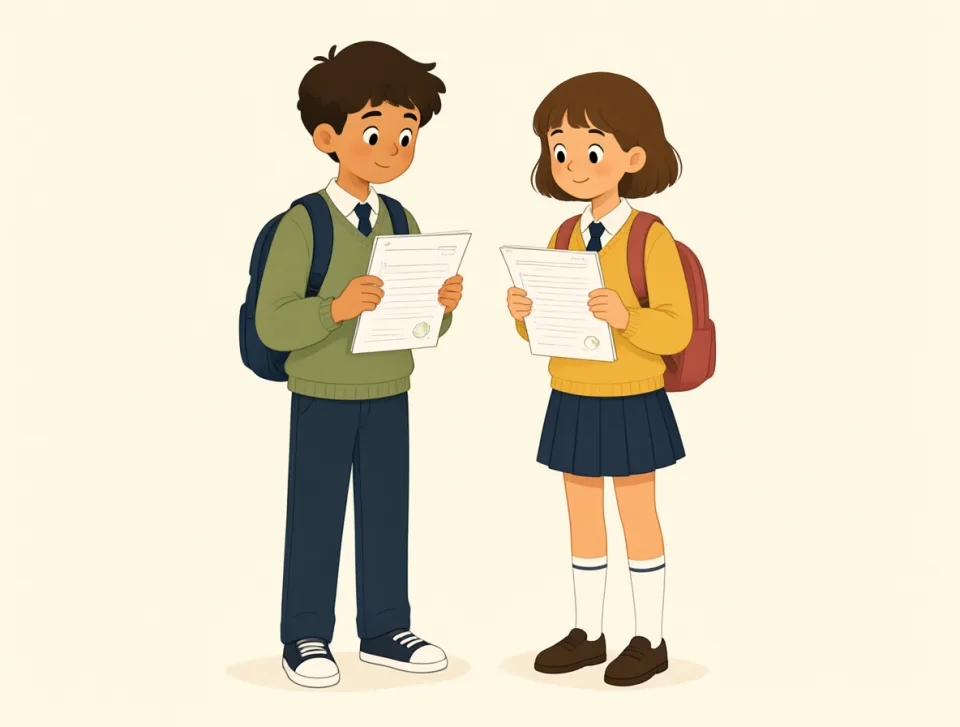
peer
#2007noun, verb
同齡人;同輩;同行
A person your age or with a similar job, experience, or social position.
與你年齡相仿,或工作、經歷、社會地位相近的人。

She asked her peers for advice before choosing a new university course.
她在選擇新的大學課程之前,向同齡人徵求了意見。
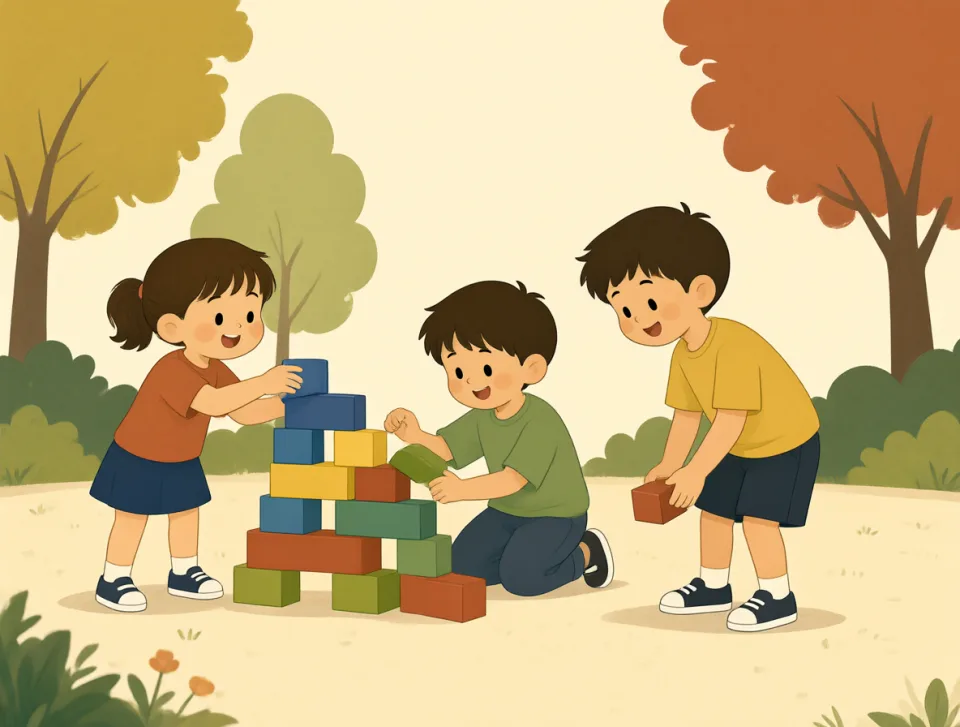
Children often learn new skills by watching and copying their peers.
孩子們常常透過觀察和模仿同伴來學習新技能。

The manager praised him for supporting his peers during the busy week.
經理稱讚他在忙碌的一週裡支援同事。

He peers through the window to see whether the bus has arrived.
他透過窗戶往外看,想知道公交車到了沒有。

The doctor asked how her pain compared with that of her peers.
醫生問她的疼痛程度與同齡人相比如何。

pension
#2008noun
養老金;退休金
Money paid regularly to someone who has stopped working, often after reaching a certain age.
定期支付給已停止工作的人,通常是在達到一定年齡後領取的錢。
My grandfather receives a small pension every month.
我爺爺每個月領取一小筆養老金。

She plans to live on her pension after retiring next year.
她計劃明年退休後靠養老金生活。

The company offers a good pension to all full-time employees.
公司為所有全職員工提供優厚的養老金待遇。

He paid into a private pension for twenty years.
他連續二十年繳納私人養老金。
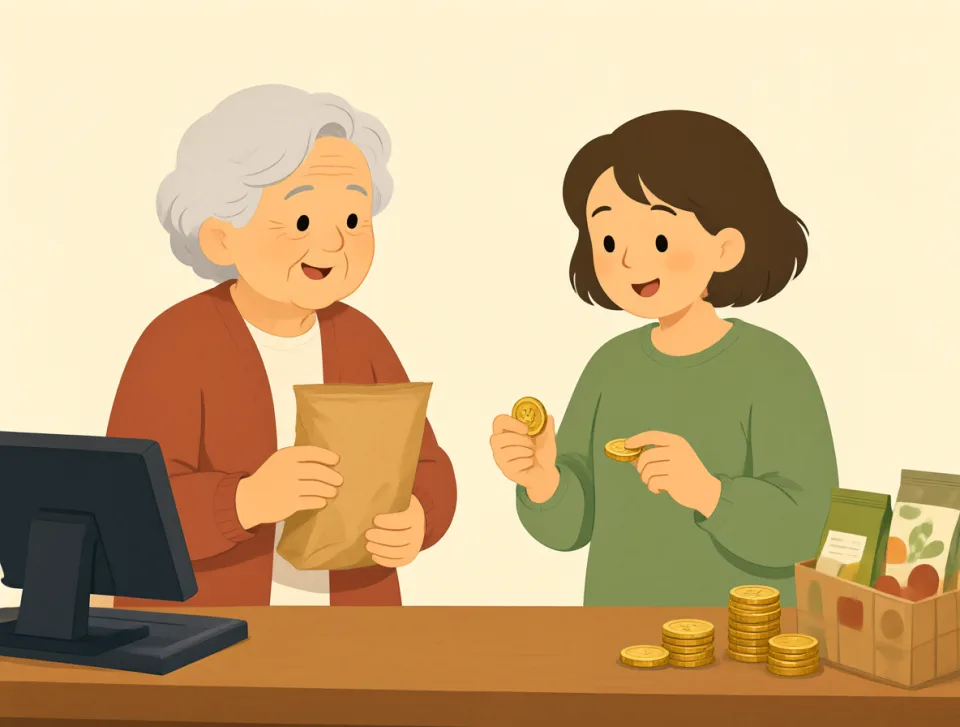
Rising prices have made it harder to live on a pension.
物價上漲讓靠養老金生活變得更加困難。

wing
#2009noun, verb
翅膀;翼;側翼;臨時準備
A part of a bird or aircraft used for flying; to move or extend sideways.
鳥或飛機上用於飛行的部分;向側面移動或延伸

The bird hurt its wing and could not fly home.
那隻鳥的翅膀受了傷,沒法飛回家。

We sat on the airplane's left wing during the emergency landing.
緊急迫降時,我們坐在飛機的左翼上。

The hotel has a new wing with several quiet rooms.
這家酒店有一棟新樓,裡面有幾間安靜的客房。

The young bird spread its wings and flew across the garden.
小鳥展開翅膀,飛過了花園。

She winged the presentation because her notes disappeared.
她的筆記不見了,只好即興做演示。

acquisition
#2010noun
獲得;習得;收購;收藏品
The process of getting something, especially a skill, object, or company.
獲得某種東西的過程,尤其是技能、物品或公司。
The acquisition of new skills helped Maria find a better job.
掌握新技能幫助 Maria 找到了一份更好的工作。

The company announced the acquisition of a small software business.
這家公司宣佈收購一家小型軟體企業。
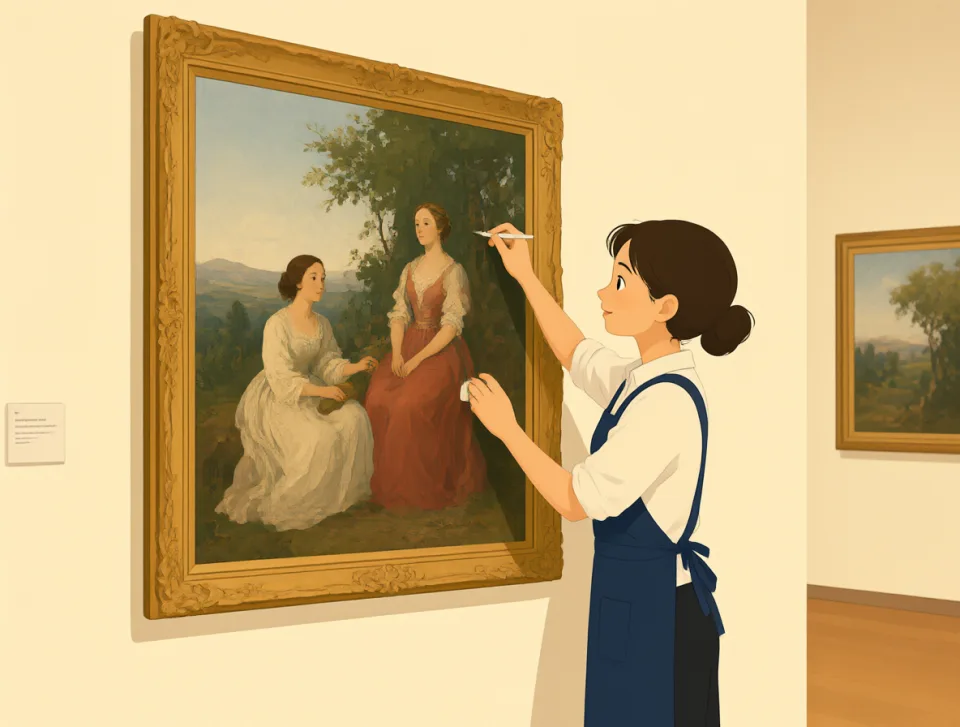
The museum's latest acquisition is a painting from the nineteenth century.
博物館最近收藏了一幅十九世紀的畫作。
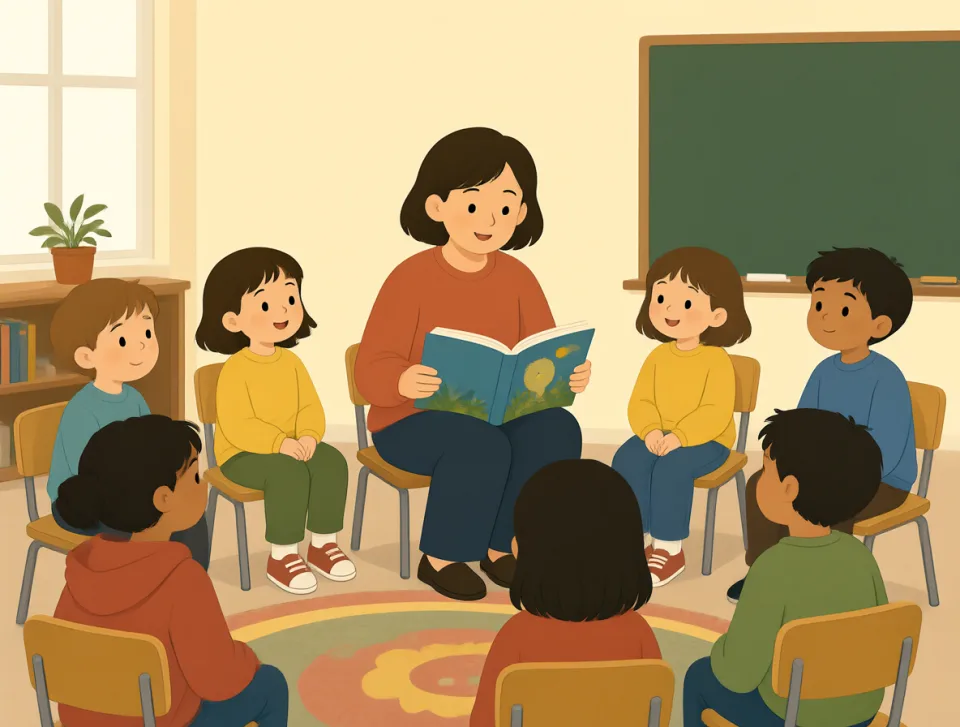
Language acquisition becomes easier when children hear English every day.
孩子們每天都能聽到英語,語言習得就會變得更容易。

The acquisition of fresh vegetables made dinner healthier and more colorful.
買了新鮮蔬菜後,這頓晚餐變得更健康,顏色也更豐富。

laughter
#2011noun
笑聲;笑
The sound or expression people make when they find something funny.
人們覺得某件事有趣時發出的聲音或表現出的笑意。

Her joke made everyone burst into laughter during dinner.
晚餐時,她的笑話讓大家都突然笑了起來。

We could hear laughter coming from the children’s bedroom.
我們能聽到孩子們臥室裡傳來的笑聲。

The teacher smiled when laughter filled the classroom after his funny story.
老師講完有趣的故事後,笑聲充滿了教室,他也笑了。

Their laughter made the long train journey feel much shorter.
他們的笑聲讓漫長的火車旅程感覺短了許多。

The baby’s laughter brought joy to everyone in the doctor’s waiting room.
寶寶的笑聲給醫生候診室裡的每個人都帶來了歡樂。

deeply
#2012adverb
深深地;非常;深度地
Very strongly or completely, especially when feeling or thinking something.
非常強烈地或完全地,尤其是在感受或思考某件事時。
She was deeply worried about her son during the storm.
暴風雨期間,她非常擔心自己的兒子。

I was deeply touched by my friends’ kind birthday surprise.
朋友們精心準備的生日驚喜讓我深受感動。

The doctor was deeply concerned about his patient’s sudden fever.
醫生非常擔心病人突然發燒。

We are deeply sorry for the delay at the airport.
對於機場的延誤,我們深表歉意。

He breathed deeply before jumping into the cold swimming pool.
跳進冰冷的游泳池之前,他深深地吸了一口氣。
recognition
#2013noun
認可;識別;辨認;表彰
Appreciation or approval for someone’s achievements, or the act of identifying someone or something.
對某人的成就表示讚賞或認可,或辨認出某人或某物的行為。
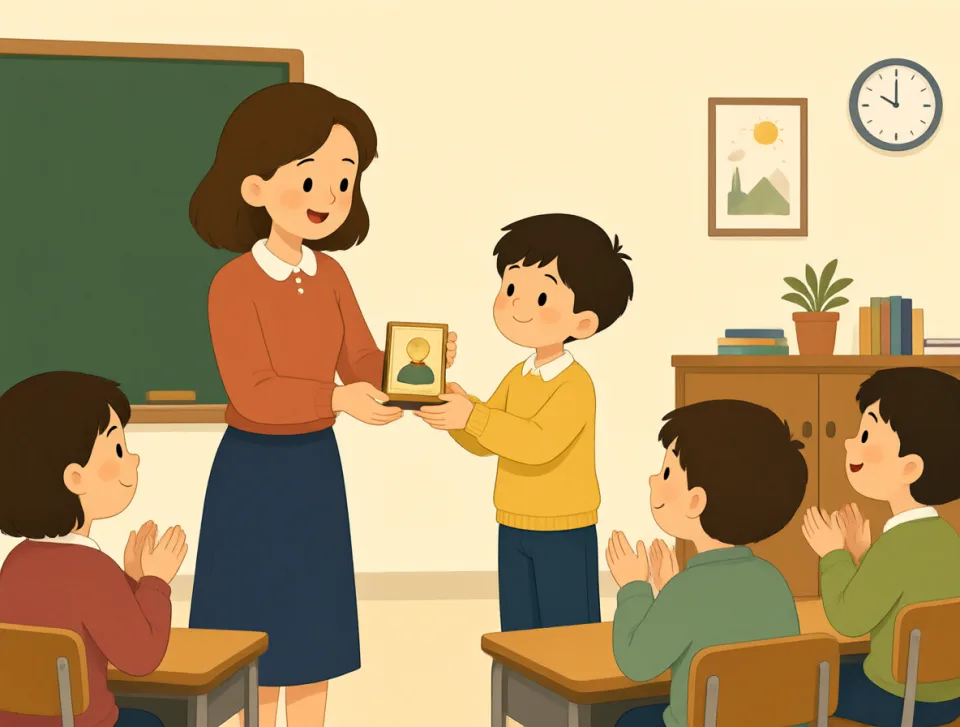
She received recognition for helping the new students settle into school.
她因幫助新生適應學校生活而獲得了認可。

The restaurant gained recognition after a famous chef praised its fresh pasta.
一位名廚稱讚了這家餐廳的新鮮意麵後,餐廳贏得了認可。

The doctor’s quick recognition of the symptoms helped the patient get treatment early.
醫生迅速識別出症狀,幫助患者儘早接受了治療。

He finally earned recognition from his manager after months of hard work.
經過數月的努力,他終於得到了經理的認可。

The police asked for help with the recognition of a person in the photograph.
警方請求大家幫忙辨認照片中的人。

electricity
#2014noun
電;電力
a form of energy that provides power for lights, machines, and devices
一種為燈具、機器和裝置提供動力的能源

The electricity went off during the storm, so we used candles.
暴風雨期間停電了,所以我們點蠟燭照明。
Please turn off the lights to save electricity before you leave.
離開前請關燈,節約用電。

The hotel charges extra for electricity during the winter months.
酒店在冬季會額外收取電費。

Electricity helps hospitals keep important medical equipment working.
電力幫助醫院維持重要醫療裝置的運轉。
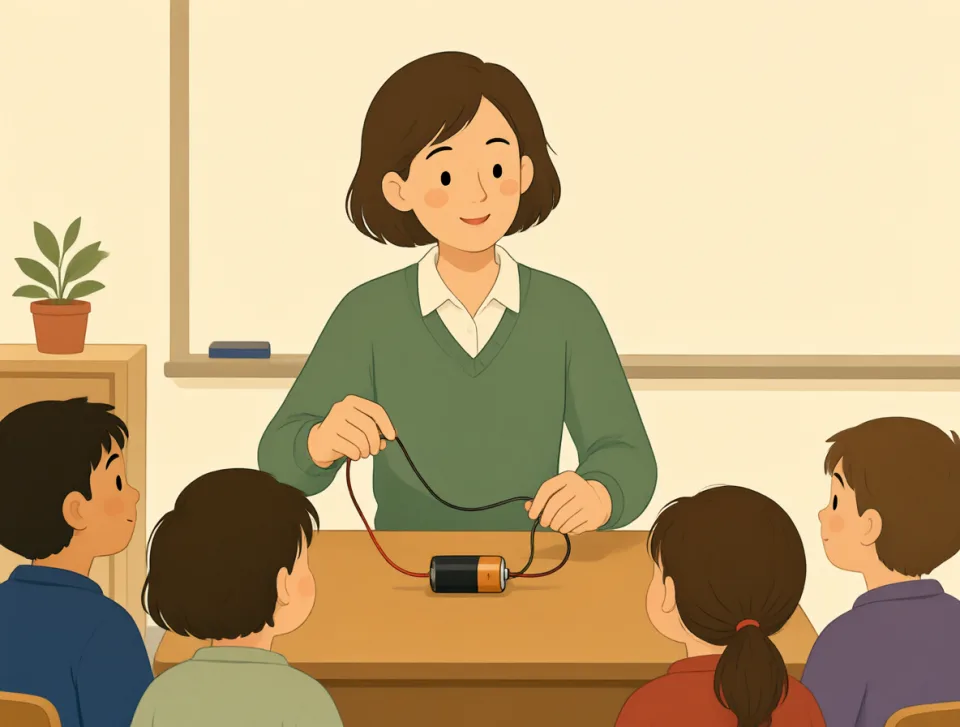
The science teacher showed us how electricity moves through a simple circuit.
科學老師向我們演示了電流如何透過簡單的電路。

assistance
#2015noun
幫助;援助;支援
Help or support given to someone who needs it
為有需要的人提供的幫助或支援

Please ask for assistance if you cannot find the right product.
如果找不到合適的商品,請尋求幫助。
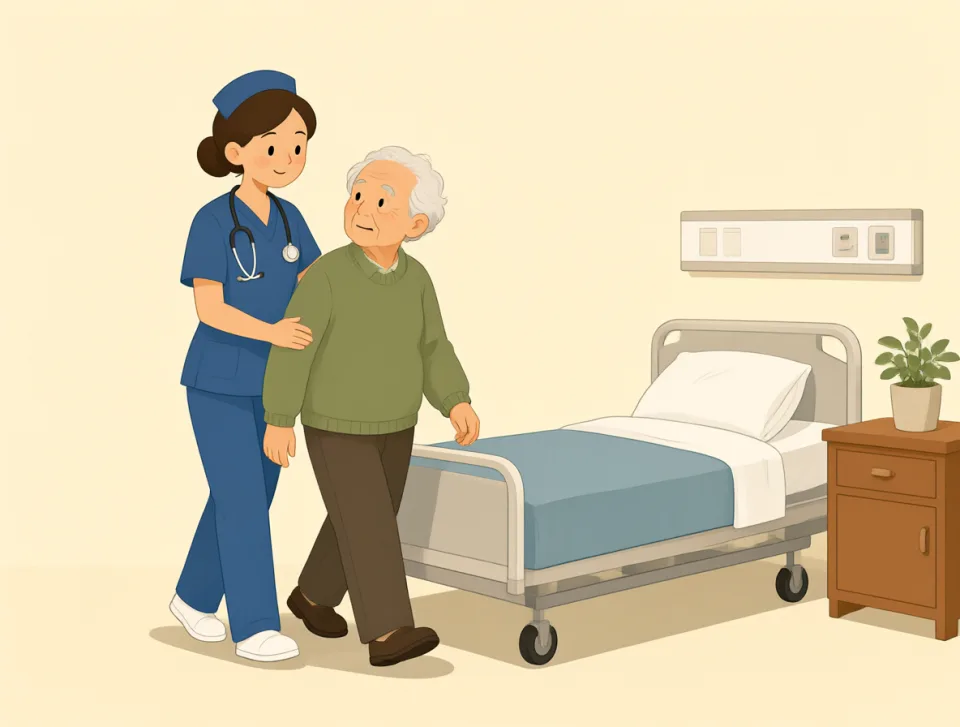
The nurse provided assistance while the patient walked to bed.
病人走向病床時,護士在一旁攙扶。
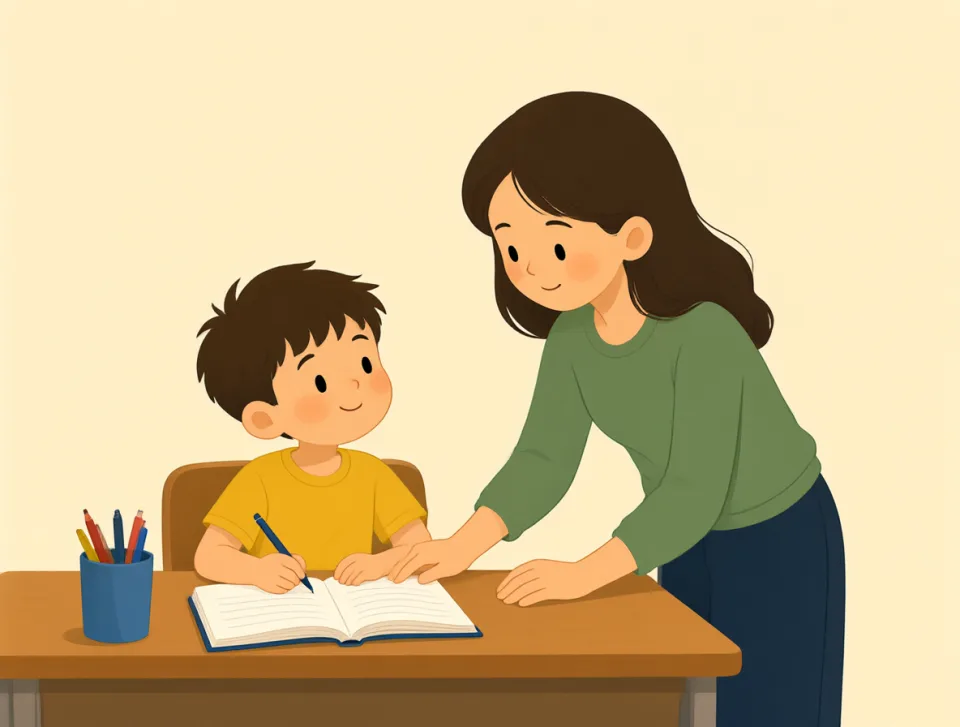
Students can receive extra assistance with difficult homework after class.
學生課後可以在難做的作業方面獲得額外幫助。

Our neighbors offered assistance when our car stopped outside their house.
我們的車停在鄰居家門口時,他們主動提出幫忙。

The waiter brought assistance to the kitchen during the busy dinner service.
晚餐時段忙不過來,服務員叫人來廚房幫忙。

roof
#2016noun
屋頂; 頂部; 車頂架; 上顎
the top covering of a building, which protects it from weather
建築物的頂部覆蓋物,用來保護建築物免受天氣影響

The roof is leaking after heavy rain, so we need to call a repair company.
大雨過後屋頂漏水了,所以我們得打電話給維修公司。

Heavy snow covered the roofs of every house in the village.
大雪覆蓋了村裡每棟房子的屋頂。

We stored our bicycles on the roof rack during the long road trip.
長途自駕旅行期間,我們把腳踏車放在車頂架上。
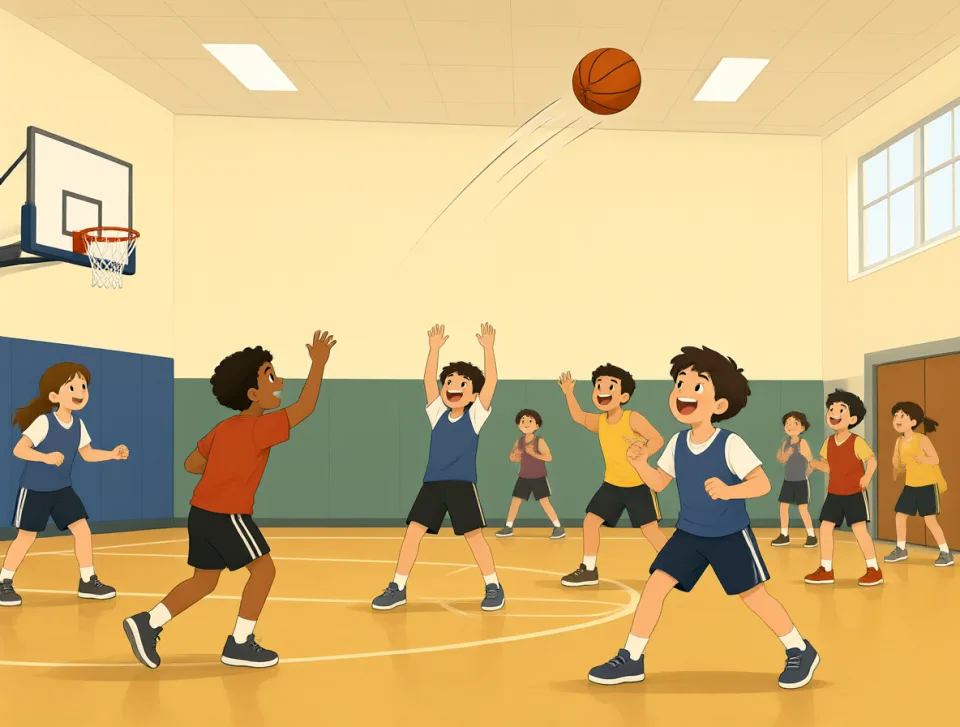
The ball hit the roof of the school gym during basketball practice.
籃球訓練時,球打中了學校體育館的屋頂。

The hot soup burned the roof of my mouth at lunch.
午餐時,熱湯燙傷了我的上顎。
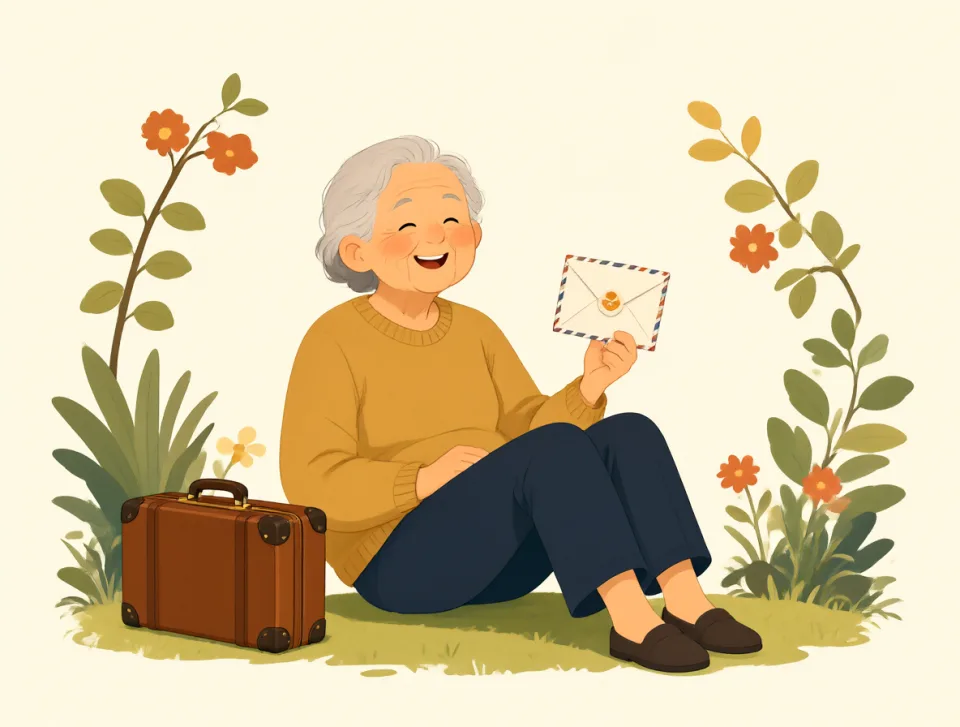
retirement
#2017noun
退休;退休生活
The time when someone stops working, usually because they are old enough to do so.
通常因為到了退休年齡而停止工作的時期。

My father is enjoying retirement after forty years at the same company.
我父親在同一家公司工作了四十年後,正在享受退休生活。
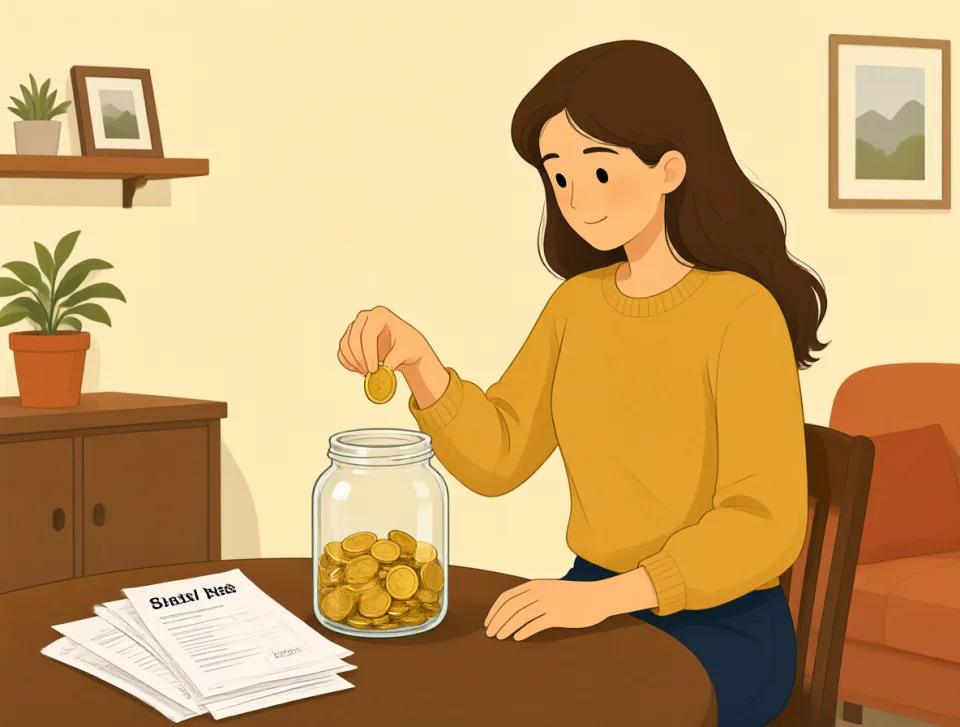
She is saving money for retirement by paying into a pension plan.
她透過繳納養老金,為退休生活存錢。

Our neighbor moved to Spain after his retirement last year.
我們的鄰居去年退休後搬到了西班牙。

The retirement party at work was full of happy memories and laughter.
工作單位舉辦的退休聚會上充滿了美好的回憶和歡笑。
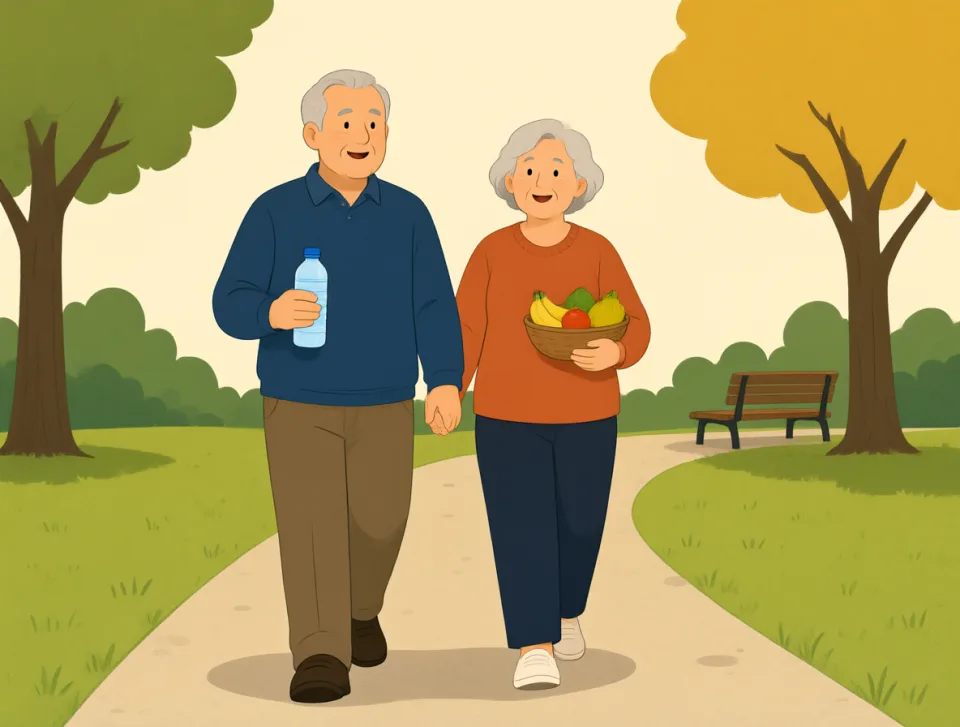
Good exercise and healthy food can help people enjoy an active retirement.
適量運動和健康飲食可以幫助人們享受積極充實的退休生活。

respectively
#2018adverb
分別;各自
In the same order as the people or things just mentioned.
按照剛才提到的人或事物的相同順序
The two girls chose the red and blue dresses, respectively.
兩個女孩分別選了紅色和藍色的連衣裙。
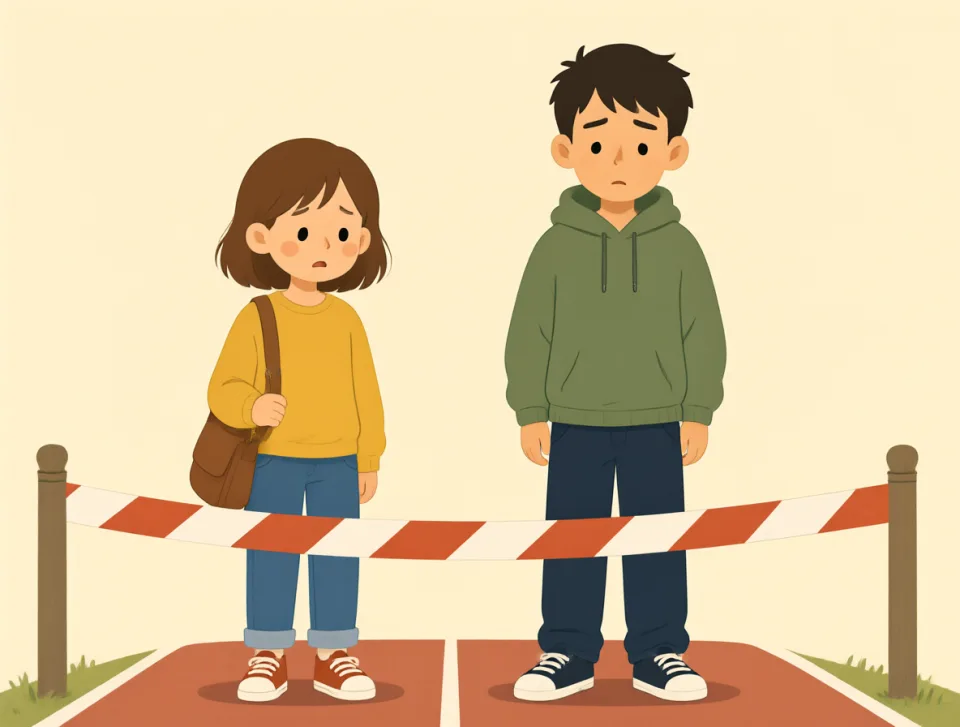
Tom and Sarah finished first and second, respectively, in the race.
湯姆和薩拉在比賽中分別獲得了第一名和第二名。
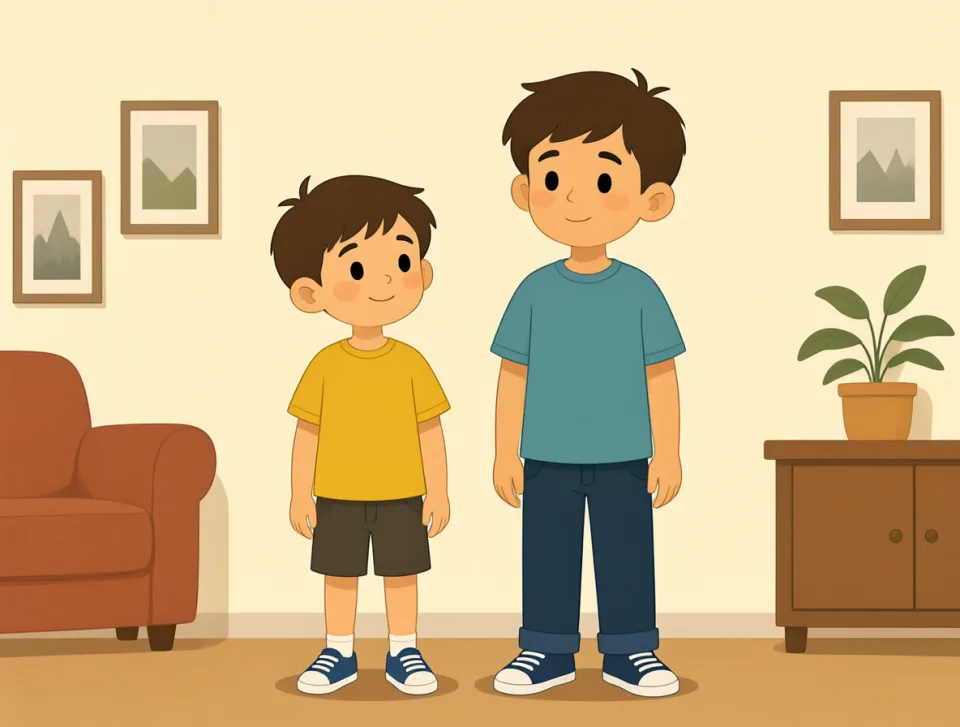
The boys are twelve and fourteen years old, respectively.
這些男孩分別是十二歲和十四歲。

The doctor prescribed tablets for headaches and rest for tired muscles, respectively.
醫生分別為頭痛開了藥片,為疲勞的肌肉安排了休息。

Emma and Leo ordered soup and sandwiches, respectively, for lunch.
艾瑪和利奧午餐分別點了湯和三明治。
variation
#2019noun
變化;差異;變體
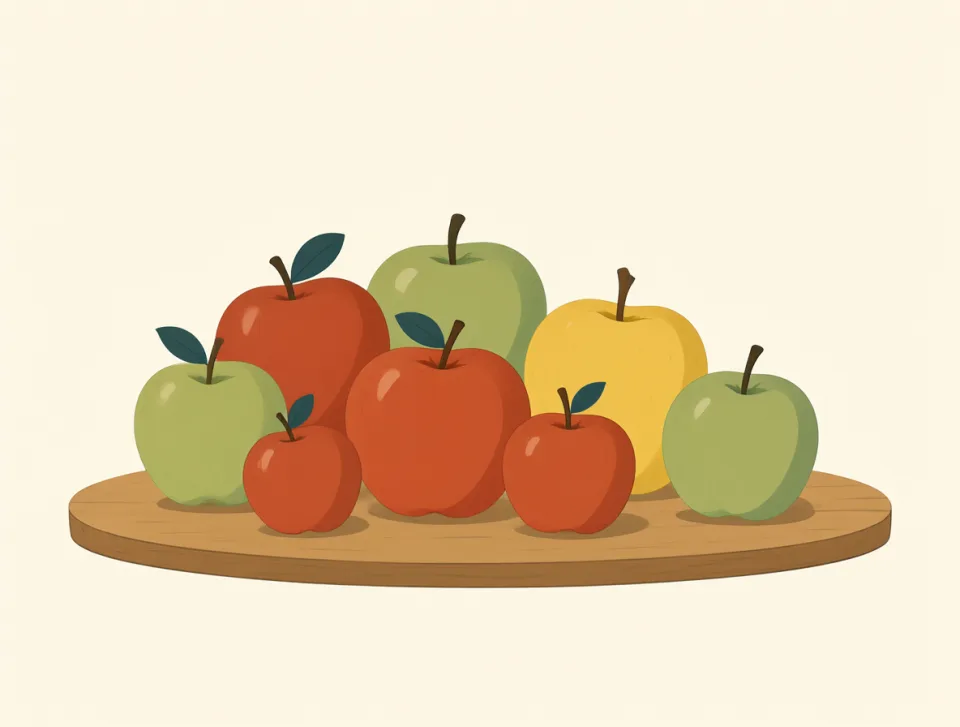
a difference or change in the way something happens, looks, or is done
某件事發生、呈現或進行的方式上的不同或變化

There is a lot of variation in the prices of these similar hotels.
這些條件相似的酒店,價格差別很大。
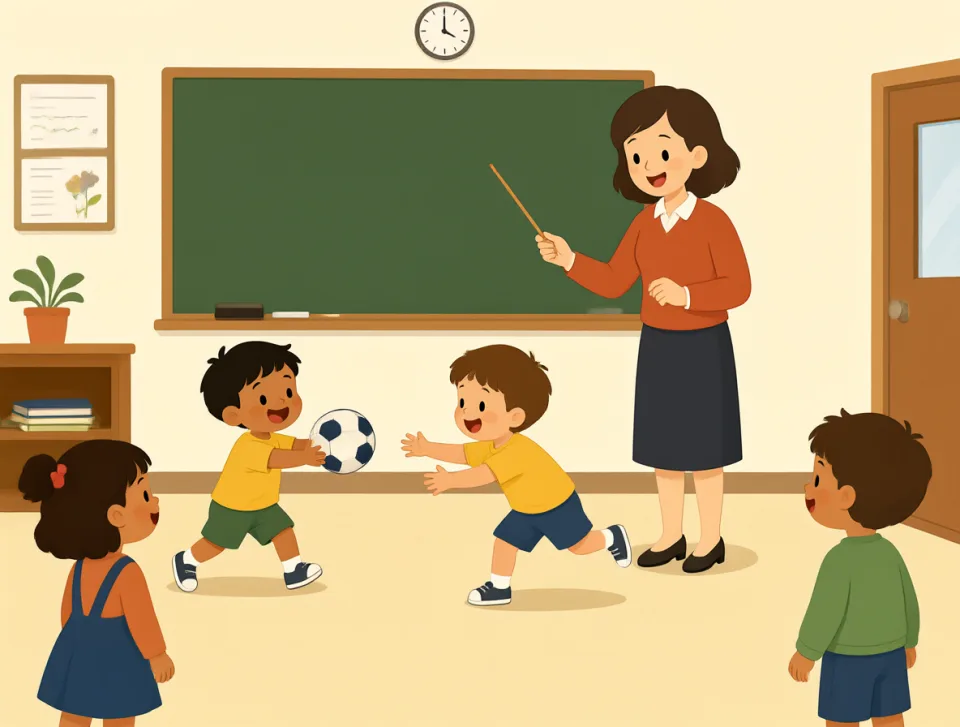
The teacher used different variations of the game to keep students interested.
老師用不同的遊戲變體來讓學生保持興趣。
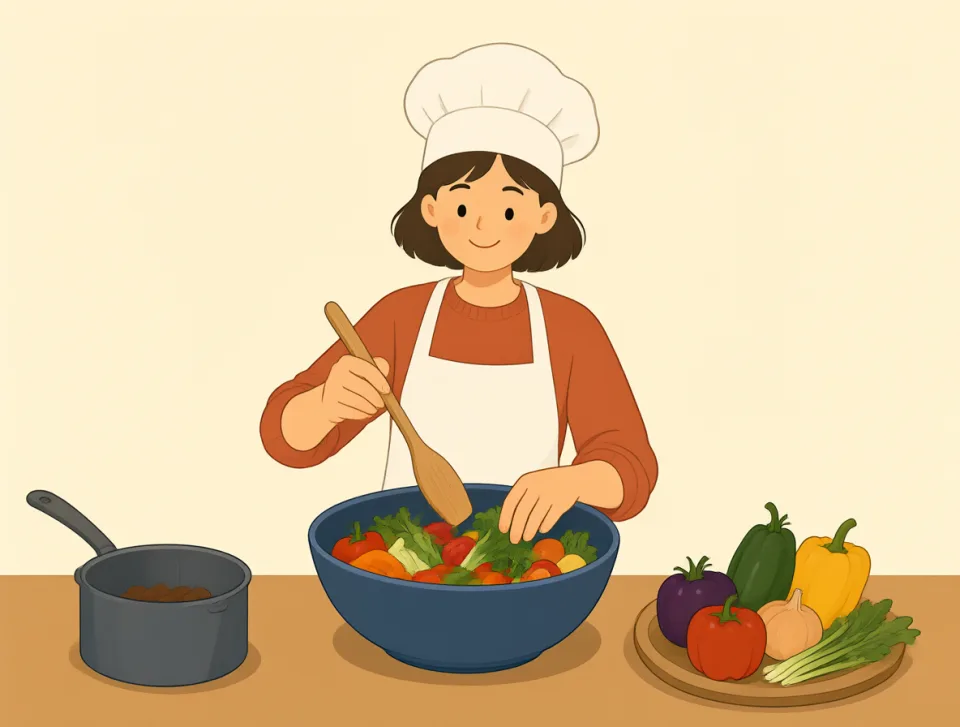
This recipe allows for variation, so you can add vegetables you like.
這個食譜可以靈活調整,所以你可以加入自己喜歡的蔬菜。

The doctor said some variation in blood pressure is normal during the day.
醫生說,血壓在一天中有些波動是正常的。

We tried a new variation of our usual route to avoid the traffic.
為了避開交通擁堵,我們試著走了一條平時路線的不同走法。

ultimately
#2020adverb
最終;最後;歸根結底
In the end, after considering everything or after a long process.
在最後,經過全面考慮或漫長過程之後。
Ultimately, we decided to stay home because the weather was terrible.
最終,考慮到天氣很糟糕,我們決定待在家裡。
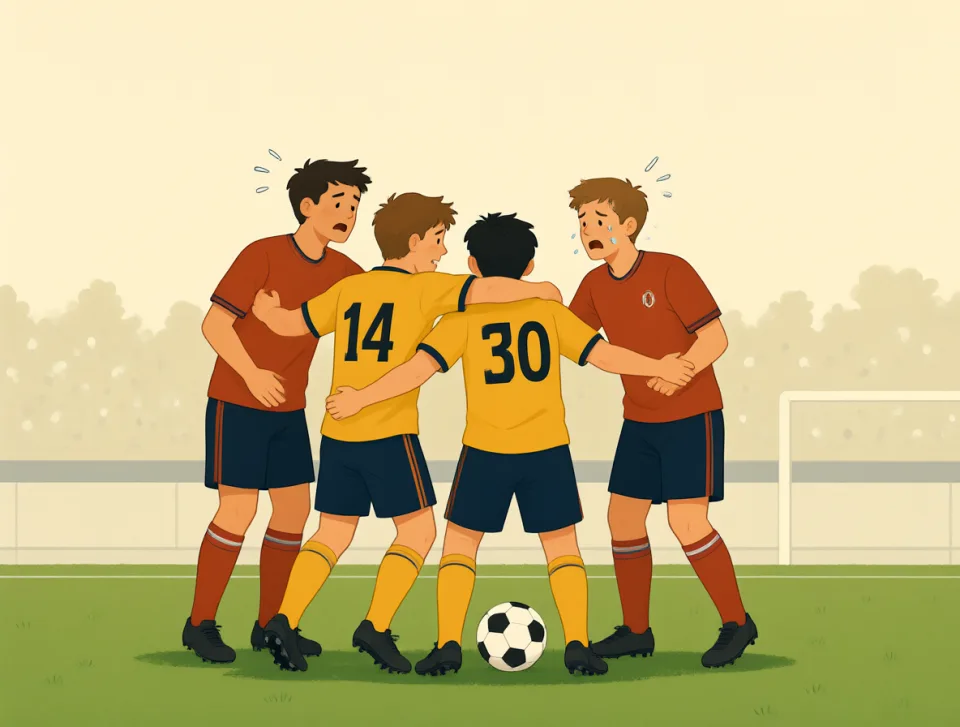
The team ultimately won the game after scoring twice in the final minutes.
這支球隊在最後幾分鐘連進兩球,最終贏得了比賽。

She tried several treatments, but ultimately felt better after getting enough sleep.
她嘗試了幾種治療方法,但最終在得到充足睡眠後感覺好多了。

The customer ultimately chose the cheaper jacket after comparing both options.
比較了兩個選項後,顧客最終選擇了那件更便宜的夾克。

Although the journey was difficult, we ultimately reached the village before sunset.
儘管旅途很艱難,我們最終還是在日落前到達了村莊。