Zestaw 100
Słowa 1981–2000 · intellectual, derive, crucial, unemployment, wheel, crop
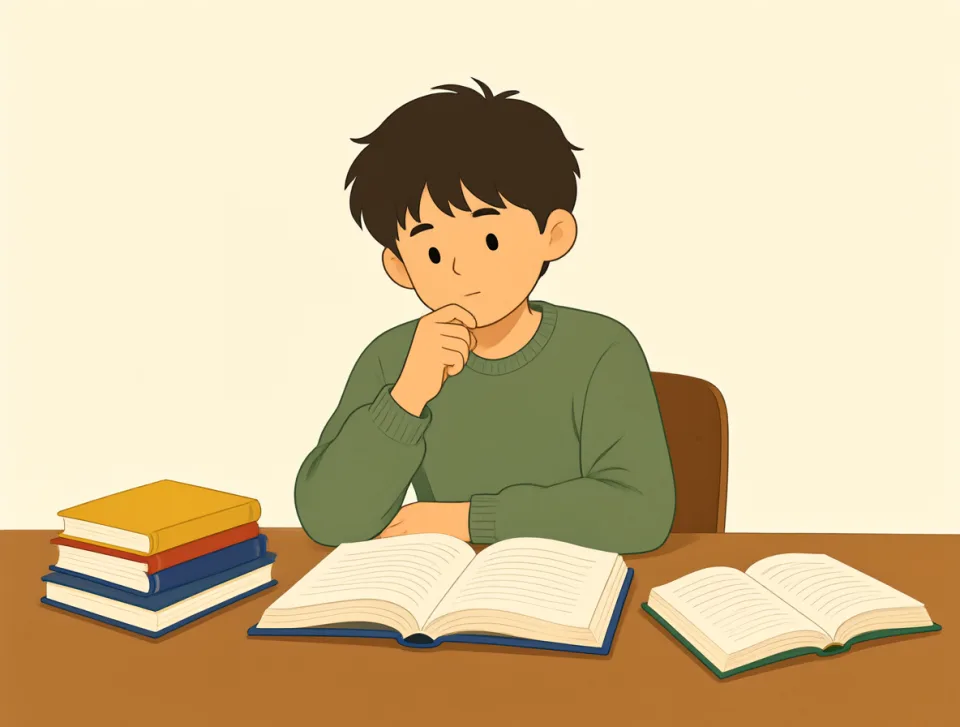
intellectual
#1981adjective, noun
intelektualny
Related to thinking and understanding, or a person who enjoys serious ideas and learning.
Związany z myśleniem i rozumieniem albo osoba, która lubi poważne idee i zdobywanie wiedzy.
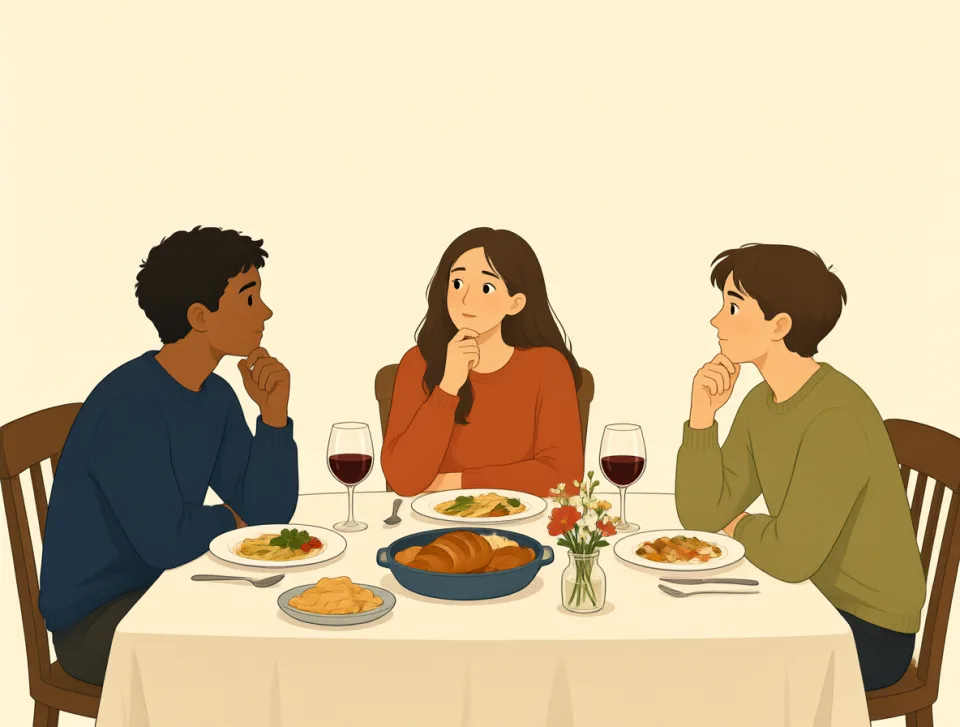
She enjoys intellectual conversations with her friends after dinner.
Po kolacji lubi prowadzić ze znajomymi intelektualne rozmowy.
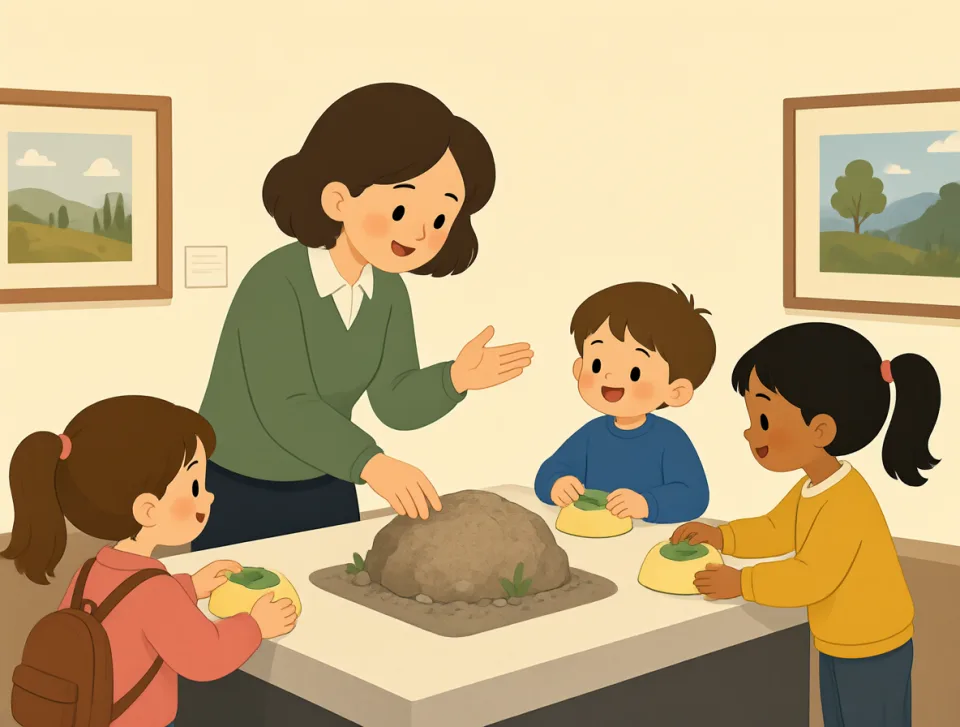
The museum offers many intellectual activities for young students.
Muzeum oferuje młodym uczniom wiele zajęć rozwijających intelektualnie.

He is an intellectual who reads books about history and science.
Jest intelektualistą, który czyta książki o historii i nauce.
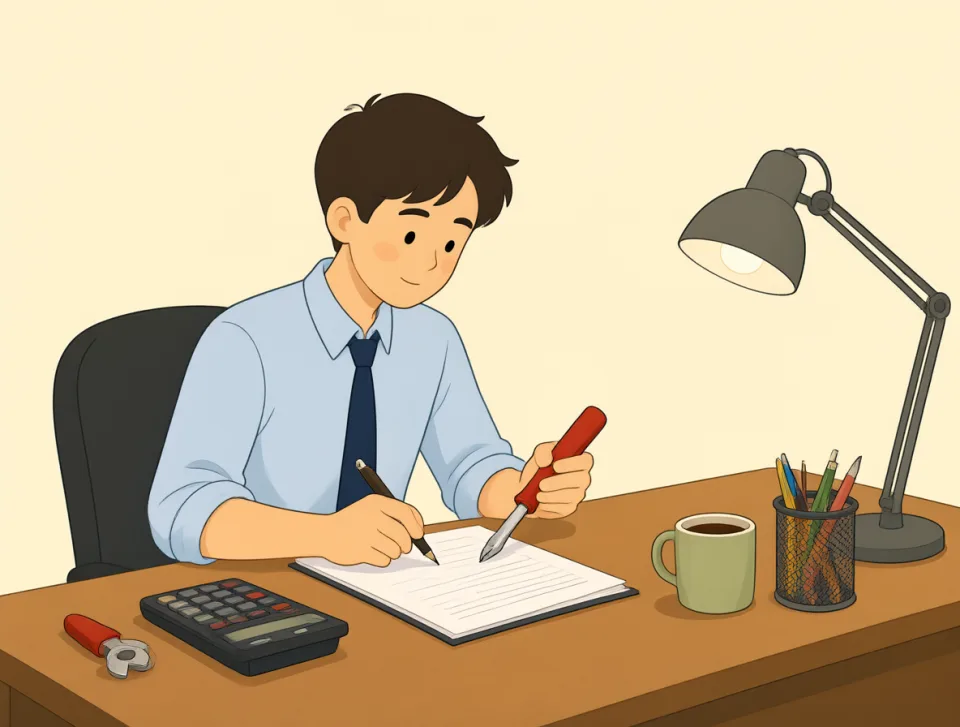
The job requires both practical skills and intellectual ability.
Ta praca wymaga zarówno umiejętności praktycznych, jak i zdolności intelektualnych.
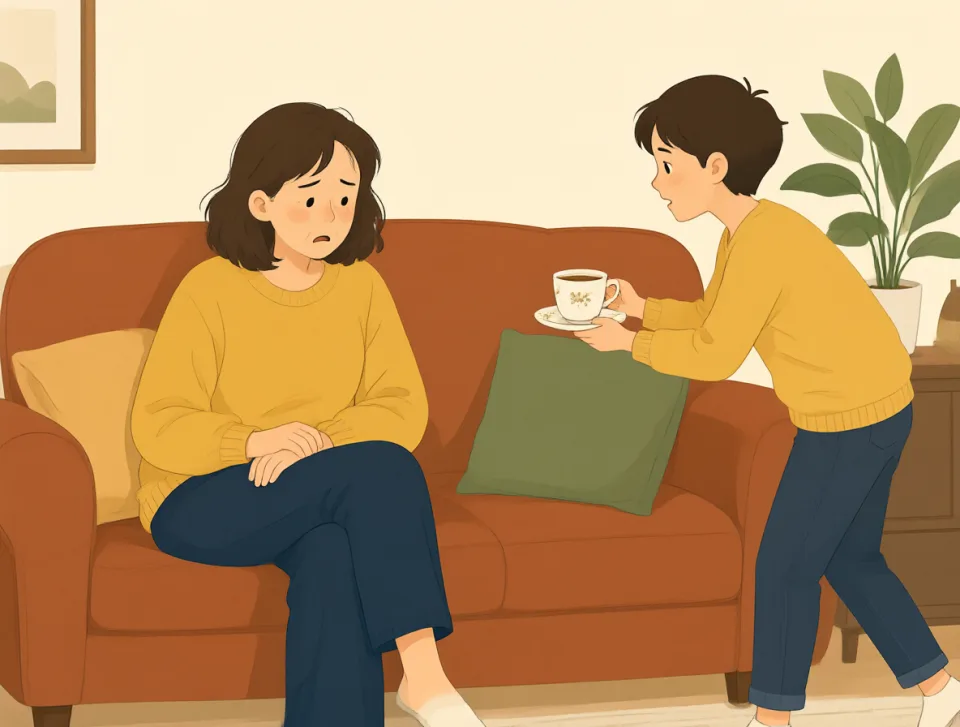
After the illness, she felt tired and less intellectually active.
Po chorobie czuła się zmęczona i mniej aktywna intelektualnie.
derive
#1982verb
pochodzić
to get something from a particular source or cause
otrzymywać lub czerpać coś z określonego źródła albo przyczyny
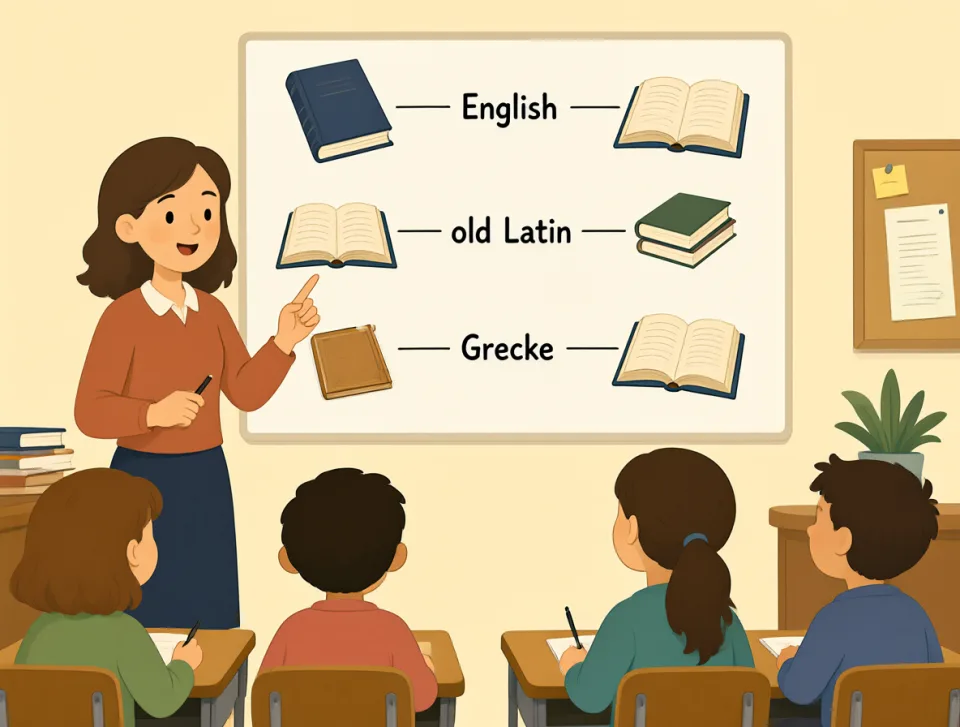
Many English words derive from Latin and Greek.
Wiele angielskich słów pochodzi z łaciny i greki.
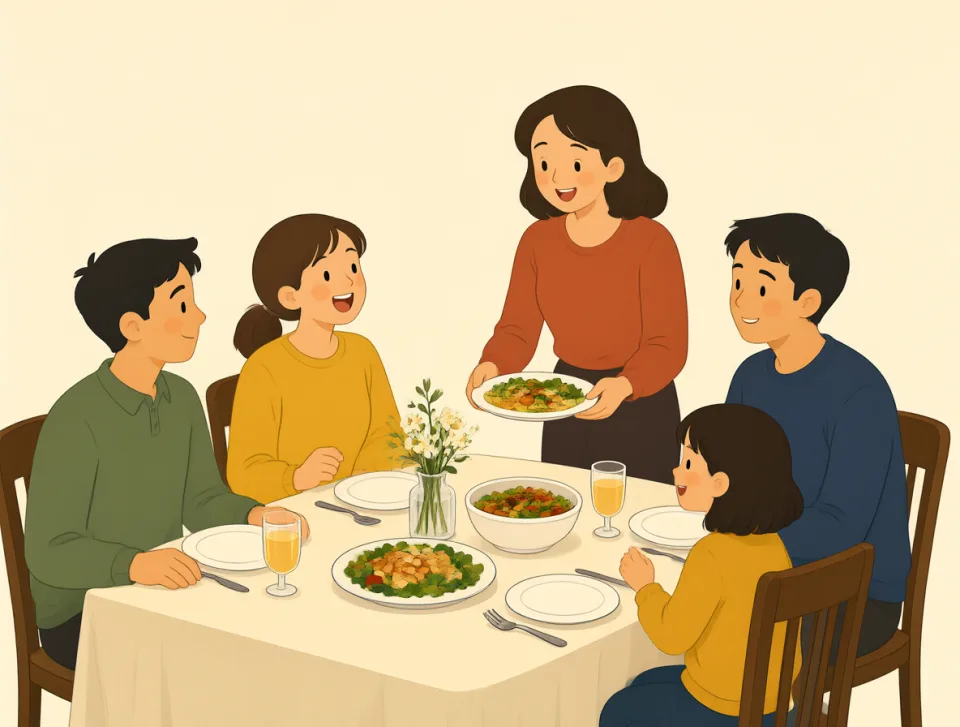
She derives great pleasure from cooking for her family.
Gotowanie dla rodziny sprawia jej ogromną przyjemność.

The company derives most of its income from online sales.
Firma czerpie większość swoich dochodów ze sprzedaży internetowej.
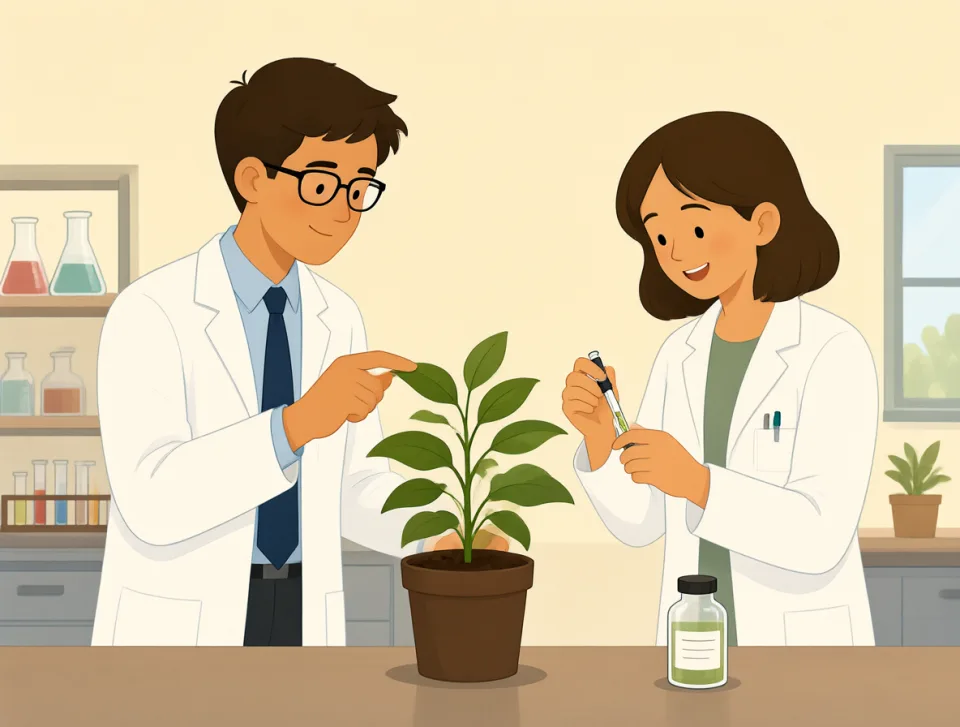
Scientists derived the new medicine from a natural plant.
Naukowcy uzyskali nowy lek z naturalnej rośliny.
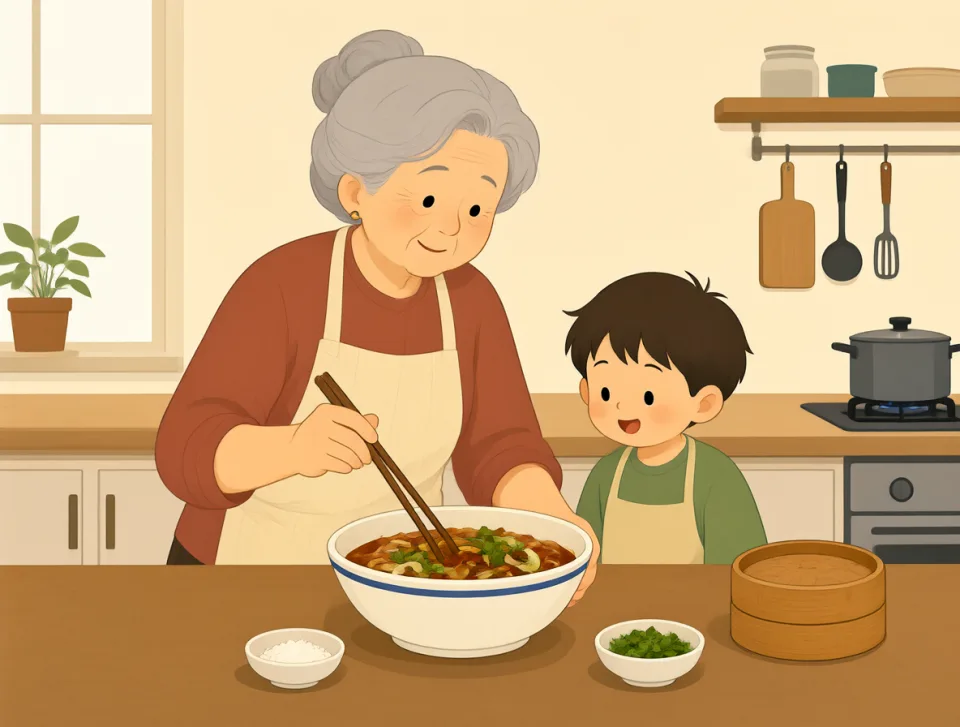
The recipe was derived from an old family tradition.
Ten przepis wywodzi się ze starej rodzinnej tradycji.

crucial
#1983adjective
kluczowy
Extremely important for achieving a result or making a situation successful.
Niezwykle ważny dla osiągnięcia jakiegoś rezultatu lub powodzenia danej sytuacji.
Good communication is crucial for a successful team.
Dobra komunikacja jest kluczowa dla zgranego zespołu.

It is crucial to check your passport before leaving home.
Przed wyjściem z domu koniecznie sprawdź paszport.
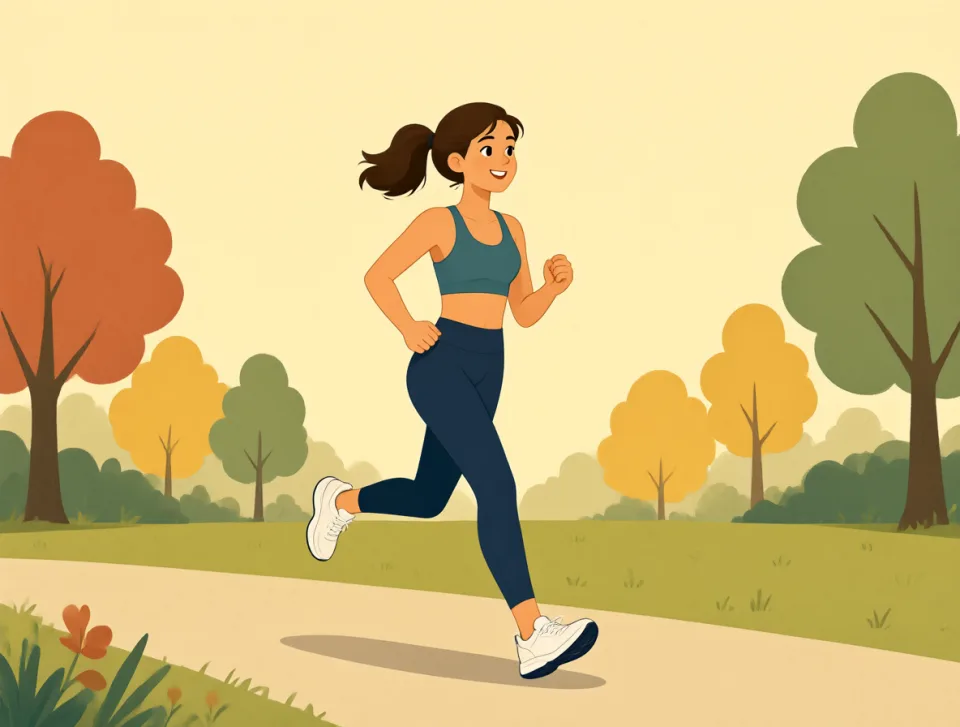
Regular exercise is crucial for keeping your heart healthy.
Regularne ćwiczenia są kluczowe dla zdrowia serca.
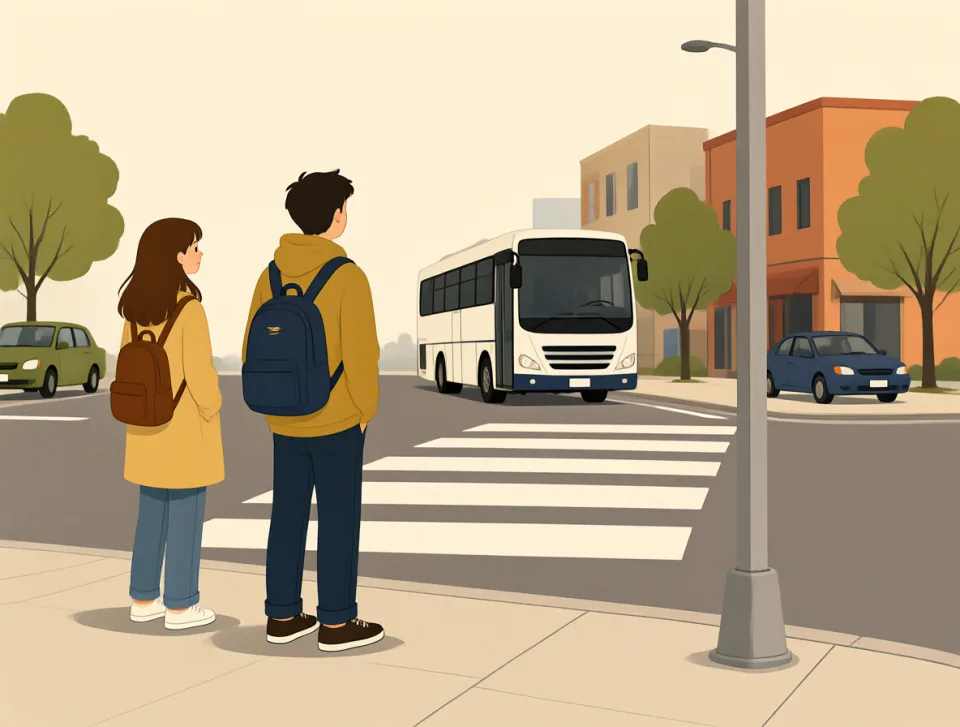
Timing was crucial when we crossed the busy road.
Kiedy przechodziliśmy przez ruchliwą ulicę, kluczowe było wyczucie odpowiedniego momentu.
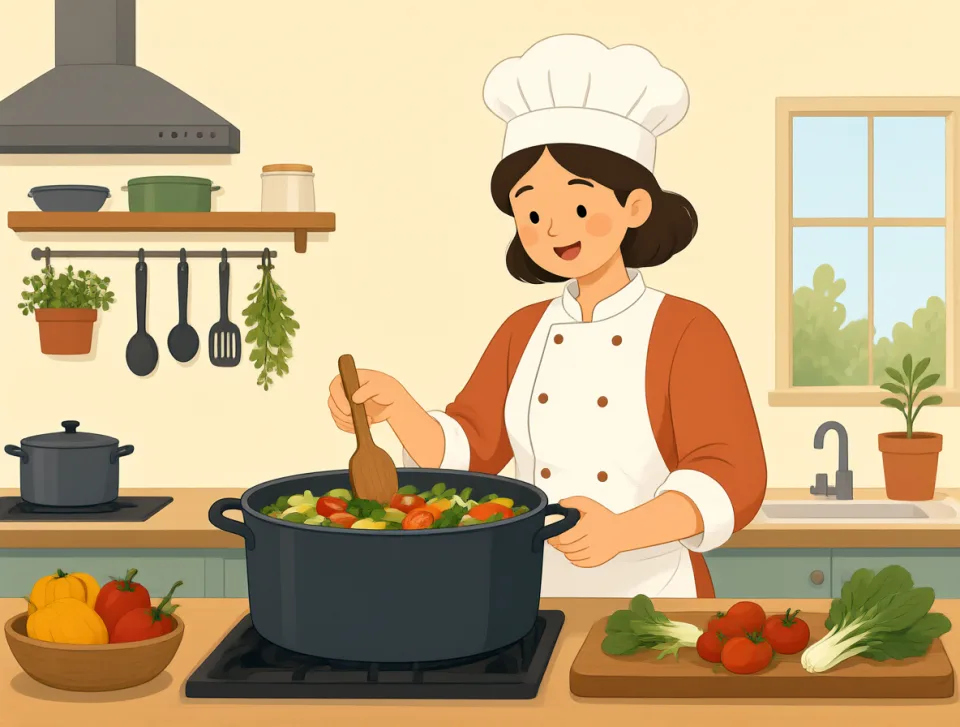
Fresh ingredients are crucial for making a delicious soup.
Świeże składniki są niezbędne do przygotowania pysznej zupy.
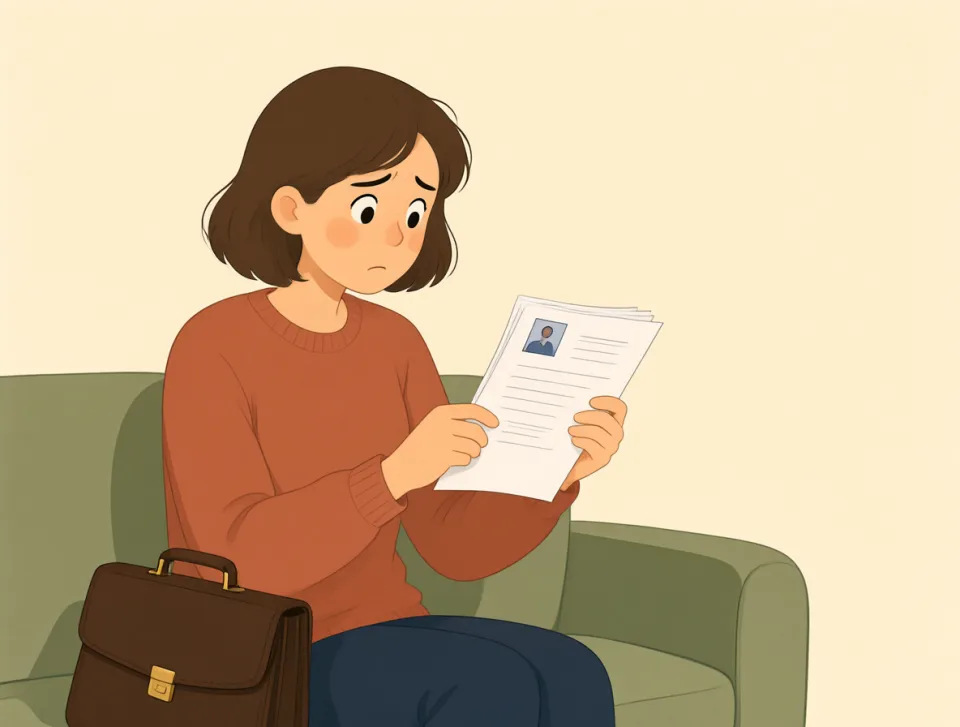
unemployment
#1984noun
bezrobocie
The condition of not having a job and looking for work.
Sytuacja, w której ktoś nie ma pracy i jej szuka.
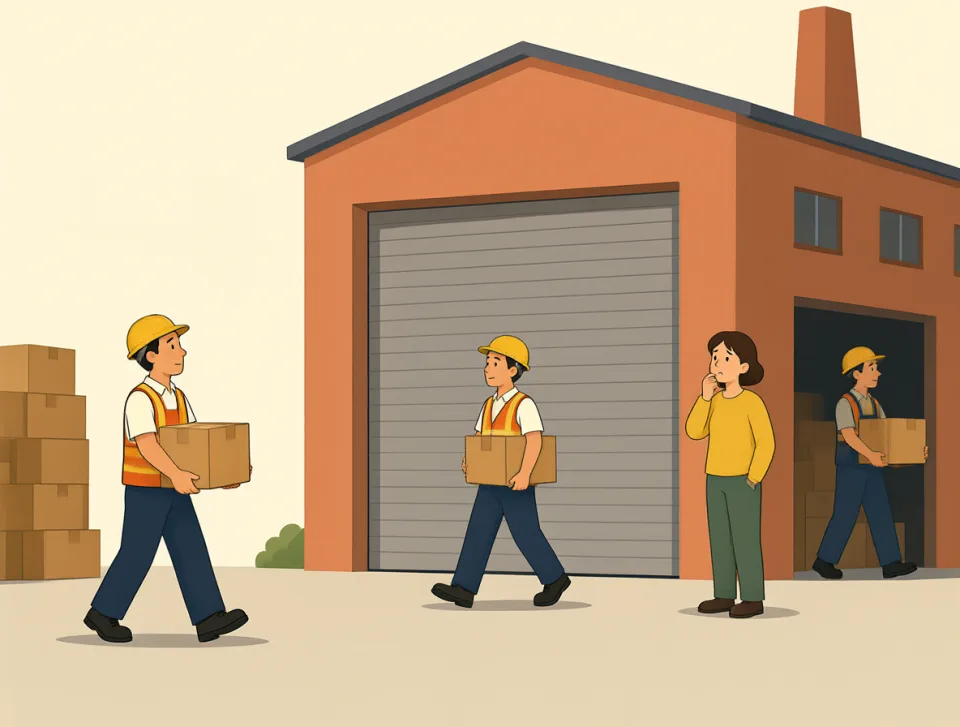
Unemployment rose after the factory closed last year.
Po zamknięciu fabryki w zeszłym roku bezrobocie wzrosło.

The government is trying to reduce unemployment among young people.
Rząd próbuje zmniejszyć bezrobocie wśród młodych ludzi.
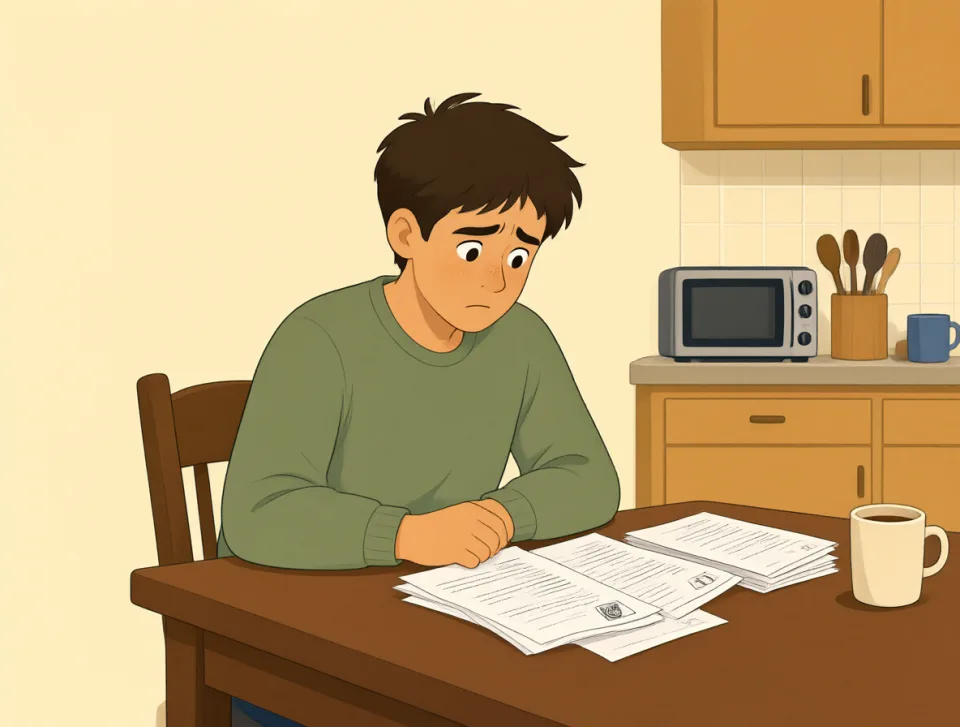
Long-term unemployment can make it difficult to pay the bills.
Długotrwałe bezrobocie może utrudniać opłacanie rachunków.
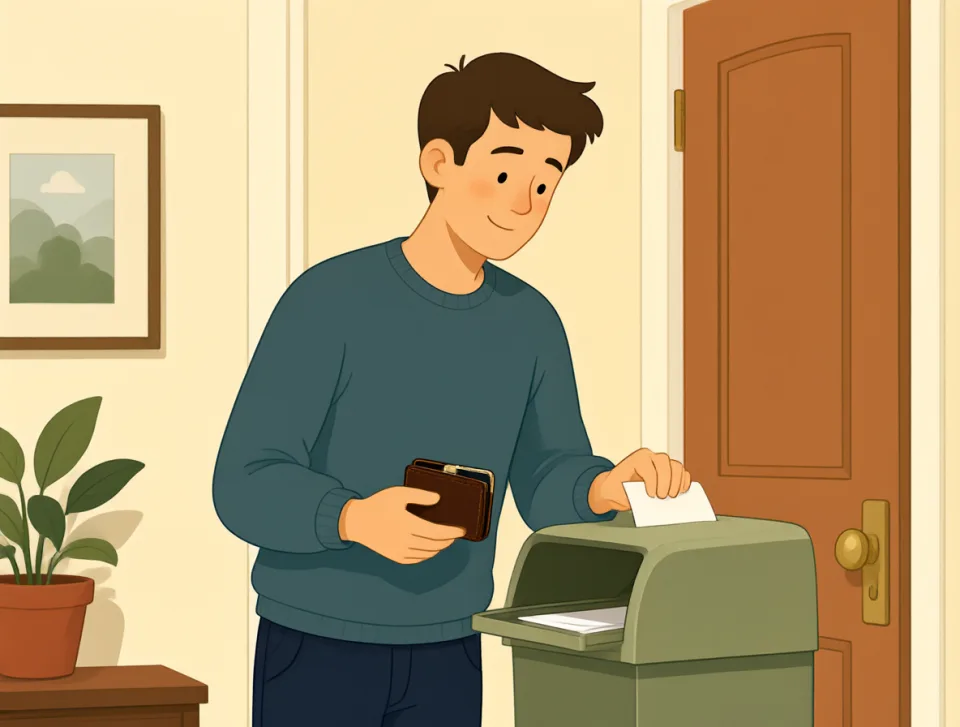
He received unemployment benefits while searching for a new job.
Podczas poszukiwania nowej pracy otrzymywał zasiłek dla bezrobotnych.
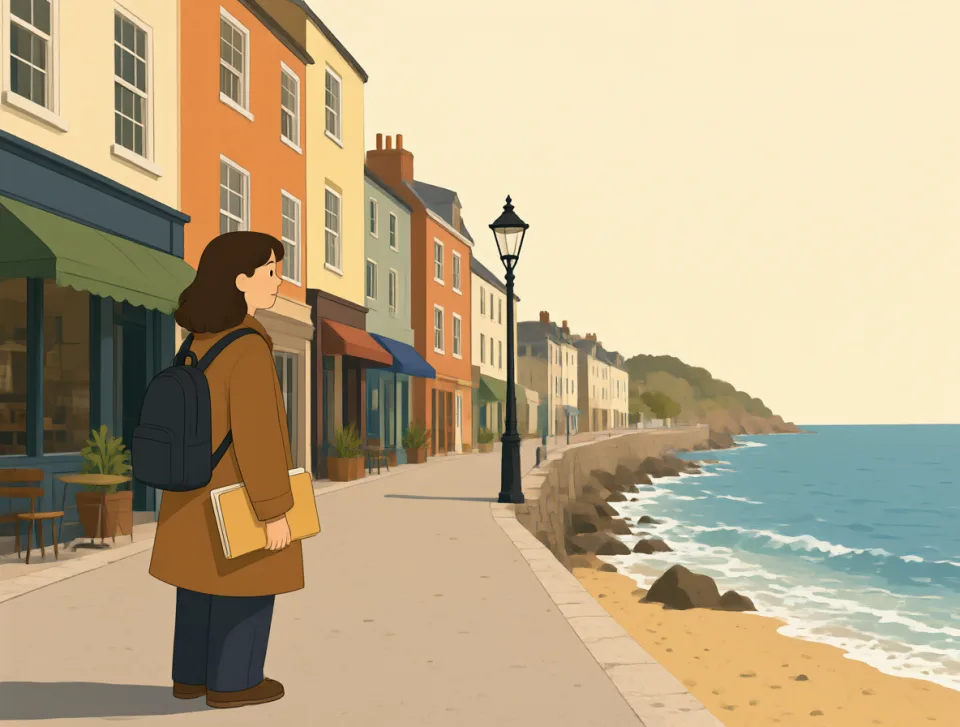
The town suffered from high unemployment when the tourist season ended.
Po zakończeniu sezonu turystycznego miasto zmagało się z wysokim bezrobociem.
wheel
#1985noun, verb
koło
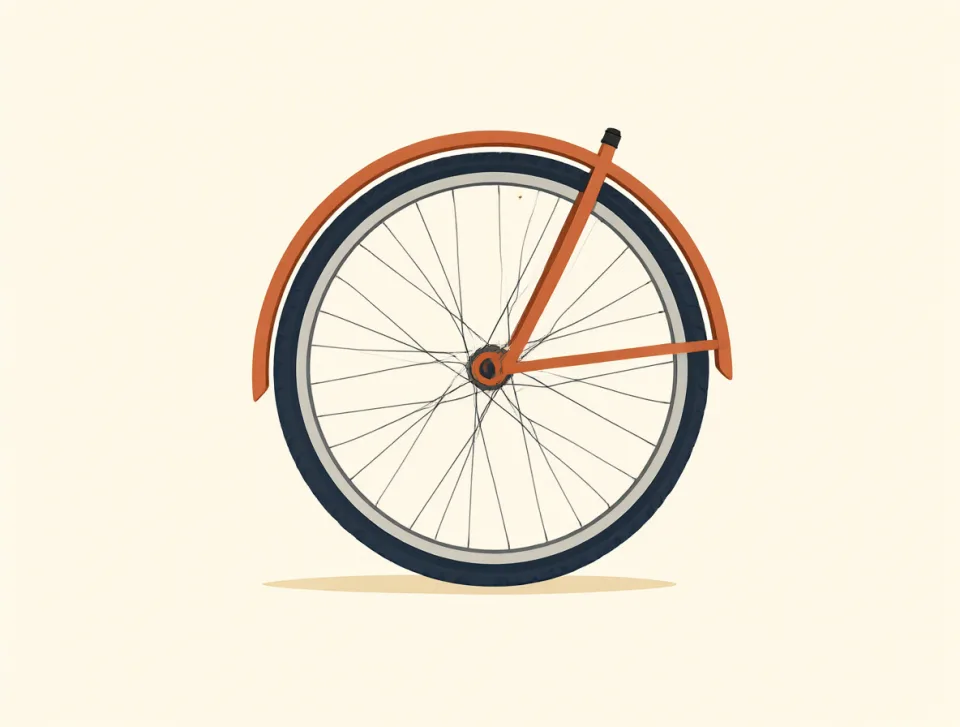
A round object that turns to help a vehicle move, or to control something.
Okrągły element, który obraca się, umożliwiając pojazdowi poruszanie się, lub służy do sterowania czymś.
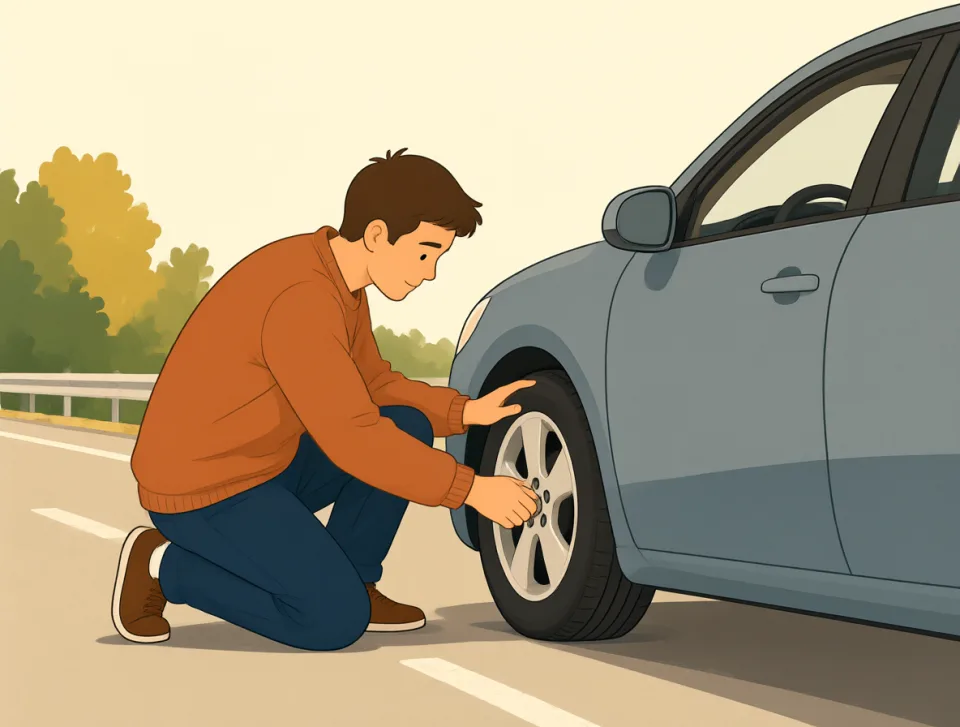
The car has a flat wheel, so we stopped beside the road.
Samochód ma przebitą oponę, więc zatrzymaliśmy się przy drodze.
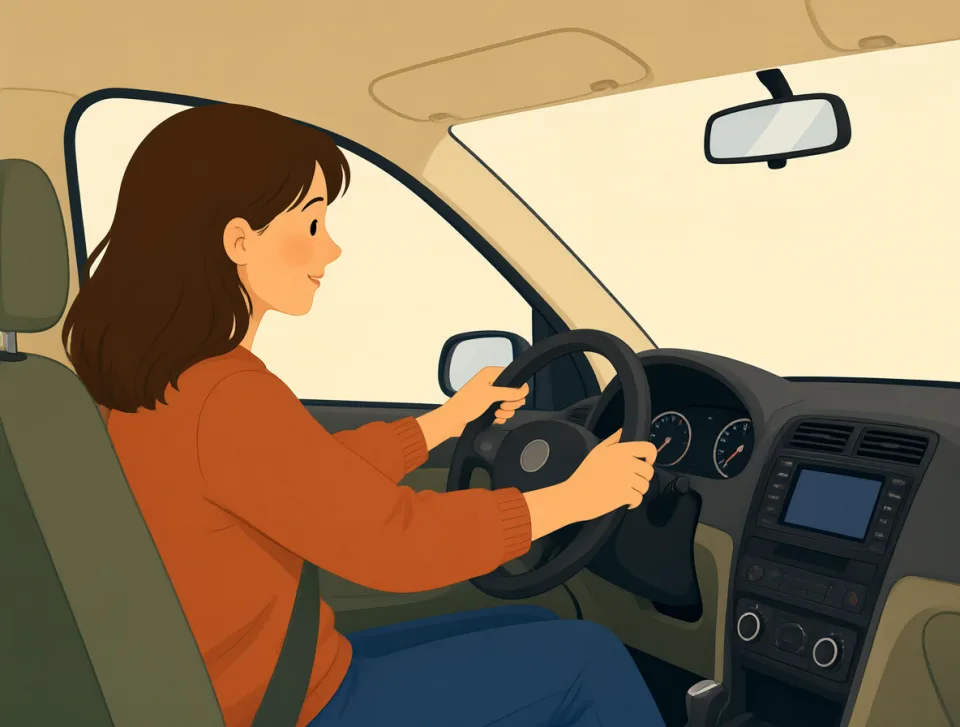
She turned the wheel carefully and drove into the parking space.
Ostrożnie skręciła kierownicą i wjechała na miejsce parkingowe.
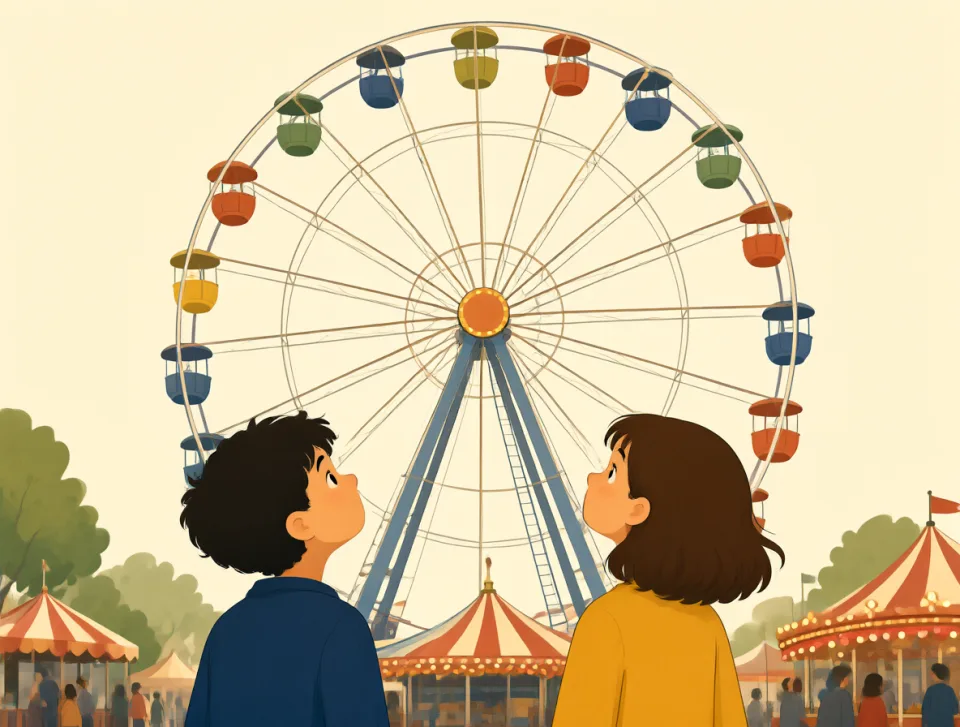
The children watched the big wheel turn at the fair.
Dzieci patrzyły, jak wielkie koło obraca się na festynie.
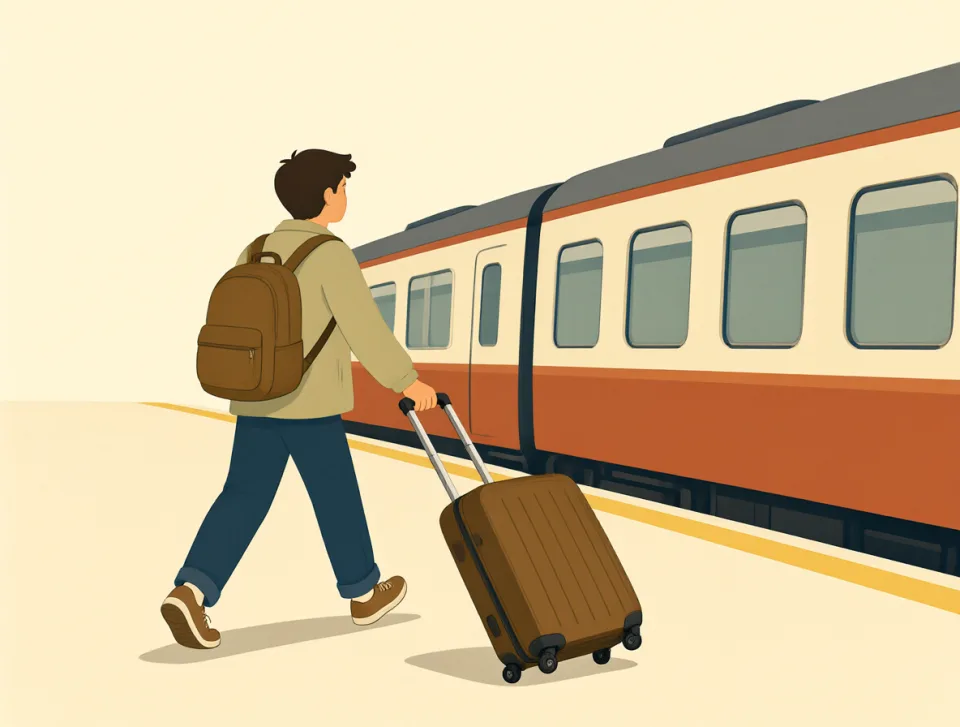
Please wheel the heavy suitcase to the train platform.
Proszę przetoczyć ciężką walizkę na peron.
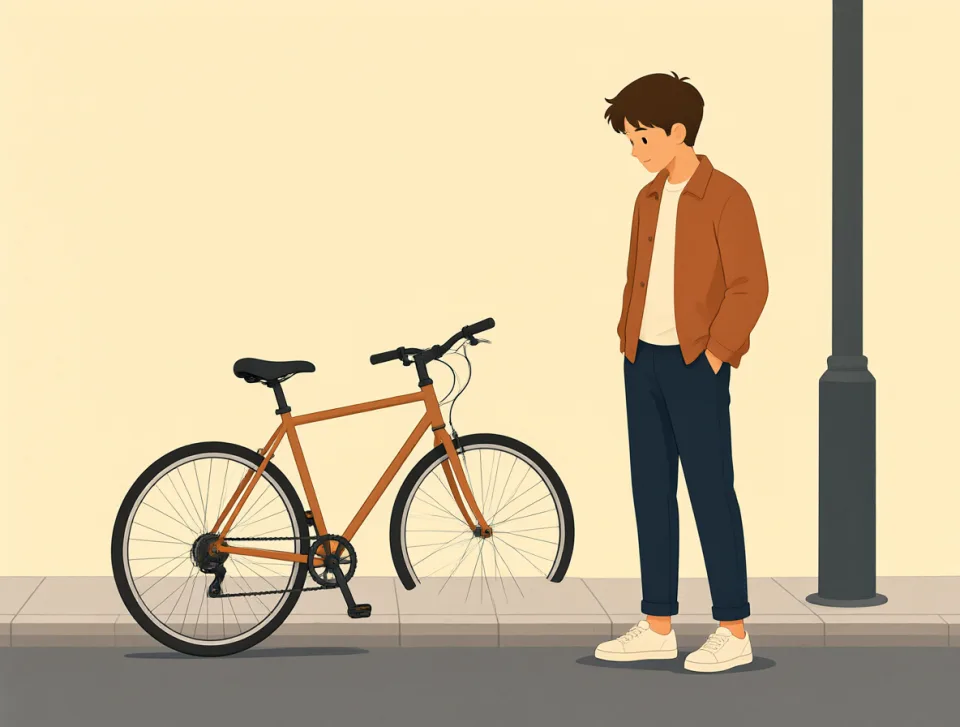
My bicycle wheel came off during the morning ride.
Podczas porannej przejażdżki odpadło koło od mojego roweru.
crop
#1986noun, verb
plon
A plant grown for food, or to cut part of a picture or video.
Roślina uprawiana na żywność albo przycięcie fragmentu zdjęcia lub filmu.
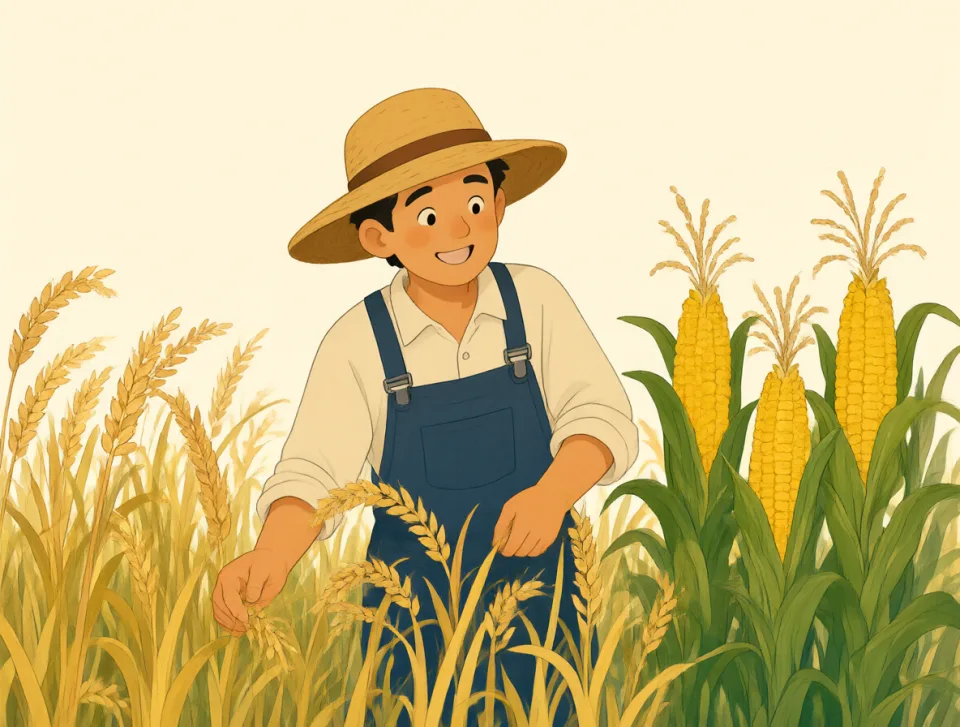
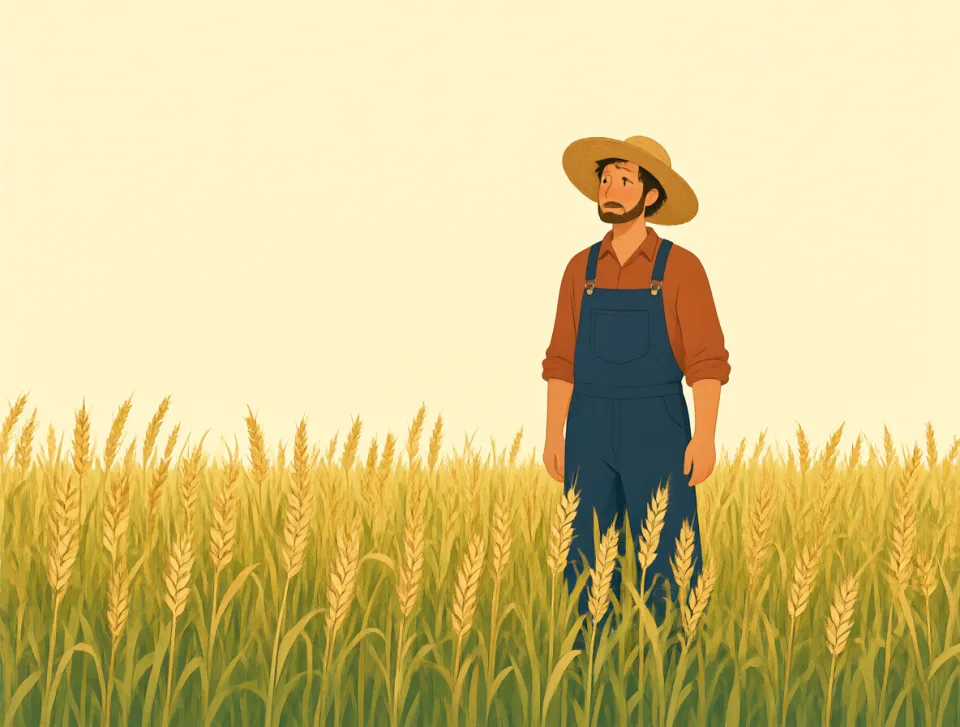
Farmers grow crops such as wheat, rice, and corn.
Rolnicy uprawiają rośliny takie jak pszenica, ryż i kukurydza.
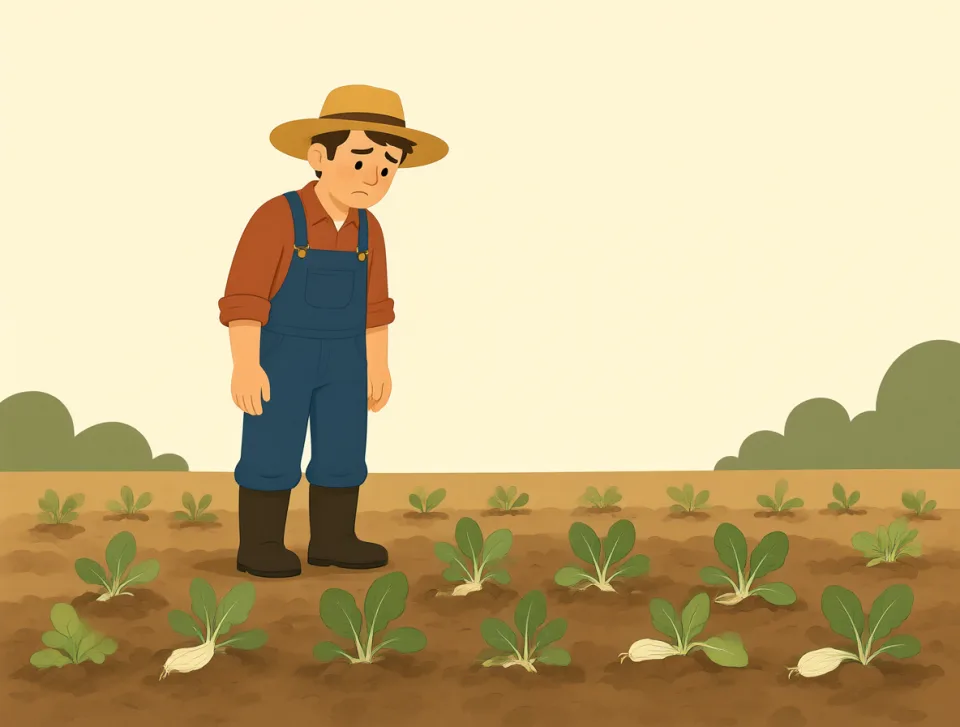
The heavy rain damaged the vegetable crops this year.
Ulewne deszcze zniszczyły w tym roku uprawy warzyw.
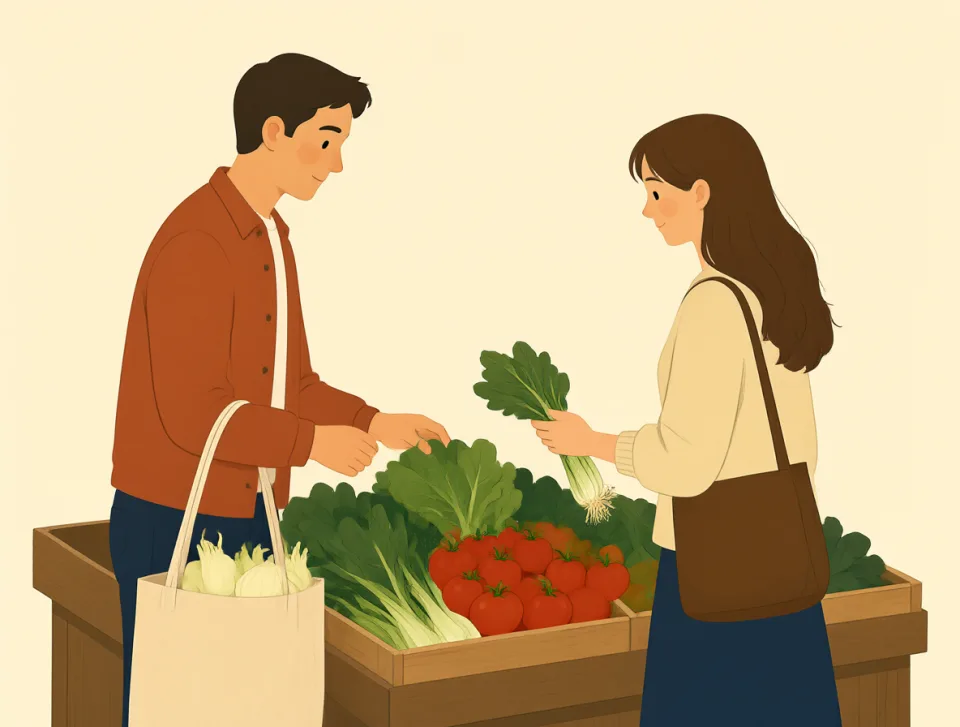
We bought fresh crops from the local market.
Kupiliśmy świeże plony na lokalnym targu.
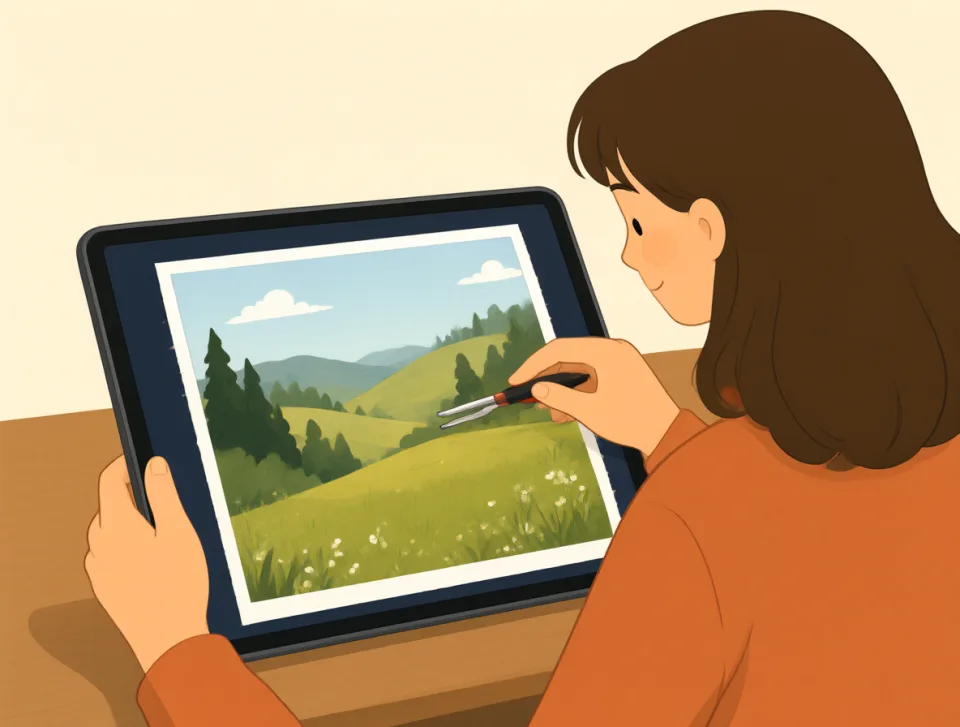
Please crop the photo before you send it.
Przytnij zdjęcie, zanim je wyślesz.
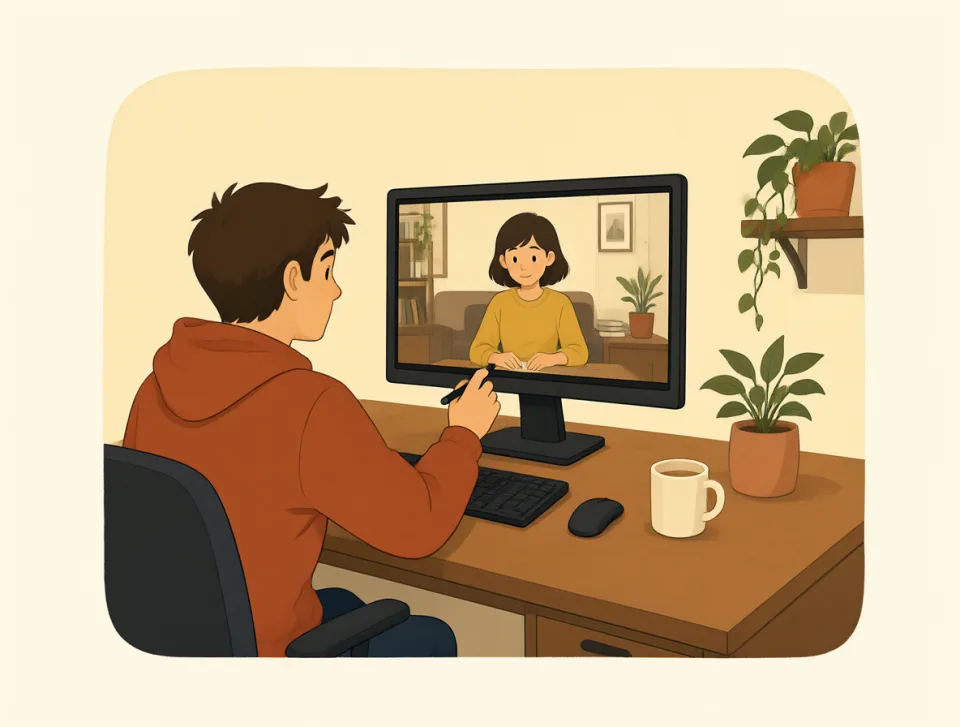
The editor cropped the video to remove the empty space.
Montażysta przyciął film, żeby usunąć pustą przestrzeń.
minority
#1987noun
mniejszość
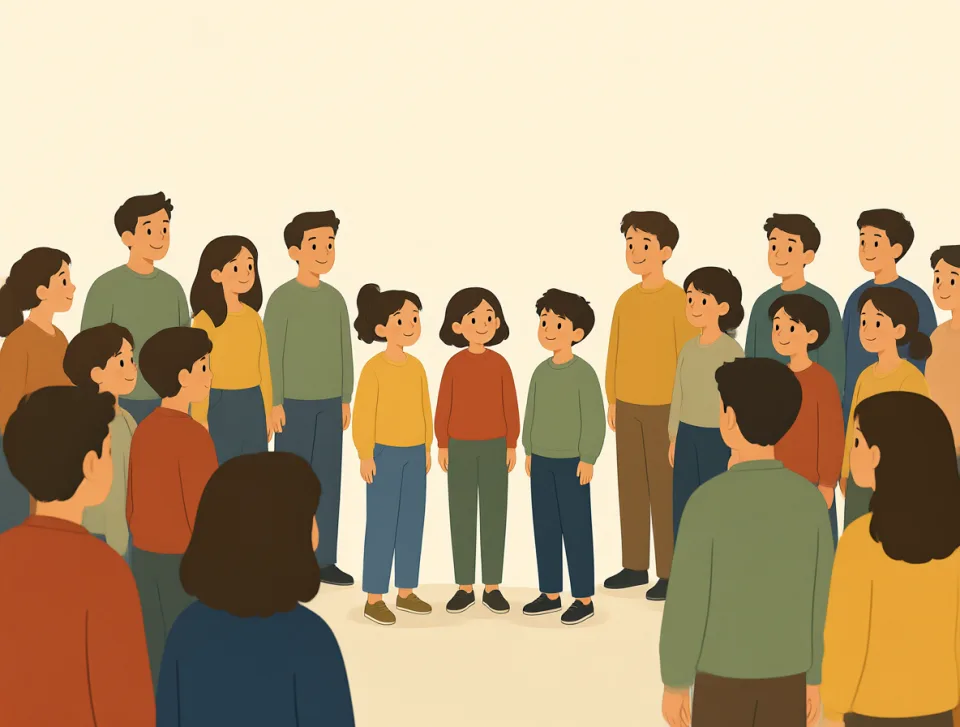
A smaller group of people in a community, country, or organization.
Mniejsza grupa osób w danej społeczności, kraju lub organizacji.

Women are still a minority in some engineering jobs.
W niektórych zawodach inżynierskich kobiety nadal stanowią mniejszość.
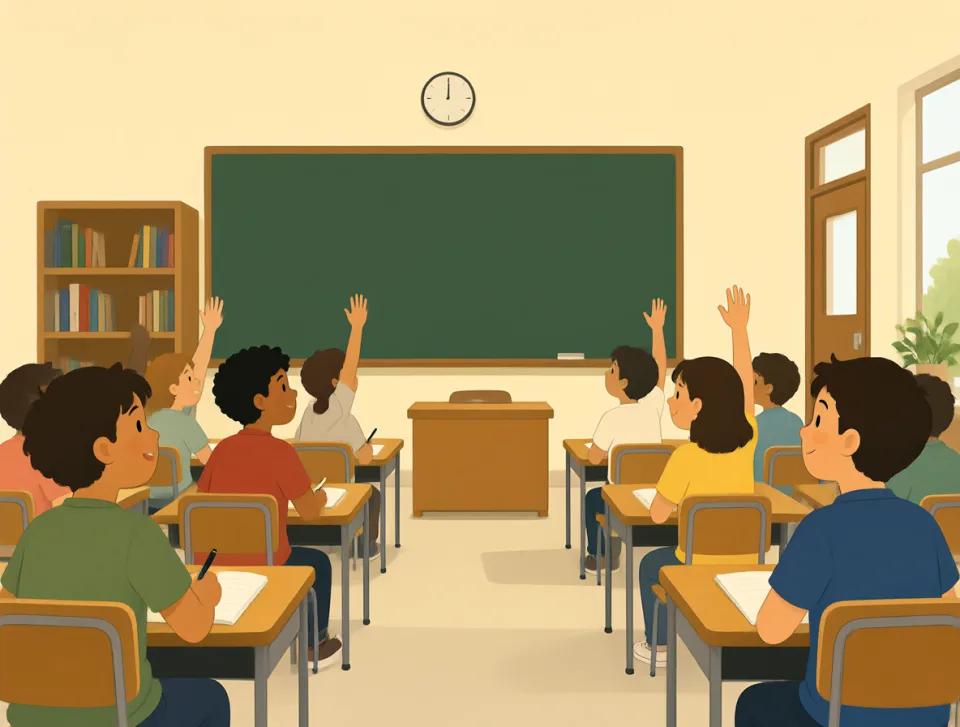
Only a minority of students chose to study abroad.
Tylko niewielka część studentów zdecydowała się studiować za granicą.
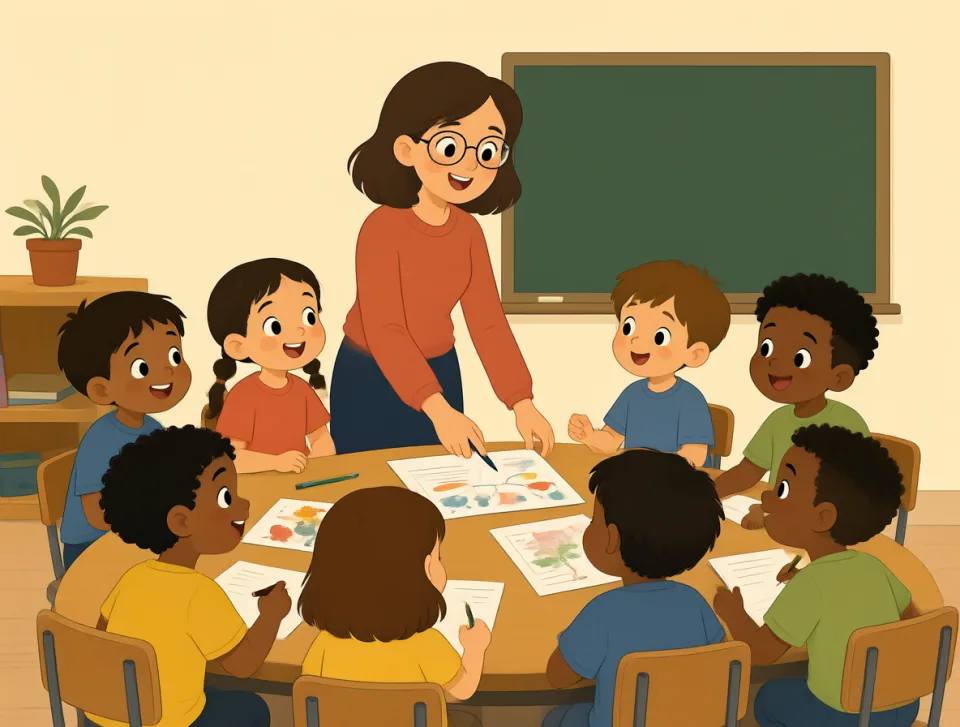
The school supports children from ethnic minorities.
Szkoła wspiera dzieci należące do mniejszości etnicznych.

A small minority of shoppers complained about the new bags.
Niewielka część klientów skarżyła się na nowe torby.

The minority party wants better healthcare for everyone.
Partia mniejszościowa chce zapewnić wszystkim lepszą opiekę zdrowotną.
origin
#1988noun
pochodzenie
the place, person, or thing that something comes from
Miejsce, osoba lub rzecz, od której coś pochodzi.
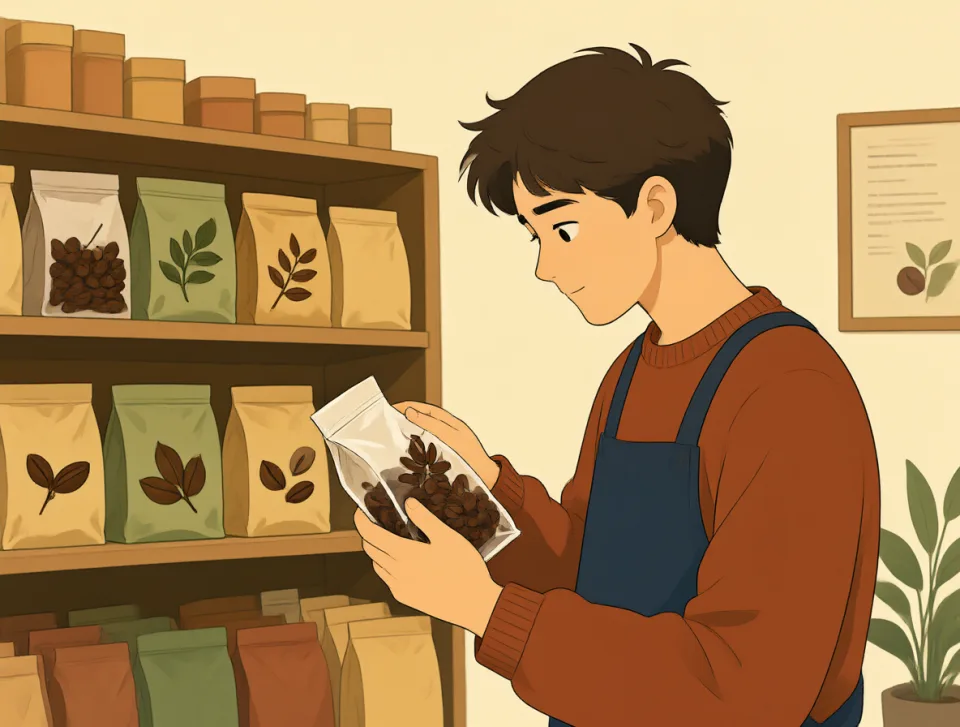
The shop sells coffee from many different countries of origin.
W sklepie sprzedaje się kawę z wielu różnych krajów pochodzenia.
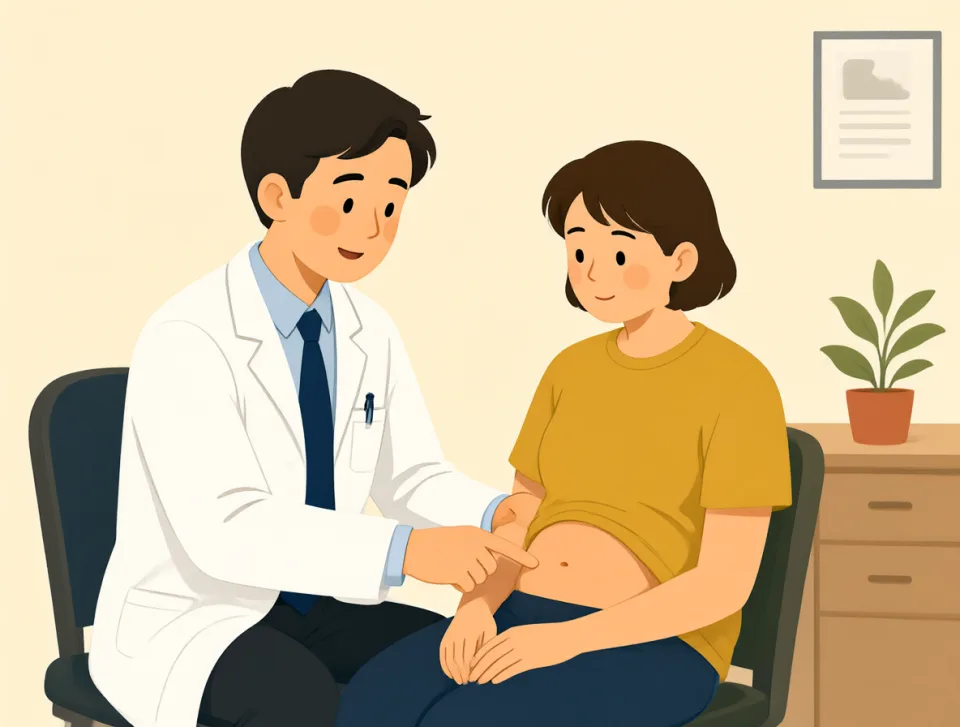
The doctor asked about the origin of my stomach pain.
Lekarz zapytał o przyczynę mojego bólu brzucha.
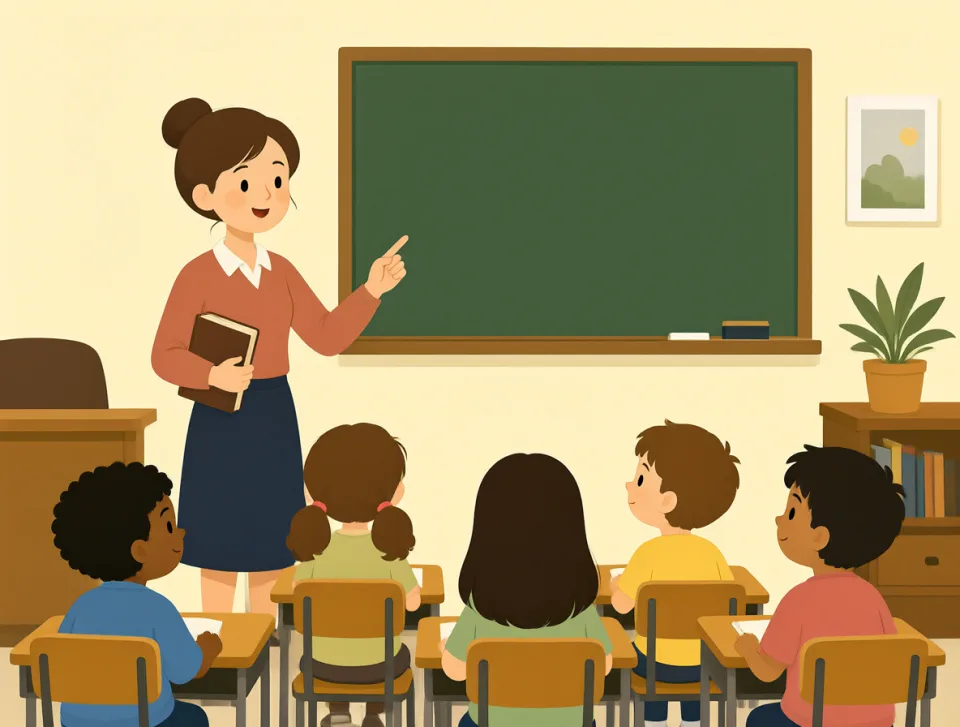
The teacher explained the origin of this old English word.
Nauczyciel wyjaśnił pochodzenie tego starego angielskiego słowa.
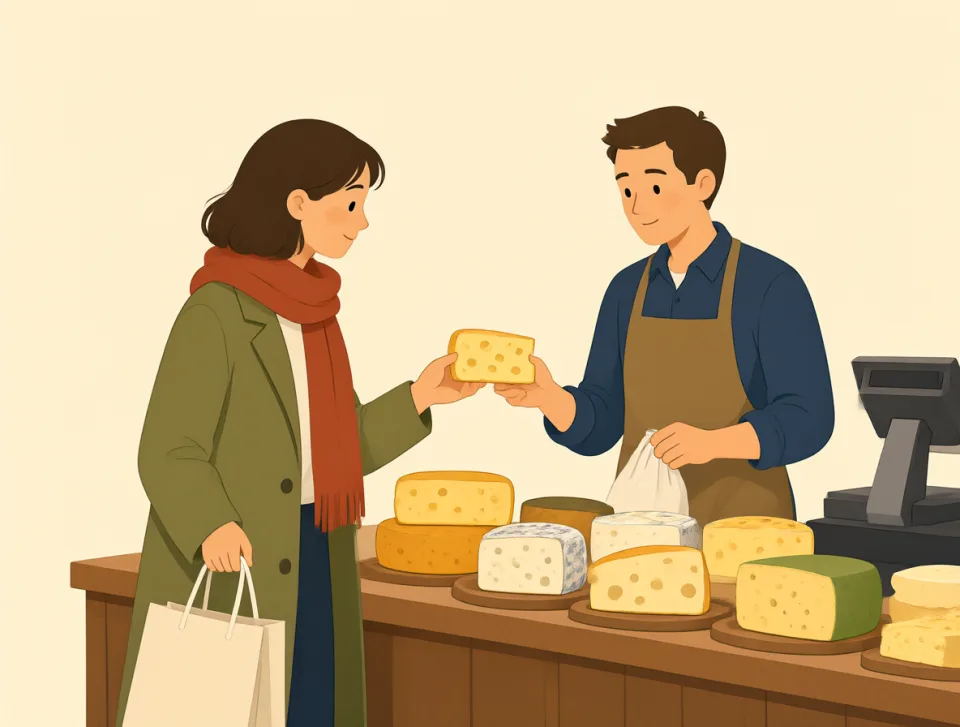
We checked the origin of the cheese before buying it.
Przed zakupem sprawdziliśmy, skąd pochodzi ser.
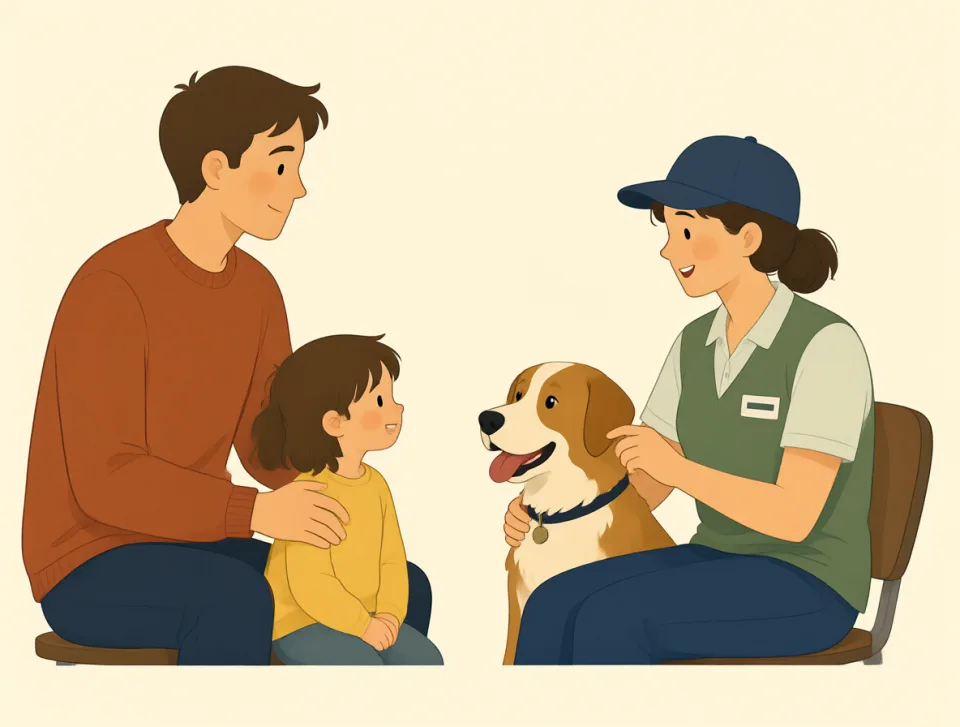
The family discovered their dog's origin at the animal shelter.
Rodzina dowiedziała się w schronisku dla zwierząt, skąd pochodzi ich pies.
interpretation
#1989noun
interpretacja
An explanation of what something means or how it should be understood.
Wyjaśnienie, co coś znaczy lub jak należy to rozumieć.
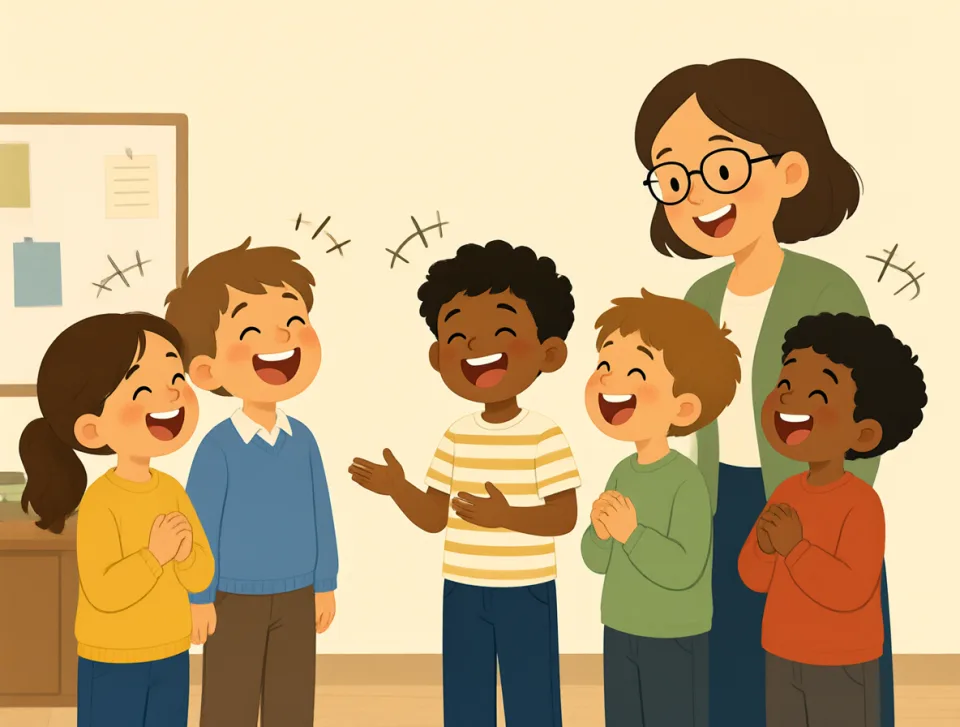
Her interpretation of the teacher's joke made everyone laugh.
Jej interpretacja żartu nauczyciela rozśmieszyła wszystkich.
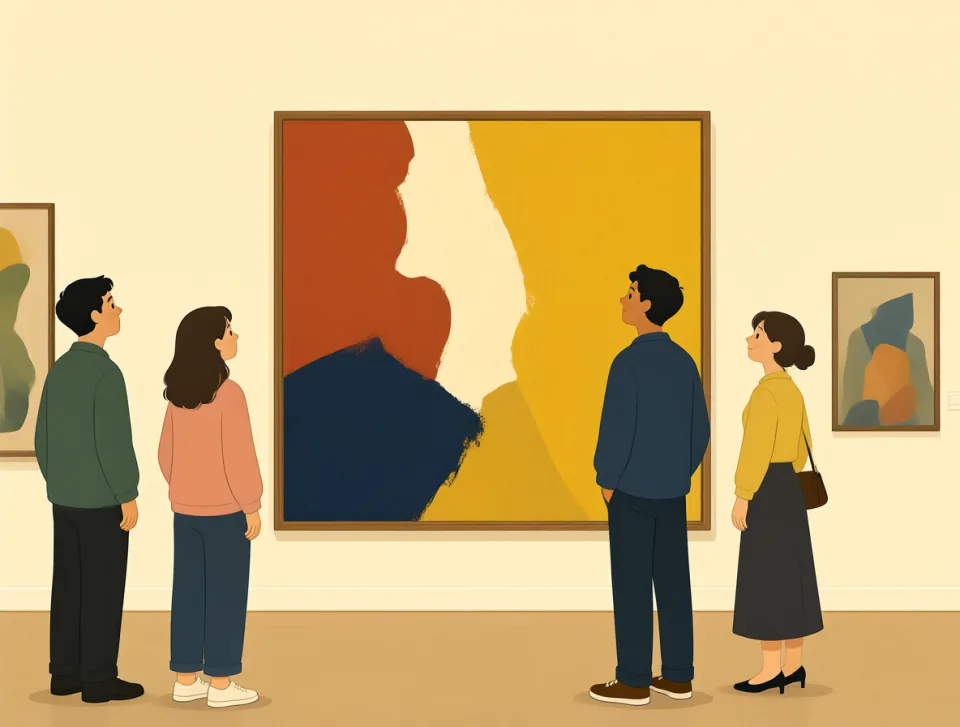
Different people may have different interpretations of this painting.
Różni ludzie mogą różnie interpretować ten obraz.

The doctor explained his interpretation of my blood test results.
Lekarz wyjaśnił, jak interpretuje wyniki mojego badania krwi.
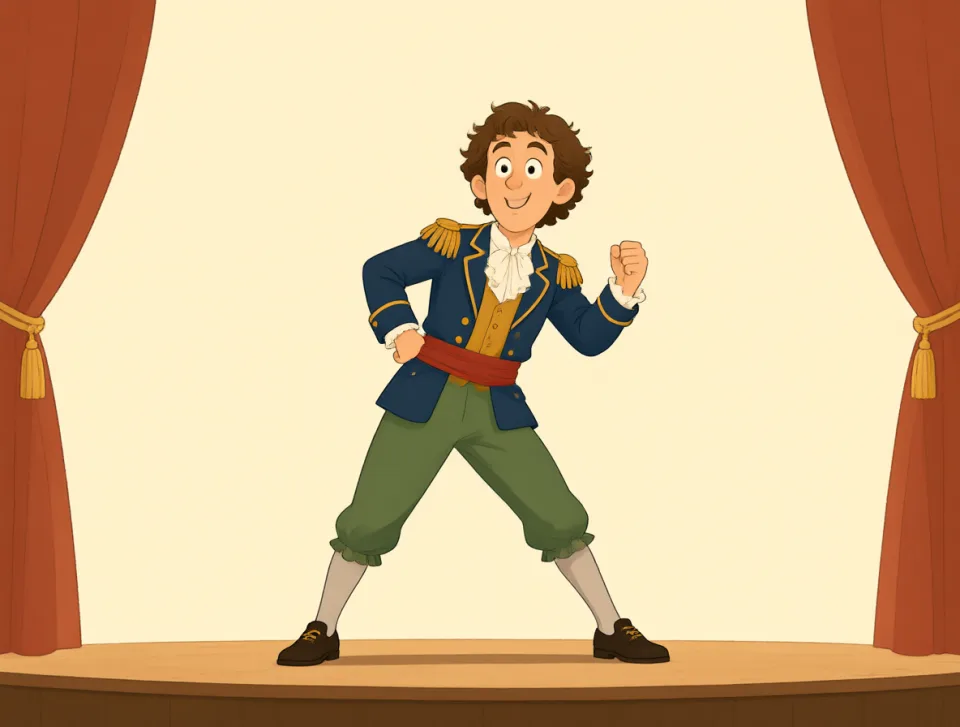
The actor gave a funny interpretation of the famous character.
Aktor przedstawił słynną postać w zabawny sposób.
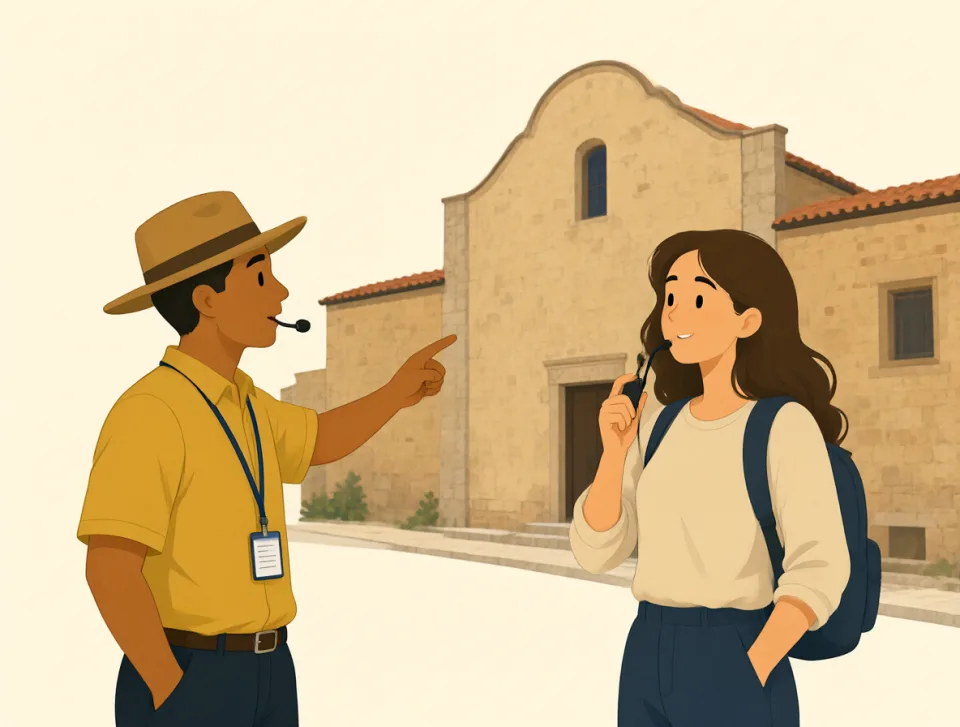
The tour included interpretation for visitors who did not speak English.
Wycieczka obejmowała tłumaczenie dla osób, które nie mówiły po angielsku.

gentleman
#1990noun
dżentelmen
A polite and well-mannered man, often used as a respectful way to address one.
Uprzejmy i dobrze wychowany mężczyzna; często używa się tego słowa, zwracając się do mężczyzny z szacunkiem.
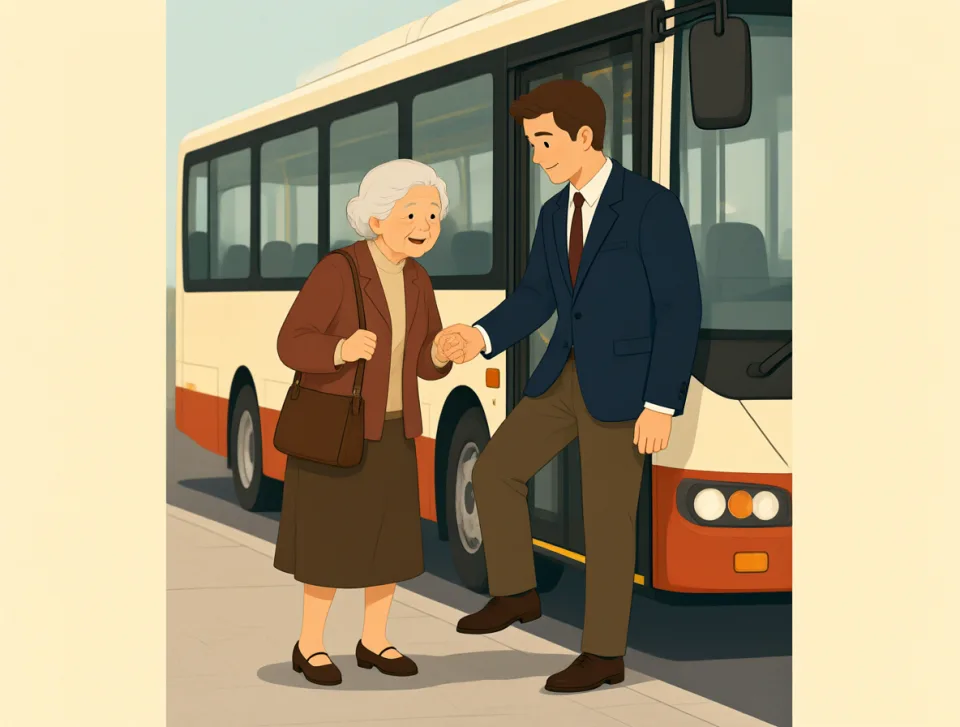
The gentleman helped an elderly woman onto the bus.
Dżentelmen pomógł starszej kobiecie wsiąść do autobusu.
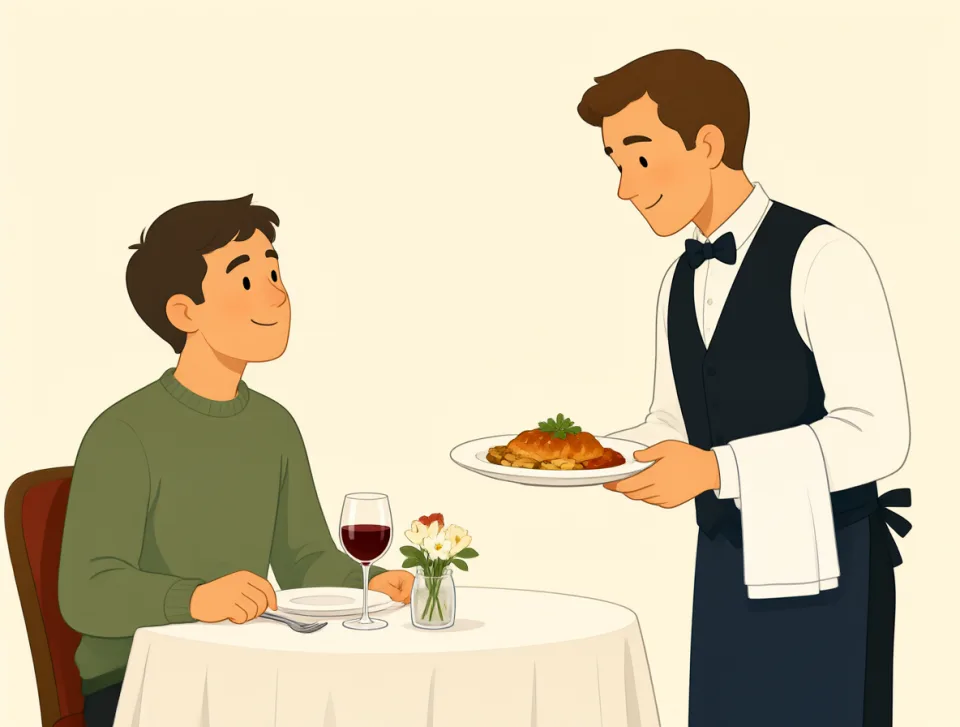
A gentleman always says please and thank you.
Dżentelmen zawsze mówi „proszę” i „dziękuję”.
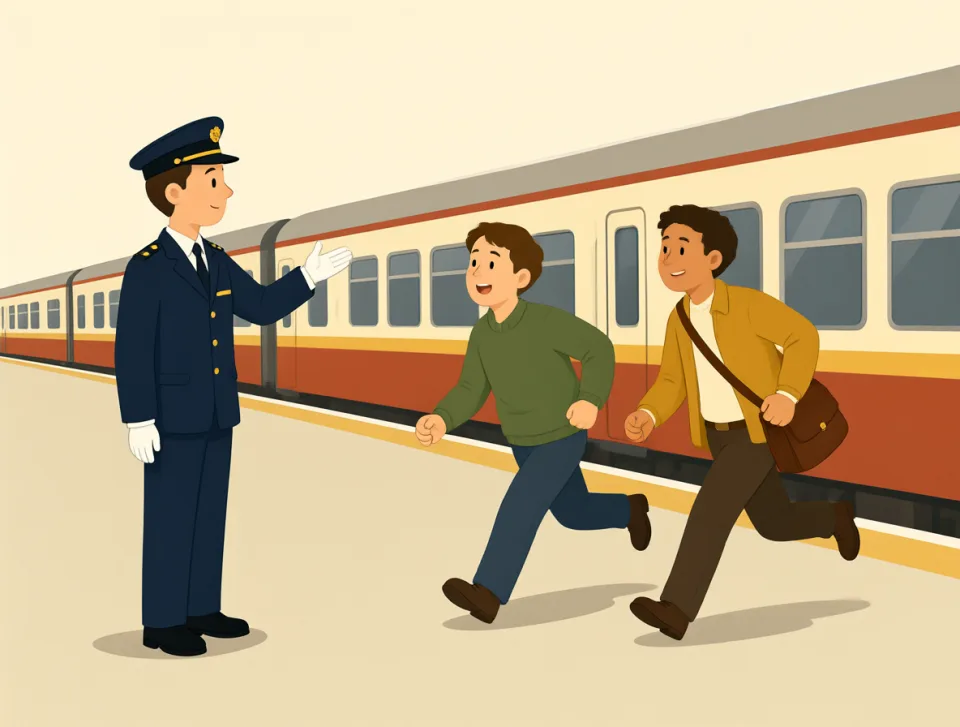
Excuse me, gentlemen, your train is leaving soon.
Przepraszam, panowie, wasz pociąg wkrótce odjeżdża.

The gentleman at the hotel desk found my passport.
Dżentelmen z recepcji hotelowej znalazł mój paszport.
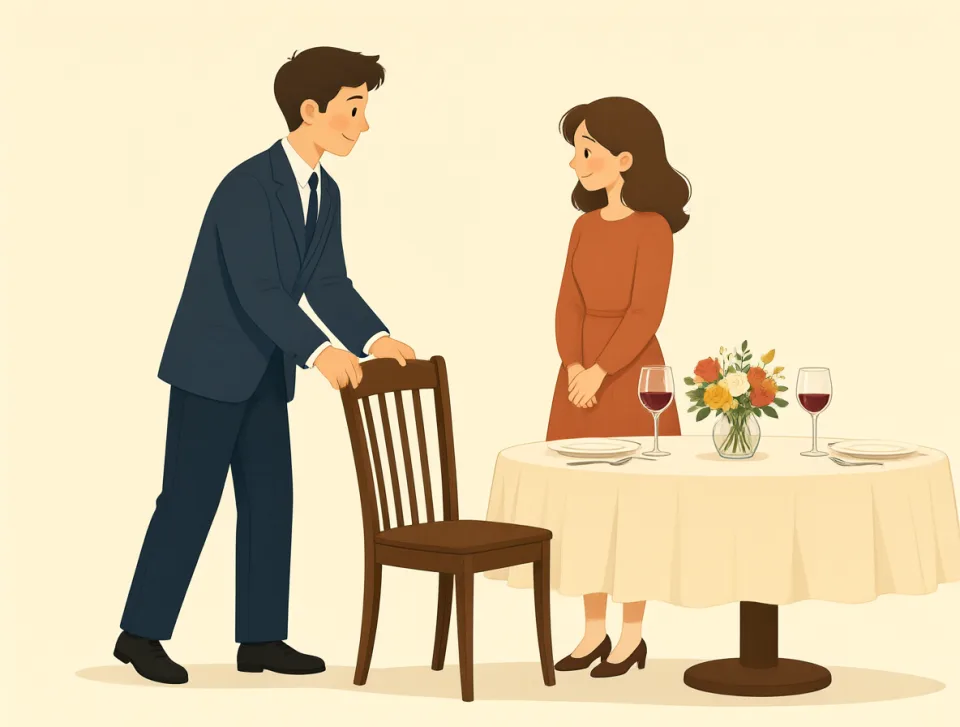
He behaved like a true gentleman at dinner.
Podczas kolacji zachowywał się jak prawdziwy dżentelmen.
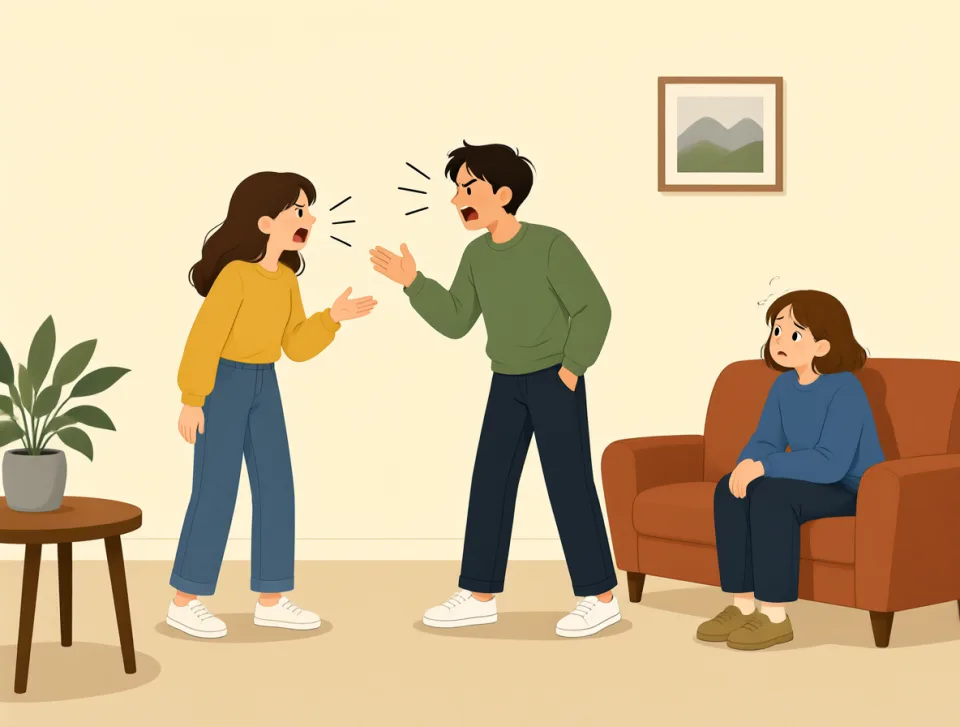
drama
#1991noun
drama
An exciting or emotional situation that causes trouble or strong feelings.
Emocjonująca lub pełna napięcia sytuacja, która powoduje kłopoty albo wywołuje silne uczucia.
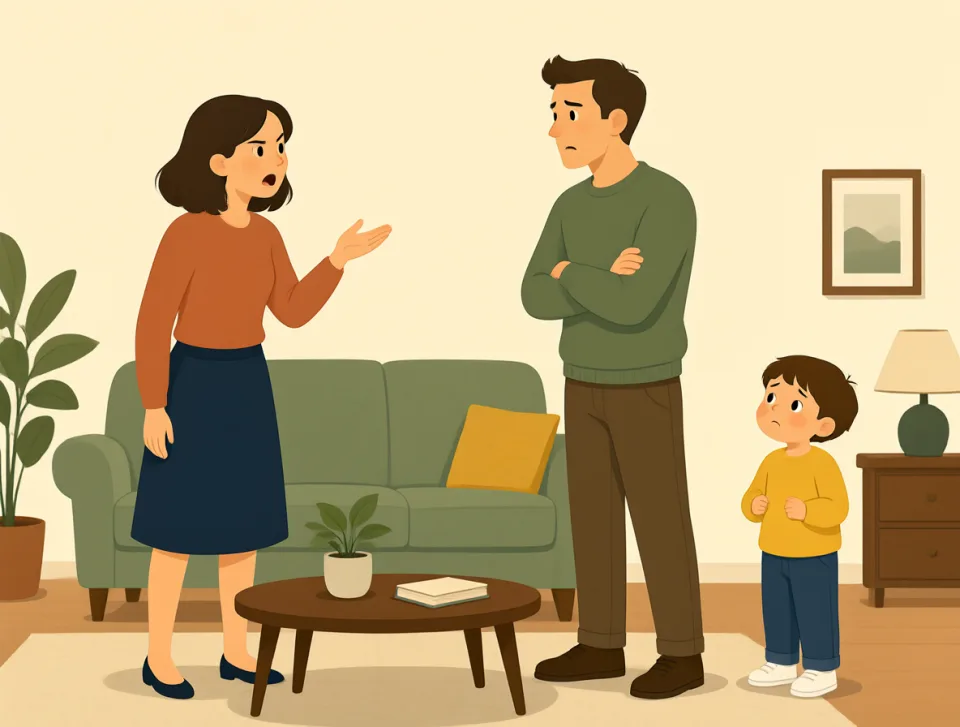
There was a lot of drama at home last night.
Wczoraj wieczorem w domu było sporo dramatu.
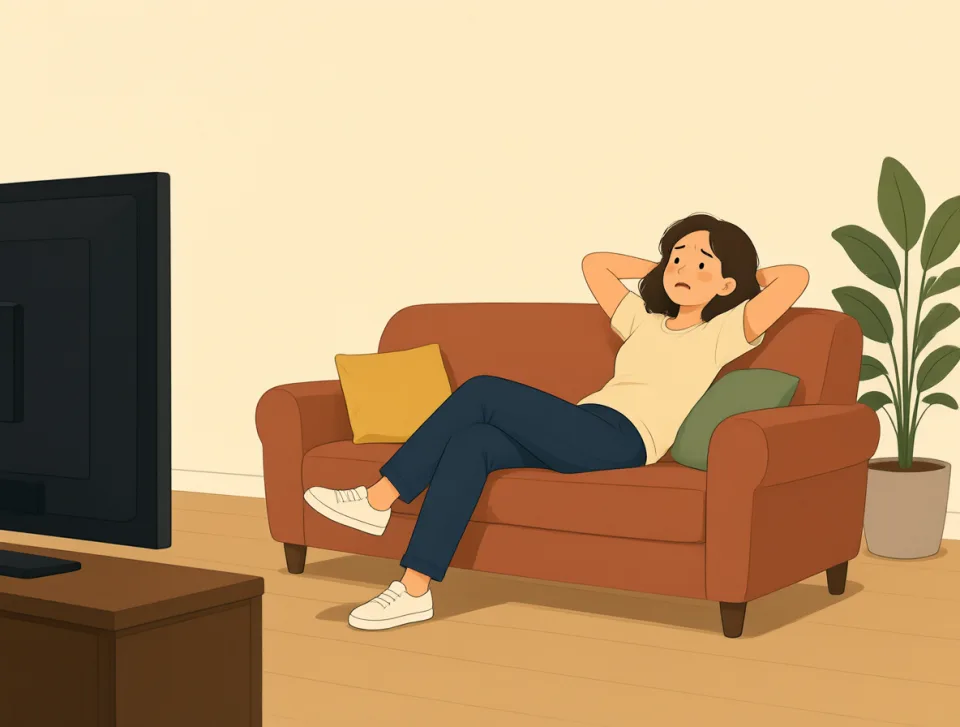
She loves watching drama series after work.
Po pracy uwielbia oglądać seriale obyczajowe.
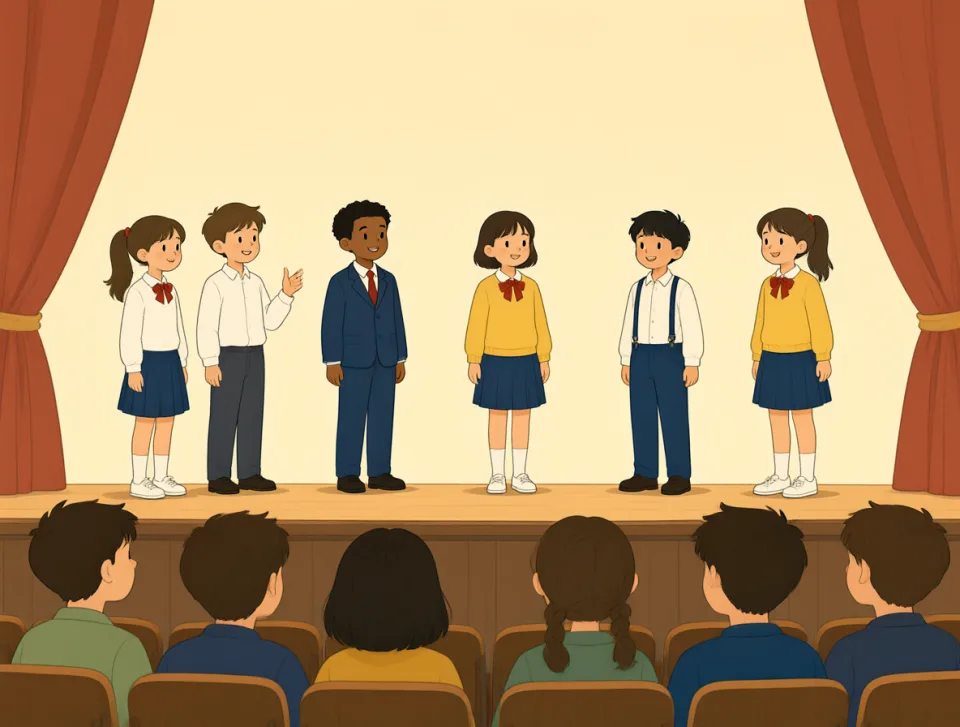
The school drama club performed a play on Friday.
Szkolne kółko teatralne wystawiło sztukę w piątek.

Please stop creating drama over a small mistake.
Przestań robić aferę z powodu drobnego błędu.
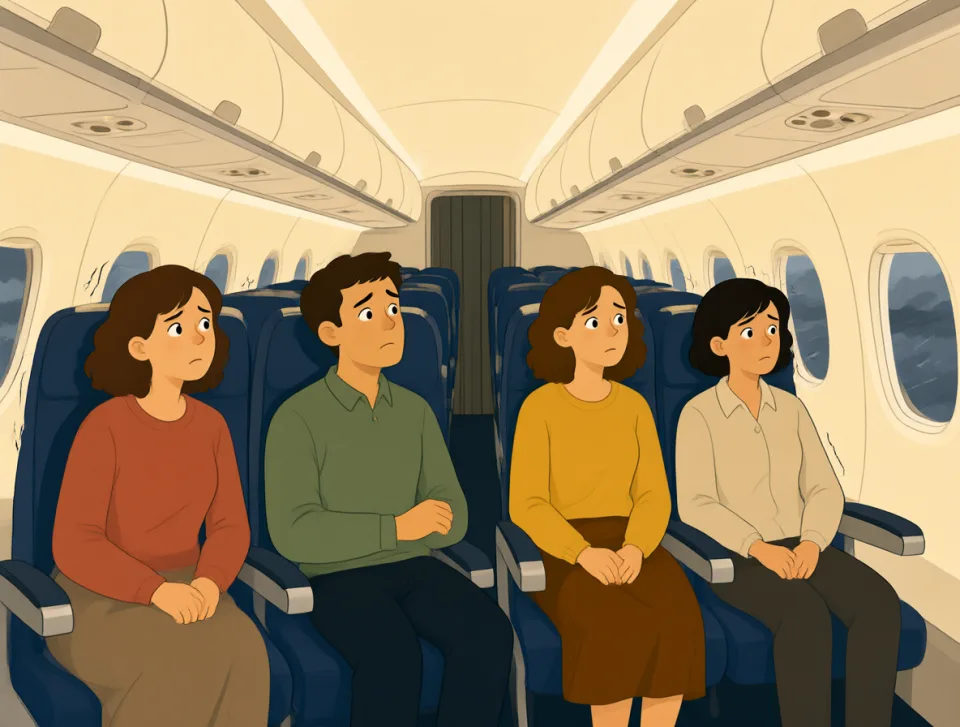
The flight had some drama when the weather suddenly changed.
Podczas lotu zrobiło się trochę nerwowo, gdy pogoda nagle się zmieniła.
landscape
#1992noun
krajobraz
The land, plants, and natural features of a place, especially as seen from far away.
Teren, roślinność i naturalne elementy danego miejsca, zwłaszcza widziane z oddali.
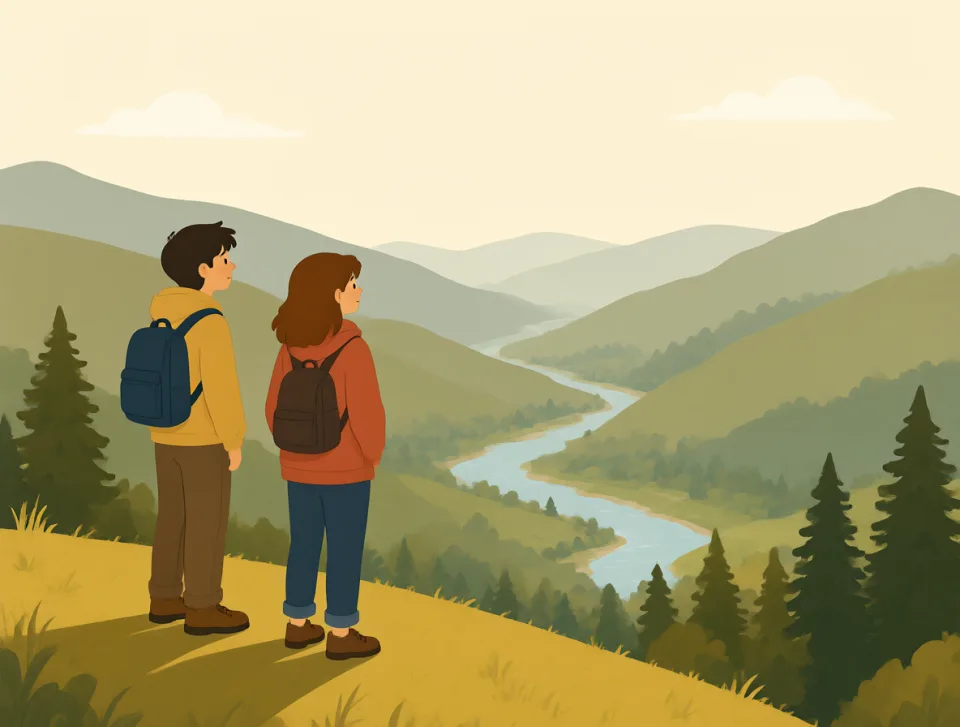
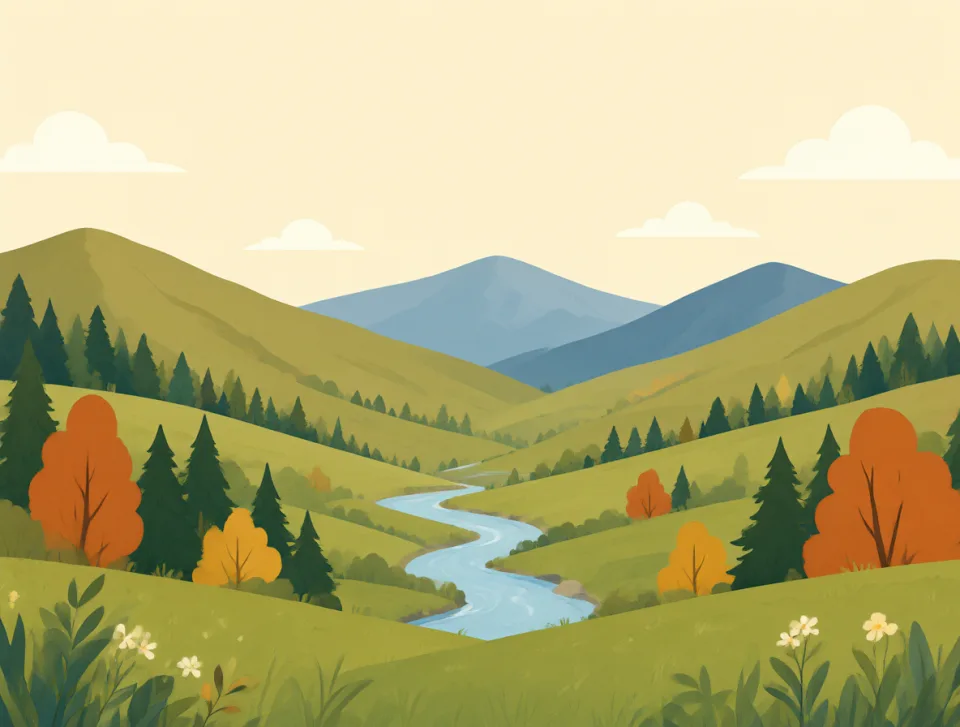
We stopped to enjoy the beautiful mountain landscape.
Zatrzymaliśmy się, żeby podziwiać piękny górski krajobraz.
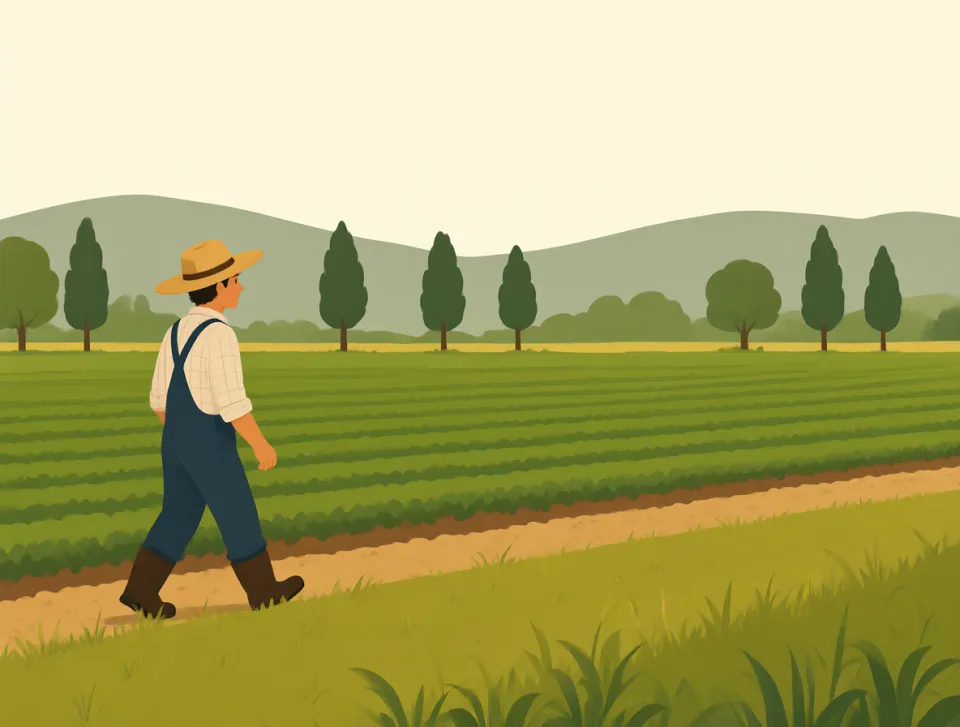
The countryside landscape was covered with green fields and trees.
Wiejski krajobraz pokrywały zielone pola i drzewa.
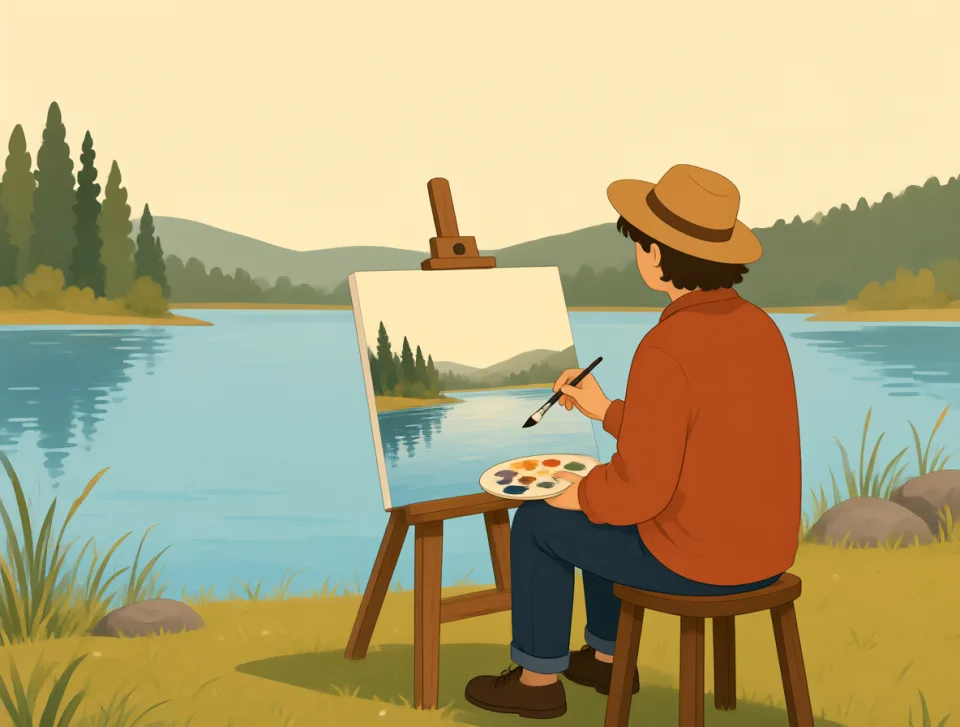
The artist painted a peaceful landscape near the lake.
Artysta namalował spokojny krajobraz nad jeziorem.
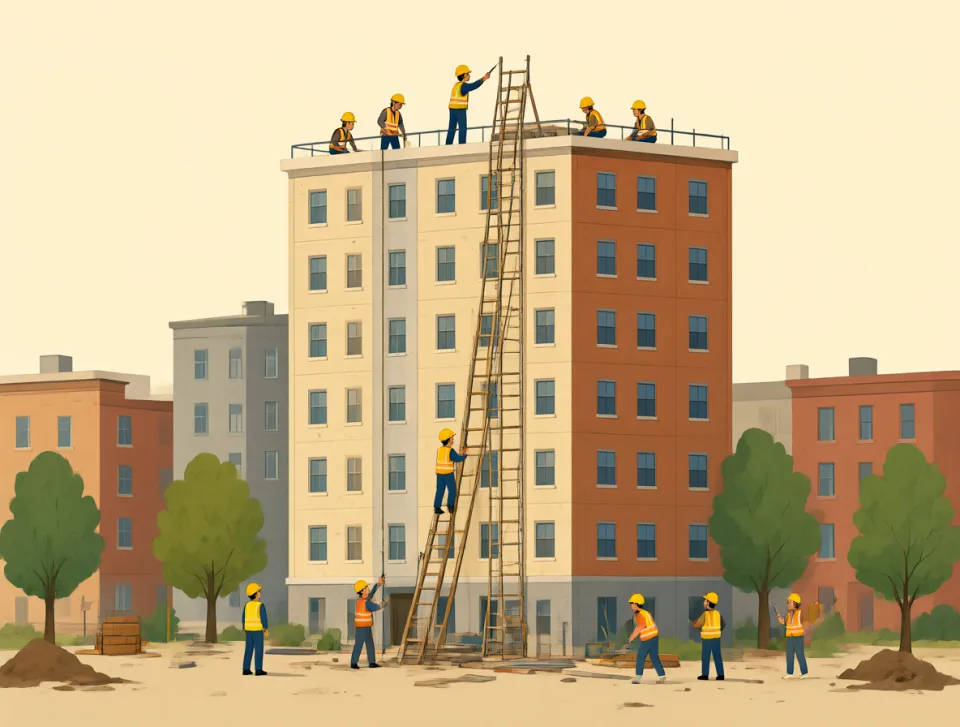
New buildings are changing the city landscape quickly.
Nowe budynki szybko zmieniają krajobraz miasta.
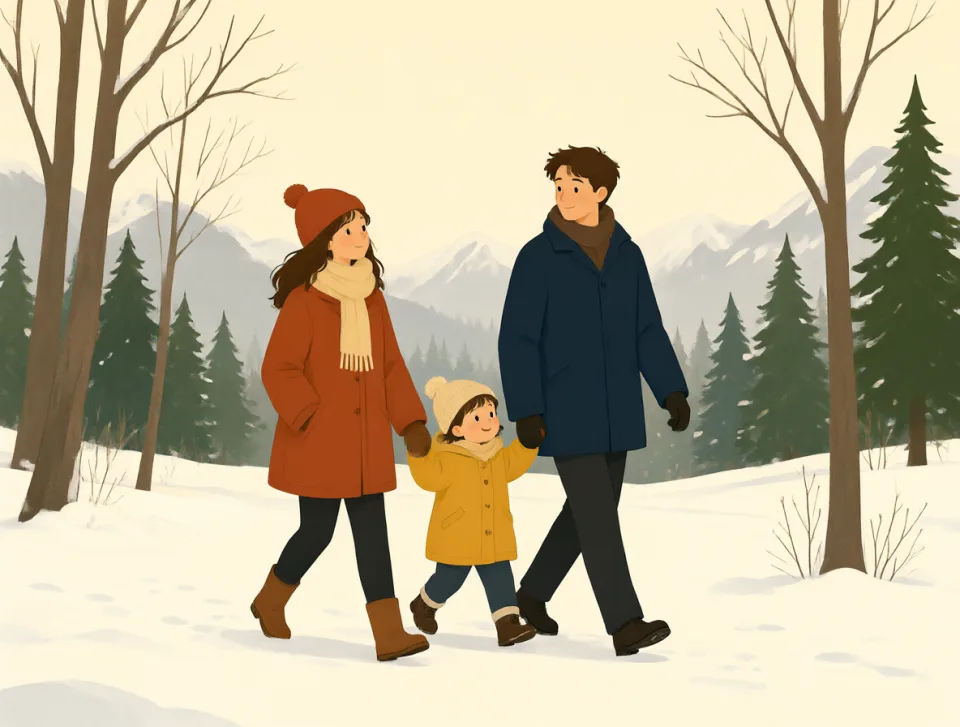
The snowy landscape looked magical during our winter trip.
Ośnieżony krajobraz podczas naszej zimowej wycieczki wyglądał magicznie.
educate
#1993verb
kształcić
to teach someone about a subject or help them develop knowledge and skills
Uczyć kogoś jakiegoś przedmiotu lub pomagać mu rozwijać wiedzę i umiejętności.
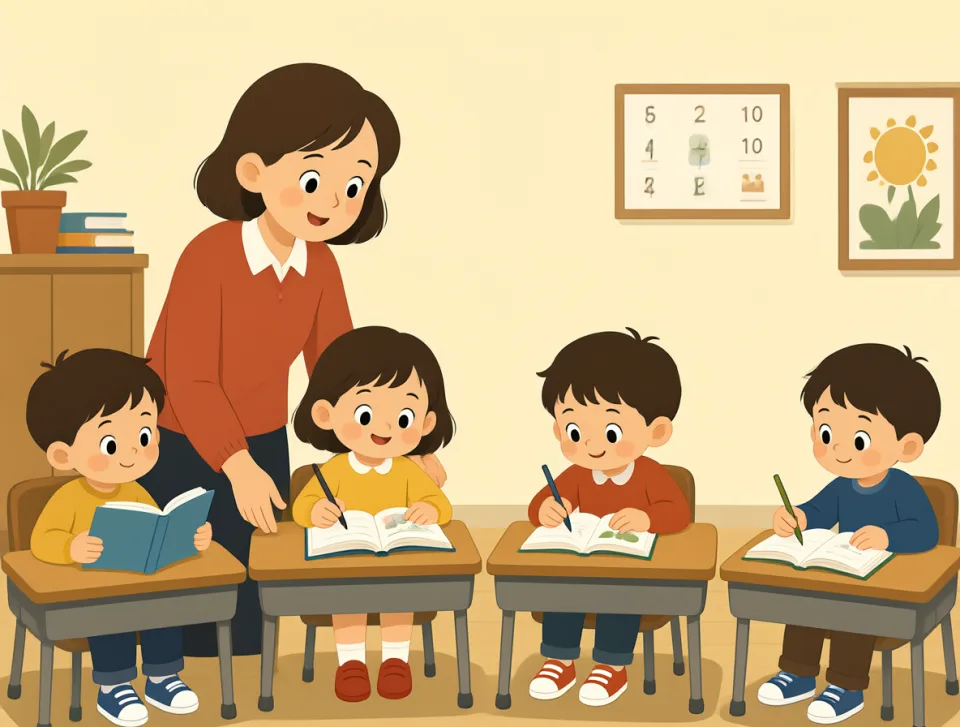
Schools educate children in reading, writing, and mathematics.
Szkoły uczą dzieci czytania, pisania i matematyki.
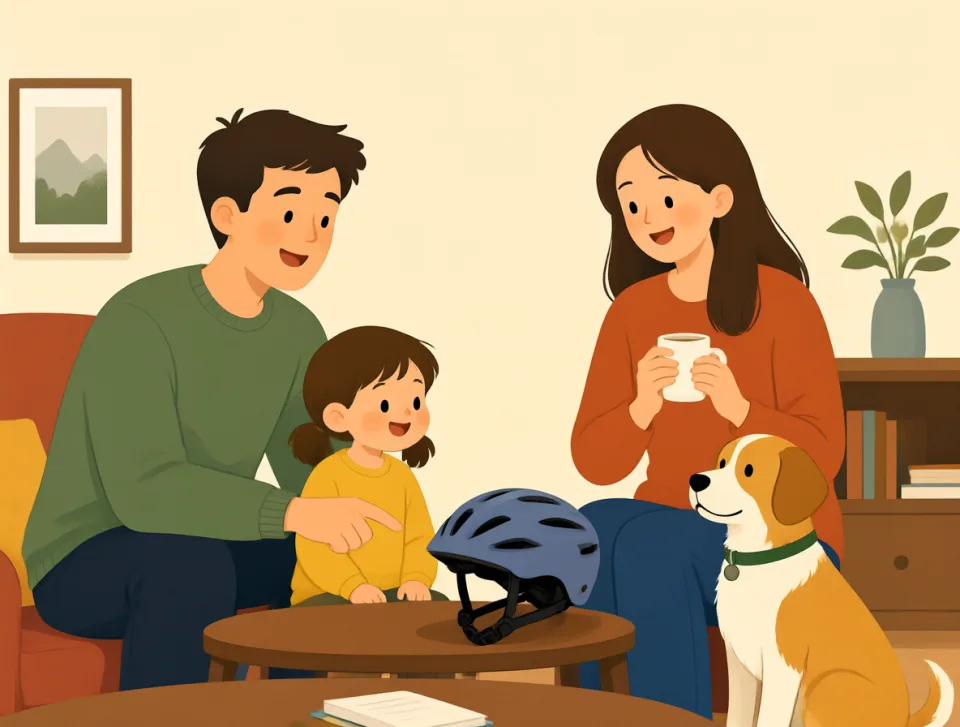
Parents educate their children about safety and kindness.
Rodzice uczą dzieci zasad bezpieczeństwa i życzliwości.

The course educates workers about workplace safety.
Kurs uczy pracowników zasad bezpieczeństwa w miejscu pracy.
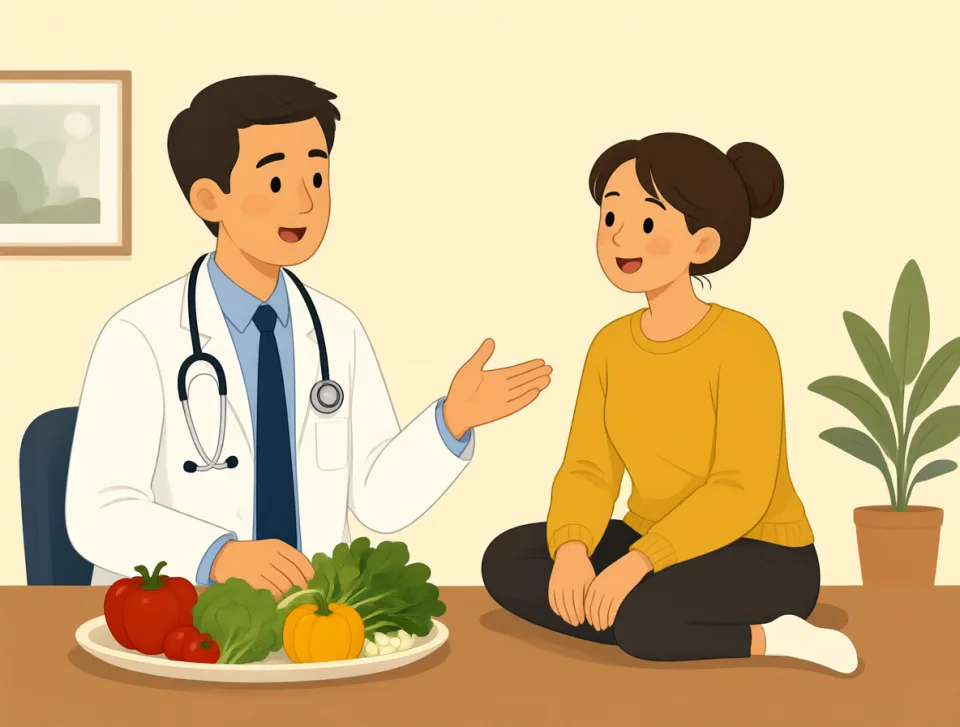
Doctors educate patients about healthy food and exercise.
Lekarze edukują pacjentów na temat zdrowego odżywiania i ćwiczeń.
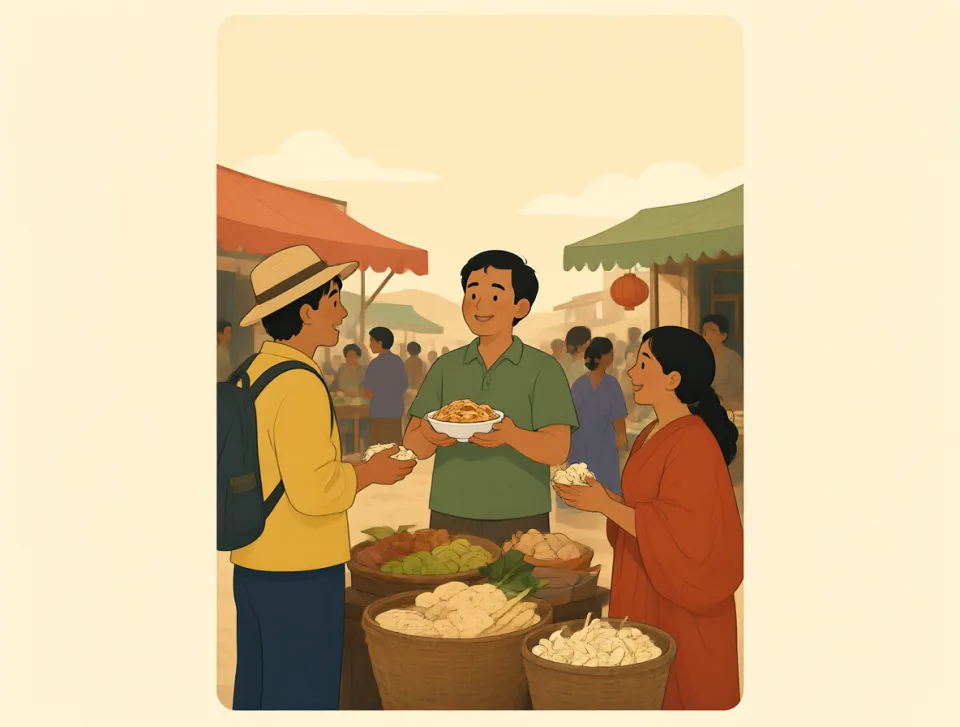
Travel can educate people about different cultures and traditions.
Podróże mogą uczyć ludzi o różnych kulturach i tradycjach.
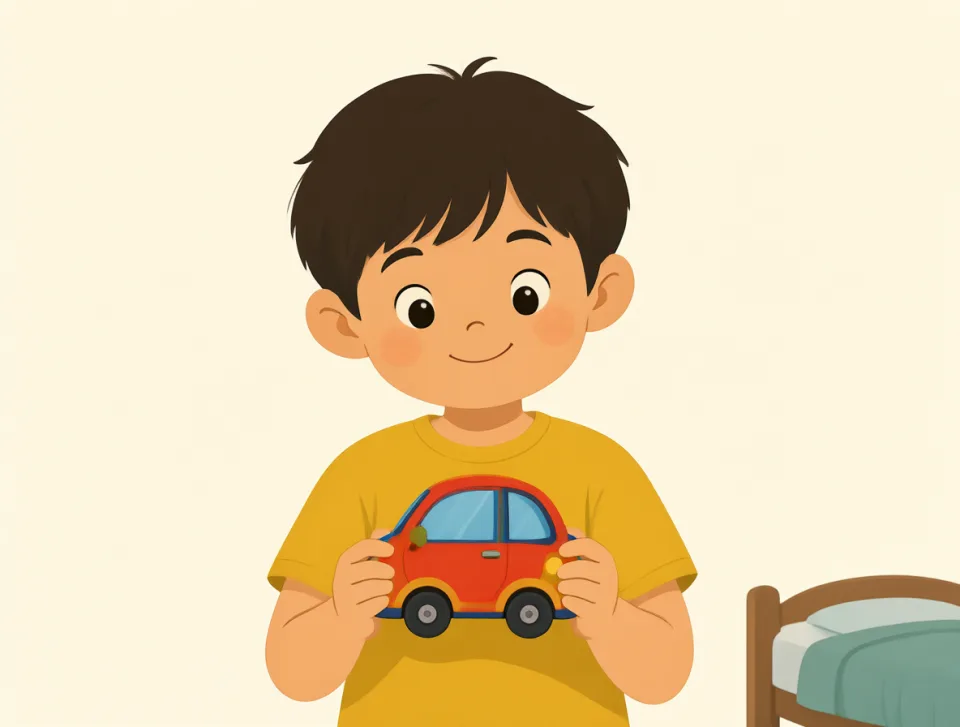
toy
#1994noun, verb
zabawka
An object children play with; to treat something as if it were only for fun.
Przedmiot, którym bawią się dzieci; traktować coś tak, jakby było tylko zabawą.
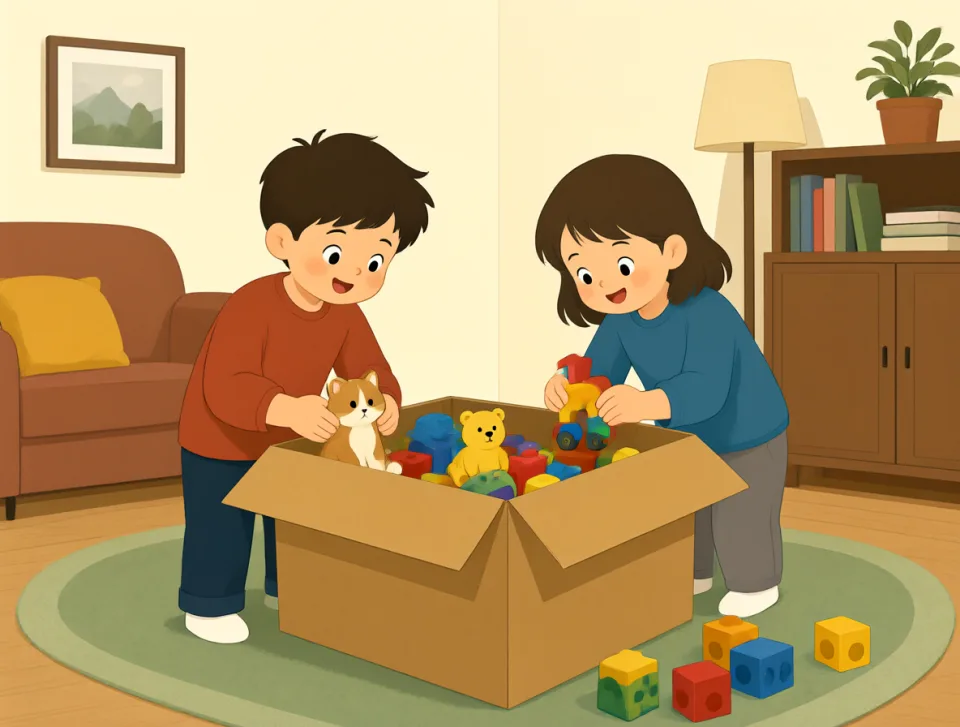
The children put their toys away before dinner.
Dzieci schowały zabawki przed kolacją.
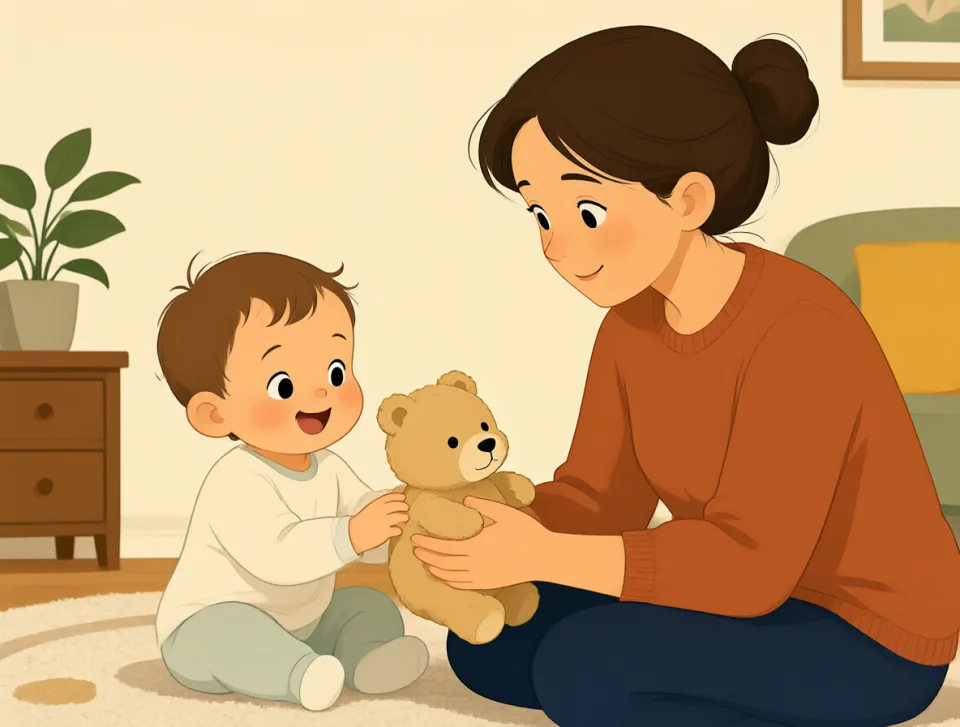
She bought a new toy for her baby.
Kupiła nową zabawkę dla swojego dziecka.
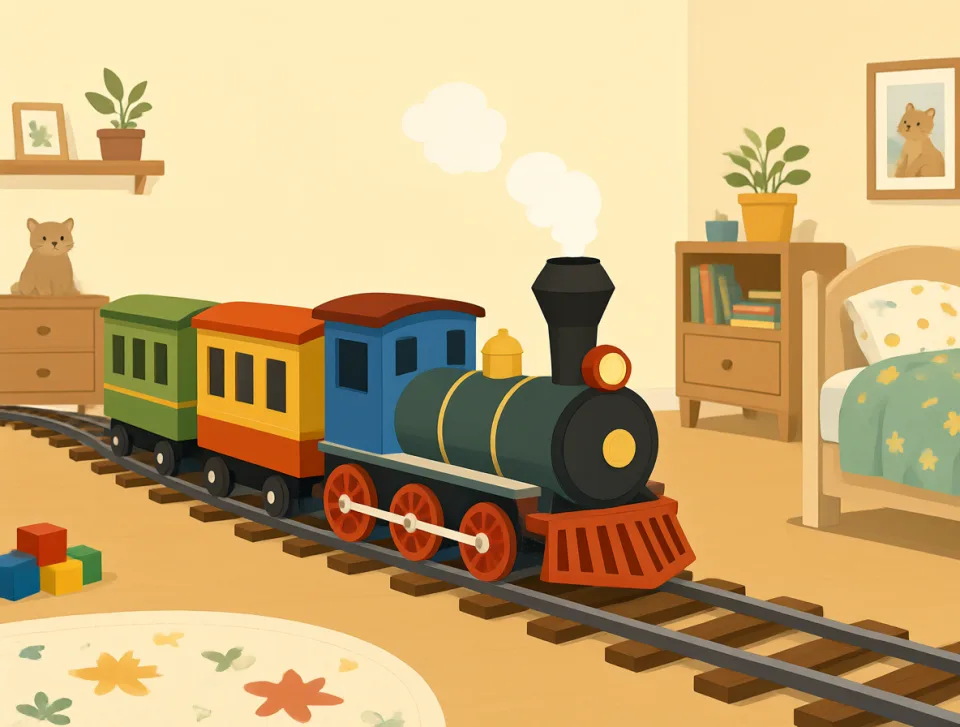
This toy train runs on batteries.
Ten pociąg-zabawka działa na baterie.
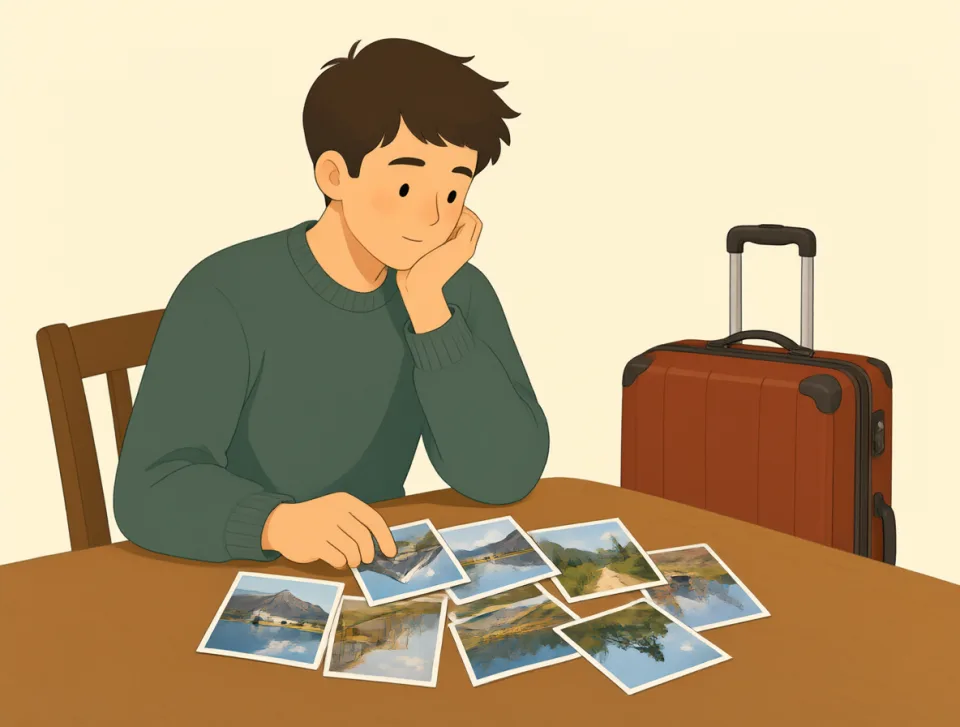
He toyed with the idea of traveling abroad.
Rozważał możliwość wyjazdu za granicę.
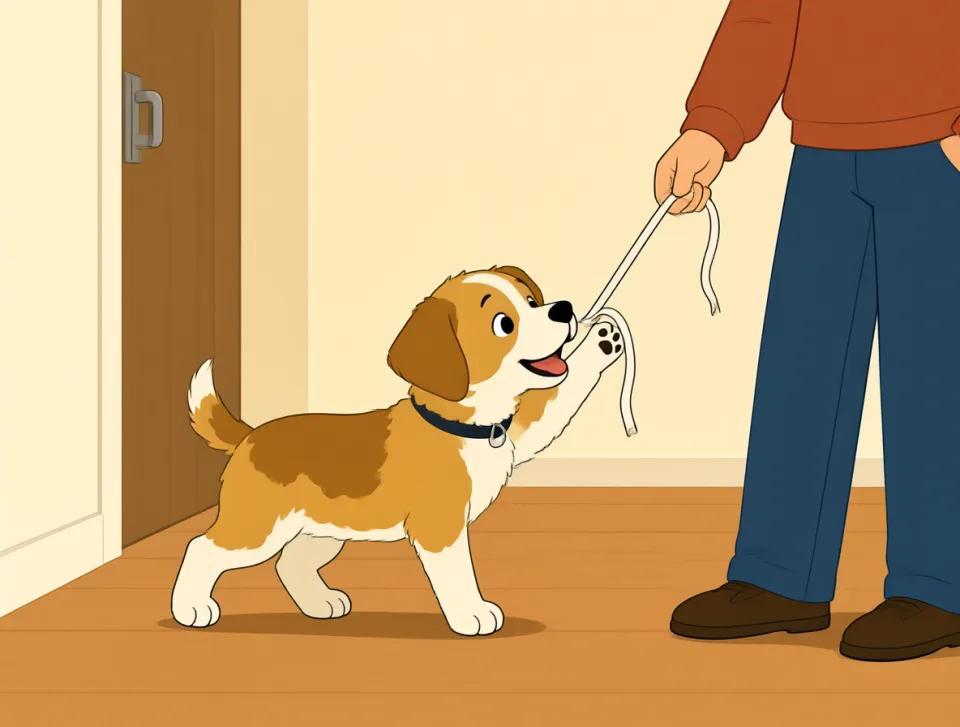
The puppy toyed with the loose shoelace.
Szczeniak bawił się luźną sznurówką.
fault
#1995noun
wina
A mistake, problem, or responsibility for something bad that happened.
Błąd, problem lub odpowiedzialność za coś złego, co się wydarzyło.
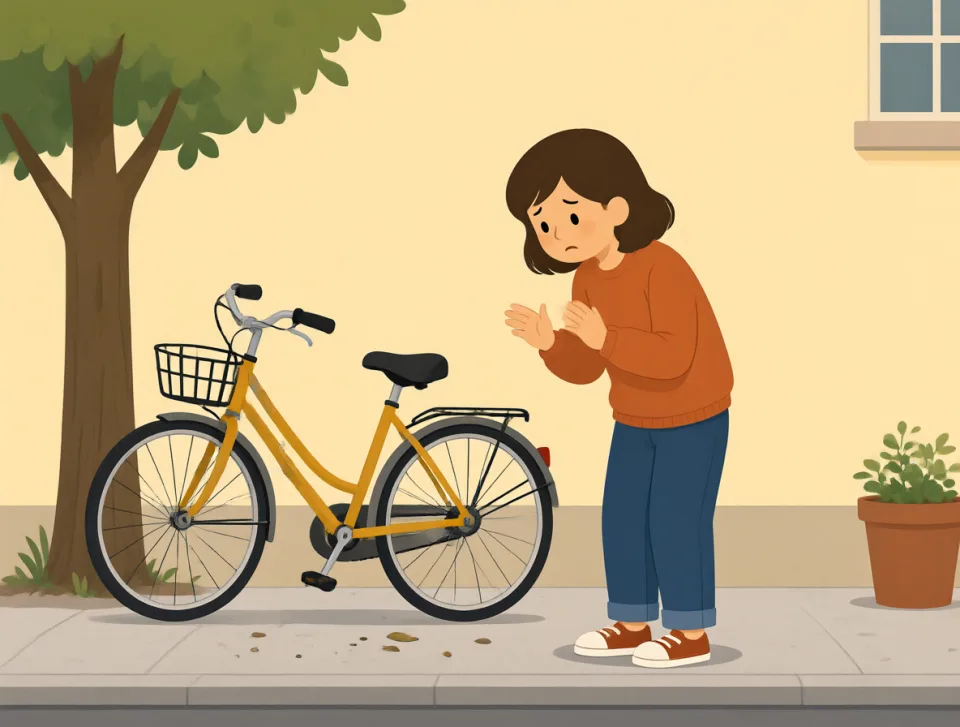
The accident was my fault, so I apologized to everyone.
Wypadek był z mojej winy, więc przeprosiłem wszystkich.
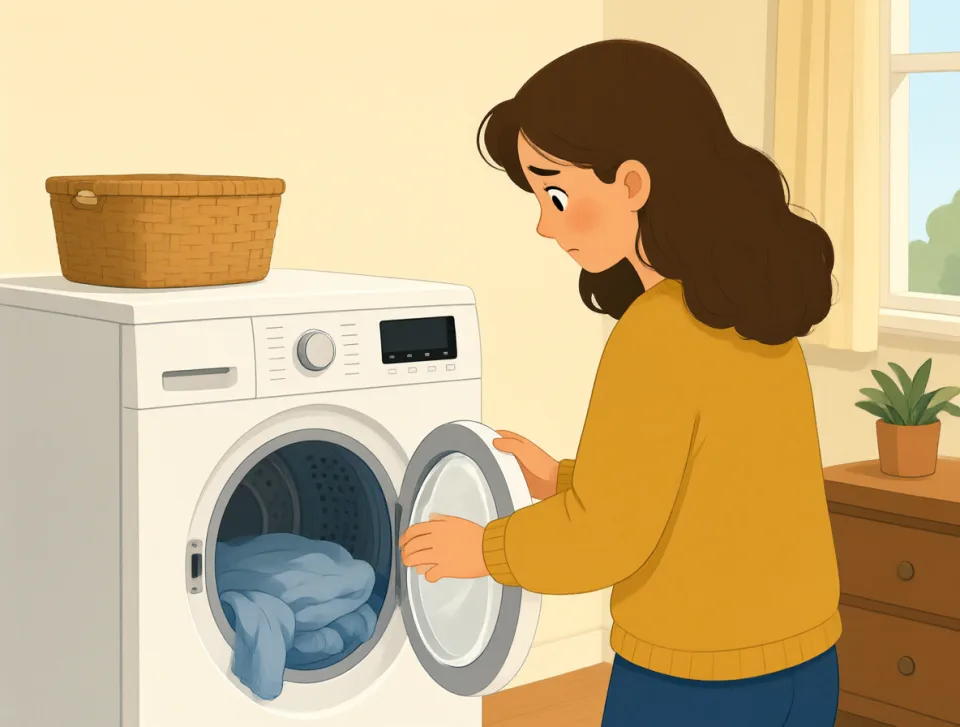
There is a fault in the washing machine, and it will not start.
Pralka jest uszkodzona i nie chce się uruchomić.
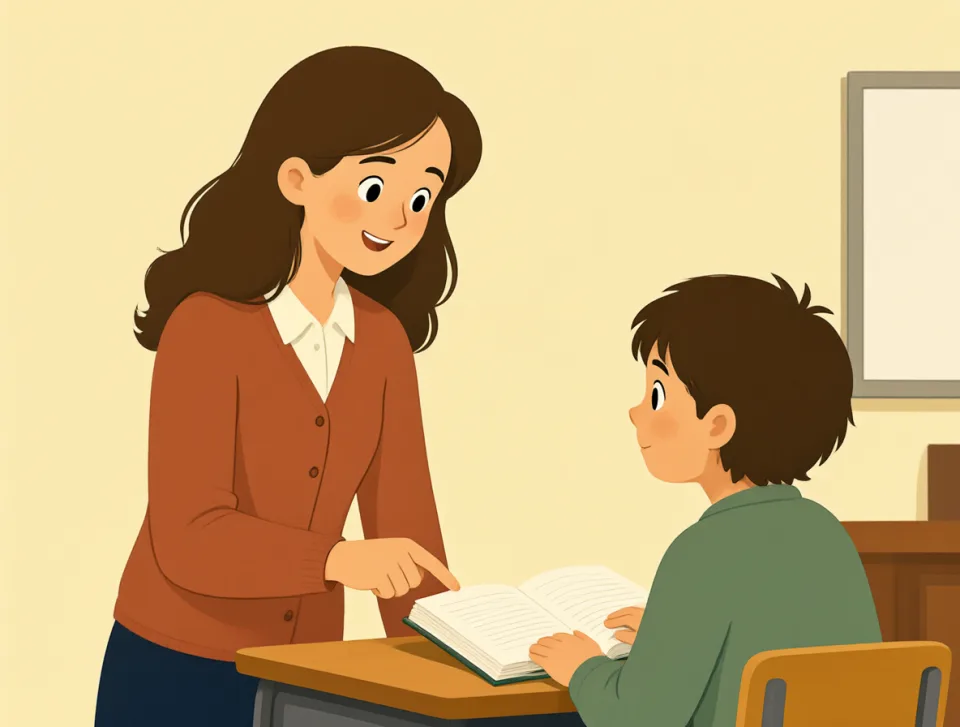
The teacher found a fault in my answer and explained it.
Nauczyciel znalazł błąd w mojej odpowiedzi i go wyjaśnił.
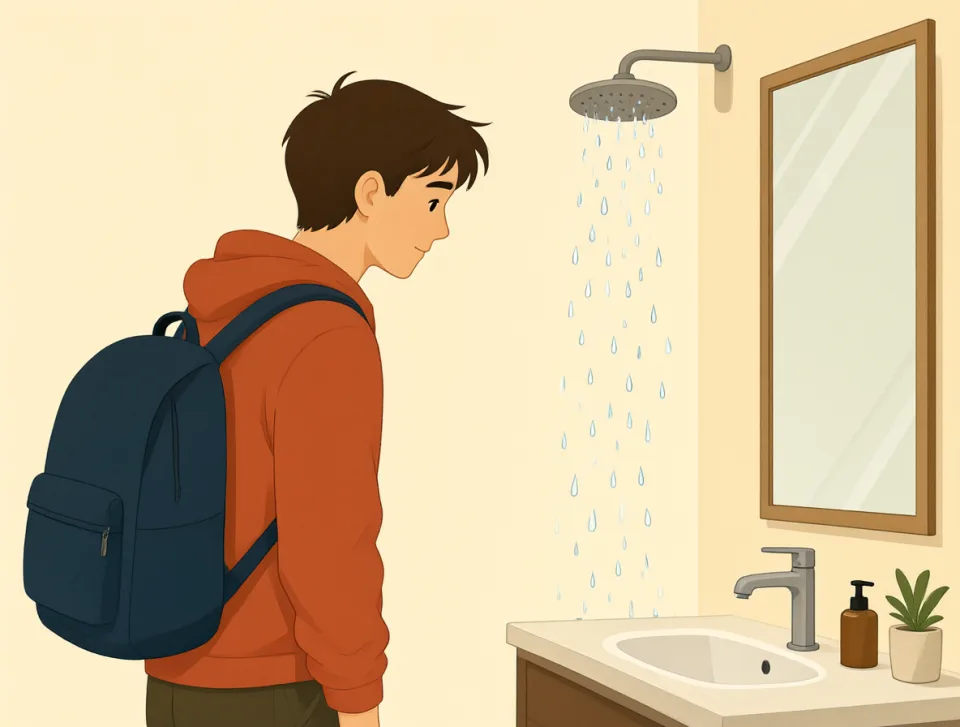
The hotel room was clean, but the shower had a small fault.
Pokój hotelowy był czysty, ale prysznic miał drobną usterkę.
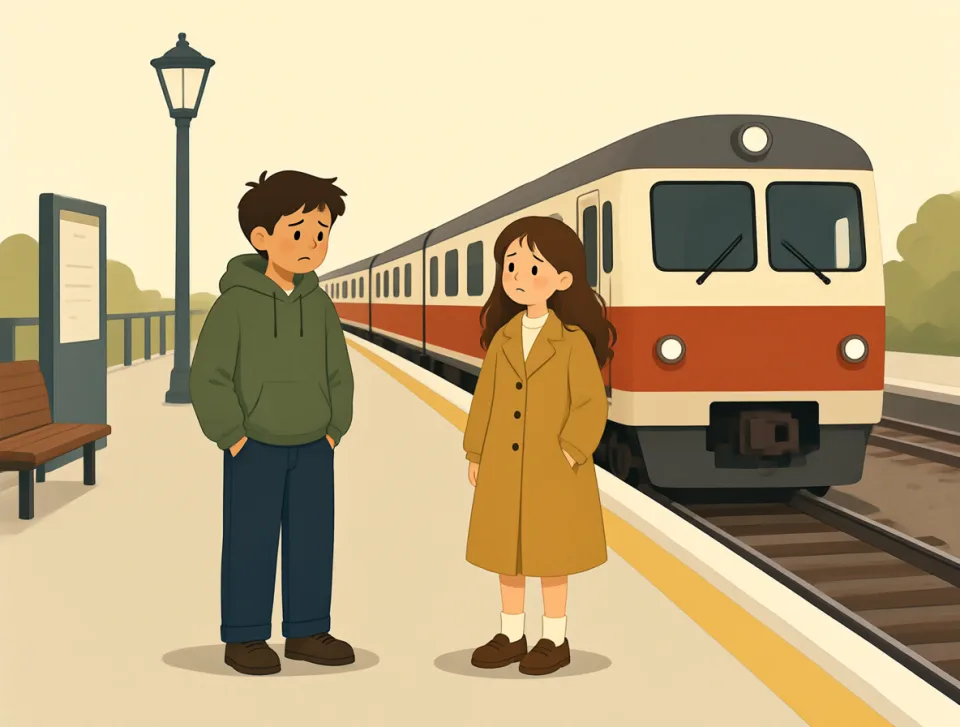
It was not your fault that we missed the train.
To nie twoja wina, że spóźniliśmy się na pociąg.
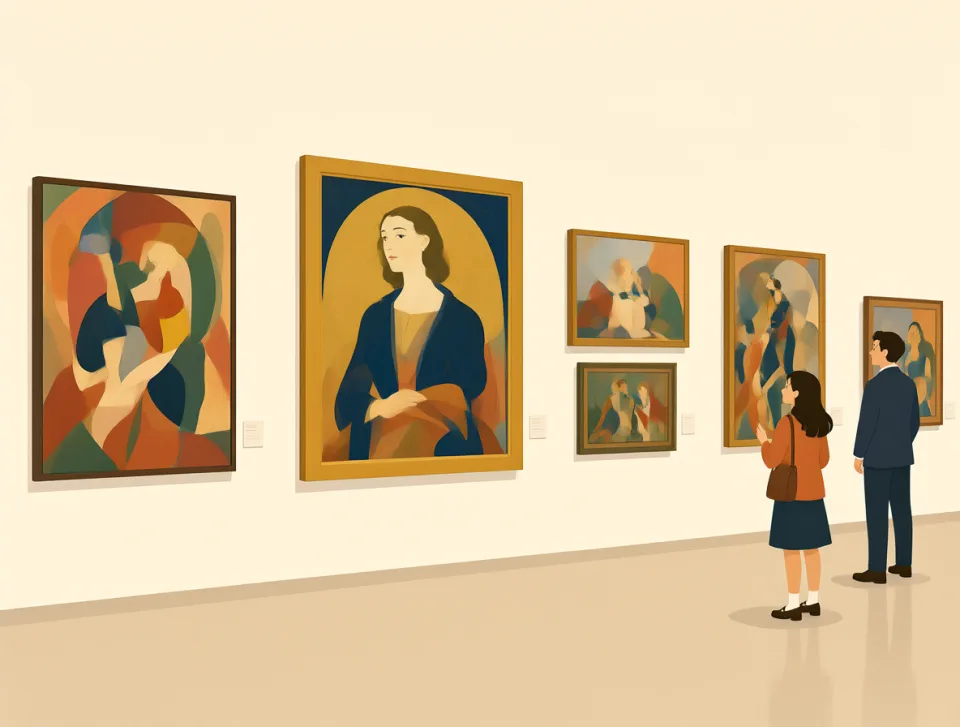
exhibit
#1996noun, verb
wystawa
A public display, an object shown publicly, or to show a quality.
Publiczna wystawa, obiekt prezentowany publicznie lub przejawianie jakiejś cechy.
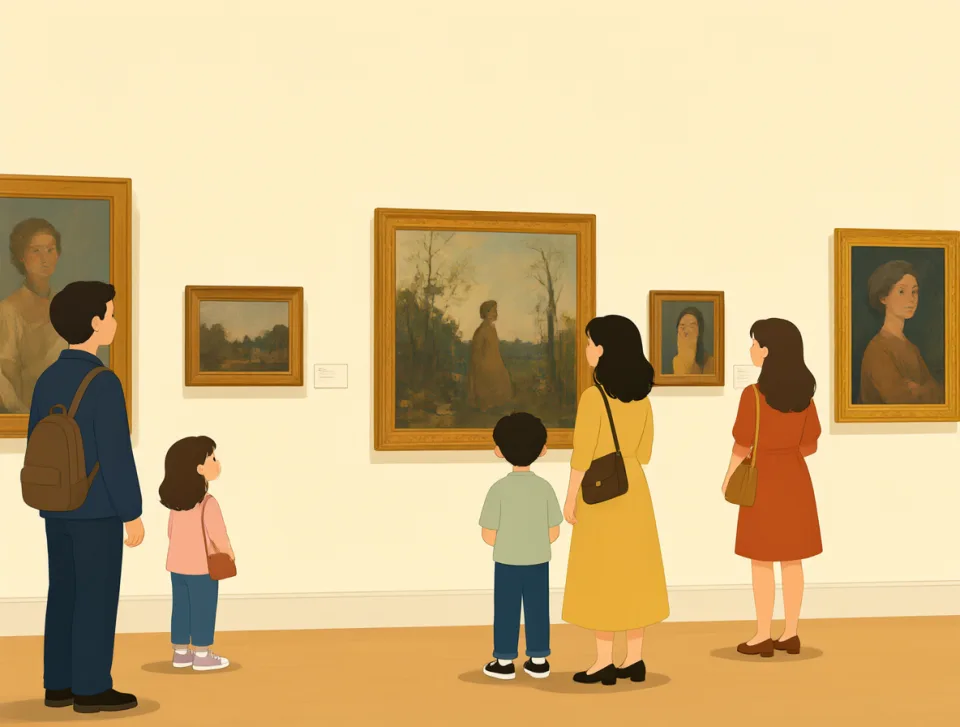
The museum's new exhibit features paintings by local artists.
Na nowej wystawie w muzeum można zobaczyć obrazy lokalnych artystów.
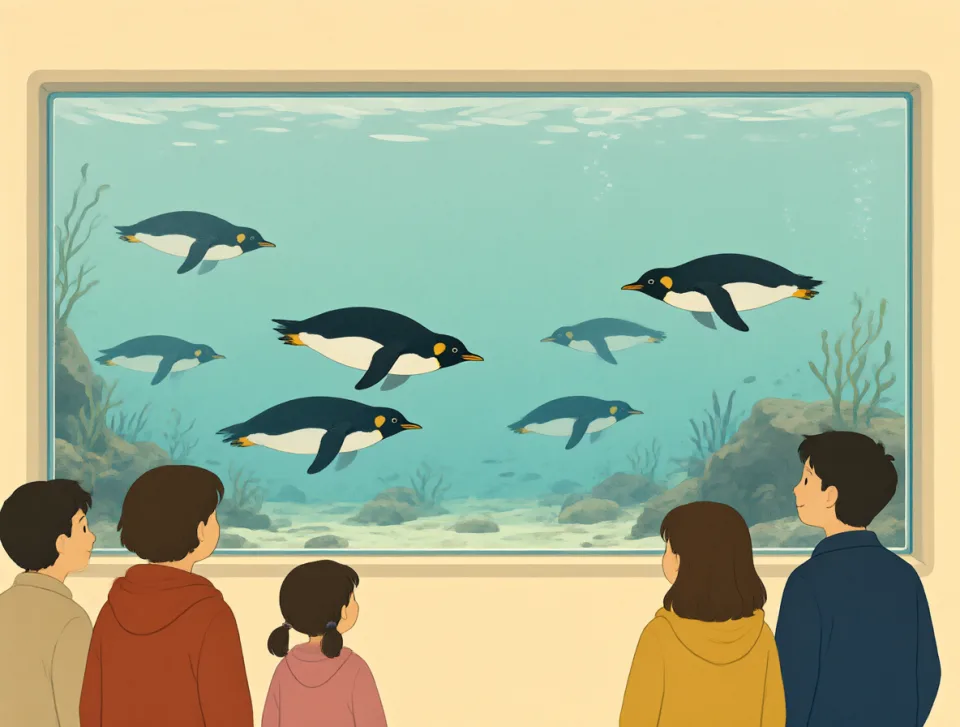
The zoo exhibit lets visitors watch penguins swim underwater.
Na wystawie w zoo można obserwować pingwiny pływające pod wodą.
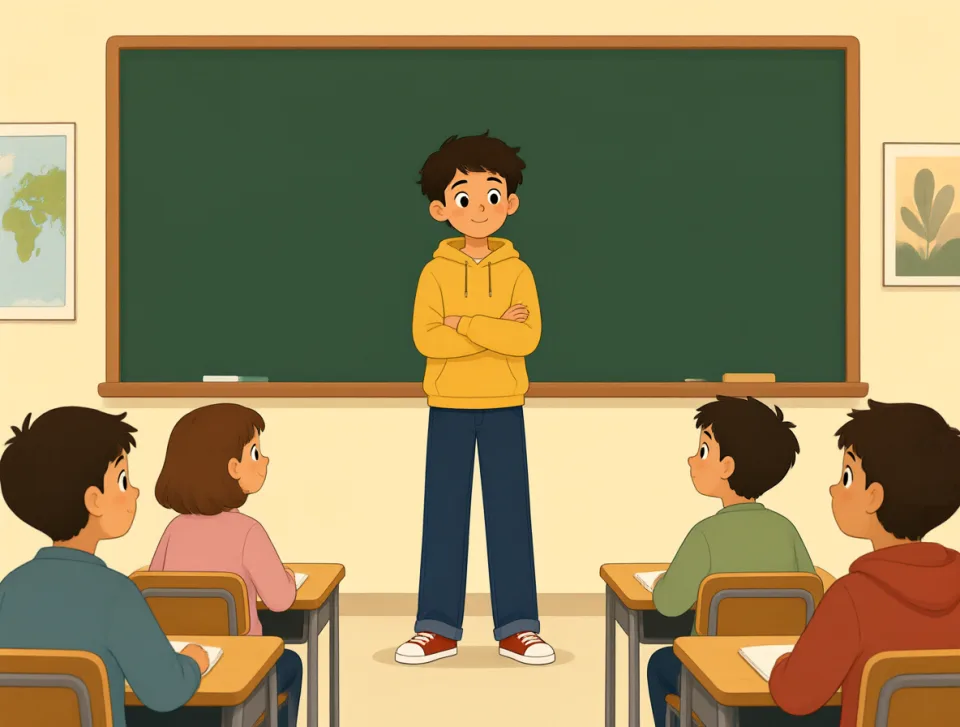
The student exhibited confidence during her first presentation.
Studentka wykazała się pewnością siebie podczas swojej pierwszej prezentacji.
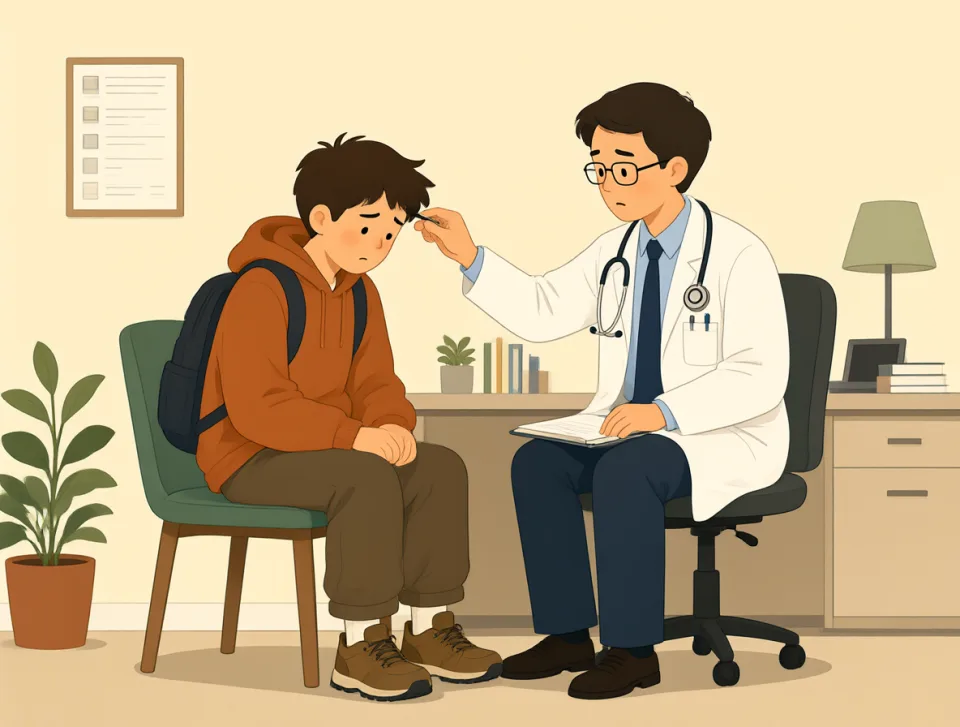
The patient exhibited signs of dehydration after the long hike.
Po długiej wędrówce u pacjenta wystąpiły objawy odwodnienia.
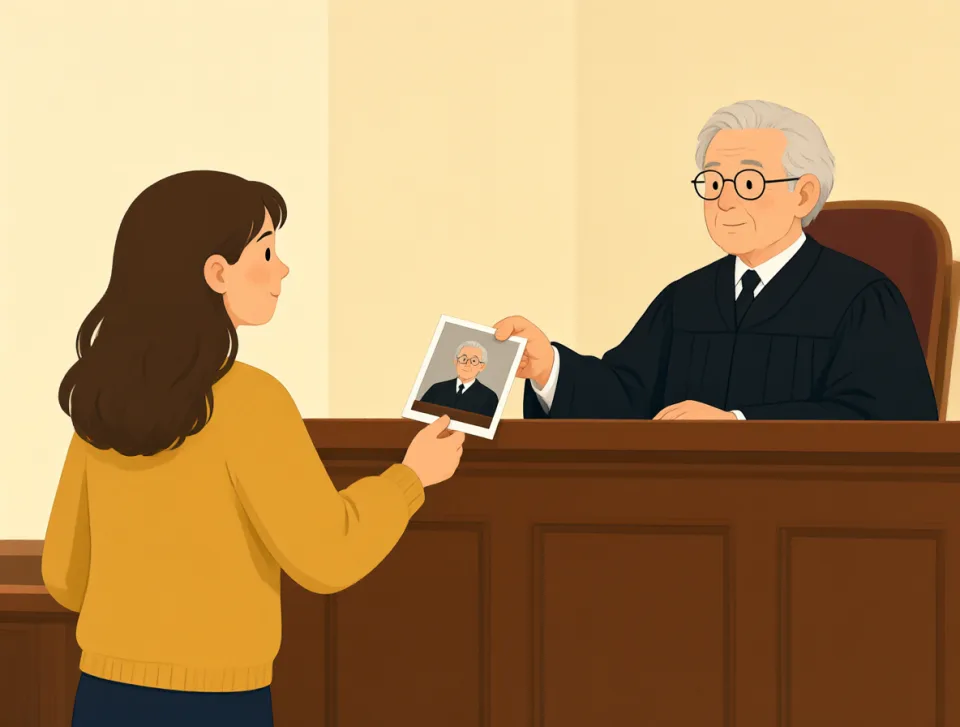
The lawyer presented a photograph as an exhibit in court.
Prawnik przedstawił fotografię jako dowód w sądzie.
minor
#1997adjective, noun
niewielki; drobny
Small or not very important; a student studying a subject as a second field.
Mały lub niezbyt ważny; student studiujący dany przedmiot jako drugi kierunek.
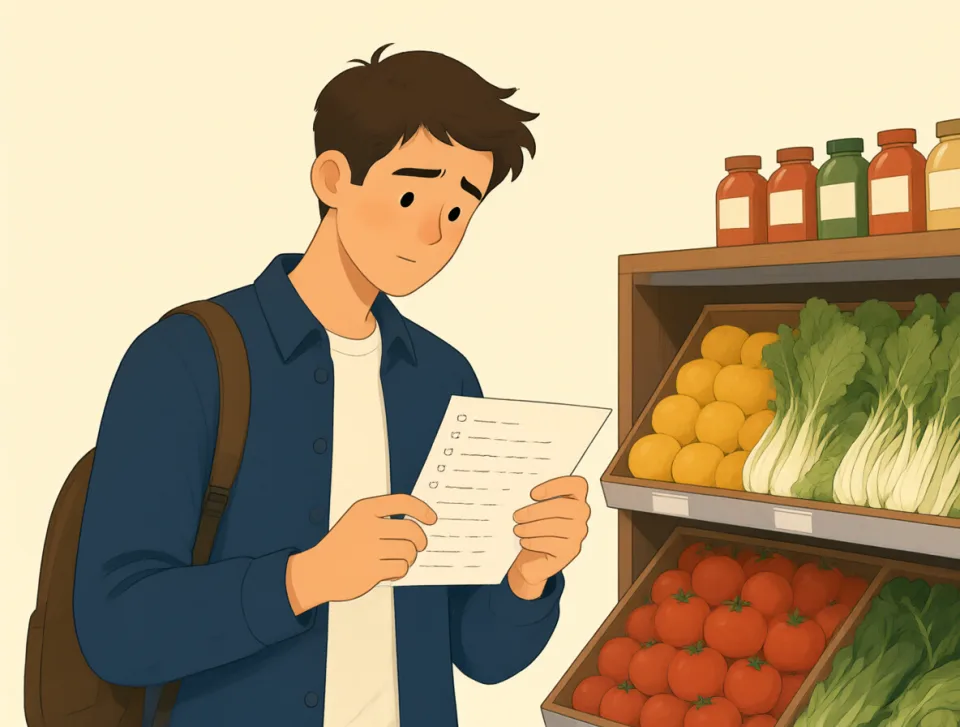
He made a minor mistake in the shopping list.
Pomylił się nieznacznie na liście zakupów.
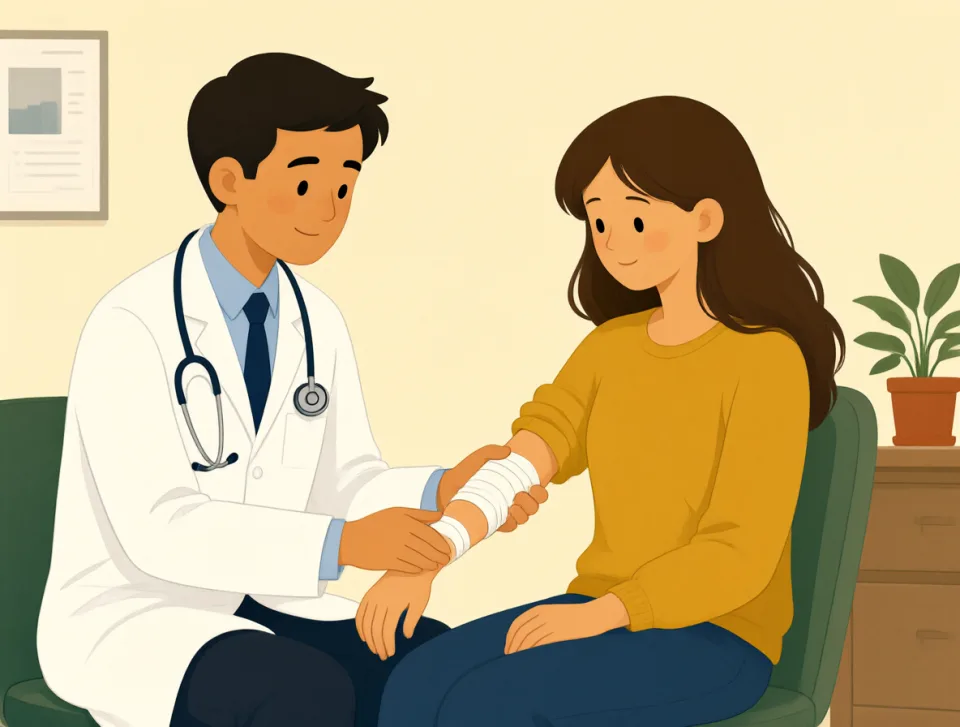
The doctor said her injury was minor and would heal soon.
Lekarz powiedział, że jej uraz jest niewielki i wkrótce się zagoi.

We had a minor problem with the hotel room.
Mieliśmy drobny problem z pokojem hotelowym.
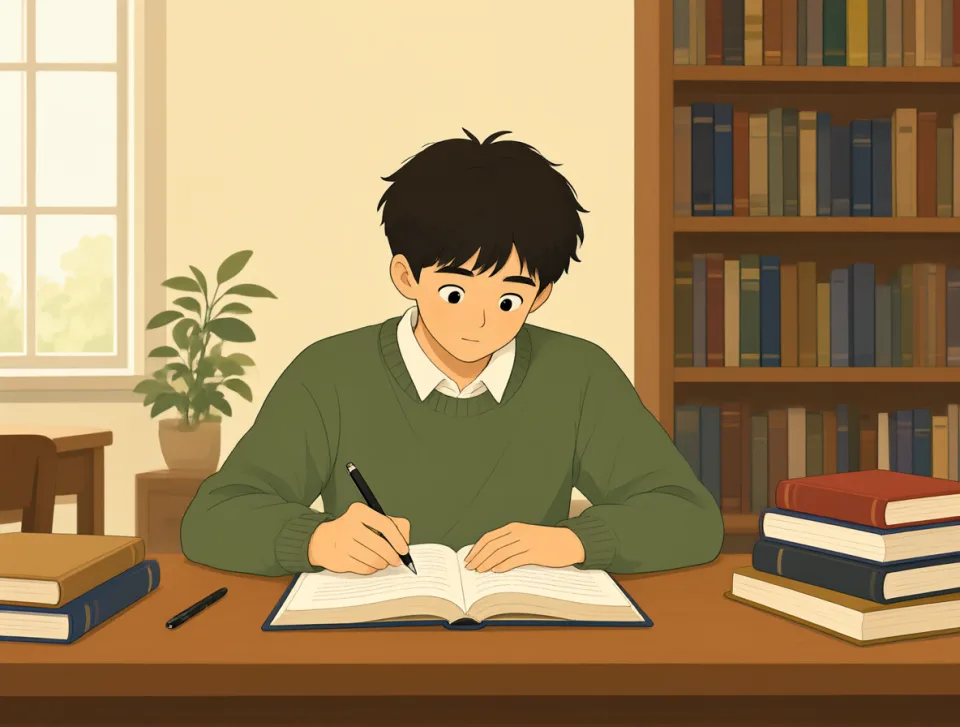
She chose history as her minor at college.
Na studiach wybrała historię jako drugi kierunek.
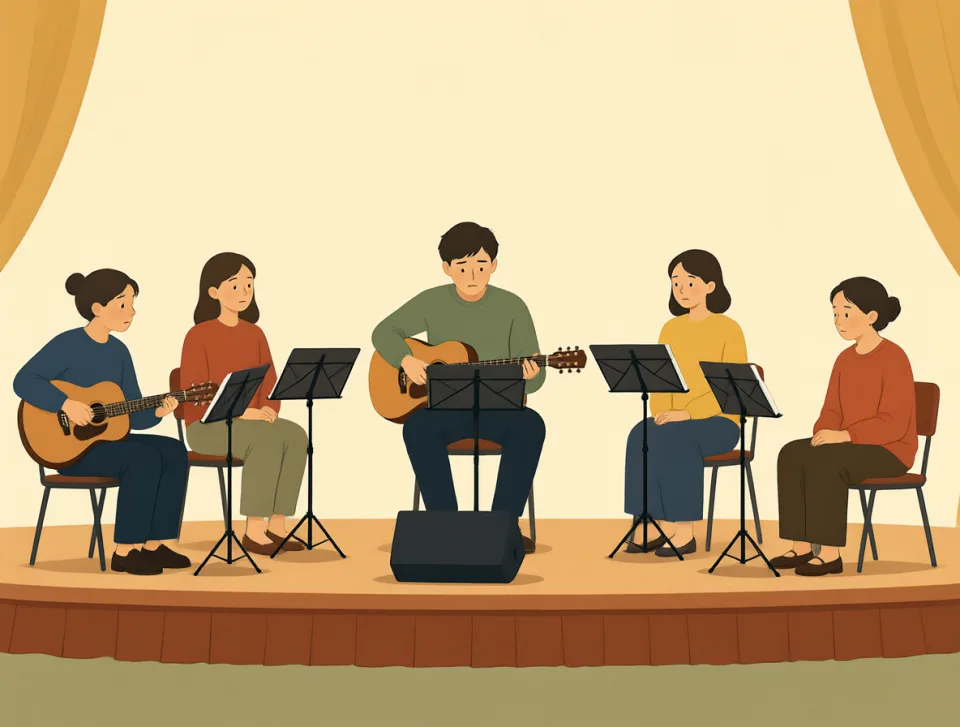
The band played several minor songs at the concert.
Zespół zagrał na koncercie kilka utworów w tonacji molowej.
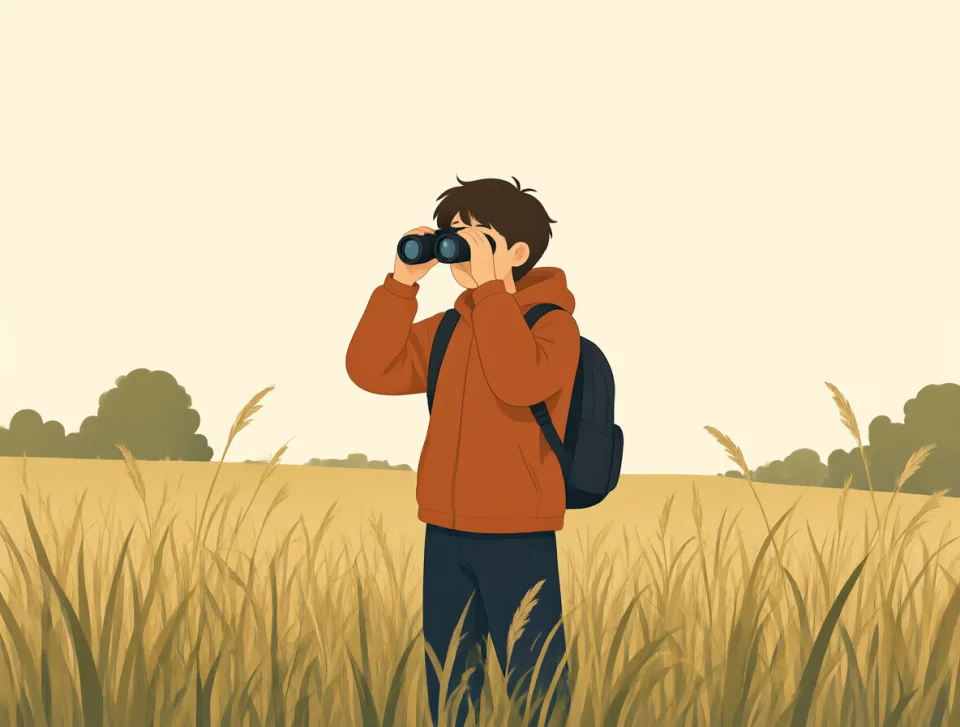
hunt
#1998noun, verb
szukać
To look for someone or something carefully, especially over a wide area.
Uważnie szukać kogoś lub czegoś, zwłaszcza na dużym obszarze.
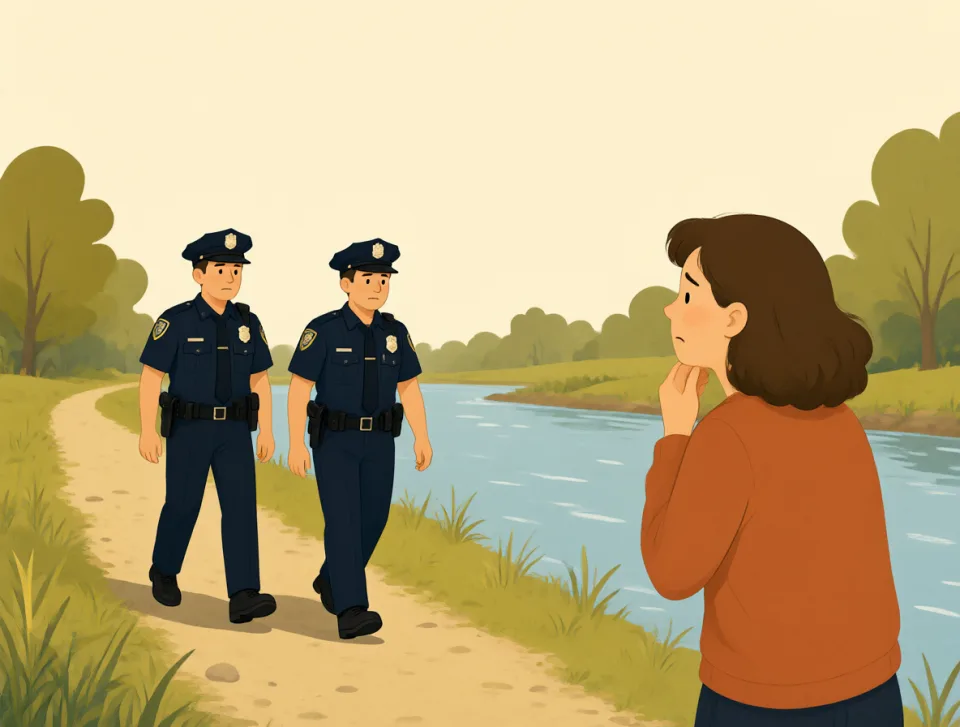
Police are hunting for the missing child near the river.
Policja szuka zaginionego dziecka w pobliżu rzeki.
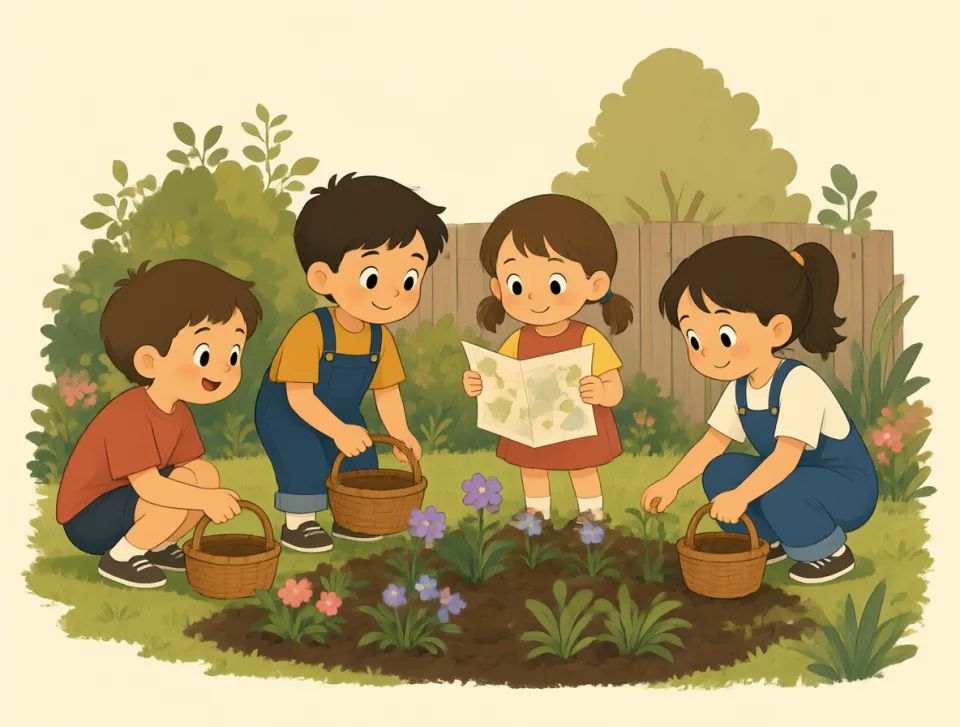
We went on a treasure hunt in the garden.
Urządziliśmy w ogrodzie poszukiwanie skarbu.

She is hunting for a new apartment after moving to the city.
Po przeprowadzce do miasta szuka nowego mieszkania.
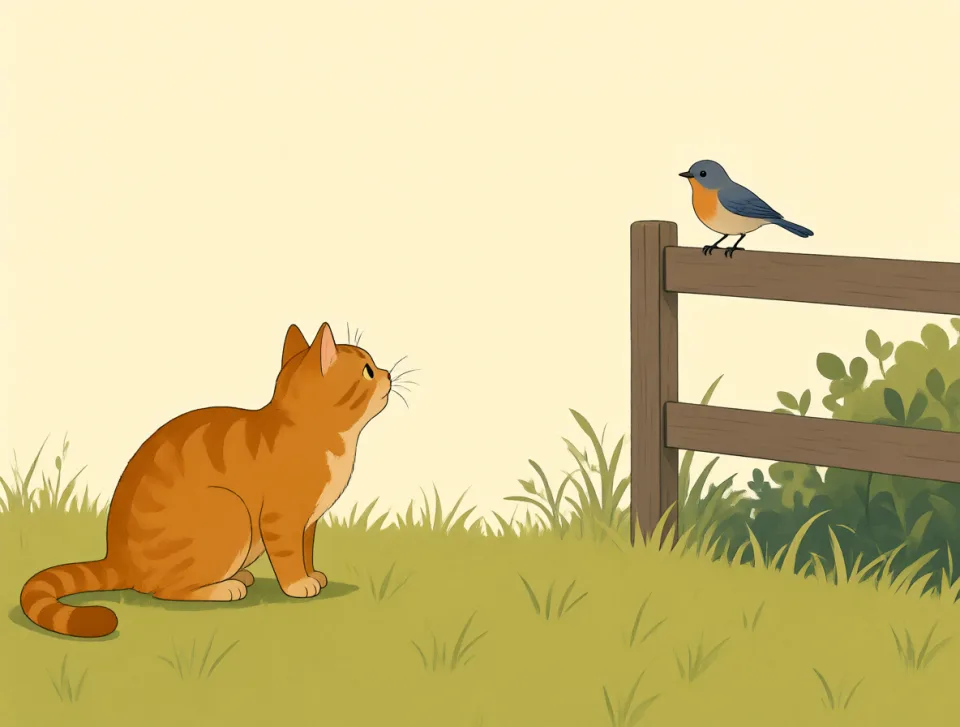
The cat likes to hunt birds in the backyard.
Kot lubi polować na ptaki na podwórku.
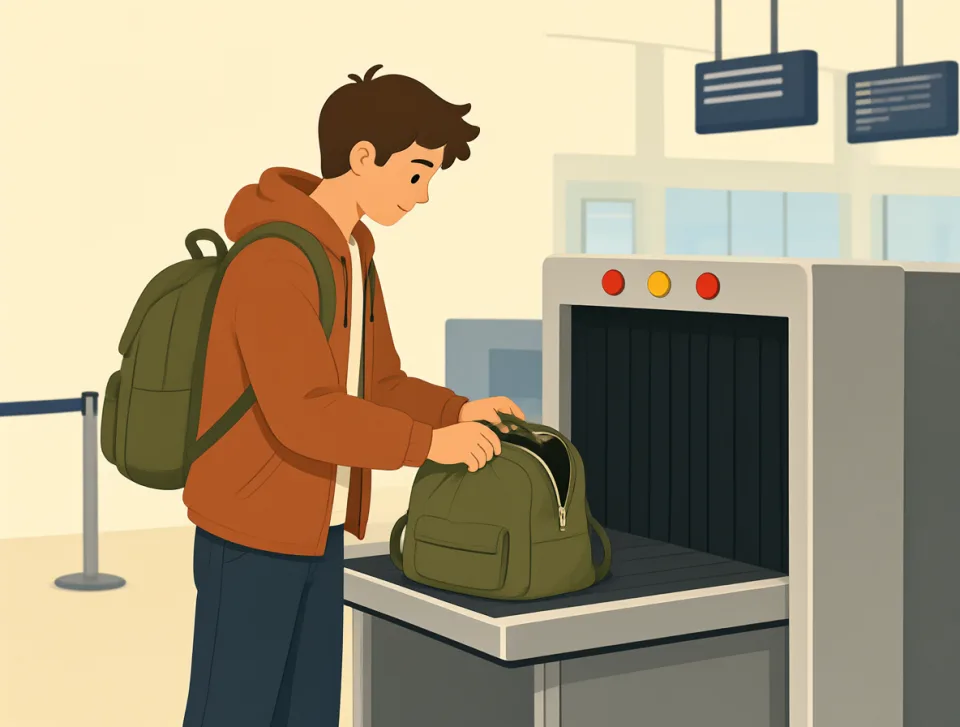
I hunted through my bag for my passport at the airport.
Na lotnisku przeszukiwałem torbę w poszukiwaniu paszportu.
storm
#1999noun, verb
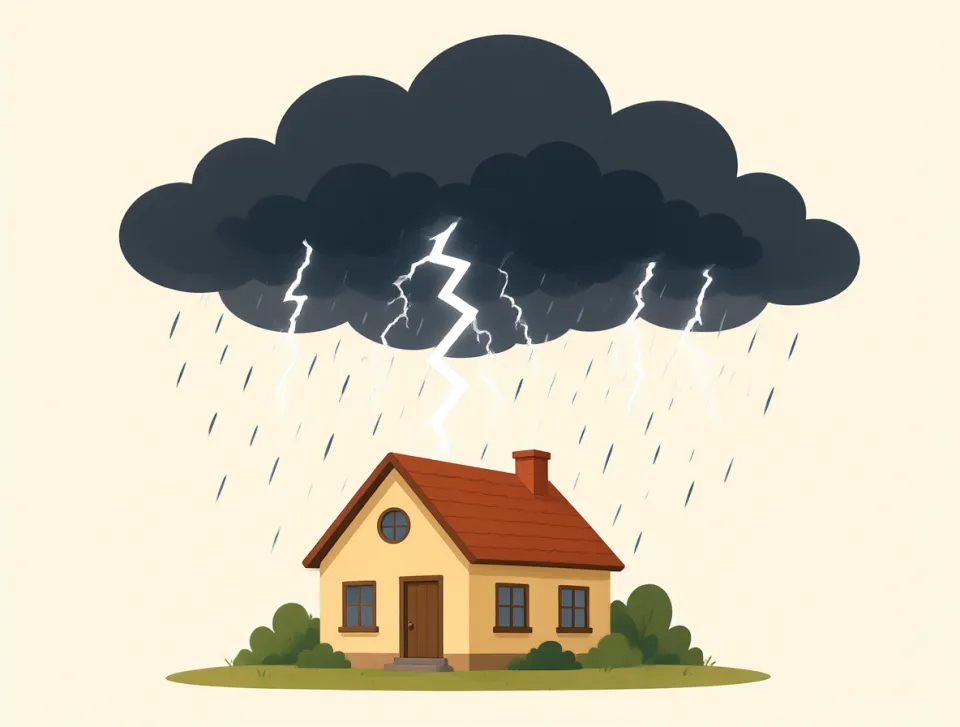
burza
A period of very bad weather with strong winds, rain, snow, or thunder.
Okres bardzo złej pogody, z silnym wiatrem, deszczem, śniegiem lub grzmotami.
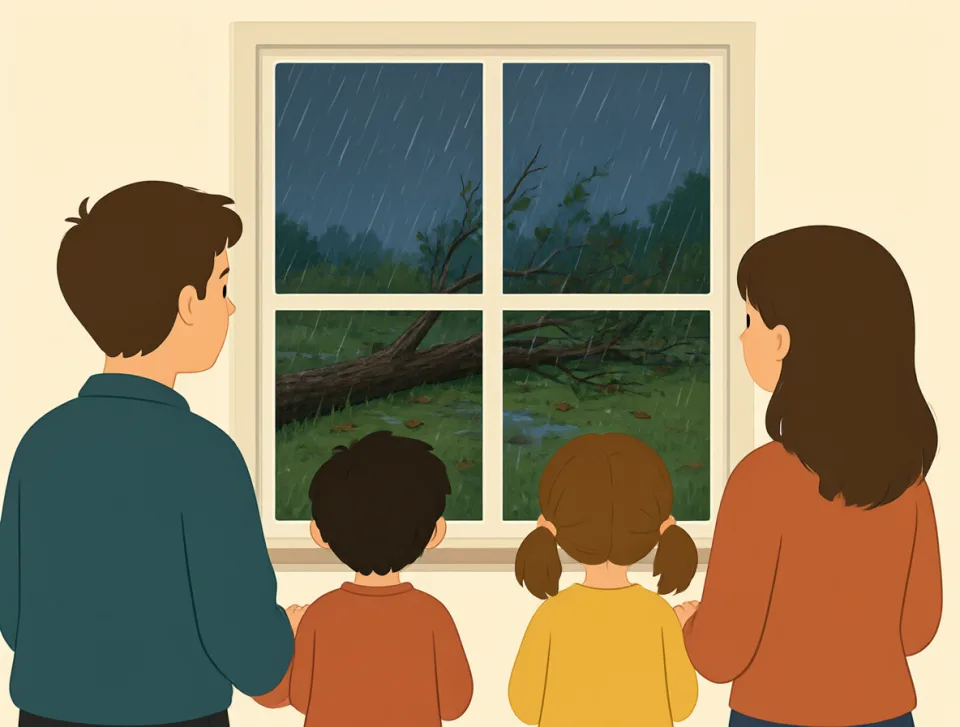
The storm knocked down several trees near our house.
Burza powaliła kilka drzew w pobliżu naszego domu.
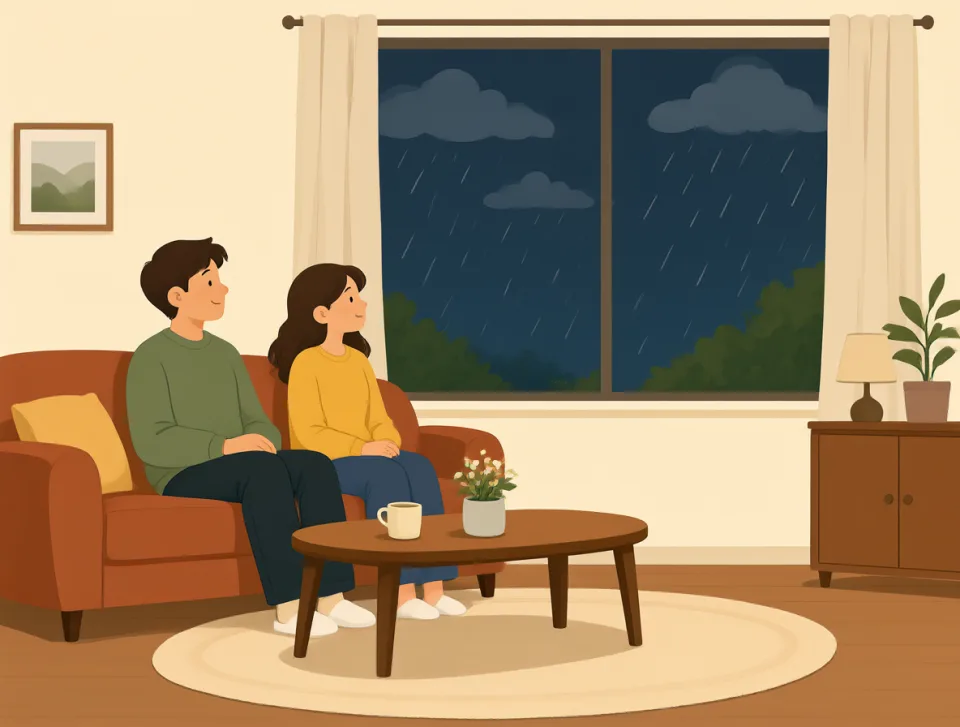
We stayed home because a storm was coming.
Zostaliśmy w domu, bo nadciągała burza.
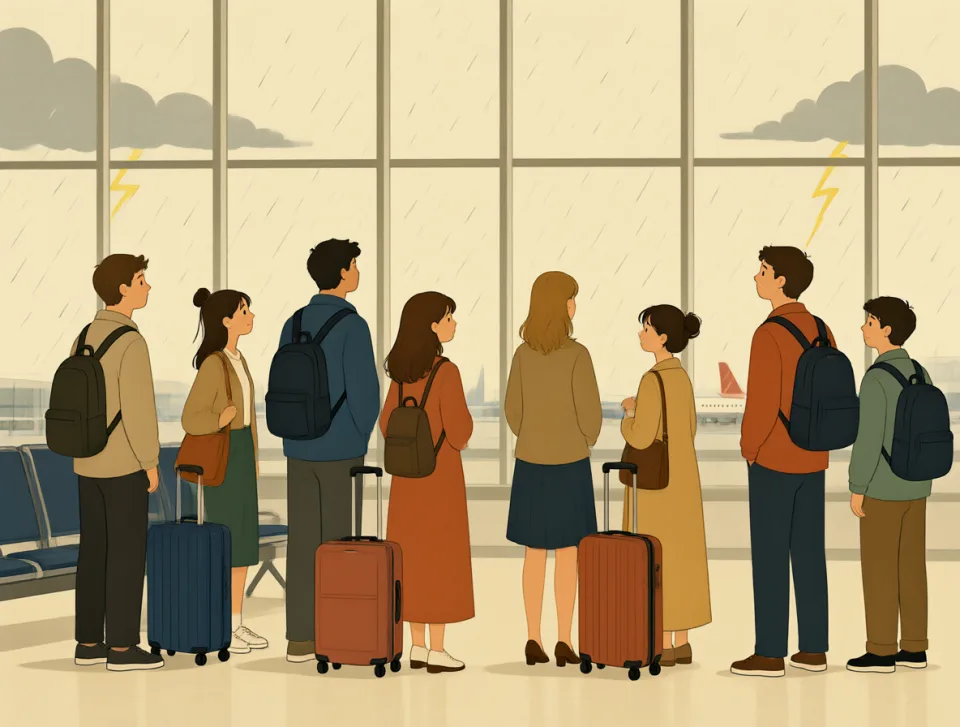
The flight was delayed because of a heavy storm.
Lot został opóźniony z powodu silnej burzy.
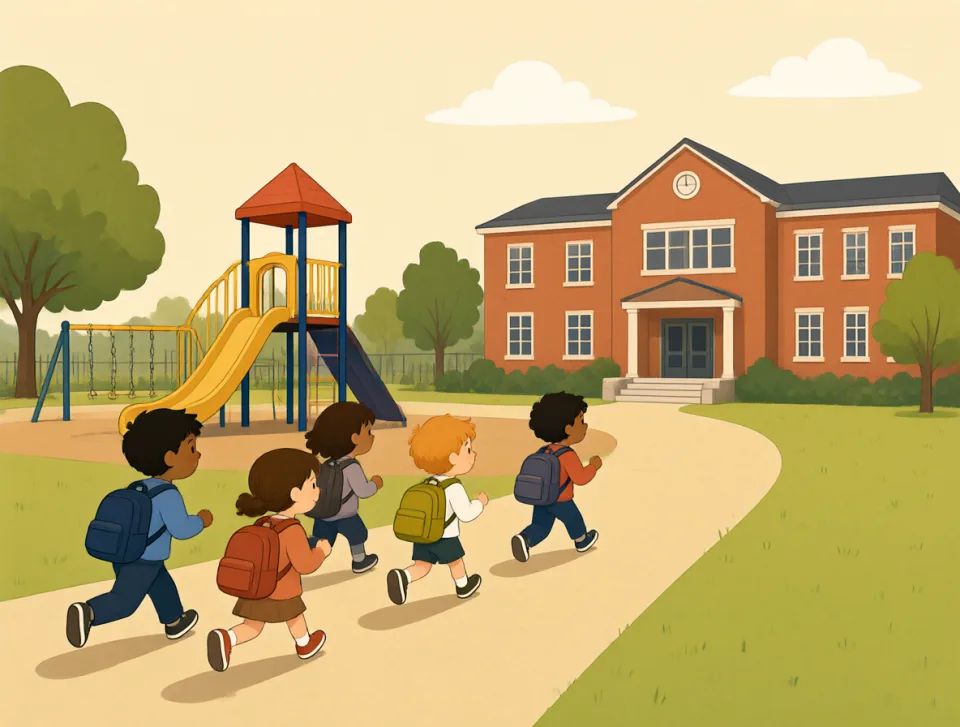
The children ran inside when the storm started.
Gdy zaczęła się burza, dzieci pobiegły do środka.
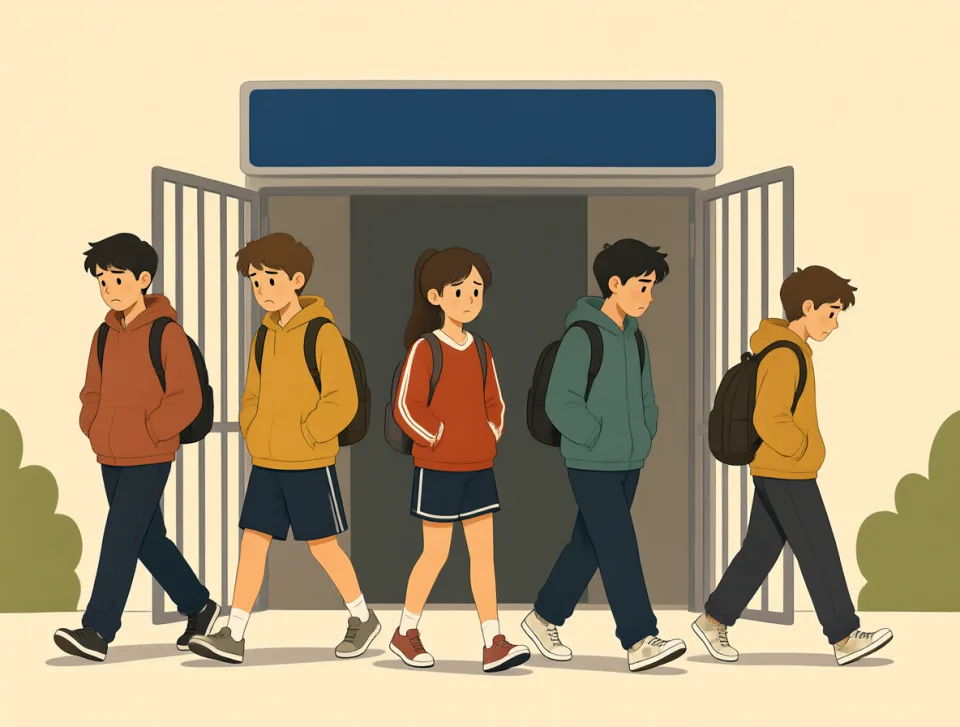
Fans stormed out of the stadium after their team lost.
Po przegranej swojej drużyny kibice tłumnie opuścili stadion.
thick
#2000adjective, noun
gruby
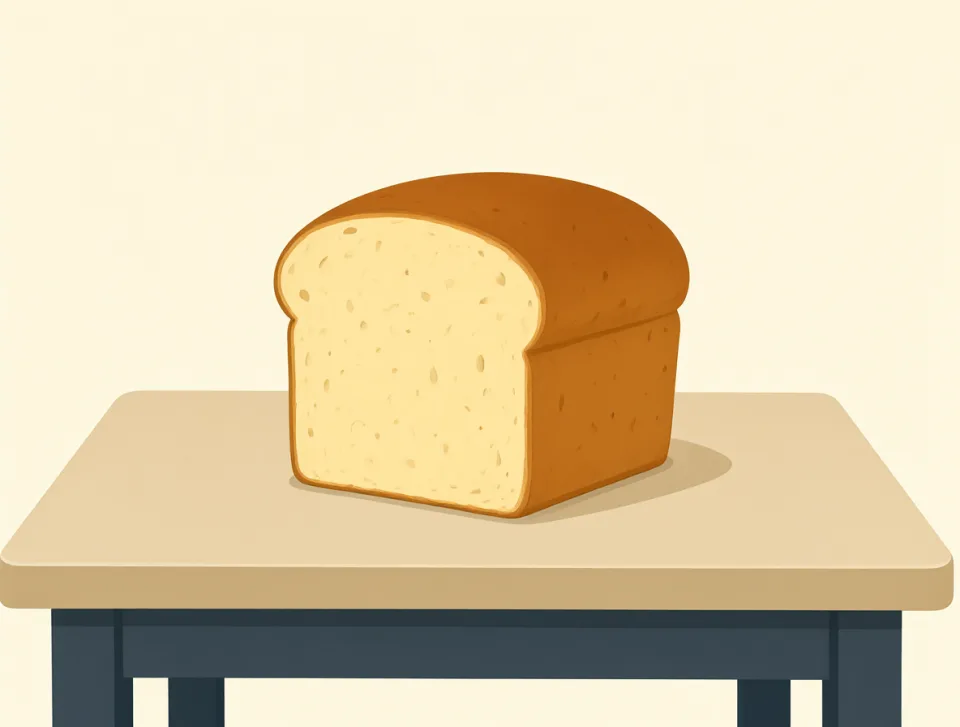
having a large distance between opposite sides; a deep layer or piece
Mający dużą odległość między przeciwległymi stronami; gruba warstwa lub kawałek.

She wore a thick coat on the cold winter morning.
W mroźny zimowy poranek miała na sobie gruby płaszcz.
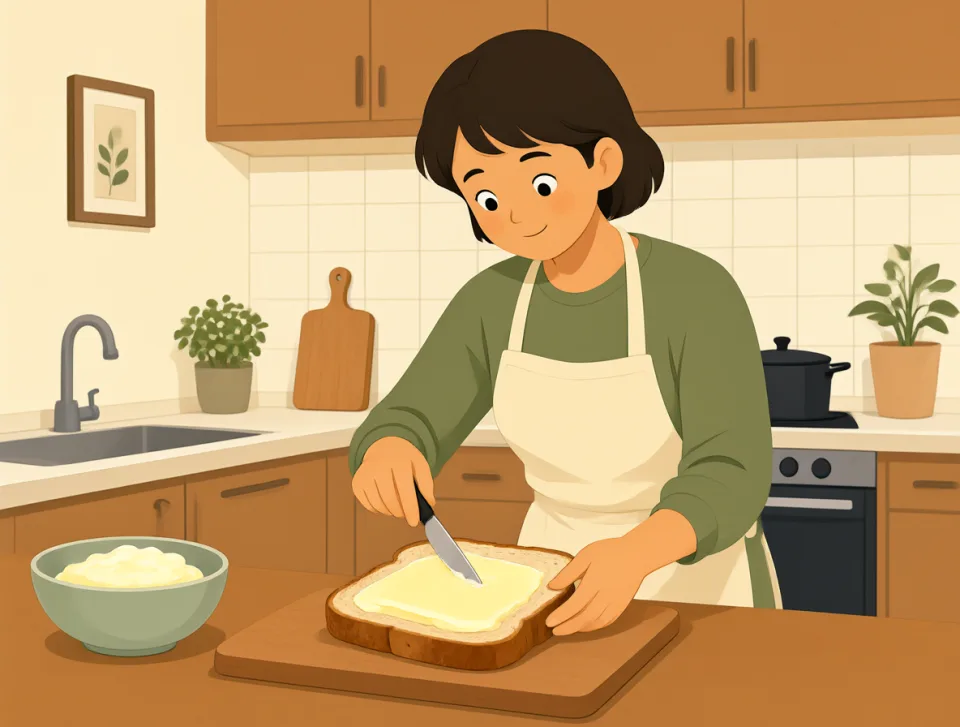
Spread a thick layer of butter on the bread.
Posmaruj chleb grubą warstwą masła.
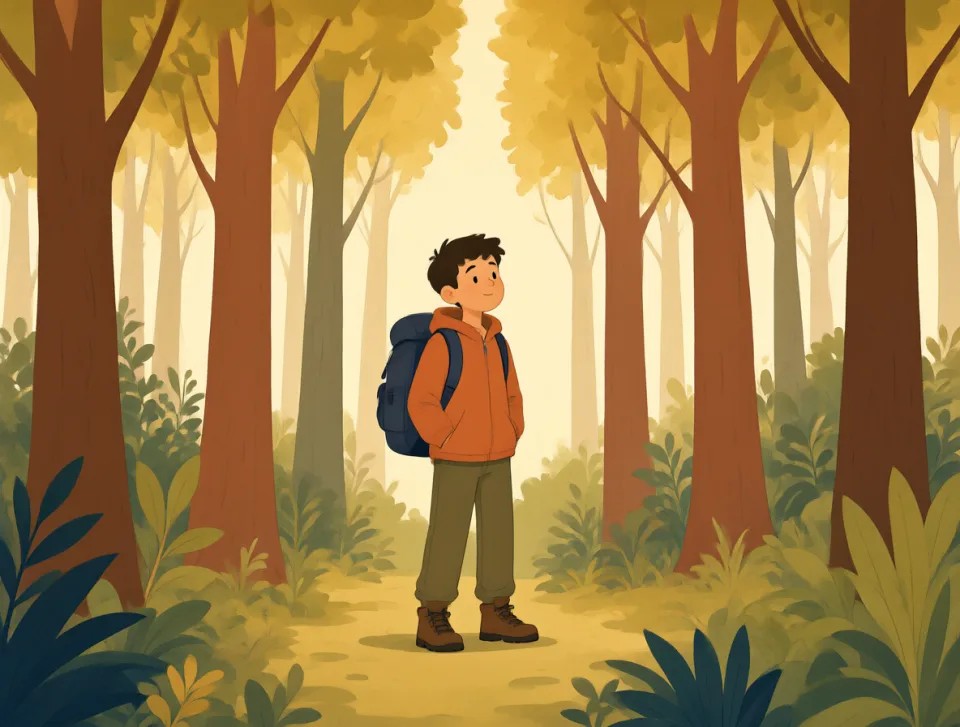
The forest was thick with trees and difficult to walk through.
Las był gęsty od drzew i trudno było przez niego przejść.

He has thick, curly hair that reaches his shoulders.
Ma gęste, kręcone włosy sięgające ramion.
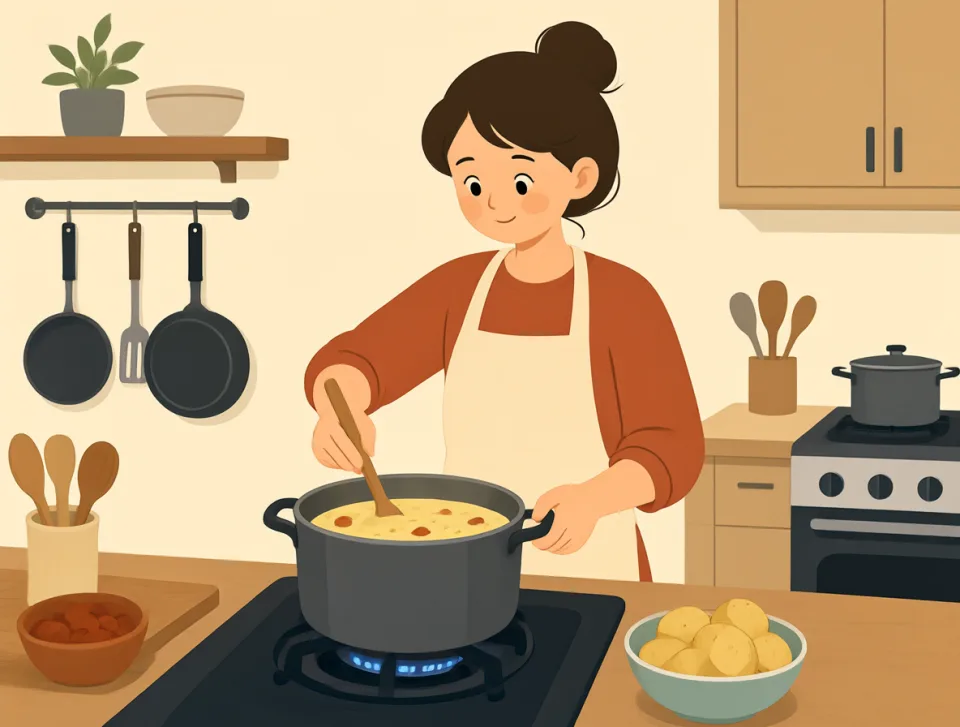
The soup became thick after we added the potatoes.
Zupa zgęstniała po dodaniu ziemniaków.