หน่วย 101
คำที่ 2001–2020 · achievement, negotiate, dominate, supplier, prize, typically

achievement
#2001noun
ความสำเร็จ
Something important that you succeed in doing after effort.
สิ่งสำคัญที่คุณทำสำเร็จได้หลังจากพยายามอย่างมาก
Winning the school science prize was her proudest achievement this year.
การคว้ารางวัลวิทยาศาสตร์ของโรงเรียนเป็นความสำเร็จที่เธอภูมิใจที่สุดในปีนี้
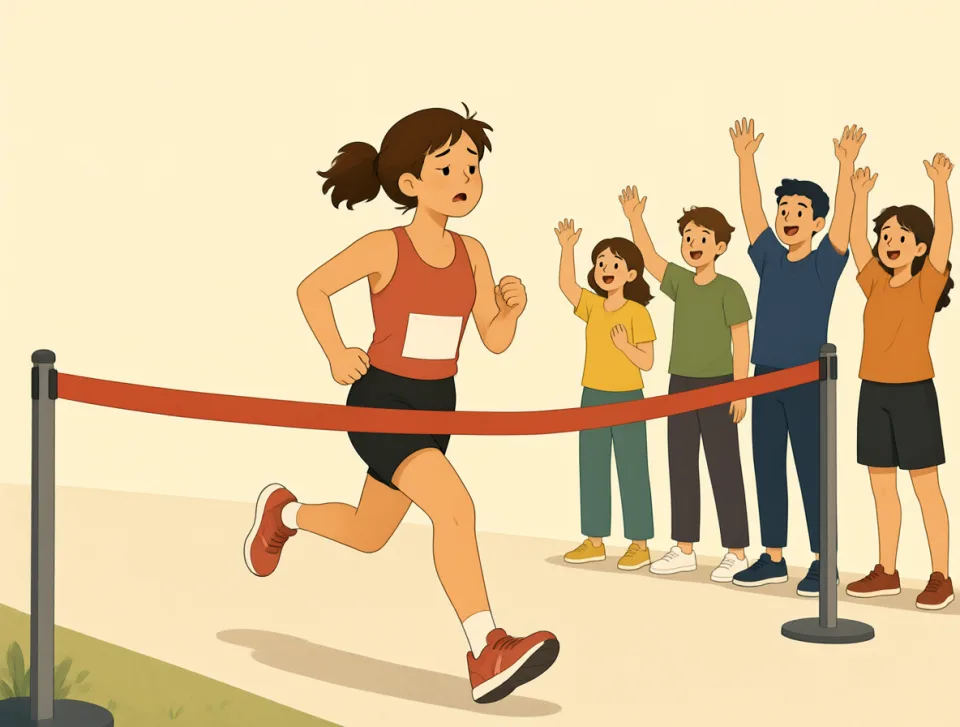
Completing the marathon was a major achievement after months of training.
การวิ่งมาราธอนจนจบเป็นความสำเร็จครั้งสำคัญหลังจากฝึกซ้อมมาหลายเดือน

The team celebrated its latest achievement with cake at the office.
ทีมฉลองความสำเร็จล่าสุดด้วยการกินเค้กที่ออฟฟิศ

Learning to cook healthy meals became an important personal achievement for him.
การเรียนรู้ที่จะทำอาหารเพื่อสุขภาพกลายเป็นความสำเร็จส่วนตัวที่สำคัญของเขา

Her academic achievements helped her get a place at university.
ผลงานด้านการเรียนของเธอช่วยให้เธอได้เข้าเรียนในมหาวิทยาลัย

negotiate
#2002verb
เจรจาต่อรอง
to discuss something until people agree on a price, plan, or set of conditions
พูดคุยหารือกันจนตกลงเรื่องราคา แผน หรือเงื่อนไขต่าง ๆ ได้

We negotiated a better price with the seller before buying the used bicycle.
เราต่อรองราคากับคนขายจนได้ราคาที่ดีกว่าก่อนซื้อจักรยานมือสอง

The two companies are negotiating a new contract for next year's deliveries.
สองบริษัทกำลังเจรจาสัญญาฉบับใหม่สำหรับการจัดส่งสินค้าในปีหน้า

After a long discussion, they negotiated an agreement about sharing the kitchen.
หลังจากคุยกันอยู่นาน พวกเขาก็ตกลงกันเรื่องการใช้ห้องครัวร่วมกันได้

We negotiated with the hotel manager and got a later checkout time.
เราเจรจากับผู้จัดการโรงแรมจนได้เวลาเช็กเอาต์ที่ช้าลง

The doctor negotiated a treatment plan that both the patient and family accepted.
แพทย์หารือจนได้แผนการรักษาที่ทั้งผู้ป่วยและครอบครัวยอมรับ
dominate
#2003verb
ครอบงำ
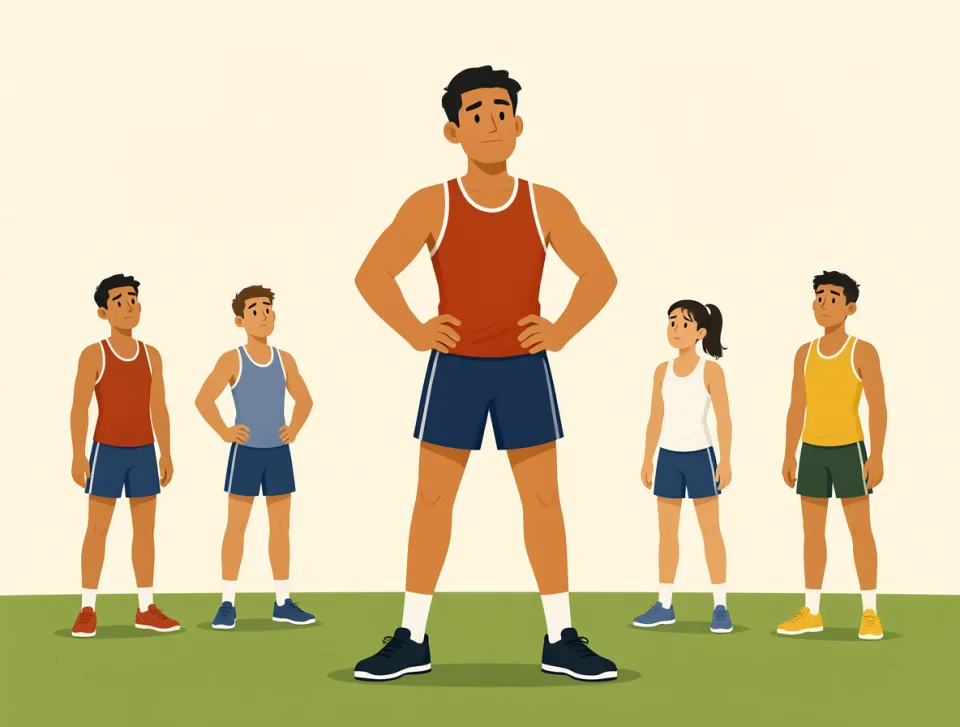
to control or strongly influence a person, place, or situation
ควบคุมหรือมีอิทธิพลอย่างมากต่อบุคคล สถานที่ หรือสถานการณ์
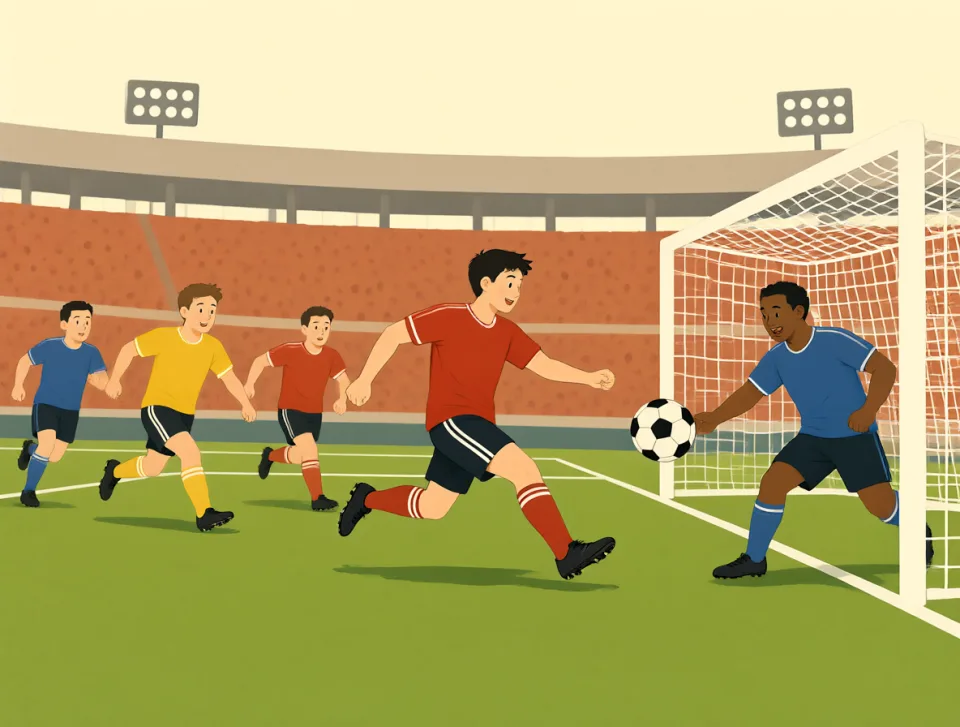
One player dominated the game and scored three goals before halftime.
ผู้เล่นคนหนึ่งครองเกมและยิงได้สามประตูก่อนหมดครึ่งแรก

A few large companies dominate the market for online shopping.
บริษัทขนาดใหญ่ไม่กี่แห่งครองตลาดซื้อของออนไลน์
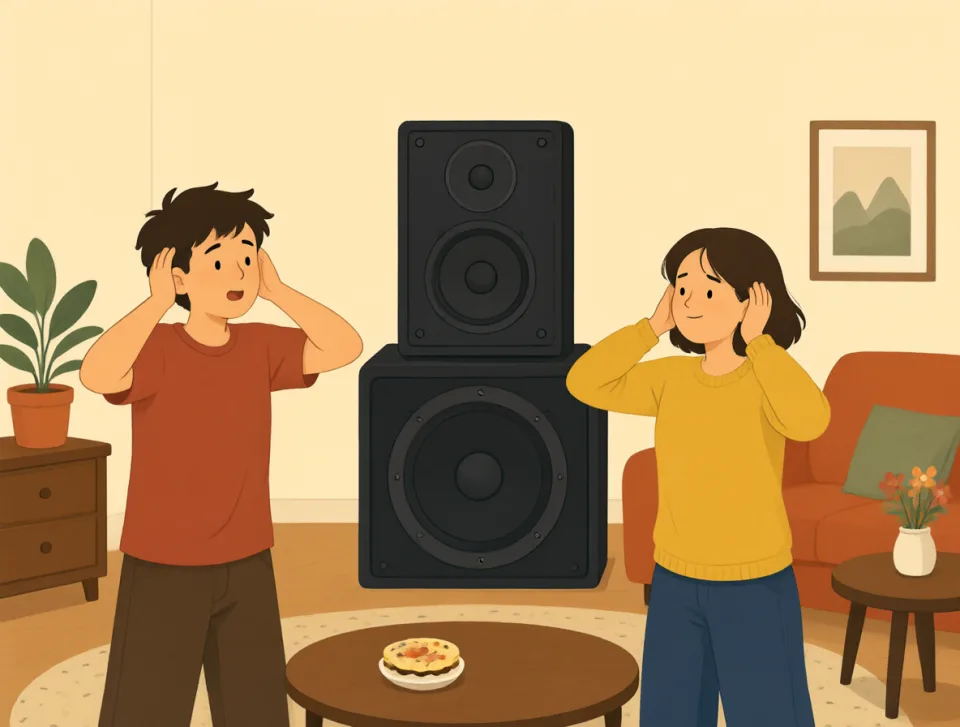
Loud music dominated the party, making conversation almost impossible.
เสียงเพลงดังครอบงำงานปาร์ตี้จนแทบคุยกันไม่ได้

The dark sofa dominated the small living room and made it feel crowded.
โซฟาสีเข้มกินพื้นที่ส่วนใหญ่ในห้องนั่งเล่นเล็ก ๆ จนทำให้ห้องดูแออัด

Fear dominated her thoughts before the long flight overseas.
ความกลัวครอบงำความคิดของเธอก่อนเที่ยวบินไกลไปต่างประเทศ

supplier
#2004noun
ผู้จัดส่งสินค้า
A person or company that provides goods or services to another person or business.
บุคคลหรือบริษัทที่จัดหาสินค้าหรือบริการให้แก่บุคคลหรือธุรกิจอื่น
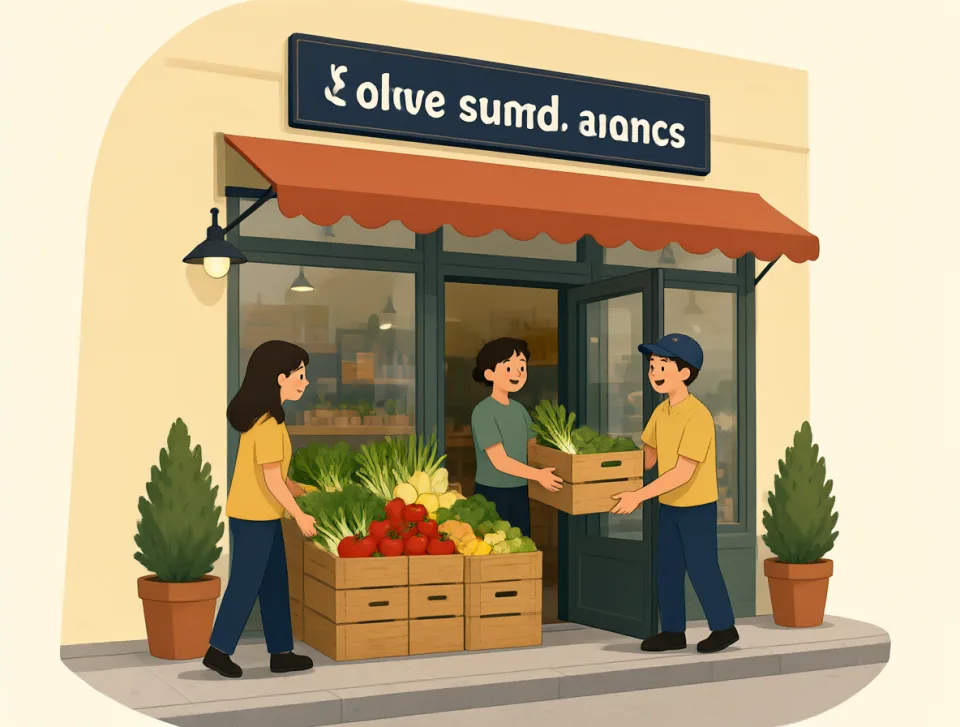
The supplier delivers fresh vegetables to our restaurant every morning.
ผู้จัดส่งสินค้านำผักสดมาส่งที่ร้านอาหารของเราทุกเช้า

We changed suppliers because the old company often delivered late.
เราเปลี่ยนผู้จัดส่งสินค้าเพราะบริษัทเก่ามักส่งของล่าช้า

Our office supplier provides paper, pens, and printer ink each month.
ผู้จัดหาอุปกรณ์สำนักงานของเราส่งกระดาษ ปากกา และหมึกพิมพ์มาให้ทุกเดือน
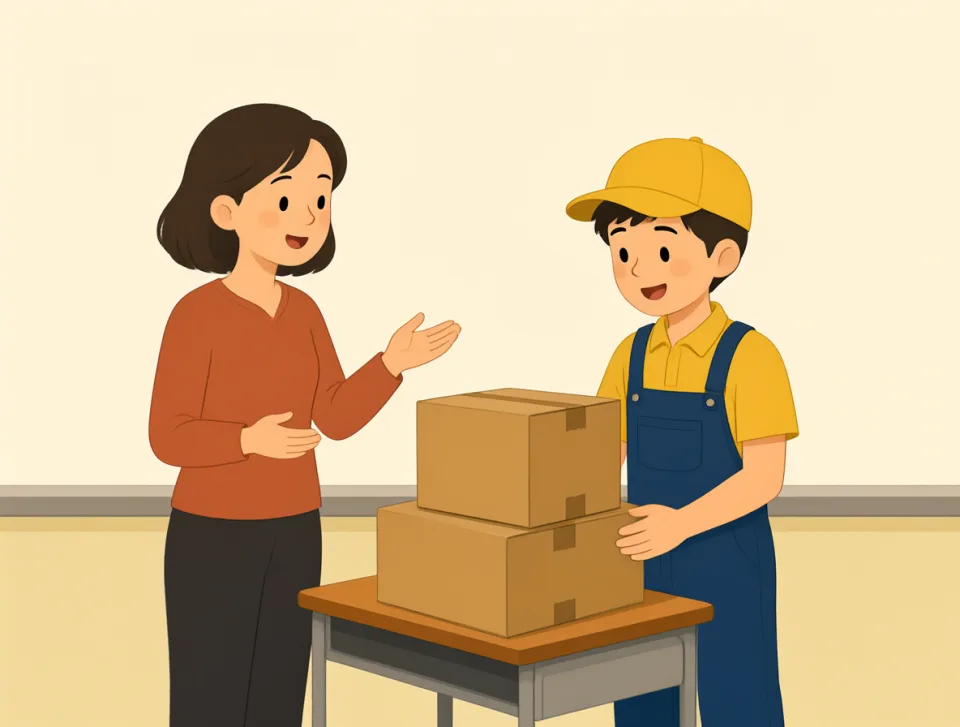
The school contacted a local supplier for new computers.
โรงเรียนติดต่อผู้จัดส่งสินค้าในท้องถิ่นเพื่อซื้อคอมพิวเตอร์เครื่องใหม่
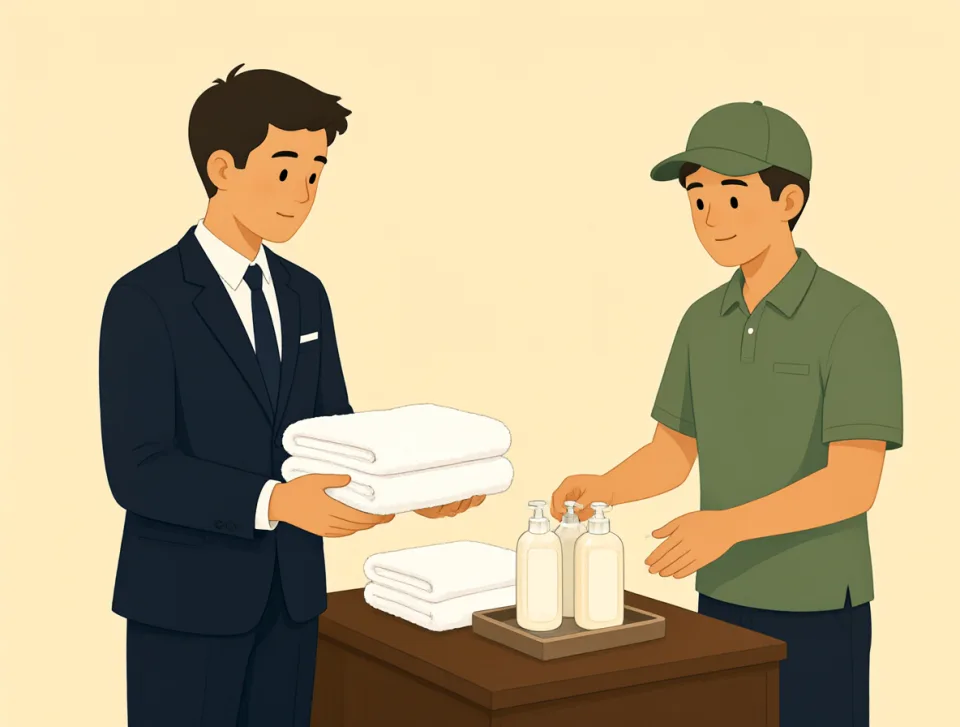
The hotel found a cheaper supplier for towels and soap.
โรงแรมหาผู้จัดส่งผ้าเช็ดตัวและสบู่รายใหม่ที่ราคาถูกกว่าได้

prize
#2005noun, verb
รางวัล
A prize is something given to the winner of a competition or contest.
รางวัลคือสิ่งที่มอบให้แก่ผู้ชนะการแข่งขันหรือการประกวด

She won first prize in the school art competition.
เธอชนะรางวัลที่หนึ่งในการประกวดศิลปะของโรงเรียน

The winner received a cash prize and a gold medal.
ผู้ชนะได้รับรางวัลเงินสดและเหรียญทอง

They offered a prize for finding the lost dog.
พวกเขาเสนอรางวัลให้กับคนที่ตามหาสุนัขที่หายไปพบ

Our team is competing for the top prize this weekend.
ทีมของเรากำลังแข่งขันชิงรางวัลชนะเลิศสุดสัปดาห์นี้

He prized the old watch because it belonged to his grandfather.
เขาหวงแหนนาฬิกาเรือนเก่าเพราะเป็นของคุณปู่

typically
#2006adverb
โดยทั่วไป
in the usual or most common way
ในแบบที่เป็นปกติหรือพบได้บ่อยที่สุด
She typically drinks coffee before leaving for work each morning.
ปกติเธอดื่มกาแฟก่อนไปทำงานทุกเช้า

The train typically arrives ten minutes before the busy morning rush.
ปกติรถไฟจะมาถึงก่อนช่วงเวลาเร่งด่วนตอนเช้าที่คนพลุกพล่านสิบนาที
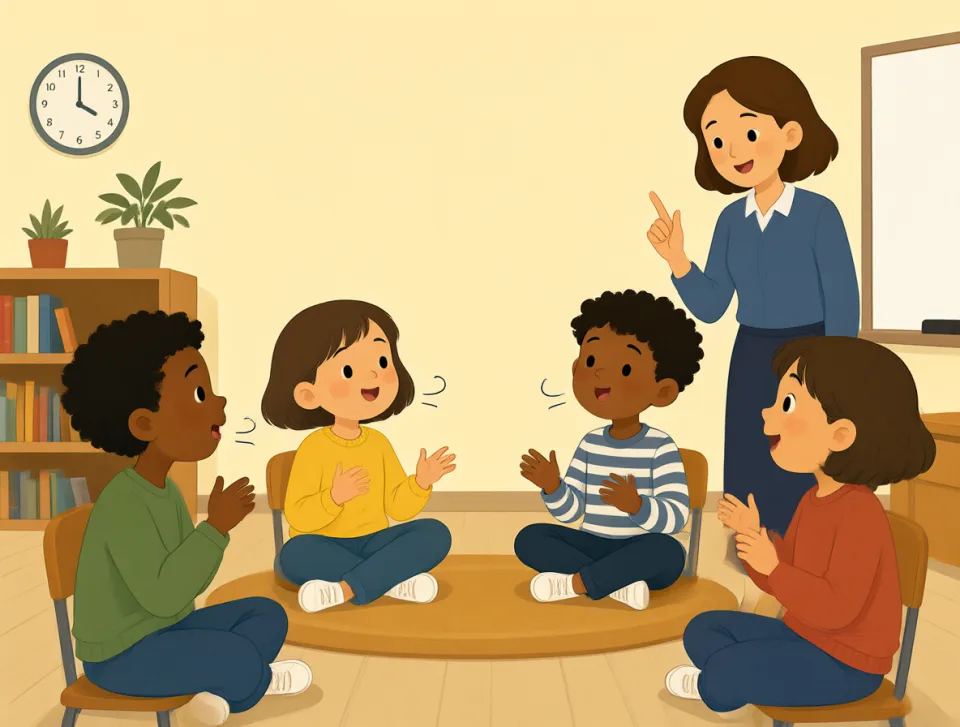
Children typically learn new languages faster when they practice every day.
โดยทั่วไปแล้ว เด็ก ๆ เรียนภาษาใหม่ได้เร็วขึ้นเมื่อฝึกฝนทุกวัน

This restaurant typically serves large portions of fresh pasta and salad.
ปกติร้านอาหารนี้เสิร์ฟพาสต้าและสลัดสดจานใหญ่

He typically feels tired after exercising, but today he feels energetic.
ปกติเขาจะรู้สึกเหนื่อยหลังออกกำลังกาย แต่วันนี้กลับรู้สึกกระปรี้กระเปร่า
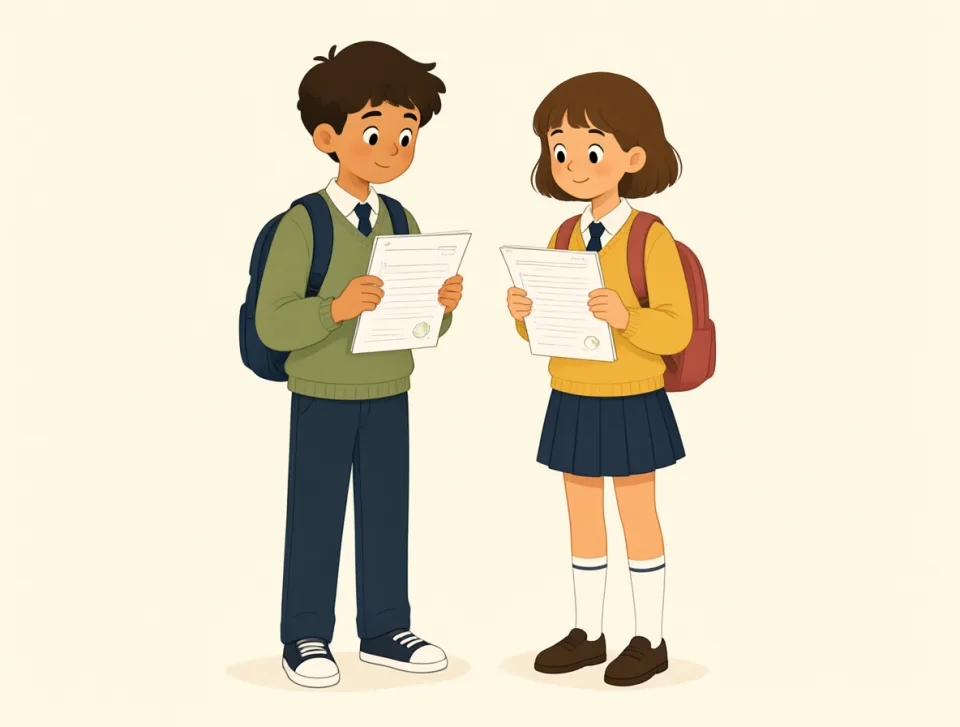
peer
#2007noun, verb
คนวัยเดียวกันหรือคนระดับเดียวกัน
A person your age or with a similar job, experience, or social position.
คนที่มีอายุใกล้เคียงกัน หรือมีงาน ประสบการณ์ หรือตำแหน่งทางสังคมคล้ายกัน

She asked her peers for advice before choosing a new university course.
เธอขอคำแนะนำจากเพื่อนวัยเดียวกันก่อนเลือกหลักสูตรใหม่ของมหาวิทยาลัย
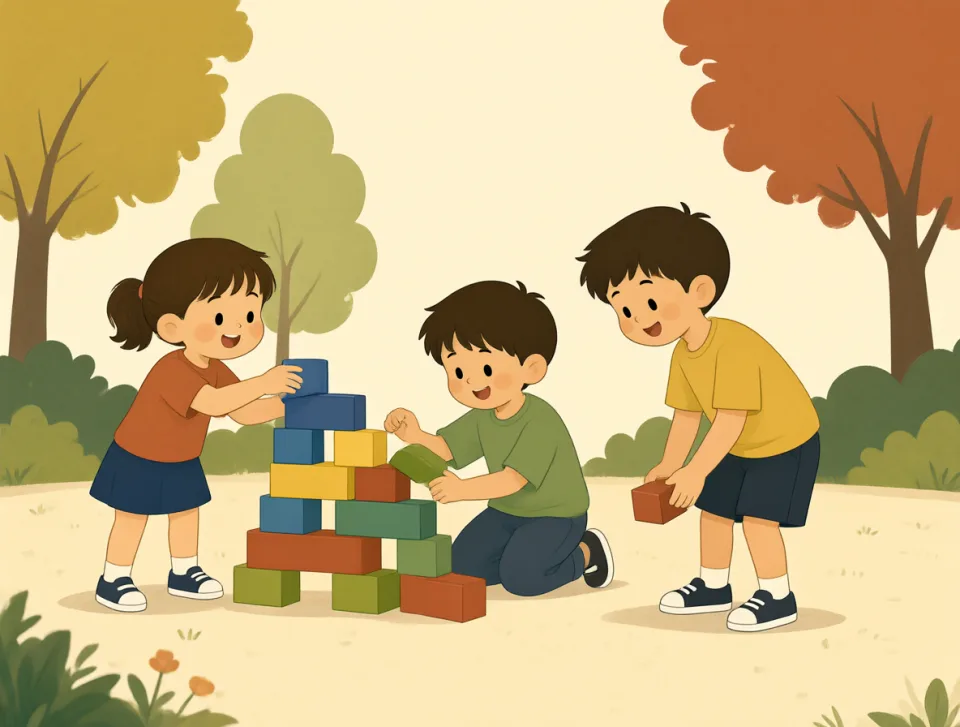
Children often learn new skills by watching and copying their peers.
เด็ก ๆ มักเรียนรู้ทักษะใหม่ ๆ ด้วยการดูและเลียนแบบเพื่อนวัยเดียวกัน

The manager praised him for supporting his peers during the busy week.
ผู้จัดการชมเขาที่คอยช่วยเหลือเพื่อนร่วมงานในช่วงสัปดาห์ที่งานยุ่ง

He peers through the window to see whether the bus has arrived.
เขาชะโงกมองผ่านหน้าต่างเพื่อดูว่ารถบัสมาถึงหรือยัง

The doctor asked how her pain compared with that of her peers.
หมอถามว่าอาการปวดของเธอเป็นอย่างไรเมื่อเทียบกับคนวัยเดียวกัน
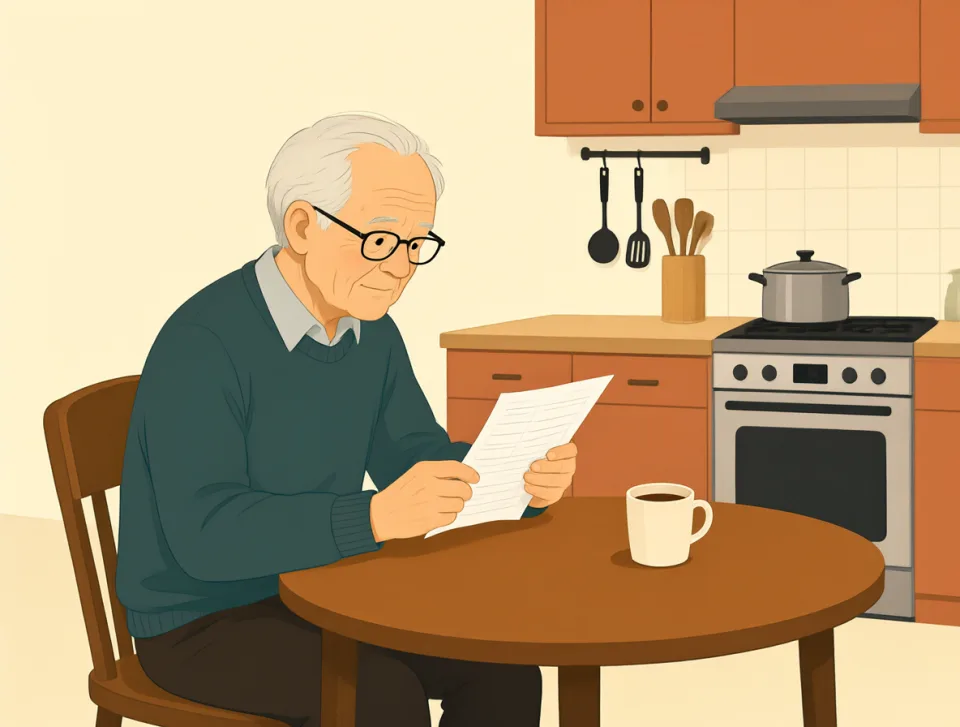
pension
#2008noun
เงินบำนาญ
Money paid regularly to someone who has stopped working, often after reaching a certain age.
เงินที่จ่ายให้เป็นประจำแก่ผู้ที่เลิกทำงานแล้ว ซึ่งมักเป็นหลังจากมีอายุถึงเกณฑ์ที่กำหนด
My grandfather receives a small pension every month.
คุณปู่ของฉันได้รับเงินบำนาญก้อนเล็ก ๆ ทุกเดือน

She plans to live on her pension after retiring next year.
เธอวางแผนจะใช้ชีวิตด้วยเงินบำนาญหลังเกษียณในปีหน้า

The company offers a good pension to all full-time employees.
บริษัทมีเงินบำนาญที่ดีให้พนักงานประจำทุกคน

He paid into a private pension for twenty years.
เขาส่งเงินเข้ากองทุนบำนาญส่วนตัวมาเป็นเวลายี่สิบปี
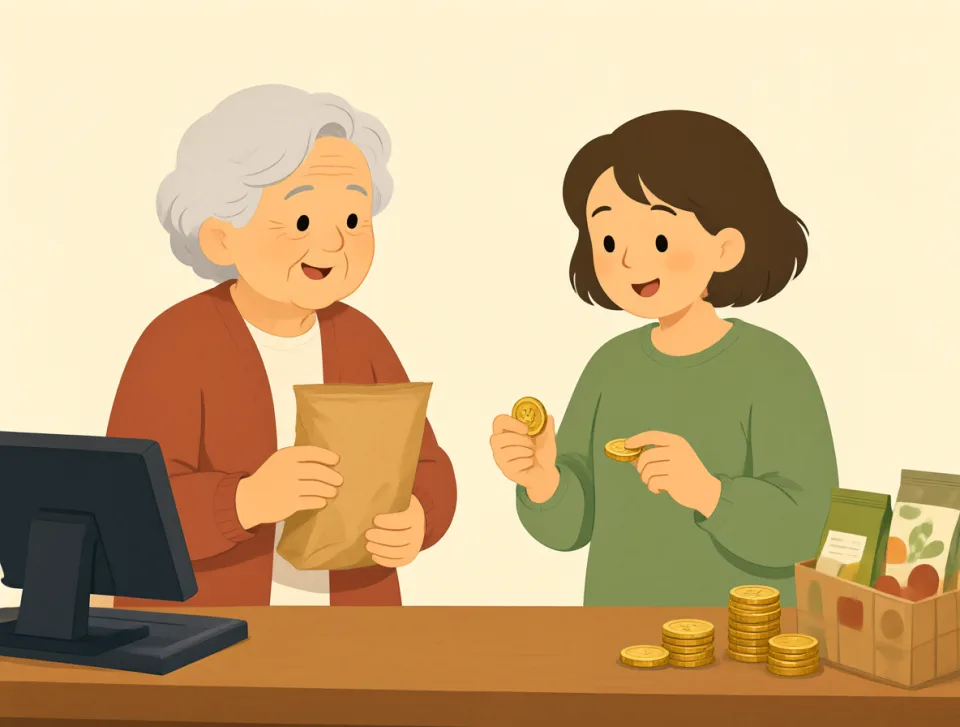
Rising prices have made it harder to live on a pension.
ราคาที่สูงขึ้นทำให้การใช้ชีวิตด้วยเงินบำนาญยากลำบากกว่าเดิม

wing
#2009noun, verb
ปีก
A part of a bird or aircraft used for flying; to move or extend sideways.
ส่วนของนกหรือเครื่องบินที่ใช้บิน; เคลื่อนหรือยื่นออกไปด้านข้าง

The bird hurt its wing and could not fly home.
นกบาดเจ็บที่ปีกและบินกลับบ้านไม่ได้

We sat on the airplane's left wing during the emergency landing.
ตอนเครื่องบินลงจอดฉุกเฉิน พวกเรานั่งอยู่บนปีกซ้ายของเครื่องบิน

The hotel has a new wing with several quiet rooms.
โรงแรมมีอาคารส่วนต่อขยายใหม่ที่มีห้องพักเงียบสงบหลายห้อง

The young bird spread its wings and flew across the garden.
นกตัวน้อยกางปีกแล้วบินข้ามสวนไป

She winged the presentation because her notes disappeared.
เธอด้นสดตอนนำเสนอเพราะโน้ตหายไป

acquisition
#2010noun
การได้มา
The process of getting something, especially a skill, object, or company.
กระบวนการได้บางสิ่งมา โดยเฉพาะทักษะ สิ่งของ หรือบริษัท
The acquisition of new skills helped Maria find a better job.
การได้มาซึ่งทักษะใหม่ ๆ ช่วยให้มาเรียหางานที่ดีกว่าได้

The company announced the acquisition of a small software business.
บริษัทประกาศเข้าซื้อกิจการบริษัทซอฟต์แวร์ขนาดเล็กแห่งหนึ่ง
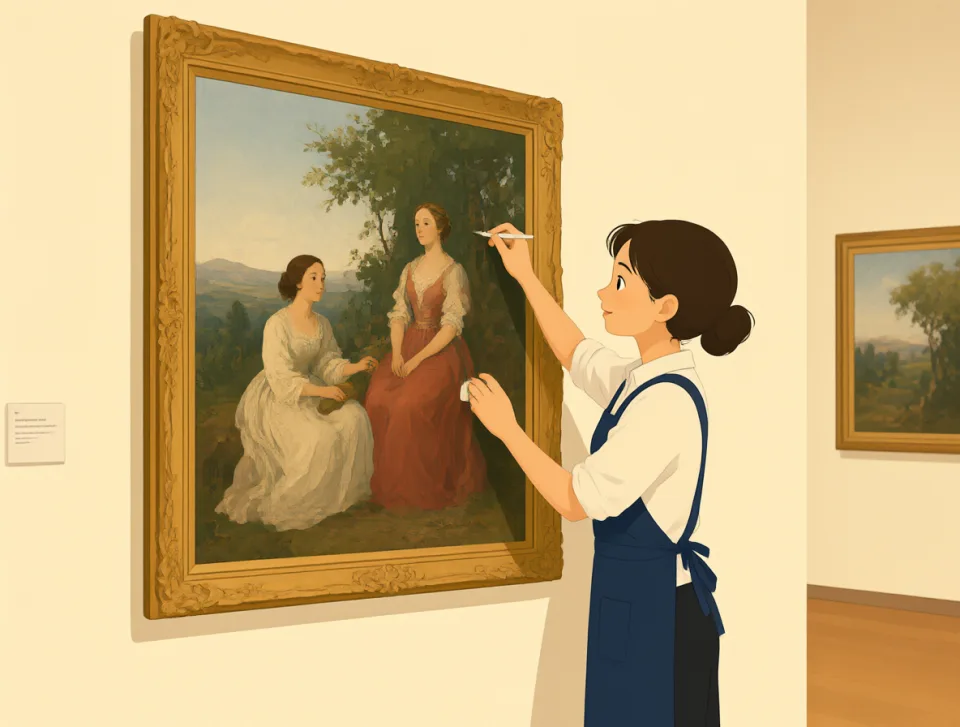
The museum's latest acquisition is a painting from the nineteenth century.
ผลงานชิ้นล่าสุดที่พิพิธภัณฑ์ได้มาคือภาพวาดจากศตวรรษที่สิบเก้า
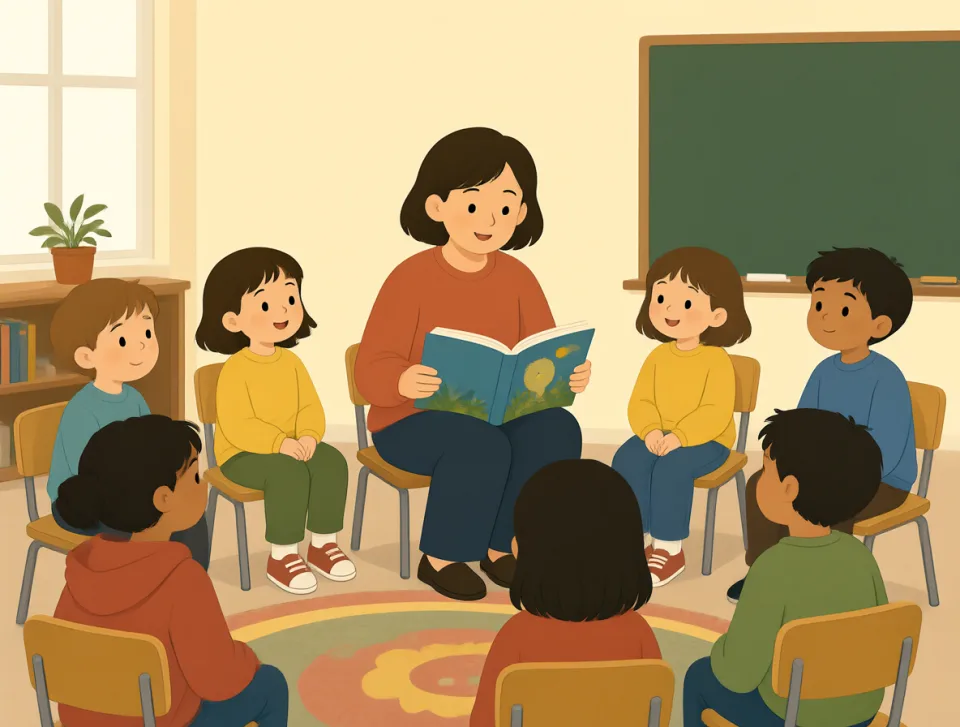
Language acquisition becomes easier when children hear English every day.
เด็ก ๆ เรียนรู้ภาษาได้ง่ายขึ้นเมื่อได้ฟังภาษาอังกฤษทุกวัน

The acquisition of fresh vegetables made dinner healthier and more colorful.
การได้ผักสดมาทำให้มื้อเย็นมีประโยชน์ต่อสุขภาพและมีสีสันมากขึ้น

laughter
#2011noun
เสียงหัวเราะ
The sound or expression people make when they find something funny.
เสียงหรือการแสดงออกที่ผู้คนทำเมื่อพบสิ่งที่ตลก

Her joke made everyone burst into laughter during dinner.
มุกตลกของเธอทำให้ทุกคนหัวเราะลั่นระหว่างมื้ออาหารค่ำ

We could hear laughter coming from the children’s bedroom.
เราได้ยินเสียงหัวเราะดังมาจากห้องนอนของเด็ก ๆ

The teacher smiled when laughter filled the classroom after his funny story.
ครูยิ้มเมื่อเสียงหัวเราะดังไปทั่วห้องเรียนหลังจากเขาเล่าเรื่องตลก

Their laughter made the long train journey feel much shorter.
เสียงหัวเราะของพวกเขาทำให้การเดินทางด้วยรถไฟอันยาวนานรู้สึกสั้นลงมาก

The baby’s laughter brought joy to everyone in the doctor’s waiting room.
เสียงหัวเราะของทารกนำความสุขมาให้ทุกคนในห้องรอของโรงพยาบาล

deeply
#2012adverb
อย่างลึกซึ้ง
Very strongly or completely, especially when feeling or thinking something.
อย่างมากหรืออย่างสมบูรณ์ โดยเฉพาะเมื่อรู้สึกหรือคิดบางสิ่งบางอย่าง
She was deeply worried about her son during the storm.
เธอเป็นห่วงลูกชายมากระหว่างเกิดพายุ
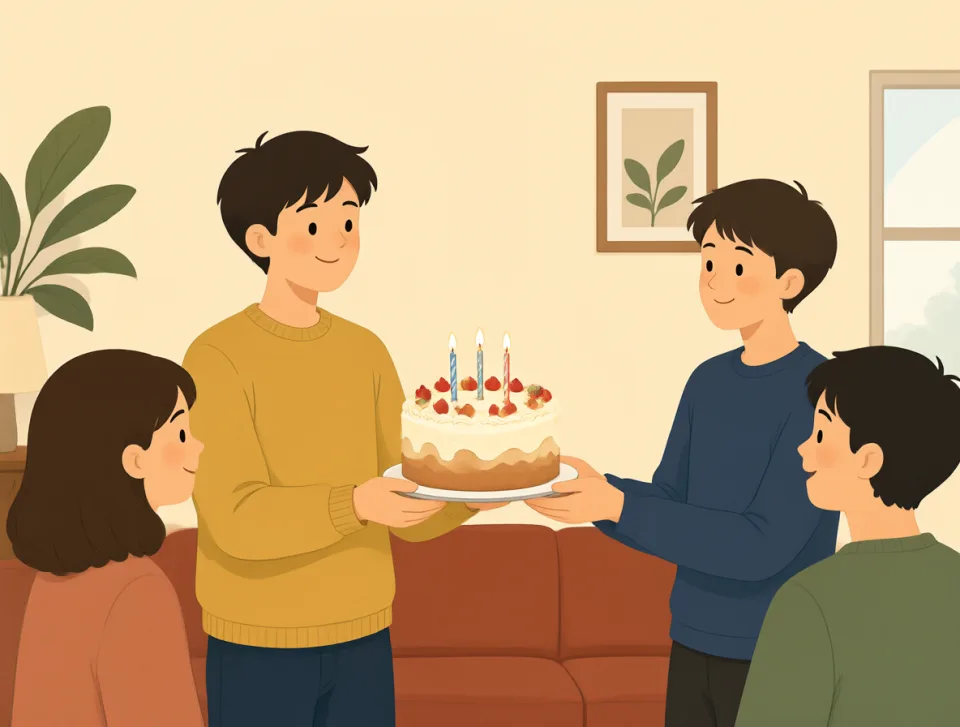
I was deeply touched by my friends’ kind birthday surprise.
ฉันซาบซึ้งใจอย่างมากกับเซอร์ไพรส์วันเกิดแสนอบอุ่นจากเพื่อน ๆ

The doctor was deeply concerned about his patient’s sudden fever.
คุณหมอเป็นกังวลอย่างมากเกี่ยวกับไข้ที่เกิดขึ้นอย่างกะทันหันของคนไข้

We are deeply sorry for the delay at the airport.
เราขอโทษอย่างสุดซึ้งสำหรับความล่าช้าที่สนามบิน

He breathed deeply before jumping into the cold swimming pool.
เขาสูดลมหายใจเข้าลึก ๆ ก่อนกระโดดลงสระว่ายน้ำเย็นจัด
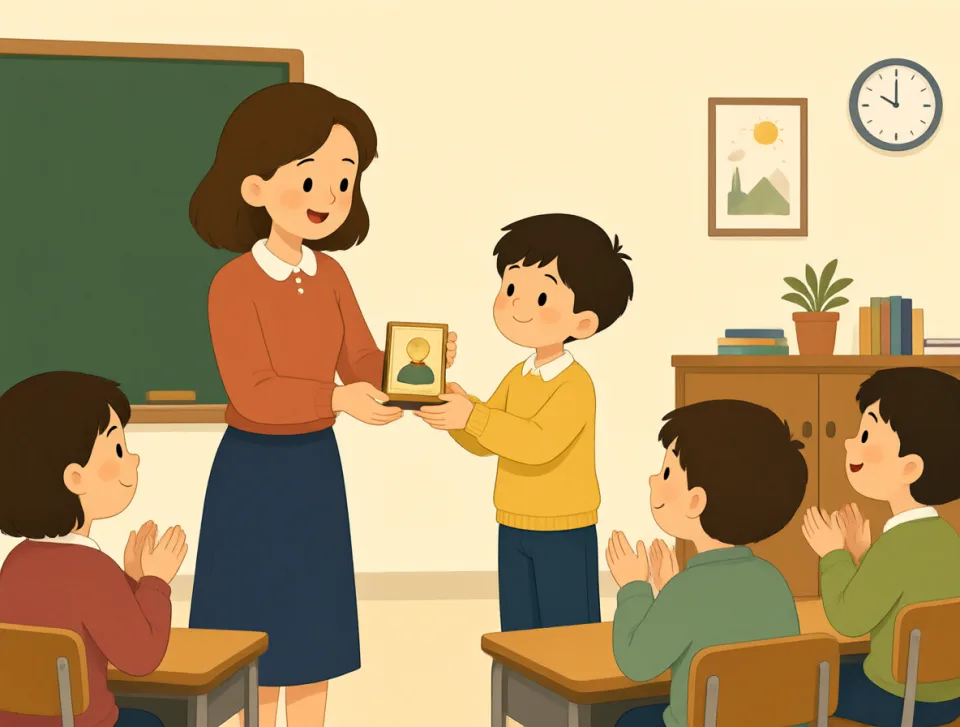
recognition
#2013noun
การยอมรับ
Appreciation or approval for someone’s achievements, or the act of identifying someone or something.
การชื่นชมหรือการยอมรับในความสำเร็จของใครบางคน หรือการระบุตัวบุคคลหรือสิ่งใดสิ่งหนึ่ง
She received recognition for helping the new students settle into school.
เธอได้รับการยอมรับจากการช่วยนักเรียนใหม่ให้ปรับตัวเข้ากับโรงเรียน

The restaurant gained recognition after a famous chef praised its fresh pasta.
ร้านอาหารแห่งนี้มีชื่อเสียงขึ้นหลังจากเชฟชื่อดังชื่นชมพาสต้าสดของร้าน

The doctor’s quick recognition of the symptoms helped the patient get treatment early.
การวินิจฉัยอาการได้อย่างรวดเร็วของคุณหมอช่วยให้คนไข้ได้รับการรักษาตั้งแต่เนิ่น ๆ

He finally earned recognition from his manager after months of hard work.
ในที่สุดเขาก็ได้รับการยอมรับจากผู้จัดการหลังจากทำงานหนักมาหลายเดือน

The police asked for help with the recognition of a person in the photograph.
ตำรวจขอความช่วยเหลือในการระบุตัวบุคคลในภาพถ่าย

electricity
#2014noun
ไฟฟ้า
a form of energy that provides power for lights, machines, and devices
พลังงานรูปแบบหนึ่งที่ให้พลังงานแก่แสงไฟ เครื่องจักร และอุปกรณ์ต่าง ๆ

The electricity went off during the storm, so we used candles.
ไฟฟ้าดับระหว่างเกิดพายุ เราจึงใช้เทียนแทน
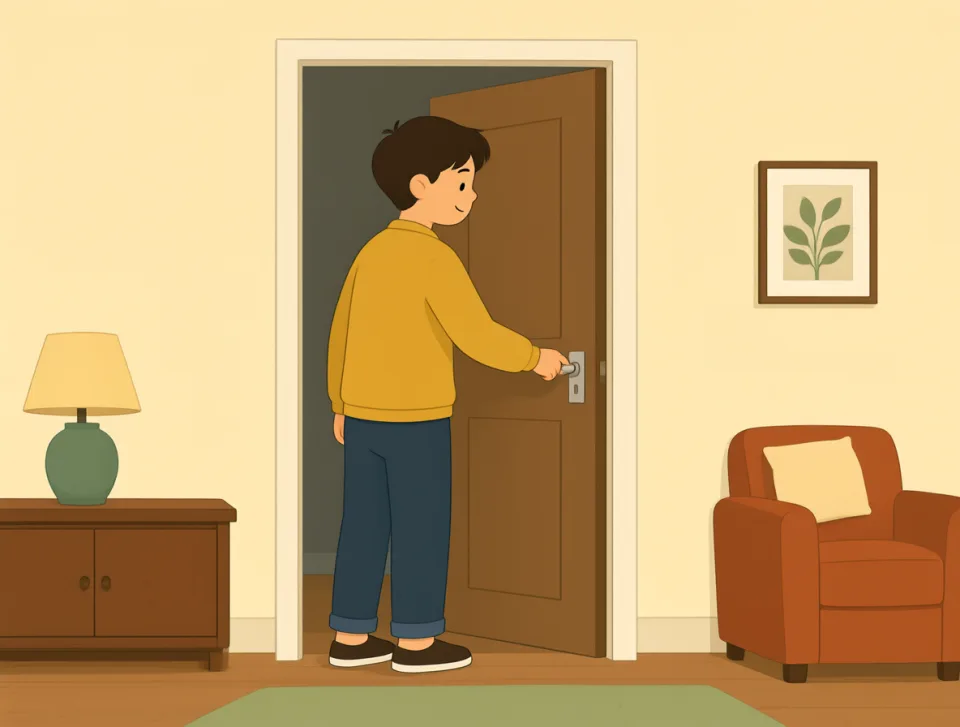
Please turn off the lights to save electricity before you leave.
กรุณาปิดไฟเพื่อประหยัดไฟฟ้าก่อนออกไป

The hotel charges extra for electricity during the winter months.
โรงแรมคิดค่าไฟฟ้าเพิ่มในช่วงฤดูหนาว

Electricity helps hospitals keep important medical equipment working.
ไฟฟ้าช่วยให้โรงพยาบาลเปิดใช้งานอุปกรณ์ทางการแพทย์ที่สำคัญได้
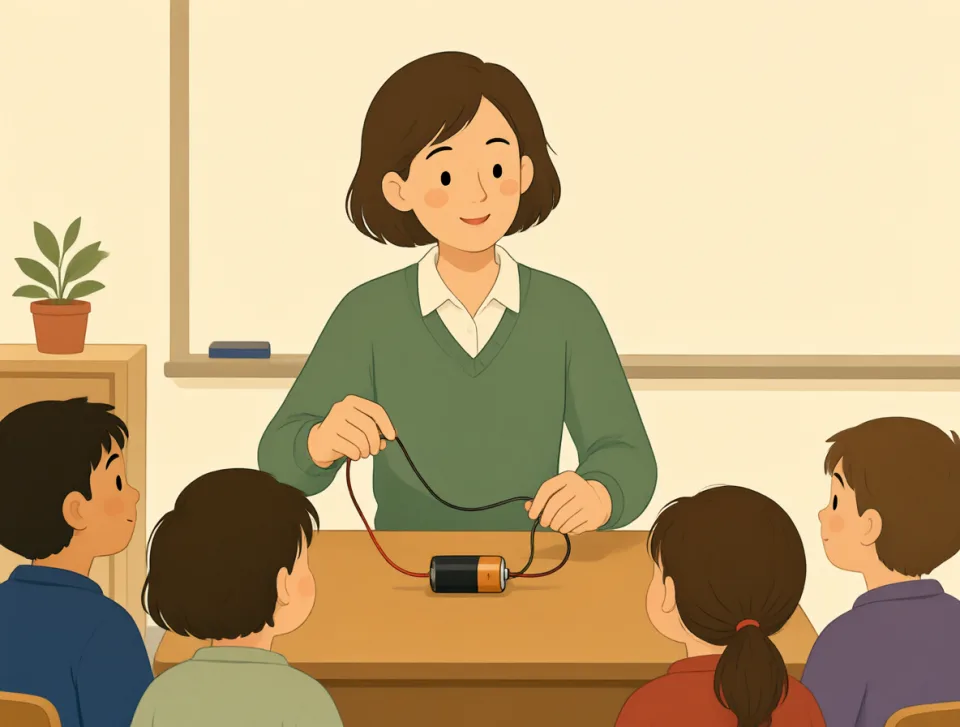
The science teacher showed us how electricity moves through a simple circuit.
ครูวิทยาศาสตร์สาธิตให้เราดูว่าไฟฟ้าไหลผ่านวงจรอย่างง่ายได้อย่างไร

assistance
#2015noun
ความช่วยเหลือ
Help or support given to someone who needs it
ความช่วยเหลือหรือการสนับสนุนที่มอบให้แก่ผู้ที่ต้องการ

Please ask for assistance if you cannot find the right product.
กรุณาขอความช่วยเหลือหากคุณหาสินค้าที่ต้องการไม่พบ
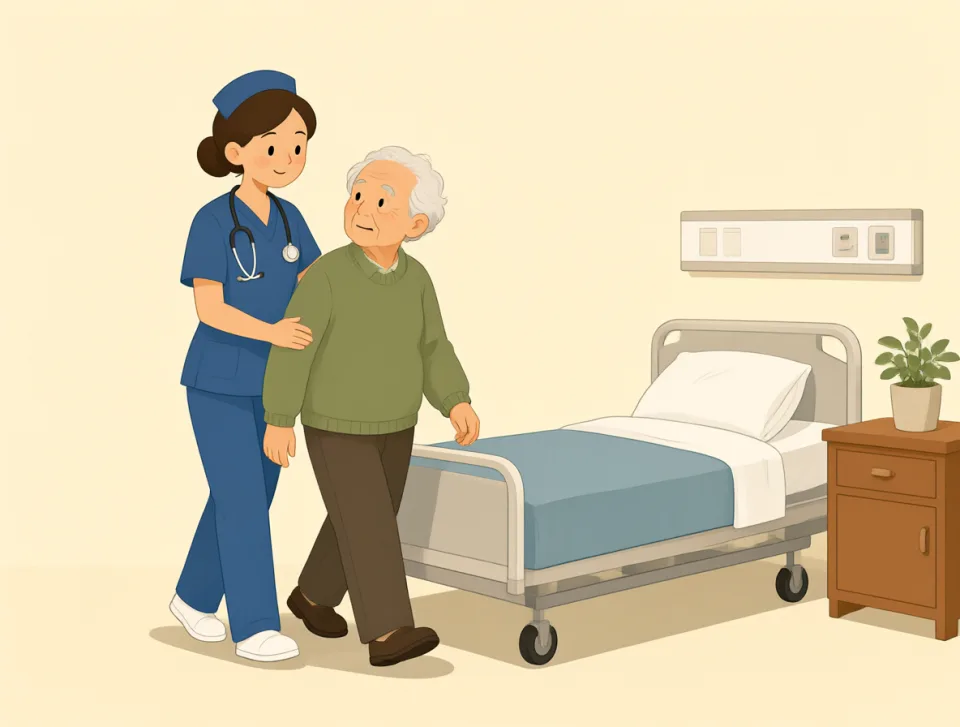
The nurse provided assistance while the patient walked to bed.
พยาบาลช่วยพยุงคนไข้ขณะเดินไปที่เตียง
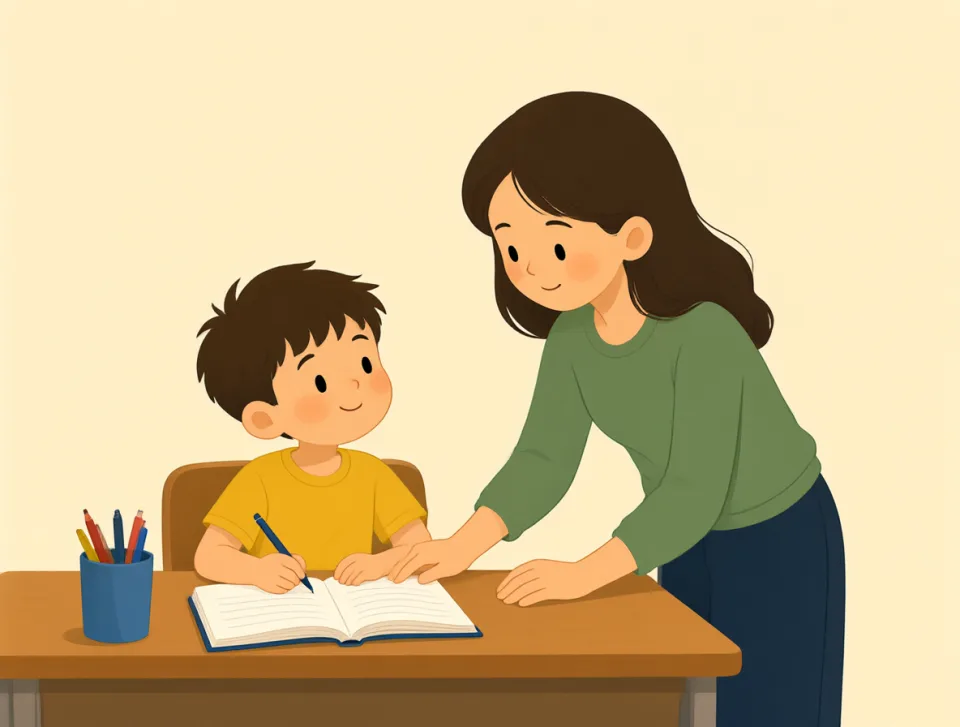
Students can receive extra assistance with difficult homework after class.
นักเรียนสามารถขอความช่วยเหลือเพิ่มเติมเกี่ยวกับการบ้านยาก ๆ ได้หลังเลิกเรียน

Our neighbors offered assistance when our car stopped outside their house.
เพื่อนบ้านเสนอความช่วยเหลือเมื่อรถของเราจอดเสียหน้าบ้านของพวกเขา

The waiter brought assistance to the kitchen during the busy dinner service.
พนักงานเสิร์ฟเข้าไปช่วยงานในครัวระหว่างช่วงมื้อค่ำที่มีลูกค้าแน่น

roof
#2016noun
หลังคา
the top covering of a building, which protects it from weather
ส่วนที่ปกคลุมอยู่ด้านบนของอาคารและช่วยป้องกันสภาพอากาศ

The roof is leaking after heavy rain, so we need to call a repair company.
หลังฝนตกหนัก หลังคาก็รั่ว เราเลยต้องโทรเรียกบริษัทซ่อม

Heavy snow covered the roofs of every house in the village.
หิมะที่ตกหนักปกคลุมหลังคาบ้านทุกหลังในหมู่บ้าน

We stored our bicycles on the roof rack during the long road trip.
เราเก็บจักรยานไว้บนแร็กหลังคาระหว่างเดินทางไกลด้วยรถยนต์
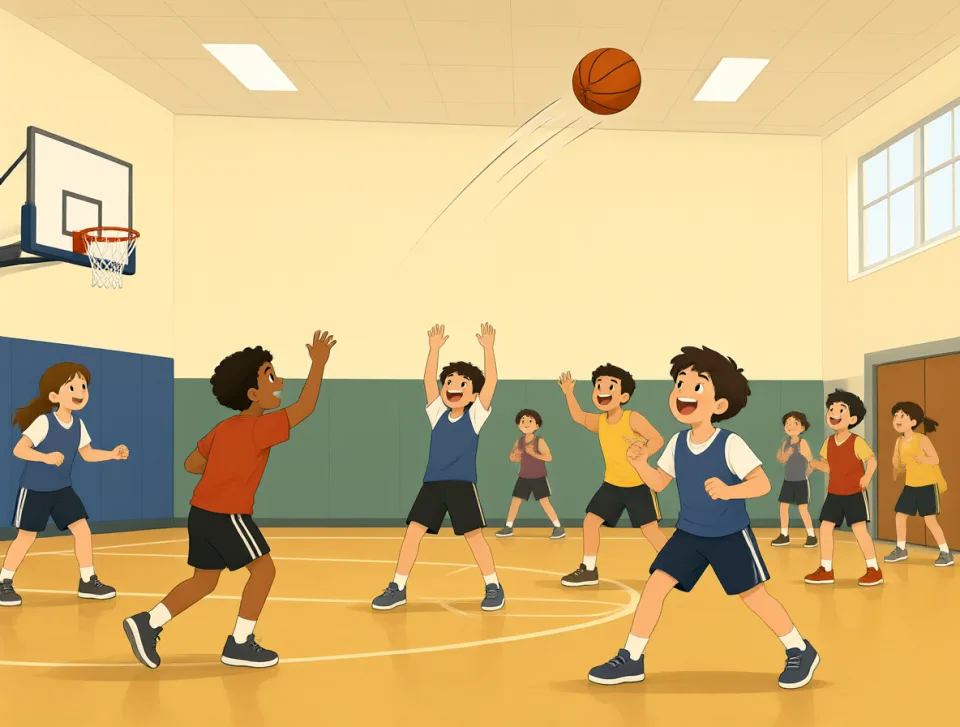
The ball hit the roof of the school gym during basketball practice.
ลูกบอลชนหลังคาโรงยิมของโรงเรียนตอนซ้อมบาสเกตบอล
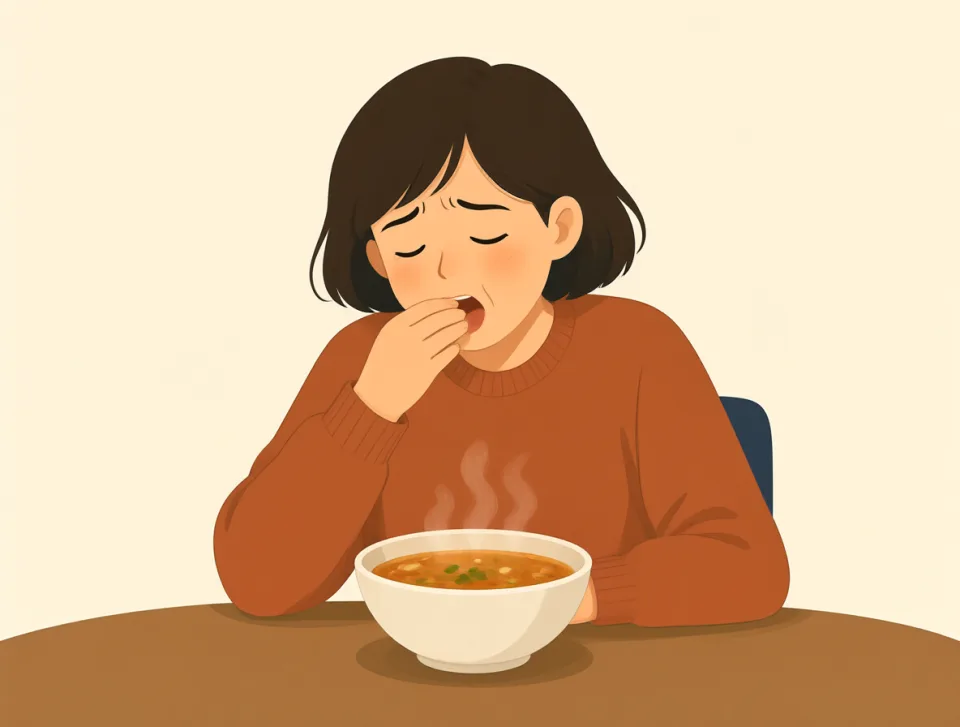
The hot soup burned the roof of my mouth at lunch.
ซุปร้อน ๆ ลวกเพดานปากฉันตอนมื้อกลางวัน
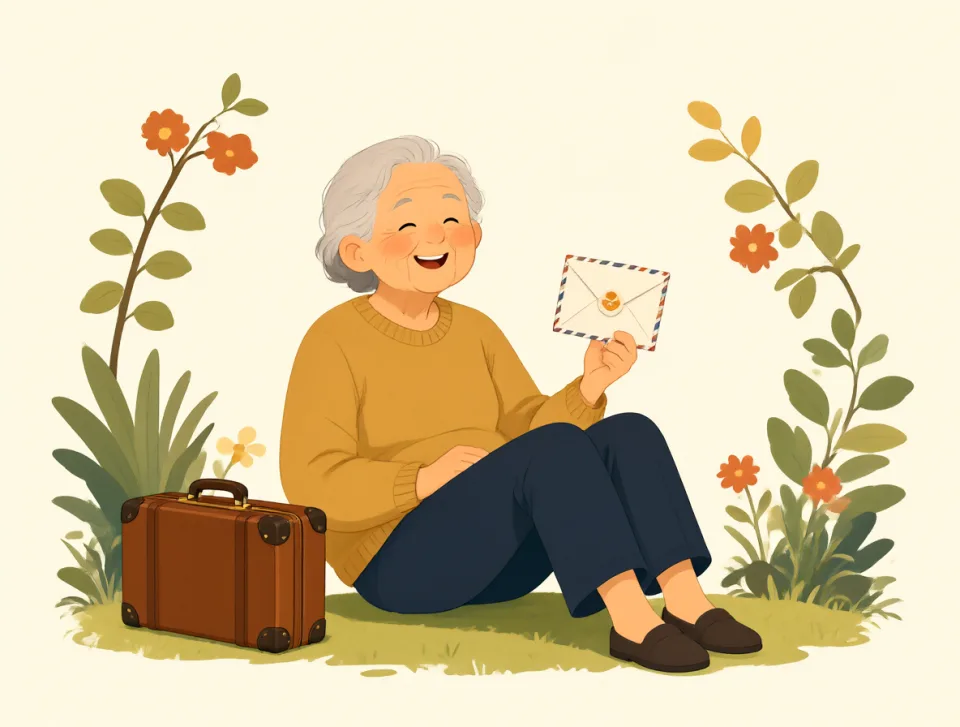
retirement
#2017noun
การเกษียณอายุ
The time when someone stops working, usually because they are old enough to do so.
ช่วงเวลาที่คนคนหนึ่งหยุดทำงาน โดยทั่วไปเป็นเพราะมีอายุมากพอที่จะเกษียณ

My father is enjoying retirement after forty years at the same company.
พ่อของฉันมีความสุขกับชีวิตหลังเกษียณ หลังจากทำงานที่บริษัทเดิมมาสี่สิบปี
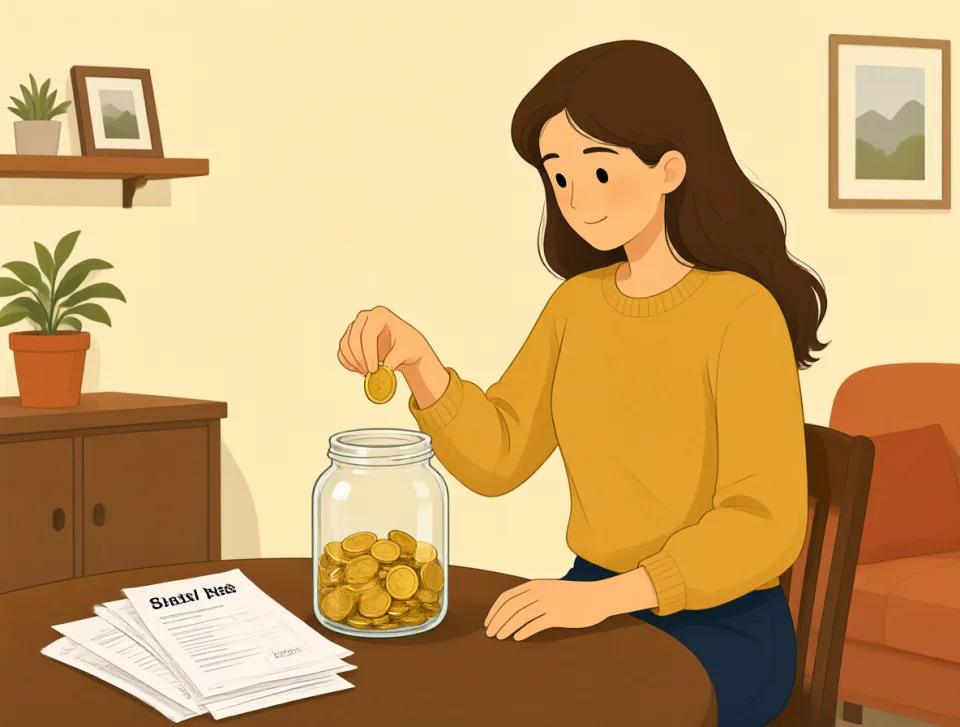
She is saving money for retirement by paying into a pension plan.
เธอกำลังเก็บเงินไว้ใช้หลังเกษียณด้วยการจ่ายเงินเข้ากองทุนบำนาญ

Our neighbor moved to Spain after his retirement last year.
ปีที่แล้วเพื่อนบ้านของเราย้ายไปสเปนหลังเกษียณ
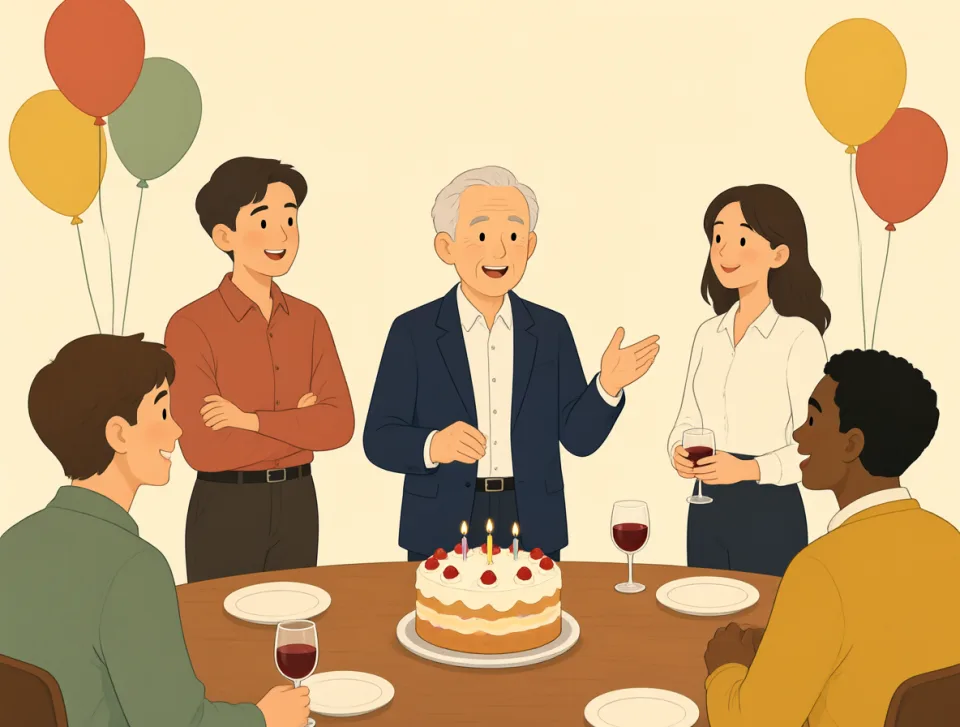
The retirement party at work was full of happy memories and laughter.
งานเลี้ยงฉลองเกษียณที่ทำงานเต็มไปด้วยความทรงจำดี ๆ และเสียงหัวเราะ
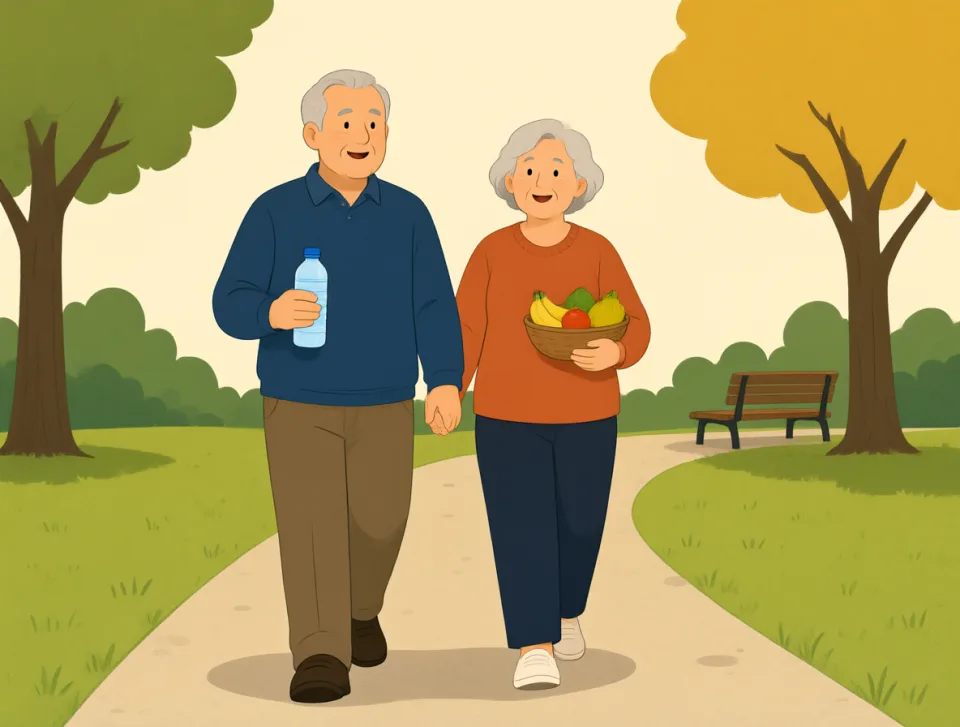
Good exercise and healthy food can help people enjoy an active retirement.
การออกกำลังกายอย่างสม่ำเสมอและการกินอาหารที่ดีต่อสุขภาพช่วยให้ผู้คนมีชีวิตหลังเกษียณที่กระฉับกระเฉงได้

respectively
#2018adverb
ตามลำดับ
In the same order as the people or things just mentioned.
เรียงตามลำดับเดียวกับคนหรือสิ่งของที่กล่าวถึงก่อนหน้านี้
The two girls chose the red and blue dresses, respectively.
เด็กผู้หญิงสองคนเลือกชุดสีแดงและสีน้ำเงินตามลำดับ
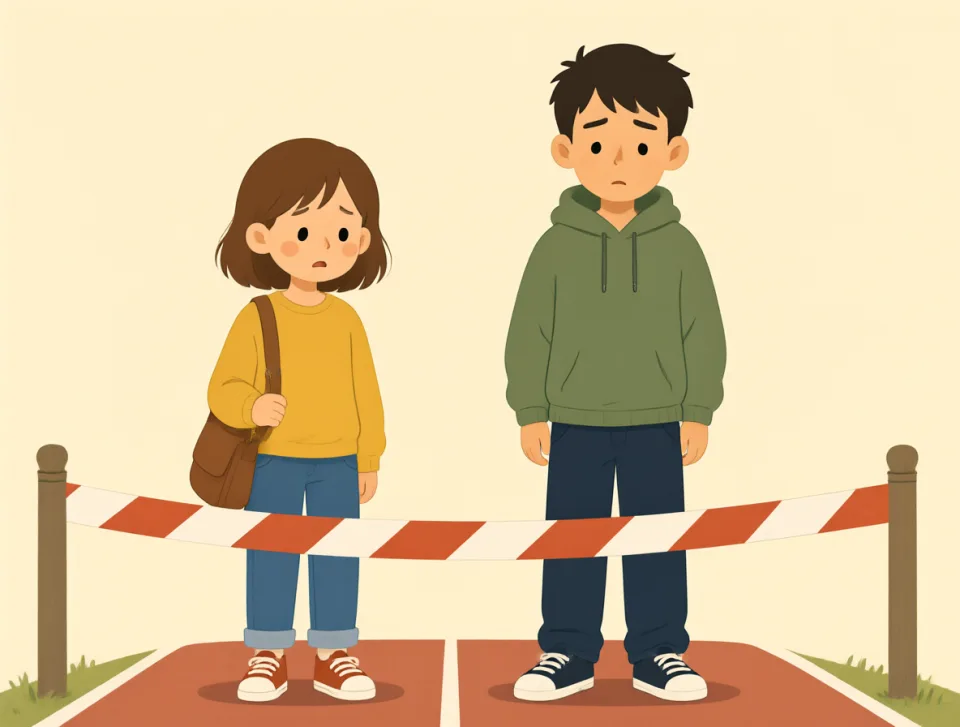
Tom and Sarah finished first and second, respectively, in the race.
ทอมกับซาราห์เข้าเส้นชัยเป็นที่หนึ่งและที่สองตามลำดับ
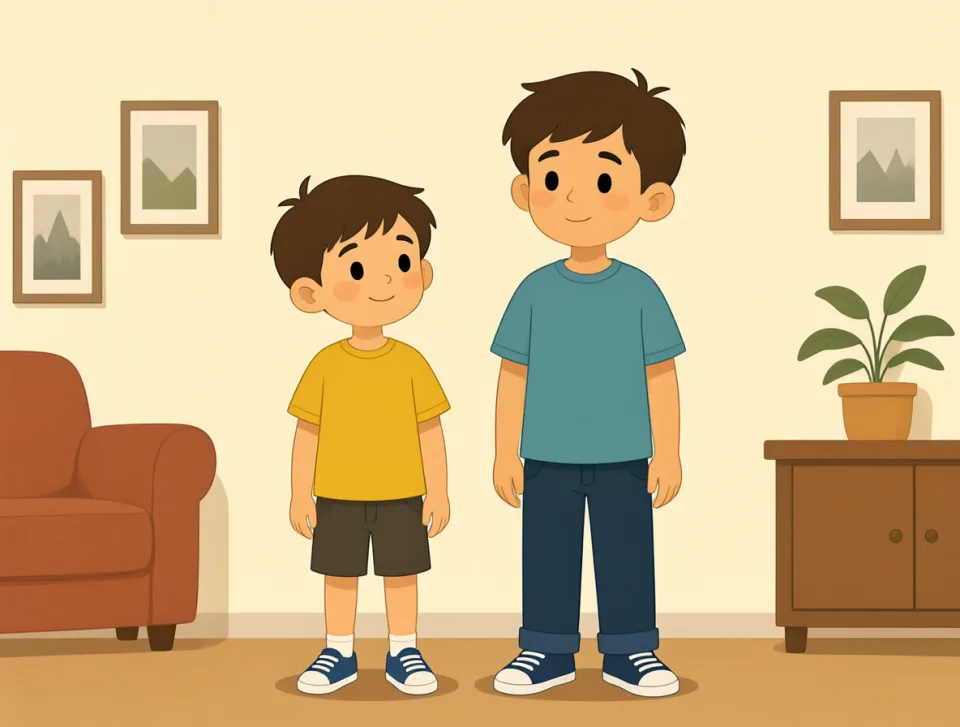
The boys are twelve and fourteen years old, respectively.
เด็กผู้ชายเหล่านั้นมีอายุสิบสองและสิบสี่ปีตามลำดับ

The doctor prescribed tablets for headaches and rest for tired muscles, respectively.
หมอสั่งยาเม็ดแก้อาการปวดหัว และให้พักผ่อนเพื่อคลายกล้ามเนื้อที่เหนื่อยล้าตามลำดับ
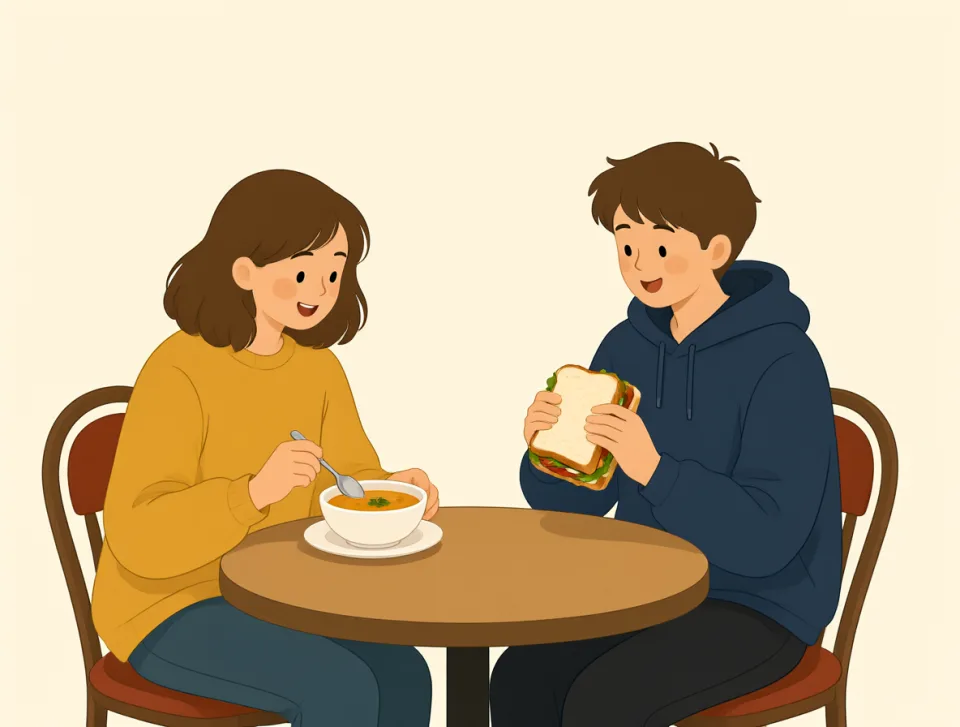
Emma and Leo ordered soup and sandwiches, respectively, for lunch.
เอ็มมากับเลโอสั่งซุปและแซนด์วิชตามลำดับสำหรับมื้อกลางวัน
variation
#2019noun
ความแตกต่าง
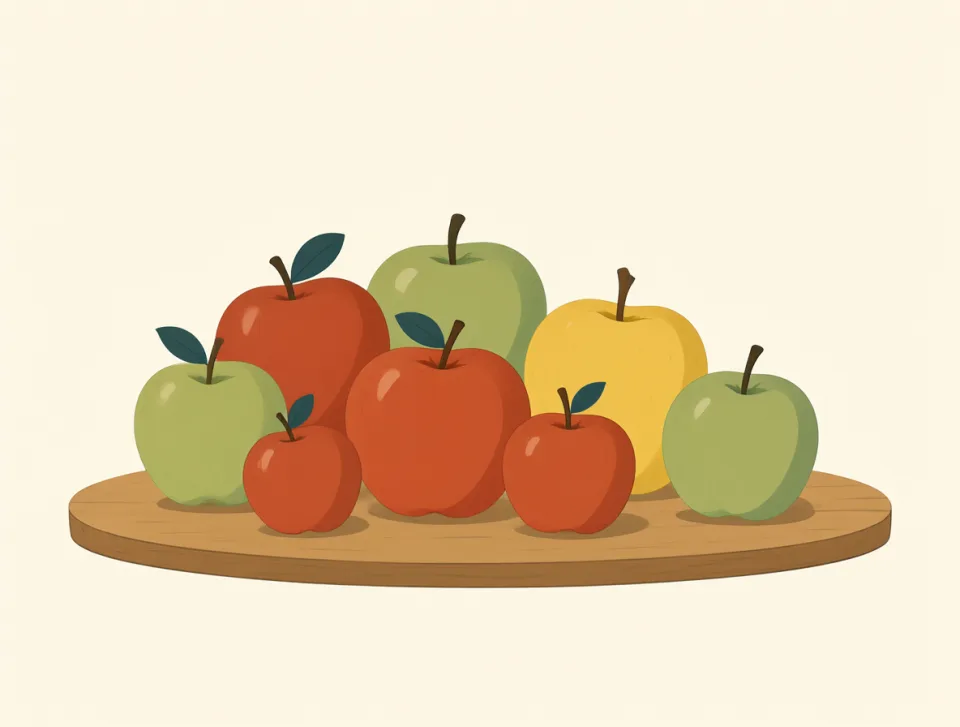
a difference or change in the way something happens, looks, or is done
ความแตกต่างหรือการเปลี่ยนแปลงในวิธีที่บางสิ่งเกิดขึ้น มีลักษณะอย่างไร หรือทำอย่างไร
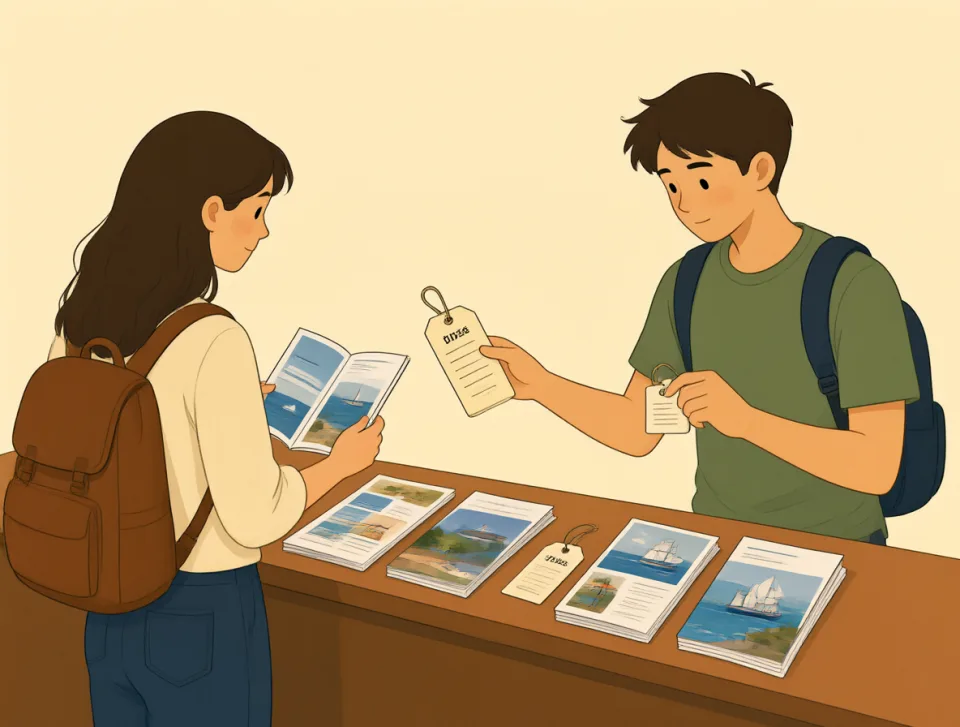
There is a lot of variation in the prices of these similar hotels.
ราคาของโรงแรมที่คล้ายกันเหล่านี้แตกต่างกันมาก
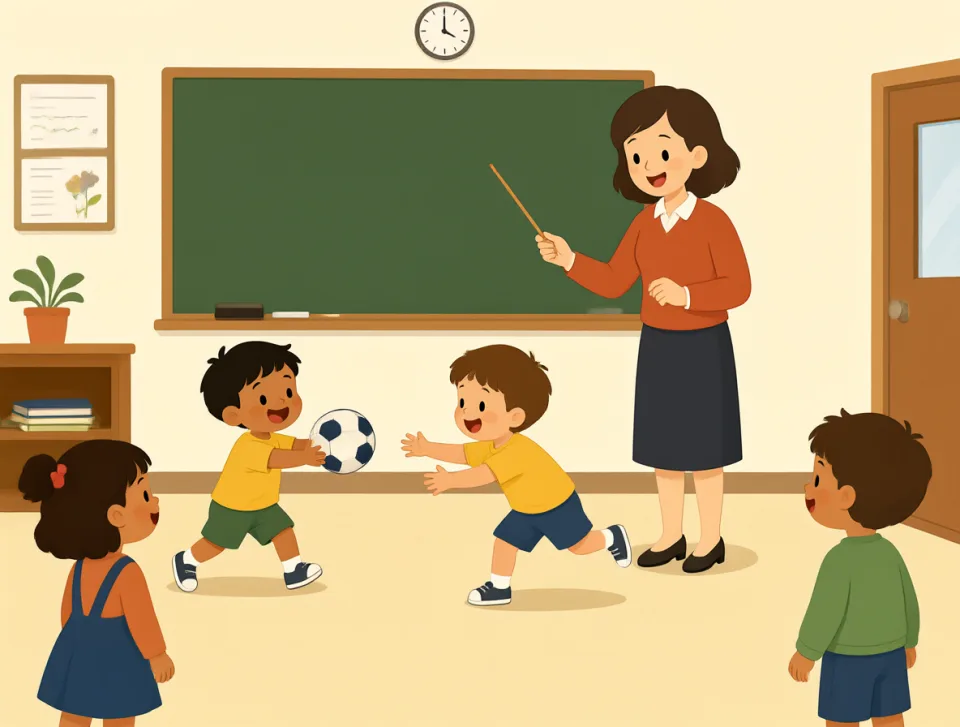
The teacher used different variations of the game to keep students interested.
ครูใช้รูปแบบต่าง ๆ ของเกมเพื่อให้นักเรียนสนใจอยู่เสมอ
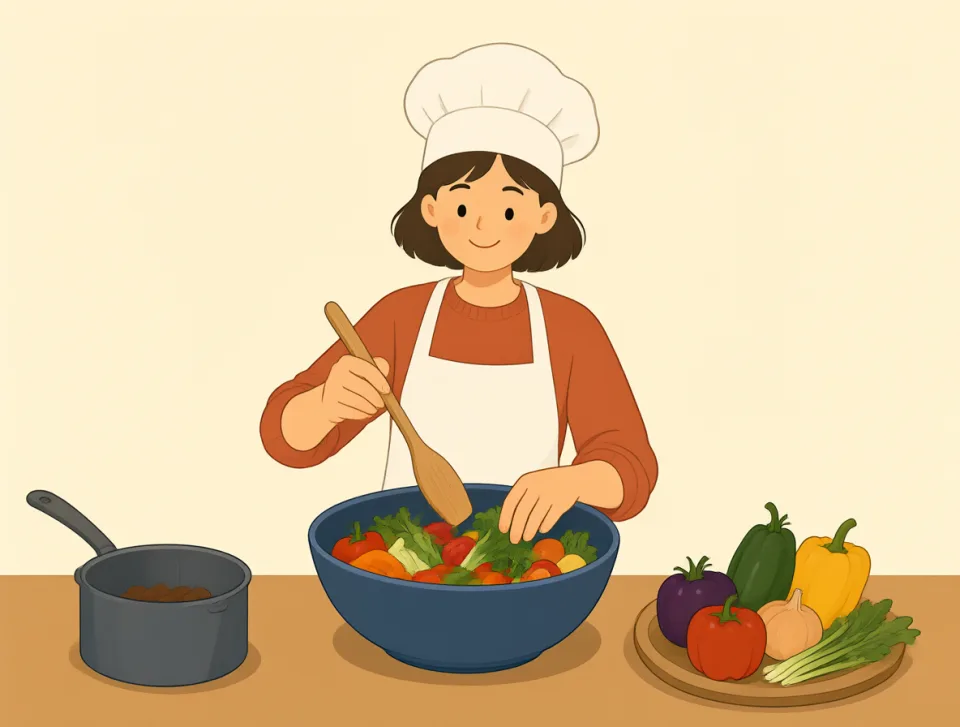
This recipe allows for variation, so you can add vegetables you like.
สูตรนี้ปรับเปลี่ยนได้ คุณจึงใส่ผักที่ชอบได้
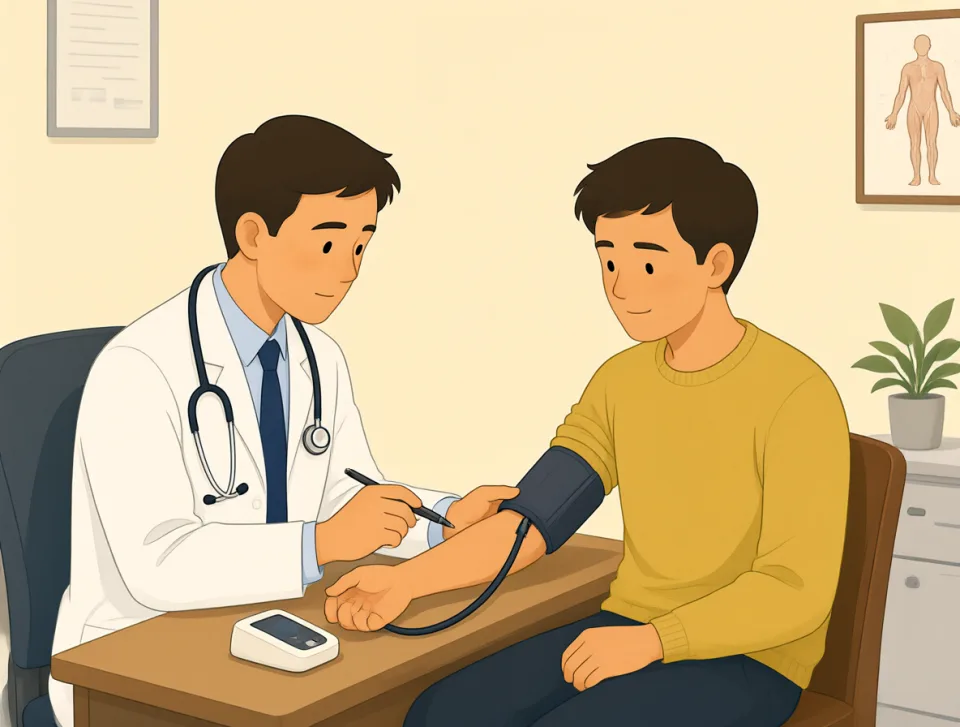
The doctor said some variation in blood pressure is normal during the day.
หมอบอกว่าความดันโลหิตเปลี่ยนแปลงบ้างระหว่างวันเป็นเรื่องปกติ

We tried a new variation of our usual route to avoid the traffic.
เราลองใช้เส้นทางใหม่ที่ต่างจากเส้นทางปกติเพื่อเลี่ยงรถติด

ultimately
#2020adverb
ท้ายที่สุด
In the end, after considering everything or after a long process.
ในท้ายที่สุด หลังจากพิจารณาทุกอย่างหรือผ่านกระบวนการที่ยาวนาน
Ultimately, we decided to stay home because the weather was terrible.
ท้ายที่สุด เราก็ตัดสินใจอยู่บ้านเพราะอากาศแย่มาก
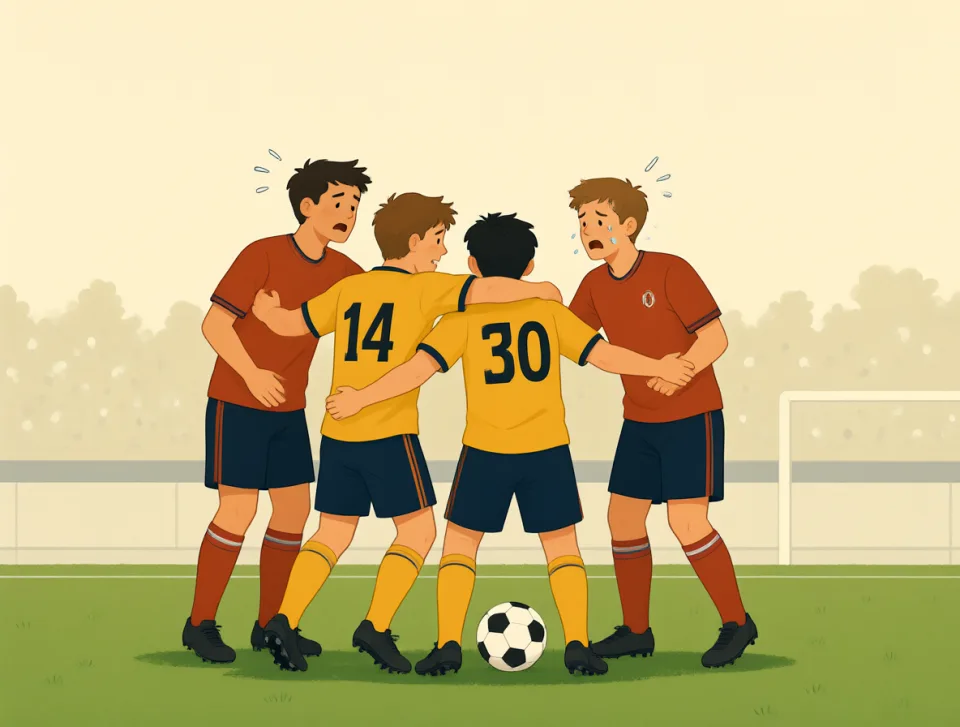
The team ultimately won the game after scoring twice in the final minutes.
ท้ายที่สุดทีมก็ชนะการแข่งขัน หลังทำคะแนนได้สองครั้งในช่วงนาทีสุดท้าย

She tried several treatments, but ultimately felt better after getting enough sleep.
เธอลองรักษาหลายวิธี แต่ท้ายที่สุดก็รู้สึกดีขึ้นหลังจากนอนหลับพักผ่อนให้เพียงพอ

The customer ultimately chose the cheaper jacket after comparing both options.
ท้ายที่สุดลูกค้าก็เลือกแจ็กเก็ตราคาถูกกว่า หลังจากเปรียบเทียบทั้งสองตัวเลือก

Although the journey was difficult, we ultimately reached the village before sunset.
แม้การเดินทางจะลำบาก แต่ท้ายที่สุดเราก็ไปถึงหมู่บ้านก่อนพระอาทิตย์ตก