Đơn vị 125
Từ 2481–2500 · weigh, versus, deficit, modify, flash, friendship
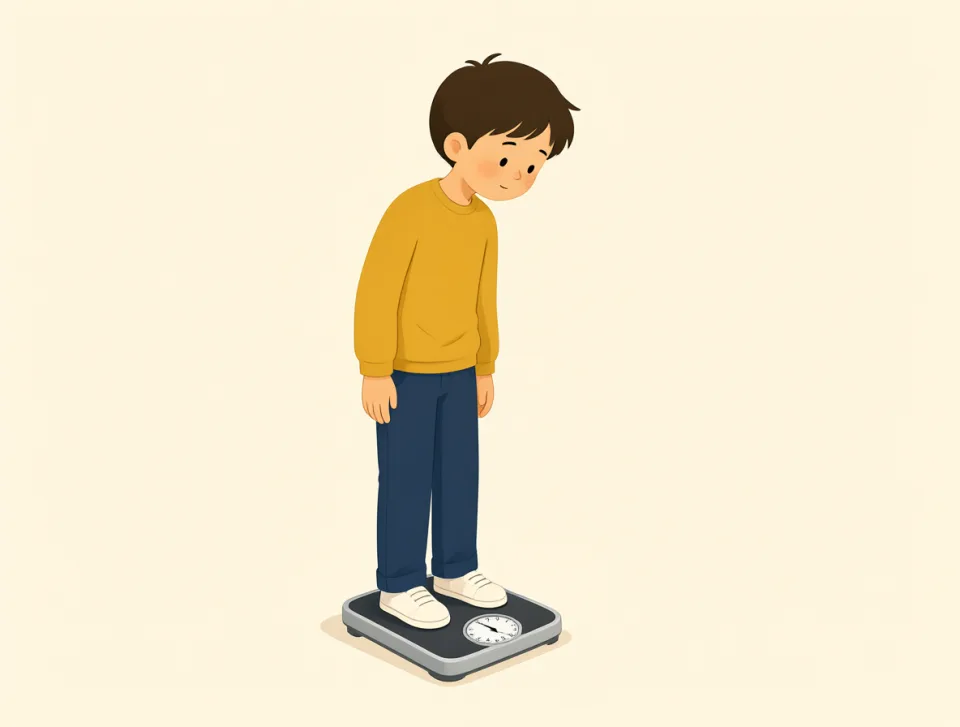
weigh
#2481verb
cân; cân nhắc
To find out how heavy someone or something is, or to consider something carefully.
Đo xem ai đó hoặc vật gì đó nặng bao nhiêu, hoặc cân nhắc kỹ điều gì.
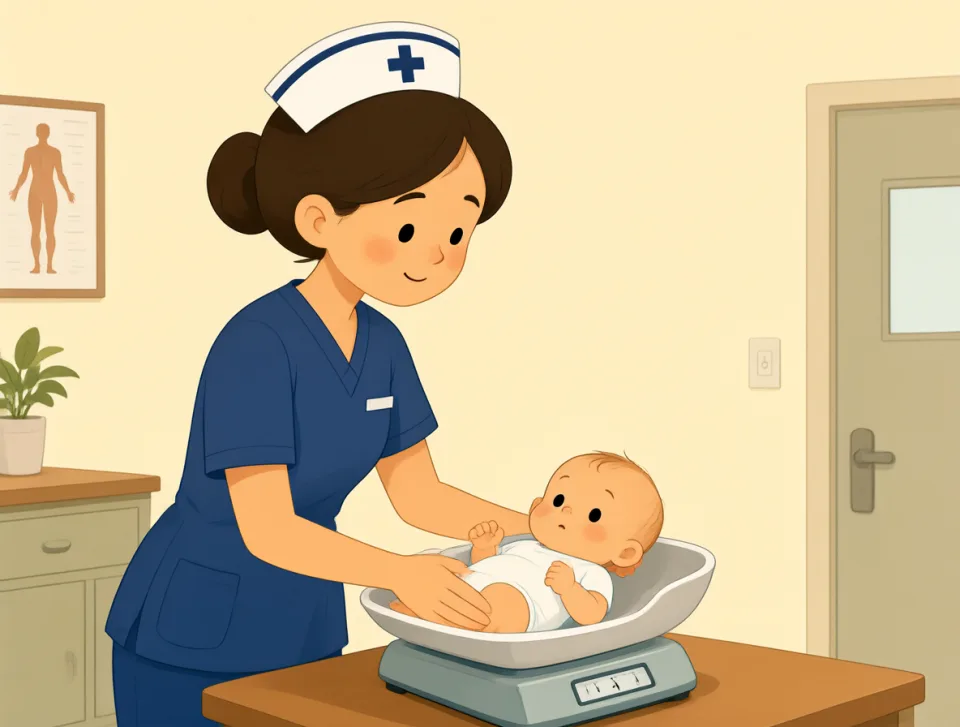
The nurse weighed the baby during our visit to the clinic.
Y tá đã cân em bé trong lần chúng tôi đến phòng khám.
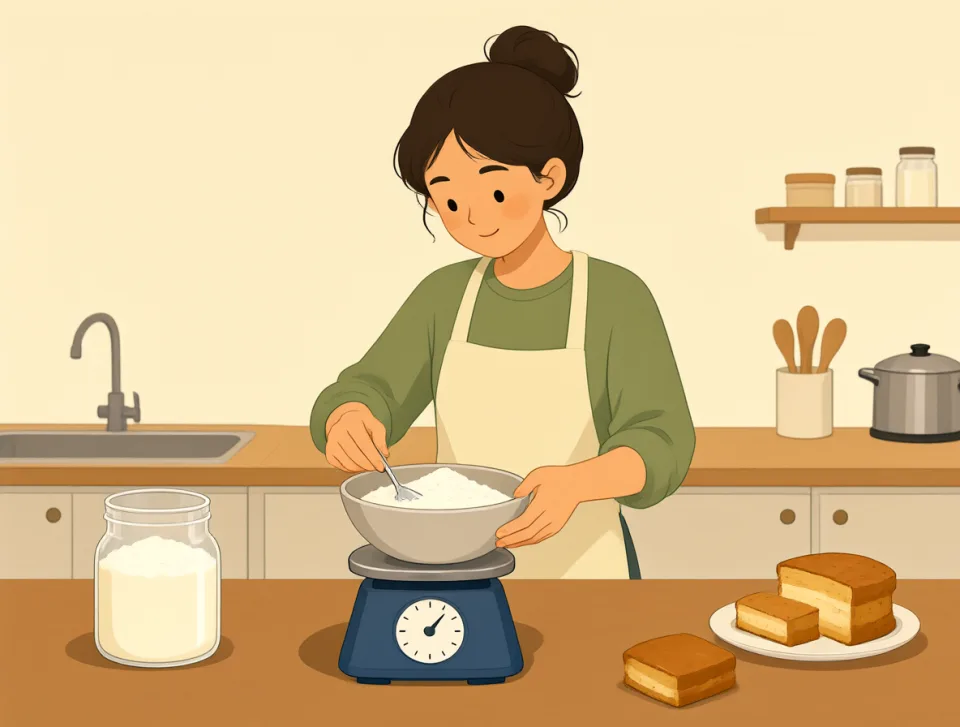
I weighed the flour before mixing it into the cake batter.
Tôi đã cân bột trước khi trộn vào hỗn hợp làm bánh.
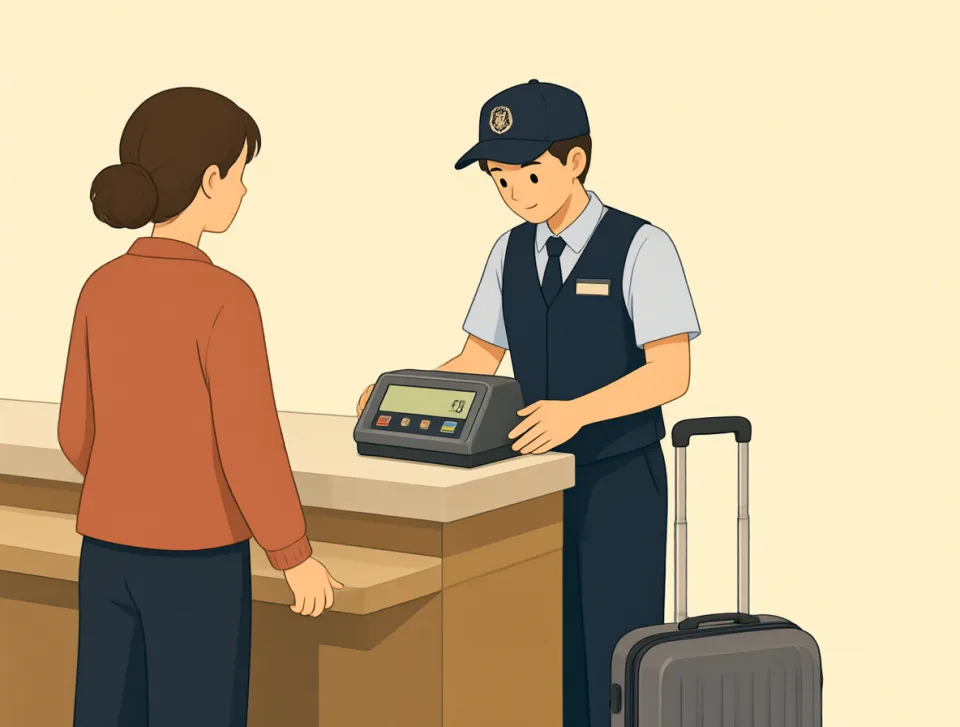
The airline weighed our bags before we checked in for the flight.
Hãng hàng không đã cân hành lý của chúng tôi trước khi làm thủ tục lên máy bay.
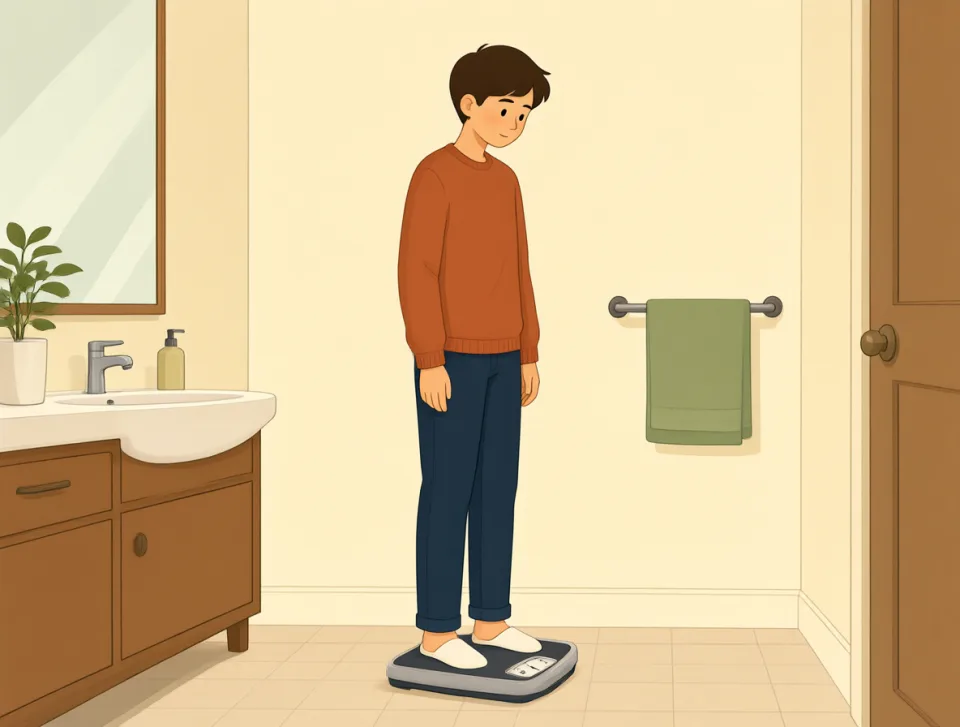
The doctor said I should weigh myself once a week at home.
Bác sĩ nói tôi nên tự cân mỗi tuần một lần ở nhà.

We weighed the two job offers before choosing the one with better hours.
Chúng tôi đã cân nhắc hai lời mời làm việc trước khi chọn công việc có giờ giấc tốt hơn.
versus
#2482preposition
so với; đối đầu với
Used to compare two choices, teams, or sides in a contest or argument.
Dùng để so sánh hai lựa chọn, đội hoặc phe trong một cuộc thi hay tranh luận.
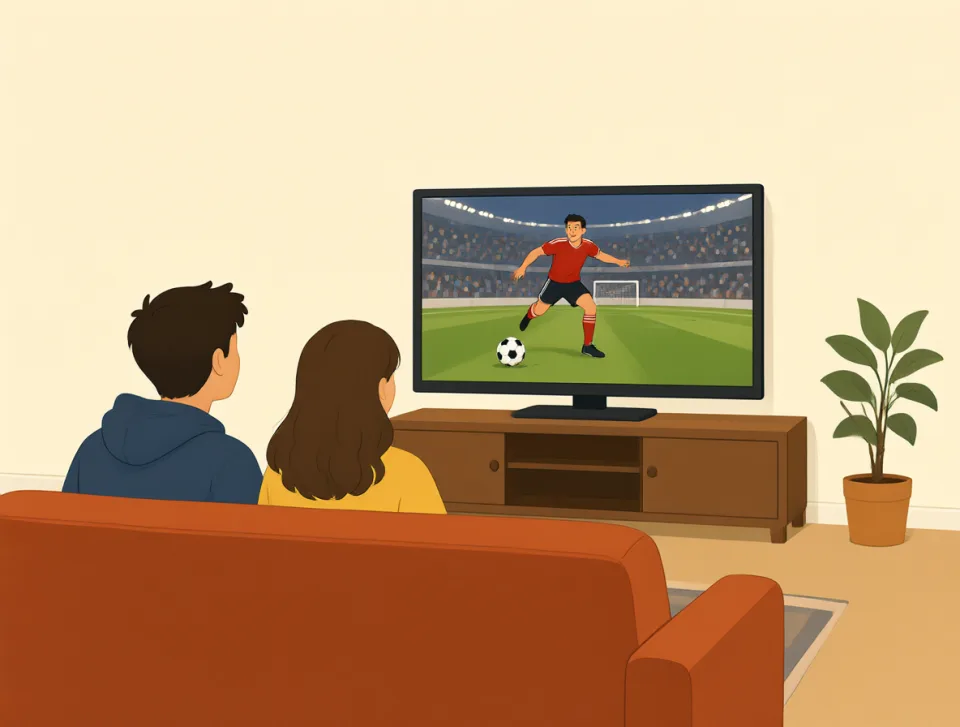
We watched the final match, Brazil versus Germany, at home.
Chúng tôi xem trận chung kết Brazil đấu với Đức ở nhà.

The doctor explained the risks of surgery versus waiting another month.
Bác sĩ giải thích những rủi ro của việc phẫu thuật so với chờ thêm một tháng.
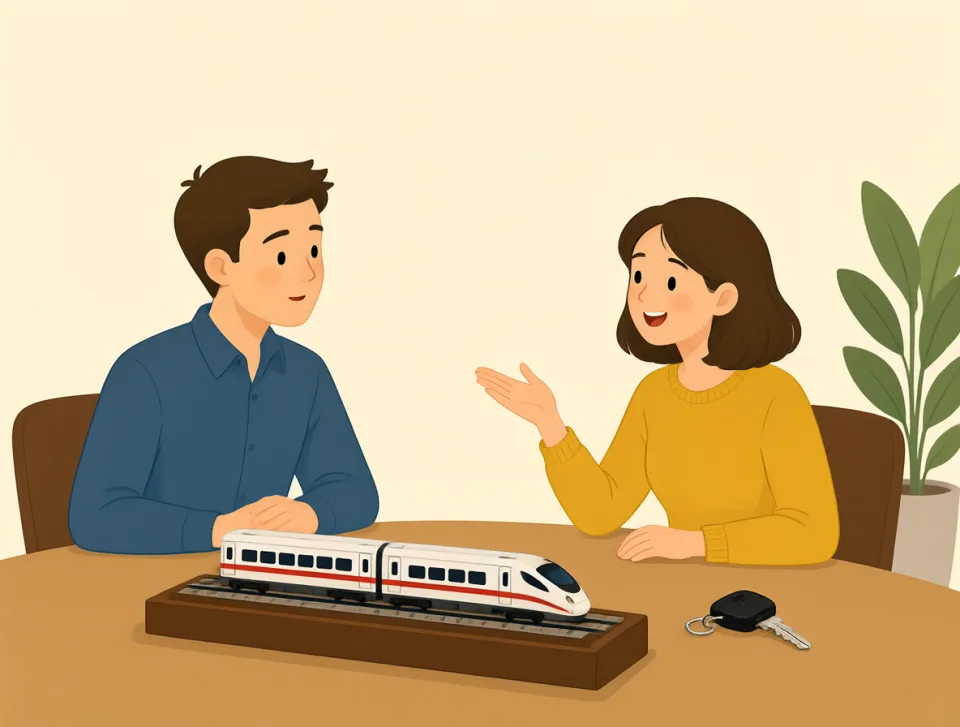
Our team is comparing train travel versus driving for the work trip.
Nhóm chúng tôi đang so sánh việc đi tàu với lái xe cho chuyến công tác.

For dinner, I couldn't decide between soup versus a fresh salad.
Đến bữa tối, tôi không biết nên chọn súp hay salad tươi.

The school debate focused on city life versus living in the countryside.
Cuộc tranh luận ở trường tập trung vào cuộc sống thành thị so với cuộc sống ở nông thôn.

deficit
#2483noun
sự thiếu hụt
A situation in which there is less of something than is needed.
Tình trạng có ít hơn mức cần thiết.
The government is trying to reduce its budget deficit this year.
Chính phủ đang cố gắng giảm thâm hụt ngân sách trong năm nay.
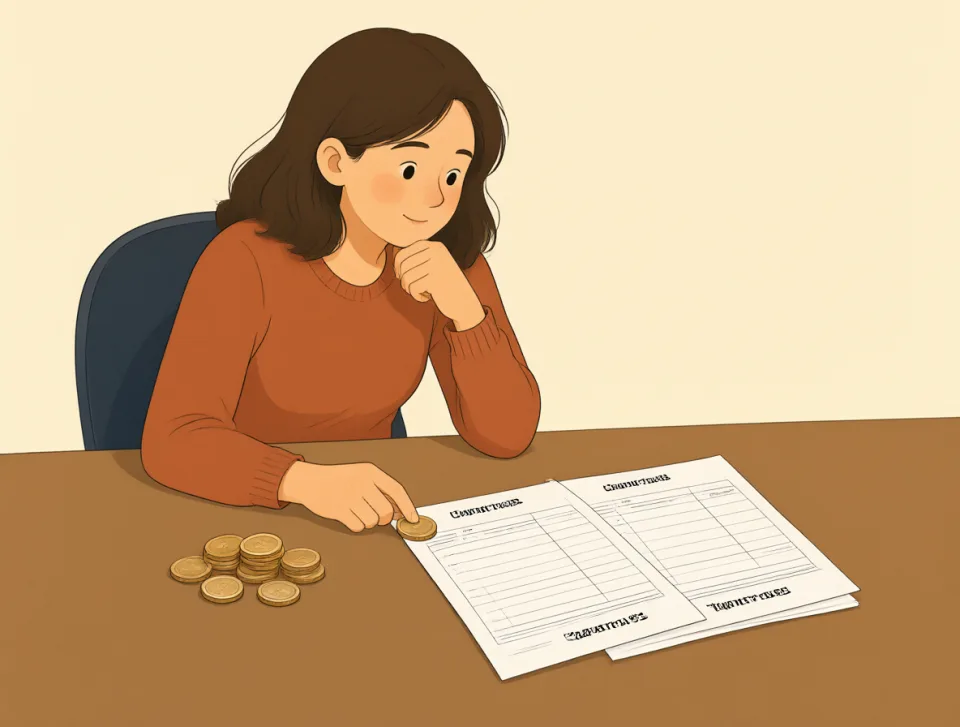
Our club has a small deficit because fewer members paid their fees.
Câu lạc bộ chúng tôi bị thâm hụt một khoản nhỏ vì có ít thành viên đóng phí hơn.

The company faced a serious cash deficit after several customers paid late.
Công ty gặp tình trạng thiếu tiền mặt nghiêm trọng sau khi một số khách hàng trả tiền muộn.

A vitamin D deficit can make people feel tired and weak.
Thiếu vitamin D có thể khiến người ta cảm thấy mệt mỏi và yếu ớt.
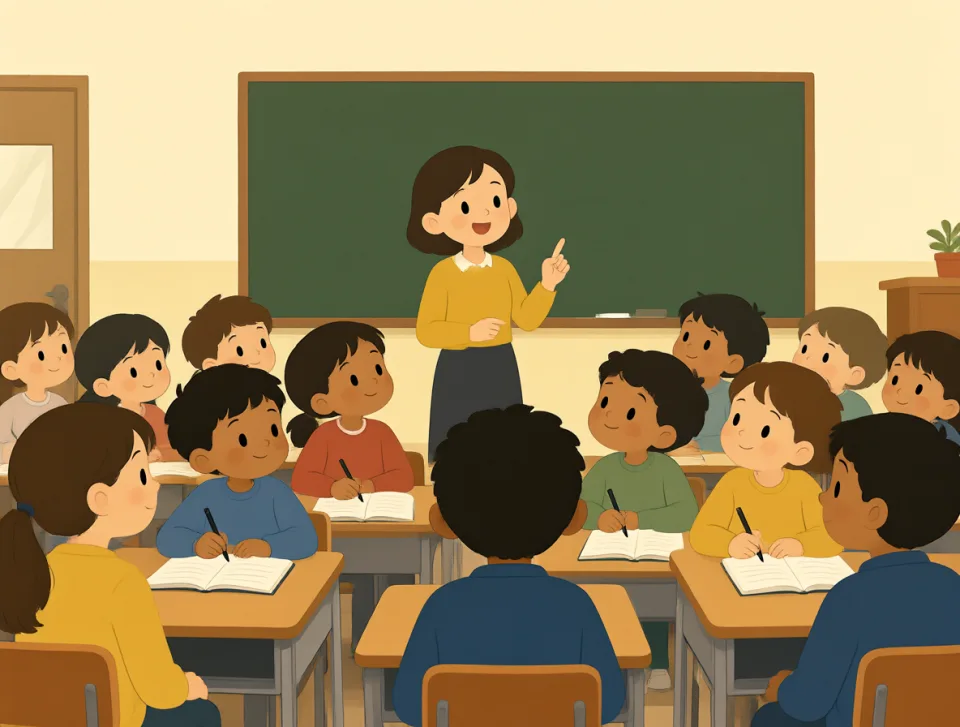
The school discovered a teacher deficit, so some classes became larger.
Nhà trường phát hiện tình trạng thiếu giáo viên, nên một số lớp phải tăng sĩ số.
modify
#2484verb
điều chỉnh
to make small changes to something so it works better or suits a new purpose
Thay đổi một chút để thứ gì đó hoạt động tốt hơn hoặc phù hợp với mục đích mới.

We had to modify our travel plans because the train was canceled.
Chúng tôi phải điều chỉnh kế hoạch đi lại vì chuyến tàu bị hủy.

The teacher asked me to modify my essay before submitting it.
Giáo viên yêu cầu tôi chỉnh sửa bài luận trước khi nộp.
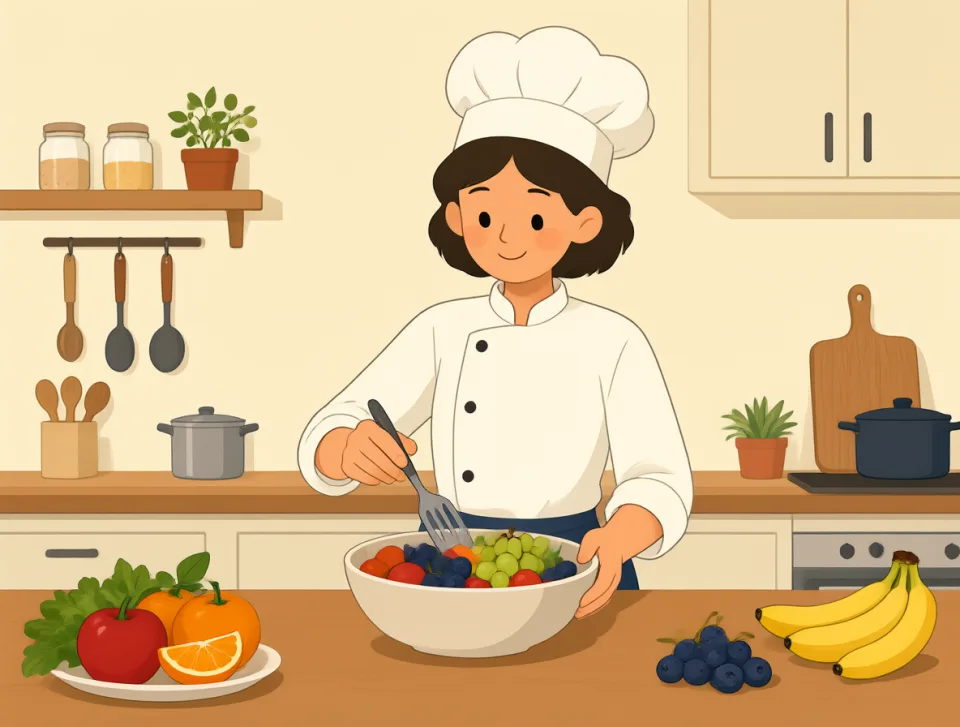
You can modify the recipe by using less sugar and more fresh fruit.
Bạn có thể điều chỉnh công thức bằng cách dùng ít đường hơn và thêm nhiều trái cây tươi.

The doctor modified her treatment after her symptoms became worse.
Bác sĩ đã điều chỉnh phương pháp điều trị cho cô ấy sau khi các triệu chứng trở nặng.
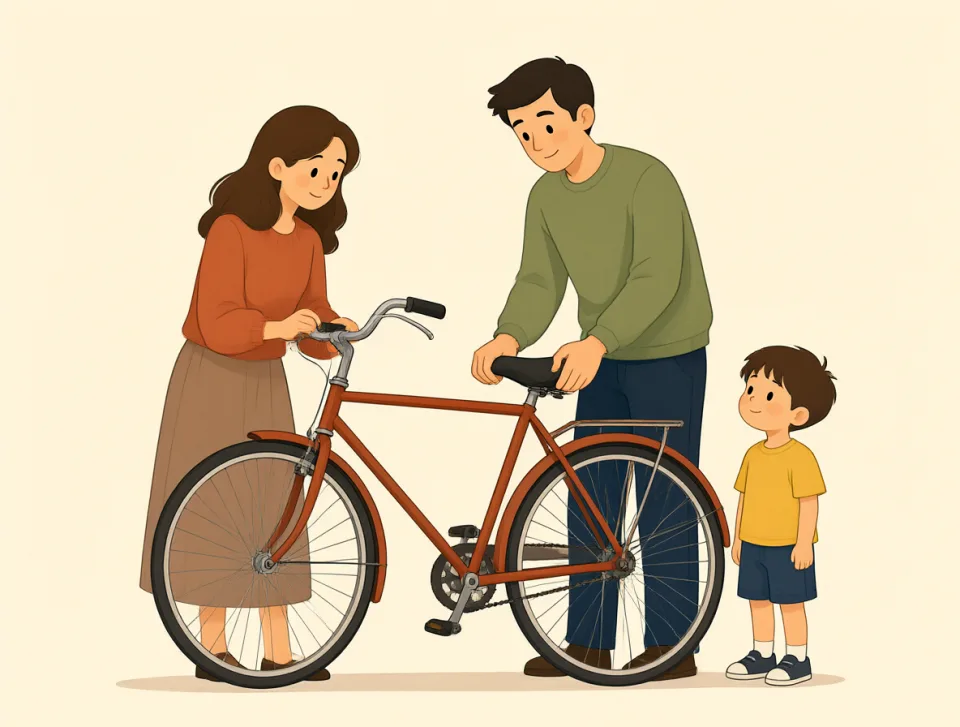
We modified the old bicycle so our son could ride it safely.
Chúng tôi đã cải tạo chiếc xe đạp cũ để con trai có thể đi xe an toàn.
flash
#2485noun, verb
tia sáng; lóe sáng
A brief burst of light, or to shine suddenly and brightly.
Một chớp sáng ngắn, hoặc phát sáng đột ngột và rực rỡ.

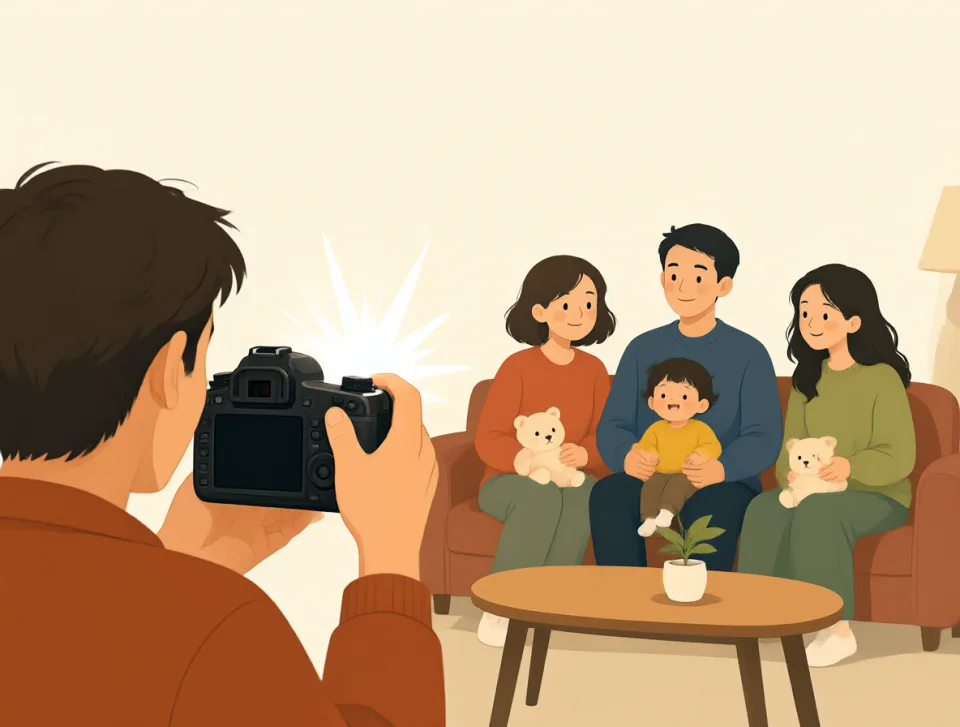
The camera flashed as my sister blew out the candles on her birthday cake.
Máy ảnh lóe sáng khi chị gái tôi thổi nến trên chiếc bánh sinh nhật.
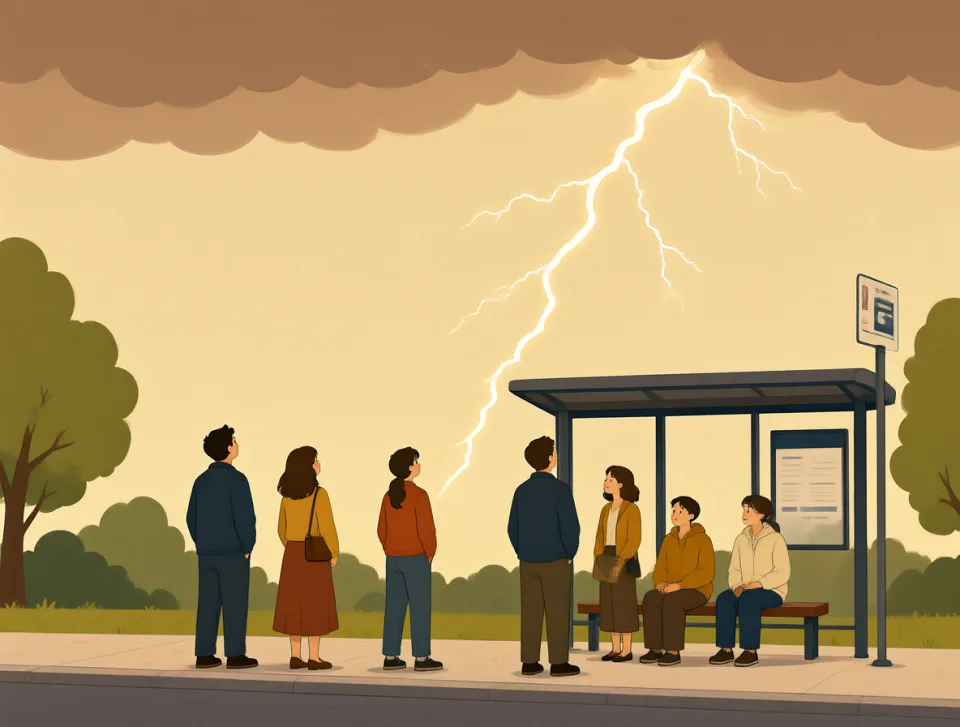
Lightning flashed across the sky while we waited for the bus in the rain.
Chớp sáng lóe ngang bầu trời khi chúng tôi đứng chờ xe buýt dưới mưa.

A warning light flashed on the dashboard, so I pulled over safely.
Đèn cảnh báo trên bảng điều khiển nhấp nháy, nên tôi tấp xe vào lề an toàn.

He gave me a quick flash of his new watch before the meeting started.
Anh ấy nhanh chóng cho tôi xem chiếc đồng hồ mới trước khi cuộc họp bắt đầu.
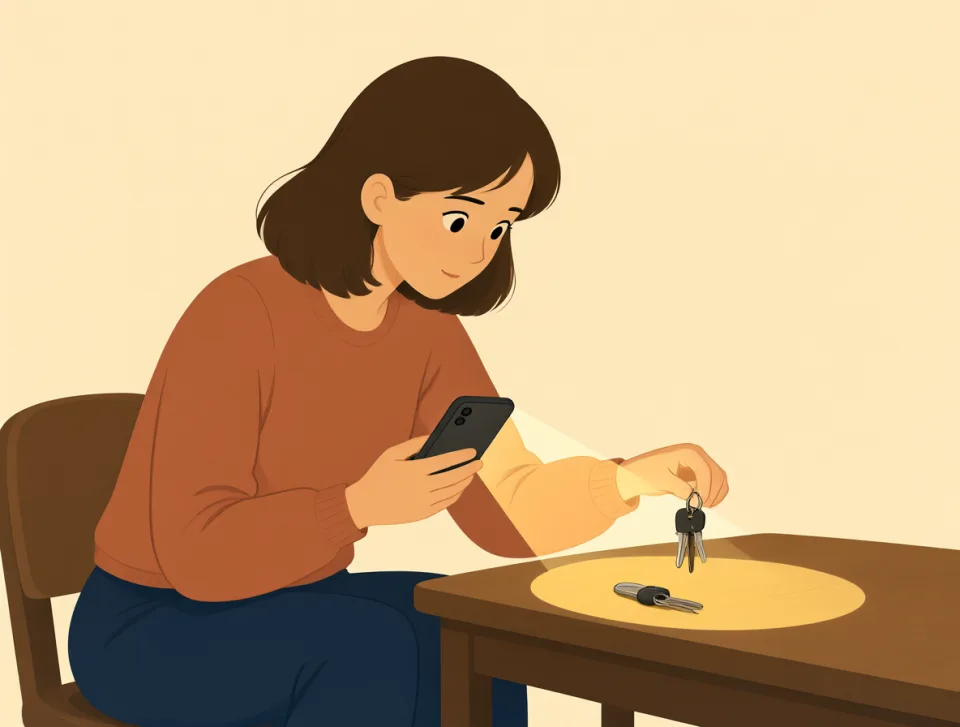
She used the flash on her phone to find her keys under the table.
Cô ấy dùng đèn flash trên điện thoại để tìm chìa khóa dưới gầm bàn.

friendship
#2486noun
tình bạn
A close and trusting relationship between people who like and care about each other.
Mối quan hệ thân thiết và tin cậy giữa những người quý mến và quan tâm đến nhau.
Their friendship grew stronger after they worked together on a difficult project.
Tình bạn của họ trở nên khăng khít hơn sau khi cùng nhau thực hiện một dự án khó.

She values her friendship with Maya and calls her every weekend.
Cô ấy trân trọng tình bạn với Maya và gọi điện cho cô ấy vào mỗi cuối tuần.

A long trip helped build a strong friendship between the travelers.
Một chuyến đi dài đã giúp những người lữ hành xây dựng tình bạn bền chặt.
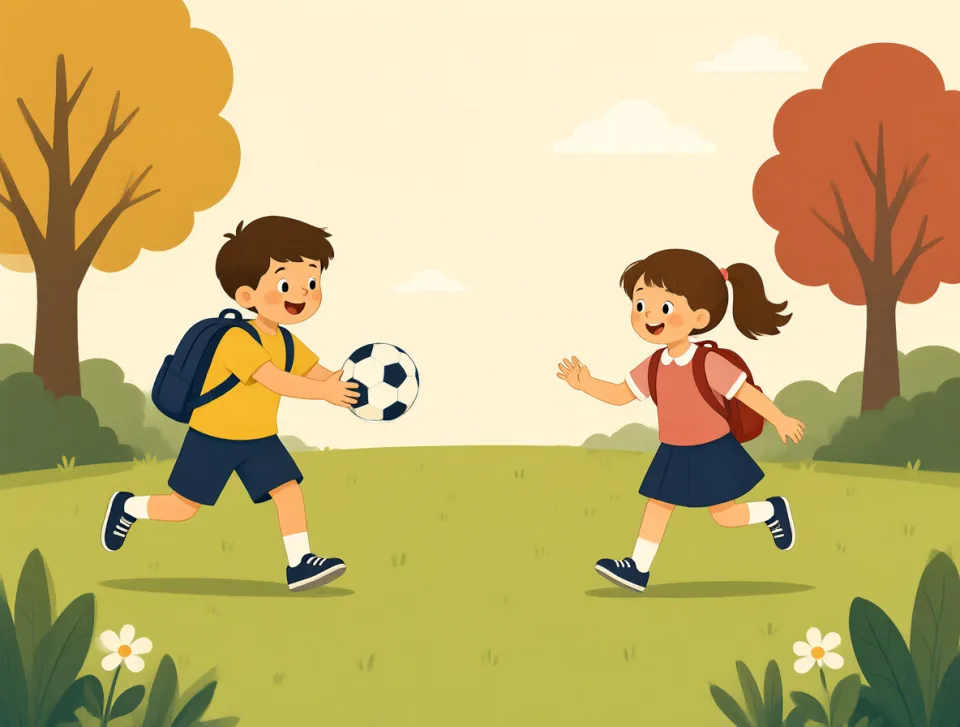
The children formed a friendship while playing together after school.
Bọn trẻ kết bạn với nhau khi chơi cùng nhau sau giờ học.
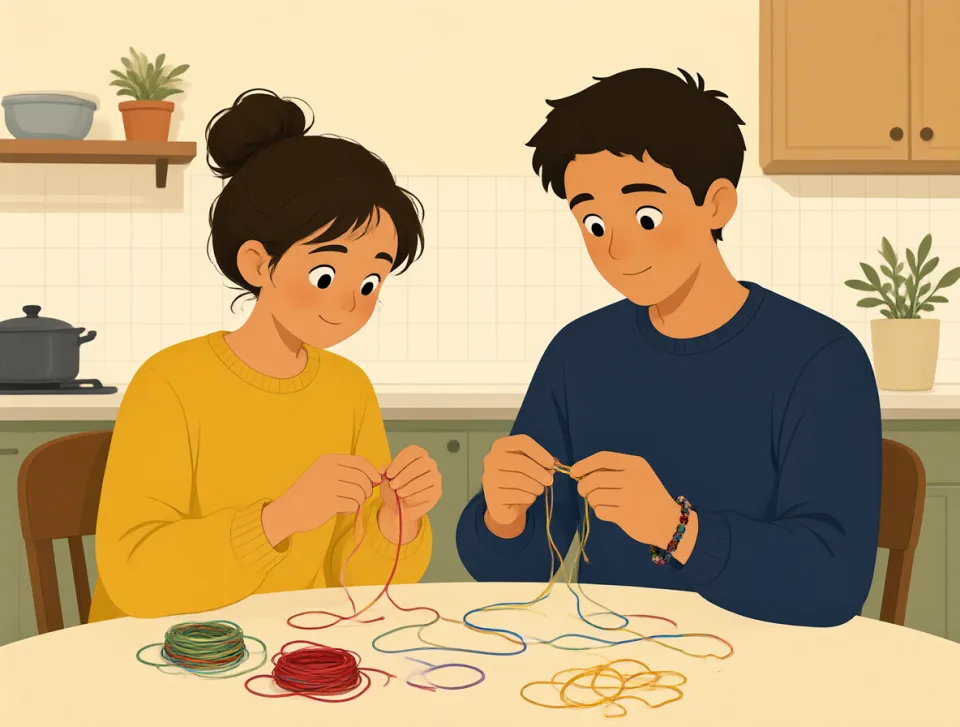
They made a friendship bracelet together during the visit.
Họ cùng làm một chiếc vòng tay tình bạn trong chuyến thăm.
profession
#2487noun
nghề nghiệp
A job that needs special training and is respected as a career.
Công việc đòi hỏi được đào tạo chuyên môn và được xem là một sự nghiệp.

Teaching is a rewarding profession that allows you to help young people learn.
Dạy học là một nghề nghiệp đáng quý, cho phép bạn giúp những người trẻ học tập.

She chose medicine as her profession after volunteering at a hospital.
Cô ấy chọn ngành y làm nghề nghiệp sau khi làm tình nguyện tại một bệnh viện.

My brother is considering a profession in computer programming.
Anh trai tôi đang cân nhắc theo nghề lập trình máy tính.
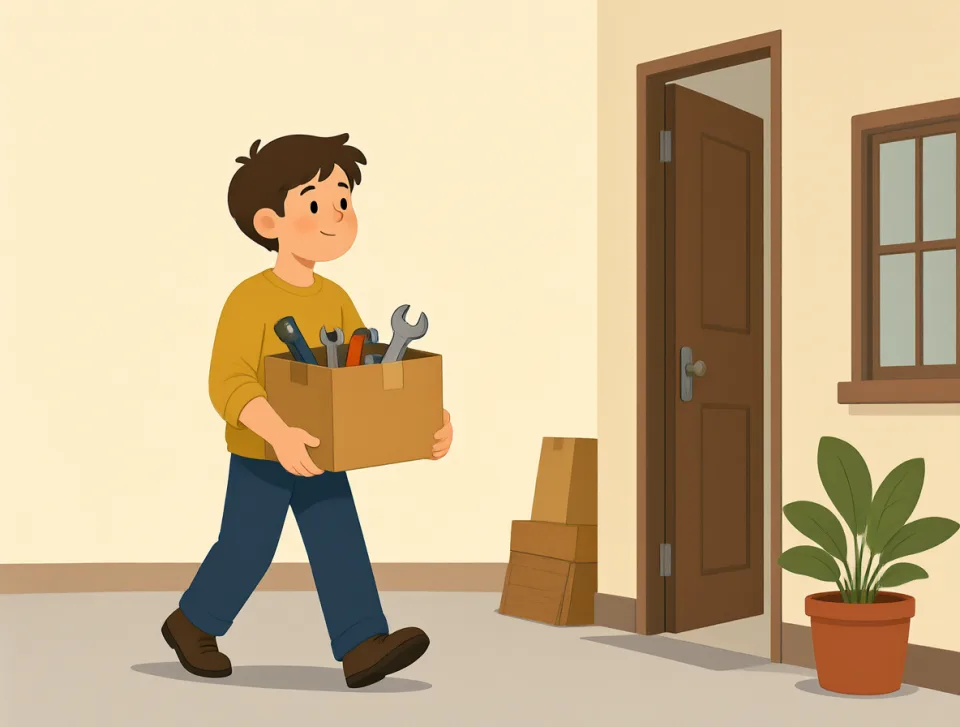
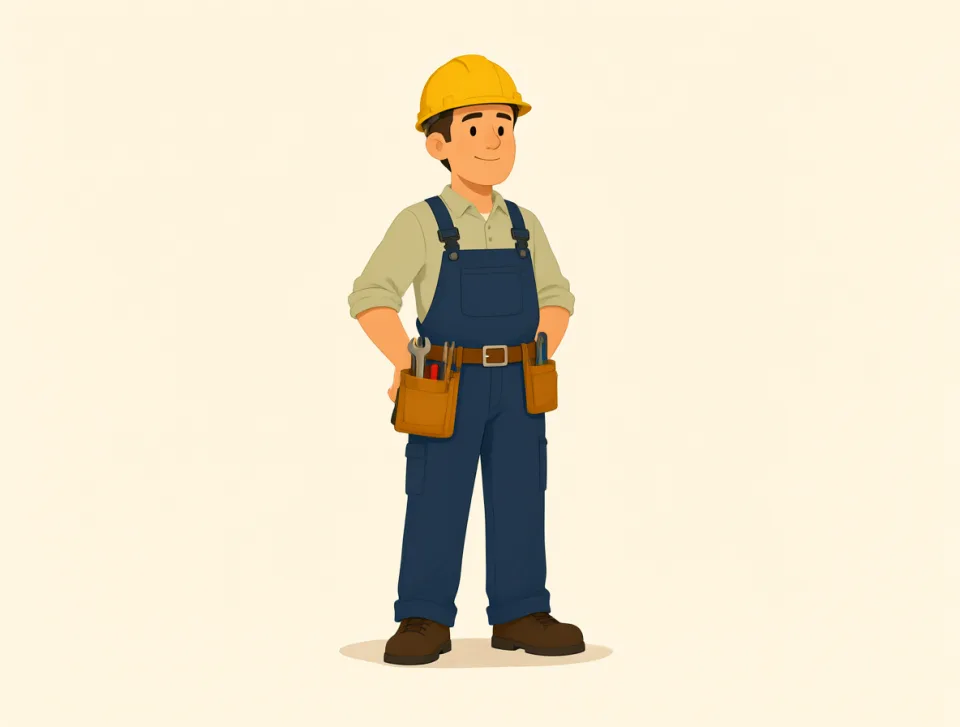
People often change professions when they discover new interests or skills.
Mọi người thường đổi nghề khi phát hiện ra những sở thích hoặc kỹ năng mới.

Her profession requires patience, careful training, and excellent communication skills.
Nghề nghiệp của cô ấy đòi hỏi sự kiên nhẫn, quá trình đào tạo bài bản và kỹ năng giao tiếp xuất sắc.

literally
#2488adverb
theo đúng nghĩa đen
Used to emphasize that something is true exactly as described, or to show strong feeling.
Dùng để nhấn mạnh rằng điều gì đó đúng chính xác như được mô tả, hoặc để thể hiện cảm xúc mạnh mẽ.
I was so tired, I literally fell asleep on the sofa.
Tôi mệt đến nỗi ngủ thiếp đi trên ghế sofa theo đúng nghĩa đen.
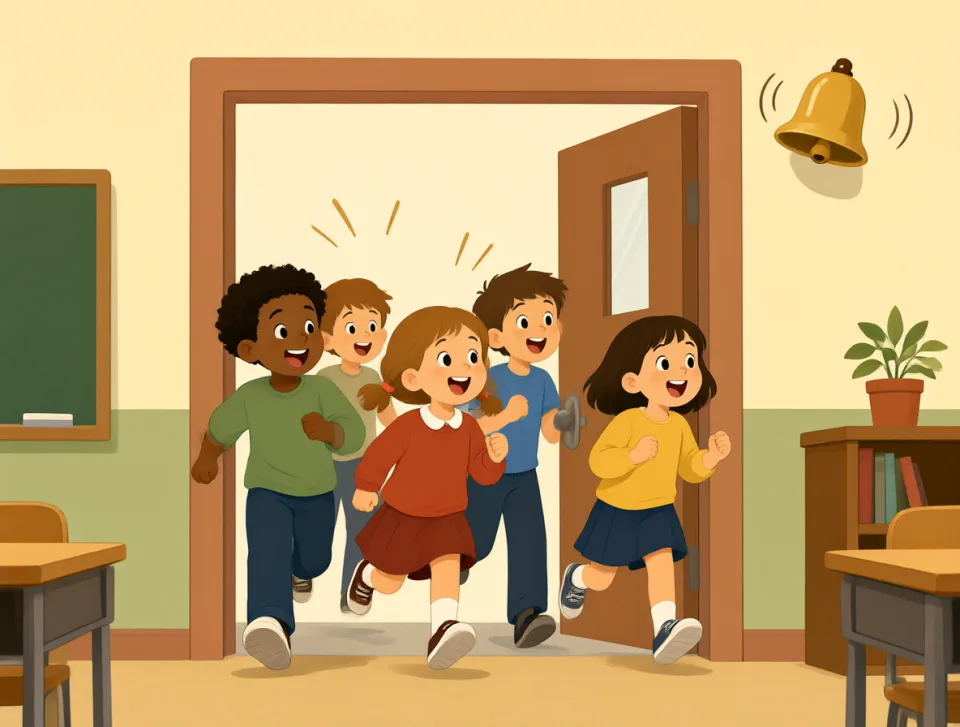
The children literally ran out of the classroom when the bell rang.
Bọn trẻ chạy ùa ra khỏi lớp theo đúng nghĩa đen khi chuông reo.

She literally bought everything in the store before the party.
Cô ấy mua sạch mọi thứ trong cửa hàng trước bữa tiệc.

My friend literally laughed until he cried during dinner.
Bạn tôi cười đến chảy nước mắt trong bữa tối.

The doctor said the medicine would literally save his life.
Bác sĩ nói loại thuốc đó sẽ cứu mạng anh ấy theo đúng nghĩa đen.
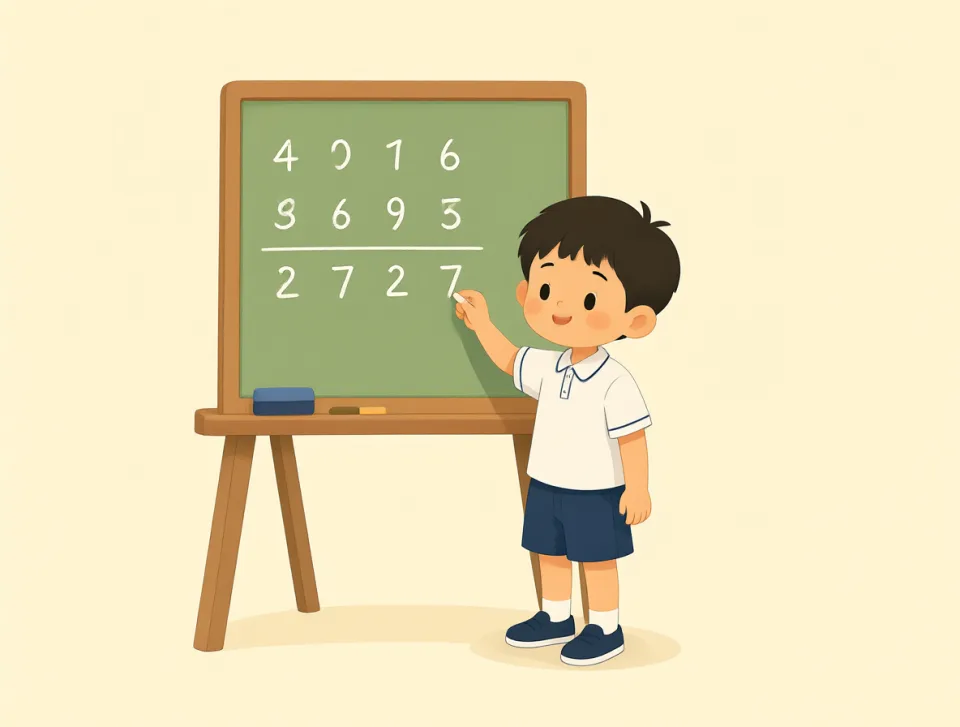
equation
#2489noun
phương trình
A statement showing that two mathematical expressions have the same value.
Một biểu thức cho biết hai biểu thức toán học có cùng giá trị.

The teacher explained how to solve the equation step by step.
Giáo viên giải thích cách giải phương trình từng bước một.

I used an equation to calculate how much paint we needed.
Tôi dùng một phương trình để tính xem chúng ta cần bao nhiêu sơn.

The scientist created an equation to describe the movement of the planets.
Nhà khoa học lập một phương trình để mô tả chuyển động của các hành tinh.
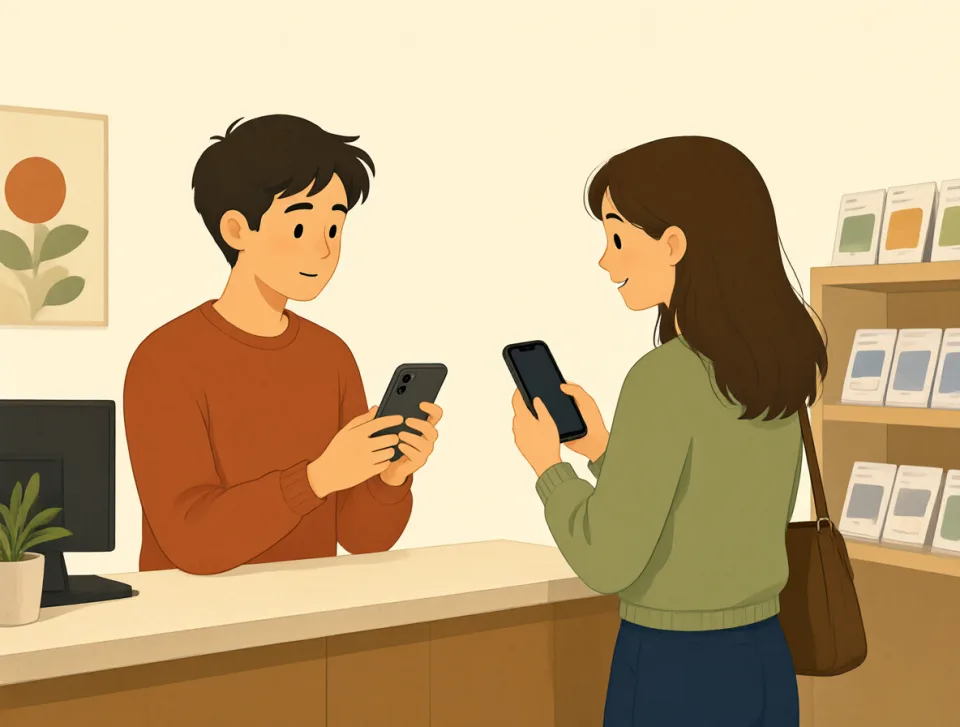
This equation helps us compare the prices of two different phone plans.
Phương trình này giúp chúng ta so sánh giá của hai gói cước điện thoại khác nhau.

Finding the right equation made the school project much easier.
Tìm được phương trình phù hợp giúp dự án ở trường dễ thực hiện hơn nhiều.
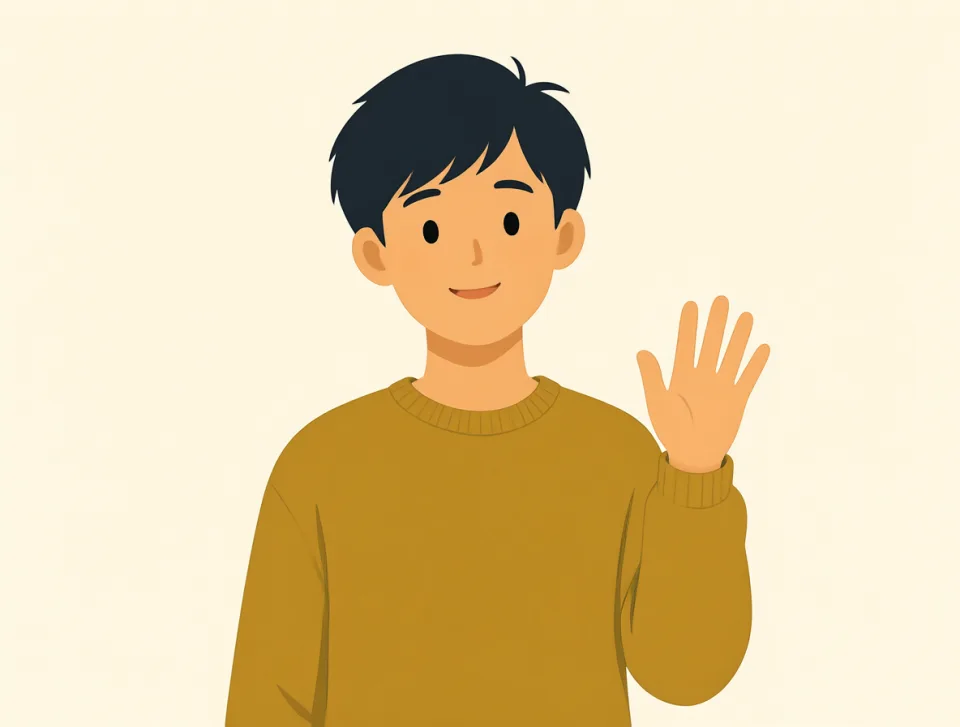
gesture
#2490noun, verb
cử chỉ
A movement of the hand or body that expresses an idea or feeling.
Động tác của tay hoặc cơ thể dùng để thể hiện ý tưởng hay cảm xúc.

She made a small gesture with her hand to ask the waiter for water.
Cô ấy khẽ ra hiệu bằng tay để gọi người phục vụ mang nước.
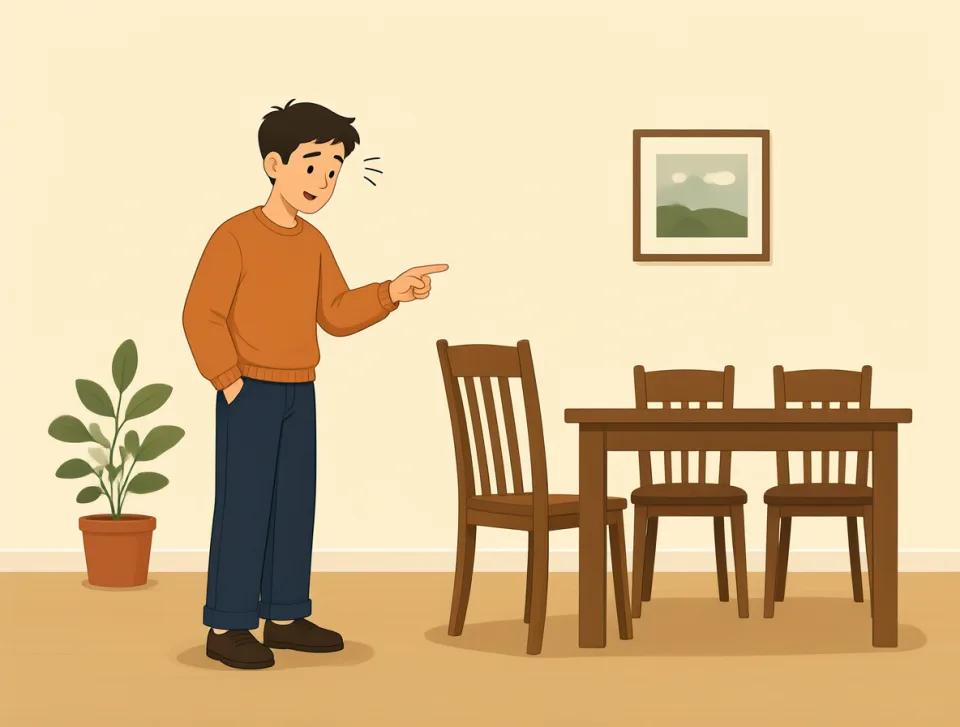
He nodded and gestured toward the empty chair beside him.
Anh ấy gật đầu và ra hiệu về phía chiếc ghế trống bên cạnh.

The teacher used a simple gesture to show the class when to begin.
Giáo viên dùng một cử chỉ đơn giản để báo cho cả lớp biết khi nào bắt đầu.

As a friendly gesture, Maya brought homemade soup to her sick neighbor.
Để thể hiện sự thân tình, Maya mang súp tự nấu đến cho người hàng xóm đang bị ốm.
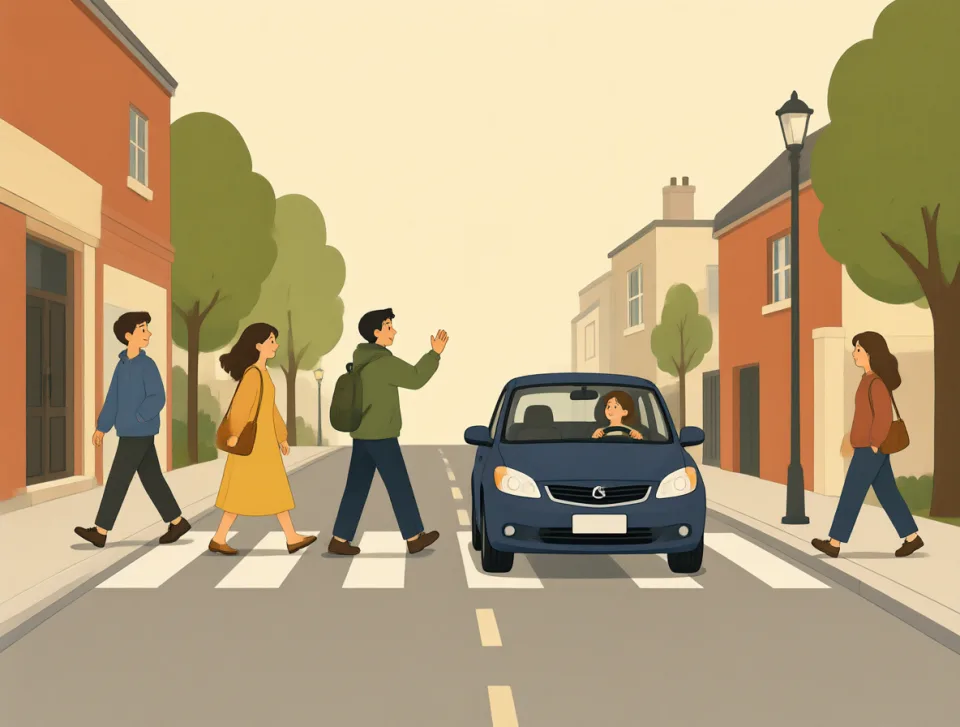
The driver gestured for us to cross the street after stopping.
Sau khi dừng xe, người lái xe ra hiệu cho chúng tôi băng qua đường.
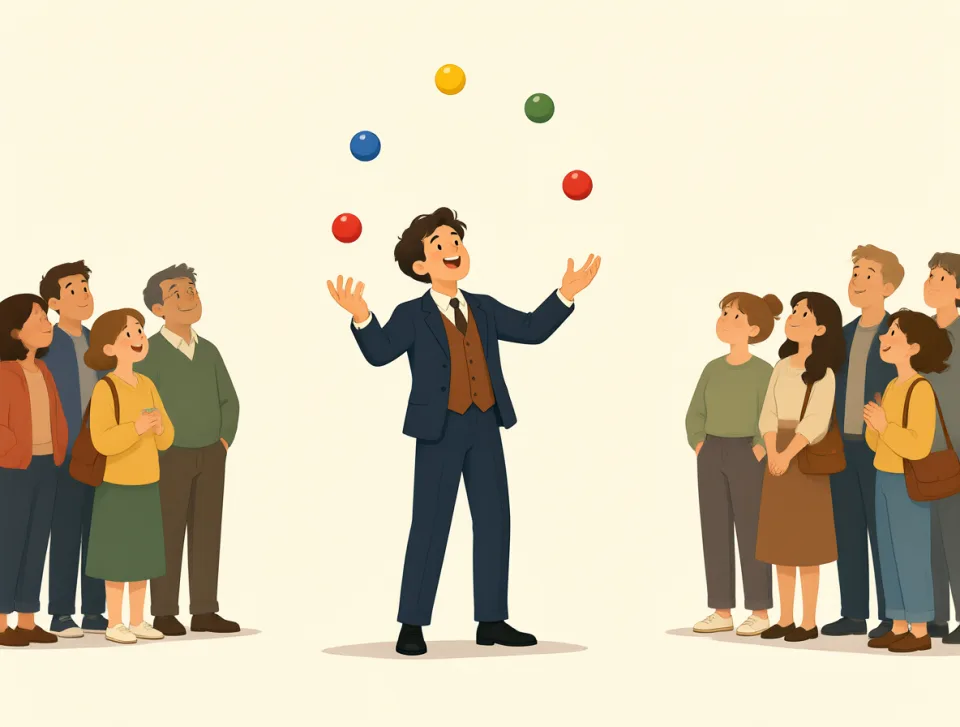
entertain
#2491verb
giải trí
to amuse someone by giving them enjoyable things to watch, hear, or do
khiến ai đó vui vẻ bằng cách cho họ xem, nghe hoặc làm những điều thú vị
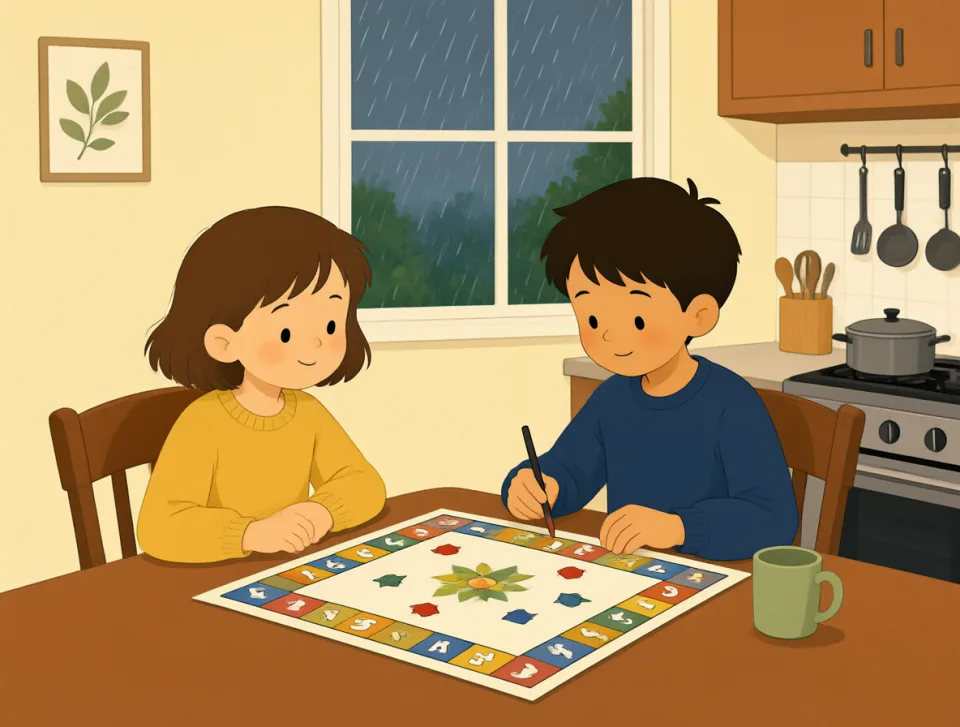
The children entertained themselves with a board game during the rainy afternoon.
Lũ trẻ tự chơi trò chơi bàn cờ để giải trí trong buổi chiều mưa.
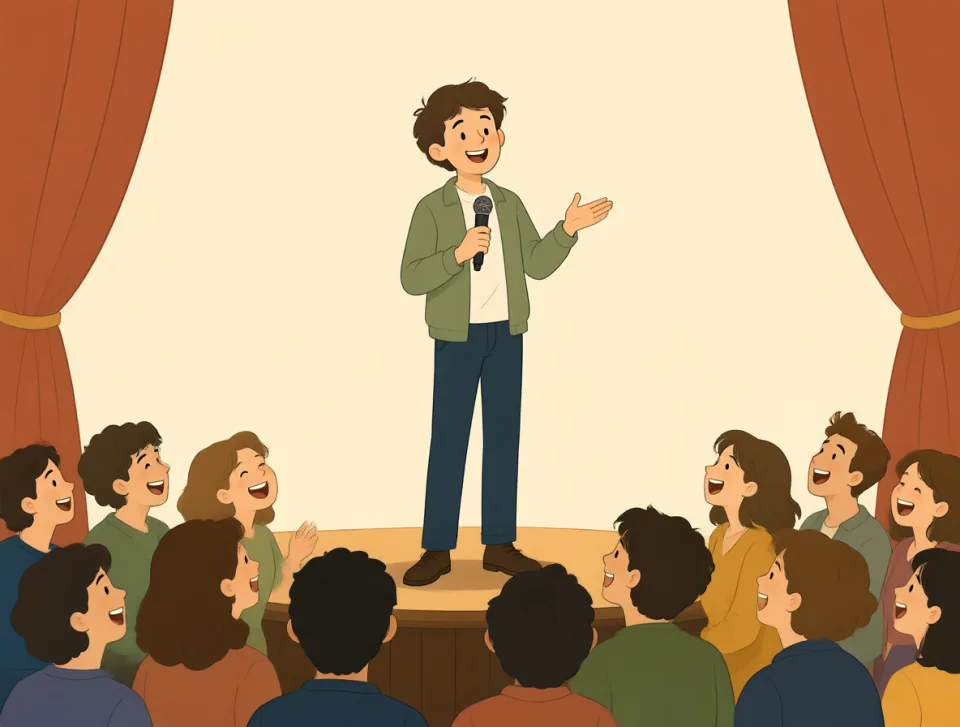
The comedian entertained the audience with funny stories about everyday family life.
Diễn viên hài giải trí khán giả bằng những câu chuyện vui về cuộc sống gia đình thường ngày.
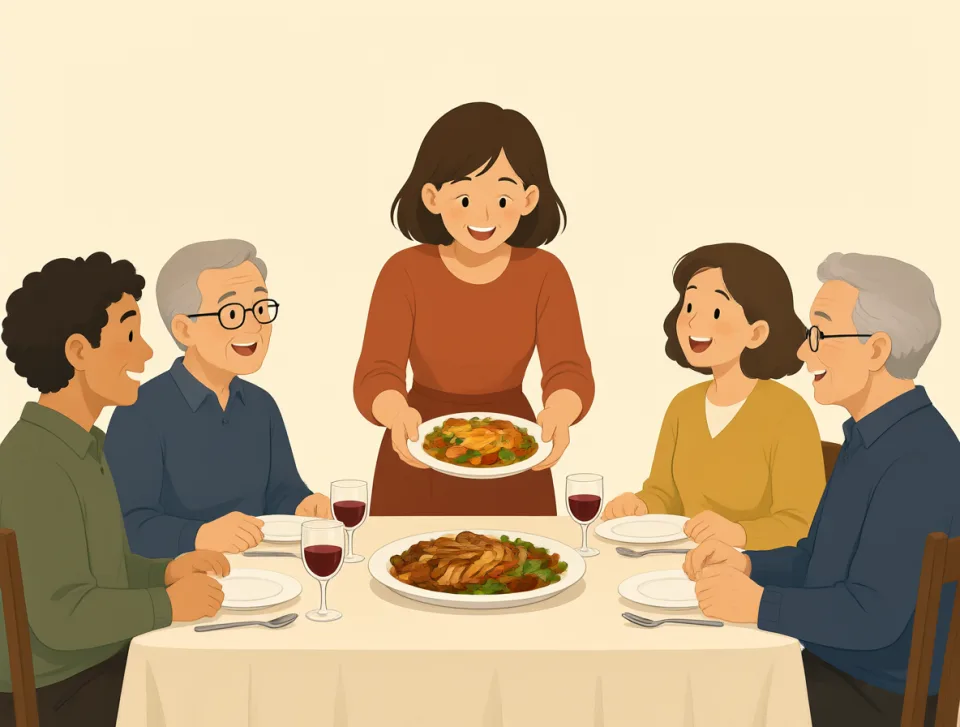
She entertained her guests with homemade food and lively conversation.
Cô ấy tiếp đãi khách bằng những món ăn tự làm và những cuộc trò chuyện sôi nổi.

The hotel arranged live music to entertain visitors during dinner.
Khách sạn đã bố trí nhạc sống để giải trí cho khách trong bữa tối.

He entertains his young patients by making funny animal sounds.
Anh ấy làm các bệnh nhi vui bằng cách bắt chước tiếng kêu của những con vật ngộ nghĩnh.

fantastic
#2492adjective
tuyệt vời
Extremely good, enjoyable, or impressive.
Cực kỳ tốt, thú vị hoặc ấn tượng.

We had a fantastic time at the beach with our friends.
Chúng tôi đã có khoảng thời gian tuyệt vời ở bãi biển cùng bạn bè.

The hotel gave us a fantastic view of the mountains.
Khách sạn cho chúng tôi ngắm cảnh núi non tuyệt đẹp.
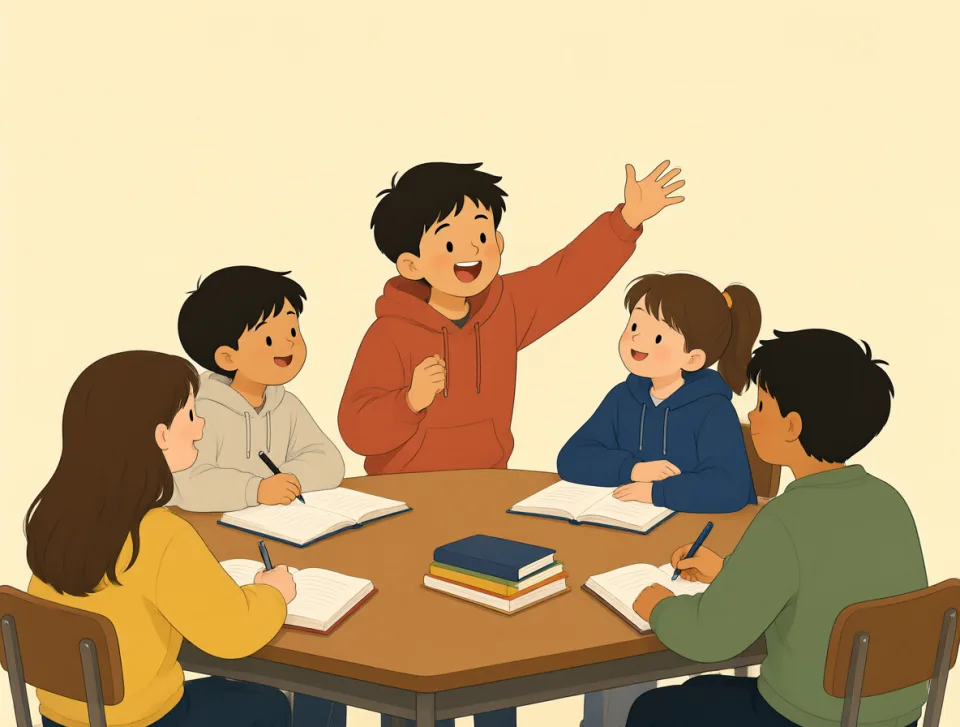
Your idea for the school project is fantastic.
Ý tưởng của bạn cho dự án ở trường tuyệt lắm.

The soup tasted fantastic, so I asked for another bowl.
Món súp ngon tuyệt nên tôi đã gọi thêm một bát.

My doctor says I’m making fantastic progress after the operation.
Bác sĩ nói tôi đang hồi phục rất tốt sau ca phẫu thuật.
assign
#2493verb
giao
To give someone a particular job, task, or responsibility to do.
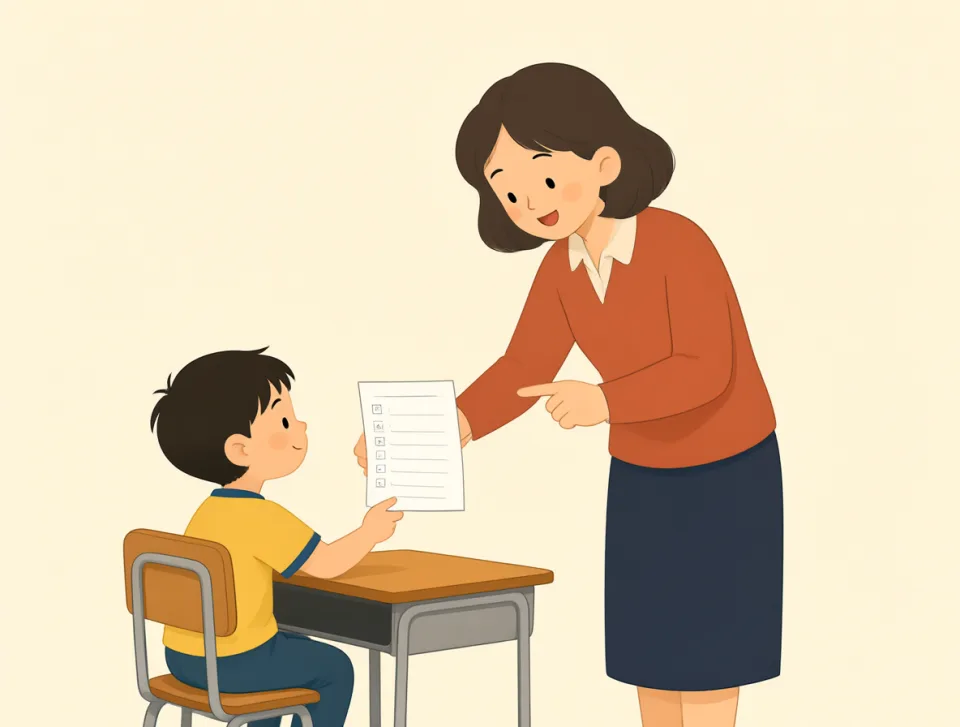
Giao cho ai đó một công việc, nhiệm vụ hoặc trách nhiệm cụ thể.

The manager assigned me a new project for the afternoon.
Quản lý giao cho tôi một dự án mới làm trong buổi chiều.

Our teacher assigned us extra homework before the holiday.
Giáo viên giao thêm bài tập về nhà cho chúng tôi trước kỳ nghỉ.
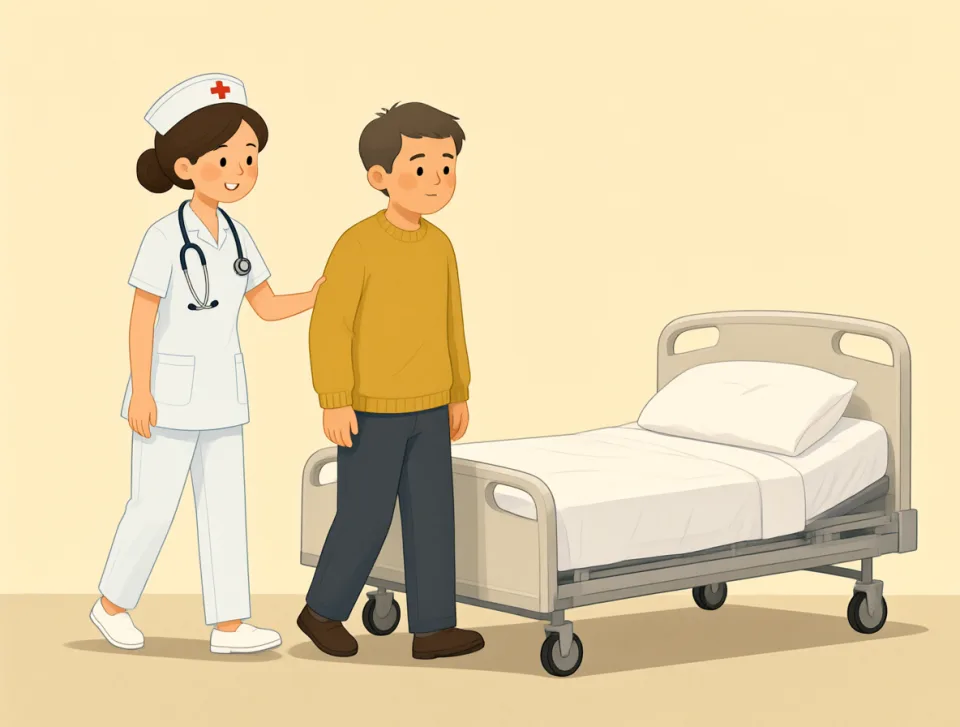
The nurse assigned each patient a bed after arrival.
Y tá sắp xếp giường cho từng bệnh nhân sau khi họ đến.

We assigned seats before the wedding guests arrived.
Chúng tôi đã xếp chỗ ngồi trước khi khách dự đám cưới đến.
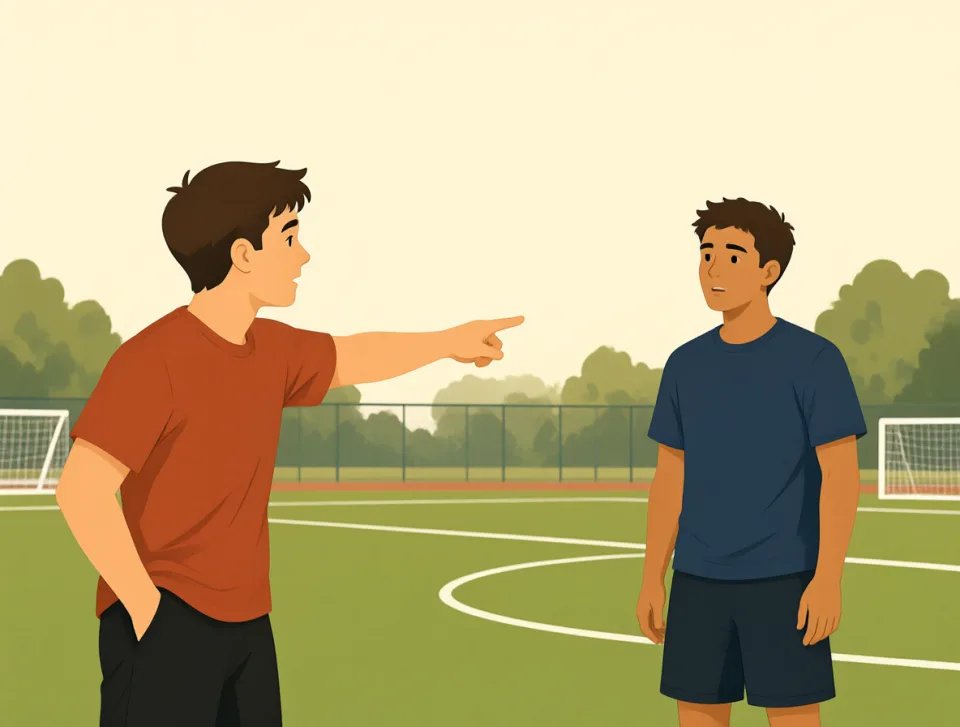
The coach assigned me to defend the other team's fastest player.
Huấn luyện viên giao cho tôi nhiệm vụ kèm cầu thủ nhanh nhất của đội đối phương.

inflation
#2494noun
lạm phát
a general increase in prices that makes money buy fewer goods and services
sự tăng giá chung khiến tiền mua được ít hàng hóa và dịch vụ hơn
Inflation has made groceries and rent much more expensive this year.
Lạm phát khiến thực phẩm và tiền thuê nhà năm nay đắt đỏ hơn nhiều.

Many workers asked for higher wages because of rising inflation.
Nhiều người lao động đề nghị tăng lương vì lạm phát ngày càng tăng.

The government is trying to reduce inflation by raising interest rates.
Chính phủ đang cố gắng giảm lạm phát bằng cách tăng lãi suất.
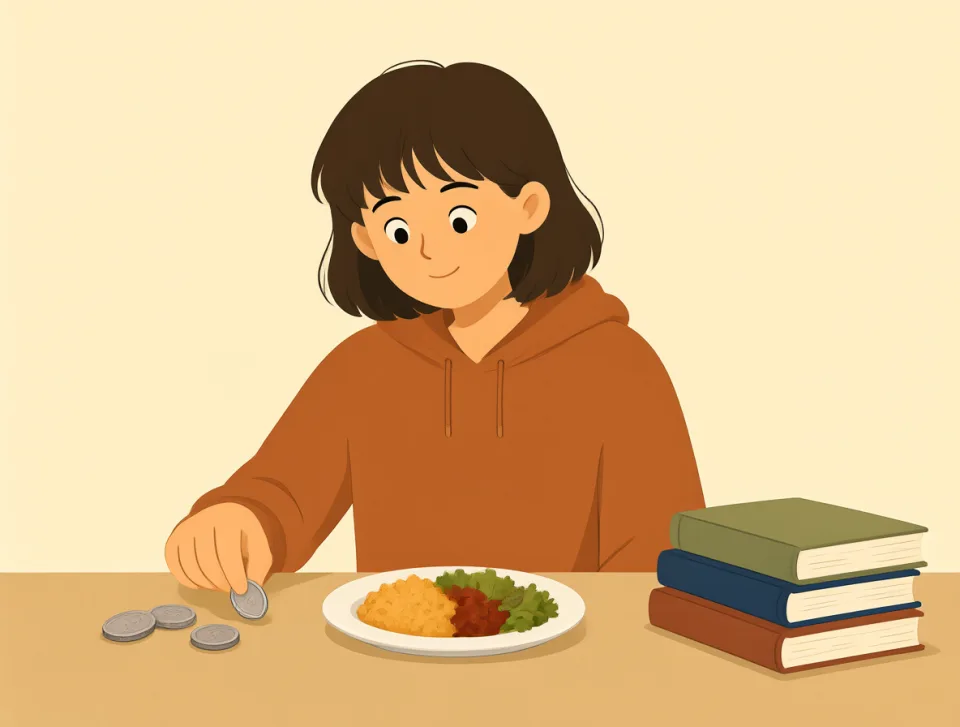
Inflation makes it harder for students to afford meals and textbooks.
Lạm phát khiến sinh viên khó có đủ tiền mua bữa ăn và sách giáo khoa hơn.

Traveling abroad became expensive after inflation weakened our currency.
Du lịch nước ngoài trở nên đắt đỏ sau khi lạm phát làm đồng tiền của chúng tôi mất giá.

historic
#2495adjective
mang tính lịch sử
Important in history, especially because it changed events or will be remembered.
Quan trọng trong lịch sử, đặc biệt vì sự kiện đó làm thay đổi diễn biến hoặc sẽ được ghi nhớ.

The two countries signed a historic agreement after years of difficult negotiations.
Hai nước đã ký một thỏa thuận mang tính lịch sử sau nhiều năm đàm phán khó khăn.

We visited a historic castle during our family trip to Scotland.
Chúng tôi đã tham quan một lâu đài cổ kính trong chuyến đi gia đình đến Scotland.
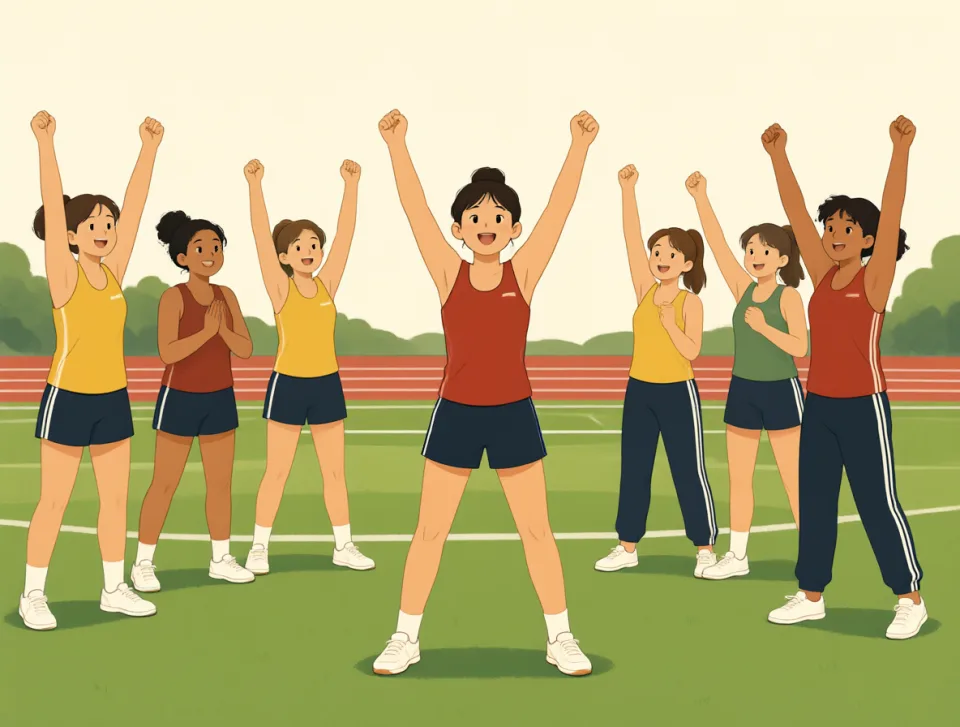
Her historic victory made her the first woman to lead the team.
Chiến thắng lịch sử của cô ấy giúp cô trở thành người phụ nữ đầu tiên dẫn dắt đội.
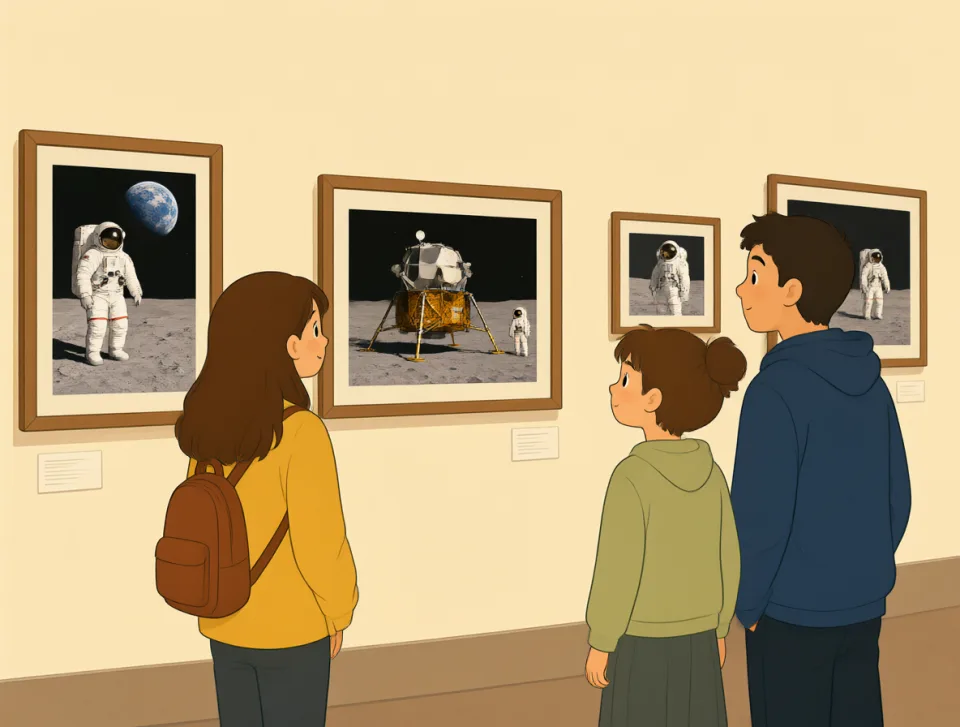
The museum displayed photographs from the historic moon landing.
Bảo tàng trưng bày những bức ảnh về chuyến đổ bộ lên Mặt Trăng mang tính lịch sử.

The city marked the historic opening of its new public hospital.
Thành phố đã đánh dấu sự kiện khai trương bệnh viện công mới, một cột mốc lịch sử.
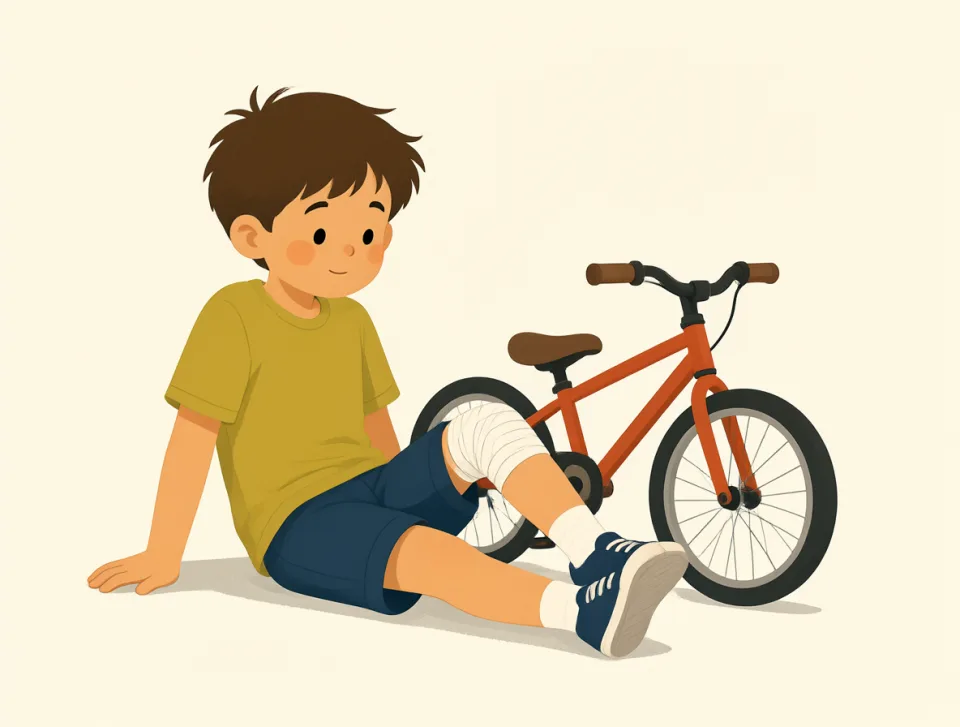
injure
#2496verb
làm bị thương
to hurt someone or part of their body in an accident or attack
làm ai đó hoặc một bộ phận cơ thể của họ bị thương trong một tai nạn hoặc vụ tấn công
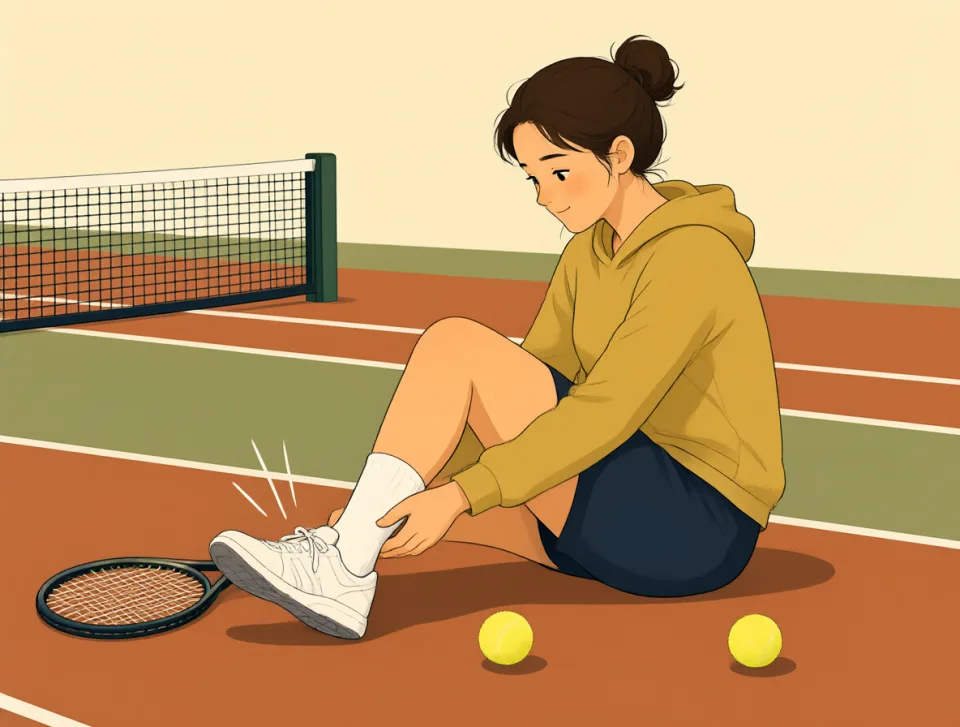
She injured her ankle while playing tennis yesterday.
Hôm qua, cô ấy bị thương ở mắt cá chân khi chơi quần vợt.
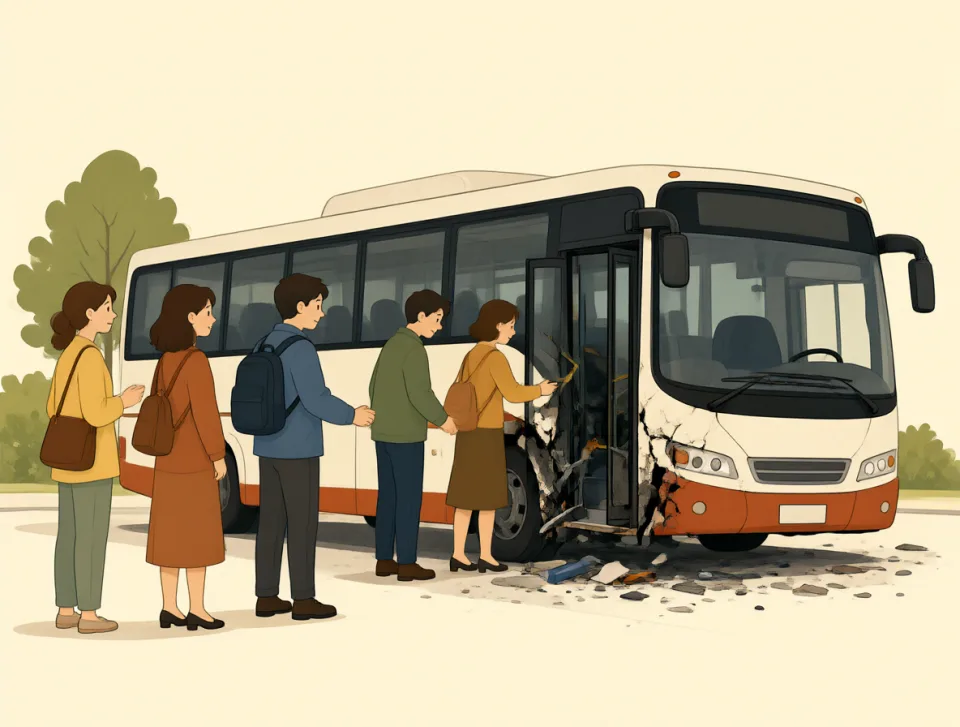
Three passengers were injured in the bus accident.
Ba hành khách bị thương trong vụ tai nạn xe buýt.
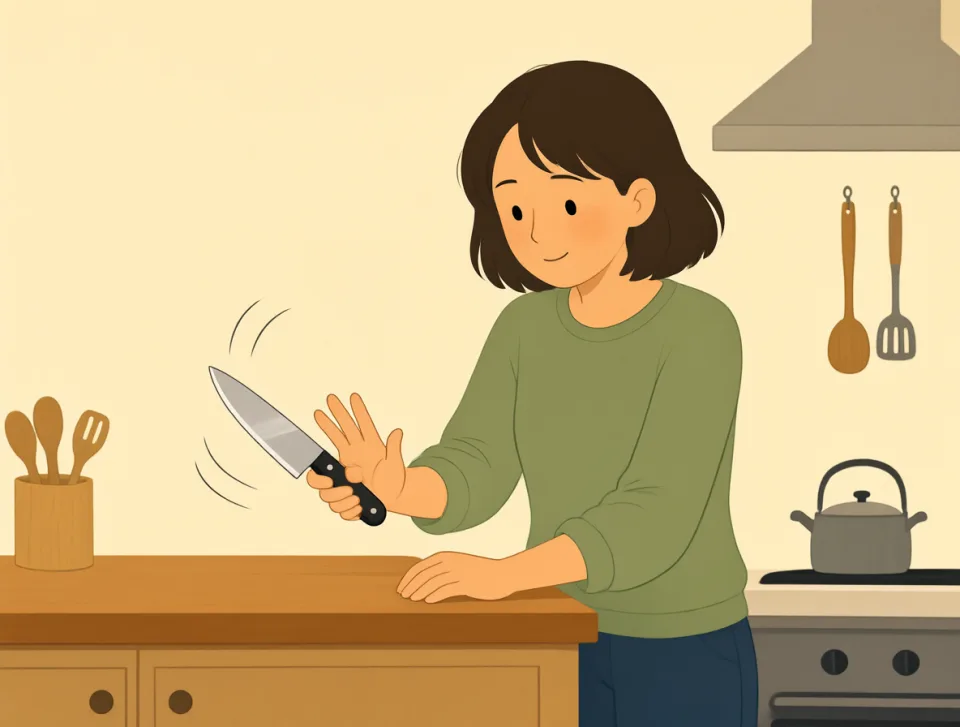
Be careful with that knife, or you might injure yourself.
Cẩn thận với con dao đó, nếu không bạn có thể tự làm mình bị thương.

The falling box injured his shoulder at work.
Chiếc hộp rơi trúng vai anh ấy và làm anh ấy bị thương khi đang làm việc.

He injured his back lifting a heavy suitcase.
Anh ấy bị đau lưng khi nâng một chiếc vali nặng.
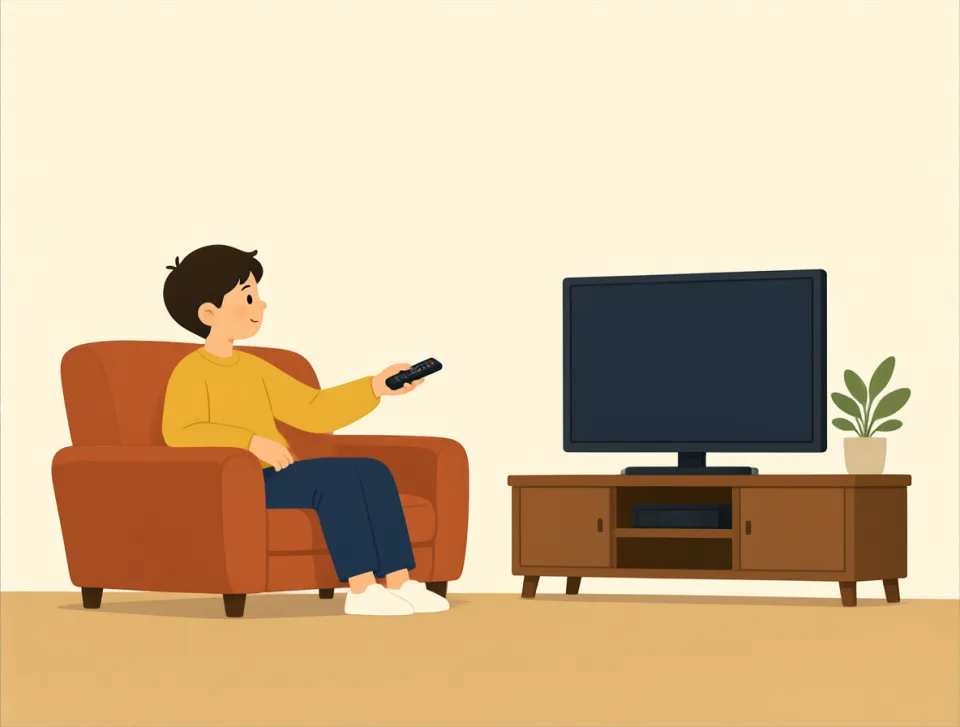
remote
#2497adjective, noun
xa xôi; điều khiển từ xa
Far away, or controlled from a distance using a remote control.
Ở rất xa, hoặc được điều khiển từ xa bằng điều khiển từ xa.

The remote village is several hours from the nearest town.
Ngôi làng hẻo lánh cách thị trấn gần nhất vài giờ đi đường.

I lost the remote, so I cannot change the television channel.
Tôi làm mất điều khiển từ xa nên không thể đổi kênh tivi.

Our team has a remote meeting every Monday morning.
Nhóm chúng tôi họp trực tuyến vào mỗi sáng thứ Hai.

She works remotely and visits the office only twice a month.
Cô ấy làm việc từ xa và chỉ đến văn phòng hai lần mỗi tháng.

The doctor used a remote camera to examine the patient’s throat.
Bác sĩ dùng một chiếc camera điều khiển từ xa để khám họng cho bệnh nhân.
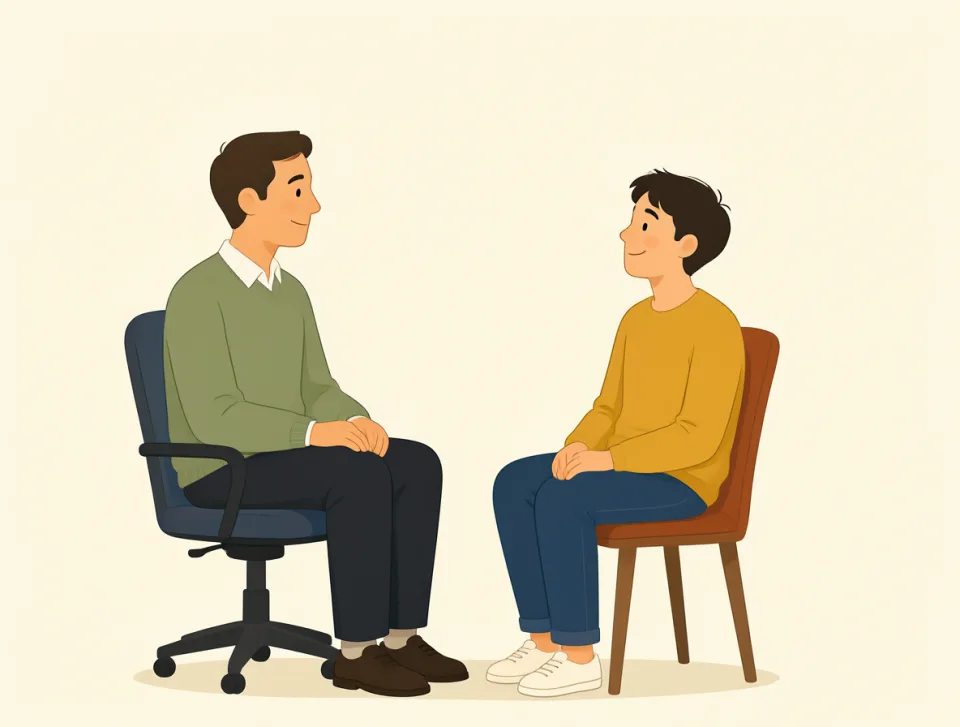
therapy
#2498noun
liệu pháp
Treatment that helps a person recover from an illness, injury, or emotional problem.
Phương pháp điều trị giúp một người hồi phục sau bệnh tật, chấn thương hoặc vấn đề cảm xúc.

She started therapy to manage stress after changing jobs.
Cô ấy bắt đầu trị liệu để kiểm soát căng thẳng sau khi đổi việc.
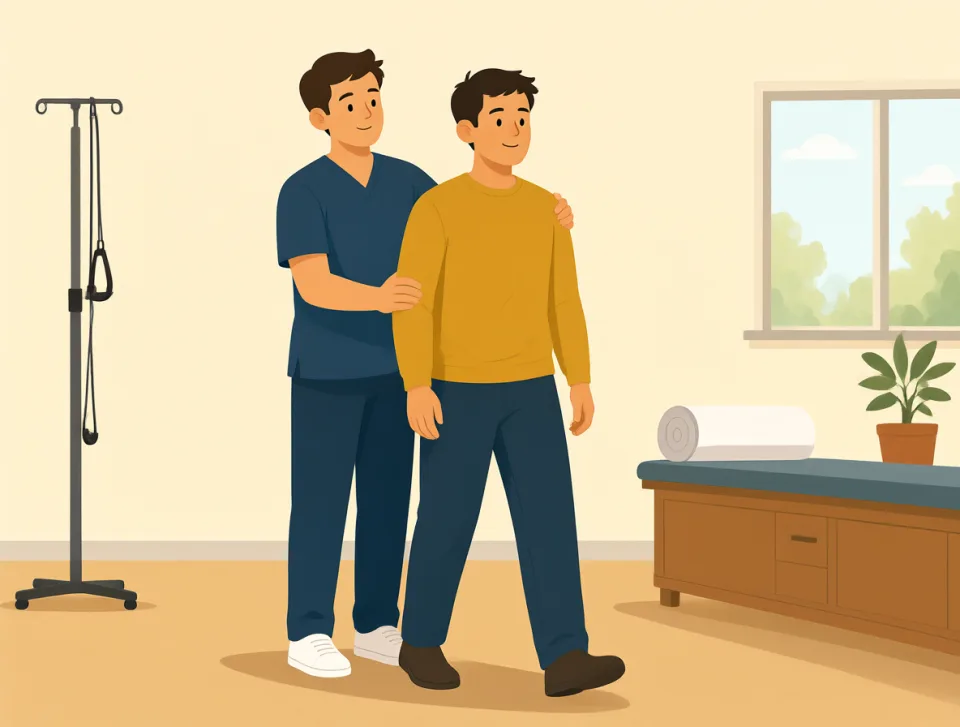
Physical therapy helped him walk normally after the accident.
Vật lý trị liệu giúp anh ấy đi lại bình thường sau tai nạn.

The doctor recommended therapy for her shoulder injury.
Bác sĩ đề nghị cô ấy trị liệu cho chấn thương ở vai.

Many people find group therapy helpful when facing similar problems.
Nhiều người thấy trị liệu nhóm hữu ích khi phải đối mặt với những vấn đề tương tự.

His speech therapy improved his confidence at school.
Liệu pháp ngôn ngữ giúp anh ấy tự tin hơn ở trường.
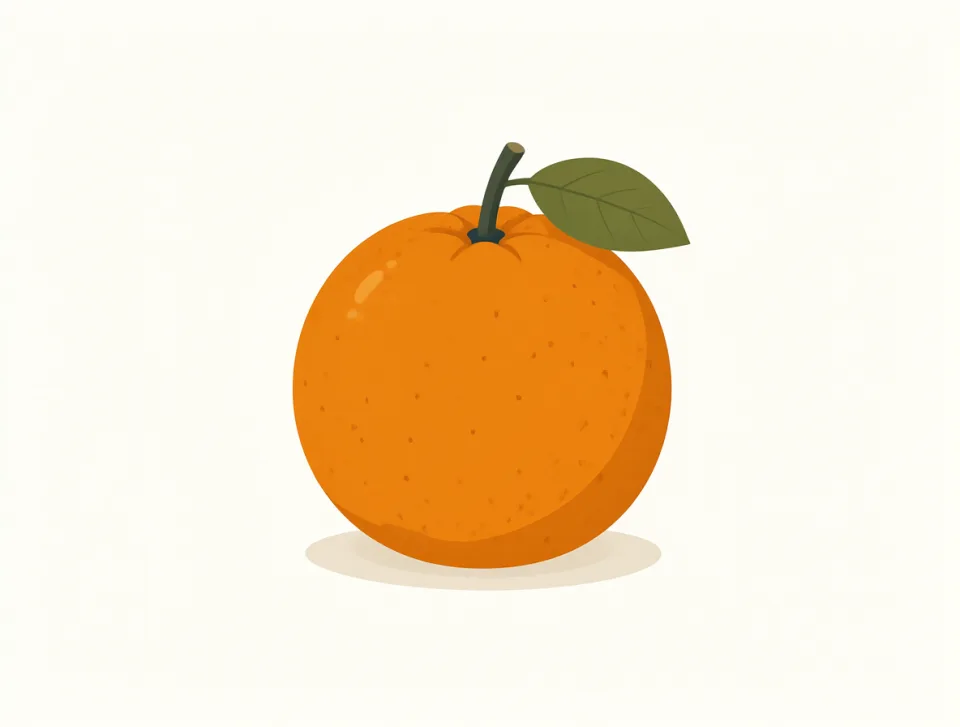
orange
#2499noun, adjective
quả cam; màu cam
A round fruit with orange skin, or the color between red and yellow.
Một loại quả tròn có vỏ màu cam, hoặc màu nằm giữa đỏ và vàng.
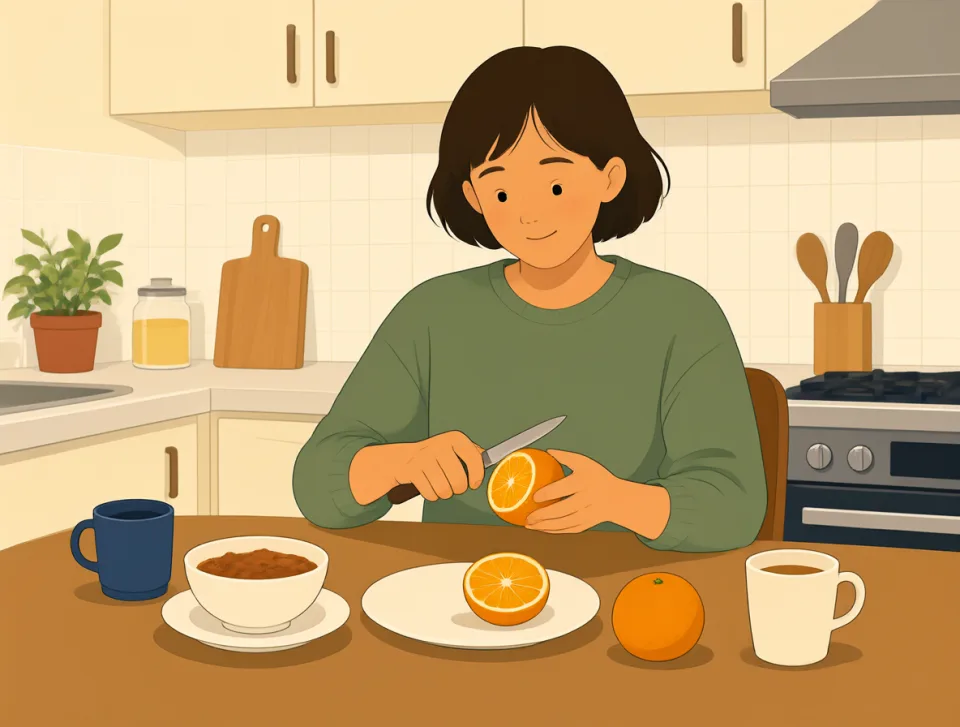
I eat an orange every morning with my breakfast.
Sáng nào tôi cũng ăn một quả cam cùng bữa sáng.

She bought a bag of oranges at the supermarket.
Cô ấy mua một túi cam ở siêu thị.
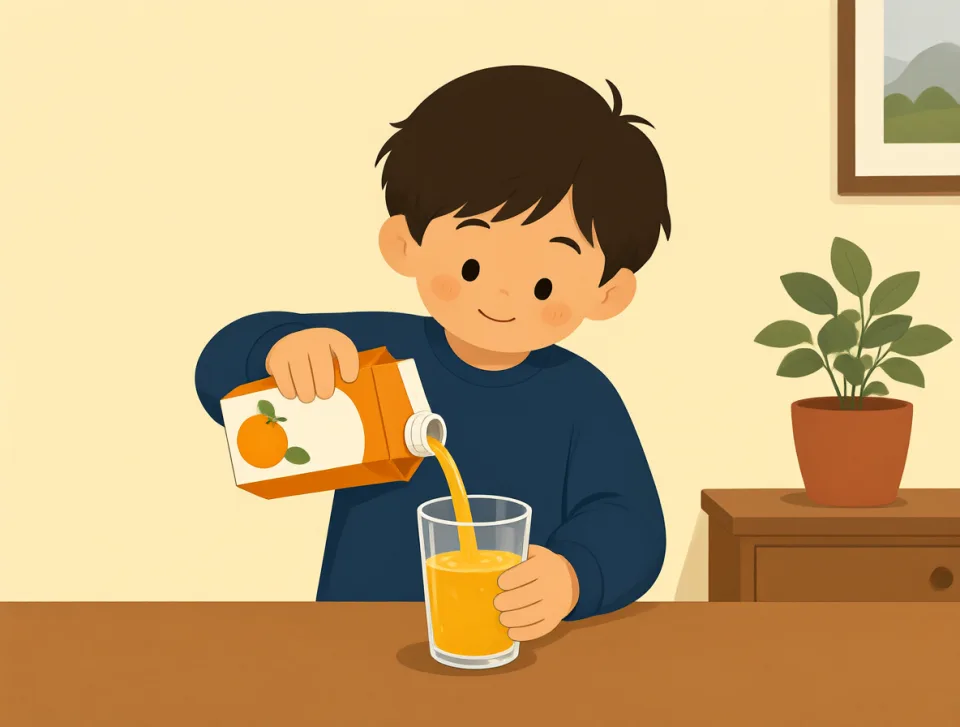
The orange juice in the fridge is fresh and cold.
Nước cam trong tủ lạnh còn tươi và mát lạnh.
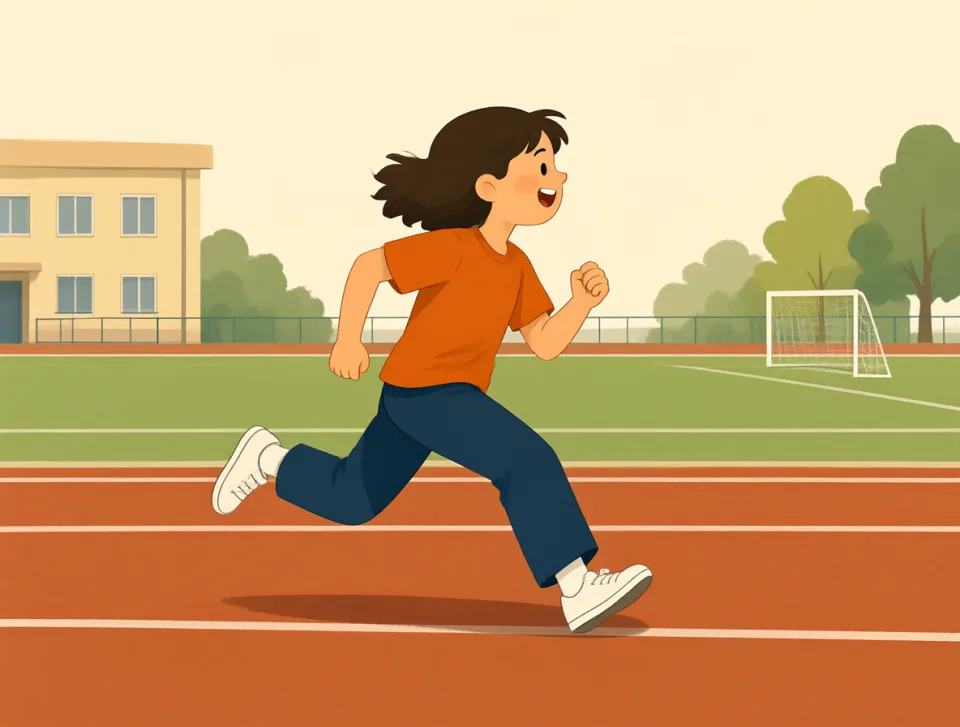
He wore an orange shirt to the school sports day.
Cậu ấy mặc áo màu cam đến ngày hội thể thao ở trường.

The sunset turned the sky bright orange above the beach.
Hoàng hôn nhuộm bầu trời phía trên bãi biển thành màu cam rực rỡ.
twist
#2500noun, verb
vặn; tình tiết bất ngờ
To turn or bend something, or a sudden change in a story, situation, or opinion.
Vặn hoặc uốn cong một vật, hoặc một thay đổi bất ngờ trong câu chuyện, tình huống hay quan điểm.
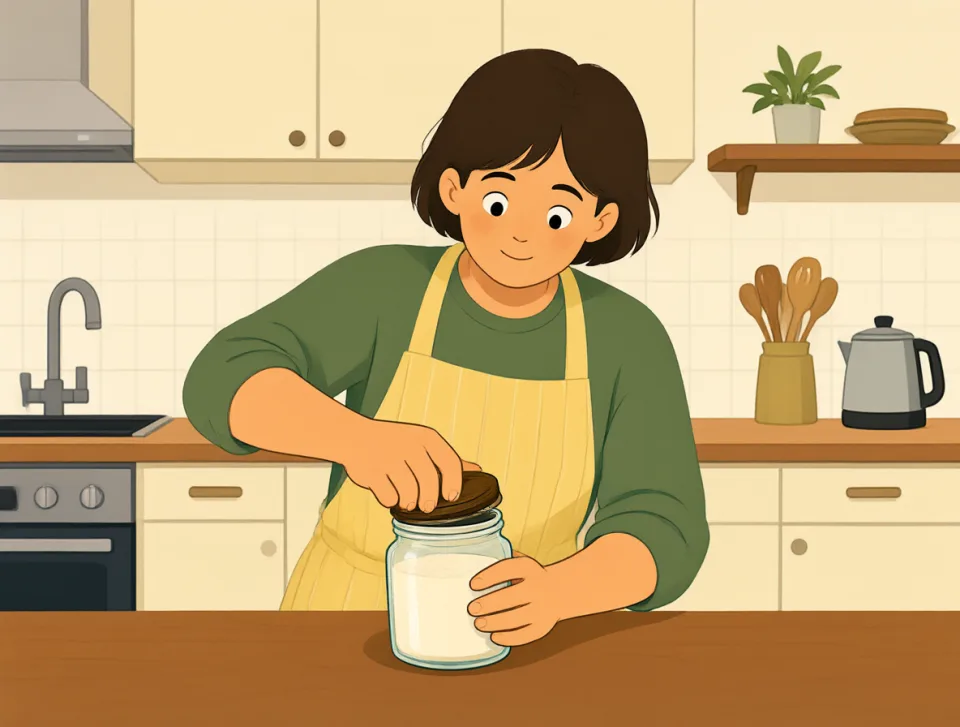
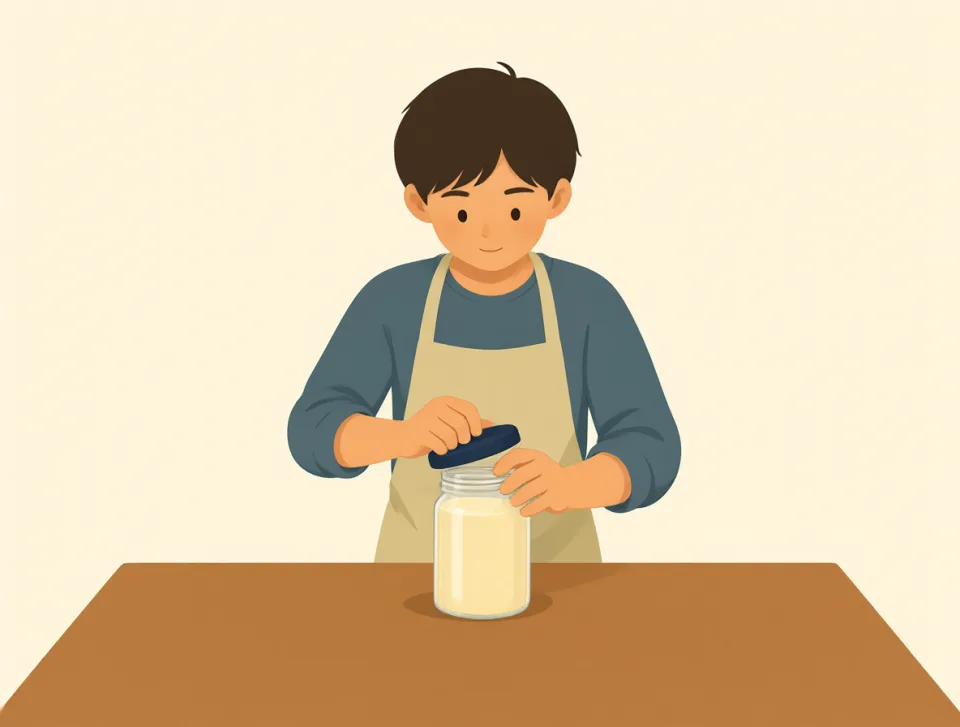
Twist the lid firmly to open the jar of pasta sauce.
Vặn chặt nắp để mở lọ sốt mì Ý.

She twisted her ankle while running down the stairs at school.
Cô ấy bị trẹo mắt cá chân khi chạy xuống cầu thang ở trường.
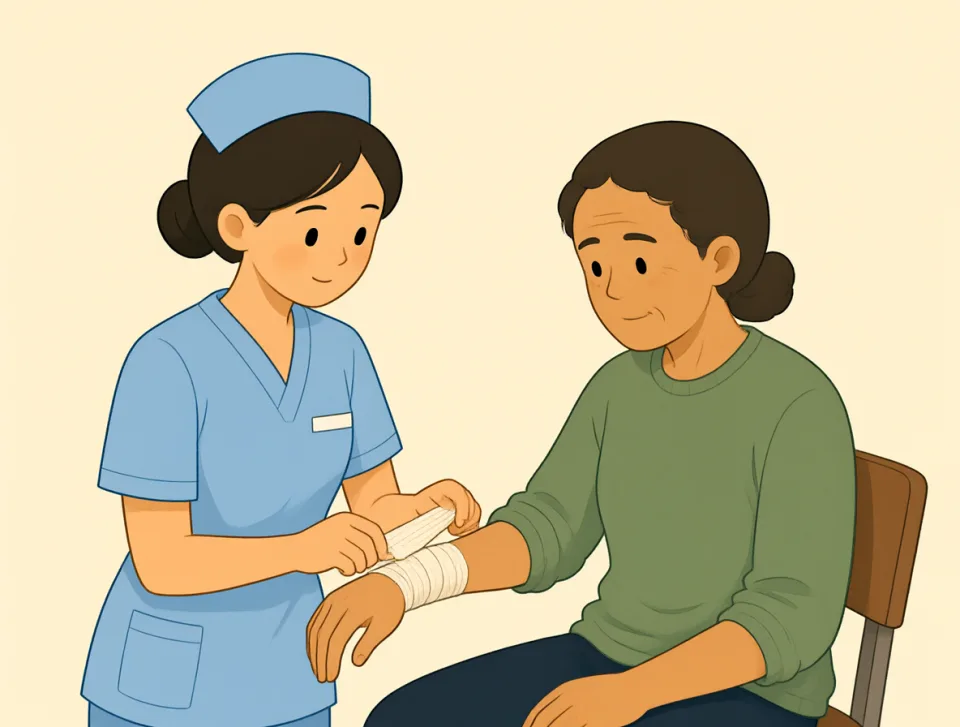
The nurse twisted the bandage gently around his injured wrist.
Y tá nhẹ nhàng quấn băng quanh cổ tay bị thương của anh ấy.

The movie has an unexpected twist that surprised everyone at the end.
Bộ phim có một tình tiết bất ngờ khiến mọi người ngạc nhiên vào cuối phim.

He twisted my words and made it sound like I was angry.
Anh ấy bóp méo lời tôi, khiến người ta tưởng như tôi đang giận.