इकाई 121
शब्द 2401–2420 · dare, barrier, rid, divorce, ruin, bury

dare
#2401verb, noun
हिम्मत करना; चुनौती
to be brave enough to do something difficult or dangerous; a challenge to do it
किसी मुश्किल या खतरनाक काम को करने की हिम्मत करना; ऐसा करने की चुनौती देना

I dare you to jump into the pool before dinner.
मैं तुम्हें चुनौती देता हूँ कि रात के खाने से पहले पूल में छलाँग लगाओ।

She didn't dare ask her manager for another day off.
उसकी अपने मैनेजर से एक और दिन की छुट्टी माँगने की हिम्मत नहीं हुई।

He wouldn't dare drive after drinking at the party.
पार्टी में शराब पीने के बाद उसकी गाड़ी चलाने की हिम्मत नहीं होती।
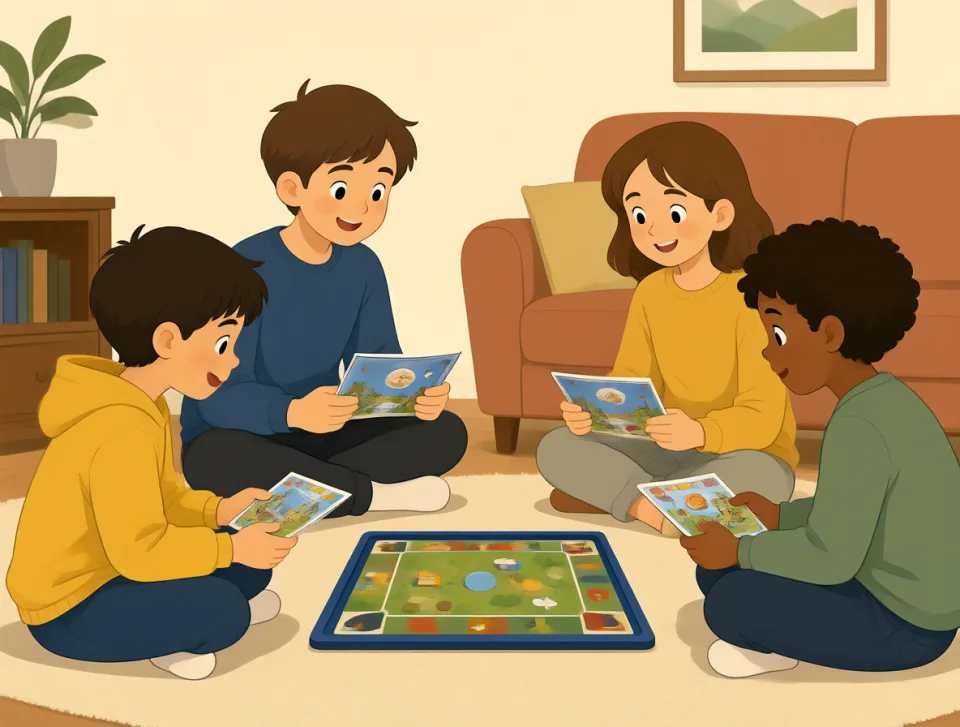
The children played truth or dare after finishing their homework.
होमवर्क पूरा करने के बाद बच्चों ने सच या चुनौती वाला खेल खेला।

I took a dare and ate the very spicy chili.
मैंने चुनौती स्वीकार की और बहुत तीखी मिर्च खा ली।
barrier
#2402noun
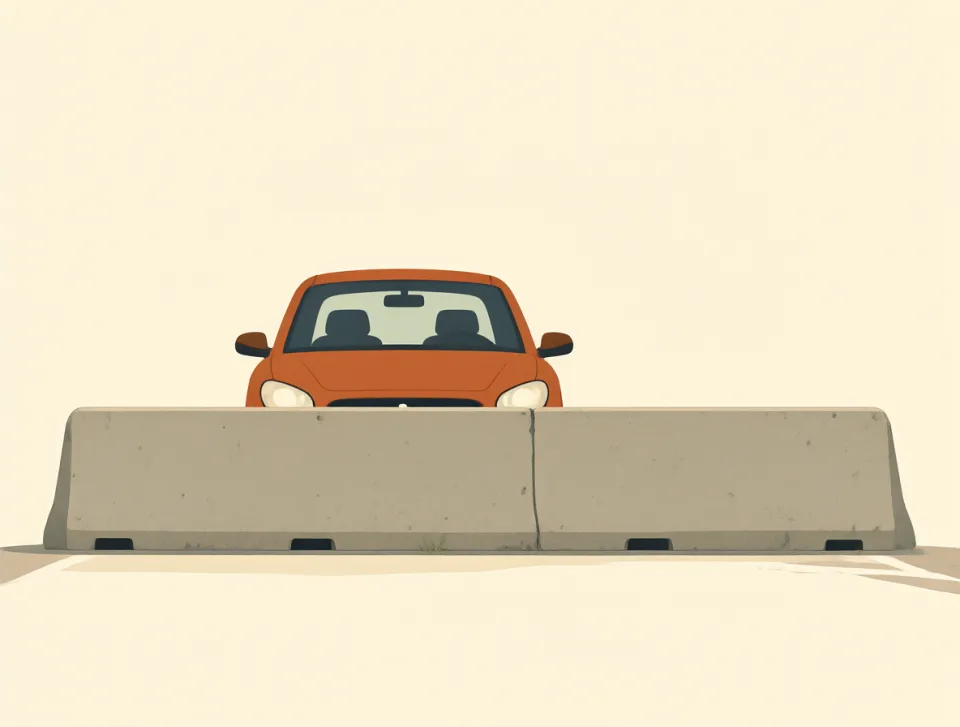
बाधा
Something that blocks movement, progress, or communication between people or places.
ऐसी चीज़ जो लोगों या जगहों के बीच आवाजाही, प्रगति या बातचीत में रुकावट डाले।
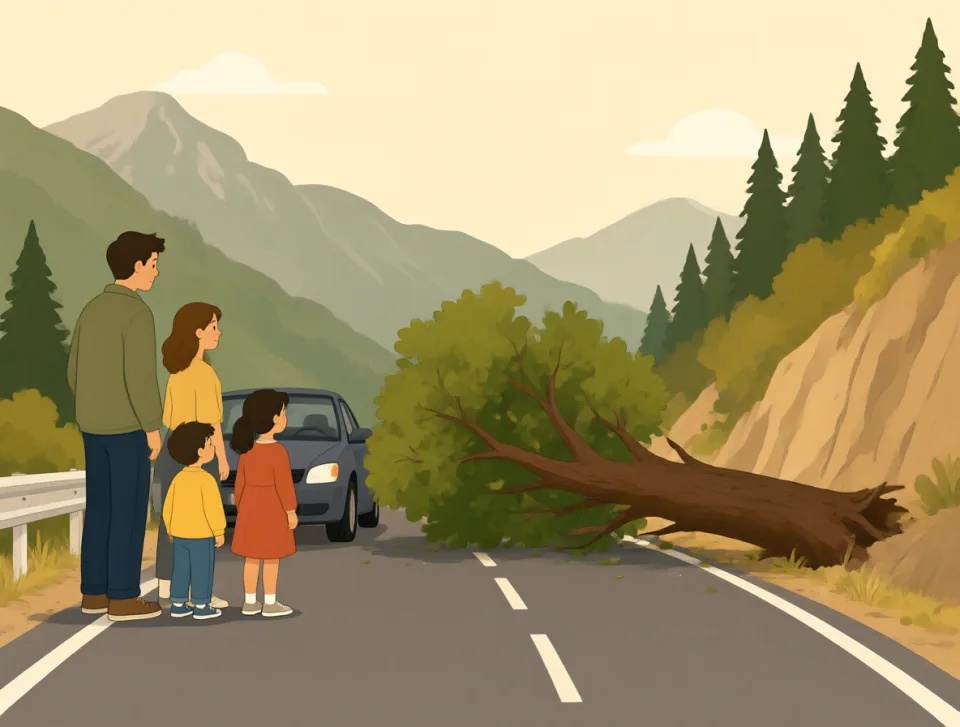
A fallen tree created a barrier across the mountain road.
गिरा हुआ पेड़ पहाड़ी सड़क के आर-पार बाधा बन गया।

Cost is often a barrier to buying fresh food every day.
हर दिन ताज़ा खाना खरीदने में कीमत अक्सर बाधा बनती है।

Language barriers made it difficult for the tourists to ask for directions.
भाषा की बाधाओं के कारण पर्यटकों के लिए रास्ता पूछना मुश्किल हो गया।
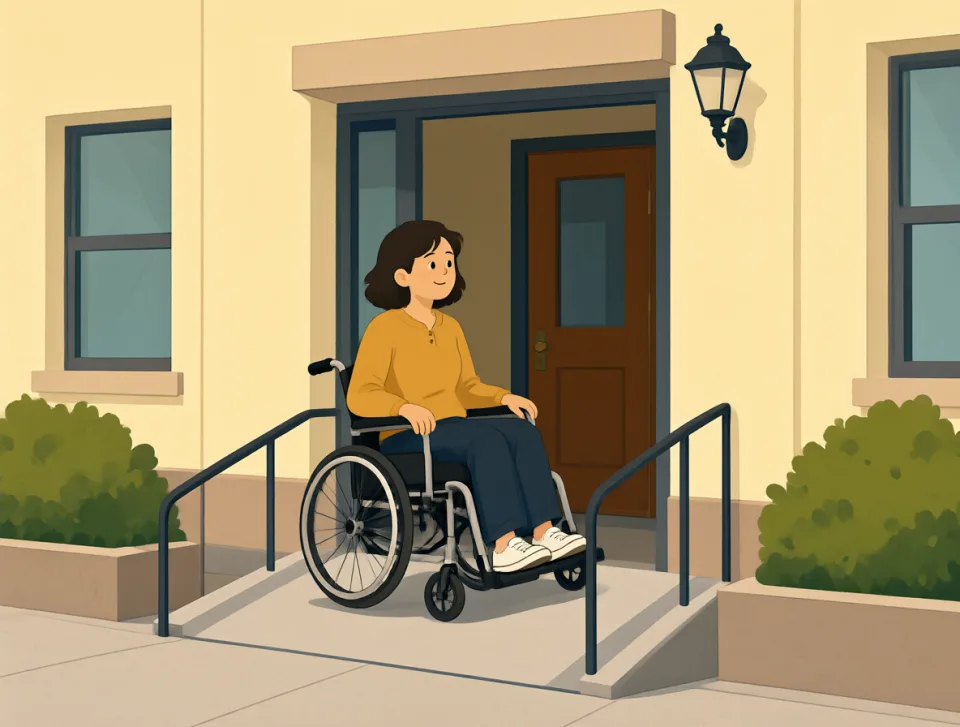
The wheelchair ramp removes a barrier for people entering the building.
व्हीलचेयर रैंप इमारत में आने वाले लोगों के लिए एक बाधा दूर करता है।

Fear can become a barrier when students try to speak English in class.
जब छात्र कक्षा में अंग्रेज़ी बोलने की कोशिश करते हैं, तो डर एक बाधा बन सकता है।

rid
#2403verb
छुटकारा दिलाना
to make someone or something free from an unwanted person, thing, or problem
किसी व्यक्ति या चीज़ को किसी अनचाहे व्यक्ति, चीज़ या समस्या से मुक्त करना।
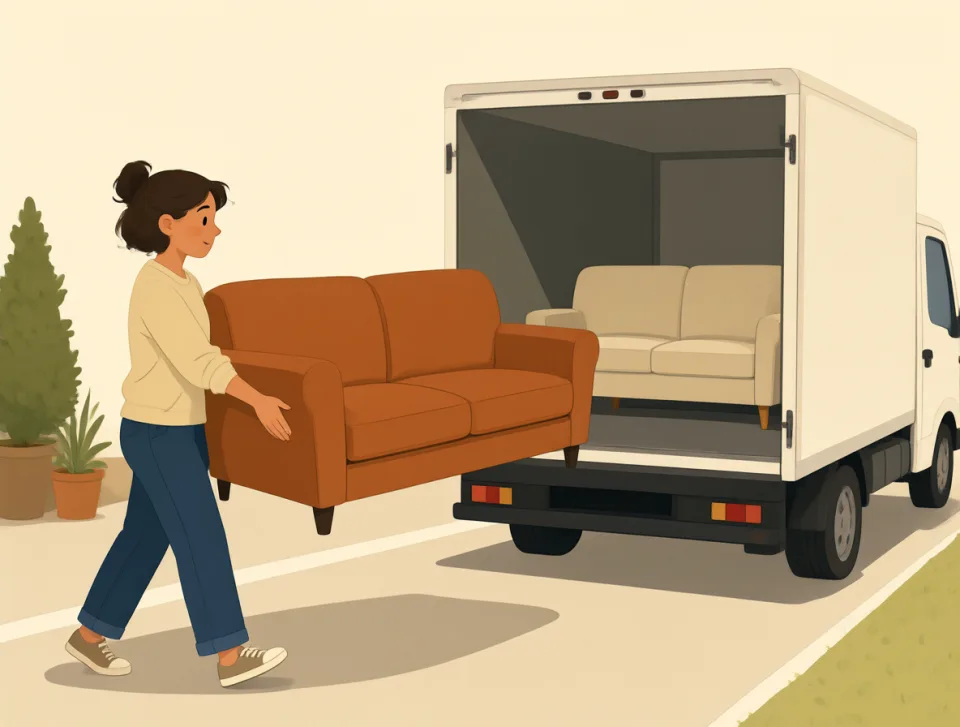
She finally got rid of the old sofa after buying a comfortable new one.
आरामदायक नया सोफ़ा खरीदने के बाद आखिरकार उसने पुराना सोफ़ा हटवा दिया।

Please get rid of these empty boxes before our guests arrive tonight.
कृपया आज रात हमारे मेहमानों के आने से पहले इन खाली डिब्बों को हटा दें।
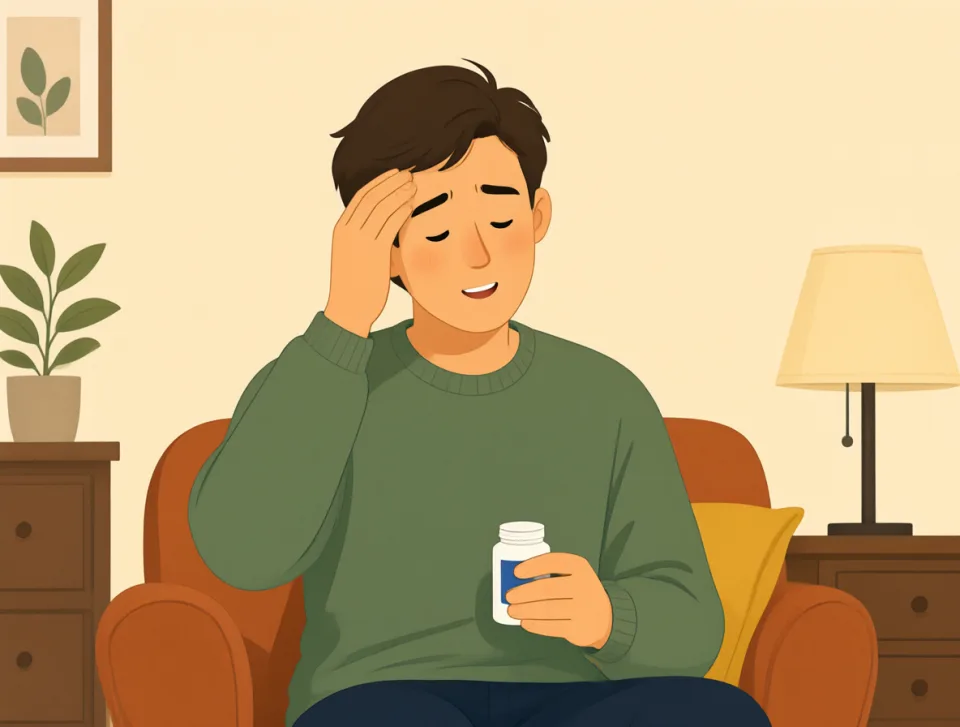
The medicine helped him get rid of his headache before the important meeting.
दवा ने ज़रूरी बैठक से पहले उसका सिरदर्द दूर करने में मदद की।
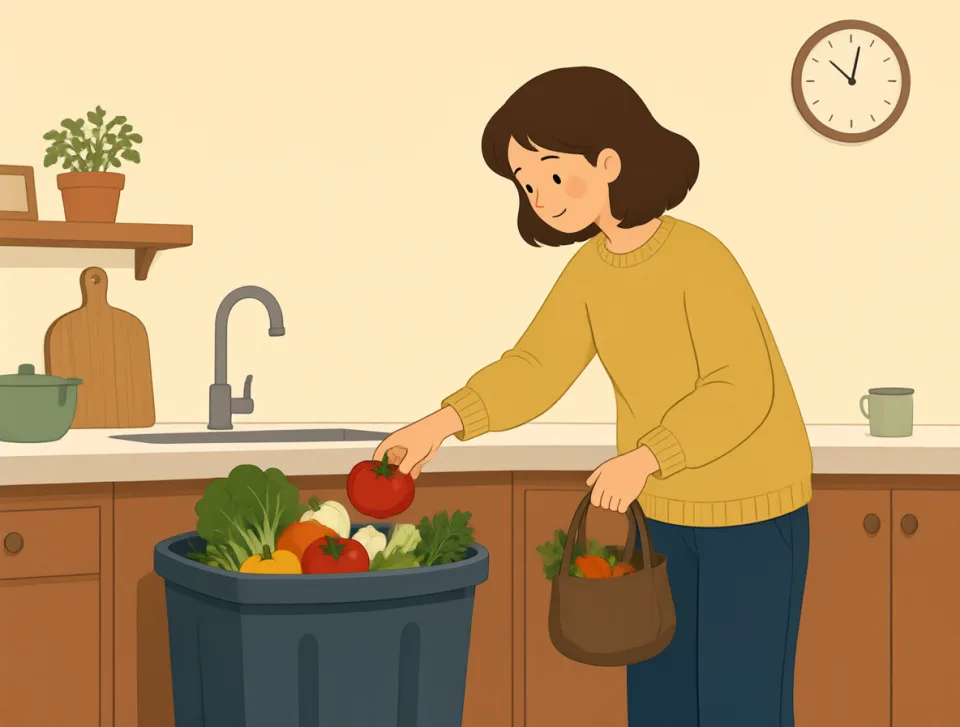
We need to get rid of these spoiled vegetables before cooking dinner.
रात का खाना पकाने से पहले हमें इन सड़ी हुई सब्ज़ियों को फेंक देना होगा।
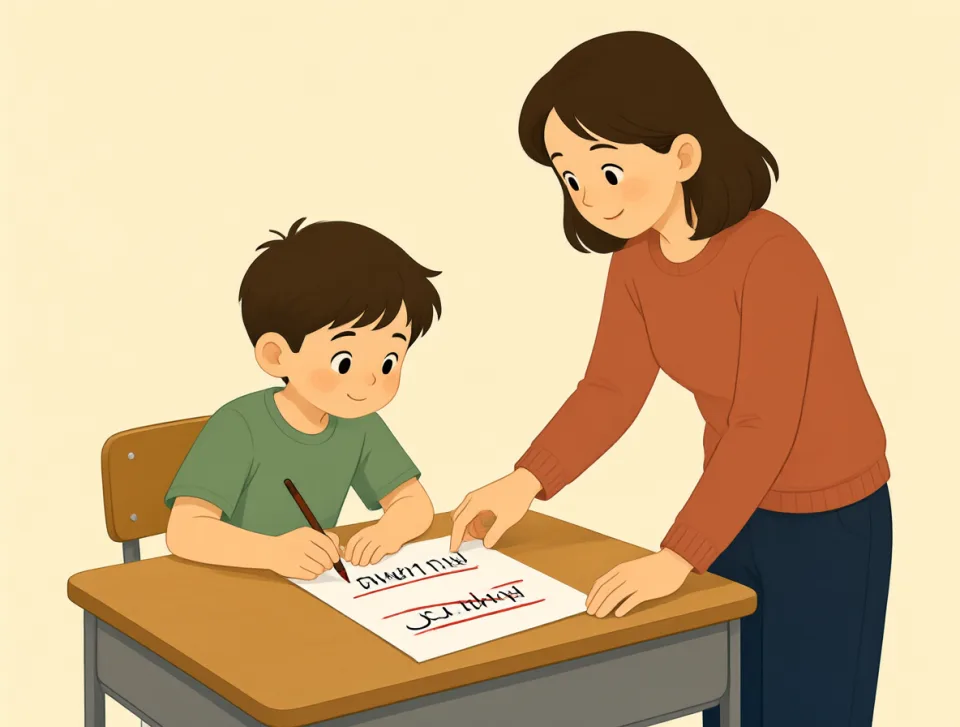
The teacher asked students to get rid of unnecessary words in their essays.
शिक्षक ने विद्यार्थियों से अपने निबंधों में से गैरज़रूरी शब्द हटाने को कहा।

divorce
#2404noun, verb
तलाक
The legal end of a marriage, or to legally end a marriage.
शादी को कानूनी रूप से समाप्त करना, या शादी का कानूनी रूप से समाप्त होना।

They got a divorce after twenty years of marriage.
शादी के बीस साल बाद उनका तलाक हो गया।
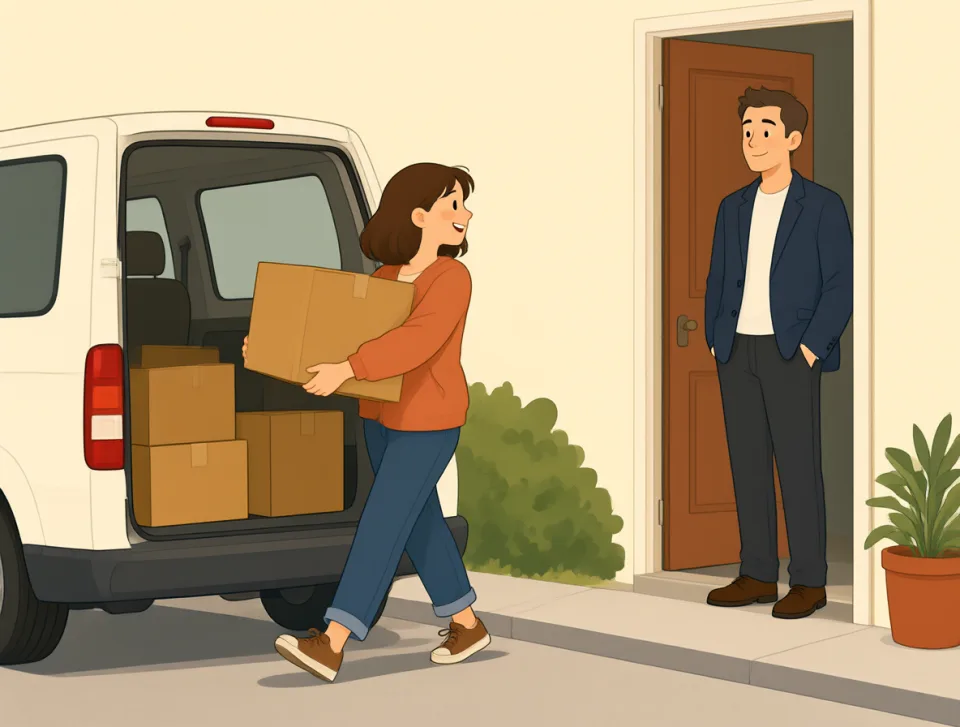
She divorced her husband and moved to another city.
उसने अपने पति को तलाक दे दिया और दूसरे शहर चली गई।
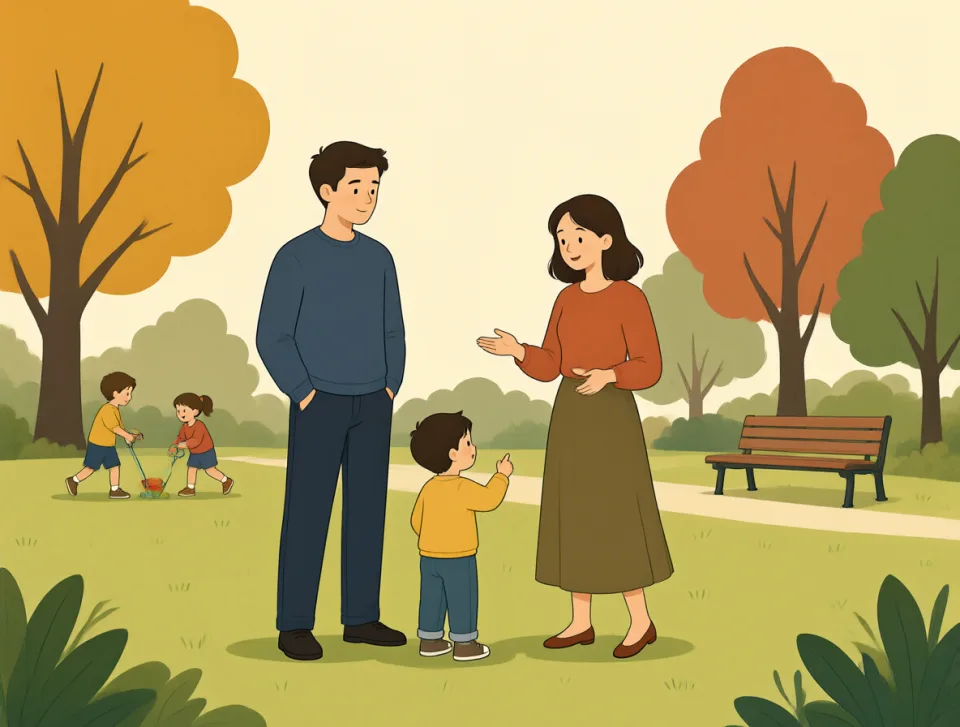
Their divorce was difficult, but they stayed friendly for their children.
उनका तलाक मुश्किल था, लेकिन बच्चों के लिए वे आपस में अच्छे संबंध बनाए रहे।

My friend is going through a divorce and needs someone to listen.
मेरा दोस्त तलाक की प्रक्रिया से गुज़र रहा है और उसे किसी ऐसे व्यक्ति की ज़रूरत है जो उसकी बात सुने।

The children felt sad when their parents decided to divorce.
जब बच्चों के माता-पिता ने तलाक लेने का फ़ैसला किया, तो उन्हें दुख हुआ।
ruin
#2405noun, verb
बर्बाद करना
to damage something badly, or to spoil a good situation completely
किसी चीज़ को बुरी तरह नुकसान पहुँचाना या किसी अच्छी स्थिति को पूरी तरह बिगाड़ देना।
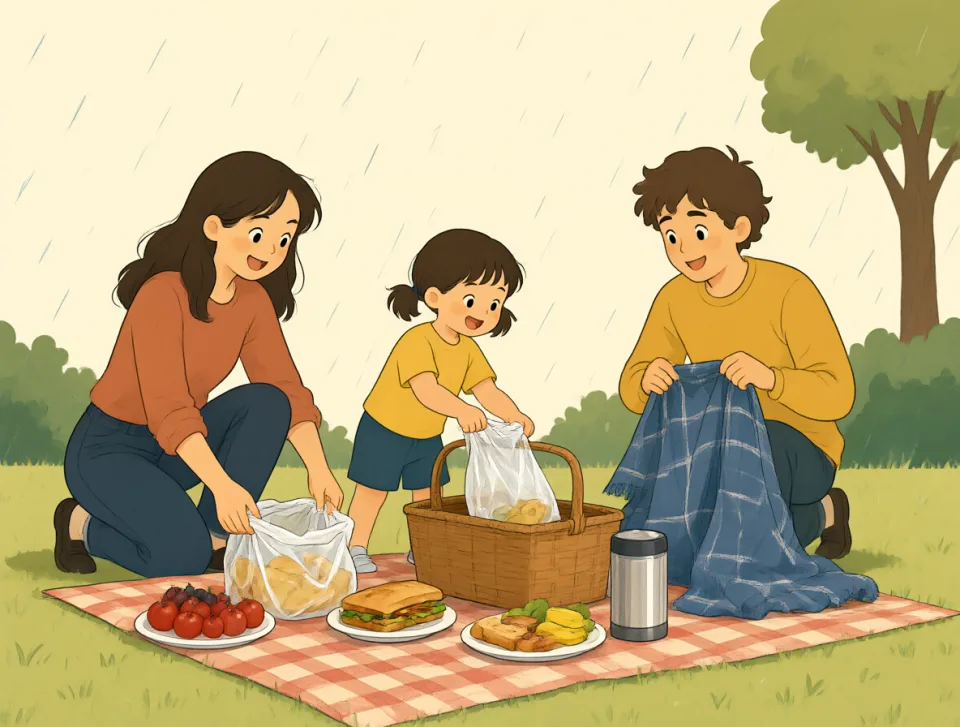
The heavy rain ruined our picnic, so we went home early.
तेज़ बारिश ने हमारी पिकनिक बर्बाद कर दी, इसलिए हम जल्दी घर लौट गए।
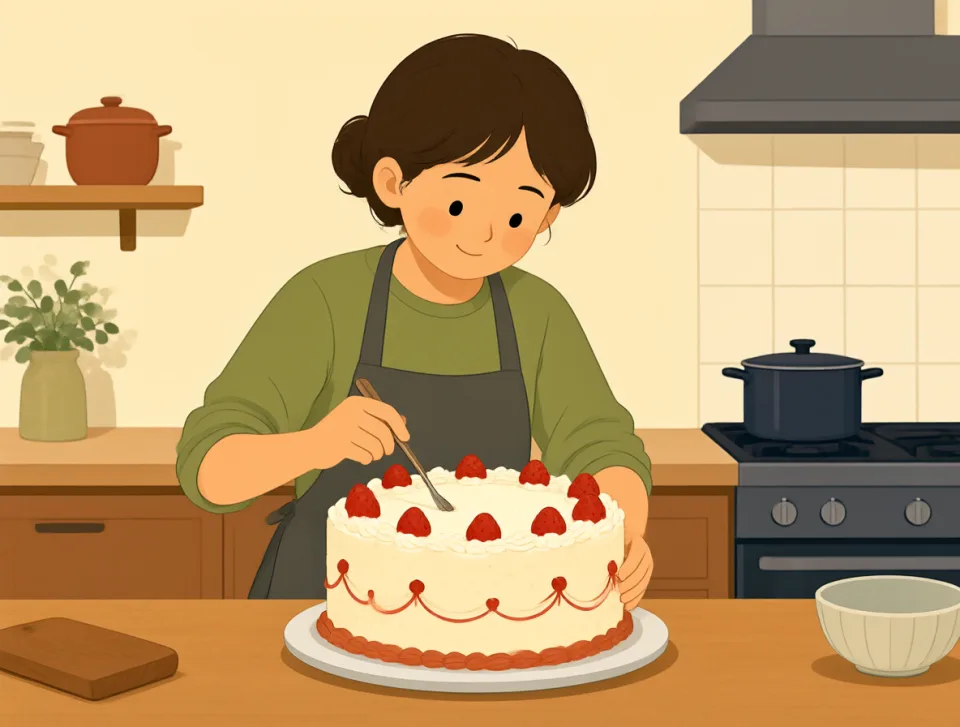
Please keep the cake covered, or the heat will ruin it.
कृपया केक को ढककर रखें, नहीं तो गर्मी उसे खराब कर देगी।
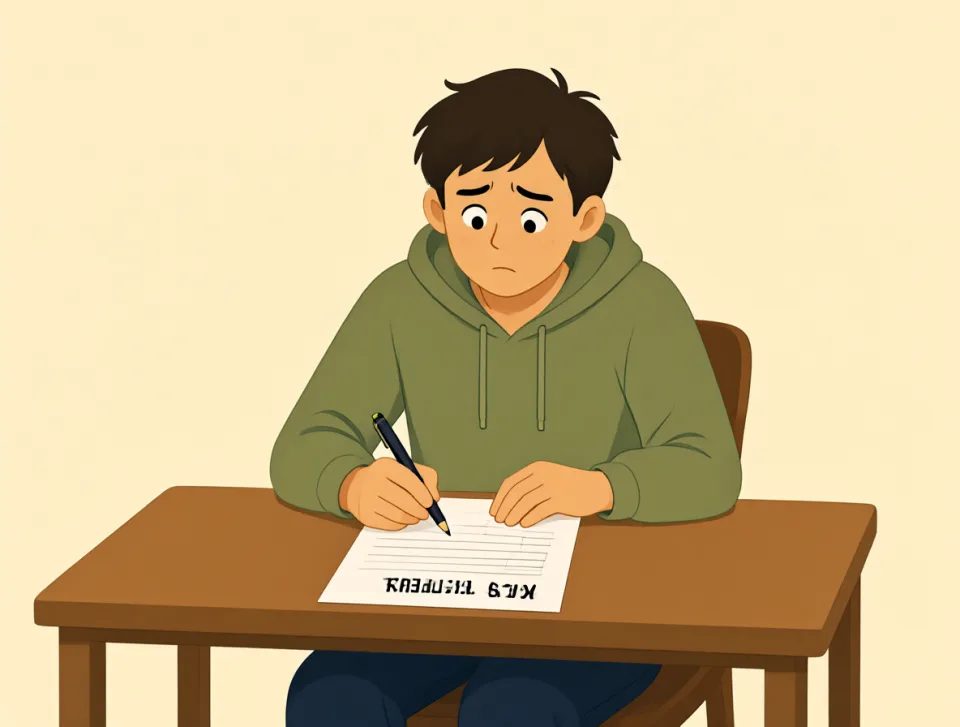
One careless mistake could ruin your chances of getting the job.
एक लापरवाही भरी गलती नौकरी पाने की तुम्हारी संभावनाएँ बर्बाद कर सकती है।
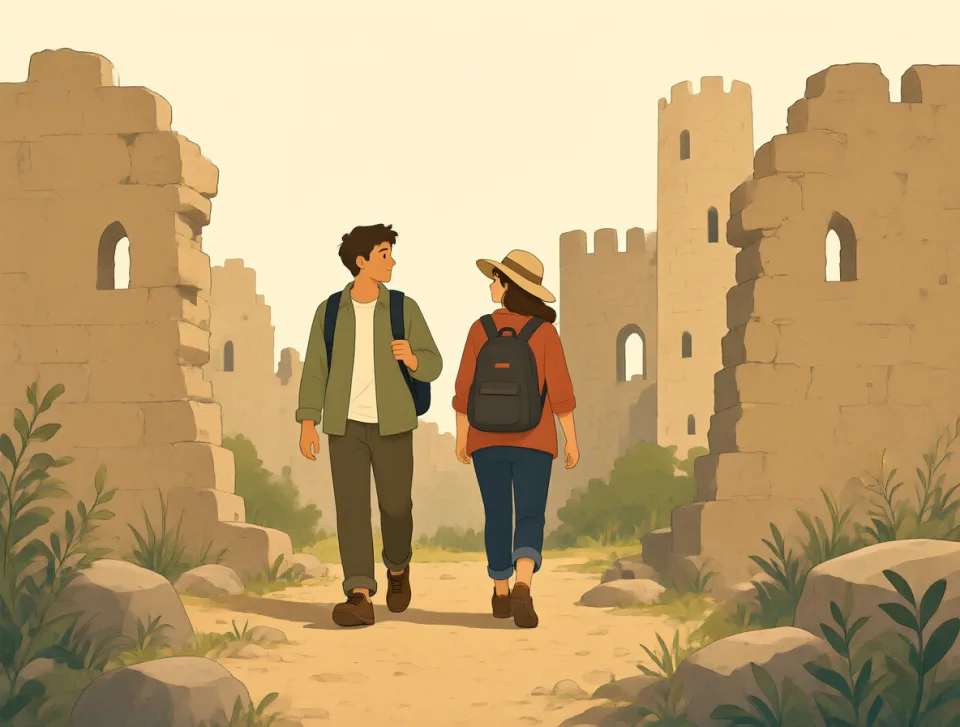
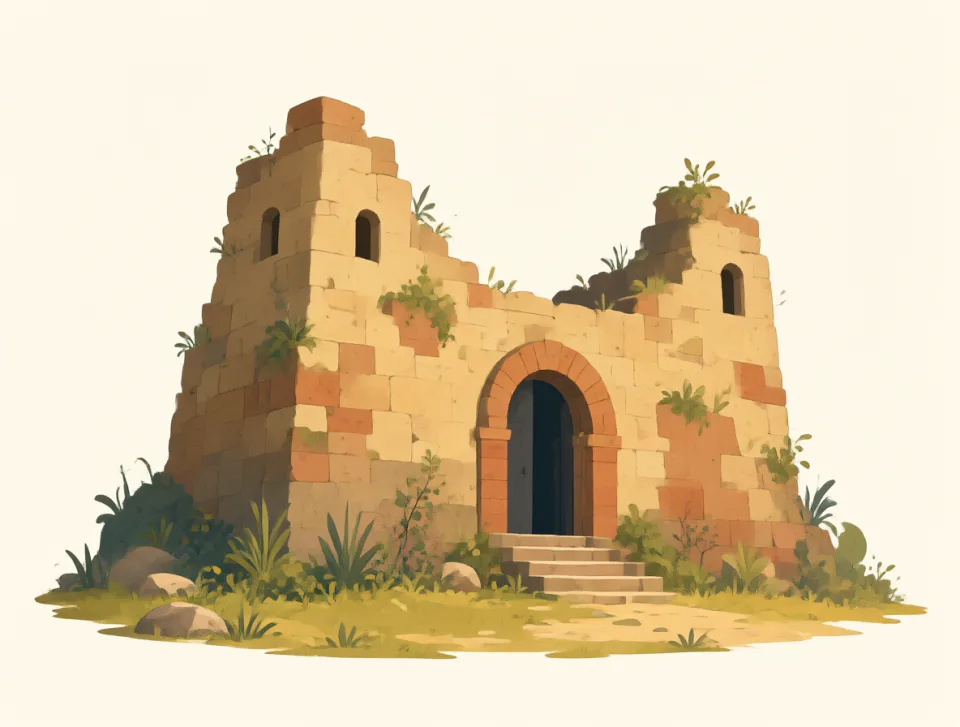
We explored the ruins of an old castle during our holiday.
छुट्टियों के दौरान हमने एक पुराने किले के खंडहर देखे।
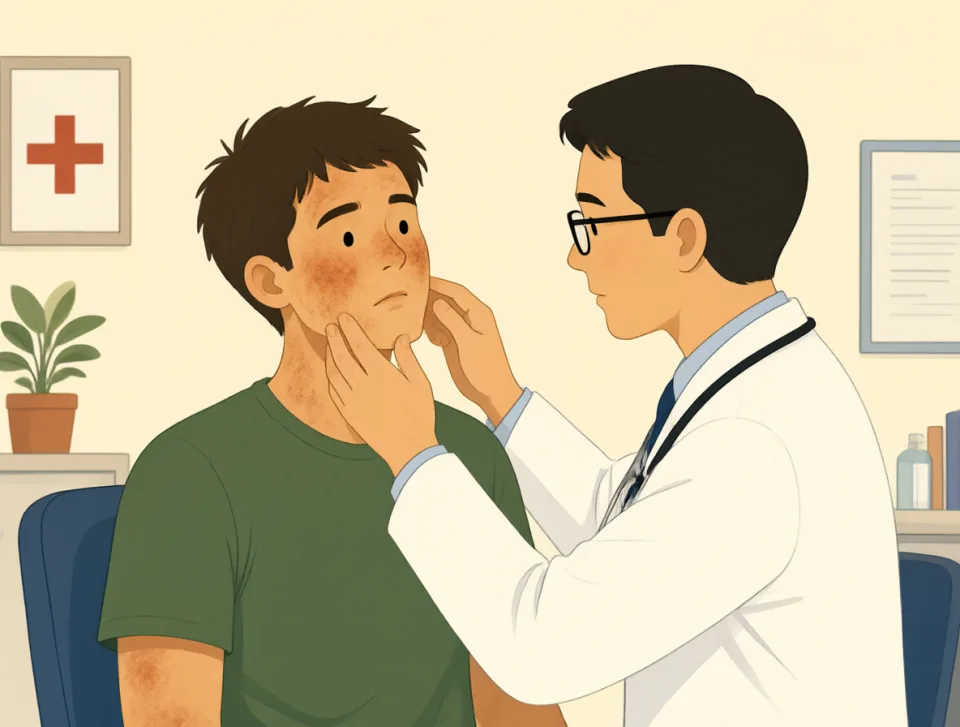
The doctor said too much sun had ruined the skin on his face.
डॉक्टर ने कहा कि बहुत ज़्यादा धूप से उसके चेहरे की त्वचा खराब हो गई थी।
bury
#2406verb
दफ़नाना
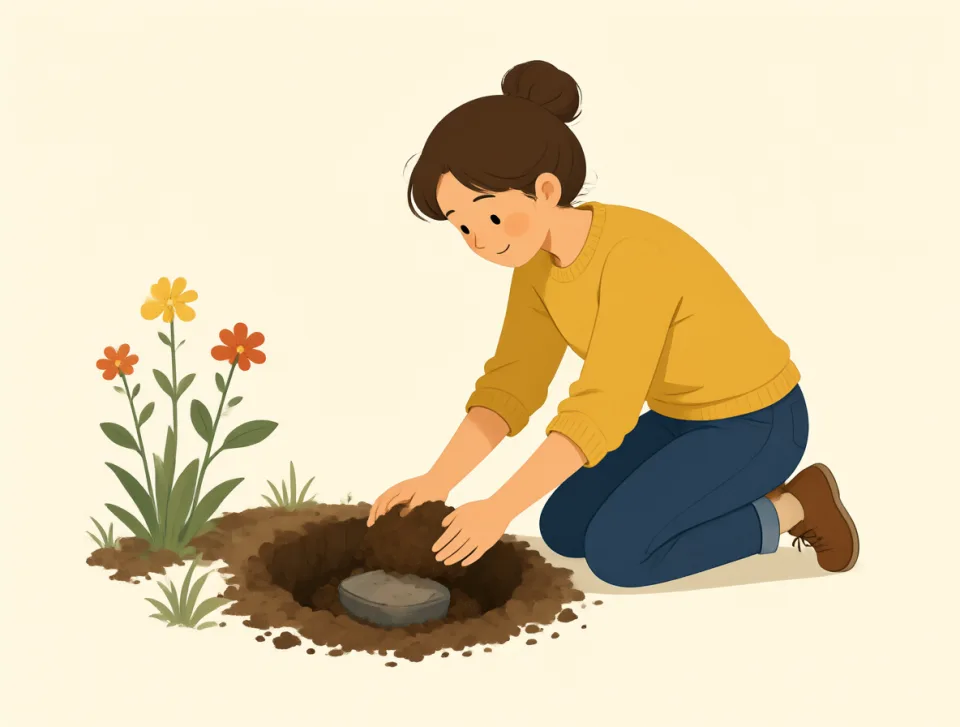
to put something in the ground and cover it with earth
किसी चीज़ को ज़मीन में रखकर मिट्टी से ढक देना
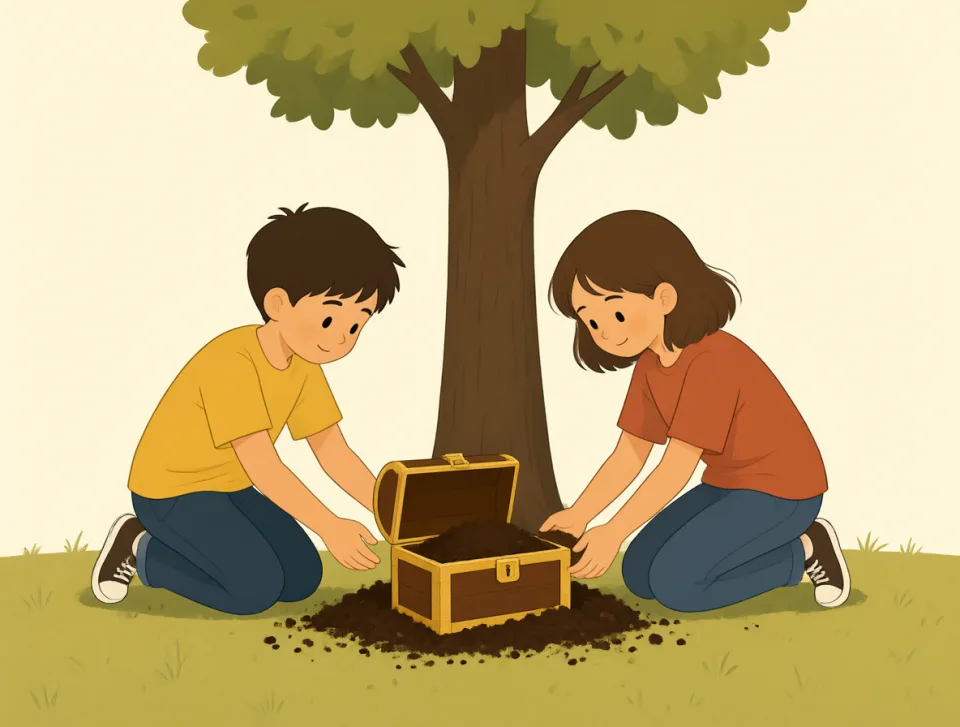
They buried the treasure under a large tree in the garden.
उन्होंने बगीचे में एक बड़े पेड़ के नीचे ख़ज़ाना दफ़ना दिया।
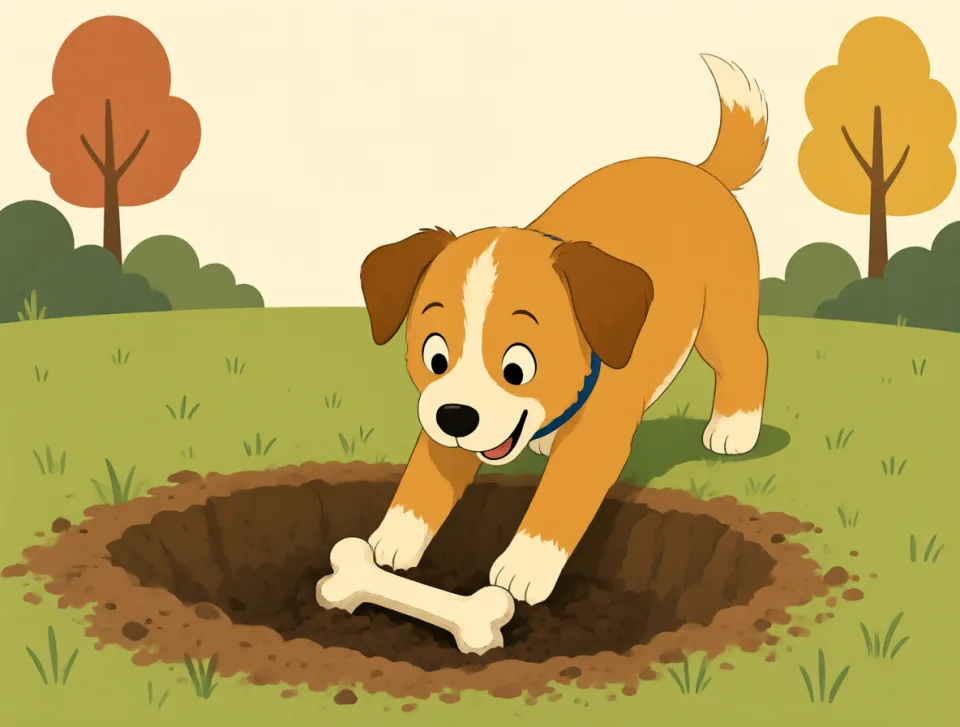
The dog buried its bone in the soft ground.
कुत्ते ने अपनी हड्डी नरम मिट्टी में दफ़ना दी।
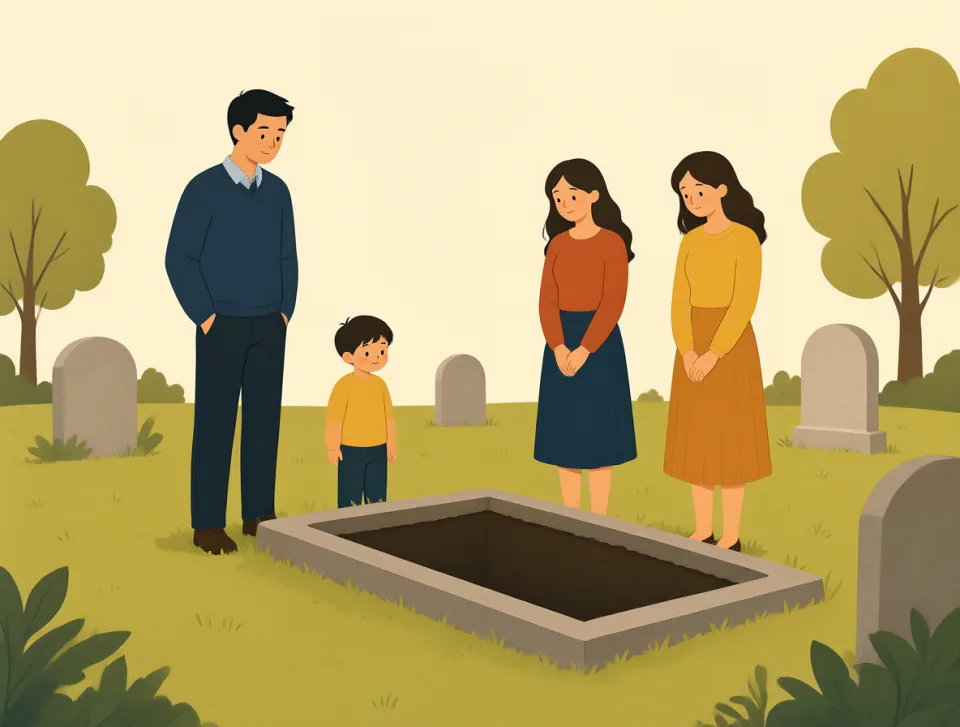
The family buried their grandfather in the village cemetery.
परिवार ने अपने दादा को गाँव के कब्रिस्तान में दफ़नाया।
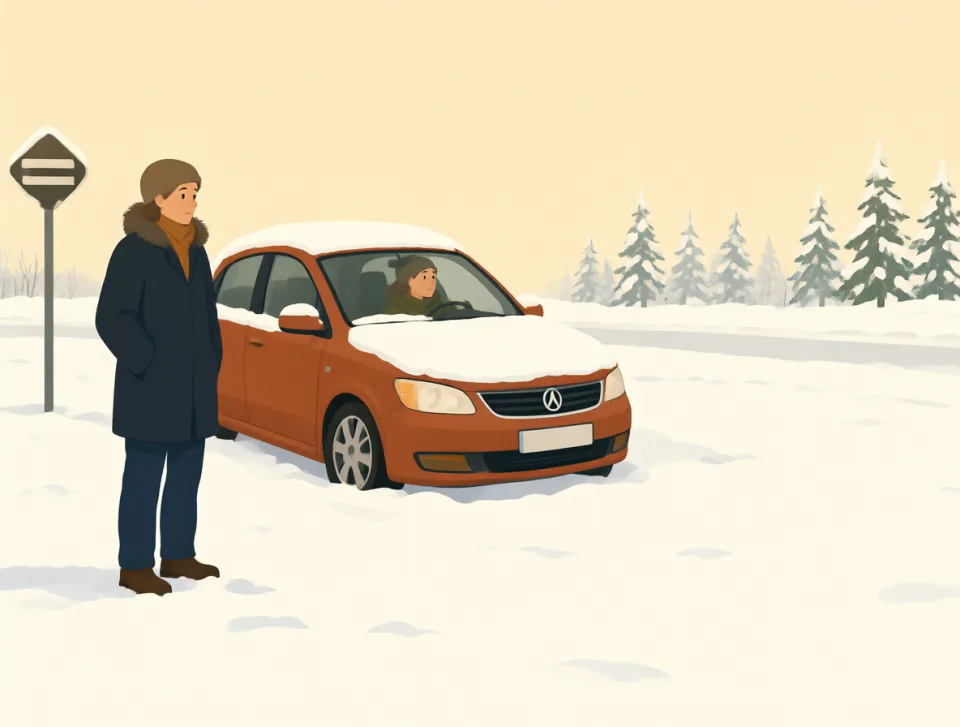
Heavy snow buried the roads and stopped us from traveling.
भारी बर्फ़बारी ने सड़कों को ढक दिया और हमारी यात्रा रोक दी।
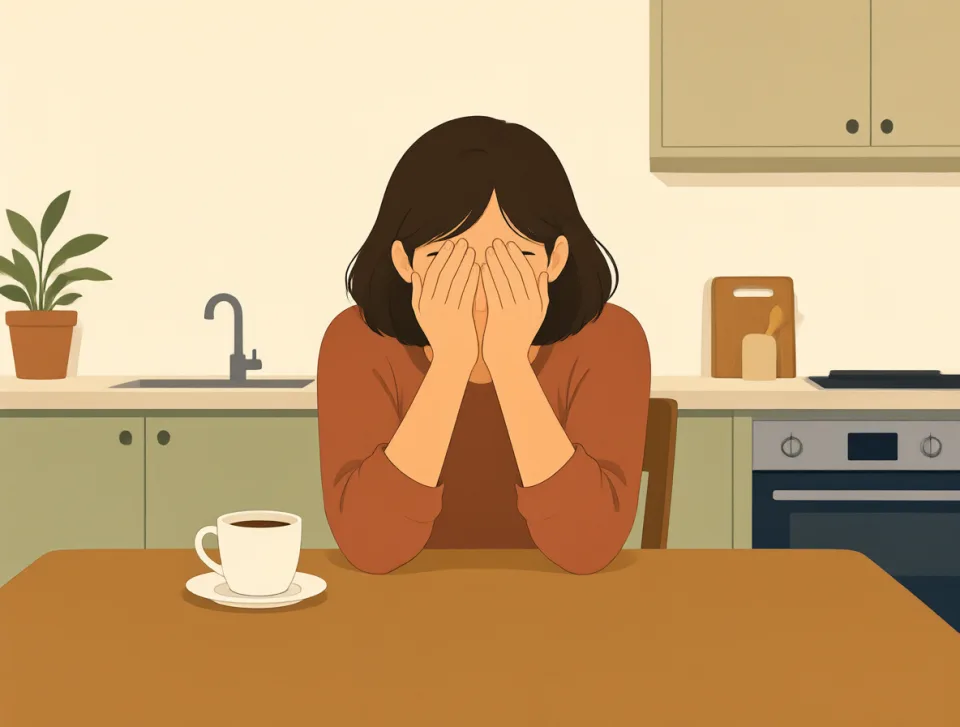
She buried her face in her hands after hearing the sad news.
बुरी ख़बर सुनकर उसने अपने हाथों में चेहरा छिपा लिया।
counsel
#2407noun, verb
सलाह
advice about what to do, especially from a lawyer or other trained person
क्या करना चाहिए, इस बारे में सलाह—खासकर किसी वकील या अन्य प्रशिक्षित व्यक्ति से मिली सलाह
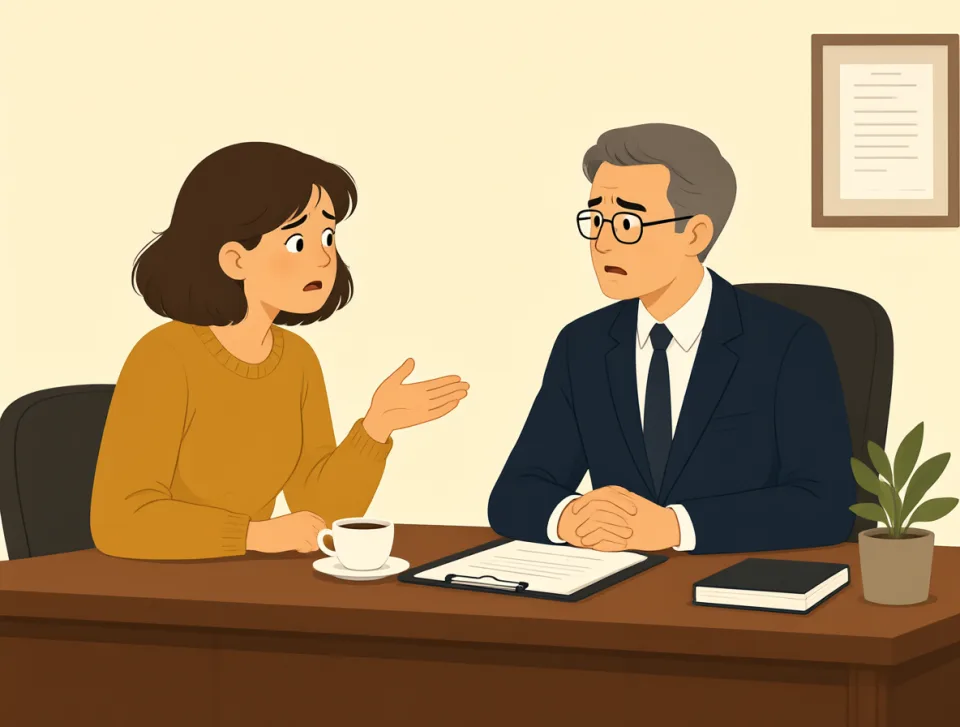
She sought legal counsel before signing the agreement.
समझौते पर हस्ताक्षर करने से पहले उसने कानूनी सलाह ली।

The school counselor counseled him about choosing a suitable career.
स्कूल के काउंसलर ने उसे सही करियर चुनने के बारे में सलाह दी।

My doctor counseled me to exercise regularly and eat less sugar.
मेरे डॉक्टर ने मुझे नियमित रूप से व्यायाम करने और कम चीनी खाने की सलाह दी।

The manager counseled the employee after several customers complained.
कई ग्राहकों की शिकायतों के बाद मैनेजर ने कर्मचारी को समझाया और सलाह दी।

Friends counseled her to wait before buying the expensive coat.
दोस्तों ने उसे महँगा कोट खरीदने से पहले इंतज़ार करने की सलाह दी।
tendency
#2408noun
रुझान
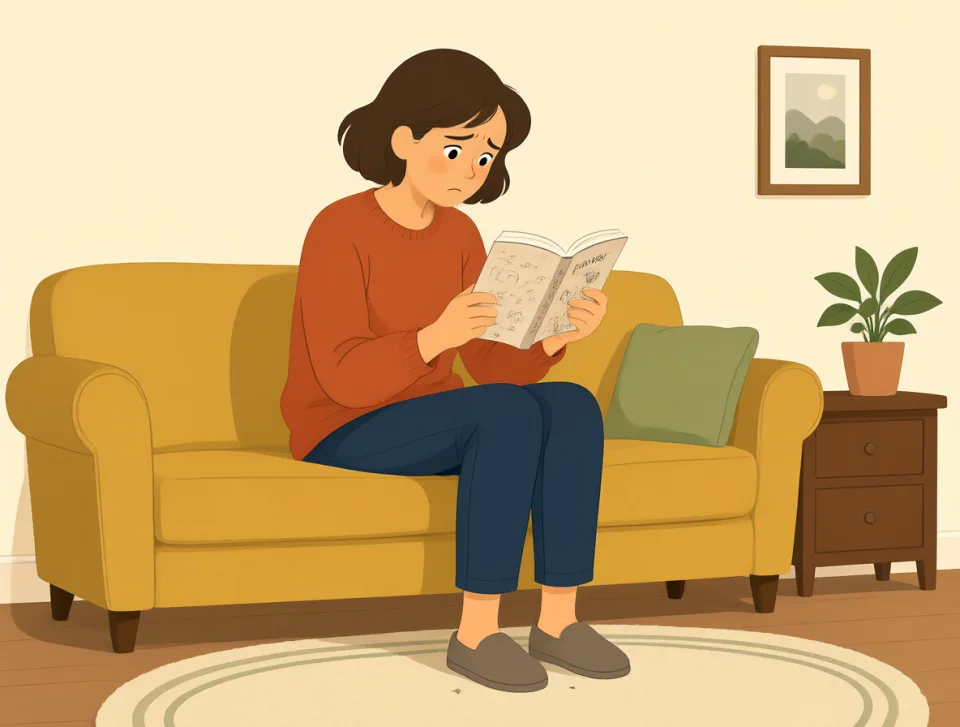
A tendency is a usual way of behaving or a tendency to do something.
किसी के आम तौर पर व्यवहार करने का तरीका या कुछ करने की प्रवृत्ति।
She has a tendency to worry about small problems.
उसे छोटी-छोटी समस्याओं की चिंता करने की आदत है।

His tendency to arrive late annoys his coworkers.
उसकी देर से आने की आदत उसके सहकर्मियों को परेशान करती है।

There is a tendency for prices to rise before holidays.
छुट्टियों से पहले कीमतें बढ़ने का रुझान रहता है।
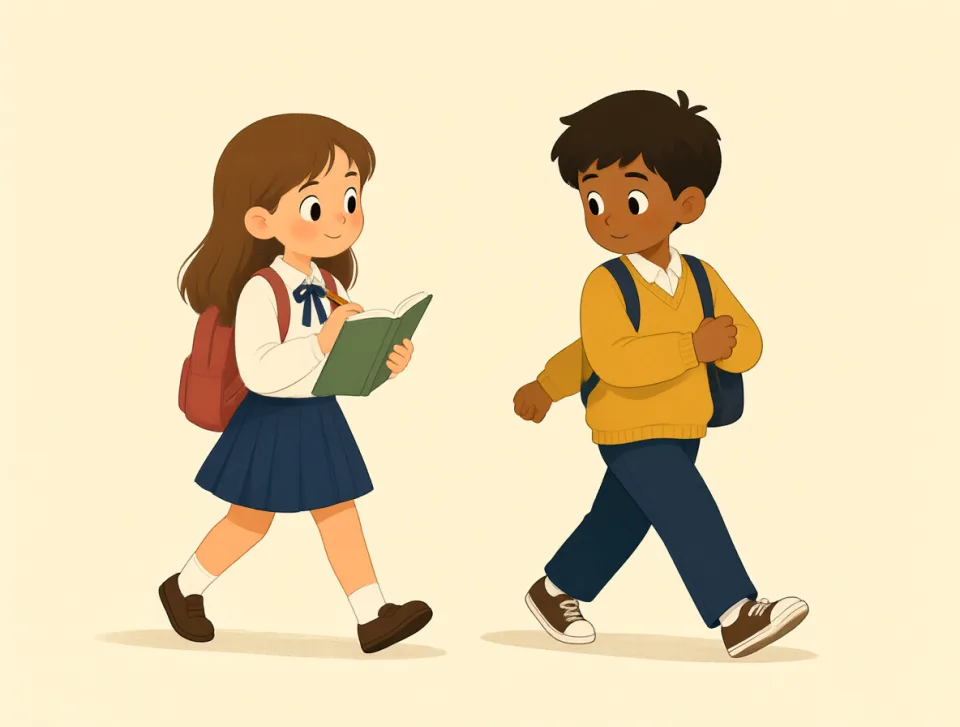
Children often show a tendency to copy their friends.
बच्चे अक्सर अपने दोस्तों की नकल करने लगते हैं।
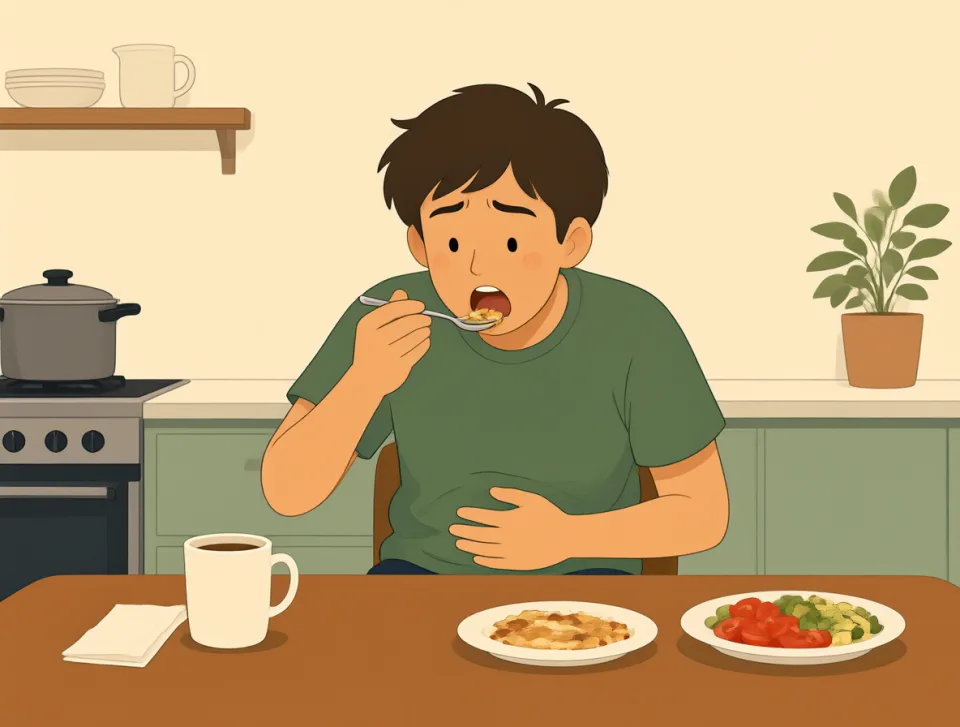
My tendency to eat too quickly causes stomach pain.
मेरी बहुत जल्दी खाने की आदत से पेट में दर्द होता है।
frequent
#2409adjective
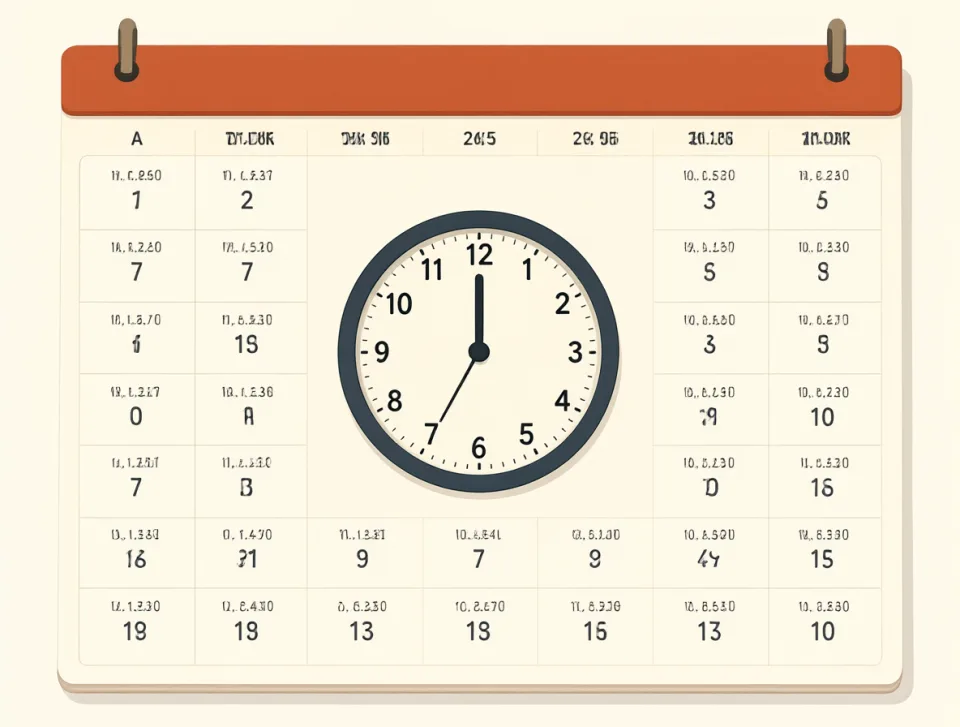
बार-बार होने वाला
happening often or regularly
जो अक्सर या नियमित रूप से होता हो
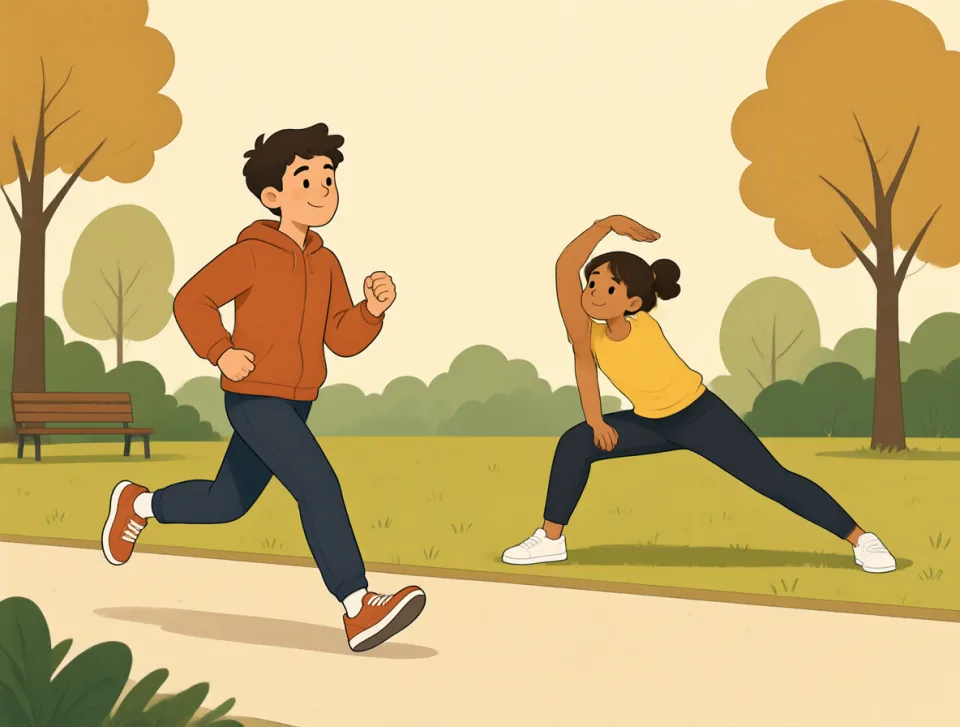
Frequent exercise can help you sleep better and feel less stressed.
नियमित व्यायाम से आपको बेहतर नींद आ सकती है और तनाव कम महसूस हो सकता है।

She is a frequent visitor to the small café near her office.
वह अपने दफ़्तर के पास वाले छोटे कैफ़े में अक्सर आती है।
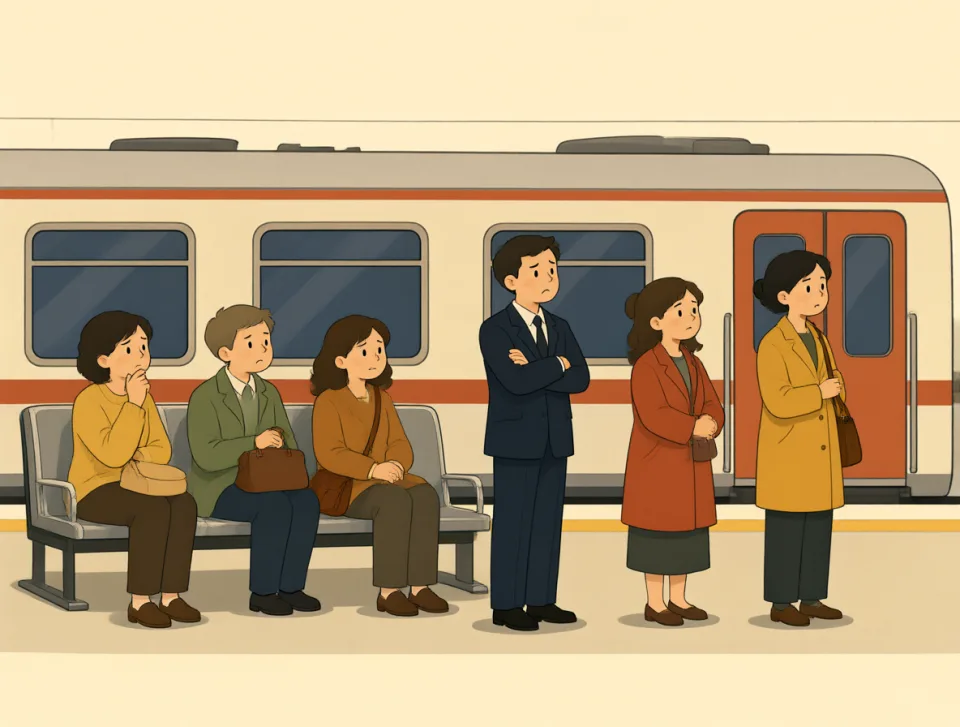
Frequent delays made the train journey much longer than expected.
बार-बार की देरी के कारण ट्रेन का सफ़र उम्मीद से काफ़ी लंबा हो गया।

The doctor asked about his frequent headaches during the past month.
डॉक्टर ने पिछले महीने के दौरान उसे बार-बार होने वाले सिरदर्द के बारे में पूछा।
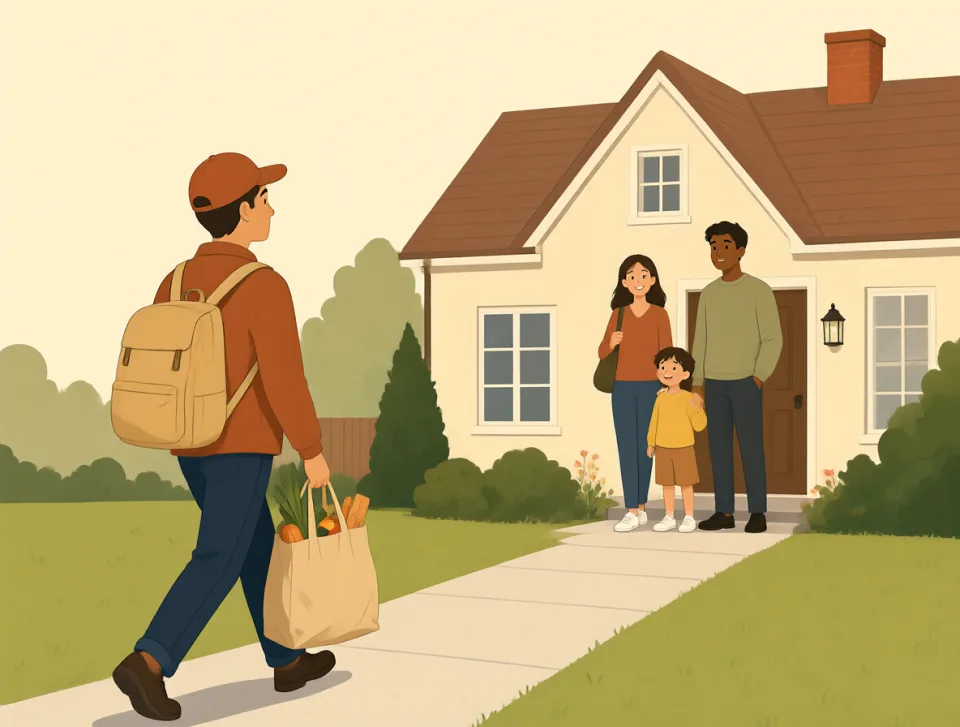
We receive frequent deliveries because our family orders groceries online.
हमें अक्सर सामान की डिलीवरी मिलती है, क्योंकि हमारा परिवार ऑनलाइन किराने का सामान मँगाता है।
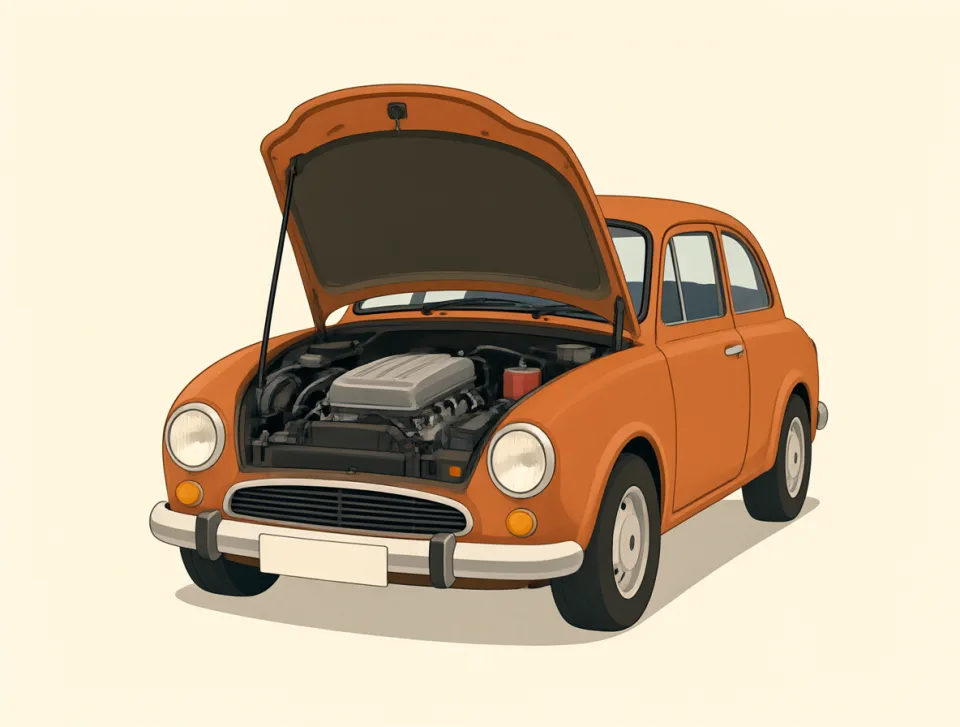
motor
#2410noun
मोटर
a machine that uses energy to make a vehicle or other machine move
ऊर्जा का इस्तेमाल करके किसी वाहन या दूसरी मशीन को चलाने वाली मशीन
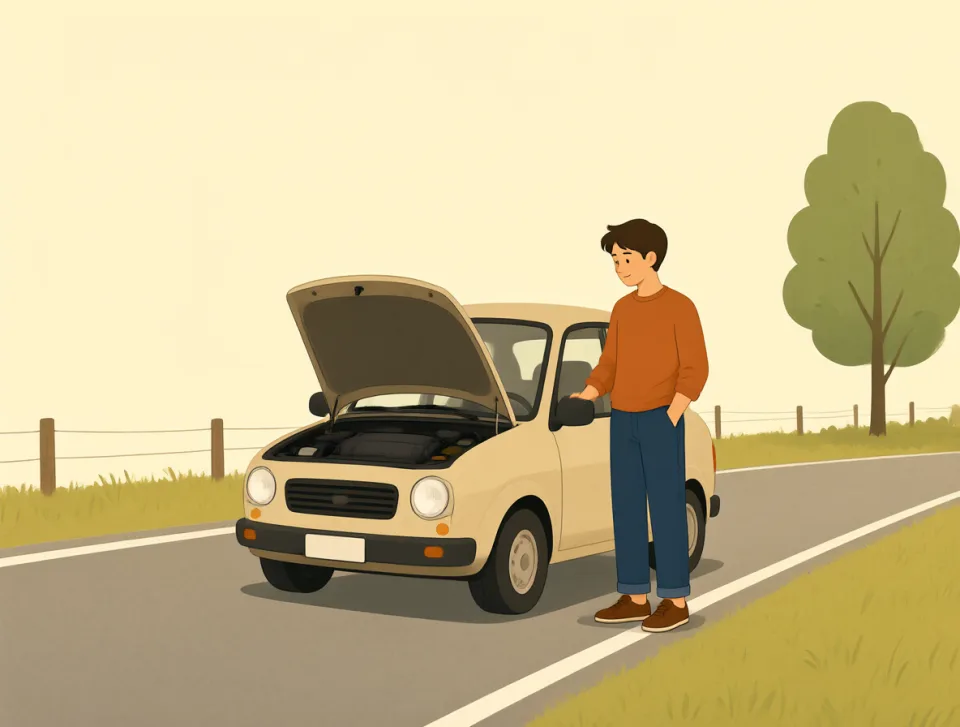
The car's motor stopped suddenly on the way home.
घर जाते समय कार की मोटर अचानक बंद हो गई।
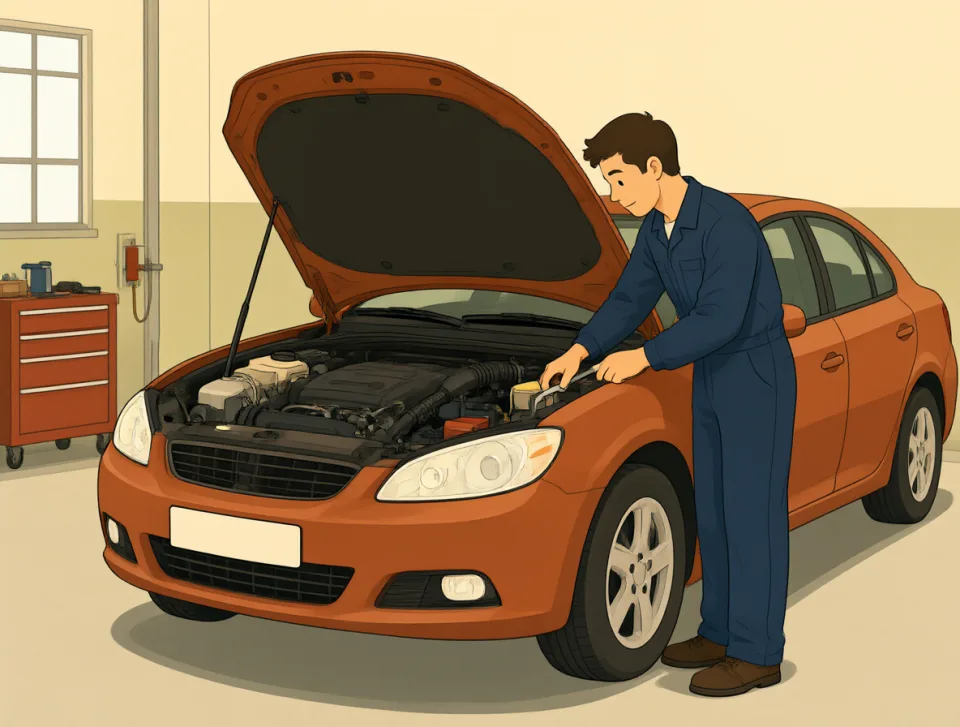
The mechanic checked the motor before returning the car.
कार लौटाने से पहले मैकेनिक ने उसकी मोटर जाँची।

The boat has a powerful motor for traveling across the lake.
झील पार करने के लिए नाव में शक्तिशाली मोटर लगी है।

I could hear the motor running behind the office wall.
मैं दफ़्तर की दीवार के पीछे मोटर चलने की आवाज़ सुन सकता था।
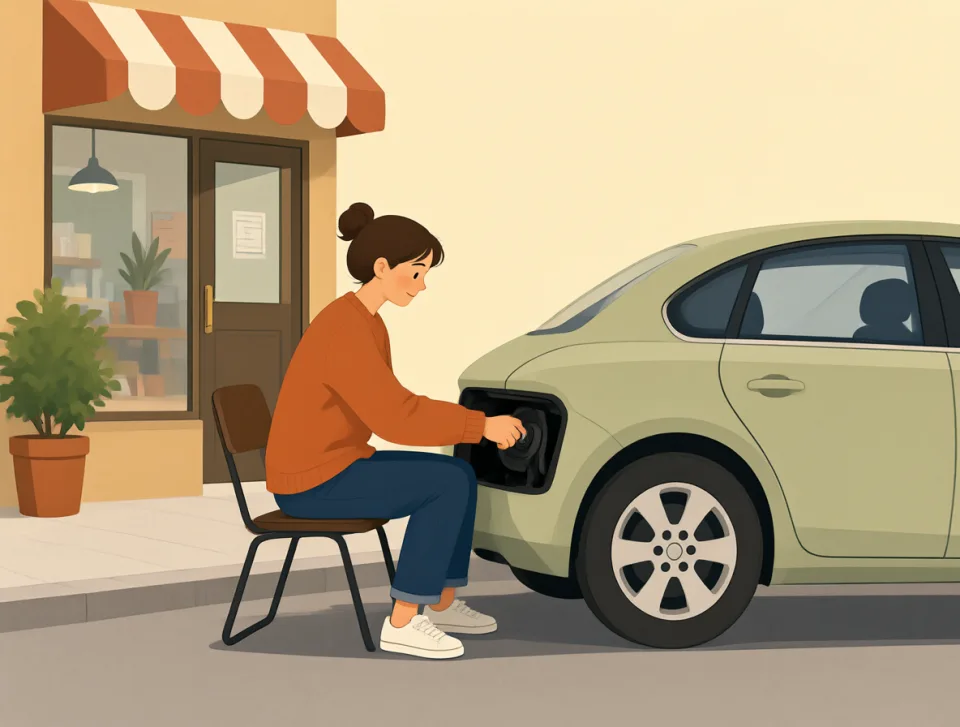
She turned off the motor while waiting outside the store.
दुकान के बाहर इंतज़ार करते हुए उसने मोटर बंद कर दी।
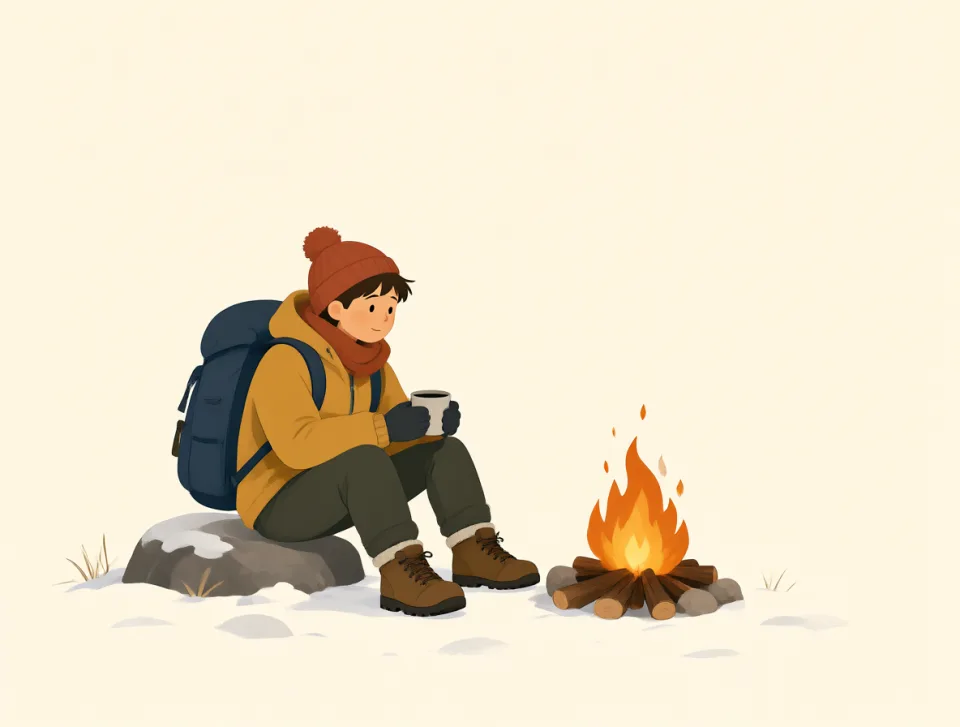
survival
#2411noun
जीवित रहना
The ability to continue living or existing, especially through danger or difficulty.
जीवित या अस्तित्व में बने रहने की क्षमता, खासकर खतरे या कठिनाई के दौरान।

Clean water and warm clothing are essential for survival in cold weather.
ठंडे मौसम में जीवित रहने के लिए साफ़ पानी और गर्म कपड़े ज़रूरी हैं।
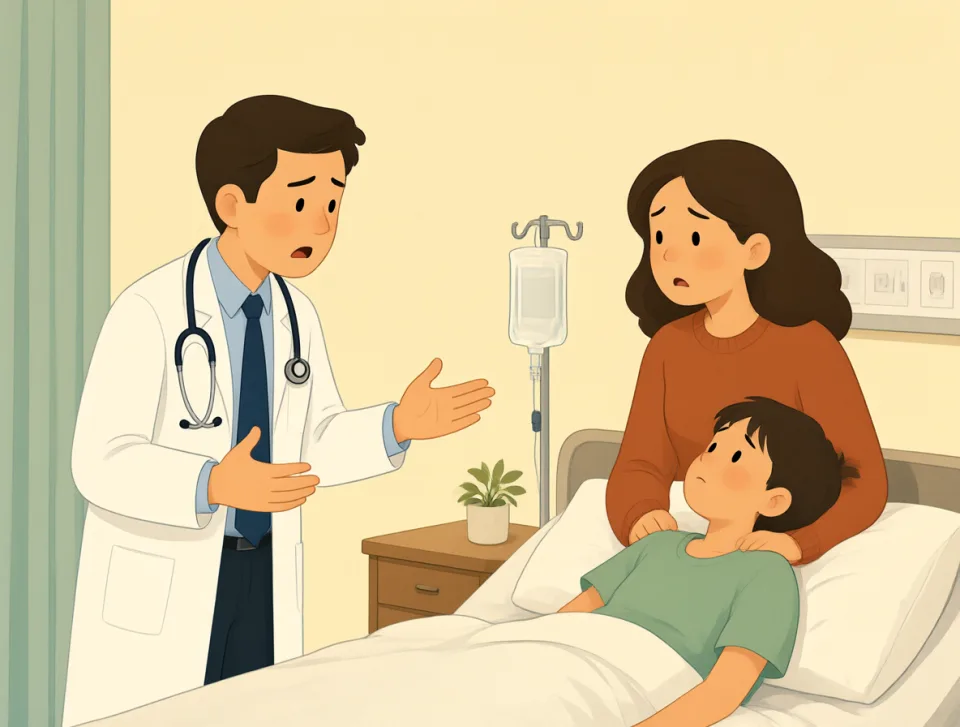
The doctor said her survival depended on getting treatment quickly.
डॉक्टर ने कहा कि उसका बचना इस बात पर निर्भर था कि उसे जल्दी इलाज मिले।
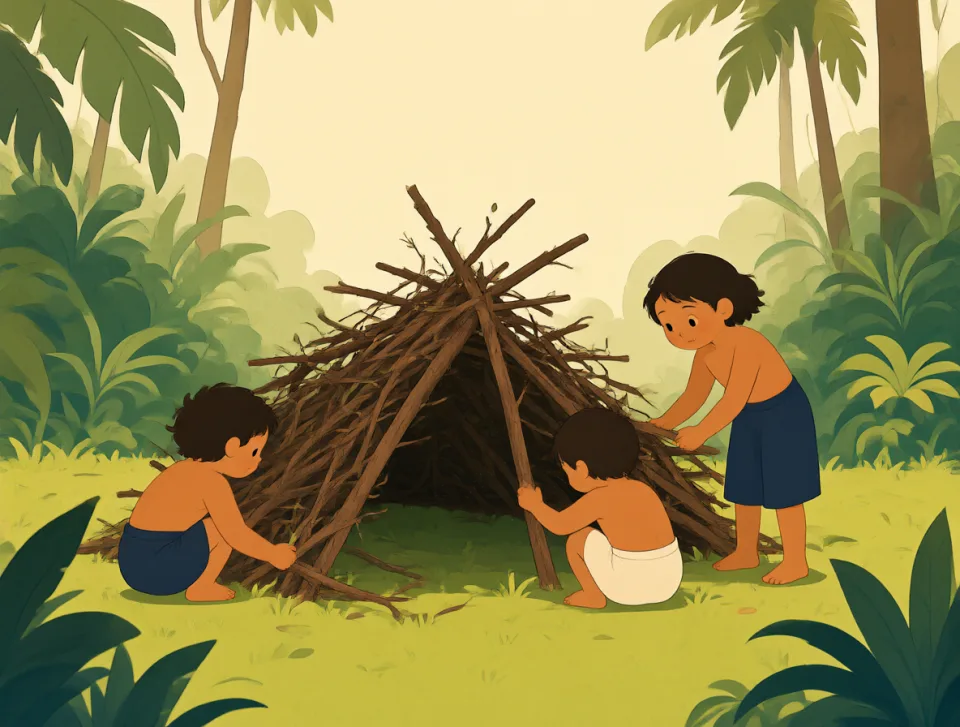
The team learned basic survival skills before exploring the jungle.
जंगल में जाने से पहले टीम ने जीवित रहने के बुनियादी कौशल सीखे।
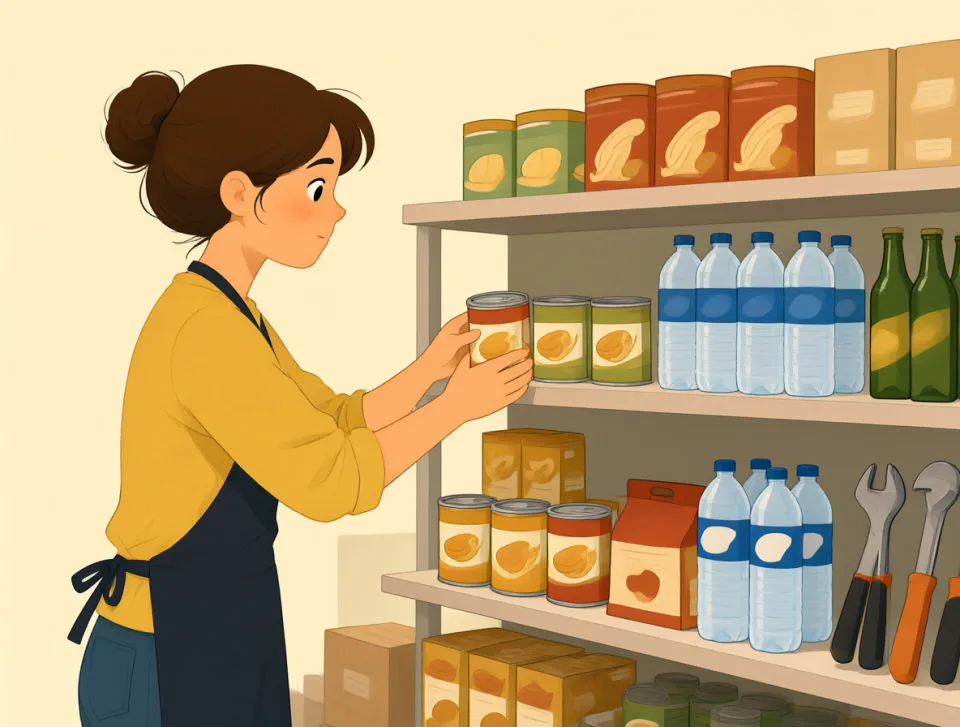
The small shop sells food and tools for everyday survival.
छोटी-सी दुकान रोज़मर्रा की ज़रूरतें पूरी करने के लिए खाना और औज़ार बेचती है।
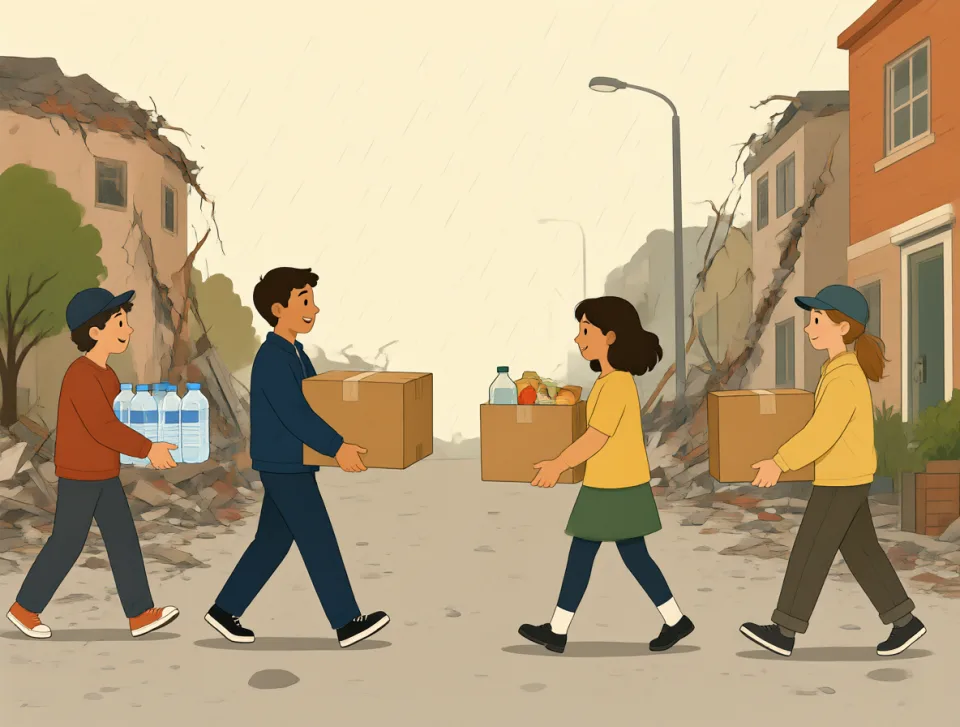
After the storm, our survival depended on helping each other.
तूफ़ान के बाद हमारा बचना एक-दूसरे की मदद करने पर निर्भर था।
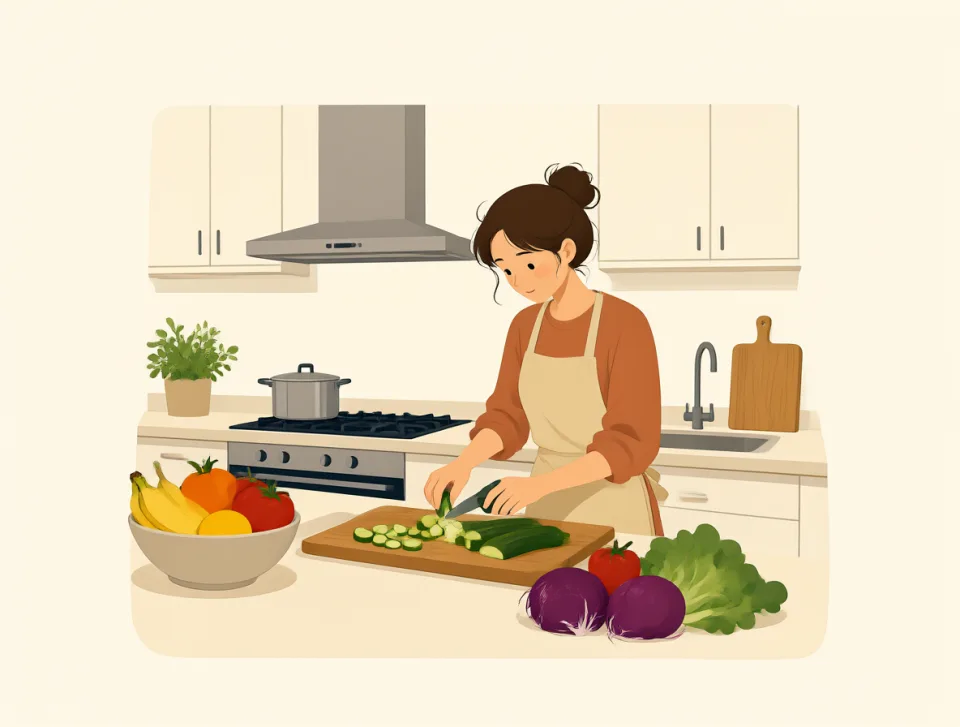
counter
#2412noun, verb
काउंटर; विरोध करना
A long flat surface for serving food or doing work, or to act against something.
खाना परोसने या काम करने के लिए इस्तेमाल होने वाली लंबी, सपाट सतह; या किसी बात का विरोध करना।
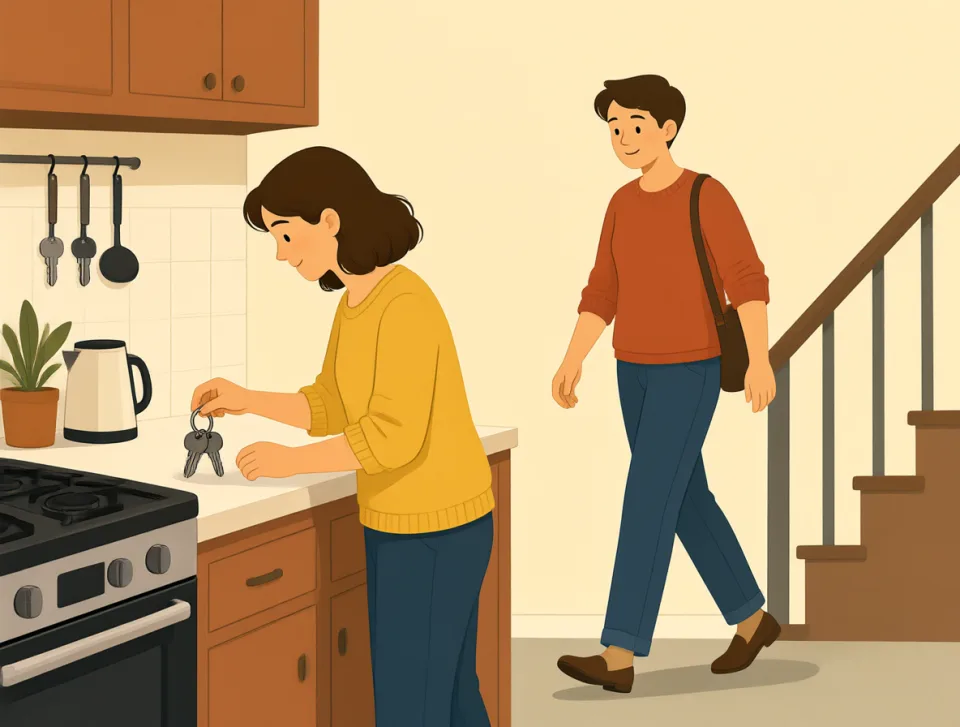
She left the keys on the kitchen counter before going upstairs.
ऊपर जाने से पहले उसने चाबियाँ रसोई के काउंटर पर रख दीं।

We ordered sandwiches at the counter and found a table outside.
हमने काउंटर पर सैंडविच मँगाए और बाहर एक मेज़ ढूँढ़ ली।

The hotel counter was busy, so we waited quietly with our bags.
होटल का रिसेप्शन काउंटर व्यस्त था, इसलिए हम अपने बैग लेकर चुपचाप इंतज़ार करते रहे।

The new evidence counters the argument that the treatment is unsafe.
नए सबूत इस दलील का खंडन करते हैं कि यह इलाज असुरक्षित है।
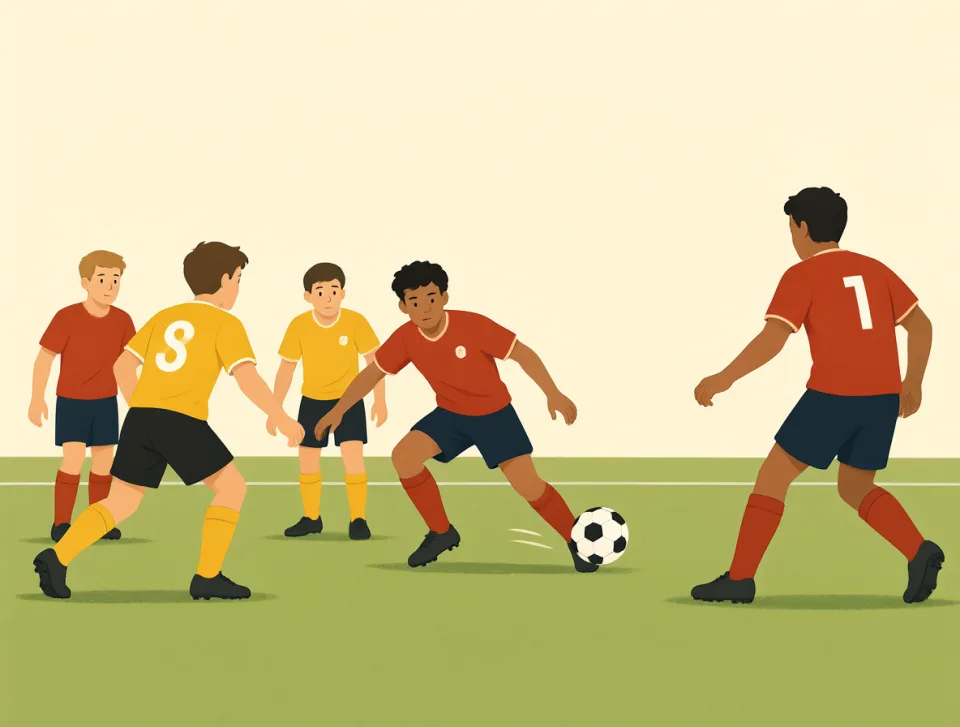
The team is countering the opponent's attack with a quick pass.
टीम तेज़ पास देकर विरोधी के हमले का जवाब दे रही है।

possess
#2413verb
स्वामित्व रखना
to have something as your own or to have a particular quality
किसी चीज़ का मालिक होना या उसमें कोई खास गुण होना।

She possesses excellent communication skills and works well with people.
उसमें बातचीत करने का बेहतरीन हुनर है और वह लोगों के साथ अच्छा काम करती है।
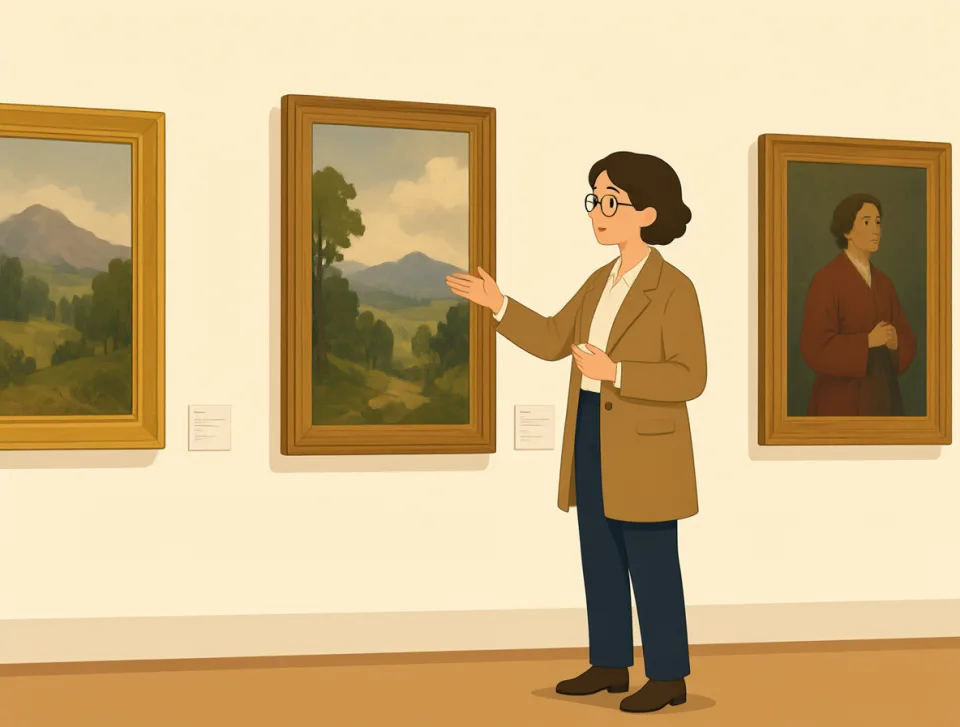
The museum possesses several paintings by famous local artists.
संग्रहालय में मशहूर स्थानीय कलाकारों की कई पेंटिंग हैं।
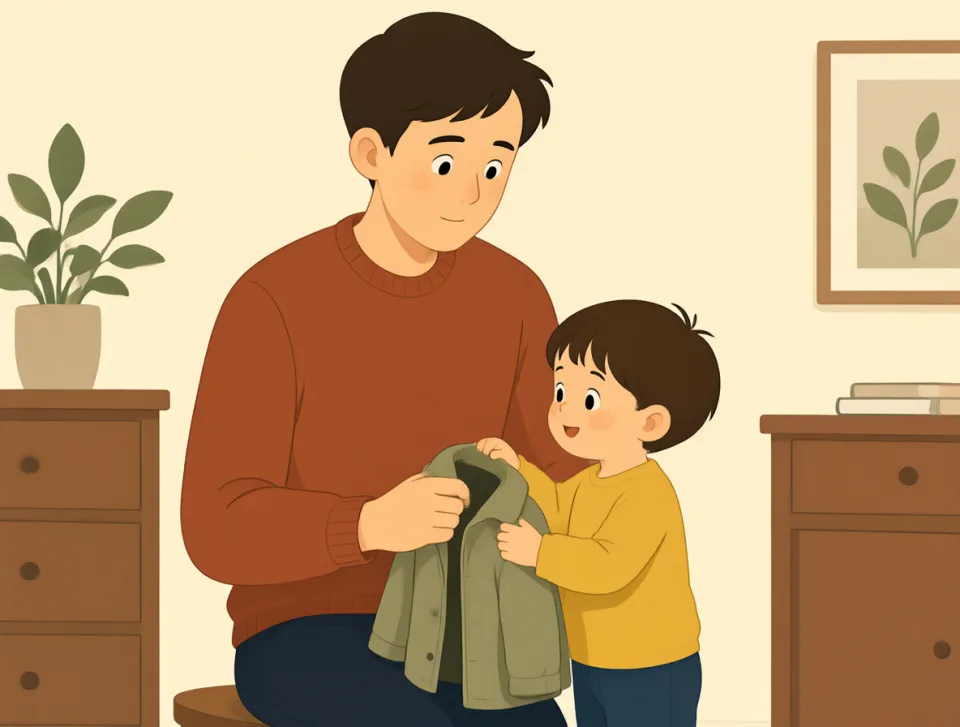
He possesses the patience needed to care for young children.
उसमें छोटे बच्चों की देखभाल करने के लिए ज़रूरी धैर्य है।

The new phone possesses a powerful camera and a long-lasting battery.
नए फ़ोन में दमदार कैमरा और लंबे समय तक चलने वाली बैटरी है।

Only experienced climbers possess the strength to reach the mountain’s highest point.
सिर्फ़ अनुभवी पर्वतारोहियों में पहाड़ की सबसे ऊँची चोटी तक पहुँचने की ताकत होती है।
permission
#2414noun
अनुमति
If you have permission, someone allows you to do something.
अगर आपके पास अनुमति है, तो किसी ने आपको कुछ करने की इजाज़त दी है।
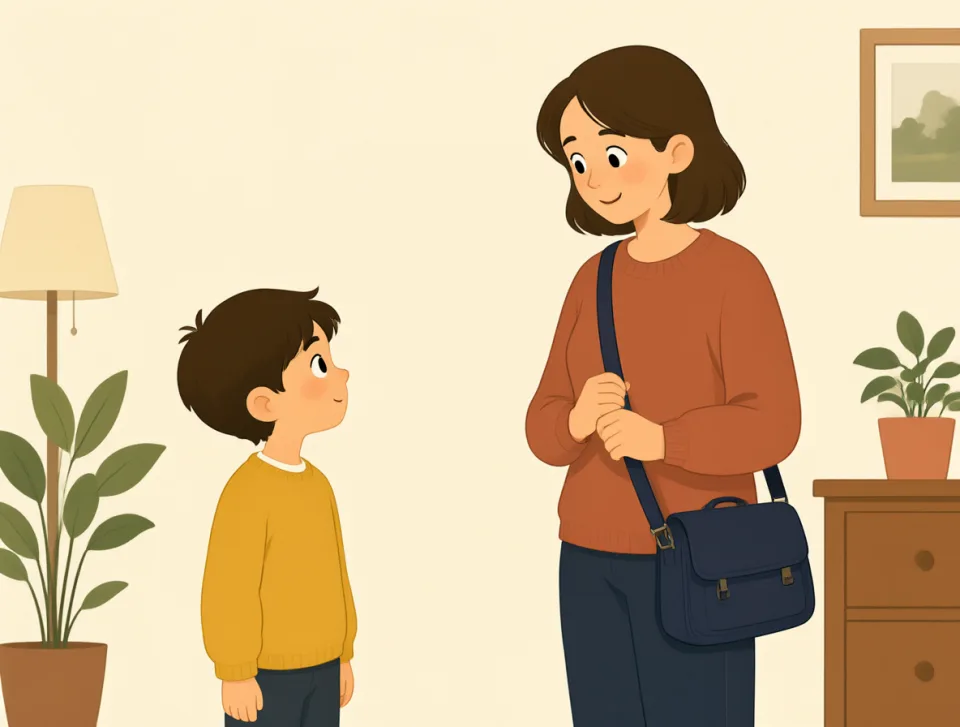
You need your parents' permission before going on the school trip.
स्कूल की यात्रा पर जाने से पहले तुम्हें अपने माता-पिता की अनुमति लेनी होगी।

I asked my manager for permission to leave work early.
मैंने जल्दी काम से निकलने की अनुमति के लिए अपने मैनेजर से पूछा।
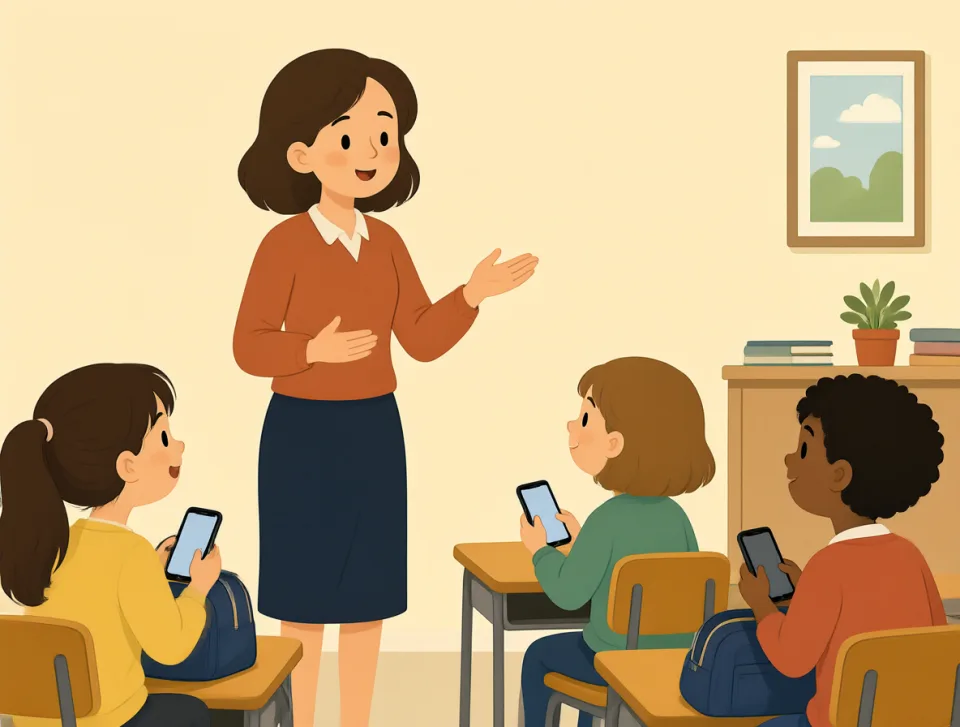
The teacher gave us permission to use our phones during the break.
शिक्षक ने हमें छुट्टी के दौरान फ़ोन इस्तेमाल करने की अनुमति दी।

We could not enter the restaurant without permission from the owner.
हम मालिक की अनुमति के बिना रेस्तराँ में दाखिल नहीं हो सके।

The doctor gave him permission to return to work next week.
डॉक्टर ने उसे अगले हफ़्ते काम पर लौटने की अनुमति दे दी।

valley
#2415noun
घाटी
A low area of land between hills or mountains, often with a river running through it.
पहाड़ियों या पहाड़ों के बीच की नीची ज़मीन, जिसमें अक्सर कोई नदी बहती है।
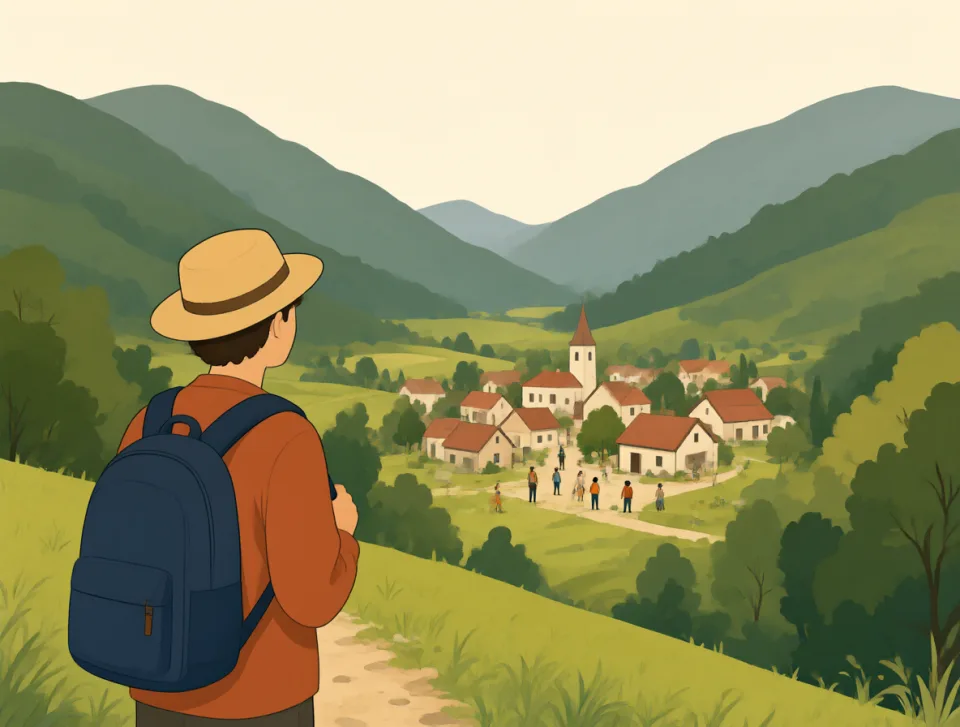
The small village lies in a beautiful valley between two mountain ranges.
यह छोटा-सा गाँव दो पर्वत-शृंखलाओं के बीच एक सुंदर घाटी में बसा है।

We drove through the valley until we reached the town before sunset.
सूरज ढलने से पहले शहर पहुँचने तक हम घाटी से होकर गाड़ी चलाते रहे।
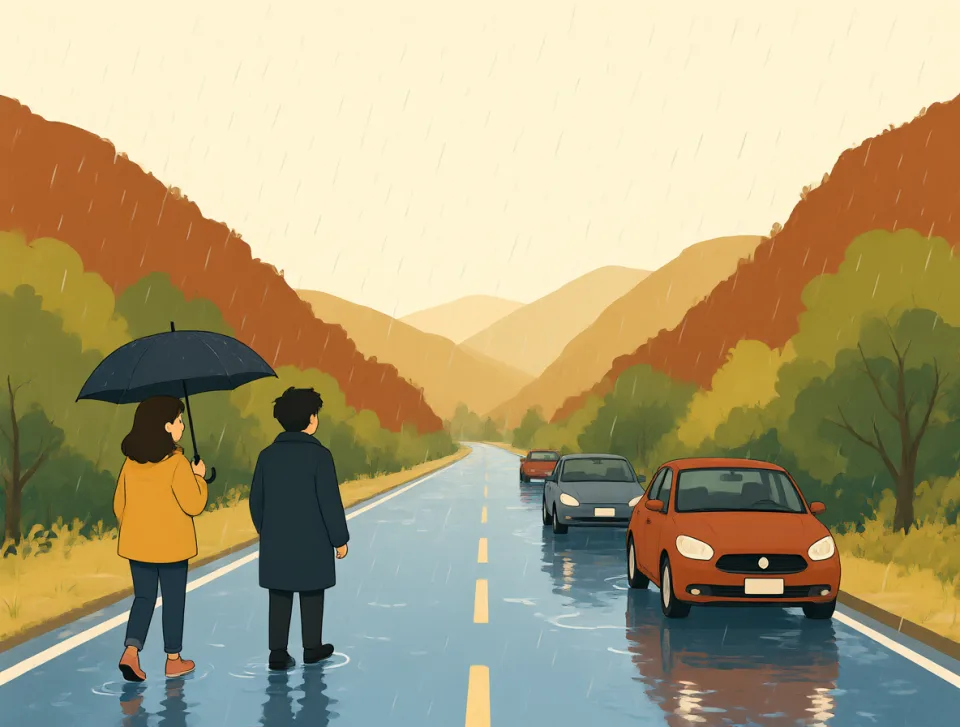
Heavy rain filled the valley with water and blocked the main road.
भारी बारिश से घाटी पानी से भर गई और मुख्य सड़क बंद हो गई।

From the top of the hill, we could see the entire valley below.
पहाड़ी की चोटी से हम नीचे पूरी घाटी देख सकते थे।
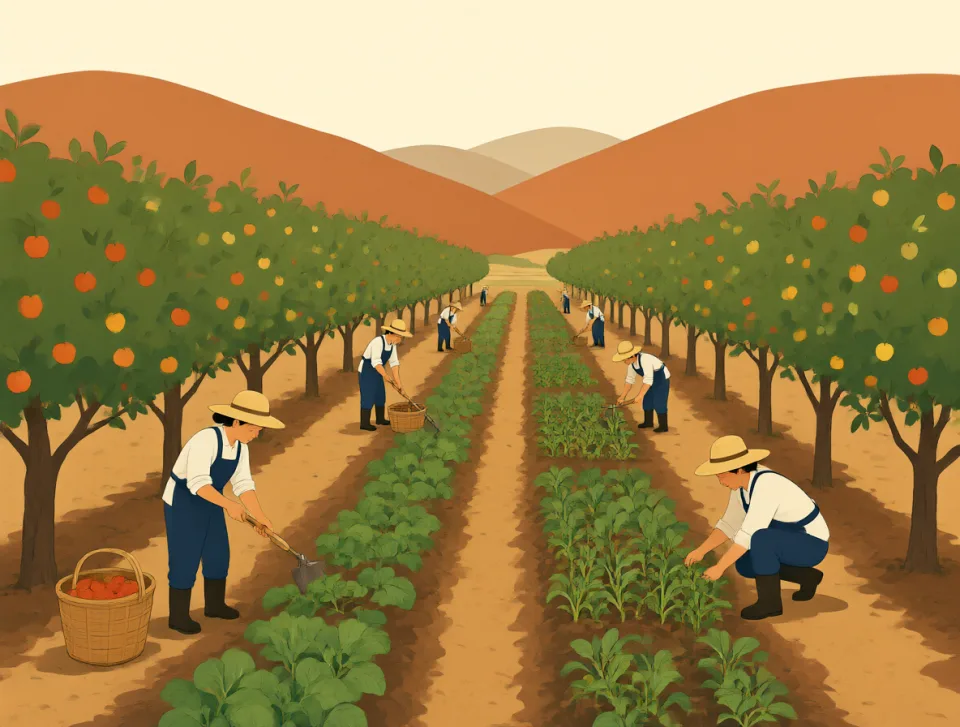
Farmers grow fruit and vegetables on the valley floor.
किसान घाटी की समतल ज़मीन पर फल और सब्ज़ियाँ उगाते हैं।

float
#2416verb, noun
तैरना
to stay on the surface of water or another liquid without sinking
पानी या किसी दूसरे तरल की सतह पर बिना डूबे रहना
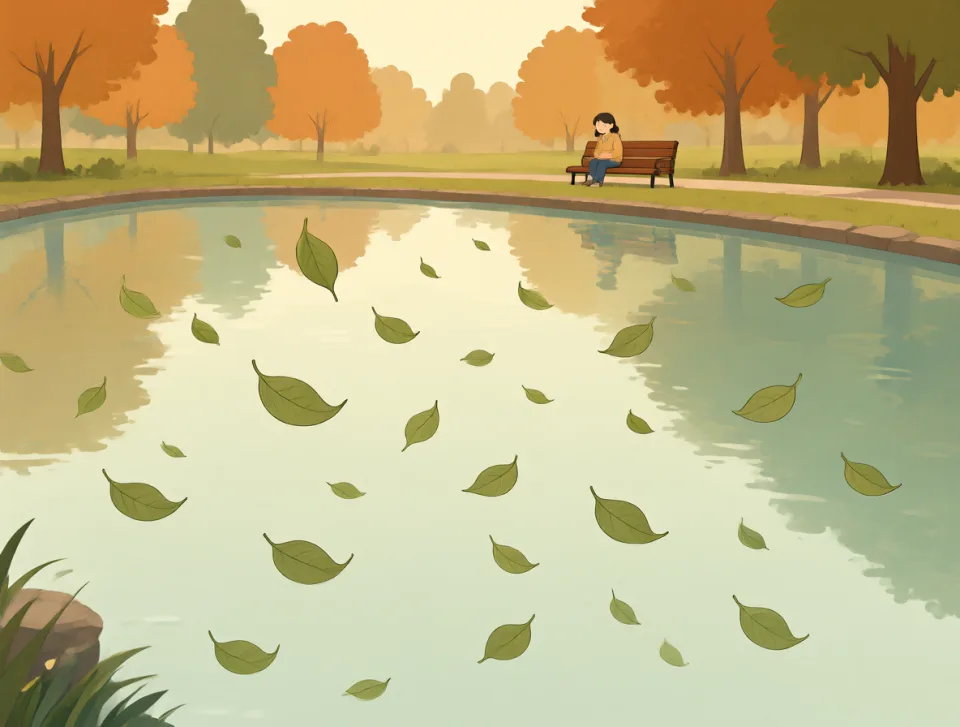
The leaves floated gently on the surface of the pond.
तालाब की सतह पर पत्ते धीरे-धीरे तैर रहे थे।
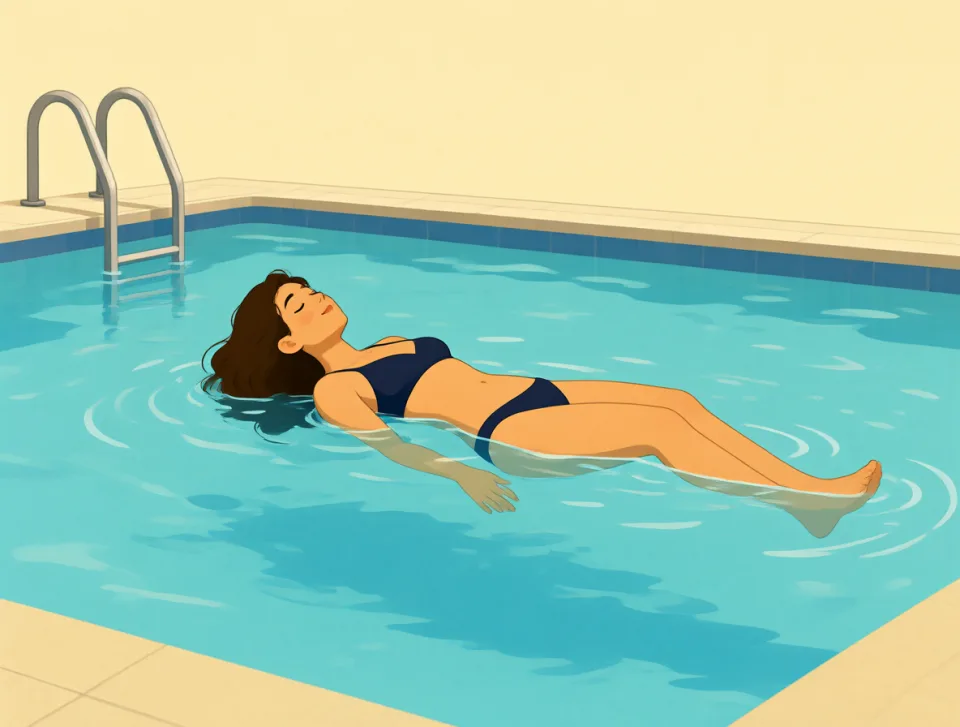
She floated on her back while relaxing in the swimming pool.
आराम करते हुए वह स्विमिंग पूल में पीठ के बल तैरती रही।
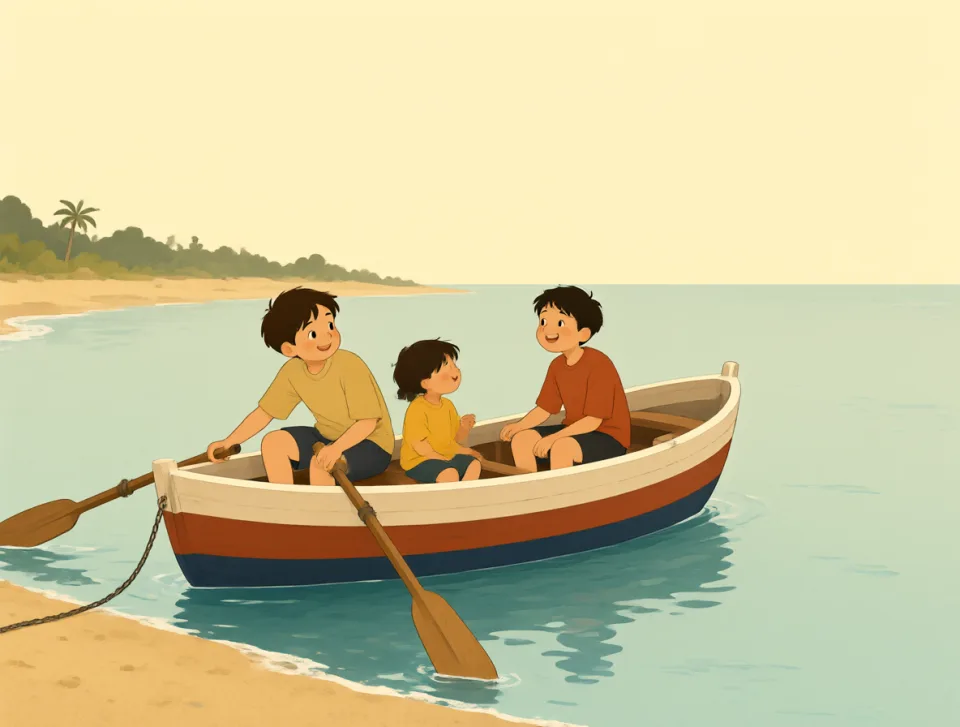
A small boat was floating near the beach after the storm.
तूफ़ान के बाद समुद्र तट के पास एक छोटी नाव तैर रही थी।
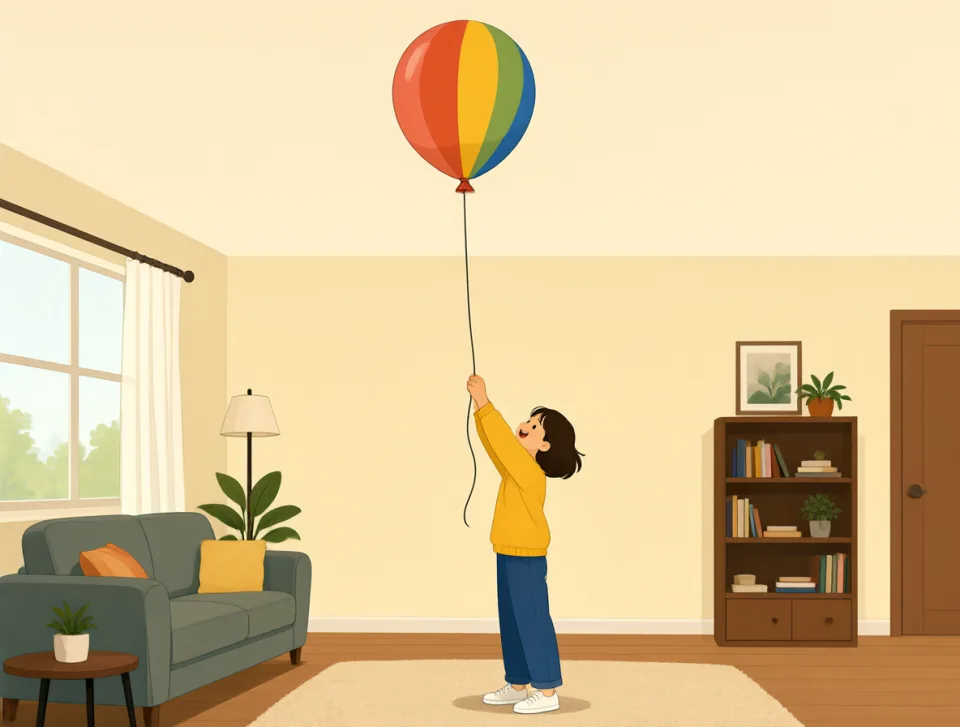
The balloon floated up to the ceiling during the birthday party.
जन्मदिन की पार्टी के दौरान गुब्बारा तैरता हुआ छत तक जा पहुँचा।
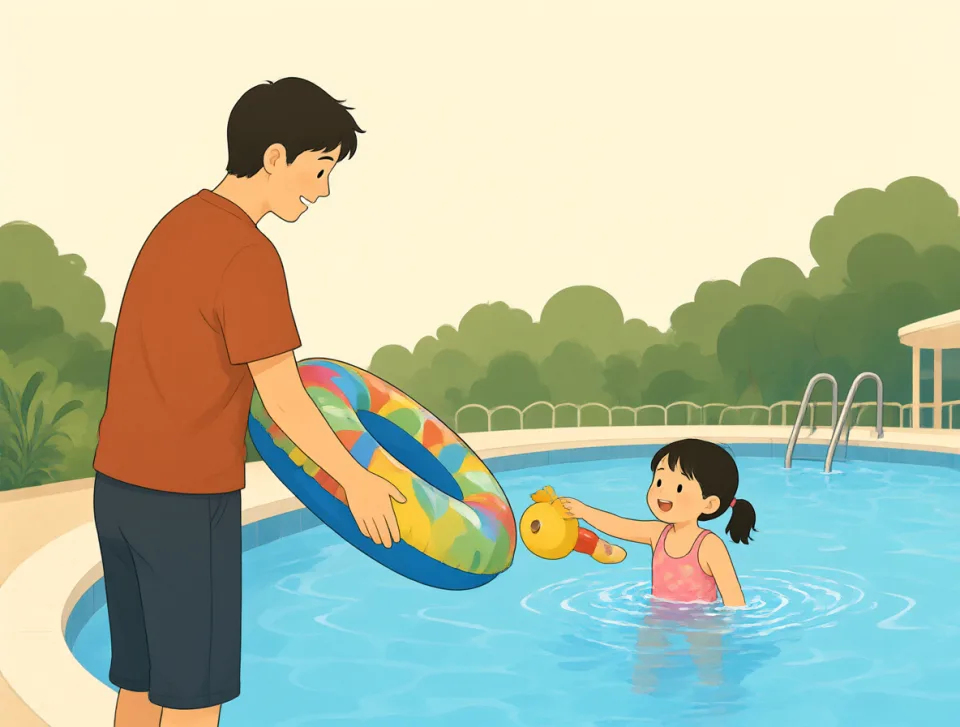
We bought a comfortable float for the children at the water park.
हमने वाटर पार्क में बच्चों के लिए एक आरामदायक तैरने वाला फ्लोट खरीदा।
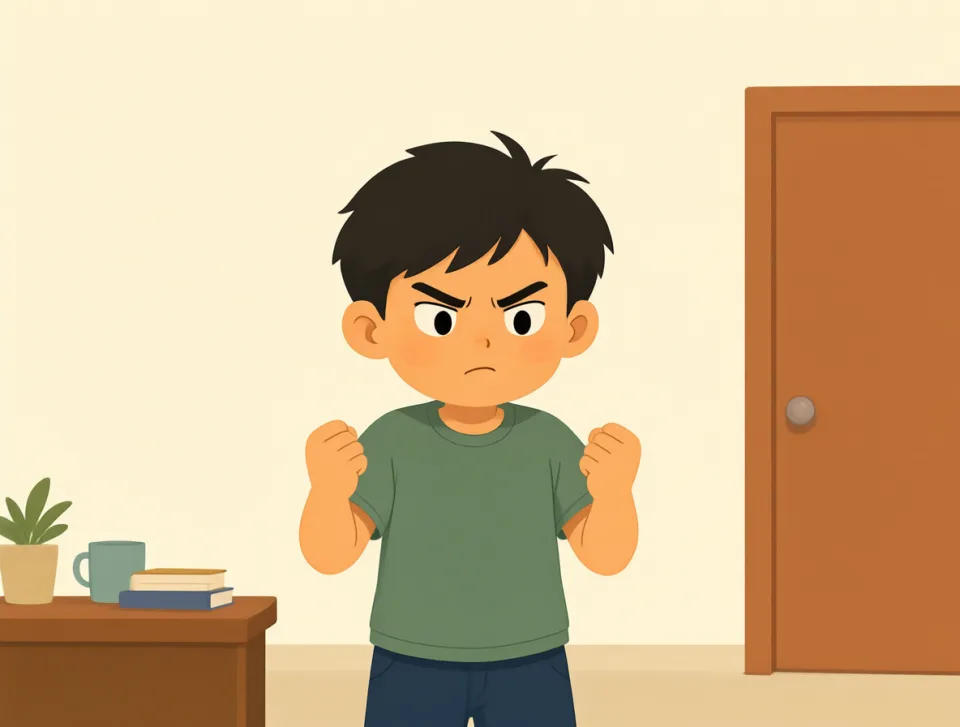
mad
#2417adjective
गुस्से में
angry, annoyed, or mentally ill, depending on the situation
परिस्थिति के अनुसार, नाराज़ या चिढ़ा हुआ; या मानसिक रूप से बीमार

She was mad at me for forgetting her birthday.
उसका जन्मदिन भूल जाने पर वह मुझसे नाराज़ थी।
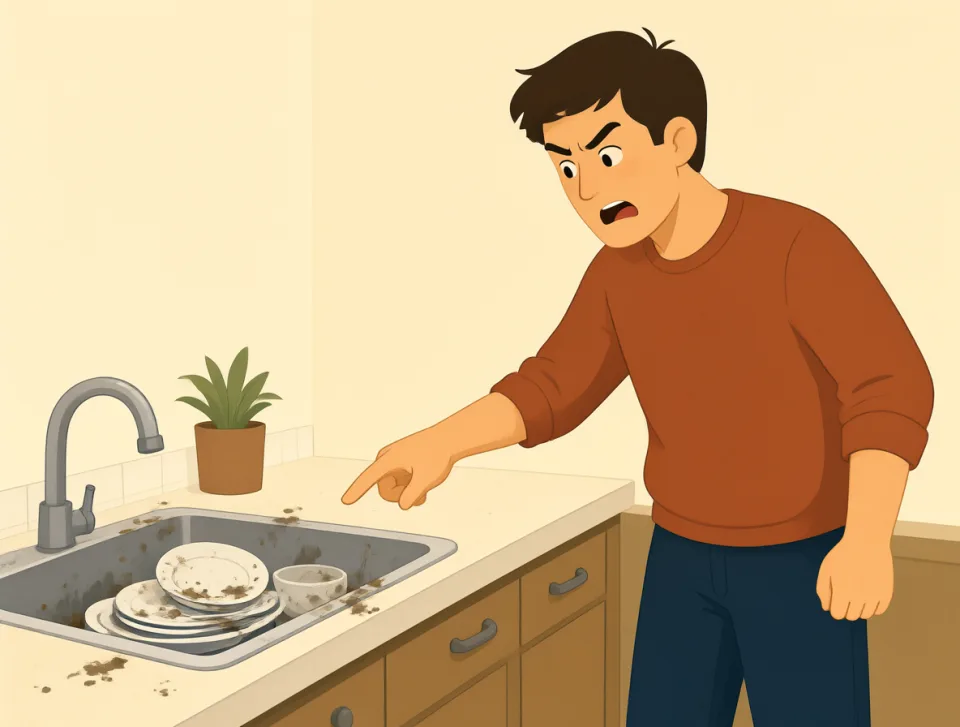
My dad gets mad when people leave dirty dishes in the sink.
जब लोग सिंक में गंदे बर्तन छोड़ देते हैं, तो मेरे पापा नाराज़ हो जाते हैं।
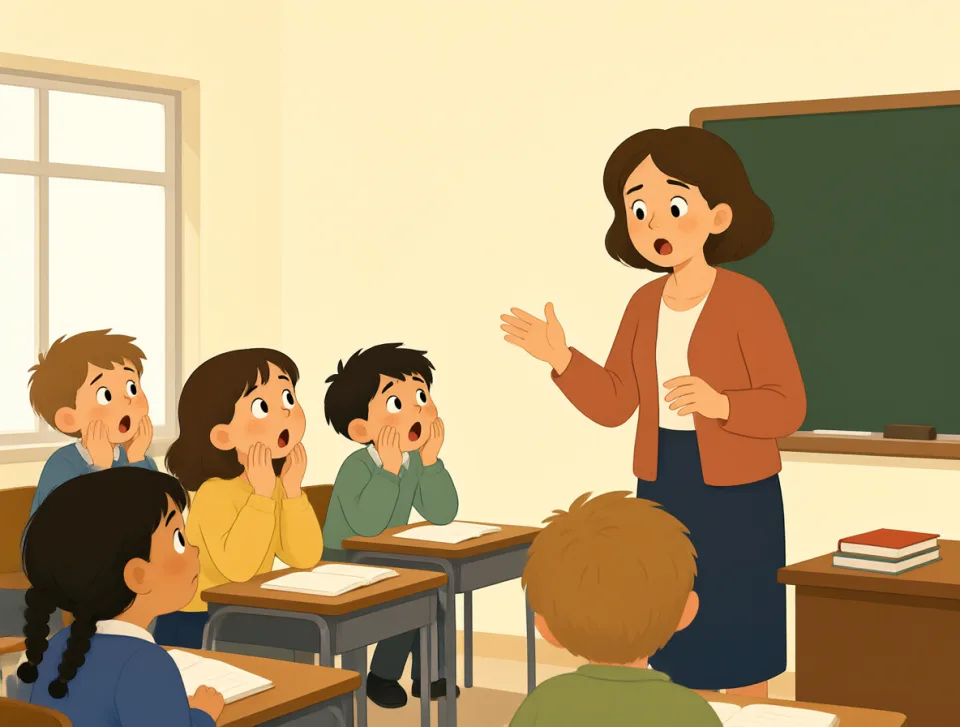
The children went mad when the teacher canceled their trip.
जब शिक्षक ने उनकी यात्रा रद्द कर दी, तो बच्चे बहुत भड़क गए।
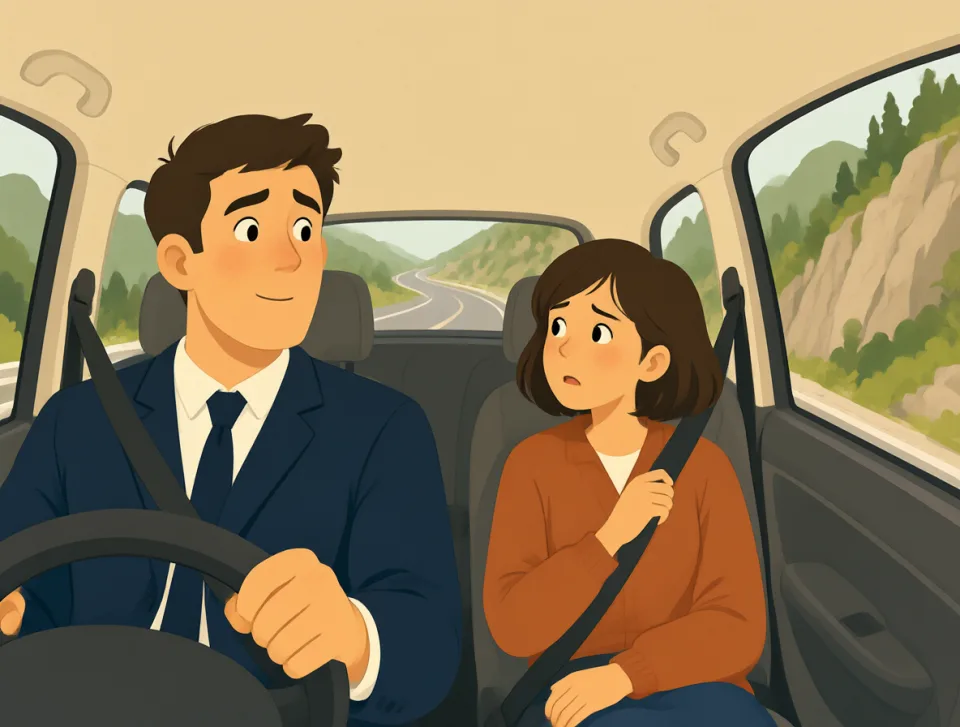
He must be mad to drive so fast on this narrow mountain road.
इस संकरी पहाड़ी सड़क पर इतनी तेज़ गाड़ी चलाने वाला ज़रूर पागल होगा।

The dog went mad with excitement when its owner came home.
मालिक के घर लौटने पर कुत्ता खुशी से बेकाबू हो गया।

greatly
#2418adverb
बहुत ज़्यादा
Very much; to a great degree.
बहुत अधिक; बड़ी मात्रा या हद तक।
The new medicine greatly improved my grandmother’s health.
नई दवा से मेरी दादी की सेहत में बहुत सुधार हुआ।

We greatly enjoyed our weekend trip to the mountains.
हमें पहाड़ों की सप्ताहांत यात्रा बहुत अच्छी लगी।
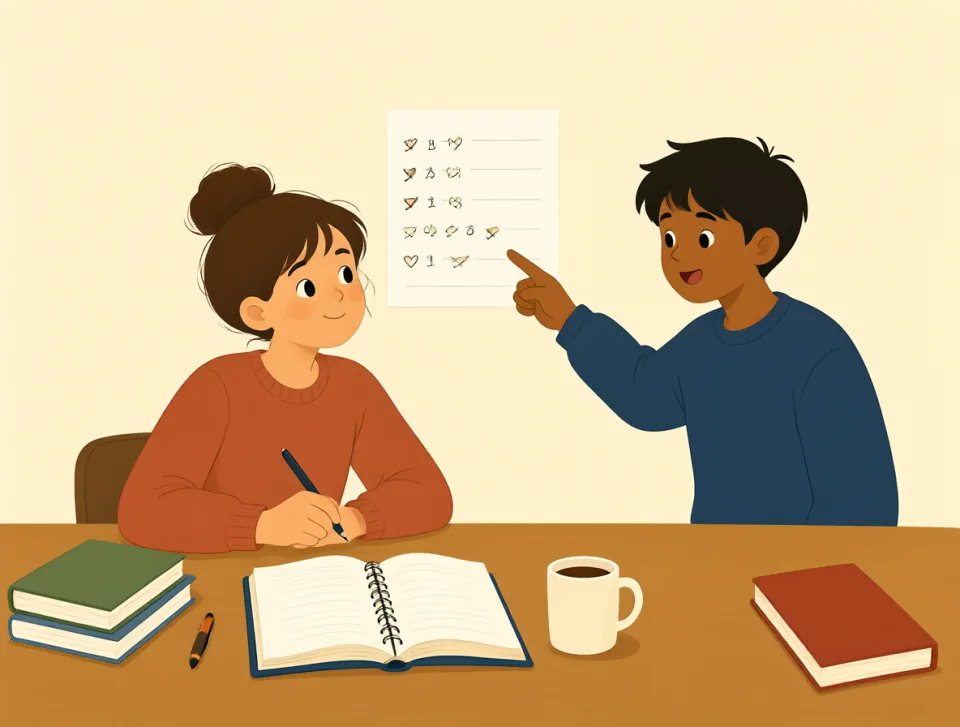
Your advice greatly helped me prepare for the difficult exam.
मुश्किल परीक्षा की तैयारी में तुम्हारी सलाह से मुझे बहुत मदद मिली।

The store’s lower prices greatly increased the number of customers.
दुकान में कीमतें कम होने से ग्राहकों की संख्या में बहुत बढ़ोतरी हुई।
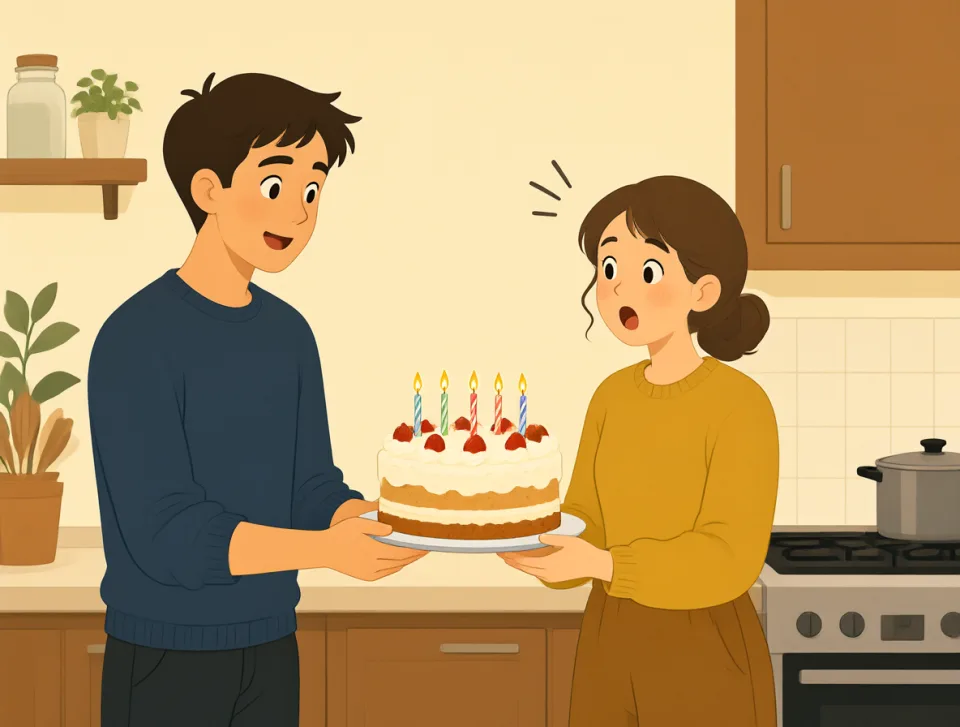
I was greatly surprised when my friends brought me a birthday cake.
जब मेरे दोस्तों ने मेरे लिए जन्मदिन का केक लाया, तो मुझे बहुत हैरानी हुई।
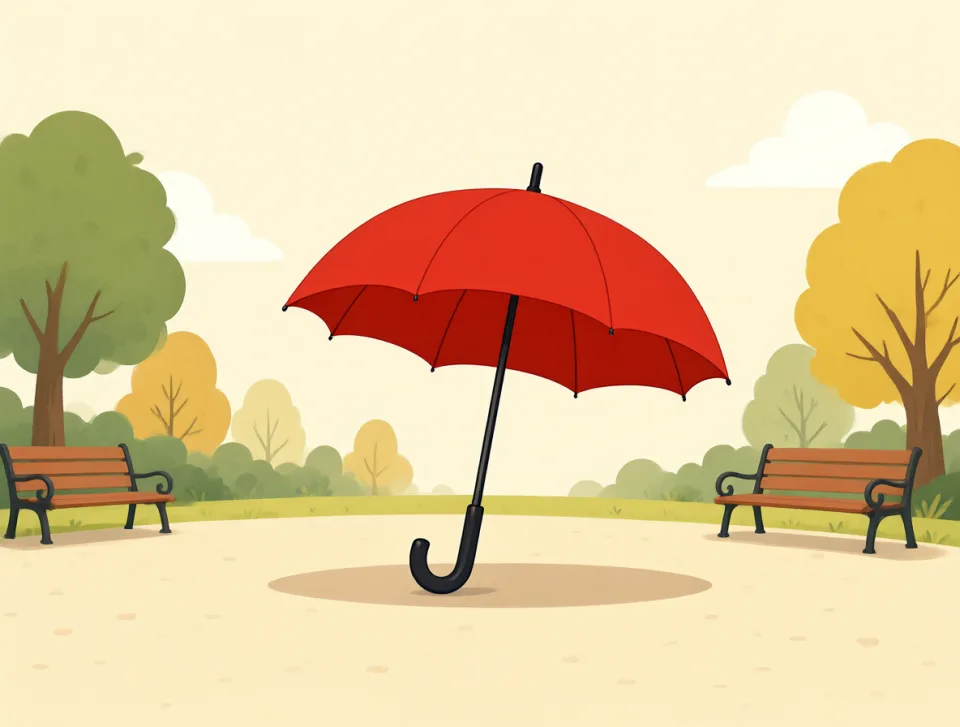
visible
#2419adjective
दिखाई देने वाला
Able to be seen or noticed.
जिसे देखा या महसूस किया जा सके।

The mountains were clearly visible from our hotel window.
हमारे होटल की खिड़की से पहाड़ साफ़ दिखाई दे रहे थे।
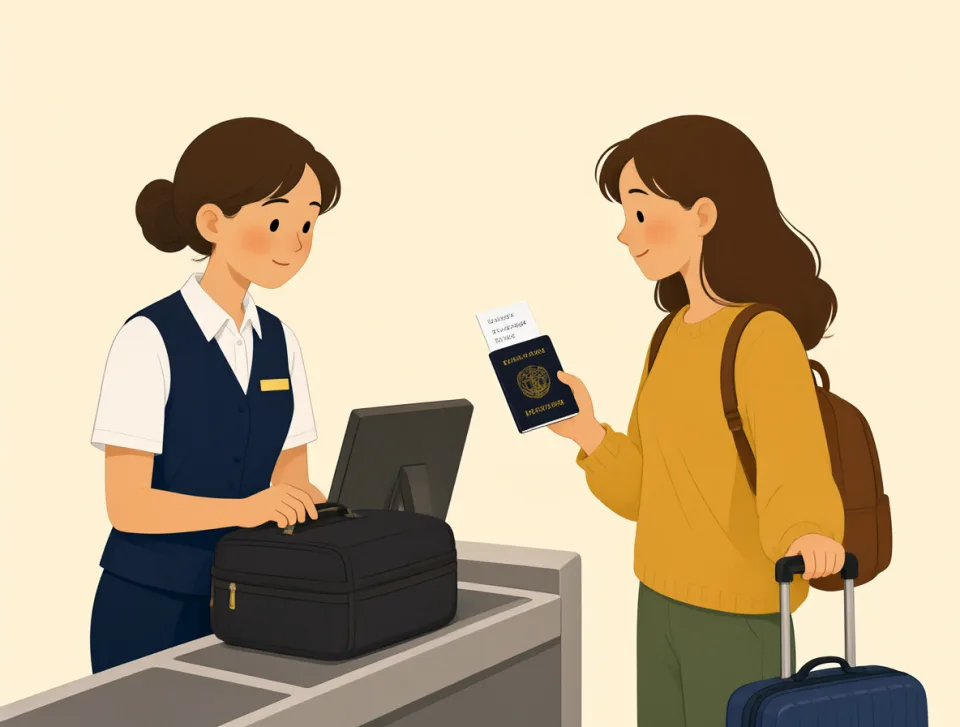
Please keep your passport visible while we check your bags.
जब तक हम आपके बैग जाँचते हैं, कृपया अपना पासपोर्ट ऐसी जगह रखें जहाँ वह दिखाई देता रहे।
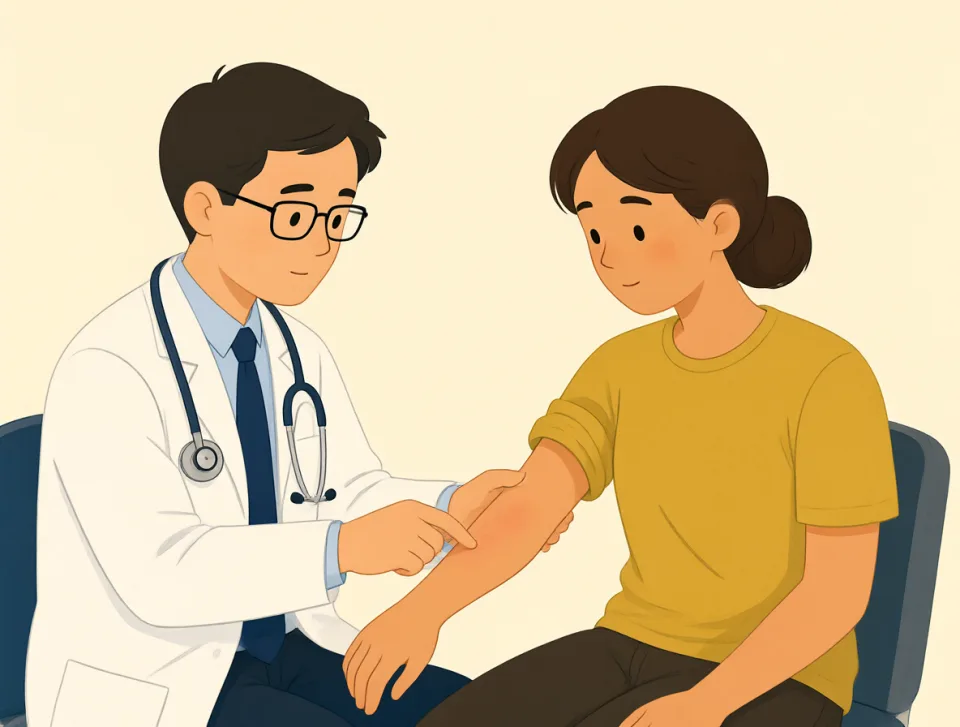
The doctor found no visible signs of infection.
डॉक्टर को संक्रमण के कोई दिखाई देने वाले लक्षण नहीं मिले।
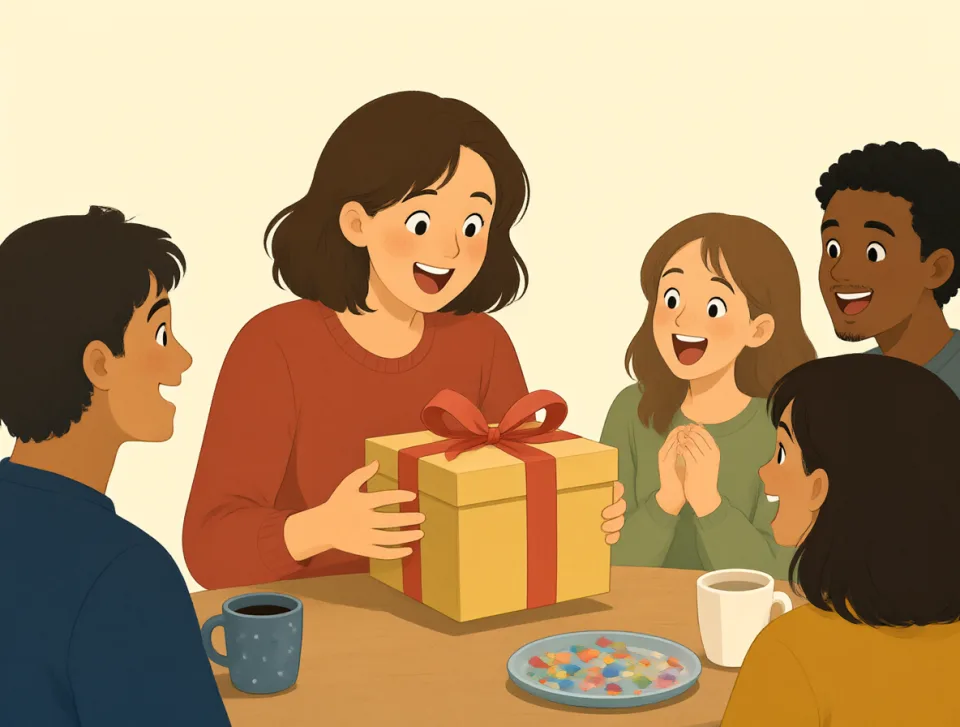
Her excitement was visible when she opened the birthday gift.
जन्मदिन का तोहफ़ा खोलते समय उसकी खुशी साफ़ झलक रही थी।

The stars became visible after the clouds moved away.
बादल हटने के बाद तारे दिखाई देने लगे।
electric
#2420adjective
विद्युत से चलने वाला
using or producing electricity
बिजली का इस्तेमाल करने वाला या बिजली पैदा करने वाला
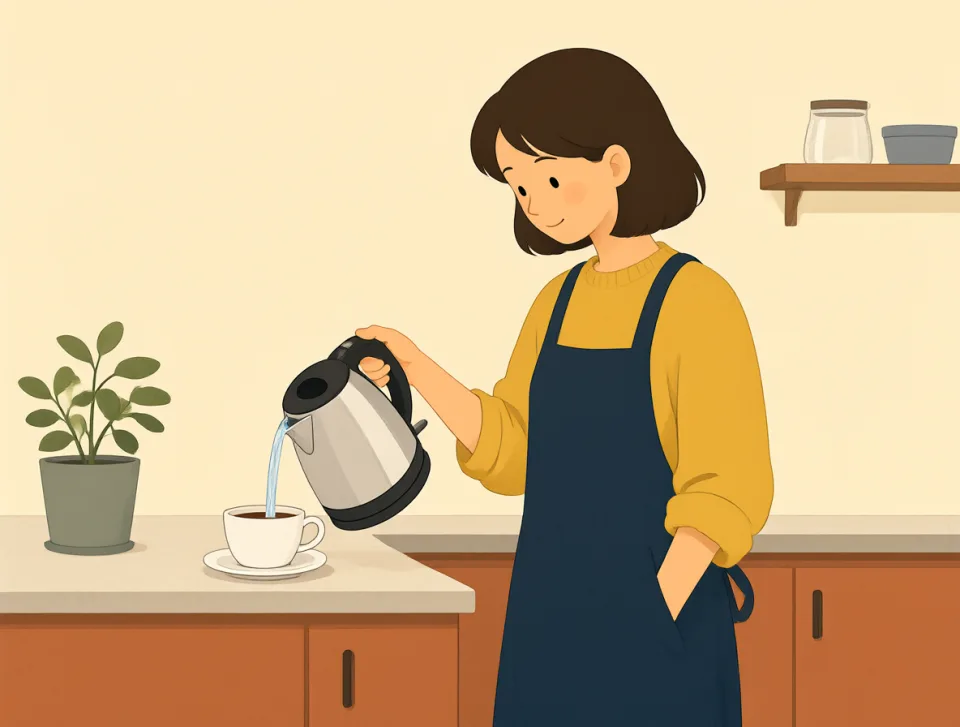
We bought an electric kettle to boil water quickly in the morning.
सुबह पानी जल्दी उबालने के लिए हमने बिजली की केतली खरीदी।
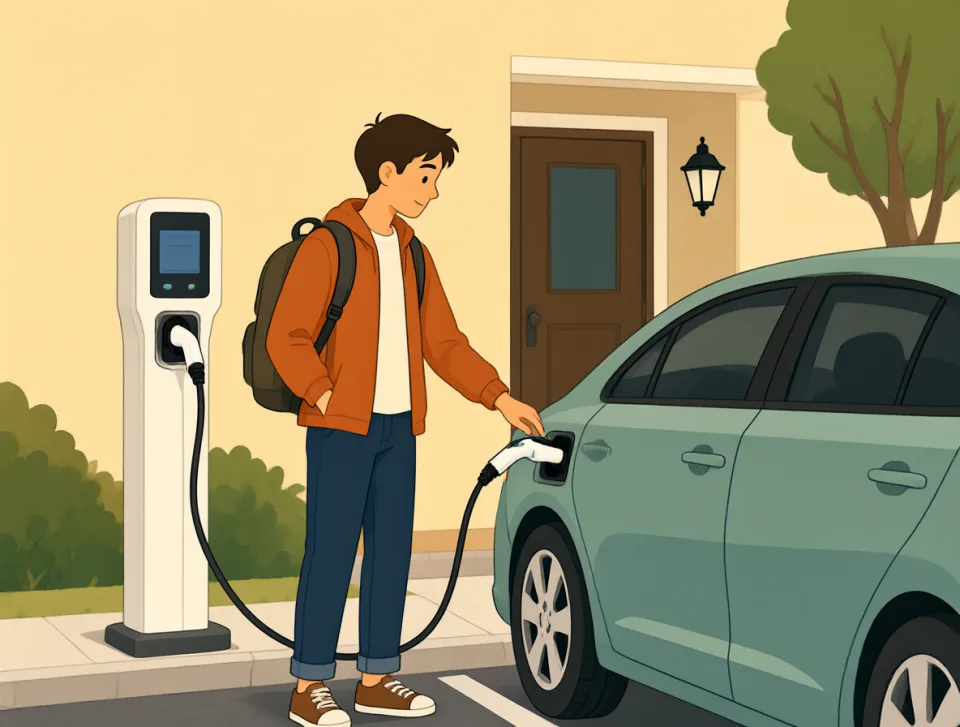
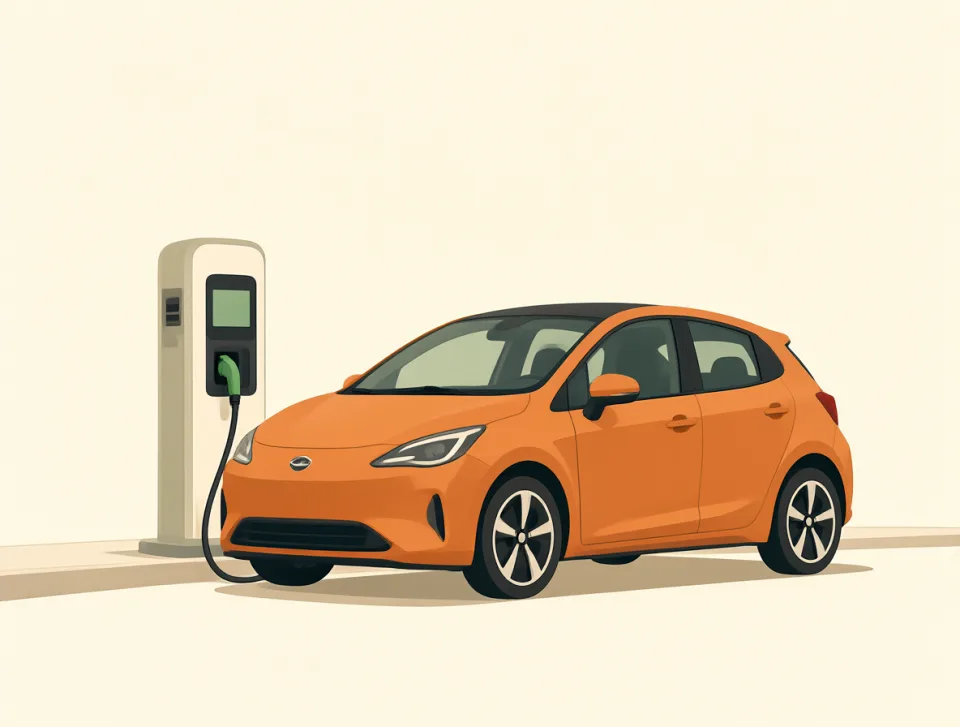
The electric car needs charging before we drive to the airport.
हवाई अड्डे तक गाड़ी चलाकर जाने से पहले इलेक्ट्रिक कार को चार्ज करना होगा।
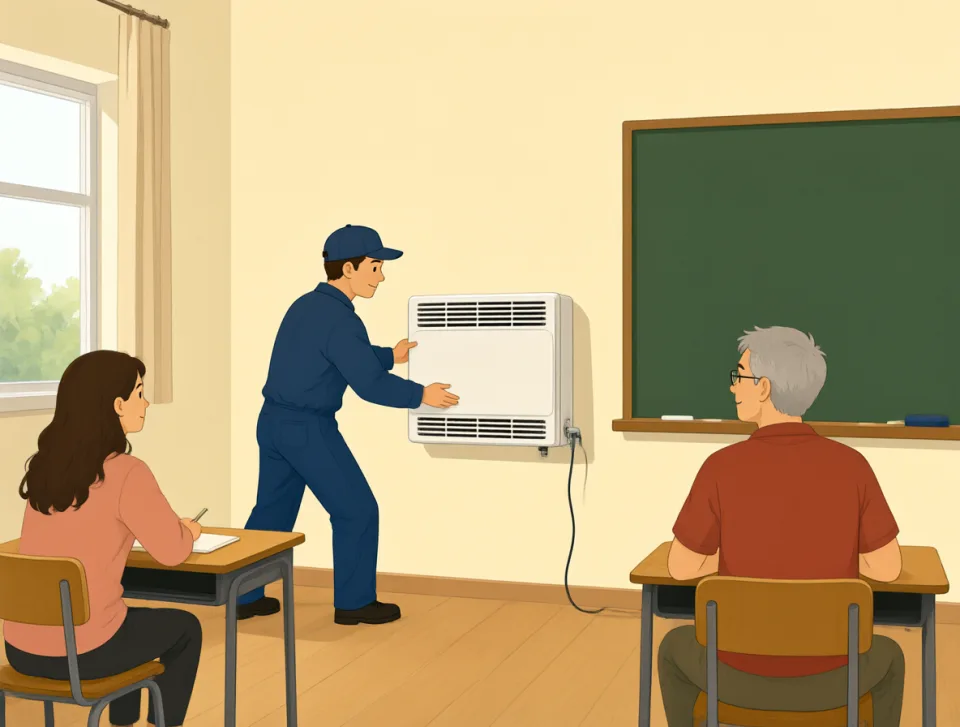
The school replaced its old heating system with an electric one.
स्कूल ने अपने पुराने हीटिंग सिस्टम की जगह बिजली से चलने वाला सिस्टम लगाया।
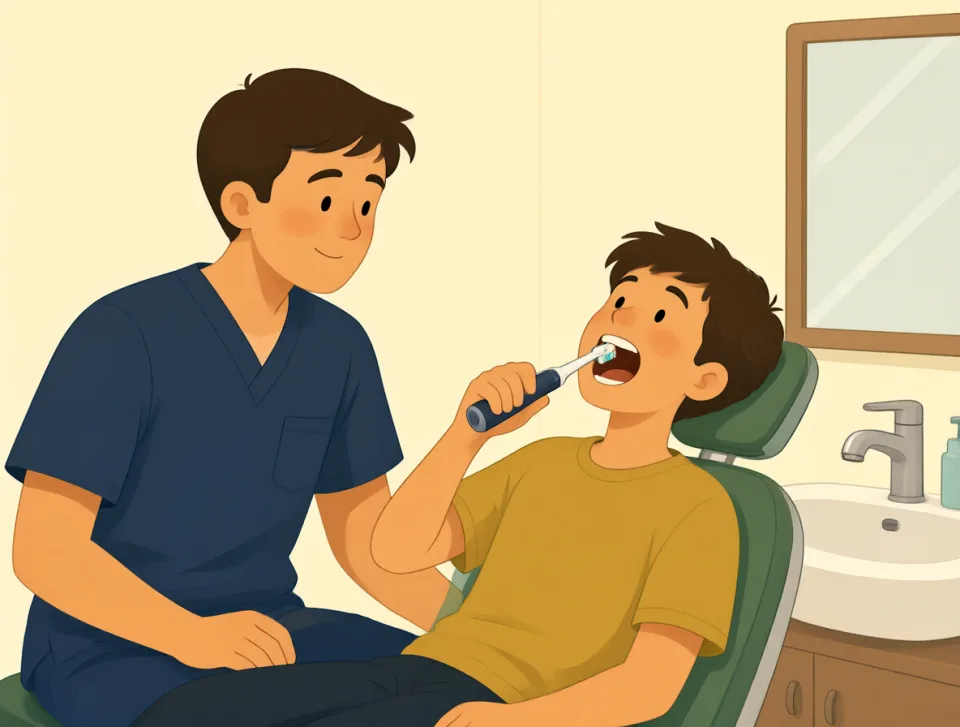
The dentist used an electric toothbrush to clean my teeth.
दाँत साफ़ करने के लिए दंत चिकित्सक ने इलेक्ट्रिक टूथब्रश का इस्तेमाल किया।
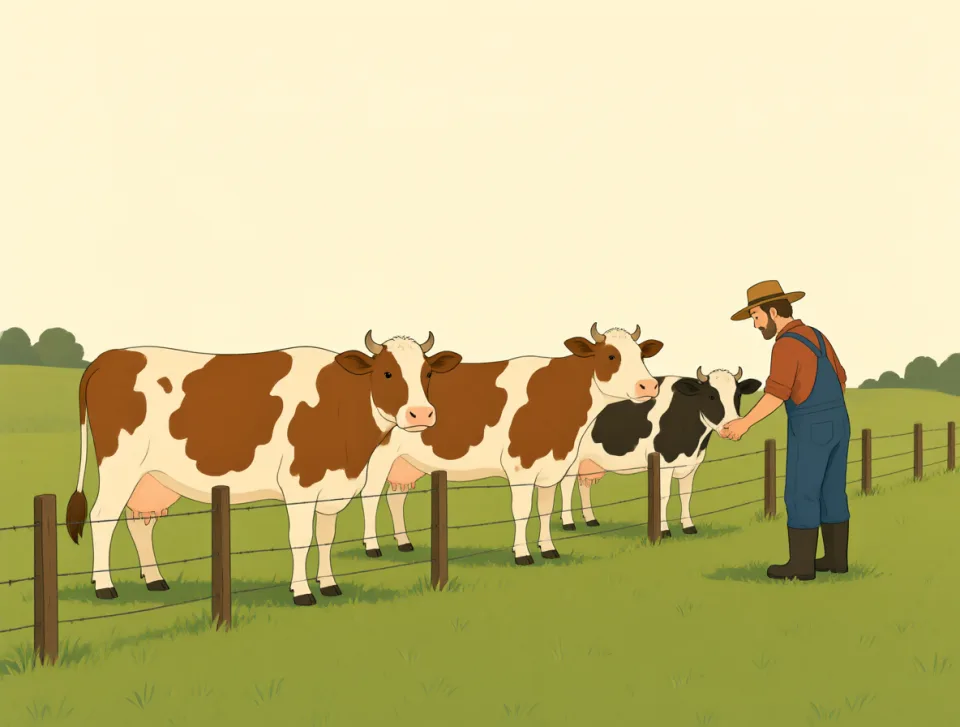
An electric fence keeps the animals safely inside the field.
बिजली की बाड़ जानवरों को सुरक्षित रूप से खेत के अंदर रखती है।