इकाई 115
शब्द 2281–2300 · sponsor, boot, accurate, dealer, button, burden
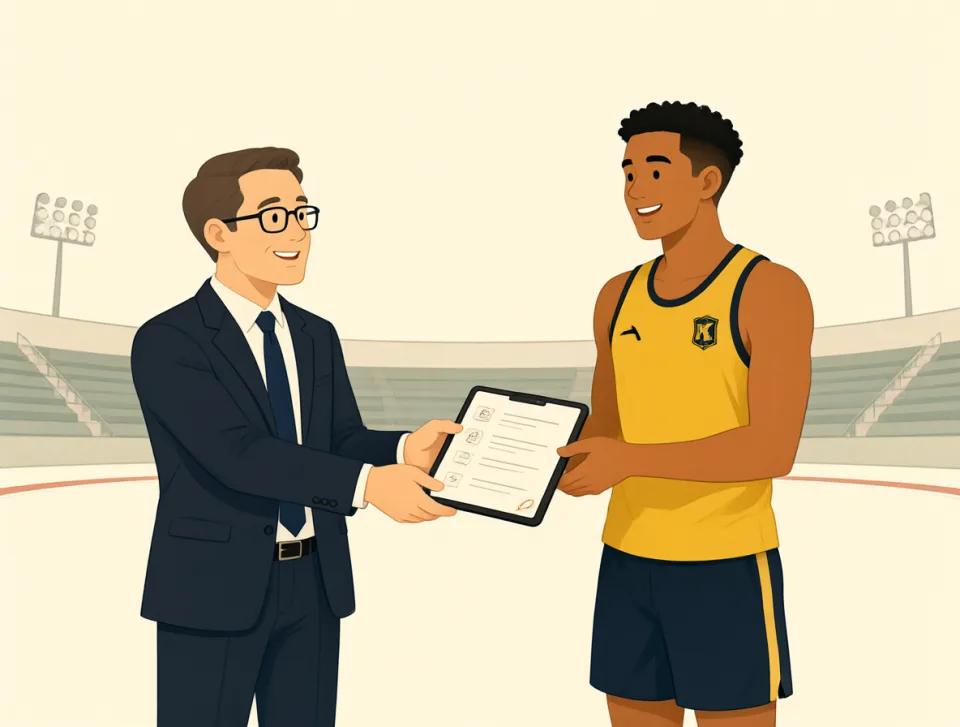
sponsor
#2281noun, verb
प्रायोजक
A person or company that supports an event, activity, or person with money or other help.
कोई व्यक्ति या कंपनी जो किसी आयोजन, गतिविधि या व्यक्ति को पैसे या अन्य सहायता देती है।
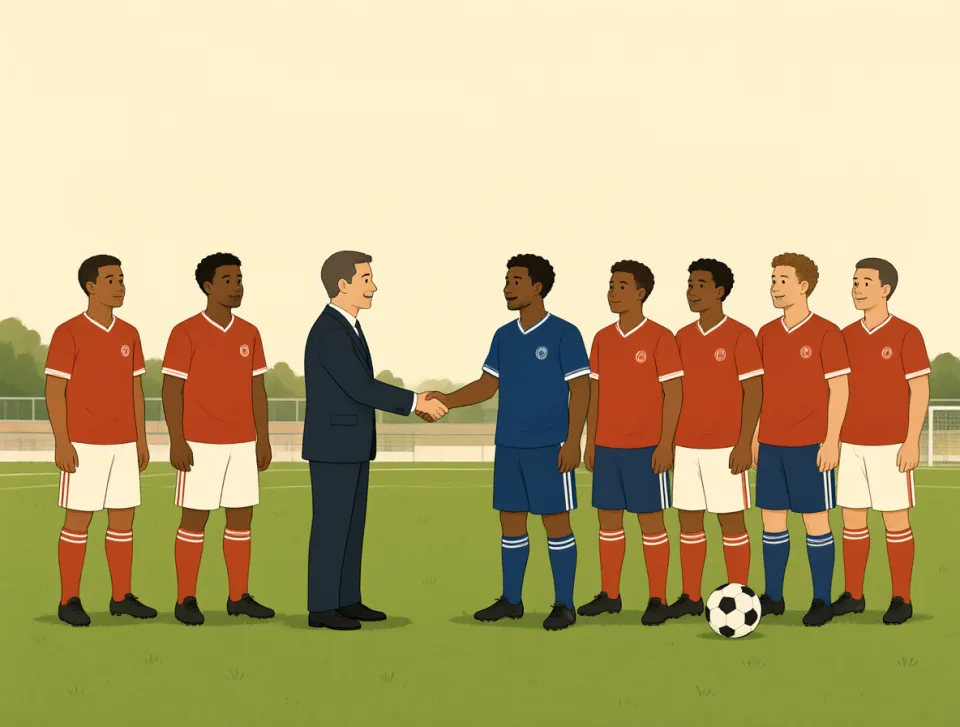
The company is the main sponsor of our local football team.
यह कंपनी हमारी स्थानीय फ़ुटबॉल टीम की मुख्य प्रायोजक है।
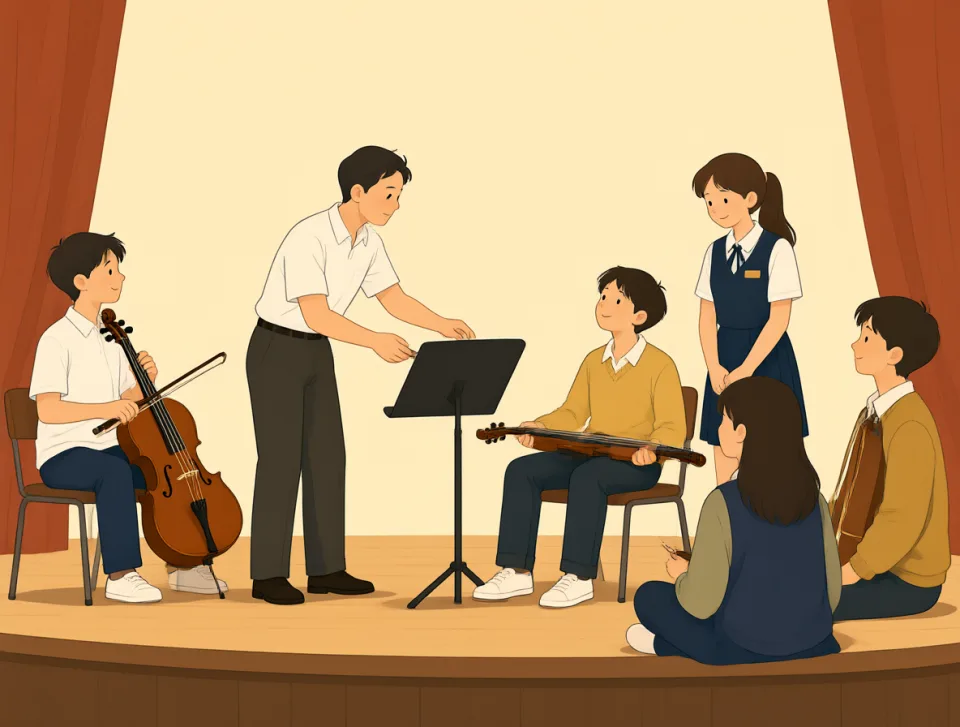
A local business sponsored the school concert last Friday.
पिछले शुक्रवार एक स्थानीय कारोबार ने स्कूल के संगीत समारोह को प्रायोजित किया।
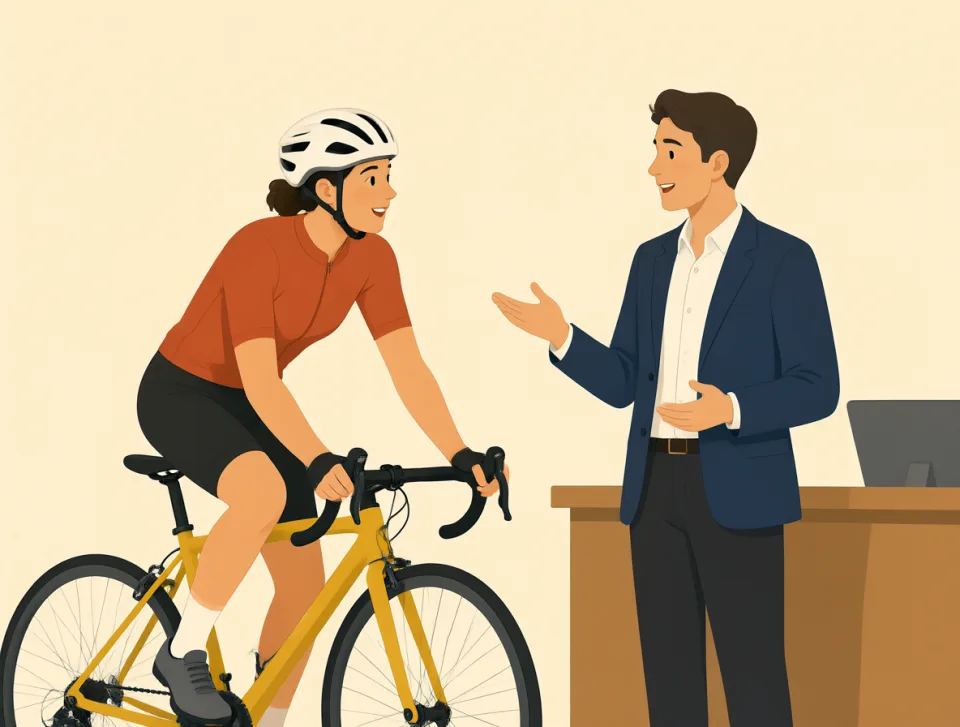
She found a sponsor to help pay for her charity bike ride.
उसे अपनी चैरिटी साइकिल यात्रा का खर्च उठाने में मदद के लिए एक प्रायोजक मिल गया।
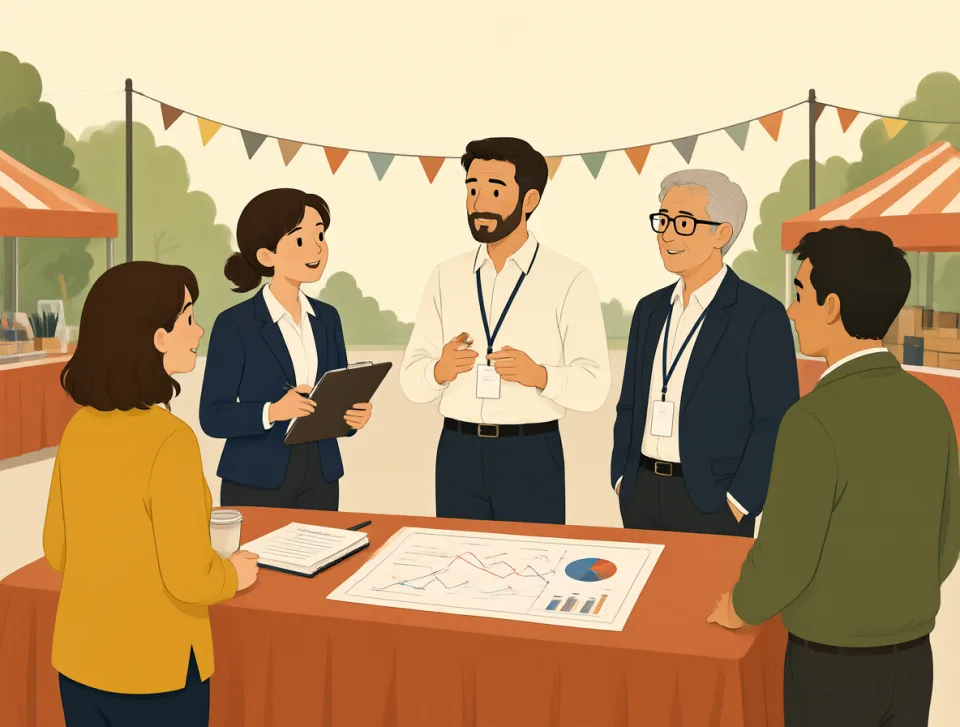
The festival needs more sponsors to cover its rising costs.
बढ़ते खर्चों को पूरा करने के लिए उत्सव को और प्रायोजकों की ज़रूरत है।

The athlete thanked her sponsors after winning the race.
दौड़ जीतने के बाद खिलाड़ी ने अपने प्रायोजकों को धन्यवाद दिया।
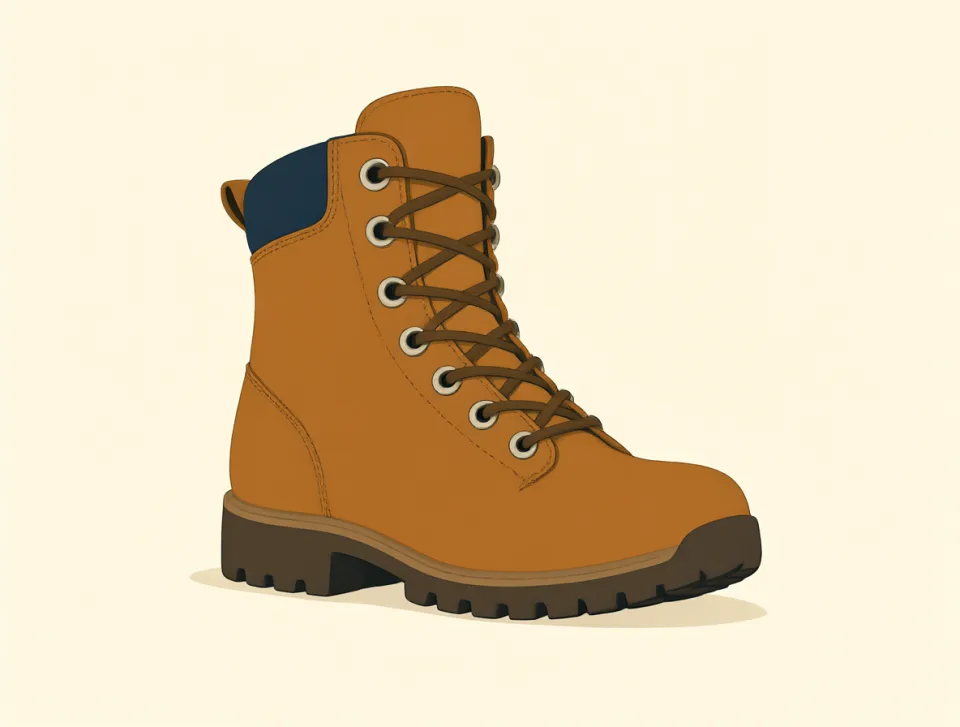
boot
#2282noun, verb
बूट
A strong shoe covering the foot and lower leg; to start a computer or vehicle.
पैर और टखने के निचले हिस्से को ढकने वाला मज़बूत जूता; कंप्यूटर या वाहन चालू करना।
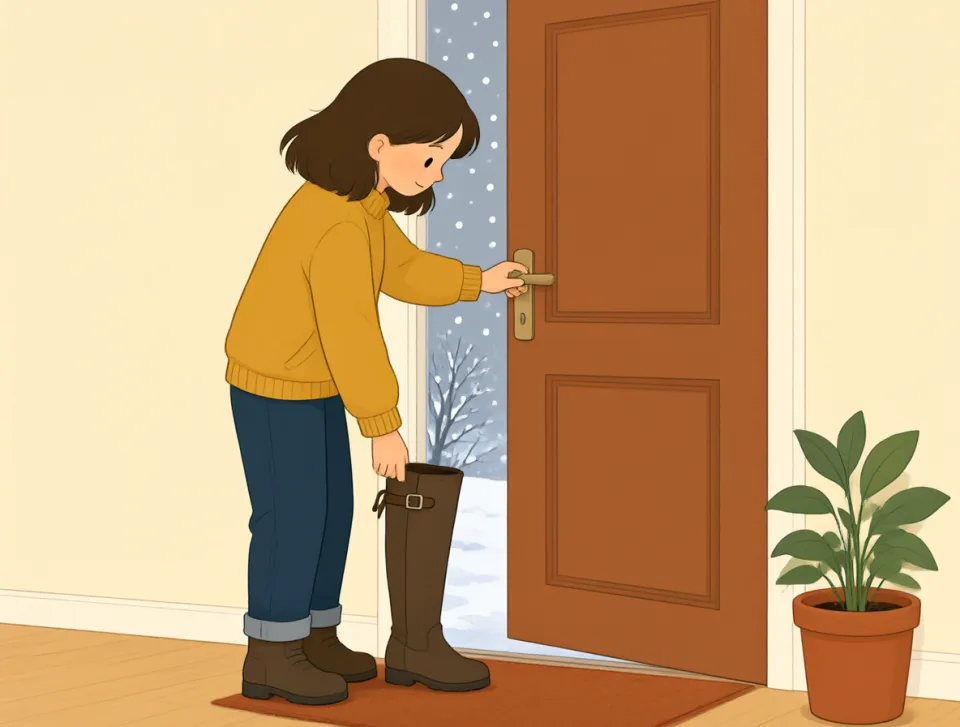
I put on my boots before walking through the deep snow.
गहरी बर्फ़ में चलने से पहले मैंने अपने बूट पहन लिए।
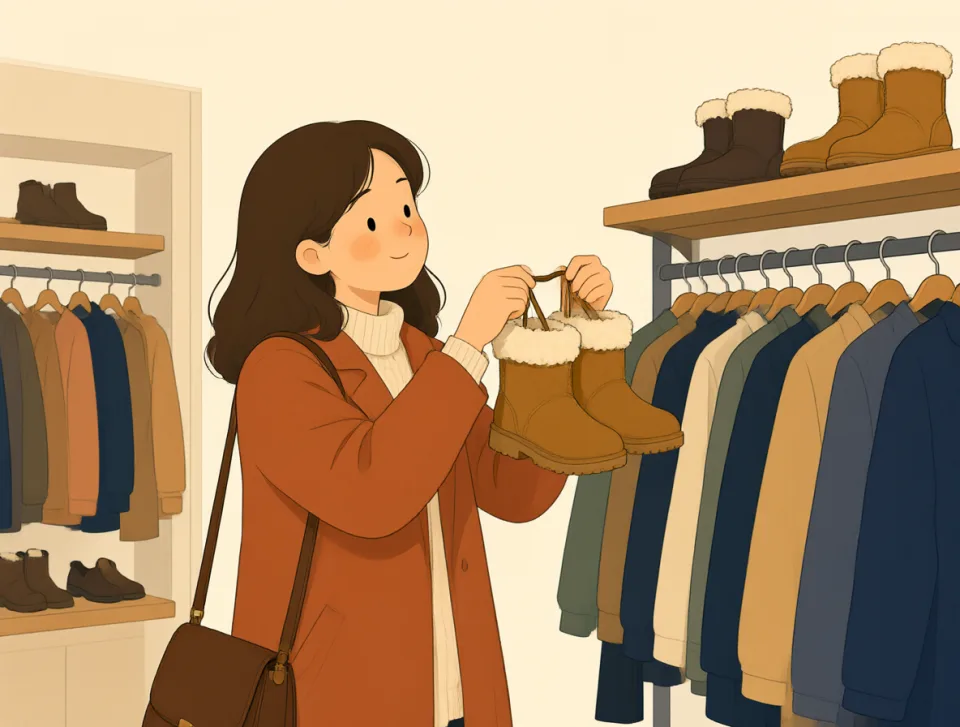
She bought a new pair of boots for the winter.
उसने सर्दियों के लिए नए बूट खरीदे।
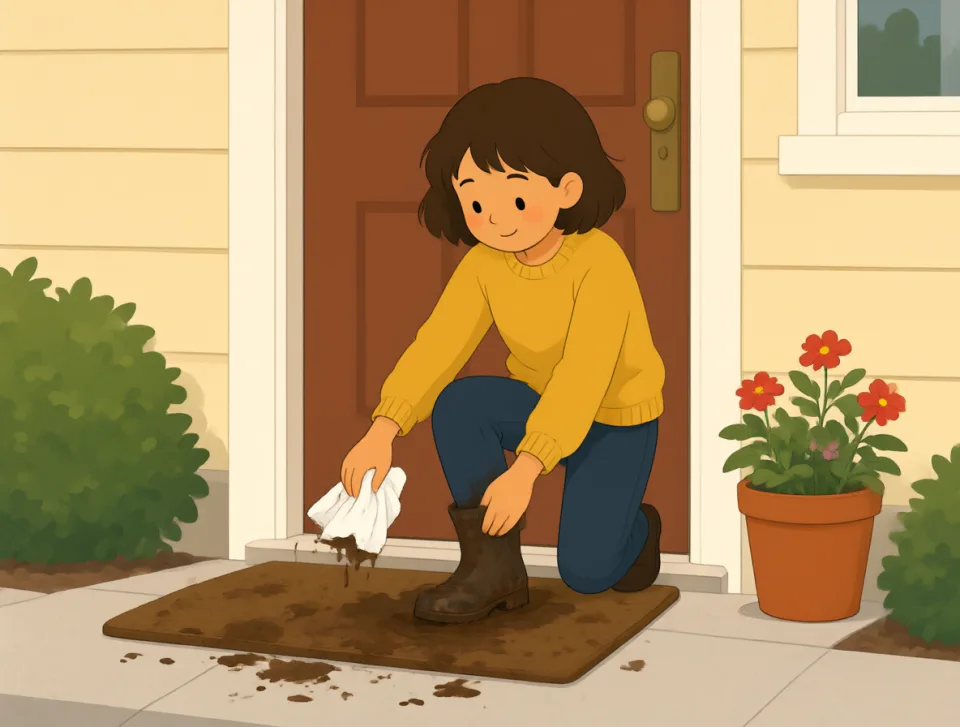
Please wipe your muddy boots before coming into the house.
घर के अंदर आने से पहले अपने कीचड़ लगे बूट पोंछ लीजिए।

The technician booted the computer after installing the new software.
नया सॉफ़्टवेयर इंस्टॉल करने के बाद तकनीशियन ने कंप्यूटर चालू किया।
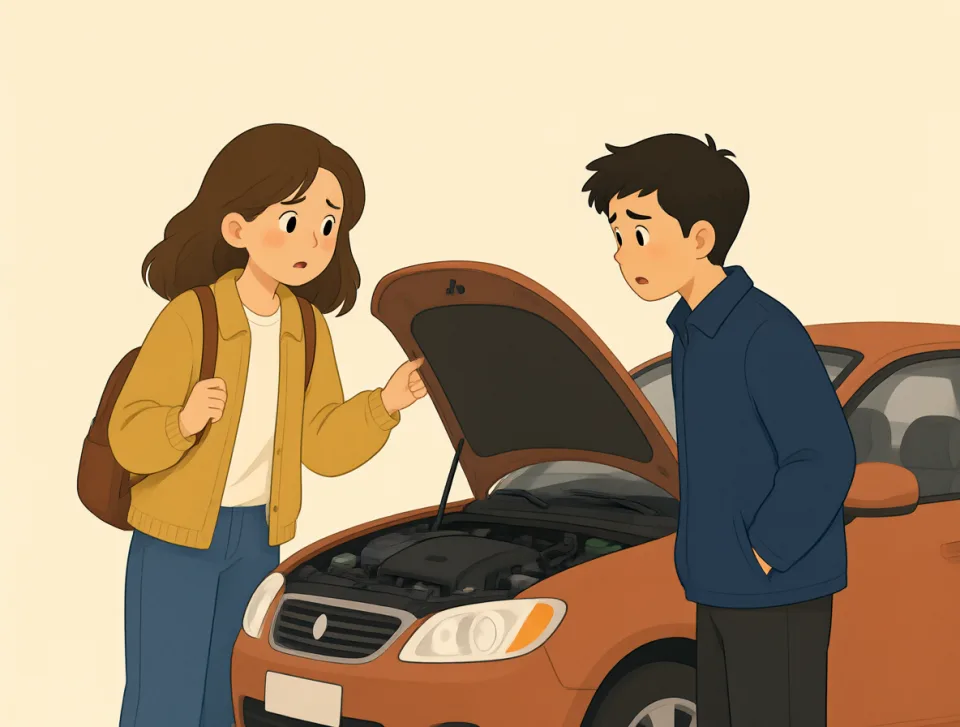
The car would not boot, so we called a mechanic.
कार चालू नहीं हुई, इसलिए हमने मैकेनिक को बुलाया।
accurate
#2283adjective
सटीक
Correct and free from mistakes.
जो सही हो और जिसमें कोई गलती न हो।
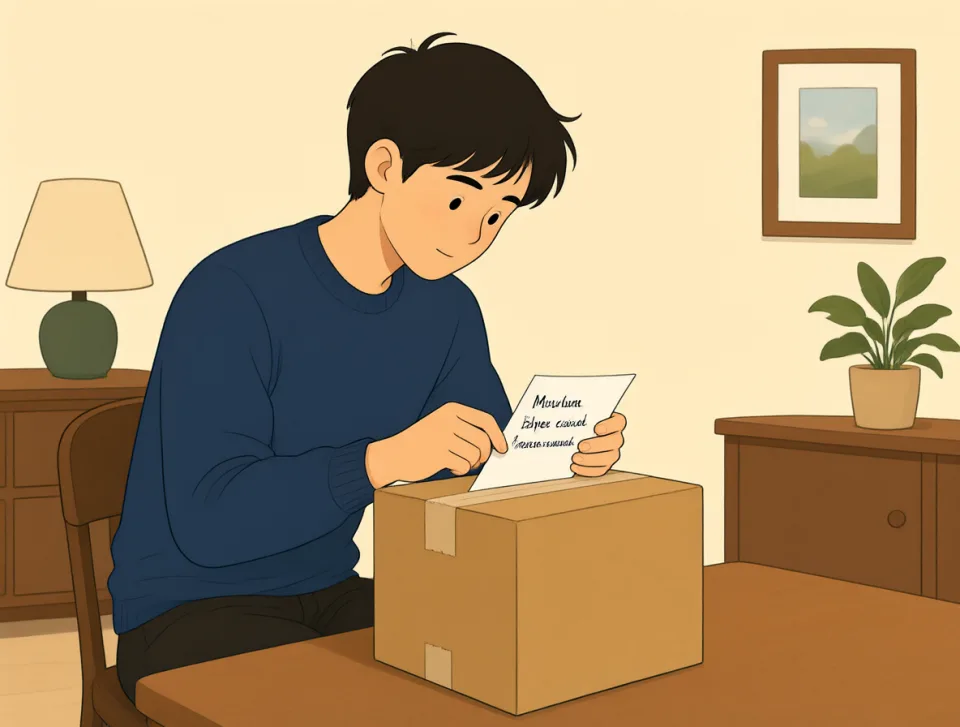
Please make sure the address is accurate before sending the package.
पार्सल भेजने से पहले पक्का कर लें कि पता सही है।
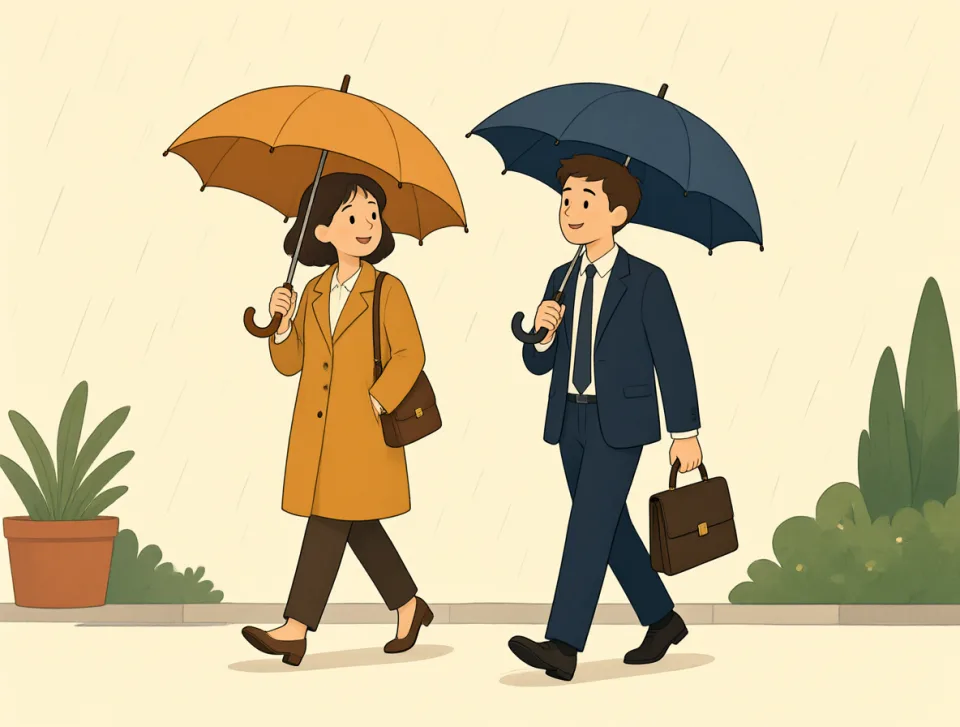
The weather forecast was accurate, so we brought umbrellas to work.
मौसम का पूर्वानुमान सही था, इसलिए हम काम पर छाते लेकर आए।
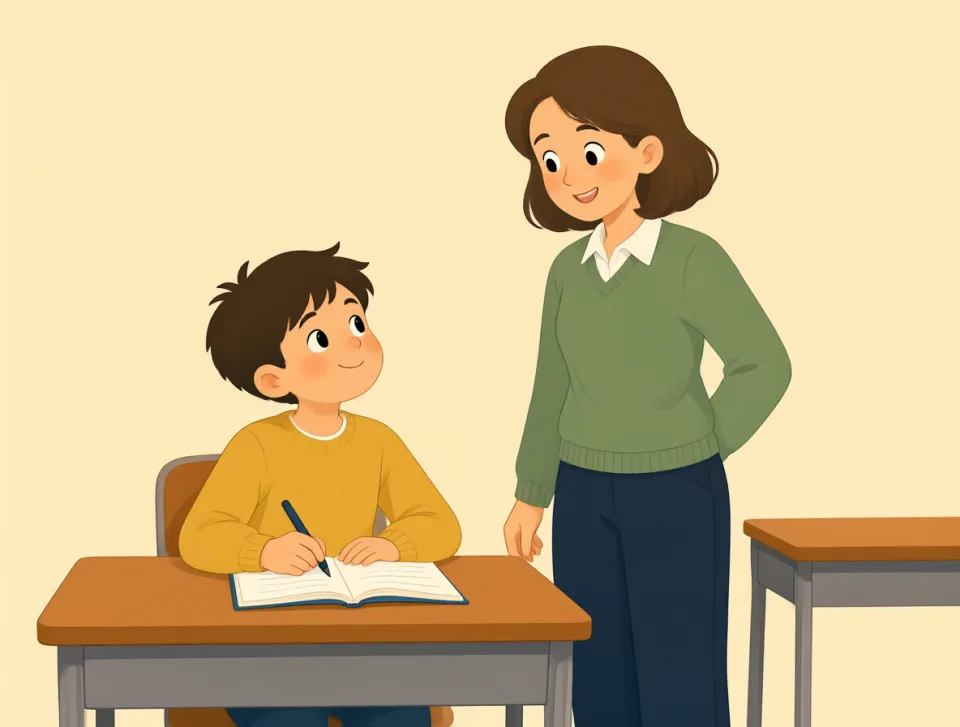
Our teacher praised Mia for giving an accurate answer in class.
हमारे शिक्षक ने कक्षा में सही जवाब देने के लिए Mia की तारीफ़ की।
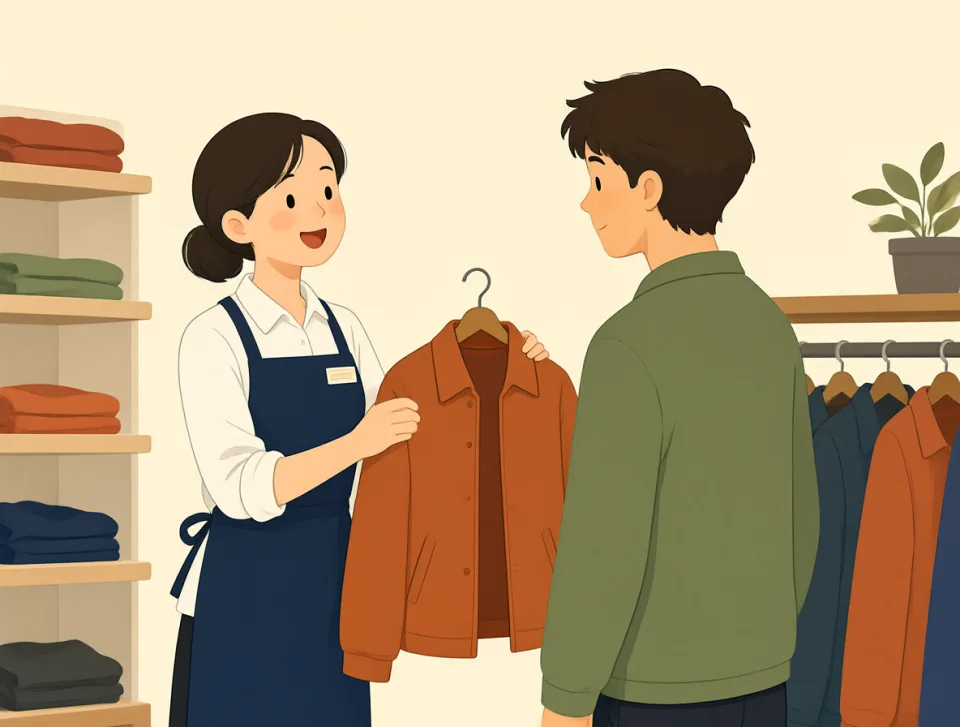
The shop assistant gave me an accurate price for the jacket.
दुकान के सहायक ने मुझे जैकेट की सही कीमत बताई।
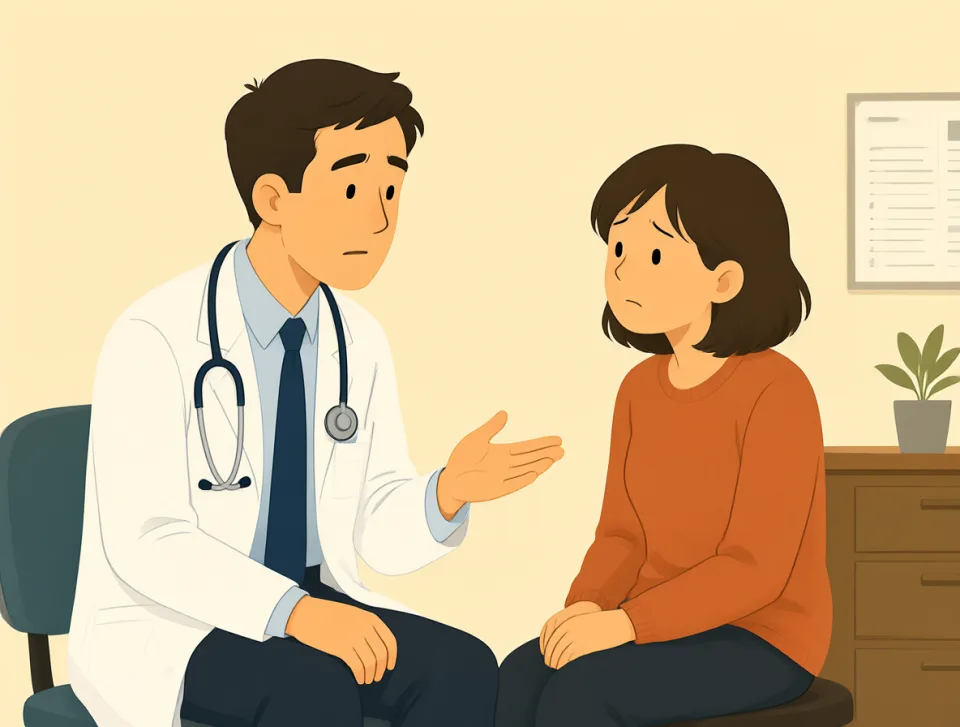
The doctor needs an accurate description of your symptoms.
डॉक्टर को आपके लक्षणों का सटीक विवरण चाहिए।
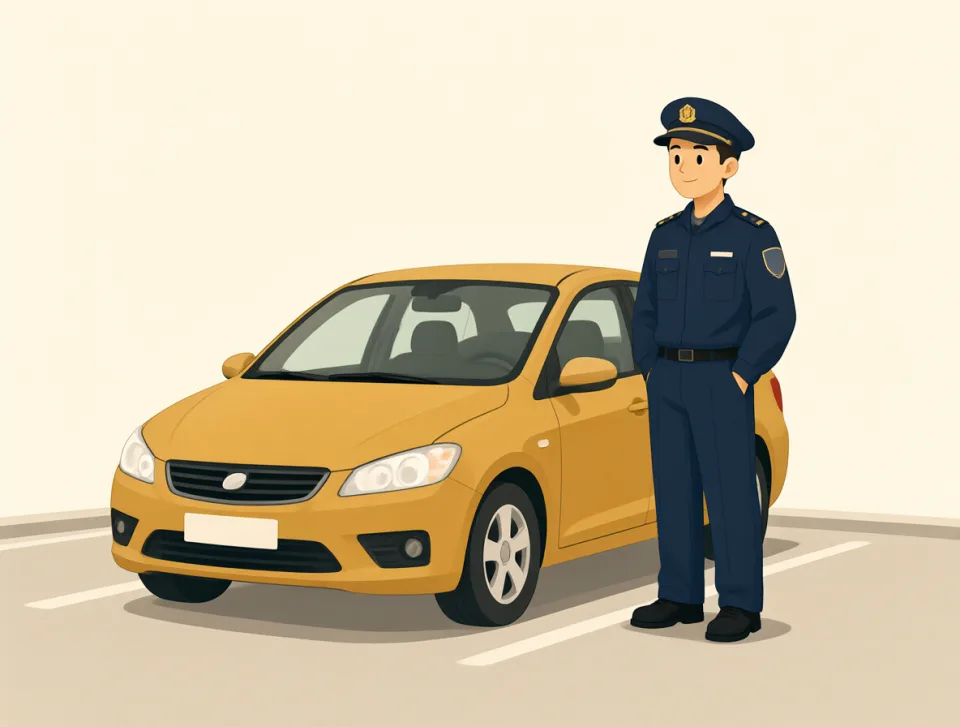
dealer
#2284noun
विक्रेता
A person or business that sells a particular product, especially cars, drugs, or playing cards.
कोई व्यक्ति या कारोबार जो कोई खास उत्पाद बेचता है, विशेषकर कारें, नशीले पदार्थ या ताश के पत्ते।
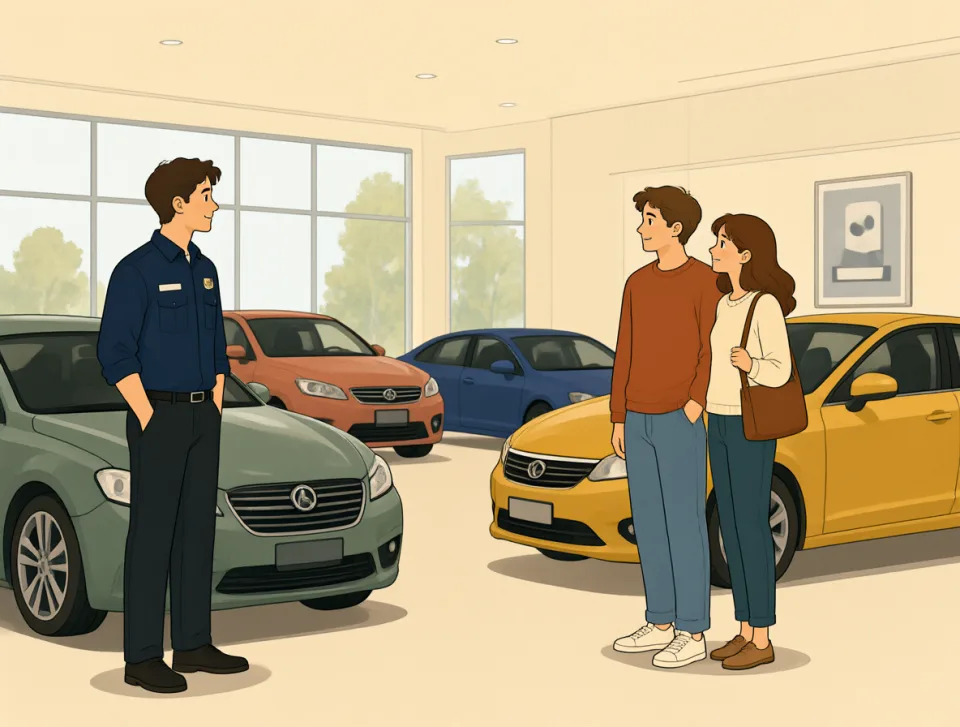
The car dealer showed us several reliable family cars.
कार विक्रेता ने हमें परिवार के लिए कई भरोसेमंद कारें दिखाईं।
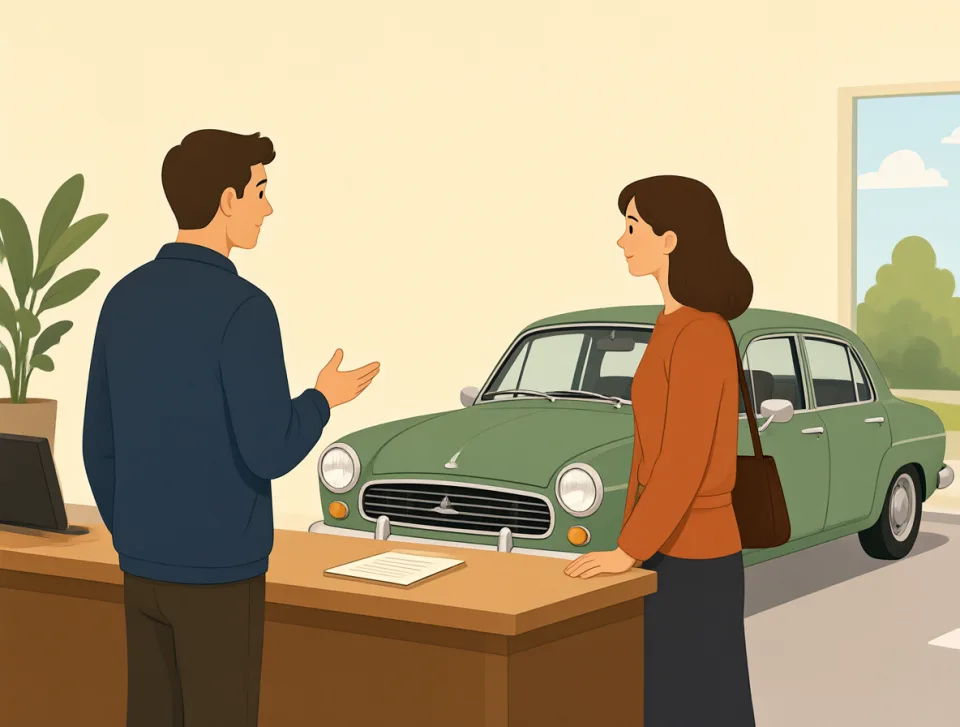
The dealer offered me a fair price for my old car.
विक्रेता ने मेरी पुरानी कार के लिए मुझे उचित कीमत देने की पेशकश की।
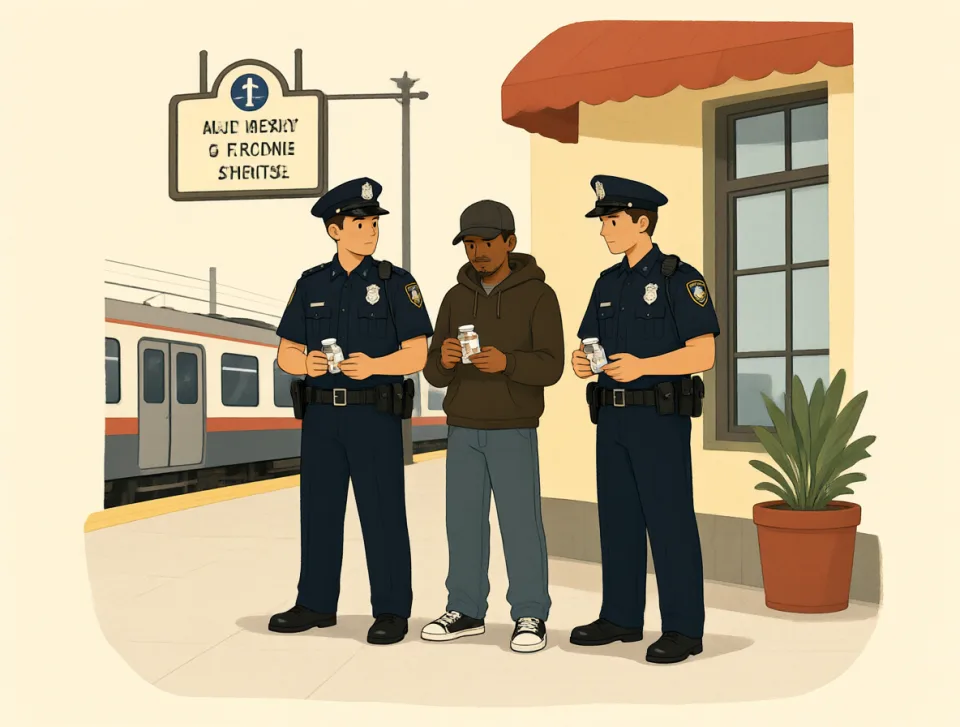
Police arrested a drug dealer near the train station.
पुलिस ने रेलवे स्टेशन के पास एक नशीले पदार्थों के विक्रेता को गिरफ़्तार किया।
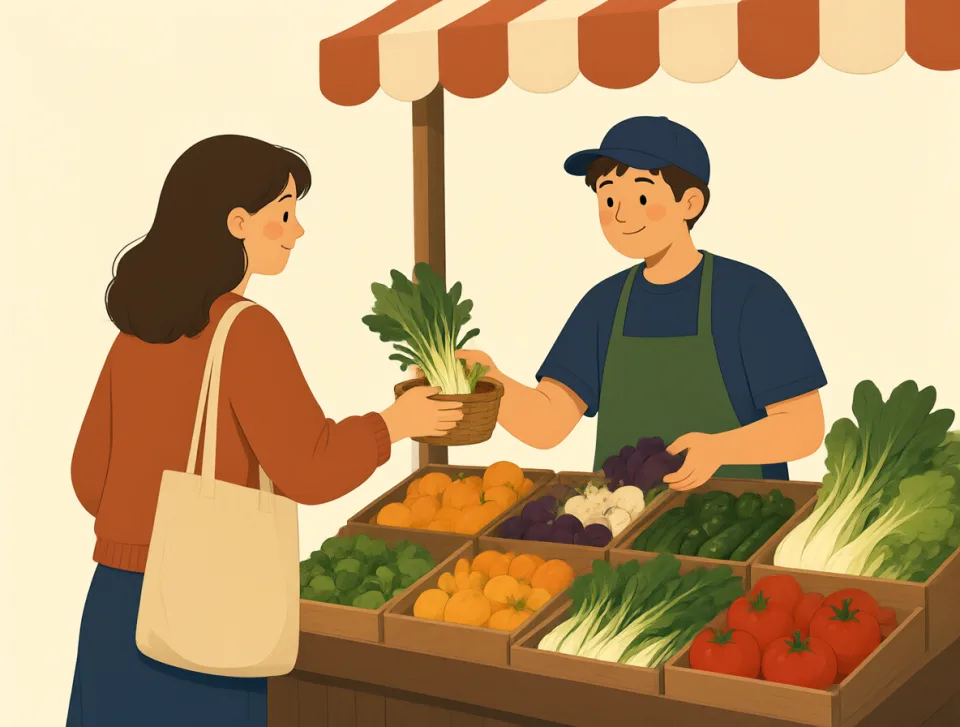
We bought fresh vegetables from a local dealer at the market.
हमने बाज़ार में एक स्थानीय विक्रेता से ताज़ी सब्ज़ियाँ खरीदीं।
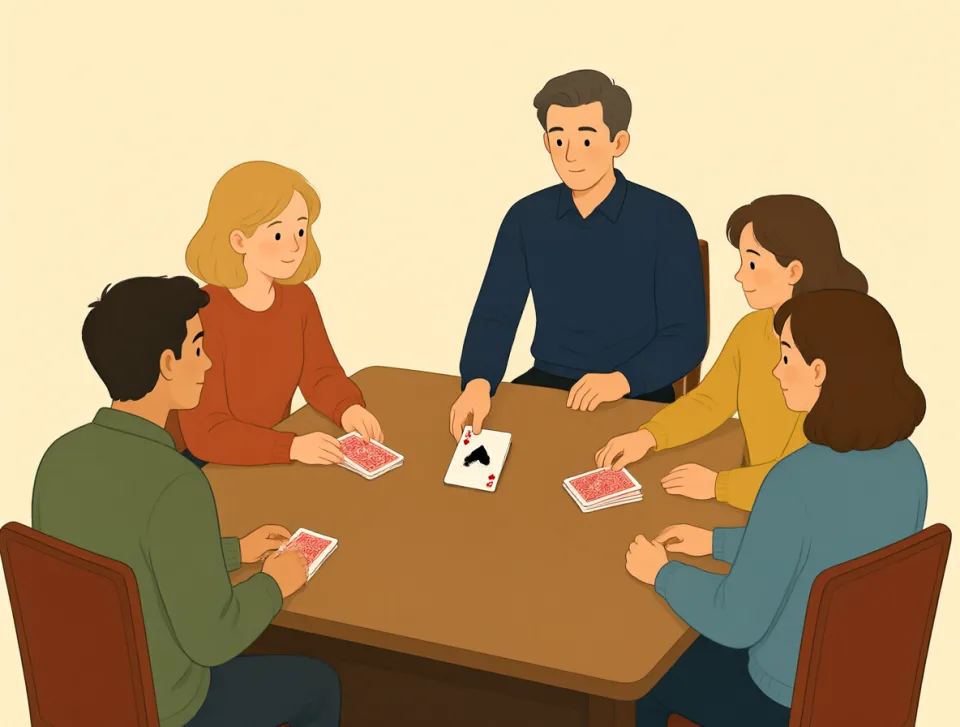
The card dealer gave each player five cards.
ताश बाँटने वाले ने हर खिलाड़ी को पाँच पत्ते दिए।
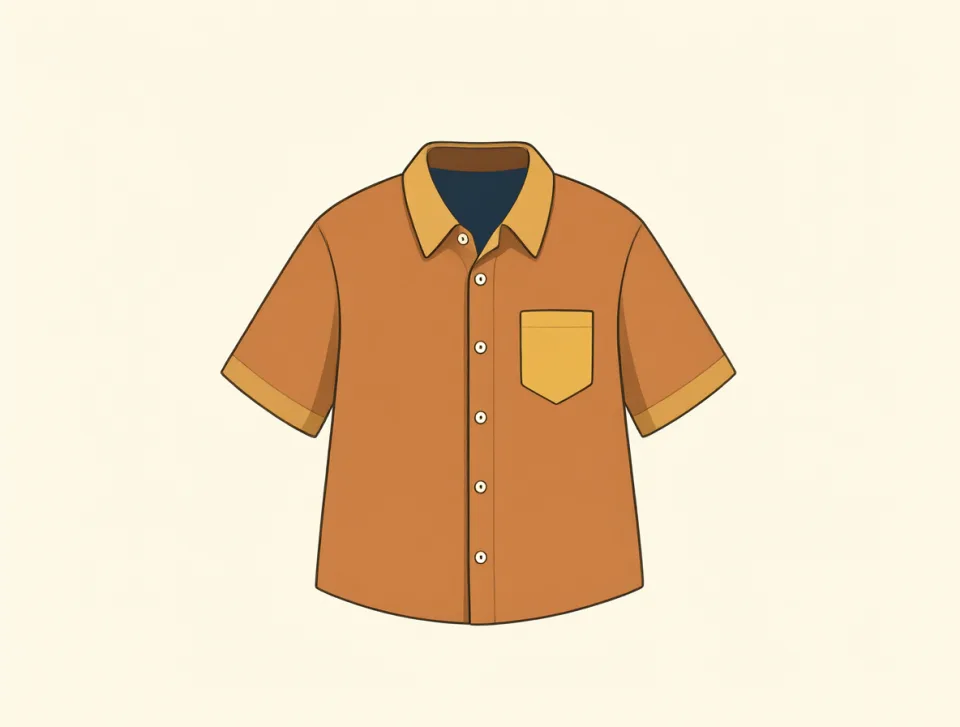
button
#2285noun, verb
बटन
A small object pressed to control a machine, device, or piece of clothing.
मशीन, उपकरण या कपड़े को नियंत्रित करने के लिए दबाई जाने वाली छोटी वस्तु।
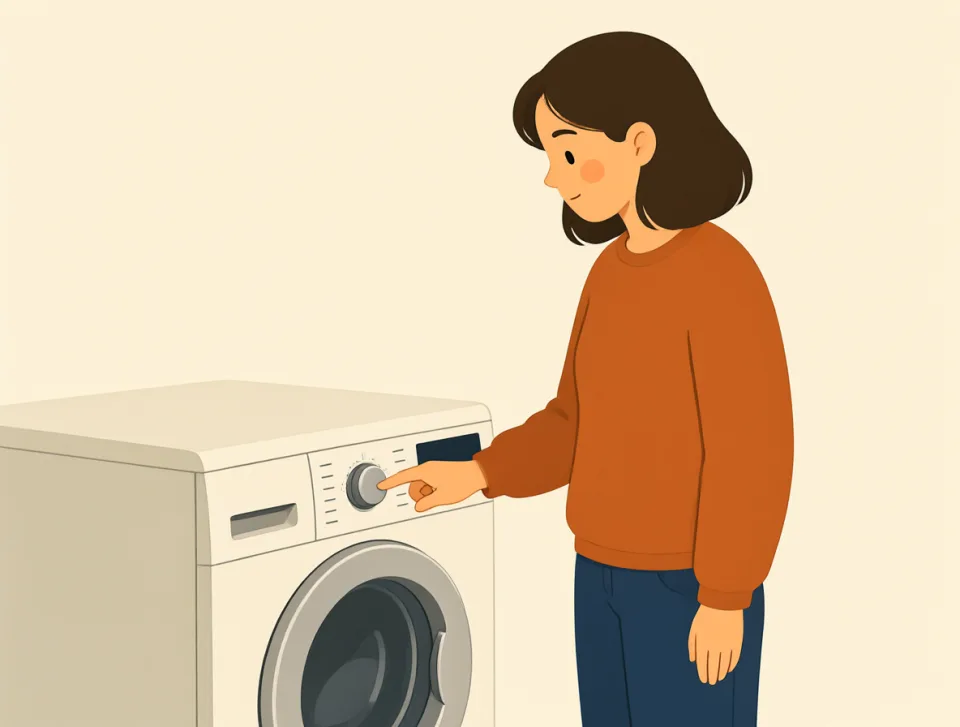
Press the button to start the washing machine.
वॉशिंग मशीन चालू करने के लिए बटन दबाएँ।
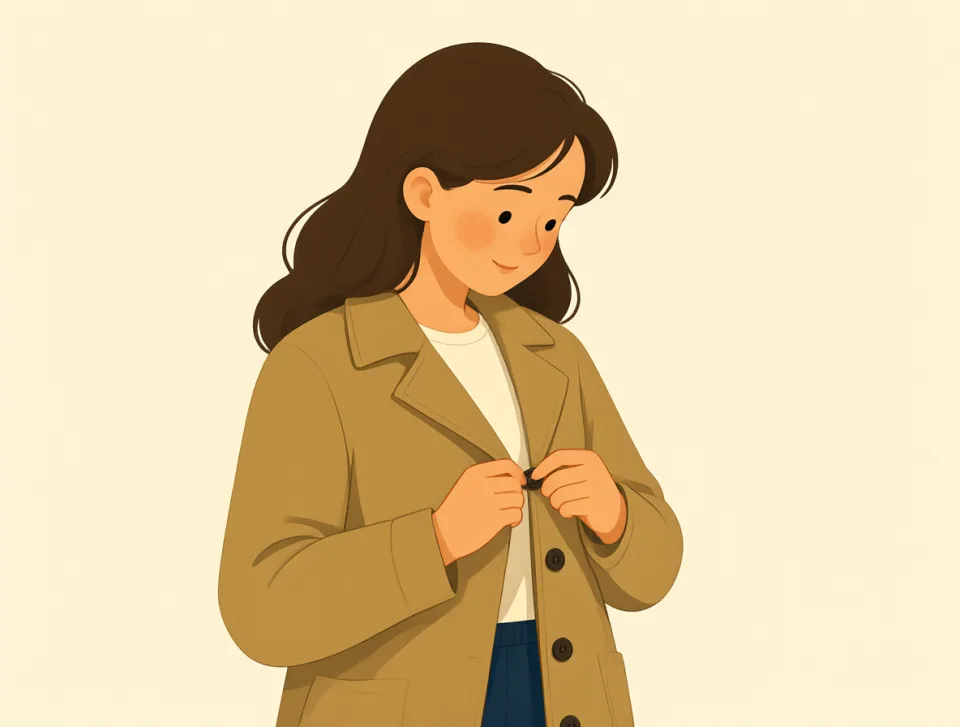
She fastened her coat by pushing each button through its hole.
उसने कोट के हर बटन को उसके छेद में डालकर बंद किया।
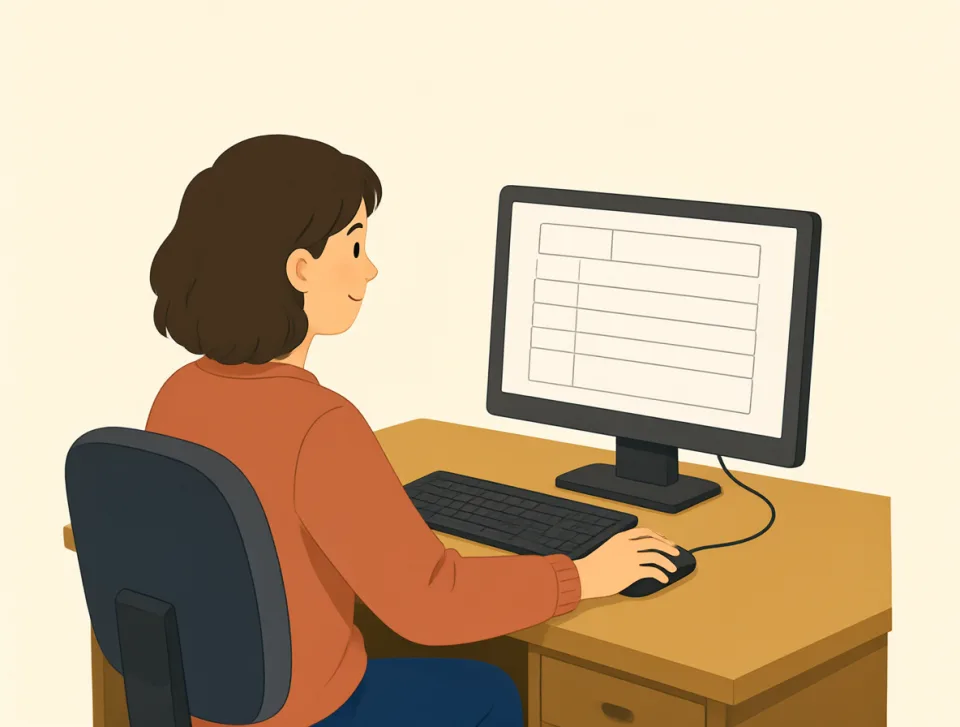
Click the blue button when you finish filling out the form.
फ़ॉर्म भरने के बाद नीले बटन पर क्लिक करें।
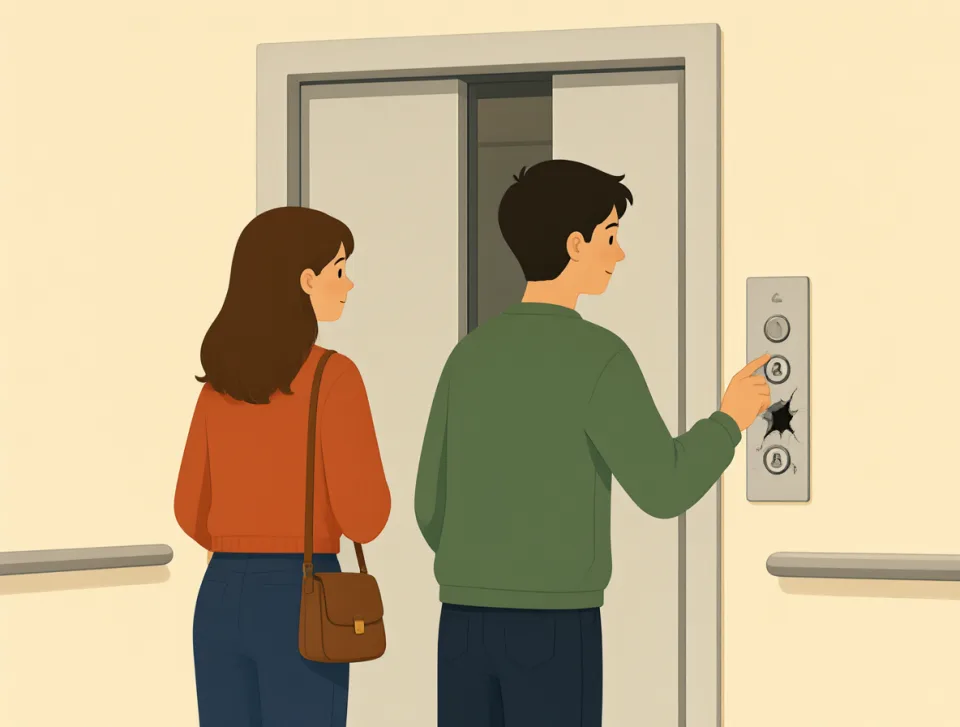
The elevator button was broken, so we took the stairs.
लिफ़्ट का बटन ख़राब था, इसलिए हम सीढ़ियों से गए।
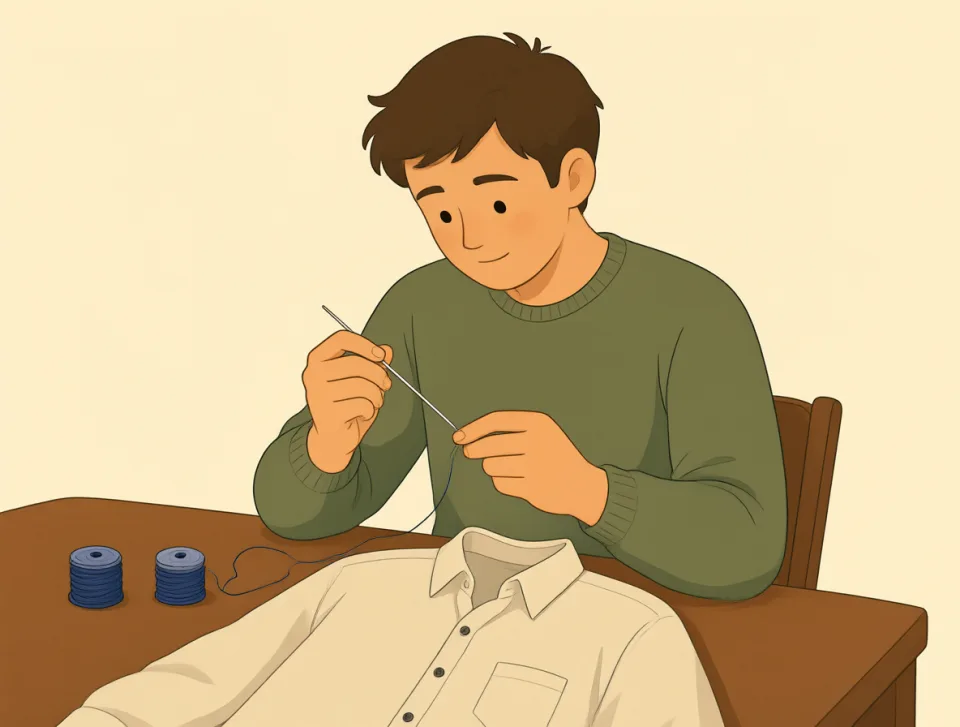
He sewed a new button onto his shirt before going to work.
काम पर जाने से पहले उसने अपनी कमीज़ पर नया बटन सिल दिया।
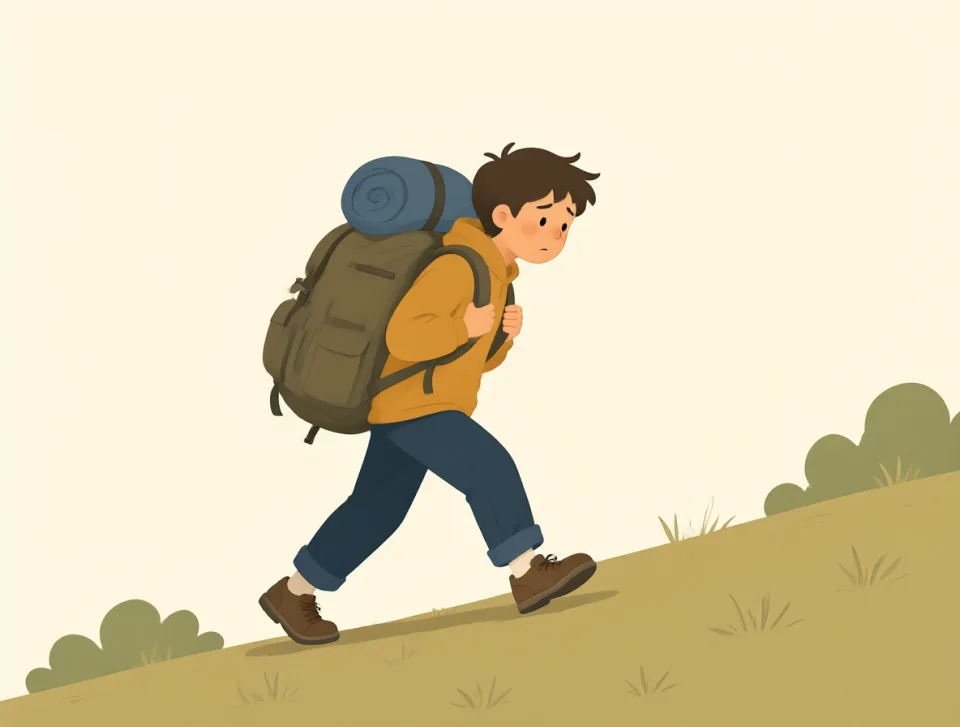
burden
#2286noun, verb
बोझ
A heavy responsibility or problem; to give someone too much responsibility or difficulty.
भारी ज़िम्मेदारी या समस्या; किसी पर बहुत ज़्यादा ज़िम्मेदारी डालना या उसके लिए मुश्किलें बढ़ाना।
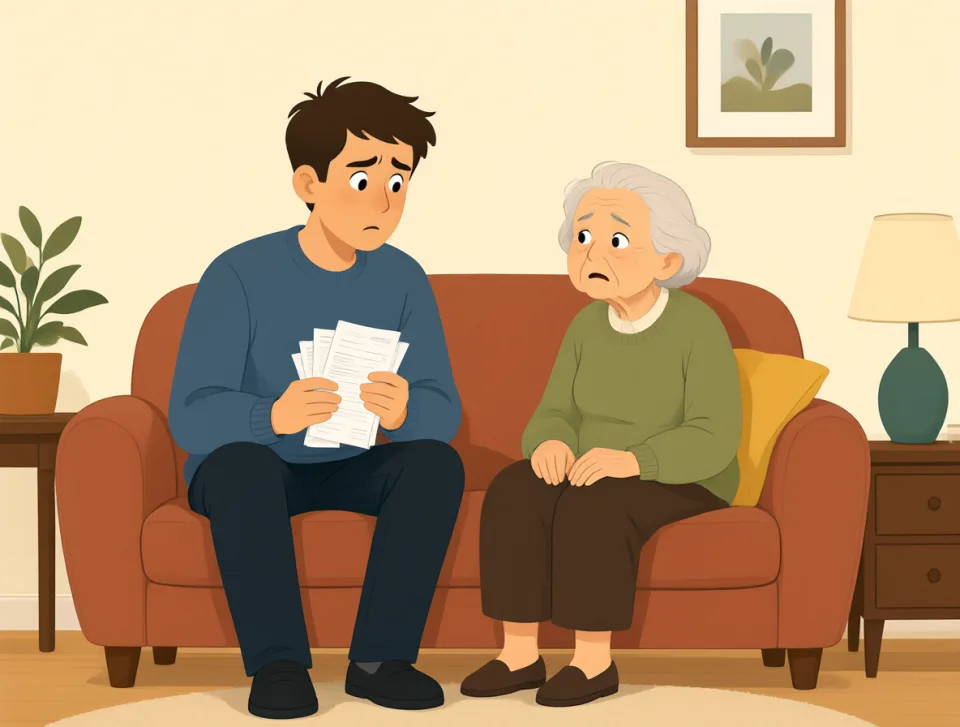
Caring for his elderly parents became a heavy burden after he lost his job.
नौकरी छूटने के बाद अपने बुज़ुर्ग माता-पिता की देखभाल करना उसके लिए भारी बोझ बन गया।
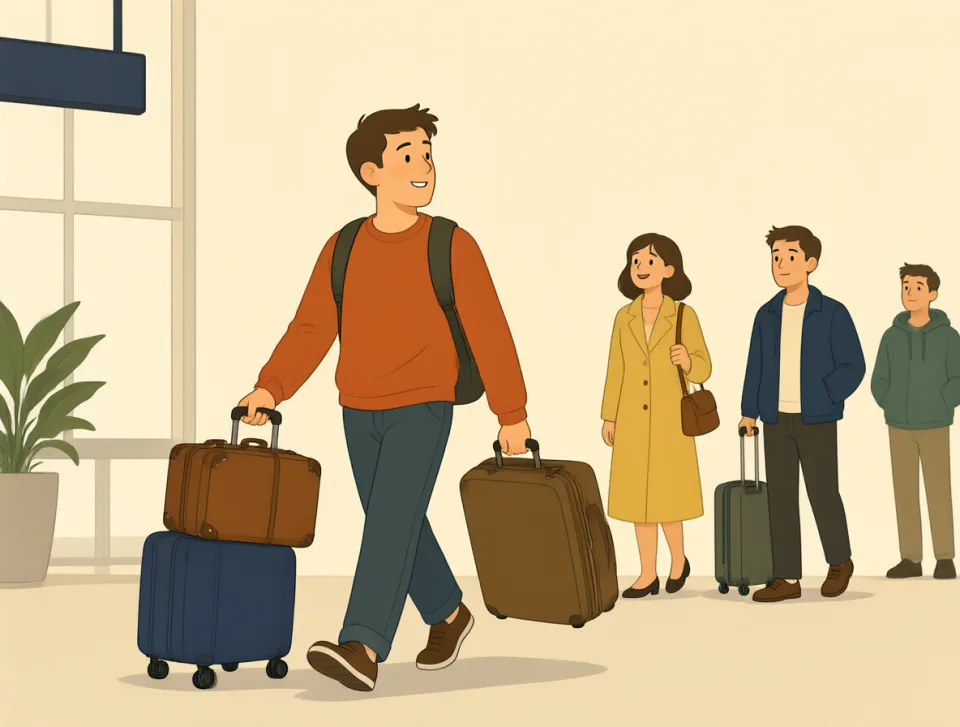
Please carry your own bags so you do not burden the other travelers.
कृपया अपना सामान खुद उठाएँ, ताकि दूसरे यात्रियों पर बोझ न पड़े।
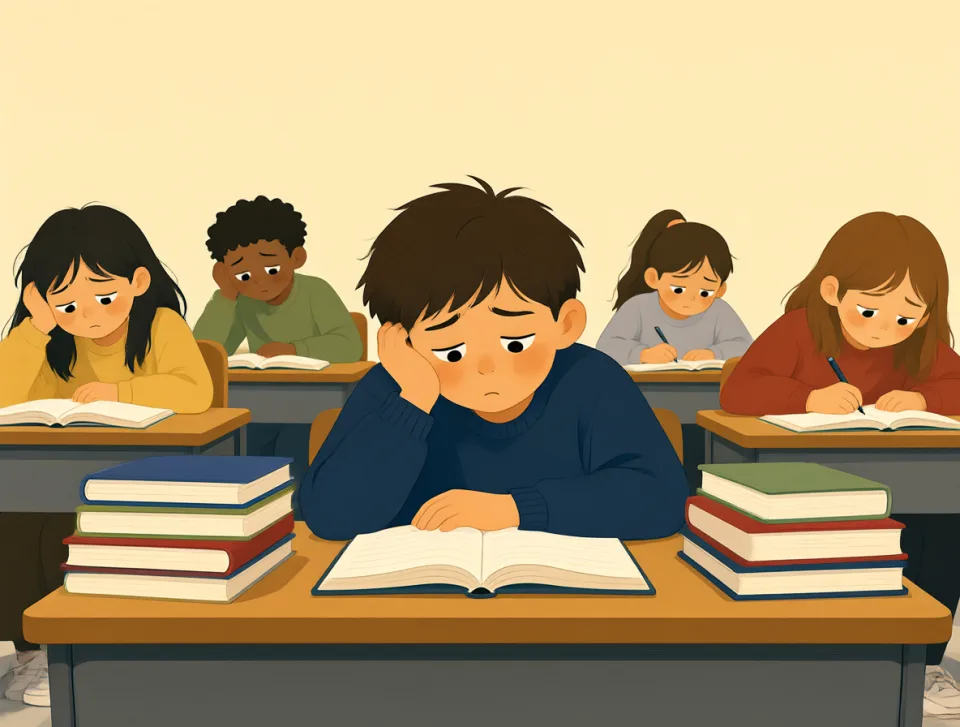
The extra homework was a burden for students already preparing for their exams.
परीक्षाओं की तैयारी कर रहे विद्यार्थियों के लिए अतिरिक्त गृहकार्य एक बोझ था।
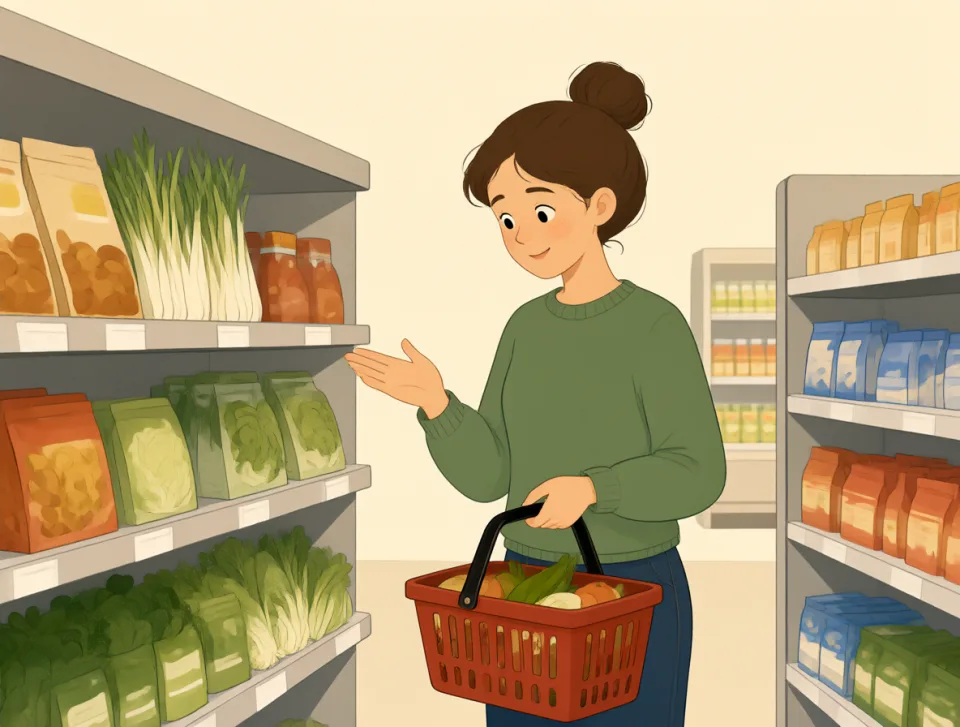
Rising food prices placed a financial burden on many families this winter.
इस सर्दी में खाने-पीने की चीज़ों के बढ़ते दामों ने कई परिवारों पर आर्थिक बोझ डाल दिया।

She shared her worries with a friend instead of bearing the burden alone.
उसने अकेले अपनी चिंताओं का बोझ उठाने के बजाय एक दोस्त से उन्हें साझा किया।

desert
#2287noun, verb
रेगिस्तान
A hot, dry place with very little rain; to leave someone or something completely.
बहुत कम बारिश वाली गर्म और सूखी जगह; किसी व्यक्ति या चीज़ को पूरी तरह छोड़ देना।
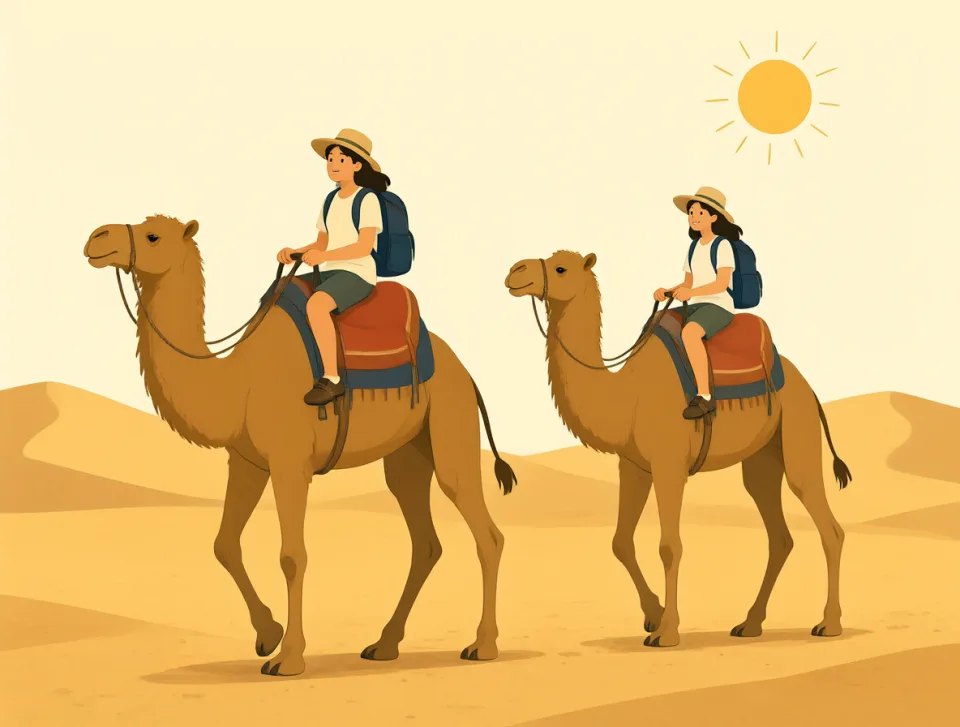
They traveled across the desert by camel during their summer holiday.
वे गर्मियों की छुट्टियों में ऊँट से रेगिस्तान पार करके गए।
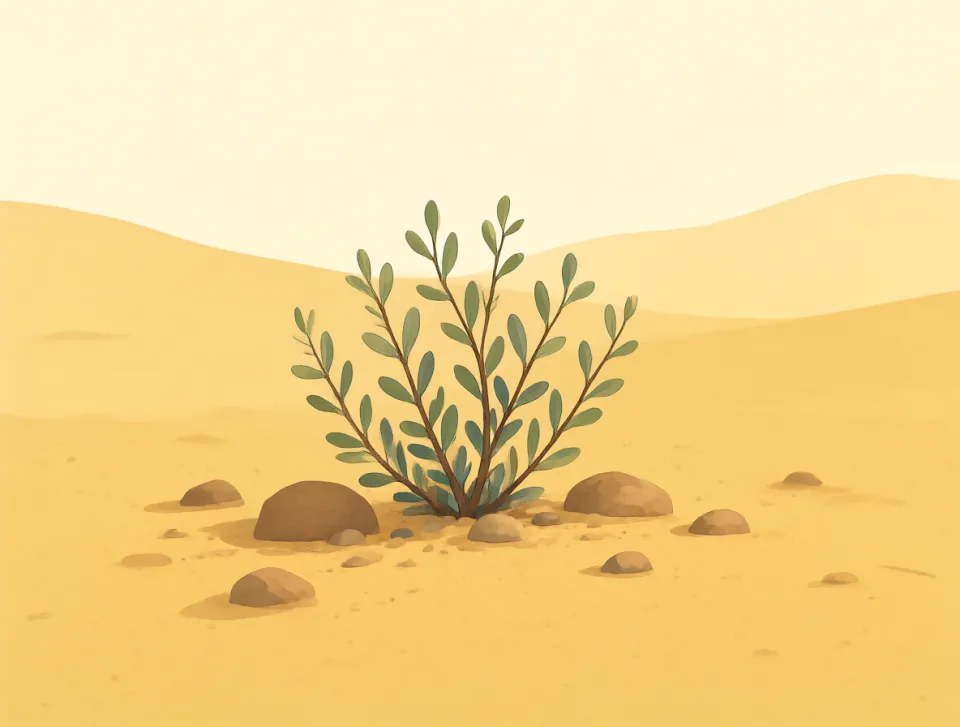
Few plants can survive in the desert without deep roots or stored water.
गहरी जड़ों या जमा किए हुए पानी के बिना रेगिस्तान में बहुत कम पौधे जीवित रह पाते हैं।
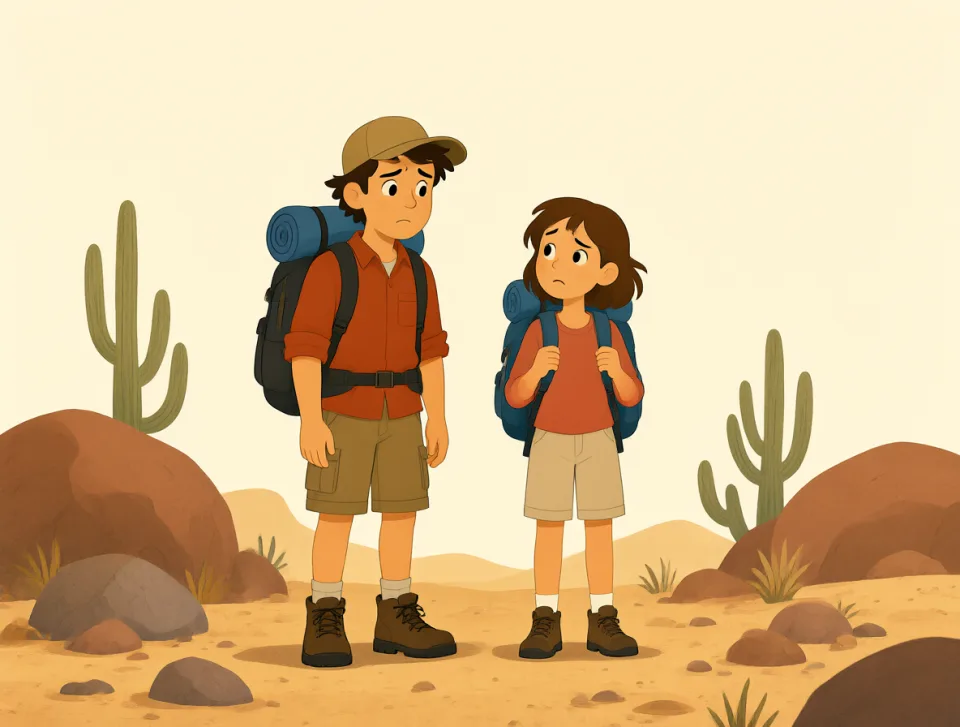
The hikers became lost after leaving the marked desert trail.
चिह्नित रेगिस्तानी रास्ते से हटने के बाद पैदल यात्रियों को रास्ता भटक गया।
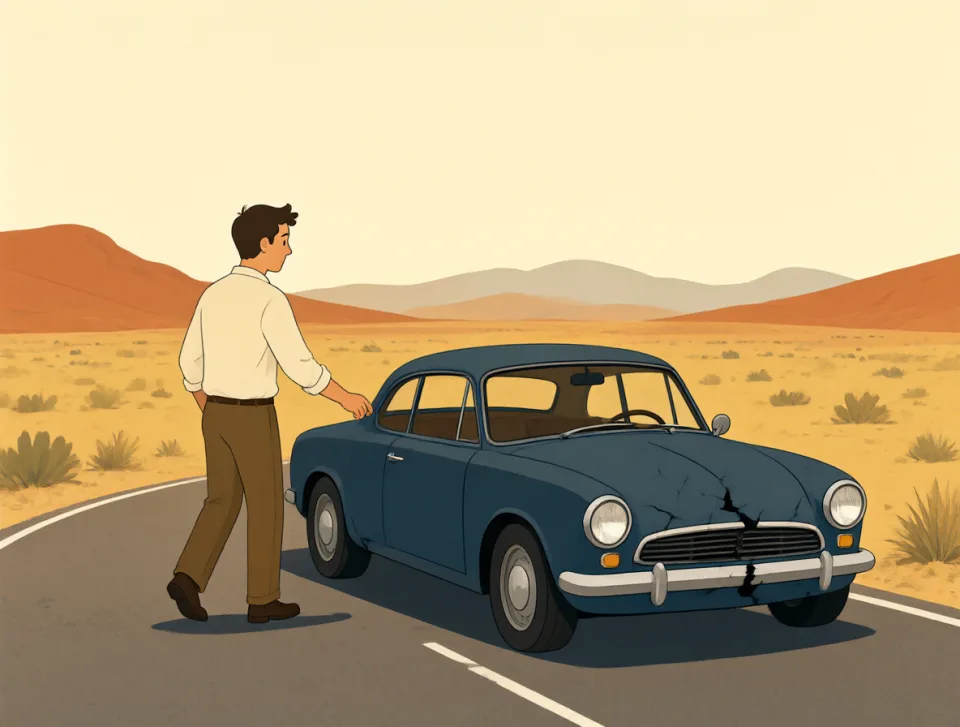
He deserted his car when the engine stopped on the empty road.
सुनसान सड़क पर इंजन बंद हो जाने पर उसने अपनी कार छोड़ दी।
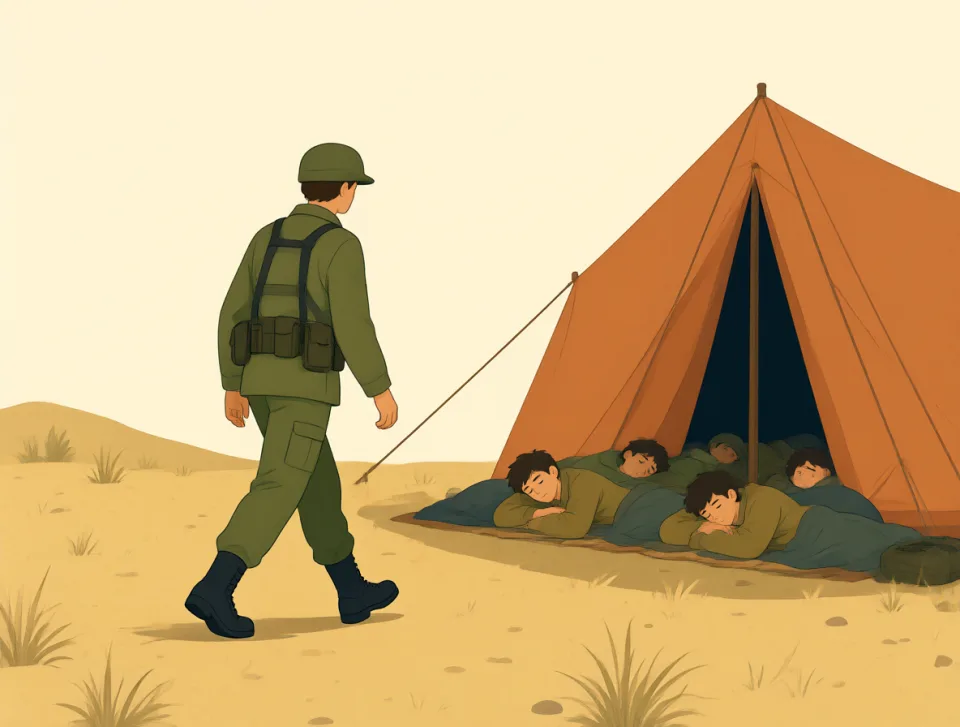
The soldiers were accused of deserting their unit during the night.
सैनिकों पर रात में अपनी टुकड़ी छोड़कर भाग जाने का आरोप लगाया गया।

mate
#2288noun, verb
दोस्त
A friend or work partner; to join two animals so they can produce young.
दोस्त या काम का साथी; दो जानवरों को प्रजनन के लिए जोड़ा जाना।
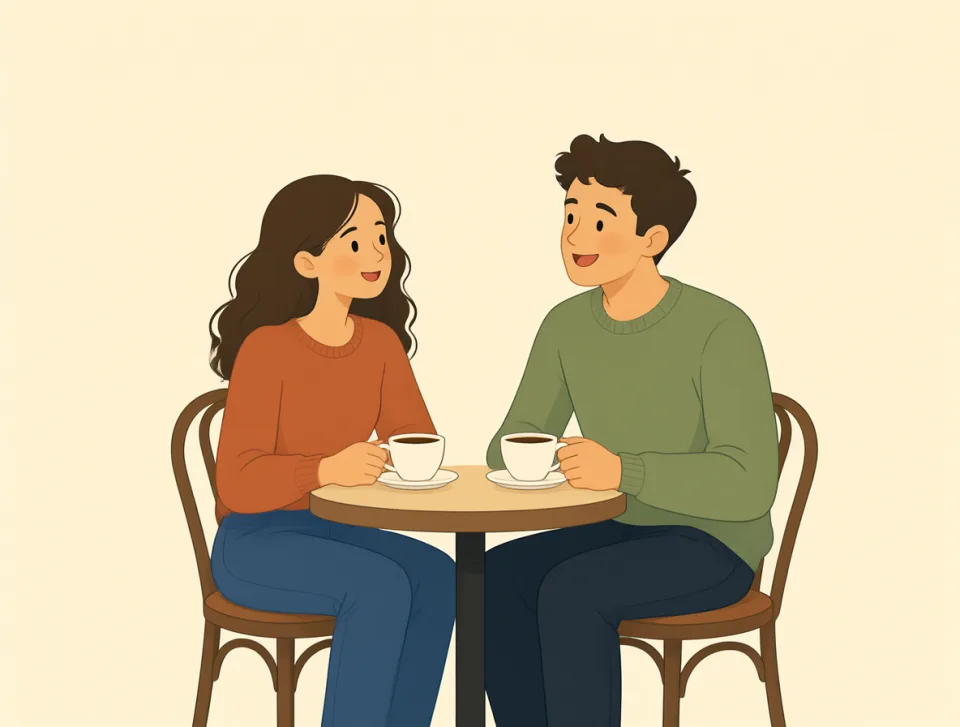
I’m meeting my old mate for coffee after work today.
आज काम के बाद मैं अपने पुराने दोस्त से कॉफ़ी पीने मिल रहा हूँ।
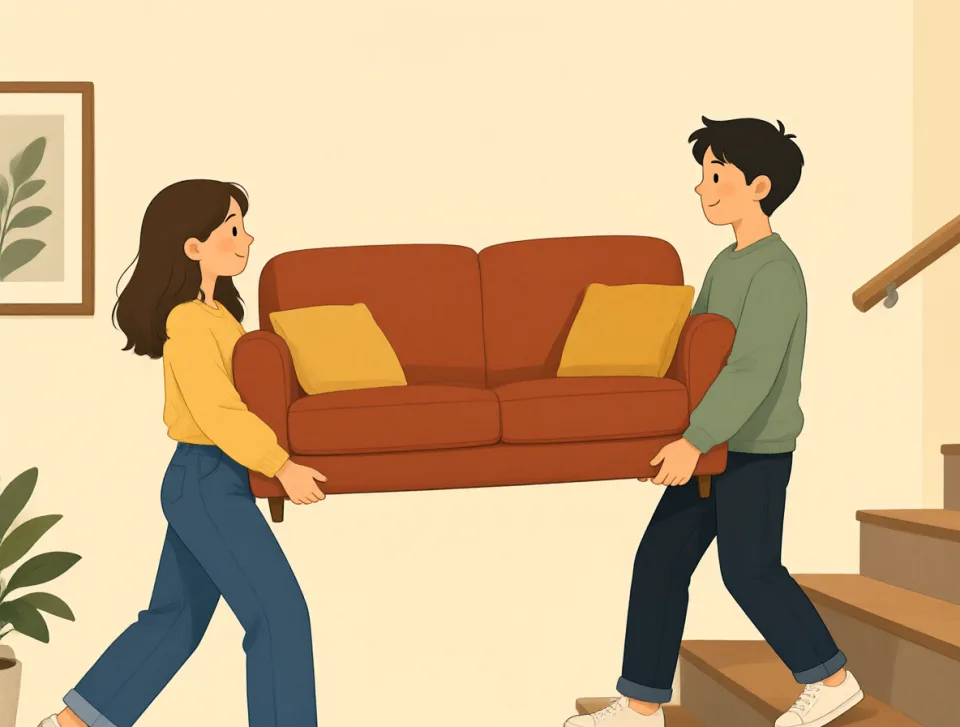
My new flatmate helped me carry the sofa upstairs.
मेरे नए फ्लैटमेट ने सोफ़ा ऊपर ले जाने में मेरी मदद की।
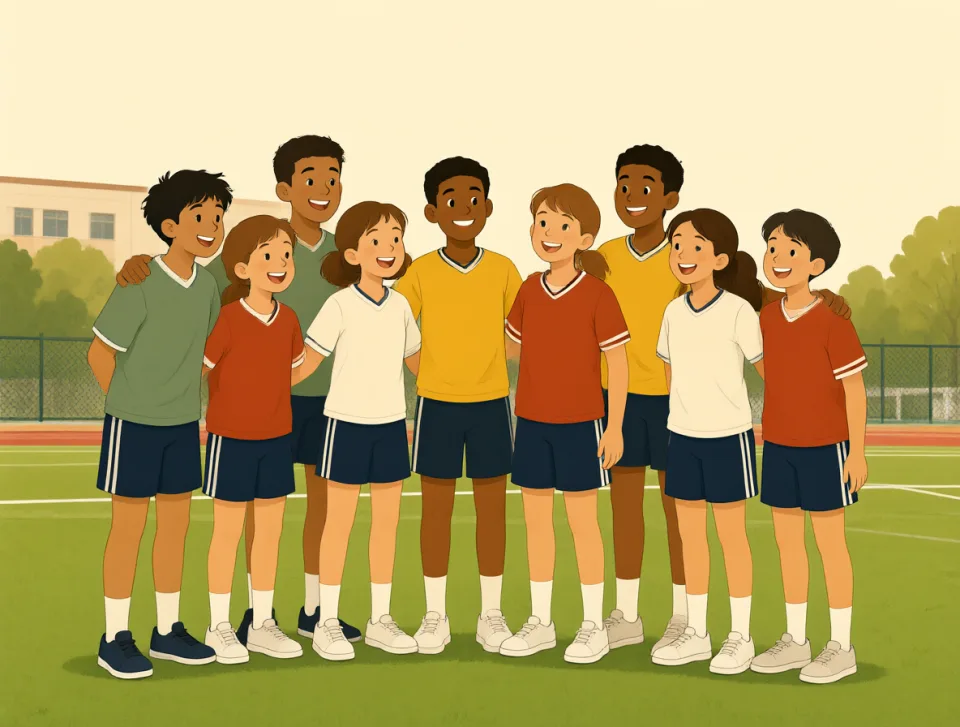
She quickly made friends with her teammates at school.
उसने स्कूल में अपनी टीम के साथियों से जल्दी ही दोस्ती कर ली।
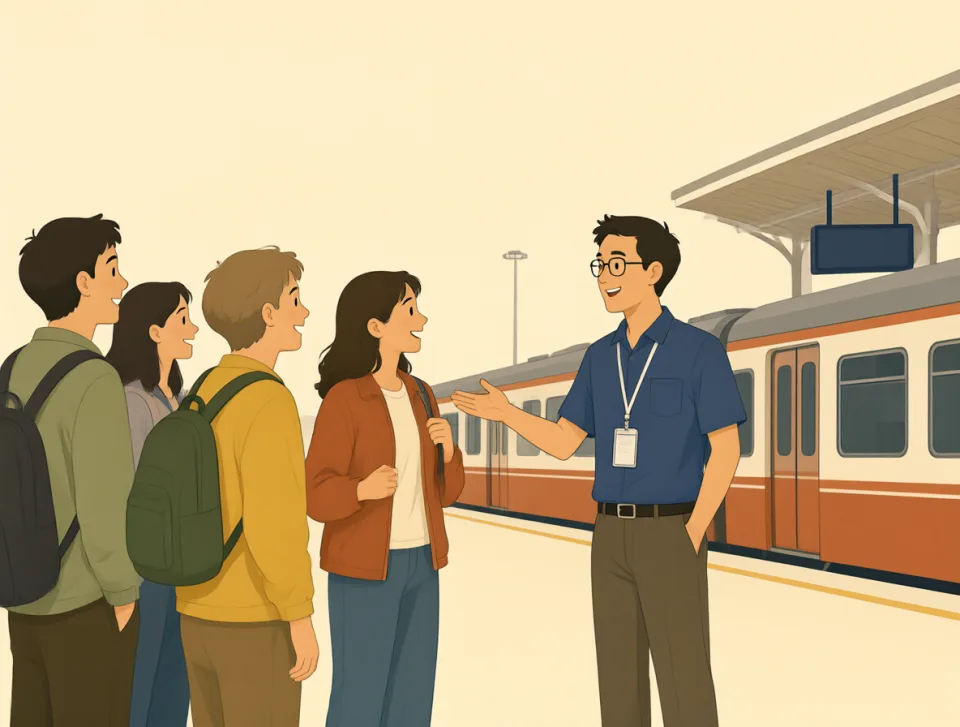
The guide told us to stay with our travel mates near the station.
गाइड ने हमें स्टेशन के पास अपने यात्रा-साथियों के साथ रहने को कहा।
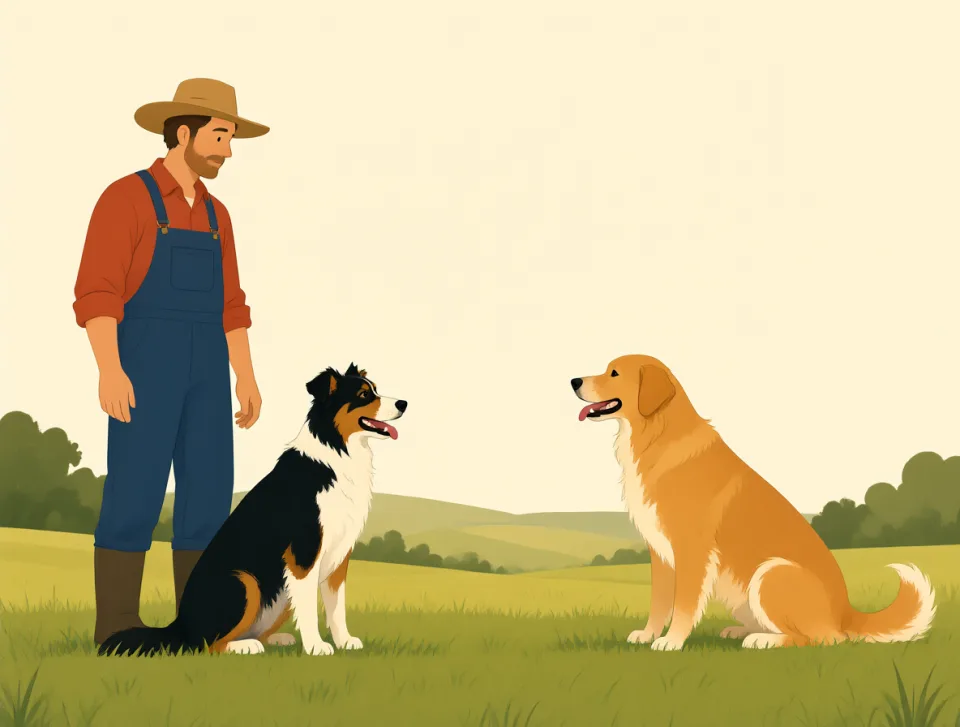
The farmer mated the two healthy dogs in the spring.
किसान ने वसंत ऋतु में उन दो स्वस्थ कुत्तों का संकरण कराया।

occasionally
#2289adverb
कभी-कभी
sometimes, but not often or regularly
कभी-कभार, लेकिन अक्सर या नियमित रूप से नहीं।
I occasionally walk to work instead of taking the bus.
मैं कभी-कभी बस लेने के बजाय पैदल काम पर जाता हूँ।
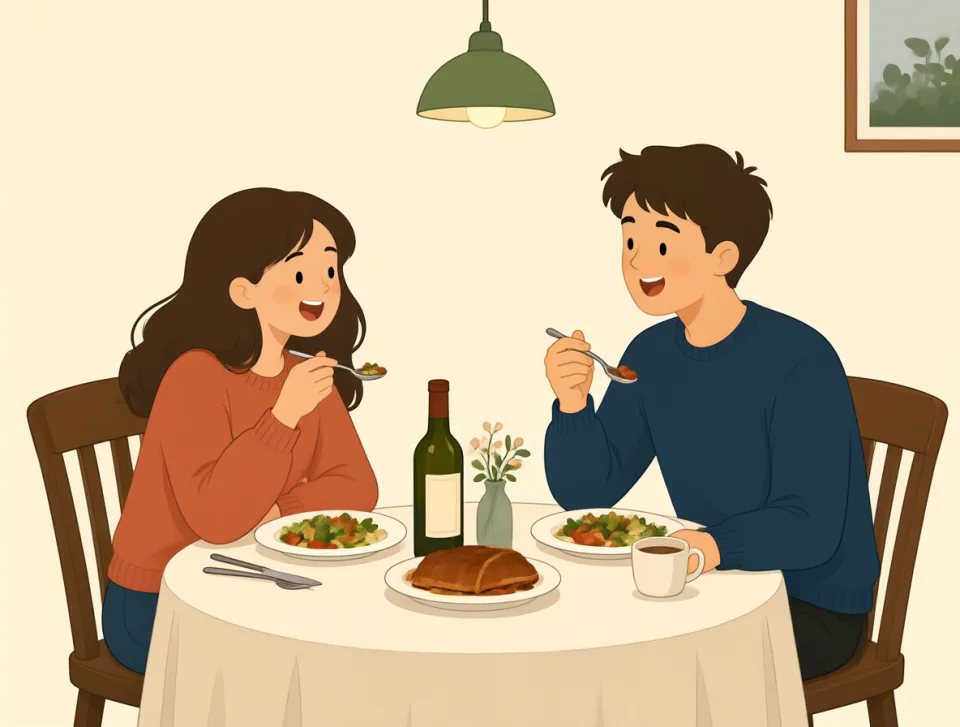
We occasionally eat dinner at a restaurant on Friday evenings.
हम कभी-कभी शुक्रवार की शाम किसी रेस्तराँ में खाना खाते हैं।
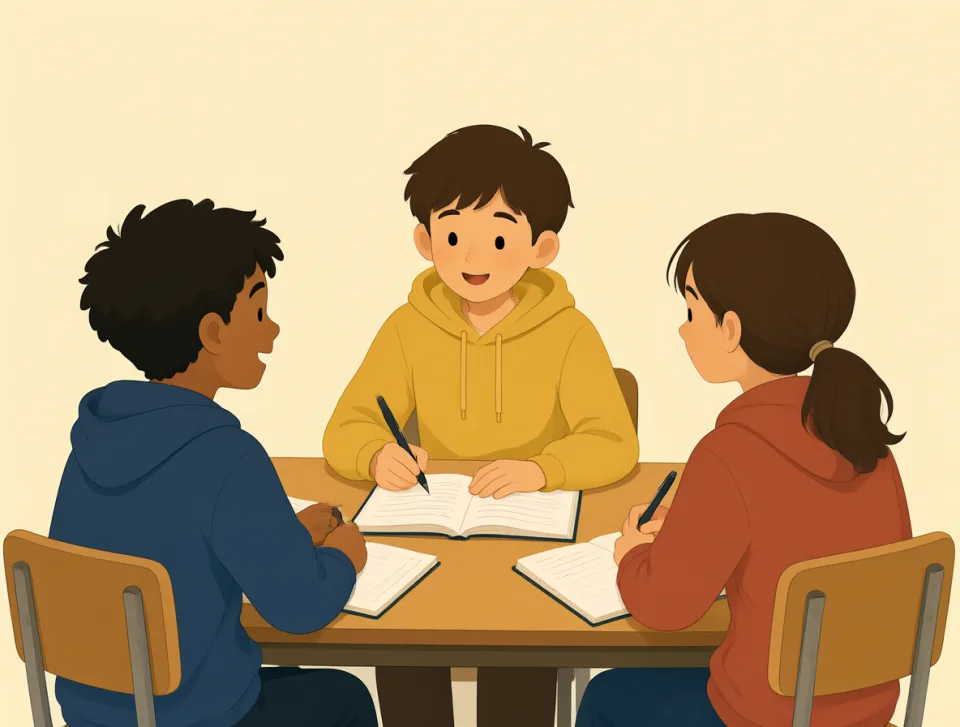
She occasionally helps her classmates with difficult homework.
वह कभी-कभी अपने सहपाठियों की मुश्किल गृहकार्य में मदद करती है।
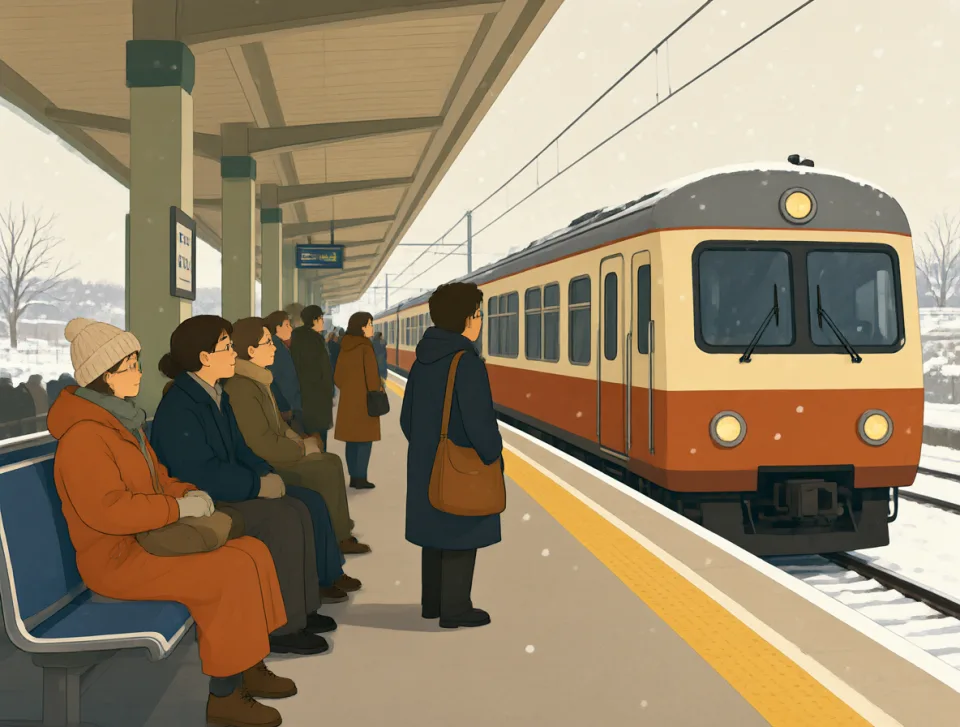
The train is occasionally delayed during the winter months.
सर्दियों के महीनों में ट्रेन कभी-कभी देर से चलती है।
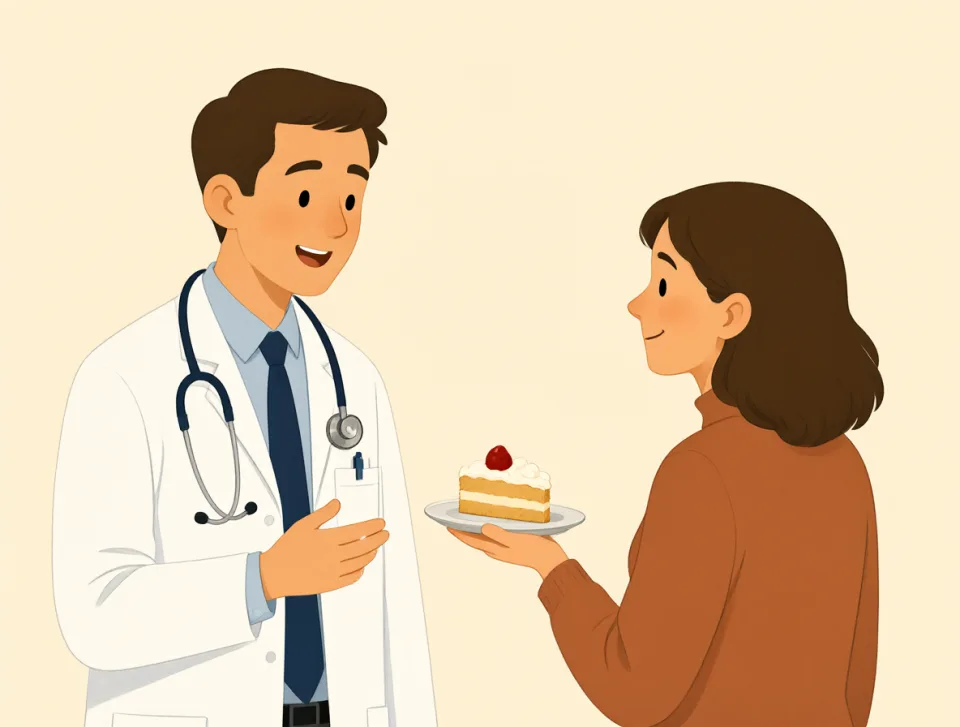
My doctor says I can occasionally enjoy a small piece of cake.
मेरे डॉक्टर कहते हैं कि मैं कभी-कभी केक का एक छोटा टुकड़ा खा सकता हूँ।

shareholder
#2290noun
शेयरधारक
A person or company that owns part of a business through shares.
ऐसा व्यक्ति या कंपनी जिसके पास शेयरों के ज़रिए किसी कारोबार का कुछ हिस्सा हो।

Each shareholder received a small payment from the company's yearly profits.
हर शेयरधारक को कंपनी के सालाना मुनाफ़े में से एक छोटी रकम मिली।

The shareholders voted to choose three new members of the company board.
कंपनी के निदेशक मंडल के तीन नए सदस्यों को चुनने के लिए शेयरधारकों ने मतदान किया।

A major shareholder sold her shares after the company's sales began falling.
कंपनी की बिक्री घटने लगी तो एक बड़े शेयरधारक ने अपने शेयर बेच दिए।

The company invited every shareholder to its annual meeting in London.
कंपनी ने लंदन में होने वाली अपनी सालाना बैठक में हर शेयरधारक को आमंत्रित किया।
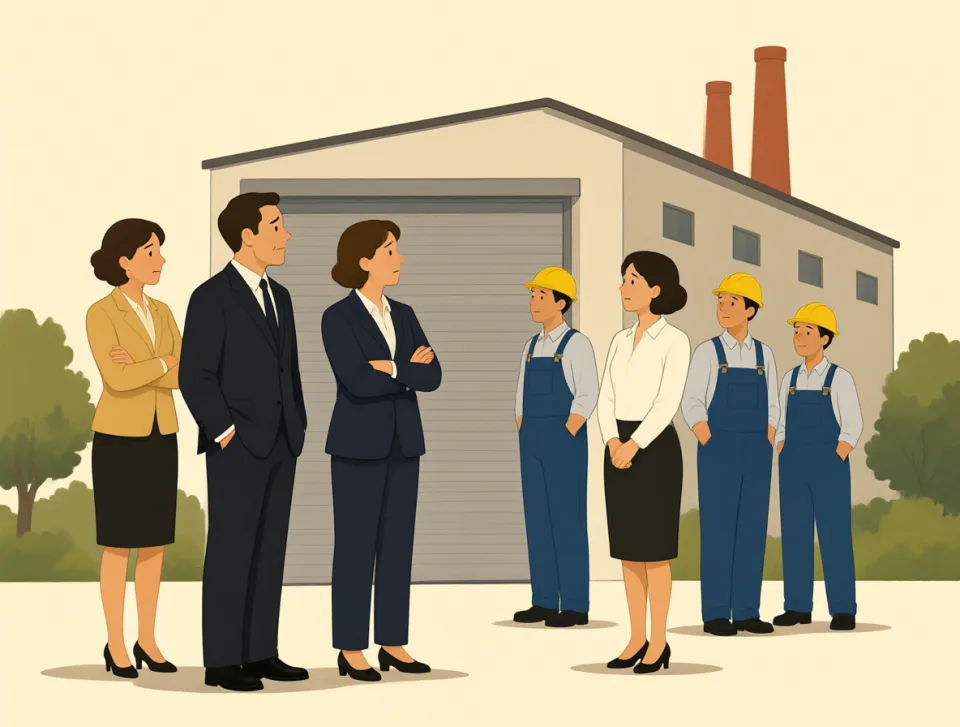
Shareholders were worried when the factory closed and many workers lost jobs.
जब कारखाना बंद हो गया और कई कर्मचारियों की नौकरियाँ चली गईं, तो शेयरधारक चिंतित हो गए।
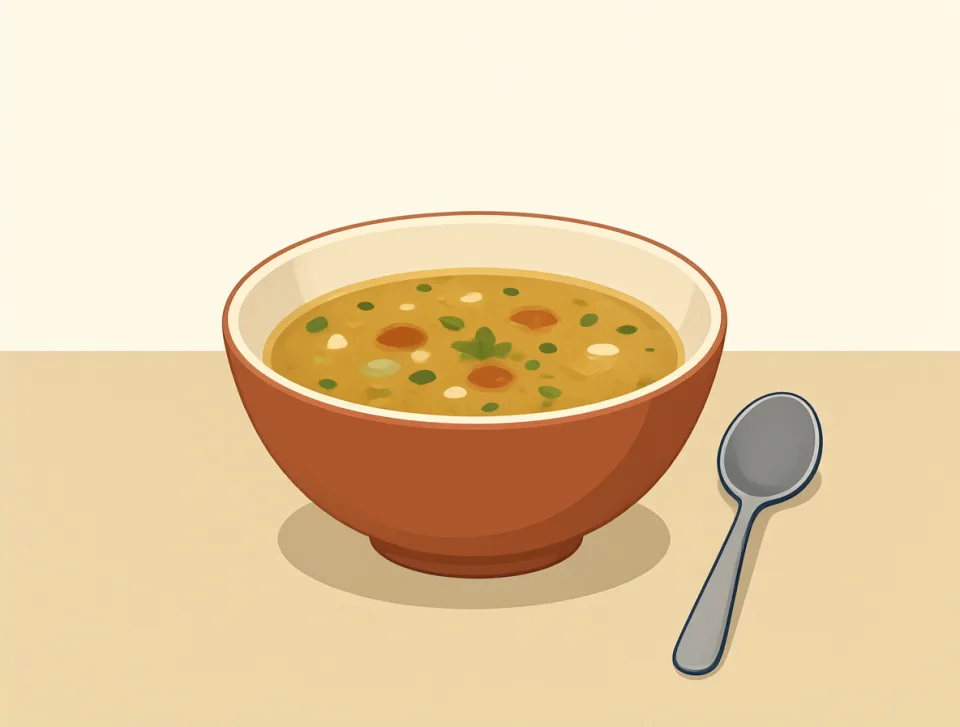
bowl
#2291noun, verb
कटोरा
a round, deep container for holding or serving food; to play a game by throwing a ball
खाना रखने या परोसने के लिए गोल, गहरा बर्तन; गेंद फेंककर खेल खेलना
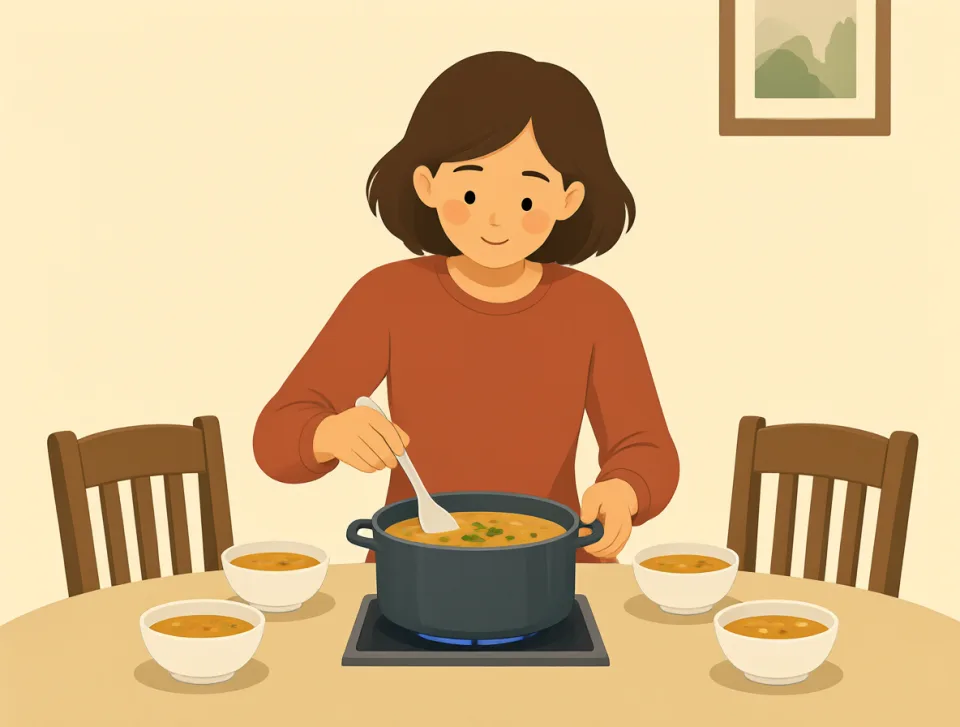
She poured hot soup into a bowl for each guest.
उसने हर मेहमान के लिए एक कटोरे में गरम सूप डाला।
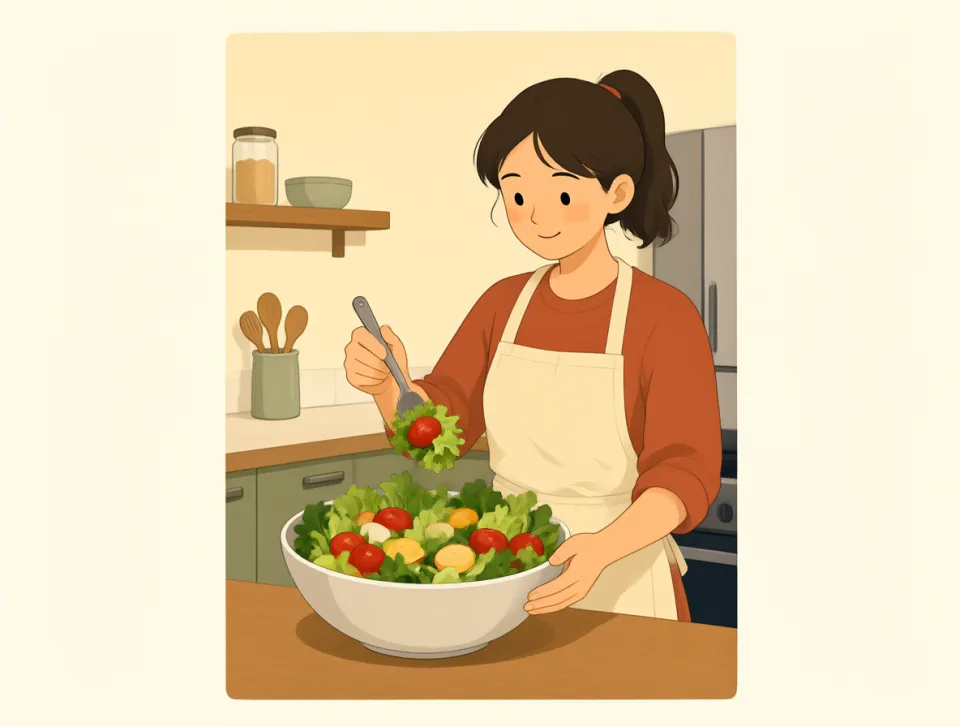
Please put the salad in a large bowl before dinner.
रात के खाने से पहले कृपया सलाद एक बड़े कटोरे में रख दें।
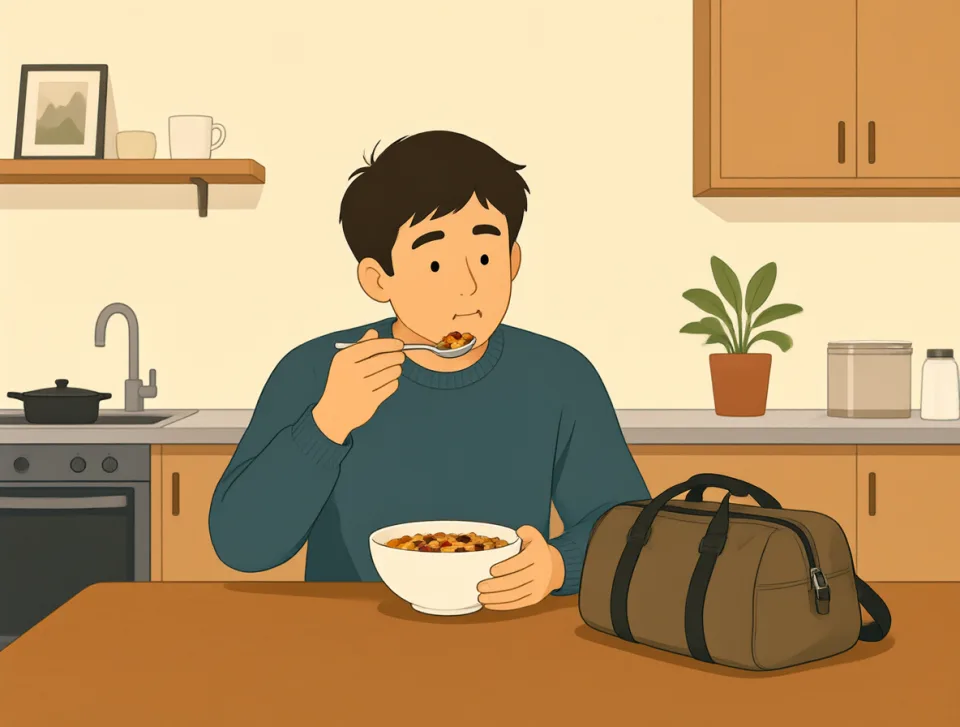
He ate a bowl of cereal before catching the early train.
जल्दी वाली ट्रेन पकड़ने से पहले उसने एक कटोरा अनाज खाया।
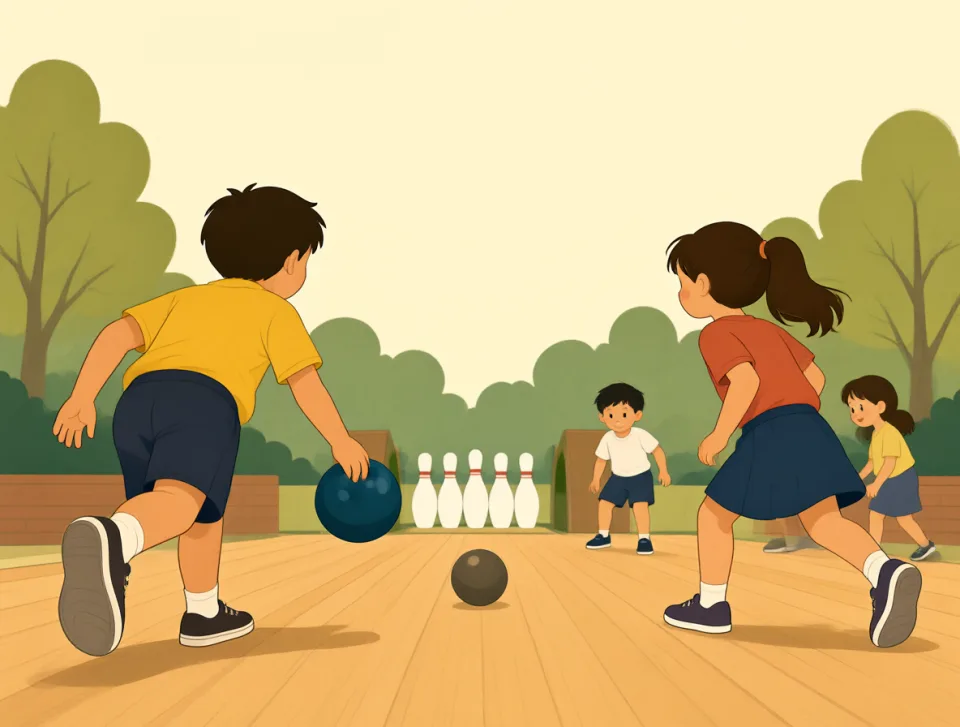
The children sat outside and bowled a ball toward the wooden pins.
बच्चे बाहर बैठे और लकड़ी के खंभों की ओर गेंद फेंककर खेल खेलने लगे।

The doctor asked her to bowl a sample into the clean container.
डॉक्टर ने उससे साफ़ बर्तन में नमूना डालने को कहा।
discovery
#2292noun
खोज
The act of finding something new or learning something that was previously unknown.
कुछ नया खोजने या ऐसी बात जानने की क्रिया, जिसके बारे में पहले पता न हो।
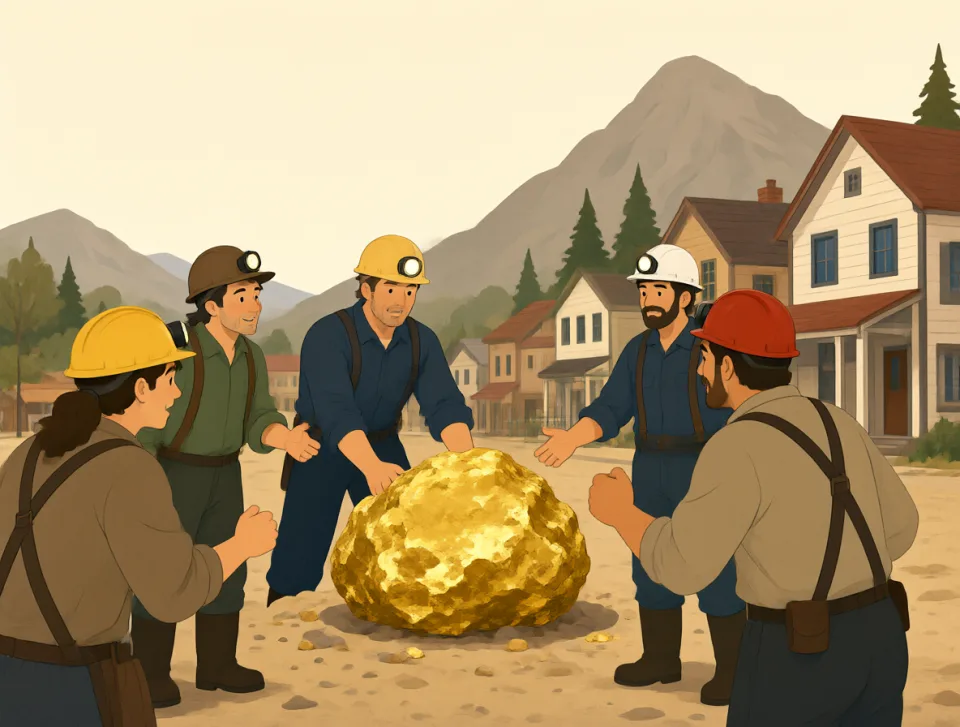
The discovery of gold changed the small town forever.
सोने की खोज ने उस छोटे शहर को हमेशा के लिए बदल दिया।
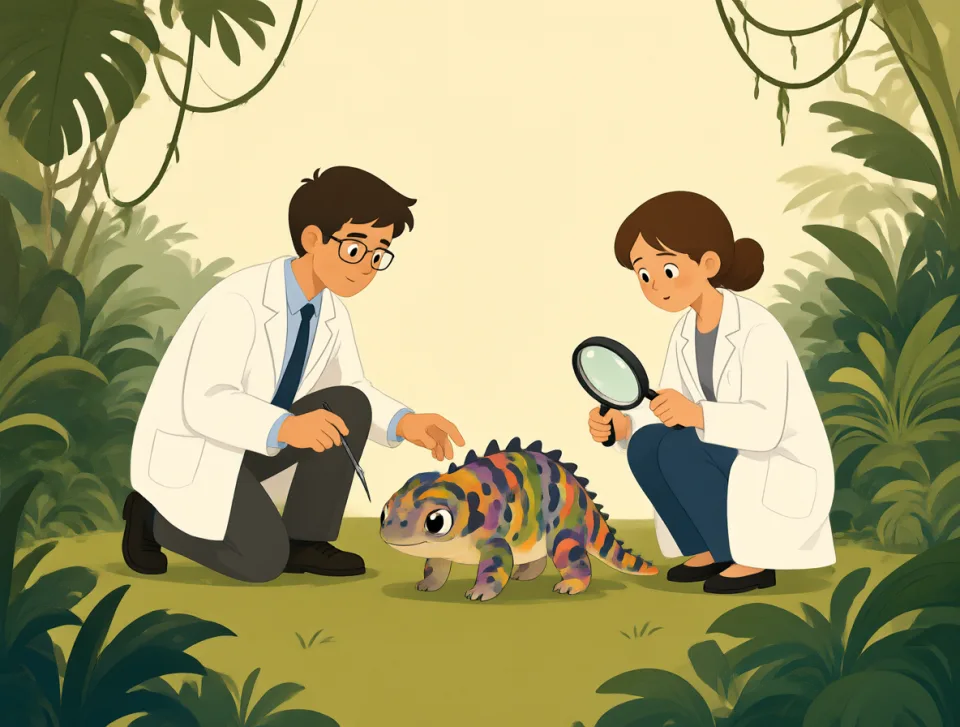
Scientists announced the discovery of a new species in the rainforest.
वैज्ञानिकों ने वर्षावन में एक नई प्रजाति की खोज की घोषणा की।
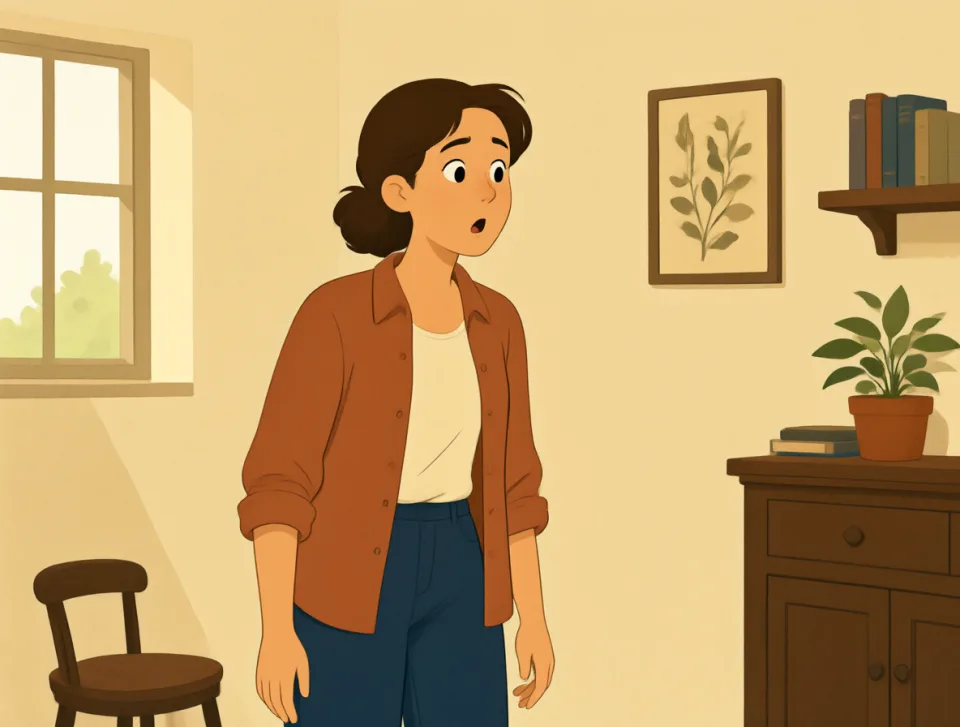
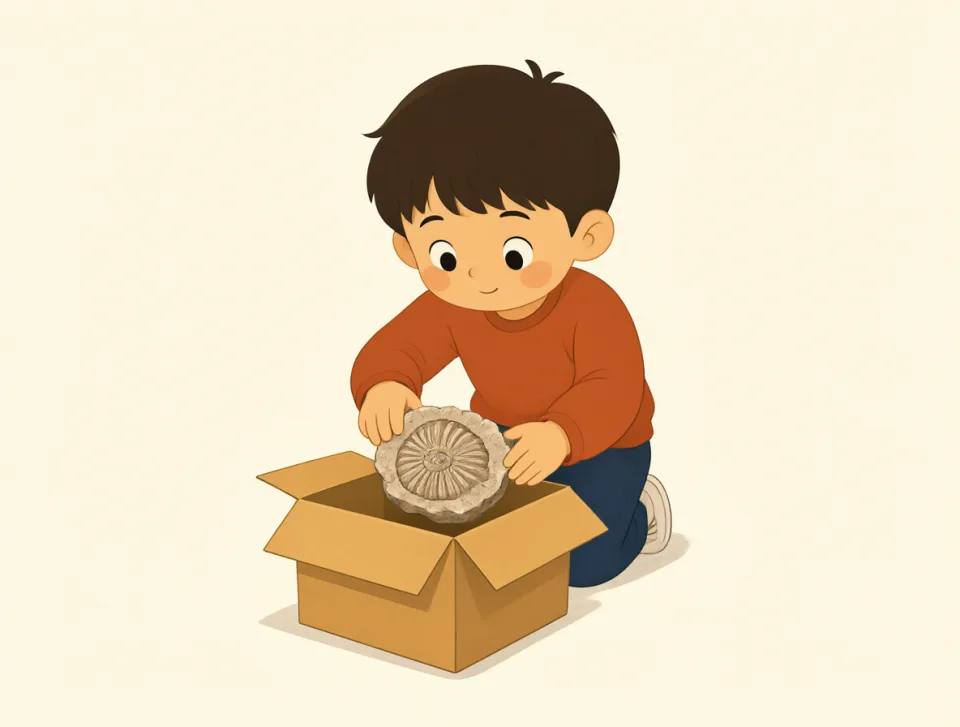
Her discovery of the hidden room made the house feel exciting.
उसके छिपे हुए कमरे की खोज से घर रोमांचक लगने लगा।
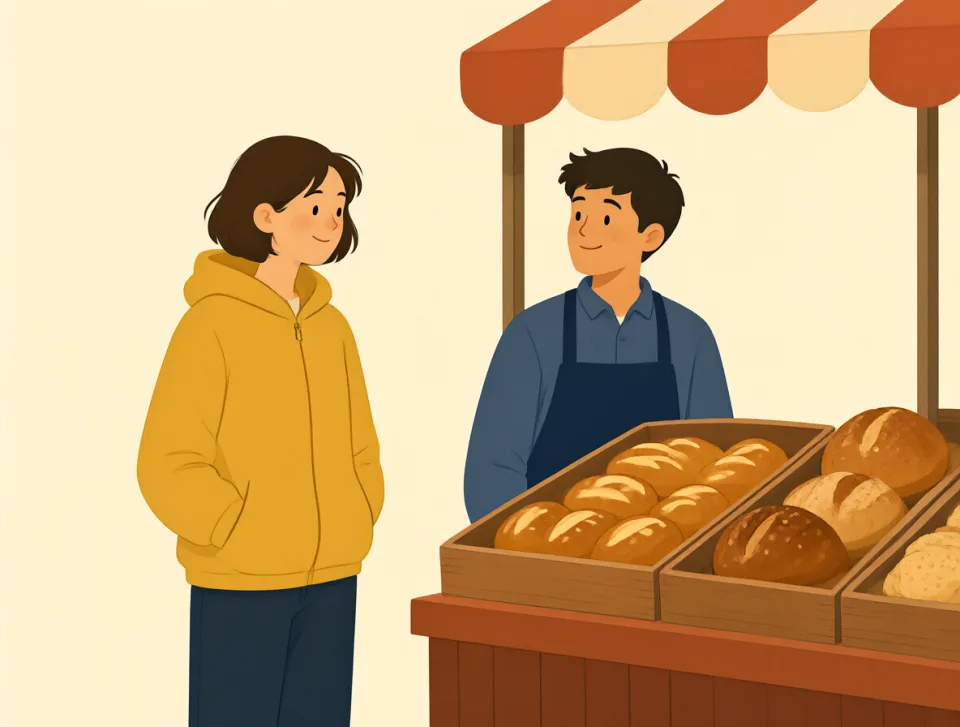
The discovery of fresh bread at the market made us stop shopping.
बाज़ार में ताज़ी रोटी देखकर हम खरीदारी रोककर रुक गए।
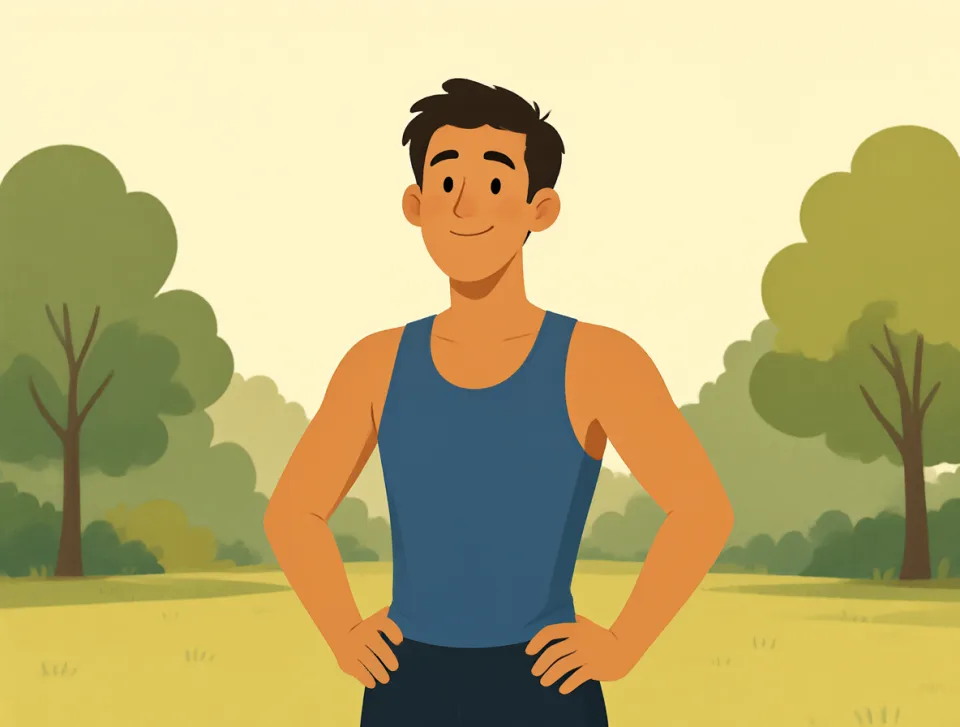
His discovery that exercise improved his sleep changed his daily routine.
व्यायाम से उसकी नींद बेहतर होती है—यह जानने के बाद उसकी रोज़मर्रा की दिनचर्या बदल गई।

resistance
#2293noun
प्रतिरोध
Opposition to something, or a force that slows movement or the flow of electricity.
किसी चीज़ का विरोध, या ऐसी शक्ति जो गति अथवा बिजली के प्रवाह को धीमा करे।
The new plan met strong resistance from employees who feared losing their jobs.
नई योजना का उन कर्मचारियों ने कड़ा विरोध किया, जिन्हें अपनी नौकरी खोने का डर था।
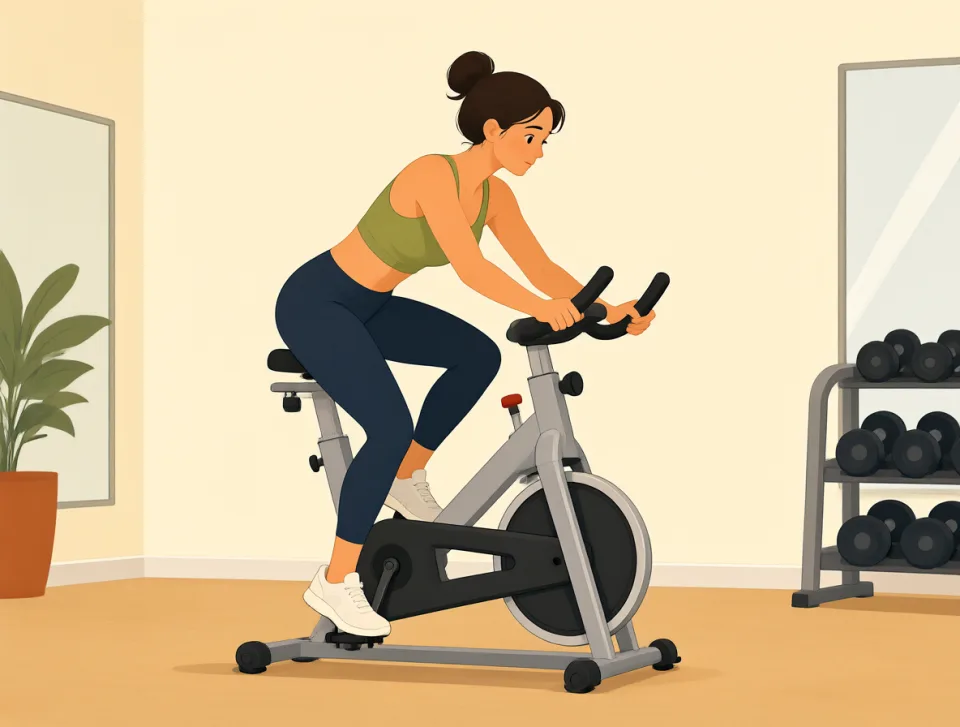
At the gym, Maya increased the bicycle's resistance and began pedaling uphill.
जिम में माया ने साइकिल का प्रतिरोध बढ़ाया और चढ़ाई पर पैडल चलाने लगी।
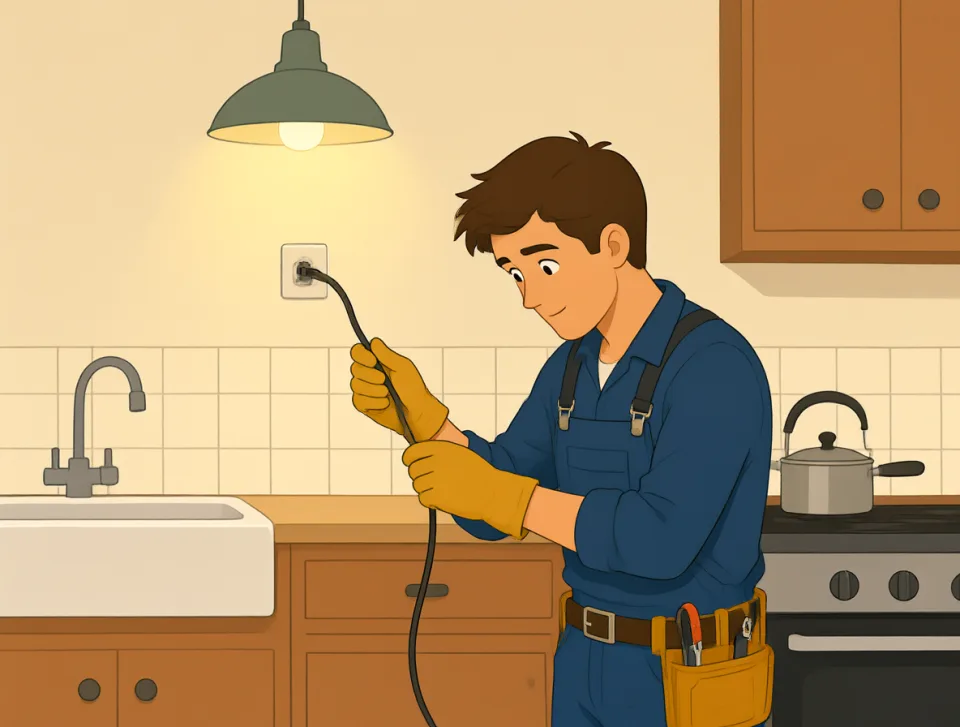
High resistance in the old wire caused the kitchen light to become dim.
पुराने तार में ज़्यादा प्रतिरोध के कारण रसोई की बत्ती धीमी पड़ गई।
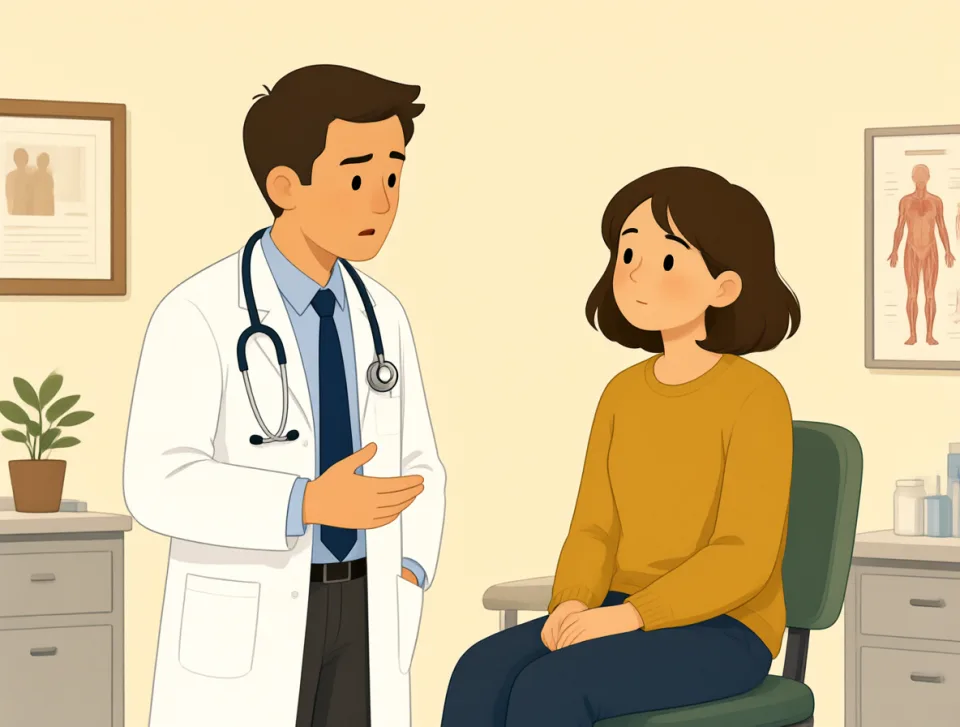
Doctors worry that antibiotic resistance will make some infections harder to treat.
डॉक्टरों को चिंता है कि एंटीबायोटिक प्रतिरोध के कारण कुछ संक्रमणों का इलाज करना मुश्किल हो जाएगा।
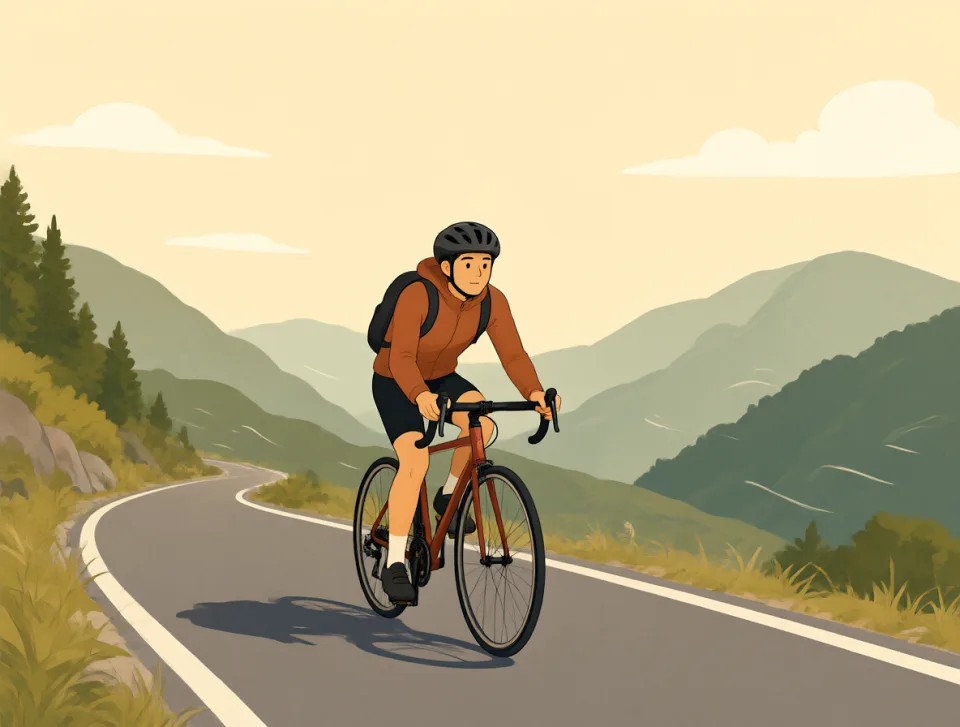
Strong wind resistance made the cyclist slow down near the mountain.
तेज़ हवा के प्रतिरोध के कारण पहाड़ के पास साइकिल सवार की गति धीमी हो गई।
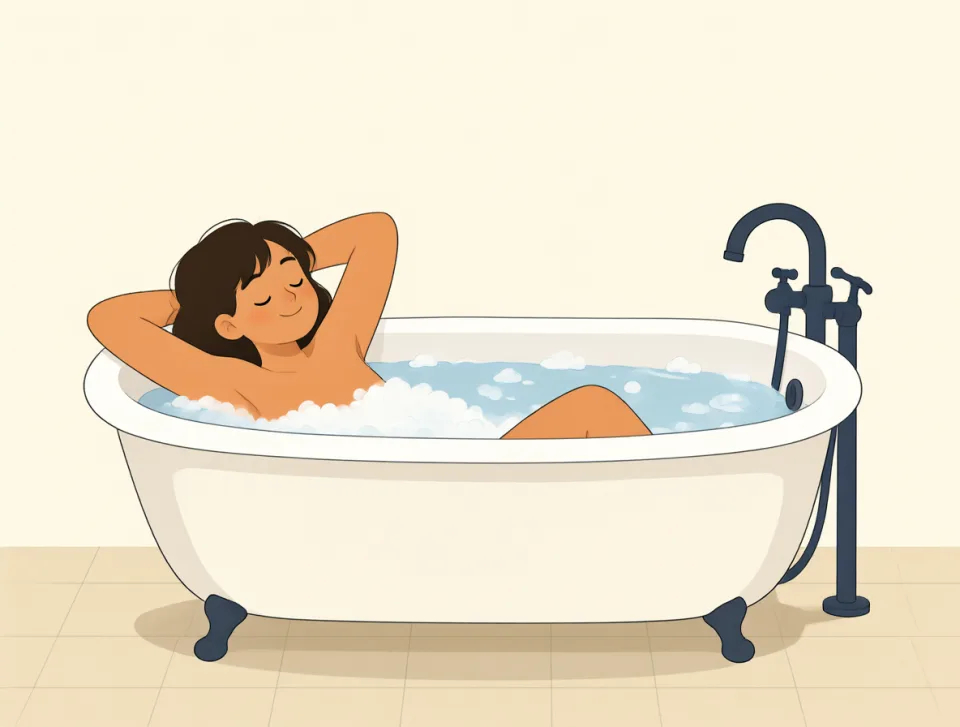
bath
#2294noun, verb
स्नान का टब
A large container for washing your body, or the act of washing in one.
शरीर धोने के लिए बड़ा बर्तन, या उसमें स्नान करने की क्रिया।

I usually take a bath before bed when I need to relax.
जब मुझे आराम करने की ज़रूरत होती है, तो मैं आमतौर पर सोने से पहले स्नान करती हूँ।
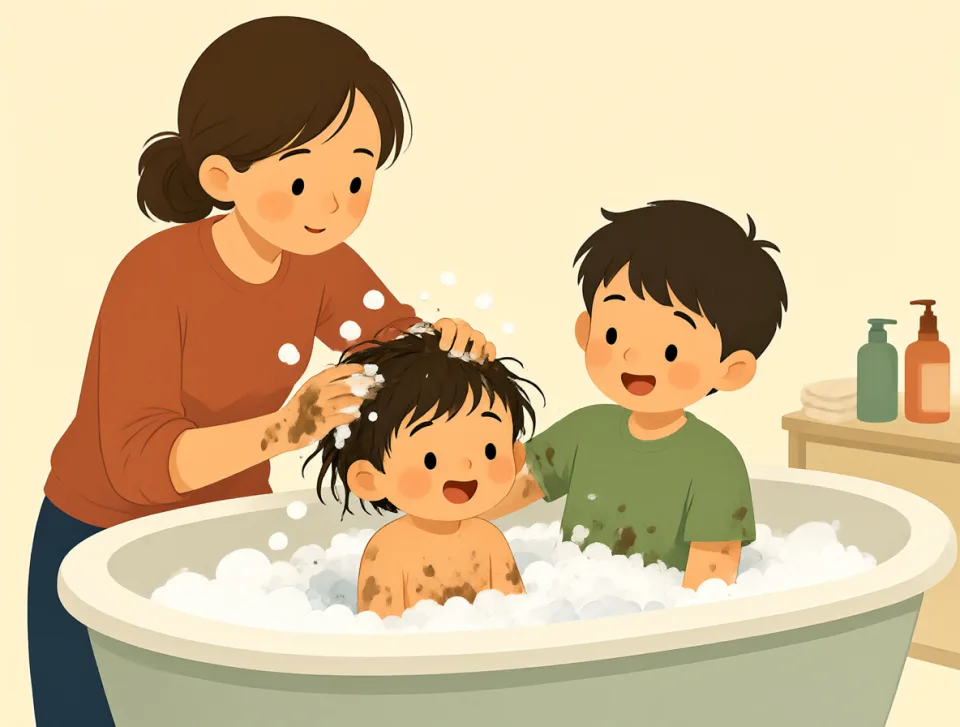
The children are having a bath after playing outside in the mud.
बाहर कीचड़ में खेलने के बाद बच्चे नहा रहे हैं।
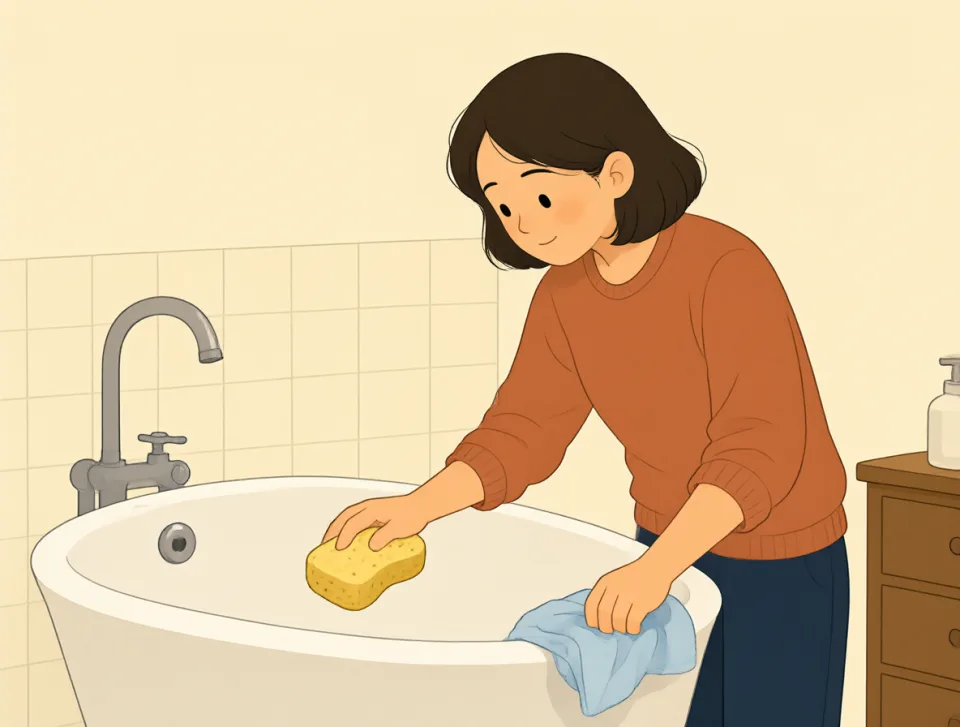
Please clean the bath after you finish using it.
इस्तेमाल करने के बाद कृपया स्नान का टब साफ़ कर दें।
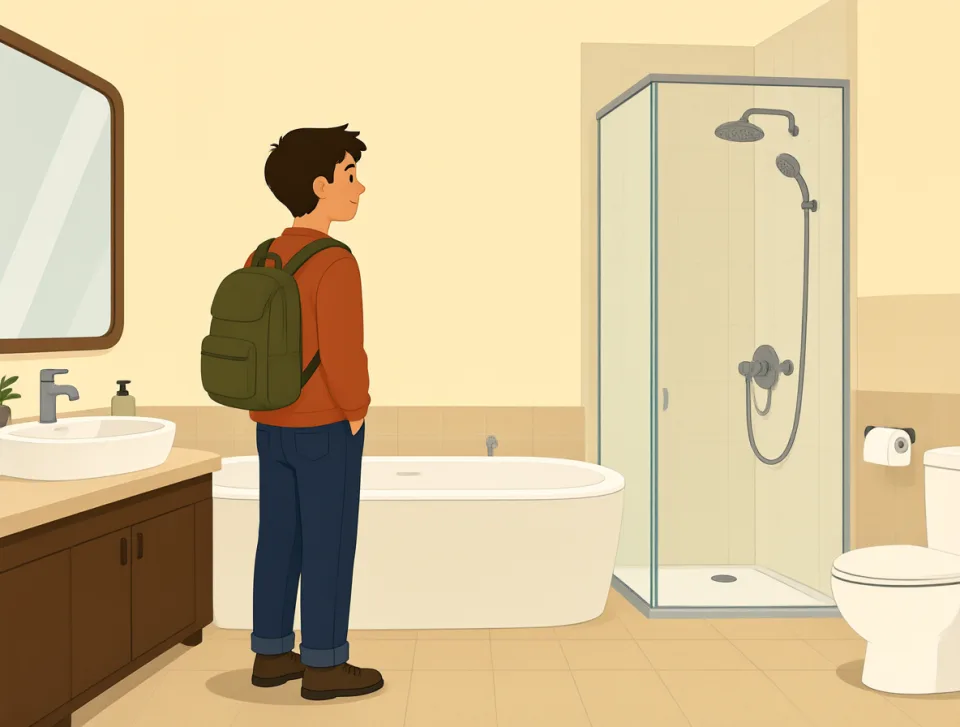
The hotel room had a comfortable bath beside the shower.
होटल के कमरे में शॉवर के पास आरामदायक स्नान का टब था।
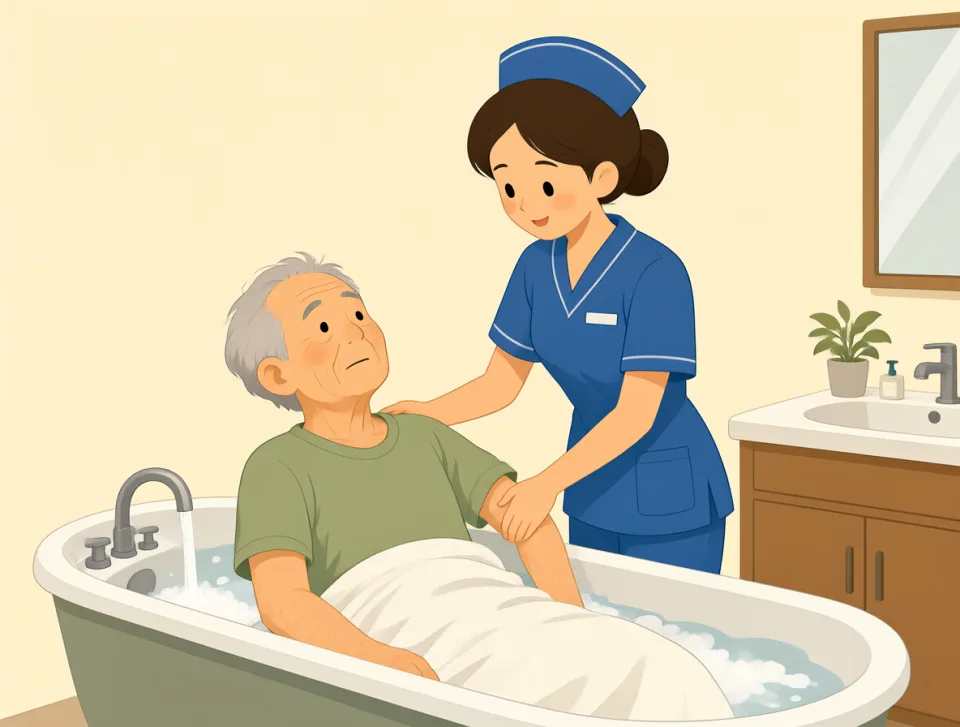
The nurse helped the patient have a warm bath after the operation.
ऑपरेशन के बाद नर्स ने मरीज़ को गुनगुने पानी से नहाने में मदद की।
frequency
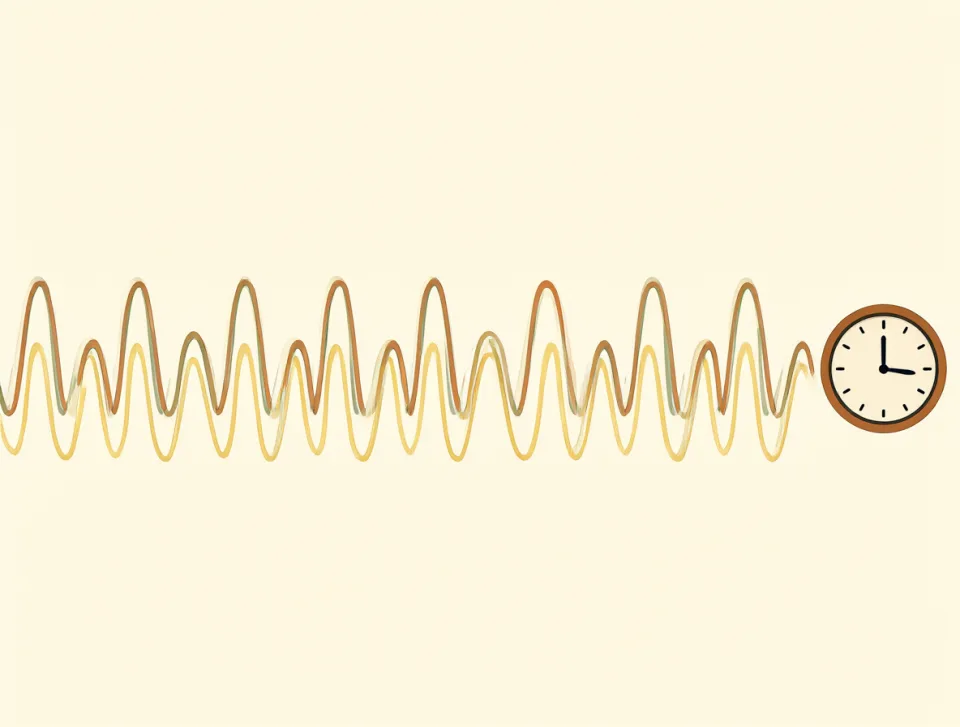
#2295noun
आवृत्ति
how often something happens or how often a sound or wave repeats
कोई चीज़ कितनी बार होती है, या कोई ध्वनि अथवा तरंग कितनी बार दोहराती है।
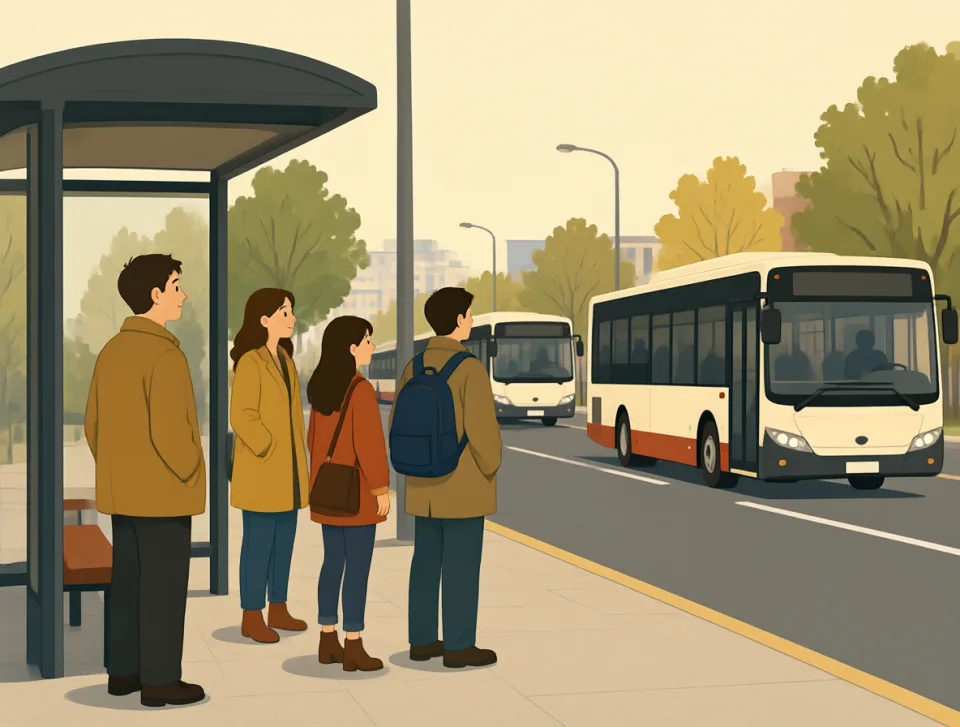
The frequency of bus services increases during the morning rush hour.
सुबह के व्यस्त समय में बस सेवाओं की आवृत्ति बढ़ जाती है।
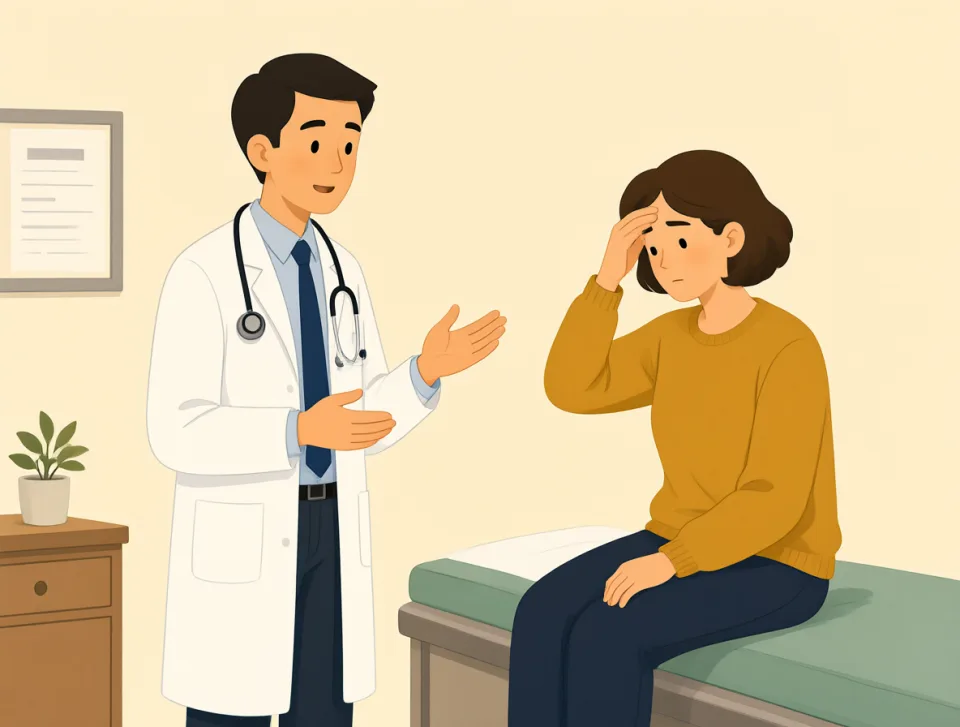
The doctor asked about the frequency of my headaches.
डॉक्टर ने मेरे सिरदर्द होने की आवृत्ति के बारे में पूछा।

We checked the frequency of our weekly team meetings.
हमने अपनी साप्ताहिक टीम बैठकों की आवृत्ति जाँची।
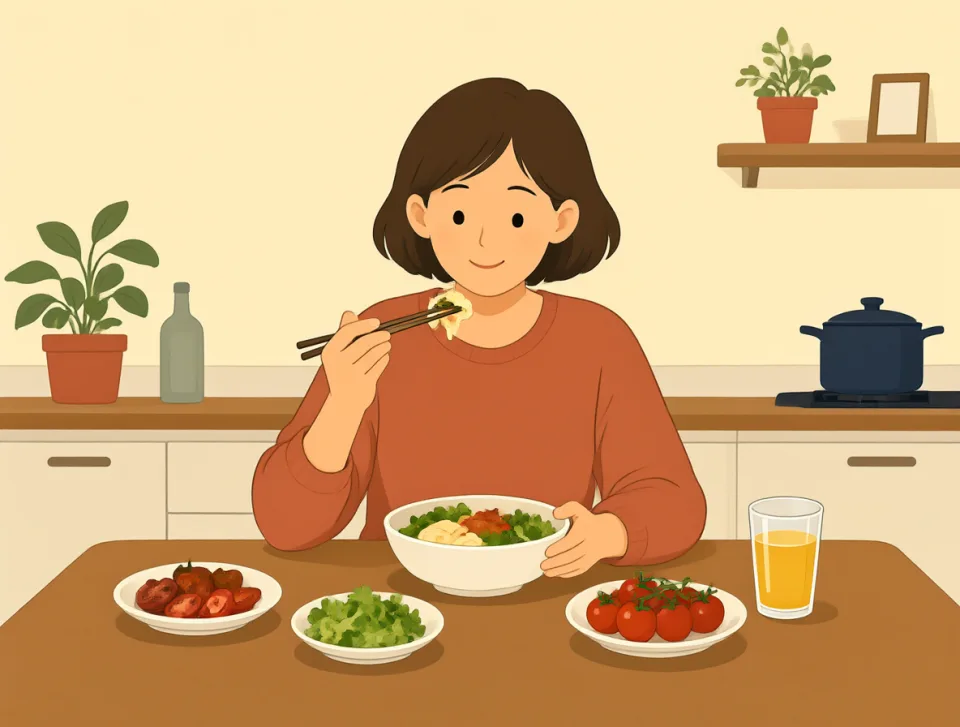
Eating smaller meals with greater frequency helped her feel better.
कम मात्रा में, लेकिन ज़्यादा बार खाना खाने से उसे बेहतर महसूस हुआ।
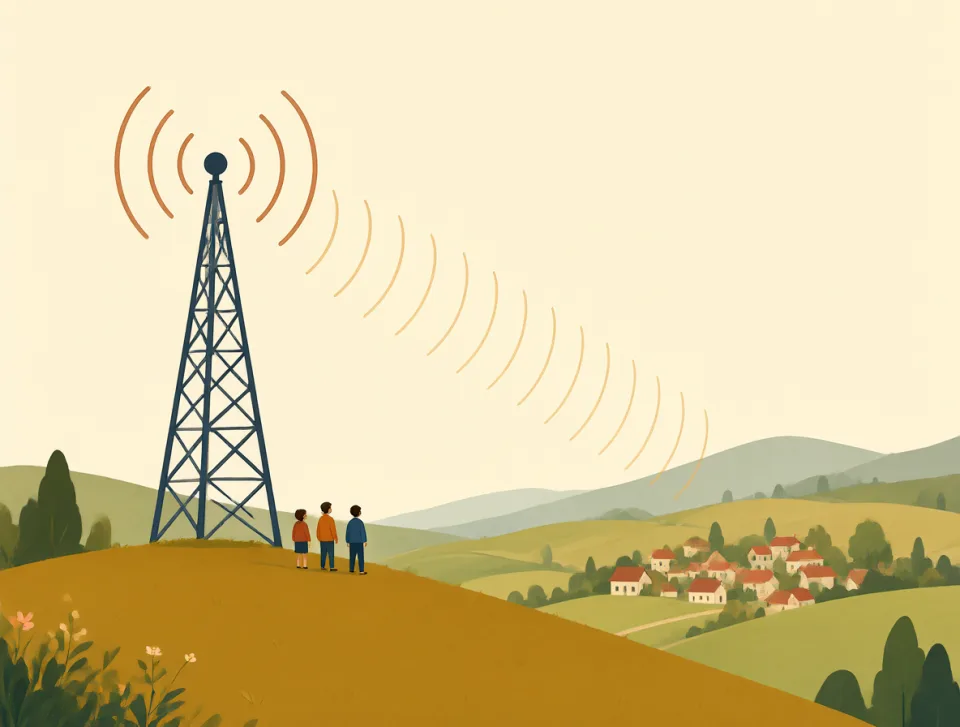
The radio station broadcasts at a frequency that reaches distant villages.
रेडियो स्टेशन ऐसी आवृत्ति पर प्रसारण करता है जो दूर-दराज़ के गाँवों तक पहुँचती है।
criticize
#2296verb
आलोचना करना
to say what you think is wrong with someone or something
किसी व्यक्ति या चीज़ में क्या गलत है, यह कहना
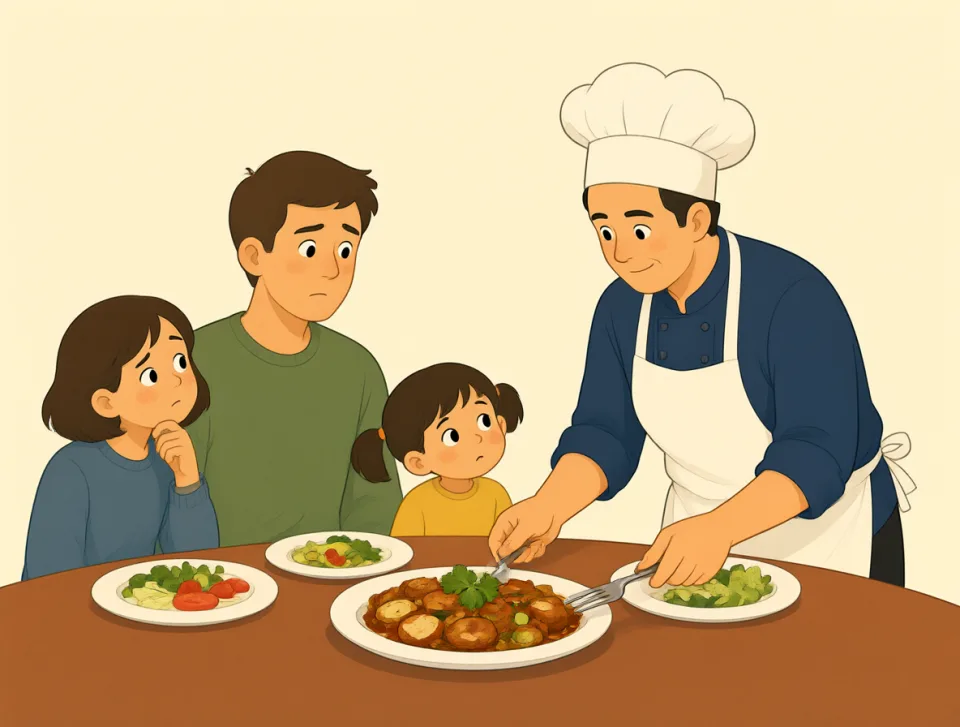
Please do not criticize my cooking before you taste the meal.
खाना चखने से पहले कृपया मेरे खाना पकाने की आलोचना न करें।

The manager criticized Tom for arriving late three times this week.
इस हफ्ते तीन बार देर से आने पर मैनेजर ने टॉम की आलोचना की।
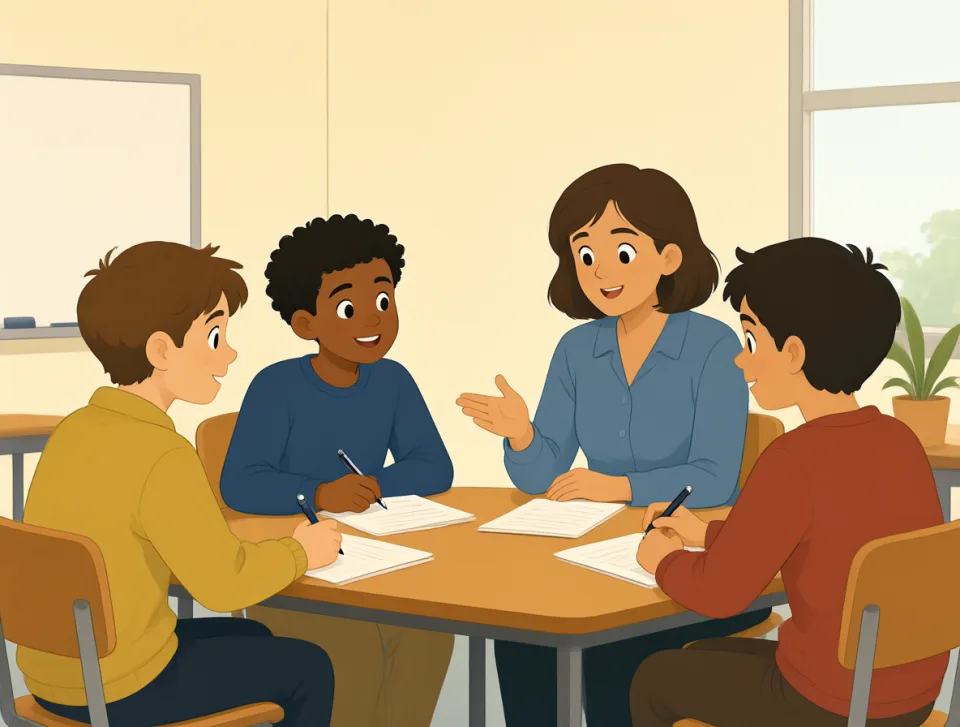
Students should criticize ideas politely during classroom discussions.
कक्षा में चर्चा के दौरान छात्रों को विचारों की विनम्रता से आलोचना करनी चाहिए।
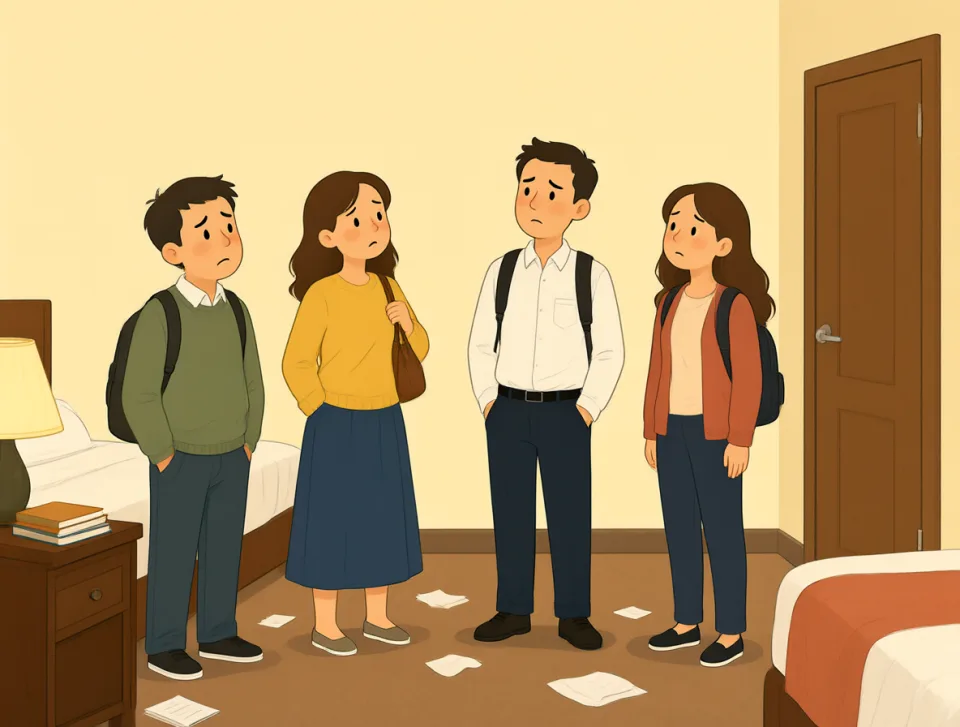
My friends criticized the hotel because our room was dirty and noisy.
मेरे दोस्तों ने होटल की आलोचना की, क्योंकि हमारा कमरा गंदा और शोरगुल वाला था।
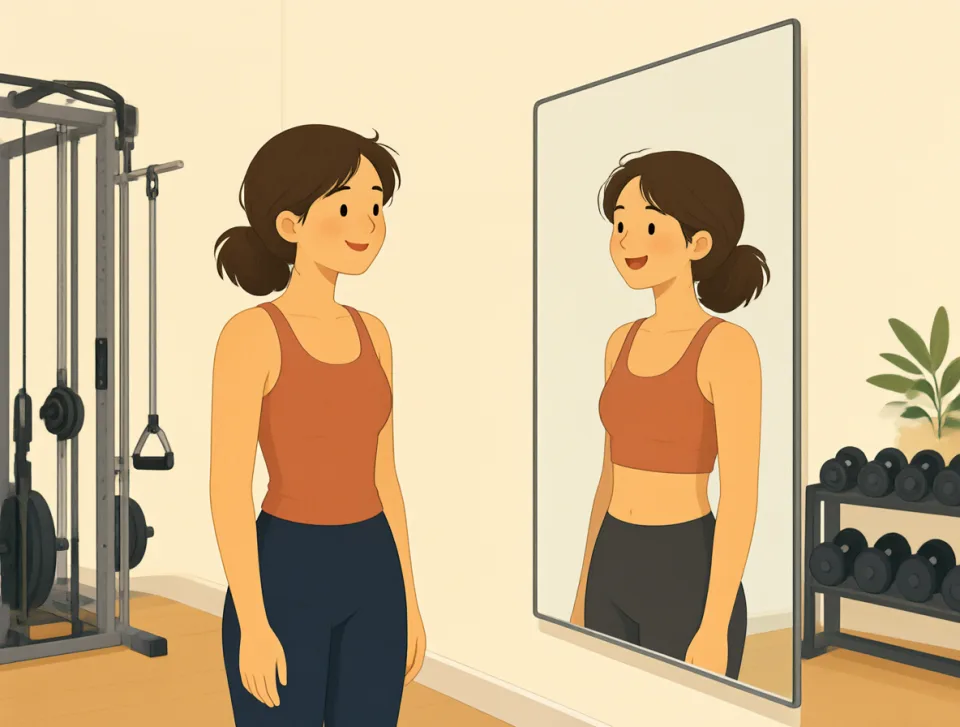
She stopped criticizing herself and celebrated her progress at the gym.
उसने खुद की आलोचना करना बंद किया और जिम में अपनी तरक्की का जश्न मनाया।
tap
#2297noun, verb
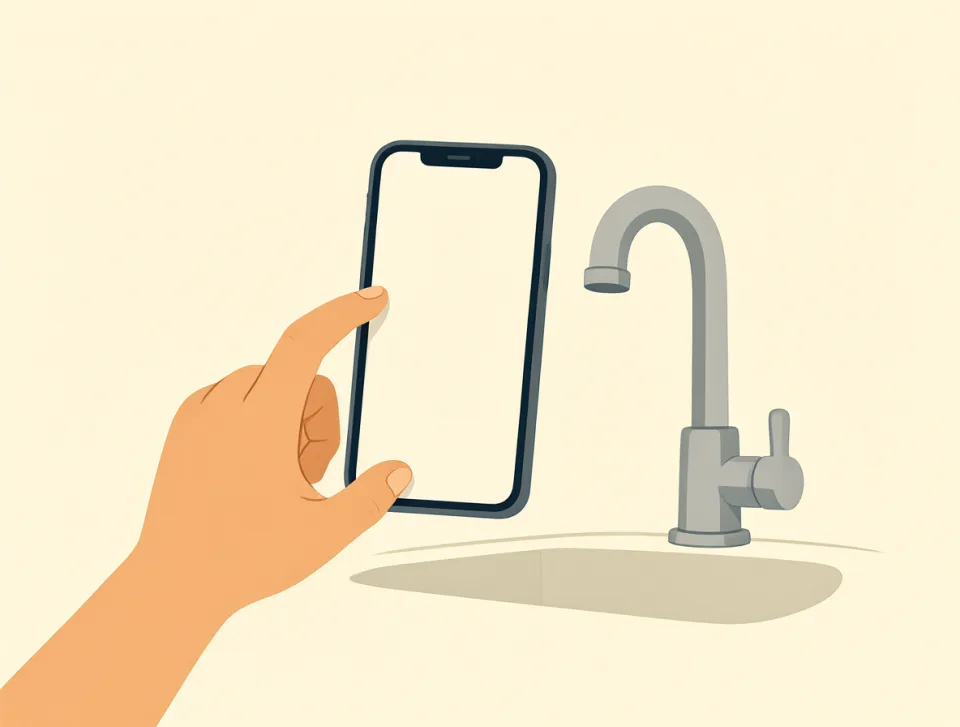
हल्के से छूना; नल
To touch something lightly, or a device that controls the flow of water or liquid.
किसी चीज़ को हल्के से छूना, या पानी अथवा किसी तरल के बहाव को नियंत्रित करने वाला उपकरण।
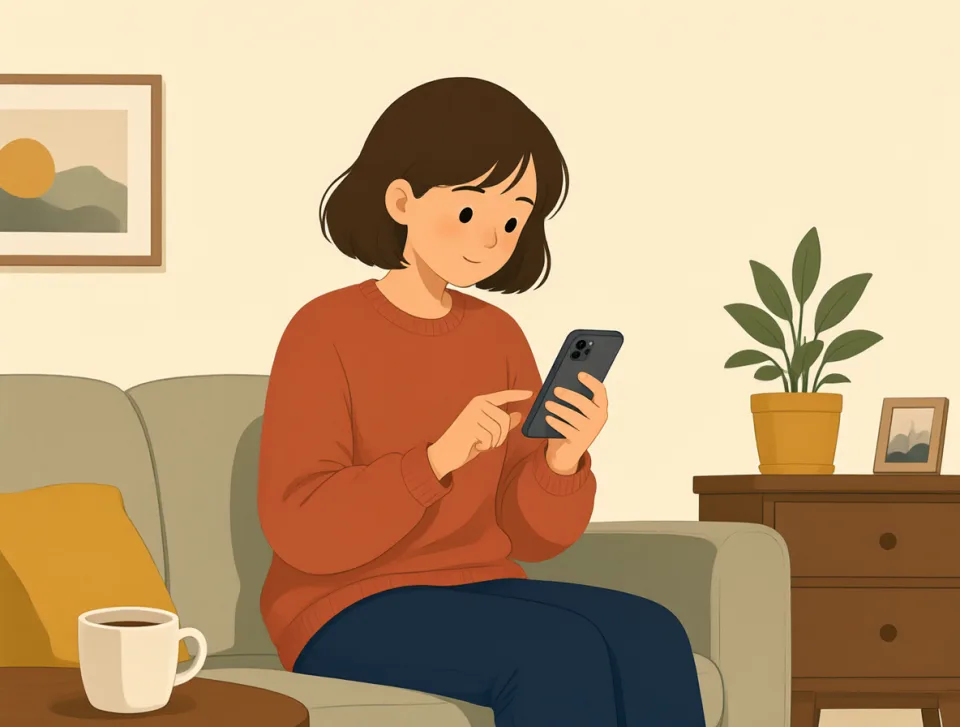
Tap the screen twice to open the app.
ऐप खोलने के लिए स्क्रीन पर दो बार टैप करें।
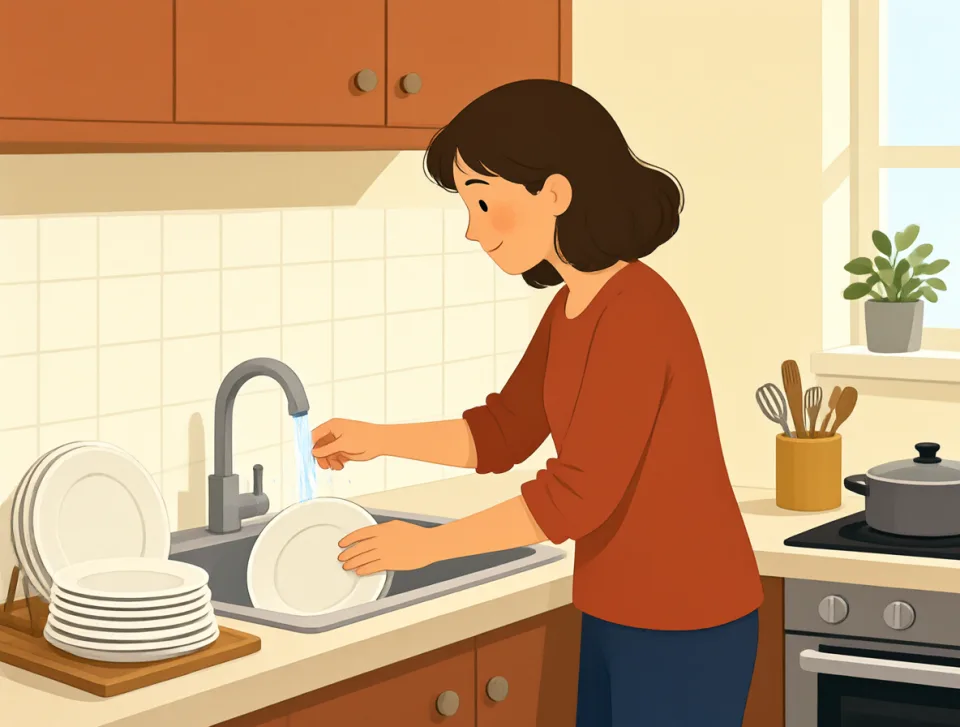
She turned off the tap after washing the dishes.
बर्तन धोने के बाद उसने नल बंद कर दिया।

He tapped me on the shoulder to get my attention.
मेरा ध्यान खींचने के लिए उसने मेरे कंधे पर हल्के से थपकी दी।
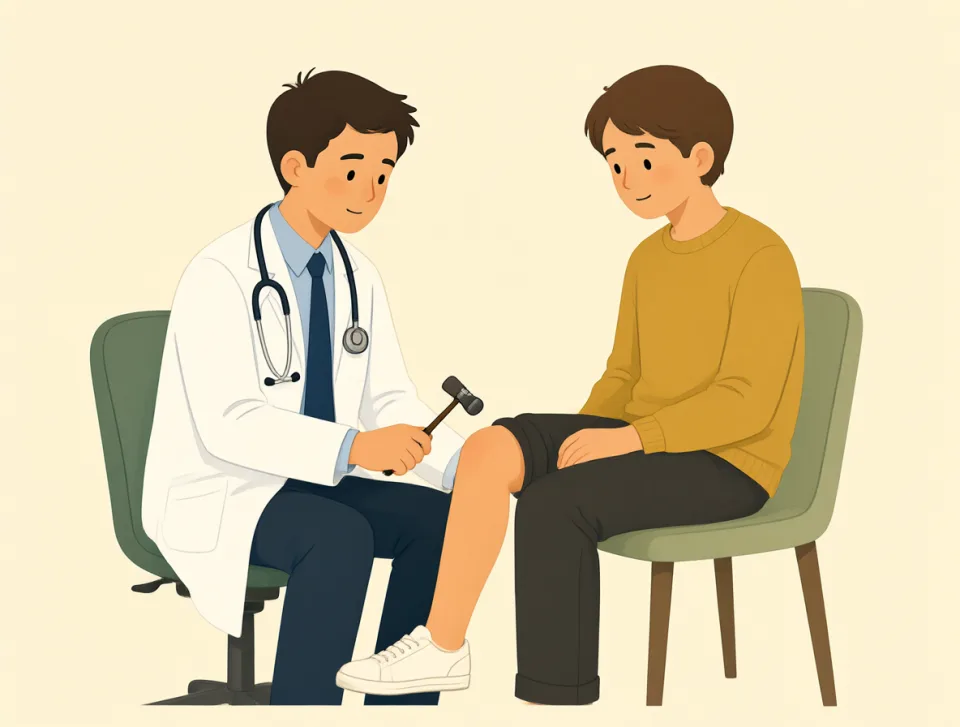
The doctor tapped his knee and watched his leg move.
डॉक्टर ने उसके घुटने पर हल्की चोट की और देखा कि उसका पैर हिलता है या नहीं।
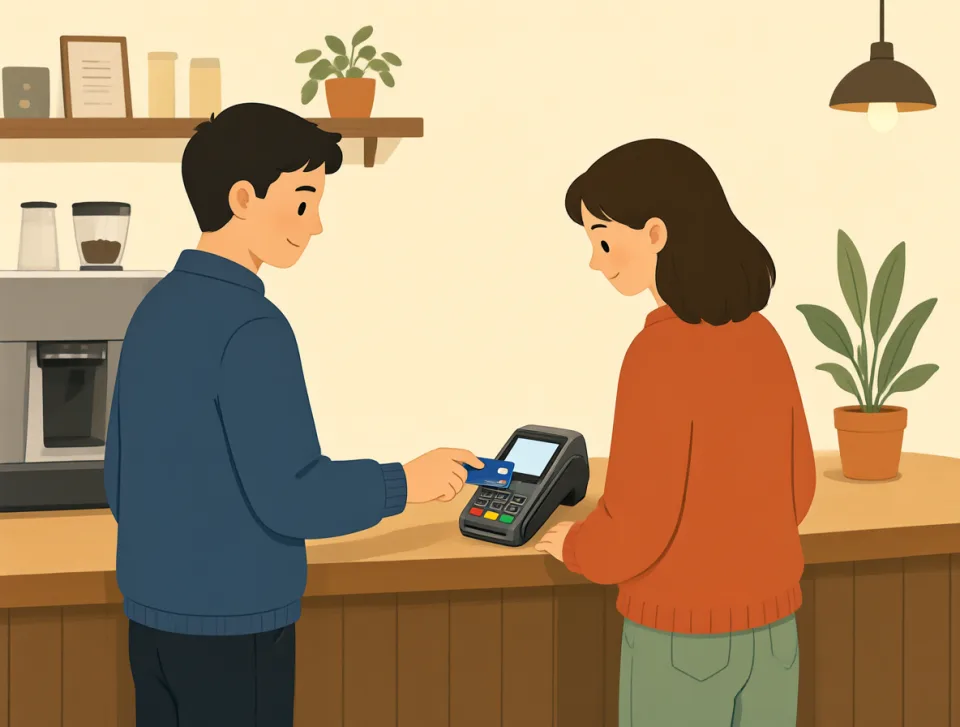
Tap your card on the machine when you pay for lunch.
दोपहर के खाने का भुगतान करते समय अपना कार्ड मशीन पर टैप करें।
philosophy
#2298noun
दर्शन
A set of beliefs about life, knowledge, and how people should live.
जीवन, ज्ञान और लोगों को कैसे जीना चाहिए, इस बारे में मान्यताओं का समूह।
My philosophy is to stay calm and solve one problem at a time.
मेरा जीवन-दर्शन है कि शांत रहूँ और एक बार में एक समस्या सुलझाऊँ।

The company’s philosophy puts customer service before making quick profits.
कंपनी का दर्शन है कि जल्दी मुनाफ़ा कमाने से पहले ग्राहकों की सेवा को प्राथमिकता दी जाए।
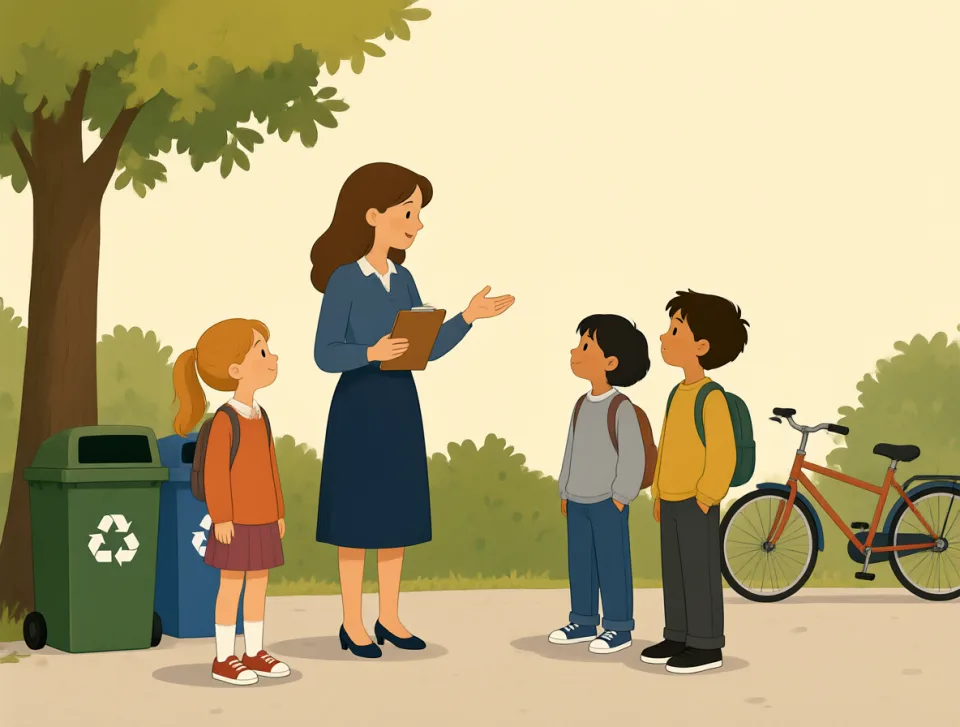
Our teacher discussed the philosophy behind protecting nature and using less energy.
हमारे शिक्षक ने प्रकृति की रक्षा करने और कम ऊर्जा इस्तेमाल करने के पीछे के दर्शन पर चर्चा की।
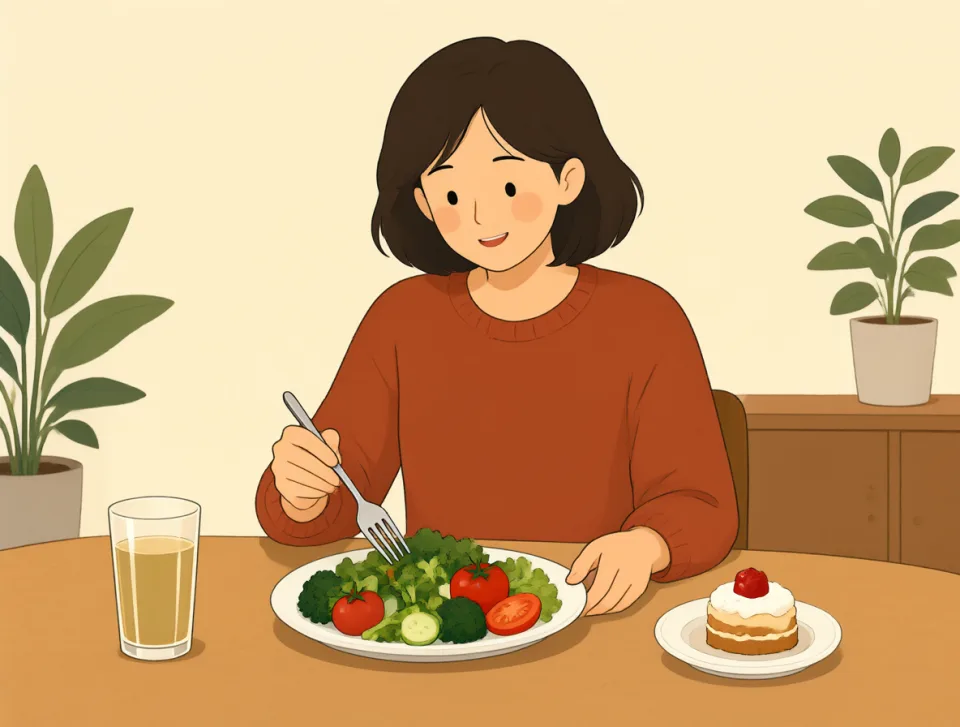
Her philosophy of healthy eating allows small treats without feeling guilty.
स्वस्थ खानपान को लेकर उसका नज़रिया यह है कि बिना अपराधबोध के कभी-कभार थोड़ी-सी मनपसंद चीज़ खाई जा सकती है।

After traveling abroad, he developed a new philosophy about meeting people from different cultures.
विदेश यात्रा के बाद, अलग-अलग संस्कृतियों के लोगों से मिलने को लेकर उसका नया नज़रिया बना।
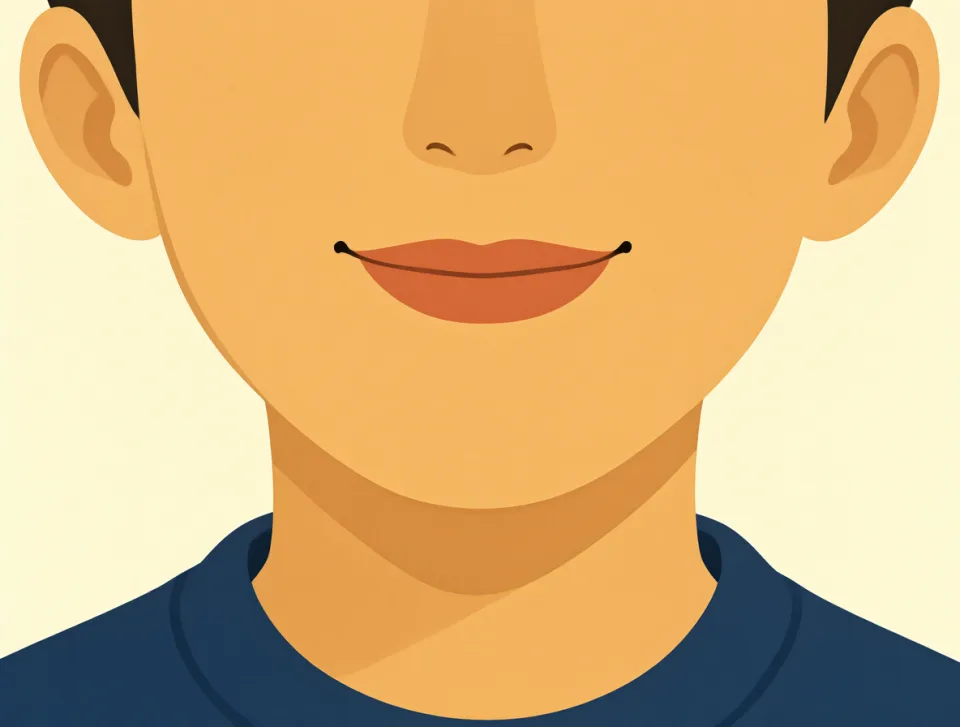
lip
#2299noun
होंठ
One of the two soft parts around the opening of the mouth.
मुंह के खुलने के आसपास के दो मुलायम हिस्सों में से एक।
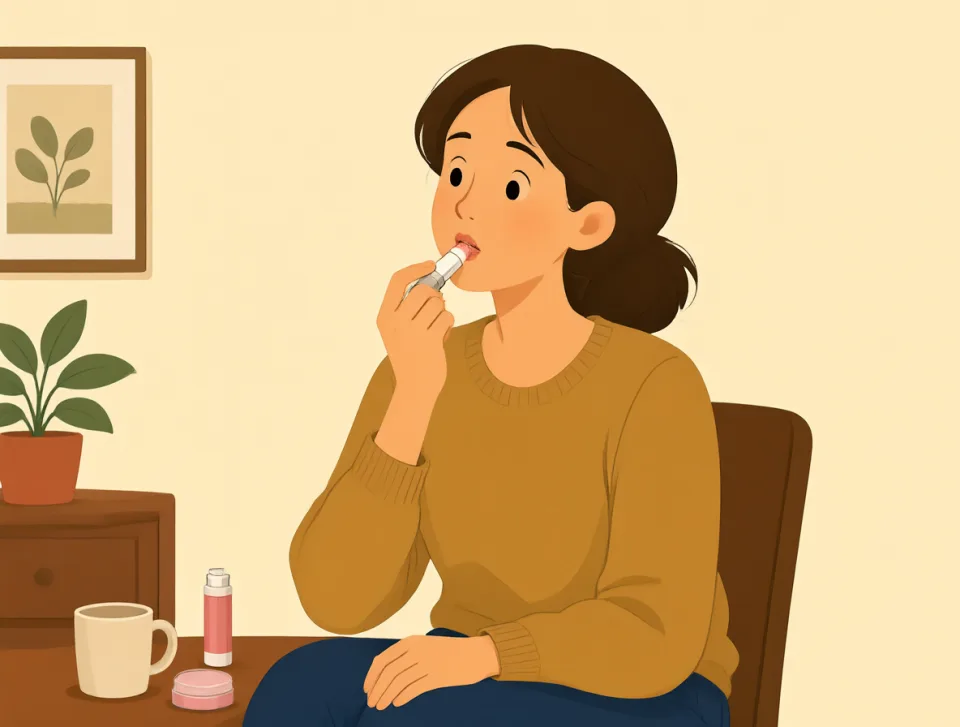
She applied lip balm because her lips were dry and painful.
उसने होंठों पर बाम लगाया, क्योंकि उसके होंठ सूखे और दर्द कर रहे थे।
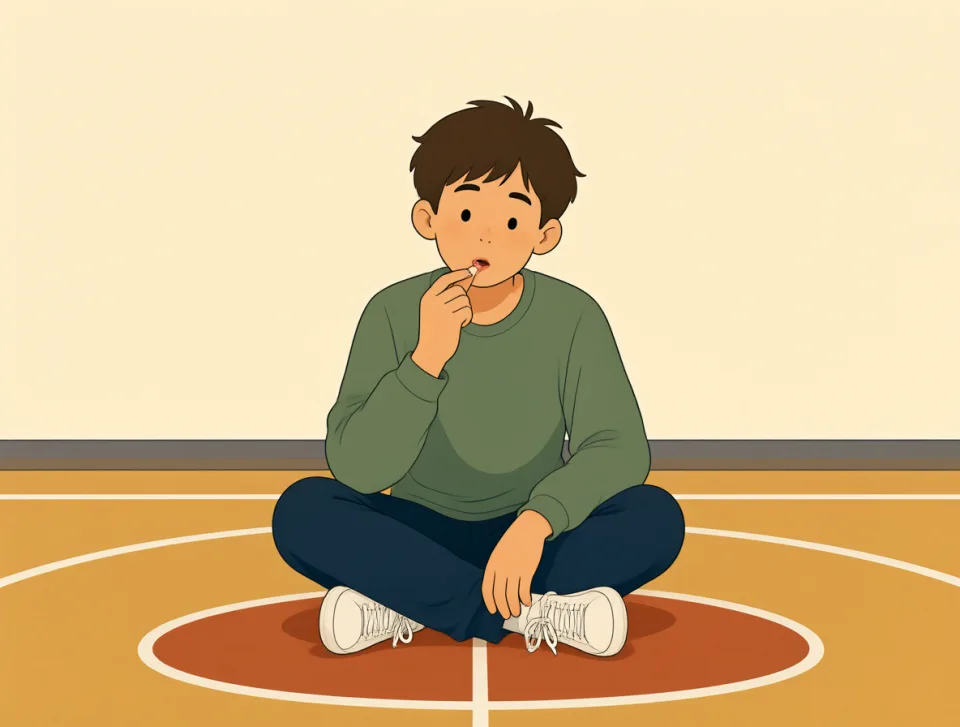
He cut his lip while playing basketball at school.
स्कूल में बास्केटबॉल खेलते समय उसका होंठ कट गया।
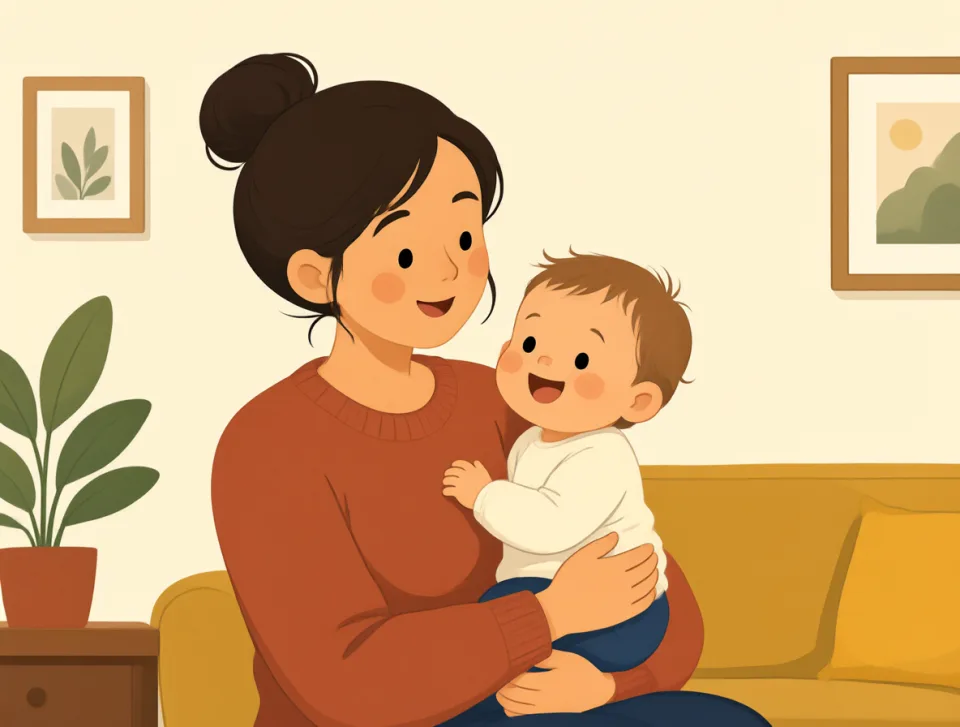
The baby smiled and moved her lips when her mother spoke.
माँ के बोलने पर बच्ची मुस्कुराई और अपने होंठ हिलाने लगी।
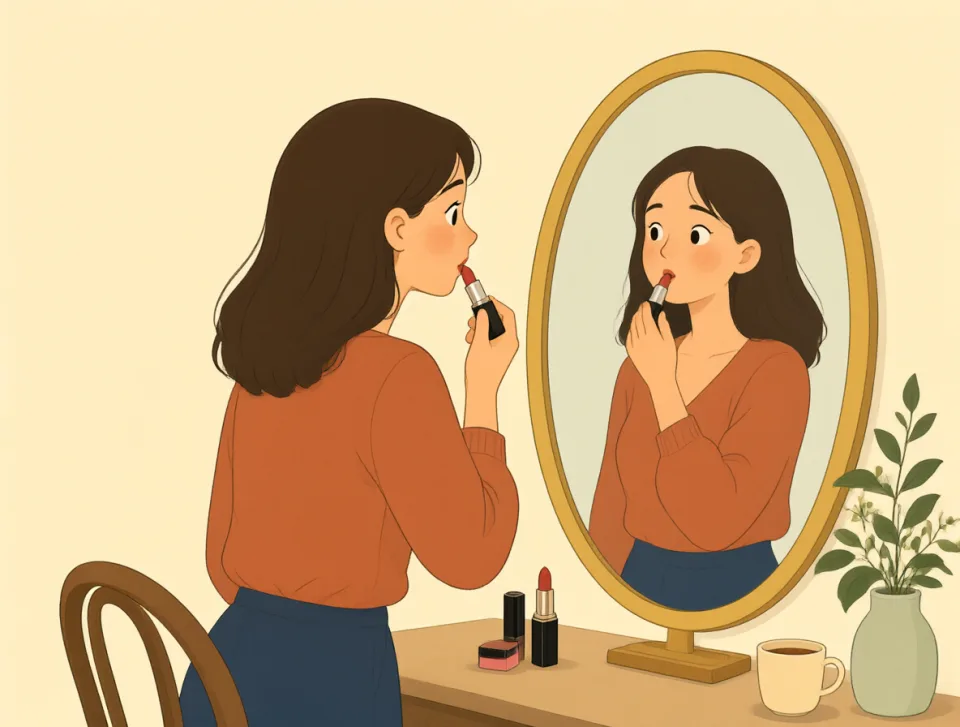
She put lipstick on her lips before meeting friends for dinner.
दोस्तों के साथ रात के खाने पर मिलने से पहले उसने अपने होंठों पर लिपस्टिक लगाई।
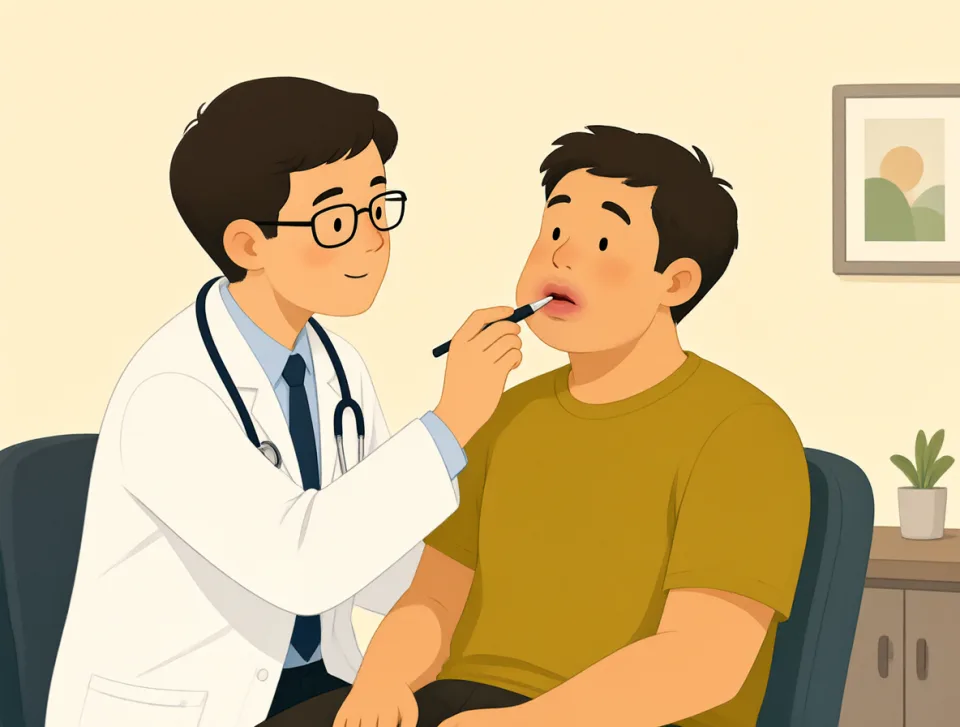
The doctor checked his swollen lip after the allergic reaction.
एलर्जी की प्रतिक्रिया के बाद डॉक्टर ने उसके सूजे हुए होंठ की जाँच की।

attribute
#2300noun, verb
गुण; का श्रेय देना
A quality of someone or something; to say that a quality or action belongs to someone.
किसी व्यक्ति या चीज़ का गुण; यह कहना कि कोई गुण या काम किसी व्यक्ति का है।
Many people attribute their success to hard work and good advice.
बहुत से लोग अपनी सफलता का श्रेय कड़ी मेहनत और अच्छी सलाह को देते हैं।
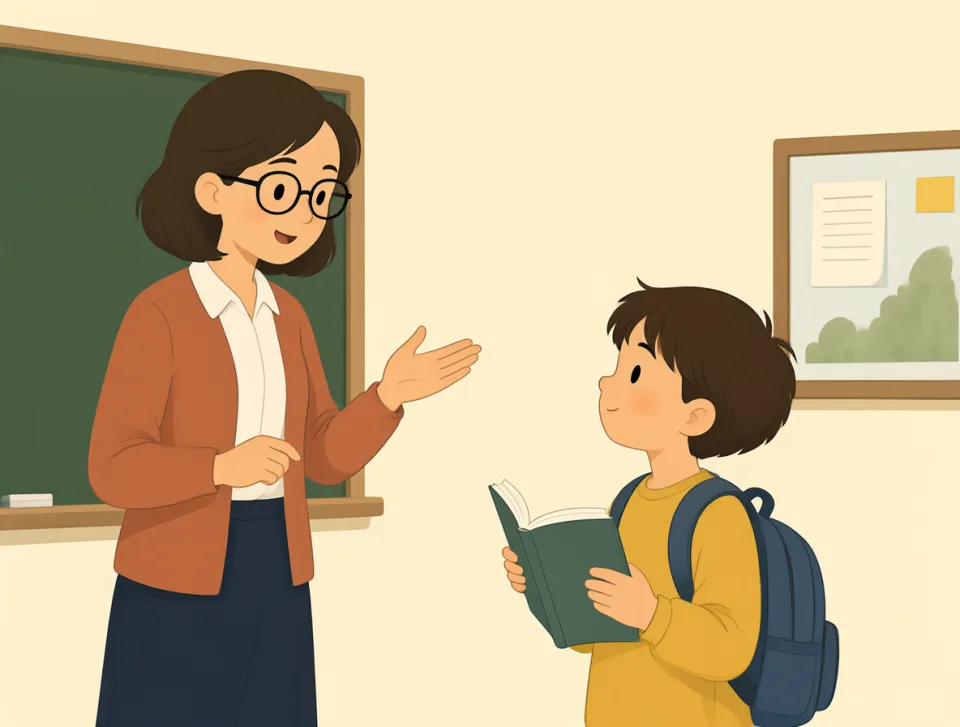
The teacher attributed the student's improvement to regular reading at home.
शिक्षक ने छात्र की प्रगति का श्रेय घर पर नियमित रूप से पढ़ने को दिया।

The report lists patience as one of her best attributes.
रिपोर्ट में धैर्य को उसके सबसे अच्छे गुणों में से एक बताया गया है।
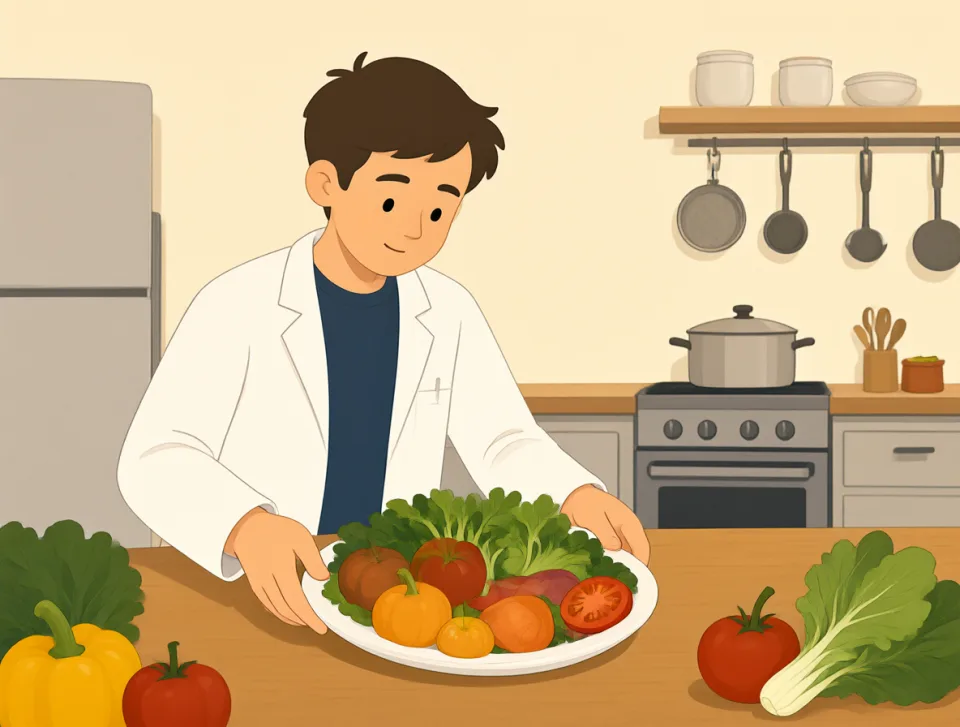
Scientists attribute the health benefits of the dish to its fresh vegetables.
वैज्ञानिक इस व्यंजन के स्वास्थ्य लाभों का श्रेय इसकी ताज़ी सब्ज़ियों को देते हैं।
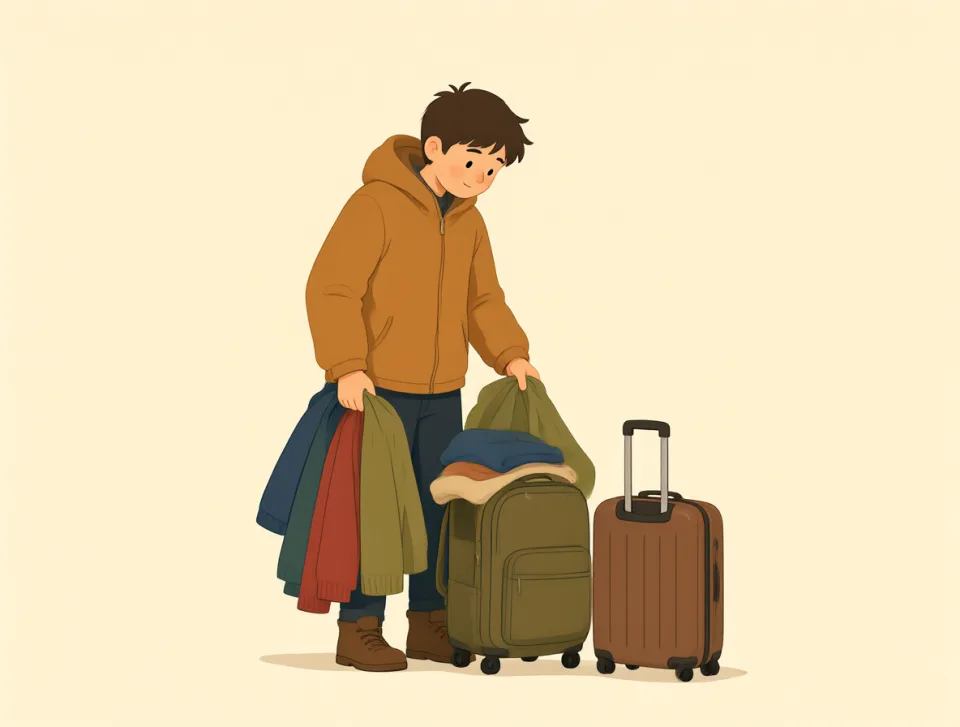
The jacket's warm lining is an important attribute for winter travel.
जैकेट की गर्म अस्तर सर्दियों में यात्रा के लिए एक ज़रूरी गुण है।