इकाई 117
शब्द 2321–2340 · recovery, seal, tube, tower, characterize, specify
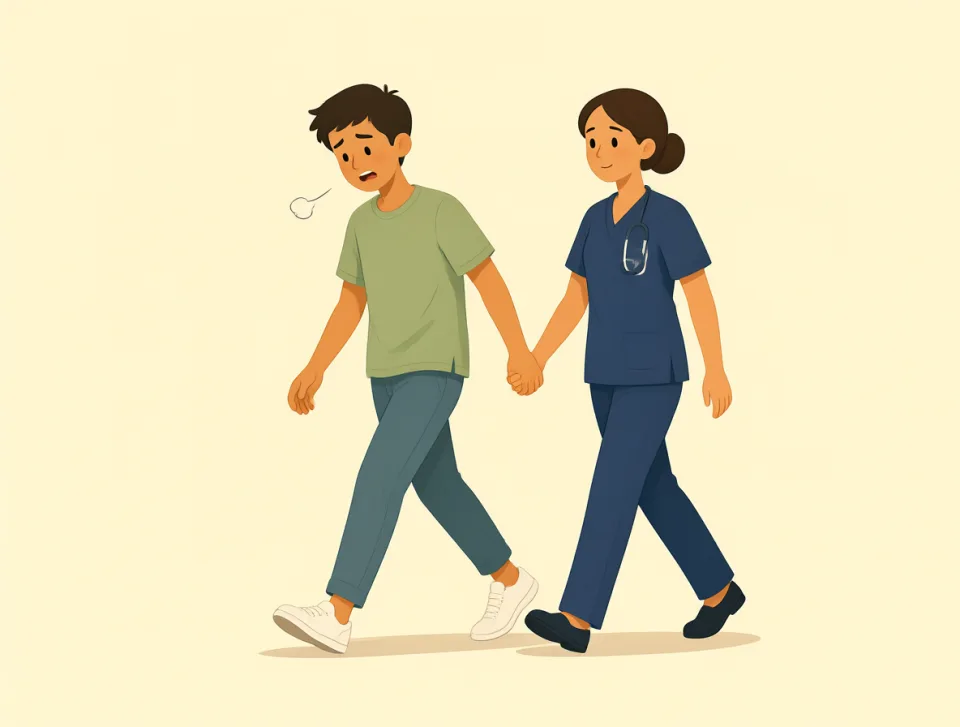
recovery
#2321noun
स्वास्थ्य-लाभ
The process of becoming healthy, strong, or normal again after illness, injury, or difficulty.
बीमारी, चोट या कठिनाई के बाद फिर से स्वस्थ, मज़बूत या सामान्य होने की प्रक्रिया।

Her recovery from the operation took several weeks.
ऑपरेशन के बाद उसे ठीक होने में कई हफ़्ते लगे।

The team hopes for a quick recovery after losing several important games.
कई अहम मैच हारने के बाद टीम को जल्द वापसी की उम्मीद है।

He made a full recovery and returned to work last Monday.
वह पूरी तरह ठीक हो गया और पिछले सोमवार काम पर लौट आया।
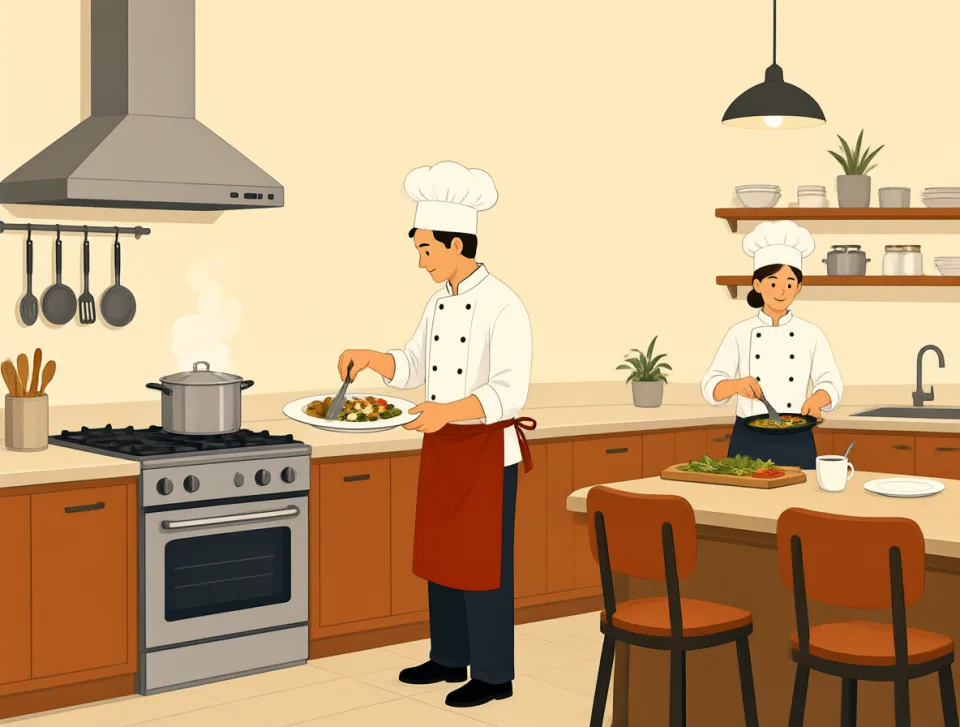
The hotel offered free breakfast during the recovery of its damaged kitchen.
क्षतिग्रस्त रसोई की मरम्मत के दौरान होटल ने मुफ़्त नाश्ता दिया।
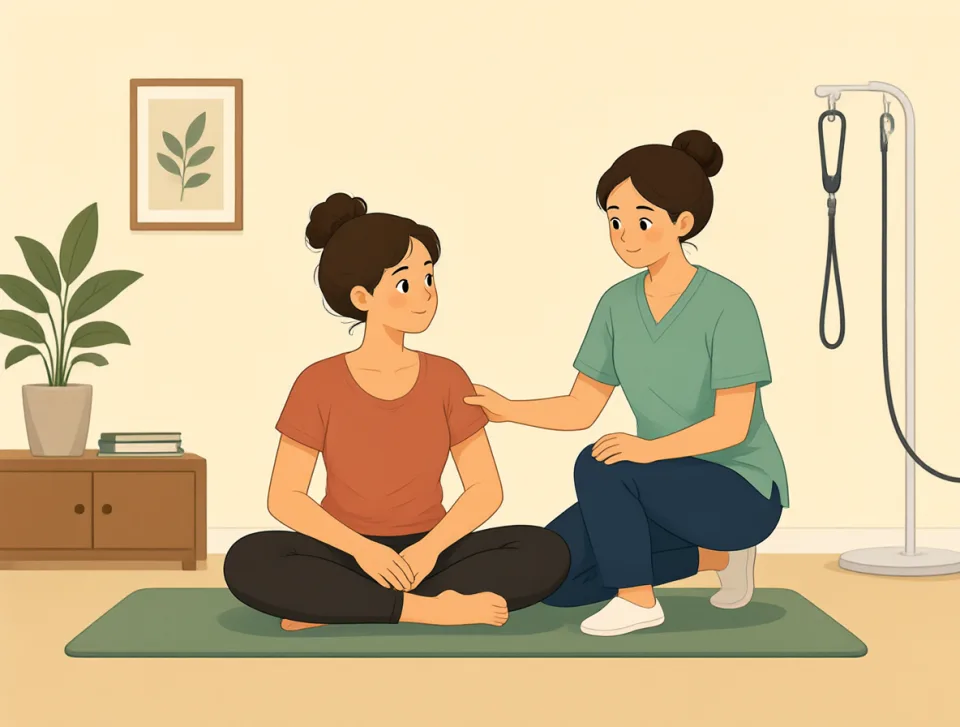
Regular exercise helped speed up her recovery after the accident.
नियमित व्यायाम से दुर्घटना के बाद उसके ठीक होने की प्रक्रिया तेज़ हुई।

seal
#2322noun, verb
सील करना
A seal is a sea animal, or a secure closure; to seal means to close something tightly.
Seal का अर्थ समुद्री जीव या सुरक्षित बंद करने वाला ढक्कन हो सकता है; क्रिया के रूप में इसका अर्थ किसी चीज़ को कसकर बंद करना है।
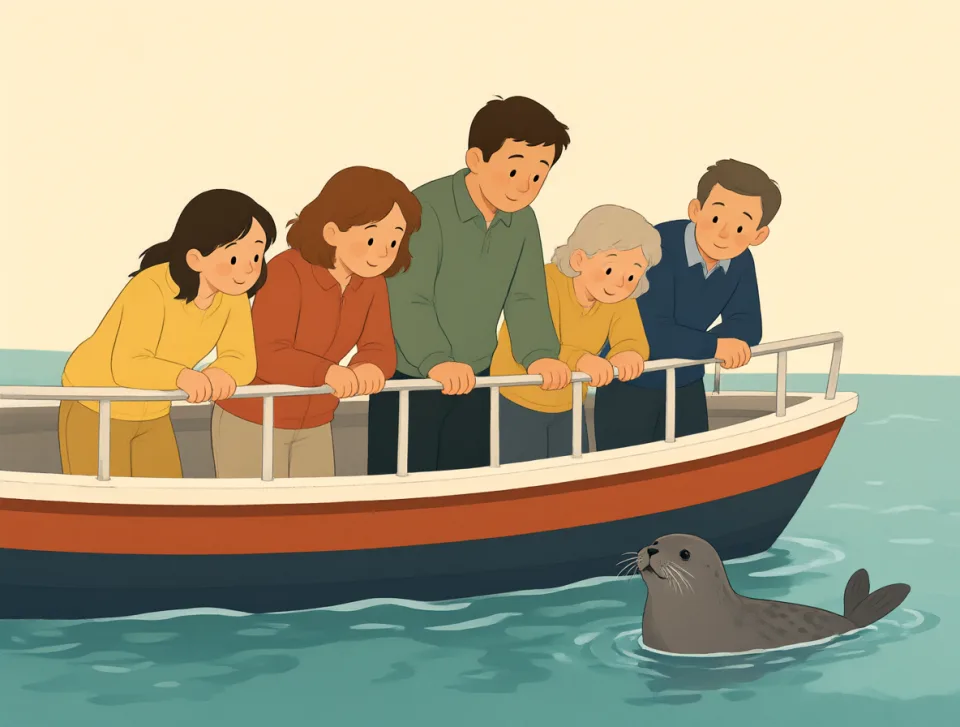
We watched a seal swimming near the boat during our island trip.
द्वीप की यात्रा के दौरान हमने नाव के पास तैरती एक सील देखी।
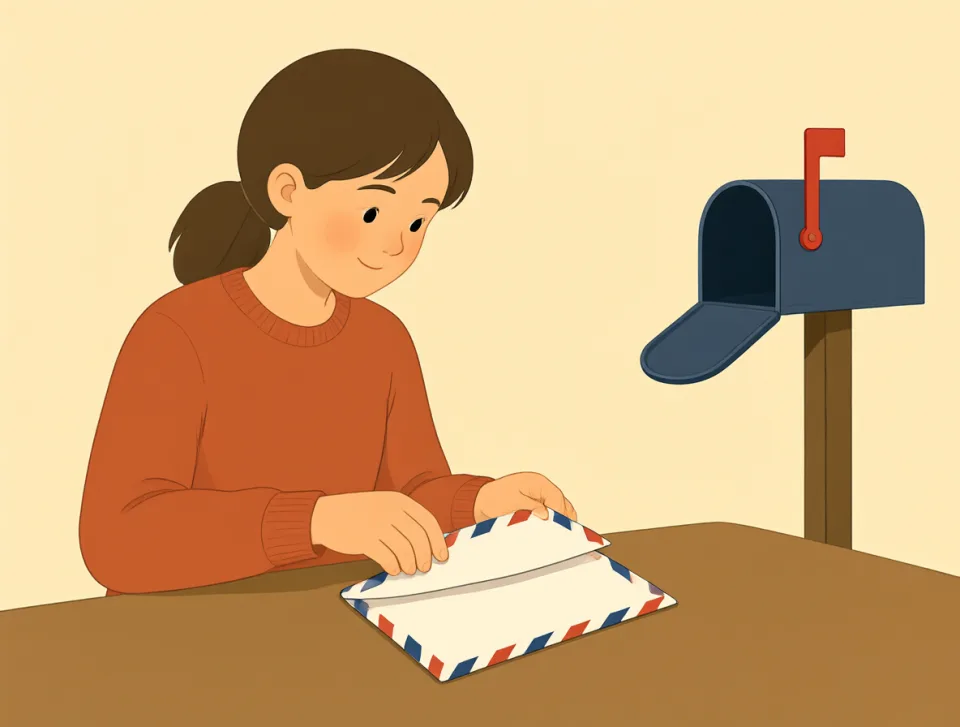
Please seal the envelope before you put it in the mailbox.
कृपया लिफ़ाफ़े को डाकपेटी में डालने से पहले बंद कर दें।
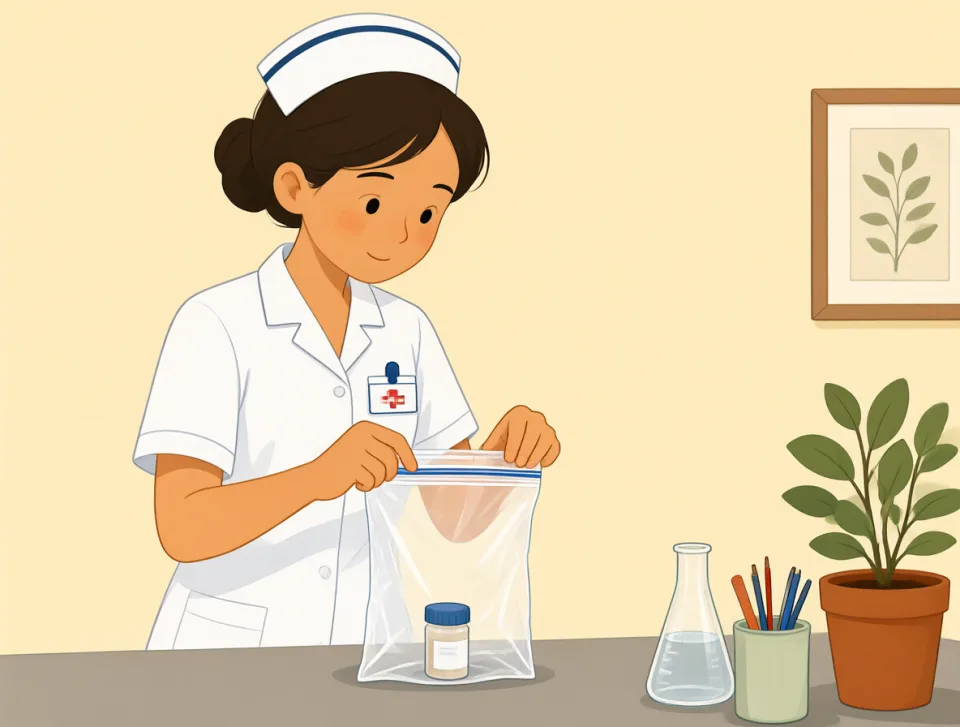
The nurse sealed the sample in a clean plastic bag.
नर्स ने नमूने को एक साफ़ प्लास्टिक की थैली में सील कर दिया।

The jar's seal was broken, so we returned it to the store.
जार की सील टूटी हुई थी, इसलिए हमने उसे दुकान पर लौटा दिया।
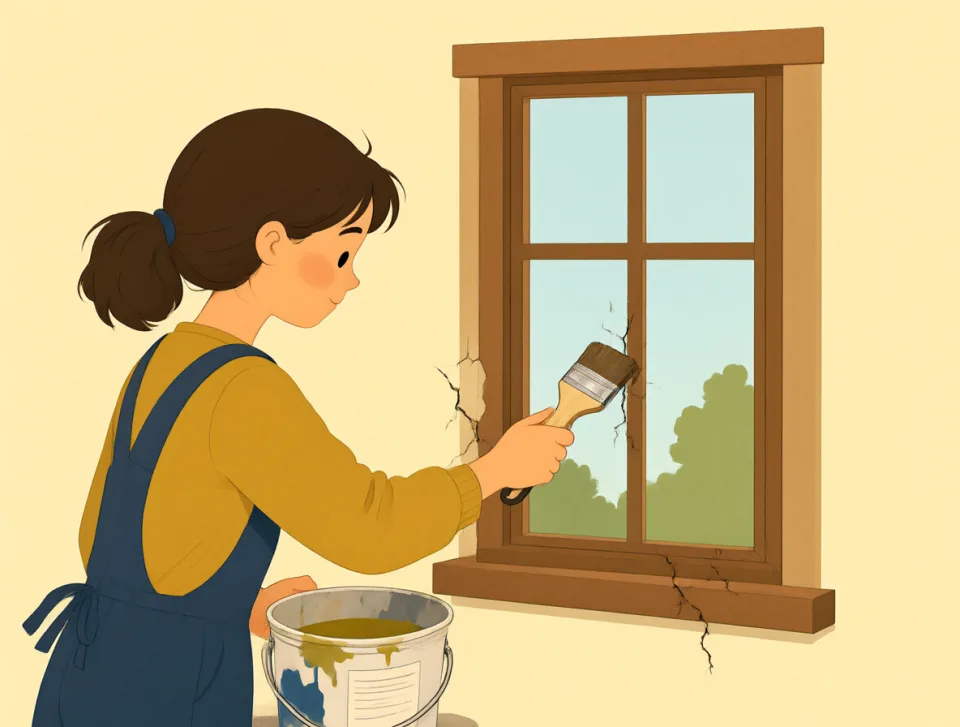
Fresh paint can seal small cracks in the wooden window frame.
ताज़ा पेंट लकड़ी की खिड़की के चौखटे की छोटी दरारों को बंद कर सकता है।
tube
#2323noun
नली
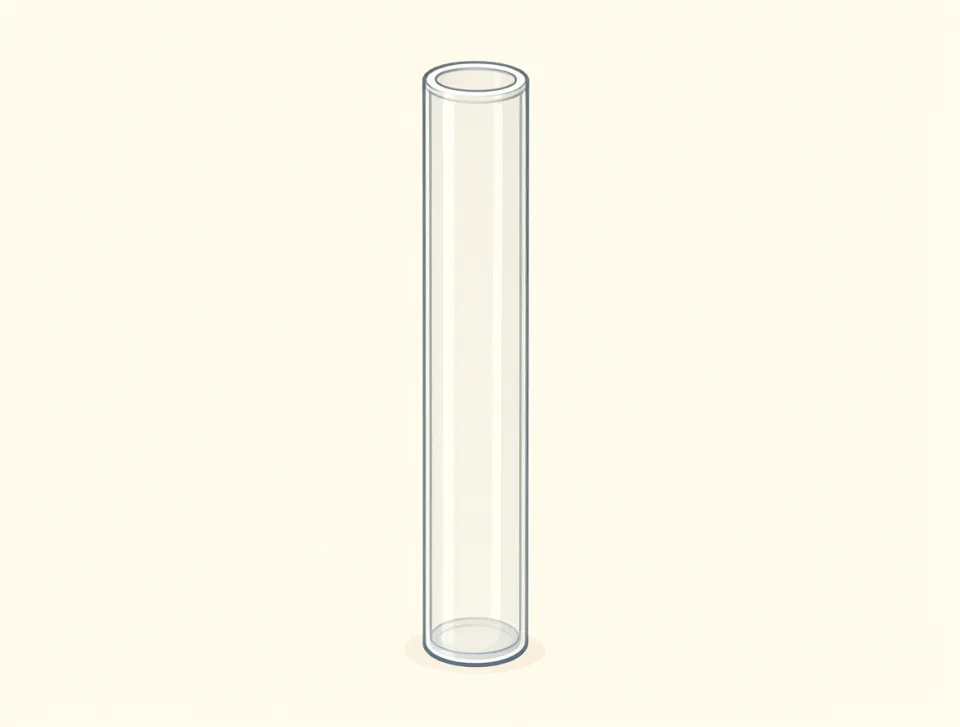
a long, hollow container or pipe used to carry liquids, air, or other substances
तरल पदार्थ, हवा या अन्य चीज़ों को ले जाने के लिए इस्तेमाल किया जाने वाला लंबा, खोखला पात्र या पाइप।
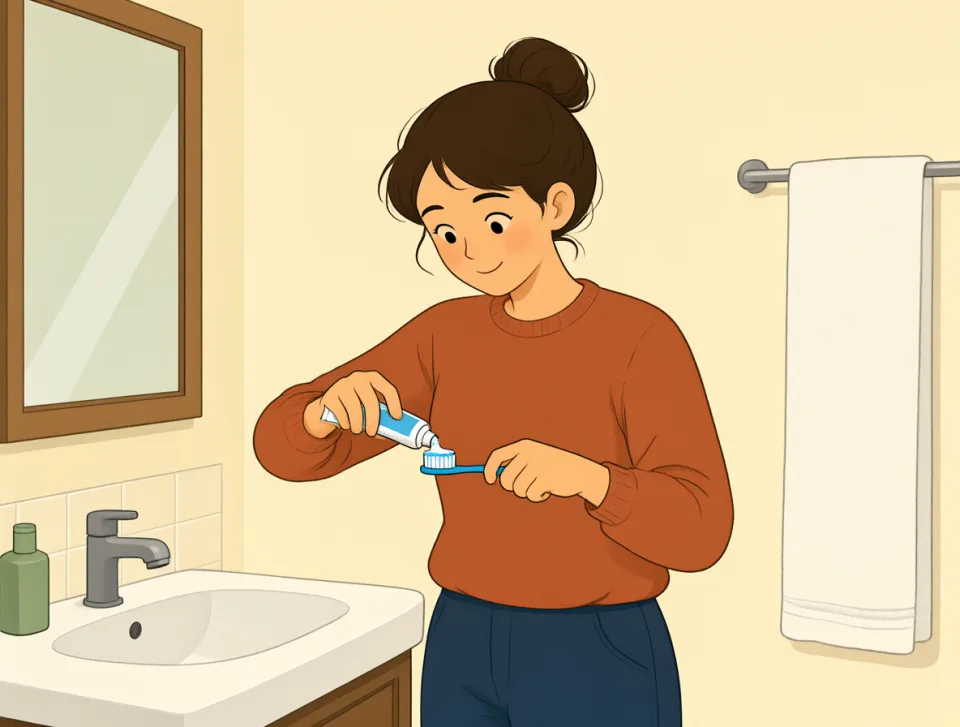
She squeezed toothpaste from the tube onto her toothbrush.
उसने टूथपेस्ट की ट्यूब से पेस्ट निचोड़कर अपने टूथब्रश पर लगाया।
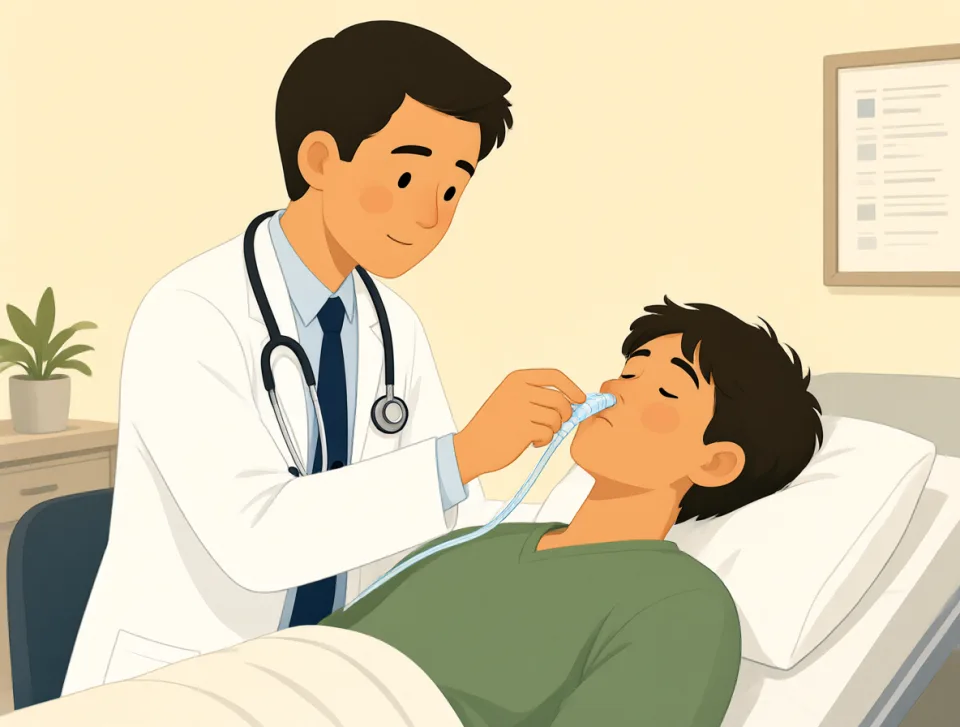
The doctor put a small tube in his nose to help him breathe.
डॉक्टर ने साँस लेने में मदद के लिए उसकी नाक में एक छोटी नली डाली।
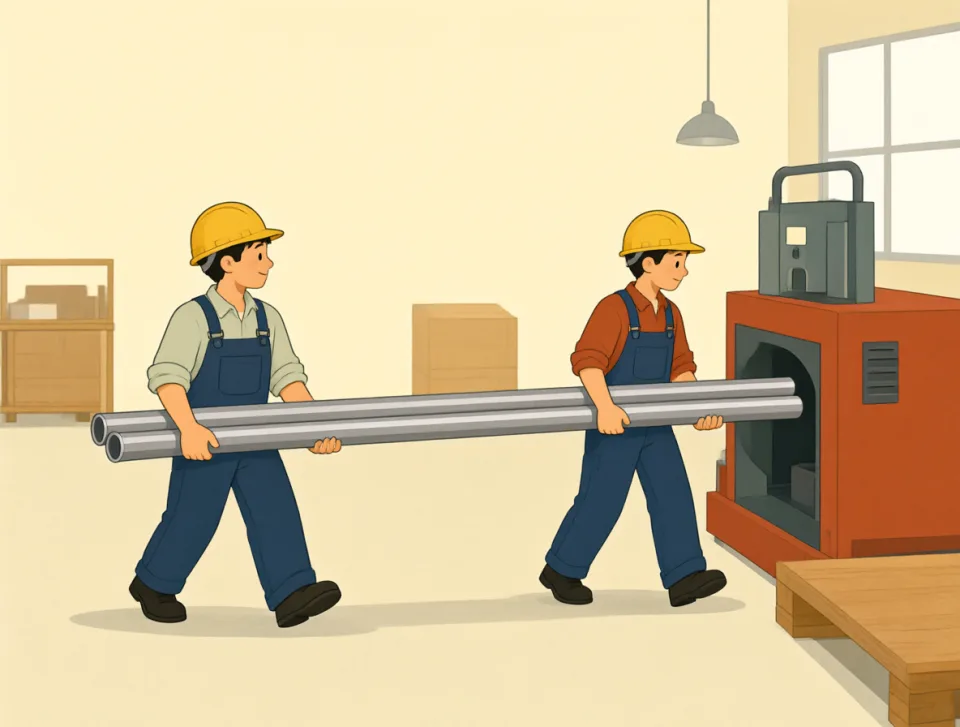
Workers carried the metal tubes into the factory for installation.
मज़दूर धातु की नलियों को लगाने के लिए कारखाने में ले गए।
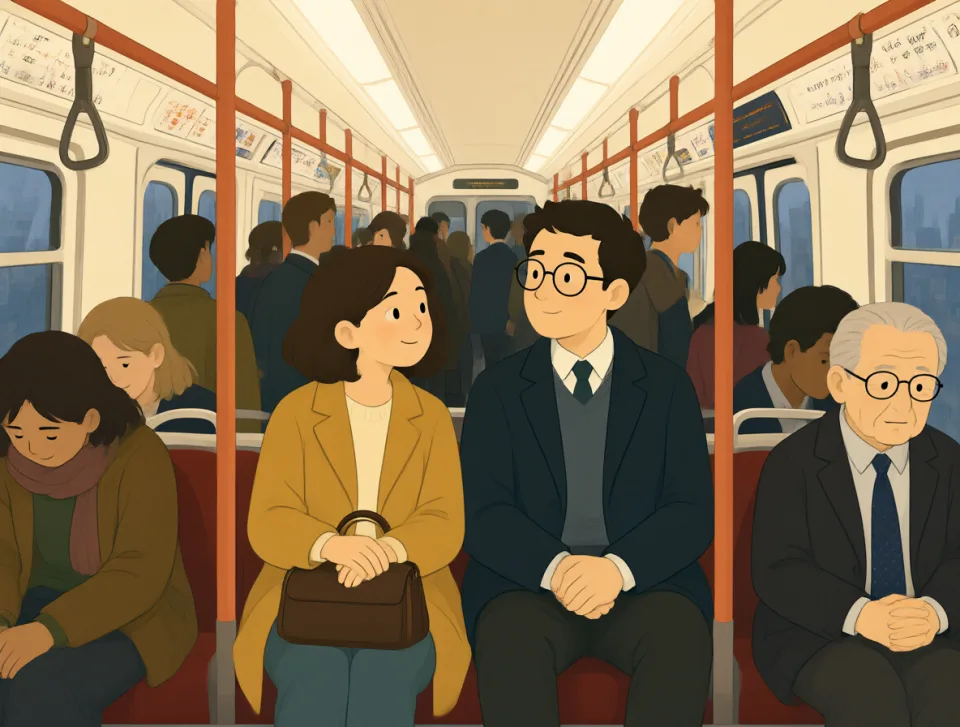
We traveled across London by tube during the busy morning rush.
सुबह की भीड़ के समय हम लंदन में अंडरग्राउंड ट्रेन से सफ़र किए।

The chef used a piping tube to decorate the birthday cake.
शेफ़ ने जन्मदिन का केक सजाने के लिए पाइपिंग बैग की नली का इस्तेमाल किया।

tower
#2324noun, verb
मीनार
A tall, narrow building or structure; to rise high above the surrounding area.
एक ऊँची, संकरी इमारत या संरचना; आसपास के क्षेत्र से बहुत ऊँचा उठना।

We climbed the tower to enjoy the beautiful view of the city.
शहर का खूबसूरत नज़ारा देखने के लिए हम मीनार पर चढ़े।
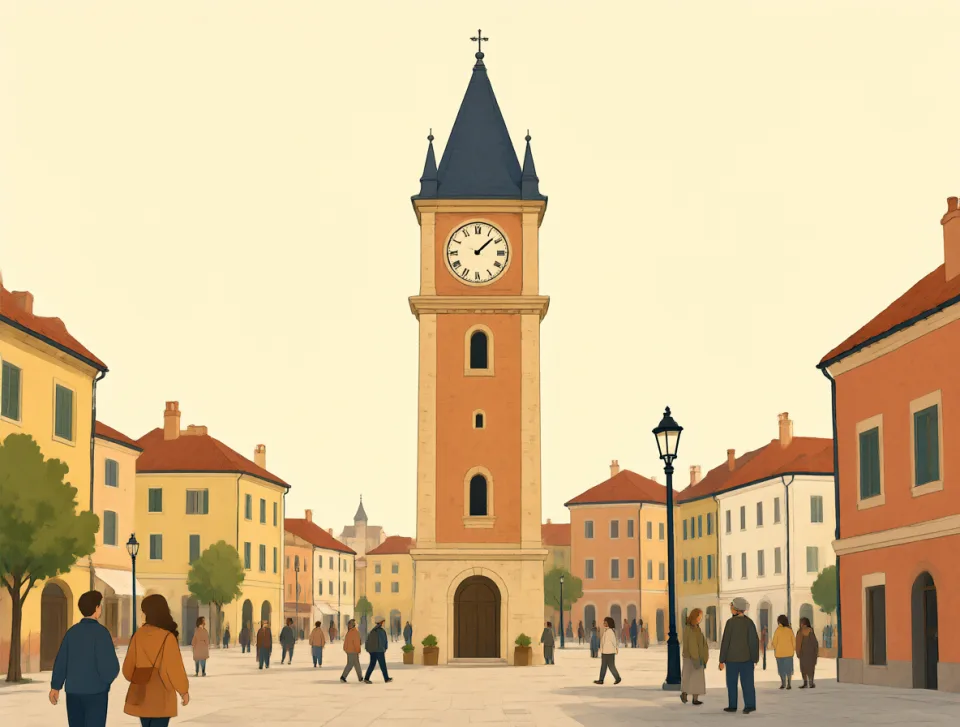
The old clock tower stands in the center of the town.
पुराना घंटाघर शहर के बीचोंबीच खड़ा है।
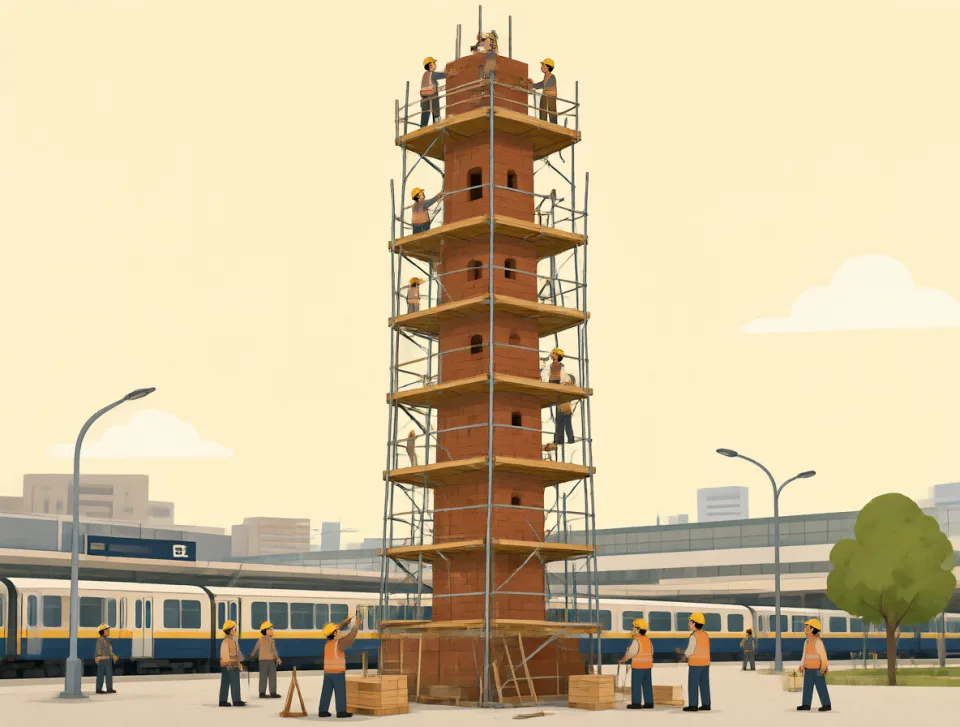
The builders are constructing a new tower near the train station.
निर्माणकर्ता रेलवे स्टेशन के पास एक नया टावर बना रहे हैं।
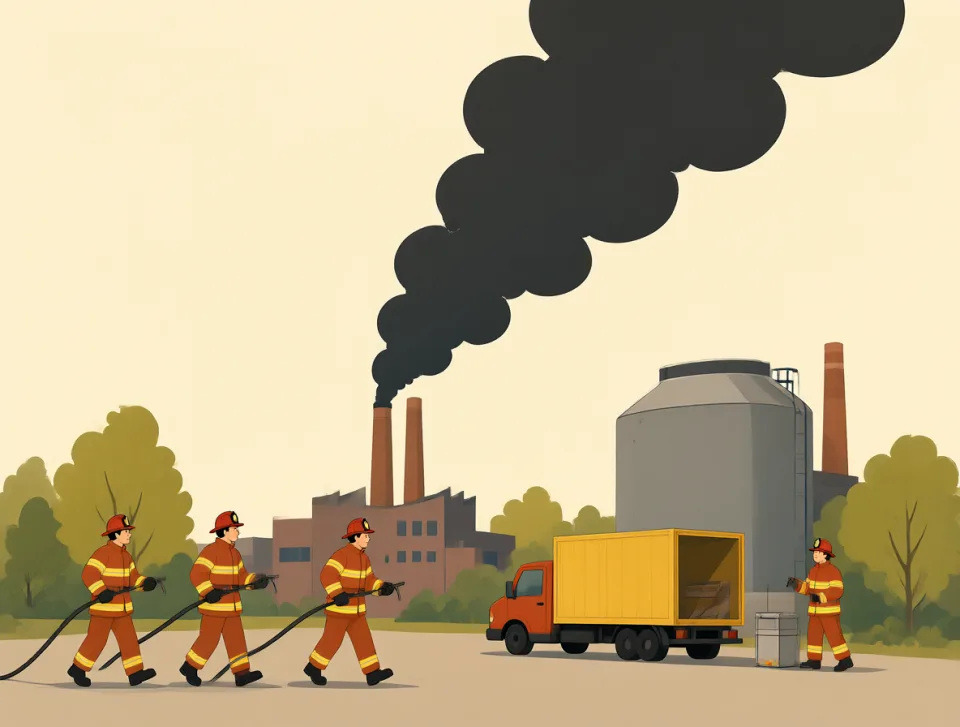
Smoke began to tower above the factory after the fire started.
आग लगने के बाद कारखाने के ऊपर धुआँ ऊँचा उठने लगा।
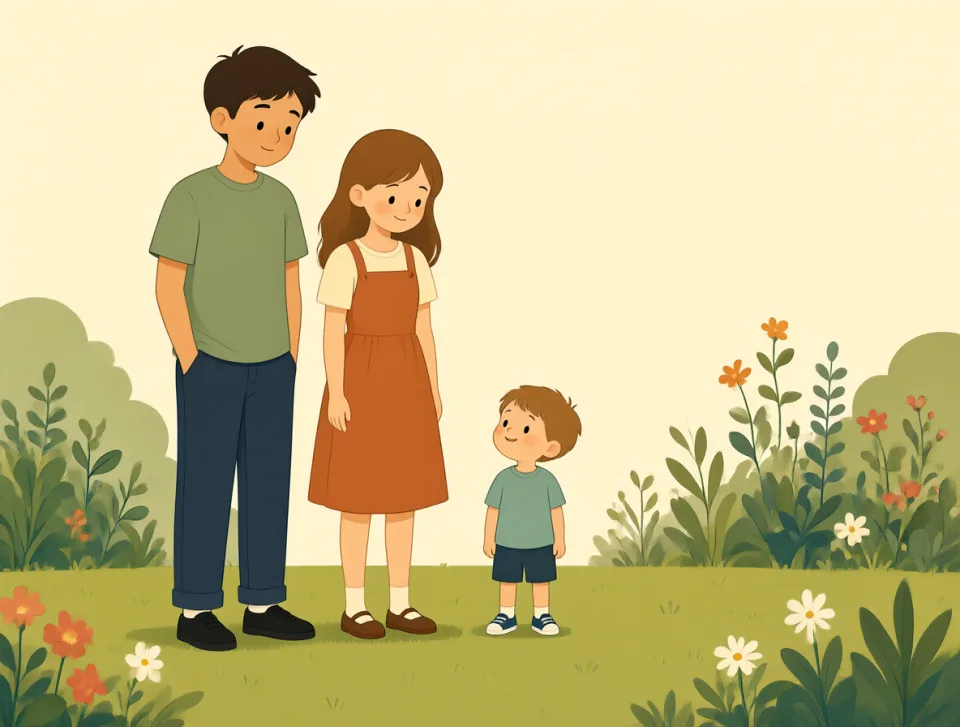
The children towered over their younger brother during the group photo.
समूह की तस्वीर के दौरान बच्चे अपने छोटे भाई से काफ़ी लंबे दिखाई दिए।
characterize
#2325verb
विशेषता बताना
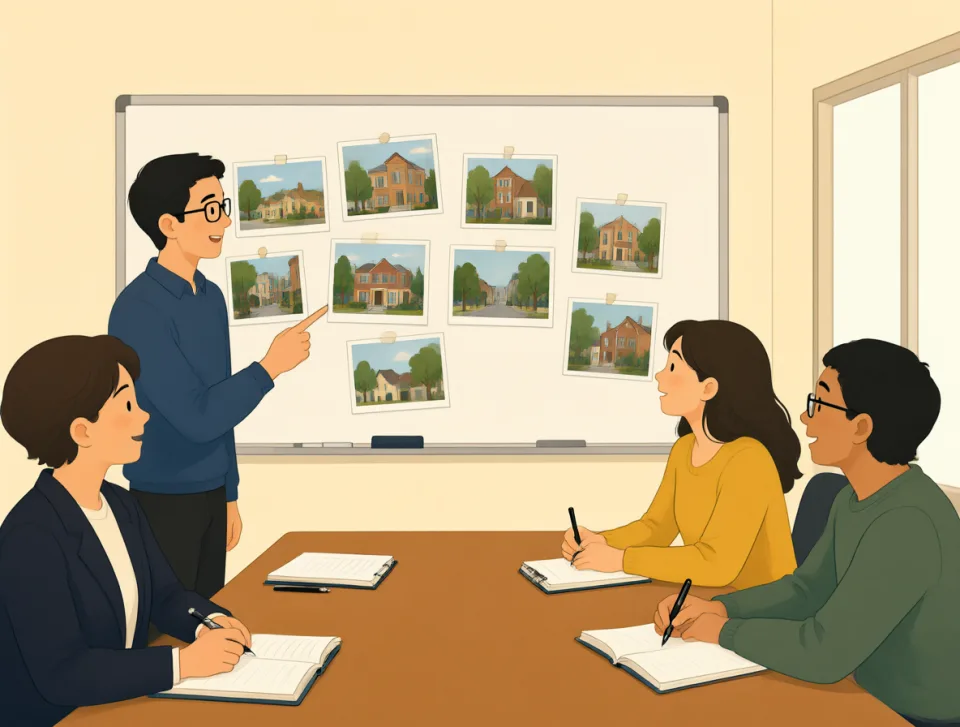
to describe the main qualities or features of someone or something
किसी व्यक्ति या चीज़ के मुख्य गुणों या विशेषताओं का वर्णन करना।
The report characterizes the neighborhood as safe, friendly, and convenient for families.
रिपोर्ट में मोहल्ले को सुरक्षित, मिलनसार और परिवारों के लिए सुविधाजनक बताया गया है।

Her calm voice and careful planning characterize her work as a manager.
उसकी शांत आवाज़ और सोच-समझकर की गई योजना उसके मैनेजर के तौर पर काम की पहचान हैं।
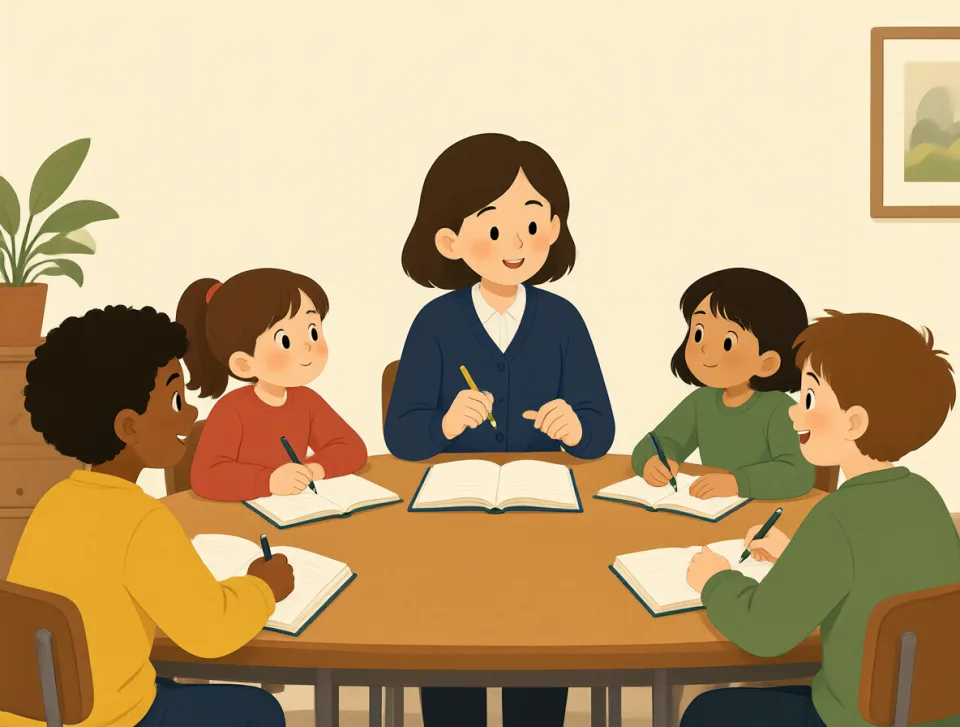
The teacher characterized the novel as a story about courage and friendship.
शिक्षक ने उपन्यास को साहस और दोस्ती की कहानी बताया।

The chef characterizes this soup with fresh herbs, lemon, and a little chili.
शेफ़ इस सूप की खासियत ताज़ी जड़ी-बूटियाँ, नींबू और थोड़ी-सी मिर्च बताते हैं।

Doctors characterized his tiredness as a temporary result of stress and poor sleep.
डॉक्टरों ने उसकी थकान को तनाव और कम नींद का अस्थायी नतीजा बताया।

specify
#2326verb
निर्दिष्ट करना
to give exact information about something
किसी चीज़ के बारे में सटीक जानकारी देना।
Please specify your preferred delivery date when you place the order.
ऑर्डर देते समय कृपया अपनी पसंदीदा डिलीवरी की तारीख बताएं।

The job advertisement specifies three years of experience in customer service.
नौकरी के विज्ञापन में ग्राहक सेवा का तीन साल का अनुभव होना ज़रूरी बताया गया है।

She specified that the meeting should start at nine o’clock.
उसने बताया कि बैठक नौ बजे शुरू होनी चाहिए।
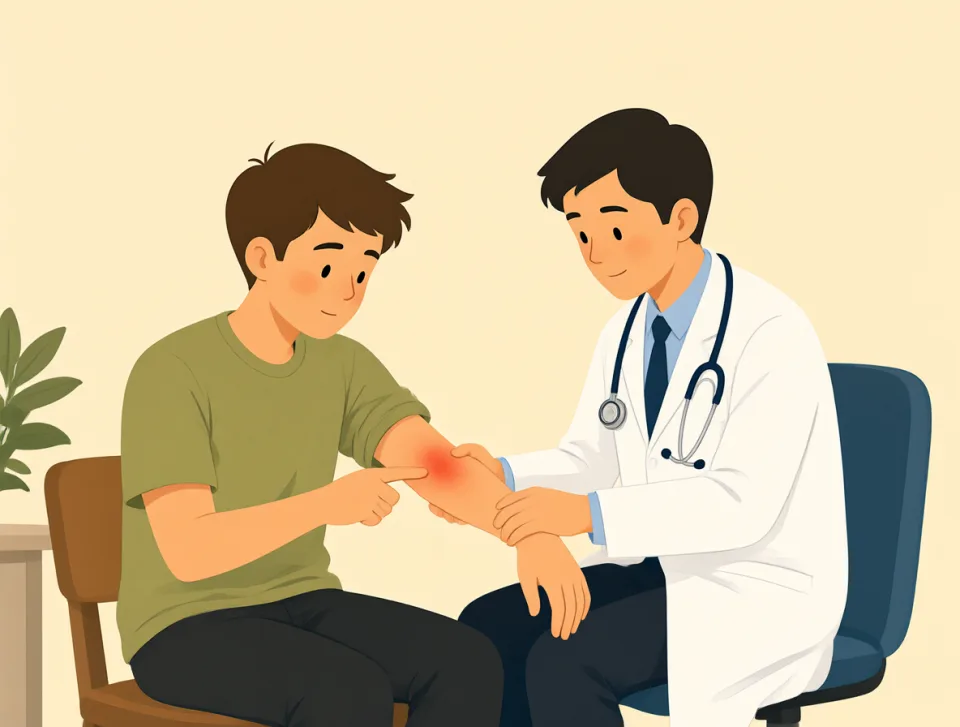
The doctor asked him to specify where he felt the pain.
डॉक्टर ने उससे बताने को कहा कि उसे दर्द कहाँ हो रहा है।

Could you specify which ingredients you would like removed from your meal?
क्या आप बता सकते हैं कि आप अपने खाने में से कौन-सी चीज़ें हटवाना चाहते हैं?
exact
#2327adjective
सटीक
Correct in every detail; not approximate or different.
हर विवरण में सही; अनुमानित या अलग नहीं।

Please tell me the exact time your train arrives tomorrow.
कृपया मुझे बताएं कि कल आपकी ट्रेन ठीक कितने बजे पहुंचेगी।
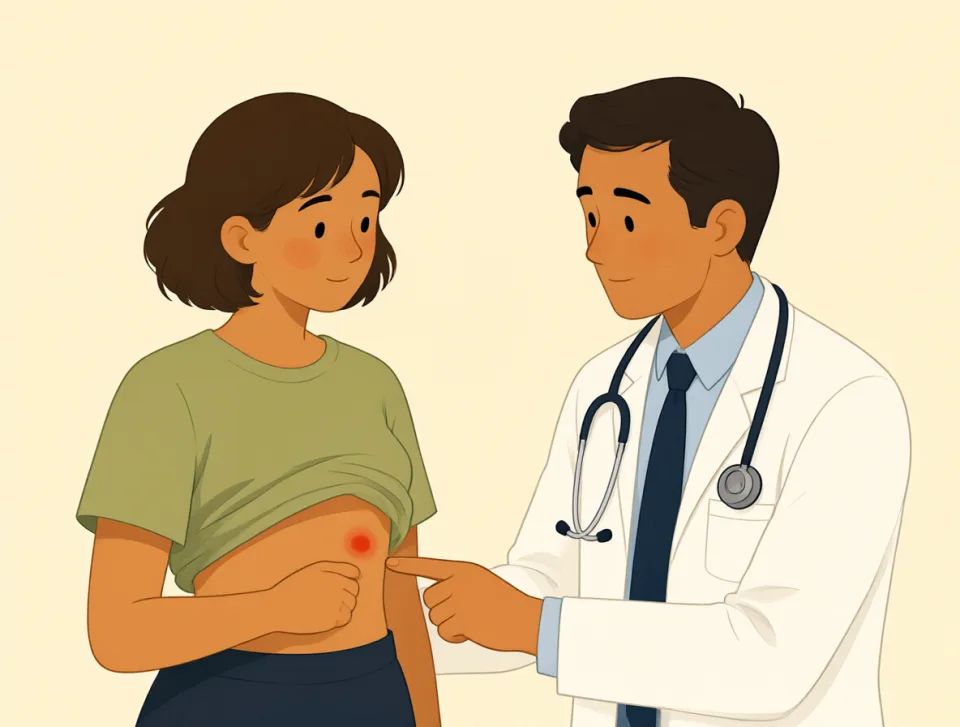
The doctor asked me to describe the exact location of my pain.
डॉक्टर ने मुझसे दर्द की सटीक जगह बताने को कहा।
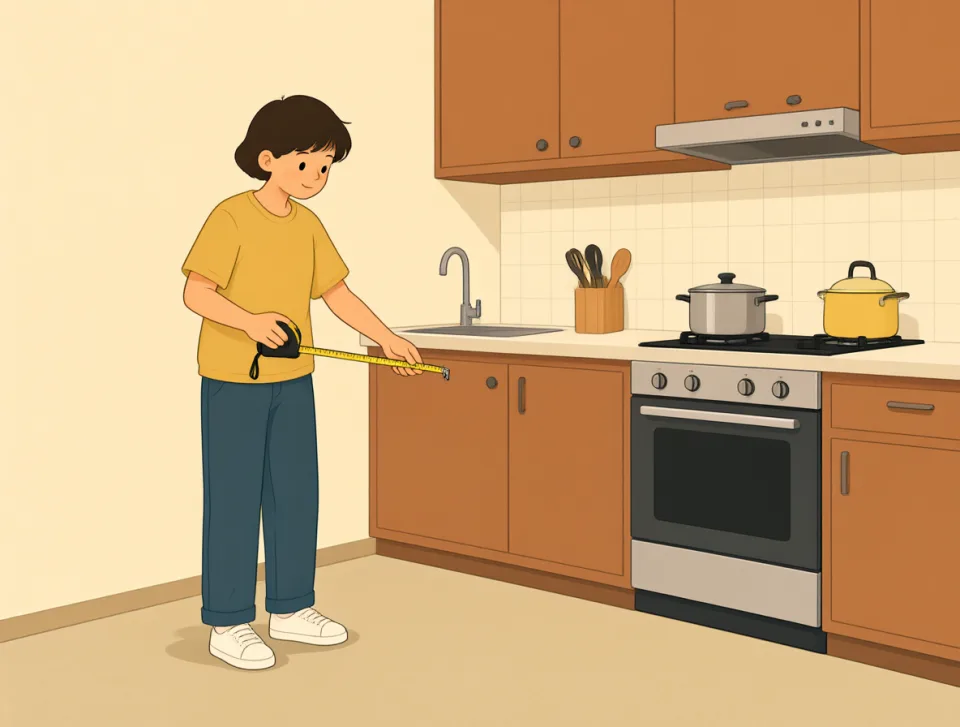
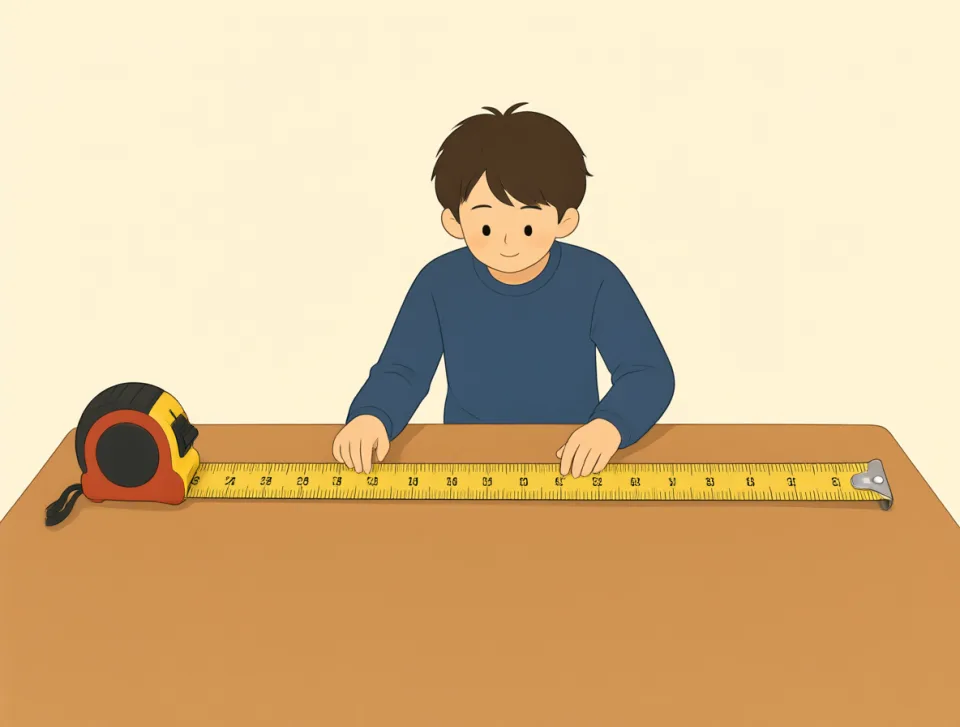
I need the exact measurements before I order the new kitchen table.
नई रसोई की मेज़ का ऑर्डर देने से पहले मुझे उसके सटीक माप चाहिए।

She remembered the exact address and guided us there without a map.
उसे सही पता याद था और उसने बिना नक्शे के हमें वहाँ पहुँचा दिया।
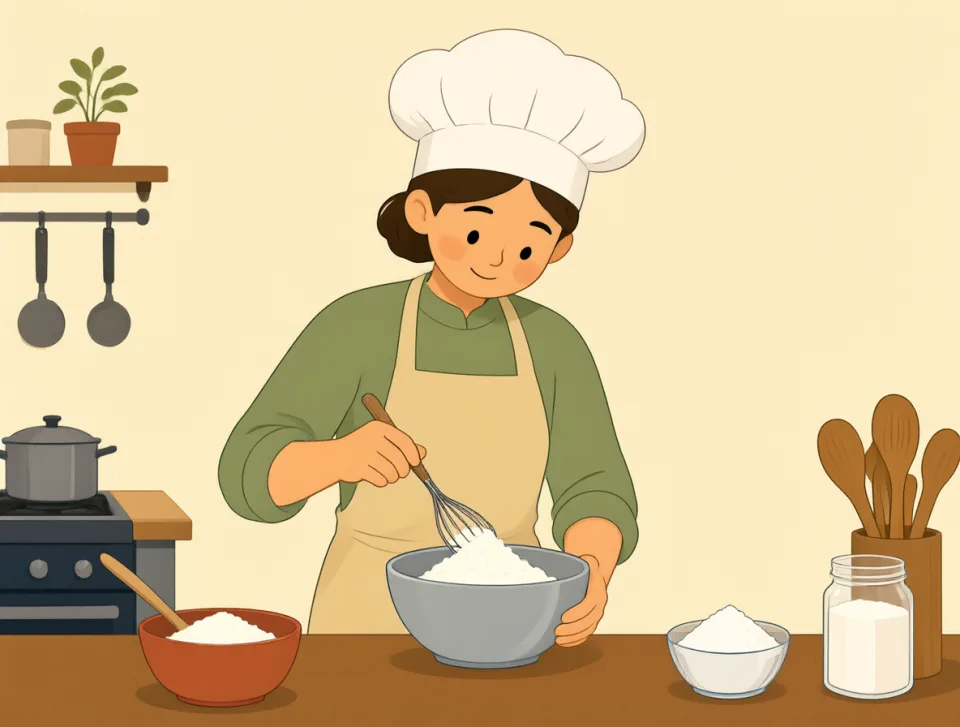
The recipe says to use the exact amount of flour and sugar.
रेसिपी में मैदा और चीनी की बिल्कुल सही मात्रा इस्तेमाल करने को कहा गया है।

spin
#2328verb, noun
घूमना
To turn around quickly, or the act of turning around quickly.
तेज़ी से घूमना, या तेज़ी से घूमने की क्रिया।
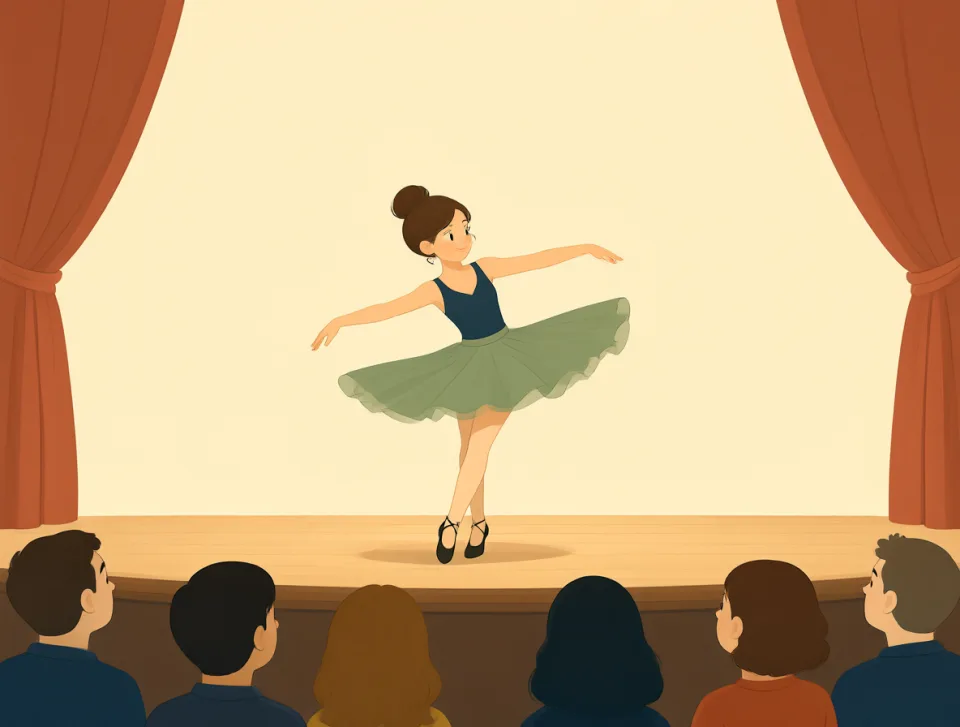
The dancer spun around and bowed to the audience.
नर्तकी घूमी और दर्शकों के सामने झुककर अभिवादन किया।
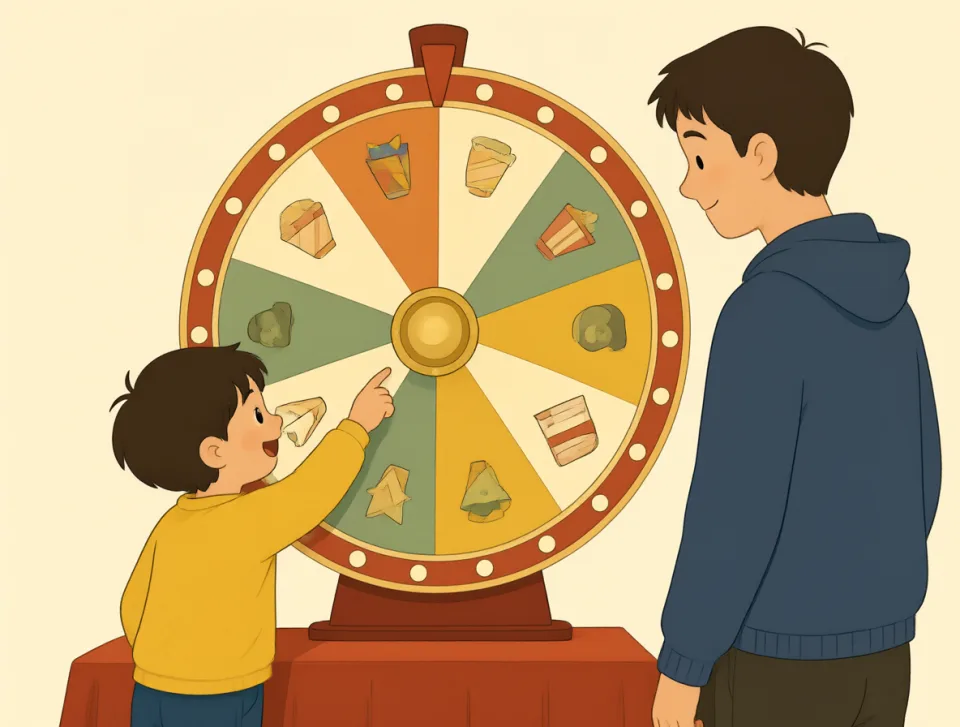
Please spin the wheel to choose a prize.
इनाम चुनने के लिए कृपया पहिया घुमाएं।
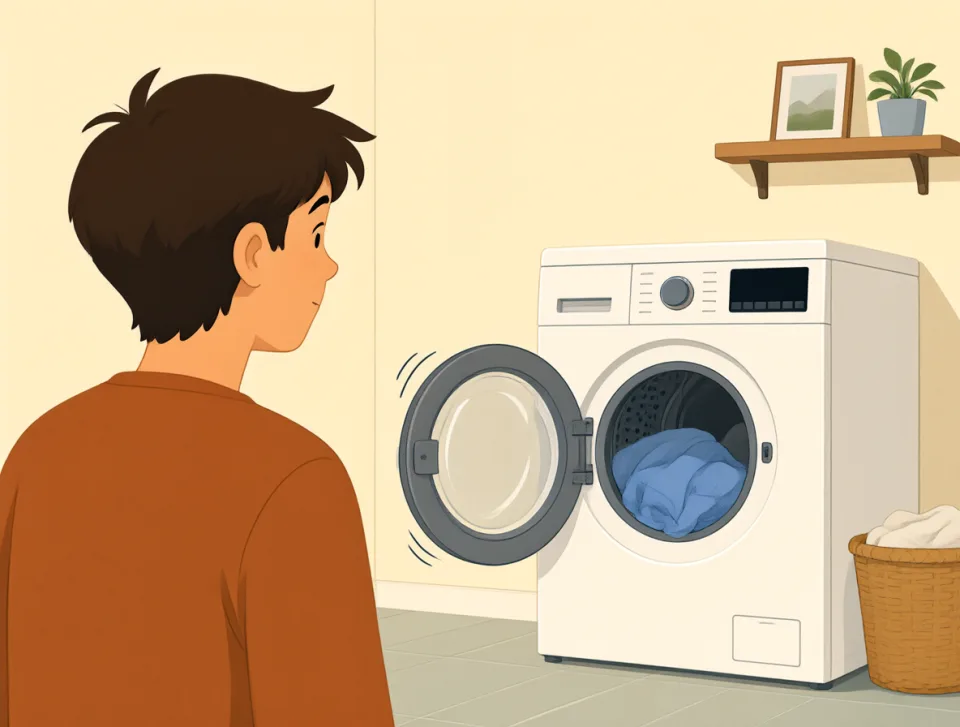
The washing machine started spinning during the final cycle.
आखिरी चक्र के दौरान वॉशिंग मशीन घूमने लगी।

He gave the story an interesting spin during the meeting.
बैठक के दौरान उसने कहानी को दिलचस्प अंदाज़ में पेश किया।
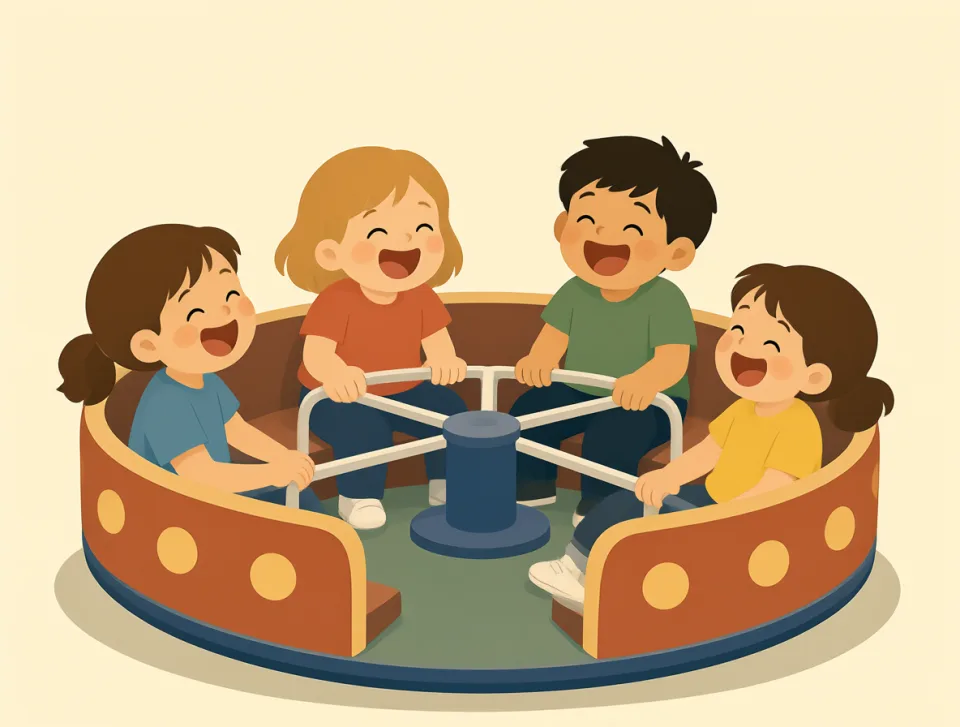
The children took turns on the spinning playground ride.
बच्चे बारी-बारी से घूमने वाले खेल के झूले पर बैठे।
operator
#2329noun
संचालक
A person or machine that controls or operates a system, machine, or telephone service.
वह व्यक्ति या मशीन जो किसी प्रणाली, मशीन या टेलीफोन सेवा को नियंत्रित या संचालित करती है।

The telephone operator connected me to the right department within a minute.
टेलीफोन ऑपरेटर ने एक मिनट के भीतर मुझे सही विभाग से जोड़ दिया।
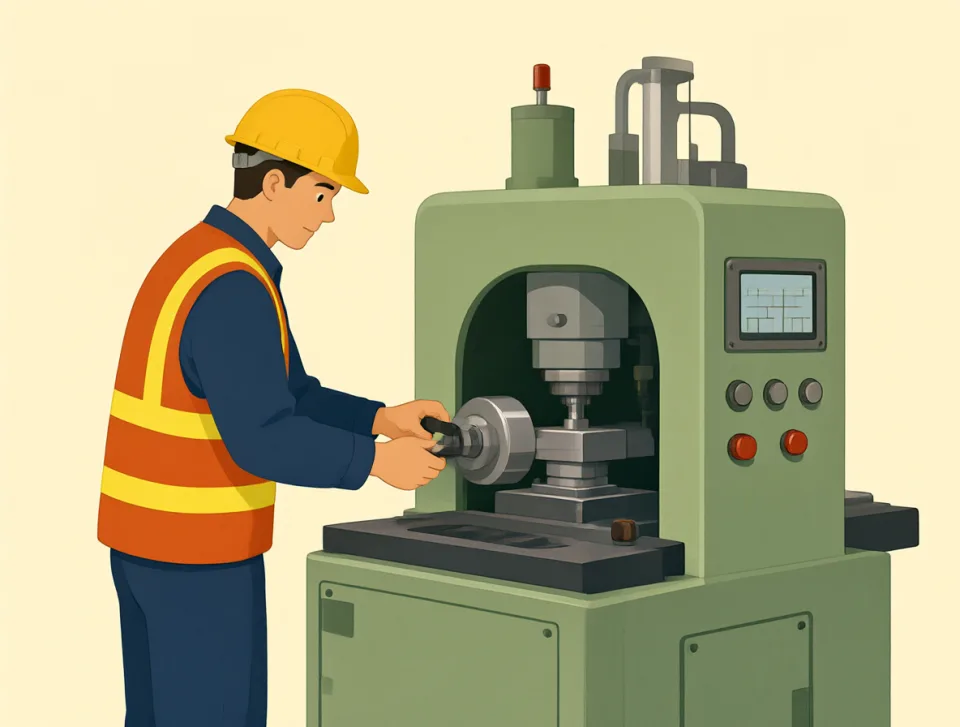
The machine operator checked the factory equipment before starting work.
मशीन ऑपरेटर ने काम शुरू करने से पहले कारखाने के उपकरणों की जाँच की।
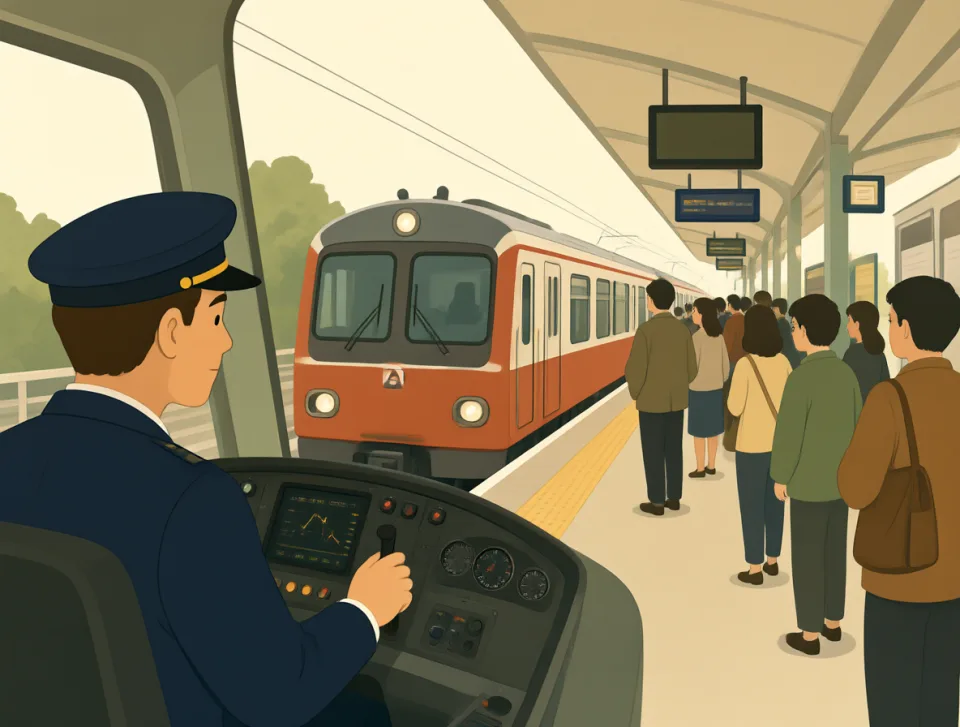
The train operator slowed down as the track became crowded with people.
पटरियों पर लोगों की भीड़ बढ़ने पर ट्रेन ऑपरेटर ने गति धीमी कर दी।

Please ask the hotel operator to call a taxi for us.
कृपया होटल ऑपरेटर से हमारे लिए टैक्सी बुलाने को कहें।

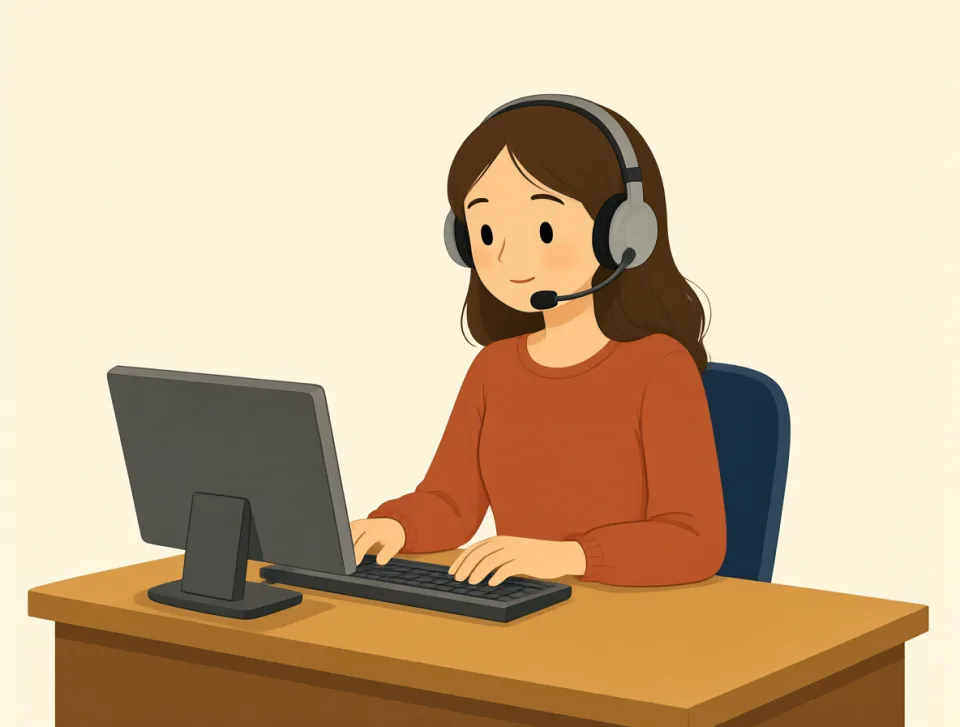
The computer operator entered the students’ test results into the system.
कंप्यूटर ऑपरेटर ने छात्रों के परीक्षा के नतीजे सिस्टम में दर्ज किए।

infant
#2330noun
शिशु
a very young baby, usually less than one year old
बहुत छोटा बच्चा, आम तौर पर एक साल से कम उम्र का।

The infant slept peacefully in her mother's arms during the long train journey.
लंबी ट्रेन यात्रा के दौरान शिशु अपनी माँ की बाँहों में चैन से सोया।

Parents should place an infant on its back to sleep safely.
सुरक्षित नींद के लिए माता-पिता को शिशु को पीठ के बल लिटाना चाहिए।
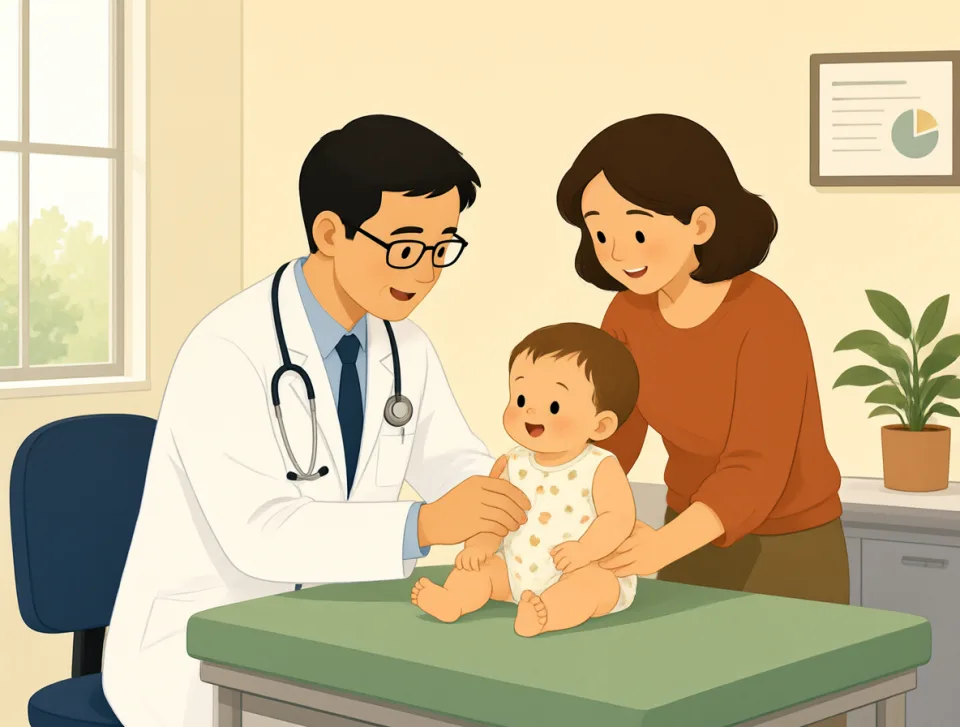
The doctor checked the infant's weight and temperature during the appointment.
डॉक्टर ने मुलाक़ात के दौरान शिशु का वज़न और तापमान जाँचा।
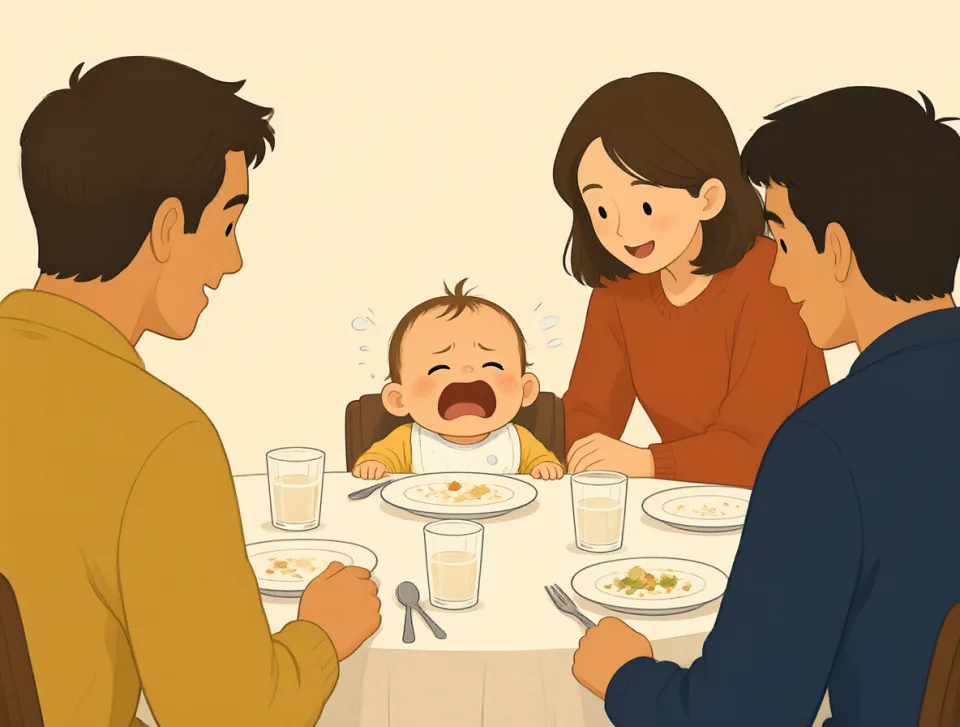
The infant began crying when the family entered the noisy restaurant.
परिवार के शोरगुल वाले रेस्तराँ में दाखिल होते ही शिशु रोने लगा।

She bought warm clothes and soft blankets for her newborn infant.
उसने अपने नवजात शिशु के लिए गर्म कपड़े और मुलायम कंबल खरीदे।
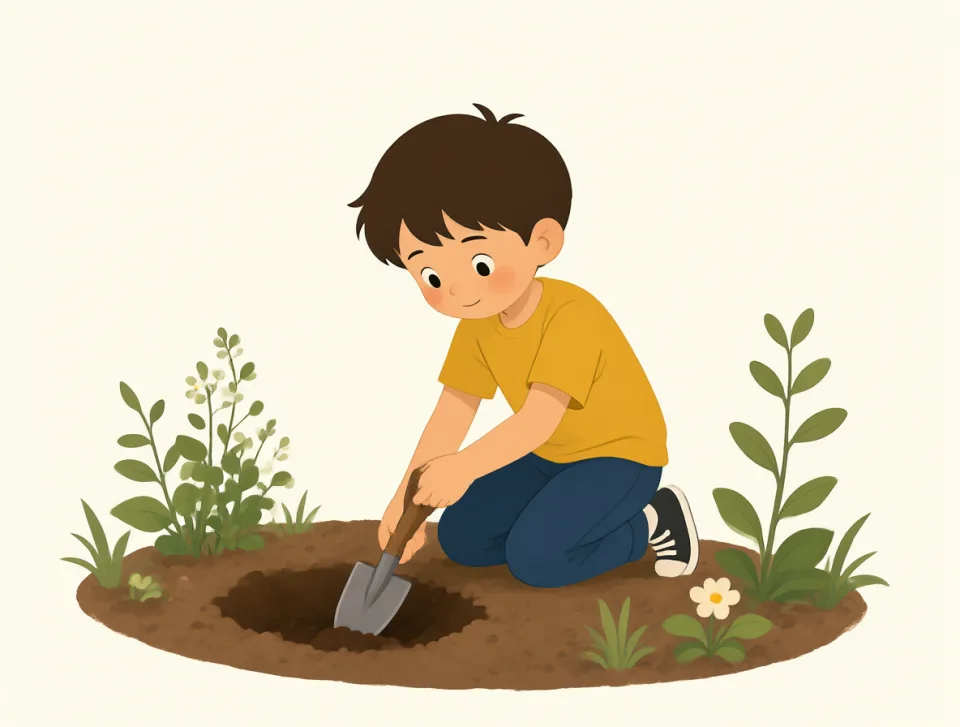
dig
#2331verb, noun
खोदना
to make a hole in the ground or search by moving soil with a tool
ज़मीन में गड्ढा करना या किसी औज़ार से मिट्टी हटाकर खोज करना
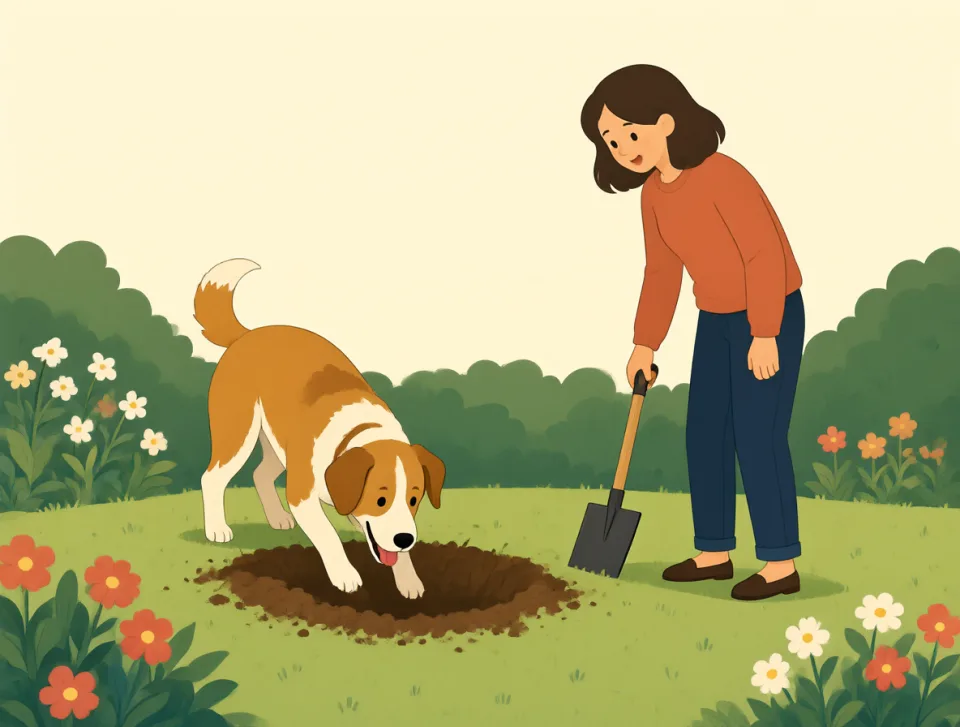
The dog is digging a hole in the garden beside the flowers.
कुत्ता फूलों के पास बगीचे में गड्ढा खोद रहा है।
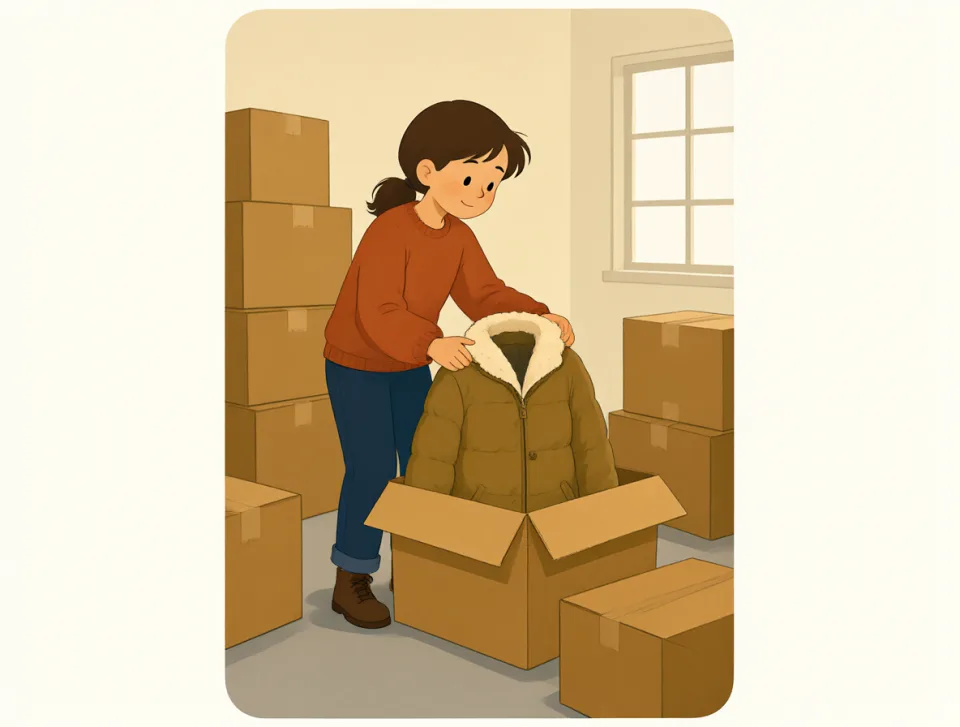
We dug through the boxes to find my old winter coat.
अपना पुराना सर्दियों का कोट ढूँढ़ने के लिए हमने डिब्बों में खूब तलाश की।
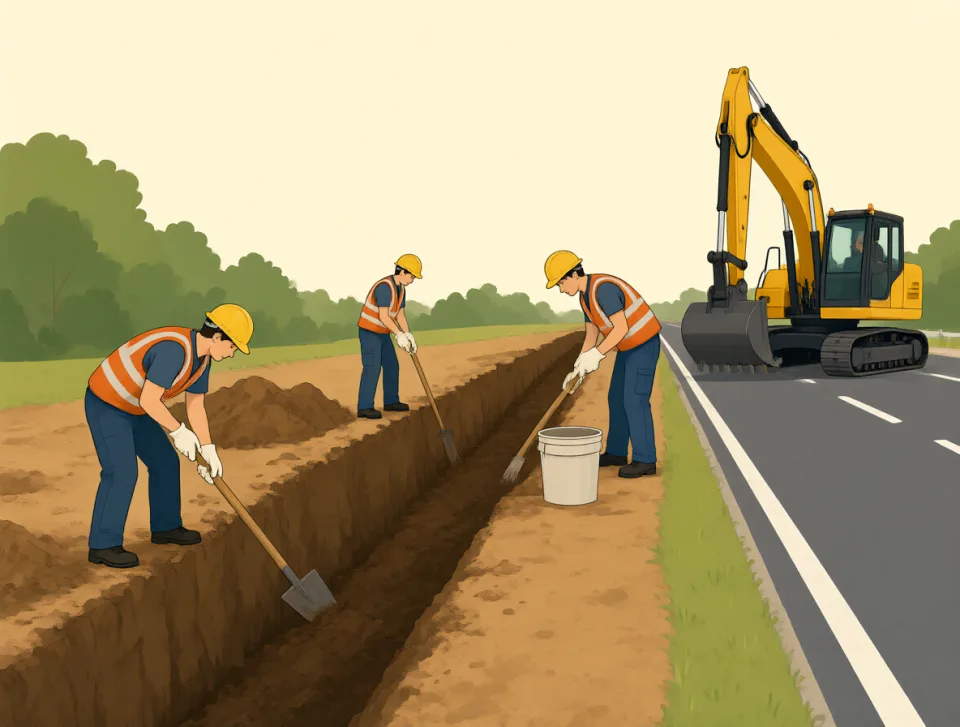
The workers are digging a trench beside the road for new pipes.
मज़दूर नई पाइपें बिछाने के लिए सड़क के किनारे खाई खोद रहे हैं।
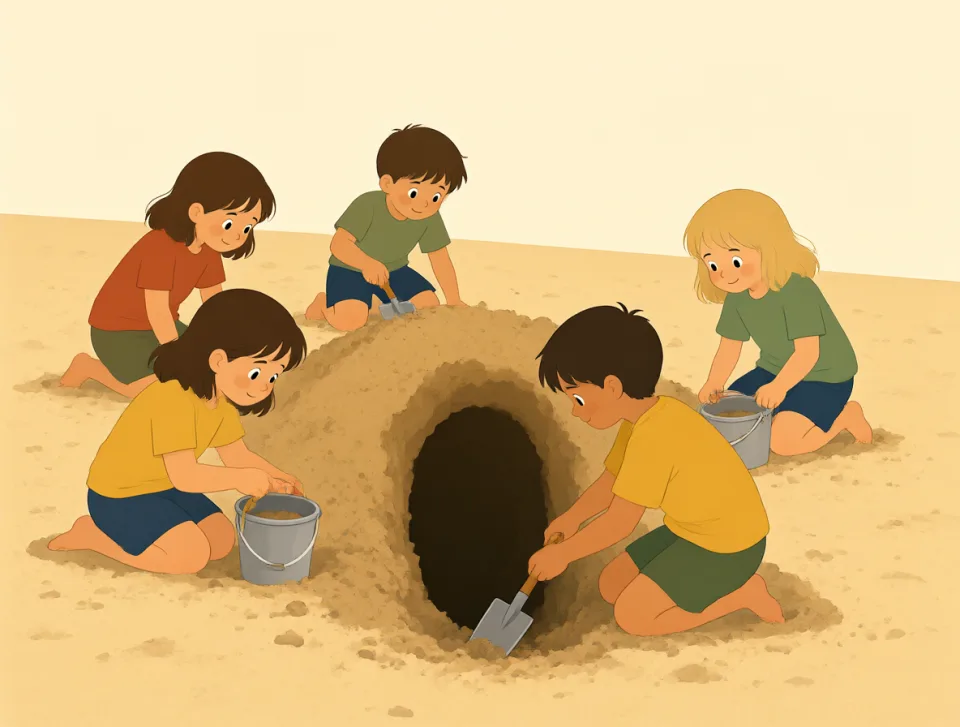
The children dug in the sand and built a deep tunnel.
बच्चों ने रेत में खुदाई की और एक गहरी सुरंग बनाई।
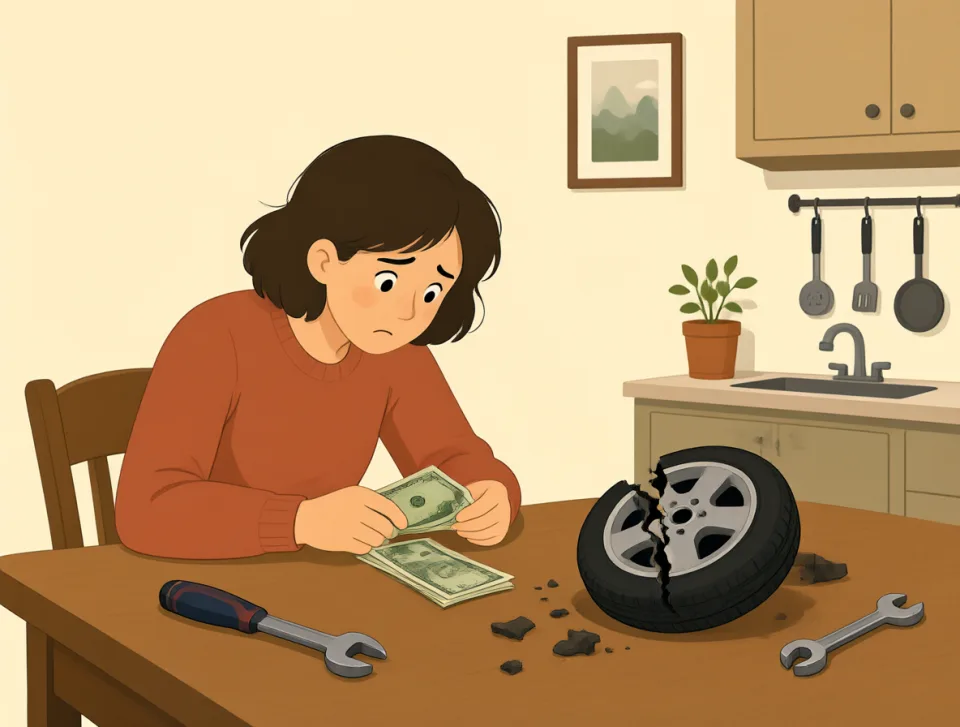
I had to dig into my savings to pay for the car repair.
कार की मरम्मत के पैसे चुकाने के लिए मुझे अपनी बचत में से पैसे निकालने पड़े।
drag
#2332verb, noun
घसीटना; उबाऊ काम
to pull something along the ground, or a slow, tiring task or experience
किसी चीज़ को ज़मीन पर घसीटना; या कोई लंबा और थकाने वाला काम या अनुभव
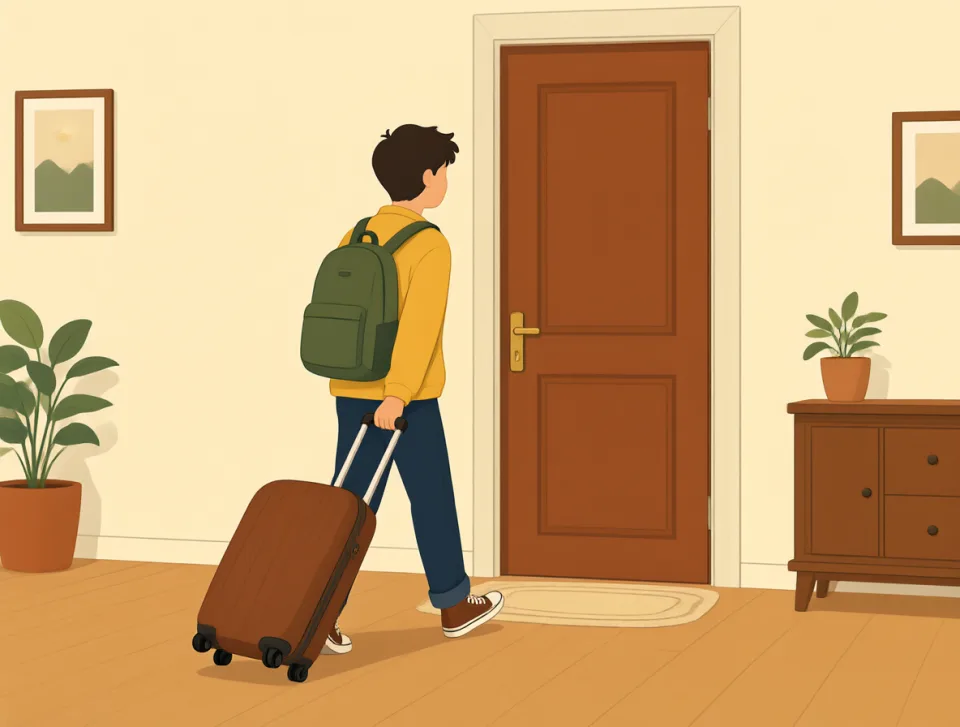
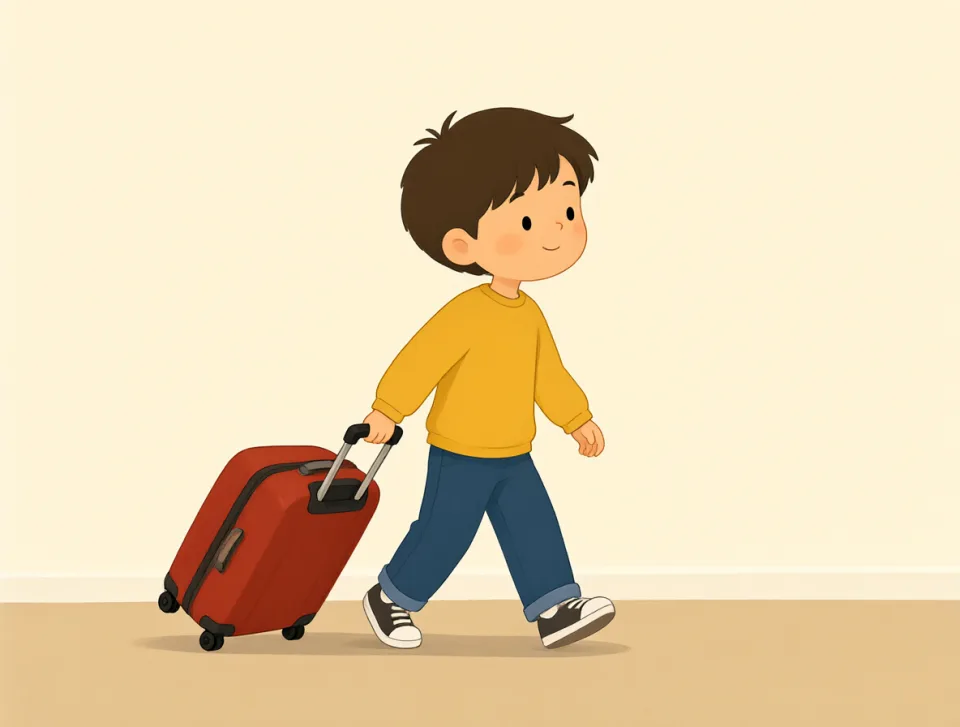
Please drag the heavy suitcase across the floor to the front door.
कृपया भारी सूटकेस को फ़र्श पर घसीटते हुए सामने वाले दरवाज़े तक ले जाइए।
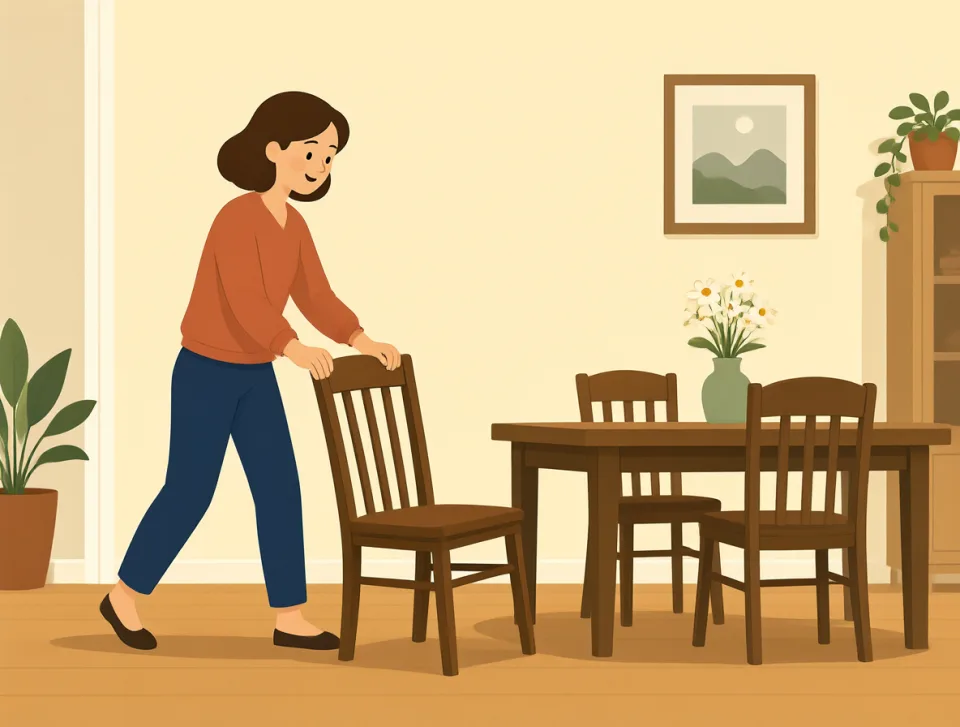
She dragged the chair closer to the table before dinner.
रात के खाने से पहले उसने कुर्सी को घसीटकर मेज़ के पास कर लिया।
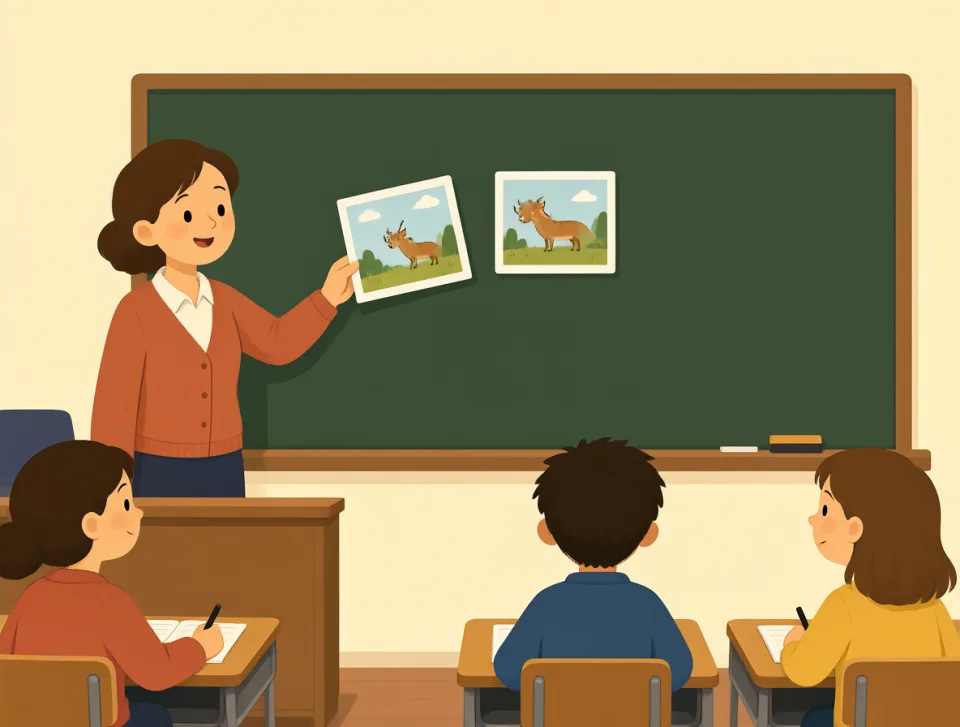
The teacher dragged the picture into the correct place on the board.
शिक्षक ने तस्वीर को घसीटकर बोर्ड पर सही जगह रख दिया।

My computer is so slow that every website takes ages to drag.
मेरा कंप्यूटर इतना धीमा है कि हर वेबसाइट खुलने में बहुत देर लगती है।
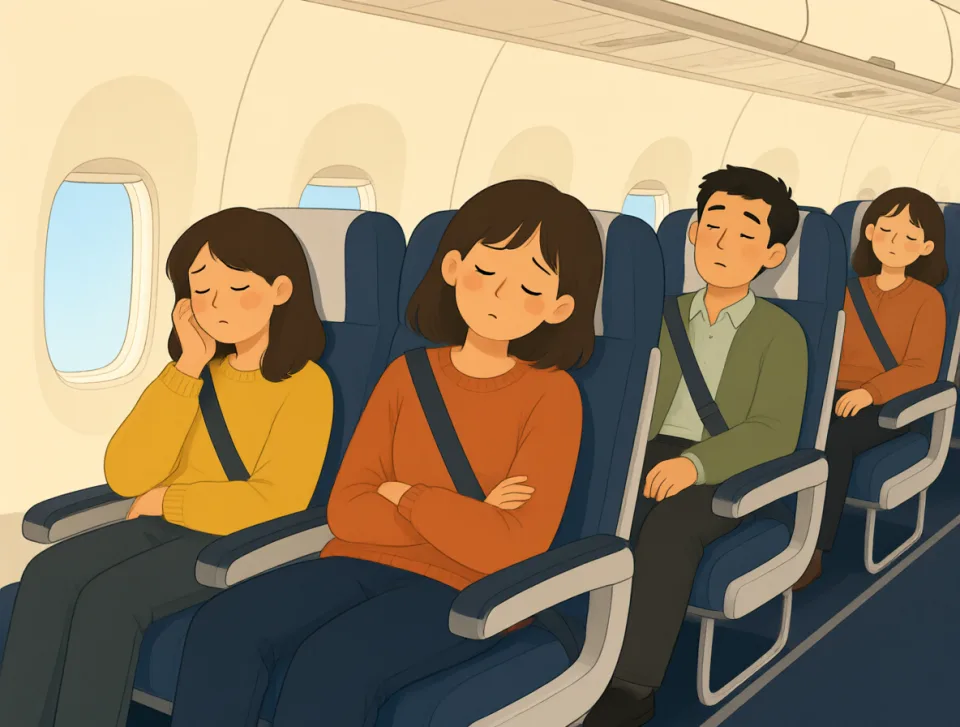
The long flight was a real drag, but the holiday was wonderful.
लंबी उड़ान सचमुच बहुत थकाऊ थी, लेकिन छुट्टियाँ शानदार रहीं।

mount
#2333noun, verb
पर्वत; लगाना
a mountain, or to place something on a support or raise it higher
पहाड़; या किसी चीज़ को किसी सहारे पर लगाना अथवा उसे ऊँचा उठाना

The hikers reached the mount before sunset and rested beside the trail.
पैदल यात्रा करने वाले लोग सूर्यास्त से पहले पर्वत पर पहुँचे और रास्ते के पास आराम किया।
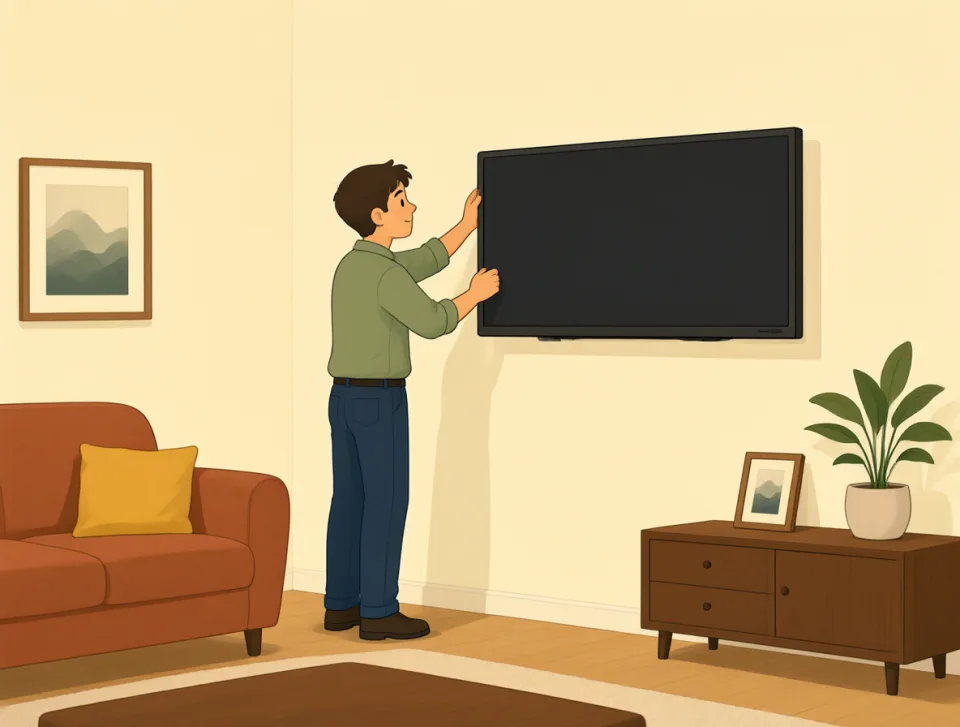
The technician mounted the new television securely on the living room wall.
तकनीशियन ने नए टेलीविज़न को बैठक की दीवार पर मज़बूती से लगाया।
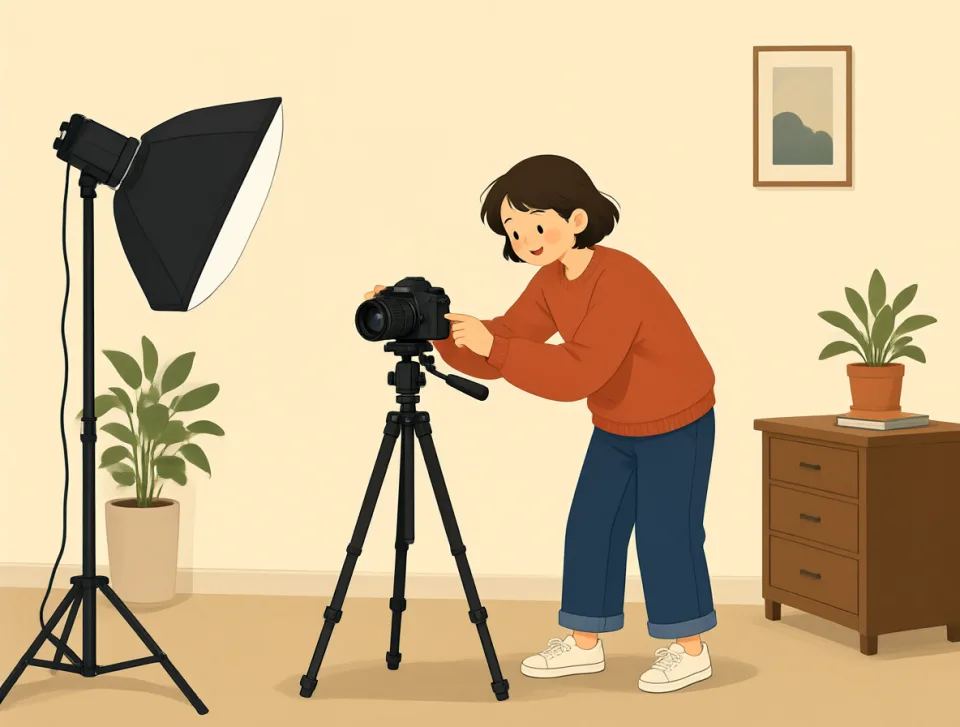
The camera is mounted on a tripod for steady photographs.
स्थिर तस्वीरें लेने के लिए कैमरा तिपाई पर लगा हुआ है।
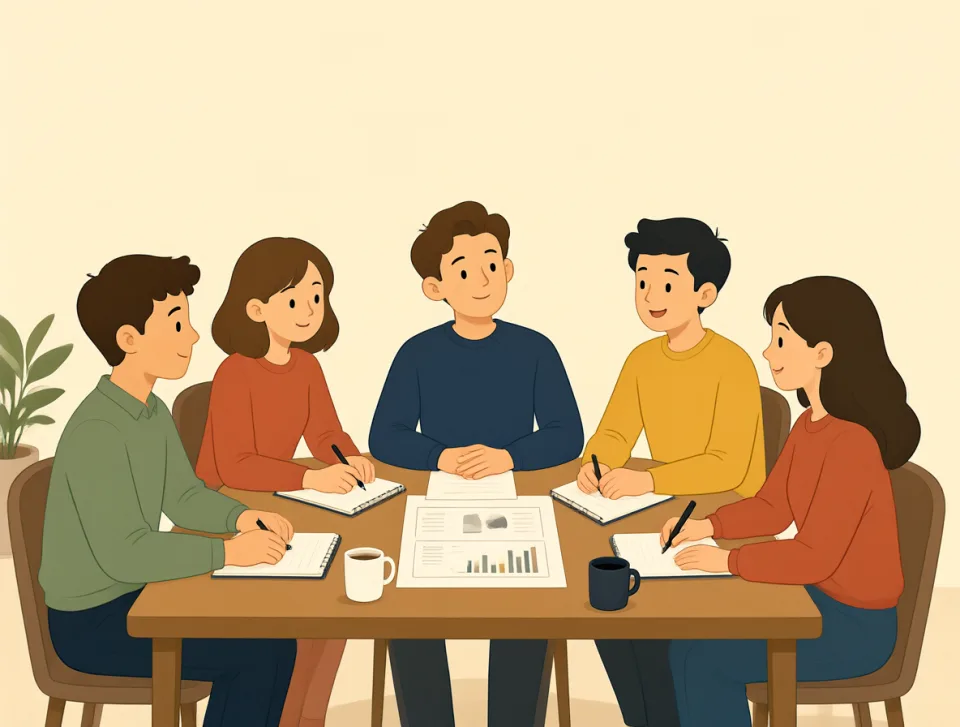
The company mounted a strong campaign to attract more customers this summer.
इस गर्मी में ज़्यादा ग्राहक आकर्षित करने के लिए कंपनी ने एक ज़ोरदार अभियान चलाया।
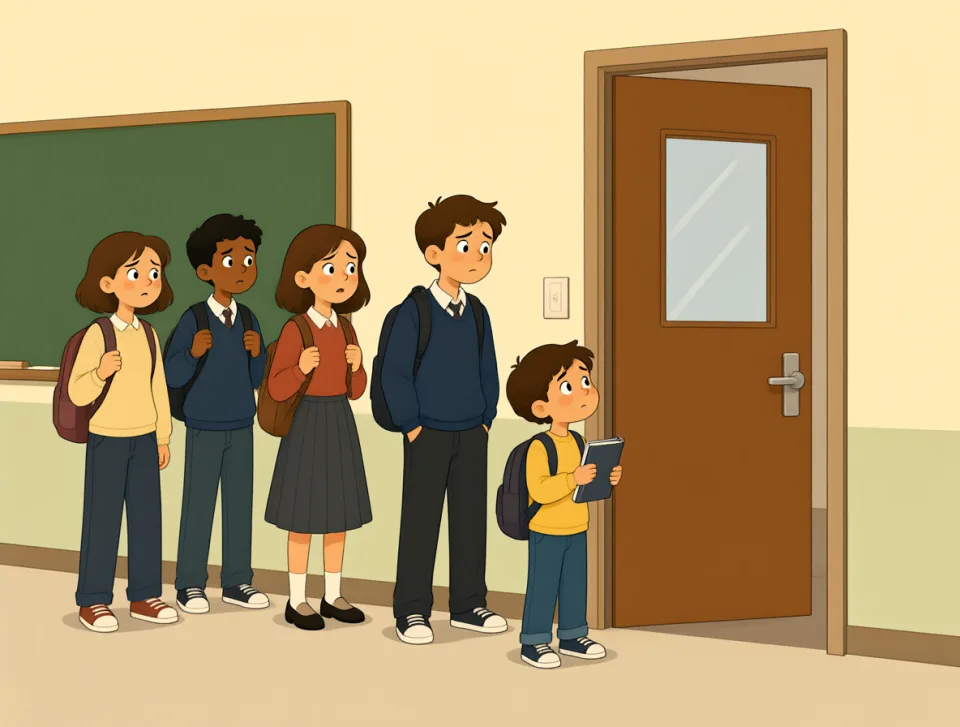
Anger mounted as the students waited outside the closed classroom.
बंद कक्षा के बाहर इंतज़ार करते छात्रों का गुस्सा बढ़ता गया।
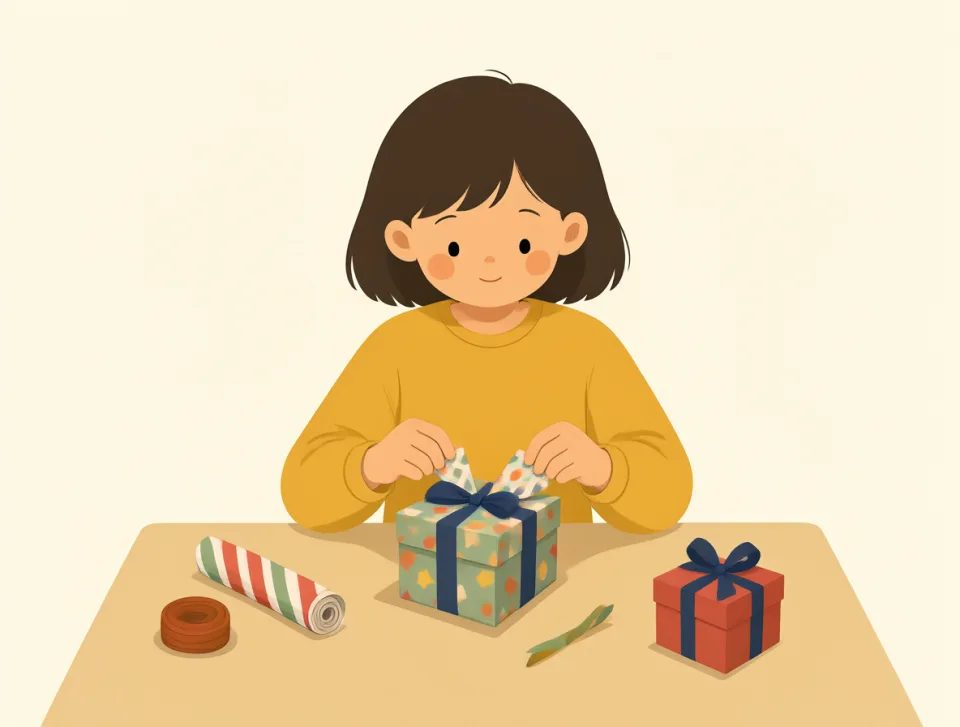
wrap
#2334noun, verb
लपेटना
to cover or surround something with paper, cloth, or another material
किसी चीज़ को कागज़, कपड़े या किसी अन्य सामग्री से ढकना या उसके चारों ओर लपेटना
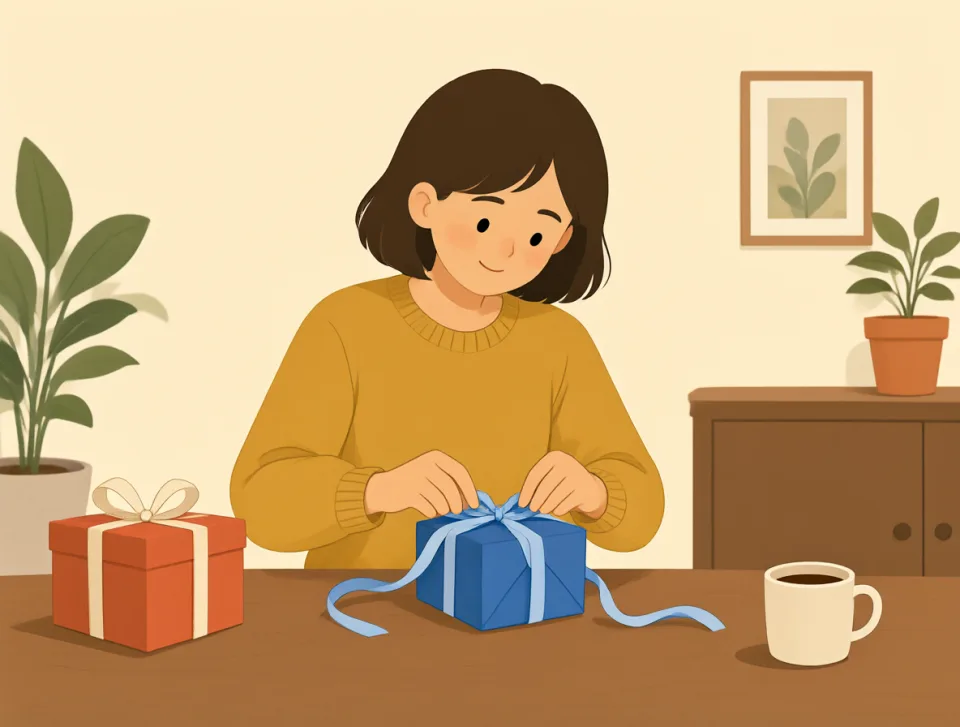
She wrapped the birthday present in bright blue paper.
उसने जन्मदिन का तोहफ़ा चमकीले नीले कागज़ में लपेटा।
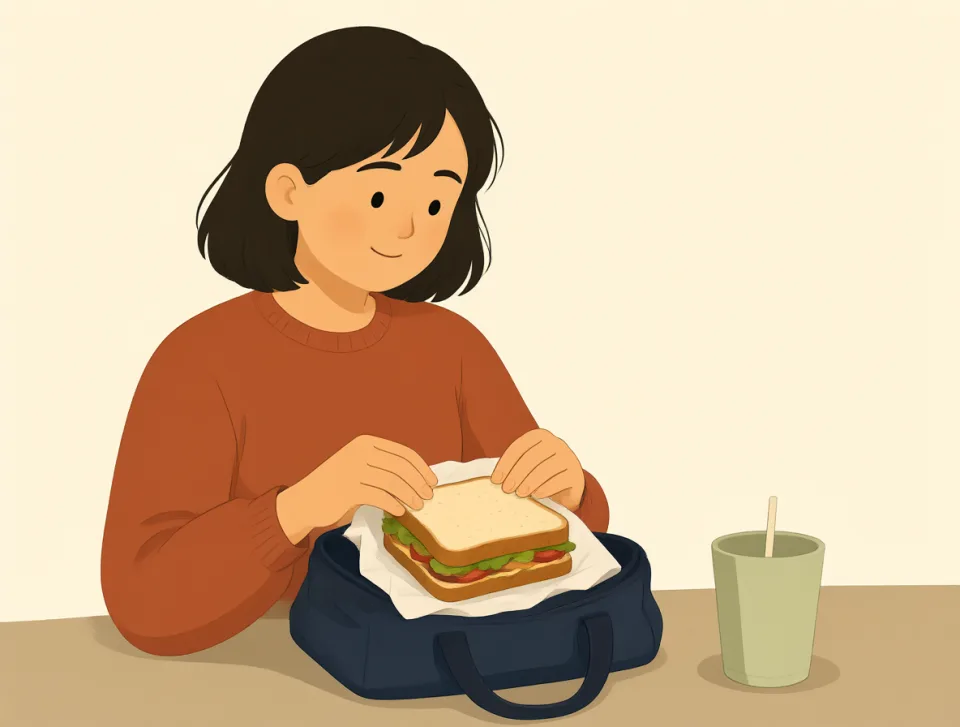
Please wrap the sandwich before you put it in my bag.
कृपया सैंडविच को मेरे बैग में रखने से पहले लपेट दीजिए।

He wrapped a warm blanket around the tired child.
उसने थके हुए बच्चे के चारों ओर गरम कंबल लपेट दिया।
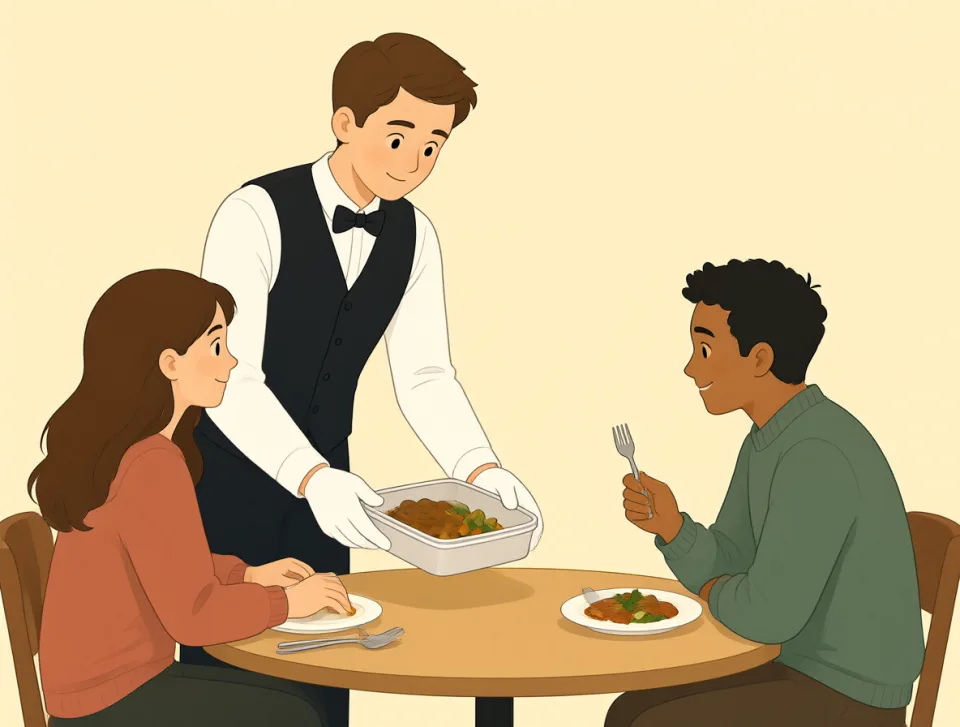
The waiter wrapped the leftover food for us to take home.
वेटर ने बचा हुआ खाना हमारे घर ले जाने के लिए पैक कर दिया।

We wrapped up the meeting before everyone left for lunch.
दोपहर के खाने के लिए सबके जाने से पहले हमने बैठक खत्म कर ली।
anticipate
#2335verb
अपेक्षा करना
to expect something and prepare for it before it happens
किसी चीज़ के होने की उम्मीद करना और उसके होने से पहले ही उसकी तैयारी करना
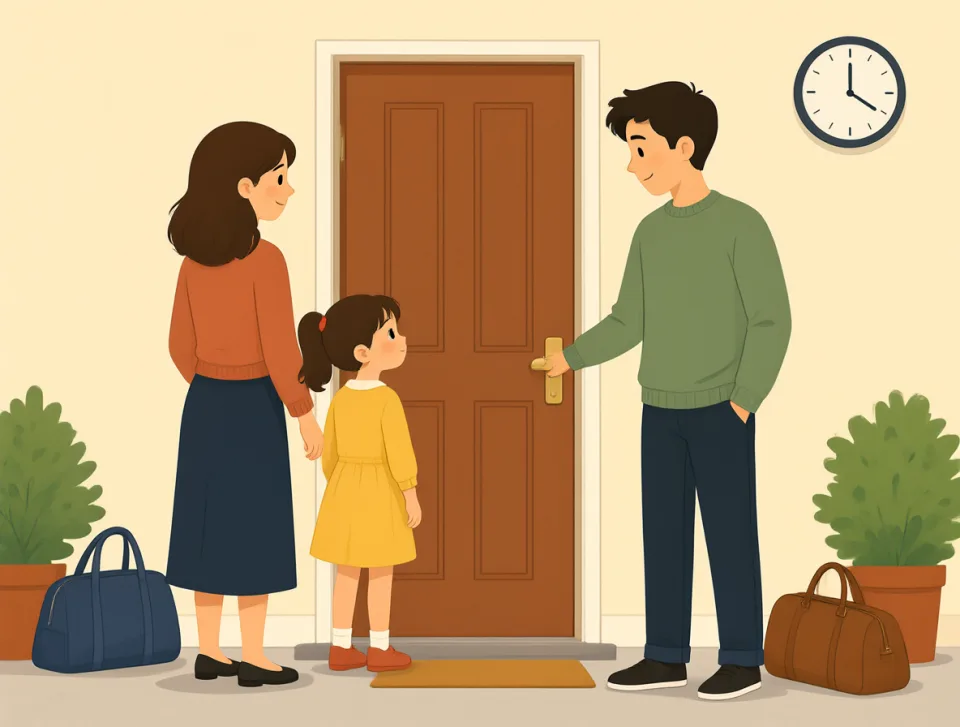
We anticipate heavy traffic, so we are leaving home early.
हमें भारी ट्रैफ़िक की आशंका है, इसलिए हम घर से जल्दी निकल रहे हैं।
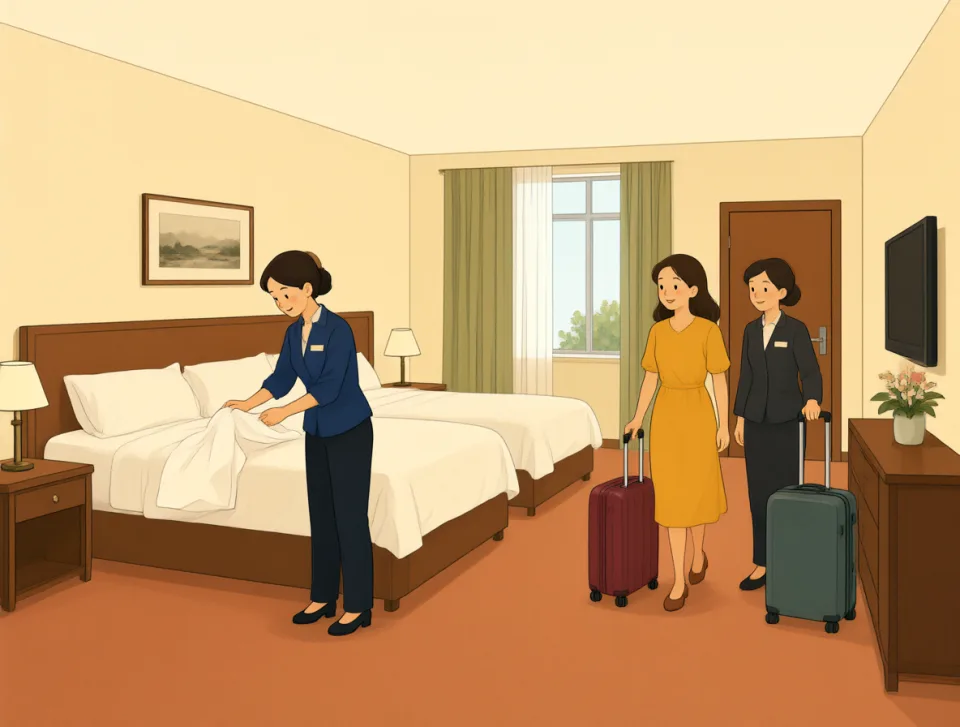
The hotel anticipates many guests during the summer holidays.
होटल को गर्मियों की छुट्टियों में कई मेहमानों के आने की उम्मीद है।

I did not anticipate such a difficult exam at school.
मुझे स्कूल में इतनी मुश्किल परीक्षा की उम्मीद नहीं थी।
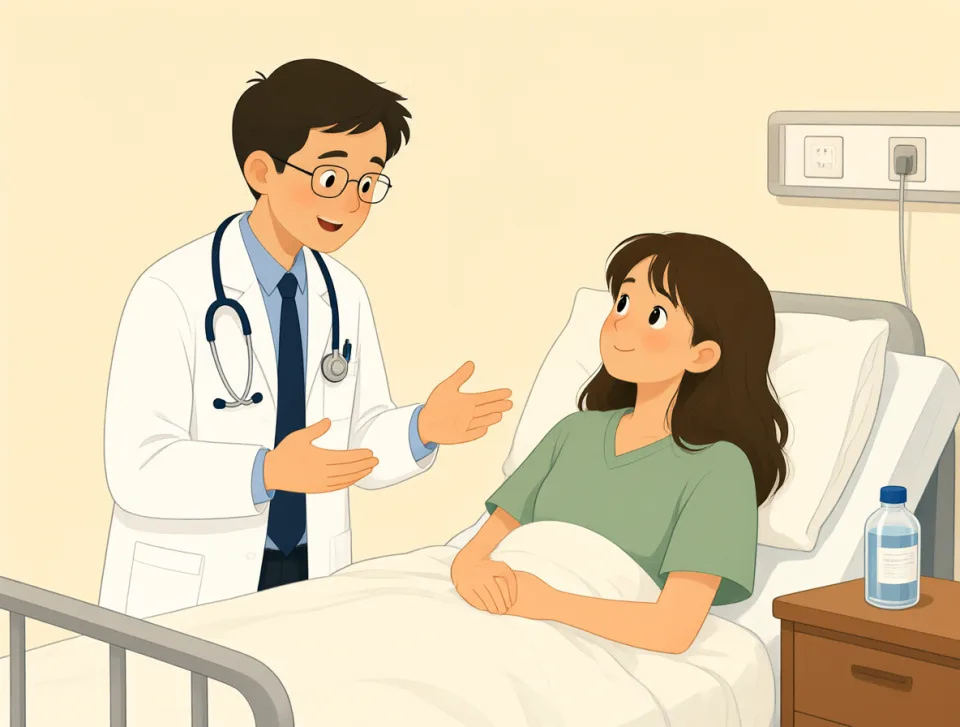
The doctor anticipates a quick recovery after your operation.
डॉक्टर को उम्मीद है कि आपके ऑपरेशन के बाद आप जल्दी ठीक हो जाएँगे।

We anticipated feeling hungry and brought sandwiches for the train journey.
हमें अंदाज़ा था कि हमें भूख लगेगी, इसलिए ट्रेन के सफ़र के लिए सैंडविच ले आए।
dependent
#2336adjective, noun
आश्रित
Needing someone or something else for support, money, or help.
सहारे, पैसे या मदद के लिए किसी दूसरे व्यक्ति या चीज़ पर निर्भर।
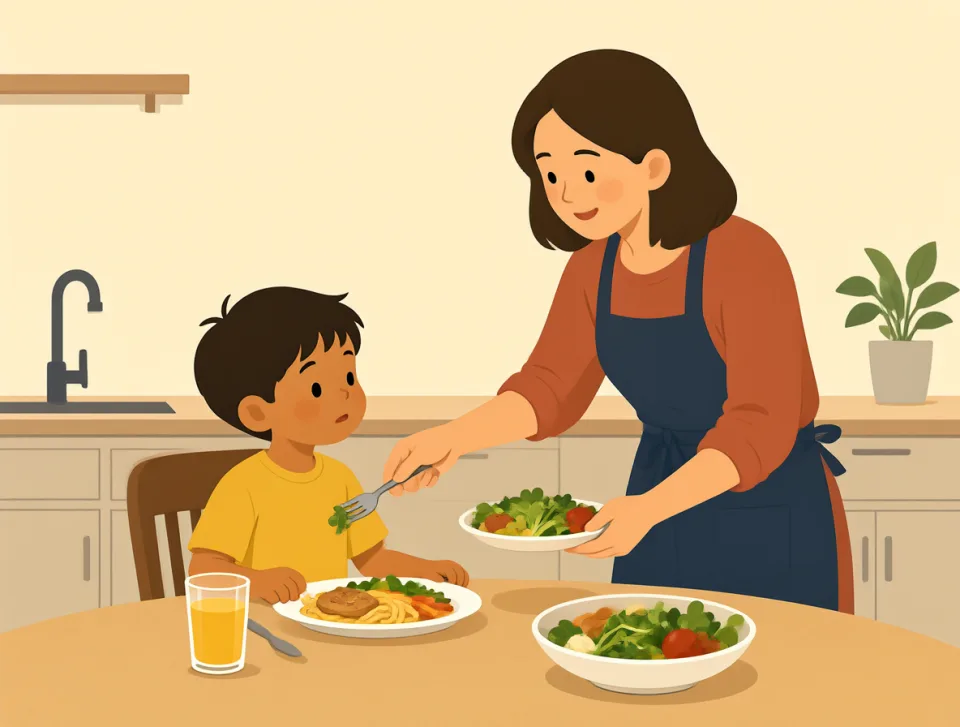
Many young children are dependent on their parents for food and shelter.
कई छोटे बच्चे खाने और रहने के लिए अपने माता-पिता पर निर्भर होते हैं।

The company is heavily dependent on international customers for its income.
कंपनी की आमदनी के लिए वह अंतरराष्ट्रीय ग्राहकों पर बहुत अधिक निर्भर है।

Our plans are dependent on the weather staying warm and dry.
हमारी योजनाएँ इस बात पर निर्भर हैं कि मौसम गर्म और शुष्क बना रहे।
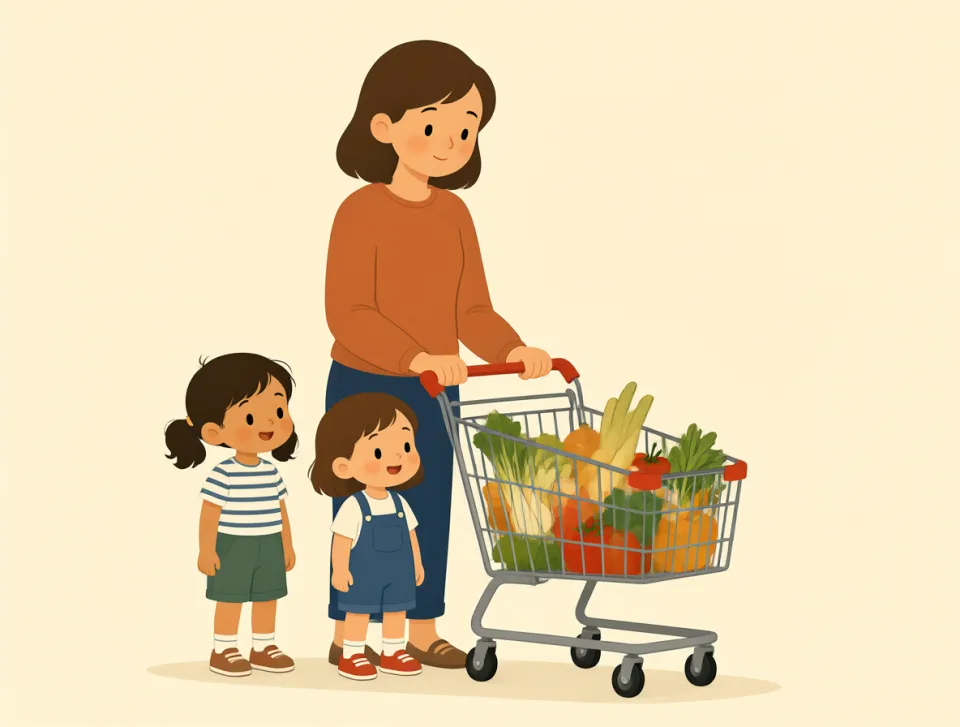
She has two dependents, so her monthly expenses are quite high.
उसके दो आश्रित हैं, इसलिए उसके मासिक खर्च काफ़ी ज़्यादा हैं।
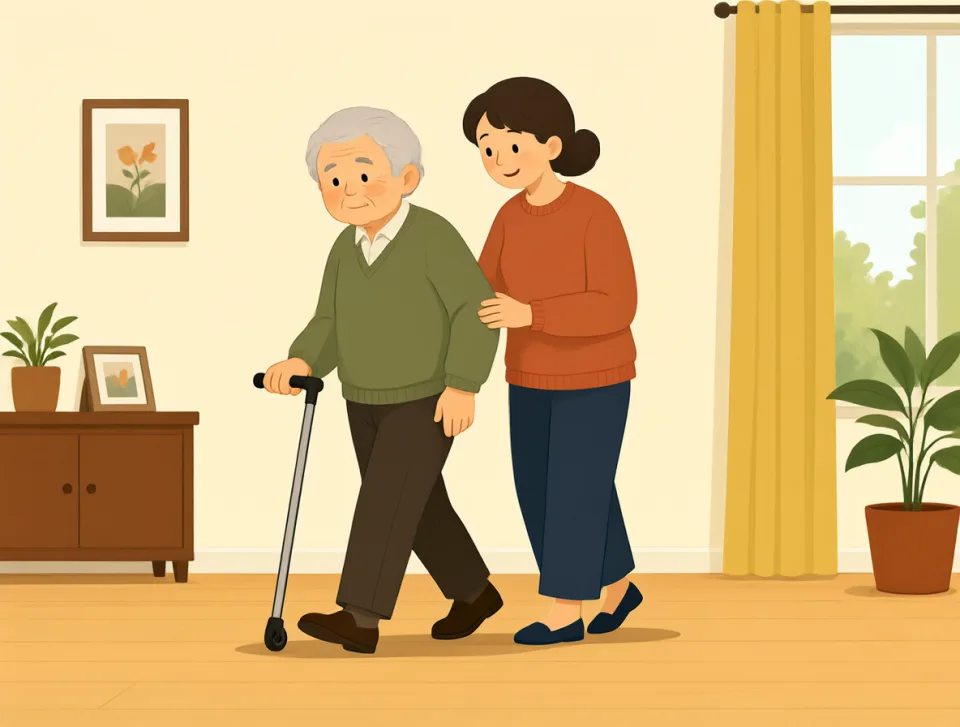
Some older people become dependent on others after a serious illness.
गंभीर बीमारी के बाद कुछ बुज़ुर्ग लोग दूसरों पर निर्भर हो जाते हैं।
specialize
#2337verb
विशेषज्ञता हासिल करना
to spend most of your time studying or working in one particular area
अपना ज़्यादातर समय किसी एक खास क्षेत्र का अध्ययन करने या उसमें काम करने में लगाना।

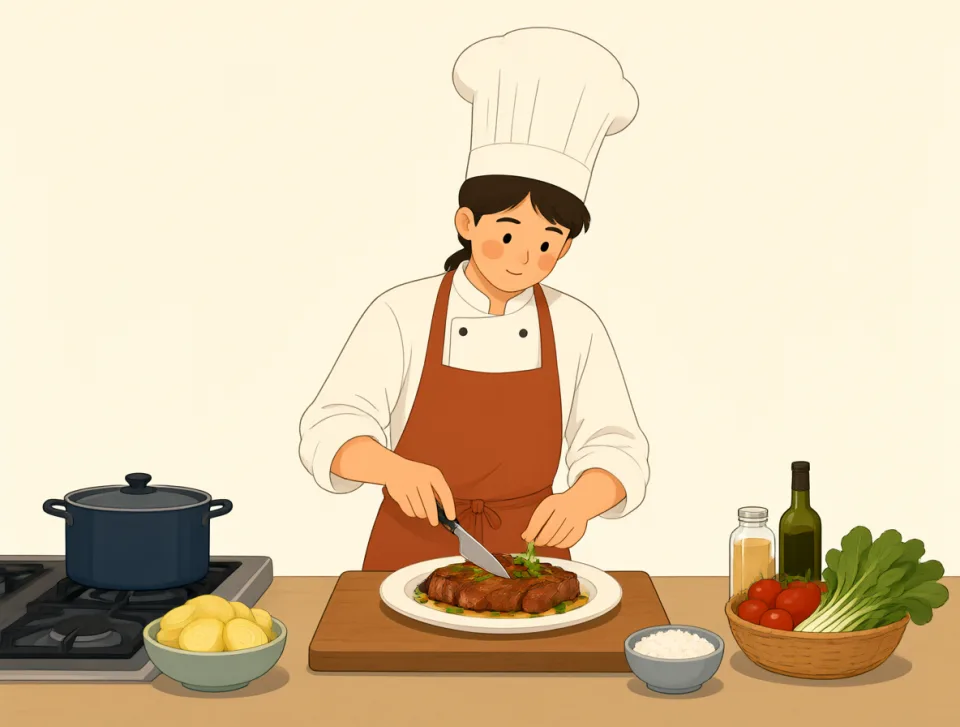
Our restaurant specializes in fresh seafood and homemade desserts.
हमारा रेस्तराँ ताज़ा समुद्री भोजन और घर की बनी मिठाइयों में माहिर है।

The hospital specializes in treating children with serious illnesses.
यह अस्पताल गंभीर बीमारियों से पीड़ित बच्चों के इलाज में माहिर है।

She decided to specialize in science when she entered university.
विश्वविद्यालय में दाख़िला लेने पर उसने विज्ञान में विशेषज्ञता हासिल करने का फ़ैसला किया।
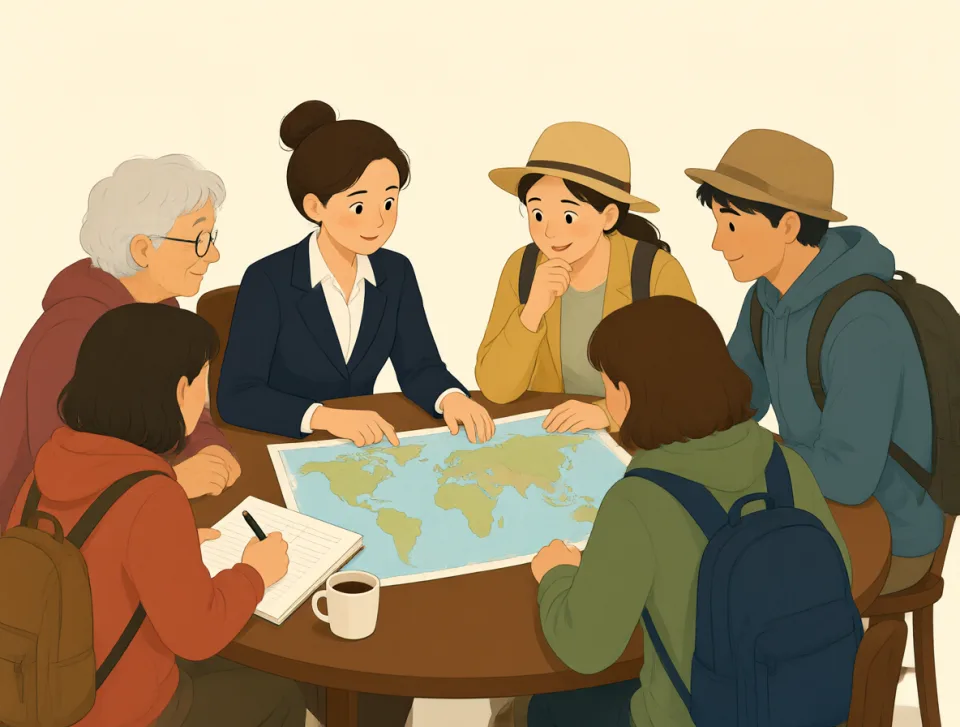
This travel agency specializes in small group tours around Europe.
यह ट्रैवल एजेंसी यूरोप में छोटे समूहों के दौरों की विशेषज्ञ है।

My friend is specializing in computer security at college.
मेरा दोस्त कॉलेज में कंप्यूटर सुरक्षा में विशेषज्ञता हासिल कर रहा है।
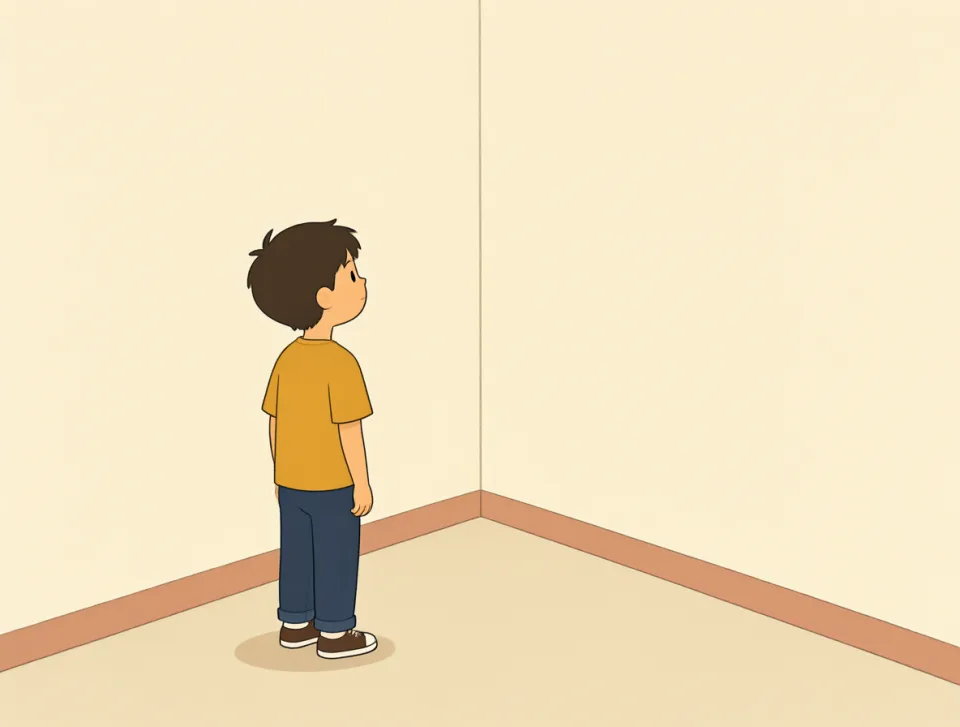
angle
#2338noun, verb
कोण; नज़रिया
A direction or position from which you look at something; to aim or present something differently.
वह दिशा या स्थिति जहाँ से आप किसी चीज़ को देखते हैं; किसी चीज़ को अलग ढंग से निशाना बनाना या प्रस्तुत करना।
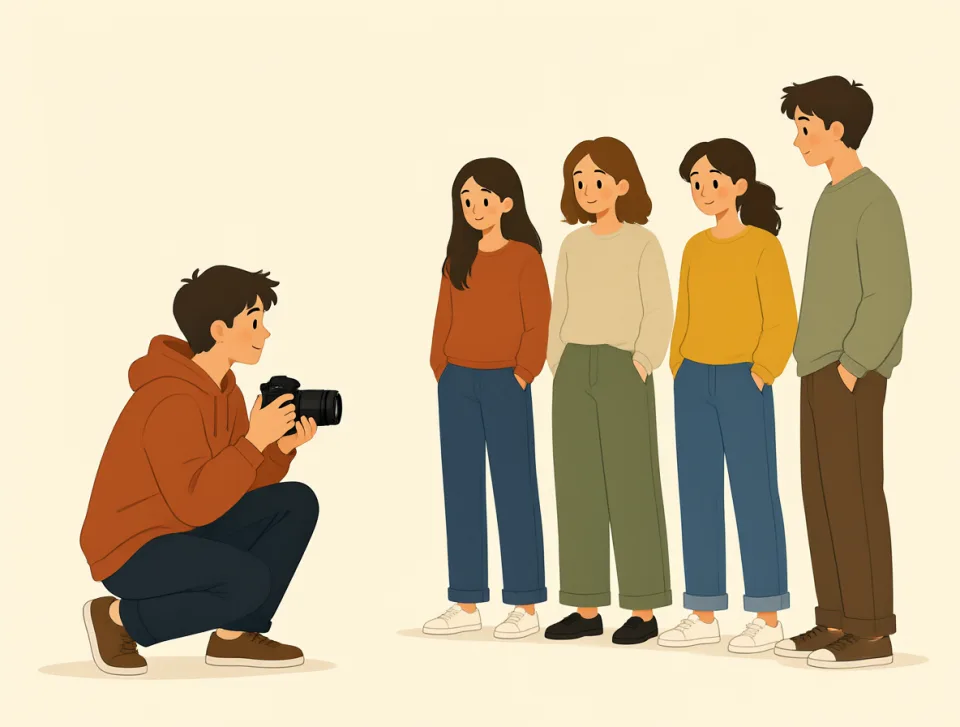
Try taking the photo from a different angle to include everyone.
सबको तस्वीर में शामिल करने के लिए उसे किसी अलग कोण से लेने की कोशिश करें।
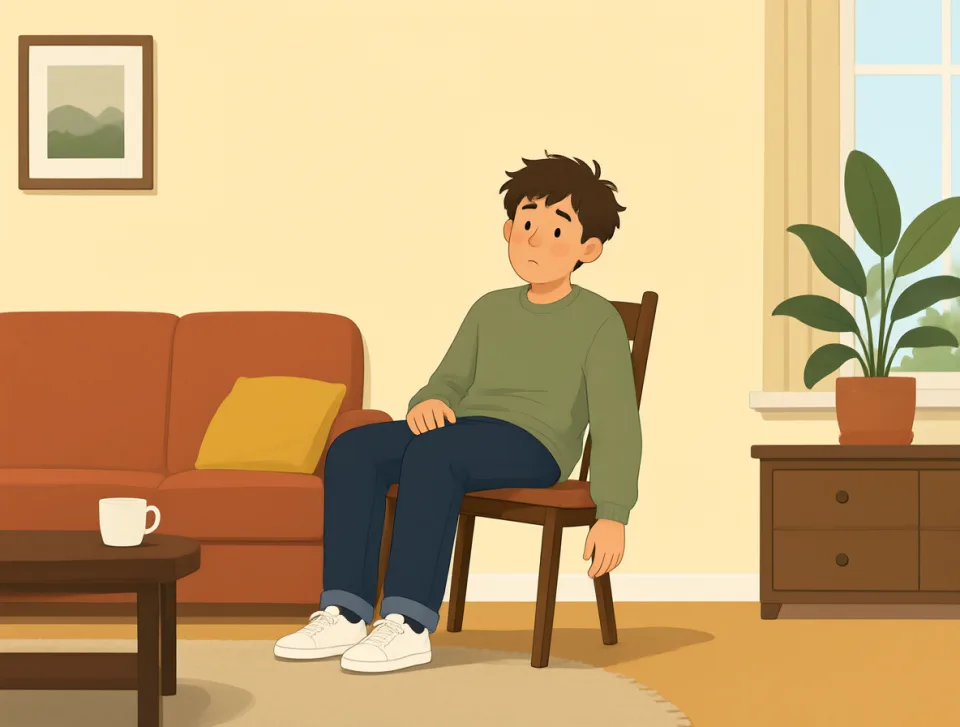
The angle of the chair made it uncomfortable to sit for long.
कुर्सी का कोण ऐसा था कि उस पर देर तक बैठना असुविधाजनक था।
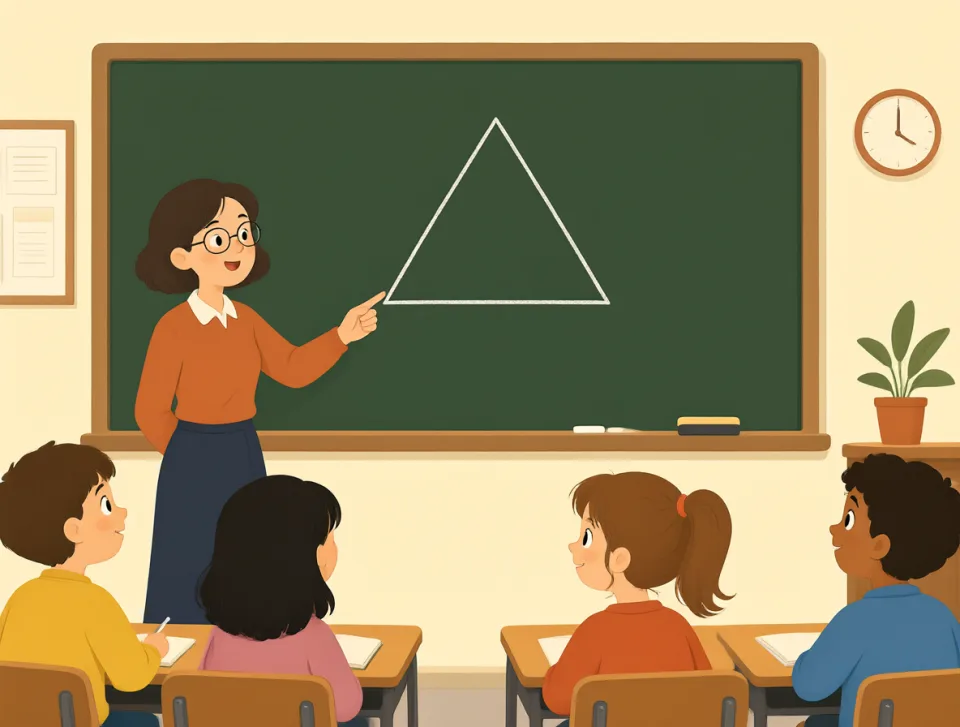
The teacher explained how to measure the angles in a triangle.
शिक्षक ने समझाया कि त्रिभुज के कोणों को कैसे मापते हैं।
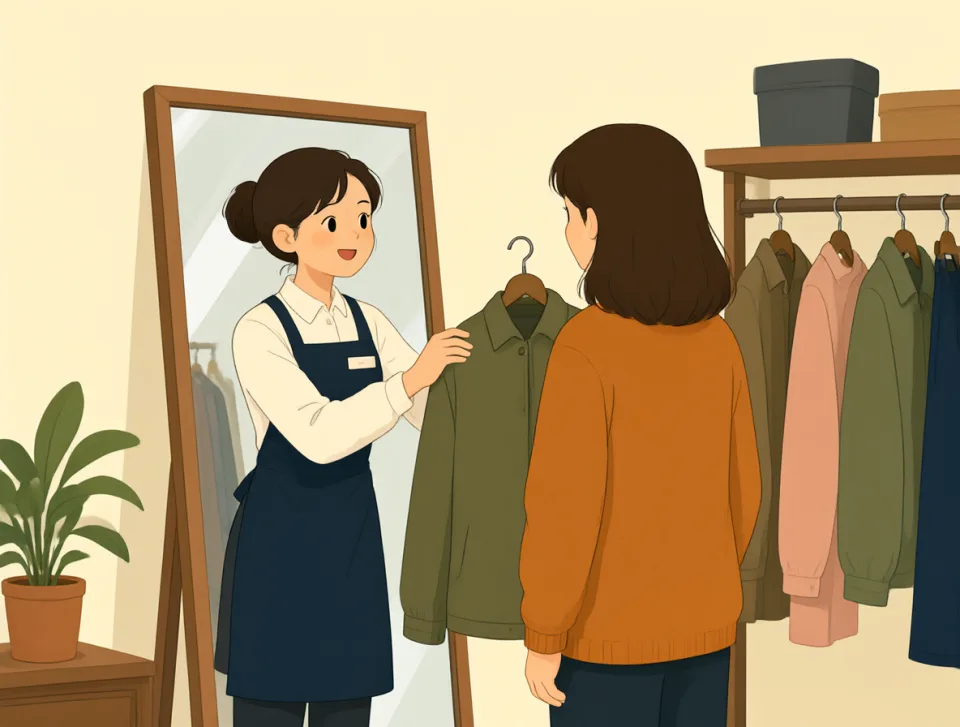
The shop assistant angled the mirror so I could see the back of my jacket.
दुकान के सहायक ने आईने का कोण इस तरह किया कि मैं अपनी जैकेट का पीछे का हिस्सा देख सकूँ।
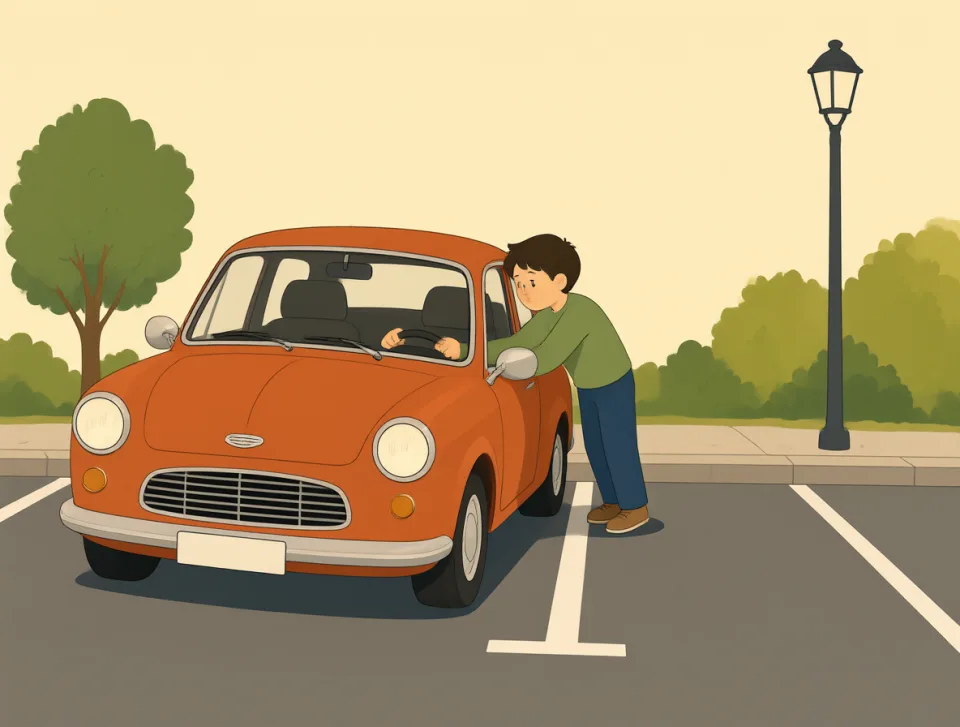
We need to angle the car carefully to fit into the narrow parking space.
संकरा पार्किंग स्थान पाने के लिए हमें कार को सावधानी से तिरछा करना होगा।
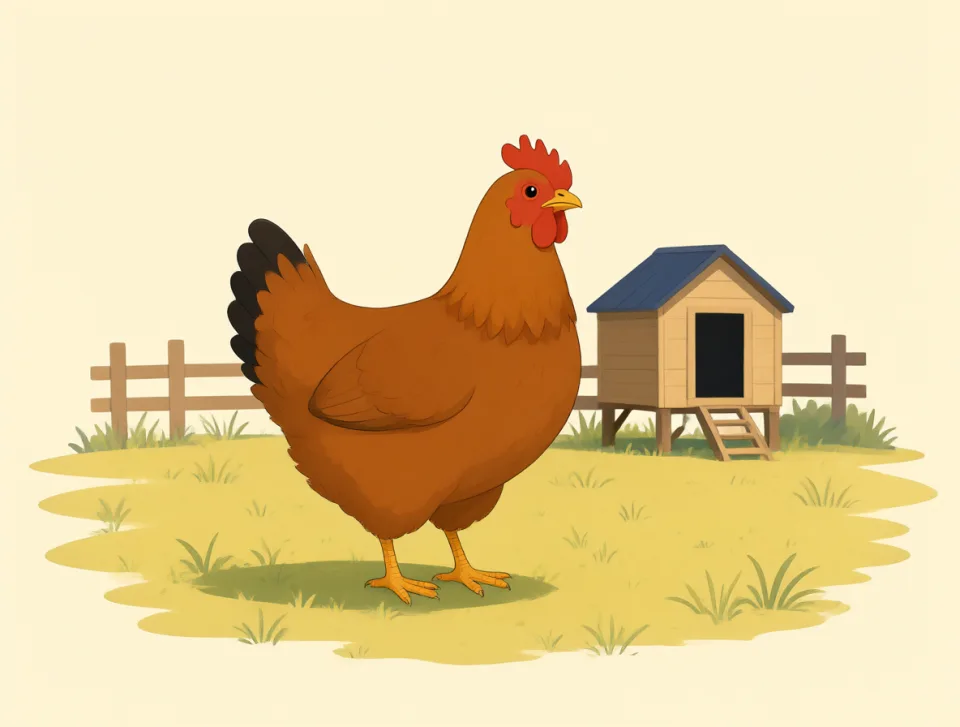
chicken
#2339noun, verb
मुर्गी; डरकर पीछे हटना
a farm bird raised for meat and eggs; to avoid doing something because you are afraid
मांस और अंडों के लिए पाला जाने वाला एक घरेलू पक्षी; डर के कारण कुछ करने से बचना।

We had roast chicken with potatoes for dinner last night.
कल रात हमने रात के खाने में आलू के साथ भुना हुआ चिकन खाया।
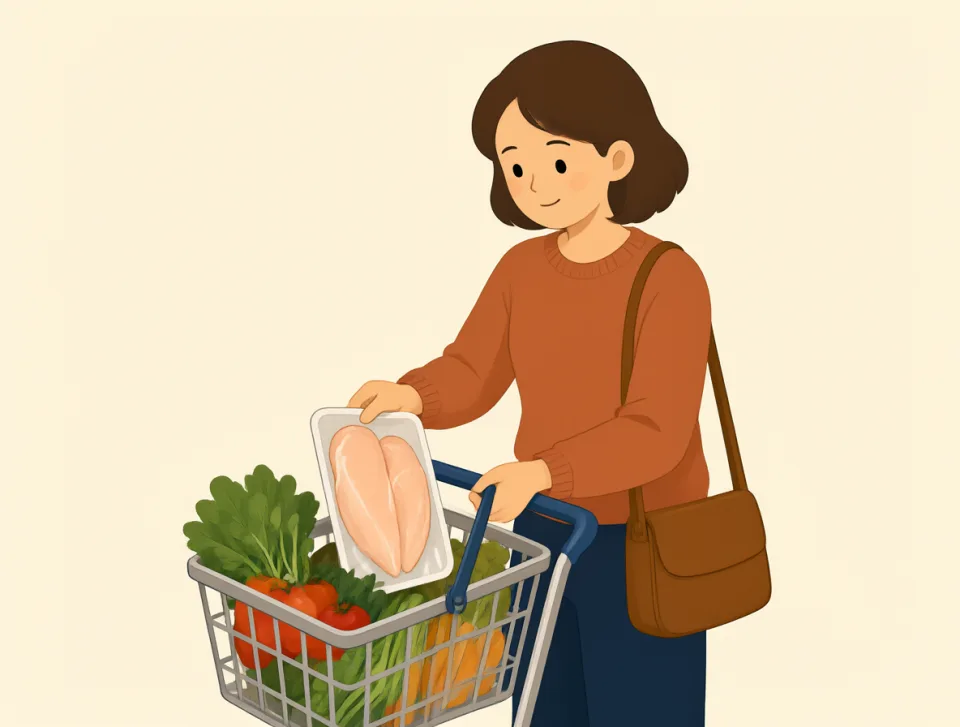
I bought two chicken breasts and fresh vegetables at the supermarket.
मैंने सुपरमार्केट से चिकन ब्रेस्ट के दो टुकड़े और ताज़ी सब्ज़ियाँ खरीदीं।
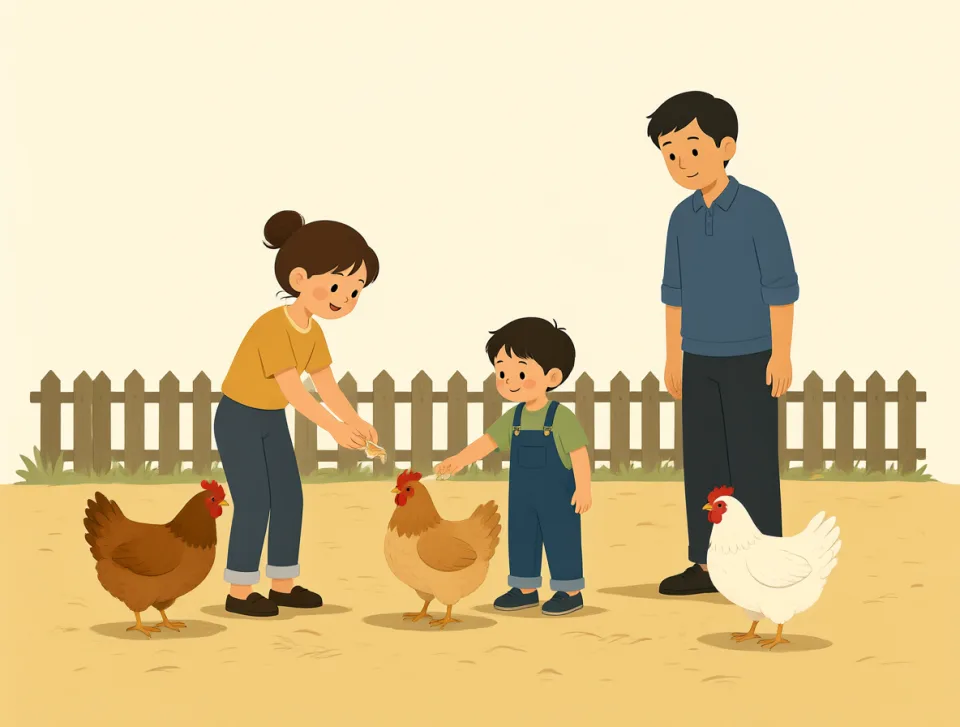
The children were excited to feed the chickens on the farm.
बच्चे खेत में मुर्गियों को दाना खिलाने के लिए बहुत उत्साहित थे।
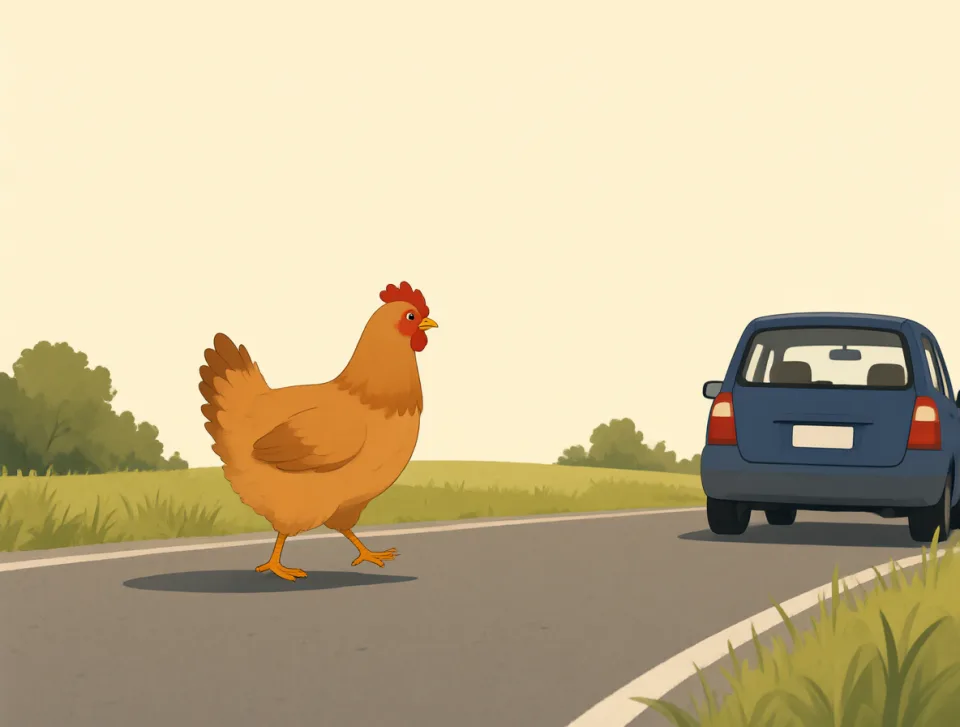
The chicken crossed the road while we were driving to the beach.
जब हम समुद्र तट की ओर जा रहे थे, तब एक मुर्गी सड़क पार कर गई।

He chickened out before giving his speech to the whole class.
पूरी कक्षा के सामने भाषण देने से पहले ही वह डरकर पीछे हट गया।
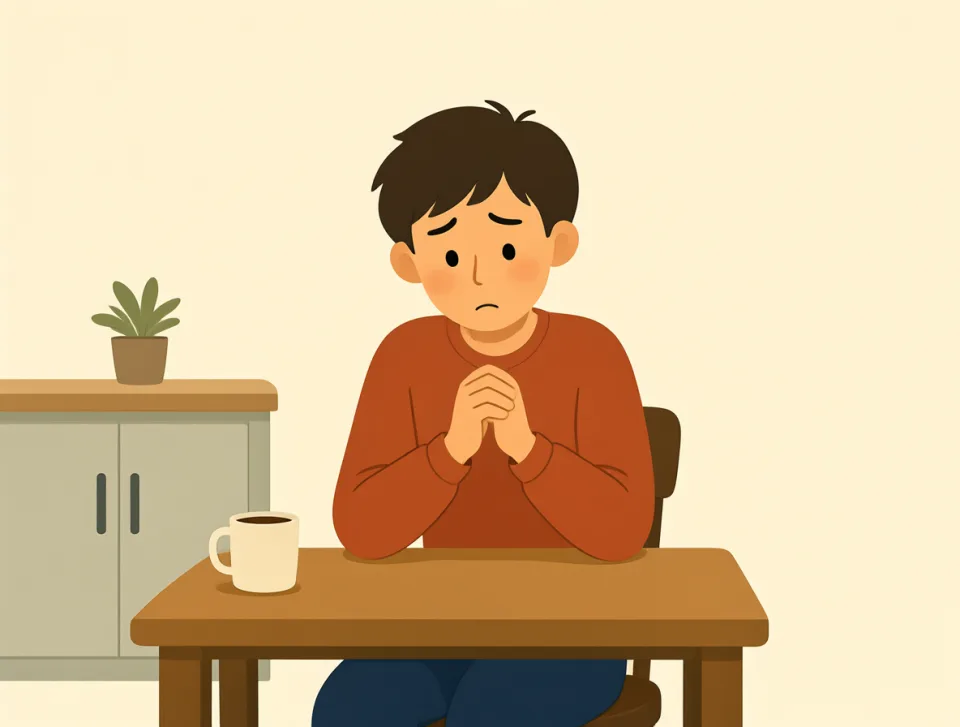
anxiety
#2340noun
चिंता
a worried feeling caused by fear or concern about something that may happen
किसी संभावित घटना को लेकर डर या फ़िक्र से पैदा होने वाली बेचैनी।

She felt anxiety before her job interview and practiced her answers twice.
नौकरी के साक्षात्कार से पहले वह चिंतित थी और उसने अपने जवाबों का दो बार अभ्यास किया।

His anxiety about flying disappeared after the plane landed safely.
विमान के सुरक्षित उतरने के बाद उड़ान को लेकर उसकी चिंता दूर हो गई।

Exam anxiety made it difficult for Mia to sleep the night before.
परीक्षा की चिंता के कारण मिया के लिए पिछली रात सोना मुश्किल हो गया।

Talking with a friend helped reduce my anxiety about moving to a new city.
एक दोस्त से बात करने से नए शहर में जाने को लेकर मेरी चिंता कम करने में मदद मिली।
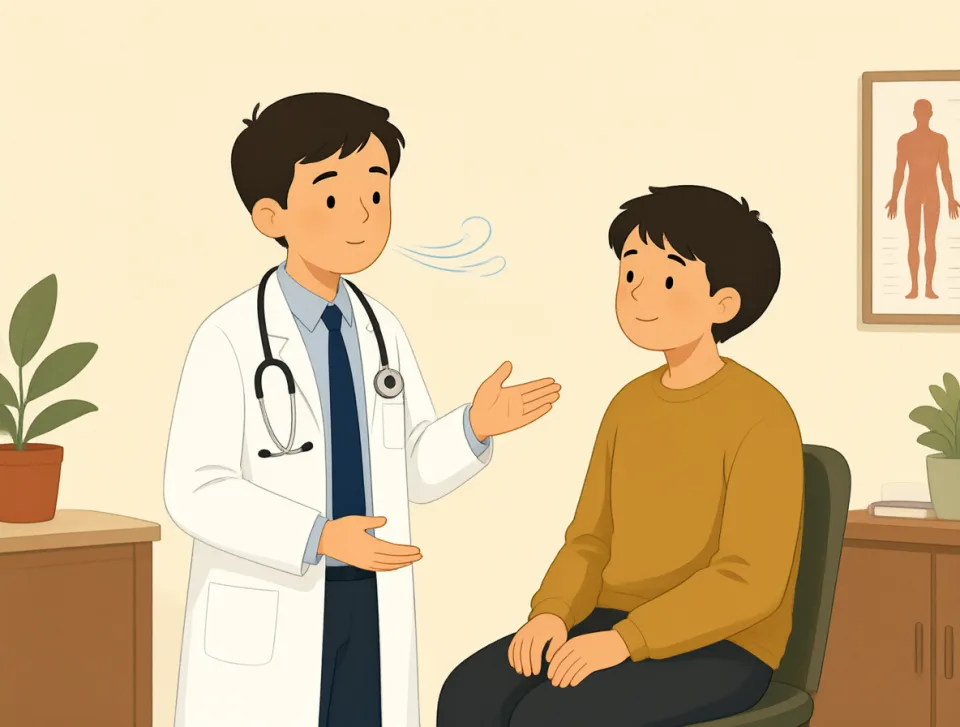
The doctor taught him breathing exercises to manage his anxiety.
डॉक्टर ने उसे अपनी चिंता संभालने के लिए साँस लेने के अभ्यास सिखाए।