इकाई 118
शब्द 2341–2360 · virus, precisely, rival, offense, detect, teenager

virus
#2341noun
वायरस
A very small living thing that can cause illness in people, animals, or plants.
एक बहुत छोटा जीव जो लोगों, जानवरों या पौधों को बीमार कर सकता है।
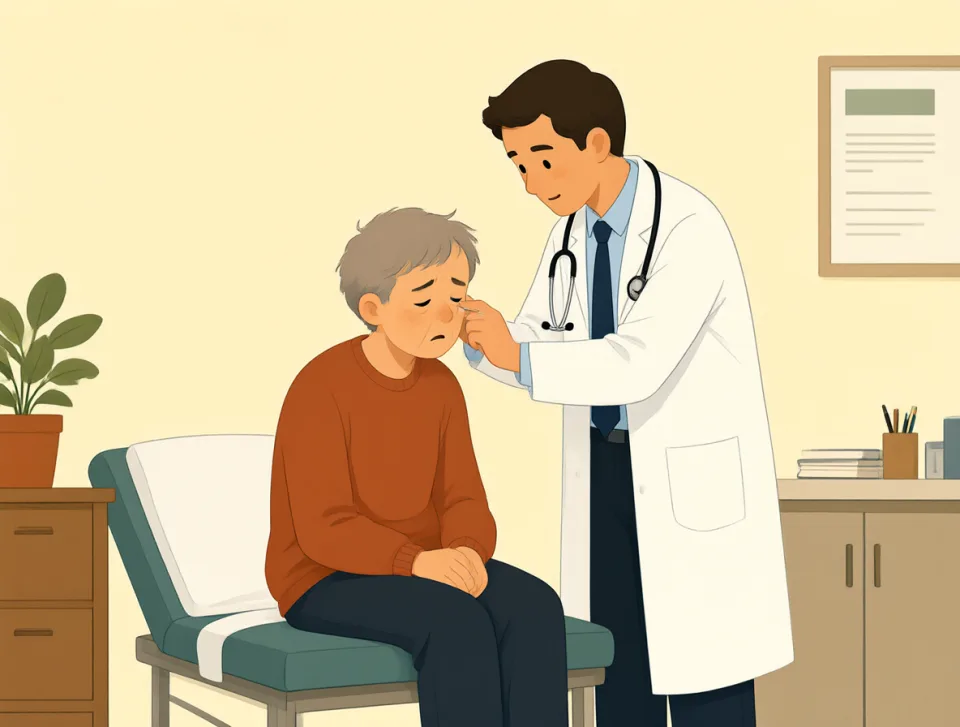
The doctor said a virus was causing my fever and sore throat.
डॉक्टर ने कहा कि मेरे बुखार और गले में खराश की वजह एक वायरस था।
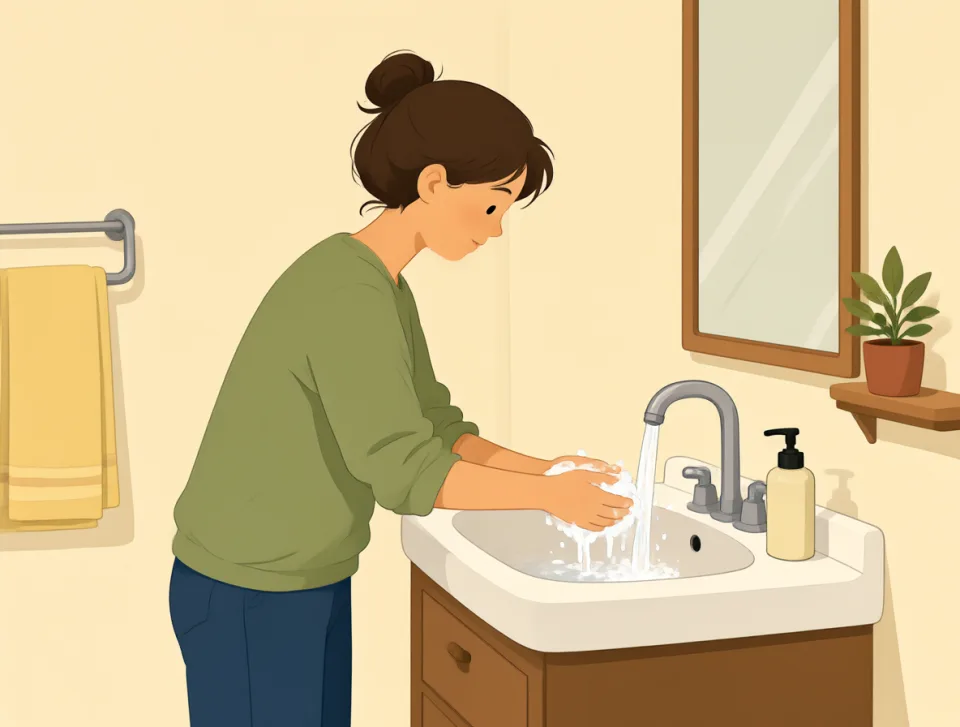
Please wash your hands often to help prevent the virus from spreading.
वायरस को फैलने से रोकने में मदद के लिए कृपया बार-बार हाथ धोएँ।
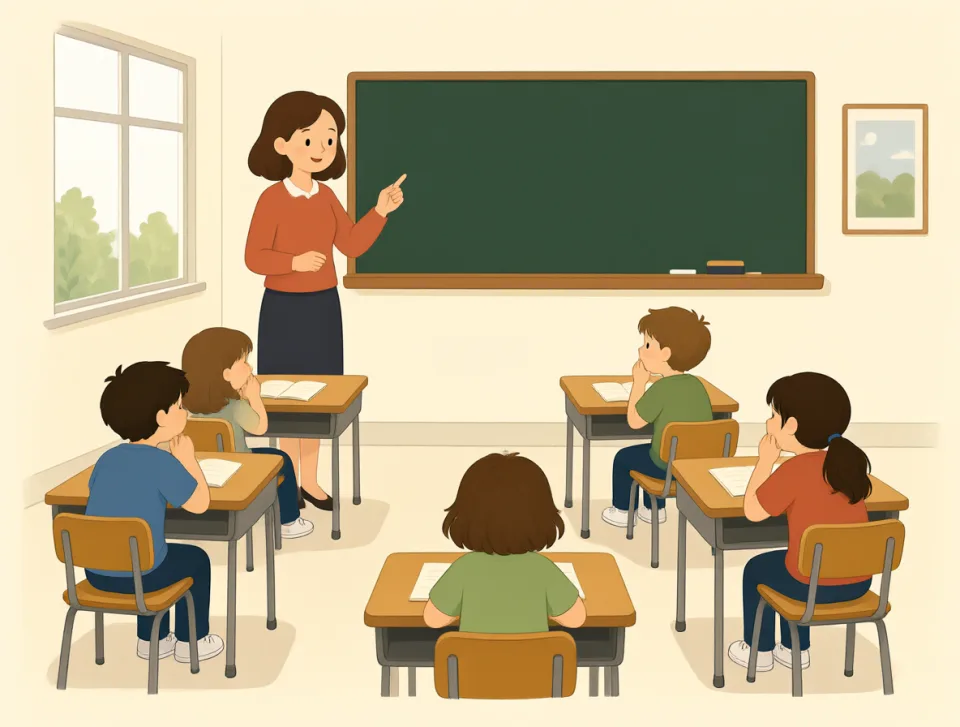
Several students stayed home because a stomach virus was spreading at school.
स्कूल में पेट का वायरस फैल रहा था, इसलिए कई छात्र घर पर ही रहे।

My computer caught a virus after I opened a suspicious email attachment.
एक संदिग्ध ईमेल अटैचमेंट खोलने के बाद मेरे कंप्यूटर में वायरस आ गया।
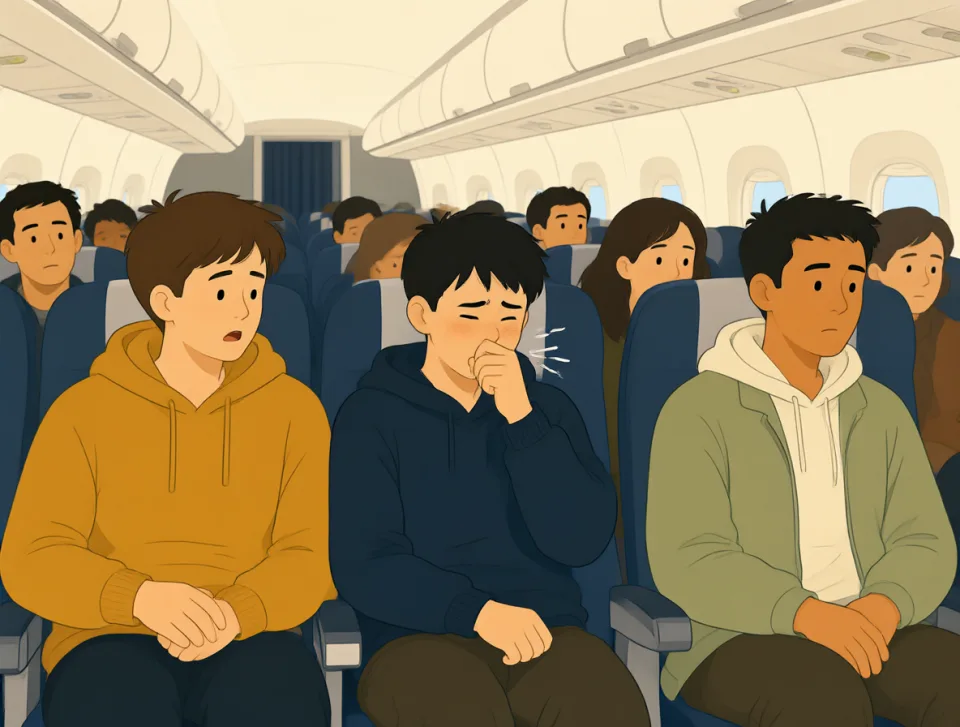
The flu virus can spread quickly when people travel on crowded airplanes.
भीड़भाड़ वाले विमानों में सफ़र करने पर फ्लू का वायरस तेज़ी से फैल सकता है।

precisely
#2342adverb
ठीक-ठीक
Exactly, accurately, or in a very clear and specific way.
बिल्कुल सही, सटीक या बहुत स्पष्ट और विशिष्ट तरीके से।
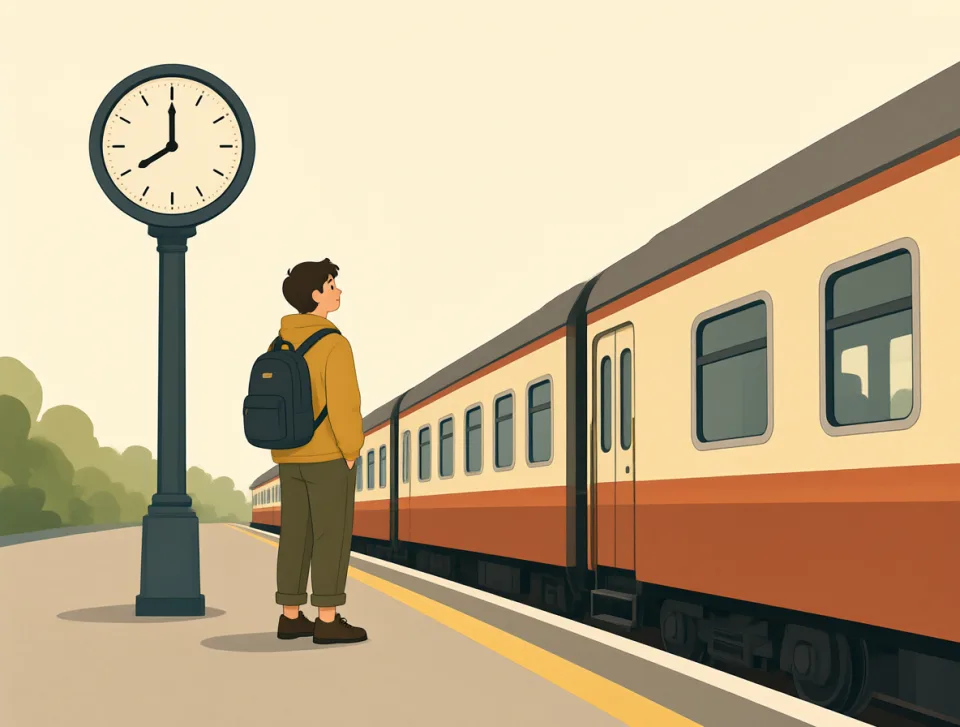
The train leaves precisely at eight o'clock every morning.
ट्रेन हर सुबह ठीक आठ बजे रवाना होती है।

Please tell me precisely what happened during the meeting.
कृपया मुझे ठीक-ठीक बताइए कि बैठक के दौरान क्या हुआ।

The package arrived precisely when the delivery driver promised.
पैकेज ठीक उसी समय पहुँचा, जिसका वादा डिलीवरी ड्राइवर ने किया था।
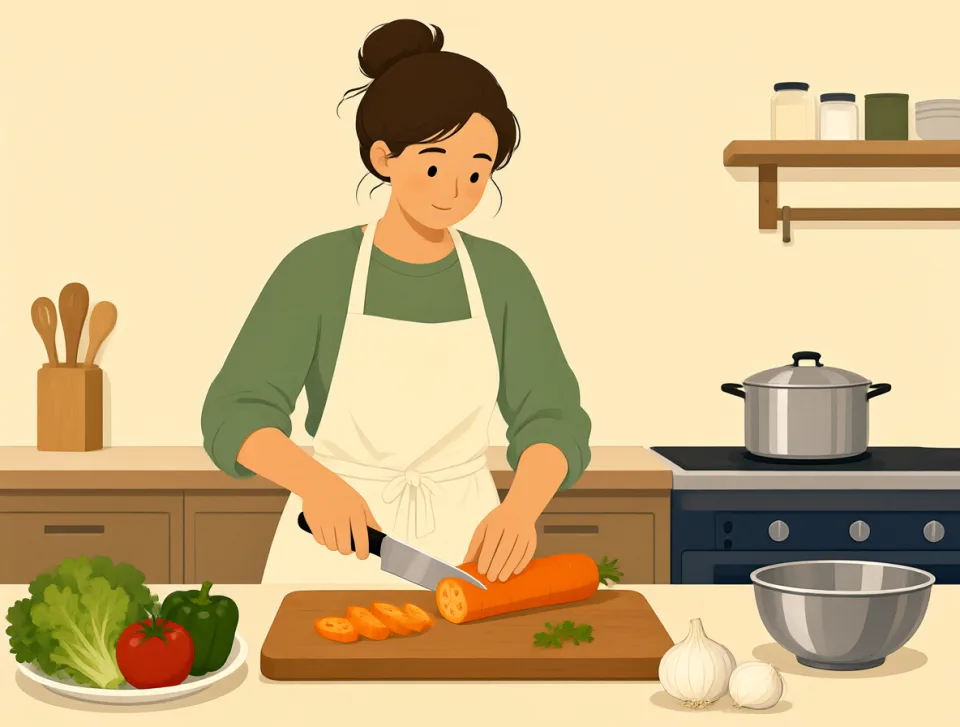
Cut the vegetables precisely the same size so they cook evenly.
सब्ज़ियों को बिल्कुल एक ही आकार में काटें, ताकि वे समान रूप से पकें।

The doctor explained precisely how to take the medicine each day.
डॉक्टर ने ठीक-ठीक समझाया कि हर दिन दवा कैसे लेनी है।

rival
#2343noun, verb, adjective
प्रतिद्वंद्वी
A person, team, or company competing against another; to compete with someone or something.
कोई व्यक्ति, टीम या कंपनी जो दूसरे के साथ प्रतिस्पर्धा करती है; किसी व्यक्ति या चीज़ से मुकाबला करना।

Our biggest rival opened a new store across the street.
हमारे सबसे बड़े प्रतिद्वंद्वी ने सड़क के उस पार एक नया स्टोर खोला।
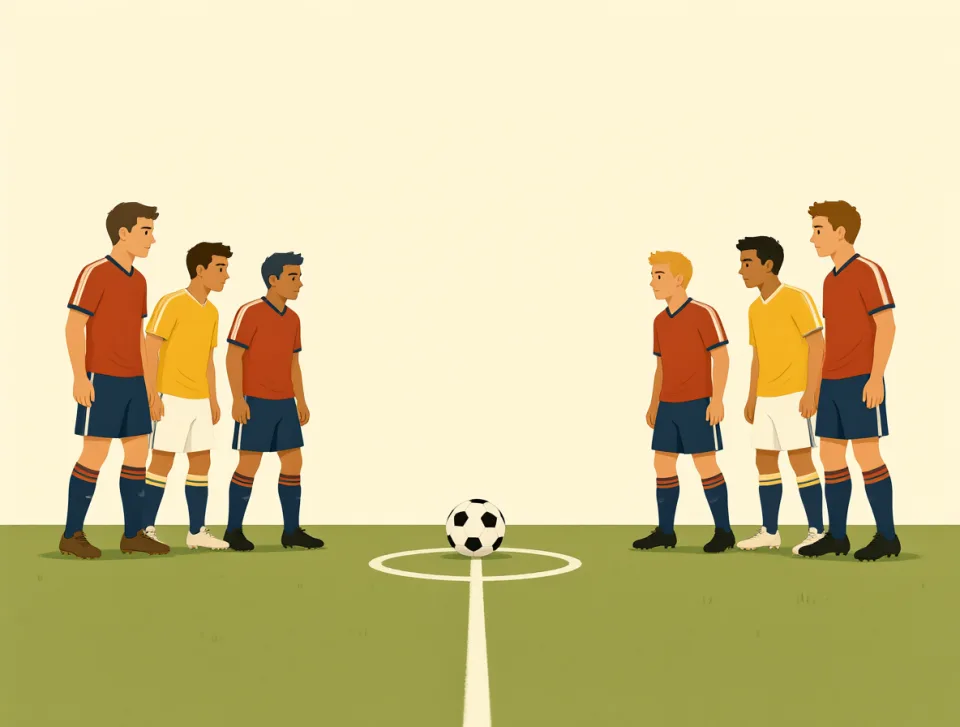
The two teams have been rivals since they first played football together.
दोनों टीमें जब पहली बार साथ फुटबॉल खेलीं, तभी से एक-दूसरे की प्रतिद्वंद्वी हैं।
Our company is trying to rival the market leader with cheaper products.
हमारी कंपनी सस्ते उत्पादों के ज़रिए बाज़ार की अग्रणी कंपनी को टक्कर देने की कोशिश कर रही है।
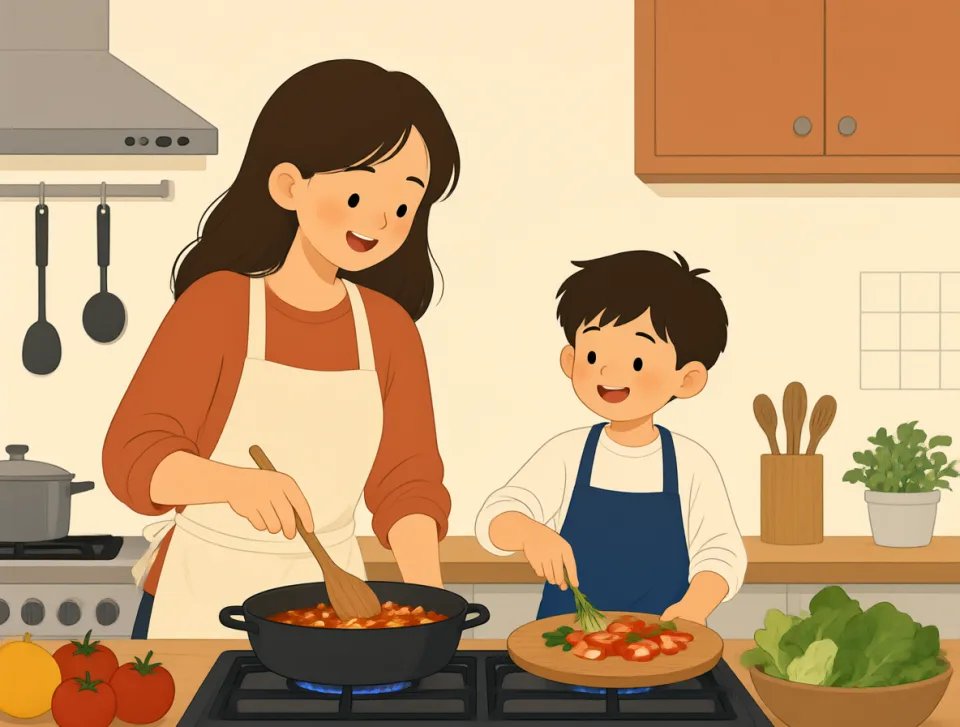
She rivaled her brother in cooking, and both prepared excellent meals.
खाना पकाने में उसने अपने भाई को टक्कर दी और दोनों ने शानदार भोजन तैयार किया।
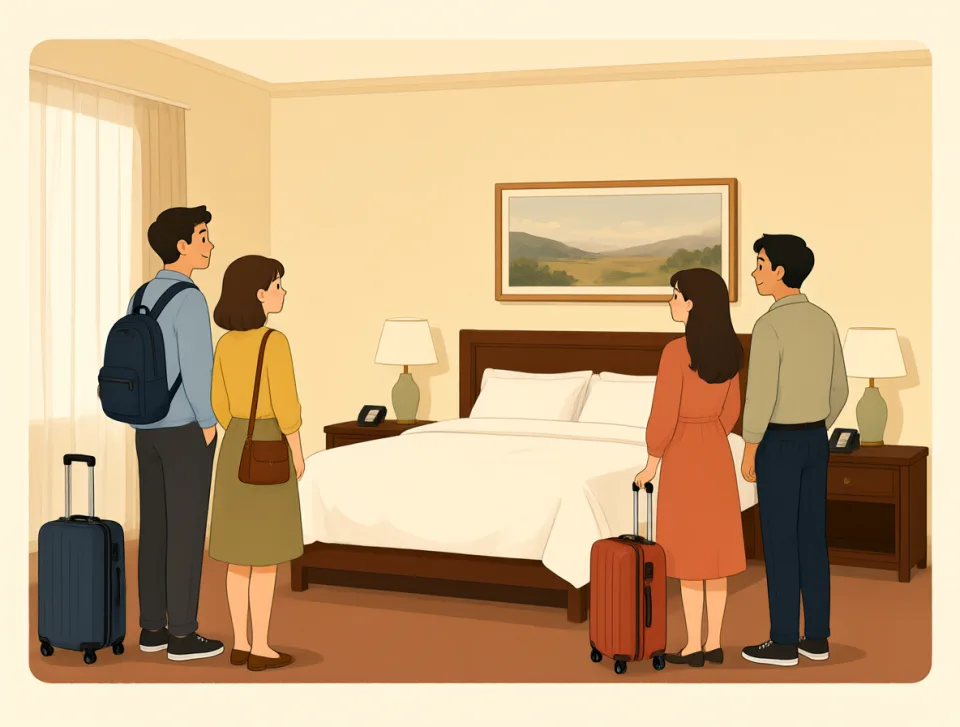
The new hotel rivals the best places we visited during our trip.
यह नया होटल हमारी यात्रा के दौरान देखी गई बेहतरीन जगहों को टक्कर देता है।
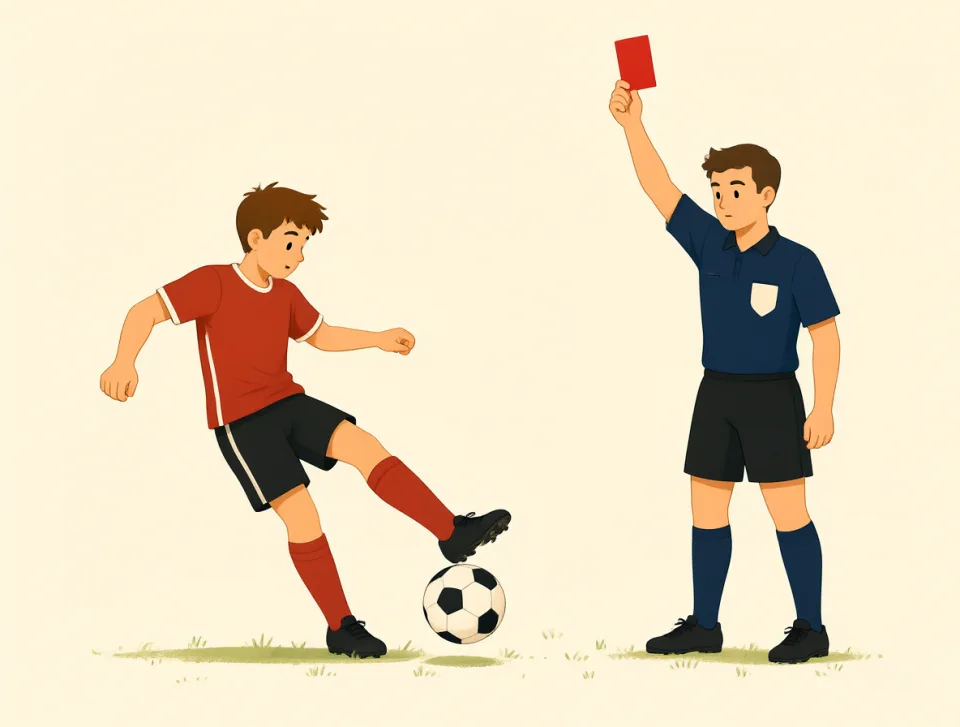
offense
#2344noun
अपराध
An illegal act or behavior that breaks a law or rule.
कोई गैरकानूनी काम या ऐसा व्यवहार जो कानून या नियम तोड़ता हो।

The police charged him with a serious offense after the store robbery.
दुकान में लूट के बाद पुलिस ने उस पर एक गंभीर अपराध का आरोप लगाया।
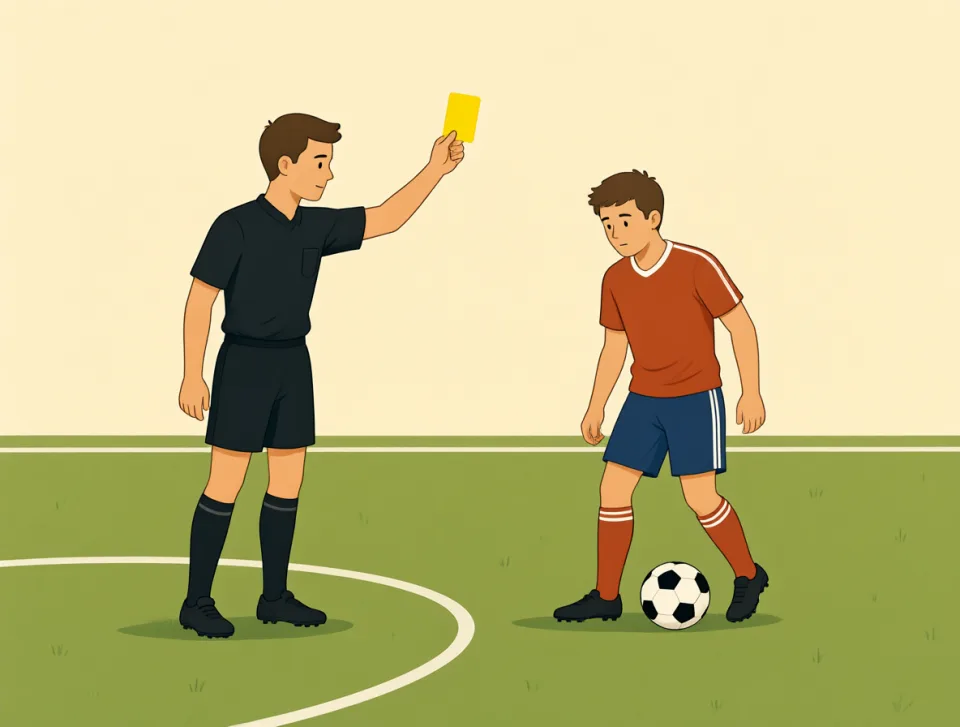
The player received a yellow card for a dangerous offense during the match.
मैच के दौरान खतरनाक फाउल करने पर खिलाड़ी को पीला कार्ड मिला।
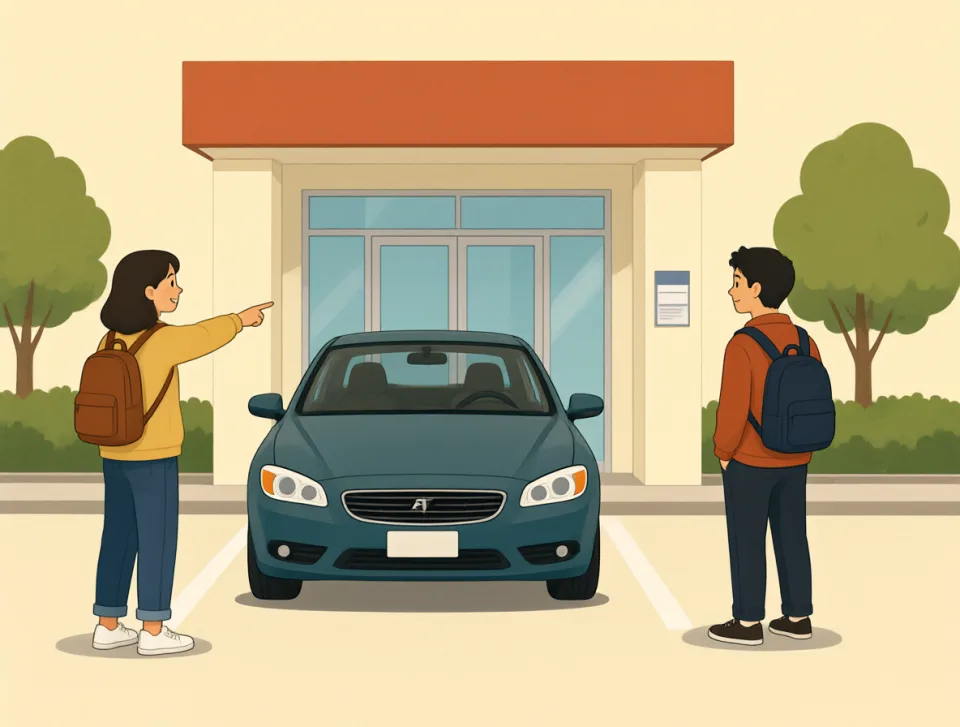
Parking in front of the hospital entrance is a traffic offense.
अस्पताल के प्रवेश द्वार के सामने गाड़ी खड़ी करना यातायात नियमों का उल्लंघन है।
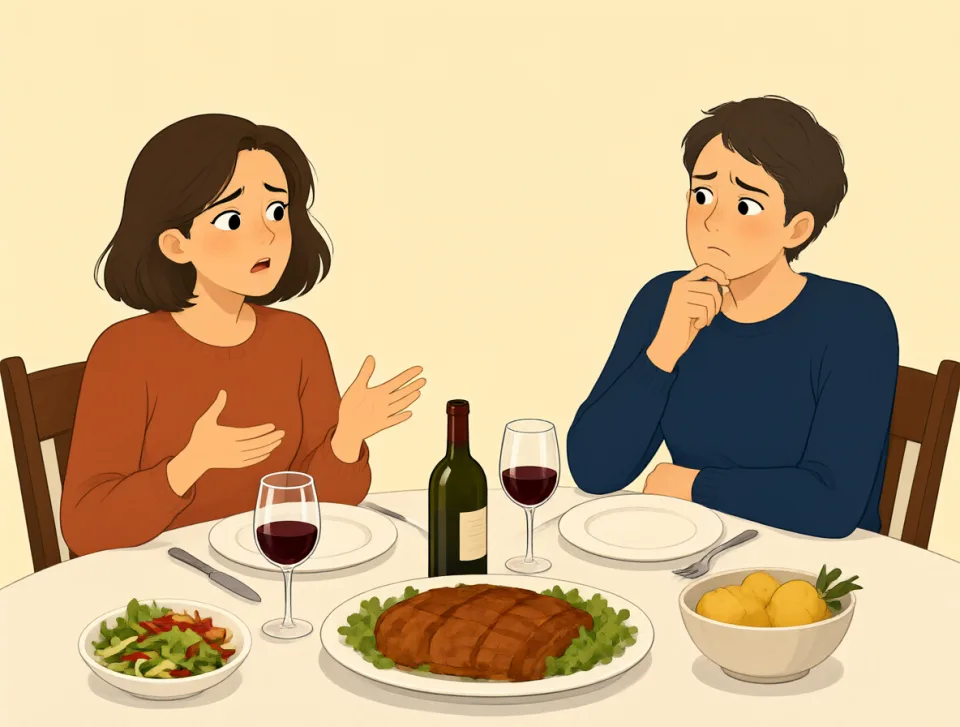
She worried that her rude comment might cause offense at dinner.
उसे चिंता थी कि रात के खाने पर उसकी रूखी टिप्पणी से किसी को बुरा लग सकता है।
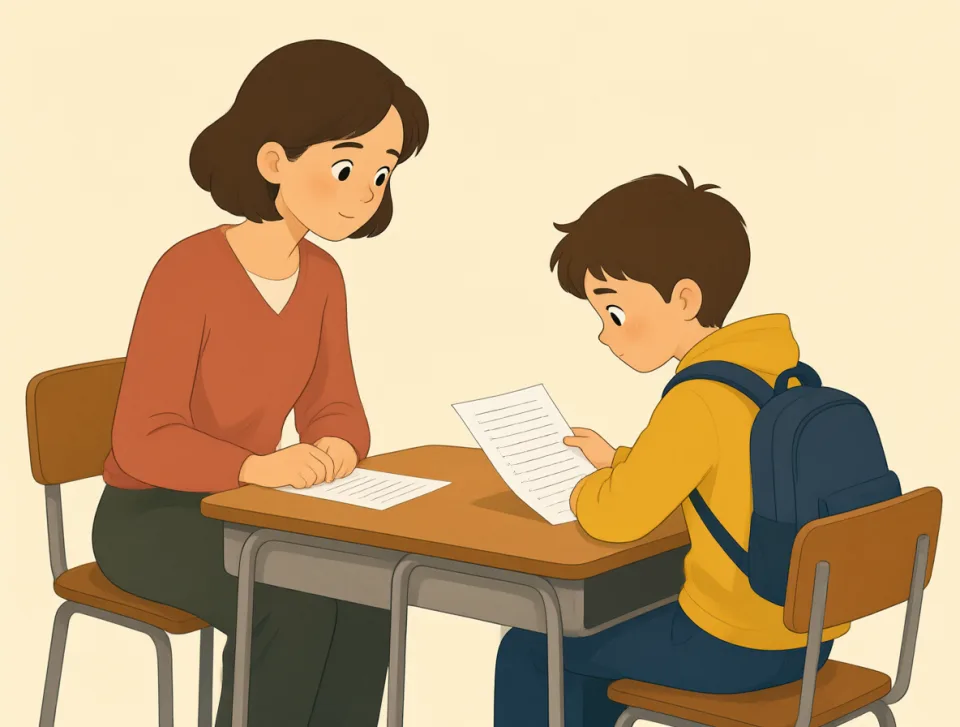
The school treats cheating on exams as a serious offense.
स्कूल में परीक्षा में नकल करना एक गंभीर अपराध माना जाता है।
detect
#2345verb
पता लगाना
to notice or discover something, especially something that is difficult to see or hear
किसी चीज़ को महसूस करना या खोज निकालना, खासकर ऐसी चीज़ को जिसे देखना या सुनना मुश्किल हो।

The doctor detected a small problem during my routine health check.
मेरी नियमित स्वास्थ्य जाँच के दौरान डॉक्टर ने एक छोटी-सी समस्या का पता लगाया।
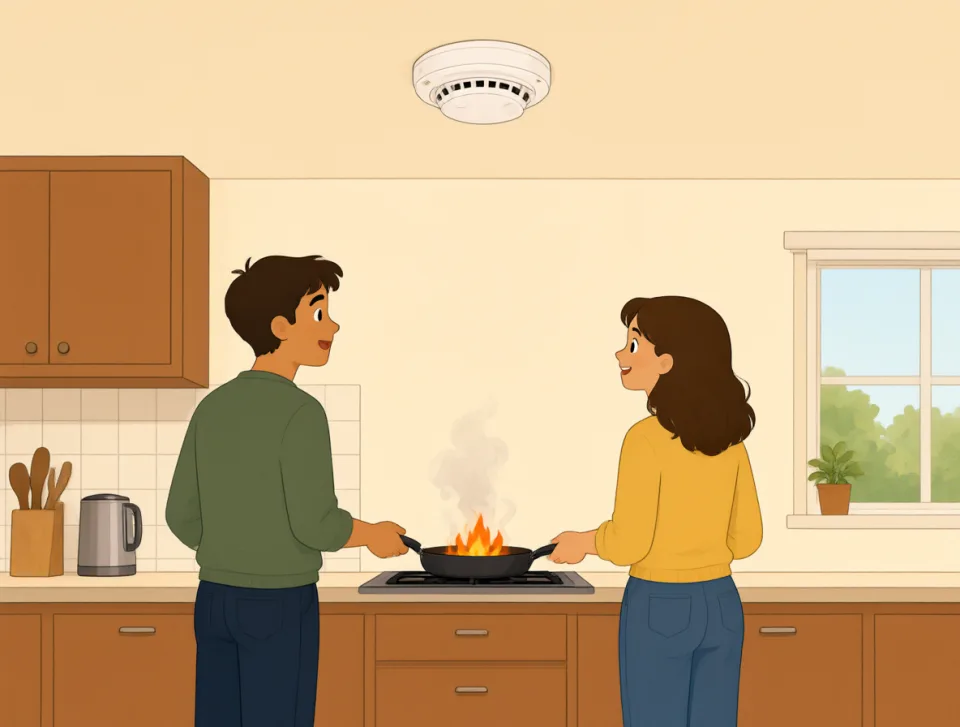
Our smoke alarm detected a fire before anyone noticed the smoke.
हमारे धुएँ के अलार्म ने किसी के धुआँ देखने से पहले ही आग का पता लगा लिया।
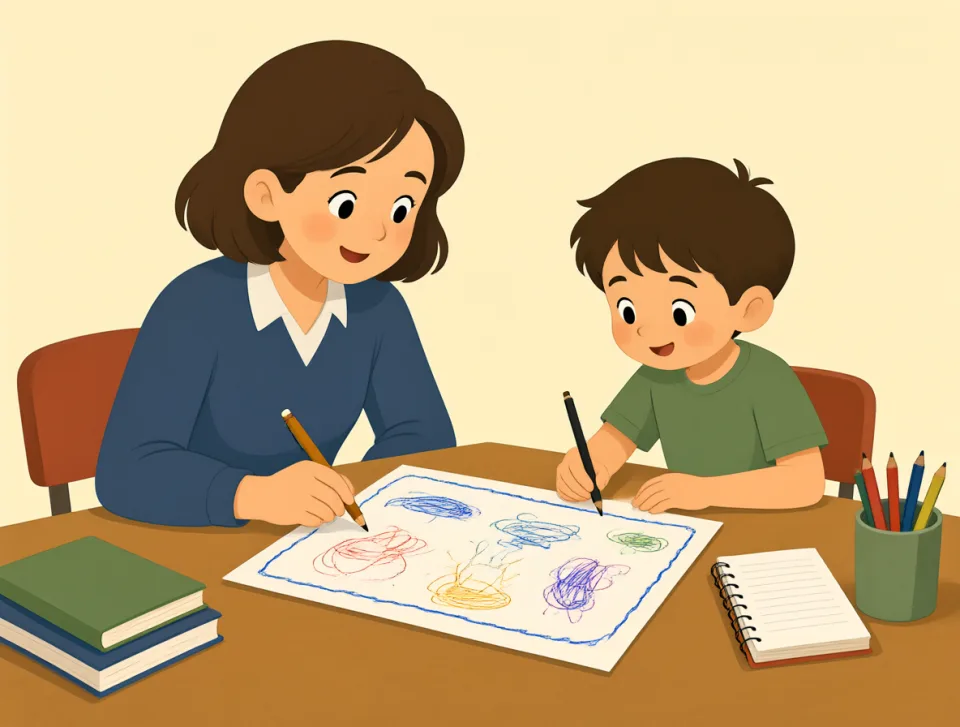
The teacher detected several mistakes in my science project.
शिक्षक ने मेरे विज्ञान प्रोजेक्ट में कई गलतियाँ ढूँढ़ निकालीं।
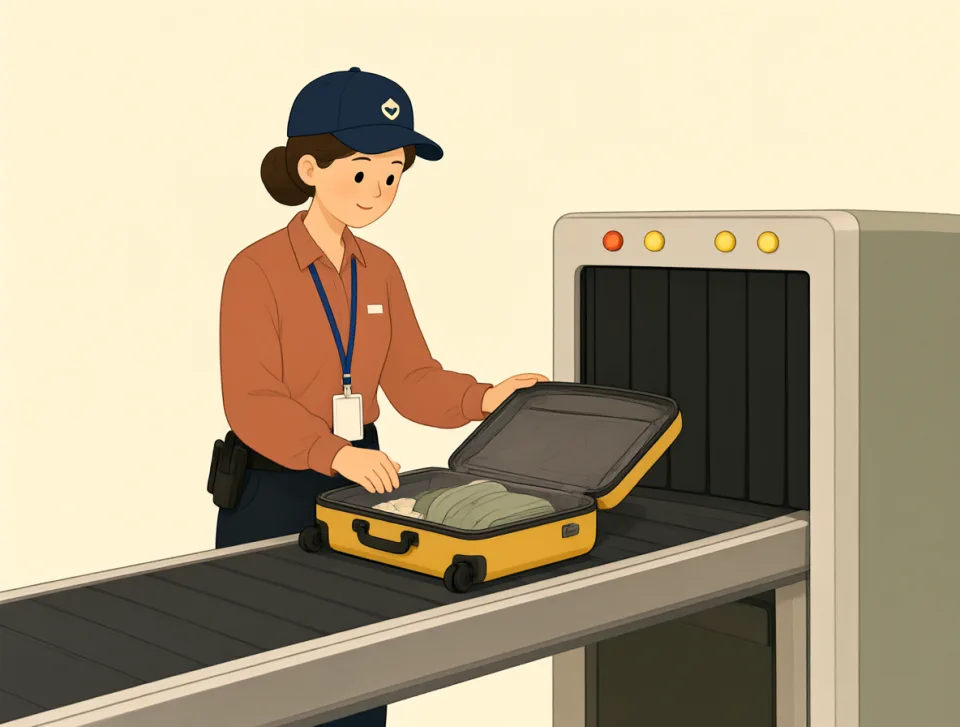
The airport scanner detected something unusual inside the traveler's suitcase.
हवाई अड्डे के स्कैनर ने यात्री के सूटकेस के अंदर किसी असामान्य चीज़ का पता लगाया।
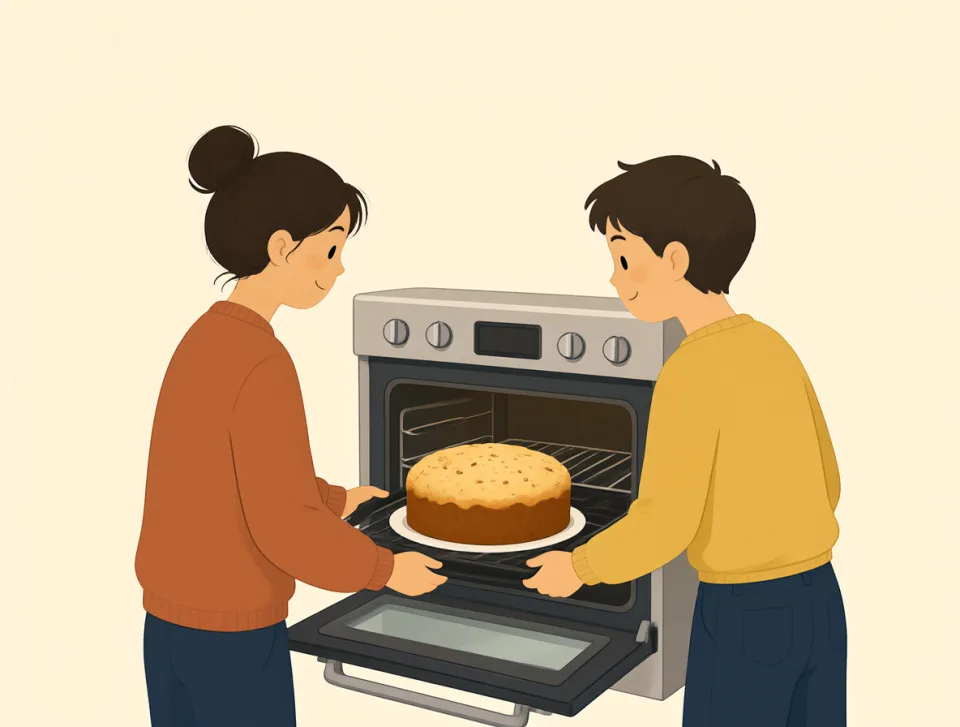
I detected a sweet smell coming from the oven.
मुझे ओवन से आती हुई मीठी-सी खुशबू महसूस हुई।

teenager
#2346noun
किशोर
A person aged between thirteen and nineteen years old.
तेरह से उन्नीस वर्ष की आयु वाला व्यक्ति।

The teenager walked home from school with two close friends.
किशोर दो घनिष्ठ मित्रों के साथ स्कूल से पैदल घर गया।
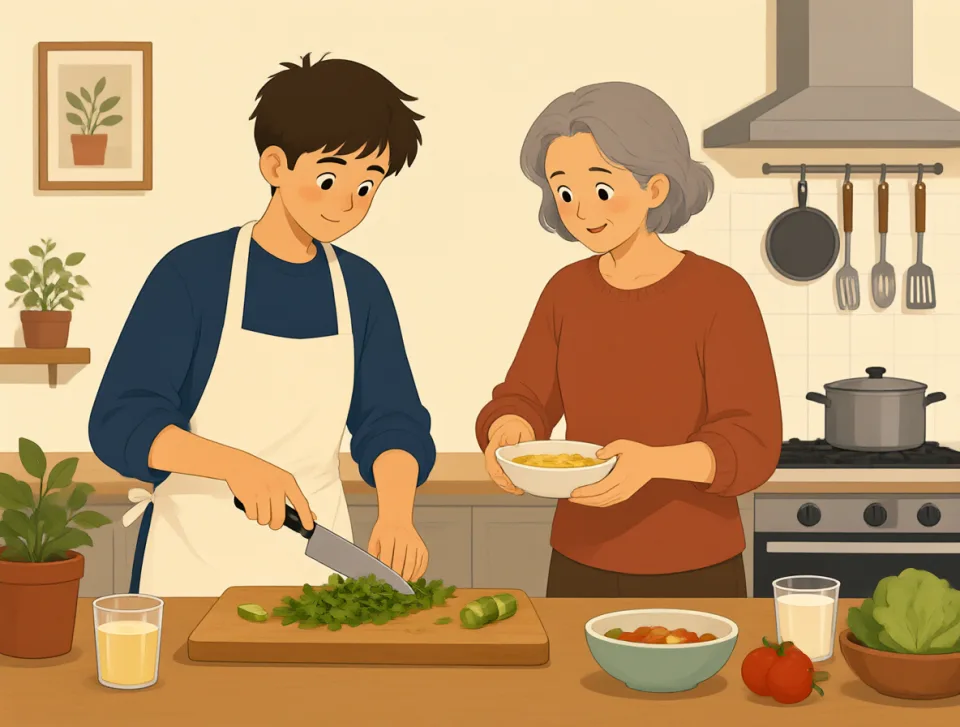
Her teenage son helps prepare dinner for the family every evening.
उसका किशोर बेटा हर शाम परिवार के लिए रात का खाना तैयार करने में मदद करता है।

The teenager found a part-time job at a local supermarket.
किशोर को स्थानीय सुपरमार्केट में अंशकालिक नौकरी मिल गई।
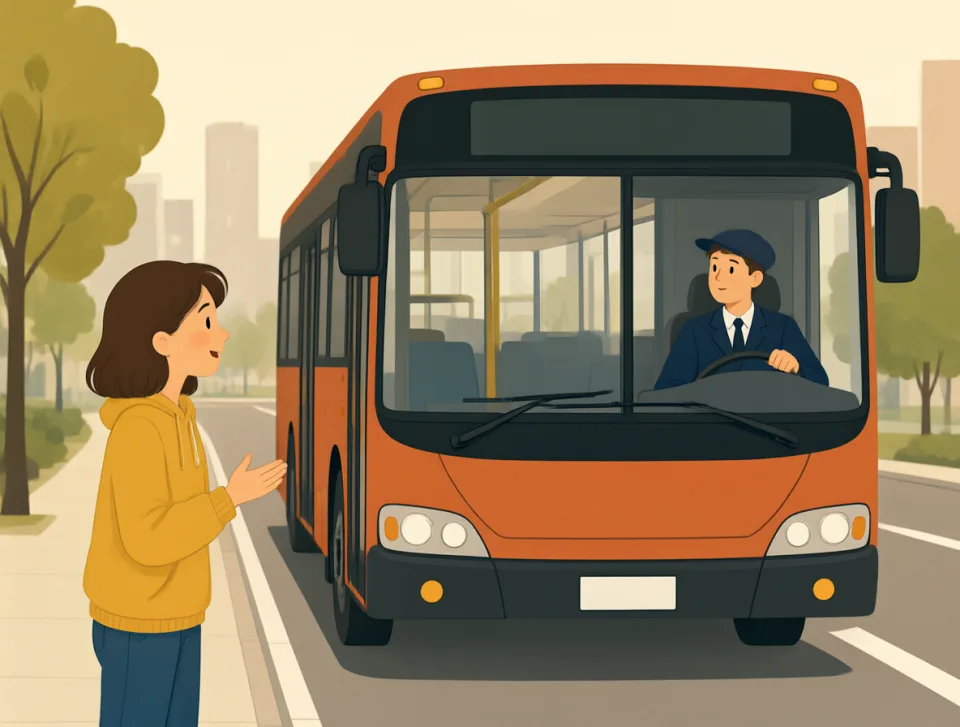
A teenager asked the bus driver for directions to the city center.
एक किशोर ने बस चालक से शहर के केंद्र तक जाने का रास्ता पूछा।

The doctor advised the teenager to get more sleep and exercise.
डॉक्टर ने किशोर को अधिक नींद लेने और व्यायाम करने की सलाह दी।
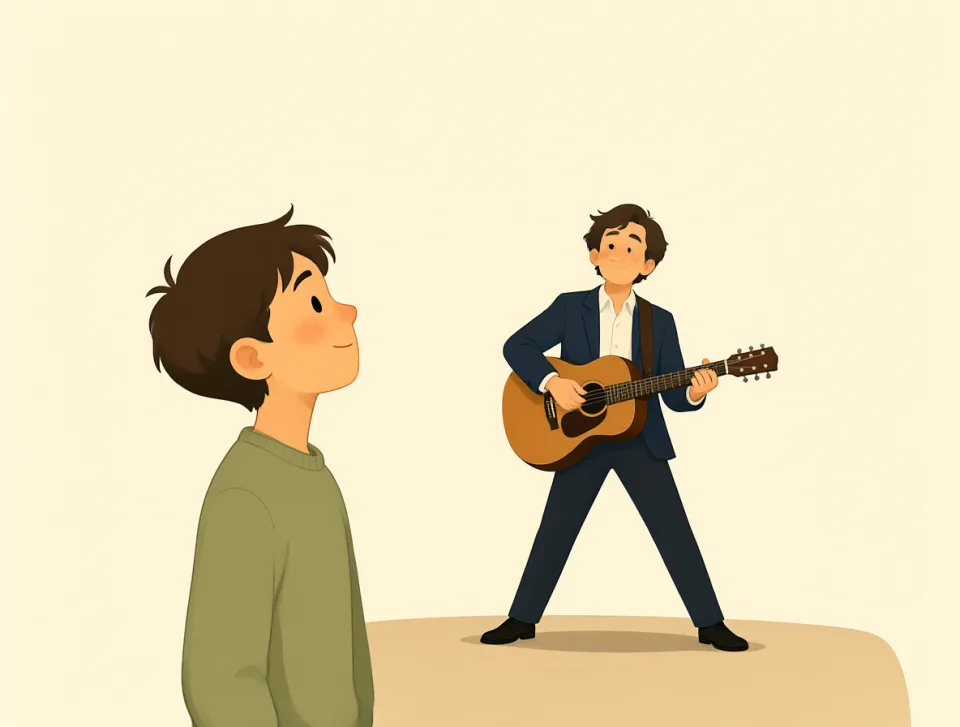
admire
#2347verb
प्रशंसा करना
to respect and like someone or something because of their good qualities
किसी व्यक्ति या वस्तु के अच्छे गुणों के कारण उसका सम्मान करना और उसे पसंद करना।
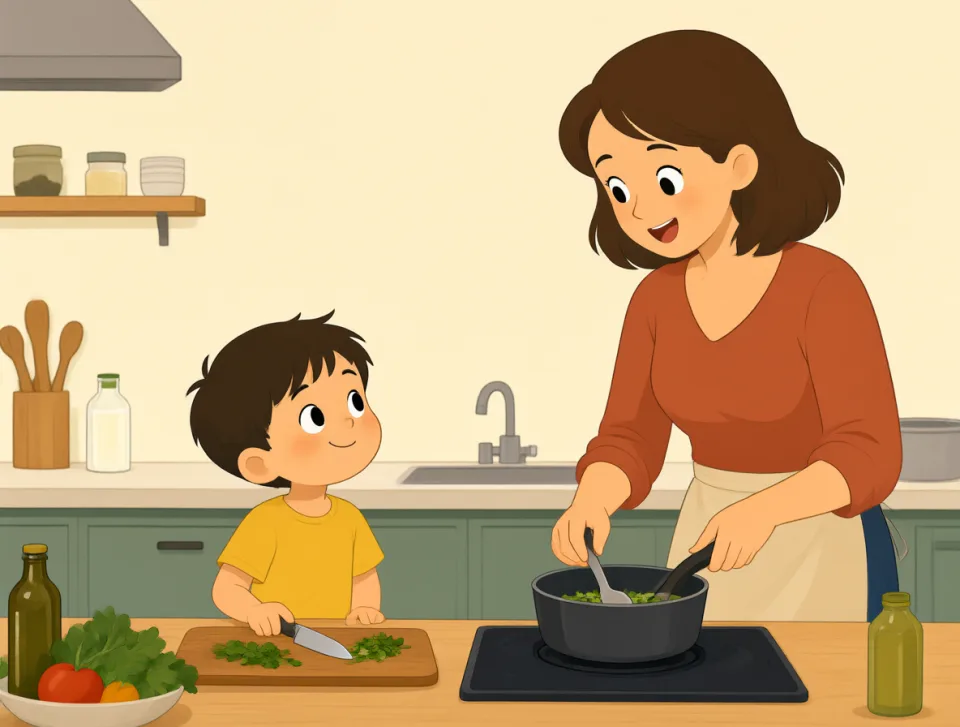
I really admire my mother for working hard and caring for our family.
मैं अपनी माँ की बहुत प्रशंसा करता हूँ, क्योंकि वह कड़ी मेहनत करती हैं और हमारे परिवार की देखभाल करती हैं।
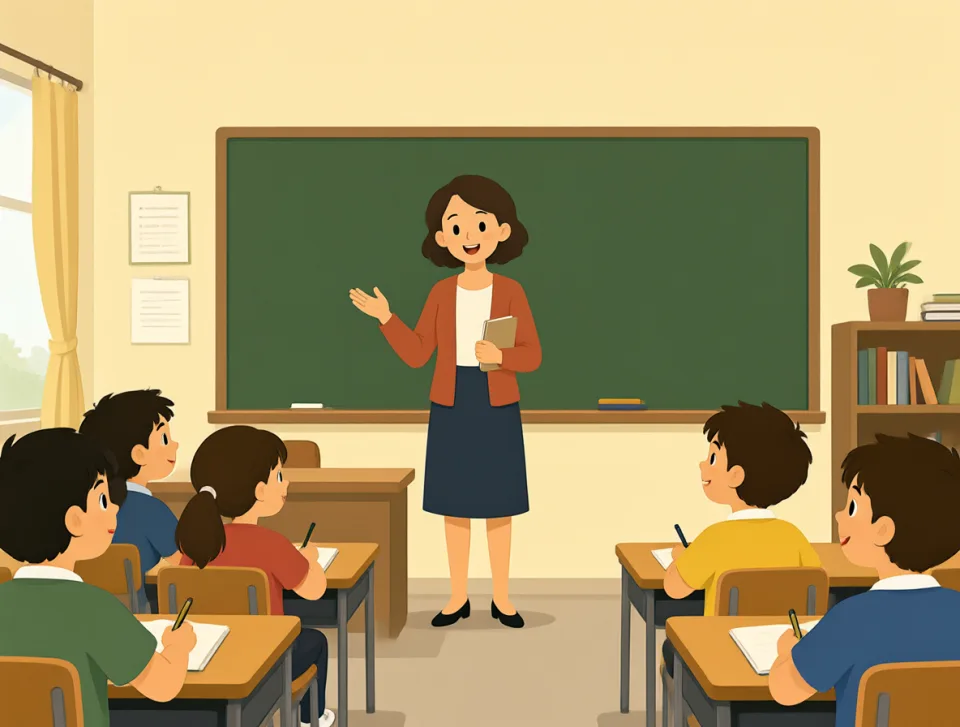
Many students admire their teacher because she makes difficult lessons easy.
कई विद्यार्थी अपने शिक्षक की प्रशंसा करते हैं, क्योंकि वह कठिन पाठों को आसान बना देती हैं।

We stopped to admire the beautiful view from the mountain road.
हम पहाड़ी सड़क से दिखाई देने वाले सुंदर दृश्य की प्रशंसा करने के लिए रुक गए।

She admired the elegant dress in the shop window but did not buy it.
उसने दुकान की खिड़की में रखी सुंदर पोशाक की प्रशंसा की, लेकिन उसे खरीदा नहीं।
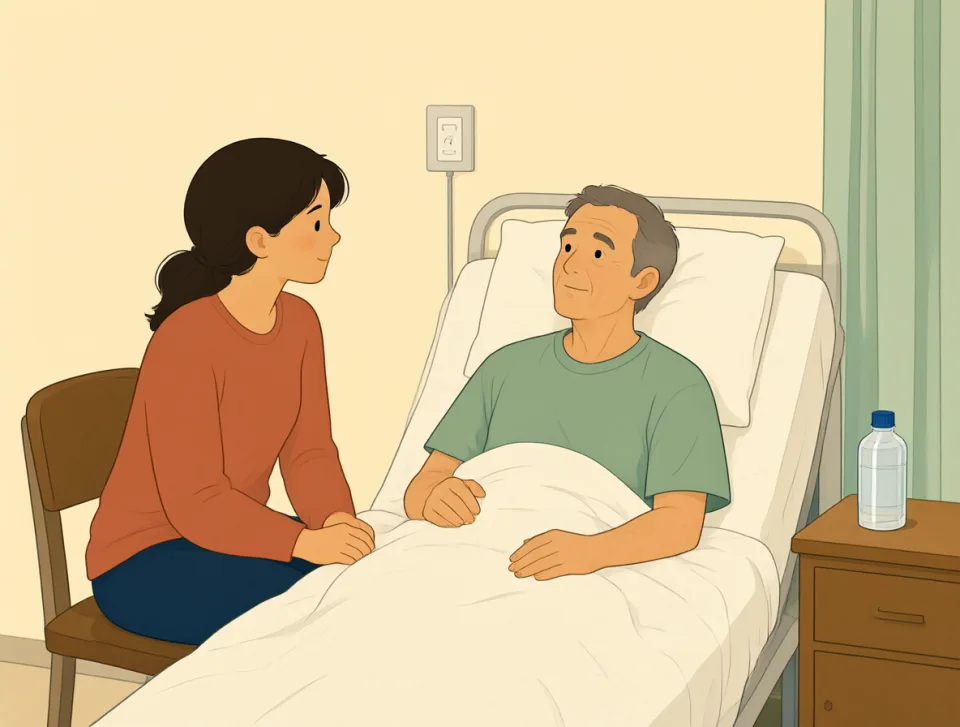
He admired his friend’s courage during the difficult health problem.
स्वास्थ्य से जुड़ी कठिन समस्या के दौरान उसने अपने मित्र के साहस की प्रशंसा की।
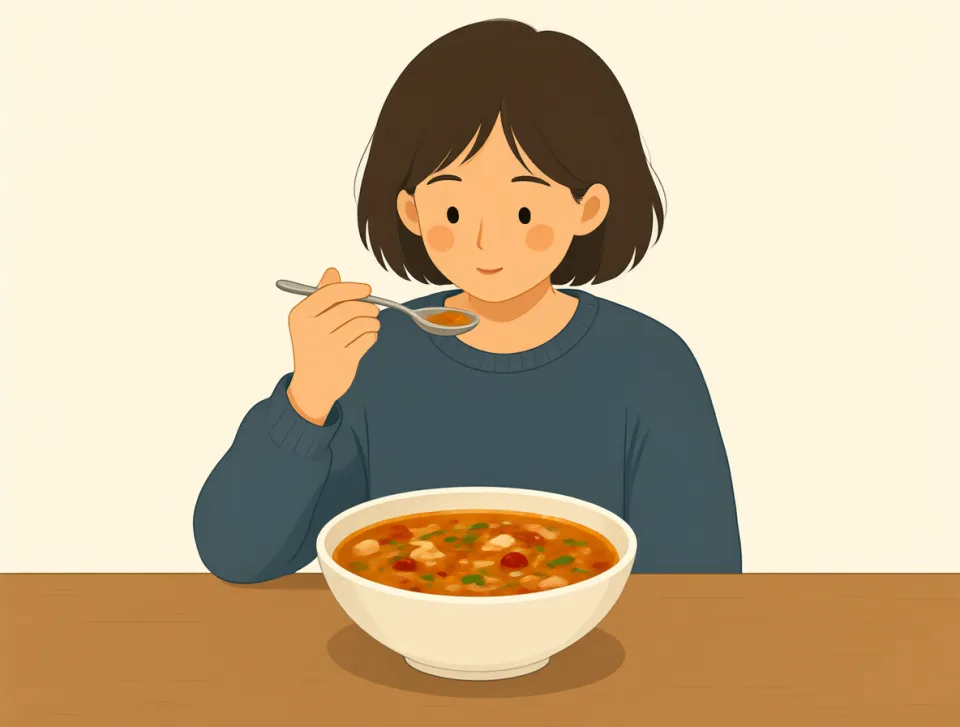
moderate
#2348adjective, verb, noun
मध्यम
Not extreme; average in amount, strength, or level.
अत्यधिक नहीं; मात्रा, तीव्रता या स्तर में औसत।

The weather will be moderate tomorrow, so we can eat lunch outside.
कल मौसम सामान्य रहेगा, इसलिए हम बाहर दोपहर का खाना खा सकते हैं।
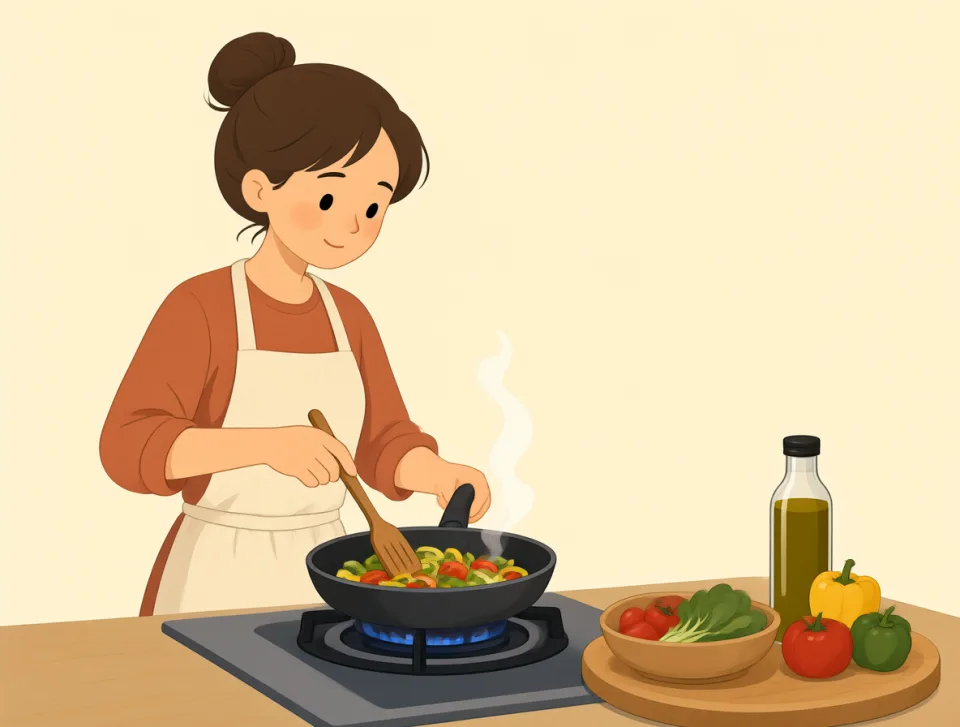
Please use moderate heat when cooking the vegetables so they stay crisp.
कृपया सब्ज़ियाँ पकाते समय मध्यम आँच का इस्तेमाल करें, ताकि वे कुरकुरी बनी रहें।
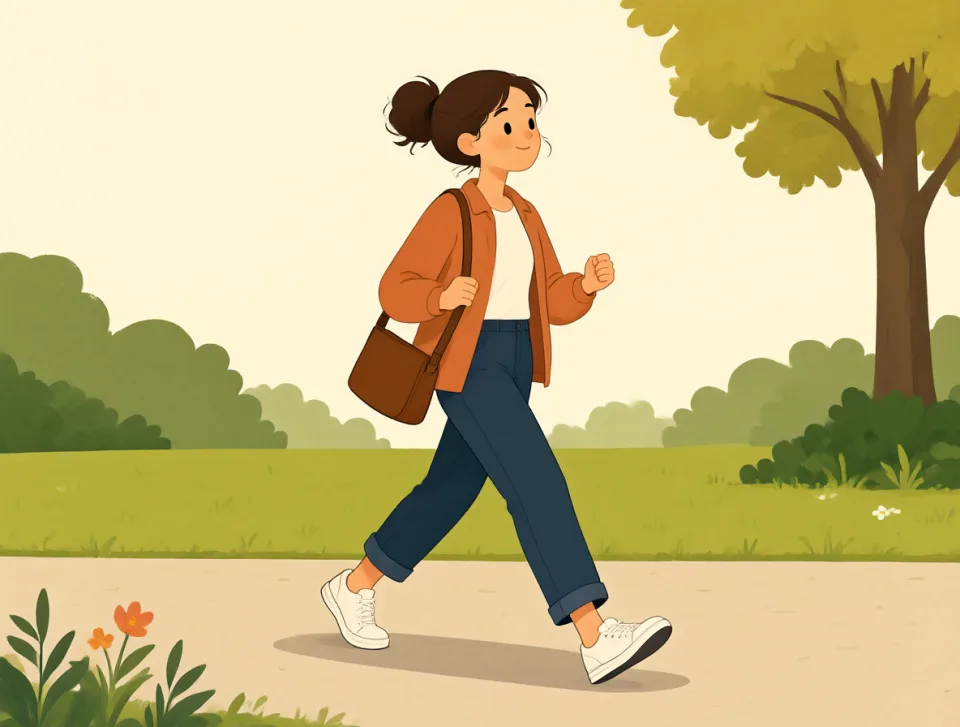
She exercises moderately three times a week to stay healthy.
स्वस्थ रहने के लिए वह सप्ताह में तीन बार हल्का व्यायाम करती है।
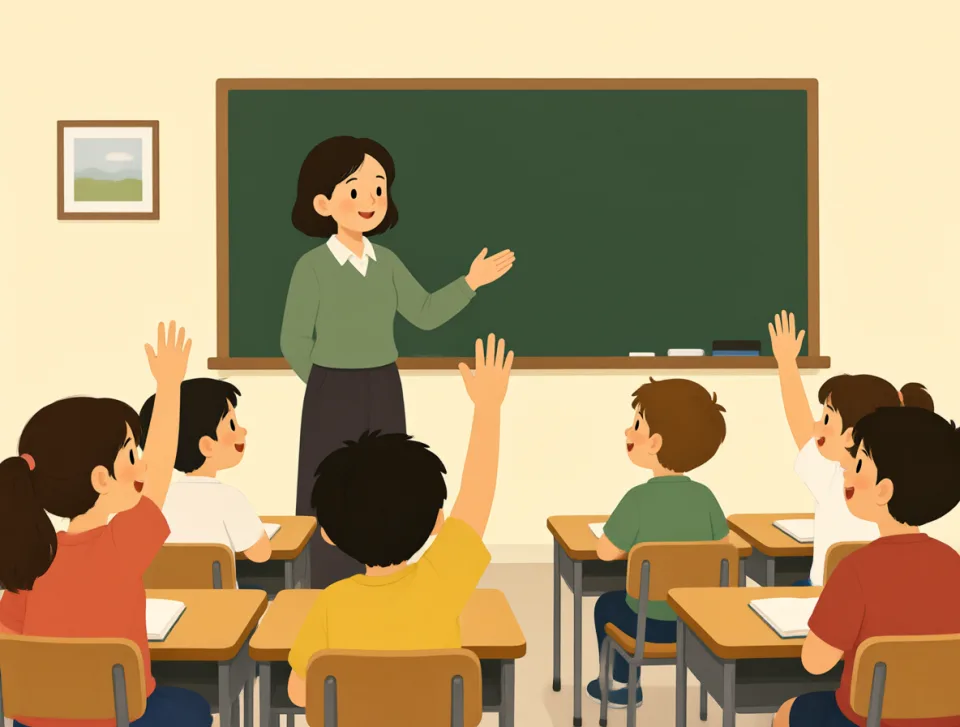
The teacher moderated the discussion so every student had time to speak.
शिक्षक ने चर्चा का संचालन किया, ताकि हर विद्यार्थी को बोलने का समय मिल सके।

The moderator asked both guests to explain their opinions clearly.
संचालक ने दोनों मेहमानों से अपनी राय स्पष्ट रूप से समझाने को कहा।

surgery
#2349noun
शल्यक्रिया
Medical treatment that involves cutting open the body to repair or remove something.
ऐसा चिकित्सीय उपचार जिसमें किसी चीज़ की मरम्मत करने या उसे निकालने के लिए शरीर को चीरकर खोला जाता है।
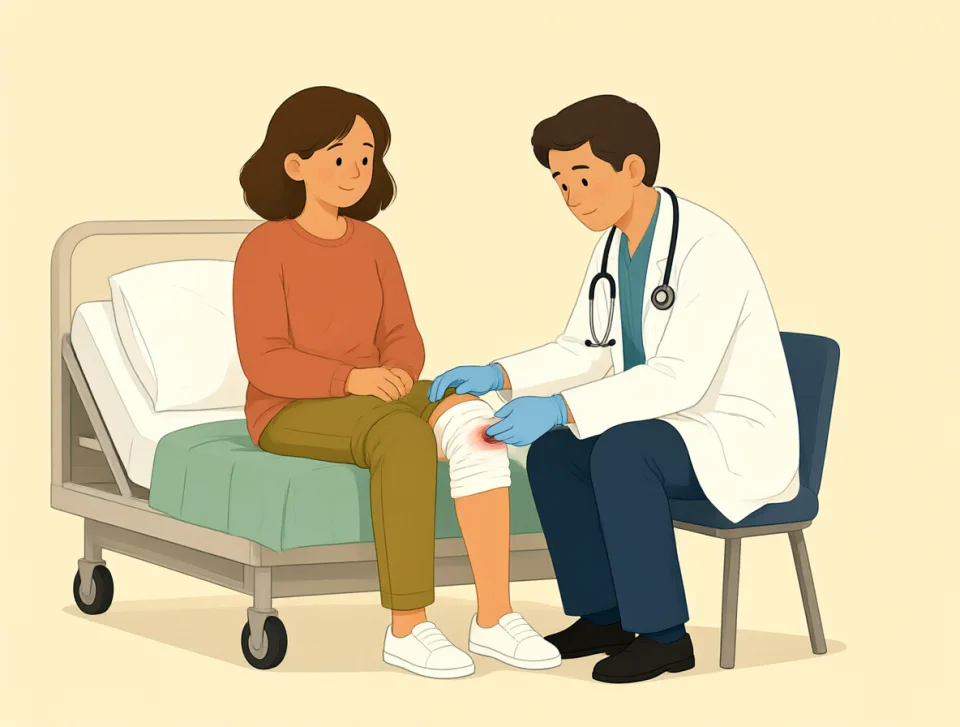
She needs surgery to repair her injured knee after the accident.
दुर्घटना के बाद उसके घायल घुटने की मरम्मत के लिए शल्यक्रिया आवश्यक है।

The surgery went well, and he returned home two days later.
शल्यक्रिया अच्छी तरह हुई और वह दो दिन बाद घर लौट आया।

My doctor recommended surgery because the pain had become much worse.
मेरे डॉक्टर ने शल्यक्रिया की सलाह दी, क्योंकि दर्द बहुत बढ़ गया था।
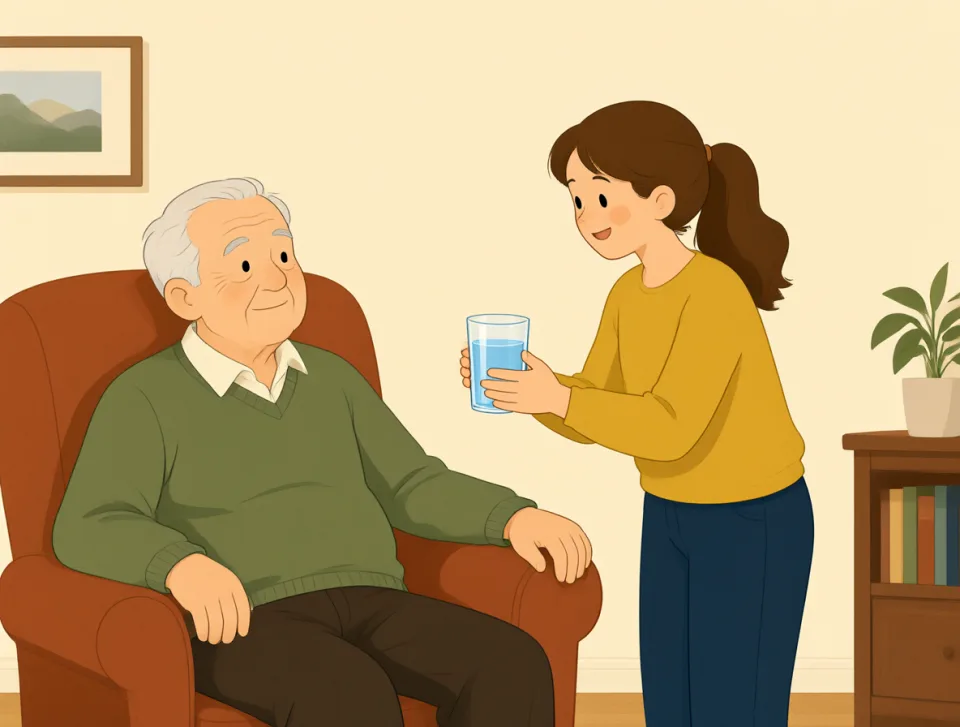
Her father is recovering from surgery and needs help at home.
उसके पिता शल्यक्रिया के बाद स्वस्थ हो रहे हैं और उन्हें घर पर मदद की ज़रूरत है।
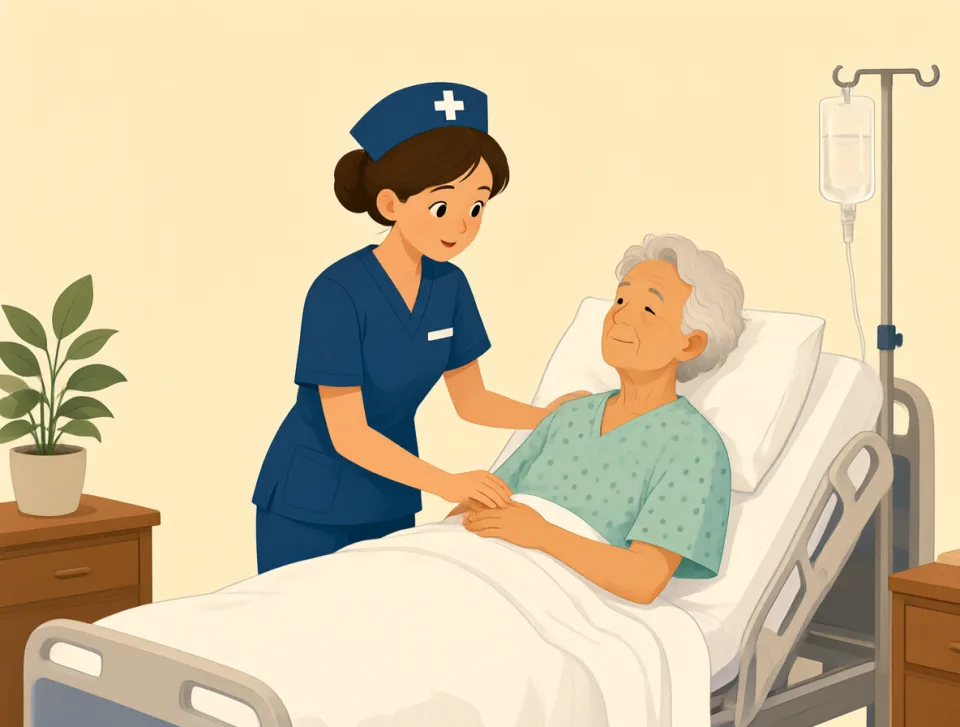
The hospital scheduled his surgery for early Monday morning.
अस्पताल ने उसकी शल्यक्रिया सोमवार सुबह जल्दी के लिए तय की।
musician
#2350noun
संगीतकार
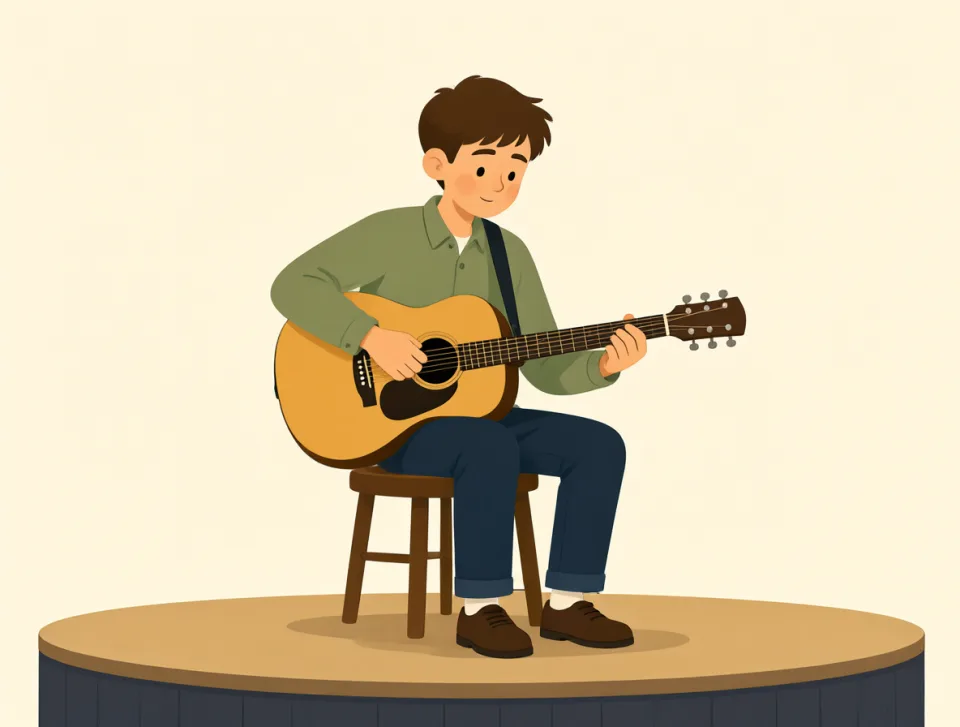
A person who plays or writes music, especially as a job.
वह व्यक्ति जो संगीत बजाता या लिखता है, विशेष रूप से पेशे के रूप में।

The musician played beautiful songs at our wedding last weekend.
संगीतकार ने पिछले सप्ताहांत हमारी शादी में सुंदर गाने बजाए।
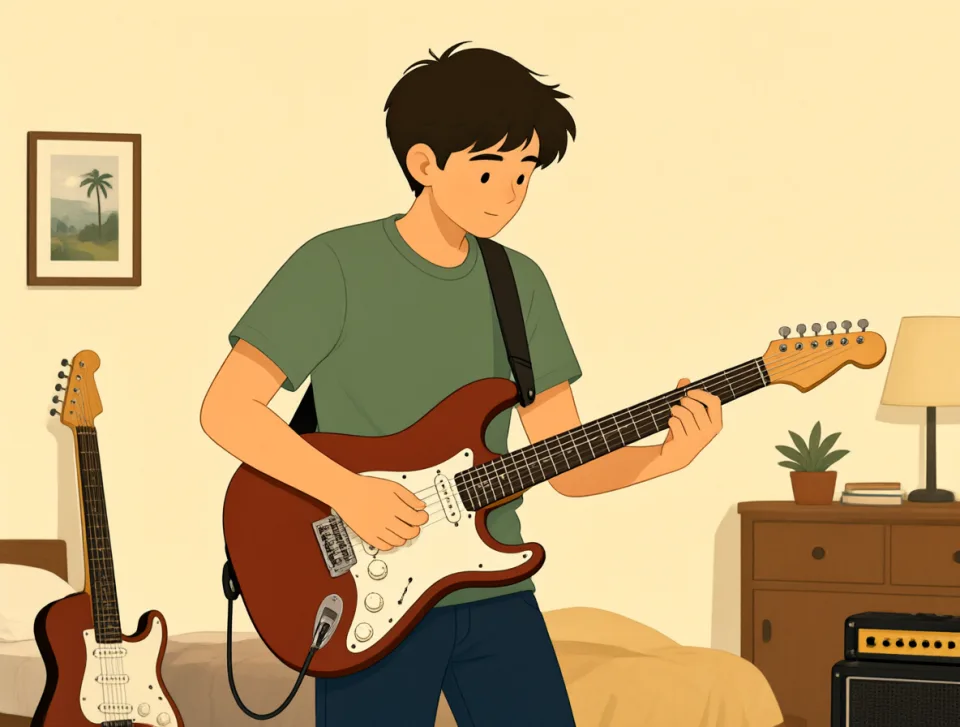
My brother wants to become a professional musician after college.
मेरा भाई कॉलेज के बाद पेशेवर संगीतकार बनना चाहता है।
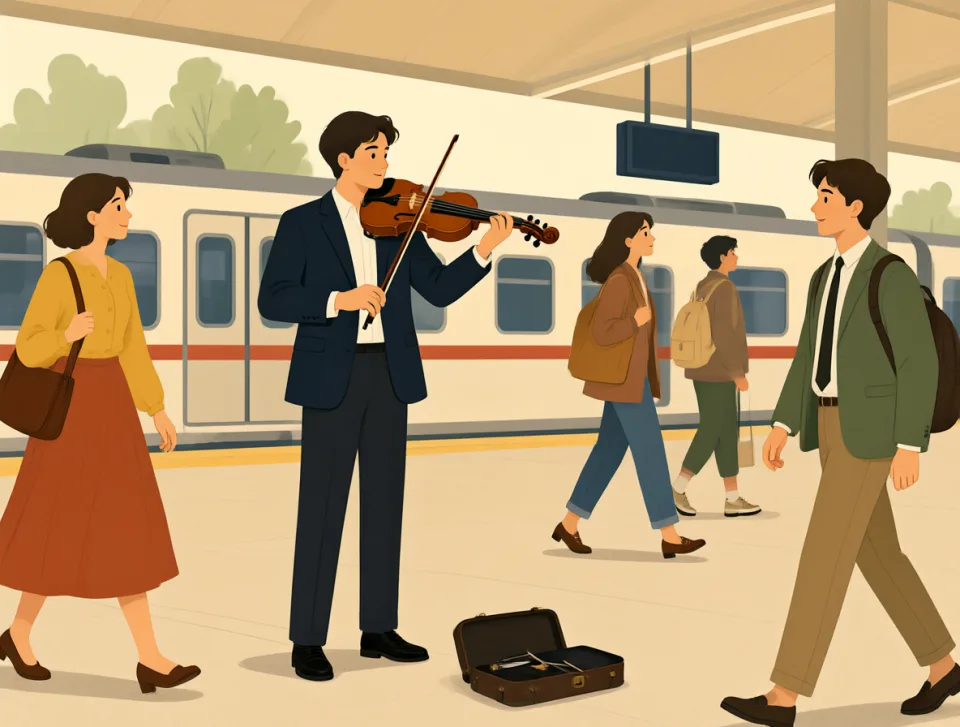
We met a street musician playing violin outside the train station.
हमें ट्रेन स्टेशन के बाहर वायलिन बजाते हुए एक सड़क संगीतकार मिला।
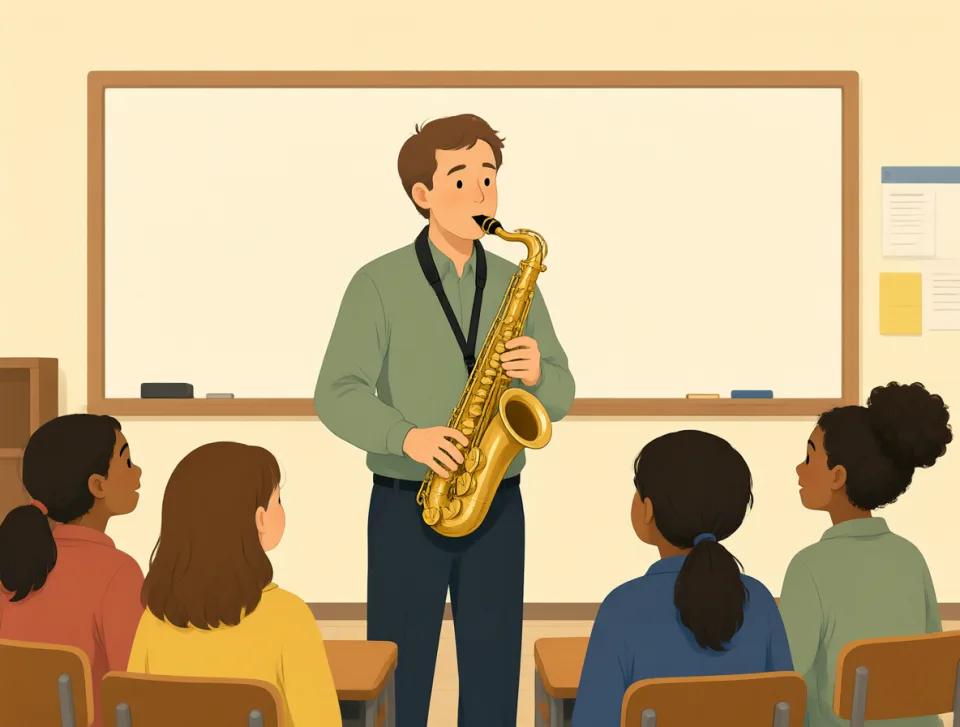
The school invited a local musician to teach students about jazz.
स्कूल ने विद्यार्थियों को जैज़ के बारे में सिखाने के लिए एक स्थानीय संगीतकार को आमंत्रित किया।

The musician recorded a new album in a quiet studio.
संगीतकार ने एक शांत स्टूडियो में नया एल्बम रिकॉर्ड किया।
significance
#2351noun
महत्त्व
the importance or meaning of something
किसी चीज़ का महत्त्व या अर्थ
The teacher explained the significance of the final exam for our grades.
शिक्षक ने समझाया कि अंतिम परीक्षा का हमारे अंकों के लिए क्या महत्त्व है।
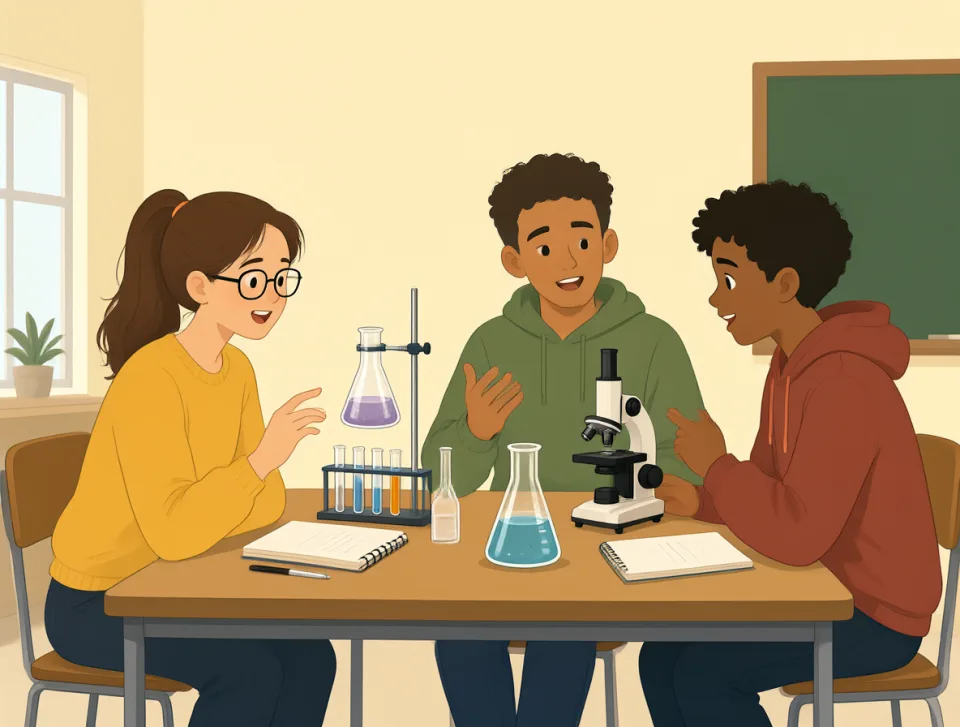
We discussed the significance of this discovery during the science lesson.
विज्ञान की कक्षा में हमने इस खोज के महत्त्व पर चर्चा की।
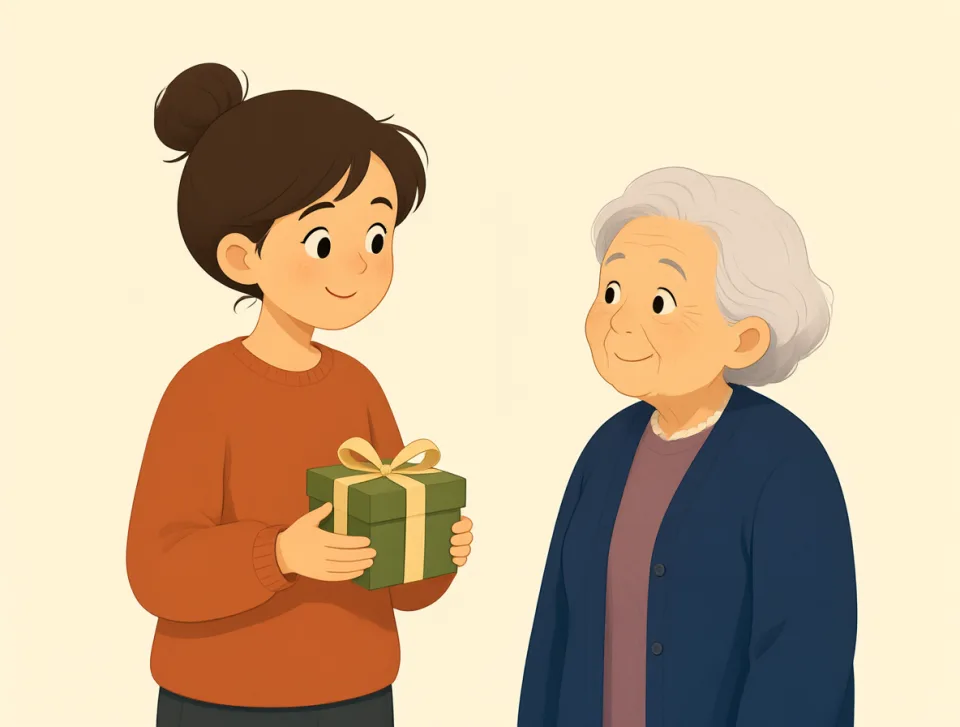
The small gift had great significance because it came from my grandmother.
उस छोटे-से उपहार का बहुत महत्त्व था, क्योंकि वह मेरी दादी ने दिया था।

The doctor explained the significance of my test results carefully.
डॉक्टर ने मेरे जाँच के नतीजों का महत्त्व ध्यान से समझाया।

Many visitors do not understand the historical significance of this old building.
कई आगंतुक इस पुरानी इमारत के ऐतिहासिक महत्त्व को नहीं समझते।
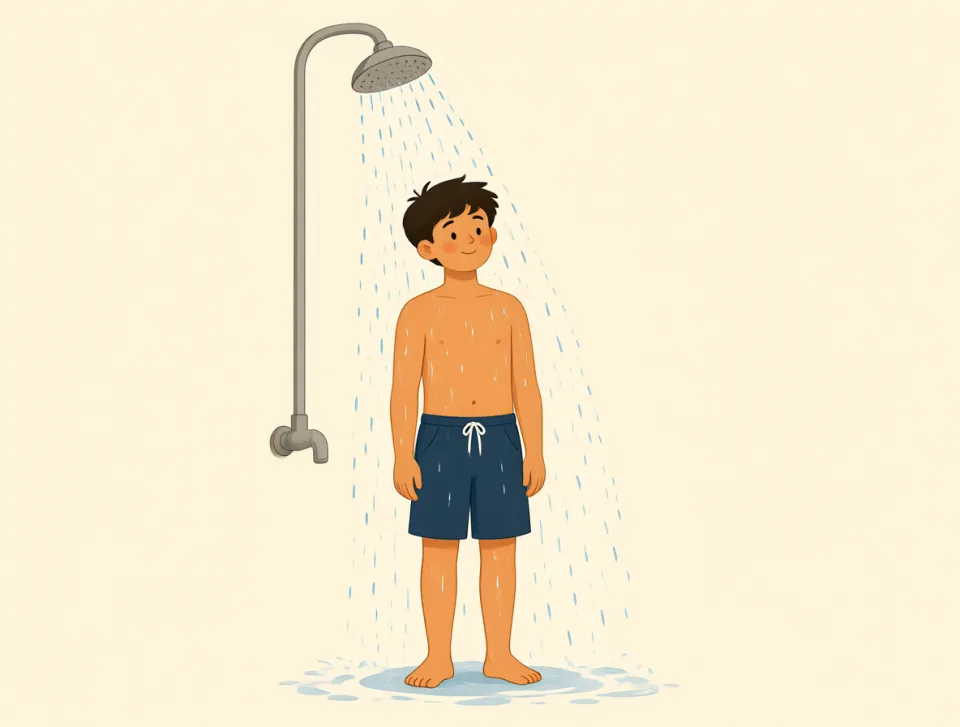
shower
#2352noun, verb
शॉवर
A place or time when you wash your body under falling water.
वह जगह या समय जब आप गिरते हुए पानी के नीचे अपना शरीर धोते हैं।
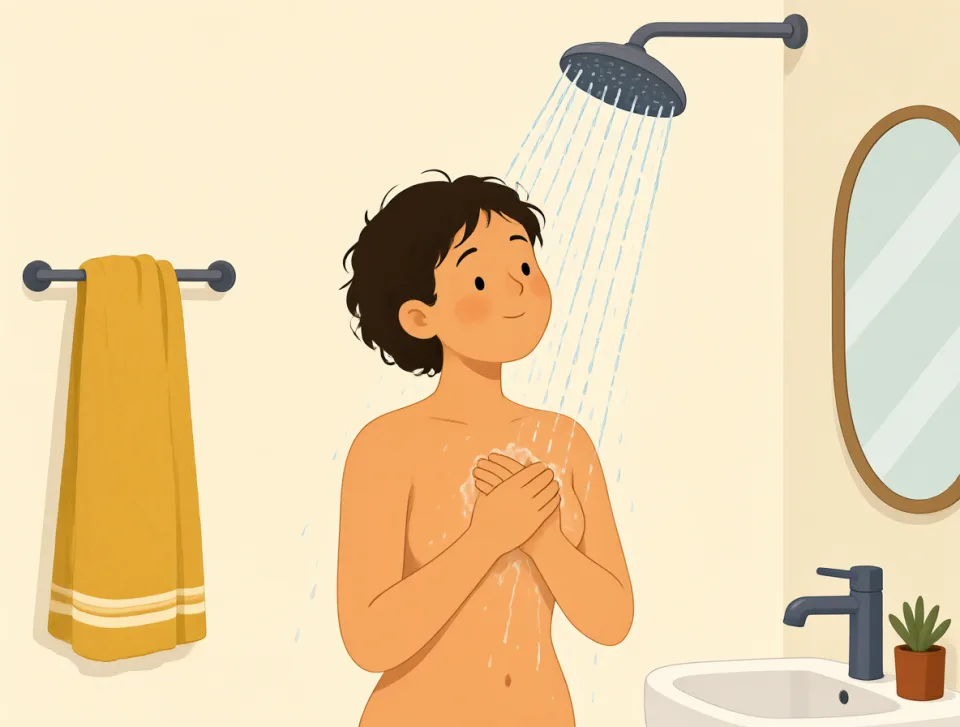
I usually take a quick shower before I leave for work.
मैं आमतौर पर काम पर निकलने से पहले जल्दी से नहा लेता हूँ।
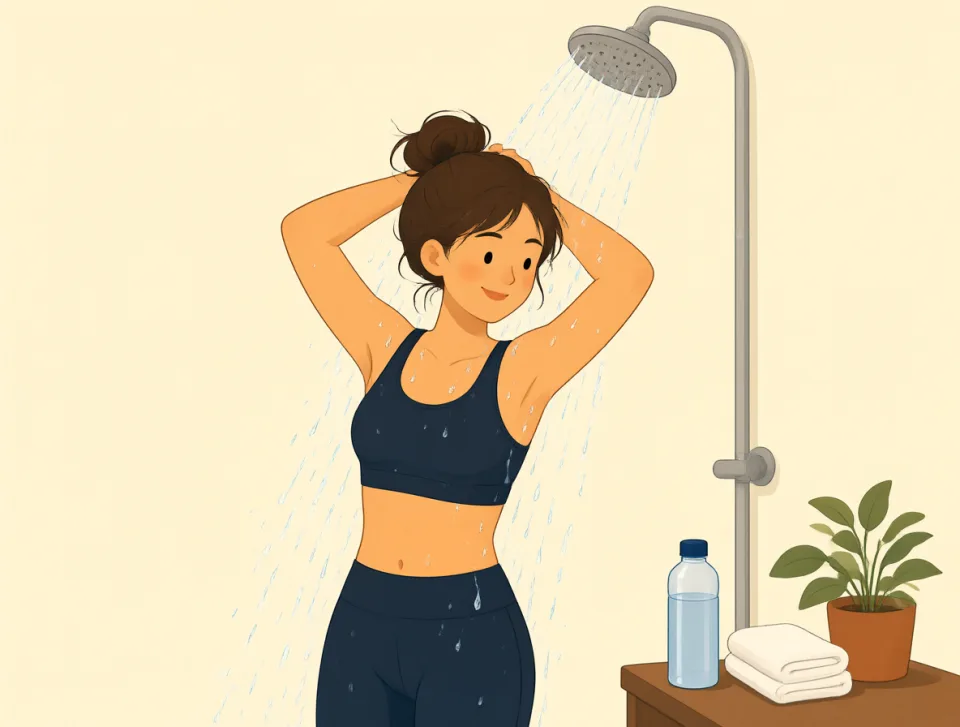
She showered after exercising because she was hot and sweaty.
व्यायाम करने के बाद उसने शॉवर लिया, क्योंकि उसे गर्मी लग रही थी और पसीना आया हुआ था।
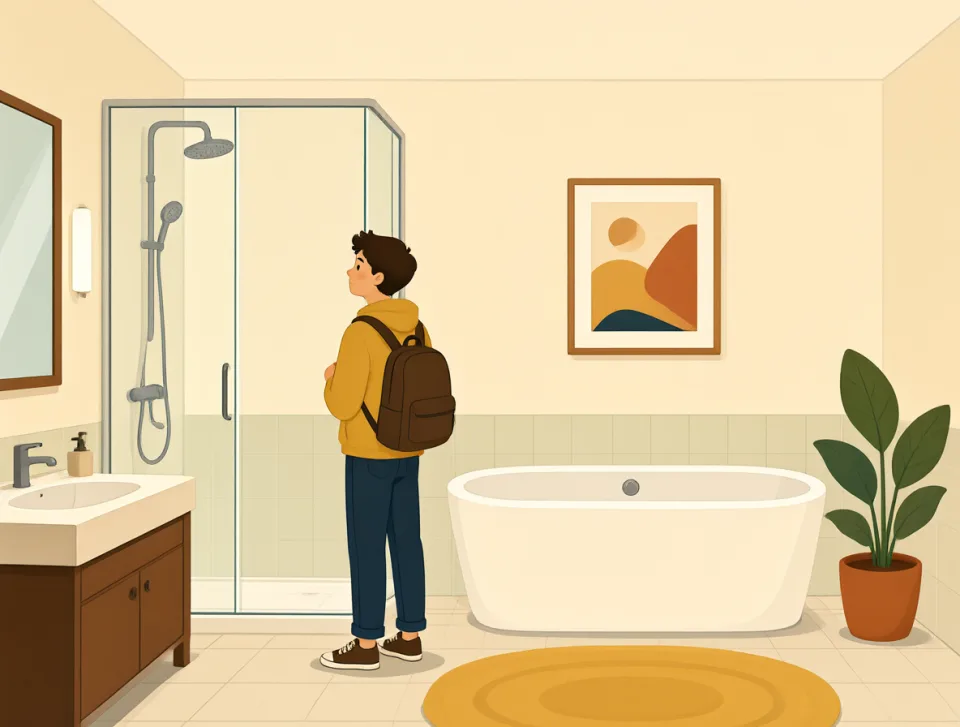
The hotel has a large shower next to the bathtub.
होटल में बाथटब के पास एक बड़ा शॉवर है।

We got caught in a sudden shower while walking through the park.
पार्क में टहलते समय हम अचानक हुई बारिश में फँस गए।
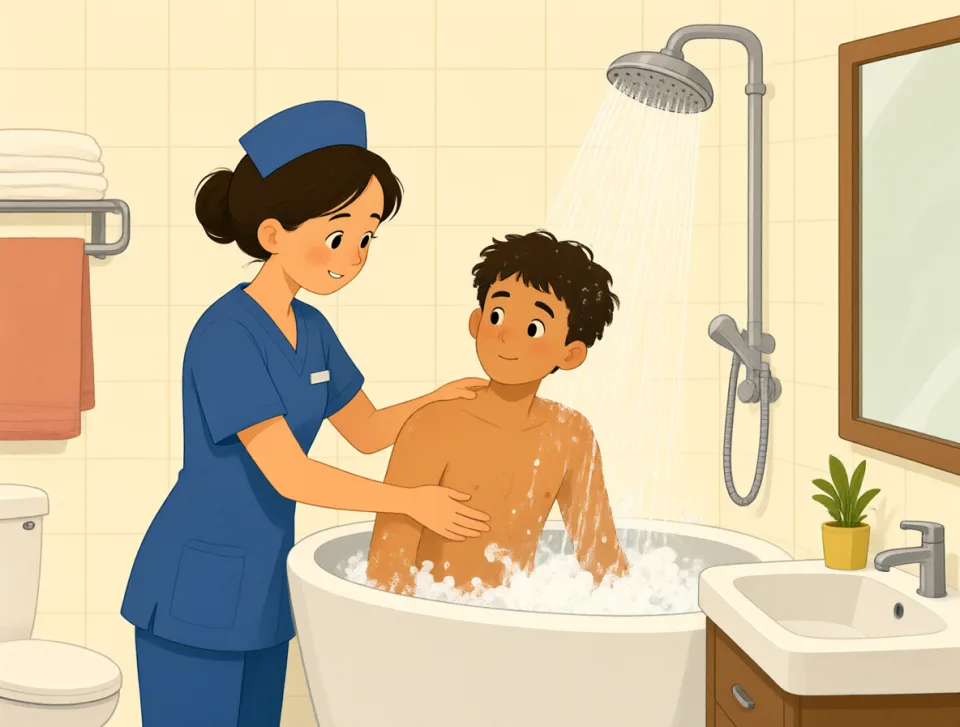
The nurse gave the patient a shower after the operation.
ऑपरेशन के बाद नर्स ने मरीज़ को नहलाया।
illegal
#2353adjective
ग़ैरक़ानूनी
Not allowed by law or official rules.
जिसकी कानून या आधिकारिक नियमों के तहत अनुमति न हो।
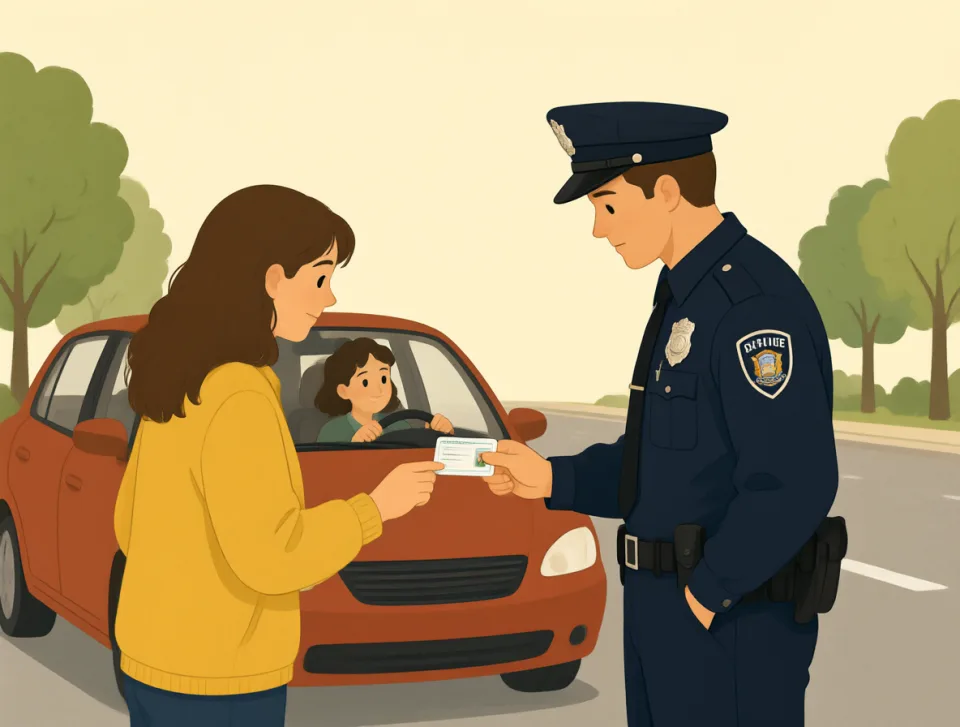
It is illegal to drive without a license in this country.
इस देश में बिना लाइसेंस गाड़ी चलाना ग़ैरक़ानूनी है।
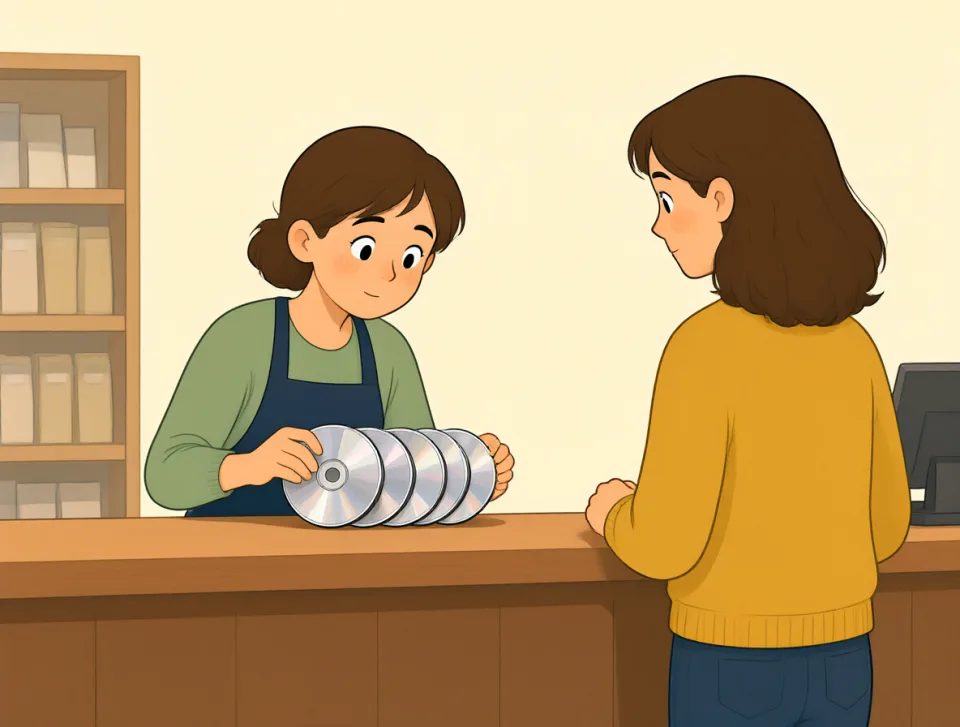
The store was selling illegal copies of popular movies.
दुकान लोकप्रिय फिल्मों की ग़ैरक़ानूनी प्रतियाँ बेच रही थी।
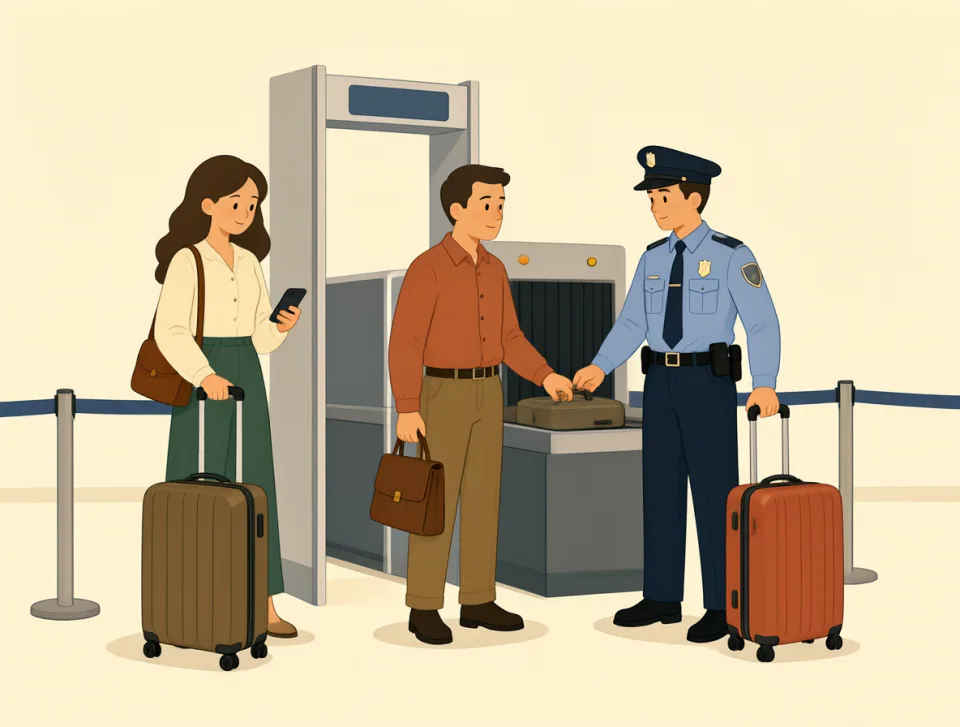
They were arrested for carrying illegal drugs through the airport.
हवाई अड्डे से ग़ैरक़ानूनी नशीले पदार्थ ले जाने के आरोप में उन्हें गिरफ़्तार कर लिया गया।
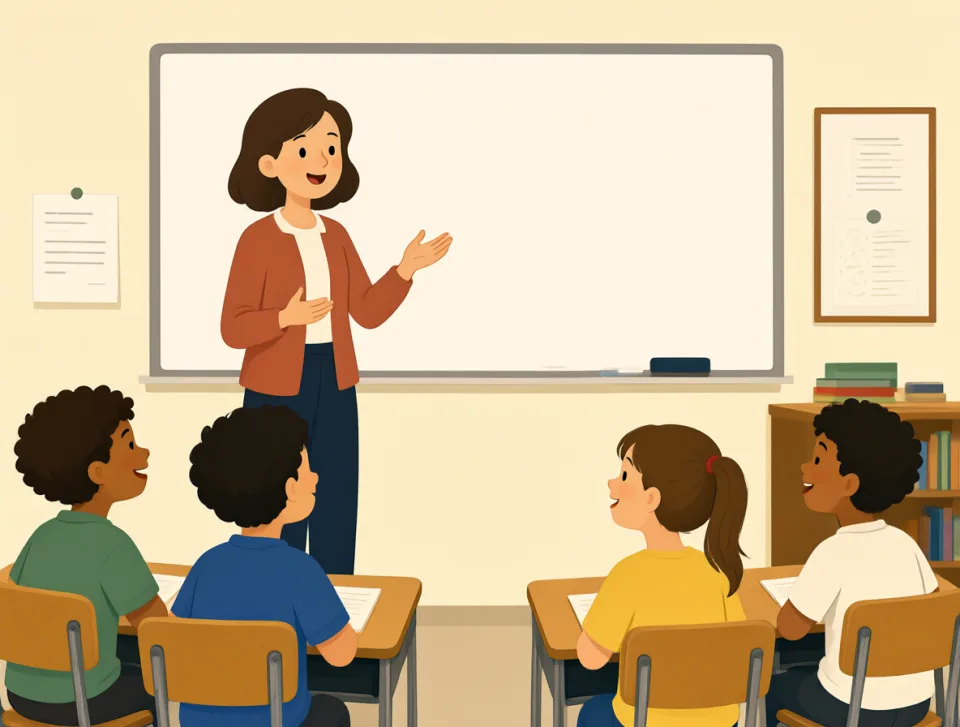
The teacher explained why downloading music illegally can hurt artists.
शिक्षक ने समझाया कि ग़ैरक़ानूनी रूप से संगीत डाउनलोड करने से कलाकारों को नुकसान क्यों पहुँच सकता है।
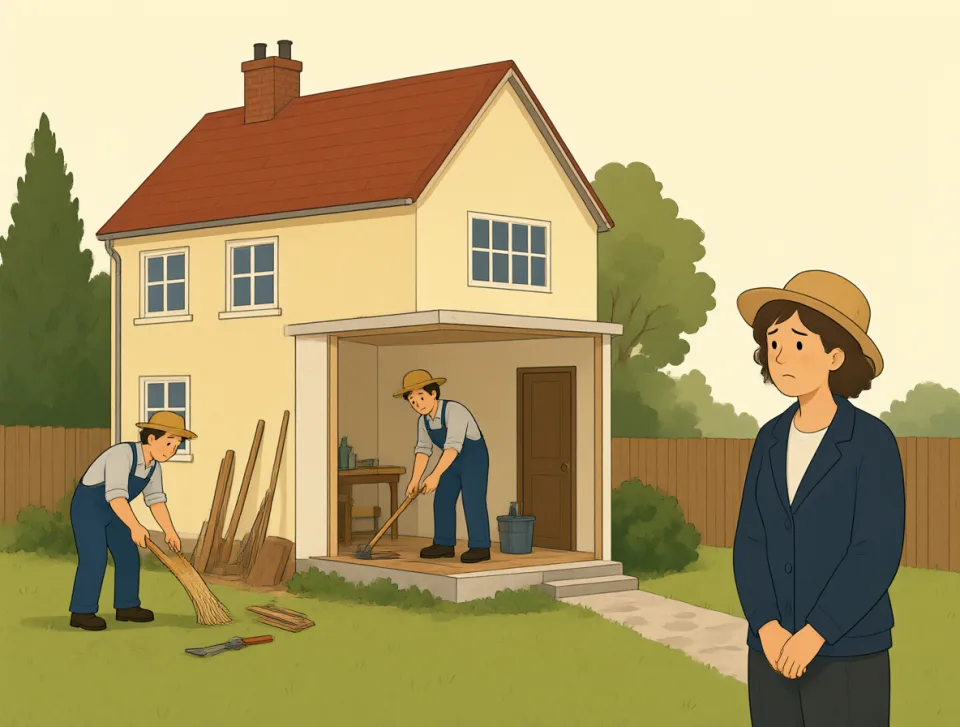
Our neighbors built an illegal room without getting permission first.
हमारे पड़ोसियों ने पहले अनुमति लिए बिना एक ग़ैरक़ानूनी कमरा बना लिया।

charity
#2354noun
दान संस्था
An organization or money given to help people who are poor, sick, or in need.
ऐसी संस्था या दिया गया धन, जिसका उद्देश्य गरीबों, बीमारों या ज़रूरतमंदों की मदद करना हो।
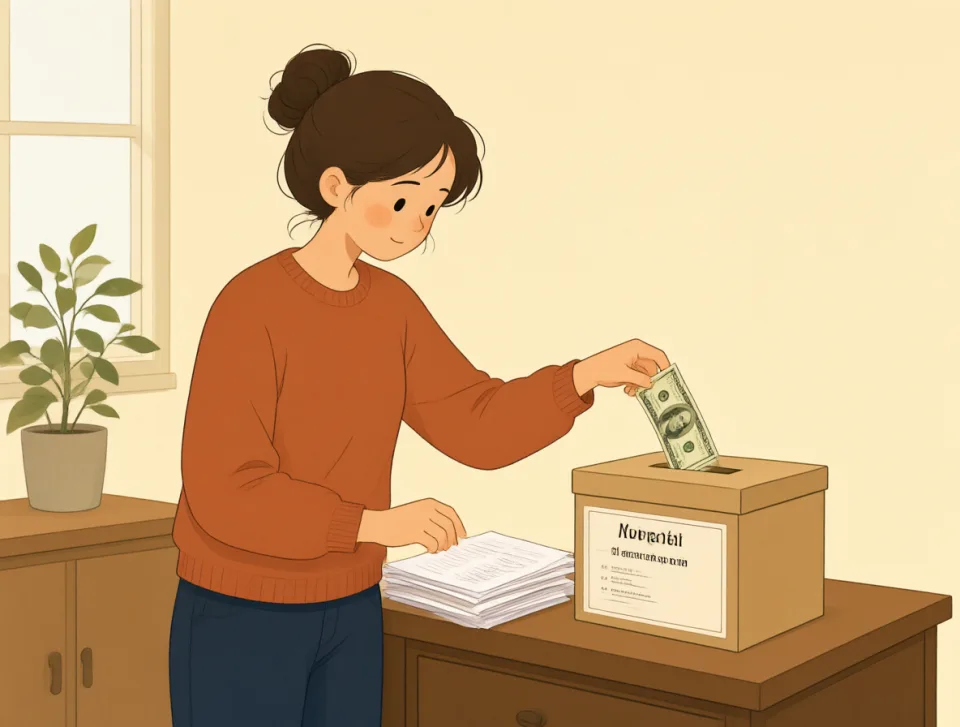
She gives part of her salary to charity every month.
वह हर महीने अपनी तनख़्वाह का कुछ हिस्सा दान में देती है।
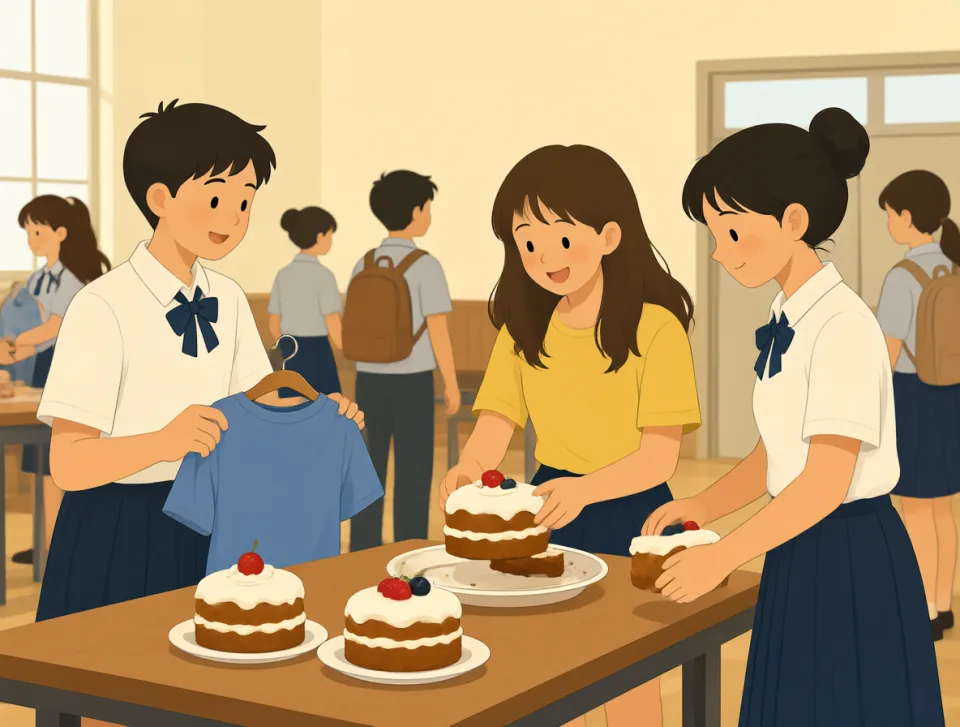
The school held a charity sale to help families after the flood.
बाढ़ के बाद परिवारों की मदद के लिए स्कूल ने दान जुटाने हेतु बिक्री कार्यक्रम रखा।

We bought these books from a charity shop near the station.
हमने ये किताबें स्टेशन के पास एक पुराने सामान की दान-दुकान से खरीदीं।

Our office organized a charity run for the local hospital.
हमारे कार्यालय ने स्थानीय अस्पताल के लिए धन जुटाने हेतु एक दौड़ का आयोजन किया।
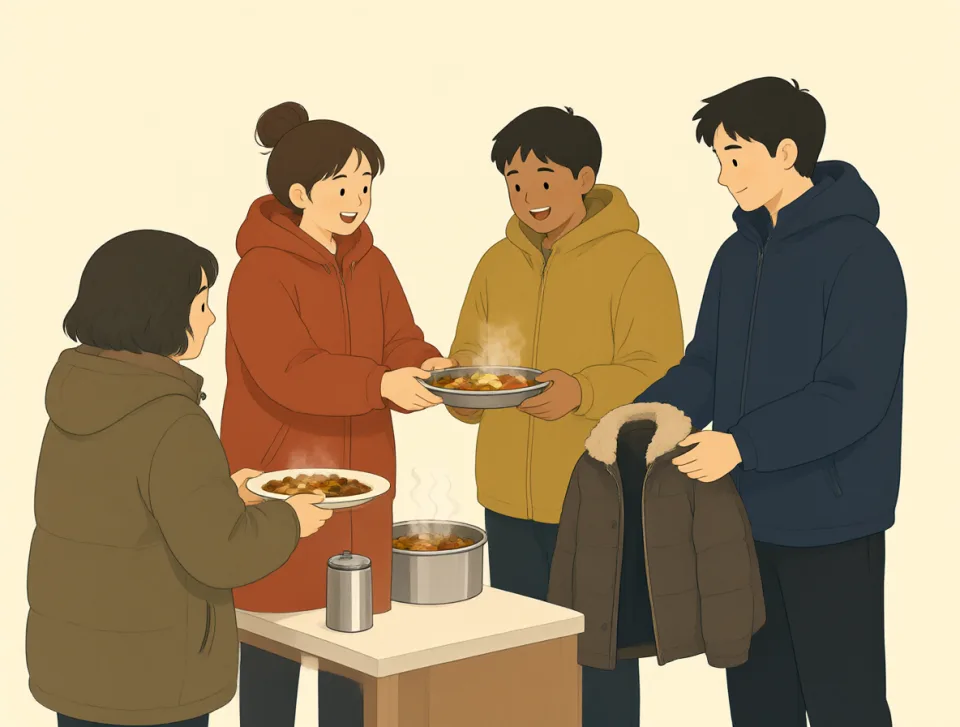
The charity provides free meals and warm clothes for homeless people.
यह दान संस्था बेघर लोगों को मुफ़्त खाना और गर्म कपड़े देती है।

universal
#2355adjective
सार्वभौमिक
Including everyone or everything; found or used in all parts of the world.
जिसमें हर कोई या हर चीज़ शामिल हो; जो दुनिया के सभी हिस्सों में पाया या इस्तेमाल किया जाता हो।
The company hopes to create a universal design for people of all ages.
कंपनी हर उम्र के लोगों के लिए एक सार्वभौमिक डिज़ाइन बनाने की उम्मीद करती है।
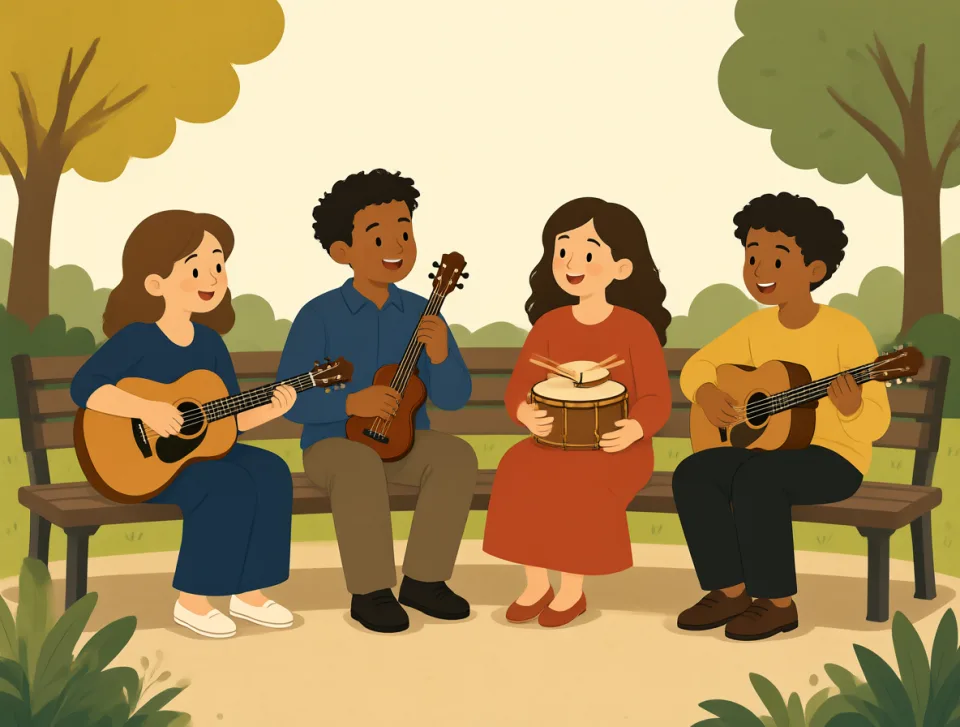
Music is a universal language that brings people together across cultures.
संगीत एक सार्वभौमिक भाषा है, जो अलग-अलग संस्कृतियों के लोगों को जोड़ती है।
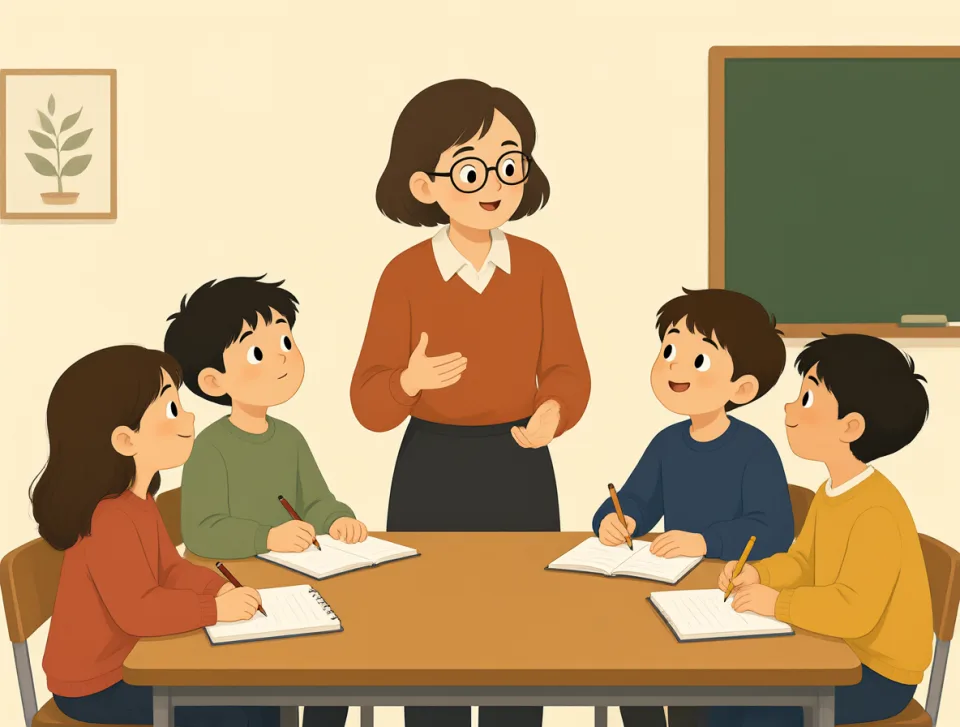
The teacher explained that there is no universal answer to this question.
शिक्षक ने समझाया कि इस सवाल का कोई सार्वभौमिक जवाब नहीं है।
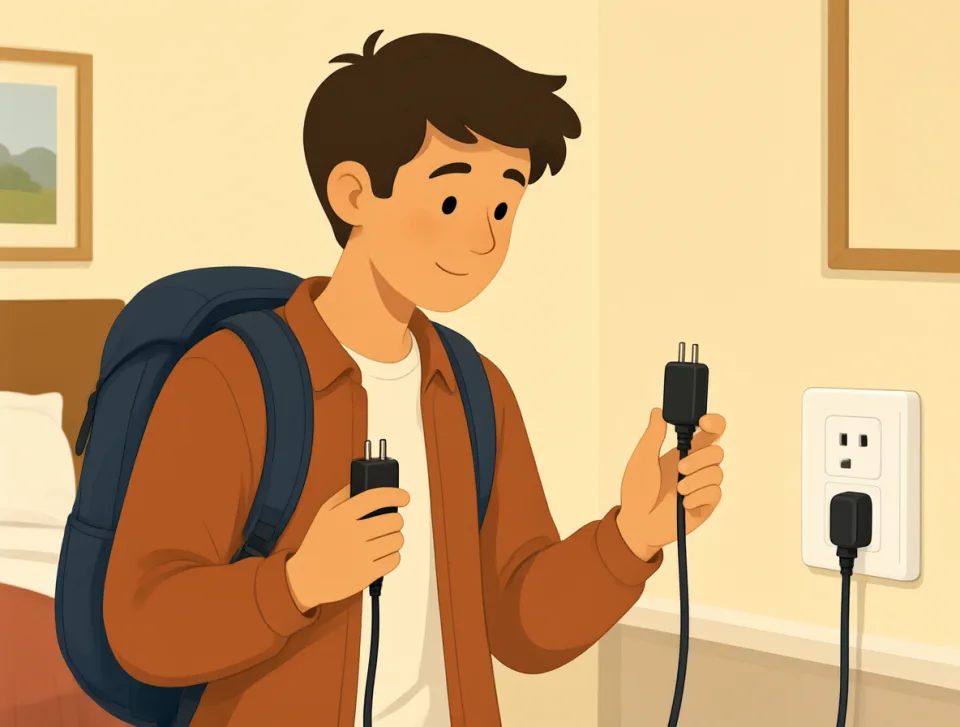
The new phone charger has a universal plug for different countries.
इस नए फ़ोन चार्जर में अलग-अलग देशों के लिए एक सार्वभौमिक प्लग है।

The hospital offers universal health coverage to every resident in the area.
अस्पताल इलाके के हर निवासी को सार्वभौमिक स्वास्थ्य कवरेज देता है।

cigarette
#2356noun
सिगरेट
a thin paper tube filled with tobacco that people smoke
तंबाकू से भरी कागज़ की पतली नली, जिसे लोग पीते हैं

He went outside to smoke a cigarette after lunch.
दोपहर के खाने के बाद वह सिगरेट पीने के लिए बाहर गया।
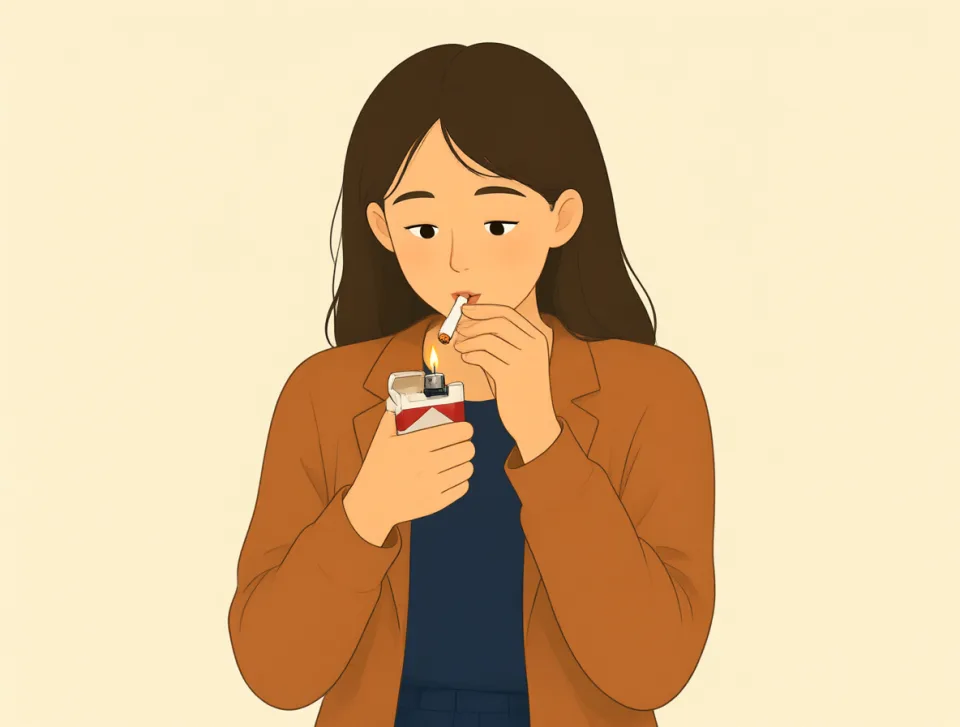
She took a cigarette from the pack and lit it.
उसने पैकेट से एक सिगरेट निकाली और उसे जलाया।

My doctor told me to stop smoking cigarettes for my health.
मेरे डॉक्टर ने सेहत के लिए मुझसे सिगरेट पीना छोड़ने को कहा।

Someone left a cigarette burning in the kitchen ashtray.
रसोई की ऐशट्रे में कोई जलती हुई सिगरेट छोड़ गया।
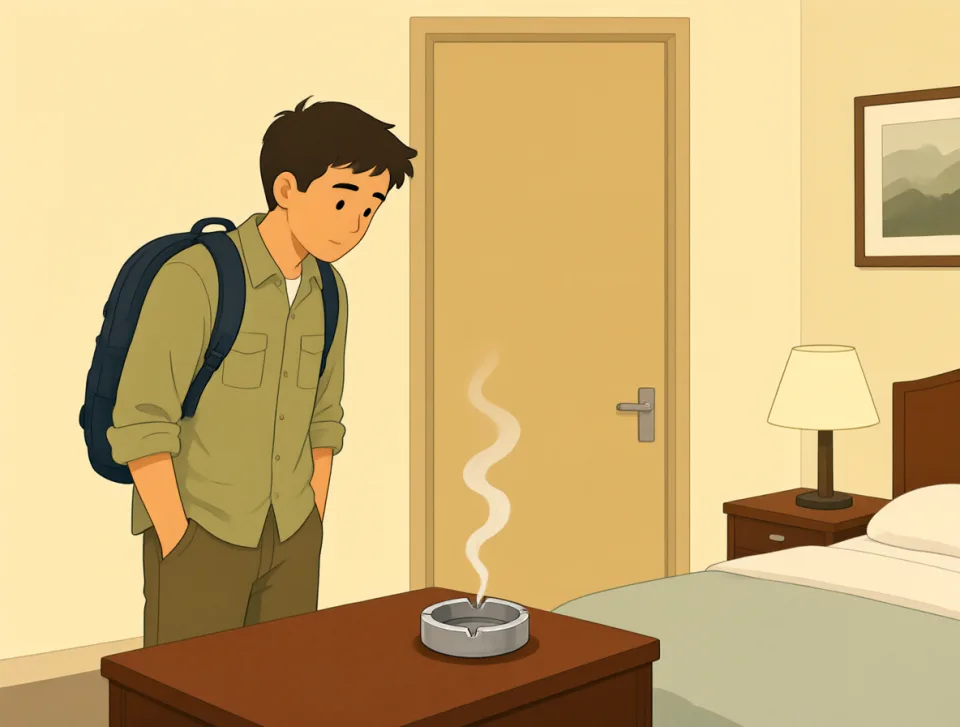
The hotel room smelled strongly of cigarette smoke.
होटल के कमरे में सिगरेट के धुएँ की तेज़ गंध थी।

constitute
#2357verb
गठन करना
To form or make up something as part of a whole.
किसी चीज़ का हिस्सा बनना या मिलकर उसका निर्माण करना।
Women constitute more than half of the students at this university.
इस विश्वविद्यालय में आधे से ज़्यादा विद्यार्थी महिलाएँ हैं।
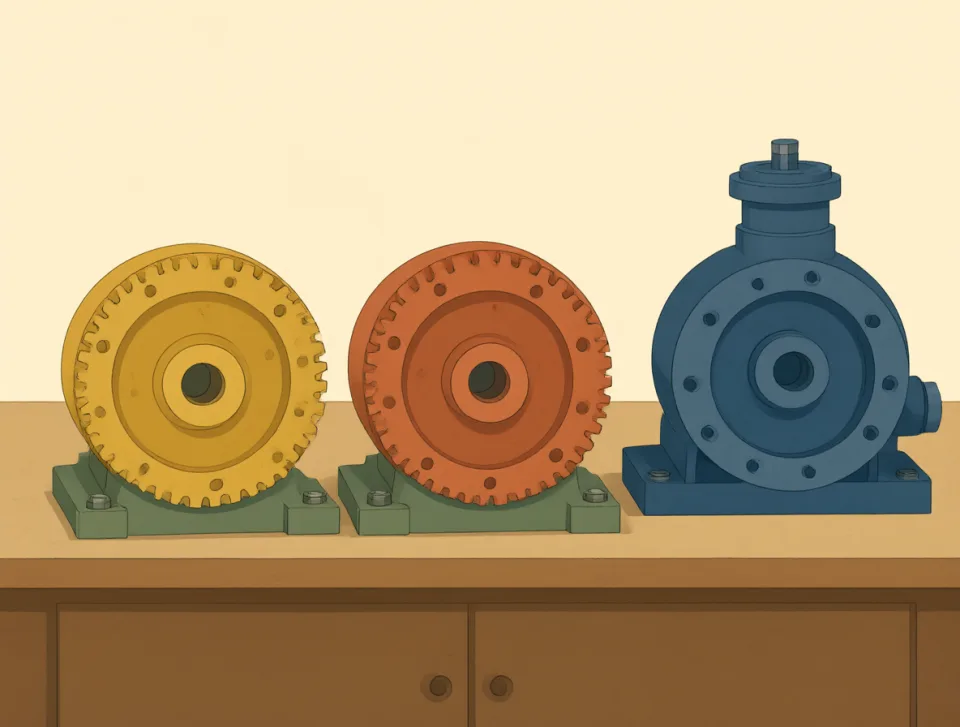
These three parts constitute the basic structure of the machine.
ये तीन हिस्से मिलकर मशीन की बुनियादी संरचना बनाते हैं।

Local businesses constitute an important part of the town’s economy.
स्थानीय व्यवसाय शहर की अर्थव्यवस्था का एक अहम हिस्सा हैं।

The committee is constituted of teachers, parents, and community leaders.
समिति में शिक्षक, माता-पिता और सामुदायिक नेता शामिल हैं।
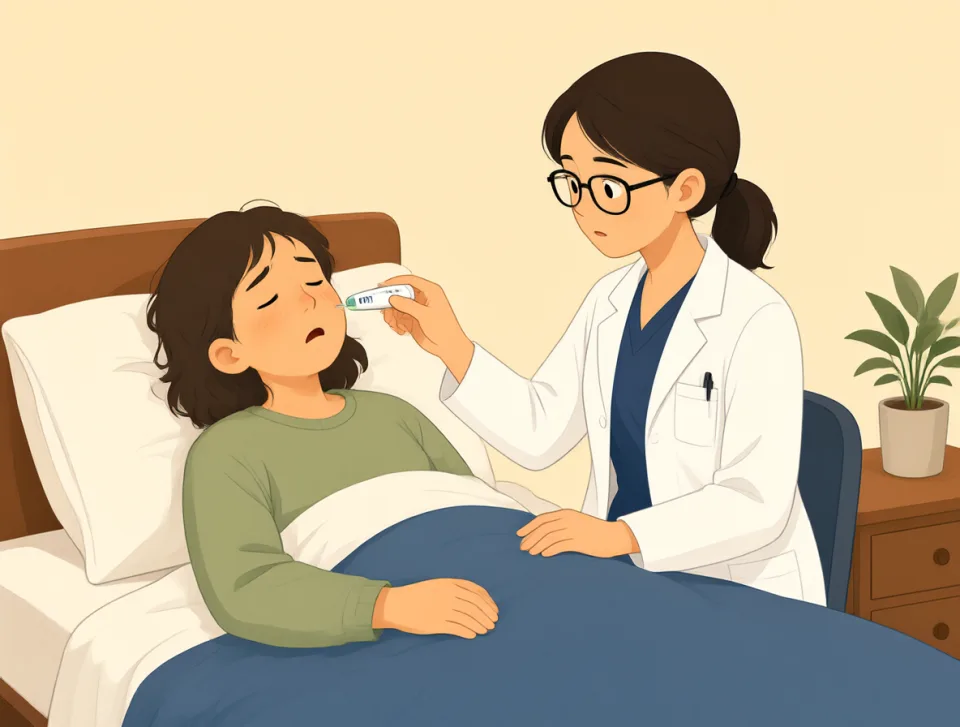
High fever and severe tiredness can constitute signs of an infection.
तेज़ बुखार और बहुत ज़्यादा थकान संक्रमण के लक्षण हो सकते हैं।

adequate
#2358adjective
पर्याप्त
Good enough for a particular purpose or need
किसी खास उद्देश्य या ज़रूरत के लिए काफ़ी अच्छा।
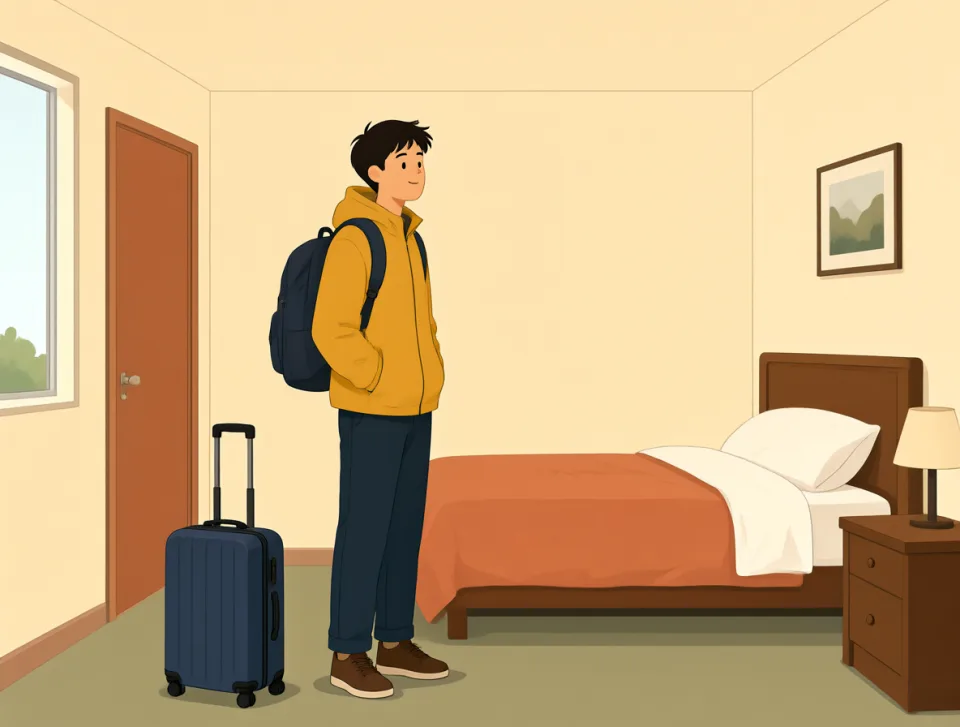
The hotel room was small, but it was adequate for one night.
होटल का कमरा छोटा था, लेकिन एक रात के लिए काफ़ी था।

We need adequate time to finish the project before Friday.
हमें शुक्रवार से पहले परियोजना पूरी करने के लिए पर्याप्त समय चाहिए।
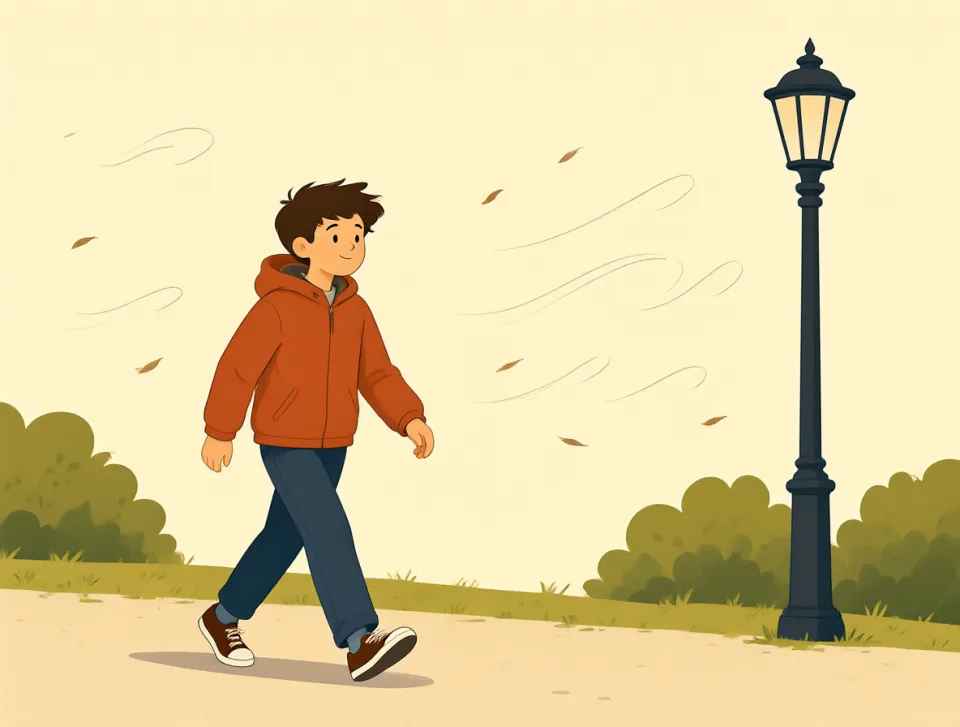
The jacket provides adequate protection from the cold winter wind.
यह जैकेट सर्दियों की ठंडी हवा से पर्याप्त सुरक्षा देती है।
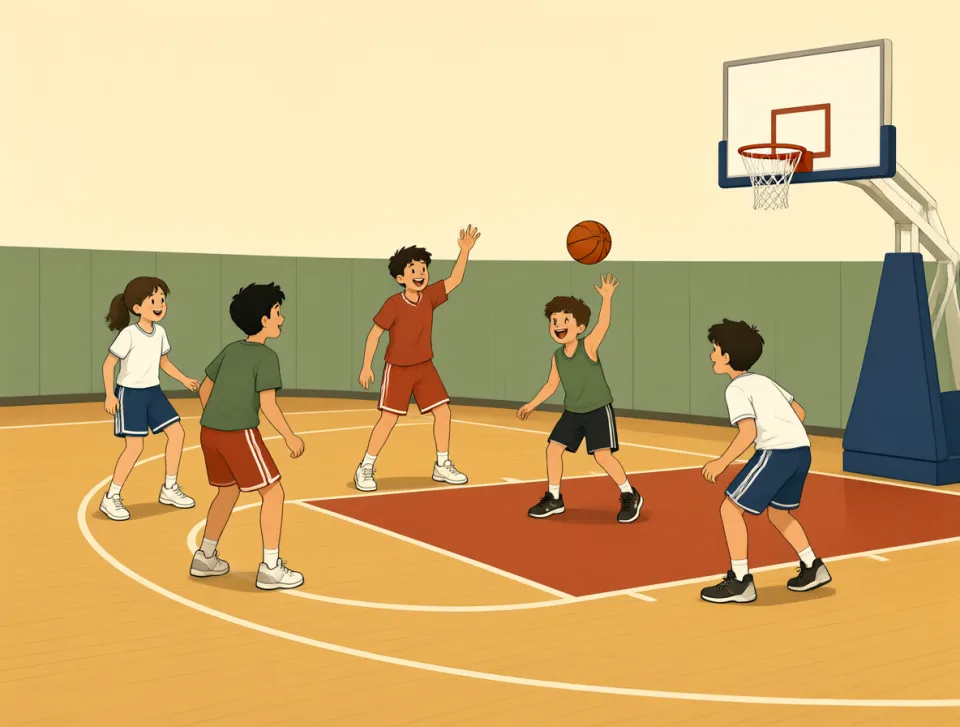
The school has adequate facilities for sports and other activities.
स्कूल में खेल-कूद और दूसरी गतिविधियों के लिए पर्याप्त सुविधाएँ हैं।
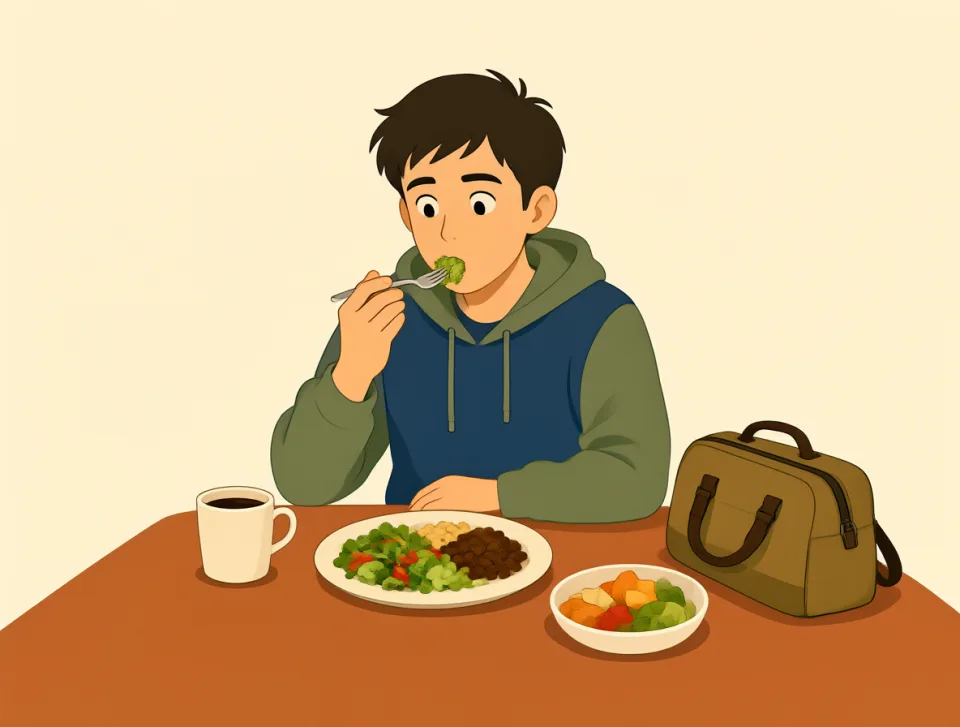
Make sure you eat an adequate amount of food before the long journey.
लंबी यात्रा से पहले पर्याप्त मात्रा में खाना ज़रूर खा लेना।

consultant
#2359noun
सलाहकार
an expert who gives advice to a person or organization
ऐसा विशेषज्ञ जो किसी व्यक्ति या संस्था को सलाह देता है।

The company hired a consultant to improve its customer service.
कंपनी ने ग्राहक सेवा बेहतर बनाने के लिए एक सलाहकार को काम पर रखा।

We asked a travel consultant to help us plan our holiday.
छुट्टी की योजना बनाने में मदद के लिए हमने एक यात्रा सलाहकार से पूछा।
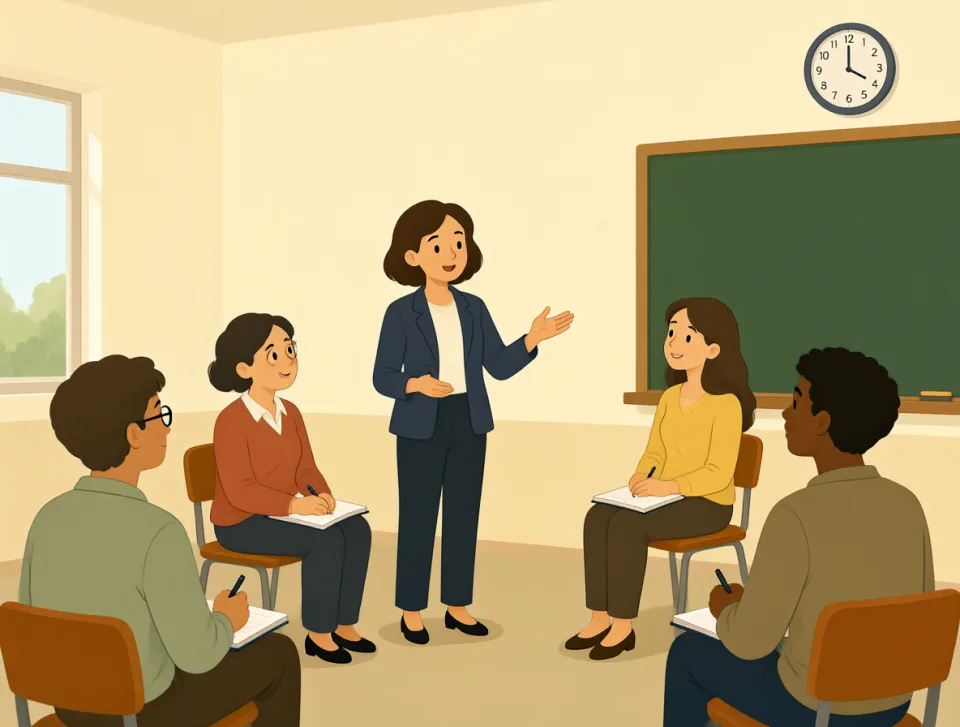
The school invited an education consultant to train its teachers.
स्कूल ने अपने शिक्षकों को प्रशिक्षण देने के लिए एक शिक्षा सलाहकार को बुलाया।

My doctor sent me to a health consultant about my diet.
मेरे डॉक्टर ने खान-पान के बारे में सलाह लेने के लिए मुझे एक स्वास्थ्य सलाहकार के पास भेजा।

The kitchen consultant helped us choose new cupboards and appliances.
रसोई के सलाहकार ने हमें नई अलमारियाँ और उपकरण चुनने में मदद की।

historian
#2360noun
इतिहासकार
A person who studies and writes about events and people from the past.
वह व्यक्ति जो अतीत की घटनाओं और लोगों का अध्ययन करता है और उनके बारे में लिखता है।

The historian wrote a book about the city's early history.
इतिहासकार ने शहर के शुरुआती इतिहास पर एक किताब लिखी।
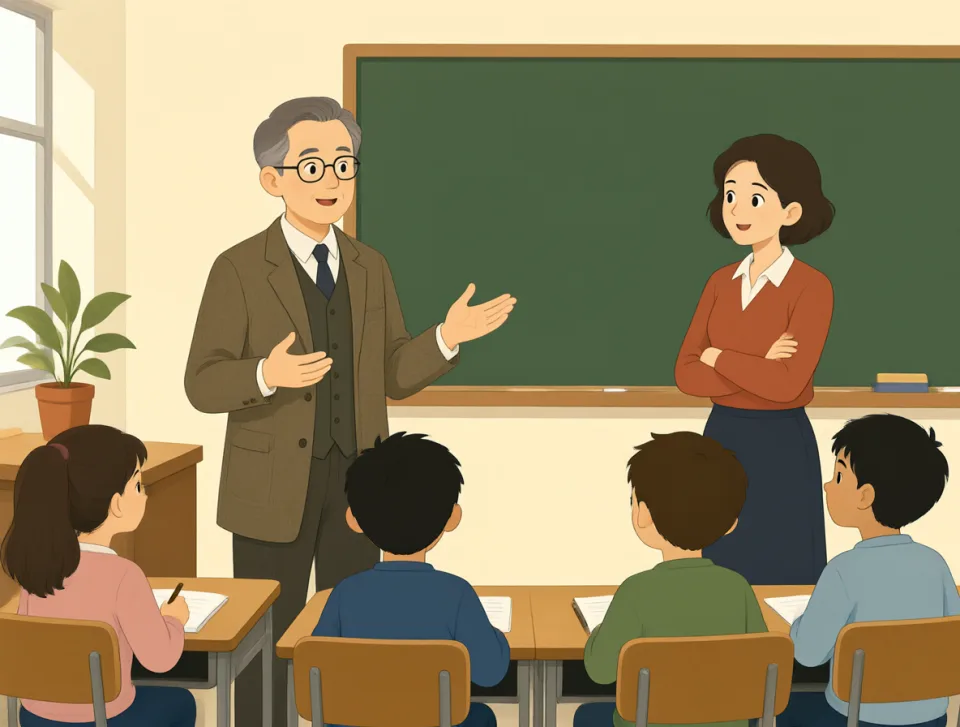
Our history teacher invited a historian to speak to the class.
हमारे इतिहास के शिक्षक ने कक्षा में बोलने के लिए एक इतिहासकार को बुलाया।
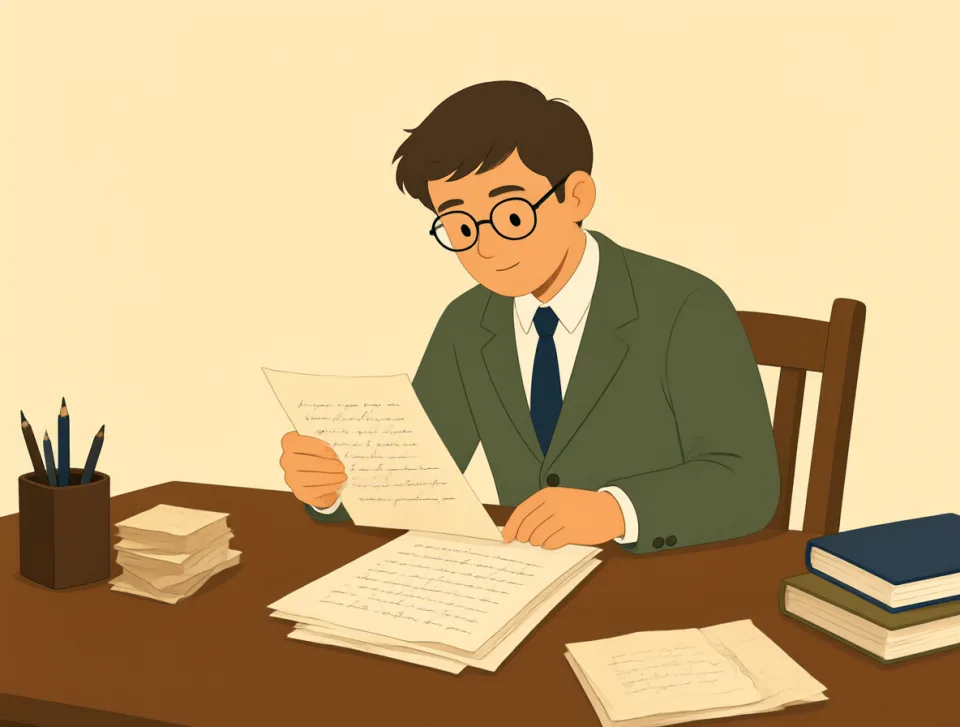
The historian examined old letters to learn what people really experienced.
इतिहासकार ने यह जानने के लिए पुराने पत्रों की जाँच की कि लोगों ने वास्तव में क्या अनुभव किया था।

My friend wants to become a historian after studying history at university.
मेरा दोस्त विश्वविद्यालय में इतिहास पढ़ने के बाद इतिहासकार बनना चाहता है।
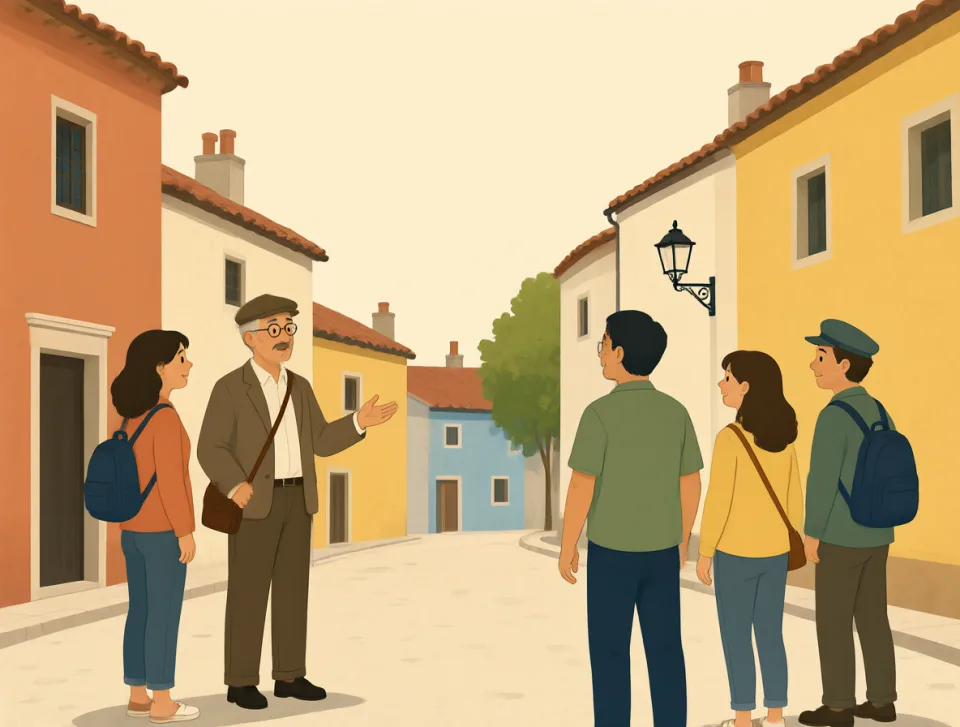
A local historian showed tourists the oldest buildings in town.
एक स्थानीय इतिहासकार ने पर्यटकों को शहर की सबसे पुरानी इमारतें दिखाईं।