इकाई 130
शब्द 2581–2600 · shelter, mere, carbon, regulate, cheese, trigger
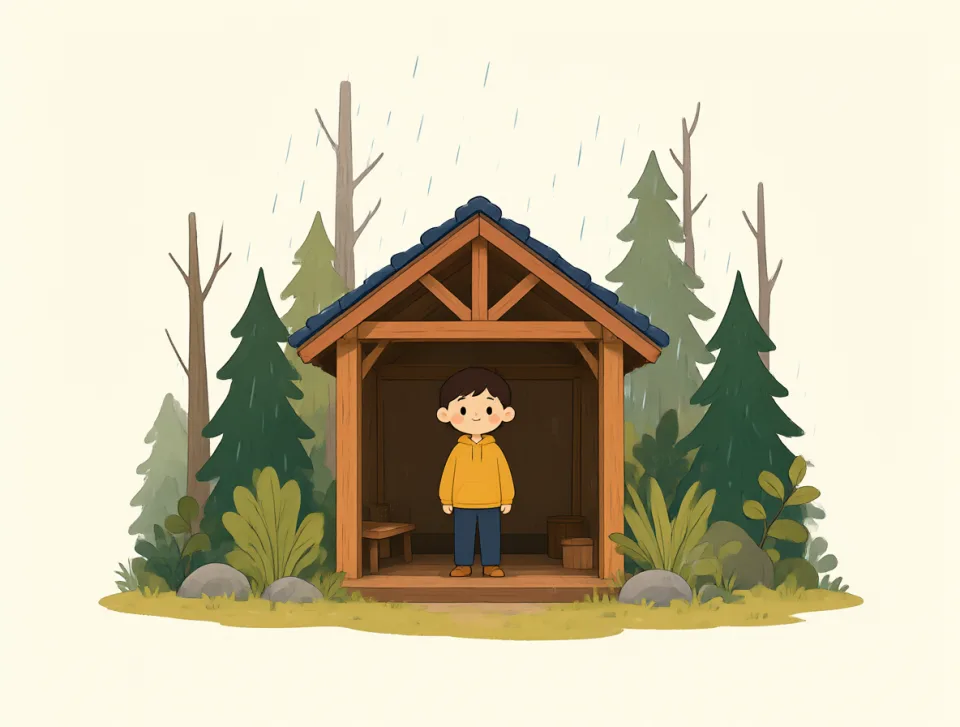
shelter
#2581noun, verb
आश्रय
A safe place that protects people or animals from danger or bad weather.
ऐसी सुरक्षित जगह जो लोगों या जानवरों को खतरे या खराब मौसम से बचाती है।
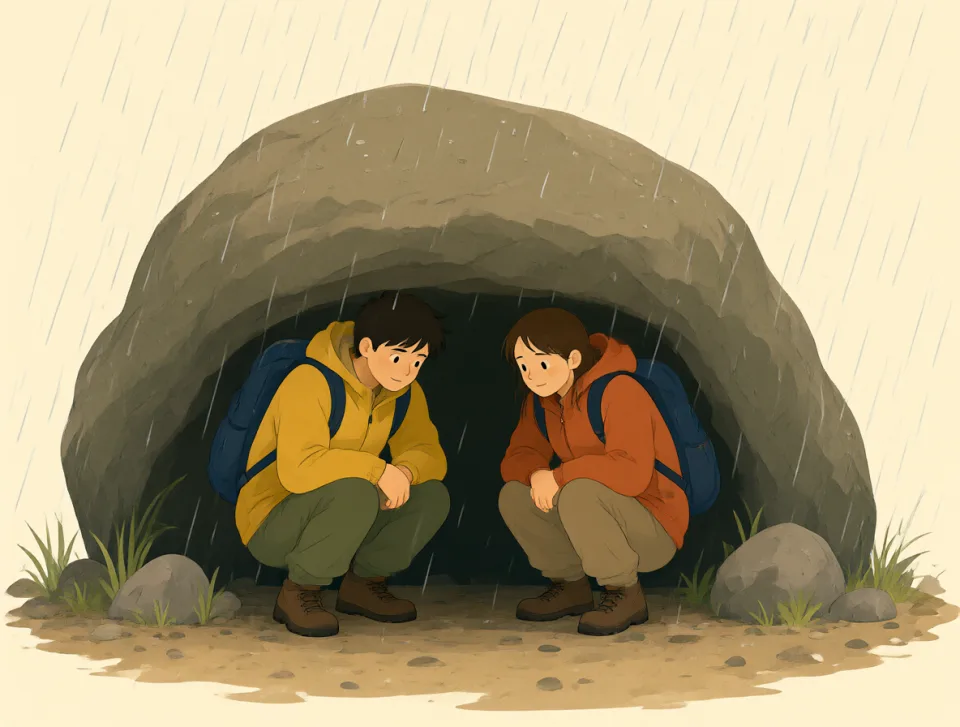
The hikers found shelter from the heavy rain under a large rock.
पैदल यात्रा करने वालों ने एक बड़ी चट्टान के नीचे तेज़ बारिश से बचने के लिए आश्रय लिया।
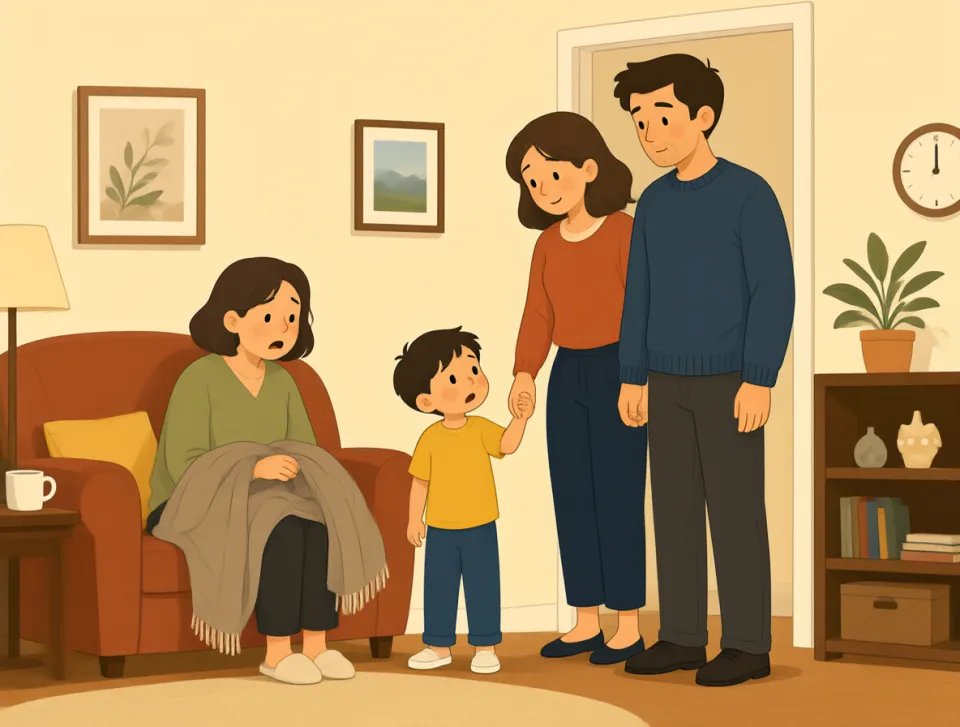
The family opened their home as a shelter for a homeless neighbor.
परिवार ने अपने बेघर पड़ोसी को आश्रय देने के लिए अपना घर खोल दिया।
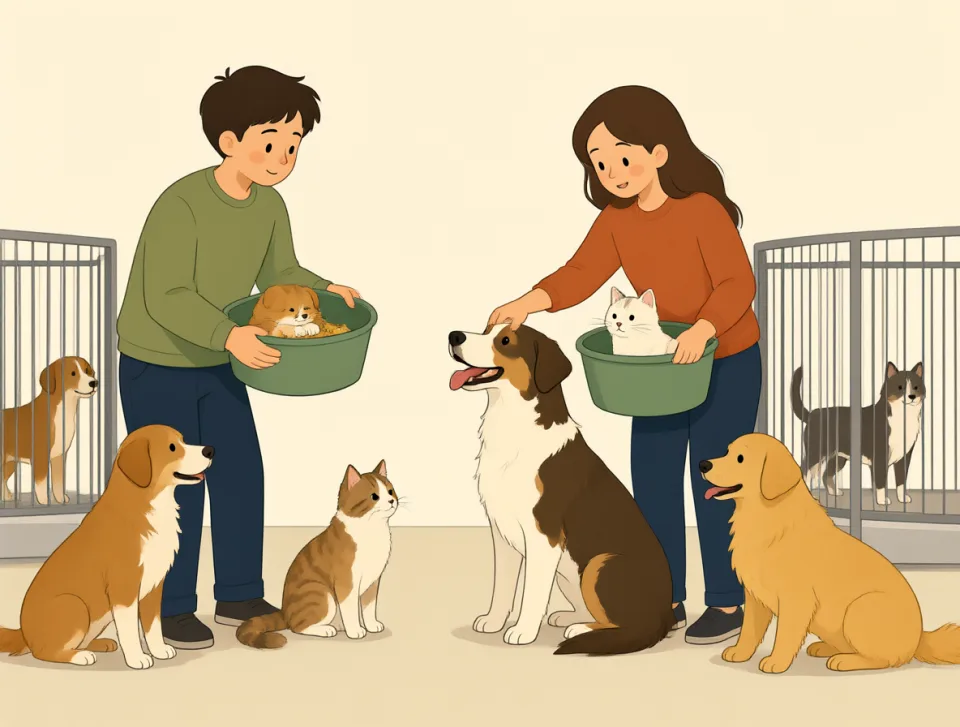
The animal shelter needs volunteers to care for abandoned dogs and cats.
पशु आश्रय-स्थल को छोड़े गए कुत्तों और बिल्लियों की देखभाल के लिए स्वयंसेवकों की ज़रूरत है।
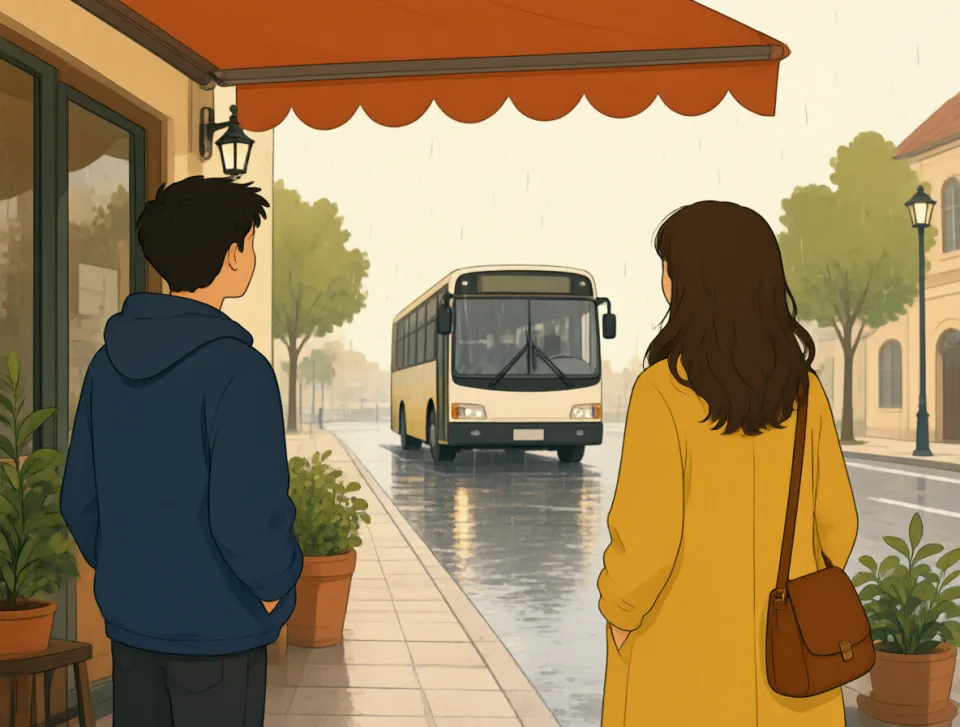
We sheltered under a café roof while waiting for the bus.
बस का इंतज़ार करते हुए हम कैफ़े की छत के नीचे बारिश से बचने के लिए रुक गए।
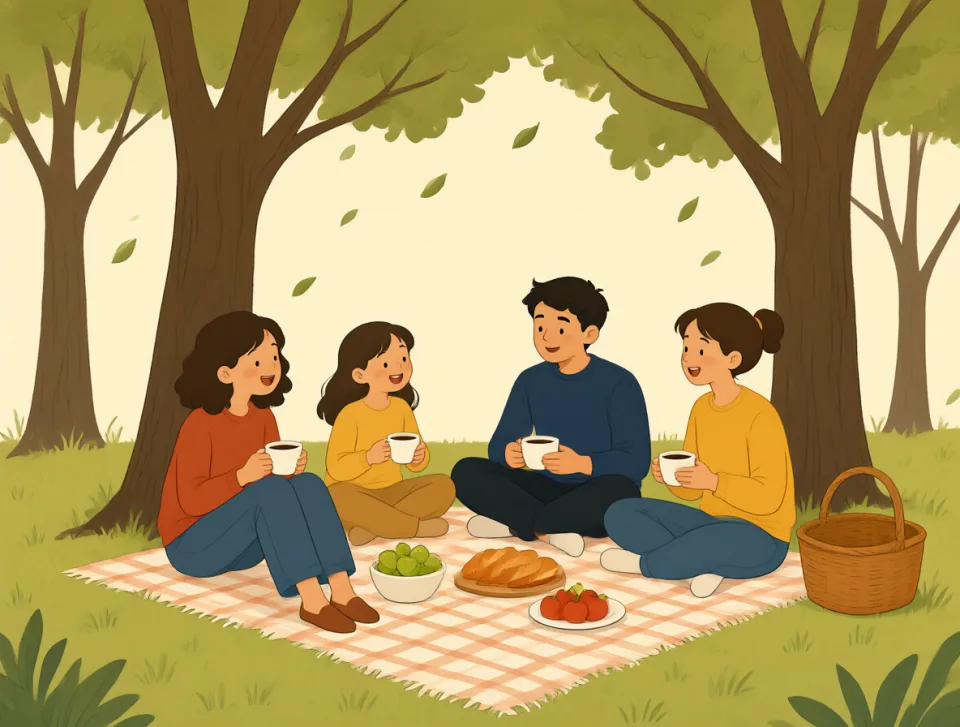
The trees sheltered us from the cold wind during our picnic.
पिकनिक के दौरान पेड़ों ने हमें ठंडी हवा से बचाया।
mere
#2582adjective, determiner
मात्र
used to emphasize that something is small, unimportant, or less than expected
किसी बात पर ज़ोर देने के लिए इस्तेमाल होता है कि वह बहुत कम, महत्वहीन या उम्मीद से कम है।
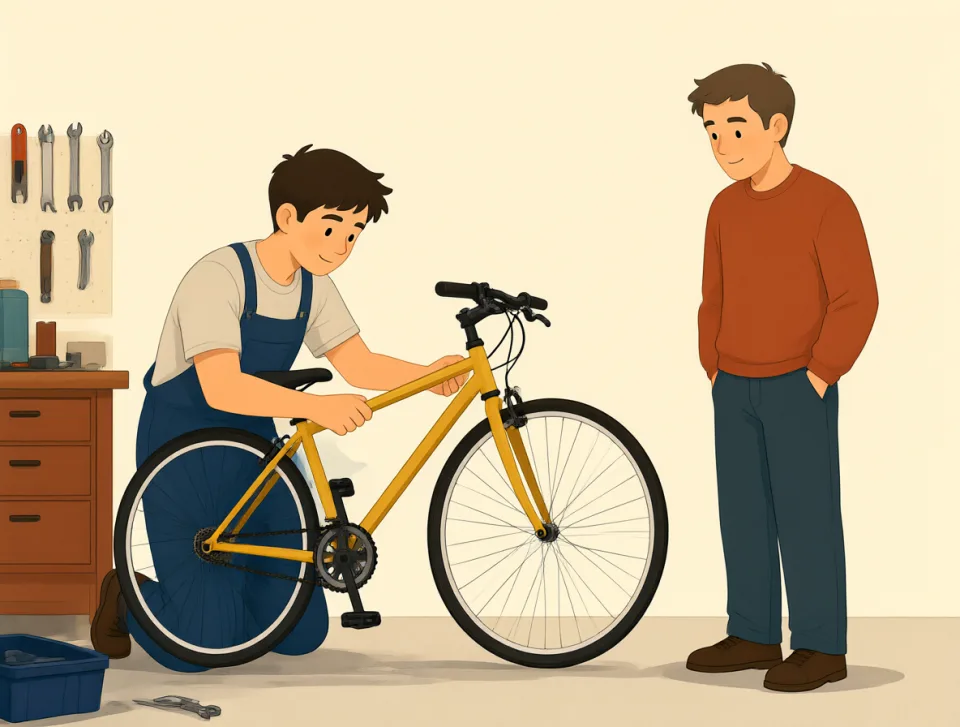
The repair took a mere ten minutes and cost almost nothing.
मरम्मत में बस दस मिनट लगे और लगभग कुछ भी खर्च नहीं हुआ।
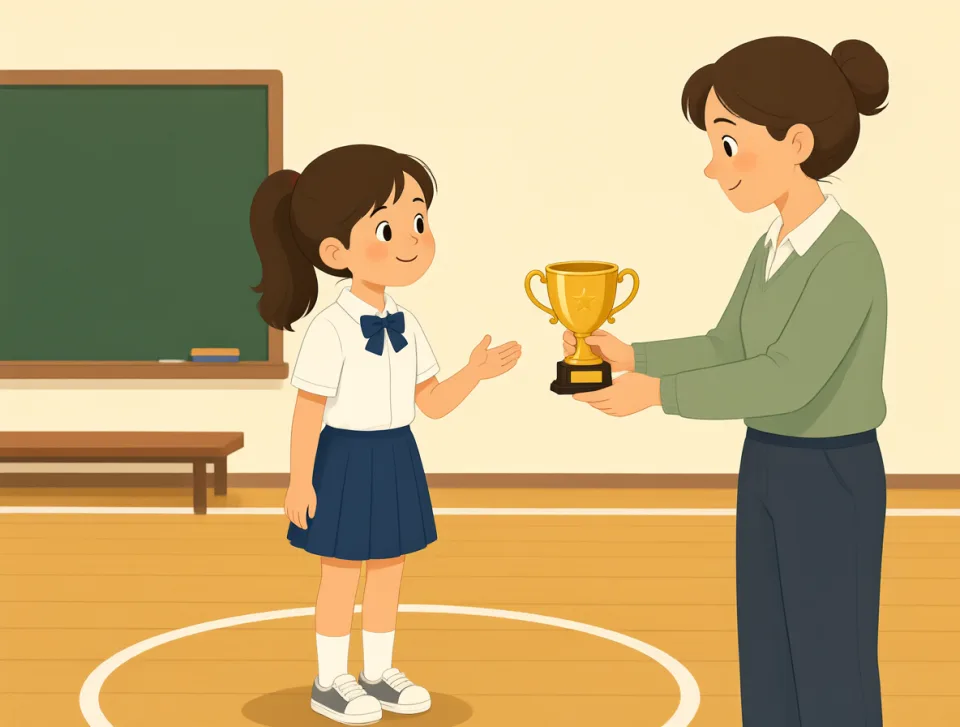
She won the competition by a mere two points.
उसने महज़ दो अंकों के अंतर से प्रतियोगिता जीत ली।
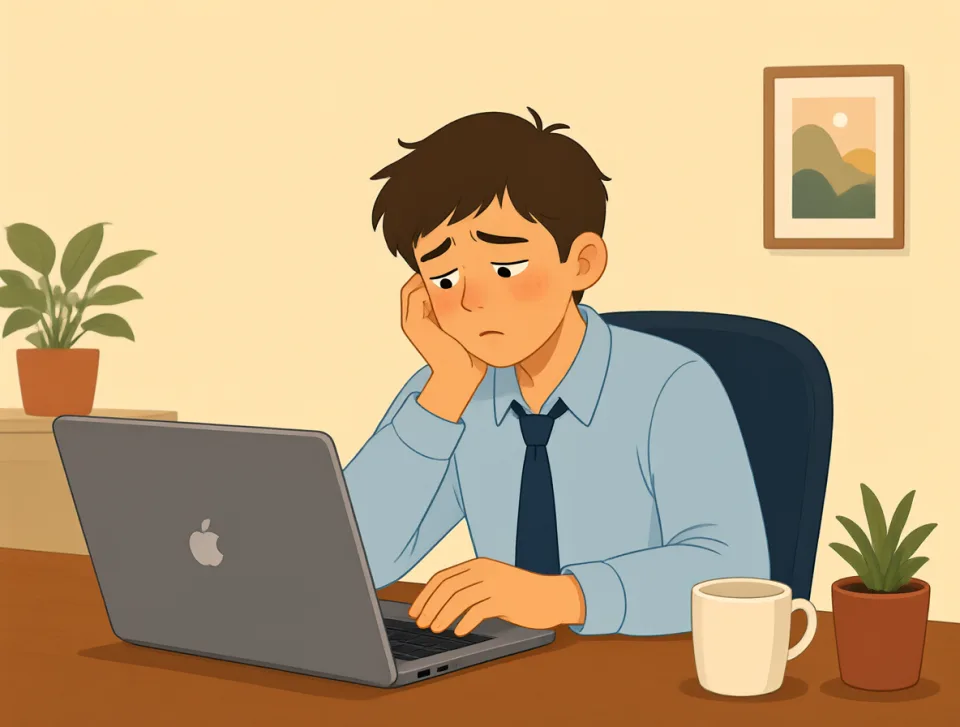
For mere convenience, he ordered dinner online after work.
सिर्फ़ सुविधा के लिए उसने काम के बाद रात का खाना ऑनलाइन मँगवा लिया।
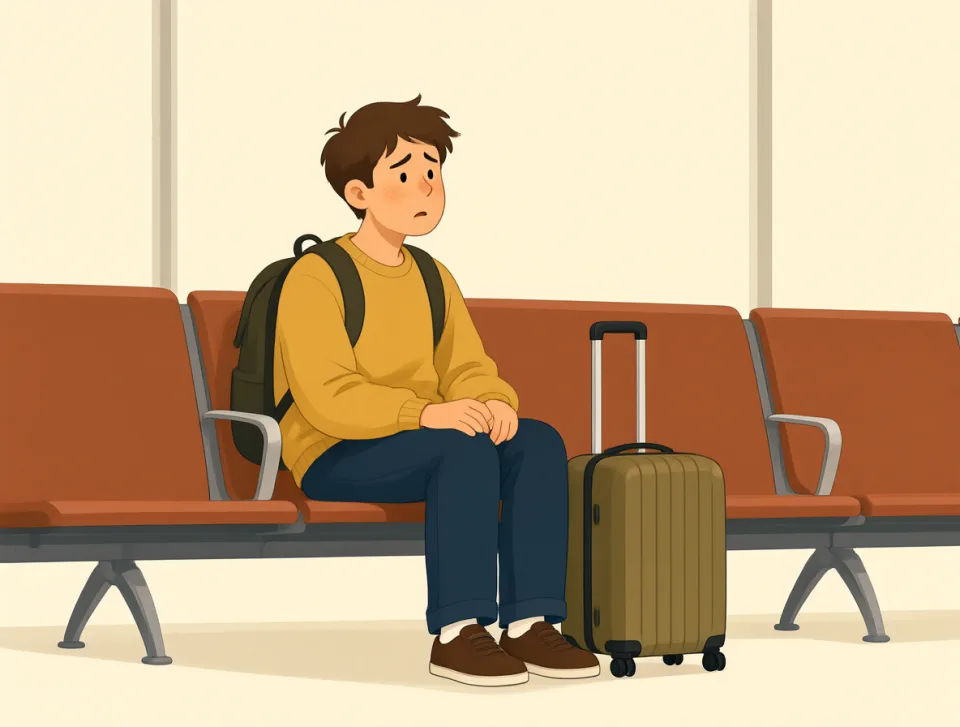
The mere thought of flying makes him feel nervous.
उड़ान के बारे में सोचने भर से वह घबरा जाता है।

It was a mere misunderstanding, so the two friends quickly apologized.
यह बस एक छोटी-सी गलतफ़हमी थी, इसलिए दोनों दोस्तों ने तुरंत एक-दूसरे से माफ़ी माँग ली।
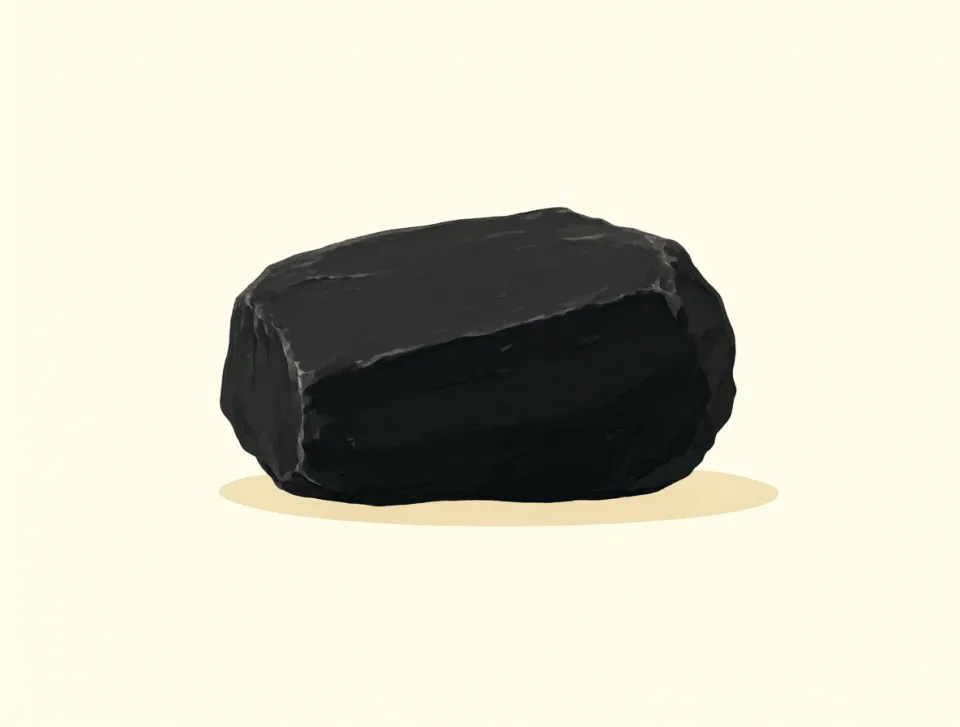
carbon
#2583noun
कार्बन
a chemical element found in all living things, coal, oil, and many other materials
एक रासायनिक तत्व जो सभी जीवित चीज़ों, कोयले, तेल और कई अन्य पदार्थों में पाया जाता है।
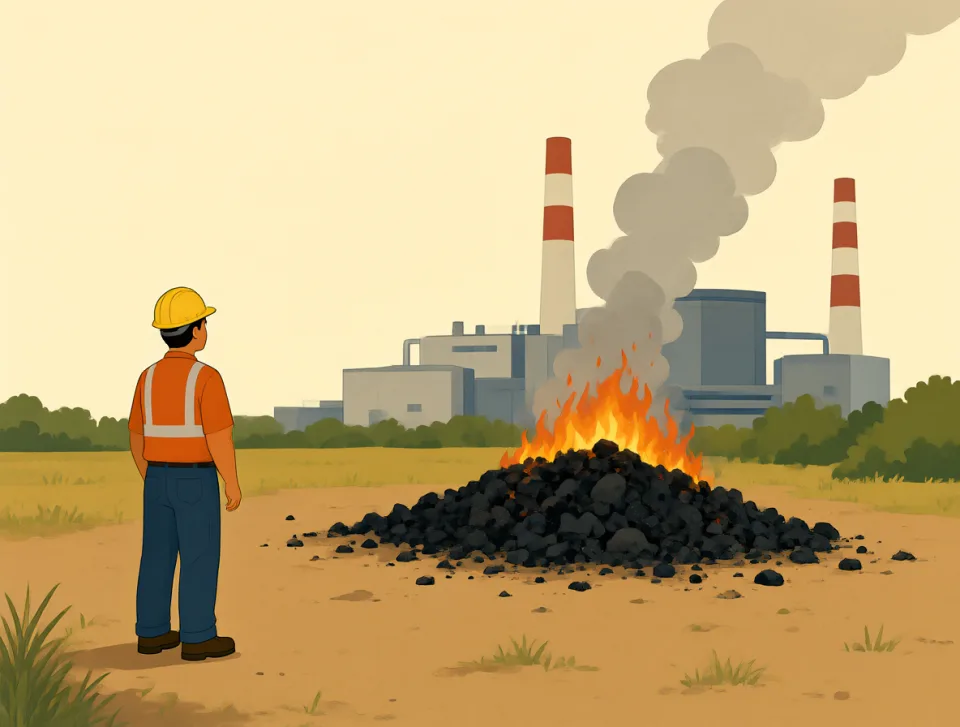
Burning coal releases carbon dioxide, which contributes to climate change.
कोयला जलाने से कार्बन डाइऑक्साइड निकलती है, जो जलवायु परिवर्तन में योगदान देती है।
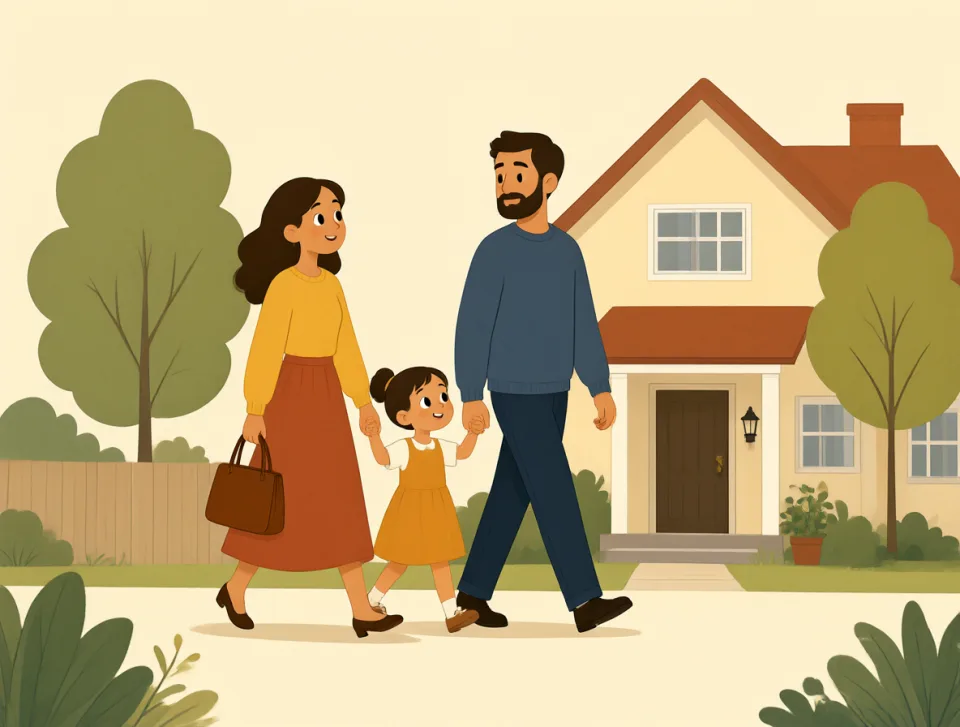
We are reducing our carbon footprint by walking and using less electricity.
हम पैदल चलकर और कम बिजली इस्तेमाल करके अपना कार्बन फ़ुटप्रिंट घटा रहे हैं।
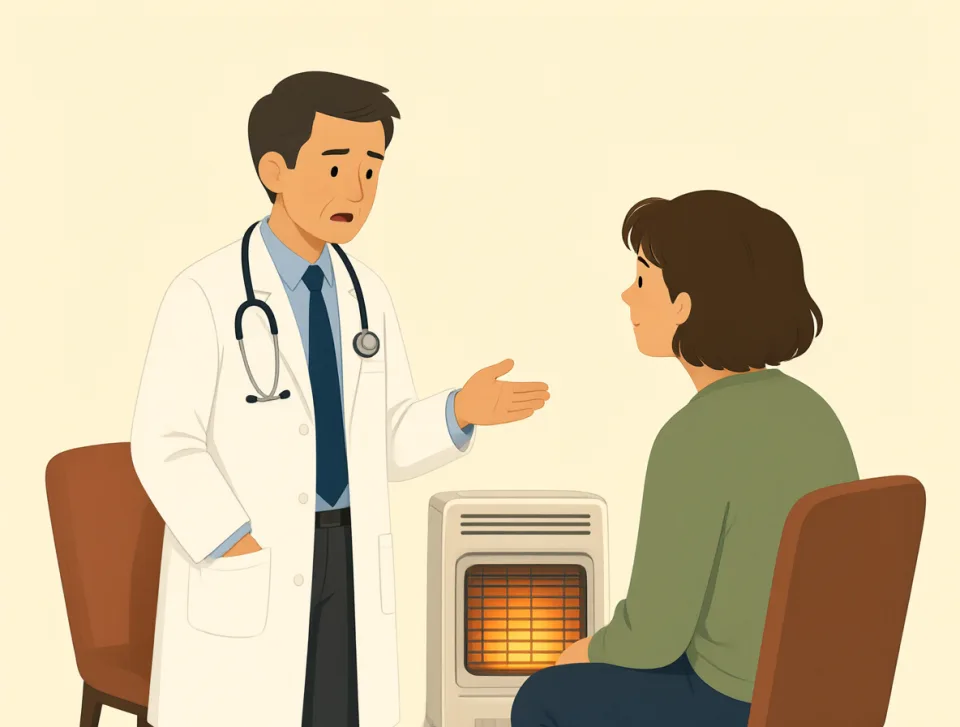
The doctor warned that carbon monoxide from the heater could be dangerous.
डॉक्टर ने चेतावनी दी कि हीटर से निकलने वाली कार्बन मोनोऑक्साइड ख़तरनाक हो सकती है।
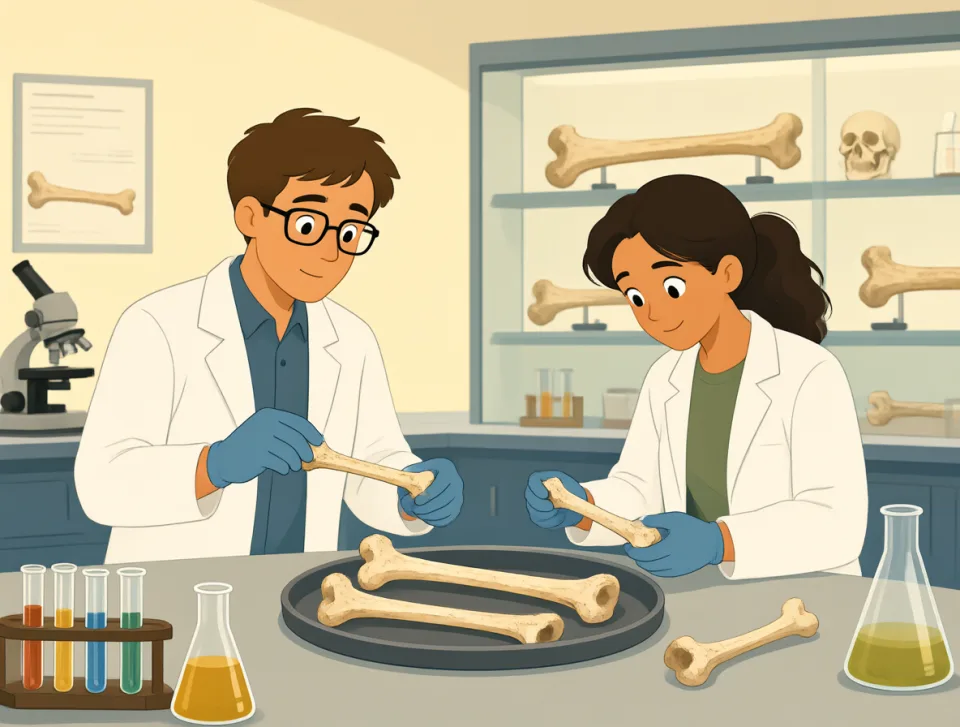
Scientists use carbon dating to estimate the age of ancient bones.
वैज्ञानिक प्राचीन हड्डियों की उम्र का अनुमान लगाने के लिए कार्बन डेटिंग का इस्तेमाल करते हैं।
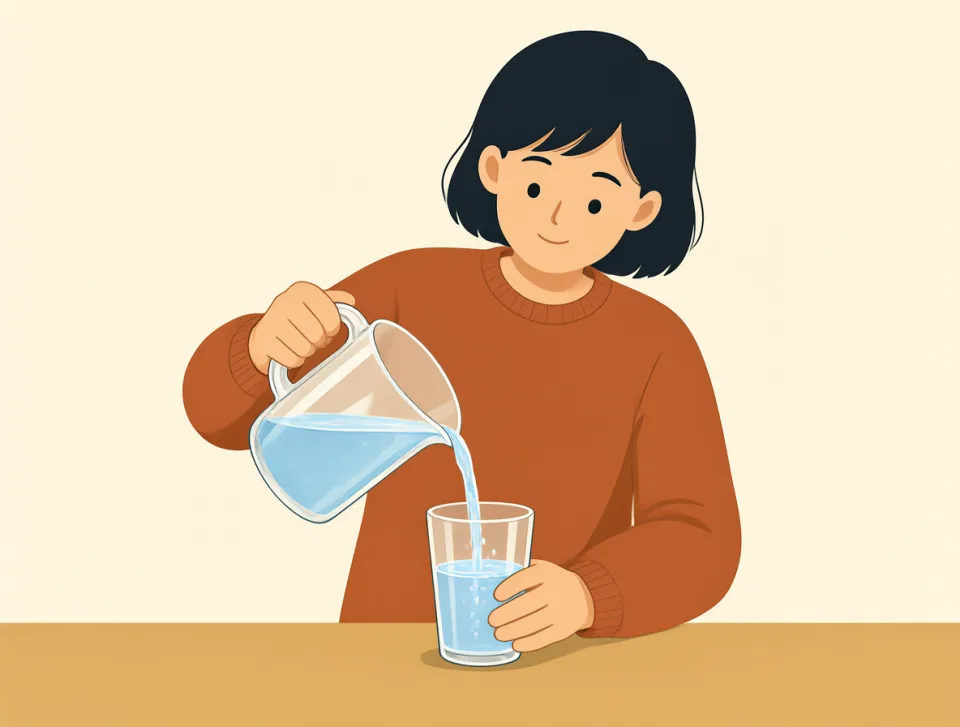
This water filter contains activated carbon to remove unpleasant tastes and smells.
इस पानी के फ़िल्टर में अप्रिय स्वाद और गंध हटाने के लिए सक्रिय कार्बन है।
regulate
#2584verb
नियंत्रित करना
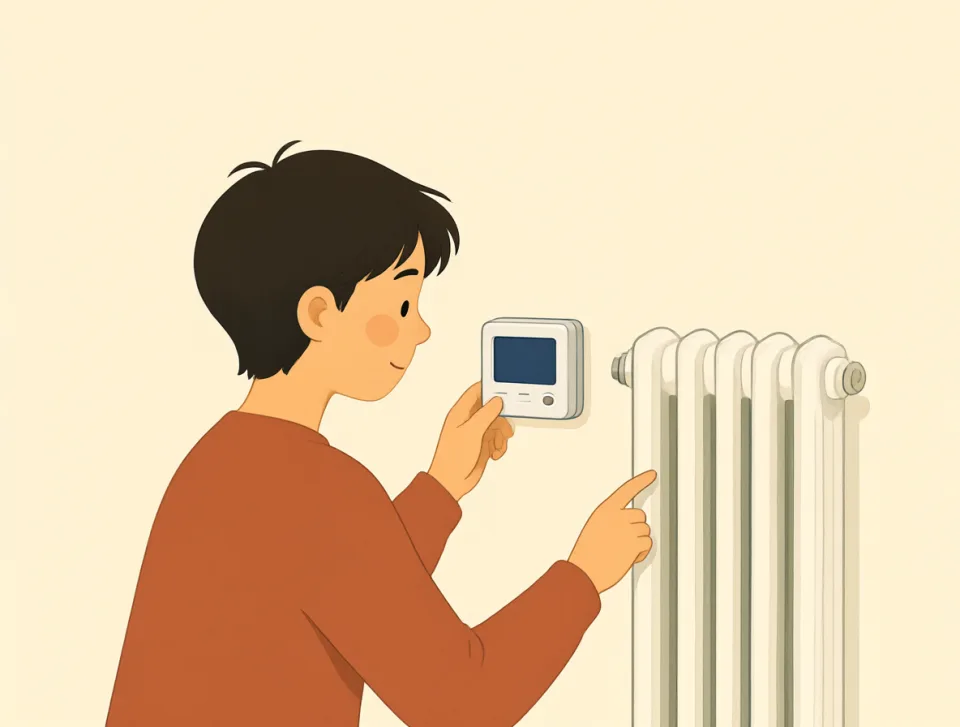
to control something by using rules or adjusting it
नियमों का इस्तेमाल करके या उसमें बदलाव करके किसी चीज़ को काबू में रखना।

The government regulates banks to protect people’s money.
सरकार लोगों के पैसे की सुरक्षा के लिए बैंकों को नियंत्रित करती है।
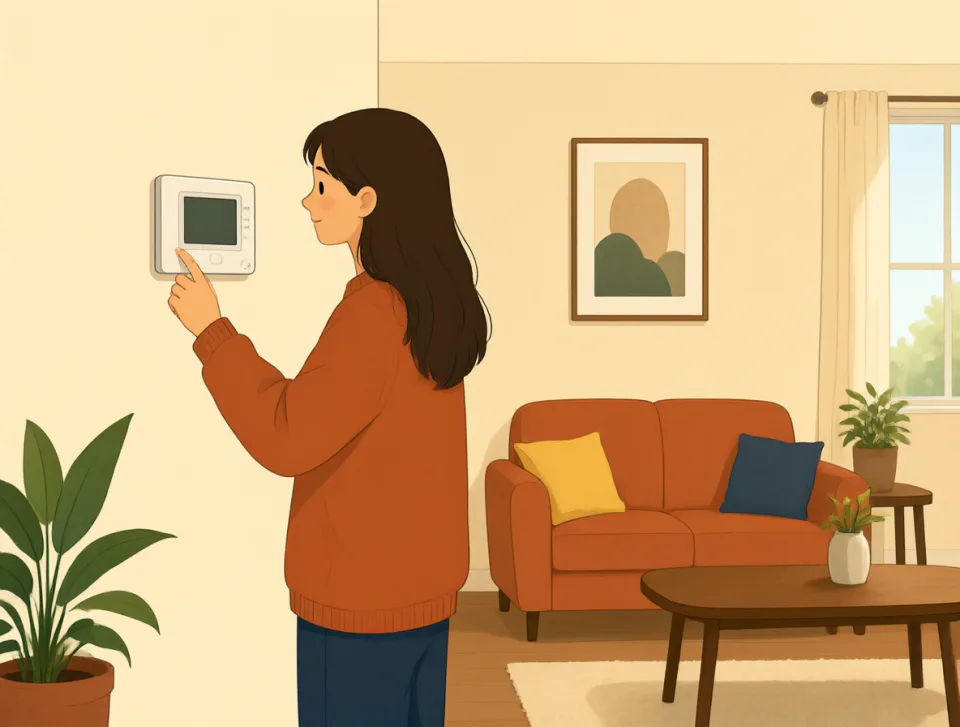
This thermostat regulates the temperature in our apartment automatically.
यह थर्मोस्टैट हमारे अपार्टमेंट का तापमान अपने आप नियंत्रित करता है।
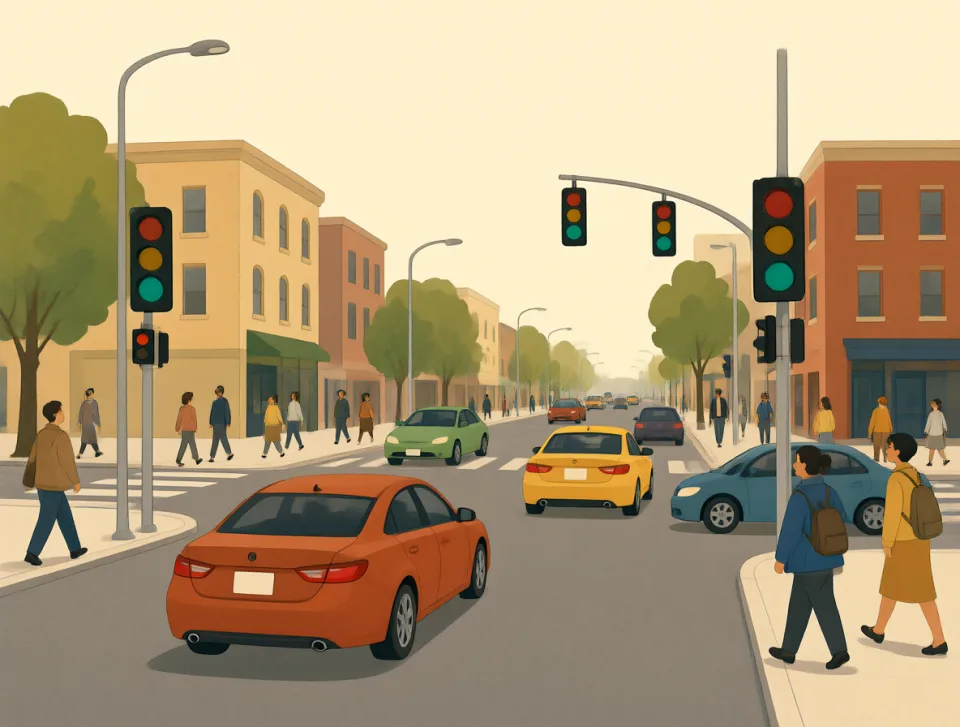
Traffic lights help regulate traffic during the busy morning rush.
व्यस्त सुबह के समय ट्रैफ़िक लाइटें यातायात को नियंत्रित करने में मदद करती हैं।
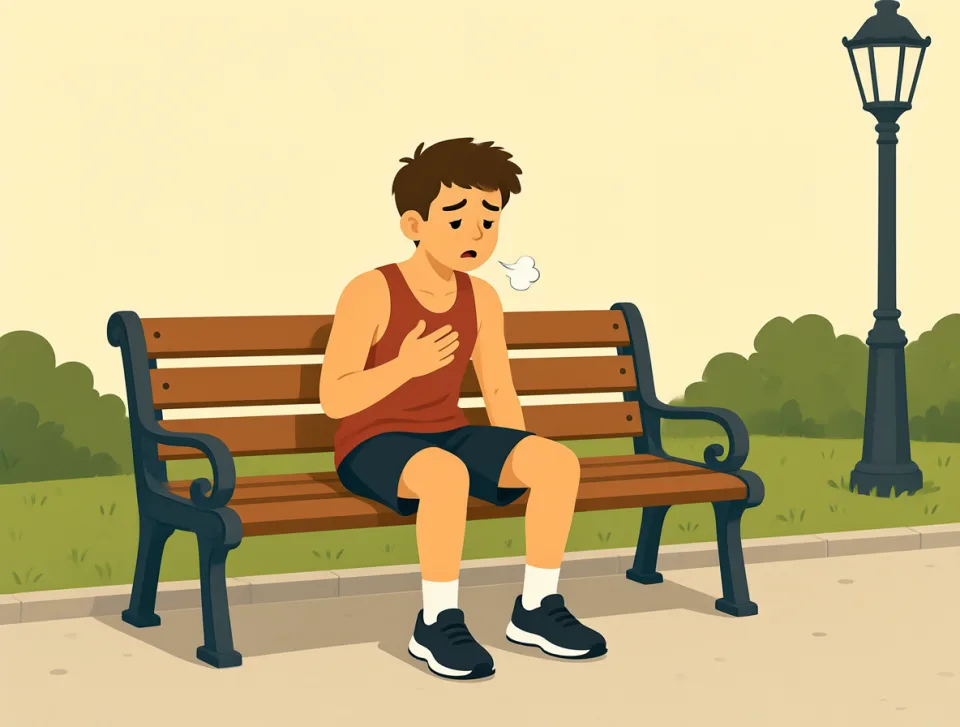
Deep breathing can help regulate your heart rate after exercise.
गहरी साँसें लेने से व्यायाम के बाद आपकी हृदय गति नियंत्रित करने में मदद मिल सकती है।
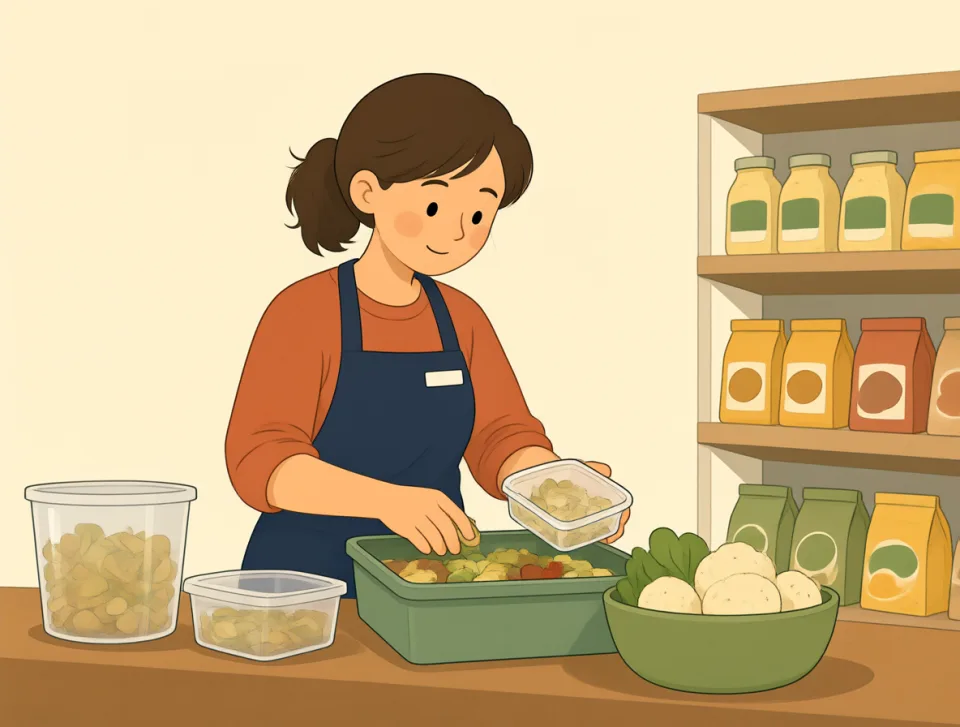
New rules regulate how much food shops may throw away.
नए नियम यह तय करते हैं कि दुकानें कितना खाना फेंक सकती हैं।
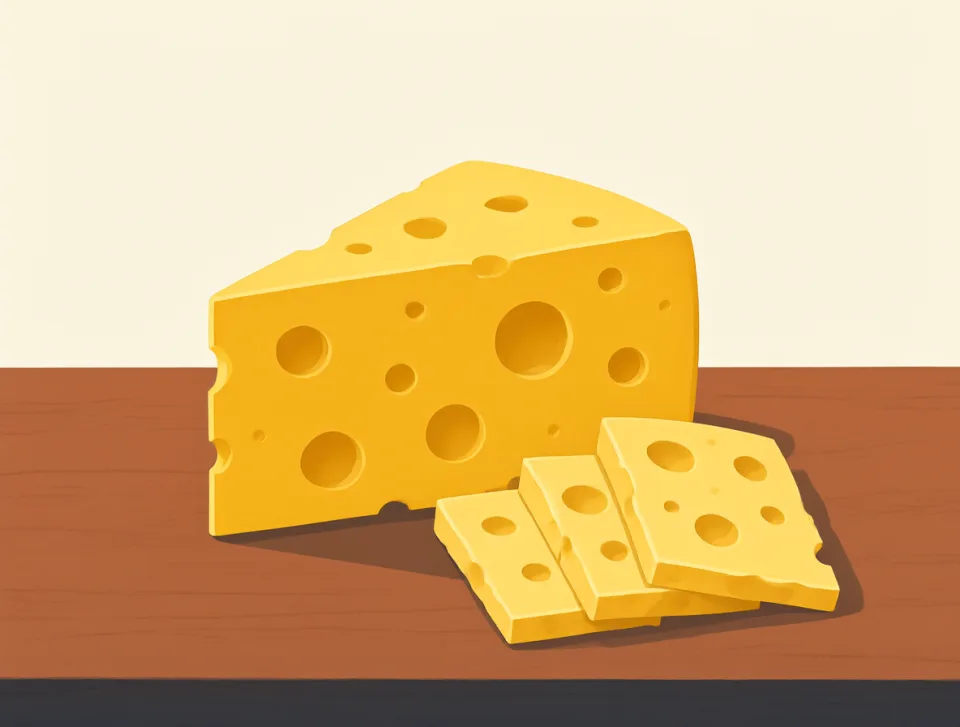
cheese
#2585noun
पनीर
A food made from milk, often sliced, grated, or added to other dishes.
दूध से बना खाद्य पदार्थ, जिसे अक्सर स्लाइस करके, कद्दूकस करके या दूसरे व्यंजनों में मिलाकर खाया जाता है।
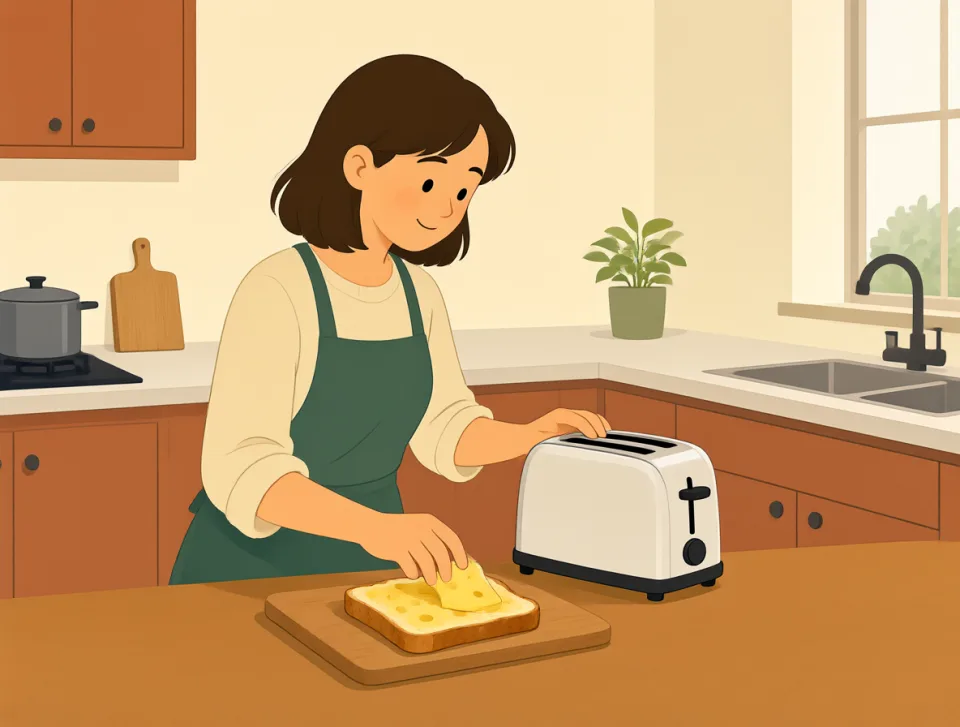
I put some cheese on my toast before leaving for work.
काम पर निकलने से पहले मैंने टोस्ट पर थोड़ा पनीर रखा।

We ordered a cheese pizza and two salads for dinner.
रात के खाने के लिए हमने एक चीज़ पिज़्ज़ा और दो सलाद मँगवाए।
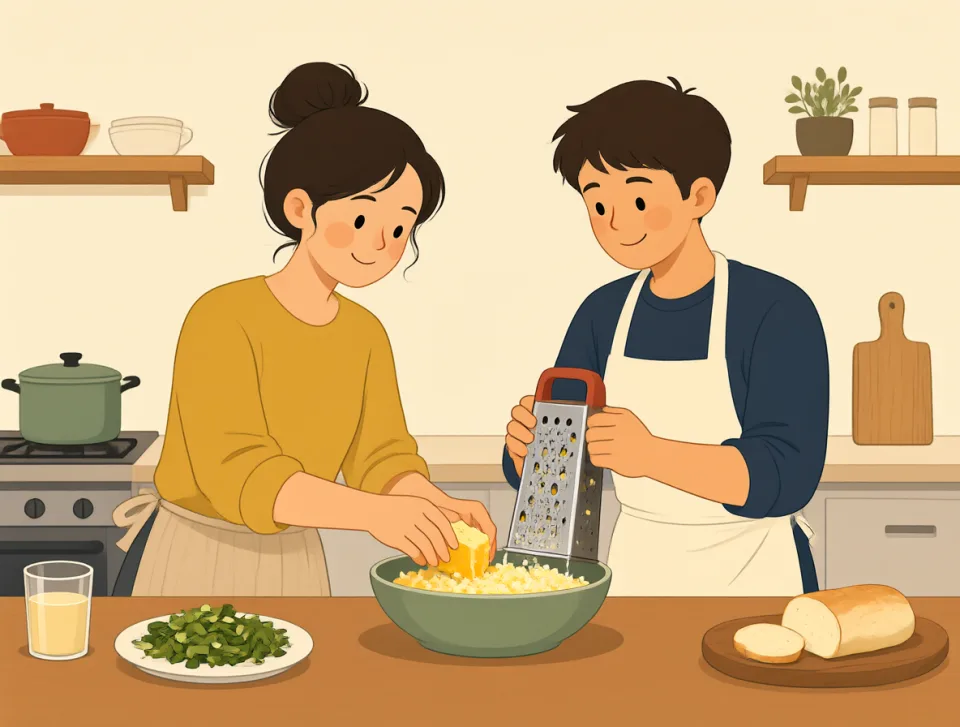
Could you grate the cheese while I prepare the pasta?
जब तक मैं पास्ता तैयार करूँ, क्या तुम पनीर कद्दूकस कर सकते हो?
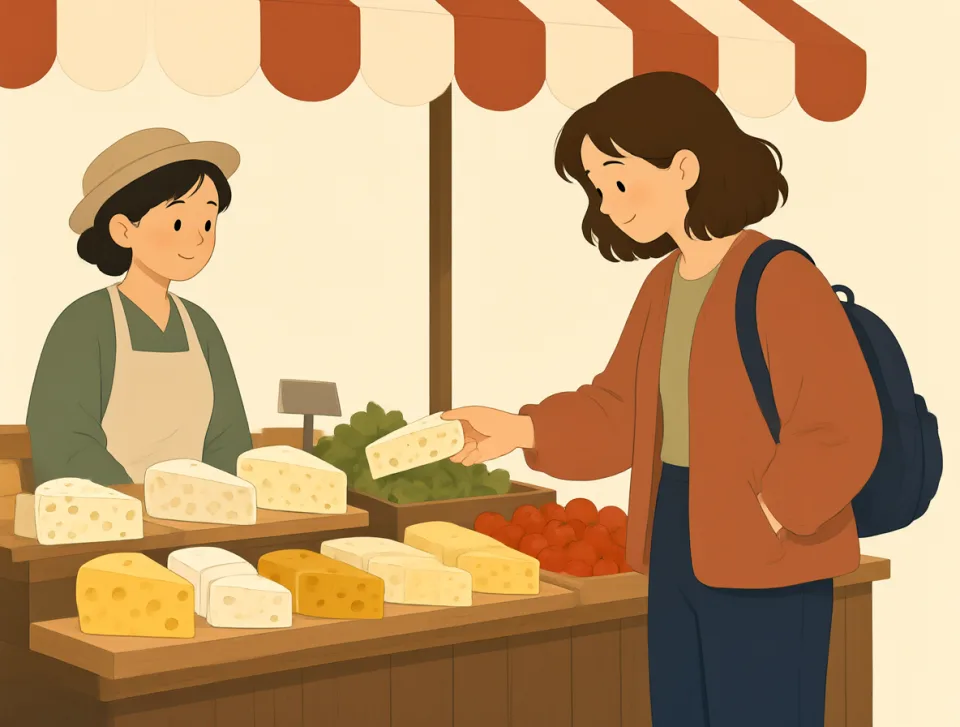
She bought a small piece of cheese at the market for lunch.
उसने दोपहर के खाने के लिए बाज़ार से पनीर का एक छोटा टुकड़ा खरीदा।

The doctor advised him to eat less cheese because of his high cholesterol.
डॉक्टर ने उसे अपने उच्च कोलेस्ट्रॉल के कारण कम पनीर खाने की सलाह दी।
trigger
#2586noun, verb
कारक
a thing that causes a reaction, or to cause a reaction or event
कोई ऐसी चीज़ जो प्रतिक्रिया पैदा करे; या प्रतिक्रिया अथवा घटना पैदा करना
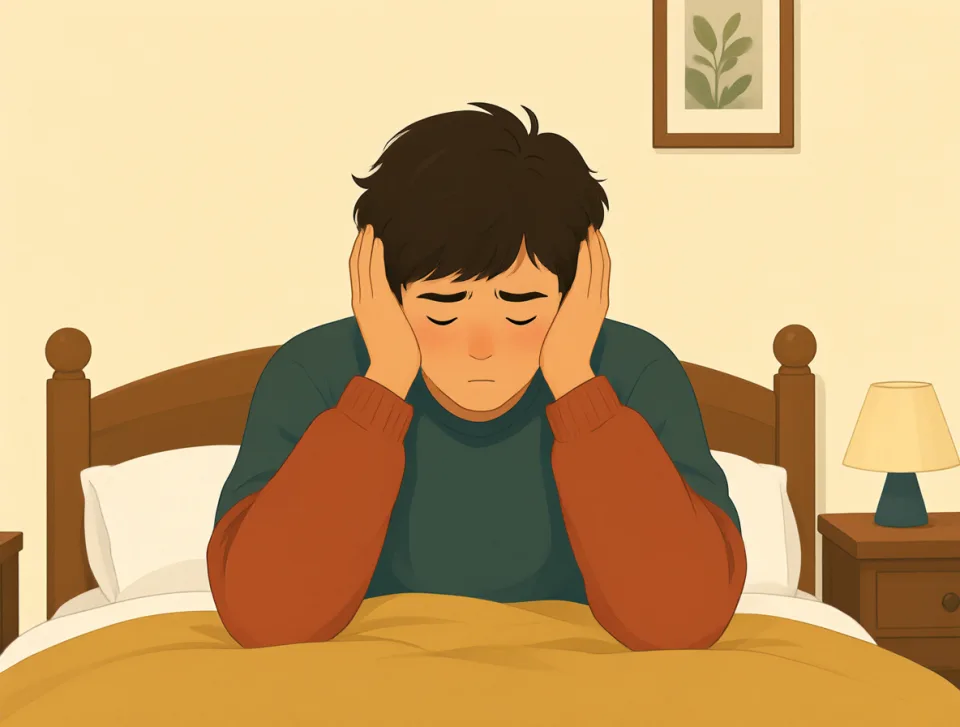
Loud noises can trigger headaches for some people.
तेज़ आवाज़ें कुछ लोगों के सिरदर्द को बढ़ा सकती हैं।
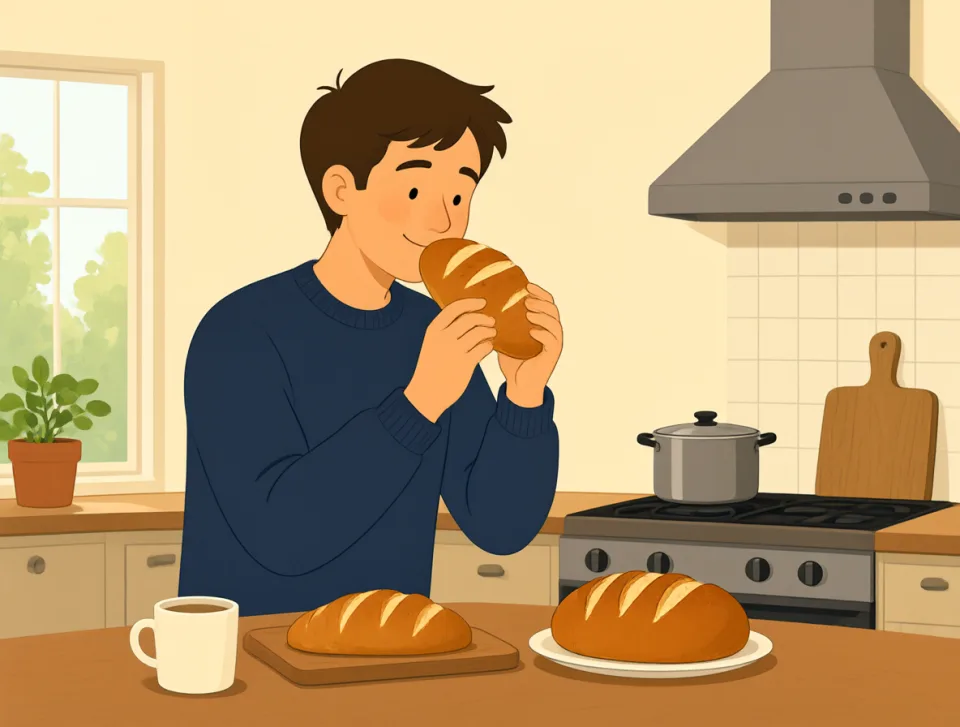
The smell of fresh bread triggered memories of his childhood home.
ताज़ी रोटी की खुशबू ने उसे बचपन के घर की याद दिला दी।
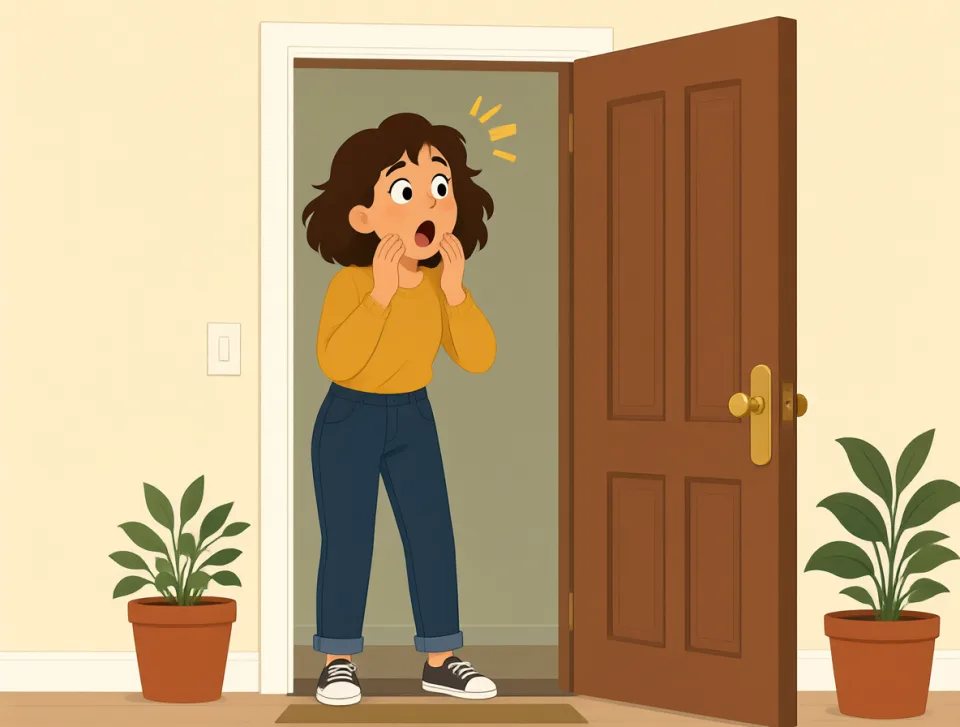
The alarm was triggered when someone opened the back door.
किसी के पिछला दरवाज़ा खोलते ही अलार्म बज उठा।

The teacher's question triggered an interesting discussion among the students.
शिक्षक के सवाल से विद्यार्थियों के बीच एक दिलचस्प चर्चा छिड़ गई।
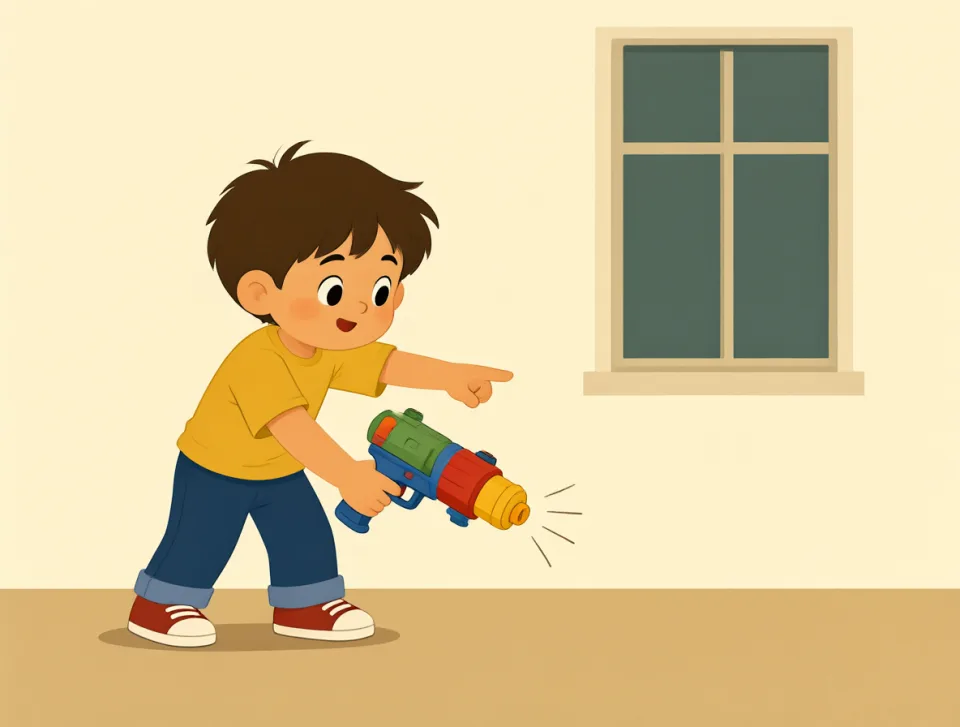
Pulling the trigger made the toy gun produce a loud popping sound.
ट्रिगर दबाने पर खिलौना बंदूक से तेज़ पटाखे जैसी आवाज़ निकली।
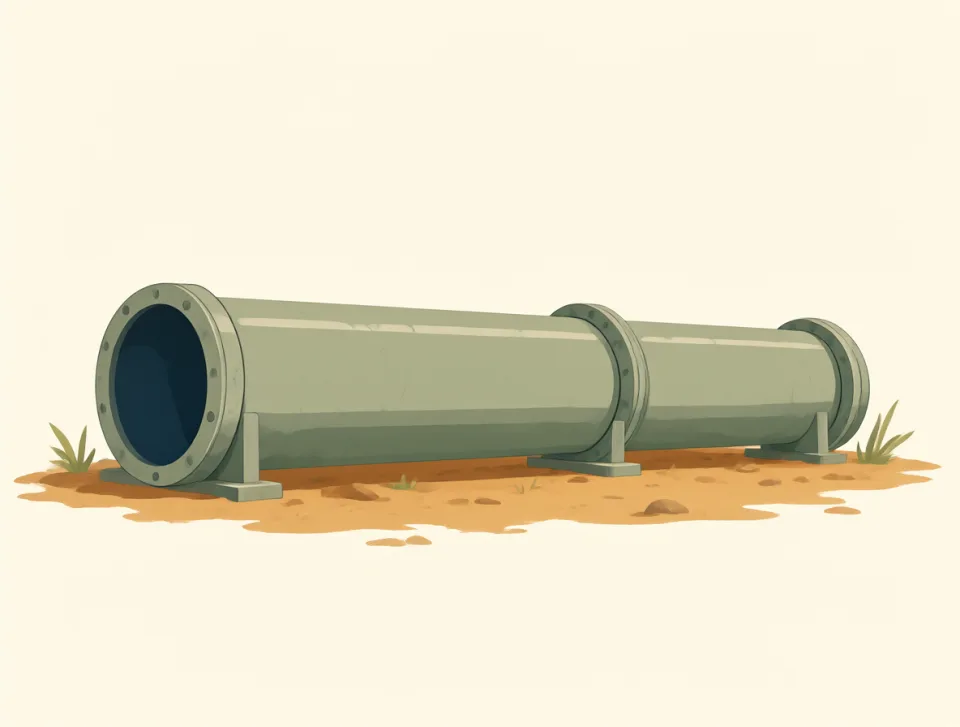
pipe
#2587noun, verb
पाइप
a long hollow tube that carries liquid, gas, or other substances
एक लंबी, खोखली नली जिससे तरल पदार्थ, गैस या अन्य चीज़ें गुज़रती हैं
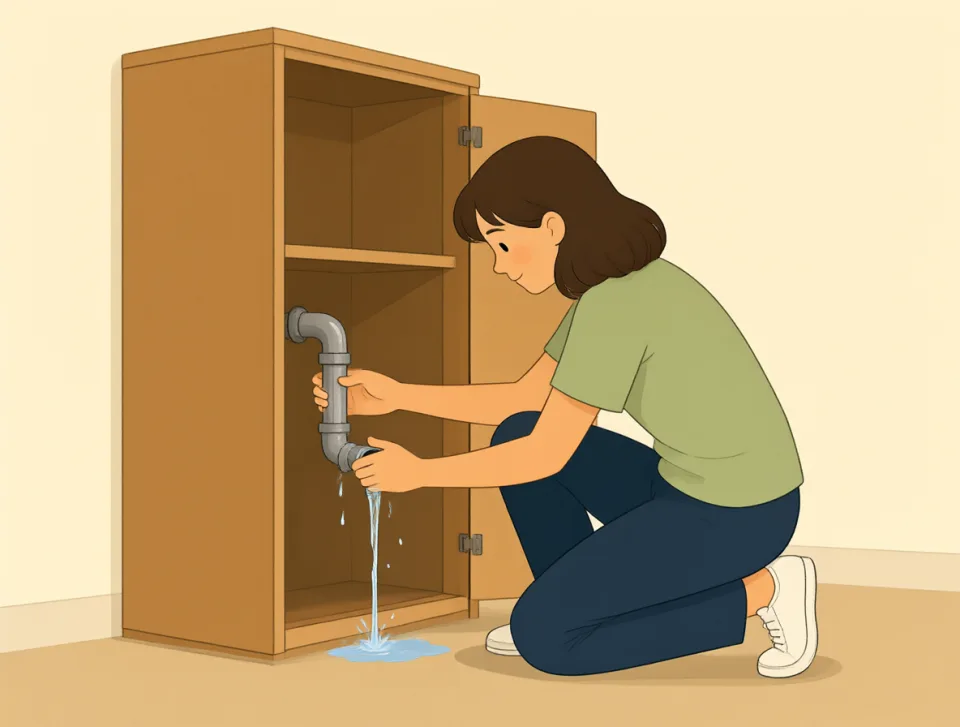
Water was leaking from a broken pipe under the kitchen sink.
रसोई के सिंक के नीचे टूटी हुई पाइप से पानी रिस रहा था।
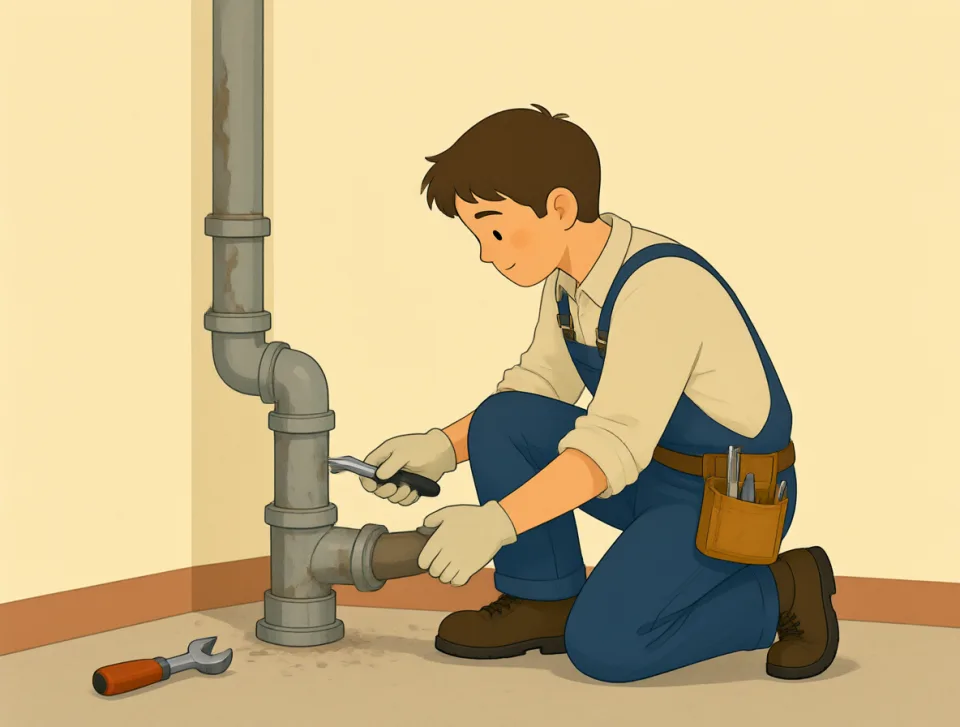
The plumber replaced the old pipes before winter arrived.
सर्दियाँ आने से पहले प्लंबर ने पुरानी पाइपें बदल दीं।
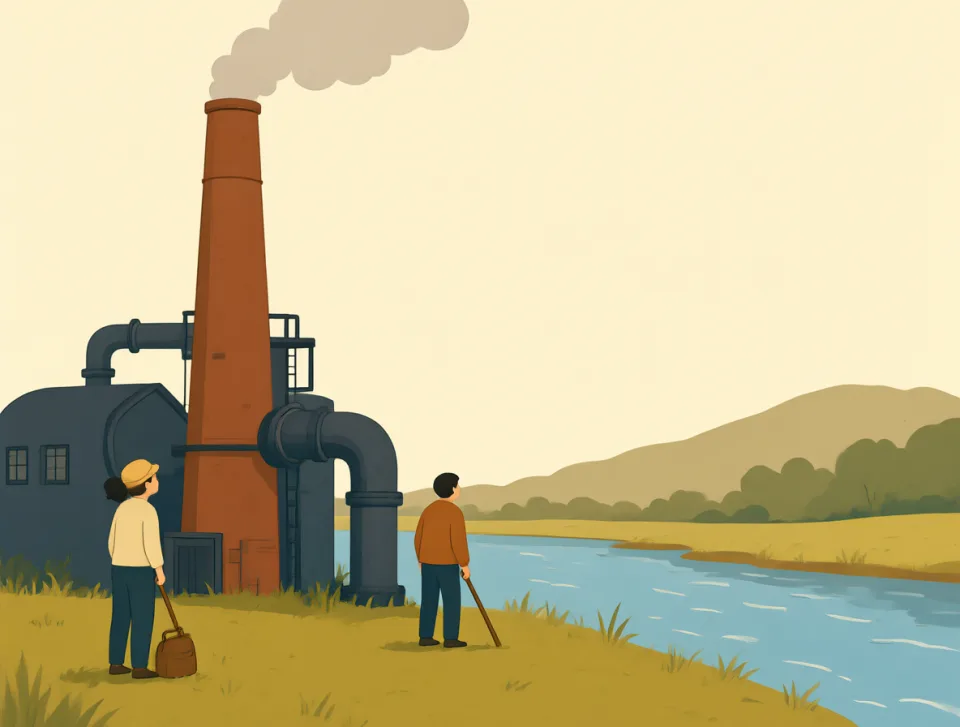
Smoke rose from the pipe of the factory across the river.
नदी के उस पार स्थित कारखाने की चिमनी से धुआँ उठ रहा था।
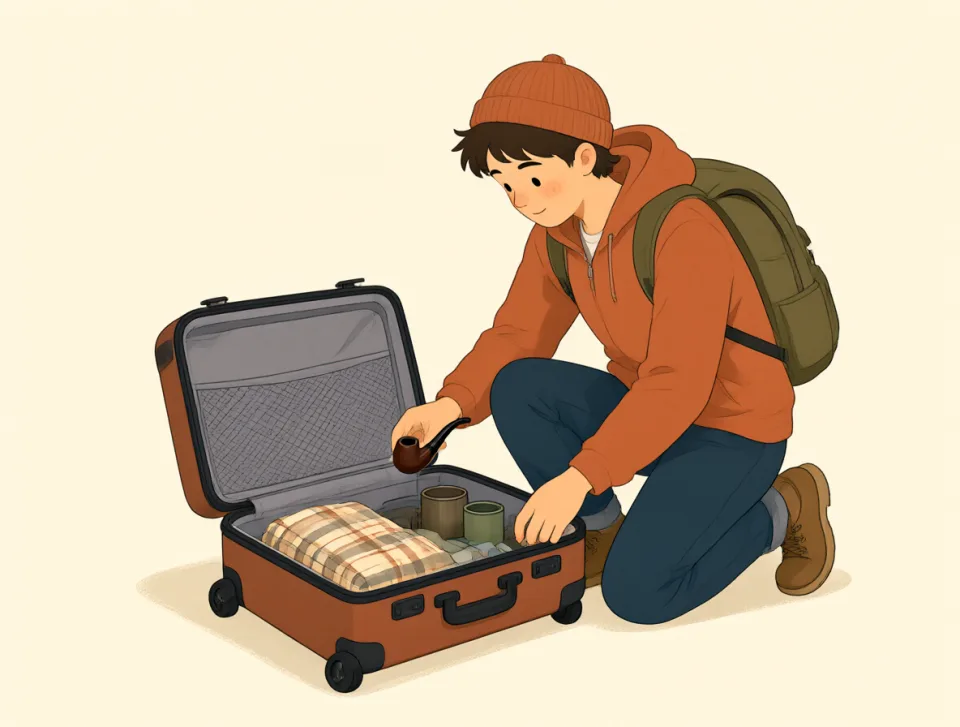
He packed a small pipe in his suitcase for the camping trip.
उसने कैंपिंग यात्रा के लिए अपने सूटकेस में एक छोटी-सी पाइप रखी।
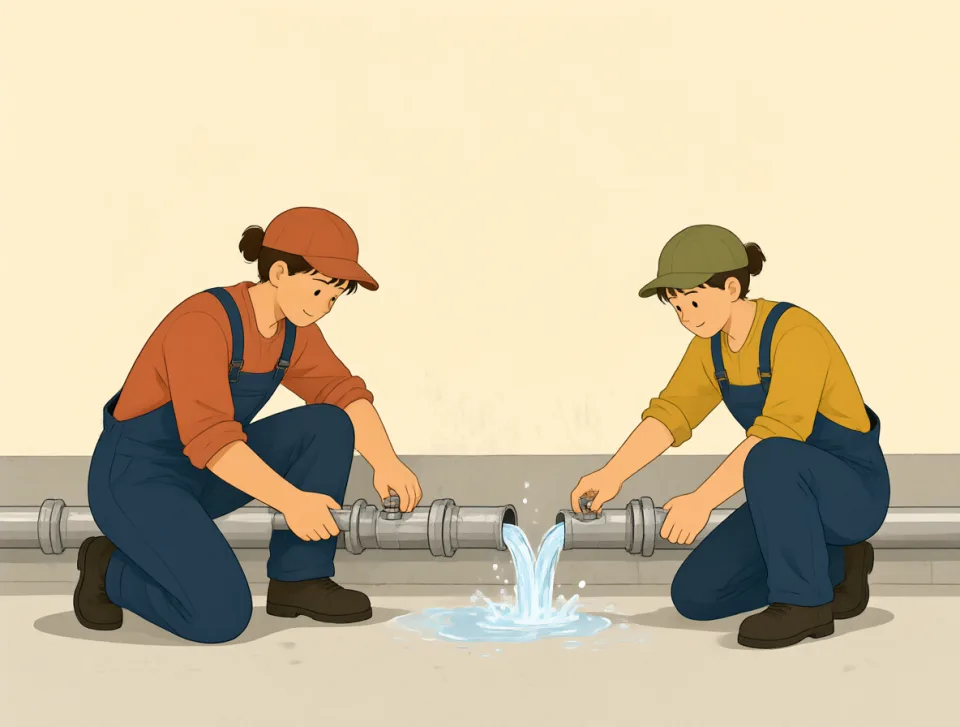
The workers are piping hot water through the new system.
मज़दूर नई प्रणाली से बहुत गरम पानी गुज़ार रहे हैं।
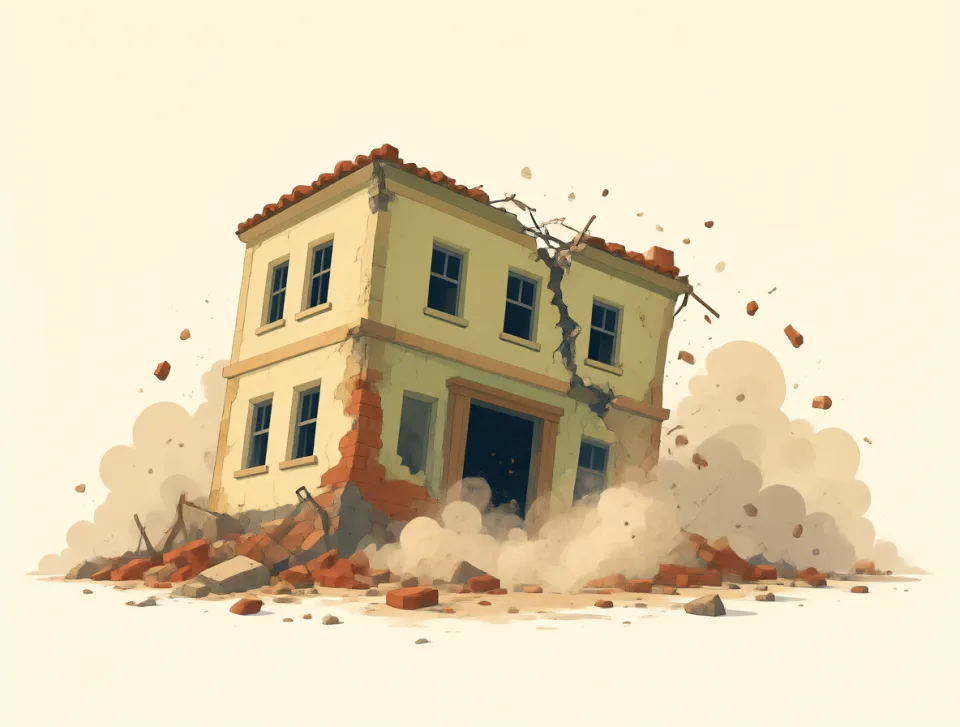
destruction
#2588noun
विनाश
The act or result of destroying something completely.
किसी चीज़ को पूरी तरह नष्ट करने की क्रिया या उसका परिणाम।
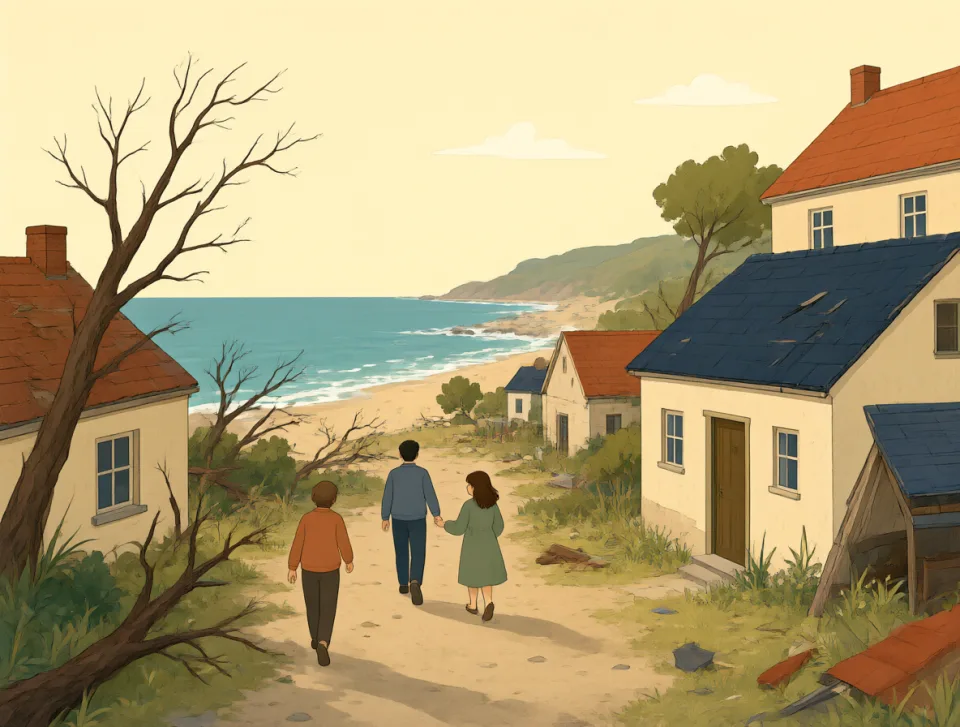
The storm caused serious destruction across the coastal town.
तूफ़ान ने समुद्रतटीय कस्बे में भारी तबाही मचाई।
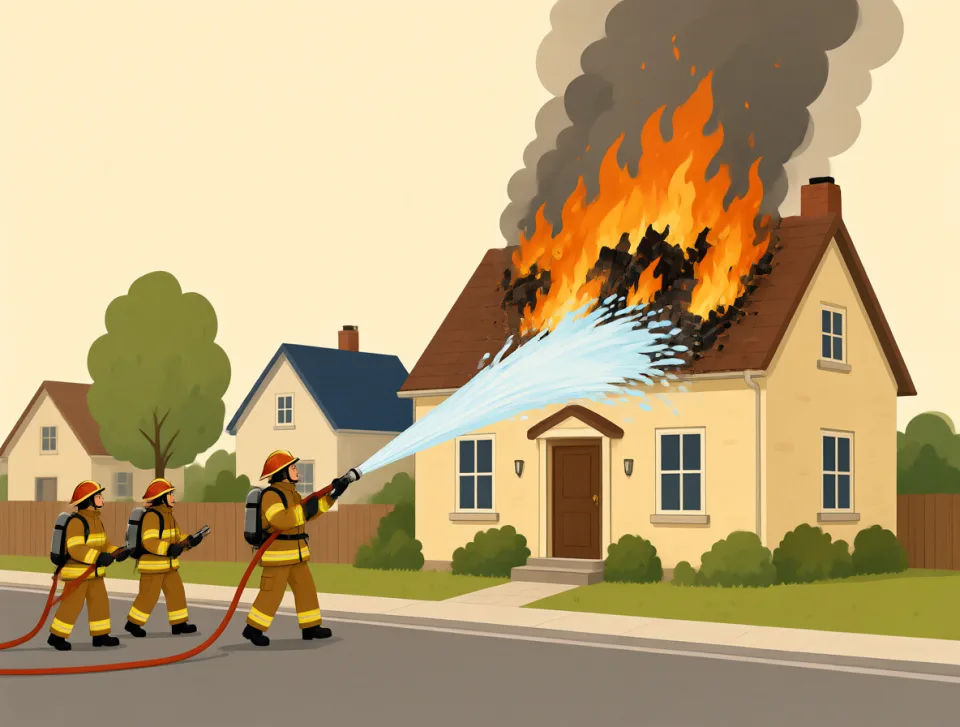
Firefighters worked all night to prevent the destruction of nearby homes.
पास के घरों को तबाह होने से बचाने के लिए अग्निशामक सारी रात काम करते रहे।
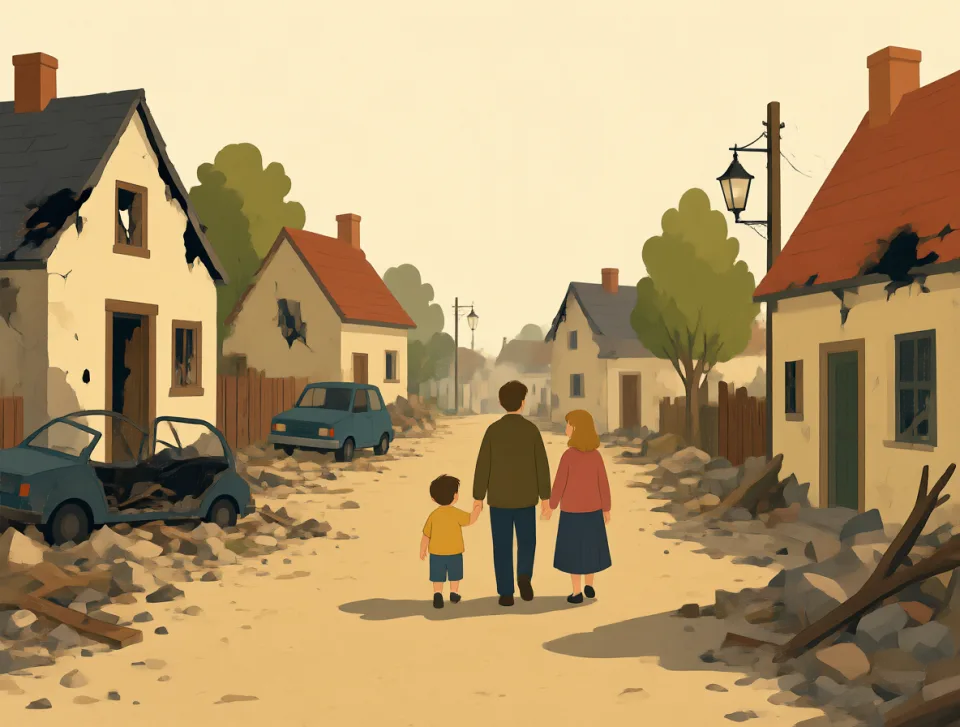
The war left a trail of destruction through several villages.
युद्ध ने कई गाँवों में तबाही के निशान छोड़ दिए।
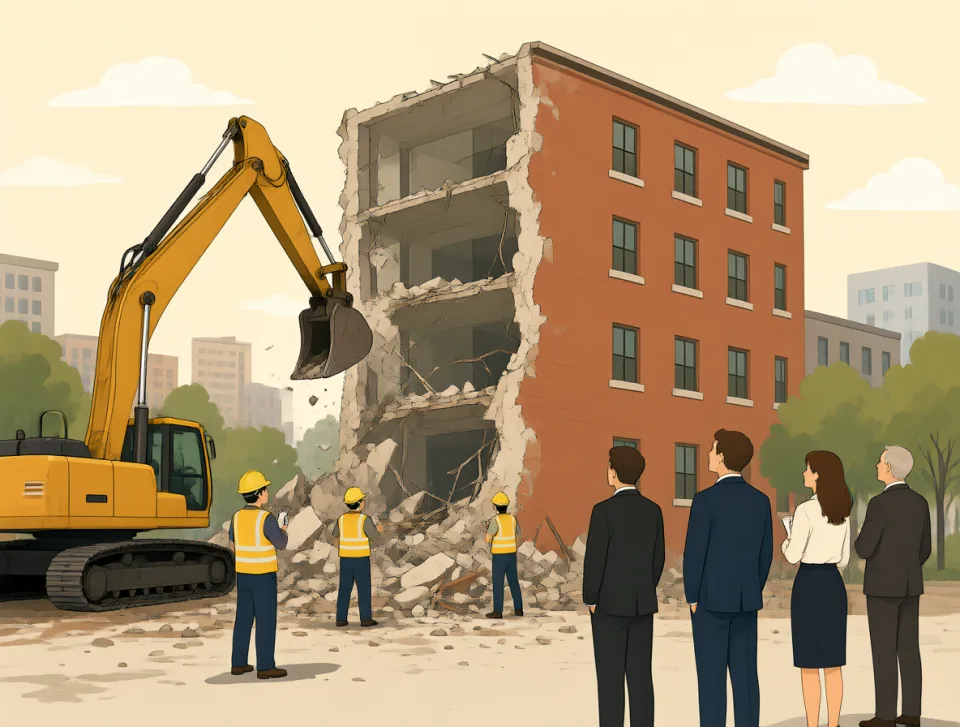
The company paid for the destruction of the old office building.
कंपनी ने पुराने कार्यालय भवन को गिराने का खर्च उठाया।
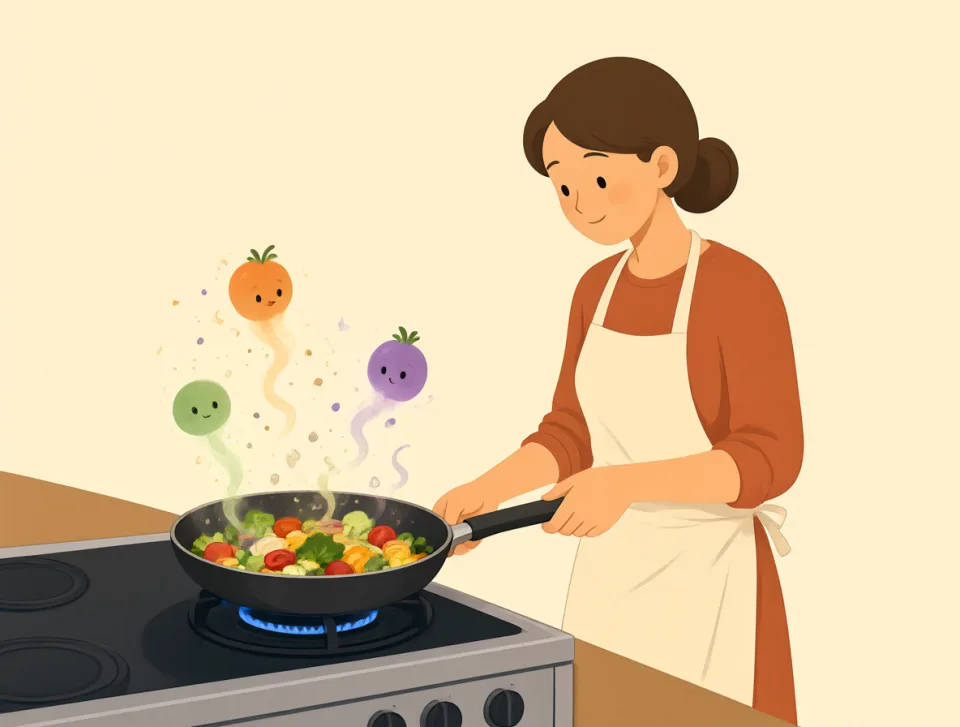
Too much heat can cause the destruction of important vitamins in food.
बहुत ज़्यादा गर्मी खाने में मौजूद ज़रूरी विटामिनों को नष्ट कर सकती है।
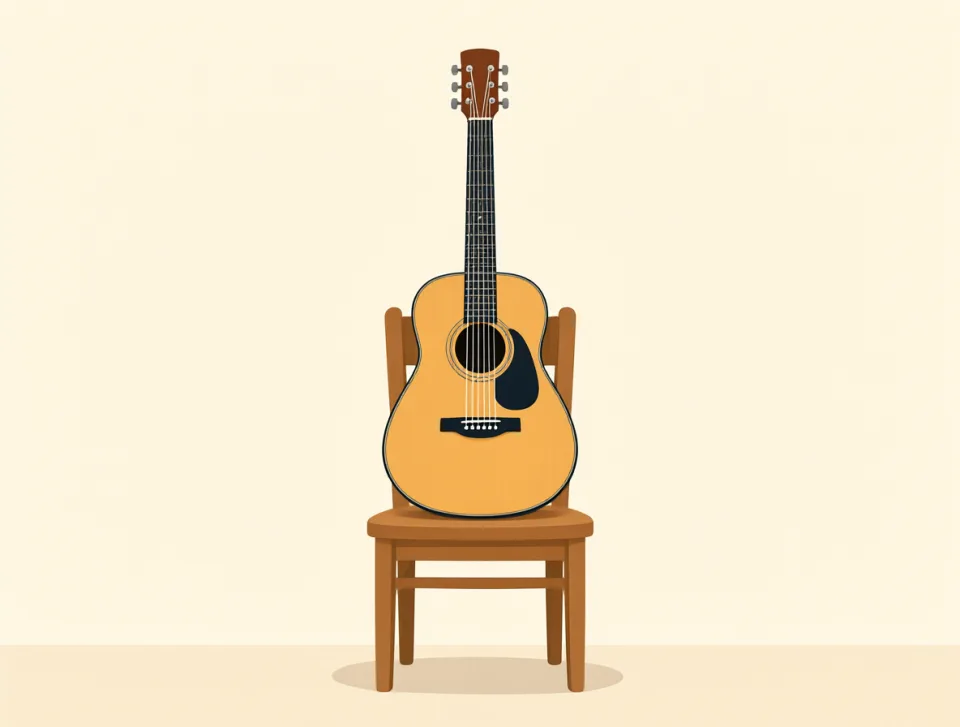
guitar
#2589noun
गिटार
a musical instrument with six strings, played by moving your fingers across them
छह तारों वाला एक वाद्ययंत्र, जिसे उँगलियों से तारों को छेड़कर बजाया जाता है
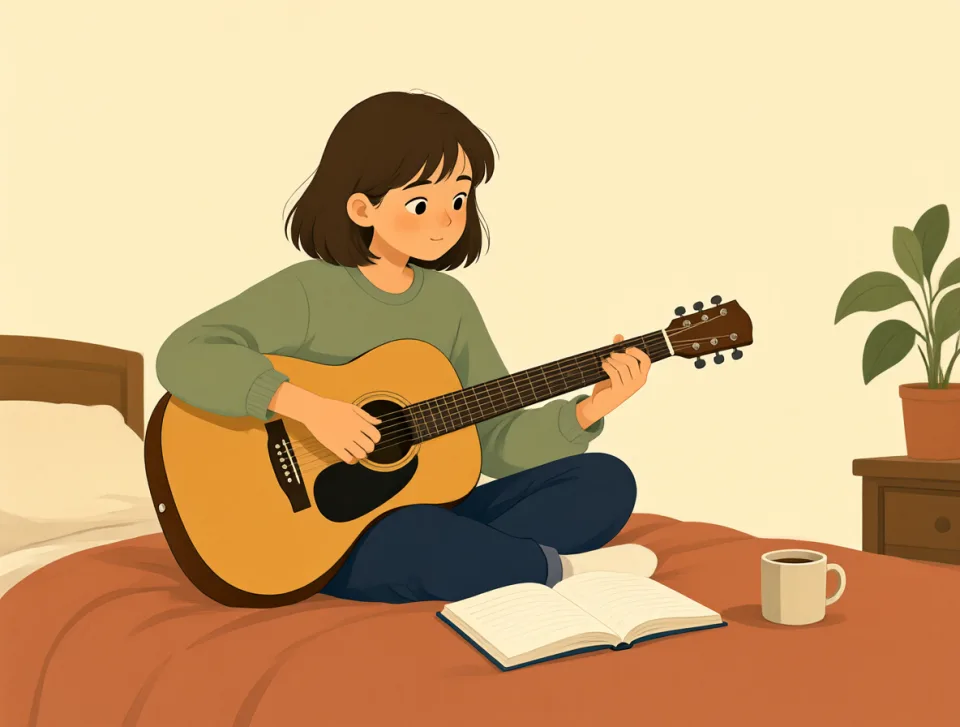
She plays the guitar every evening after finishing her homework.
वह हर शाम अपना होमवर्क पूरा करने के बाद गिटार बजाती है।
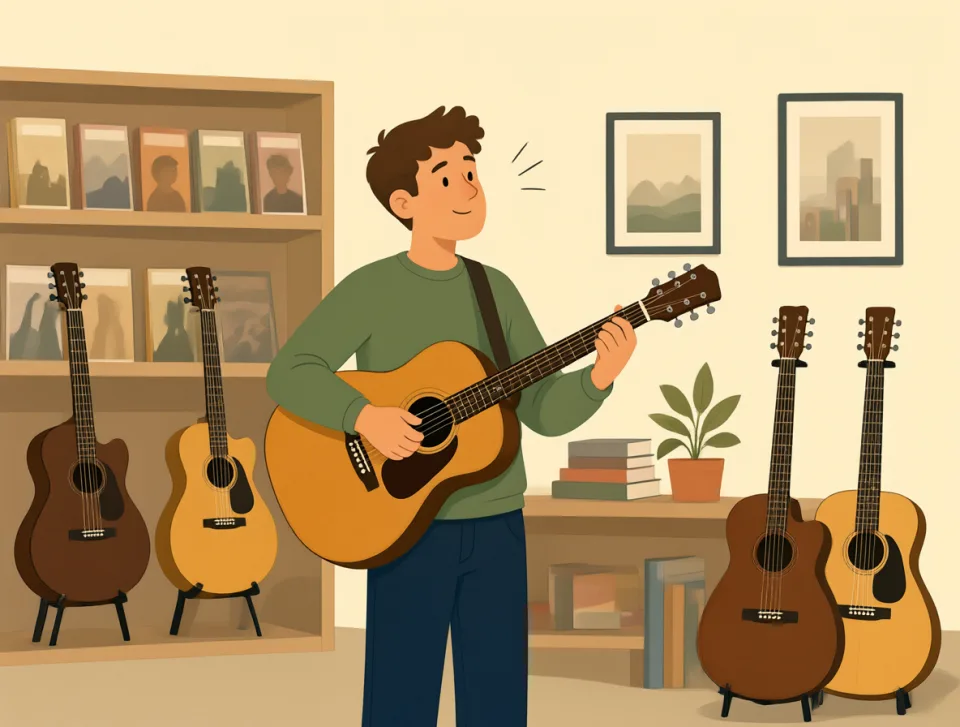
He bought a new guitar from the music shop downtown.
उसने शहर के बीचोंबीच स्थित संगीत की दुकान से नया गिटार खरीदा।
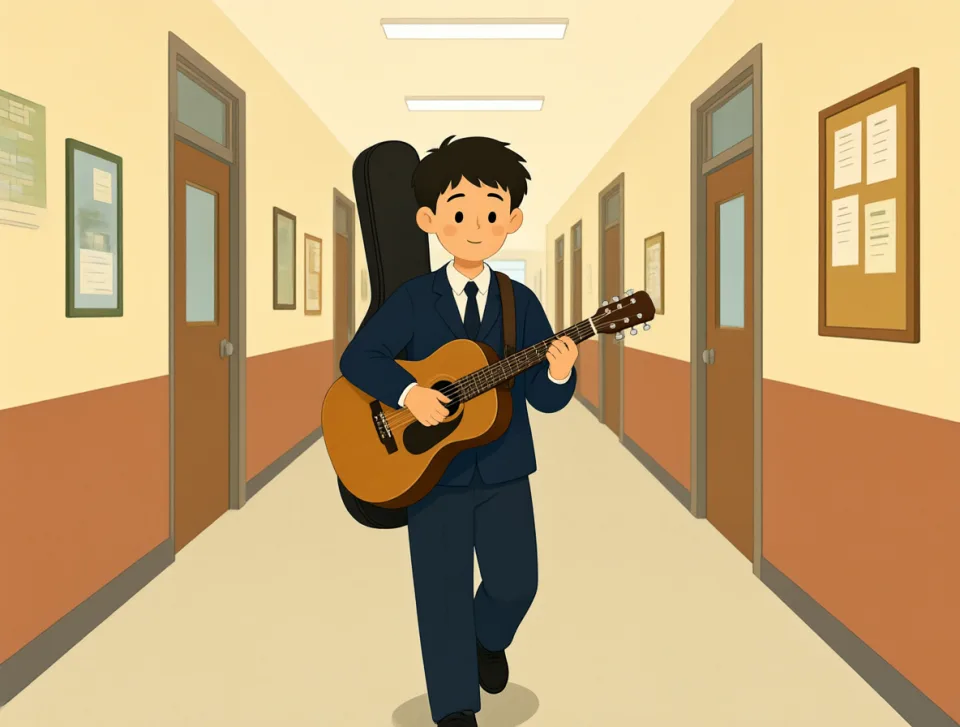
Our teacher asked me to bring my guitar to school tomorrow.
हमारे शिक्षक ने मुझसे कल अपना गिटार स्कूल लाने को कहा।
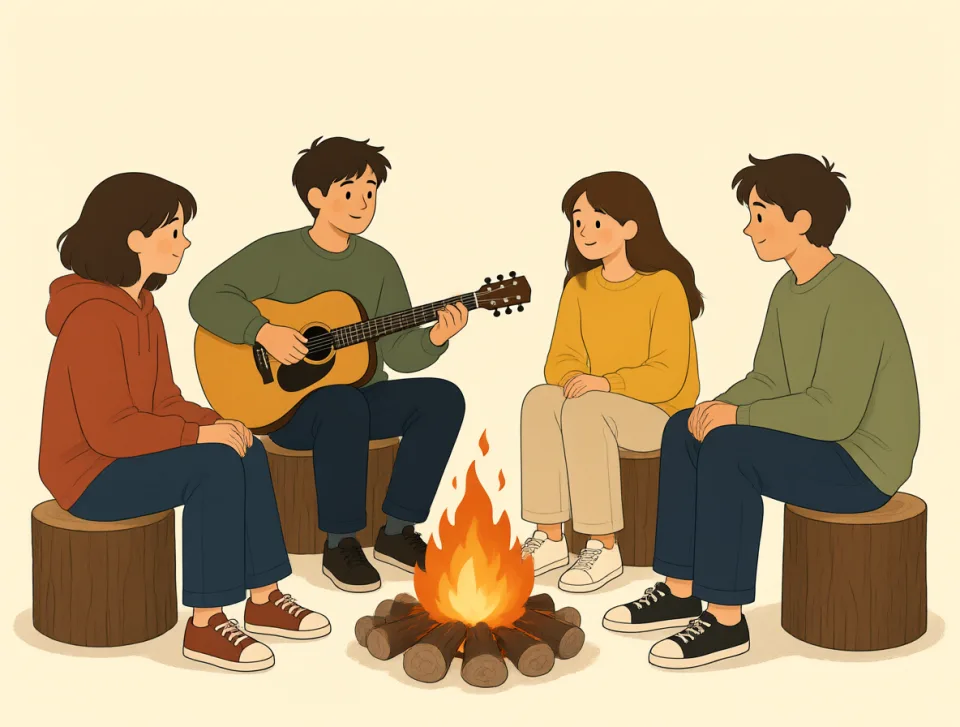
We sang songs and played guitar around the campfire last night.
कल रात हमने अलाव के आसपास गाने गाए और गिटार बजाया।
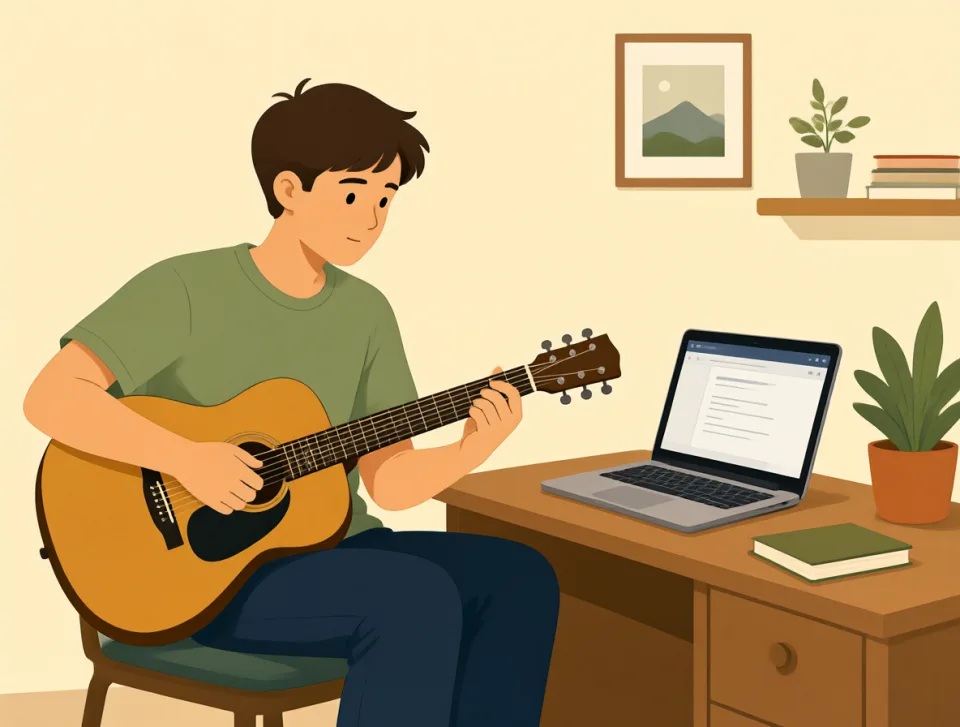
My brother is learning to play the guitar with online lessons.
मेरा भाई ऑनलाइन पाठों से गिटार बजाना सीख रहा है।

flag
#2590noun, verb
झंडा
A piece of colored cloth showing a country, group, or symbol; to signal a problem or danger.
रंगीन कपड़े का टुकड़ा जो किसी देश, समूह या प्रतीक को दर्शाता है; किसी समस्या या ख़तरे का संकेत देना।
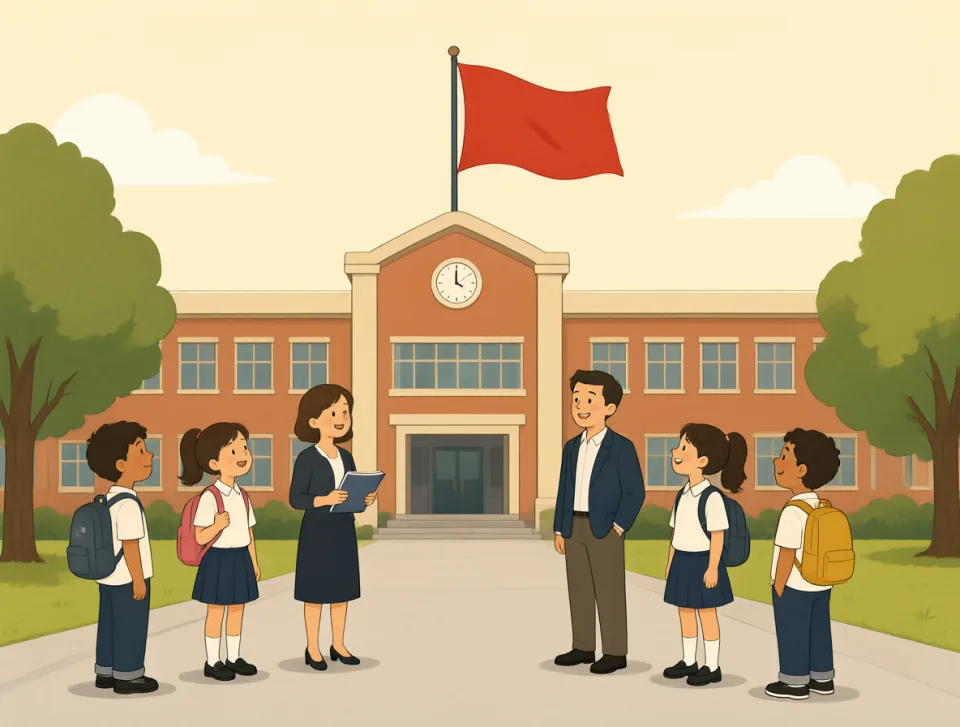
The flag was flying above the school entrance during the ceremony.
समारोह के दौरान स्कूल के प्रवेशद्वार के ऊपर झंडा लहरा रहा था।
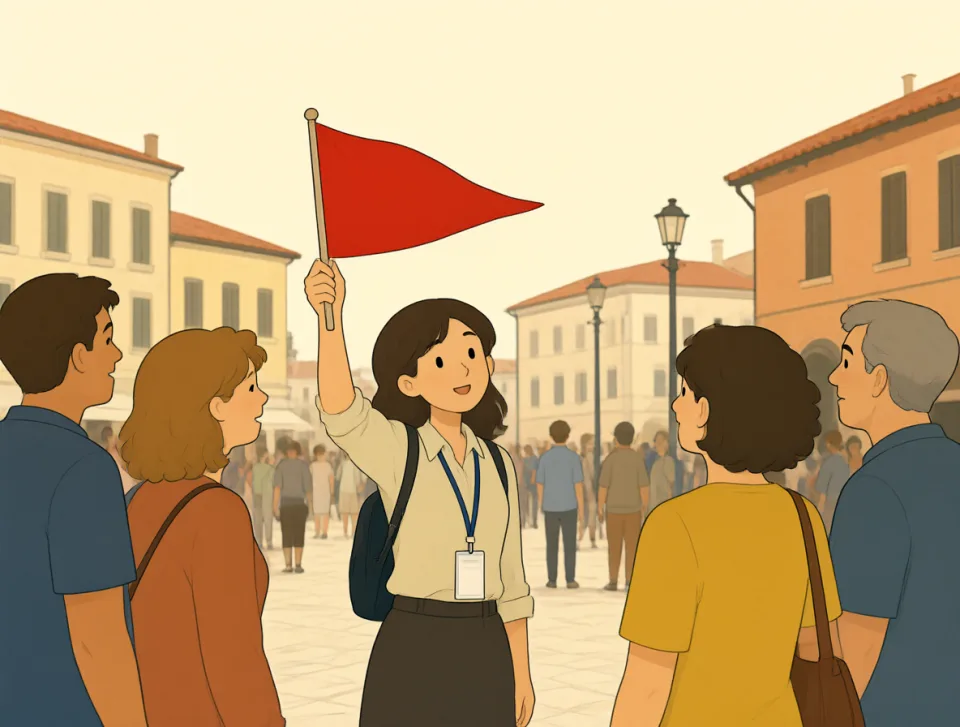
The tour guide raised a flag so the group could find her.
टूर गाइड ने एक झंडा उठाया ताकि समूह के लोग उसे ढूँढ़ सकें।

Please flag any problems in the report before the meeting tomorrow.
कृपया कल की बैठक से पहले रिपोर्ट में किसी भी समस्या को चिह्नित कर दें।

The hotel put a small flag on our table when dinner was ready.
खाना तैयार होने पर होटल ने हमारी मेज़ पर एक छोटा-सा झंडा रख दिया।
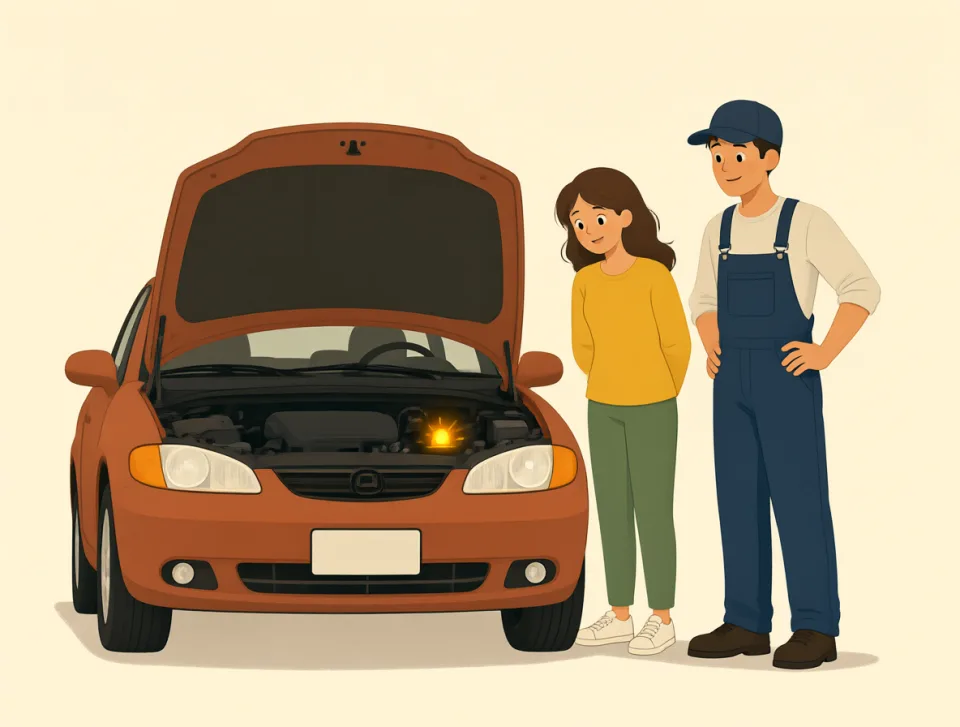
The warning light flagged a possible problem with the car engine.
चेतावनी वाली बत्ती ने कार के इंजन में संभावित समस्या का संकेत दिया।
piano
#2591noun
पियानो
a large musical instrument with black and white keys that you play with your fingers
काले और सफेद कुंजियों वाला एक बड़ा वाद्ययंत्र, जिसे उँगलियों से बजाया जाता है।
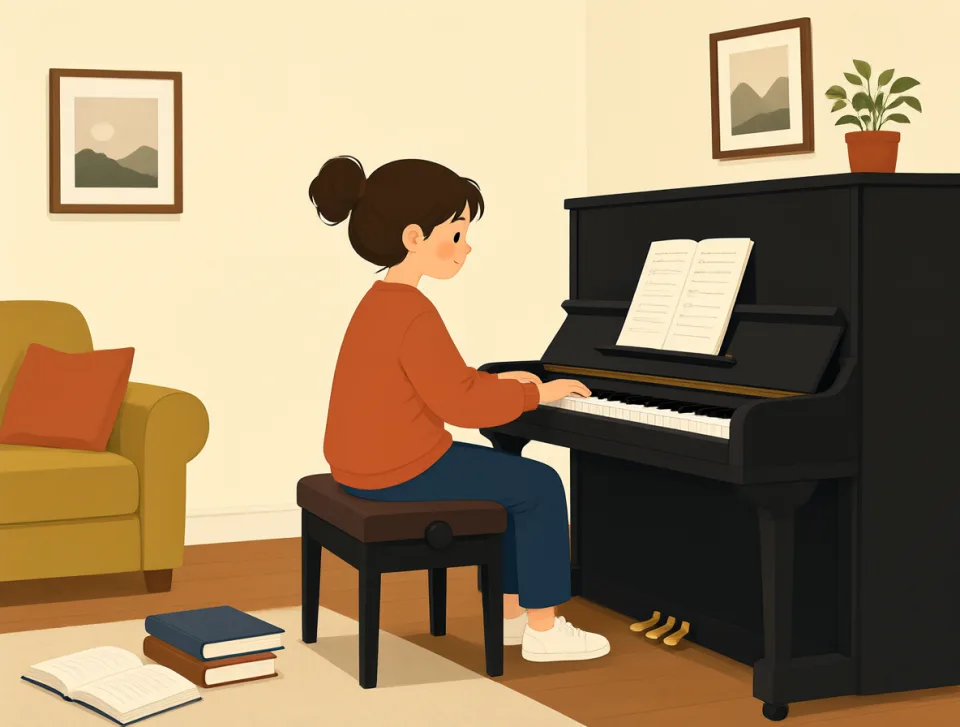
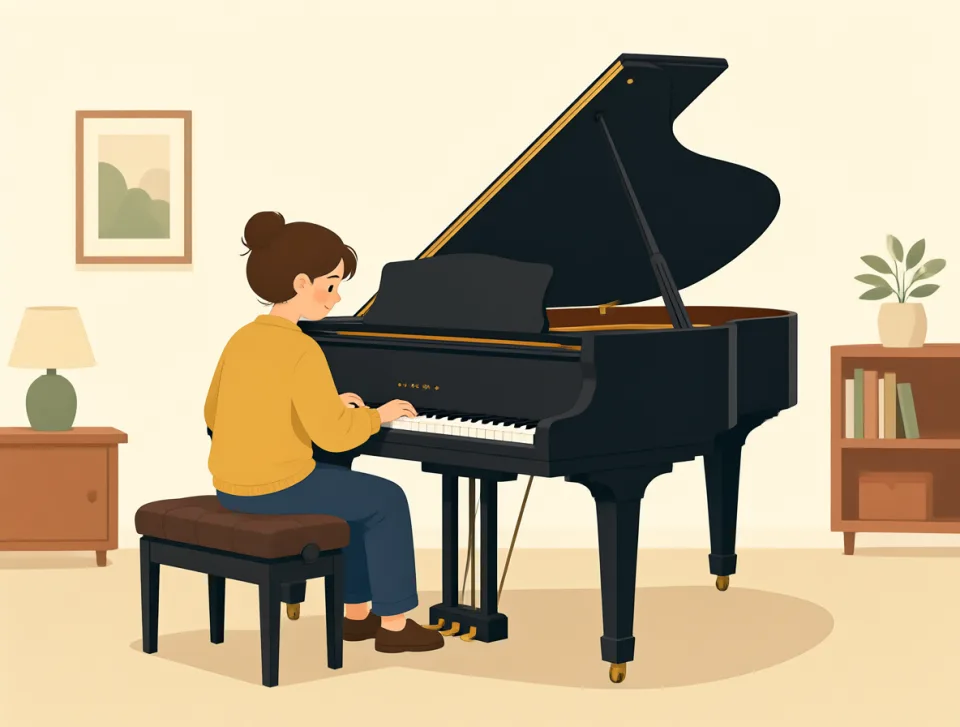
My sister practices the piano every evening after she finishes her homework.
मेरी बहन हर शाम अपना होमवर्क पूरा करने के बाद पियानो का अभ्यास करती है।

There is a beautiful piano in the corner of our hotel lobby.
हमारे होटल की लॉबी के कोने में एक सुंदर पियानो है।
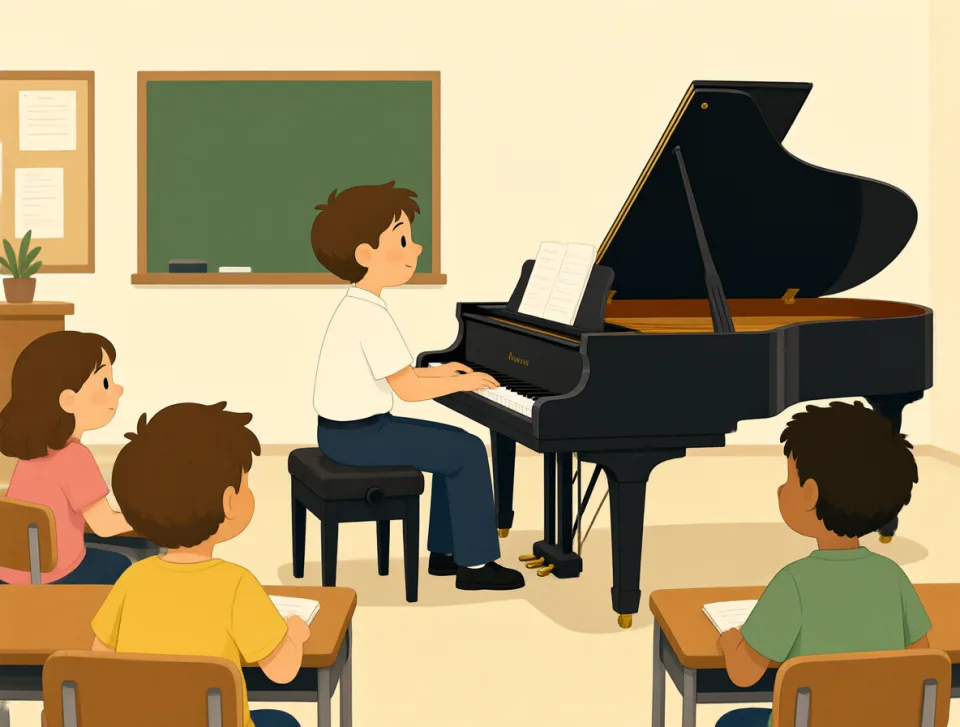
The music teacher asked Tom to play the piano for the class.
संगीत के शिक्षक ने टॉम से कक्षा के लिए पियानो बजाने को कहा।
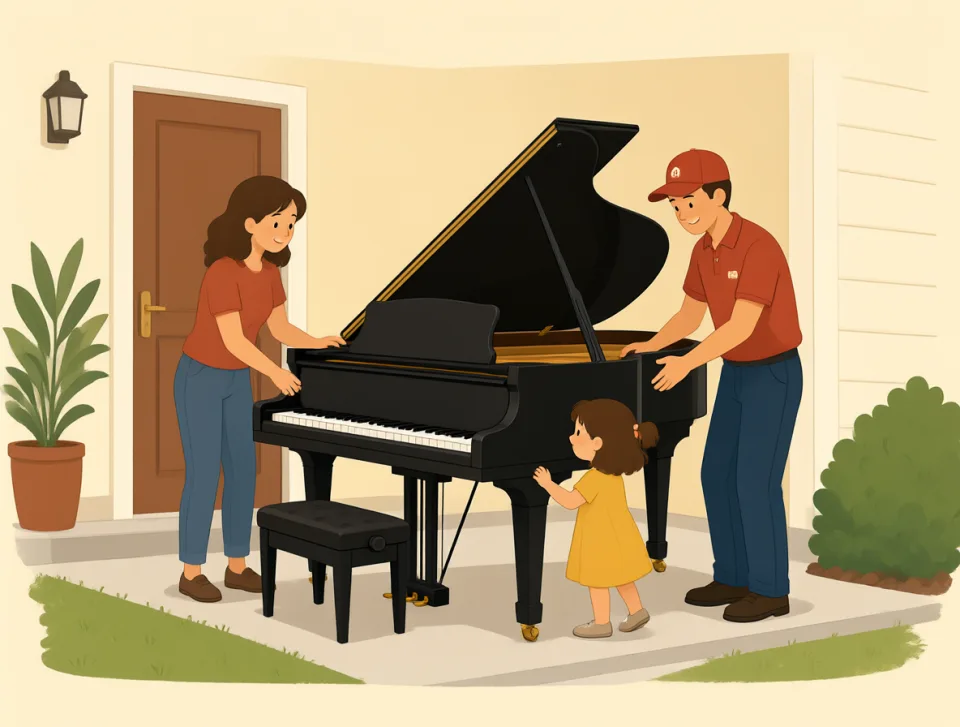
We bought a second-hand piano from a family moving to another city.
हमने एक ऐसे परिवार से पुराना पियानो खरीदा जो दूसरे शहर जा रहा था।
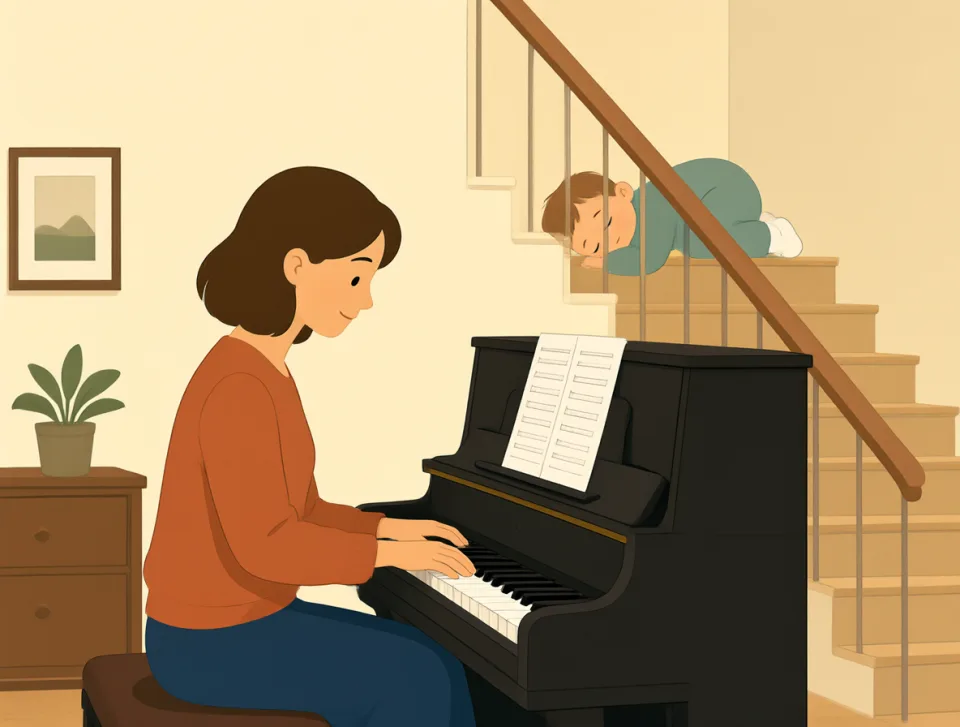
She played the piano softly while her baby slept upstairs.
जब उसका बच्चा ऊपर सो रहा था, तब उसने धीरे से पियानो बजाया।
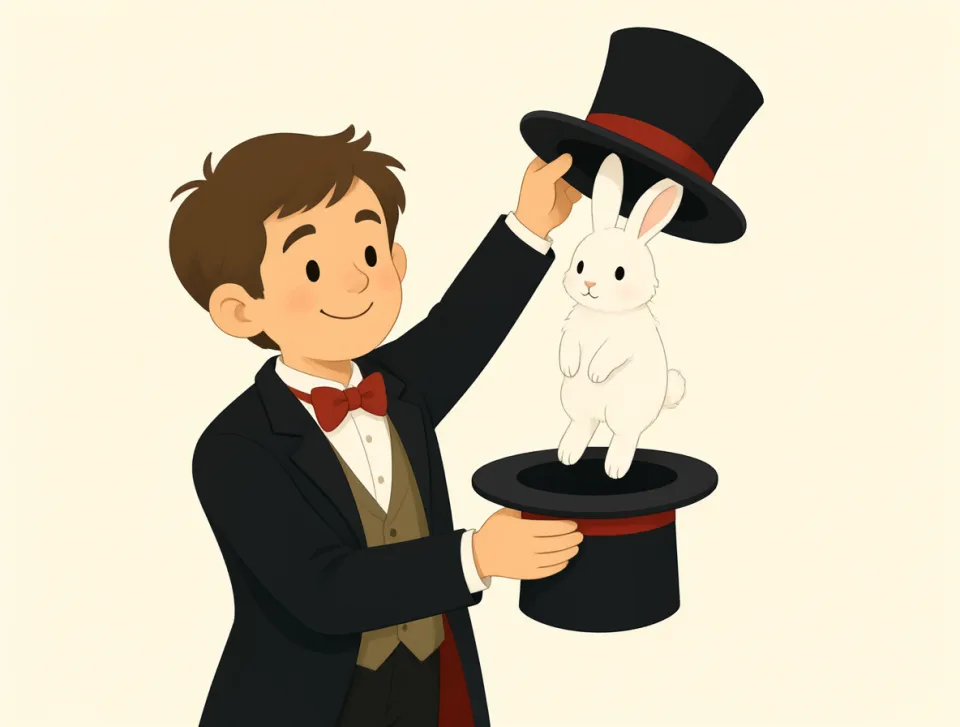
magic
#2592noun, adjective
जादू
A special power that seems to make impossible things happen; wonderful or exciting.
ऐसी विशेष शक्ति जिससे असंभव चीज़ें होती हुई लगती हैं; कोई अद्भुत या रोमांचक चीज़।
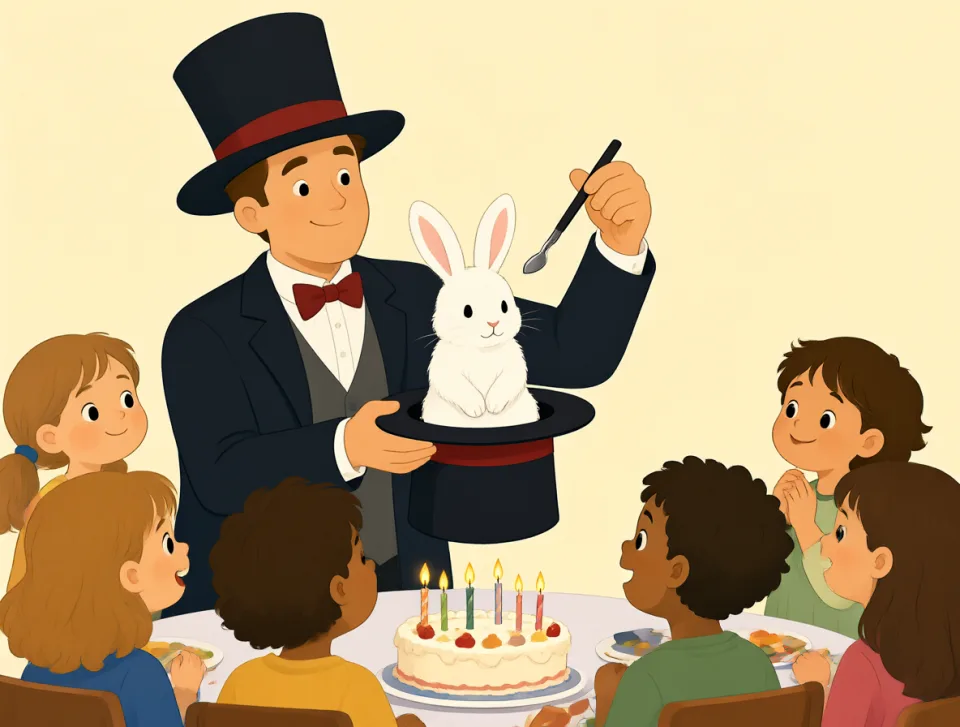
The magician performed a magic trick at my daughter's birthday party.
जादूगर ने मेरी बेटी की जन्मदिन की पार्टी में जादू का एक करतब दिखाया।
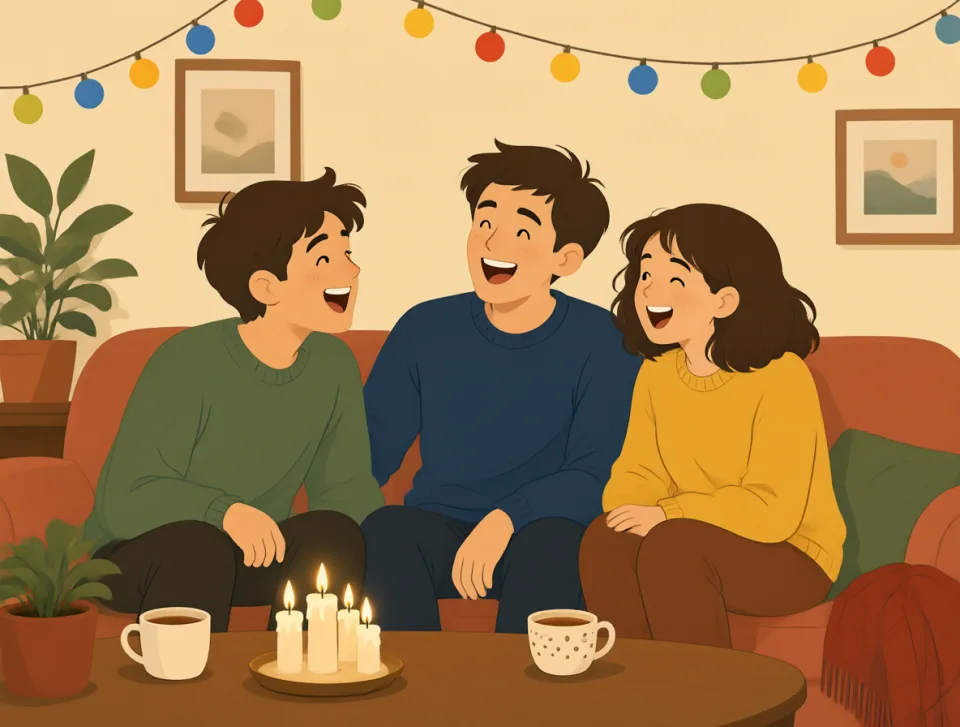
A little magic can make an ordinary evening feel special.
थोड़ा-सा जादू किसी साधारण शाम को भी खास बना सकता है।
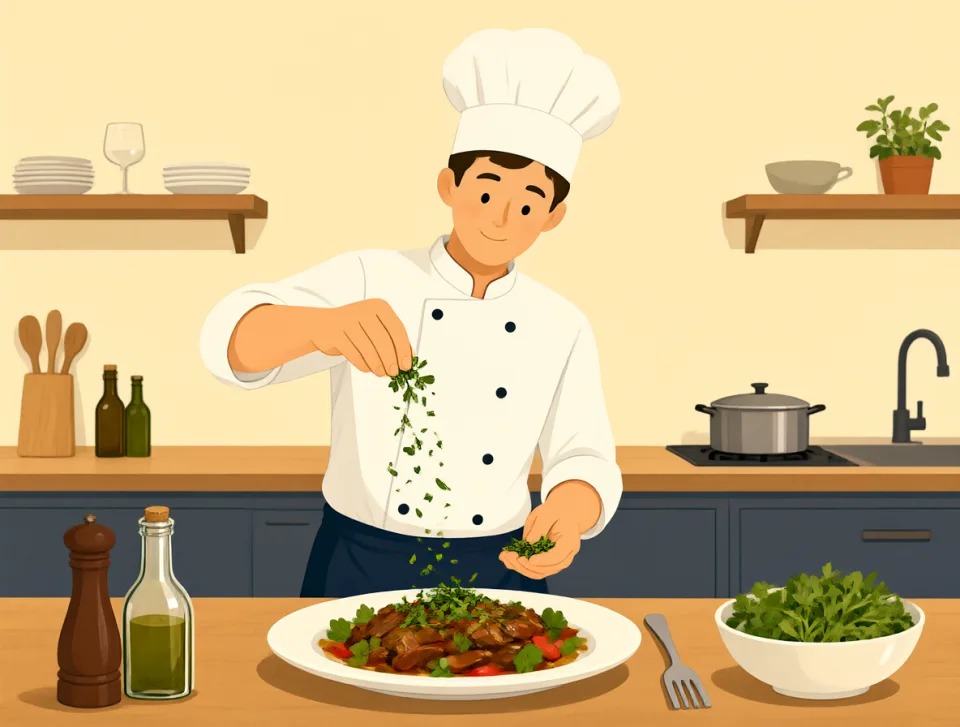
The chef added some magic to the meal with fresh herbs and spices.
रसोइए ने ताज़ी जड़ी-बूटियाँ और मसाले डालकर खाने में खास स्वाद भर दिया।
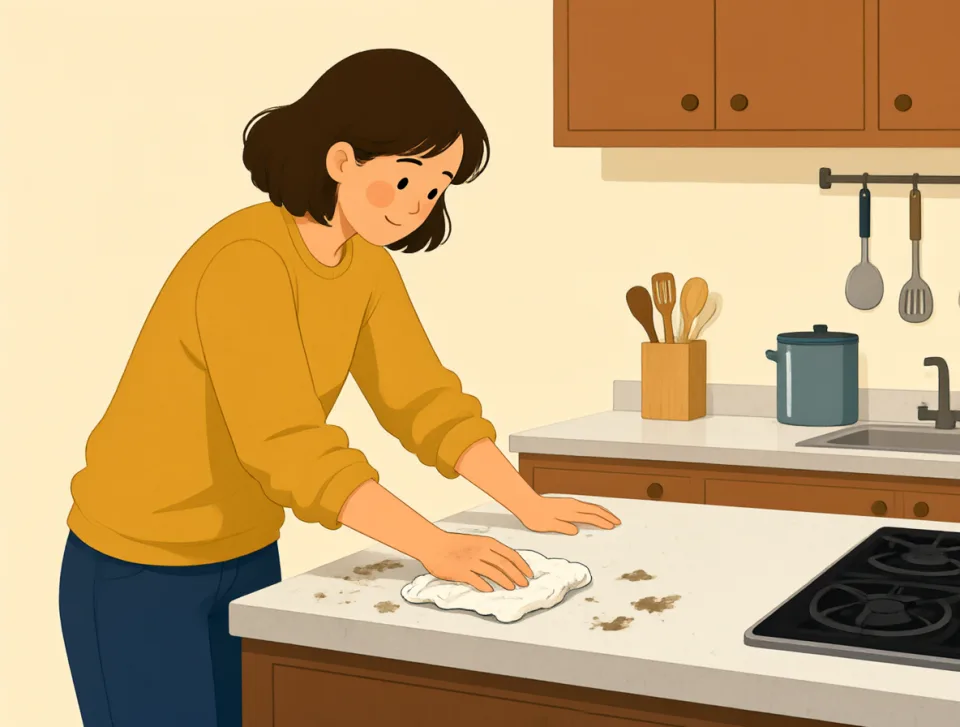
This cleaning spray works like magic on dirty kitchen surfaces.
यह सफ़ाई वाला स्प्रे रसोई की गंदी सतहों पर जादू जैसा असर करता है।
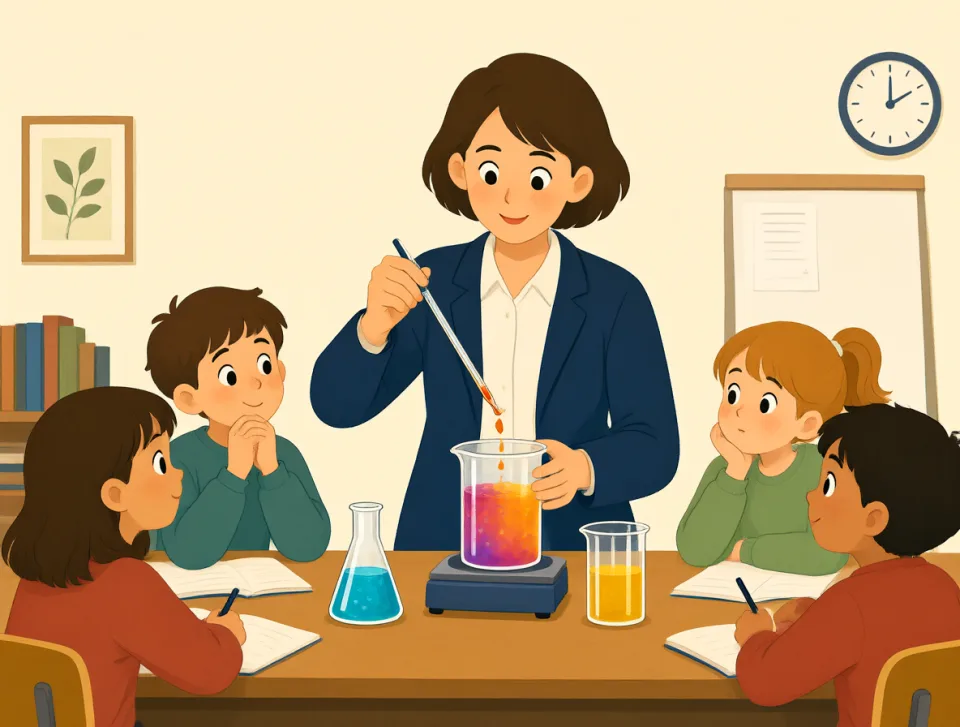
The teacher used magic to make the science lesson exciting.
शिक्षक ने विज्ञान के पाठ को रोमांचक बनाने के लिए जादू का इस्तेमाल किया।

mystery
#2593noun
रहस्य
Something difficult to understand or explain, especially a strange event or unknown situation.
ऐसी बात जिसे समझना या समझाना मुश्किल हो, खासकर कोई अजीब घटना या अनजानी स्थिति।
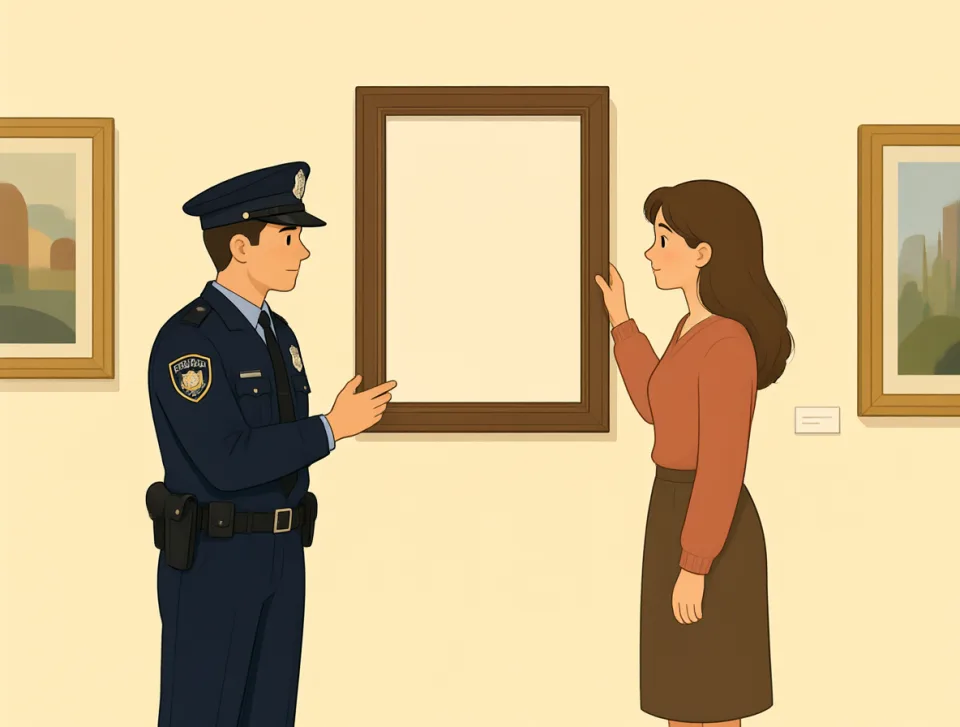
The police are trying to solve the mystery of the missing painting.
पुलिस गुम हुई पेंटिंग का रहस्य सुलझाने की कोशिश कर रही है।
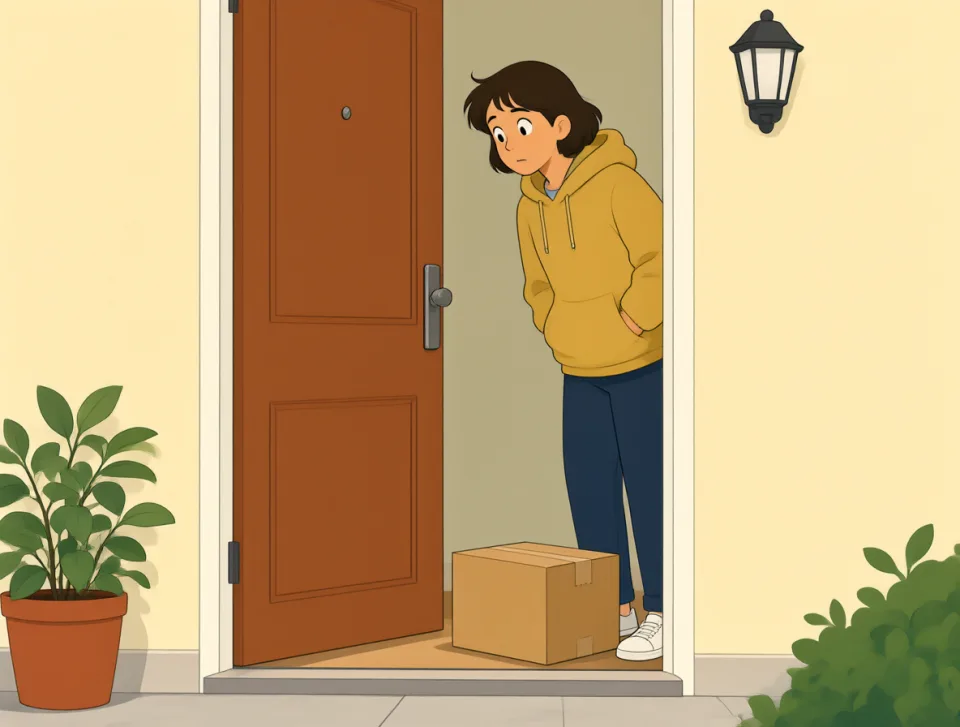
There was a mystery package waiting for me outside my front door.
मेरे सामने वाले दरवाज़े के बाहर एक रहस्यमय पैकेट मेरा इंतज़ार कर रहा था।
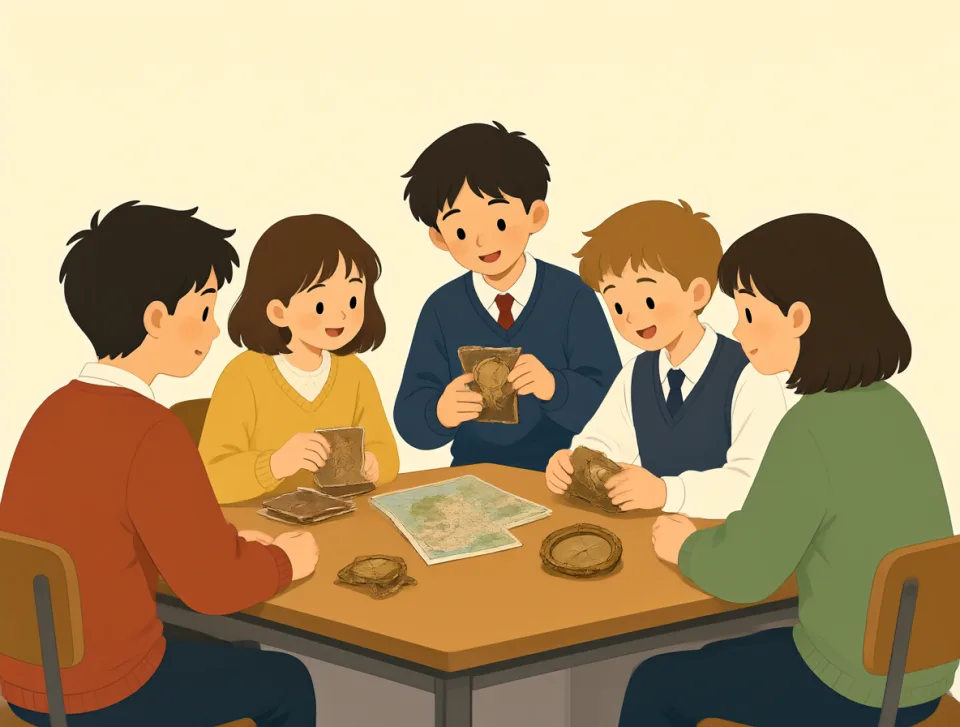
The teacher gave us a history mystery to discuss in small groups.
शिक्षक ने छोटे समूहों में चर्चा करने के लिए हमें इतिहास से जुड़ा एक रहस्य दिया।
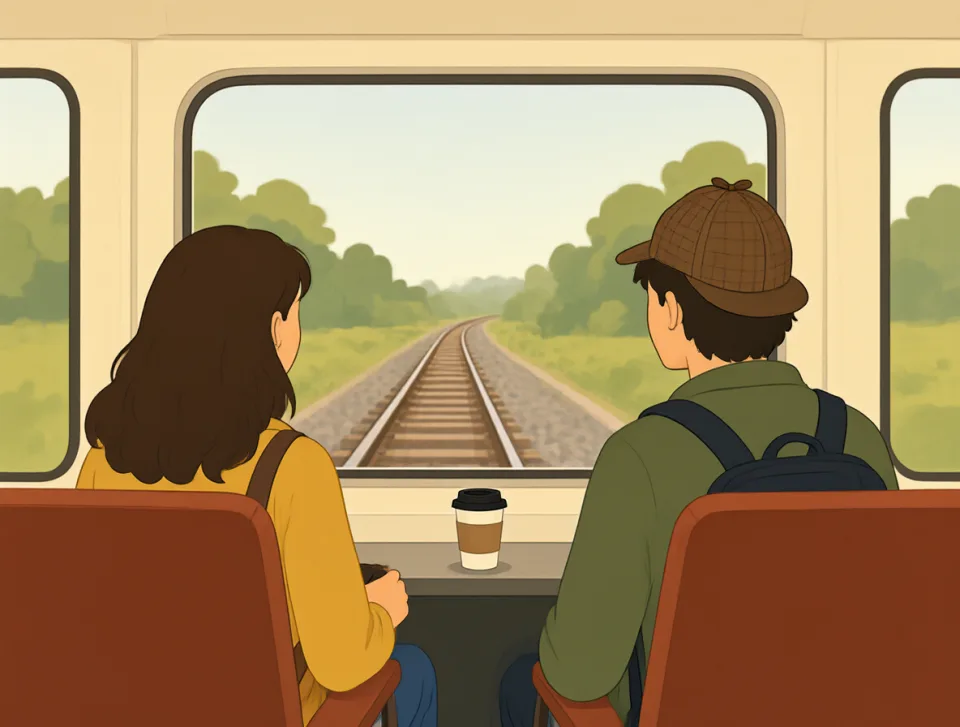
We watched a mystery movie during our train journey through the mountains.
पहाड़ों से होकर ट्रेन के सफ़र के दौरान हमने रहस्य से भरी एक फ़िल्म देखी।
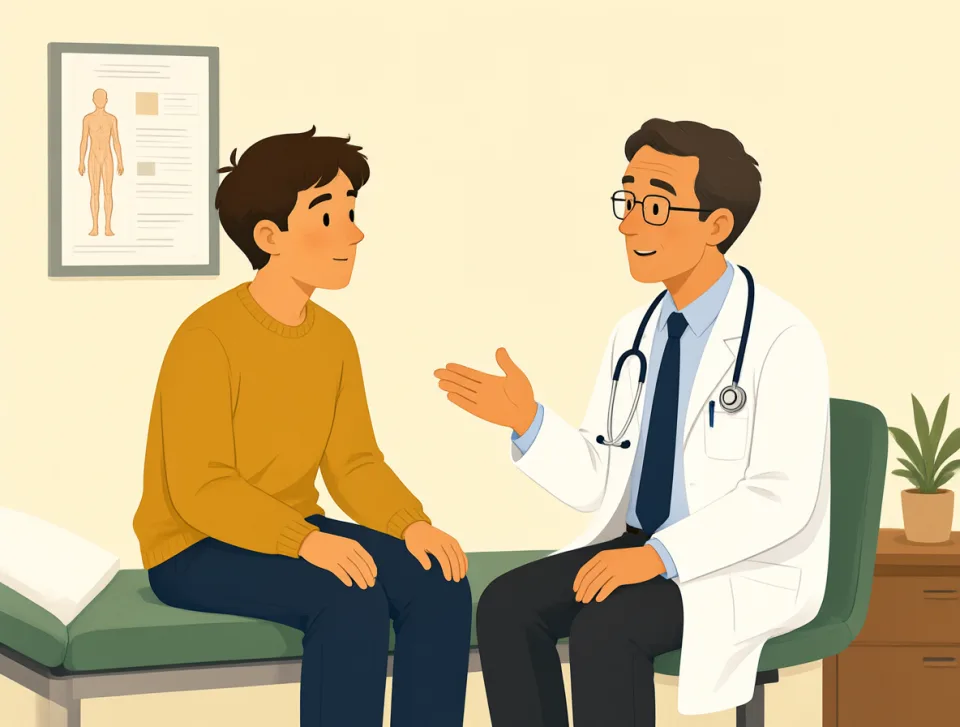
The doctor solved the mystery of my stomach pain after several tests.
कई जाँचों के बाद डॉक्टर ने मेरे पेट-दर्द का कारण ढूँढ़ निकाला।
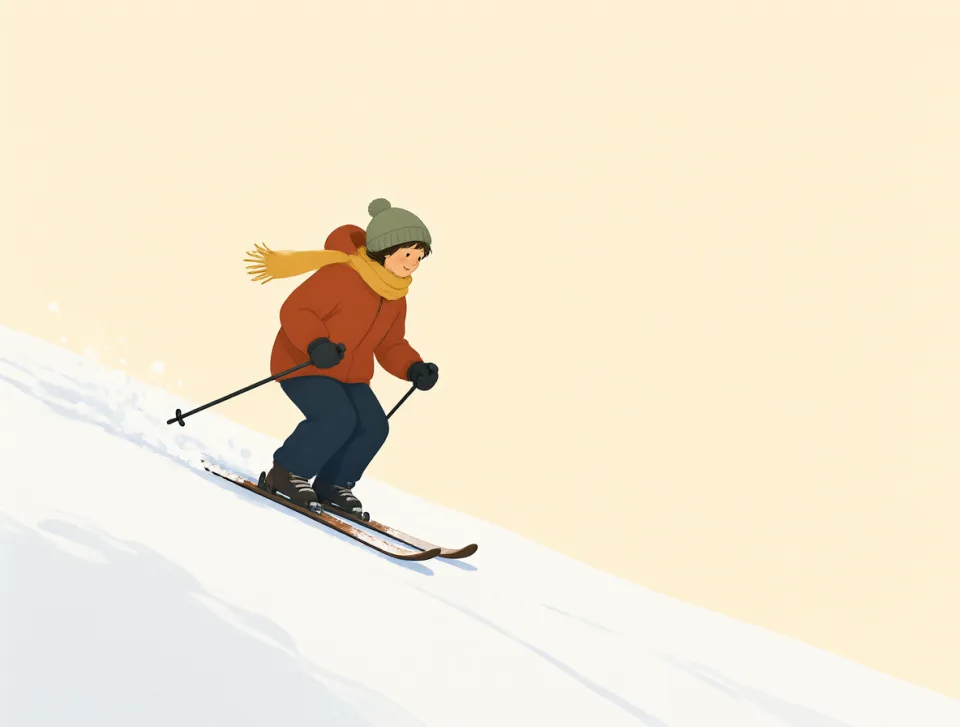
ski
#2594noun, verb
स्की
A narrow board for sliding over snow, or to move over snow using skis.
बर्फ़ पर फिसलने के लिए इस्तेमाल होने वाला एक पतला तख्ता, या स्की पहनकर बर्फ़ पर फिसलना।
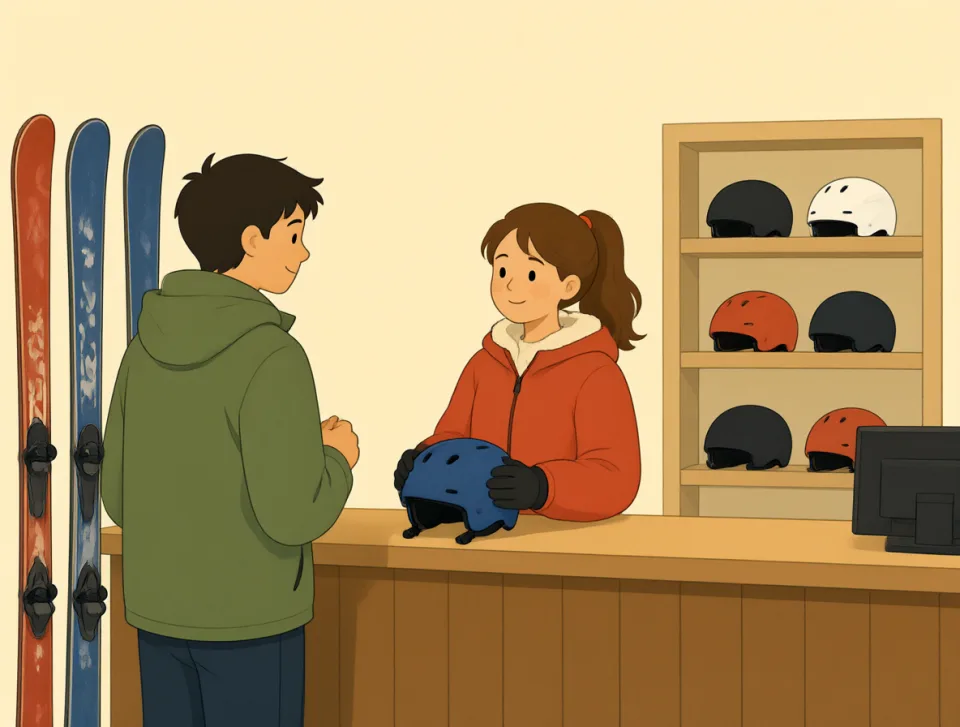
We rented skis and helmets before going up the mountain.
पहाड़ पर जाने से पहले हमने स्की और हेलमेट किराए पर लिए।
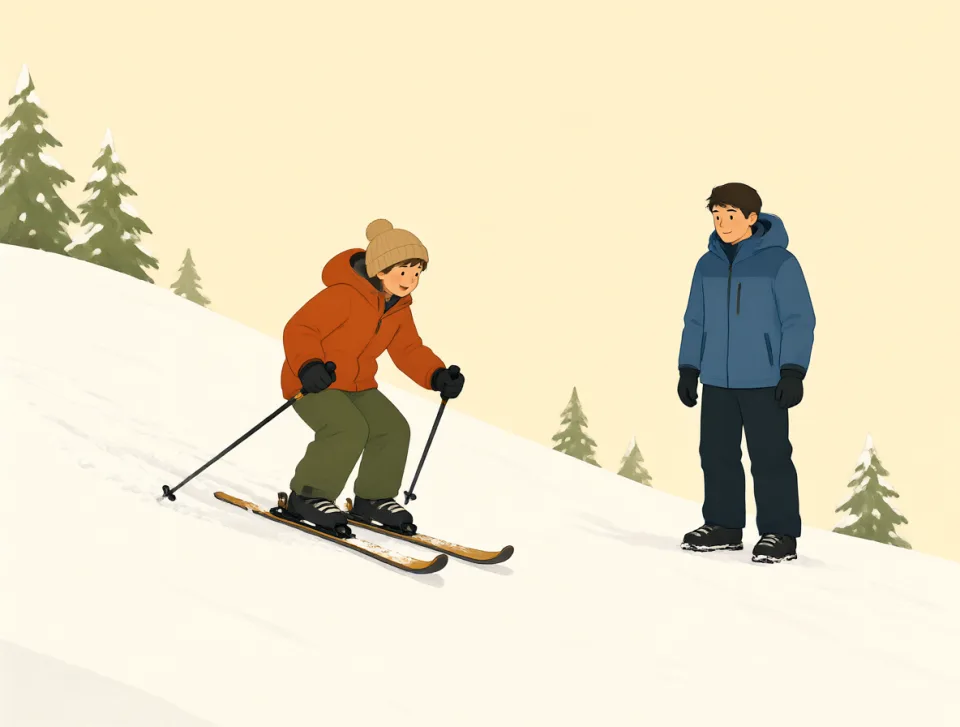
My brother learned to ski during his winter holiday in Canada.
मेरे भाई ने कनाडा में अपनी सर्दियों की छुट्टियों के दौरान स्की करना सीखा।
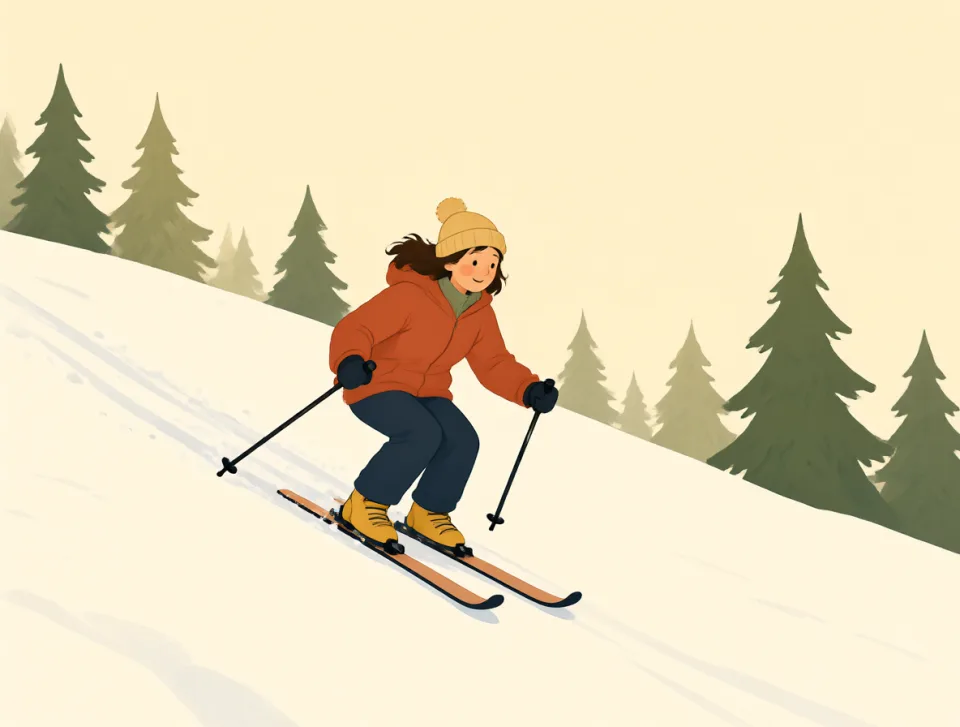
She skis every weekend when the weather is cold and sunny.
ठंड और धूप वाले मौसम में वह हर सप्ताहांत स्की करती है।
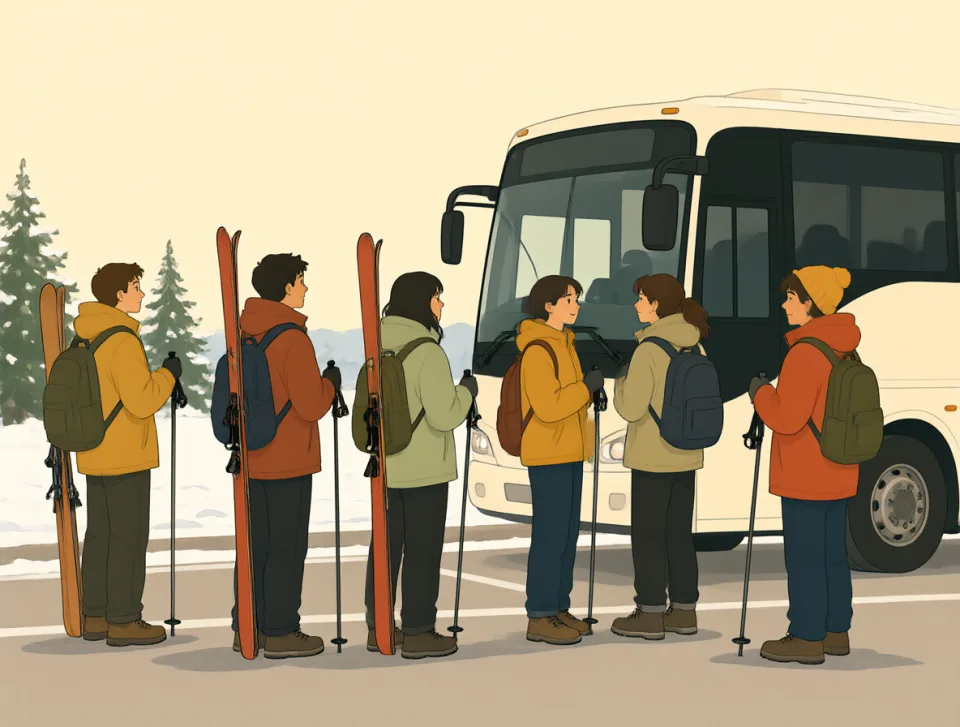
The school organized a ski trip for students during the winter break.
स्कूल ने सर्दियों की छुट्टियों में विद्यार्थियों के लिए स्की की सैर आयोजित की।
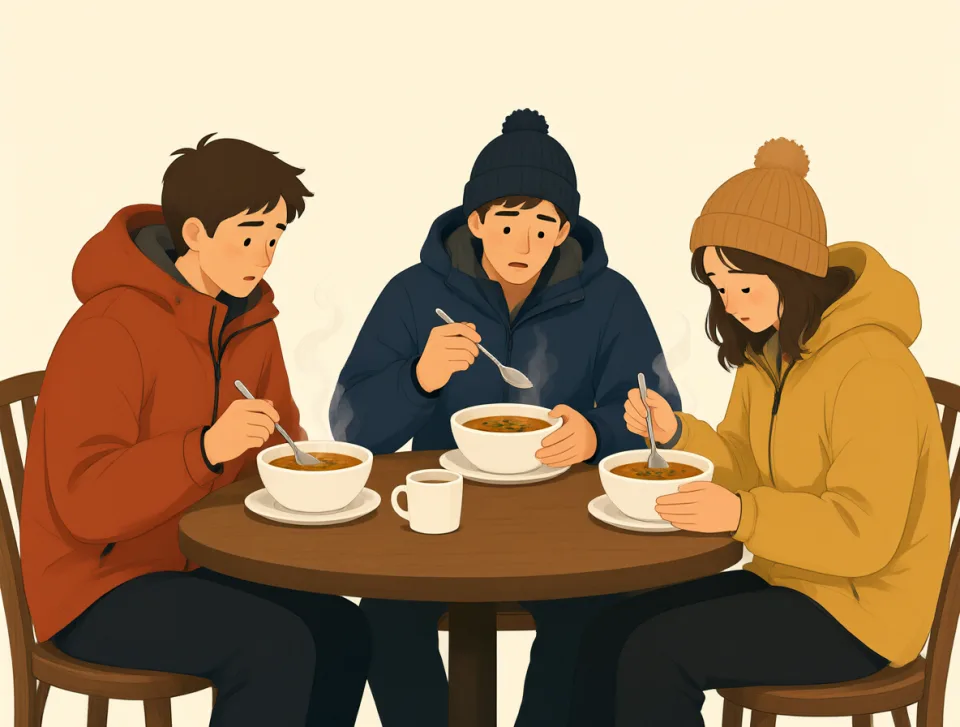
After skiing all day, we ate hot soup in the mountain café.
पूरा दिन स्की करने के बाद हमने पहाड़ के कैफ़े में गरम सूप पिया।
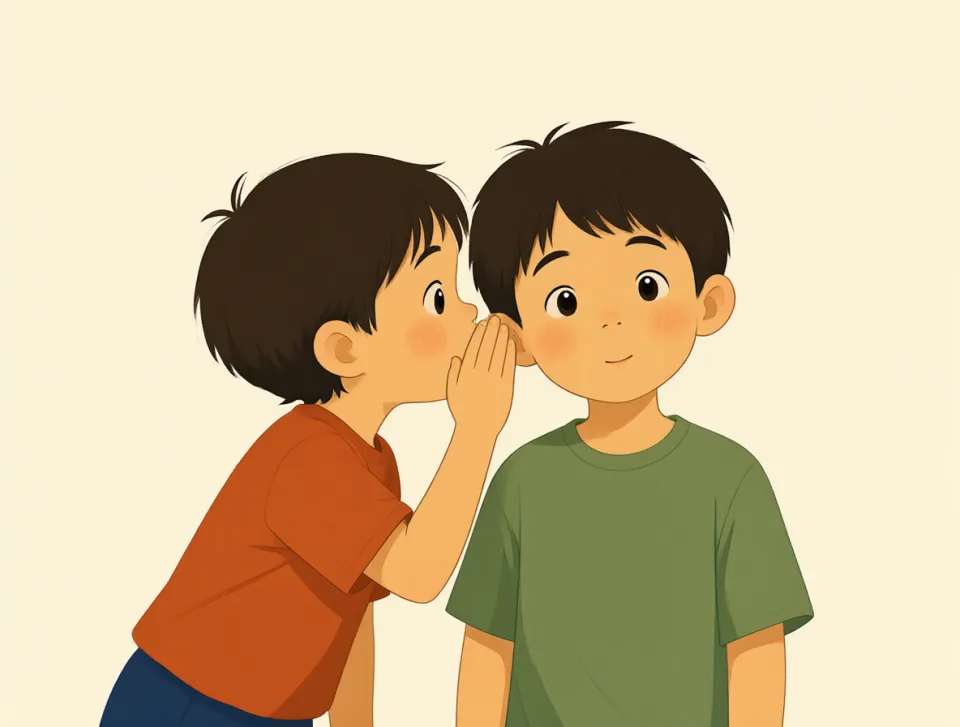
whisper
#2595noun, verb
फुसफुसाना
To speak very quietly, or a quiet way of speaking.
बहुत धीमी आवाज़ में बोलना, या धीमी आवाज़ में बोलने का तरीका।
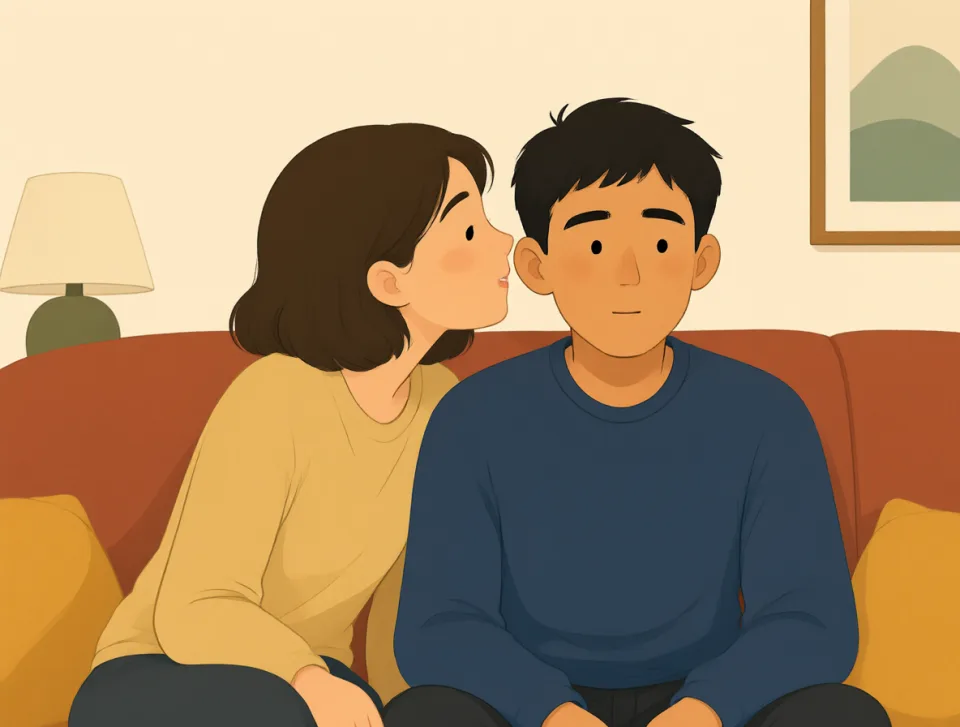
She whispered my name so nobody else could hear.
उसने मेरा नाम फुसफुसाकर कहा ताकि कोई और न सुन सके।

Please whisper; the baby is sleeping in the next room.
कृपया धीरे बोलिए; बगल वाले कमरे में बच्चा सो रहा है।
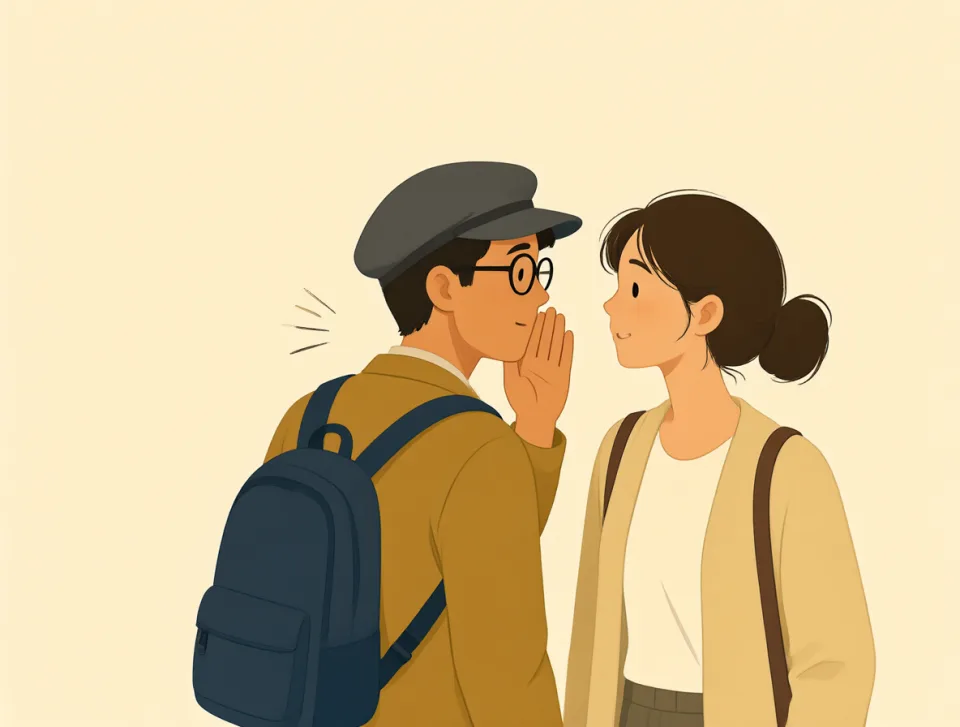
I heard a whisper behind me while waiting for the train.
ट्रेन का इंतज़ार करते हुए मैंने अपने पीछे किसी की फुसफुसाहट सुनी।
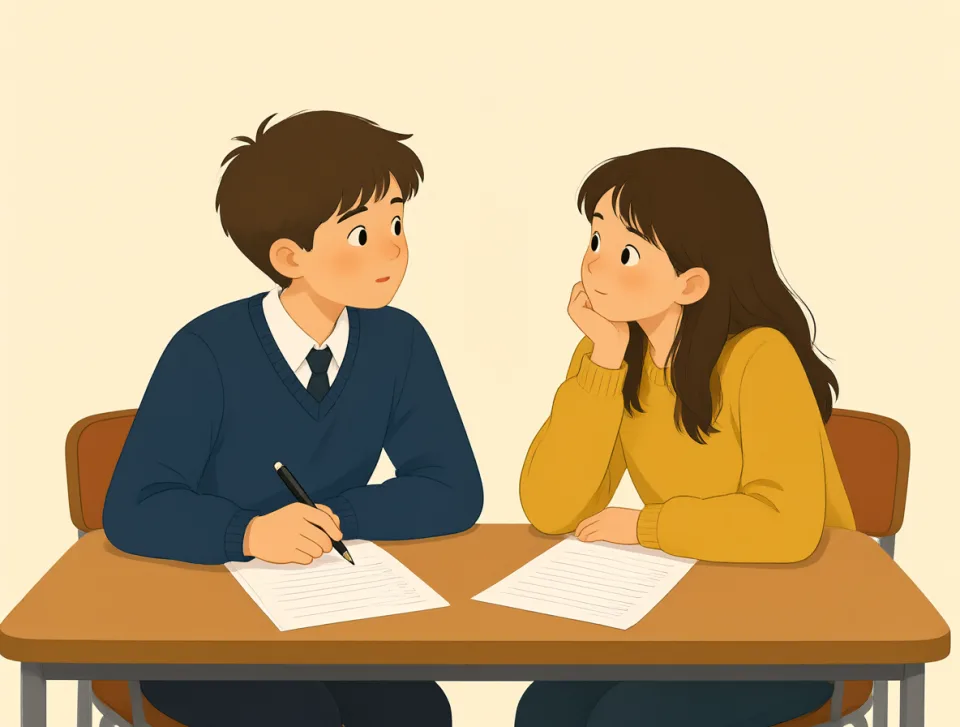
The students whispered to each other during the difficult test.
मुश्किल परीक्षा के दौरान विद्यार्थी एक-दूसरे से फुसफुसाकर बात कर रहे थे।
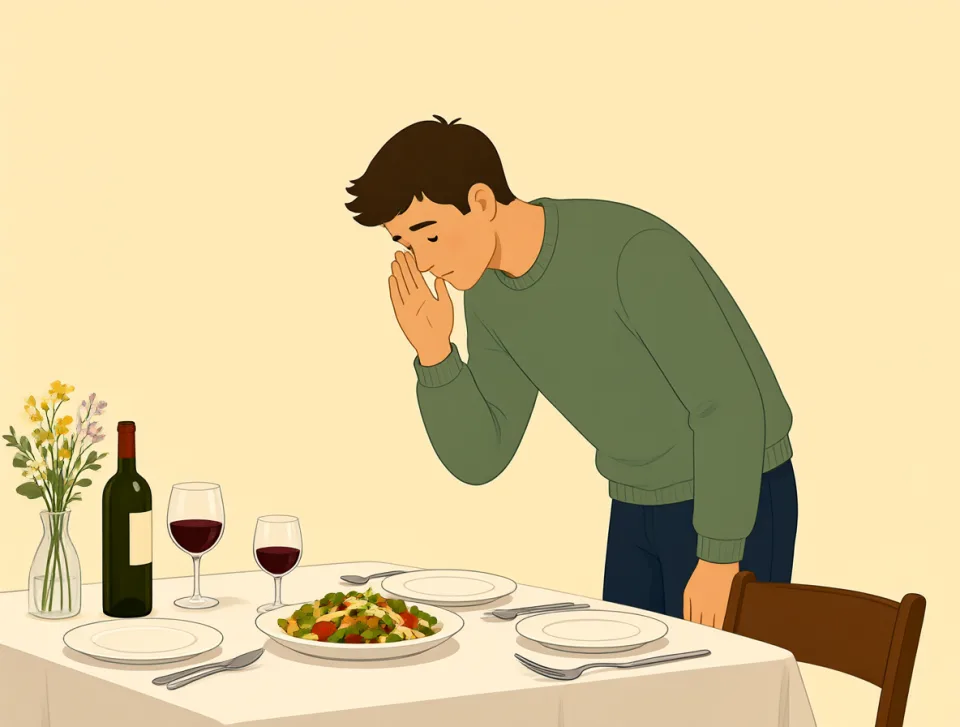
He whispered a prayer before eating his dinner.
उसने रात का खाना खाने से पहले फुसफुसाकर प्रार्थना की।
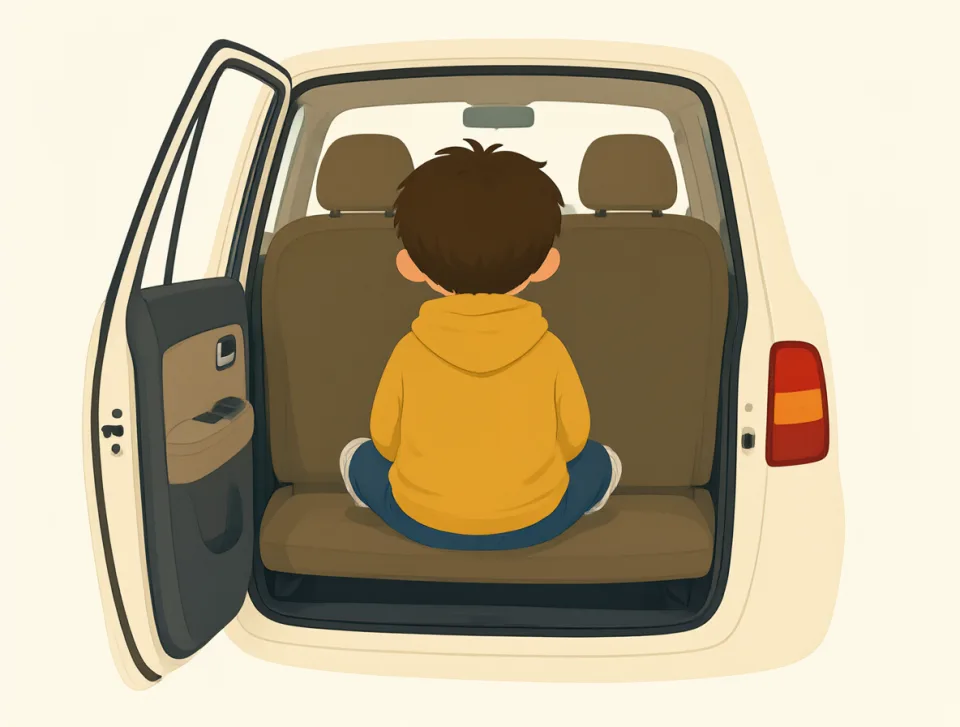
rear
#2596noun, verb, adjective
पीछे का हिस्सा; पालना-पोसना
The back part of something, or to raise and care for children or animals.
किसी चीज़ का पिछला हिस्सा, या बच्चों अथवा जानवरों को पालना और उनकी देखभाल करना।
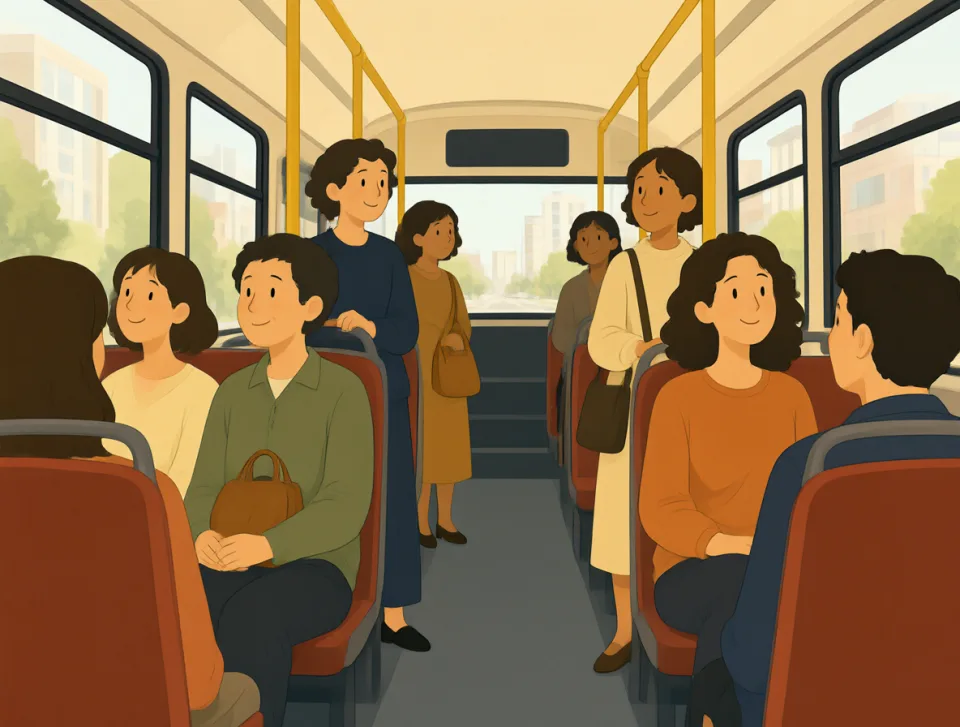
Please sit in the rear of the bus because the front seats are full.
कृपया बस के पीछे बैठिए, क्योंकि आगे की सीटें भरी हुई हैं।

The restaurant has a quiet garden at the rear of the building.
इमारत के पीछे रेस्तराँ का एक शांत बगीचा है।
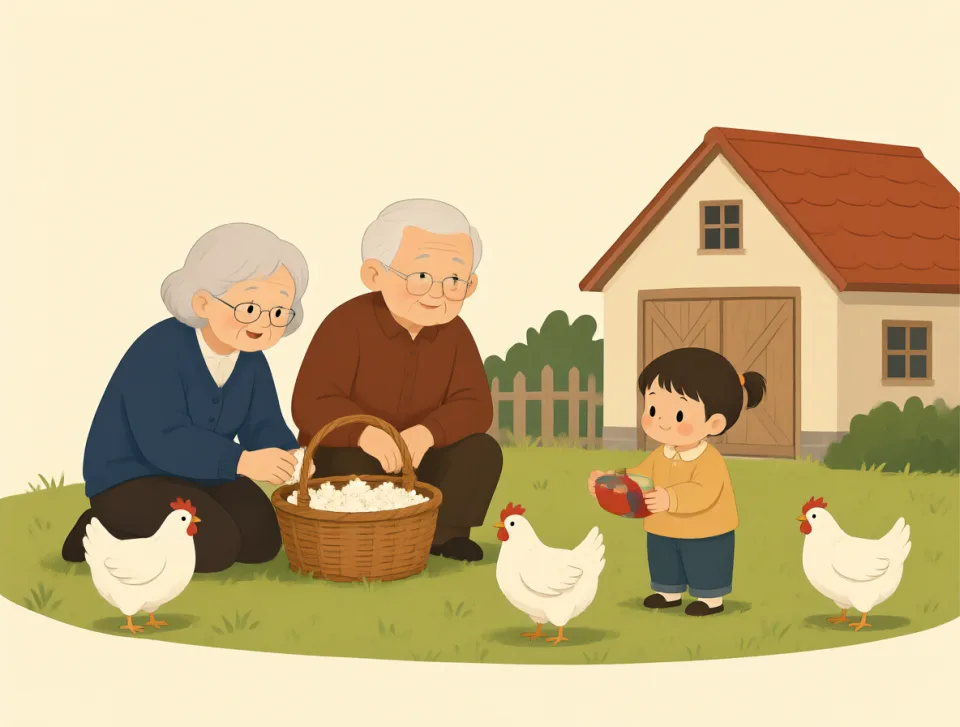
She was raised by grandparents who reared three children on their farm.
उसका पालन-पोषण उन दादा-दादी ने किया, जिन्होंने अपने खेत पर तीन बच्चों को पाला था।
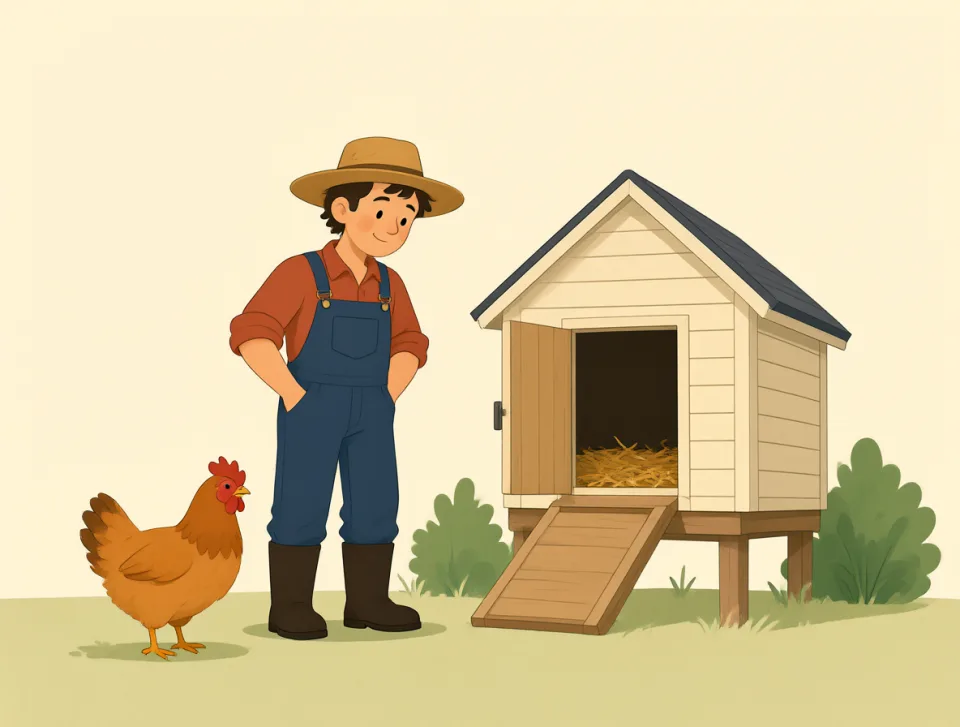
The farmer is rearing chickens for fresh eggs and meat.
किसान ताज़े अंडों और मांस के लिए मुर्गियाँ पाल रहा है।
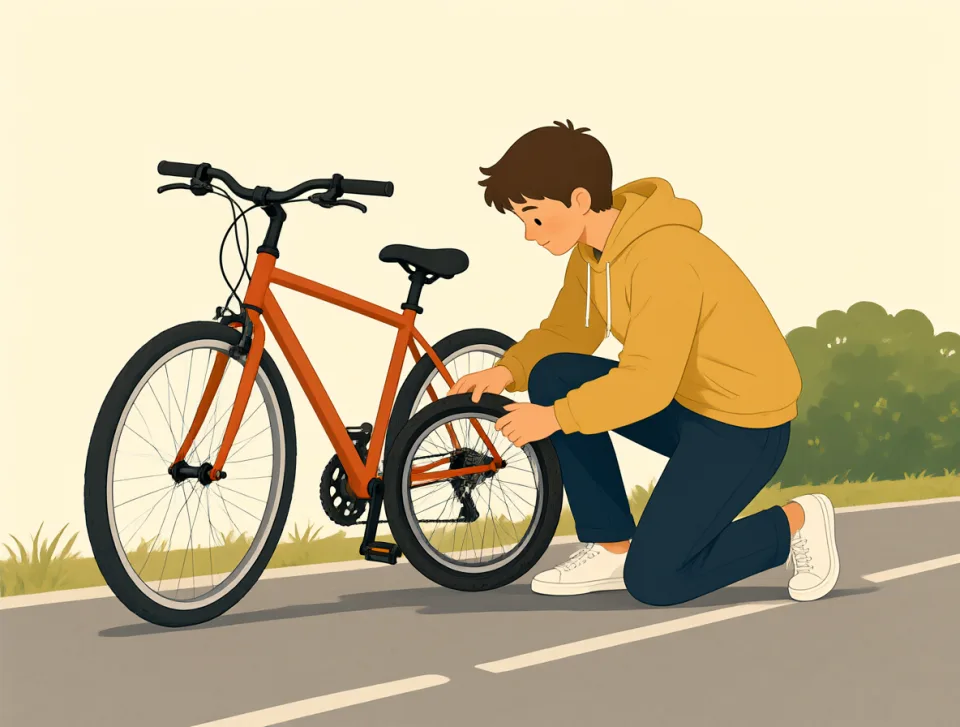
The rear tire of my bicycle went flat during the ride home.
घर लौटते समय मेरी साइकिल का पिछला टायर पंक्चर हो गया।

menu
#2597noun
मेन्यू
A list of food and drinks available in a restaurant or for a meal.
किसी रेस्तराँ या भोजन के लिए उपलब्ध खाने-पीने की चीज़ों की सूची।
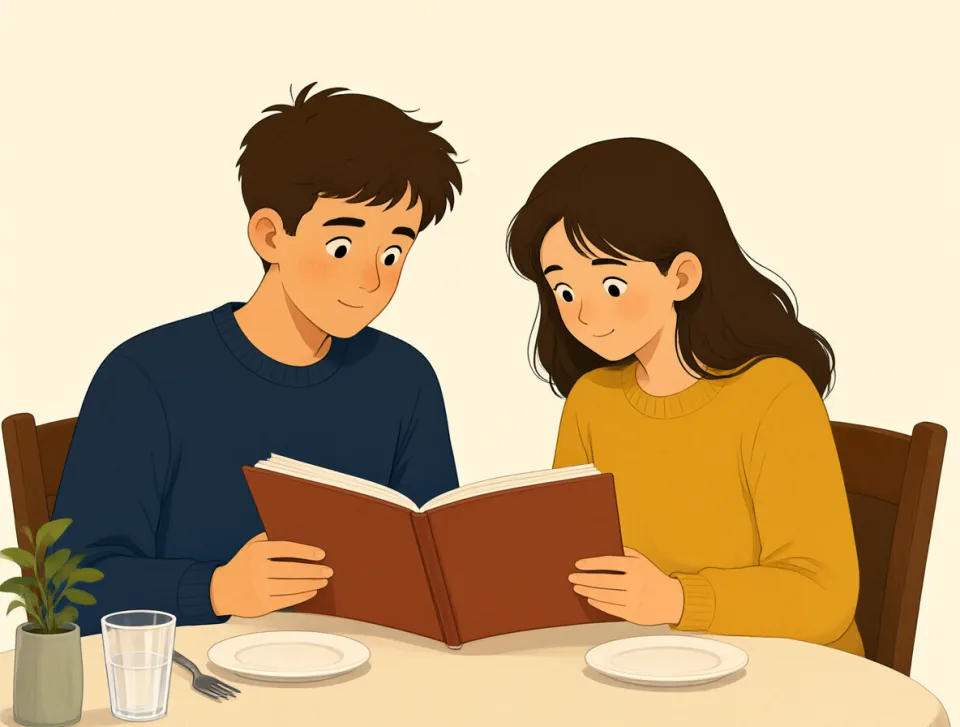
We looked at the menu before choosing our meals.
खाना चुनने से पहले हमने मेन्यू देखा।
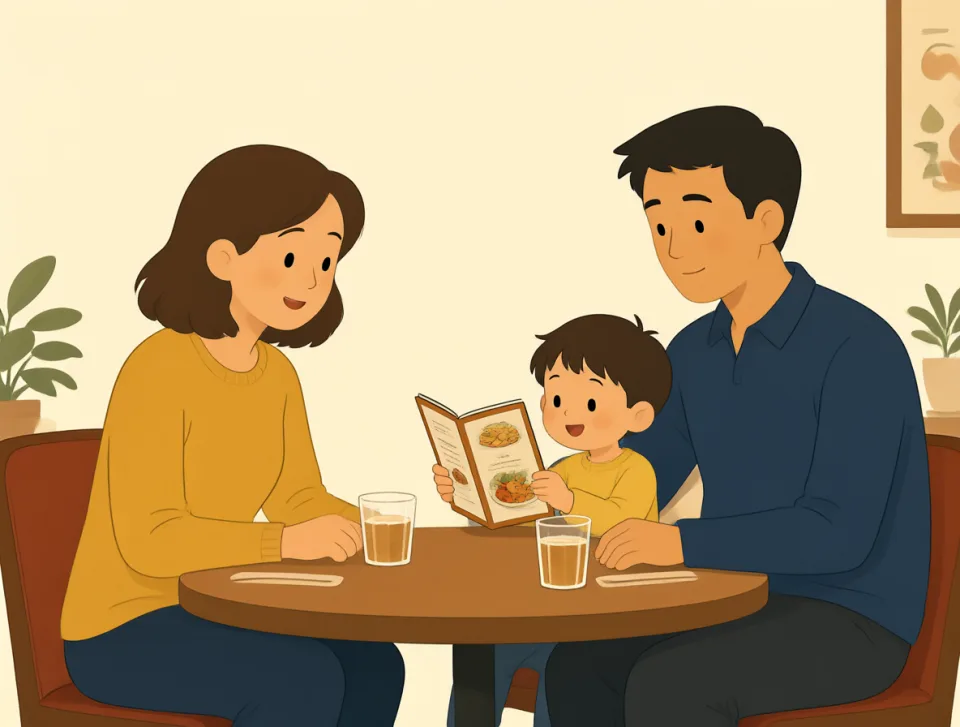
The restaurant has a separate menu for children.
रेस्तराँ में बच्चों के लिए अलग मेन्यू है।

Could I see the dessert menu, please?
क्या मुझे मिठाइयों का मेन्यू दिखा सकते हैं, कृपया?
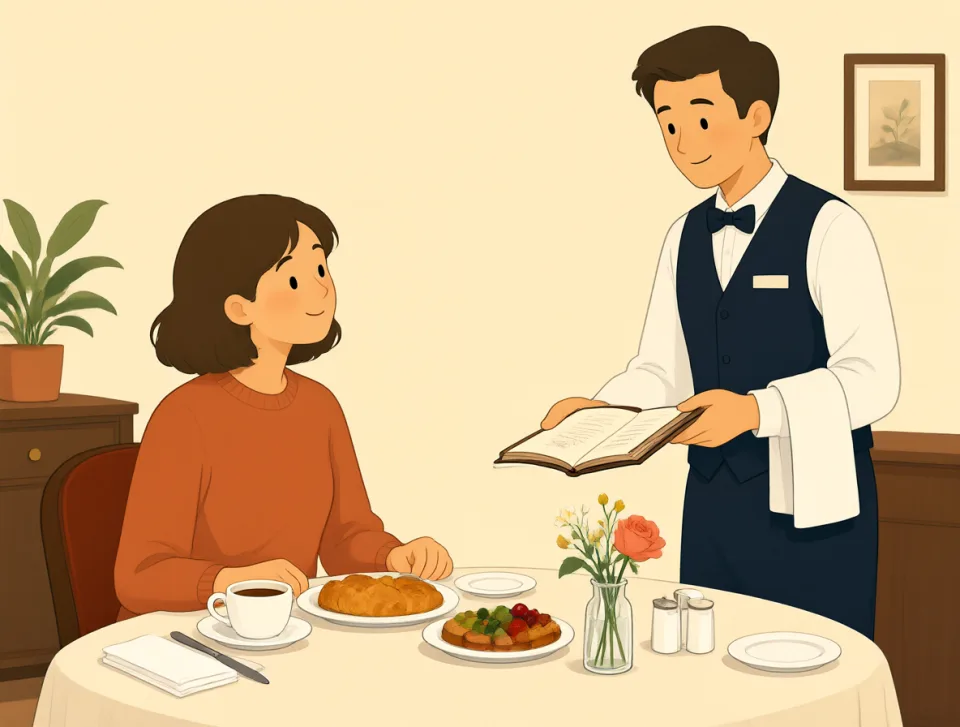
Our hotel offers a breakfast menu from seven until ten.
हमारे होटल में सुबह सात से दस बजे तक नाश्ते का मेन्यू मिलता है।
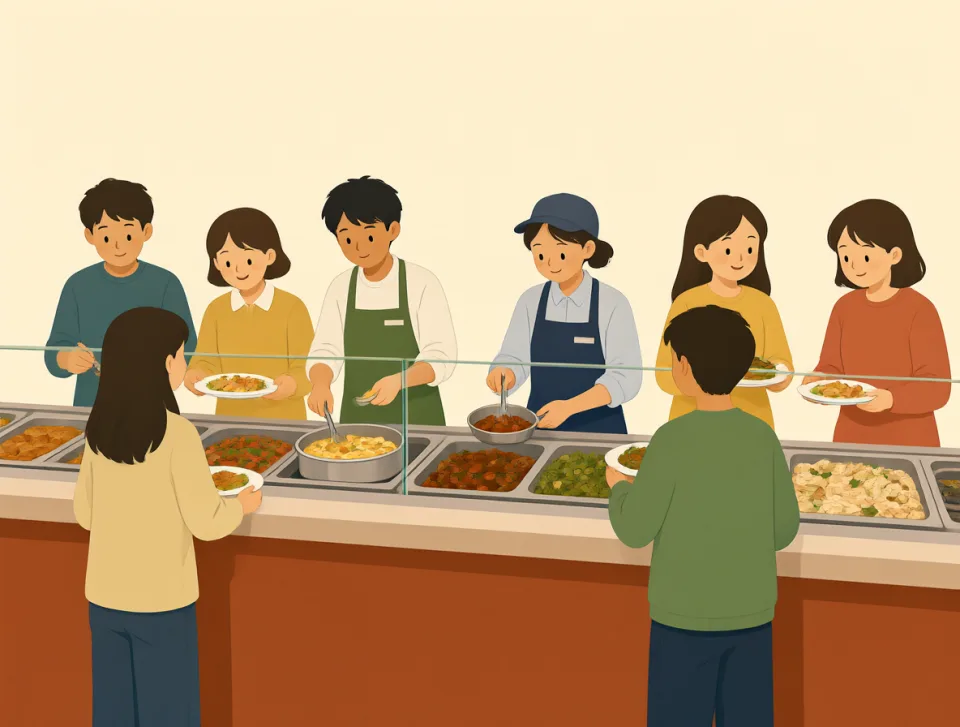
The school cafeteria changes its menu every Friday.
स्कूल की कैंटीन हर शुक्रवार को अपना मेन्यू बदलती है।
species
#2598noun
प्रजाति
A group of similar animals, plants, or other living things that can reproduce together.
एक जैसे जानवरों, पौधों या अन्य जीवों का ऐसा समूह, जिसके सदस्य आपस में प्रजनन कर सकते हैं।
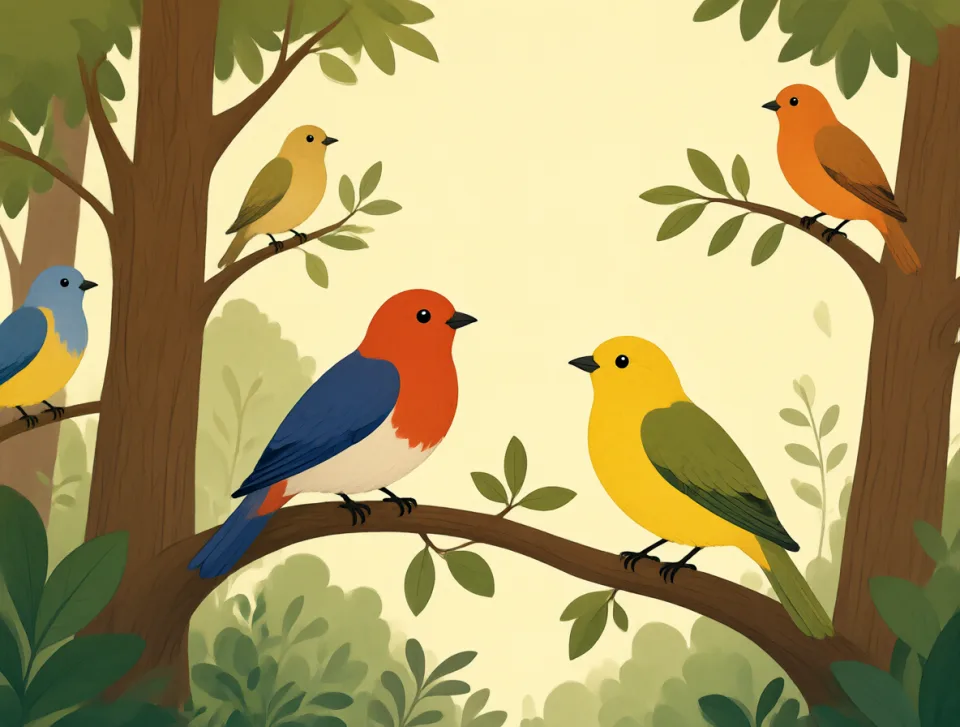
Many species of birds live in this forest throughout the year.
इस जंगल में साल भर पक्षियों की कई प्रजातियाँ रहती हैं।
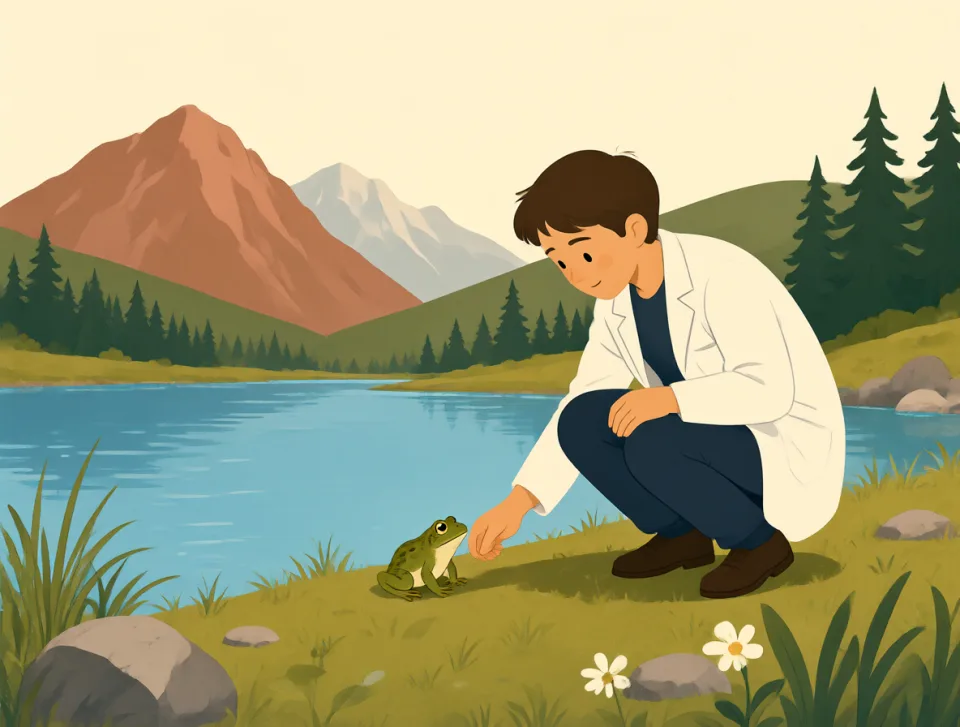
Scientists discovered a new species of frog near the mountain lake.
वैज्ञानिकों ने पहाड़ी झील के पास मेंढक की एक नई प्रजाति खोजी।
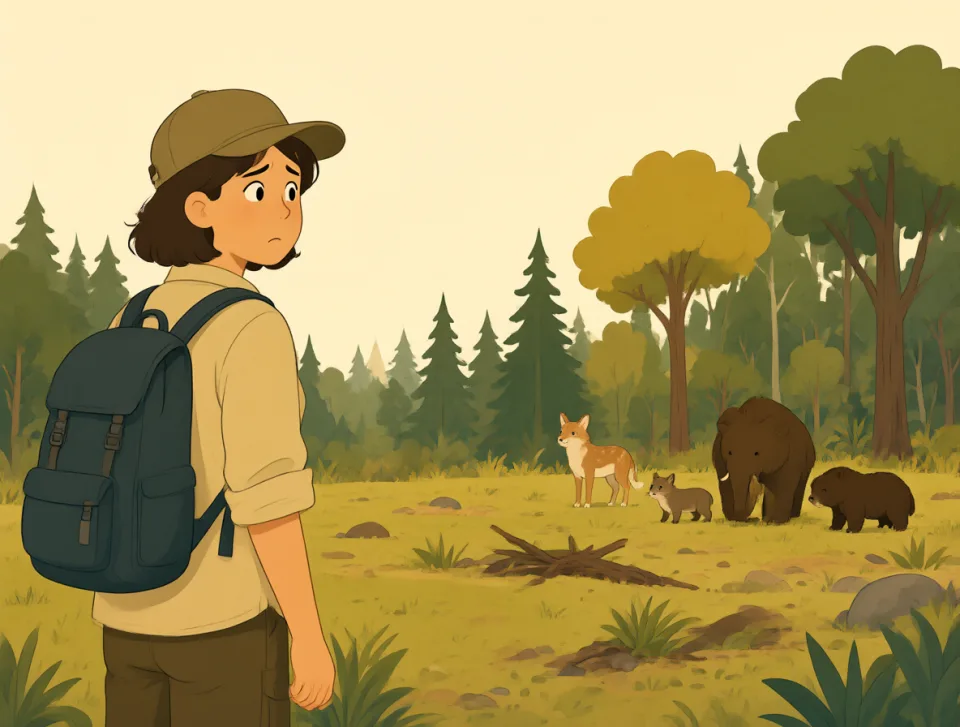
Some species are becoming rare because their natural homes are disappearing.
कुछ प्रजातियाँ दुर्लभ होती जा रही हैं, क्योंकि उनके प्राकृतिक आवास नष्ट हो रहे हैं।
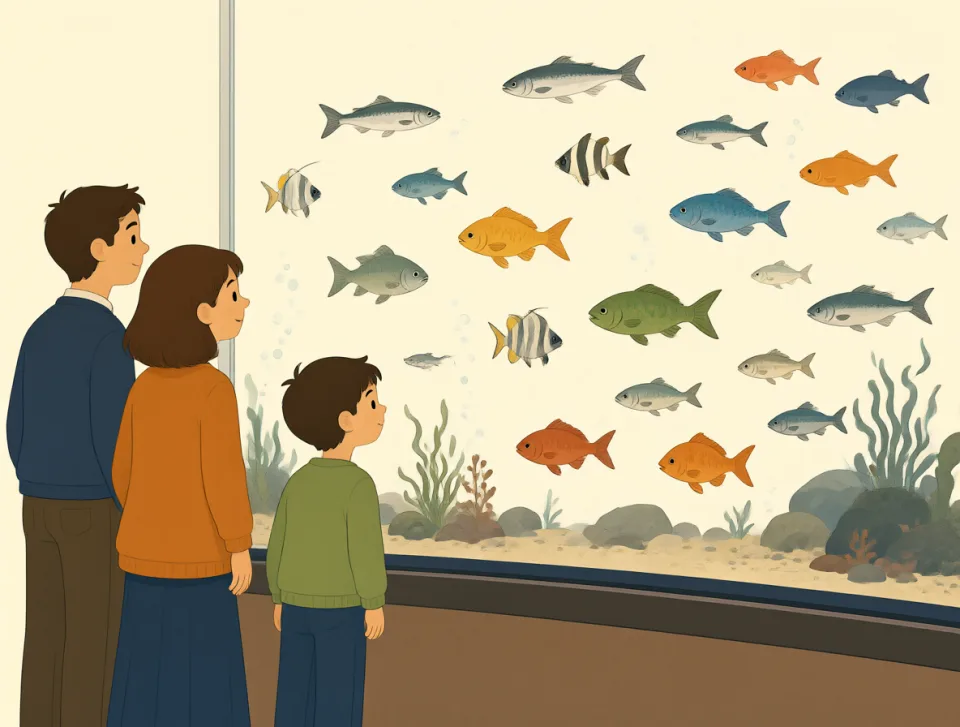
This aquarium has more than fifty species of fish from around the world.
इस एक्वेरियम में दुनिया भर की मछलियों की पचास से ज़्यादा प्रजातियाँ हैं।
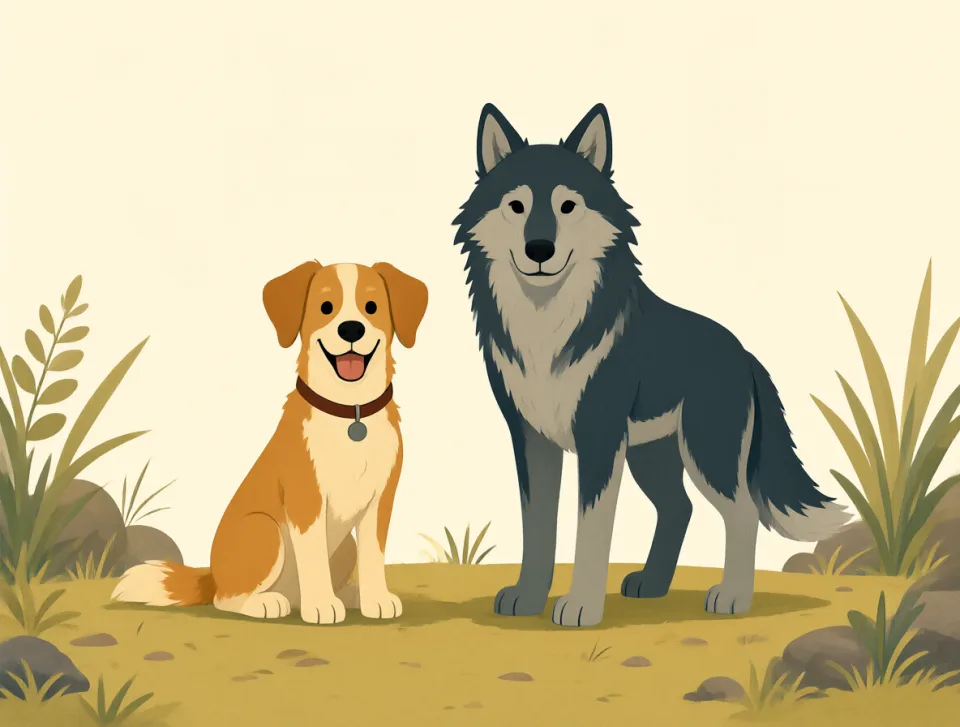
Dogs and wolves belong to different species, although they look similar.
कुत्ते और भेड़िए दिखने में एक जैसे लगते हैं, लेकिन वे अलग-अलग प्रजातियों के हैं।
moon
#2599noun, verb
चाँद; आराम से समय बिताना
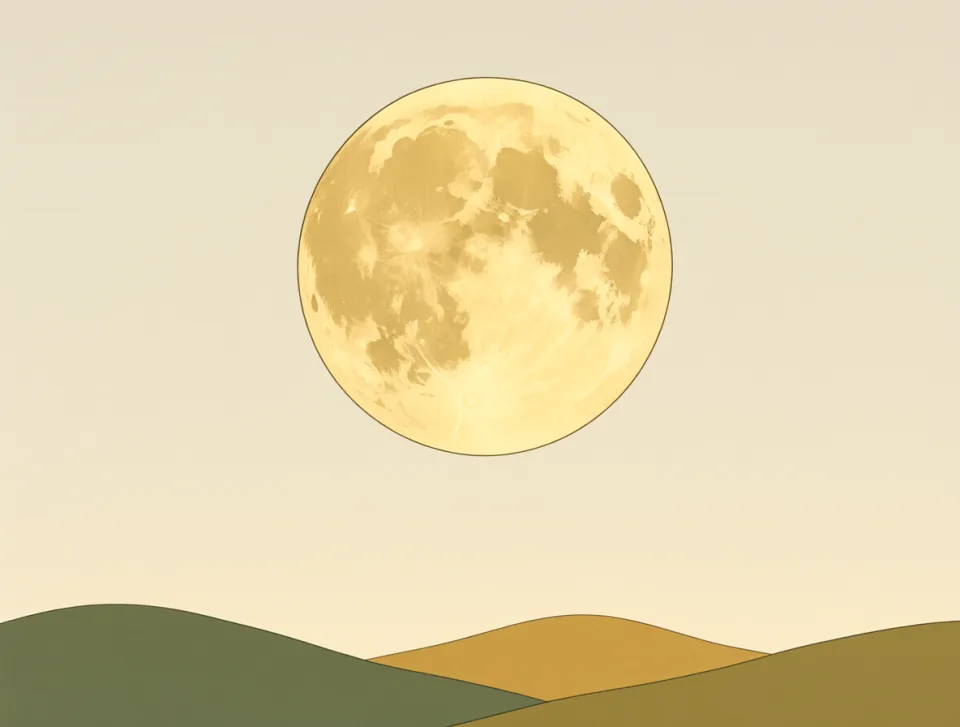
The large round object that shines in the sky at night, or to spend time relaxing.
रात में आसमान में चमकने वाला बड़ा गोल पिंड, या आराम से समय बिताना।
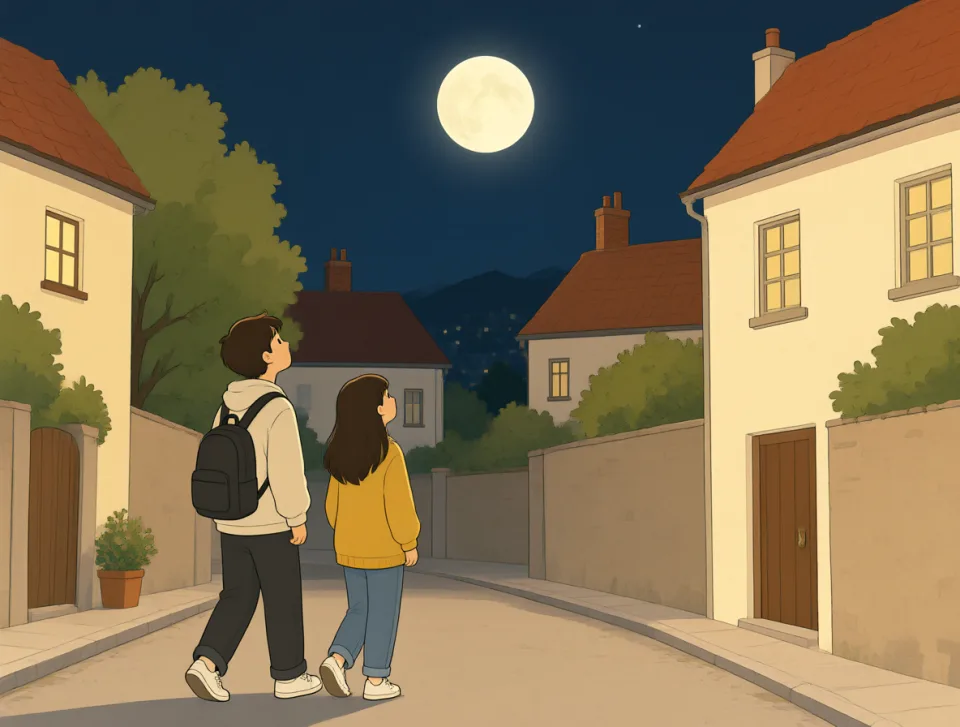
The moon looked bright above the houses as we walked home after dinner.
रात के खाने के बाद घर जाते हुए घरों के ऊपर चाँद चमकता हुआ दिख रहा था।
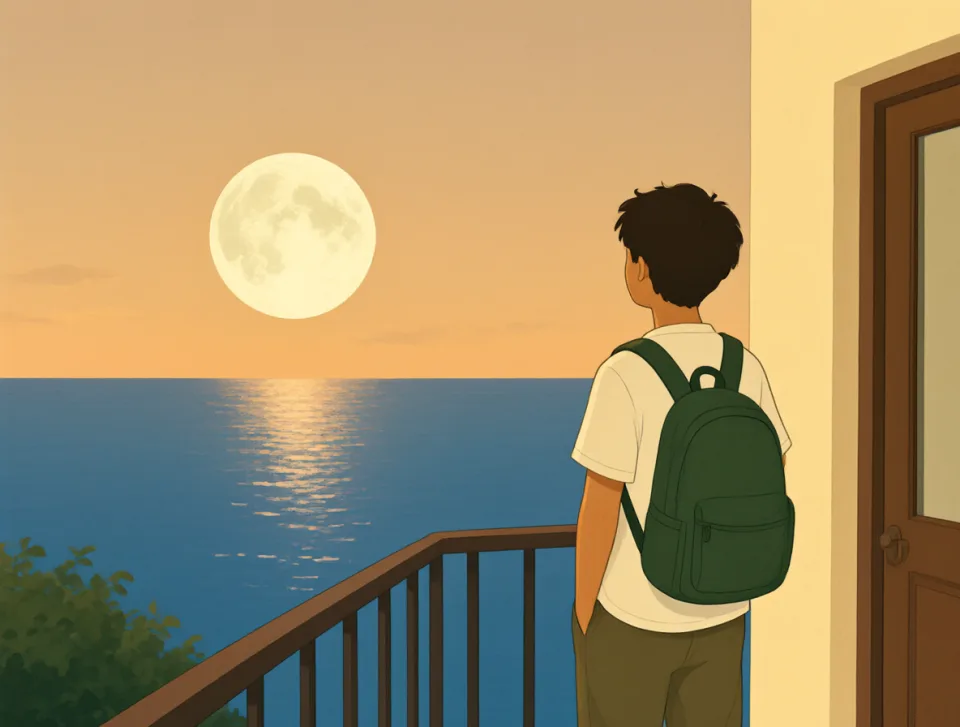
We watched the moon rise over the sea from our hotel balcony.
हमने अपने होटल की बालकनी से समुद्र के ऊपर चाँद को उगते देखा।
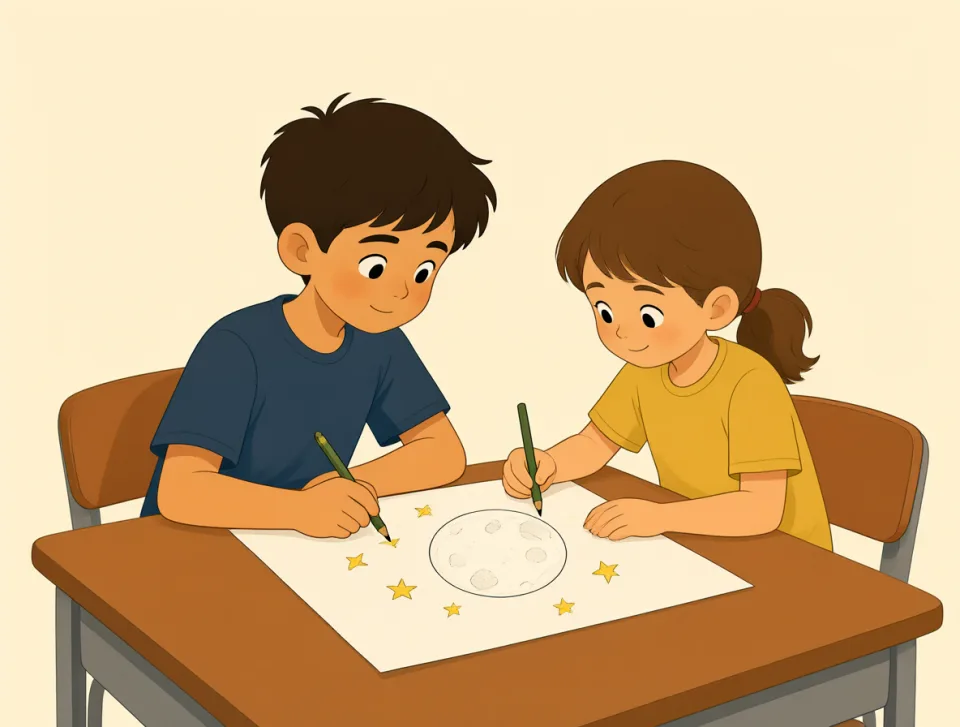
The children drew a moon and stars for their science project at school.
बच्चों ने स्कूल के विज्ञान प्रोजेक्ट के लिए चाँद और तारों का चित्र बनाया।

My brother is over the moon because he got the job he wanted.
मेरा भाई बहुत खुश है, क्योंकि उसे मनचाही नौकरी मिल गई।

After the busy week, we just want to moon around at home on Saturday.
भागदौड़ भरे हफ़्ते के बाद, हम शनिवार को बस घर पर आराम से समय बिताना चाहते हैं।
presumably
#2600adverb
संभवतः
used to say that something is probably true based on what you know
आप जो जानते हैं, उसके आधार पर किसी बात के शायद सच होने का संकेत देने के लिए इस्तेमाल होता है।
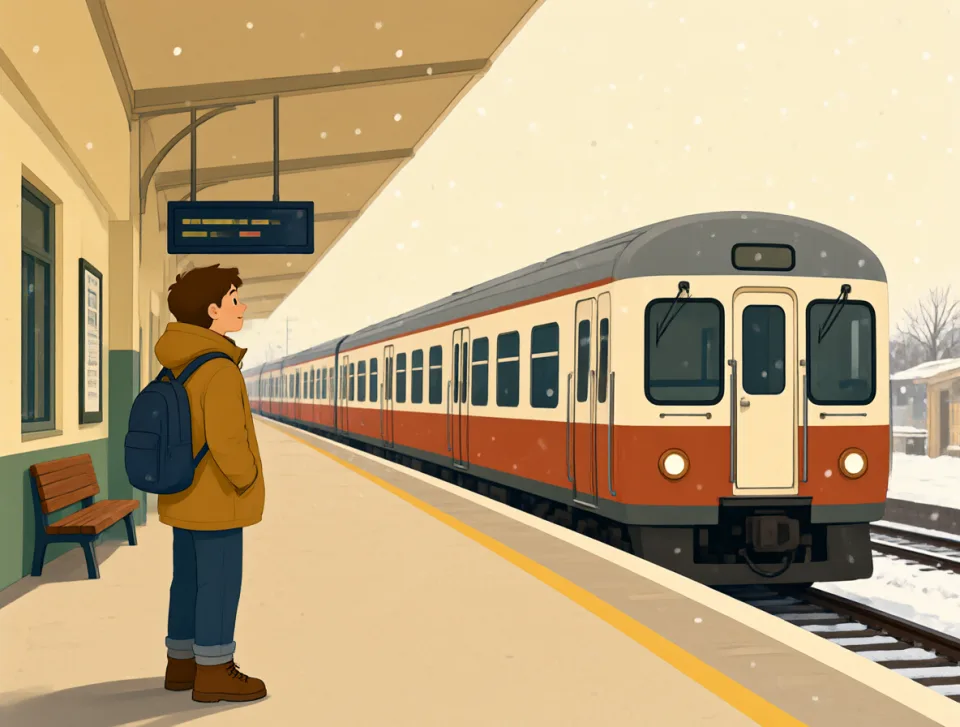
Presumably, the train is late because of the heavy snow.
संभवतः भारी बर्फ़बारी के कारण ट्रेन देर से चल रही है।
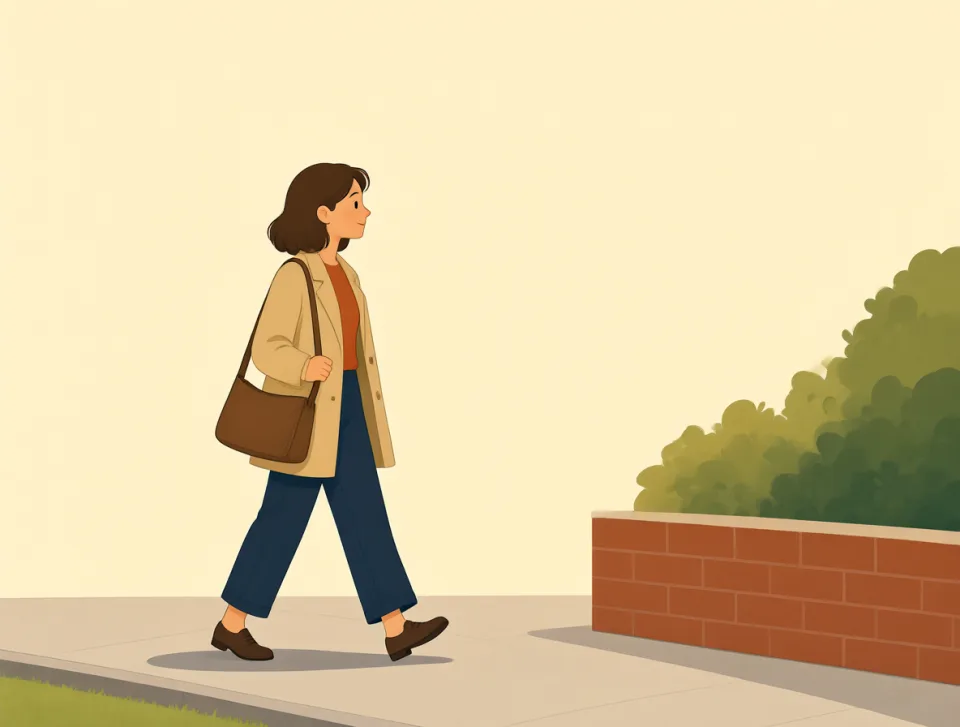
She left her umbrella at home, presumably because the sky looked clear.
वह छाता घर पर छोड़ आई, शायद इसलिए कि आसमान साफ़ दिख रहा था।
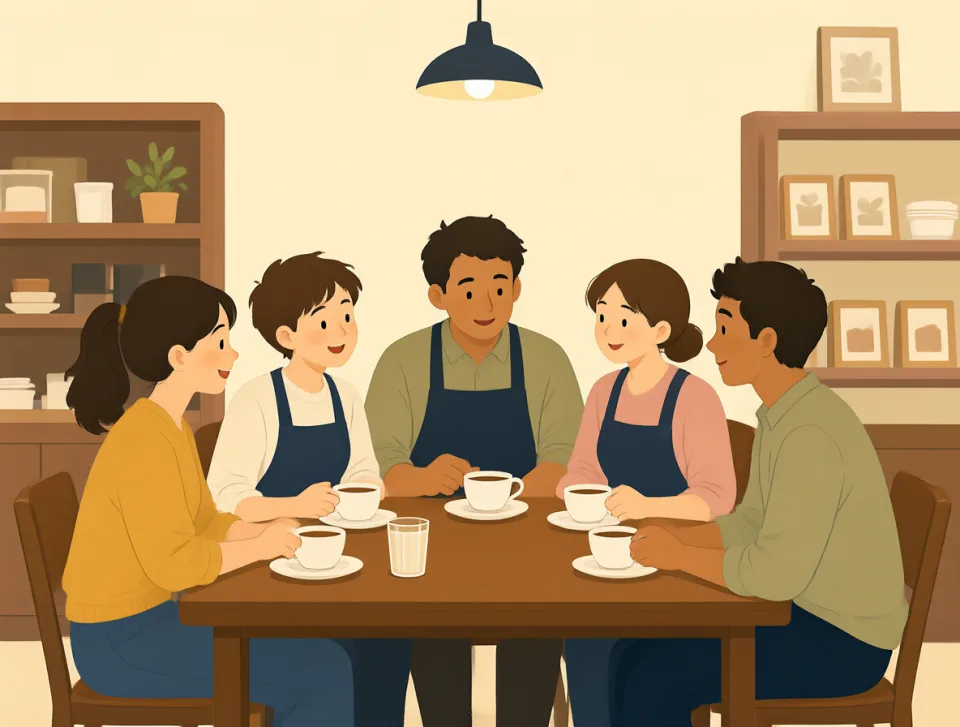
The shop is closed today, presumably for a staff meeting.
दुकान आज बंद है, शायद कर्मचारियों की बैठक के लिए।
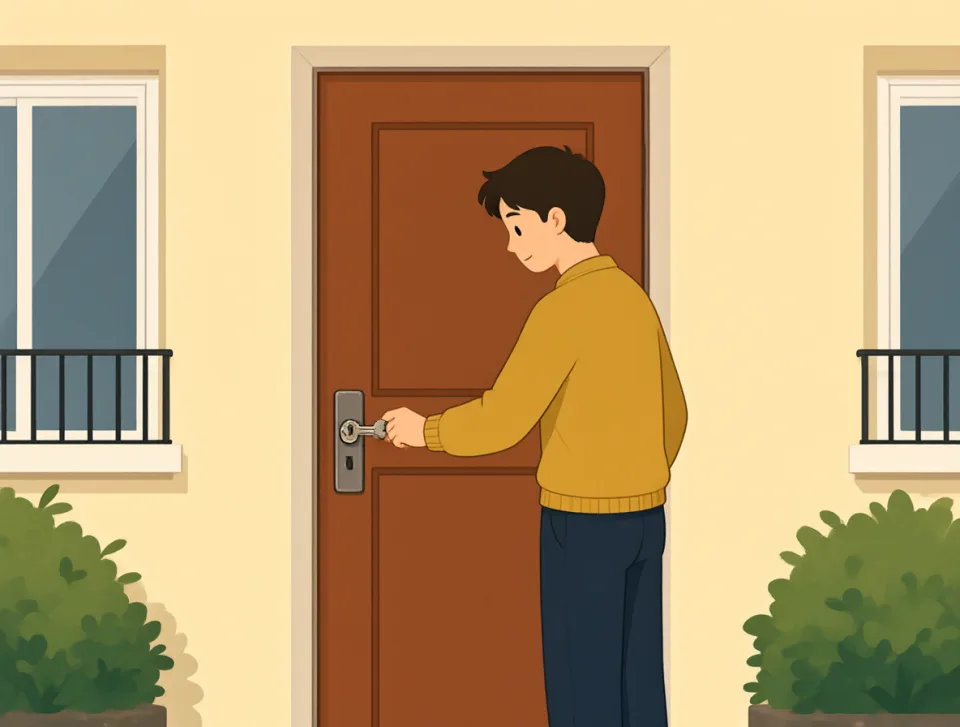
He has a key, so presumably he lives in the building.
उसके पास चाबी है, इसलिए संभवतः वह इसी इमारत में रहता है।
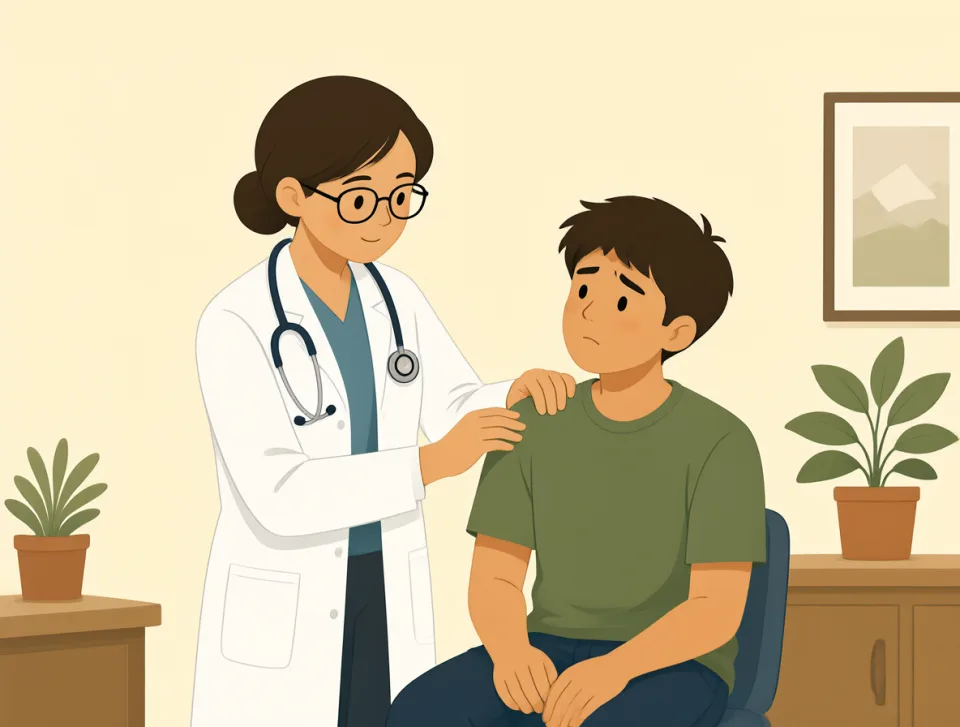
The doctor said the pain was presumably caused by a pulled muscle.
डॉक्टर ने कहा कि दर्द शायद मांसपेशी में खिंचाव के कारण हुआ था।