इकाई 120
शब्द 2381–2400 · rescue, mess, preference, comprehensive, incentive, league
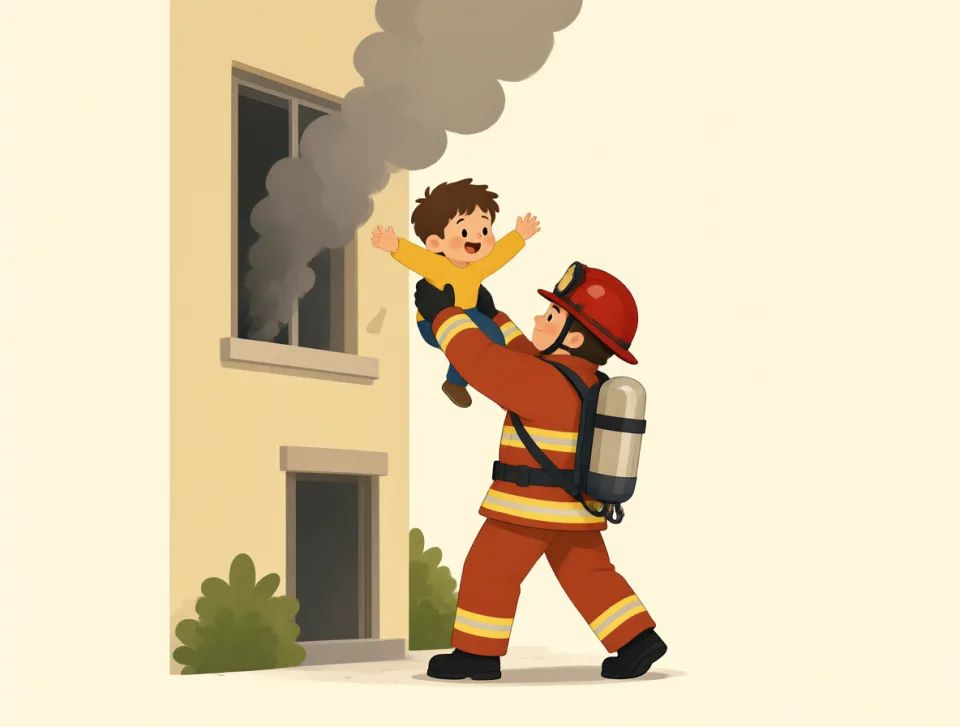
rescue
#2381noun, verb
बचाना
To save someone or something from danger, or the act of saving them.
किसी व्यक्ति या चीज़ को खतरे से बचाना, या बचाने की क्रिया।
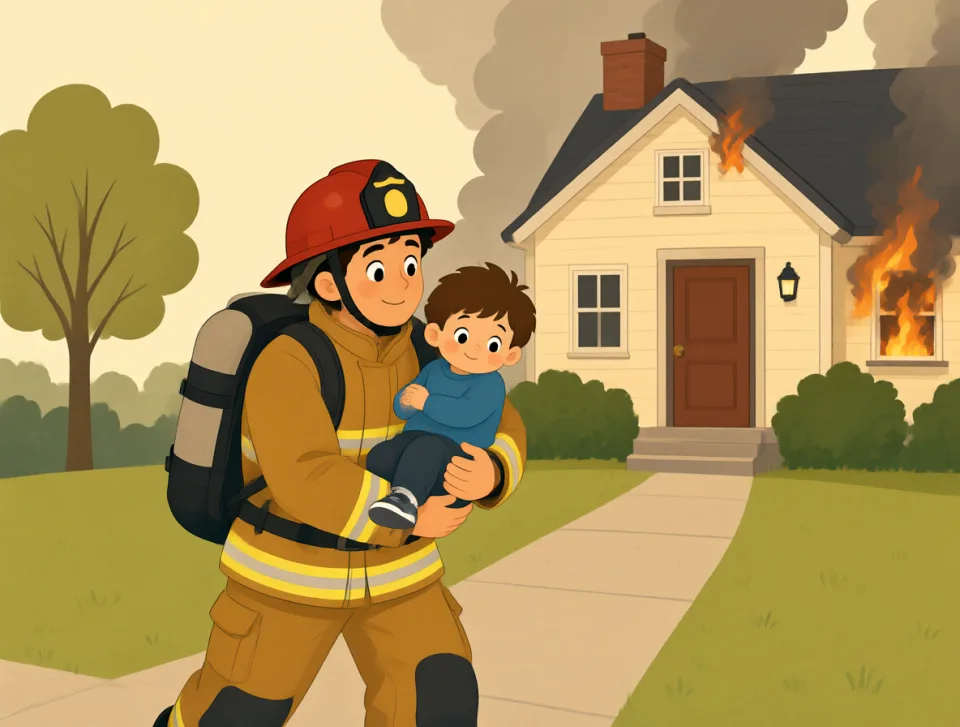
Firefighters rescued a child from the burning house last night.
दमकलकर्मियों ने कल रात जलते हुए घर से एक बच्चे को बचाया।

The coast guard rescued three swimmers after their boat sank.
नाव डूबने के बाद तटरक्षक दल ने तीन तैराकों को बचाया।
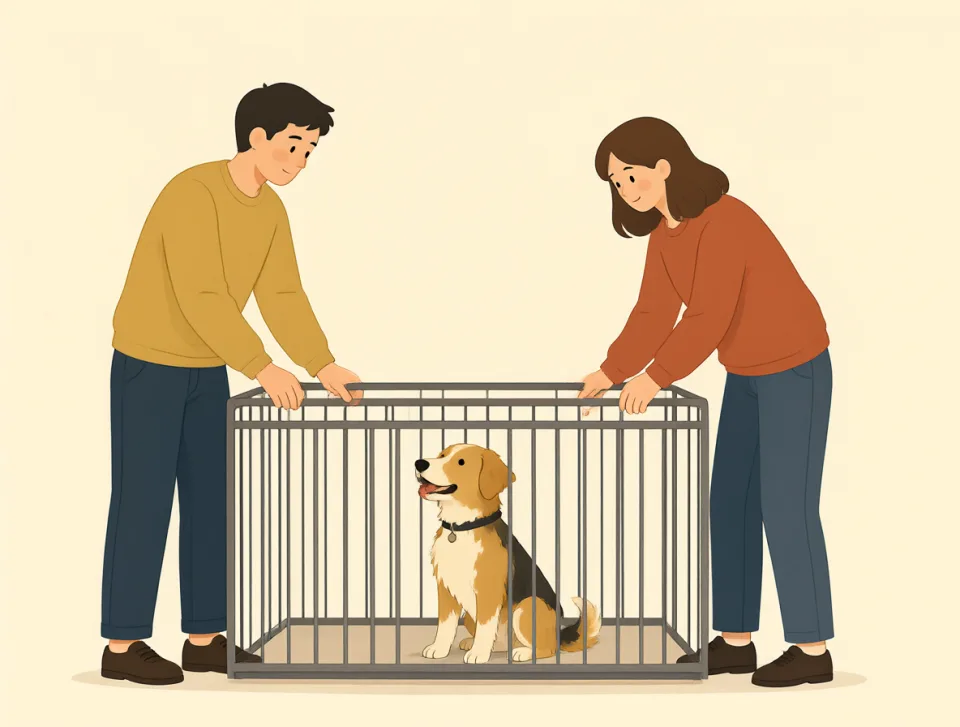
Volunteers are raising money to rescue abandoned animals.
स्वयंसेवक बेसहारा जानवरों को बचाने के लिए पैसे जुटा रहे हैं।
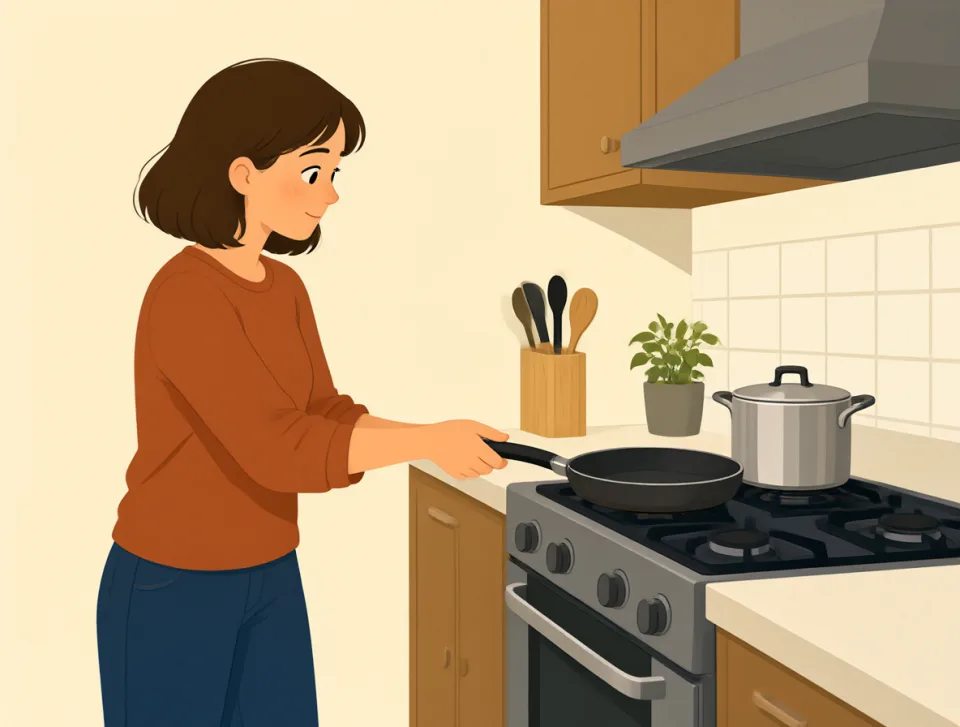
A quick rescue by her neighbor prevented a serious kitchen accident.
पड़ोसी ने तुरंत बचाव करके रसोई में एक गंभीर दुर्घटना होने से रोक दिया।

The mountain rescue team found the lost hikers before dark.
पर्वतीय बचाव दल ने अंधेरा होने से पहले खोए हुए पैदल यात्रियों को ढूँढ़ लिया।
mess
#2382noun, verb
गंदगी
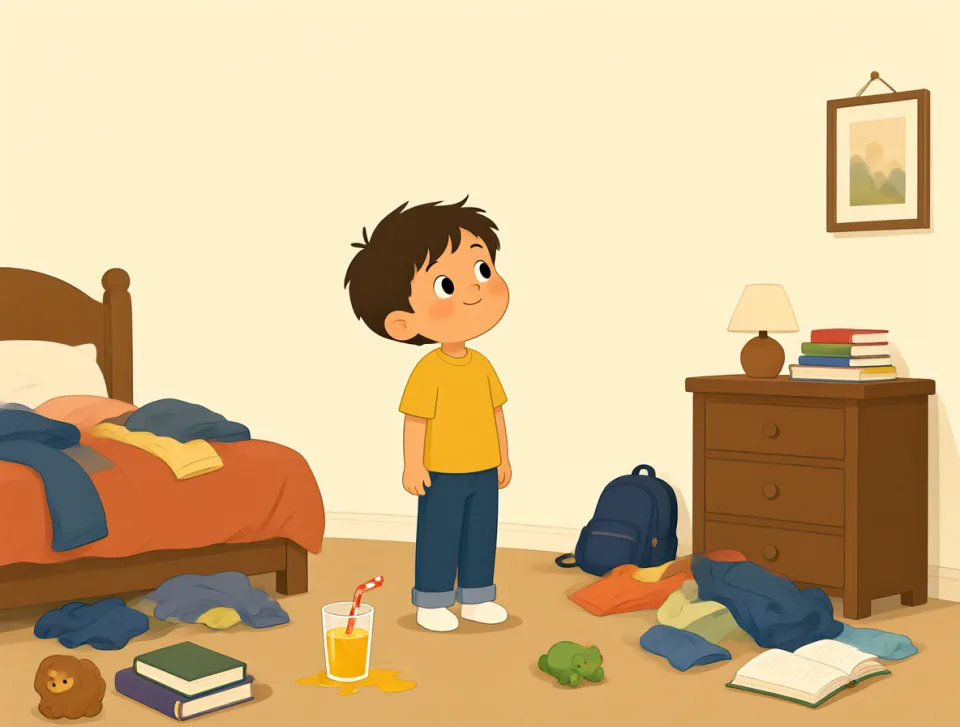
A dirty or untidy state; to make a place dirty or untidy.
गंदी या अस्त-व्यस्त स्थिति; किसी जगह को गंदा या अस्त-व्यस्त करना।
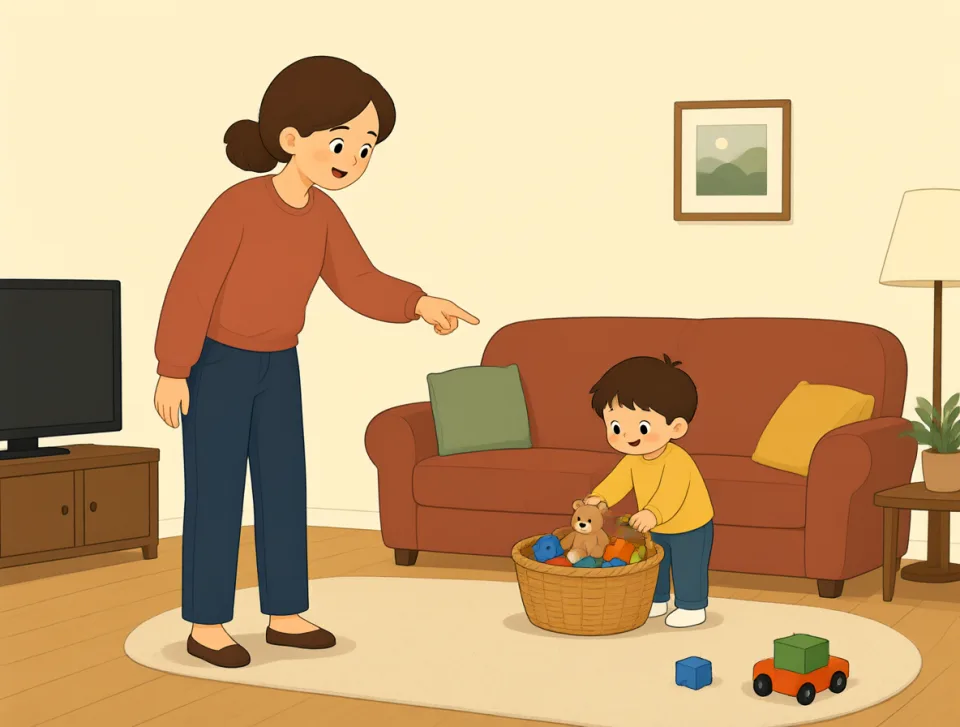
Please clean up this mess before our guests arrive tonight.
कृपया आज रात हमारे मेहमानों के आने से पहले इस गंदगी को साफ़ कर दें।
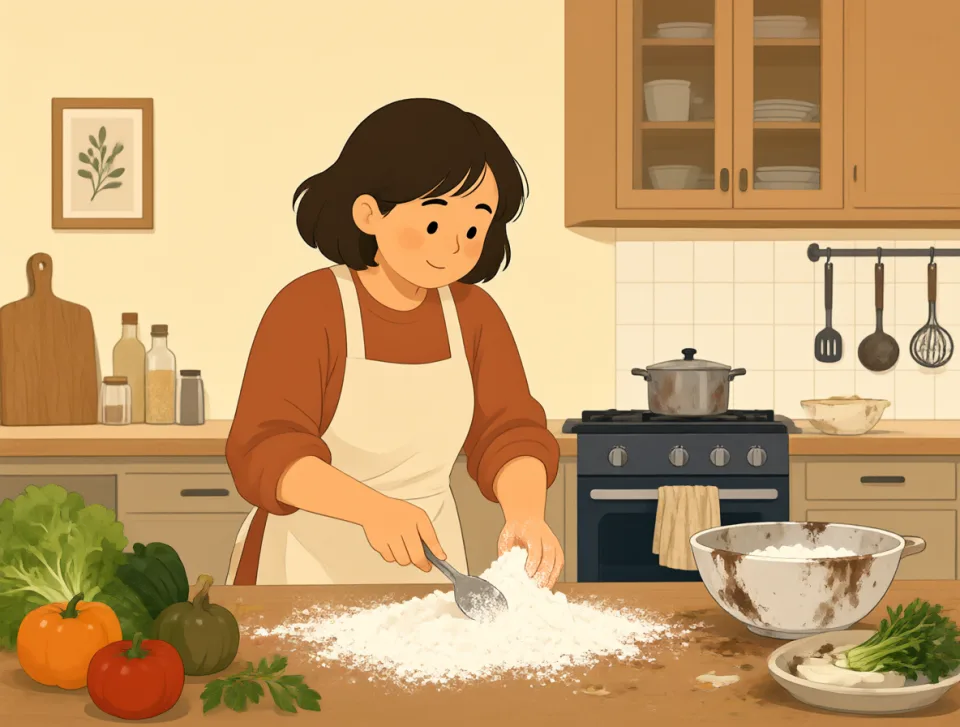
I made a mess in the kitchen while preparing dinner.
रात का खाना बनाते समय मैंने रसोई में गंदगी कर दी।
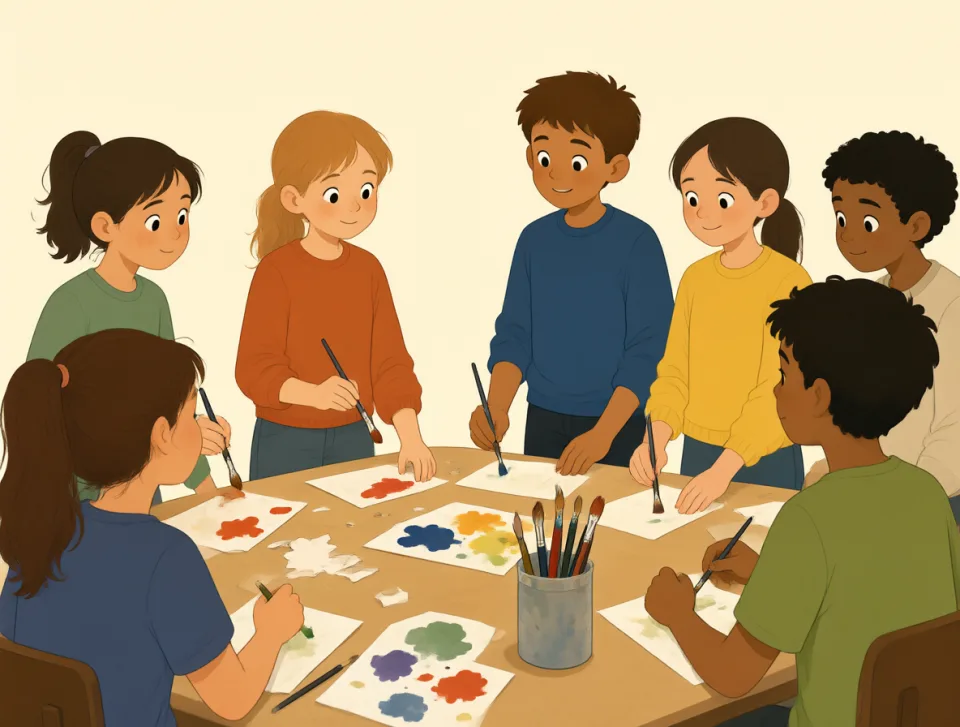
The students left a terrible mess after their art project.
कला का प्रोजेक्ट करने के बाद विद्यार्थियों ने बहुत गंदगी फैला दी।

The mechanic fixed the car without making a mess in the garage.
मैकेनिक ने गैरेज में गंदगी किए बिना कार ठीक कर दी।

He messed up the travel plans by booking the wrong train.
गलत ट्रेन बुक करके उसने यात्रा की योजनाएँ बिगाड़ दीं।

preference
#2383noun
वरीयता
A greater liking for one choice, person, or thing than another.
किसी दूसरे विकल्प, व्यक्ति या चीज़ की तुलना में एक विकल्प, व्यक्ति या चीज़ को अधिक पसंद करना।
My preference is tea, but I sometimes drink coffee with friends.
मुझे चाय ज़्यादा पसंद है, लेकिन कभी-कभी दोस्तों के साथ कॉफ़ी पीता/पीती हूँ।

Do you have a preference for a window seat or an aisle seat?
क्या आप खिड़की वाली सीट पसंद करेंगे या गलियारे वाली?
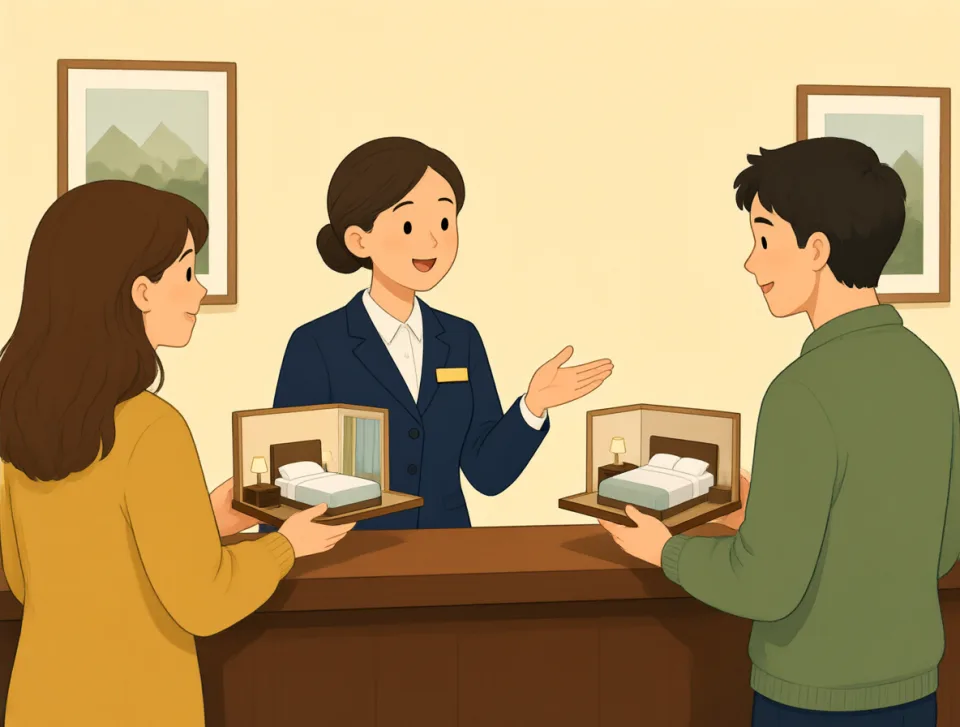
The hotel offers rooms with different preferences for families and business travelers.
होटल में परिवारों और व्यापारिक यात्रियों की अलग-अलग पसंद के अनुरूप कमरे उपलब्ध हैं।

She chose the blue jacket because it matched her personal preference.
उसने नीली जैकेट चुनी क्योंकि वह उसकी व्यक्तिगत पसंद के मुताबिक थी।
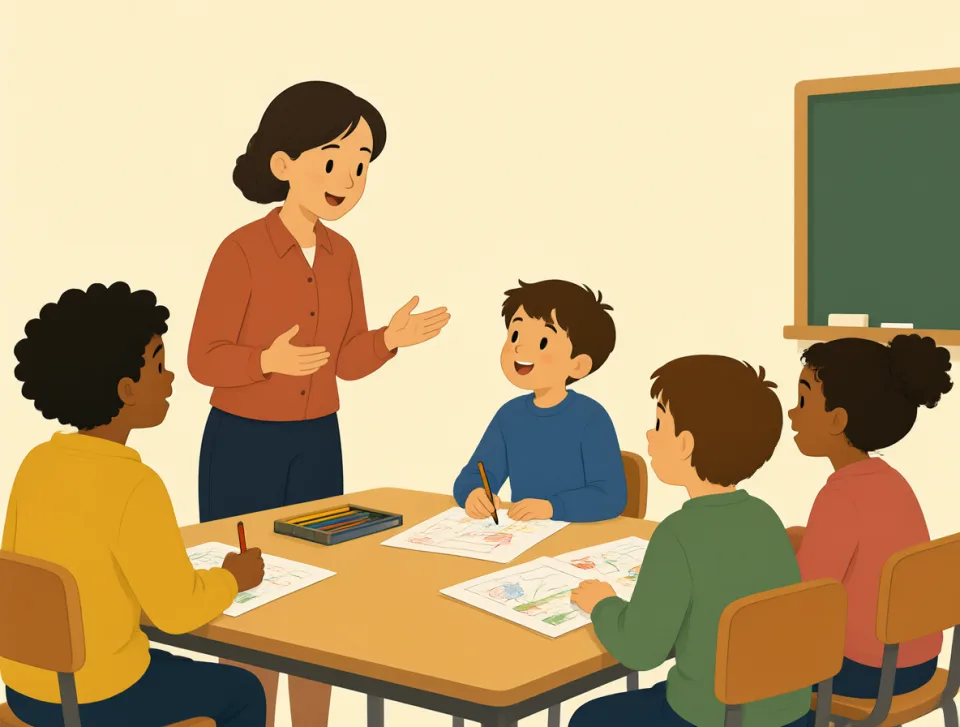
The teacher asked about students' preferences before planning the class activity.
कक्षा की गतिविधि की योजना बनाने से पहले शिक्षक ने विद्यार्थियों की पसंद के बारे में पूछा।

comprehensive
#2384adjective
व्यापक
Including all or nearly all details, information, or parts of something.
जिसमें किसी चीज़ के सभी या लगभग सभी विवरण, जानकारियाँ या हिस्से शामिल हों।
The doctor gave me a comprehensive health check before my surgery.
सर्जरी से पहले डॉक्टर ने मेरी सेहत की पूरी जाँच की।

Our teacher gave us a comprehensive guide to the final exam.
हमारे शिक्षक ने हमें अंतिम परीक्षा के लिए एक विस्तृत मार्गदर्शिका दी।

The travel website offers a comprehensive list of hotels and attractions.
यात्रा संबंधी वेबसाइट पर होटलों और दर्शनीय स्थलों की पूरी सूची उपलब्ध है।

We need a comprehensive plan before starting the new project.
नई परियोजना शुरू करने से पहले हमें एक व्यापक योजना चाहिए।

The supermarket sells a comprehensive range of fresh ingredients for cooking.
सुपरमार्केट में खाना पकाने के लिए ताज़ी सामग्रियों की पूरी विविधता मिलती है।

incentive
#2385noun
प्रोत्साहन
Something that encourages someone to do something, especially by offering a reward.
ऐसी चीज़ जो किसी को कुछ करने के लिए प्रेरित करे, खासकर कोई इनाम देकर।

The company offered a financial incentive to employees who reached their targets.
कंपनी ने लक्ष्य हासिल करने वाले कर्मचारियों को वित्तीय प्रोत्साहन दिया।

Free delivery was a strong incentive to buy the sofa online.
मुफ़्त डिलीवरी ऑनलाइन सोफ़ा खरीदने के लिए एक बड़ा प्रोत्साहन थी।
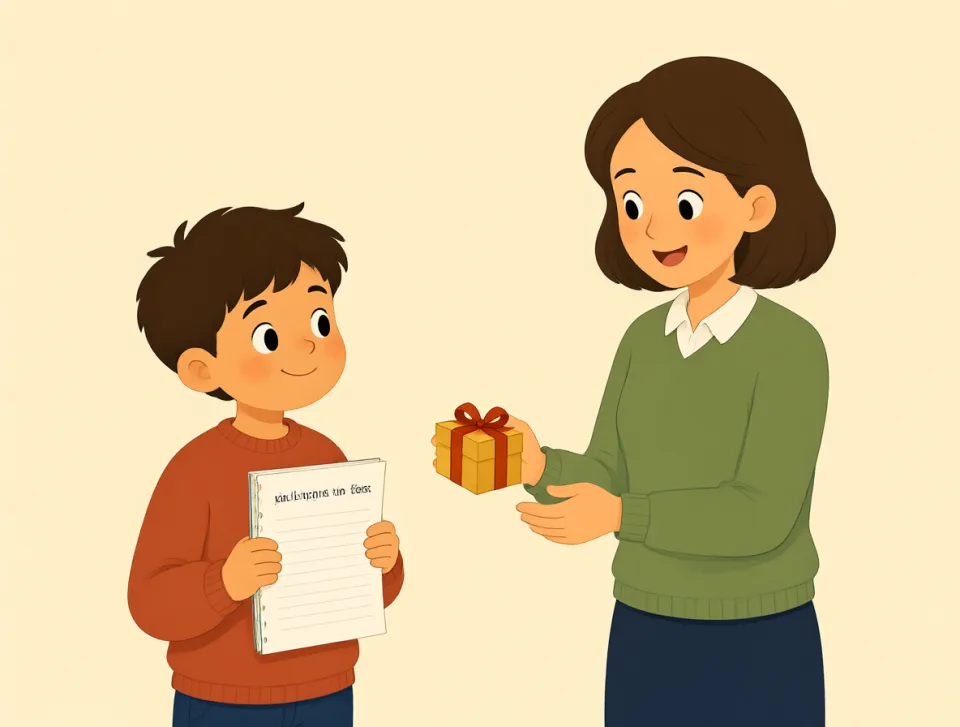
The teacher gave students an incentive to finish their homework early.
शिक्षक ने विद्यार्थियों को अपना गृहकार्य जल्दी पूरा करने के लिए प्रोत्साहन दिया।
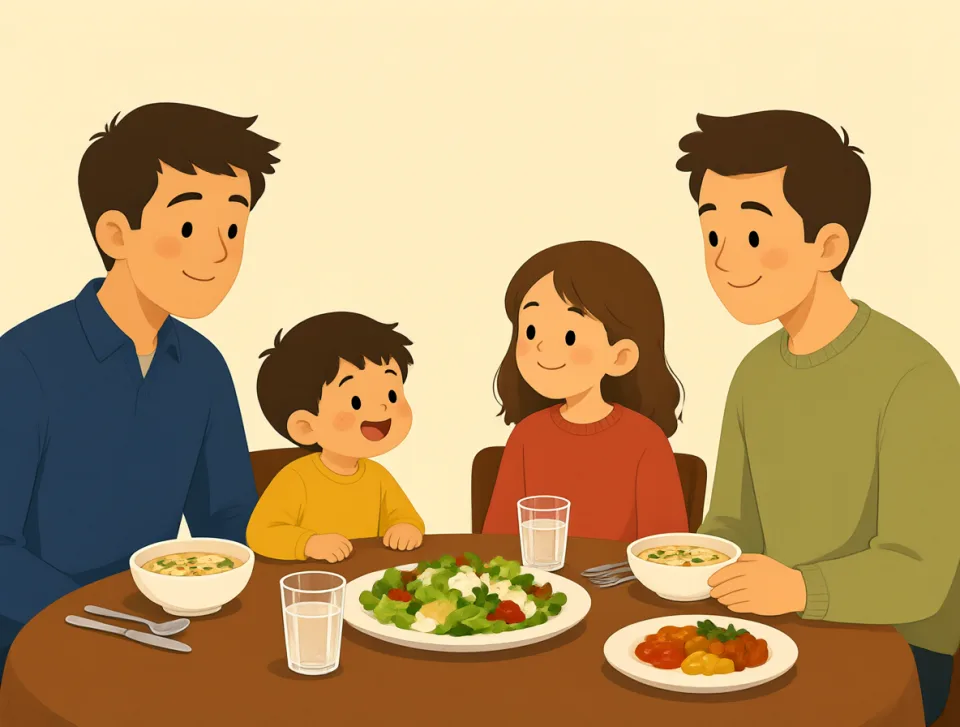
Lower prices provide an incentive for families to eat at the restaurant.
कम कीमतें परिवारों को उस रेस्तराँ में खाना खाने के लिए प्रोत्साहित करती हैं।
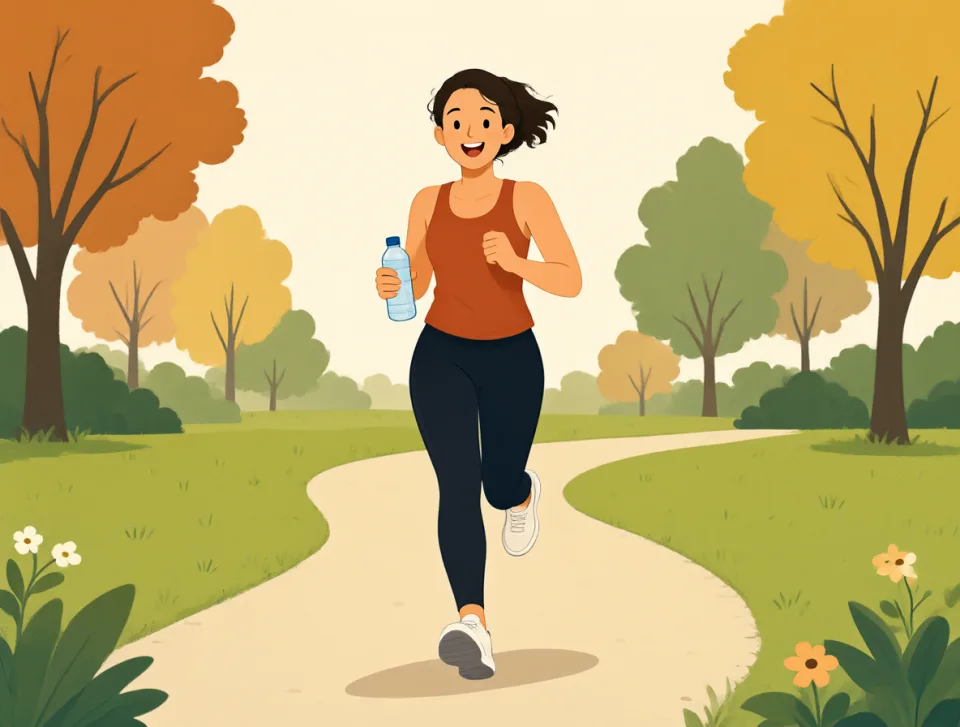
The promise of better health was enough incentive for Maria to exercise daily.
बेहतर सेहत का वादा मारिया के लिए रोज़ व्यायाम करने का पर्याप्त प्रोत्साहन था।

league
#2386noun
लीग
A group of sports teams that play against each other in a competition.
ऐसी खेल टीमों का समूह जो किसी प्रतियोगिता में एक-दूसरे के खिलाफ खेलता है।
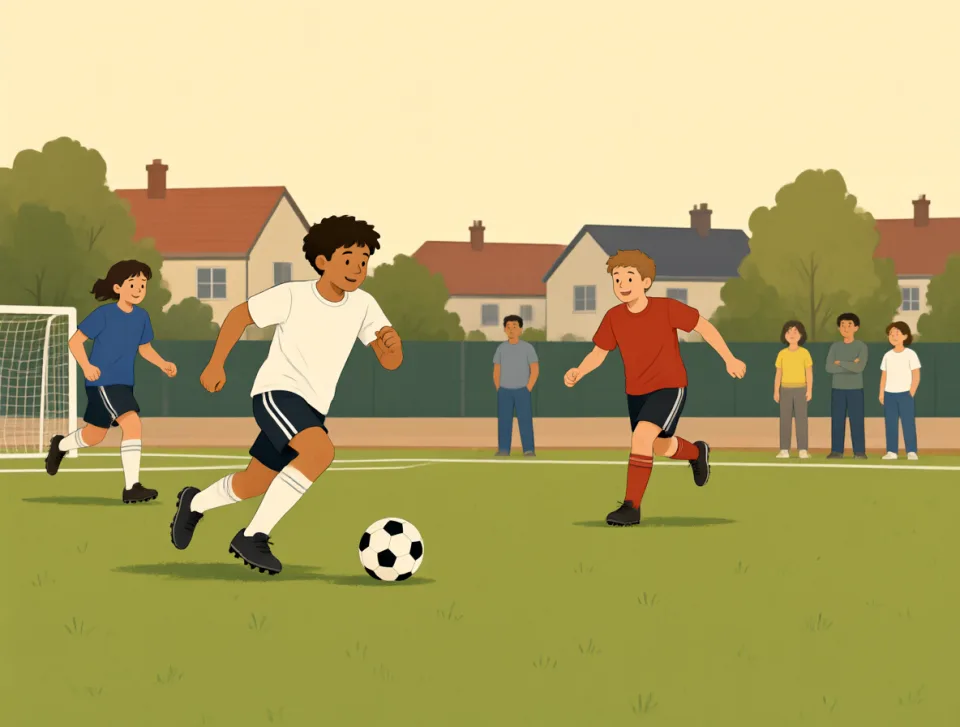
Our local football league starts again next month.
हमारी स्थानीय फ़ुटबॉल लीग अगले महीने फिर शुरू होगी।

She joined a bowling league with coworkers after work.
काम के बाद उसने सहकर्मियों के साथ एक बॉलिंग लीग में हिस्सा लिया।

The team moved up to the first division of the league.
टीम लीग के पहले डिविज़न में पहुँच गई।

Several teams are competing in the school basketball league this year.
इस साल स्कूल की बास्केटबॉल लीग में कई टीमें हिस्सा ले रही हैं।

Their club hopes to win the league championship this season.
इस सीज़न में उनका क्लब लीग चैंपियनशिप जीतने की उम्मीद कर रहा है।

dialog
#2387noun
संवाद
A conversation between two or more people, especially in a book, play, or film.
दो या अधिक लोगों के बीच बातचीत, खासकर किसी किताब, नाटक या फ़िल्म में।

The movie has funny dialog between the two main characters.
फ़िल्म में दोनों मुख्य किरदारों के बीच मज़ेदार संवाद हैं।

The teacher asked students to write a short dialog about ordering lunch.
शिक्षक ने छात्रों से दोपहर का खाना ऑर्डर करने के बारे में एक छोटा संवाद लिखने को कहा।

The actors practiced their dialog before the evening performance.
शाम के शो से पहले कलाकारों ने अपने संवादों का अभ्यास किया।
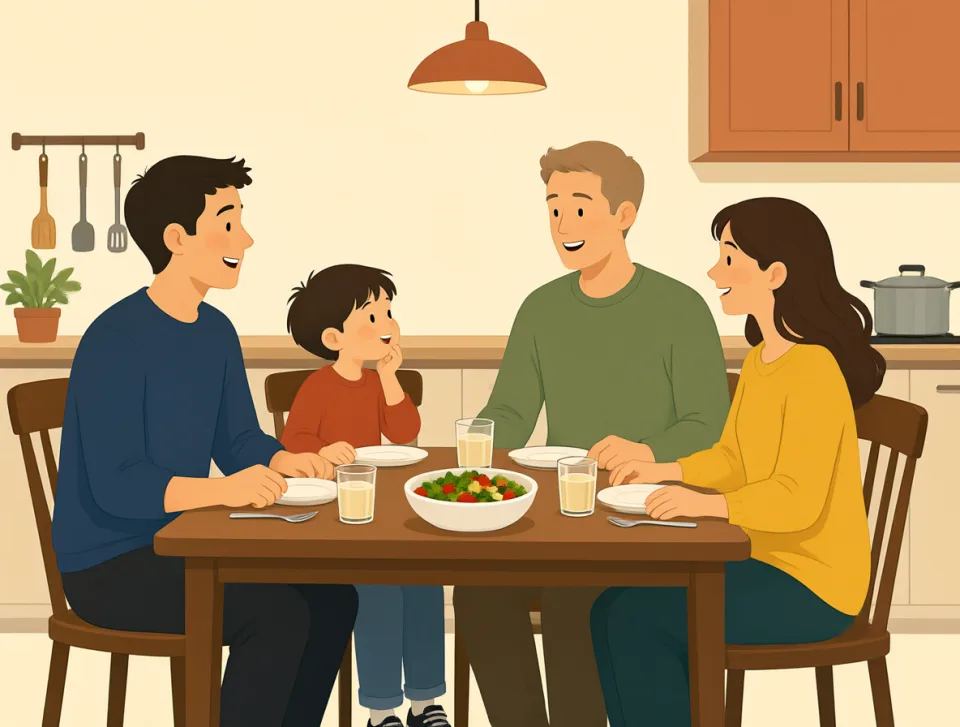
The book includes natural dialog that sounds like real family conversations.
इस किताब में ऐसे स्वाभाविक संवाद हैं जो परिवार की असली बातचीत जैसे लगते हैं।

The doctor used calm dialog to explain the treatment to her patient.
डॉक्टर ने मरीज़ को इलाज समझाने के लिए शांत ढंग से बातचीत की।

cream
#2388noun, verb
क्रीम
A thick white food made from milk, or to add cream to food or drinks.
दूध से बनी गाढ़ी सफ़ेद चीज़, या खाने-पीने की चीज़ों में क्रीम मिलाना।
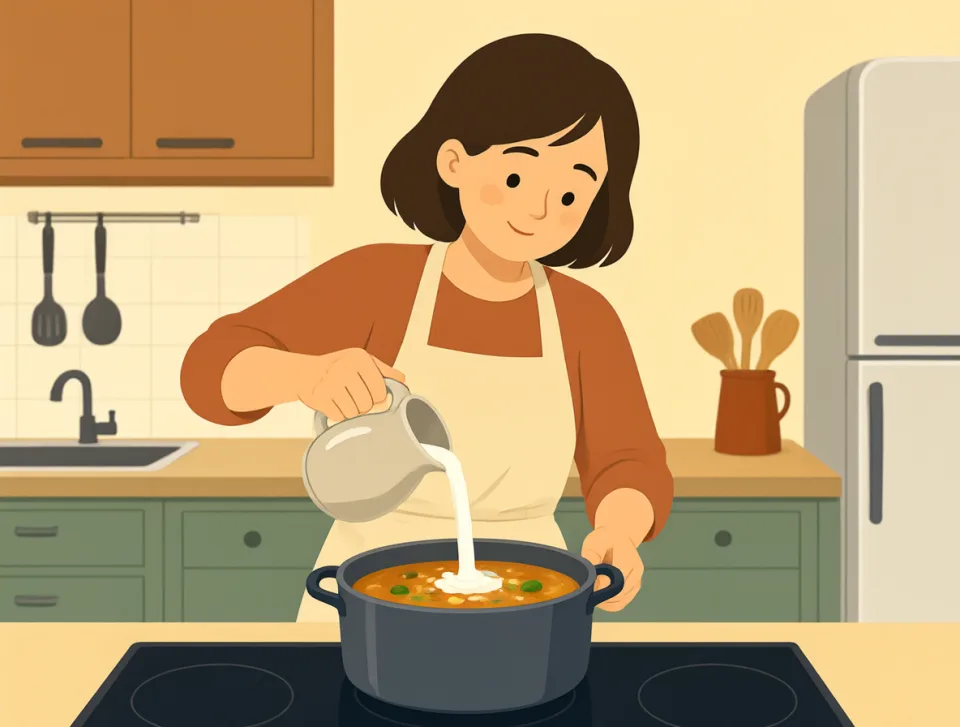
She added cream to the soup to make it richer.
उसने सूप को और मलाईदार बनाने के लिए उसमें क्रीम मिलाई।

Would you like cream in your coffee?
क्या आप अपनी कॉफ़ी में क्रीम लेना चाहेंगे?

We bought ice cream after dinner and ate it outside.
रात के खाने के बाद हमने आइसक्रीम खरीदी और बाहर बैठकर खाई।

The doctor gave me a cream for my dry skin.
डॉक्टर ने मेरी रूखी त्वचा के लिए एक क्रीम दी।
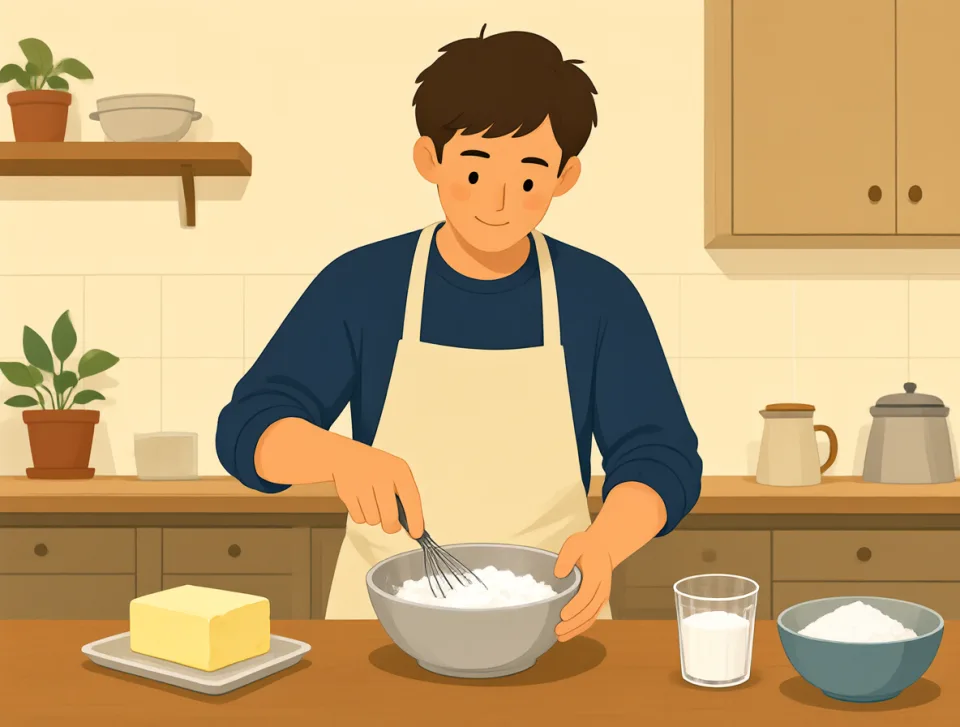
He is creaming the butter and sugar for the cake.
वह केक के लिए मक्खन और चीनी को फेंटकर मिला रहा है।

rapid
#2389adjective
तेज़
happening very quickly or moving at a very fast speed
जो बहुत जल्दी हो रहा हो या बहुत तेज़ गति से चल रहा हो।

The rapid growth of online shopping has changed many people's daily habits.
ऑनलाइन ख़रीदारी में तेज़ बढ़ोतरी ने कई लोगों की रोज़मर्रा की आदतें बदल दी हैं।
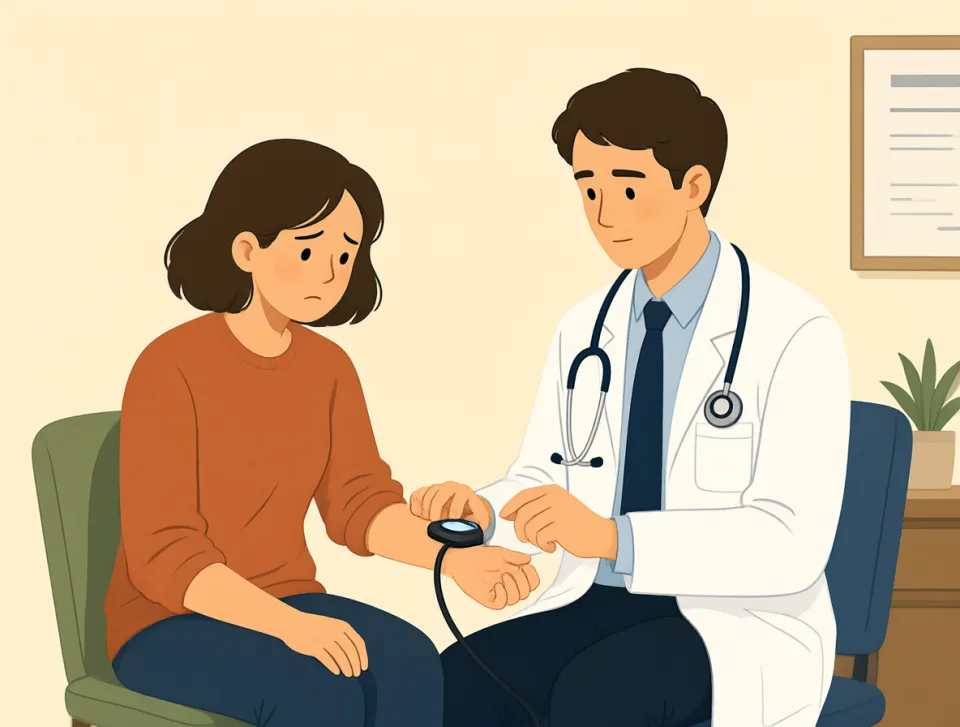
The doctor noticed a rapid heartbeat and asked me to rest quietly.
डॉक्टर ने मेरी तेज़ धड़कन पर ध्यान दिया और मुझे आराम से चुपचाप लेटने को कहा।
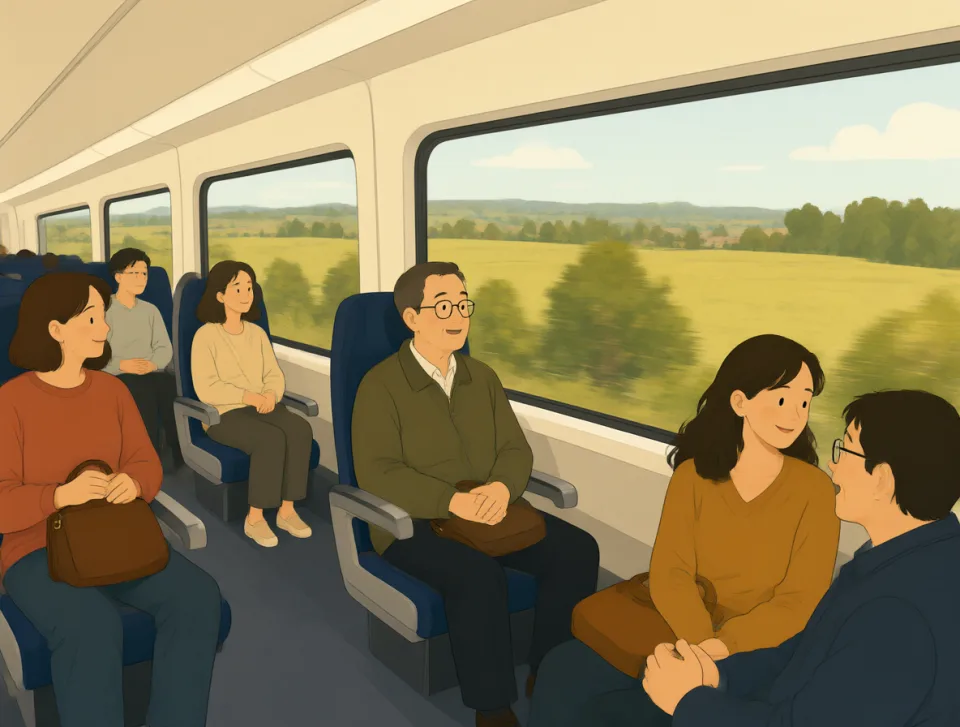
We enjoyed a rapid train journey from the city to the coast.
हमें शहर से तट तक की तेज़ ट्रेन यात्रा बहुत अच्छी लगी।

The rapid rise in prices made it difficult to buy fresh food.
कीमतों में तेज़ बढ़ोतरी के कारण ताज़ा खाना खरीदना मुश्किल हो गया।

After the storm, the river's rapid flow carried branches downstream.
तूफ़ान के बाद नदी का तेज़ बहाव टहनियों को बहाकर नीचे की ओर ले गया।

cancel
#2390verb, noun
रद्द करना
To stop an event or arrangement from happening, or to say that it will not happen.
किसी कार्यक्रम या तय योजना को होने से रोकना, या यह कहना कि वह नहीं होगा।

The airline canceled our flight because of the severe storm.
भयंकर तूफ़ान के कारण एयरलाइन ने हमारी उड़ान रद्द कर दी।

I had to cancel my dentist appointment because I felt sick.
बीमार महसूस होने की वजह से मुझे दाँतों के डॉक्टर से मिलने का समय रद्द करना पड़ा।

We canceled dinner plans when our friends became ill.
जब हमारे दोस्त बीमार पड़ गए, तो हमने साथ खाना खाने का कार्यक्रम रद्द कर दिया।
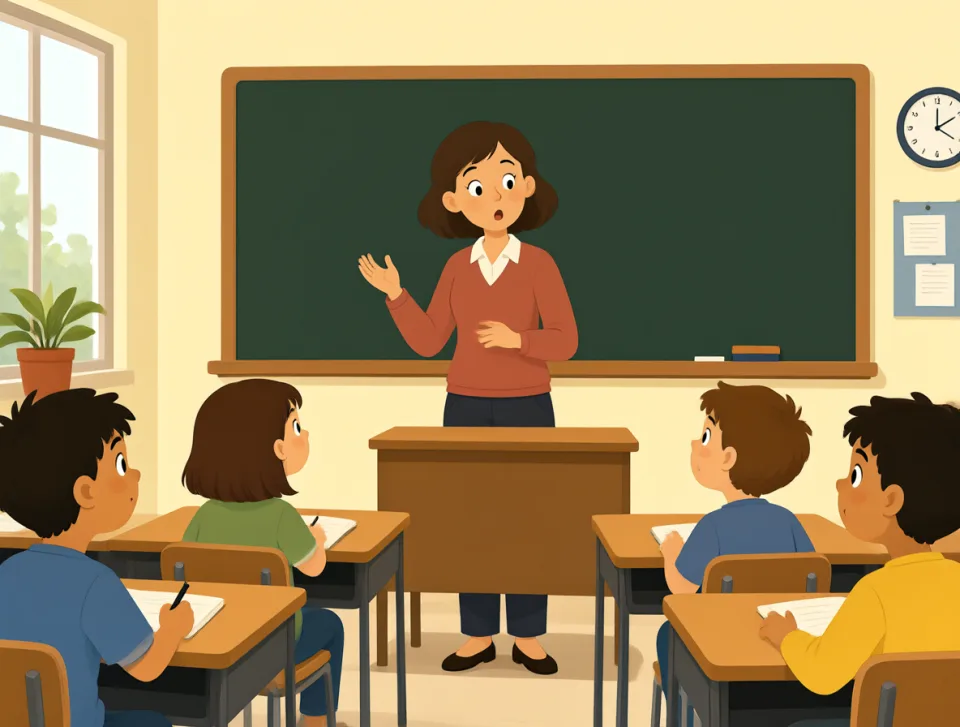
The teacher canceled class because the school lost power.
स्कूल की बिजली चली जाने के कारण शिक्षक ने कक्षा रद्द कर दी।

You can cancel your order before the store sends it.
दुकान के आपका ऑर्डर भेजने से पहले आप उसे रद्द कर सकते हैं।
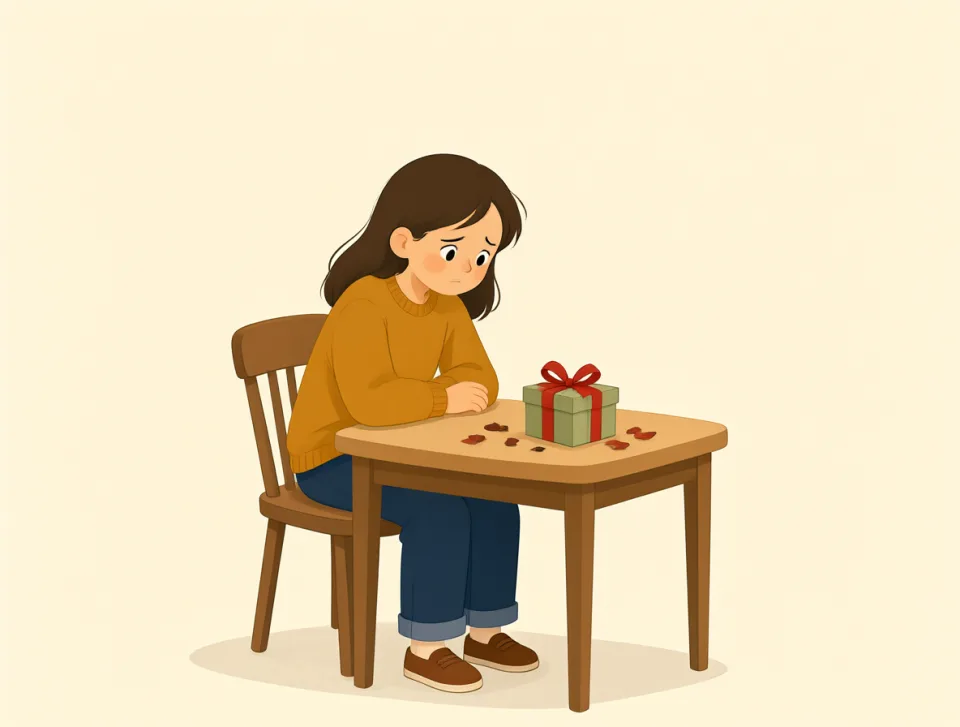
regret
#2391noun, verb
पछतावा
A sad feeling about something you did or did not do, or to feel this sadness.
आपने जो किया या नहीं किया, उसके बारे में दुख महसूस करना; या ऐसा दुख महसूस करना।

I regret telling my friend about the surprise party.
मुझे अपने दोस्त को सरप्राइज़ पार्टी के बारे में बताने का पछतावा है।

She regrets not studying harder for the final exam.
उसे पछतावा है कि उसने अंतिम परीक्षा के लिए और मेहनत से पढ़ाई नहीं की।

We regret to inform you that your order is unavailable.
हमें आपको यह बताते हुए खेद है कि आपका ऑर्डर उपलब्ध नहीं है।

He has no regrets about leaving his old job.
उसे अपनी पुरानी नौकरी छोड़ने का कोई पछतावा नहीं है।
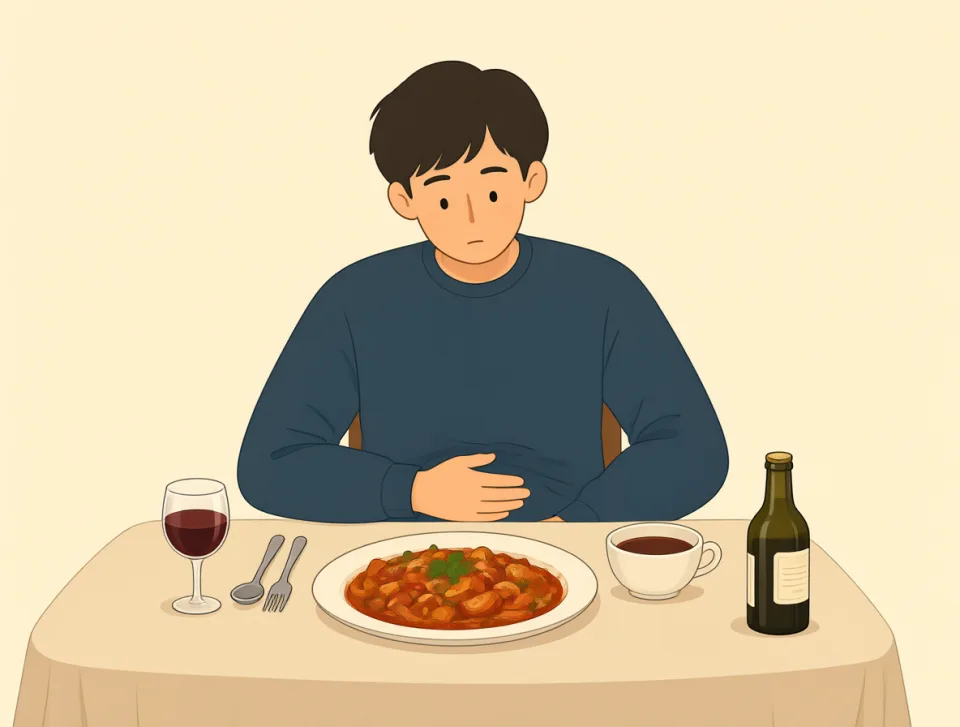
You may regret eating so much spicy food tonight.
आज रात इतना तीखा खाना खाने का आपको पछतावा हो सकता है।
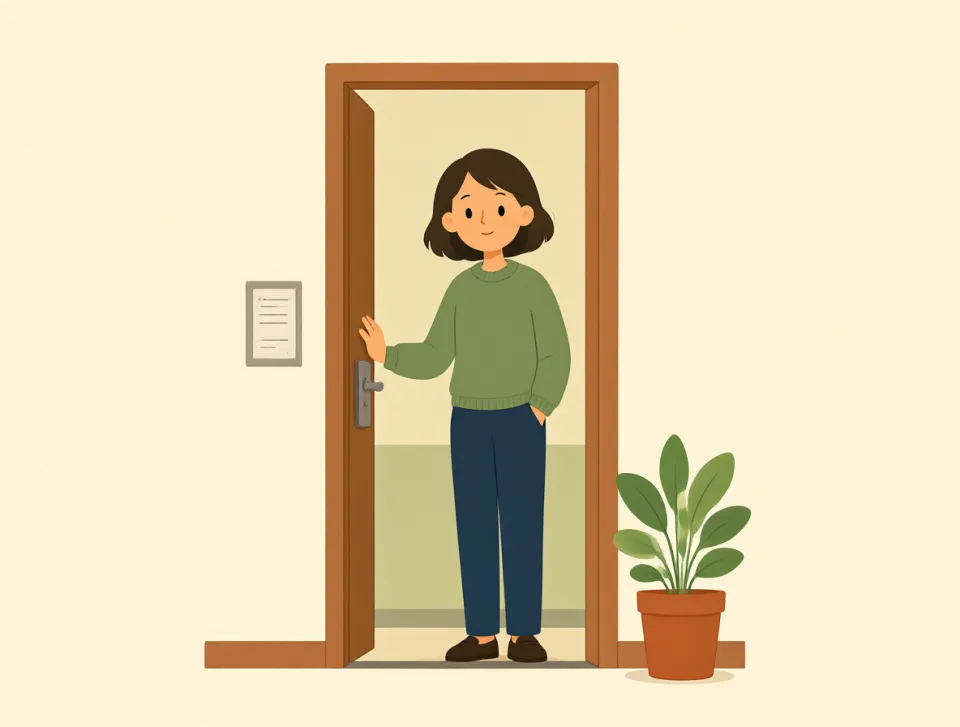
dismiss
#2392verb
रुख़सत करना; ख़ारिज करना
To send someone away or decide that something is not important or worth considering.
किसी को जाने के लिए कहना, या यह तय करना कि कोई बात महत्वपूर्ण या विचार करने लायक नहीं है।

The teacher dismissed the class early because the heating system stopped working.
हीटिंग सिस्टम बंद हो जाने के कारण शिक्षक ने कक्षा की छुट्टी जल्दी कर दी।

The manager dismissed his assistant after repeated mistakes and missed deadlines.
बार-बार गलतियाँ करने और समय-सीमाएँ चूकने के बाद मैनेजर ने अपने सहायक को नौकरी से निकाल दिया।

The doctor dismissed my stomach pain as a minor problem and suggested resting.
डॉक्टर ने मेरे पेट-दर्द को मामूली समस्या मानकर टाल दिया और आराम करने की सलाह दी।

She quickly dismissed the idea of ordering pizza because everyone wanted healthier food.
उसने पिज़्ज़ा मँगाने का विचार तुरंत ख़ारिज कर दिया, क्योंकि सब लोग ज़्यादा सेहतमंद खाना चाहते थे।

Security dismissed the travelers after checking their bags at the airport.
हवाई अड्डे पर यात्रियों के बैग जाँचने के बाद सुरक्षा कर्मियों ने उन्हें जाने दिया।

margin
#2393noun
हाशिया; गुंजाइश
The empty space around the edge of a page, or an extra amount allowing for problems.
पन्ने के किनारे के आसपास की खाली जगह, या संभावित समस्याओं के लिए रखी गई अतिरिक्त गुंजाइश।

Please write your name in the margin of the page.
कृपया पन्ने के हाशिये में अपना नाम लिखें।
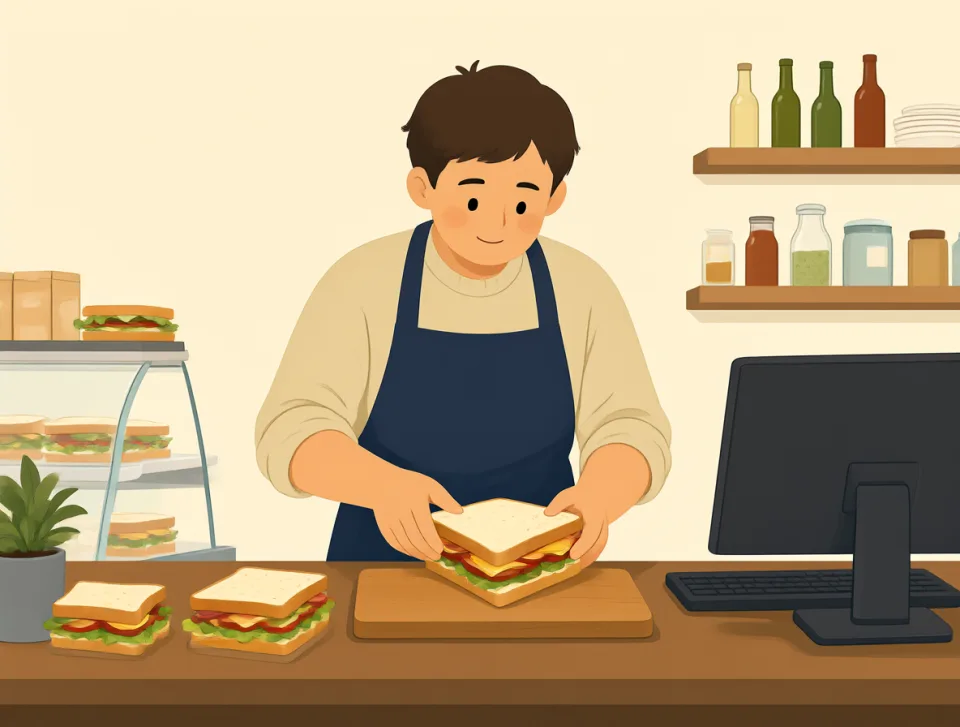
The shop made a small profit margin on each sandwich.
दुकान को हर सैंडविच पर थोड़ा-सा मुनाफ़ा हुआ।

We arrived early, leaving a comfortable margin before the train departed.
हम जल्दी पहुँच गए, इसलिए ट्रेन छूटने से पहले हमारे पास आराम से पर्याप्त समय था।
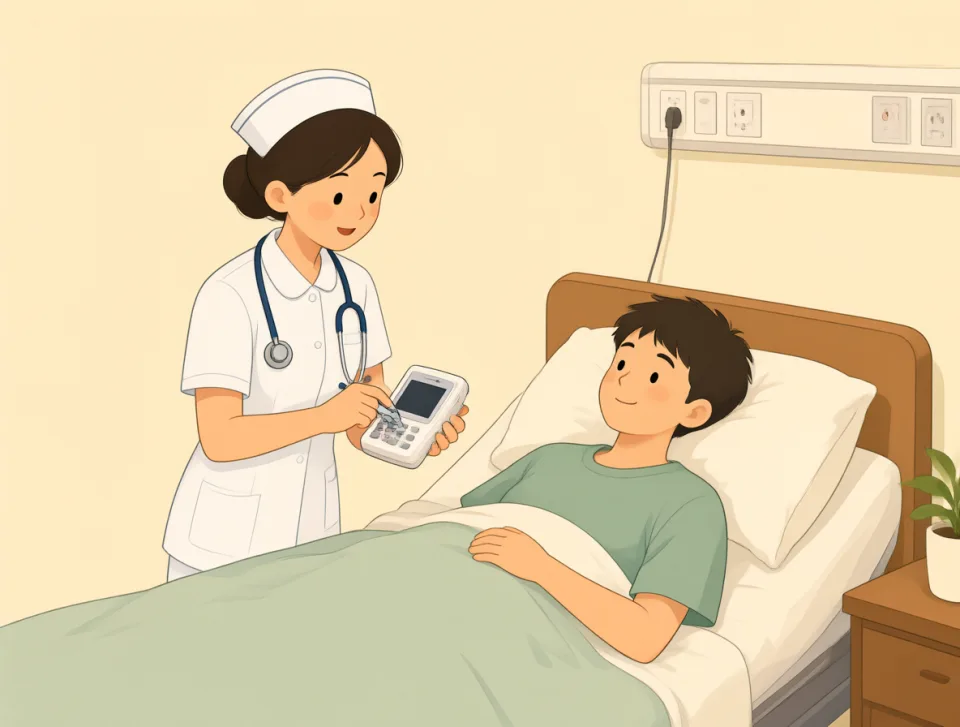
The nurse said there was little margin for error during the treatment.
नर्स ने कहा कि इलाज के दौरान गलती की गुंजाइश बहुत कम थी।
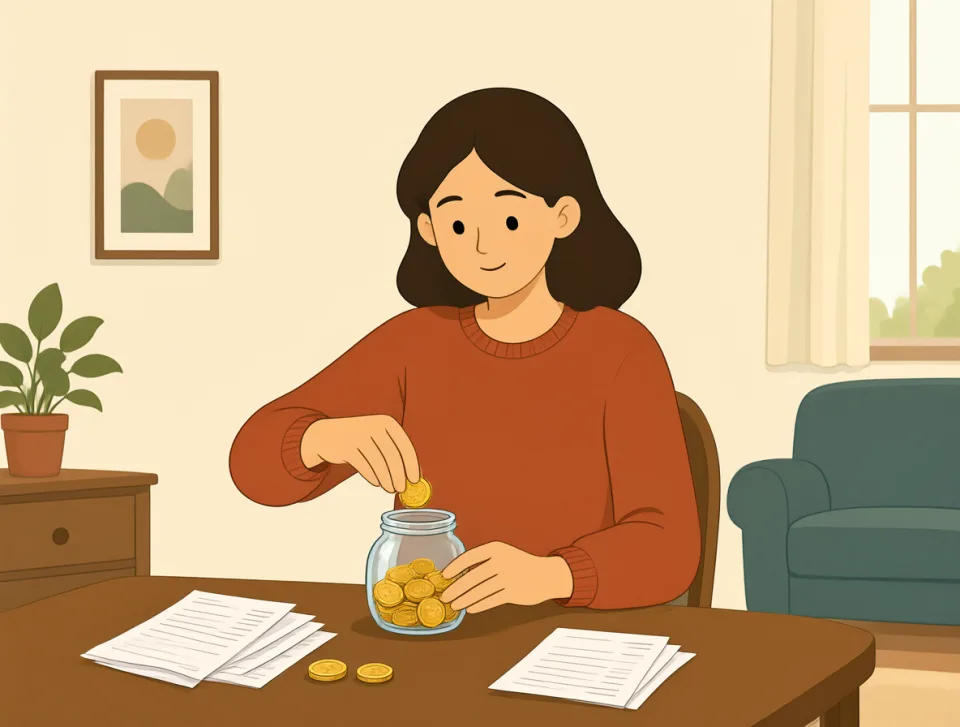
She added extra money to her budget as a margin for unexpected costs.
उसने अचानक आने वाले खर्चों के लिए अपने बजट में अतिरिक्त पैसे रखे।

beneath
#2394preposition, adverb
के नीचे
in or to a lower position, especially directly under something
किसी निचली जगह पर या वहाँ की ओर, ख़ासकर किसी चीज़ के ठीक नीचे।

The keys were hidden beneath a pile of clothes on the bedroom floor.
चाबियाँ बेडरूम के फ़र्श पर कपड़ों के ढेर के नीचे छिपी थीं।

She wore a warm sweater beneath her coat during the cold train journey.
ठंड में ट्रेन से सफ़र के दौरान उसने अपने कोट के नीचे गरम स्वेटर पहना।

The village lies beneath the mountain, surrounded by green fields.
गाँव पहाड़ के नीचे, हरे-भरे खेतों से घिरा हुआ है।
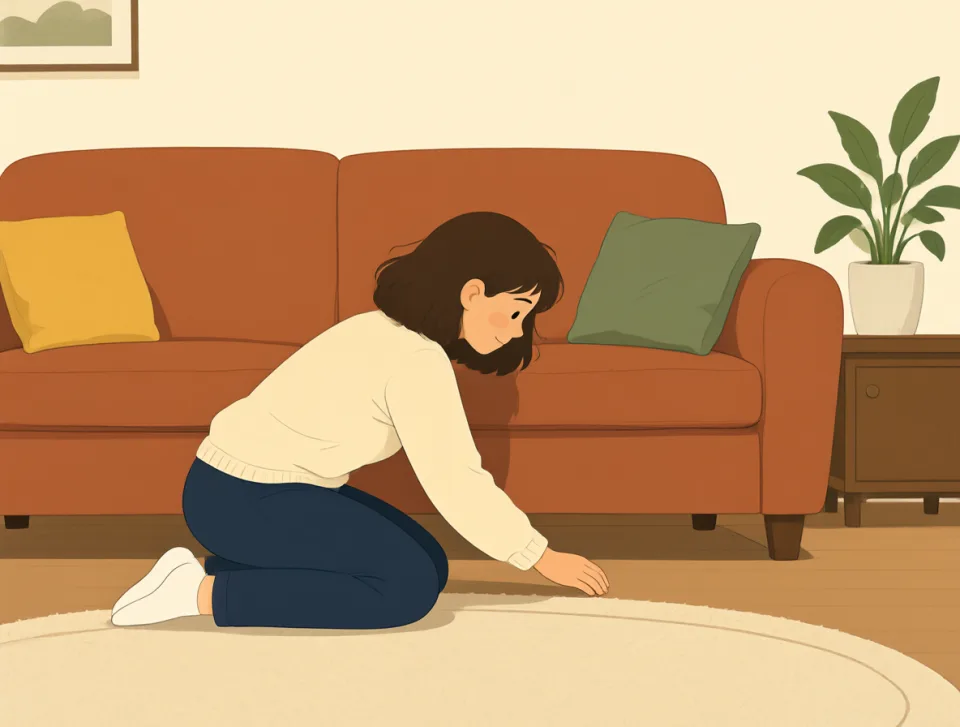
Please look beneath the sofa for my missing phone.
कृपया मेरा खोया हुआ फ़ोन ढूँढ़ने के लिए सोफ़े के नीचे देखिए।
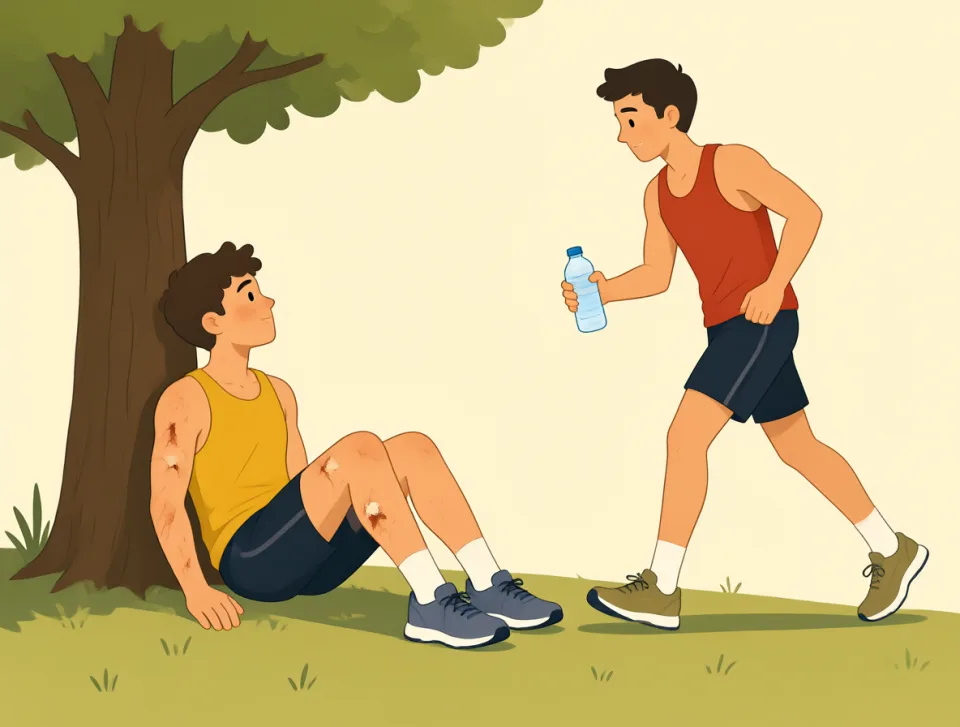
The injured runner rested beneath a tree while her friend brought water.
घायल धाविका पेड़ के नीचे आराम कर रही थी, जबकि उसकी दोस्त पानी लेने गई।
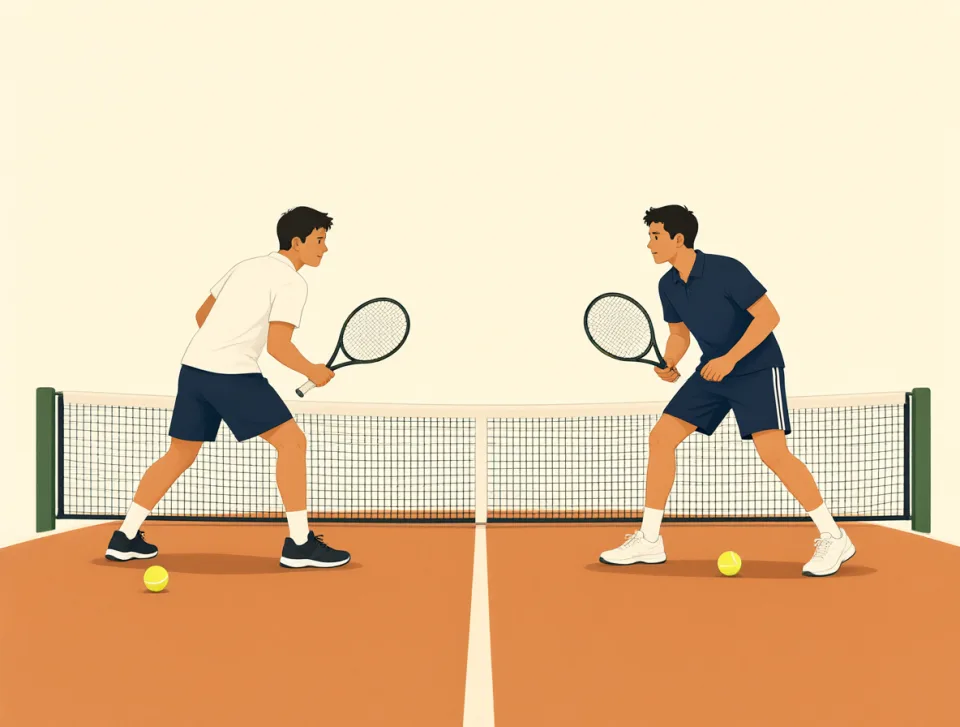
opponent
#2395noun
प्रतिद्वंद्वी
A person or team you compete against in a game, contest, or argument.
वह व्यक्ति या टीम जिसके ख़िलाफ़ आप किसी खेल, प्रतियोगिता या बहस में मुकाबला करते हैं।
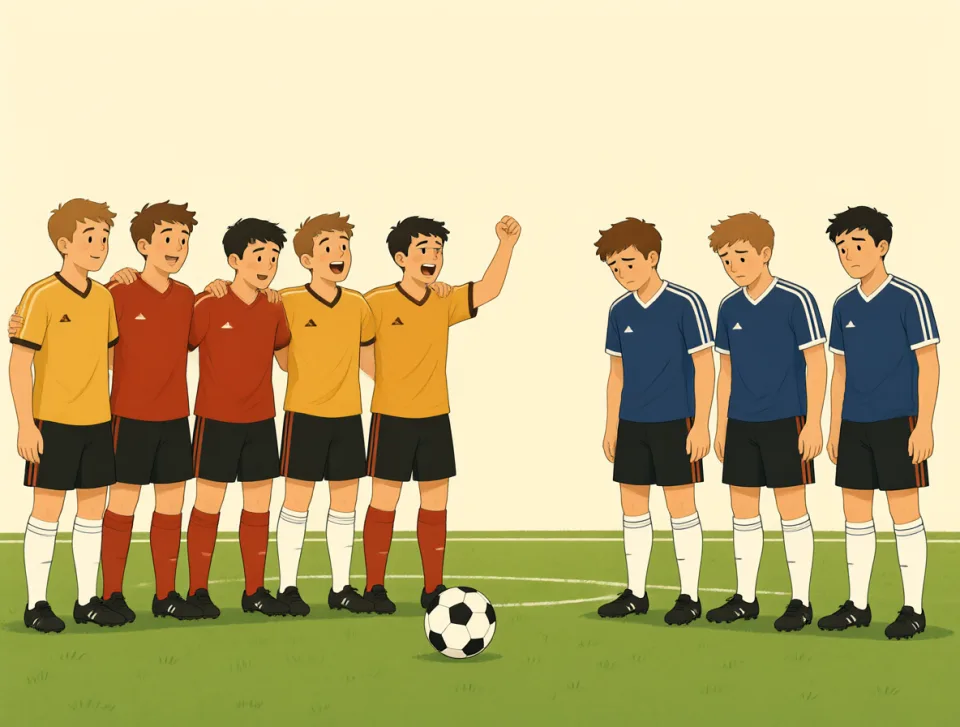
Our team defeated its strongest opponent in the final match.
हमारी टीम ने फ़ाइनल मैच में अपने सबसे मज़बूत प्रतिद्वंद्वी को हरा दिया।

She shook hands with her opponent before the boxing match began.
मुक्केबाज़ी का मैच शुरू होने से पहले उसने अपने प्रतिद्वंद्वी से हाथ मिलाया।

The candidate answered every question from her political opponent calmly.
उम्मीदवार ने अपने राजनीतिक प्रतिद्वंद्वी के हर सवाल का शांति से जवाब दिया।
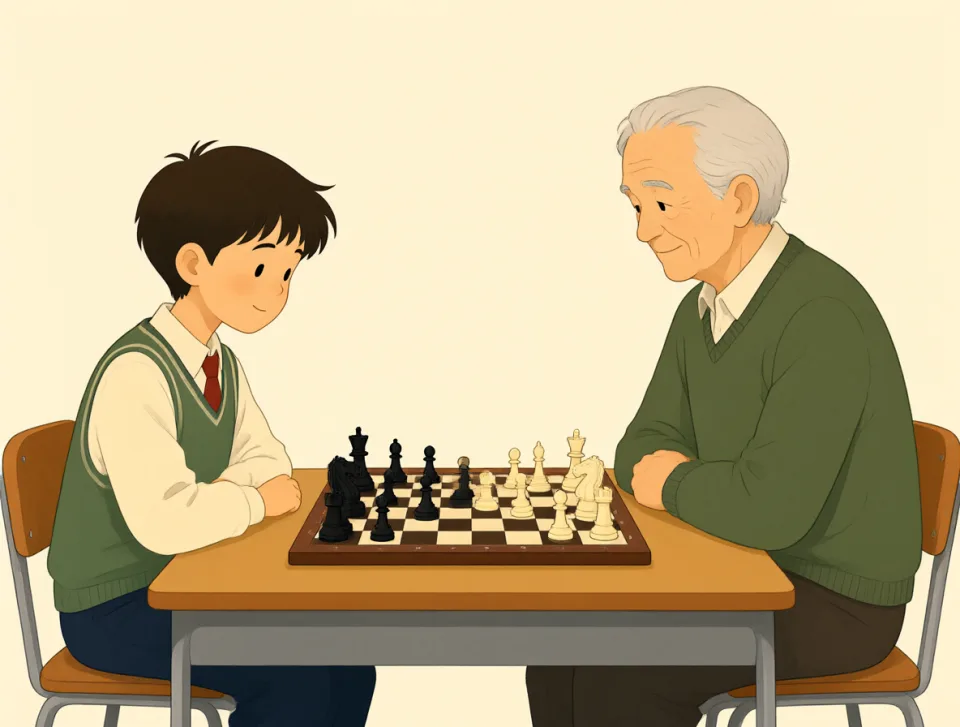
In chess club, I played against an opponent who was much older.
शतरंज क्लब में मैंने एक ऐसे प्रतिद्वंद्वी के ख़िलाफ़ खेला जो मुझसे काफ़ी बड़ा था।
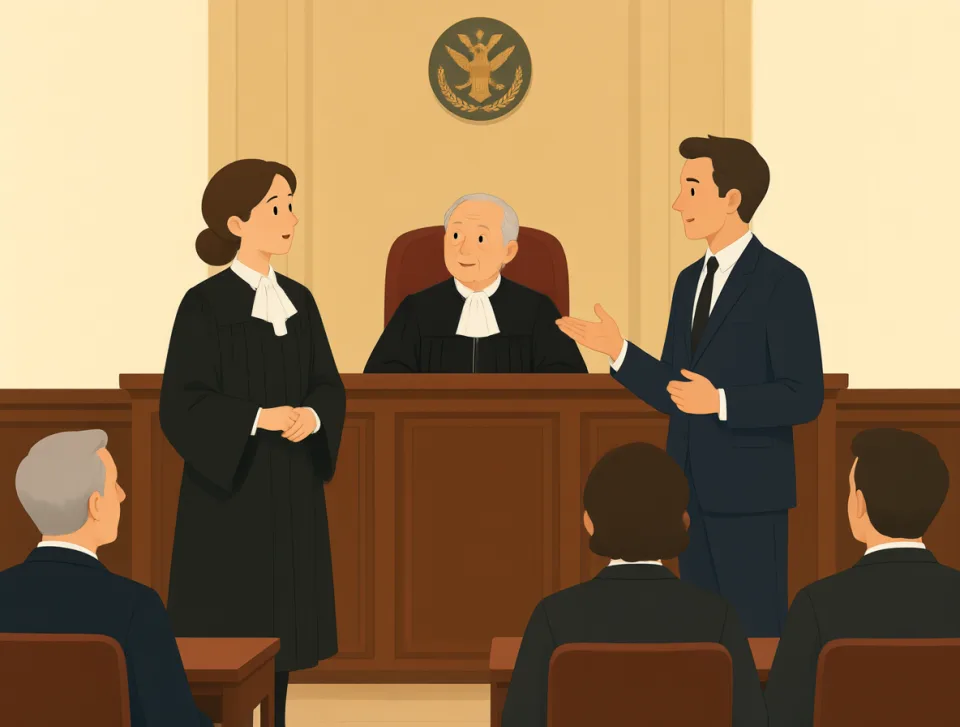
The lawyer argued that his opponent had misunderstood the evidence.
वकील ने दलील दी कि उसके विरोधी ने सबूतों को गलत समझा था।
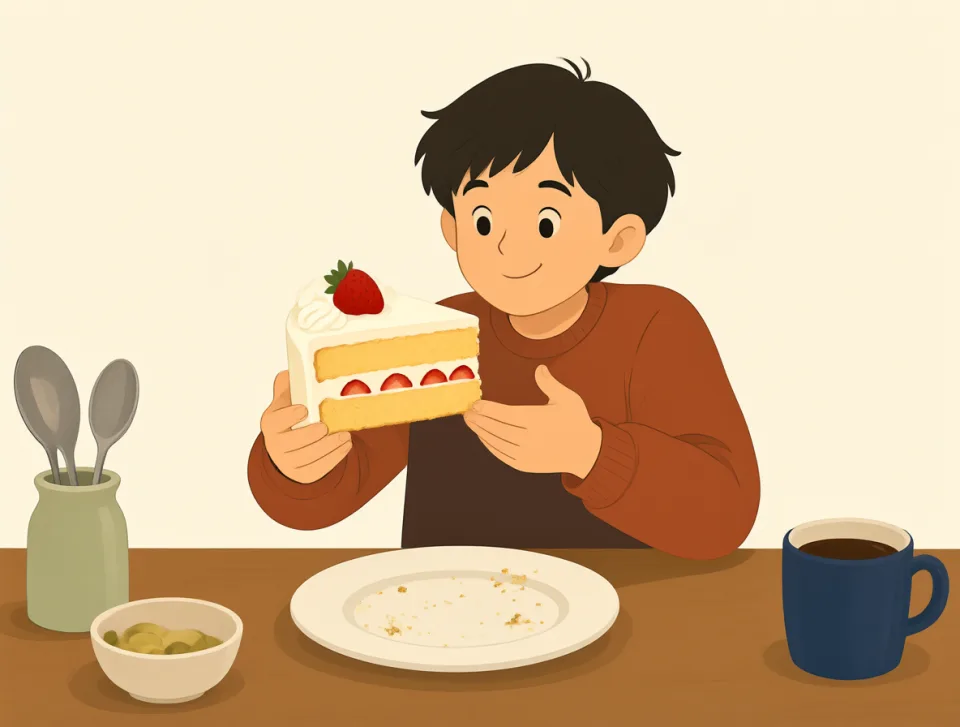
resist
#2396verb
विरोध करना
to stop yourself from doing or accepting something
अपने-आप को कुछ करने या स्वीकार करने से रोकना
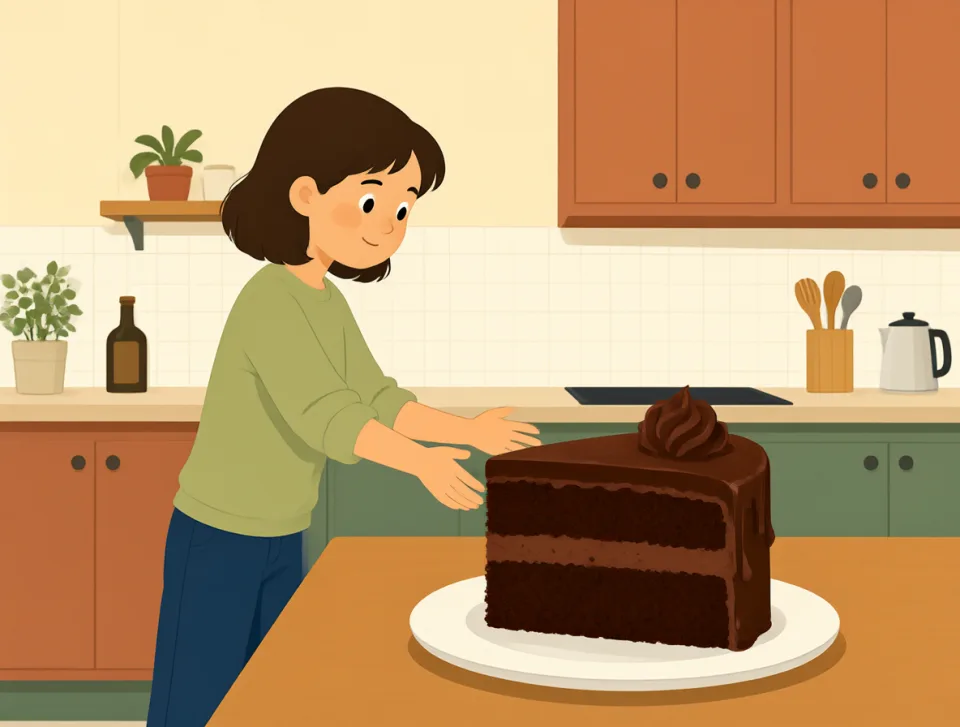
I tried to resist the chocolate cake, but it looked too delicious.
मैंने चॉकलेट केक से बचने की कोशिश की, लेकिन वह इतना लज़ीज़ लग रहा था।

She resisted buying the expensive jacket and saved her money instead.
उसने महँगी जैकेट खरीदने से खुद को रोक लिया और इसके बजाय अपने पैसे बचाए।
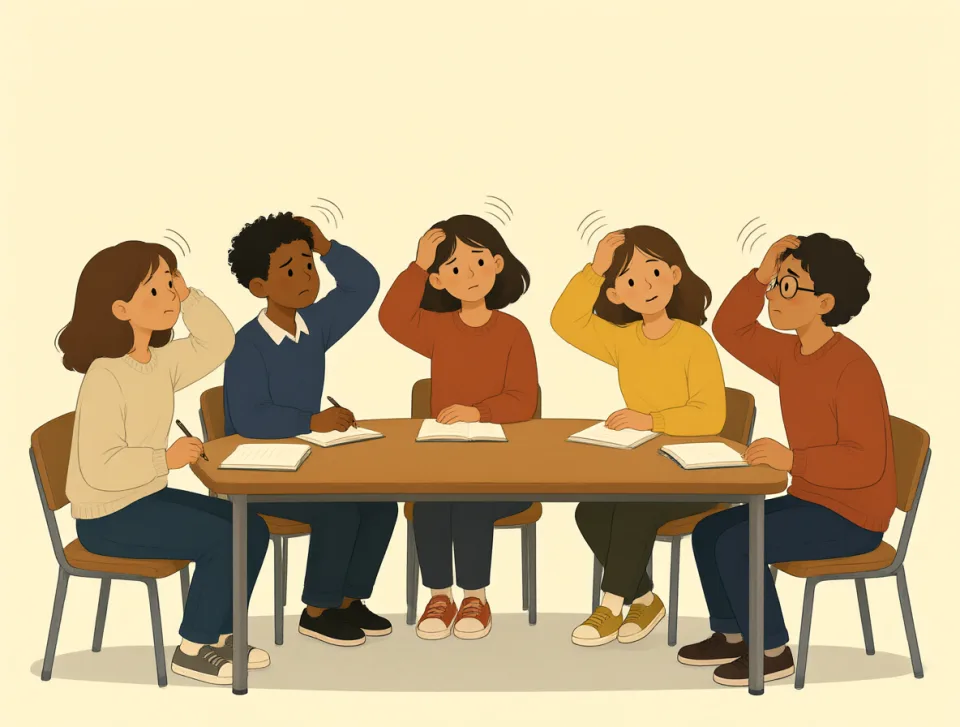
The students resisted the teacher's suggestion and chose their own project.
छात्रों ने शिक्षक के सुझाव को नहीं माना और अपना प्रोजेक्ट खुद चुना।

He could not resist laughing when his friend slipped on the wet grass.
जब उसका दोस्त गीली घास पर फिसल गया, तो वह हँसने से खुद को रोक नहीं पाया।

This medicine helps your body resist infections during the winter.
यह दवा सर्दियों में आपके शरीर को संक्रमणों से लड़ने में मदद करती है।
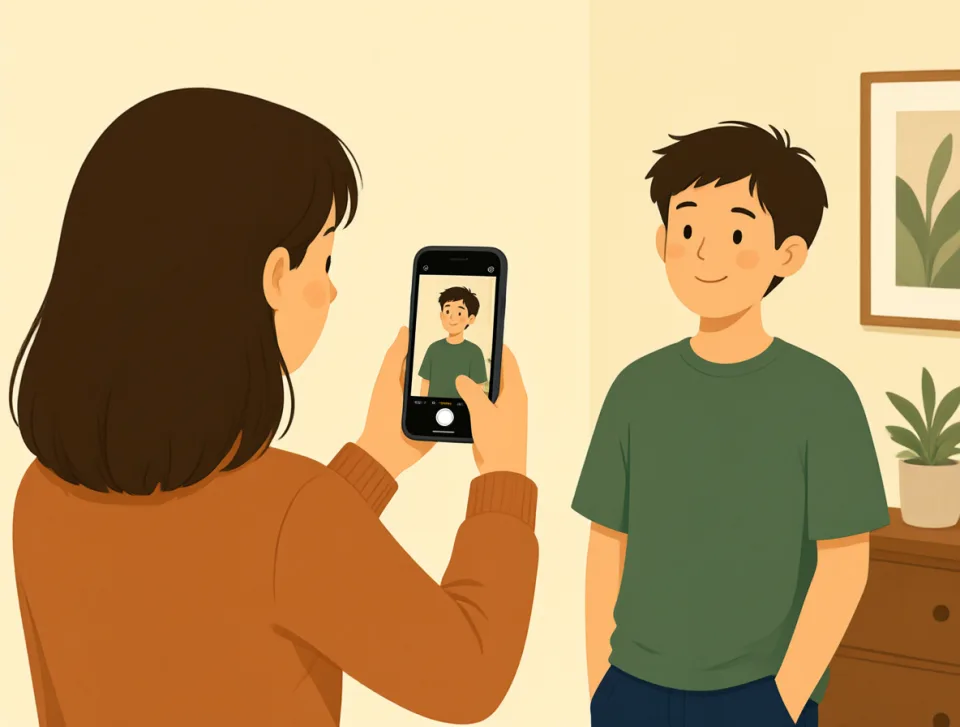
capability
#2397noun
क्षमता
The ability or power to do something.
कुछ करने की योग्यता या शक्ति।
This phone has the capability to take clear photos at night.
इस फ़ोन में रात में साफ़ तस्वीरें लेने की क्षमता है।
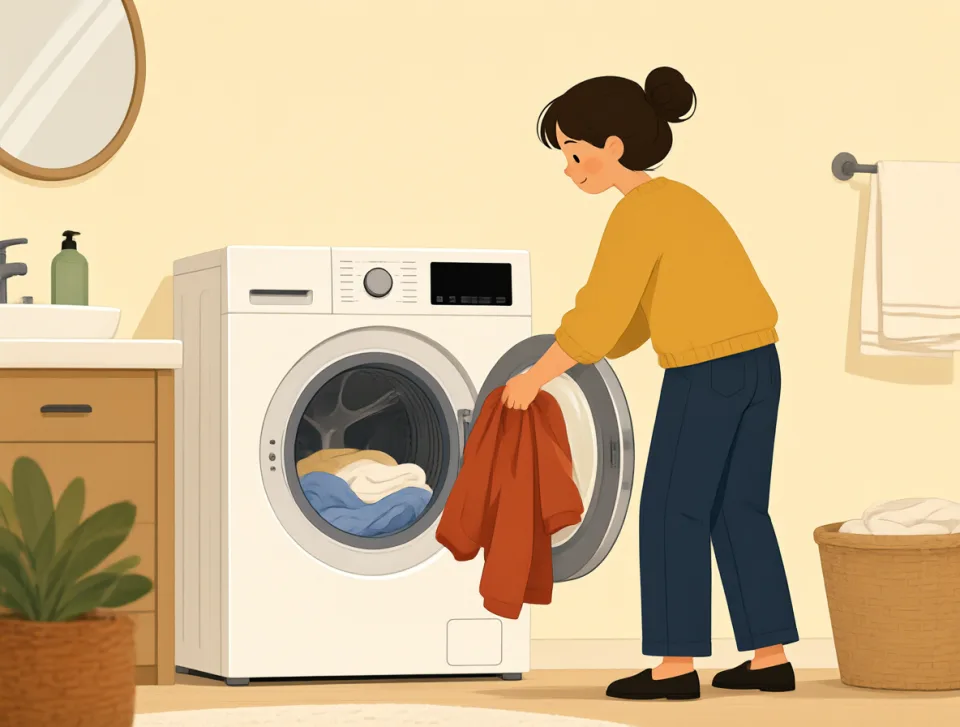
The new washing machine has a larger capacity and better cleaning capabilities.
नई वॉशिंग मशीन की क्षमता ज़्यादा है और वह बेहतर सफ़ाई करती है।

The team has the capability to finish the project before Friday.
टीम में शुक्रवार से पहले प्रोजेक्ट पूरा करने की क्षमता है।
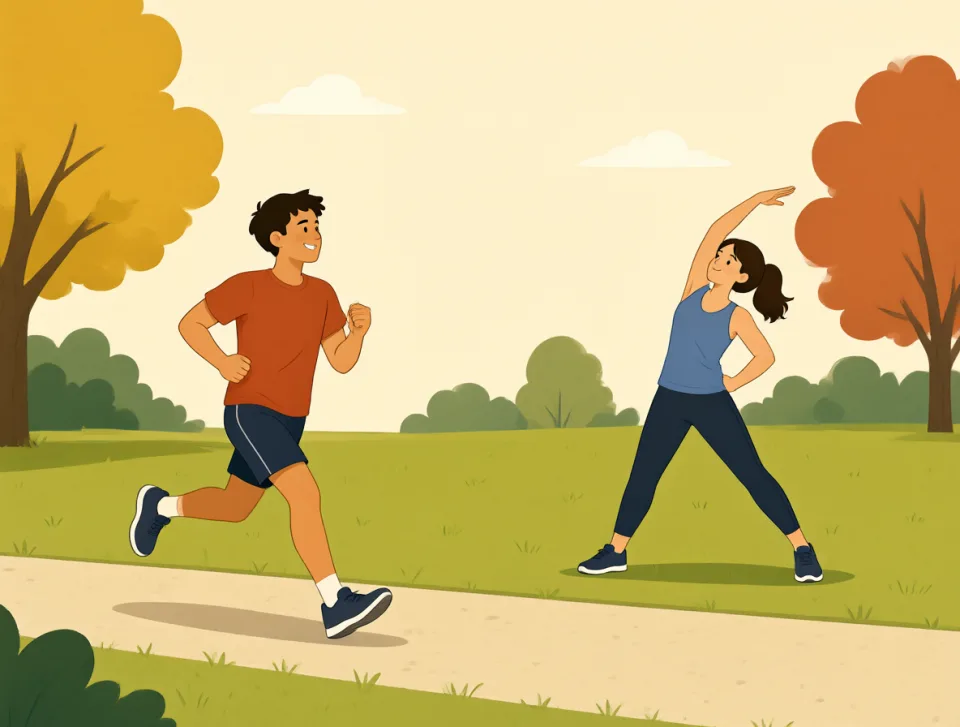
Regular exercise can improve your body's capability to fight illness.
नियमित व्यायाम से आपके शरीर की बीमारी से लड़ने की क्षमता बेहतर हो सकती है।

The school is building students' capabilities through practical science lessons.
स्कूल में व्यावहारिक विज्ञान के पाठों के ज़रिए छात्रों की क्षमताएँ विकसित की जा रही हैं।

absolute
#2398adjective
पूर्ण
Complete and total, with no limit, doubt, or exception.
पूरी तरह से और बिना किसी सीमा, संदेह या अपवाद के।
She needs absolute silence to concentrate while studying for her final exams.
अंतिम परीक्षाओं की तैयारी करते समय उसे ध्यान लगाने के लिए बिल्कुल शांति चाहिए।

The doctor gave him absolute confidence that his knee would heal completely.
डॉक्टर ने उसे पूरा भरोसा दिलाया कि उसका घुटना पूरी तरह ठीक हो जाएगा।

Our manager expects absolute honesty when employees report problems at work.
हमारे मैनेजर को उम्मीद है कि कर्मचारी काम की समस्याओं की जानकारी देते समय पूरी ईमानदारी बरतेंगे।

The restaurant offers absolute beginners a simple cooking class every Saturday morning.
रेस्तराँ हर शनिवार सुबह बिल्कुल नए लोगों के लिए खाना पकाने की आसान कक्षा चलाता है।

We had absolute freedom to choose any seat during the long train journey.
लंबी ट्रेन यात्रा के दौरान हमें कोई भी सीट चुनने की पूरी आज़ादी थी।

correspond
#2399verb
मेल खाना
to be similar or connected, or to exchange letters with someone
एक जैसा या आपस में जुड़ा होना, या किसी से पत्रों का आदान-प्रदान करना
The pictures on the wall correspond to the furniture in the room.
दीवार पर लगी तस्वीरें कमरे के फ़र्नीचर से मेल खाती हैं।

Your answer does not correspond to the information we discussed yesterday.
आपका जवाब उस जानकारी से मेल नहीं खाता जिस पर हमने कल चर्चा की थी।

The numbers on the receipt correspond to the items in my shopping bag.
रसीद पर लिखे नंबर मेरे ख़रीदारी के थैले की चीज़ों से मेल खाते हैं।

The symptoms correspond to a mild infection, according to the doctor.
डॉक्टर के अनुसार, ये लक्षण हल्के संक्रमण से मेल खाते हैं।
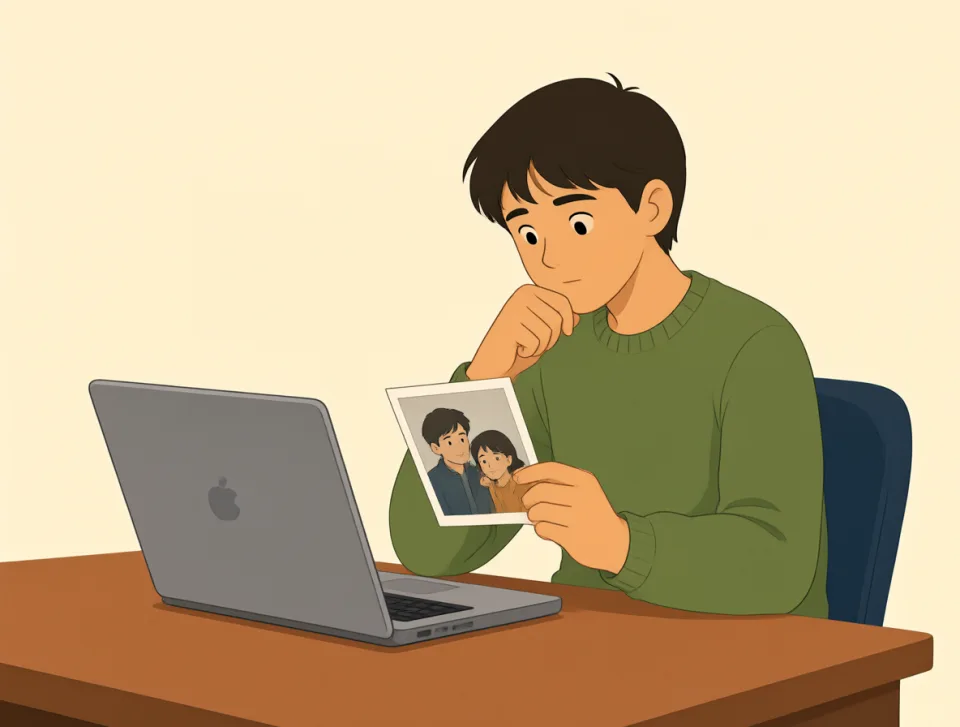
We correspond by email because my old friend lives in another country.
हम ईमेल के ज़रिए एक-दूसरे को लिखते हैं, क्योंकि मेरा पुराना दोस्त दूसरे देश में रहता है।

stroke
#2400noun, verb
सहलाना
a gentle touch or movement; to touch or move something gently
हल्का स्पर्श या गति; किसी चीज़ को धीरे से छूना या हिलाना

She gave the cat a gentle stroke before leaving for work.
काम पर जाने से पहले उसने बिल्ली को धीरे से सहलाया।
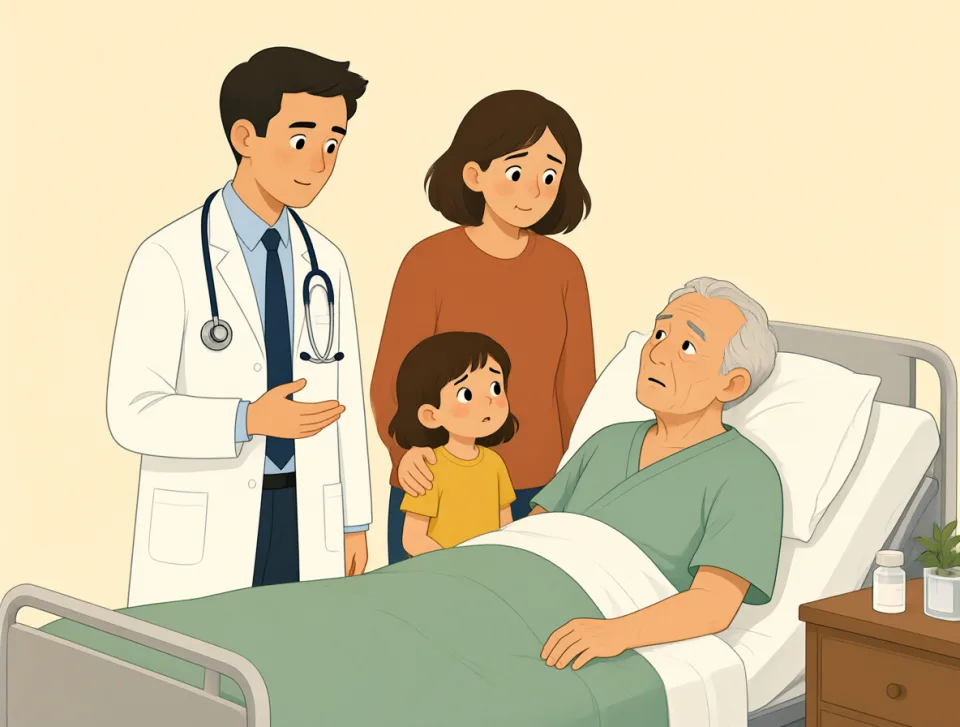
The doctor explained that a stroke had affected his father's speech.
डॉक्टर ने बताया कि स्ट्रोक से उसके पिता की बोलने की क्षमता प्रभावित हुई थी।

He stroked the child's hair until she finally fell asleep.
वह बच्ची के बाल सहलाता रहा, जब तक कि उसे नींद नहीं आ गई।

The painter added one final stroke to the blue sky.
चित्रकार ने नीले आकाश में एक आख़िरी रेखा खींची।

She stroked the fabric to check whether the coat felt soft enough.
उसने यह देखने के लिए कपड़े को सहलाया कि कोट छूने में काफ़ी मुलायम है या नहीं।