單元 129
單字 2561–2580 · diversity, allege, pride, intense, inquiry, resign
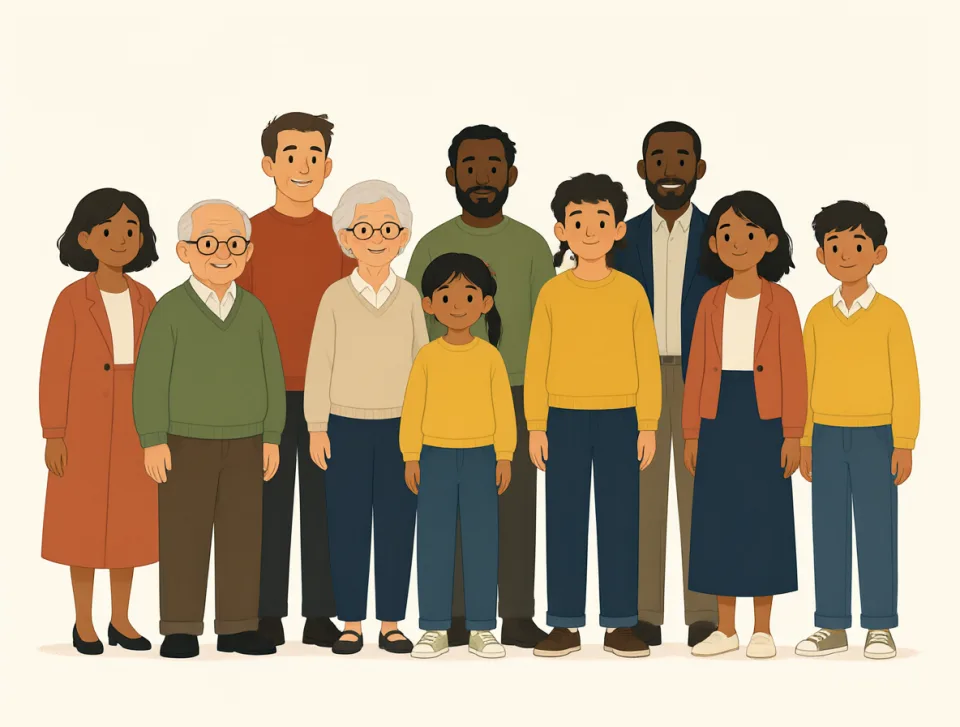
diversity
#2561noun
多樣性;多元化
The presence of many different types of people, things, or ideas in one group.
在一個群體中存在許多不同型別的人、事物或觀點。

The company is working to improve diversity among its senior managers.
這家公司正在努力提高高層管理人員的多樣性。

Our school celebrates cultural diversity with food, music, and dance.
我們學校透過美食、音樂和舞蹈來慶祝文化多樣性。

The city offers great diversity in restaurants, from local cafés to international kitchens.
這座城市的餐飲選擇非常多樣,從當地咖啡館到各國風味餐廳,應有盡有。

Traveling opened my mind to the diversity of lifestyles around the world.
旅行讓我開闊了眼界,讓我瞭解到世界各地生活方式的多樣性。
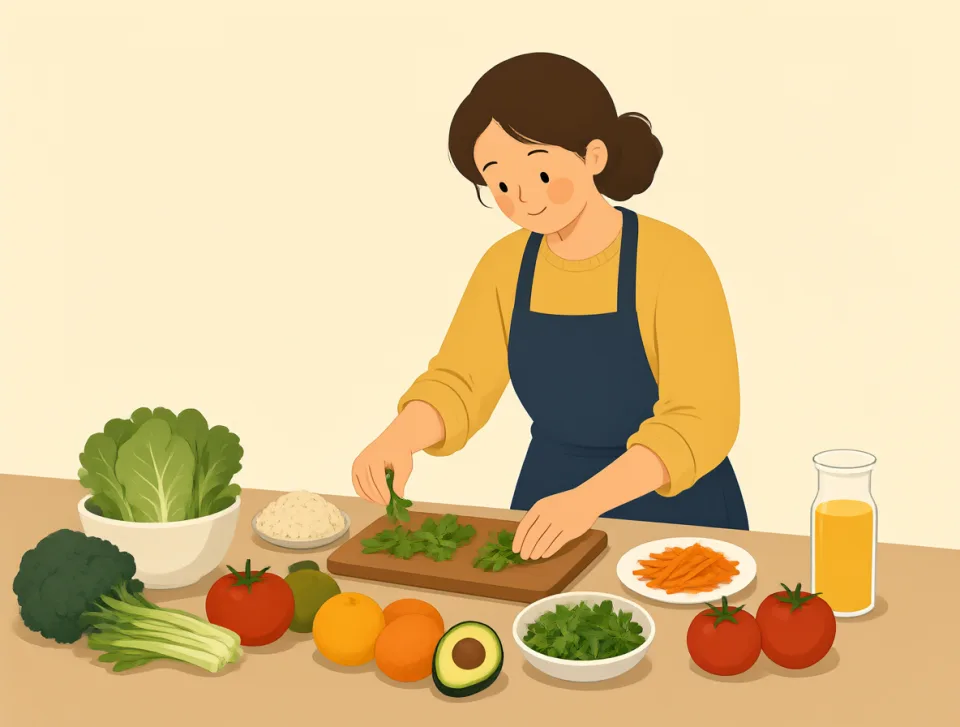
A healthy diet should include diversity, with plenty of fruits, vegetables, grains, and protein.
健康的飲食應該豐富多樣,包括大量水果、蔬菜、穀物和蛋白質。

allege
#2562verb
聲稱;指稱;指控
To say that someone did something wrong, although this has not been proven.
聲稱某人做了錯事,儘管這件事尚未得到證實。
Police allege that the driver caused the crash after drinking.
警方稱,這名司機是在飲酒後導致了這起事故。

She alleges that her manager ignored her complaints about unsafe working conditions.
她聲稱經理忽視了她對工作環境不安全的投訴。

The newspaper alleged corruption among officials, but provided no evidence.
這家報紙指稱官員中存在腐敗現象,但沒有提供任何證據。

He alleges he was charged twice for the same meal at the restaurant.
他聲稱餐廳對同一頓飯收了他兩次錢。

The student alleged that another student had cheated during the exam.
這名學生指稱另一名學生在考試中作弊。

pride
#2563noun
自豪;驕傲;自尊心
A feeling of pleasure and respect for yourself or someone you care about.
對自己或自己關心的人感到滿意和自豪,並心懷敬意的情感。

Her parents felt great pride when she graduated from university.
她從大學畢業時,父母感到無比自豪。

He takes pride in keeping his small apartment clean and comfortable.
他以保持自己那間小公寓乾淨舒適為榮。

The team celebrated with pride after winning the local football match.
球隊贏得當地足球比賽後,大家自豪地慶祝起來。

She swallowed her pride and asked her manager for help.
她放下自尊,向經理尋求幫助。
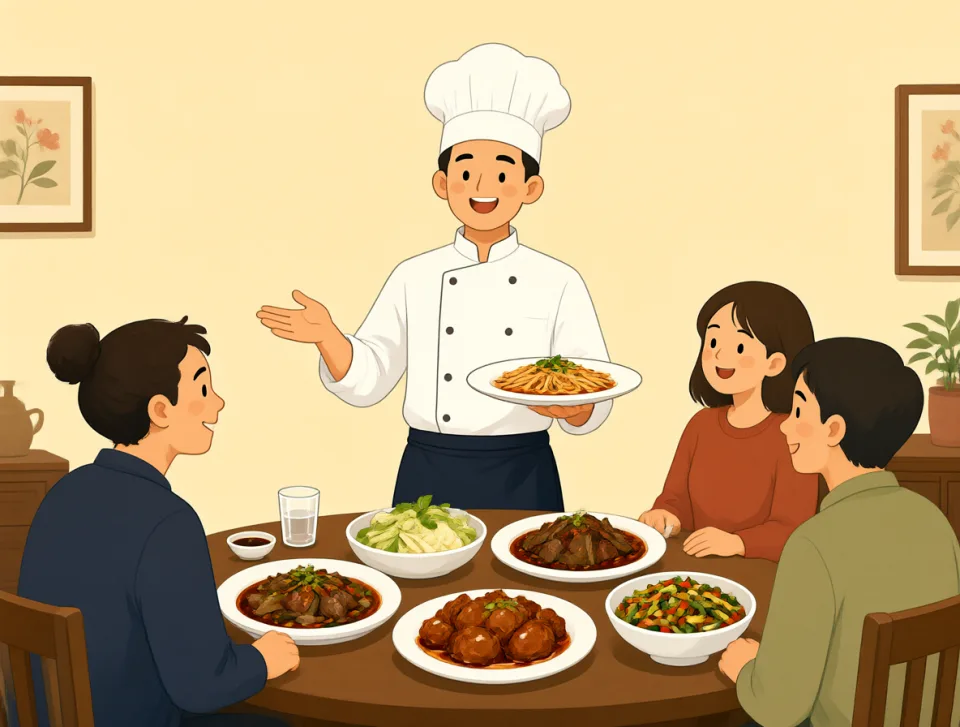
The restaurant serves traditional dishes that are a source of local pride.
這家餐廳供應傳統菜餚,這些菜餚是當地人的驕傲。

intense
#2564adjective
強烈的;劇烈的;激烈的;濃烈的
Very strong, serious, or extreme in force, feeling, or degree.
在力量、情感或程度上非常強烈、嚴重或極端的。
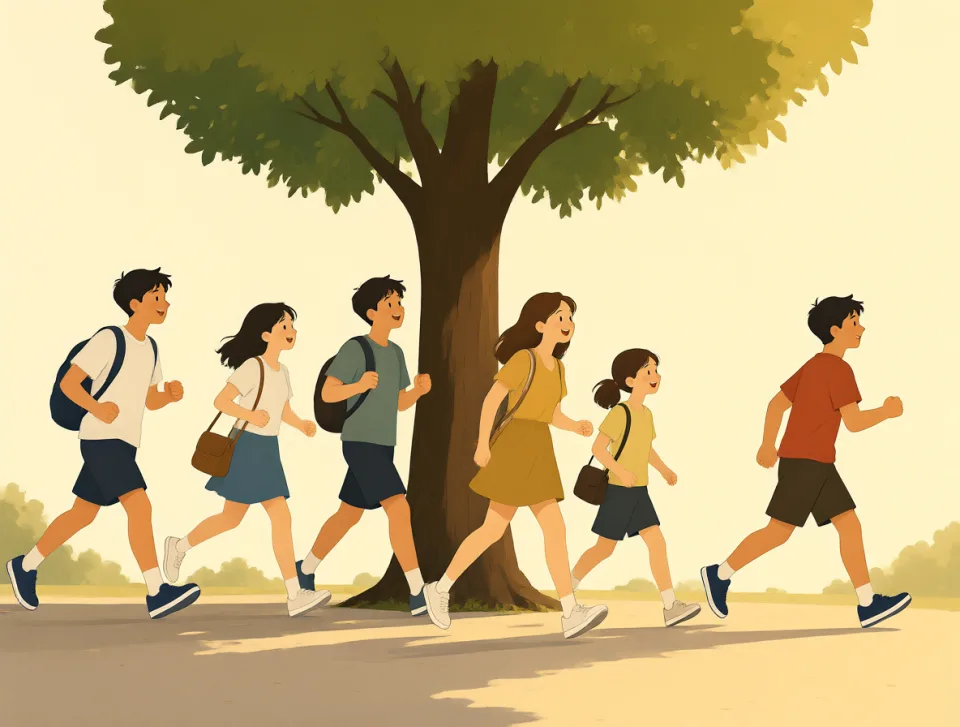
The intense heat made everyone look for shade during the afternoon.
下午天氣酷熱,大家都在尋找陰涼處避暑。
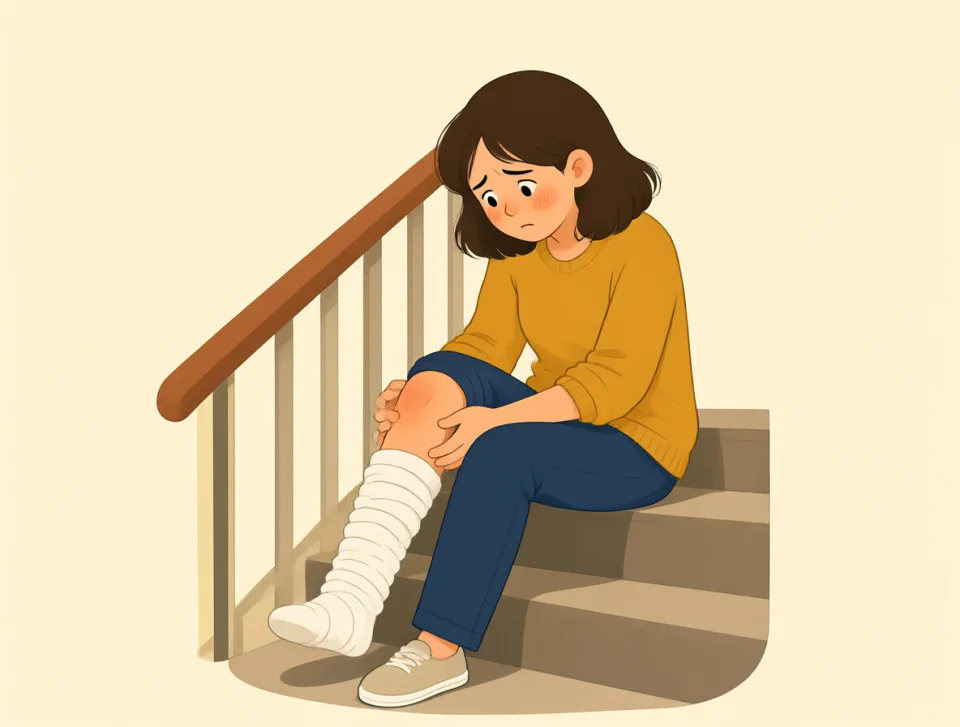
She felt intense pain in her leg after falling down the stairs.
從樓梯上摔下來後,她的腿感到一陣劇烈的疼痛。

The team had an intense discussion about the company’s future plans.
團隊就公司的未來計劃展開了一場激烈的討論。

The students faced intense competition for places at the popular school.
想進入那所熱門學校的學生面臨著激烈的競爭。

This curry has an intense flavor, so start with a small serving.
這道咖哩味道非常濃烈,所以先少盛一點嚐嚐。

inquiry
#2565noun
詢問;諮詢;查詢;調查
a request for information about something
向他人詢問有關某件事的資訊或情況。
The hotel received an inquiry about available rooms for the holiday weekend.
酒店收到了一條諮詢,詢問假期週末是否有空房。

I sent an inquiry to the company about returning my damaged headphones.
我的耳機壞了,我向公司發了一封郵件,詢問退貨事宜。

The teacher answered several inquiries about next week's science project.
老師回答了幾個關於下週科學專案的問題。
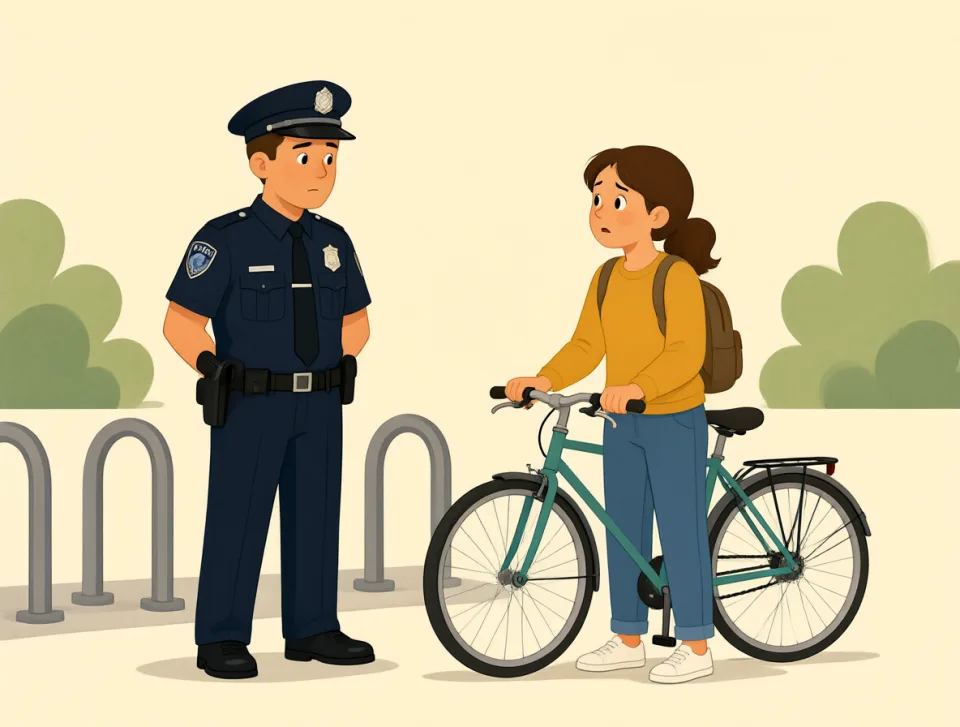
The police are making inquiries about the missing bicycle near the station.
警方正在調查車站附近腳踏車失蹤一事。

The doctor made an inquiry about my sleeping problems during the appointment.
看診時,醫生詢問了我的睡眠問題。

resign
#2566verb
辭職;辭去職務;聽天由命
To officially leave a job or position by telling your employer that you are leaving.
透過告知僱主自己將要離職,正式辭去一份工作或職位。

She resigned from her job after finding a better position.
找到一份更好的工作後,她辭去了原來的工作。

The manager resigned as president after accepting responsibility for the mistake.
經理在為這次錯誤承擔責任後,辭去了總裁職務。

He resigned from the committee because he no longer had enough time.
因為時間不夠用,他辭去了委員會的職務。

The coach resigned after the team lost several important matches.
球隊接連輸掉幾場重要比賽後,教練辭職了。

After months of stress, she resigned herself to waiting for the decision.
經歷了幾個月的壓力後,她只好認命,耐心等待結果。

craft
#2567noun, verb
手工藝品;小船;精心製作;精釀啤酒
A small boat or handmade object; to make something carefully and skillfully.
小型船隻或手工製作的物品;也可作動詞,表示用心且熟練地製作某物。

The small craft carried tourists across the lake on a sunny afternoon.
一個陽光明媚的下午,這艘小船載著遊客穿過湖面。

Students made colorful crafts from paper during their art lesson.
美術課上,學生們用紙製作了色彩繽紛的手工藝品。

She found beautiful handmade crafts at the market near her hotel.
她在酒店附近的集市上發現了許多漂亮的手工藝品。

Our manager crafted a clear plan for the busy week ahead.
我們的經理精心制定了一份應對接下來繁忙一週的詳細計劃。

My friend ordered a craft beer with dinner at the new restaurant.
我朋友在新開的餐廳吃晚餐時點了一杯精釀啤酒。

strict
#2568adjective
嚴格的;嚴厲的;嚴格遵守的
Expecting rules to be obeyed exactly and allowing little freedom or choice.
要求嚴格遵守規則,幾乎不給人留下自由或選擇的餘地。

Our teacher is strict, but she always explains the rules clearly.
我們的老師很嚴格,但她總是把規則解釋得很清楚。

The hotel has strict rules about smoking in rooms and shared areas.
這家酒店對客房和公共區域吸菸有嚴格的規定。

My parents were strict about being home before ten on school nights.
上學期間,我父母要求我必須在晚上十點前回家。

The doctor put me on a strict diet after my blood test.
驗血後,醫生要求我嚴格控制飲食。

The airline has strict baggage limits, so we removed several heavy items.
這家航空公司對行李重量有嚴格限制,所以我們拿掉了幾件較重的物品。
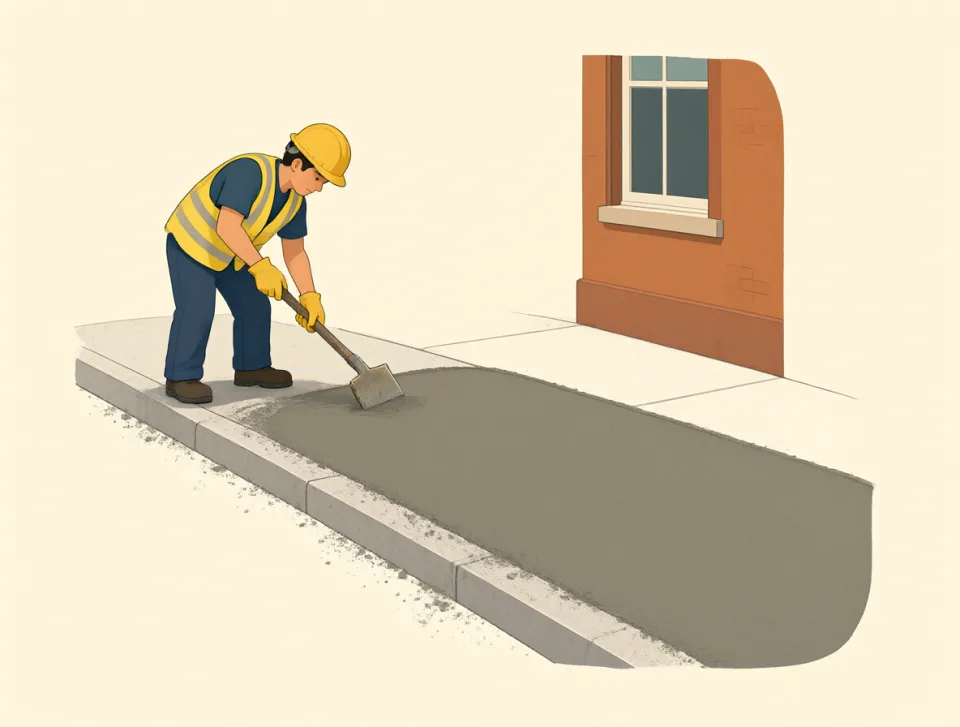
concrete
#2569adjective, noun
具體的;明確的;混凝土
Adjective: real and specific; noun: a strong building material made from cement, sand, and water.
形容詞:真實而具體的;明確的。名詞:一種由水泥、沙子和水等材料製成的堅固建築材料,即混凝土。

We need concrete plans before we start the project next week.
我們需要在下週開始這個專案之前制定具體的計劃。

The builder poured concrete to make a strong foundation for the house.
建築工人澆築混凝土,為房子打下堅固的地基。

Please give me a concrete example so I can understand the idea.
請給我一個具體的例子,這樣我就能理解這個想法了。

The path is made of concrete, so it stays dry after heavy rain.
這條小路是用混凝土鋪成的,所以即使下大雨也不會積水。

The doctor gave us concrete advice about helping Dad recover at home.
醫生給了我們一些具體的建議,告訴我們如何幫助爸爸在家康復。
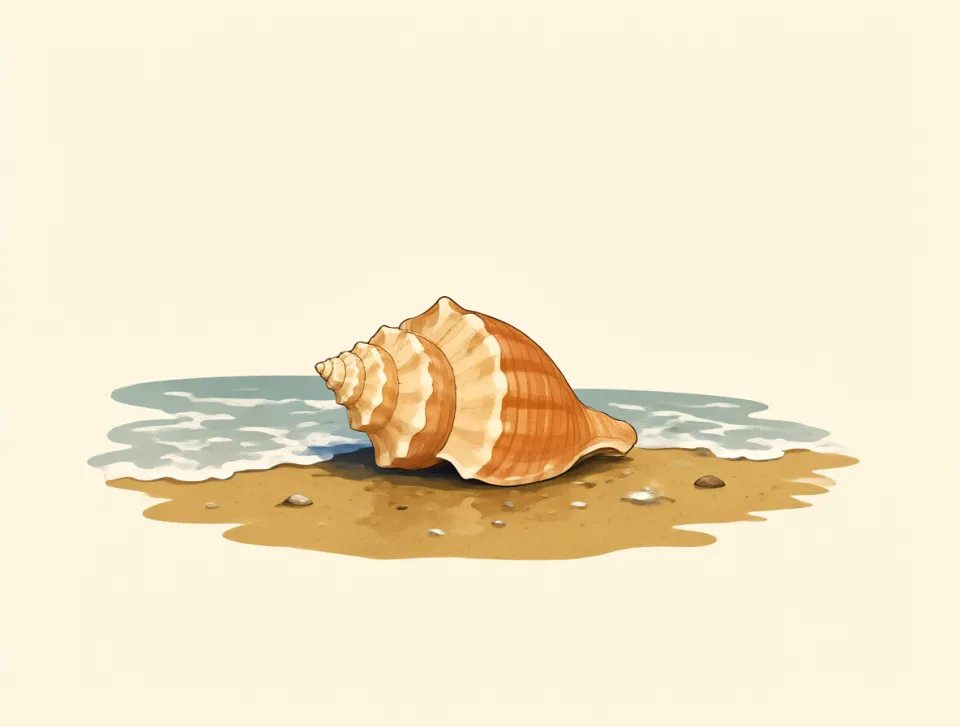
shell
#2570noun, verb
殼;外殼;剝殼
the hard outer covering of an egg, nut, or sea animal; to remove this covering
雞蛋、堅果或海洋動物堅硬的外層;去掉這種外層。
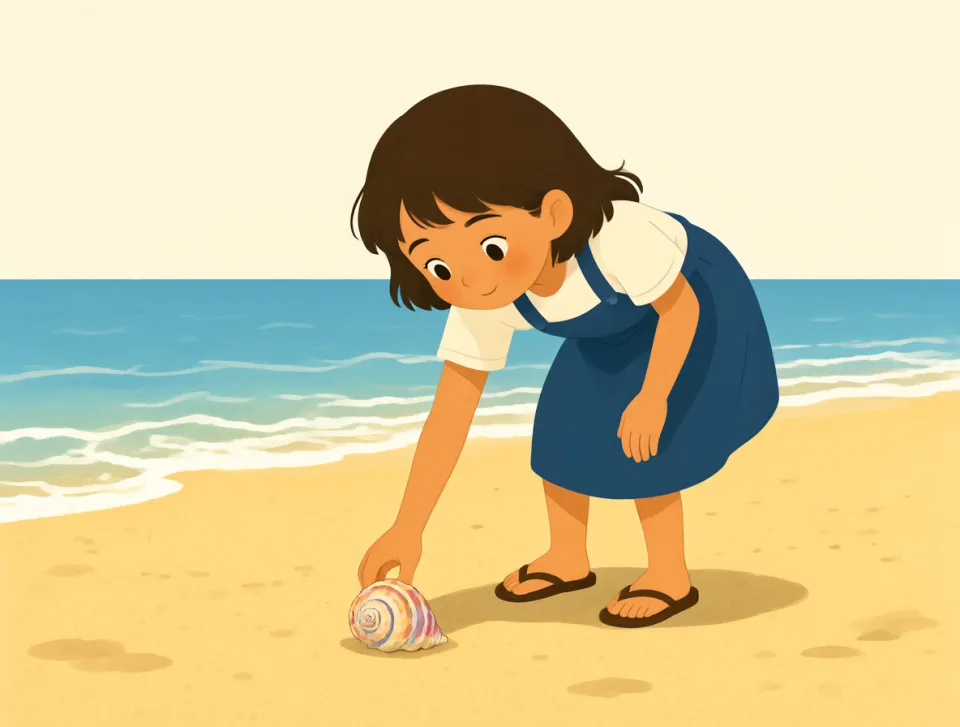
She found a beautiful shell while walking along the beach.
她沿著海灘散步時,發現了一枚漂亮的貝殼。
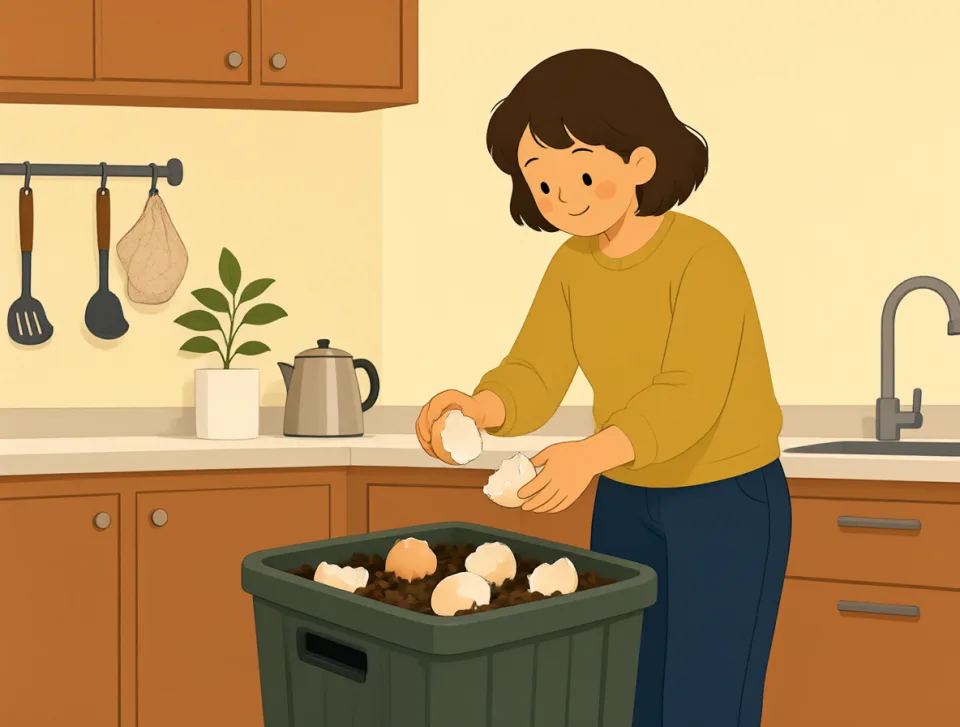
Please put the eggshells in the compost bin after breakfast.
早餐後,請把雞蛋殼放進堆肥桶裡。

The turtle pulled its head safely inside its shell.
烏龜把頭安全地縮排了殼裡。

He carefully shelled the peas before adding them to the soup.
他仔細地剝掉豌豆莢,把豌豆放進湯裡。

The restaurant serves shrimp with the shells already removed.
這家餐廳供應已經剝好殼的蝦。

damn
#2571adjective, adverb, noun, verb
該死的;討厭的;非常;可惡地;詛咒
Used to show anger, emphasis, or surprise; also meaning to condemn someone to punishment.
用於表達憤怒、強調或驚訝;也可表示譴責某人或判處某人懲罰。
I missed the damn bus and arrived twenty minutes late for work.
我錯過了那該死的公交車,上班遲到了二十分鐘。

That was a damn good meal; I would happily order it again.
那頓飯真他媽好吃,我很樂意再點一次。
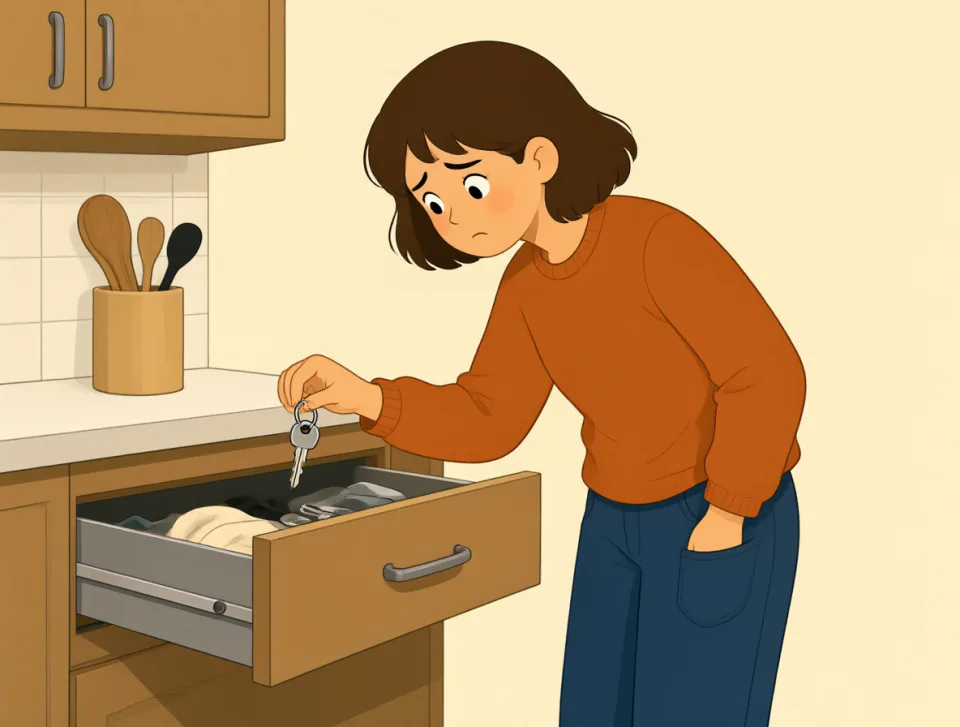
Where the damn hell did I put my keys this morning?
我今天早上到底把鑰匙放哪兒去了?真見鬼!

The mechanic said the damn car would be ready by Friday afternoon.
修車師傅說,那輛破車要到週五下午才能修好。

The judge damned the violent criminal for showing no regret.
法官譴責了那個毫無悔意的暴力罪犯。

distinct
#2572adjective
明顯不同的; 清晰可辨的; 獨特的
Clearly different from other people or things, or easy to recognize as separate.
與其他人或事物明顯不同,或者容易被辨認出來、區分開來。

The twins have distinct personalities, even though they look very similar.
這對雙胞胎雖然長得很像,但性格卻截然不同。

The artist used distinct colors to separate each section of the painting.
這位藝術家用不同的顏色將畫作的各個部分割槽分開來。

There are three distinct parts of the test, so read each section carefully.
這場考試分為三個不同的部分,所以要仔細閱讀每一部分。
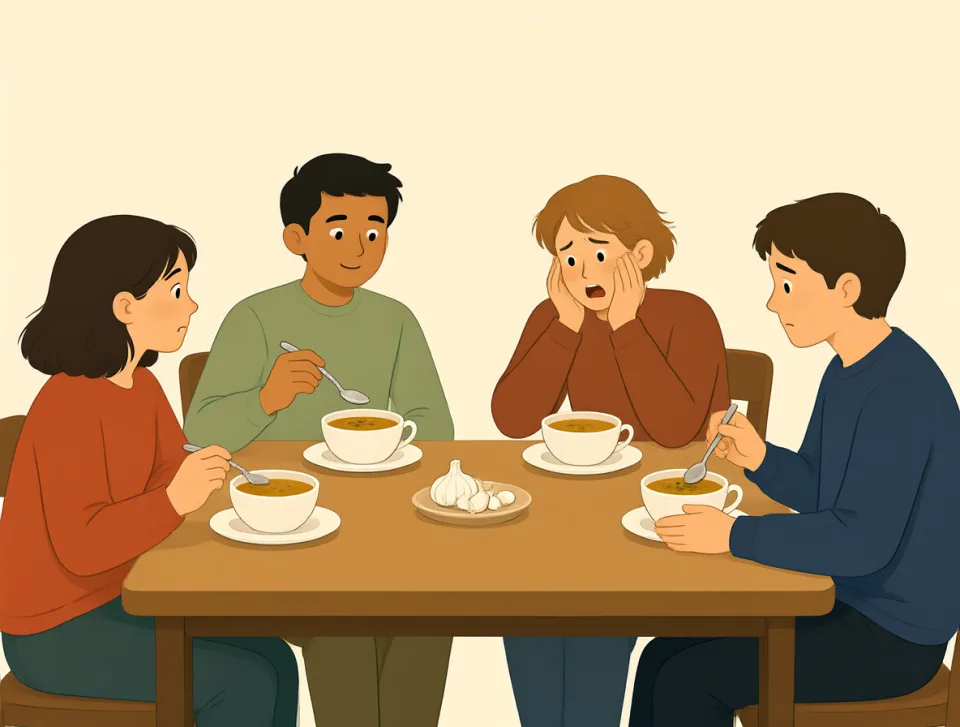
The soup has a distinct garlic flavor that everyone noticed immediately.
這道湯有一股明顯的蒜香味,大家一下子就嚐出來了。

The mountain had a distinct shape against the evening sky.
傍晚的天空映襯下,那座山的輪廓格外清晰。

humor
#2573noun
幽默;幽默感
The quality of being funny or making people laugh.
有趣、能逗人發笑的特質。

Her sense of humor makes long meetings much more enjoyable.
她很有幽默感,讓冗長的會議變得有趣多了。

He used humor to make everyone feel relaxed at the party.
他用幽默的方式讓派對上的每個人都放鬆了下來。

The teacher's humor helped students enjoy the difficult lesson.
老師的幽默感讓學生們也喜歡上了這堂難度很大的課。

My brother has a strange humor that not everyone understands.
我哥哥的幽默感有點奇怪,不是每個人都能理解。

She lost her sense of humor after several nights without sleep.
連續幾個晚上沒睡好後,她失去了往日的幽默感。

limitation
#2574noun
限制;侷限;限度
A problem or condition that limits what someone or something can do.
限制某人或某物能做什麼的問題或條件。

The main limitation of this small apartment is the lack of storage space.
這套小公寓最大的侷限是儲物空間不足。

Our budget puts a limitation on how much we can spend during the trip.
我們的預算限制了旅行期間能花多少錢。

The teacher explained the limitations of using only one source for research.
老師解釋了研究時只使用一個來源的侷限性。

Her knee injury places limitations on the sports she can safely play.
她的膝傷限制了她可以安全參加的運動。

The restaurant has limited seating, so we should book a table early.
餐廳座位有限,所以我們最好早點訂位。
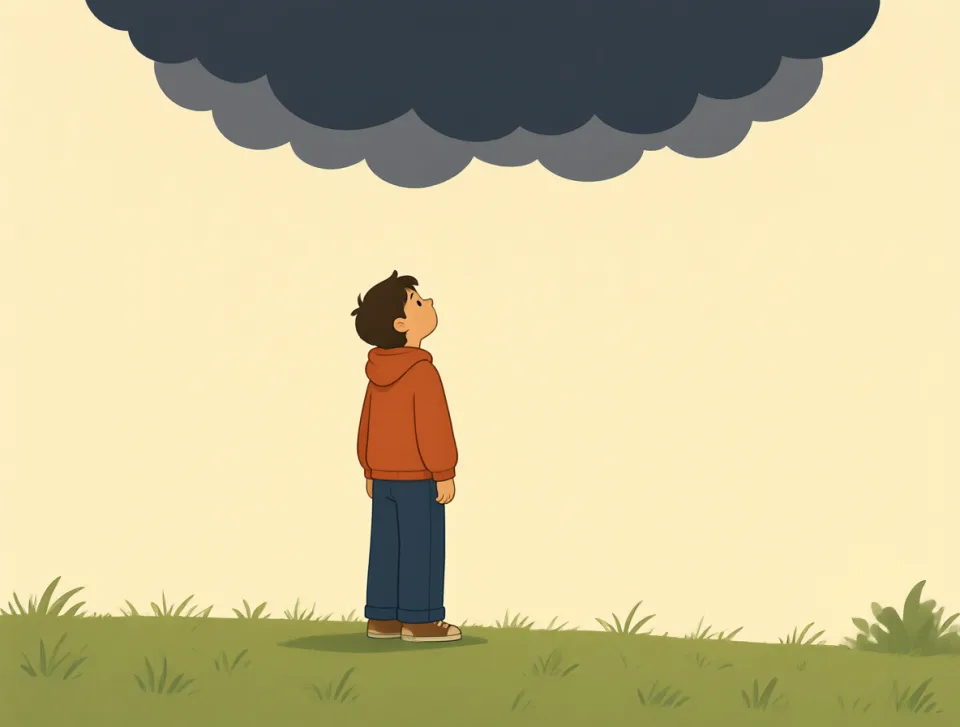
indication
#2575noun
跡象;表明;徵兆
a sign that shows something is true or is likely to happen
表明某事屬實或很可能發生的跡象。
The dark clouds were an indication that rain was coming soon.
烏雲密佈,預示著很快就要下雨了。

Her tired voice was a clear indication that she needed a break.
她疲憊的聲音明顯表明她需要休息一下。

The teacher's smile was an indication that my answer was correct.
老師的微笑表明我的回答是正確的。

A fever can be an indication of an infection, so contact your doctor.
發燒可能是感染的徵兆,因此請聯絡醫生。

The flashing light was an indication that the car battery needed replacing.
閃爍的指示燈表明汽車電池需要更換了。

stability
#2576noun
穩定性; 穩定
The condition of being steady, balanced, and unlikely to change suddenly.
處於穩定、平衡且不太可能突然發生變化的狀態。
The new job gave her financial stability and peace of mind.
新工作給了她經濟上的穩定感,也讓她心裡更踏實。

Regular exercise can improve your physical stability and balance.
經常鍛鍊可以提高身體的穩定性和平衡能力。

The company needs political stability before opening a new office abroad.
公司需要政治穩定後,才會在國外開設新辦公室。

The table shook, so we checked its stability before eating dinner.
桌子晃動了,所以我們在吃晚飯前檢查了一下它是否穩固。

The teacher helped the student find stability after moving to a new school.
轉到一所新學校後,老師幫助這名學生重新找到穩定感。

wise
#2577adjective
明智的; 聰明的; 有智慧的
Having good judgment and making sensible decisions.
具有良好的判斷力,能夠做出明智、合理的決定。
It was wise to check the weather before leaving for our trip.
出發去旅行前先檢視天氣,這樣做很明智。

My grandmother gave me wise advice about saving money for emergencies.
我奶奶給了我一些明智的建議,告訴我要存錢以備不時之需。

You would be wise to book your train tickets early during holidays.
假期期間,你最好早點預訂火車票。

Choosing the cheaper phone was a wise decision for our family.
選擇價格更便宜的手機,對我們家來說是個明智的決定。

He grew wiser after making the same mistake twice at work.
他在工作中犯了兩次同樣的錯誤後,變得更加明智了。

neglect
#2578verb, noun
忽視;疏忽;怠慢;照料不周
to fail to give someone or something the care or attention they need
未能給予某人或某物所需要的照顧或關注。

He neglected his garden during the summer and found it full of weeds.
他整個夏天都沒打理花園,結果花園裡長滿了雜草。

She neglected her health by skipping meals and avoiding regular exercise.
她不按時吃飯,也不堅持鍛鍊,忽視了自己的健康。

The company was accused of neglecting important safety rules at work.
這家公司被指控忽視了工作場所的重要安全規定。

Please do not neglect your homework, even when you feel tired after school.
即使放學後覺得很累,也請不要忽視家庭作業。

The dog suffered from neglect after its owner stopped feeding it properly.
主人不再好好餵狗後,這隻狗遭到了疏於照料。

compose
#2579verb
創作; 撰寫; 組成; 使鎮定
to create something by putting its parts or ideas together
透過組合各個部分或想法來創作某樣東西

She composed a short song for the school concert.
她為學校音樂會創作了一首短曲。

Please compose a polite email to the hotel before lunch.
請在午餐前給酒店寫一封措辭禮貌的電子郵件。

The committee is composed of teachers, parents, and local volunteers.
該委員會由教師、家長和當地志願者組成。

He took a deep breath and composed himself before the interview.
面試前,他深吸了一口氣,讓自己鎮定下來。

The chef composed a colorful salad with fruit, herbs, and cheese.
廚師用水果、香草和乳酪搭配出了一份色彩繽紛的沙拉。
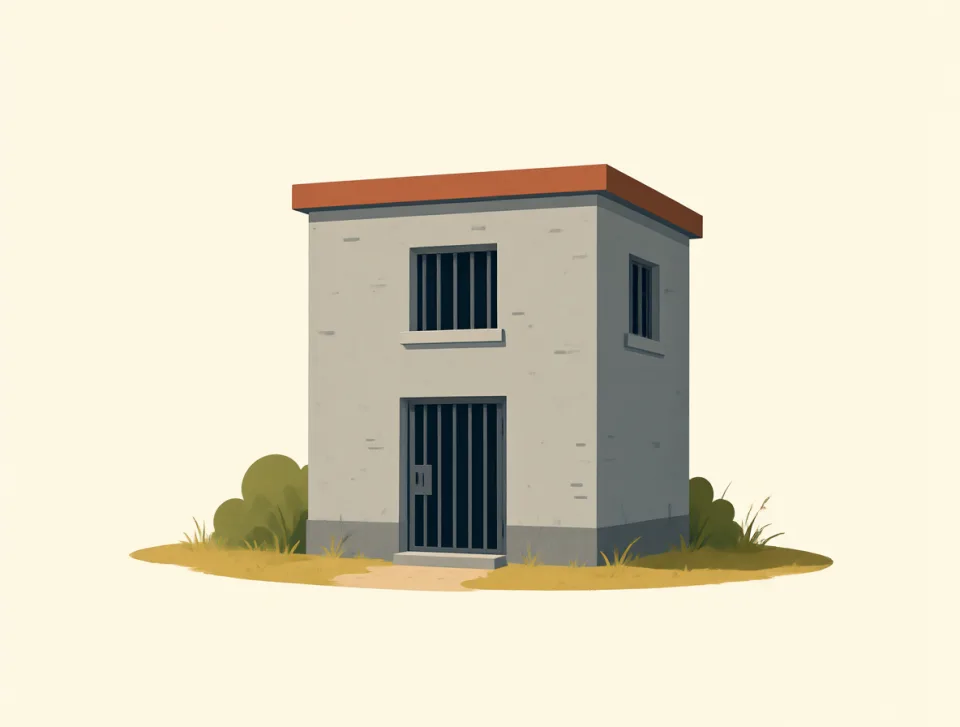
jail
#2580noun, verb
監獄; 看守所; 監禁
A place where people are kept as punishment or while waiting for trial.
關押犯人作為懲罰或在等待審判期間羈押嫌疑人的地方。

The police took the suspect to jail after the robbery.
搶劫案發生後,警方將嫌疑人帶進了監獄。

He spent three months in jail for driving without a license.
他因無證駕駛在監獄裡待了三個月。
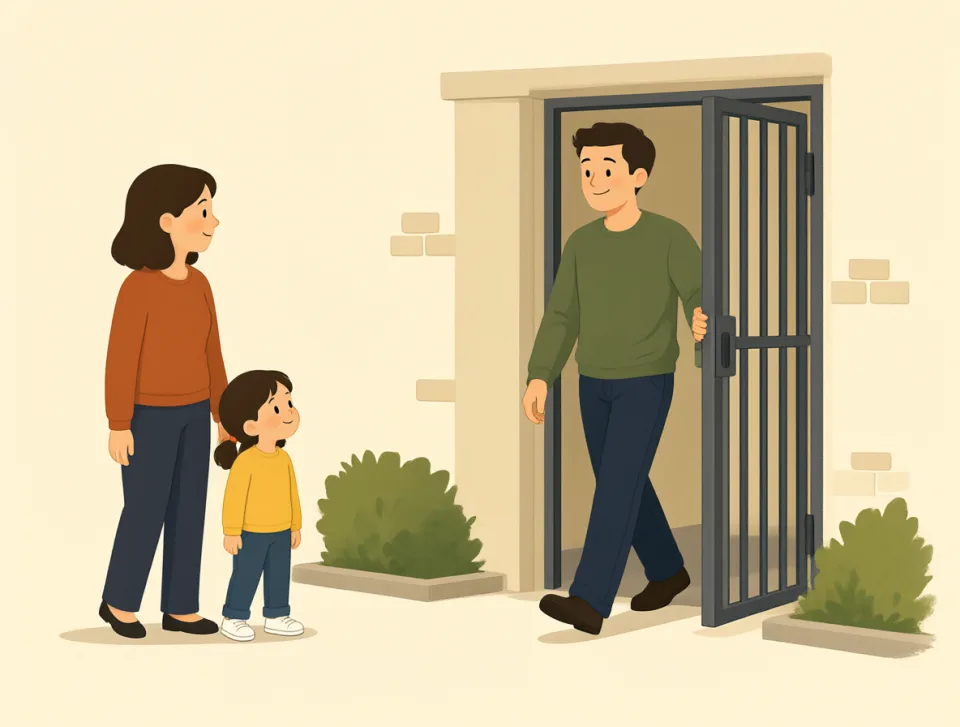
Her brother was released from jail yesterday morning.
她哥哥昨天早上從監獄裡獲釋了。

The judge warned that he could go to jail if he broke the law again.
法官警告他,如果再次違法,就可能會坐牢。

The police jailed the thief after finding the stolen jewelry.
警方找到被盜珠寶後,將那個小偷關進了監獄。