單元 105
單字 2081–2100 · prisoner, eliminate, tight, wet, secondary, welfare

prisoner
#2081noun
囚犯;犯人
A person kept in prison as punishment or while waiting for trial.
因受到懲罰或等待審判而被關押在監獄裡的人。
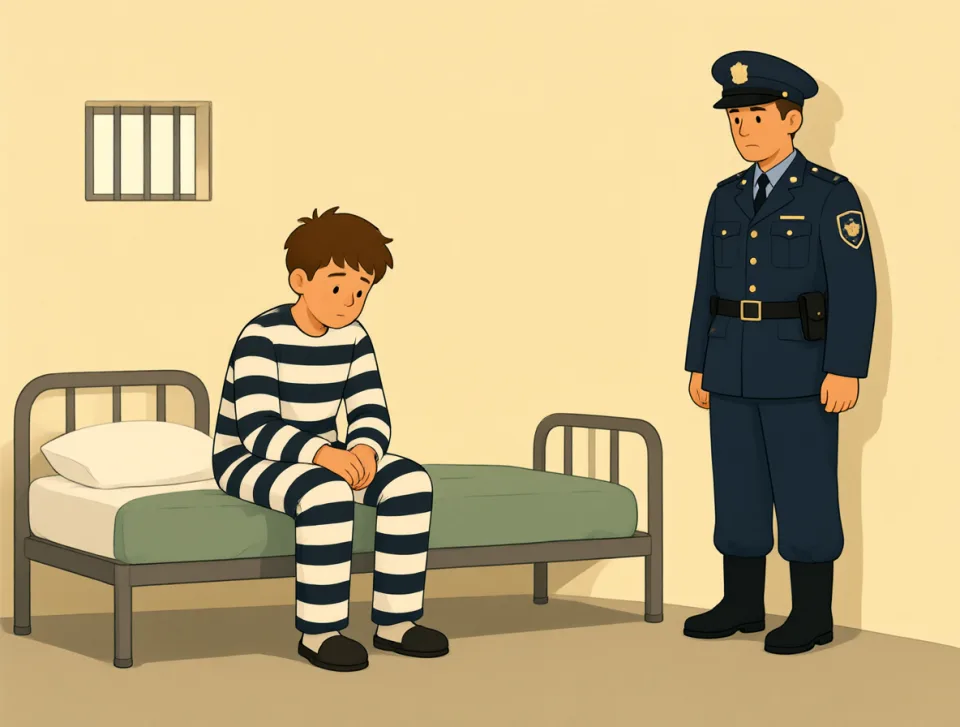
The prisoner waited quietly in his cell for the judge’s decision.
囚犯在牢房裡安靜地等待法官的裁決。
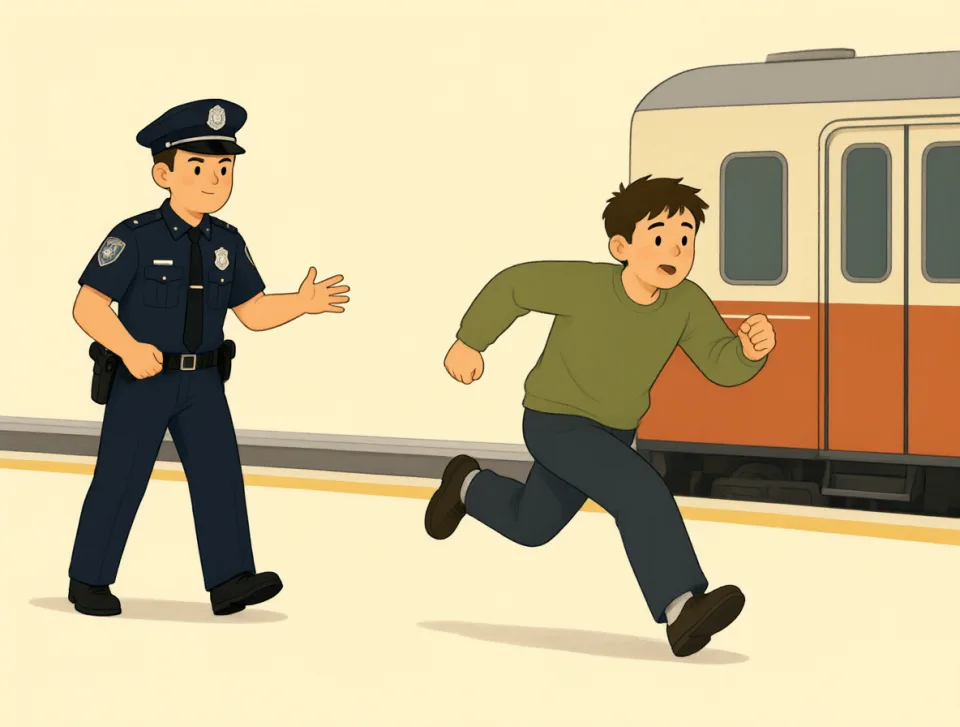
The police caught the escaped prisoner near the train station.
警方在火車站附近抓住了越獄的囚犯。
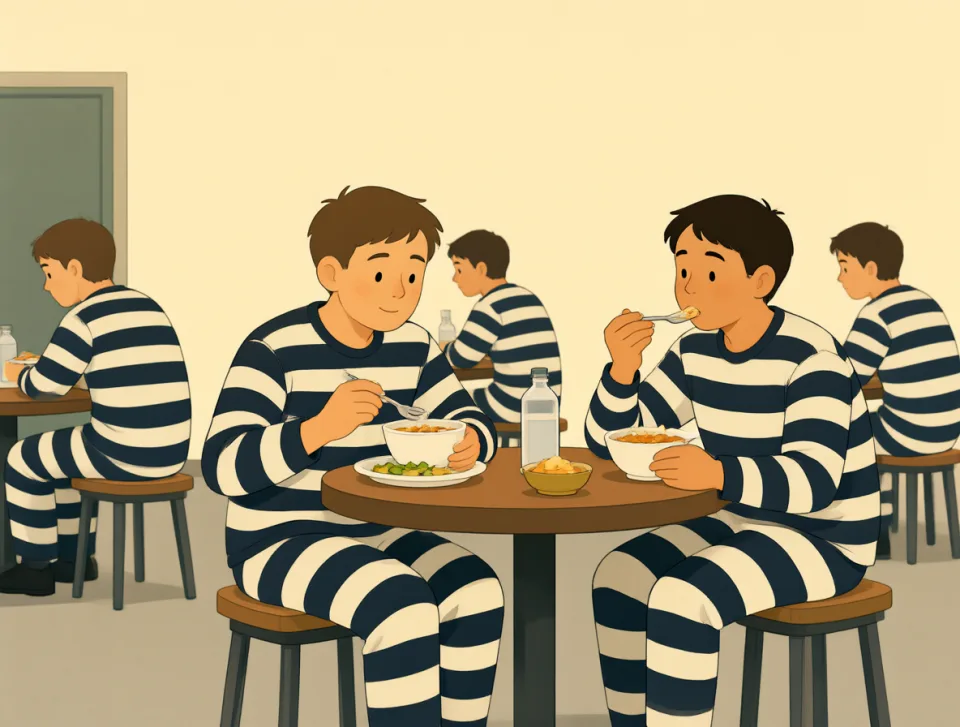
The prisoners ate lunch together in the prison dining room.
囚犯們一起在監獄食堂吃午飯。
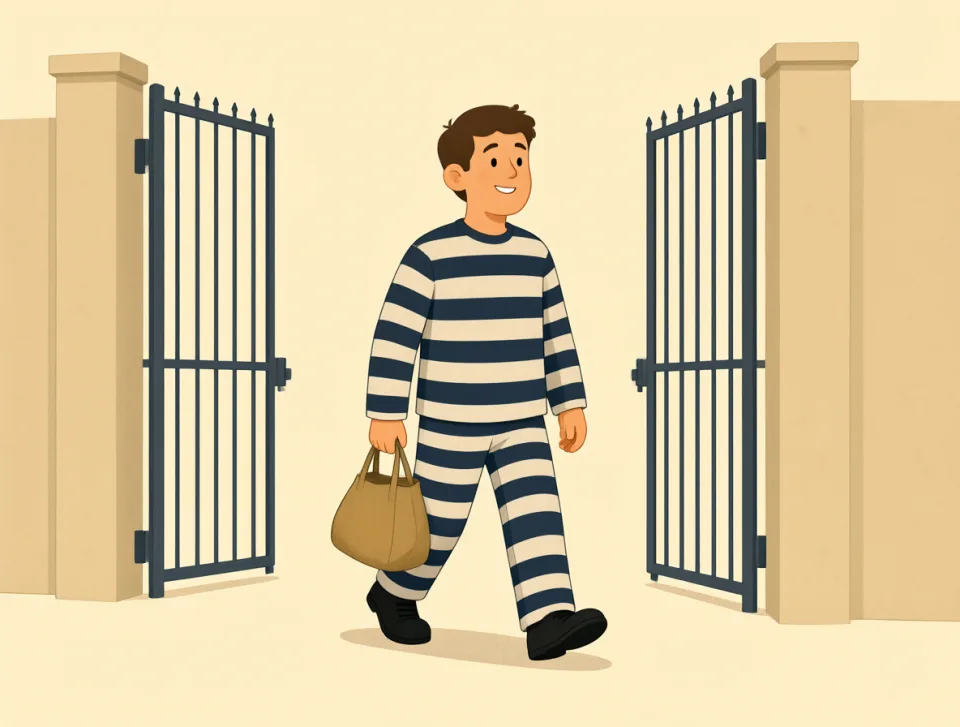
The prisoner was released after serving ten years in prison.
這名囚犯服刑十年後獲釋。
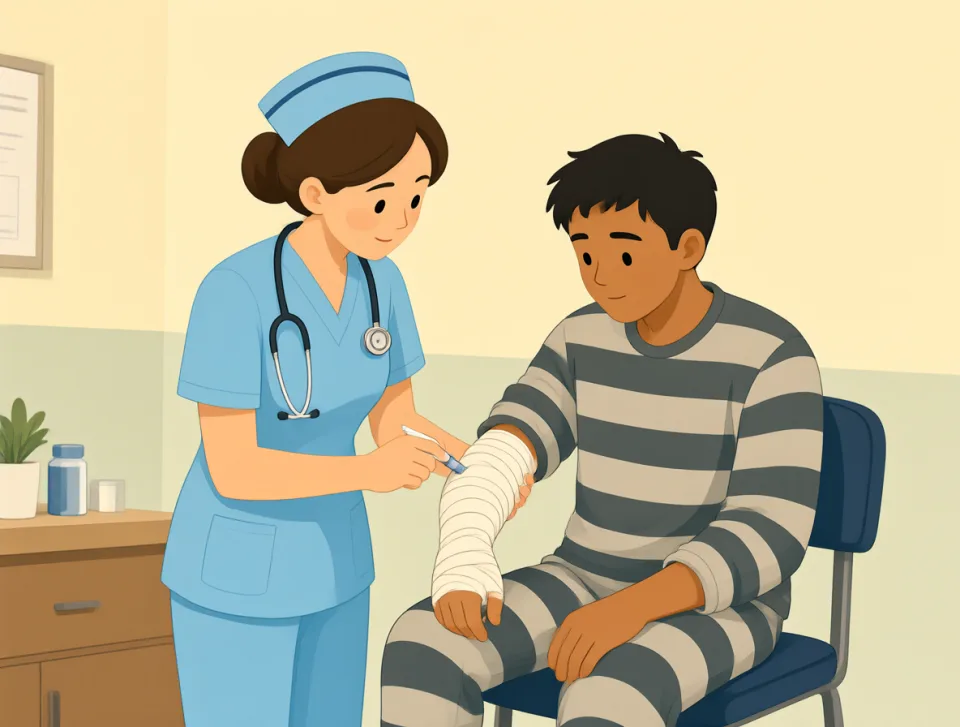
The nurse checked the prisoner’s injured arm in the prison clinic.
護士在監獄診所檢查了囚犯受傷的手臂。
eliminate
#2082verb
消除;清除;刪除;取消
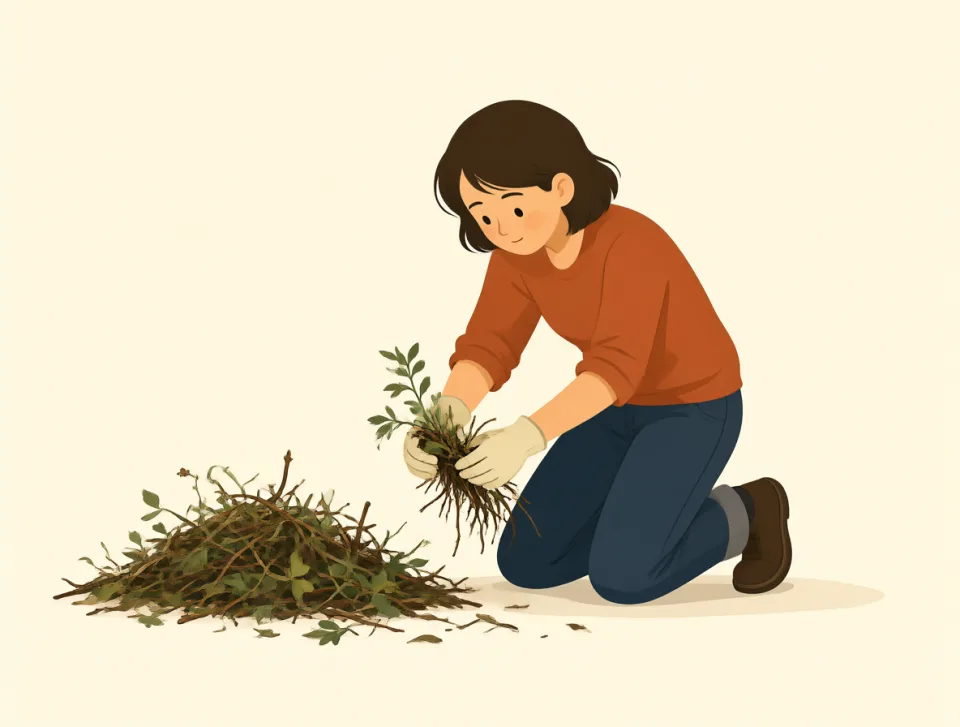
to remove or get rid of something completely
完全移除或清除某物

Regular exercise can eliminate some health problems and improve your energy.
定期鍛鍊可以消除一些健康問題,還能提升你的精力。
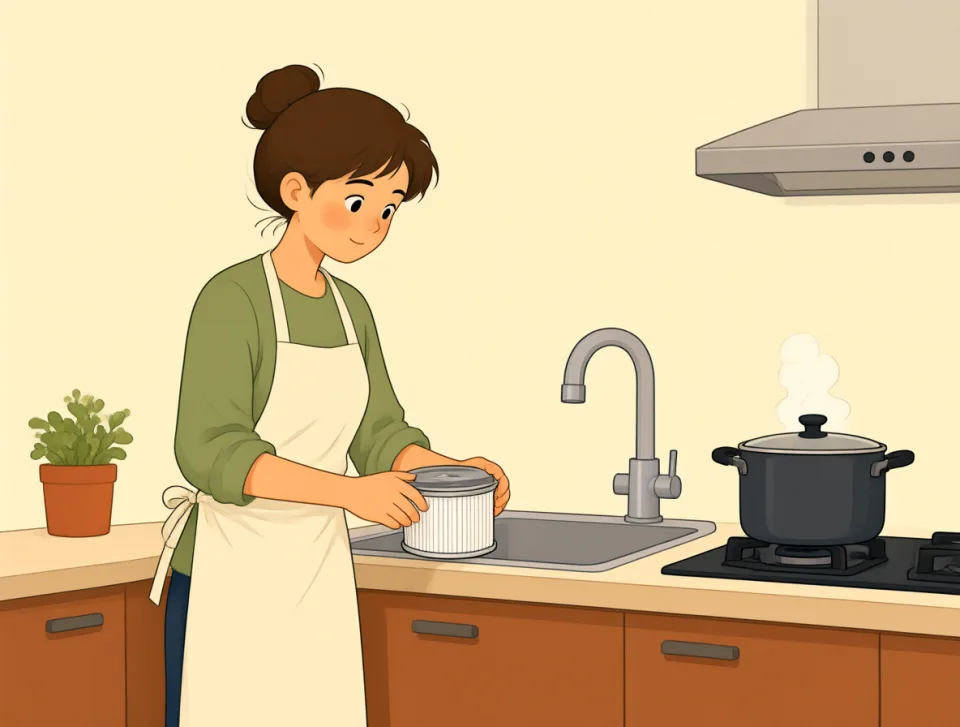
The new filter eliminates unpleasant smells from the kitchen.
新的過濾器可以消除廚房裡的難聞氣味。

We eliminated several expensive items from our shopping list.
我們從購物清單中刪掉了幾樣昂貴的物品。

The teacher eliminated the hardest question from the test.
老師刪掉了試卷中最難的一道題。
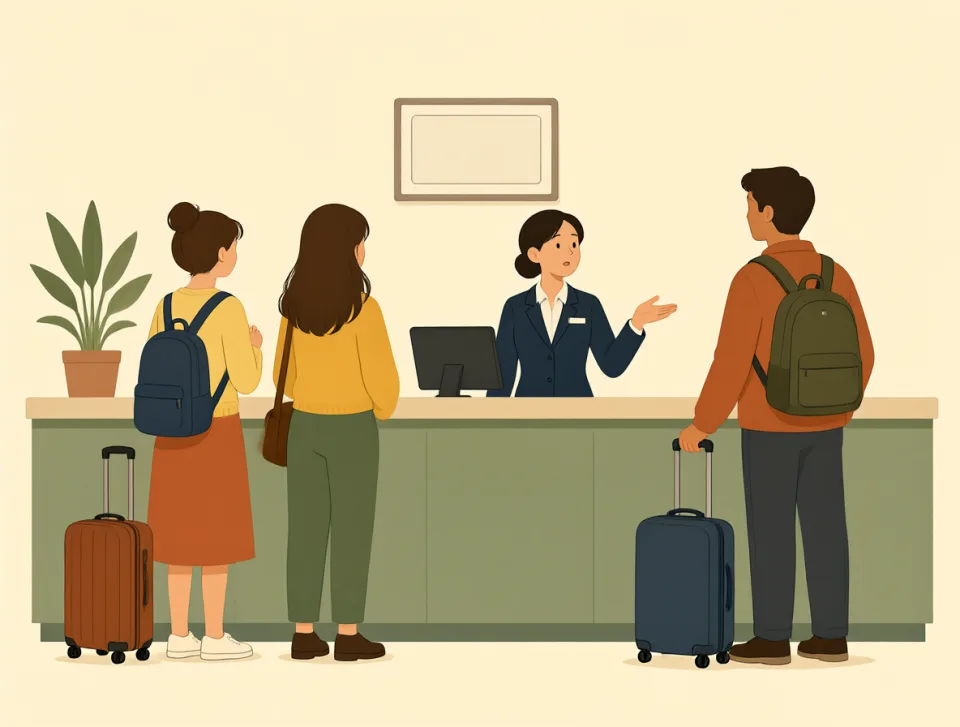
The airline eliminated our evening flight because too few people booked seats.
航空公司取消了我們的晚間航班,因為預訂座位的人太少。
tight
#2083adjective, adverb, verb
緊的; 緊緊地; 拉緊; 緊張
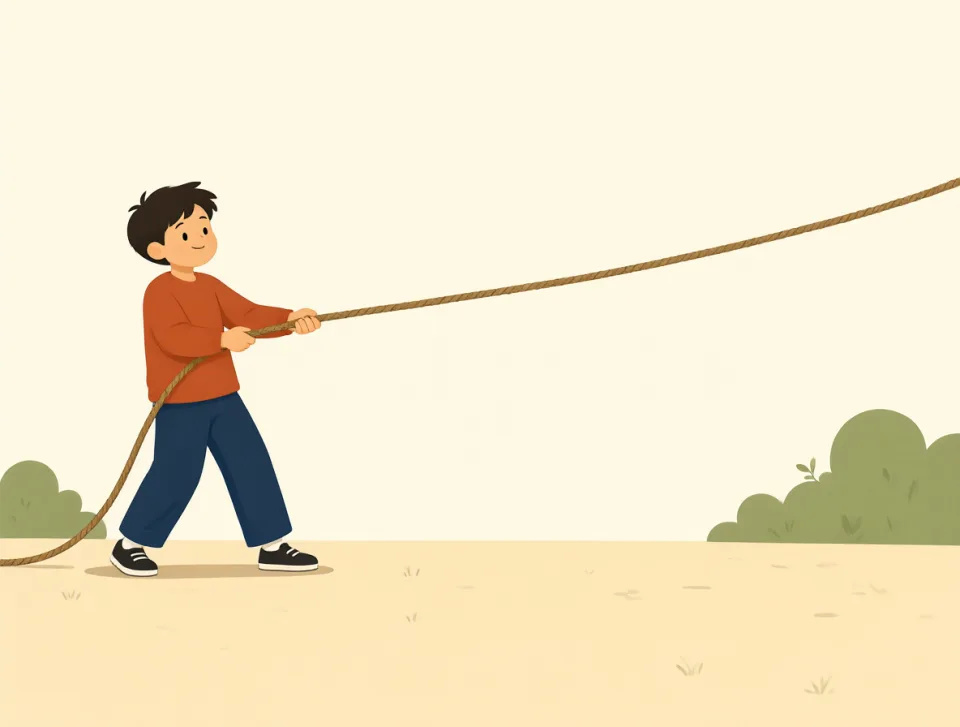
Firmly fixed, fitting closely, or having little extra space; to pull something firmly.
牢牢固定、貼合緊密或幾乎沒有多餘空間;把某物拉緊。
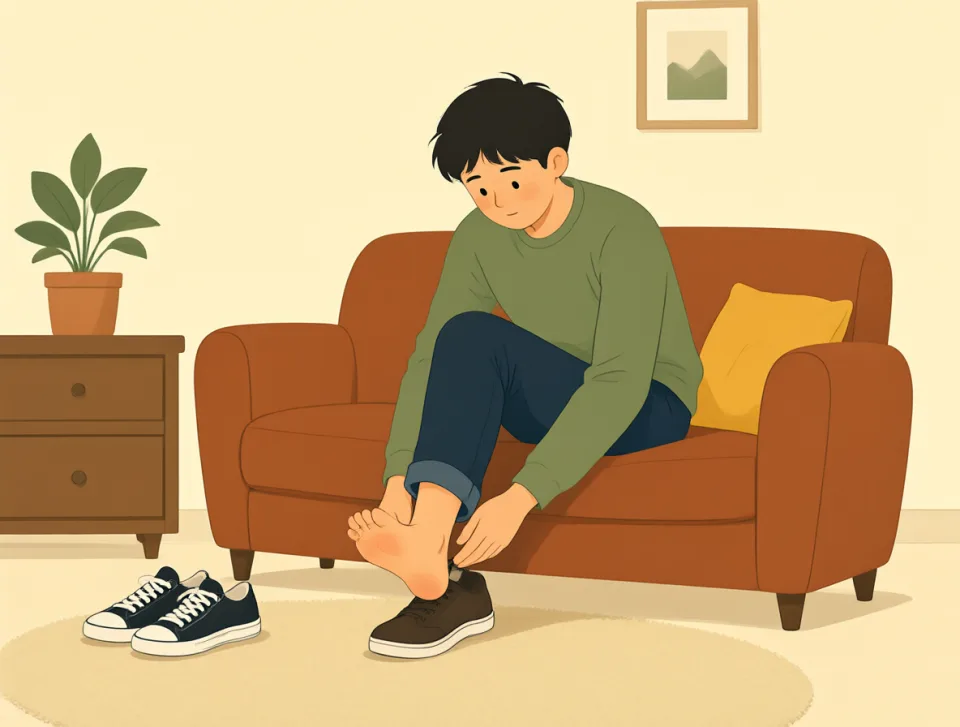
These shoes are too tight, so my feet hurt after walking.
這雙鞋太緊了,所以我走路後腳很疼。

Please hold tight while the bus turns around the corner.
公交車轉彎時,請抓緊。

We have a tight schedule, so please arrive exactly on time.
我們的日程安排得很緊,所以請務必準時到達。
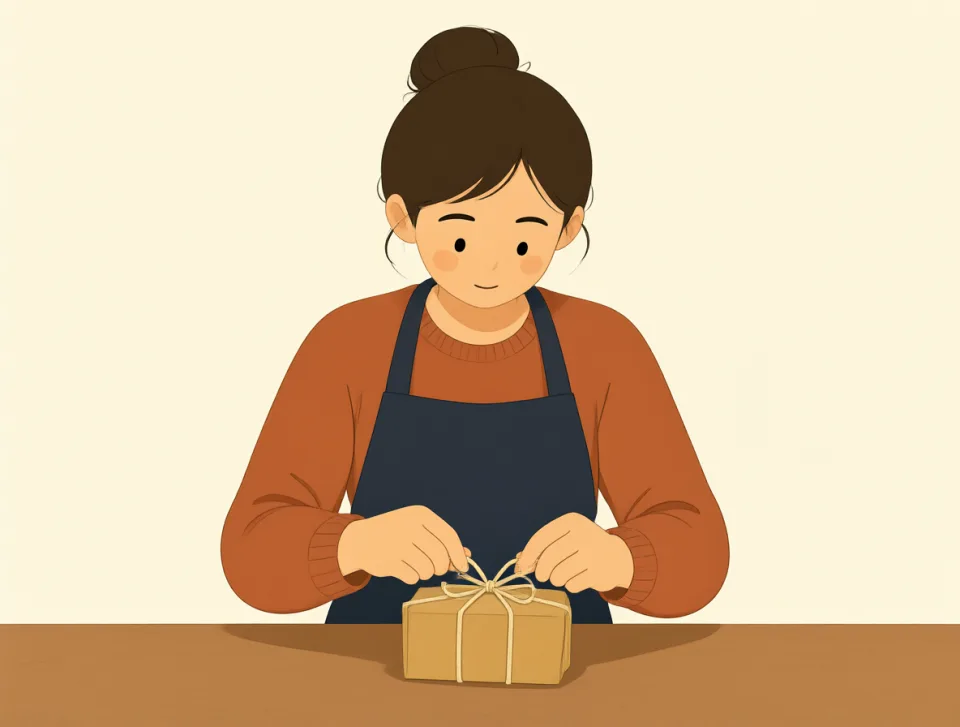
She tied the package tight before taking it to the post office.
她把包裹捆緊後,才把它拿到郵局。
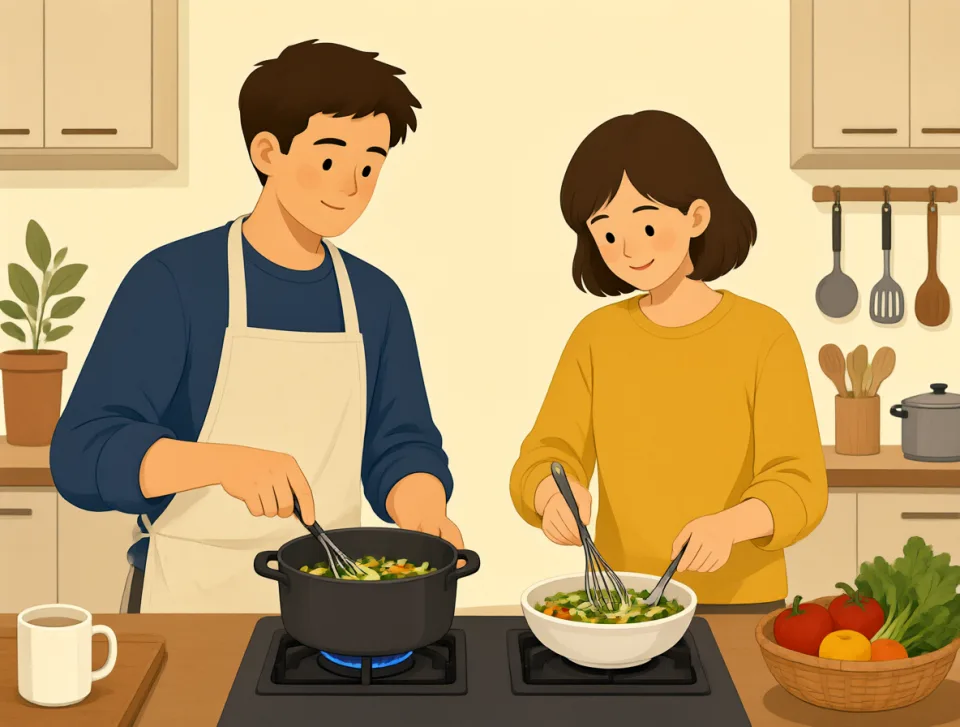
Money is tight this month, so we are cooking at home more often.
這個月手頭比較緊,所以我們更常在家做飯。

wet
#2084adjective, noun, verb
溼的;潮溼的;弄溼
covered or filled with water; to make something wet
被水覆蓋或充滿;使某物變溼

My shoes got wet when I walked home in the heavy rain.
我冒著大雨走回家,鞋子都溼了。

Please hang the wet towels outside so they can dry.
請把溼毛巾掛到外面晾乾。

The children were wet after playing in the fountain.
孩子們在噴泉裡玩過後,身上都溼透了。
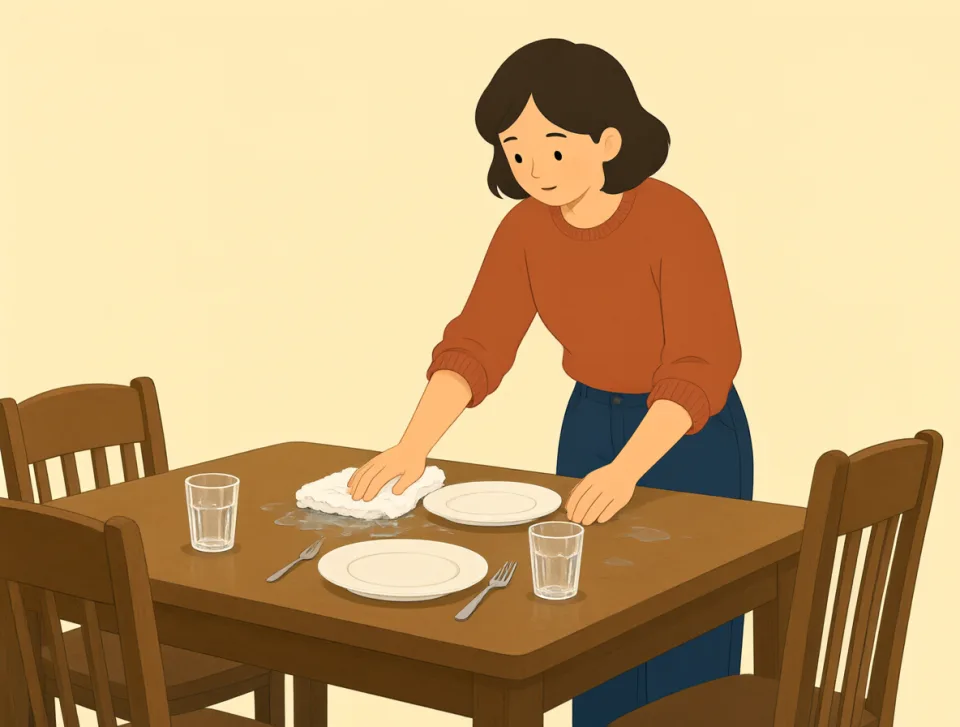
Wipe the table before dinner because someone spilled water on it.
有人把水灑在桌子上了,晚飯前請把桌子擦乾淨。

The nurse placed a wet cloth on his forehead to cool him down.
護士把一塊溼毛巾放在他的額頭上給他降溫。

secondary
#2085adjective, noun
次要的;中學的
less important than something else, or connected with education after primary school
不如其他事物重要,或與小學之後的教育有關
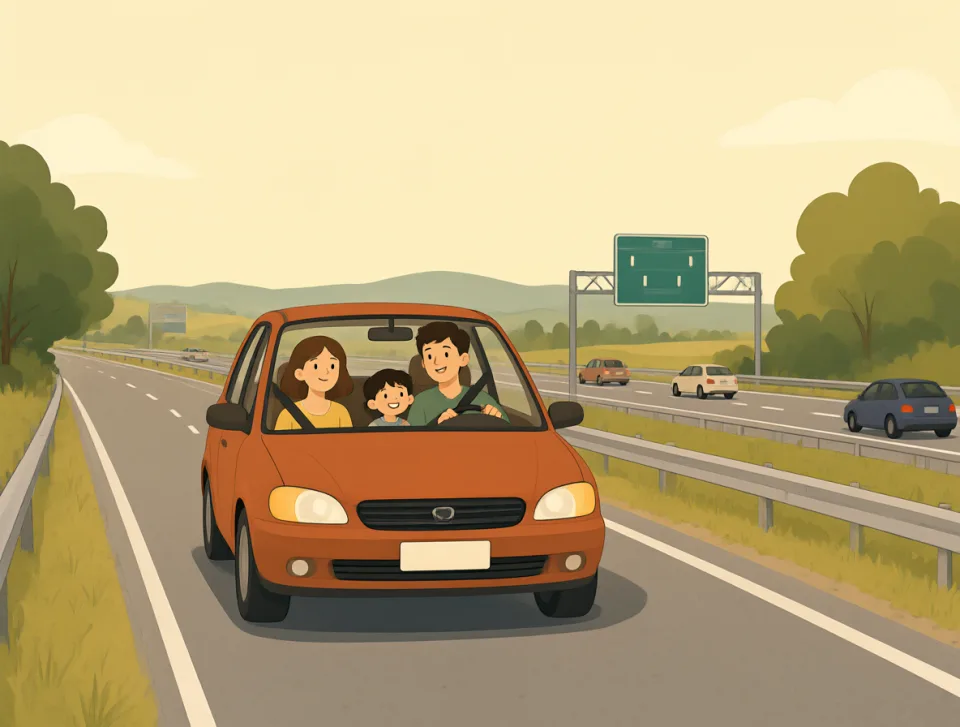
The secondary road was quieter and safer than the busy highway.
這條次要道路比繁忙的高速公路更安靜、更安全。
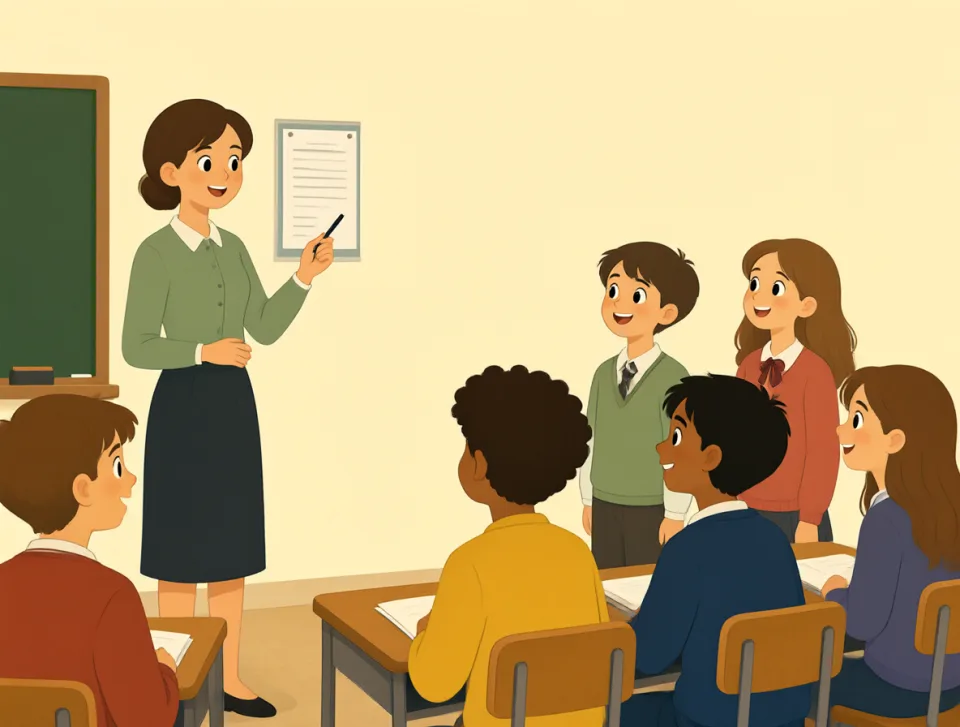
She works as a secondary teacher at a school near her home.
她在離家不遠的一所學校當中學教師。
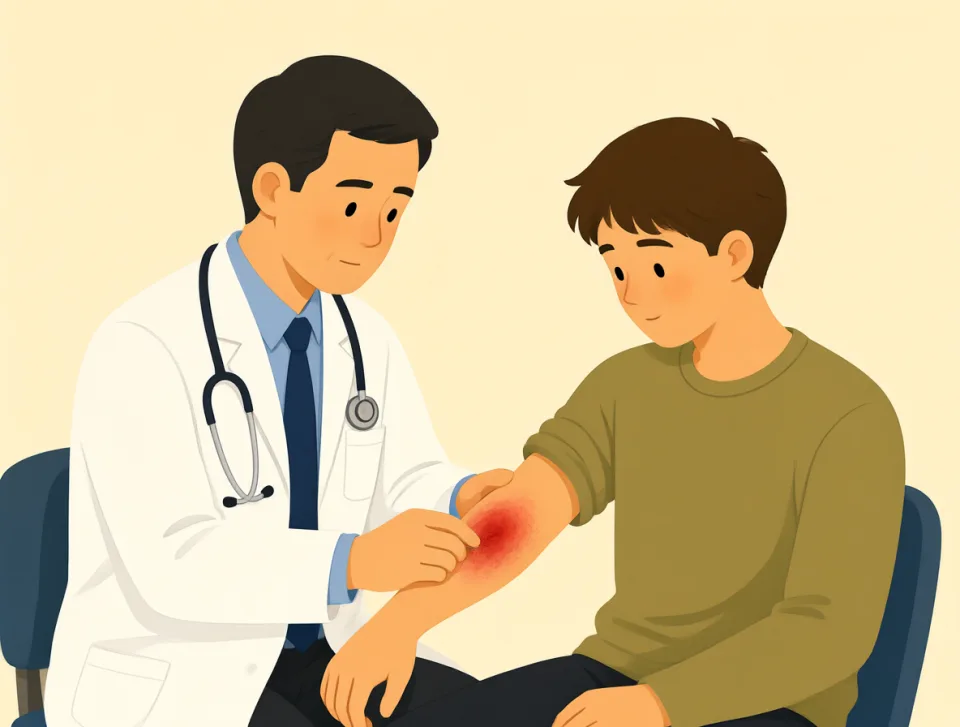
The doctor found a secondary infection and prescribed stronger medicine.
醫生髮現了繼發感染,於是開了藥效更強的藥。

The main entrance is closed, so please use the secondary entrance.
主入口關閉了,請使用次入口。
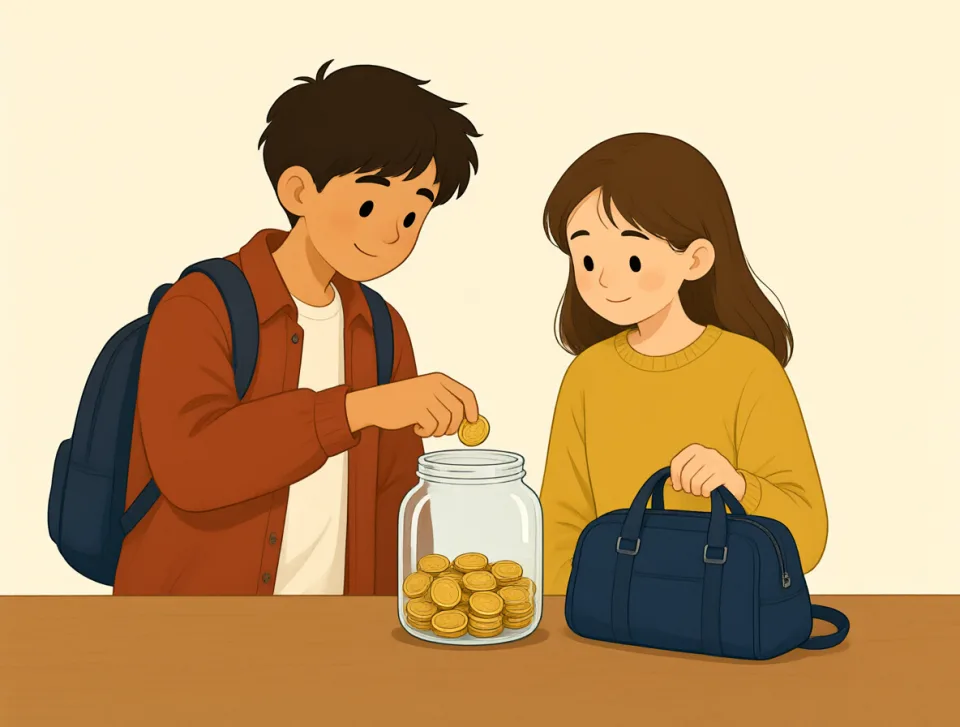
Our secondary goal is to save enough money for a summer trip.
我們的次要目標是攢夠錢去進行一次暑期旅行。
welfare
#2086noun
福利;福祉
Help provided by the government for people who need money, housing, or other support.
政府為需要經濟、住房或其他方面支援的人提供的幫助。
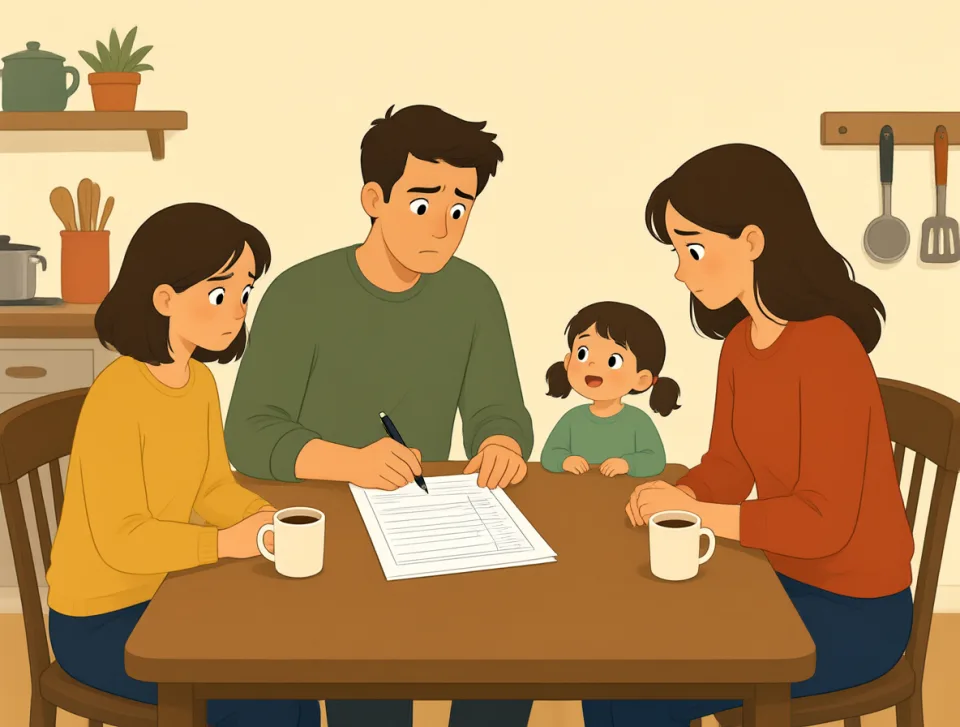
The family applied for welfare after the father lost his job.
父親失業後,這家人申請了福利救濟。
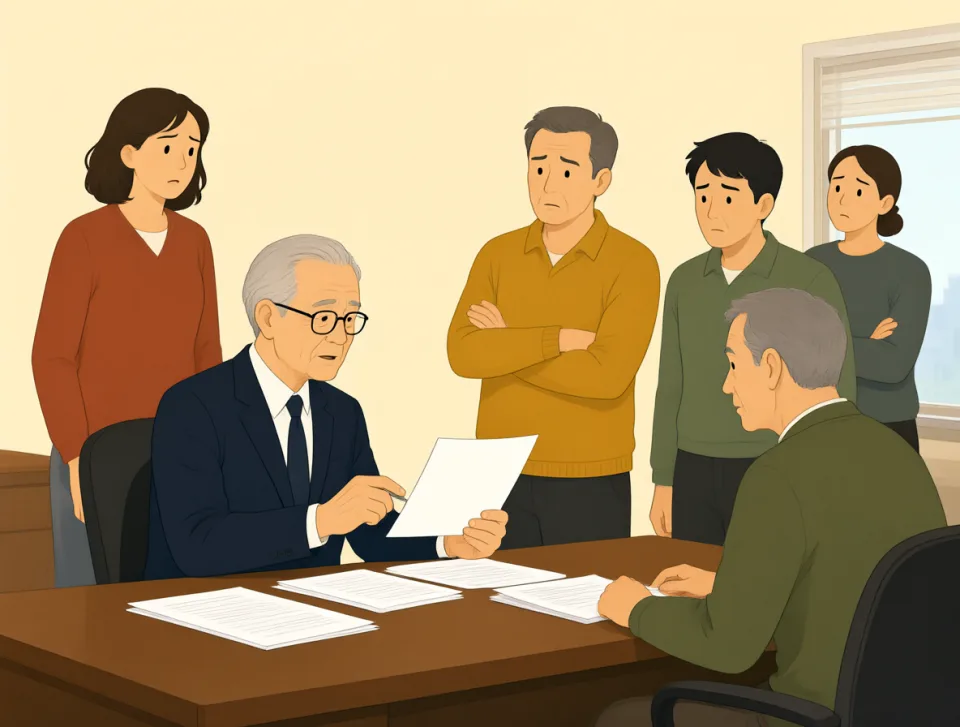
The government is cutting welfare payments for some unemployed people.
政府正在削減發給部分失業人員的福利金。

Many students worry about their parents' welfare during the long journey.
一路奔波這麼久,許多學生都擔心父母是否安好。
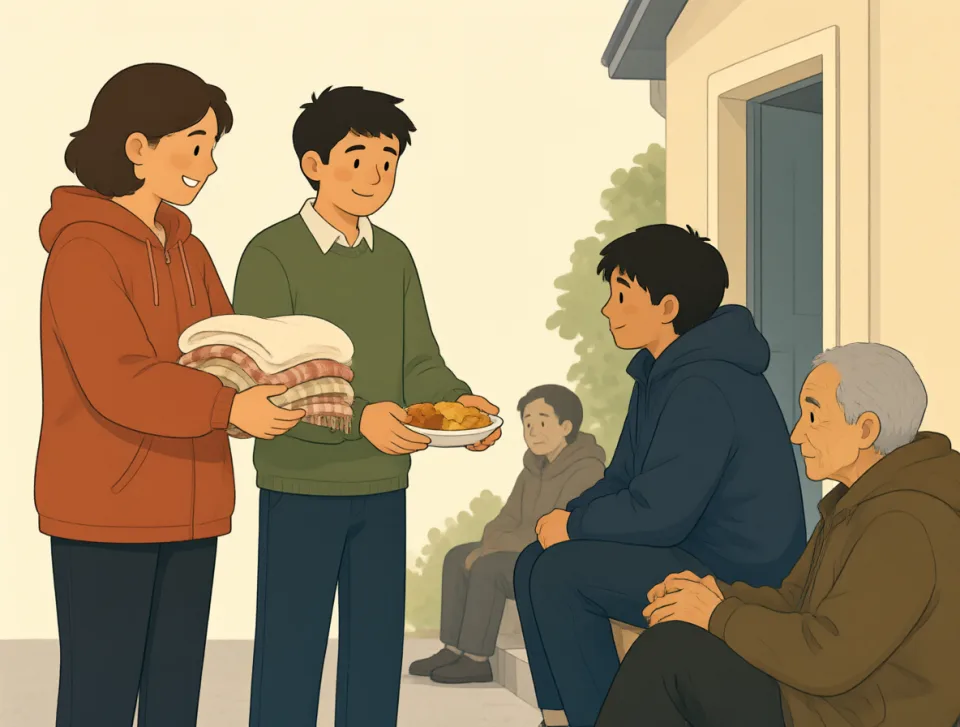
The charity works to improve the welfare of homeless people.
這個慈善機構致力於改善無家可歸者的福祉。
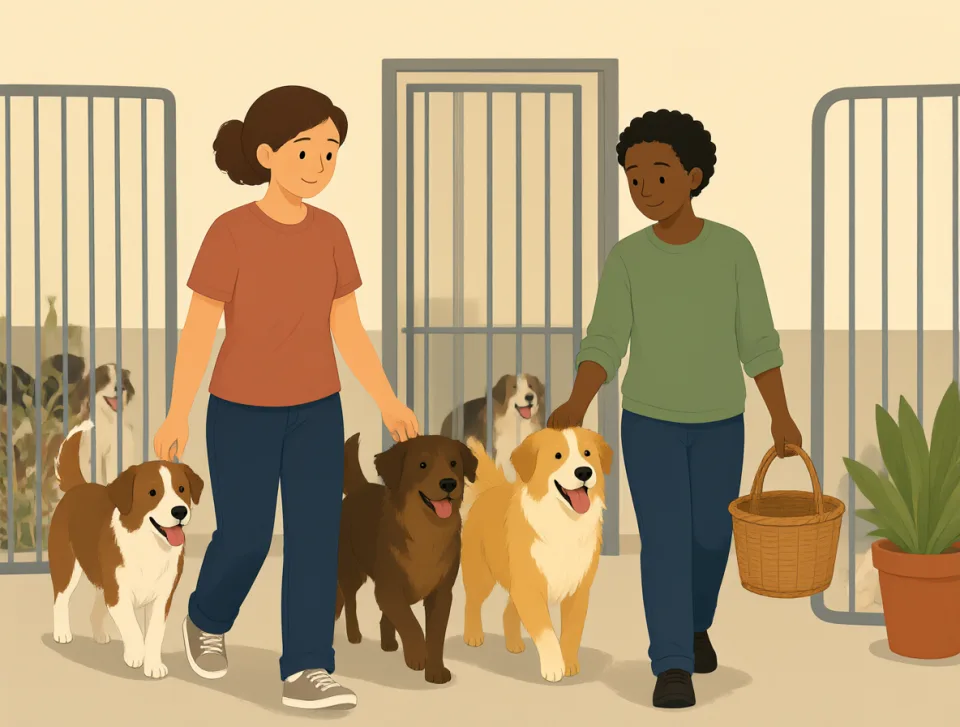
Animal welfare groups rescued several dogs from the crowded shelter.
動物福利組織從擁擠的收容所裡救出了幾隻狗。

recruit
#2087noun, verb
招募;招聘;徵募
To find and persuade people to join an organization, team, or group.
尋找並說服人們加入某個組織、團隊或團體。

The company plans to recruit more nurses for its busy hospital.
這家公司計劃為業務繁忙的醫院招聘更多護士。
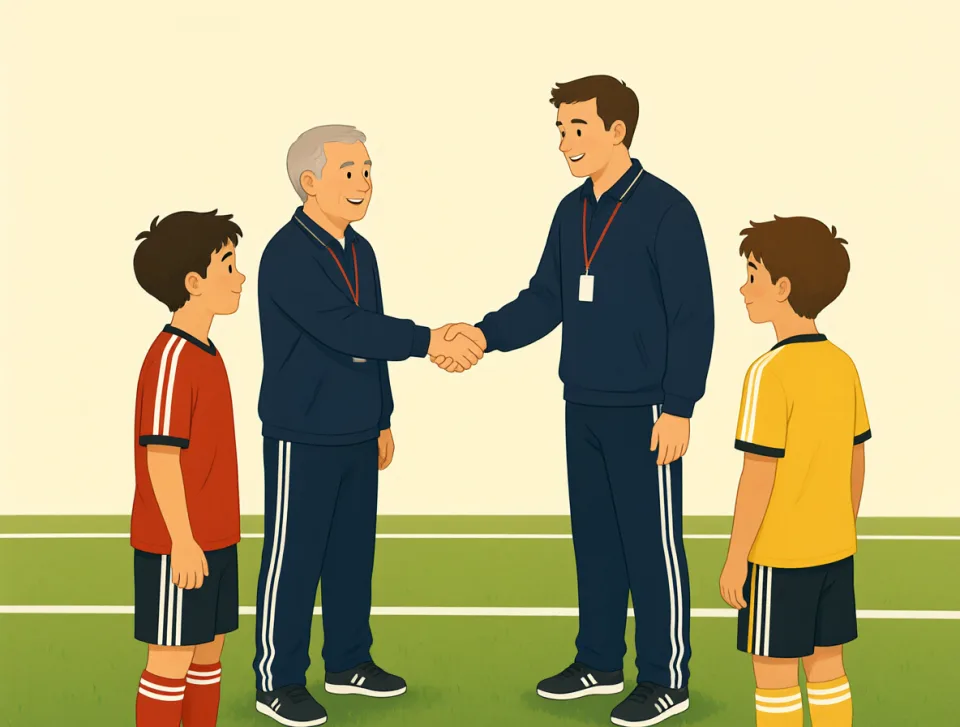
The football club recruited two talented players from a local school.
這家足球俱樂部從當地一所學校招募了兩名有天賦的球員。
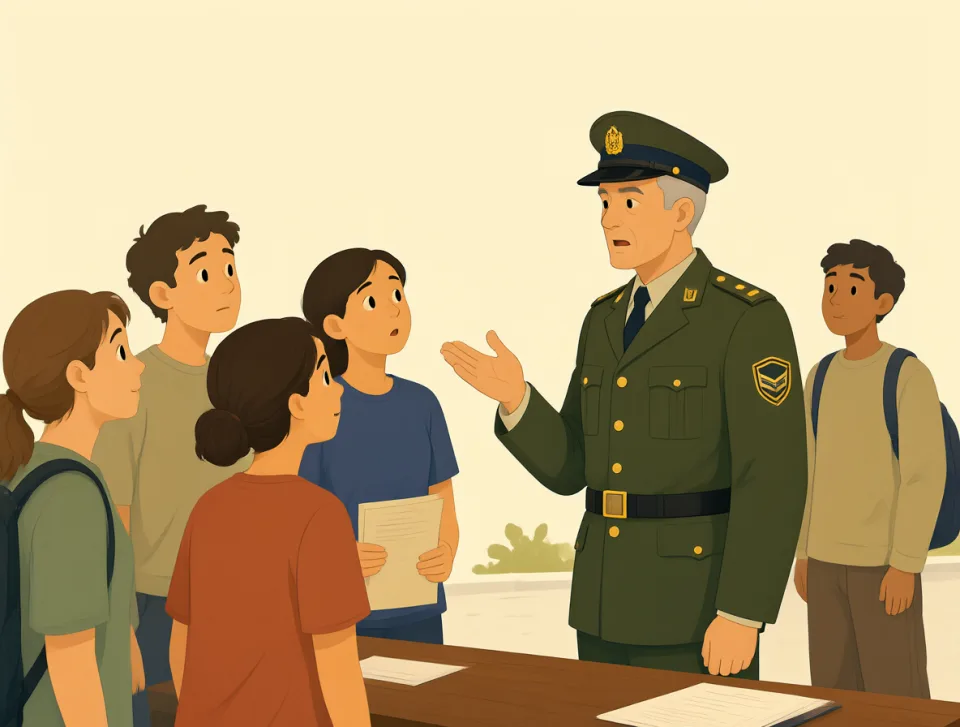
The army is recruiting volunteers for several months of training.
軍隊正在招募志願者,參加為期數月的訓練。

Our science teacher recruited three students to help with the experiment.
我們的科學老師招募了三名學生來幫忙做實驗。

The restaurant recruited extra workers before the busy holiday season.
餐廳在節假日旺季來臨前招聘了額外的員工。
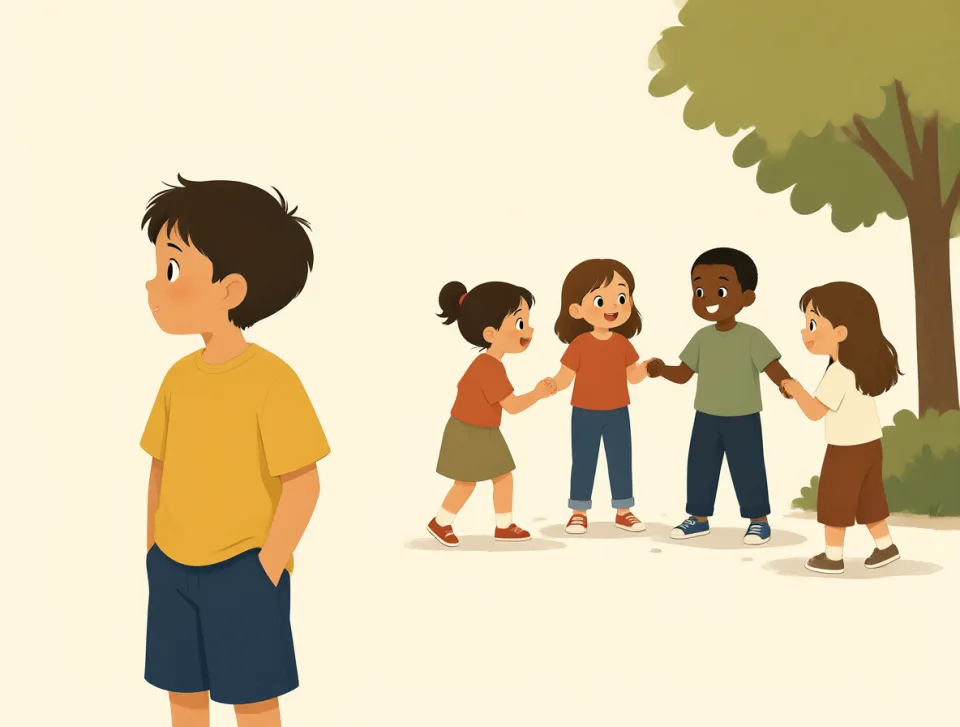
exclude
#2088verb
排除;不包括;拒絕讓……加入
to deliberately leave someone or something out of a group, activity, or situation
有意不讓某人或某物參加某個群體、活動或情境,或不把其包括在內

Please exclude onions from my sandwich because I am allergic to them.
請別在我的三明治裡放洋蔥,我對洋蔥過敏。
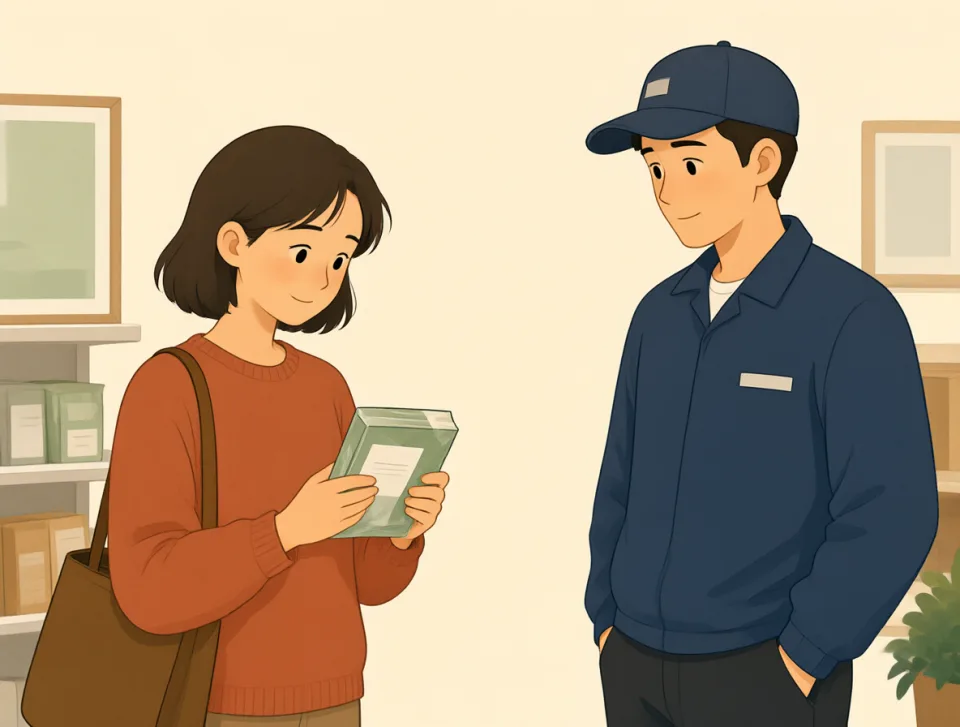
The price excludes delivery, so you must pay an extra fee.
價格不包含配送費,所以你還得額外付費。
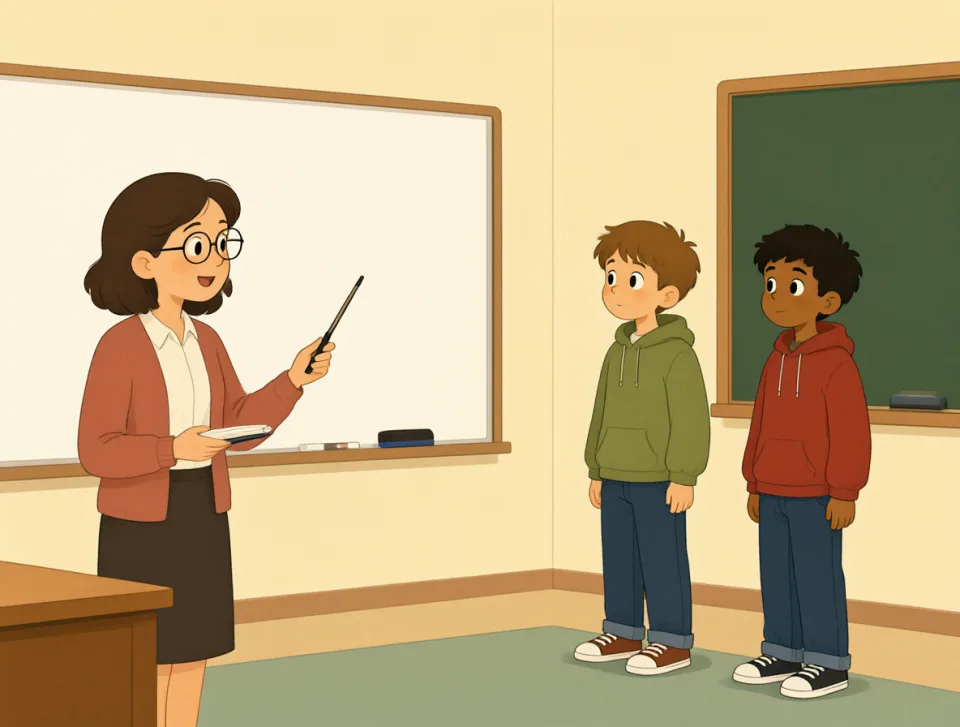
The teacher excluded the late students from the first activity.
老師不讓遲到的學生參加第一個活動。
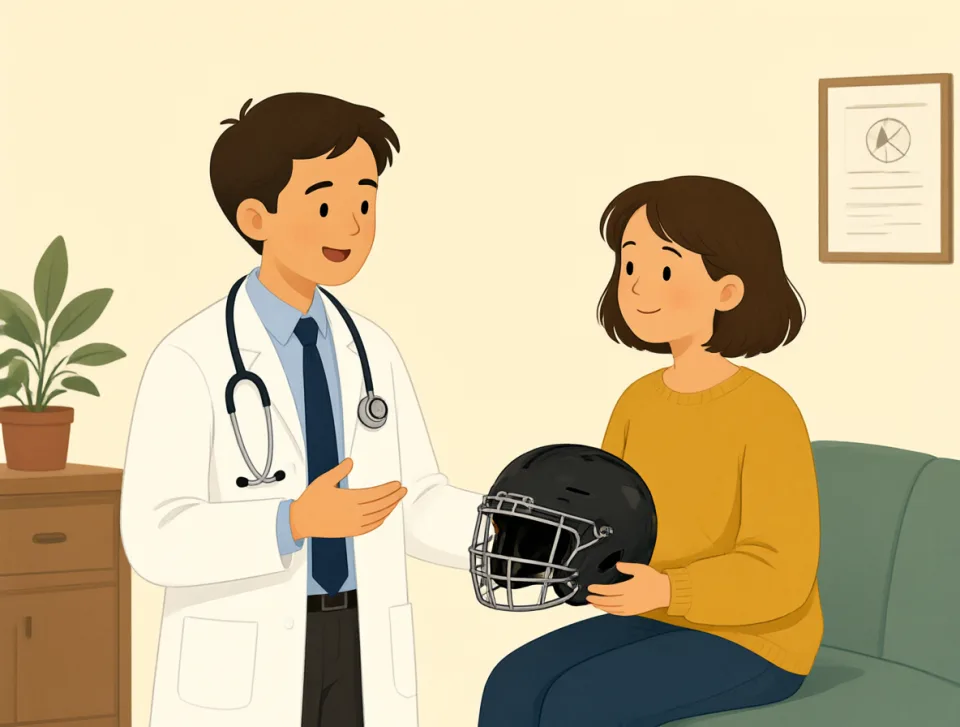
This insurance plan excludes treatment for injuries caused by dangerous sports.
這份保險計劃不承保危險運動造成的傷害。
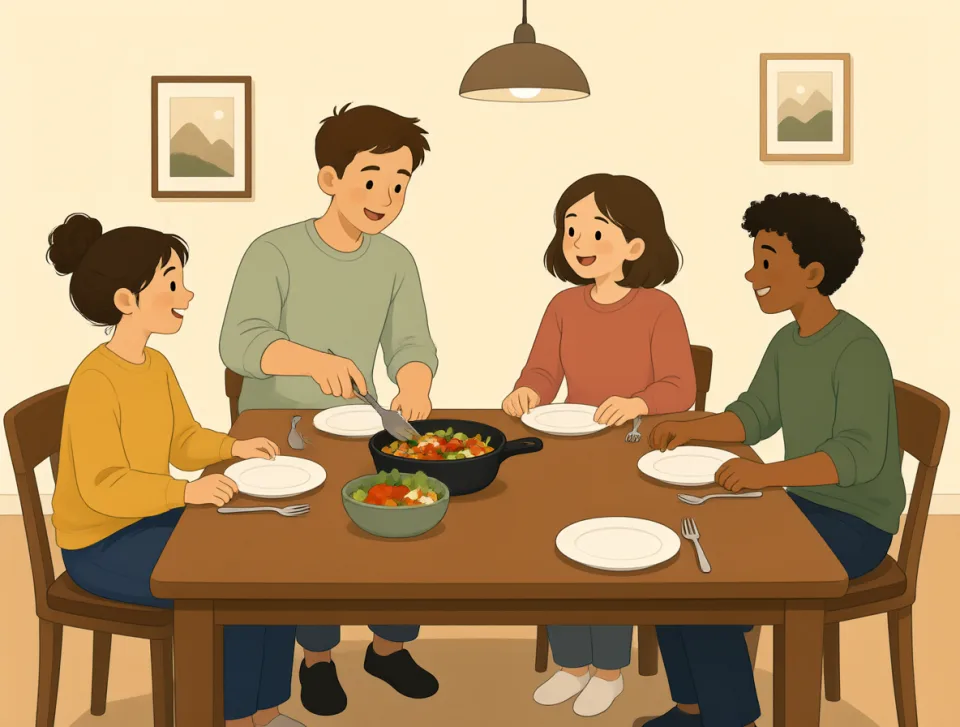
We excluded Tom from the dinner invitation after he canceled twice.
Tom取消了兩次晚餐邀約後,我們就沒再邀請他。

string
#2089noun, verb
細繩;一串;串起
A thin cord used for tying things, or a series of connected words, events, or messages.
用於捆綁物品的細繩,或一連串相互關聯的詞語、事件或訊息。

She tied the package with string before taking it to the post office.
她用細繩把包裹捆好,然後拿去郵局寄。
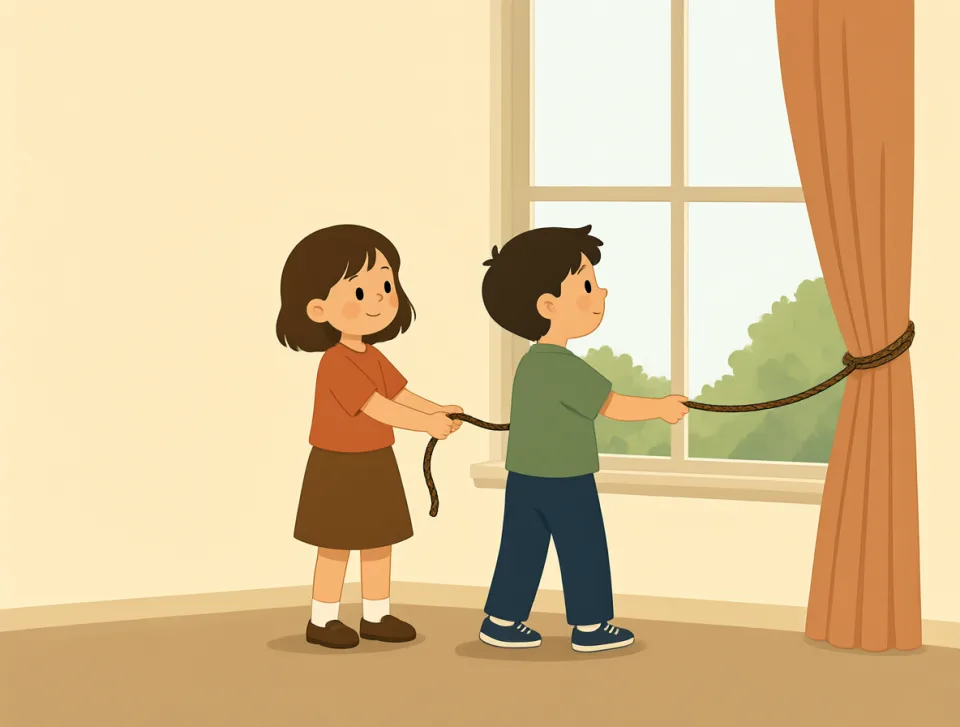
The children pulled the string to open the curtains in the living room.
孩子們拉動細繩,開啟了客廳裡的窗簾。

He bought a string of colorful lights for the balcony.
他買了一串彩燈,準備掛在陽臺上。

The teacher asked us to string the beads together for an art project.
老師讓我們把珠子串起來,做一個藝術專案。
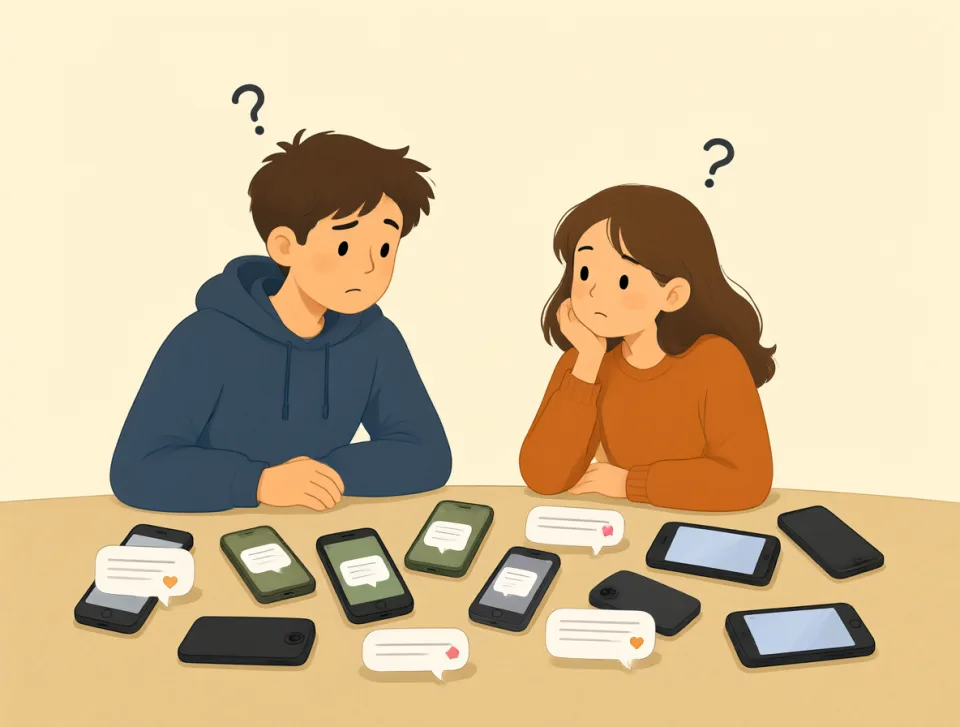
We lost the conversation thread after several messages about different plans.
討論了幾條不同的計劃後,我們就跟不上聊天的脈絡了。

cloud
#2090noun, verb
雲;雲端;使模糊
a white or gray shape in the sky made of tiny drops of water; to make something less clear
天空中由細小水滴形成的白色或灰色團狀物;使某物變得不清楚

Dark clouds covered the sky, so we decided to stay home.
烏雲遮住了天空,所以我們決定待在家裡。
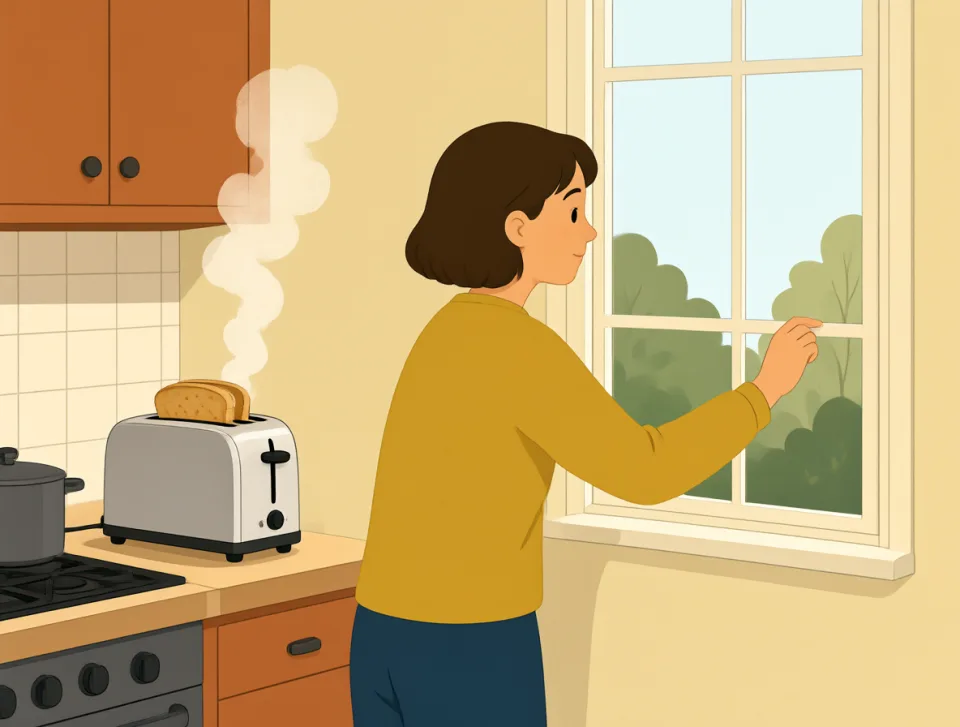
A cloud of smoke filled the kitchen when the toast burned.
吐司烤焦後,一團煙霧瀰漫了整個廚房。

The plane rose above the clouds during our flight to Madrid.
飛往馬德里的途中,飛機升到了雲層上方。

The new software runs in the cloud, so our team can access files anywhere.
這款新軟體執行在雲端,因此我們團隊可以隨時隨地訪問檔案。

His tired face was clouded by worry after the doctor called.
醫生打來電話後,他疲憊的臉上蒙上了一層憂慮。
persuade
#2091verb
說服;勸說
to make someone agree to do something by giving good reasons
透過講道理或給出充分的理由,使某人同意做某事。
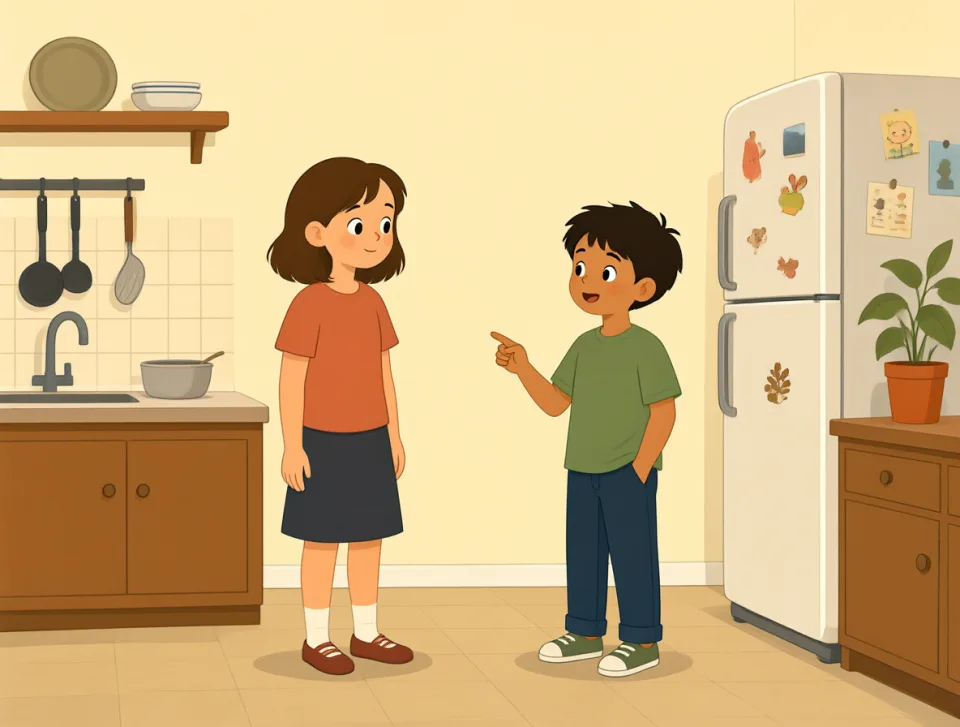
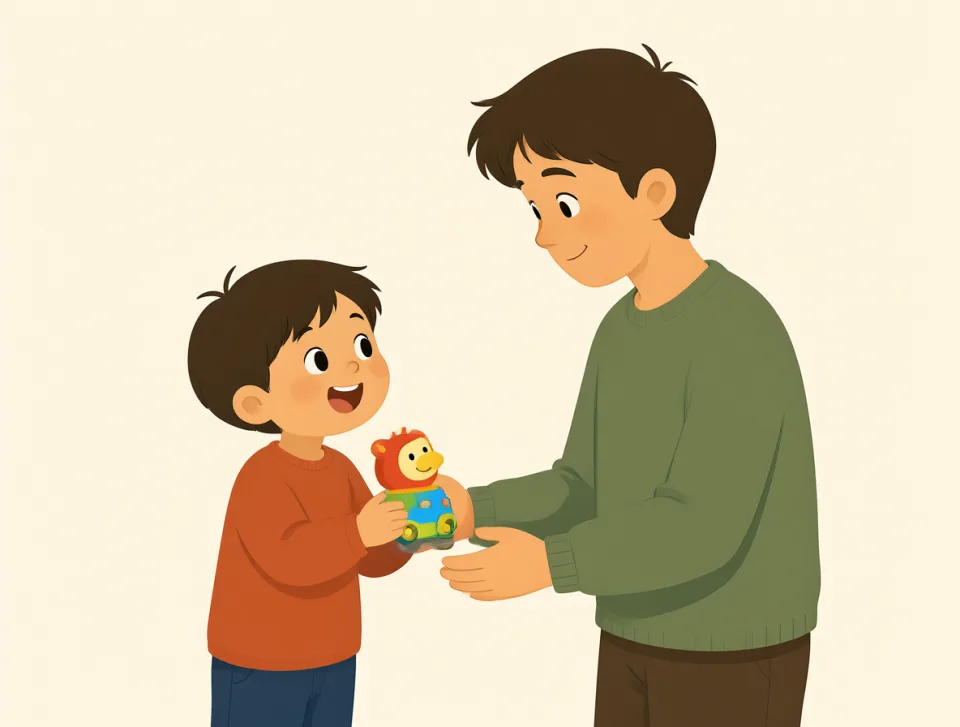
She persuaded her brother to help clean the kitchen after dinner.
晚飯後,她說服弟弟幫忙打掃廚房。

The sales assistant persuaded me to try the more comfortable shoes.
那位銷售員說服我試穿了那雙更舒適的鞋子。

Our teacher persuaded us to join the school science competition.
我們的老師說服我們參加學校的科學競賽。

He persuaded his manager to let him work from home on Friday.
他說服經理同意他週五在家辦公。

My friends persuaded me to take the train instead of driving.
朋友們勸我坐火車去,而不是自己開車。

inspire
#2092verb
激勵;鼓舞;啟發;激發
to make someone feel excited, hopeful, or eager to do something
使某人感到振奮、充滿希望,或激起某人做某事的熱情。

Her courage inspired me to apply for the new job.
她的勇氣激勵我去申請那份新工作。

The teacher inspired his students to read more books.
這位老師鼓勵學生們多讀書。

We were inspired by the chef’s creative use of fresh vegetables.
這位廚師巧妙地運用新鮮蔬菜的創意讓我們深受啟發。

The beautiful countryside inspired us to take a longer train journey.
美麗的鄉村風光讓我們萌生了延長火車旅行時間的想法。
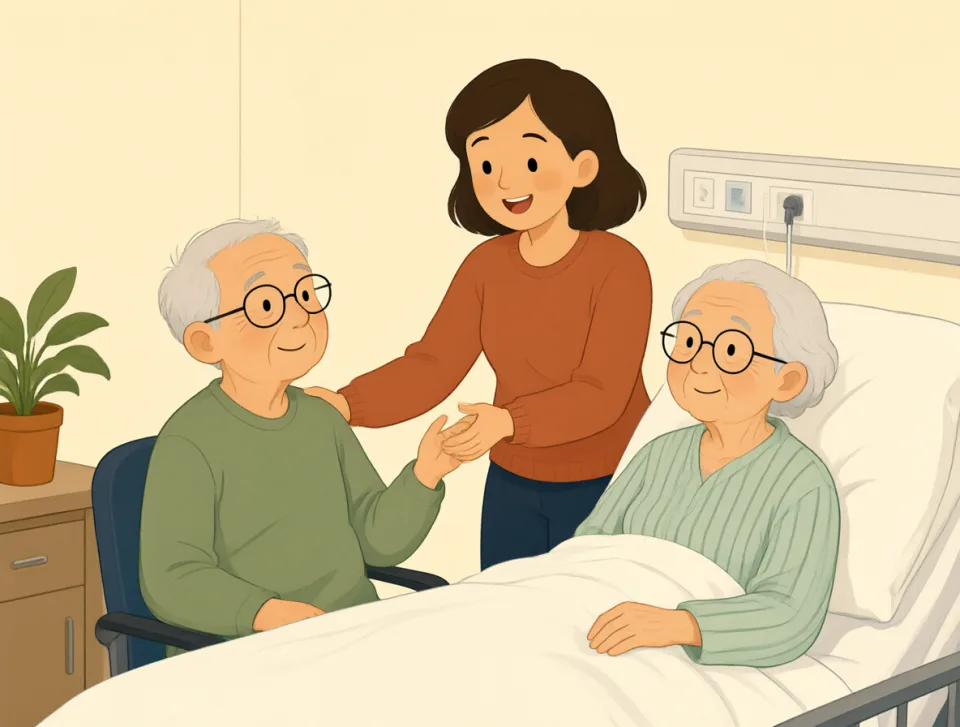
Her recovery inspired other patients to stay positive during treatment.
她的康復經歷激勵其他患者在治療期間保持積極樂觀的心態。

grand
#2093adjective, noun
宏大的;盛大的;一千美元
Very large, impressive, or important; also, one thousand dollars.
非常大、令人印象深刻或重要的;也指一千美元。
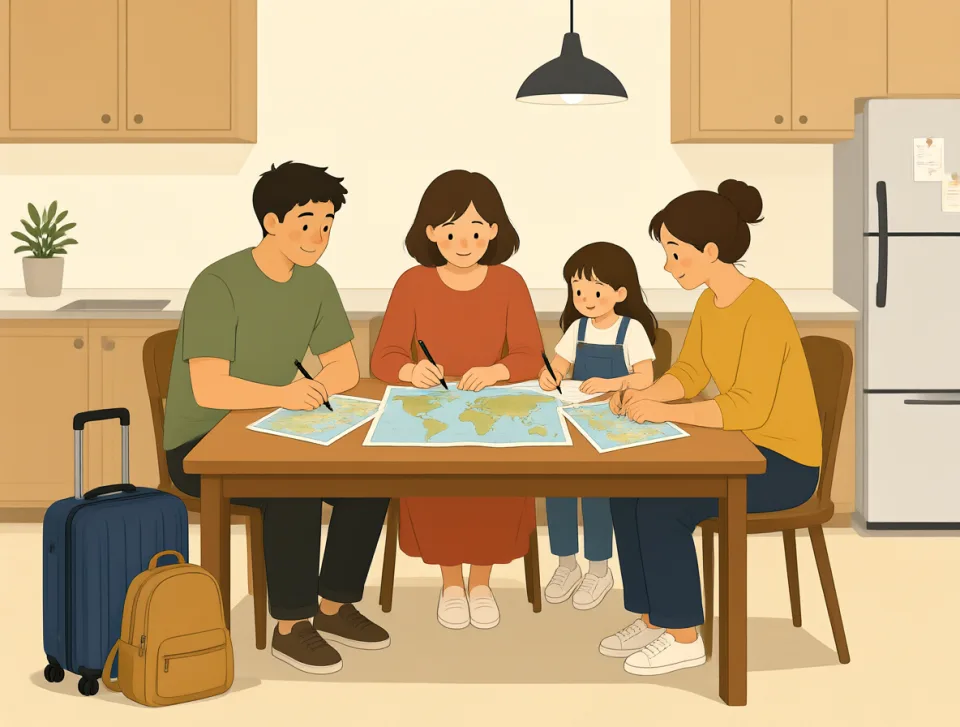
They made grand plans for their summer holiday in Italy.
他們為義大利暑假的旅行制定了宏大的計劃。

The hotel has a grand entrance with marble floors and golden lights.
這家酒店有一個氣派的入口,鋪著大理石地面,裝有金色燈飾。

She dreamed of living in a grand house near the sea.
她夢想著住在海邊一棟宏大的房子裡。

The school held a grand celebration after the team won the championship.
球隊贏得冠軍後,學校舉行了盛大的慶祝活動。

He spent three grand on a used car last month.
他上個月花了三千美元買了一輛二手車。
hence
#2094adverb
因此;所以;從此以後
for this reason; from this time
因此;所以;從這個時候起
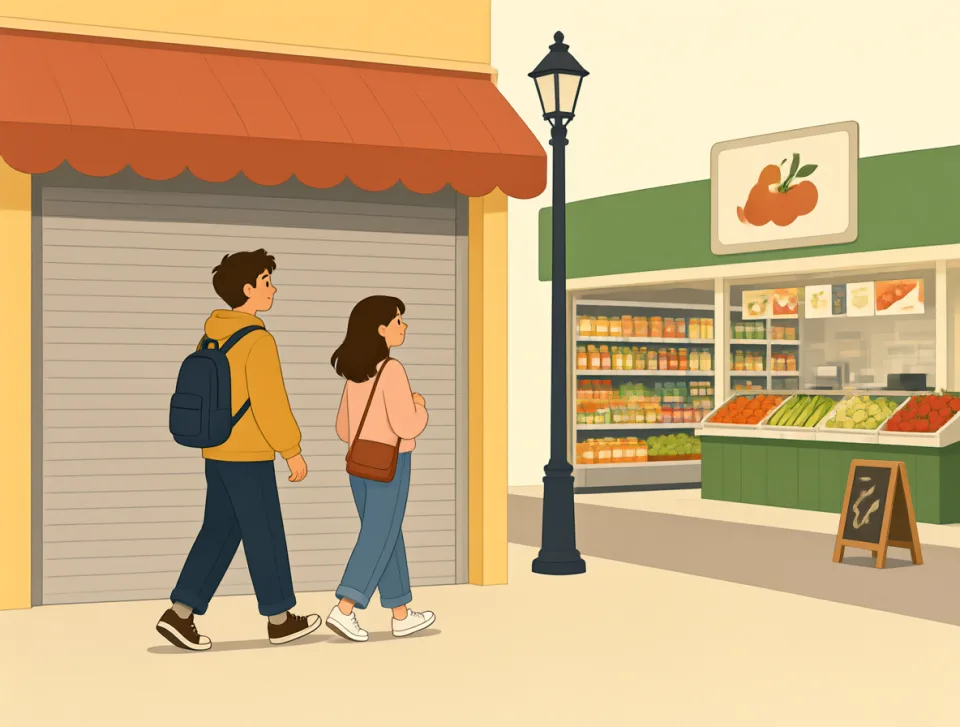
The store was closed; hence, we went to the supermarket nearby.
商店關門了,所以我們去了附近的超市。

She missed the train, hence arriving at work thirty minutes late.
她沒趕上火車,因此上班遲到了三十分鐘。

The road was icy, hence the decision to cancel the school trip.
路面結冰了,因此決定取消學校旅行。

He forgot his umbrella, hence getting completely wet on the walk home.
他忘了帶傘,所以回家的路上全身都淋溼了。

The hotel was full; hence, we stayed in a small guesthouse instead.
酒店客滿了,所以我們改住了一家小旅館。

crew
#2095noun
全體工作人員;機組人員;船員;攝製組
A group of people who work together, especially on a ship, aircraft, or film.
一群共同工作的人,尤其是船舶、飛機或電影攝製組中的工作人員。

The flight crew welcomed passengers and helped them find their seats.
機組人員熱情地迎接乘客,並幫助他們找到座位。

A film crew arrived early to prepare the set for shooting.
電影攝製組早早趕到現場,為拍攝做準備。

The restaurant crew worked quickly during the busy Friday evening.
餐廳的工作人員在忙碌的週五晚上迅速地忙碌起來。

The rescue crew pulled the injured hiker safely from the mountain path.
救援人員把受傷的徒步旅行者安全地從山路上救了下來。

The cleaning crew came after school to wash the classrooms and windows.
放學後,清潔人員來到學校打掃教室和擦洗窗戶。

phenomenon
#2096noun
現象;奇觀
an event or fact that is unusual, interesting, or difficult to understand
一種不尋常、有趣或難以理解的事件或事實。

The northern lights are a natural phenomenon that attracts visitors from around the world.
北極光是一種自然現象,吸引著來自世界各地的遊客。
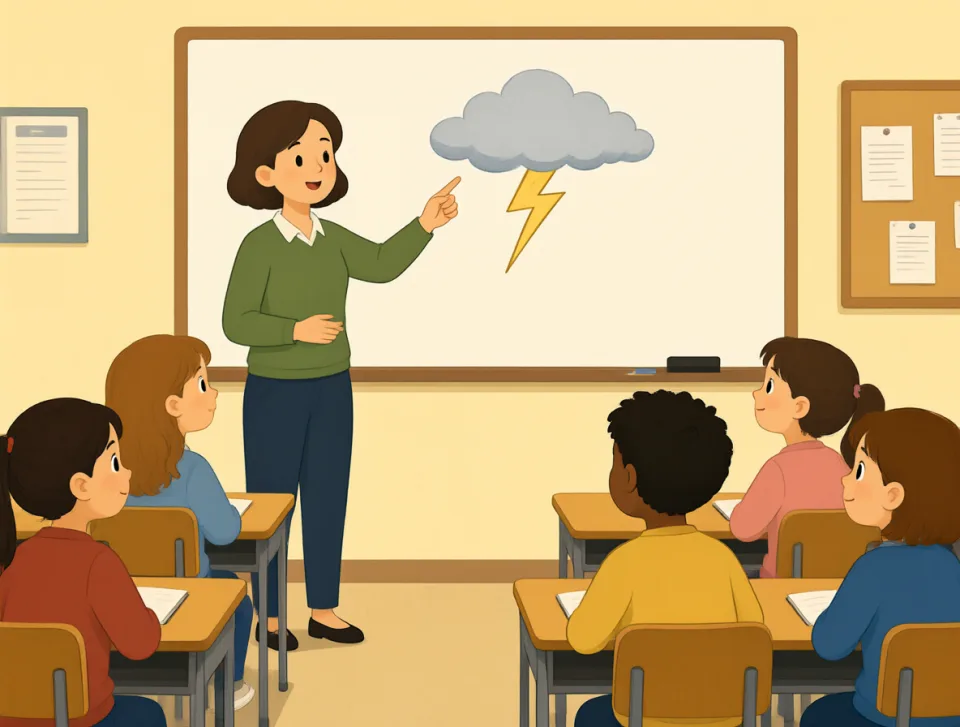
The teacher explained the strange weather phenomenon during our science lesson.
老師在科學課上解釋了這種奇怪的天氣現象。

Social media has created a new phenomenon: friends sharing every part of their lives online.
社交媒體催生了一種新現象:朋友們在網上分享自己生活的方方面面。
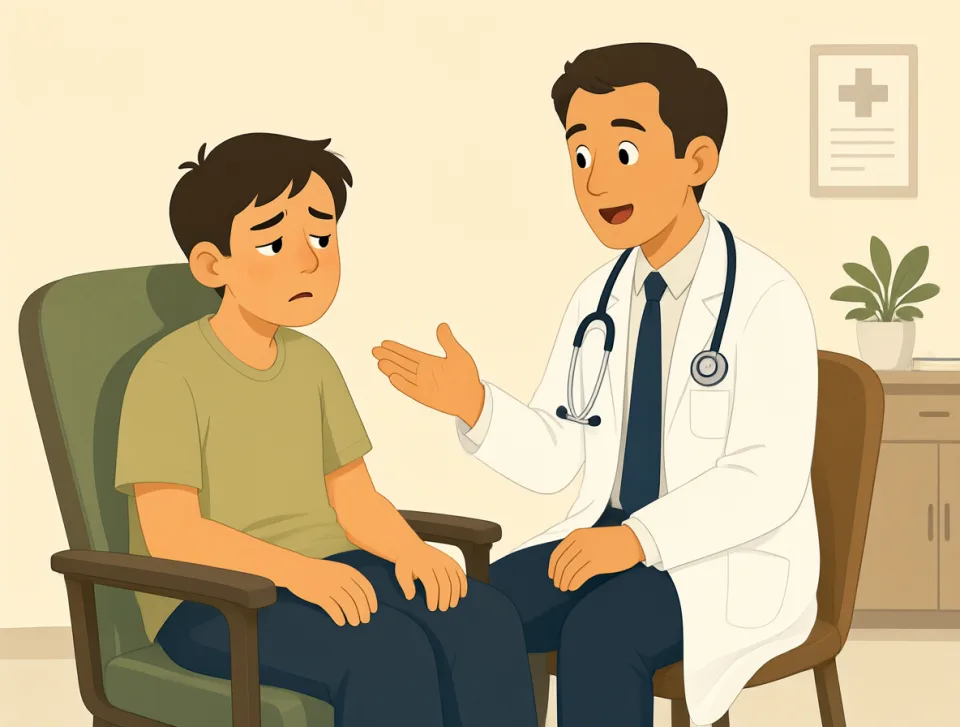
The doctor said that tiredness is a common phenomenon after a long illness.
醫生說,長期患病後感到疲倦是一種常見現象。
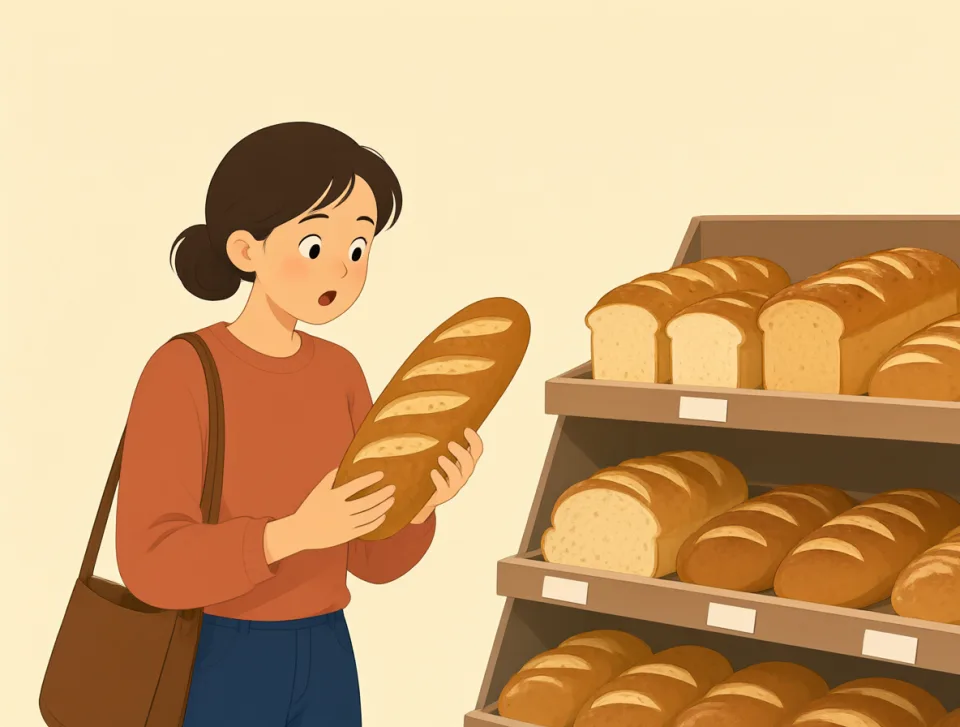
The sudden increase in bread prices became a serious economic phenomenon in the town.
麵包價格突然上漲,成了鎮上一個嚴重的經濟現象。

pupil
#2097noun
學生;小學生;學童
a student, especially a child, who goes to school
學生,尤指在學校上學的兒童。

Every pupil must bring a pencil and notebook to class each morning.
每個學生每天早上都必須帶一支鉛筆和一本筆記本來上課。

The teacher asked each pupil to read one paragraph aloud.
老師讓每個學生大聲朗讀一段話。
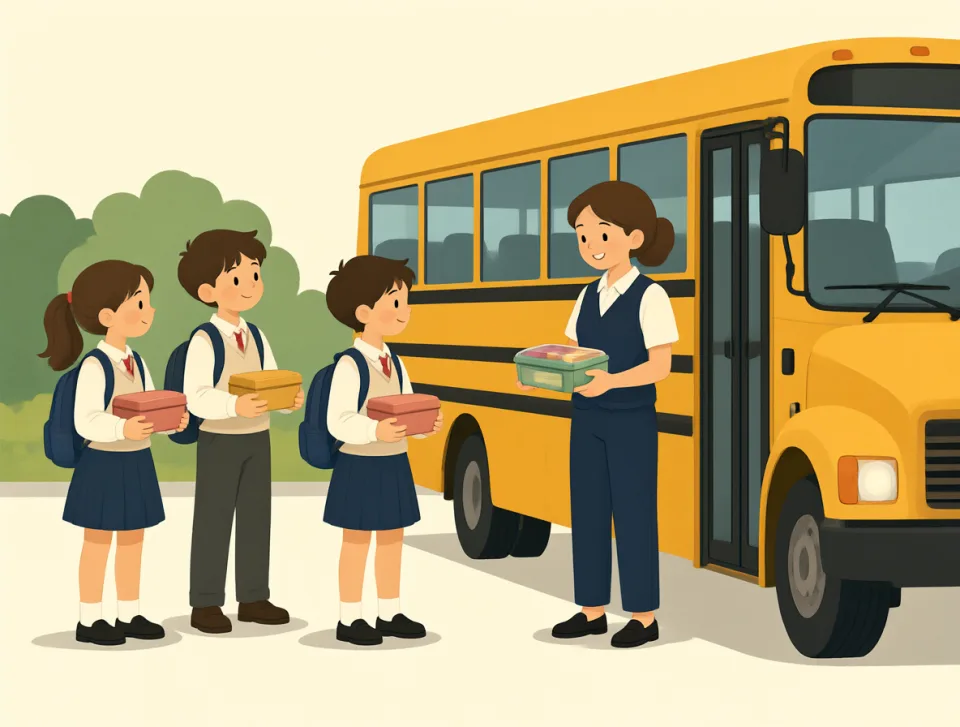
The school gave every pupil a free lunch during the trip.
學校在這次旅行期間為每個學生提供了免費午餐。
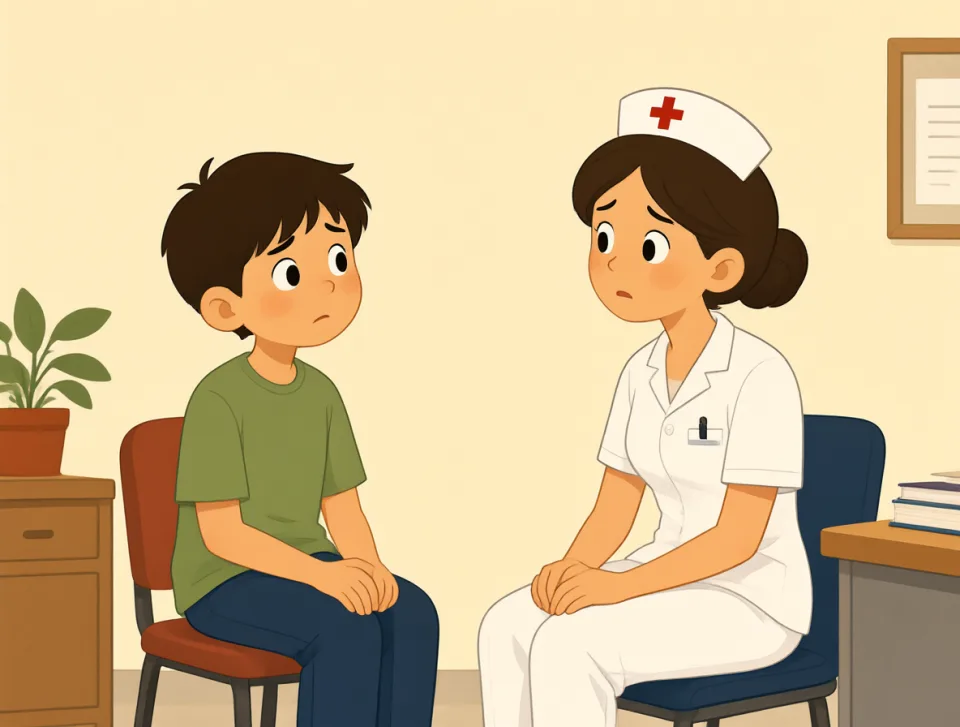
A worried pupil spoke to the nurse about a painful stomach.
一名憂心忡忡的學生因胃痛向護士求助。

The new pupil quickly made friends during the afternoon break.
這名新來的學生很快就在下午課間休息時交到了朋友。
FALSE
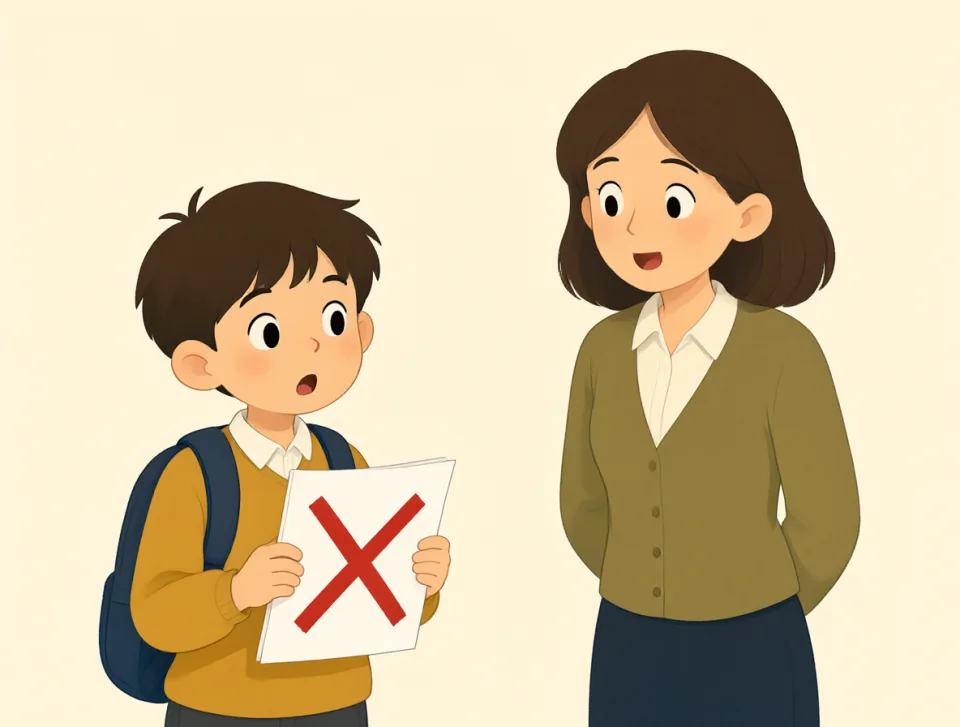
#2098adjective, noun
假的;錯誤的;虛假的
Not true or correct; a statement or idea that is not true.
不真實或不正確的;不真實的陳述或想法。

The story he told us was completely false.
他告訴我們的故事完全是假的。

The website gave me a false address for the hotel.
這個網站給了我一個錯誤的酒店地址。

The alarm was false, so everyone returned to work.
警報是誤報,所以大家都回去工作了。

She bought a false diamond for a surprisingly low price.
她以出人意料的低價買了一顆假鑽石。

The doctor said the test result was a false positive.
醫生說檢測結果是假陽性。

assist
#2099verb, noun
幫助;協助;援助
to help someone do something, especially by making a task easier
幫助某人完成某件事,尤其是透過讓任務變得更容易來提供幫助。
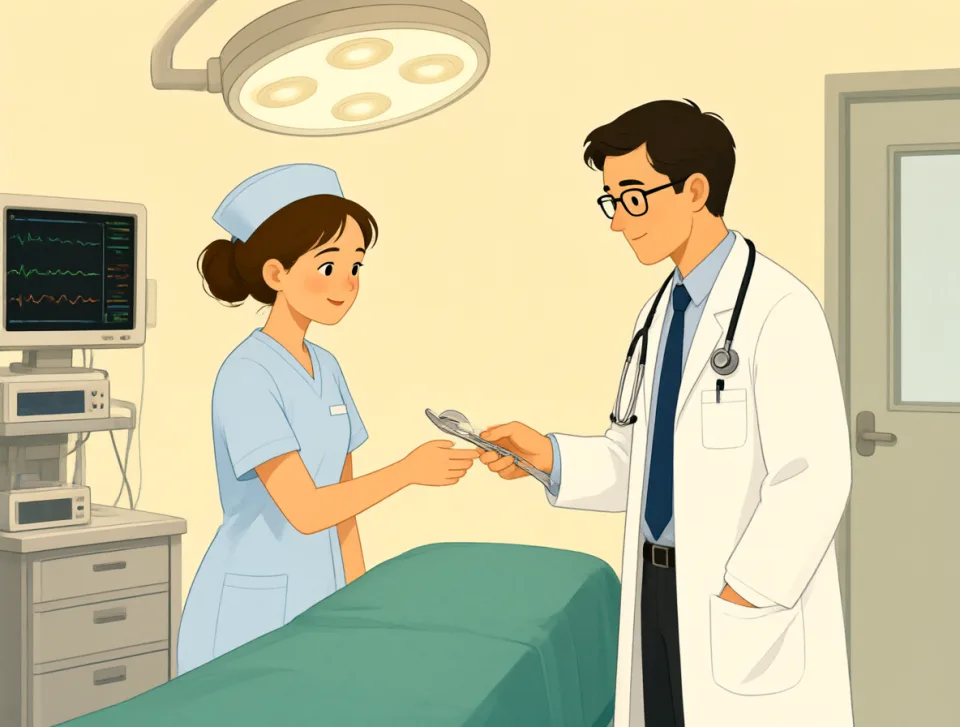
The nurse assisted the doctor during the busy afternoon surgery.
下午手術繁忙時,護士協助醫生完成了手術。

Could you assist me with these heavy boxes before the guests arrive?
客人來之前,你能幫我搬一下這些重箱子嗎?

A teaching assistant assisted students with their science projects after class.
課後,一位助教幫助學生們完成了科學專案。

The waiter assisted us by finding a quiet table near the window.
服務員幫我們在靠窗的位置找了一張安靜的桌子。

The guide assisted an injured tourist down the mountain trail.
導遊幫助一名受傷的遊客沿著山間小路下山。
restore
#2100verb
恢復;修復;使復原
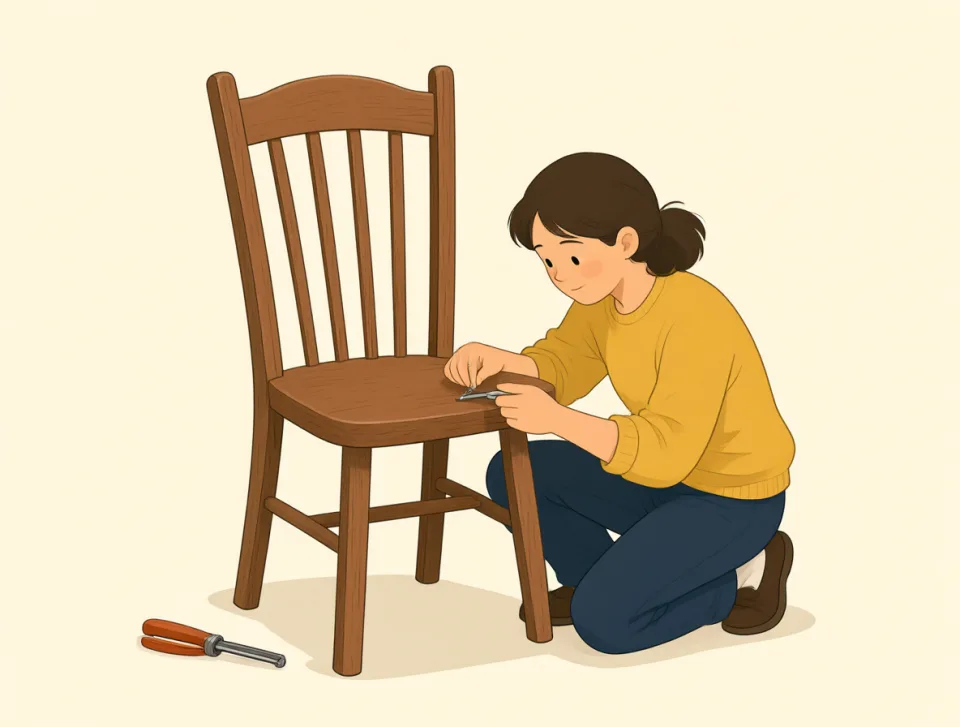
to bring something back to its earlier condition, strength, or appearance
使某物恢復到原來的狀態、強度或外觀。

The hotel plans to restore the old building next year.
這家酒店計劃明年修復這棟老建築。
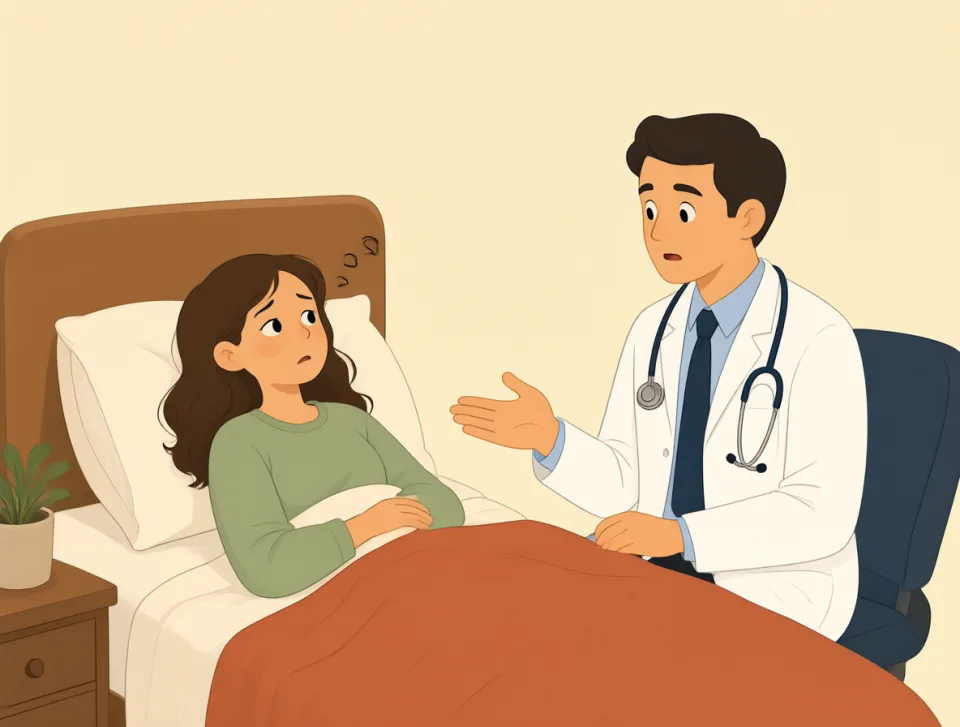
The doctor said rest would help restore her strength.
醫生說,休息有助於恢復她的體力。
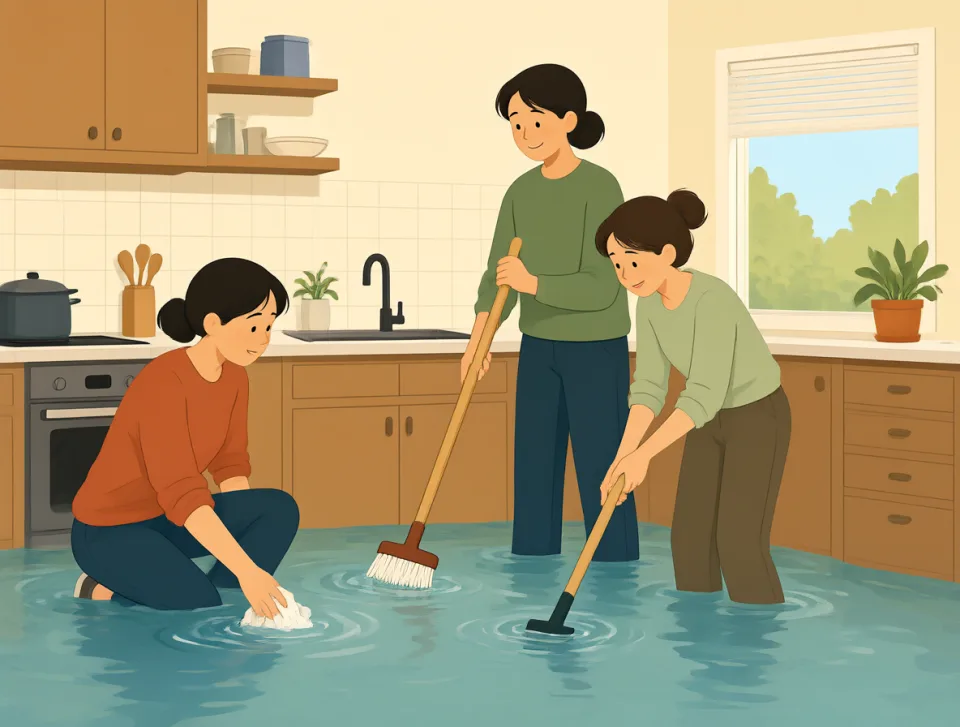
We are restoring the kitchen after the flood damaged it.
洪水把廚房弄壞了,我們正在修復它。

The museum restored the painting and displayed it near the entrance.
博物館修復了這幅畫,並將它陳列在入口附近。
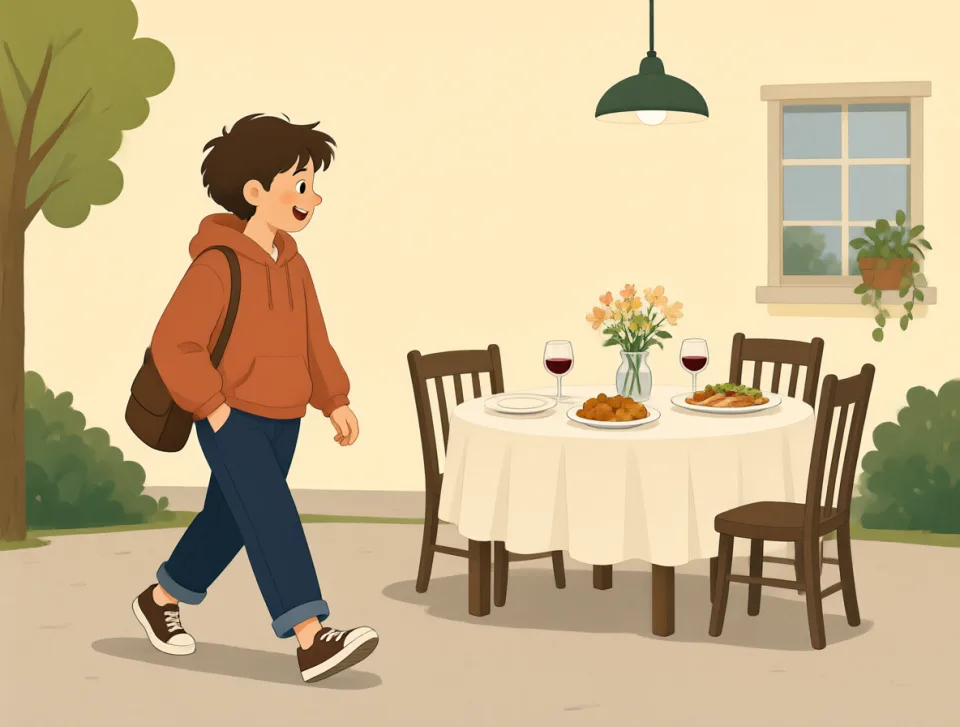
A short walk helped restore my appetite before dinner.
晚飯前散了一會兒步,讓我恢復了食慾。