Блок 105
Слова 2081–2100 · prisoner, eliminate, tight, wet, secondary, welfare
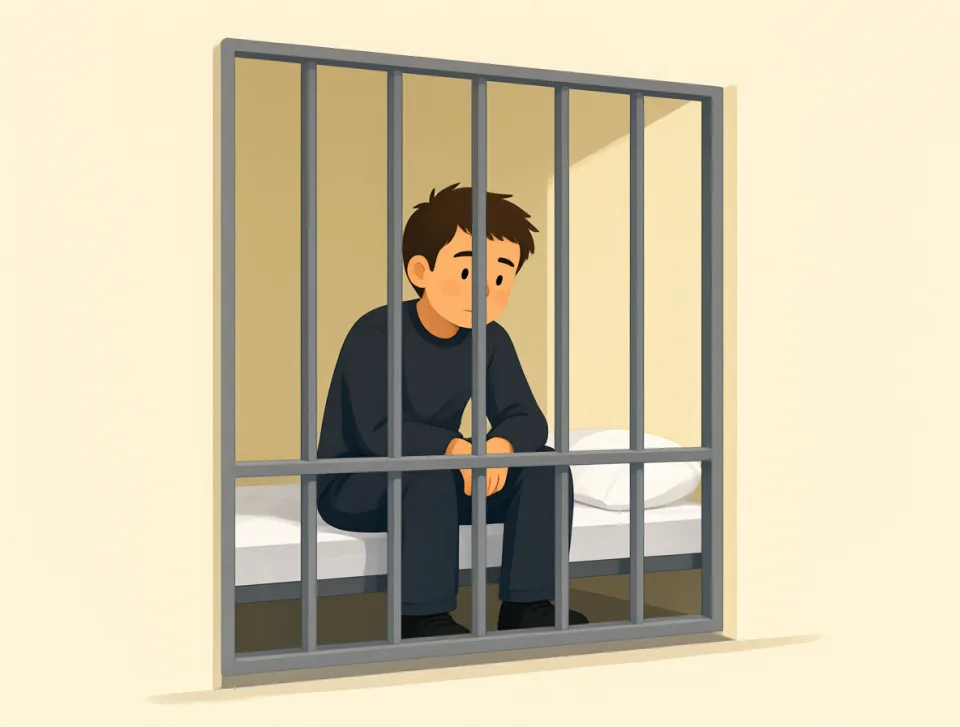
prisoner
#2081noun
заключённый
A person kept in prison as punishment or while waiting for trial.
Человек, находящийся в тюрьме в качестве наказания или в ожидании суда.
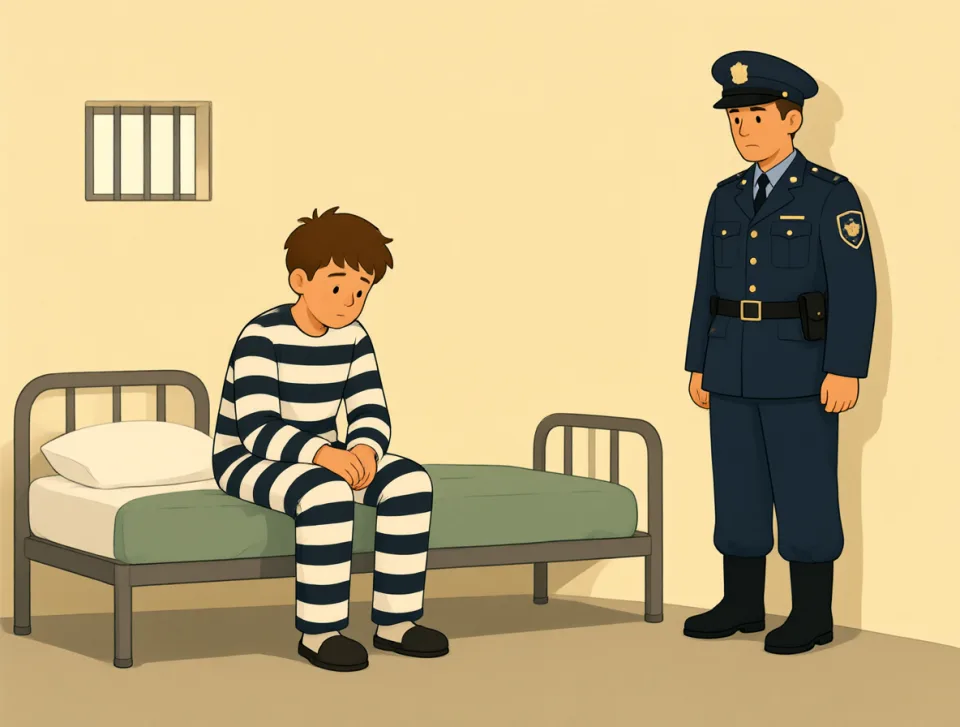
The prisoner waited quietly in his cell for the judge’s decision.
Заключённый спокойно ждал в камере решения судьи.
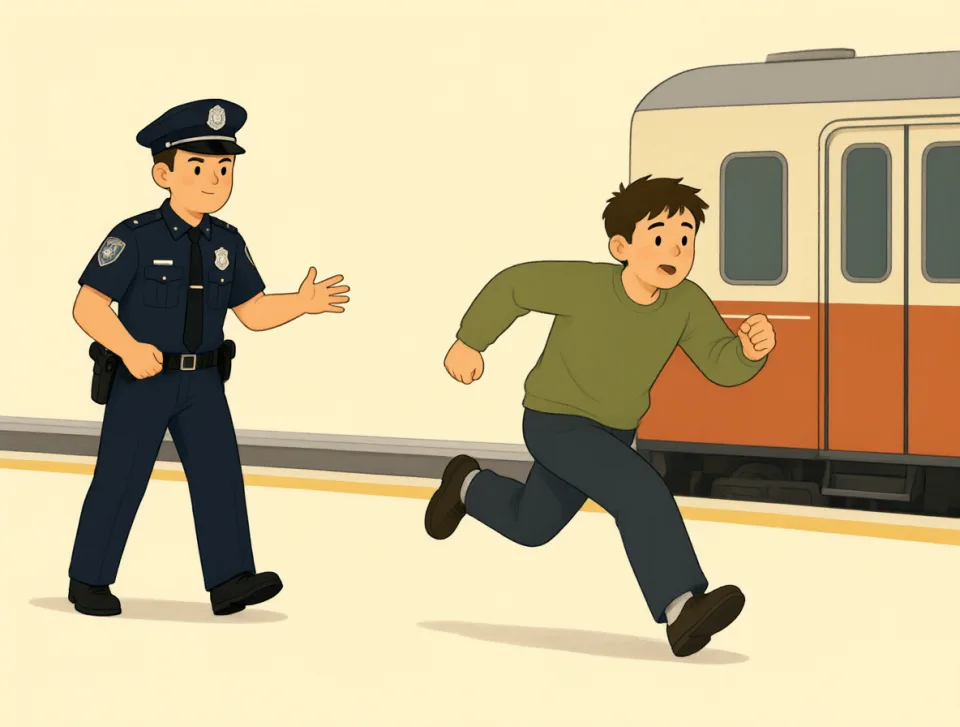
The police caught the escaped prisoner near the train station.
Полиция поймала сбежавшего заключённого возле железнодорожной станции.

The prisoners ate lunch together in the prison dining room.
Заключённые вместе обедали в тюремной столовой.
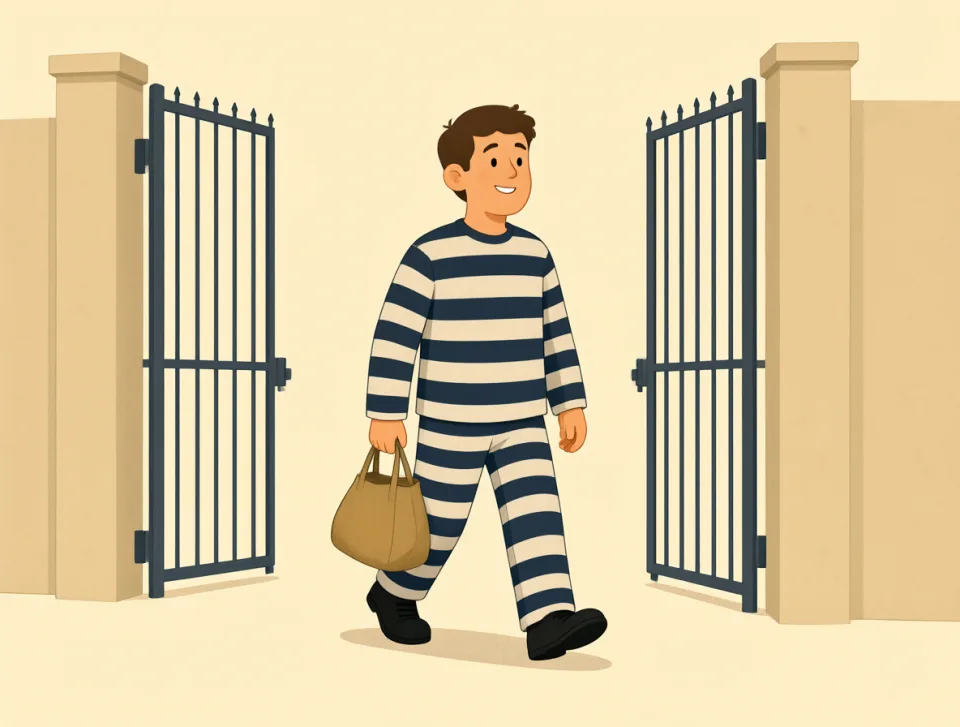
The prisoner was released after serving ten years in prison.
Заключённого освободили после того, как он отбыл десять лет в тюрьме.
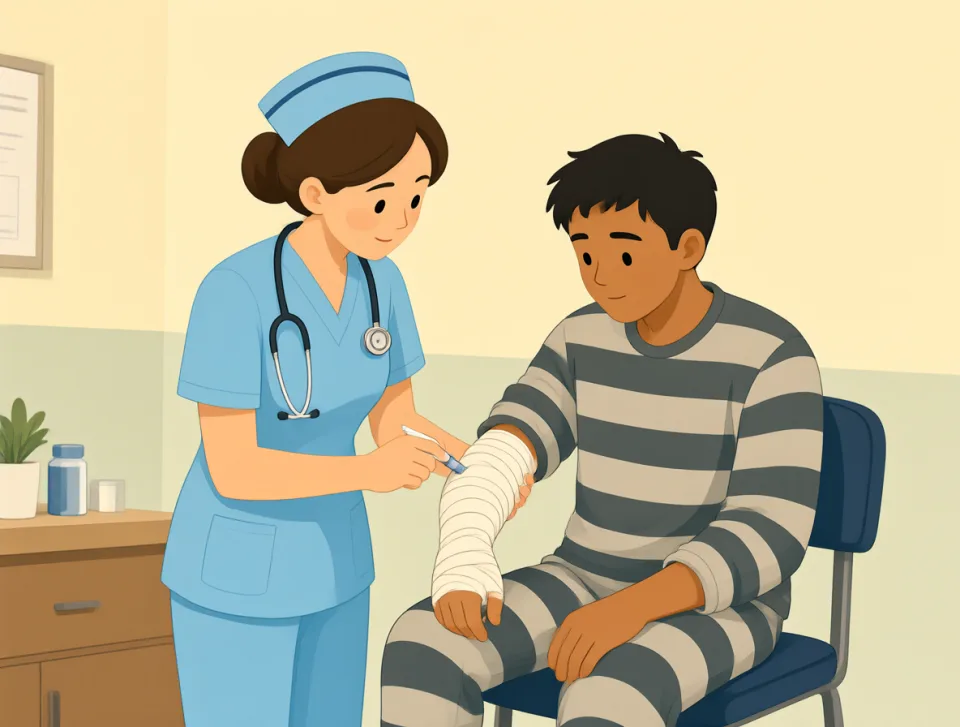
The nurse checked the prisoner’s injured arm in the prison clinic.
Медсестра осмотрела повреждённую руку заключённого в тюремном медпункте.
eliminate
#2082verb
устранять
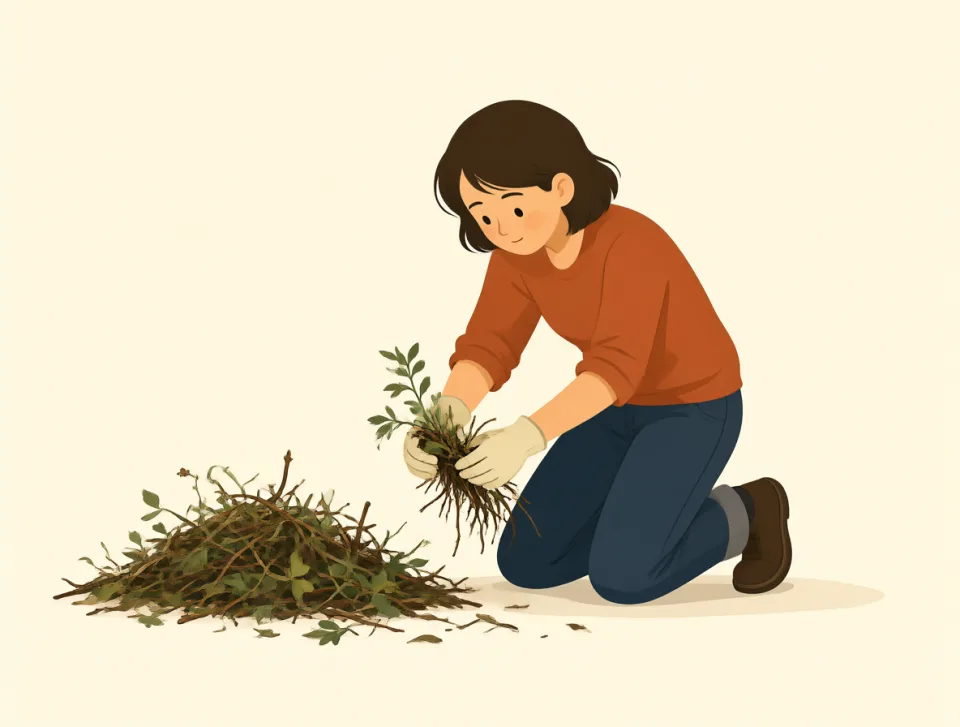
to remove or get rid of something completely
Полностью убирать или избавляться от чего-либо.

Regular exercise can eliminate some health problems and improve your energy.
Регулярные физические упражнения помогают устранить некоторые проблемы со здоровьем и повысить уровень энергии.
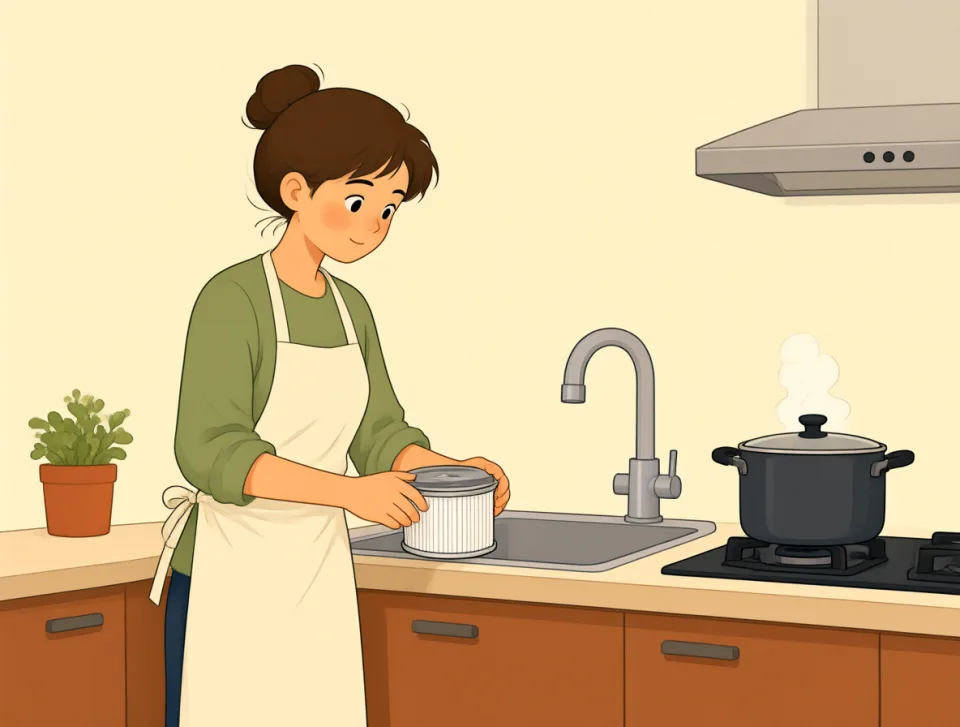
The new filter eliminates unpleasant smells from the kitchen.
Новый фильтр устраняет неприятные запахи на кухне.

We eliminated several expensive items from our shopping list.
Мы вычеркнули из списка покупок несколько дорогих товаров.

The teacher eliminated the hardest question from the test.
Учитель убрал из теста самый сложный вопрос.

The airline eliminated our evening flight because too few people booked seats.
Авиакомпания отменила наш вечерний рейс, потому что слишком мало пассажиров забронировали места.
tight
#2083adjective, adverb, verb
тугой
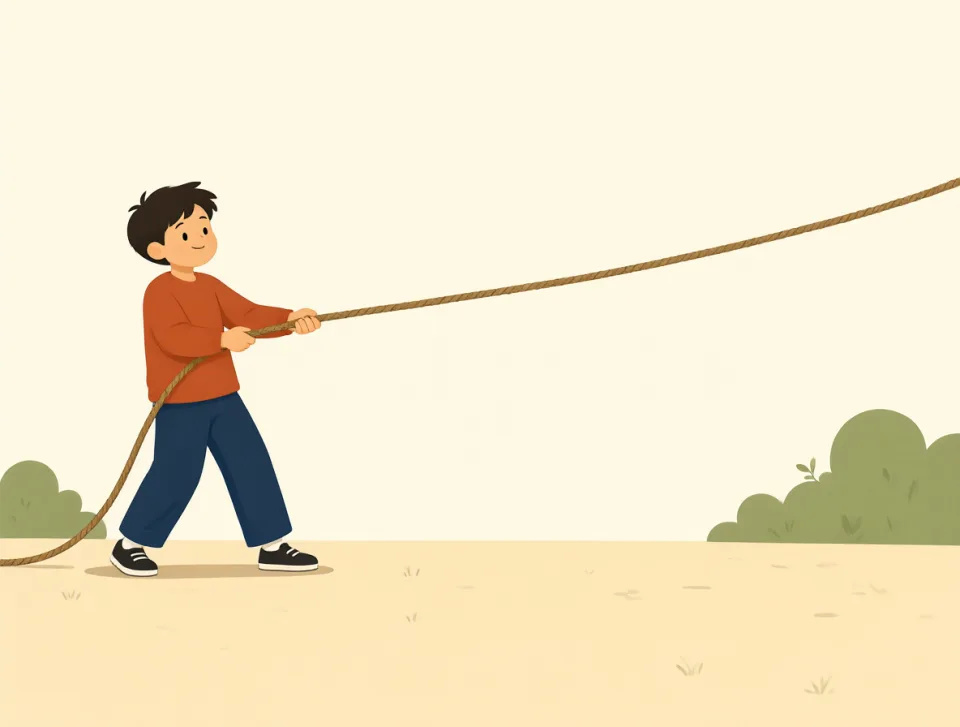
Firmly fixed, fitting closely, or having little extra space; to pull something firmly.
Плотно закреплённый, тесно прилегающий или оставляющий мало свободного места; крепко затягивать что-либо.
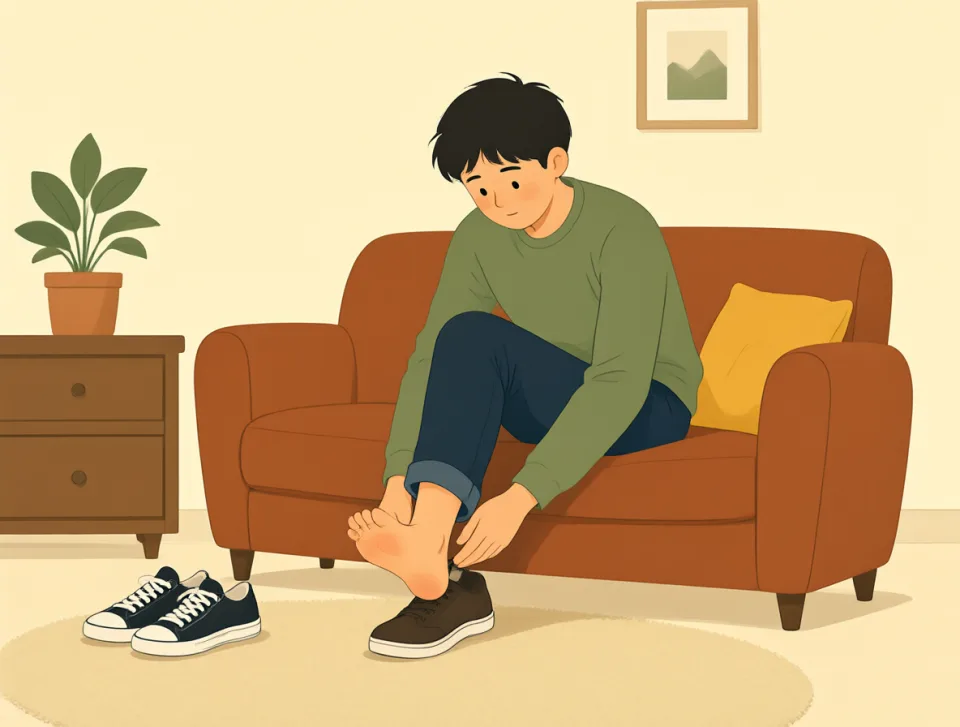
These shoes are too tight, so my feet hurt after walking.
Эти туфли слишком тесные, поэтому после ходьбы у меня болят ноги.

Please hold tight while the bus turns around the corner.
Пожалуйста, держитесь крепче, пока автобус поворачивает за угол.

We have a tight schedule, so please arrive exactly on time.
У нас плотный график, поэтому, пожалуйста, приходите точно вовремя.
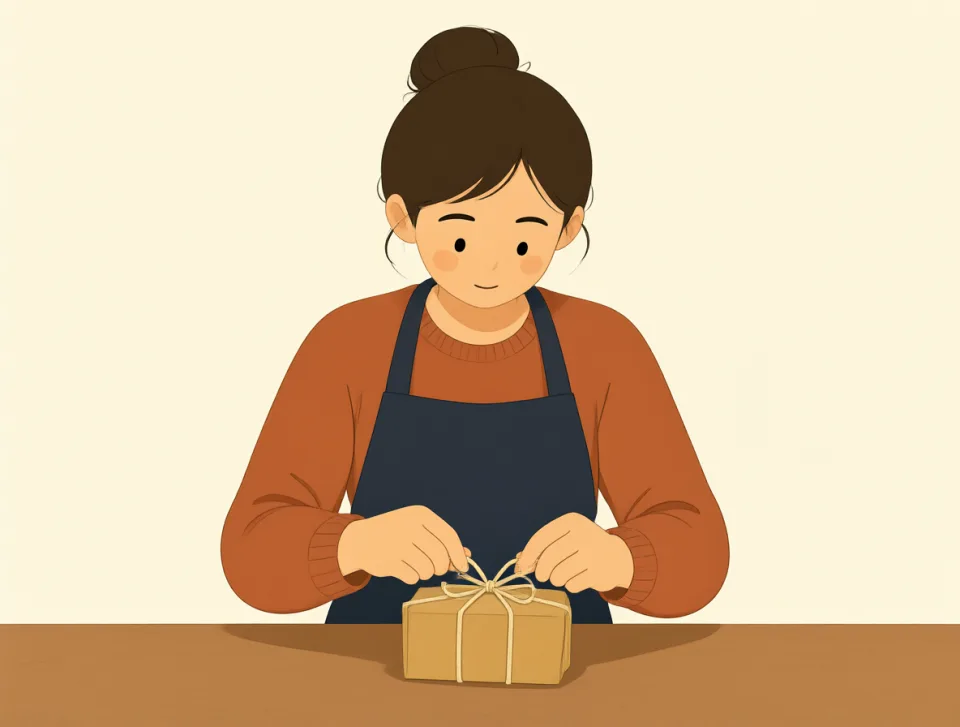
She tied the package tight before taking it to the post office.
Она крепко завязала свёрток, прежде чем отнести его на почту.

Money is tight this month, so we are cooking at home more often.
В этом месяце у нас туго с деньгами, поэтому мы чаще готовим дома.

wet
#2084adjective, noun, verb
мокрый
covered or filled with water; to make something wet
Покрытый водой или пропитанный ею; намочить что-либо.

My shoes got wet when I walked home in the heavy rain.
Когда я шёл домой под сильным дождём, мои туфли промокли.

Please hang the wet towels outside so they can dry.
Пожалуйста, повесьте мокрые полотенца на улице, чтобы они высохли.

The children were wet after playing in the fountain.
Дети промокли, играя в фонтане.
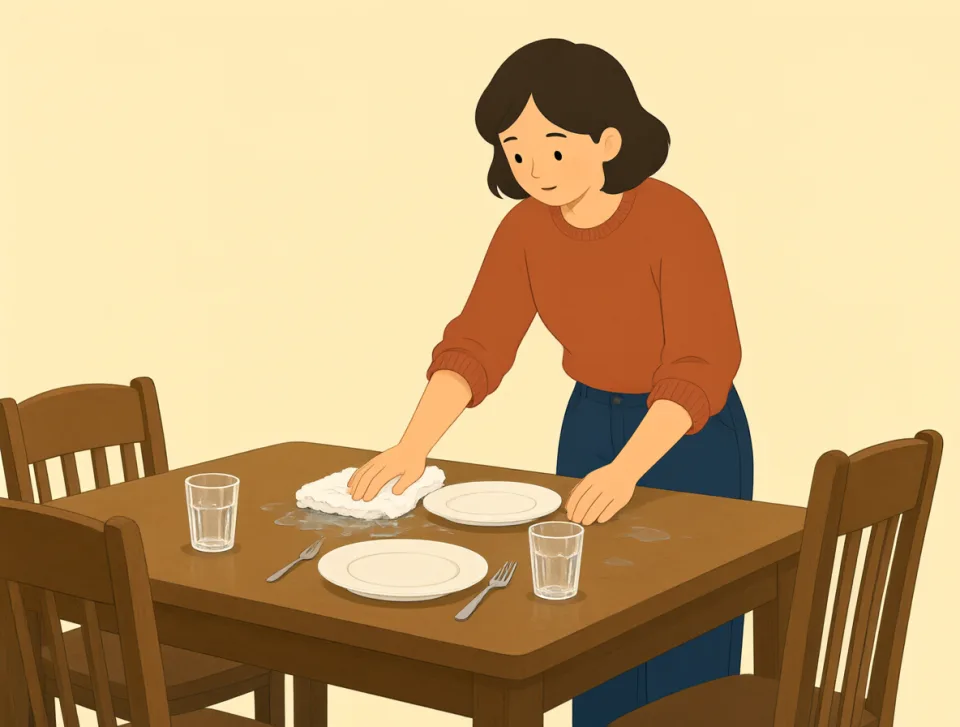
Wipe the table before dinner because someone spilled water on it.
Вытрите стол перед ужином: кто-то пролил на него воду.

The nurse placed a wet cloth on his forehead to cool him down.
Медсестра положила ему на лоб влажную ткань, чтобы охладить его.

secondary
#2085adjective, noun
второстепенный
less important than something else, or connected with education after primary school
Менее важный, чем что-либо другое; также связанный с образованием после начальной школы.

The secondary road was quieter and safer than the busy highway.
Второстепенная дорога была тише и безопаснее оживлённого шоссе.

She works as a secondary teacher at a school near her home.
Она работает учительницей в средней школе недалеко от дома.
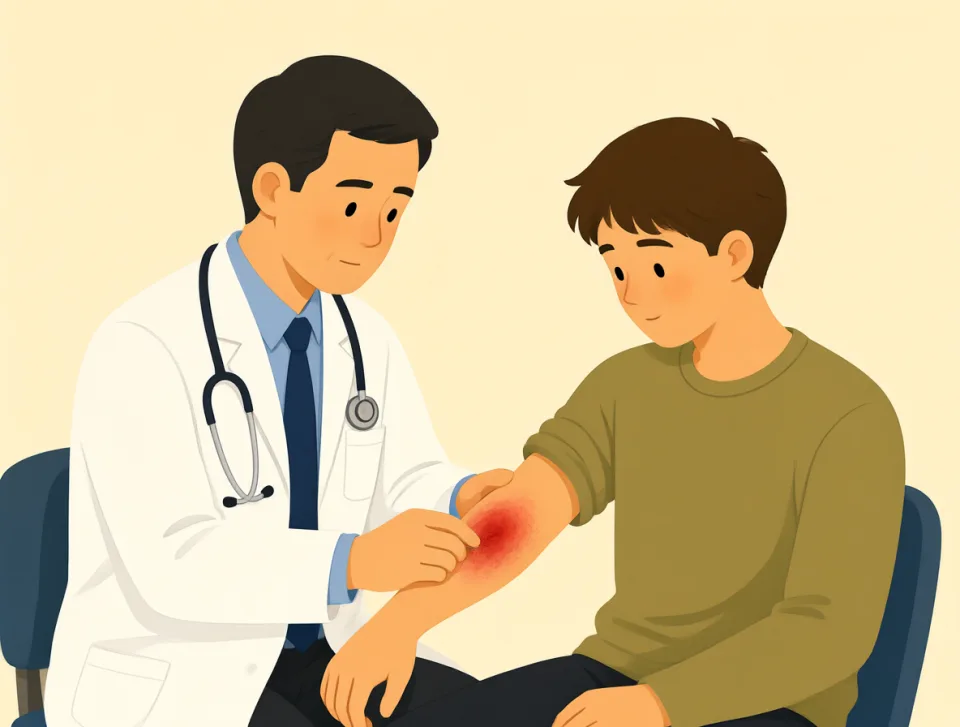
The doctor found a secondary infection and prescribed stronger medicine.
Врач обнаружил вторичную инфекцию и назначил более сильное лекарство.

The main entrance is closed, so please use the secondary entrance.
Главный вход закрыт, поэтому, пожалуйста, воспользуйтесь запасным входом.
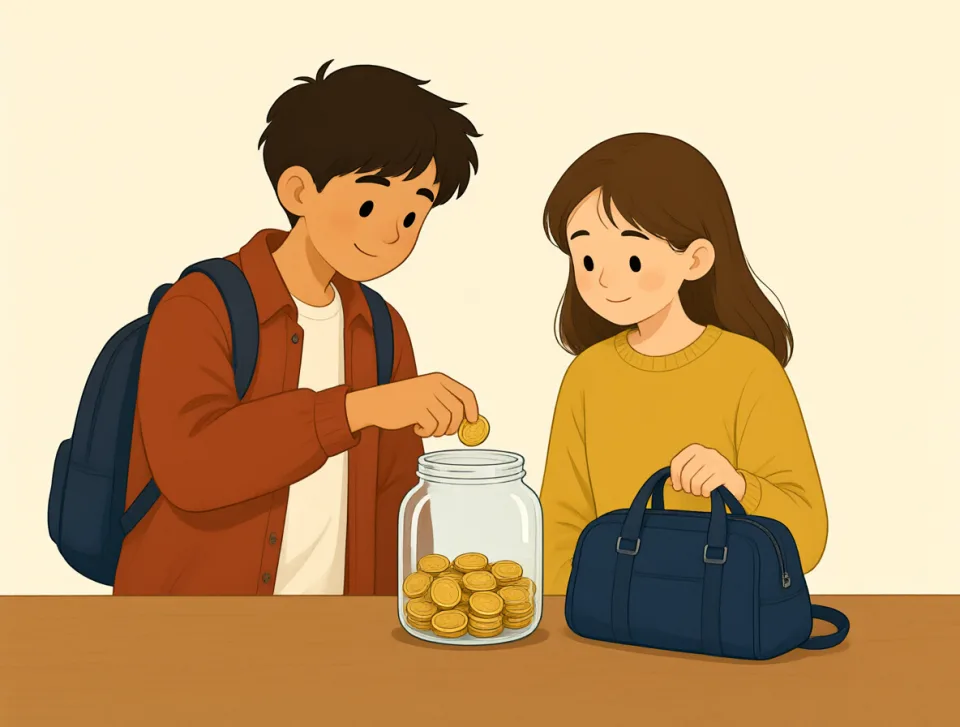
Our secondary goal is to save enough money for a summer trip.
Наша второстепенная цель — накопить достаточно денег на летнюю поездку.

welfare
#2086noun
пособие
Help provided by the government for people who need money, housing, or other support.
Помощь от государства людям, которым нужны деньги, жильё или другая поддержка.
The family applied for welfare after the father lost his job.
Семья подала заявление на получение пособия после того, как отец потерял работу.

The government is cutting welfare payments for some unemployed people.
Правительство сокращает выплаты пособий некоторым безработным.

Many students worry about their parents' welfare during the long journey.
Многие студенты беспокоятся о благополучии родителей во время долгого путешествия.
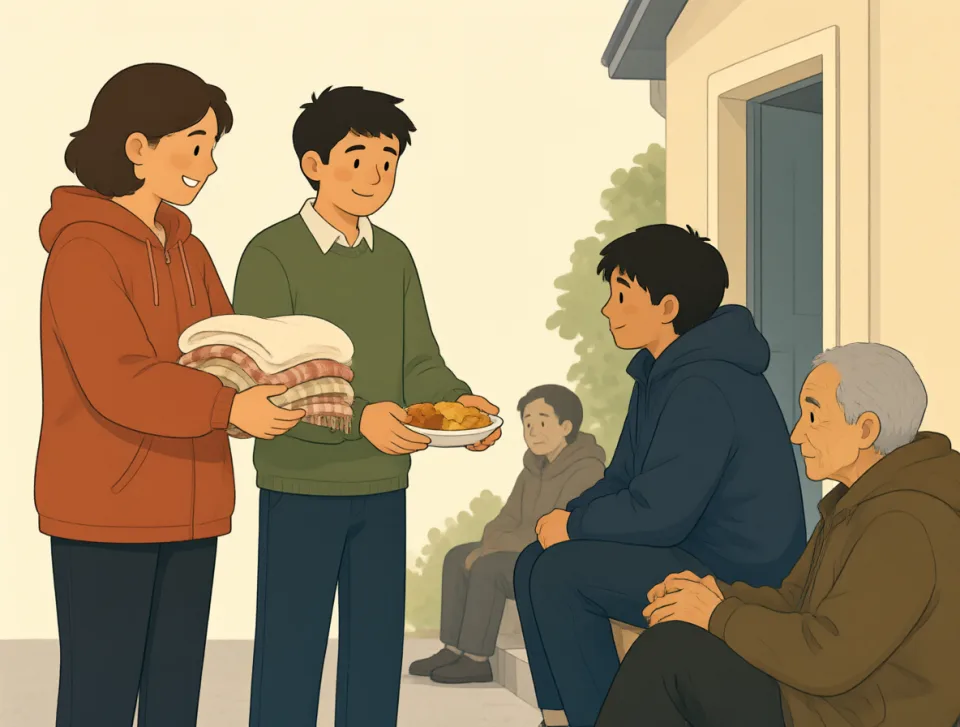
The charity works to improve the welfare of homeless people.
Благотворительная организация помогает улучшить условия жизни бездомных.
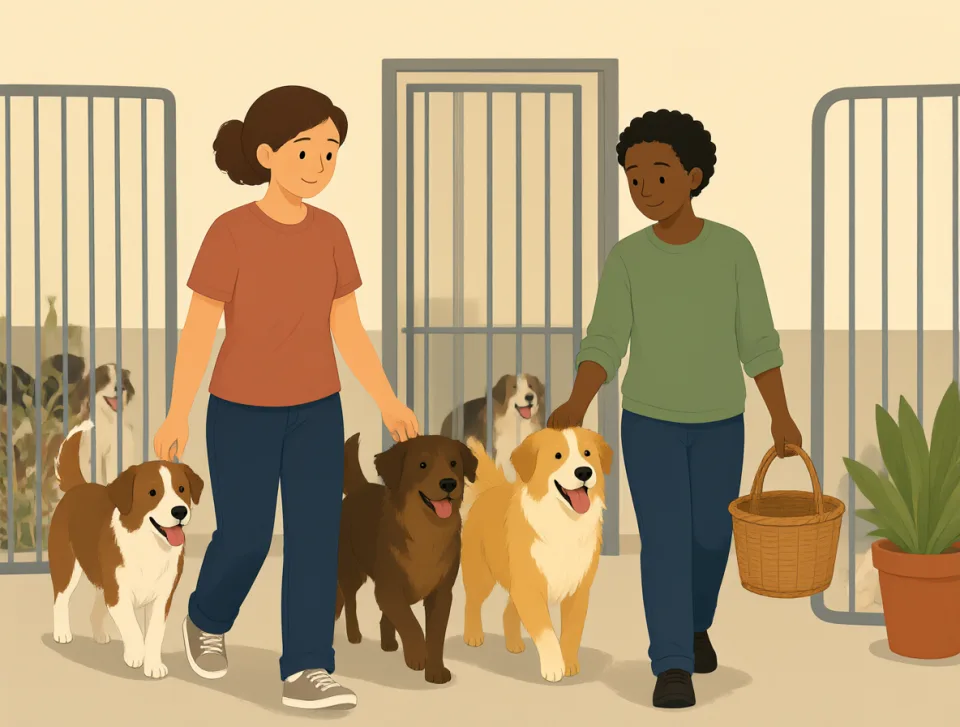
Animal welfare groups rescued several dogs from the crowded shelter.
Организации по защите животных спасли нескольких собак из переполненного приюта.

recruit
#2087noun, verb
набирать
To find and persuade people to join an organization, team, or group.
Находить людей и убеждать их вступить в организацию, команду или группу.

The company plans to recruit more nurses for its busy hospital.
Компания планирует нанять больше медсестёр для своей загруженной больницы.
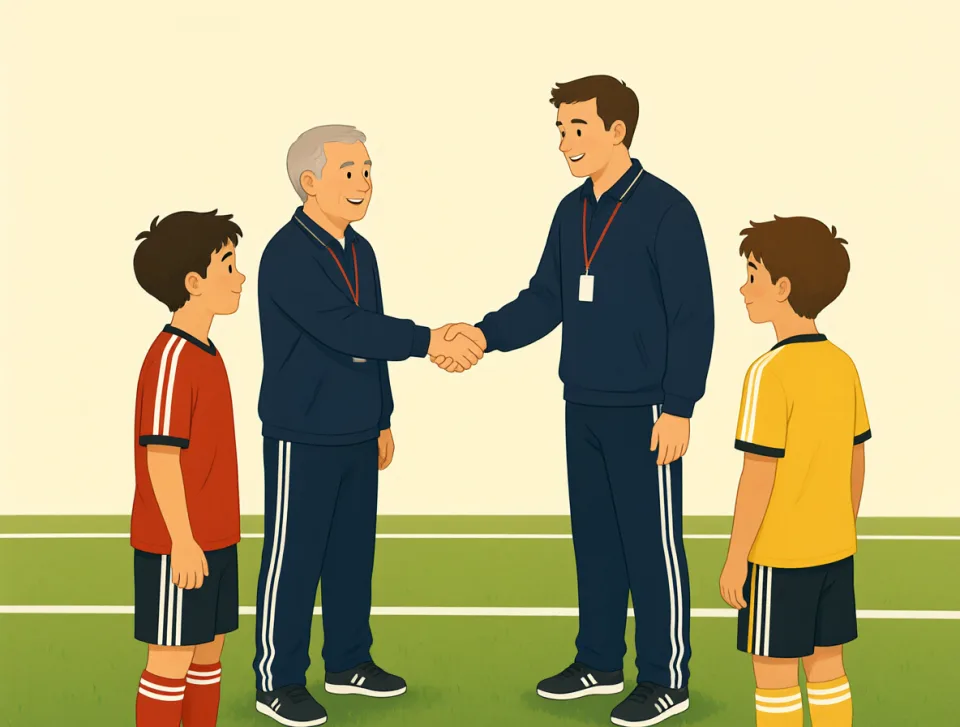
The football club recruited two talented players from a local school.
Футбольный клуб привлёк двух талантливых игроков из местной школы.
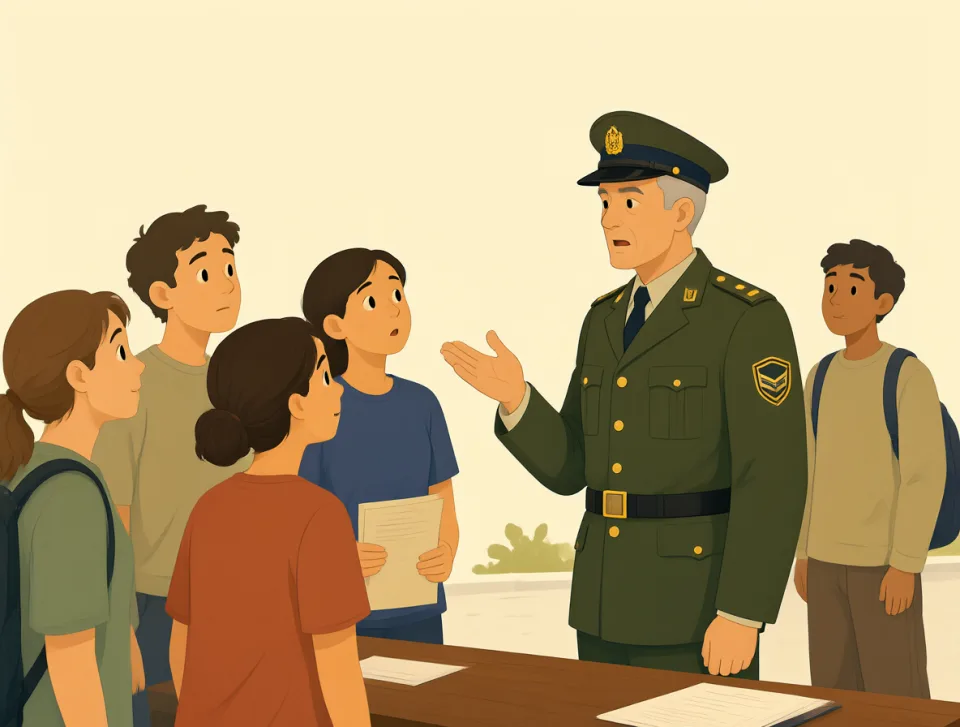
The army is recruiting volunteers for several months of training.
Армия набирает добровольцев для нескольких месяцев подготовки.

Our science teacher recruited three students to help with the experiment.
Наш учитель естественных наук пригласил трёх учеников помочь с экспериментом.

The restaurant recruited extra workers before the busy holiday season.
Ресторан нанял дополнительных работников перед напряжённым праздничным сезоном.
exclude
#2088verb
исключать
to deliberately leave someone or something out of a group, activity, or situation
Намеренно не включать кого-то или что-то в группу, мероприятие или ситуацию.

Please exclude onions from my sandwich because I am allergic to them.
Пожалуйста, не кладите лук в мой сэндвич: у меня на него аллергия.

The price excludes delivery, so you must pay an extra fee.
Доставка не включена в стоимость, поэтому нужно доплатить.

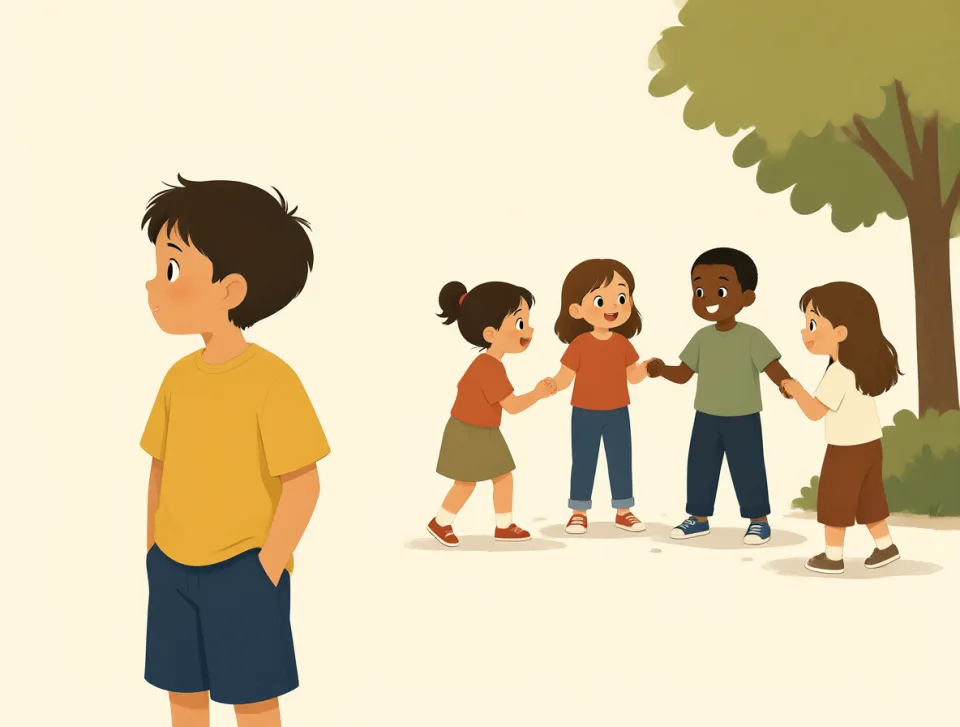
The teacher excluded the late students from the first activity.
Учитель не допустил опоздавших учеников к первому заданию.
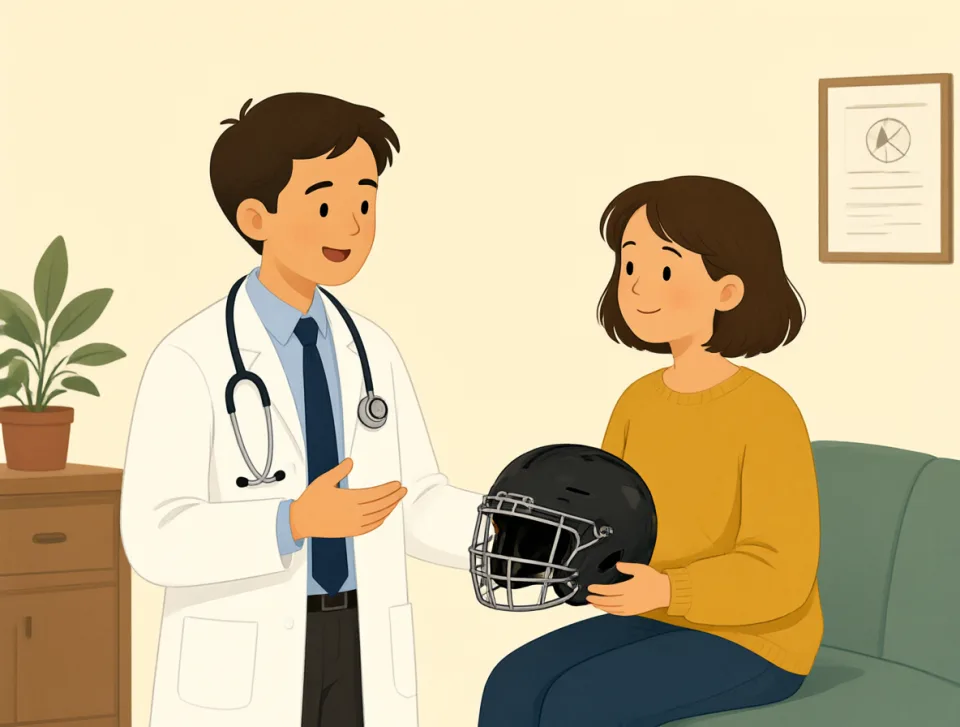
This insurance plan excludes treatment for injuries caused by dangerous sports.
Этот страховой план не покрывает лечение травм, полученных во время занятий опасными видами спорта.

We excluded Tom from the dinner invitation after he canceled twice.
Мы не пригласили Тома на ужин после того, как он дважды отменил встречу.

string
#2089noun, verb
верёвка; нить
A thin cord used for tying things, or a series of connected words, events, or messages.
Тонкий шнур, которым что-либо связывают; также ряд связанных между собой слов, событий или сообщений.

She tied the package with string before taking it to the post office.
Перед тем как отнести посылку на почту, она перевязала её бечёвкой.
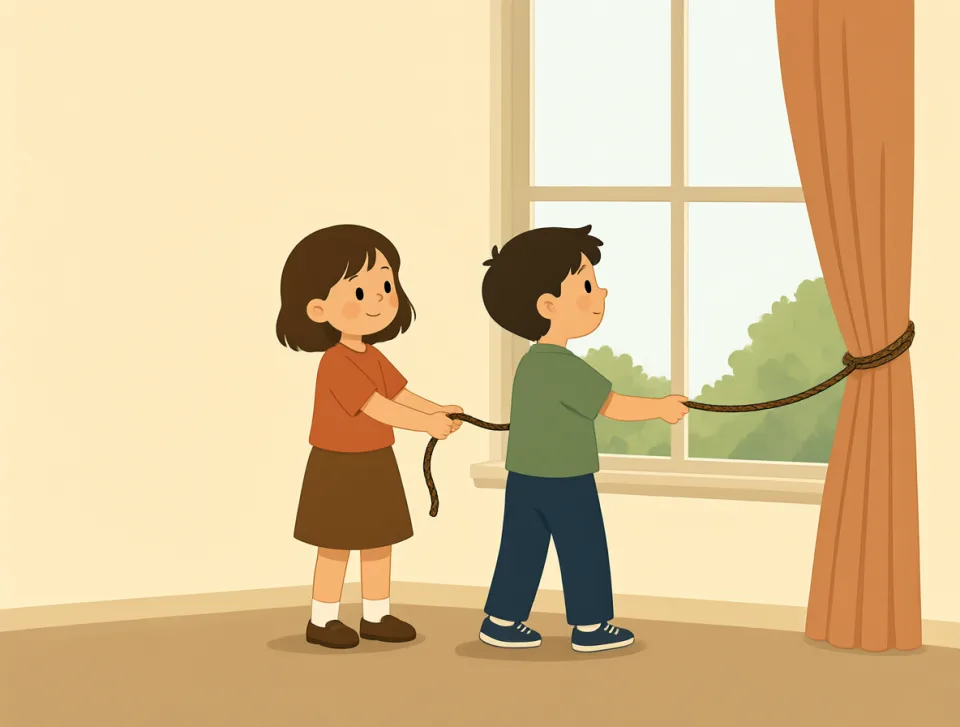
The children pulled the string to open the curtains in the living room.
Дети потянули за верёвочку, чтобы открыть шторы в гостиной.

He bought a string of colorful lights for the balcony.
Он купил гирлянду из разноцветных лампочек для балкона.
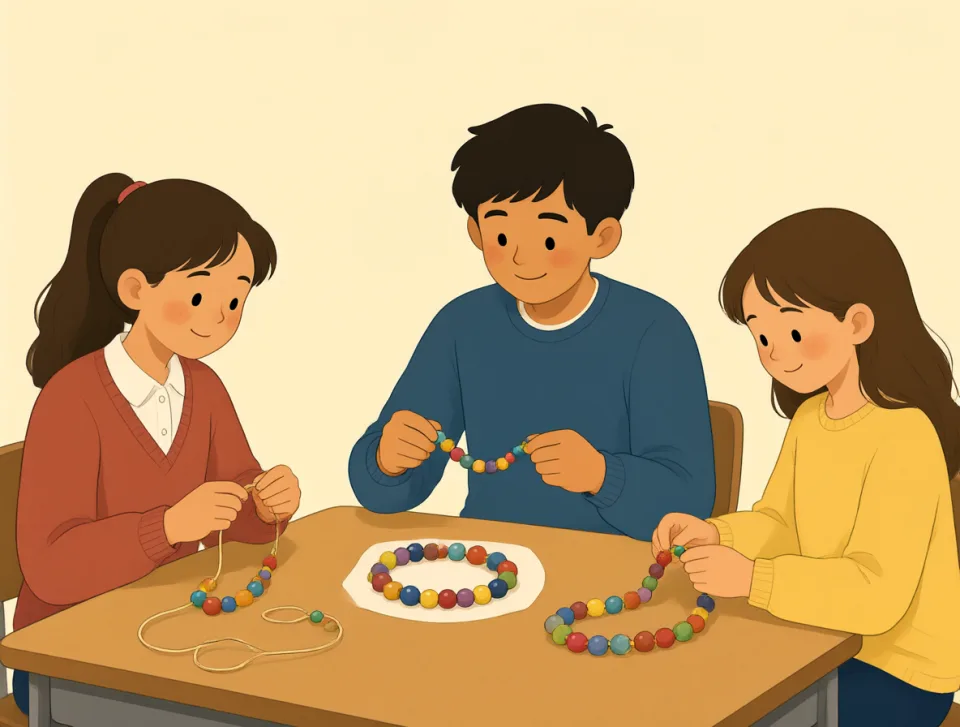
The teacher asked us to string the beads together for an art project.
Учитель попросил нас нанизать бусины для поделки.
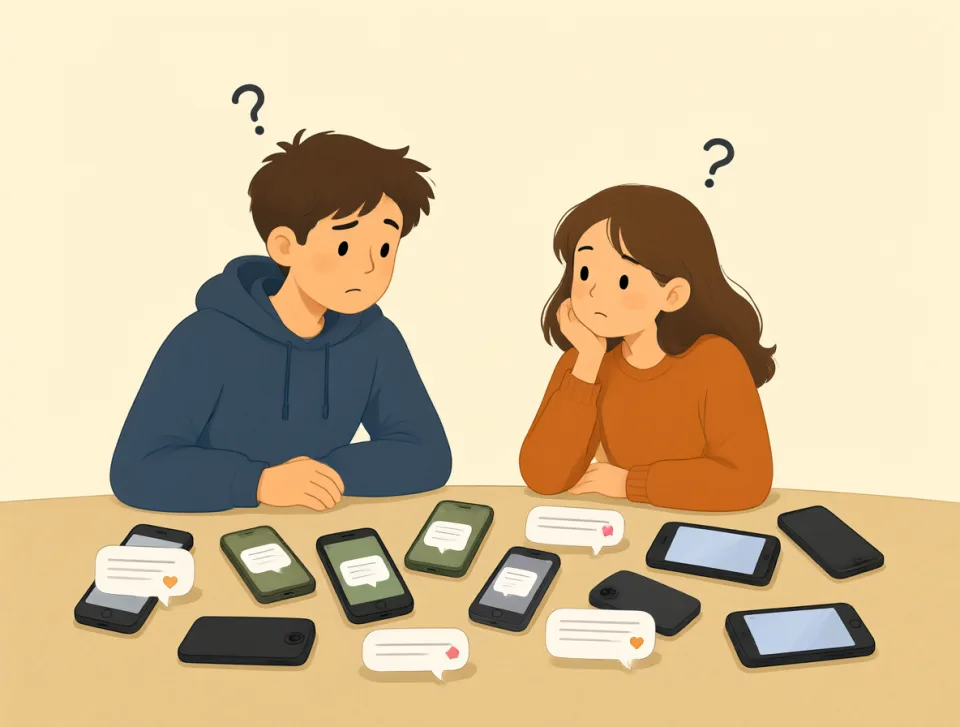
We lost the conversation thread after several messages about different plans.
После нескольких сообщений о разных планах мы потеряли нить разговора.

cloud
#2090noun, verb
облако
a white or gray shape in the sky made of tiny drops of water; to make something less clear
Белое или серое скопление мельчайших капель воды в небе; делать что-либо менее ясным.

Dark clouds covered the sky, so we decided to stay home.
Небо затянули тёмные тучи, поэтому мы решили остаться дома.
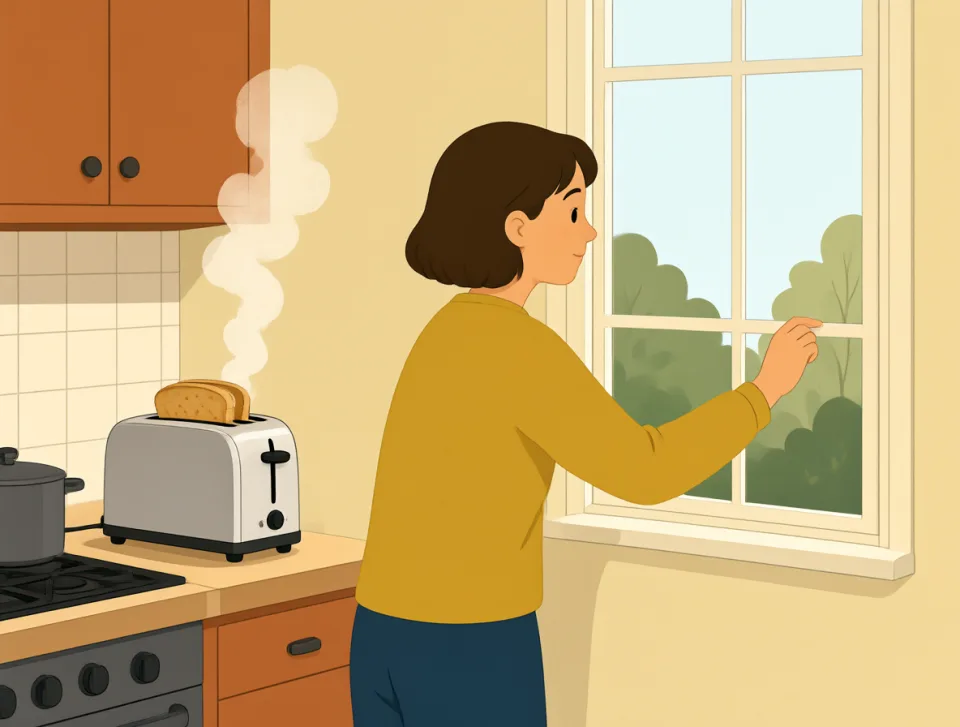
A cloud of smoke filled the kitchen when the toast burned.
Когда тост подгорел, кухню заполнило облако дыма.

The plane rose above the clouds during our flight to Madrid.
Во время нашего полёта в Мадрид самолёт поднялся выше облаков.

The new software runs in the cloud, so our team can access files anywhere.
Новое программное обеспечение работает в облаке, поэтому наша команда может получить доступ к файлам откуда угодно.

His tired face was clouded by worry after the doctor called.
После звонка врача его усталое лицо омрачила тревога.
persuade
#2091verb
убеждать
to make someone agree to do something by giving good reasons
заставить кого-то согласиться что-либо сделать, приводя веские доводы
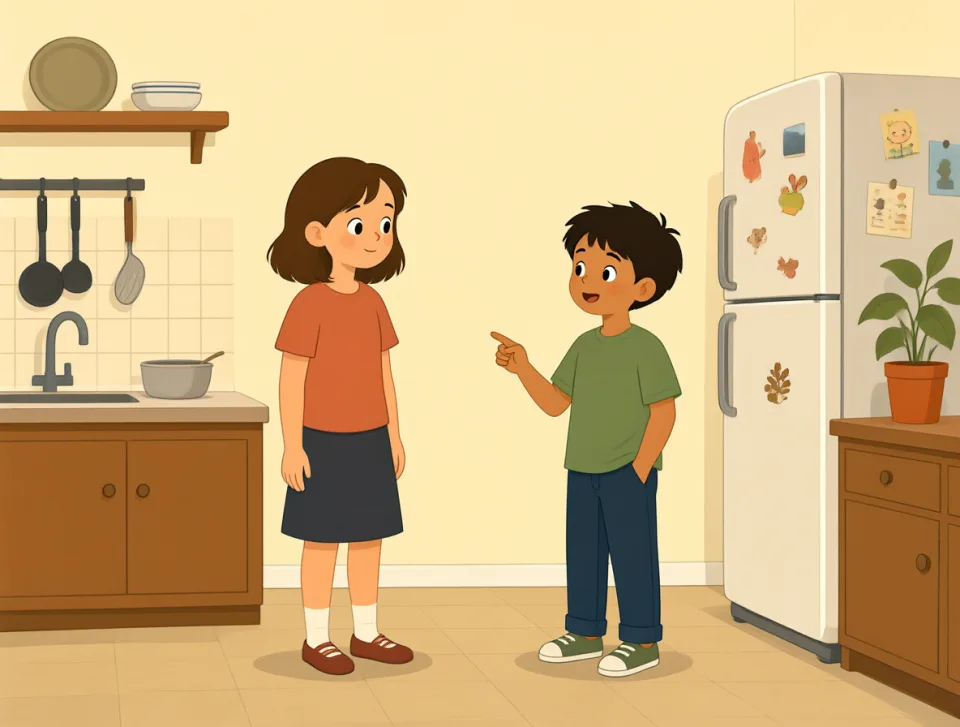
She persuaded her brother to help clean the kitchen after dinner.
Она убедила брата помочь убрать кухню после ужина.

The sales assistant persuaded me to try the more comfortable shoes.
Продавец убедил меня примерить более удобную обувь.

Our teacher persuaded us to join the school science competition.
Наш учитель убедил нас принять участие в школьном конкурсе по естественным наукам.

He persuaded his manager to let him work from home on Friday.
Он убедил своего начальника разрешить ему работать из дома в пятницу.

My friends persuaded me to take the train instead of driving.
Друзья убедили меня поехать на поезде, а не на машине.

inspire
#2092verb
вдохновлять
to make someone feel excited, hopeful, or eager to do something
вселить в кого-то воодушевление, надежду или желание что-либо сделать

Her courage inspired me to apply for the new job.
Её смелость вдохновила меня подать заявку на новую работу.

The teacher inspired his students to read more books.
Учитель вдохновил учеников читать больше книг.

We were inspired by the chef’s creative use of fresh vegetables.
Нас вдохновило то, как творчески повар использовал свежие овощи.

The beautiful countryside inspired us to take a longer train journey.
Красивые сельские пейзажи вдохновили нас отправиться в более длительное путешествие на поезде.
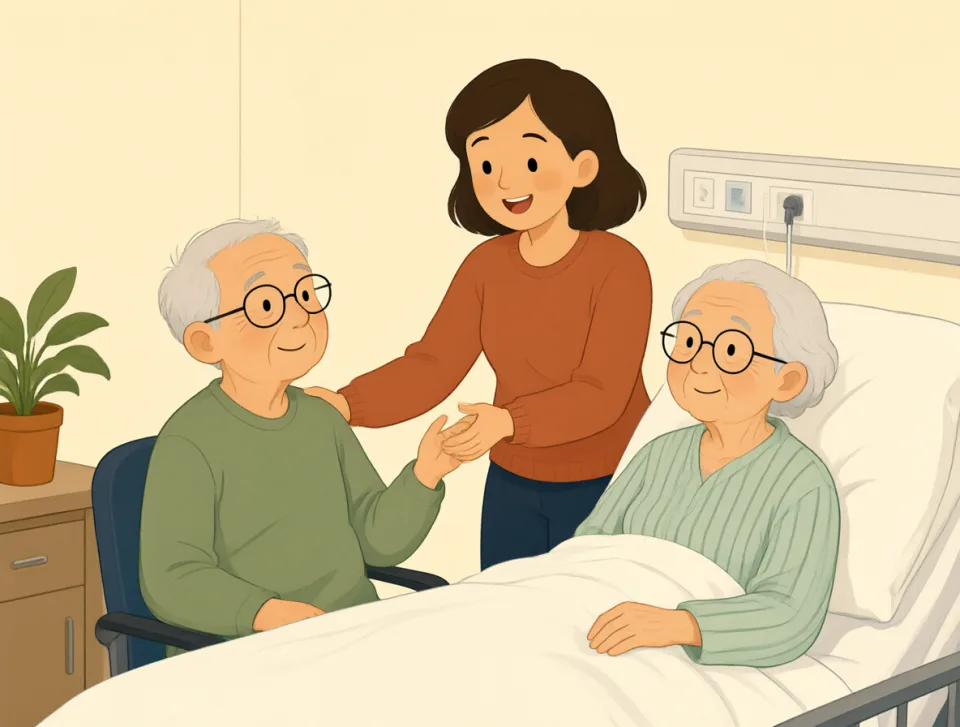
Her recovery inspired other patients to stay positive during treatment.
Её выздоровление вдохновило других пациентов сохранять оптимизм во время лечения.

grand
#2093adjective, noun
величественный; тысяча долларов
Very large, impressive, or important; also, one thousand dollars.
Очень большой, впечатляющий или важный; также тысяча долларов.

They made grand plans for their summer holiday in Italy.
Они строили грандиозные планы на летний отпуск в Италии.

The hotel has a grand entrance with marble floors and golden lights.
В отеле величественный вход с мраморными полами и золотистым освещением.

She dreamed of living in a grand house near the sea.
Она мечтала жить в роскошном доме у моря.

The school held a grand celebration after the team won the championship.
После победы команды в чемпионате школа устроила грандиозное празднование.

He spent three grand on a used car last month.
В прошлом месяце он потратил три тысячи долларов на подержанную машину.

hence
#2094adverb
следовательно; с этого времени
for this reason; from this time
по этой причине; с этого времени
The store was closed; hence, we went to the supermarket nearby.
Магазин был закрыт, поэтому мы пошли в ближайший супермаркет.

She missed the train, hence arriving at work thirty minutes late.
Она опоздала на поезд и поэтому пришла на работу на тридцать минут позже.
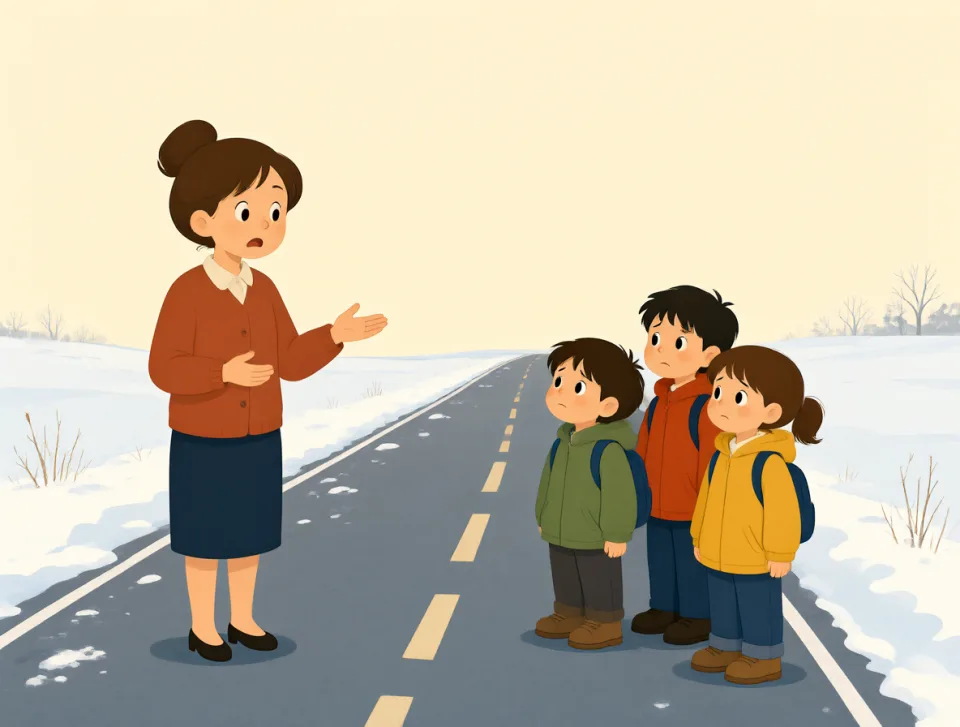
The road was icy, hence the decision to cancel the school trip.
Дорога была покрыта льдом, поэтому школьную поездку решили отменить.

He forgot his umbrella, hence getting completely wet on the walk home.
Он забыл зонт и поэтому промок до нитки по дороге домой.

The hotel was full; hence, we stayed in a small guesthouse instead.
В отеле не было свободных мест, поэтому мы остановились в небольшом гостевом доме.

crew
#2095noun
экипаж; команда
A group of people who work together, especially on a ship, aircraft, or film.
Группа людей, которые работают вместе, особенно на корабле, самолёте или съёмочной площадке.

The flight crew welcomed passengers and helped them find their seats.
Экипаж самолёта приветствовал пассажиров и помог им найти свои места.

A film crew arrived early to prepare the set for shooting.
Съёмочная группа приехала пораньше, чтобы подготовить площадку к съёмкам.

The restaurant crew worked quickly during the busy Friday evening.
В оживленный вечер пятницы сотрудники ресторана работали быстро.

The rescue crew pulled the injured hiker safely from the mountain path.
Спасатели благополучно сняли пострадавшего туриста с горной тропы.
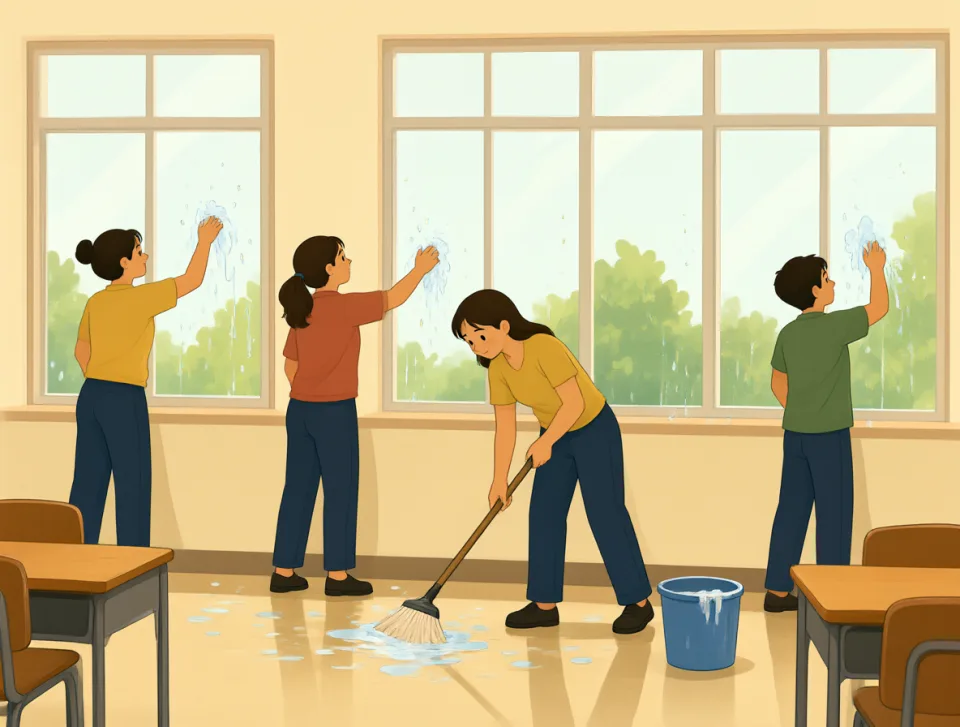
The cleaning crew came after school to wash the classrooms and windows.
После уроков пришла уборочная бригада, чтобы вымыть классы и окна.

phenomenon
#2096noun
явление
an event or fact that is unusual, interesting, or difficult to understand
необычное, интересное или труднообъяснимое событие или факт

The northern lights are a natural phenomenon that attracts visitors from around the world.
Северное сияние — природное явление, которое привлекает туристов со всего мира.
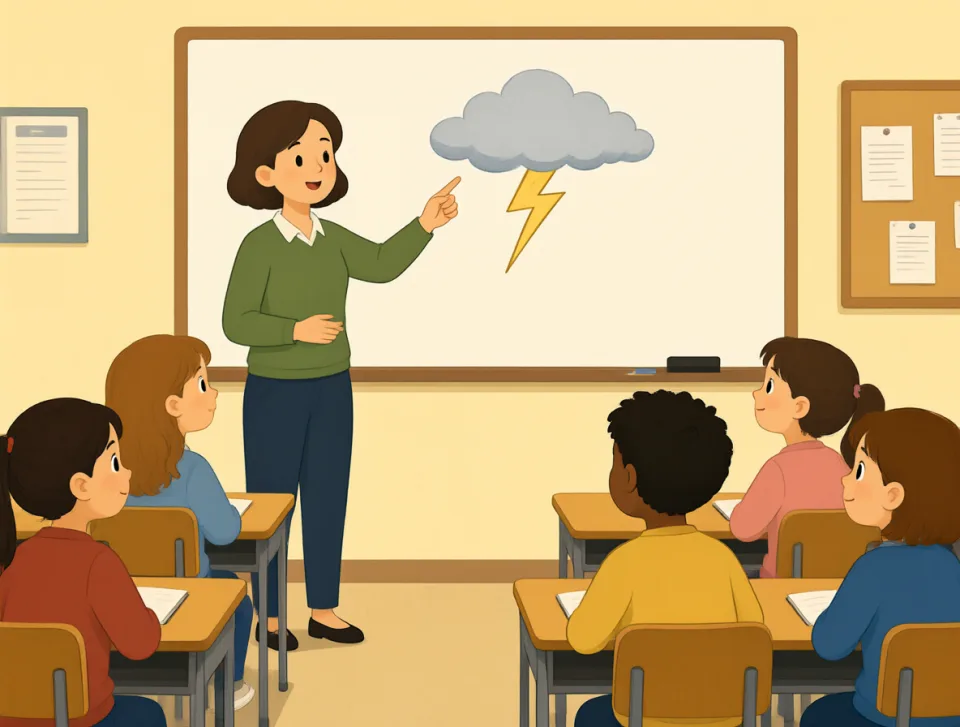
The teacher explained the strange weather phenomenon during our science lesson.
На уроке естествознания учитель объяснил это странное погодное явление.

Social media has created a new phenomenon: friends sharing every part of their lives online.
Социальные сети породили новое явление: друзья делятся в интернете каждым моментом своей жизни.
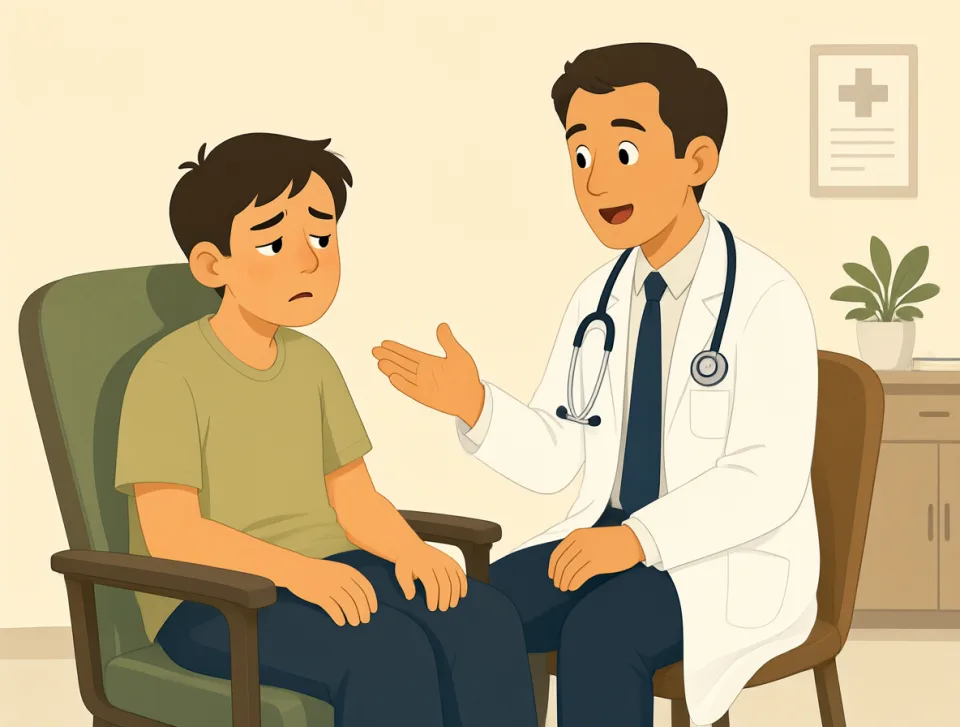
The doctor said that tiredness is a common phenomenon after a long illness.
Врач сказал, что усталость — обычное явление после долгой болезни.
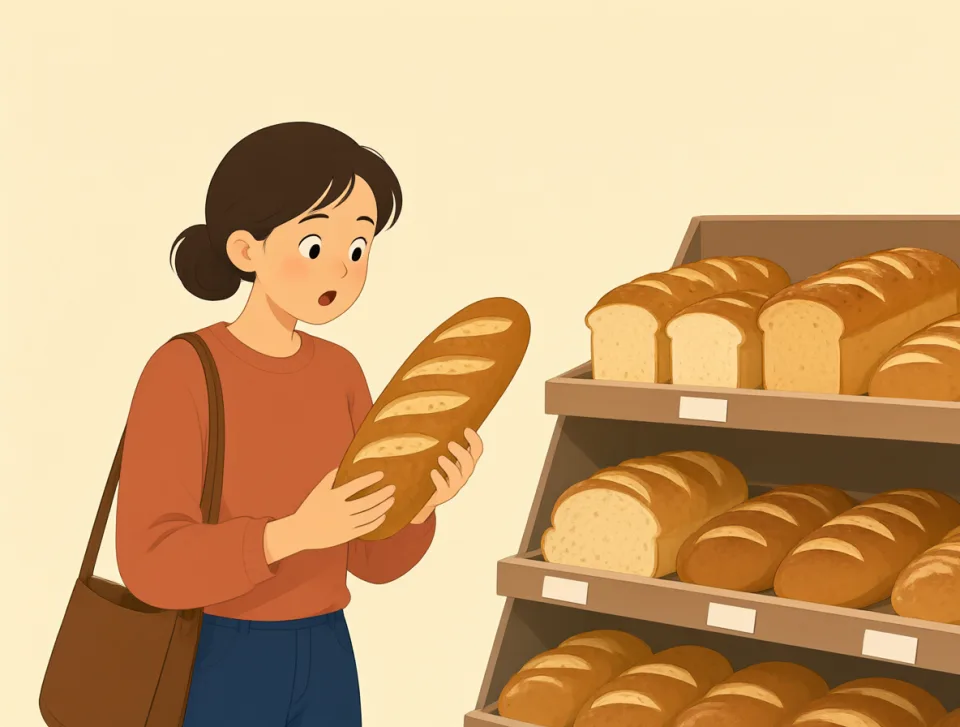
The sudden increase in bread prices became a serious economic phenomenon in the town.
Резкий рост цен на хлеб стал серьёзным экономическим явлением в городе.

pupil
#2097noun
ученик
a student, especially a child, who goes to school
учащийся, особенно ребёнок, который ходит в школу

Every pupil must bring a pencil and notebook to class each morning.
Каждый ученик должен приносить на занятия карандаш и тетрадь каждое утро.

The teacher asked each pupil to read one paragraph aloud.
Учитель попросил каждого ученика прочитать вслух один абзац.
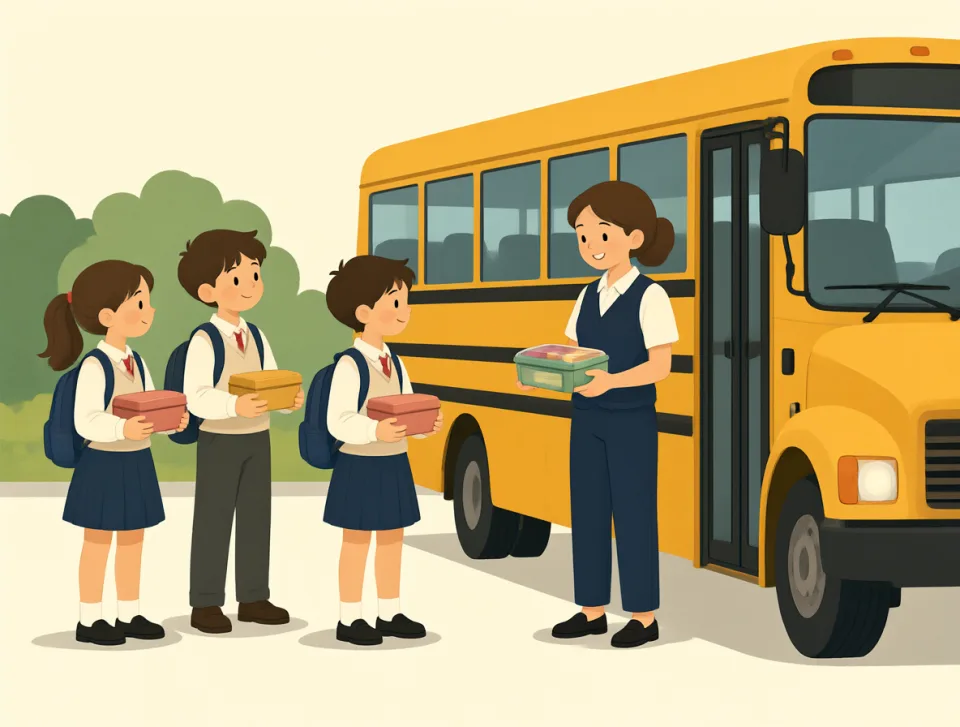
The school gave every pupil a free lunch during the trip.
Во время экскурсии школа бесплатно раздала всем ученикам обеды.
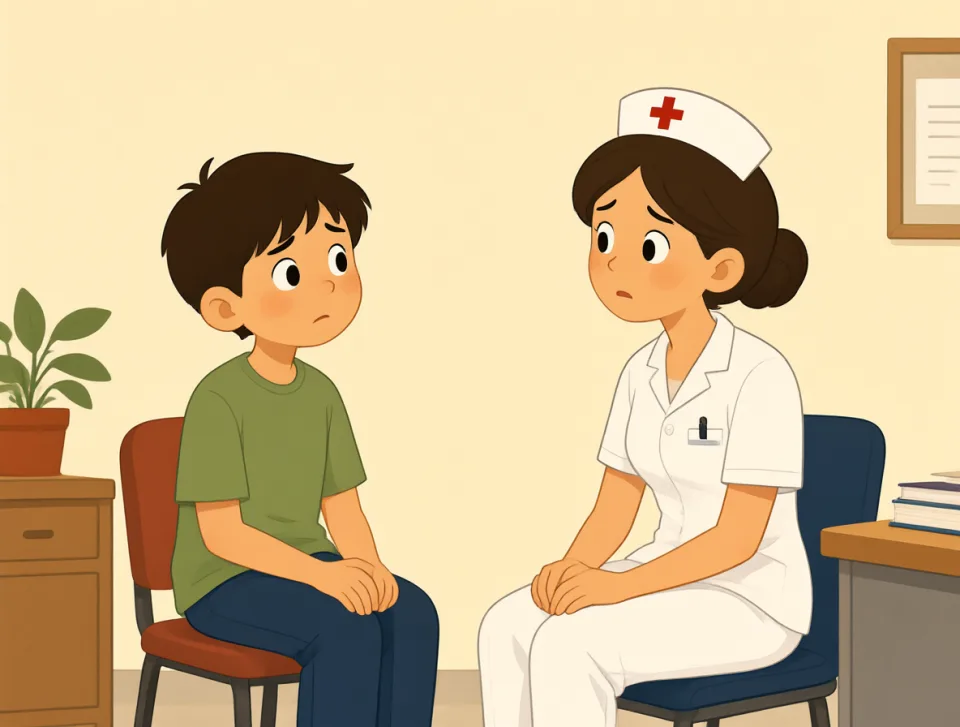
A worried pupil spoke to the nurse about a painful stomach.
Обеспокоенный ученик обратился к медсестре из-за боли в животе.

The new pupil quickly made friends during the afternoon break.
Новенький быстро подружился с ребятами во время дневного перерыва.
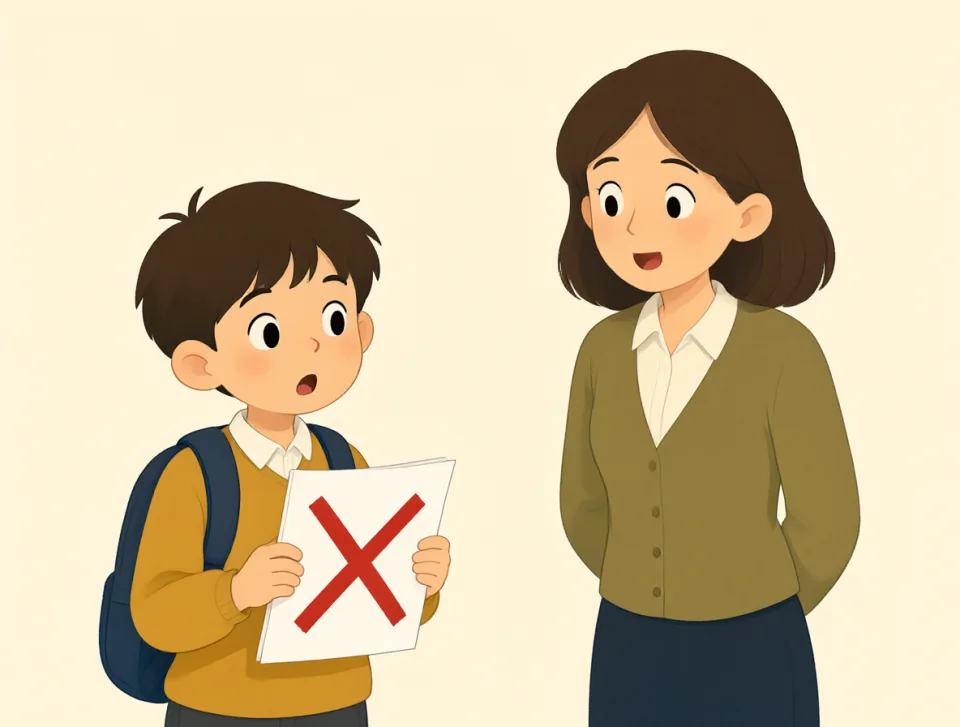
FALSE
#2098adjective, noun
ложный
Not true or correct; a statement or idea that is not true.
Неверный или ошибочный; утверждение или идея, которые не соответствуют действительности.

The story he told us was completely false.
История, которую он нам рассказал, была полной неправдой.

The website gave me a false address for the hotel.
На сайте мне указали неверный адрес гостиницы.

The alarm was false, so everyone returned to work.
Тревога оказалась ложной, и все вернулись к работе.

She bought a false diamond for a surprisingly low price.
Она купила искусственный бриллиант по удивительно низкой цене.

The doctor said the test result was a false positive.
Врач сказал, что результат анализа оказался ложноположительным.

assist
#2099verb, noun
помогать
to help someone do something, especially by making a task easier
помогать кому-либо что-либо делать, особенно облегчая задачу

The nurse assisted the doctor during the busy afternoon surgery.
Медсестра помогала врачу во время напряжённой послеобеденной операции.

Could you assist me with these heavy boxes before the guests arrive?
Не могли бы вы помочь мне с этими тяжёлыми коробками до прихода гостей?

A teaching assistant assisted students with their science projects after class.
После занятий ассистент преподавателя помогал студентам с проектами по естествознанию.

The waiter assisted us by finding a quiet table near the window.
Официант помог нам, найдя тихий столик у окна.

The guide assisted an injured tourist down the mountain trail.
Проводник помог раненому туристу спуститься по горной тропе.
restore
#2100verb
восстанавливать
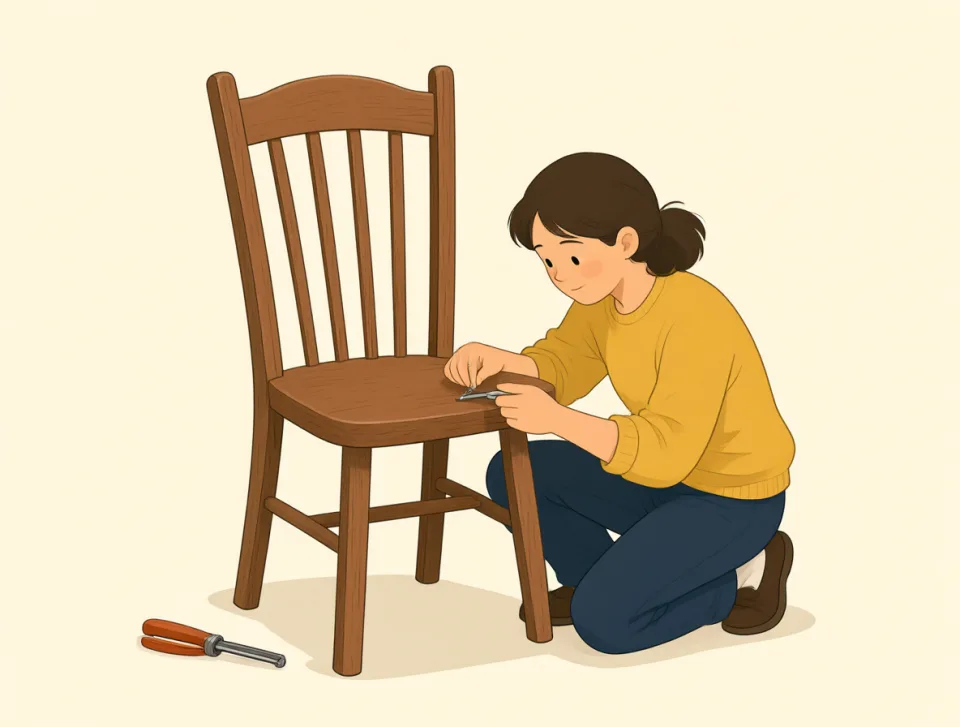
to bring something back to its earlier condition, strength, or appearance
возвращать что-либо в прежнее состояние, восстанавливать прежнюю силу или внешний вид

The hotel plans to restore the old building next year.
В следующем году в отеле планируют восстановить старое здание.
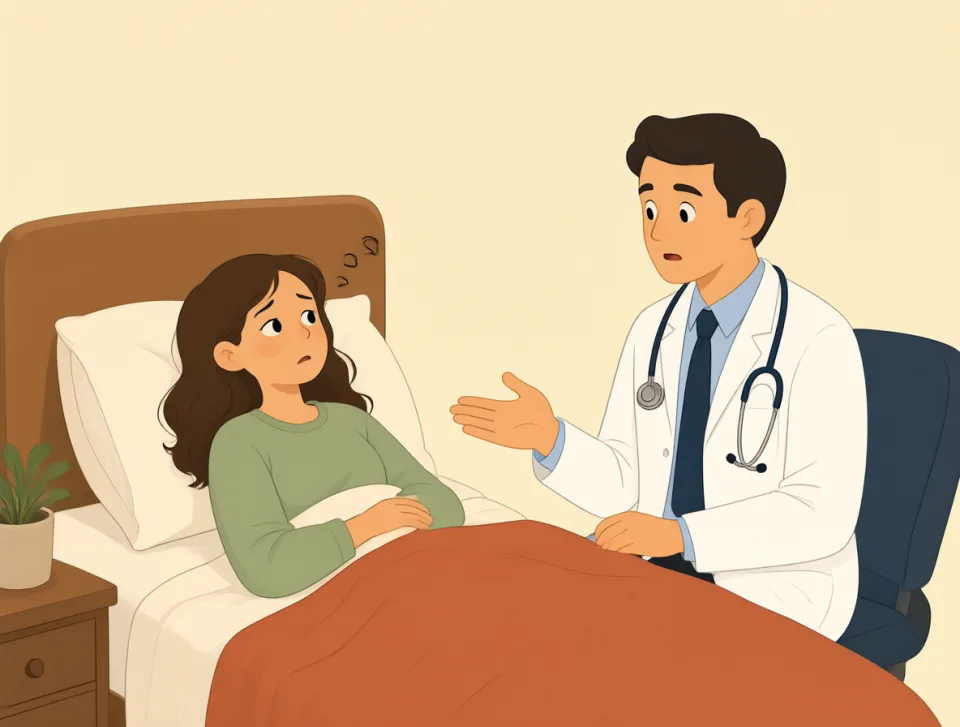
The doctor said rest would help restore her strength.
Врач сказал, что отдых поможет ей восстановить силы.
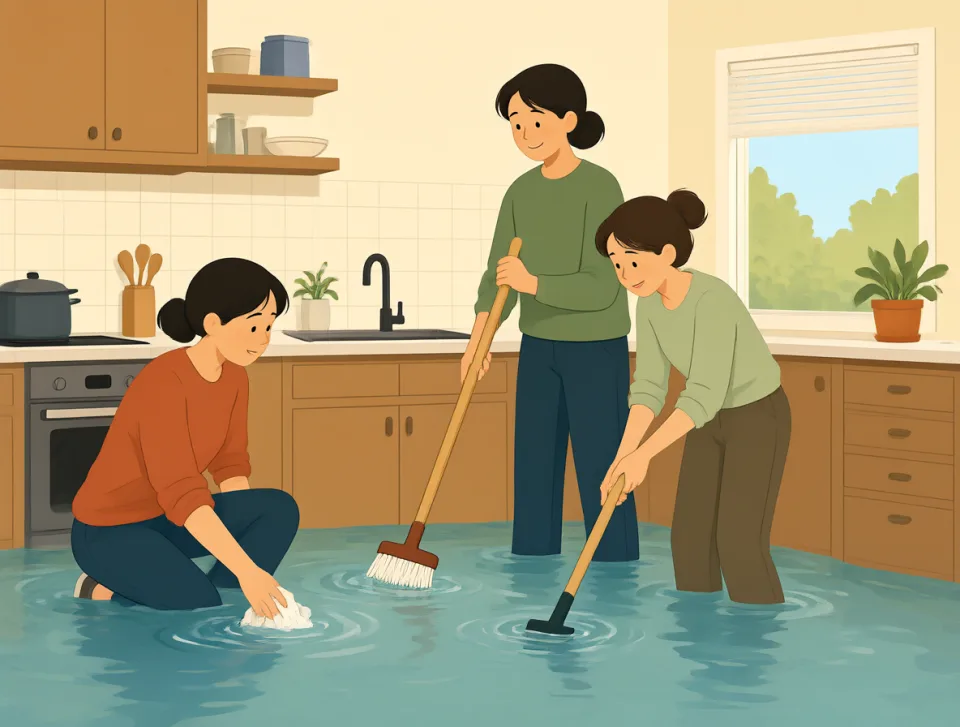
We are restoring the kitchen after the flood damaged it.
Мы восстанавливаем кухню после того, как её повредило наводнение.

The museum restored the painting and displayed it near the entrance.
В музее отреставрировали картину и выставили её у входа.
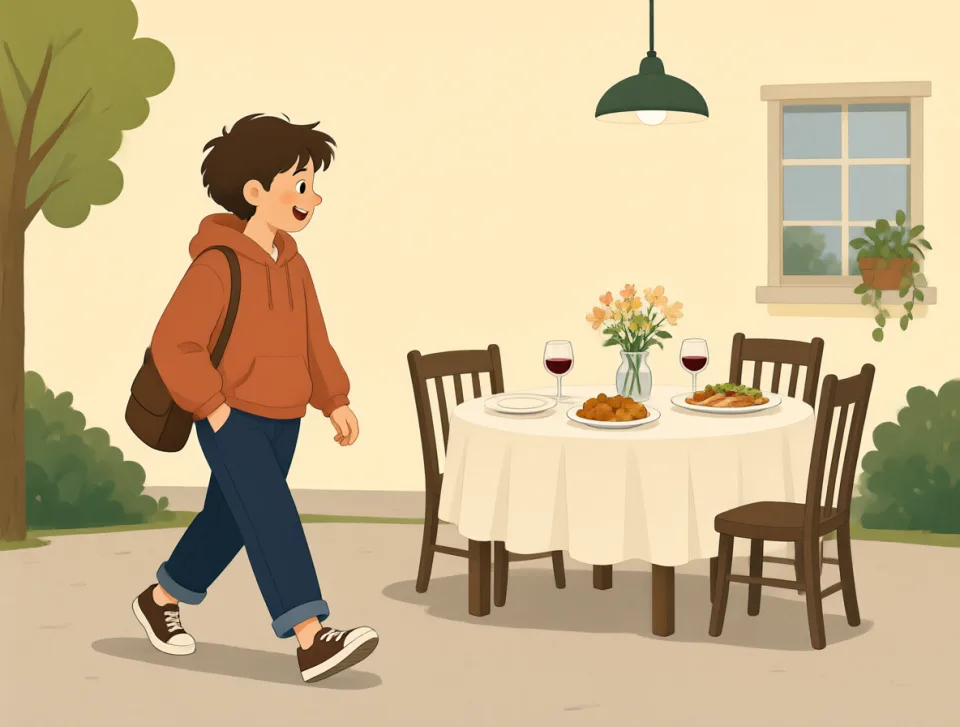
A short walk helped restore my appetite before dinner.
Короткая прогулка помогла мне нагулять аппетит перед ужином.