بخش 93
واژههای 1841 تا 1860 · maximum, effectively, elsewhere, bother, initiative, sharp

maximum
#1841noun, adjective
حداکثر
The greatest amount or highest level that is possible or allowed.
بیشترین مقدار یا بالاترین سطحی که ممکن است یا اجازه داده شده است.

The elevator can carry a maximum of eight people.
آسانسور حداکثر میتواند هشت نفر را جابهجا کند.
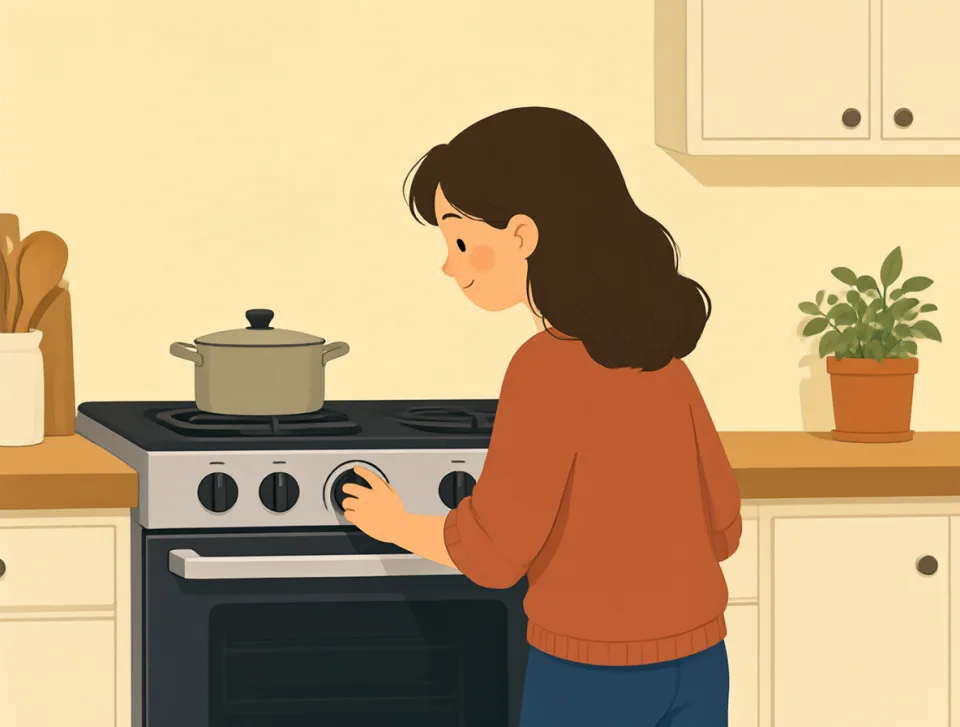
Please set the oven to the maximum temperature for pizza.
لطفاً فر را برای پخت پیتزا روی بالاترین دما تنظیم کنید.

You can borrow a maximum of three books today.
امروز میتوانید حداکثر سه کتاب امانت بگیرید.

The hotel offers maximum comfort after a long day of travel.
این هتل پس از یک روز سفر طولانی، حداکثر راحتی را برایتان فراهم میکند.
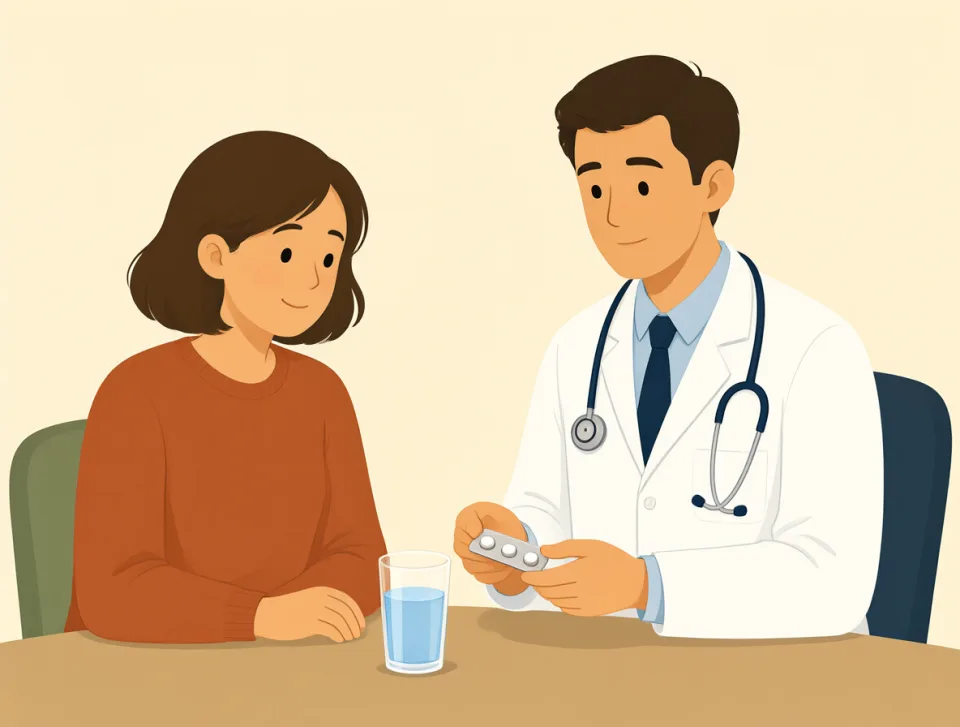
The doctor told him to take a maximum of two tablets daily.
دکتر به او گفت روزی حداکثر دو قرص مصرف کند.

effectively
#1842adverb
بهطور مؤثر
In a way that produces the wanted result.
به روشی که نتیجهٔ مطلوب را بهدنبال داشته باشد.
She organized the files effectively before the meeting.
او پیش از جلسه پروندهها را بهطور مؤثر مرتب کرد.
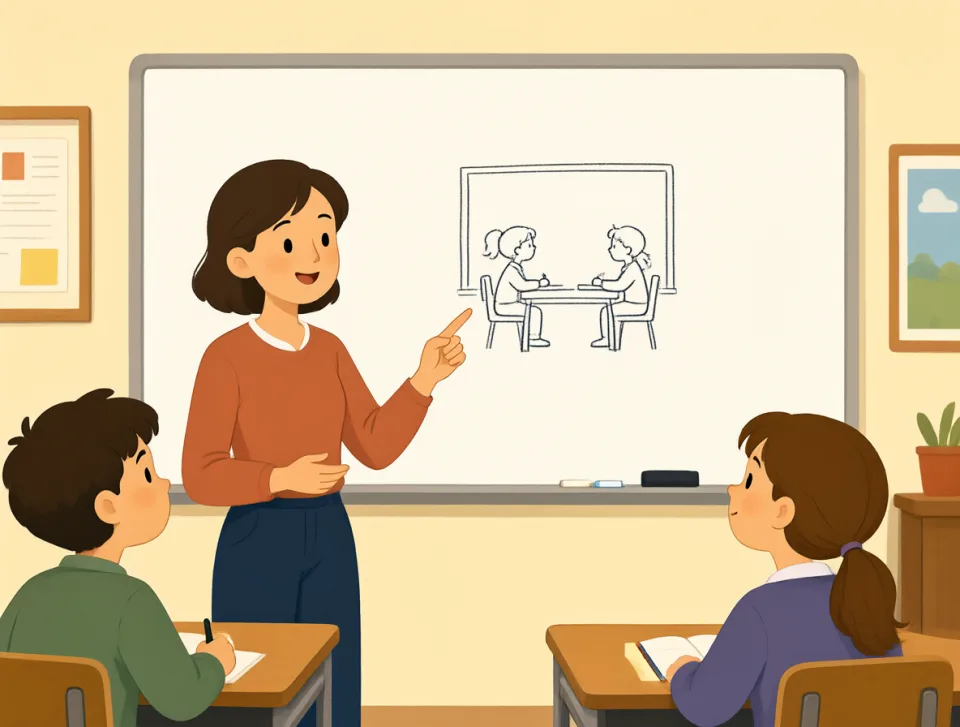
The teacher explained the difficult lesson effectively.
معلم درس دشوار را بهطور مؤثری توضیح داد.
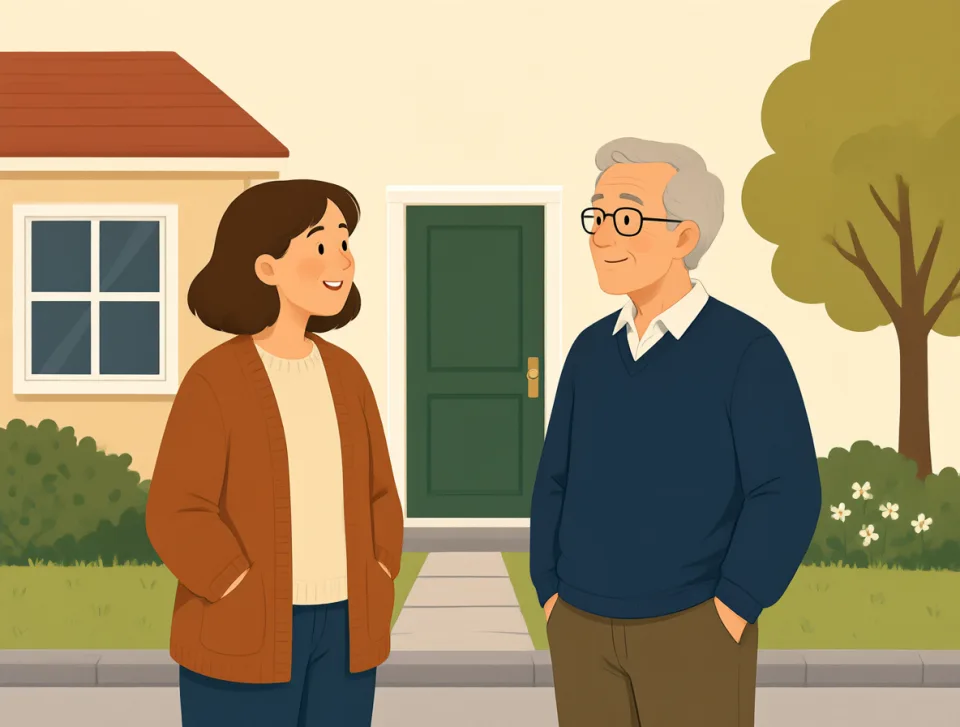
We need to communicate effectively with our new neighbors.
باید بتوانیم با همسایههای جدیدمان بهخوبی ارتباط برقرار کنیم.
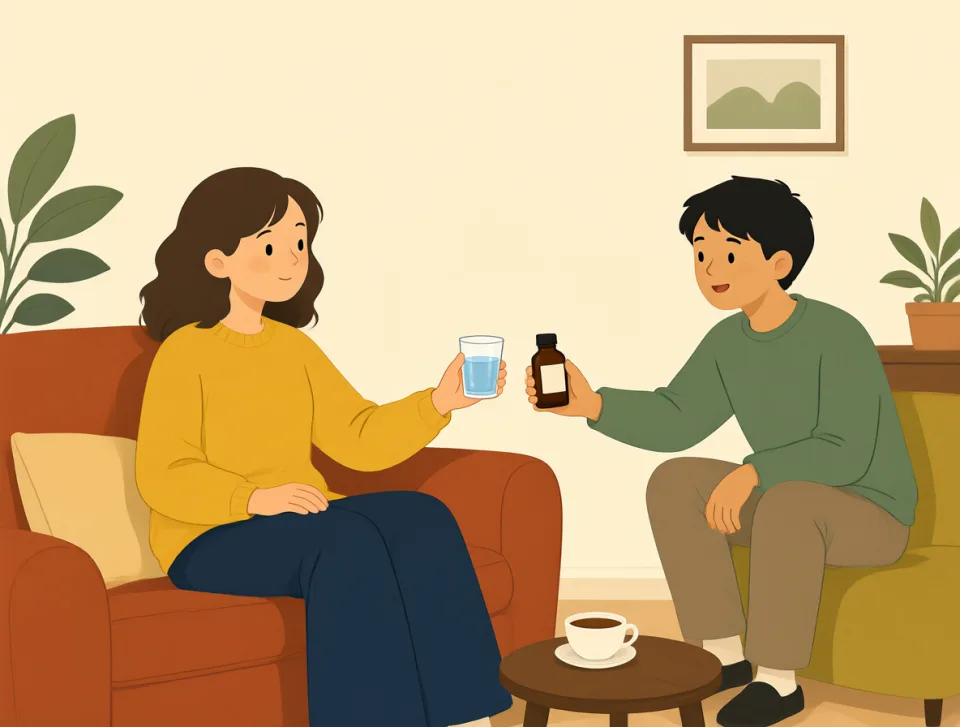
This medicine effectively reduces pain within a few hours.
این دارو ظرف چند ساعت درد را بهطور مؤثری کاهش میدهد.
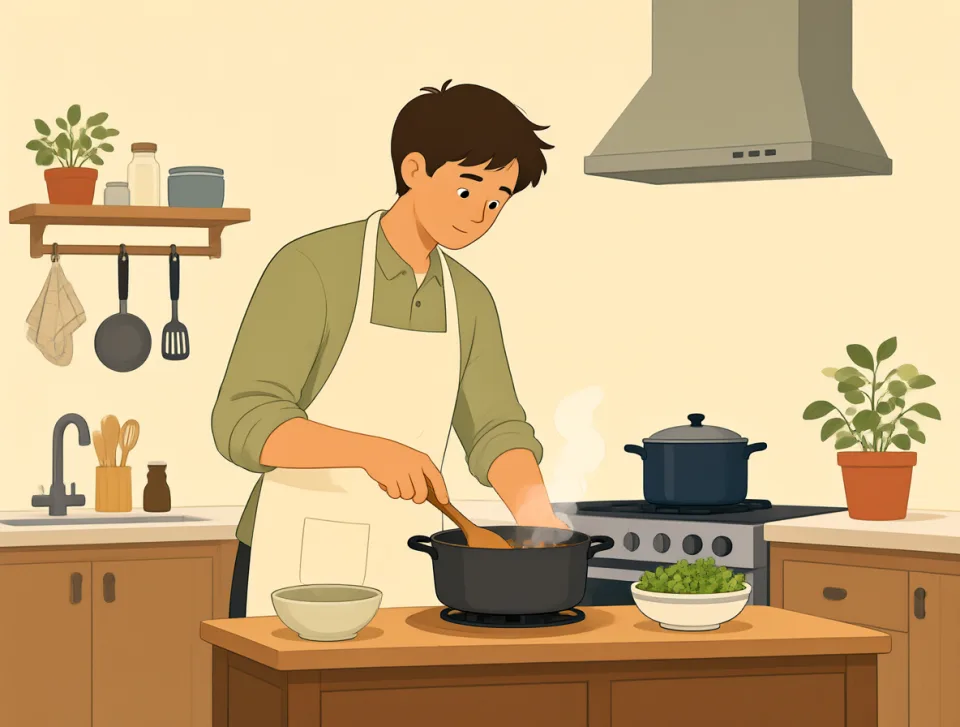
He used the small kitchen effectively to cook dinner.
او از آشپزخانهٔ کوچک بهخوبی استفاده کرد و شام پخت.

elsewhere
#1843adverb
جای دیگر
in, at, or to another place
در مکان دیگری، در مکانی دیگر یا به مکان دیگری.

The shop was closed, so we went elsewhere for lunch.
مغازه بسته بود، برای همین جای دیگری رفتیم ناهار بخوریم.
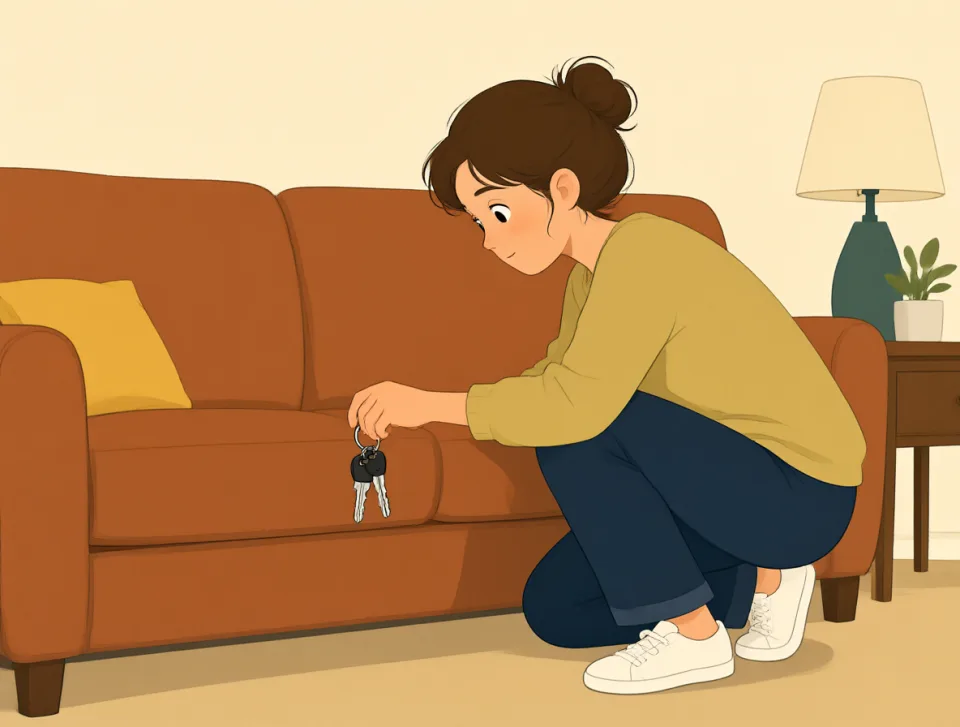
I left my keys somewhere else, but I cannot remember where.
کلیدهایم را جایی دیگر گذاشتم، اما یادم نمیآید کجا.
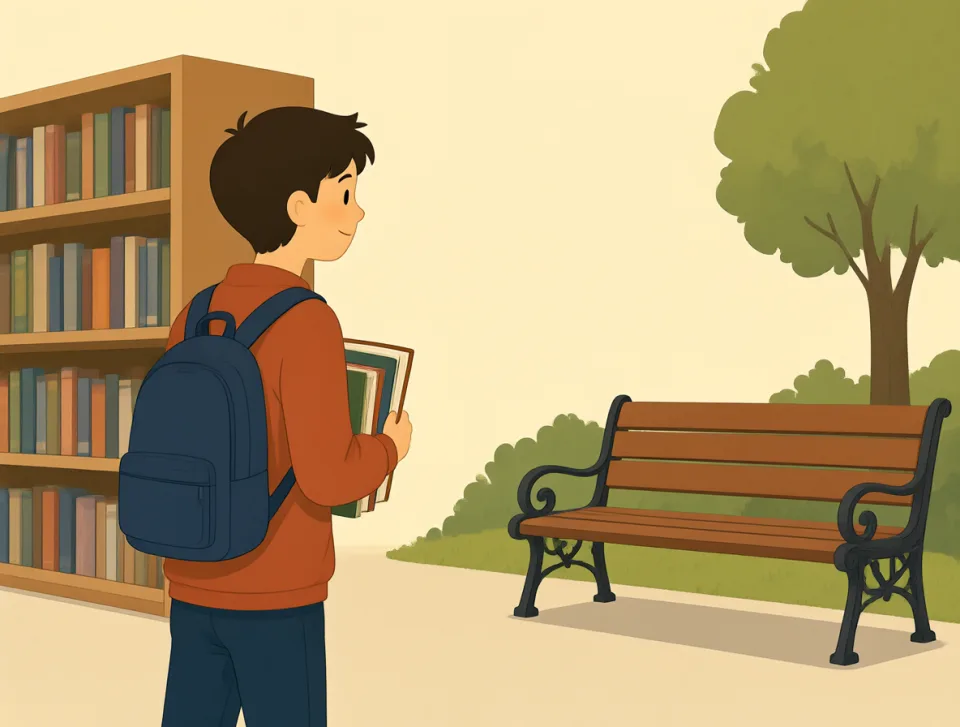
Many students study elsewhere when the library becomes too noisy.
وقتی کتابخانه بیش از حد شلوغ میشود، خیلی از دانشجوها جای دیگری درس میخوانند.
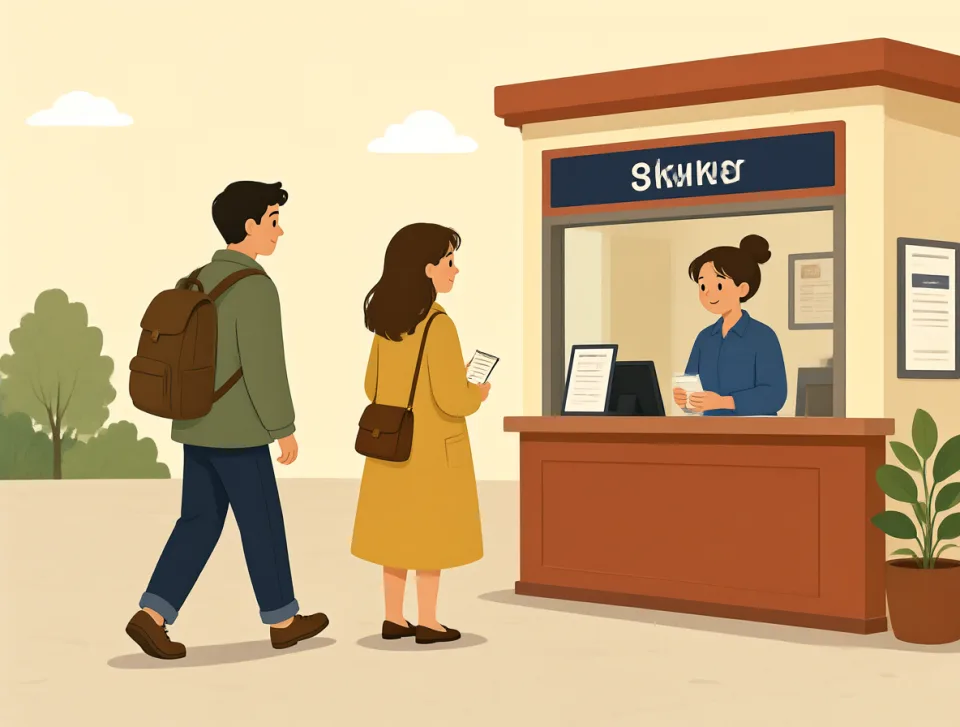
You can buy cheaper train tickets elsewhere in the city.
جای دیگری در شهر میتوانید بلیت قطار ارزانتری بخرید.
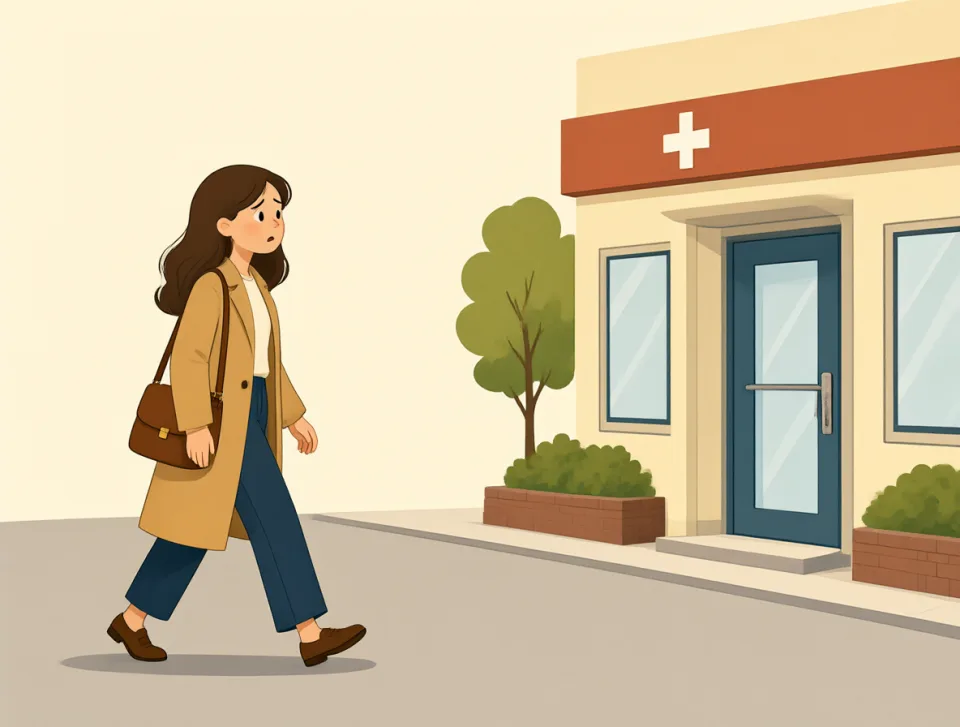
The doctor could not help, so she went elsewhere for treatment.
دکتر نتوانست کمک کند، برای همین او برای درمان به جای دیگری رفت.
bother
#1844verb, noun
مزاحم شدن؛ زحمت کشیدن
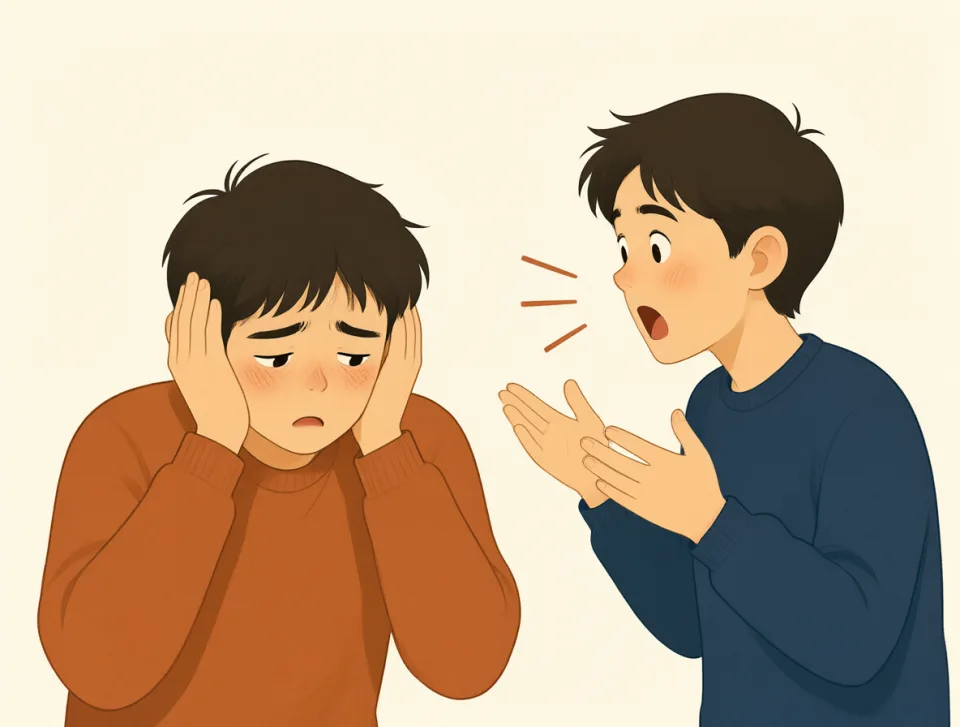
To annoy someone, or to make an effort to do something.
کسی را آزردن یا برای انجام کاری تلاش کردن.
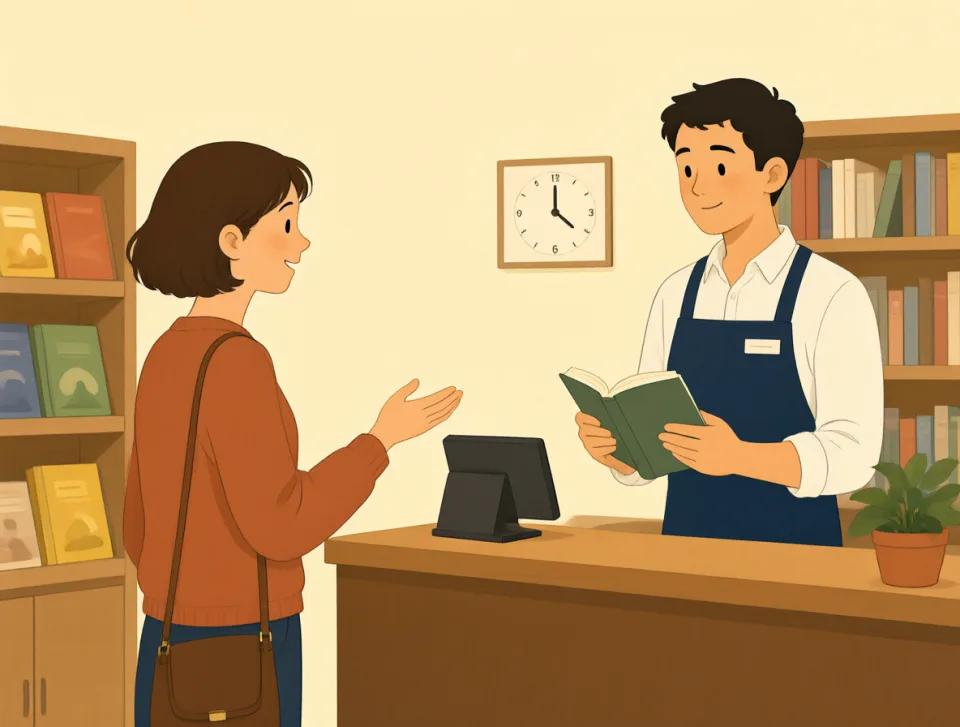
Sorry to bother you, but could you help me find this book?
ببخشید مزاحمتون میشم، میشه کمکم کنید این کتاب رو پیدا کنم؟

The loud music bothered our baby while she was trying to sleep.
موسیقی بلند وقتی بچهمان سعی میکرد بخوابد، اذیتش کرد.
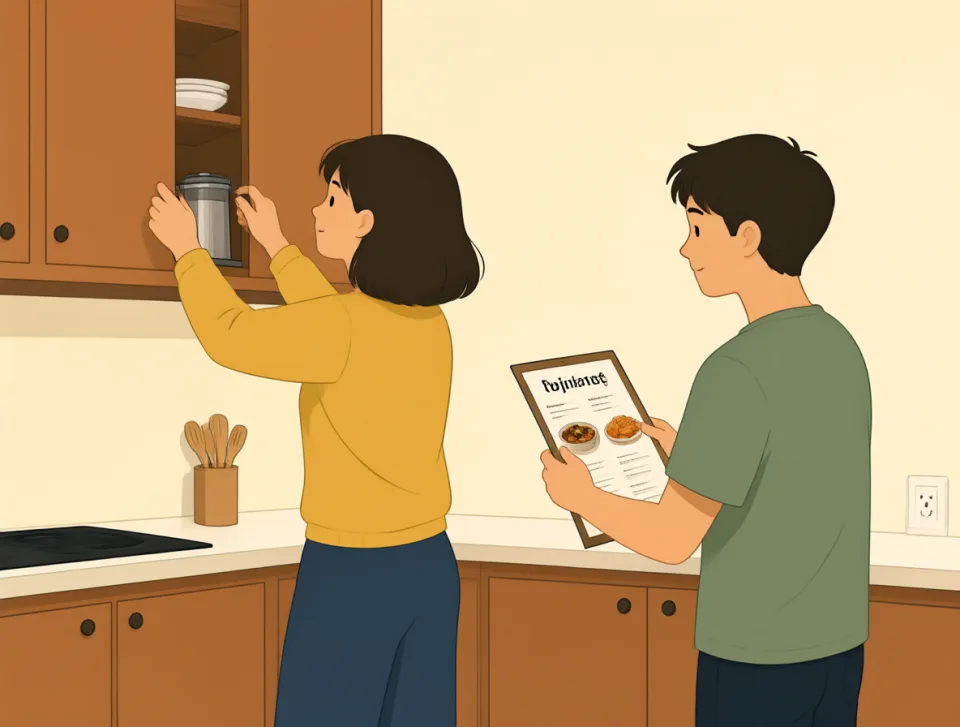
Don't bother cooking tonight; we can order some food.
امشب زحمت آشپزی رو نکش؛ میتونیم غذا سفارش بدیم.

He never bothers to check his answers before handing in homework.
او هیچوقت زحمت نمیکشد پیش از تحویل تکالیف، جوابهایش را بررسی کند.

It doesn't bother me when my friends arrive a little late.
اگر دوستانم کمی دیر برسند، ناراحت نمیشوم.
initiative
#1845noun
ابتکار عمل
The ability to decide and act without waiting for someone to tell you what to do.
توانایی تصمیمگیری و اقدام کردن، بدون اینکه منتظر بمانید کسی به شما بگوید چهکار کنید.
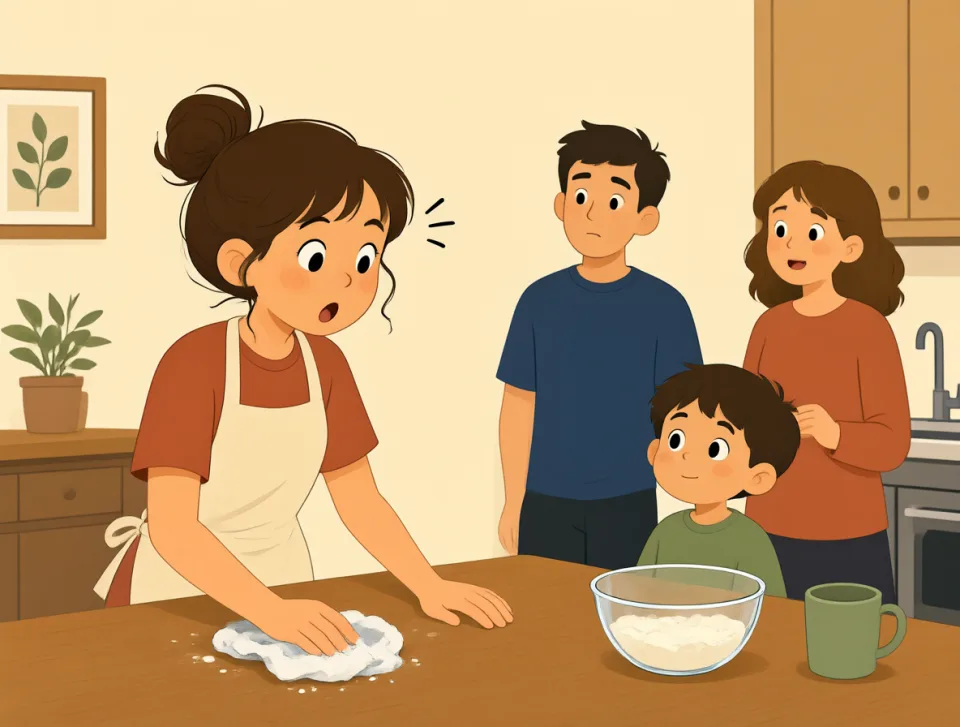
She showed initiative by cleaning the kitchen before anyone asked.
او با تمیز کردن آشپزخانه پیش از اینکه کسی از او بخواهد، ابتکار عمل نشان داد.

Our manager praised Tom for taking the initiative at work.
مدیرمان از تام بهخاطر ابتکار عملش در محل کار تعریف کرد.
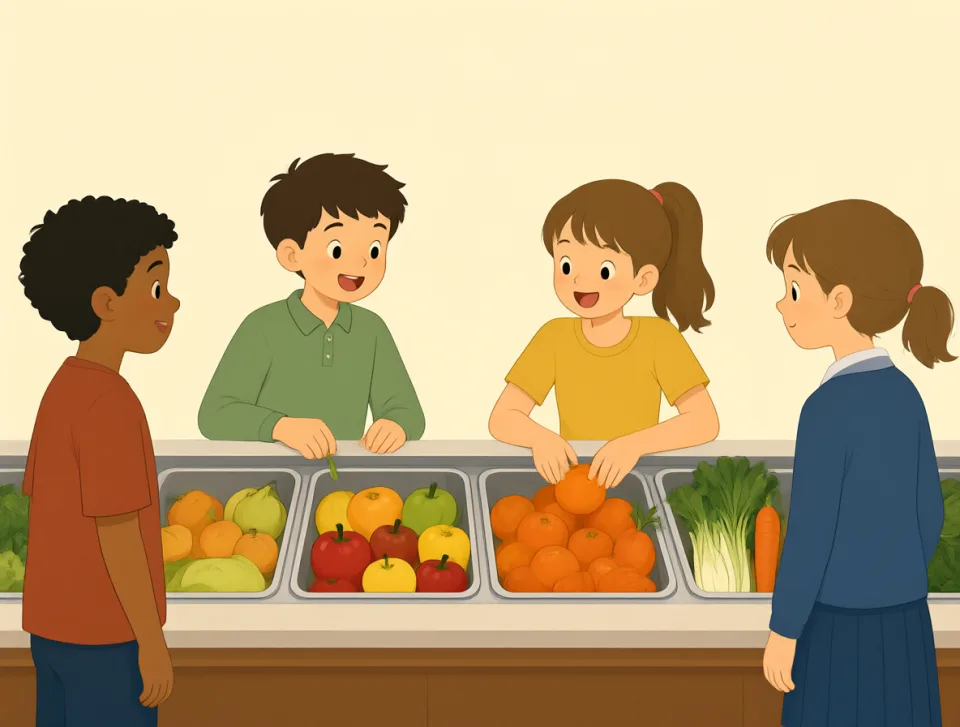
The school started an initiative to help students eat healthier food.
مدرسه برنامهای را آغاز کرد تا به دانشآموزان کمک کند غذای سالمتری بخورند.
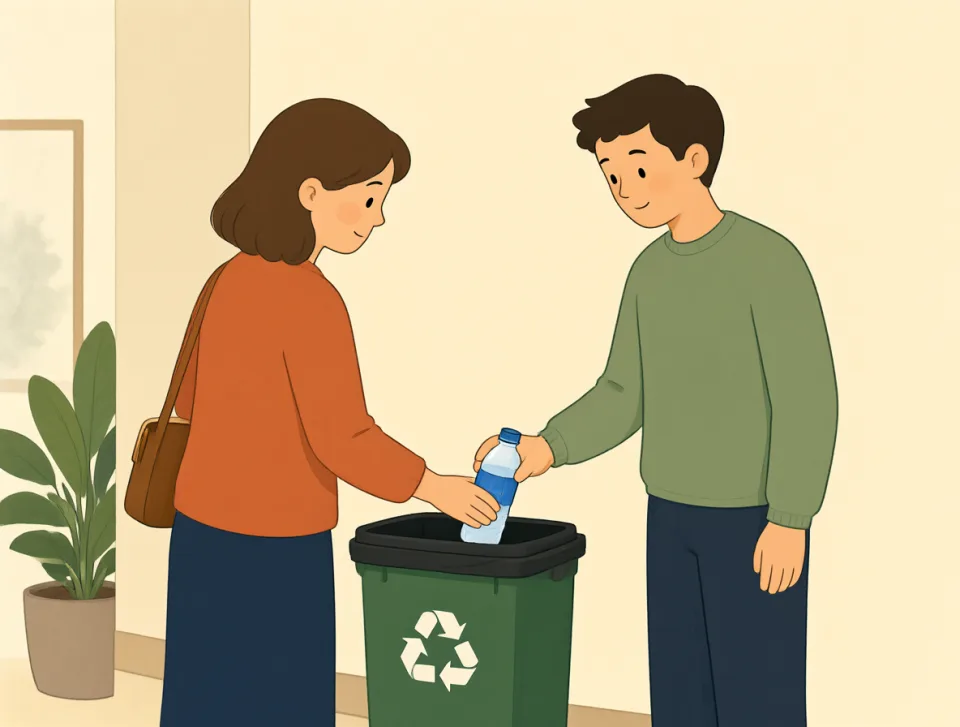
The hotel offered a new recycling initiative for all guests.
هتل برنامهٔ تازهای برای بازیافت به همهٔ مهمانان ارائه داد.
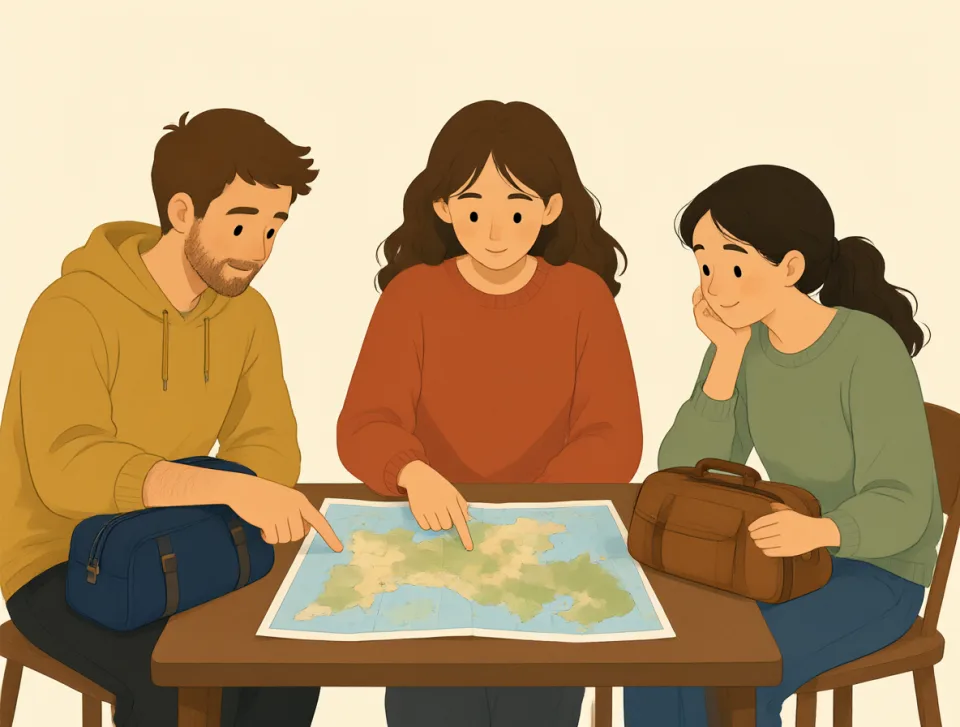
Friends took the initiative and planned a weekend trip together.
دوستان پیشقدم شدند و با هم یک سفر آخر هفته برنامهریزی کردند.
sharp
#1846adjective, adverb, noun, verb
تیز
Having a thin edge that can cut; quick to understand; exactly at a stated time.
دارای لبهای نازک و بُرنده؛ زودفهم؛ دقیقاً در زمانِ مشخصشده.
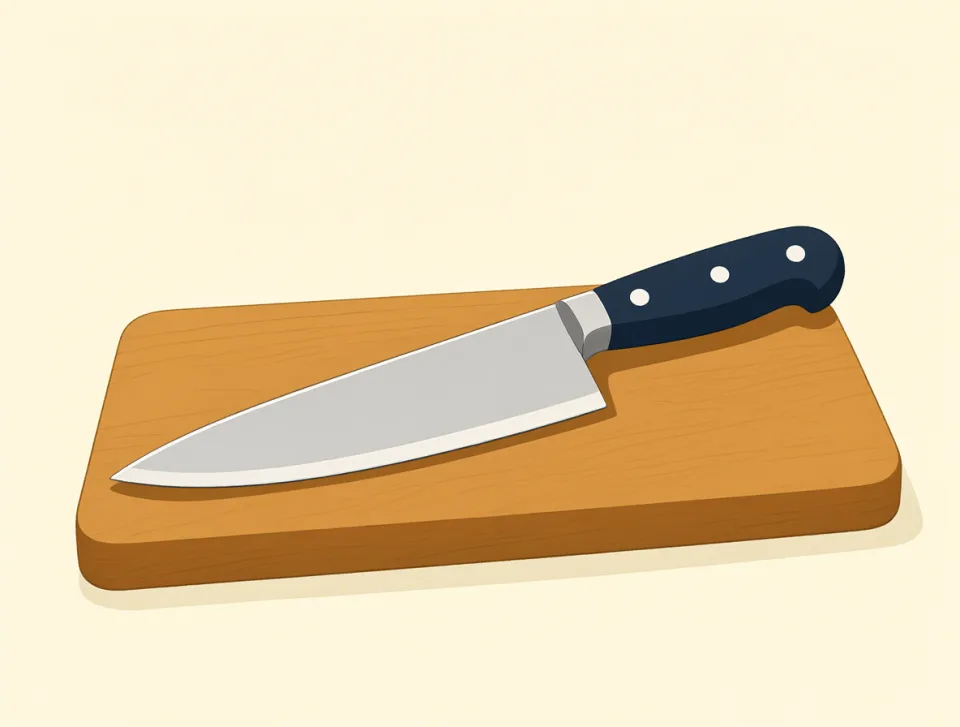
Be careful; this knife is very sharp.
مواظب باش؛ این چاقو خیلی تیز است.
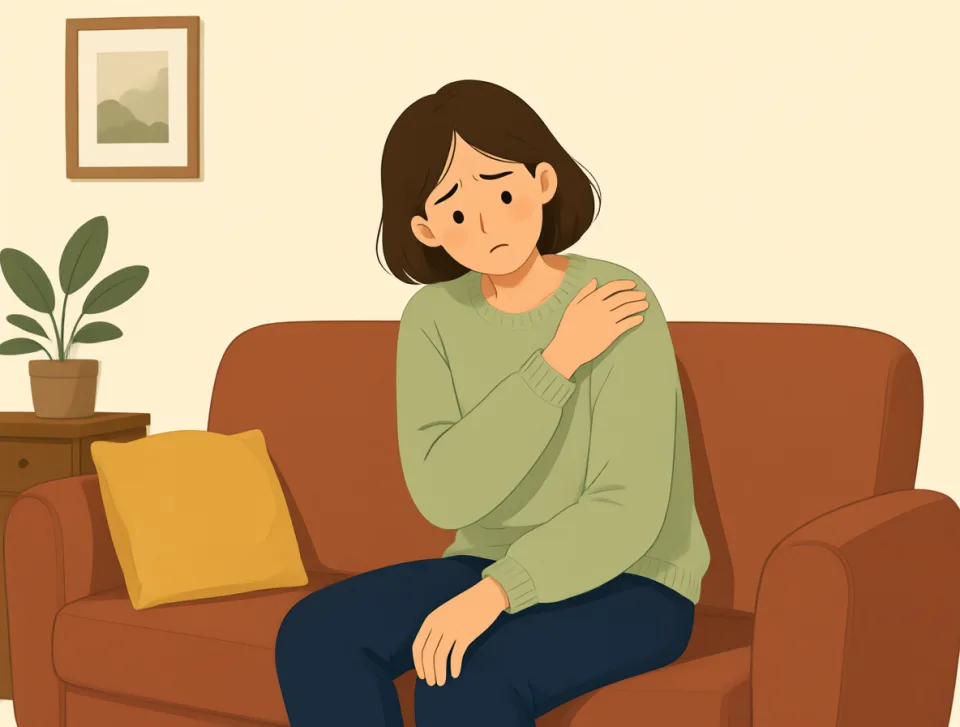
She felt a sharp pain in her shoulder.
او درد تیزی در شانهاش احساس کرد.

He is sharp and learns new skills quickly.
او باهوش است و مهارتهای تازه را سریع یاد میگیرد.

The bus leaves at six sharp tomorrow morning.
فردا صبح اتوبوس دقیقاً ساعت شش حرکت میکند.
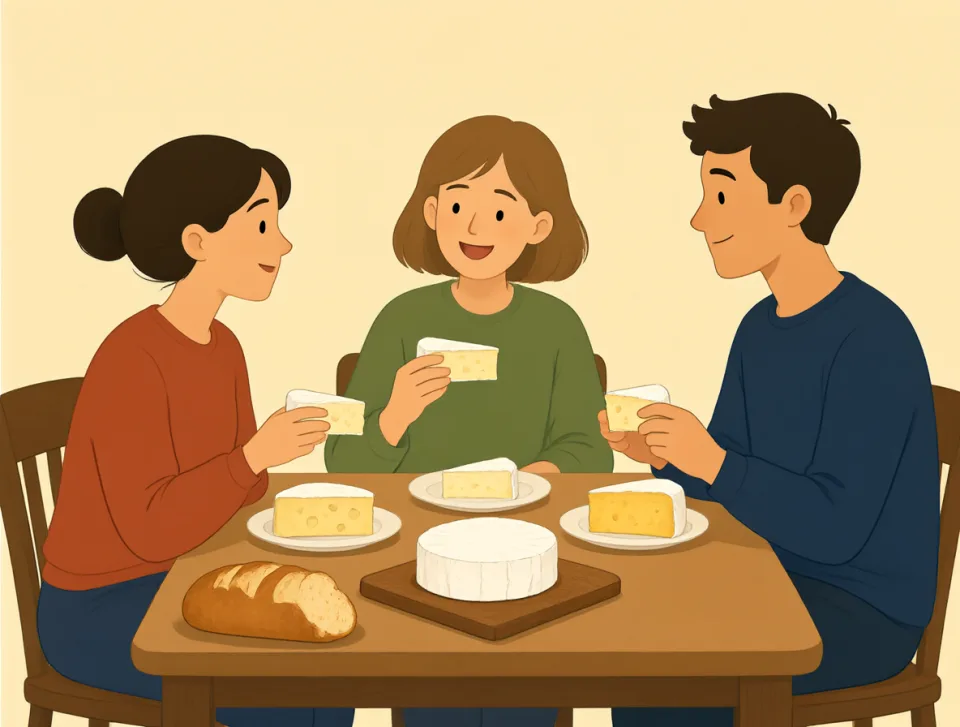
The sharp cheese tasted delicious with fresh bread.
پنیر تند و تیز با نان تازه خوشمزه بود.
diet
#1847noun, verb
رژیم غذایی
The food and drink someone usually has, or a plan to eat less or healthier food.
خوراک و نوشیدنیای که کسی معمولاً مصرف میکند، یا برنامهای برای کمتر خوردن یا سالمتر غذا خوردن.
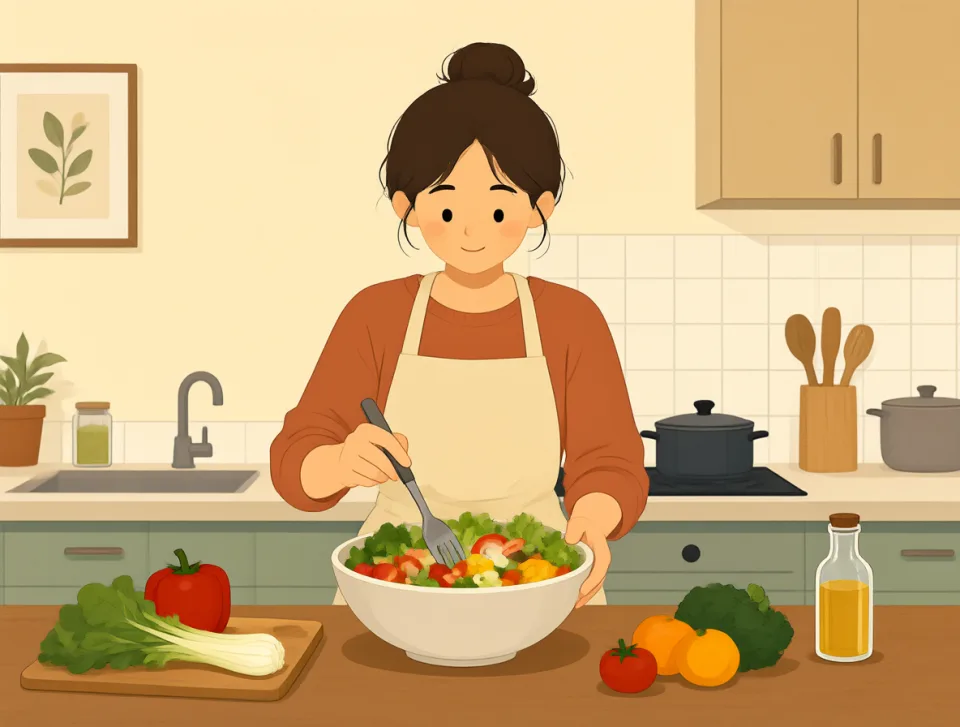
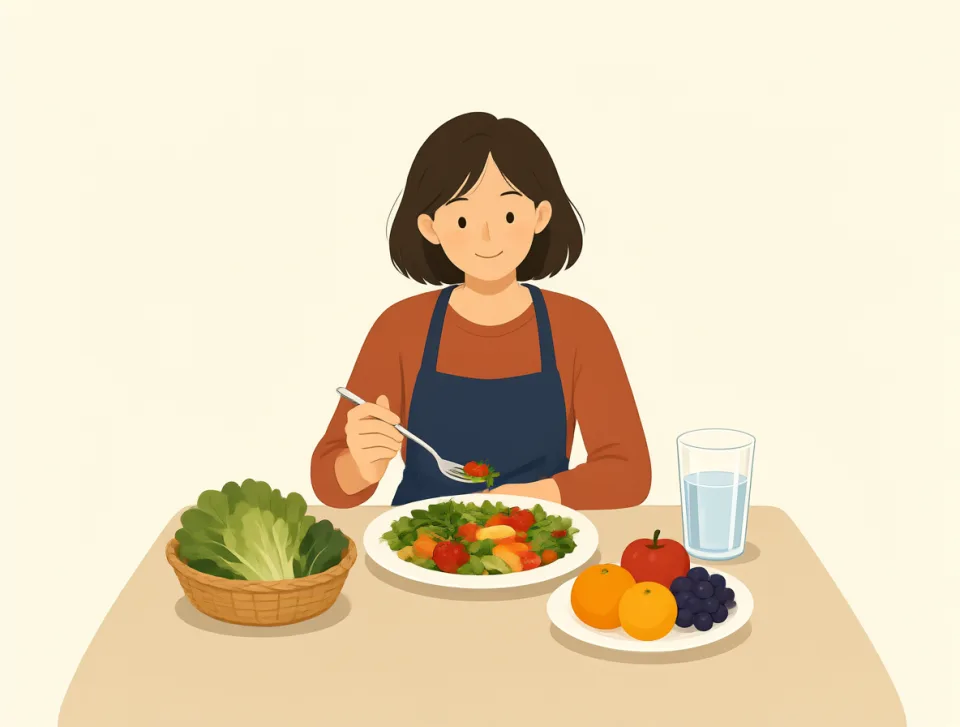
I try to eat a healthy diet with plenty of fresh vegetables.
سعی میکنم رژیم غذایی سالمی داشته باشم و مقدار زیادی سبزیجات تازه بخورم.
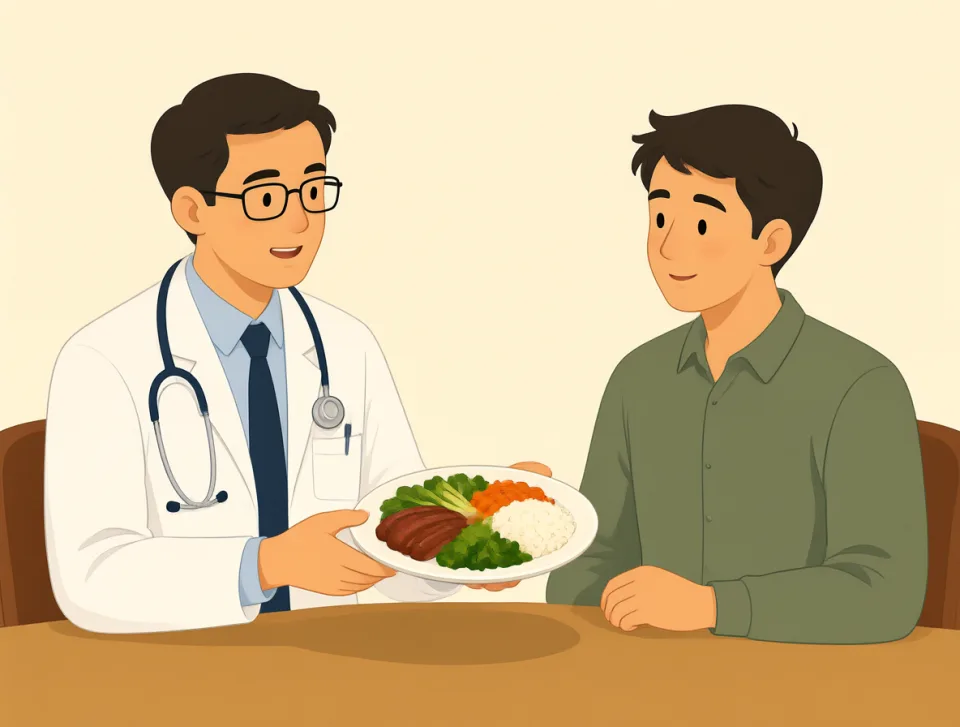
The doctor put him on a low-salt diet for his heart.
دکتر برای مراقبت از قلبش او را به رژیم غذایی کمنمک ملزم کرد.
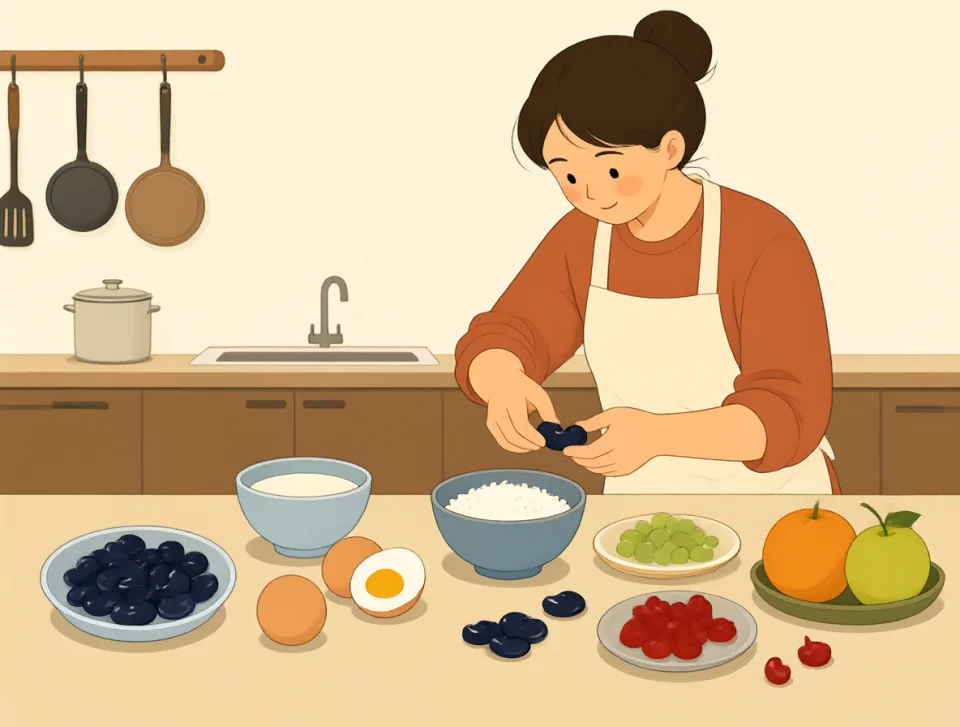
My vegetarian diet includes beans, rice, eggs, and lots of fruit.
در رژیم غذایی گیاهخواری من لوبیا، برنج، تخممرغ و میوههای فراوان وجود دارد.
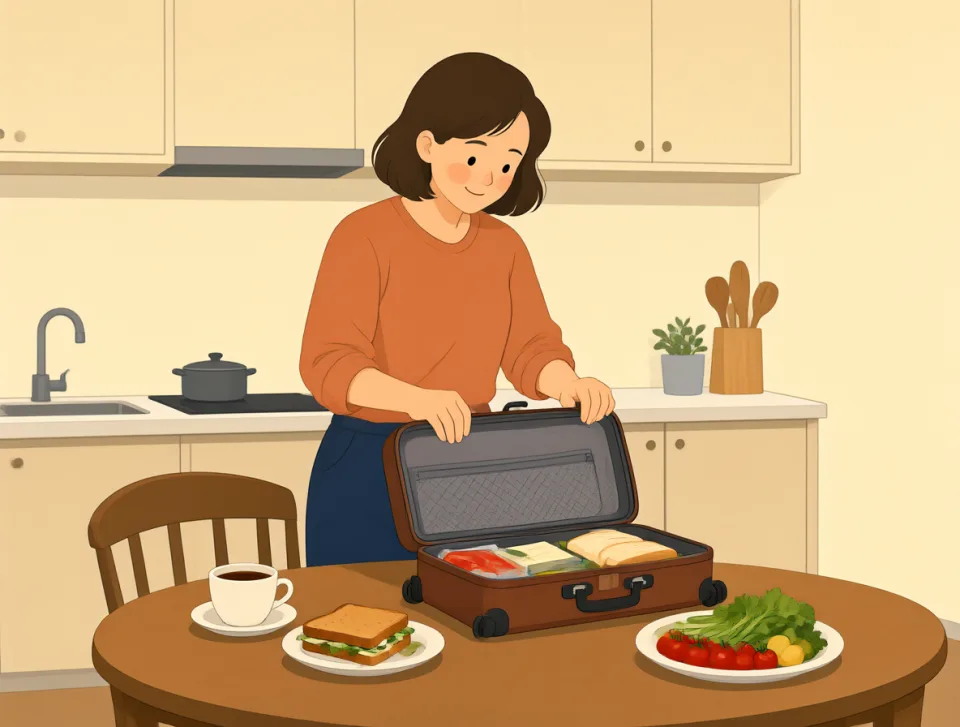
She started a diet before her holiday at the beach.
او پیش از تعطیلاتش در کنار دریا رژیم گرفت.
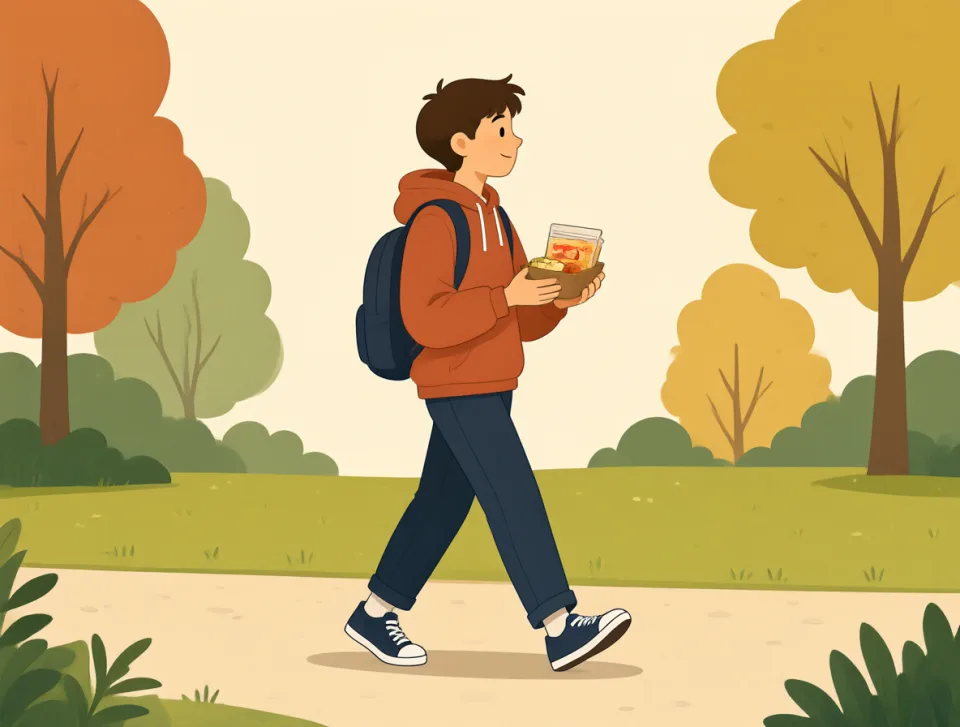
Some people diet by eating smaller meals and walking every day.
بعضیها با خوردن وعدههای کوچکتر و پیادهروی روزانه رژیم میگیرند.

motion
#1848noun, verb
حرکت
Movement or a movement, especially in a particular direction or to show an idea.
جنبش یا حرکتی، بهویژه در جهت مشخص یا برای نشان دادن یک مفهوم.
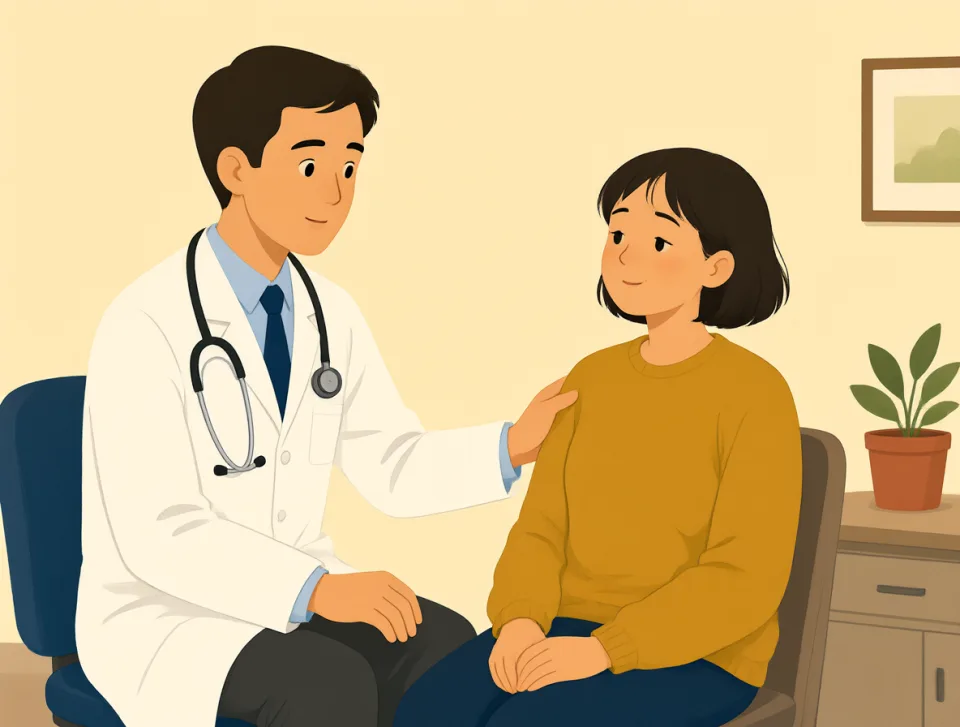
The doctor watched the motion of the patient's chest.
دکتر حرکت قفسهٔ سینهٔ بیمار را زیر نظر گرفت.
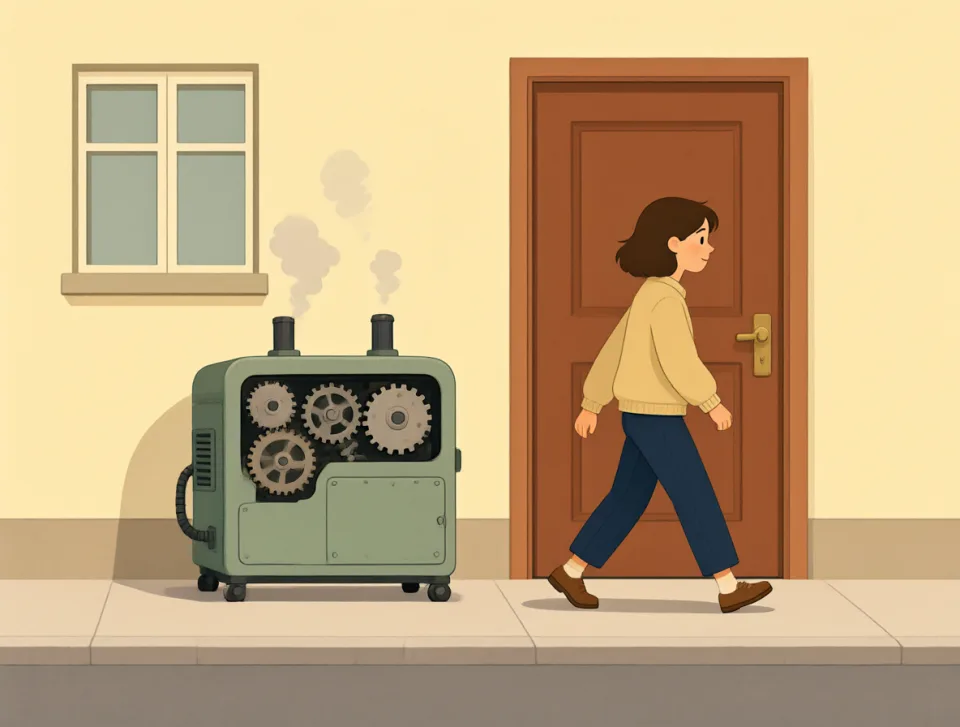
The machine stops when it detects sudden motion.
دستگاه وقتی حرکت ناگهانی را تشخیص میدهد، متوقف میشود.

She made a motion for us to come inside.
او با اشاره از ما خواست داخل بیاییم.
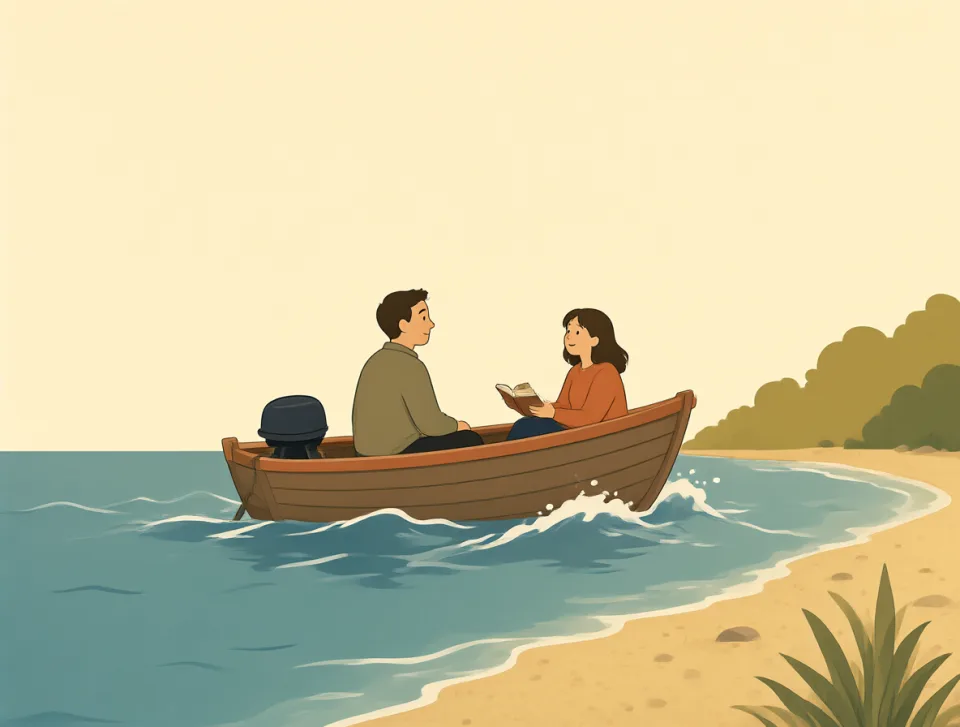
The boat rocked with the motion of the waves.
قایق با حرکت موجها تکان میخورد.

The committee voted to approve the motion.
کمیته به تصویب این پیشنهاد رأی داد.

gray
#1849adjective, noun
خاکستری
having a color between black and white
دارای رنگی میان سیاه و سفید.

He wore a gray jacket on the cold morning.
او در صبح سردی یک کت خاکستری پوشیده بود.
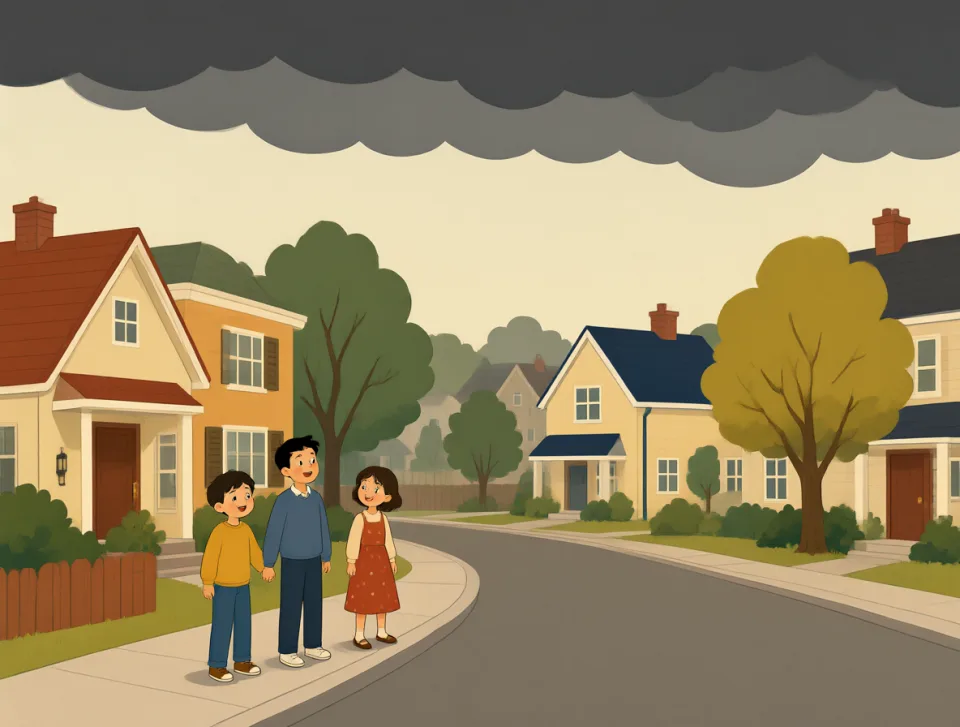
The sky turned gray before the rain started.
پیش از شروع باران، آسمان خاکستری شد.

She bought a gray sofa for the living room.
او برای اتاق نشیمن یک مبل خاکستری خرید.
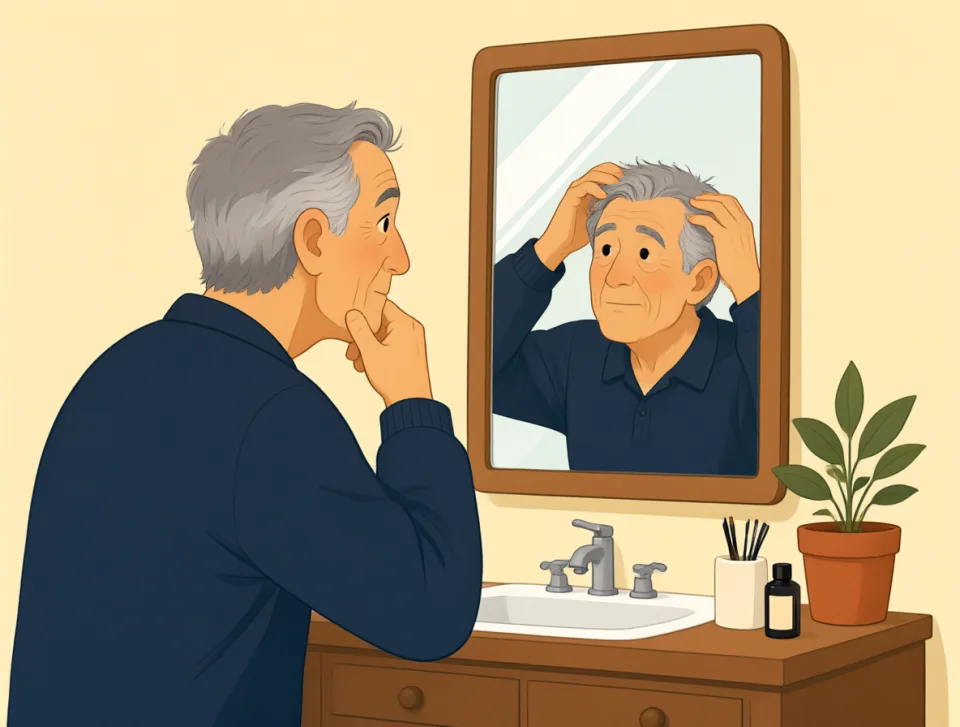
My grandfather's hair is turning gray.
موهای پدربزرگم دارد خاکستری میشود.
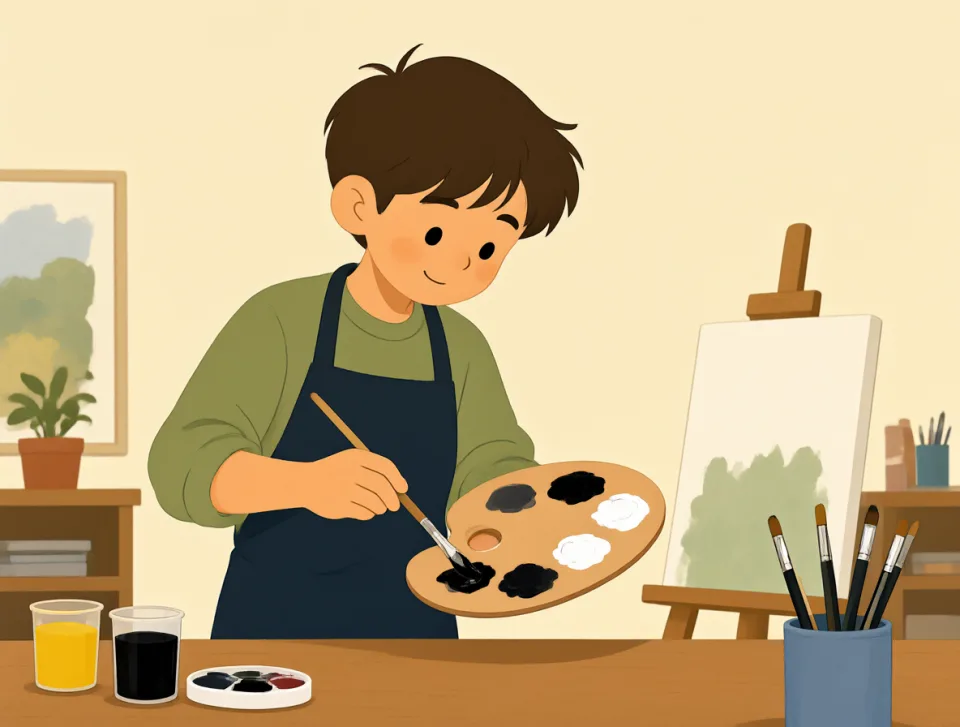
The artist mixed black and white to make gray.
هنرمند با ترکیب سیاه و سفید، رنگ خاکستری ساخت.
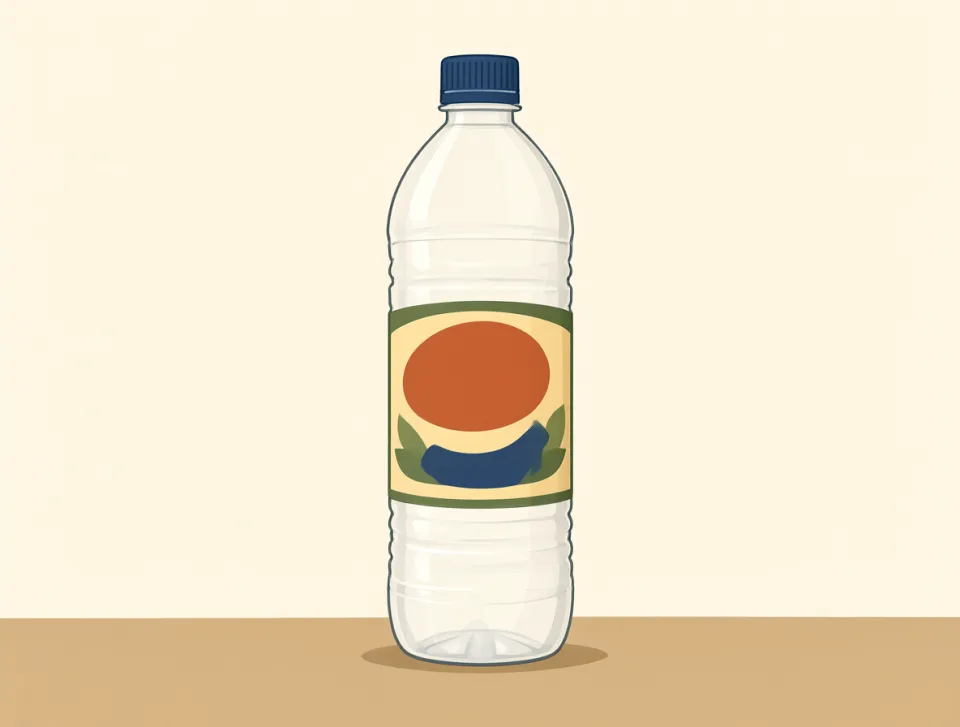
plastic
#1850noun, adjective
پلاستیک
A light, strong material made from chemicals, often used to make containers and bags.
مادهای سبک و محکم که از مواد شیمیایی ساخته میشود و اغلب برای ساخت ظرف و کیسه به کار میرود.
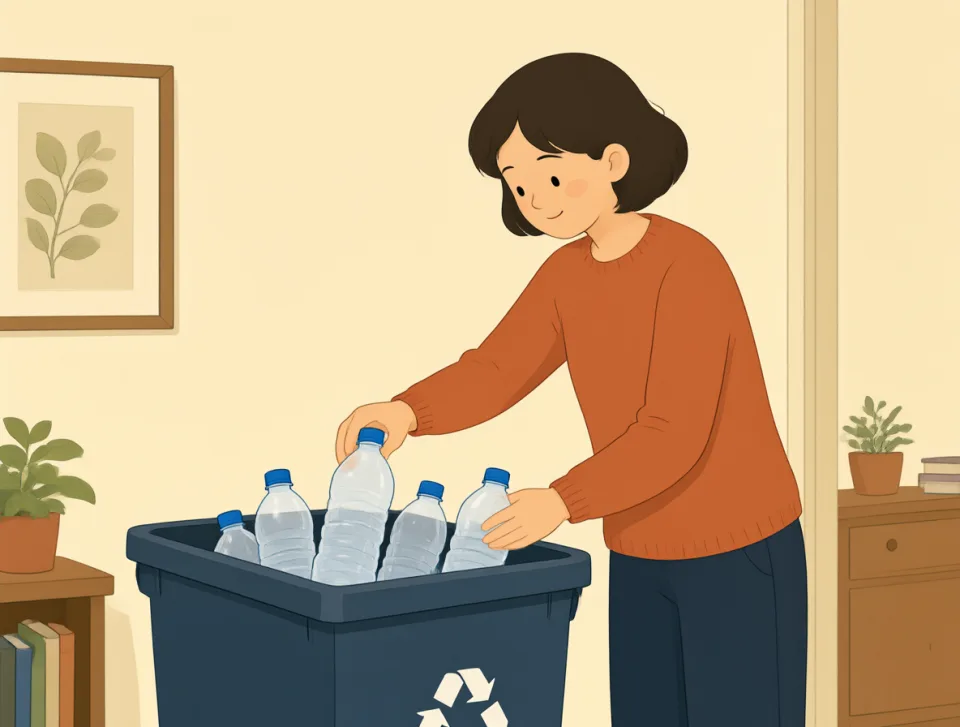
Please put the plastic bottles in the recycling bin.
لطفاً بطریهای پلاستیکی را در سطل بازیافت بیندازید.
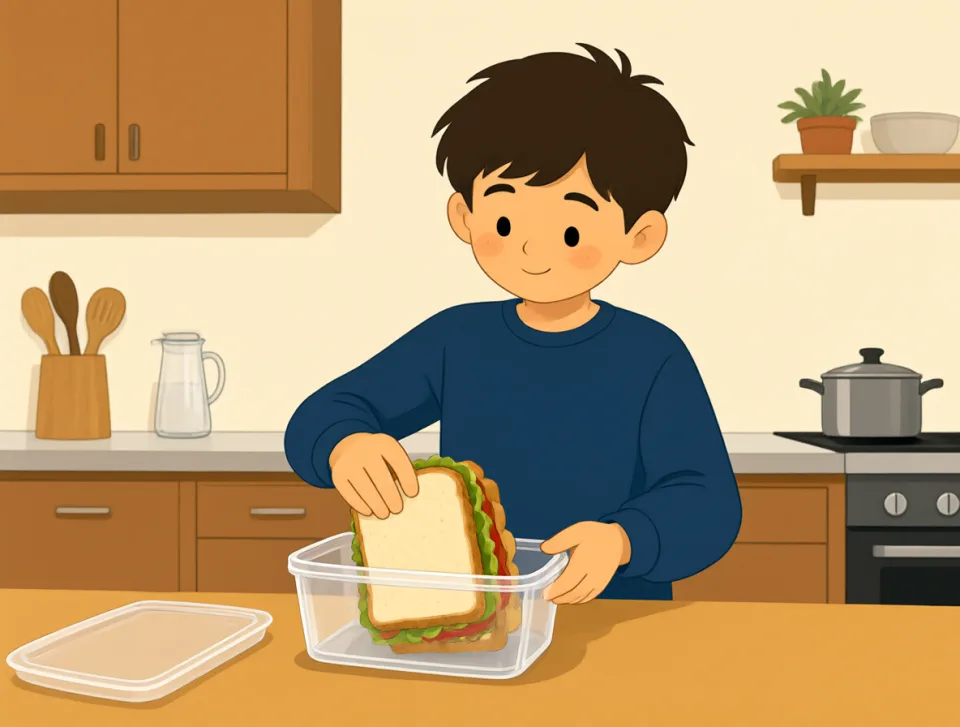
She packed her lunch in a plastic container.
او ناهارش را در ظرف پلاستیکی گذاشت.

The shop gives customers a plastic bag for their purchases.
فروشگاه برای خریدهای مشتریان کیسهٔ پلاستیکی میدهد.
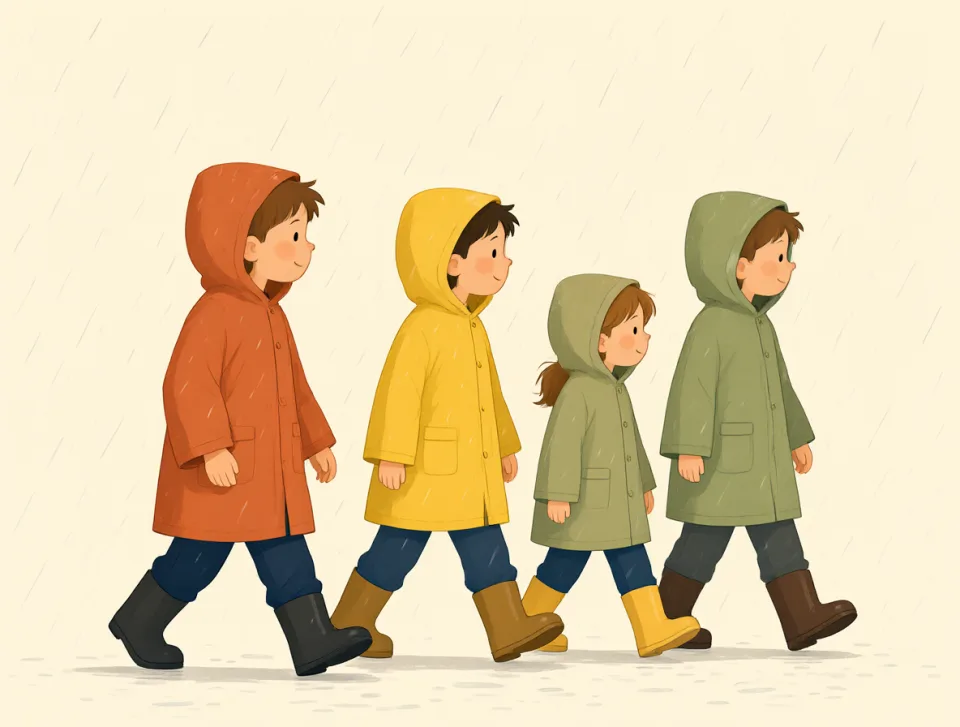
The children wore plastic raincoats during the school trip.
بچهها در اردوی مدرسه بارانیهای پلاستیکی پوشیدند.
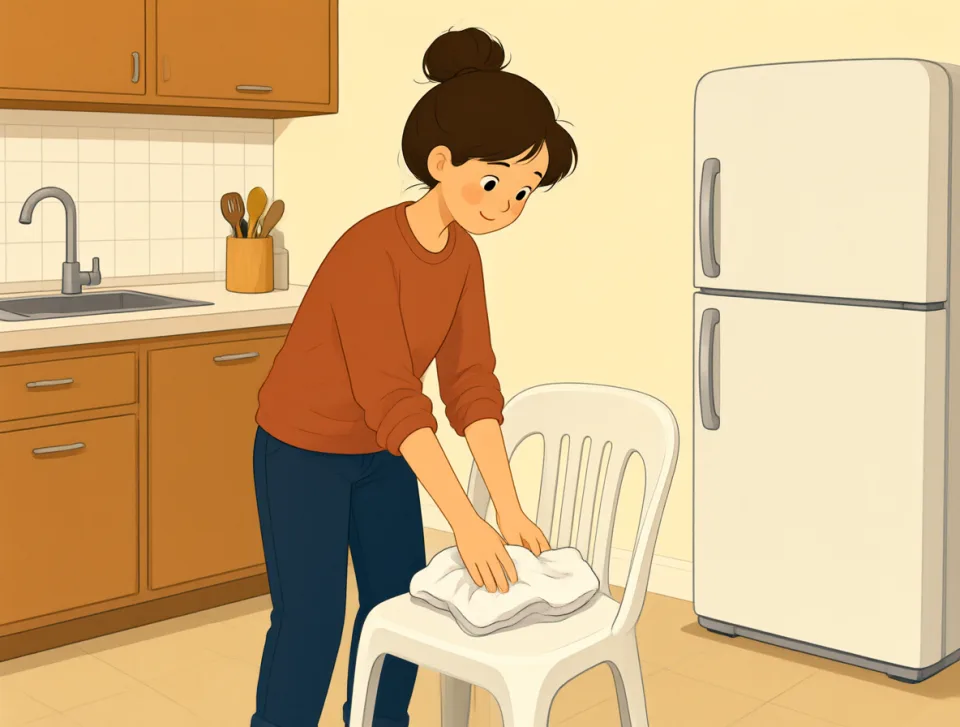
This chair is made of strong plastic and is easy to clean.
این صندلی از پلاستیک محکم ساخته شده و تمیز کردنش آسان است.
complicate
#1851verb
پیچیده کردن
to make something more difficult or confusing than it needs to be
چیزی را دشوارتر یا گیجکنندهتر از حد لازم کردن
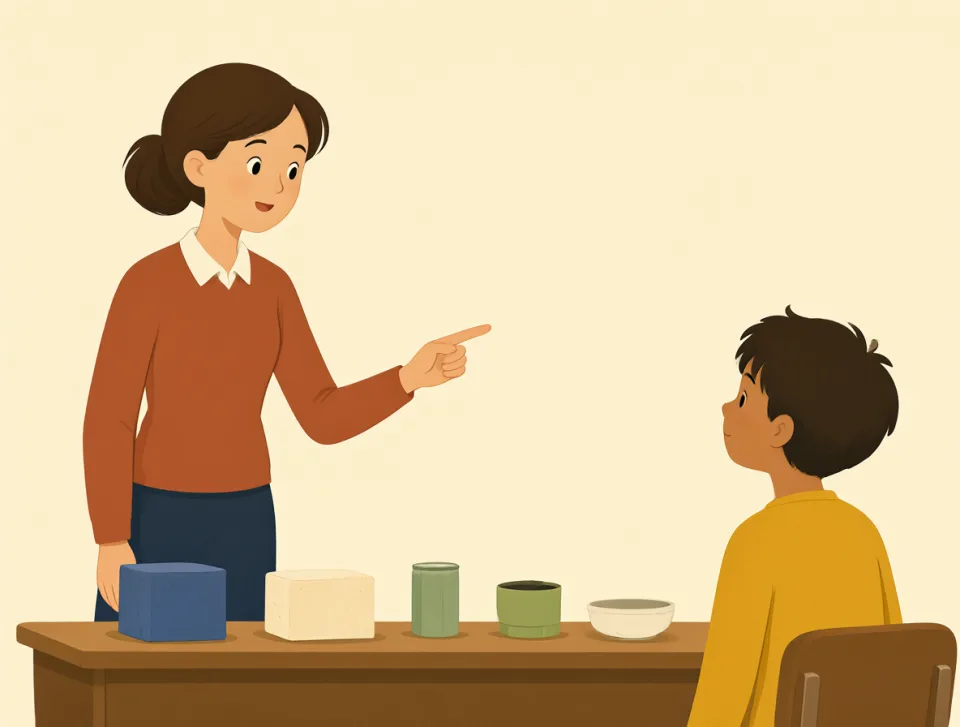
Don't complicate the problem; follow these simple steps.
مسئله را پیچیده نکن؛ این مراحل ساده را دنبال کن.
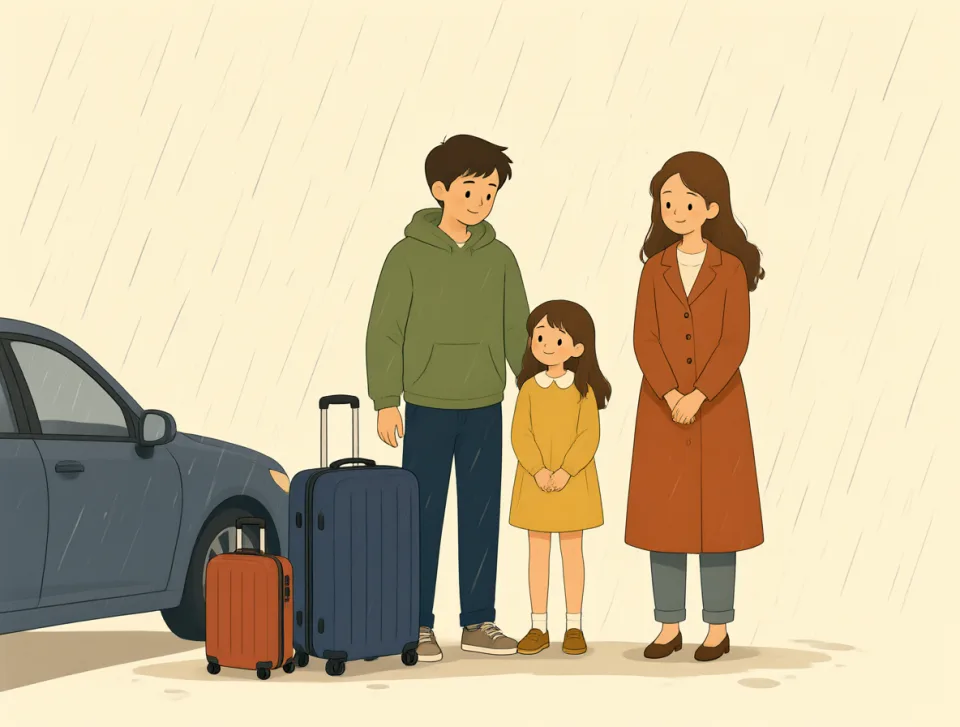
The bad weather complicated our travel plans.
هوای بد برنامههای سفرمان را پیچیده کرد.

Too many rules can complicate the hiring process.
قوانین بیشازحد میتوانند فرایند استخدام را پیچیده کنند.
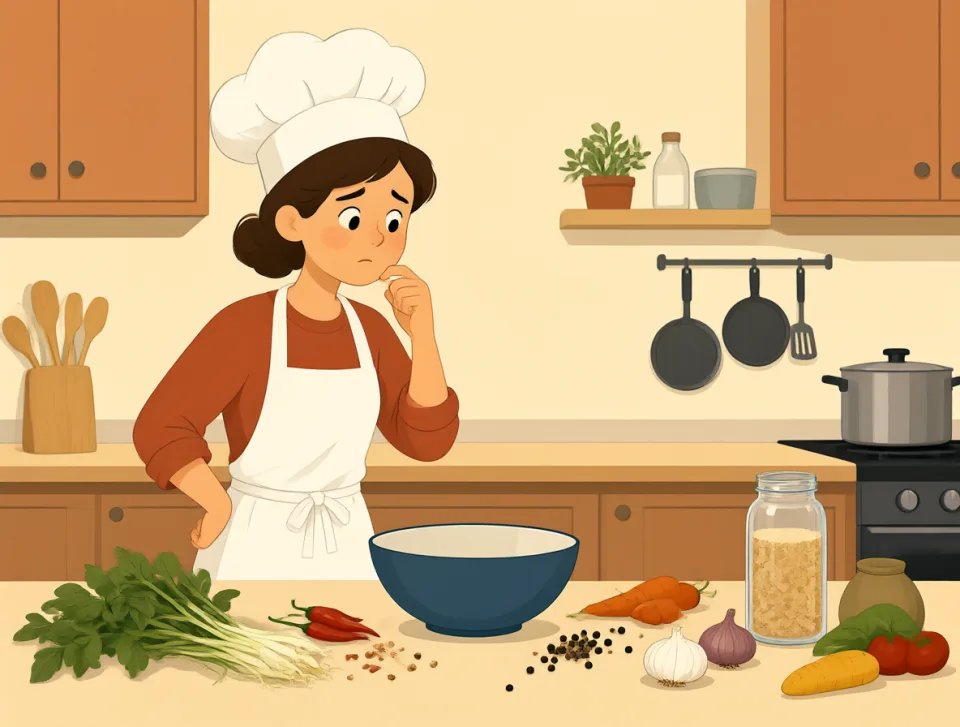
Adding more ingredients complicated the recipe.
اضافه کردن مواد اولیهٔ بیشتر، دستور پخت را پیچیده کرد.
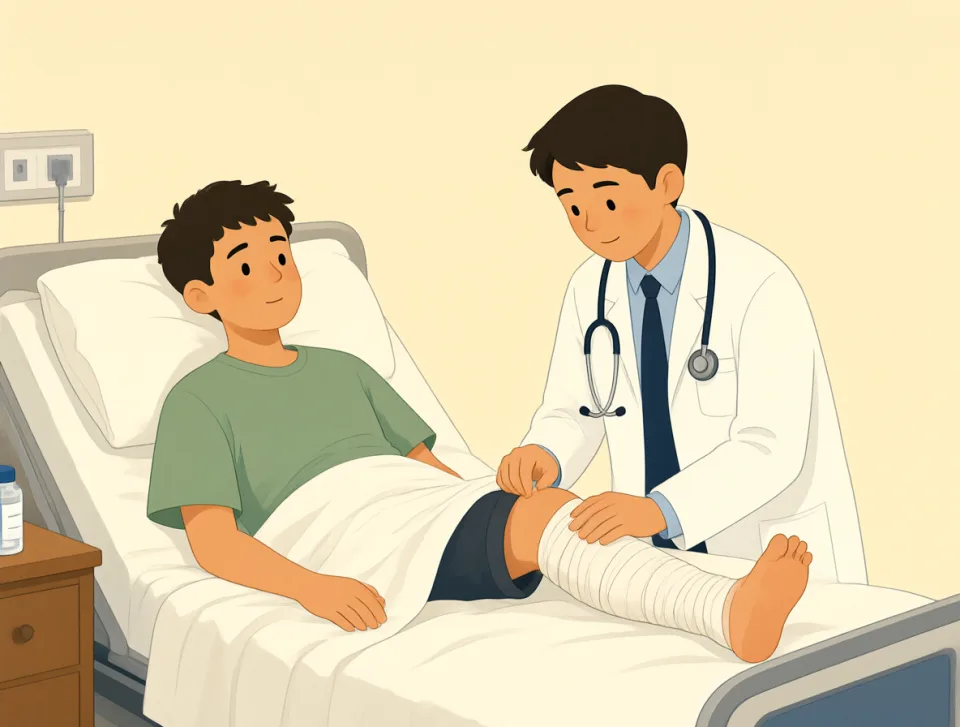
His injury complicated his recovery after the accident.
آسیبدیدگی او بهبودش را پس از تصادف پیچیده کرد.

discipline
#1852noun, verb
انضباط
Training yourself to follow rules and control your behavior to reach a goal.
اینکه برای رسیدن به هدف، خودتان را تمرین دهید تا از قوانین پیروی کنید و رفتارتان را کنترل کنید.
Learning a new language takes discipline and regular practice.
یادگیری یک زبان جدید به انضباط و تمرین منظم نیاز دارد.
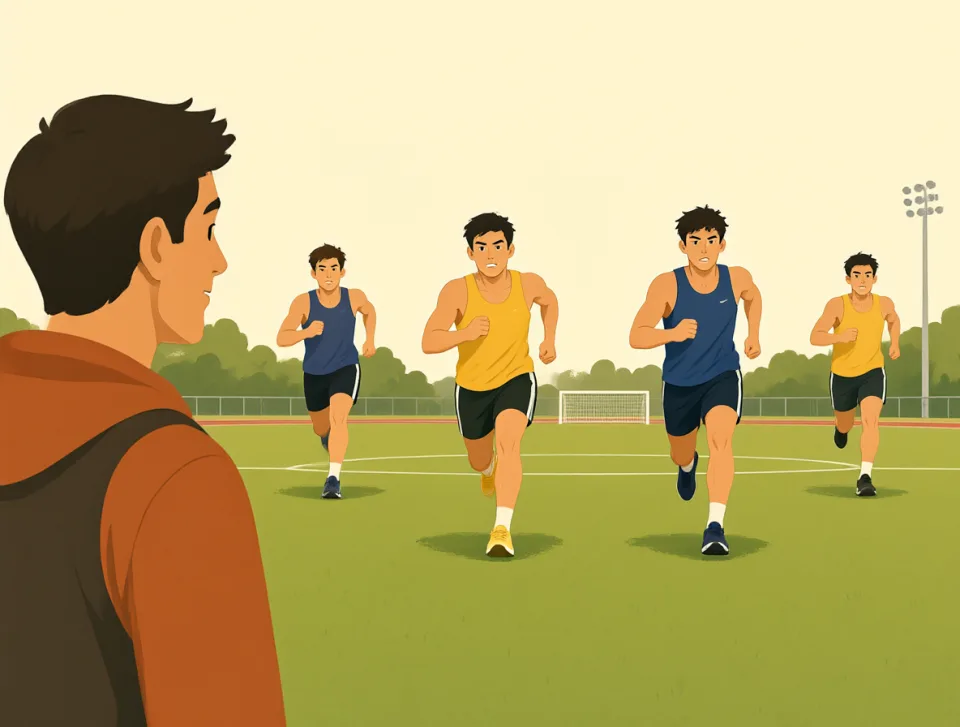
The coach praised the team for showing discipline during training.
مربی از تیم بهخاطر نشان دادن انضباط در طول تمرین تعریف کرد.
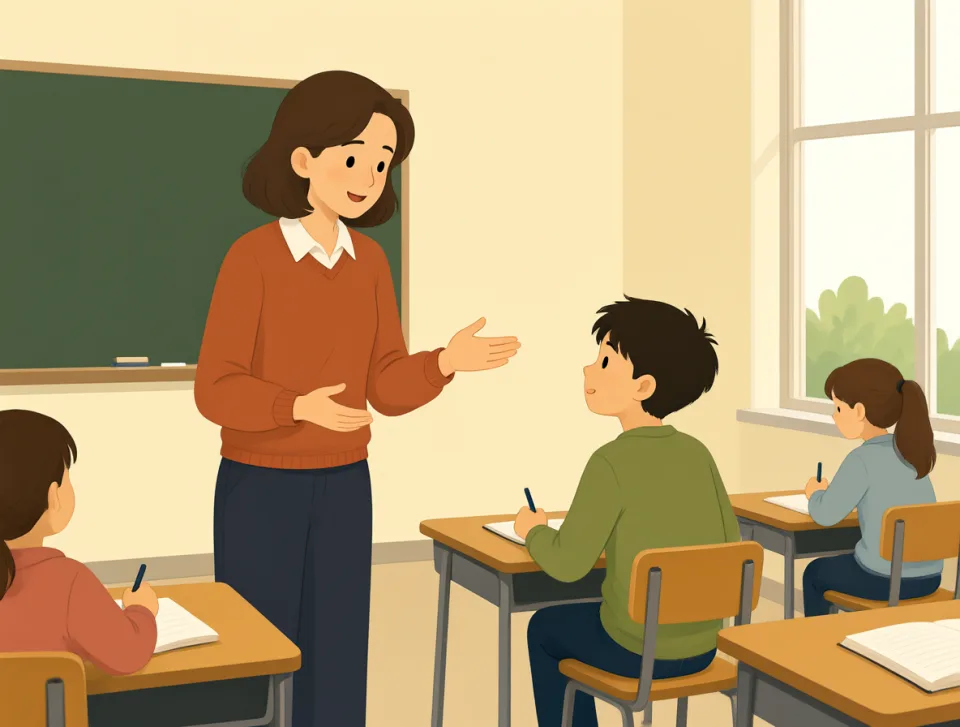
The school uses discipline to help students behave well.
مدرسه از انضباط برای کمک به رفتار مناسب دانشآموزان استفاده میکند.

Good financial discipline helped us save enough money for our holiday.
انضباط مالی خوب به ما کمک کرد پول کافی برای تعطیلاتمان پسانداز کنیم.
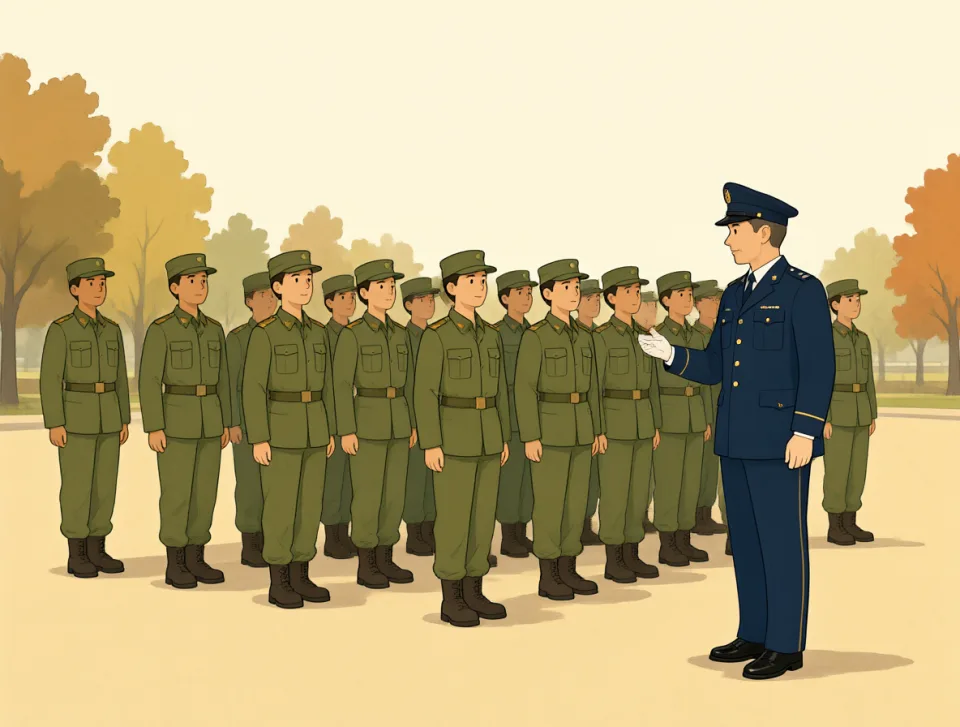
The army disciplined the new soldiers during their first month.
ارتش در ماه اول، به سربازان جدید انضباط آموخت.
disappoint
#1853verb
ناامید کردن
To make someone feel unhappy because something was not as good as expected.
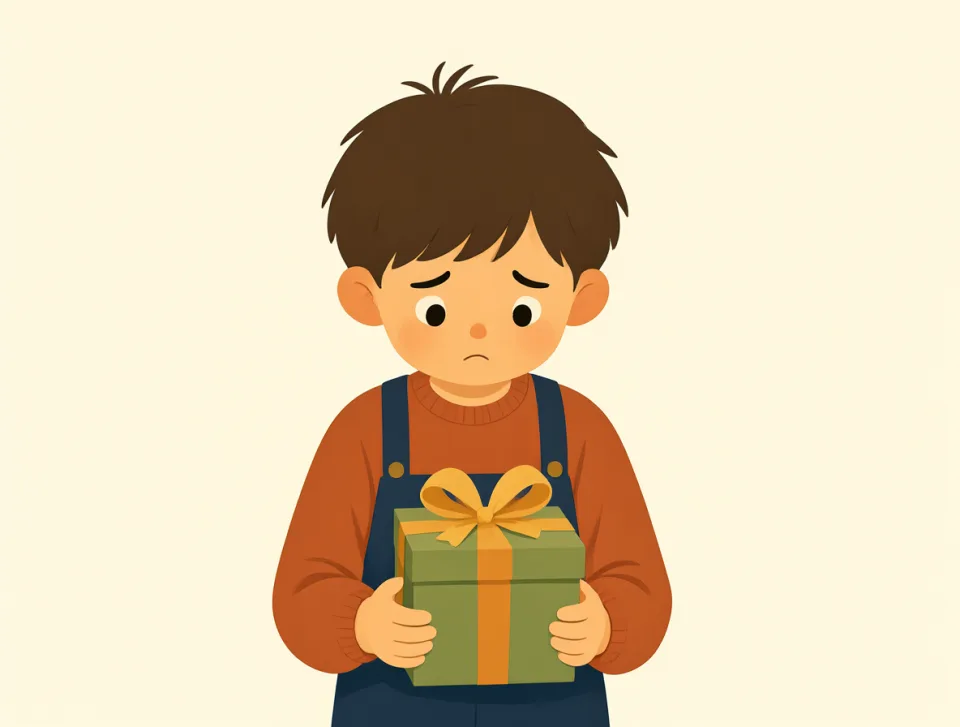
باعث ناراحتی کسی شدن، چون چیزی آنقدر که انتظار میرفت خوب نبوده است.
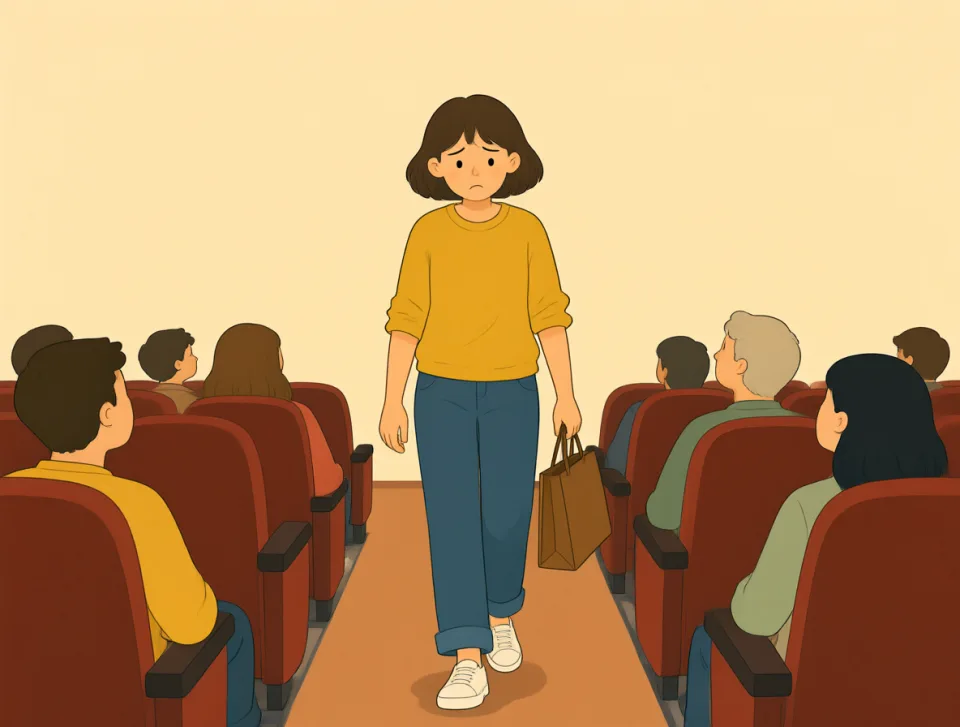
The movie disappointed me, so I left before the end.
فیلم ناامیدم کرد، بنابراین پیش از پایانش از سالن بیرون آمدم.
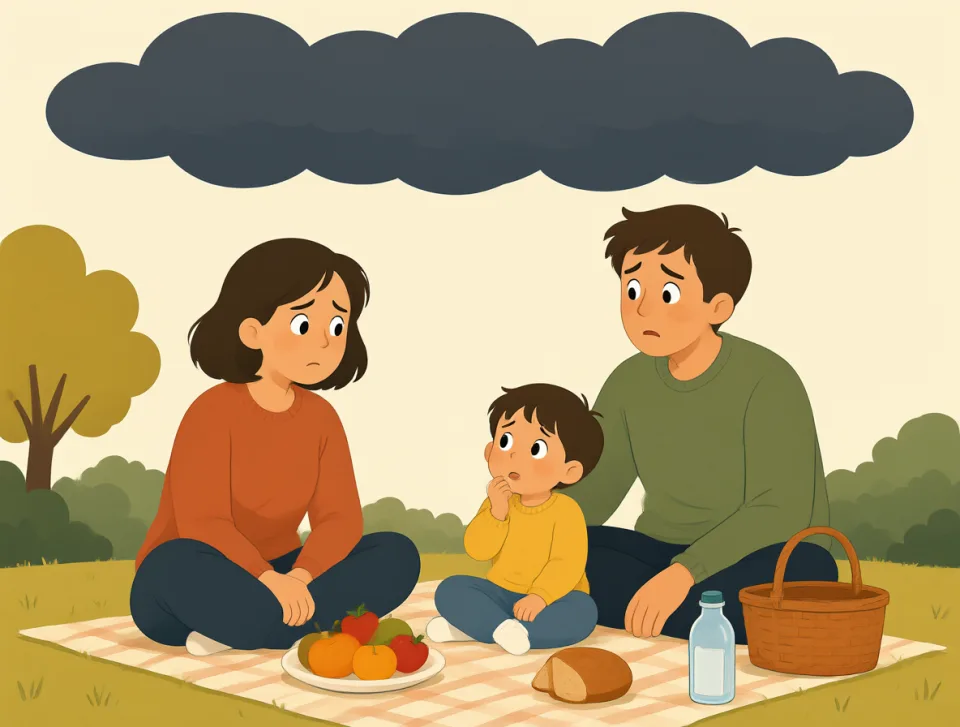
I hope the weather does not disappoint us tomorrow.
امیدوارم فردا هوا ناامیدمان نکند.
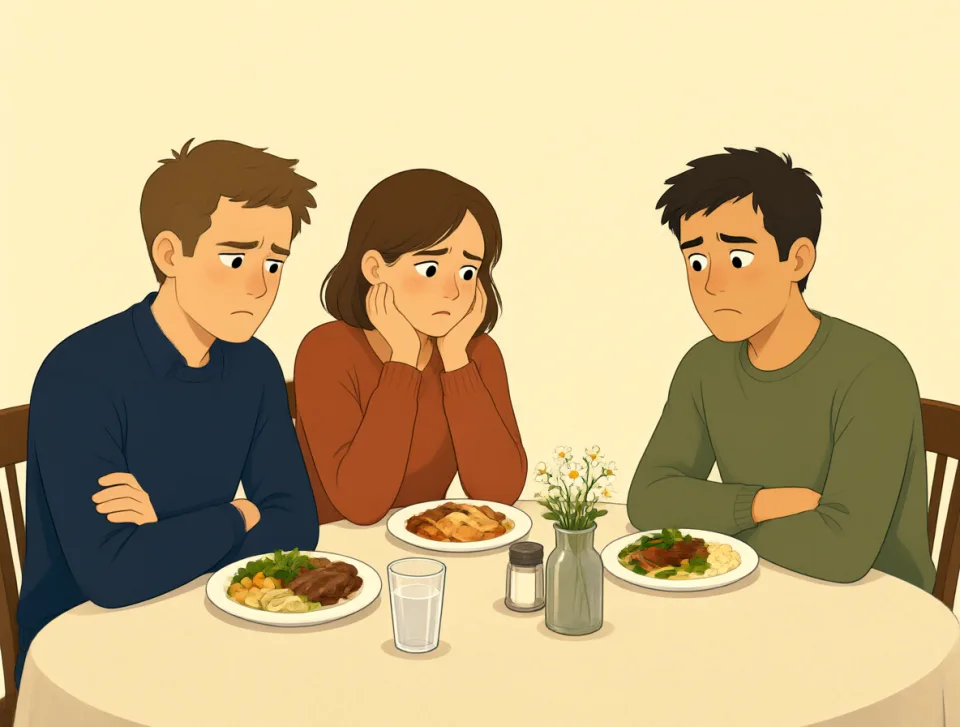
The restaurant disappointed us with cold food and slow service.
رستوران با غذای سرد و خدمات کند، ما را ناامید کرد.
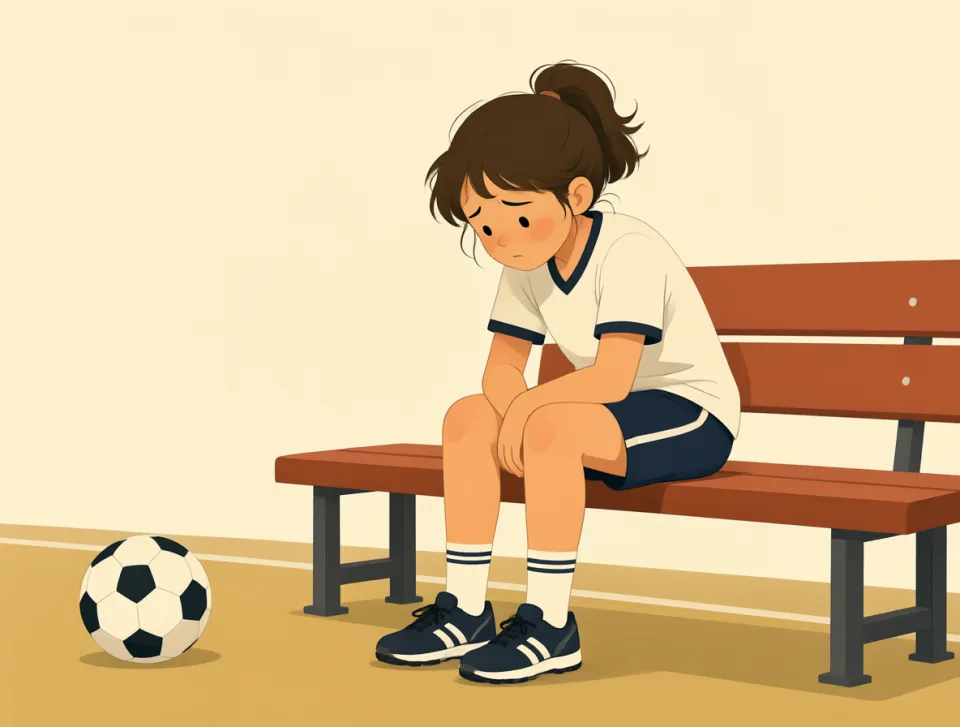
She was disappointed when her team lost the final game.
وقتی تیمش بازی نهایی را باخت، او ناامید شد.
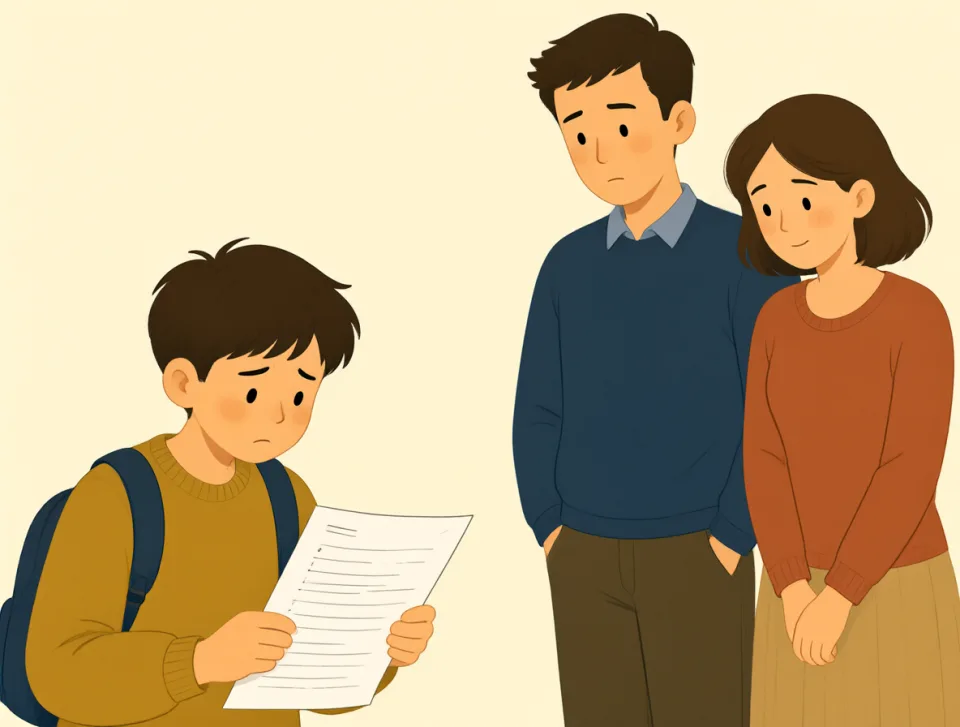
He hates disappointing his parents when he gets poor grades.
او از اینکه با گرفتن نمرههای ضعیف والدینش را ناامید کند، متنفر است.

boss
#1854noun, verb
رئیس
A person who is in charge of a workplace or tells others what to do.
کسی که مسئول یک محل کار است یا به دیگران میگوید چه کاری انجام دهند.

My boss asked me to finish the report before lunch.
رئیسم از من خواست گزارش را پیش از ناهار تمام کنم.

I need to talk to my boss about taking Friday off.
باید با رئیسم دربارهٔ مرخصی گرفتن در روز جمعه صحبت کنم.

Our new boss is friendly and listens to everyone's ideas.
رئیس جدیدمان خوشبرخورد است و به ایدههای همه گوش میدهد.
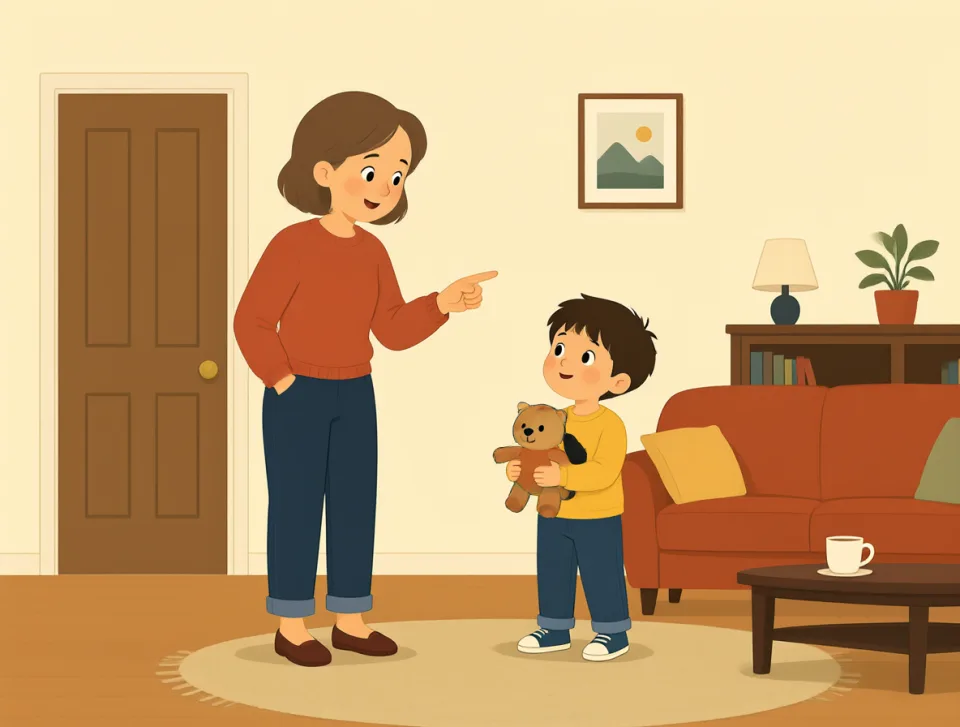
She bosses her little brother around when their parents are away.
وقتی والدینشان خانه نیستند، او مدام به برادر کوچکترش دستور میدهد.
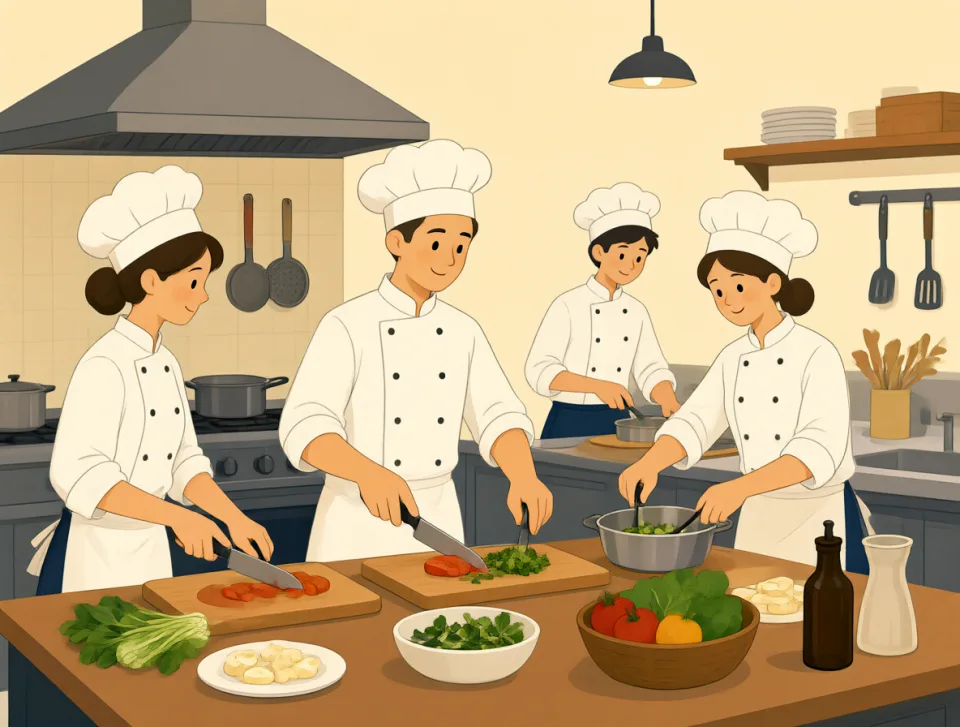
The chef bossed the kitchen during the busy dinner service.
سرآشپز در طول سرو شامِ شلوغ، آشپزخانه را اداره میکرد.
assumption
#1855noun
فرض
A belief that something is true, even though you have no proof.
باوری که چیزی درست است، با اینکه هیچ مدرکی برای آن ندارید.
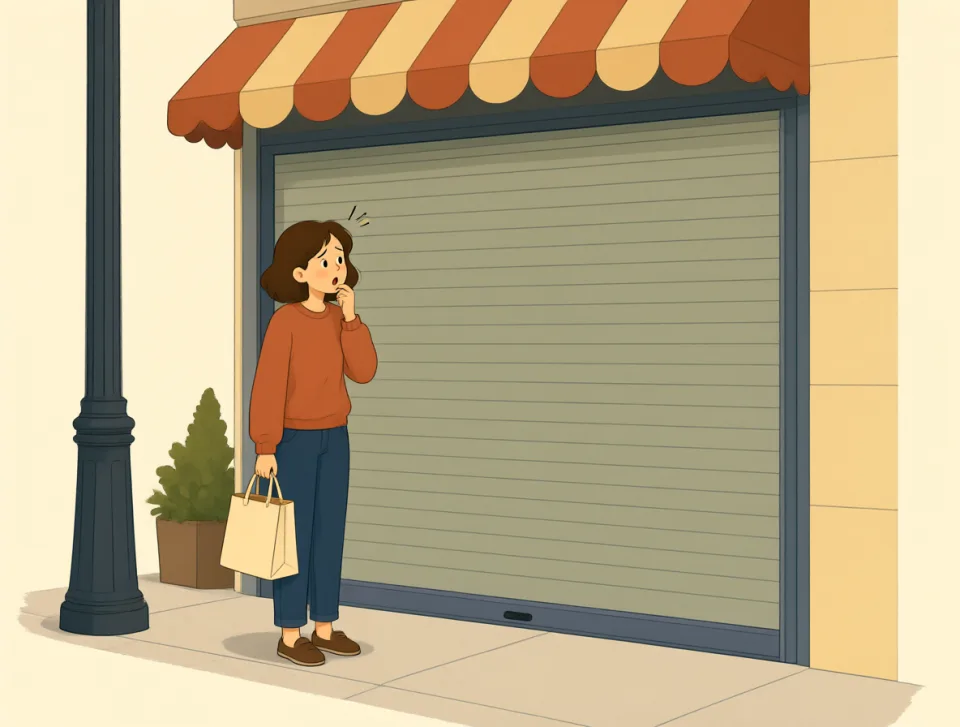
My assumption that the store was open was wrong.
فرض من دربارهٔ باز بودن فروشگاه اشتباه بود.

Do not make assumptions about people before meeting them.
پیش از ملاقات با مردم، دربارهٔ آنها پیشداوری نکنید.
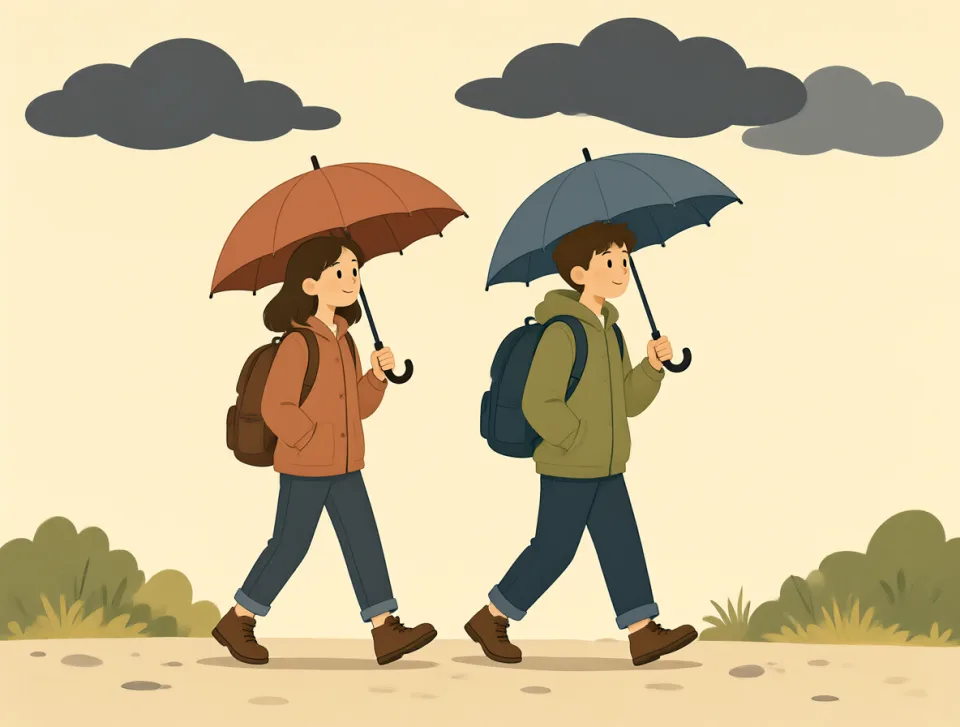
On the assumption that it would rain, we brought umbrellas.
با این فرض که باران میبارد، چتر با خودمان بردیم.
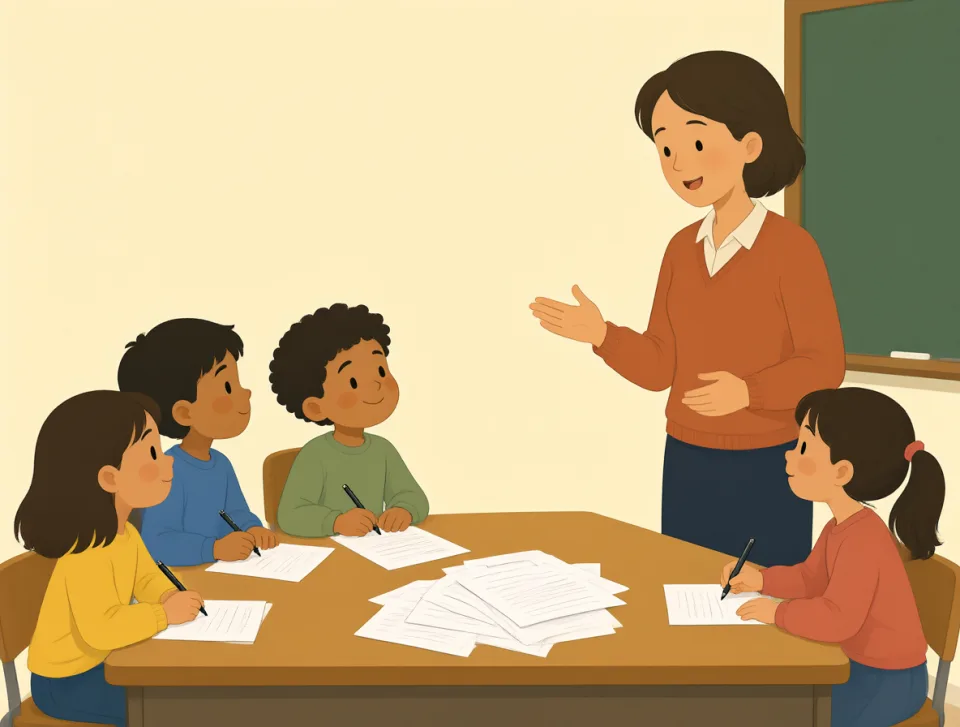
The teacher corrected our assumption that the test would be easy.
معلم فرض ما را دربارهٔ آسان بودن آزمون اصلاح کرد.
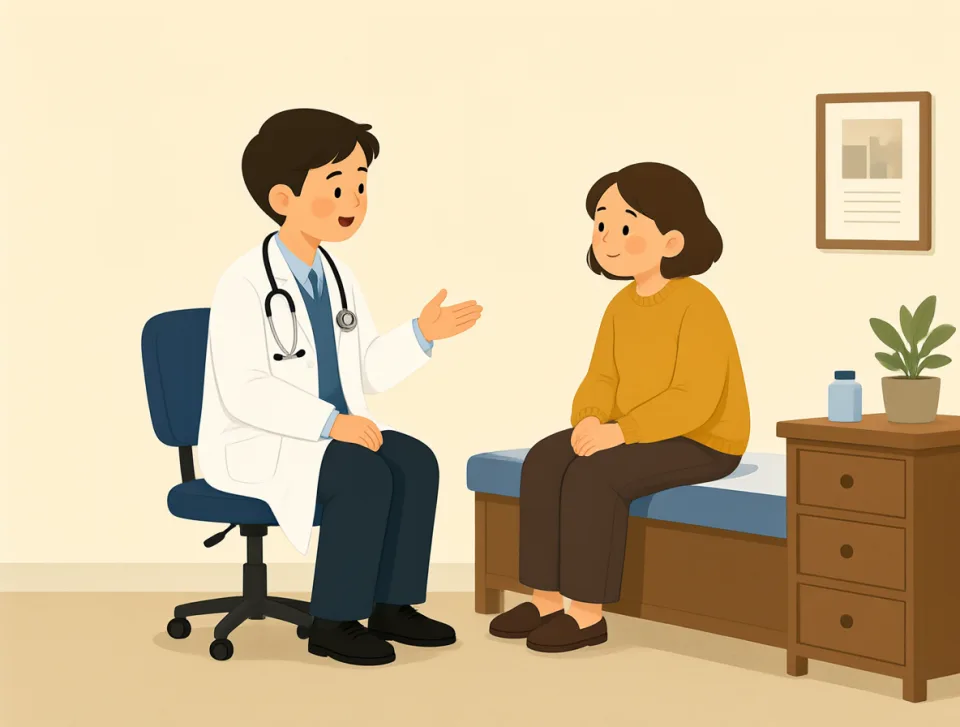
The doctor rejected my assumption that a cold needed antibiotics.
دکتر فرض من را مبنی بر اینکه سرماخوردگی به آنتیبیوتیک نیاز دارد، رد کرد.
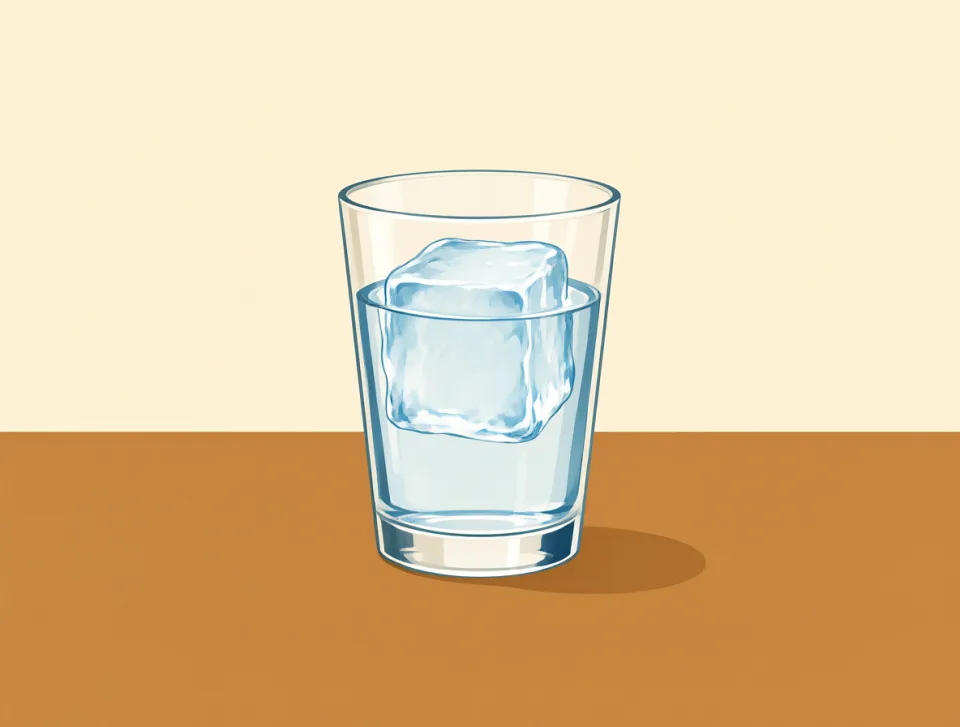
freeze
#1856verb, noun
یخ زدن
to become very cold and turn into ice, or to stop moving suddenly
بسیار سرد شدن و به یخ تبدیل شدن، یا ناگهان از حرکت ایستادن
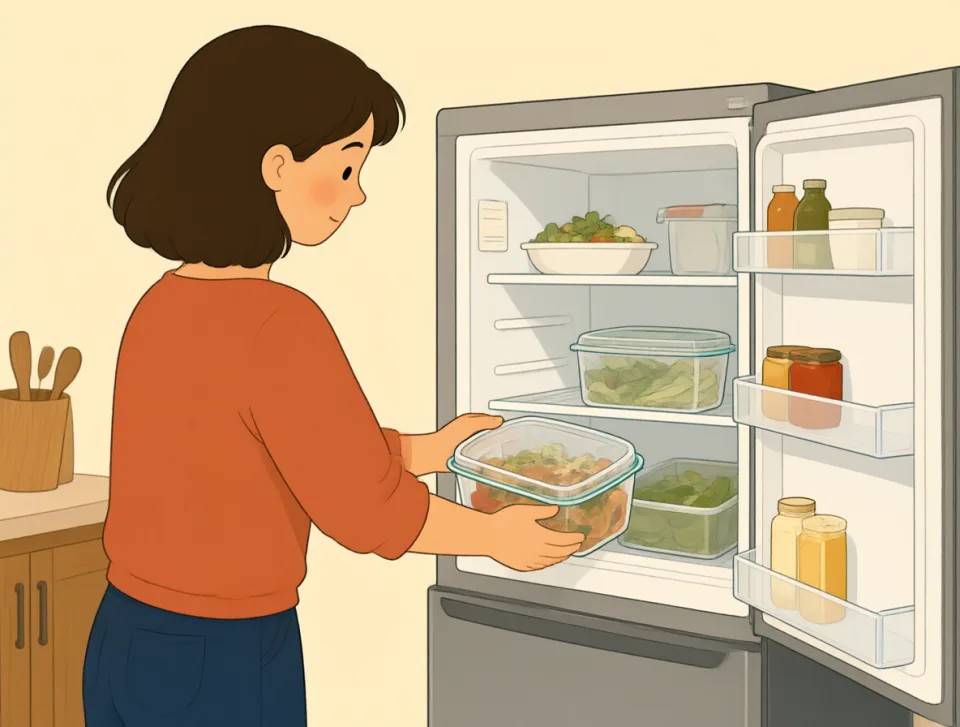
Please freeze the leftovers before they go bad.
لطفاً باقیماندهٔ غذا را قبل از خرابشدن در فریزر بگذارید.
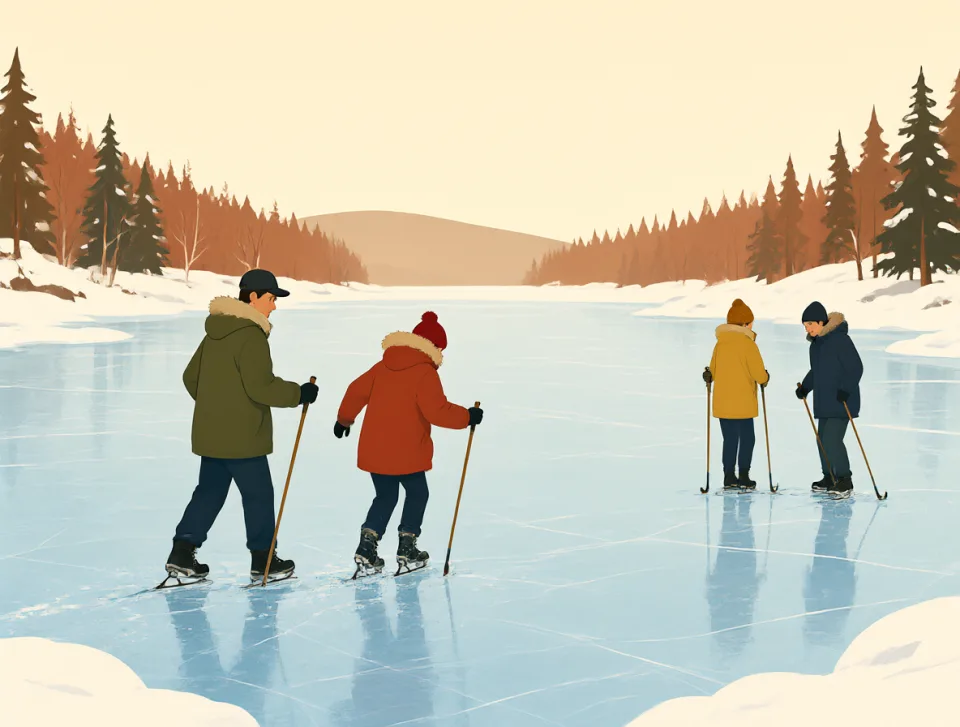
The lake freezes every winter when temperatures fall below zero.
هر زمستان، وقتی دما به زیر صفر میرسد، دریاچه یخ میزند.
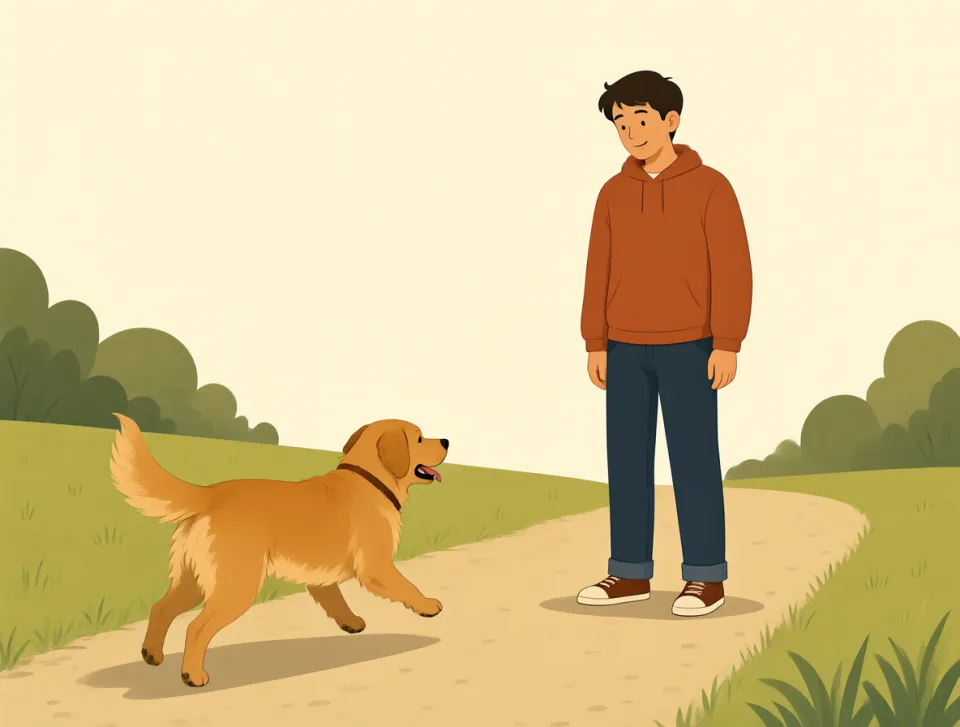
I froze when I saw the large dog running toward me.
وقتی دیدم سگ بزرگی بهطرفم میدود، خشکم زد.
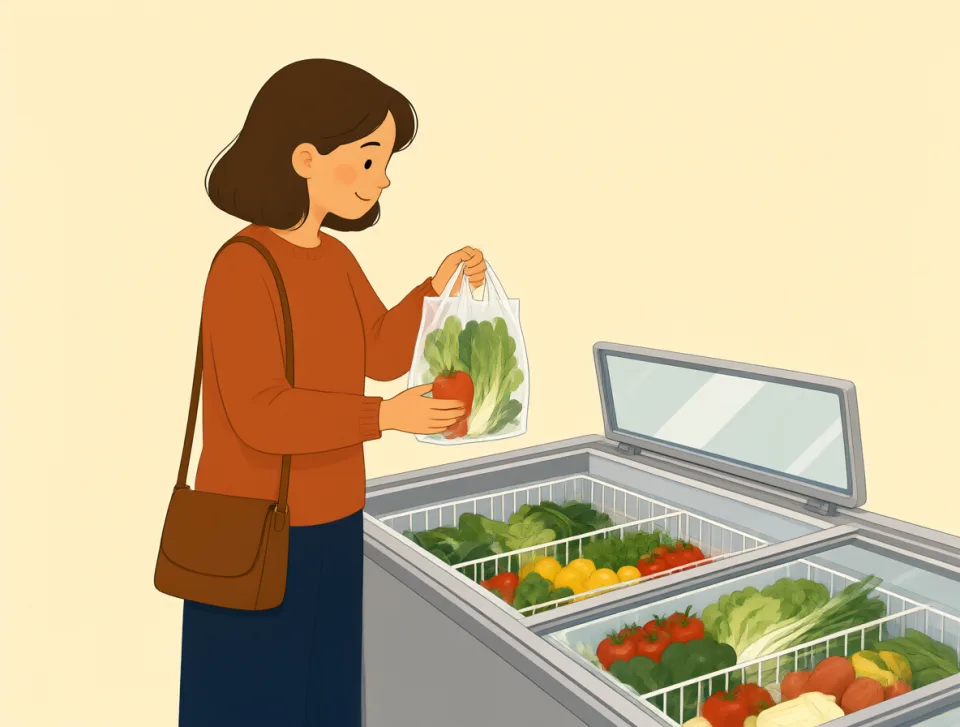
The supermarket sells frozen vegetables in the back aisle.
سوپرمارکت سبزیجات یخزده را در راهروی انتهایی میفروشد.
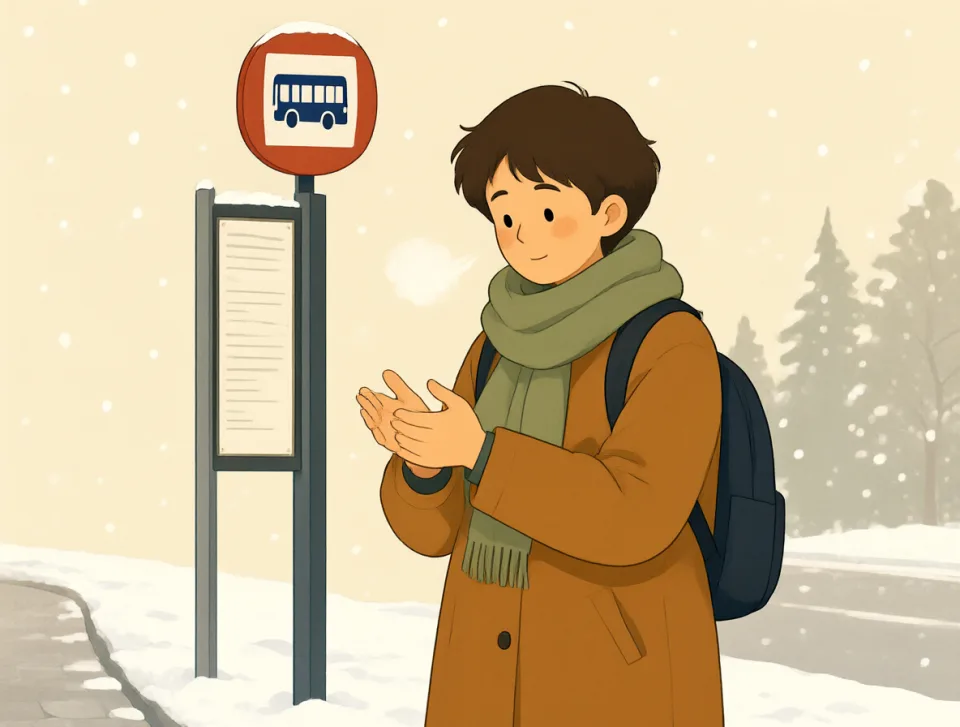
My hands froze while I waited for the bus in winter.
وقتی زمستان منتظر اتوبوس بودم، دستهایم از سرما یخ زد.

extreme
#1857adjective, noun
شدید
Very great or serious; the greatest possible amount or degree.
بسیار زیاد یا جدی؛ بیشترین مقدار یا درجهٔ ممکن.

The hikers faced extreme weather on their way back.
کوهنوردان در راه بازگشت با هوای بسیار نامساعدی روبهرو شدند.
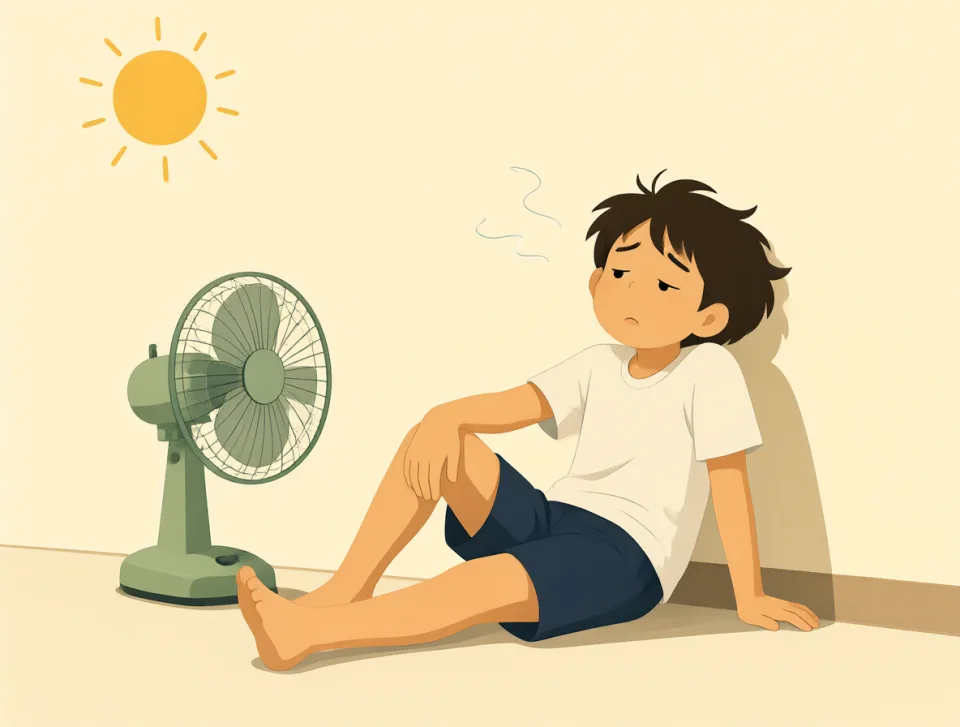
Extreme heat can make people feel tired and sick.
گرمای شدید میتواند باعث شود آدمها احساس خستگی و بیماری کنند.
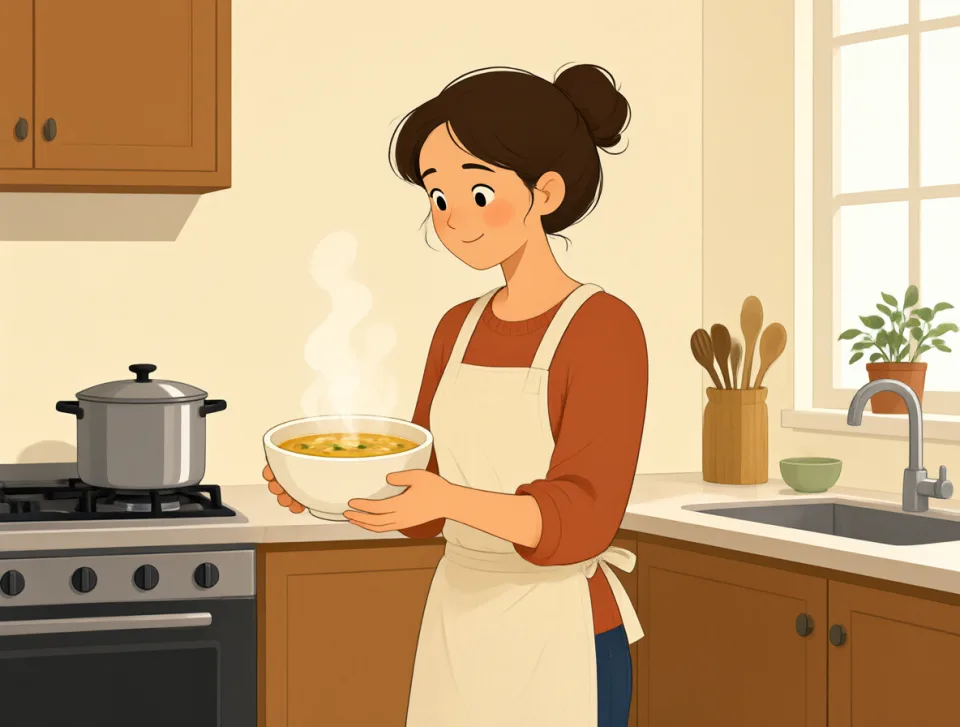
She took extreme care when carrying the hot soup.
او هنگام حمل سوپ داغ نهایت دقت را به خرج داد.
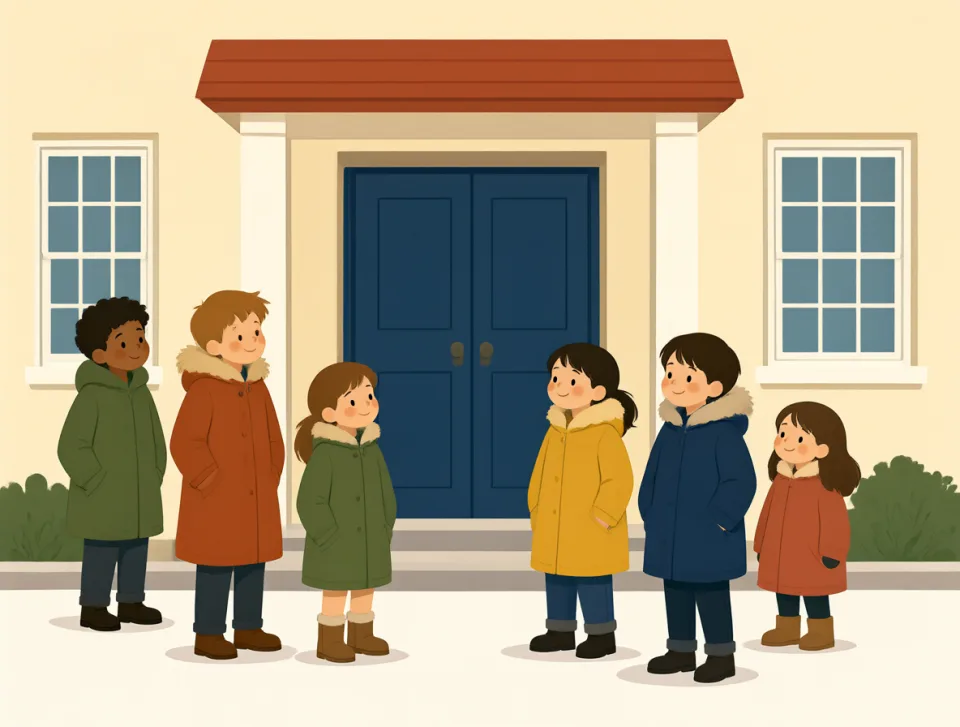
The school closed because of the extreme cold.
مدرسه بهدلیل سرمای شدید تعطیل شد.
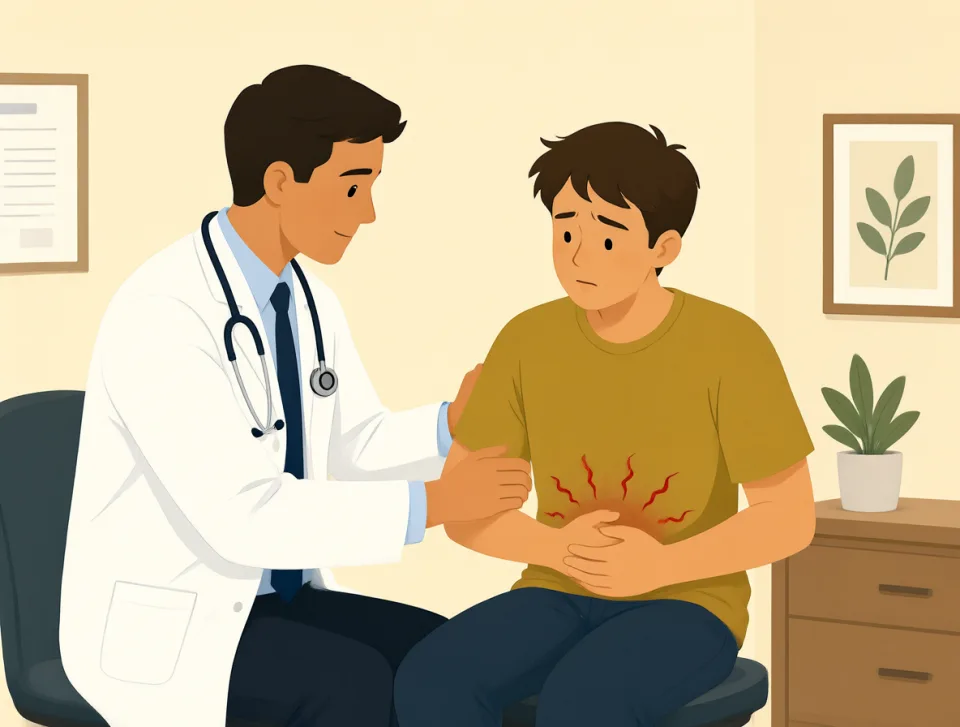
The doctor said his extreme pain needed immediate treatment.
دکتر گفت درد شدید او به درمان فوری نیاز دارد.
passage
#1858noun
بخش کوتاه
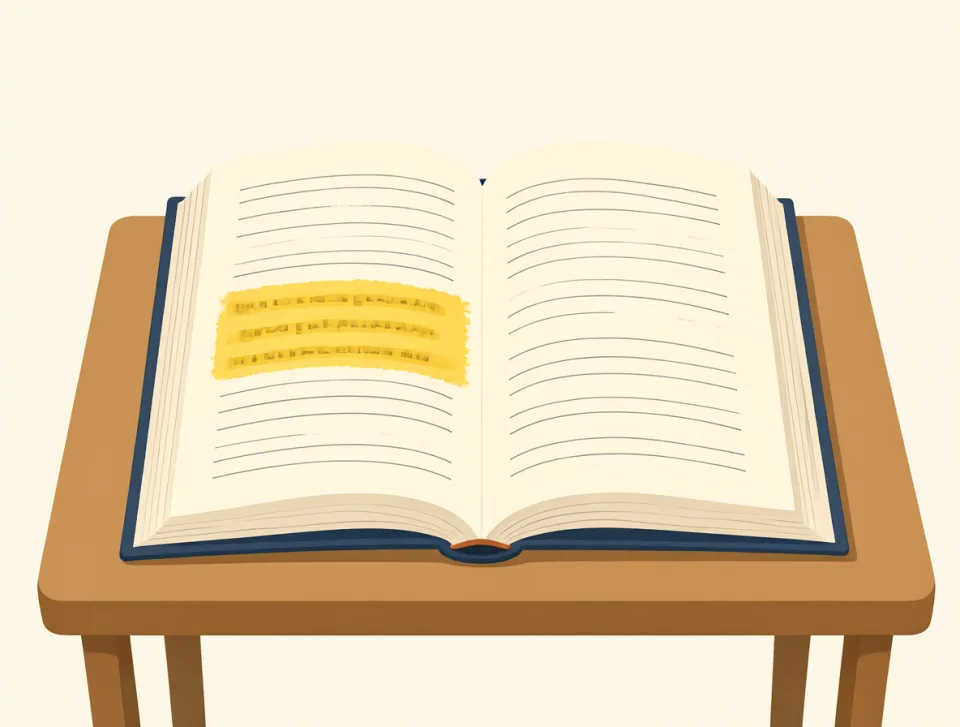
a short part of a book, speech, or piece of writing
بخش کوتاهی از یک کتاب، سخنرانی یا نوشته

Please read this passage and answer the questions below.
لطفاً این بخش را بخوانید و به پرسشهای زیر پاسخ دهید.

The guide told us about a narrow passage through the mountains.
راهنما دربارهٔ گذرگاه باریکی در میان کوهها برایمان گفت.
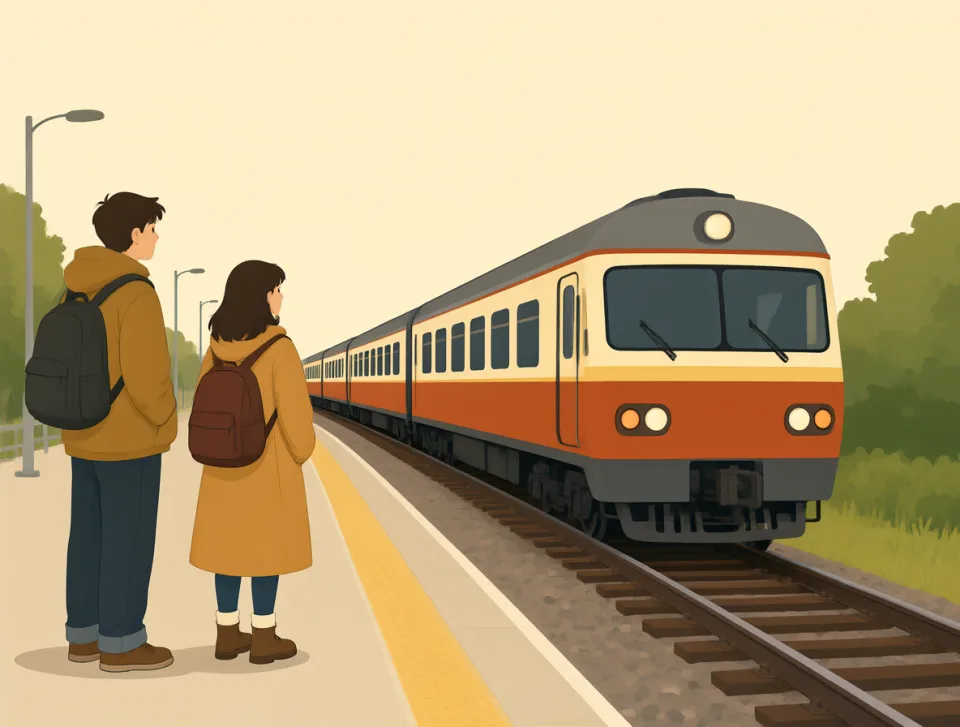
We had to wait for the passage of the train.
مجبور شدیم منتظر عبور قطار بمانیم.
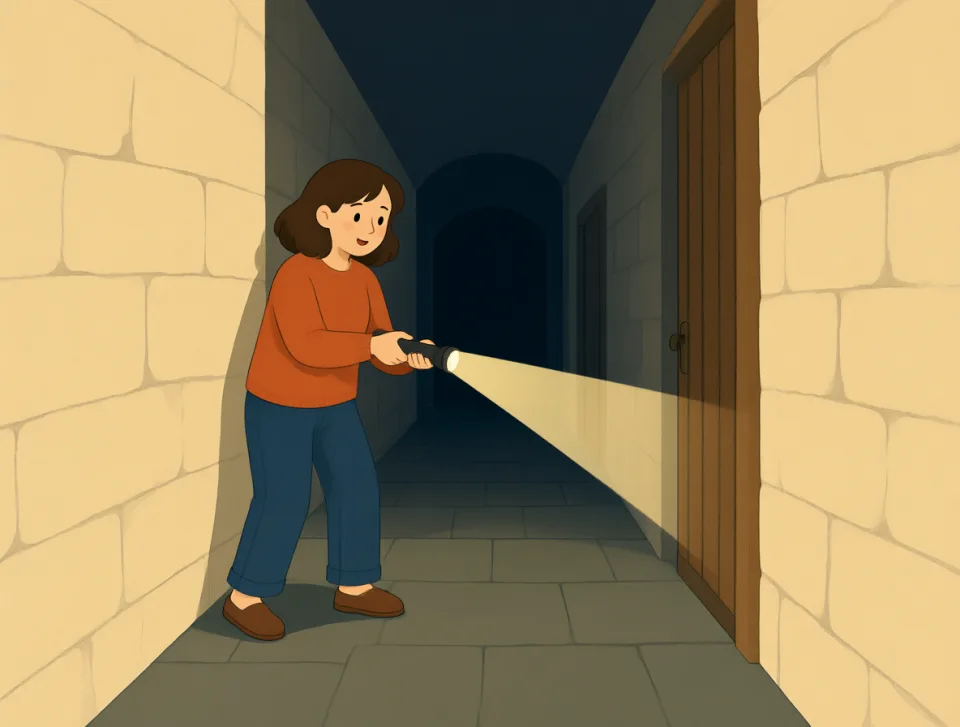
She looked through the passage before entering the old building.
پیش از ورود به ساختمان قدیمی، از داخل گذرگاه را نگاه کرد.

The doctor checked the passage in his patient's blocked nose.
دکتر گذرگاه بینیِ گرفتهٔ بیمار خود را معاینه کرد.

reputation
#1859noun
شهرت
What people generally think about someone or something based on past actions.
برداشت کلی مردم از یک شخص یا چیز بر اساس رفتارهای گذشته.
The restaurant has a good reputation for fresh food.
این رستوران بهخاطر غذای تازه شهرت خوبی دارد.

She built a strong reputation as a reliable worker.
او بهعنوان کارمندی قابلاعتماد، شهرت خوبی برای خودش دستوپا کرد.

The hotel’s reputation suffered after several guests complained.
پس از شکایت چند مهمان، شهرت هتل لطمه دید.

His reputation for kindness made new students feel welcome.
شهرت او به مهربانی باعث شد دانشآموزان تازهوارد احساس کنند به آنها خوشامد گفته میشود.

The doctor has an excellent reputation among local families.
این پزشک در میان خانوادههای محلی شهرت بسیار خوبی دارد.
forth
#1860adverb
بهپیش
Forward or onward; used in expressions such as “back and forth” and “and so forth.”
بهجلو یا در ادامه؛ در عبارتهایی مانند “back and forth” و “and so forth” به کار میرود.
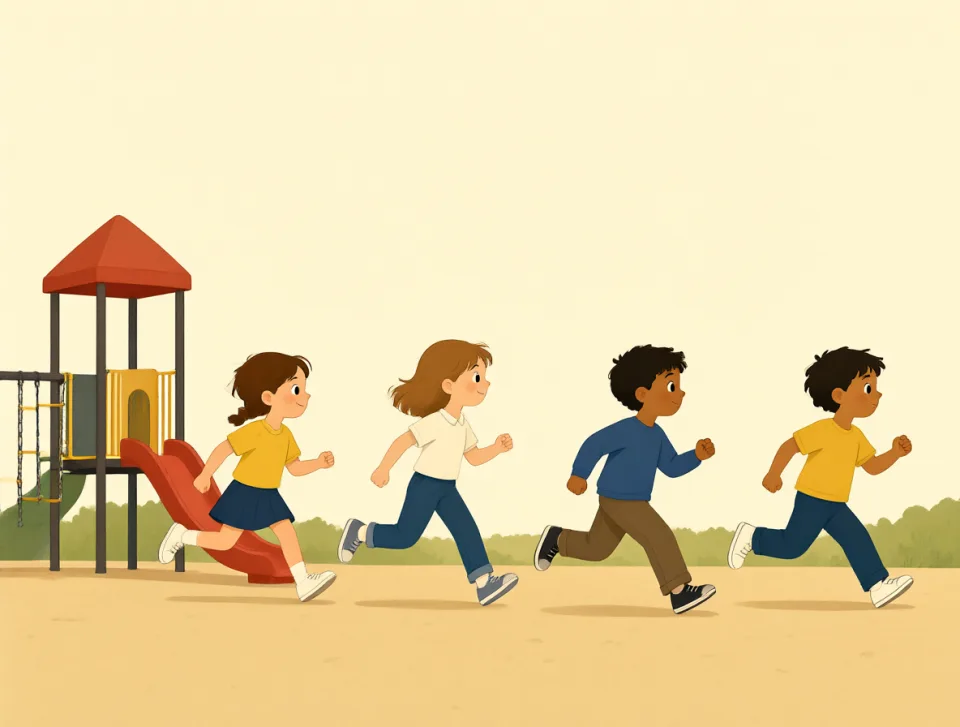
The children ran back and forth across the playground.
بچهها در زمین بازی اینطرف و آنطرف میدویدند.
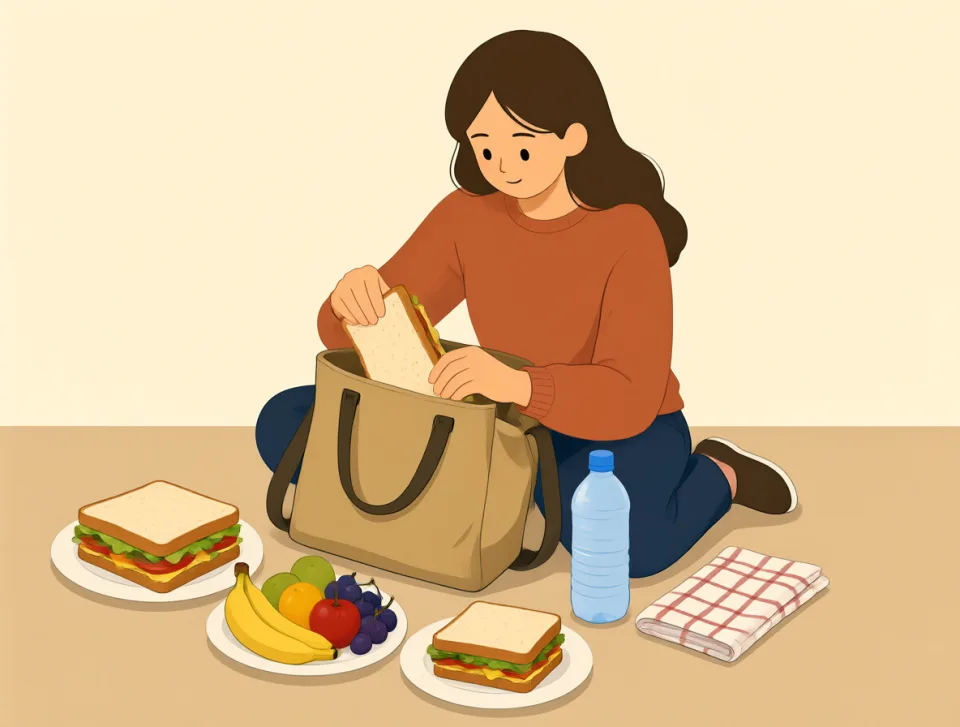
Please pack sandwiches, fruit, water, and so forth for our trip.
لطفاً برای سفرمان ساندویچ، میوه، آب و چیزهای دیگری از این دست بردارید.

The hikers set forth before sunrise to reach the village.
کوهنوردان پیش از طلوع آفتاب راه افتادند تا به روستا برسند.

She put forth great effort to finish the project on time.
او تلاش زیادی کرد تا پروژه را بهموقع تمام کند.
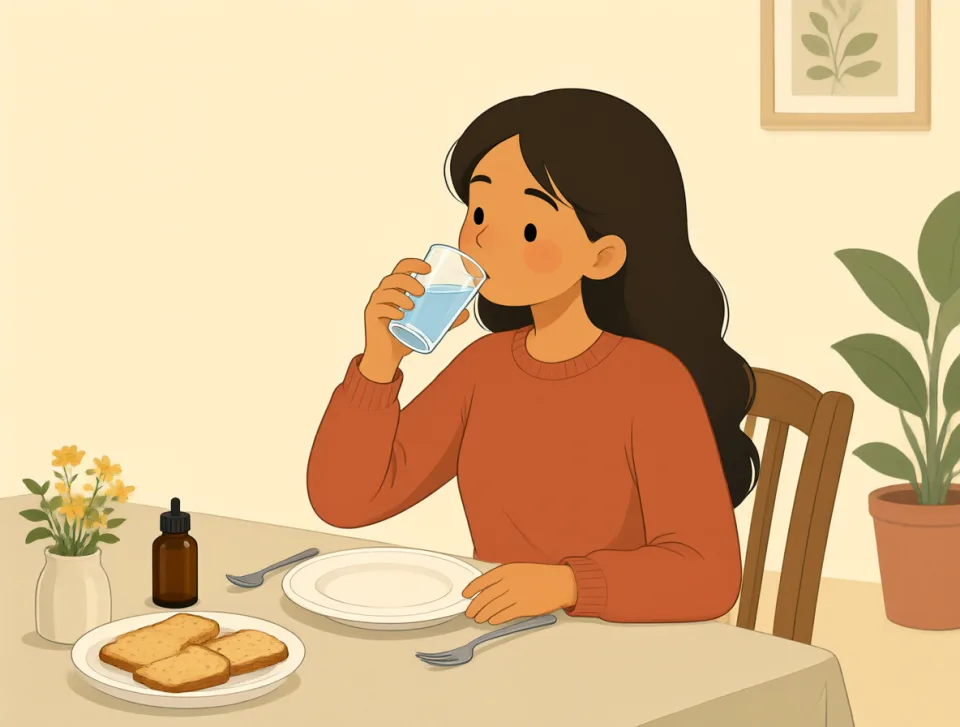
From this day forth, Maya will take her medicine after breakfast.
از امروز به بعد، مایا دارویش را بعد از صبحانه مصرف خواهد کرد.