بخش 88
واژههای 1741 تا 1760 · chart, attach, hell, everywhere, advise, household
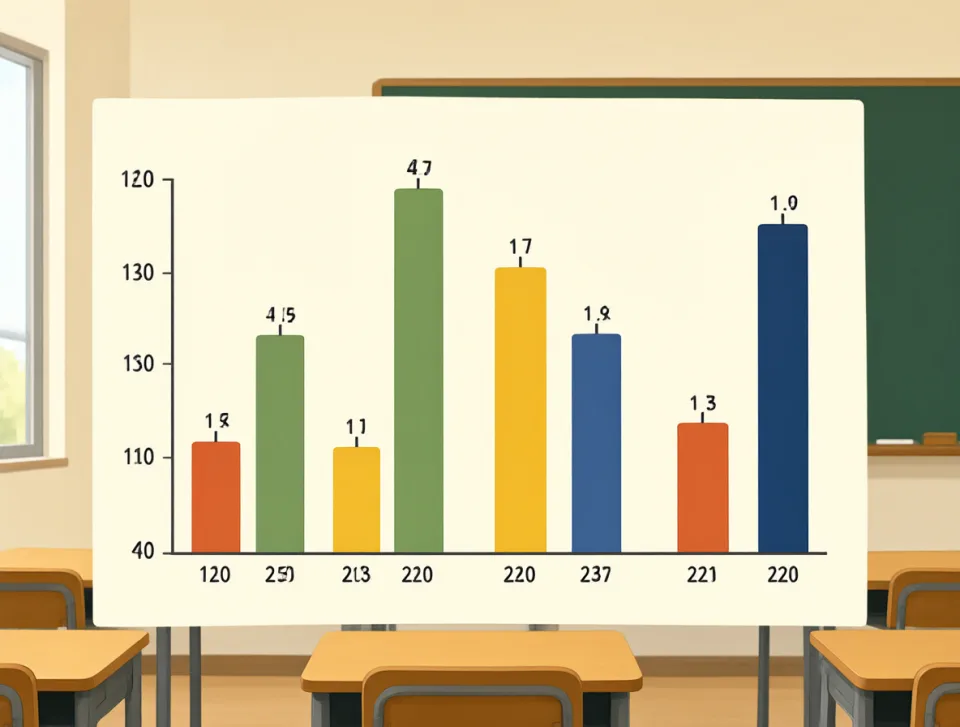
chart
#1741noun, verb
نمودار
A drawing that shows information, or to record information on a chart.
تصویری که اطلاعاتی را نشان میدهد، یا ثبت کردن اطلاعات روی یک نمودار.
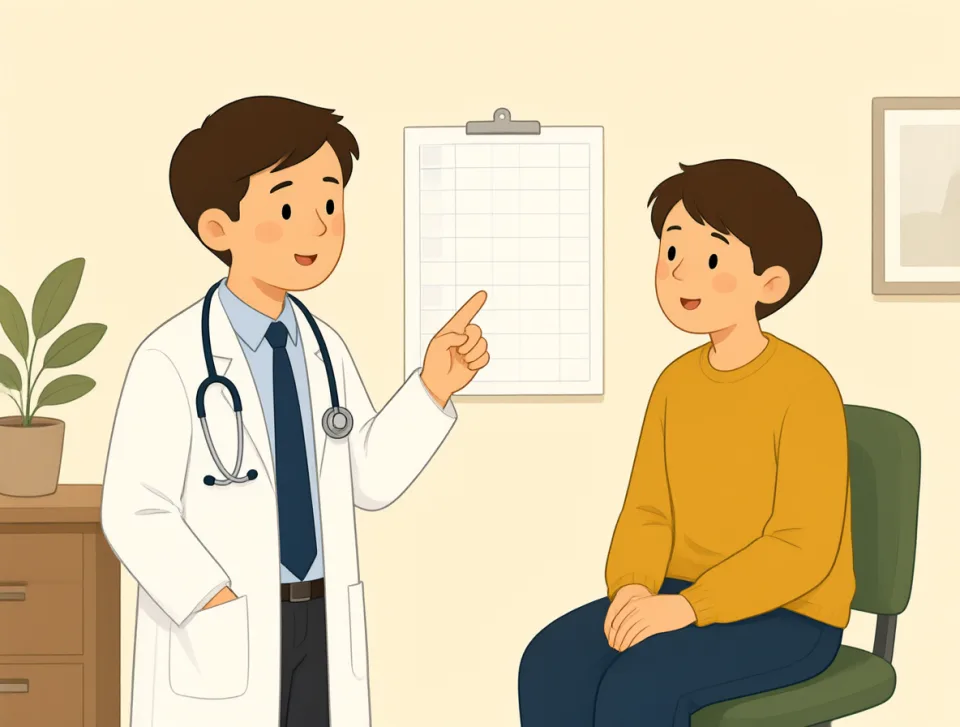
The doctor showed me a chart of my blood pressure.
دکتر نموداری از فشار خونم به من نشان داد.
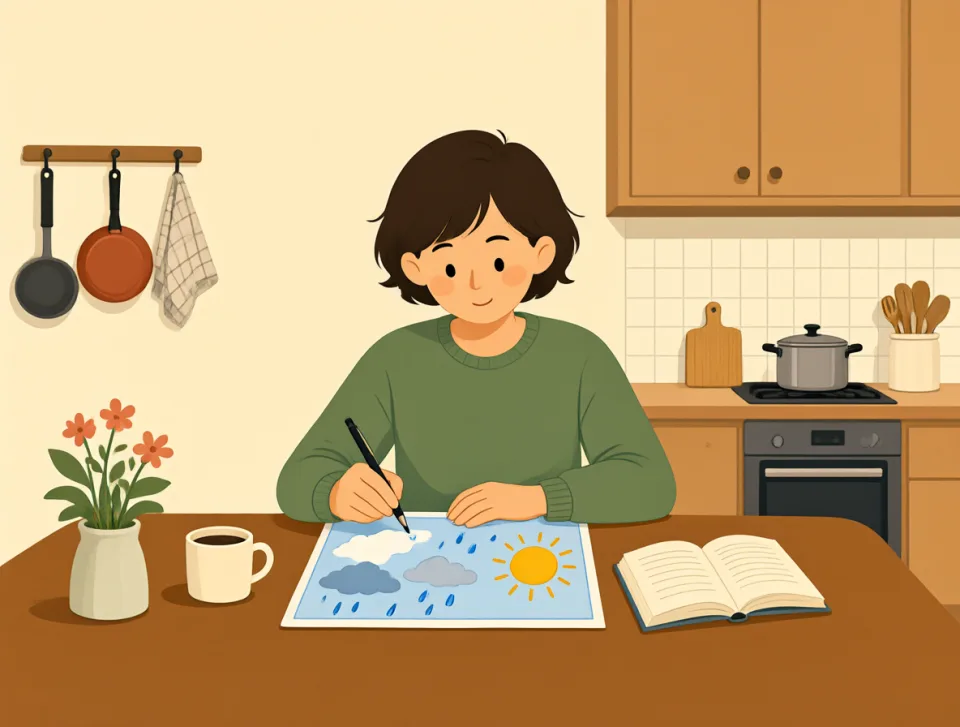
The weather chart predicts rain for most of the week.
نمودار هواشناسی برای بیشتر روزهای هفته باران پیشبینی میکند.
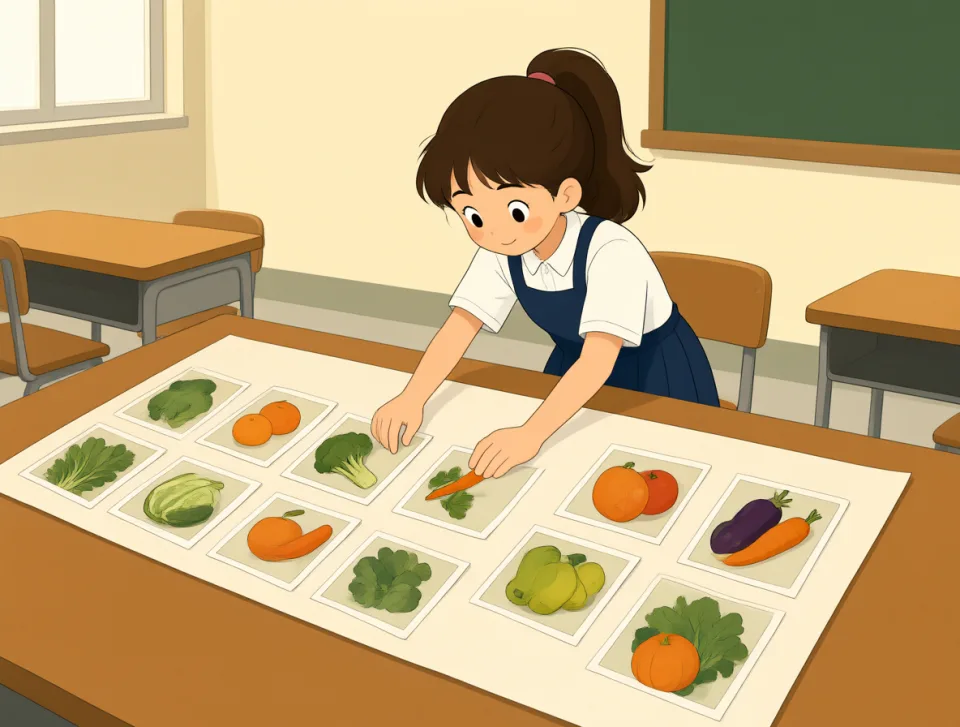
Our teacher asked us to make a chart about healthy foods.
معلممان از ما خواست دربارهٔ غذاهای سالم یک نمودار درست کنیم.

The song quickly climbed the charts after its release.
این آهنگ پس از انتشارش خیلی زود در جدولهای موسیقی بالا رفت.
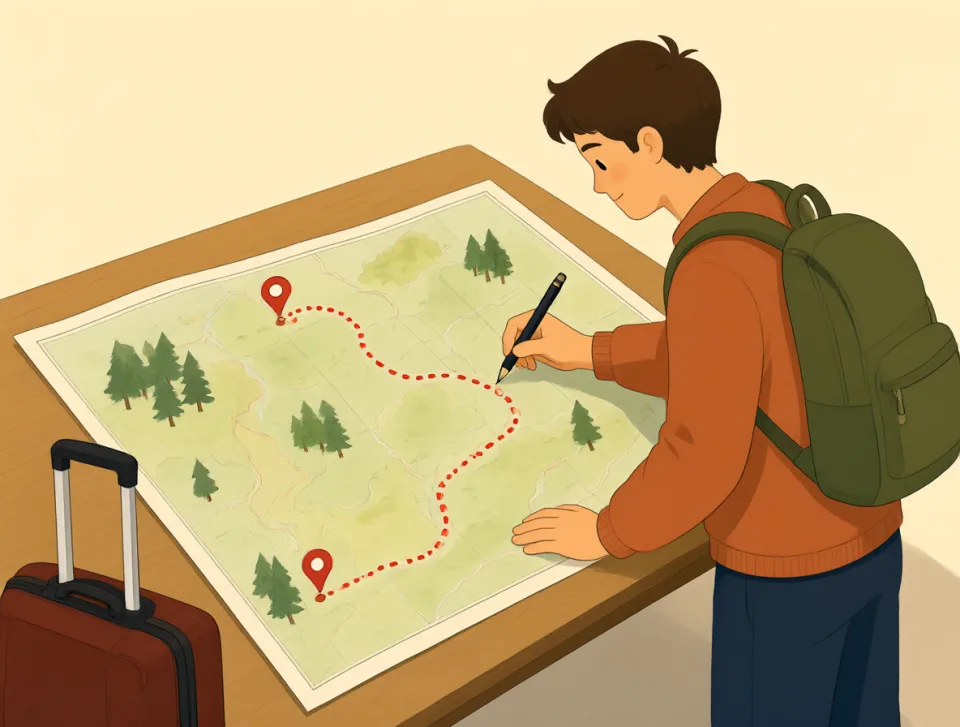
She charted our journey on a map before we left.
او پیش از حرکت، مسیر سفرمان را روی نقشه مشخص کرد.
attach
#1742verb
وصل کردن
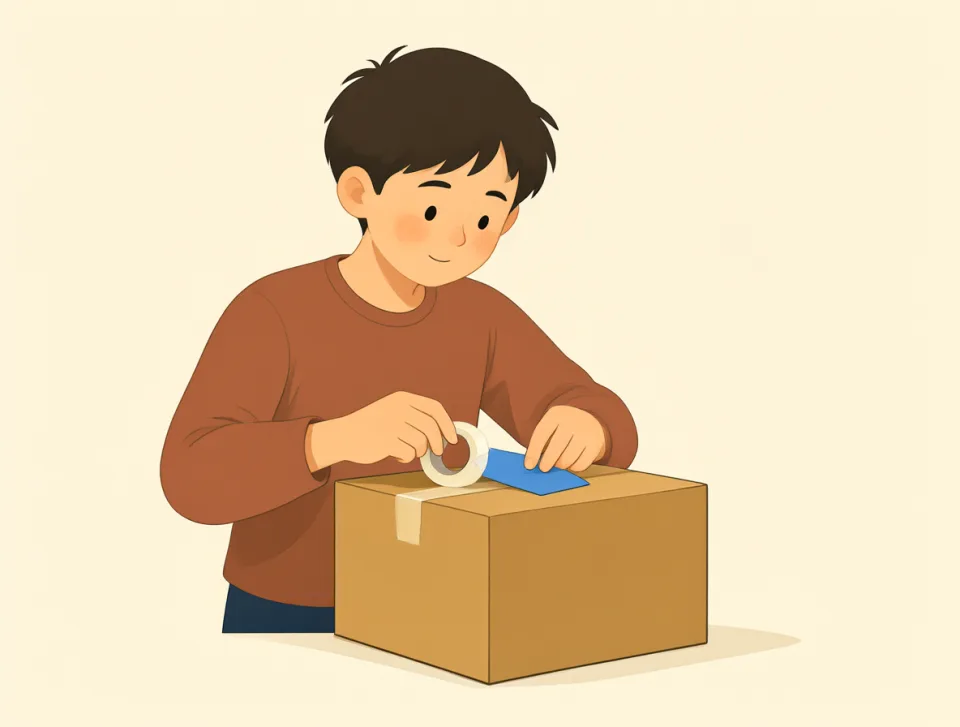
to join one thing to another, or fasten something so it stays in place
یک چیز را به چیز دیگری وصل کردن یا چیزی را طوری محکم کردن که در جای خود بماند.

Please attach the file to your email before sending it.
لطفاً قبل از فرستادن ایمیل، فایل را به آن پیوست کنید.
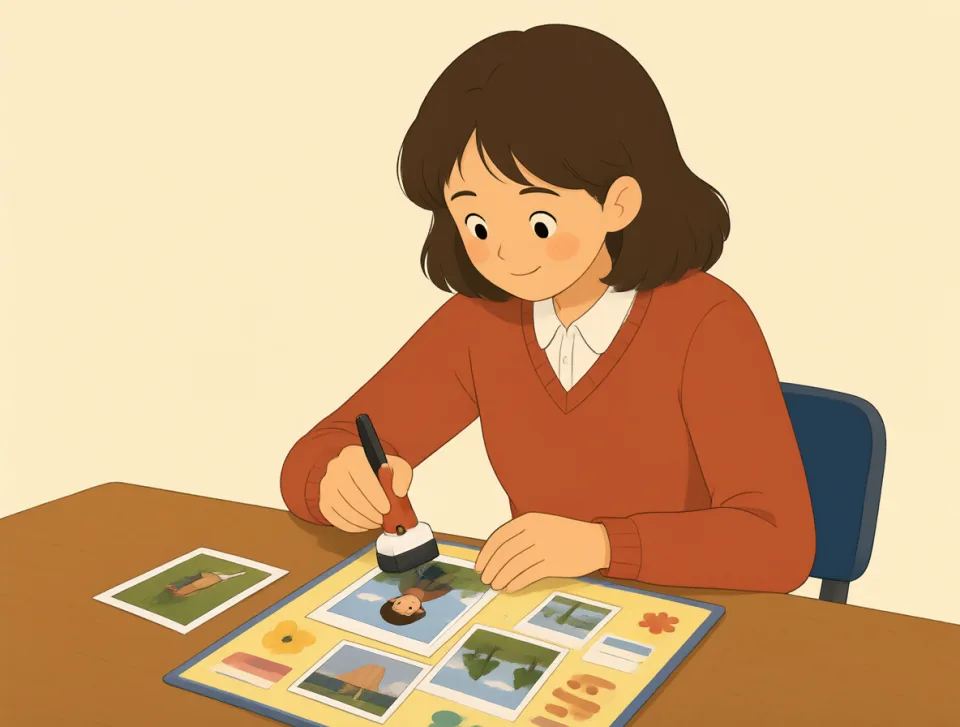
She attached a photo to her school project.
او یک عکس به پروژهٔ مدرسهاش پیوست کرد.
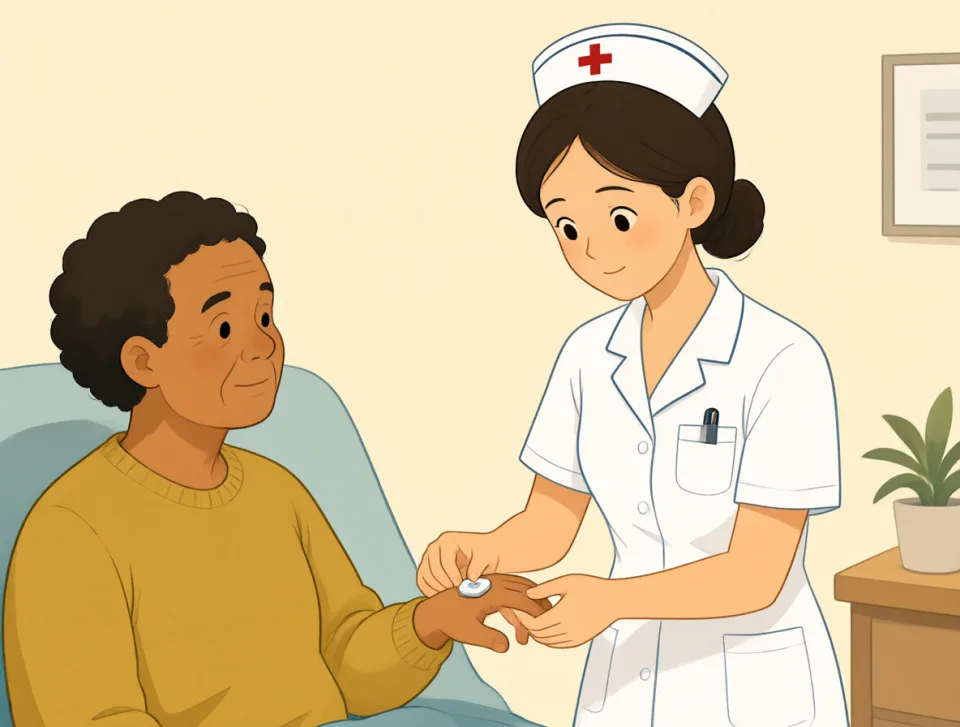
The nurse attached a small sensor to his finger.
پرستار یک حسگر کوچک به انگشت او وصل کرد.

We attached the price tag to the new jacket.
ما برچسب قیمت را به کت جدید وصل کردیم.
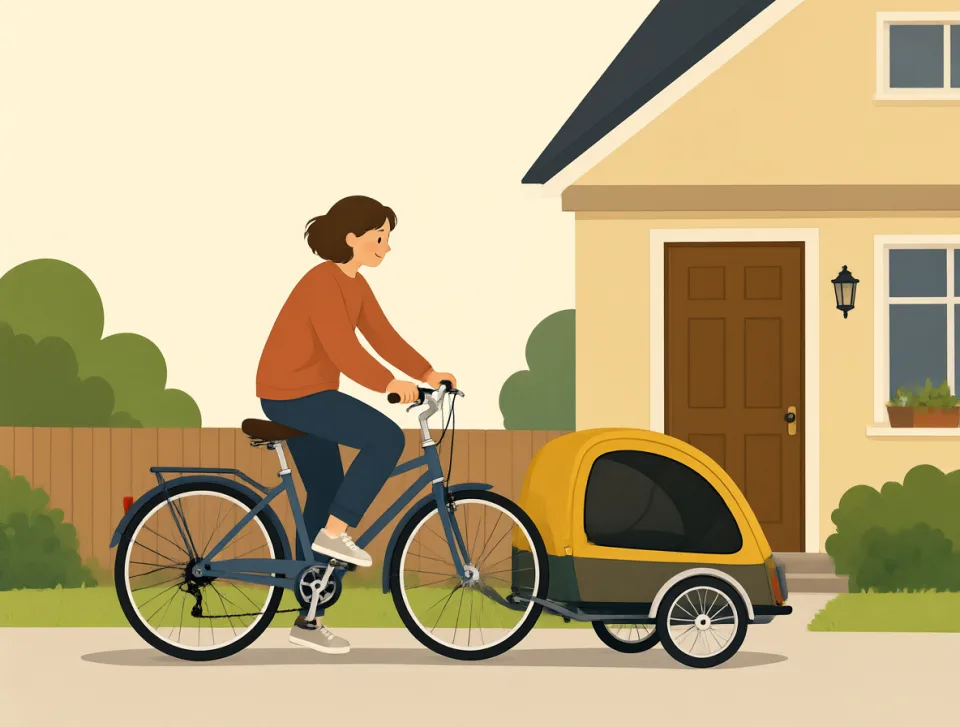
He attached the bicycle trailer before riding to the park.
او پیش از دوچرخهسواری تا پارک، یدک دوچرخه را وصل کرد.
hell
#1743noun, interjection
جهنم
a place believed to be where bad people suffer after death; also used to show anger or surprise
مکانی که باور بر این است افراد بد پس از مرگ در آن عذاب میکشند؛ همچنین برای نشان دادن خشم یا تعجب به کار میرود.
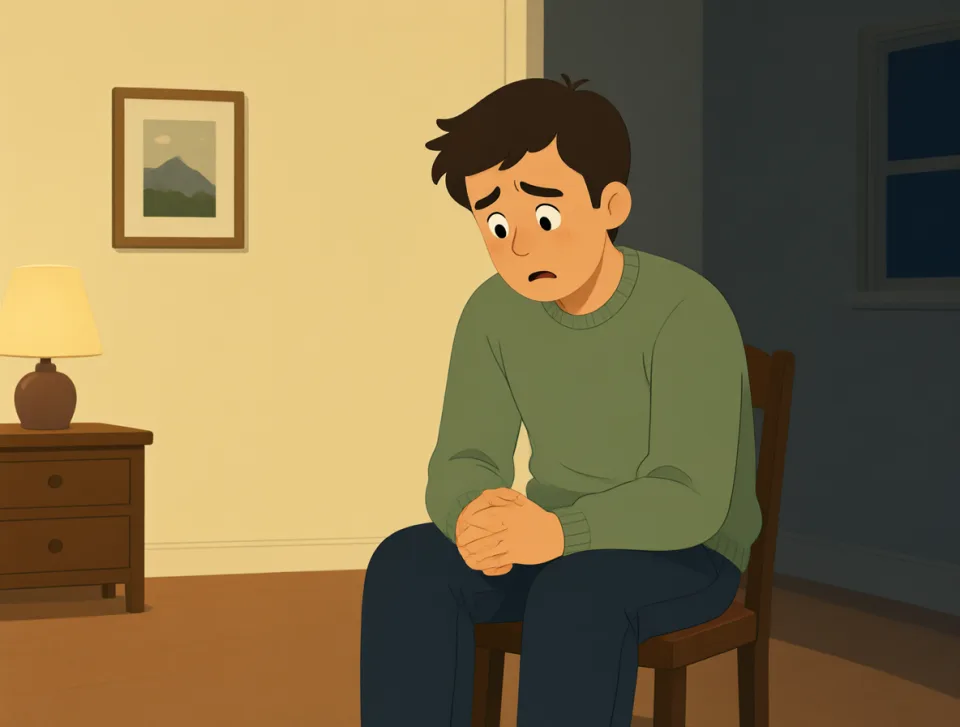
He thought he would go to hell for his terrible actions.
فکر میکرد به خاطر کارهای وحشتناکش به جهنم میرود.

What the hell are you doing in my room?
اصلاً در اتاق من چه کار میکنی؟
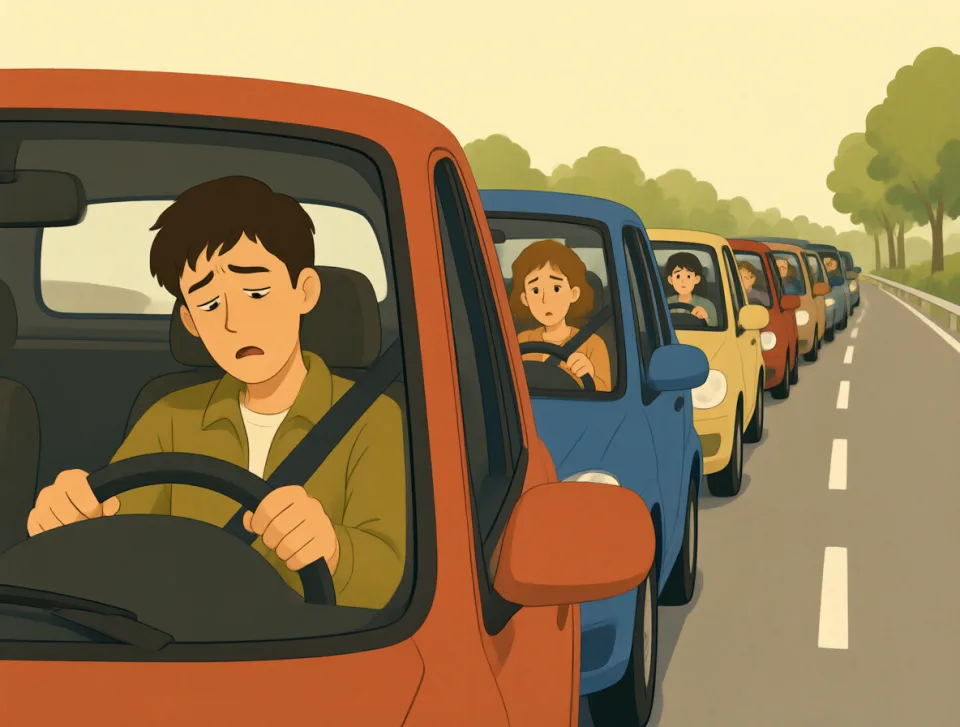
This traffic is driving me to hell today.
این ترافیک امروز دارد دیوانهام میکند.

The hikers walked through hell during the hot desert journey.
کوهنوردان در طول سفر داغشان از میان بیابان، جهنم واقعی را پشت سر گذاشتند.
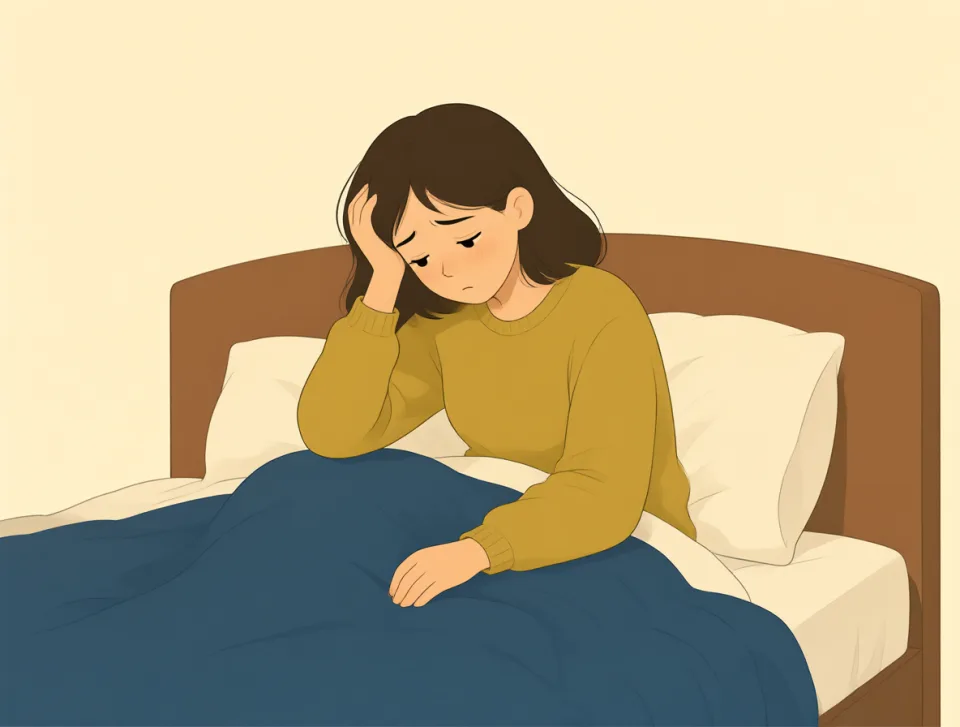
She felt like hell after staying awake all night.
بعد از تمام شب بیدار ماندن، حالش مثل مردهها بود.

everywhere
#1744adverb
همهجا
in or to every place
در هر مکان یا به هر مکان.
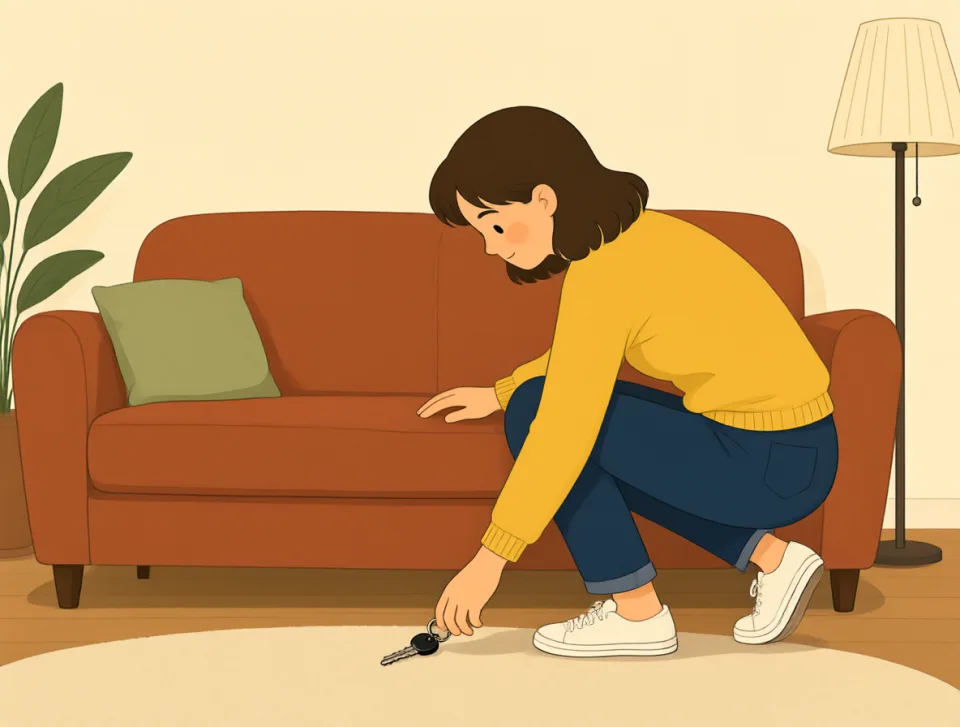
I looked everywhere for my missing keys this morning.
امروز صبح همهجا دنبال کلیدهای گمشدهام گشتم.

You can find small cafés everywhere in this city.
در این شهر همهجا میتوانی کافههای کوچک پیدا کنی.
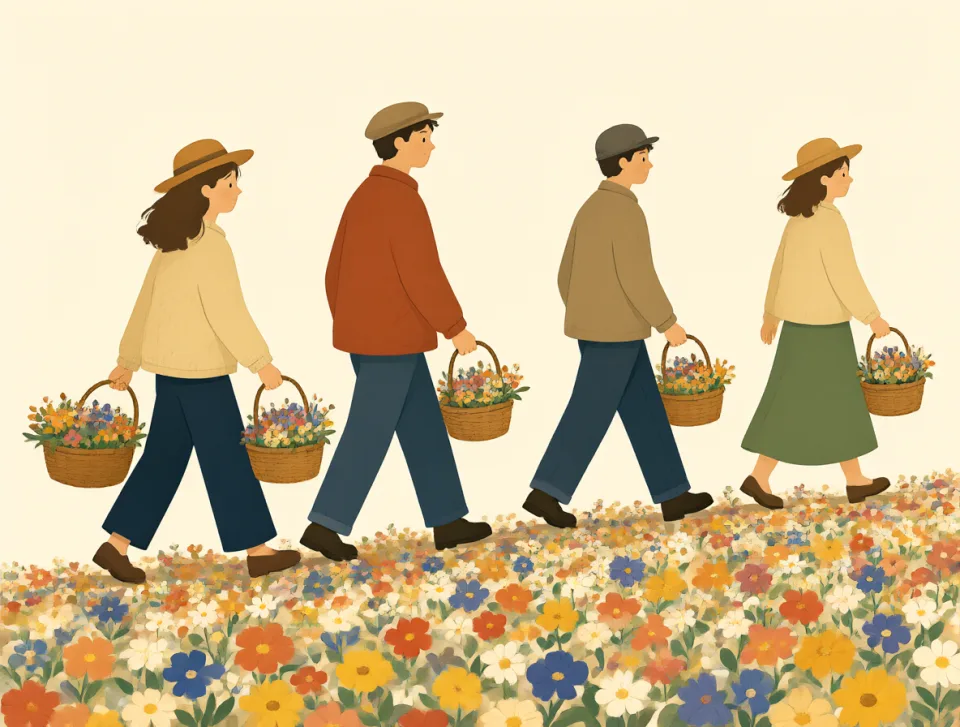
There were flowers everywhere at the spring festival.
در جشنوارهٔ بهاری همهجا پر از گل بود.
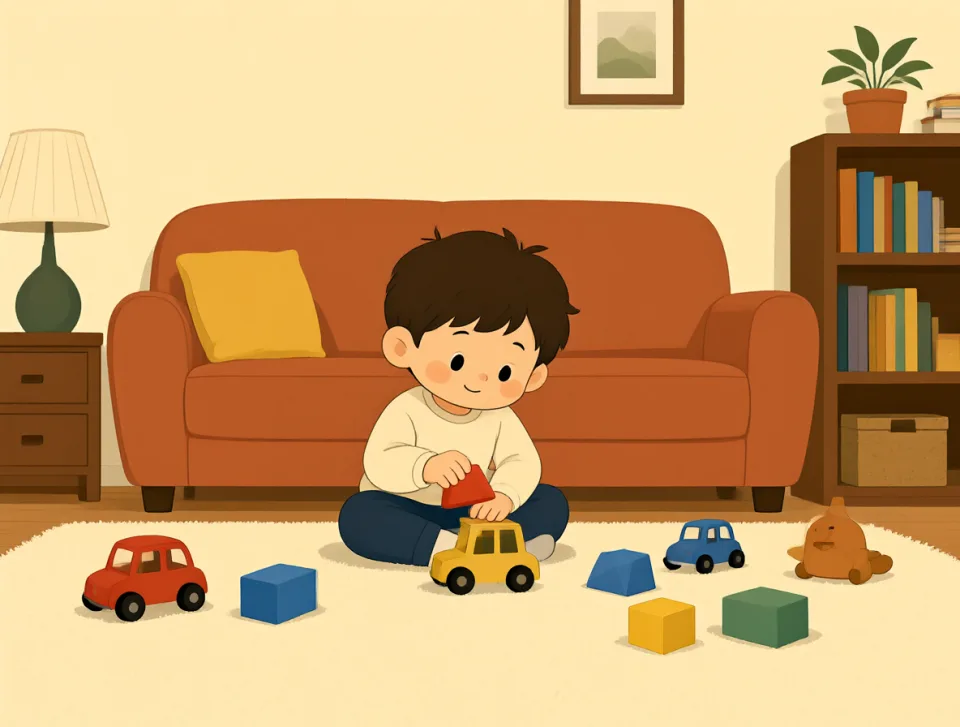
My little brother leaves his toys everywhere in the house.
برادر کوچکم اسباببازیهایش را همهجای خانه میریزد.

After the storm, fallen branches were lying everywhere.
بعد از طوفان، شاخههای افتاده همهجا روی زمین پخش بودند.

advise
#1745verb
توصیه کردن
to tell someone what you think they should do
به کسی گفتن که به نظر شما باید چه کاری انجام دهد.
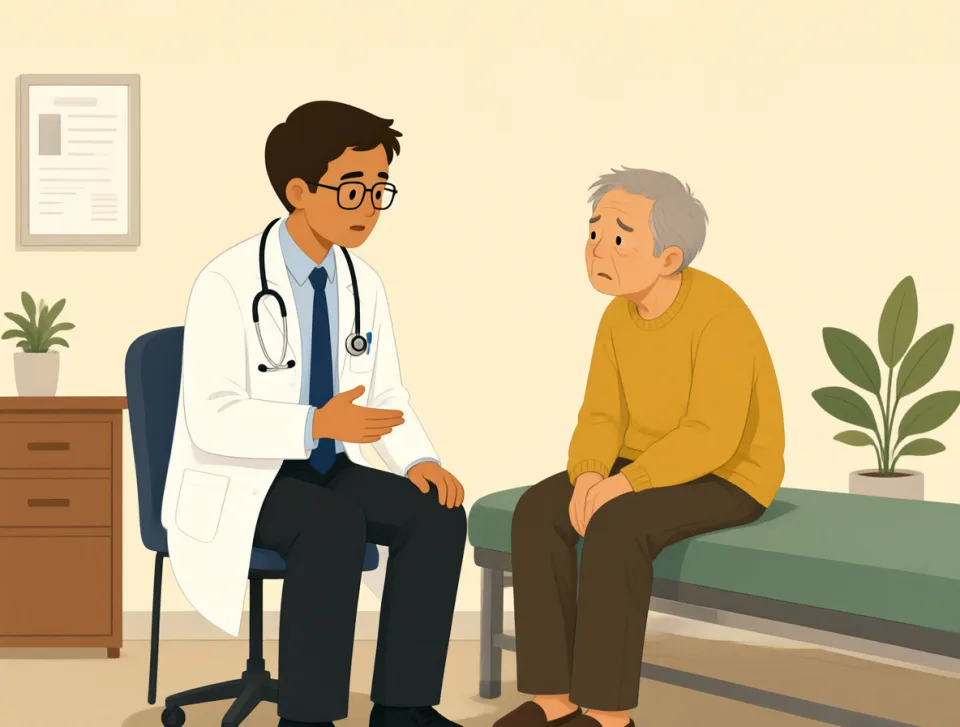
My doctor advised me to get more sleep.
دکترم توصیه کرد بیشتر بخوابم.

I advise you to book your hotel early.
توصیه میکنم هتلت را زود رزرو کنی.
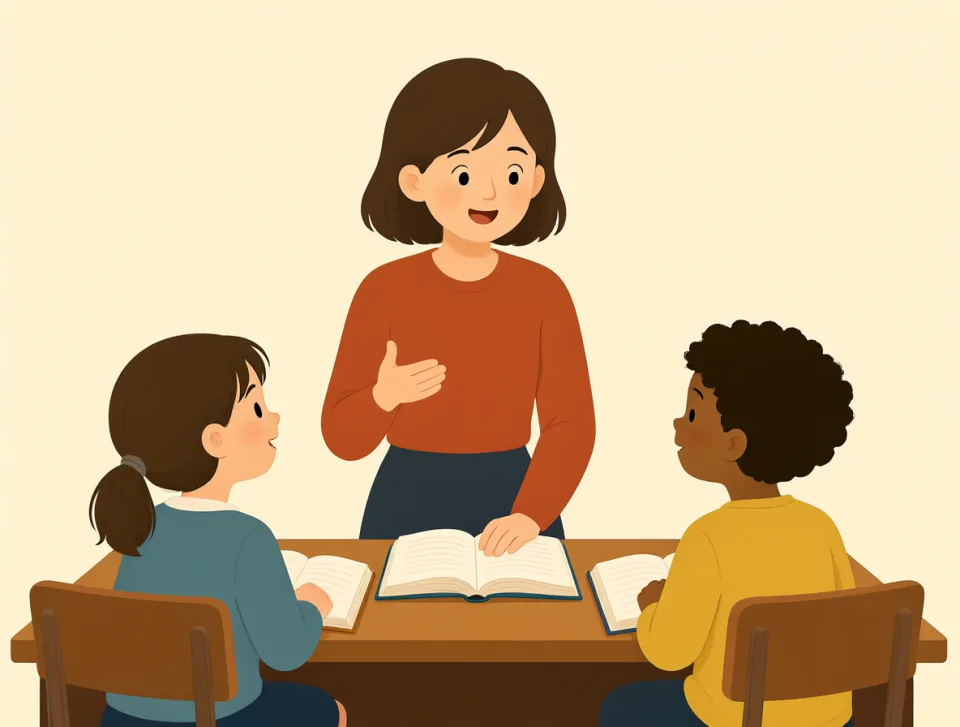
The teacher advised us to study for the test.
معلم به ما توصیه کرد برای آزمون درس بخوانیم.

Can you advise me on which jacket to buy?
میتوانی دربارهٔ اینکه کدام کت را بخرم به من advice بدهی؟
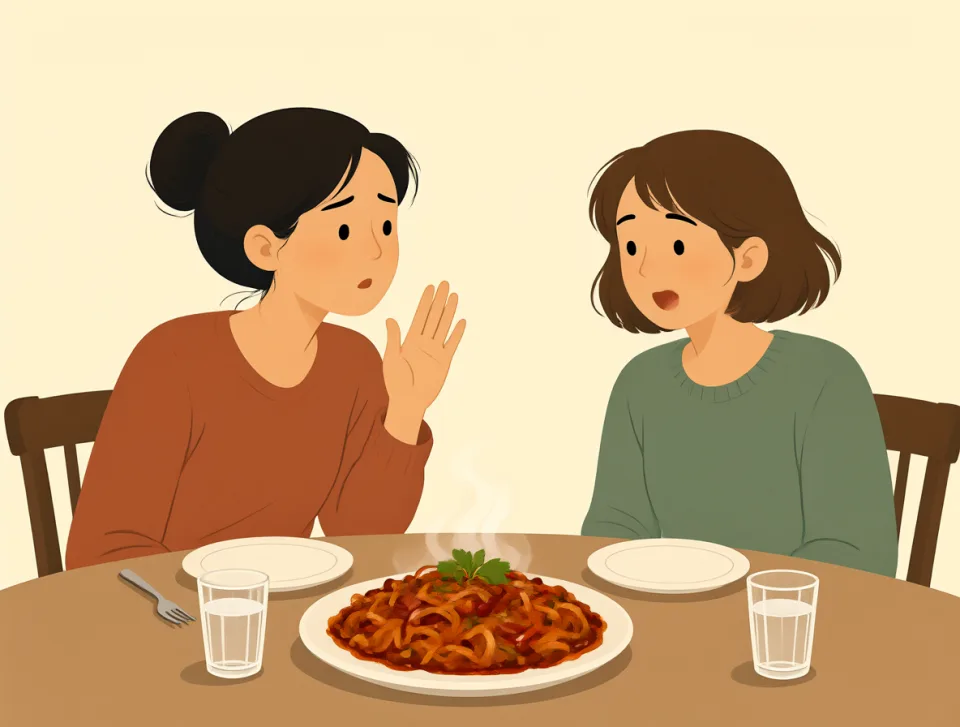
She advised against eating too much spicy food.
او توصیه کرد غذای خیلی تند نخوریم.

household
#1746noun, adjective
خانوار
A home and the people who live together in it.
خانه و افرادی که با هم در آن زندگی میکنند.
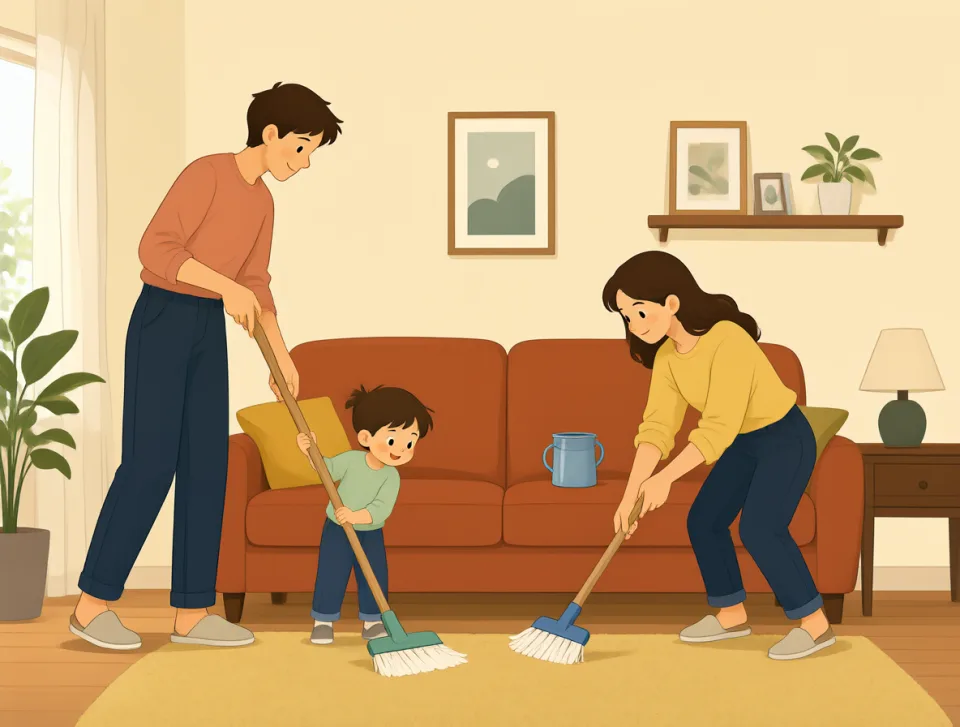
Everyone in our household helps clean the house on Saturday.
همهٔ اعضای خانوار ما شنبهها در تمیزکردن خانه کمک میکنند.
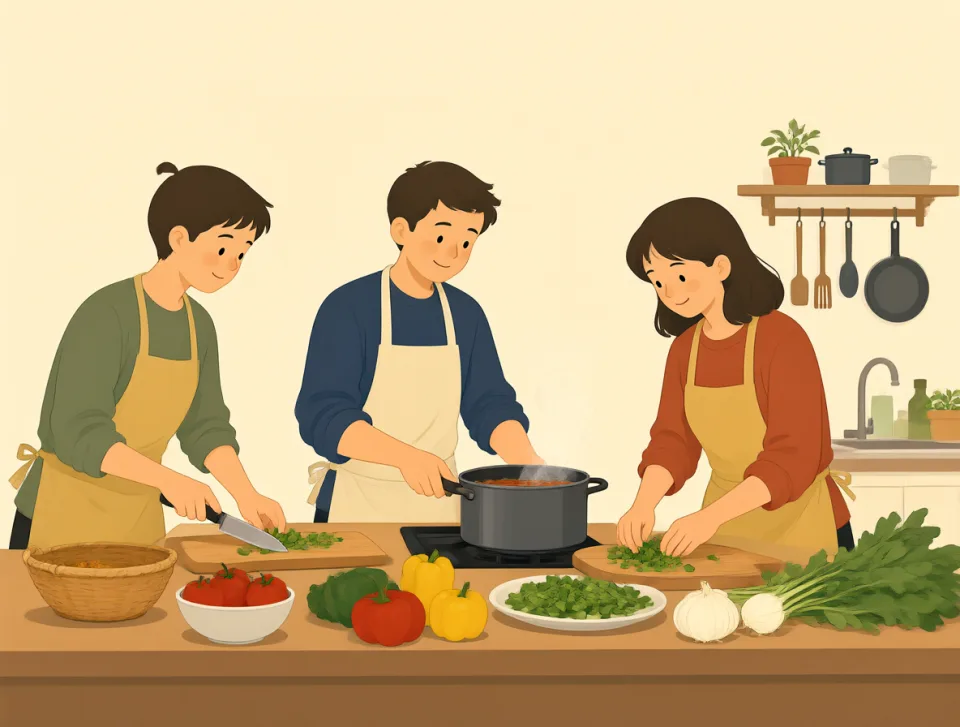
Our household spends less money when we cook at home.
وقتی در خانه غذا میپزیم، خانوار ما پول کمتری خرج میکند.

The store sells household goods like towels, plates, and lamps.
این فروشگاه لوازم خانه مثل حوله، بشقاب و چراغ میفروشد.
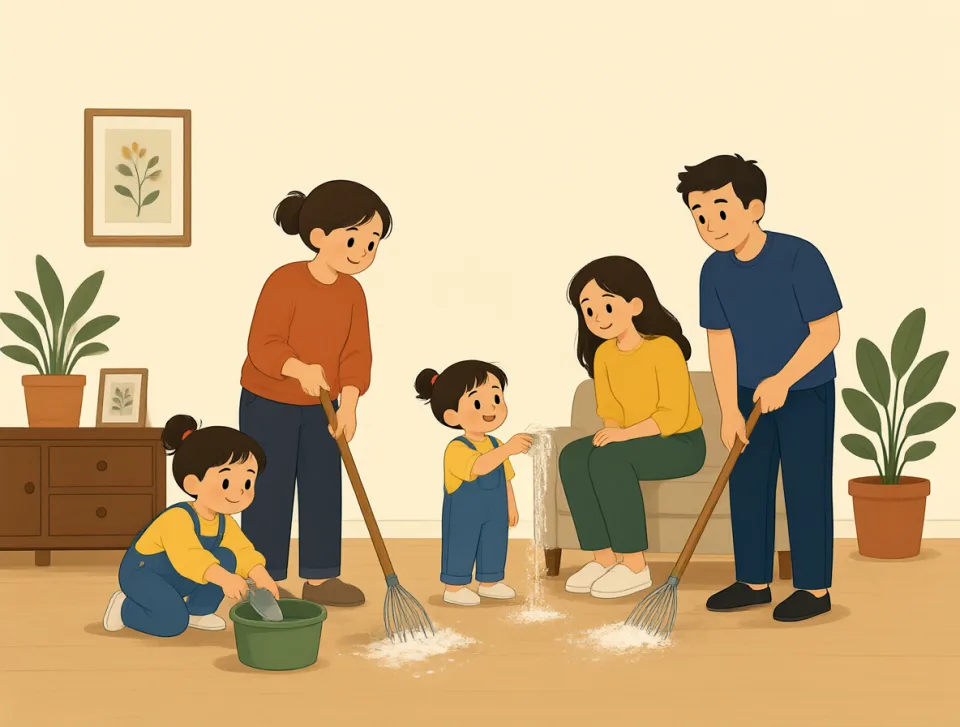
Household chores can be easier when everyone shares them.
وقتی همه در کارها سهیم باشند، انجام کارهای خانه آسانتر میشود.

The doctor asked about household members with similar health problems.
پزشک دربارهٔ اعضای خانواده که مشکلات سلامتی مشابهی داشتند پرسید.

acknowledge
#1747verb
پذیرفتن
to accept or show that something is true, important, or real
پذیرفتن یا نشاندادن اینکه چیزی درست، مهم یا واقعی است.

She smiled to acknowledge her neighbor across the street.
او برای سلامدادن به همسایهاش در آن سوی خیابان لبخند زد.

The manager acknowledged my hard work during the meeting.
مدیر در جلسه زحماتم را به رسمیت شناخت.

Please acknowledge that you received the package.
لطفاً دریافت بسته را تأیید کنید.

He finally acknowledged that he had made a mistake.
او بالاخره پذیرفت که اشتباه کرده است.
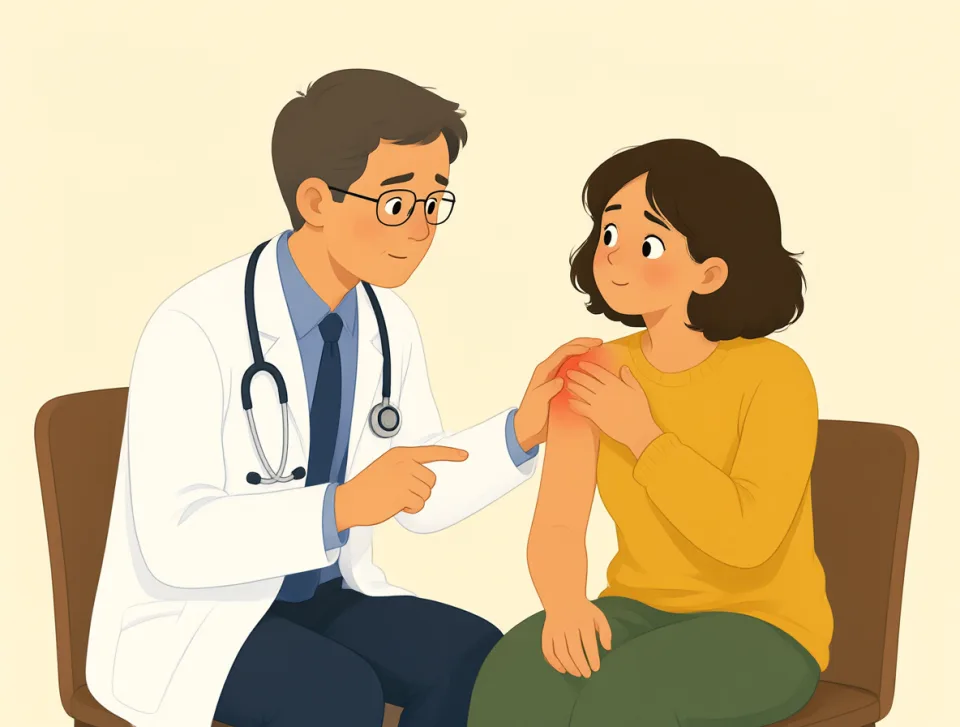
The doctor acknowledged her pain and offered helpful treatment.
پزشک درد او را جدی گرفت و درمان مفیدی پیشنهاد کرد.
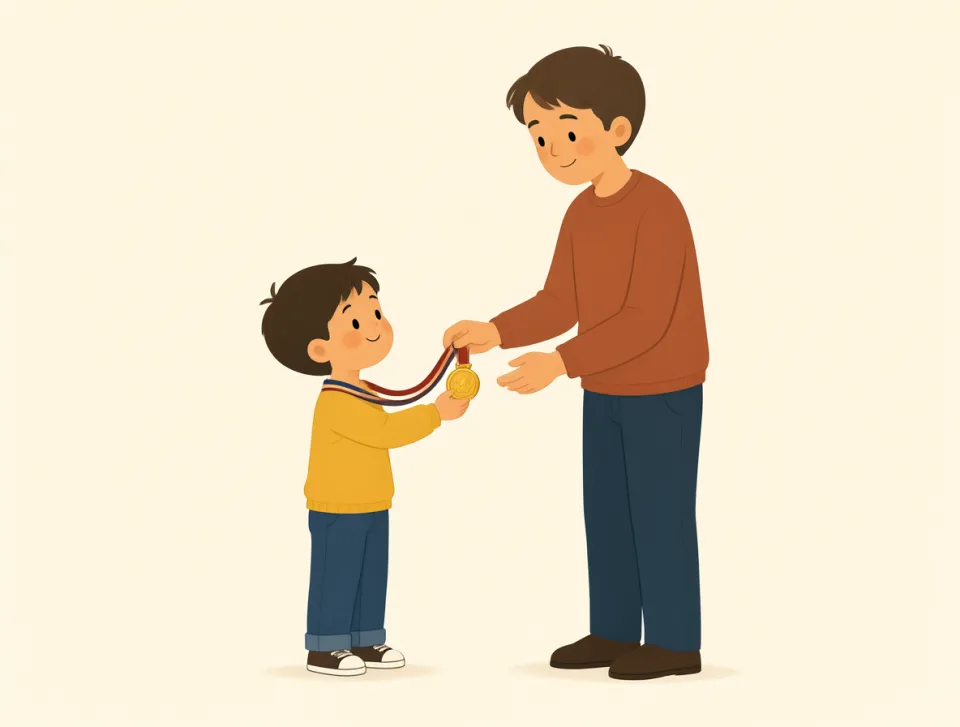
reward
#1748noun, verb
پاداش
Something given for good work or behavior, or to give someone this.
چیزی که بهخاطر کار یا رفتار خوب به کسی داده میشود، یا دادن چنین چیزی به او.

The winner received a reward for finishing the race first.
برنده برای اینکه زودتر از همه مسابقه را تمام کرد، پاداش گرفت.

I bought myself a small reward after completing my difficult project.
بعد از تمامکردن پروژهٔ دشوارم، برای خودم یک پاداش کوچک خریدم.
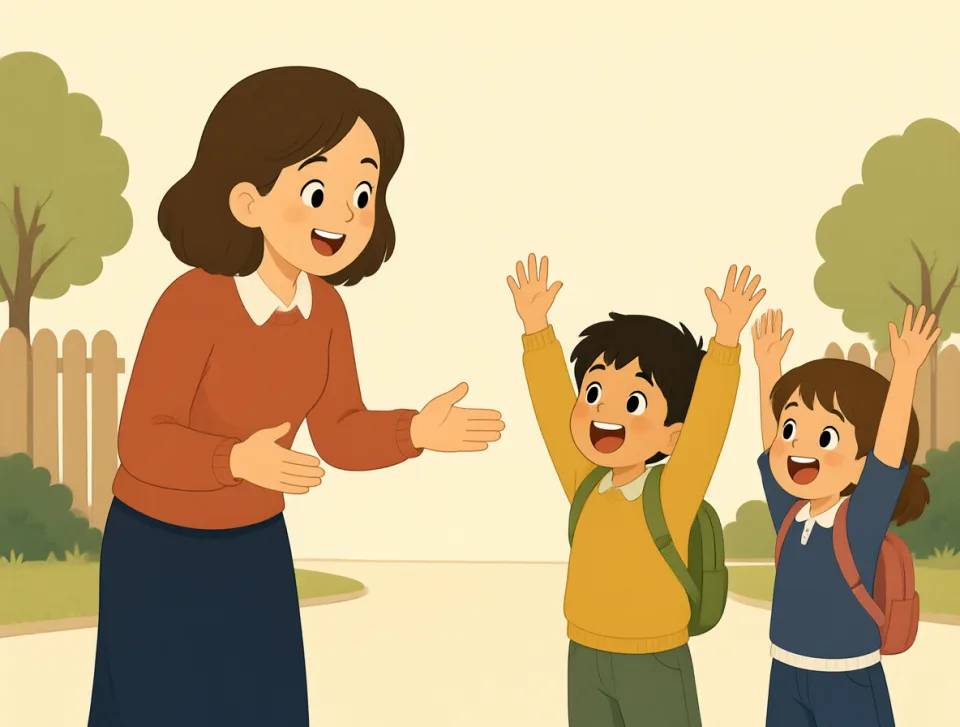
The teacher rewarded the students with extra playtime.
معلم در ازای آن، زمان بازی بیشتری به دانشآموزان داد.
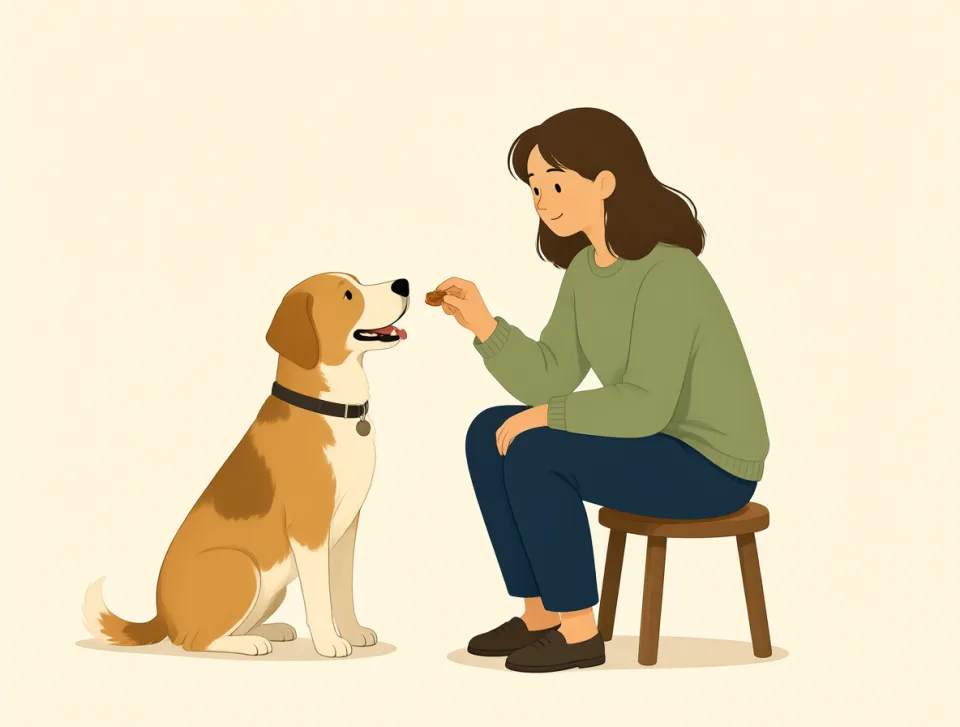
Our dog gets a reward whenever he follows a command.
سگ ما هر وقت از دستوری پیروی کند، پاداش میگیرد.

The company rewards loyal customers with special discounts.
این شرکت با تخفیفهای ویژه به مشتریان وفادارش پاداش میدهد.
east
#1749noun, adjective, adverb, preposition
شرق
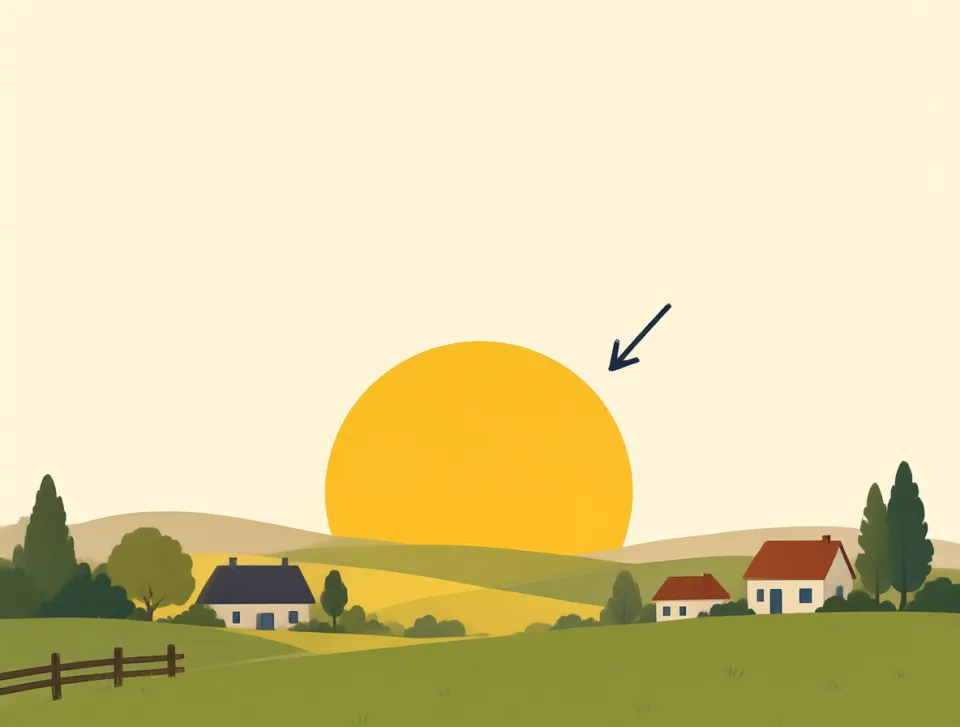
the direction where the sun rises, or the eastern part of a place
جهتی که خورشید از آن طلوع میکند، یا بخش شرقی یک مکان.

The sun rises in the east every morning.
خورشید هر روز صبح از شرق طلوع میکند.

Our hotel is on the east side of town.
هتل ما در بخش شرقی شهر است.

We drove east for two hours to reach the coast.
برای رسیدن به ساحل، دو ساعت بهسمت شرق رانندگی کردیم.
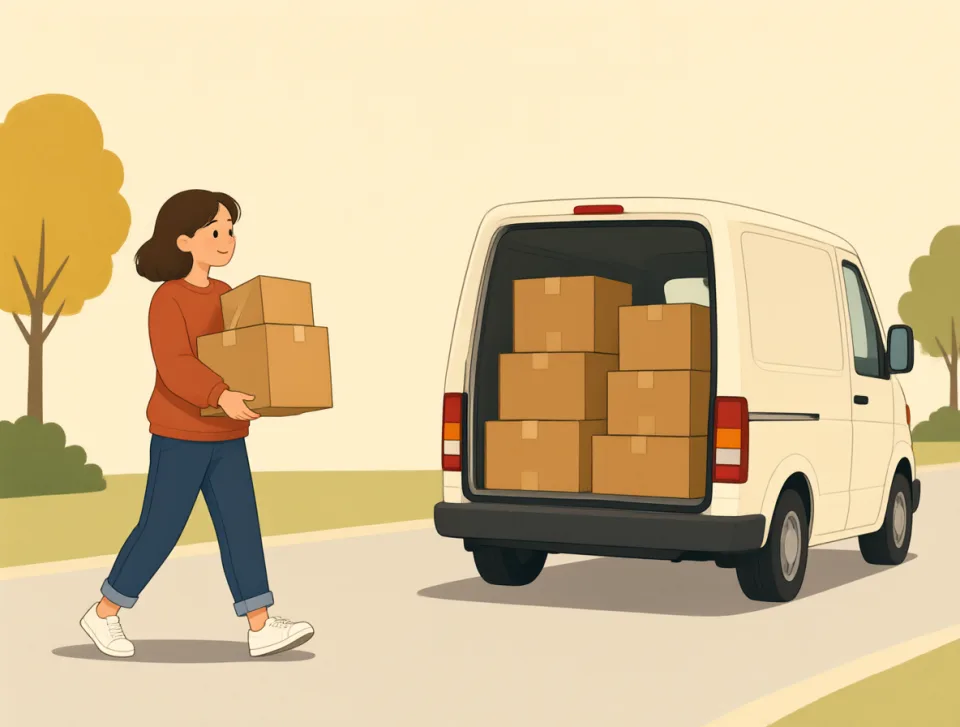
She moved east after finding a new job.
او بعد از پیدا کردن شغل جدیدی به شرق نقلمکان کرد.
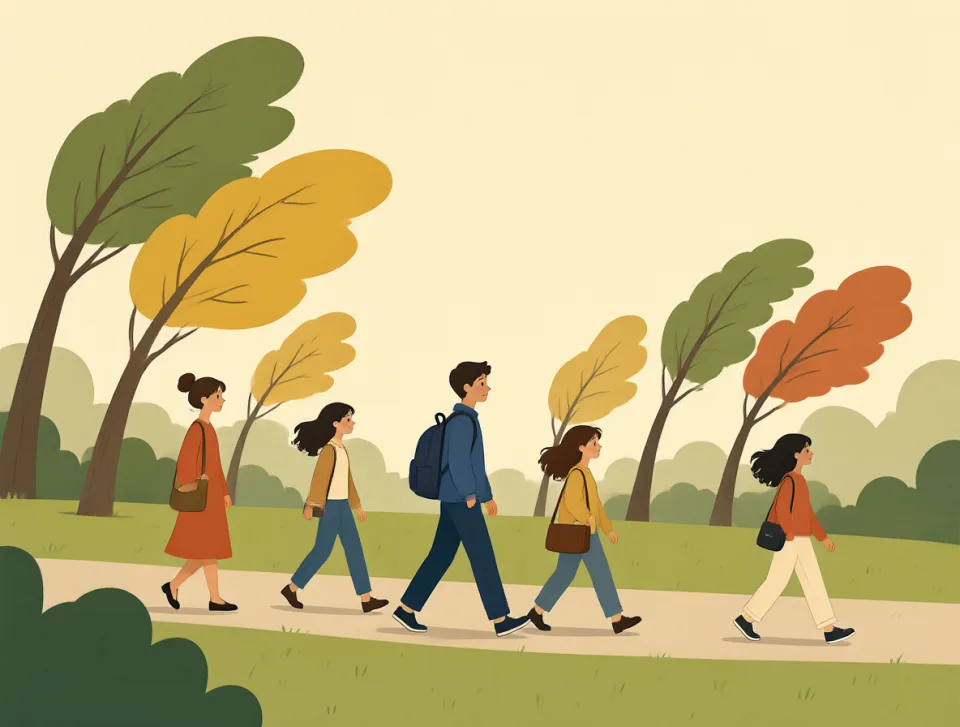
The wind is coming from the east today.
امروز باد از شرق میوزد.

hat
#1750noun
کلاه
A covering worn on the head, often for warmth, protection, or style.
پوششی که روی سر گذاشته میشود، معمولاً برای گرمماندن، محافظت یا زیبایی.

He put on his hat before going outside.
قبل از بیرونرفتن کلاهش را سر گذاشت.

She bought a new hat for the sunny beach.
او برای ساحل آفتابی یک کلاه تازه خرید.
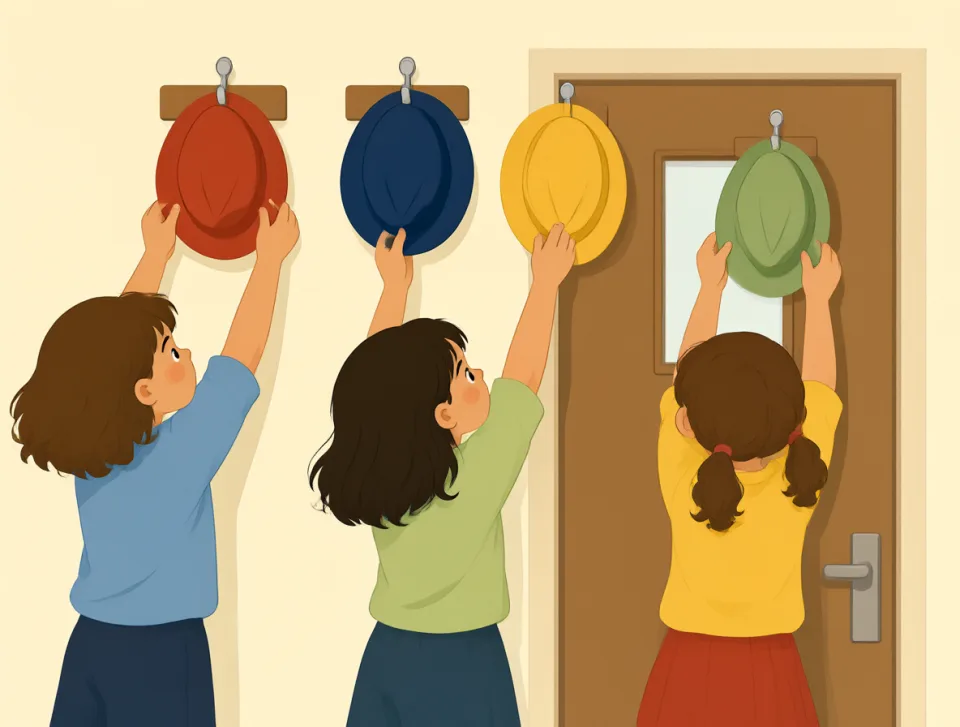
The children hung their hats beside the classroom door.
بچهها کلاههایشان را کنار درِ کلاس آویزان کردند.

Please take your hat off during the meeting.
لطفاً هنگام جلسه کلاهتان را بردارید.
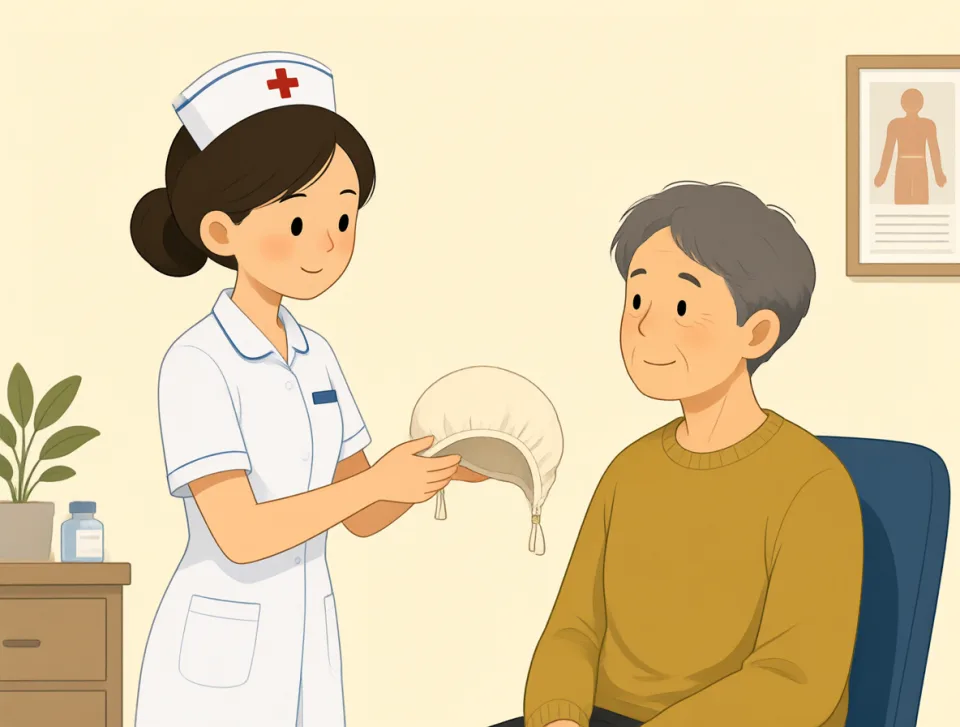
The nurse gave him a hat to protect his head.
پرستار کلاهی به او داد تا از سرش محافظت کند.

academic
#1751adjective
آکادمیک؛ آموزشی
Connected with education, especially studying and teaching at a school or university.
مرتبط با آموزش، بهویژه تحصیل و تدریس در مدرسه یا دانشگاه.

She received an academic award for her excellent school results.
او بهخاطر نتایج درخشانش در مدرسه، جایزهای تحصیلی دریافت کرد.
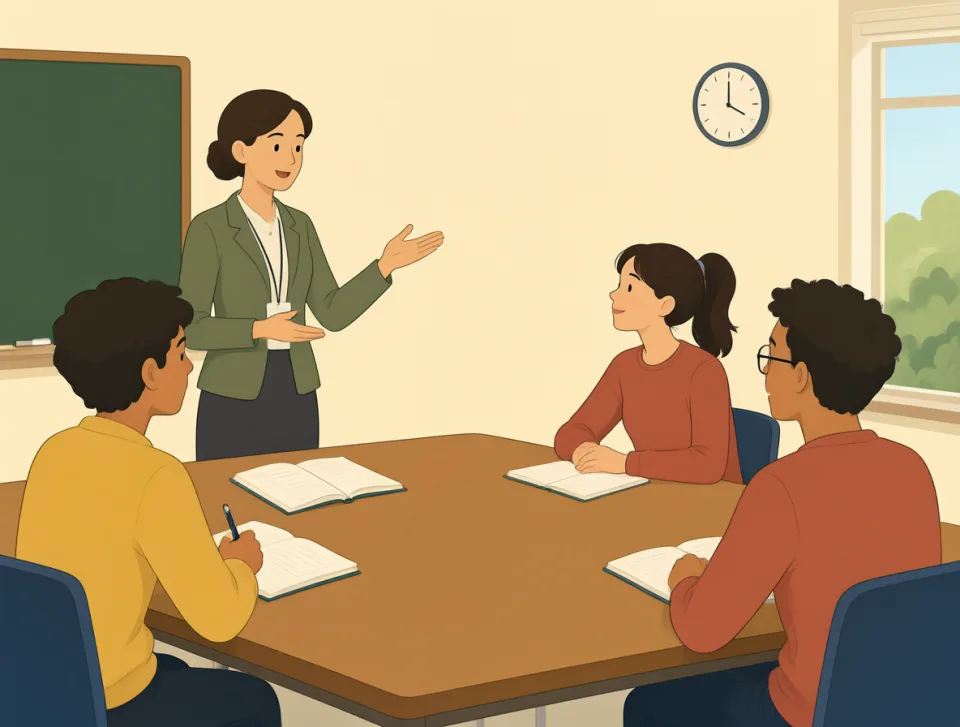
The university offers academic courses in business and computer science.
این دانشگاه دورههای آموزشی در رشتههای کسبوکار و علوم کامپیوتر ارائه میدهد.
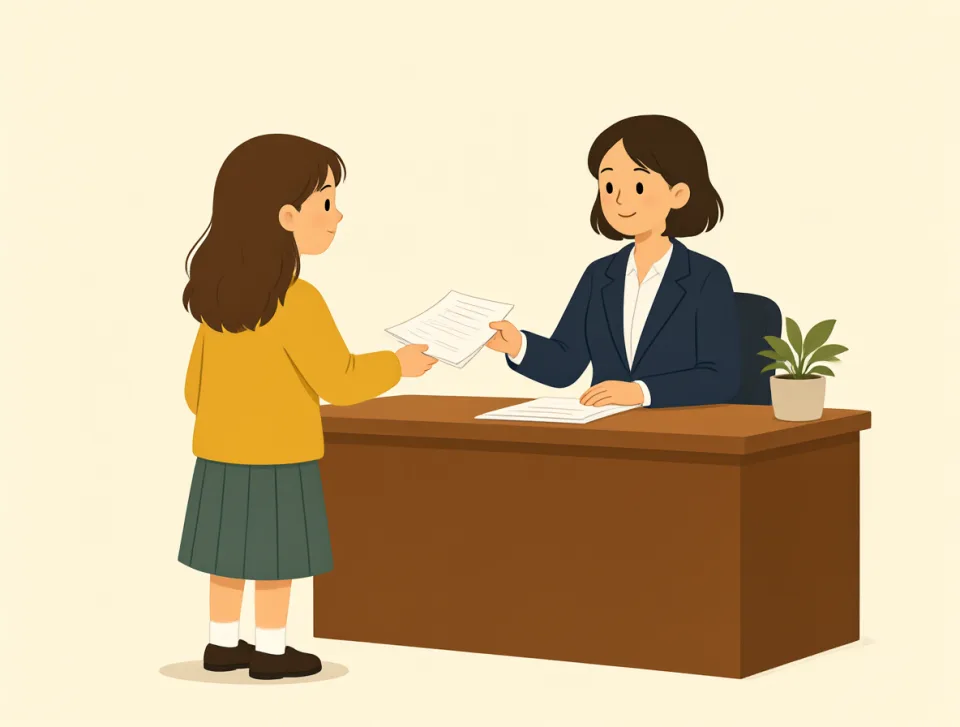
His academic record helped him get a place at college.
سوابق تحصیلی او کمک کرد تا در کالج پذیرفته شود.

The museum has many academic books about ancient history.
این موزه کتابهای آکادمیک زیادی دربارهٔ تاریخ باستان دارد.

After work, she enjoys academic discussions with her friends.
او بعد از کار از بحثهای علمی با دوستانش لذت میبرد.
voter
#1752noun
رأیدهنده
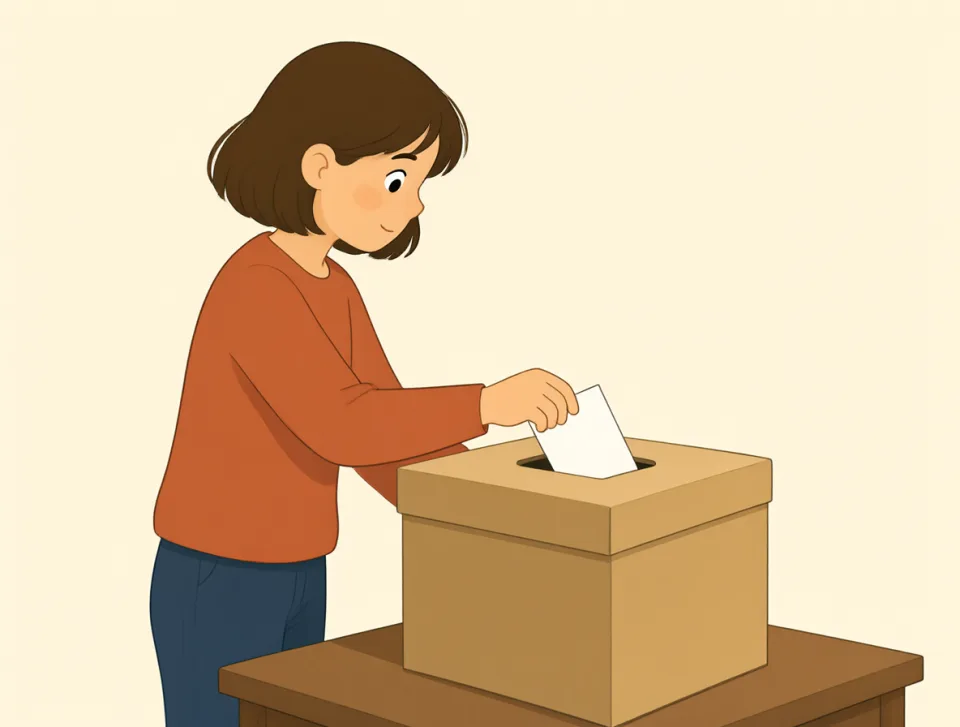
A person who votes in an election.
کسی که در انتخابات رأی میدهد.
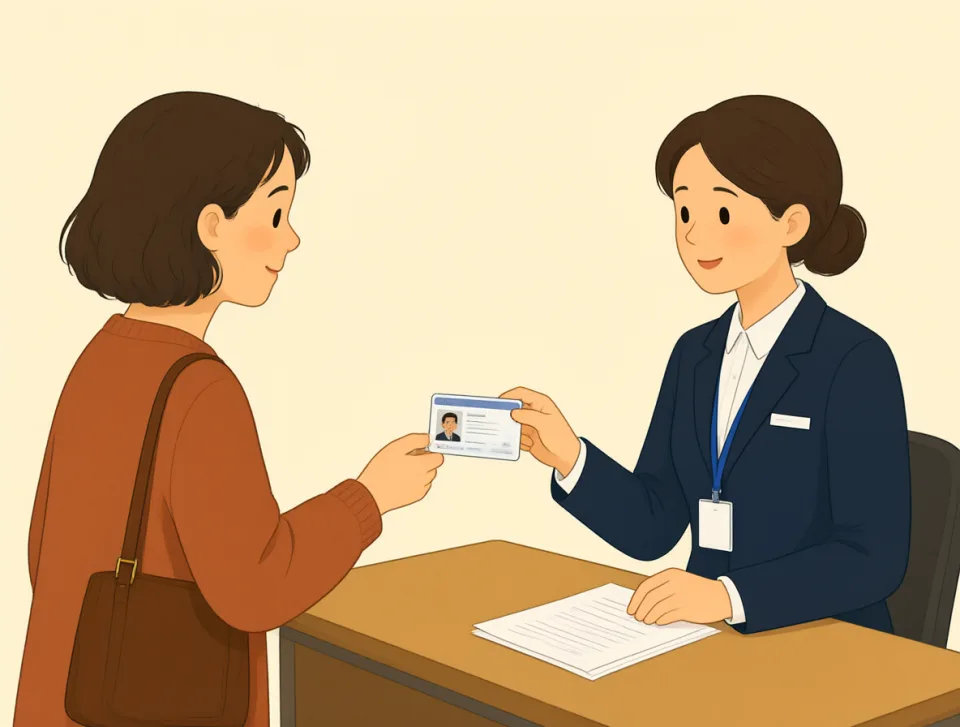
Every voter must show identification before casting a ballot.
هر رأیدهنده باید پیش از رأی دادن، مدرک شناسایی نشان دهد.
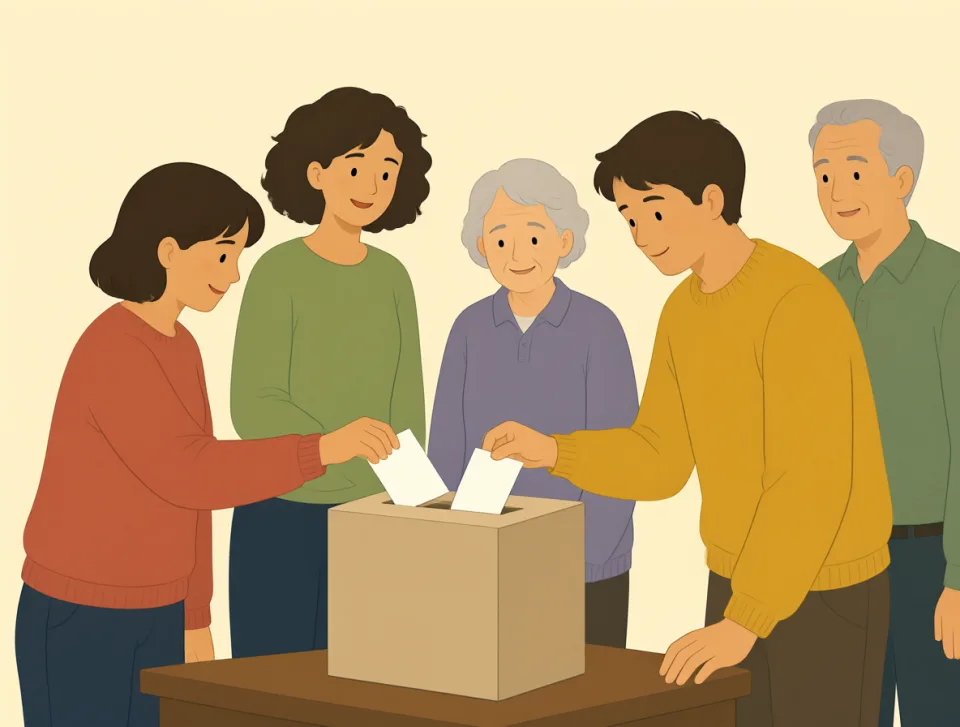
Many voters chose a new mayor in yesterday’s local election.
بسیاری از رأیدهندگان در انتخابات محلی دیروز شهردار جدیدی انتخاب کردند.
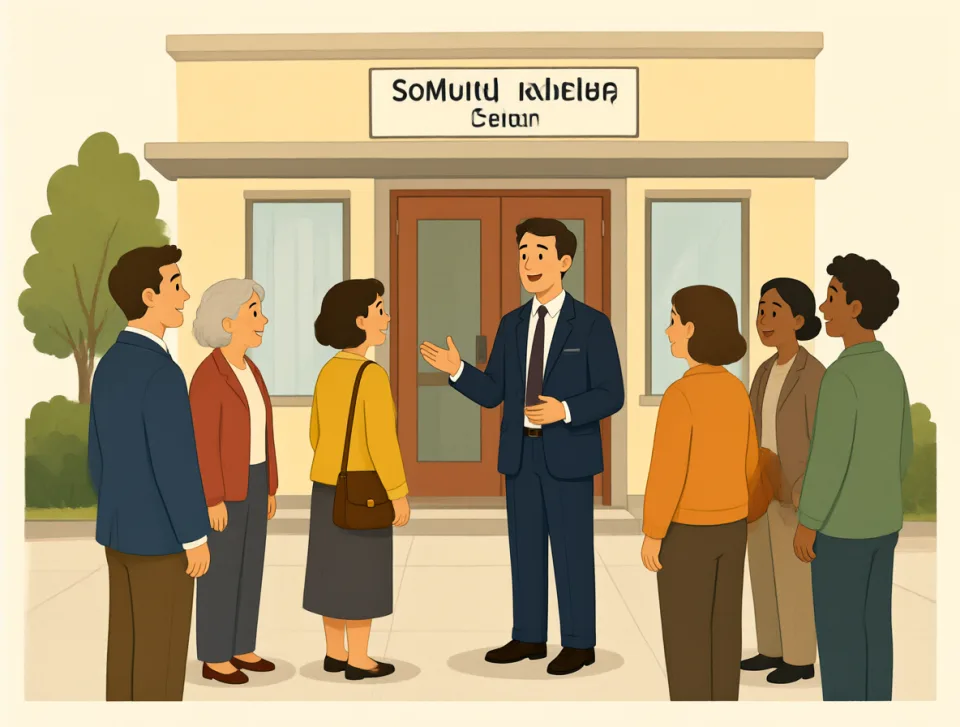
The candidate spoke with voters outside the community center.
نامزد انتخابات بیرون از مرکز اجتماعی با رأیدهندگان صحبت کرد.

Young voters often discuss elections with their friends at school.
رأیدهندگان جوان اغلب در مدرسه با دوستانشان دربارهٔ انتخابات صحبت میکنند.
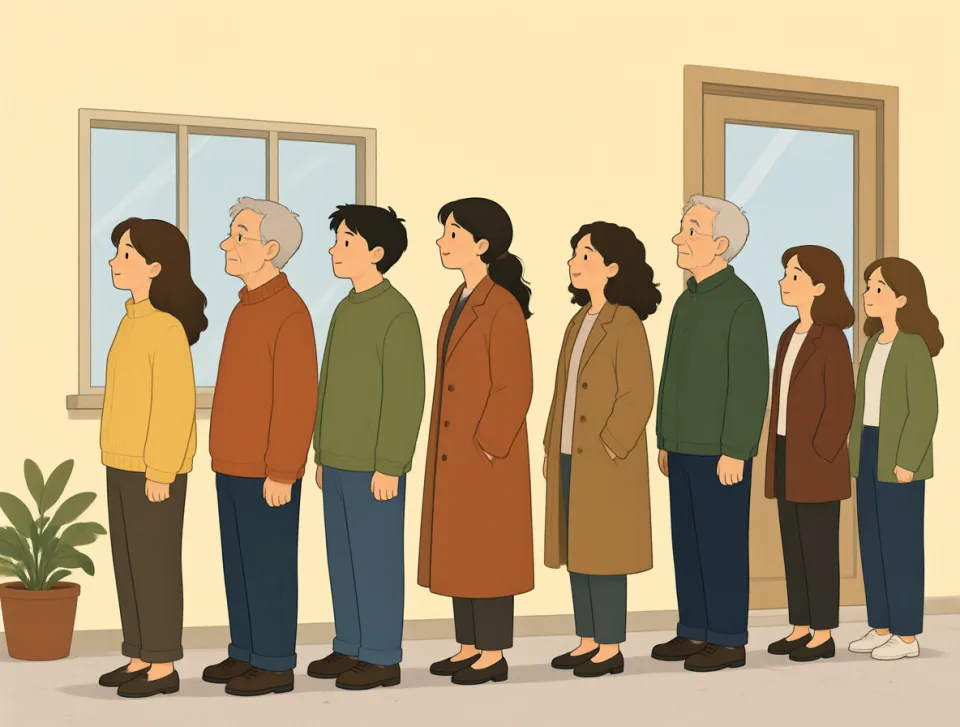
Voters waited patiently in line to cast their ballots.
رأیدهندگان صبورانه در صف منتظر ماندند تا رأیشان را به صندوق بیندازند.
meanwhile
#1753adverb
در همین حین
at the same time as something else is happening
همزمان با رخ دادن اتفاقی دیگر.
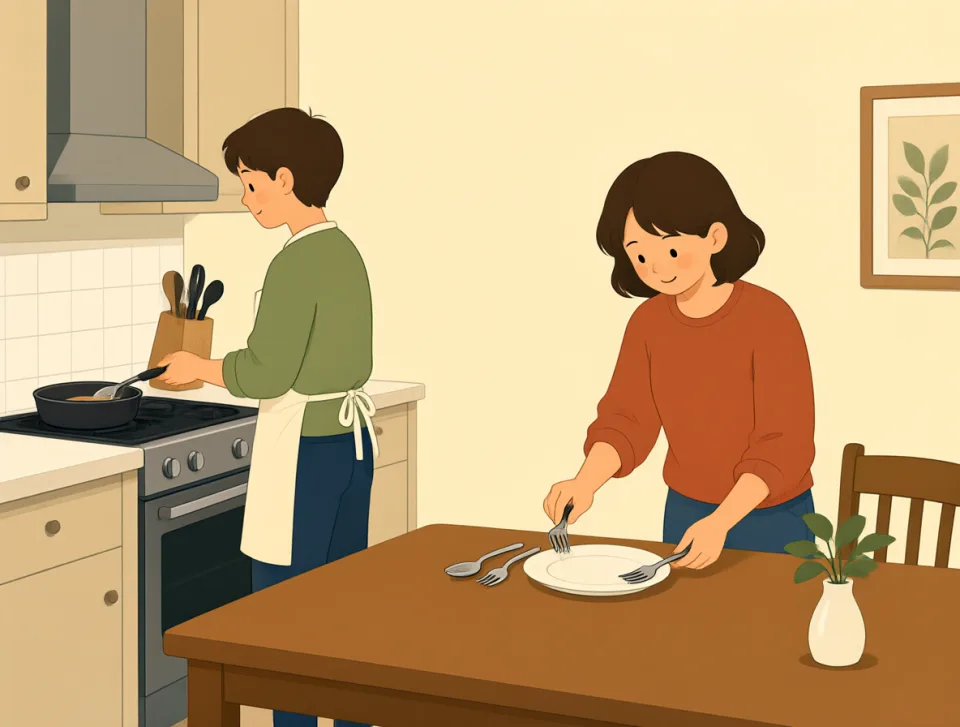
I cooked dinner; meanwhile, my brother set the table.
من شام درست کردم؛ در همین حین، برادرم میز را چید.
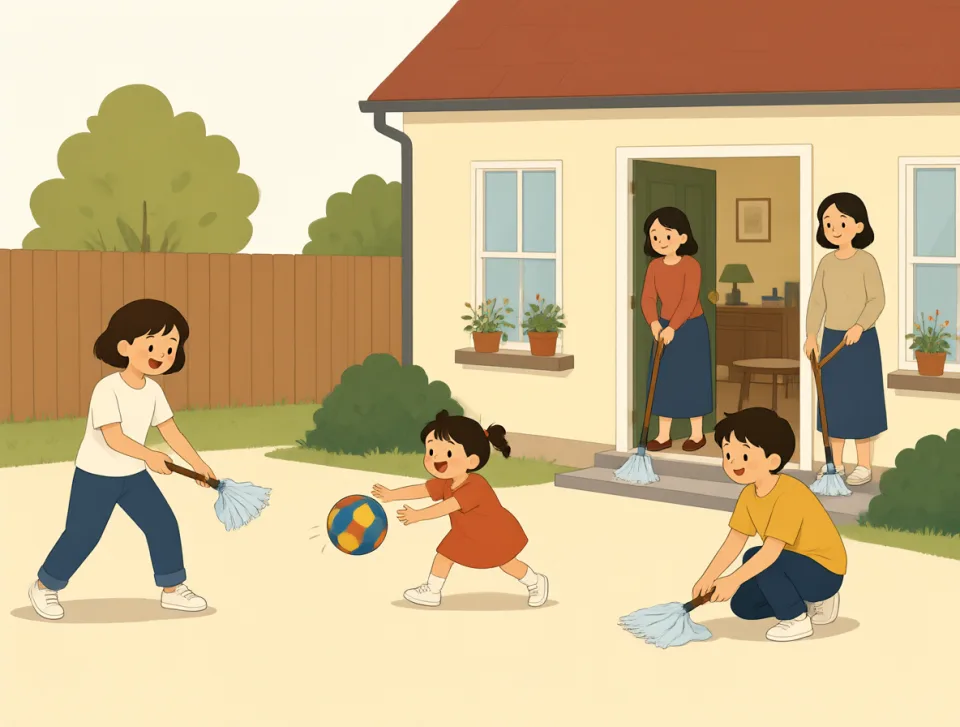
Meanwhile, the children played outside while their parents cleaned.
در همین حین، بچهها بیرون بازی میکردند و والدینشان مشغول نظافت بودند.
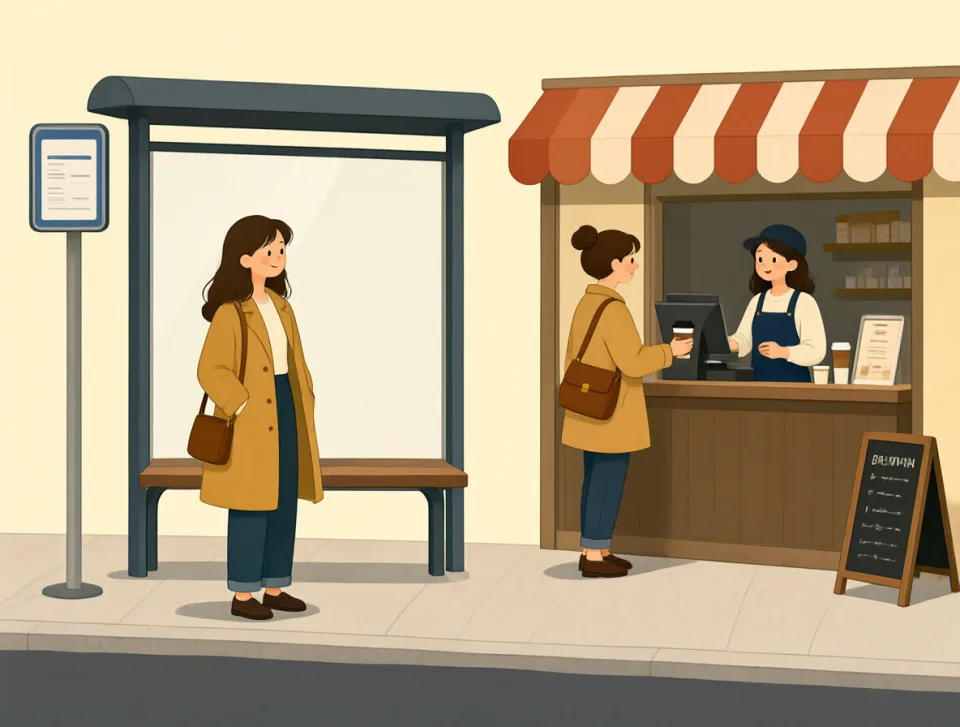
She waited for the bus; meanwhile, her friend bought coffee.
او منتظر اتوبوس بود؛ در همین حین، دوستش قهوه خرید.

The manager spoke to customers; meanwhile, workers filled the shelves.
مدیر با مشتریها صحبت میکرد؛ در همین حین، کارکنان قفسهها را پر میکردند.
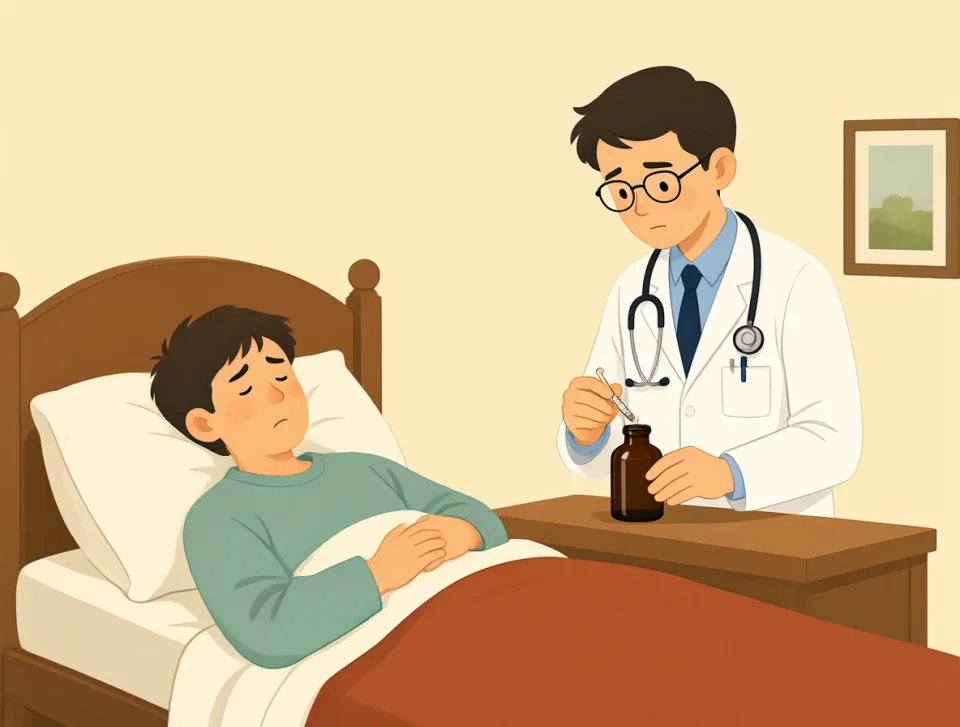
He rested in bed; meanwhile, the doctor prepared his medicine.
او در تخت استراحت میکرد؛ در همین حین، پزشک دارویش را آماده میکرد.

furthermore
#1754adverb
علاوه بر این
Used to add another important fact or reason to what you have just said.
برای افزودن نکته یا دلیل مهم دیگری به چیزی که همین حالا گفتهاید، به کار میرود.
The hotel is cheap; furthermore, it is close to the beach.
هتل ارزان است؛ علاوه بر این، به ساحل نزدیک است.

She speaks three languages and furthermore has excellent computer skills.
او به سه زبان صحبت میکند و علاوه بر این، مهارتهای کامپیوتری فوقالعادهای دارد.
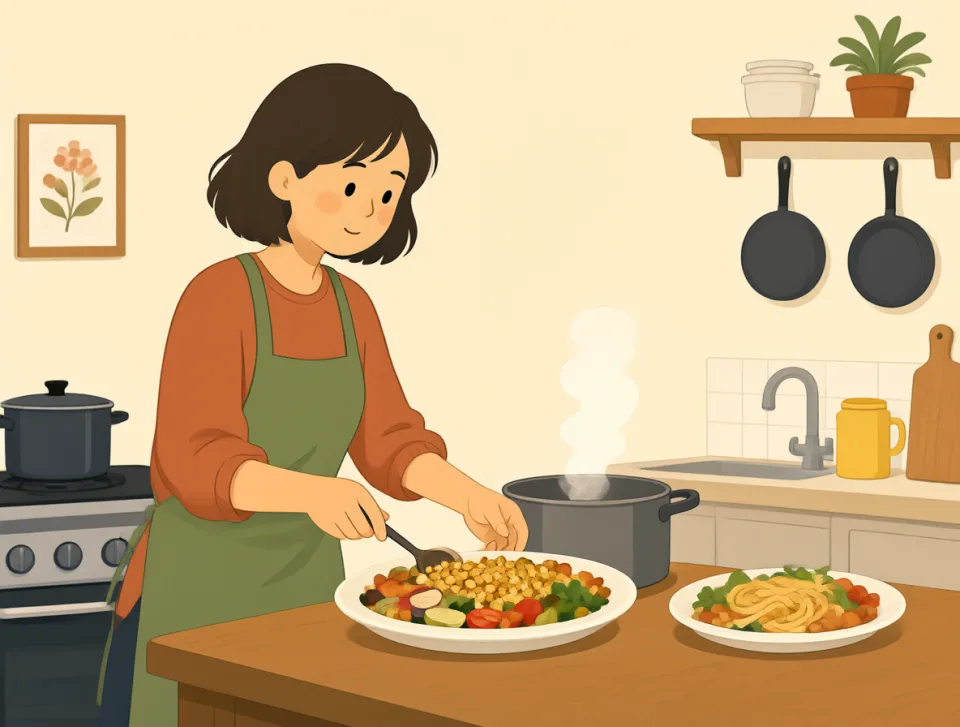
The meal was delicious and furthermore very easy to prepare.
غذا خوشمزه بود و علاوه بر این، آماده کردنش خیلی آسان بود.
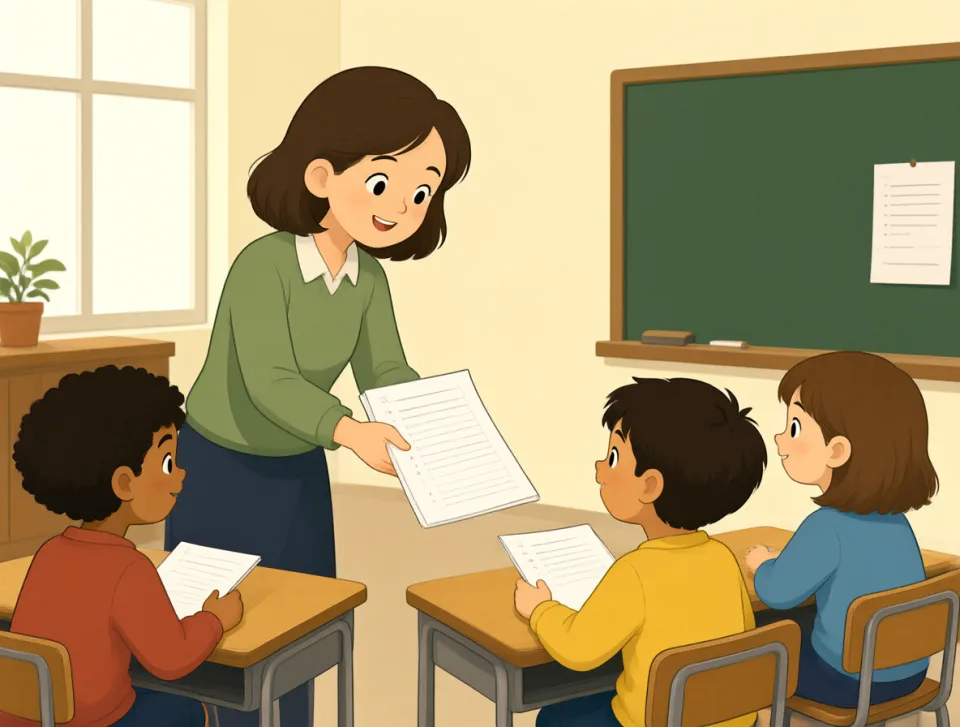
The teacher explained the lesson clearly; furthermore, she gave us extra practice.
معلم درس را بهروشنی توضیح داد؛ علاوه بر این، تمرینهای بیشتری هم به ما داد.

The medicine is effective; furthermore, it has very few side effects.
این دارو مؤثر است؛ علاوه بر این، عوارض جانبی بسیار کمی دارد.
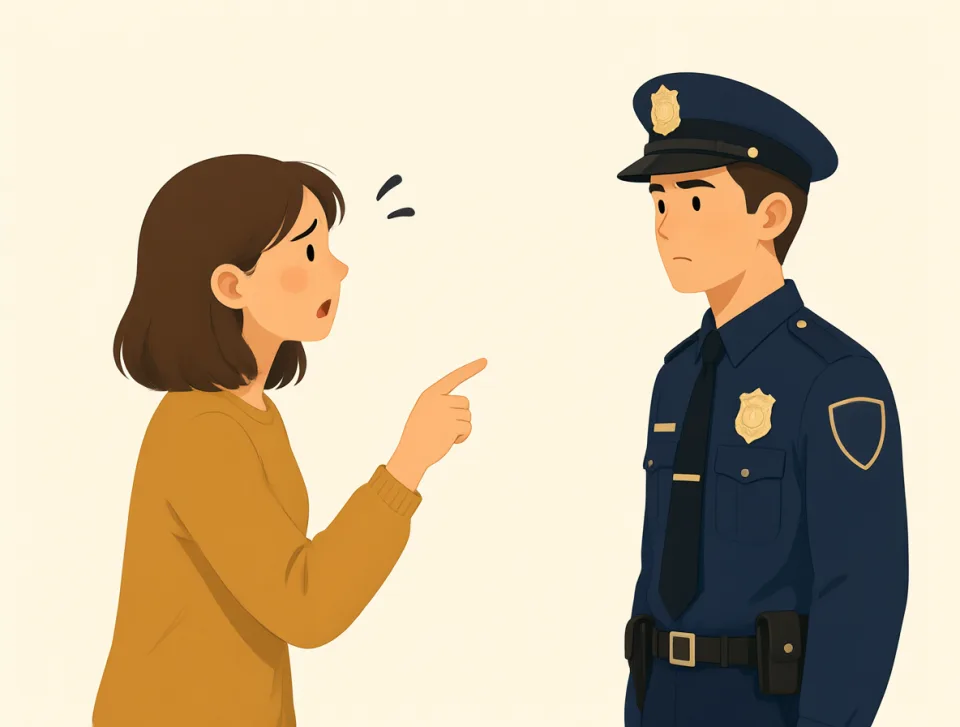
accuse
#1755verb
متهم کردن
To say that someone did something wrong or illegal.
گفتن اینکه کسی کار نادرست یا غیرقانونیای انجام داده است.
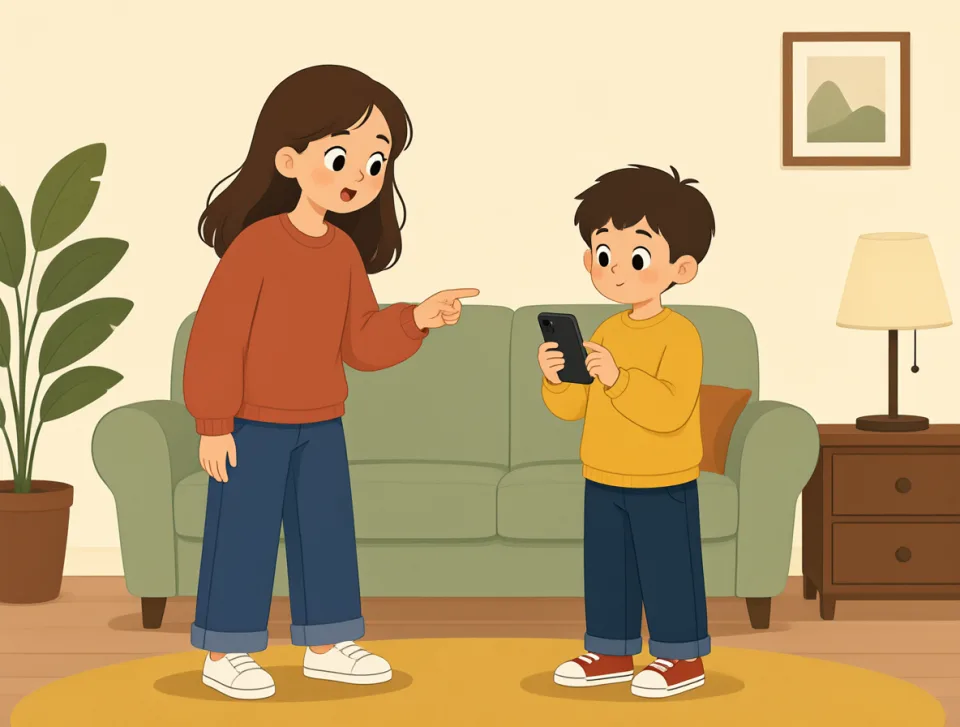
She accused her brother of taking her phone.
او برادرش را متهم کرد که تلفنش را برداشته است.

The manager accused the employee of lying about being sick.
مدیر کارمند را متهم کرد که دربارهٔ بیمار بودنش دروغ گفته است.
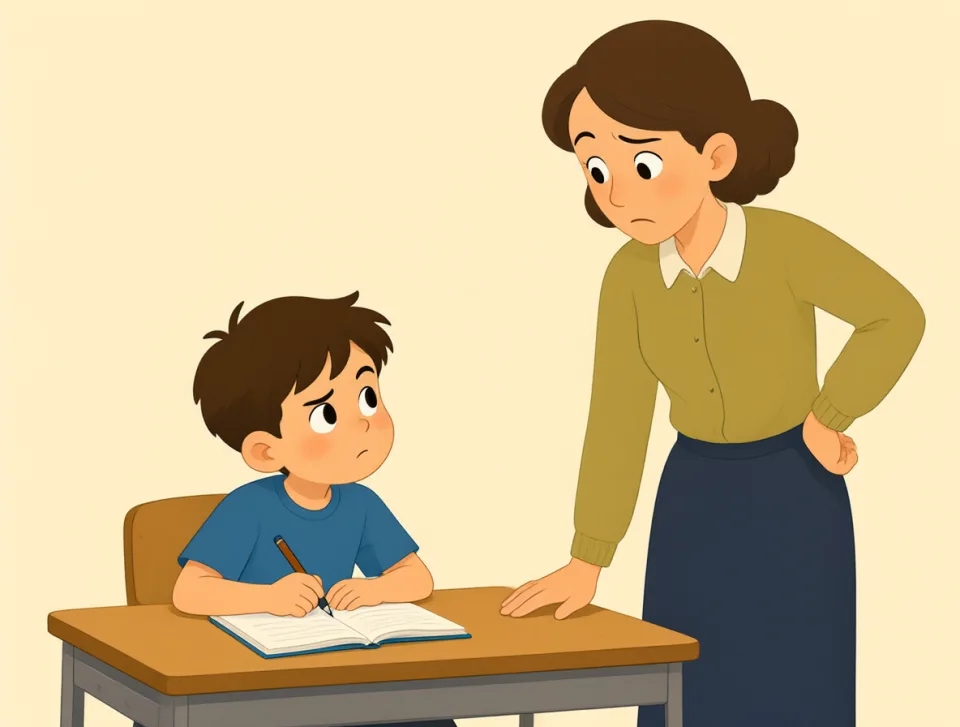
The teacher accused Tom of copying another student's homework.
معلم تام را متهم کرد که تکلیف یکی از دانشآموزان دیگر را کپی کرده است.
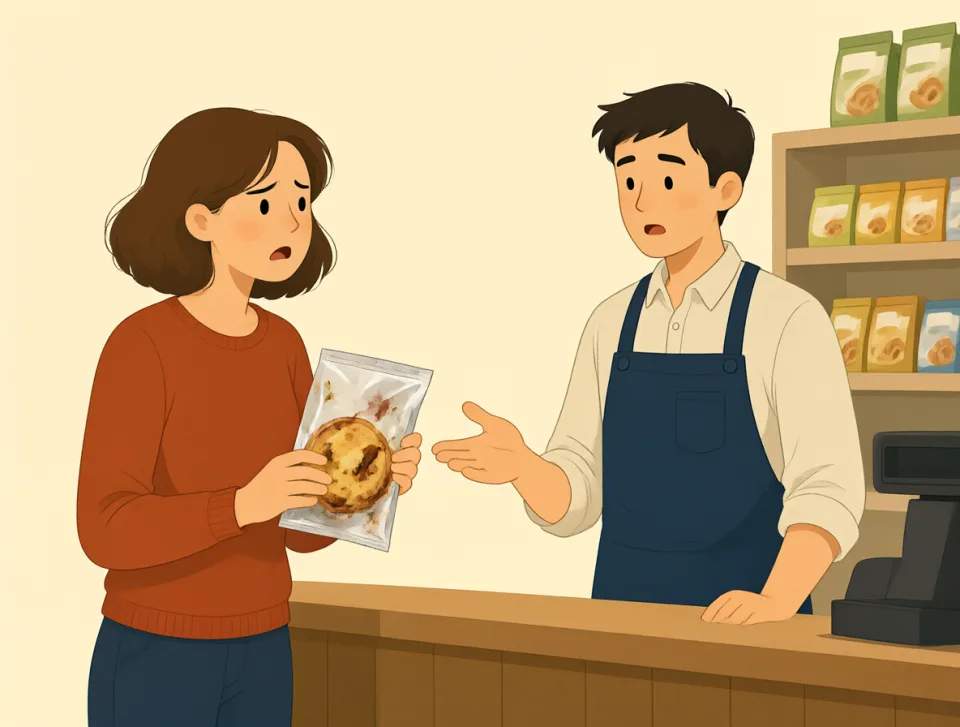
The customer accused the shop of selling her old food.
مشتری مغازه را متهم کرد که غذای مانده به او فروخته است.

He accused his friend of ignoring him at the party.
او دوستش را متهم کرد که در مهمانی به او بیتوجهی کرده است.
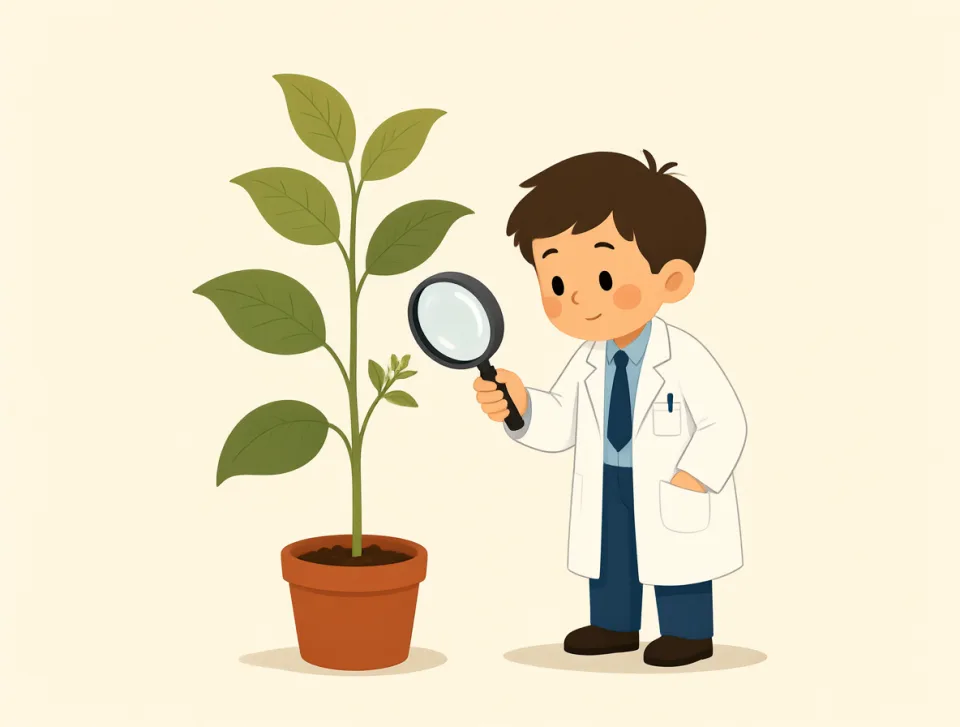
scientific
#1756adjective
علمی
Connected with science or based on careful study and testing.
مرتبط با علم یا مبتنی بر بررسی و آزمایش دقیق.
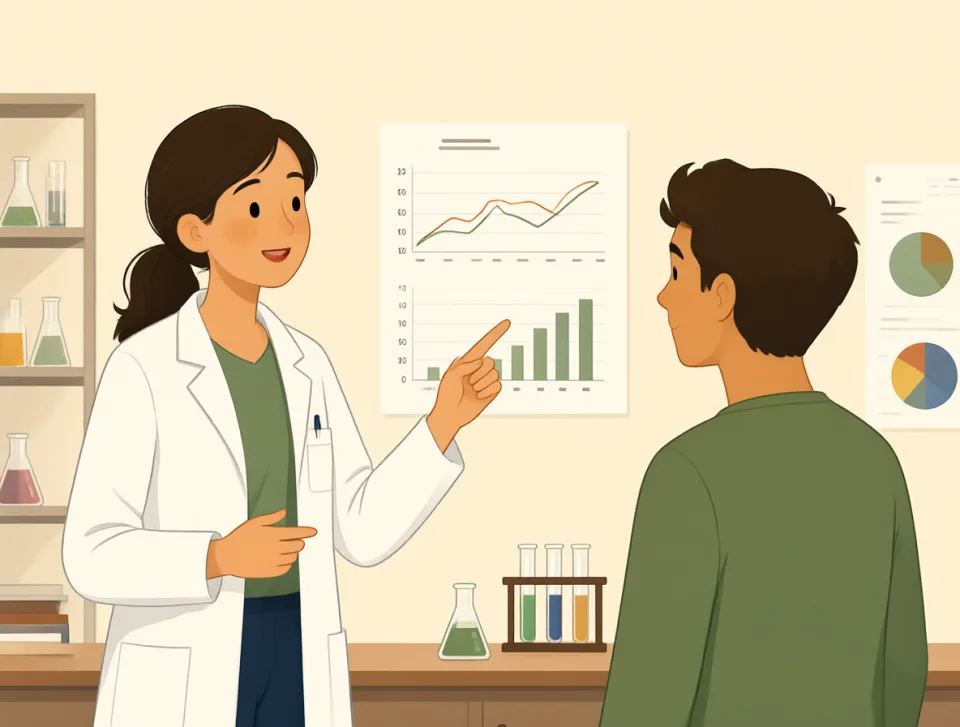
The report gives scientific evidence for the new health advice.
این گزارش شواهد علمیای در تأیید توصیهٔ جدید دربارهٔ سلامت ارائه میدهد.
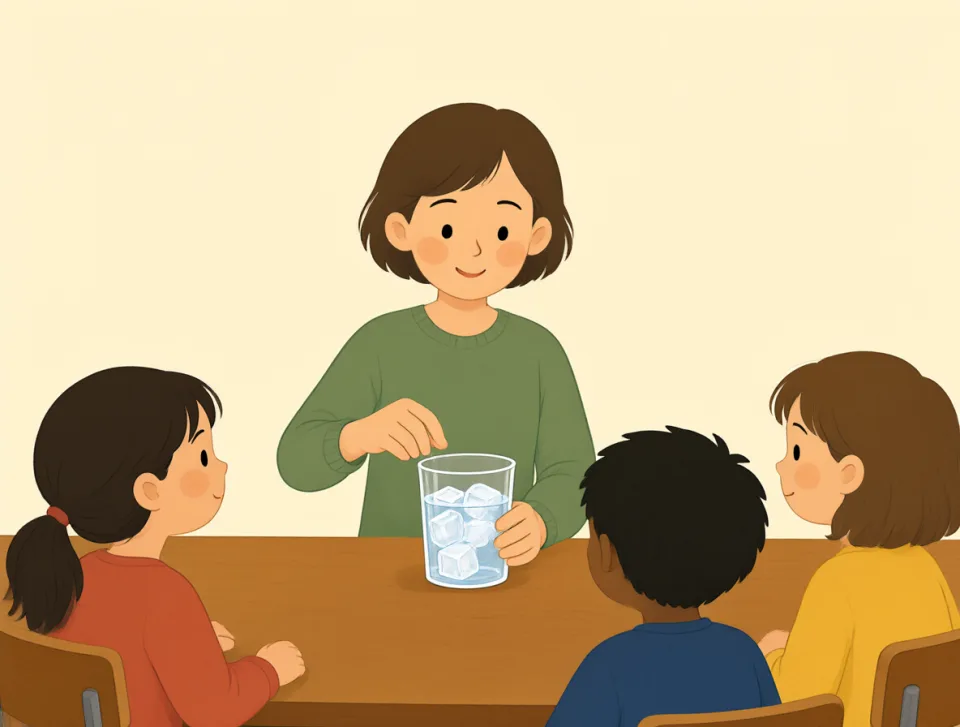
Our science teacher showed us a scientific experiment with water and ice.
معلم علوممان آزمایشی علمی با آب و یخ به ما نشان داد.
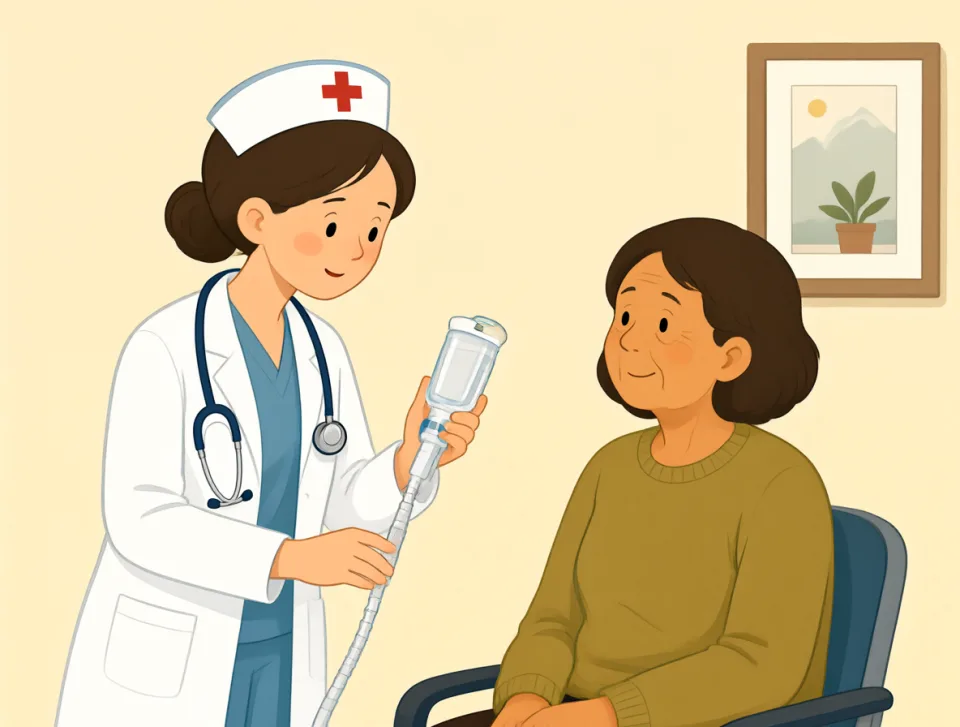
Doctors use scientific methods to find the best treatment for patients.
پزشکان برای یافتن بهترین روش درمان بیماران از روشهای علمی استفاده میکنند.
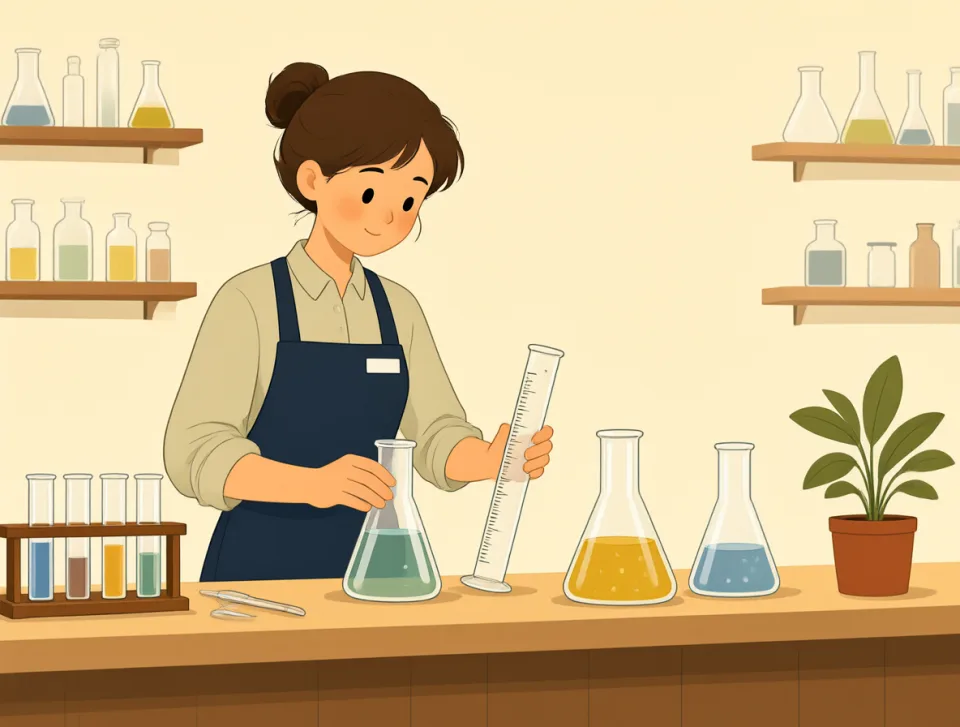
The shop sells scientific equipment for schools and small laboratories.
این فروشگاه تجهیزات علمی برای مدرسهها و آزمایشگاههای کوچک میفروشد.

My friend enjoys reading scientific books about animals and space.
دوستم از خواندن کتابهای علمی دربارهٔ حیوانات و فضا لذت میبرد.

wage
#1757noun, verb
دستمزد
Money paid regularly for work, or to fight against something.
پولی که بهطور منظم بابت کار پرداخت میشود؛ همچنین به معنی مبارزه کردن با چیزی است.
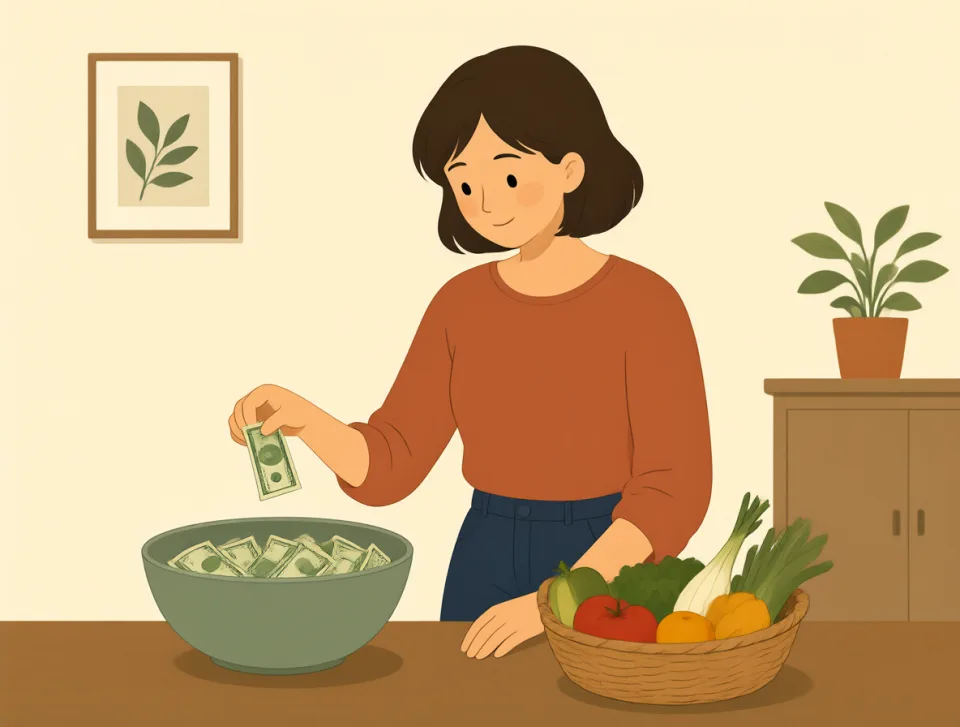
Her weekly wage helps pay for rent and food.
دستمزد هفتگی او به پرداخت اجاره و هزینهٔ غذا کمک میکند.

The company raised wages for all its workers this year.
شرکت امسال دستمزد همهٔ کارکنانش را افزایش داد.

Many students work part-time to earn a wage.
بسیاری از دانشجویان برای کسب دستمزد، پارهوقت کار میکنند.
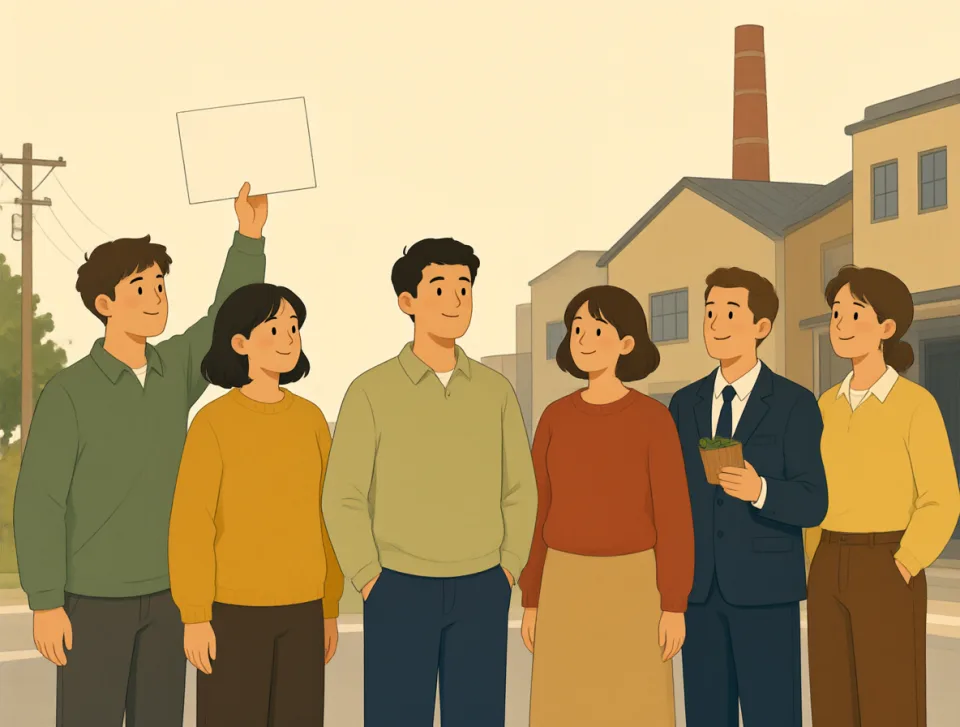
The workers went on strike for higher wages.
کارگران برای دستمزدهای بالاتر اعتصاب کردند.
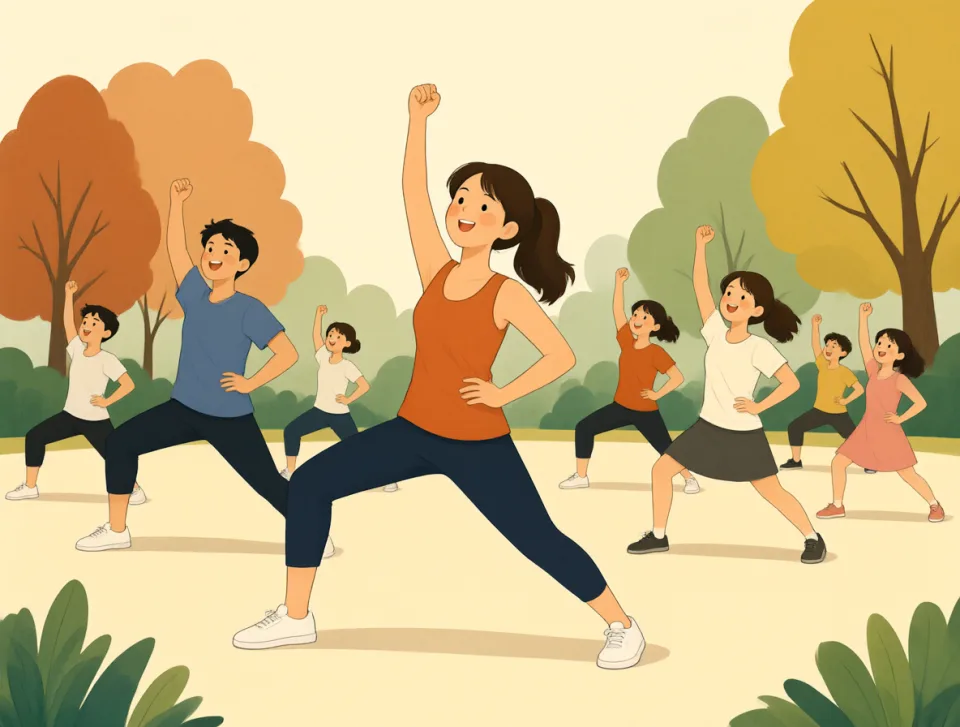
The government is waging a campaign against childhood obesity.
دولت در حال اجرای کارزاری علیه چاقی کودکان است.
absence
#1758noun
غیبت
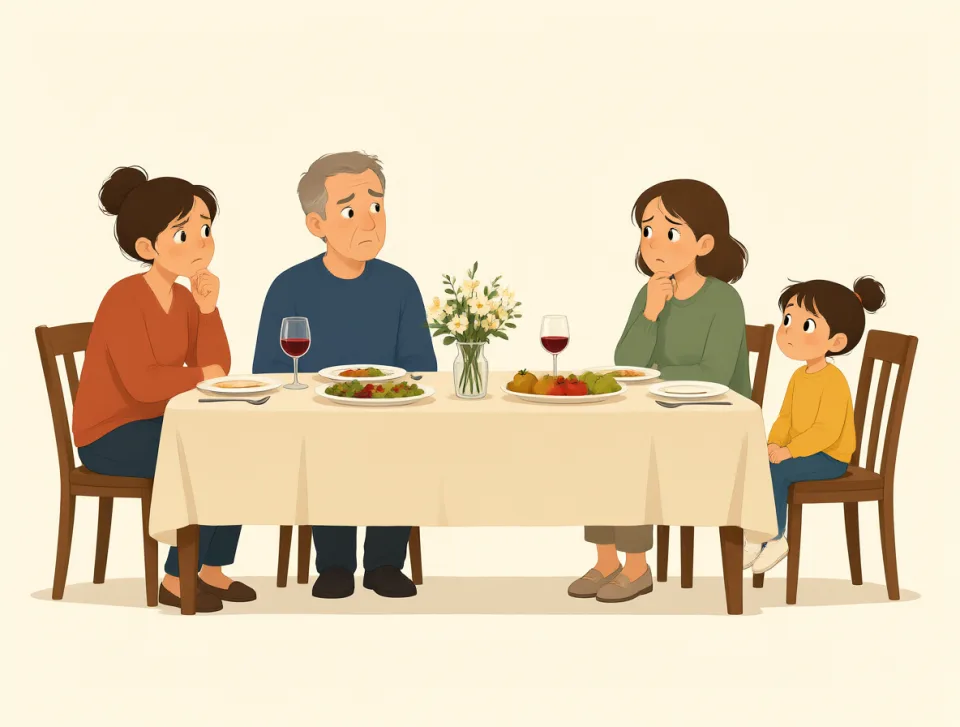
The state of not being somewhere or not having something that is needed.
وضعیتِ حاضر نبودن در جایی یا نداشتن چیزی که لازم است.

Her absence from work worried her manager.
غیبت او از محل کار، مدیرش را نگران کرد.
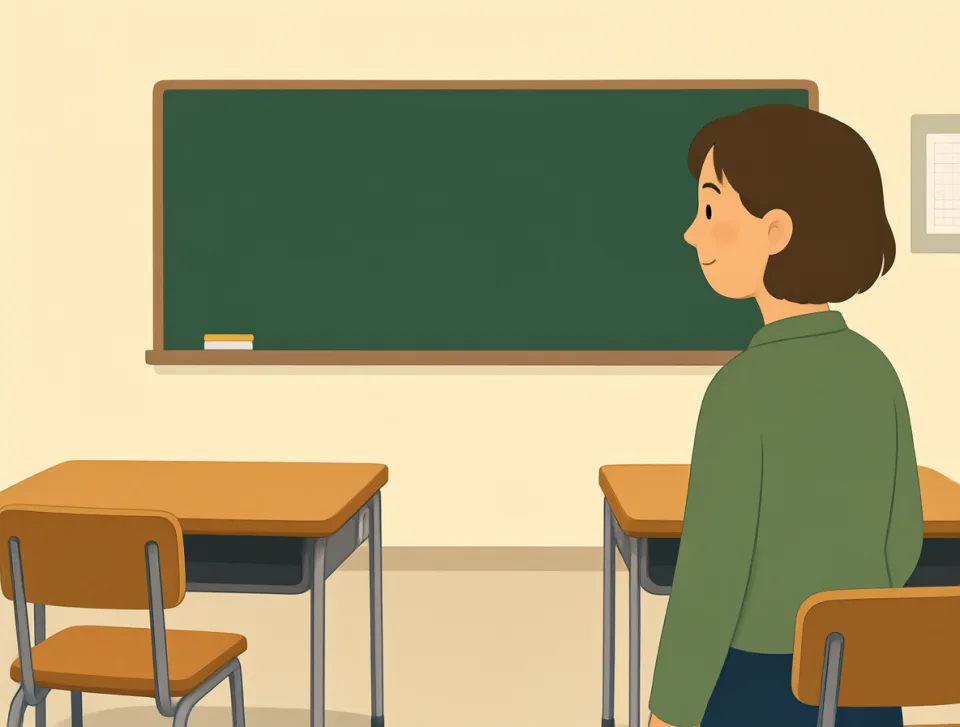
The teacher noticed his absence from class.
معلم متوجه غیبت او از کلاس شد.
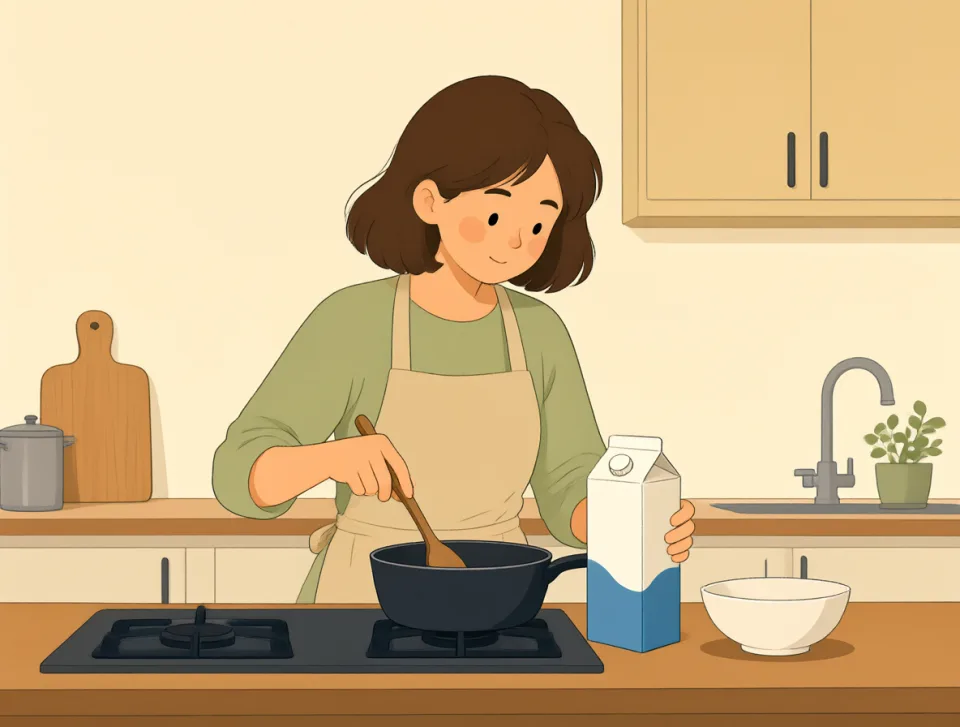
In the absence of milk, we used water instead.
وقتی شیر نداشتیم، بهجای آن از آب استفاده کردیم.
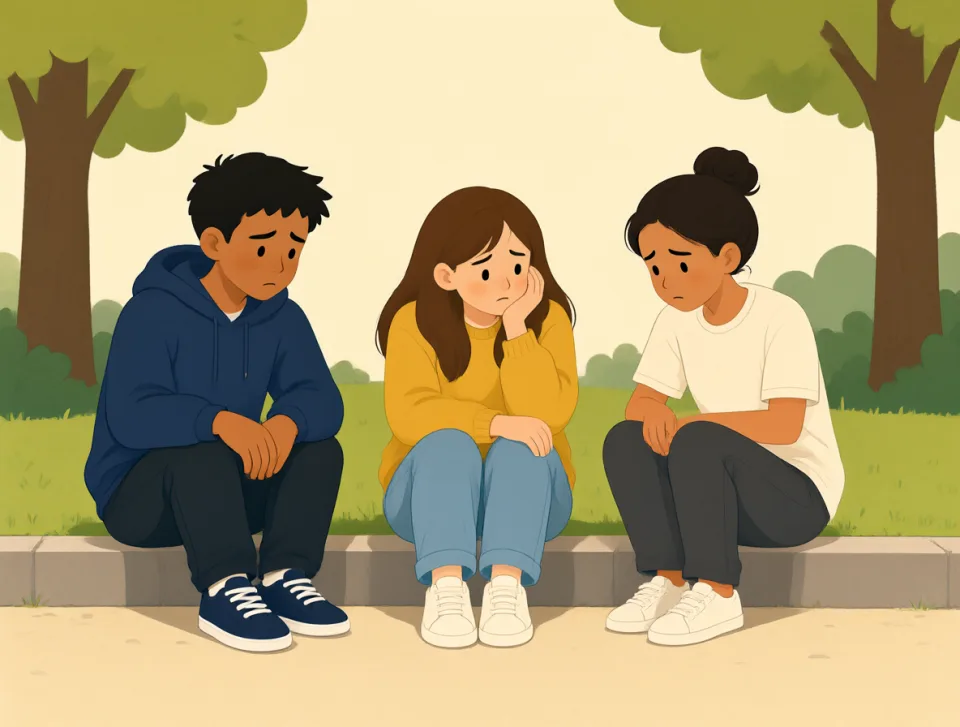
His long absence made his friends miss him.
غیبت طولانی او باعث شد دوستانش دلتنگش شوند.

The doctor asked about any absence of pain.
پزشک دربارهٔ نبودِ هرگونه دردی پرسید.
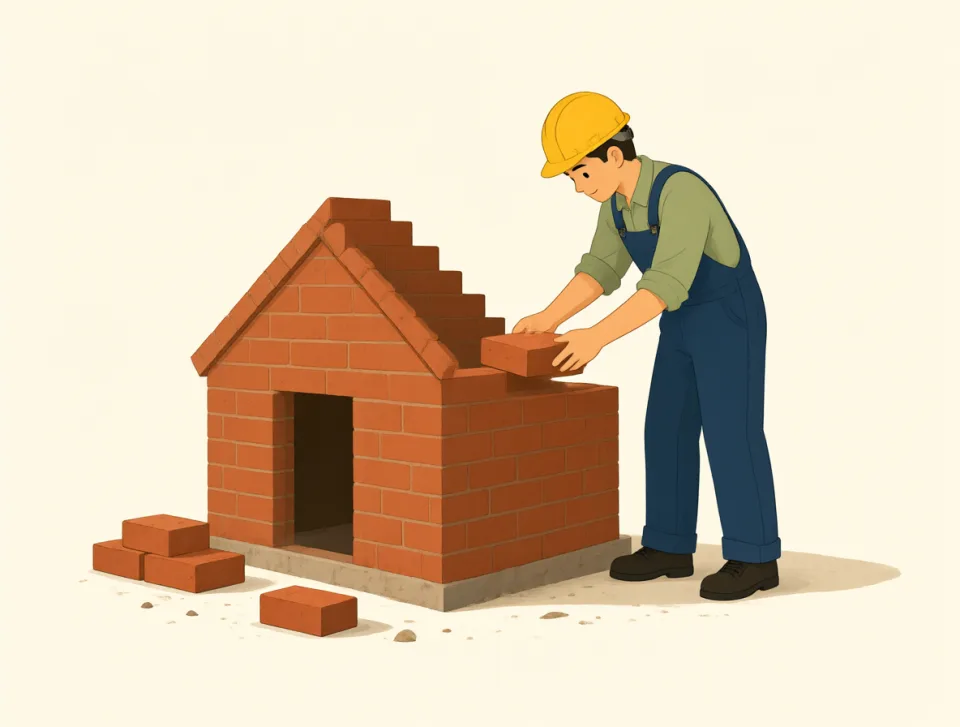
construct
#1759verb, noun
ساختن
to build something, or an idea formed from different parts
چیزی را ساختن؛ یا ایدهای که از بخشهای گوناگون شکل گرفته است.
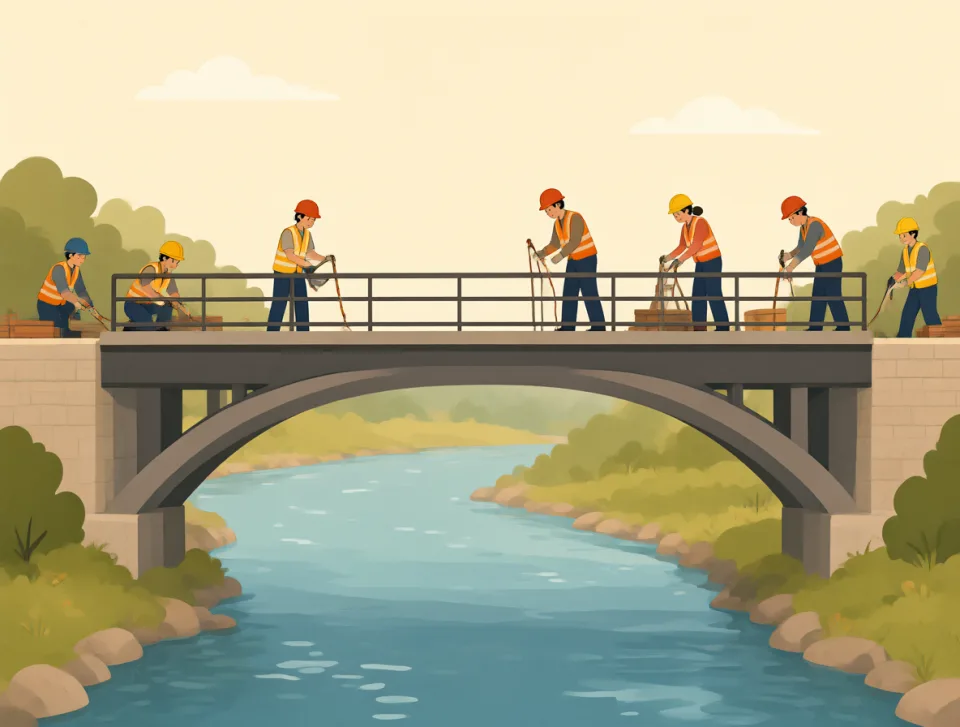
Workers are constructing a new bridge across the river.
کارگران دارند پل جدیدی روی رودخانه میسازند.

The company constructed a simple plan for the next year.
شرکت برای سال آینده برنامهای ساده تدوین کرد.

We constructed a shelter from branches during our hike.
در طول پیادهروی، با شاخهها پناهگاهی ساختیم.
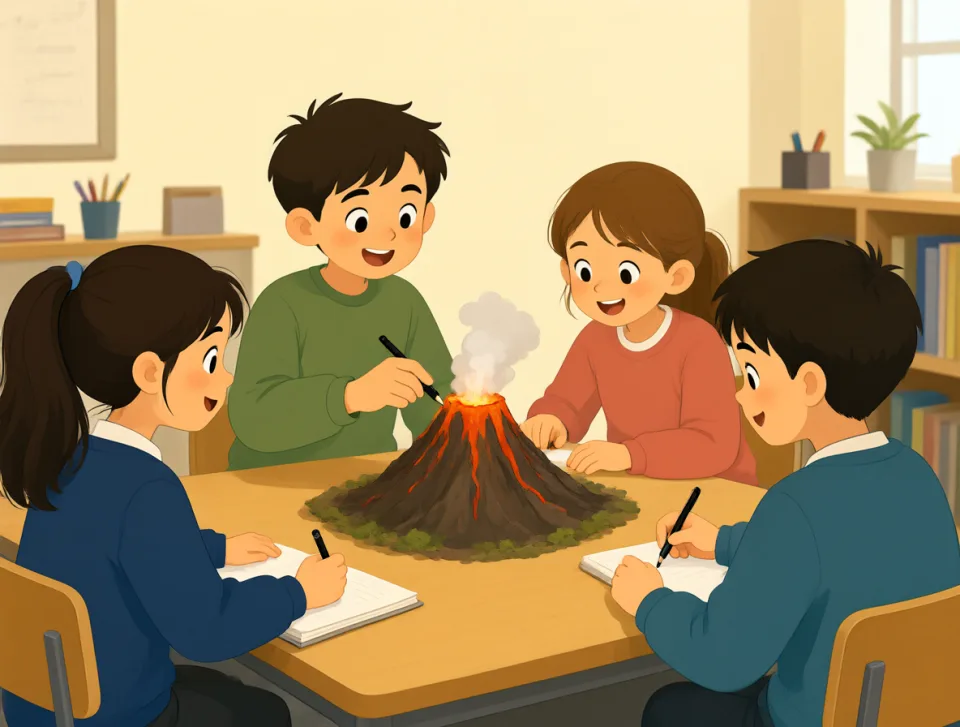
Students constructed a model volcano for their science class.
دانشآموزان برای کلاس علومشان یک مدل آتشفشان ساختند.
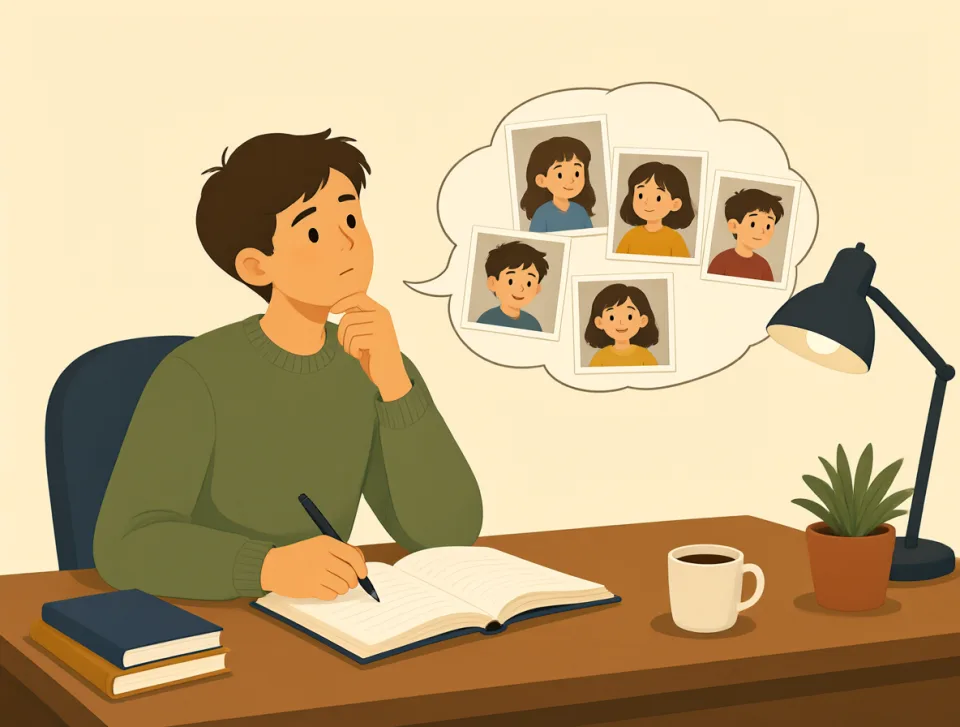
The story is constructed from memories of the writer's childhood.
این داستان از خاطرات دوران کودکی نویسنده شکل گرفته است.
remark
#1760noun, verb
اظهارنظر
a comment that gives your opinion, or to make such a comment
اظهارنظری که دیدگاه شما را بیان میکند؛ یا چنین اظهارنظری کردن.

She made a helpful remark during the team meeting.
او در جلسهٔ گروه اظهارنظر مفیدی کرد.
The teacher remarked that everyone had worked very hard.
معلم گفت که همه خیلی سخت تلاش کرده بودند.
His rude remarks made dinner uncomfortable for everyone.
اظهارنظرهای بیادبانهٔ او شام را برای همه ناخوشایند کرد.

The shop assistant remarked on my bright red jacket.
فروشنده دربارهٔ کت قرمز روشنم اظهارنظر کرد.

I heard several funny remarks during our train journey.
در طول سفرمان با قطار چند اظهارنظر خندهدار شنیدم.