इकाई 93
शब्द 1841–1860 · maximum, effectively, elsewhere, bother, initiative, sharp

maximum
#1841noun, adjective
अधिकतम
The greatest amount or highest level that is possible or allowed.
सबसे बड़ी मात्रा या उच्चतम स्तर जो संभव हो या जिसकी अनुमति हो।

The elevator can carry a maximum of eight people.
लिफ्ट में अधिकतम आठ लोग जा सकते हैं।
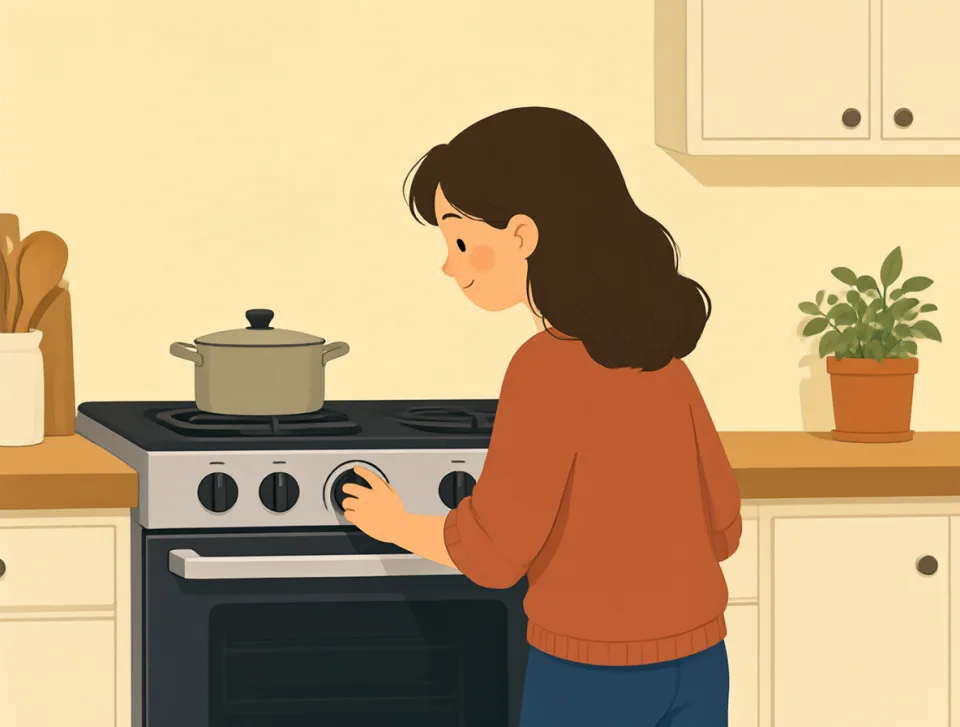
Please set the oven to the maximum temperature for pizza.
कृपया पिज़्ज़ा के लिए ओवन को अधिकतम तापमान पर सेट करें।

You can borrow a maximum of three books today.
आज आप अधिकतम तीन किताबें उधार ले सकते हैं।

The hotel offers maximum comfort after a long day of travel.
लंबे सफ़र के बाद होटल बेहतरीन आराम देता है।
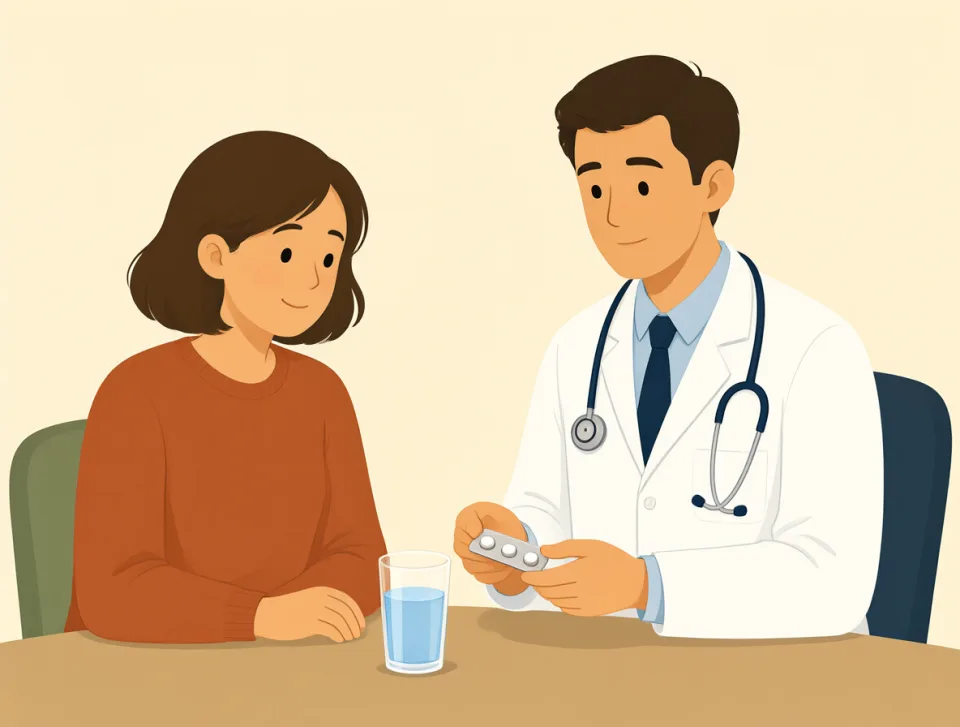
The doctor told him to take a maximum of two tablets daily.
डॉक्टर ने उसे रोज़ाना अधिकतम दो गोलियाँ लेने को कहा।

effectively
#1842adverb
प्रभावी ढंग से
In a way that produces the wanted result.
इस तरह कि मनचाहा नतीजा मिले।
She organized the files effectively before the meeting.
उसने बैठक से पहले फ़ाइलों को व्यवस्थित ढंग से रखा।
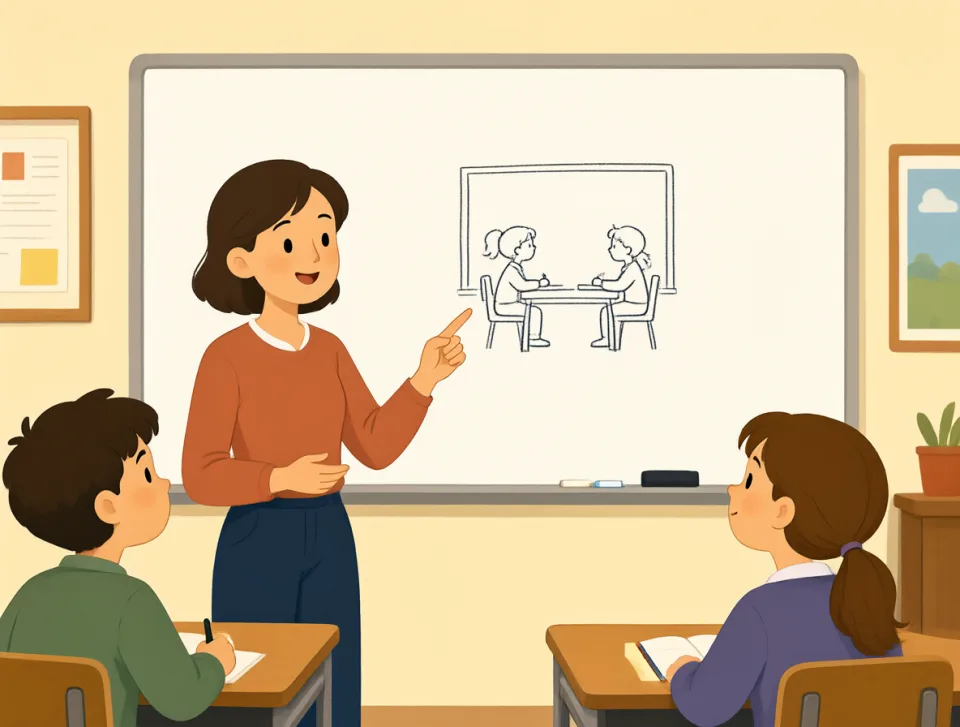
The teacher explained the difficult lesson effectively.
शिक्षक ने कठिन पाठ को प्रभावी ढंग से समझाया।
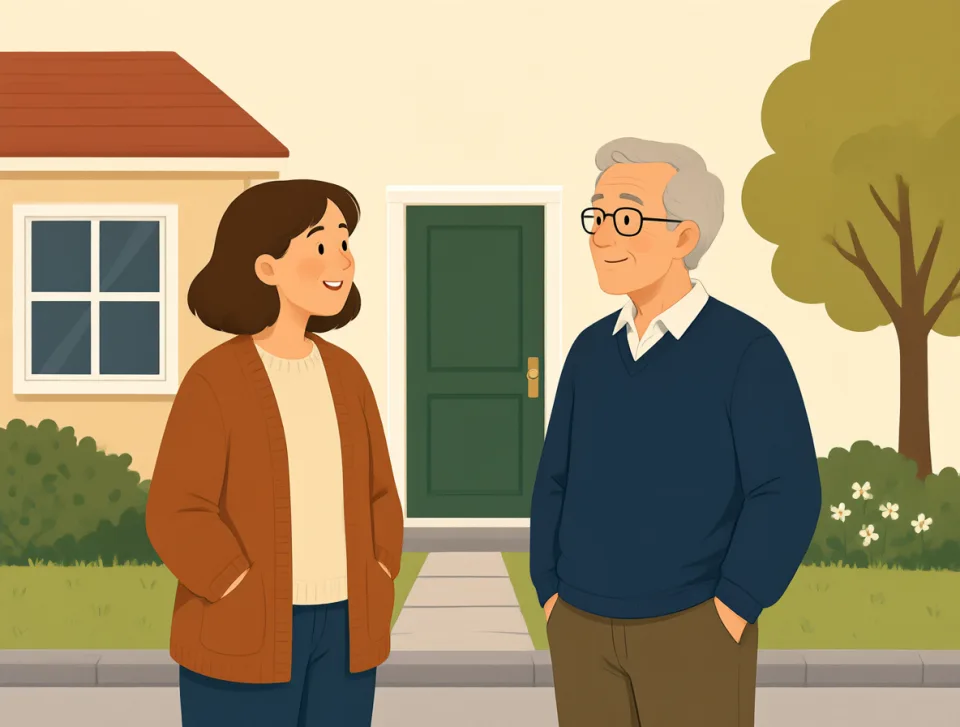
We need to communicate effectively with our new neighbors.
हमें अपने नए पड़ोसियों से प्रभावी ढंग से बातचीत करनी होगी।

This medicine effectively reduces pain within a few hours.
यह दवा कुछ ही घंटों में दर्द को प्रभावी ढंग से कम करती है।
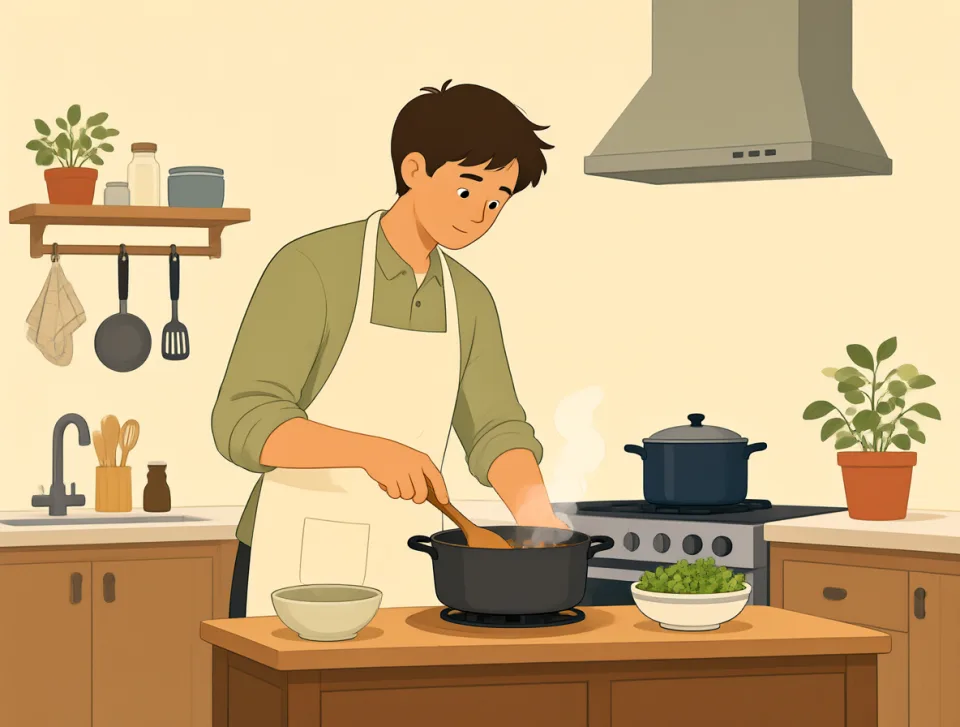
He used the small kitchen effectively to cook dinner.
उसने रात का खाना पकाने के लिए छोटी रसोई का अच्छे से इस्तेमाल किया।

elsewhere
#1843adverb
कहीं और
in, at, or to another place
किसी दूसरी जगह पर या किसी दूसरी जगह की ओर।

The shop was closed, so we went elsewhere for lunch.
दुकान बंद थी, इसलिए हम दोपहर के खाने के लिए कहीं और गए।
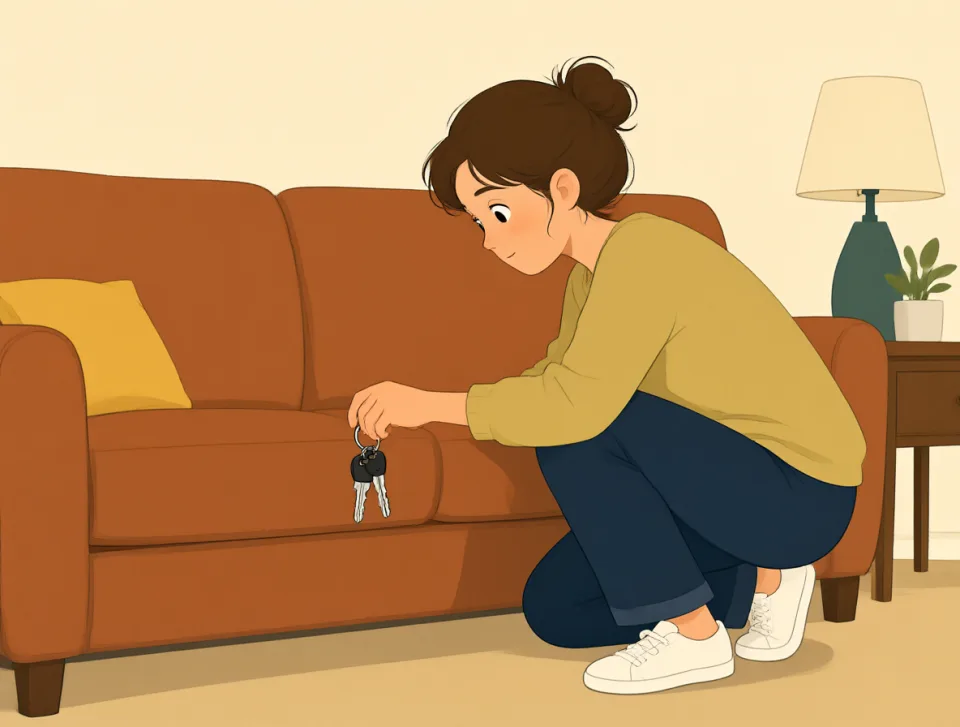
I left my keys somewhere else, but I cannot remember where.
मैंने अपनी चाबियाँ कहीं और रख दीं, लेकिन याद नहीं कि कहाँ।
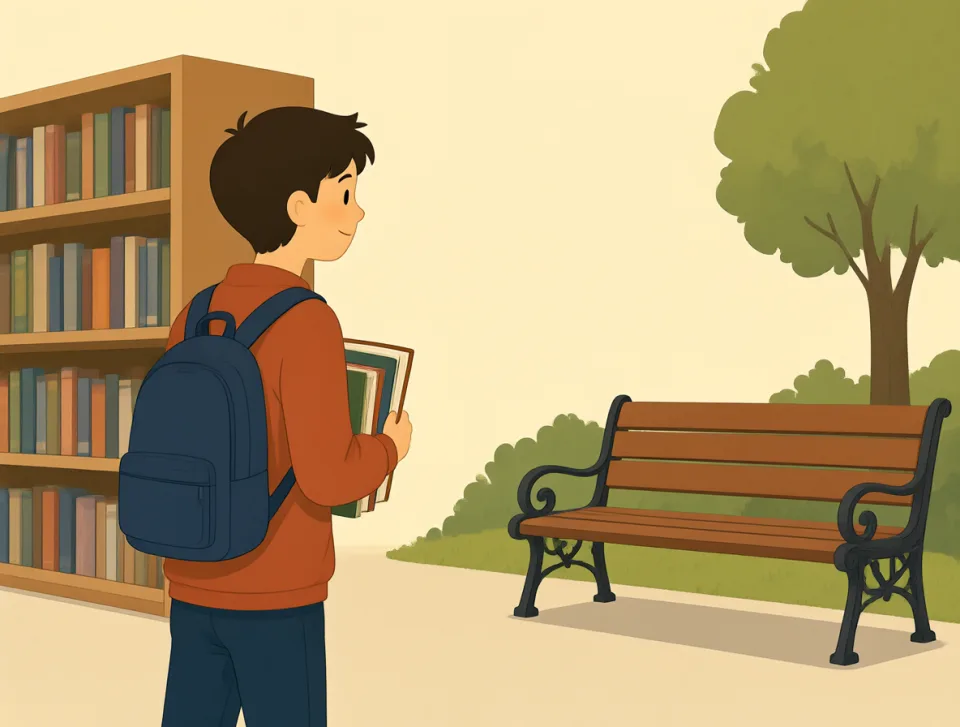
Many students study elsewhere when the library becomes too noisy.
जब पुस्तकालय में बहुत शोर होता है, तो कई छात्र कहीं और पढ़ते हैं।
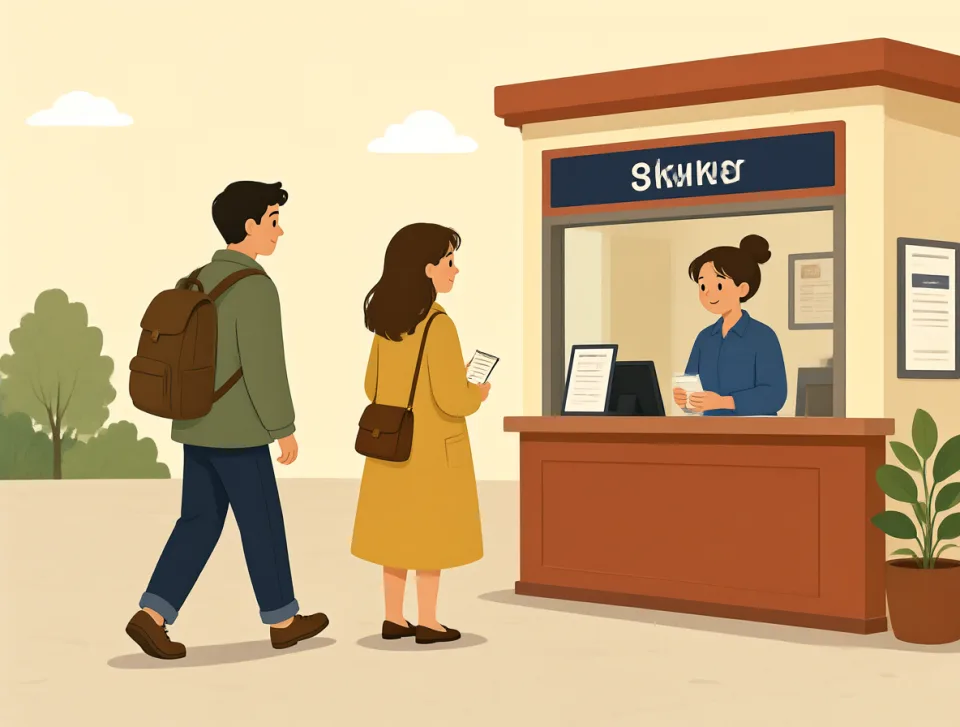
You can buy cheaper train tickets elsewhere in the city.
शहर में कहीं और आपको ट्रेन के सस्ते टिकट मिल सकते हैं।
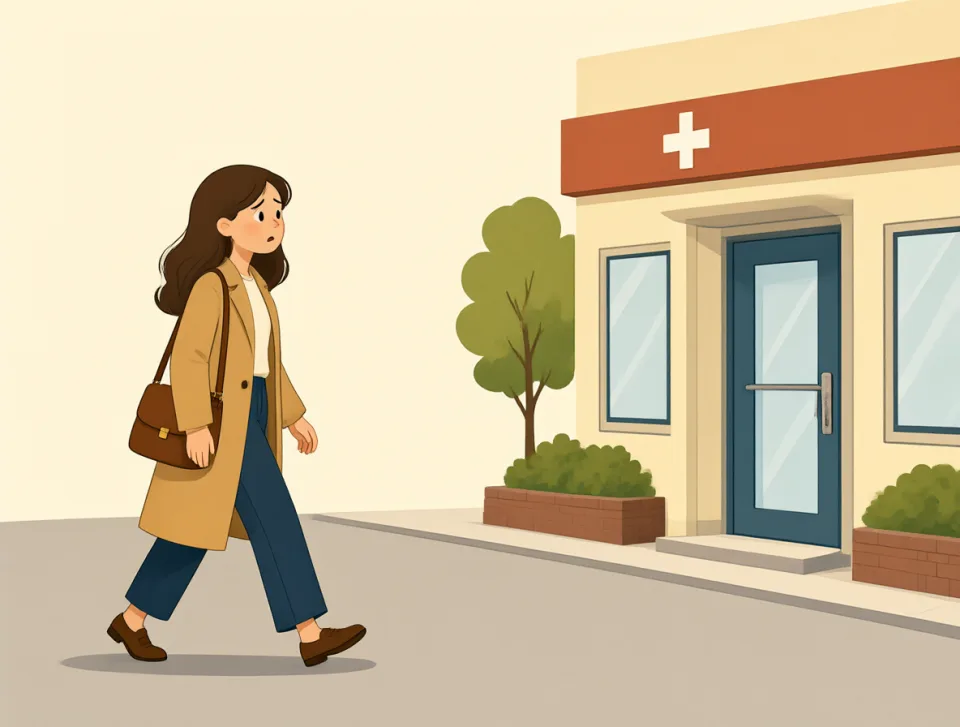
The doctor could not help, so she went elsewhere for treatment.
डॉक्टर मदद नहीं कर सकी, इसलिए वह इलाज के लिए कहीं और गई।
bother
#1844verb, noun
परेशान करना
To annoy someone, or to make an effort to do something.
किसी को खिजाना या कुछ करने की कोशिश करना।

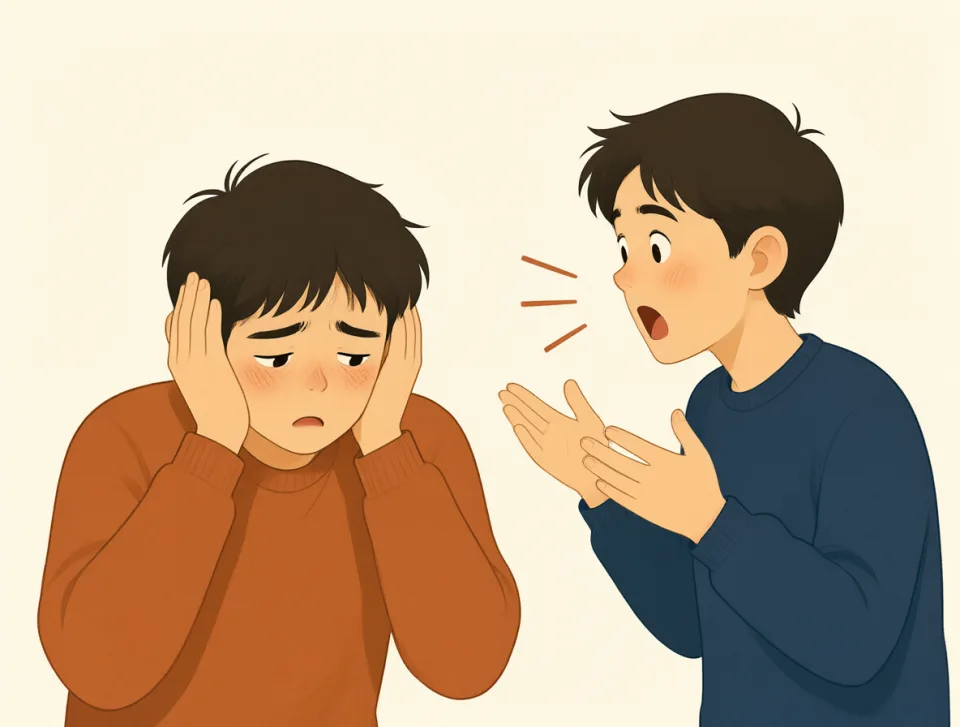
Sorry to bother you, but could you help me find this book?
आपको परेशान करने के लिए माफ़ कीजिए, क्या आप यह किताब ढूँढ़ने में मेरी मदद कर सकते हैं?

The loud music bothered our baby while she was trying to sleep.
तेज़ संगीत से हमारी बच्ची परेशान हो गई, जबकि वह सोने की कोशिश कर रही थी।
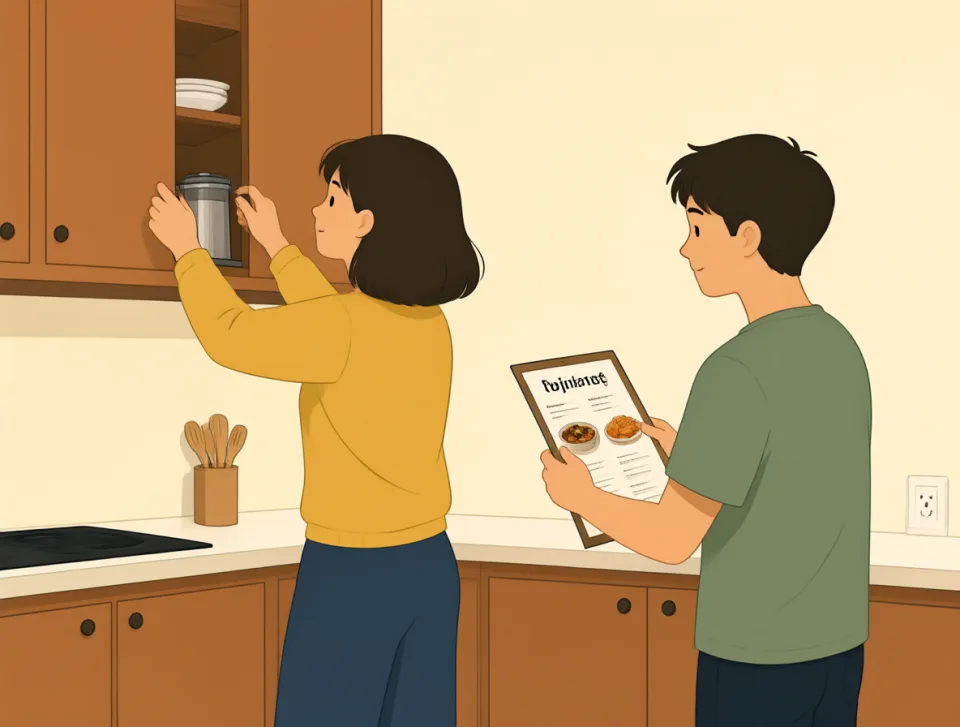
Don't bother cooking tonight; we can order some food.
आज रात खाना बनाने की ज़हमत मत करो; हम कुछ मँगवा सकते हैं।

He never bothers to check his answers before handing in homework.
वह होमवर्क जमा करने से पहले अपने जवाब जाँचने की ज़हमत कभी नहीं उठाता।

It doesn't bother me when my friends arrive a little late.
मेरे दोस्तों के थोड़ा देर से आने से मुझे कोई परेशानी नहीं होती।
initiative
#1845noun
पहल
The ability to decide and act without waiting for someone to tell you what to do.
किसी के यह बताने का इंतज़ार किए बिना कि क्या करना है, खुद फैसला लेने और काम शुरू करने की क्षमता।
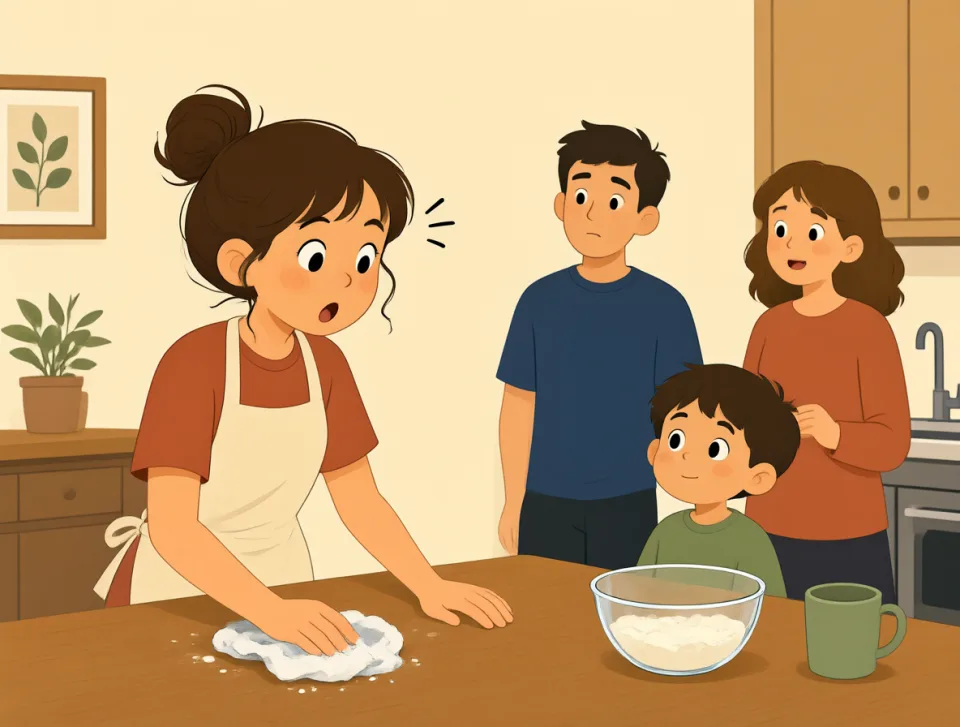
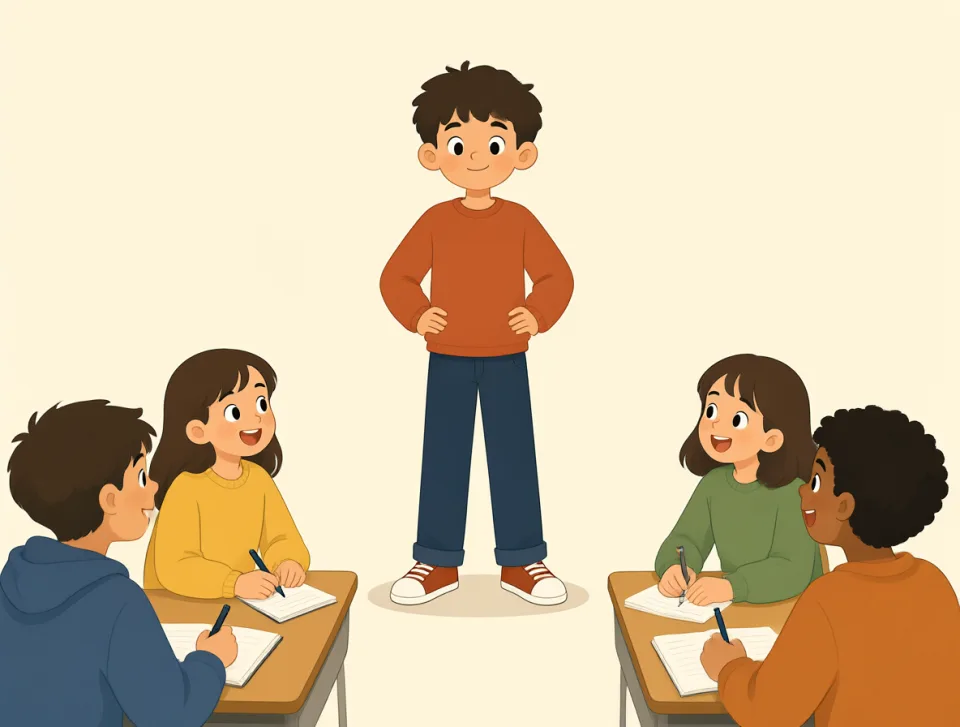
She showed initiative by cleaning the kitchen before anyone asked.
किसी के कहने से पहले ही रसोई साफ़ करके उसने पहल दिखाई।

Our manager praised Tom for taking the initiative at work.
हमारे मैनेजर ने काम पर पहल करने के लिए Tom की तारीफ़ की।
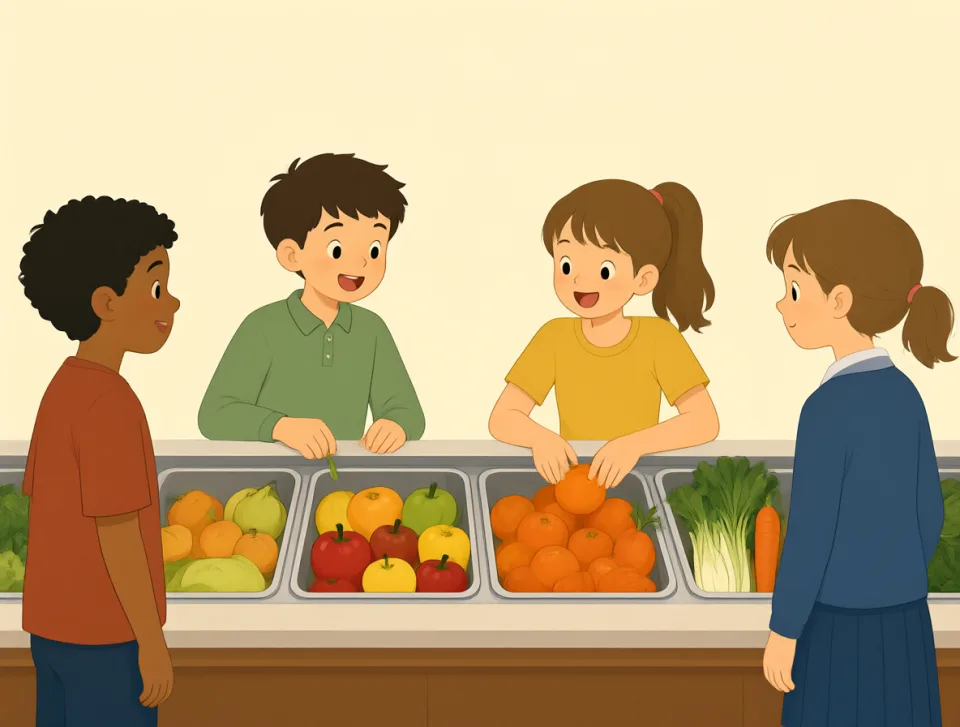
The school started an initiative to help students eat healthier food.
स्कूल ने छात्रों को ज़्यादा सेहतमंद खाना खाने में मदद करने के लिए एक पहल शुरू की।
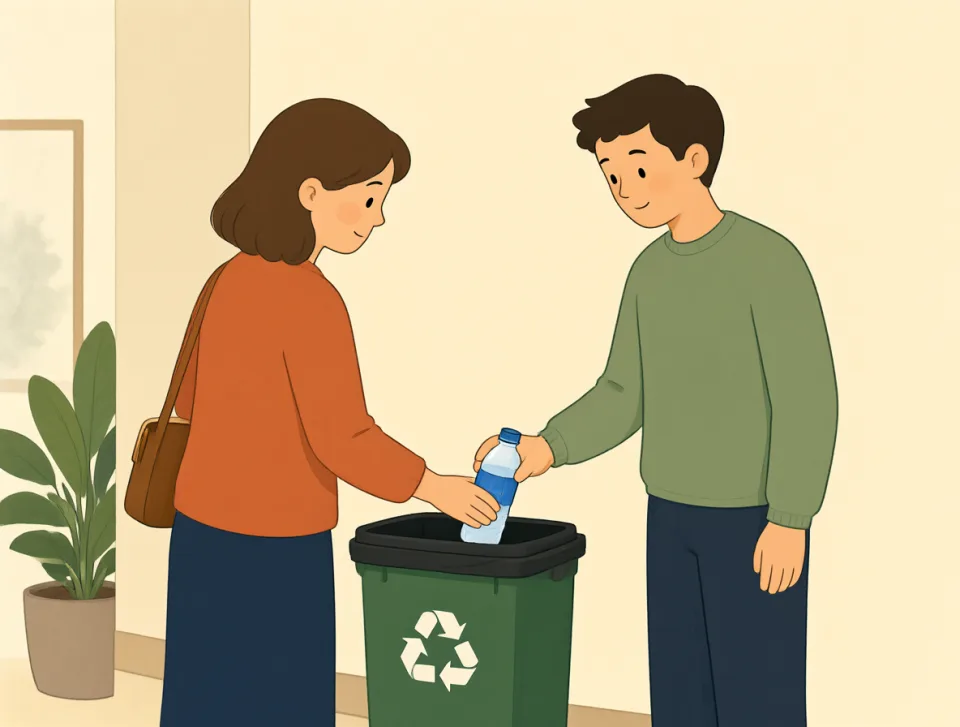
The hotel offered a new recycling initiative for all guests.
होटल ने सभी मेहमानों के लिए रीसाइक्लिंग की एक नई पहल शुरू की।
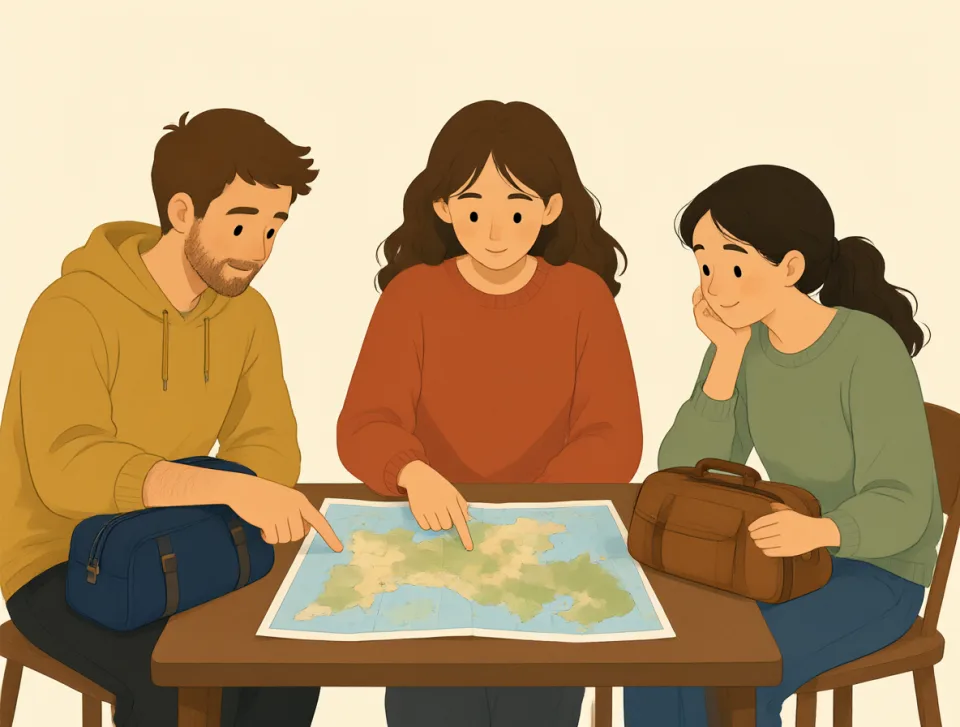
Friends took the initiative and planned a weekend trip together.
दोस्तों ने पहल की और साथ में सप्ताहांत की यात्रा की योजना बनाई।
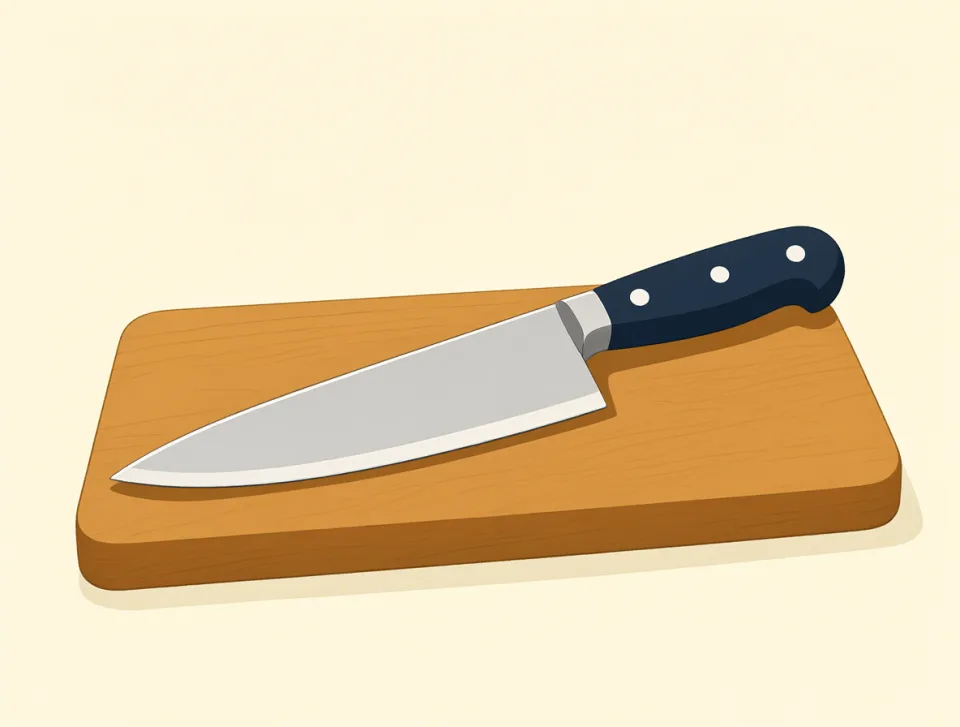
sharp
#1846adjective, adverb, noun, verb
तेज़ धार वाला
Having a thin edge that can cut; quick to understand; exactly at a stated time.
जिसकी धार पतली हो और जो काट सके; जल्दी समझने वाला; बताए गए समय पर ठीक।
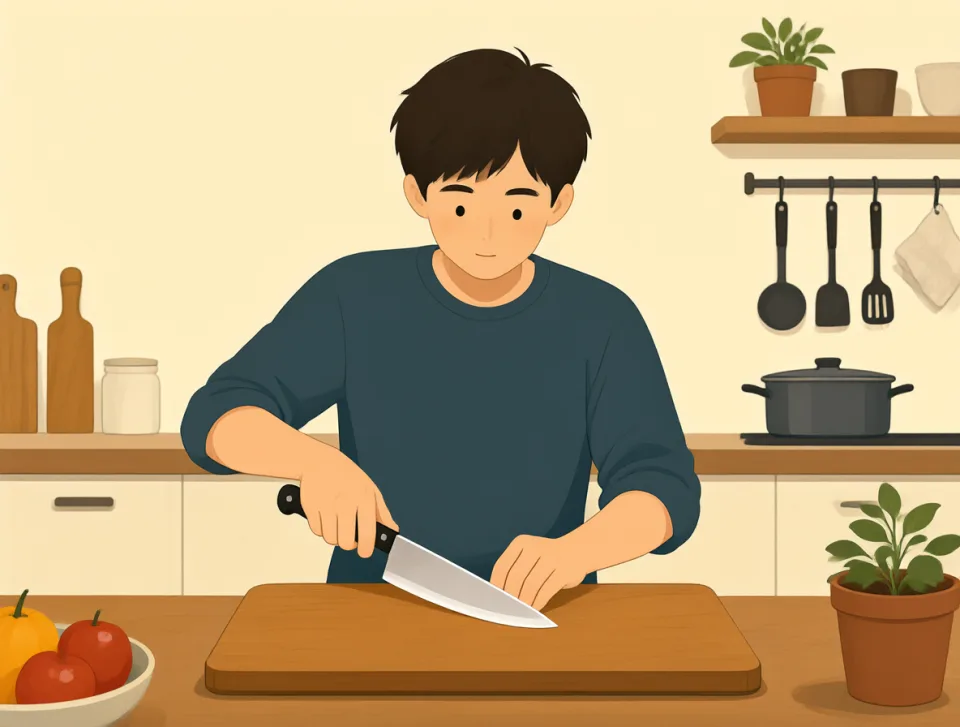
Be careful; this knife is very sharp.
सावधान रहना; इस चाकू की धार बहुत तेज़ है।
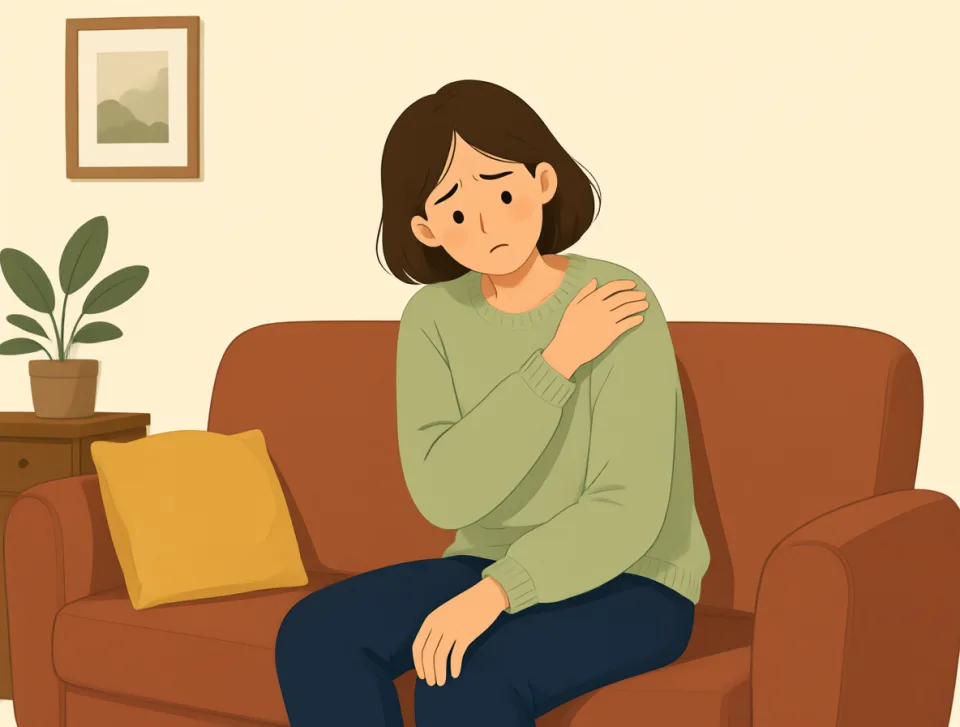
She felt a sharp pain in her shoulder.
उसके कंधे में तेज़ दर्द हुआ।

He is sharp and learns new skills quickly.
वह तेज़ दिमाग़ का है और नए हुनर जल्दी सीख लेता है।

The bus leaves at six sharp tomorrow morning.
कल सुबह बस ठीक छह बजे रवाना होगी।
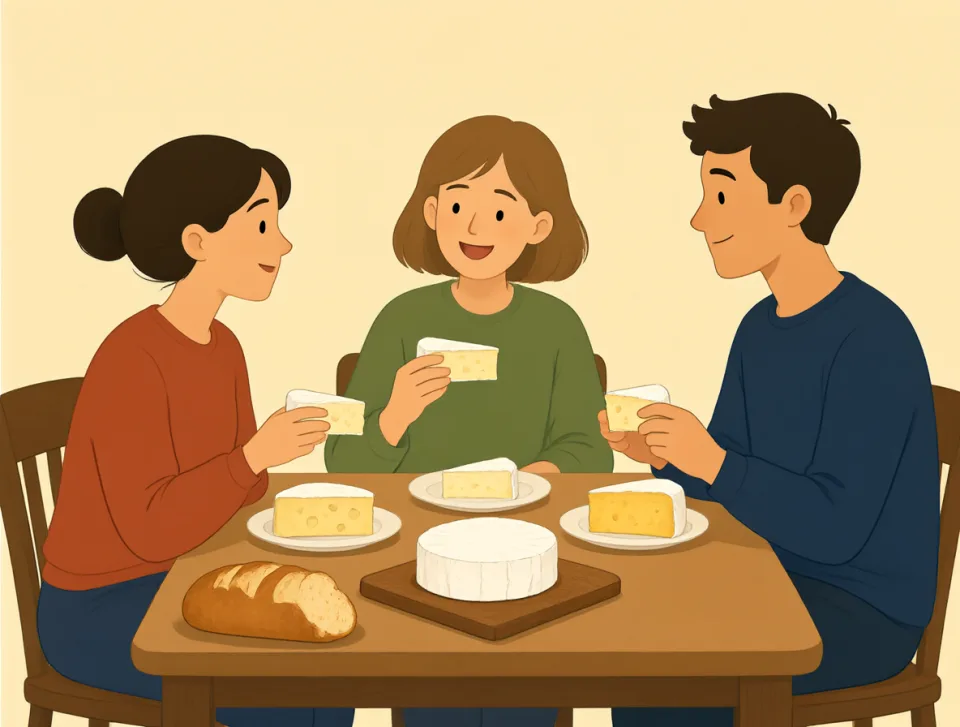
The sharp cheese tasted delicious with fresh bread.
ताज़ी रोटी के साथ तीखा चीज़ स्वादिष्ट लगा।
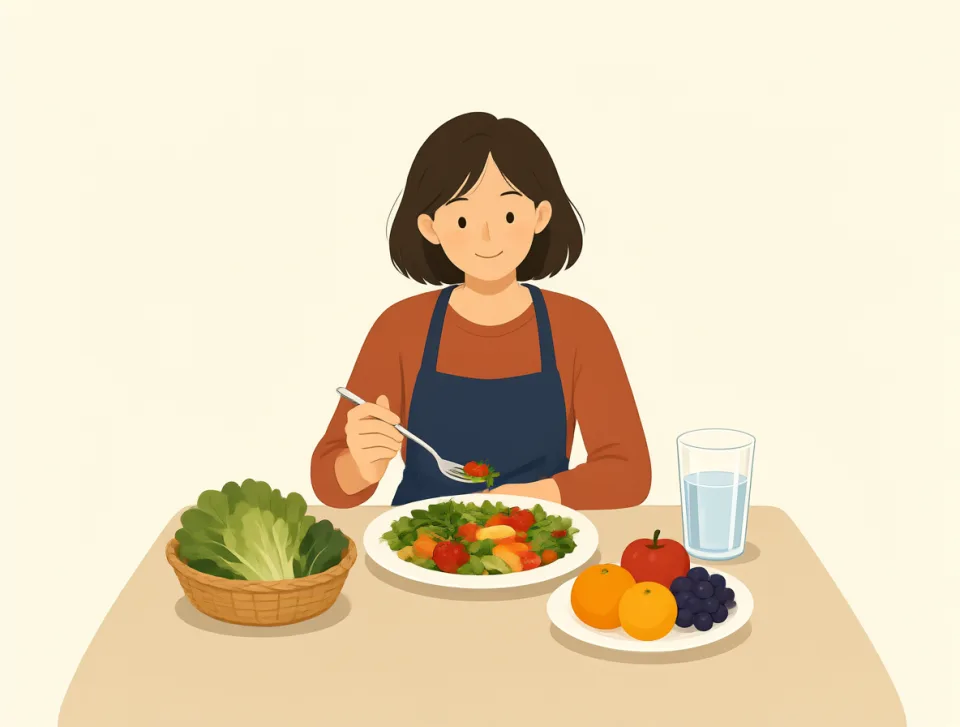
diet
#1847noun, verb
आहार
The food and drink someone usually has, or a plan to eat less or healthier food.
कोई व्यक्ति आम तौर पर जो खाना-पीना लेता है, या कम अथवा सेहतमंद खाना खाने की योजना।
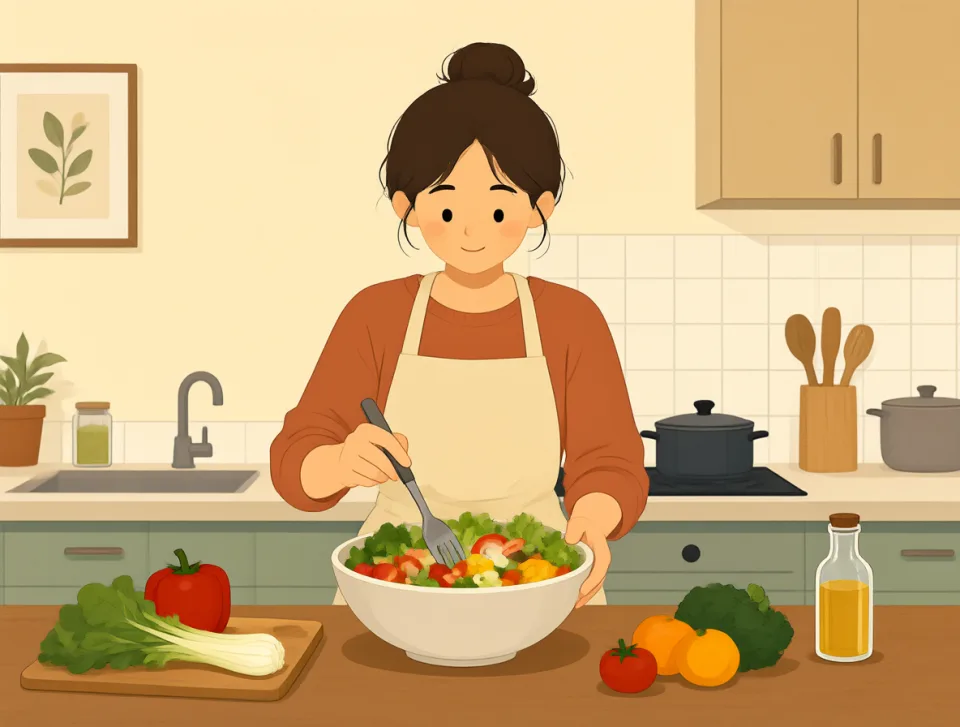
I try to eat a healthy diet with plenty of fresh vegetables.
मैं भरपूर ताज़ी सब्ज़ियों वाला सेहतमंद आहार लेने की कोशिश करता हूँ।
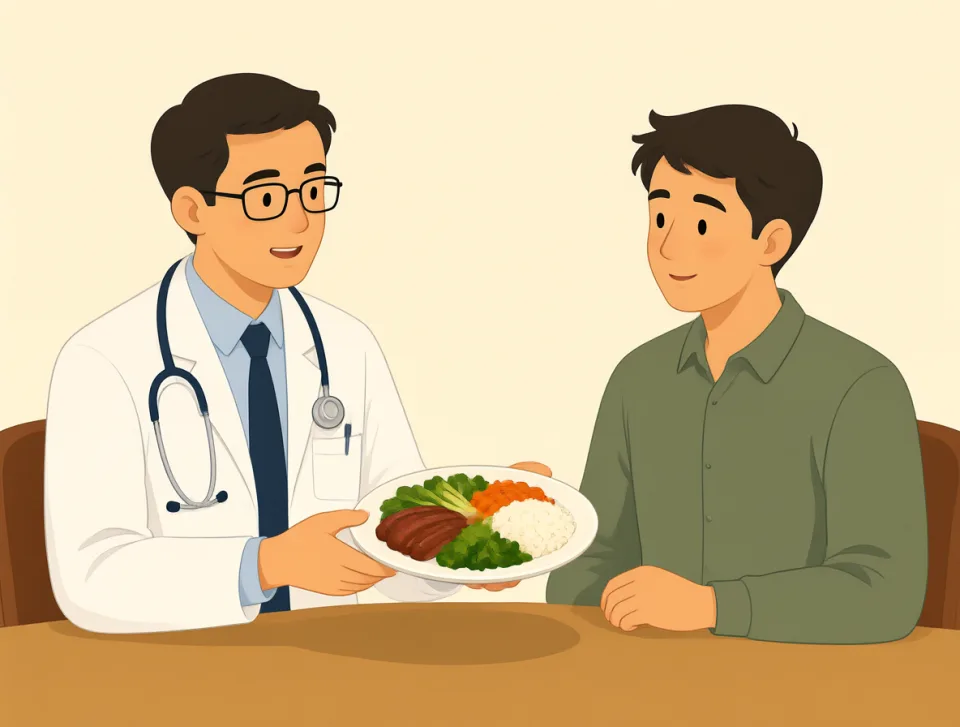
The doctor put him on a low-salt diet for his heart.
डॉक्टर ने उसके दिल की सेहत के लिए उसे कम नमक वाला आहार लेने को कहा।
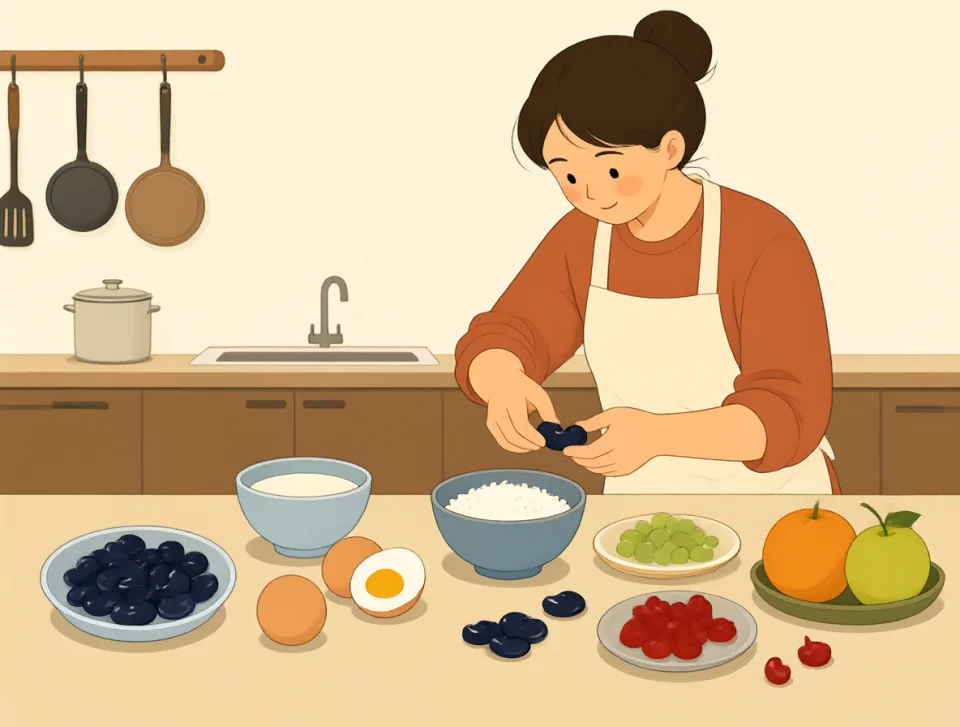
My vegetarian diet includes beans, rice, eggs, and lots of fruit.
मेरे शाकाहारी आहार में बीन्स, चावल, अंडे और ढेर सारे फल शामिल हैं।
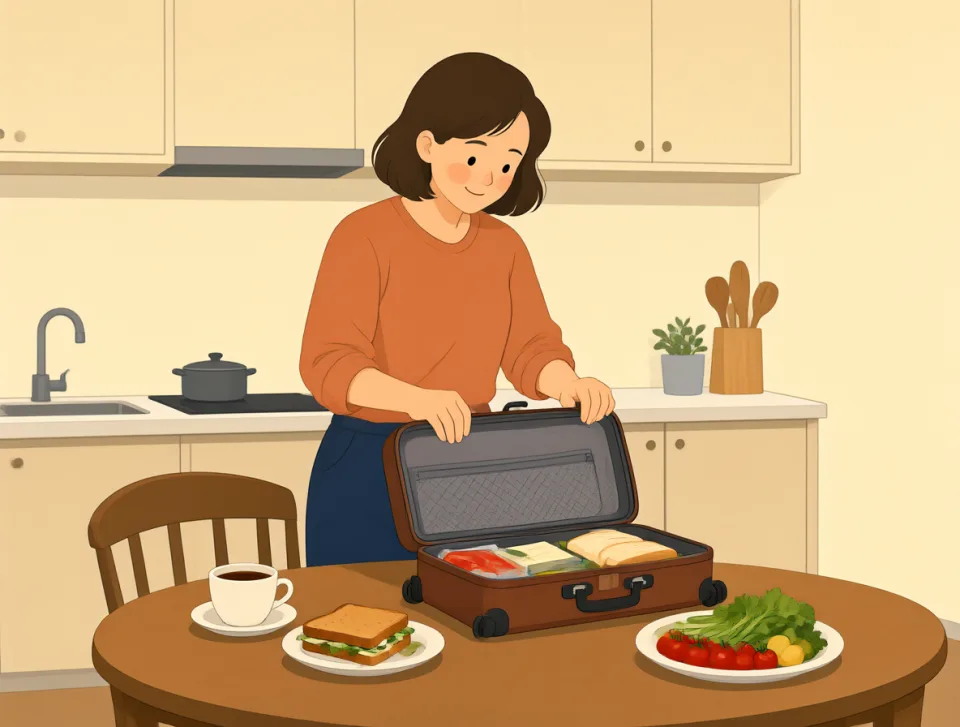
She started a diet before her holiday at the beach.
समुद्र किनारे छुट्टियाँ बिताने से पहले उसने परहेज़ करना शुरू कर दिया।
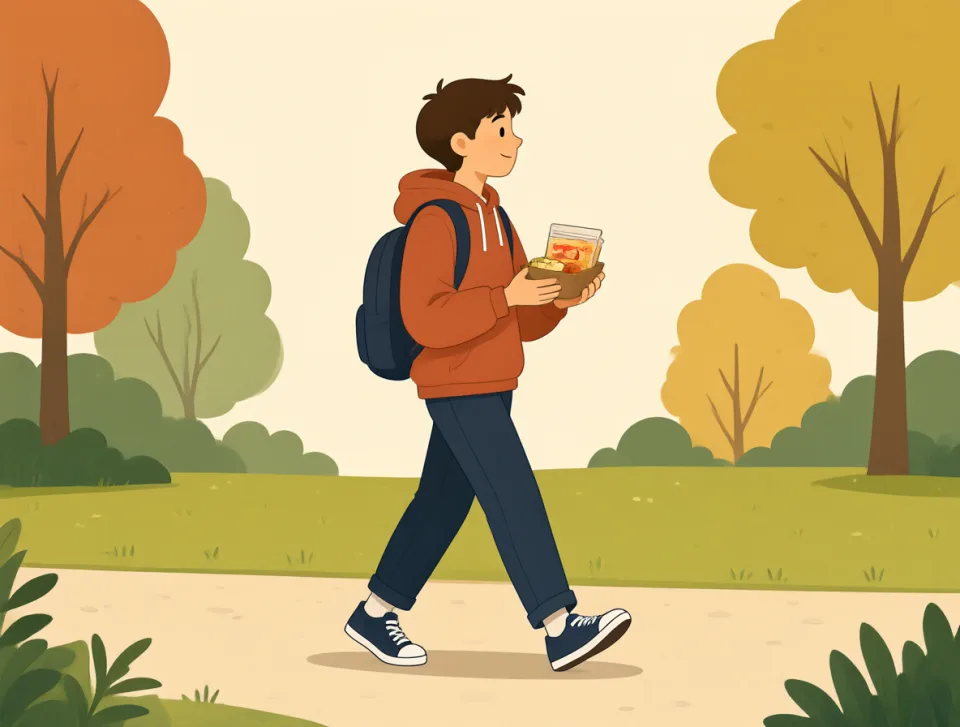
Some people diet by eating smaller meals and walking every day.
कुछ लोग कम मात्रा में खाना खाकर और रोज़ टहलकर अपना वज़न घटाते हैं।

motion
#1848noun, verb
गति
Movement or a movement, especially in a particular direction or to show an idea.
चलना-फिरना या कोई हलचल, खासकर किसी निश्चित दिशा में या कोई विचार व्यक्त करने के लिए।
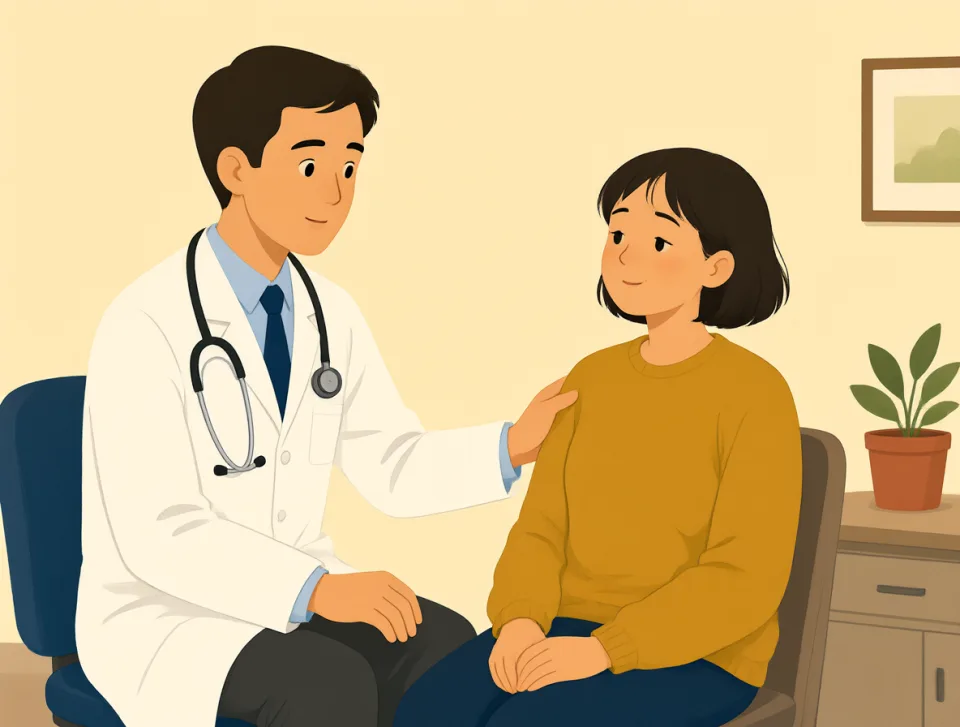
The doctor watched the motion of the patient's chest.
डॉक्टर ने मरीज़ की छाती की हलचल पर नज़र रखी।
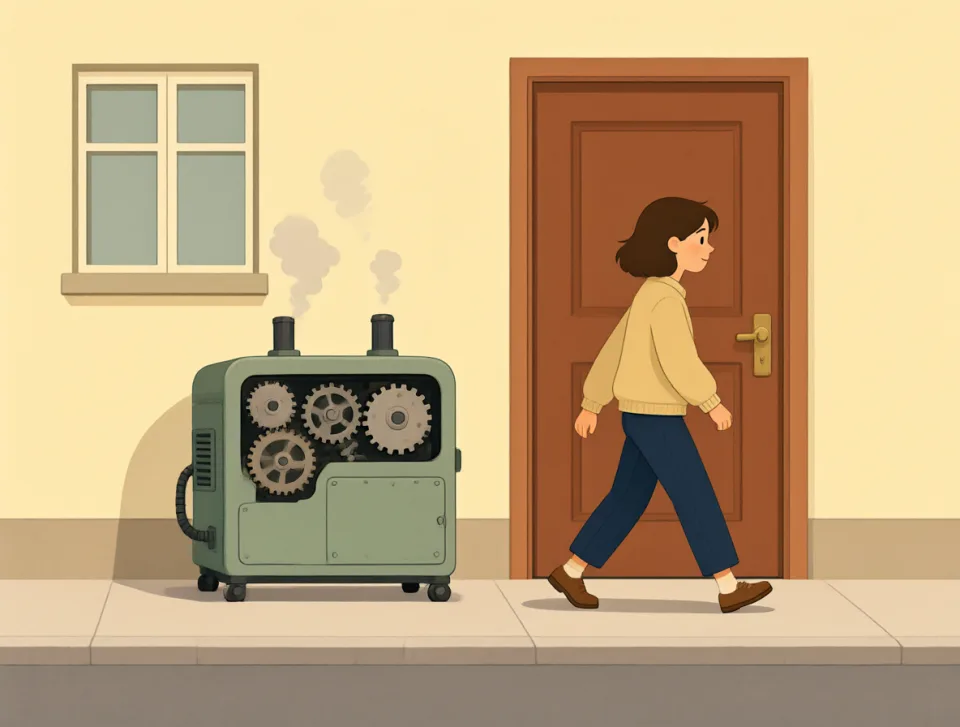
The machine stops when it detects sudden motion.
अचानक हलचल का पता चलते ही मशीन रुक जाती है।

She made a motion for us to come inside.
उसने हमें अंदर आने का इशारा किया।
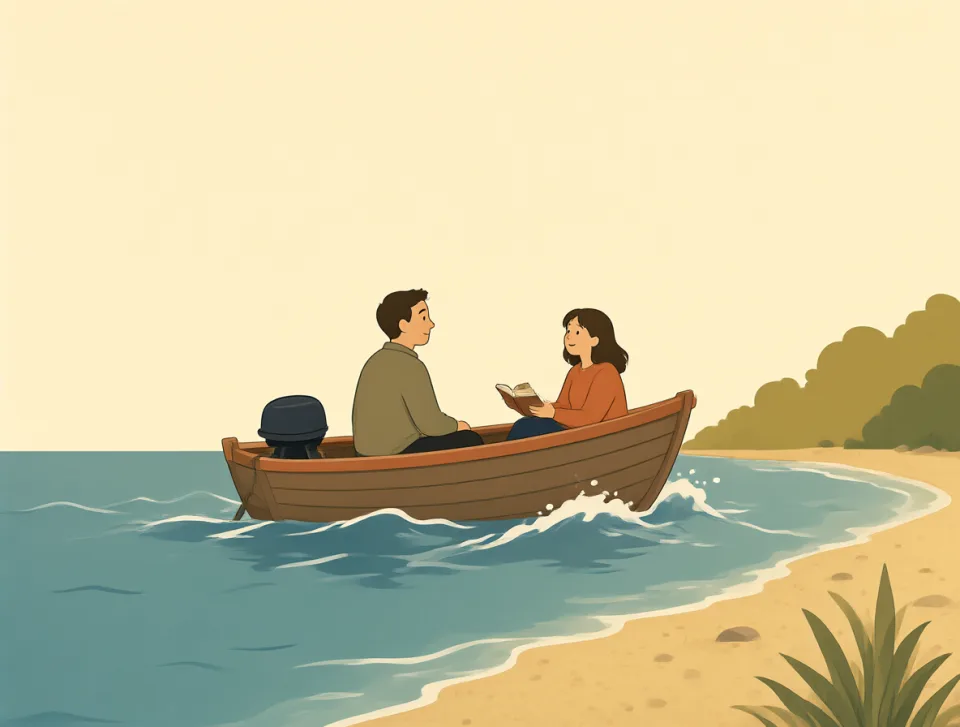
The boat rocked with the motion of the waves.
लहरों की हलचल से नाव डोलने लगी।

The committee voted to approve the motion.
समिति ने प्रस्ताव को मंज़ूरी देने के लिए मतदान किया।
gray
#1849adjective, noun
धूसर
having a color between black and white
जिसका रंग काले और सफ़ेद के बीच हो।

He wore a gray jacket on the cold morning.
ठंडी सुबह उसने धूसर जैकेट पहनी थी।
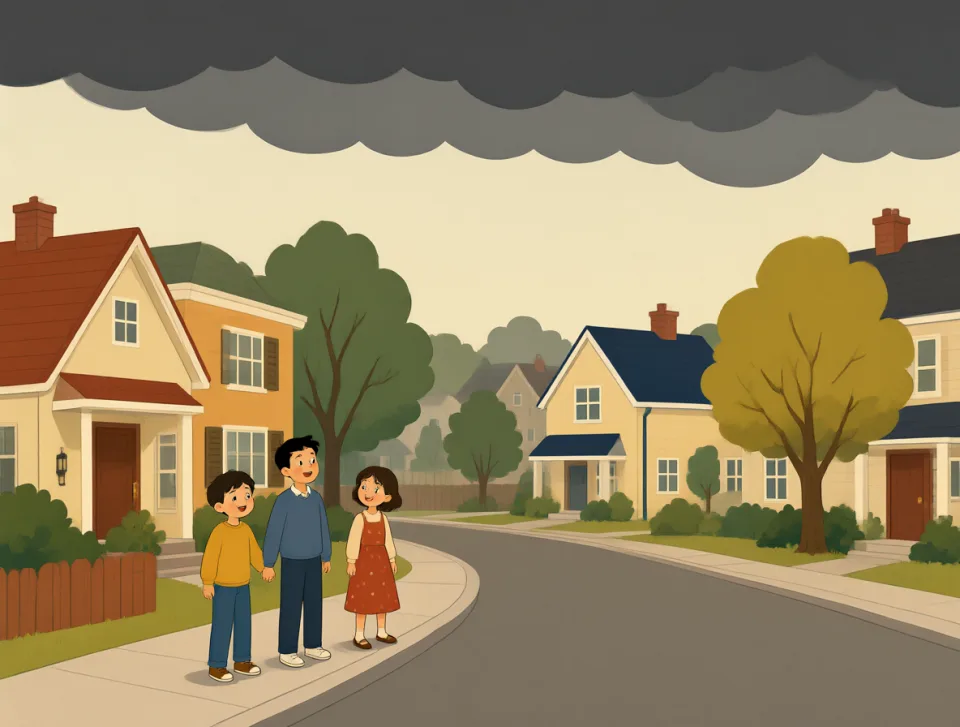
The sky turned gray before the rain started.
बारिश शुरू होने से पहले आसमान धूसर हो गया।

She bought a gray sofa for the living room.
उसने बैठक के कमरे के लिए धूसर रंग का सोफ़ा खरीदा।
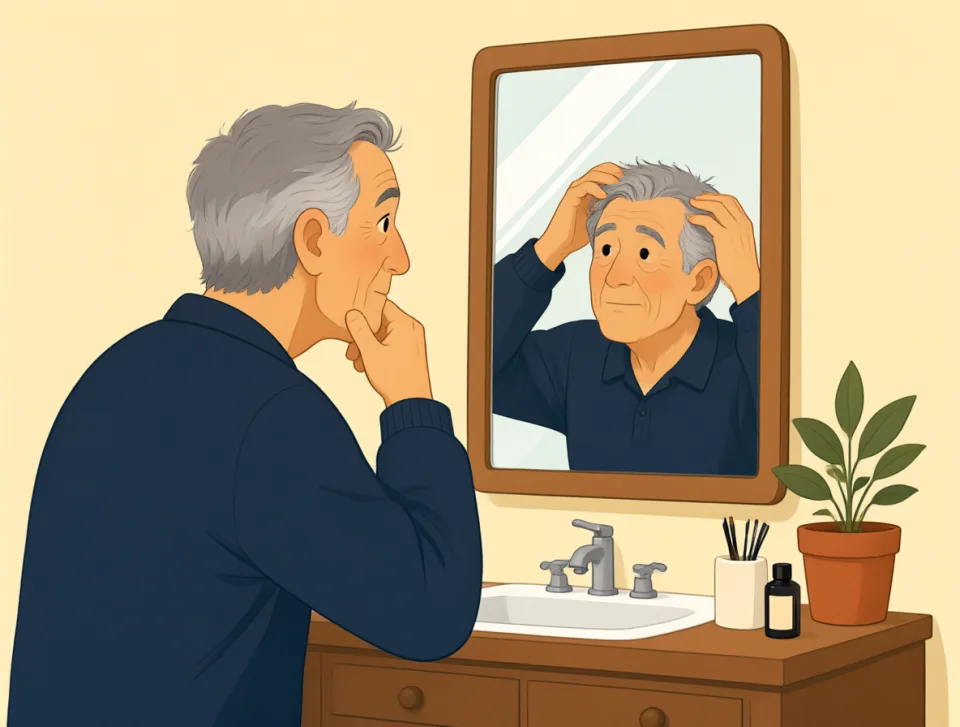
My grandfather's hair is turning gray.
मेरे दादाजी के बाल सफ़ेद हो रहे हैं।
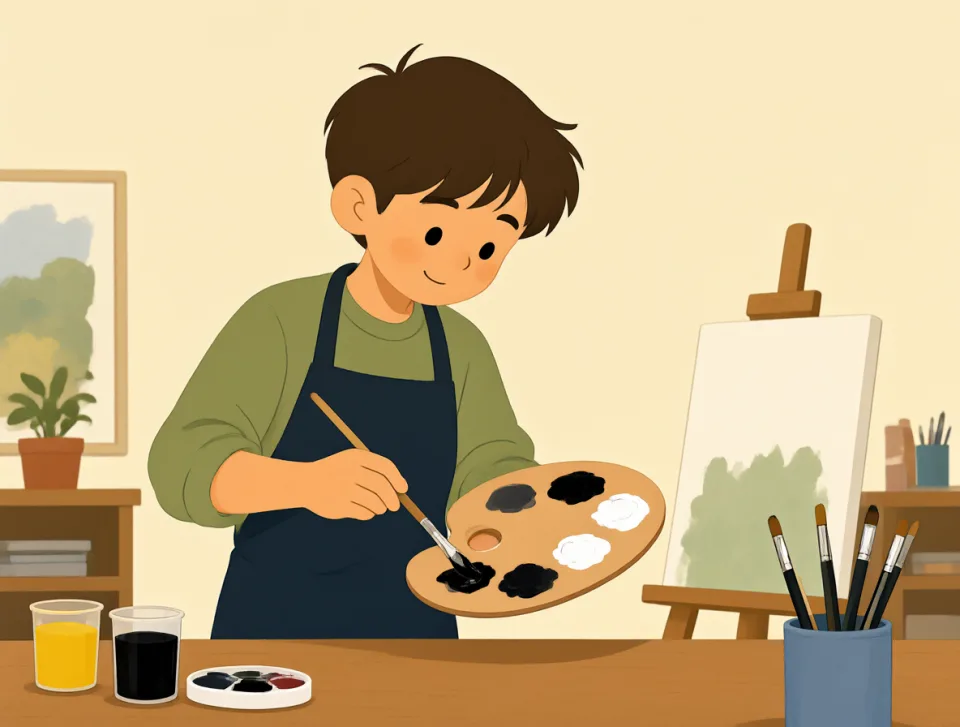
The artist mixed black and white to make gray.
कलाकार ने धूसर रंग बनाने के लिए काले और सफ़ेद रंग मिलाए।
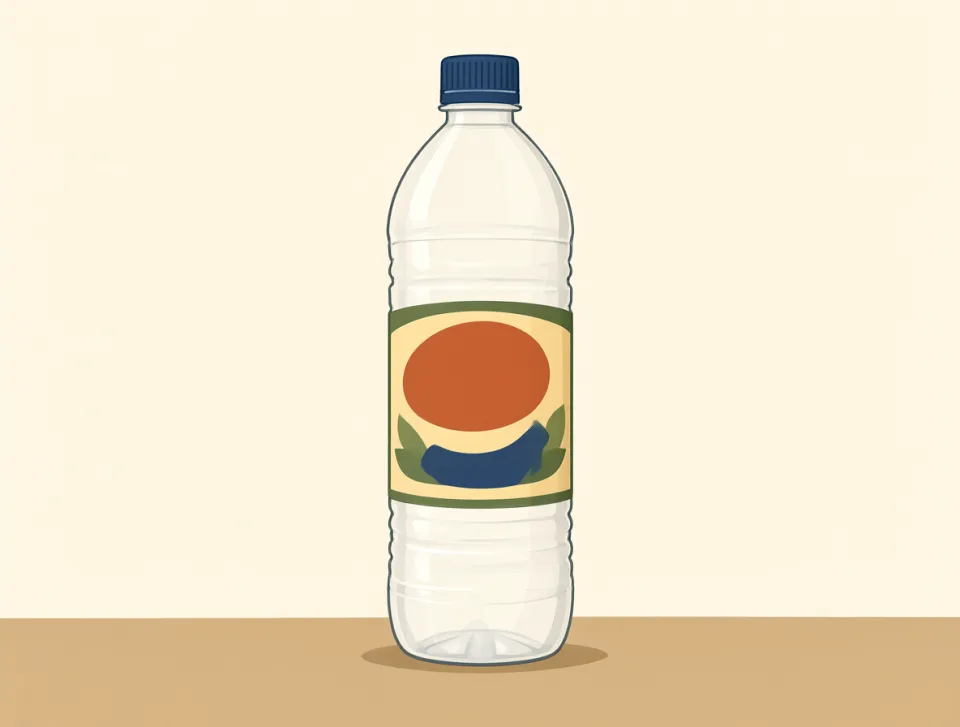
plastic
#1850noun, adjective
प्लास्टिक
A light, strong material made from chemicals, often used to make containers and bags.
रसायनों से बना हल्का और मज़बूत पदार्थ, जिसका इस्तेमाल अक्सर डिब्बे और थैले बनाने में होता है।
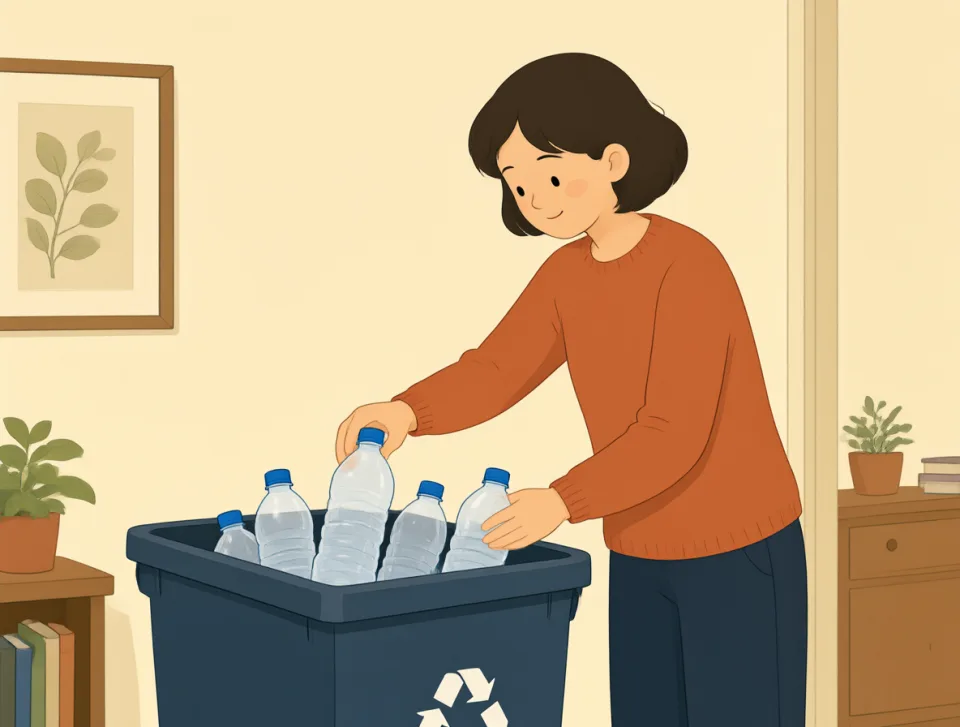
Please put the plastic bottles in the recycling bin.
कृपया प्लास्टिक की बोतलें पुनर्चक्रण के डिब्बे में डाल दें।
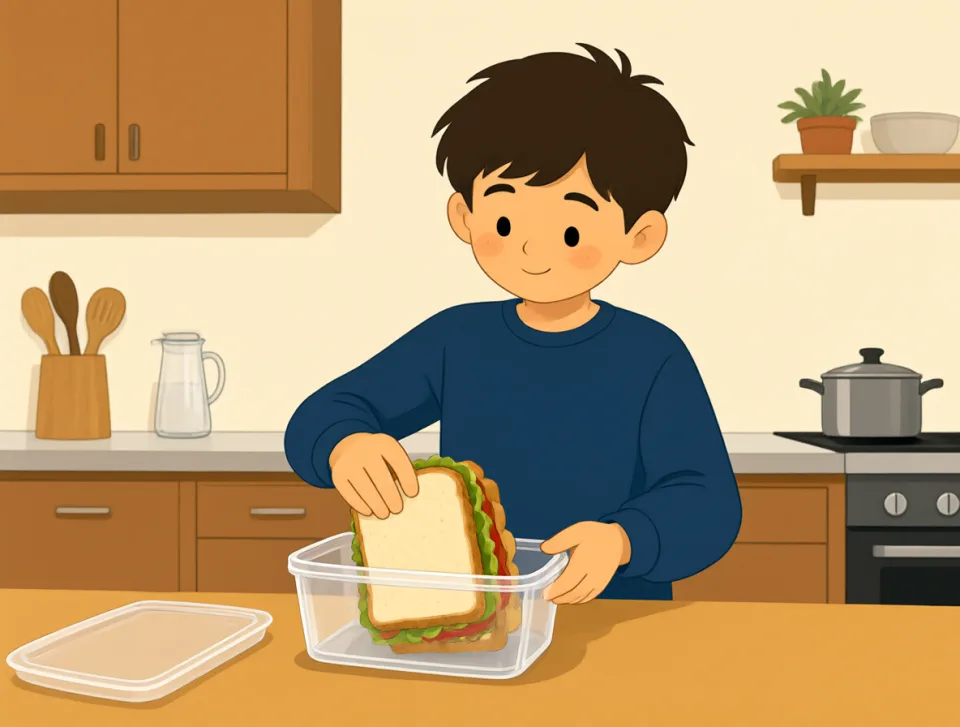
She packed her lunch in a plastic container.
उसने अपना दोपहर का खाना प्लास्टिक के डिब्बे में रखा।

The shop gives customers a plastic bag for their purchases.
दुकान ग्राहकों को खरीदा हुआ सामान रखने के लिए प्लास्टिक का थैला देती है।
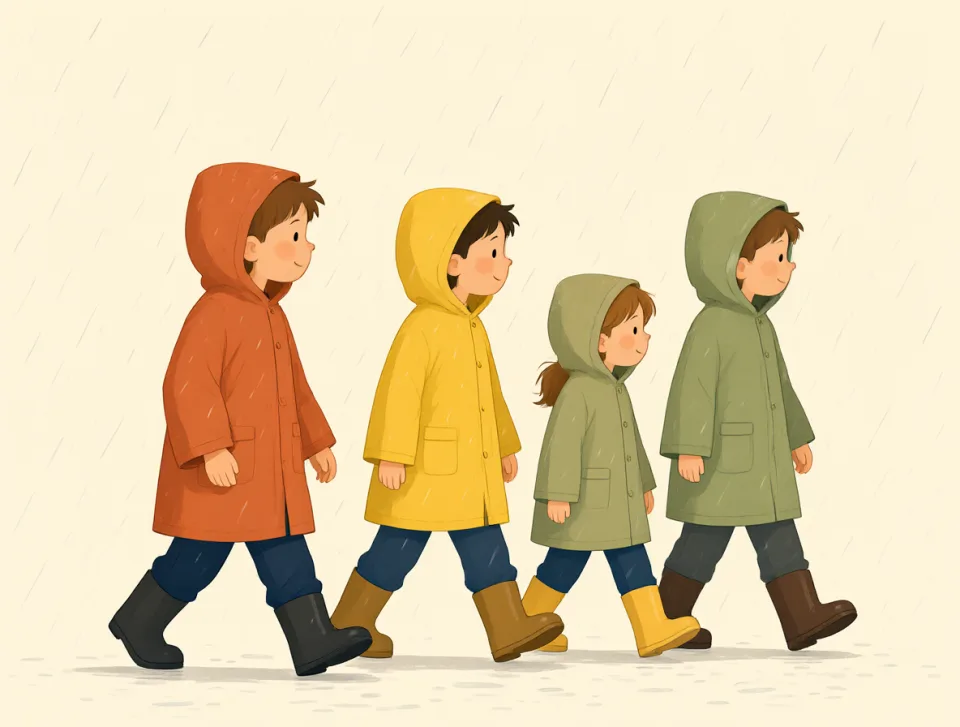
The children wore plastic raincoats during the school trip.
स्कूल की सैर के दौरान बच्चों ने प्लास्टिक के रेनकोट पहने।
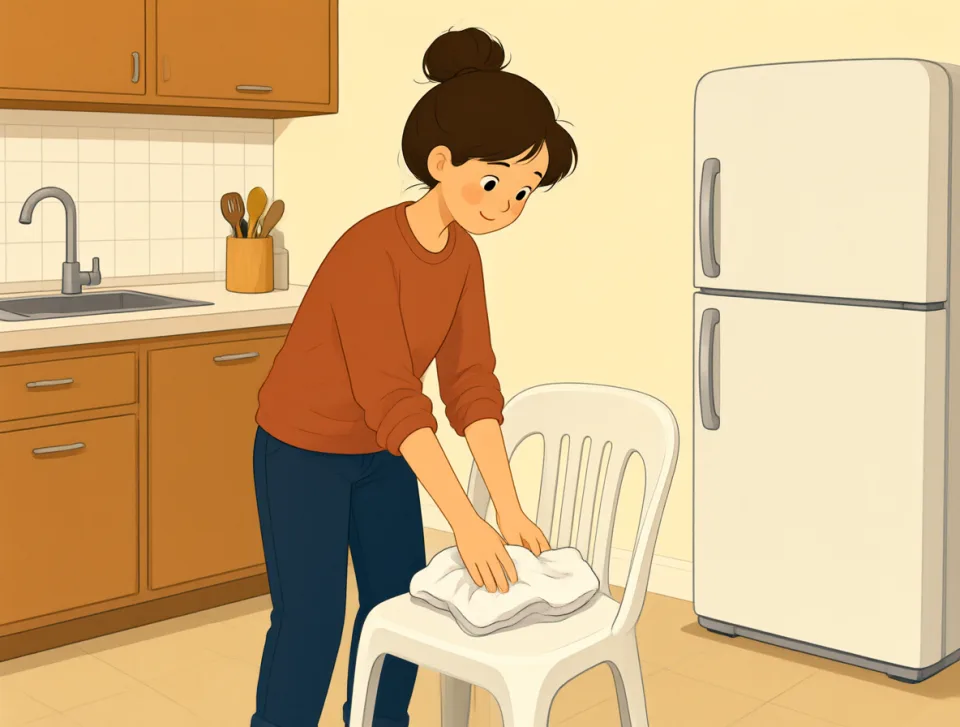
This chair is made of strong plastic and is easy to clean.
यह कुर्सी मज़बूत प्लास्टिक की बनी है और इसे साफ़ करना आसान है।
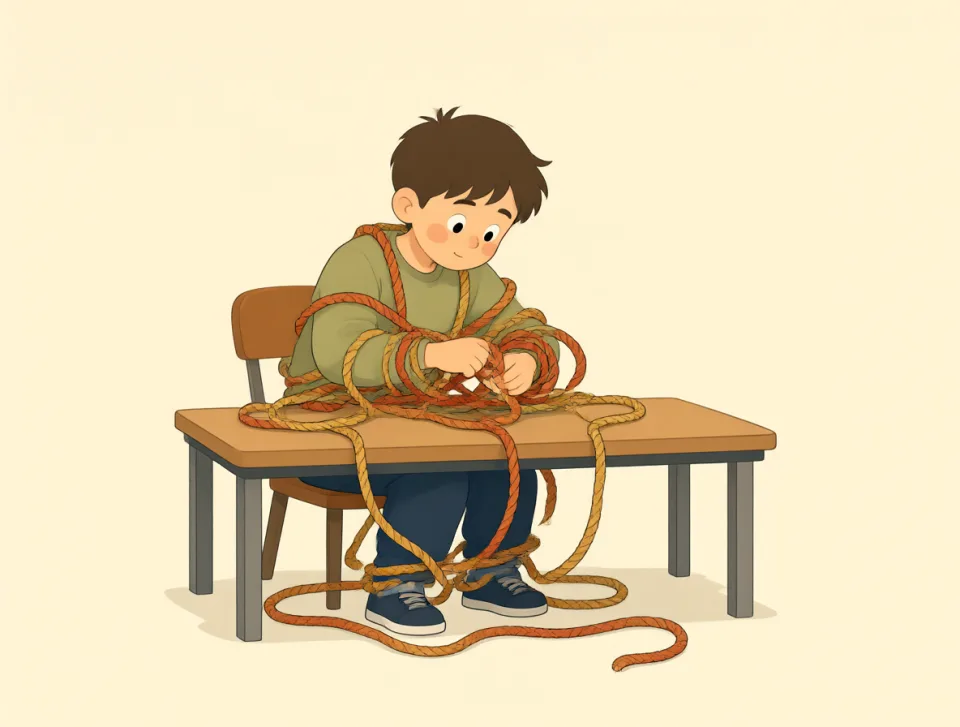
complicate
#1851verb
जटिल बनाना
to make something more difficult or confusing than it needs to be
किसी चीज़ को ज़रूरत से ज़्यादा कठिन या उलझा हुआ बना देना
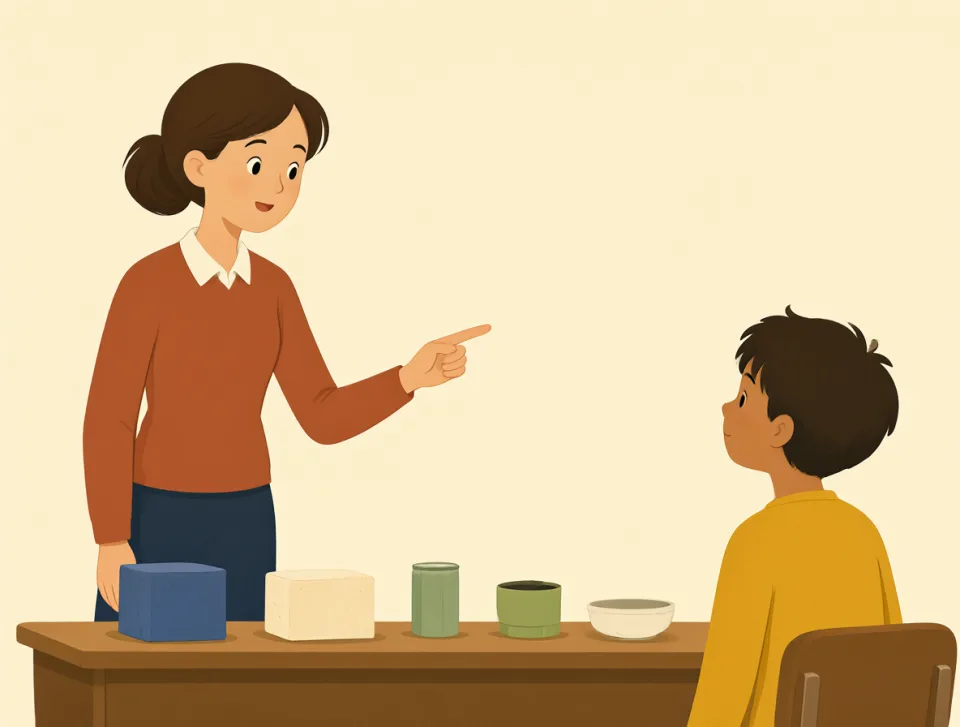
Don't complicate the problem; follow these simple steps.
समस्या को उलझाओ मत; इन आसान चरणों का पालन करो।

The bad weather complicated our travel plans.
खराब मौसम ने हमारी यात्रा की योजनाओं को जटिल बना दिया।

Too many rules can complicate the hiring process.
बहुत ज़्यादा नियम भर्ती प्रक्रिया को जटिल बना सकते हैं।
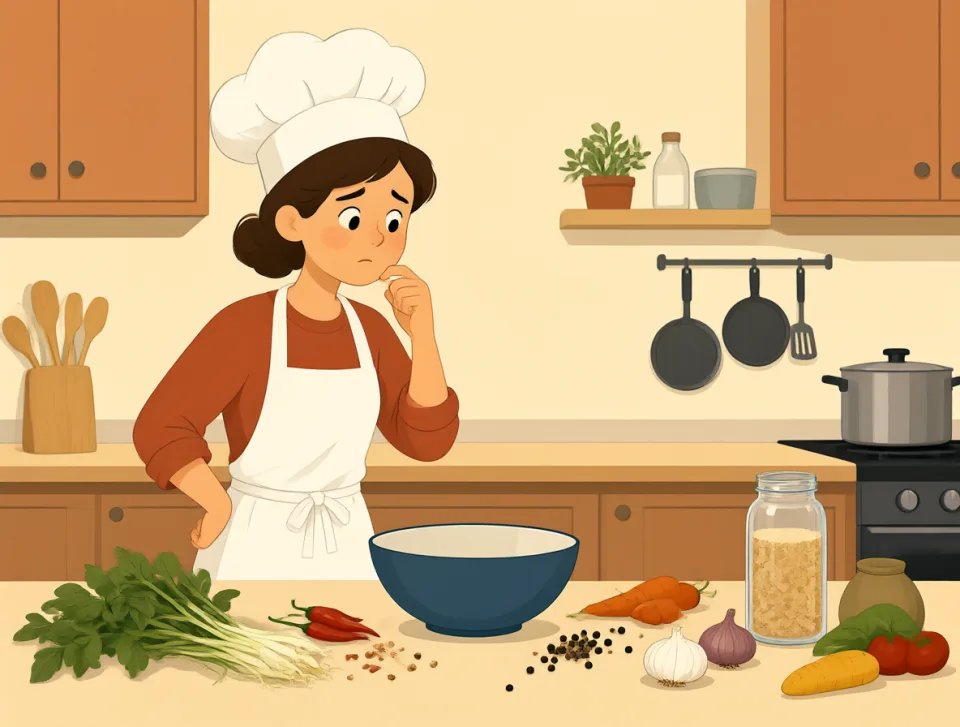
Adding more ingredients complicated the recipe.
और सामग्री डालने से पकाने की विधि जटिल हो गई।
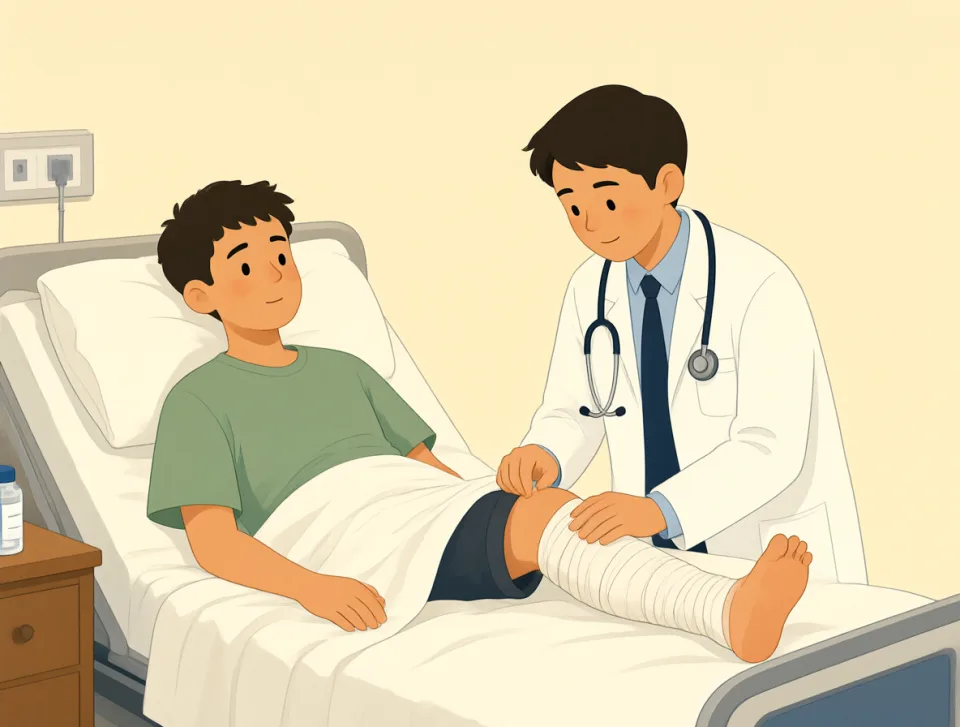
His injury complicated his recovery after the accident.
उसकी चोट ने दुर्घटना के बाद उसके ठीक होने की प्रक्रिया को जटिल बना दिया।

discipline
#1852noun, verb
अनुशासन
Training yourself to follow rules and control your behavior to reach a goal.
किसी लक्ष्य तक पहुँचने के लिए नियमों का पालन करना और अपने व्यवहार को नियंत्रित रखना।
Learning a new language takes discipline and regular practice.
नई भाषा सीखने के लिए अनुशासन और नियमित अभ्यास की ज़रूरत होती है।
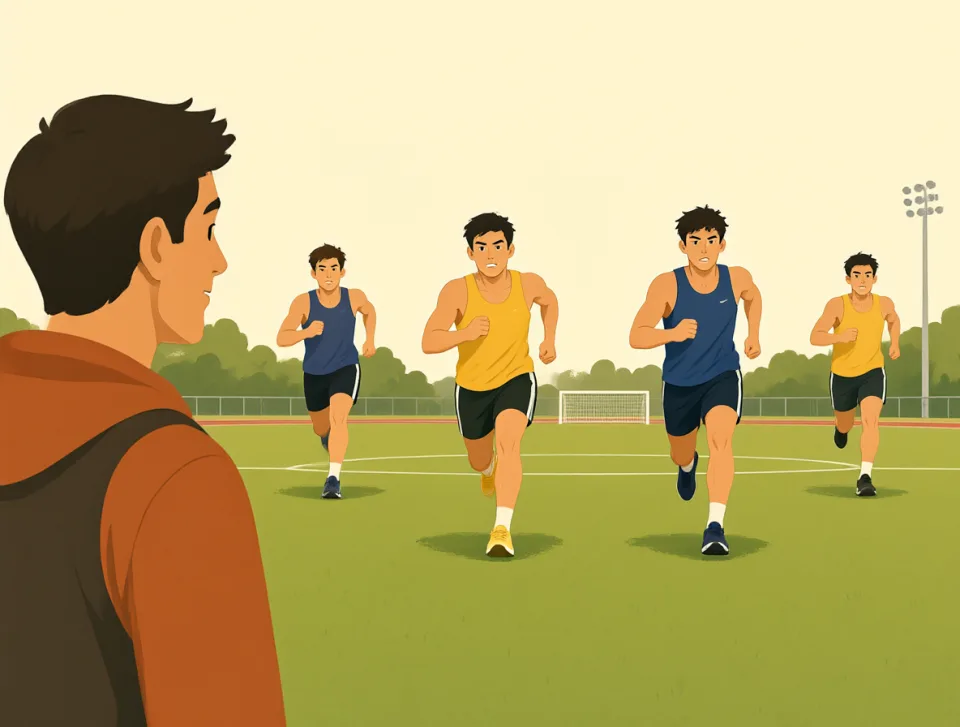
The coach praised the team for showing discipline during training.
कोच ने अभ्यास के दौरान अनुशासन दिखाने के लिए टीम की तारीफ़ की।

The school uses discipline to help students behave well.
स्कूल विद्यार्थियों को अच्छा व्यवहार करना सिखाने के लिए अनुशासन का उपयोग करता है।

Good financial discipline helped us save enough money for our holiday.
पैसों के मामले में अनुशासन रखने से हम छुट्टियों के लिए पर्याप्त पैसे बचा पाए।
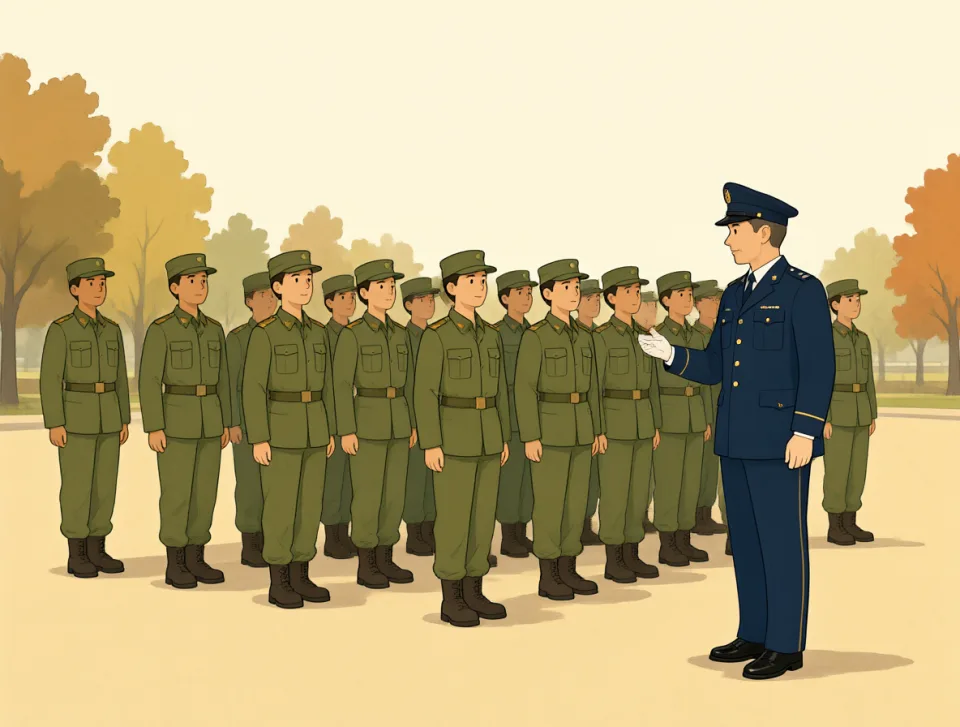
The army disciplined the new soldiers during their first month.
सेना ने नए सैनिकों को उनके पहले महीने में अनुशासित किया।
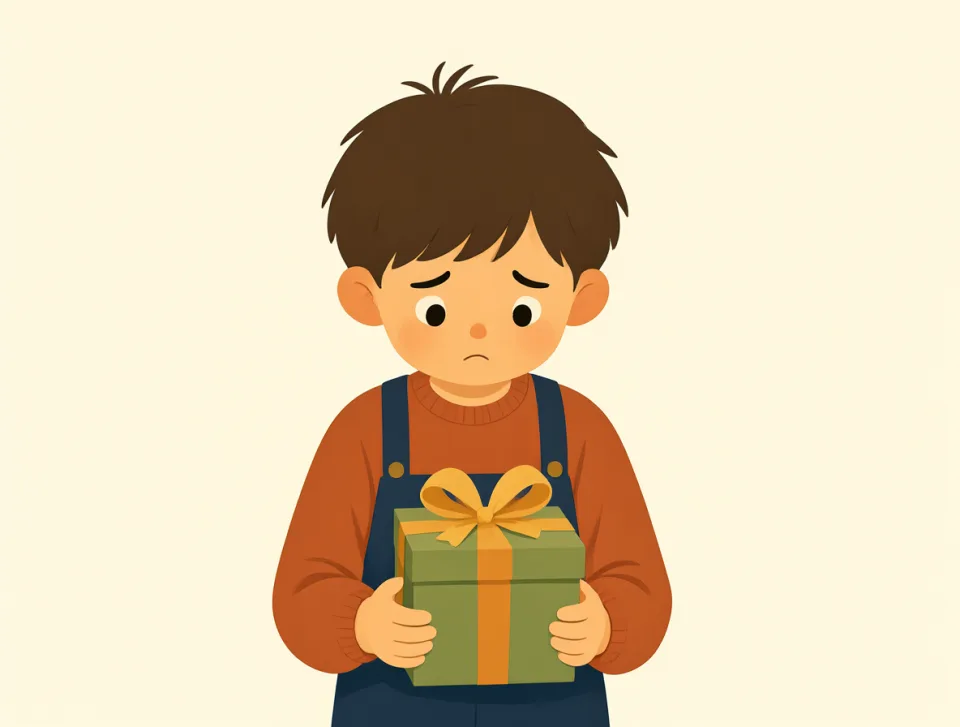
disappoint
#1853verb
निराश करना
To make someone feel unhappy because something was not as good as expected.
किसी की उम्मीद के मुताबिक कुछ न होने पर उसे दुखी करना।
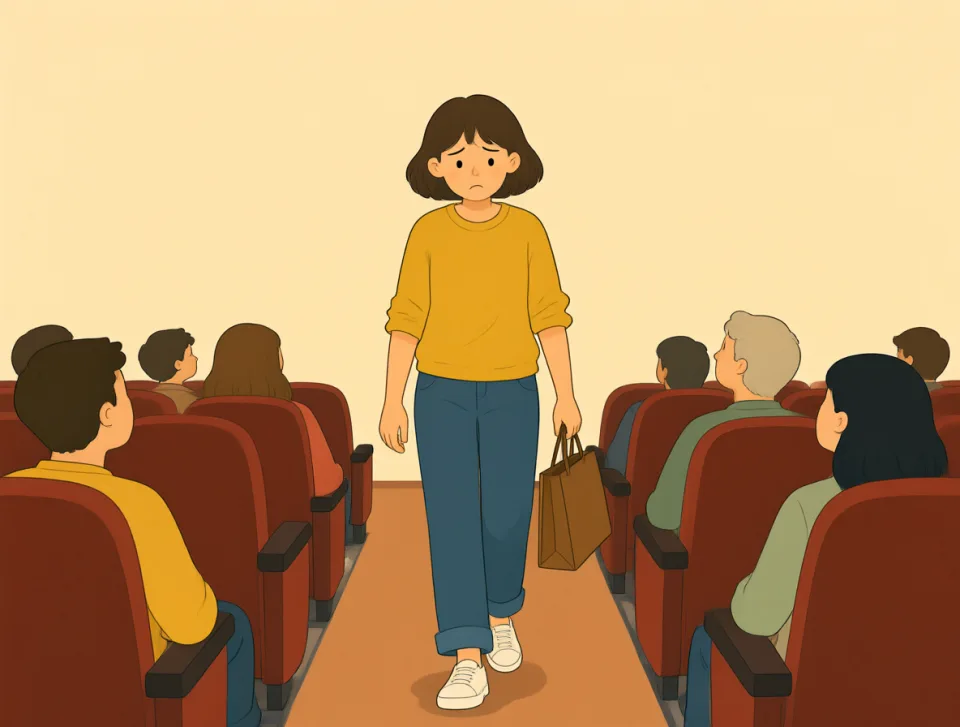
The movie disappointed me, so I left before the end.
फ़िल्म ने मुझे निराश किया, इसलिए मैं उसके खत्म होने से पहले ही चला गया।
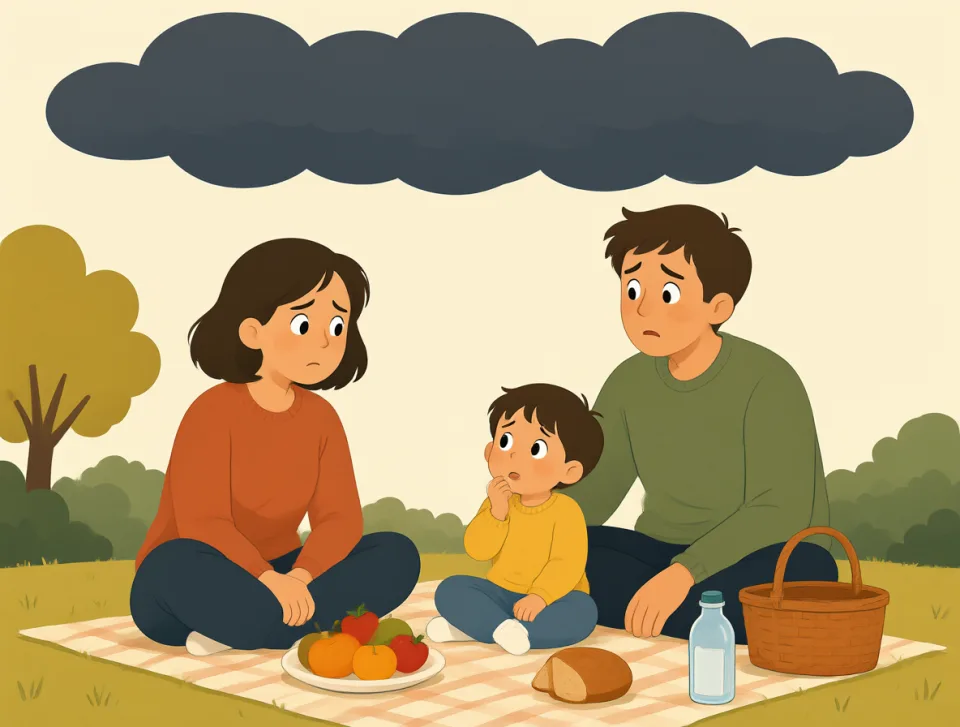
I hope the weather does not disappoint us tomorrow.
उम्मीद है कि कल मौसम हमें निराश नहीं करेगा।
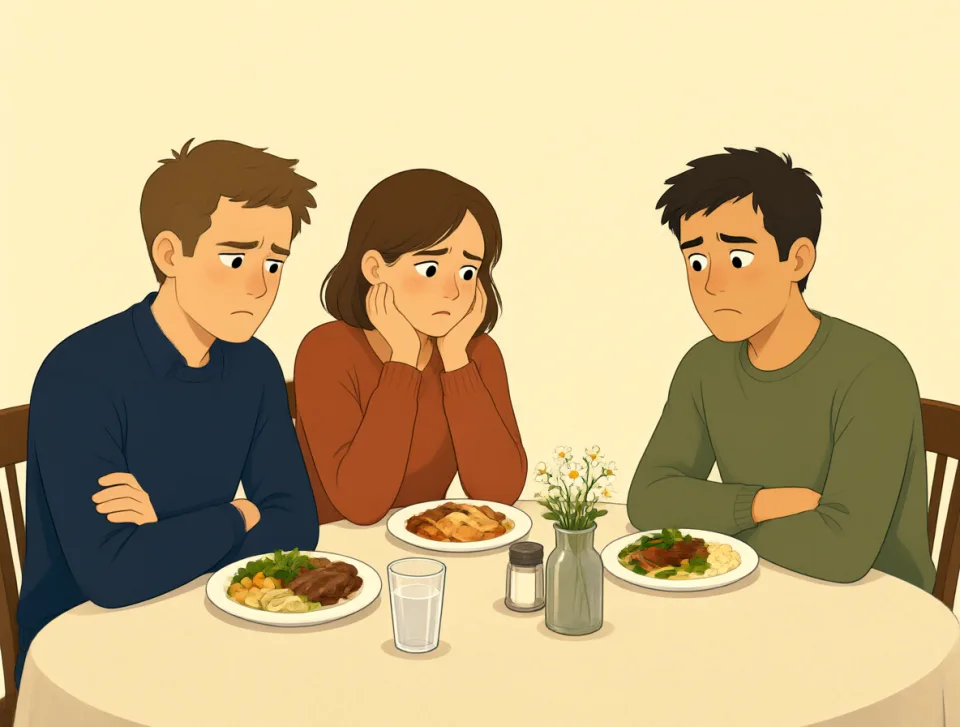
The restaurant disappointed us with cold food and slow service.
ठंडा खाना और धीमी सेवा देकर रेस्तराँ ने हमें निराश किया।
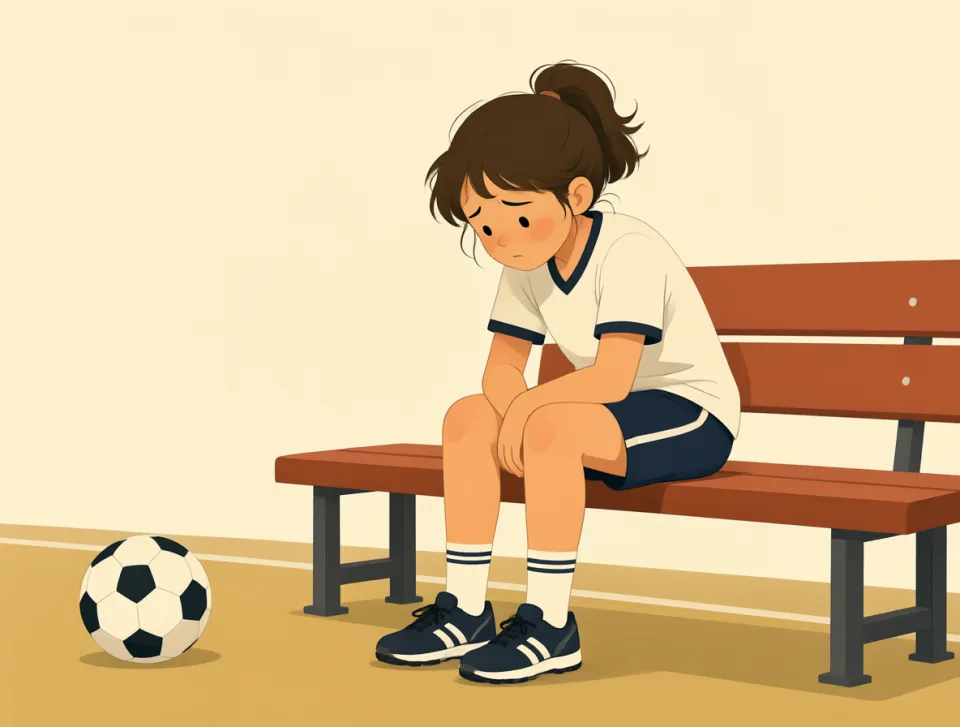
She was disappointed when her team lost the final game.
जब उसकी टीम फ़ाइनल मैच हार गई, तो वह निराश हुई।

He hates disappointing his parents when he gets poor grades.
खराब अंक मिलने पर अपने माता-पिता को निराश करना उसे बिल्कुल पसंद नहीं है।

boss
#1854noun, verb
बॉस
A person who is in charge of a workplace or tells others what to do.
वह व्यक्ति जो किसी कार्यस्थल की ज़िम्मेदारी संभालता है या दूसरों को बताता है कि क्या करना है।

My boss asked me to finish the report before lunch.
मेरे बॉस ने मुझसे दोपहर के खाने से पहले रिपोर्ट पूरी करने को कहा।

I need to talk to my boss about taking Friday off.
मुझे शुक्रवार की छुट्टी लेने के बारे में अपने बॉस से बात करनी है।

Our new boss is friendly and listens to everyone's ideas.
हमारे नए बॉस मिलनसार हैं और सबके सुझाव सुनते हैं।
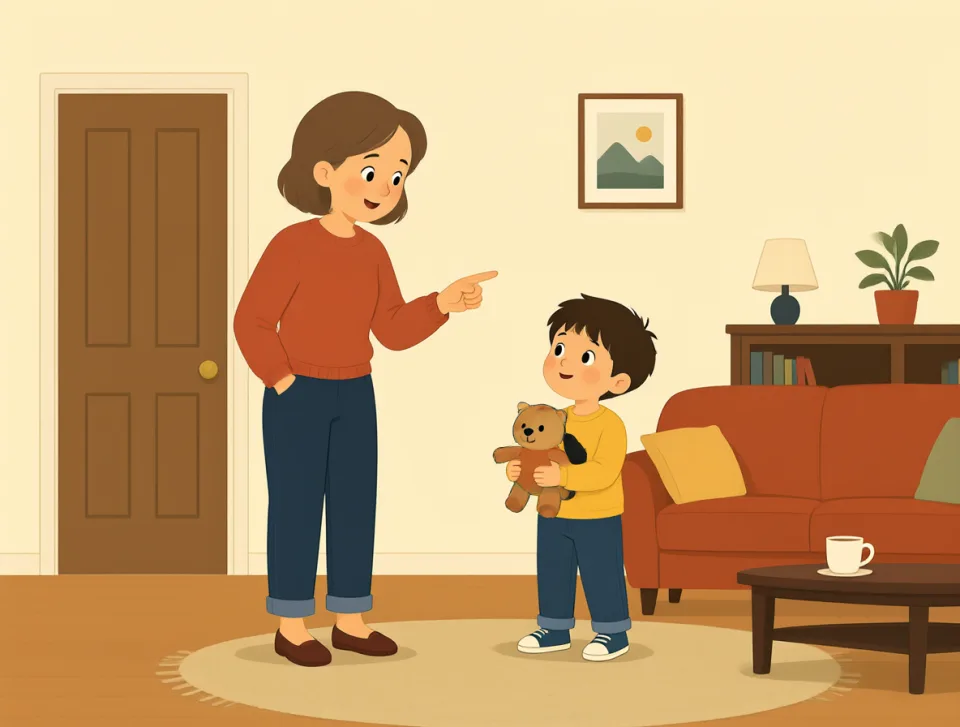
She bosses her little brother around when their parents are away.
माता-पिता के घर पर न होने पर वह अपने छोटे भाई पर हुक्म चलाती है।
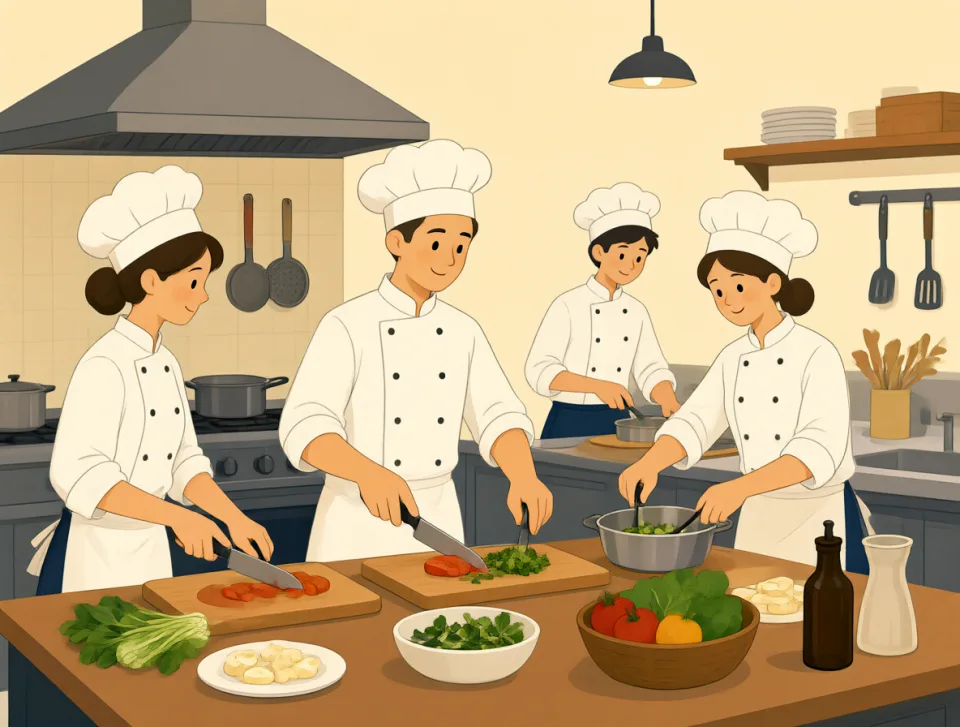
The chef bossed the kitchen during the busy dinner service.
रात के खाने के व्यस्त समय में शेफ़ रसोई का काम संभाल रहा था।

assumption
#1855noun
धारणा
A belief that something is true, even though you have no proof.
बिना किसी सबूत के यह मानना कि कोई बात सच है।
My assumption that the store was open was wrong.
मेरी यह धारणा गलत थी कि दुकान खुली है।

Do not make assumptions about people before meeting them.
लोगों से मिलने से पहले उनके बारे में धारणाएँ मत बनाओ।
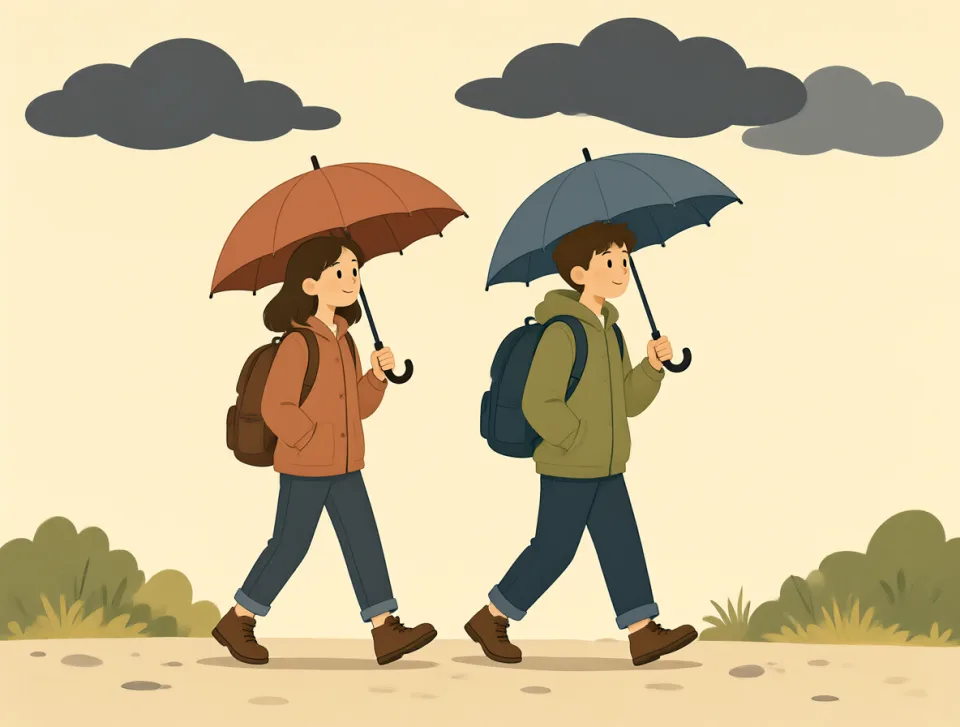
On the assumption that it would rain, we brought umbrellas.
यह मानकर कि बारिश होगी, हम छतरियाँ ले आए।
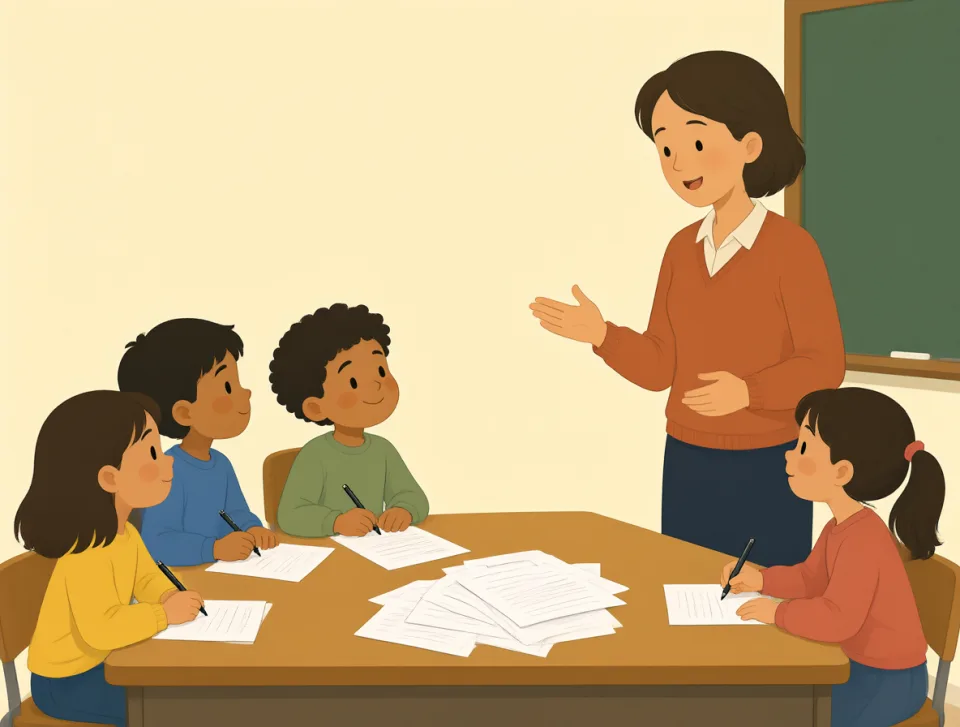
The teacher corrected our assumption that the test would be easy.
शिक्षक ने हमारी यह धारणा सुधारी कि परीक्षा आसान होगी।
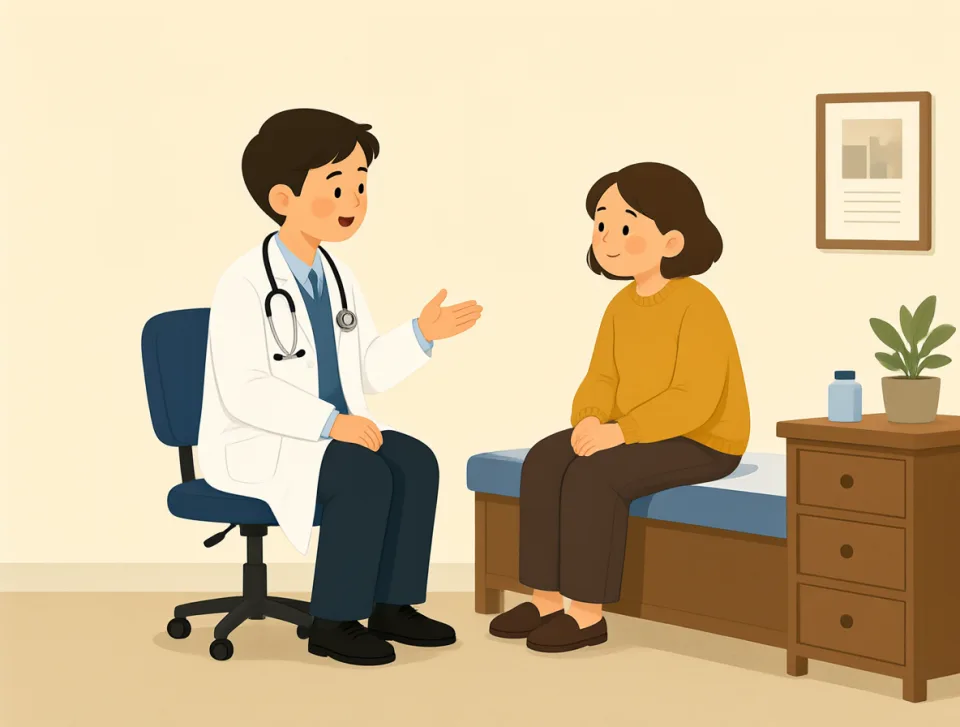
The doctor rejected my assumption that a cold needed antibiotics.
डॉक्टर ने मेरी यह धारणा गलत बताई कि सर्दी-जुकाम के लिए एंटीबायोटिक दवाएँ ज़रूरी हैं।

freeze
#1856verb, noun
जमाना; अचानक ठिठक जाना
to become very cold and turn into ice, or to stop moving suddenly
बहुत ठंडा होकर बर्फ़ बन जाना, या अचानक हिलना-डुलना बंद कर देना।
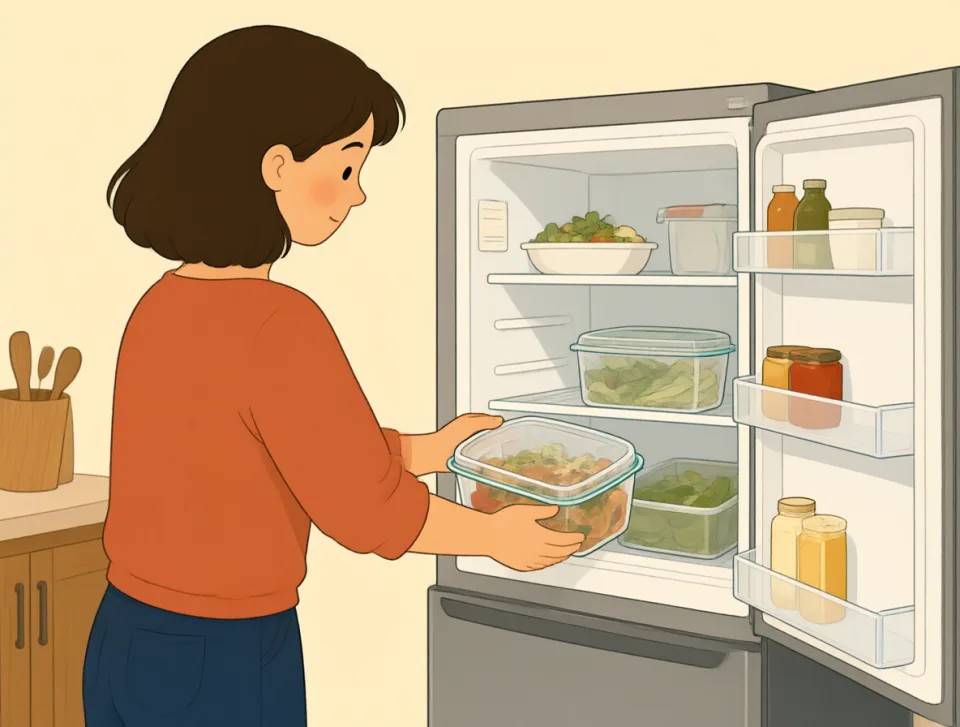
Please freeze the leftovers before they go bad.
खराब होने से पहले बचा हुआ खाना फ़्रीज़र में रख दीजिए।
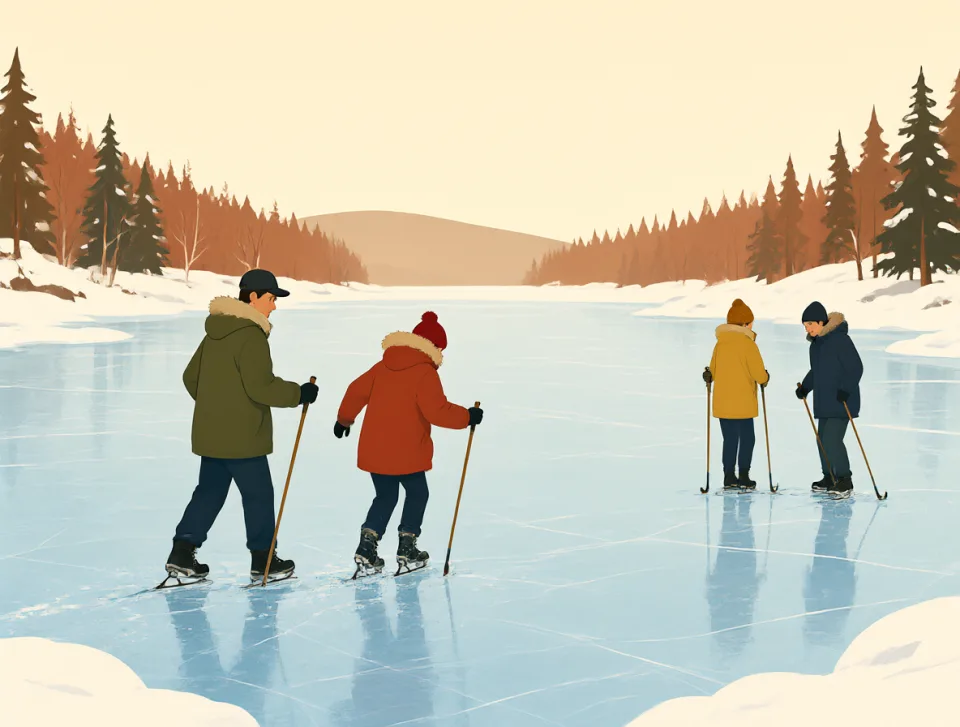
The lake freezes every winter when temperatures fall below zero.
जब तापमान शून्य से नीचे चला जाता है, तो हर सर्दी में झील जम जाती है।
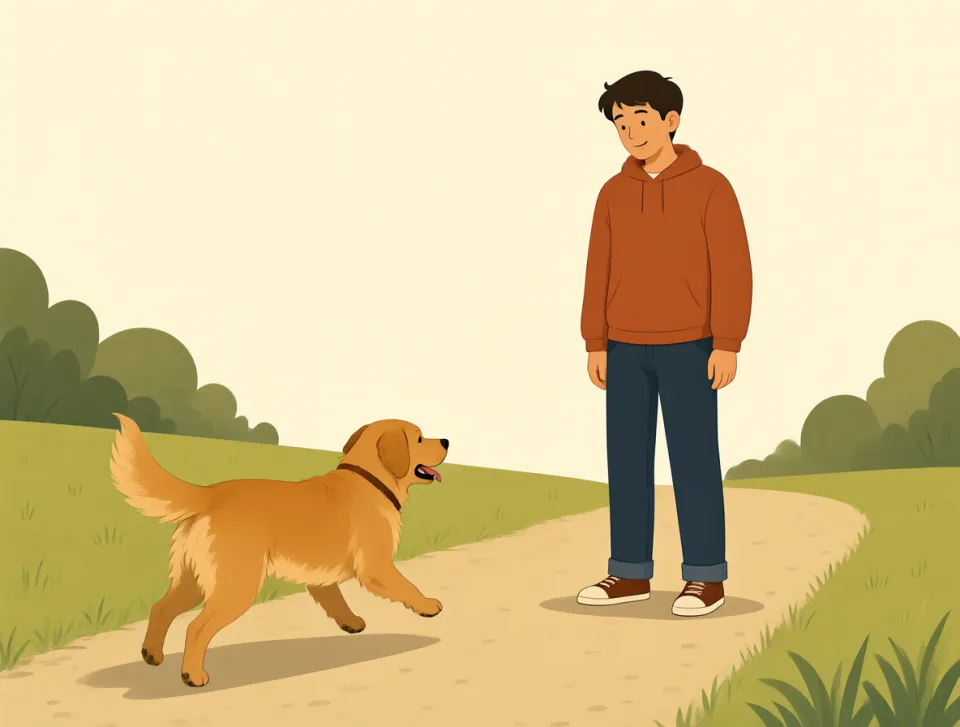
I froze when I saw the large dog running toward me.
जब मैंने बड़े कुत्ते को अपनी ओर दौड़ते देखा, तो मैं डर के मारे ठिठक गया।
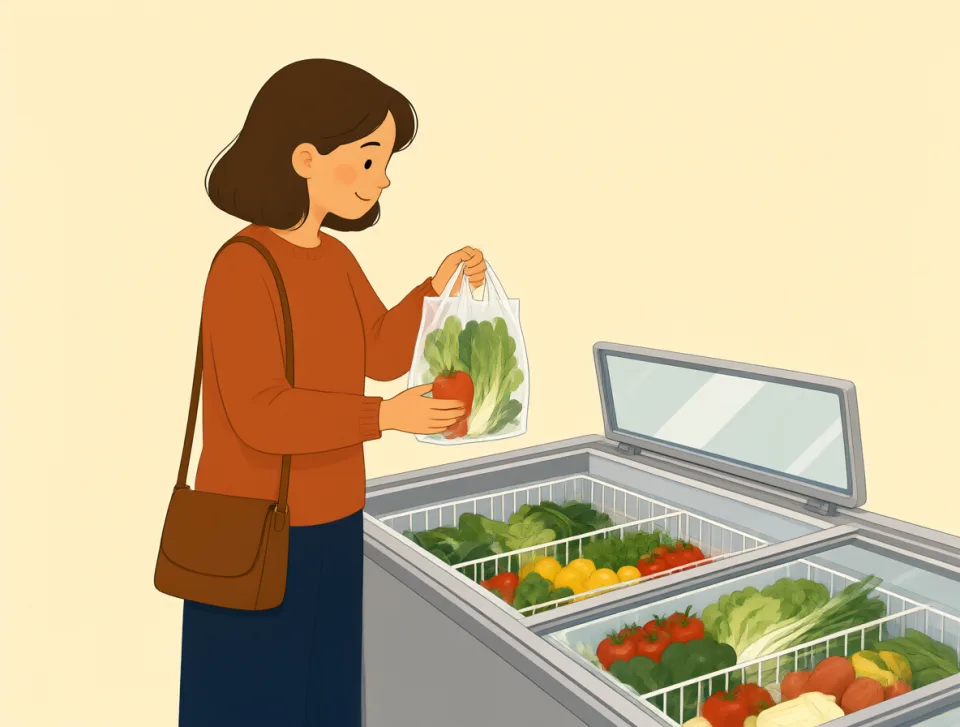
The supermarket sells frozen vegetables in the back aisle.
सुपरमार्केट में पीछे वाली गलियारे में जमी हुई सब्ज़ियाँ मिलती हैं।

My hands froze while I waited for the bus in winter.
सर्दियों में बस का इंतज़ार करते हुए मेरे हाथ ठंड से सुन्न हो गए।

extreme
#1857adjective, noun
अत्यधिक
Very great or serious; the greatest possible amount or degree.
बहुत ज़्यादा या गंभीर; अधिकतम संभव मात्रा या स्तर।
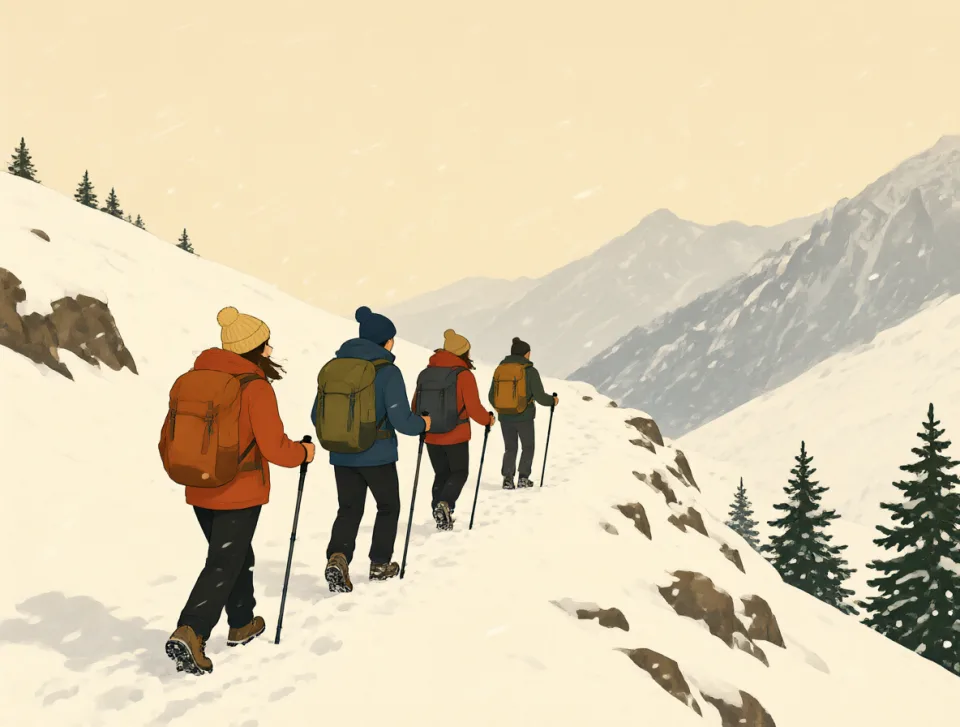
The hikers faced extreme weather on their way back.
वापस लौटते समय पर्वतारोहियों को बेहद खराब मौसम का सामना करना पड़ा।
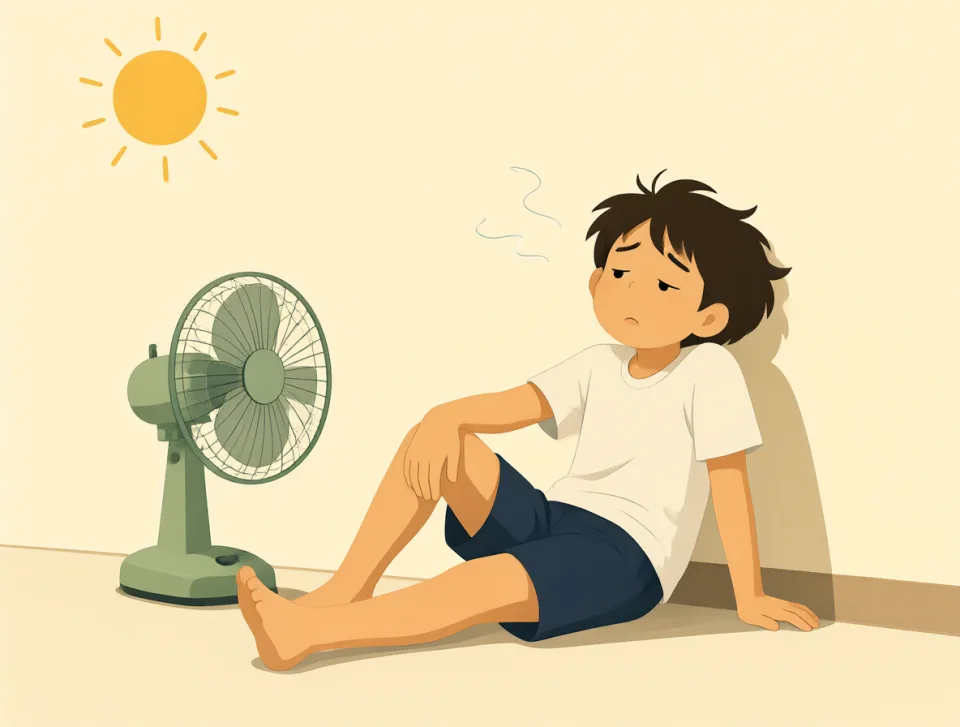
Extreme heat can make people feel tired and sick.
अत्यधिक गर्मी से लोग थका हुआ और बीमार महसूस कर सकते हैं।
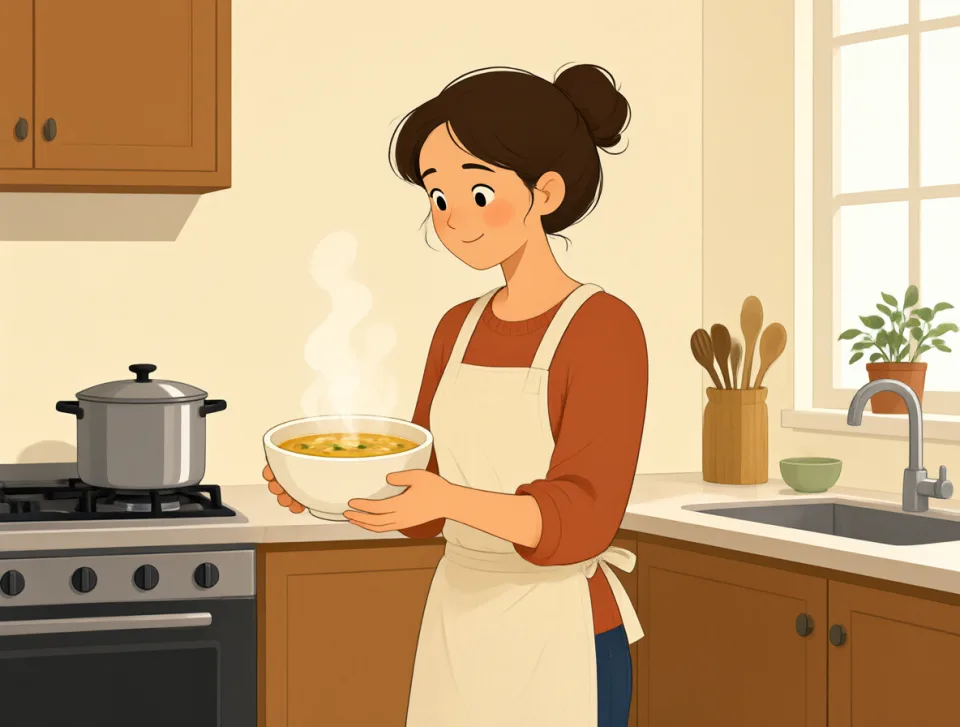
She took extreme care when carrying the hot soup.
गरम सूप ले जाते समय उसने बहुत सावधानी बरती।
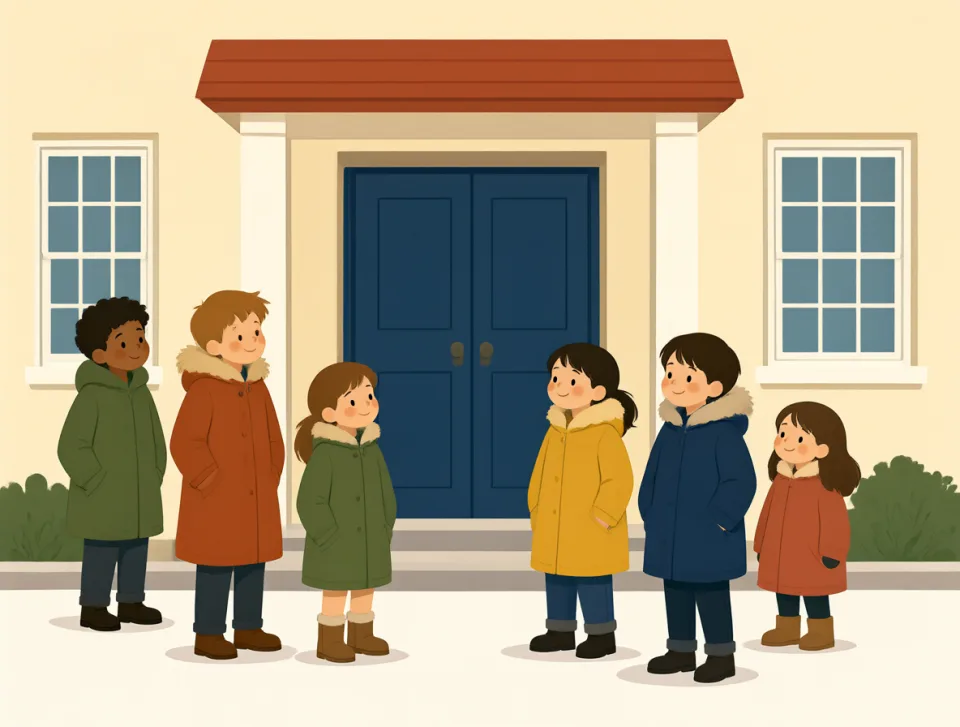
The school closed because of the extreme cold.
अत्यधिक ठंड के कारण स्कूल बंद हो गया।
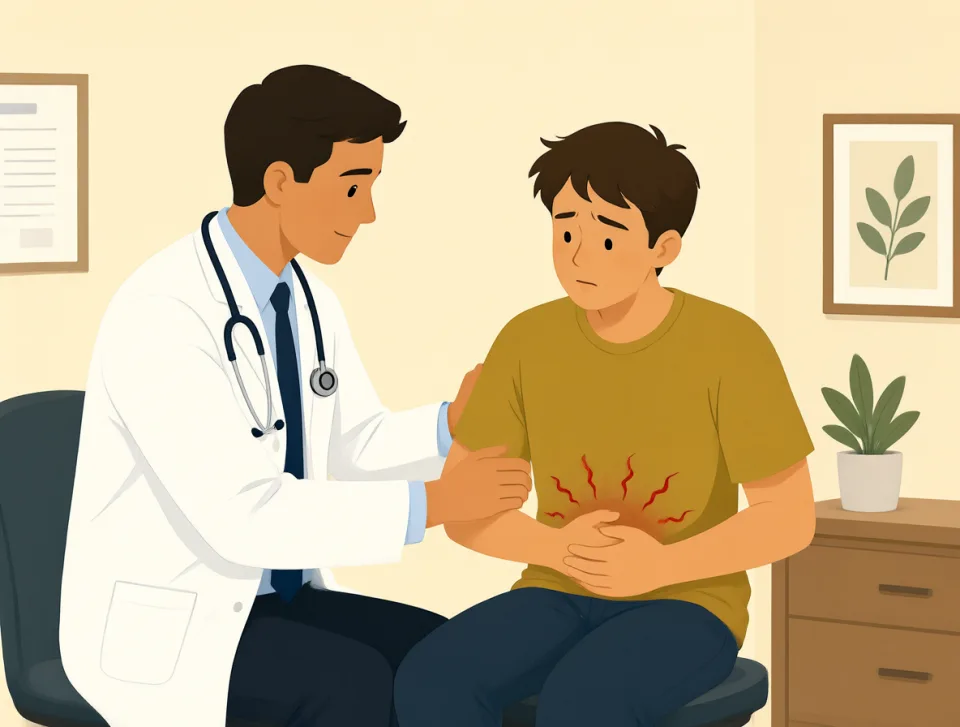
The doctor said his extreme pain needed immediate treatment.
डॉक्टर ने कहा कि उसके बहुत तेज़ दर्द का तुरंत इलाज करना ज़रूरी है।
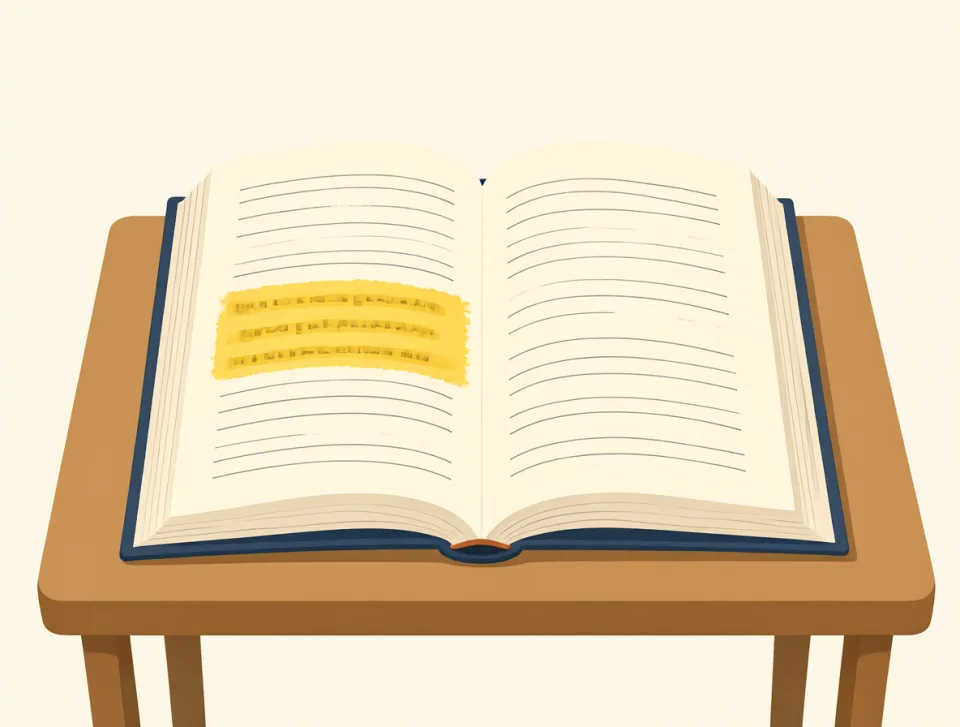
passage
#1858noun
अंश; अनुच्छेद
a short part of a book, speech, or piece of writing
किसी किताब, भाषण या लेख का छोटा-सा हिस्सा।

Please read this passage and answer the questions below.
कृपया इस अंश को पढ़िए और नीचे दिए गए सवालों के जवाब दीजिए।

The guide told us about a narrow passage through the mountains.
गाइड ने हमें पहाड़ों के बीच से गुज़रने वाले एक संकरे रास्ते के बारे में बताया।
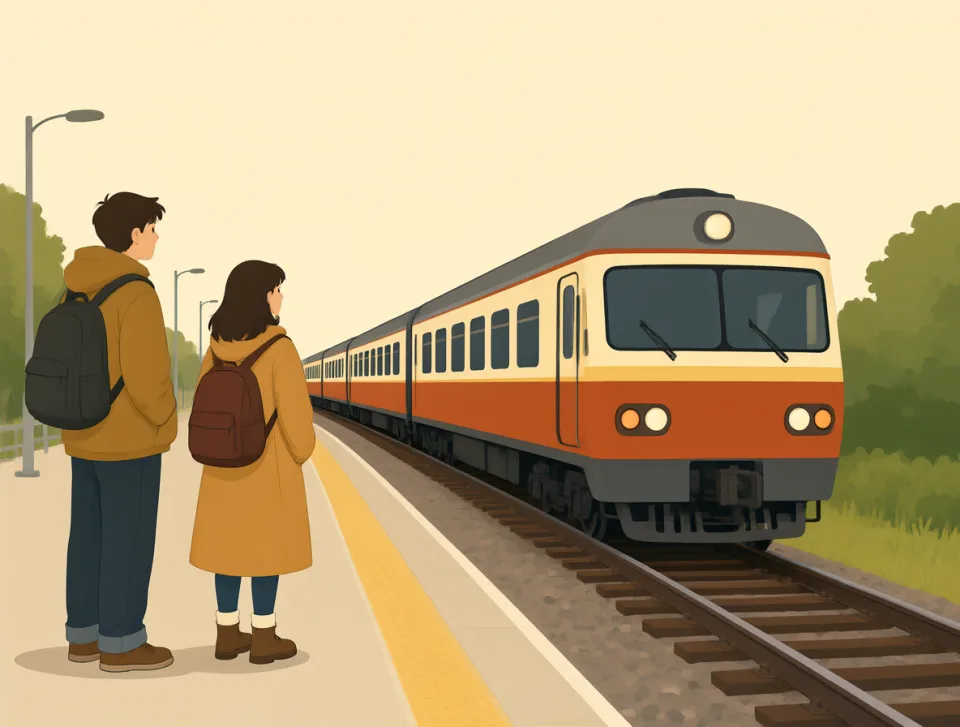
We had to wait for the passage of the train.
हमें ट्रेन के गुज़रने तक इंतज़ार करना पड़ा।
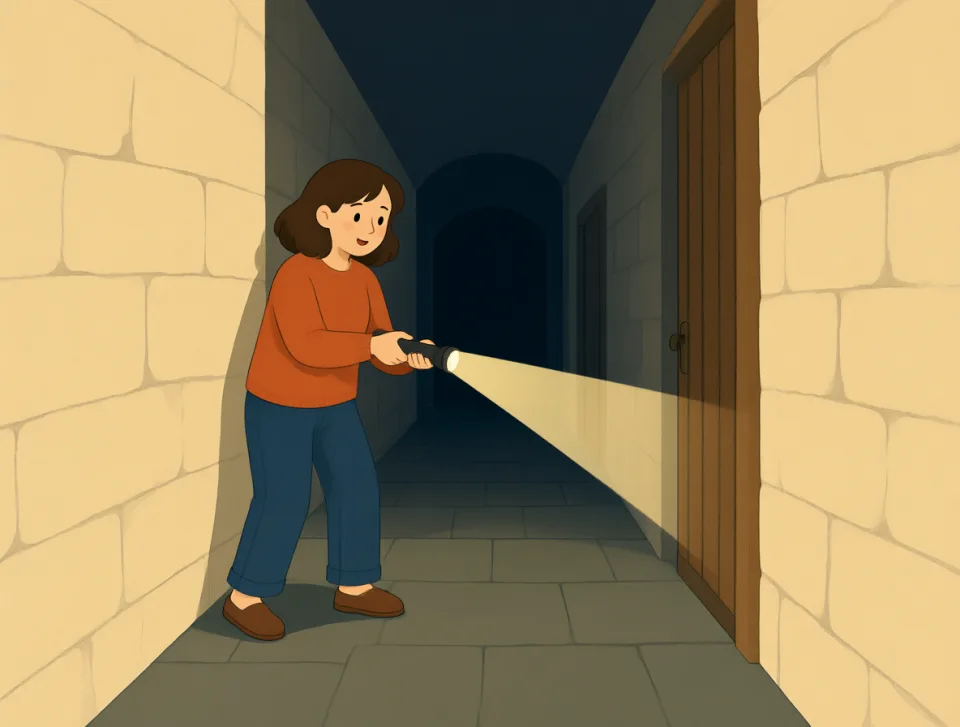
She looked through the passage before entering the old building.
पुरानी इमारत में दाखिल होने से पहले उसने उस गलियारे में झाँककर देखा।

The doctor checked the passage in his patient's blocked nose.
डॉक्टर ने मरीज़ की बंद नाक के रास्ते की जाँच की।

reputation
#1859noun
प्रतिष्ठा; साख
What people generally think about someone or something based on past actions.
पिछले कामों के आधार पर लोगों की किसी व्यक्ति या चीज़ के बारे में बनी आम राय।
The restaurant has a good reputation for fresh food.
ताज़ा खाने के लिए इस रेस्तराँ की अच्छी साख है।

She built a strong reputation as a reliable worker.
उसने भरोसेमंद कर्मचारी के रूप में अपनी अच्छी प्रतिष्ठा बनाई।

The hotel’s reputation suffered after several guests complained.
कई मेहमानों की शिकायतों के बाद होटल की प्रतिष्ठा को धक्का लगा।

His reputation for kindness made new students feel welcome.
उसकी दयालुता की साख ने नए विद्यार्थियों को अपनापन महसूस कराया।

The doctor has an excellent reputation among local families.
स्थानीय परिवारों के बीच डॉक्टर की बहुत अच्छी प्रतिष्ठा है।
forth
#1860adverb
आगे; आगे की ओर
Forward or onward; used in expressions such as “back and forth” and “and so forth.”
आगे की ओर या आगे बढ़ते हुए; इसका इस्तेमाल “back and forth” और “and so forth” जैसे वाक्यांशों में होता है।
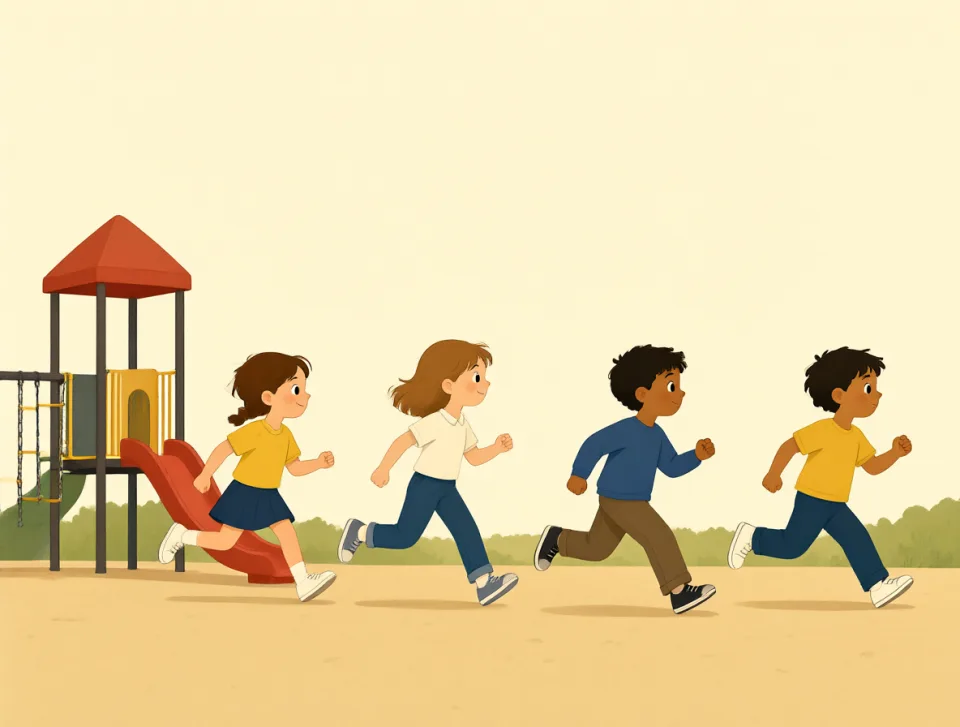
The children ran back and forth across the playground.
बच्चे खेल के मैदान में इधर-उधर दौड़ते रहे।
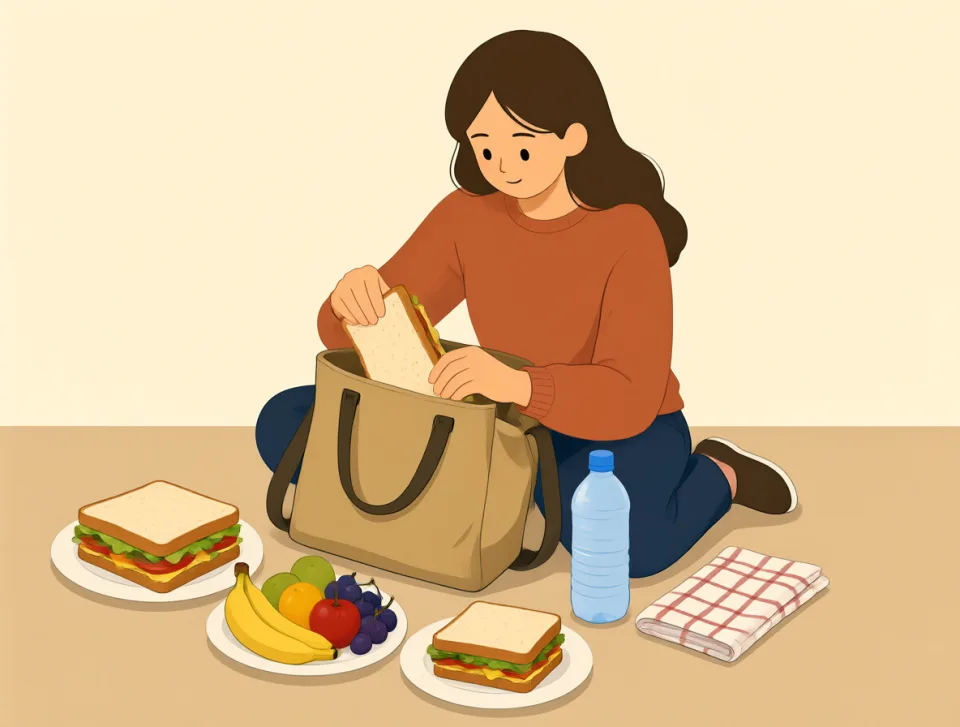
Please pack sandwiches, fruit, water, and so forth for our trip.
कृपया हमारी यात्रा के लिए सैंडविच, फल, पानी वगैरह पैक कर दीजिए।

The hikers set forth before sunrise to reach the village.
गाँव पहुँचने के लिए पर्वतारोहियों ने सूर्योदय से पहले ही आगे का सफ़र शुरू कर दिया।

She put forth great effort to finish the project on time.
उसने समय पर परियोजना पूरी करने के लिए बहुत मेहनत की।
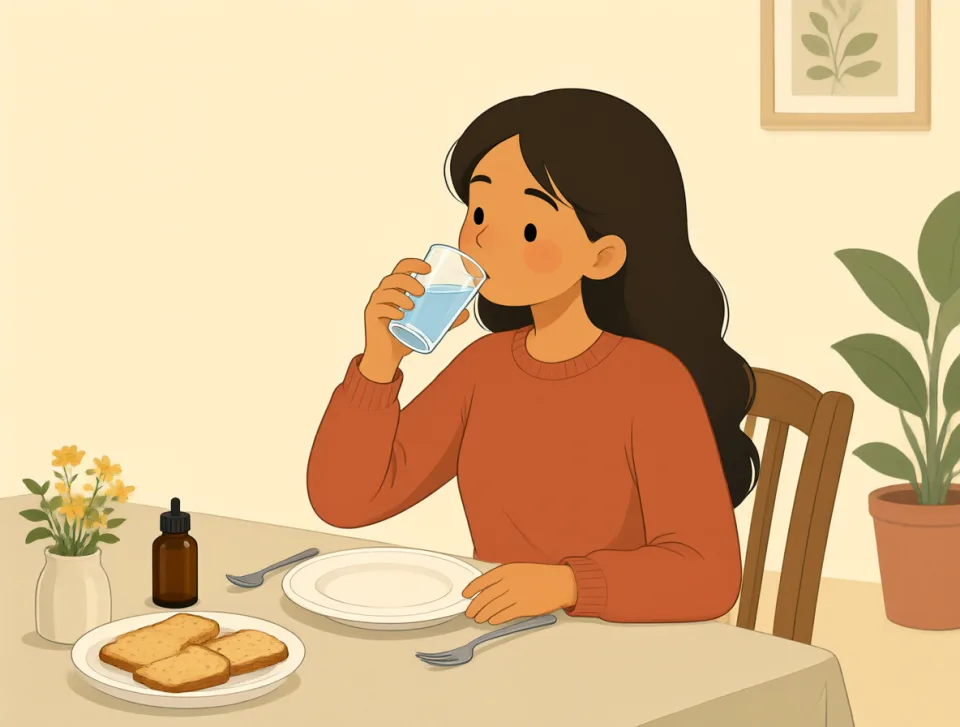
From this day forth, Maya will take her medicine after breakfast.
आज से माया नाश्ते के बाद अपनी दवा लेगी।