بخش 94
واژههای 1861 تا 1880 · negotiation, mechanism, coat, democracy, pocket, lucky

negotiation
#1861noun
مذاکره
A discussion to reach an agreement, especially about price, plans, or conditions.
گفتوگویی برای رسیدن به توافق، بهویژه دربارهٔ قیمت، برنامهها یا شرایط.

The two sides reached an agreement after several hours of negotiation.
دو طرف پس از چند ساعت مذاکره به توافق رسیدند.

The union began negotiations with the company about higher wages.
اتحادیه مذاکره با شرکت دربارهٔ افزایش دستمزدها را آغاز کرد.
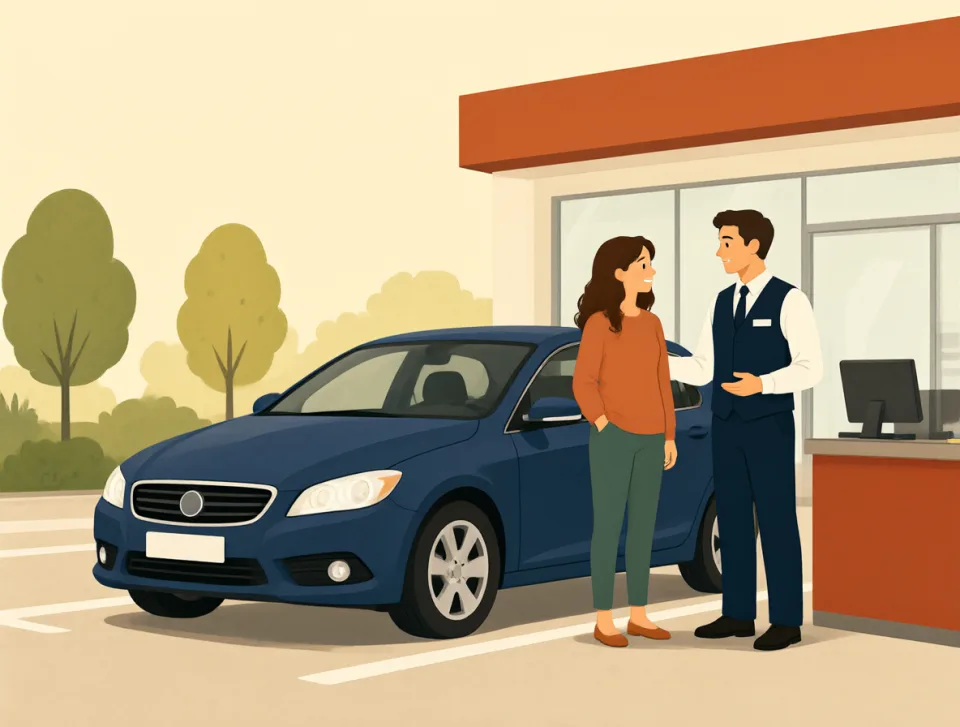
Good negotiation helped us get a lower price for the car.
مذاکرهٔ خوب کمک کرد ماشین را ارزانتر بخریم.

The peace negotiations continued after both countries stopped fighting.
پس از آنکه هر دو کشور جنگ را متوقف کردند، مذاکرات صلح ادامه یافت.

Buying a house usually involves negotiation over the final price.
خرید خانه معمولاً مستلزم مذاکره بر سر قیمت نهایی است.
mechanism
#1862noun
سازوکار
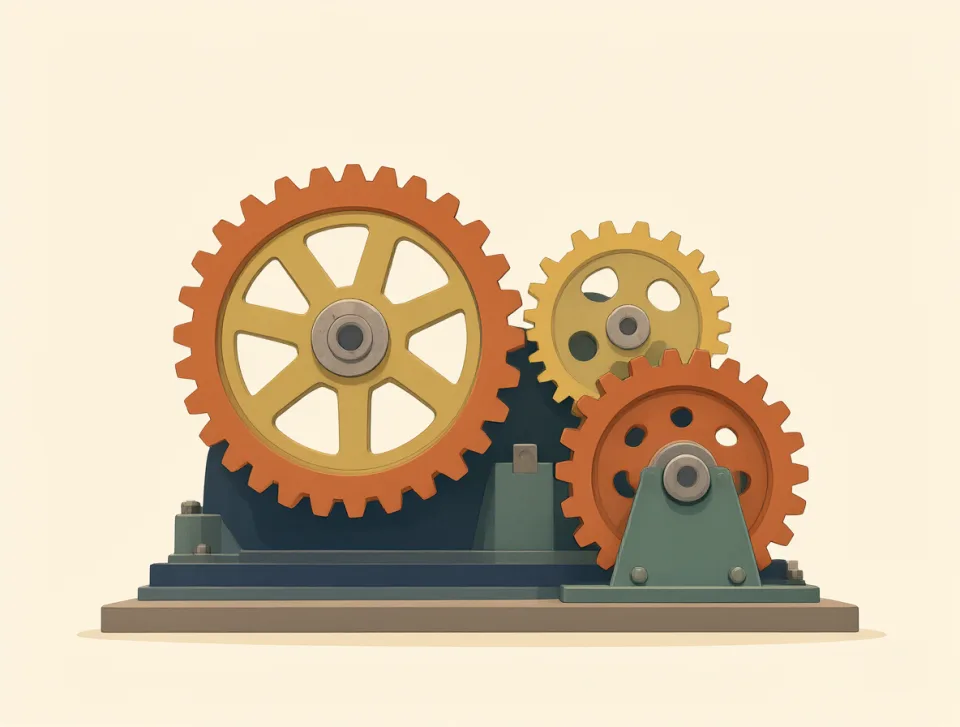
A part or process that makes something work or happen.
بخش یا فرایندی که باعث میشود چیزی کار کند یا اتفاق بیفتد.
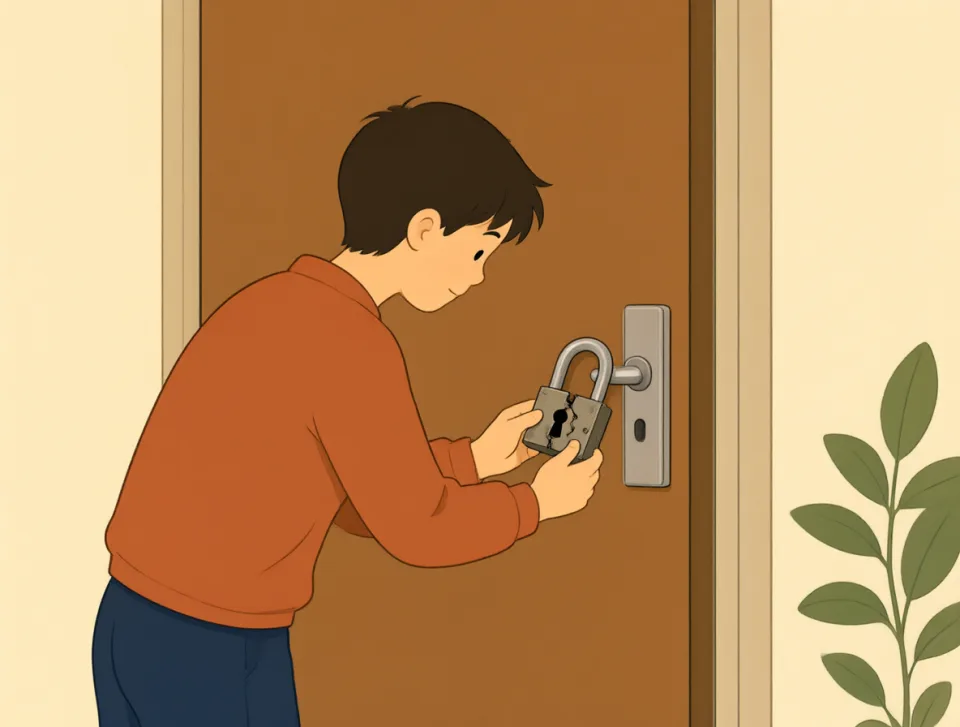
The locking mechanism on this door is broken.
سازوکار قفل این در خراب است.
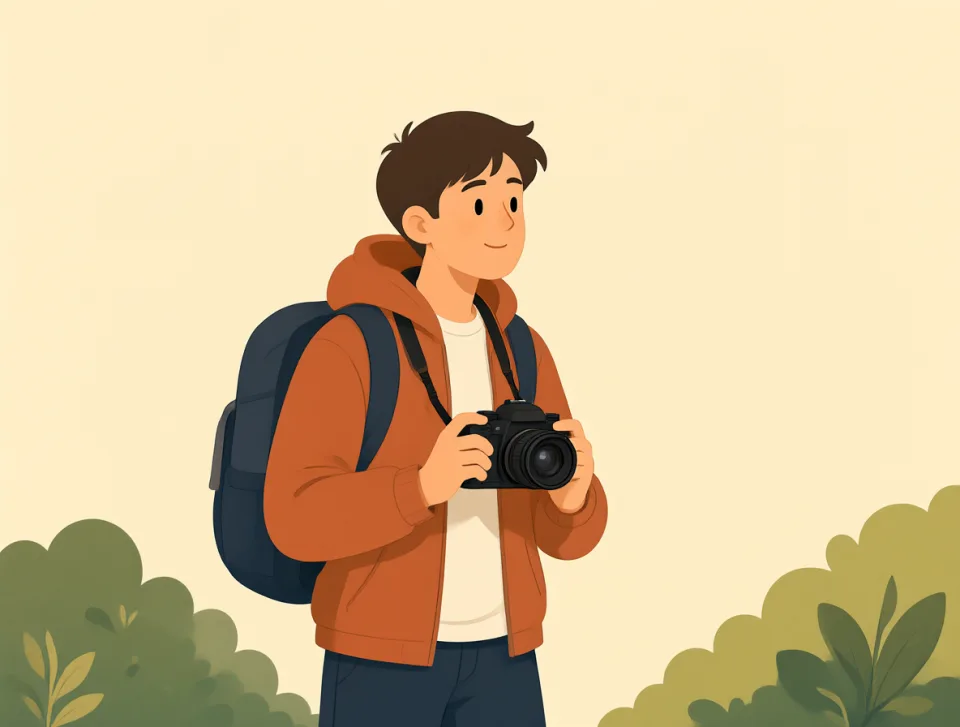
The camera has a simple mechanism for changing the lens.
این دوربین سازوکار سادهای برای تعویض لنز دارد.
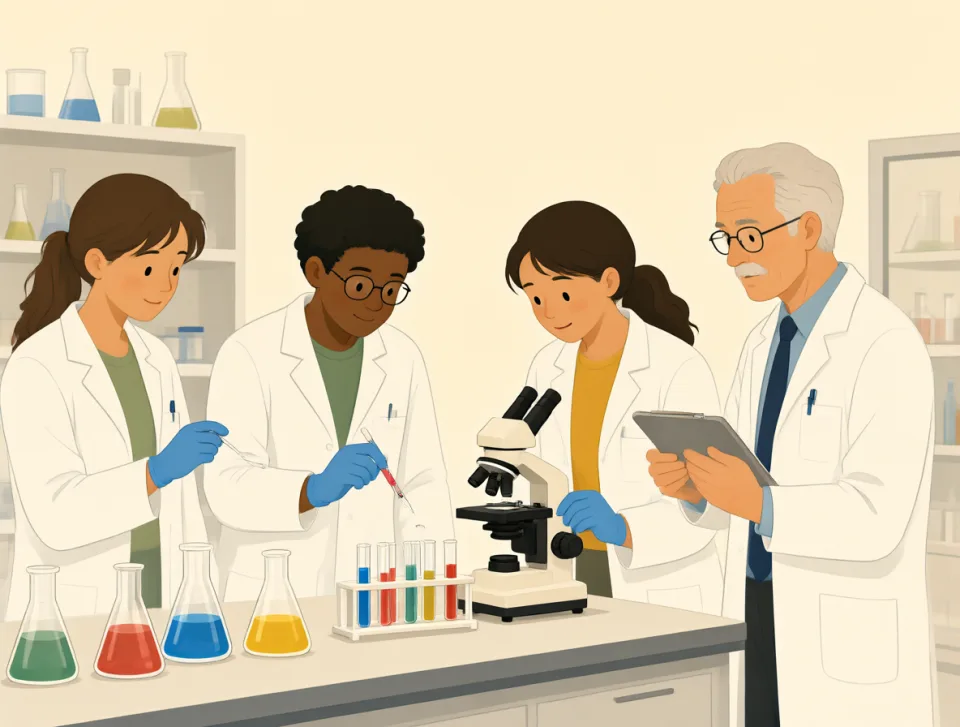
Scientists studied the mechanism behind the disease.
دانشمندان سازوکارِ پشت این بیماری را بررسی کردند.
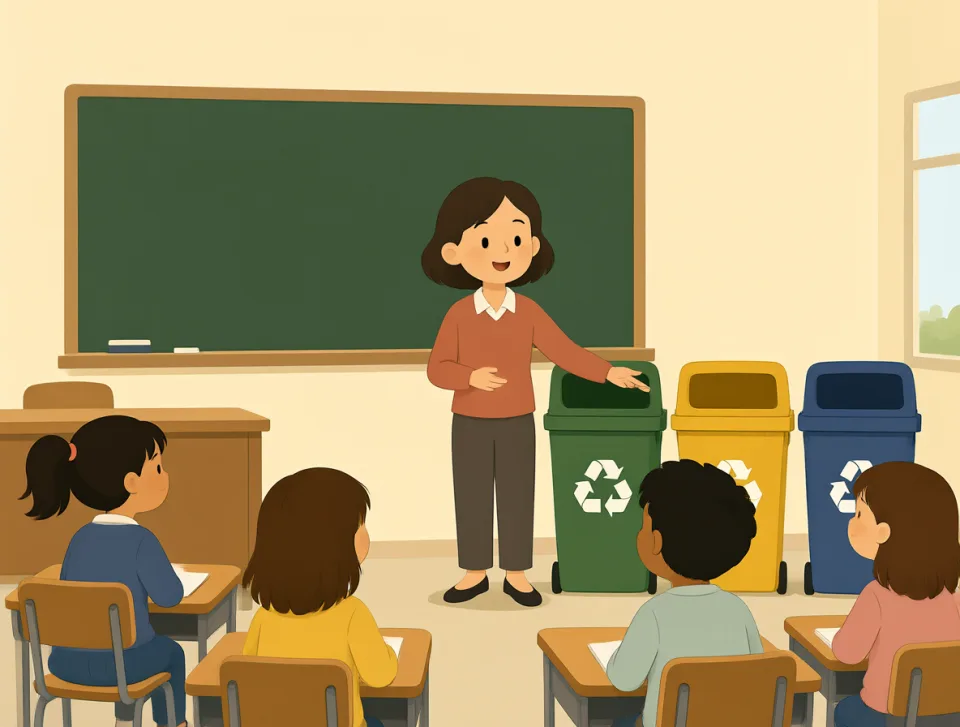
The teacher explained the mechanism of the new recycling system.
معلم سازوکارِ سامانهٔ جدید بازیافت را توضیح داد.
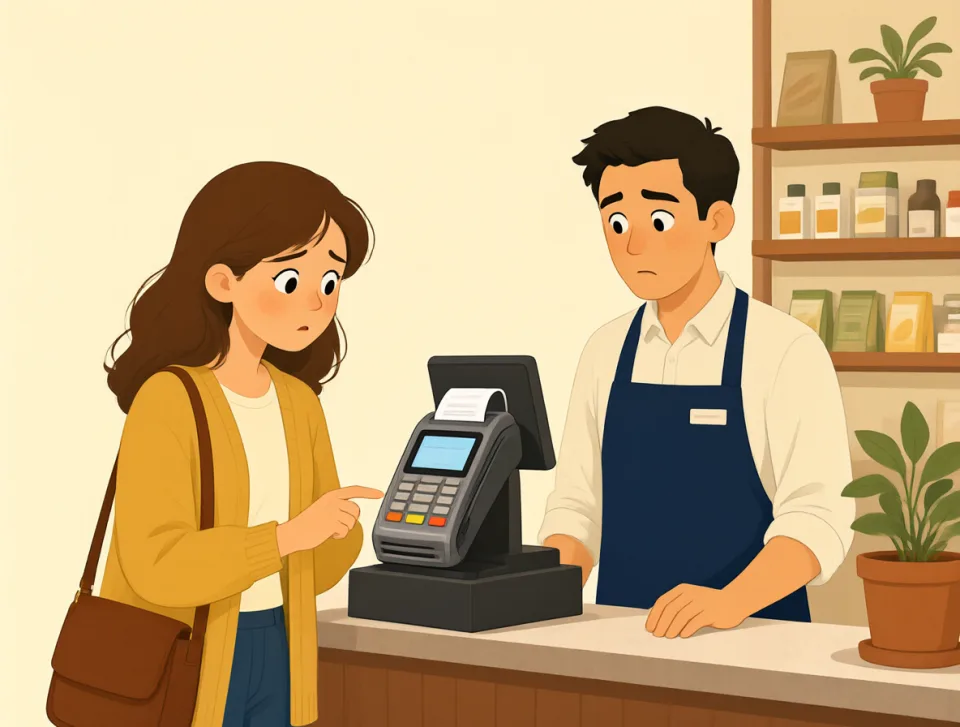
The shop's payment mechanism stopped working during checkout.
سازوکار پرداخت فروشگاه هنگام تسویهحساب از کار افتاد.
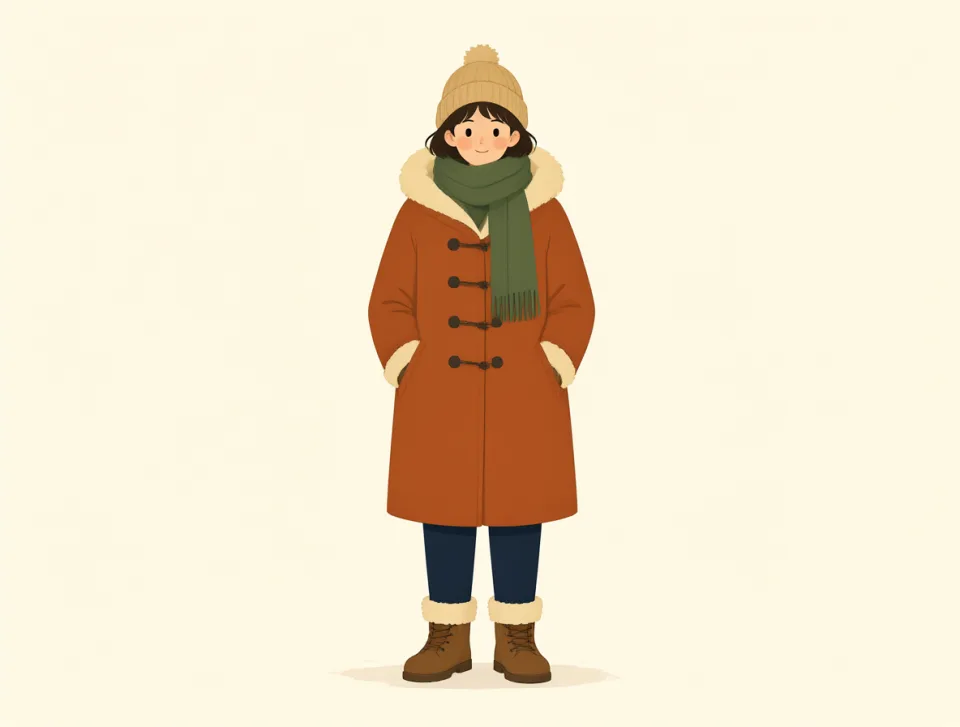
coat
#1863noun, verb
کت
Clothing worn over other clothes; to cover something with a layer.
لباسی که روی لباسهای دیگر پوشیده میشود؛ پوشاندن چیزی با یک لایه.
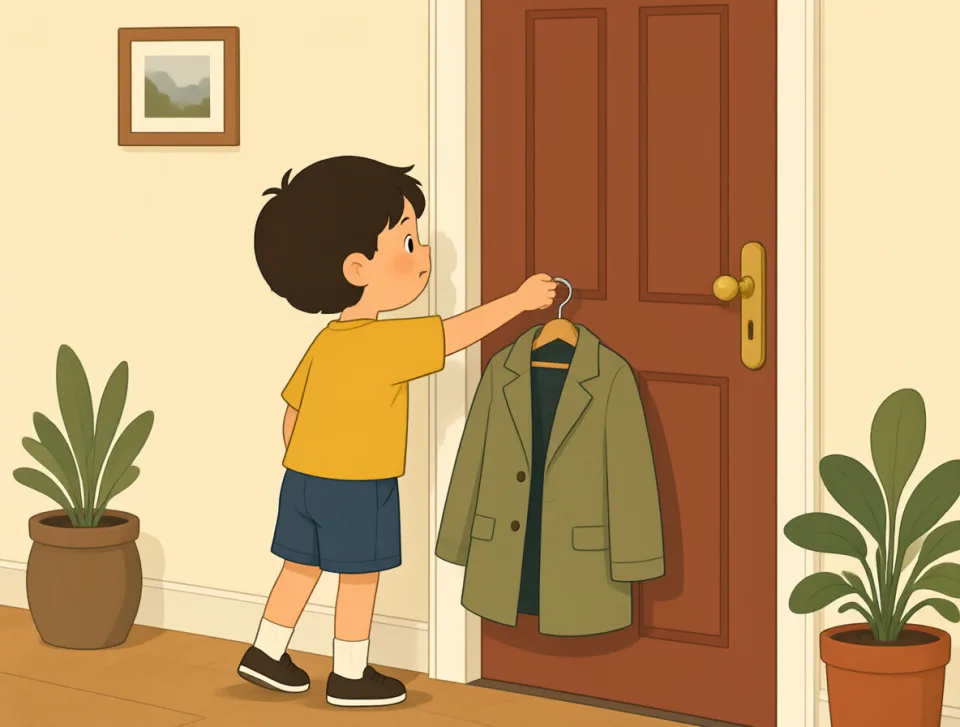
Take your coat; it is cold outside.
کُتت را بردار؛ بیرون سرد است.
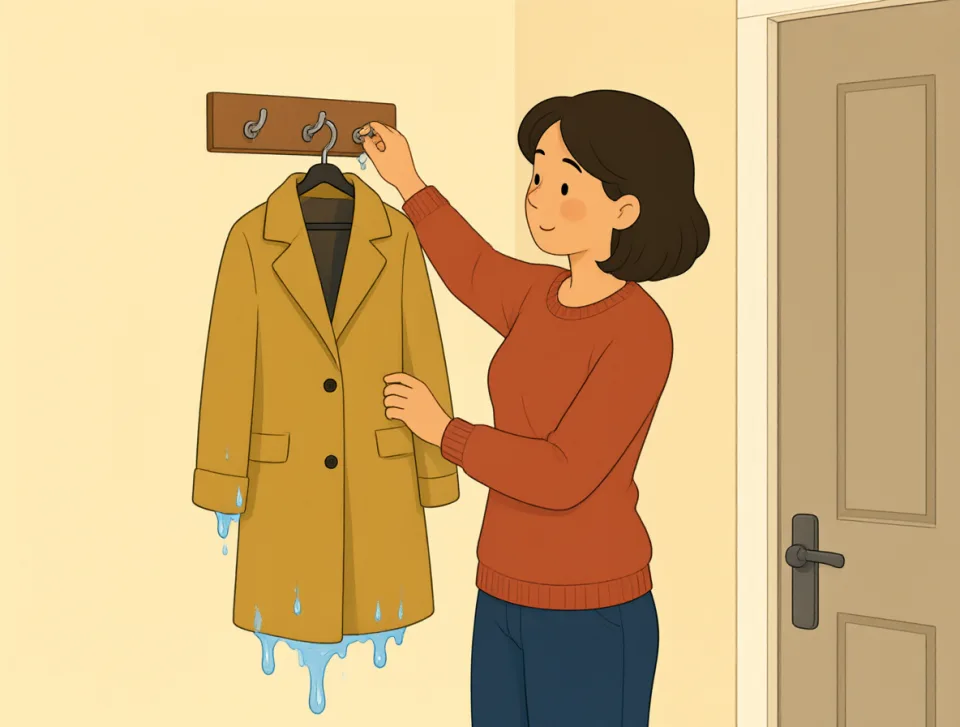
She hung her wet coat by the front door.
او کت خیسش را کنار درِ ورودی آویزان کرد.
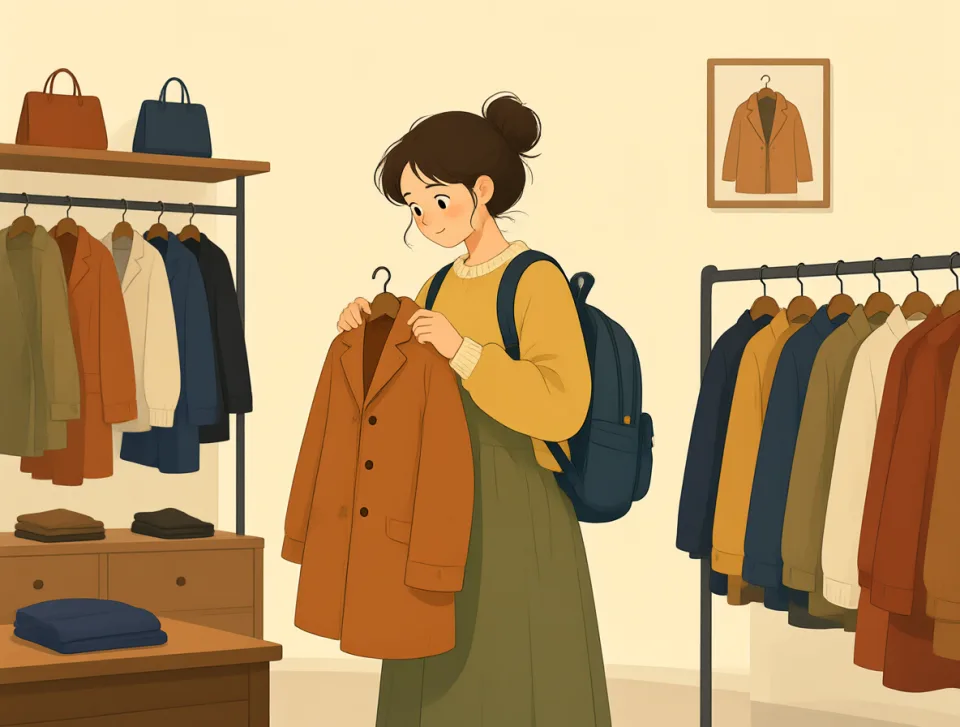
I bought a warm coat before our trip to Canada.
قبل از سفرمان به کانادا یک کت گرم خریدم.
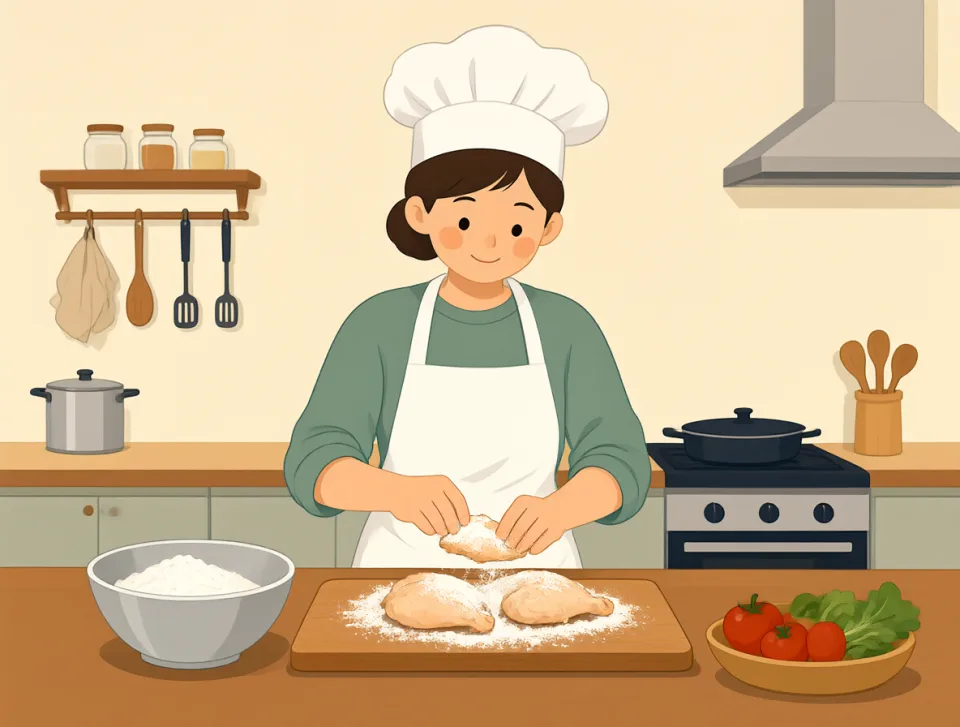
Coat the chicken with flour before frying it.
قبل از سرخکردن، مرغ را در آرد بغلتان.
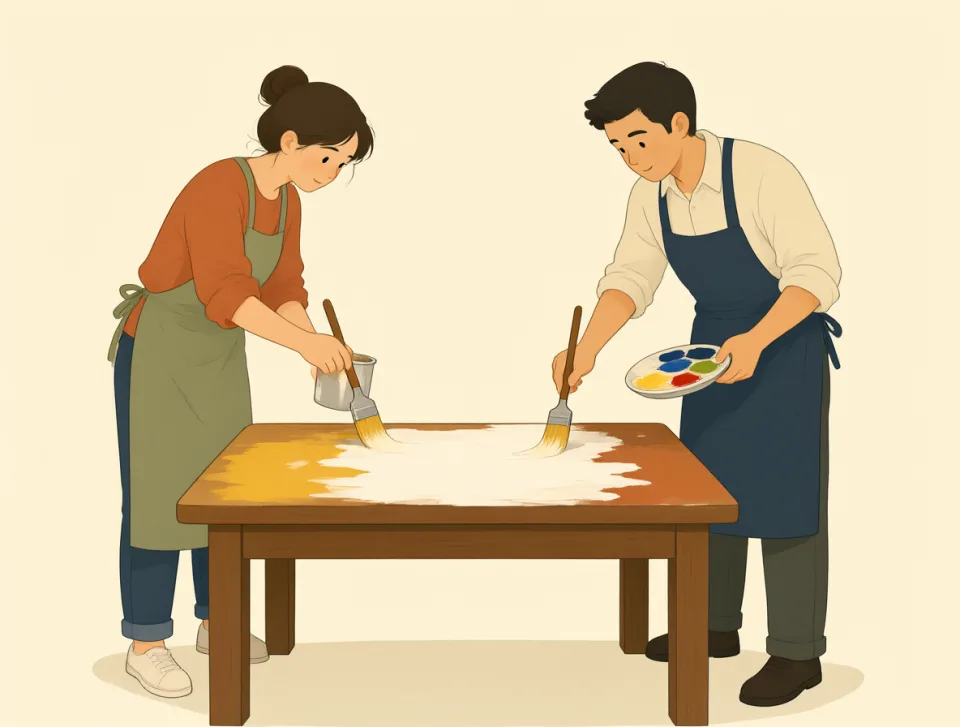
We gave the old table a fresh coat of paint.
یک لایه رنگ تازه به میز قدیمی زدیم.
democracy
#1864noun
دموکراسی
a system of government in which people choose their leaders
نظام حکومتیای که در آن مردم رهبران خود را انتخاب میکنند.
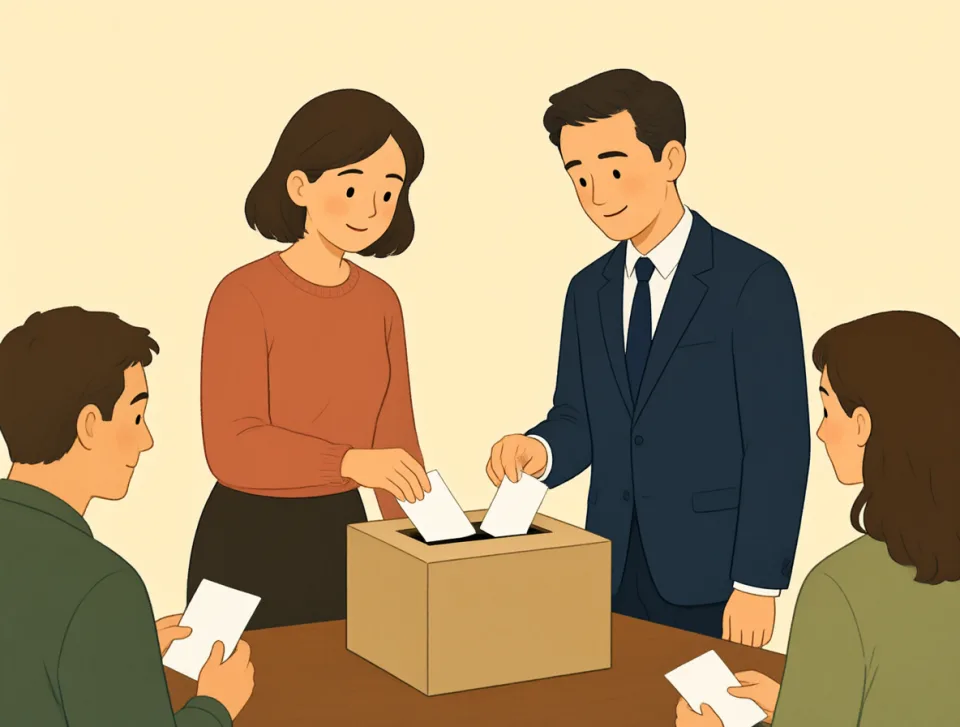
In a democracy, people can vote for their leaders.
در دموکراسی، مردم میتوانند به رهبرانشان رأی بدهند.
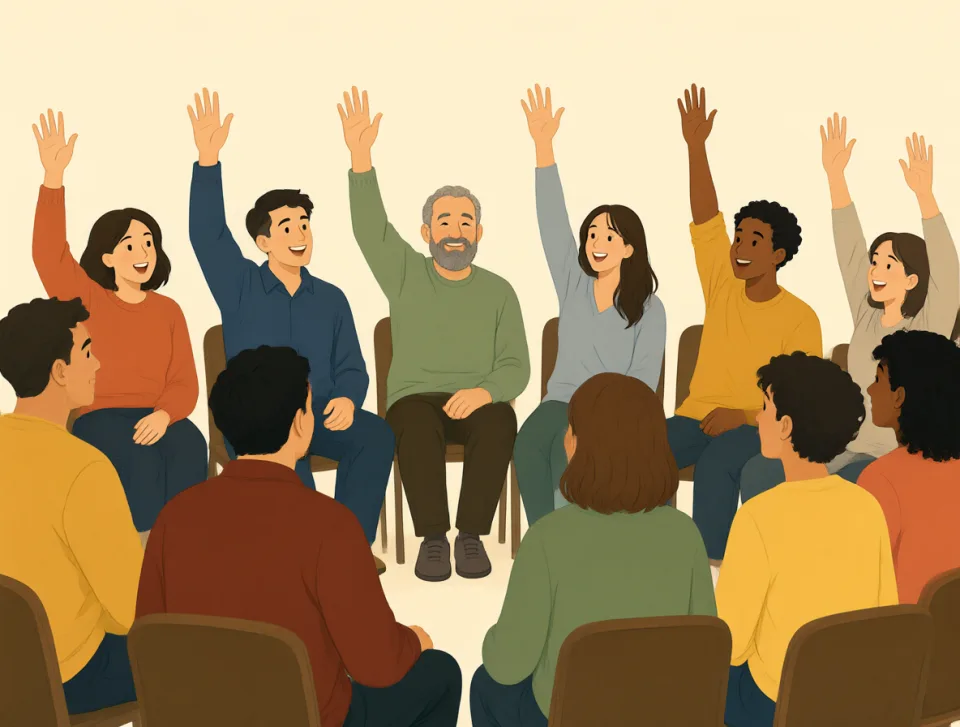
Democracy gives ordinary people a voice in government.
دموکراسی به مردم عادی امکان میدهد در حکومت صدایی داشته باشند.
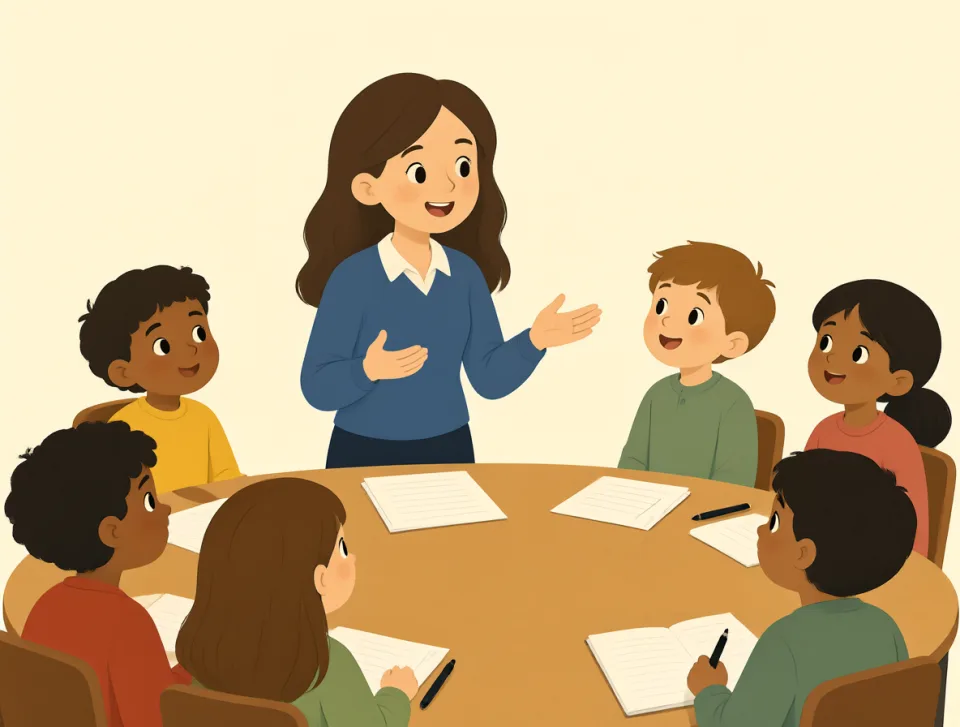
Our teacher explained democracy during social studies class.
معلممان در کلاس مطالعات اجتماعی دموکراسی را توضیح داد.
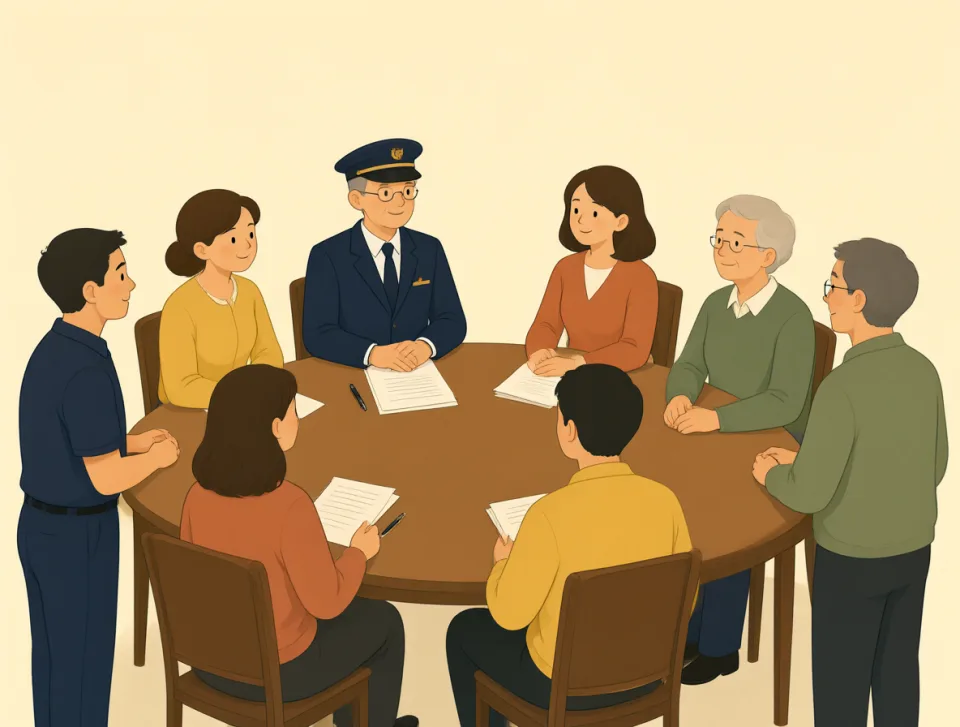
The country is working to build a strong democracy.
این کشور در تلاش است دموکراسی نیرومندی بنا کند.
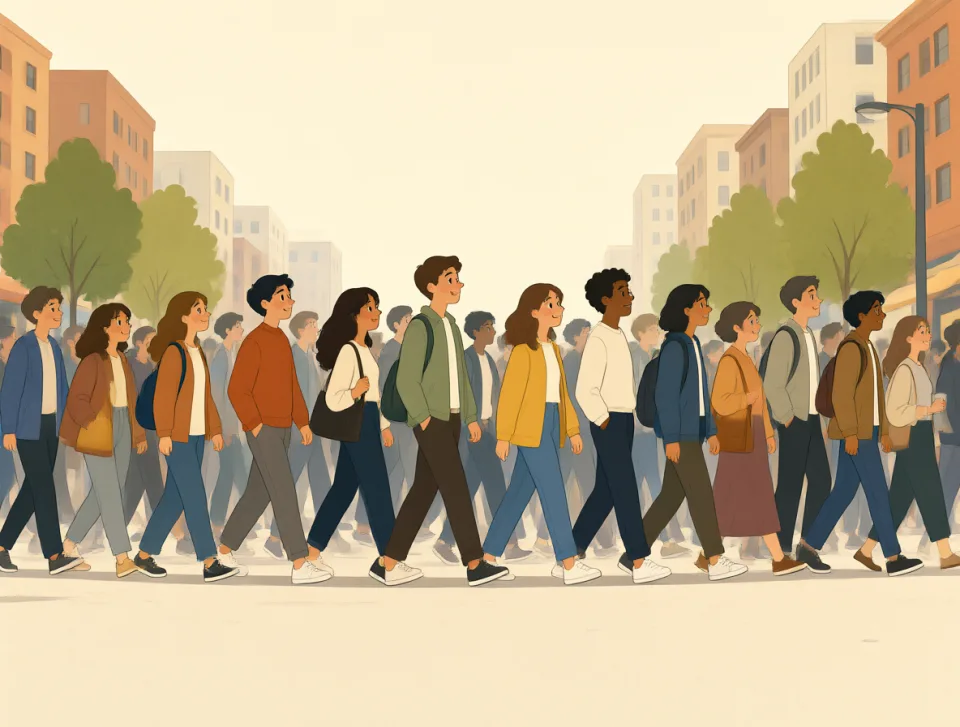
Many citizens joined the peaceful march to protect democracy.
شهروندان بسیاری در راهپیمایی مسالمتآمیز برای دفاع از دموکراسی شرکت کردند.
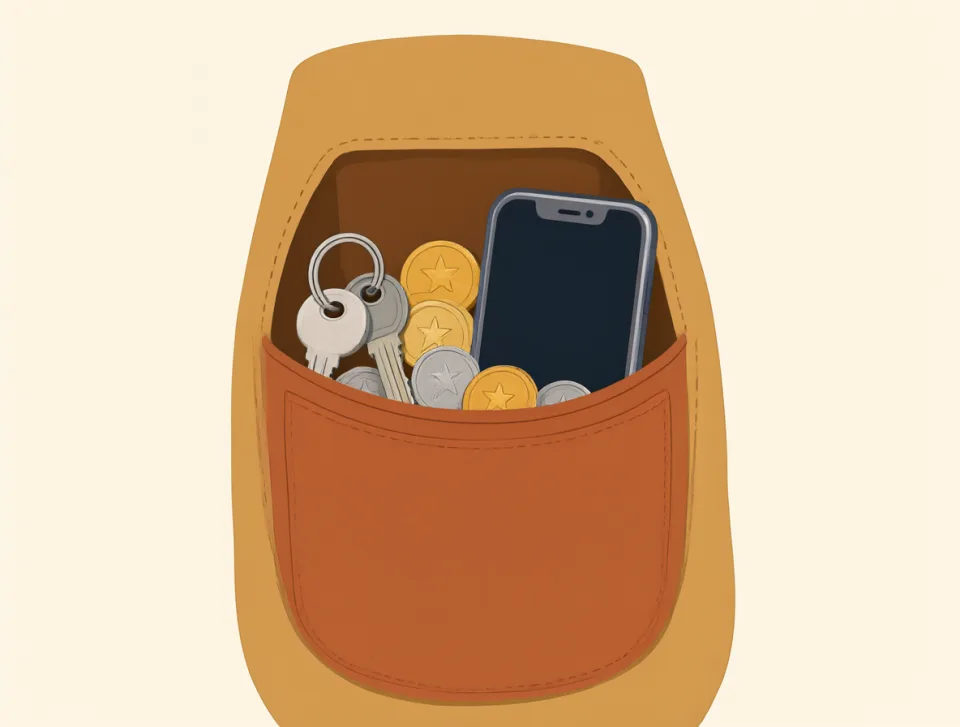
pocket
#1865noun, verb
جیب
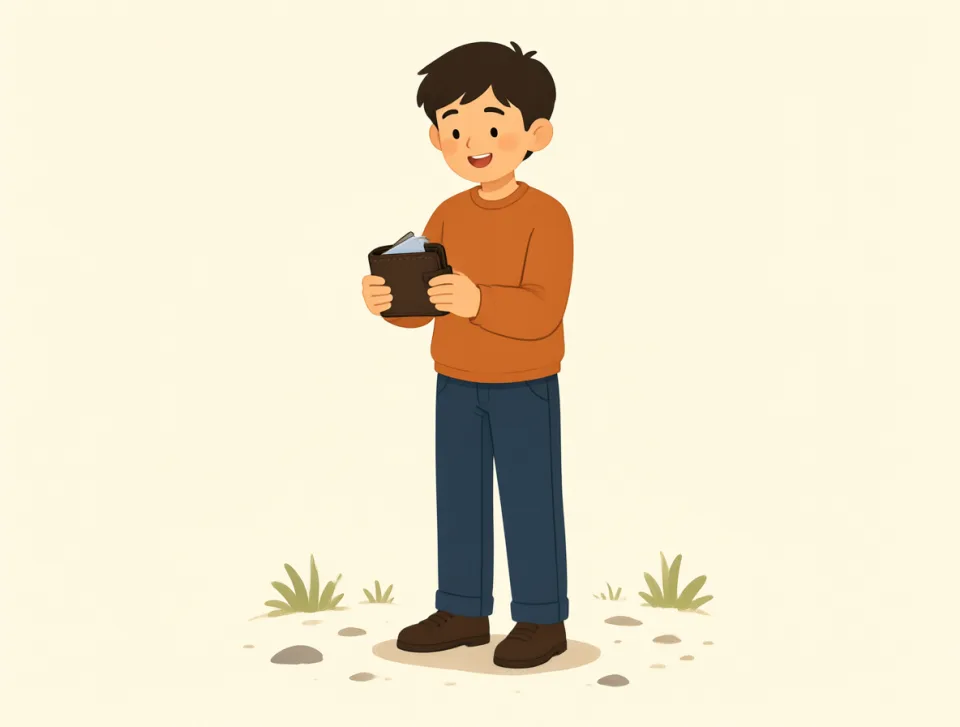
A small bag sewn into clothing for carrying things; to put something in it.
کیسهای کوچک که به لباس دوخته میشود و برای حمل وسایل است؛ گذاشتن چیزی در آن.
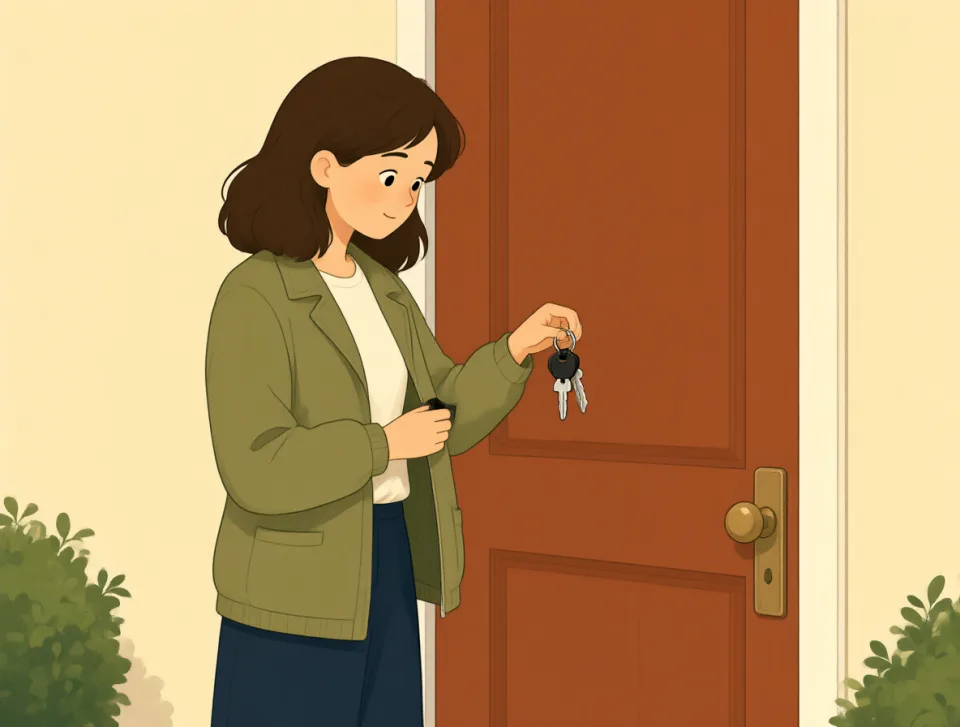
She put her keys in her pocket before leaving home.
او پیش از بیرون رفتن از خانه، کلیدهایش را در جیبش گذاشت.
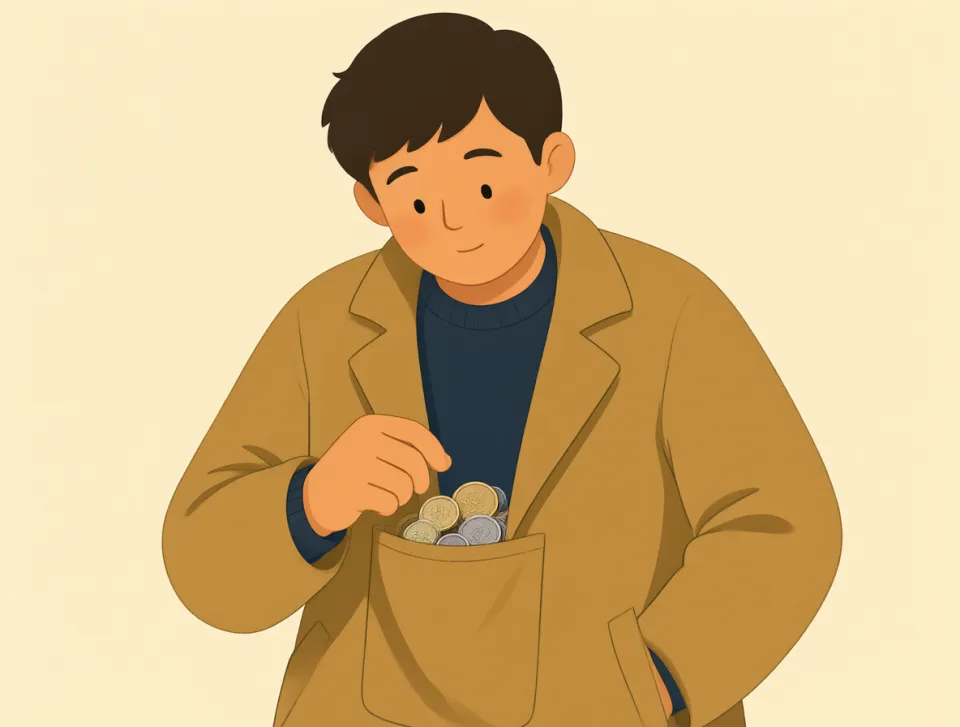
I found some coins in my coat pocket.
چند سکه در جیب کتم پیدا کردم.
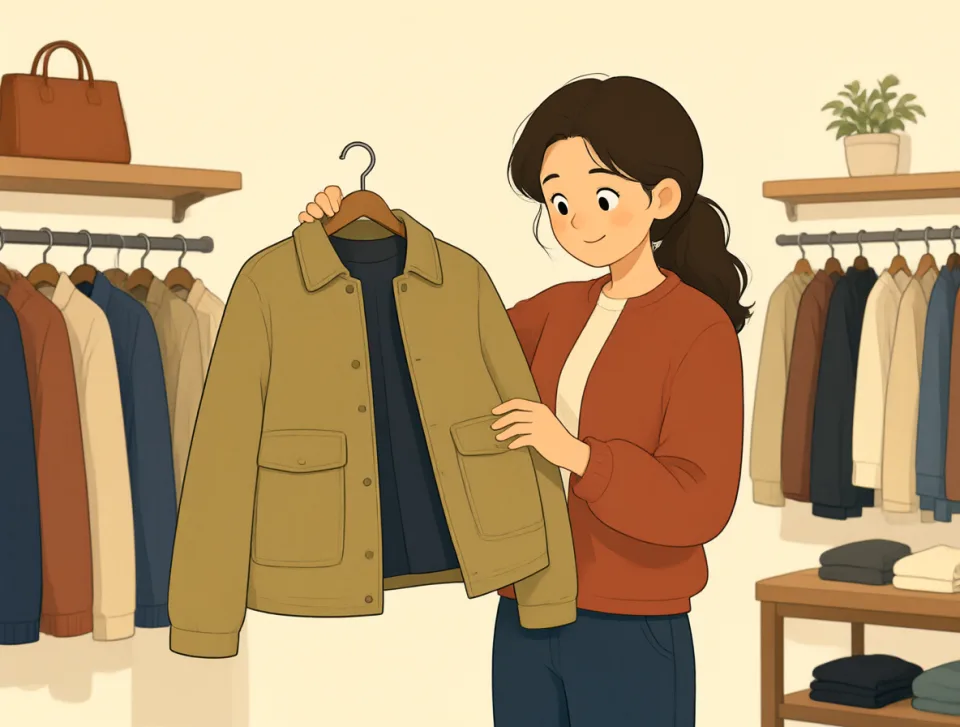
This jacket has deep pockets for carrying your phone.
این کاپشن جیبهای گشادی برای حمل گوشیات دارد.
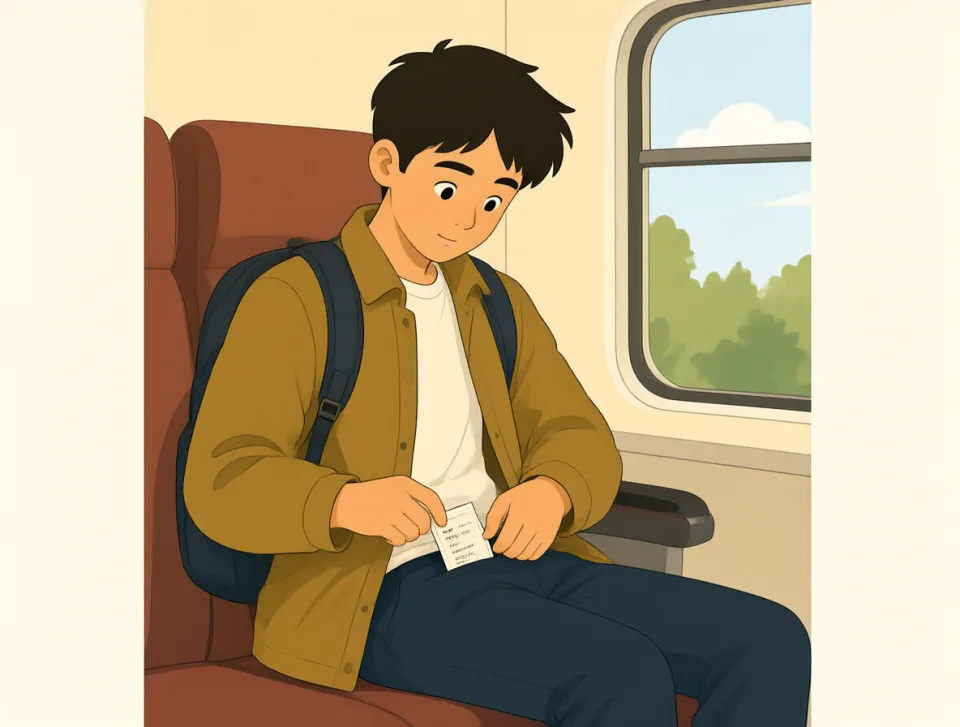
He kept the train ticket in his pocket during the journey.
او در طول سفر بلیت قطار را در جیبش نگه داشت.
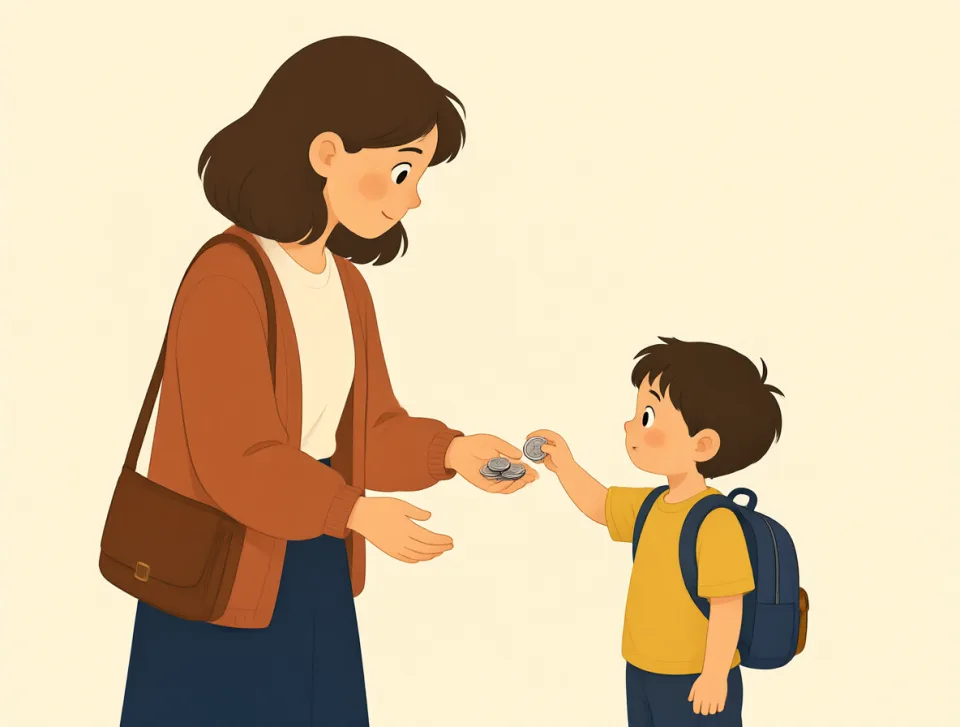
The doctor gave her some pocket money for lunch.
دکتر کمی پول توجیبی برای ناهار به او داد.
lucky
#1866adjective
خوششانس
Having good things happen by chance.
وقتی اتفاقهای خوب بهطور اتفاقی برای کسی میافتند.
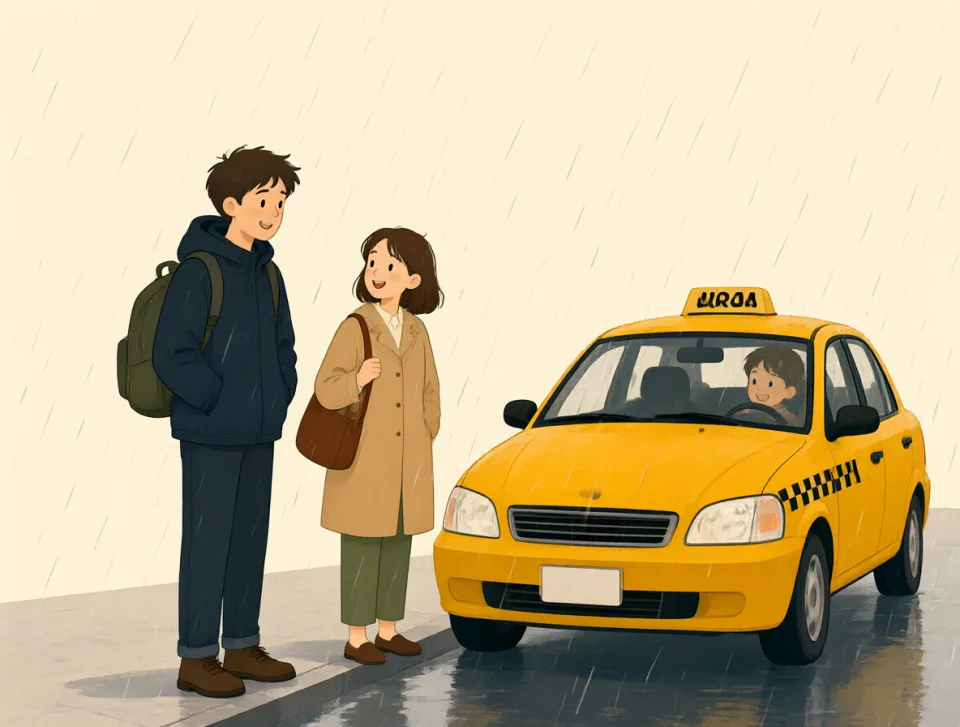
We were lucky to find a taxi in the rain.
خوششانس بودیم که زیر باران تاکسی پیدا کردیم.
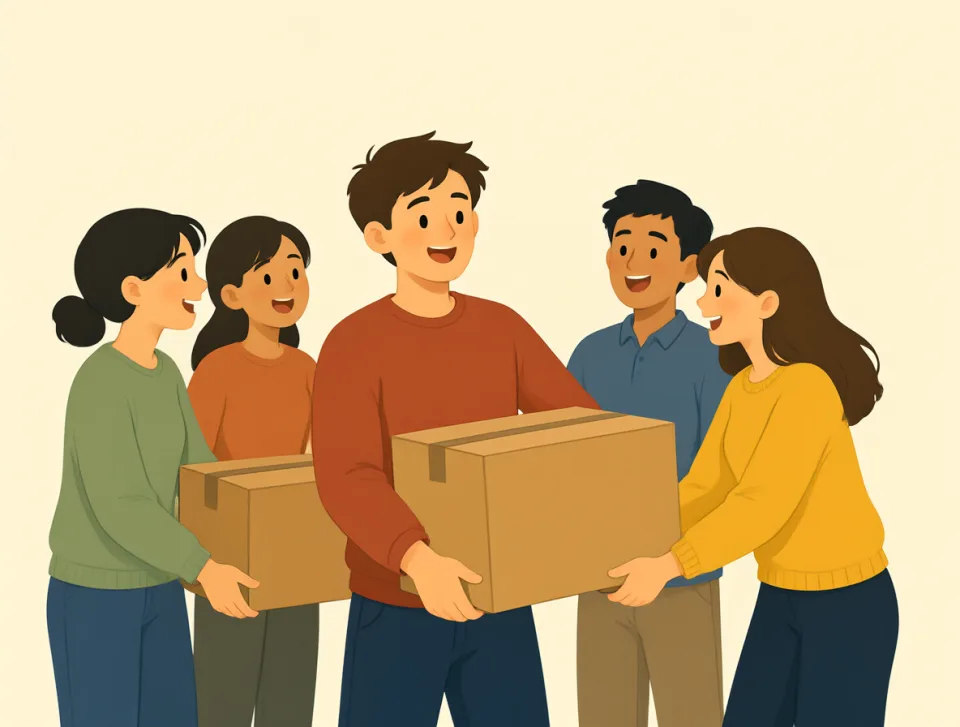
You are lucky to have such kind friends.
خوششانسی که چنین دوستان مهربانی داری.
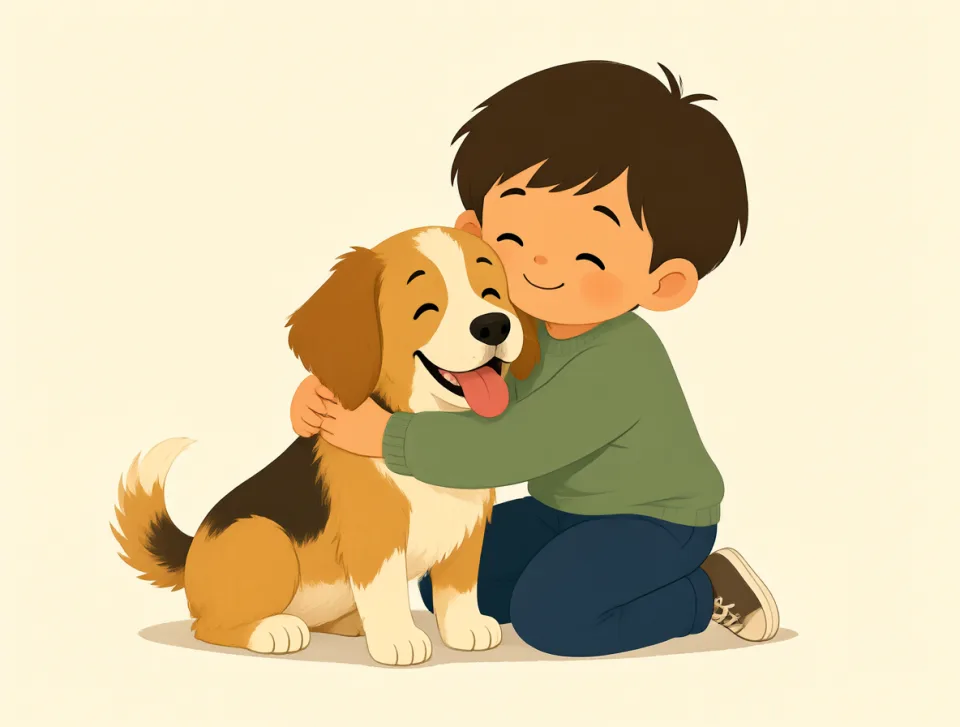
I felt lucky when my lost dog came home.
وقتی سگ گمشدهام به خانه برگشت، احساس خوششانسی کردم.
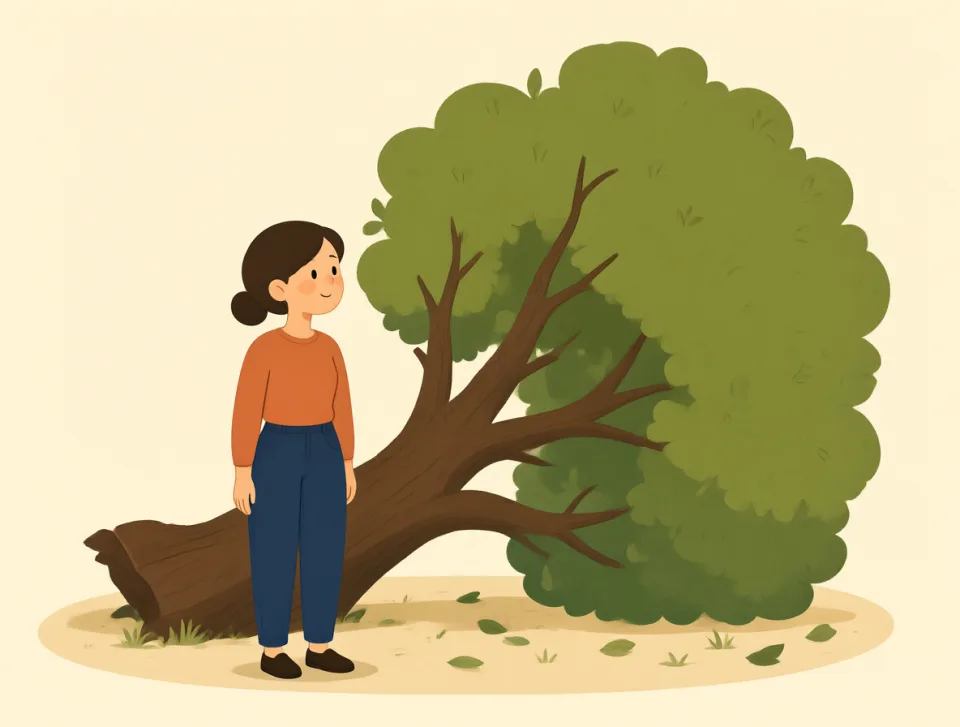
She had a lucky escape from the falling tree.
او بهطرز خوششانسی از درختی که در حال افتادن بود جان سالم به در برد.

He chose a lucky number and won the prize.
او یک عدد خوشیمن انتخاب کرد و جایزه را برد.
crash
#1867noun, verb
تصادف؛ خرابشدن؛ جایی ماندن
A hard collision, or to hit something, stop working, or sleep somewhere unexpectedly.
برخورد شدید؛ یا برخورد کردن با چیزی، از کار افتادن یا ناگهان جایی خوابیدن.
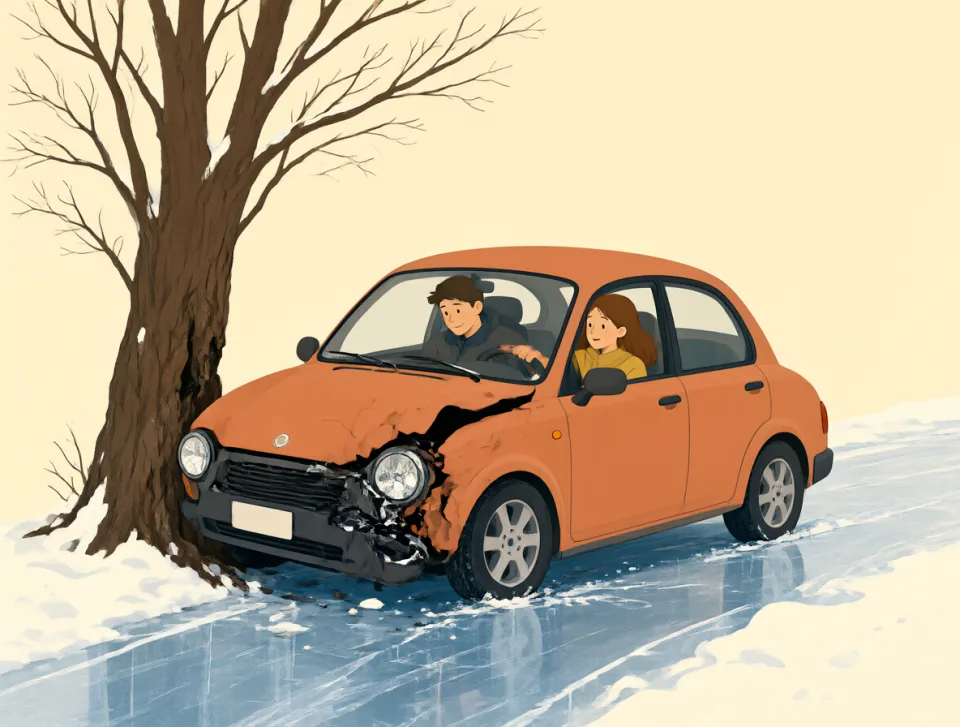
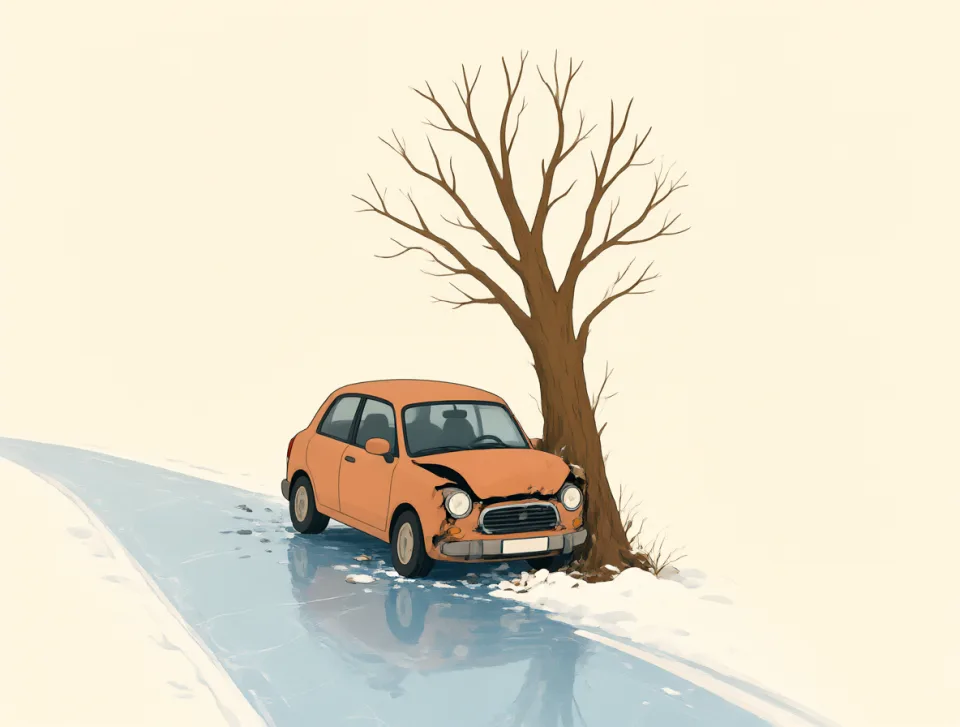
The car crashed into a tree on the icy road.
ماشین در جادهٔ یخزده به درخت برخورد کرد.
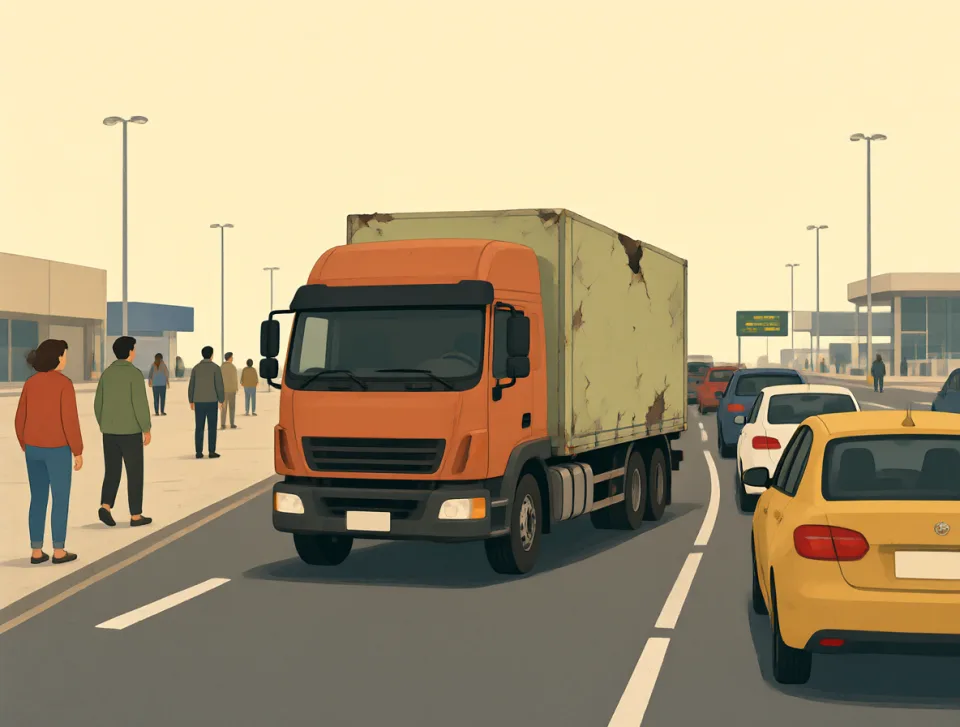
A truck crash blocked traffic near the airport this morning.
تصادف یک کامیون امروز صبح نزدیک فرودگاه ترافیک را مسدود کرد.
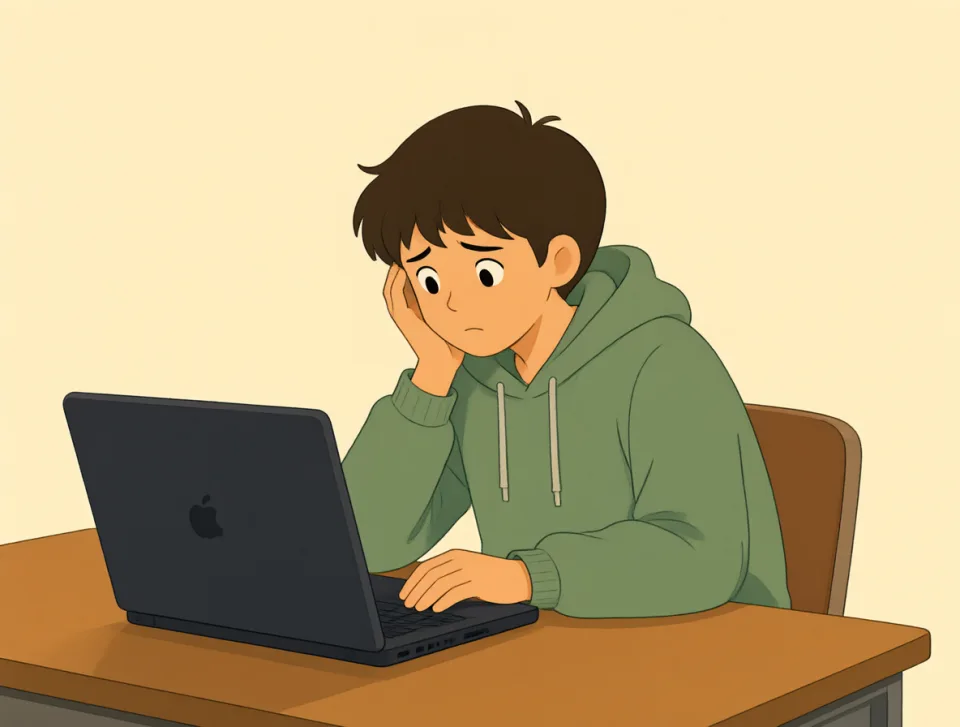
My computer crashed while I was finishing my homework.
وقتی داشتم تکالیفم را تمام میکردم، کامپیوترم از کار افتاد.
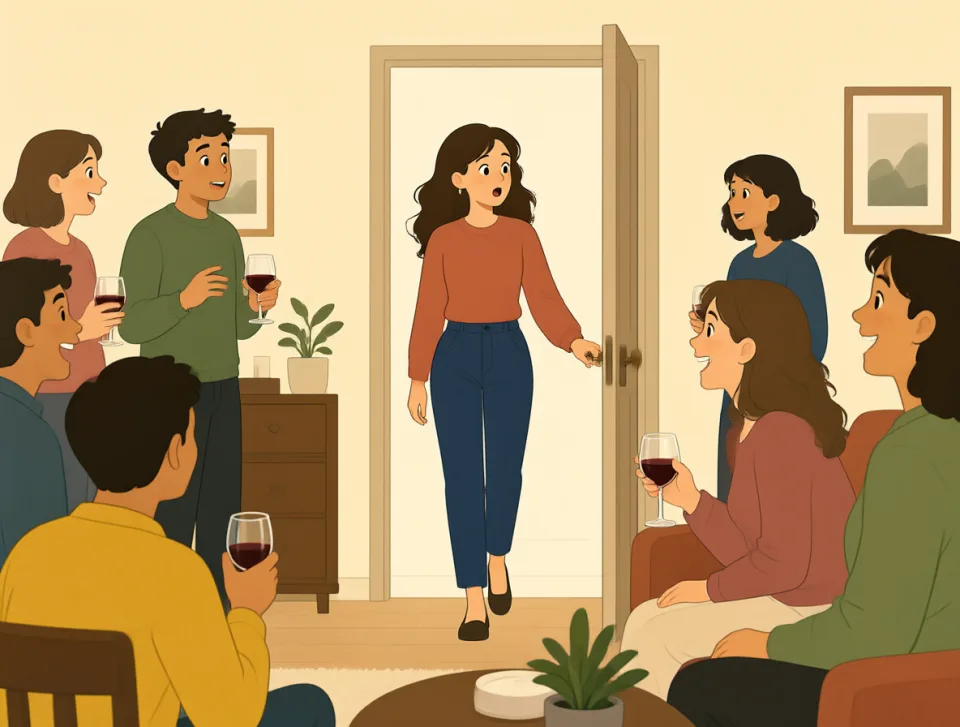
She crashed the party without knowing anyone there.
او بیآنکه کسی را آنجا بشناسد، بیدعوت وارد مهمانی شد.
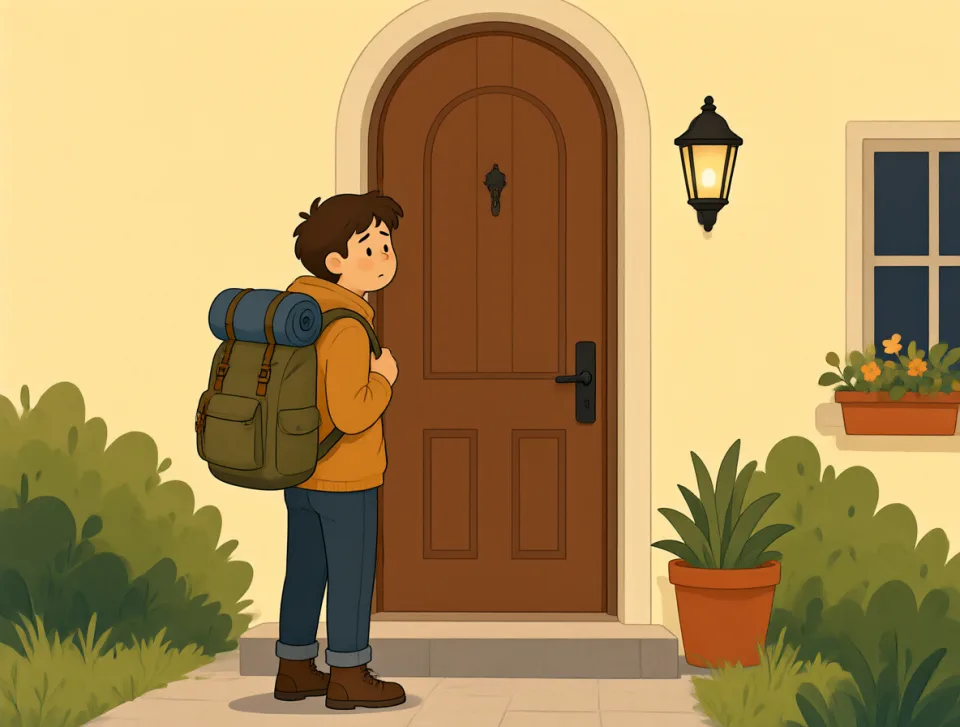
Can I crash at your place tonight?
میتوانم امشب خانهٔ تو بمانم؟
observation
#1868noun
مشاهده؛ نکته
something you notice, or a comment about what you have noticed
چیزی که متوجهش میشوید، یا نظری دربارهٔ چیزی که متوجه شدهاید.
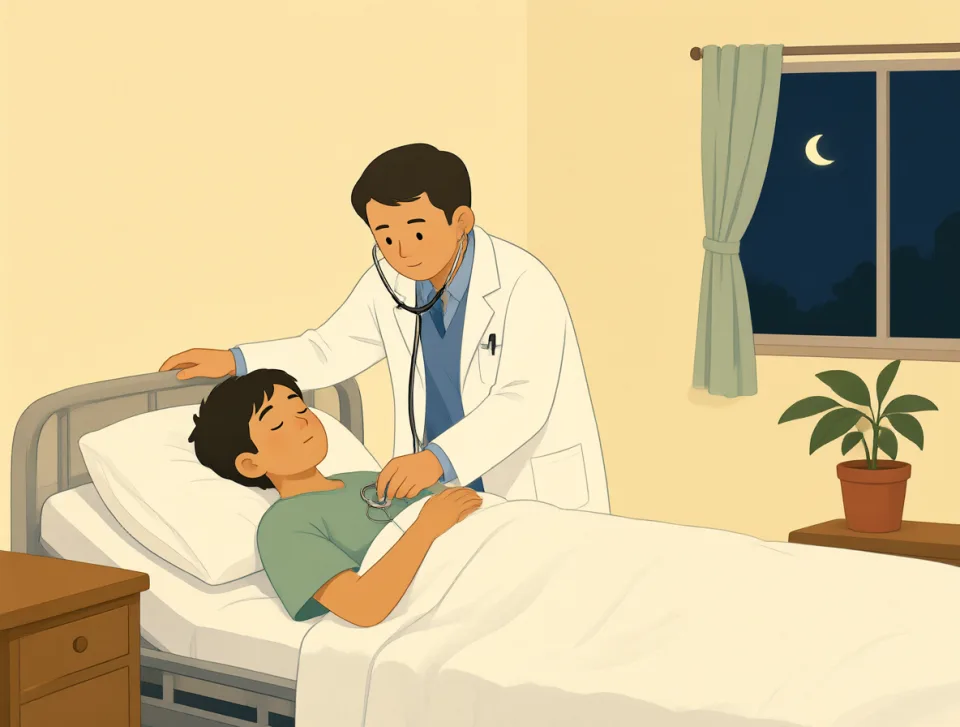
The doctor kept the patient under observation overnight.
دکتر بیمار را در طول شب تحت نظر نگه داشت.
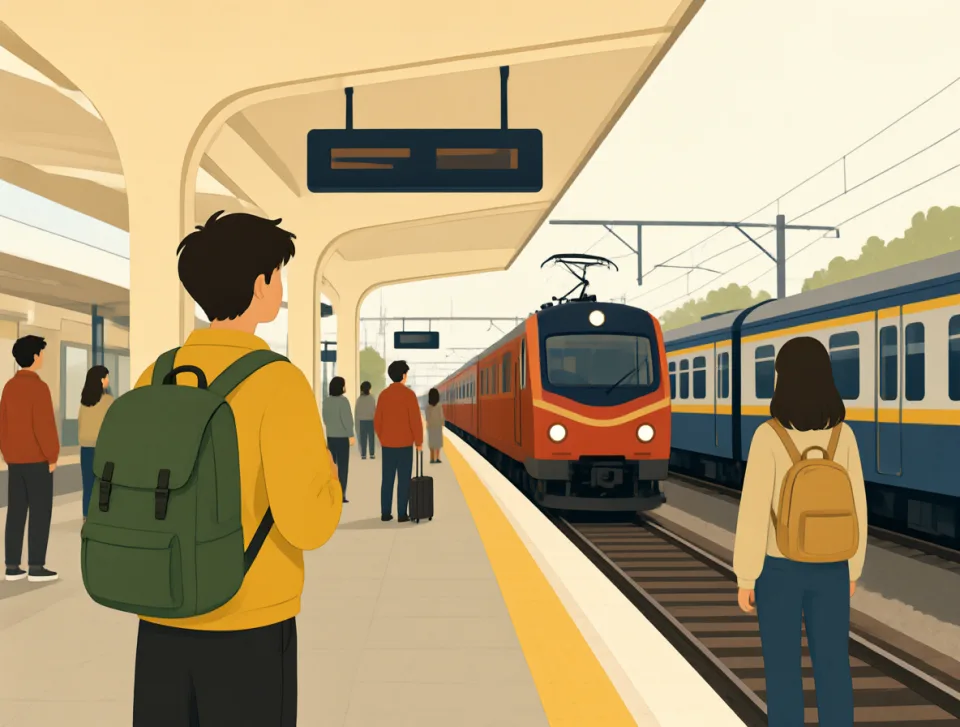
I made an interesting observation while waiting for the train.
وقتی منتظر قطار بودم، نکتهٔ جالبی متوجه شدم.
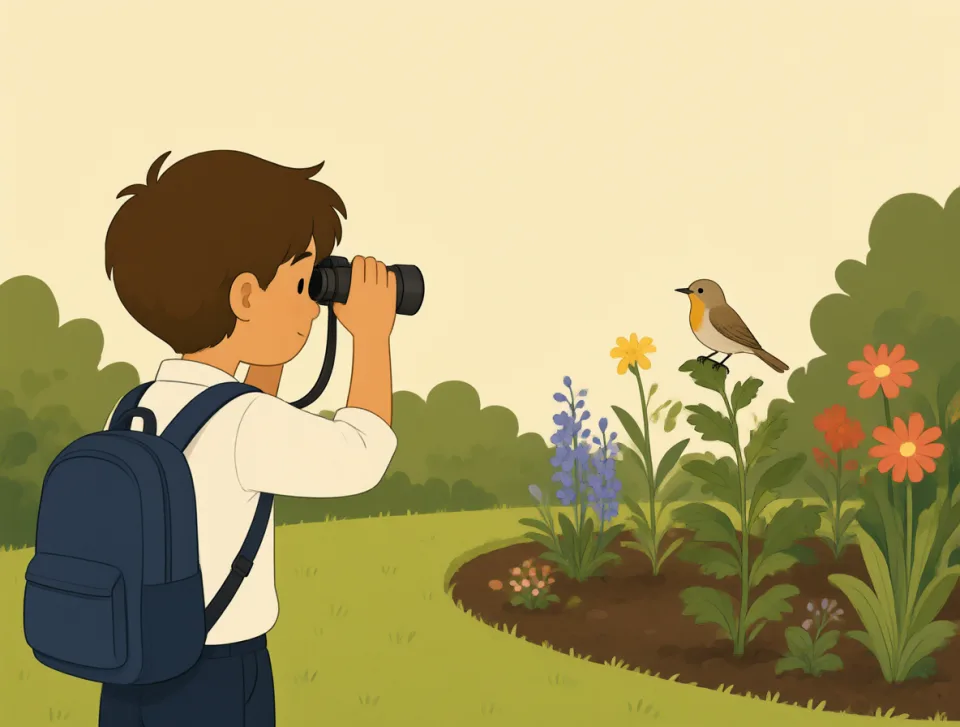
The teacher praised her careful observation of the bird.
معلم از دقت او در مشاهدهٔ پرنده تعریف کرد.
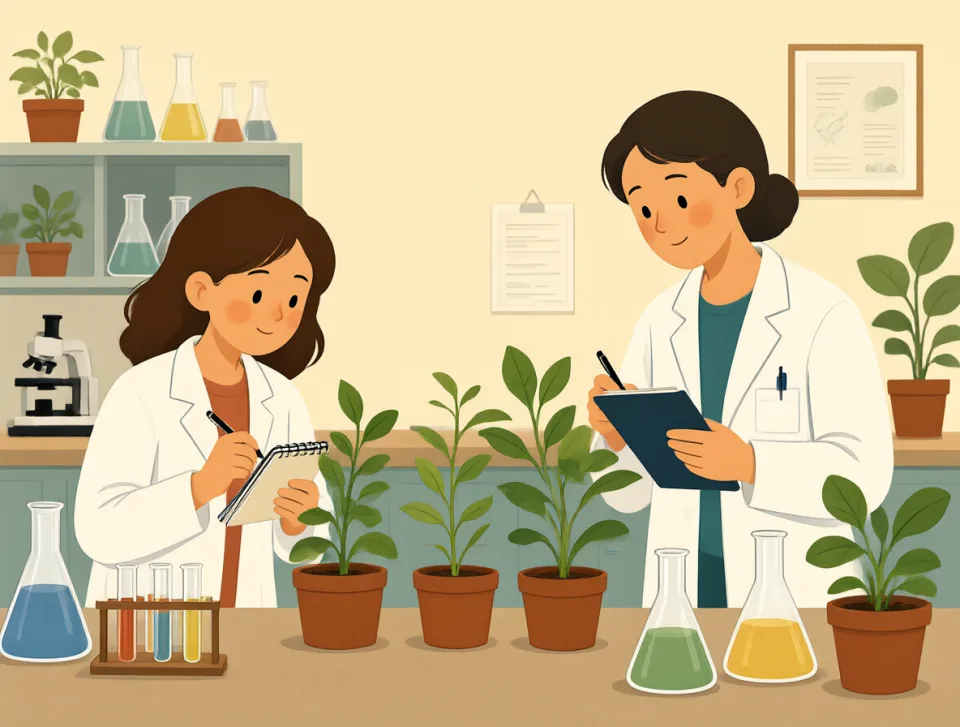
Scientists recorded their observations of the plants every morning.
دانشمندان هر روز صبح مشاهدات خود را دربارهٔ گیاهان ثبت کردند.
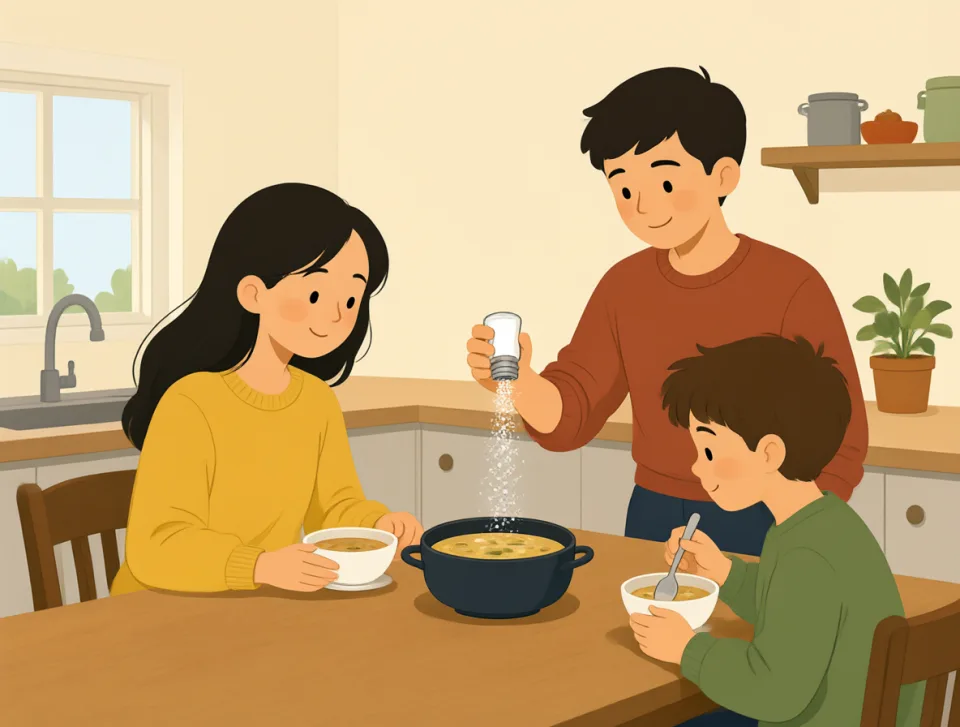
His observation that the soup needed salt was exactly right.
نکتهای که او دربارهٔ کمنمک بودن سوپ گفت، کاملاً درست بود.
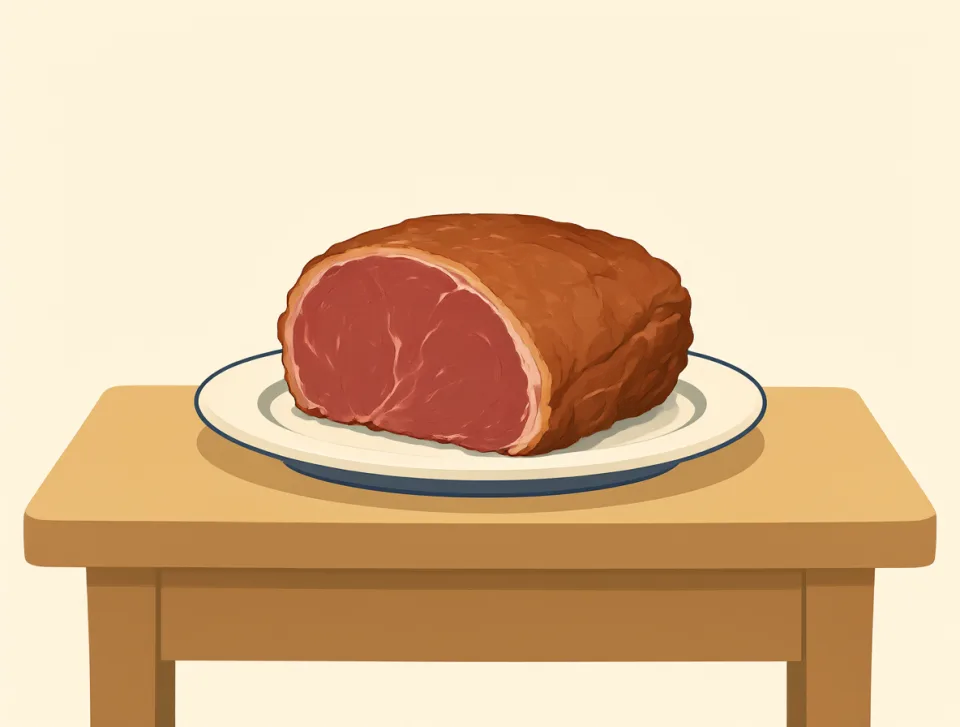
meat
#1869noun
گوشت
The flesh of animals used as food.
گوشت حیوانات که بهعنوان غذا مصرف میشود.
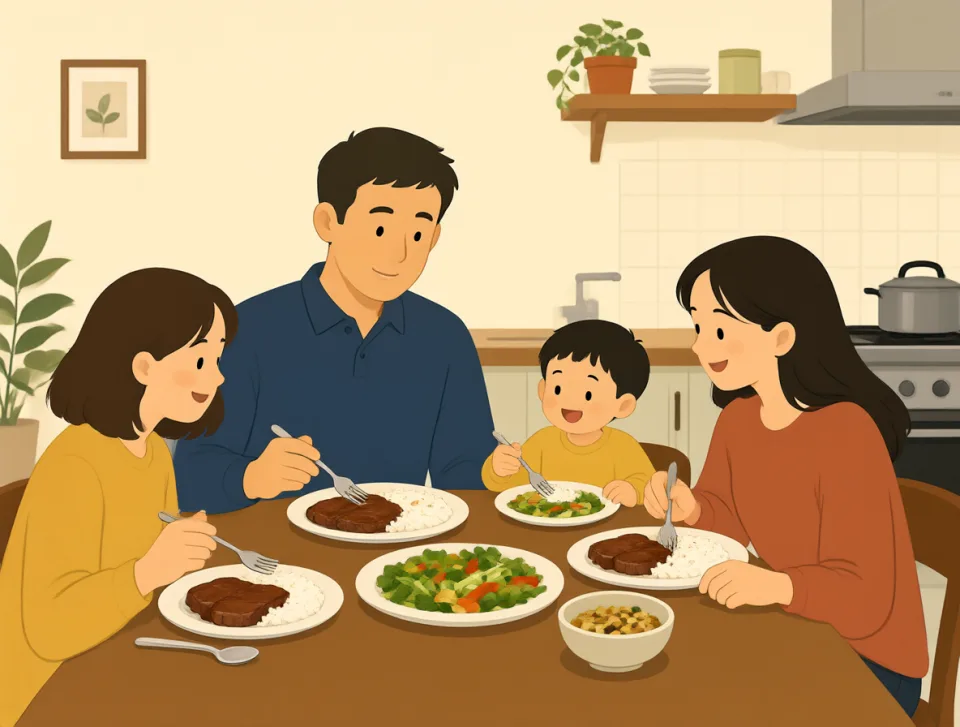
We usually eat meat with rice and vegetables.
ما معمولاً گوشت را با برنج و سبزیجات میخوریم.
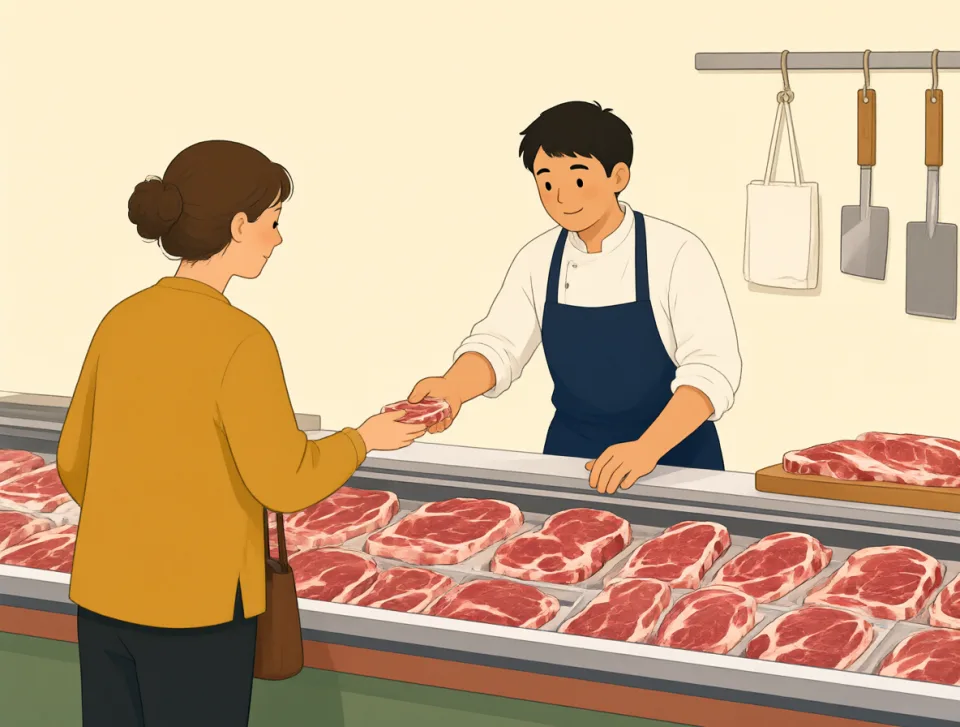
This shop sells fresh meat every morning.
این مغازه هر روز صبح گوشت تازه میفروشد.
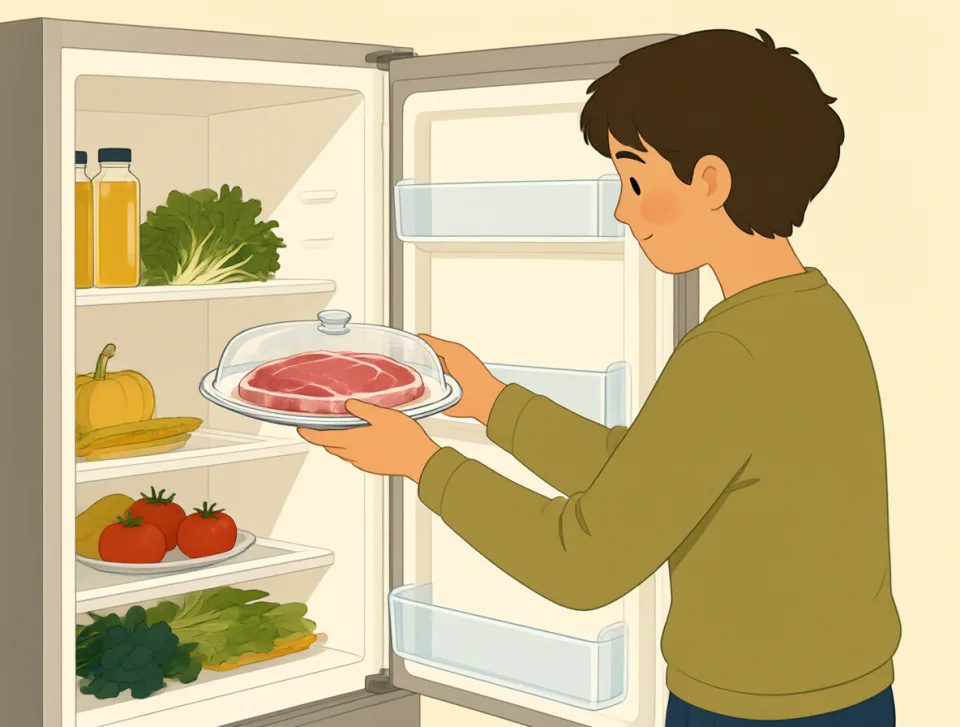
Please keep the raw meat in the fridge.
لطفاً گوشت خام را در یخچال نگه دارید.
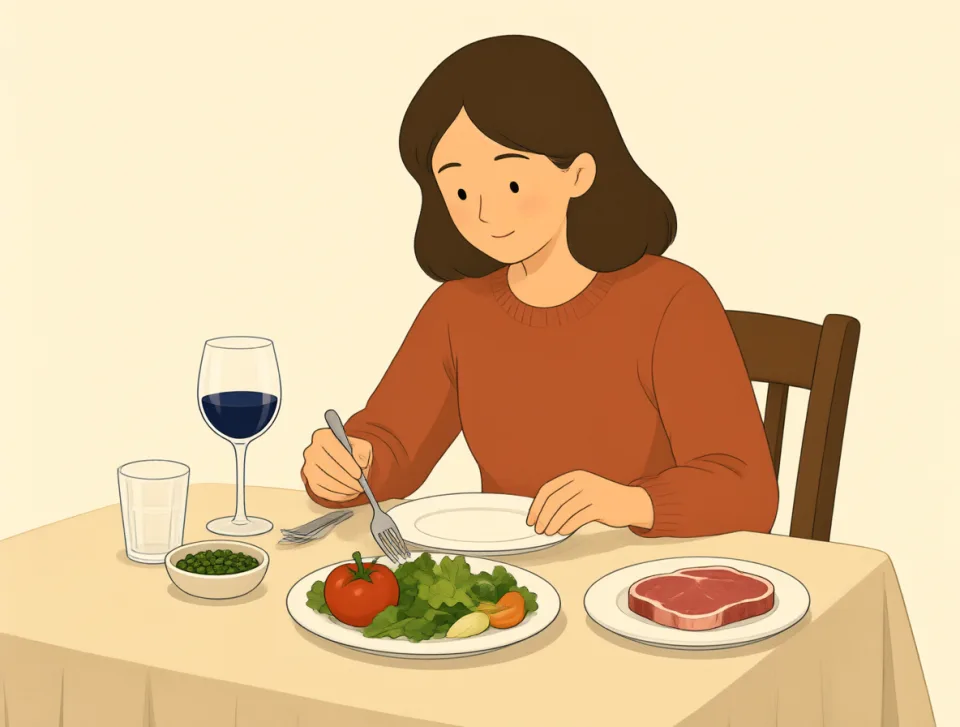
She does not eat meat because she is vegetarian.
او چون گیاهخوار است گوشت نمیخورد.
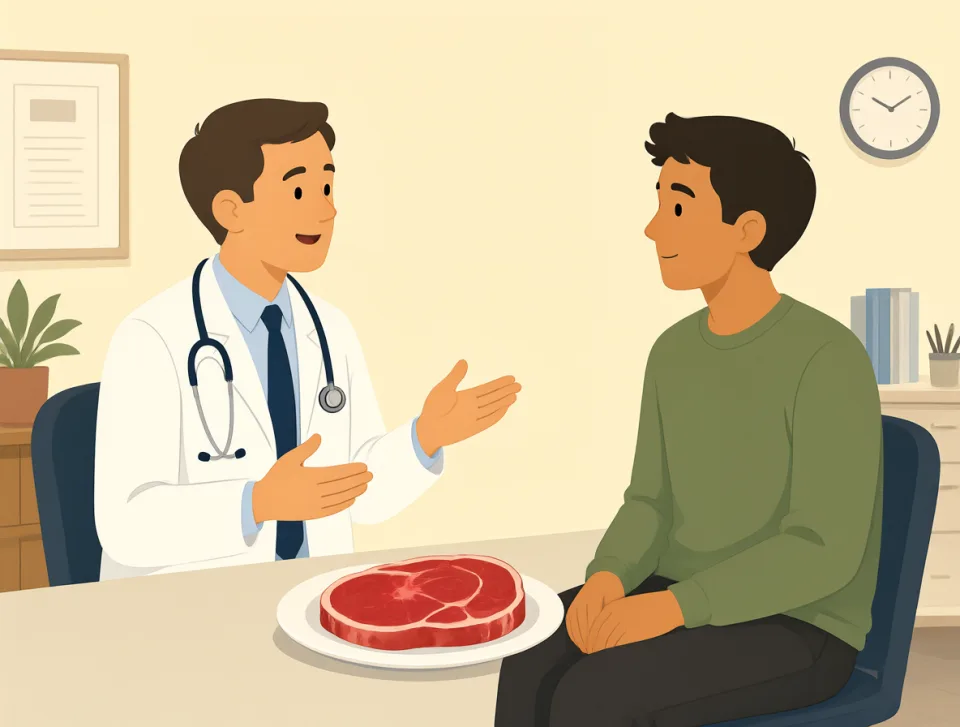
The doctor told him to eat less red meat.
دکتر به او گفت گوشت قرمز کمتری بخورد.
concentration
#1870noun
تمرکز
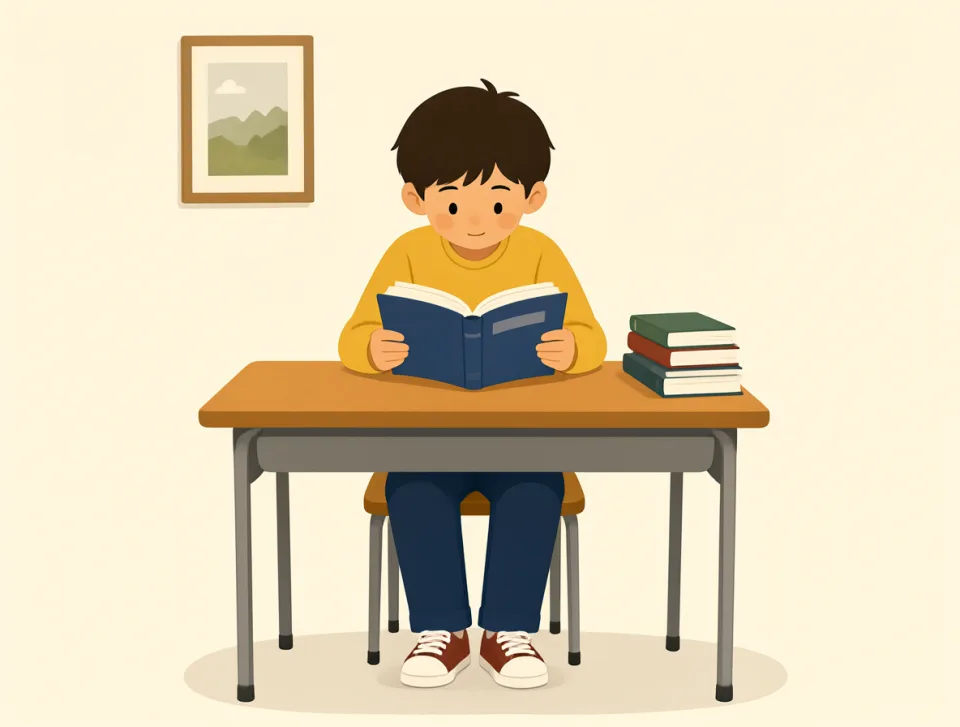
The ability to think carefully without being distracted.
توانایی فکر کردن با دقت، بدون اینکه حواستان پرت شود.
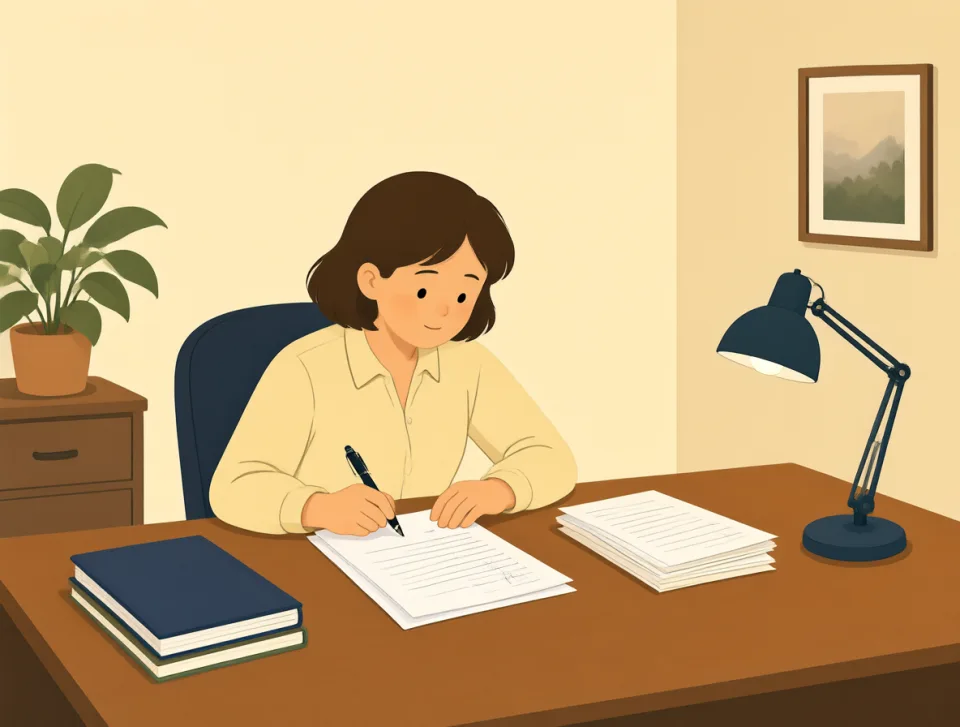
I need complete concentration to finish this difficult report.
برای تمام کردن این گزارش دشوار، به تمرکز کامل نیاز دارم.
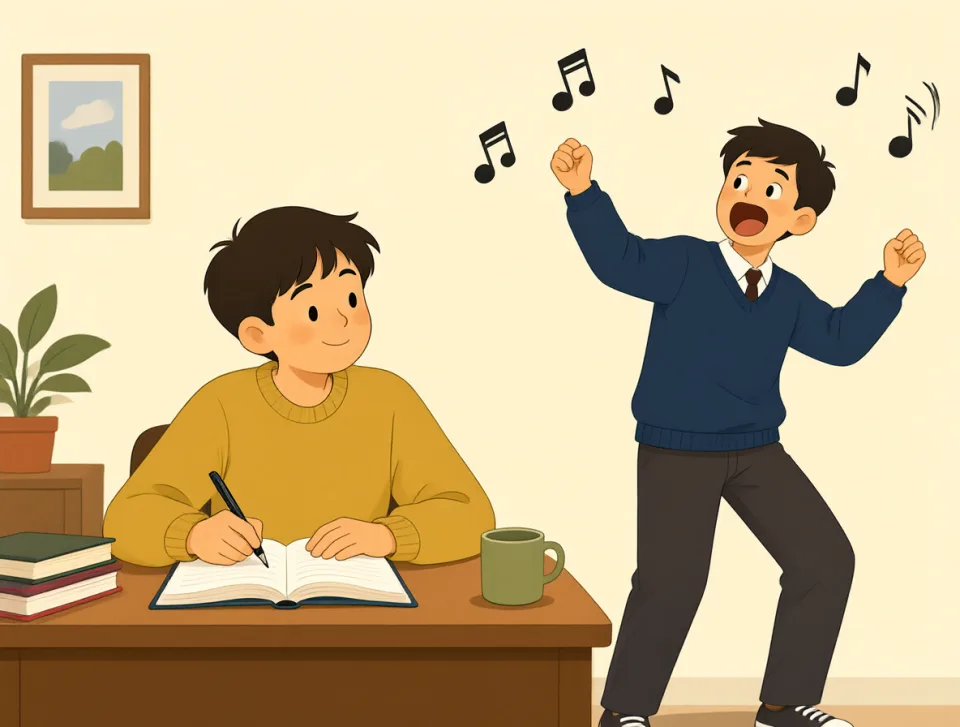
The loud music made concentration difficult during my homework.
موسیقی بلند باعث شد تمرکز کردن هنگام انجام تکالیفم دشوار شود.
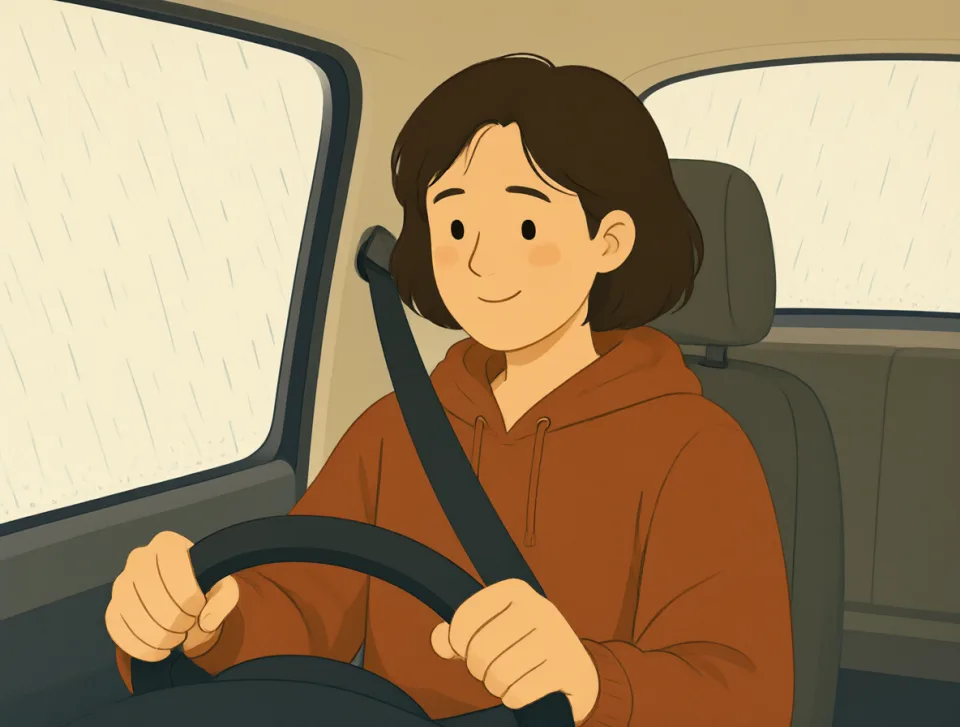
Please drive slowly because the heavy rain requires extra concentration.
لطفاً آهسته رانندگی کنید، چون باران شدید به تمرکز بیشتری نیاز دارد.
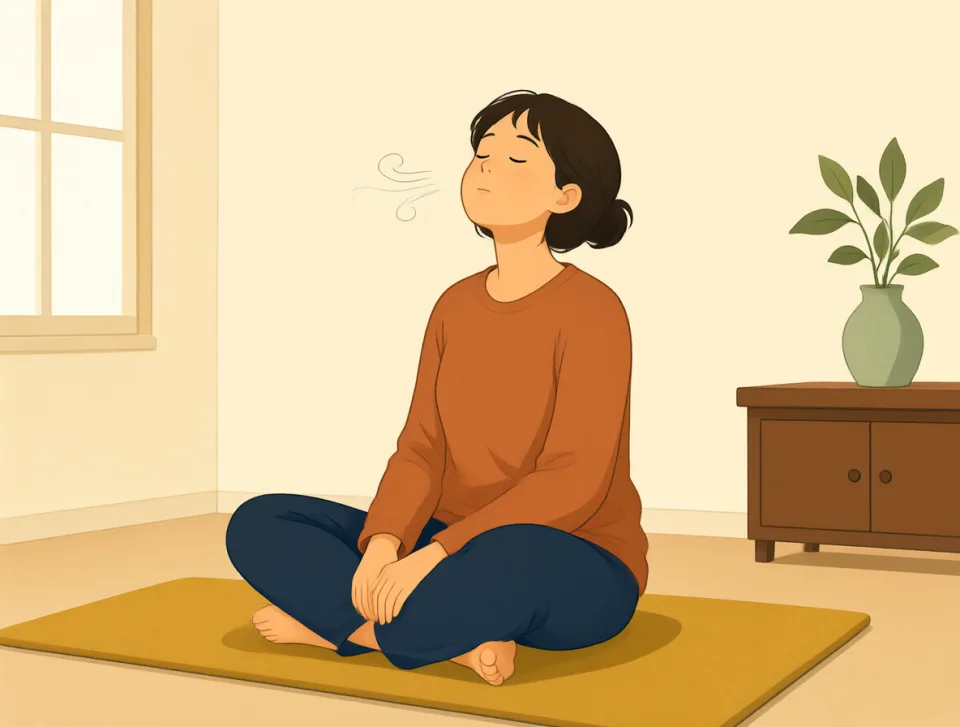
Yoga and deep breathing can improve your concentration.
یوگا و نفس عمیق میتوانند تمرکزتان را بهتر کنند.
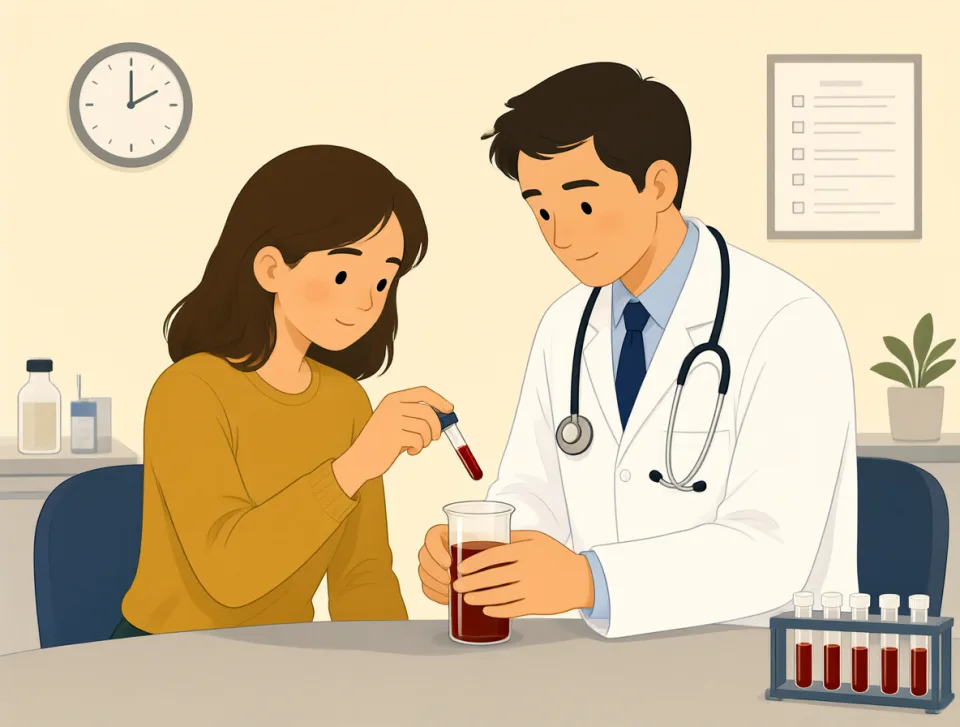
The doctor measured the concentration of sugar in his blood.
دکتر میزان غلظت قند خون او را اندازه گرفت.
implication
#1871noun
پیامد
a possible effect or meaning that follows from an action or situation
اثری یا معنای احتمالی که از یک عمل یا موقعیت ناشی میشود
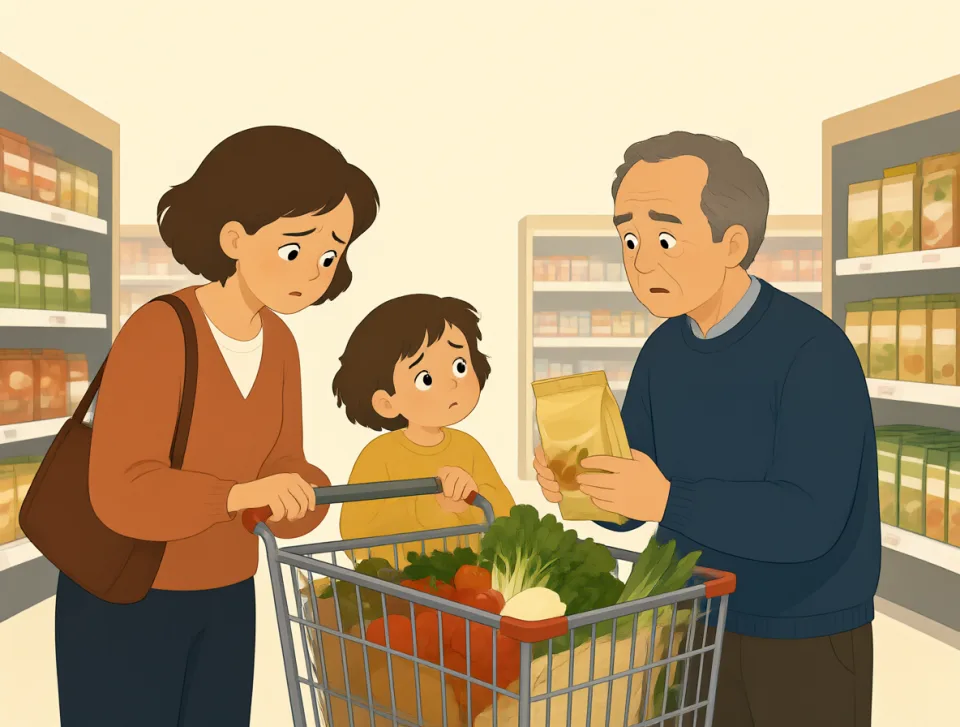
The price increase has serious implications for families.
افزایش قیمت پیامدهای جدیای برای خانوادهها دارد.
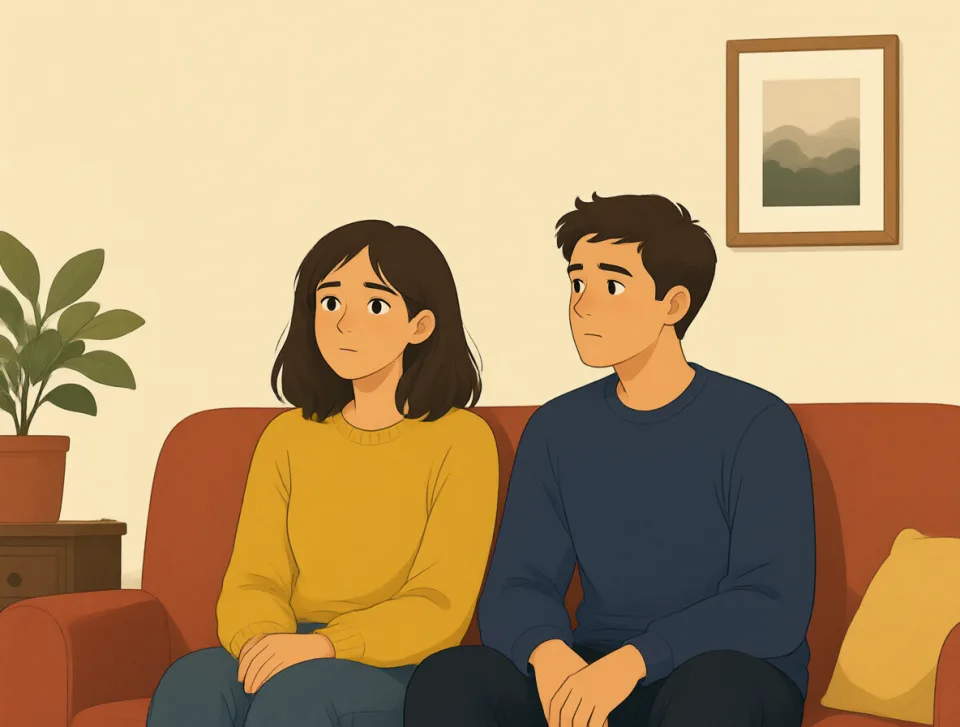
She understood the implication of his silence.
او پیامد سکوت او را فهمید.
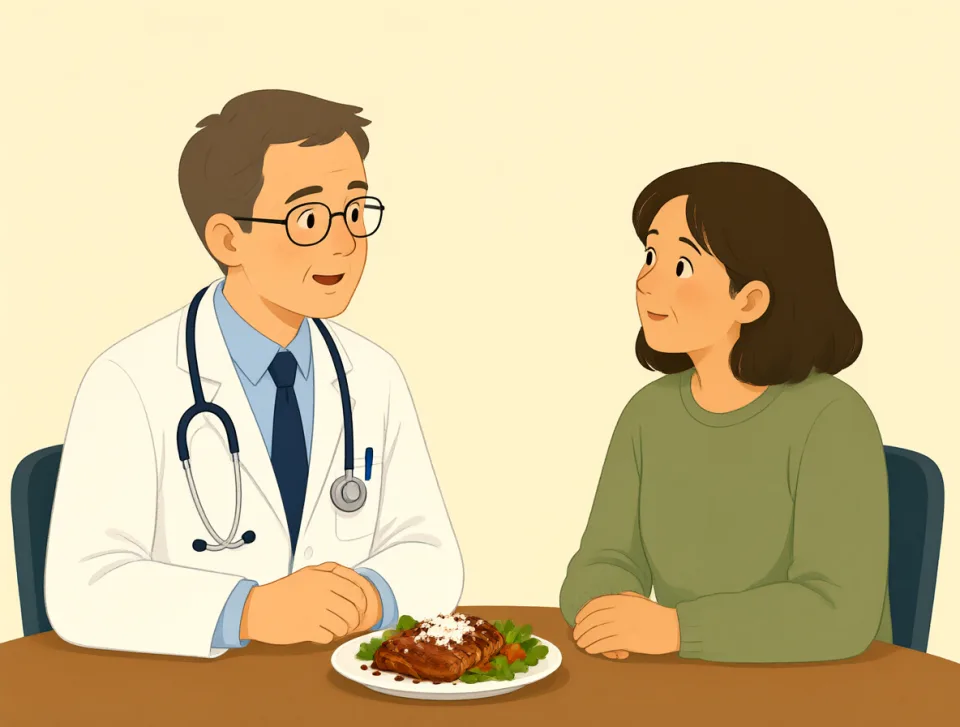
The doctor explained the health implications of eating too much salt.
پزشک پیامدهای خوردن نمک بیش از حد را برای سلامتی توضیح داد.
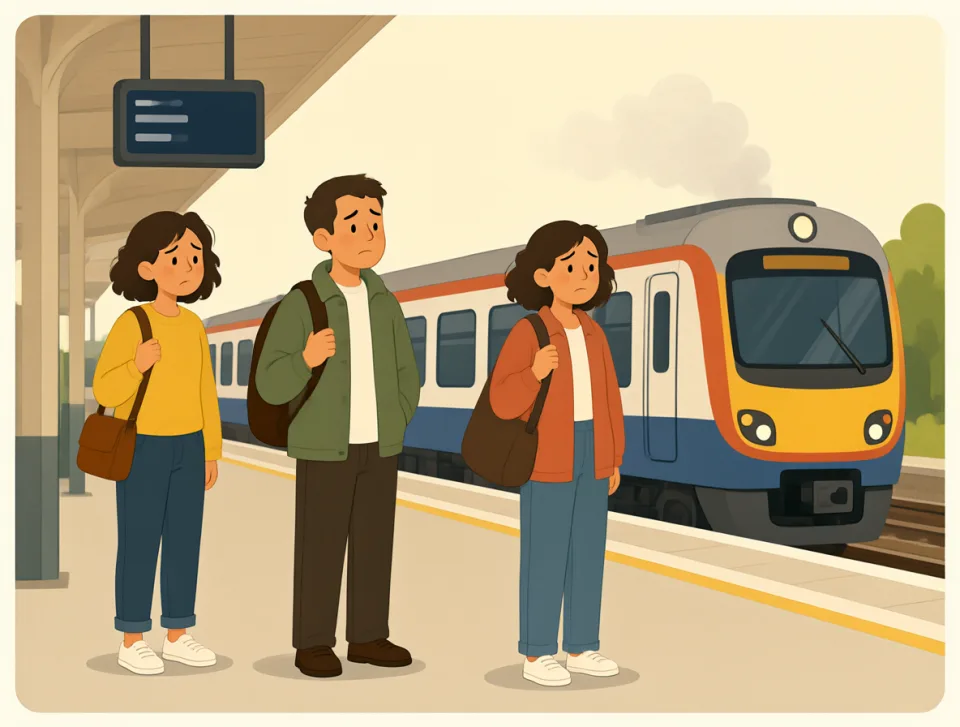
Missing the train had unexpected implications for our travel plans.
از دست دادن قطار پیامدهای پیشبینینشدهای برای برنامههای سفرمان داشت.
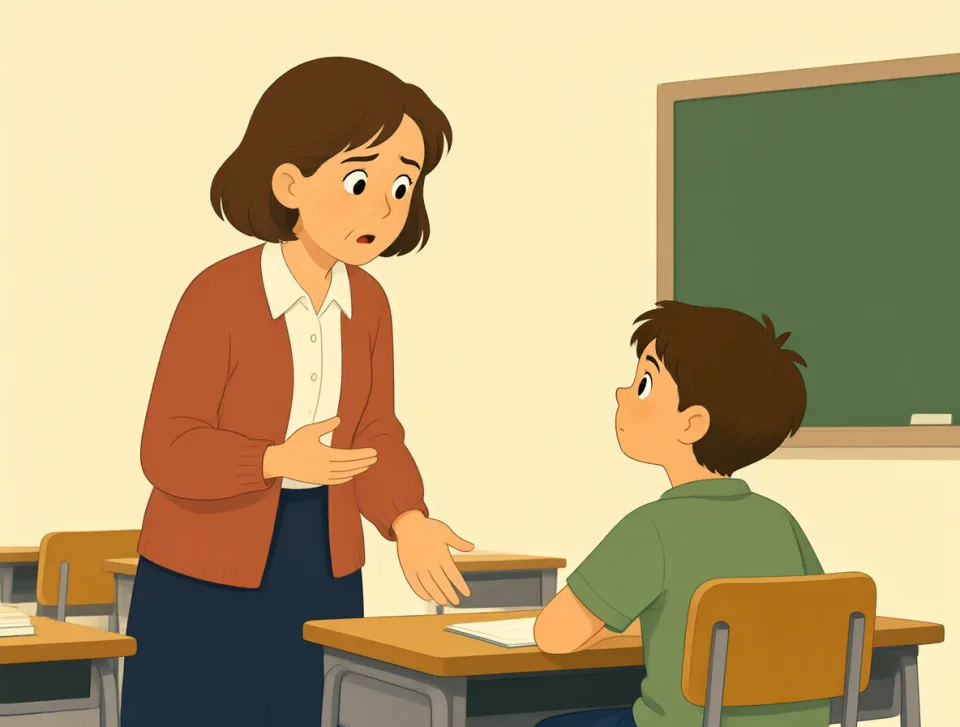
The teacher discussed the implications of cheating on the exam.
معلم دربارهٔ پیامدهای تقلب در امتحان صحبت کرد.
deserve
#1872verb
استحقاق داشتن
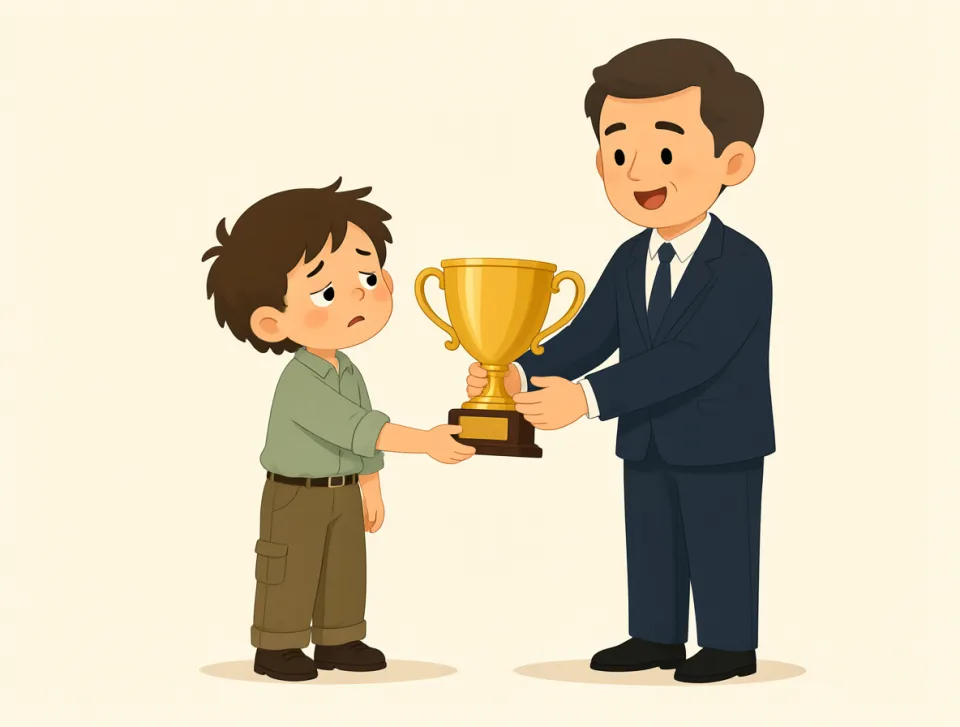
to have earned something because of your actions or qualities
بهخاطر کارها یا ویژگیهایت، چیزی را سزاوار بودن
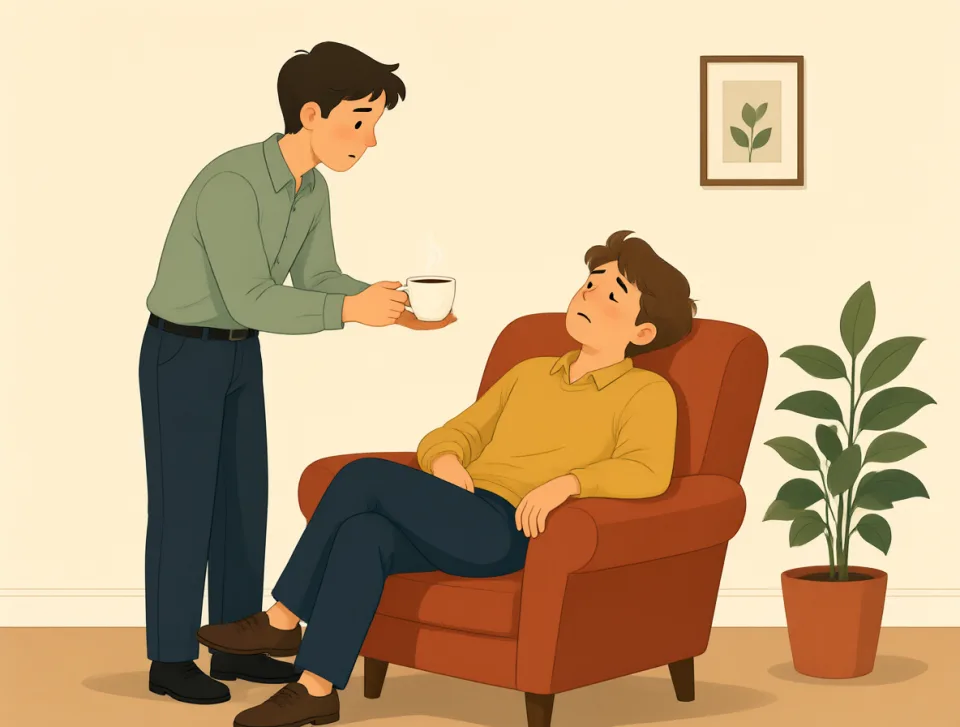
You deserve a break after working so hard all day.
بعد از اینکه تمام روز سخت کار کردی، حق داری کمی استراحت کنی.

She deserved the award because she helped the whole team.
او سزاوار دریافت جایزه بود، چون به تمام اعضای گروه کمک کرد.
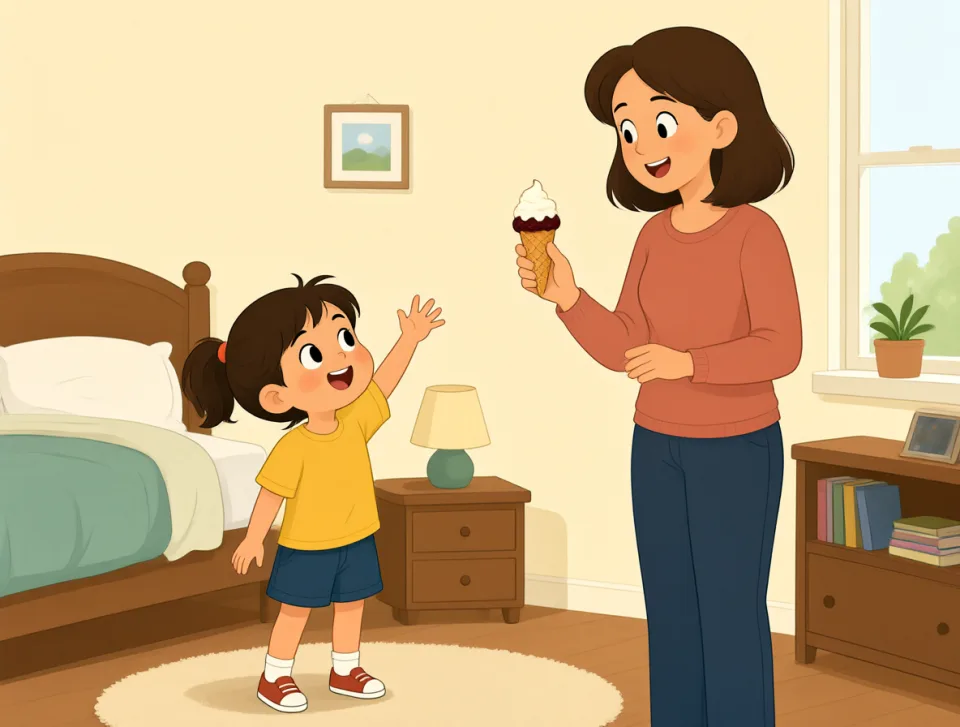
The children deserve a special treat for cleaning their rooms.
بچهها برای تمیز کردن اتاقهایشان سزاوار یک خوراکی ویژه هستند.

Everyone deserves to be treated with respect at work.
همه سزاوارند در محل کار با احترام با آنها رفتار شود.

He deserves to feel better after following the doctor's advice.
او پس از عمل کردن به توصیههای پزشک، سزاوار است حالش بهتر شود.

unusual
#1873adjective
غیرمعمول
Different from what is usual, expected, or common.
متفاوت از چیزی که معمول، مورد انتظار یا رایج است.

She wore an unusual hat to the garden party.
او برای مهمانی باغ یک کلاه غیرمعمول پوشید.
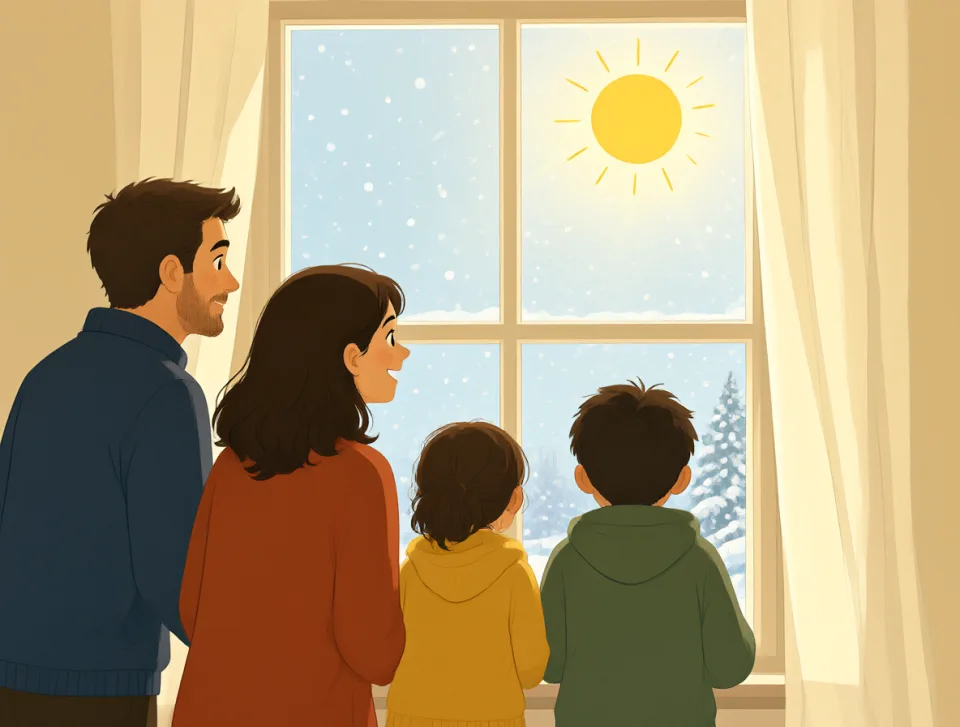
We had unusual weather for this time of year.
برای این موقع از سال، هوای غیرمعمولی داشتیم.
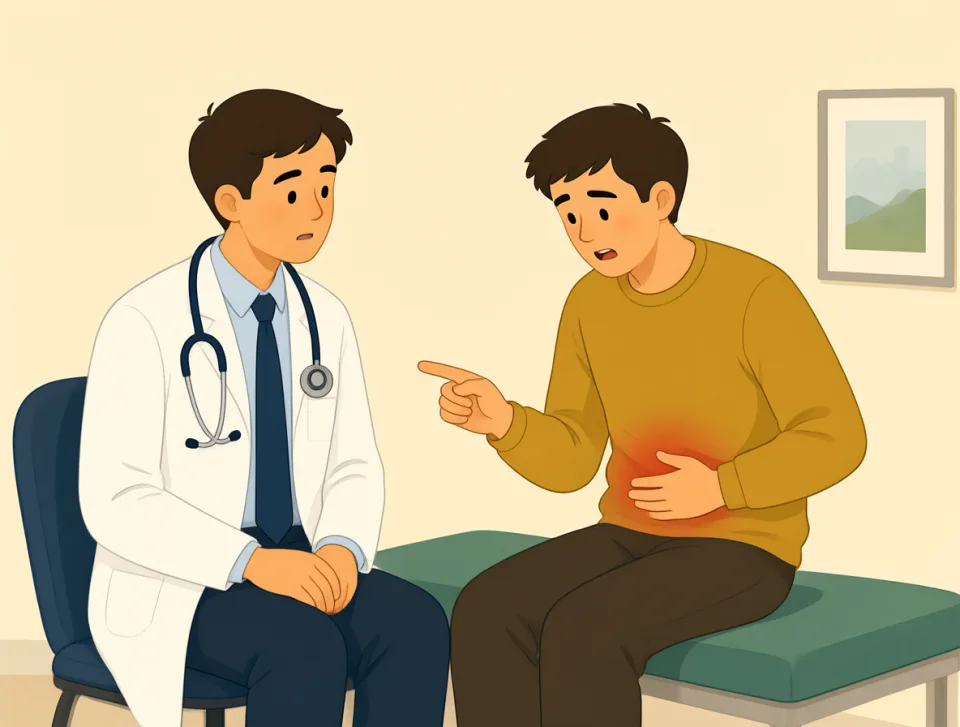
The doctor asked about his unusual pain.
پزشک دربارهٔ درد غیرمعمول او پرسید.
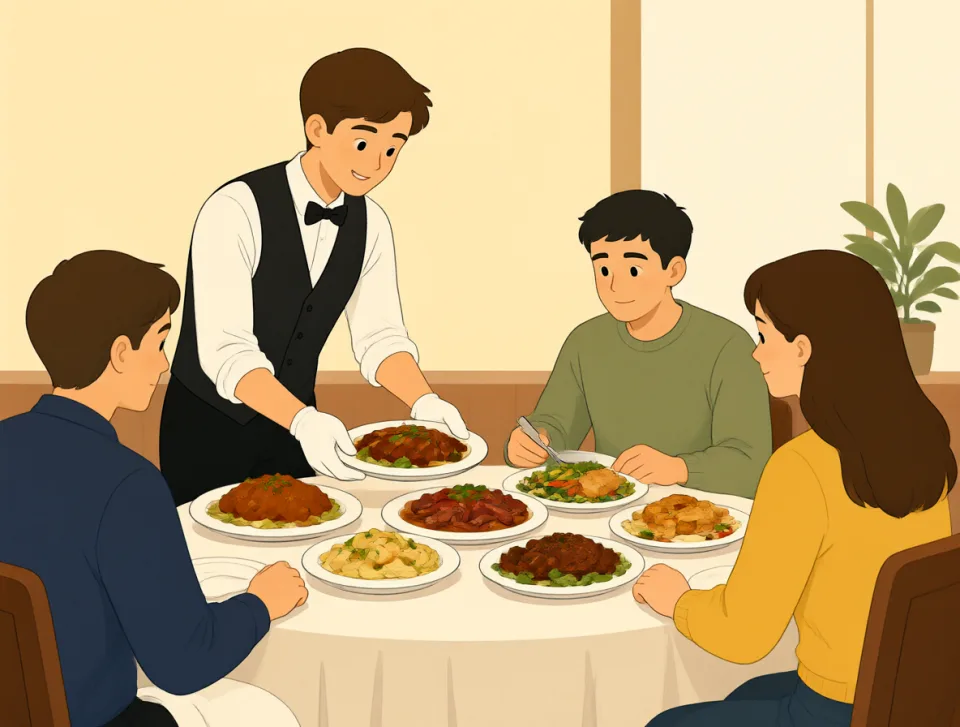
This restaurant serves unusual dishes from around the world.
این رستوران غذاهای غیرمعمولی از سراسر دنیا سرو میکند.
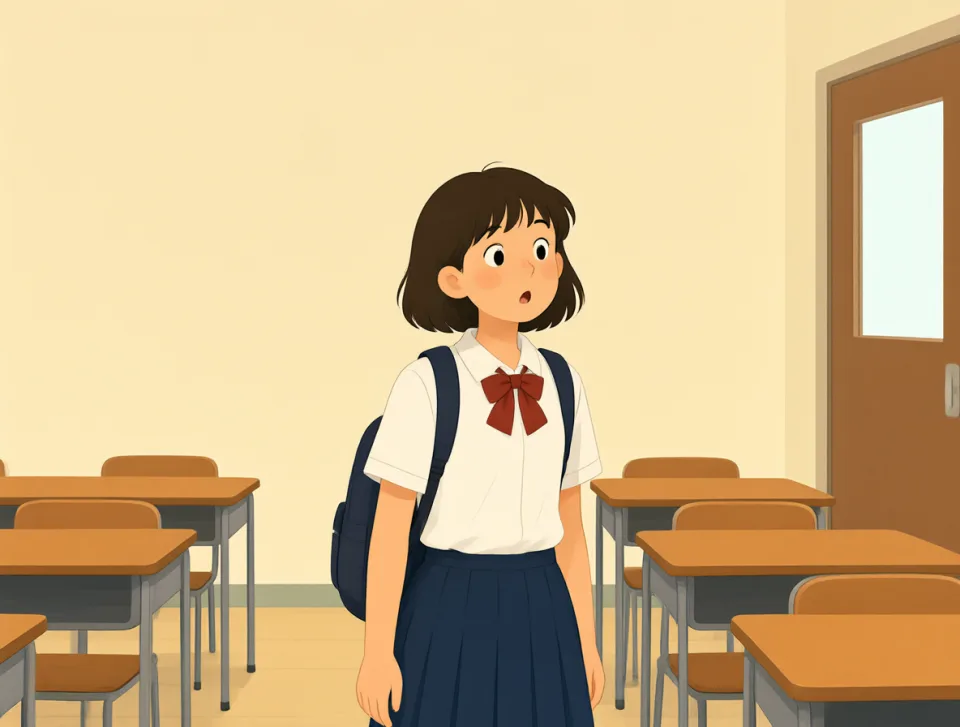
It was unusual to see the classroom empty.
دیدن کلاس خالی غیرمعمول بود.
defend
#1874verb
دفاع کردن
to protect someone or something from attack, harm, or criticism
از کسی یا چیزی در برابر حمله، آسیب یا انتقاد محافظت کردن
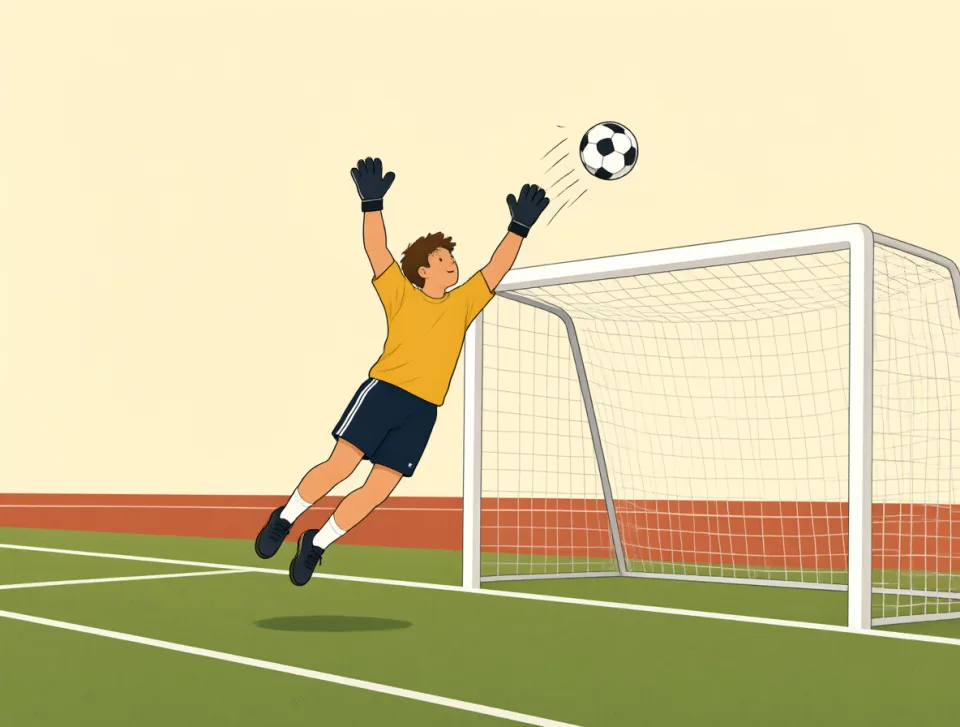
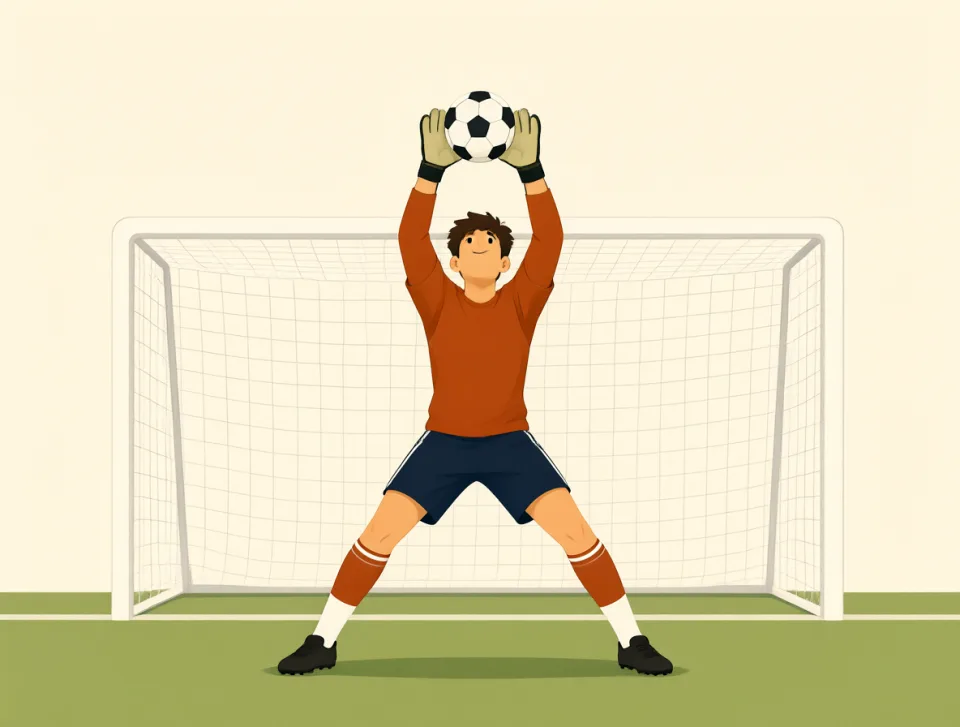
The goalkeeper defended the goal during the final minutes.
دروازهبان در دقایق پایانی از دروازه دفاع کرد.
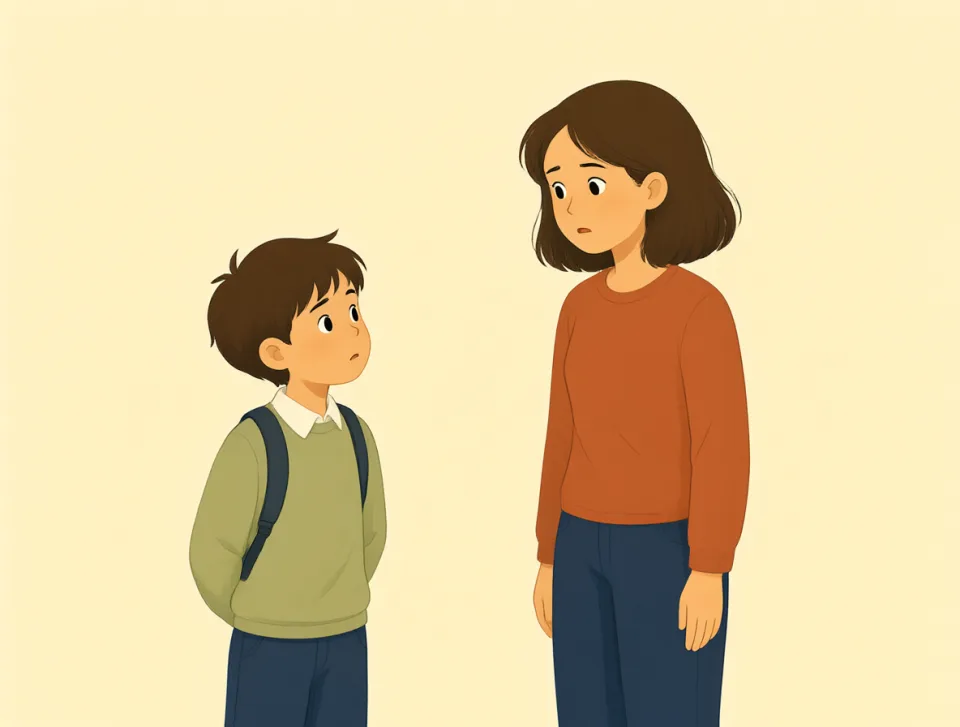
She defended her friend when others blamed him.
وقتی دیگران دوستش را سرزنش کردند، او از او دفاع کرد.
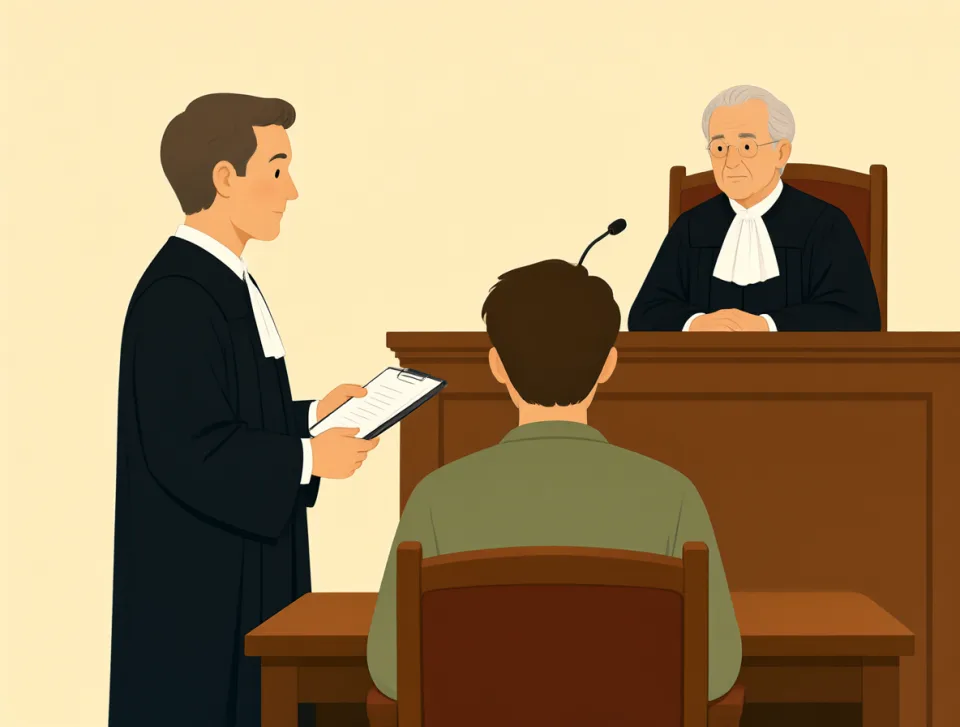
The lawyer defended the man in court.
وکیل در دادگاه از آن مرد دفاع کرد.
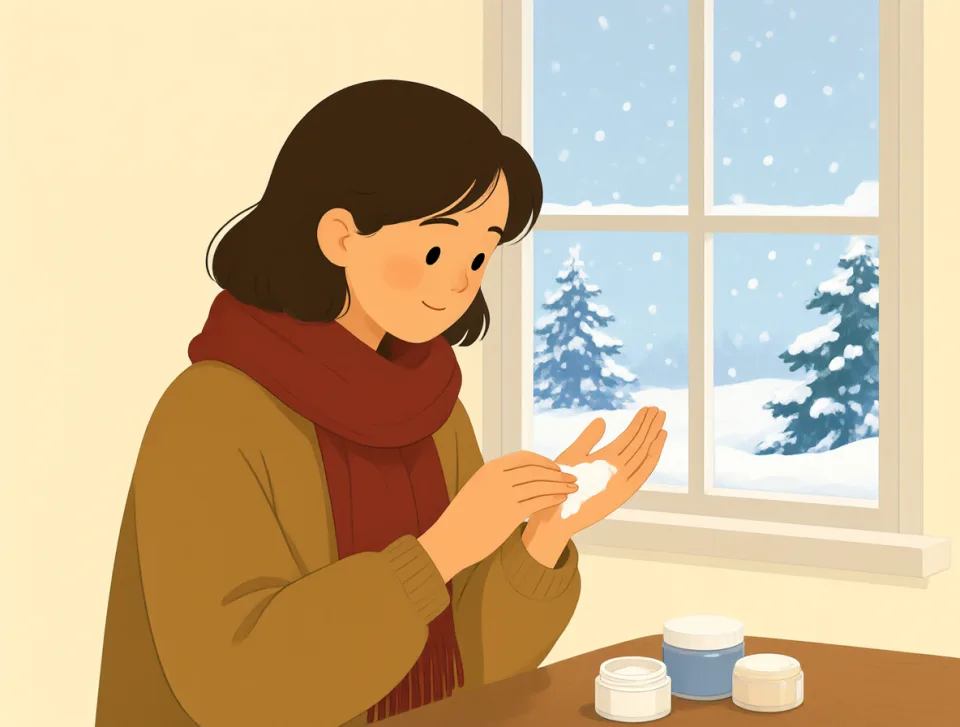
This cream helps defend your skin from the cold.
این کرم به محافظت از پوست شما در برابر سرما کمک میکند.

He defended his decision to leave the meeting early.
او از تصمیمش برای ترک زودهنگام جلسه دفاع کرد.
classic
#1875adjective, noun
کلاسیک
Very typical of its kind, or a famous work from the past that people still enjoy.
بسیار نمونهوارِ نوع خود، یا اثری مشهور از گذشته که مردم هنوز از آن لذت میبرند.
We watched a classic movie together after dinner.
بعد از شام با هم یک فیلم کلاسیک تماشا کردیم.
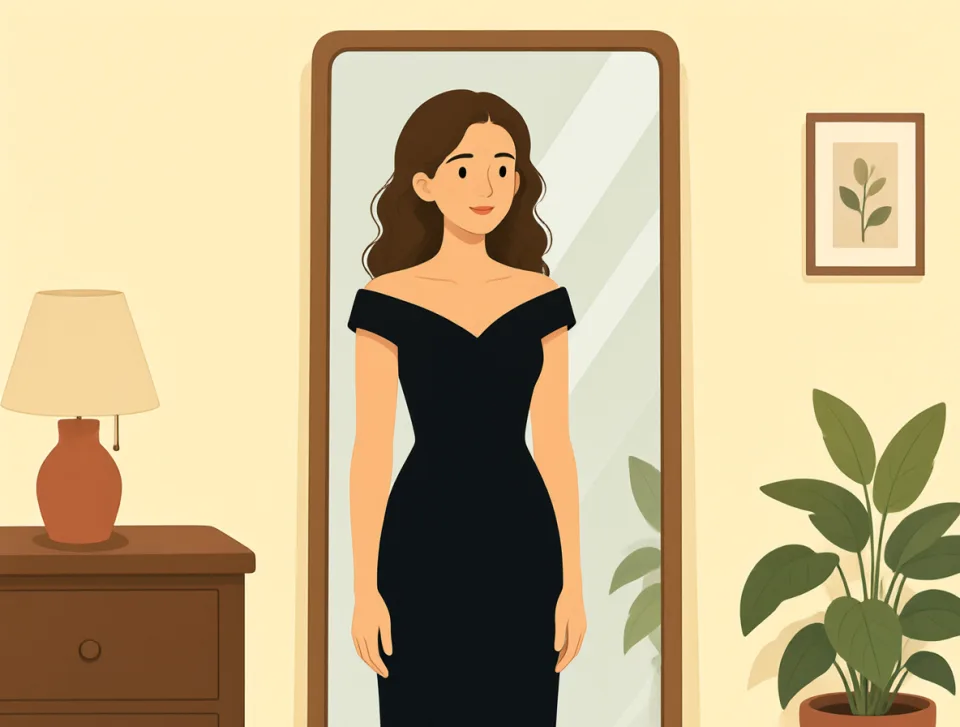
She wore a classic black dress to the wedding.
او برای مراسم عروسی یک لباس مشکی کلاسیک پوشید.
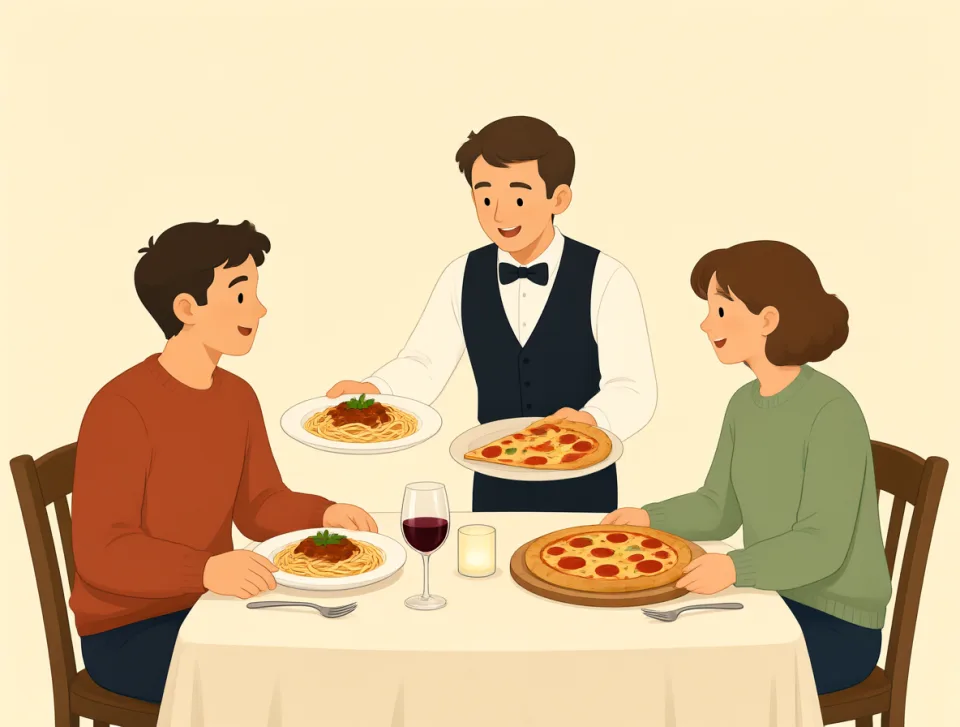
This restaurant serves classic Italian dishes like pasta and pizza.
این رستوران غذاهای کلاسیک ایتالیایی مثل پاستا و پیتزا سرو میکند.
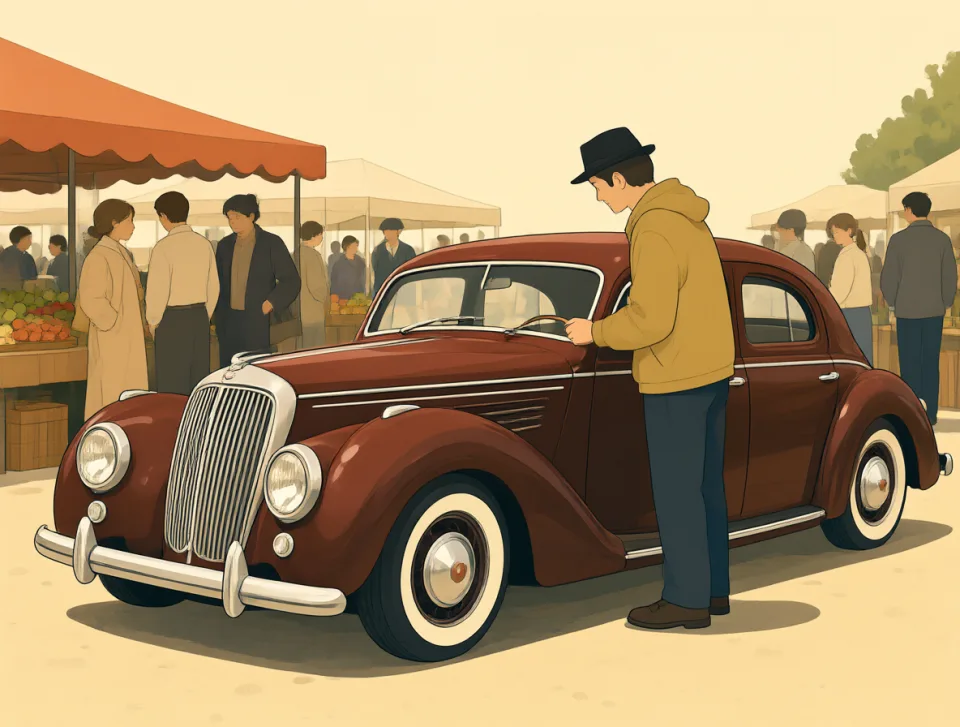
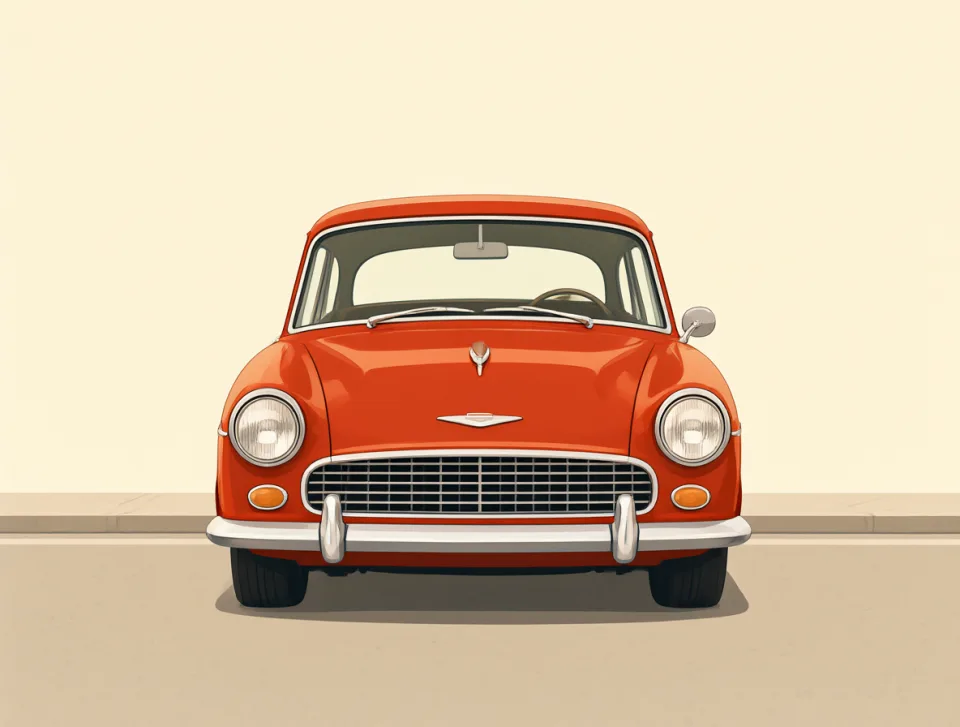
He bought a classic car at the weekend market.
او آخر هفته در بازار یک ماشین کلاسیک خرید.
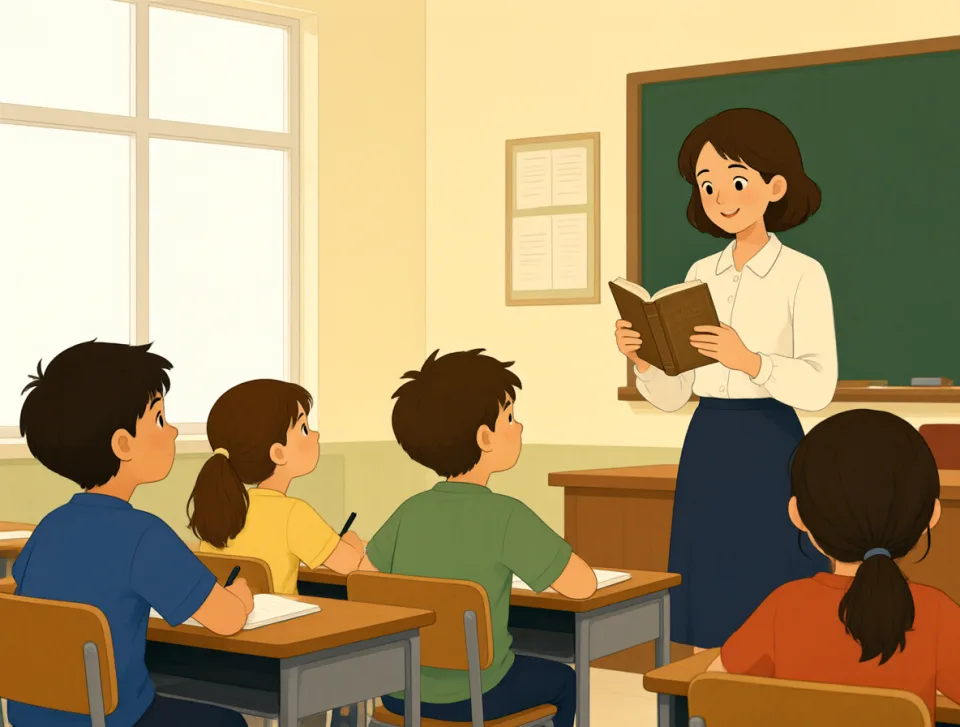
The teacher asked us to read a classic novel this term.
معلم از ما خواست این ترم یک رمان کلاسیک بخوانیم.
king
#1876noun
پادشاه
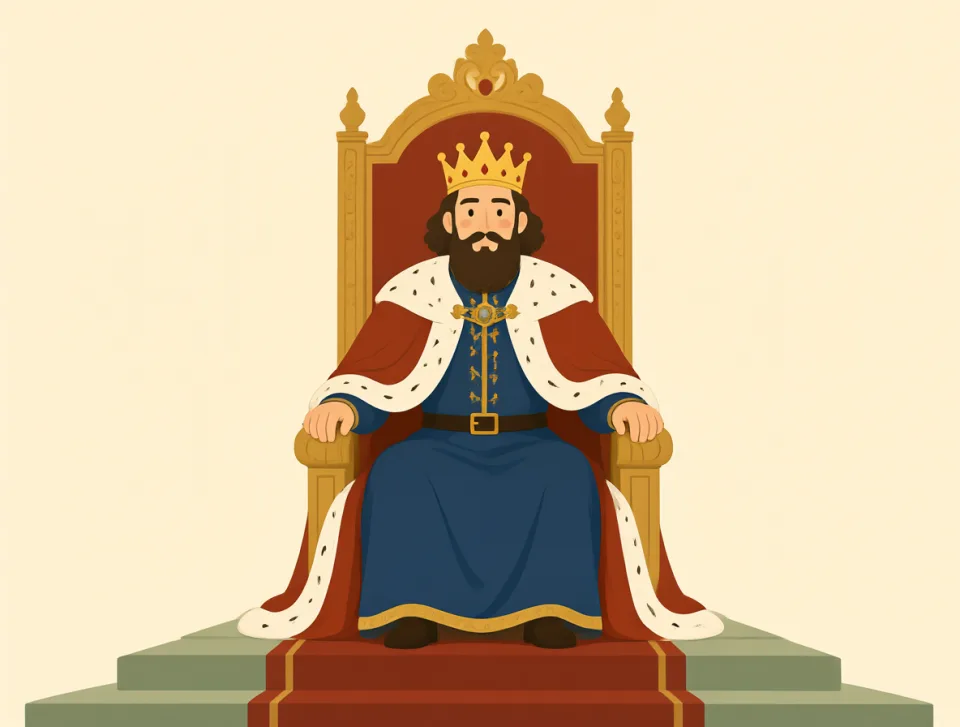
a male ruler of a country whose family usually inherits the position
فرمانروای مردِ یک کشور که معمولاً جایگاهش را از خانوادهاش به ارث میبرد
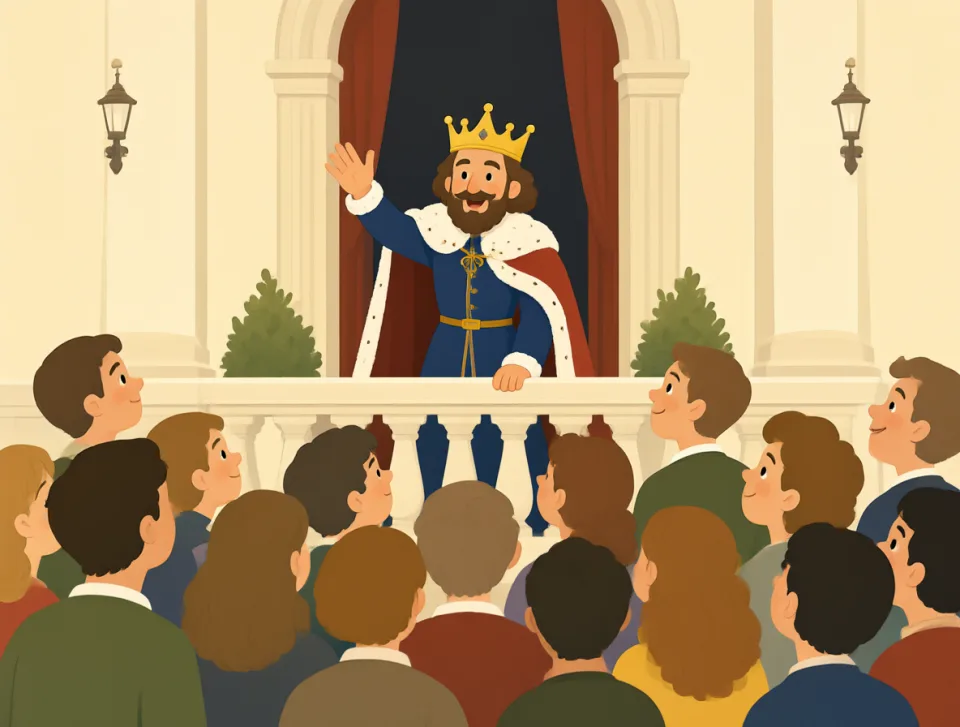
The king waved to the crowd from the palace balcony.
پادشاه از بالکن قصر برای جمعیت دست تکان داد.

The young king ruled the country for many years.
پادشاه جوان سالهای زیادی بر کشور حکومت کرد.
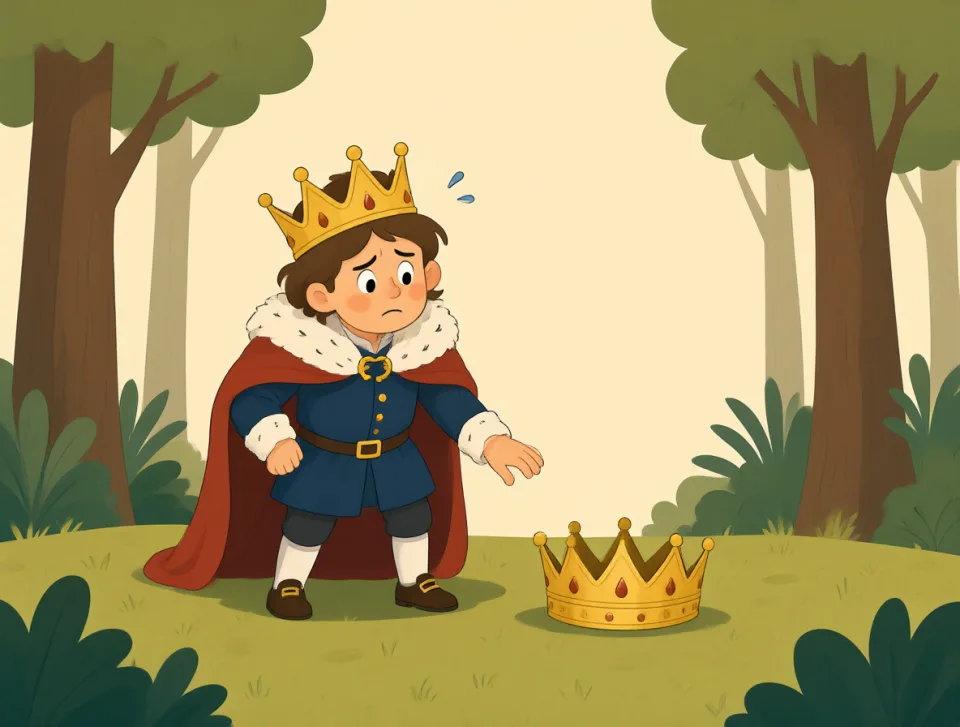
In the story, the king lost his crown in the forest.
در داستان، پادشاه تاجش را در جنگل گم کرد.
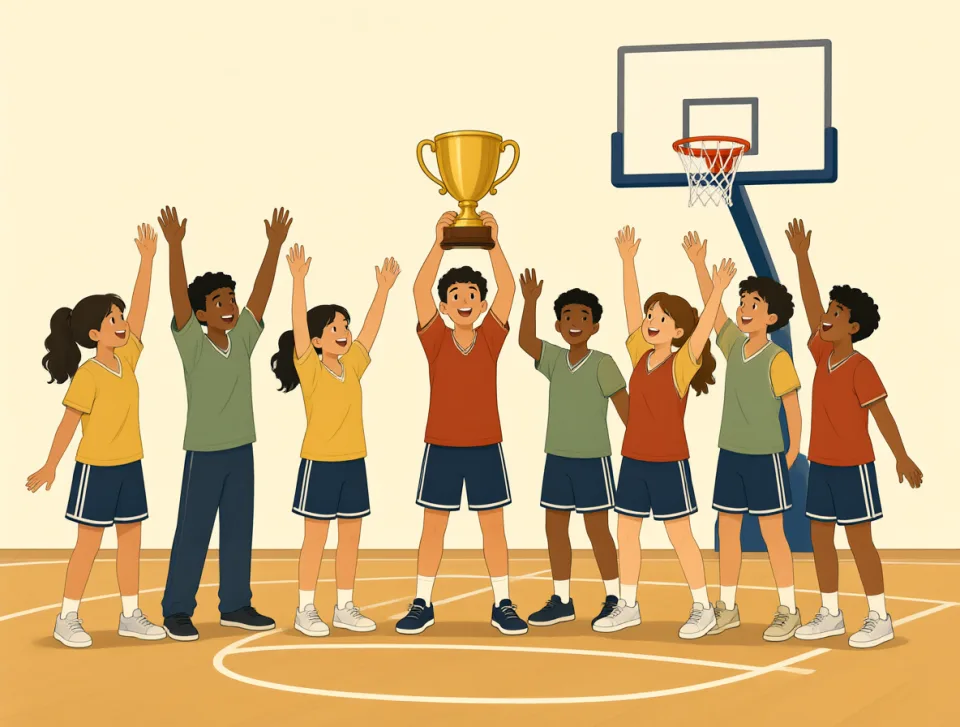
Our team became the kings of the school basketball league.
تیم ما قهرمانان لیگ بسکتبال مدرسه شد.
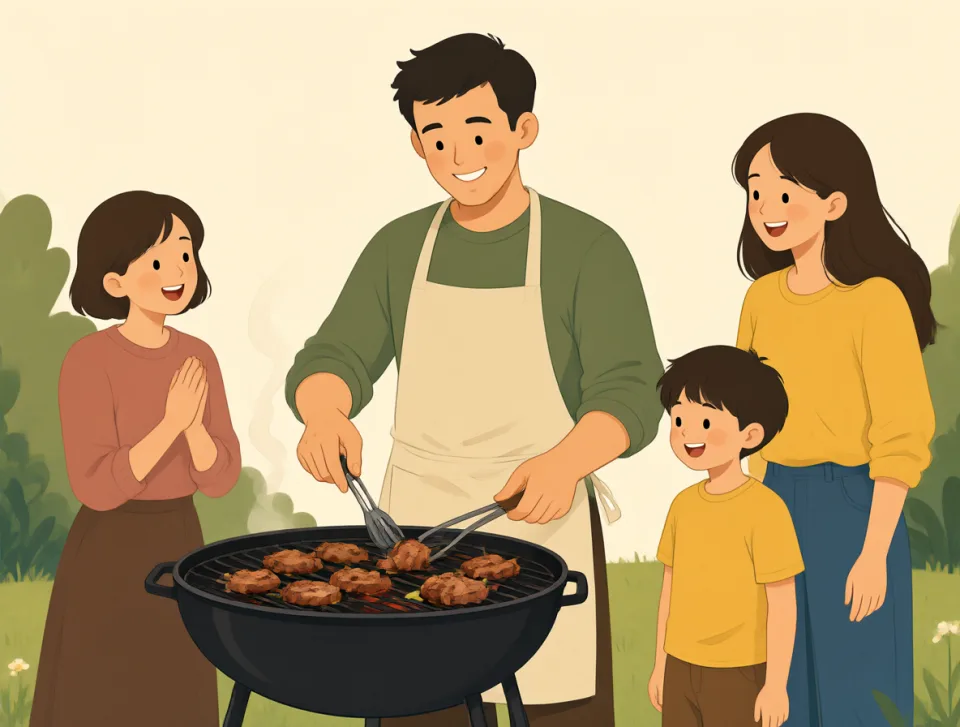
He is the king of the grill at every family party.
او در هر مهمانی خانوادگی استاد کبابکردن است.
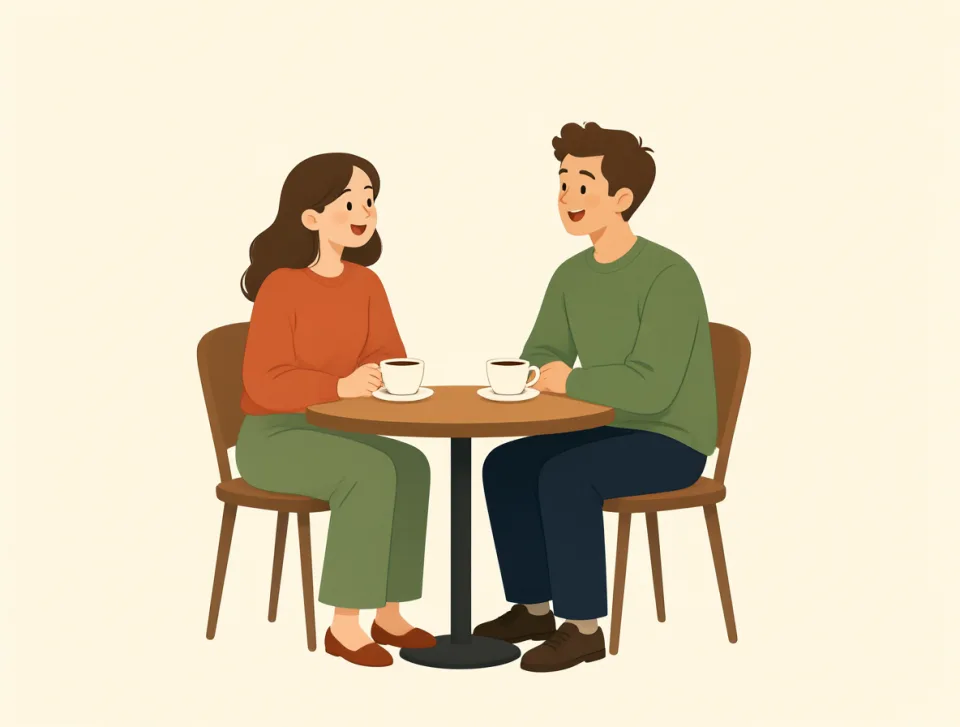
interaction
#1877noun
تعامل
communication or activity between people or groups who affect each other
ارتباط یا فعالیت میان افراد یا گروههایی که بر یکدیگر تأثیر میگذارند
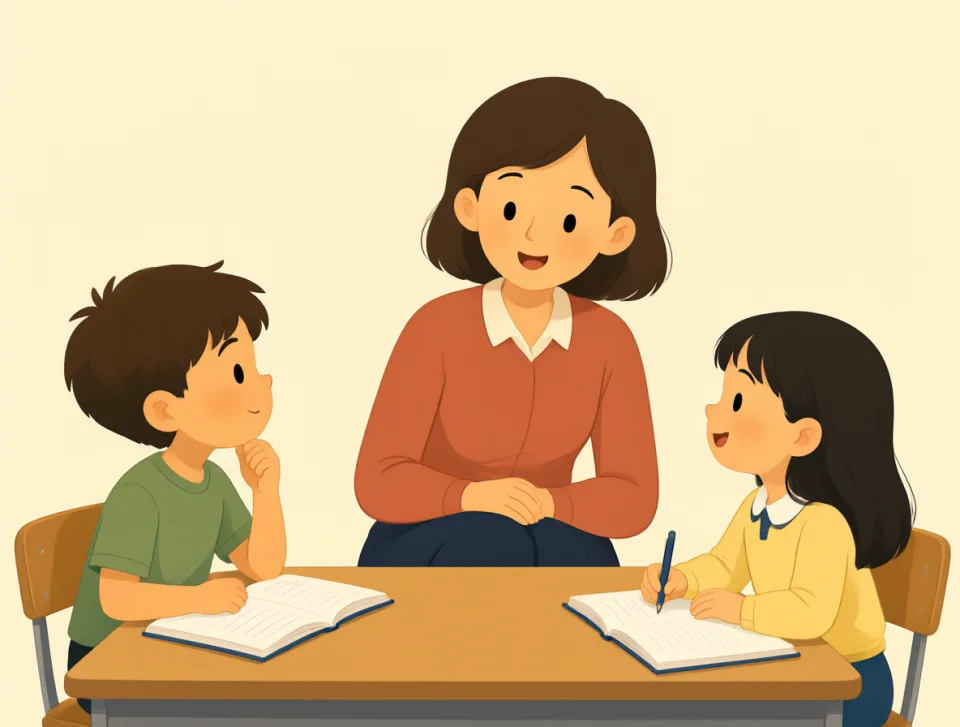
Good interaction between teachers and students helps everyone learn.
تعامل خوب میان معلمها و دانشآموزان به یادگیری همه کمک میکند.

The job involves daily interaction with customers and coworkers.
این شغل هر روز شامل تعامل با مشتریها و همکاران است.
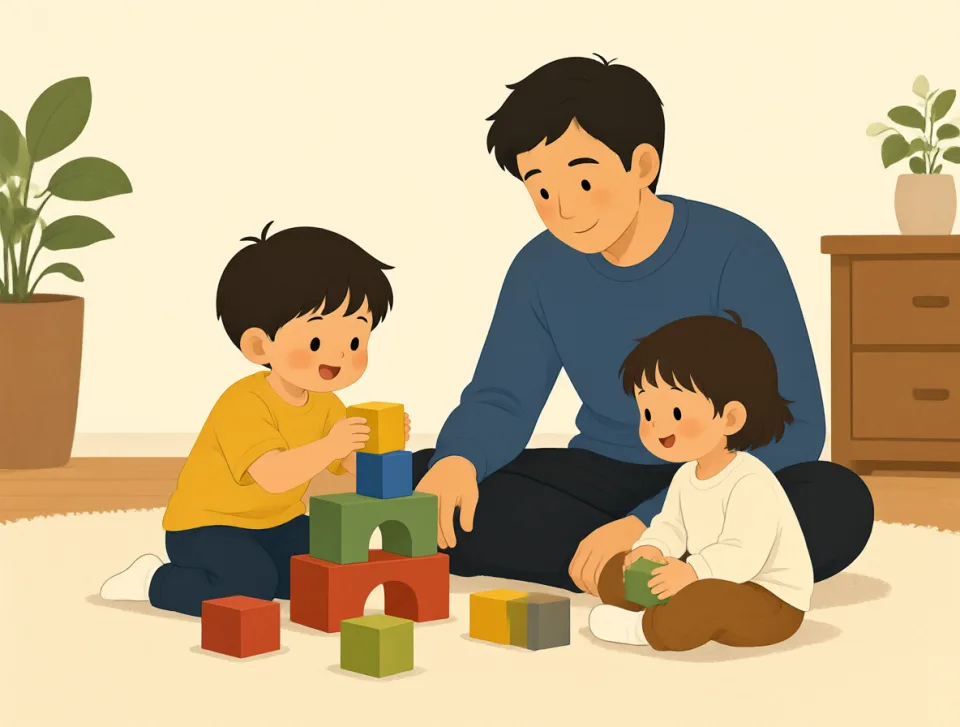
Children learn through interaction with their parents and friends.
کودکان از طریق تعامل با والدین و دوستانشان یاد میگیرند.
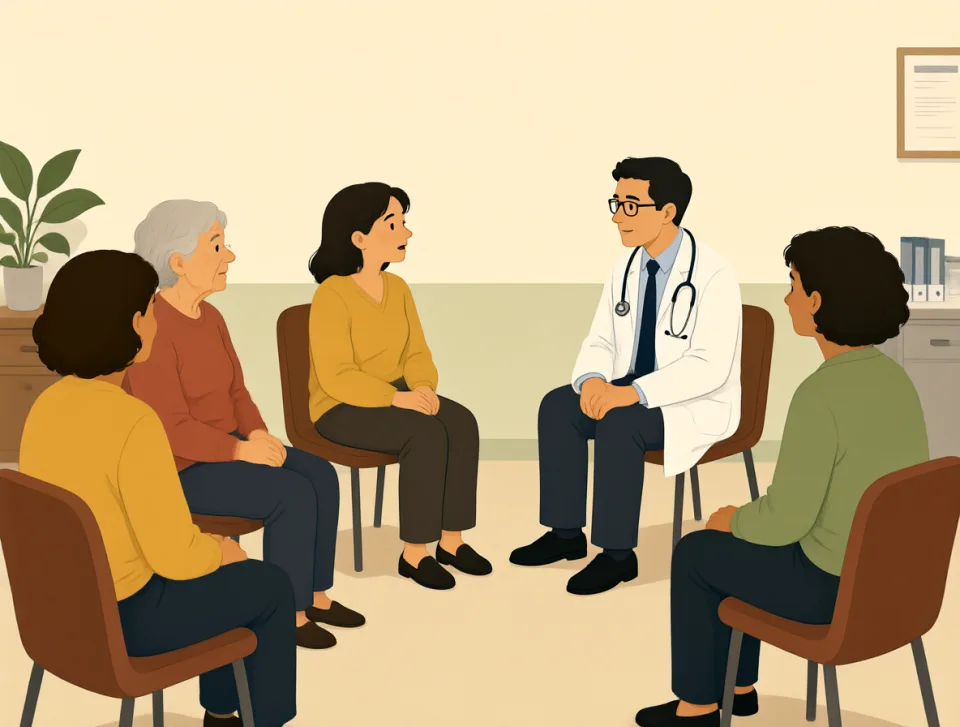
The doctor encouraged more interaction with other patients during group therapy.
پزشک بیماران را تشویق کرد که در طول گروهدرمانی تعامل بیشتری با یکدیگر داشته باشند.

Our first interaction with the local people made the trip more enjoyable.
اولین برخورد ما با مردم محلی، سفر را لذتبخشتر کرد.
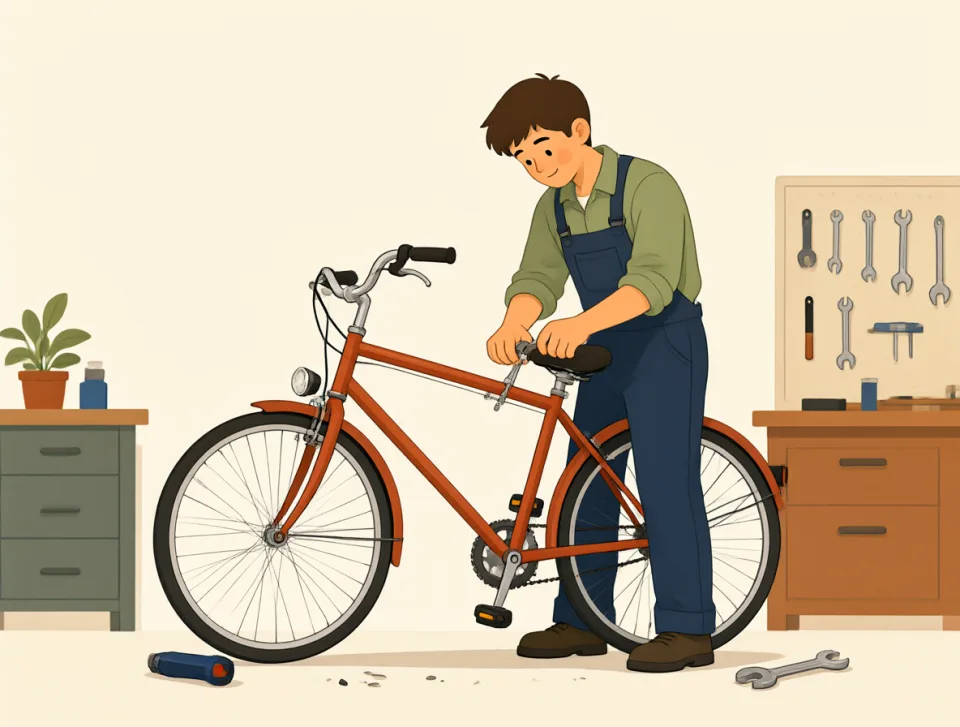
repair
#1878noun, verb
تعمیر کردن
To fix something that is broken or damaged.
درست کردن چیزی که خراب یا آسیبدیده است.
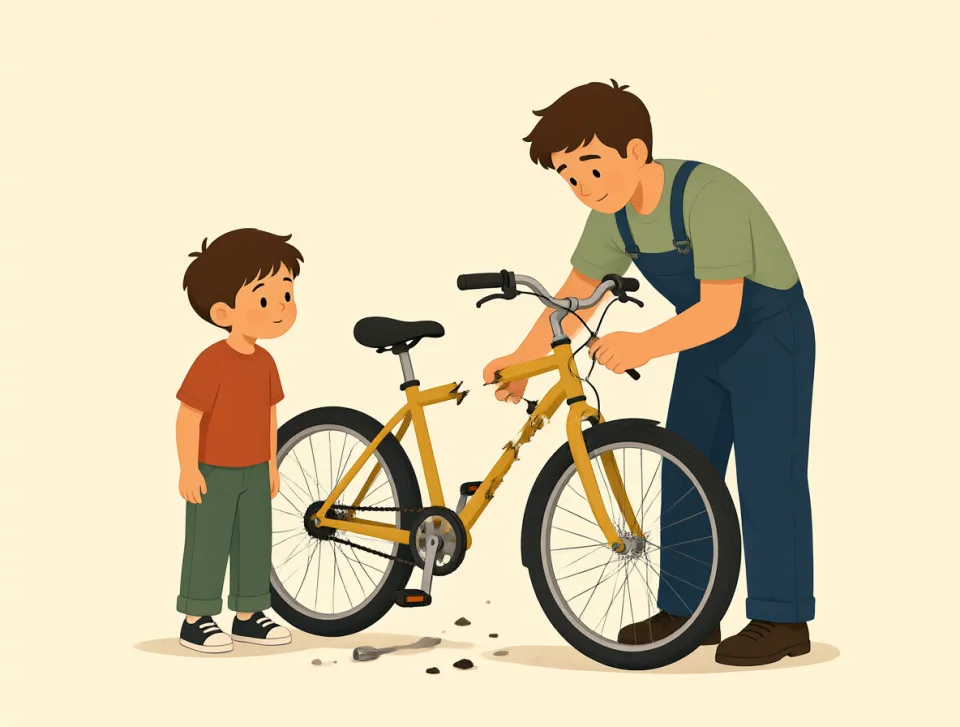
I need to repair my bicycle before the weekend.
باید دوچرخهام را پیش از آخر هفته تعمیر کنم.
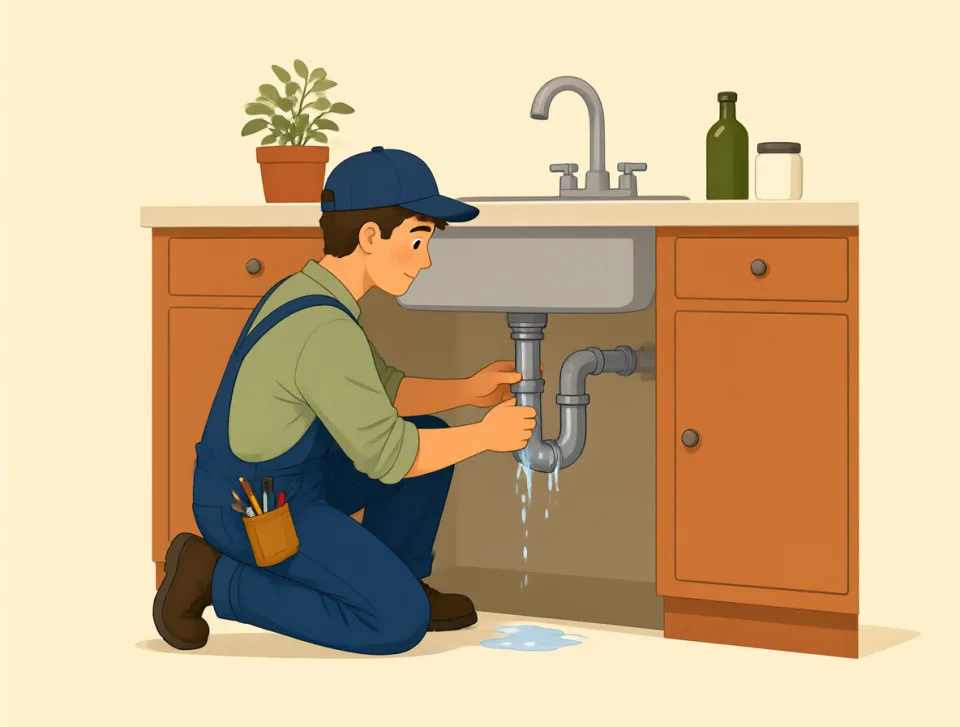
The plumber repaired the leaking pipe under our kitchen sink.
لولهکش لولهٔ نشتیدار زیر سینک آشپزخانهمان را تعمیر کرد.
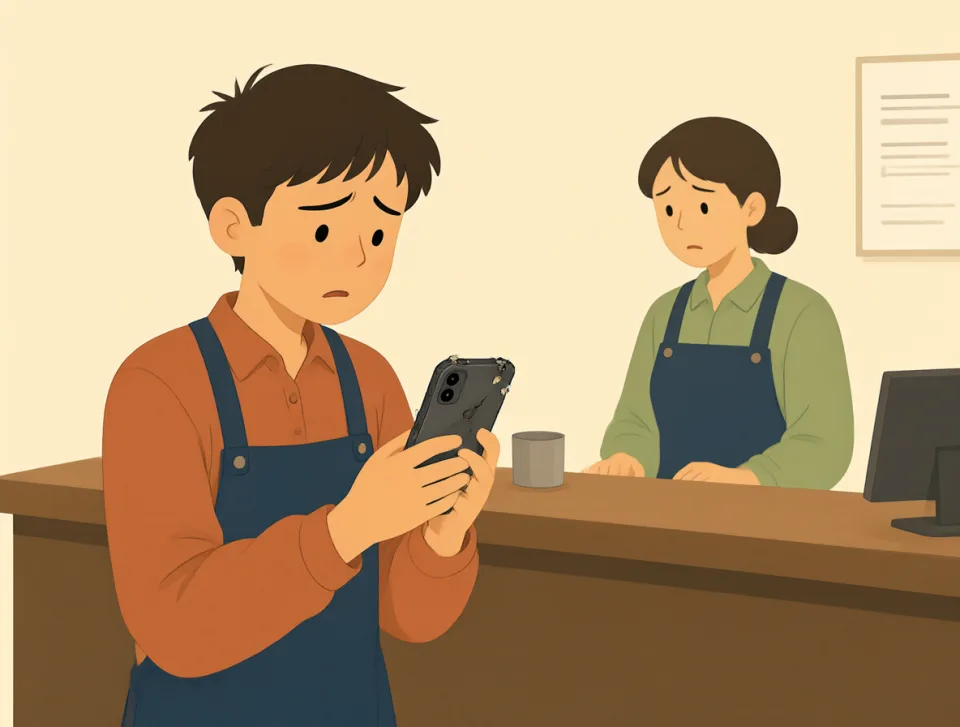
This phone is too expensive to repair.
تعمیر این گوشی خیلی گران است.
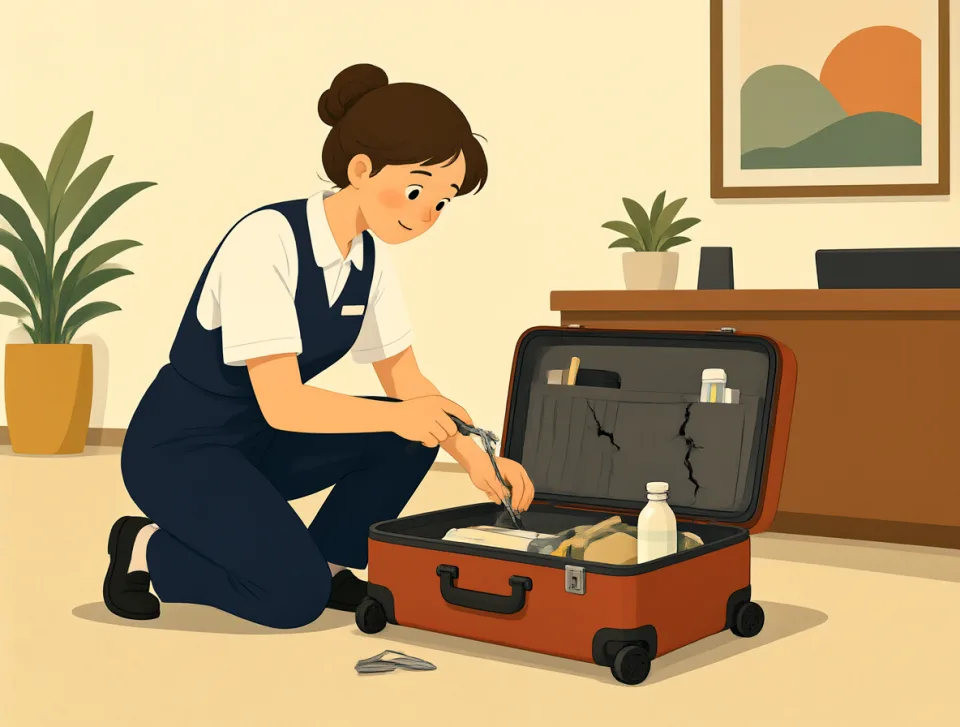
The hotel offers free repairs for broken suitcases.
این هتل تعمیر رایگان چمدانهای خراب را ارائه میدهد.
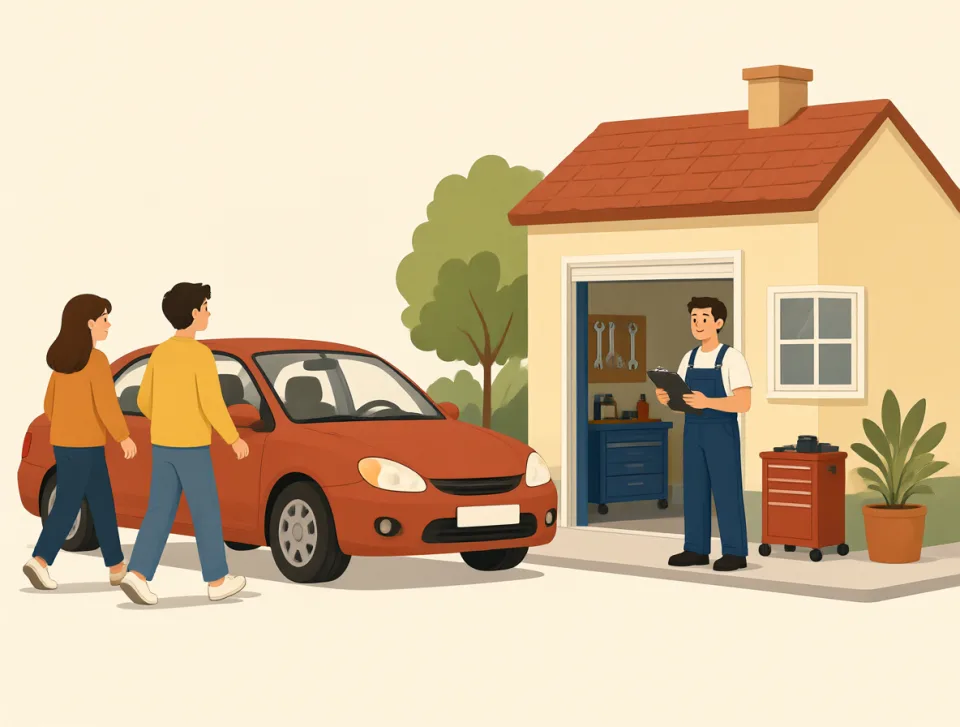
We took the car to a repair shop yesterday.
دیروز ماشین را به تعمیرگاه بردیم.
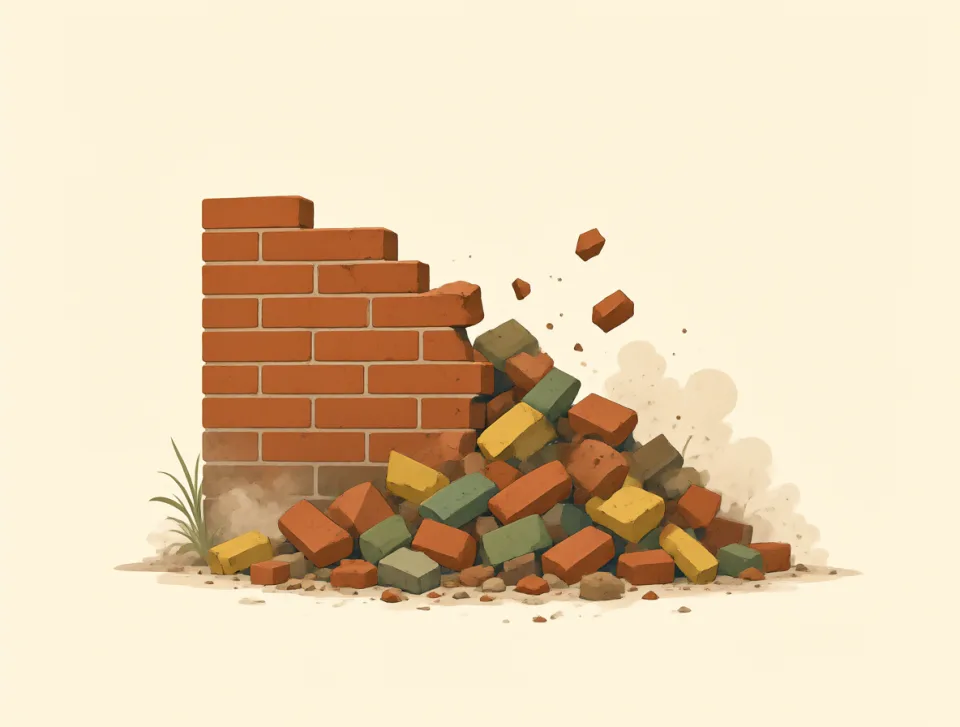
collapse
#1879verb, noun
فروپاشیدن
to fall down suddenly, or to fail completely; a sudden fall or failure
ناگهان فروریختن یا کاملاً شکست خوردن؛ فروریختن یا شکست ناگهانی
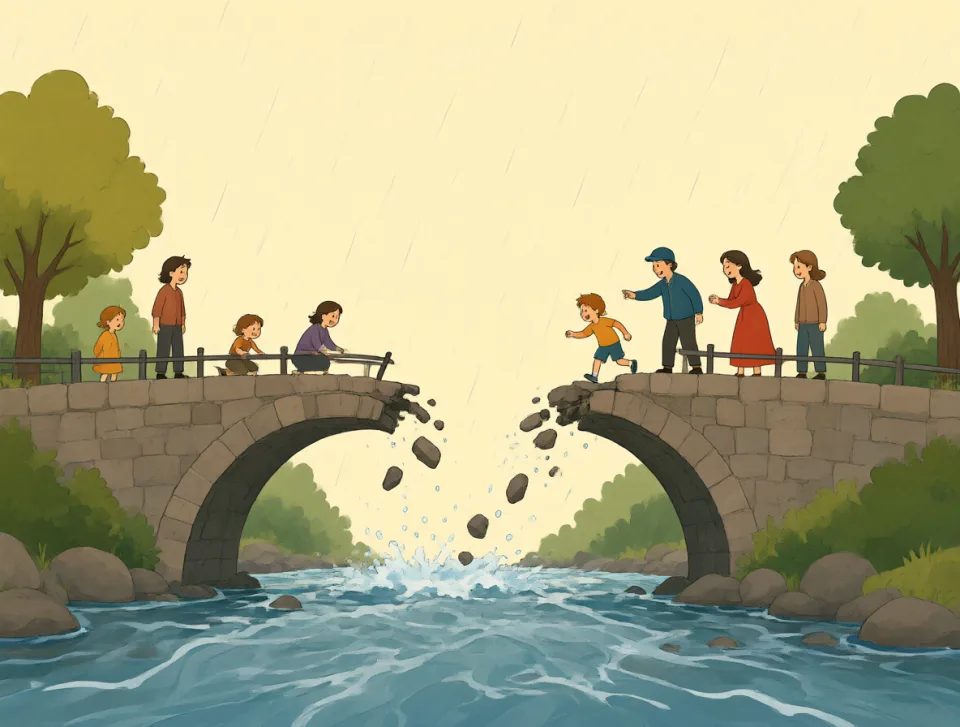
The old bridge collapsed during the heavy rain.
پل قدیمی در باران شدید فرو ریخت.
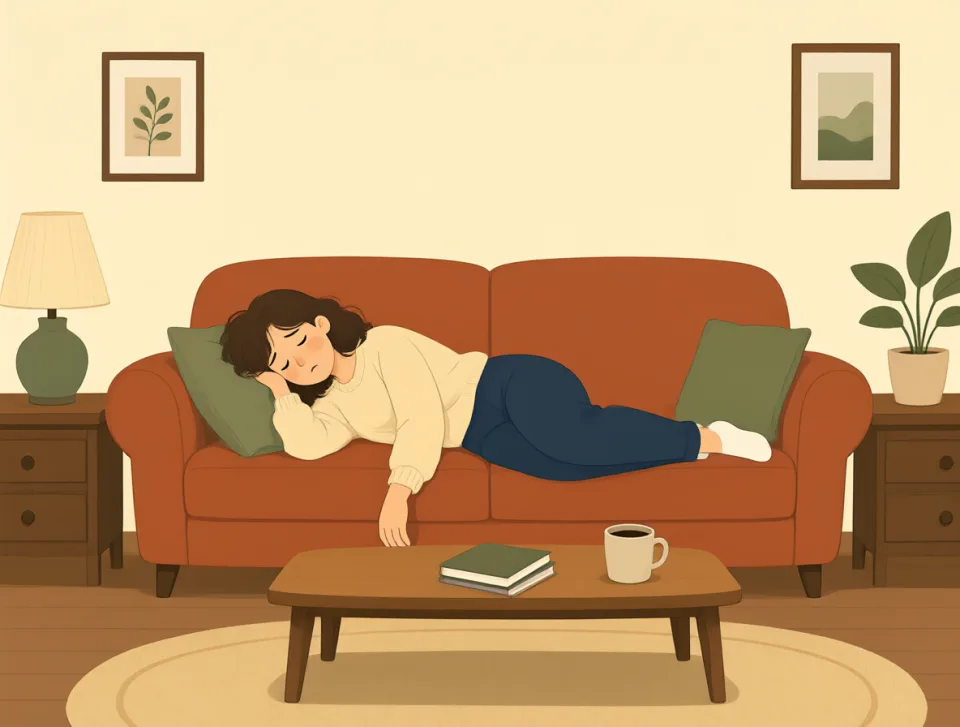
She collapsed on the sofa after a long day.
او بعد از یک روز طولانی روی مبل از حال رفت.
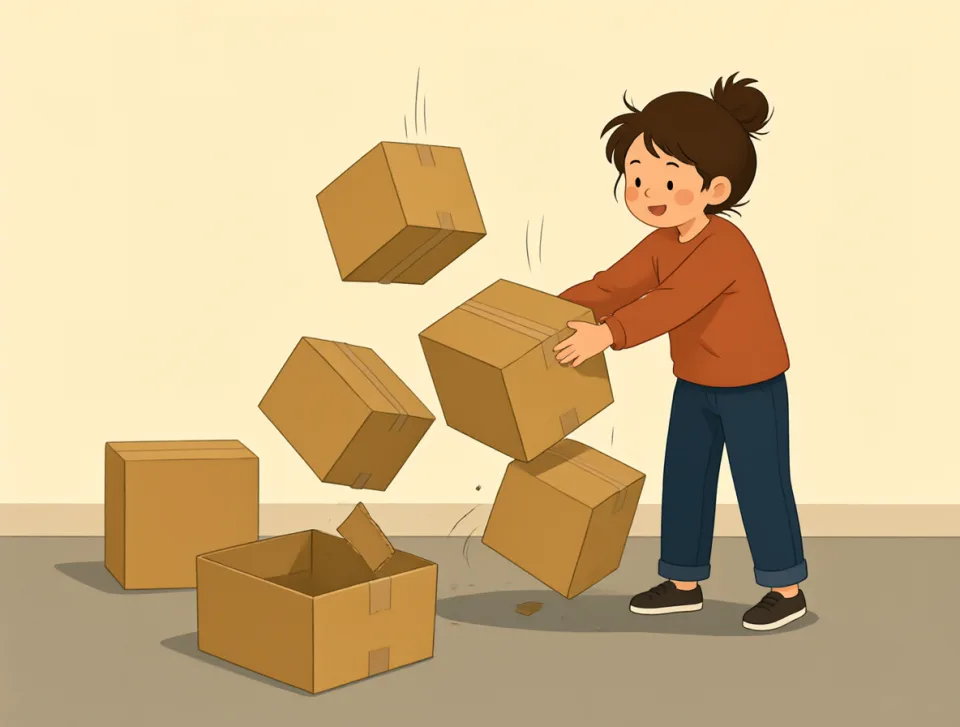
The boxes collapsed when I removed the bottom one.
وقتی جعبهٔ پایینی را برداشتم، جعبهها فروریختند.

Talks between the two companies collapsed after the disagreement.
مذاکرات میان دو شرکت پس از اختلافنظر به شکست انجامید.
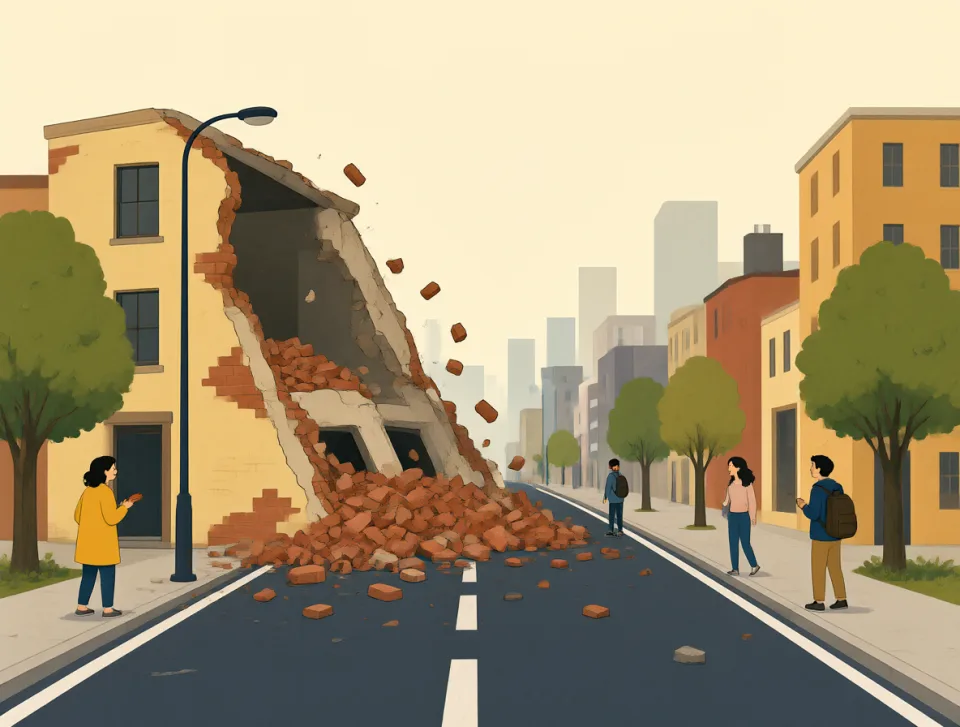
The building’s sudden collapse blocked the road for hours.
فروپاشی ناگهانی ساختمان، جاده را ساعتها مسدود کرد.
borrow
#1880verb
قرض گرفتن
to use something that belongs to someone else and return it later
استفاده از چیزی که متعلق به شخص دیگری است و بعداً پس دادن آن
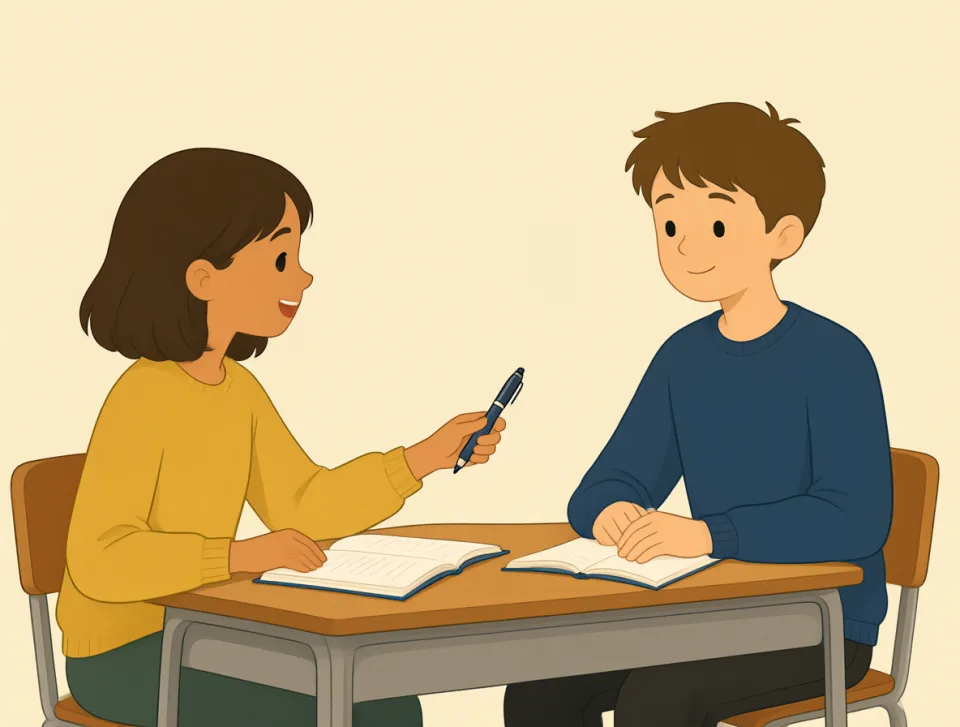
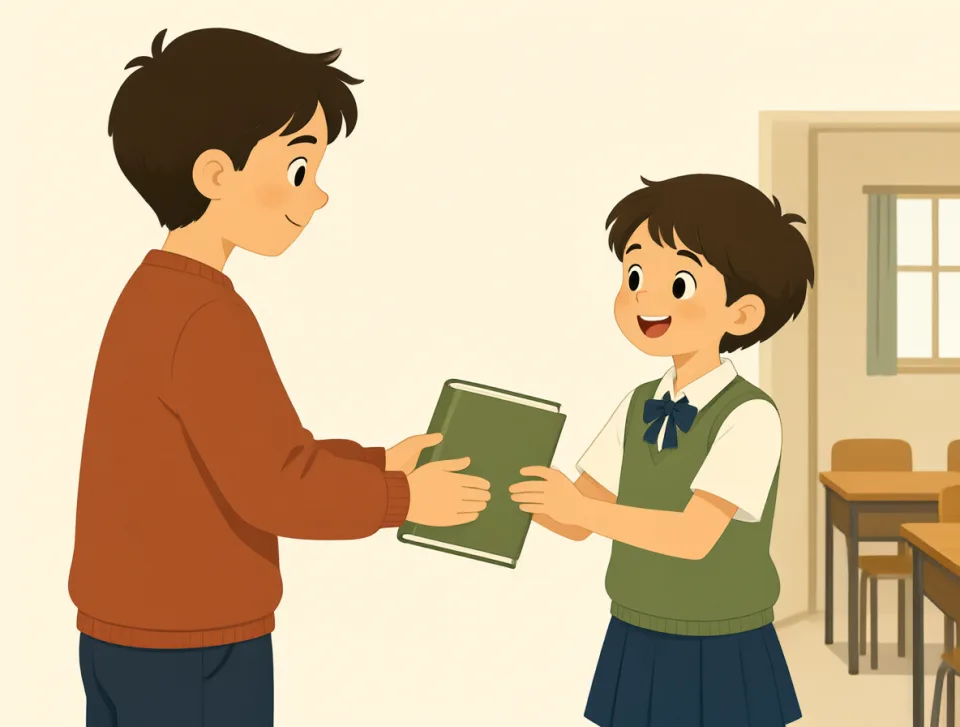
Can I borrow your pen for a minute?
میتوانم یک دقیقه خودکارت را قرض بگیرم؟

I borrowed a book from the library yesterday.
دیروز از کتابخانه کتابی امانت گرفتم.

She borrowed some money from her brother for rent.
او برای پرداخت اجاره از برادرش مقداری پول قرض گرفت.
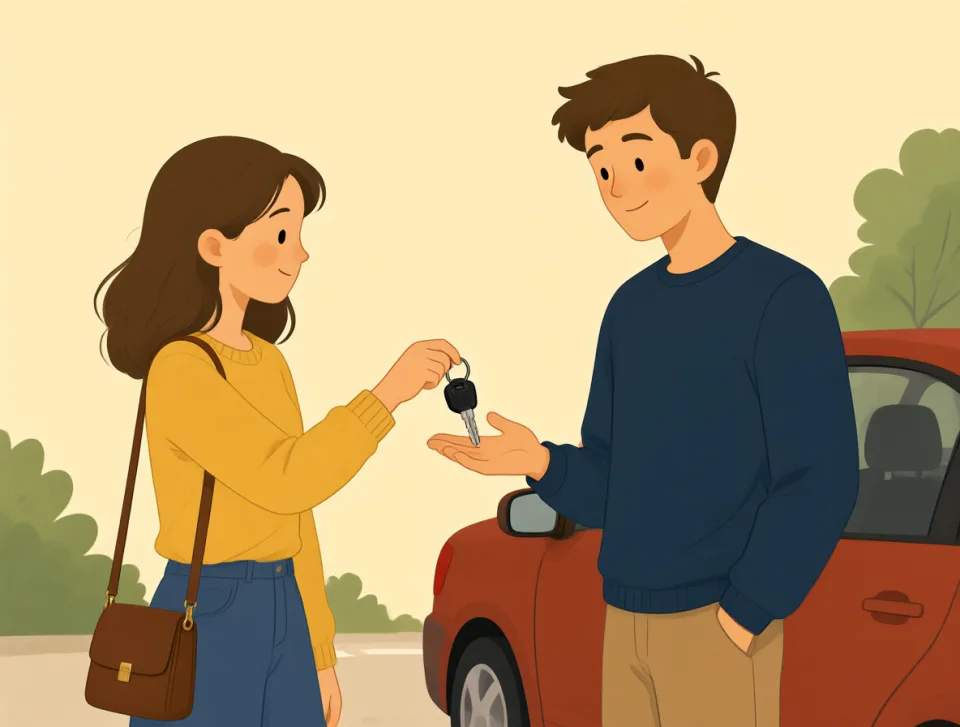
We borrowed our friends' car for the weekend.
برای آخر هفته ماشین دوستانمان را قرض گرفتیم.
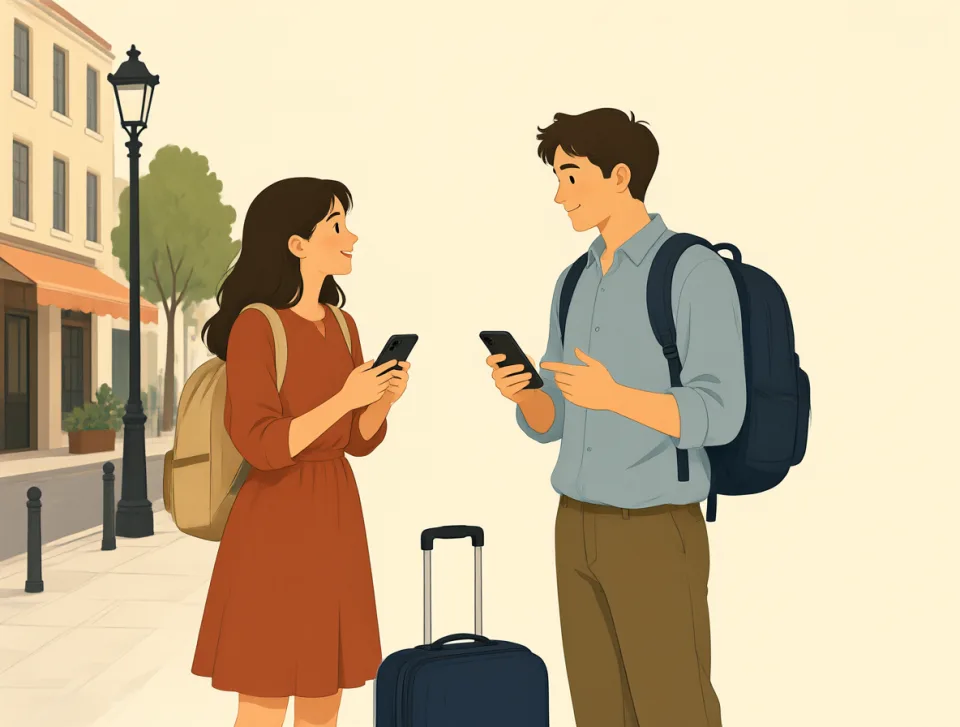
May I borrow your phone to call a taxi?
اجازه هست گوشیتان را برای تماس با تاکسی قرض بگیرم؟