Đơn vị 93
Từ 1841–1860 · maximum, effectively, elsewhere, bother, initiative, sharp

maximum
#1841noun, adjective
tối đa
The greatest amount or highest level that is possible or allowed.
Số lượng lớn nhất hoặc mức cao nhất có thể đạt được hoặc được phép.

The elevator can carry a maximum of eight people.
Thang máy có thể chở tối đa tám người.
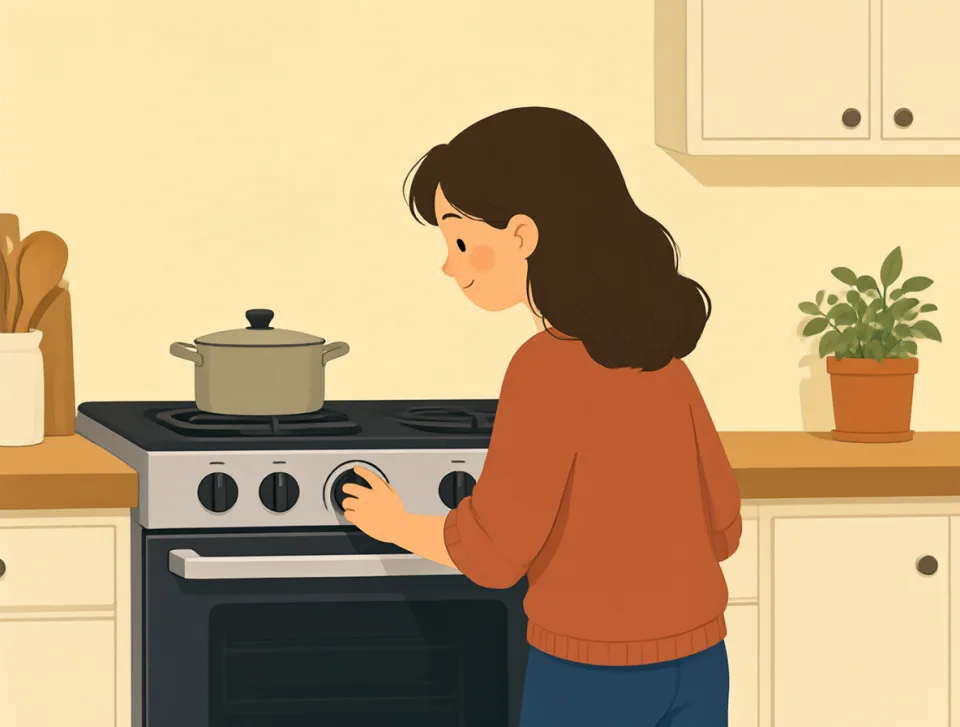
Please set the oven to the maximum temperature for pizza.
Vui lòng chỉnh lò nướng ở nhiệt độ cao nhất để nướng pizza.

You can borrow a maximum of three books today.
Hôm nay bạn có thể mượn tối đa ba cuốn sách.

The hotel offers maximum comfort after a long day of travel.
Khách sạn mang đến sự thoải mái tối đa sau một ngày dài di chuyển.
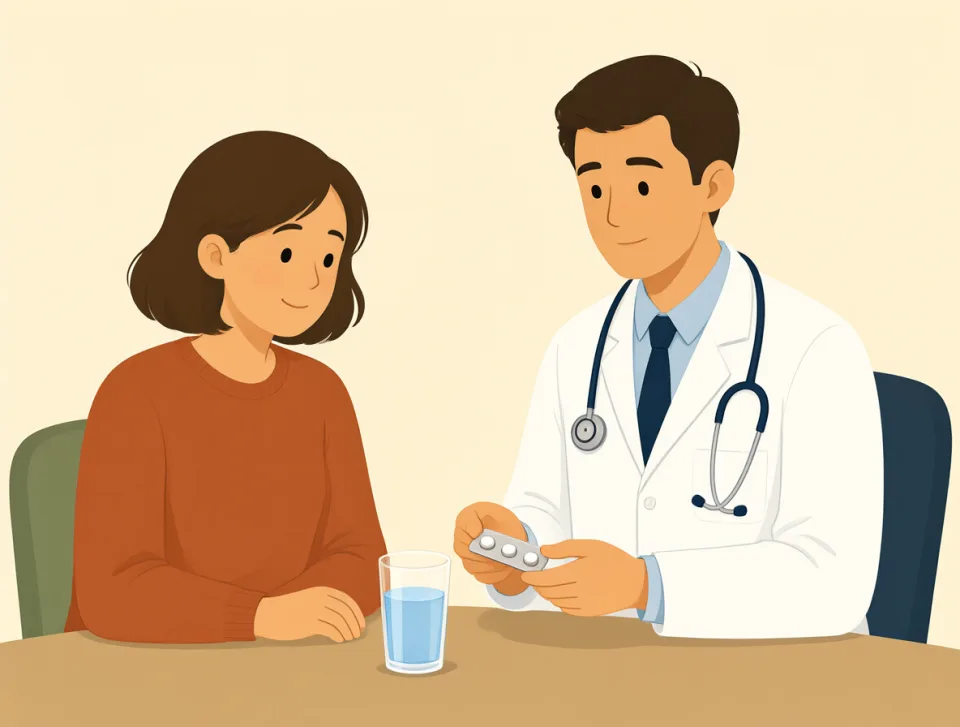
The doctor told him to take a maximum of two tablets daily.
Bác sĩ dặn anh ấy uống tối đa hai viên thuốc mỗi ngày.

effectively
#1842adverb
một cách hiệu quả
In a way that produces the wanted result.
Theo cách tạo ra kết quả mong muốn.
She organized the files effectively before the meeting.
Cô ấy sắp xếp hồ sơ một cách hiệu quả trước cuộc họp.
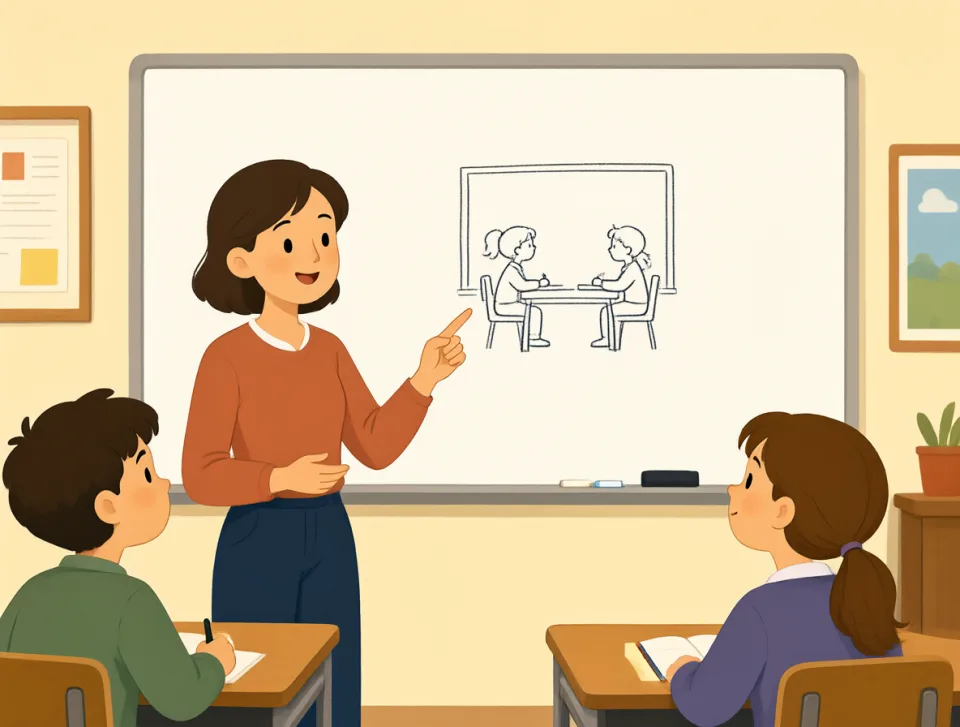
The teacher explained the difficult lesson effectively.
Giáo viên giải thích bài học khó một cách dễ hiểu và hiệu quả.
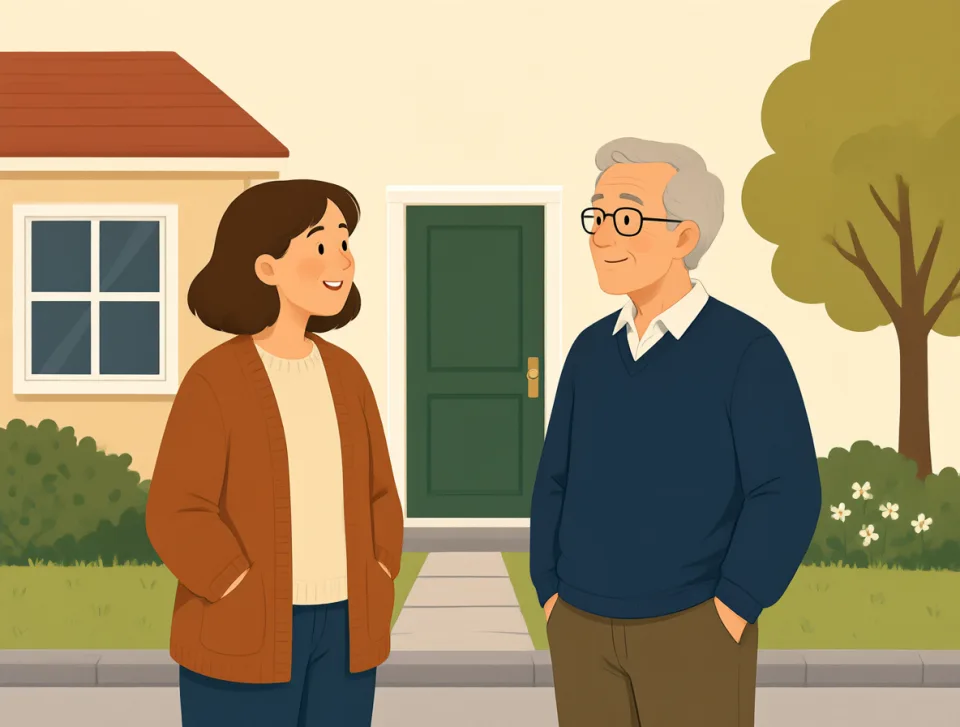
We need to communicate effectively with our new neighbors.
Chúng ta cần giao tiếp hiệu quả với những người hàng xóm mới.

This medicine effectively reduces pain within a few hours.
Thuốc này giúp giảm đau hiệu quả chỉ trong vài giờ.
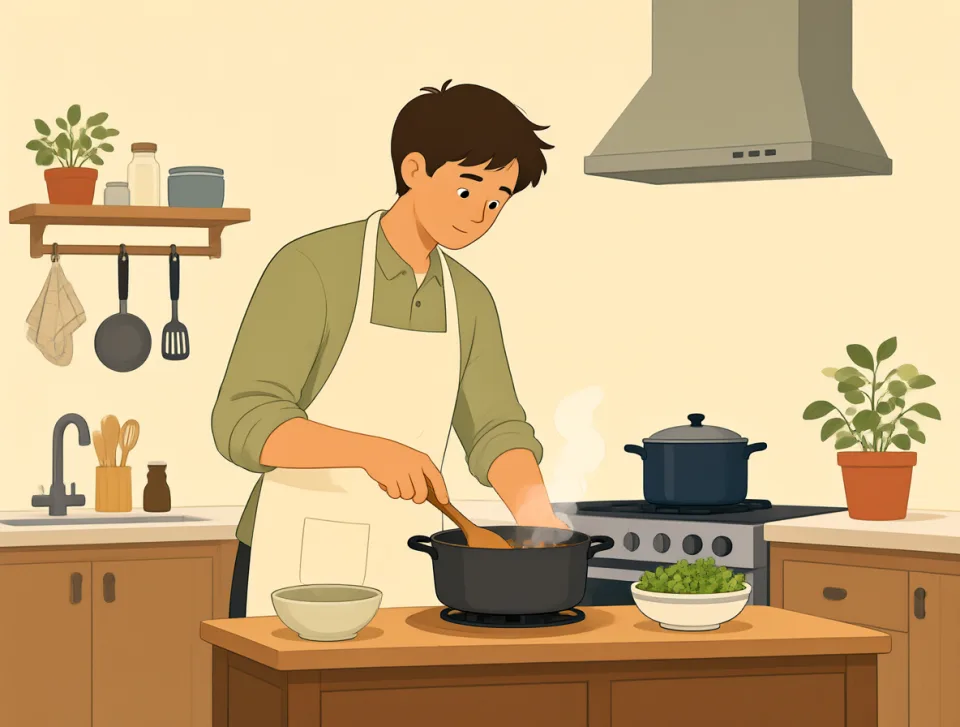
He used the small kitchen effectively to cook dinner.
Anh ấy tận dụng căn bếp nhỏ một cách hiệu quả để nấu bữa tối.

elsewhere
#1843adverb
ở nơi khác
in, at, or to another place
Ở, tại hoặc đến một địa điểm khác.

The shop was closed, so we went elsewhere for lunch.
Cửa hàng đóng cửa nên chúng tôi đến chỗ khác ăn trưa.
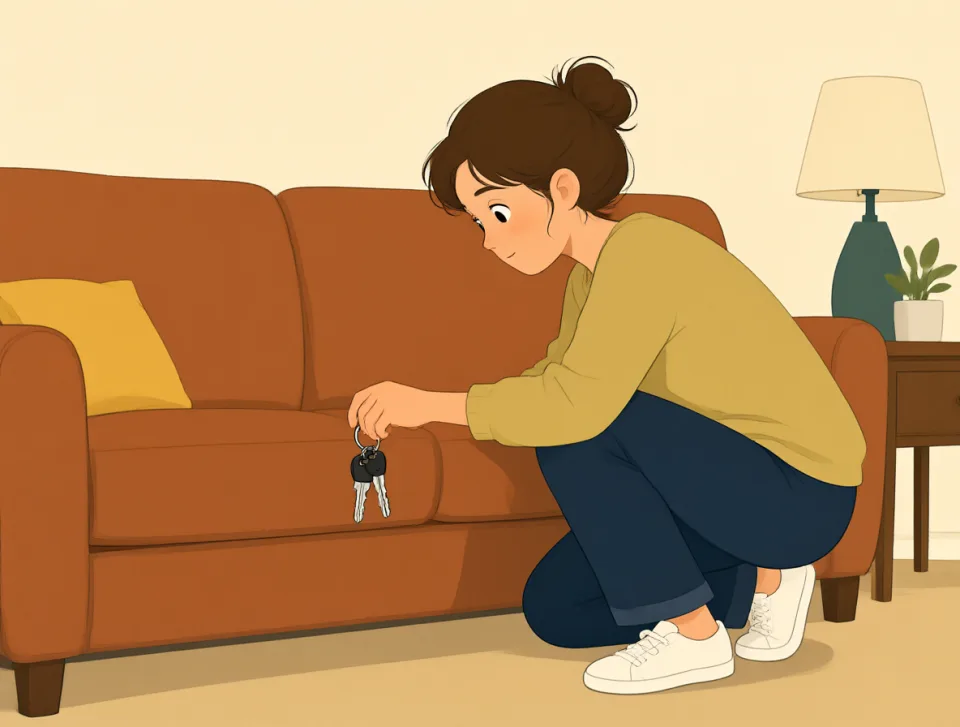
I left my keys somewhere else, but I cannot remember where.
Tôi để chìa khóa ở đâu đó khác, nhưng không nhớ là ở đâu.

Many students study elsewhere when the library becomes too noisy.
Nhiều sinh viên học ở nơi khác khi thư viện trở nên quá ồn ào.
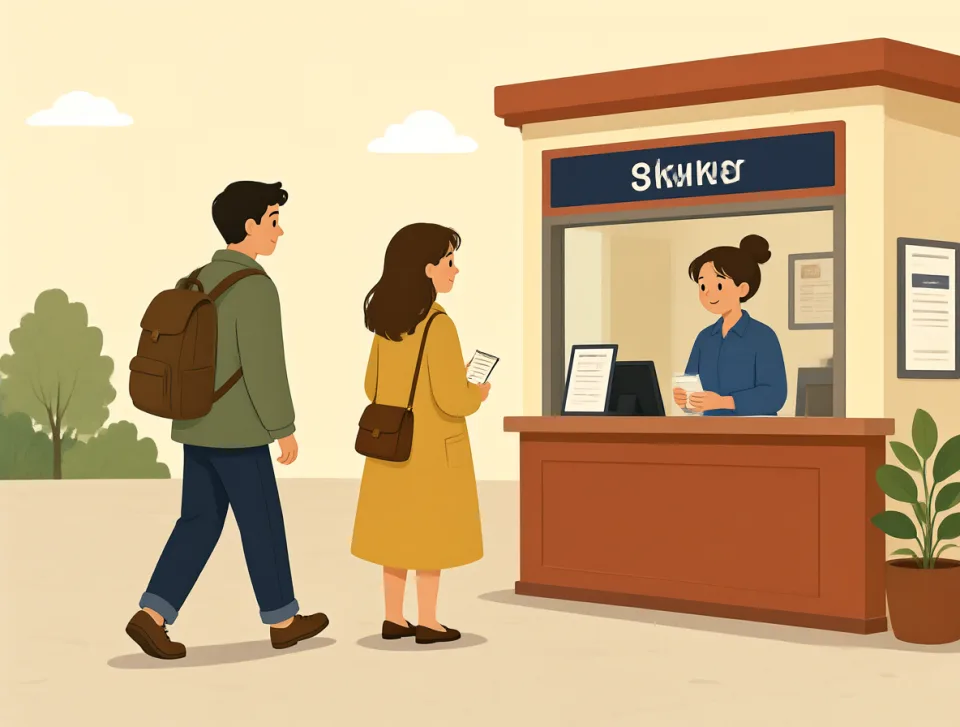
You can buy cheaper train tickets elsewhere in the city.
Bạn có thể mua vé tàu rẻ hơn ở nơi khác trong thành phố.
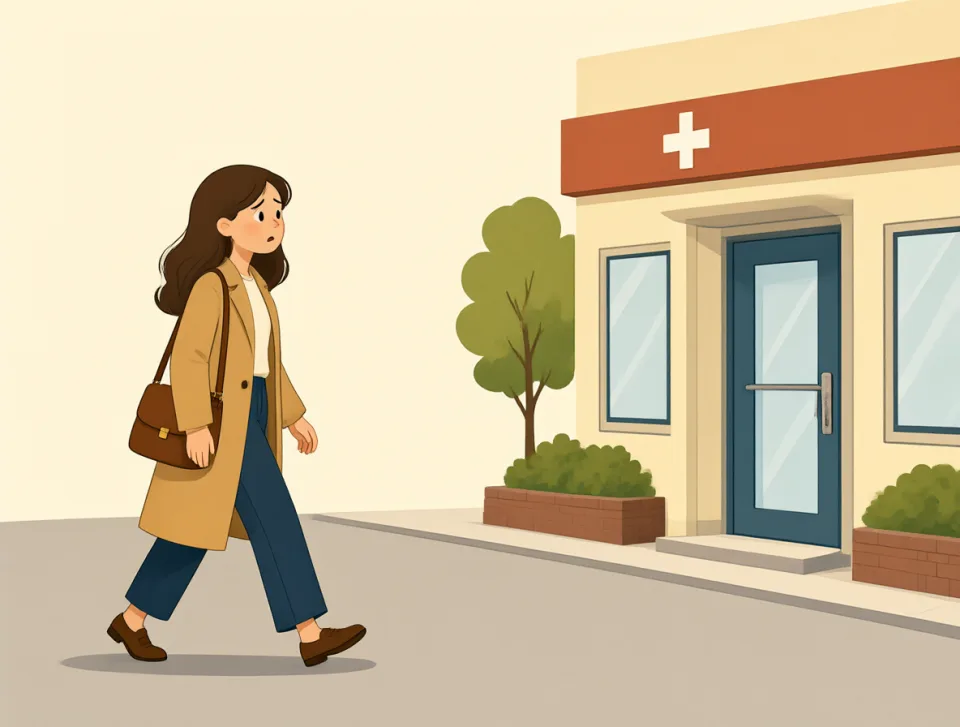
The doctor could not help, so she went elsewhere for treatment.
Bác sĩ không thể giúp được nên cô ấy đến nơi khác để điều trị.
bother
#1844verb, noun
làm phiền; bận tâm
To annoy someone, or to make an effort to do something.
Làm ai đó khó chịu hoặc cố gắng làm một việc gì đó.

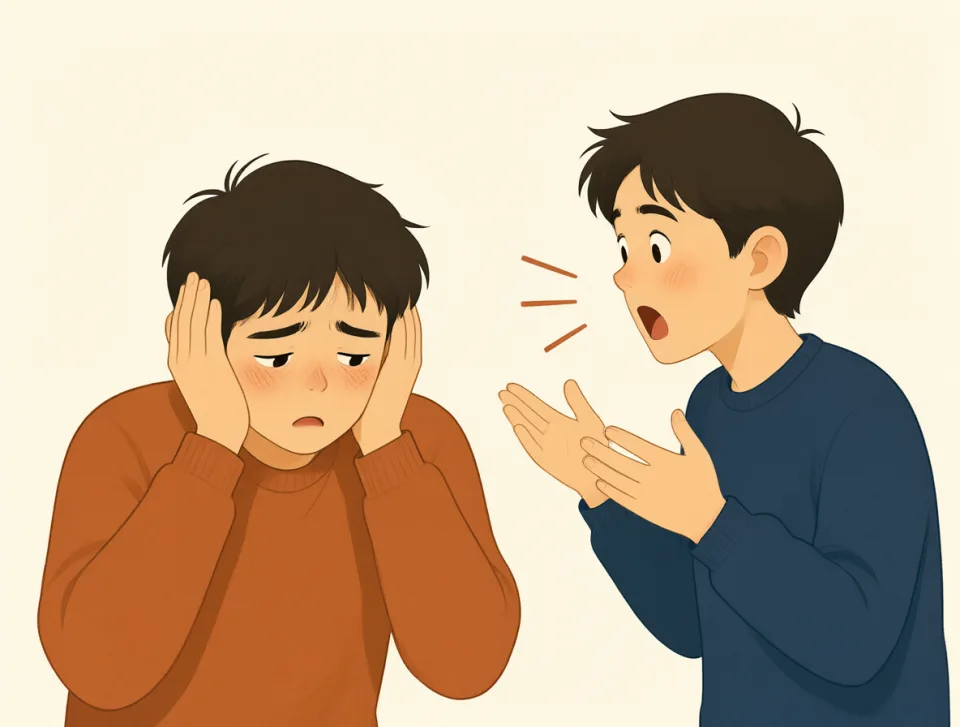
Sorry to bother you, but could you help me find this book?
Xin lỗi đã làm phiền bạn, bạn có thể giúp tôi tìm cuốn sách này không?

The loud music bothered our baby while she was trying to sleep.
Tiếng nhạc lớn làm em bé nhà chúng tôi tỉnh giấc khi bé đang cố ngủ.

Don't bother cooking tonight; we can order some food.
Tối nay đừng mất công nấu ăn; chúng ta có thể gọi đồ ăn.

He never bothers to check his answers before handing in homework.
Cậu ấy chẳng bao giờ chịu kiểm tra đáp án trước khi nộp bài tập.

It doesn't bother me when my friends arrive a little late.
Tôi không phiền nếu bạn bè đến muộn một chút.
initiative
#1845noun
tính chủ động
The ability to decide and act without waiting for someone to tell you what to do.
Khả năng tự quyết định và hành động mà không chờ người khác bảo mình phải làm gì.
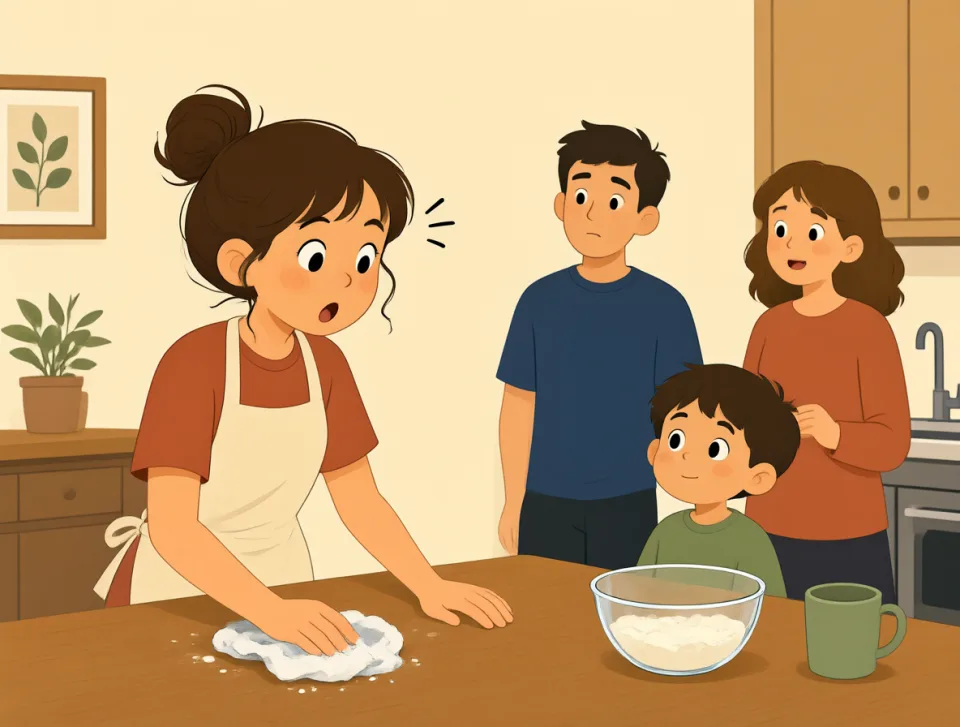
She showed initiative by cleaning the kitchen before anyone asked.
Cô ấy thể hiện tính chủ động khi dọn bếp trước khi có ai nhờ.

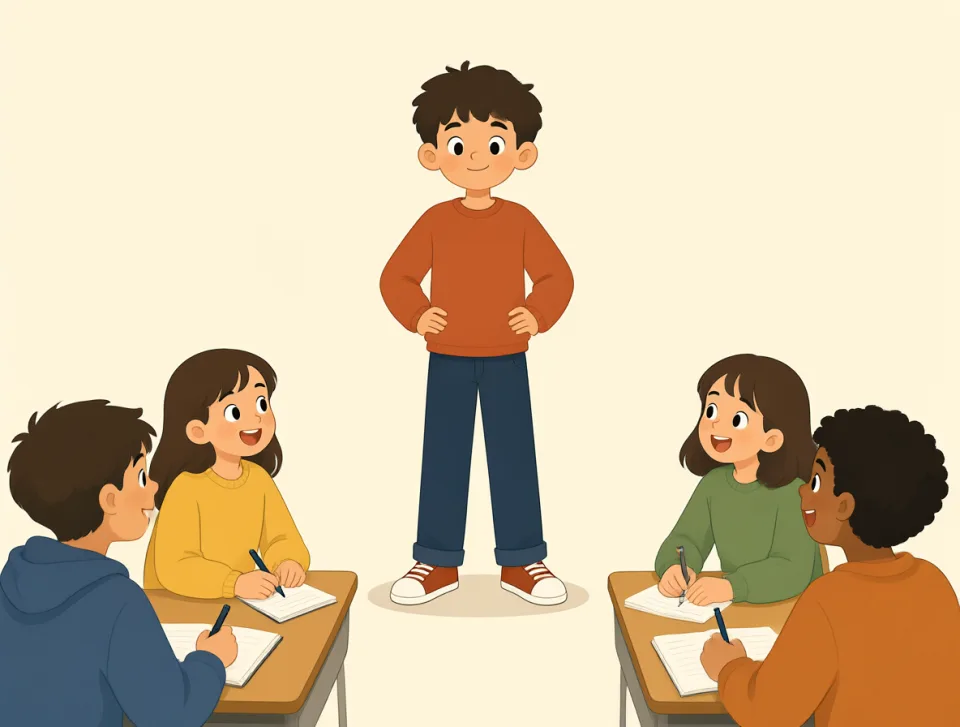
Our manager praised Tom for taking the initiative at work.
Quản lý khen Tom vì đã chủ động trong công việc.
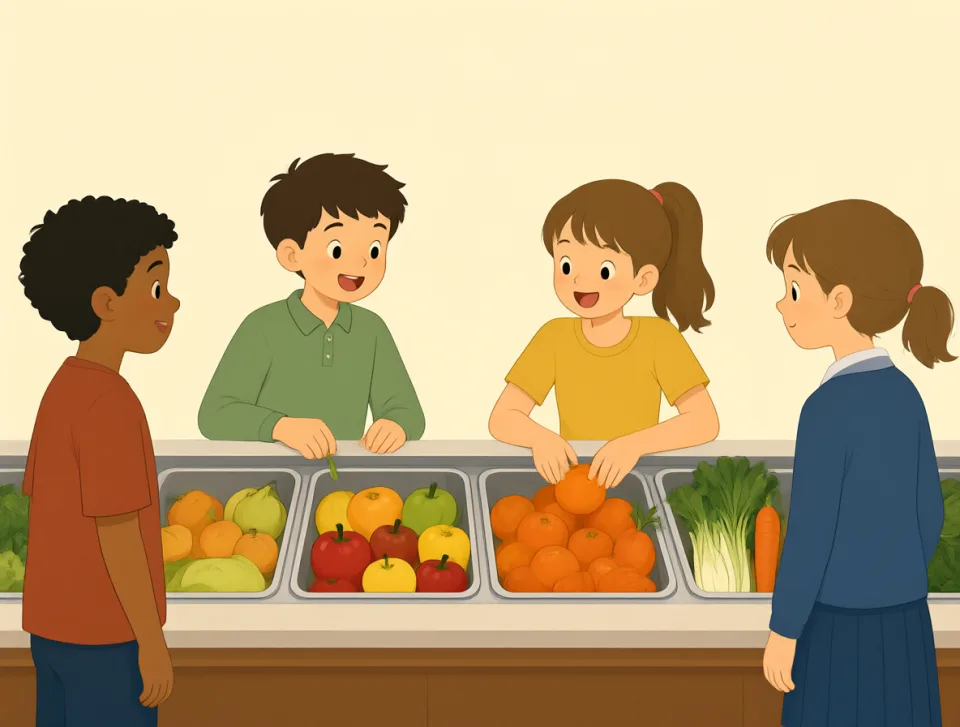
The school started an initiative to help students eat healthier food.
Trường phát động một sáng kiến giúp học sinh ăn uống lành mạnh hơn.
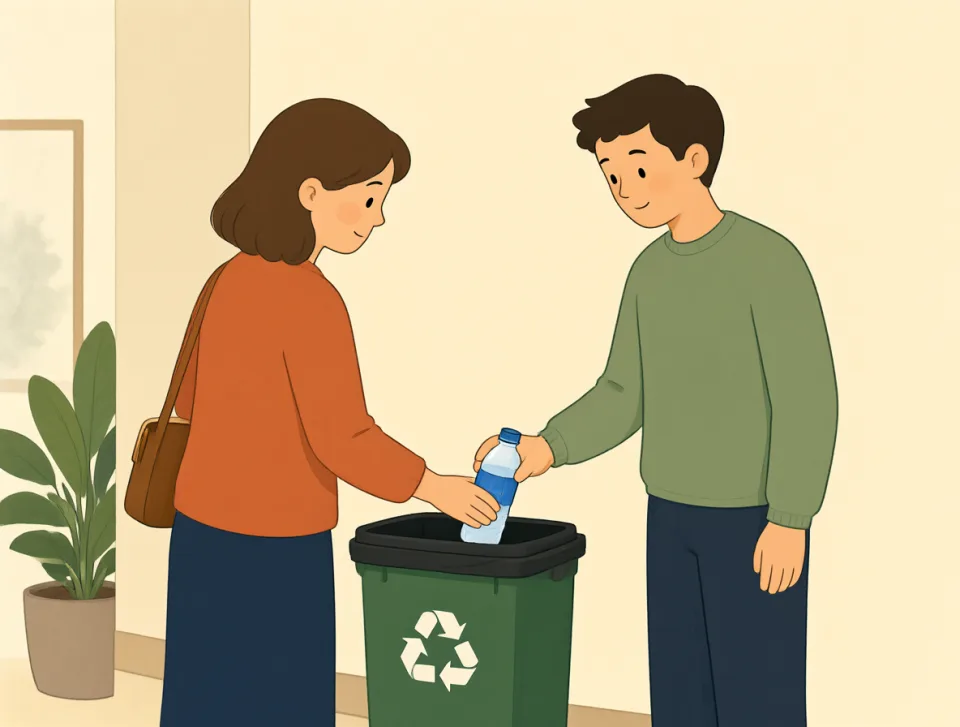
The hotel offered a new recycling initiative for all guests.
Khách sạn đưa ra sáng kiến tái chế mới dành cho tất cả khách lưu trú.

Friends took the initiative and planned a weekend trip together.
Mấy người bạn chủ động lên kế hoạch cho chuyến đi chơi cuối tuần cùng nhau.

sharp
#1846adjective, adverb, noun, verb
sắc
Having a thin edge that can cut; quick to understand; exactly at a stated time.
Có lưỡi mỏng và bén, có thể cắt; nhanh trí; đúng vào thời điểm đã nêu.
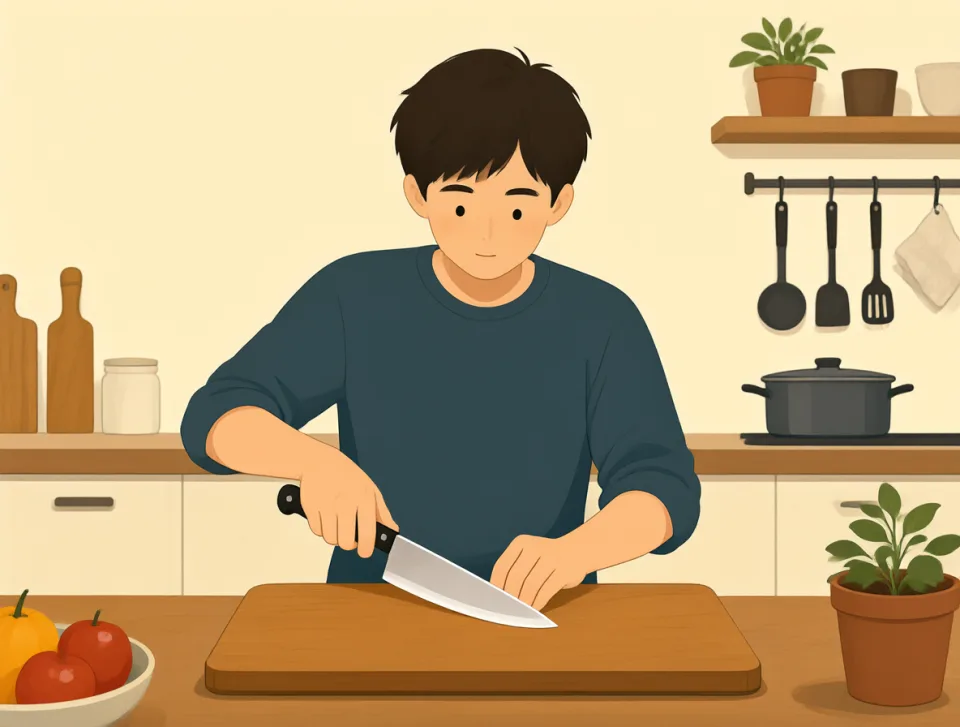
Be careful; this knife is very sharp.
Cẩn thận, con dao này rất sắc.

She felt a sharp pain in her shoulder.
Cô ấy cảm thấy đau nhói ở vai.

He is sharp and learns new skills quickly.
Anh ấy nhanh trí và học các kỹ năng mới rất nhanh.

The bus leaves at six sharp tomorrow morning.
Sáng mai, xe buýt khởi hành đúng sáu giờ.
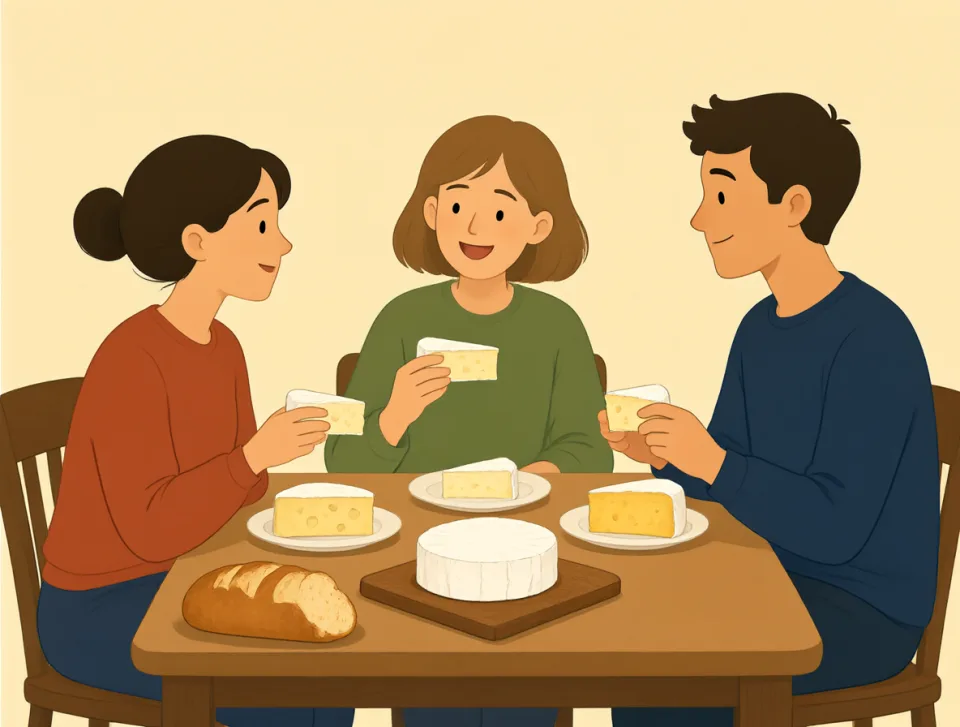
The sharp cheese tasted delicious with fresh bread.
Phô mai có vị đậm, ăn với bánh mì tươi rất ngon.
diet
#1847noun, verb
chế độ ăn
The food and drink someone usually has, or a plan to eat less or healthier food.
Thức ăn và đồ uống mà một người thường dùng, hoặc kế hoạch ăn ít hơn hay ăn uống lành mạnh hơn.
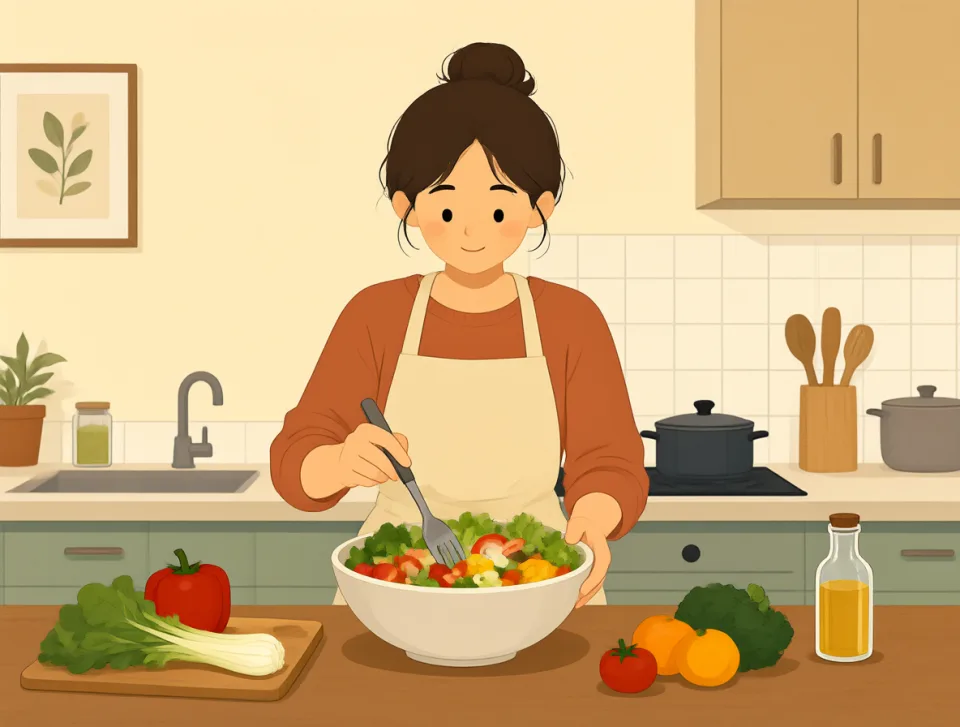
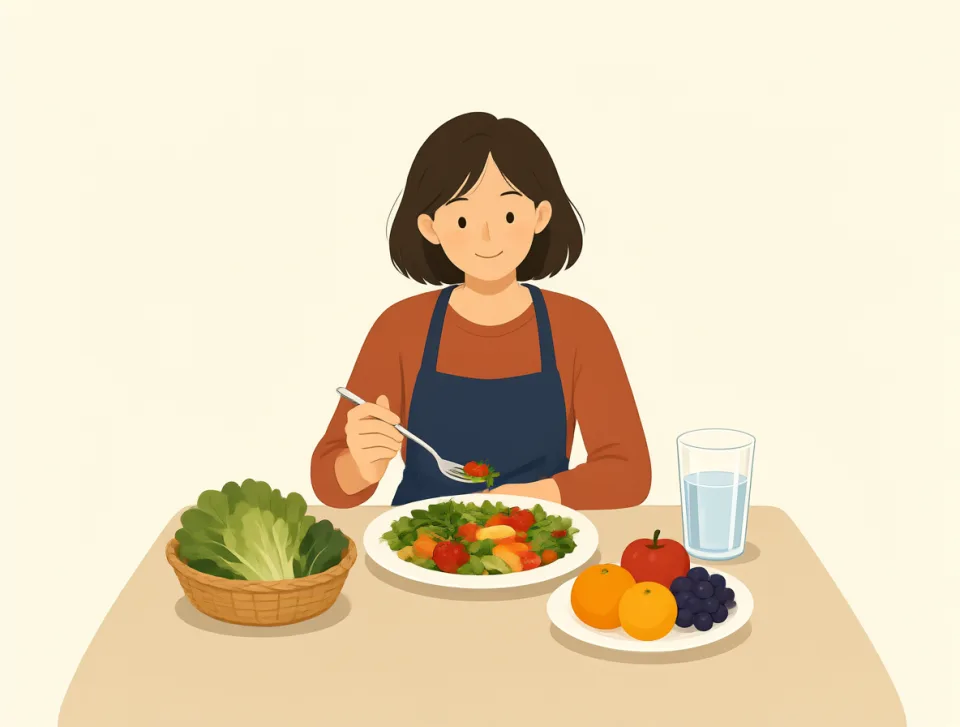
I try to eat a healthy diet with plenty of fresh vegetables.
Tôi cố gắng ăn uống lành mạnh, với nhiều rau củ tươi.
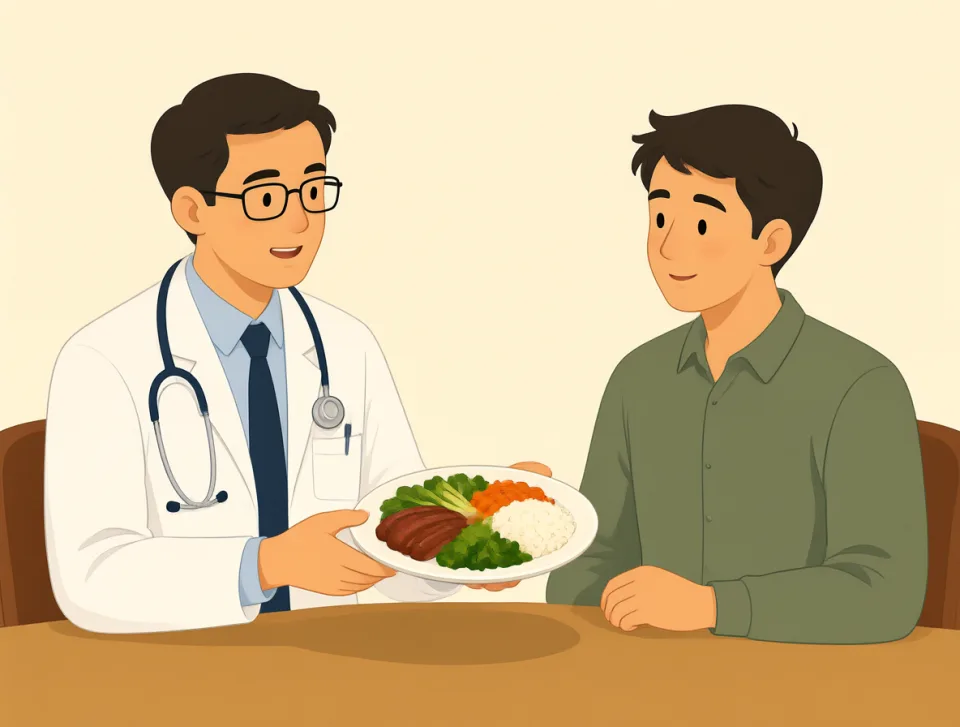
The doctor put him on a low-salt diet for his heart.
Bác sĩ yêu cầu anh ấy ăn chế độ ít muối để tốt cho tim.
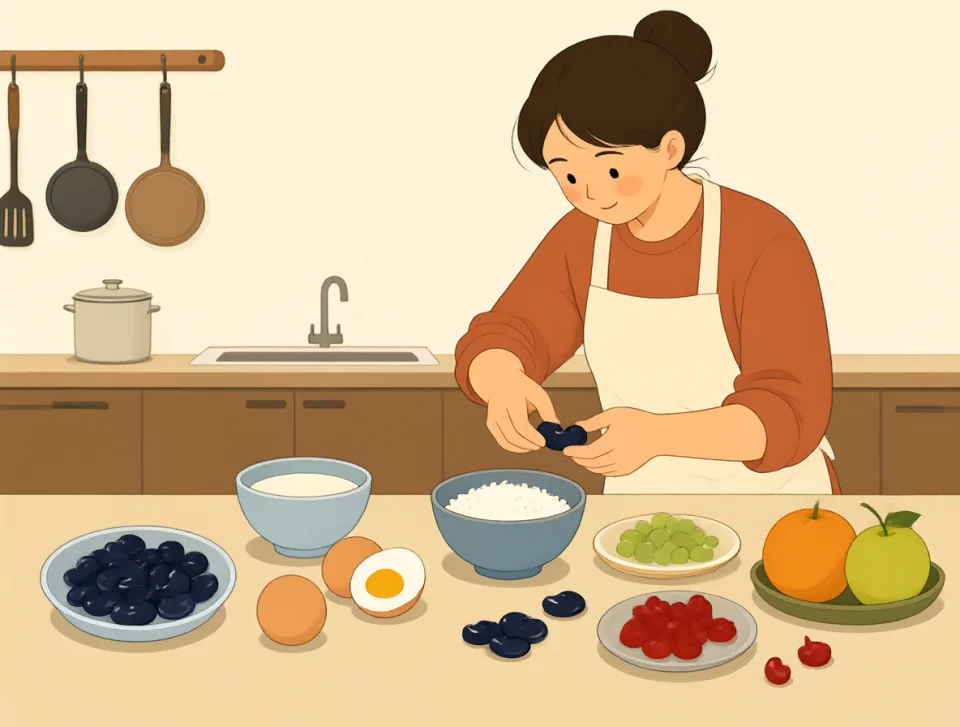
My vegetarian diet includes beans, rice, eggs, and lots of fruit.
Chế độ ăn chay của tôi gồm đậu, cơm, trứng và nhiều trái cây.
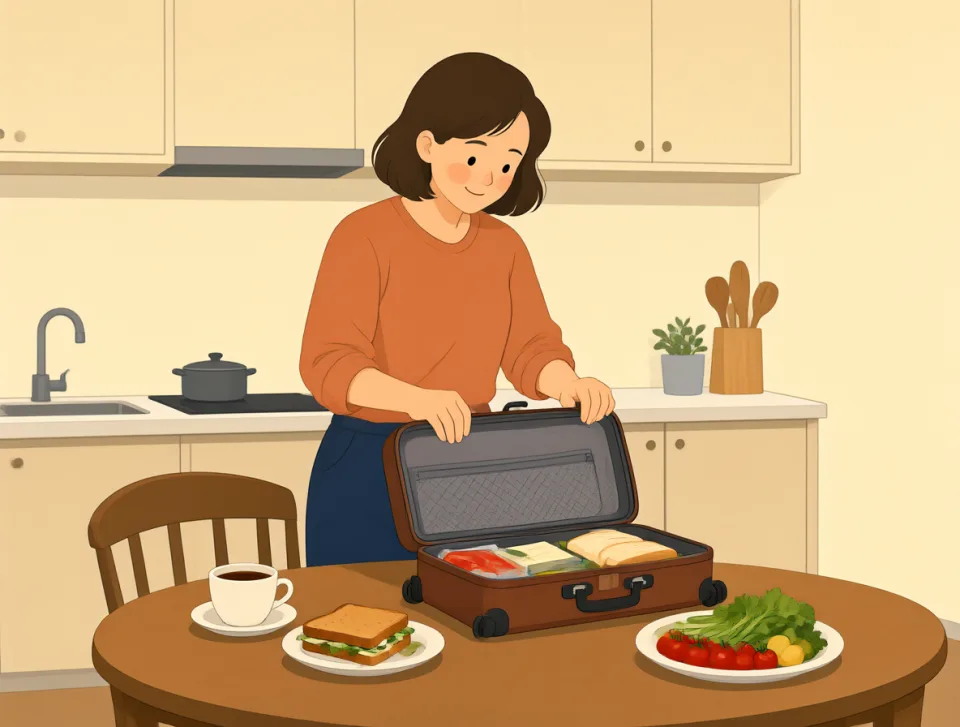
She started a diet before her holiday at the beach.
Cô ấy bắt đầu ăn kiêng trước kỳ nghỉ ở bãi biển.

Some people diet by eating smaller meals and walking every day.
Một số người ăn kiêng bằng cách ăn những bữa nhỏ hơn và đi bộ mỗi ngày.

motion
#1848noun, verb
sự chuyển động
Movement or a movement, especially in a particular direction or to show an idea.
Sự di chuyển, đặc biệt là theo một hướng nhất định hoặc để thể hiện một ý tưởng.

The doctor watched the motion of the patient's chest.
Bác sĩ quan sát chuyển động lồng ngực của bệnh nhân.
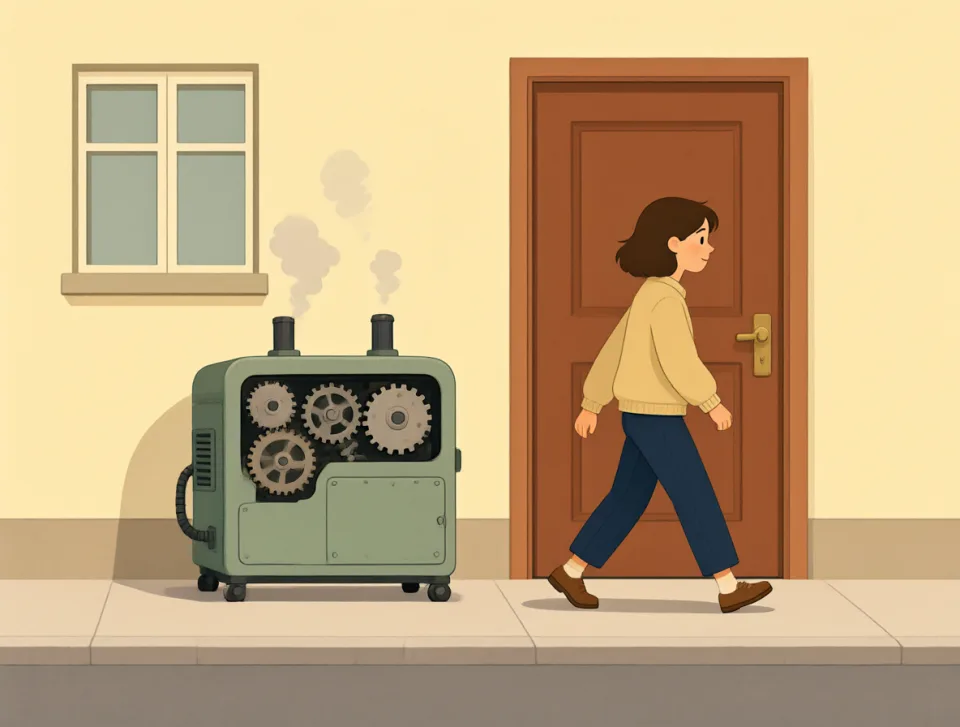
The machine stops when it detects sudden motion.
Máy sẽ dừng khi phát hiện chuyển động đột ngột.

She made a motion for us to come inside.
Cô ấy ra hiệu cho chúng tôi vào trong.

The boat rocked with the motion of the waves.
Con thuyền chòng chành theo chuyển động của những con sóng.

The committee voted to approve the motion.
Ủy ban đã bỏ phiếu thông qua đề xuất.

gray
#1849adjective, noun
màu xám
having a color between black and white
Có màu nằm giữa đen và trắng.

He wore a gray jacket on the cold morning.
Anh ấy mặc áo khoác màu xám vào buổi sáng lạnh giá.
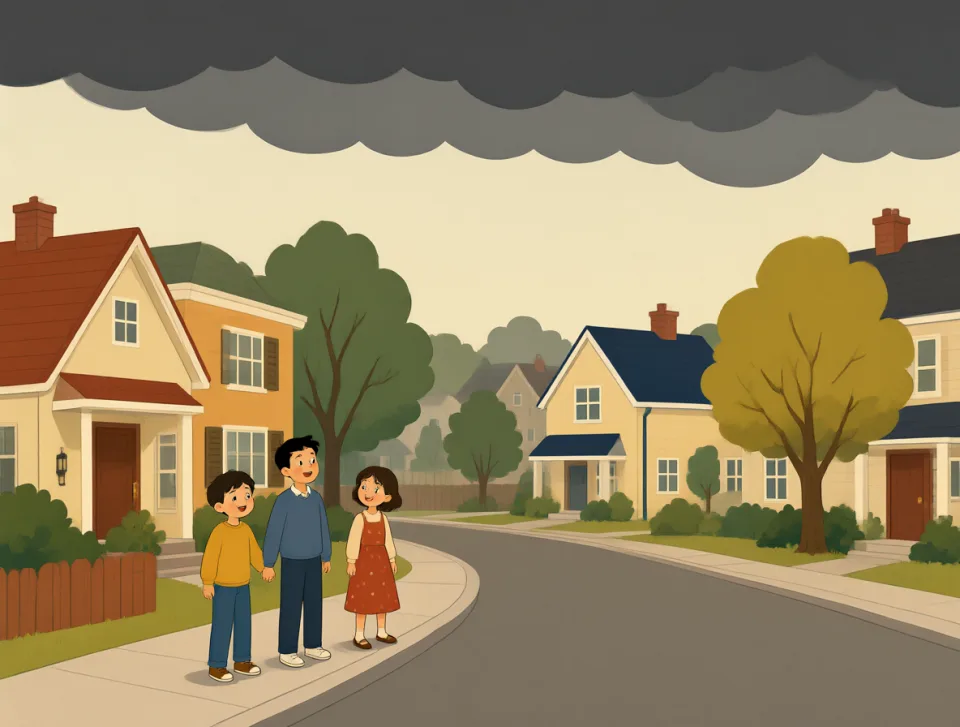
The sky turned gray before the rain started.
Bầu trời chuyển sang màu xám trước khi trời đổ mưa.

She bought a gray sofa for the living room.
Cô ấy mua một chiếc ghế sofa màu xám cho phòng khách.

My grandfather's hair is turning gray.
Tóc ông tôi đang bạc dần.

The artist mixed black and white to make gray.
Người nghệ sĩ trộn màu đen và trắng để tạo ra màu xám.
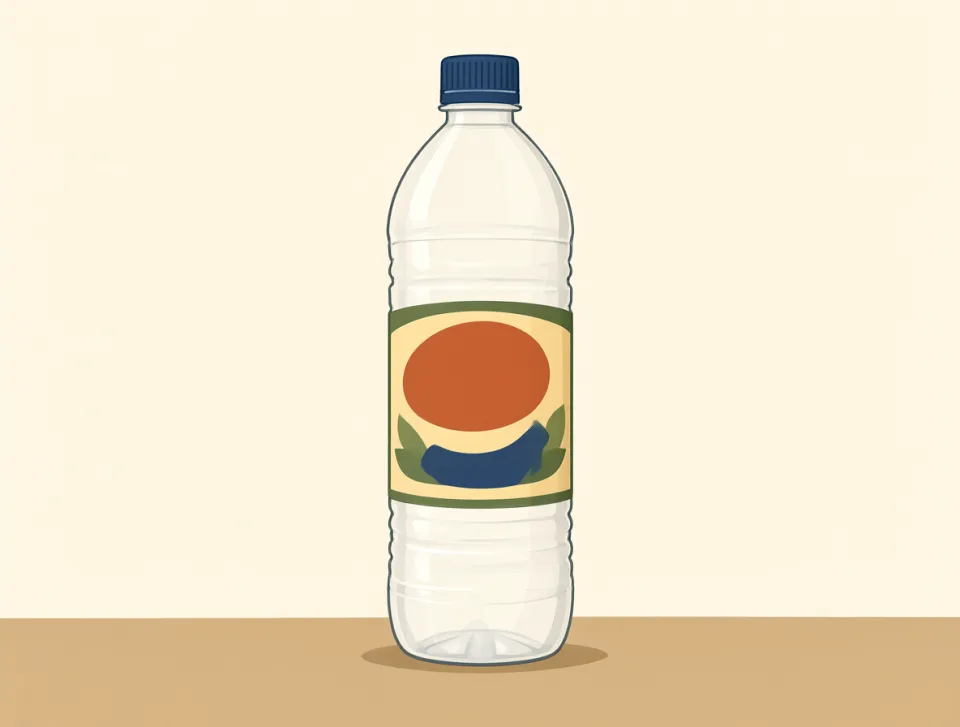
plastic
#1850noun, adjective
nhựa
A light, strong material made from chemicals, often used to make containers and bags.
Một loại vật liệu nhẹ, bền, được làm từ hóa chất và thường dùng để sản xuất đồ đựng và túi.
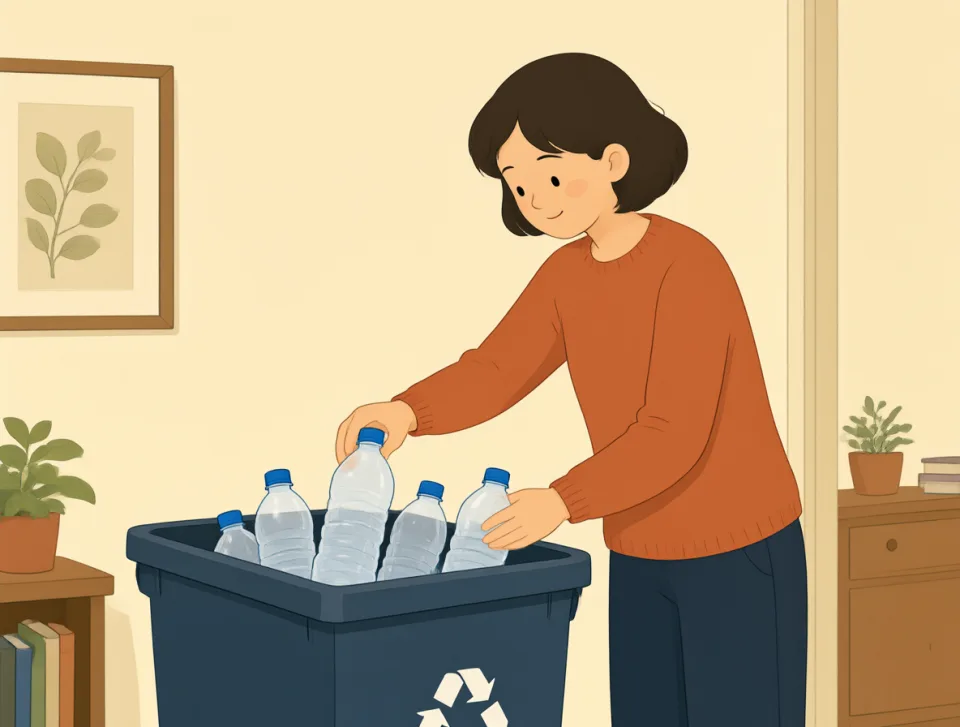
Please put the plastic bottles in the recycling bin.
Vui lòng bỏ chai nhựa vào thùng tái chế.
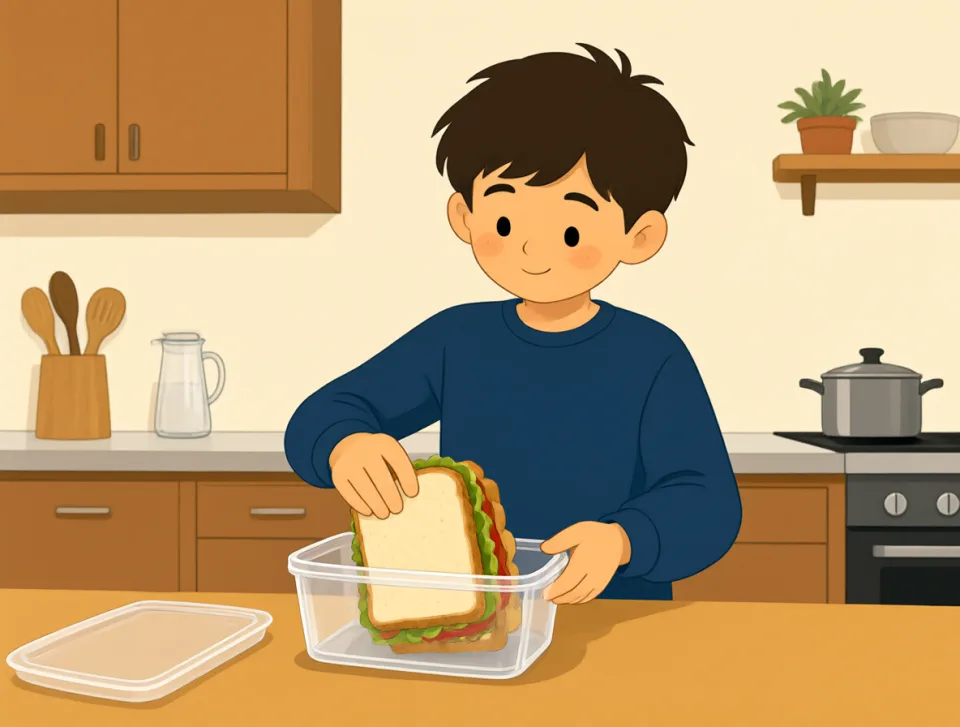
She packed her lunch in a plastic container.
Cô ấy đựng bữa trưa trong hộp nhựa.
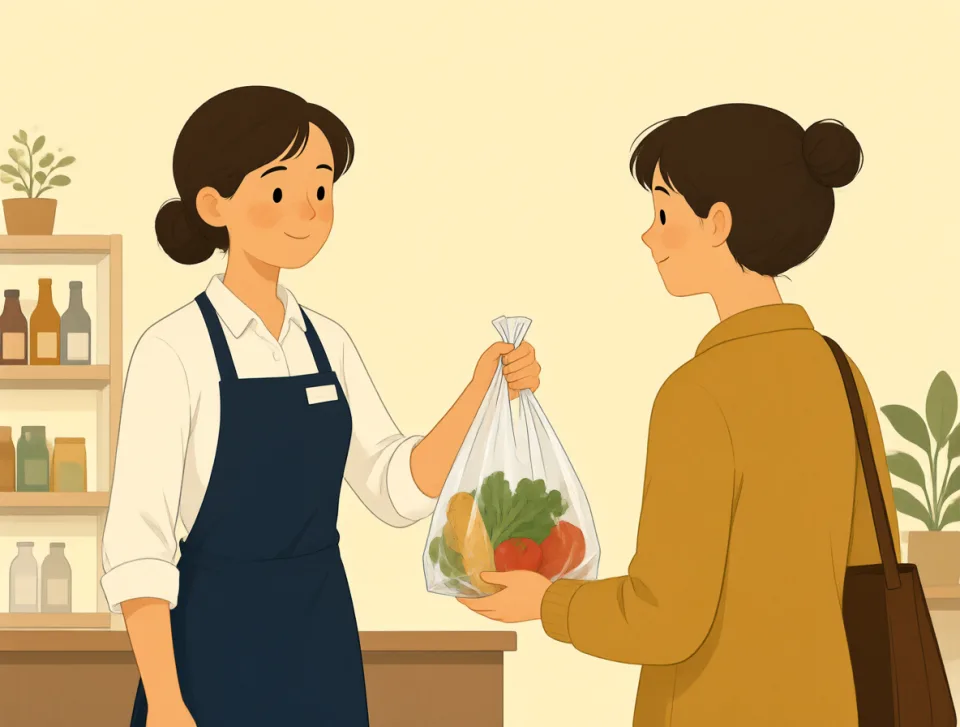
The shop gives customers a plastic bag for their purchases.
Cửa hàng đưa cho khách một chiếc túi nhựa để đựng đồ mua.

The children wore plastic raincoats during the school trip.
Bọn trẻ mặc áo mưa bằng nhựa trong chuyến đi của trường.

This chair is made of strong plastic and is easy to clean.
Chiếc ghế này làm bằng nhựa bền và dễ lau chùi.
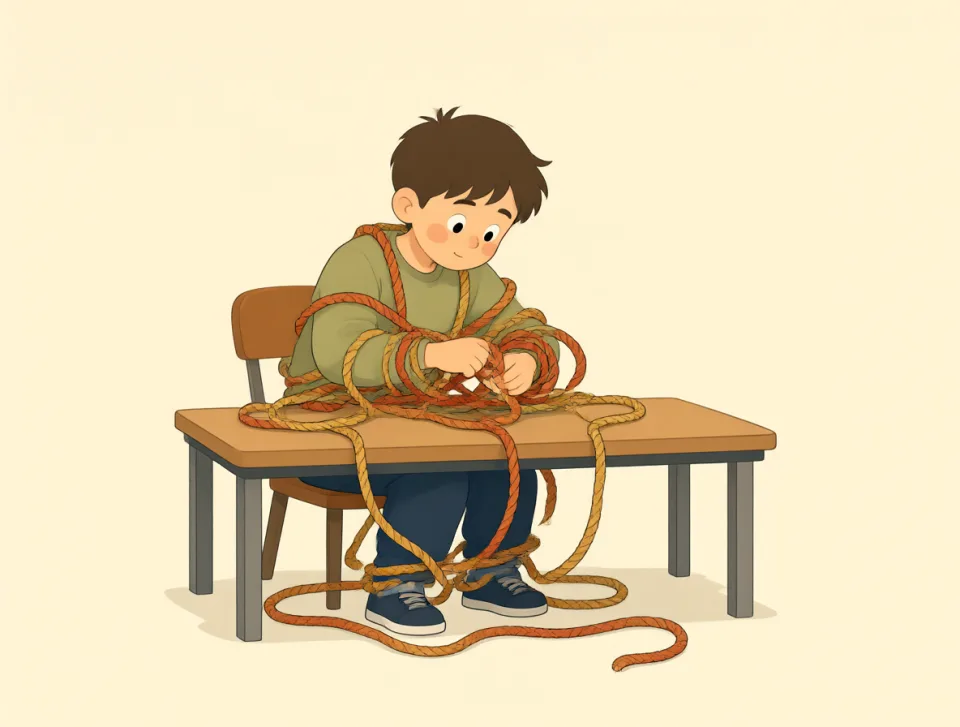
complicate
#1851verb
làm phức tạp
to make something more difficult or confusing than it needs to be
khiến một việc trở nên khó khăn hoặc khó hiểu hơn mức cần thiết
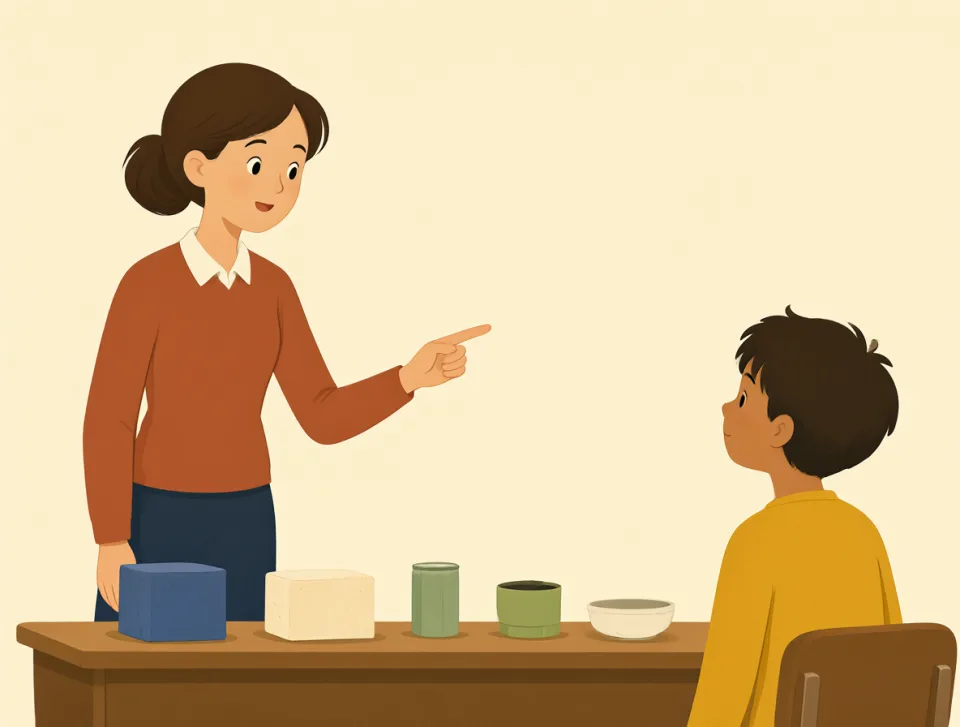
Don't complicate the problem; follow these simple steps.
Đừng làm vấn đề phức tạp thêm; hãy làm theo những bước đơn giản này.
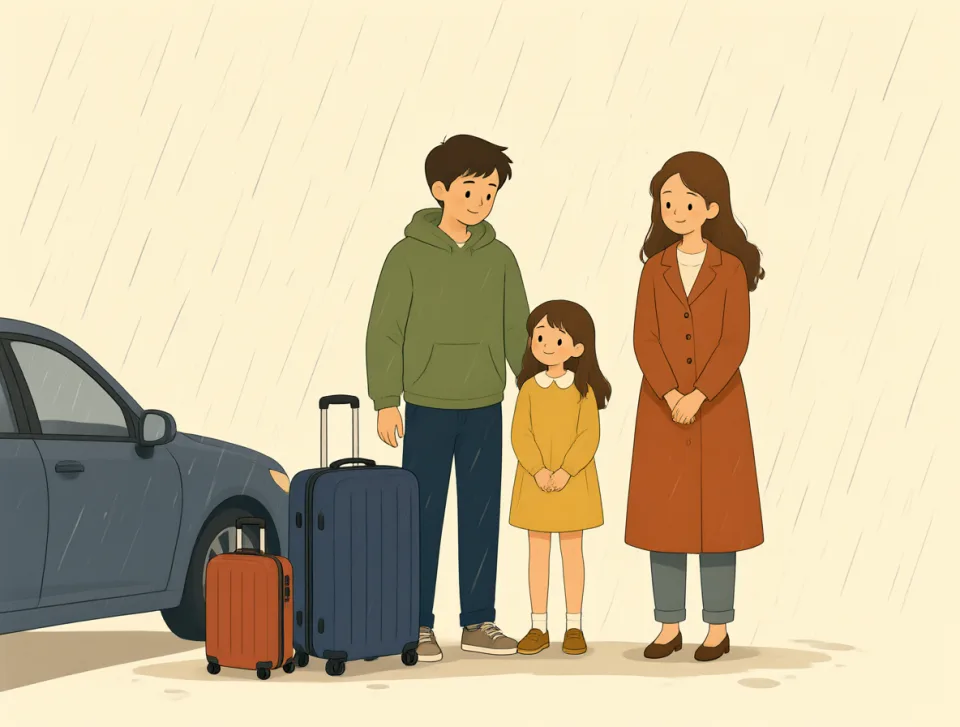
The bad weather complicated our travel plans.
Thời tiết xấu làm kế hoạch đi lại của chúng tôi phức tạp hơn.

Too many rules can complicate the hiring process.
Quá nhiều quy định có thể khiến quy trình tuyển dụng phức tạp hơn.
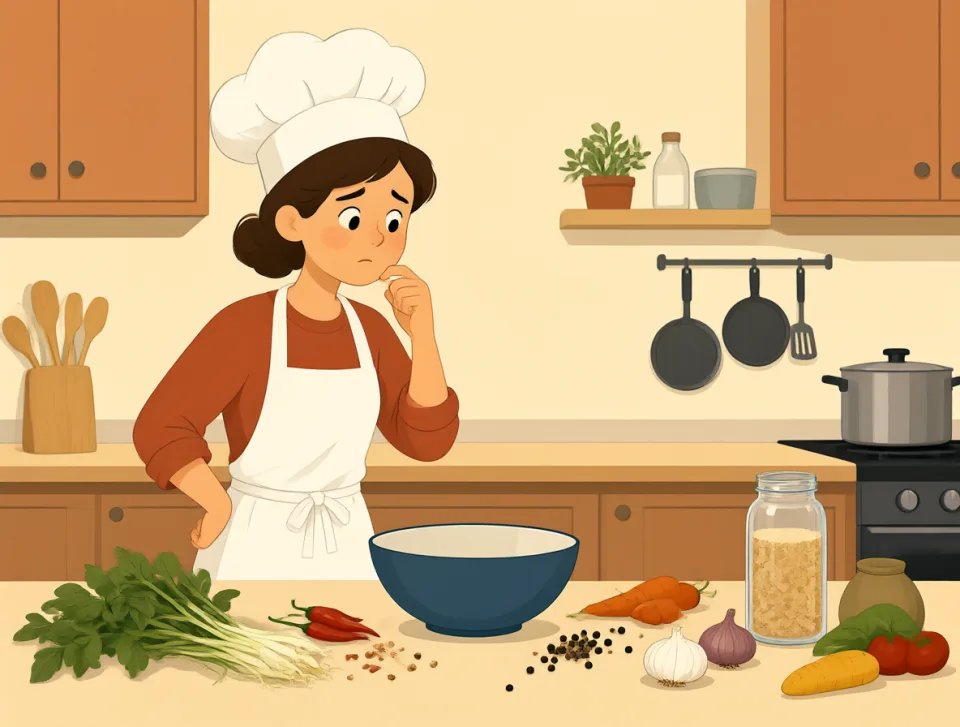
Adding more ingredients complicated the recipe.
Thêm nhiều nguyên liệu khiến công thức nấu ăn phức tạp hơn.
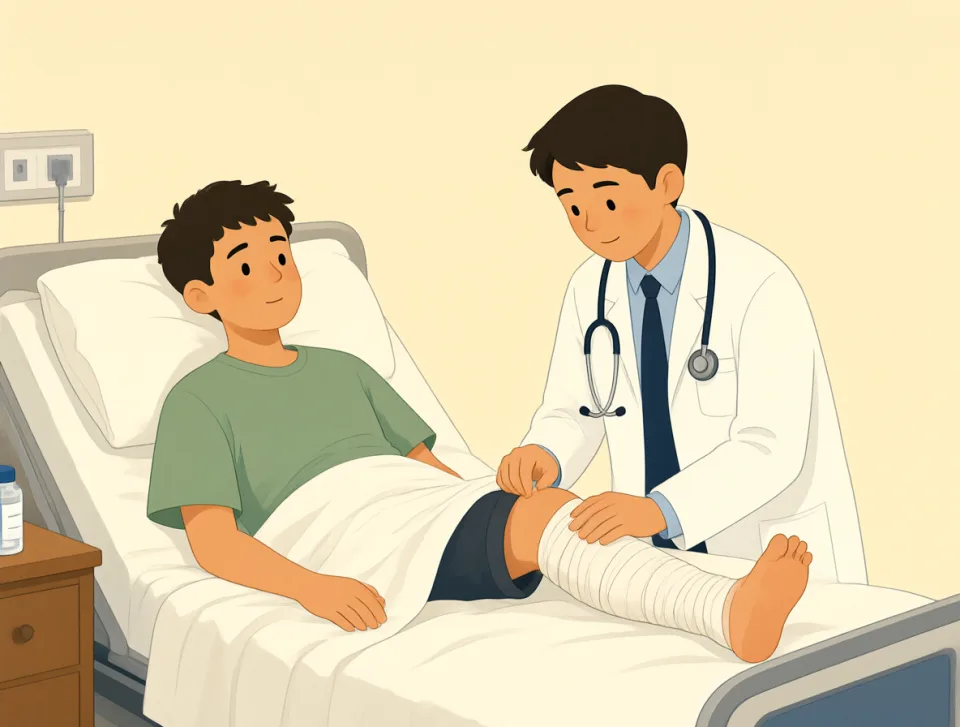
His injury complicated his recovery after the accident.
Chấn thương khiến quá trình hồi phục của anh ấy sau tai nạn phức tạp hơn.

discipline
#1852noun, verb
tính kỷ luật
Training yourself to follow rules and control your behavior to reach a goal.
Việc tự rèn luyện để tuân theo quy tắc và kiểm soát hành vi nhằm đạt được mục tiêu.
Learning a new language takes discipline and regular practice.
Học một ngôn ngữ mới đòi hỏi tính kỷ luật và luyện tập thường xuyên.

The coach praised the team for showing discipline during training.
Huấn luyện viên khen cả đội vì đã thể hiện tính kỷ luật trong buổi tập.

The school uses discipline to help students behave well.
Nhà trường rèn tính kỷ luật để giúp học sinh cư xử tốt.

Good financial discipline helped us save enough money for our holiday.
Nhờ quản lý tài chính có kỷ luật, chúng tôi đã tiết kiệm đủ tiền cho kỳ nghỉ.
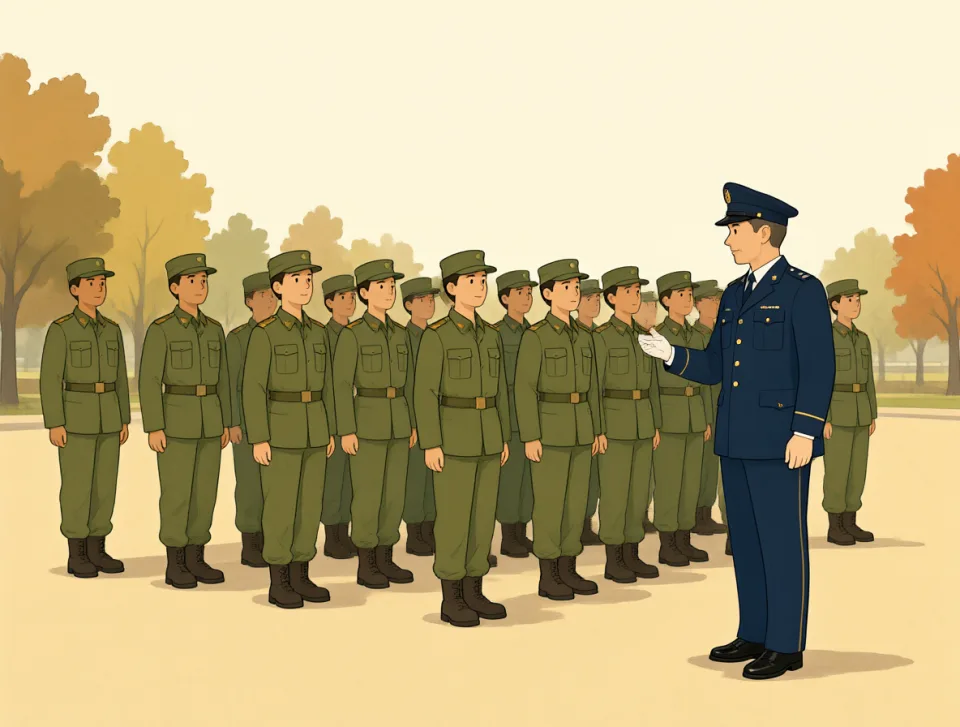
The army disciplined the new soldiers during their first month.
Quân đội rèn luyện kỷ luật cho những tân binh trong tháng đầu tiên.
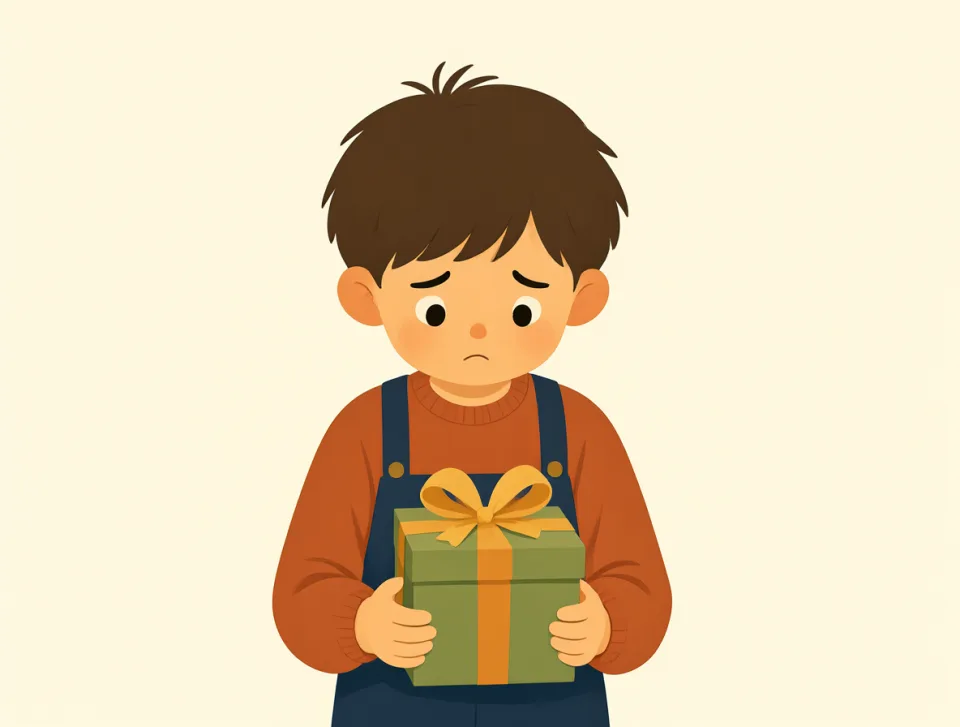
disappoint
#1853verb
làm thất vọng
To make someone feel unhappy because something was not as good as expected.
Khiến ai đó buồn vì mọi việc không tốt như mong đợi.

The movie disappointed me, so I left before the end.
Bộ phim làm tôi thất vọng nên tôi rời đi trước khi phim kết thúc.
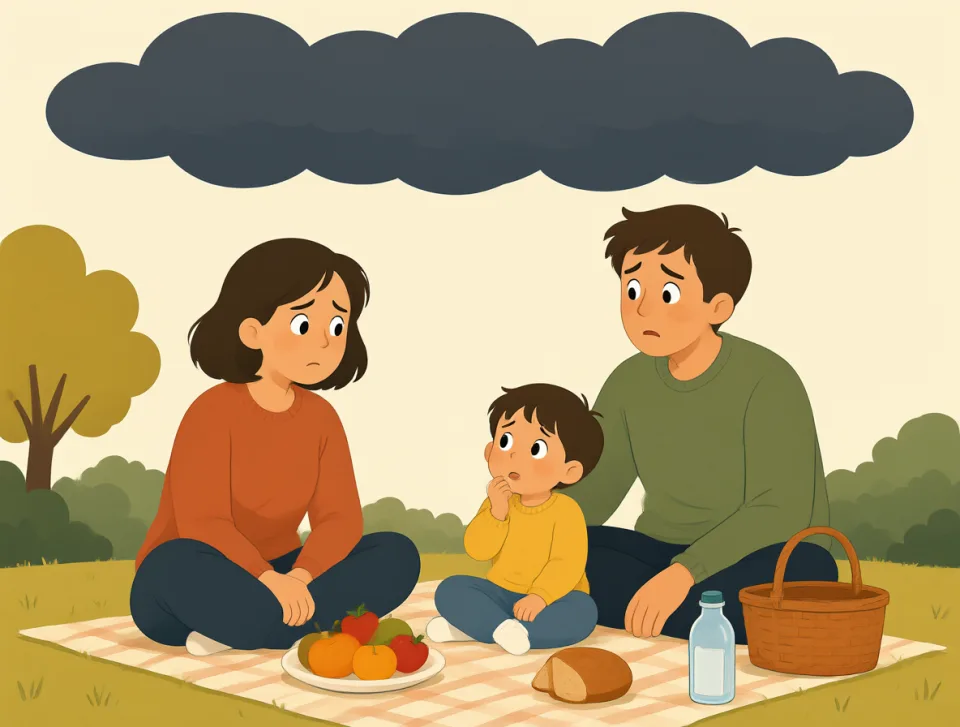
I hope the weather does not disappoint us tomorrow.
Tôi hy vọng ngày mai thời tiết sẽ không làm chúng ta thất vọng.

The restaurant disappointed us with cold food and slow service.
Nhà hàng khiến chúng tôi thất vọng với đồ ăn nguội và dịch vụ chậm chạp.
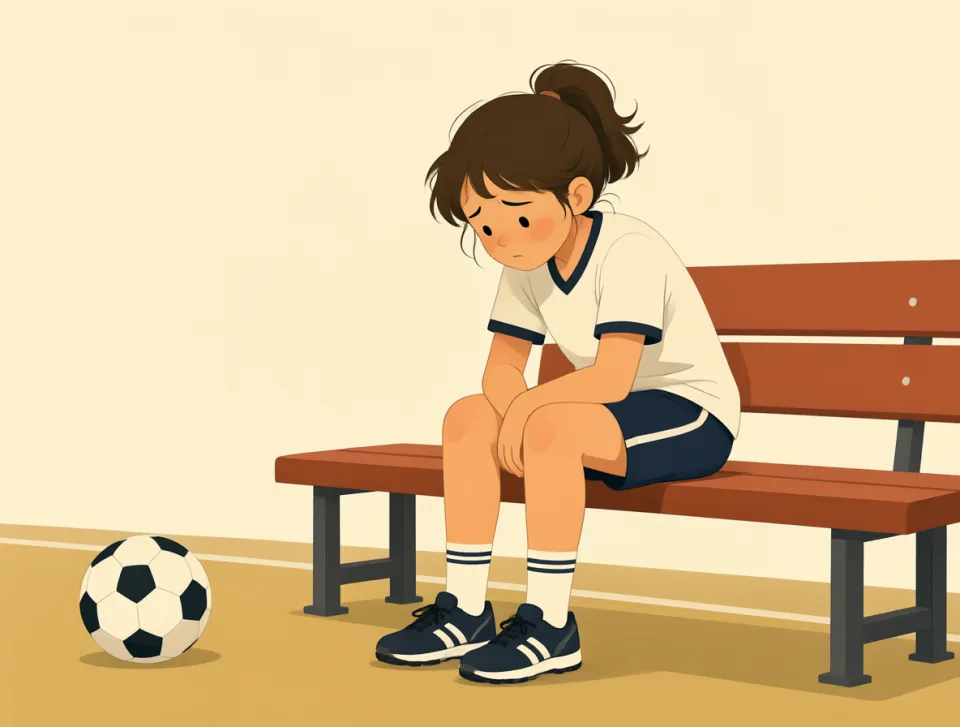
She was disappointed when her team lost the final game.
Cô ấy thất vọng khi đội của mình thua trận chung kết.
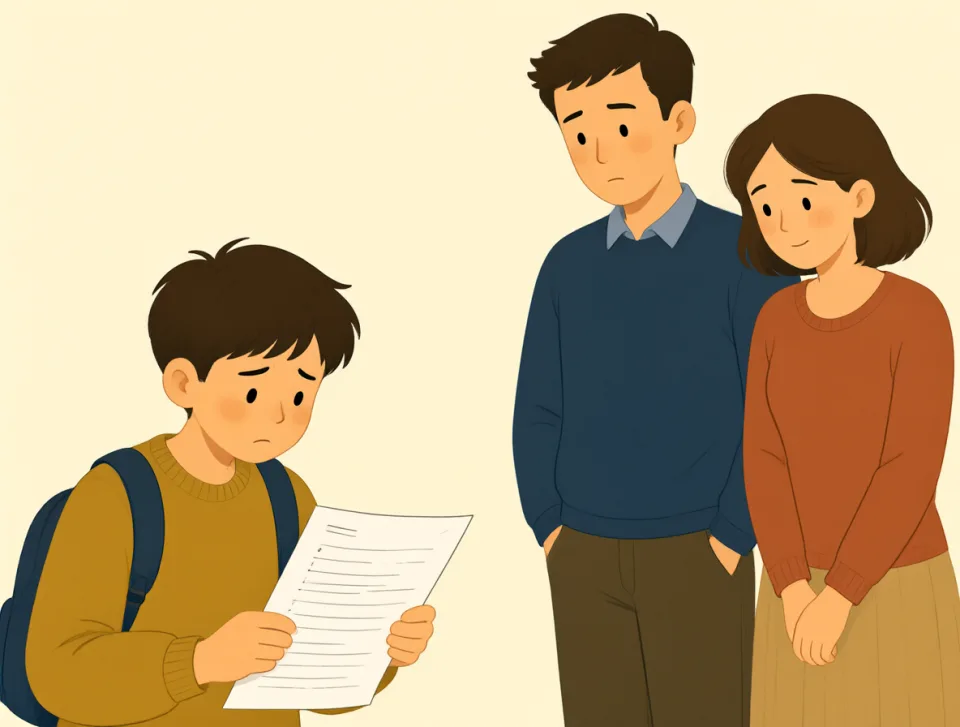
He hates disappointing his parents when he gets poor grades.
Anh ấy ghét làm bố mẹ thất vọng khi bị điểm kém.

boss
#1854noun, verb
sếp
A person who is in charge of a workplace or tells others what to do.
Người quản lý nơi làm việc hoặc giao việc cho người khác.

My boss asked me to finish the report before lunch.
Sếp bảo tôi hoàn thành báo cáo trước giờ ăn trưa.

I need to talk to my boss about taking Friday off.
Tôi cần nói chuyện với sếp về việc xin nghỉ thứ Sáu.

Our new boss is friendly and listens to everyone's ideas.
Sếp mới của chúng tôi rất thân thiện và lắng nghe ý kiến của mọi người.
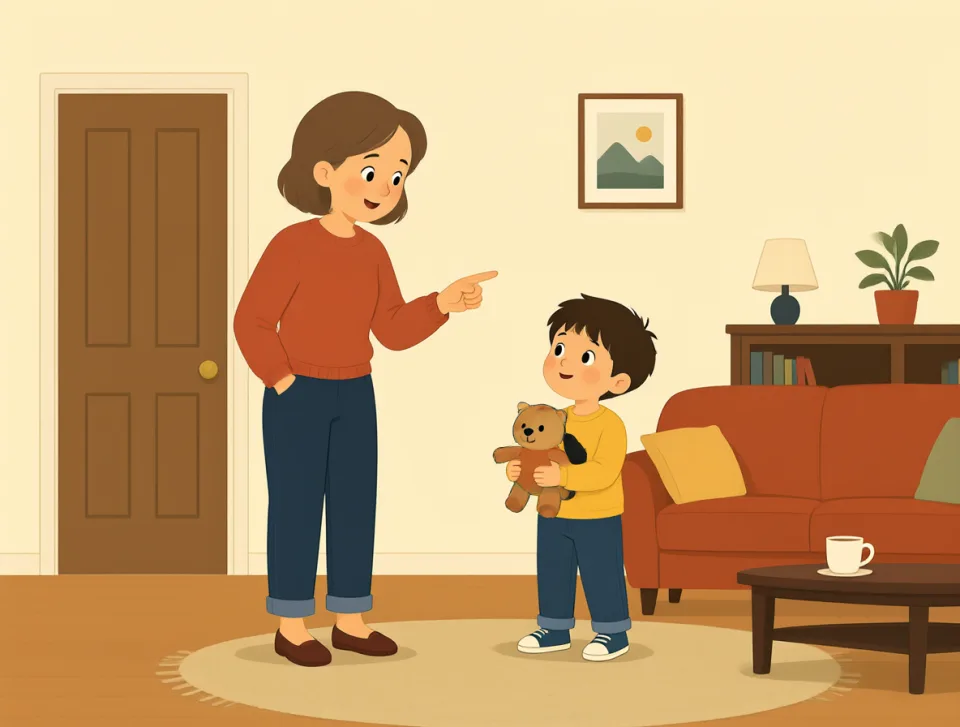
She bosses her little brother around when their parents are away.
Cô ấy sai bảo cậu em trai suốt khi bố mẹ đi vắng.
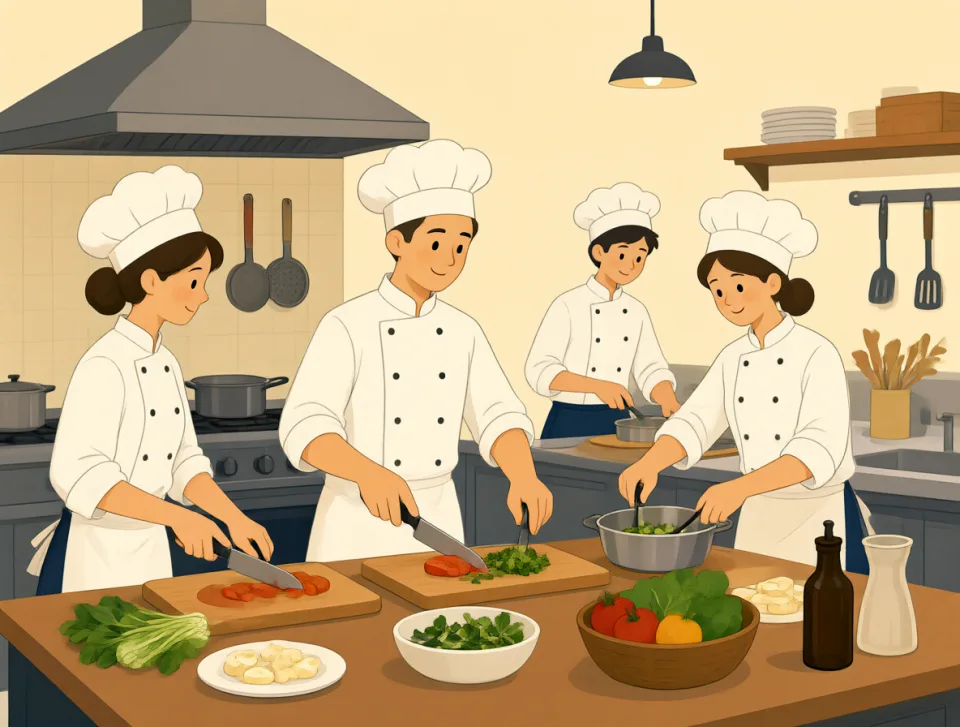
The chef bossed the kitchen during the busy dinner service.
Đầu bếp điều hành cả khu bếp trong giờ phục vụ bữa tối đông khách.

assumption
#1855noun
giả định
A belief that something is true, even though you have no proof.
Niềm tin rằng điều gì đó là đúng dù bạn không có bằng chứng.
My assumption that the store was open was wrong.
Giả định của tôi rằng cửa hàng đang mở là sai.

Do not make assumptions about people before meeting them.
Đừng vội đưa ra giả định về mọi người trước khi gặp họ.
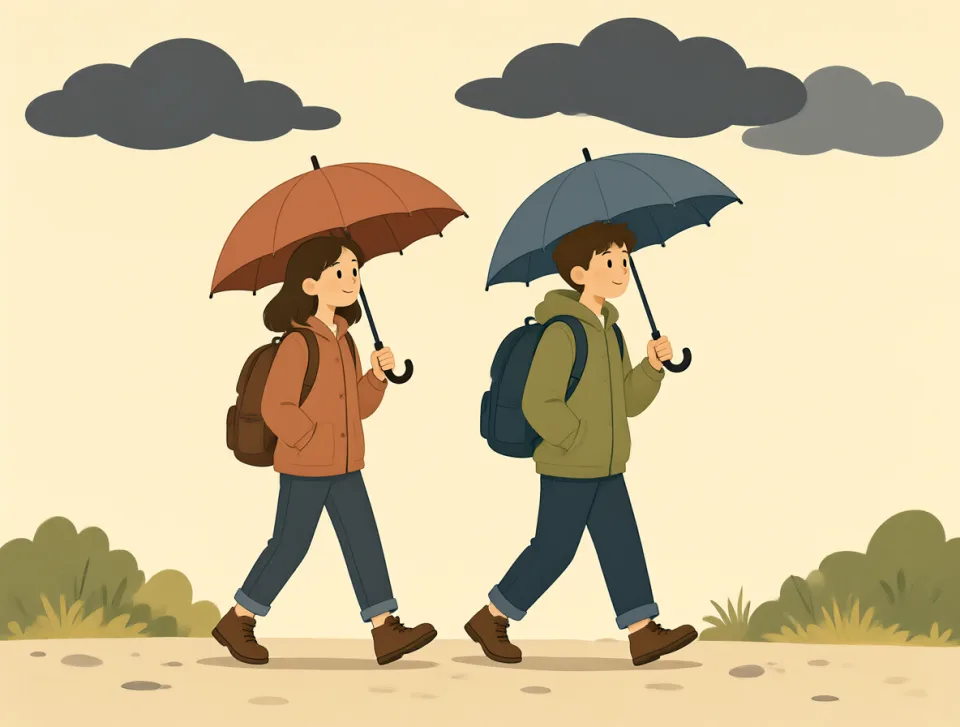
On the assumption that it would rain, we brought umbrellas.
Vì nghĩ trời sẽ mưa nên chúng tôi đã mang theo ô.
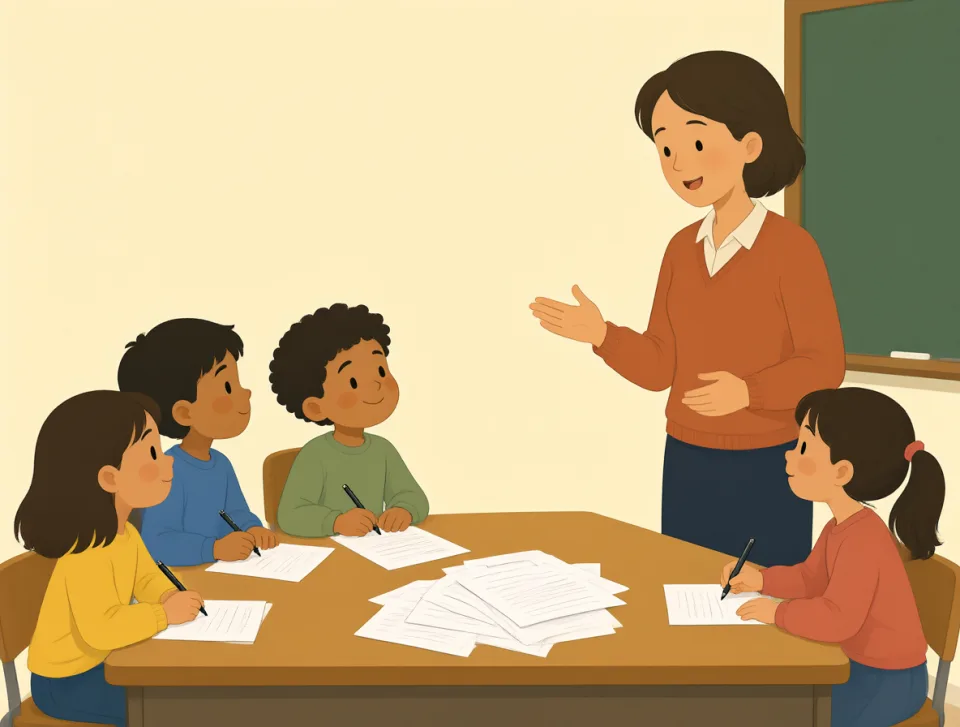
The teacher corrected our assumption that the test would be easy.
Giáo viên đã sửa lại giả định của chúng tôi rằng bài kiểm tra sẽ dễ.

The doctor rejected my assumption that a cold needed antibiotics.
Bác sĩ bác bỏ giả định của tôi rằng cảm lạnh cần dùng kháng sinh.

freeze
#1856verb, noun
đóng băng
to become very cold and turn into ice, or to stop moving suddenly
trở nên rất lạnh và biến thành băng, hoặc đột ngột ngừng cử động
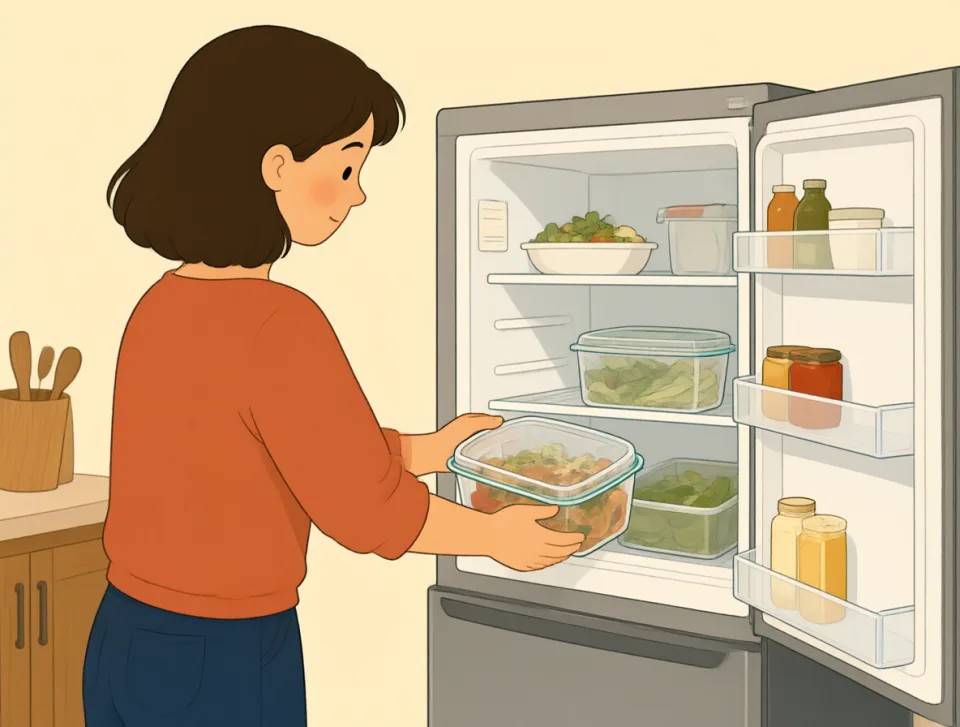
Please freeze the leftovers before they go bad.
Hãy đông lạnh phần thức ăn thừa trước khi chúng bị hỏng nhé.

The lake freezes every winter when temperatures fall below zero.
Hồ đóng băng vào mỗi mùa đông khi nhiệt độ xuống dưới 0 độ.
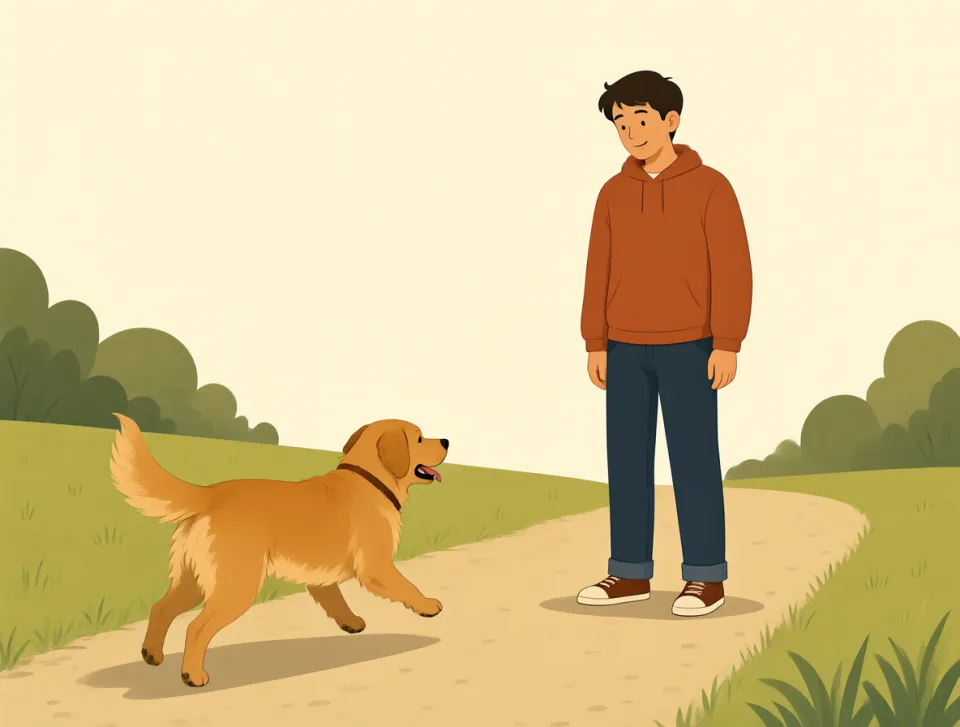
I froze when I saw the large dog running toward me.
Tôi đứng sững lại khi thấy con chó to đang chạy về phía mình.
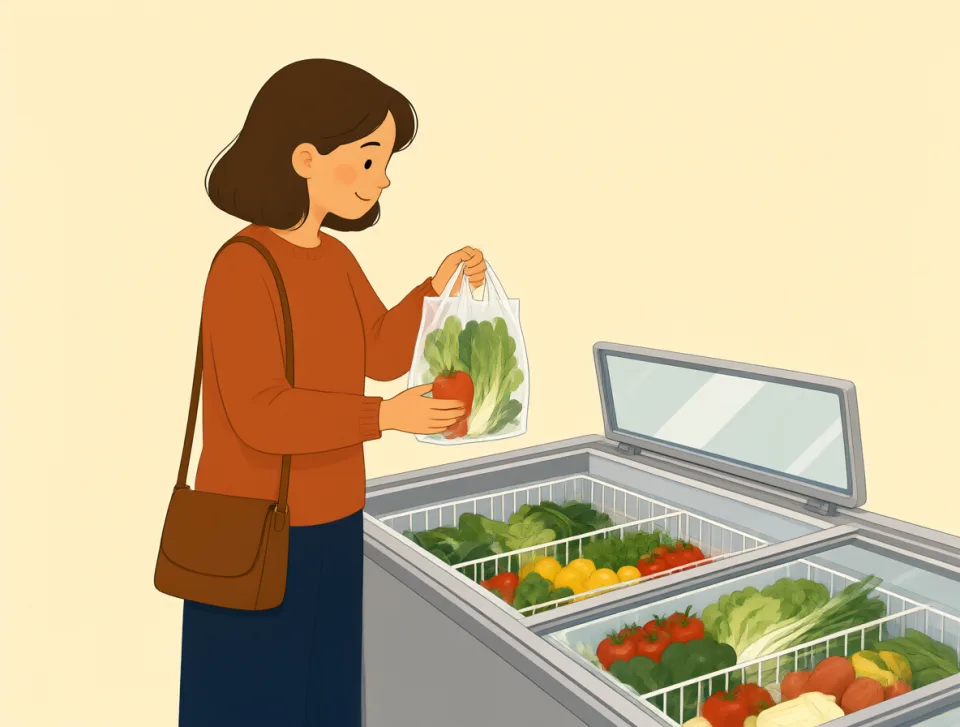
The supermarket sells frozen vegetables in the back aisle.
Siêu thị bán rau củ đông lạnh ở dãy hàng phía trong cùng.

My hands froze while I waited for the bus in winter.
Tay tôi cóng lại khi đứng đợi xe buýt vào mùa đông.

extreme
#1857adjective, noun
cực độ
Very great or serious; the greatest possible amount or degree.
Rất lớn hoặc nghiêm trọng; ở mức cao nhất có thể.

The hikers faced extreme weather on their way back.
Những người đi bộ đường dài phải đối mặt với thời tiết khắc nghiệt trên đường trở về.
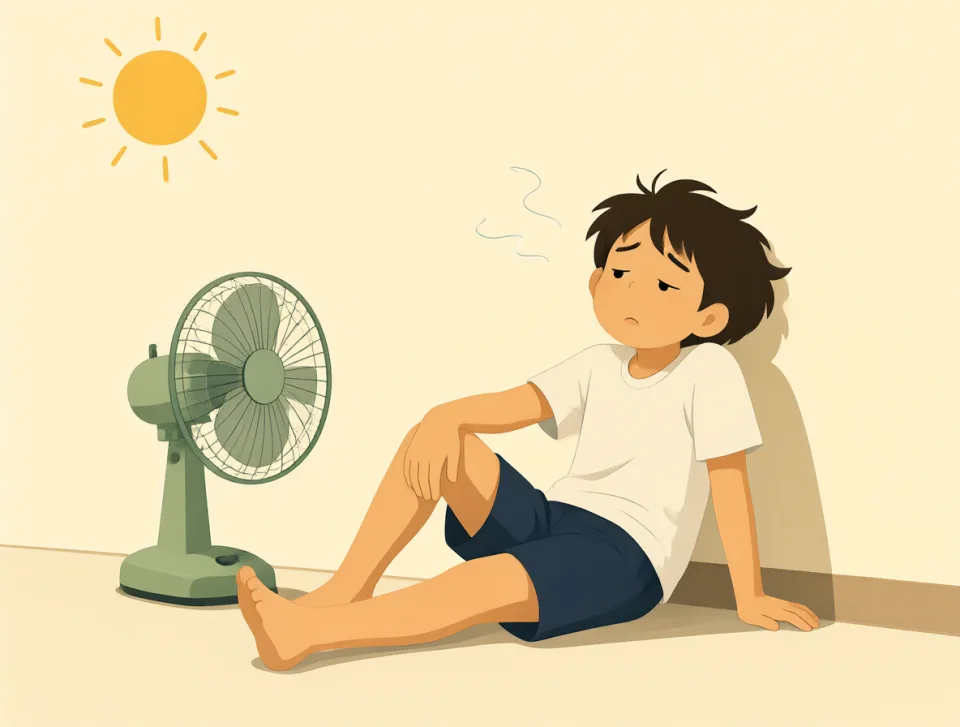
Extreme heat can make people feel tired and sick.
Nắng nóng gay gắt có thể khiến người ta mệt mỏi và khó chịu.

She took extreme care when carrying the hot soup.
Cô ấy hết sức cẩn thận khi bê bát súp nóng.

The school closed because of the extreme cold.
Trường học đóng cửa vì trời lạnh giá khắc nghiệt.
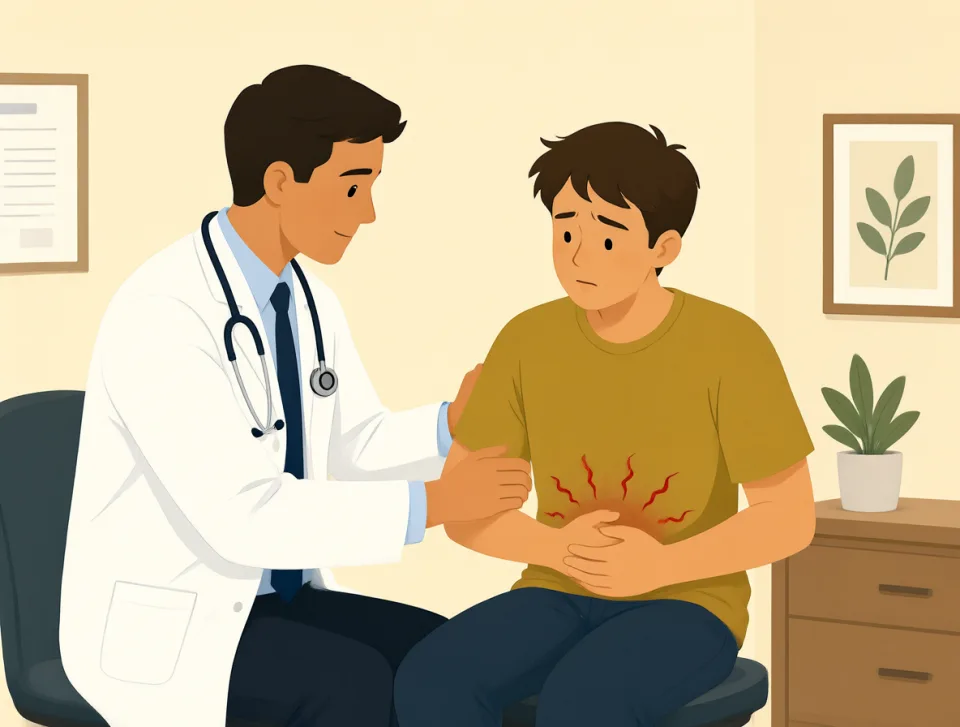
The doctor said his extreme pain needed immediate treatment.
Bác sĩ nói cơn đau dữ dội của anh ấy cần được điều trị ngay.
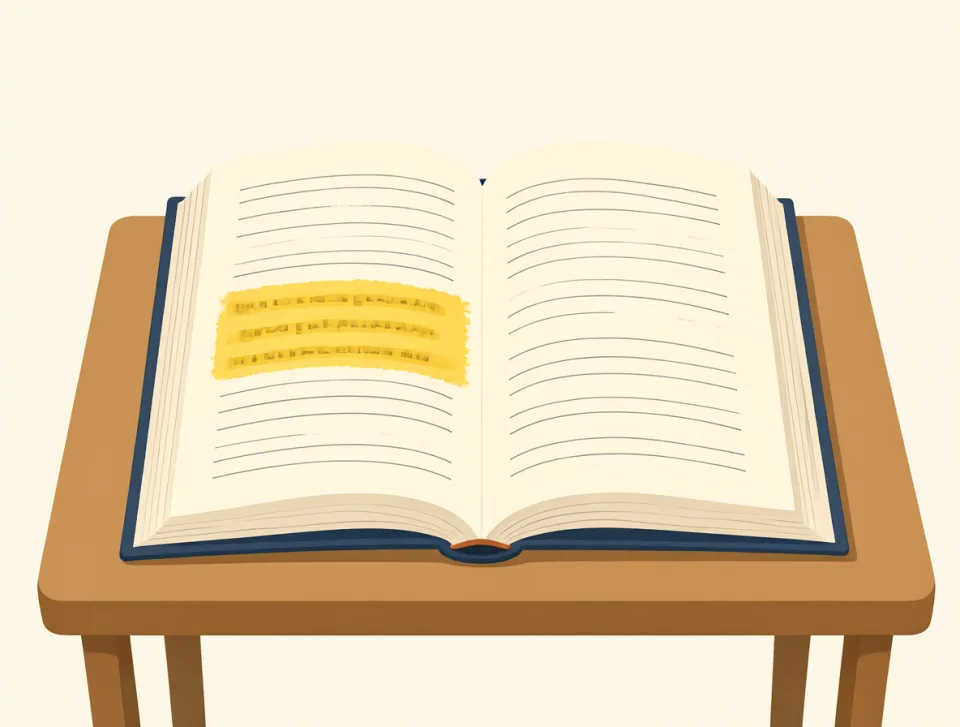
passage
#1858noun
đoạn trích
a short part of a book, speech, or piece of writing
một phần ngắn trong sách, bài phát biểu hoặc văn bản

Please read this passage and answer the questions below.
Hãy đọc đoạn văn này rồi trả lời các câu hỏi bên dưới.

The guide told us about a narrow passage through the mountains.
Hướng dẫn viên kể cho chúng tôi nghe về một lối đi hẹp xuyên qua núi.
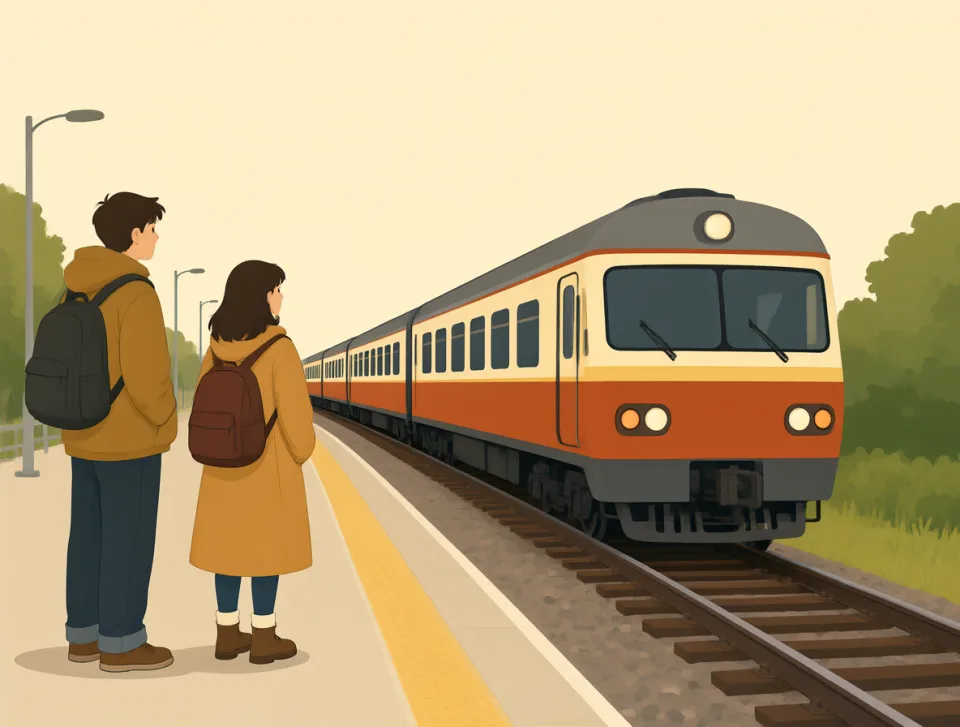
We had to wait for the passage of the train.
Chúng tôi phải đợi tàu chạy qua.
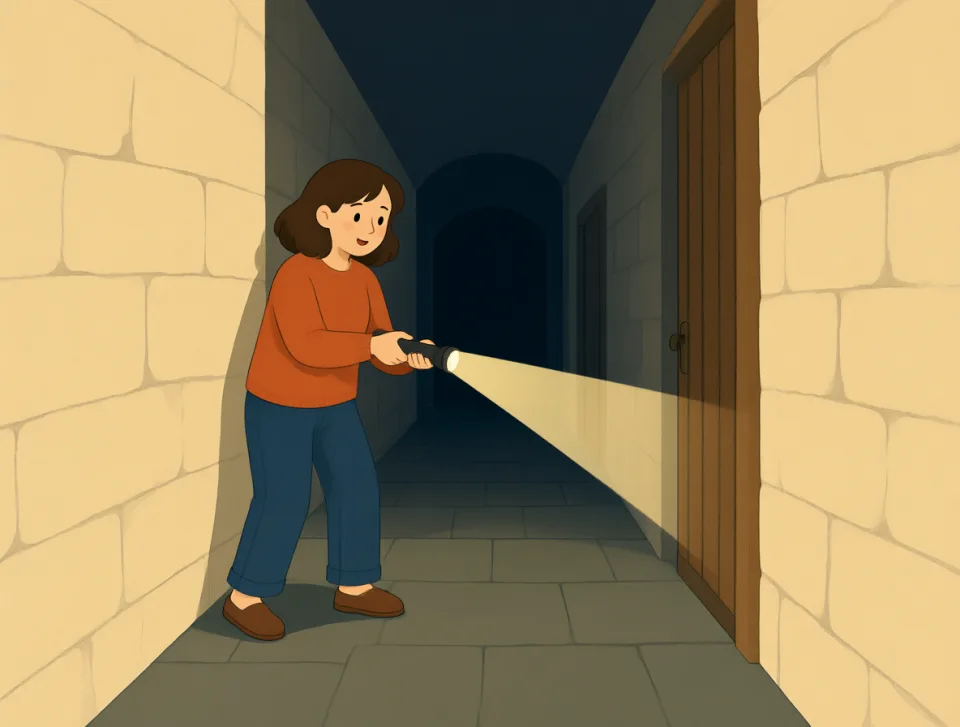
She looked through the passage before entering the old building.
Cô ấy nhìn qua lối đi trước khi bước vào tòa nhà cũ.

The doctor checked the passage in his patient's blocked nose.
Bác sĩ kiểm tra đường thở trong mũi bị tắc của bệnh nhân.
reputation
#1859noun
danh tiếng
What people generally think about someone or something based on past actions.
Điều mọi người thường nghĩ về một người hoặc một vật dựa trên những việc đã xảy ra trước đó.
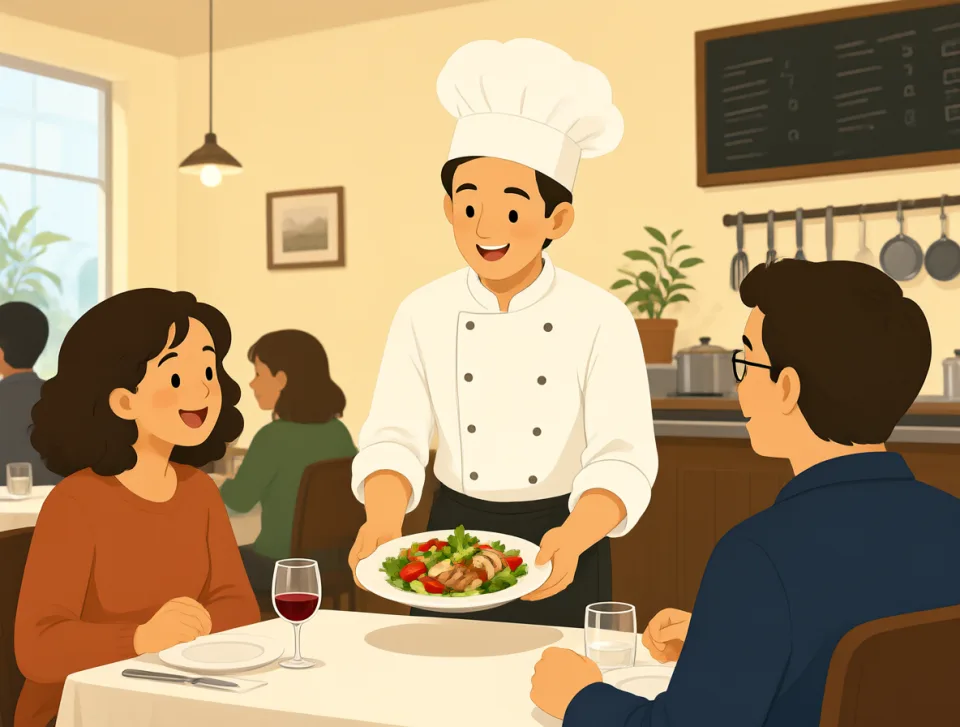
The restaurant has a good reputation for fresh food.
Nhà hàng này có tiếng là phục vụ đồ ăn tươi ngon.

She built a strong reputation as a reliable worker.
Cô ấy gây dựng được danh tiếng là một nhân viên đáng tin cậy.

The hotel’s reputation suffered after several guests complained.
Danh tiếng của khách sạn bị ảnh hưởng sau khi một số khách phàn nàn.

His reputation for kindness made new students feel welcome.
Tiếng tốt về lòng tốt của anh ấy khiến các học sinh mới cảm thấy được chào đón.

The doctor has an excellent reputation among local families.
Vị bác sĩ này rất có tiếng trong các gia đình địa phương.
forth
#1860adverb
về phía trước
Forward or onward; used in expressions such as “back and forth” and “and so forth.”
Về phía trước hoặc tiếp tục tiến lên; được dùng trong các cụm như “back and forth” và “and so forth.”
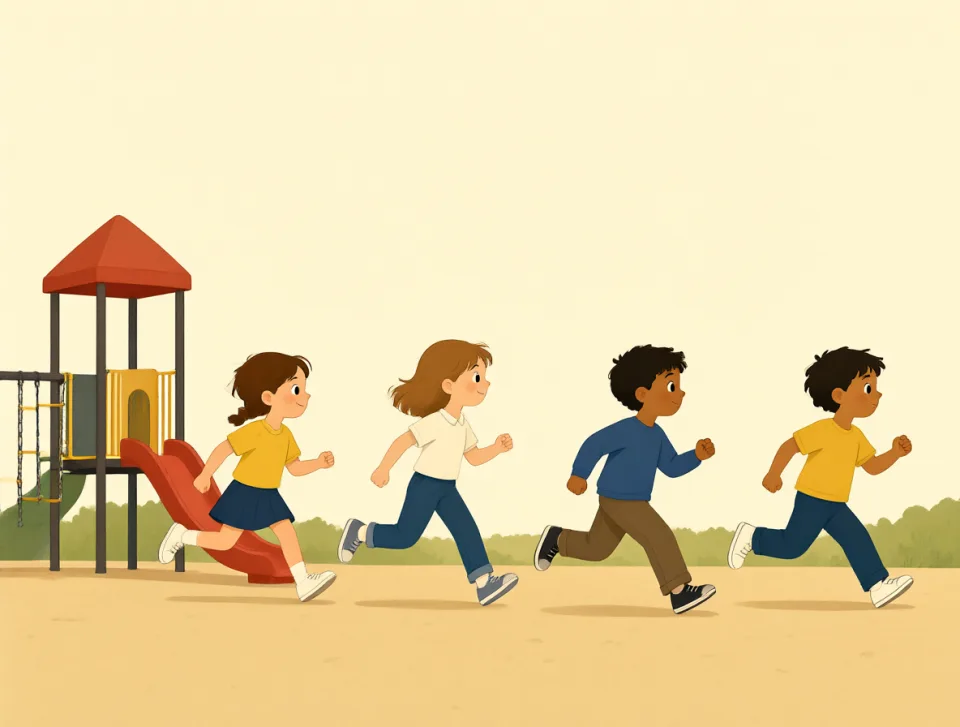
The children ran back and forth across the playground.
Bọn trẻ chạy qua chạy lại khắp sân chơi.
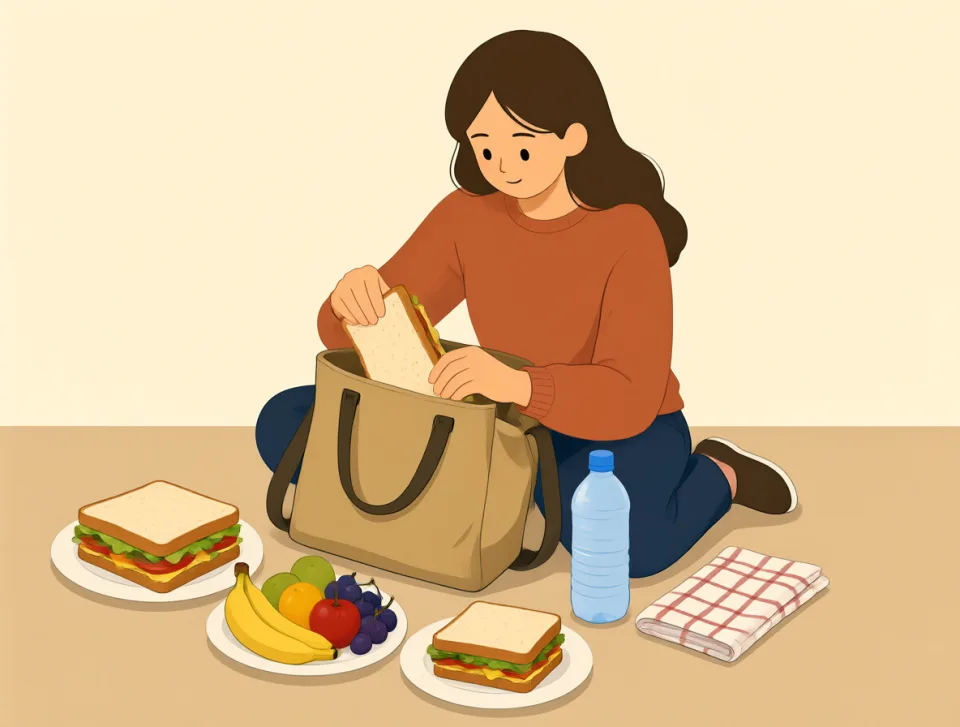
Please pack sandwiches, fruit, water, and so forth for our trip.
Nhớ chuẩn bị bánh mì kẹp, trái cây, nước và những thứ tương tự cho chuyến đi nhé.

The hikers set forth before sunrise to reach the village.
Những người đi bộ đường dài khởi hành trước khi mặt trời mọc để đến được ngôi làng.

She put forth great effort to finish the project on time.
Cô ấy đã nỗ lực hết mình để hoàn thành dự án đúng hạn.
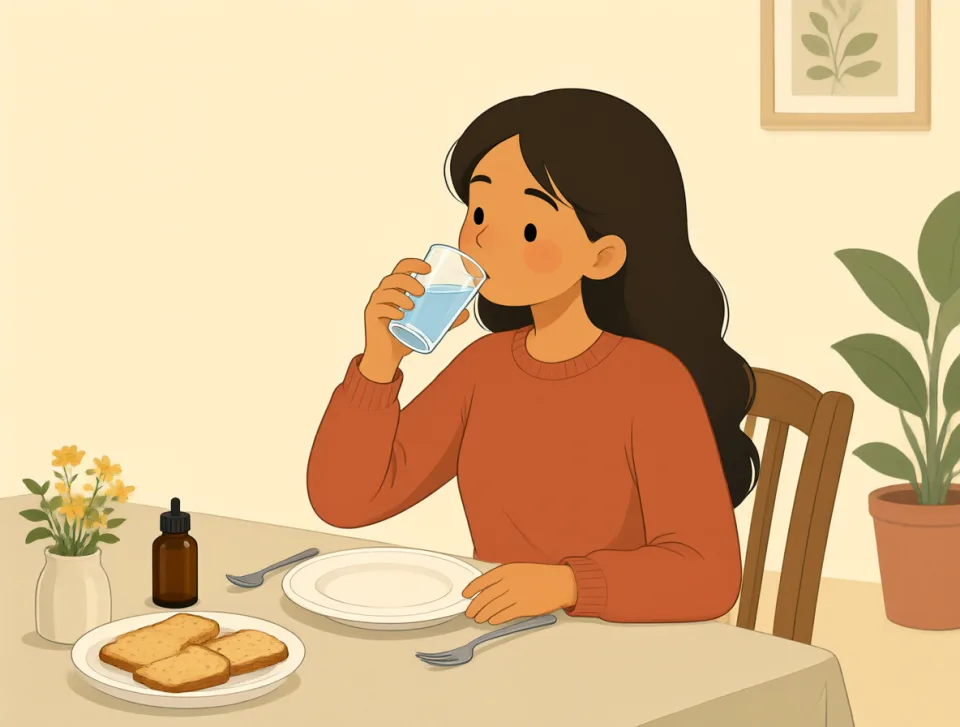
From this day forth, Maya will take her medicine after breakfast.
Kể từ hôm nay, Maya sẽ uống thuốc sau bữa sáng.