بخش 86
واژههای 1701 تا 1720 · religion, employer, reject, latter, plate, ban
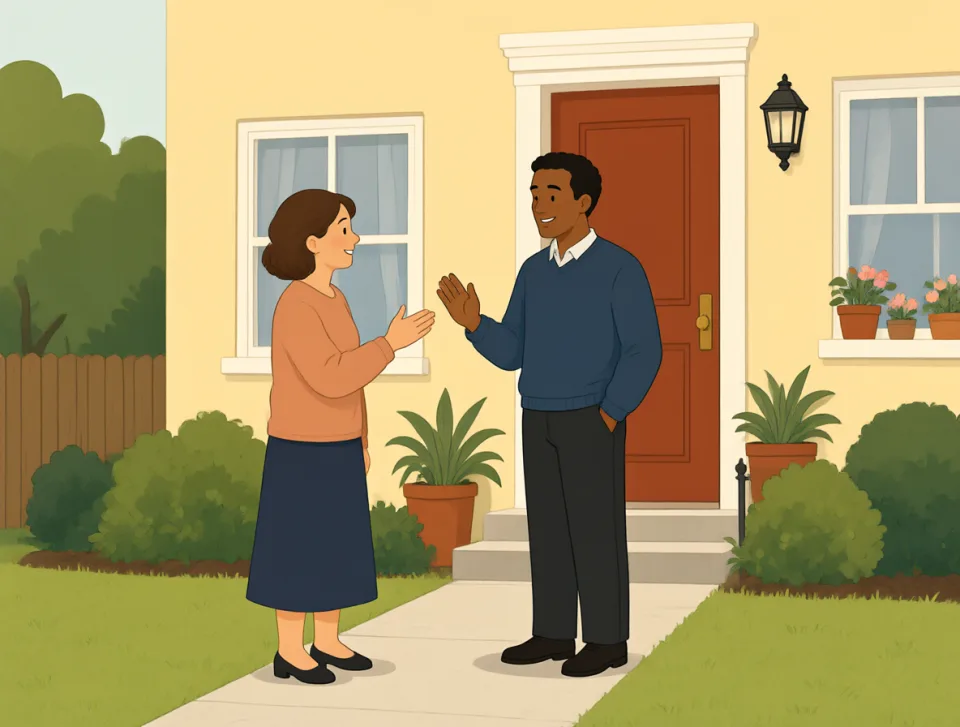
religion
#1701noun
دین
A system of beliefs and practices about God or the meaning of life.
نظامی از باورها و آیینها دربارهٔ خدا یا معنای زندگی.
People of different religions live together in our neighborhood.
افرادی با دینهای مختلف در محلهٔ ما در کنار هم زندگی میکنند.

She studies religion at school and enjoys learning about different beliefs.
او در مدرسه دین میخواند و از یادگیری دربارهٔ باورهای مختلف لذت میبرد.

You should respect everyone's religion, even when it differs from yours.
باید به دین همه احترام بگذاری، حتی وقتی با دین خودت تفاوت دارد.
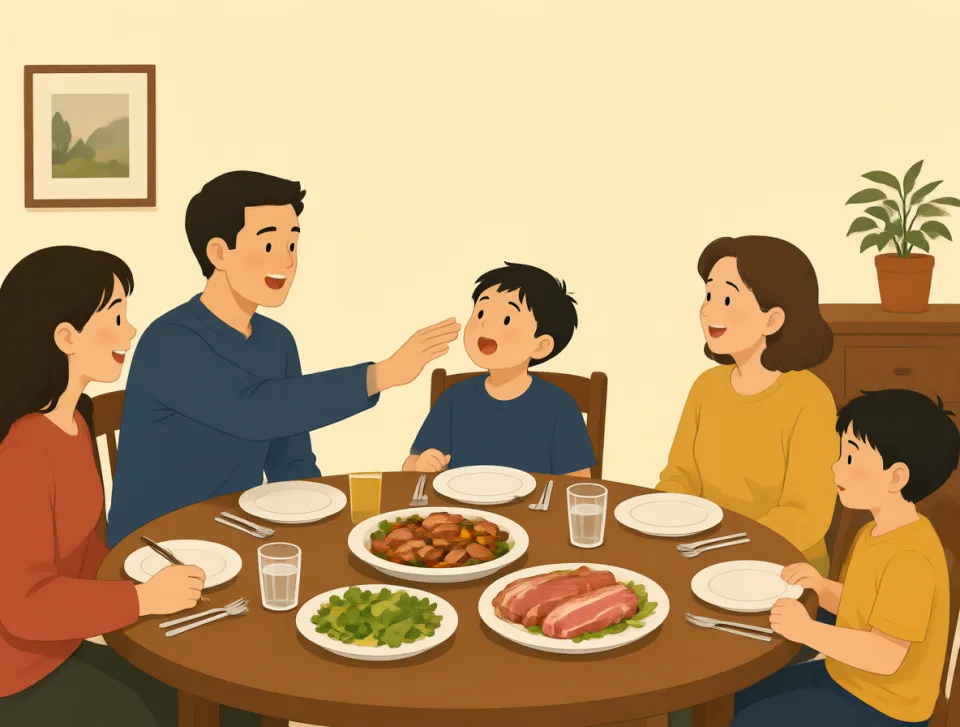
His religion does not allow him to eat pork.
دین او اجازه نمیدهد گوشت خوک بخورد.
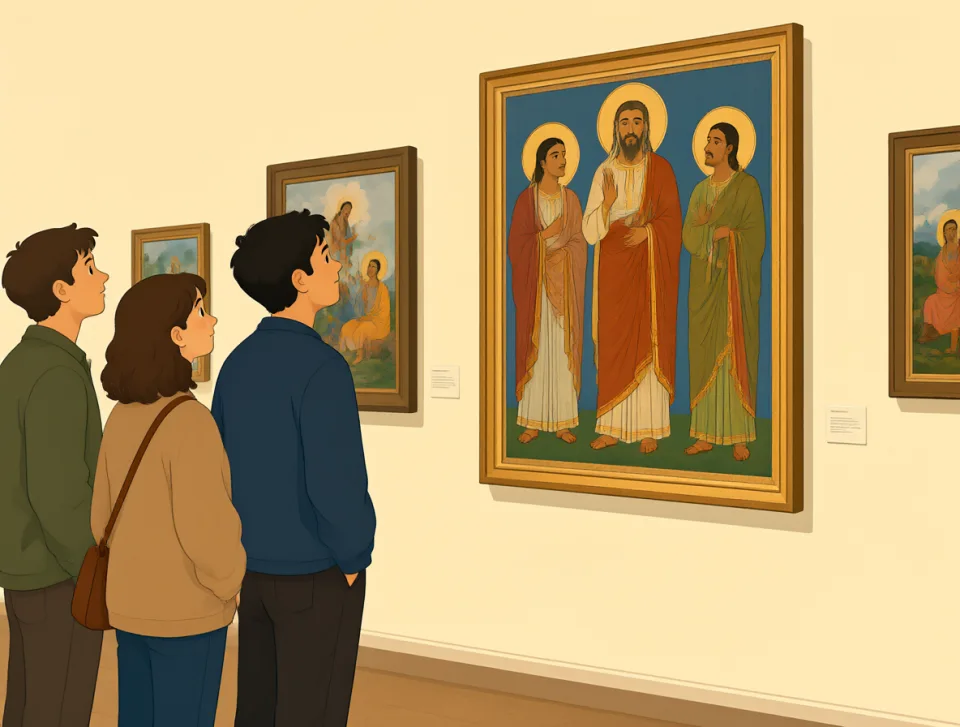
The museum displays art from many religions around the world.
این موزه آثاری هنری از دینهای مختلف سراسر جهان را به نمایش میگذارد.

employer
#1702noun
کارفرما
A person or company that pays people to work for them.
فرد یا شرکتی که به افراد پول میدهد تا برایش کار کنند.

My employer pays me every Friday.
کارفرمایم هر جمعه به من حقوق میدهد.

Her employer offered flexible hours after she had a baby.
کارفرمایش بعد از بچهدار شدن او، ساعتهای کاری انعطافپذیری به او پیشنهاد داد.

The employer is looking for someone with cooking experience.
کارفرما به دنبال فردی با تجربهٔ آشپزی است.

Your employer should provide a safe place to work.
کارفرمای شما باید محیطی امن برای کار فراهم کند.

The company became a good employer for local students.
این شرکت به کارفرمای خوبی برای دانشجویان محلی تبدیل شد.
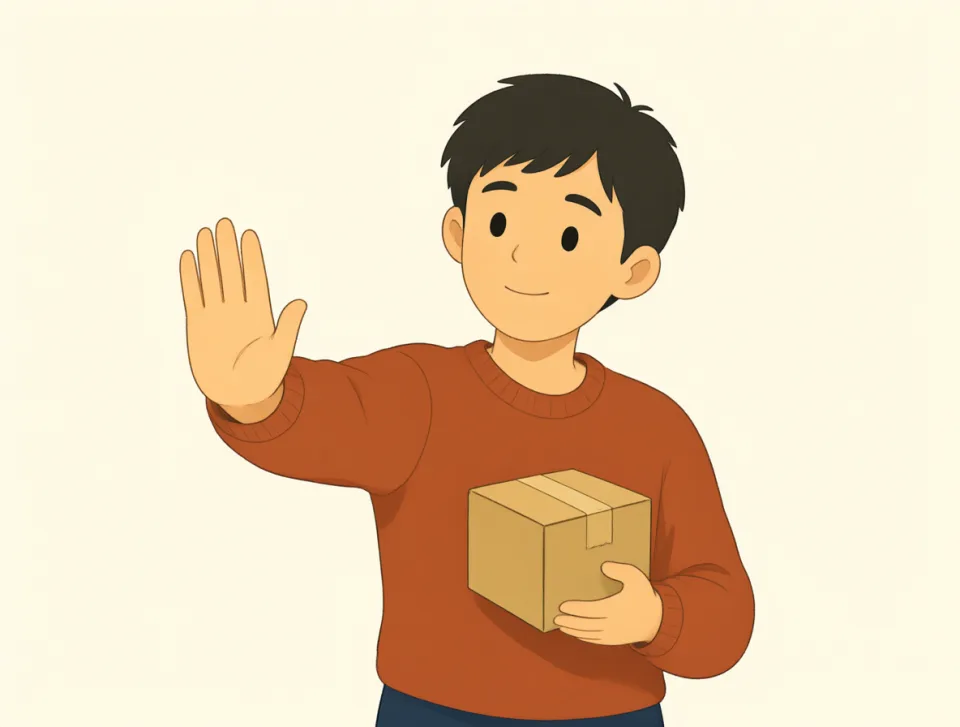
reject
#1703verb
رد کردن
to refuse to accept, approve, or use someone or something
نپذیرفتن، تأیید نکردن یا استفاده نکردن از کسی یا چیزی.

The company rejected my job application after the interview.
شرکت بعد از مصاحبه، درخواست استخدام من را رد کرد.

She rejected his offer to help carry the heavy boxes.
او پیشنهاد کمکش برای حمل جعبههای سنگین را رد کرد.
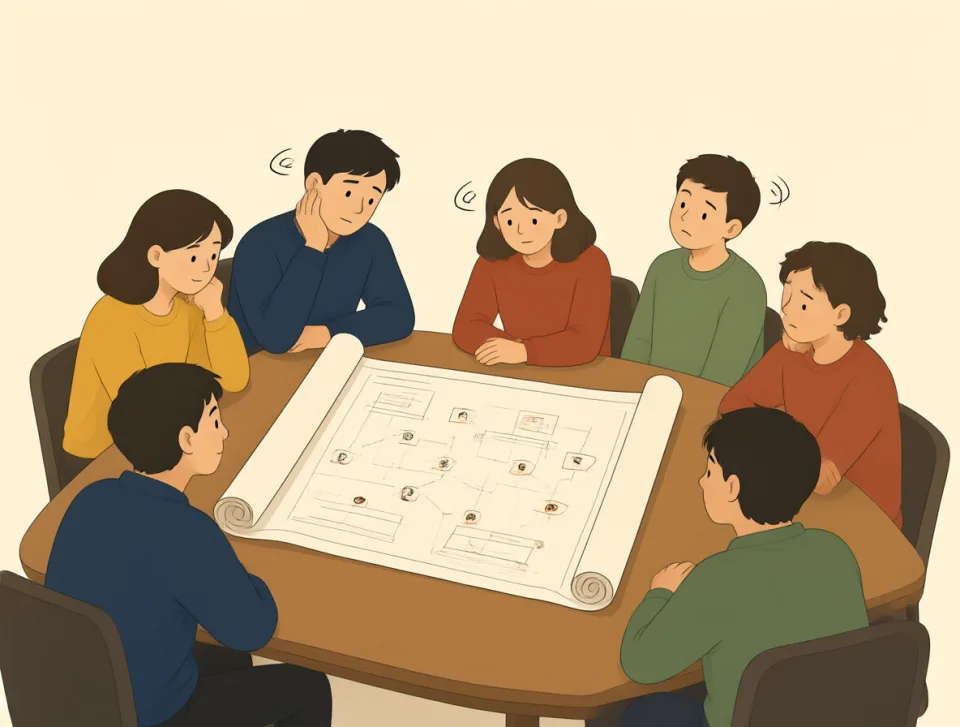
The committee rejected the plan because it was too expensive.
کمیته این طرح را رد کرد، چون بیش از حد گران بود.

The shop rejected my return because the shirt was damaged.
فروشگاه درخواست مرجوعی من را رد کرد، چون پیراهن آسیب دیده بود.
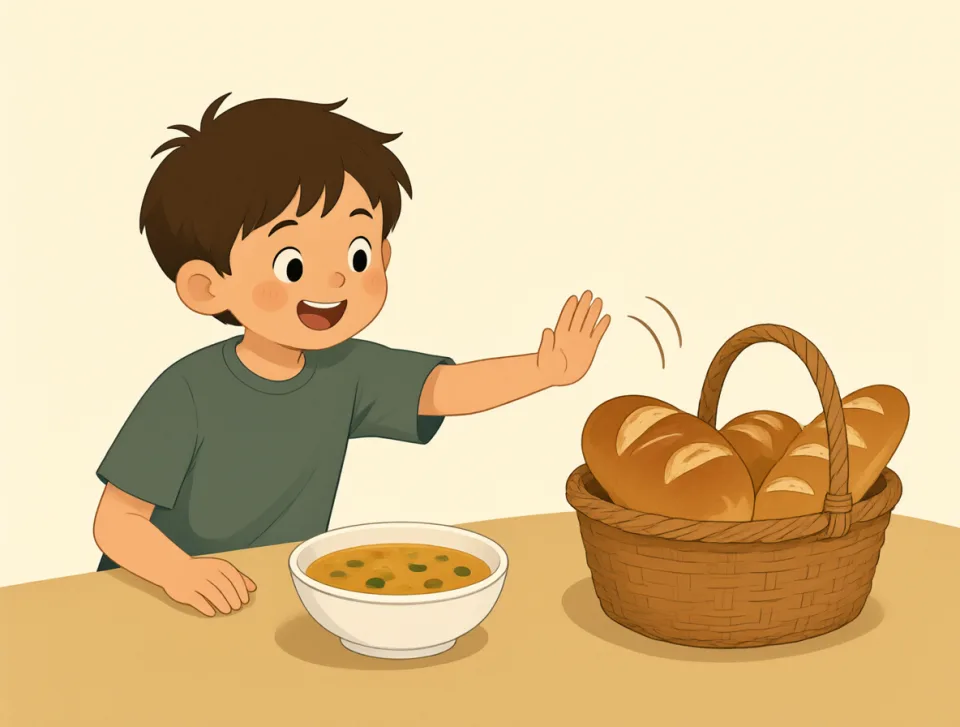
The child rejected the soup and asked for bread.
بچه سوپ را رد کرد و نان خواست.
latter
#1704adjective, noun
دومی؛ مورد دوم
The second of two people or things mentioned.
دومین مورد از میان دو فرد یا چیزی که ذکر شدهاند.
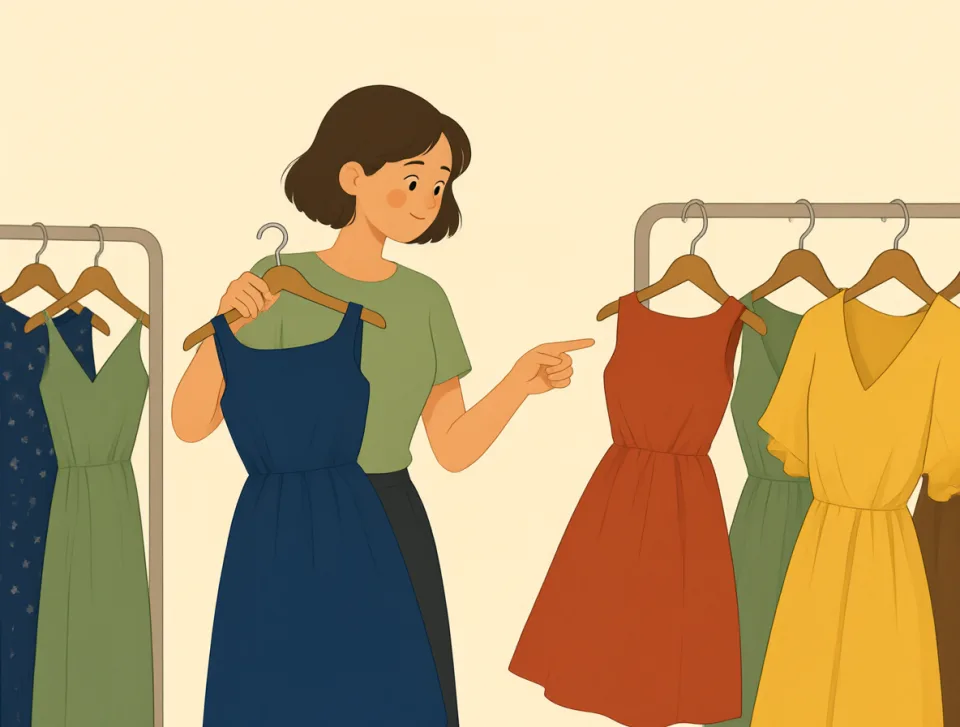
Of the two dresses, I prefer the latter because it is cheaper.
از بین این دو لباس، دومی را ترجیح میدهم چون ارزانتر است.
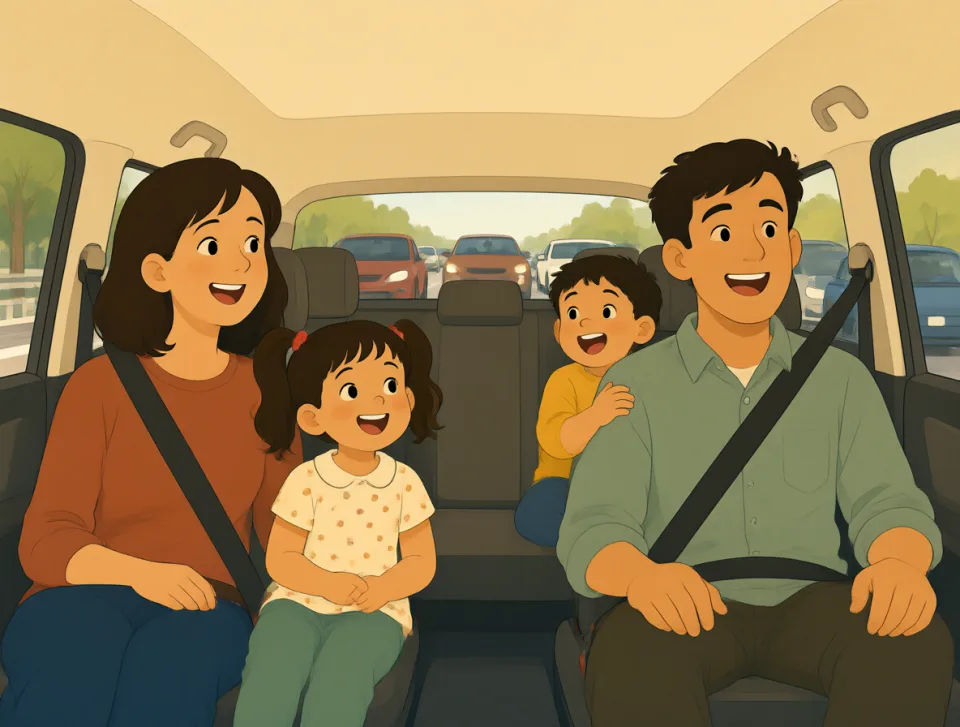
The latter part of the journey was slow because of heavy traffic.
بخش دوم سفر بهدلیل ترافیک سنگین بهآرامی گذشت.
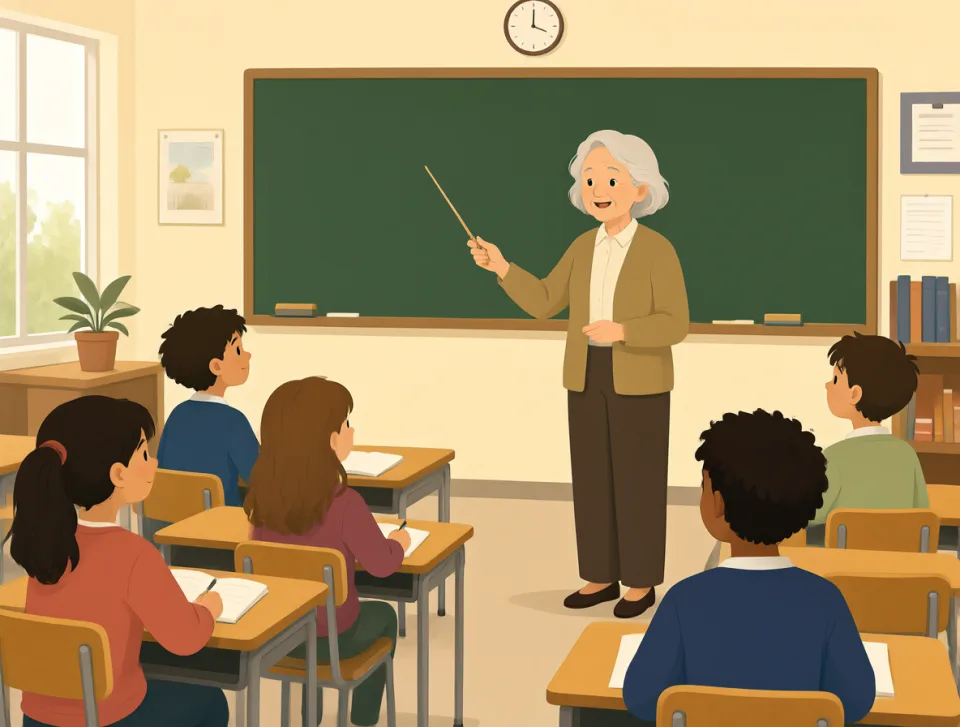
The latter half of the lesson was easier for everyone.
نیمهٔ دوم درس برای همه آسانتر بود.

We discussed two plans, but chose the latter for our trip.
دربارهٔ دو برنامه صحبت کردیم، اما برای سفرمان دومی را انتخاب کردیم.

The latter option includes breakfast and free airport transport.
گزینهٔ دوم شامل صبحانه و حملونقل رایگان از فرودگاه است.
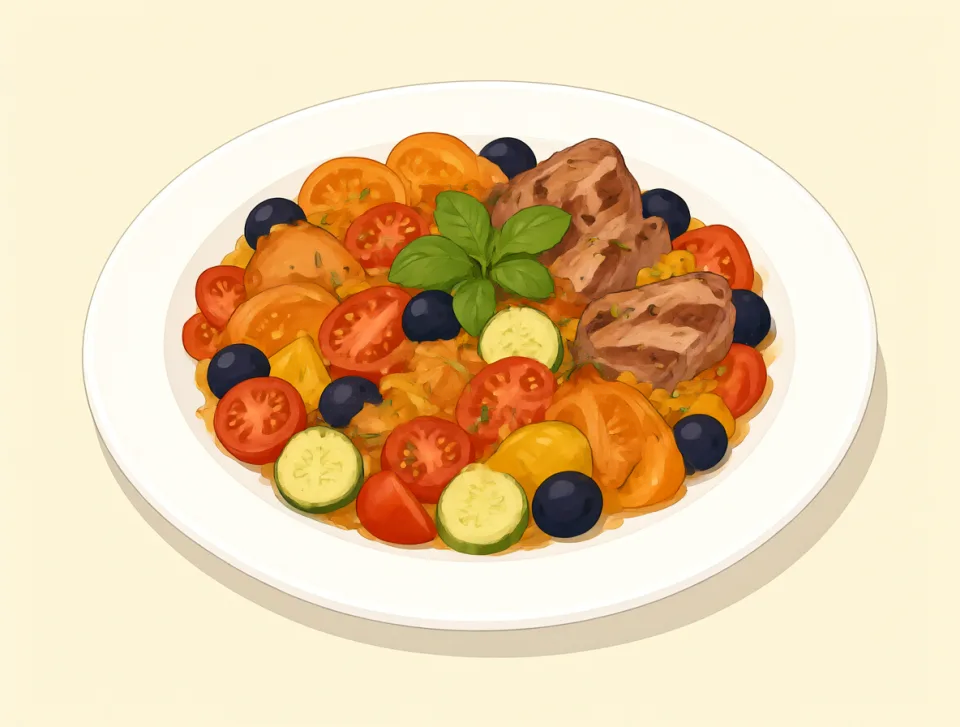
plate
#1705noun, verb
بشقاب
a flat dish for holding and serving food
ظرفی تخت برای نگهداری و سرو غذا.
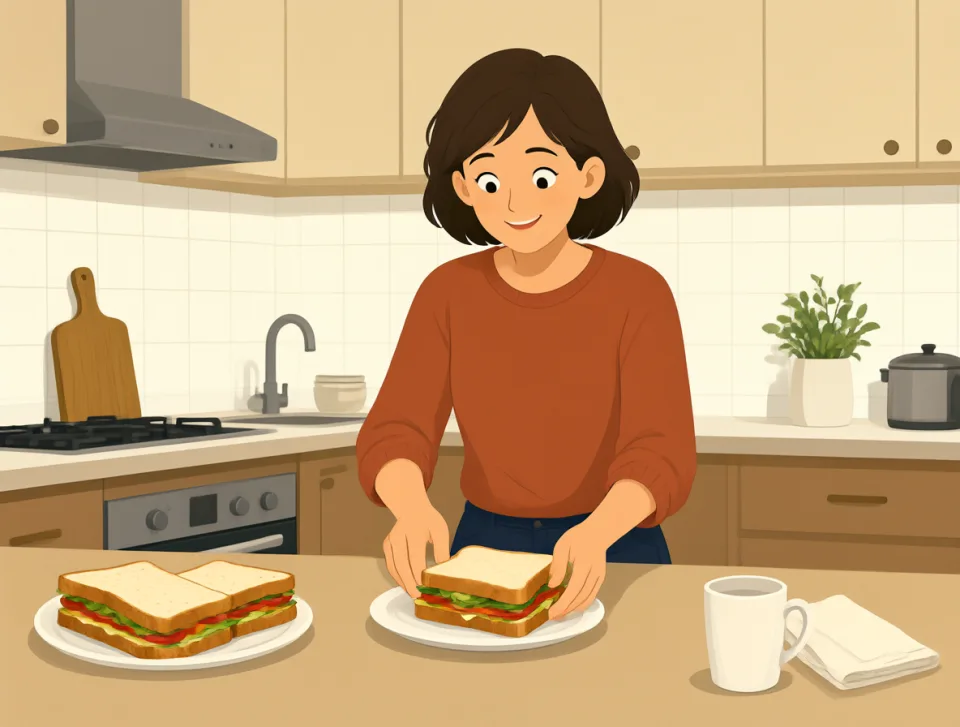
She put the sandwiches on a clean plate.
او ساندویچها را روی یک بشقاب تمیز گذاشت.
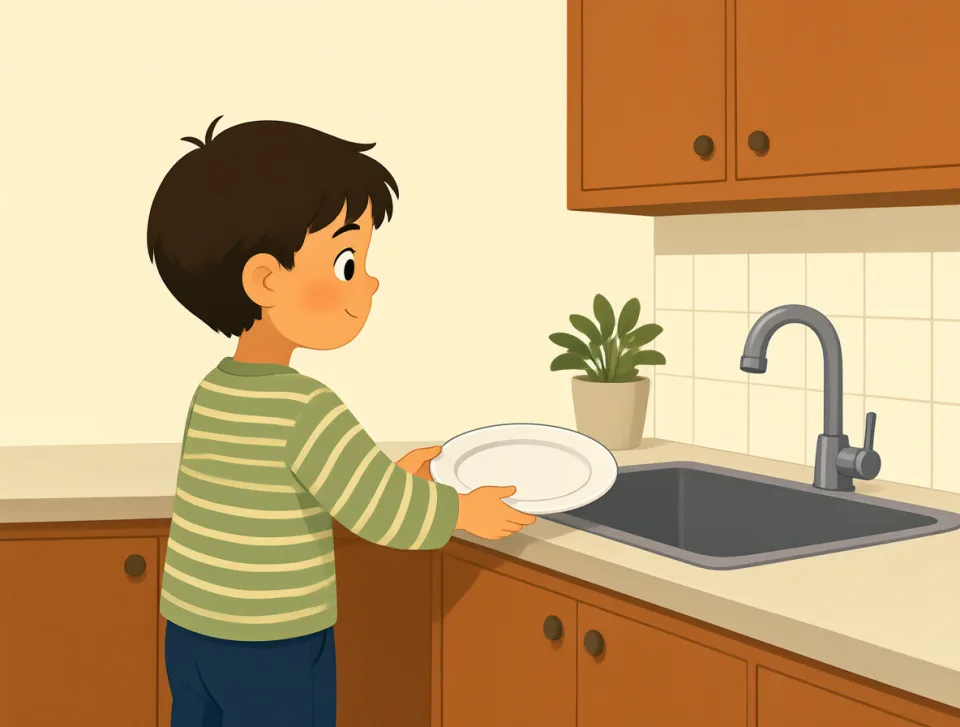
Please wash your plate after dinner.
لطفاً بعد از شام بشقابت را بشوی.
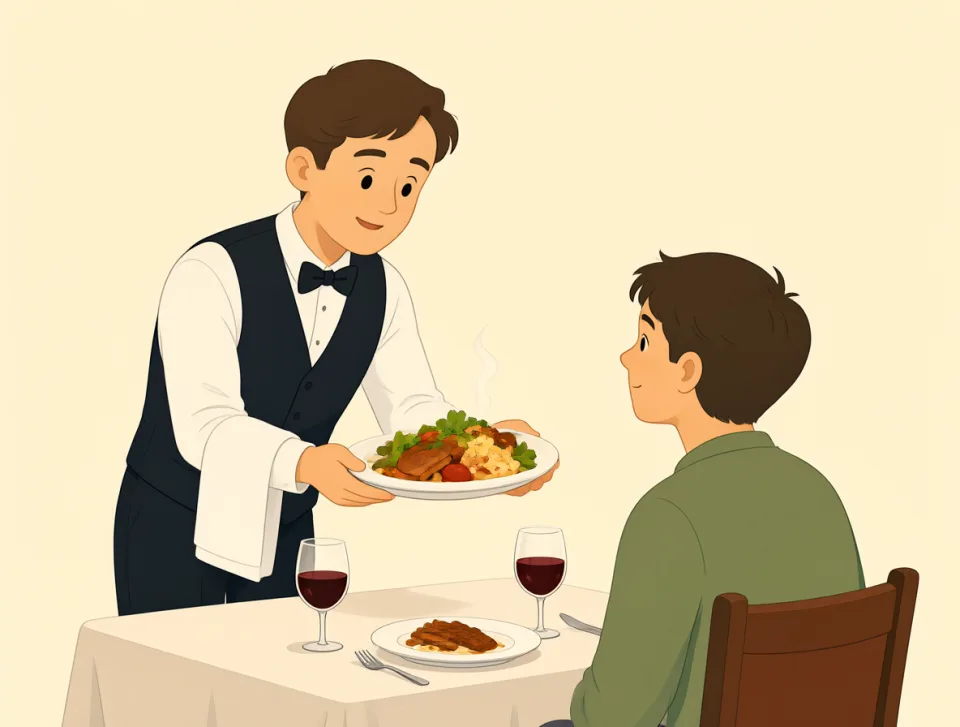
The restaurant served the meal on a large plate.
رستوران غذا را در یک بشقاب بزرگ سرو کرد.
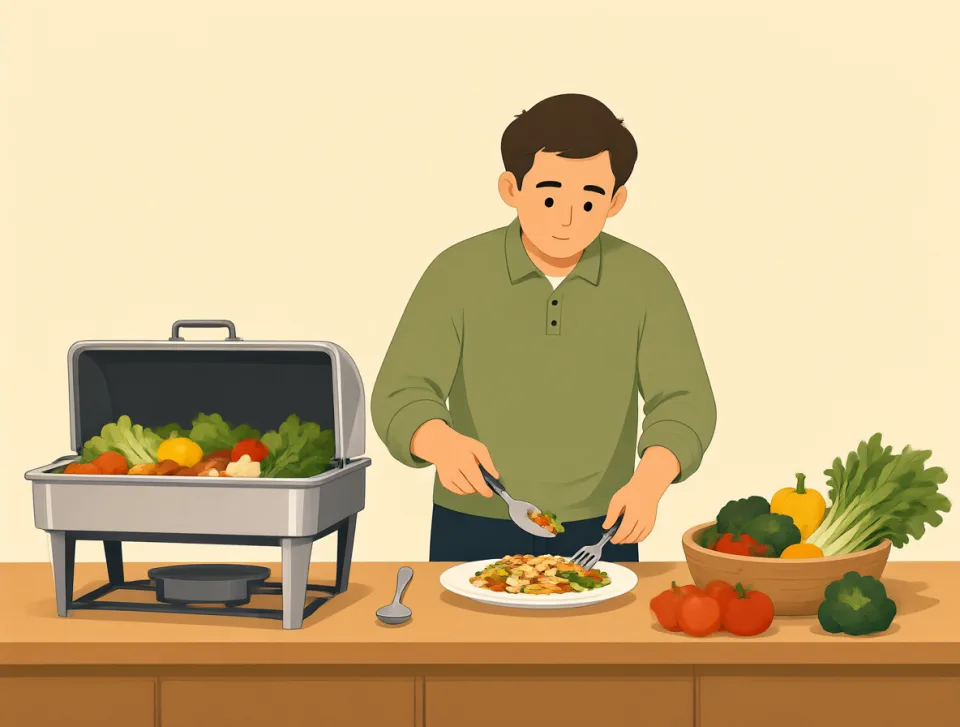
He filled his plate with vegetables at the buffet.
او در بوفه بشقابش را از سبزیجات پر کرد.

The mechanic plated the small metal parts with gold.
آن مکانیک روی قطعات فلزی کوچک را با طلا آبکاری کرد.
ban
#1706noun, verb
ممنوع کردن
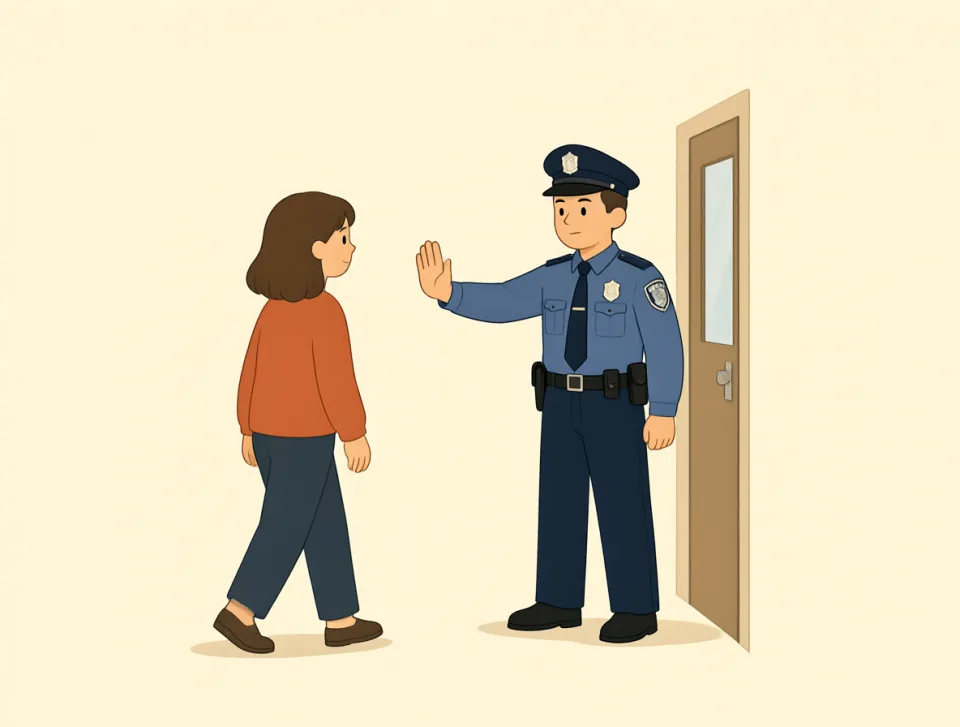
To officially stop someone from doing something, or to say that something is not allowed.
رسماً مانع انجام کاری شدن یا اعلام کردن اینکه کاری مجاز نیست.
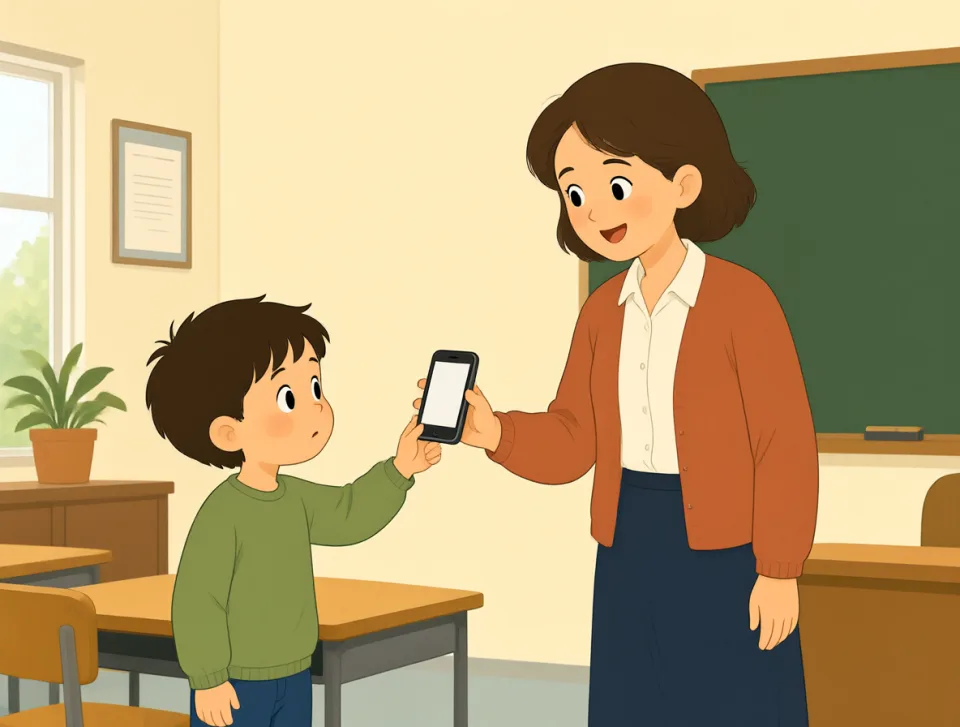
The school banned mobile phones during lessons.
مدرسه استفاده از تلفن همراه را در طول کلاس ممنوع کرد.
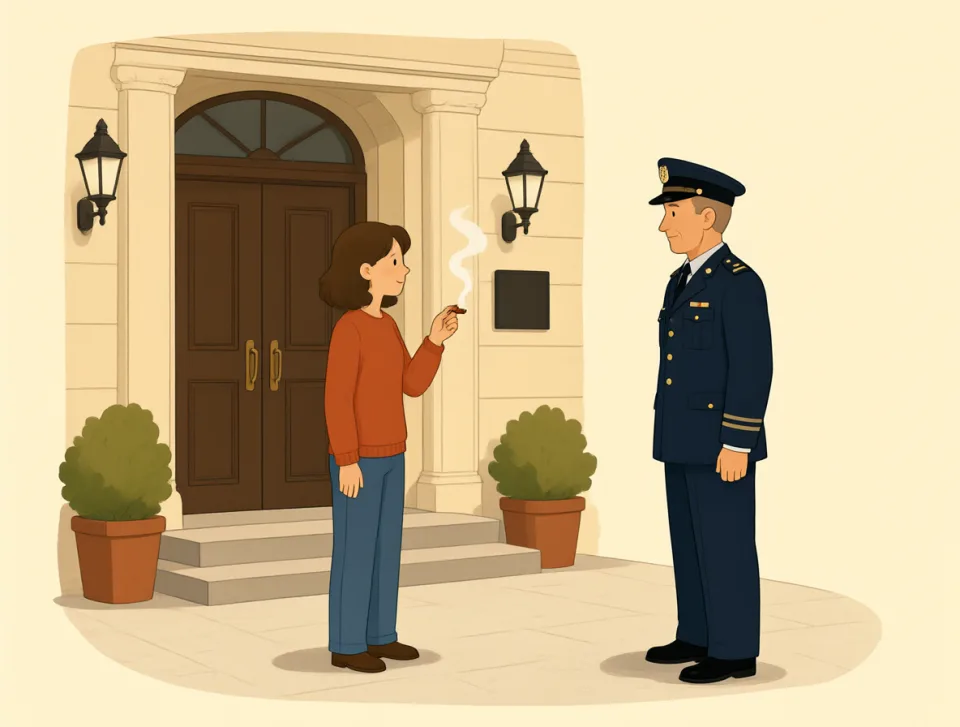
The government banned smoking in public places.
دولت سیگار کشیدن در مکانهای عمومی را ممنوع کرد.
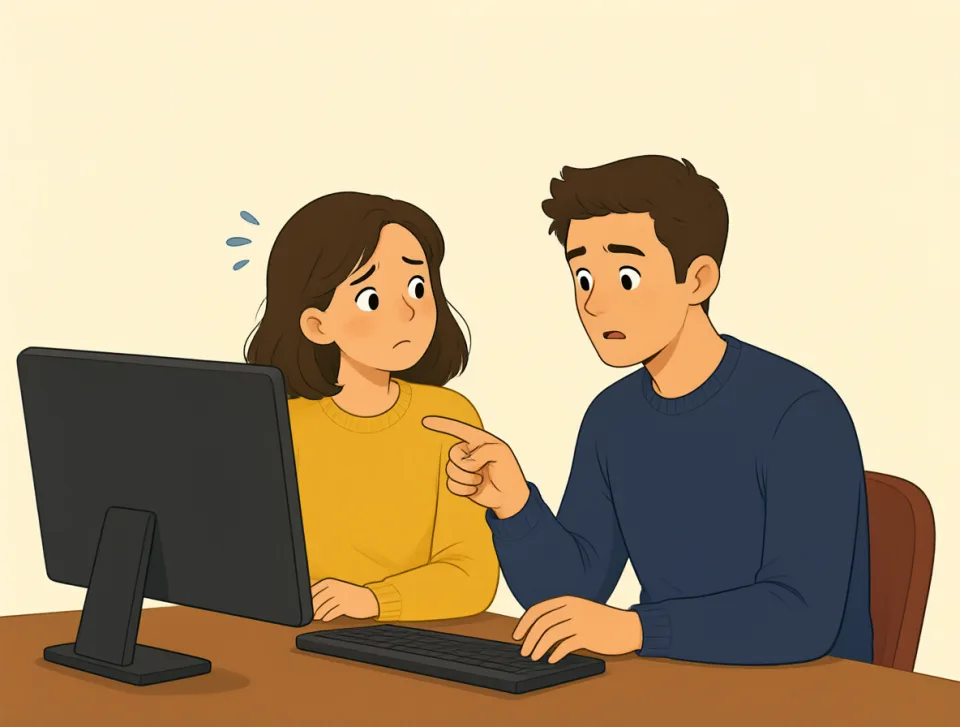
The website banned him for sharing dangerous videos.
وبسایت بهخاطر بهاشتراکگذاشتن ویدئوهای خطرناک، دسترسی او را مسدود کرد.
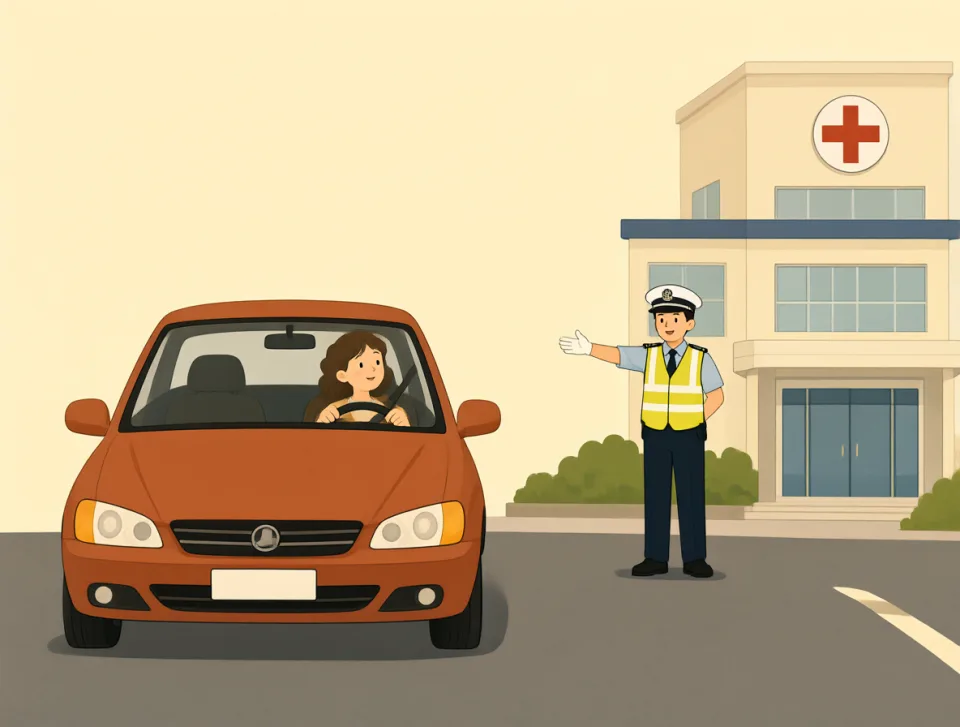
There is a ban on parking outside the hospital.
پارک کردن جلوی بیمارستان ممنوع است.
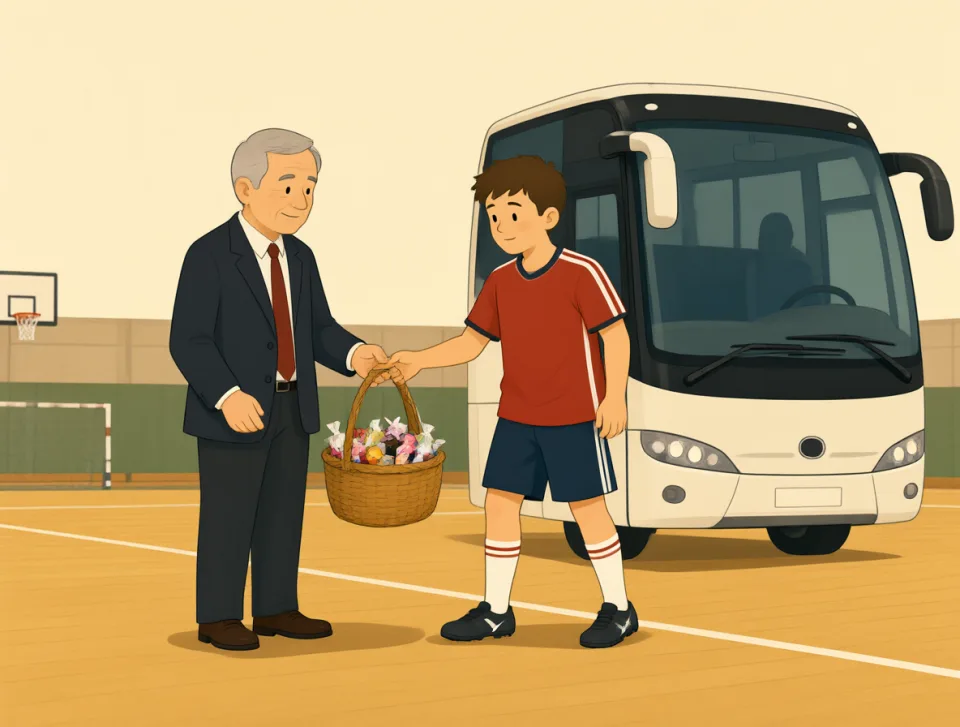
The coach banned sweets before the important game.
مربی خوردن شیرینی را پیش از بازی مهم ممنوع کرد.
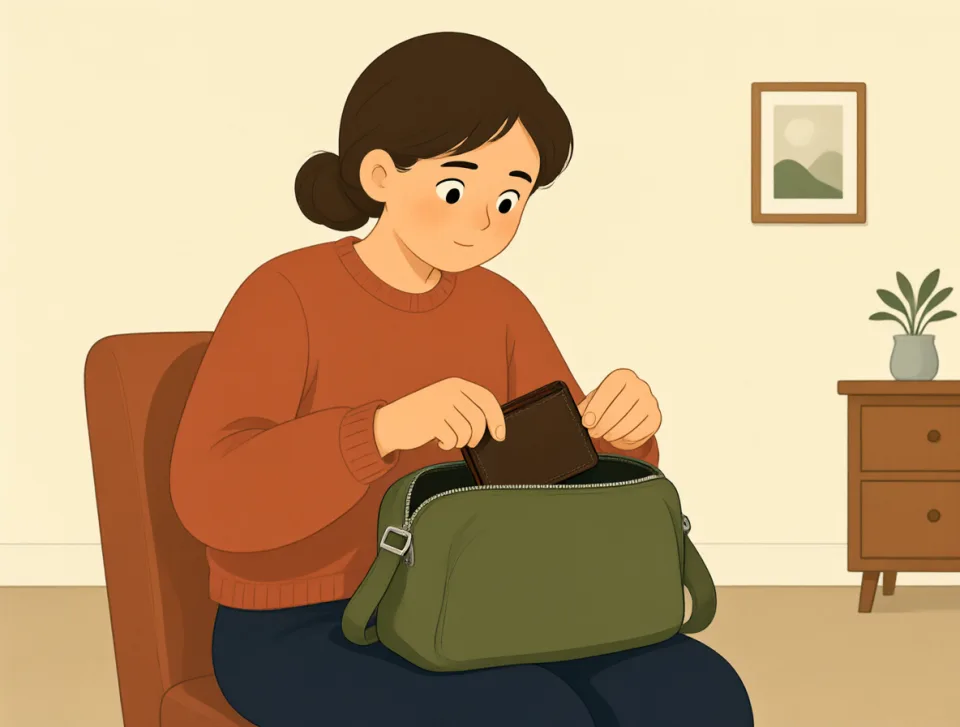
steal
#1707verb, noun
دزدیدن
To take something that belongs to someone else without permission.
بدون اجازه چیزی را که متعلق به شخص دیگری است برداشتن.
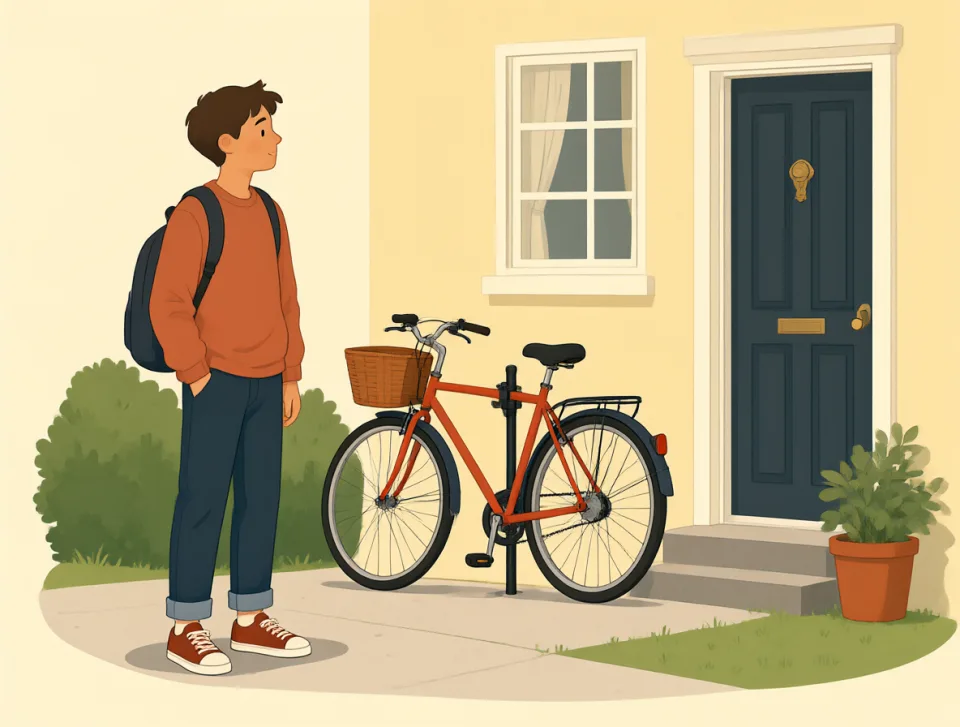
Someone stole my bike from outside the house.
یک نفر دوچرخهام را از جلوی خانه دزدید.
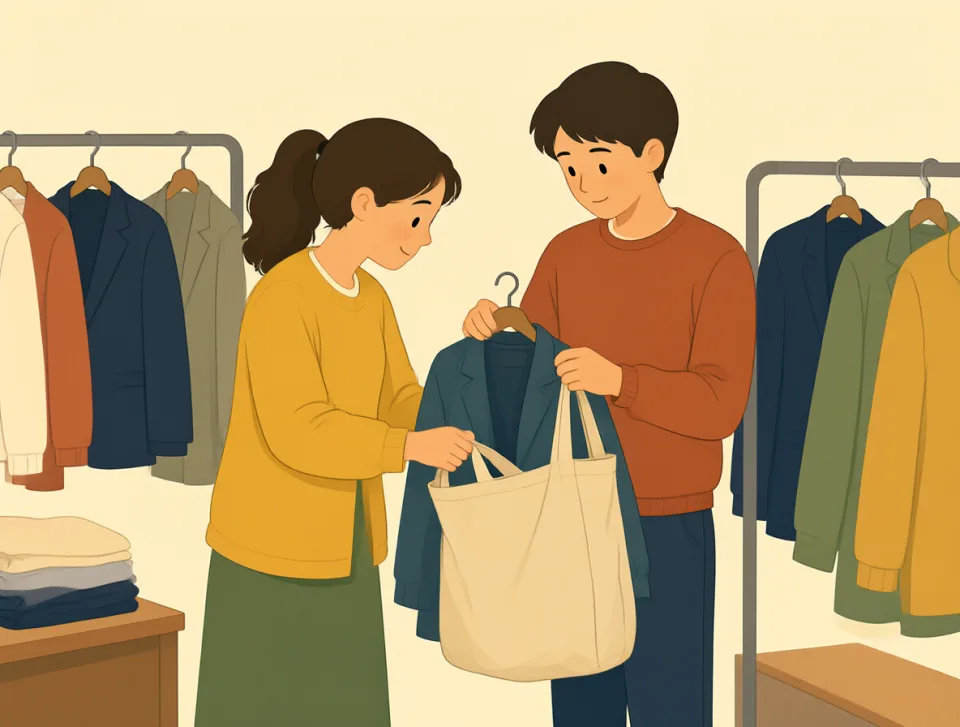
The shoplifter tried to steal a jacket from the store.
دزد فروشگاه سعی کرد یک کت از مغازه بدزدد.
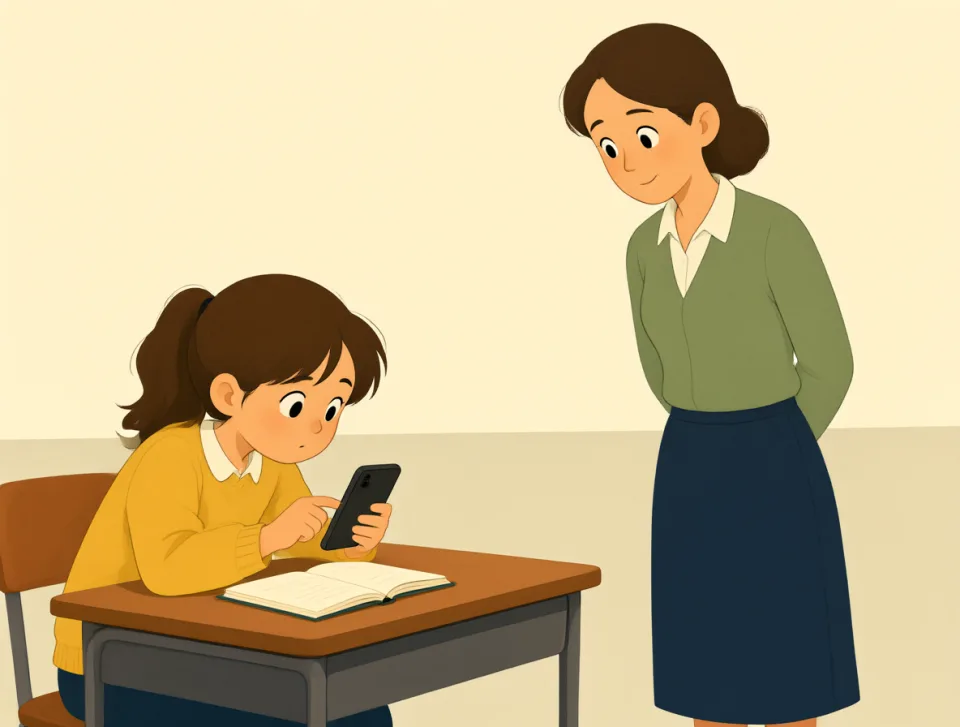
He stole a quick look at his phone during class.
او وسط کلاس یواشکی نگاهی به تلفنش انداخت.
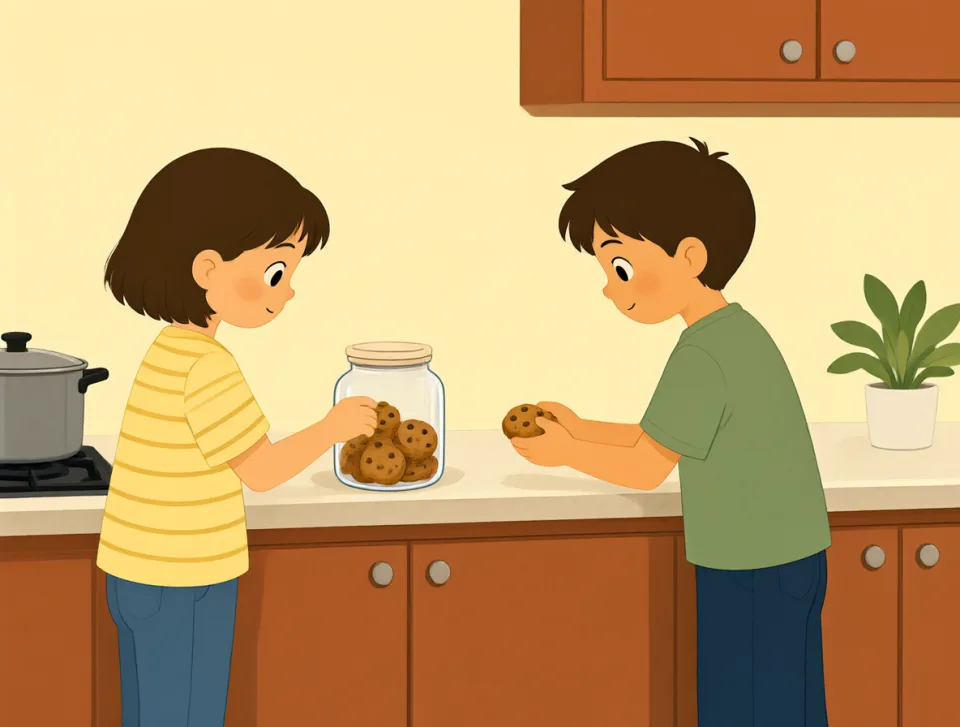
The children stole some cookies from the kitchen.
بچهها چند تا کلوچه از آشپزخانه دزدیدند.

That little mistake stole my confidence at work.
آن اشتباه کوچک اعتمادبهنفسم را در محل کار از بین برد.

protest
#1708noun, verb
اعتراض
A public action or statement showing strong disagreement with something.
اقدام یا بیانی عمومی برای نشان دادن مخالفت شدید با چیزی.

Thousands joined the protest against the new law.
هزاران نفر در اعتراض به قانون جدید شرکت کردند.
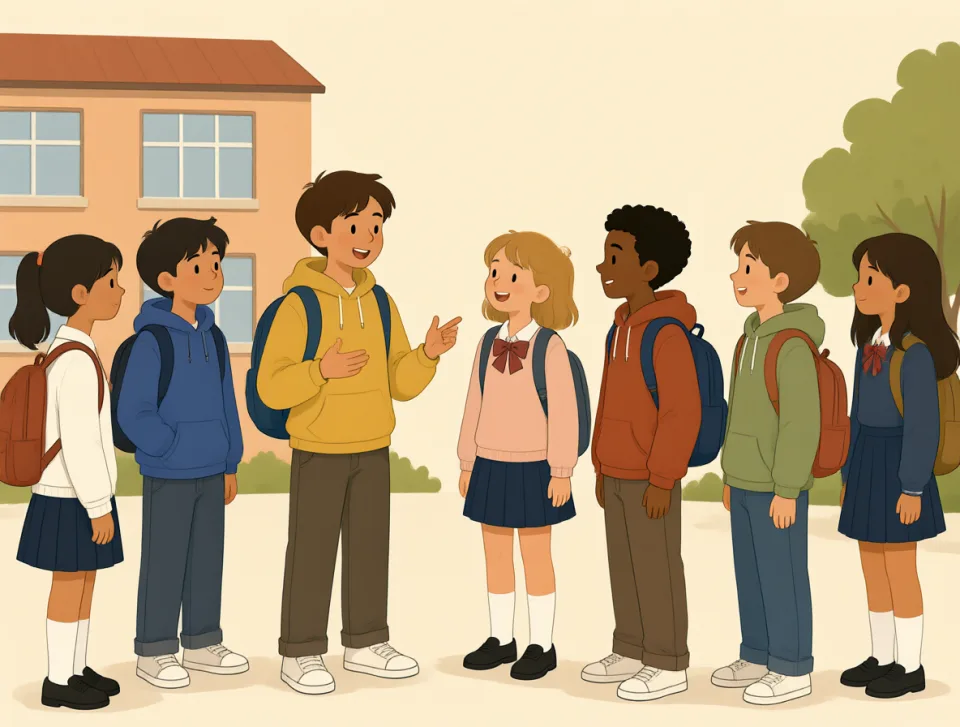
Students protested when their school closed the library.
دانشآموزان وقتی مدرسهشان کتابخانه را تعطیل کرد، اعتراض کردند.

She protested that the restaurant had charged her twice.
او اعتراض کرد که رستوران هزینه را دو بار از او گرفته است.
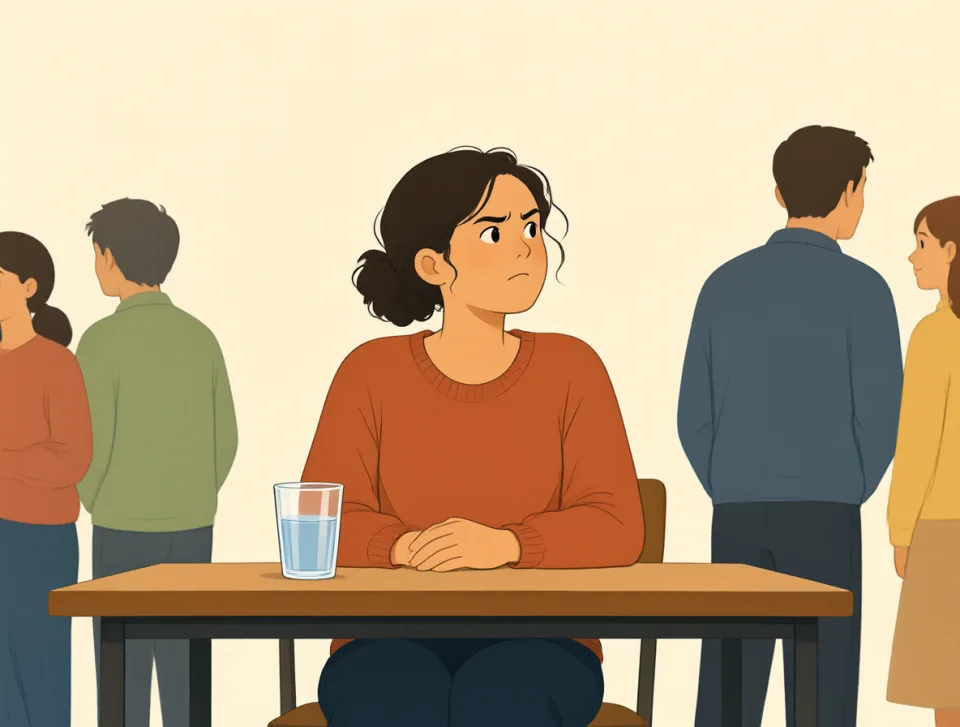
He began a hunger protest to demand better treatment.
او برای درخواست برخورد بهتر، اعتصاب غذا را آغاز کرد.
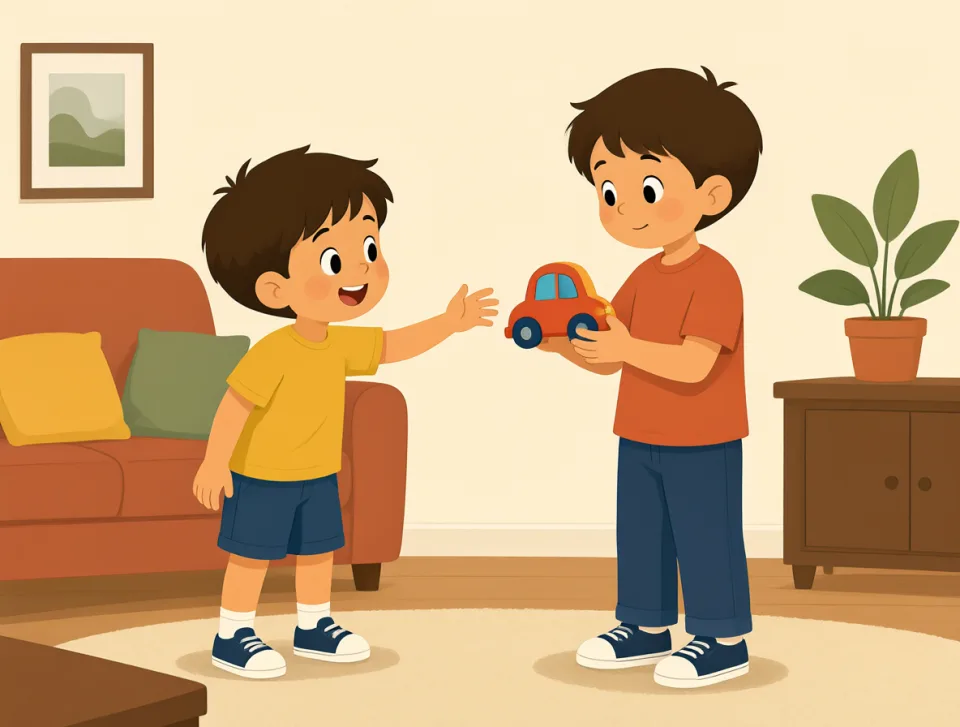
My little brother protested when I took his toy.
برادر کوچکم وقتی اسباببازیاش را برداشتم، اعتراض کرد.
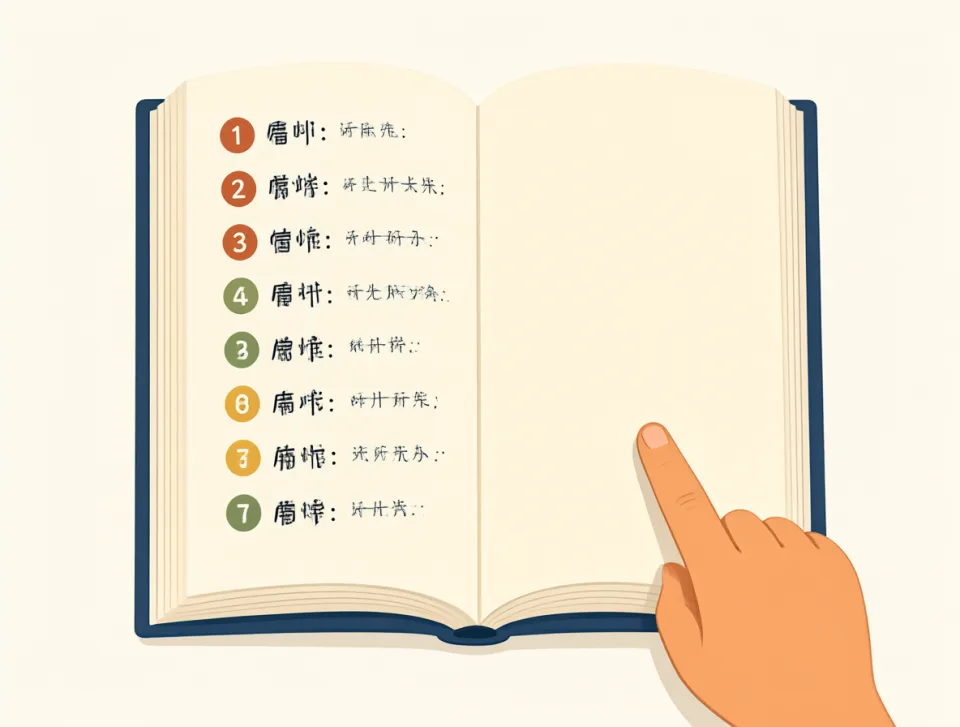
index
#1709noun, verb
نمایه؛ شاخص
A list that helps you find information, or a number showing size or change.
فهرستی که به شما کمک میکند اطلاعاتی را پیدا کنید، یا عددی که اندازه یا تغییر را نشان میدهد.
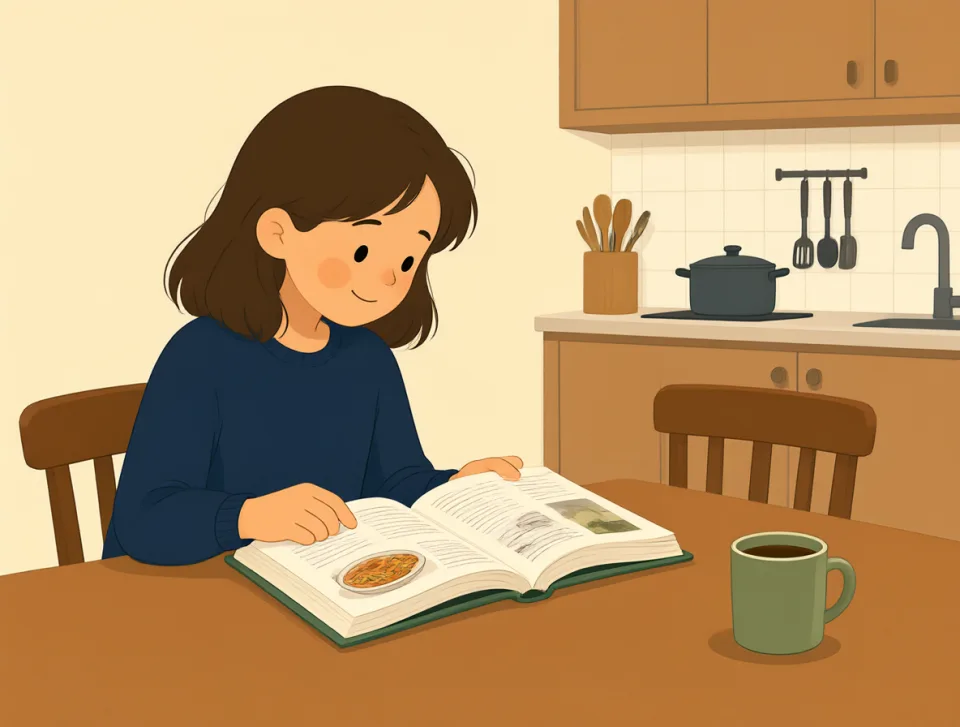
Check the index to find the page about healthy food.
برای پیدا کردن صفحهای دربارهٔ غذای سالم، نمایه را بررسی کنید.
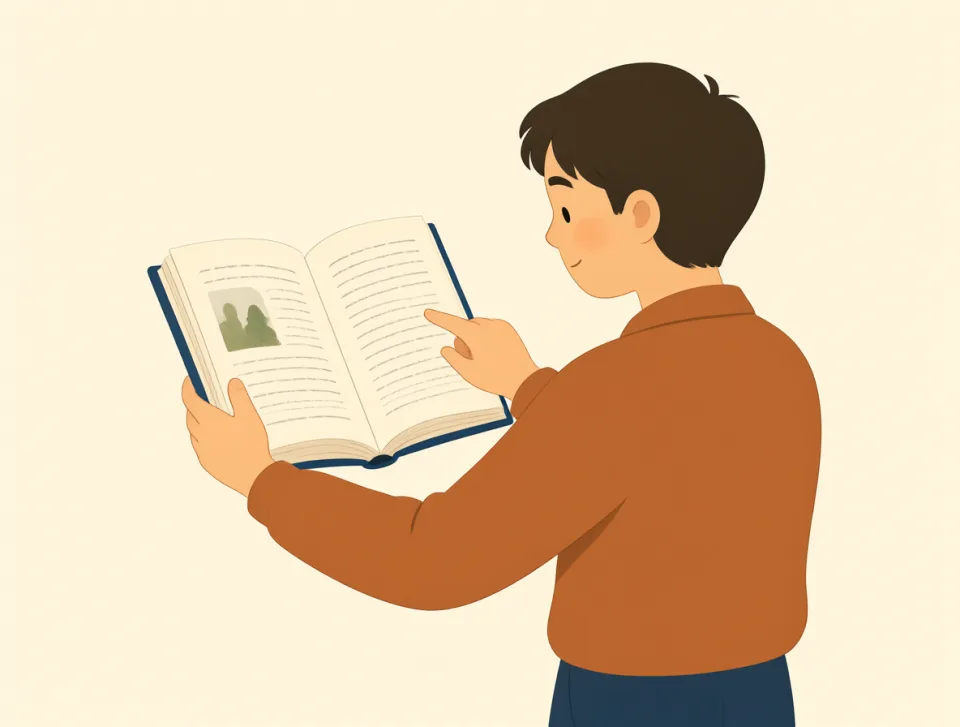
The book has a useful index at the back.
کتاب در انتهایش نمایهٔ مفیدی دارد.
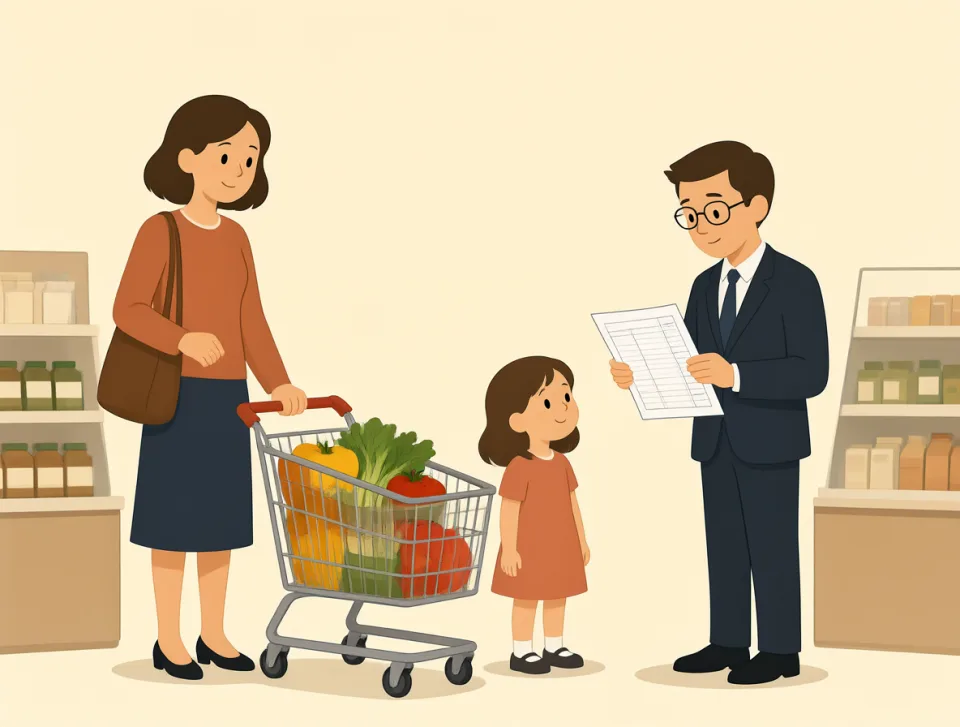
Prices increased according to the cost of living index.
قیمتها متناسب با شاخص هزینهٔ زندگی افزایش یافتند.
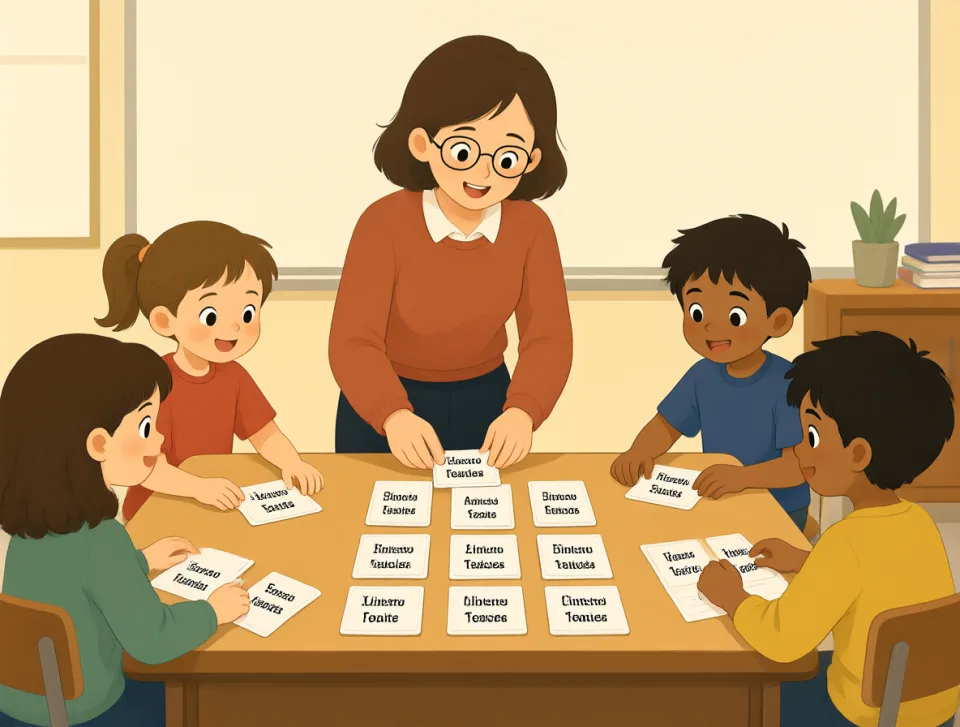
The teacher indexed the students' names by their last names.
معلم نام دانشآموزان را بر اساس نام خانوادگیشان نمایهبندی کرد.
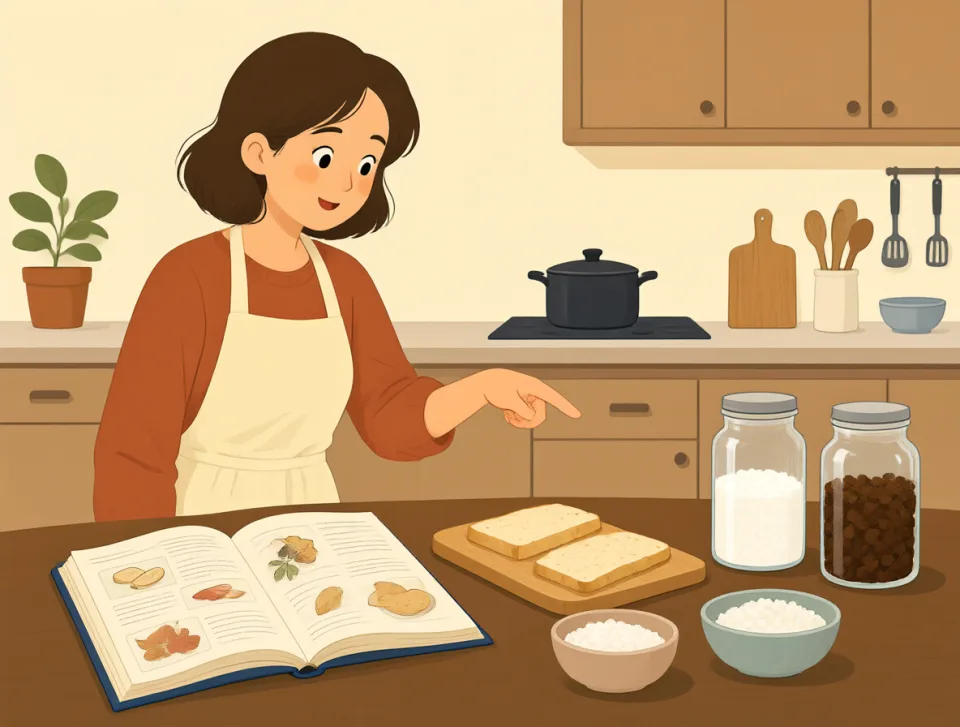
She used her finger to index each item in the recipe.
او با انگشتش هر مورد را در دستور پخت مشخص کرد.
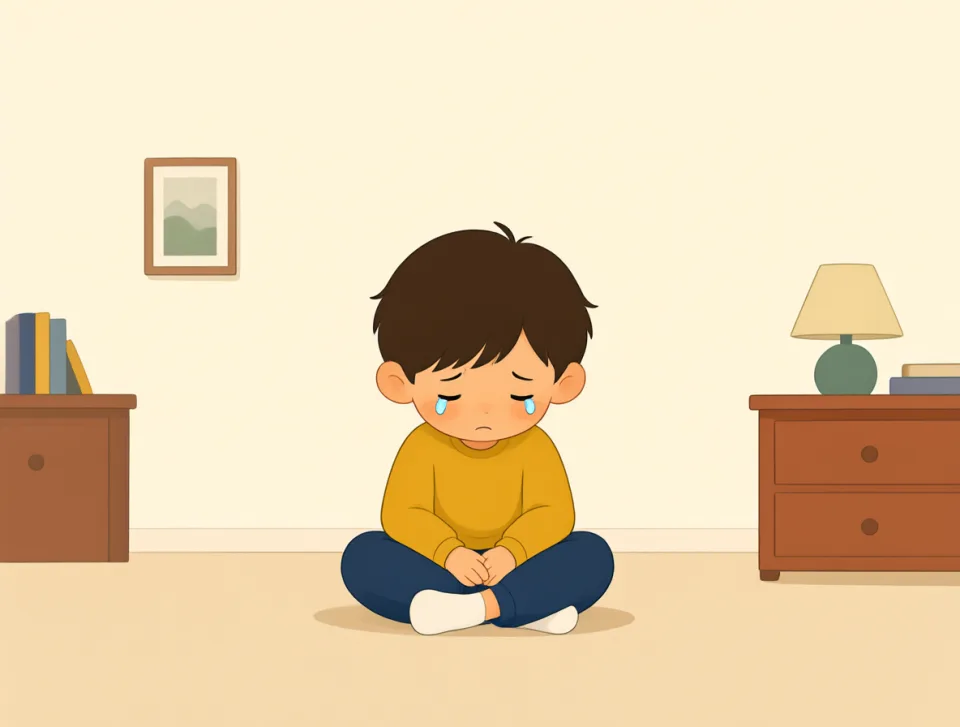
sad
#1710adjective
غمگین
Feeling unhappy, often because something bad happened.
احساس ناراحتی، اغلب بهدلیل اینکه اتفاق بدی افتاده است.
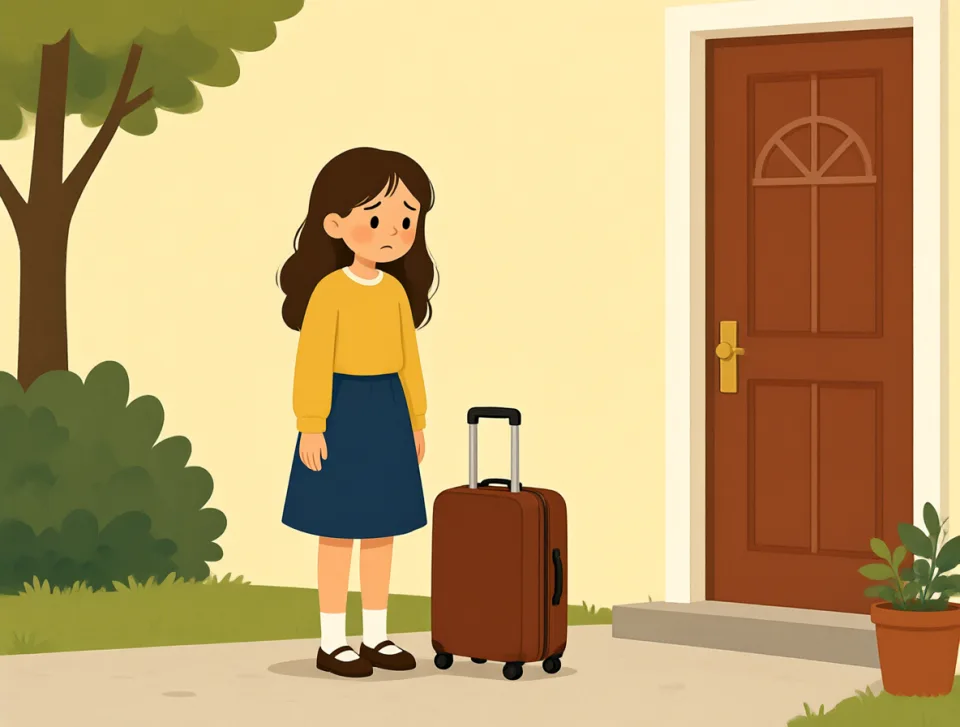
She felt sad when her best friend moved away.
وقتی بهترین دوستم از آنجا رفت، غمگین شدم.
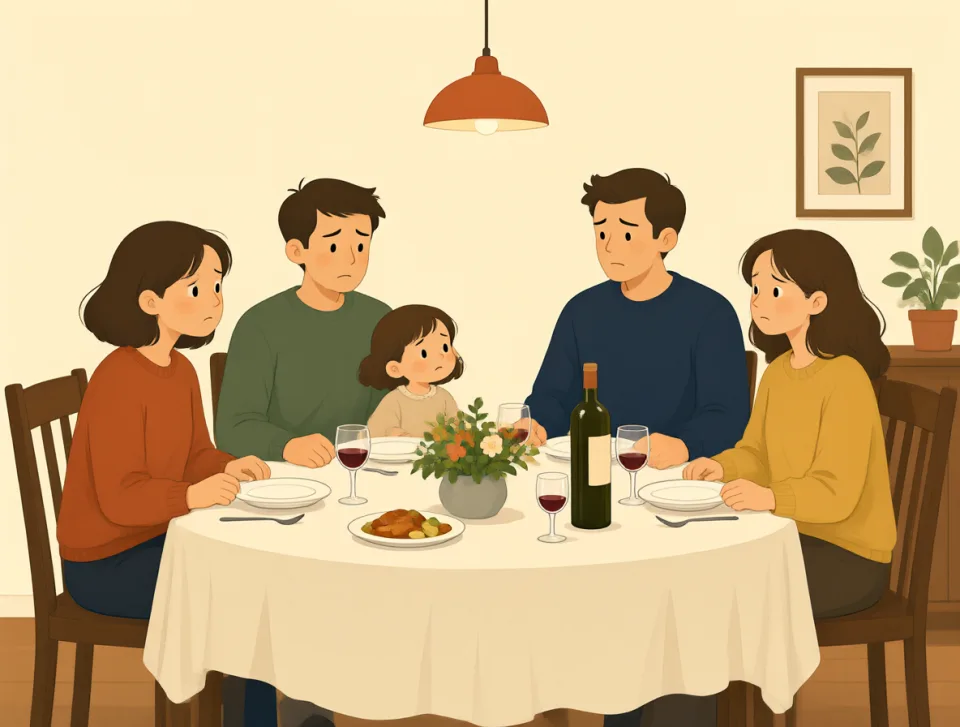
The sad news made everyone quiet at dinner.
خبر ناراحتکننده همه را سر میز شام ساکت کرد.
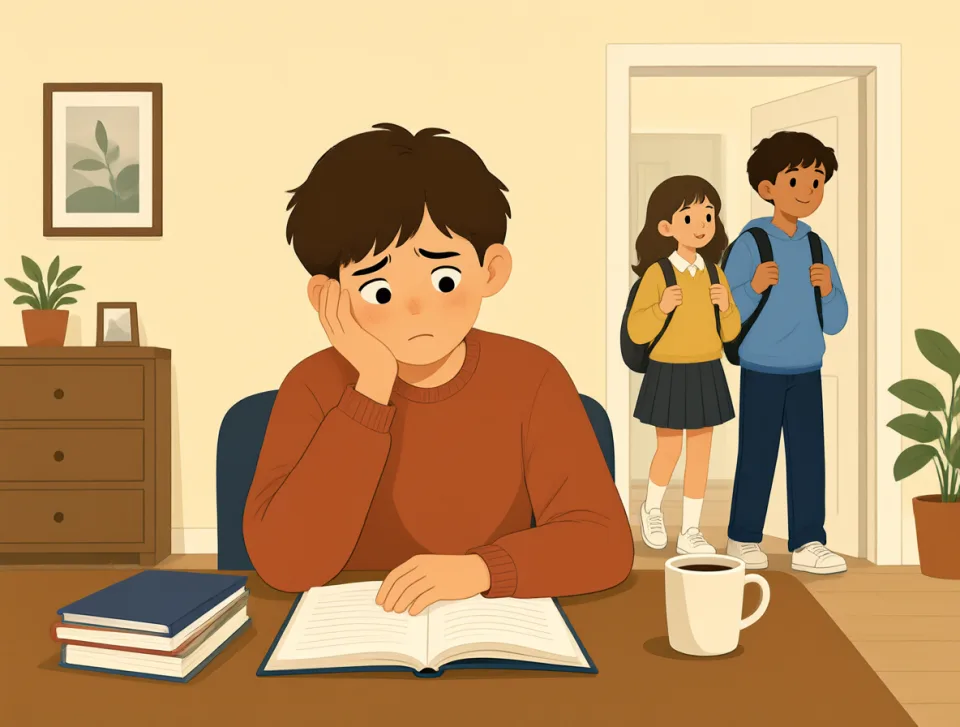
I was sad about missing the school trip.
از اینکه نتوانستم به گردش مدرسه بروم ناراحت بودم.
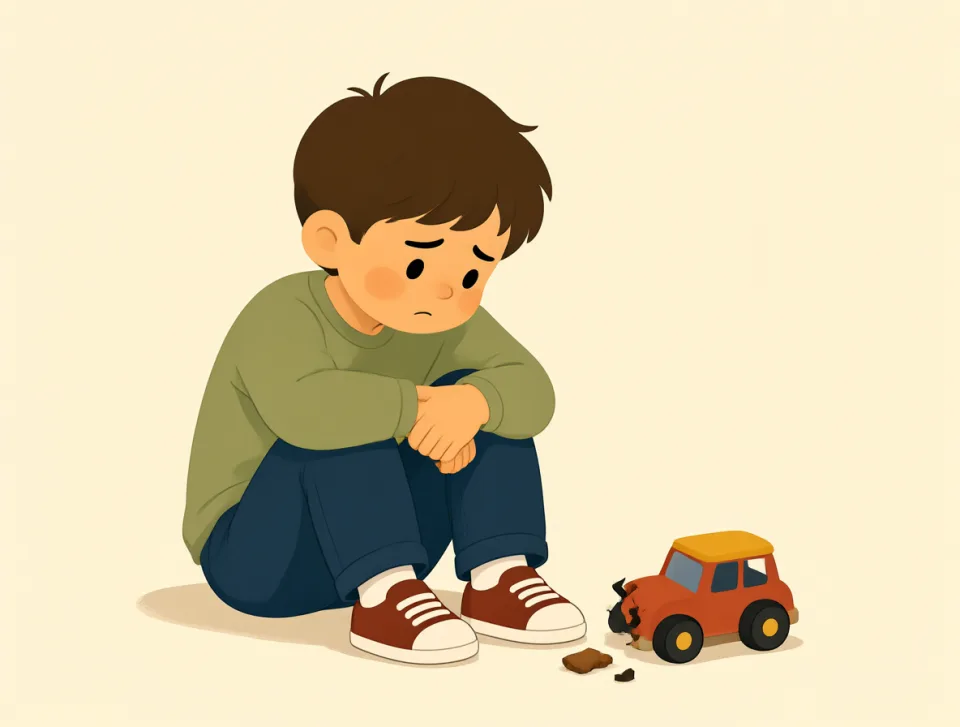
He looked sad after losing his favorite toy.
او پس از گم کردن اسباببازی موردعلاقهاش غمگین به نظر میرسید.

The movie had a sad ending, but I enjoyed it.
فیلم پایان غمانگیزی داشت، اما از آن خوشم آمد.
frequently
#1711adverb
اغلب
often or many times, especially at regular or short intervals
بهدفعات یا بارها، بهویژه در فاصلههای زمانی منظم یا کوتاه
She frequently visits her parents after work.
او بعد از کار اغلب به دیدن پدر و مادرش میرود.

The manager frequently checks our progress during meetings.
مدیر در طول جلسهها مرتب پیشرفت ما را بررسی میکند.
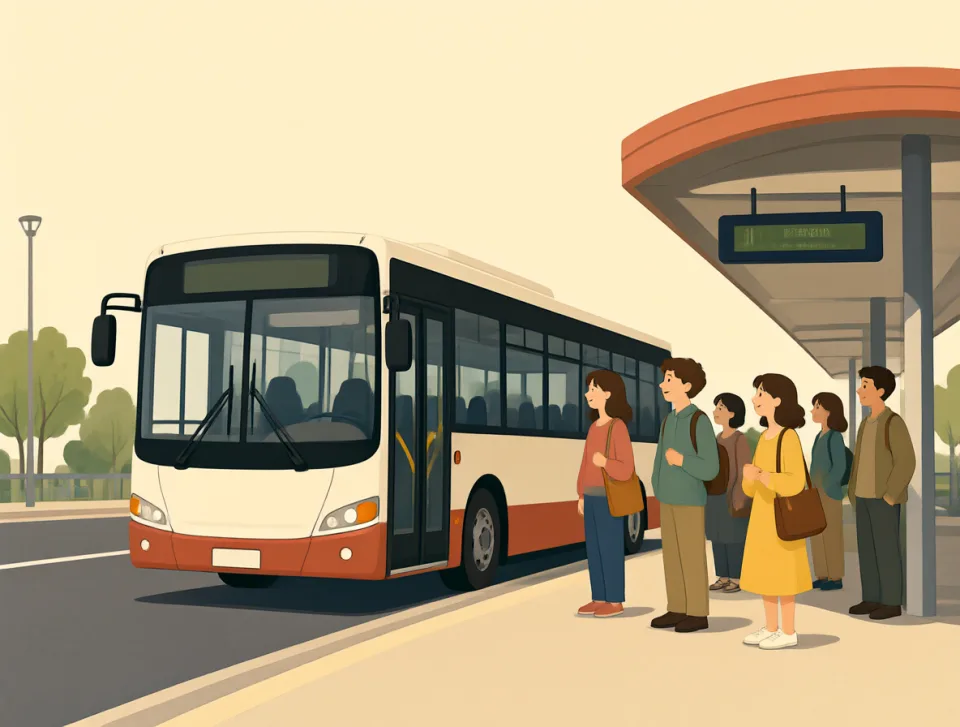
This bus frequently stops near the train station.
این اتوبوس اغلب نزدیک ایستگاه قطار توقف میکند.
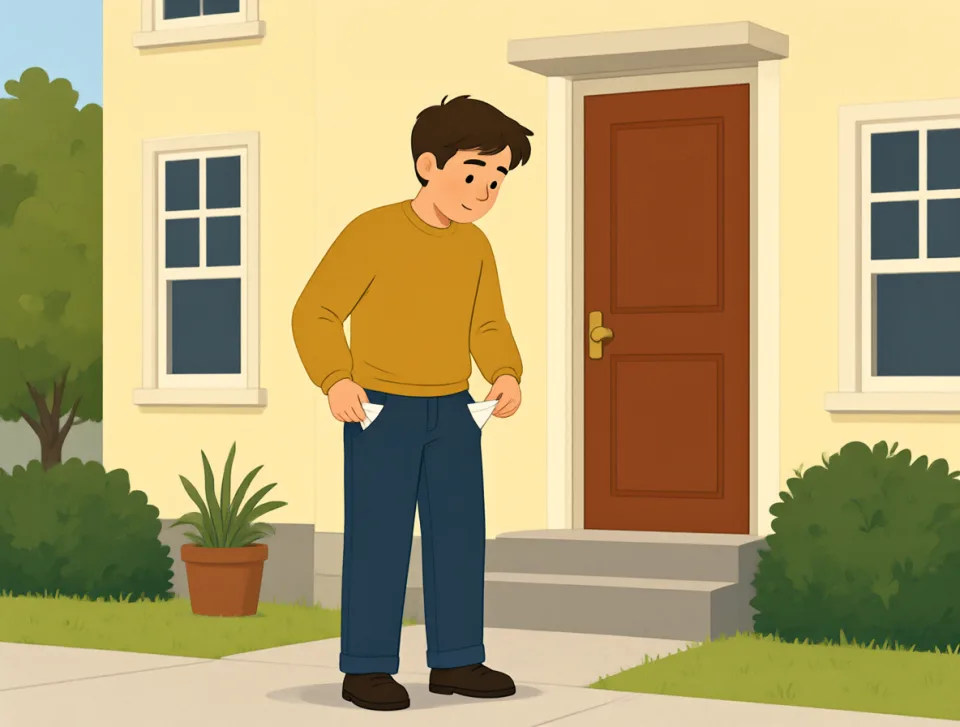
Tom frequently forgets his keys at home.
تام اغلب کلیدهایش را در خانه جا میگذارد.
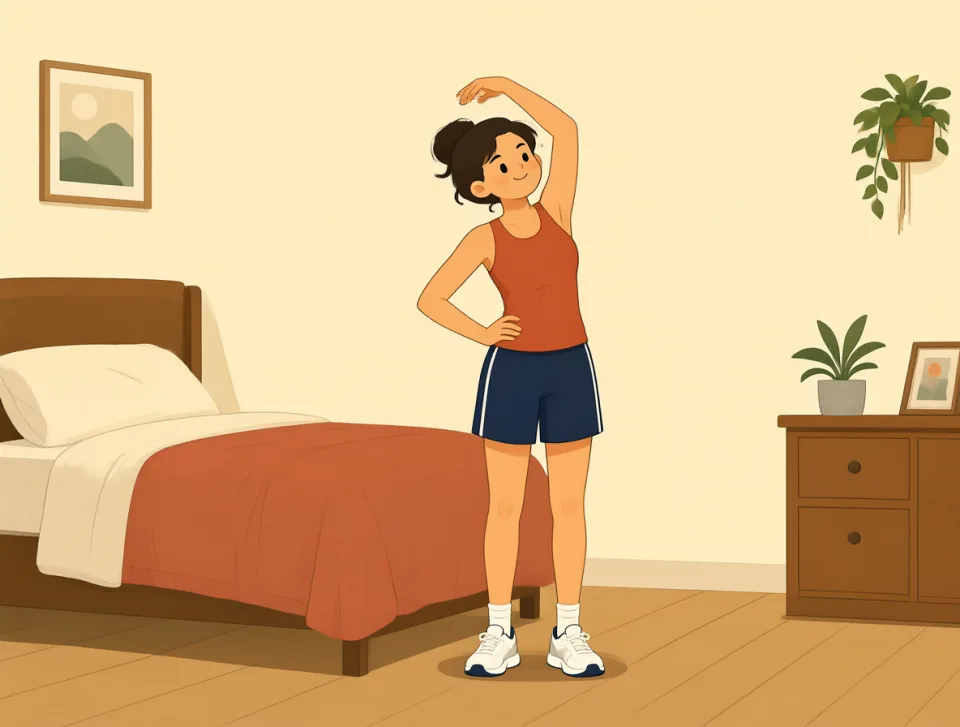
People who exercise frequently usually sleep better.
افرادی که مرتب ورزش میکنند معمولاً بهتر میخوابند.

circle
#1712noun, verb
دایره
a round shape, or to move around something in a curved path
شکلی گرد، یا حرکت کردن بهدور چیزی در مسیری منحنی

Draw a circle around the correct answer.
دور پاسخ درست یک دایره بکشید.
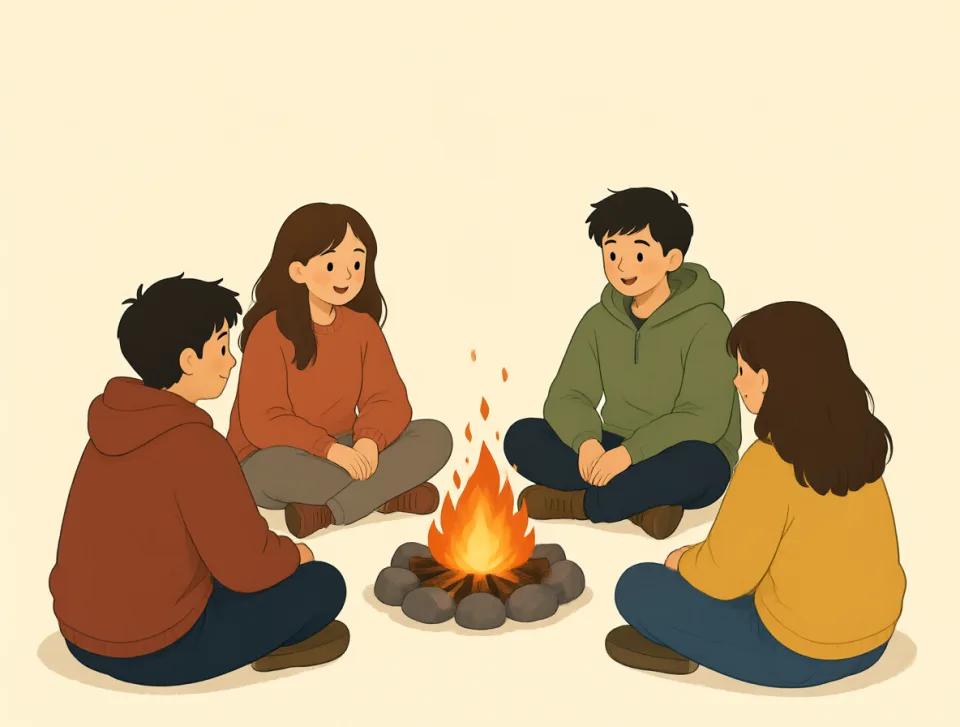
We sat in a circle around the campfire.
دور آتش اردوگاه به شکل دایره نشستیم.
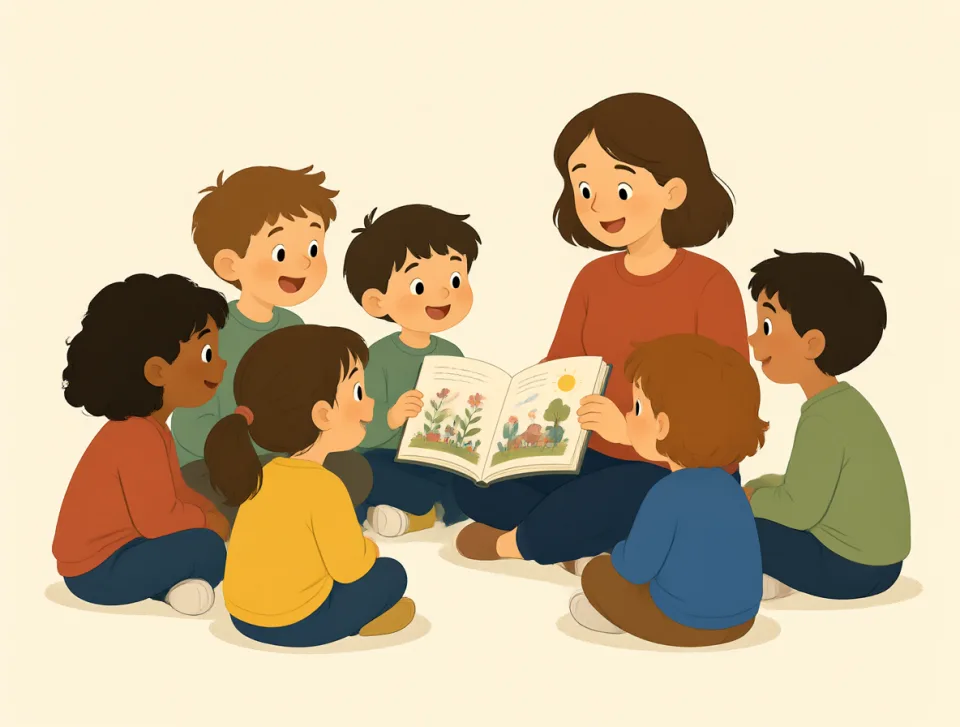
The children circled the teacher during story time.
بچهها هنگام قصهگویی دور معلم حلقه زدند.
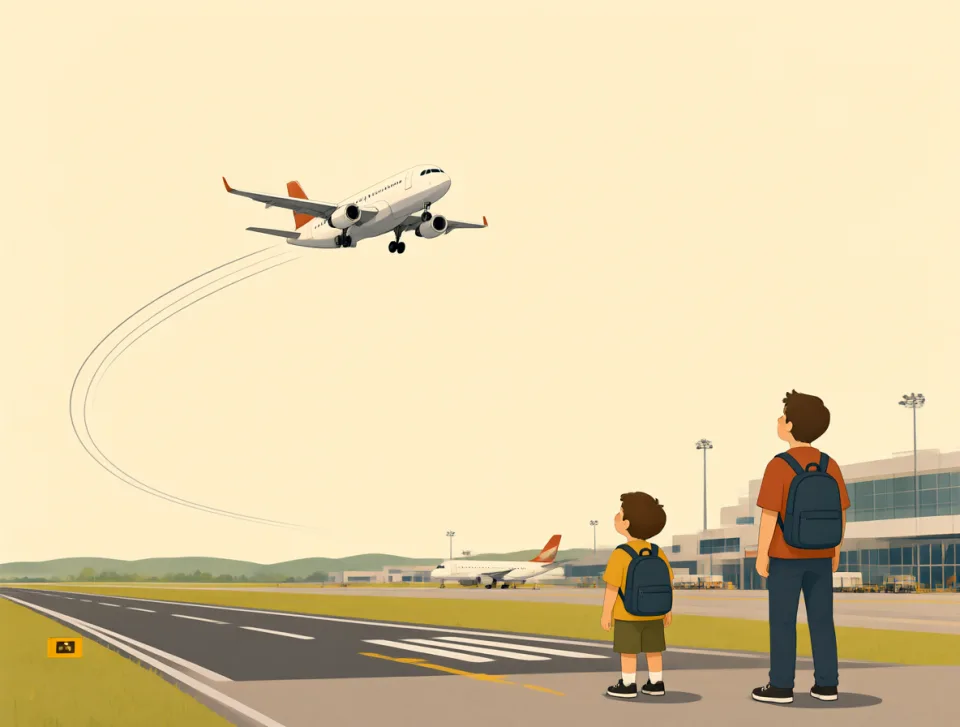
The plane circled the airport before landing.
هواپیما پیش از فرود، دور فرودگاه چرخید.

A group of friends circled the new restaurant after work.
گروهی از دوستان بعد از کار دور رستوران جدید گشتند.

helpful
#1713adjective
مفید
Useful and willing to help someone or make a situation easier.
چیزی که سودمند است و به دیگران کمک میکند یا شرایط را آسانتر میسازد.
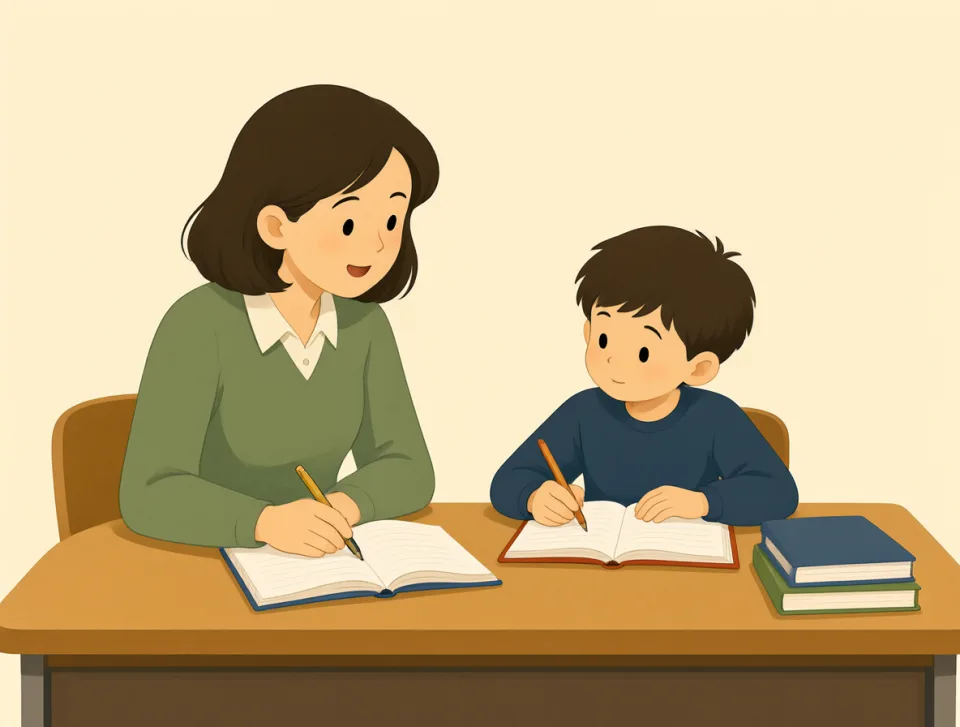
The helpful teacher explained the difficult homework again.
معلم مفید، تکلیف دشوار را دوباره توضیح داد.

This map is helpful when you are exploring a new city.
این نقشه هنگام گشتوگذار در شهری جدید به کارتان میآید.
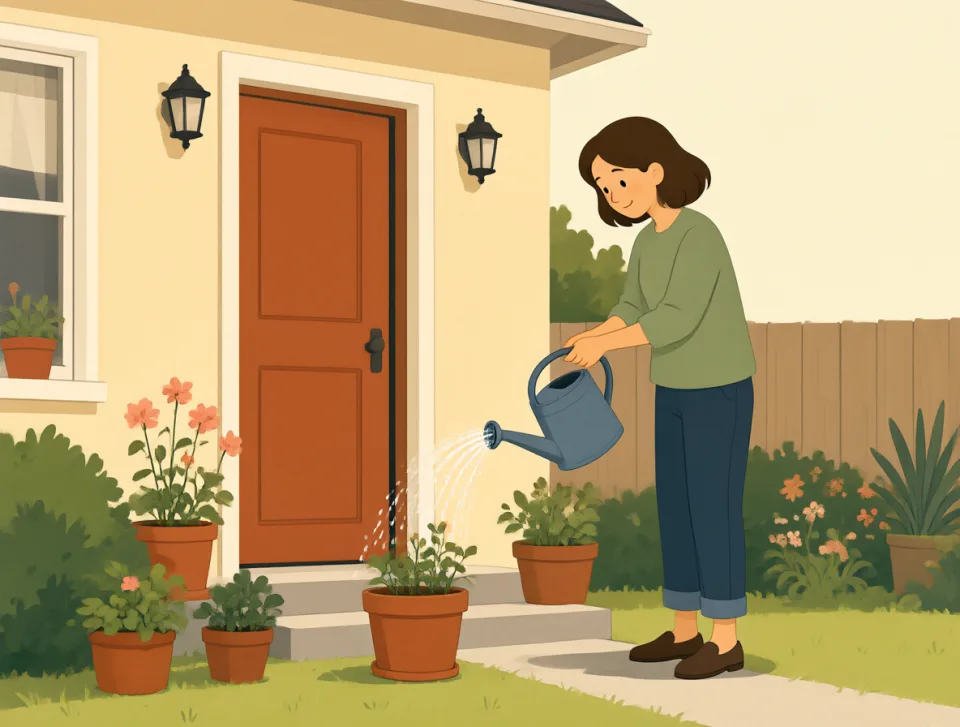
My neighbor was helpful and watered our plants while we were away.
همسایهام کمک کرد و وقتی ما نبودیم به گلهایمان آب داد.

The shop assistant gave me helpful advice about choosing a warm jacket.
فروشنده برای انتخاب یک کاپشن گرم، توصیههای مفیدی به من کرد.

The nurse gave me some helpful tips for getting better.
پرستار چند توصیهٔ مفید برای بهبودی به من کرد.
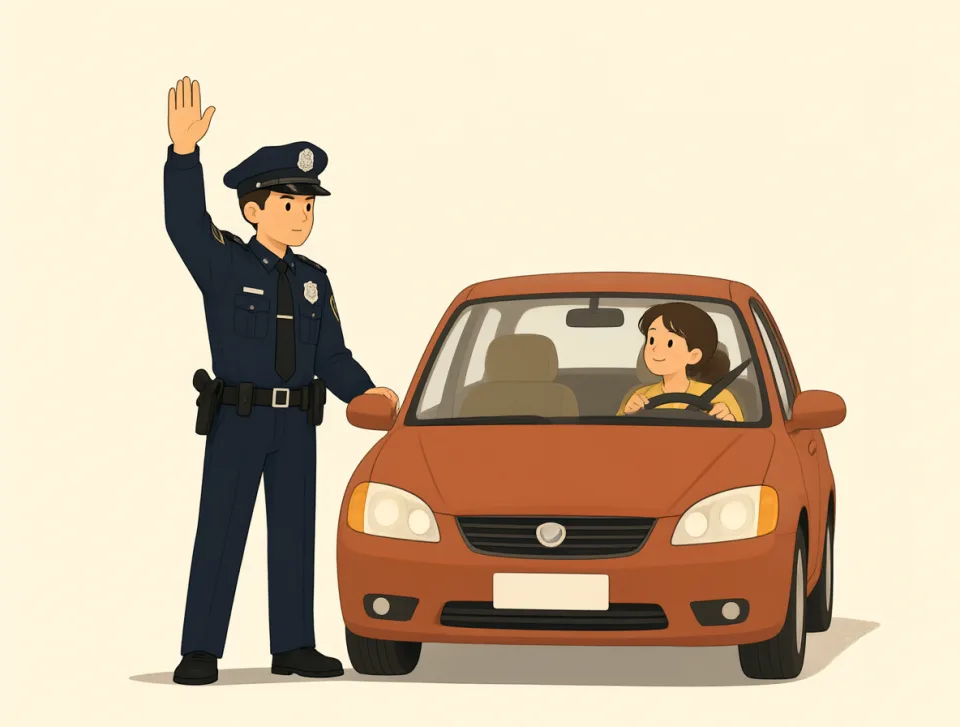
command
#1714noun, verb
دستور
an order to do something, or to give someone an order
فرمانی برای انجام کاری، یا فرمان دادن به کسی
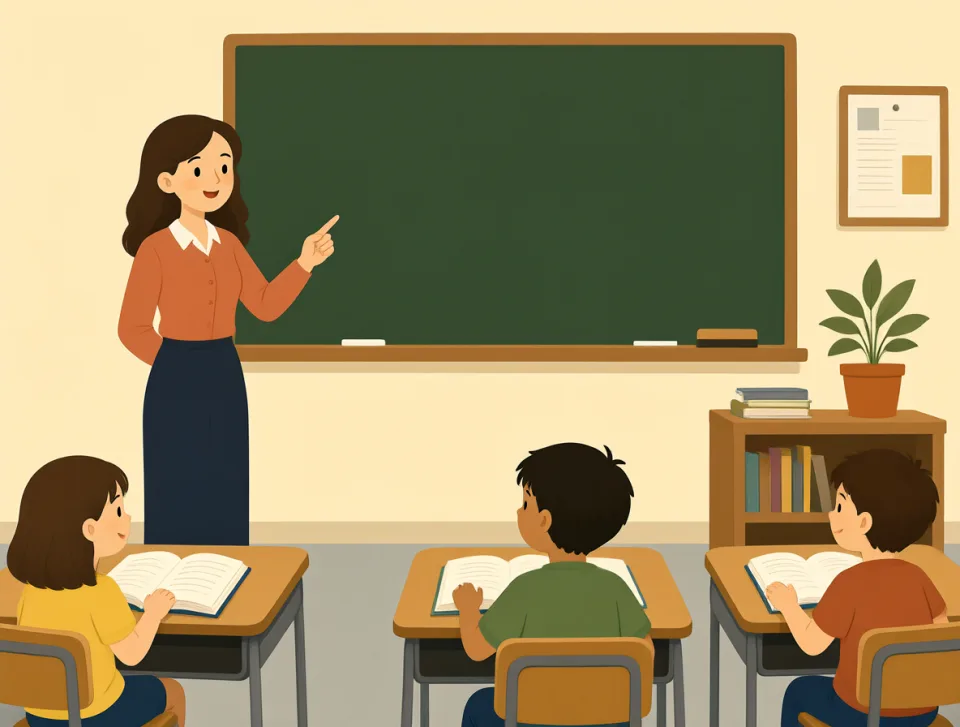
The teacher gave the class a command to open their books.
معلم به کلاس دستور داد کتابهایشان را باز کنند.
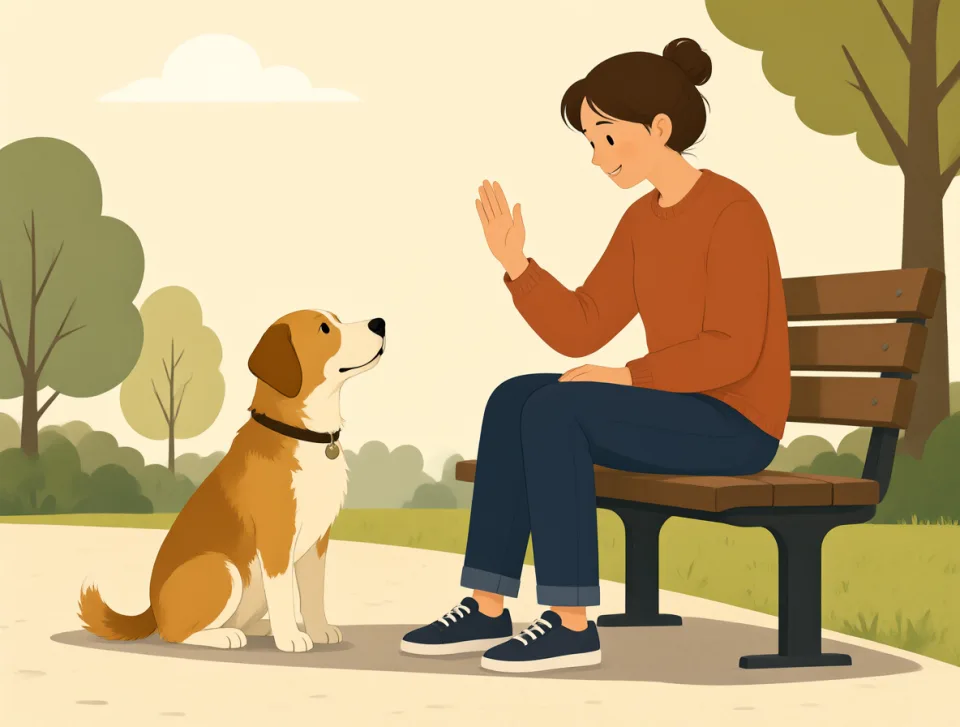
The dog stopped when its owner gave the command.
سگ وقتی صاحبش فرمان داد، ایستاد.
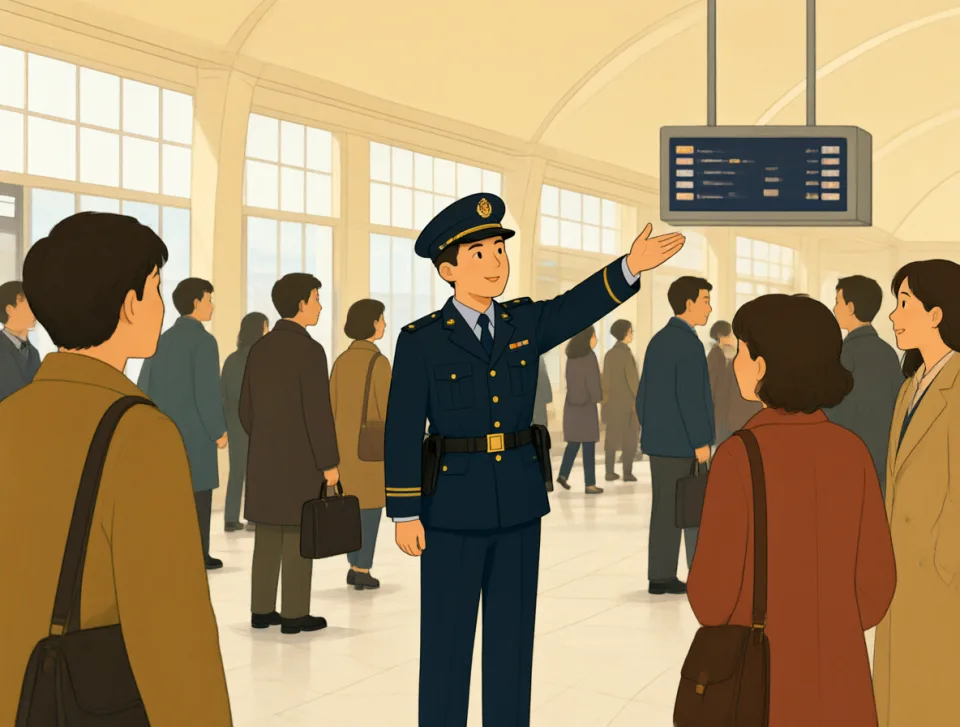
The officer took command of the busy train station.
آن افسر کنترل ایستگاه شلوغ قطار را به دست گرفت.

You can command the computer using your voice.
میتوانید با صدایتان به رایانه فرمان بدهید.

The captain commanded the crew to leave the ship.
ناخدا به خدمه دستور داد کشتی را ترک کنند.

attractive
#1715adjective
جذاب
Pleasant to look at or interesting enough to make people want it.
خوشایند برای نگاه کردن، یا آنقدر جالب که دیگران را به خواستنش ترغیب کند.

She is attractive and always dresses very neatly.
او جذاب است و همیشه خیلی مرتب لباس میپوشد.

This attractive apartment has large windows and a sunny balcony.
این آپارتمان جذاب پنجرههای بزرگی دارد و بالکنش آفتابگیر است.

The shop displayed an attractive blue jacket near the entrance.
فروشگاه یک کاپشن آبی جذاب نزدیک ورودی به نمایش گذاشته بود.
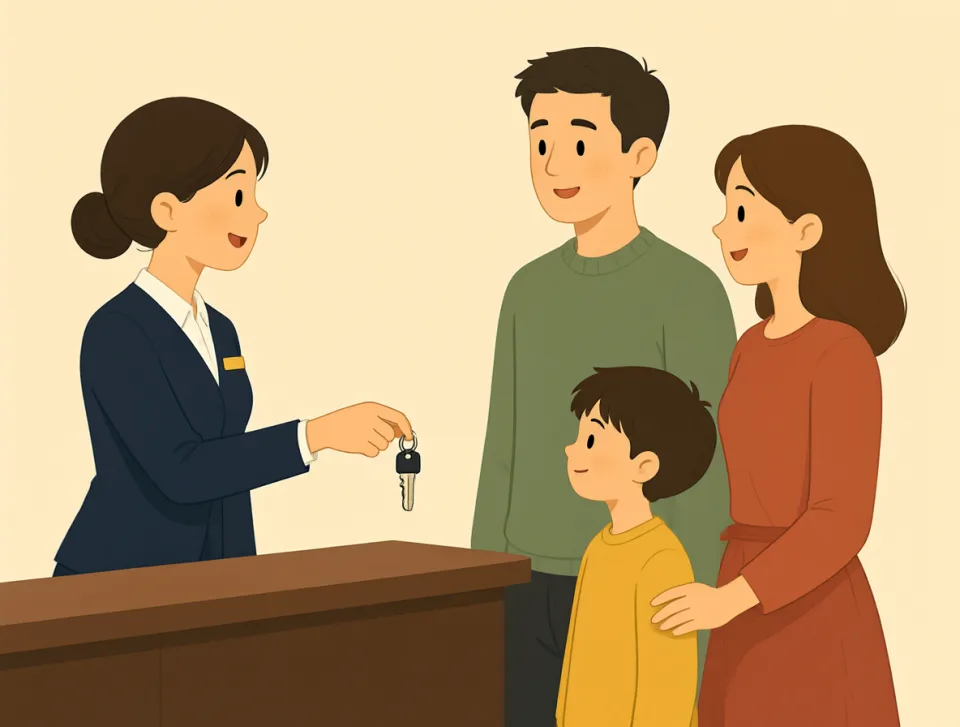
The hotel offers an attractive price for families during summer.
این هتل در تابستان برای خانوادهها قیمت مناسبی دارد.
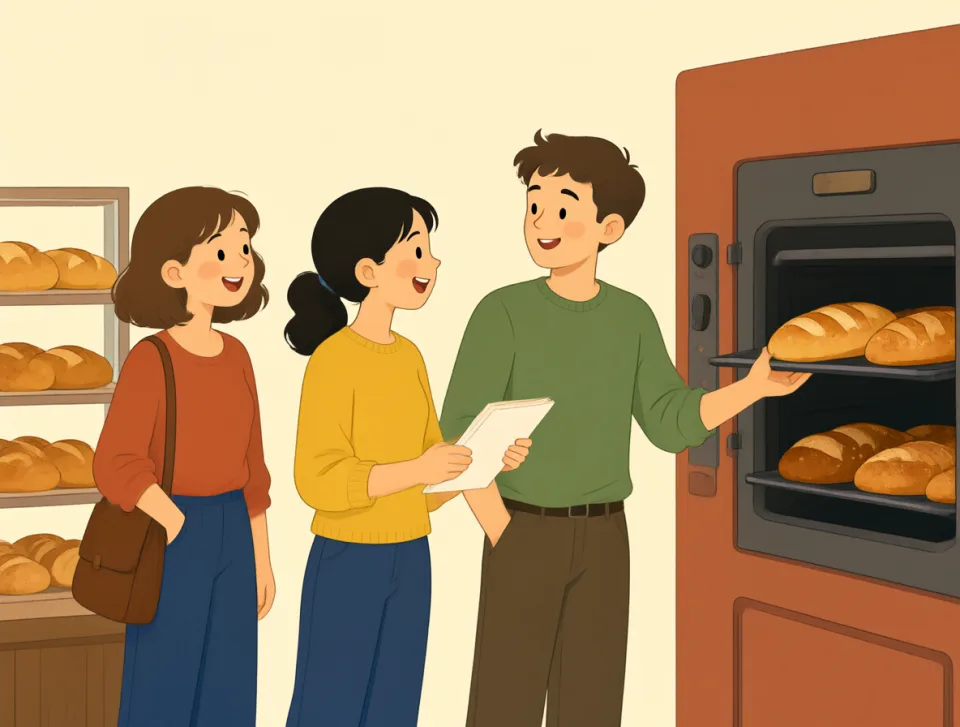
The attractive smell of fresh bread brought customers inside.
بوی دلپذیر نان تازه مشتریها را به داخل کشاند.
sick
#1716adjective
بیمار؛ حالبد
Ill or unwell; sometimes feeling very upset or disgusted by something.
بیمار یا ناخوش؛ گاهی به معنای احساس ناراحتی شدید یا انزجار از چیزی.
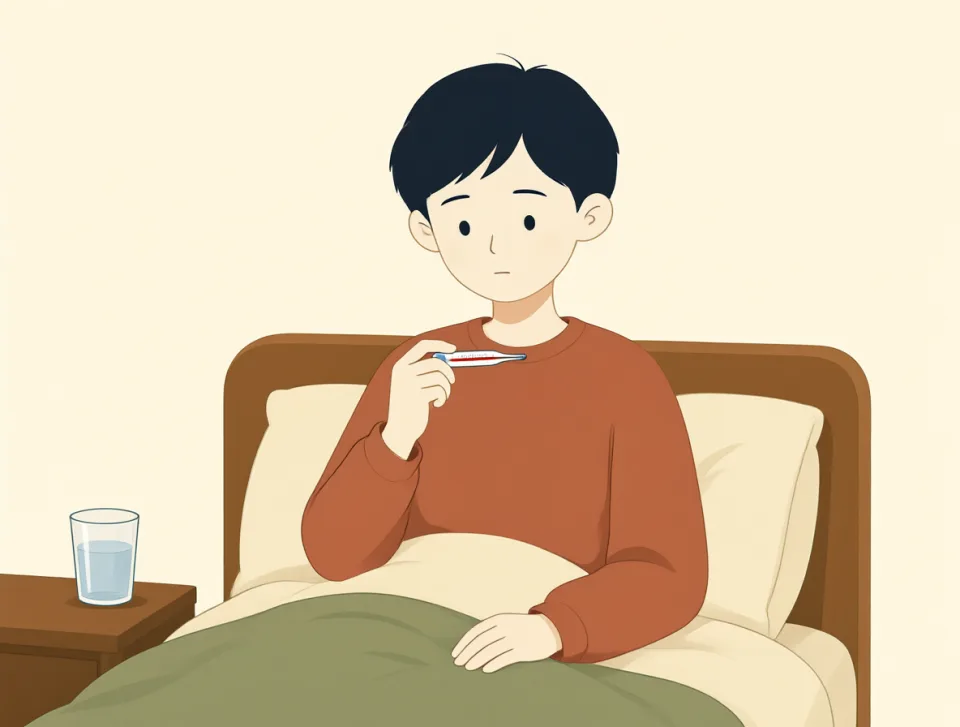
I stayed home from work because I felt sick.
چون حالم بد بود، سر کار نرفتم و در خانه ماندم.
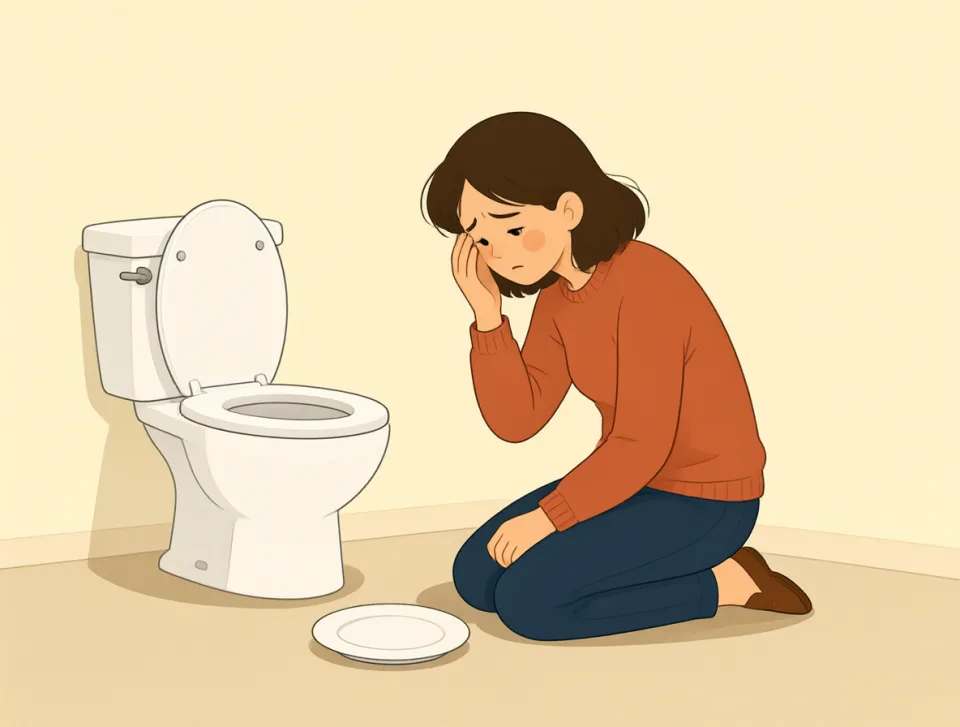
She was sick all night after eating bad food.
بعد از خوردن غذای خراب، تمام شب حالش بد بود.
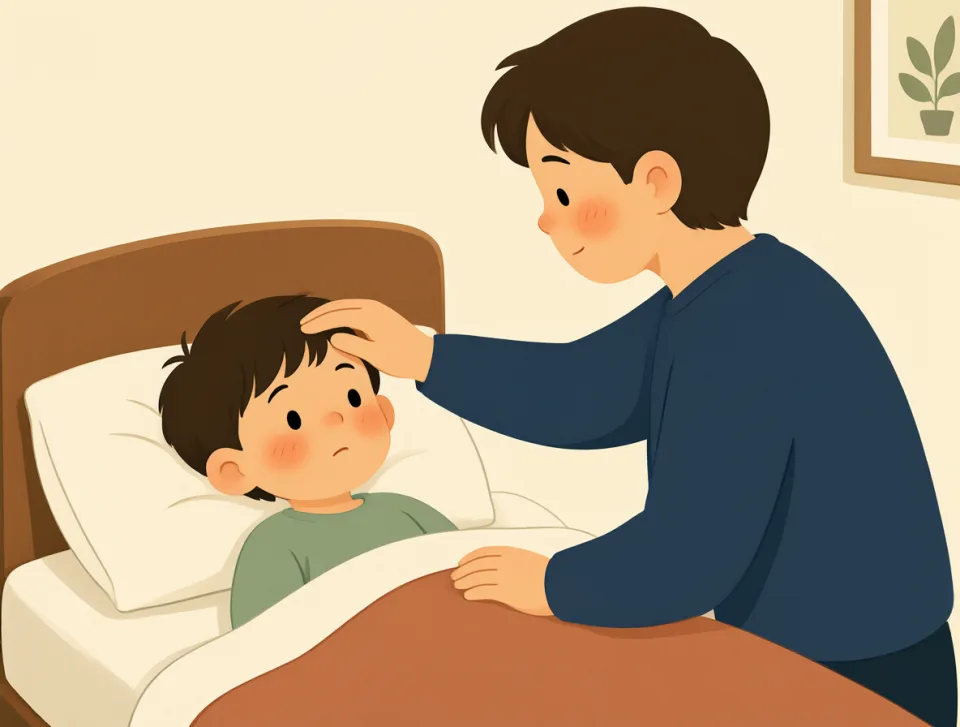
My little brother is sick with a high fever.
برادر کوچکم تب شدیدی دارد و بیمار است.
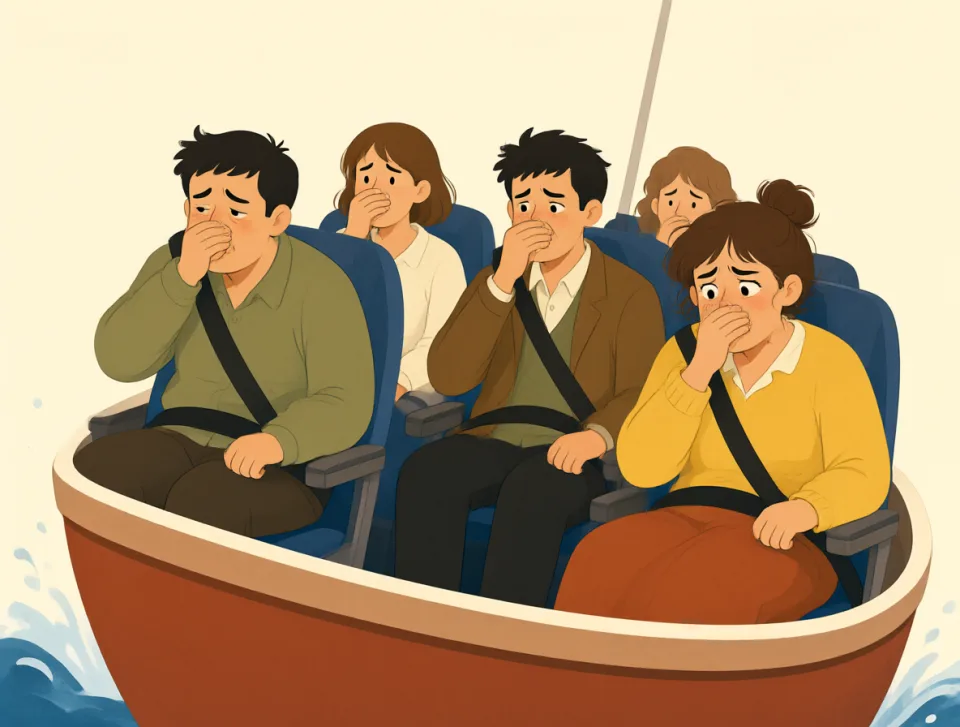
The rough boat ride made several passengers sick.
تکانهای شدید قایق حال چند نفر از مسافران را بد کرد.
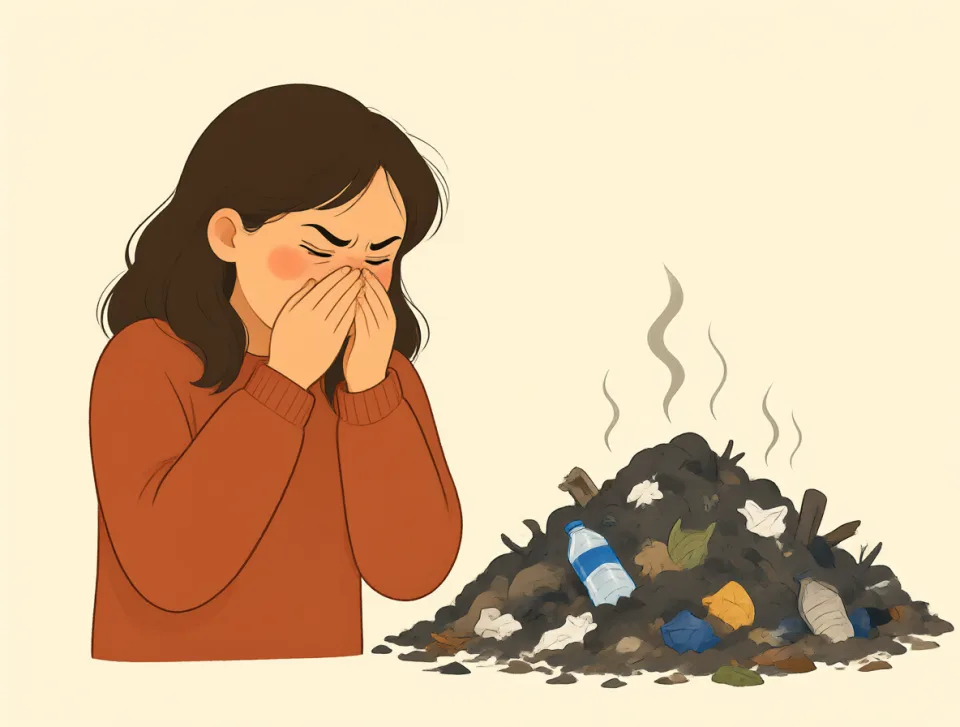
That smell makes me feel sick every time.
آن بو هر بار حالم را بد میکند.

impression
#1717noun
برداشت
An opinion or feeling about someone or something, formed after seeing or experiencing it.
نظر یا احساسی دربارهٔ کسی یا چیزی که پس از دیدن یا تجربه کردن آن شکل میگیرد.

She made a good impression at her new job.
او در شغل جدیدش تأثیر خوبی از خود به جا گذاشت.

My first impression of the hotel was very positive.
برداشت اولیهام از هتل خیلی مثبت بود.
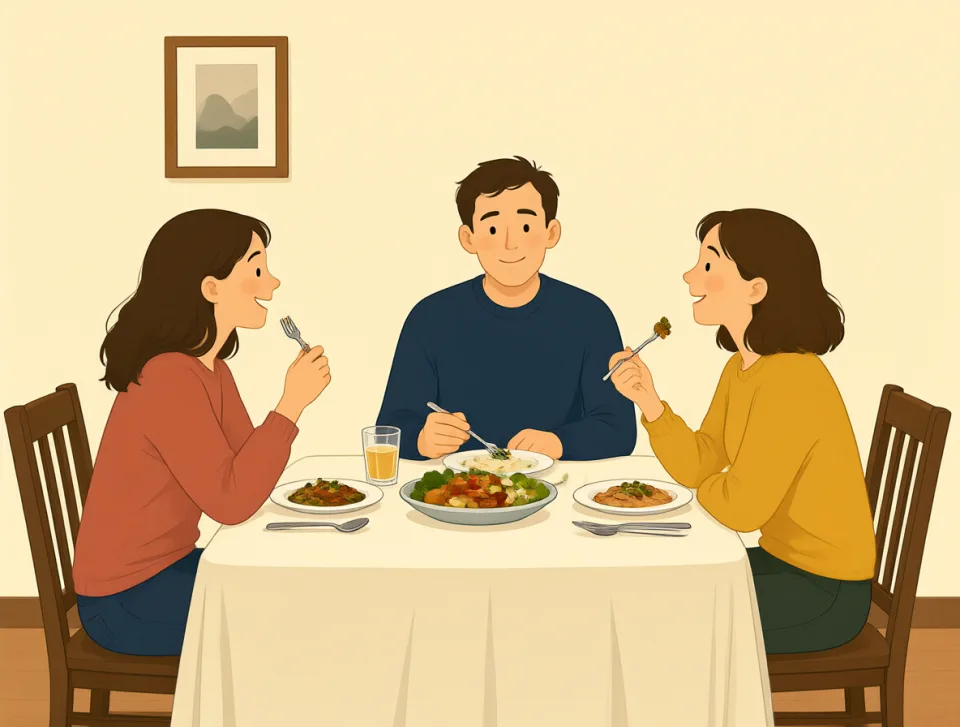
The meal left a strong impression on everyone.
آن غذا تأثیر عمیقی روی همه گذاشت.

He gave the impression that he knew the city well.
او این تصور را ایجاد کرد که شهر را خوب میشناسد.

The artist created an impression of the sea with blue paint.
این هنرمند با رنگ آبی تصویری از دریا خلق کرد.

unable
#1718adjective
ناتوان
Not able to do something or not having the skill, strength, or chance to do it.
نتوانستن انجام کاری یا نداشتن مهارت، توان یا فرصت انجام آن.
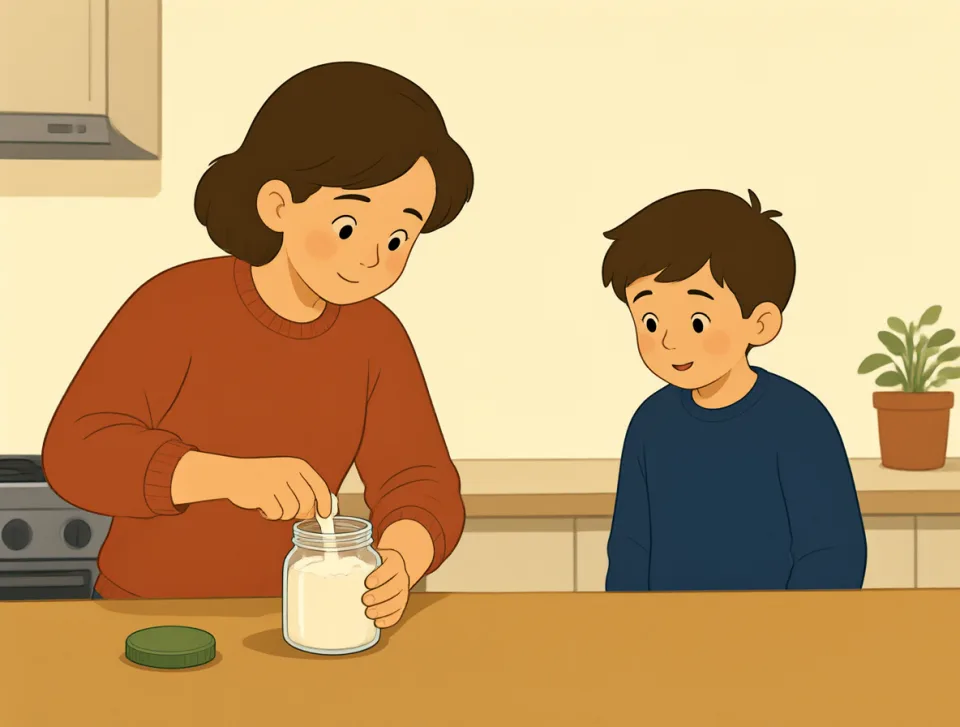
I was unable to open the jar, so I asked my brother.
نتوانستم درِ شیشه را باز کنم، پس از برادرم کمک خواستم.

She was unable to attend the meeting because she felt sick.
او چون حالش بد بود، نتوانست در جلسه شرکت کند.

The child was unable to swim across the pool alone.
کودک نتوانست بهتنهایی از عرض استخر شنا کند.

We were unable to find our hotel after walking for an hour.
بعد از یک ساعت پیادهروی، نتوانستیم هتلمان را پیدا کنیم.

He was unable to hear the doctor clearly because of the noise.
بهدلیل سروصدا، او نتوانست صدای دکتر را واضح بشنود.
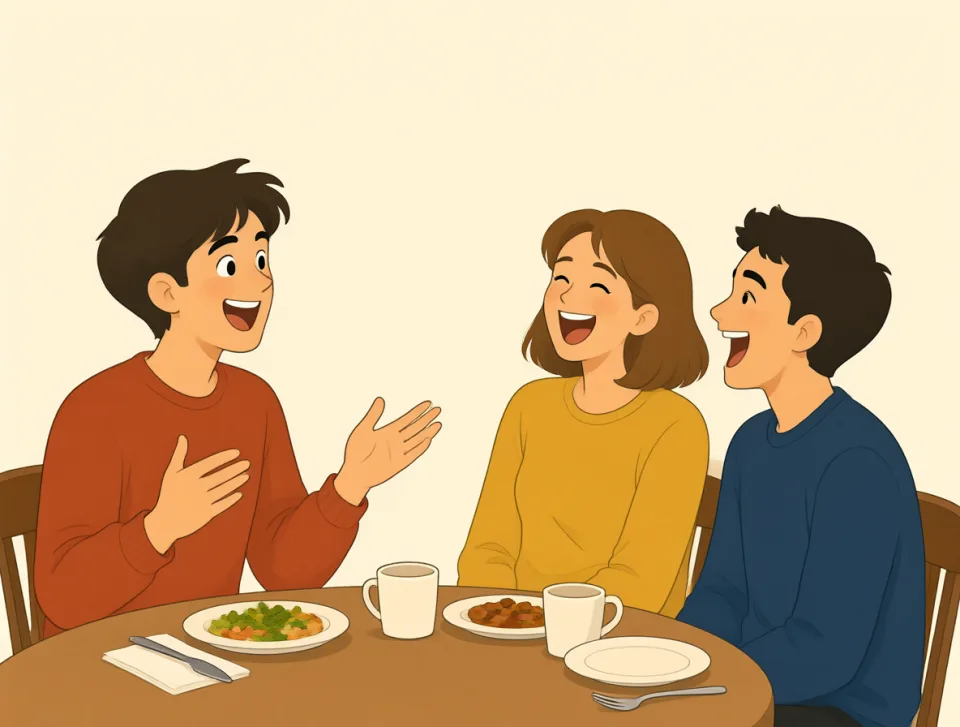
joke
#1719noun, verb
شوخی
Something funny said or done to make people laugh, or to speak humorously.
حرف یا کاری خندهدار برای خنداندن دیگران، یا صحبت کردن با لحنی خندهآمیز.
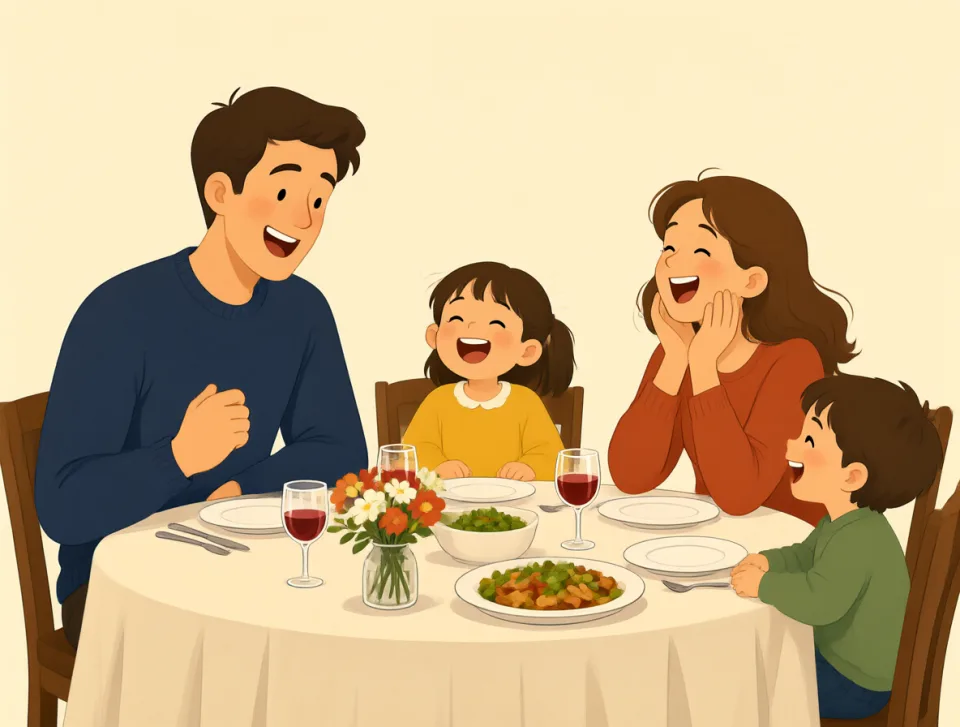
He told a funny joke at dinner, and everyone laughed.
او سر شام شوخی بامزهای کرد و همه خندیدند.
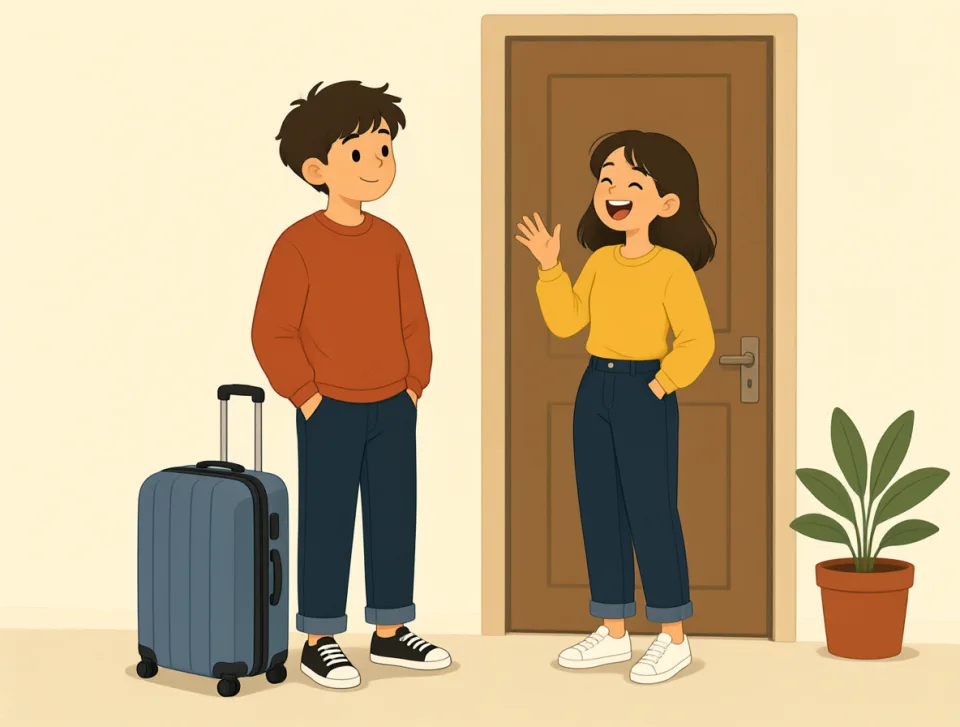
I was only joking when I said I would leave.
وقتی گفتم میروم، فقط شوخی میکردم.

She likes to joke with her coworkers during lunch.
او دوست دارد هنگام ناهار با همکارانش شوخی کند.

The teacher made a joke to relax the students before the test.
معلم برای آرام کردن دانشآموزان پیش از امتحان شوخیای کرد.

That joke about my haircut was not very kind.
آن شوخی دربارهٔ مدل موی من چندان مهربانانه نبود.

sky
#1720noun
آسمان
The space above the earth where you see the sun, moon, and clouds.
فضای بالای زمین که خورشید، ماه و ابرها را در آن میبینید.

The sky is clear and blue this morning.
امروز صبح آسمان صاف و آبی است.
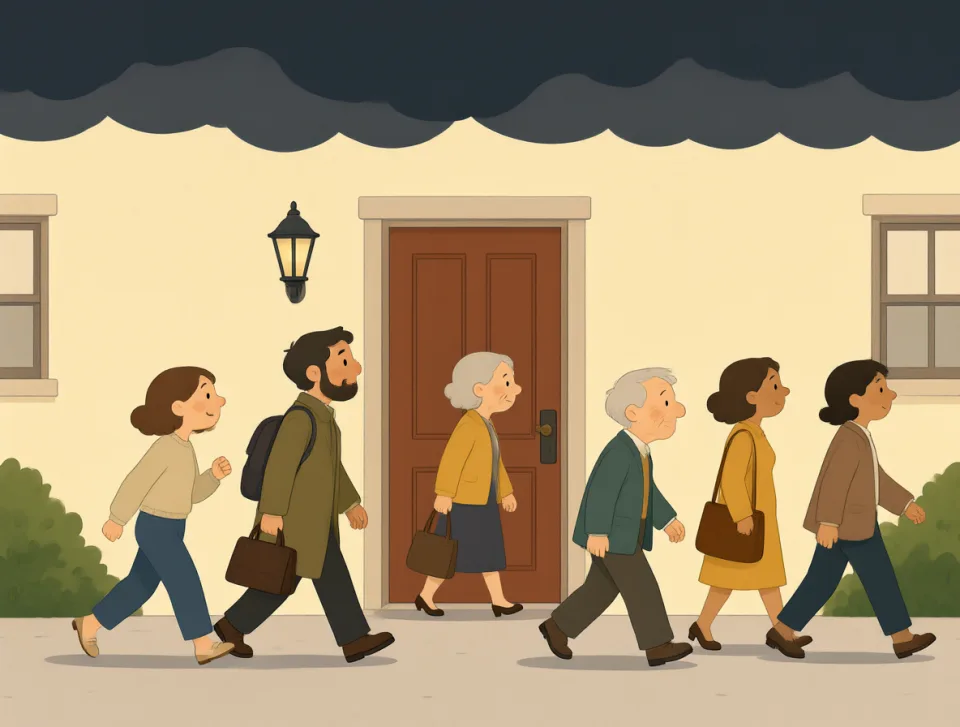
Dark clouds covered the sky before the storm.
پیش از طوفان، ابرهای تیره آسمان را پوشاندند.

We watched the sunset turn the sky orange.
تماشا کردیم که غروب، آسمان را نارنجی کرد.
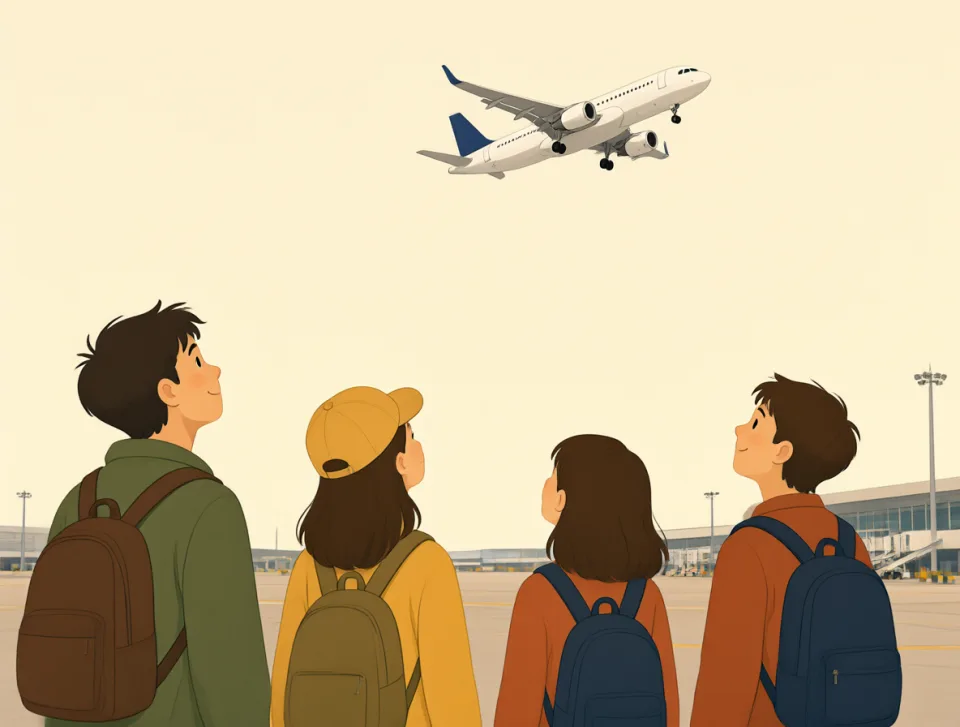
The airplane disappeared into the sky.
هواپیما در آسمان ناپدید شد.

Stars filled the night sky after dinner.
بعد از شام، ستارهها آسمان شب را پر کردند.