الوحدة 93
الكلمات من 1841 إلى 1860 · maximum, effectively, elsewhere, bother, initiative, sharp
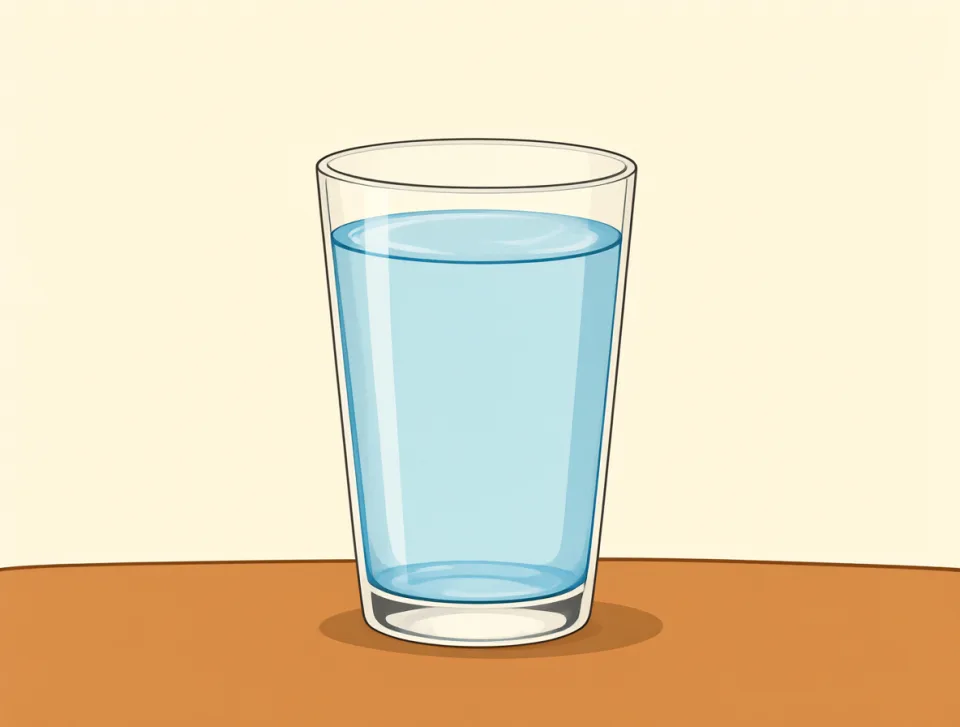
maximum
#1841noun, adjective
الحد الأقصى
The greatest amount or highest level that is possible or allowed.
أكبر كمية أو أعلى مستوى ممكن أو مسموح به.
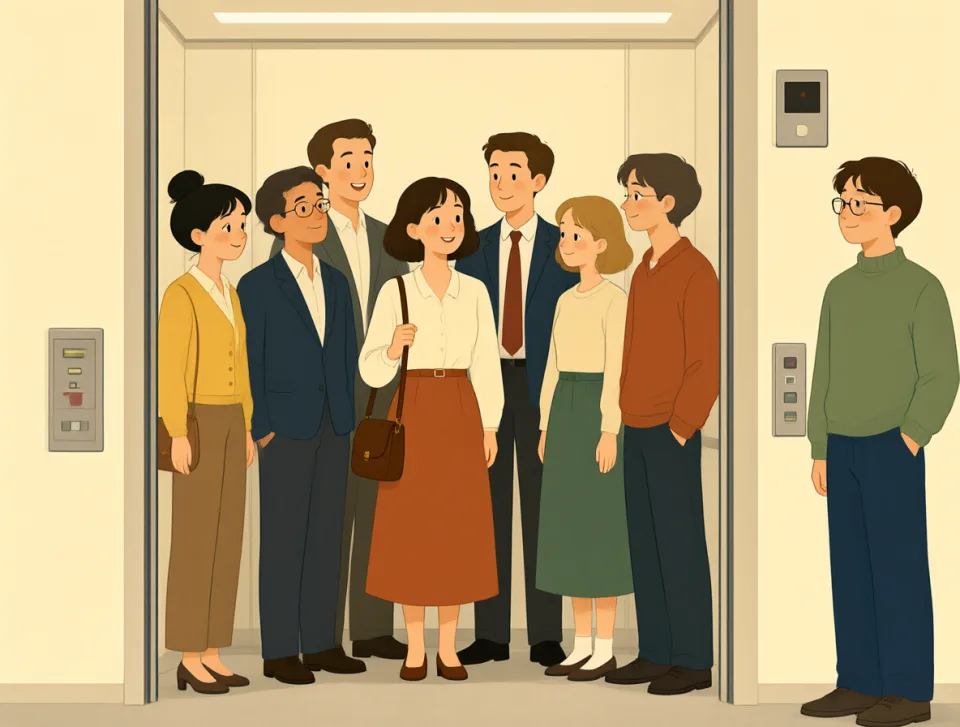
The elevator can carry a maximum of eight people.
يمكن للمصعد أن يتسع لثمانية أشخاص كحد أقصى.
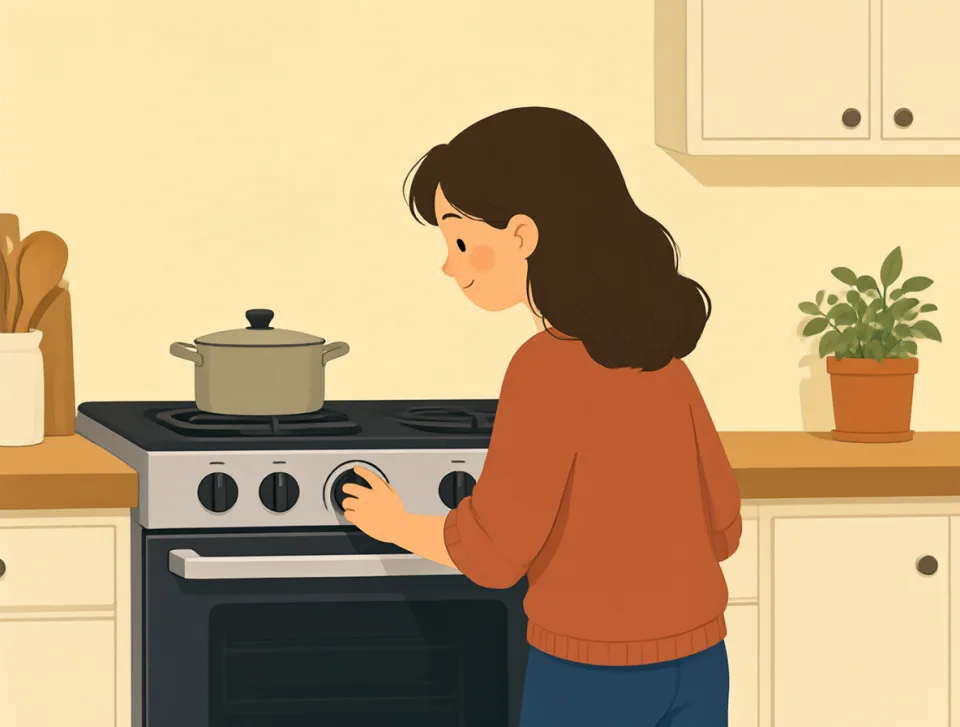
Please set the oven to the maximum temperature for pizza.
يُرجى ضبط الفرن على أعلى درجة حرارة لخبز البيتزا.
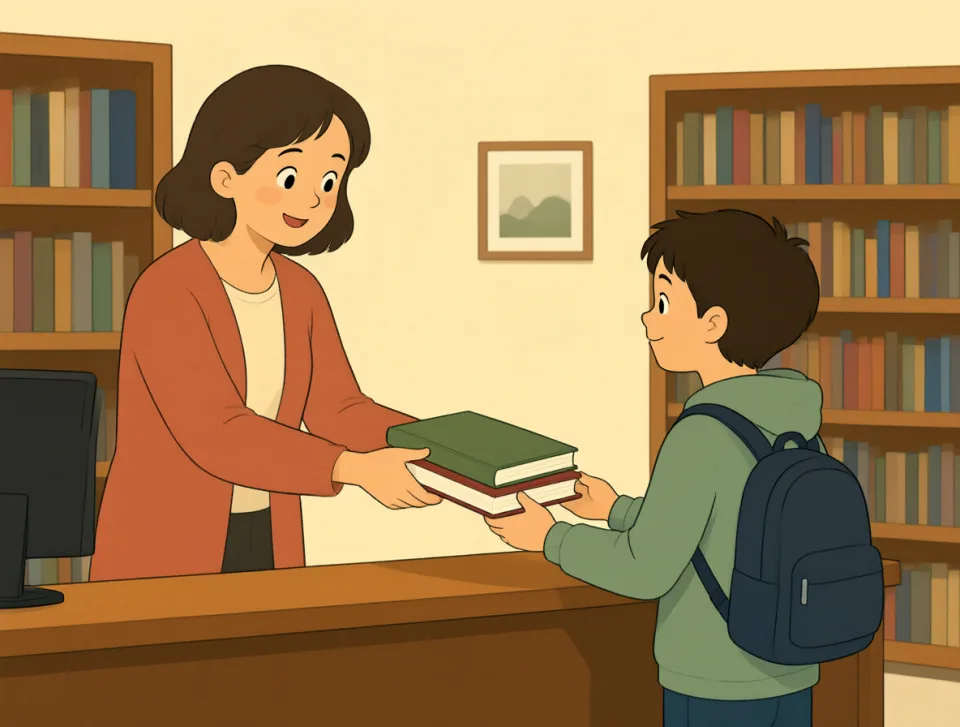
You can borrow a maximum of three books today.
يمكنك استعارة ثلاثة كتب كحد أقصى اليوم.
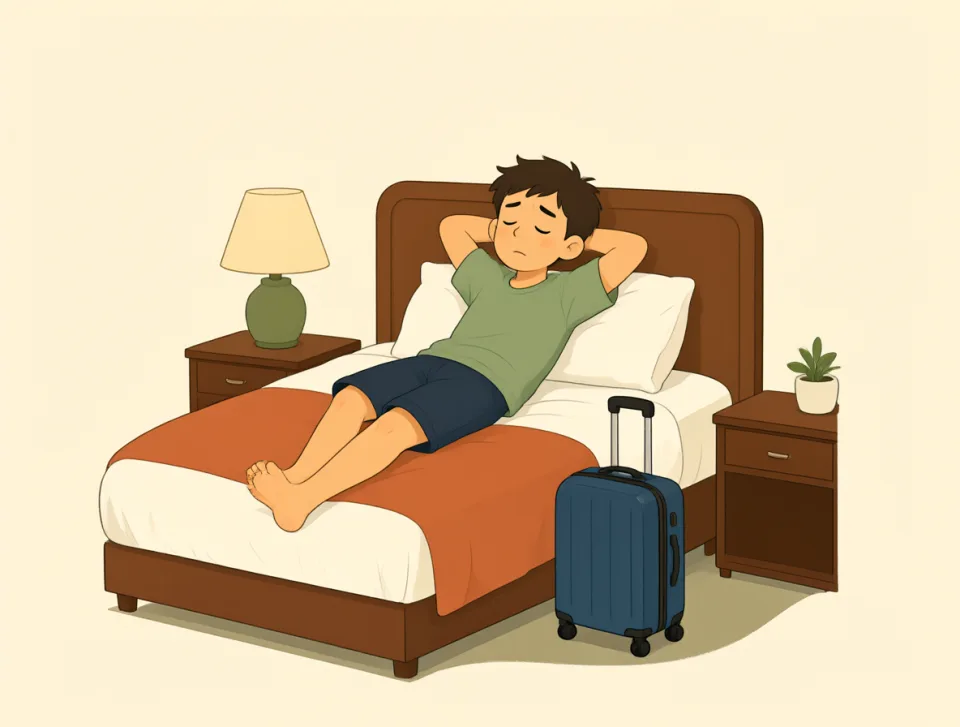
The hotel offers maximum comfort after a long day of travel.
يوفر الفندق أقصى درجات الراحة بعد يوم طويل من السفر.
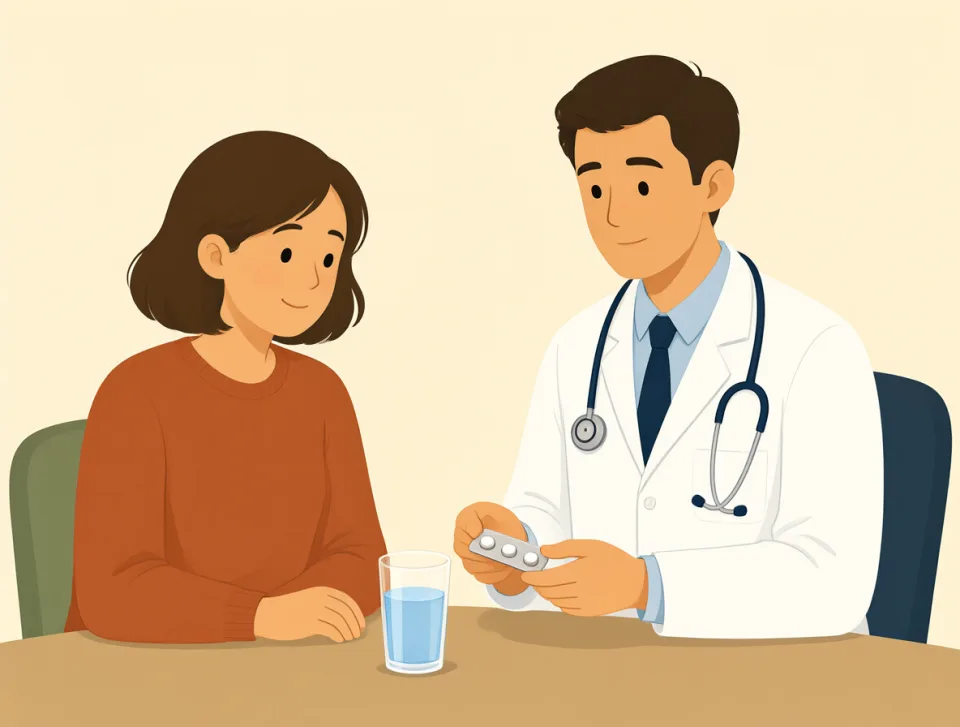
The doctor told him to take a maximum of two tablets daily.
أخبره الطبيب أن يتناول قرصين كحد أقصى يوميًا.

effectively
#1842adverb
بفاعلية
In a way that produces the wanted result.
بطريقة تحقق النتيجة المطلوبة.
She organized the files effectively before the meeting.
نظّمت الملفات بفاعلية قبل الاجتماع.
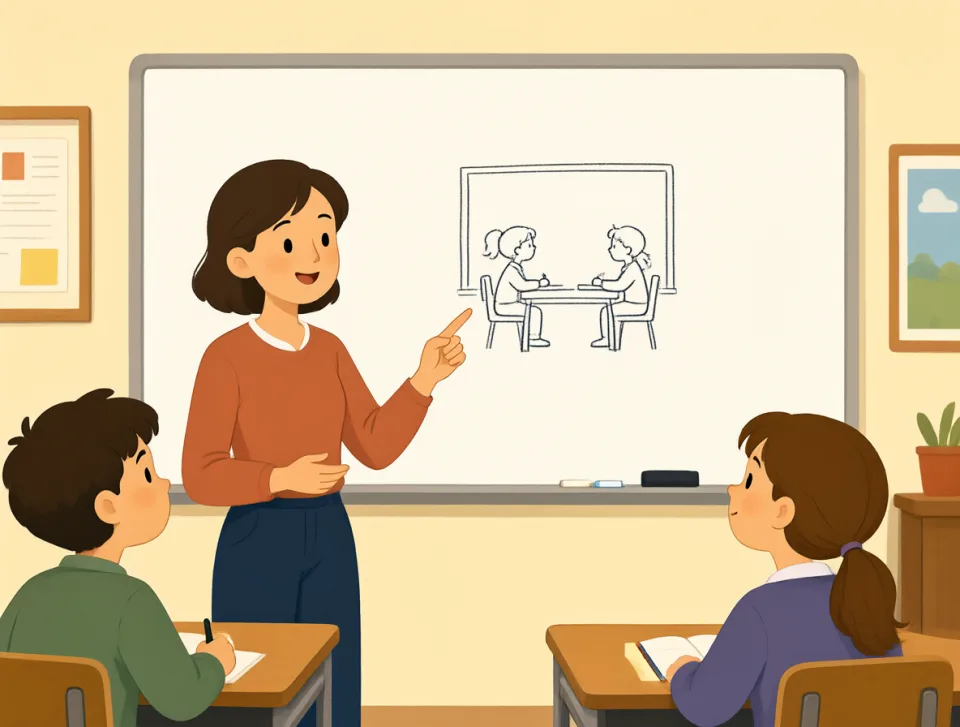
The teacher explained the difficult lesson effectively.
شرح المعلم الدرس الصعب بفاعلية.
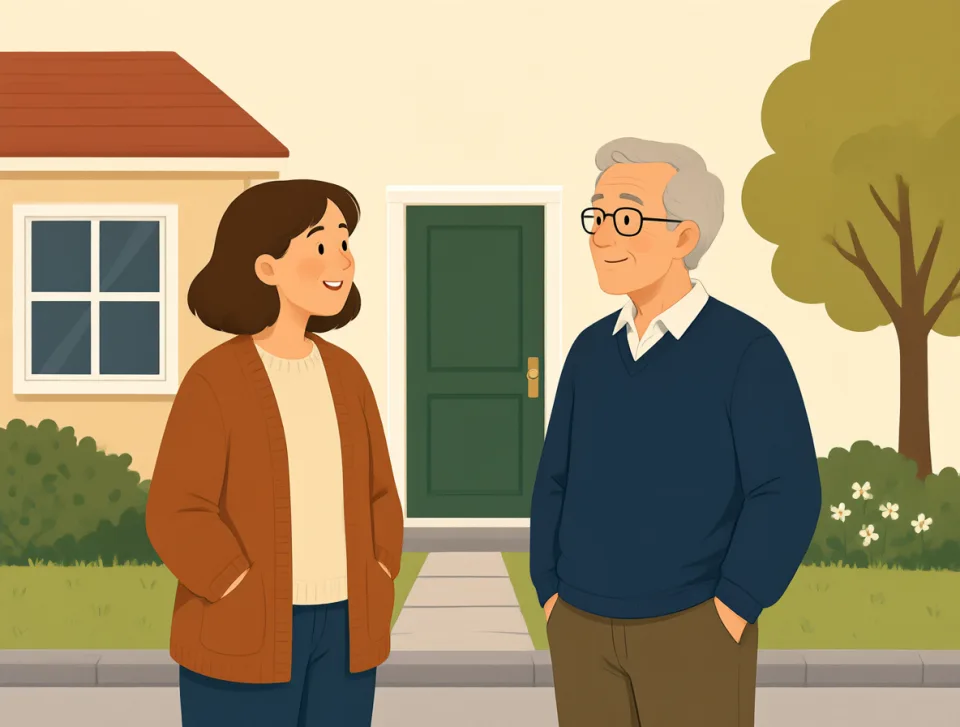
We need to communicate effectively with our new neighbors.
علينا أن نتواصل بفاعلية مع جيراننا الجدد.
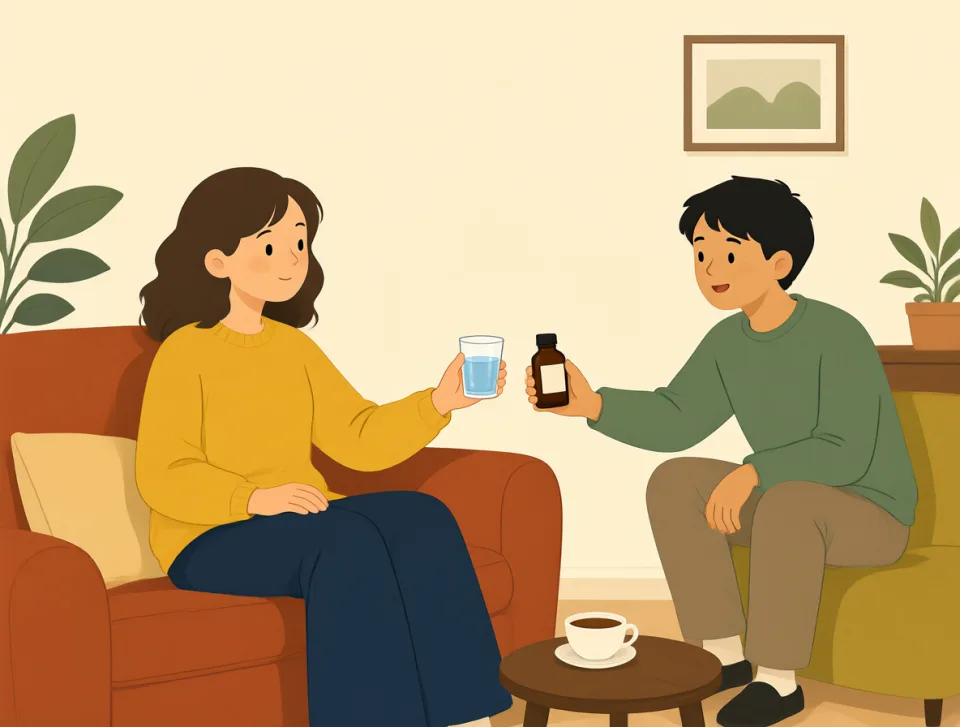
This medicine effectively reduces pain within a few hours.
يخفف هذا الدواء الألم بفاعلية خلال بضع ساعات.
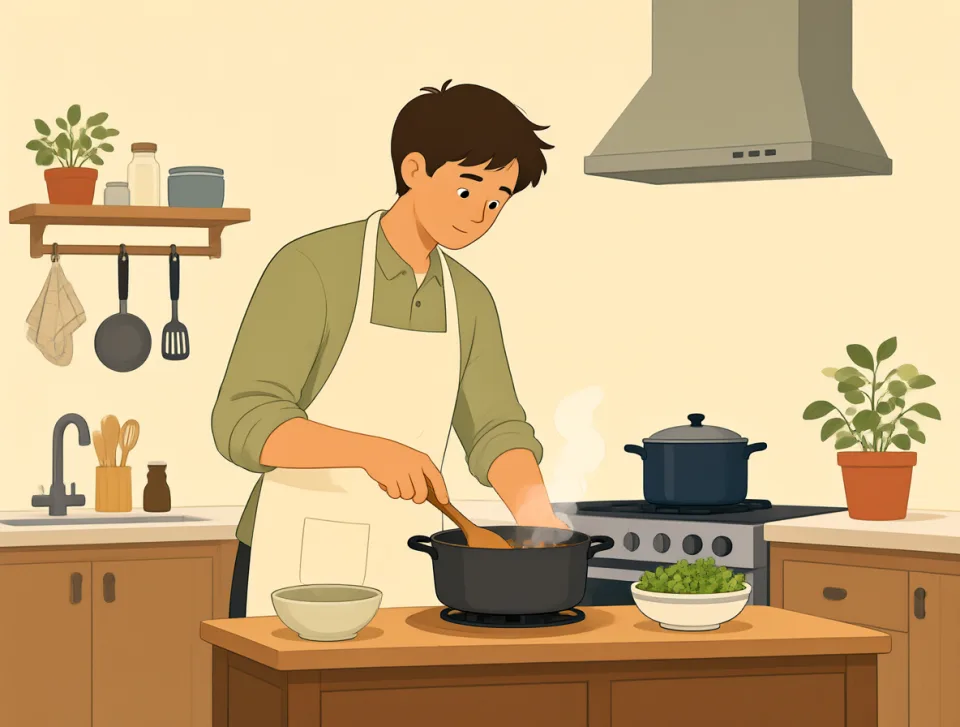
He used the small kitchen effectively to cook dinner.
استغل المطبخ الصغير بفاعلية لإعداد العشاء.
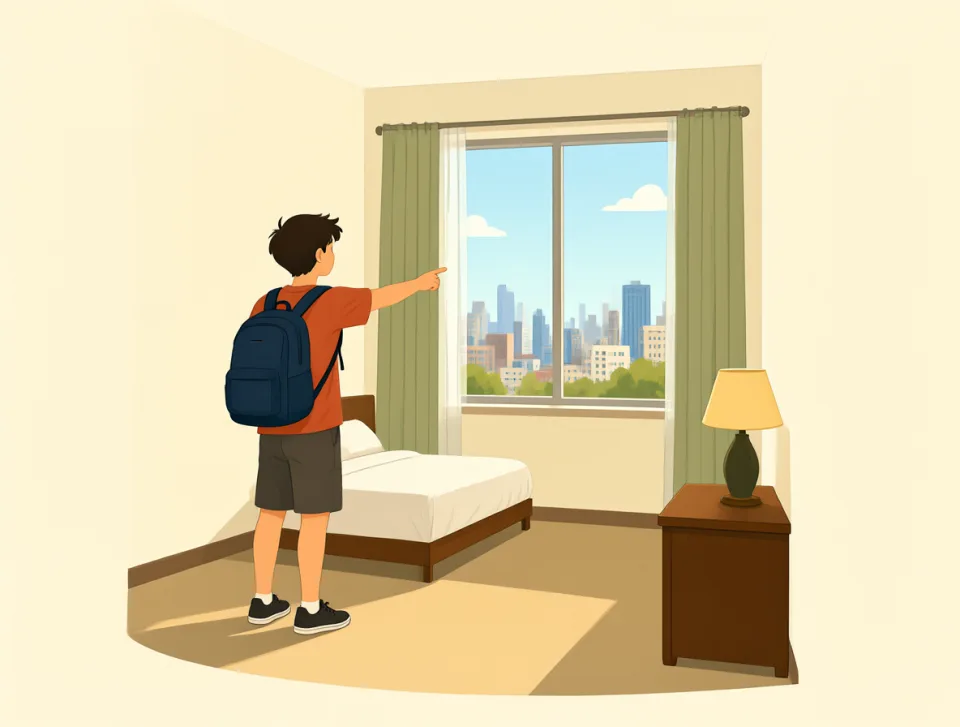
elsewhere
#1843adverb
في مكان آخر
in, at, or to another place
في مكان آخر أو عنده أو إليه.
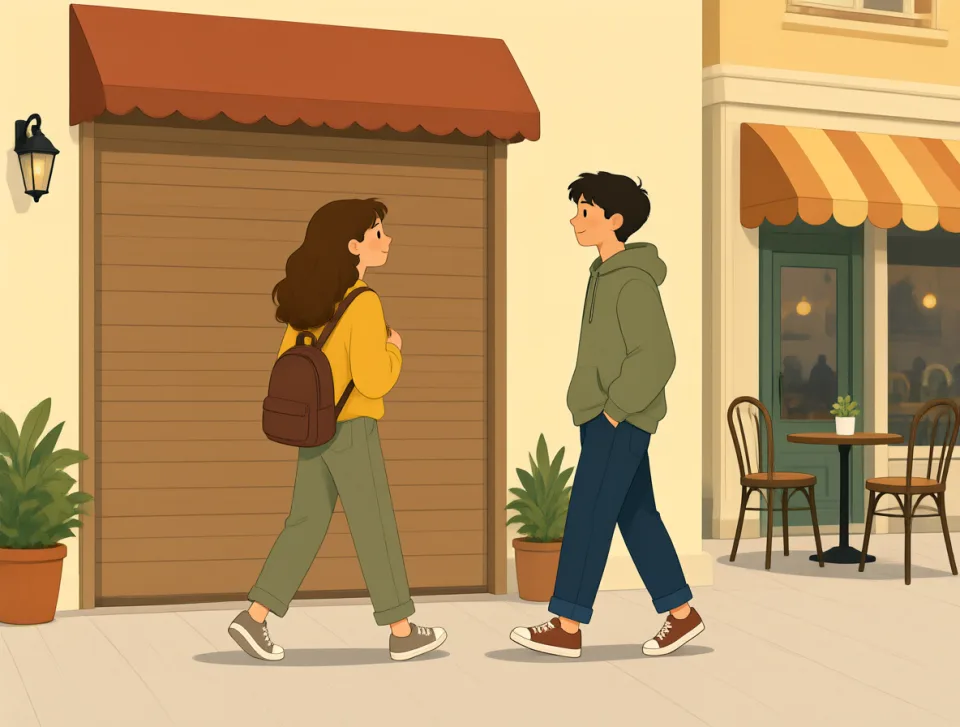
The shop was closed, so we went elsewhere for lunch.
كان المتجر مغلقًا، لذلك ذهبنا إلى مكان آخر لتناول الغداء.
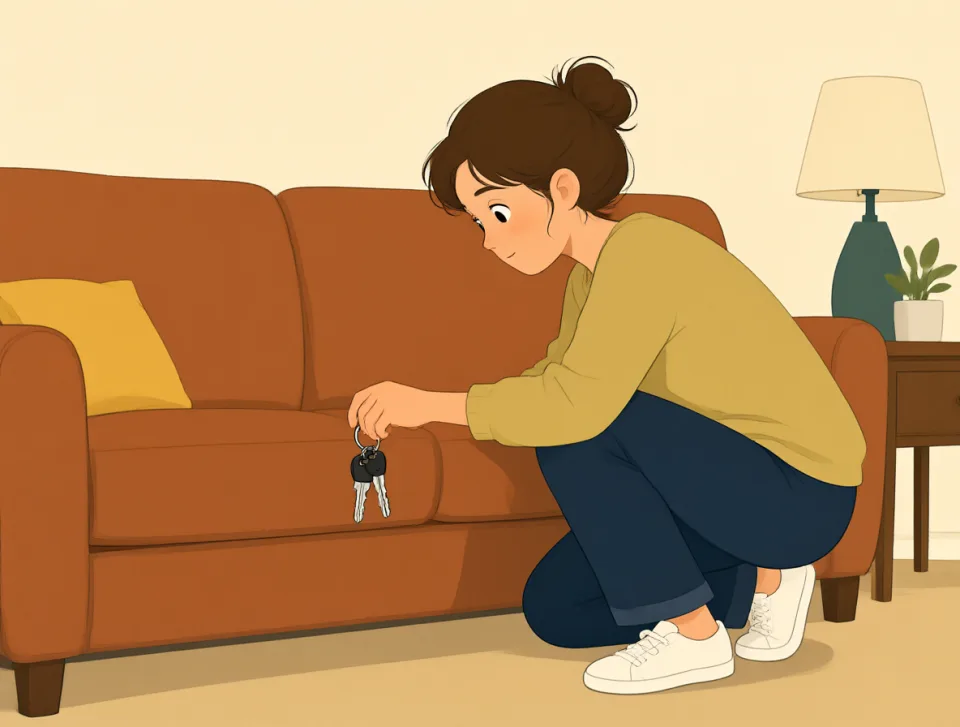
I left my keys somewhere else, but I cannot remember where.
تركت مفاتيحي في مكان آخر، لكنني لا أتذكر أين.
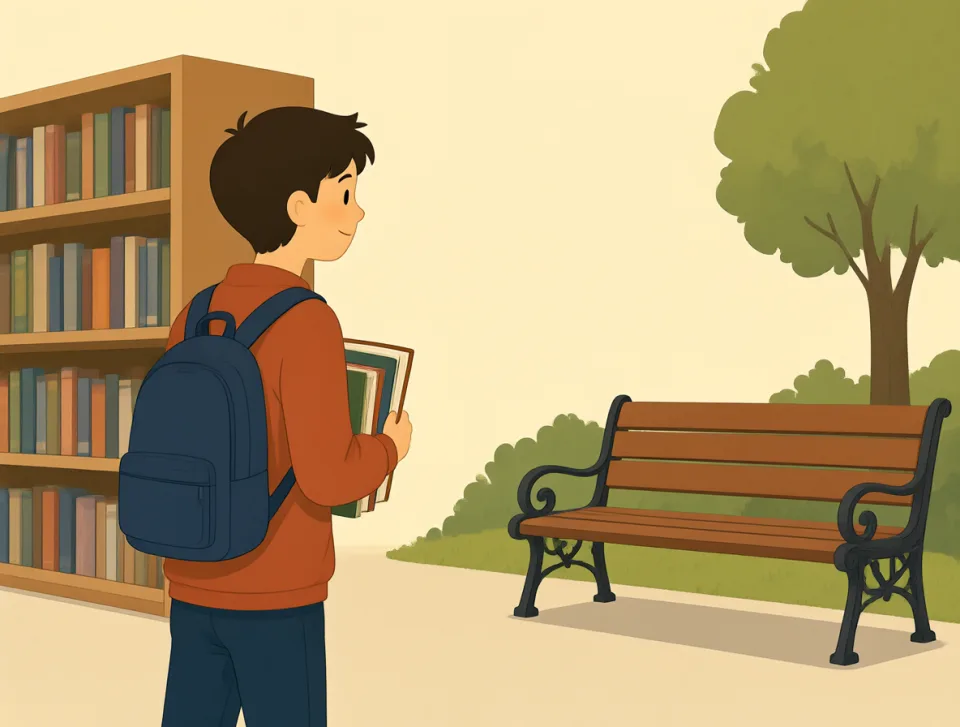
Many students study elsewhere when the library becomes too noisy.
يدرس كثير من الطلاب في أماكن أخرى عندما تصبح المكتبة شديدة الضجيج.
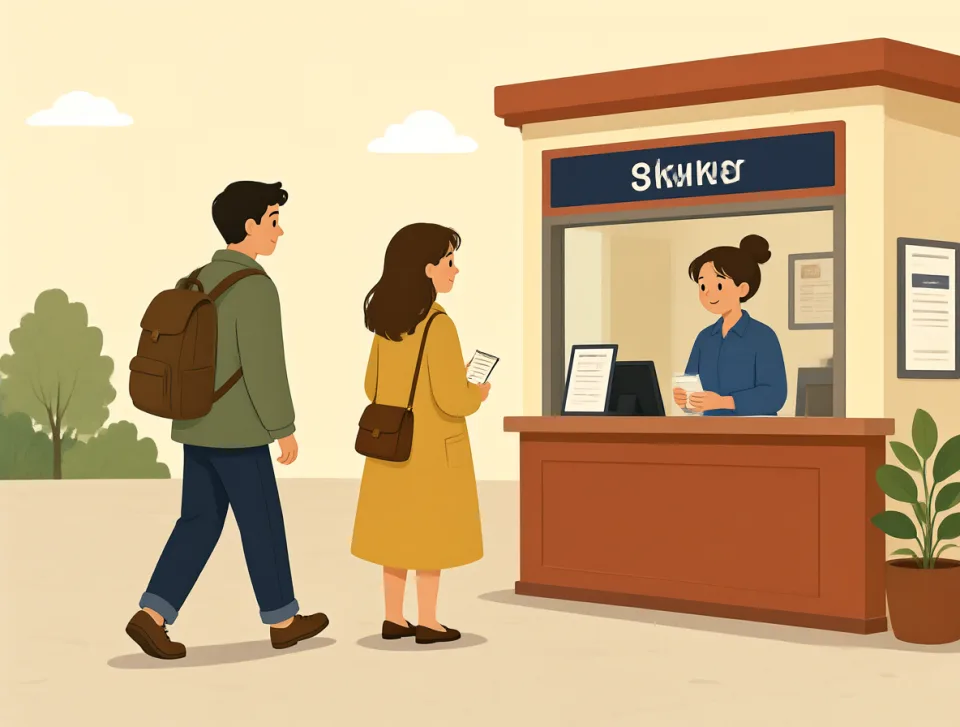
You can buy cheaper train tickets elsewhere in the city.
يمكنك شراء تذاكر قطار أرخص في أماكن أخرى من المدينة.
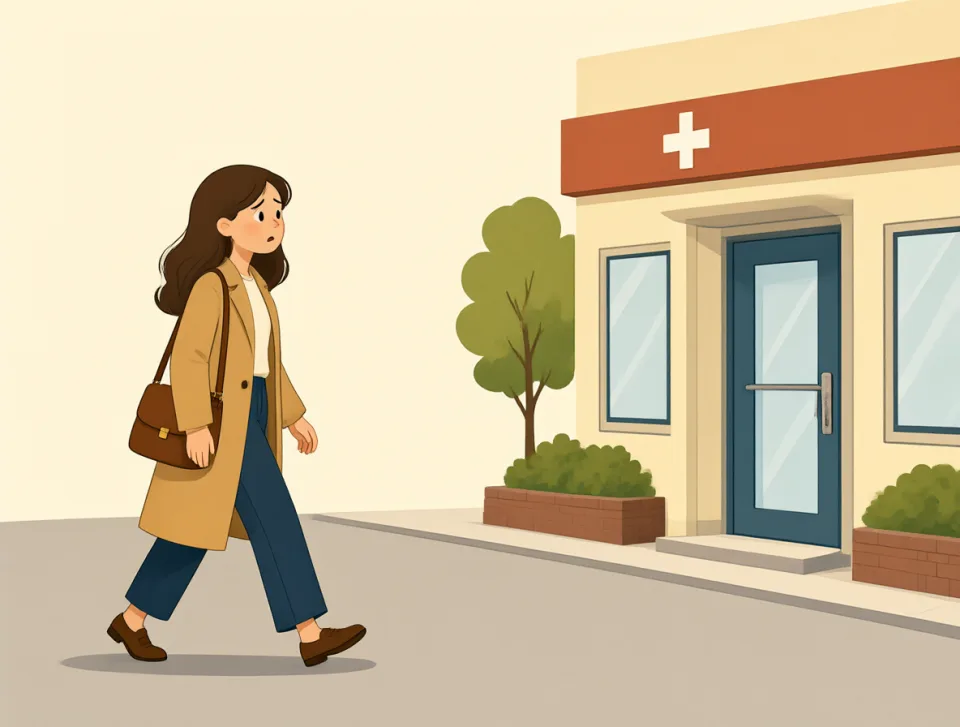
The doctor could not help, so she went elsewhere for treatment.
لم يستطع الطبيب مساعدتها، لذا ذهبت إلى مكان آخر لتلقي العلاج.
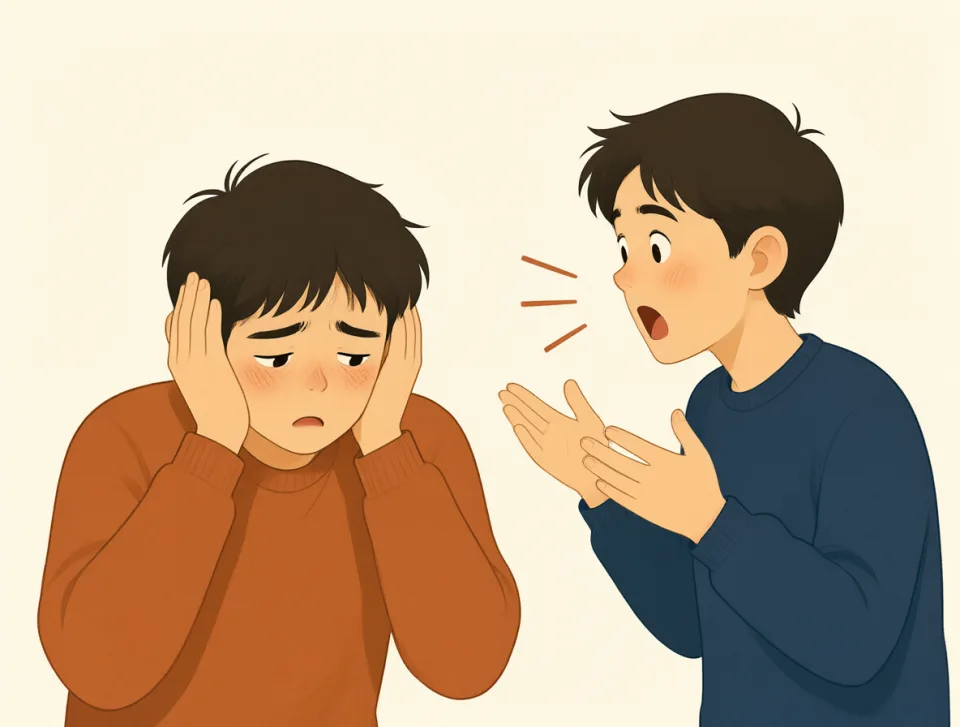
bother
#1844verb, noun
يزعج؛ يتكلف عناء
To annoy someone, or to make an effort to do something.
أن تزعج شخصًا، أو أن تبذل جهدًا للقيام بشيء.
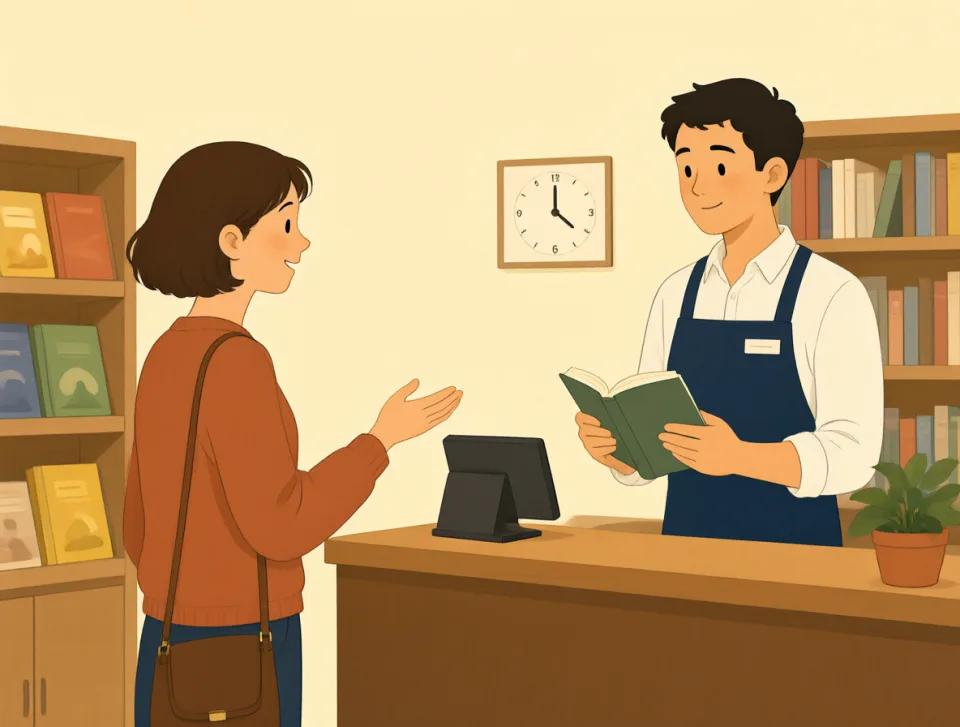
Sorry to bother you, but could you help me find this book?
عذرًا على إزعاجك، هل يمكنك مساعدتي في العثور على هذا الكتاب؟

The loud music bothered our baby while she was trying to sleep.
أزعجت الموسيقى الصاخبة طفلتنا بينما كانت تحاول النوم.
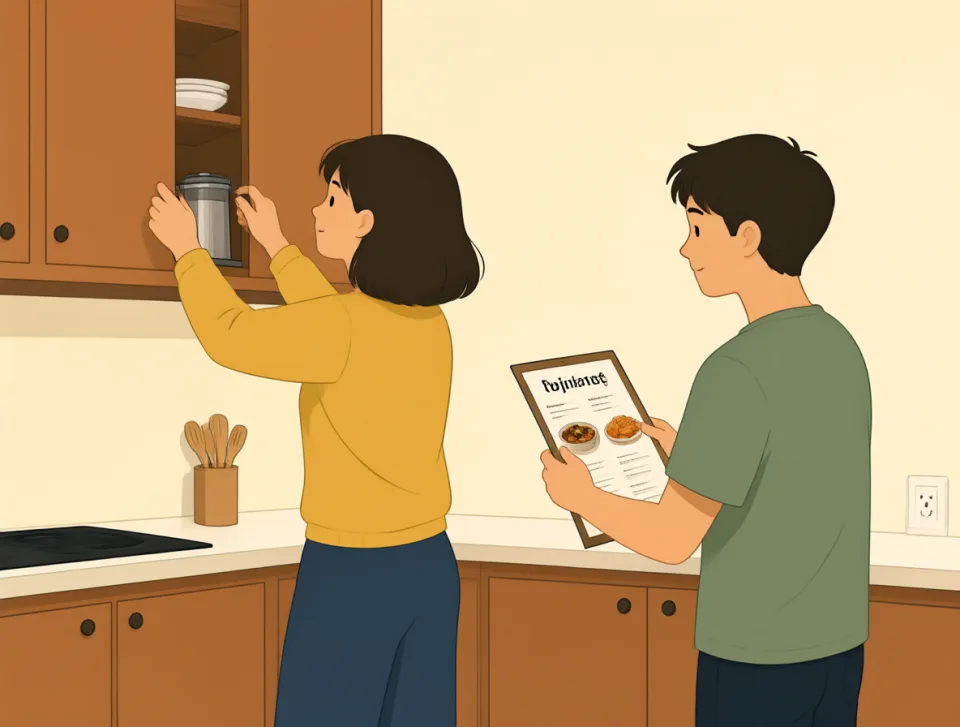
Don't bother cooking tonight; we can order some food.
لا تتكلف عناء الطهي الليلة؛ يمكننا طلب الطعام.
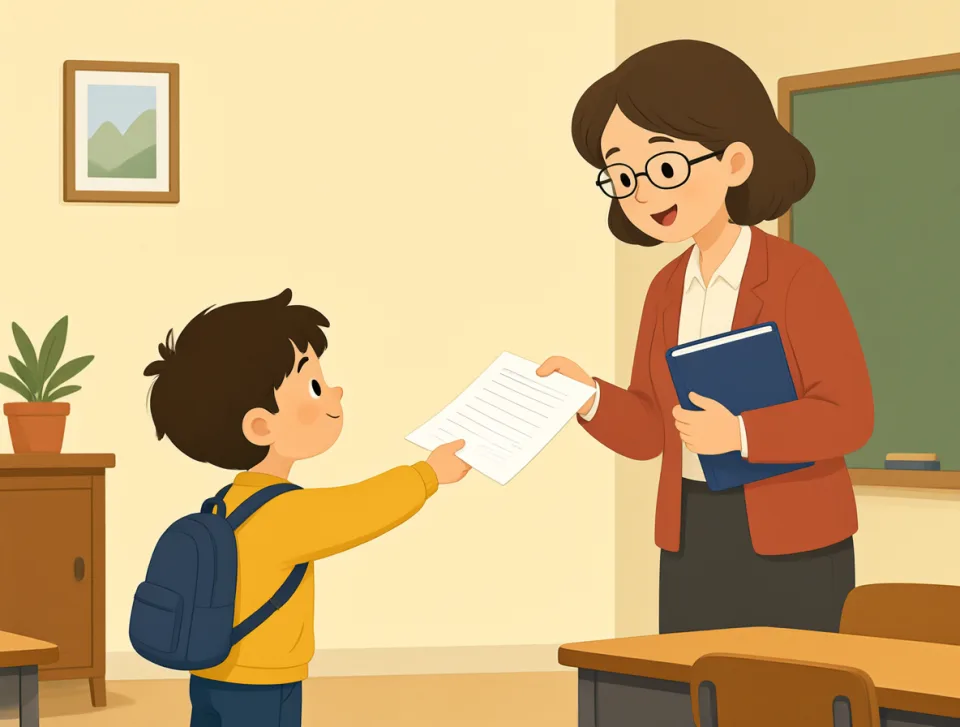
He never bothers to check his answers before handing in homework.
لا يتكلف أبدًا عناء مراجعة إجاباته قبل تسليم الواجب.

It doesn't bother me when my friends arrive a little late.
لا يزعجني أن يصل أصدقائي متأخرين قليلًا.
initiative
#1845noun
المبادرة
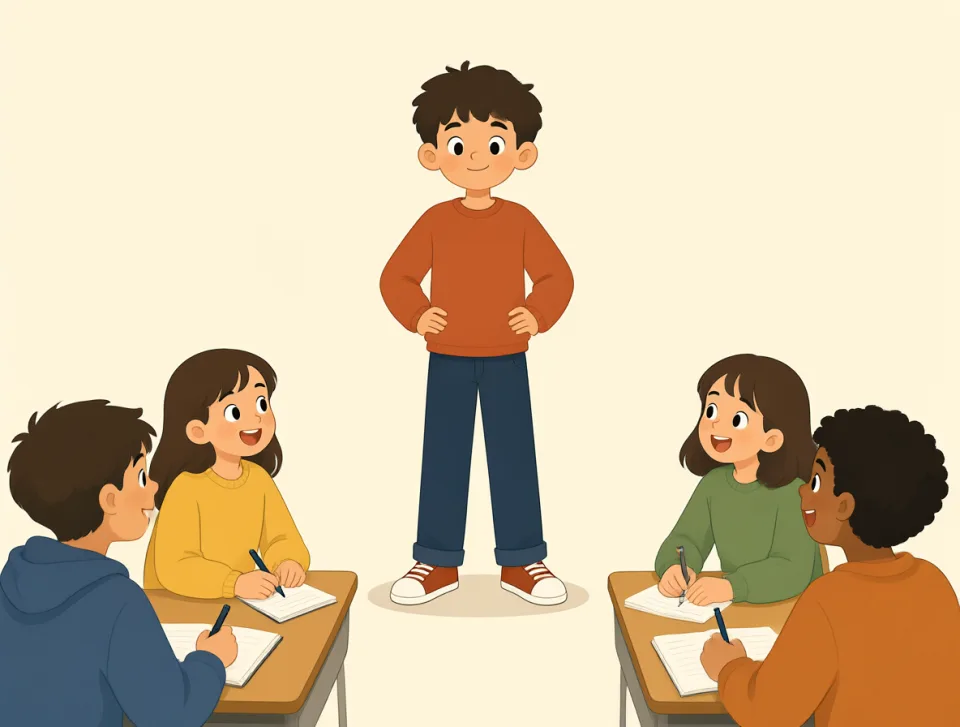
The ability to decide and act without waiting for someone to tell you what to do.
القدرة على اتخاذ القرار والتصرف دون انتظار أن يخبرك أحد بما عليك فعله.
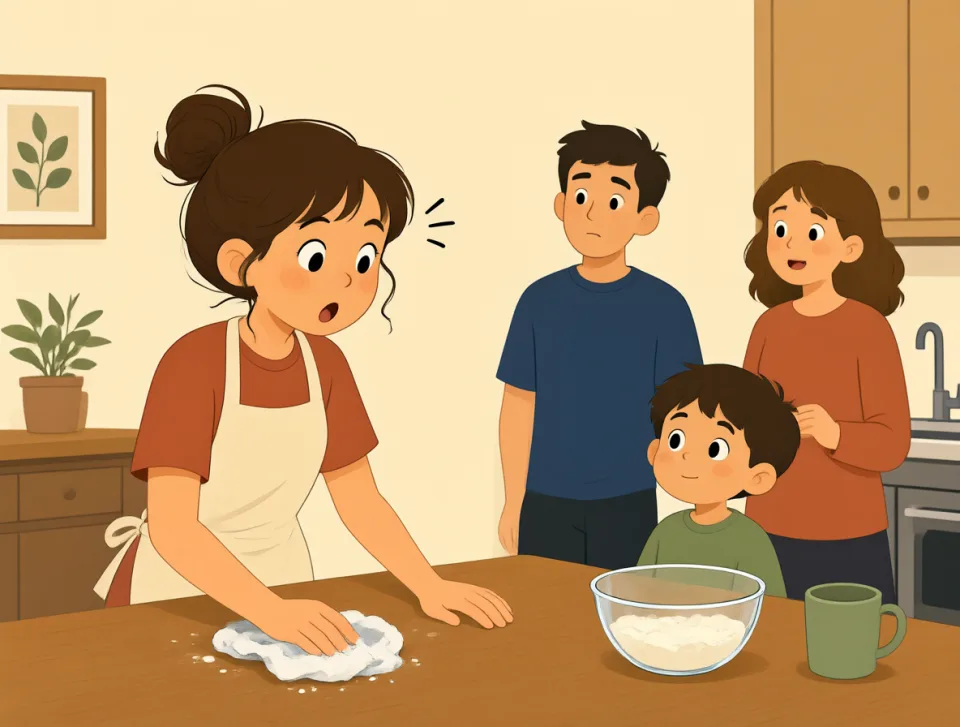
She showed initiative by cleaning the kitchen before anyone asked.
أظهرت روح المبادرة عندما نظفت المطبخ قبل أن يطلب منها أحد ذلك.

Our manager praised Tom for taking the initiative at work.
أثنى مديرنا على توم لمبادرته في العمل.
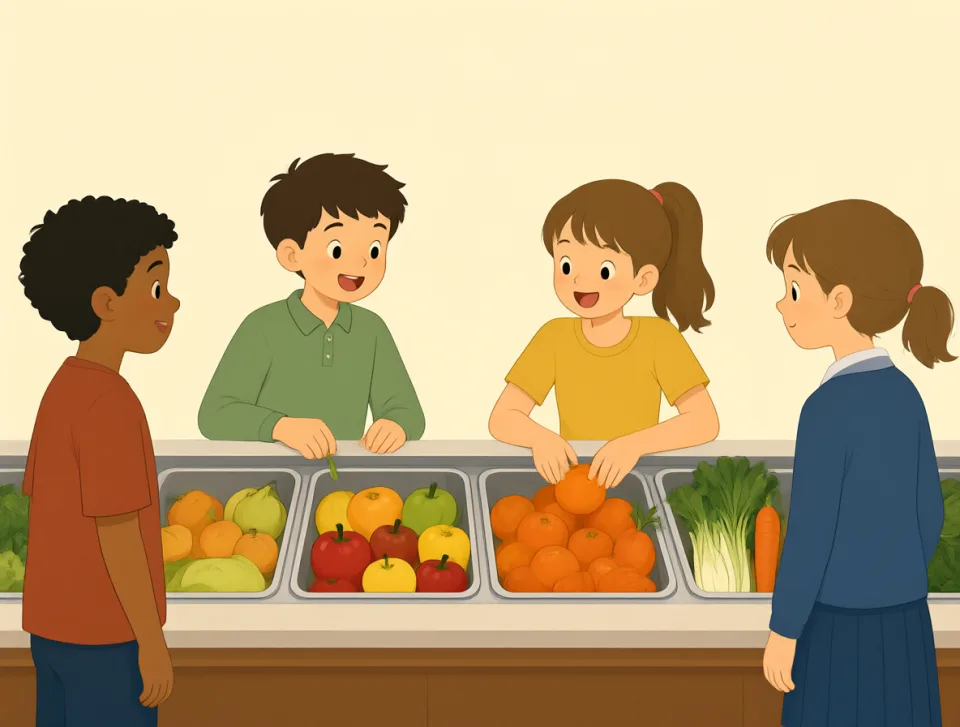
The school started an initiative to help students eat healthier food.
أطلقت المدرسة مبادرة لمساعدة الطلاب على تناول طعام صحي أكثر.
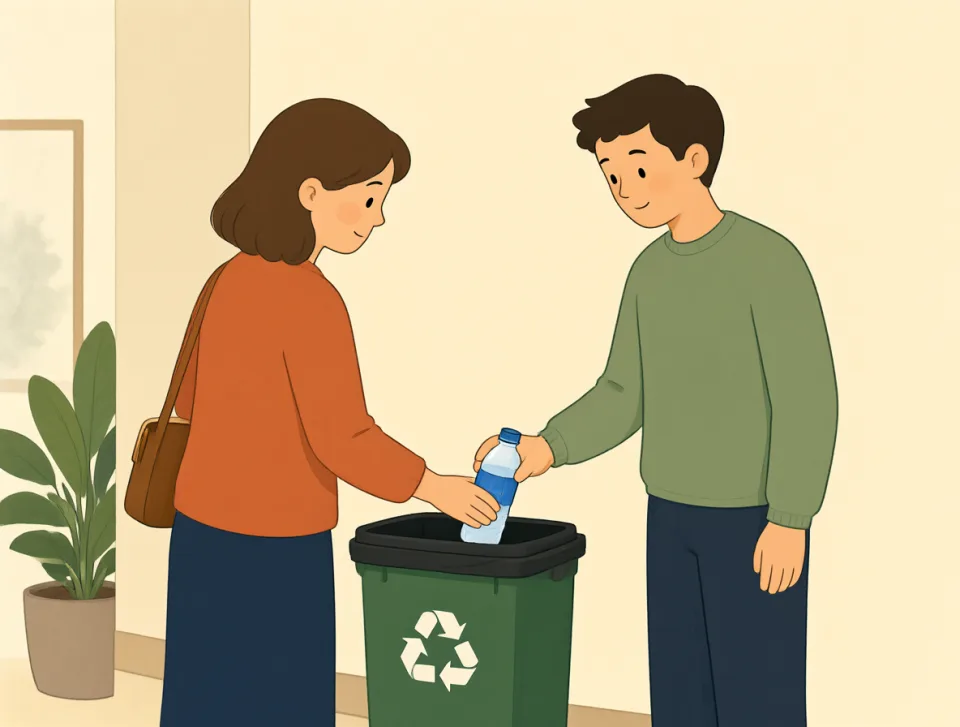
The hotel offered a new recycling initiative for all guests.
أطلق الفندق مبادرة جديدة لإعادة التدوير لجميع النزلاء.
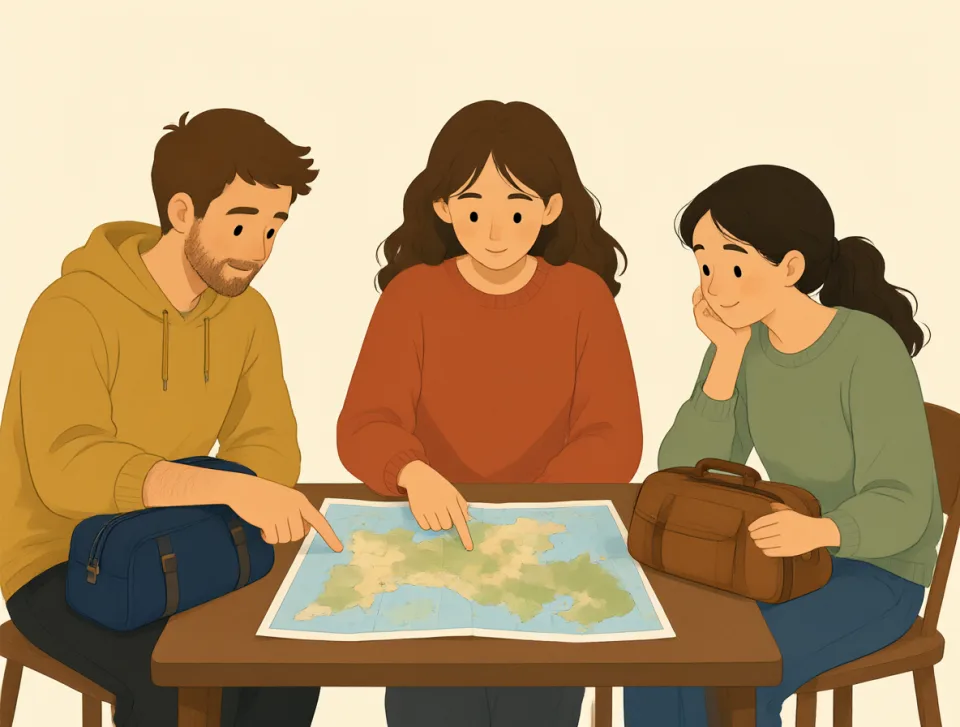
Friends took the initiative and planned a weekend trip together.
بادر الأصدقاء إلى التخطيط لرحلة معًا في عطلة نهاية الأسبوع.
sharp
#1846adjective, adverb, noun, verb
حادّ
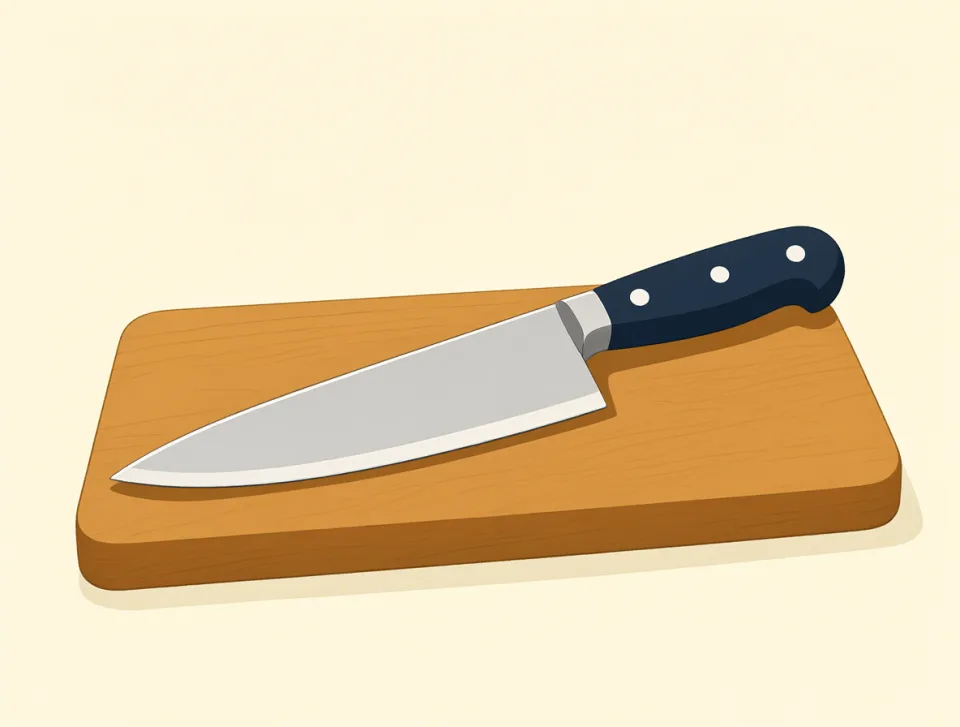
Having a thin edge that can cut; quick to understand; exactly at a stated time.
ذو حافة رفيعة قادرة على القطع؛ سريع الفهم؛ أو في الوقت المحدد تمامًا.
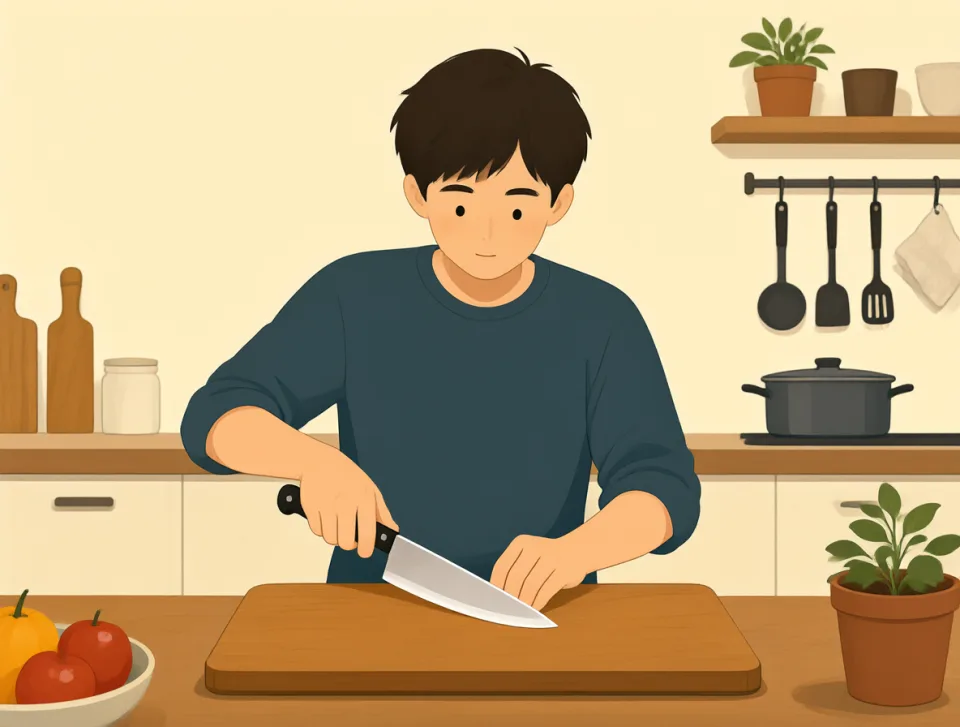
Be careful; this knife is very sharp.
كن حذرًا؛ هذه السكين حادّة جدًا.
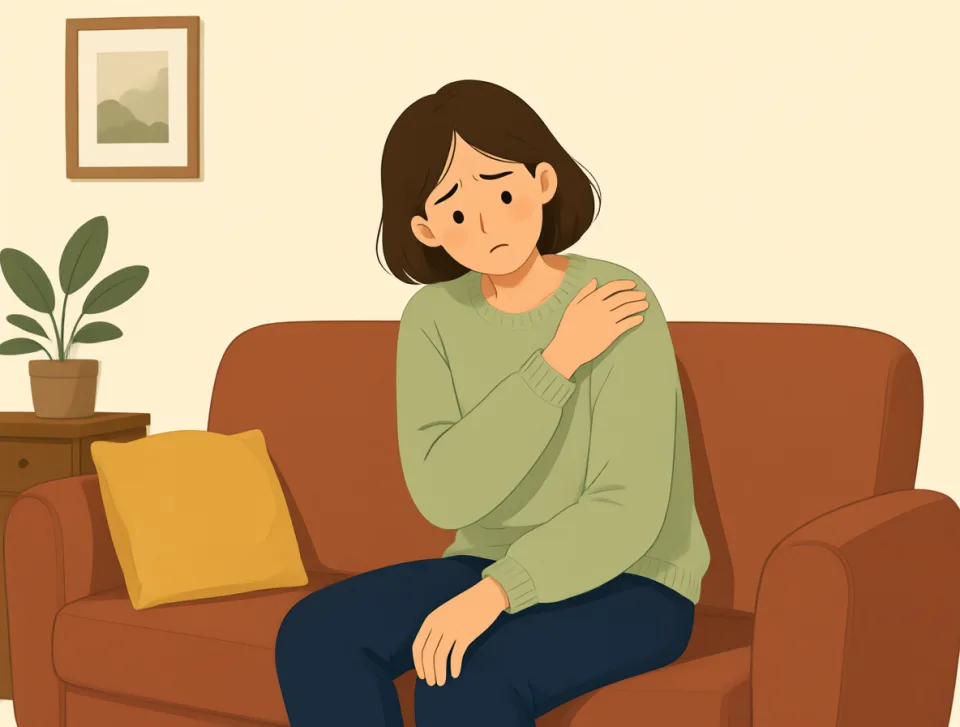
She felt a sharp pain in her shoulder.
شعرت بألم حاد في كتفها.

He is sharp and learns new skills quickly.
إنه ذكي وسريع التعلّم للمهارات الجديدة.

The bus leaves at six sharp tomorrow morning.
تغادر الحافلة غدًا صباحًا في تمام الساعة السادسة.
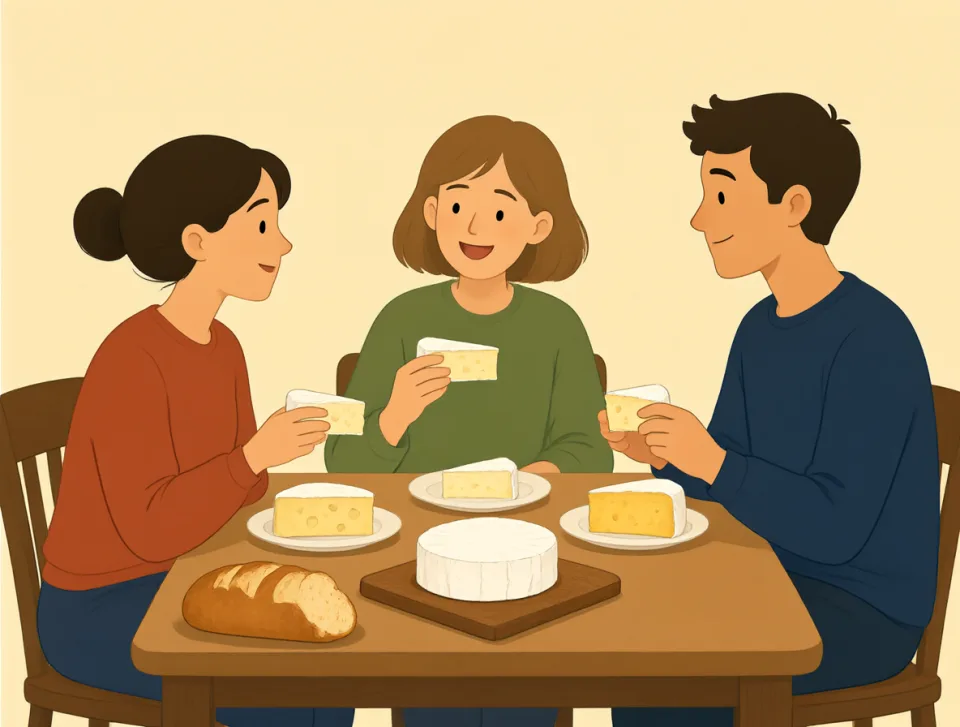
The sharp cheese tasted delicious with fresh bread.
كان مذاق الجبن الحاد لذيذًا مع الخبز الطازج.
diet
#1847noun, verb
نظام غذائي
The food and drink someone usually has, or a plan to eat less or healthier food.
الطعام والشراب اللذان يتناولهما الشخص عادةً، أو خطة لتناول طعام أقل أو أكثر صحة.
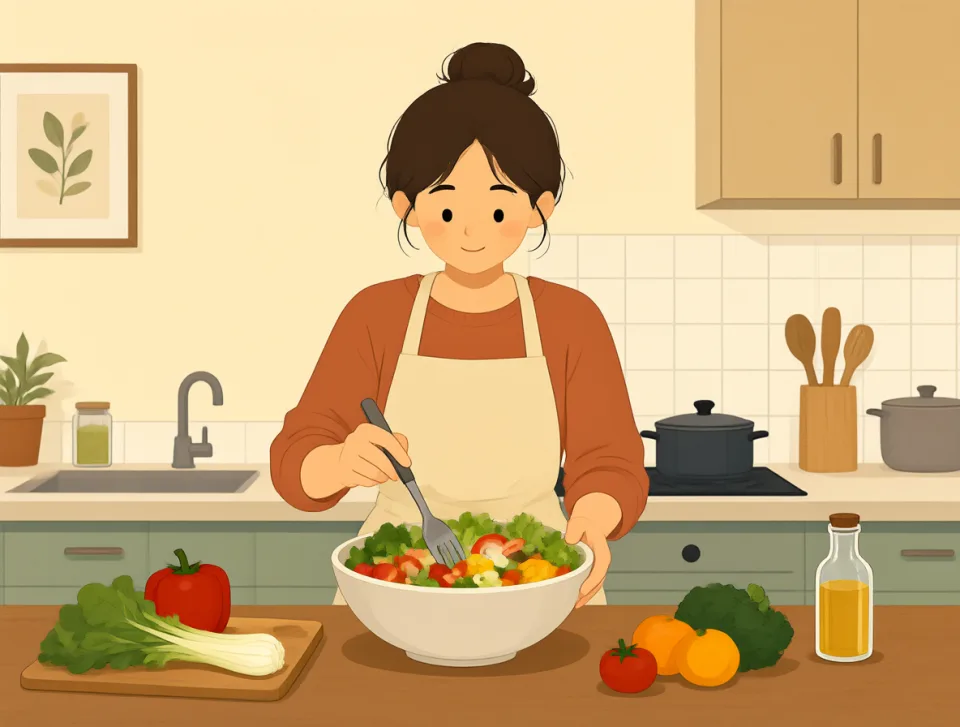
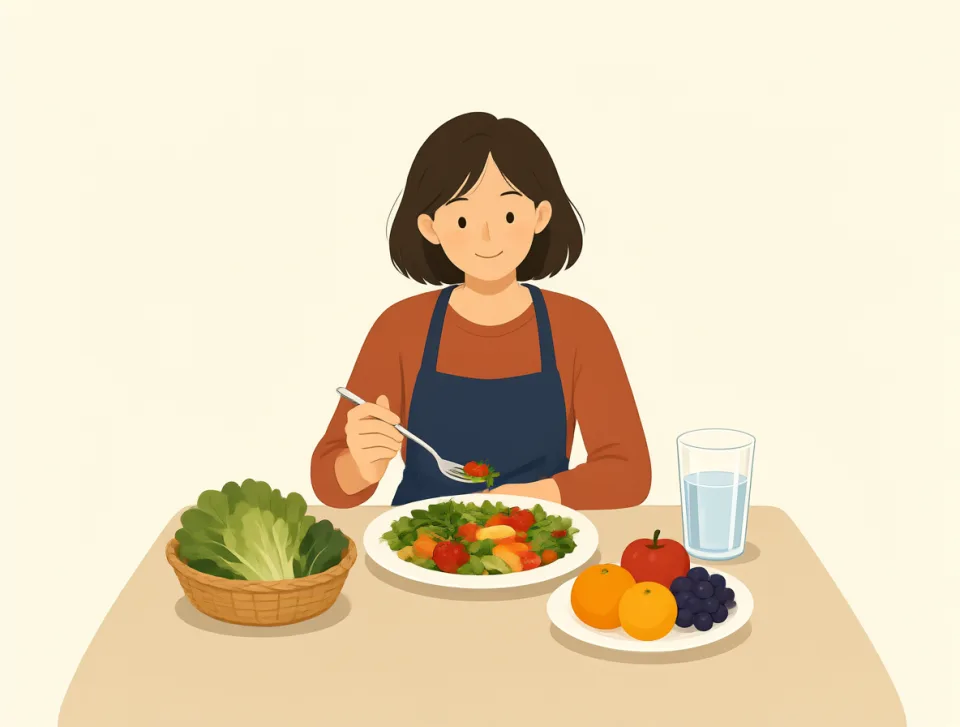
I try to eat a healthy diet with plenty of fresh vegetables.
أحاول اتباع نظام غذائي صحي يحتوي على الكثير من الخضراوات الطازجة.
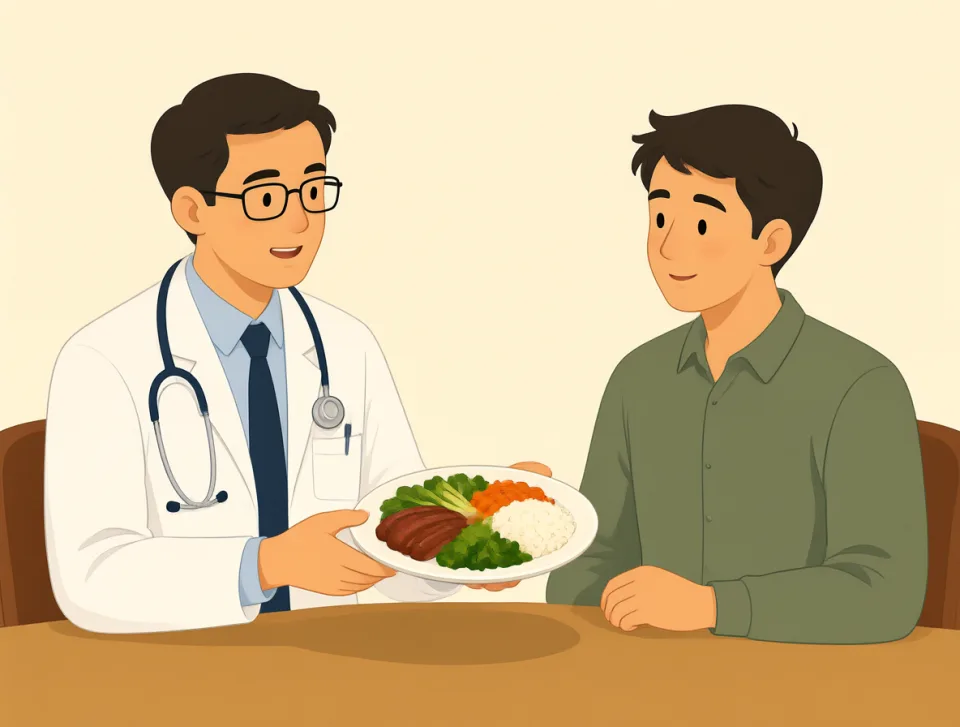
The doctor put him on a low-salt diet for his heart.
فرض الطبيب عليه نظامًا غذائيًا قليل الملح حفاظًا على قلبه.
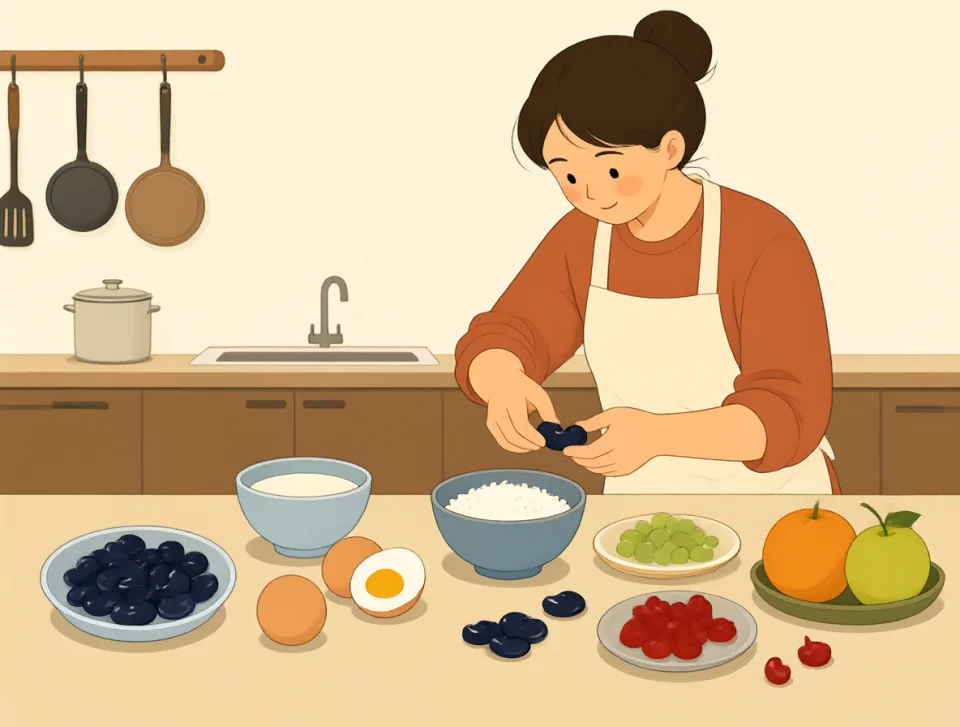
My vegetarian diet includes beans, rice, eggs, and lots of fruit.
يشمل نظامي الغذائي النباتي الفاصولياء والأرز والبيض والكثير من الفاكهة.
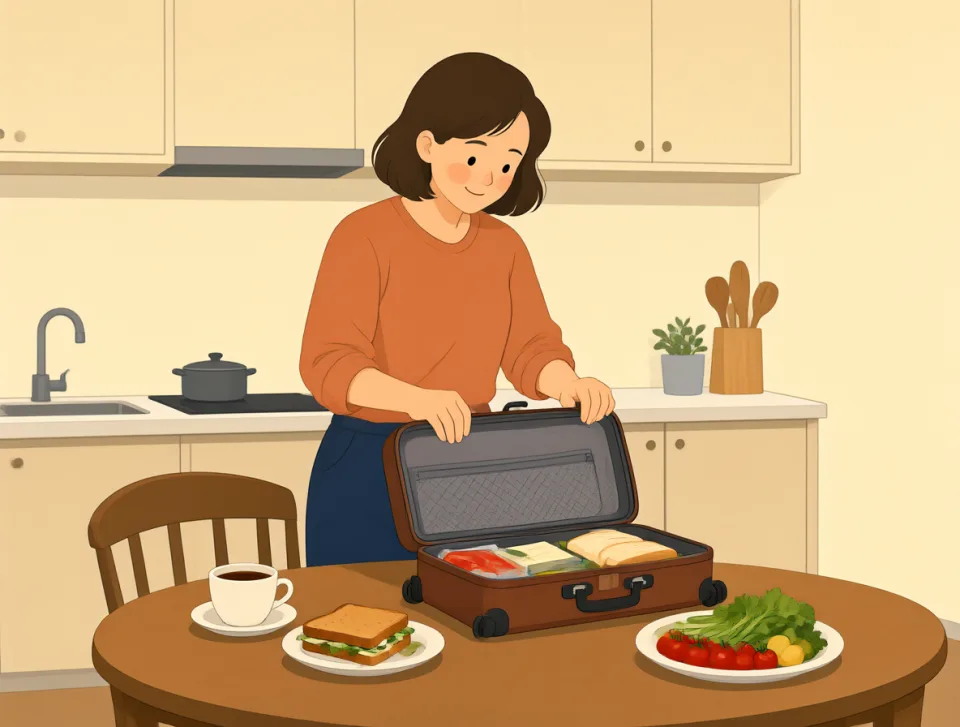
She started a diet before her holiday at the beach.
بدأت حمية غذائية قبل إجازتها على الشاطئ.
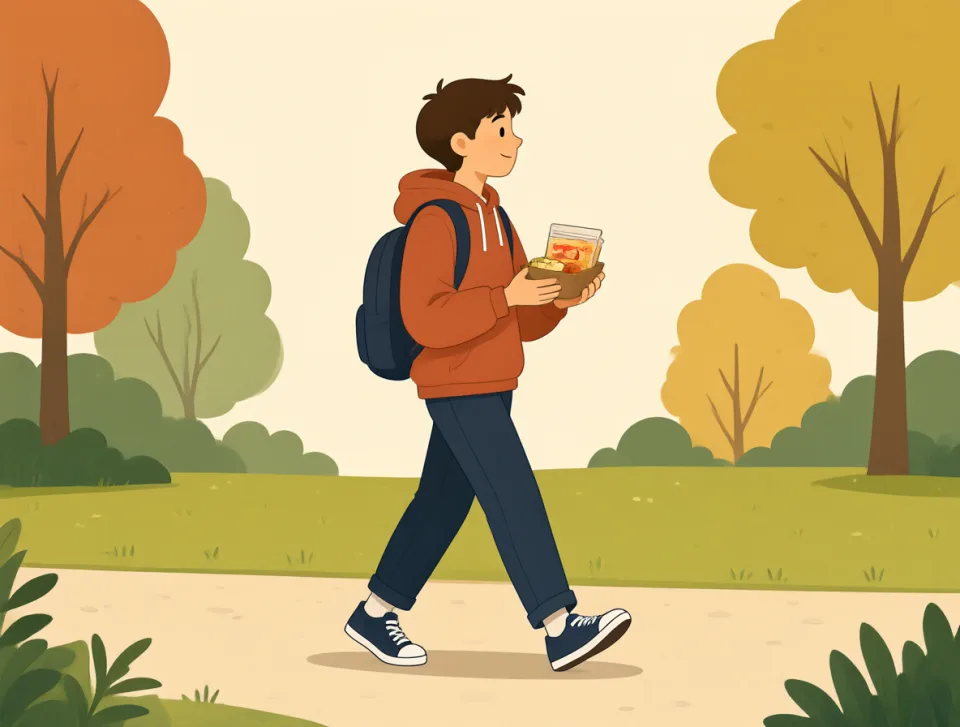
Some people diet by eating smaller meals and walking every day.
يتبع بعض الناس حمية غذائية بتناول وجبات أصغر والمشي كل يوم.

motion
#1848noun, verb
حركة
Movement or a movement, especially in a particular direction or to show an idea.
حركة أو فعل تحريك، ولا سيما في اتجاه معين أو للتعبير عن فكرة.
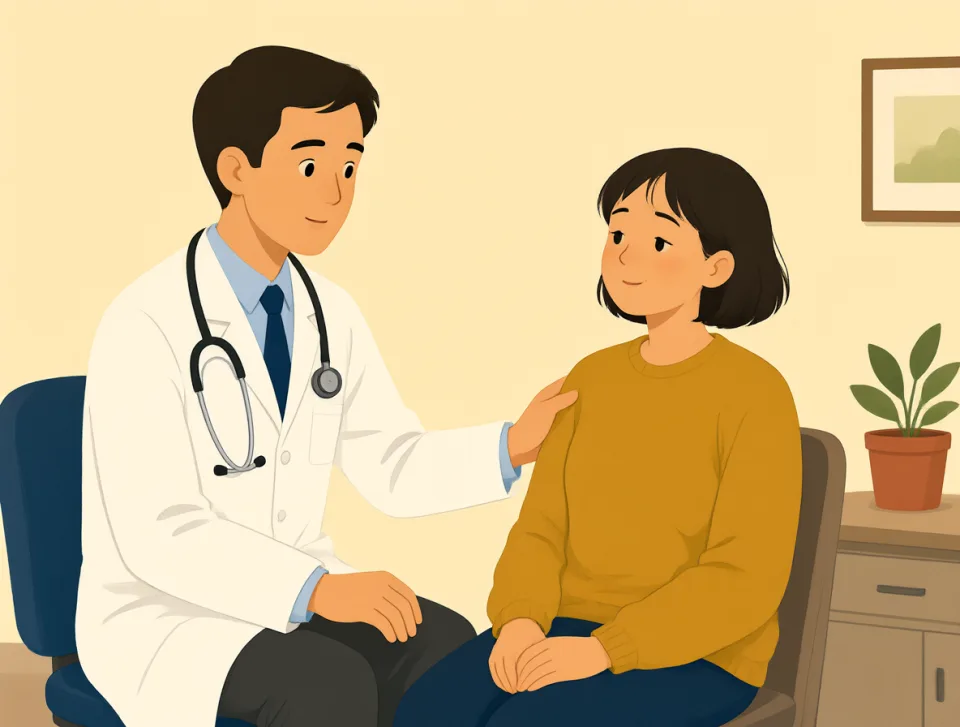
The doctor watched the motion of the patient's chest.
راقب الطبيب حركة صدر المريض.
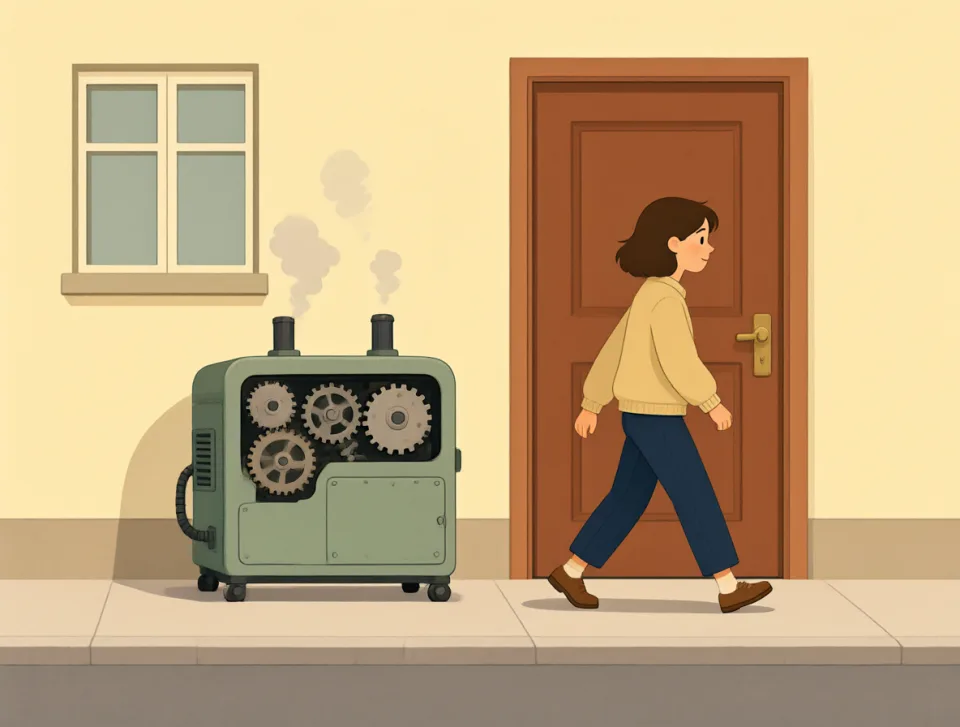
The machine stops when it detects sudden motion.
تتوقف الآلة عندما ترصد حركة مفاجئة.
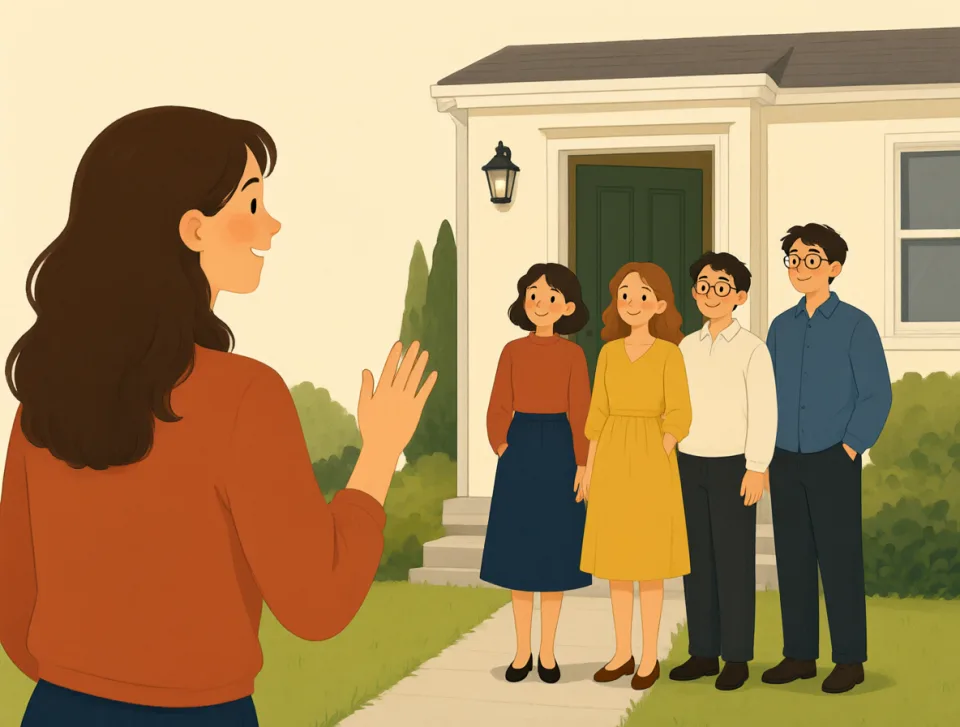
She made a motion for us to come inside.
أشارت إلينا كي ندخل.
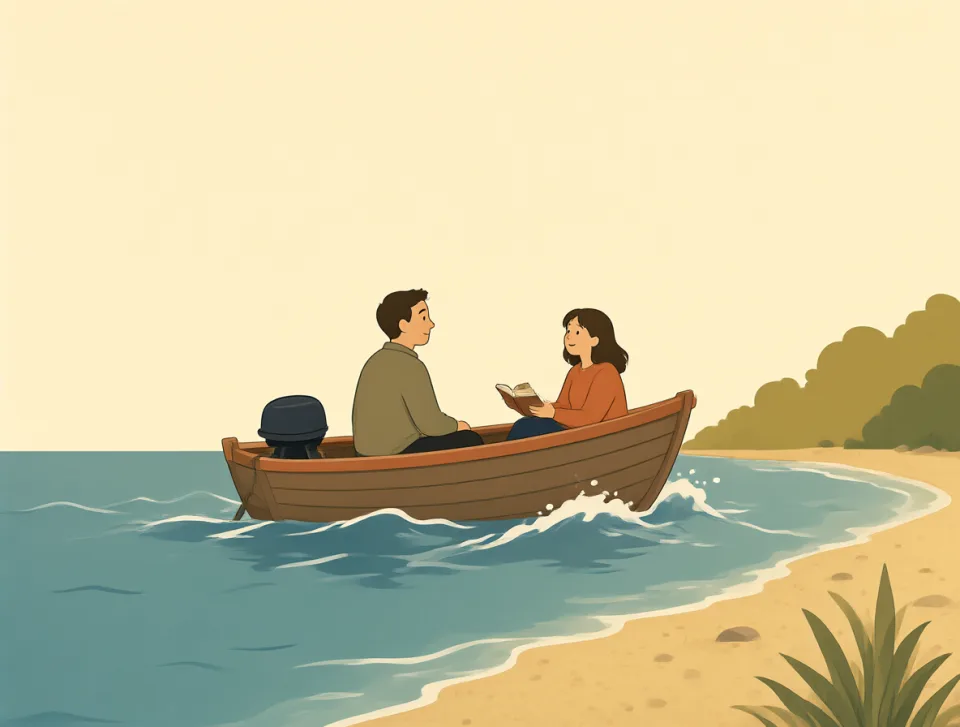
The boat rocked with the motion of the waves.
تمايل القارب مع حركة الأمواج.

The committee voted to approve the motion.
صوّتت اللجنة بالموافقة على الاقتراح.
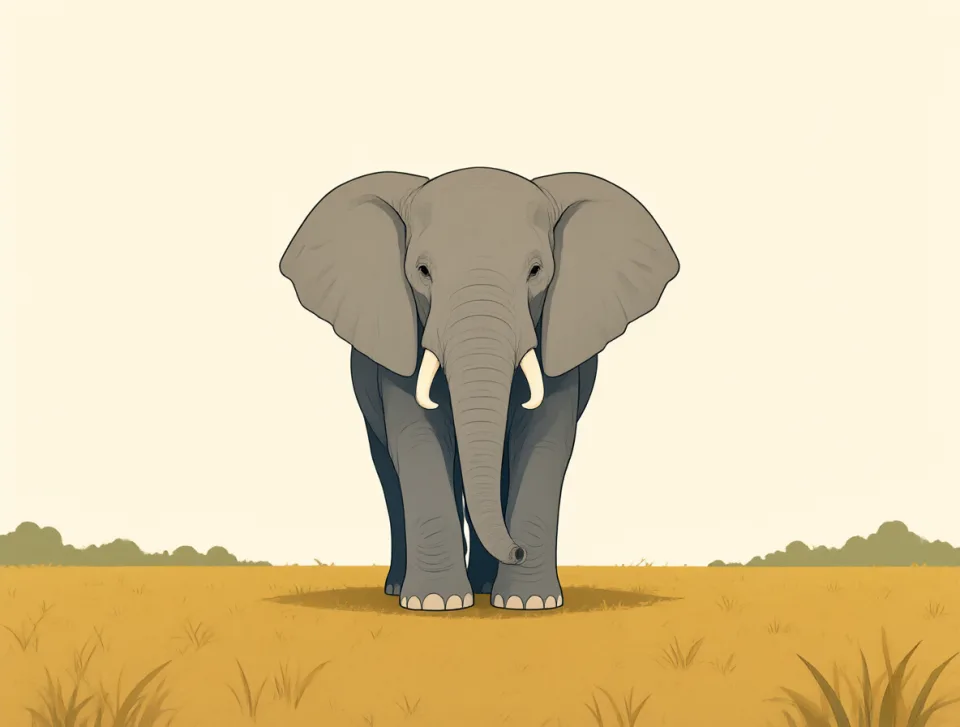
gray
#1849adjective, noun
رمادي
having a color between black and white
لونه بين الأسود والأبيض.
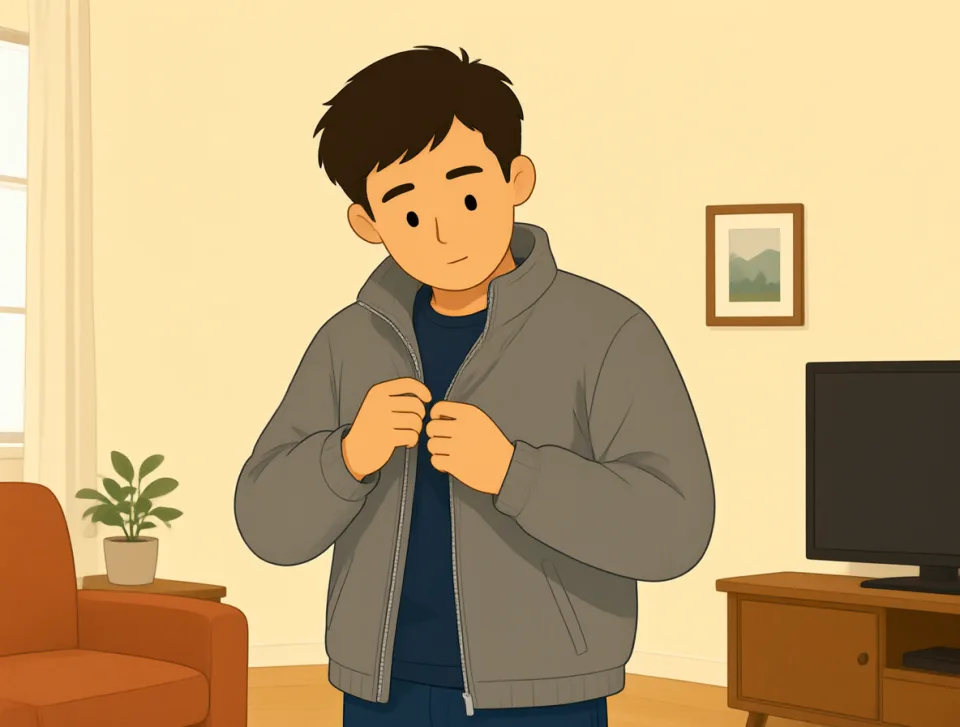
He wore a gray jacket on the cold morning.
ارتدى سترة رمادية في الصباح البارد.
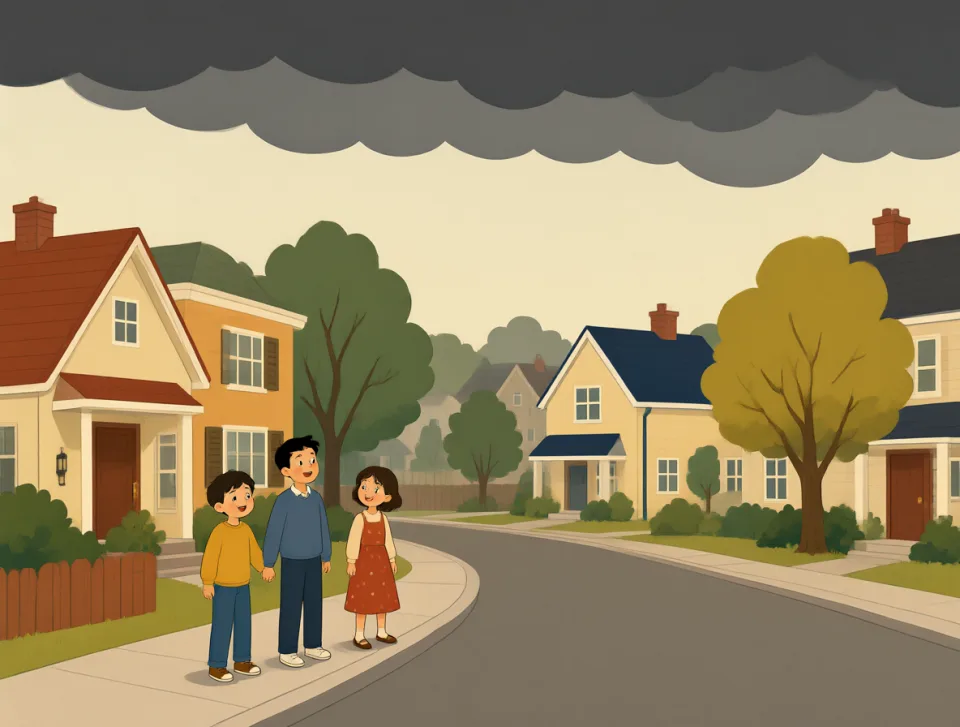
The sky turned gray before the rain started.
أصبحت السماء رمادية قبل أن يبدأ المطر.
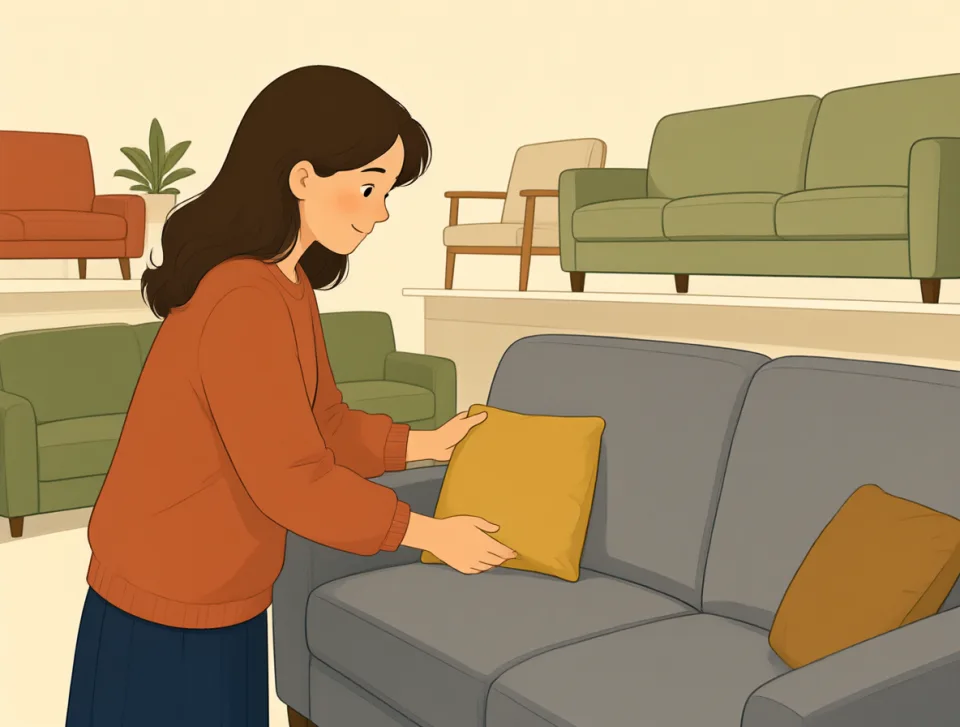
She bought a gray sofa for the living room.
اشترت أريكة رمادية لغرفة المعيشة.
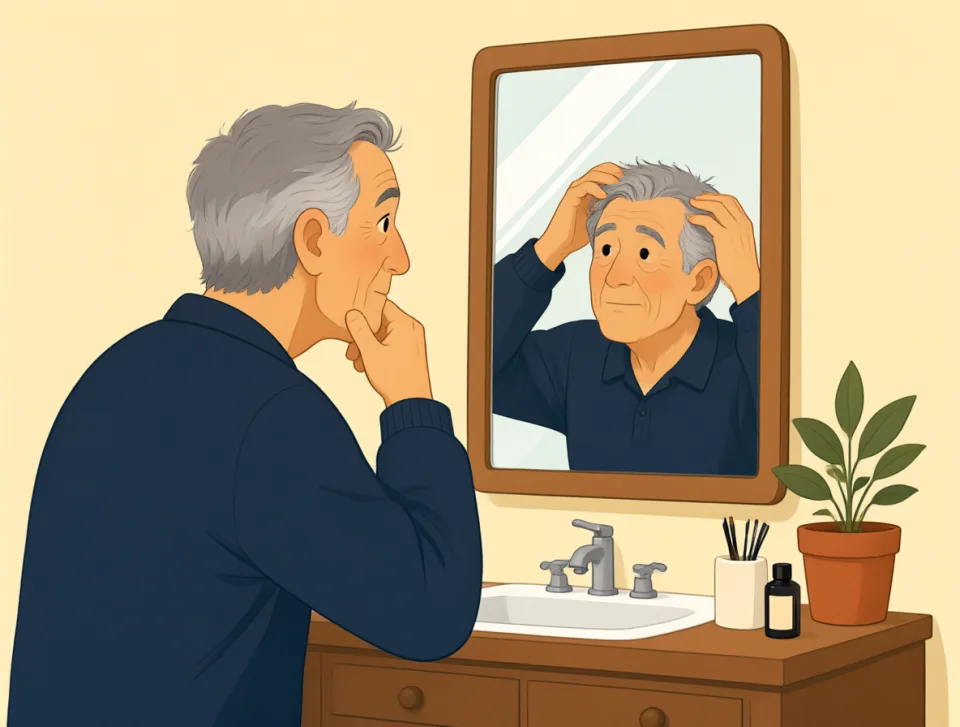
My grandfather's hair is turning gray.
بدأ شعر جدي يشيب.
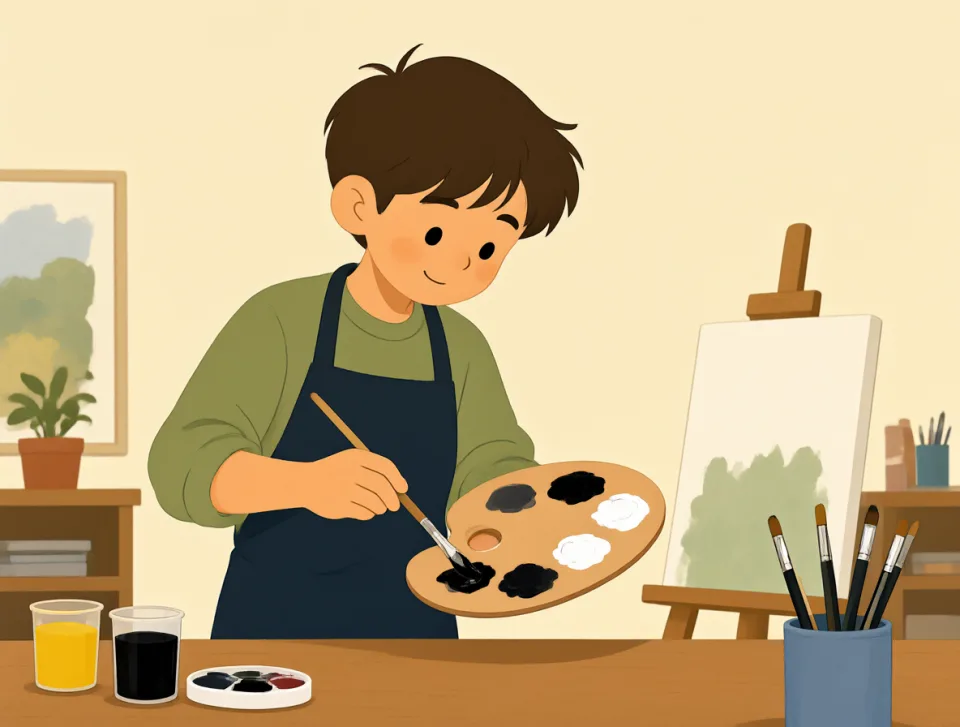
The artist mixed black and white to make gray.
مزج الفنان الأسود والأبيض لصنع اللون الرمادي.
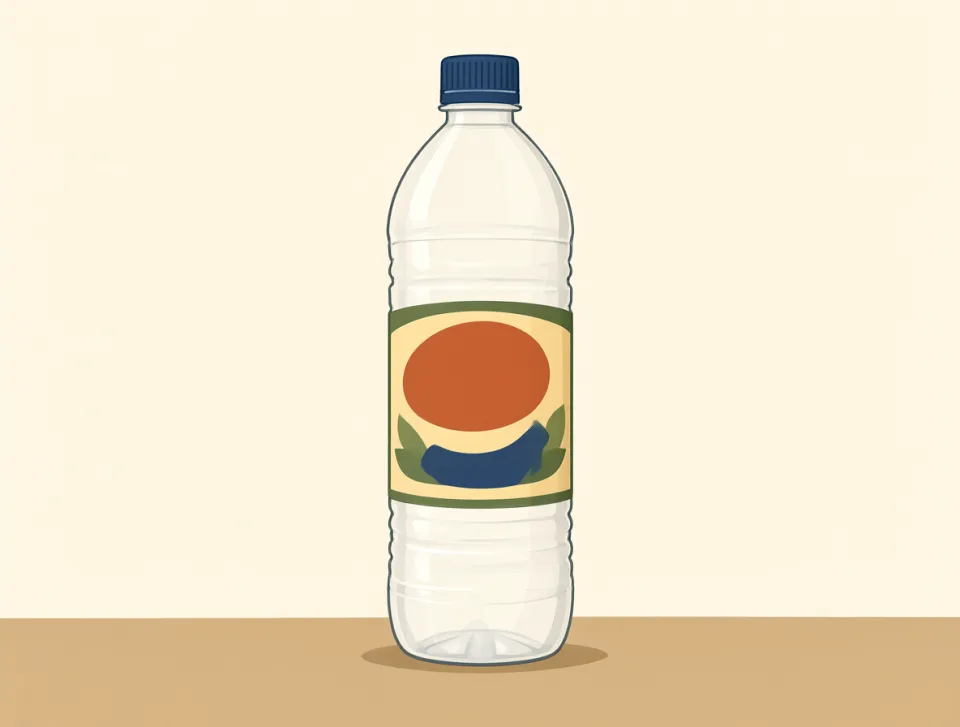
plastic
#1850noun, adjective
بلاستيك
A light, strong material made from chemicals, often used to make containers and bags.
مادة خفيفة ومتينة تُصنع من مواد كيميائية، وتُستخدم غالبًا لصنع العبوات والأكياس.
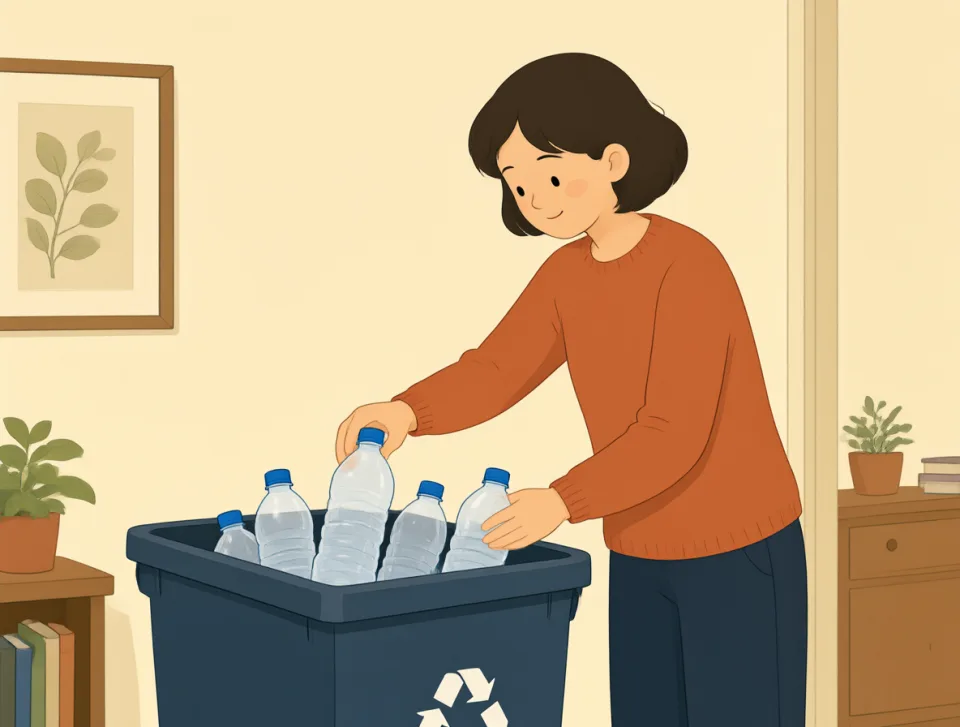
Please put the plastic bottles in the recycling bin.
يُرجى وضع الزجاجات البلاستيكية في حاوية إعادة التدوير.
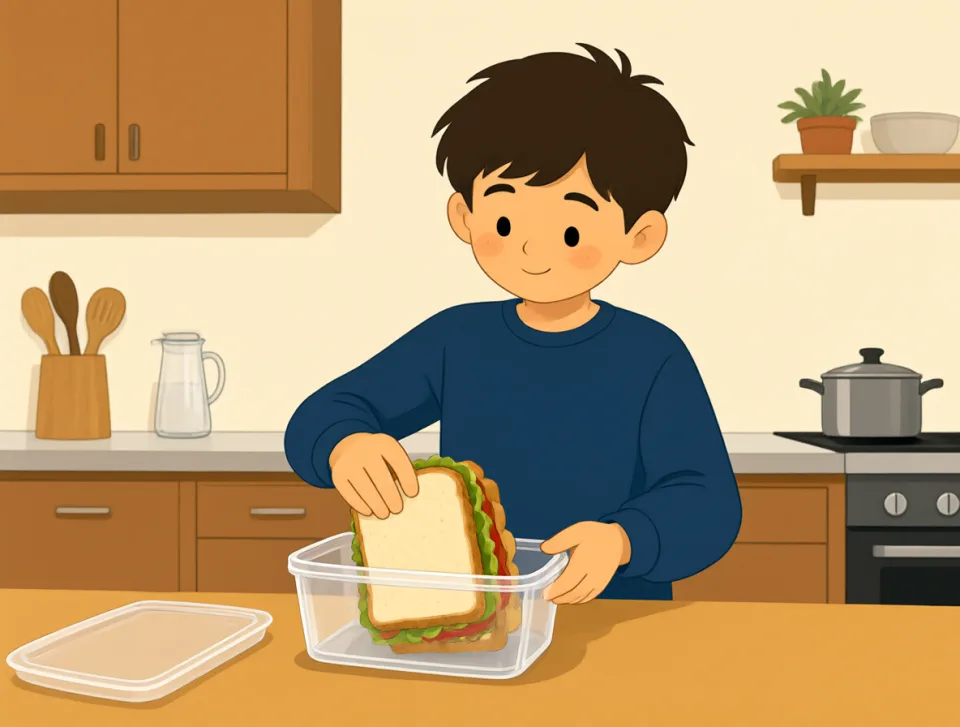
She packed her lunch in a plastic container.
وضعت غداءها في وعاء بلاستيكي.
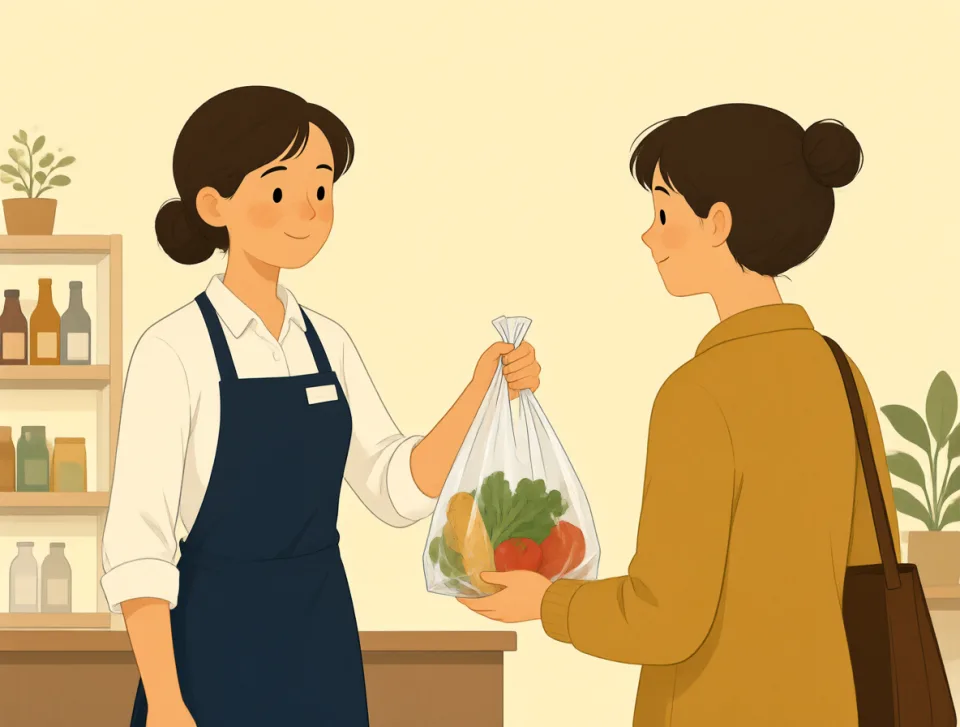
The shop gives customers a plastic bag for their purchases.
يعطي المتجر الزبائن كيسًا بلاستيكيًا لمشترياتهم.
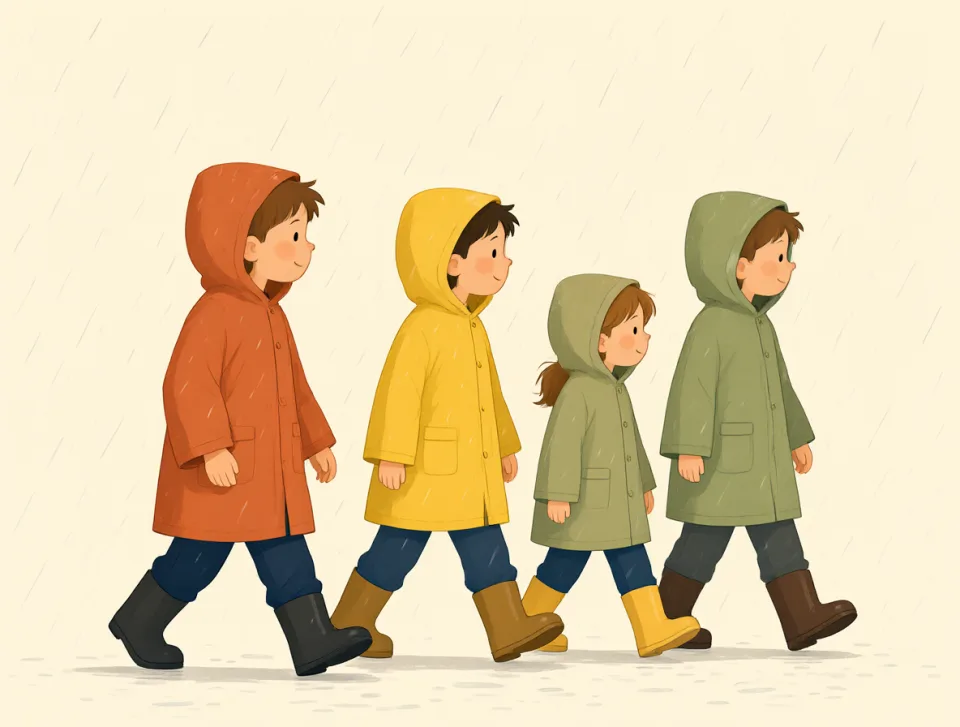
The children wore plastic raincoats during the school trip.
ارتدى الأطفال معاطف مطر بلاستيكية خلال الرحلة المدرسية.
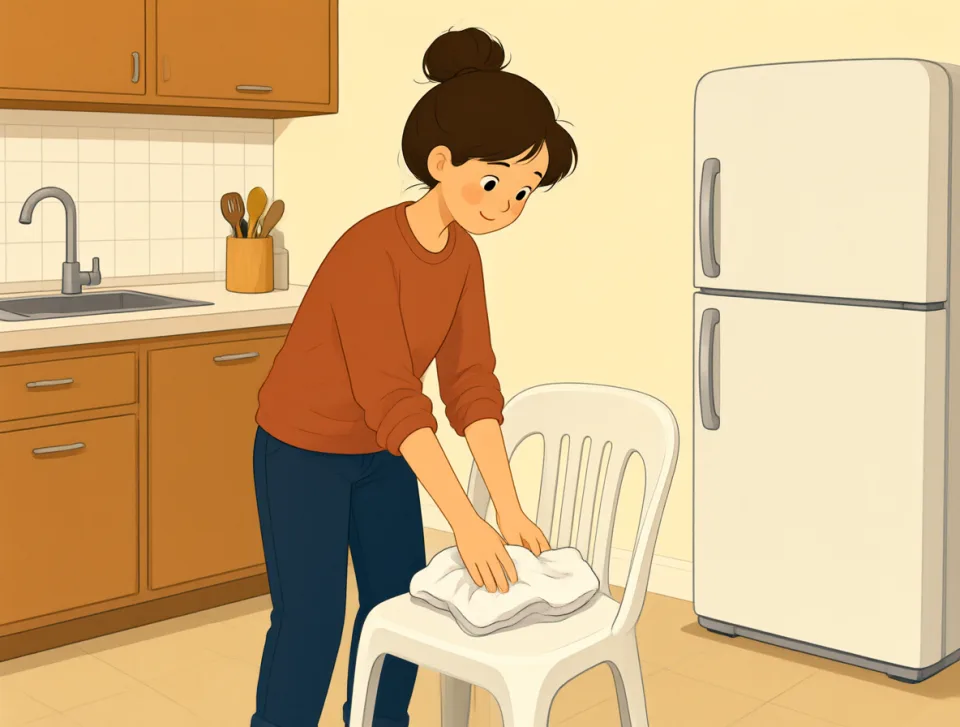
This chair is made of strong plastic and is easy to clean.
هذا الكرسي مصنوع من بلاستيك متين ويسهل تنظيفه.
complicate
#1851verb
يعقّد
to make something more difficult or confusing than it needs to be
يجعل شيئًا أكثر صعوبة أو إرباكًا مما يلزم.
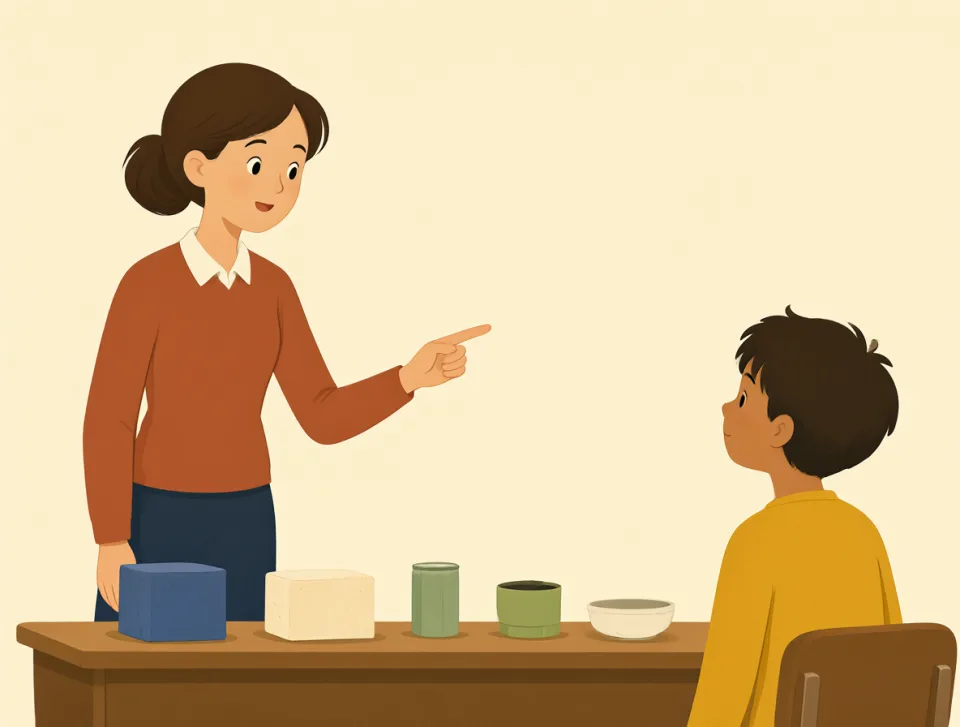
Don't complicate the problem; follow these simple steps.
لا تعقّد المشكلة؛ اتبع هذه الخطوات البسيطة.
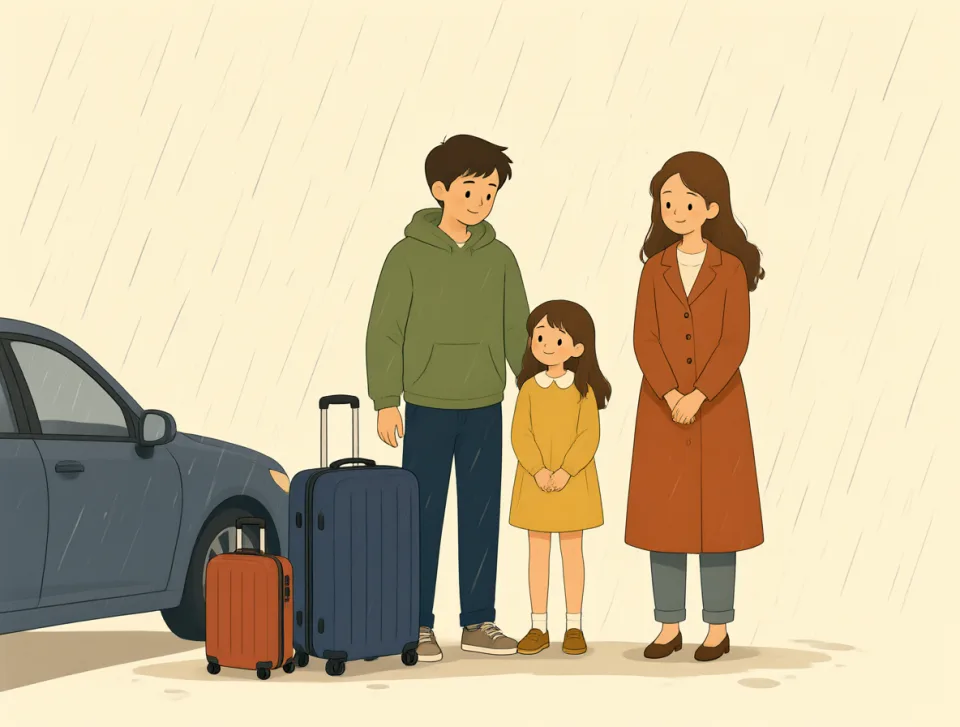
The bad weather complicated our travel plans.
عقّد الطقس السيئ خطط سفرنا.

Too many rules can complicate the hiring process.
قد تؤدي كثرة القواعد إلى تعقيد إجراءات التوظيف.
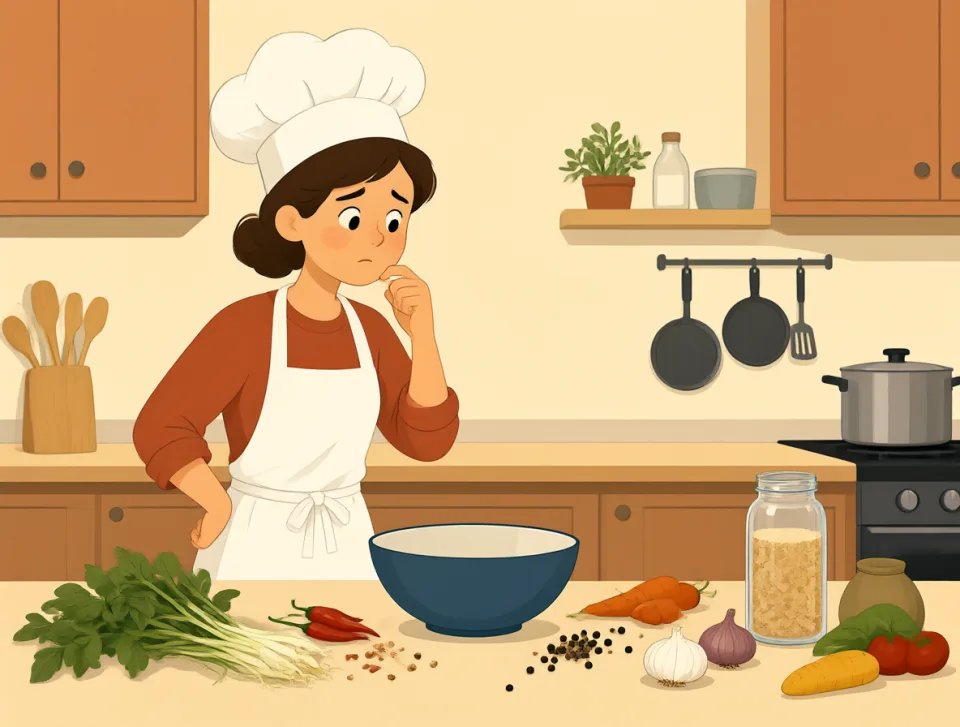
Adding more ingredients complicated the recipe.
أدّت إضافة مزيد من المكونات إلى تعقيد الوصفة.
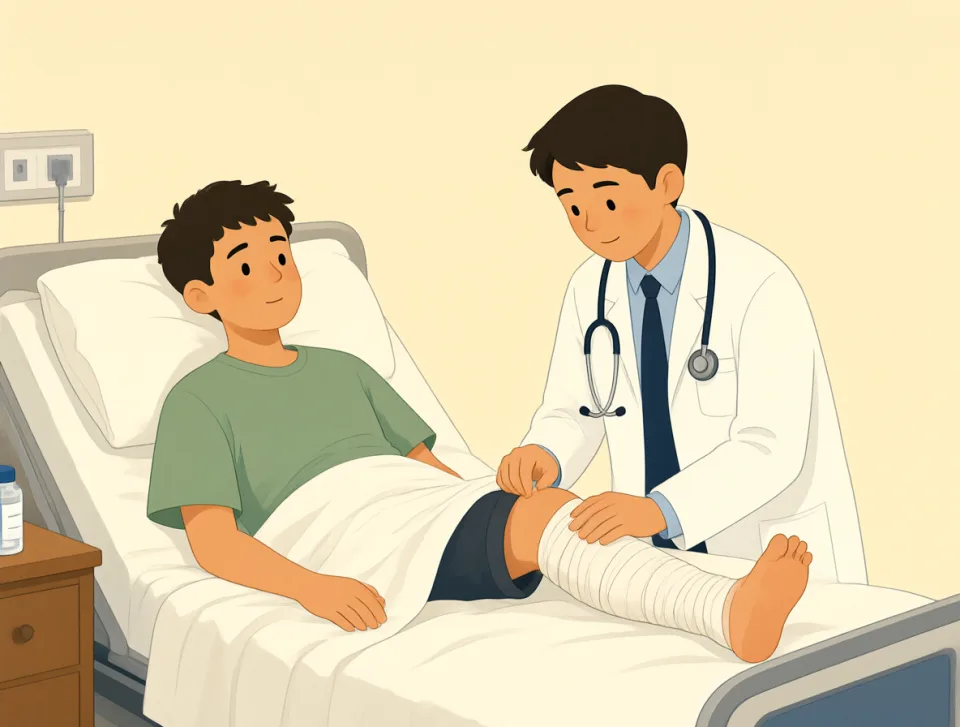
His injury complicated his recovery after the accident.
عقّبت إصابته تعافيه بعد الحادث.

discipline
#1852noun, verb
الانضباط
Training yourself to follow rules and control your behavior to reach a goal.
تدريب نفسك على اتباع القواعد والتحكم في سلوكك لتحقيق هدف.
Learning a new language takes discipline and regular practice.
يتطلب تعلم لغة جديدة انضباطًا وممارسة منتظمة.
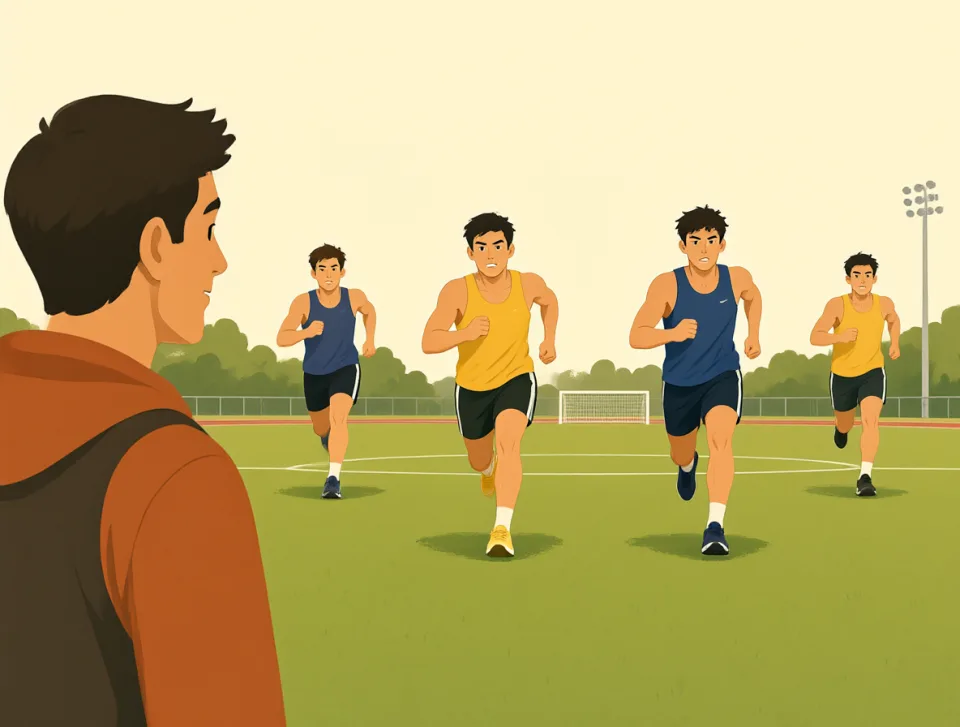
The coach praised the team for showing discipline during training.
أشاد المدرب بالفريق لانضباطه أثناء التدريب.
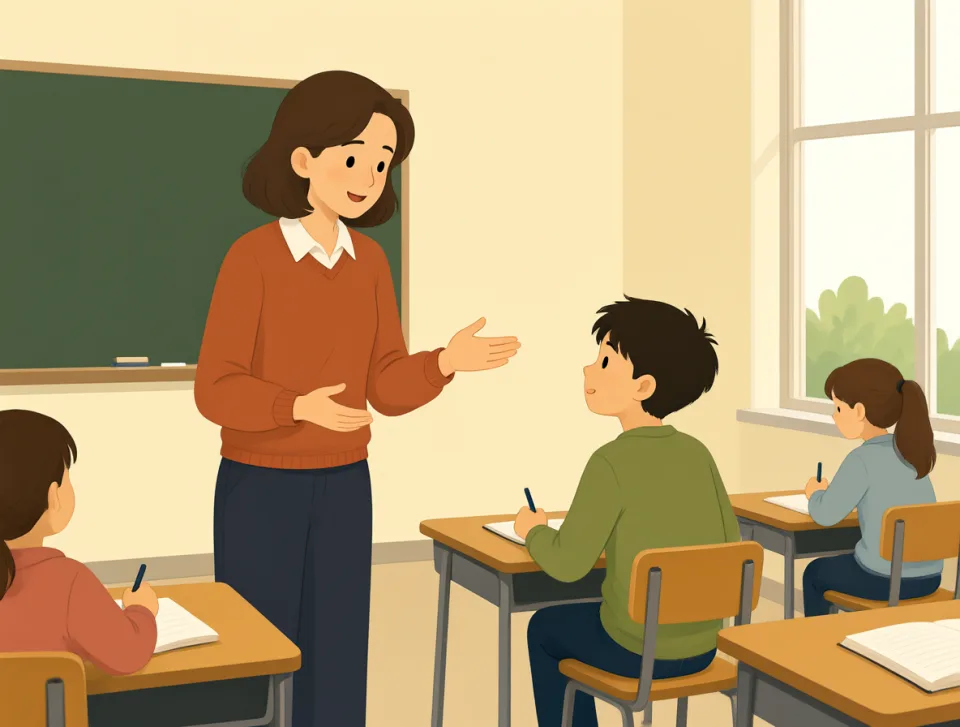
The school uses discipline to help students behave well.
تستخدم المدرسة الانضباط لمساعدة الطلاب على حسن السلوك.
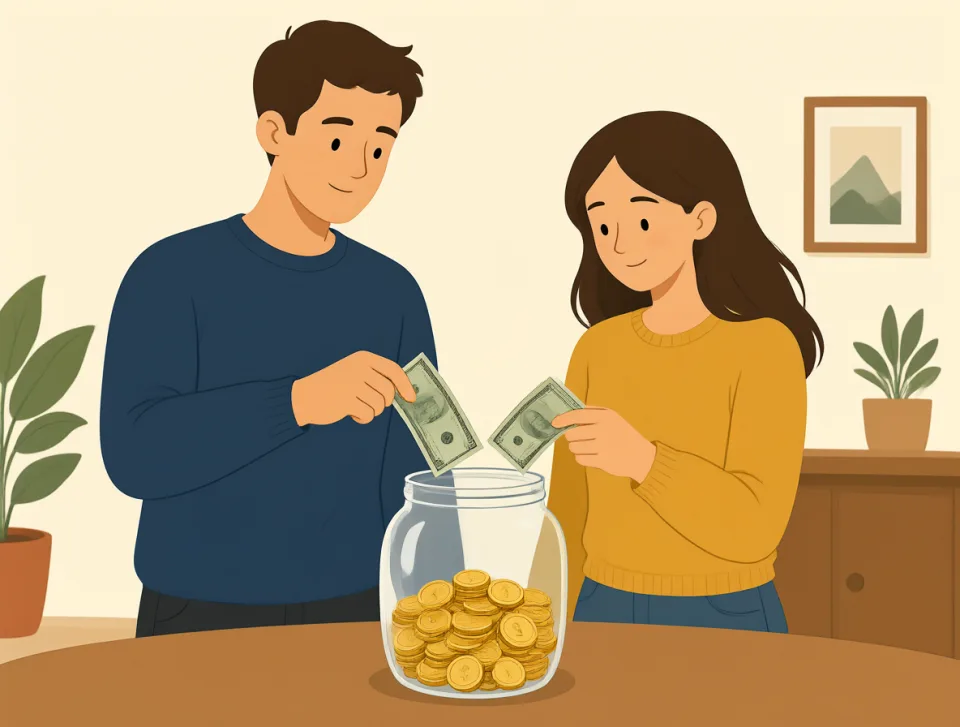
Good financial discipline helped us save enough money for our holiday.
ساعدنا الانضباط المالي الجيد على ادخار ما يكفي من المال لعطلتنا.
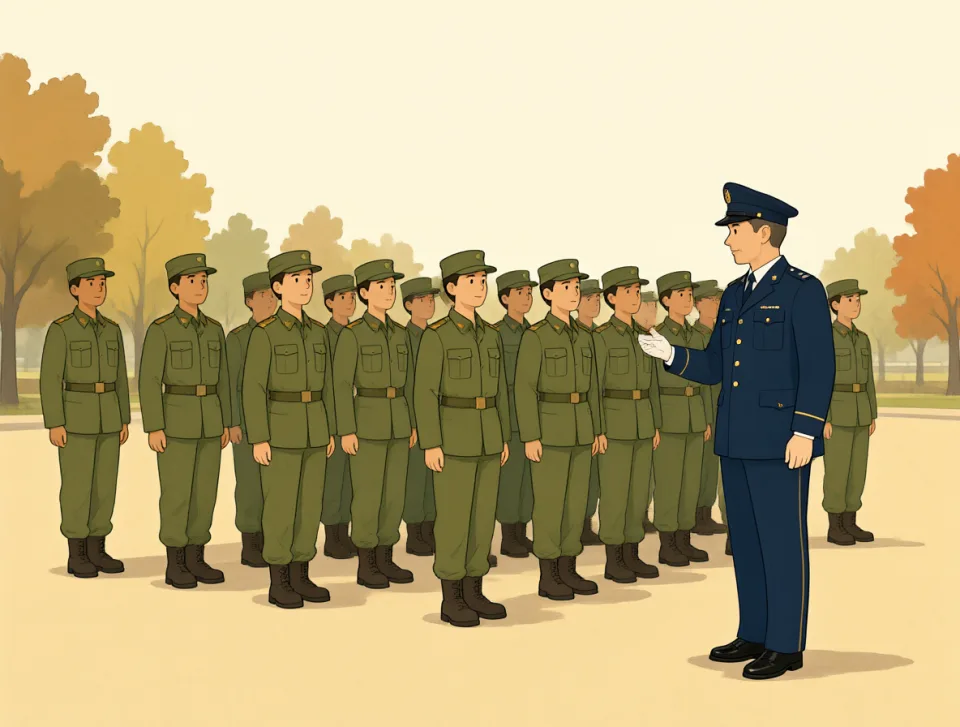
The army disciplined the new soldiers during their first month.
درّب الجيش الجنود الجدد على الانضباط خلال شهرهم الأول.
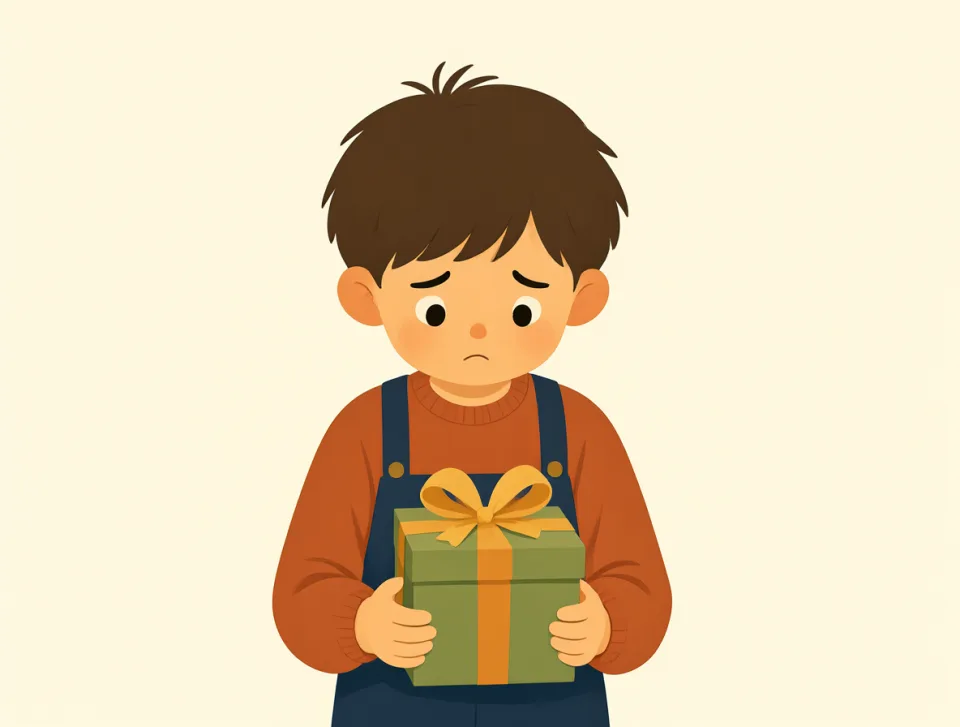
disappoint
#1853verb
يخيّب أمل
To make someone feel unhappy because something was not as good as expected.
يجعل شخصًا يشعر بالحزن لأن شيئًا ما لم يكن بالجودة المتوقعة.
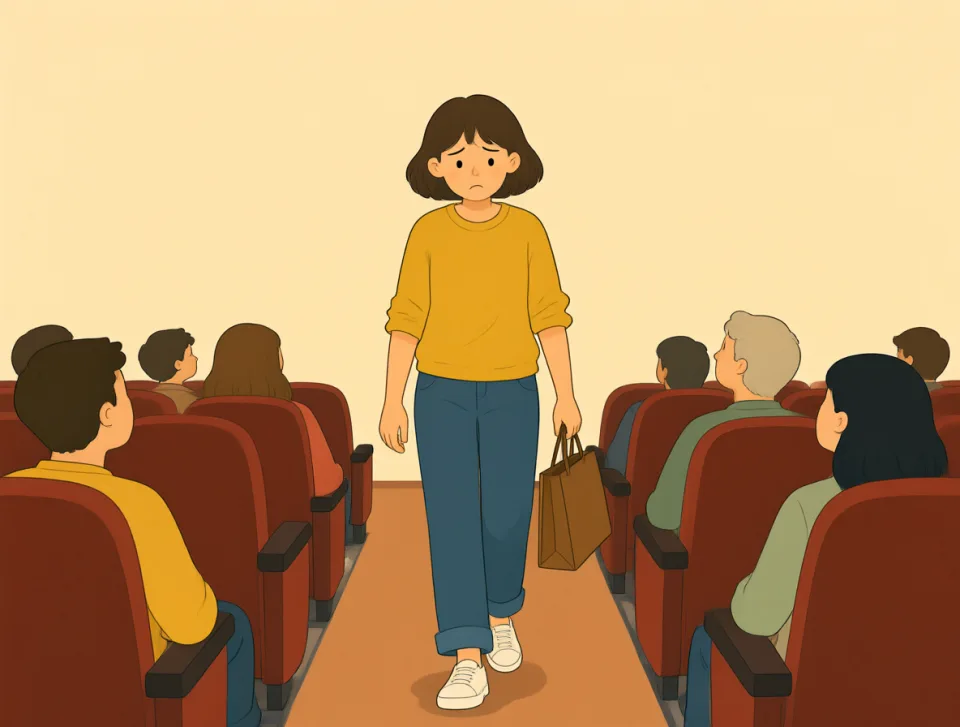
The movie disappointed me, so I left before the end.
خيّب الفيلم أملي، لذلك غادرت قبل نهايته.
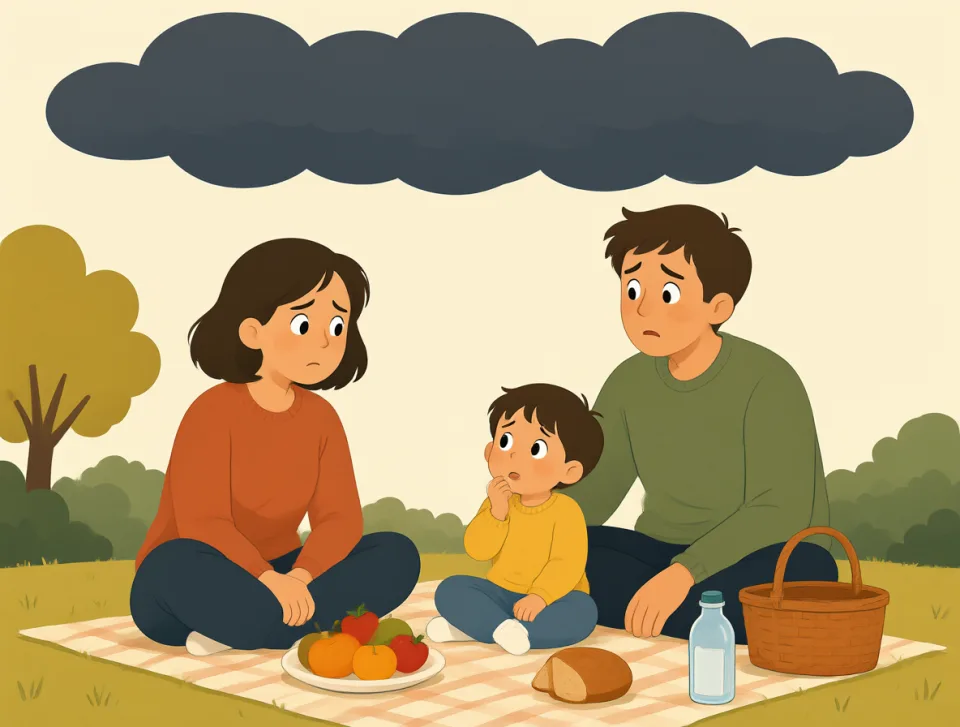
I hope the weather does not disappoint us tomorrow.
آمل ألا يخيّب الطقس آمالنا غدًا.
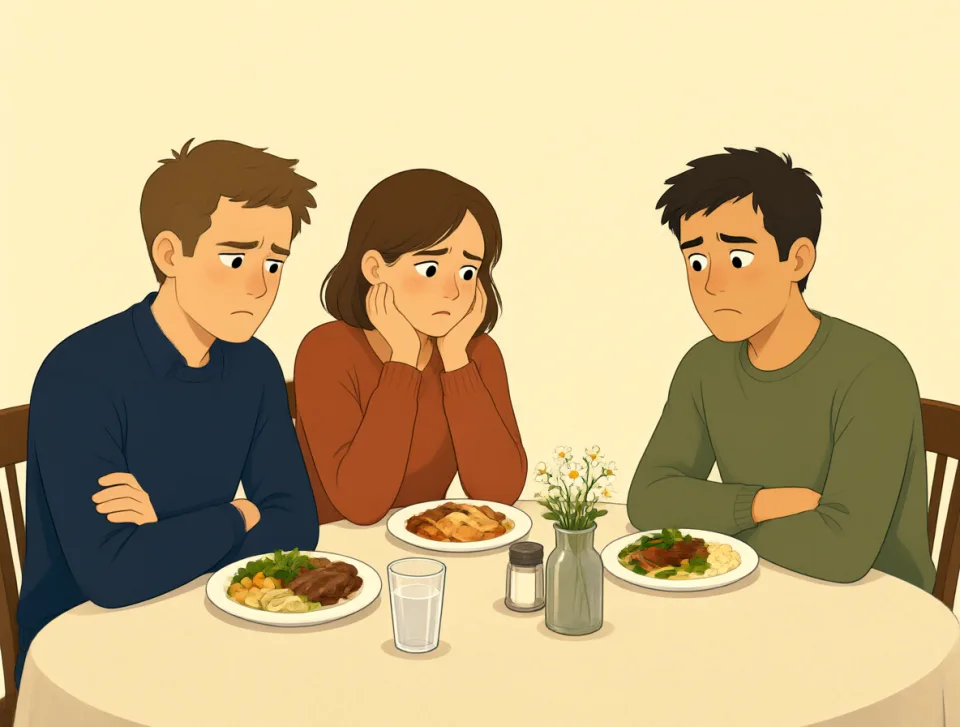
The restaurant disappointed us with cold food and slow service.
خيّب المطعم آمالنا بطعام بارد وخدمة بطيئة.
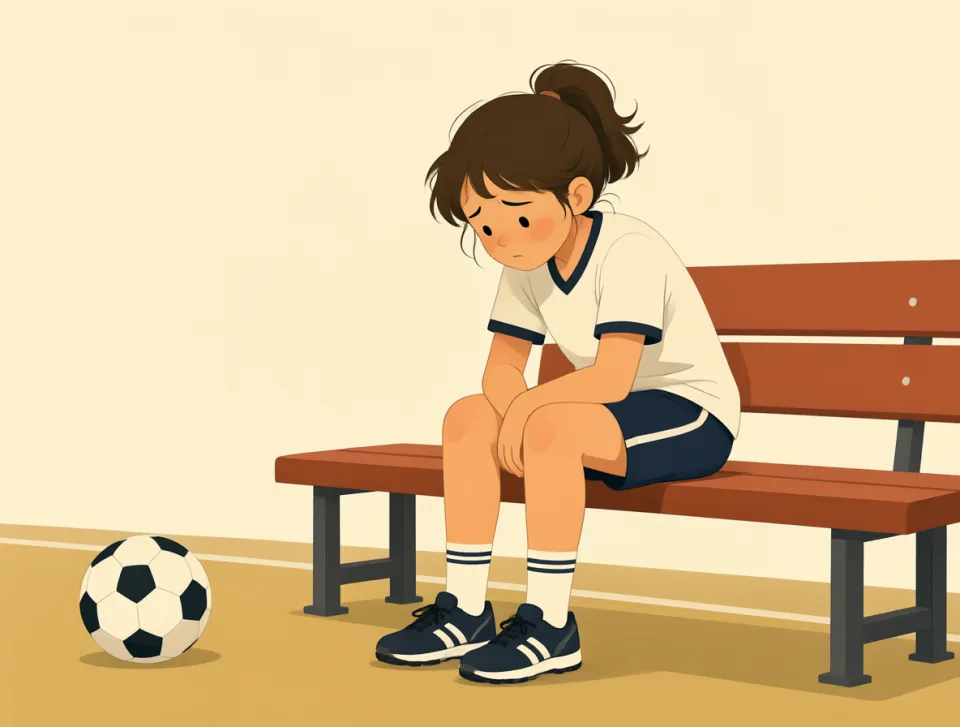
She was disappointed when her team lost the final game.
شعرت بخيبة أمل عندما خسر فريقها المباراة النهائية.
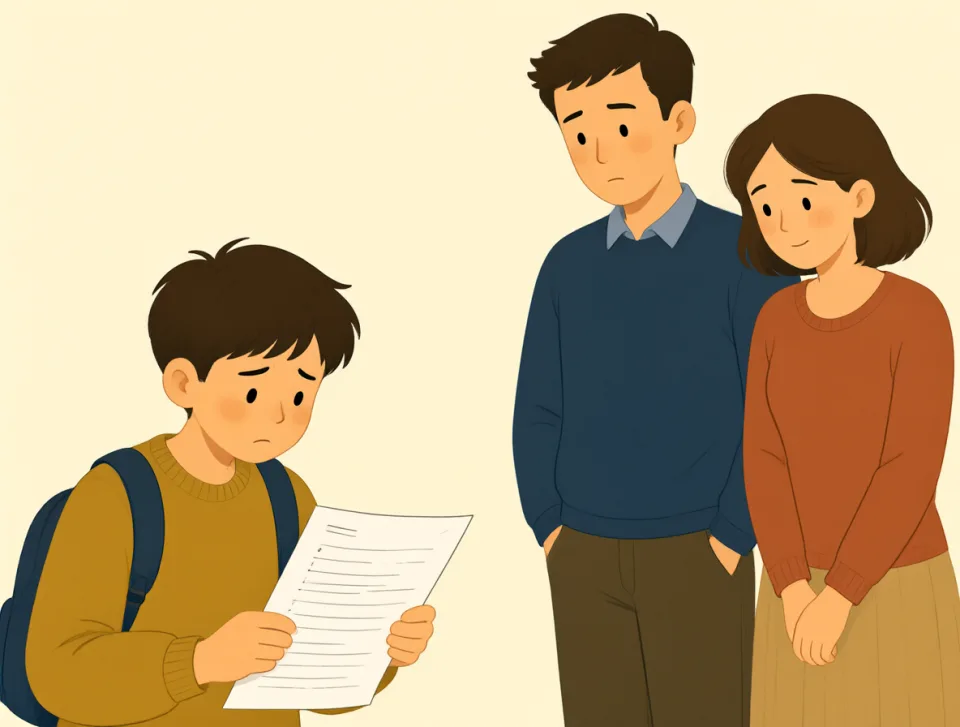
He hates disappointing his parents when he gets poor grades.
يكره أن يخيّب أمل والديه عندما يحصل على درجات متدنية.

boss
#1854noun, verb
مدير
A person who is in charge of a workplace or tells others what to do.
شخص مسؤول عن مكان عمل أو يوجّه الآخرين إلى ما عليهم فعله.

My boss asked me to finish the report before lunch.
طلب مني مديري أن أنهي التقرير قبل الغداء.

I need to talk to my boss about taking Friday off.
أحتاج إلى التحدث مع مديري بشأن أخذ إجازة يوم الجمعة.

Our new boss is friendly and listens to everyone's ideas.
مديرنا الجديد ودود ويستمع إلى أفكار الجميع.
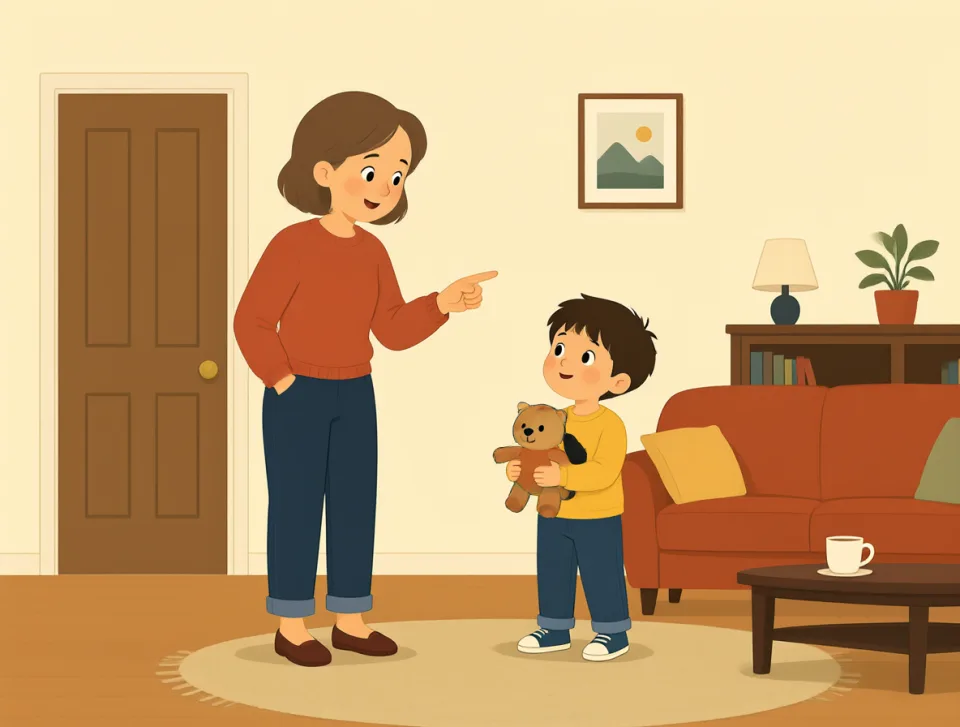
She bosses her little brother around when their parents are away.
تأمر أخاها الصغير وتتحكم فيه عندما يكون والداهما غائبين.
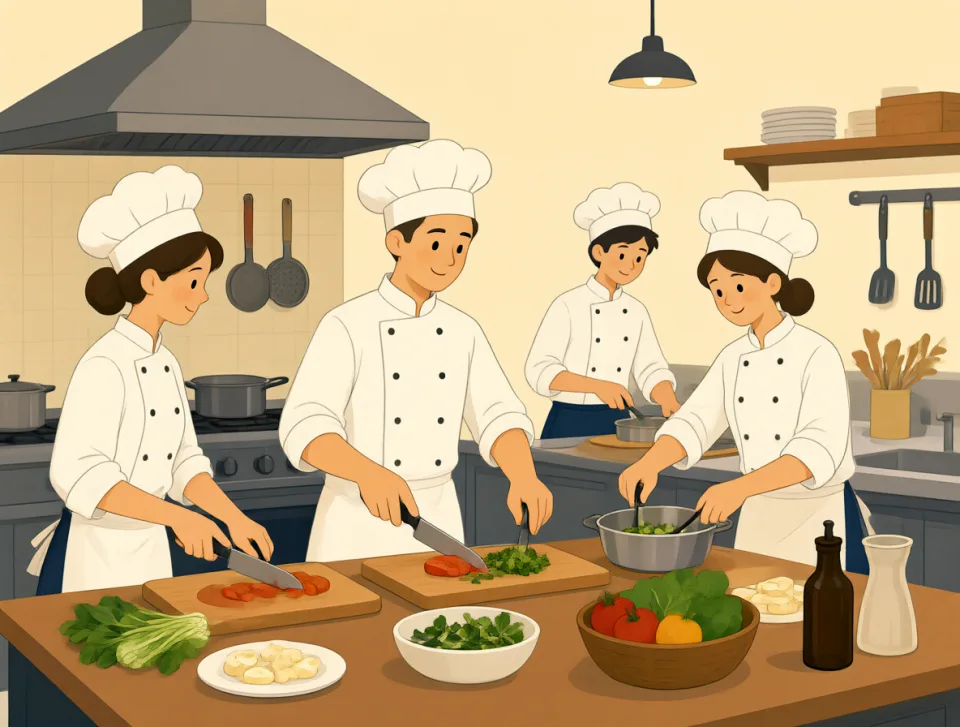
The chef bossed the kitchen during the busy dinner service.
قاد الطاهي العمل في المطبخ أثناء فترة العشاء المزدحمة.
assumption
#1855noun
افتراض
A belief that something is true, even though you have no proof.
اعتقاد بأن شيئًا ما صحيح من دون وجود دليل على ذلك.
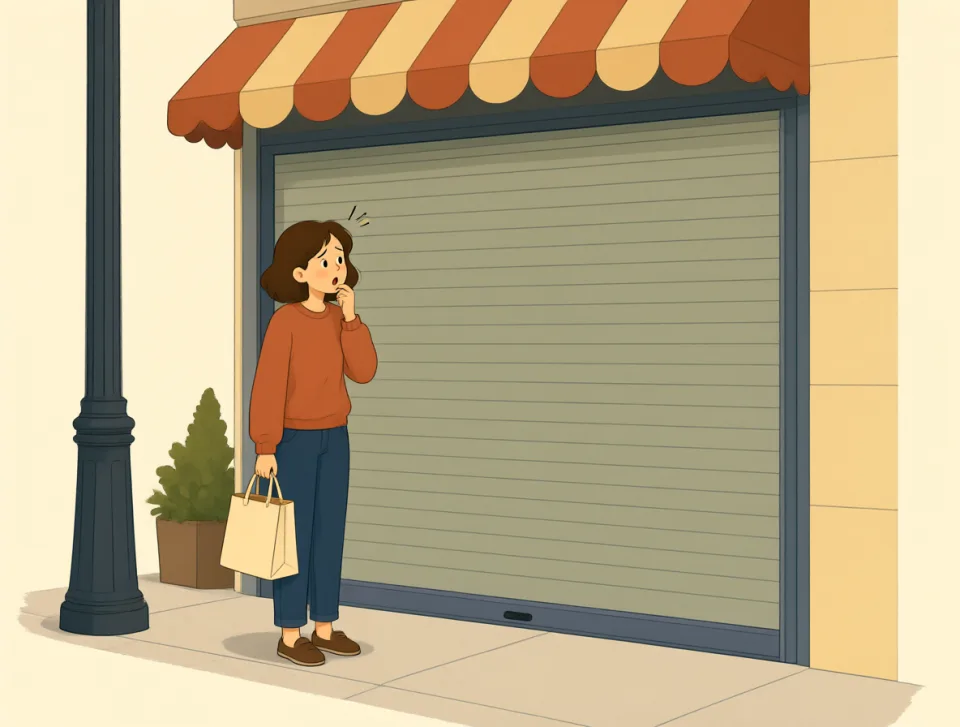
My assumption that the store was open was wrong.
كان افتراضي بأن المتجر مفتوحًا خاطئًا.

Do not make assumptions about people before meeting them.
لا تُكوّنوا افتراضات عن الناس قبل مقابلتهم.
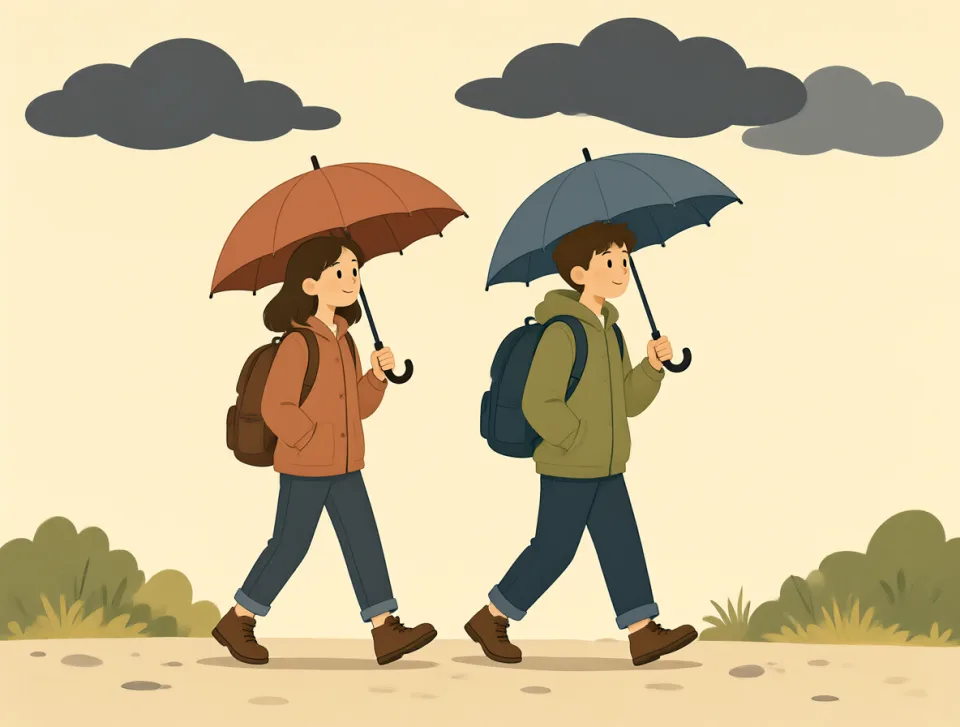
On the assumption that it would rain, we brought umbrellas.
أحضرنا المظلات على افتراض أن المطر سيهطل.
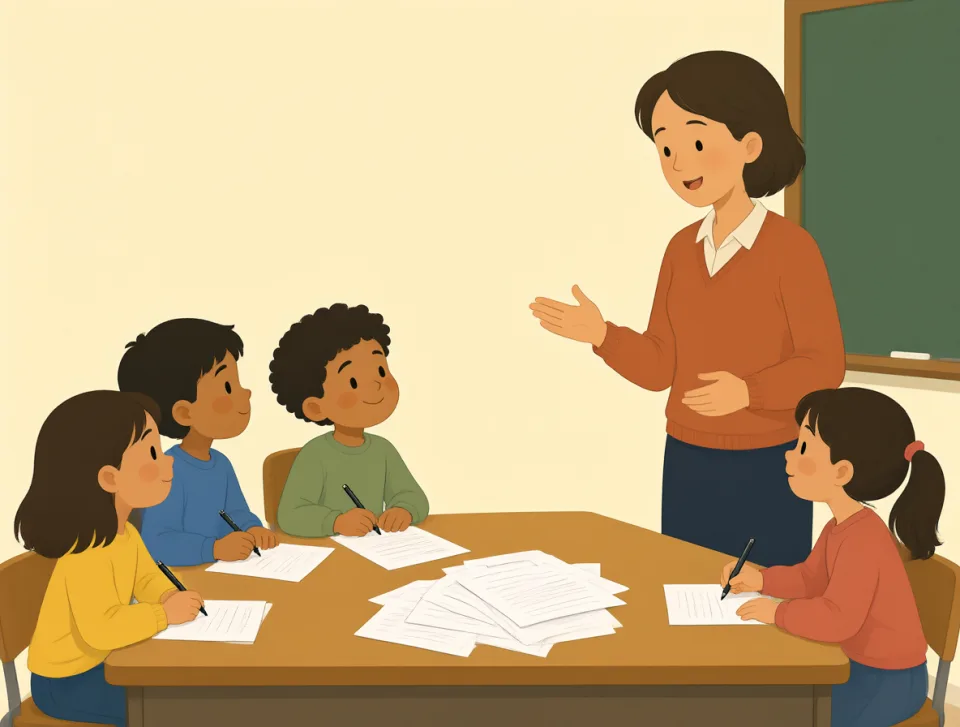
The teacher corrected our assumption that the test would be easy.
صحح المعلم افتراضنا بأن الاختبار سيكون سهلًا.
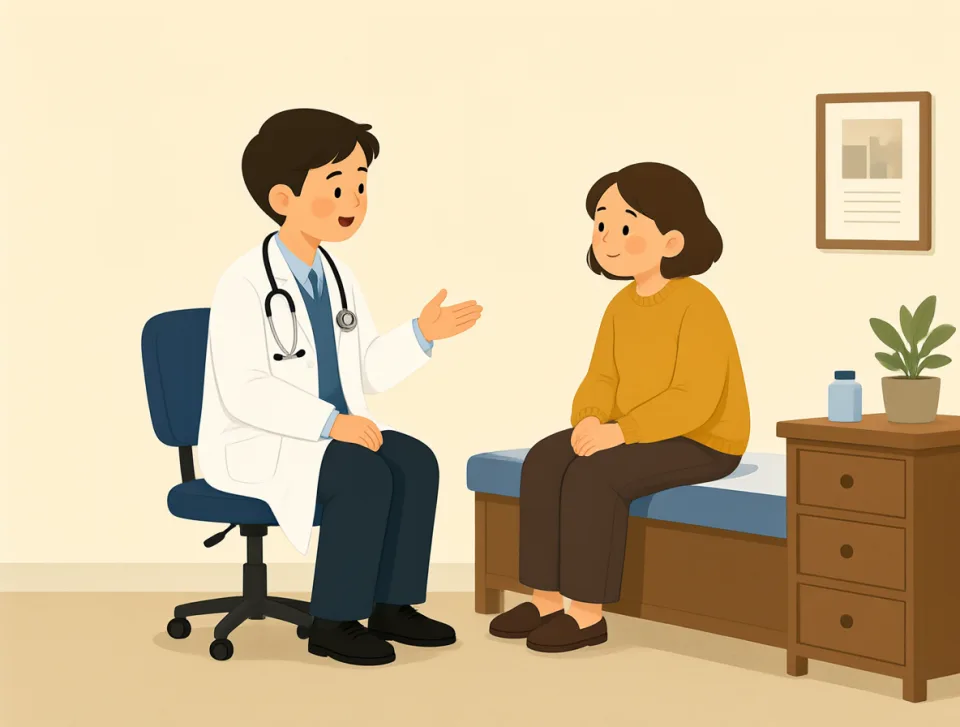
The doctor rejected my assumption that a cold needed antibiotics.
رفض الطبيب افتراضي بأن نزلة البرد تحتاج إلى مضادات حيوية.
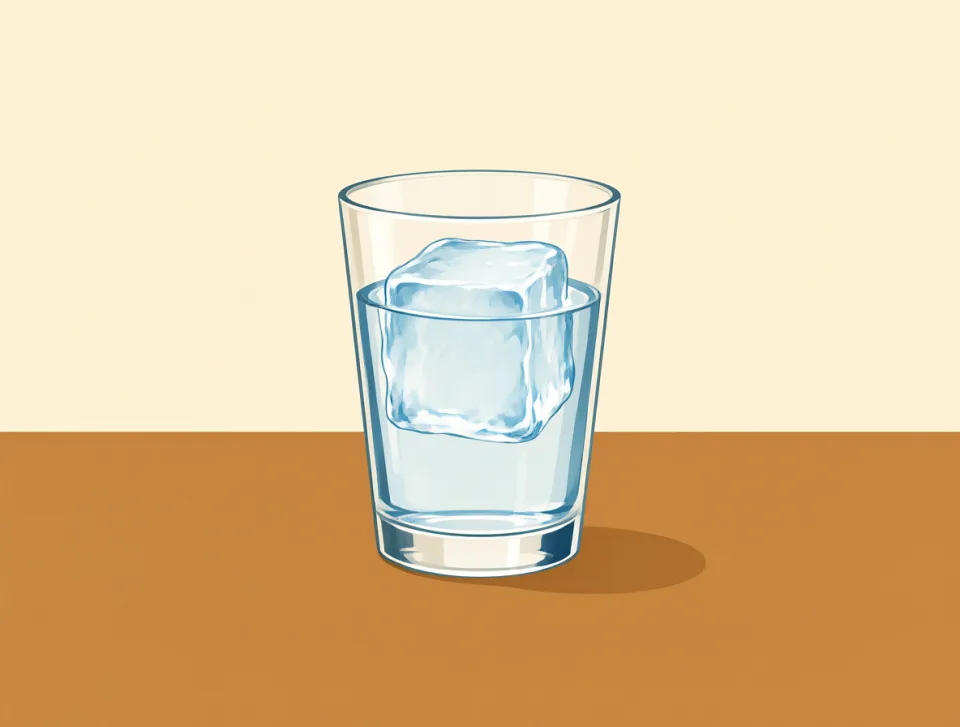
freeze
#1856verb, noun
يتجمّد
to become very cold and turn into ice, or to stop moving suddenly
أن يصبح شديد البرودة ويتحوّل إلى جليد، أو أن يتوقف عن الحركة فجأة.
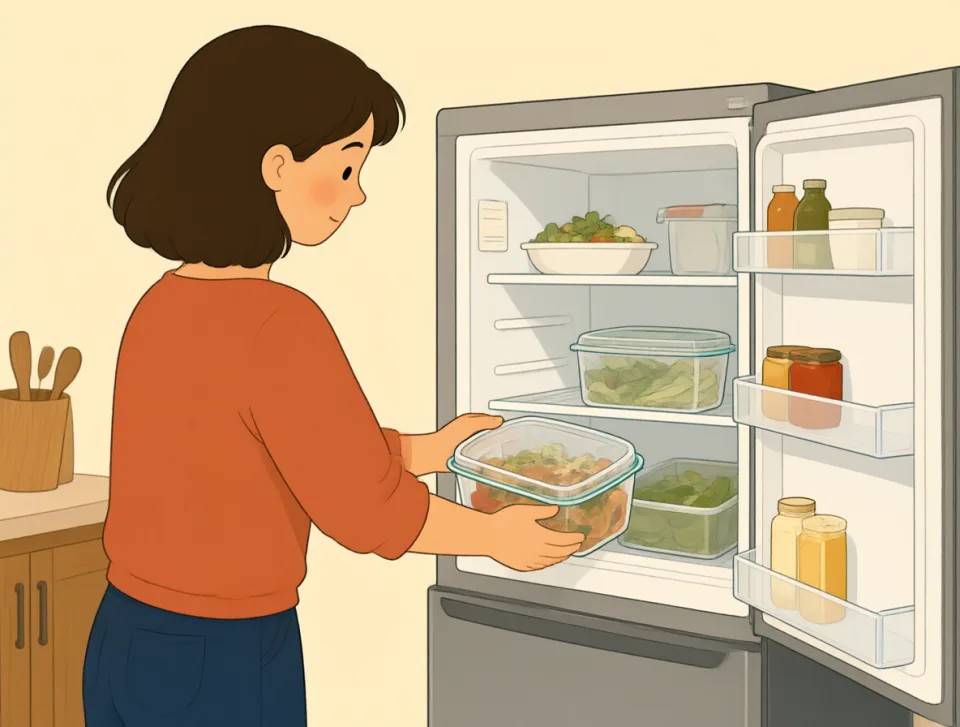
Please freeze the leftovers before they go bad.
يرجى تجميد بقايا الطعام قبل أن تفسد.
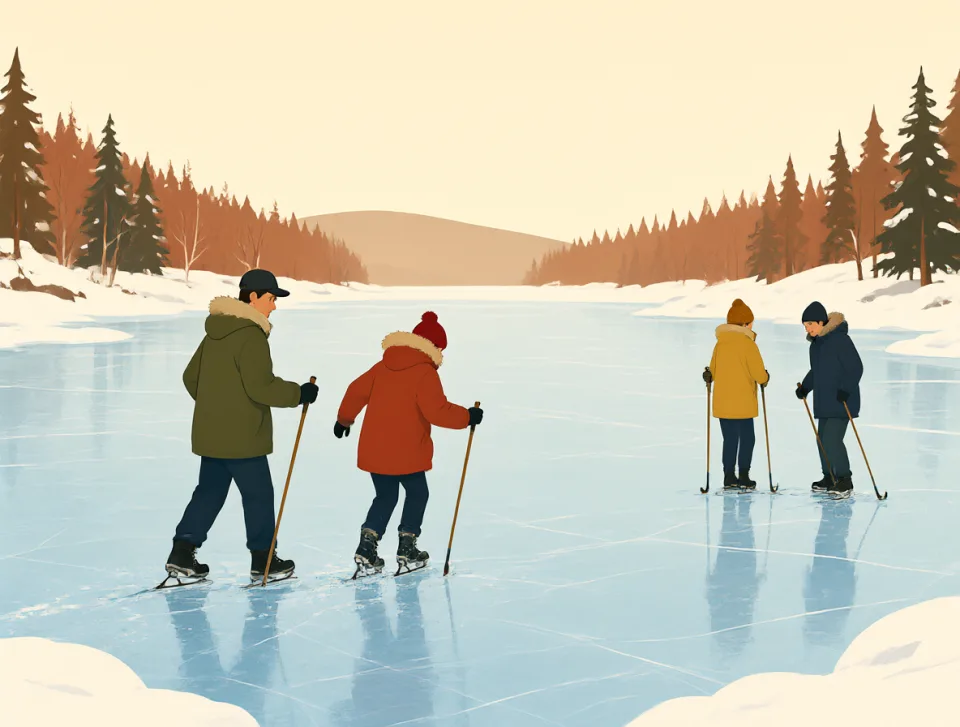
The lake freezes every winter when temperatures fall below zero.
تتجمّد البحيرة كل شتاء عندما تنخفض درجات الحرارة إلى ما دون الصفر.
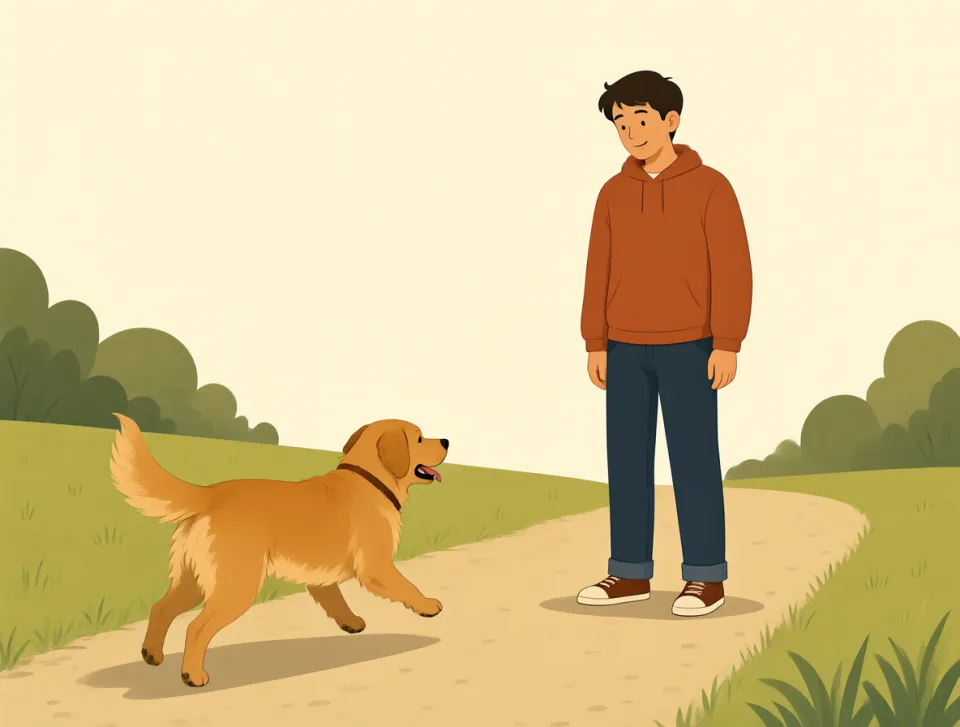
I froze when I saw the large dog running toward me.
تجمّدت في مكاني عندما رأيت الكلب الكبير يركض نحوي.
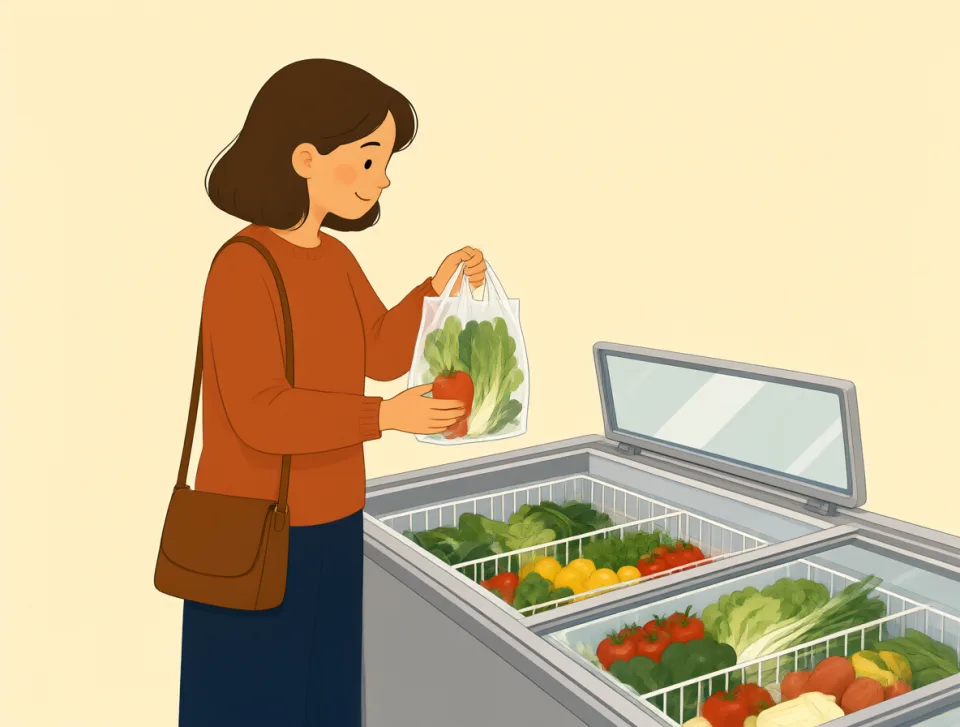
The supermarket sells frozen vegetables in the back aisle.
يبيع المتجر الكبير خضراوات مجمّدة في الممر الخلفي.
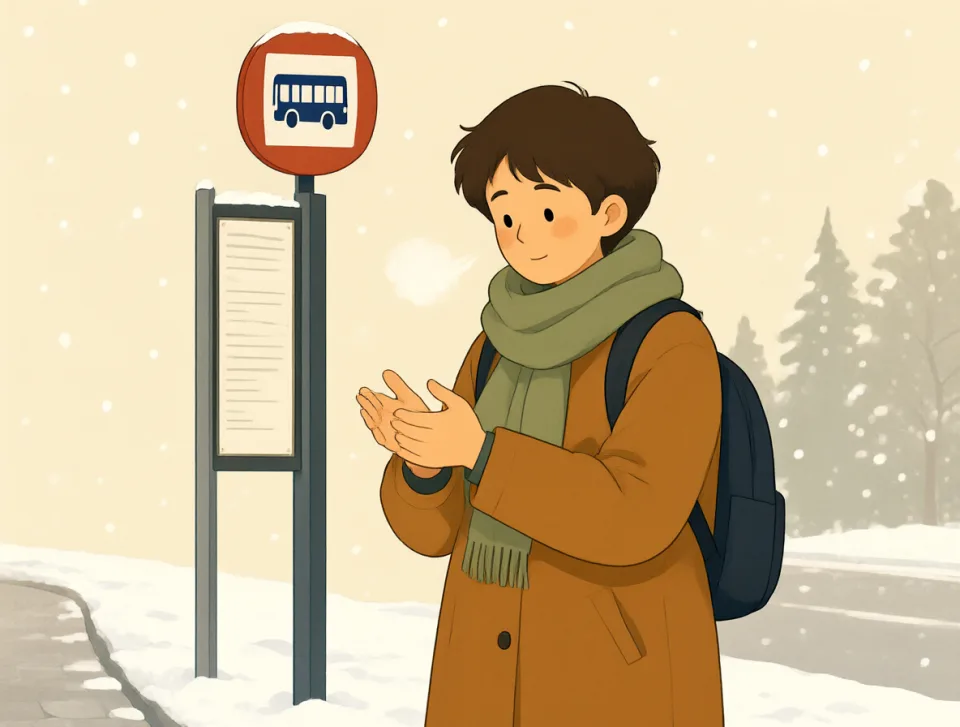
My hands froze while I waited for the bus in winter.
تجمّدت يداي بينما كنت أنتظر الحافلة في الشتاء.
extreme
#1857adjective, noun
شديد
Very great or serious; the greatest possible amount or degree.
كبير أو خطير للغاية؛ أو يبلغ أقصى مقدار أو درجة ممكنة.
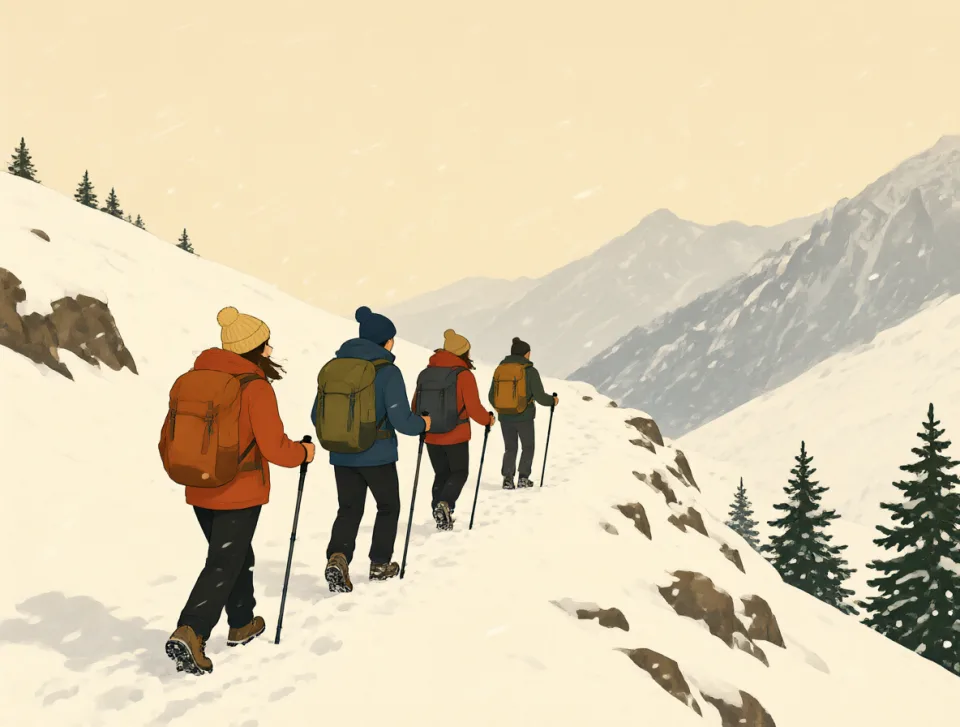
The hikers faced extreme weather on their way back.
واجه المتنزهون طقسًا قاسيًا في طريق عودتهم.
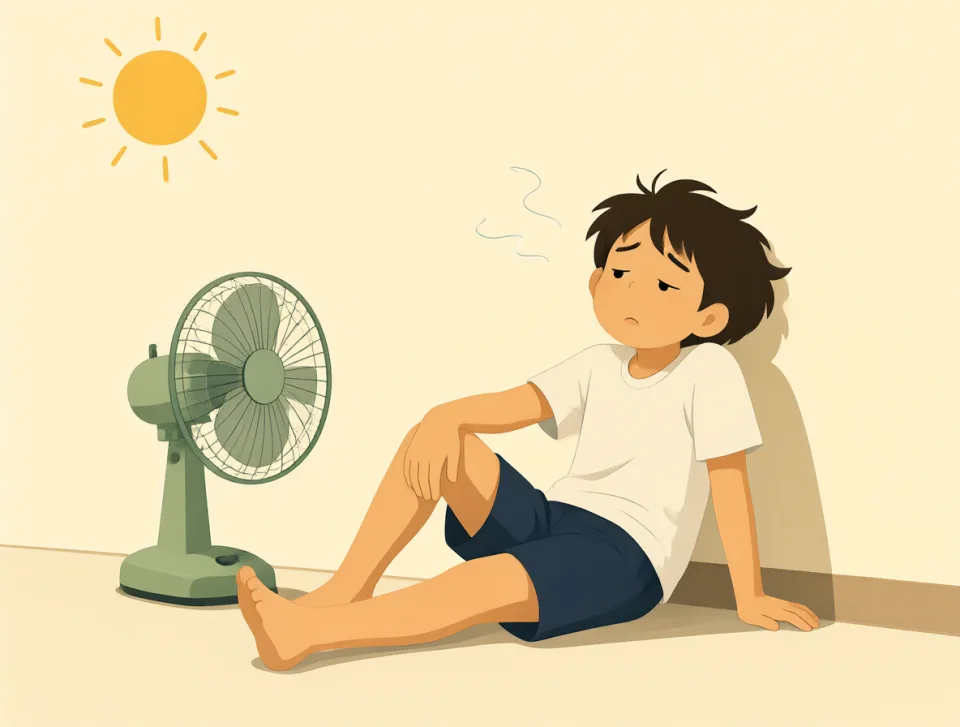
Extreme heat can make people feel tired and sick.
يمكن للحرارة الشديدة أن تجعل الناس يشعرون بالتعب والمرض.
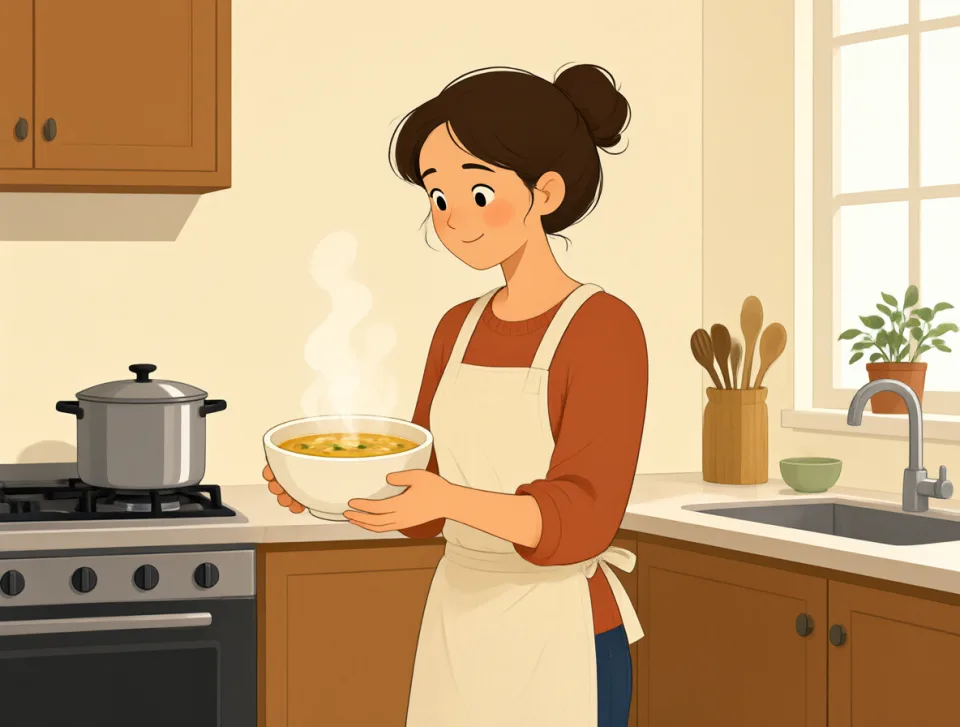
She took extreme care when carrying the hot soup.
توخّت عناية فائقة وهي تحمل الحساء الساخن.
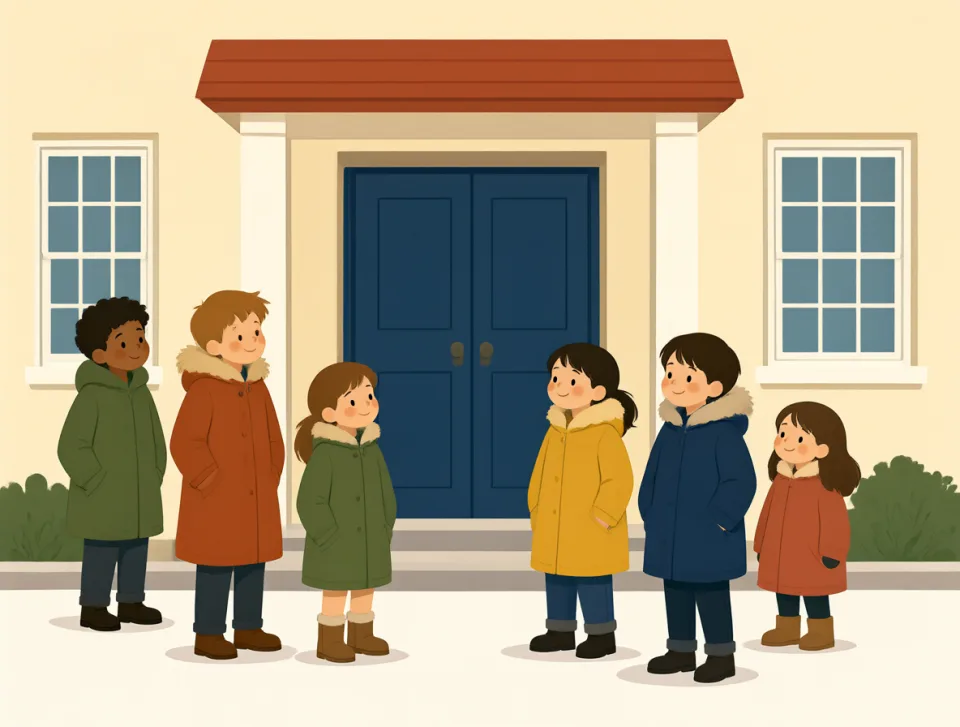
The school closed because of the extreme cold.
أُغلقت المدرسة بسبب البرد القارس.
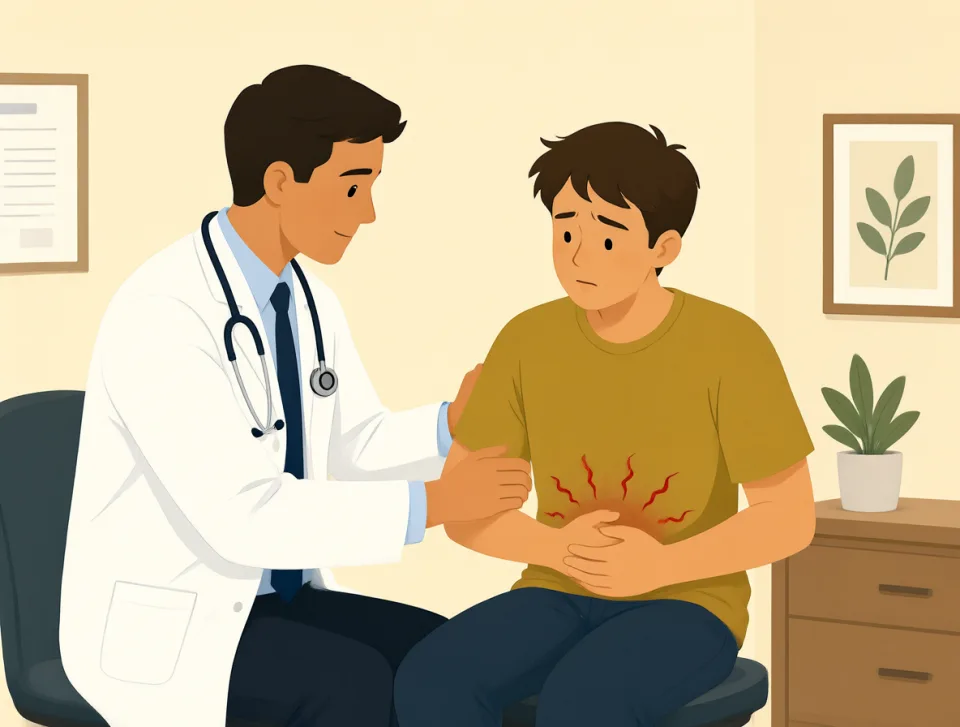
The doctor said his extreme pain needed immediate treatment.
قال الطبيب إن ألمه الشديد يحتاج إلى علاج فوري.
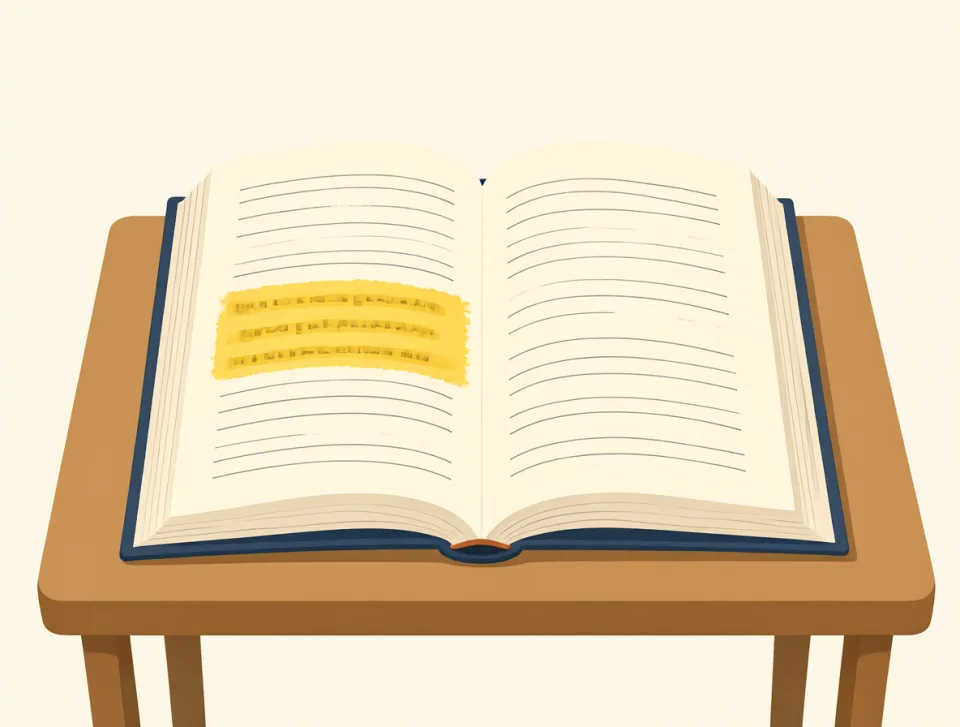
passage
#1858noun
مقطع
a short part of a book, speech, or piece of writing
جزء قصير من كتاب أو خطاب أو نص مكتوب.
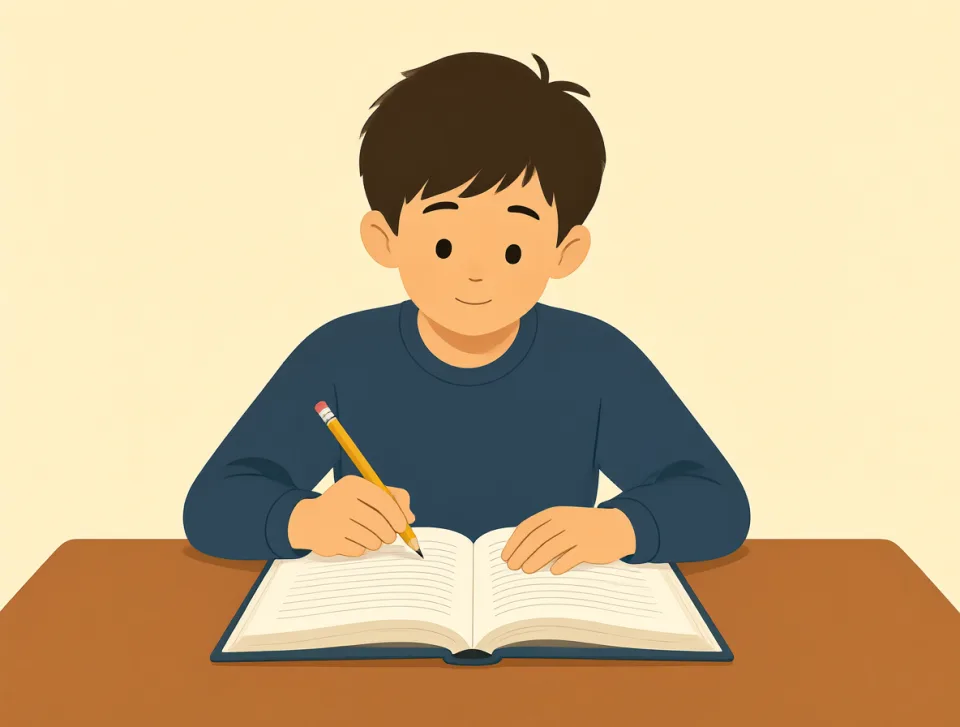
Please read this passage and answer the questions below.
يرجى قراءة هذا المقطع والإجابة عن الأسئلة أدناه.

The guide told us about a narrow passage through the mountains.
أخبرنا المرشد عن ممر ضيق عبر الجبال.
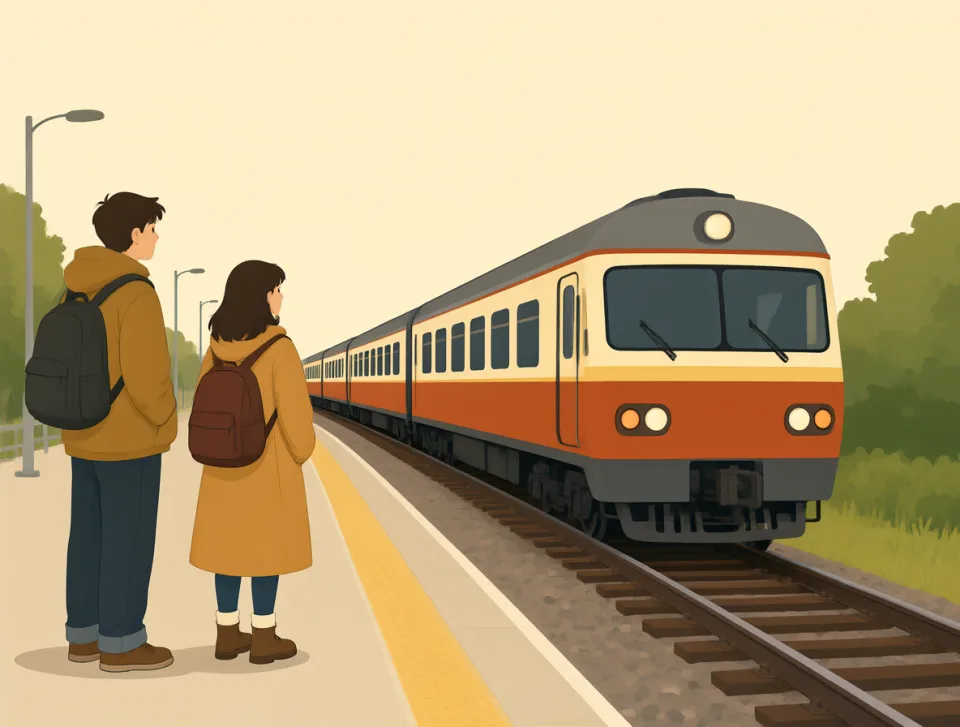
We had to wait for the passage of the train.
اضطررنا إلى انتظار مرور القطار.
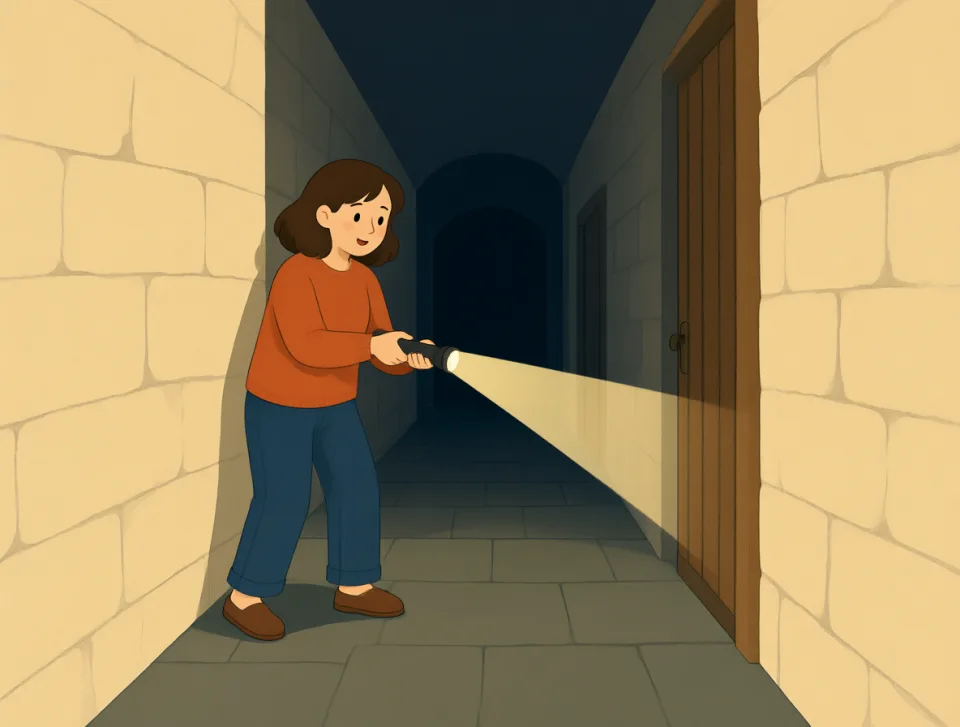
She looked through the passage before entering the old building.
تفحّصت الممر قبل دخول المبنى القديم.
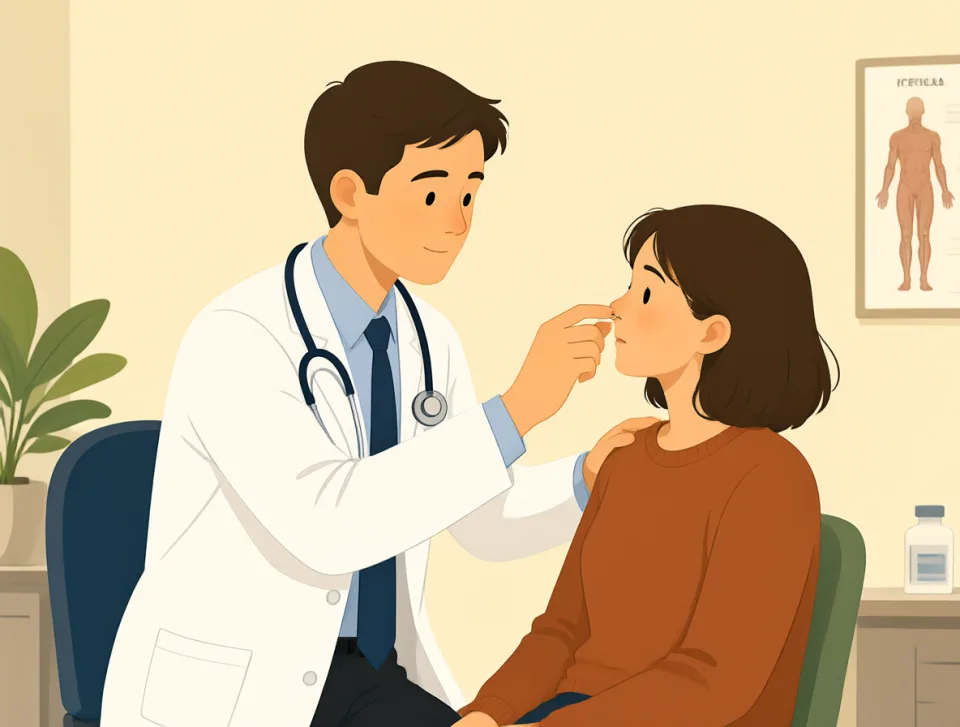
The doctor checked the passage in his patient's blocked nose.
فحص الطبيب المجرى المسدود في أنف مريضه.
reputation
#1859noun
سمعة
What people generally think about someone or something based on past actions.
ما يعتقده الناس عمومًا عن شخص أو شيء استنادًا إلى أفعاله السابقة.
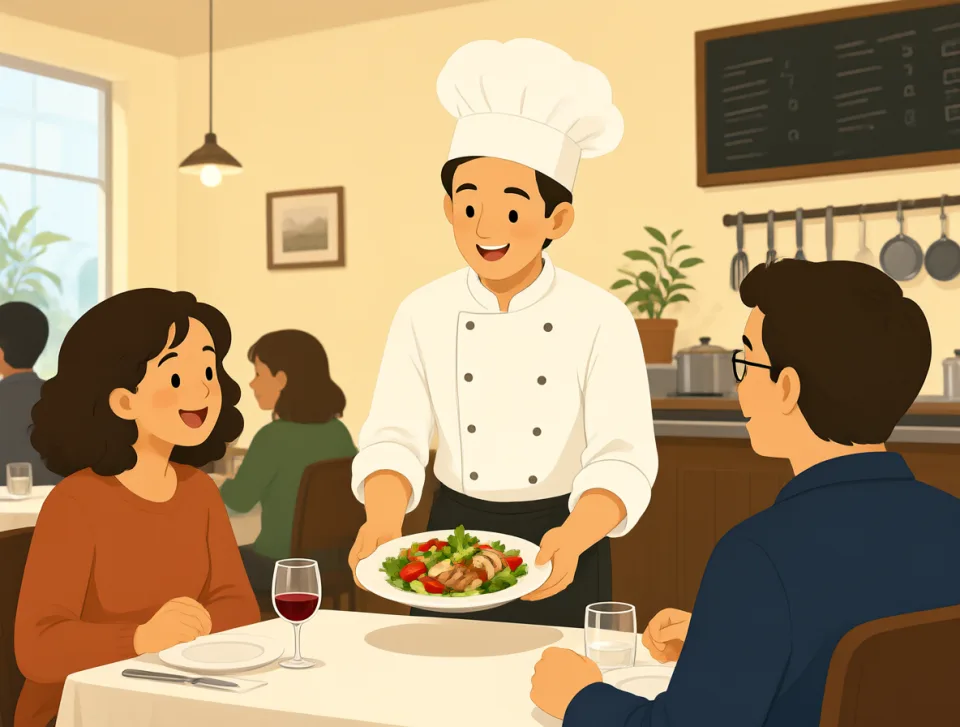
The restaurant has a good reputation for fresh food.
يتمتع المطعم بسمعة طيبة بفضل أطعمتِه الطازجة.

She built a strong reputation as a reliable worker.
بنت سمعة قوية بوصفها عاملة يعتمد عليها.

The hotel’s reputation suffered after several guests complained.
تضررت سمعة الفندق بعد أن اشتكى عدد من النزلاء.

His reputation for kindness made new students feel welcome.
جعلت سمعته الطيبة في اللطف الطلاب الجدد يشعرون بالترحيب.

The doctor has an excellent reputation among local families.
يتمتع الطبيب بسمعة ممتازة بين العائلات المحلية.
forth
#1860adverb
إلى الأمام
Forward or onward; used in expressions such as “back and forth” and “and so forth.”
إلى الأمام أو المضيّ قدمًا؛ وتُستخدم في تعبيرات مثل «ذهابًا وإيابًا» و«وما إلى ذلك».
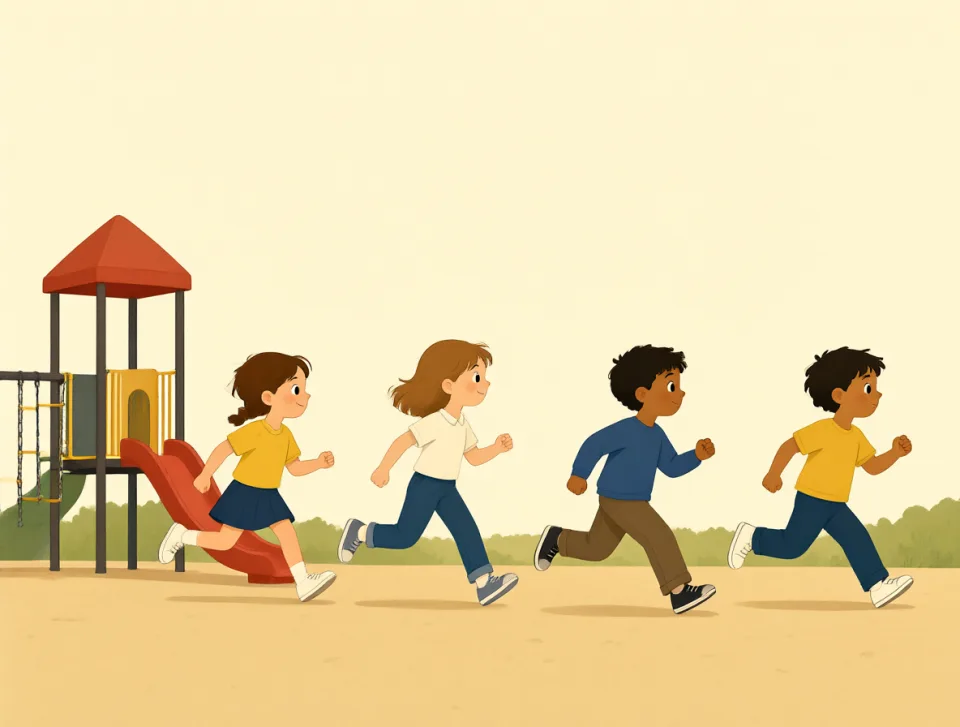
The children ran back and forth across the playground.
ركض الأطفال ذهابًا وإيابًا في ساحة اللعب.
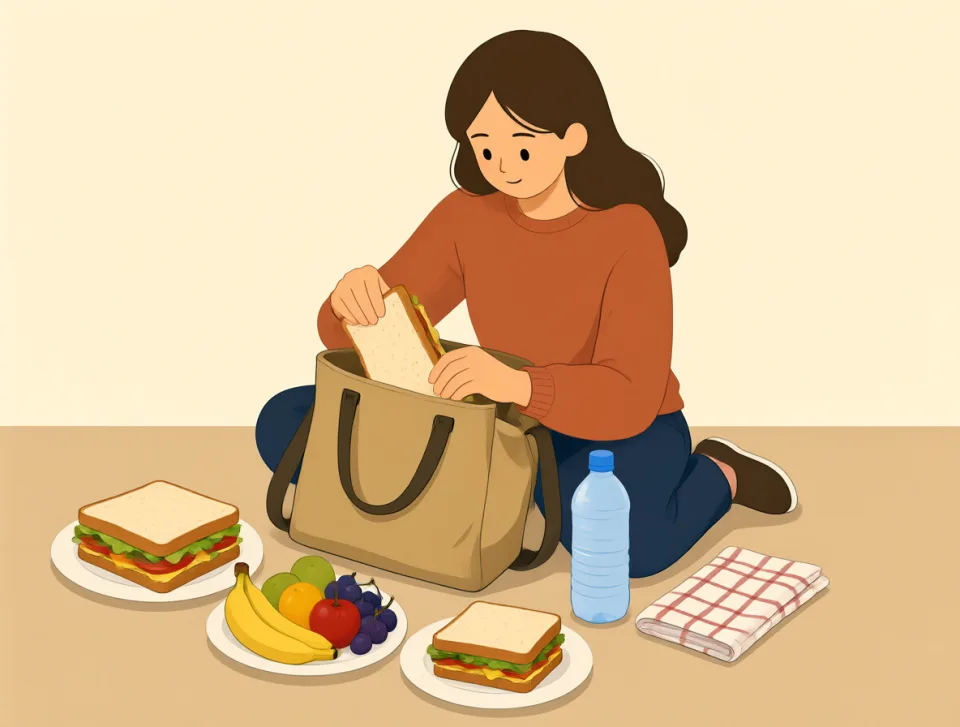
Please pack sandwiches, fruit, water, and so forth for our trip.
يرجى تجهيز شطائر وفاكهة وماء وما إلى ذلك لرحلتنا.

The hikers set forth before sunrise to reach the village.
انطلق المتنزهون قبل شروق الشمس للوصول إلى القرية.
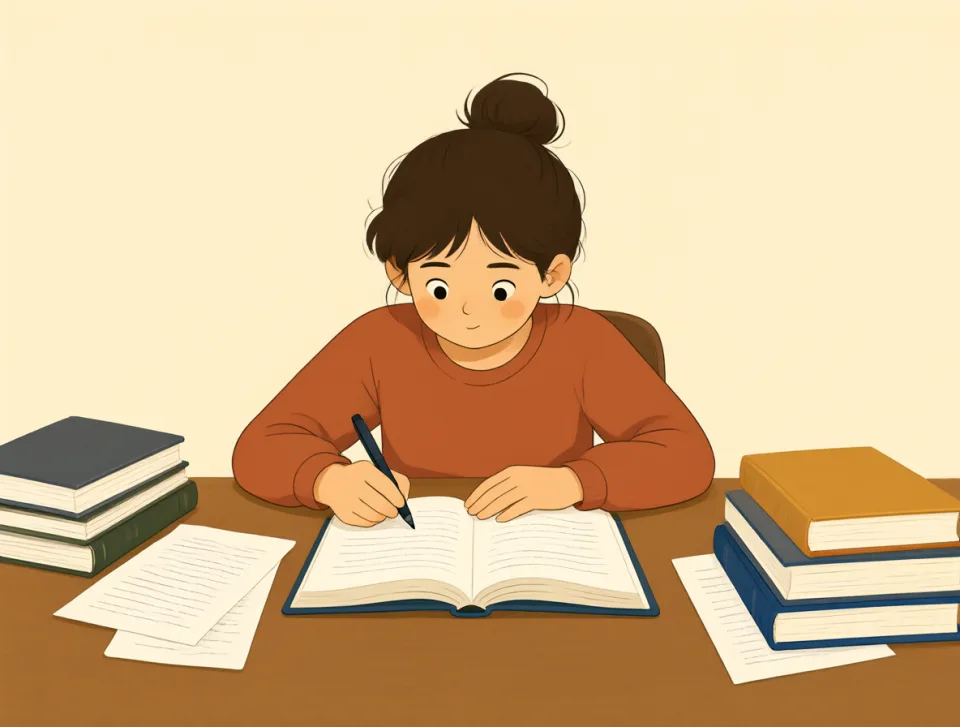
She put forth great effort to finish the project on time.
بذلت جهدًا كبيرًا لإنهاء المشروع في موعده.
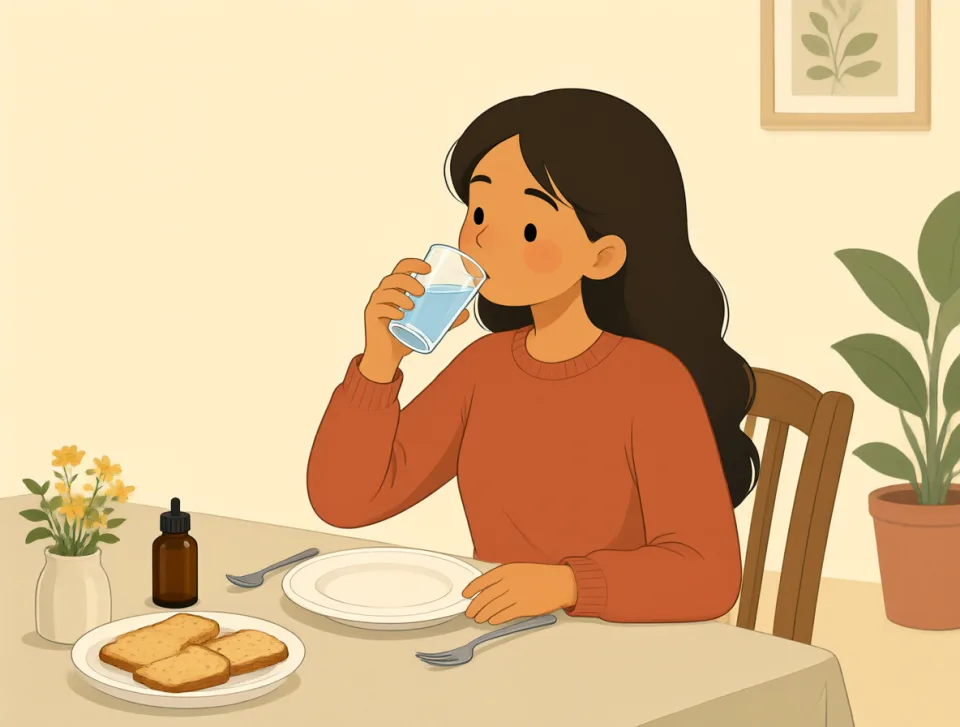
From this day forth, Maya will take her medicine after breakfast.
ابتداءً من اليوم، ستتناول مايا دواءها بعد الإفطار.