หน่วย 93
คำที่ 1841–1860 · maximum, effectively, elsewhere, bother, initiative, sharp

maximum
#1841noun, adjective
สูงสุด
The greatest amount or highest level that is possible or allowed.
ปริมาณมากที่สุดหรือระดับสูงสุดที่เป็นไปได้หรือได้รับอนุญาต

The elevator can carry a maximum of eight people.
ลิฟต์รับน้ำหนักได้สูงสุดแปดคน

Please set the oven to the maximum temperature for pizza.
กรุณาตั้งเตาอบไว้ที่อุณหภูมิสูงสุดสำหรับทำพิซซ่า

You can borrow a maximum of three books today.
วันนี้ยืมหนังสือได้ไม่เกินสามเล่ม

The hotel offers maximum comfort after a long day of travel.
โรงแรมมอบความสะดวกสบายสูงสุดหลังจากเดินทางมาทั้งวัน

The doctor told him to take a maximum of two tablets daily.
หมอบอกให้เขากินยาไม่เกินวันละสองเม็ด

effectively
#1842adverb
อย่างมีประสิทธิภาพ
In a way that produces the wanted result.
ในลักษณะที่ทำให้ได้ผลลัพธ์ตามต้องการ
She organized the files effectively before the meeting.
เธอจัดแฟ้มเอกสารได้อย่างมีประสิทธิภาพก่อนการประชุม

The teacher explained the difficult lesson effectively.
ครูอธิบายบทเรียนที่ยากได้อย่างเข้าใจง่าย

We need to communicate effectively with our new neighbors.
เราต้องสื่อสารกับเพื่อนบ้านใหม่ให้เข้าใจกันได้ดี

This medicine effectively reduces pain within a few hours.
ยานี้ช่วยลดอาการปวดได้อย่างมีประสิทธิภาพภายในไม่กี่ชั่วโมง

He used the small kitchen effectively to cook dinner.
เขาใช้พื้นที่ครัวเล็ก ๆ ได้อย่างคุ้มค่าเพื่อทำอาหารเย็น

elsewhere
#1843adverb
ที่อื่น
in, at, or to another place
ในสถานที่อื่น ที่อีกแห่งหนึ่ง หรือไปยังสถานที่อื่น

The shop was closed, so we went elsewhere for lunch.
ร้านปิด เราเลยไปกินมื้อกลางวันที่อื่น

I left my keys somewhere else, but I cannot remember where.
ฉันวางกุญแจไว้ที่อื่น แต่จำไม่ได้ว่าที่ไหน

Many students study elsewhere when the library becomes too noisy.
นักเรียนหลายคนไปอ่านหนังสือที่อื่นเมื่อห้องสมุดเริ่มเสียงดังเกินไป

You can buy cheaper train tickets elsewhere in the city.
คุณหาตั๋วรถไฟราคาถูกกว่านี้ได้ที่อื่นในเมือง
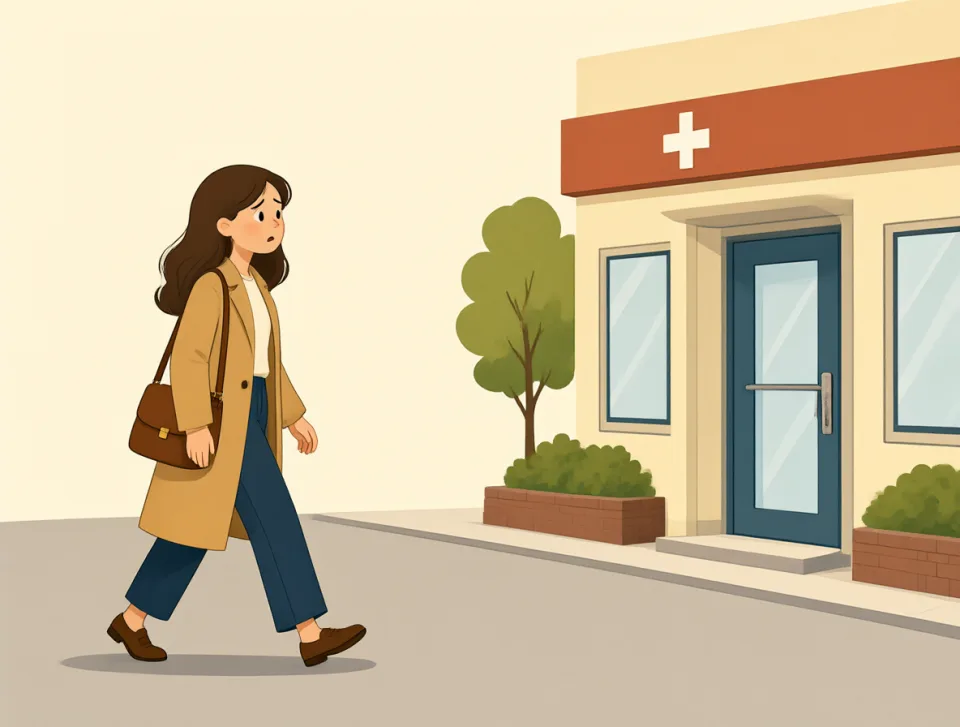
The doctor could not help, so she went elsewhere for treatment.
หมอช่วยไม่ได้ เธอเลยไปหาที่รักษาที่อื่น

bother
#1844verb, noun
รบกวน
To annoy someone, or to make an effort to do something.
ทำให้ใครบางคนรำคาญ หรือพยายามลงมือทำบางอย่าง

Sorry to bother you, but could you help me find this book?
ขอโทษที่รบกวนนะ ช่วยฉันหาหนังสือเล่มนี้หน่อยได้ไหม

The loud music bothered our baby while she was trying to sleep.
เสียงเพลงดังรบกวนลูกของเราตอนที่เธอกำลังพยายามนอน

Don't bother cooking tonight; we can order some food.
คืนนี้ไม่ต้องลำบากทำอาหารหรอก เราสั่งอาหารมากินได้

He never bothers to check his answers before handing in homework.
เขาไม่เคยตรวจคำตอบก่อนส่งการบ้านเลย

It doesn't bother me when my friends arrive a little late.
ฉันไม่รำคาญหรอกเวลาที่เพื่อนมาสายไปนิดหน่อย

initiative
#1845noun
ความคิดริเริ่ม
The ability to decide and act without waiting for someone to tell you what to do.
ความสามารถในการตัดสินใจและลงมือทำเองโดยไม่ต้องรอให้ใครบอกว่าควรทำอะไร
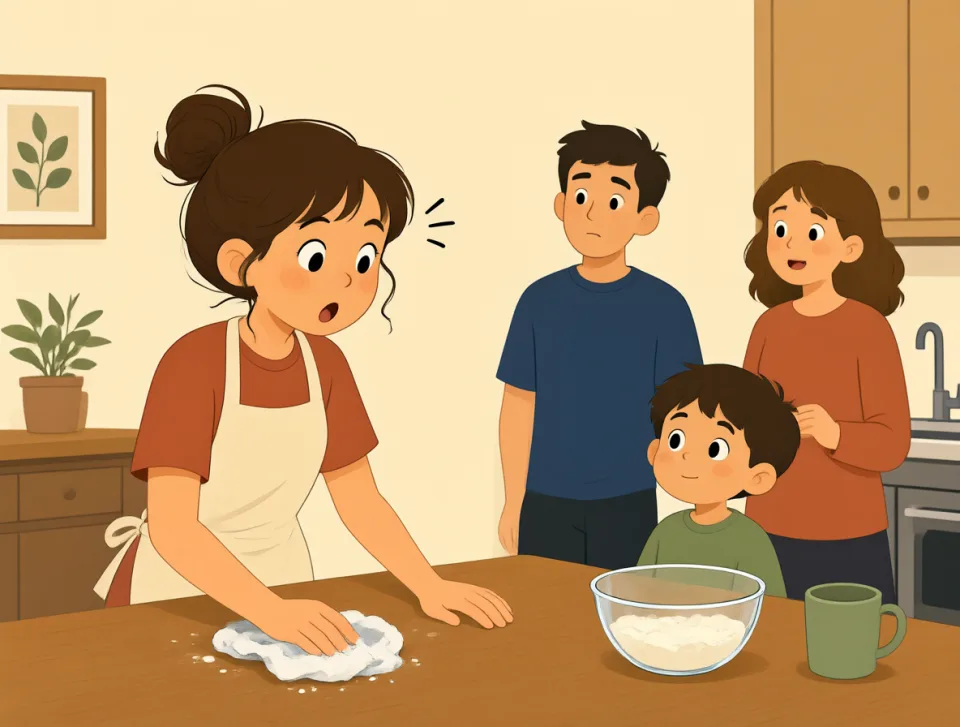
She showed initiative by cleaning the kitchen before anyone asked.
เธอแสดงความคิดริเริ่มด้วยการทำความสะอาดครัวก่อนที่ใครจะขอ

Our manager praised Tom for taking the initiative at work.
ผู้จัดการของเราชมทอมที่เป็นฝ่ายริเริ่มลงมือทำงาน
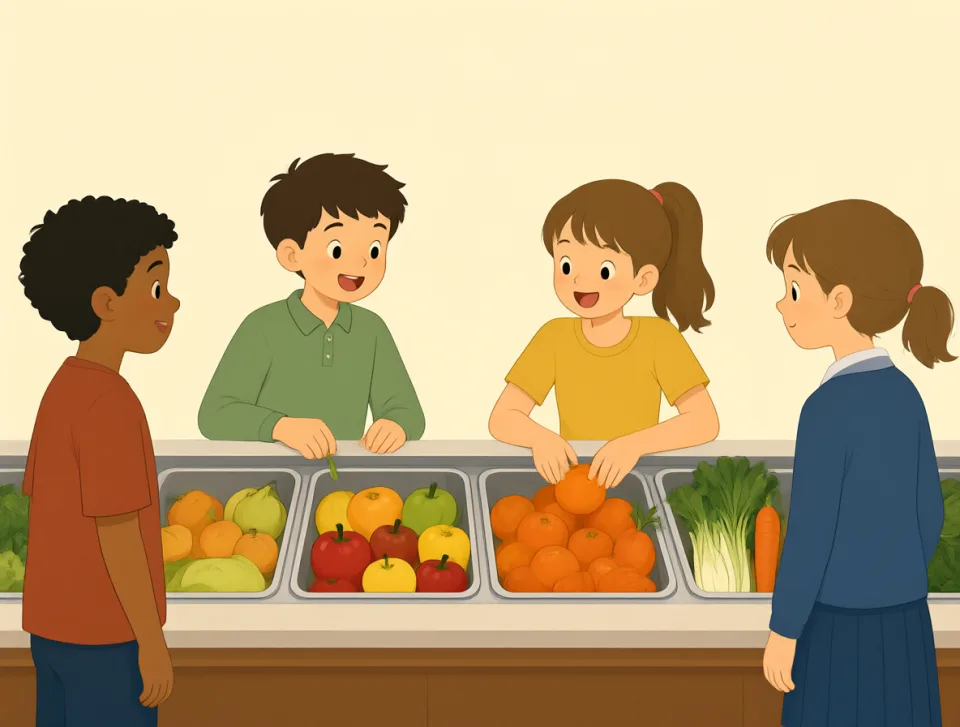
The school started an initiative to help students eat healthier food.
โรงเรียนเริ่มโครงการส่งเสริมให้นักเรียนกินอาหารที่ดีต่อสุขภาพมากขึ้น

The hotel offered a new recycling initiative for all guests.
โรงแรมเสนอโครงการรีไซเคิลรูปแบบใหม่ให้แขกทุกคน

Friends took the initiative and planned a weekend trip together.
เพื่อน ๆ เป็นฝ่ายริเริ่มวางแผนไปเที่ยวด้วยกันช่วงสุดสัปดาห์

sharp
#1846adjective, adverb, noun, verb
คม
Having a thin edge that can cut; quick to understand; exactly at a stated time.
มีขอบบางที่ใช้ตัดได้; เข้าใจอะไรได้อย่างรวดเร็ว; ตรงตามเวลาที่ระบุพอดี

Be careful; this knife is very sharp.
ระวังนะ มีดเล่มนี้คมมาก

She felt a sharp pain in her shoulder.
เธอรู้สึกเจ็บแปลบที่ไหล่อย่างรุนแรง

He is sharp and learns new skills quickly.
เขาหัวไวและเรียนรู้ทักษะใหม่ ๆ ได้เร็ว

The bus leaves at six sharp tomorrow morning.
พรุ่งนี้เช้ารถบัสออกหกโมงตรง
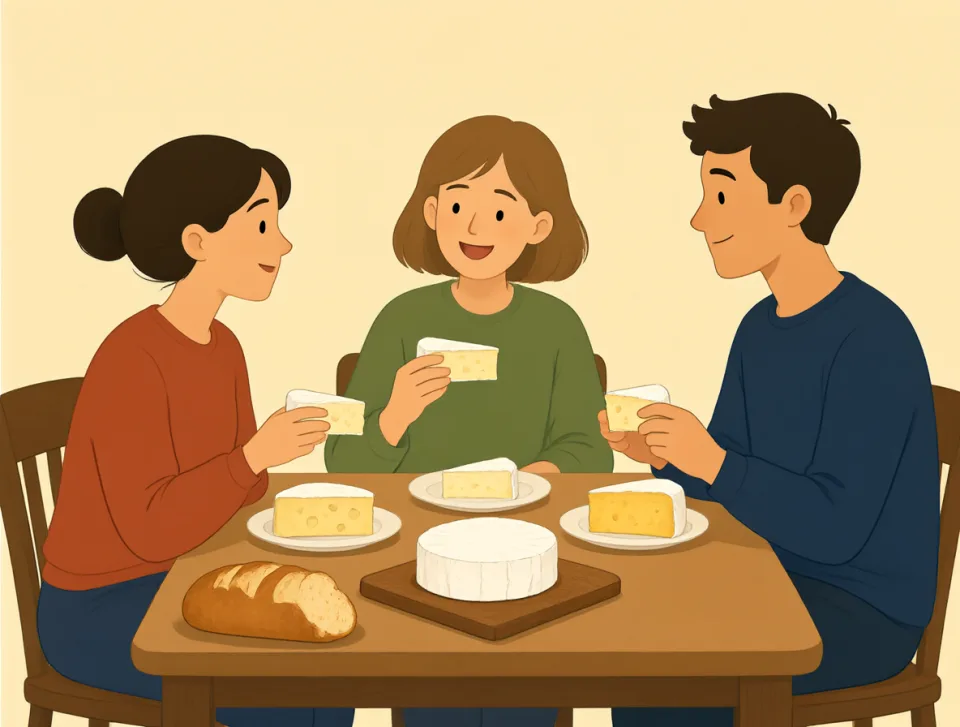
The sharp cheese tasted delicious with fresh bread.
ชีสที่มีรสจัดเข้ากันได้ดีกับขนมปังสด
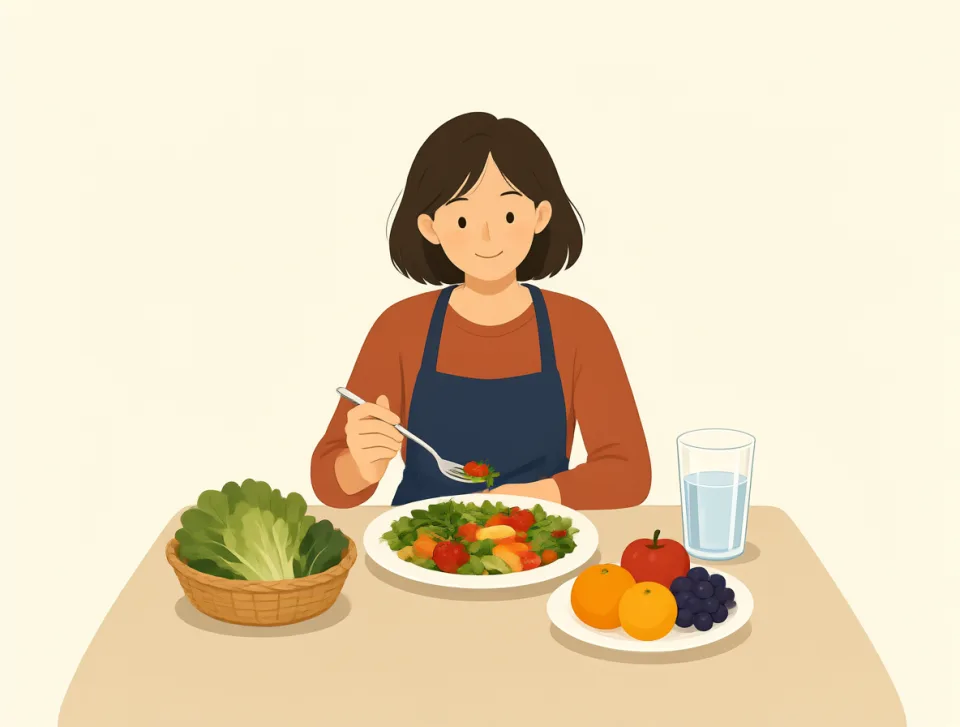
diet
#1847noun, verb
อาหารการกิน
The food and drink someone usually has, or a plan to eat less or healthier food.
อาหารและเครื่องดื่มที่คนคนหนึ่งกินเป็นประจำ หรือแผนการกินอาหารให้น้อยลงหรือดีต่อสุขภาพมากขึ้น

I try to eat a healthy diet with plenty of fresh vegetables.
ฉันพยายามกินอาหารที่ดีต่อสุขภาพ โดยเน้นผักสดให้มาก

The doctor put him on a low-salt diet for his heart.
หมอสั่งให้เขากินอาหารลดเค็มเพื่อดูแลหัวใจ
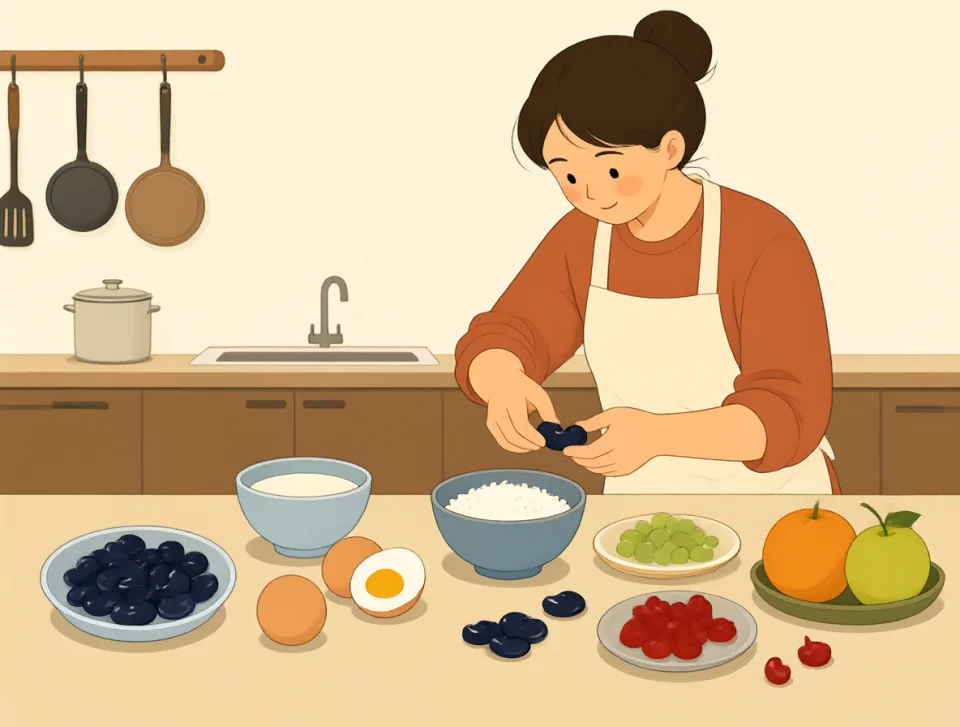
My vegetarian diet includes beans, rice, eggs, and lots of fruit.
อาหารมังสวิรัติของฉันมีถั่ว ข้าว ไข่ และผลไม้มากมาย

She started a diet before her holiday at the beach.
เธอเริ่มควบคุมอาหารก่อนจะไปเที่ยวชายหาด

Some people diet by eating smaller meals and walking every day.
บางคนลดน้ำหนักด้วยการกินมื้อเล็กลงและเดินทุกวัน

motion
#1848noun, verb
การเคลื่อนไหว
Movement or a movement, especially in a particular direction or to show an idea.
การเคลื่อนที่ หรือการเคลื่อนไหวไปในทิศทางใดทิศทางหนึ่งโดยเฉพาะ หรือเพื่อสื่อความคิด

The doctor watched the motion of the patient's chest.
หมอสังเกตการเคลื่อนไหวของหน้าอกคนไข้
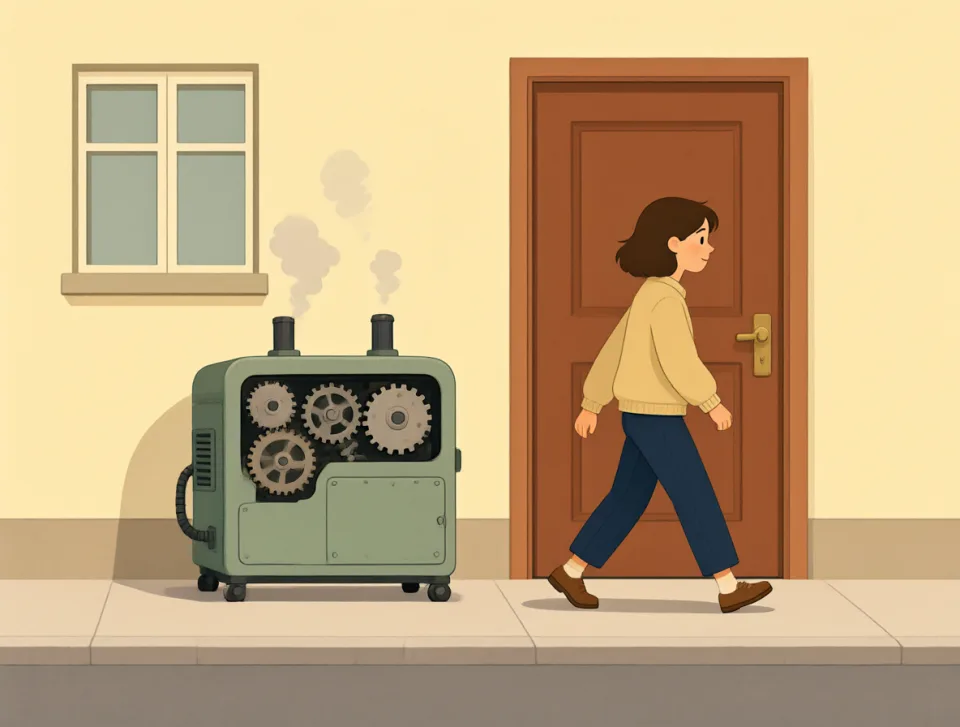
The machine stops when it detects sudden motion.
เครื่องจะหยุดเมื่อจับการเคลื่อนไหวกะทันหันได้

She made a motion for us to come inside.
เธอกวักมือเรียกให้พวกเราเข้าไปข้างใน

The boat rocked with the motion of the waves.
เรือโคลงเคลงไปตามการเคลื่อนไหวของคลื่น

The committee voted to approve the motion.
คณะกรรมการลงมติอนุมัติญัตติ

gray
#1849adjective, noun
สีเทา
having a color between black and white
มีสีอยู่ระหว่างสีดำกับสีขาว

He wore a gray jacket on the cold morning.
เขาสวมเสื้อแจ็กเก็ตสีเทาในเช้าอากาศหนาว
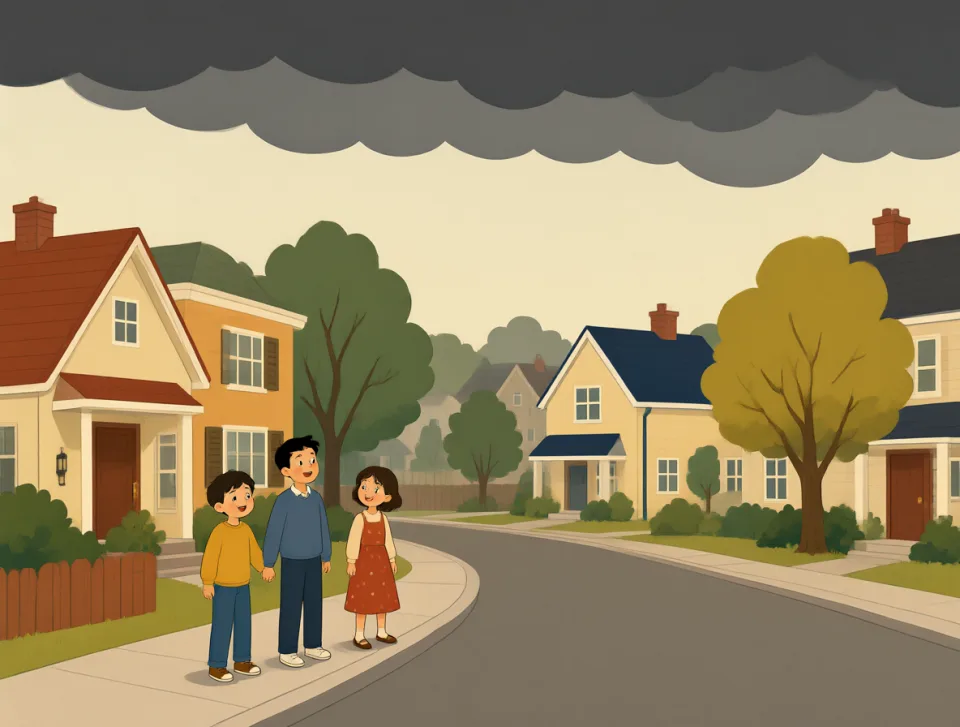
The sky turned gray before the rain started.
ท้องฟ้าเริ่มเป็นสีเทาก่อนฝนตก

She bought a gray sofa for the living room.
เธอซื้อโซฟาสีเทามาวางในห้องนั่งเล่น

My grandfather's hair is turning gray.
ผมของคุณปู่เริ่มเปลี่ยนเป็นสีเทา

The artist mixed black and white to make gray.
ศิลปินผสมสีดำกับสีขาวให้เป็นสีเทา

plastic
#1850noun, adjective
พลาสติก
A light, strong material made from chemicals, often used to make containers and bags.
วัสดุน้ำหนักเบาและแข็งแรงที่ผลิตจากสารเคมี มักใช้ทำภาชนะและถุง
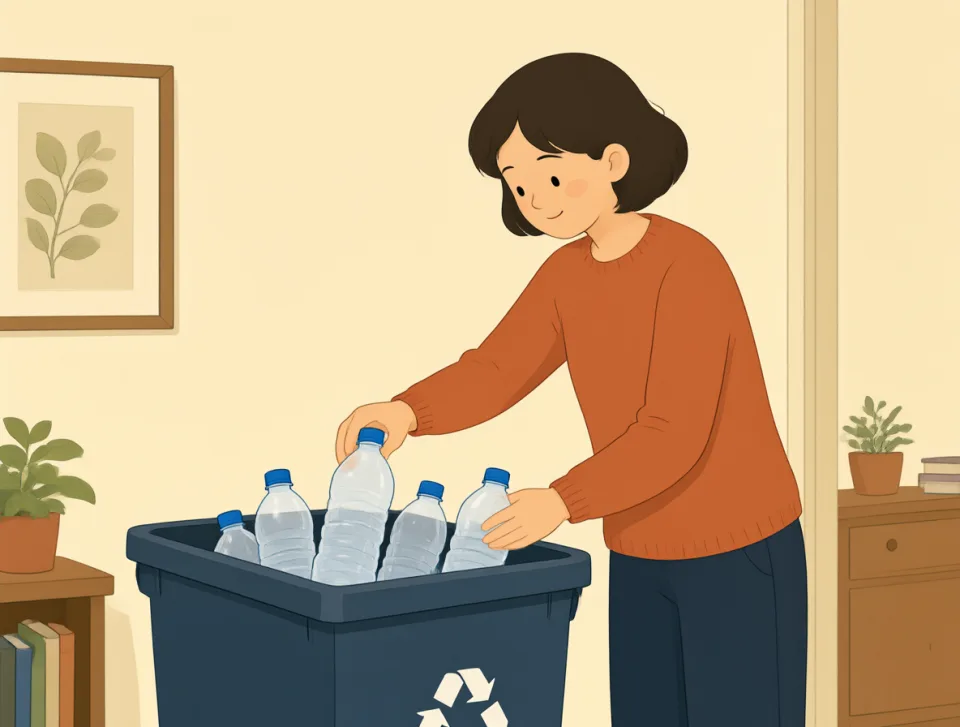
Please put the plastic bottles in the recycling bin.
กรุณานำขวดพลาสติกไปทิ้งในถังรีไซเคิล

She packed her lunch in a plastic container.
เธอใส่อาหารกลางวันไว้ในกล่องพลาสติก

The shop gives customers a plastic bag for their purchases.
ร้านแจกถุงพลาสติกให้ลูกค้าใส่ของที่ซื้อ

The children wore plastic raincoats during the school trip.
เด็ก ๆ สวมเสื้อกันฝนพลาสติกระหว่างทัศนศึกษาของโรงเรียน

This chair is made of strong plastic and is easy to clean.
เก้าอี้ตัวนี้ทำจากพลาสติกที่แข็งแรงและทำความสะอาดง่าย
complicate
#1851verb
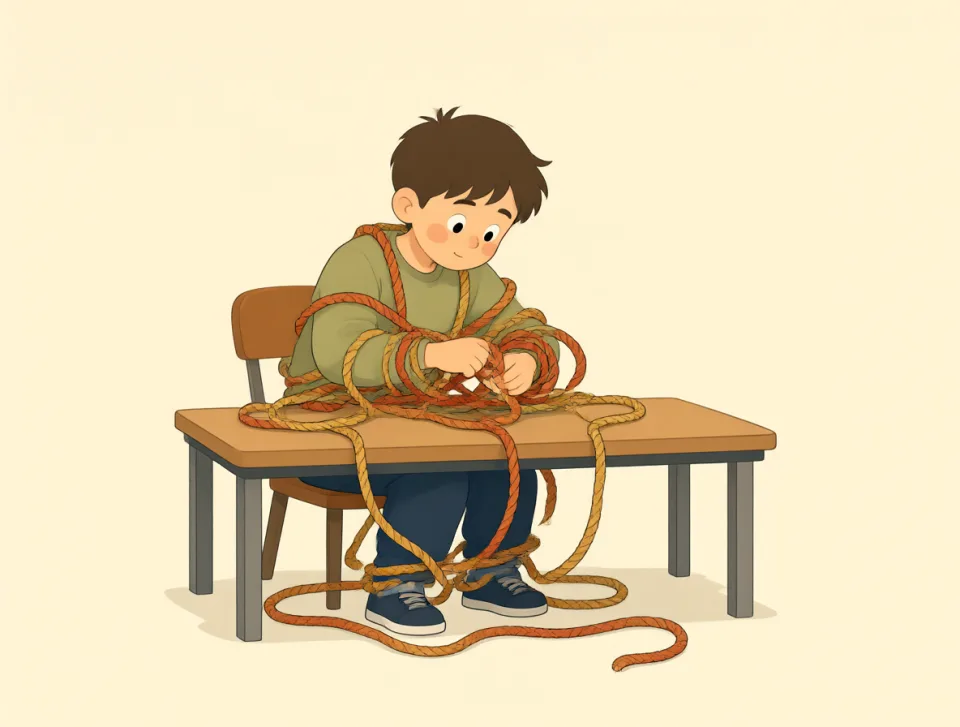
ทำให้ยุ่งยาก
to make something more difficult or confusing than it needs to be
ทำให้บางสิ่งยากหรือสับสนเกินความจำเป็น
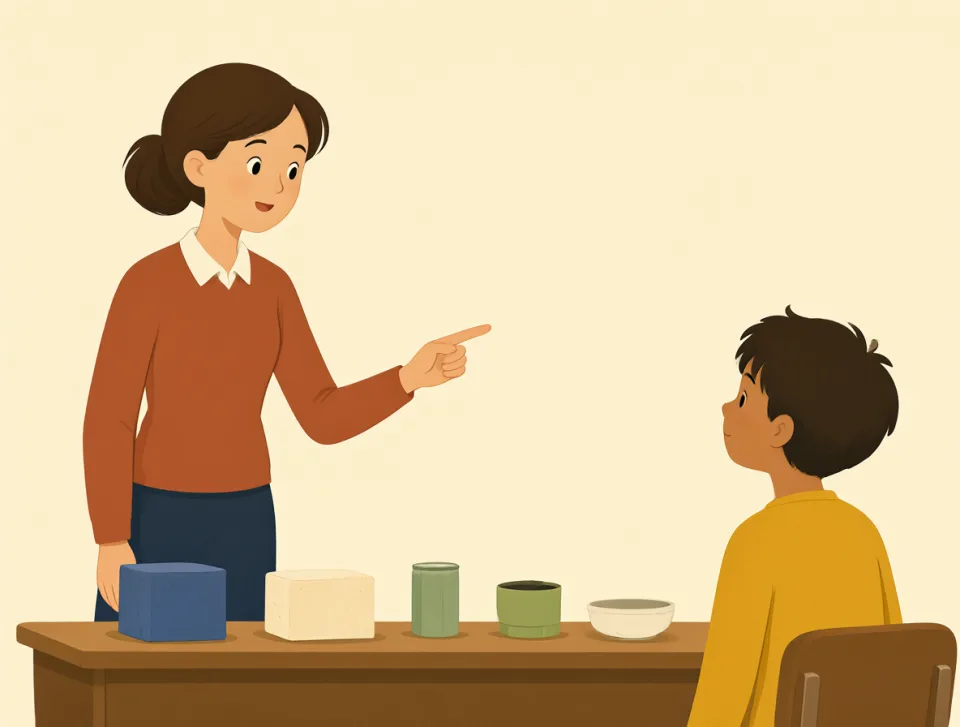
Don't complicate the problem; follow these simple steps.
อย่าทำให้ปัญหายุ่งยากไปกว่านี้ ทำตามขั้นตอนง่าย ๆ เหล่านี้

The bad weather complicated our travel plans.
สภาพอากาศที่ไม่ดีทำให้แผนการเดินทางของเรายุ่งยากขึ้น

Too many rules can complicate the hiring process.
กฎที่มากเกินไปอาจทำให้กระบวนการรับสมัครงานยุ่งยากขึ้น

Adding more ingredients complicated the recipe.
การเพิ่มวัตถุดิบเข้าไปอีกทำให้สูตรอาหารยุ่งยากขึ้น

His injury complicated his recovery after the accident.
อาการบาดเจ็บของเขาทำให้การพักฟื้นหลังอุบัติเหตุยุ่งยากขึ้น

discipline
#1852noun, verb
วินัย
Training yourself to follow rules and control your behavior to reach a goal.
การฝึกฝนตัวเองให้ทำตามกฎและควบคุมพฤติกรรมเพื่อให้บรรลุเป้าหมาย
Learning a new language takes discipline and regular practice.
การเรียนภาษาใหม่ต้องอาศัยวินัยและการฝึกฝนอย่างสม่ำเสมอ

The coach praised the team for showing discipline during training.
โค้ชชื่นชมทีมที่มีวินัยระหว่างการฝึกซ้อม

The school uses discipline to help students behave well.
โรงเรียนใช้วิธีฝึกวินัยเพื่อช่วยให้นักเรียนประพฤติตัวดี

Good financial discipline helped us save enough money for our holiday.
วินัยทางการเงินที่ดีช่วยให้เราเก็บเงินได้พอสำหรับวันหยุด
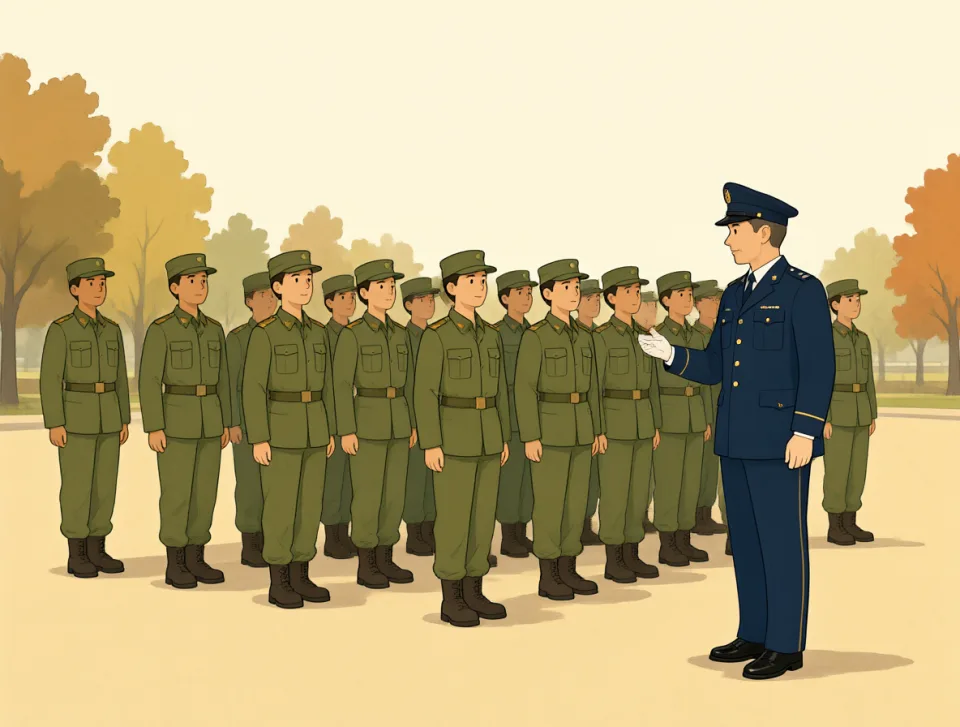
The army disciplined the new soldiers during their first month.
กองทัพฝึกวินัยทหารใหม่ในช่วงเดือนแรก

disappoint
#1853verb
ทำให้ผิดหวัง
To make someone feel unhappy because something was not as good as expected.
ทำให้ใครสักคนรู้สึกไม่มีความสุข เพราะสิ่งที่เกิดขึ้นไม่ดีเท่าที่คาดหวังไว้

The movie disappointed me, so I left before the end.
หนังทำให้ฉันผิดหวัง ฉันเลยออกมาก่อนหนังจบ
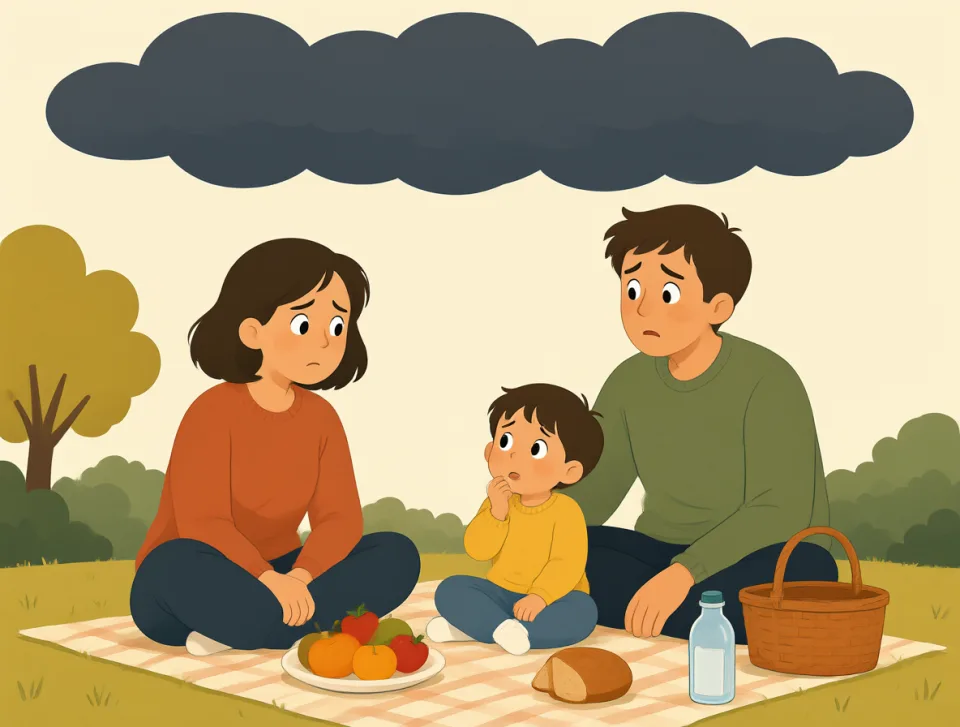
I hope the weather does not disappoint us tomorrow.
หวังว่าพรุ่งนี้อากาศจะไม่ทำให้เราผิดหวังนะ

The restaurant disappointed us with cold food and slow service.
ร้านอาหารทำให้เราผิดหวัง ทั้งอาหารที่เย็นชืดและบริการที่ล่าช้า

She was disappointed when her team lost the final game.
เธอผิดหวังเมื่อทีมของเธอแพ้เกมรอบชิงชนะเลิศ

He hates disappointing his parents when he gets poor grades.
เขาเกลียดการทำให้พ่อแม่ผิดหวังเวลาที่ได้คะแนนไม่ดี

boss
#1854noun, verb
หัวหน้า
A person who is in charge of a workplace or tells others what to do.
ผู้ที่รับผิดชอบดูแลสถานที่ทำงานหรือสั่งให้คนอื่นทำสิ่งต่าง ๆ

My boss asked me to finish the report before lunch.
หัวหน้าขอให้ฉันทำรายงานให้เสร็จก่อนมื้อกลางวัน

I need to talk to my boss about taking Friday off.
ฉันต้องคุยกับหัวหน้าเรื่องขอลาหยุดวันศุกร์

Our new boss is friendly and listens to everyone's ideas.
หัวหน้าคนใหม่ของเราเป็นมิตรและรับฟังความคิดเห็นของทุกคน

She bosses her little brother around when their parents are away.
เธอชอบสั่งน้องชายให้ทำโน่นทำนี่ตอนที่พ่อแม่ไม่อยู่

The chef bossed the kitchen during the busy dinner service.
เชฟคุมงานในครัวระหว่างช่วงมื้อค่ำที่วุ่นวาย

assumption
#1855noun
ข้อสันนิษฐาน
A belief that something is true, even though you have no proof.
ความเชื่อว่าบางสิ่งเป็นความจริง ทั้งที่ไม่มีหลักฐานยืนยัน
My assumption that the store was open was wrong.
ข้อสันนิษฐานของฉันที่ว่าร้านเปิดอยู่เป็นเรื่องผิด

Do not make assumptions about people before meeting them.
อย่าตั้งข้อสันนิษฐานเกี่ยวกับคนอื่นก่อนที่จะได้พบพวกเขา

On the assumption that it would rain, we brought umbrellas.
เรานำร่มมาด้วย โดยคิดว่าฝนจะตก
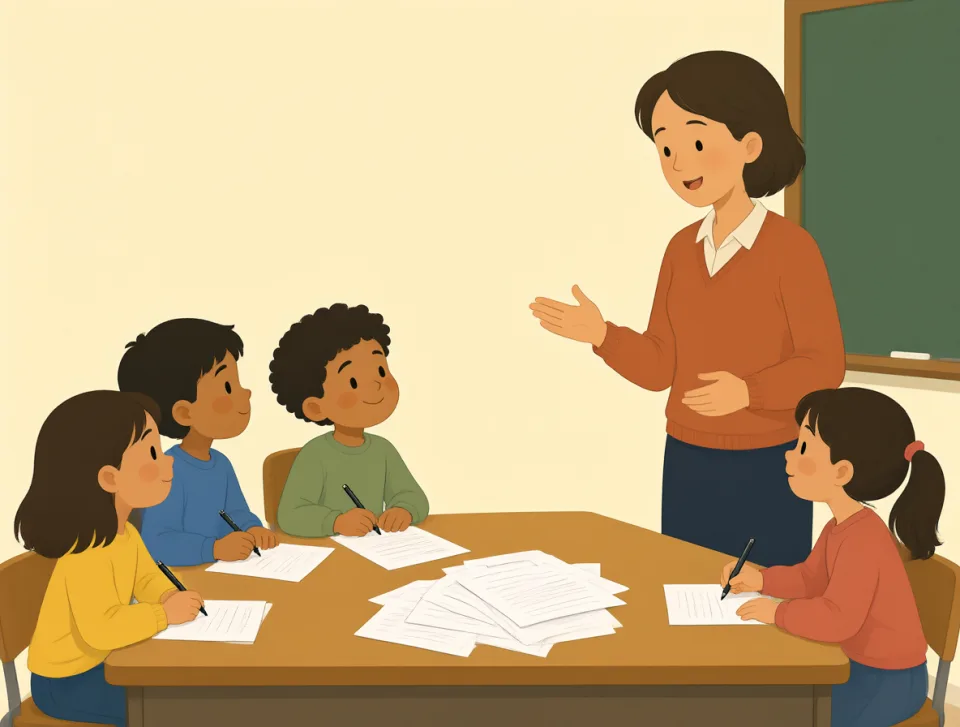
The teacher corrected our assumption that the test would be easy.
ครูแก้ความเข้าใจผิดของเราที่คิดว่าข้อสอบจะง่าย

The doctor rejected my assumption that a cold needed antibiotics.
หมอไม่เห็นด้วยกับข้อสันนิษฐานของฉันที่ว่าโรคหวัดต้องใช้ยาปฏิชีวนะ

freeze
#1856verb, noun
แข็งตัว
to become very cold and turn into ice, or to stop moving suddenly
หนาวจัดจนกลายเป็นน้ำแข็ง หรือหยุดนิ่งขึ้นมาทันที
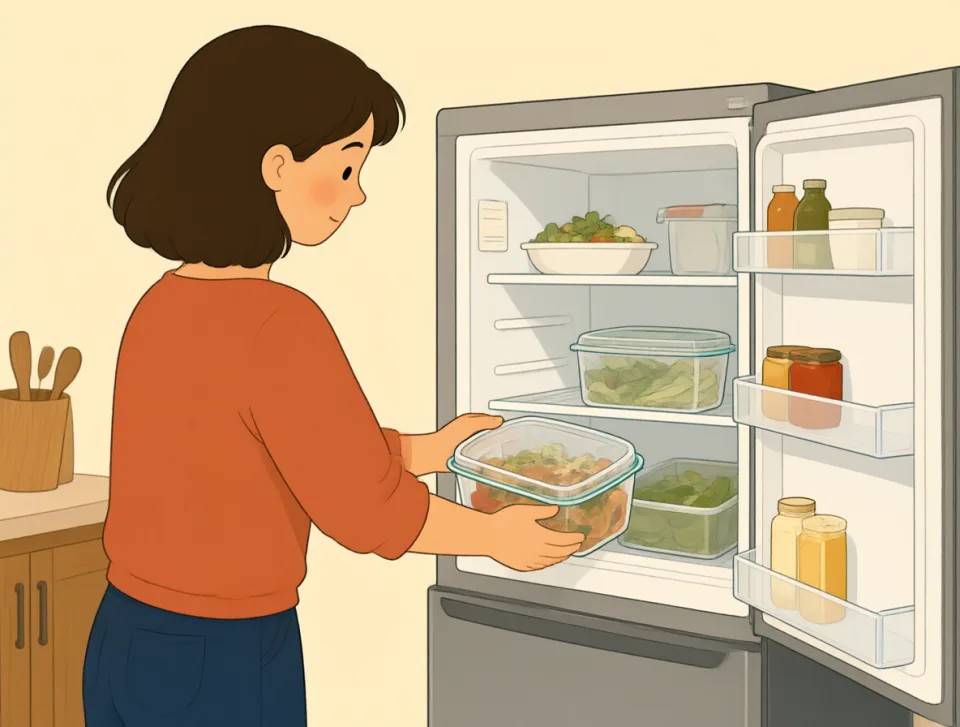
Please freeze the leftovers before they go bad.
กรุณาแช่แข็งอาหารที่เหลือก่อนที่มันจะเสีย

The lake freezes every winter when temperatures fall below zero.
ทะเลสาบจะแข็งตัวทุกฤดูหนาวเมื่ออุณหภูมิลดต่ำกว่าศูนย์องศา

I froze when I saw the large dog running toward me.
ฉันยืนนิ่งด้วยความตกใจเมื่อเห็นสุนัขตัวใหญ่กำลังวิ่งตรงมาหา
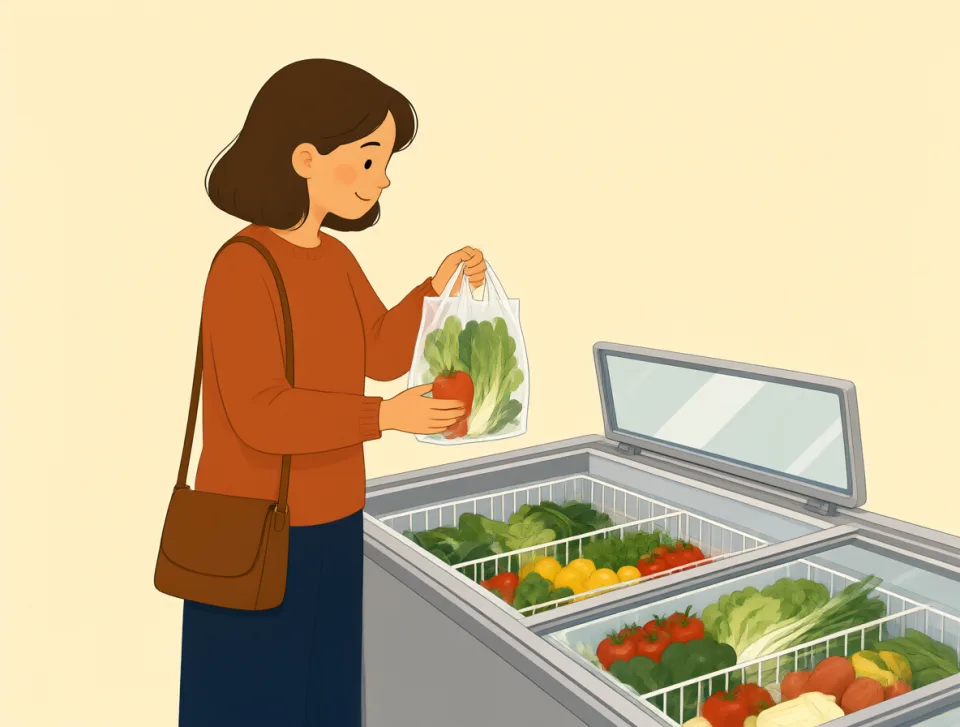
The supermarket sells frozen vegetables in the back aisle.
ซูเปอร์มาร์เก็ตขายผักแช่แข็งที่ชั้นวางด้านในสุด

My hands froze while I waited for the bus in winter.
มือฉันชาแข็งระหว่างรอรถเมล์ในฤดูหนาว

extreme
#1857adjective, noun
สุดขีด
Very great or serious; the greatest possible amount or degree.
มากหรือรุนแรงอย่างยิ่ง; มีปริมาณหรือระดับสูงที่สุดเท่าที่เป็นไปได้

The hikers faced extreme weather on their way back.
นักเดินป่าต้องเผชิญกับสภาพอากาศที่รุนแรงระหว่างเดินทางกลับ
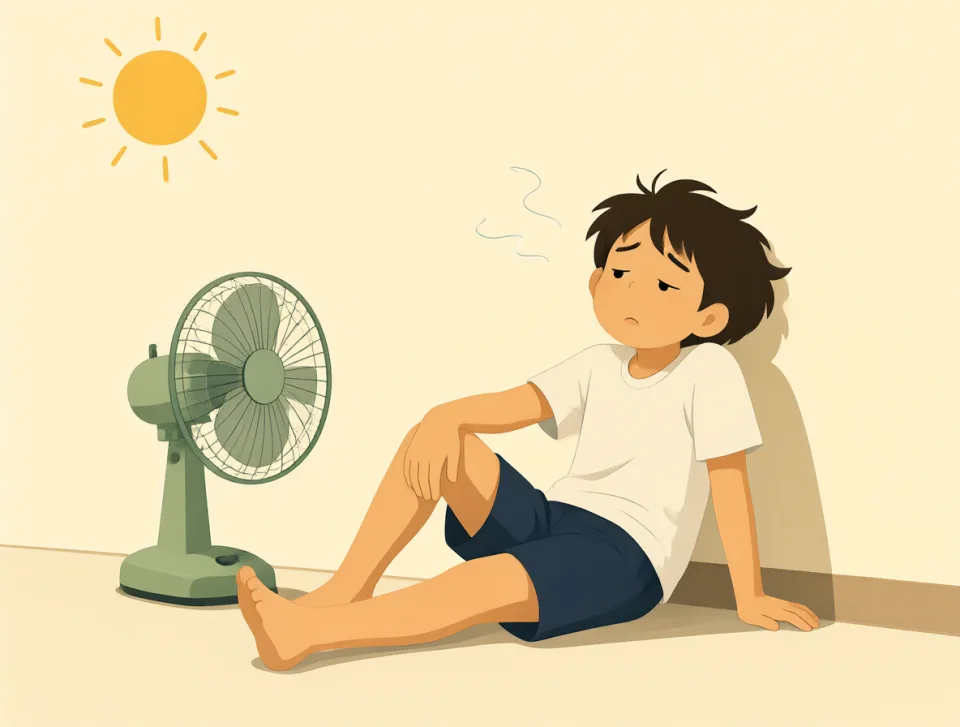
Extreme heat can make people feel tired and sick.
อากาศร้อนจัดอาจทำให้คนรู้สึกเหนื่อยและไม่สบายได้

She took extreme care when carrying the hot soup.
เธอระมัดระวังอย่างมากตอนถือซุปร้อน ๆ

The school closed because of the extreme cold.
โรงเรียนปิดเนื่องจากอากาศหนาวจัด

The doctor said his extreme pain needed immediate treatment.
หมอบอกว่าอาการปวดอย่างรุนแรงของเขาต้องได้รับการรักษาทันที
passage
#1858noun
ข้อความตอนหนึ่ง
a short part of a book, speech, or piece of writing
ส่วนสั้น ๆ ของหนังสือ คำพูด หรืองานเขียน

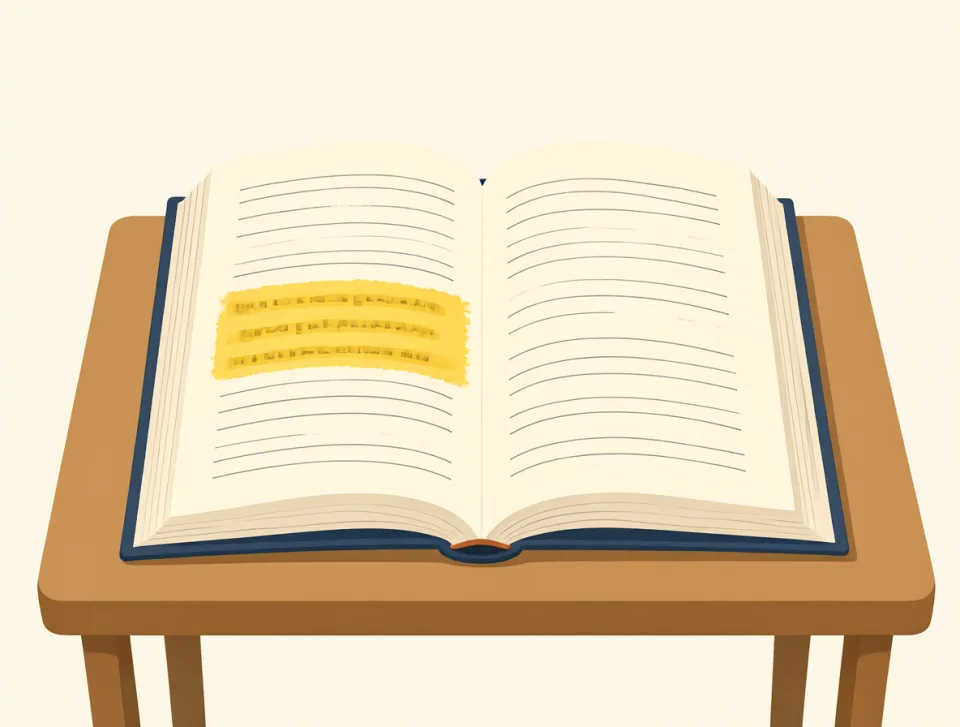
Please read this passage and answer the questions below.
กรุณาอ่านข้อความตอนนี้แล้วตอบคำถามด้านล่าง

The guide told us about a narrow passage through the mountains.
ไกด์เล่าให้เราฟังเกี่ยวกับช่องเขาแคบ ๆ ที่ตัดผ่านภูเขา

We had to wait for the passage of the train.
เราต้องรอให้รถไฟผ่านไปก่อน

She looked through the passage before entering the old building.
เธอมองผ่านทางเดินก่อนเข้าไปในอาคารเก่า

The doctor checked the passage in his patient's blocked nose.
หมอตรวจดูช่องทางเดินหายใจในจมูกที่อุดตันของคนไข้

reputation
#1859noun
ชื่อเสียง
What people generally think about someone or something based on past actions.
สิ่งที่ผู้คนโดยทั่วไปคิดเกี่ยวกับใครบางคนหรือบางสิ่ง โดยพิจารณาจากการกระทำที่ผ่านมา
The restaurant has a good reputation for fresh food.
ร้านอาหารแห่งนี้มีชื่อเสียงดีเรื่องอาหารสดใหม่

She built a strong reputation as a reliable worker.
เธอสร้างชื่อเสียงที่ดีในฐานะพนักงานที่ไว้ใจได้

The hotel’s reputation suffered after several guests complained.
ชื่อเสียงของโรงแรมเสียหายหลังจากแขกหลายคนร้องเรียน

His reputation for kindness made new students feel welcome.
ชื่อเสียงของเขาในเรื่องความใจดีทำให้นักเรียนใหม่รู้สึกได้รับการต้อนรับ

The doctor has an excellent reputation among local families.
หมอคนนี้มีชื่อเสียงดีเยี่ยมในหมู่ครอบครัวในท้องถิ่น
forth
#1860adverb
ไปข้างหน้า
Forward or onward; used in expressions such as “back and forth” and “and so forth.”
ไปข้างหน้าหรือดำเนินต่อไป; ใช้ในสำนวนอย่าง “back and forth” และ “and so forth”
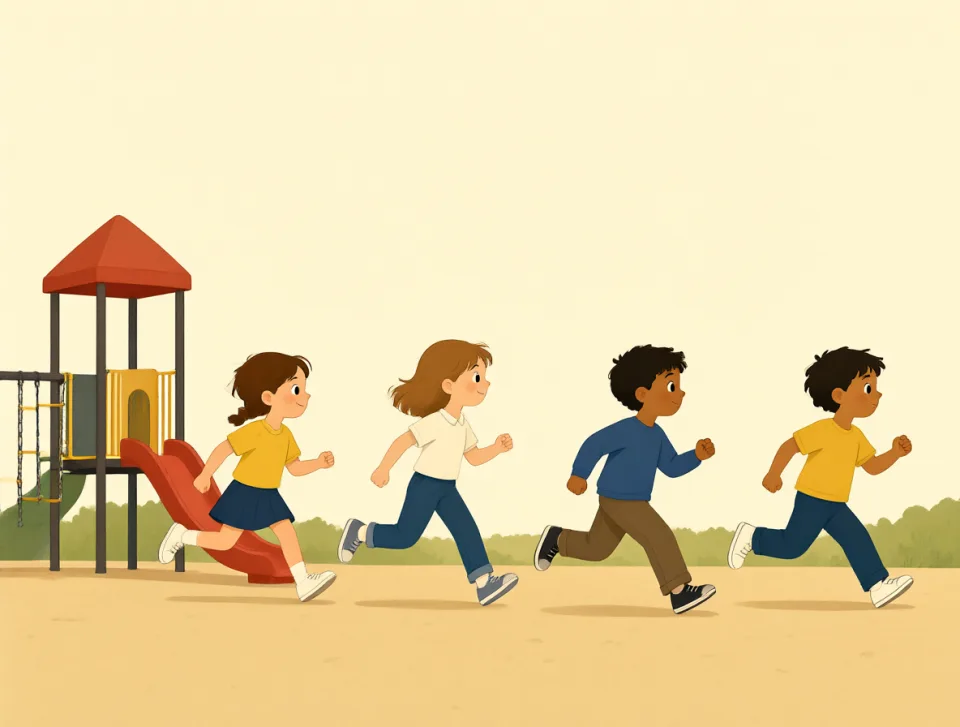
The children ran back and forth across the playground.
เด็ก ๆ วิ่งไปมาทั่วสนามเด็กเล่น
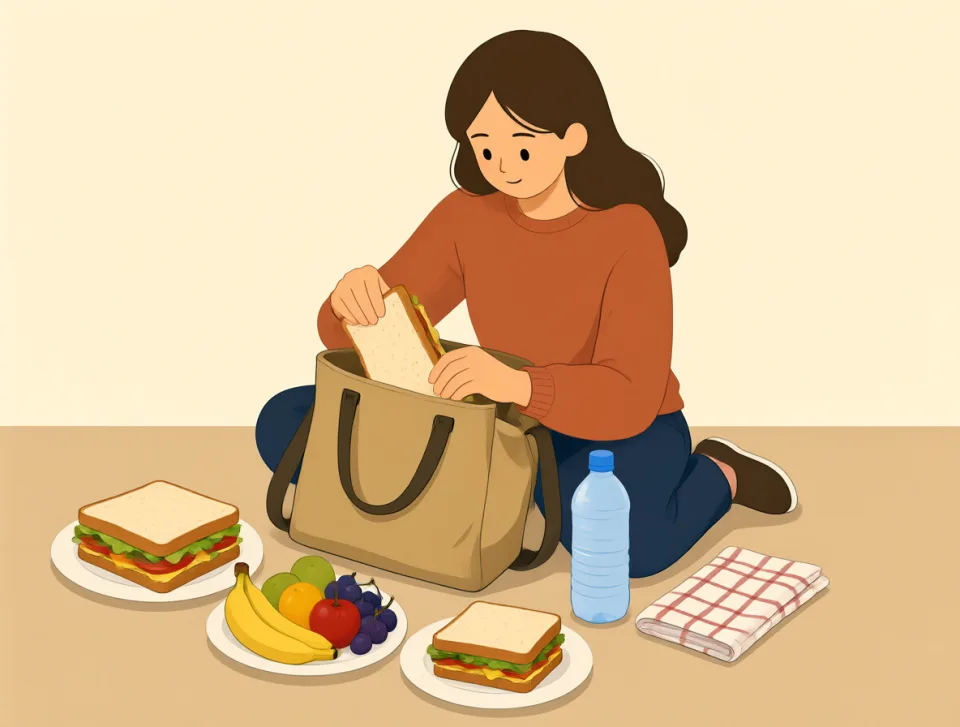
Please pack sandwiches, fruit, water, and so forth for our trip.
สำหรับทริปนี้ กรุณาเตรียมแซนด์วิช ผลไม้ น้ำ และอื่น ๆ ไปด้วย

The hikers set forth before sunrise to reach the village.
นักเดินป่าออกเดินทางก่อนพระอาทิตย์ขึ้นเพื่อไปให้ถึงหมู่บ้าน

She put forth great effort to finish the project on time.
เธอทุ่มเทอย่างมากเพื่อทำโครงการให้เสร็จทันเวลา

From this day forth, Maya will take her medicine after breakfast.
ตั้งแต่วันนี้เป็นต้นไป มายาจะกินยาหลังอาหารเช้า