بخش 100
واژههای 1981 تا 2000 · intellectual, derive, crucial, unemployment, wheel, crop
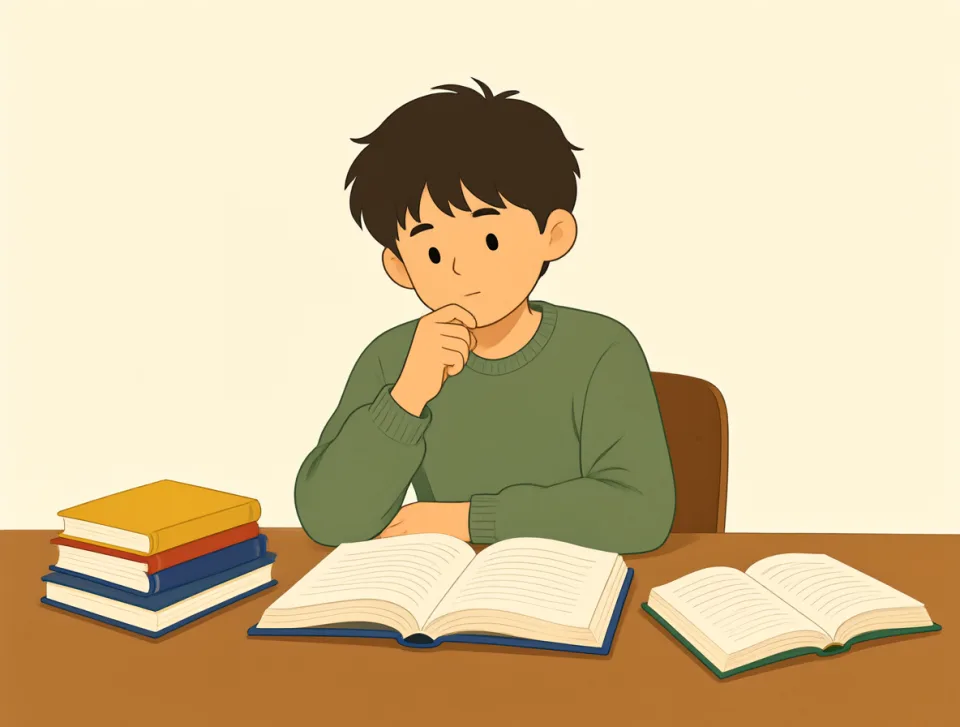
intellectual
#1981adjective, noun
فکری
Related to thinking and understanding, or a person who enjoys serious ideas and learning.
مربوط به تفکر و درک، یا فردی که به ایدههای جدی و یادگیری علاقه دارد.
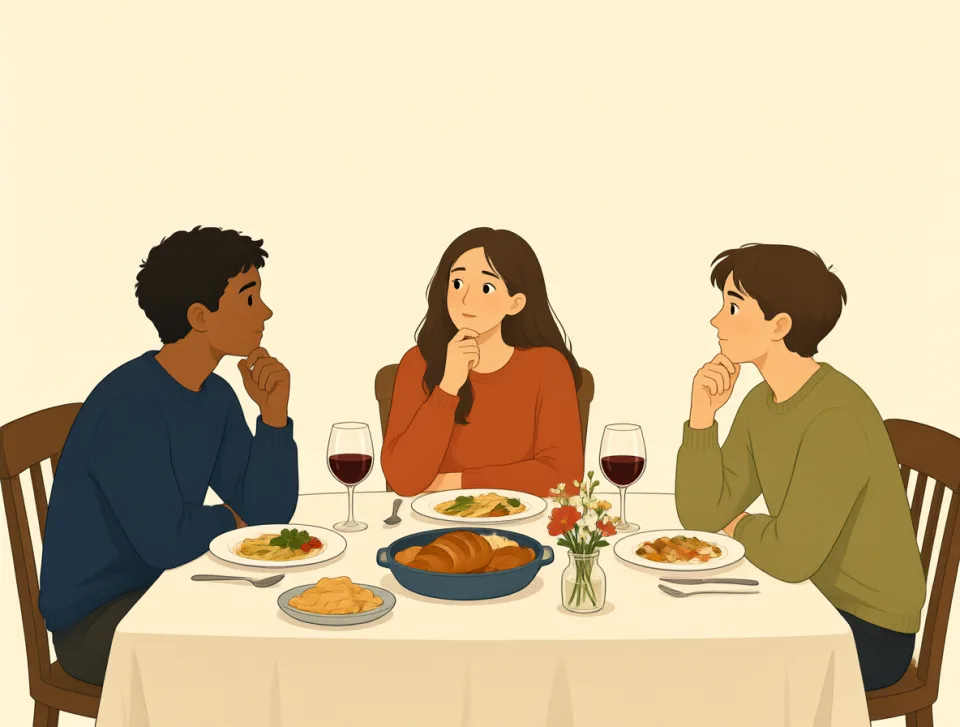
She enjoys intellectual conversations with her friends after dinner.
او از گفتوگوهای فکری با دوستانش بعد از شام لذت میبرد.
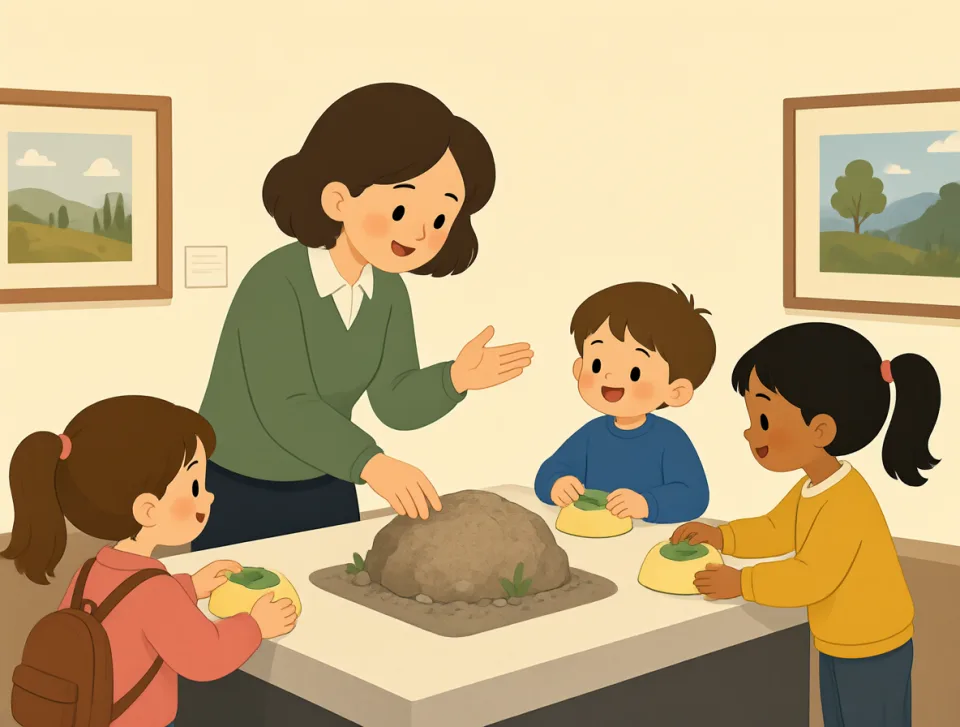
The museum offers many intellectual activities for young students.
این موزه فعالیتهای فکری زیادی برای دانشآموزان جوان ارائه میدهد.

He is an intellectual who reads books about history and science.
او فردی اهل تفکر است که کتابهایی دربارهٔ تاریخ و علوم میخواند.

The job requires both practical skills and intellectual ability.
این شغل هم به مهارتهای عملی نیاز دارد و هم به توانایی فکری.
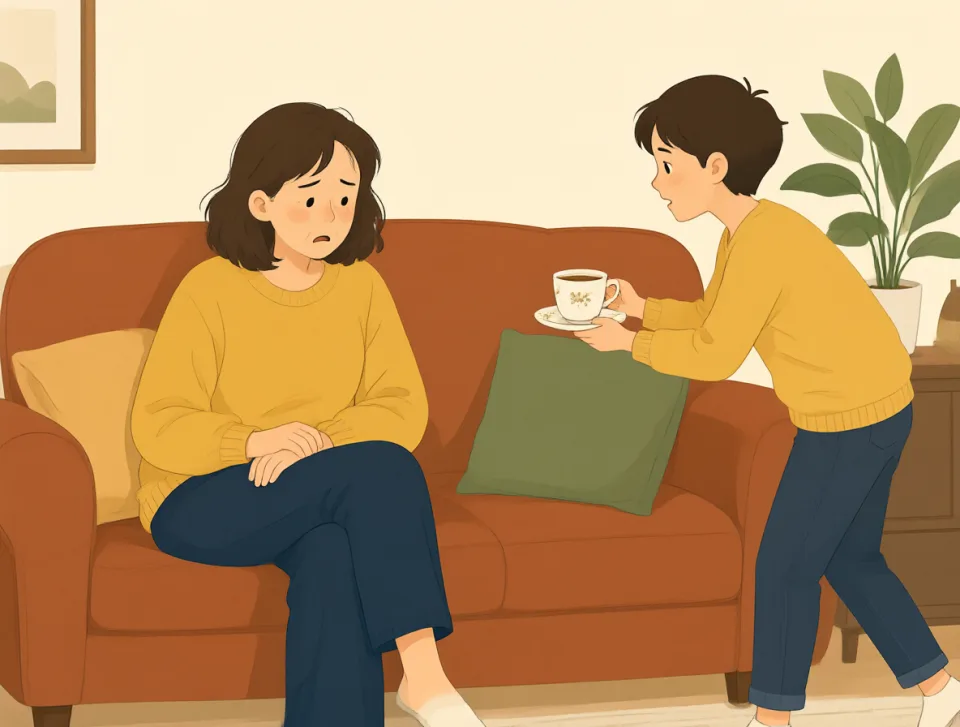
After the illness, she felt tired and less intellectually active.
او پس از بیماری احساس خستگی میکرد و از نظر فکری کمتر فعال بود.
derive
#1982verb
گرفتن از
to get something from a particular source or cause
چیزی را از منبع یا علت مشخصی به دست آوردن
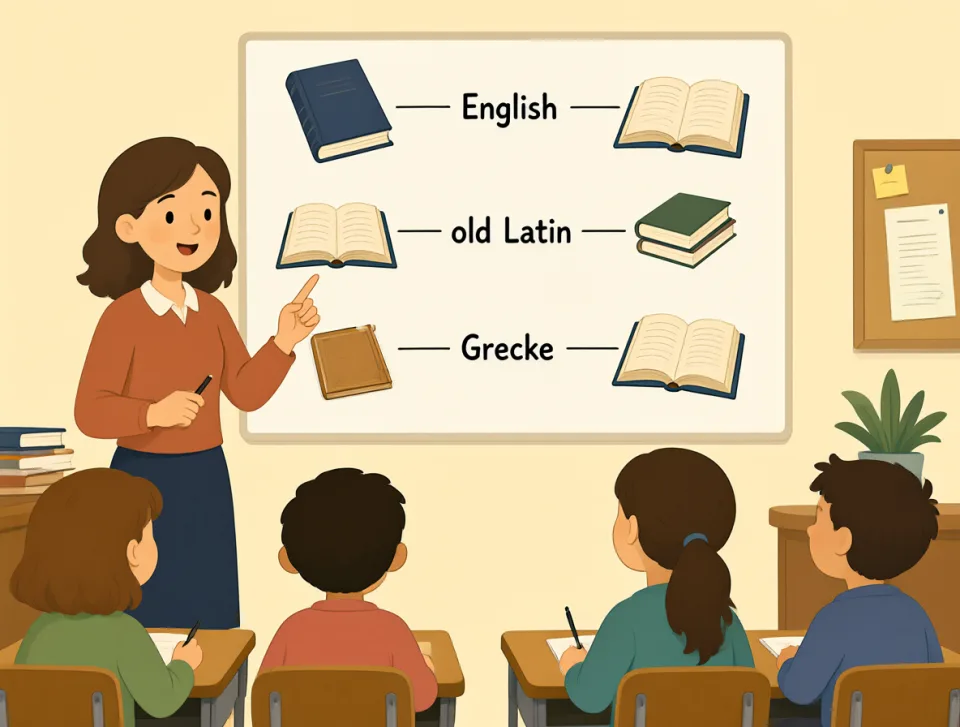
Many English words derive from Latin and Greek.
واژههای زیادی در انگلیسی ریشه در لاتین و یونانی دارند.
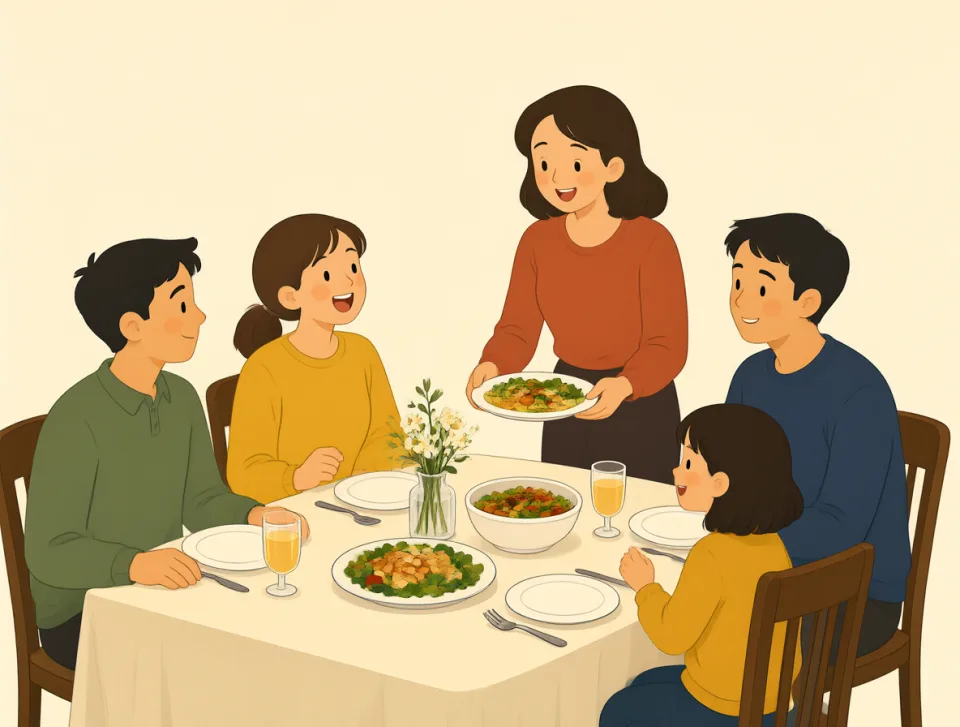
She derives great pleasure from cooking for her family.
او از آشپزی برای خانوادهاش لذت زیادی میبرد.

The company derives most of its income from online sales.
شرکت بیشتر درآمدش را از فروش آنلاین به دست میآورد.
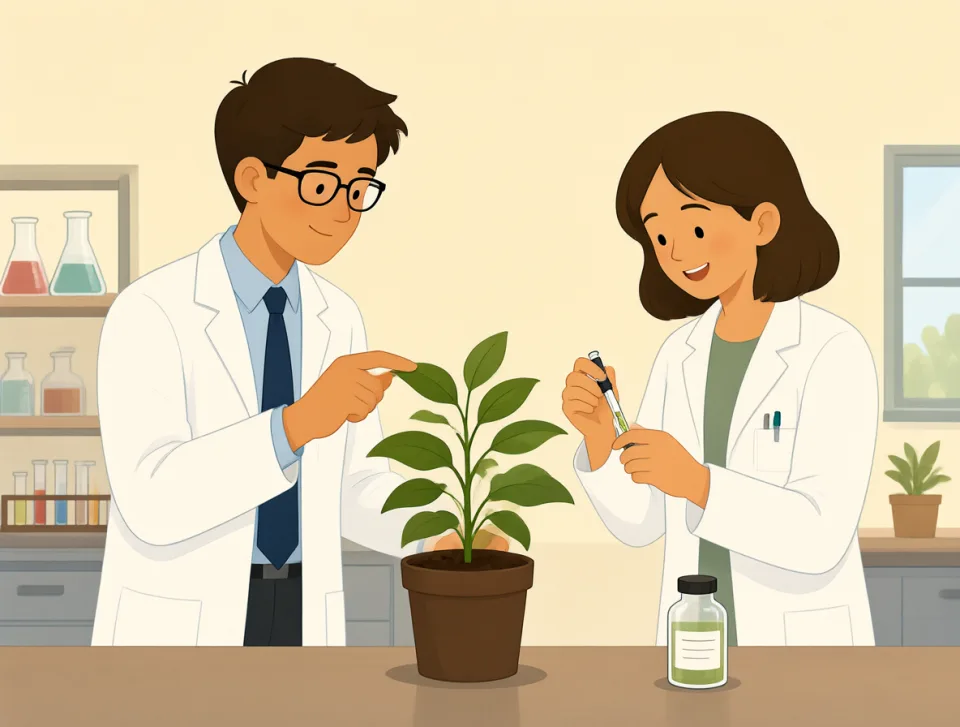
Scientists derived the new medicine from a natural plant.
دانشمندان داروی جدید را از یک گیاه طبیعی تهیه کردند.
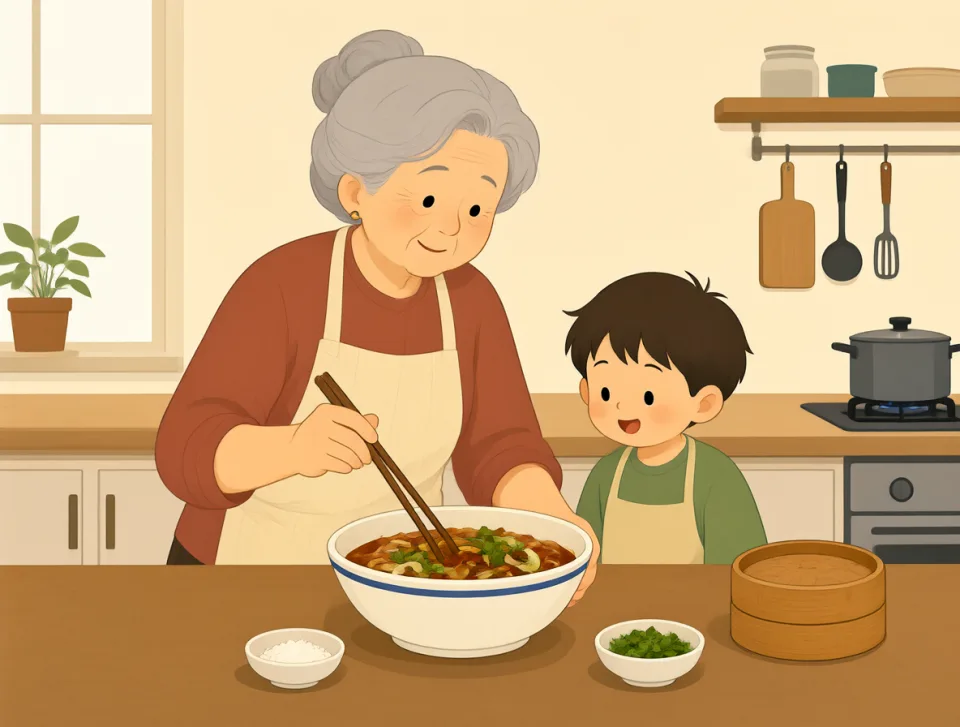
The recipe was derived from an old family tradition.
این دستور پخت از یک رسم قدیمی خانوادگی گرفته شده بود.

crucial
#1983adjective
حیاتی
Extremely important for achieving a result or making a situation successful.
برای رسیدن به نتیجه یا موفقیتآمیز بودن یک موقعیت، اهمیت بسیار زیادی دارد.
Good communication is crucial for a successful team.
ارتباط مؤثر برای موفقیت یک گروه حیاتی است.

It is crucial to check your passport before leaving home.
قبل از بیرون رفتن از خانه، بررسی گذرنامهتان بسیار مهم است.
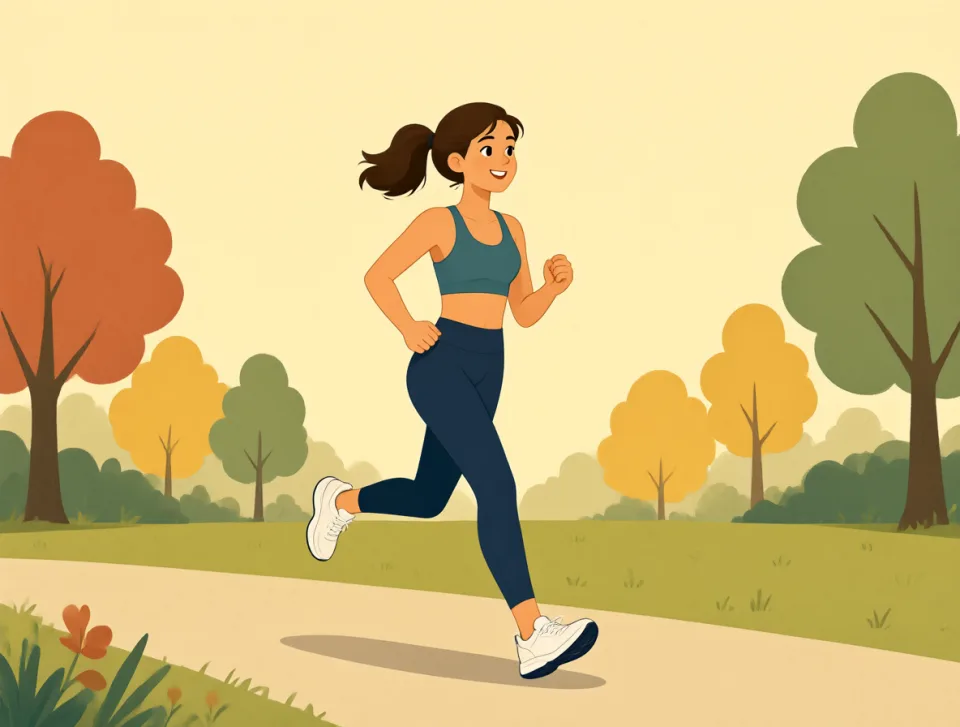
Regular exercise is crucial for keeping your heart healthy.
ورزش منظم برای سالم نگهداشتن قلب ضروری است.
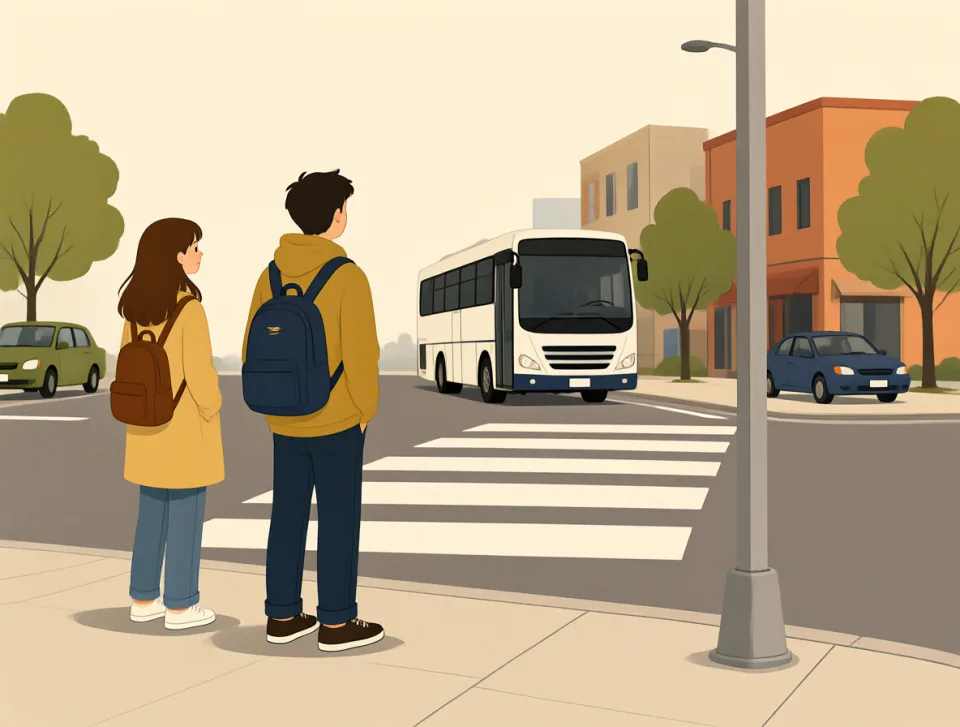
Timing was crucial when we crossed the busy road.
وقتی از خیابان شلوغ رد شدیم، زمانبندی بسیار مهم بود.
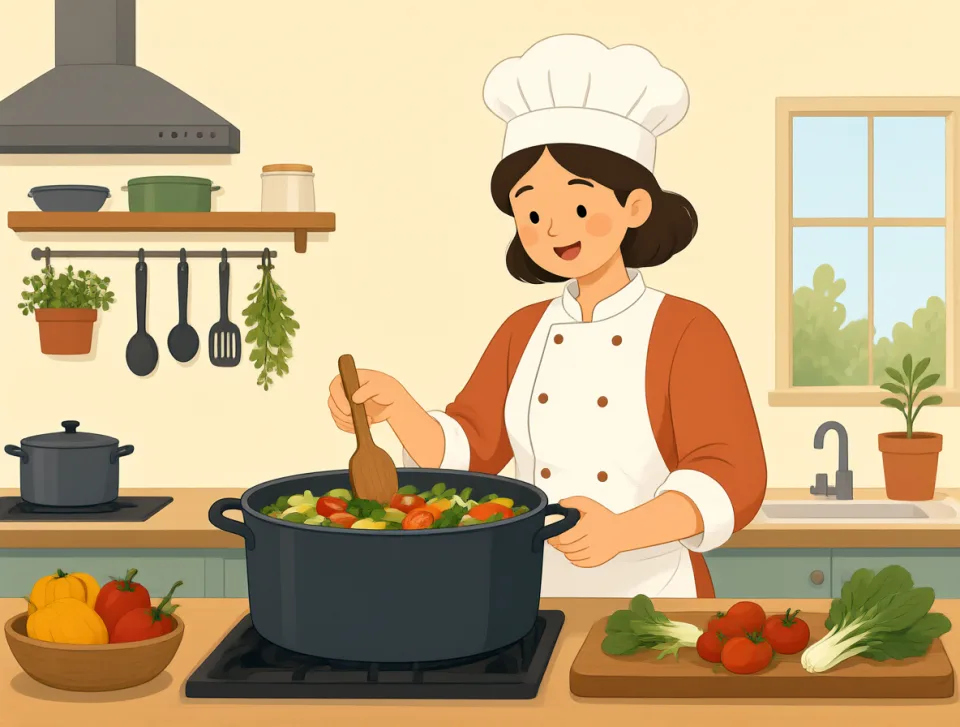
Fresh ingredients are crucial for making a delicious soup.
مواد اولیهٔ تازه برای درستکردن یک سوپ خوشمزه ضروریاند.
unemployment
#1984noun
بیکاری
The condition of not having a job and looking for work.
وضعیت نداشتن شغل و در جستوجوی کار بودن.
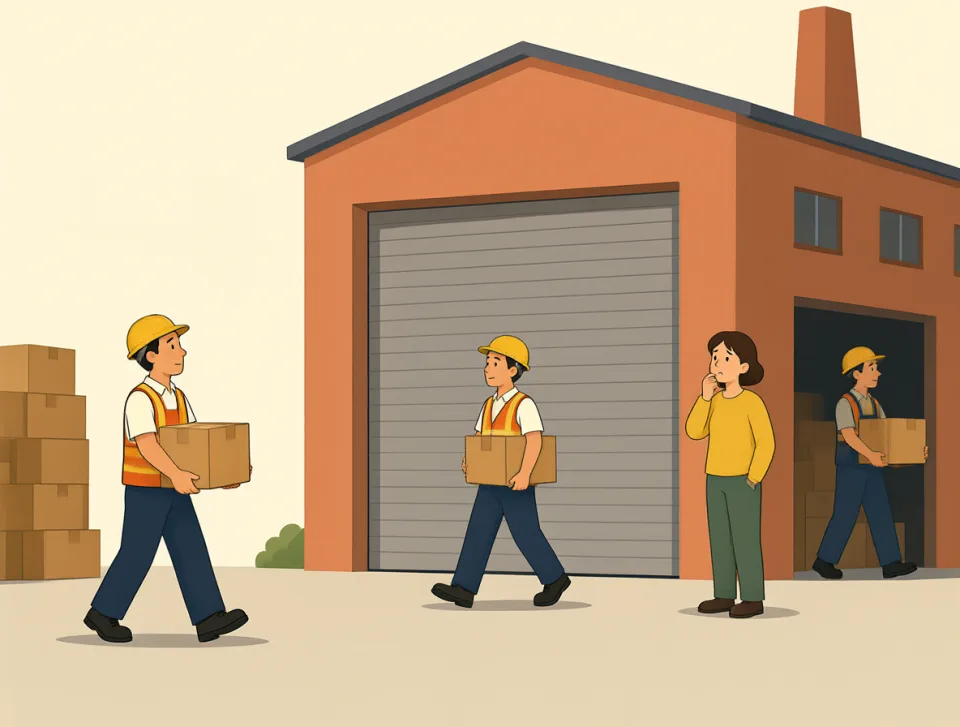
Unemployment rose after the factory closed last year.
پس از تعطیلی کارخانه در سال گذشته، بیکاری افزایش یافت.

The government is trying to reduce unemployment among young people.
دولت در تلاش است بیکاری را در میان جوانان کاهش دهد.
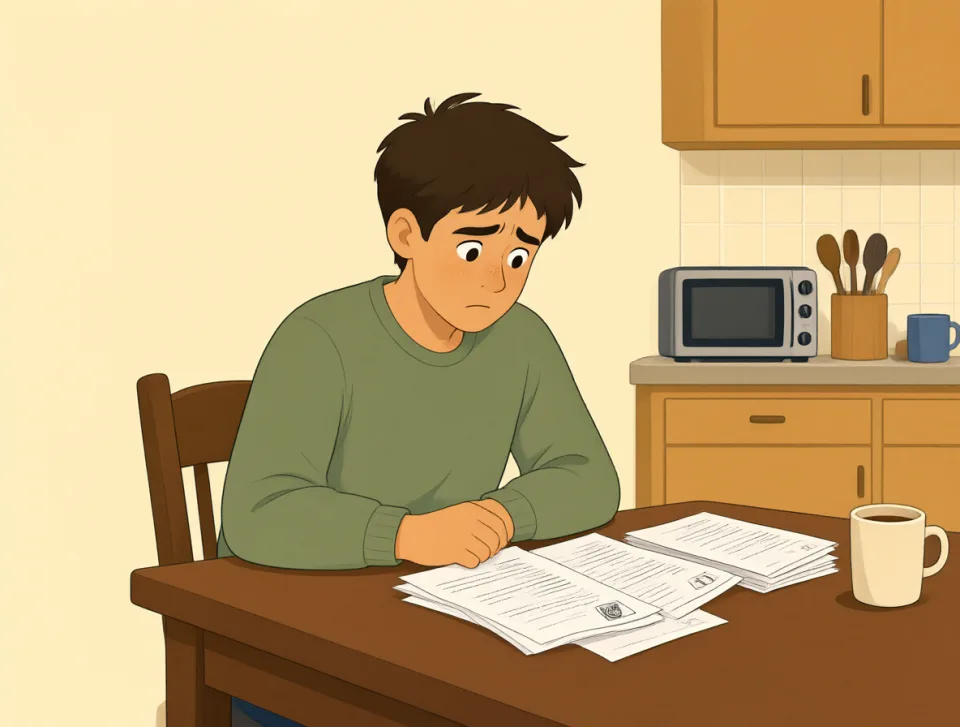
Long-term unemployment can make it difficult to pay the bills.
بیکاری طولانیمدت میتواند پرداخت صورتحسابها را دشوار کند.

He received unemployment benefits while searching for a new job.
او هنگام جستوجو برای شغل جدید، مقرری بیکاری دریافت میکرد.
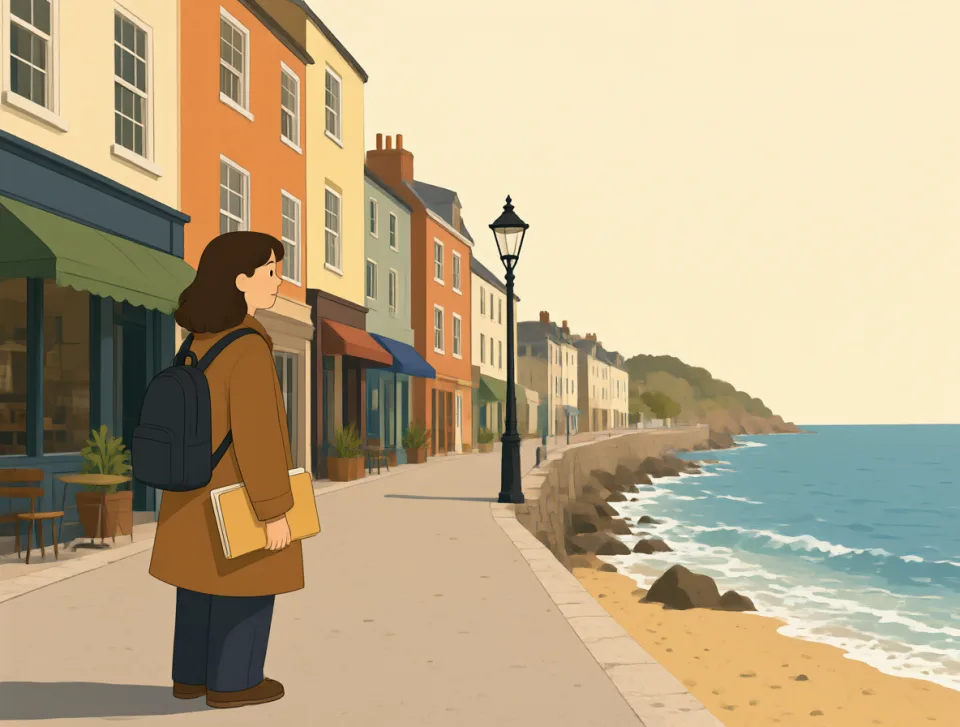
The town suffered from high unemployment when the tourist season ended.
با پایان فصل گردشگری، این شهر با بیکاری زیادی روبهرو شد.
wheel
#1985noun, verb
چرخ
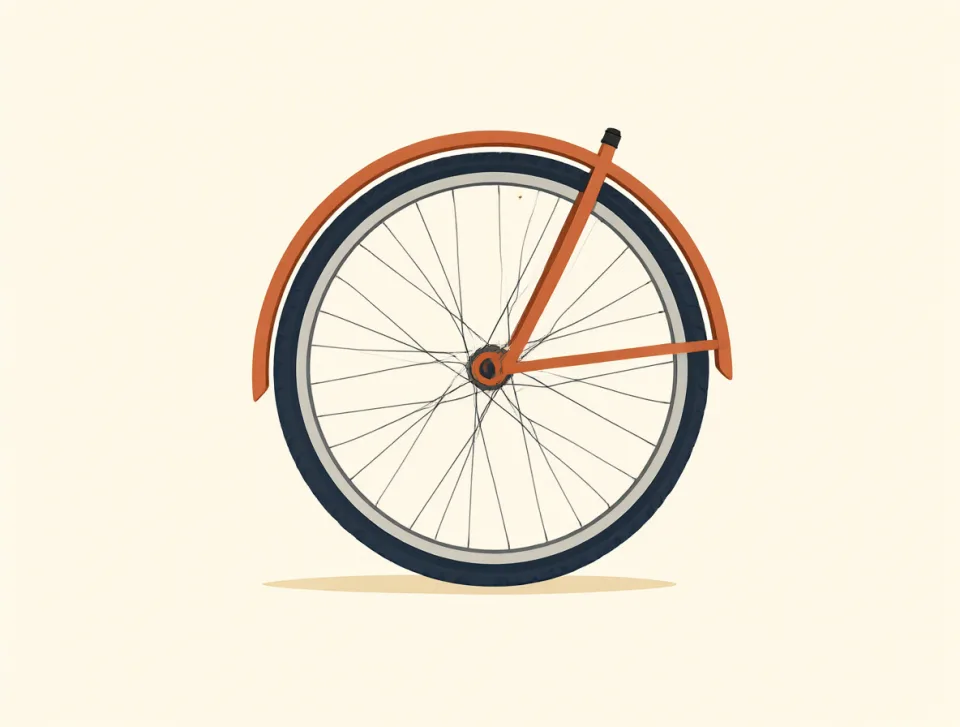
A round object that turns to help a vehicle move, or to control something.
جسمی گرد که میچرخد تا به حرکت وسیلهٔ نقلیه یا کنترل چیزی کمک کند.
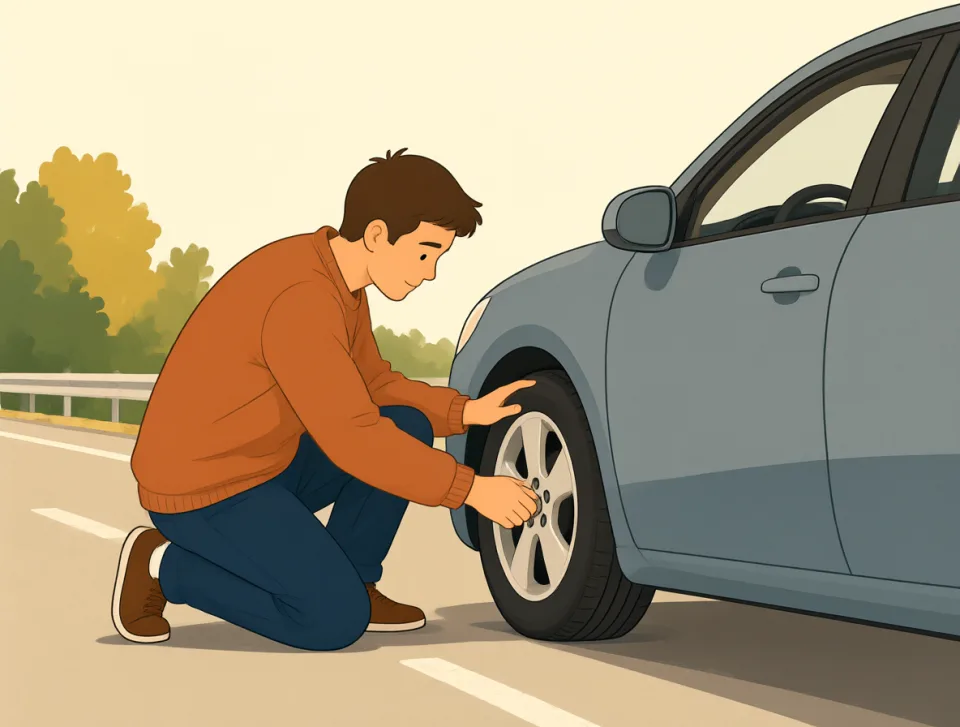
The car has a flat wheel, so we stopped beside the road.
یکی از چرخهای ماشین پنچر است، برای همین کنار جاده توقف کردیم.
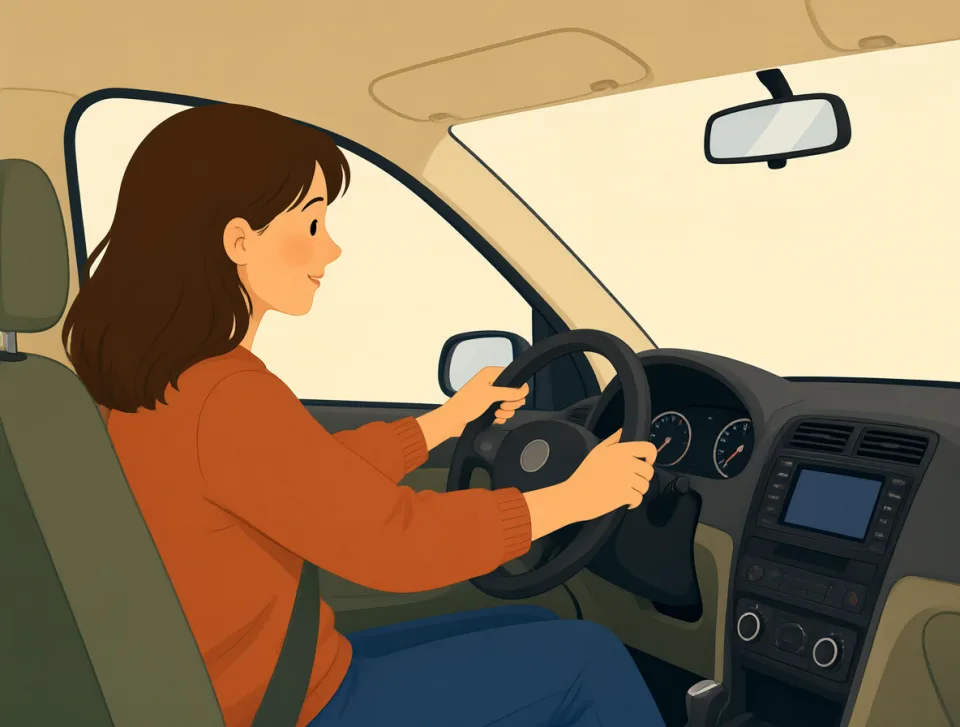
She turned the wheel carefully and drove into the parking space.
او بااحتیاط فرمان را چرخاند و ماشین را به داخل جای پارک برد.
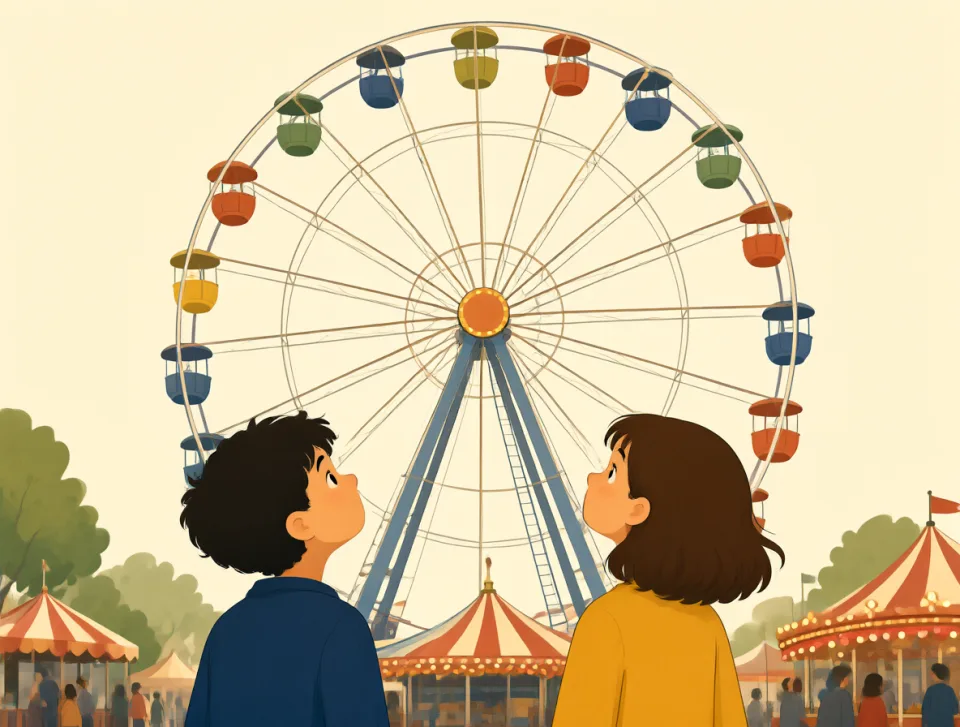
The children watched the big wheel turn at the fair.
بچهها تماشاگر چرخوفلک بزرگ در شهربازی بودند.
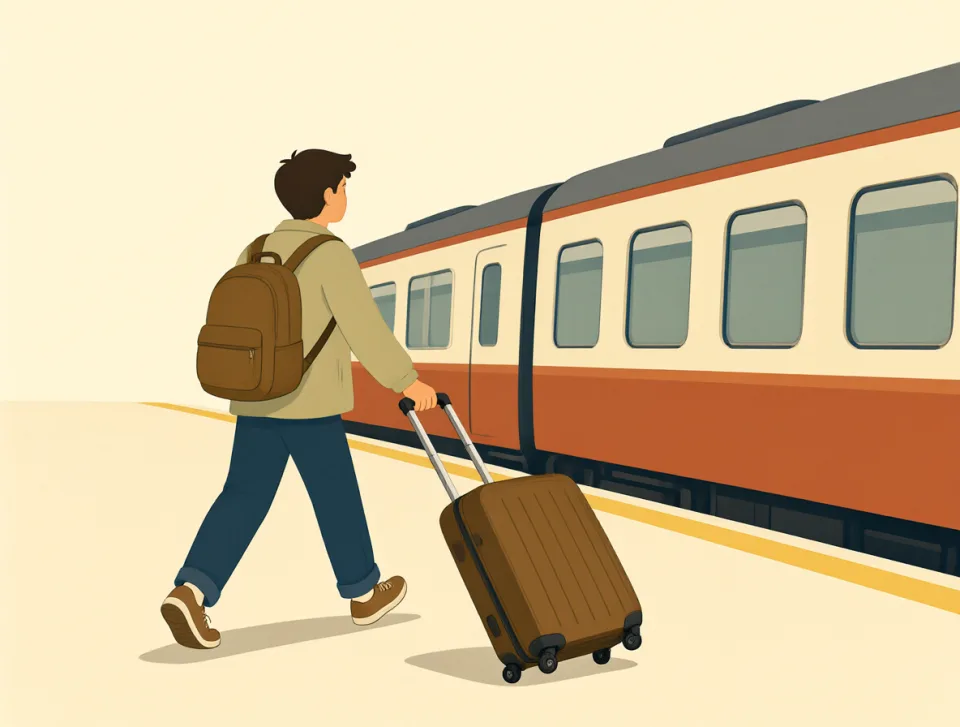
Please wheel the heavy suitcase to the train platform.
لطفاً چمدان سنگین را تا سکوی قطار چرخ بدهید.
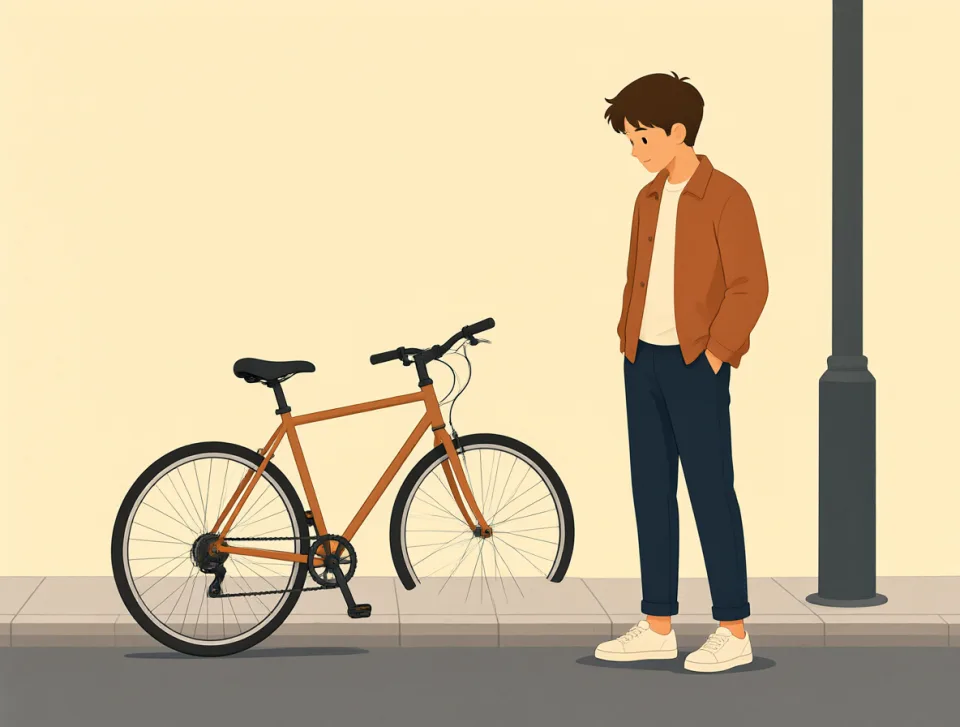
My bicycle wheel came off during the morning ride.
چرخ دوچرخهام هنگام دوچرخهسواری صبحگاهی جدا شد.
crop
#1986noun, verb
محصول
A plant grown for food, or to cut part of a picture or video.
گیاهی که برای خوراک پرورش میدهند؛ یا برشدادن بخشی از یک عکس یا ویدئو.
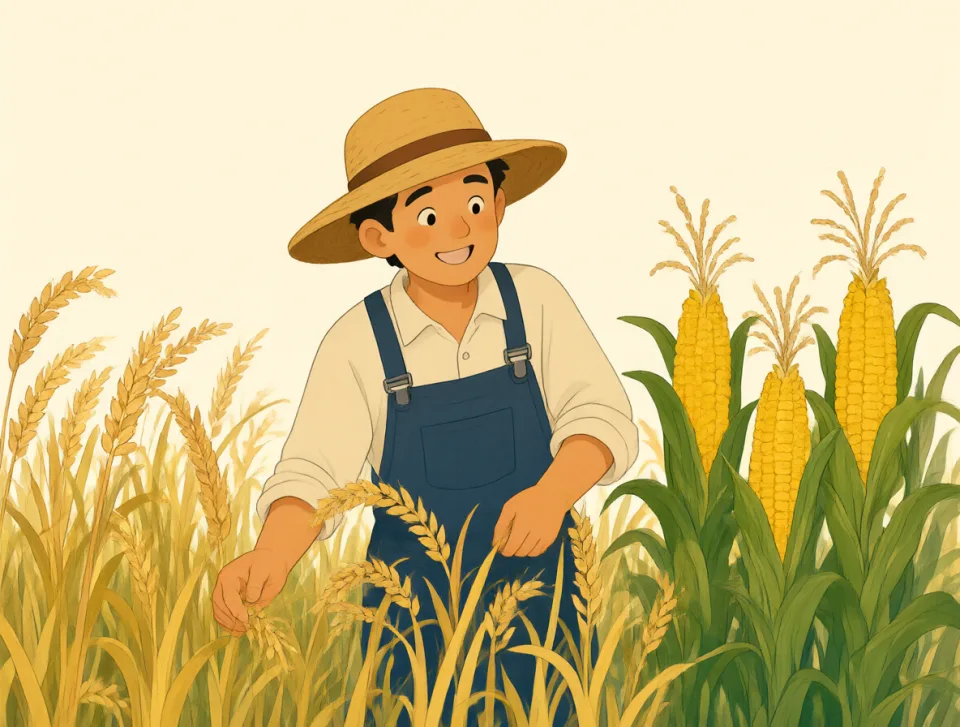
Farmers grow crops such as wheat, rice, and corn.
کشاورزان محصولاتی مانند گندم، برنج و ذرت میکارند.
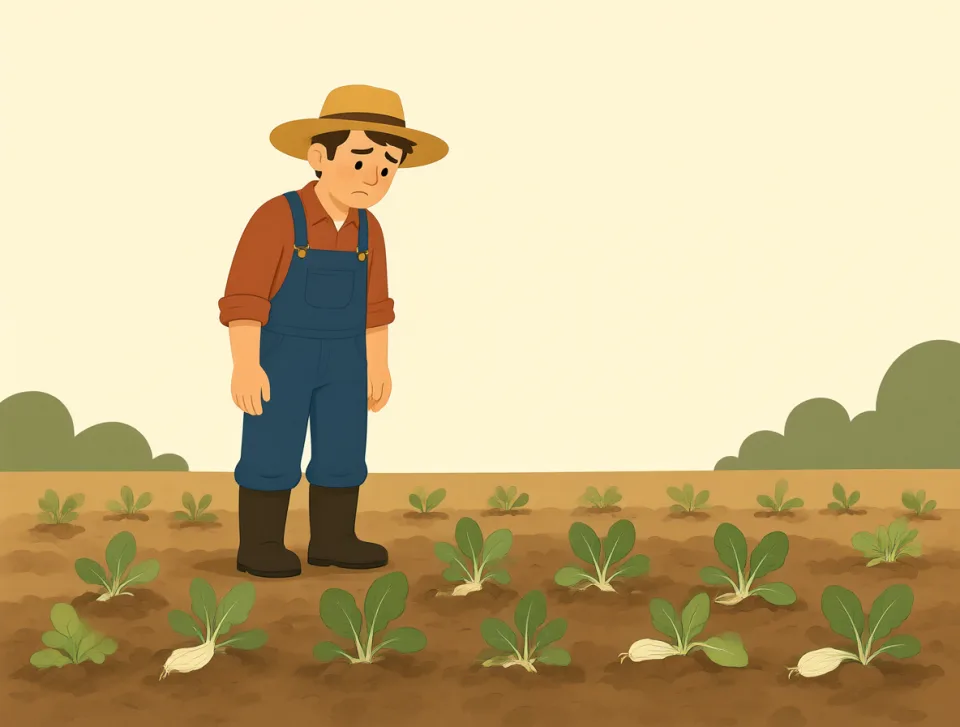
The heavy rain damaged the vegetable crops this year.
باران شدید امسال به محصولات سبزیجات آسیب زد.
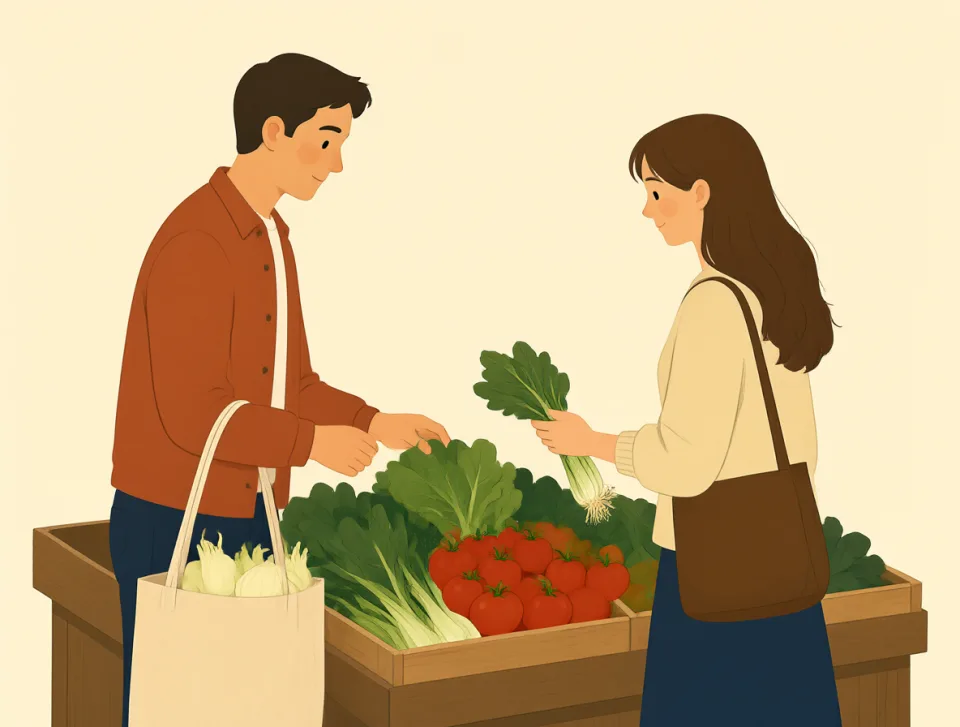
We bought fresh crops from the local market.
از بازار محلی محصولات تازه خریدیم.
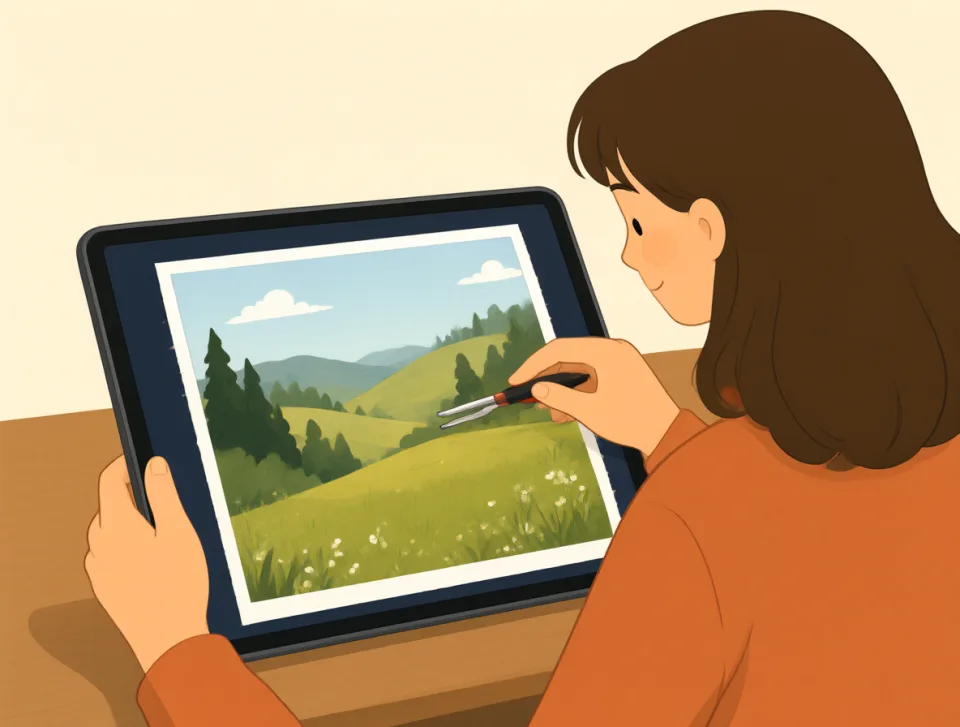
Please crop the photo before you send it.
لطفاً پیش از فرستادن عکس، آن را برش بزن.
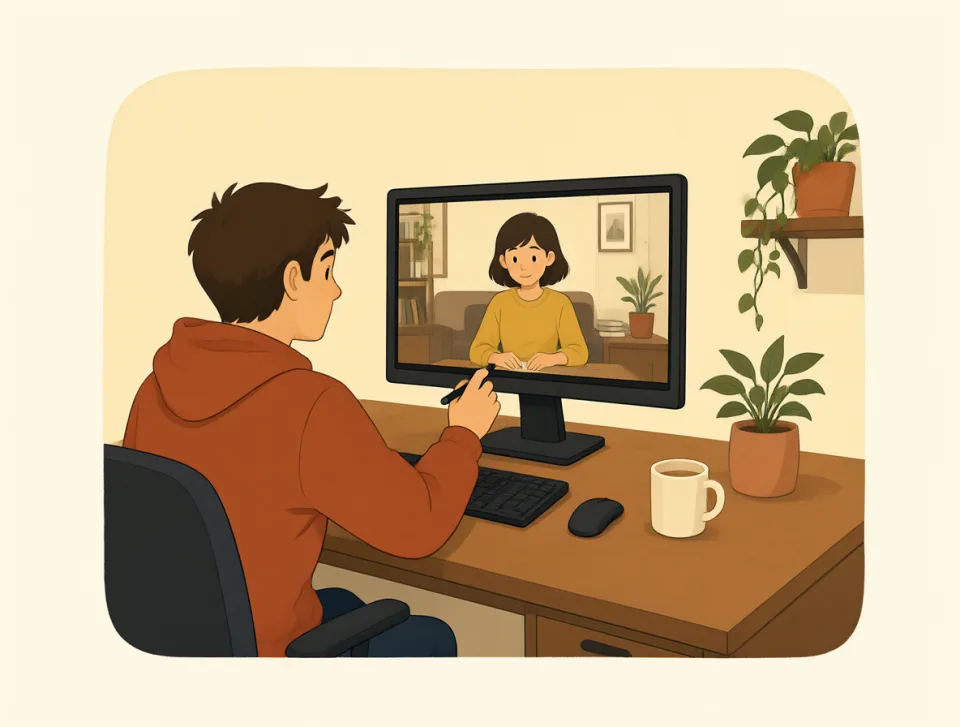
The editor cropped the video to remove the empty space.
تدوینگر ویدئو را برش زد تا فضای خالی حذف شود.
minority
#1987noun
اقلیت
A smaller group of people in a community, country, or organization.
گروه کوچکتری از مردم در یک جامعه، کشور یا سازمان.

Women are still a minority in some engineering jobs.
زنان هنوز در بعضی از مشاغل مهندسی در اقلیت هستند.
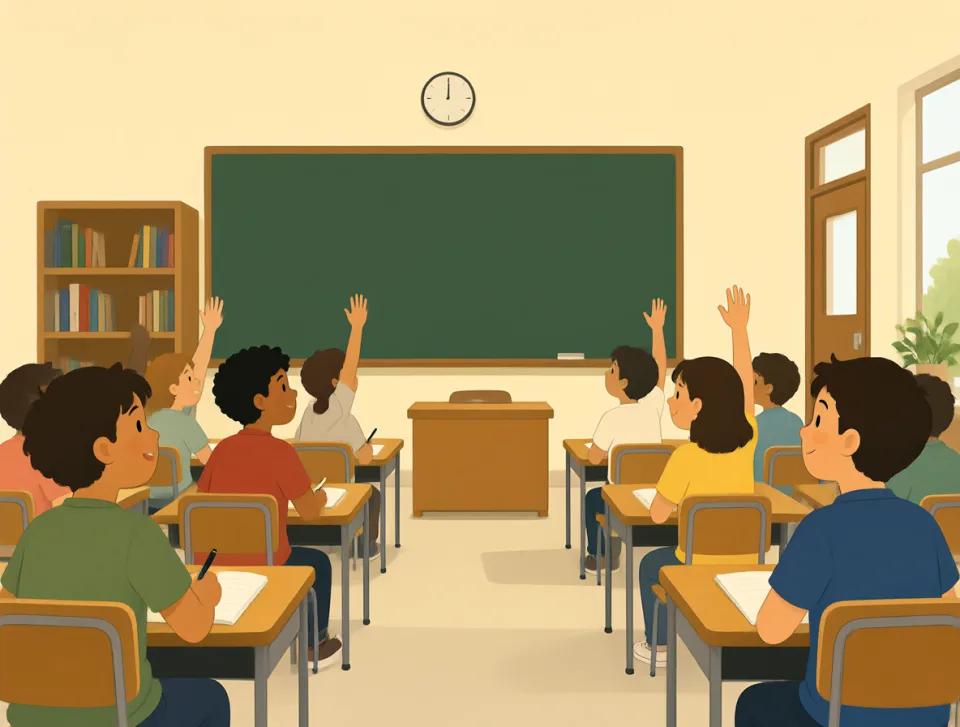
Only a minority of students chose to study abroad.
فقط اقلیتی از دانشجویان تصمیم گرفتند در خارج از کشور تحصیل کنند.
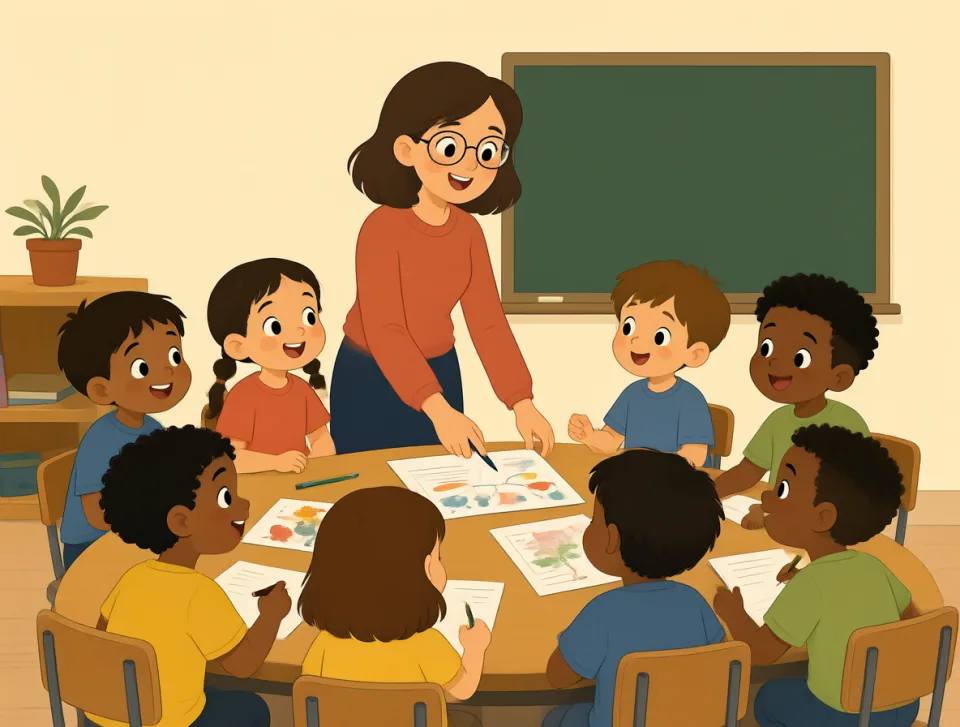
The school supports children from ethnic minorities.
این مدرسه از کودکان متعلق به اقلیتهای قومی حمایت میکند.
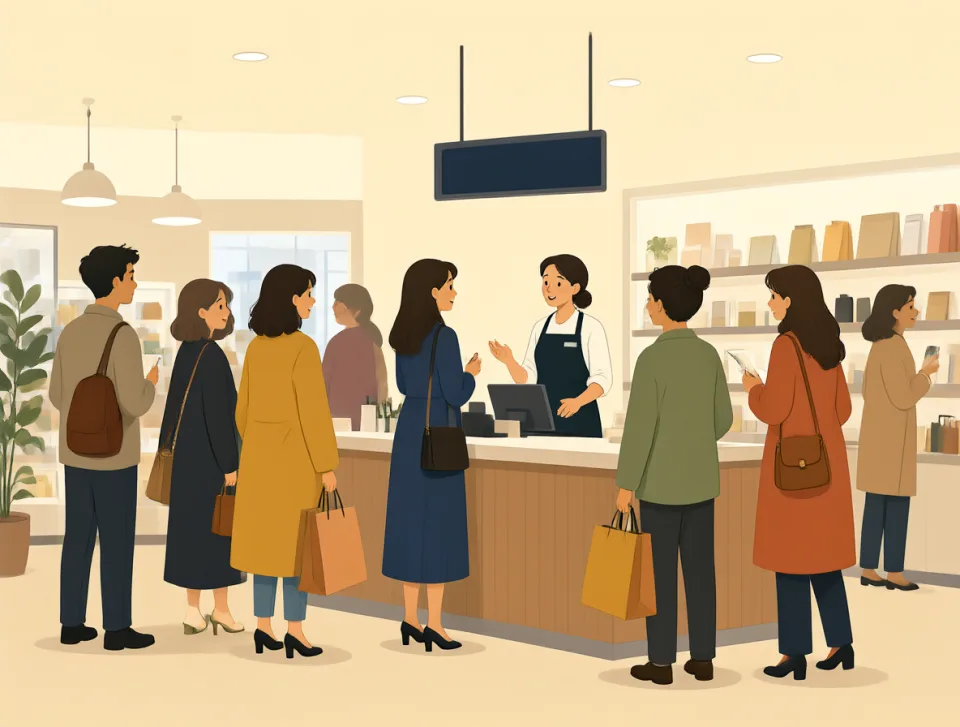
A small minority of shoppers complained about the new bags.
اقلیت کوچکی از خریداران از کیسههای جدید شکایت کردند.

The minority party wants better healthcare for everyone.
حزب اقلیت خواهان خدمات درمانی بهتر برای همه است.
origin
#1988noun
خاستگاه
the place, person, or thing that something comes from
جایی، شخصی یا چیزی که چیزی از آن سرچشمه میگیرد.
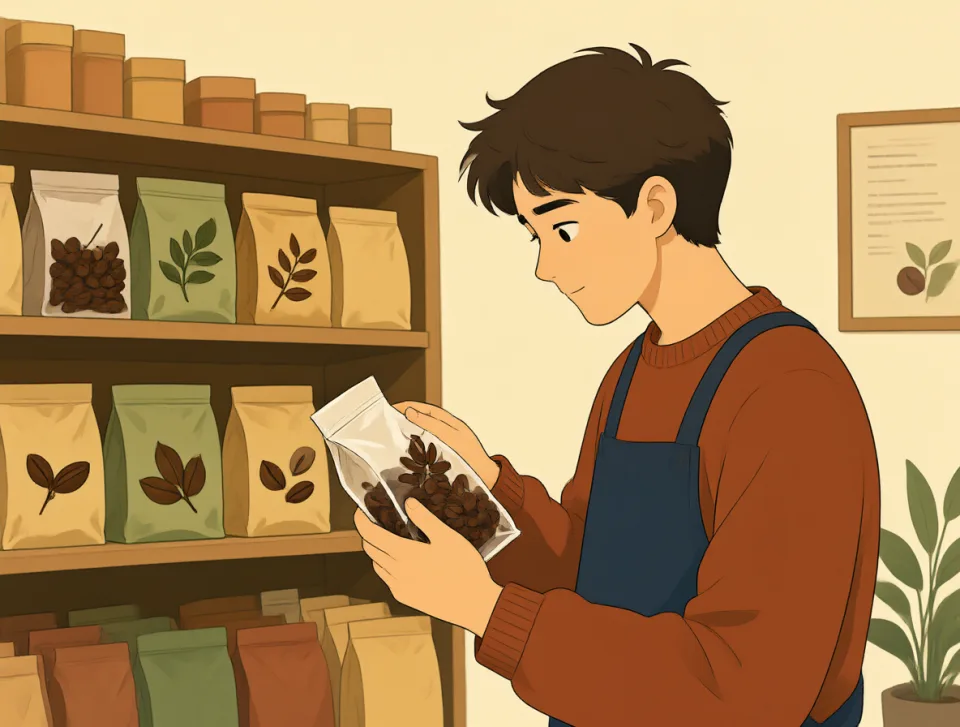
The shop sells coffee from many different countries of origin.
این فروشگاه قهوههایی از کشورهای مختلفِ مبدأ میفروشد.
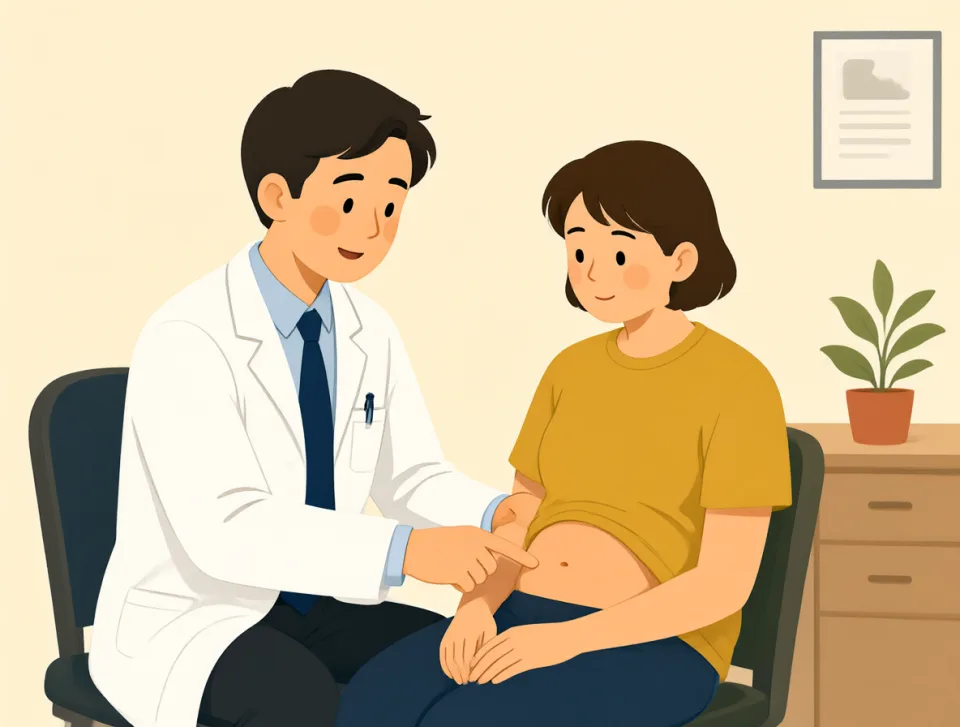
The doctor asked about the origin of my stomach pain.
پزشک دربارهٔ منشأ درد معدهام پرسید.
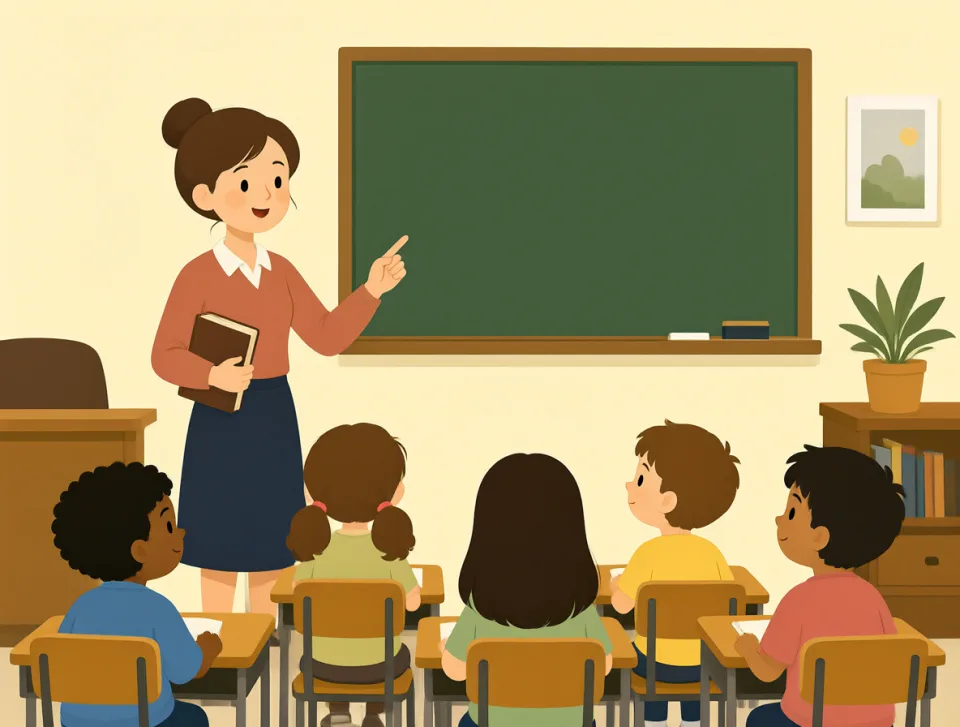
The teacher explained the origin of this old English word.
معلم خاستگاه این واژهٔ قدیمی انگلیسی را توضیح داد.
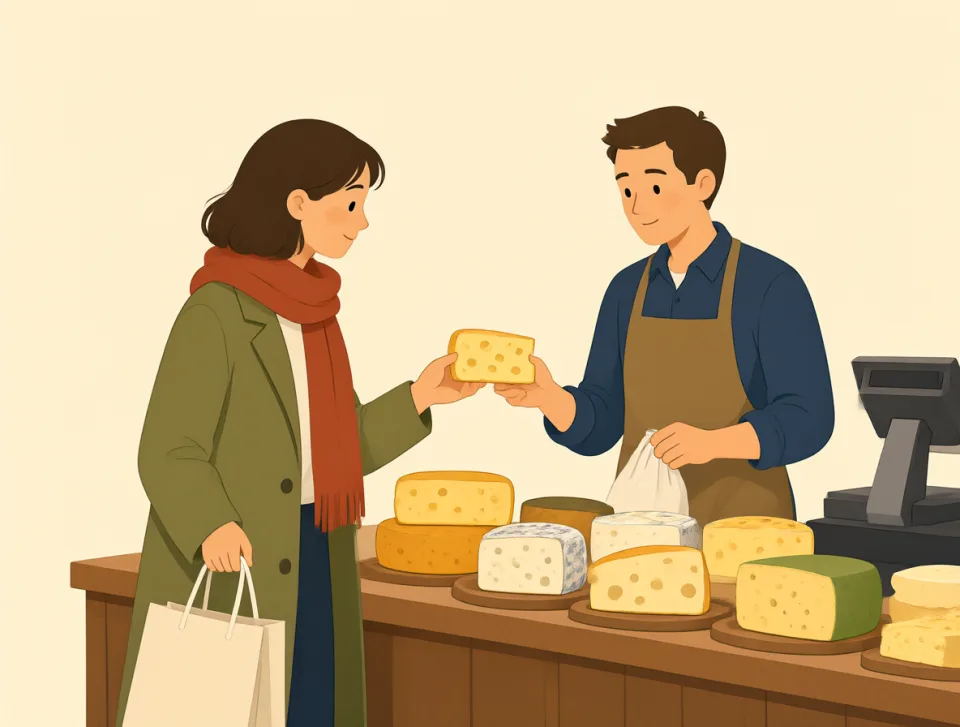
We checked the origin of the cheese before buying it.
پیش از خرید، خاستگاه پنیر را بررسی کردیم.
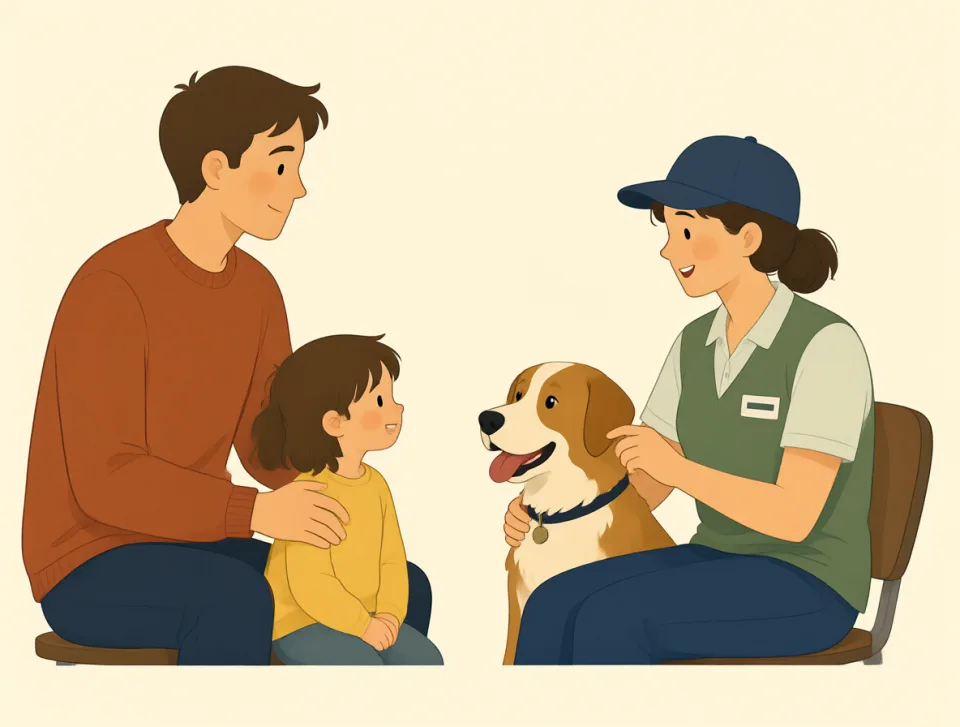
The family discovered their dog's origin at the animal shelter.
خانواده در پناهگاه حیوانات فهمیدند سگشان از چه نژادی است.
interpretation
#1989noun
برداشت
An explanation of what something means or how it should be understood.
توضیحی دربارهٔ معنای چیزی یا اینکه چگونه باید آن را فهمید.
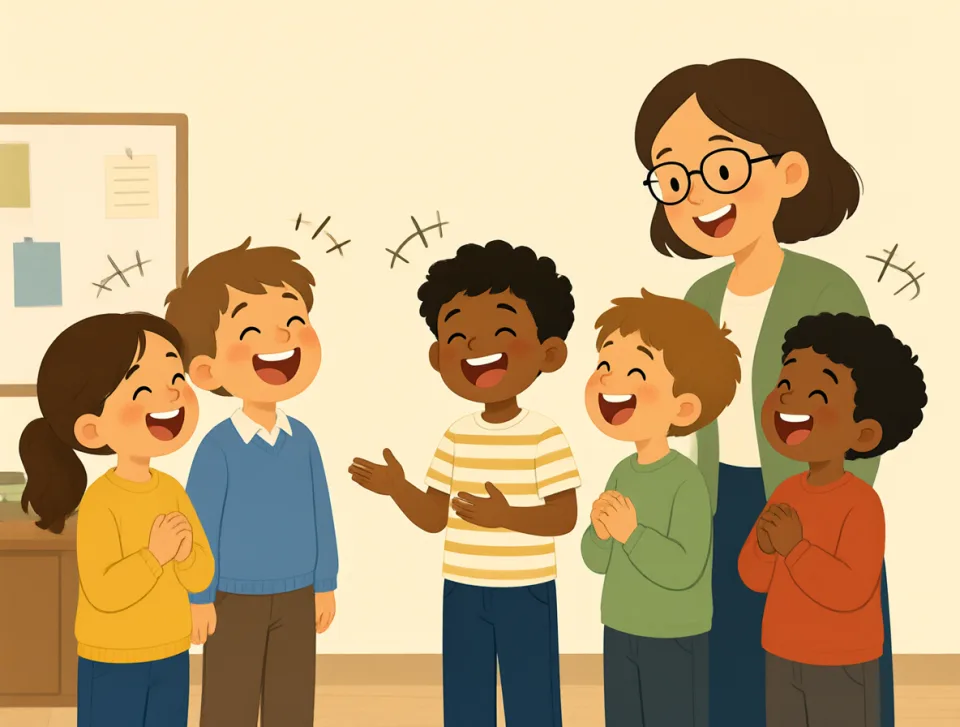
Her interpretation of the teacher's joke made everyone laugh.
برداشت او از شوخی معلم همه را خنداند.
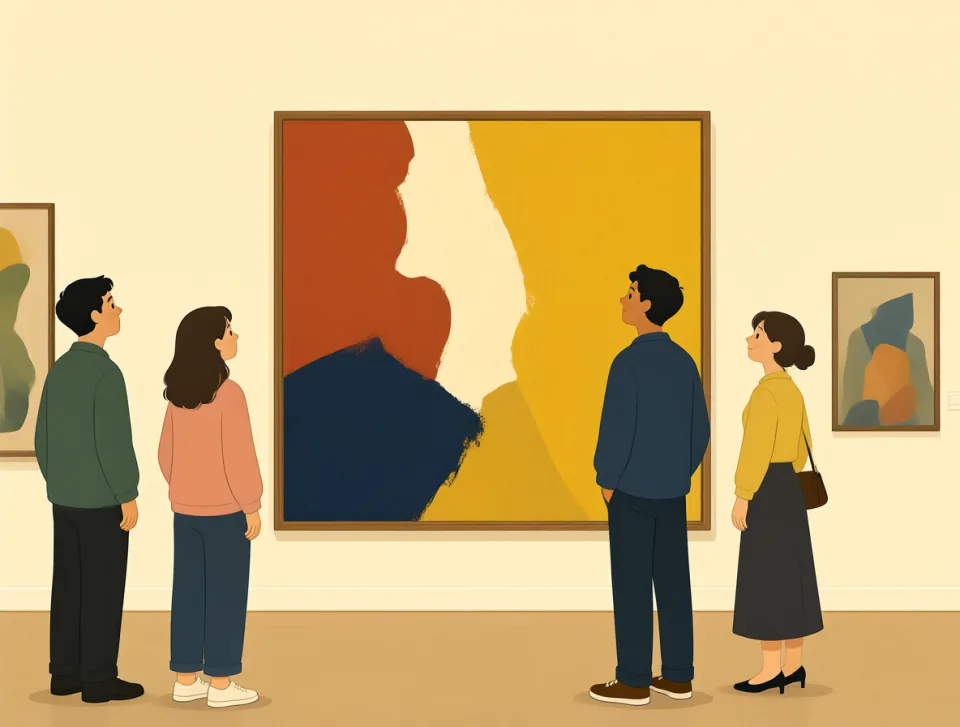
Different people may have different interpretations of this painting.
ممکن است افراد مختلف برداشتهای متفاوتی از این نقاشی داشته باشند.

The doctor explained his interpretation of my blood test results.
پزشک برداشت خود را از نتایج آزمایش خونم توضیح داد.
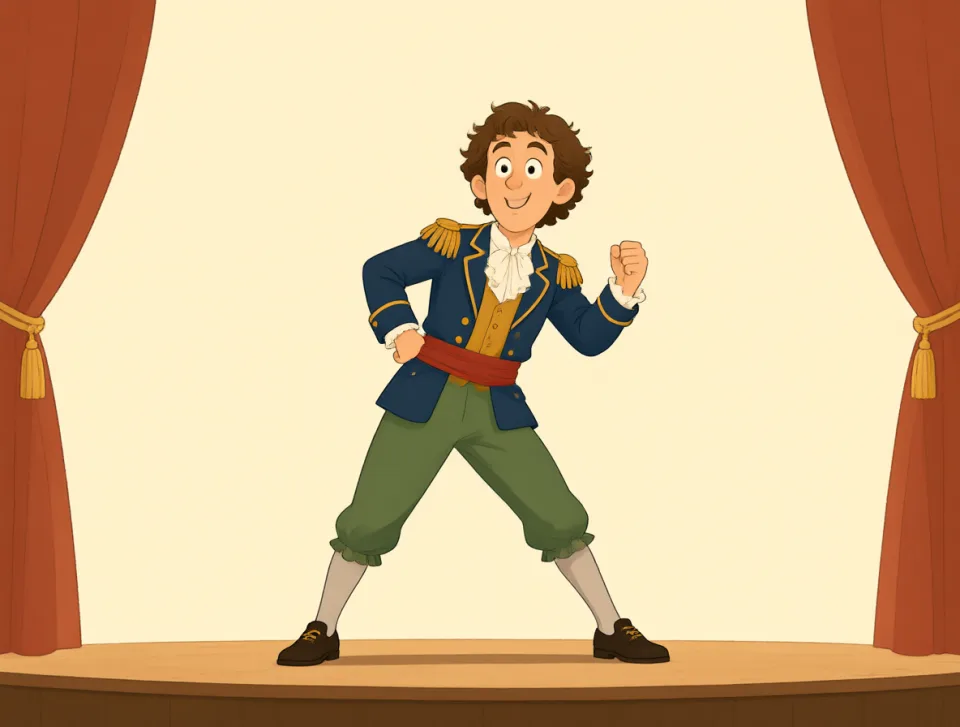
The actor gave a funny interpretation of the famous character.
بازیگر برداشت خندهداری از آن شخصیت مشهور ارائه داد.
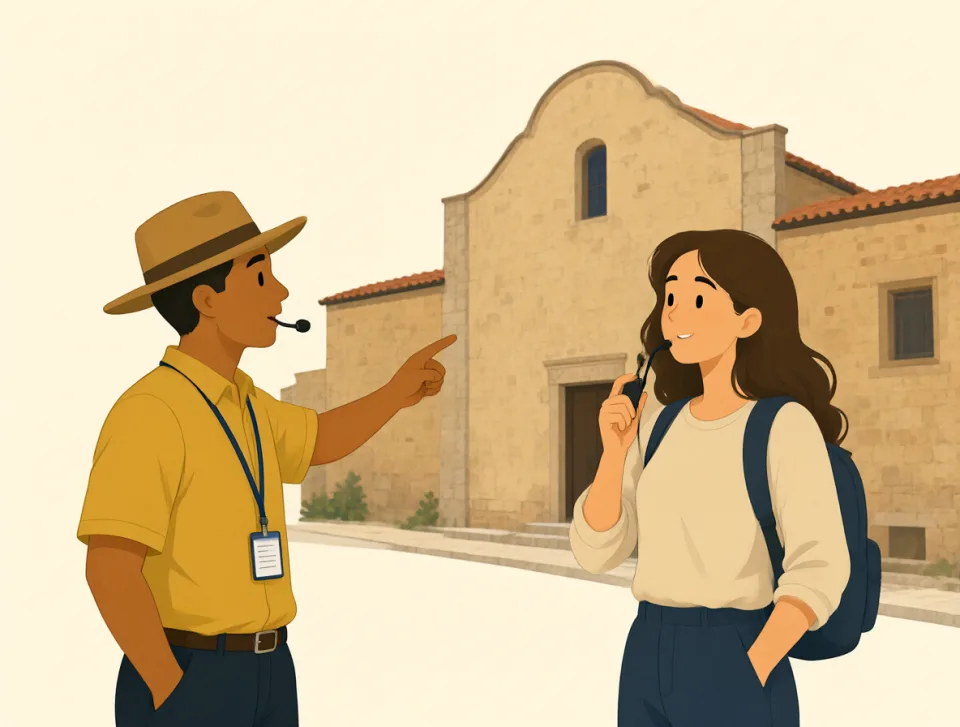
The tour included interpretation for visitors who did not speak English.
در این تور، برای بازدیدکنندگانی که انگلیسی صحبت نمیکردند، ترجمه شفاهی در نظر گرفته شده بود.

gentleman
#1990noun
آقا
A polite and well-mannered man, often used as a respectful way to address one.
مردی مؤدب و خوشرفتار؛ این واژه اغلب برای خطاب محترمانه به یک مرد به کار میرود.
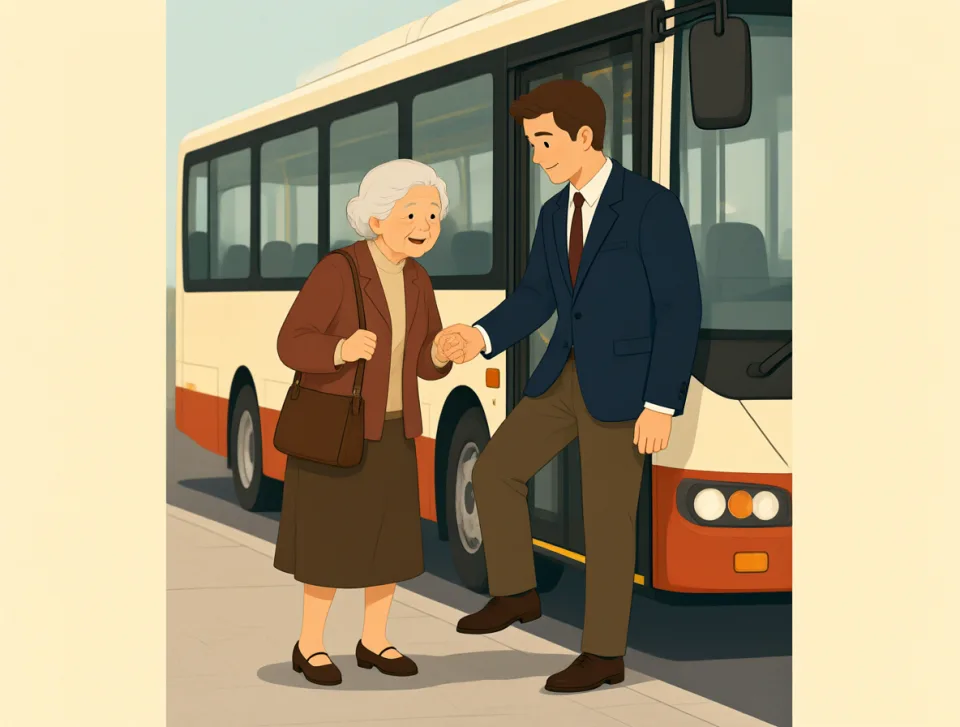
The gentleman helped an elderly woman onto the bus.
آن آقا به زنی سالخورده کمک کرد سوار اتوبوس شود.

A gentleman always says please and thank you.
یک آقای واقعی همیشه میگوید «لطفاً» و «متشکرم».
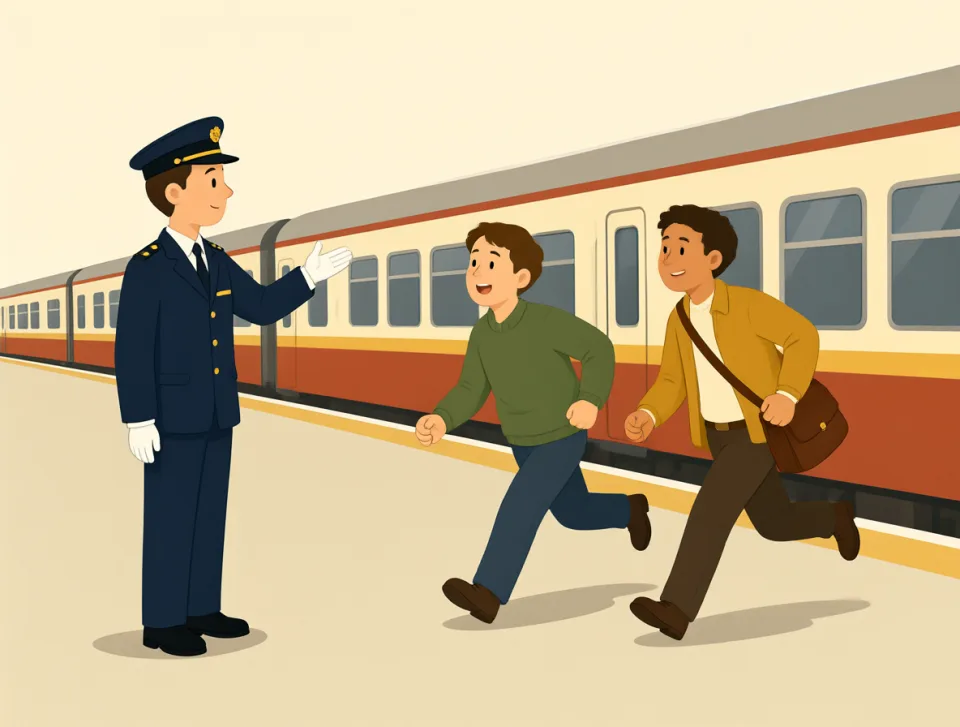
Excuse me, gentlemen, your train is leaving soon.
ببخشید آقایان، قطارتان بهزودی حرکت میکند.

The gentleman at the hotel desk found my passport.
آقایی که پشت میز پذیرش هتل بود، گذرنامهام را پیدا کرد.
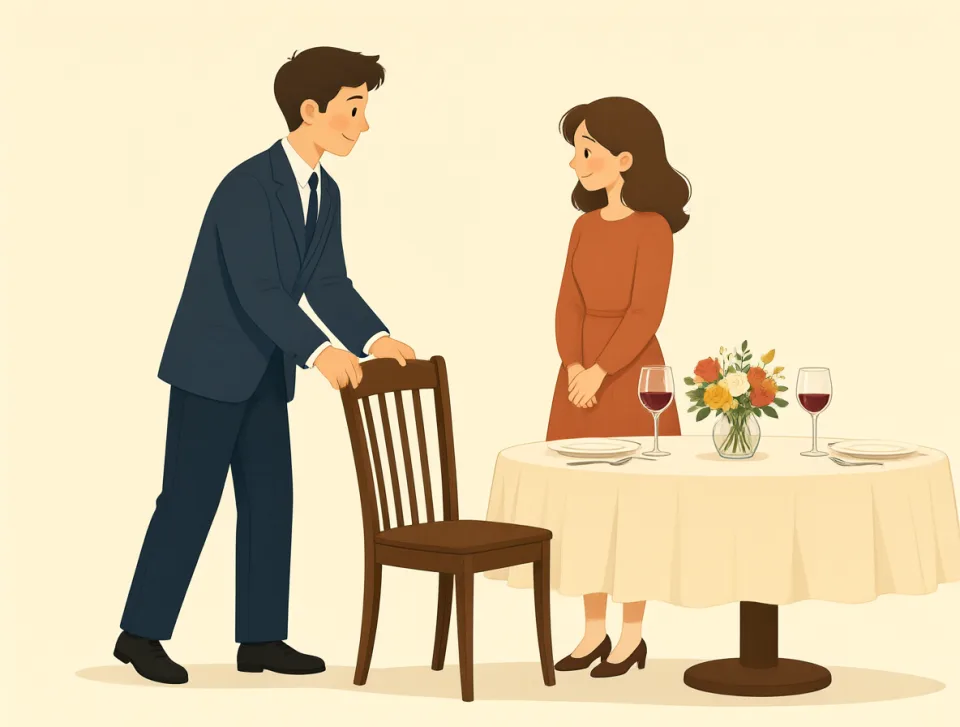
He behaved like a true gentleman at dinner.
او سر شام مثل یک آقای واقعی رفتار کرد.
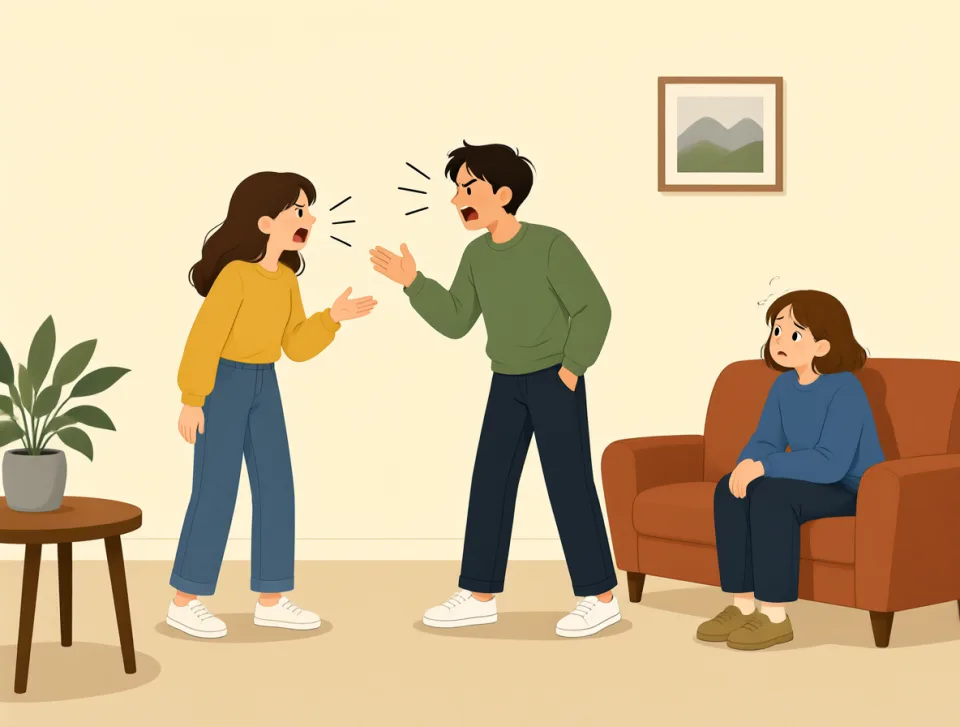
drama
#1991noun
ماجرا
An exciting or emotional situation that causes trouble or strong feelings.
موقعیتی هیجانانگیز یا احساسی که باعث دردسر یا برانگیختهشدن احساسات شدید میشود.
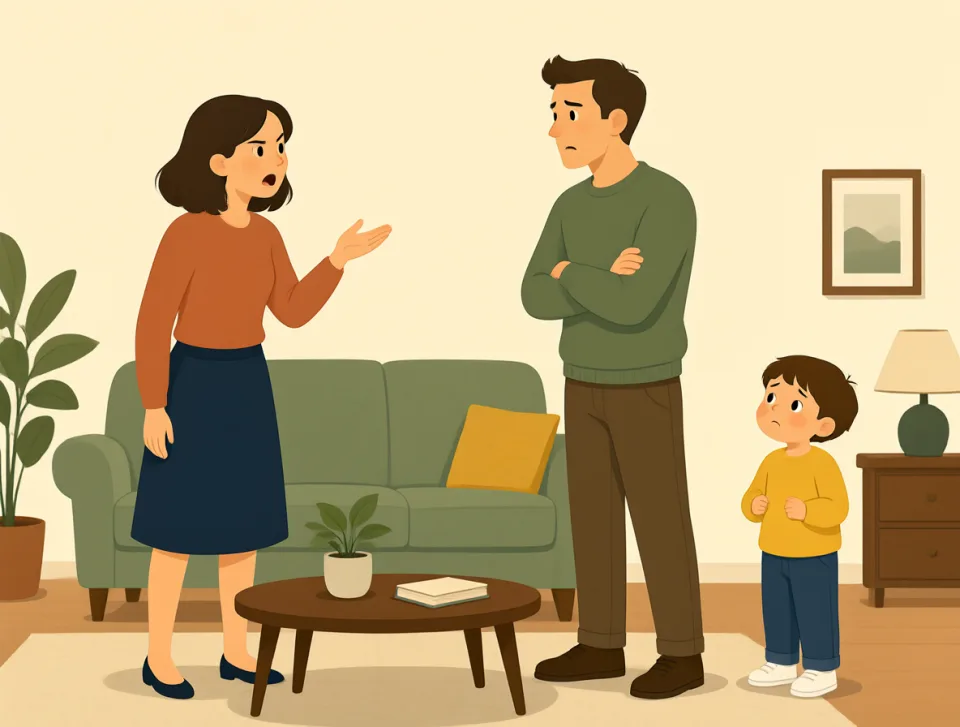
There was a lot of drama at home last night.
دیشب در خانه کلی ماجرا پیش آمد.
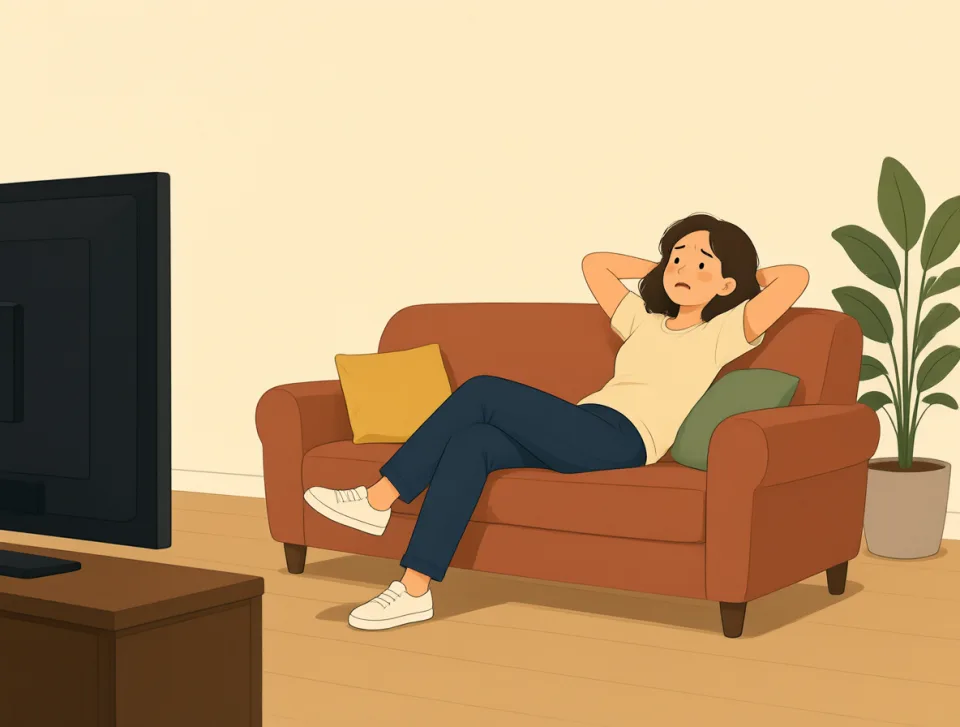
She loves watching drama series after work.
او عاشق تماشای سریالهای درام بعد از کار است.
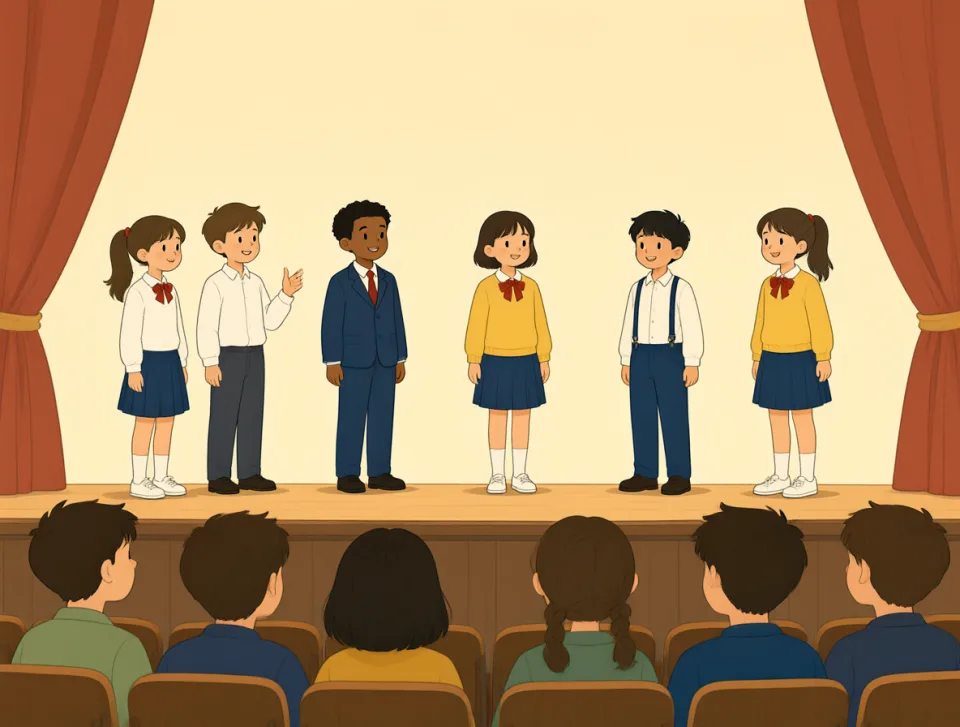
The school drama club performed a play on Friday.
گروه تئاتر مدرسه روز جمعه نمایشی اجرا کرد.

Please stop creating drama over a small mistake.
لطفاً بهخاطر یک اشتباه کوچک اینهمه ماجرا درست نکن.
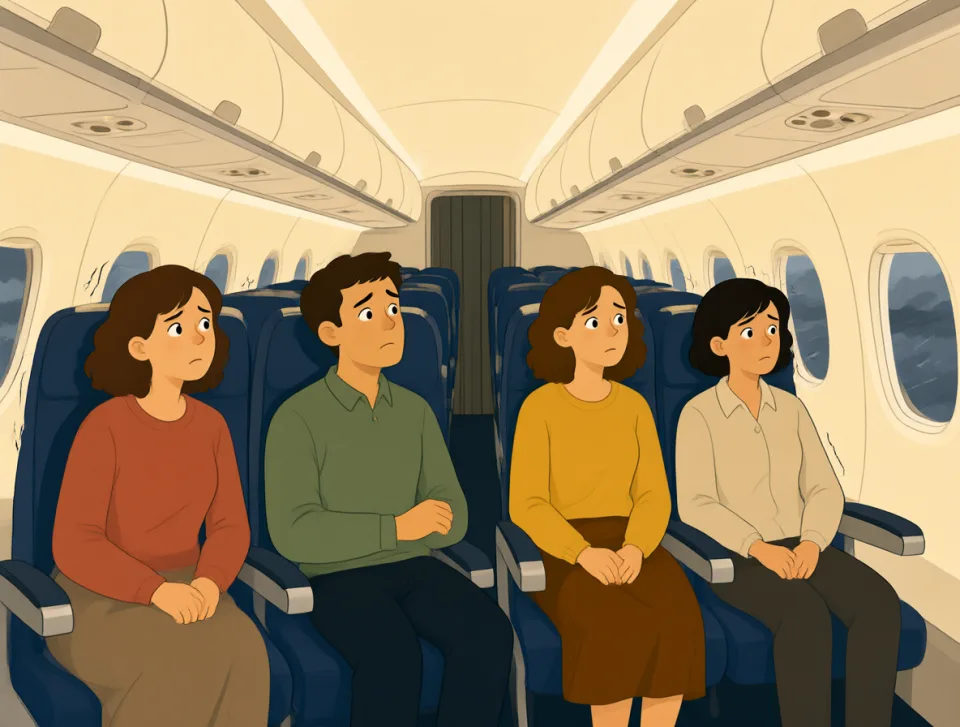
The flight had some drama when the weather suddenly changed.
وقتی هوا ناگهان تغییر کرد، در طول پرواز کمی دردسر پیش آمد.

landscape
#1992noun
چشمانداز
The land, plants, and natural features of a place, especially as seen from far away.
زمین، گیاهان و ویژگیهای طبیعی یک مکان، بهویژه وقتی از دور دیده میشوند.
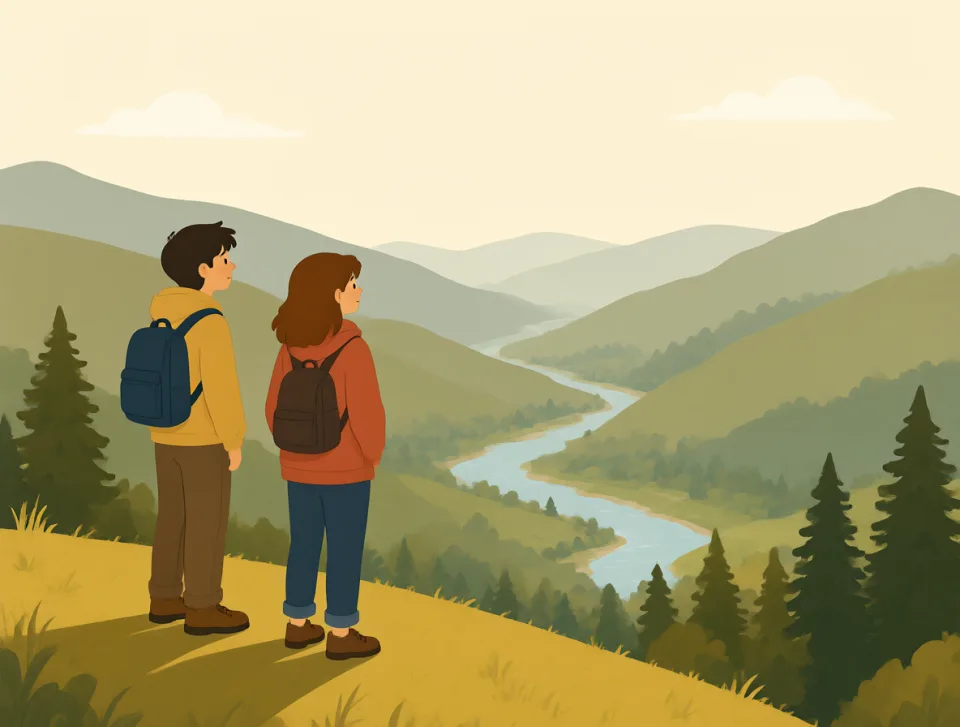
We stopped to enjoy the beautiful mountain landscape.
ایستادیم تا از چشمانداز زیبای کوهستان لذت ببریم.
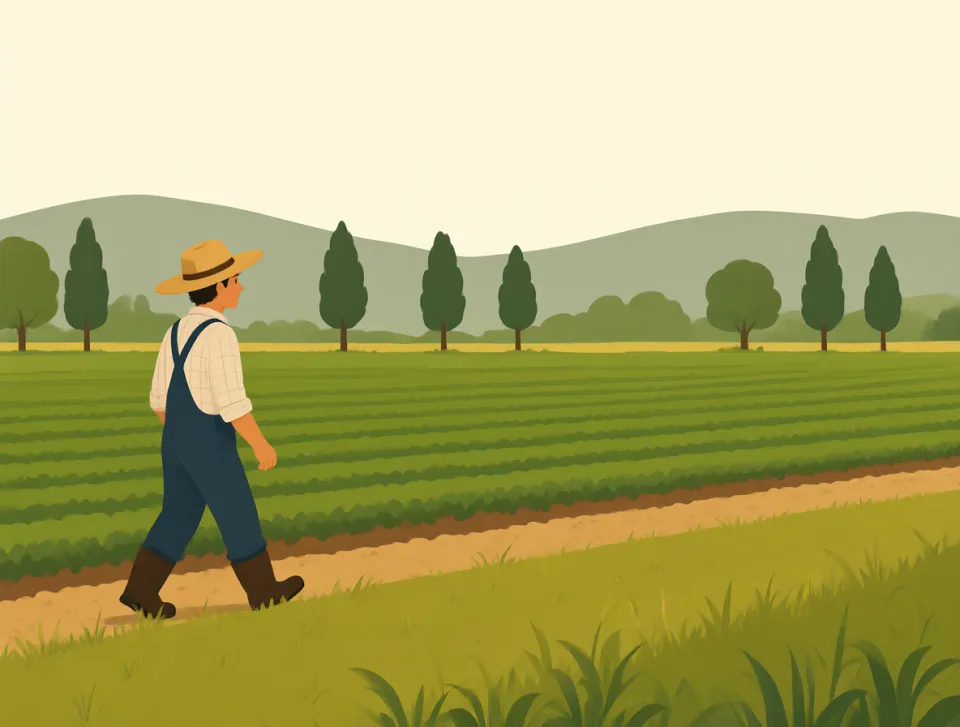
The countryside landscape was covered with green fields and trees.
چشمانداز روستا پوشیده از دشتهای سبز و درخت بود.

The artist painted a peaceful landscape near the lake.
این هنرمند منظرهای آرام در نزدیکی دریاچه نقاشی کرد.
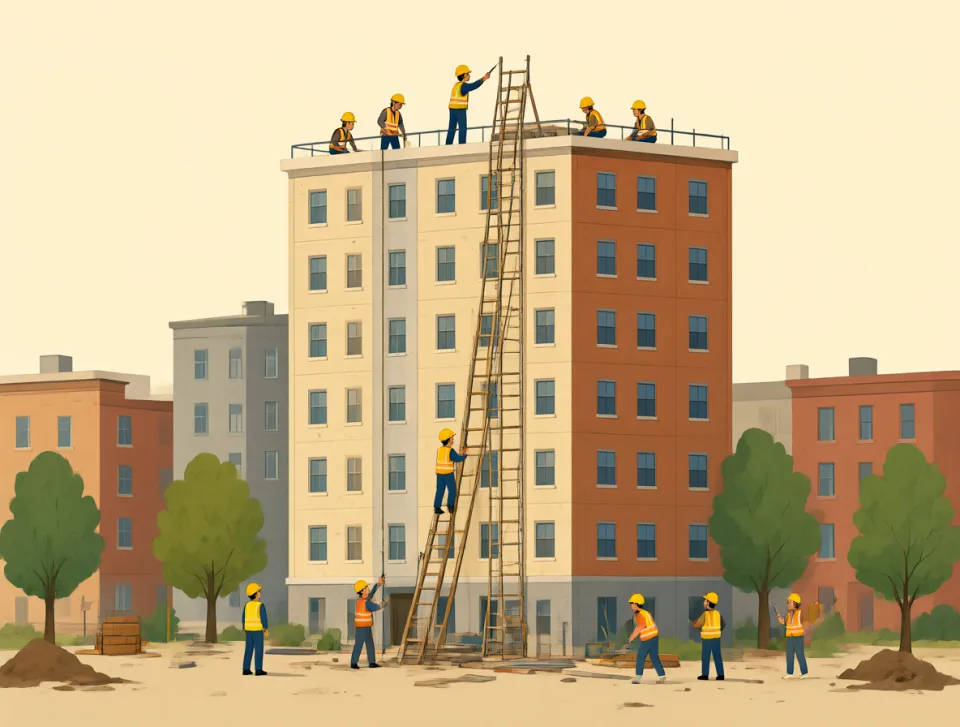
New buildings are changing the city landscape quickly.
ساختمانهای جدید بهسرعت چهرهٔ شهر را تغییر میدهند.
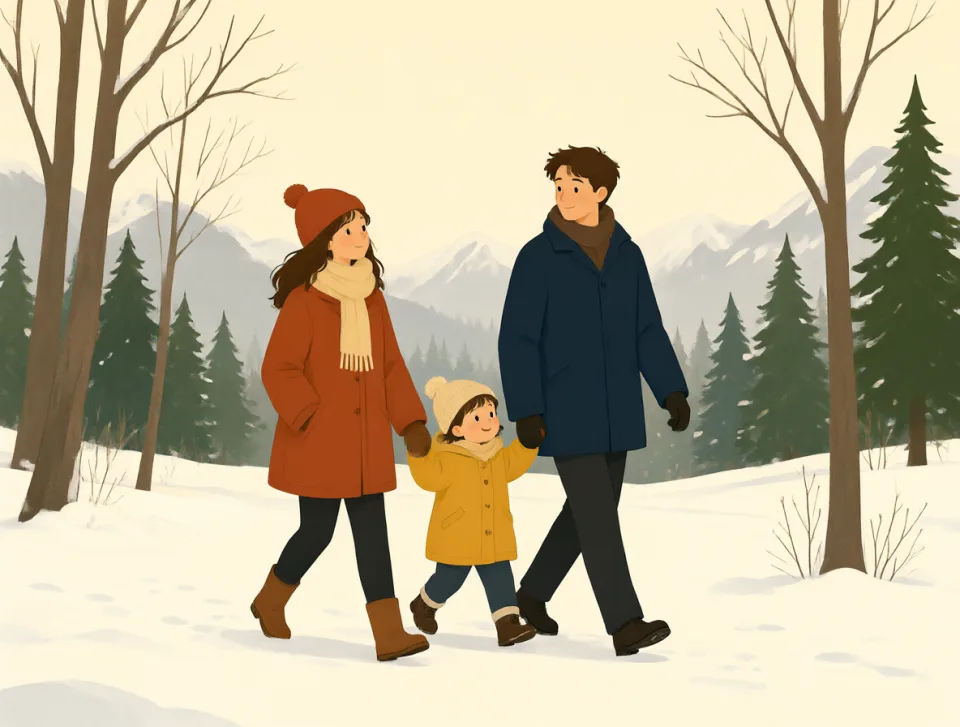
The snowy landscape looked magical during our winter trip.
چشمانداز برفی در سفر زمستانیمان جادویی به نظر میرسید.
educate
#1993verb
آموزش دادن
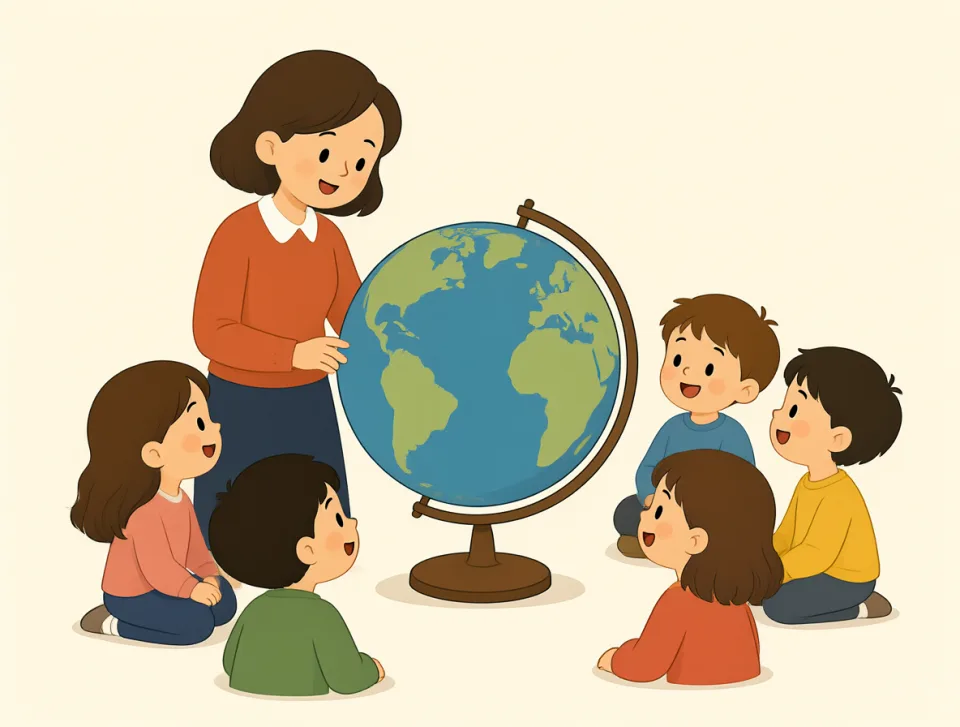
to teach someone about a subject or help them develop knowledge and skills
به کسی دربارهٔ موضوعی آموزش دادن یا کمک کردن به او برای کسب دانش و مهارت.
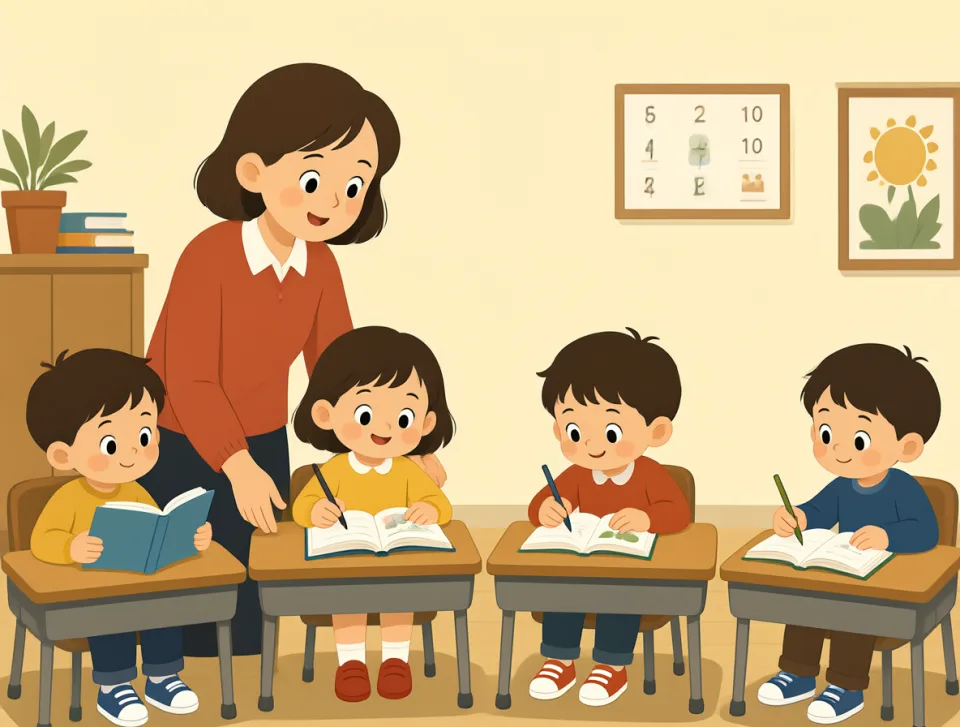
Schools educate children in reading, writing, and mathematics.
مدارس به کودکان خواندن، نوشتن و ریاضی آموزش میدهند.
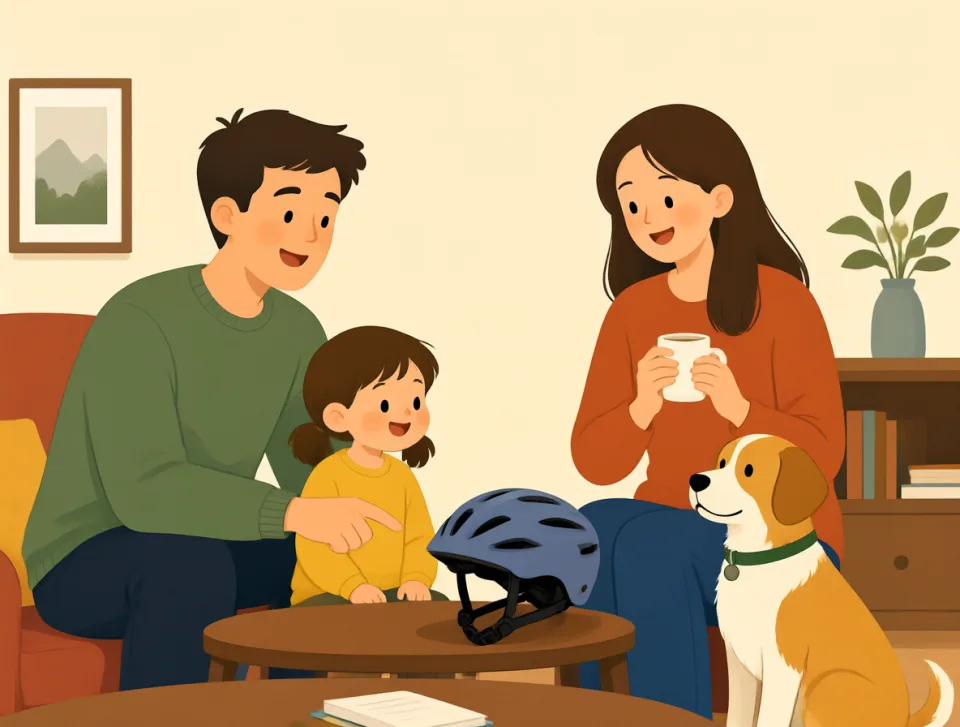
Parents educate their children about safety and kindness.
والدین به فرزندانشان دربارهٔ ایمنی و مهربانی آموزش میدهند.

The course educates workers about workplace safety.
این دوره به کارکنان دربارهٔ ایمنی در محیط کار آموزش میدهد.
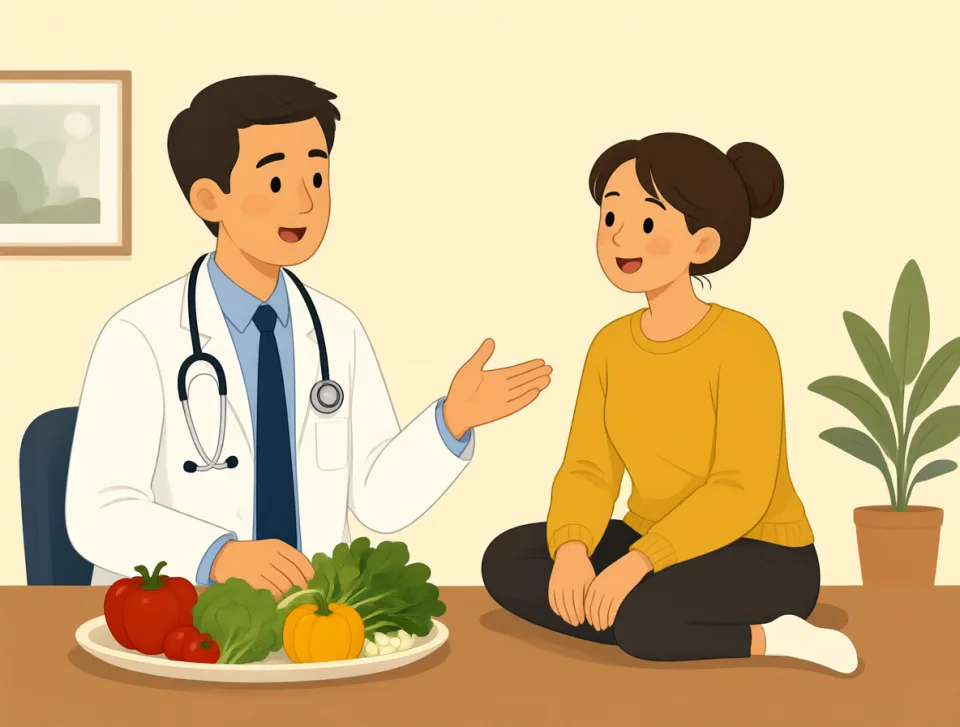
Doctors educate patients about healthy food and exercise.
پزشکان دربارهٔ غذای سالم و ورزش به بیماران آموزش میدهند.
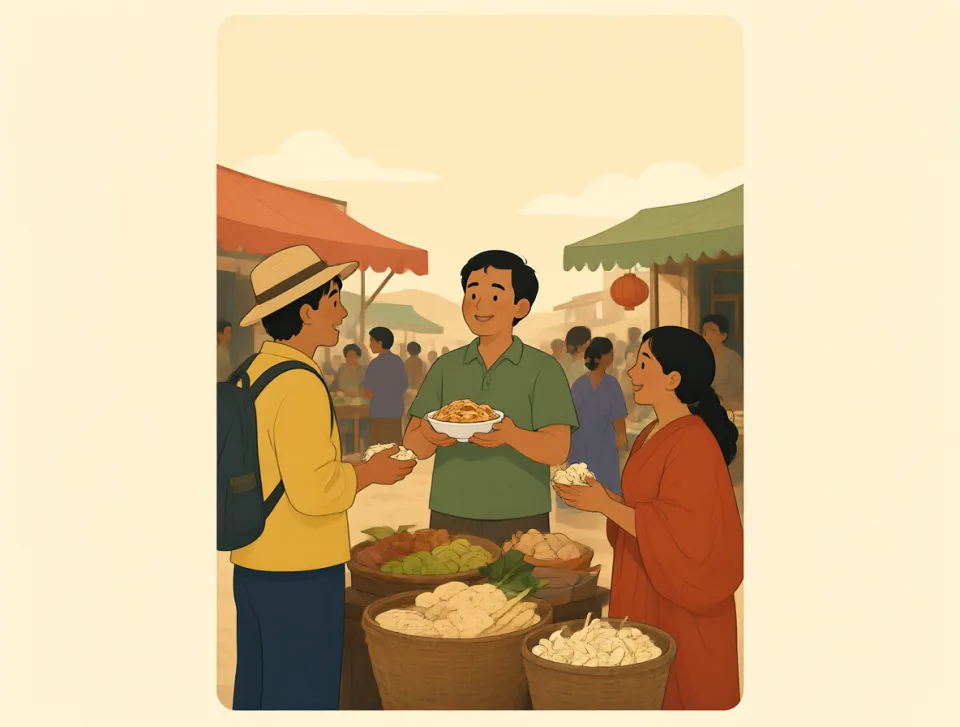
Travel can educate people about different cultures and traditions.
سفر میتواند مردم را با فرهنگها و سنتهای گوناگون آشنا کند.
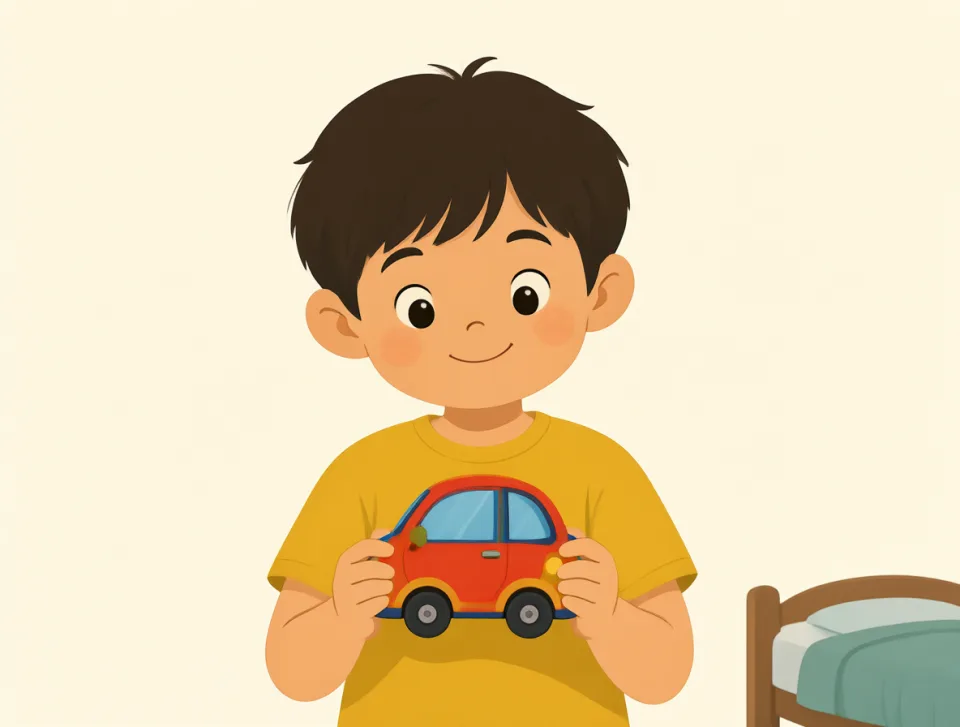
toy
#1994noun, verb
اسباببازی
An object children play with; to treat something as if it were only for fun.
وسیلهای که کودکان با آن بازی میکنند؛ چیزی را فقط وسیلهٔ سرگرمی دانستن.
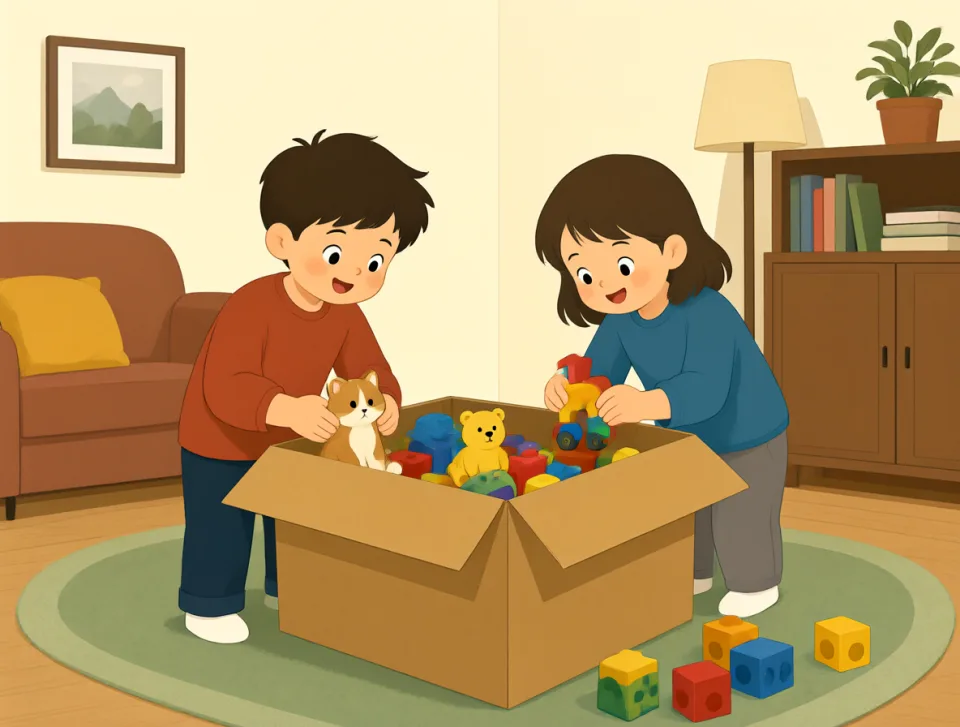
The children put their toys away before dinner.
بچهها قبل از شام اسباببازیهایشان را جمع کردند.
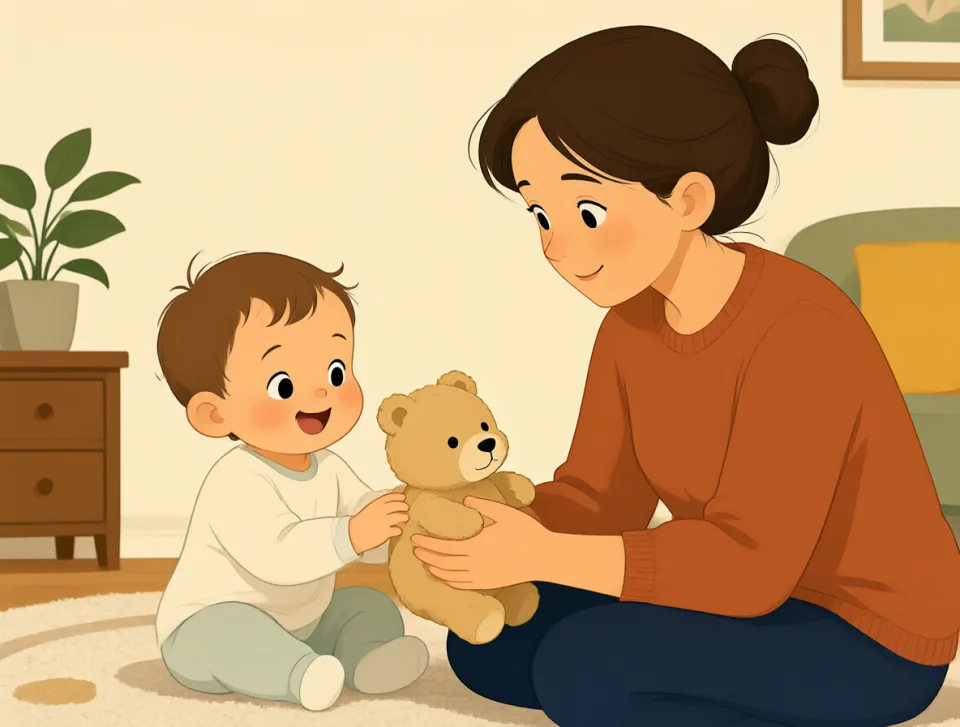
She bought a new toy for her baby.
او برای نوزادش یک اسباببازی جدید خرید.
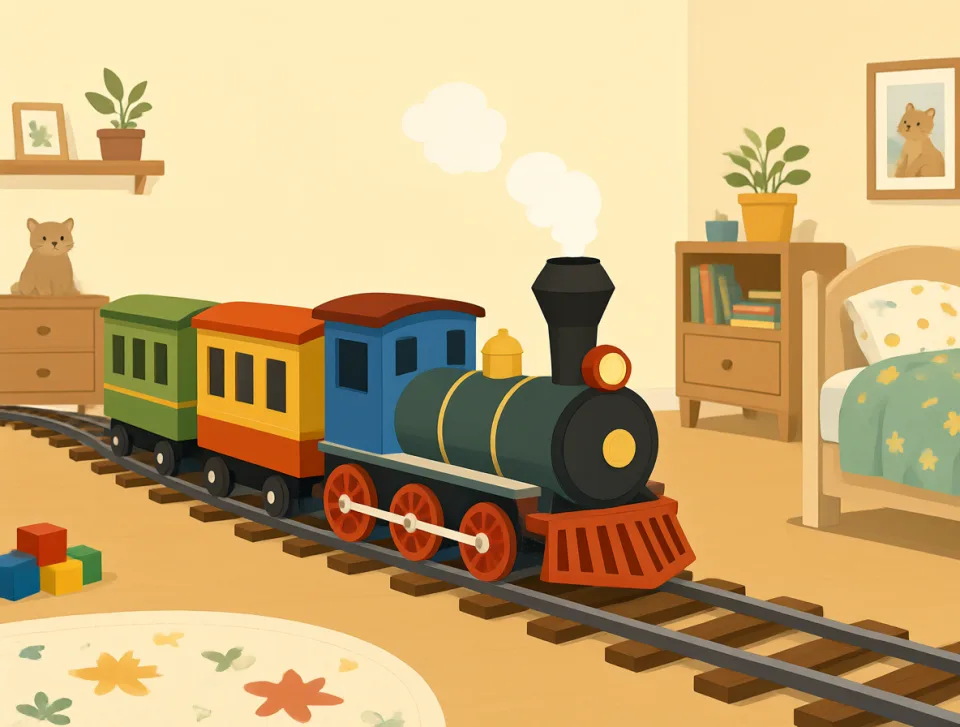
This toy train runs on batteries.
این قطار اسباببازی با باتری کار میکند.
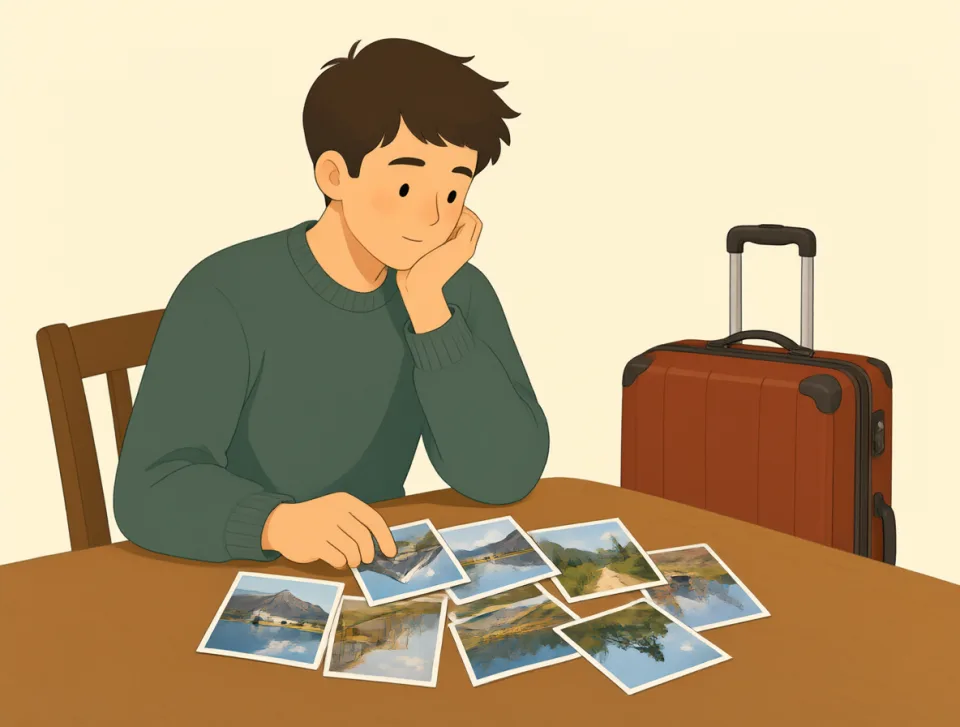
He toyed with the idea of traveling abroad.
او به فکر سفر به خارج از کشور افتاد.
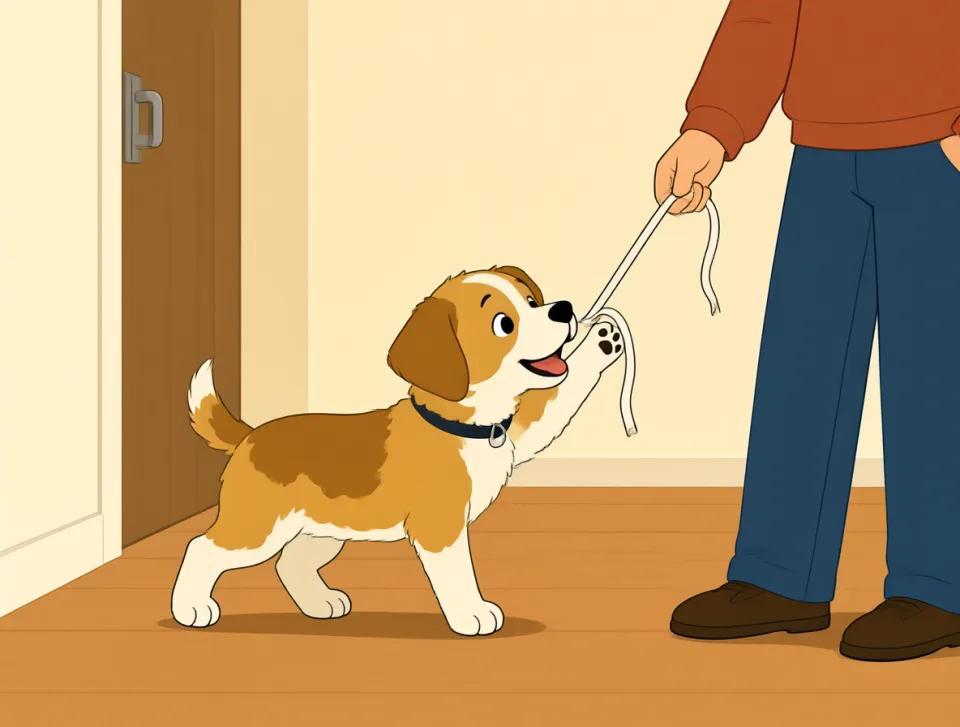
The puppy toyed with the loose shoelace.
تولهسگ با بندِ شلِ کفش بازی کرد.
fault
#1995noun
تقصیر
A mistake, problem, or responsibility for something bad that happened.
اشتباه، مشکل یا مسئولیتِ اتفاق بدی که رخ داده است.
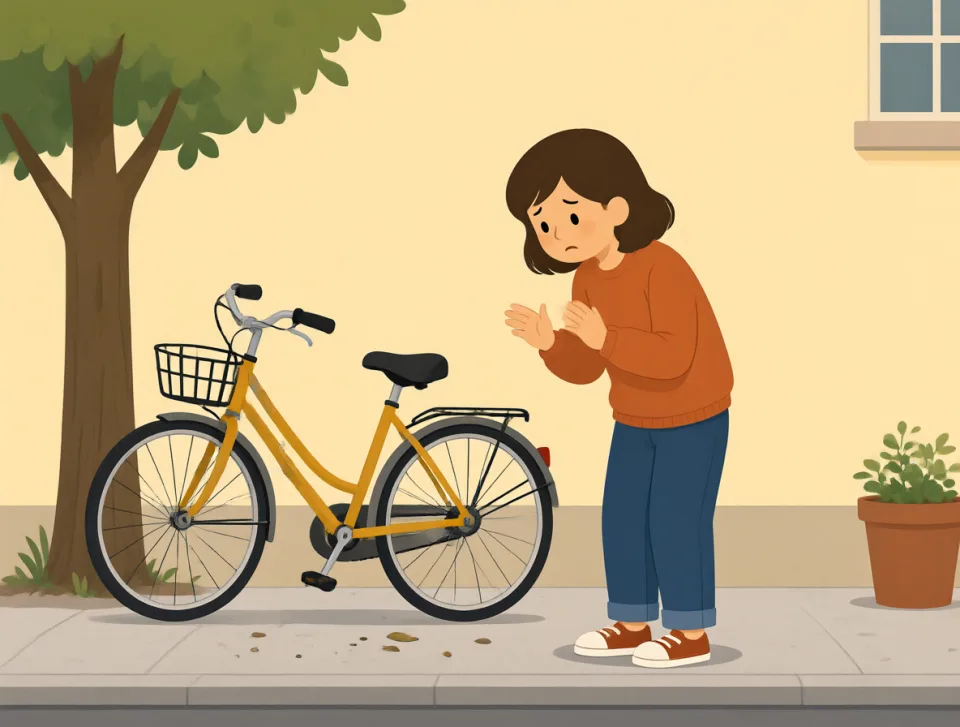
The accident was my fault, so I apologized to everyone.
تصادف تقصیر من بود، برای همین از همه عذرخواهی کردم.
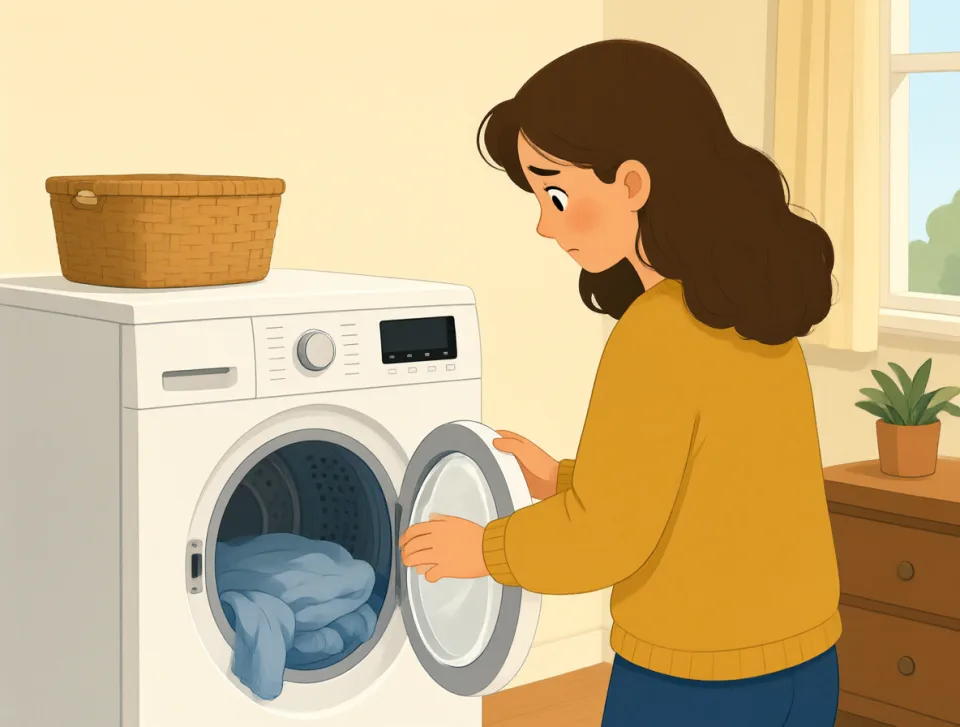
There is a fault in the washing machine, and it will not start.
ماشین لباسشویی ایرادی دارد و روشن نمیشود.
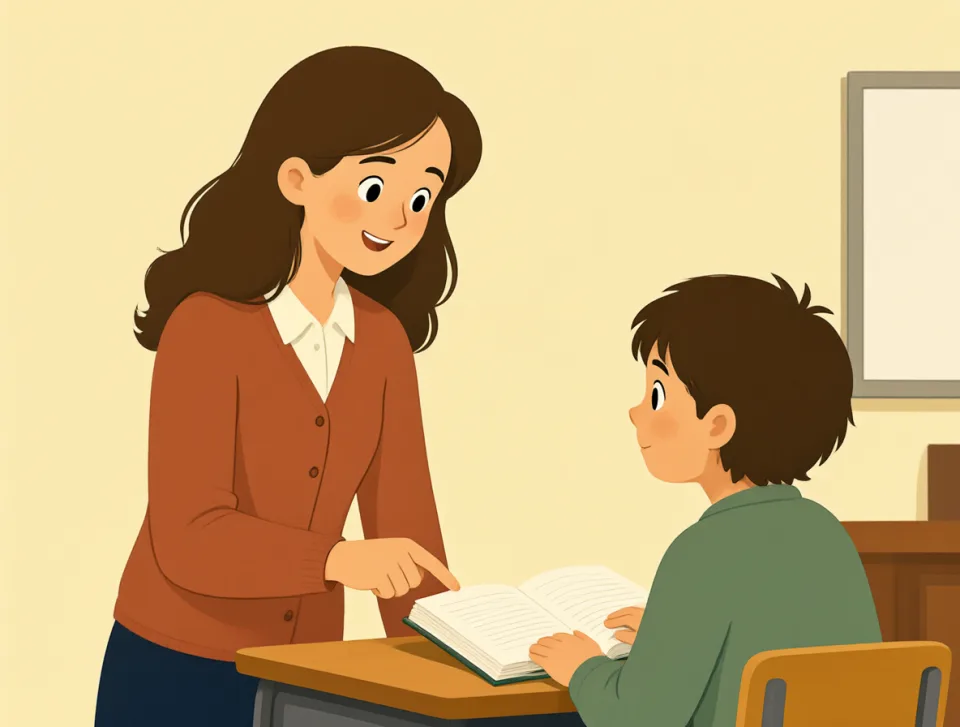
The teacher found a fault in my answer and explained it.
معلم در جوابم اشتباهی پیدا کرد و آن را توضیح داد.

The hotel room was clean, but the shower had a small fault.
اتاق هتل تمیز بود، اما دوش ایراد کوچکی داشت.
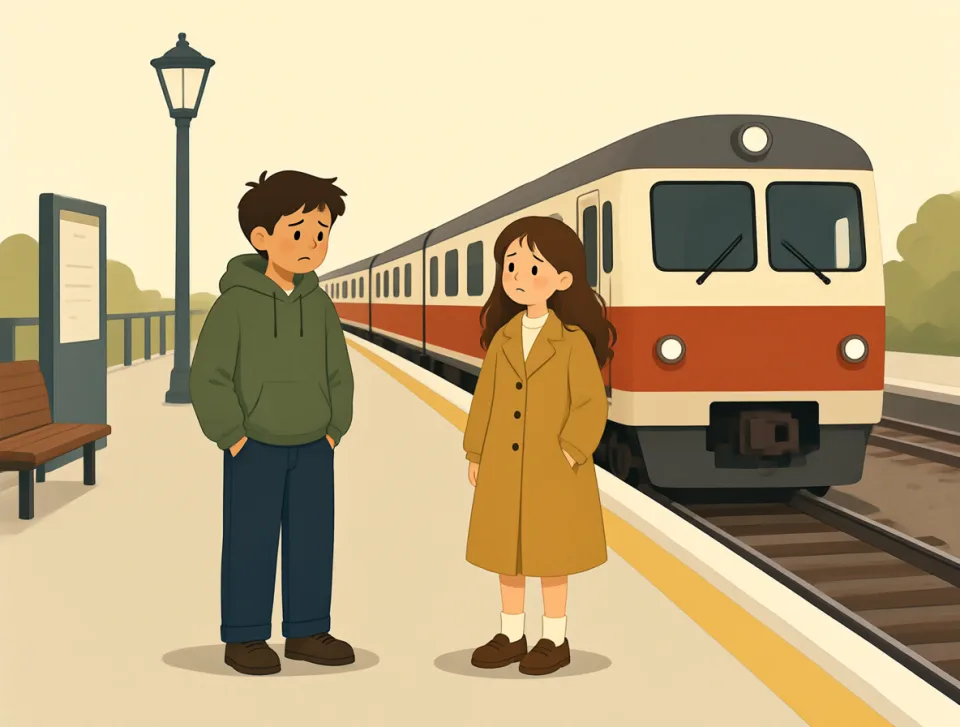
It was not your fault that we missed the train.
اینکه قطار را از دست دادیم تقصیر تو نبود.
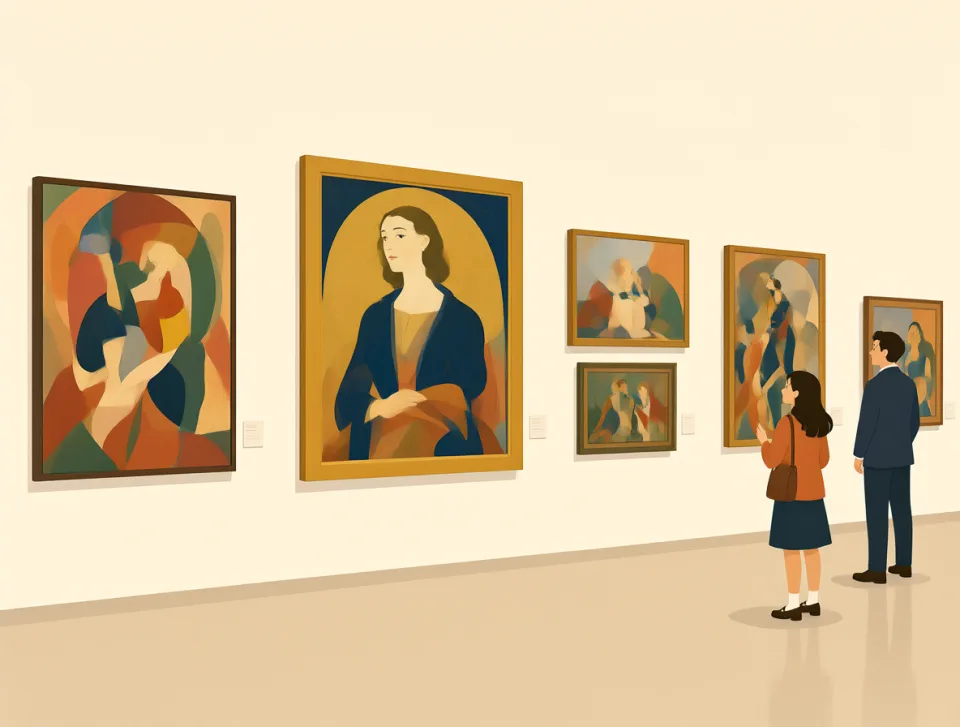
exhibit
#1996noun, verb
نمایشگاه
A public display, an object shown publicly, or to show a quality.
نمایش عمومی، چیزی که در معرض دید عموم قرار میگیرد، یا نشاندادن یک ویژگی.
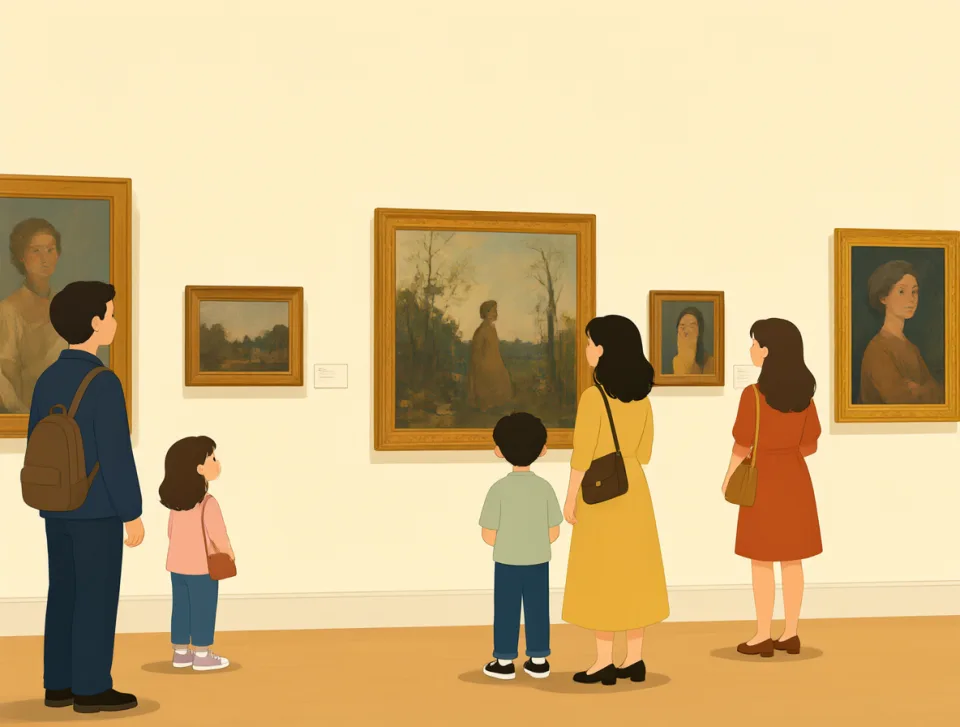
The museum's new exhibit features paintings by local artists.
نمایشگاه جدید موزه آثاری از هنرمندان محلی را به نمایش میگذارد.
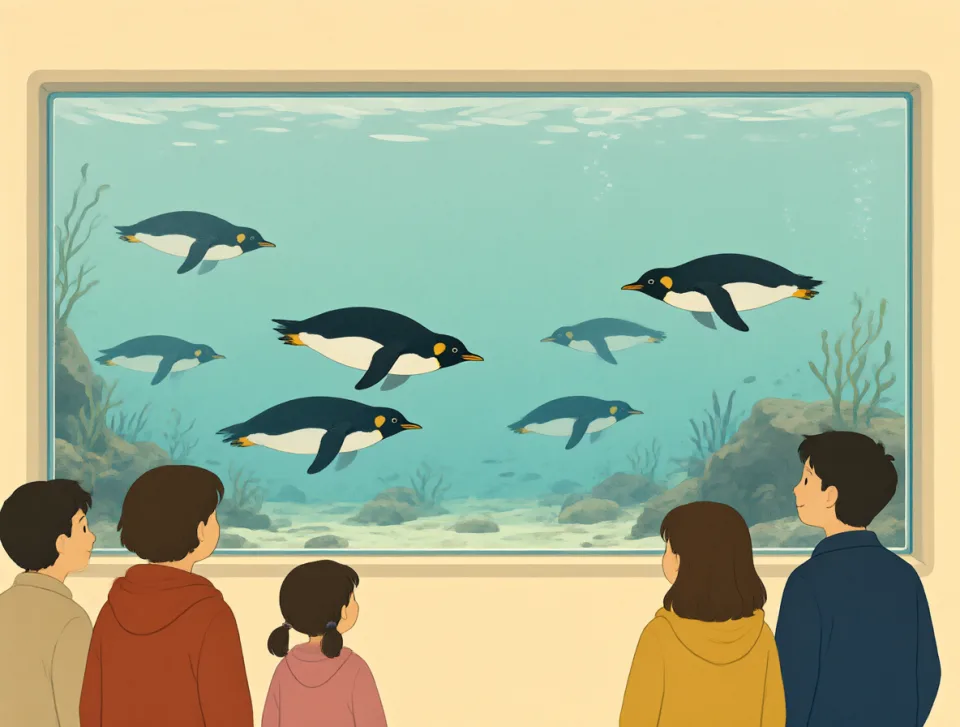
The zoo exhibit lets visitors watch penguins swim underwater.
در نمایشگاه باغوحش، بازدیدکنندگان میتوانند شنای پنگوئنها را زیر آب تماشا کنند.
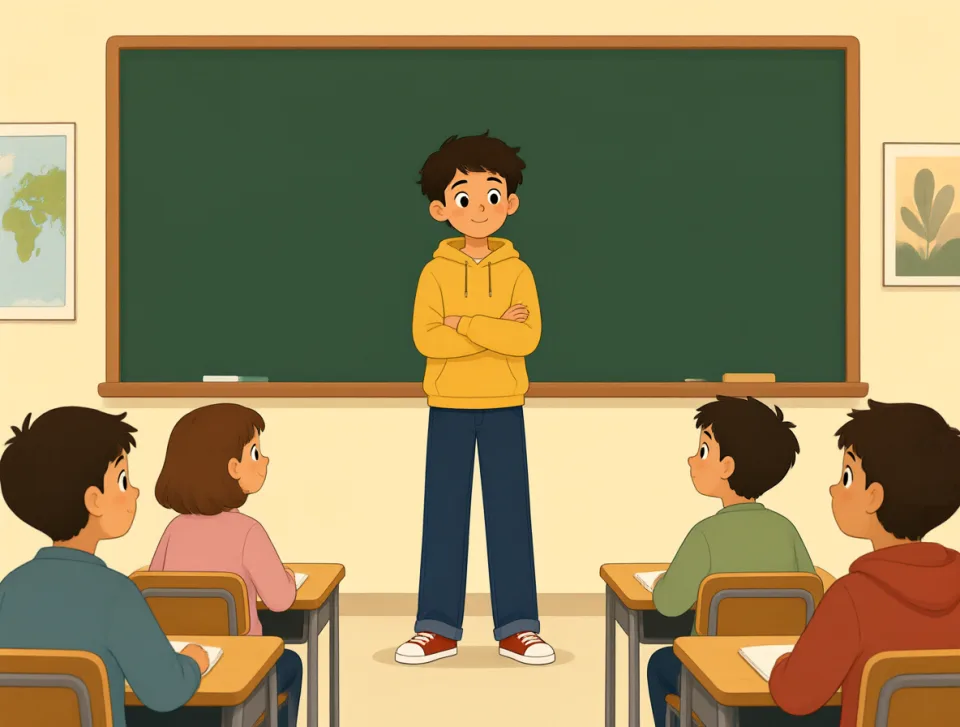
The student exhibited confidence during her first presentation.
آن دانشجو در اولین ارائهاش اعتمادبهنفس نشان داد.
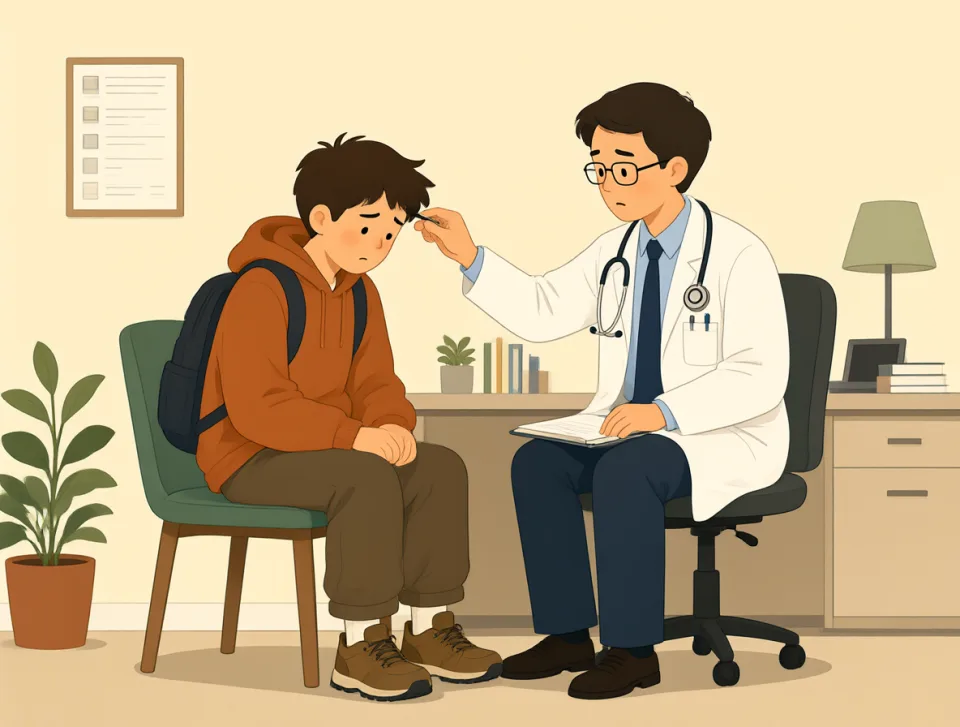
The patient exhibited signs of dehydration after the long hike.
بیمار بعد از پیادهروی طولانی نشانههایی از کمآبی بدن بروز داد.
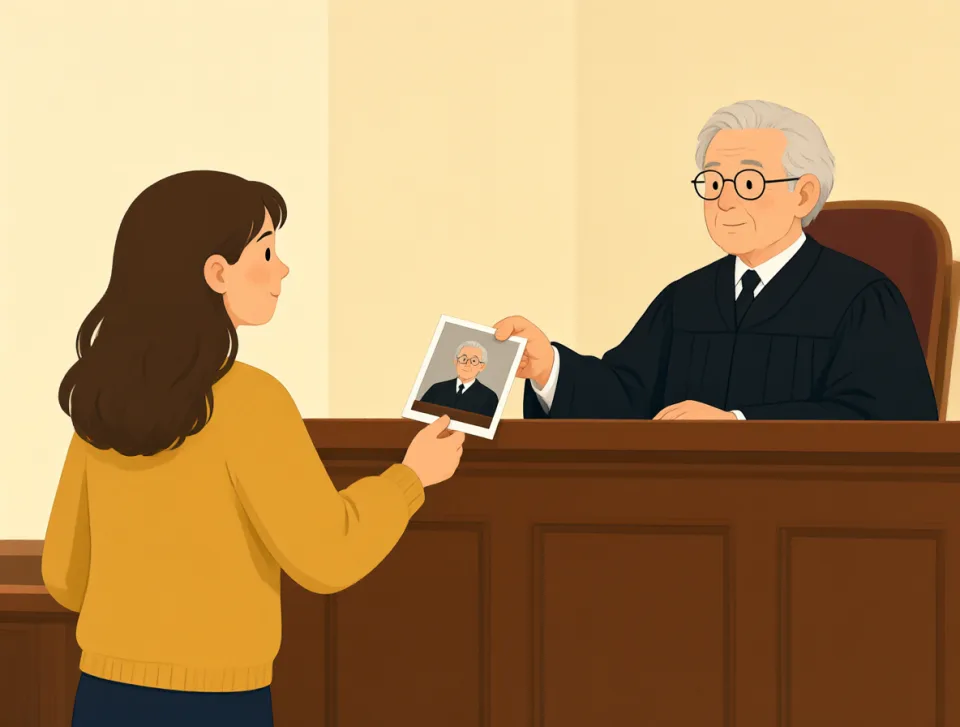
The lawyer presented a photograph as an exhibit in court.
وکیل عکسی را بهعنوان مدرک در دادگاه ارائه کرد.
minor
#1997adjective, noun
جزئی
Small or not very important; a student studying a subject as a second field.
کوچک یا کماهمیت؛ همچنین رشتهٔ فرعیای که دانشجو در کنار رشتهٔ اصلیاش میخواند.
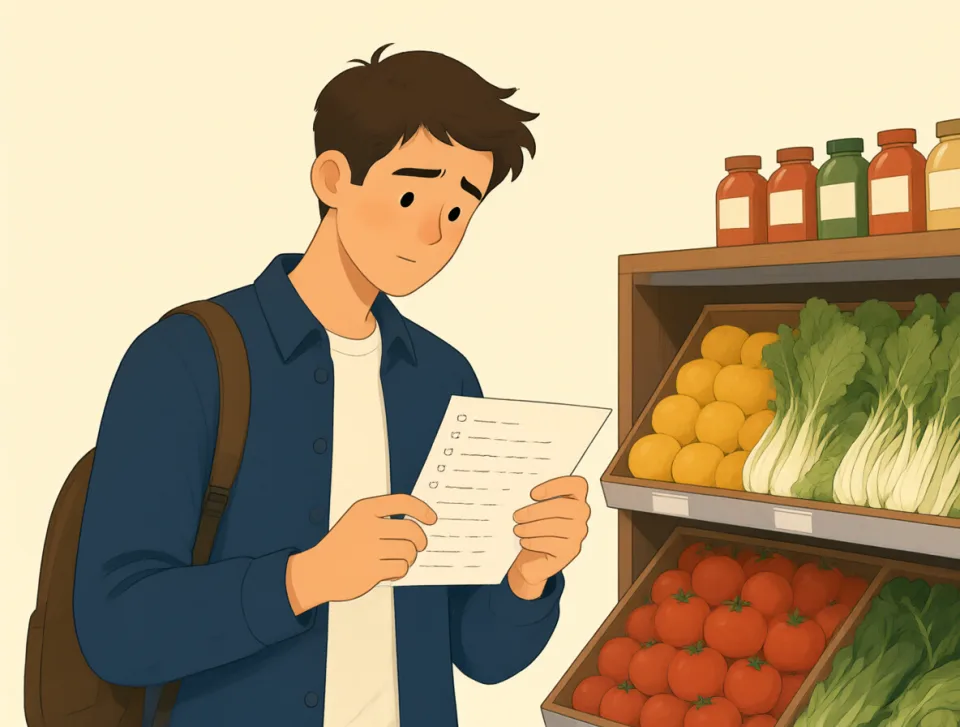
He made a minor mistake in the shopping list.
او در فهرست خرید اشتباه جزئیای کرد.
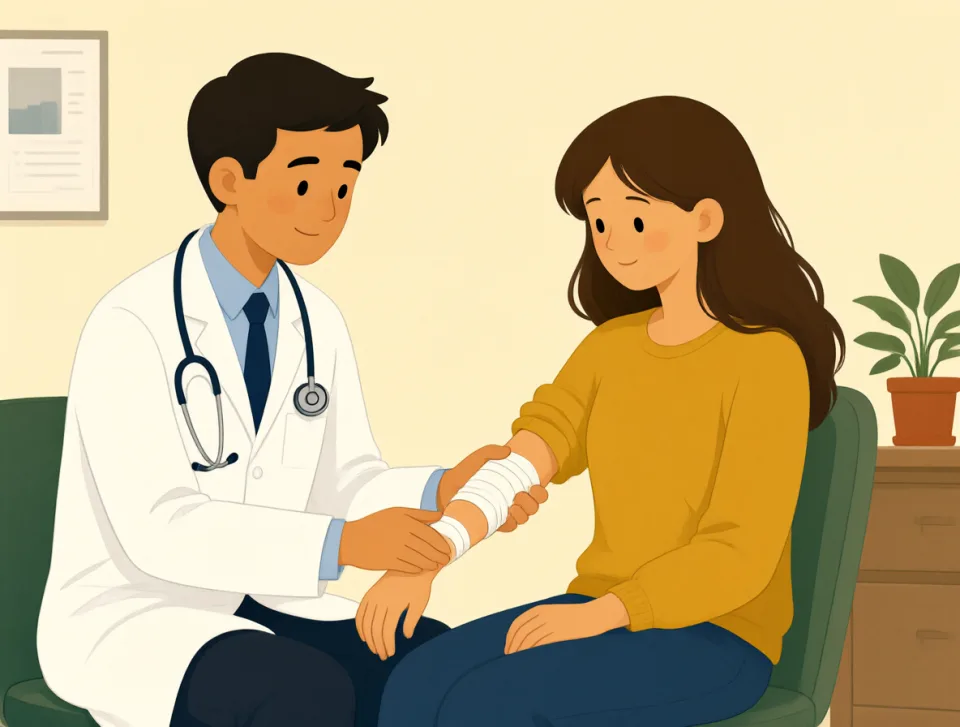
The doctor said her injury was minor and would heal soon.
دکتر گفت آسیب او جزئی است و بهزودی خوب میشود.

We had a minor problem with the hotel room.
مشکل کوچکی با اتاق هتل داشتیم.

She chose history as her minor at college.
او تاریخ را بهعنوان رشتهٔ فرعیاش در دانشگاه انتخاب کرد.
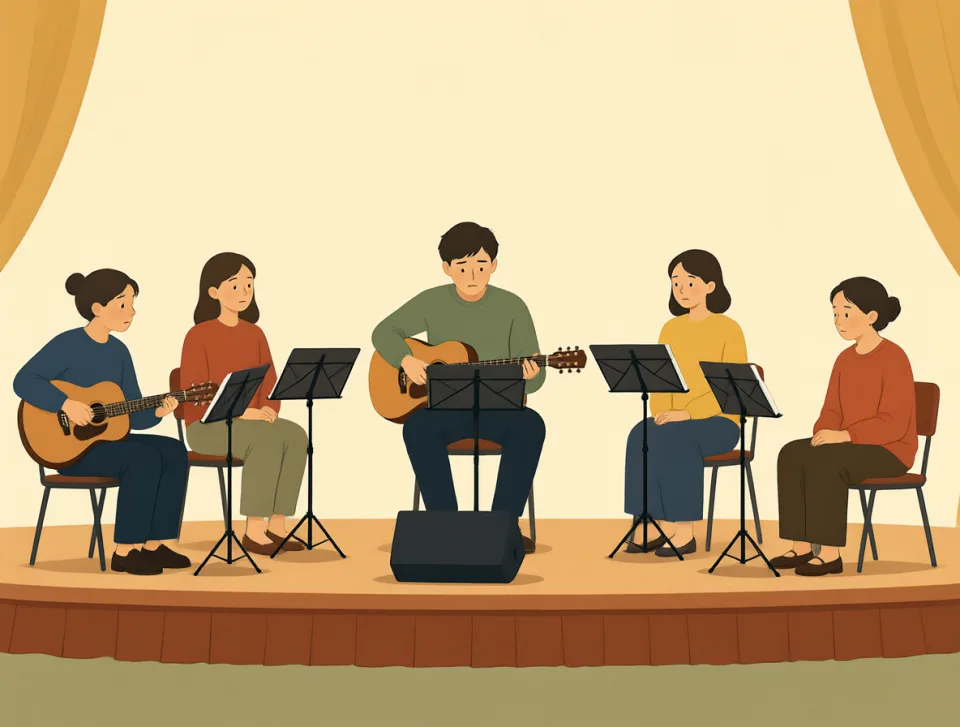
The band played several minor songs at the concert.
گروه موسیقی در کنسرت چند قطعهٔ مینور اجرا کرد.
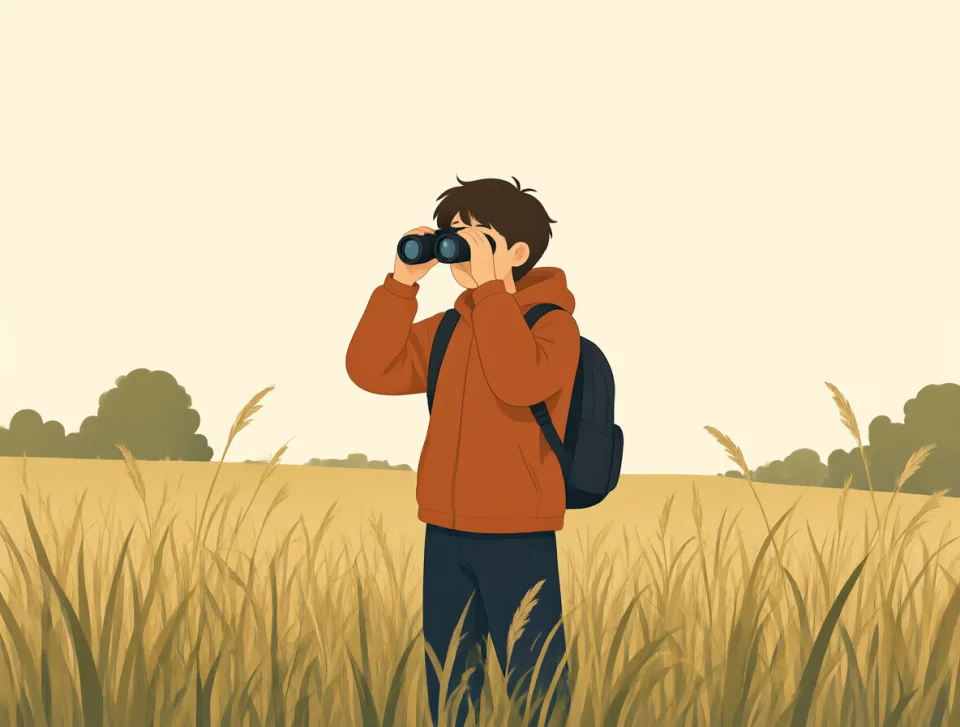
hunt
#1998noun, verb
جستوجو کردن
To look for someone or something carefully, especially over a wide area.
با دقت دنبال کسی یا چیزی گشتن، بهویژه در محدودهای گسترده.
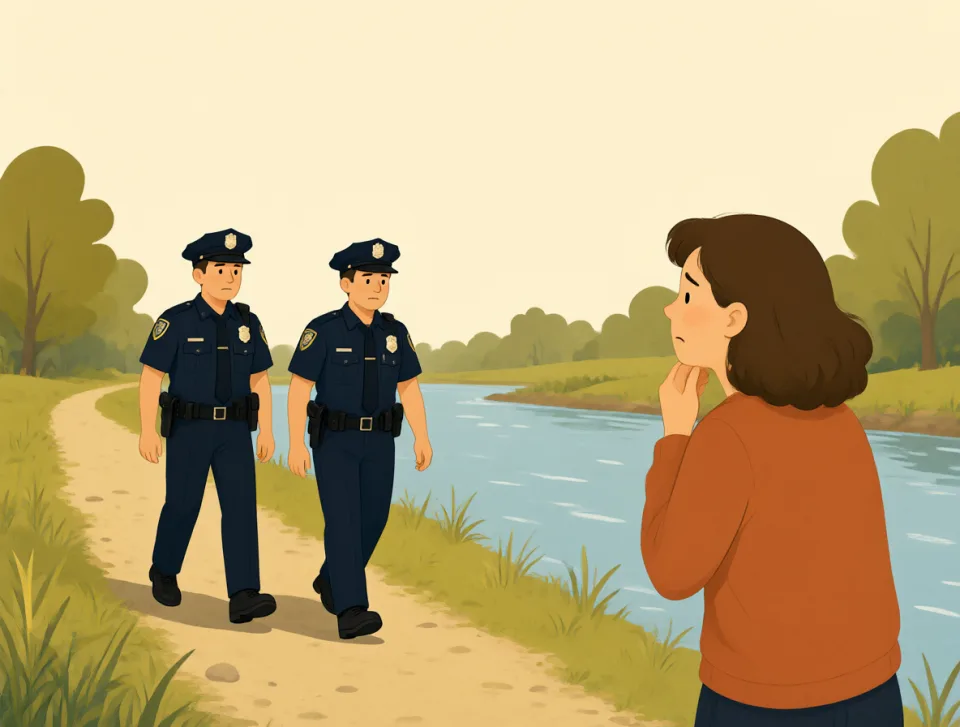
Police are hunting for the missing child near the river.
پلیس نزدیک رودخانه دنبال کودک گمشده میگردد.
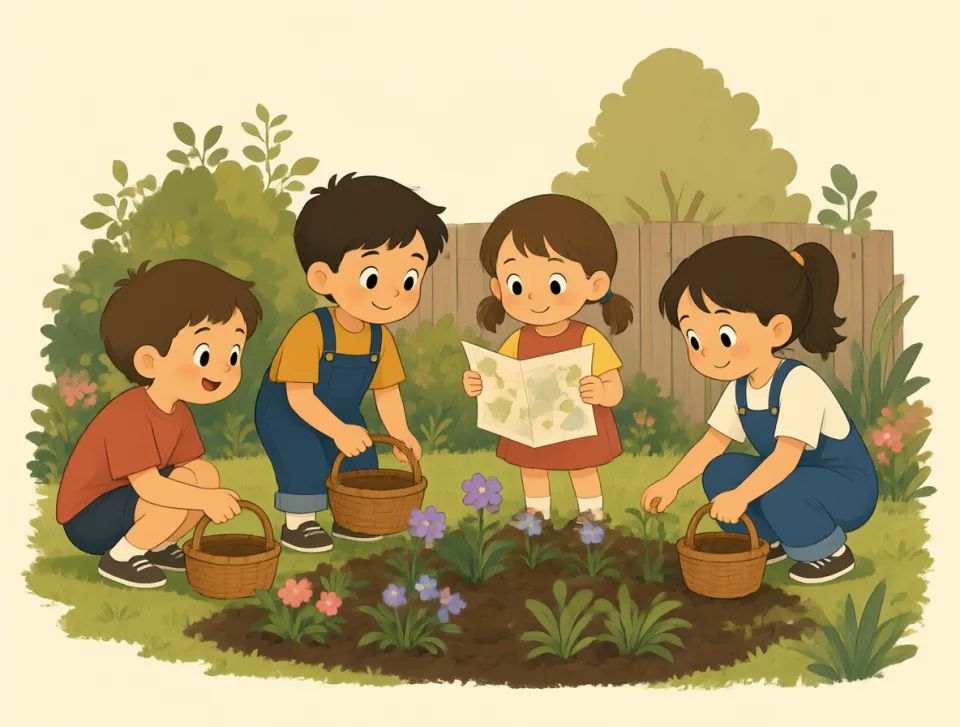
We went on a treasure hunt in the garden.
در باغ دنبال گنج گشتیم.

She is hunting for a new apartment after moving to the city.
او بعد از نقلمکان به شهر دنبال آپارتمان جدیدی میگردد.
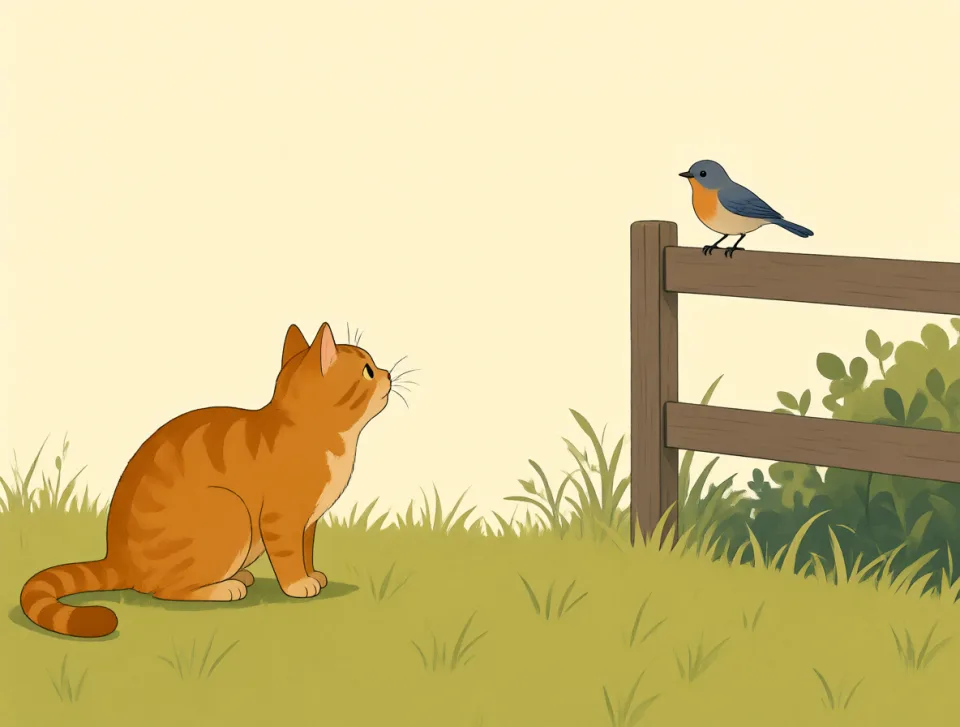
The cat likes to hunt birds in the backyard.
گربه دوست دارد در حیاط پشتی پرنده شکار کند.
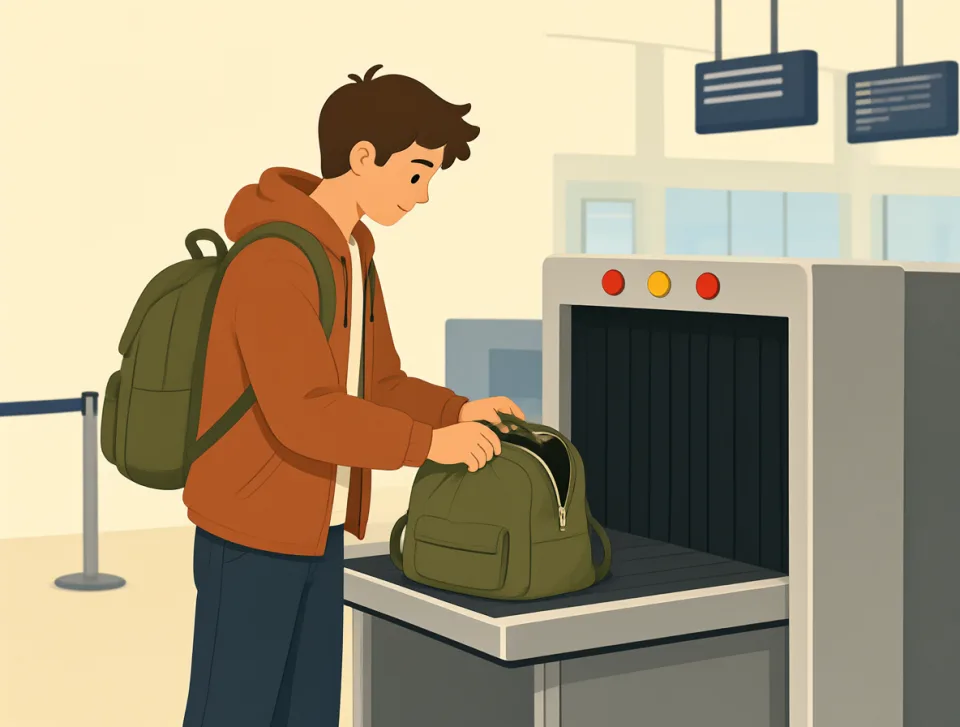
I hunted through my bag for my passport at the airport.
در فرودگاه کیفم را زیرورو کردم تا گذرنامهام را پیدا کنم.

storm
#1999noun, verb
طوفان
A period of very bad weather with strong winds, rain, snow, or thunder.
دورهای از هوای بسیار نامساعد همراه با باد شدید، باران، برف یا رعدوبرق.
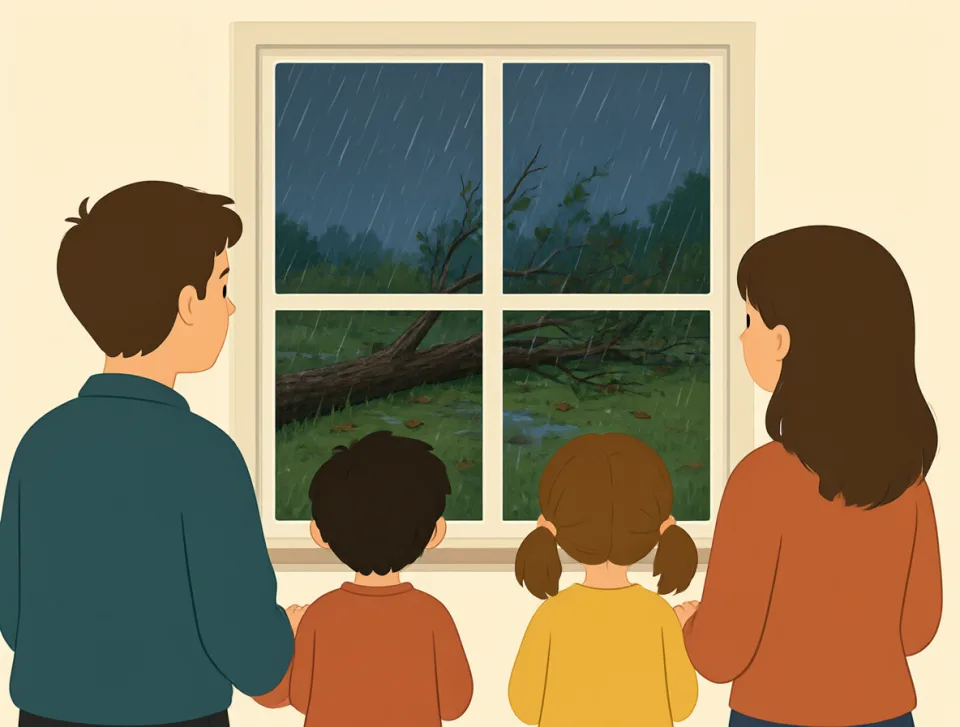
The storm knocked down several trees near our house.
طوفان چند درخت را نزدیک خانهمان از جا کند.

We stayed home because a storm was coming.
در خانه ماندیم چون طوفانی در راه بود.
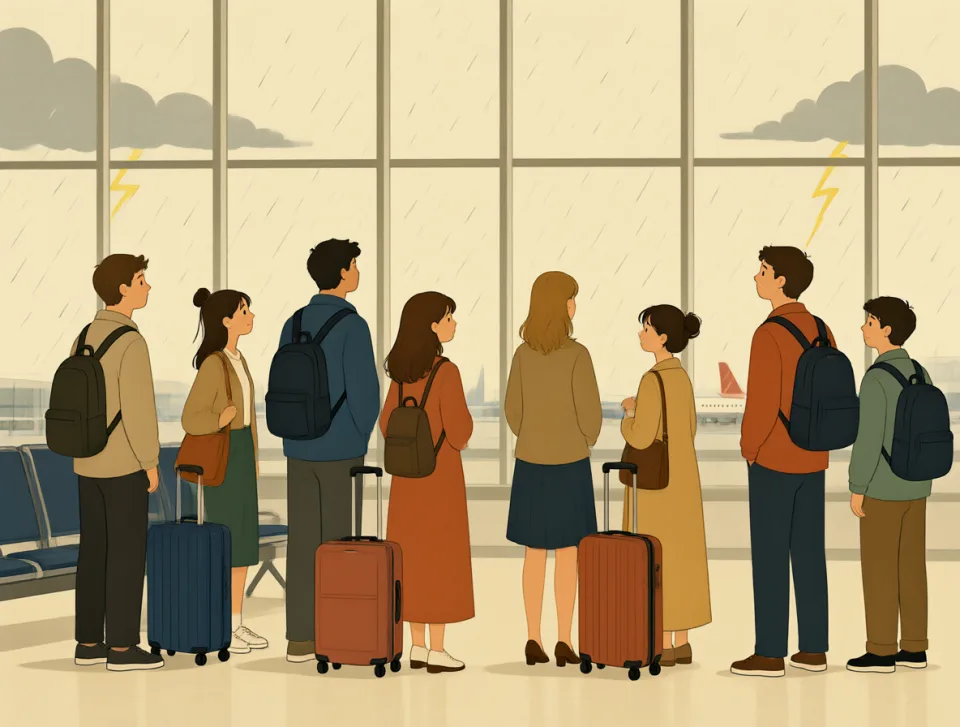
The flight was delayed because of a heavy storm.
پرواز بهخاطر طوفان شدیدی با تأخیر روبهرو شد.
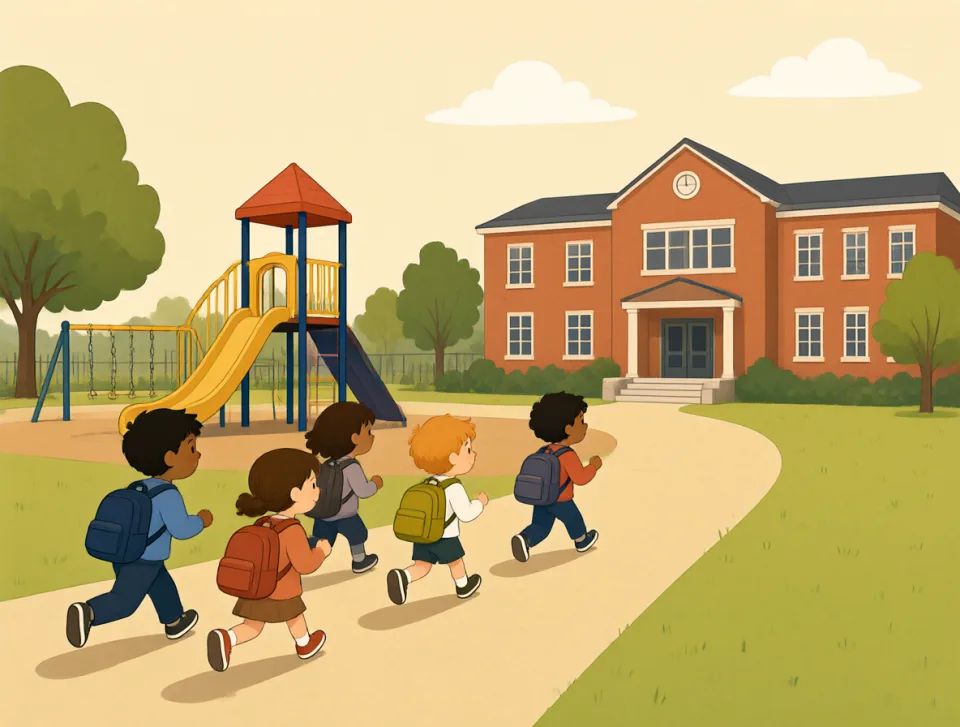
The children ran inside when the storm started.
وقتی طوفان شروع شد، بچهها به داخل دویدند.
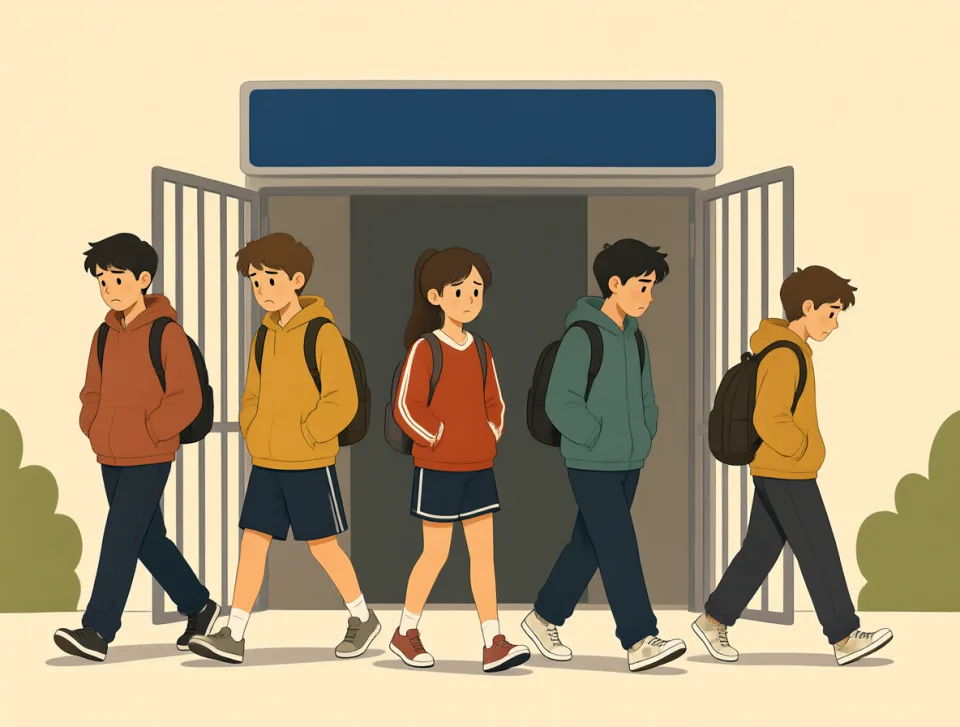
Fans stormed out of the stadium after their team lost.
هواداران بعد از باخت تیمشان با عصبانیت از ورزشگاه بیرون ریختند.
thick
#2000adjective, noun
ضخیم
having a large distance between opposite sides; a deep layer or piece
دارای فاصلهٔ زیاد بین دو سوی مقابل؛ لایه یا تکهای با عمق زیاد.
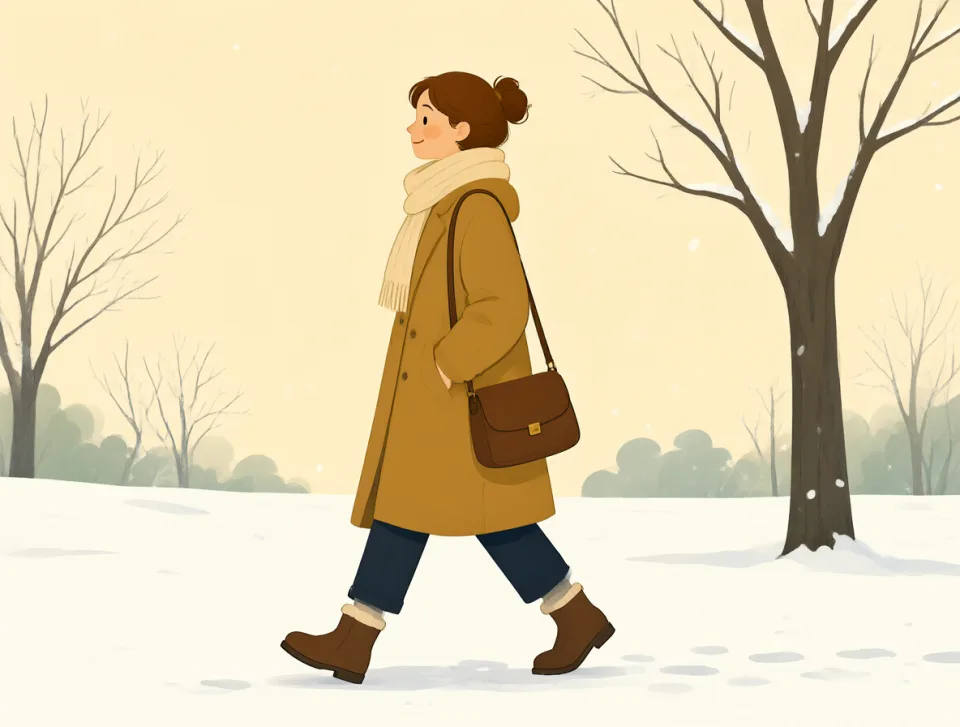
She wore a thick coat on the cold winter morning.
او در صبح سرد زمستانی پالتویی ضخیم پوشید.
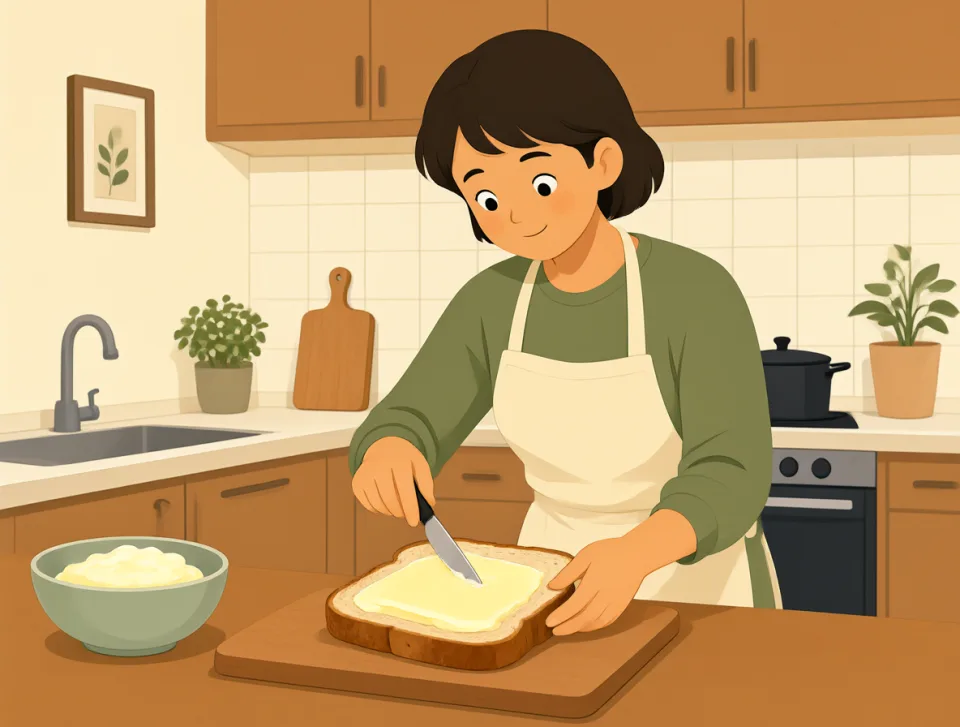
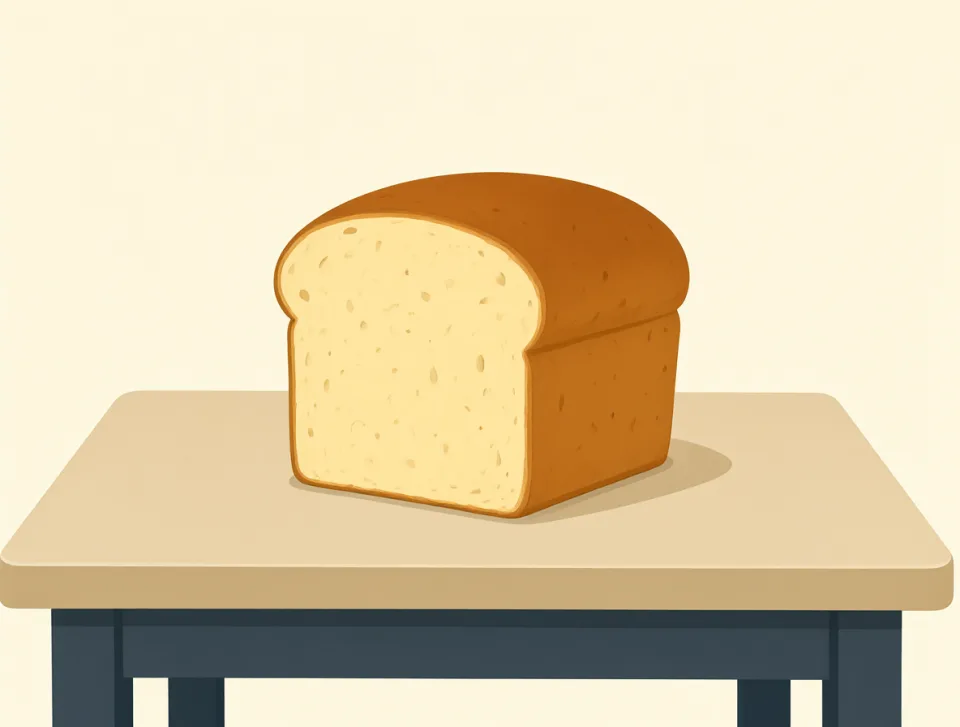
Spread a thick layer of butter on the bread.
یک لایهٔ ضخیم کره روی نان بمال.
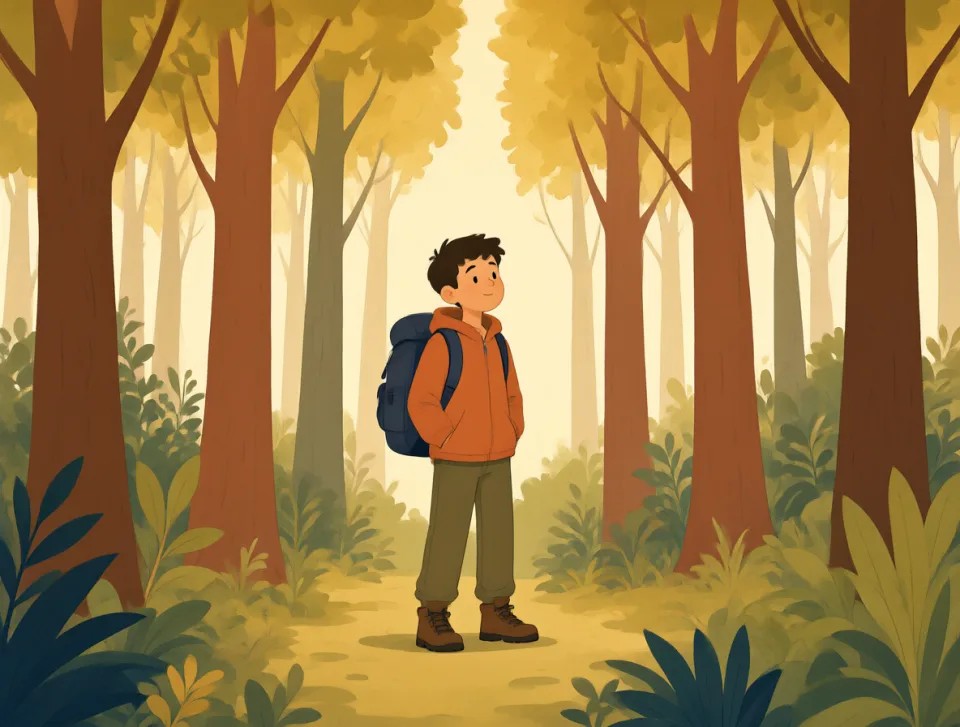
The forest was thick with trees and difficult to walk through.
جنگل پر از درخت بود و عبور از آن دشوار بود.

He has thick, curly hair that reaches his shoulders.
او موهای پرپشت و فرفریای دارد که تا روی شانههایش میرسد.
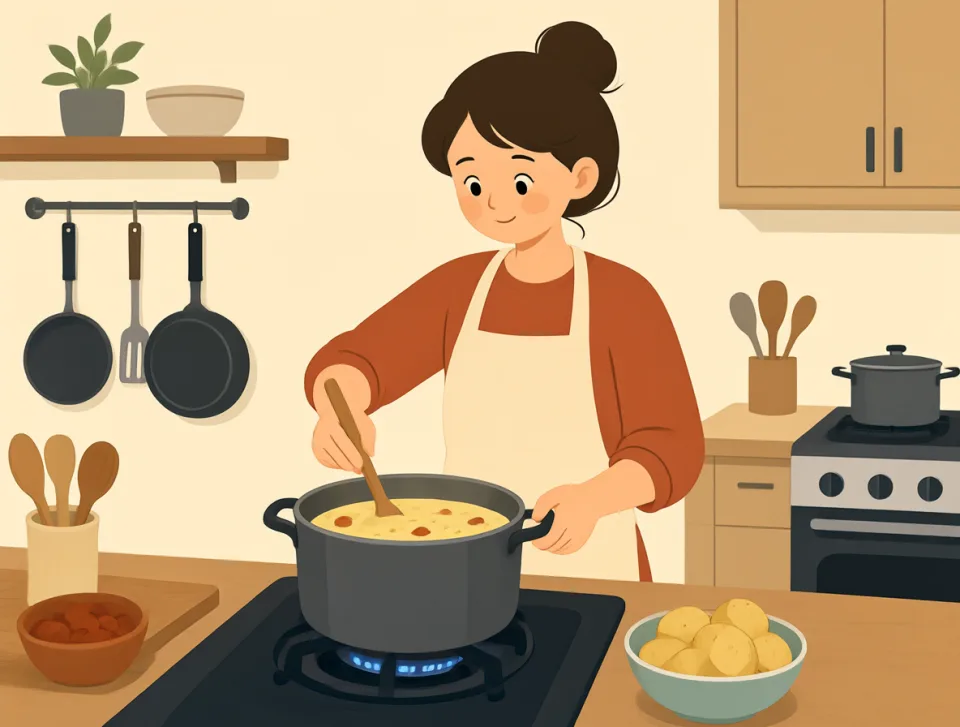
The soup became thick after we added the potatoes.
بعد از اینکه سیبزمینیها را اضافه کردیم، سوپ غلیظ شد.