Блок 93
Слова 1841–1860 · maximum, effectively, elsewhere, bother, initiative, sharp

maximum
#1841noun, adjective
максимум
The greatest amount or highest level that is possible or allowed.
Наибольшее возможное или допустимое количество или самый высокий уровень.

The elevator can carry a maximum of eight people.
Лифт может вместить не более восьми человек.

Please set the oven to the maximum temperature for pizza.
Пожалуйста, установите в духовке максимальную температуру для приготовления пиццы.

You can borrow a maximum of three books today.
Сегодня можно взять не более трёх книг.

The hotel offers maximum comfort after a long day of travel.
После долгого дня в пути отель предлагает максимальный комфорт.

The doctor told him to take a maximum of two tablets daily.
Врач велел ему принимать не более двух таблеток в день.

effectively
#1842adverb
эффективно
In a way that produces the wanted result.
Так, чтобы добиться желаемого результата.
She organized the files effectively before the meeting.
Перед встречей она эффективно организовала документы.
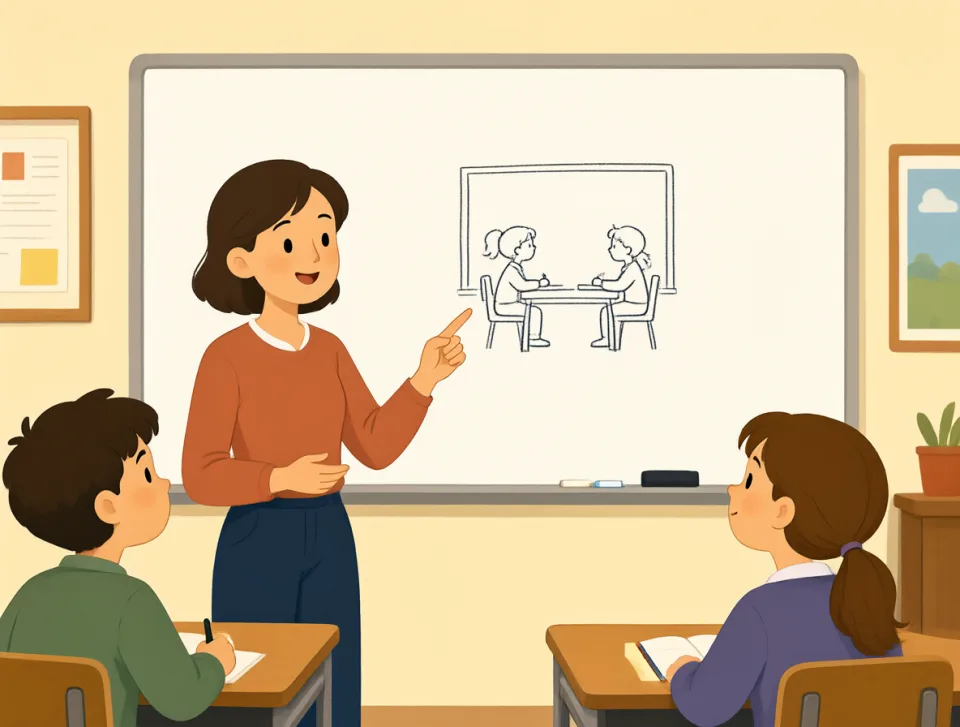
The teacher explained the difficult lesson effectively.
Учитель эффективно объяснил сложную тему.

We need to communicate effectively with our new neighbors.
Нам нужно эффективно общаться с новыми соседями.

This medicine effectively reduces pain within a few hours.
Это лекарство эффективно снимает боль в течение нескольких часов.

He used the small kitchen effectively to cook dinner.
Он эффективно использовал небольшую кухню, чтобы приготовить ужин.

elsewhere
#1843adverb
в другом месте
in, at, or to another place
В другом месте или в направлении другого места.

The shop was closed, so we went elsewhere for lunch.
Магазин был закрыт, поэтому мы пошли пообедать в другое место.
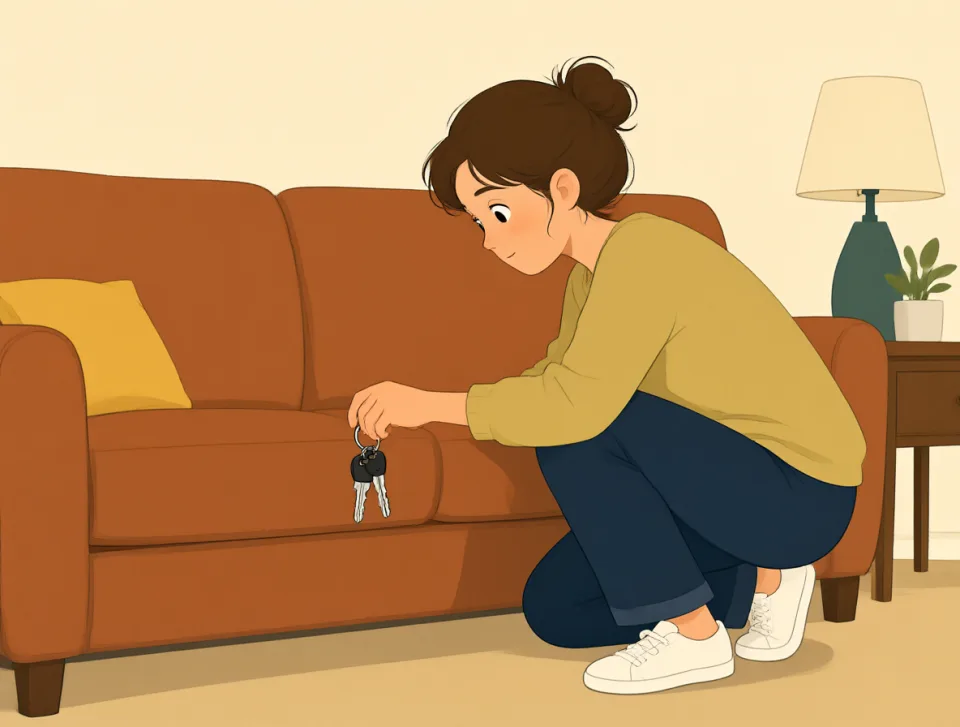
I left my keys somewhere else, but I cannot remember where.
Я оставил ключи где-то в другом месте, но не могу вспомнить где.

Many students study elsewhere when the library becomes too noisy.
Многие студенты занимаются в другом месте, когда в библиотеке становится слишком шумно.

You can buy cheaper train tickets elsewhere in the city.
В других местах города можно купить билеты на поезд дешевле.
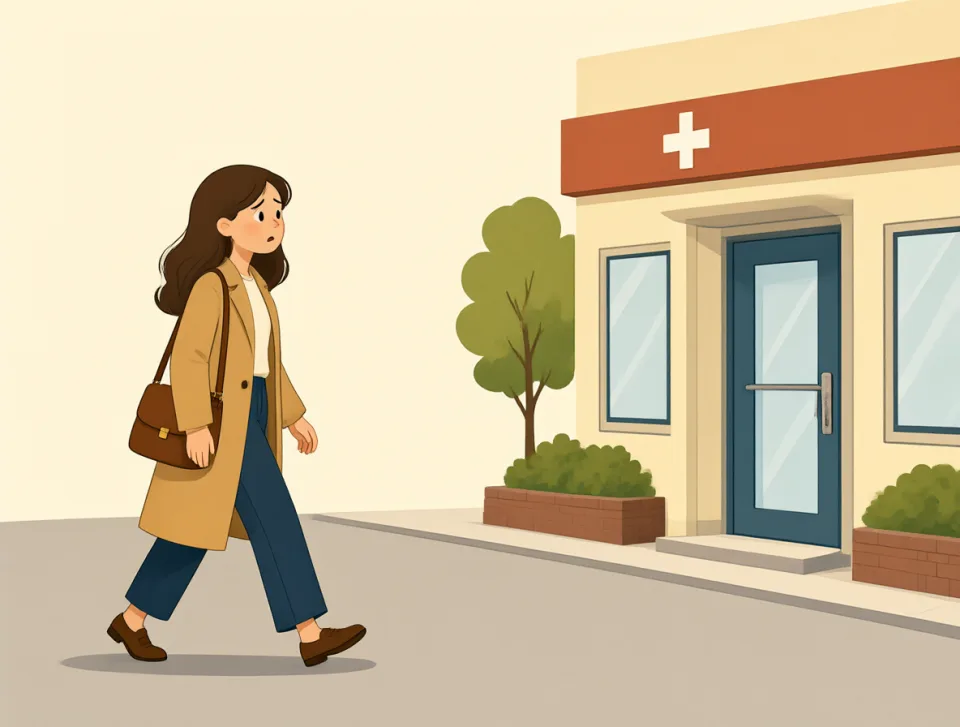
The doctor could not help, so she went elsewhere for treatment.
Врач не смог помочь, поэтому она отправилась за лечением в другое место.
bother
#1844verb, noun
беспокоить; утруждать себя
To annoy someone, or to make an effort to do something.
Раздражать или беспокоить кого-либо; прилагать усилия, чтобы что-либо сделать.

Sorry to bother you, but could you help me find this book?
Извините, что беспокою вас, но не могли бы вы помочь мне найти эту книгу?

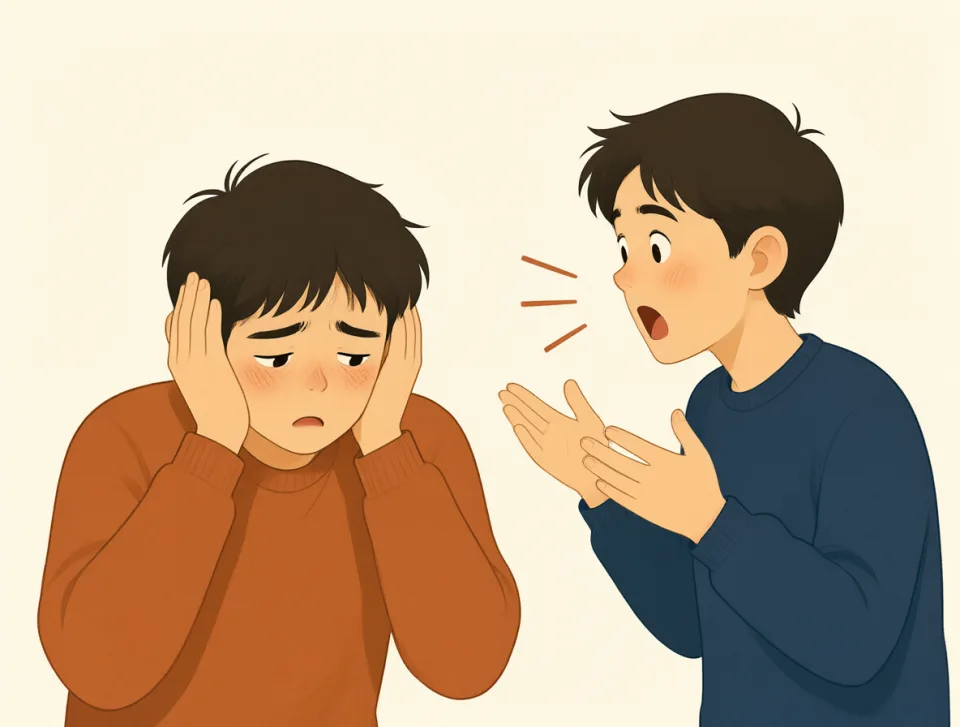
The loud music bothered our baby while she was trying to sleep.
Громкая музыка мешала нашей малышке заснуть.

Don't bother cooking tonight; we can order some food.
Не утруждай себя готовкой сегодня вечером — можем заказать еду.

He never bothers to check his answers before handing in homework.
Он никогда не утруждает себя проверкой ответов перед тем, как сдать домашнее задание.

It doesn't bother me when my friends arrive a little late.
Меня не беспокоит, если друзья немного опаздывают.

initiative
#1845noun
инициатива
The ability to decide and act without waiting for someone to tell you what to do.
Способность самостоятельно принимать решения и действовать, не дожидаясь указаний.
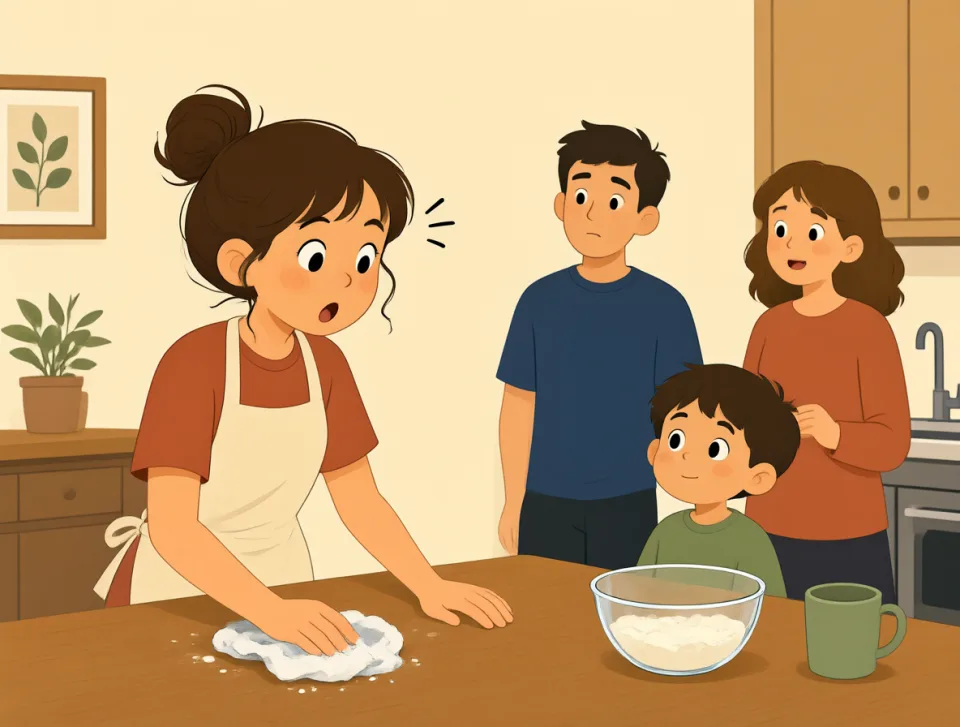
She showed initiative by cleaning the kitchen before anyone asked.
Она проявила инициативу и убрала кухню, не дожидаясь просьбы.

Our manager praised Tom for taking the initiative at work.
Наш руководитель похвалил Тома за проявленную на работе инициативу.
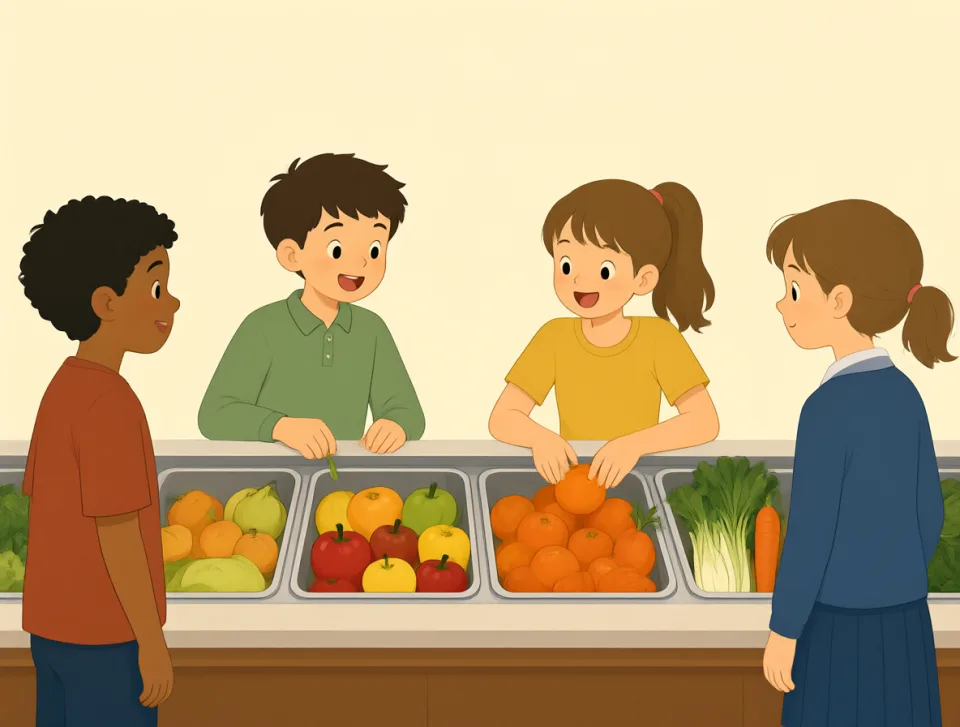
The school started an initiative to help students eat healthier food.
Школа запустила инициативу, чтобы помочь ученикам питаться полезнее.
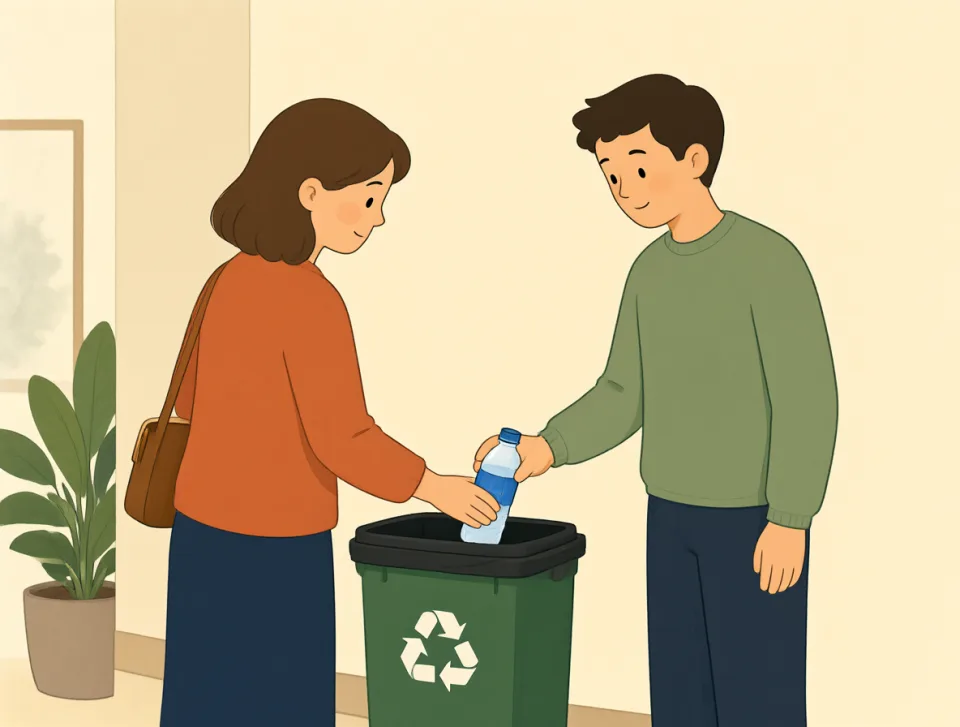
The hotel offered a new recycling initiative for all guests.
Отель предложил всем гостям новую программу по переработке отходов.
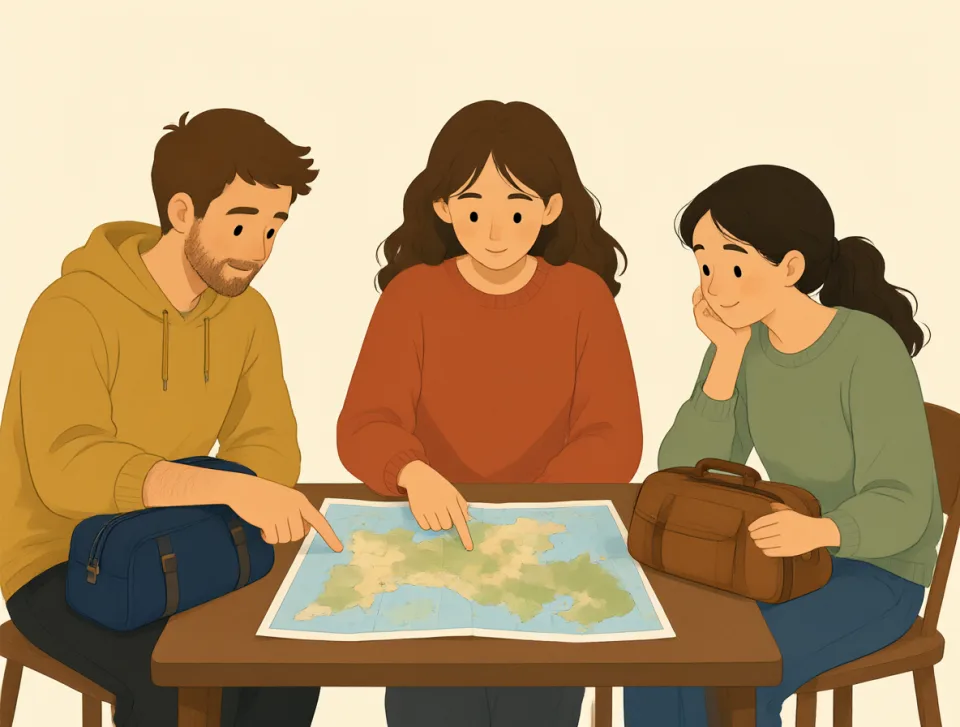
Friends took the initiative and planned a weekend trip together.
Друзья проявили инициативу и вместе спланировали поездку на выходные.

sharp
#1846adjective, adverb, noun, verb
острый
Having a thin edge that can cut; quick to understand; exactly at a stated time.
Имеющий тонкий край, которым можно резать; быстро соображающий; происходящий ровно в указанное время.
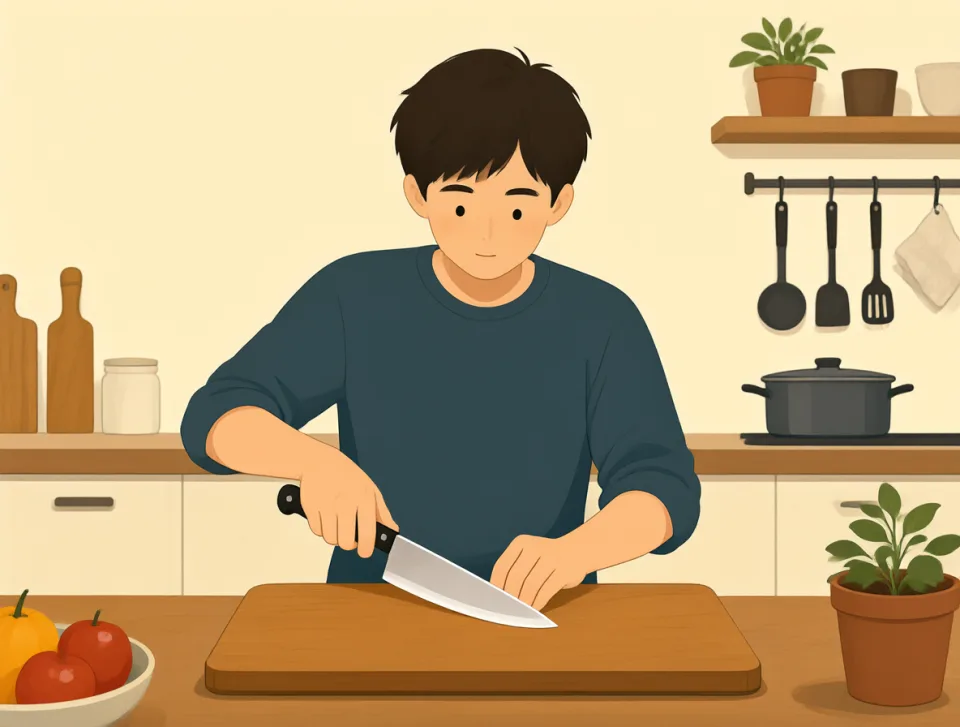
Be careful; this knife is very sharp.
Осторожно: этот нож очень острый.
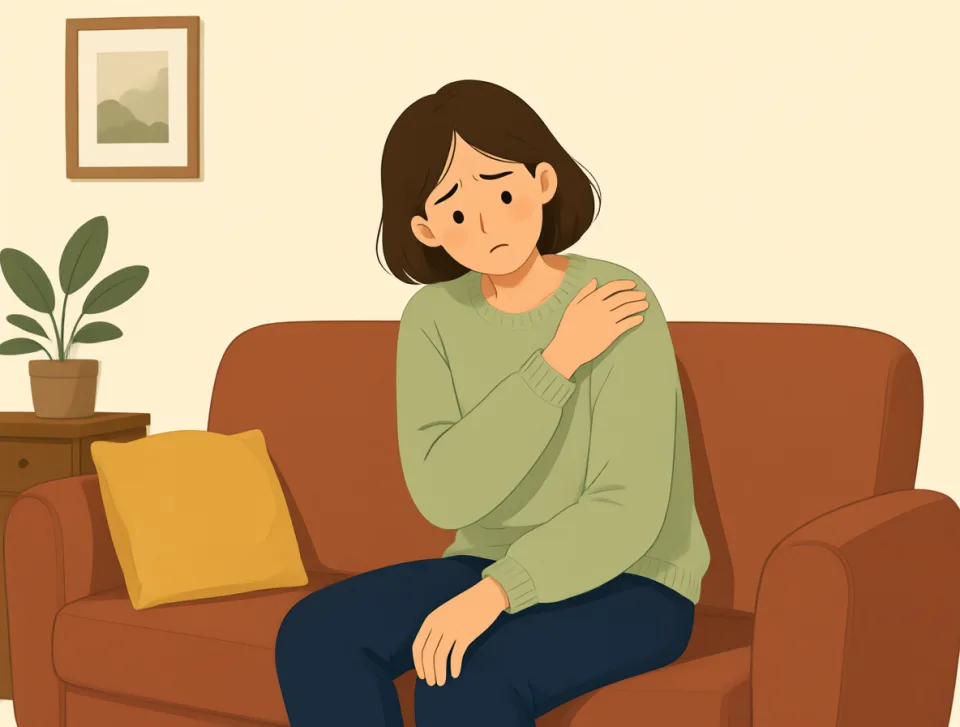
She felt a sharp pain in her shoulder.
Она почувствовала острую боль в плече.

He is sharp and learns new skills quickly.
Он способный и быстро осваивает новые навыки.

The bus leaves at six sharp tomorrow morning.
Завтра утром автобус отправляется ровно в шесть.
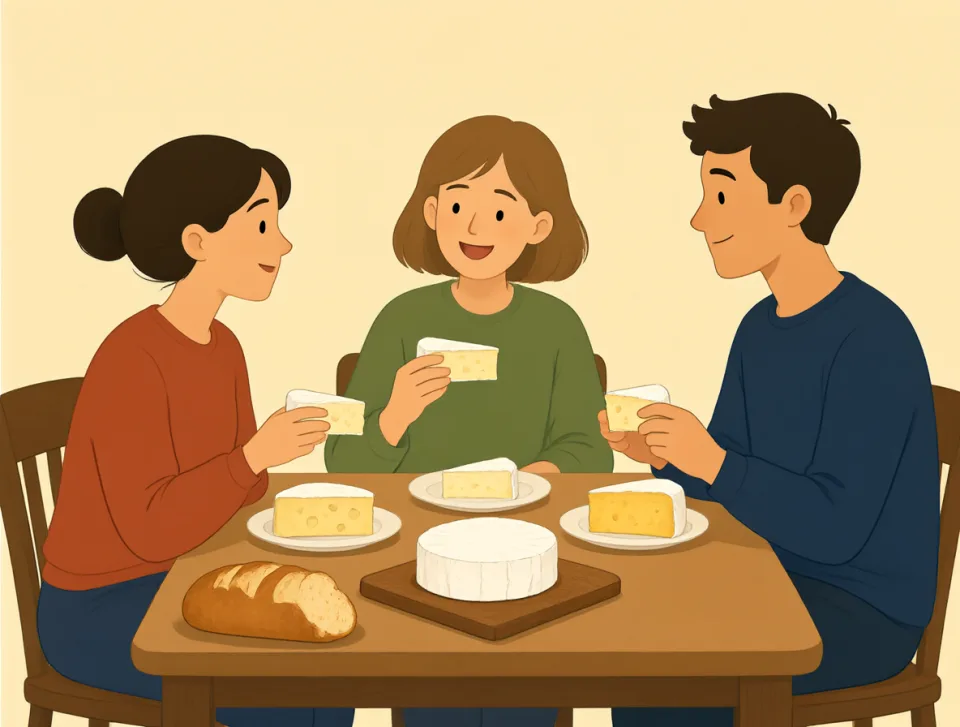
The sharp cheese tasted delicious with fresh bread.
Острый сыр оказался очень вкусным со свежим хлебом.
diet
#1847noun, verb
рацион; диета
The food and drink someone usually has, or a plan to eat less or healthier food.
Еда и напитки, которые человек обычно употребляет, или план питания, предусматривающий меньшее количество еды либо более здоровые продукты.

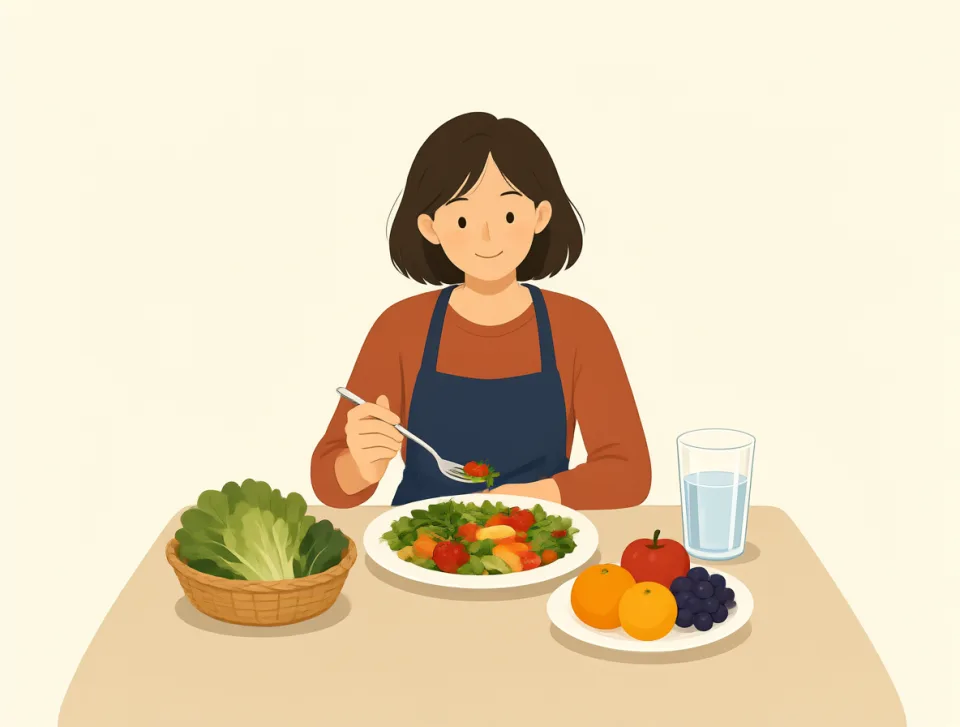
I try to eat a healthy diet with plenty of fresh vegetables.
Я стараюсь придерживаться здорового рациона с большим количеством свежих овощей.

The doctor put him on a low-salt diet for his heart.
Врач назначил ему малосолевую диету для здоровья сердца.
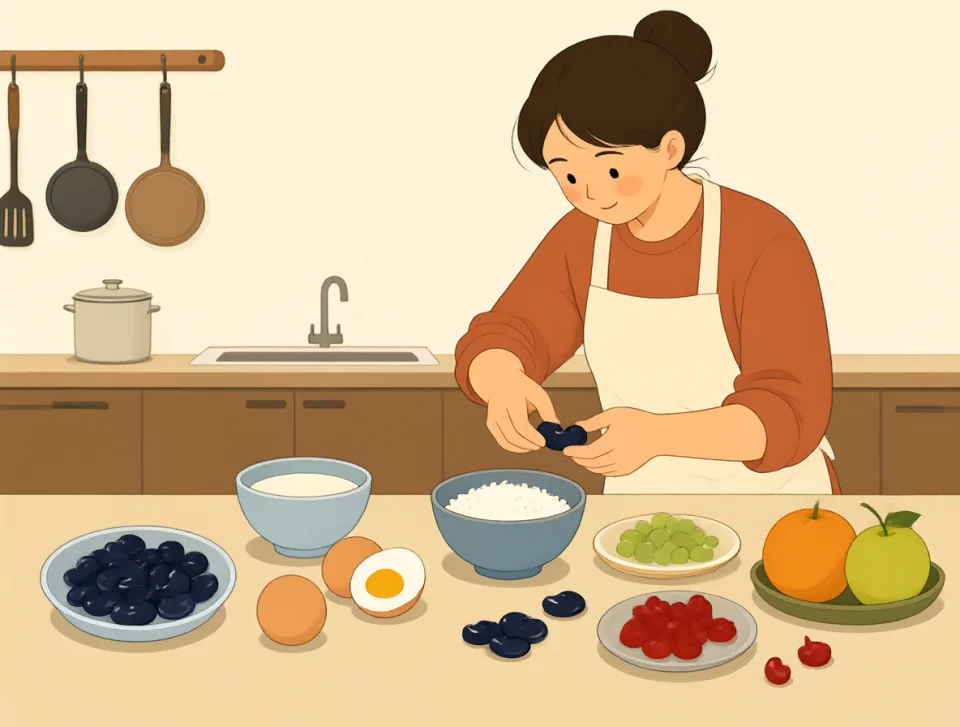
My vegetarian diet includes beans, rice, eggs, and lots of fruit.
В мой вегетарианский рацион входят бобы, рис, яйца и много фруктов.
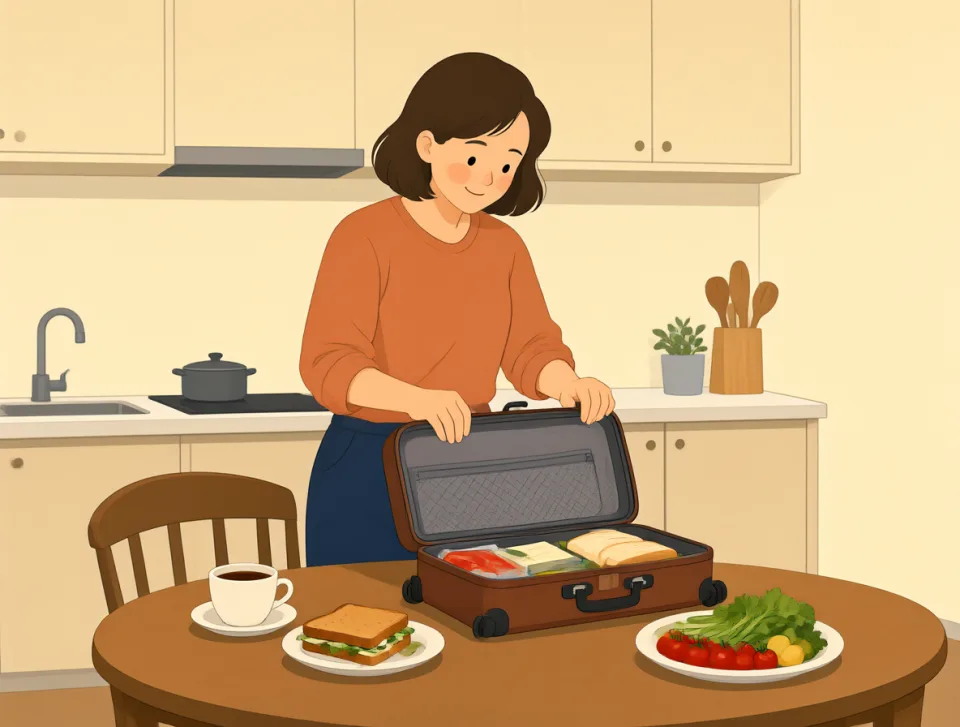
She started a diet before her holiday at the beach.
Она села на диету перед отпуском на море.

Some people diet by eating smaller meals and walking every day.
Некоторые люди худеют, питаясь небольшими порциями и гуляя каждый день.

motion
#1848noun, verb
движение; жест
Movement or a movement, especially in a particular direction or to show an idea.
Движение или действие, особенно в определённом направлении или для выражения какой-либо идеи.

The doctor watched the motion of the patient's chest.
Врач наблюдал за движением грудной клетки пациента.
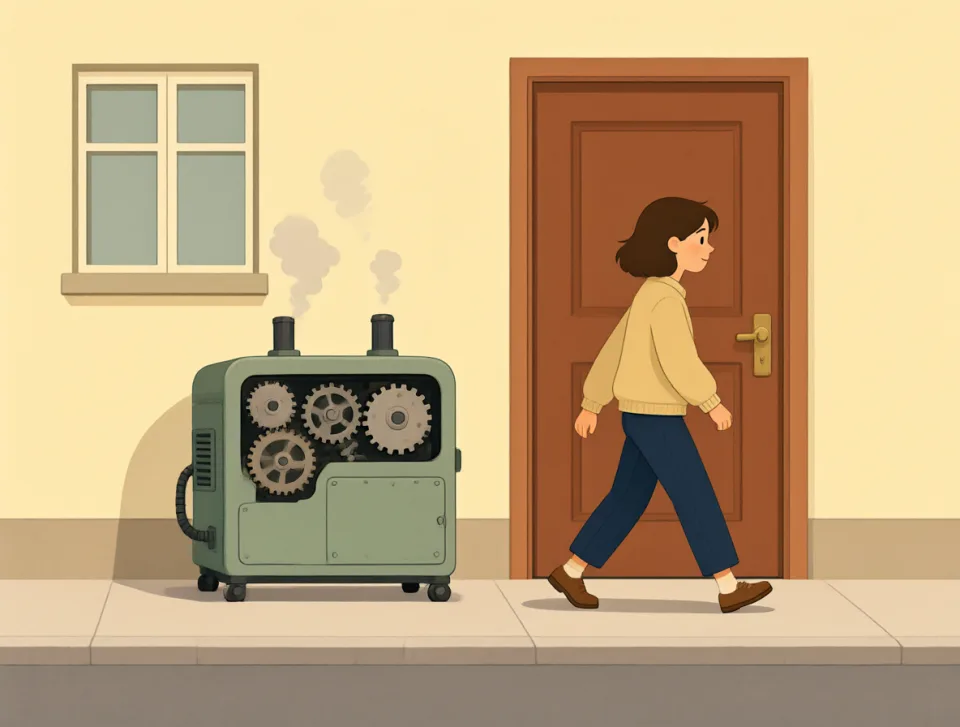
The machine stops when it detects sudden motion.
Машина останавливается, когда обнаруживает резкое движение.

She made a motion for us to come inside.
Она жестом показала нам, чтобы мы вошли.

The boat rocked with the motion of the waves.
Лодка покачивалась вместе с движением волн.

The committee voted to approve the motion.
Комитет проголосовал за одобрение предложения.

gray
#1849adjective, noun
серый
having a color between black and white
Имеющий цвет между чёрным и белым.

He wore a gray jacket on the cold morning.
В холодное утро он надел серую куртку.
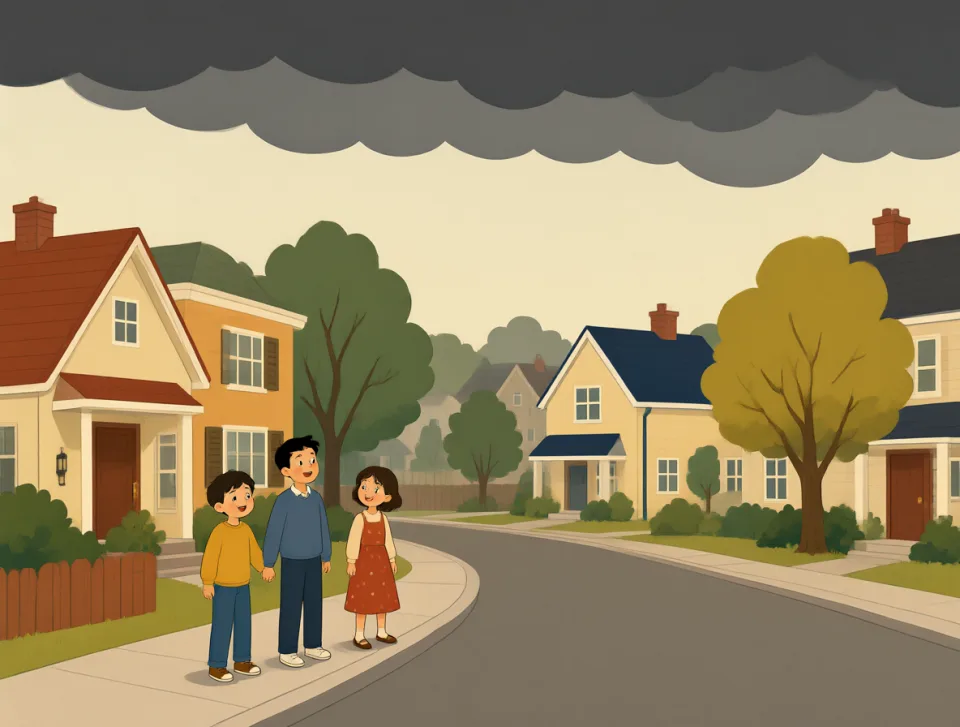
The sky turned gray before the rain started.
Небо стало серым перед началом дождя.

She bought a gray sofa for the living room.
Она купила серый диван для гостиной.

My grandfather's hair is turning gray.
Волосы моего дедушки седеют.

The artist mixed black and white to make gray.
Художник смешал чёрный и белый, чтобы получить серый цвет.

plastic
#1850noun, adjective
пластик
A light, strong material made from chemicals, often used to make containers and bags.
Лёгкий прочный материал, изготовленный из химических веществ и часто используемый для производства контейнеров и пакетов.
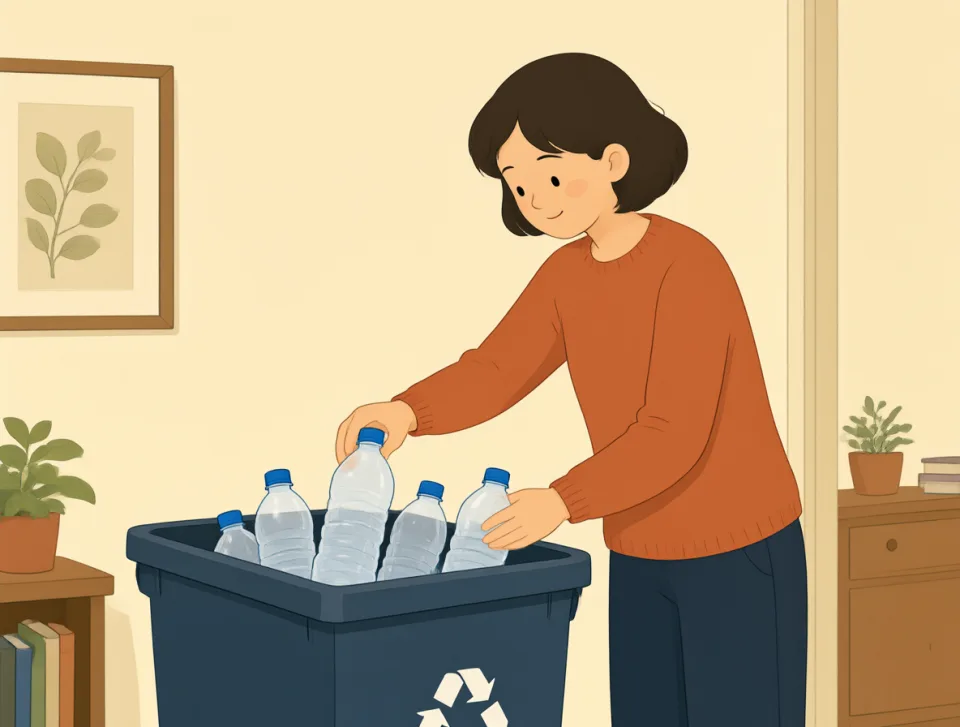
Please put the plastic bottles in the recycling bin.
Пожалуйста, положите пластиковые бутылки в контейнер для переработки.
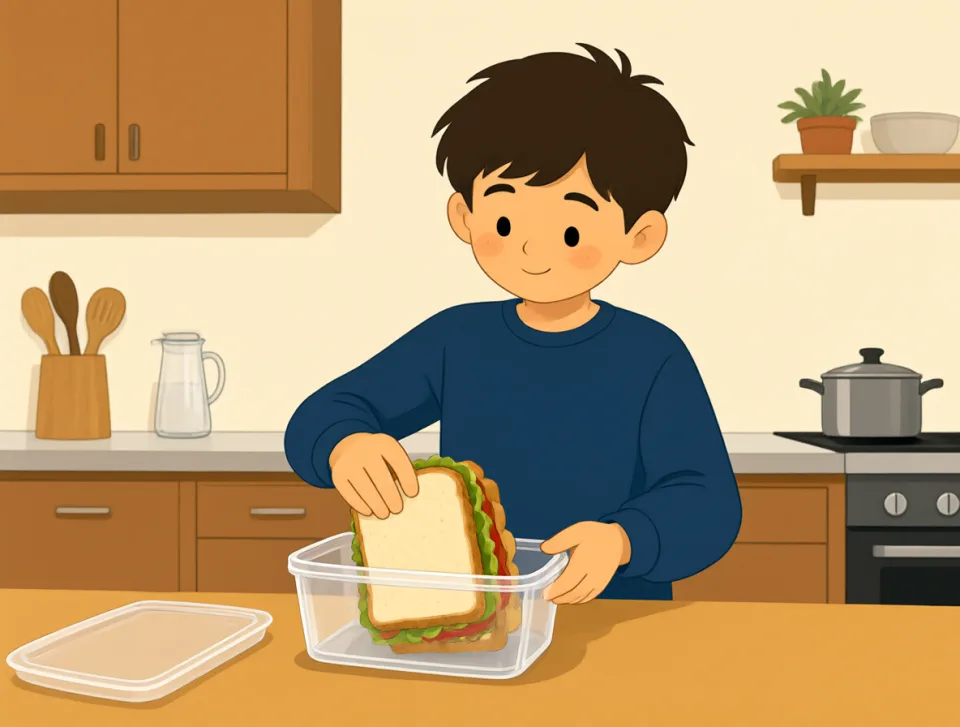
She packed her lunch in a plastic container.
Она положила свой обед в пластиковый контейнер.

The shop gives customers a plastic bag for their purchases.
Магазин выдаёт покупателям пластиковый пакет для покупок.

The children wore plastic raincoats during the school trip.
Во время школьной поездки дети носили пластиковые дождевики.

This chair is made of strong plastic and is easy to clean.
Этот стул сделан из прочного пластика, и его легко чистить.
complicate
#1851verb
усложнять
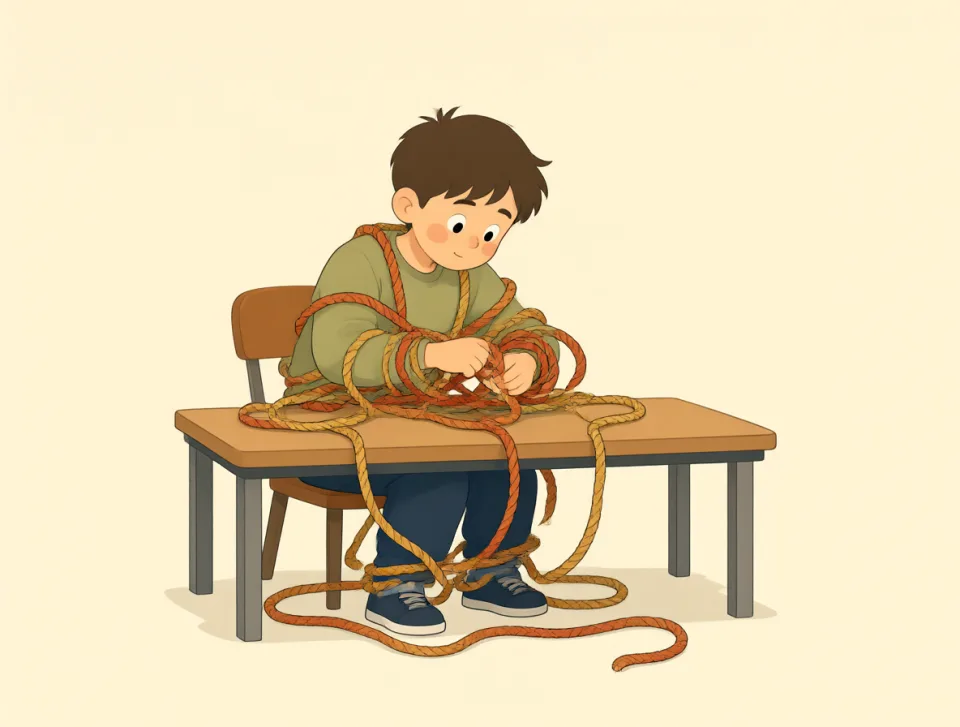
to make something more difficult or confusing than it needs to be
делать что-либо сложнее или запутаннее, чем это необходимо
Don't complicate the problem; follow these simple steps.
Не усложняйте задачу — следуйте этим простым шагам.

The bad weather complicated our travel plans.
Из-за плохой погоды наши планы на поездку усложнились.

Too many rules can complicate the hiring process.
Слишком большое количество правил может усложнить процесс найма.

Adding more ingredients complicated the recipe.
Из-за дополнительных ингредиентов рецепт стал сложнее.
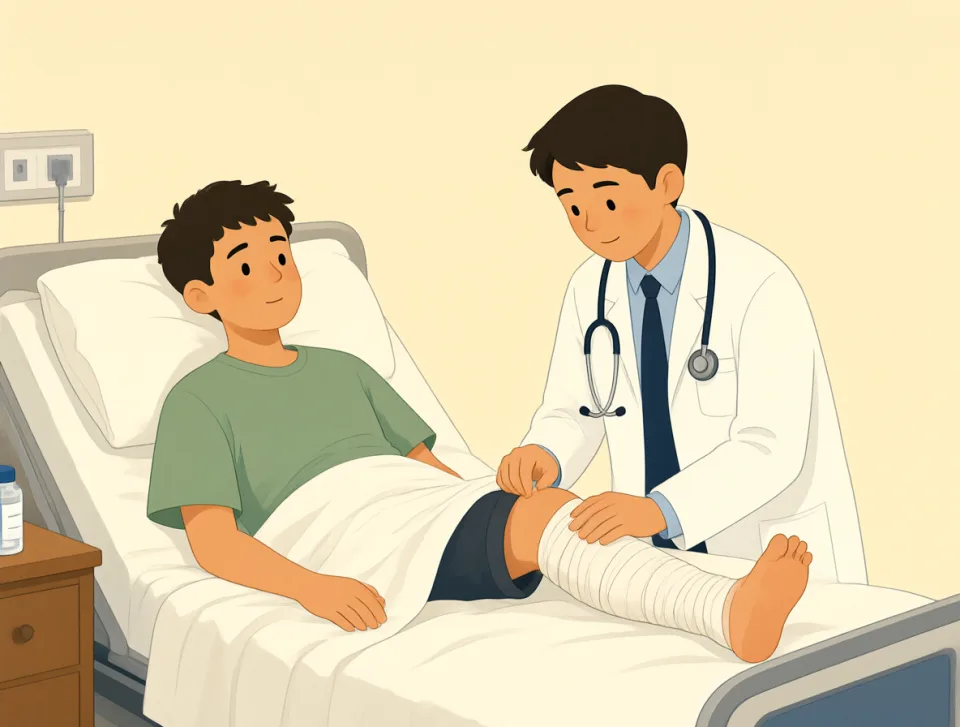
His injury complicated his recovery after the accident.
Его травма осложнила восстановление после аварии.

discipline
#1852noun, verb
дисциплина
Training yourself to follow rules and control your behavior to reach a goal.
Умение следовать правилам и контролировать своё поведение, чтобы достичь цели.
Learning a new language takes discipline and regular practice.
Изучение нового языка требует дисциплины и регулярных занятий.

The coach praised the team for showing discipline during training.
Тренер похвалил команду за дисциплинированность во время тренировок.

The school uses discipline to help students behave well.
В школе поддерживают дисциплину, чтобы помочь ученикам хорошо себя вести.

Good financial discipline helped us save enough money for our holiday.
Благодаря финансовой дисциплине нам удалось накопить достаточно денег на отпуск.
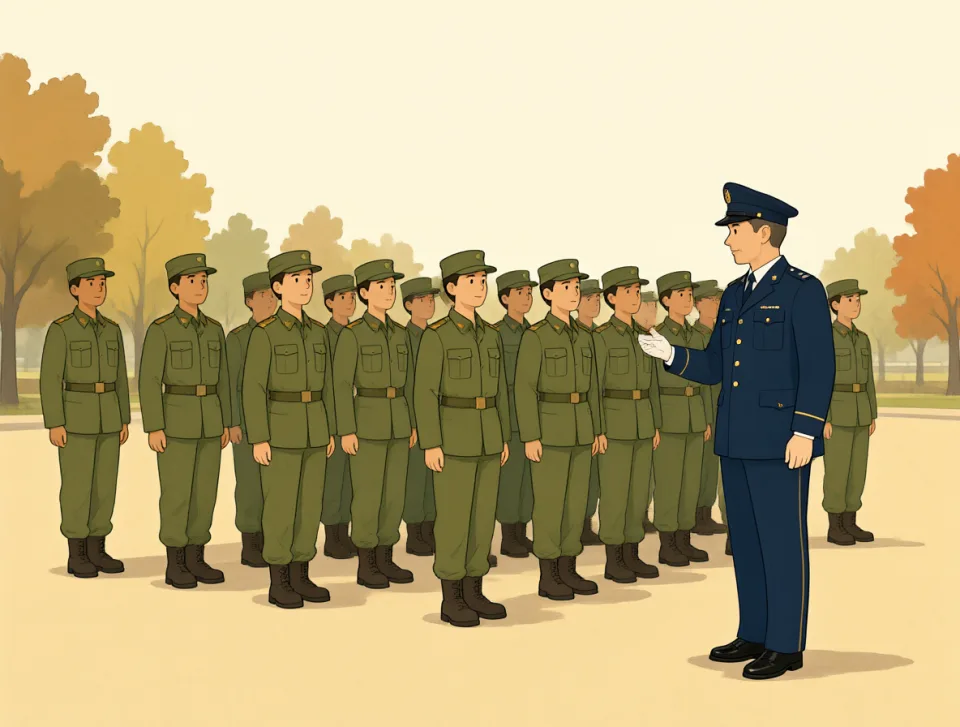
The army disciplined the new soldiers during their first month.
В течение первого месяца в армии новобранцев приучали к дисциплине.
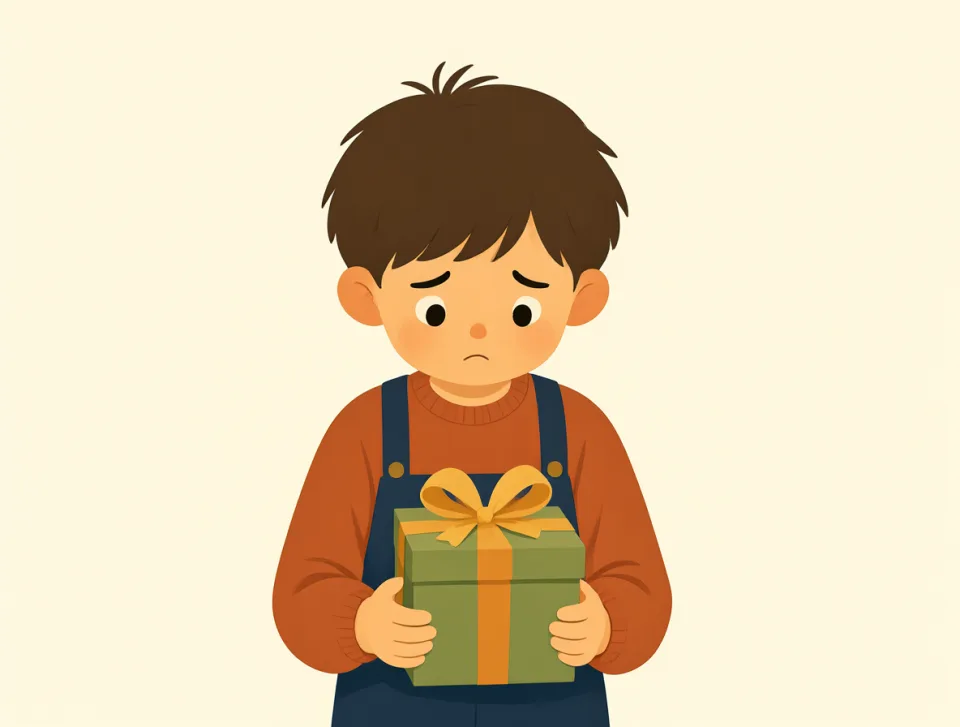
disappoint
#1853verb
разочаровывать
To make someone feel unhappy because something was not as good as expected.
Заставлять кого-либо чувствовать себя несчастным, потому что что-то оказалось хуже, чем ожидалось.

The movie disappointed me, so I left before the end.
Фильм меня разочаровал, поэтому я ушёл до конца сеанса.
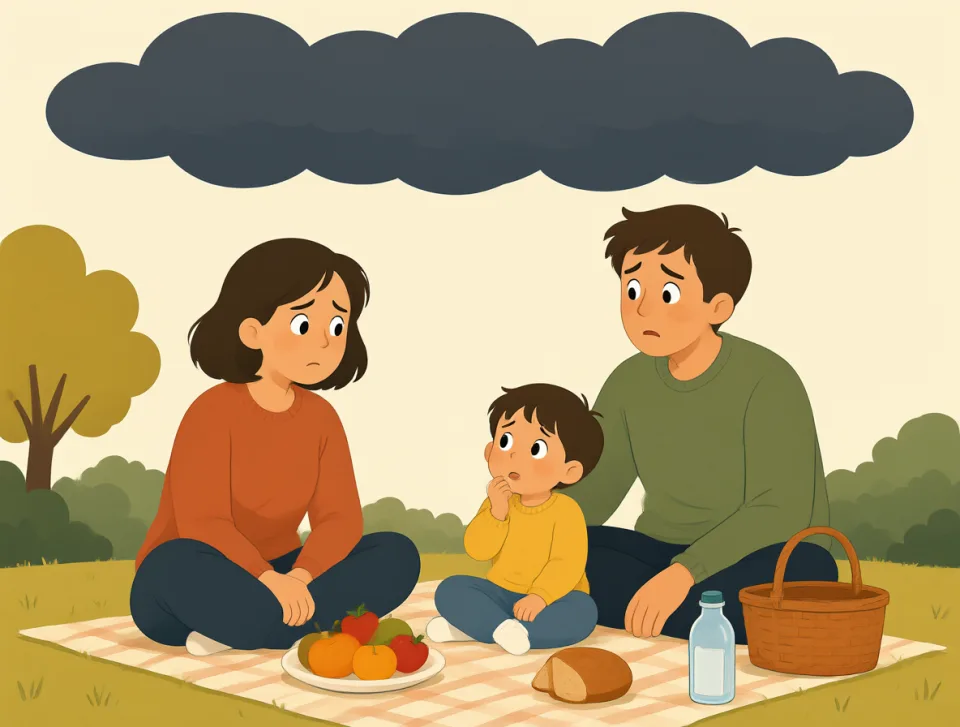
I hope the weather does not disappoint us tomorrow.
Надеюсь, завтра погода нас не разочарует.

The restaurant disappointed us with cold food and slow service.
Ресторан нас разочаровал: еда была холодной, а обслуживание медленным.

She was disappointed when her team lost the final game.
Она расстроилась, когда её команда проиграла финальную игру.

He hates disappointing his parents when he gets poor grades.
Он терпеть не может разочаровывать родителей плохими оценками.

boss
#1854noun, verb
начальник
A person who is in charge of a workplace or tells others what to do.
Человек, который руководит рабочим местом или указывает другим, что делать.

My boss asked me to finish the report before lunch.
Мой начальник попросил меня закончить отчёт до обеда.

I need to talk to my boss about taking Friday off.
Мне нужно поговорить с начальником о том, чтобы взять выходной в пятницу.

Our new boss is friendly and listens to everyone's ideas.
Наш новый начальник — дружелюбный человек, который прислушивается к идеям каждого.
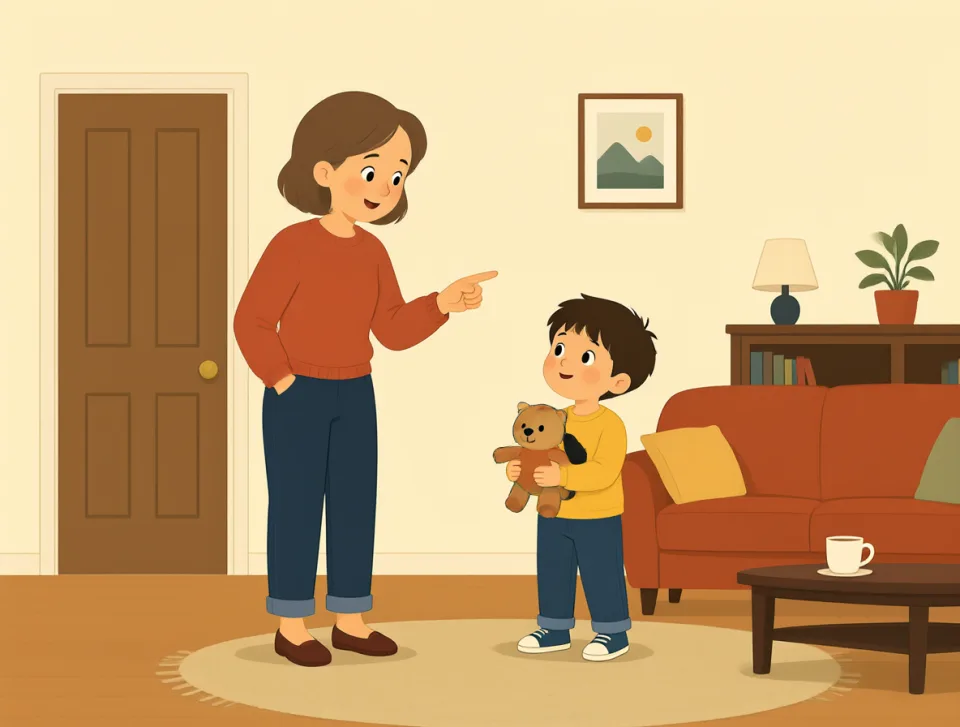
She bosses her little brother around when their parents are away.
Когда родителей нет дома, она командует младшим братом.

The chef bossed the kitchen during the busy dinner service.
Во время оживлённого вечернего обслуживания шеф-повар командовал на кухне.

assumption
#1855noun
предположение
A belief that something is true, even though you have no proof.
Убеждённость в том, что что-то верно, даже если у вас нет доказательств.
My assumption that the store was open was wrong.
Моё предположение, что магазин открыт, оказалось ошибочным.

Do not make assumptions about people before meeting them.
Не делайте выводов о людях, пока не познакомитесь с ними.

On the assumption that it would rain, we brought umbrellas.
Мы взяли зонты, предполагая, что пойдёт дождь.
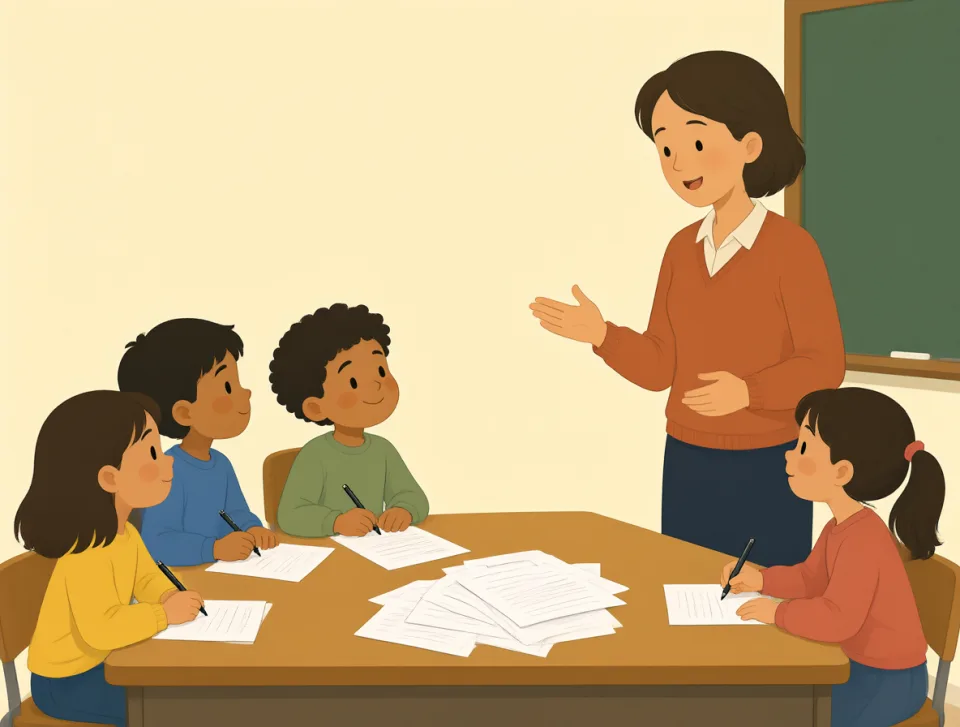
The teacher corrected our assumption that the test would be easy.
Учитель исправил наше ошибочное предположение, что тест будет лёгким.

The doctor rejected my assumption that a cold needed antibiotics.
Врач опроверг моё предположение, что простуду нужно лечить антибиотиками.

freeze
#1856verb, noun
замерзать; замирать
to become very cold and turn into ice, or to stop moving suddenly
становиться очень холодным и превращаться в лёд или внезапно прекращать движение
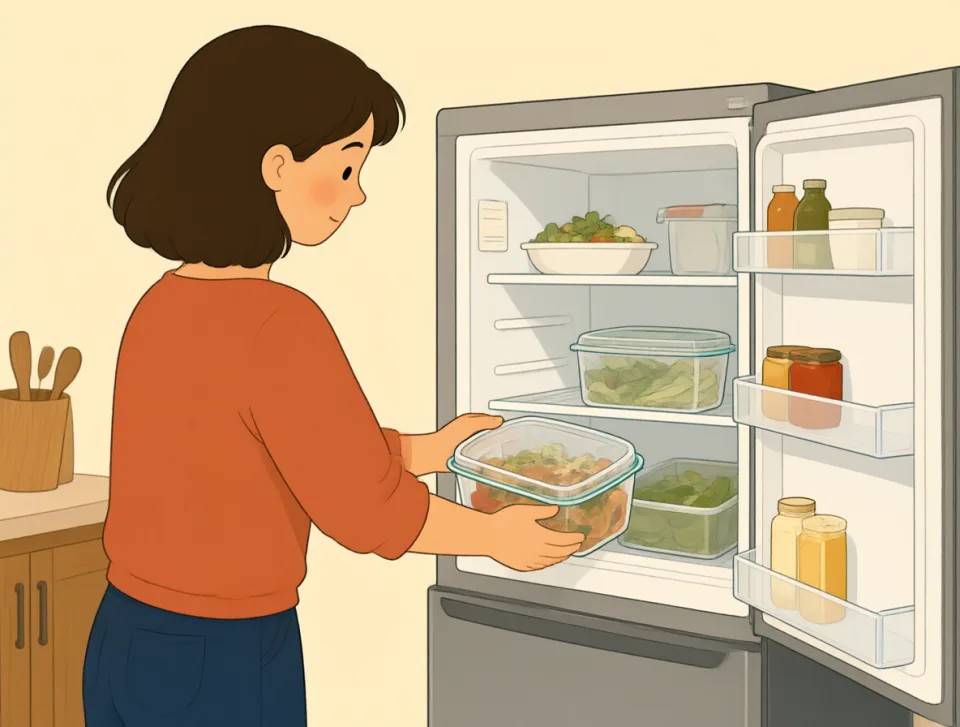
Please freeze the leftovers before they go bad.
Пожалуйста, заморозьте остатки еды, пока они не испортились.

The lake freezes every winter when temperatures fall below zero.
Каждую зиму озеро замерзает, когда температура опускается ниже нуля.
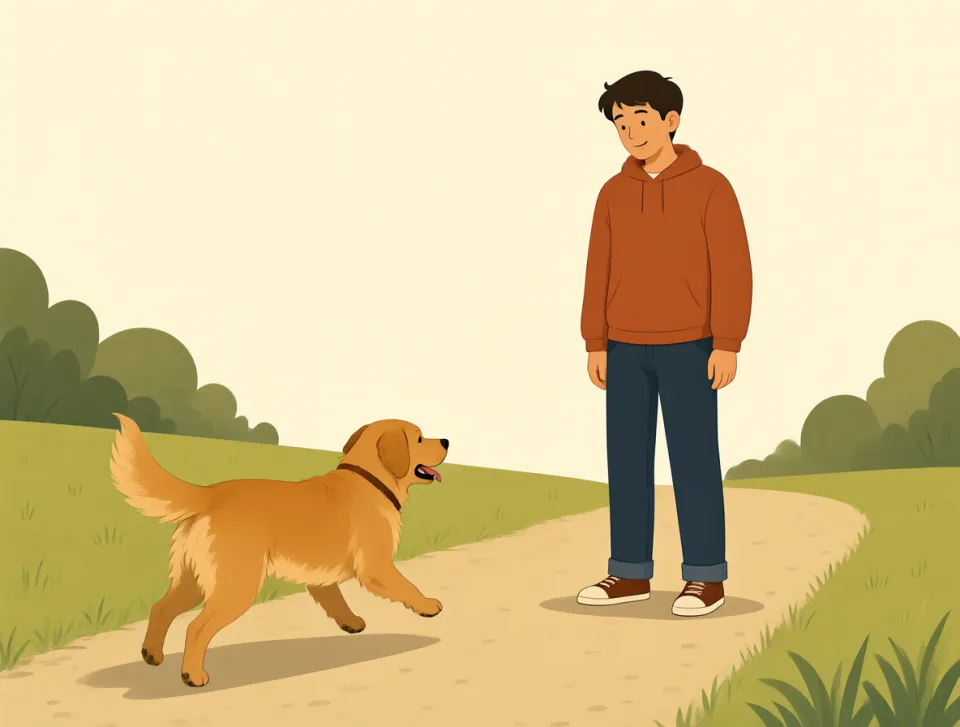
I froze when I saw the large dog running toward me.
Я замер, увидев, как большая собака бежит ко мне.
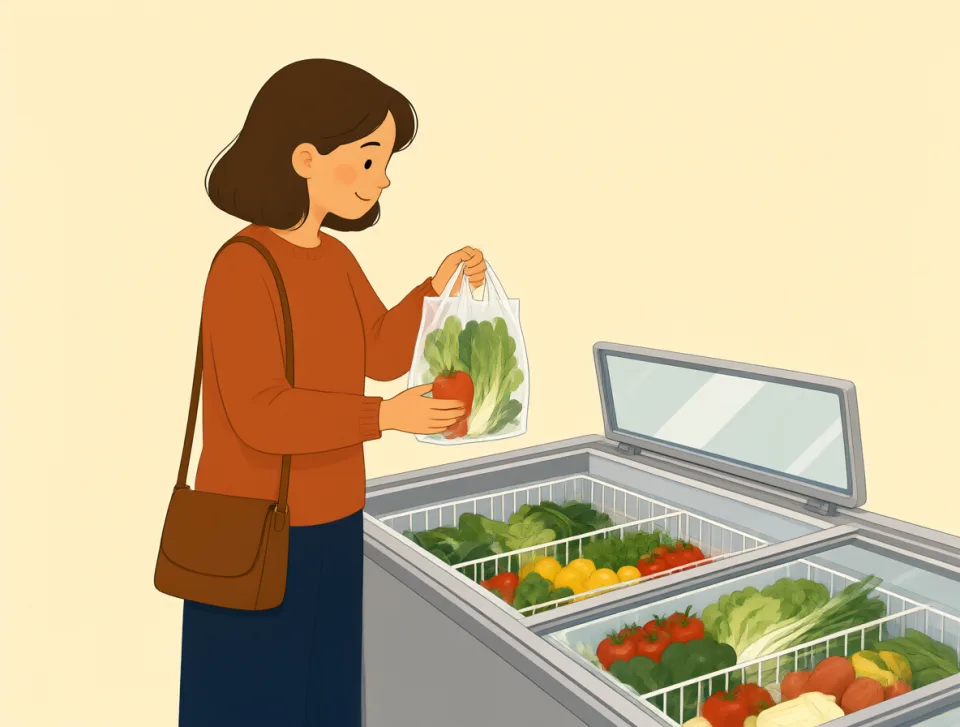
The supermarket sells frozen vegetables in the back aisle.
В дальнем проходе супермаркета продаются замороженные овощи.

My hands froze while I waited for the bus in winter.
У меня замёрзли руки, пока я зимой ждал автобус.

extreme
#1857adjective, noun
крайний; чрезвычайный
Very great or serious; the greatest possible amount or degree.
Очень большой или серьёзный; максимально возможный по величине или степени.

The hikers faced extreme weather on their way back.
На обратном пути туристам пришлось столкнуться с экстремальными погодными условиями.
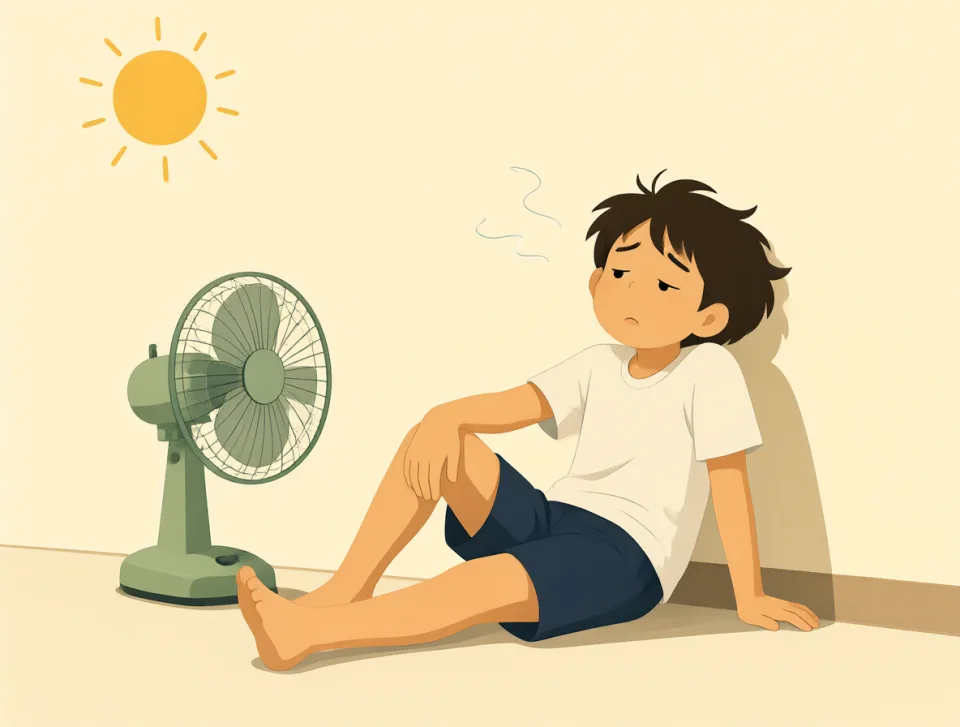
Extreme heat can make people feel tired and sick.
Из-за сильной жары люди могут чувствовать усталость и недомогание.

She took extreme care when carrying the hot soup.
Она проявляла особую осторожность, неся горячий суп.

The school closed because of the extreme cold.
Школу закрыли из-за сильных морозов.
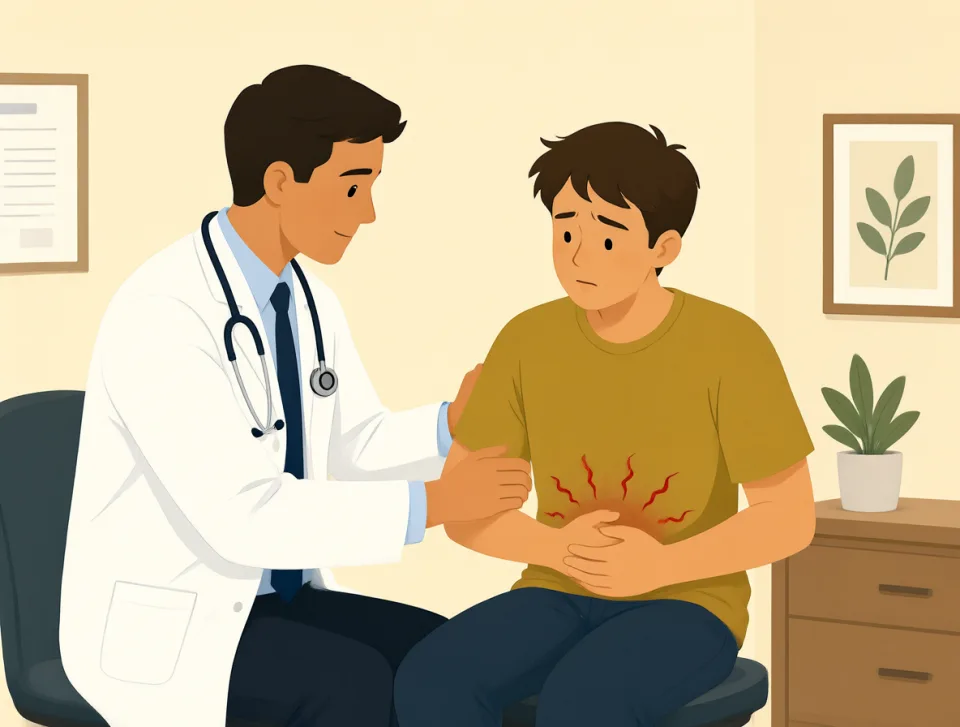
The doctor said his extreme pain needed immediate treatment.
Врач сказал, что его сильная боль требует немедленного лечения.
passage
#1858noun
отрывок
a short part of a book, speech, or piece of writing
Короткая часть книги, речи или письменного текста.

Please read this passage and answer the questions below.
Пожалуйста, прочитайте этот отрывок и ответьте на вопросы ниже.

The guide told us about a narrow passage through the mountains.
Проводник рассказал нам об узком проходе через горы.

We had to wait for the passage of the train.
Нам пришлось ждать, пока поезд проедет.
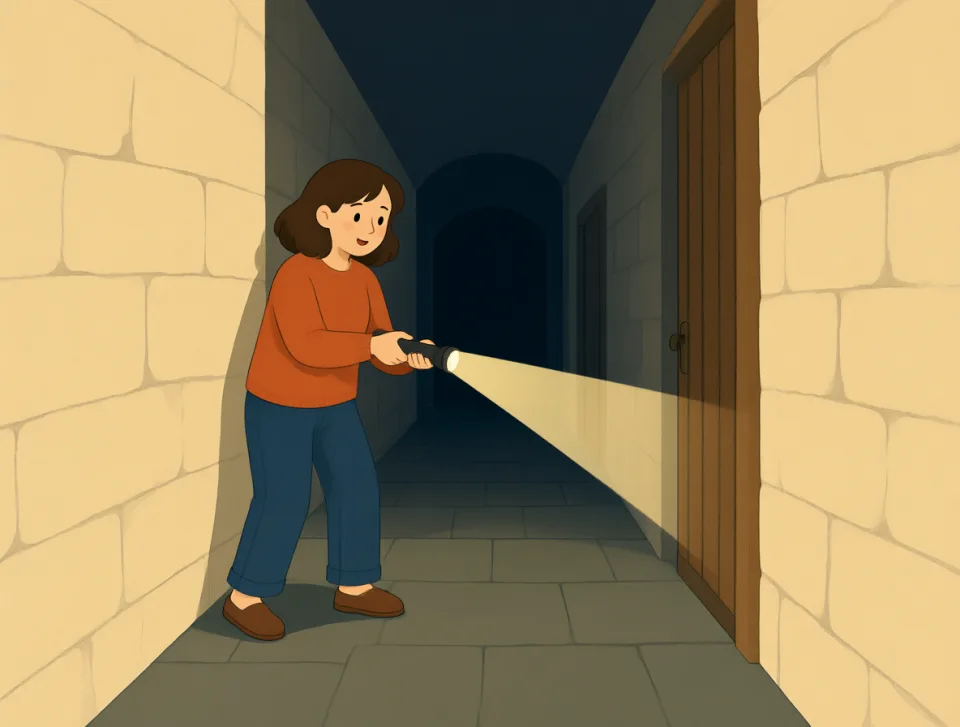
She looked through the passage before entering the old building.
Перед входом в старое здание она осмотрела проход.

The doctor checked the passage in his patient's blocked nose.
Врач осмотрел носовой ход пациента, который был заложен.

reputation
#1859noun
репутация
What people generally think about someone or something based on past actions.
Общее мнение людей о ком-либо или чём-либо, сложившееся на основе прошлых поступков.
The restaurant has a good reputation for fresh food.
У ресторана хорошая репутация благодаря свежим продуктам.

She built a strong reputation as a reliable worker.
Она заслужила репутацию надёжного работника.

The hotel’s reputation suffered after several guests complained.
Репутация отеля пострадала после жалоб нескольких постояльцев.

His reputation for kindness made new students feel welcome.
Благодаря его доброй репутации новые ученики чувствовали себя желанными гостями.

The doctor has an excellent reputation among local families.
У этого врача отличная репутация среди местных семей.
forth
#1860adverb
вперёд
Forward or onward; used in expressions such as “back and forth” and “and so forth.”
Вперёд или дальше; употребляется в выражениях «back and forth» и «and so forth».
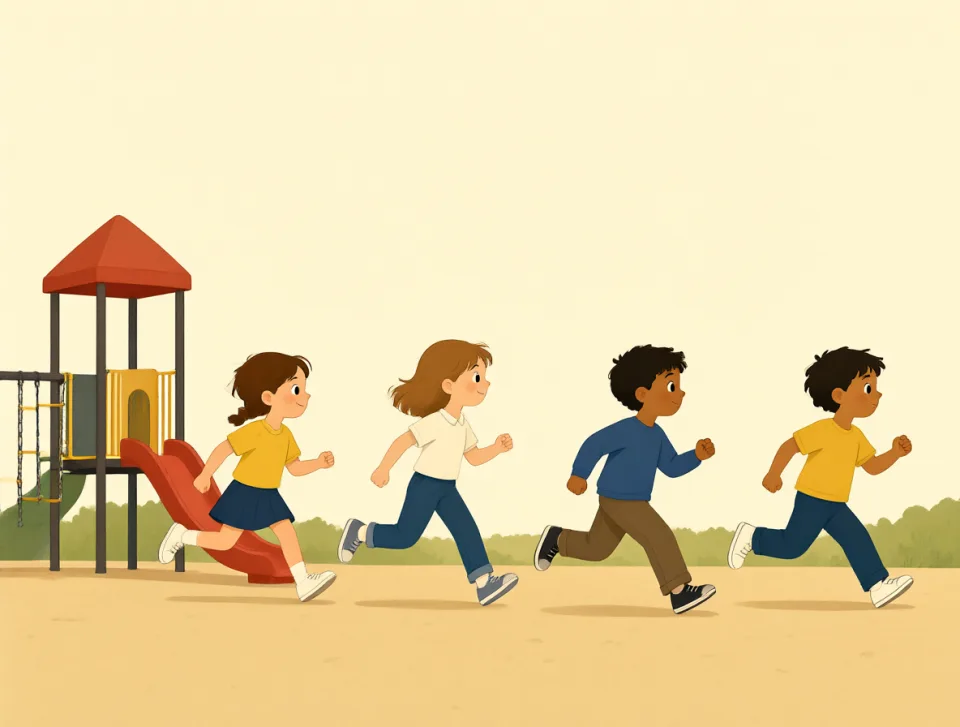
The children ran back and forth across the playground.
Дети бегали по игровой площадке туда-сюда.
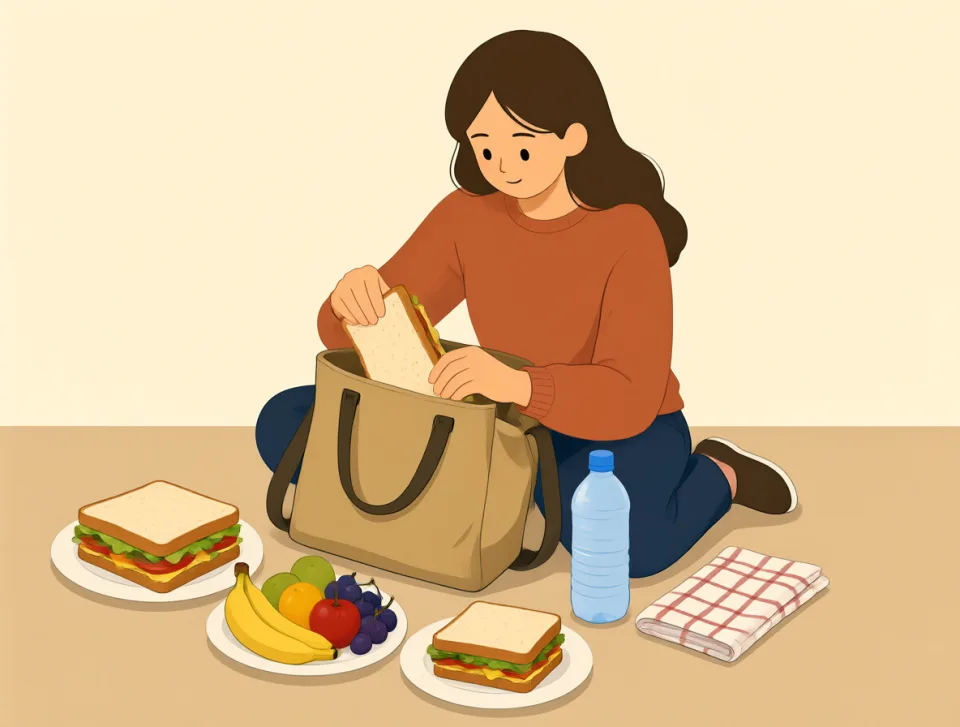
Please pack sandwiches, fruit, water, and so forth for our trip.
Пожалуйста, возьми в нашу поездку бутерброды, фрукты, воду и тому подобное.

The hikers set forth before sunrise to reach the village.
Туристы отправились в путь до восхода солнца, чтобы добраться до деревни.

She put forth great effort to finish the project on time.
Она приложила большие усилия, чтобы закончить проект в срок.

From this day forth, Maya will take her medicine after breakfast.
С сегодняшнего дня Майя будет принимать лекарство после завтрака.