بخش 98
واژههای 1941 تا 1960 · advertisement, consistent, originally, aside, comfort, secondly
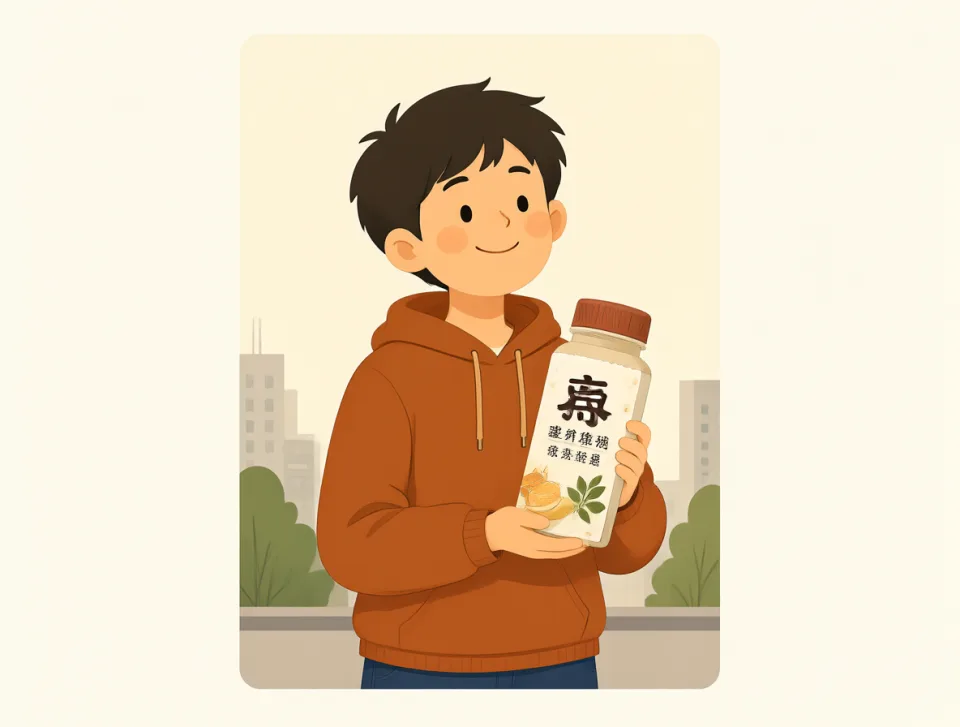
advertisement
#1941noun
آگهی
a message that tries to make people buy a product or service
پیامی که تلاش میکند مردم را به خرید یک محصول یا استفاده از خدمتی ترغیب کند.
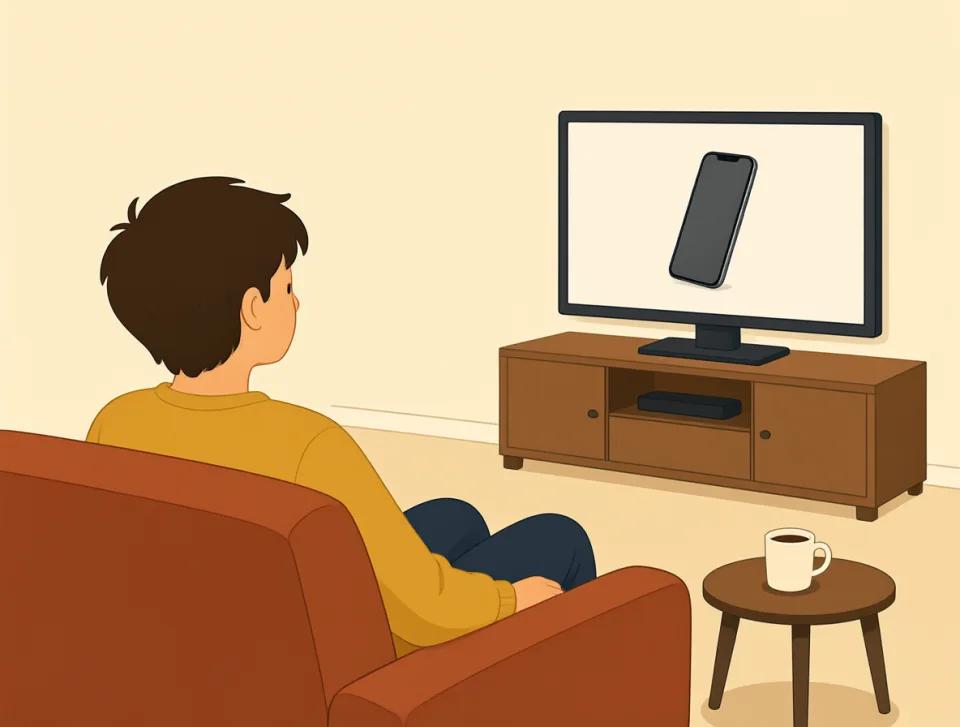
I saw an advertisement for a new phone on television.
یک آگهی برای یک گوشی جدید در تلویزیون دیدم.
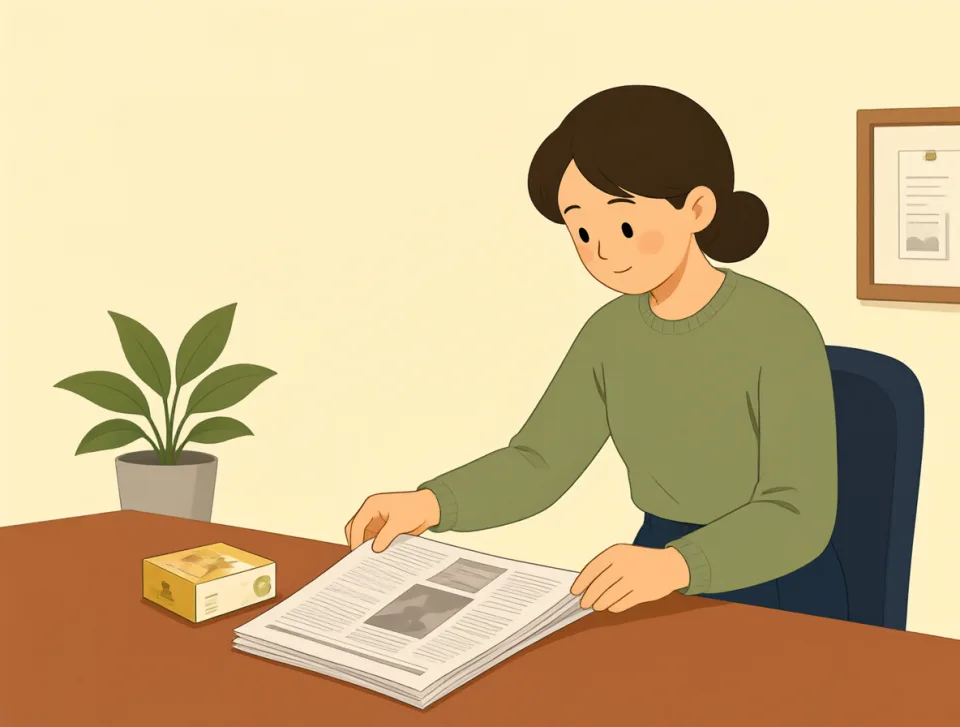
The company placed an advertisement in the local newspaper.
شرکت یک آگهی در روزنامهٔ محلی چاپ کرد.

She answered an advertisement for a part-time job.
او به یک آگهی برای کار پارهوقت پاسخ داد.

We noticed several advertisements while walking through the shopping center.
وقتی از مرکز خرید میگذشتیم، چند آگهی دیدیم.
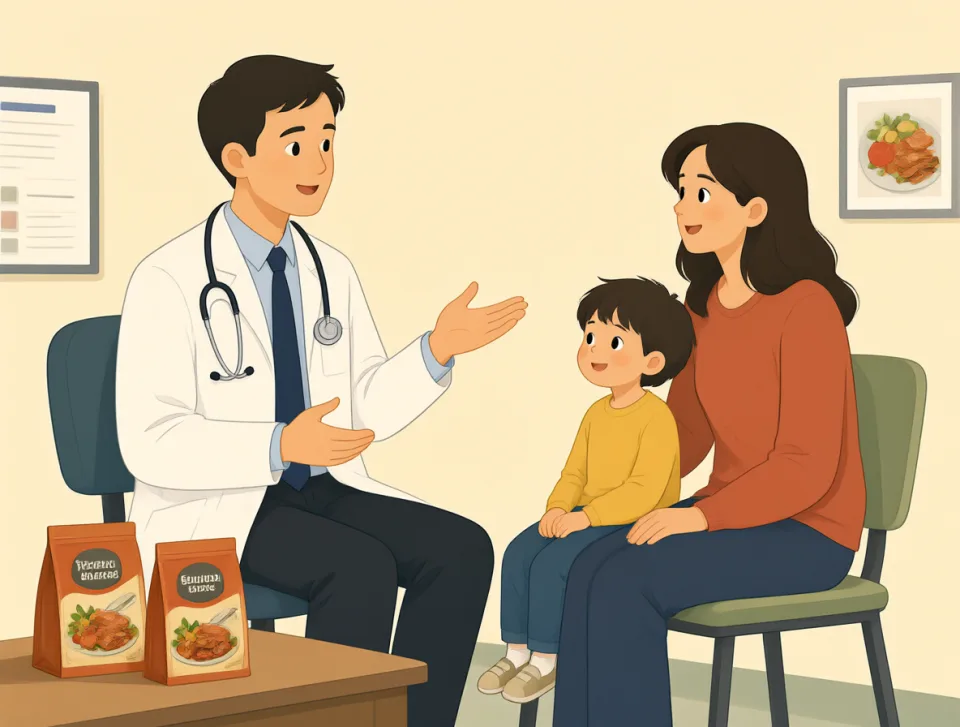
The doctor warned that some food advertisements can encourage unhealthy choices.
دکتر هشدار داد که بعضی آگهیهای مواد غذایی ممکن است مردم را به انتخابهای ناسالم ترغیب کنند.
consistent
#1942adjective
باثبات
Always behaving or happening in the same reliable way.
همیشه به شیوهای یکسان و قابلاعتماد رفتار کردن یا اتفاق افتادن.
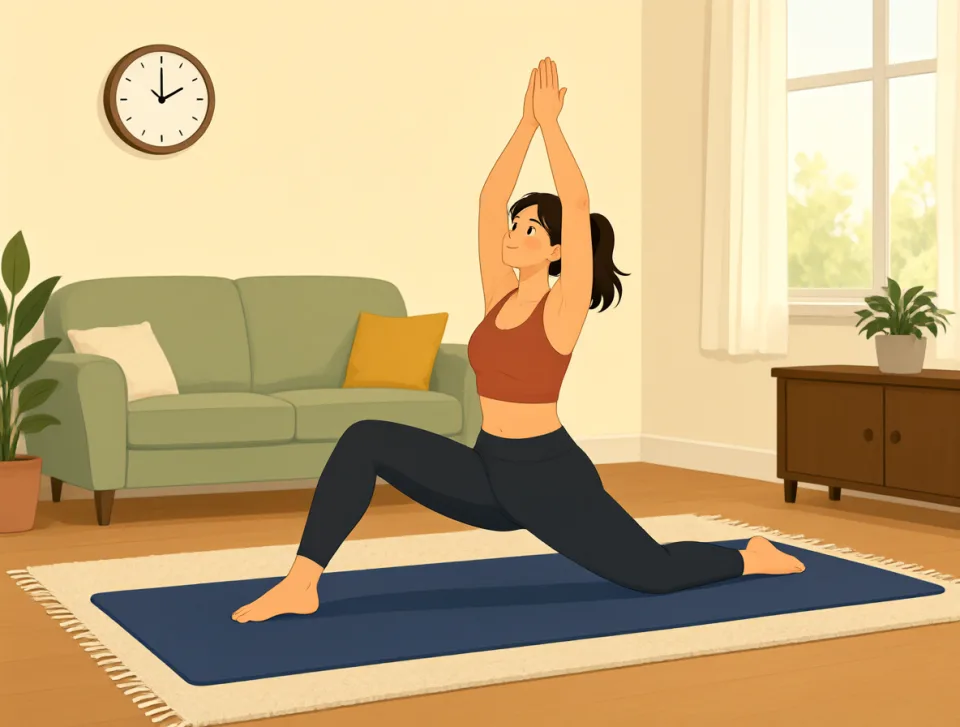
She is consistent with her exercise routine every morning.
او هر روز صبح بهطور منظم برنامهٔ ورزشیاش را انجام میدهد.
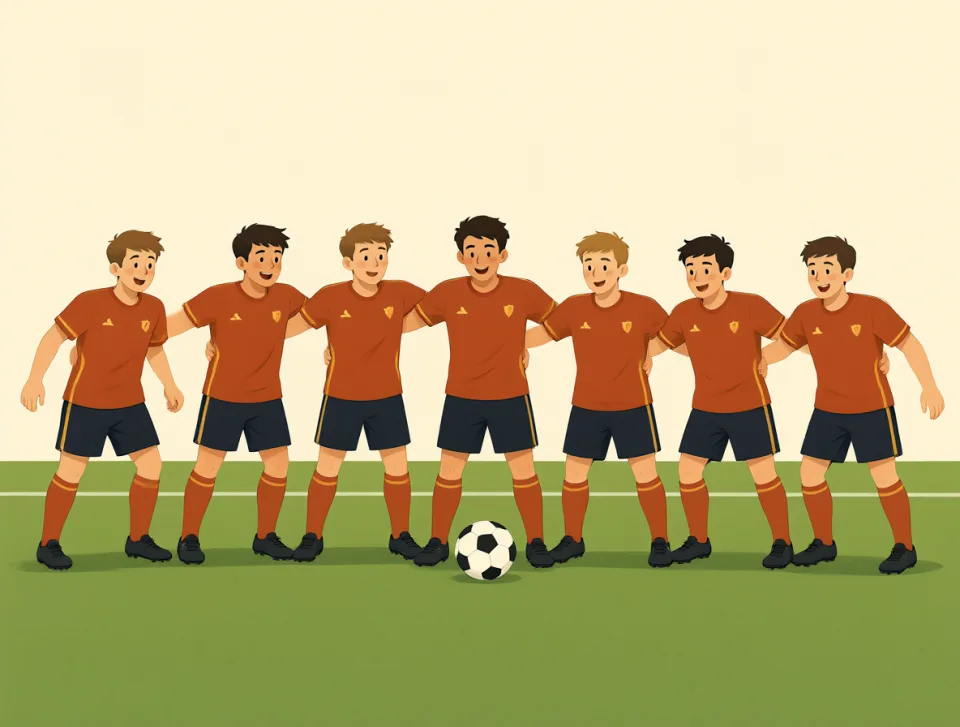
The team has played consistent football all season.
تیم در تمام فصل فوتبال باثباتی بازی کرده است.

Try to be consistent when you practice new English words.
سعی کن هنگام تمرین واژههای جدید انگلیسی، پیوسته و منظم تمرین کنی.
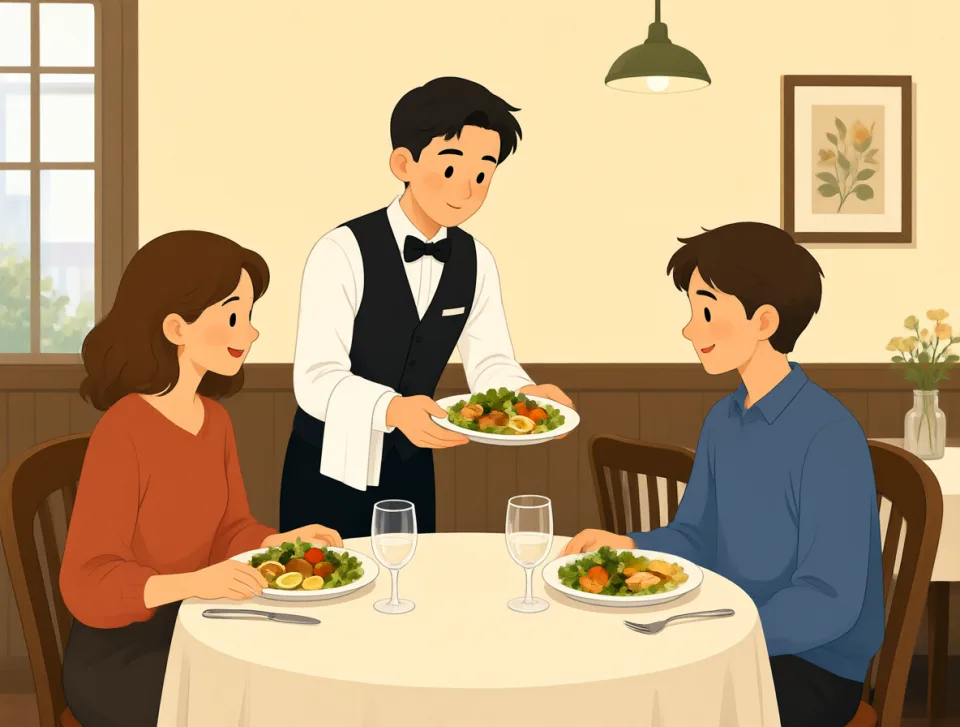
The restaurant serves consistent food at reasonable prices.
این رستوران غذاهایی با کیفیتی یکدست و قیمتهای مناسب سرو میکند.

His health improved after he made consistent changes to his diet.
سلامتیاش بعد از اینکه تغییرات پایداری در رژیم غذاییاش ایجاد کرد، بهتر شد.

originally
#1943adverb
در اصل
At the beginning, before something changed or developed.
در آغاز، پیش از آنکه چیزی تغییر کند یا شکل دیگری بگیرد.
The house was originally a small farm building.
این خانه در اصل یک ساختمان کوچک مزرعه بود.

She originally planned to study medicine at university.
او در ابتدا قصد داشت در دانشگاه پزشکی بخواند.
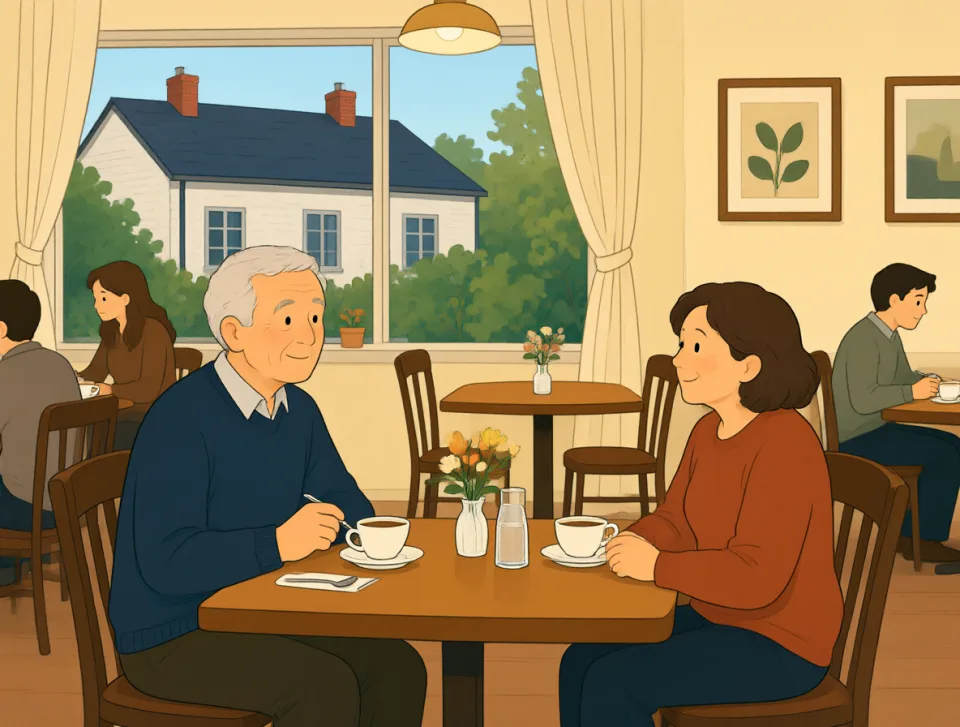
This restaurant was originally a family home.
این رستوران در اصل خانهای خانوادگی بود.
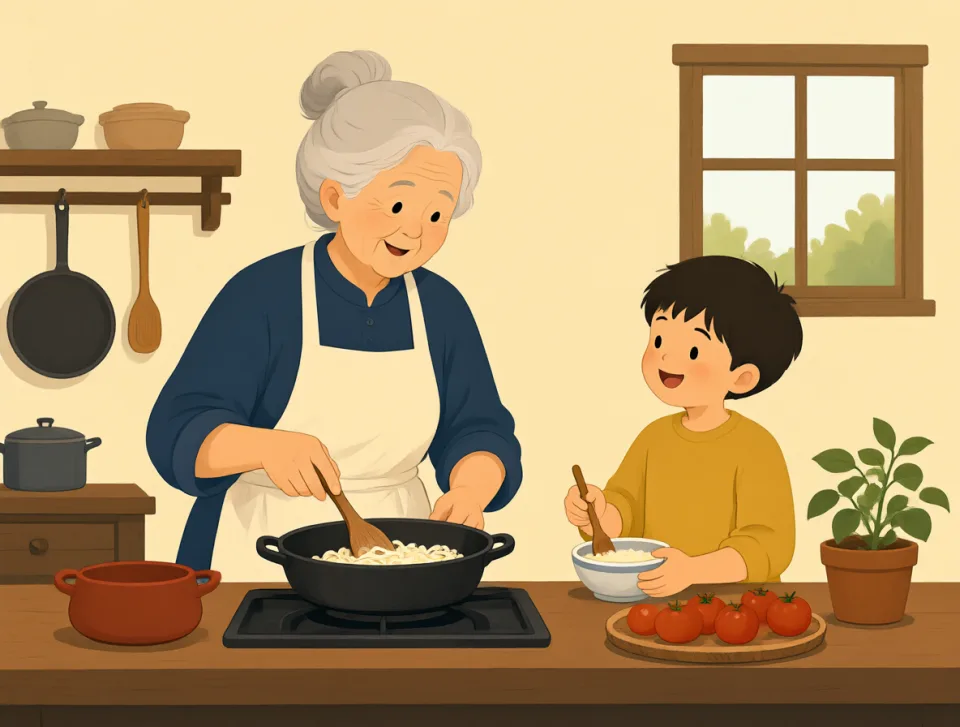
The recipe originally came from my grandmother's village.
این دستور غذا در اصل از روستای مادربزرگم آمده است.

We originally met on a train to London.
ما در اصل در قطاری به مقصد لندن با هم آشنا شدیم.
aside
#1944adverb, preposition, noun
کنار؛ جداگانه
to or at one side; away from the main subject; a private comment
به یک سمت یا در کناری؛ دور از موضوع اصلی؛ یا اظهار نظری خصوصی.

Please move aside so I can carry this box through.
لطفاً برو کنار تا بتوانم این جعبه را از اینجا رد کنم.

She took me aside to ask about the missing report.
او مرا کنار کشید تا دربارهٔ گزارش گمشده بپرسد.
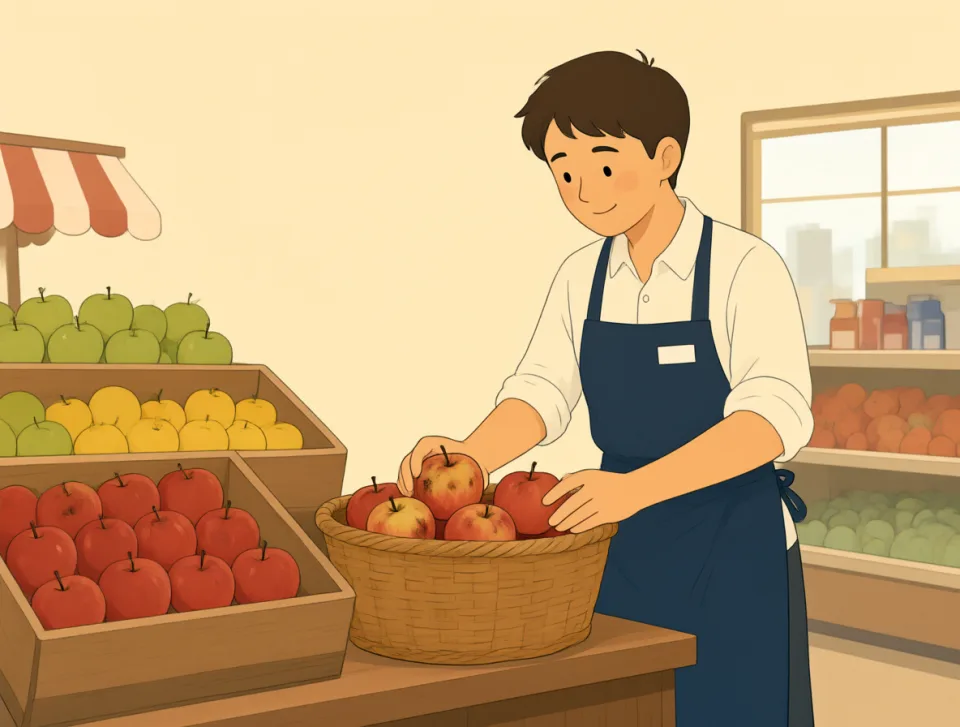
The shopkeeper put the damaged apples aside for inspection.
مغازهدار سیبهای خراب را برای بررسی کنار گذاشت.

He pushed his worries aside and enjoyed dinner with friends.
او نگرانیهایش را کنار گذاشت و از شام با دوستانش لذت برد.

Aside from a small headache, I feel completely healthy today.
بهجز یک سردرد خفیف، امروز کاملاً سالمم.
comfort
#1945noun, verb
آسایش
A feeling of physical ease, or something that makes you feel less worried or sad.
احساس راحتی جسمی، یا چیزی که باعث میشود کمتر نگران یا غمگین باشید.
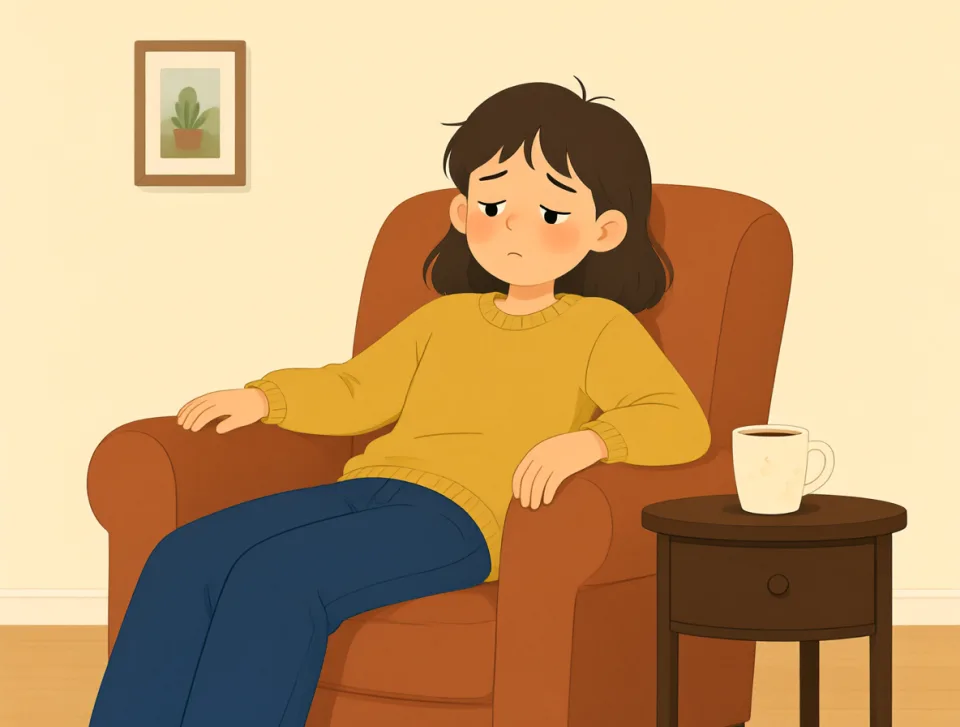
This soft chair provides great comfort after a long day.
این صندلی نرم بعد از یک روز طولانی آسایش زیادی فراهم میکند.
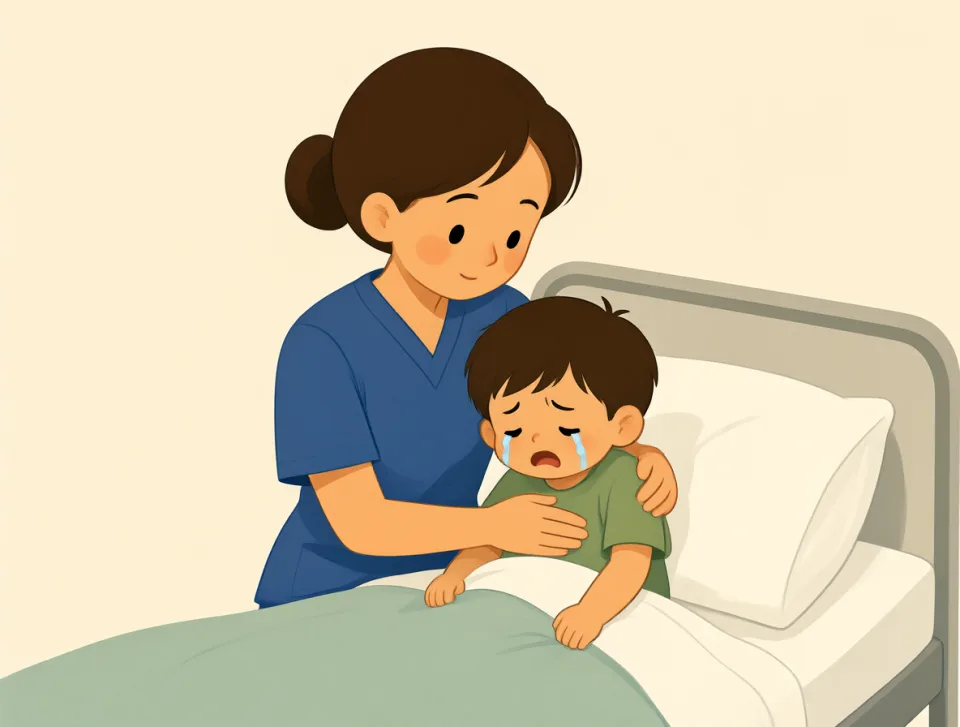
The nurse comforted the crying child at the hospital.
پرستار در بیمارستان به کودک گریان دلداری داد.

These shoes offer comfort during long walks around the city.
این کفشها هنگام پیادهرویهای طولانی در شهر راحتی زیادی دارند.

She found comfort in talking with her best friend.
او با صحبت کردن با بهترین دوستش آرامش پیدا کرد.
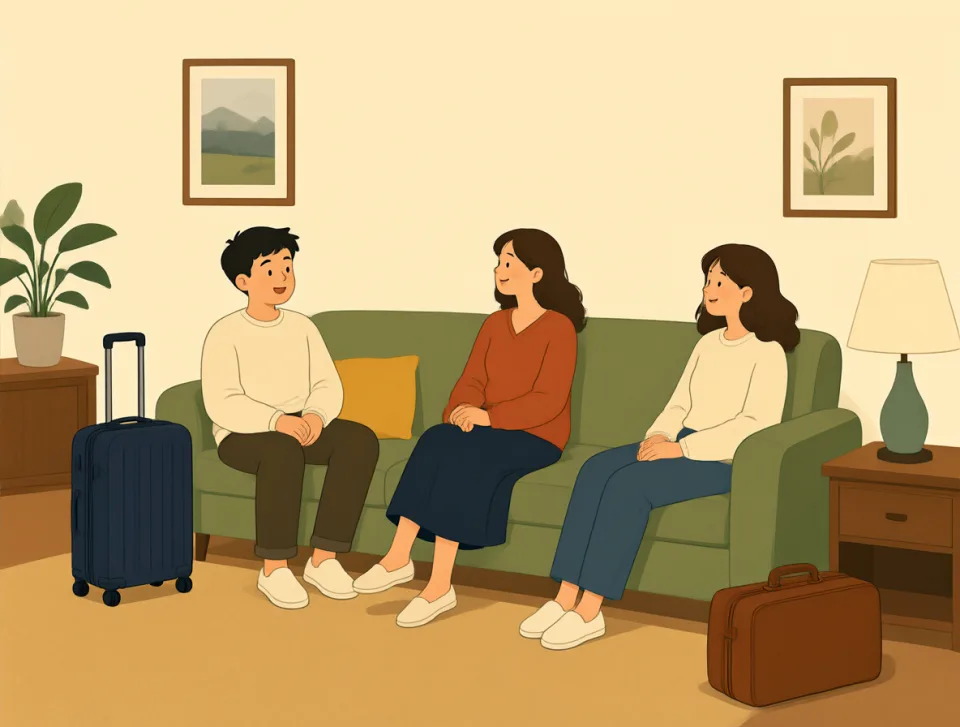
The hotel room had every comfort we needed for the weekend.
اتاق هتل همهٔ امکاناتی را داشت که برای آخر هفته لازم داشتیم.

secondly
#1946adverb
دوم
Used to introduce the second reason, point, or item in a list.
برای معرفی دلیل، نکته یا مورد دوم در یک فهرست به کار میرود.
Firstly, the hotel is cheap; secondly, it is near the station.
اول، هتل ارزان است؛ دوم، نزدیک ایستگاه است.
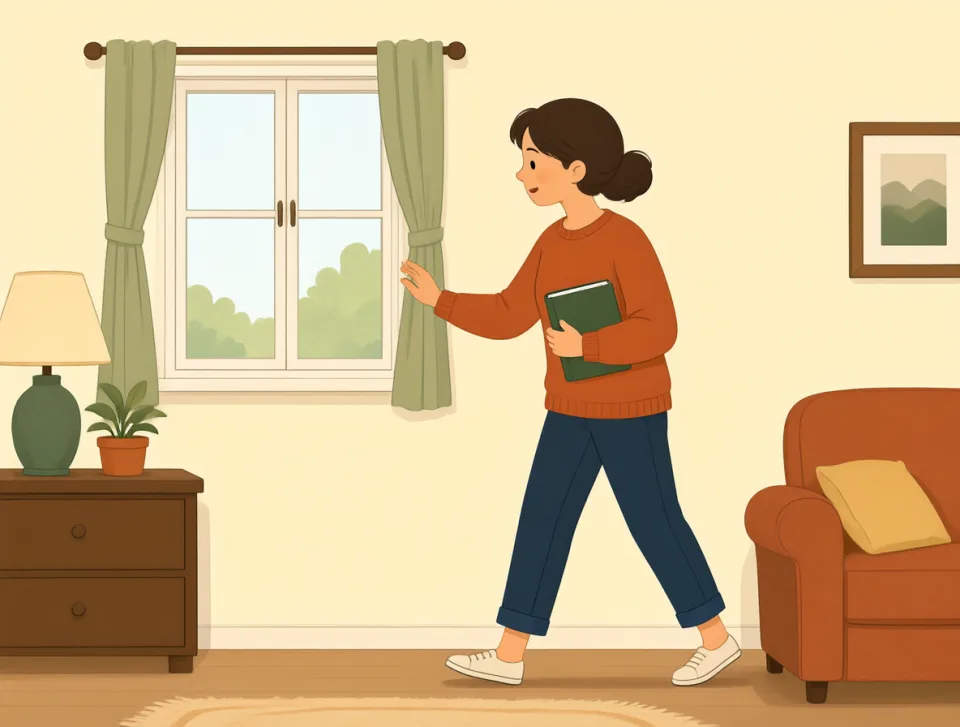
Secondly, please check that all the windows are closed.
دوم، لطفاً بررسی کنید که همهٔ پنجرهها بسته باشند.

Secondly, we need to decide who will bring the food.
دوم، باید تصمیم بگیریم چه کسی غذا را میآورد.
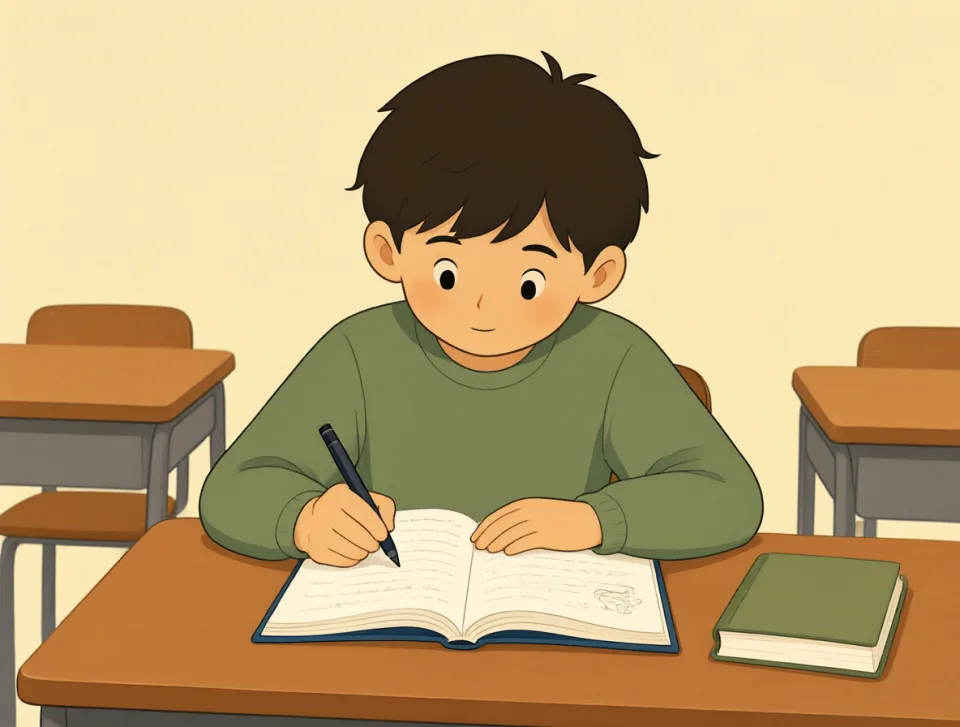
Secondly, write your answer in the space below the question.
دوم، پاسخ خود را در فضای زیر سؤال بنویسید.
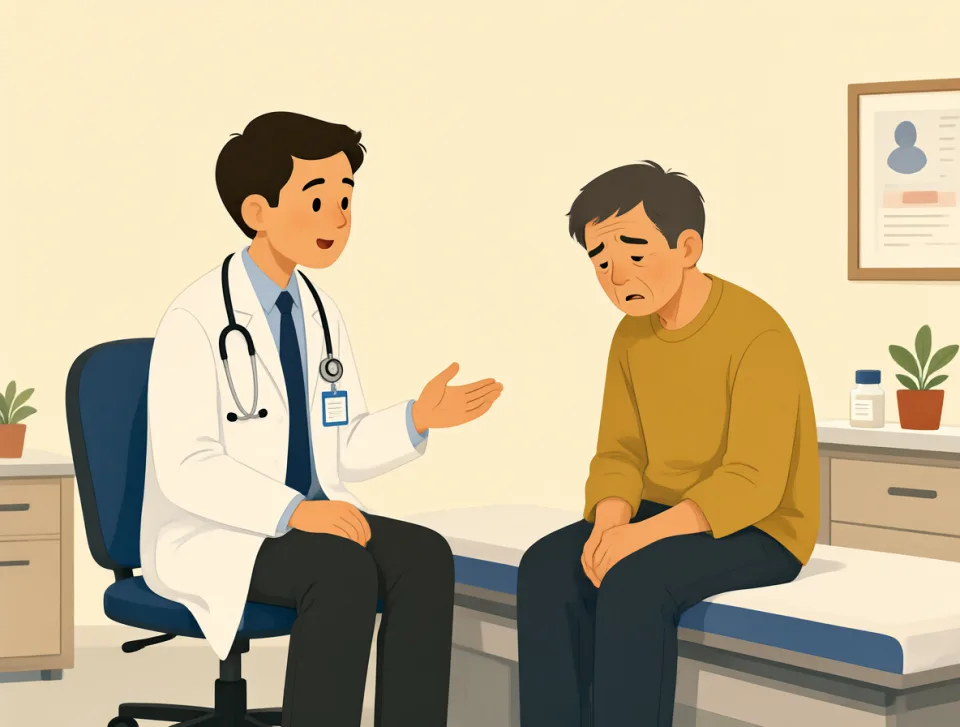
The doctor said, firstly, rest; secondly, drink plenty of water.
دکتر گفت: اول استراحت کنید؛ دوم، آب زیادی بنوشید.
severe
#1947adjective
شدید
Very serious, painful, or harmful.
بسیار جدی، دردناک یا زیانبار.
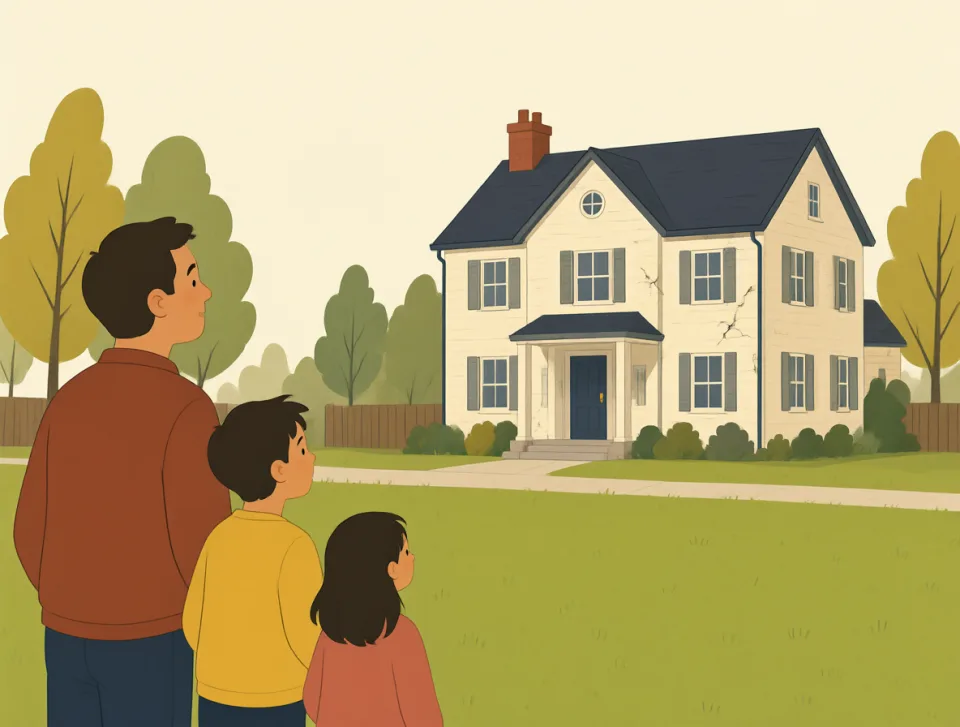
The storm caused severe damage to several homes.
طوفان به چندین خانه خسارت شدیدی وارد کرد.
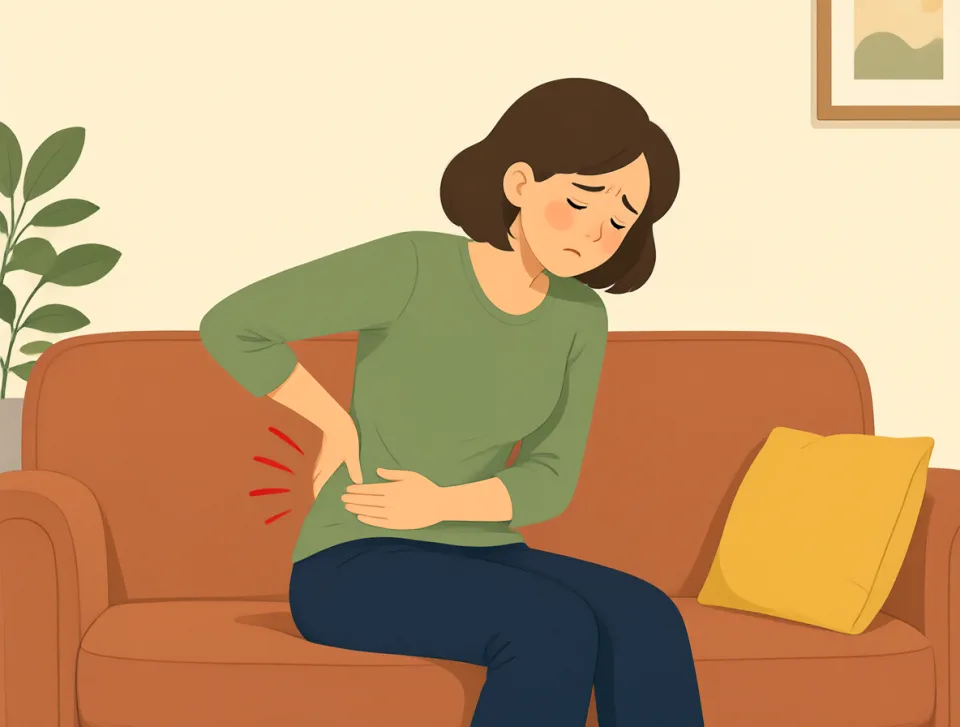
She has severe pain in her back today.
امروز کمرش درد شدیدی دارد.
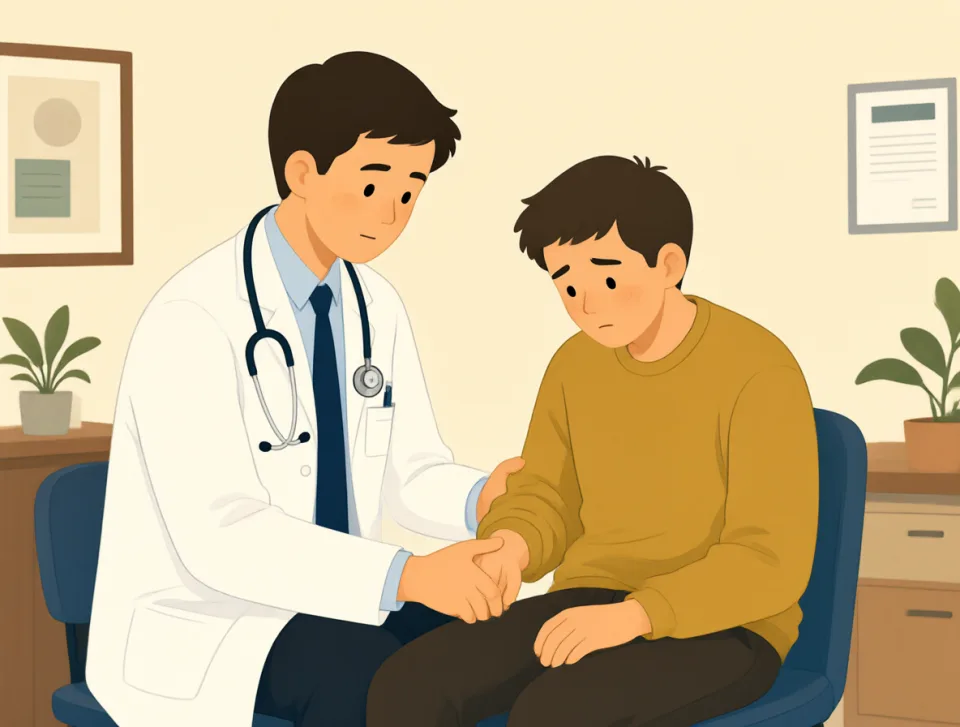
The doctor treated his severe infection with strong medicine.
دکتر عفونت شدید او را با داروی قوی درمان کرد.

The school closed because of severe winter weather.
مدرسه بهدلیل سرمای شدید زمستان تعطیل شد.
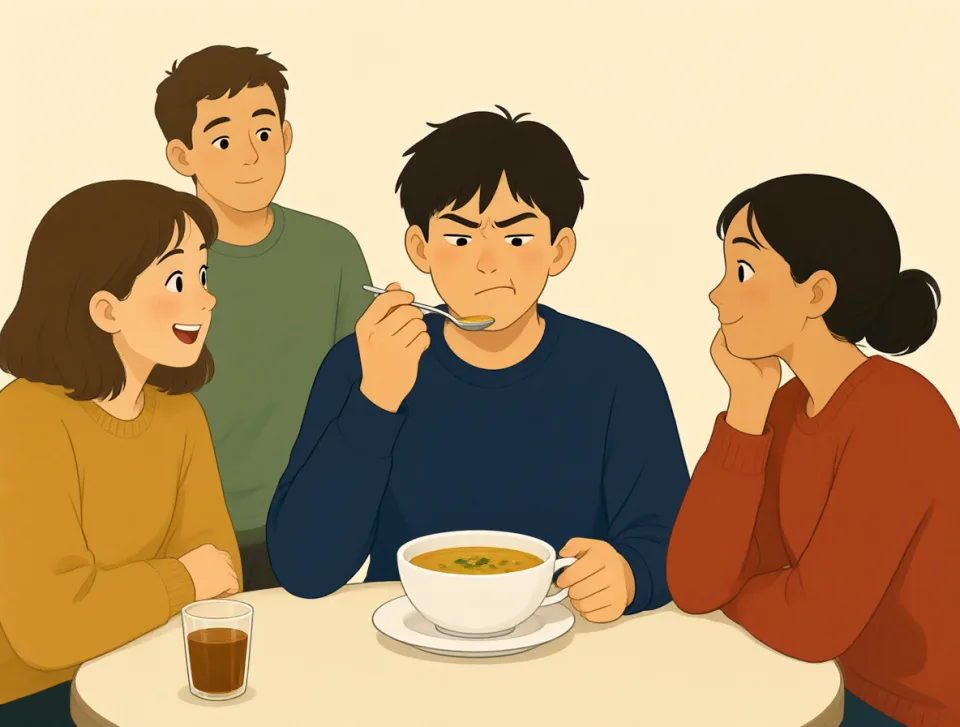
This soup has a severe taste that most guests dislike.
این سوپ طعمی تند و زننده دارد که بیشتر مهمانها نمیپسندند.
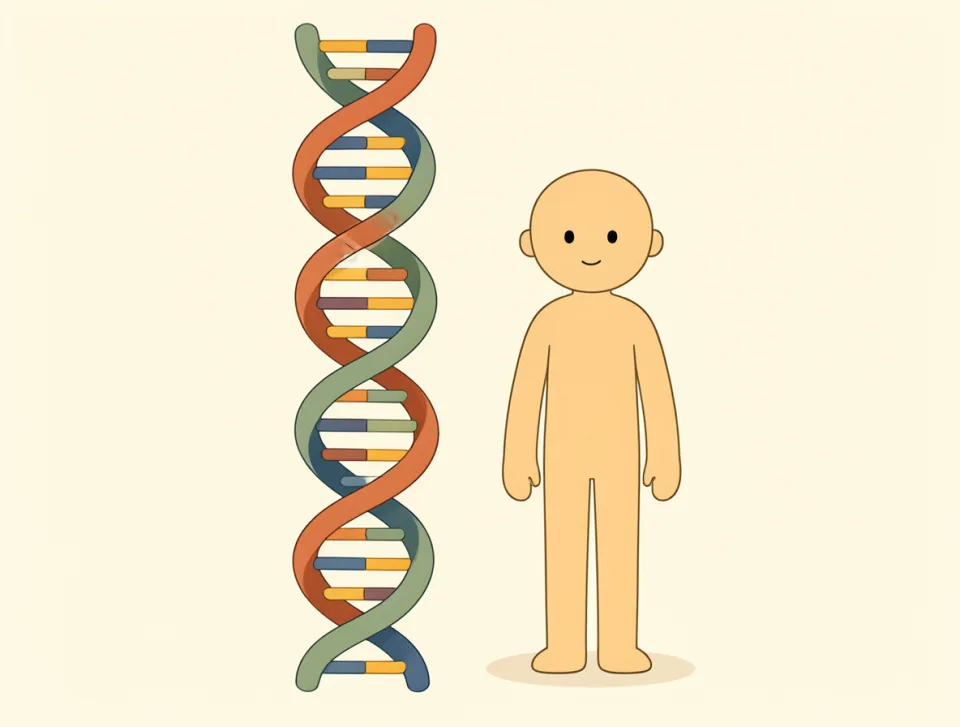
gene
#1948noun
ژن
A part of a living thing's DNA that controls a particular feature.
بخشی از دیانای موجود زنده که ویژگی خاصی را کنترل میکند.
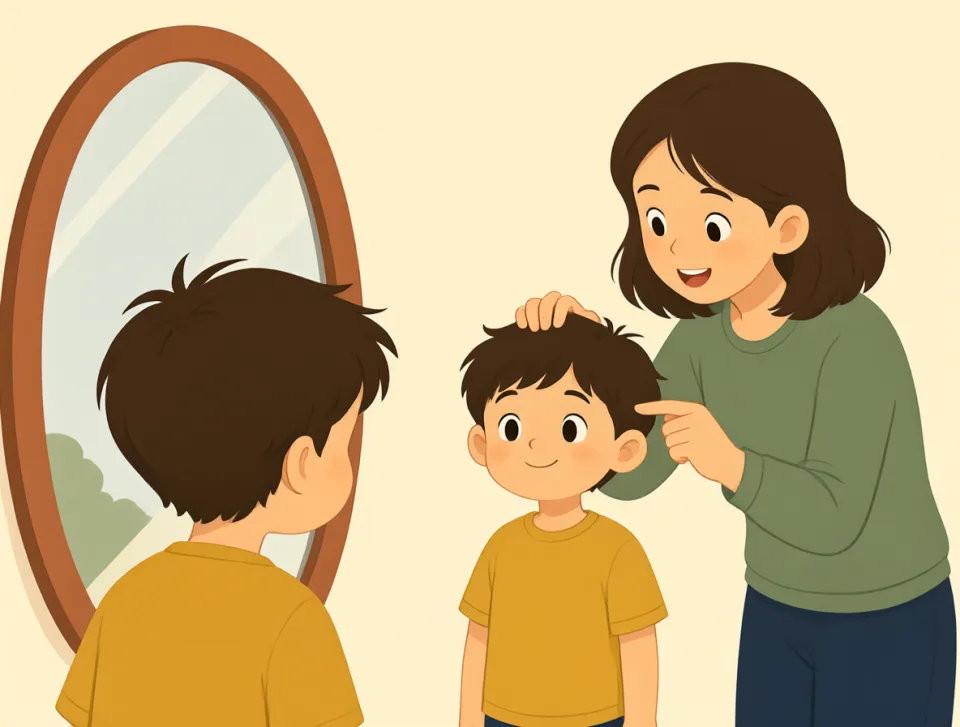
Genes help decide the color of your eyes and hair.
ژنها در تعیین رنگ چشم و موی شما نقش دارند.

Some genes can increase a person's risk of certain diseases.
برخی ژنها میتوانند خطر ابتلا به بعضی بیماریها را افزایش دهند.
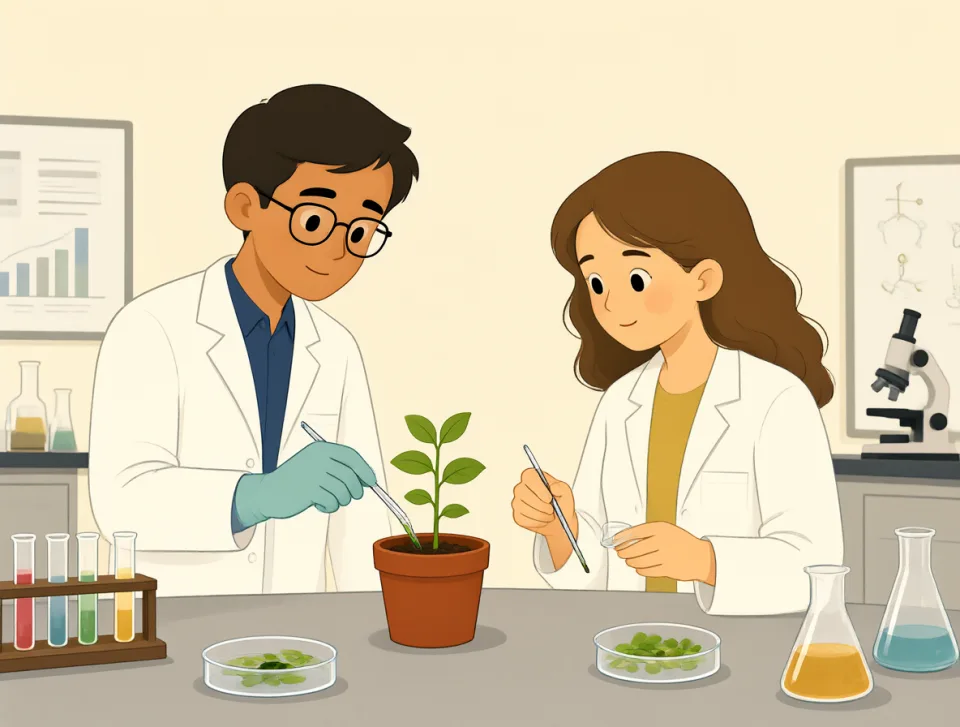
Scientists study genes to understand how plants grow.
دانشمندان ژنها را بررسی میکنند تا بفهمند گیاهان چگونه رشد میکنند.

Children inherit genes from both their mother and father.
کودکان ژنهایشان را از مادر و پدرشان به ارث میبرند.
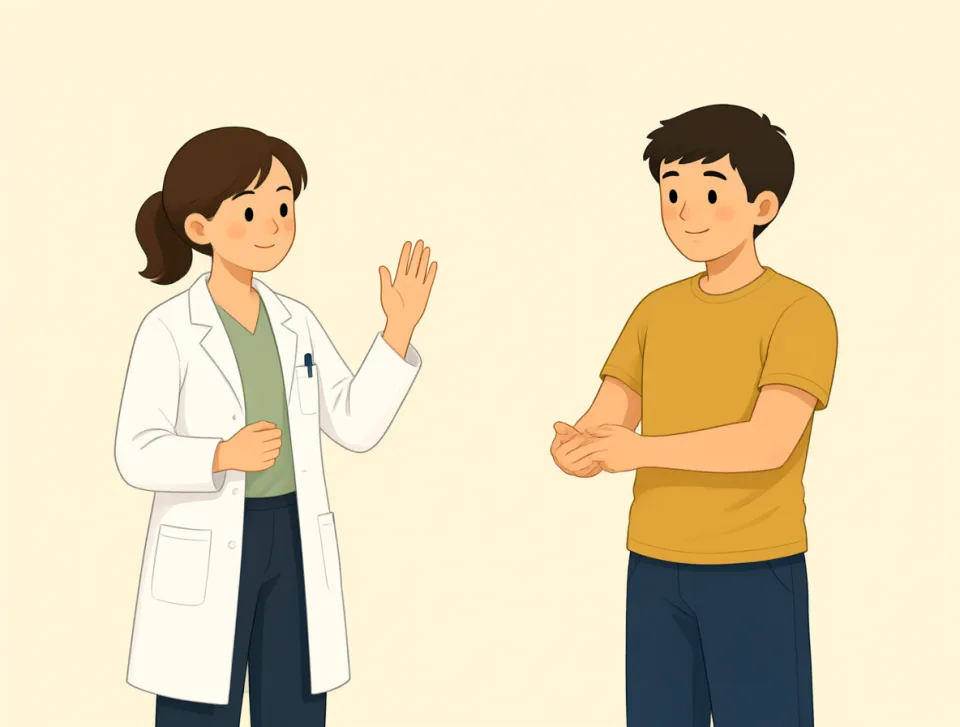
The researchers found a gene linked to stronger muscles.
پژوهشگران ژنی را پیدا کردند که با عضلات قویتر مرتبط است.
prospect
#1949noun, verb
چشمانداز؛ جستوجو کردن
a possible future event, job, customer, or person; to search for something
رویداد، شغل، مشتری یا فردی که ممکن است در آینده وجود داشته باشد؛ جستوجو کردن چیزی.
The prospect of a holiday made everyone feel excited.
فکرِ تعطیلات همه را هیجانزده کرد.
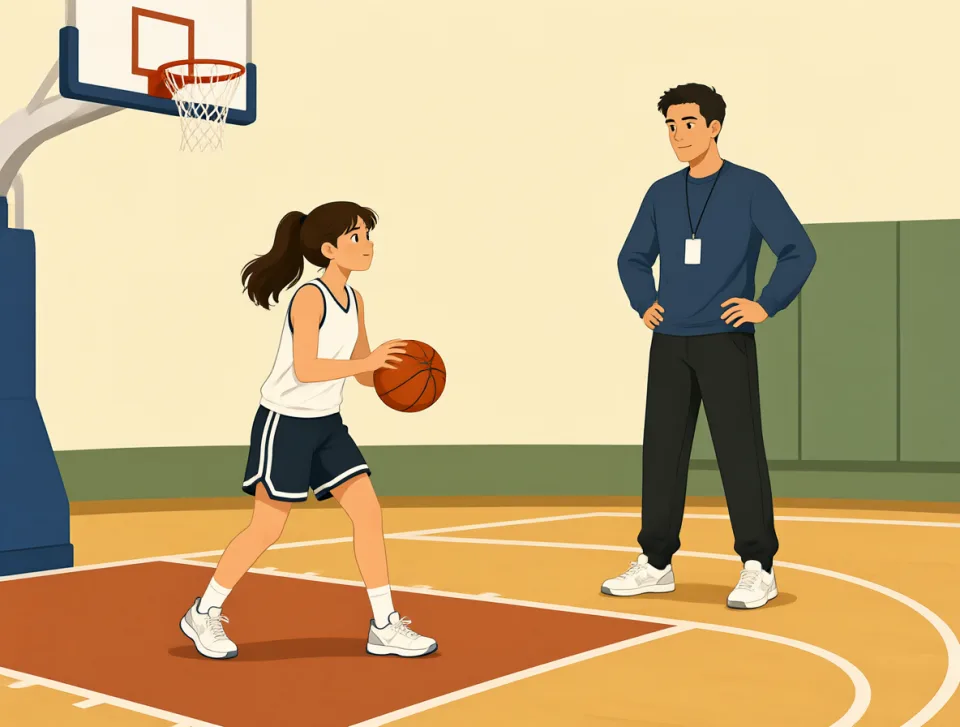
She is a good prospect for the school basketball team.
او گزینهٔ خوبی برای تیم بسکتبال مدرسه است.

The company sees strong prospects for growth next year.
شرکت برای رشد در سال آینده چشمانداز روشنی دارد.
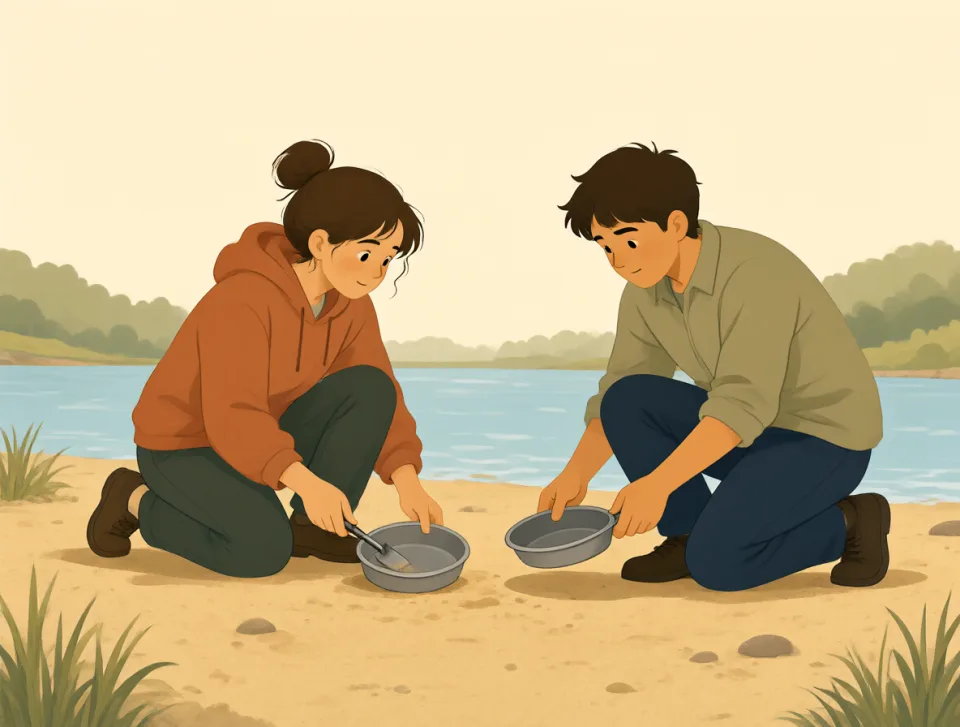
We are prospecting for gold near the river.
ما نزدیک رودخانه دنبال طلا میگردیم.

He prospects for new customers by visiting local shops.
او با سر زدن به مغازههای محلی دنبال مشتریهای جدید میگردد.
snow
#1950noun, verb
برف؛ برف باریدن
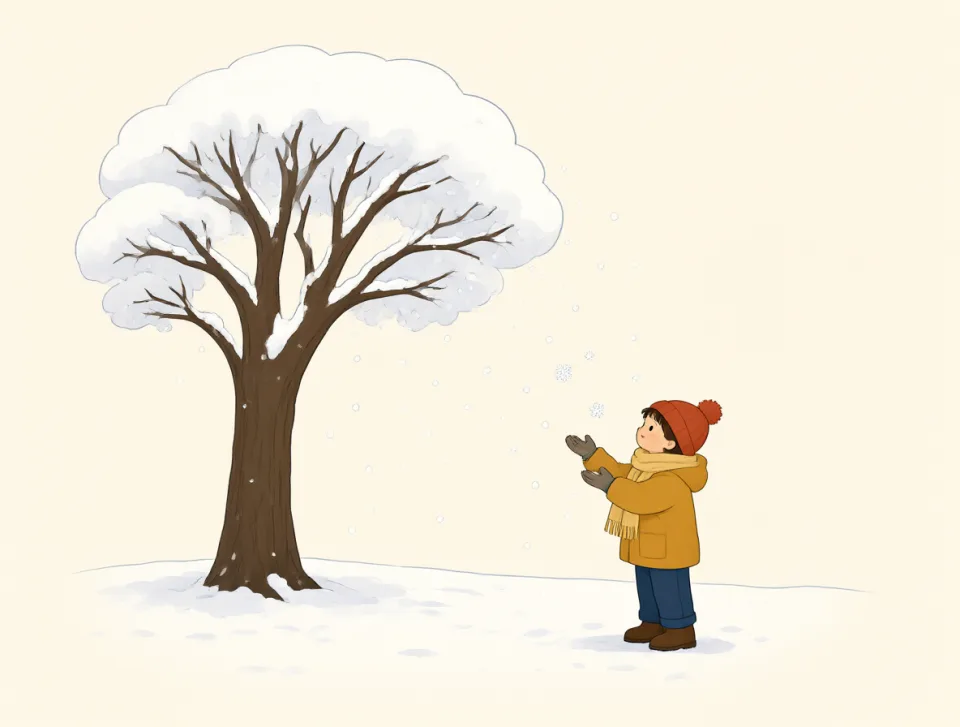
soft white ice that falls from the sky; to fall as soft white ice
یخ سفید و نرمی که از آسمان میبارد؛ بهصورت یخ سفید و نرم از آسمان باریدن.
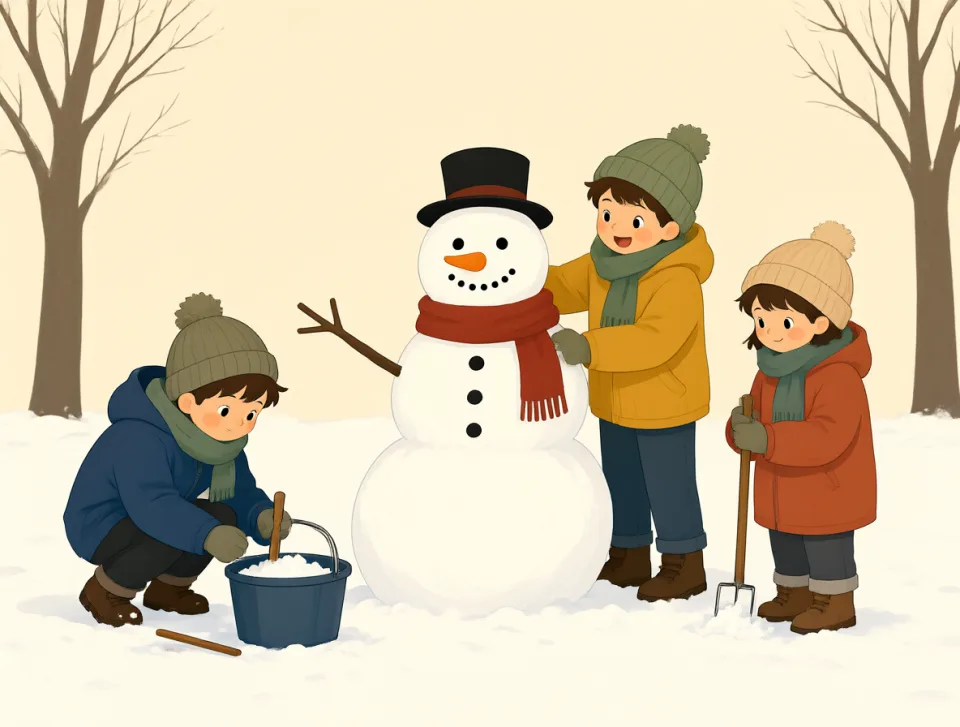
The children are playing in the snow after school.
بچهها بعد از مدرسه در برف بازی میکنند.

Heavy snow closed the roads to the mountain village.
بارش سنگین برف راههای روستای کوهستانی را بست.
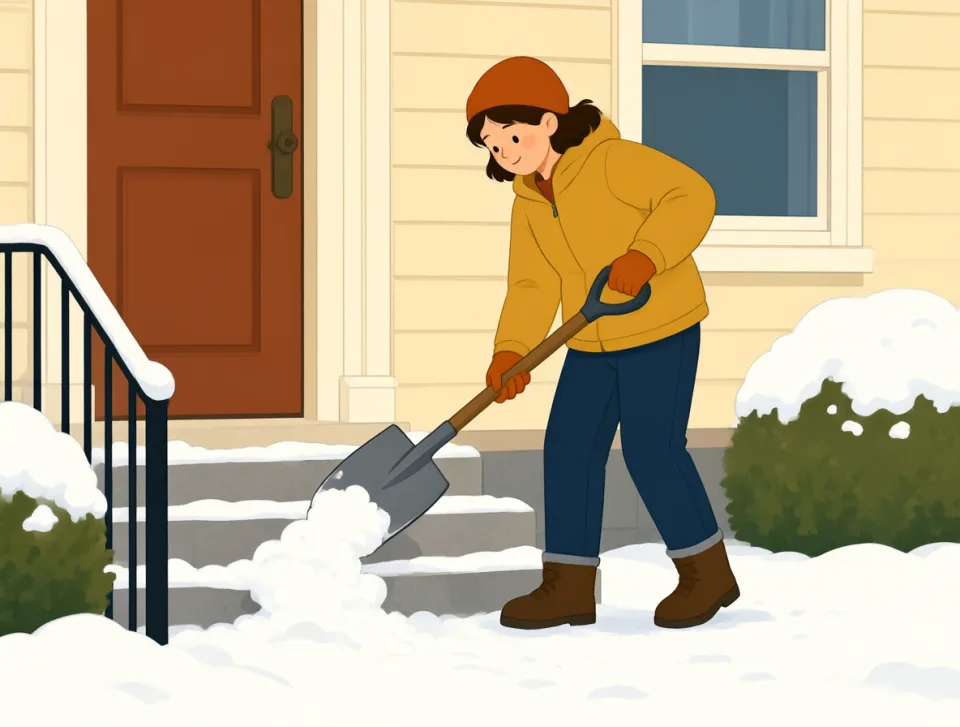
Please clear the snow from the front steps.
لطفاً برفِ پلههای جلوی خانه را پاک کنید.
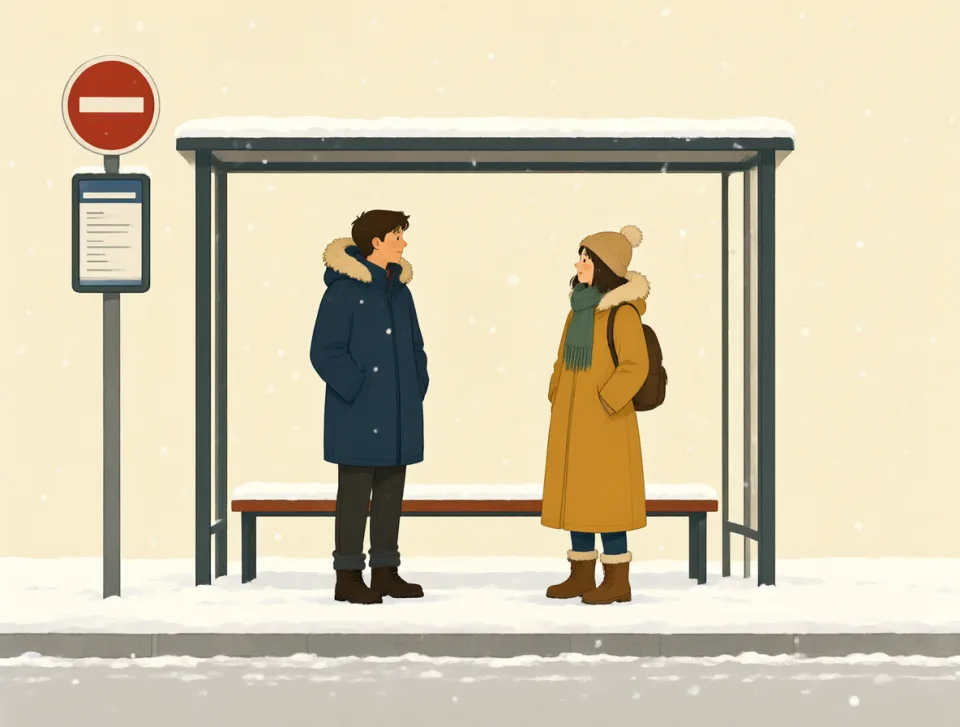
It started snowing while we were waiting for the bus.
وقتی منتظر اتوبوس بودیم، برف شروع به باریدن کرد.
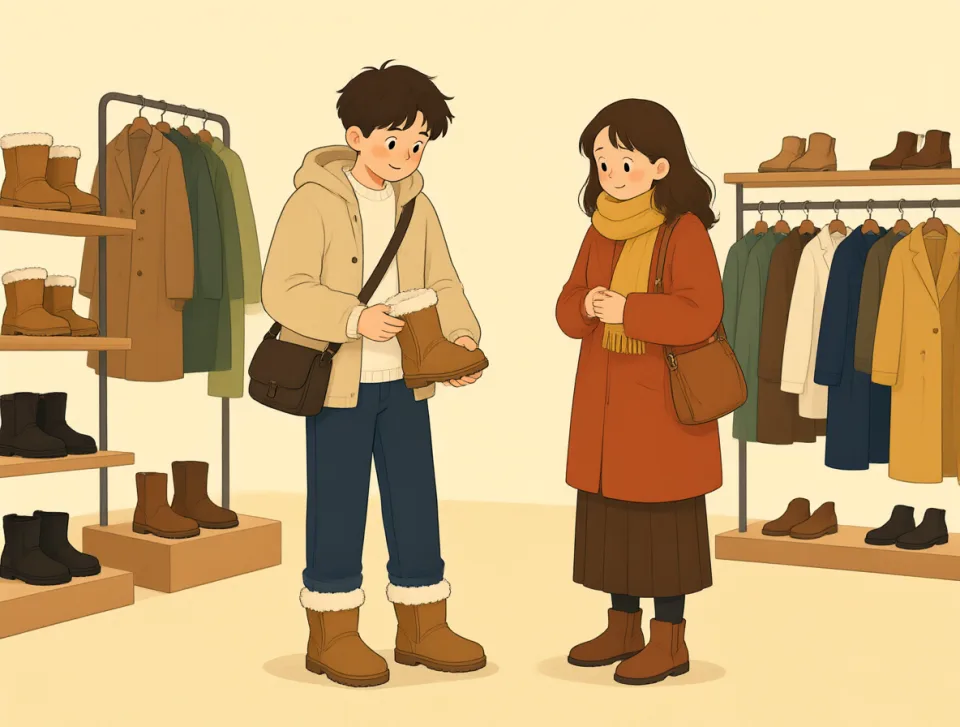
We bought warm boots because it may snow tomorrow.
چون ممکن است فردا برف ببارد، چکمههای گرم خریدیم.
plot
#1951noun, verb
طرح داستان؛ توطئه؛ قطعه زمین
A story's events, or a secret plan to do something wrong; to mark land for building.
رویدادهای داستان؛ یا نقشهای پنهانی برای انجام کار نادرست؛ همچنین زمینی که برای ساختوساز مشخص شده است.
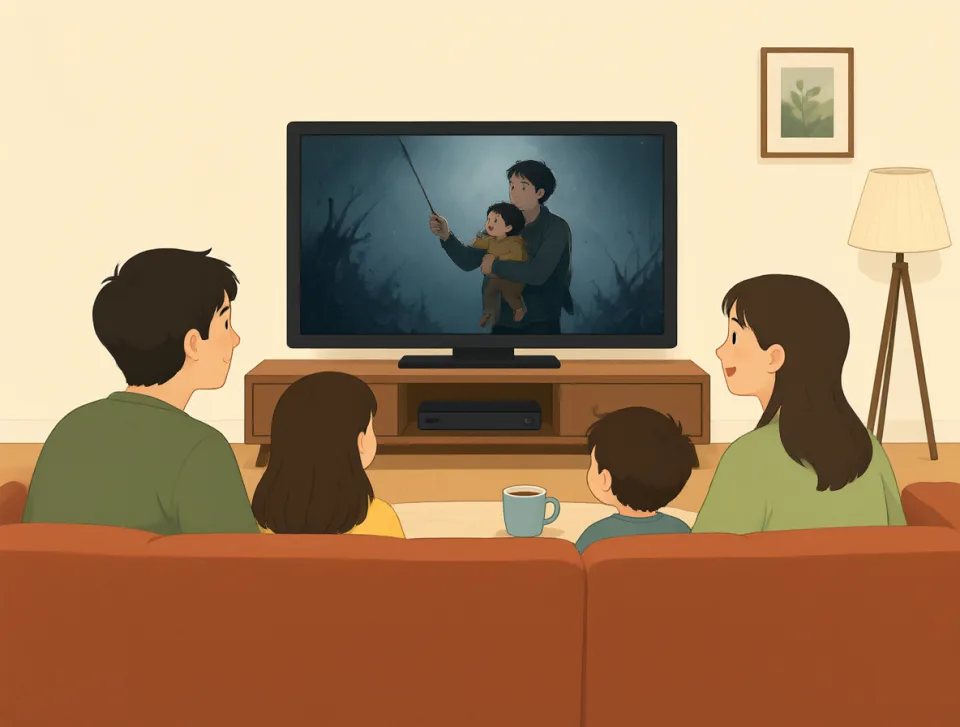
The movie has an exciting plot about a lost treasure.
فیلم، طرح داستانی هیجانانگیزی دربارهٔ گنجی گمشده دارد.
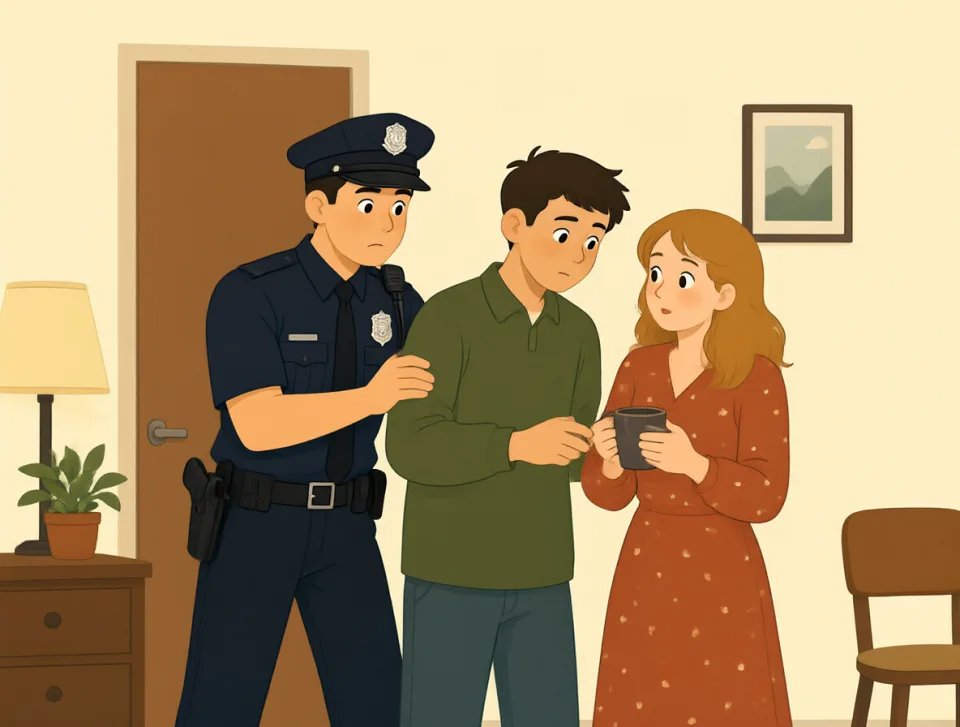
The police discovered a plot to rob the bank.
پلیس از توطئهای برای سرقت از بانک باخبر شد.
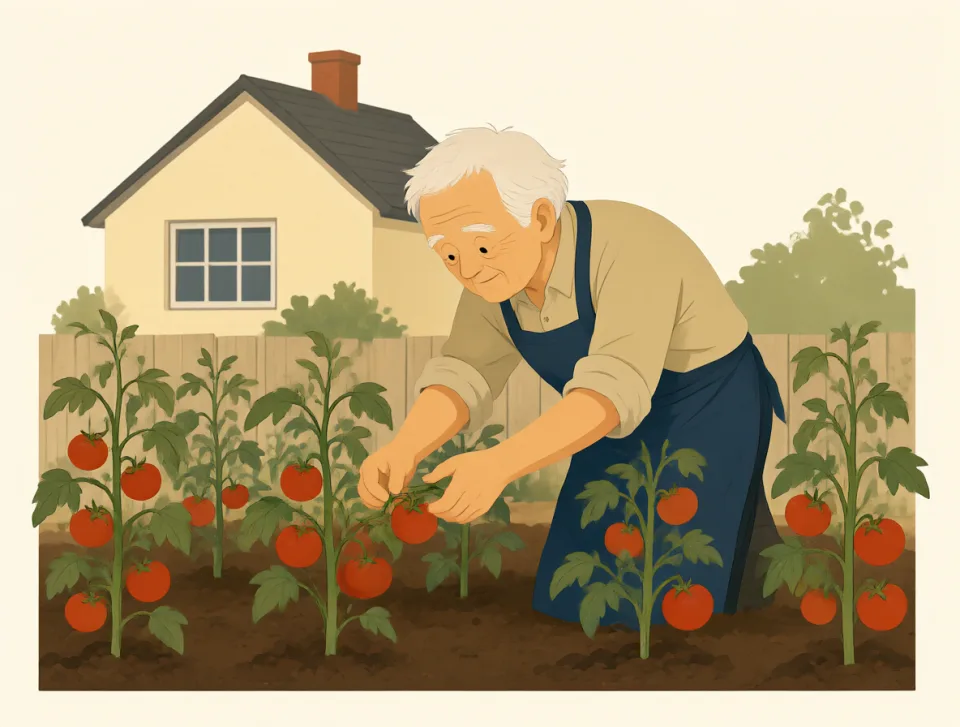
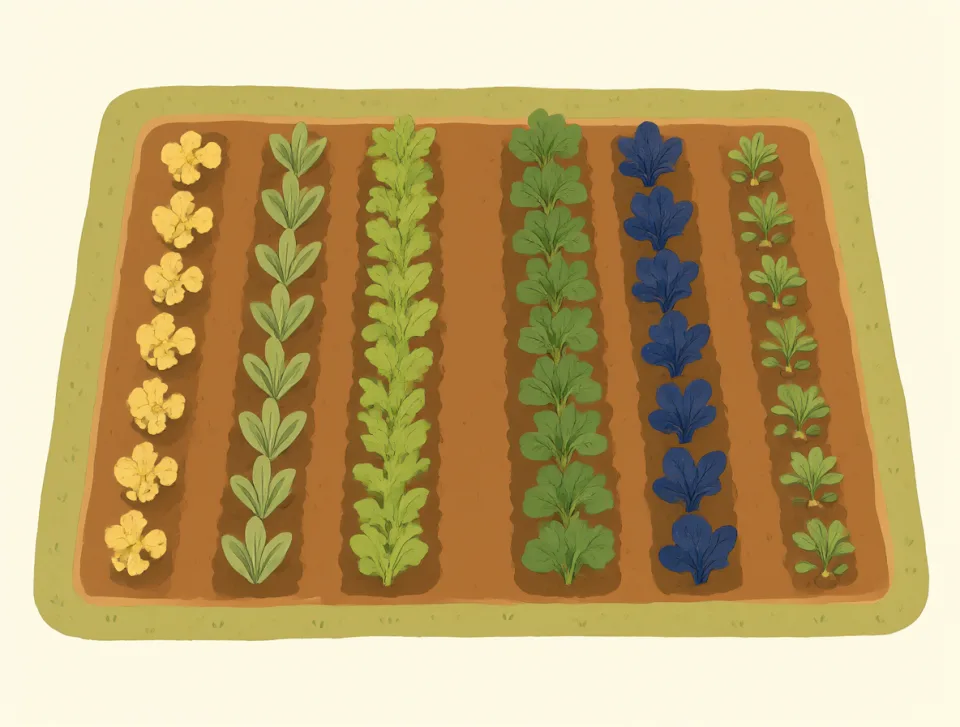
My grandfather grows tomatoes in a small plot behind his house.
پدربزرگم در قطعهزمین کوچکی پشت خانهاش گوجهفرنگی میکارد.

They plotted the route before starting their journey.
آنها پیش از شروع سفر، مسیر را روی نقشه مشخص کردند.
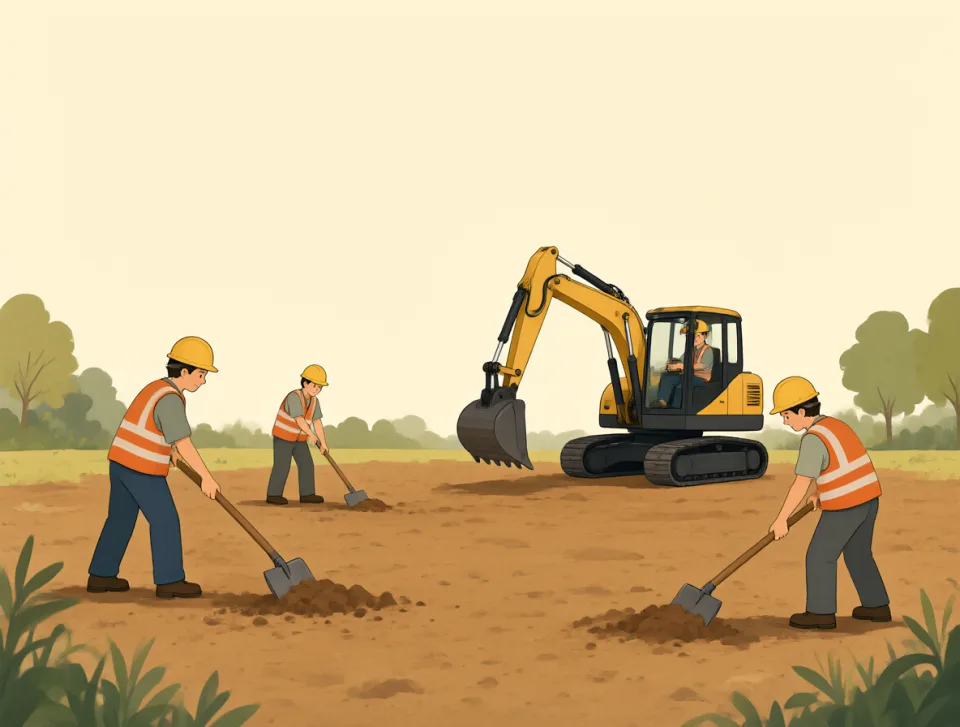
Workers are clearing the plot for a new supermarket.
کارگران دارند زمین را برای ساخت یک سوپرمارکت جدید پاکسازی میکنند.
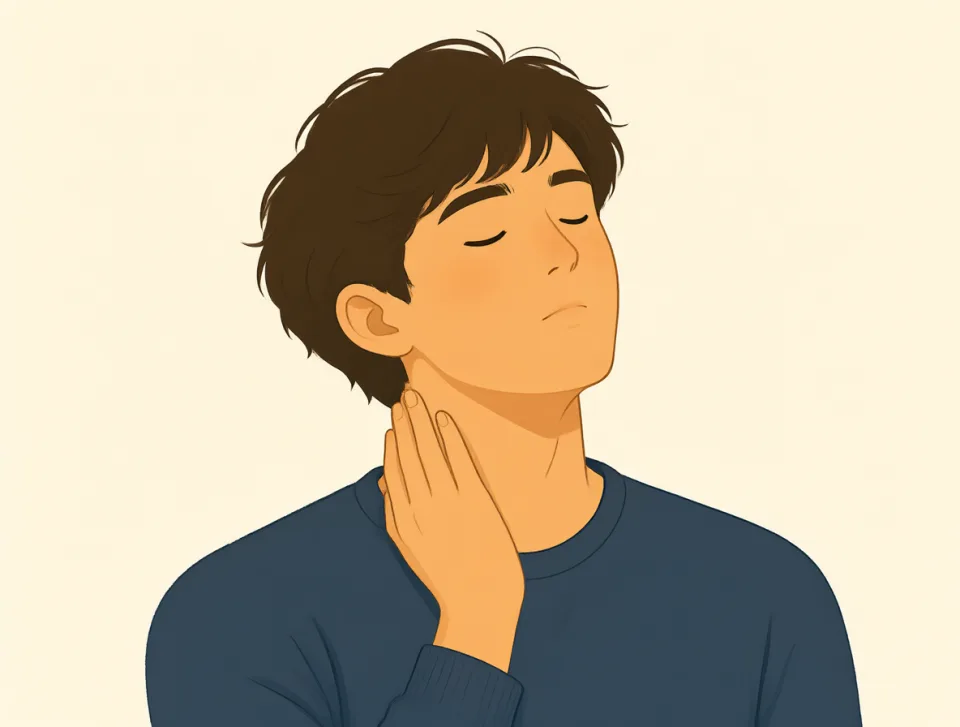
neck
#1952noun
گردن
The part of your body between your head and shoulders.
بخشی از بدن که بین سر و شانهها قرار دارد.

She wore a warm scarf around her neck in winter.
او در زمستان شال گرمی دور گردنش میانداخت.

He turned his neck to look behind him.
او گردنش را چرخاند تا پشت سرش را نگاه کند.

My neck hurts after working at the computer all day.
بعد از یک روز کار با رایانه، گردنم درد میکند.
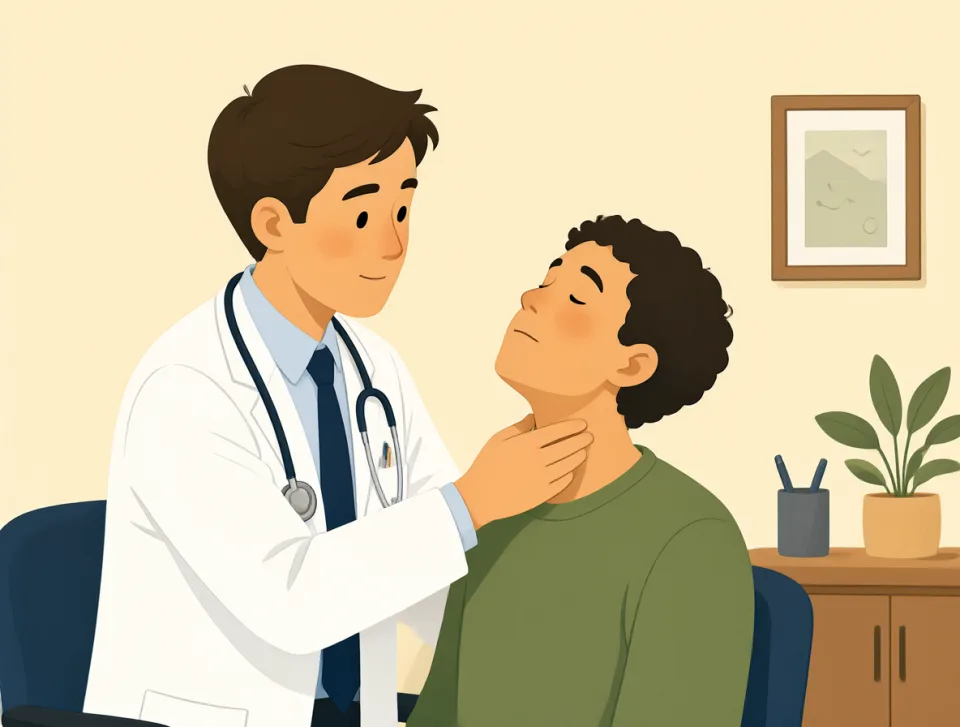
The doctor checked my neck for swollen glands.
دکتر گردنم را از نظر ورم غدد بررسی کرد.

The shirt feels tight around my neck.
یقهٔ پیراهن دور گردنم تنگ است.

criteria
#1953noun
معیارها
Standards used to judge or decide something.
استانداردهایی که برای ارزیابی یا تصمیمگیری دربارهٔ چیزی به کار میروند.
The school has clear criteria for choosing new students.
مدرسه معیارهای روشنی برای انتخاب دانشآموزان جدید دارد.
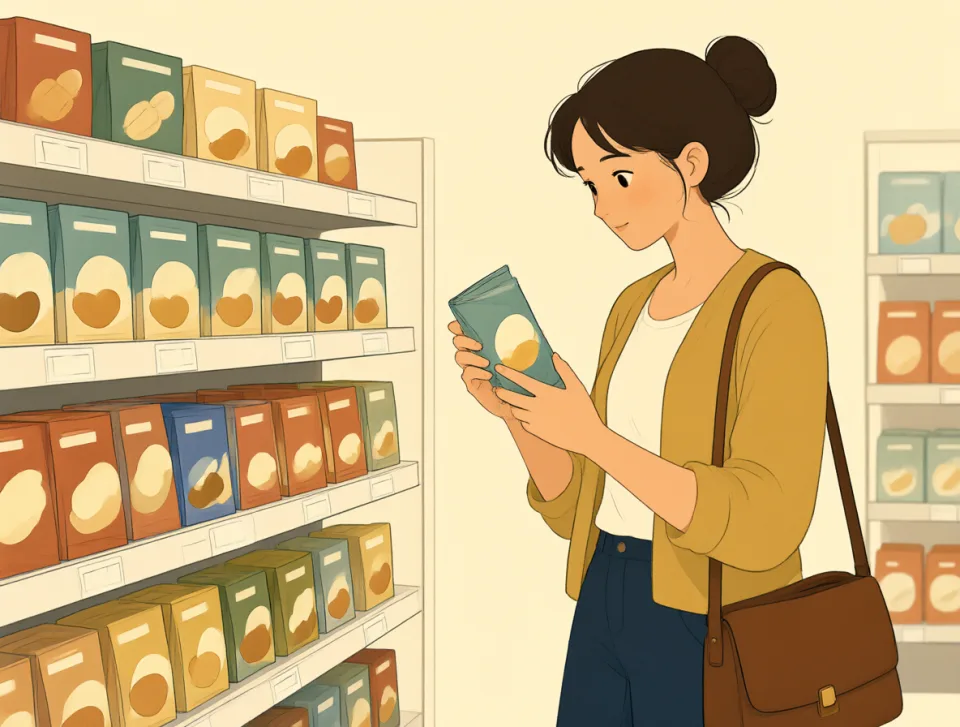
Price and quality are important criteria when we shop.
قیمت و کیفیت هنگام خرید معیارهای مهمی هستند.

Your essay meets all the criteria for this class.
انشایت همهٔ معیارهای این کلاس را برآورده میکند.

The hotel was chosen because it met our travel criteria.
این هتل را انتخاب کردند چون با معیارهای سفر ما مطابقت داشت.
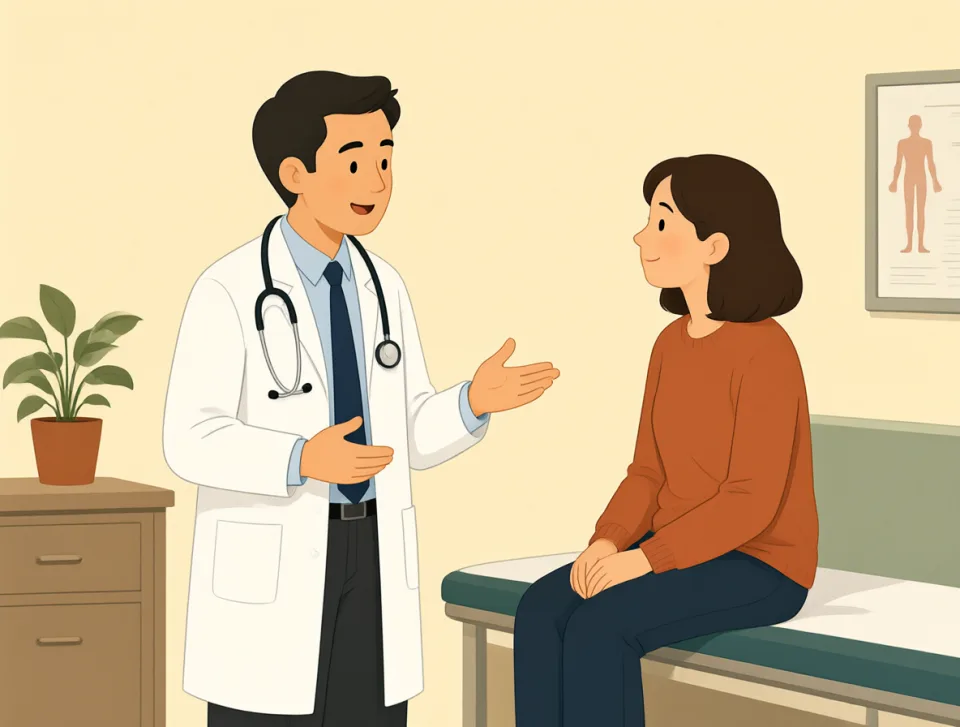
The doctor explained the criteria for joining the health study.
دکتر معیارهای شرکت در پژوهش سلامت را توضیح داد.
primarily
#1954adverb
عمدتاً؛ بیشتر
Mostly or mainly; more than anything else.
بیشتر از هر چیز دیگری؛ بهطور عمده.
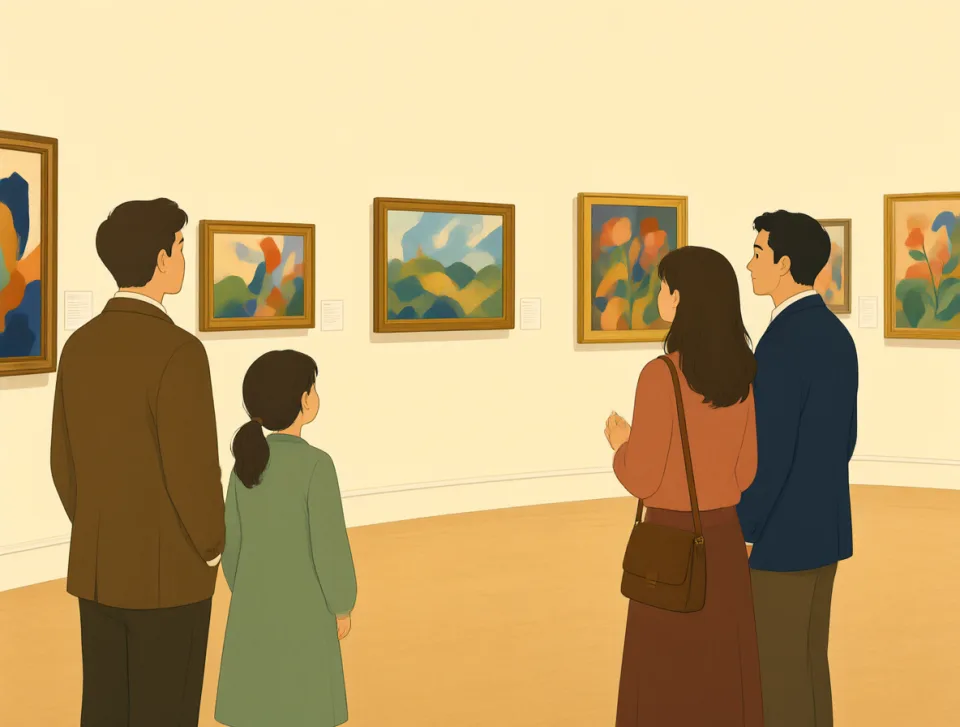
The museum is primarily known for its beautiful paintings.
این موزه بیشتر بهخاطر نقاشیهای زیبایش شناخته شده است.
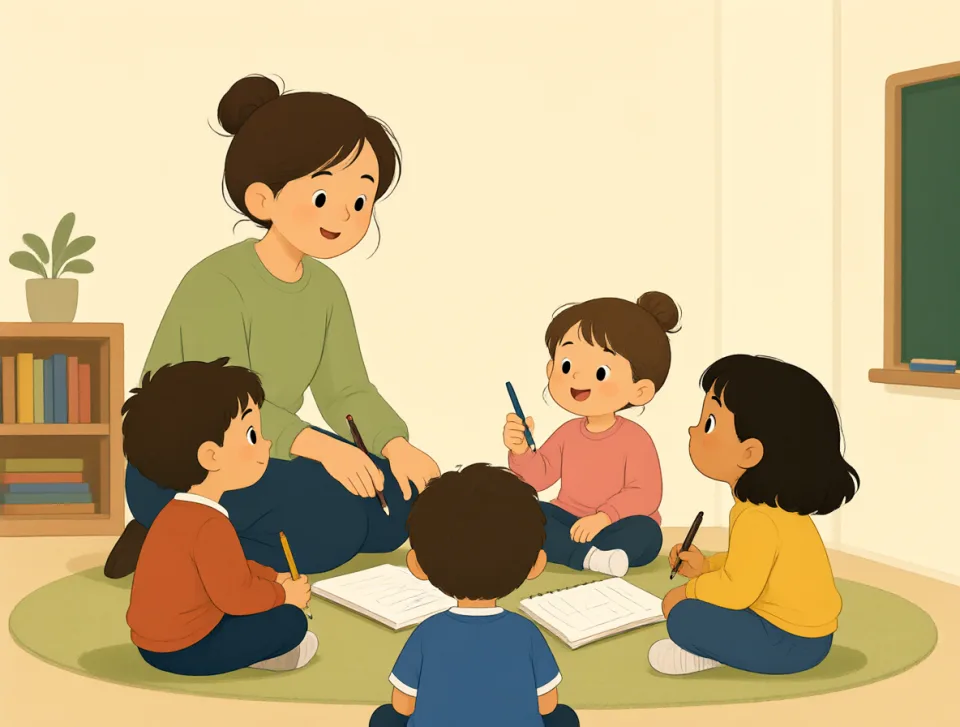
This course is primarily for students who need extra practice.
این دوره عمدتاً برای دانشآموزانی است که به تمرین بیشتری نیاز دارند.
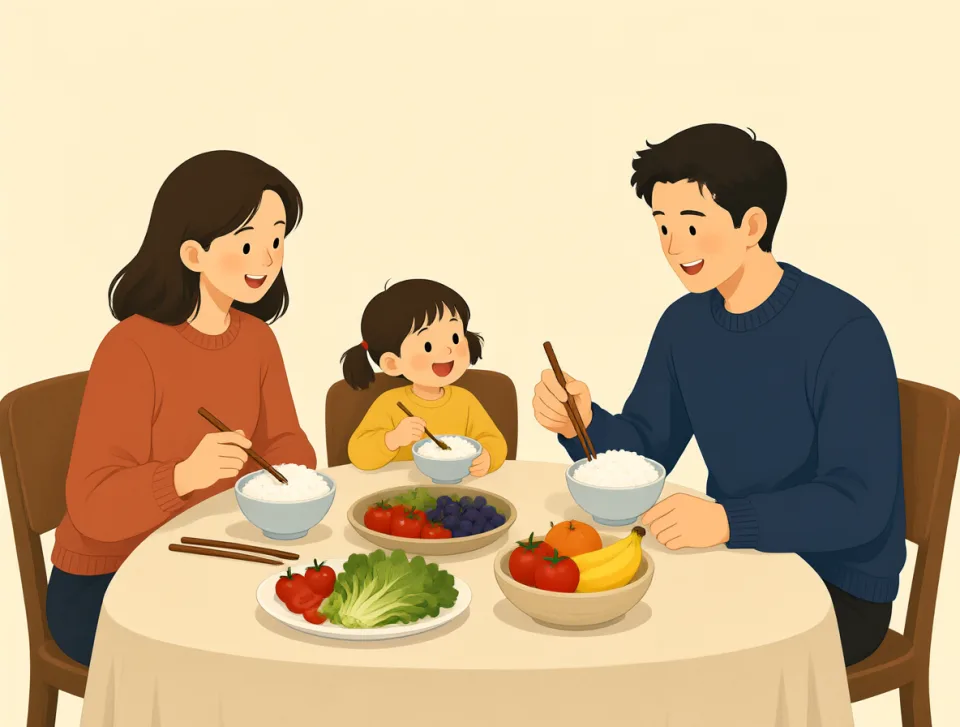
We eat primarily vegetables, rice, and fresh fruit at home.
ما در خانه بیشتر سبزیجات، برنج و میوهٔ تازه میخوریم.

The shop sells clothes primarily made from recycled materials.
این مغازه بیشتر لباسهایی میفروشد که از مواد بازیافتی ساخته شدهاند.

The trip is primarily about relaxing and spending time with friends.
این سفر بیشتر برای استراحت و وقتگذرانی با دوستان است.
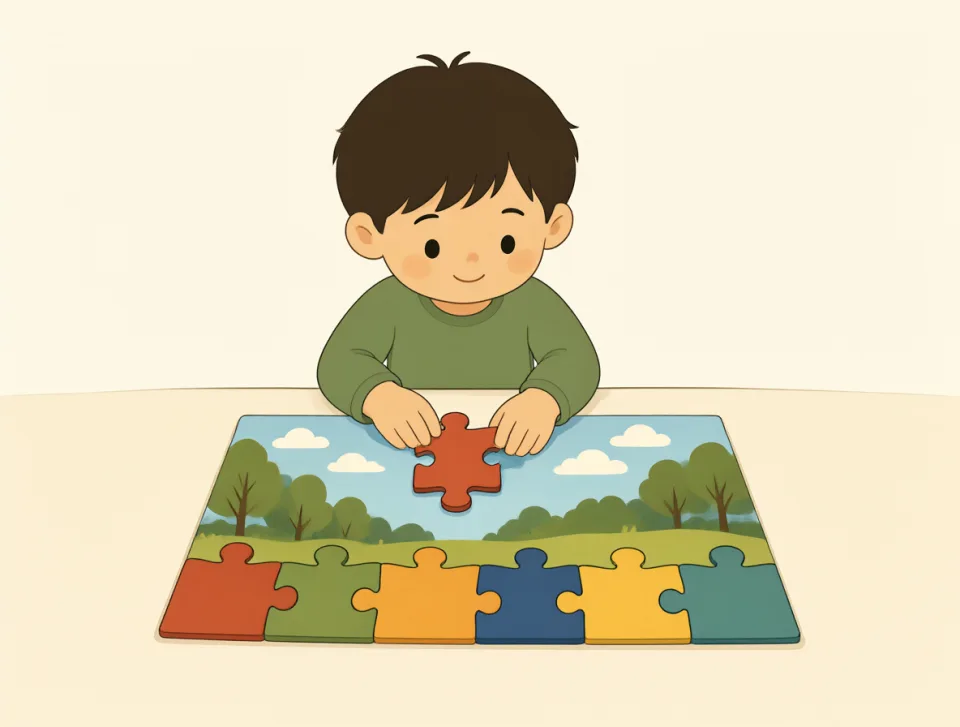
integrate
#1955verb
ادغام کردن؛ ترکیب کردن
to combine something with other parts so that they work together
چیزی را با بخشهای دیگر ترکیب کردن، بهطوریکه همه با هم کار کنند.
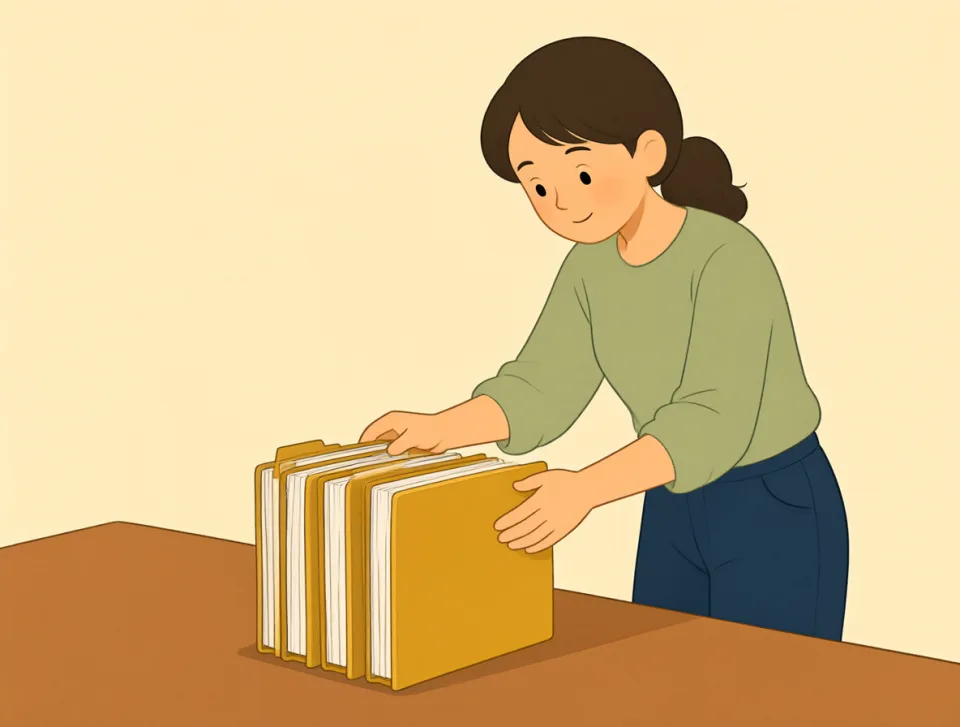
The new system integrates all our customer information in one place.
سامانهٔ جدید همهٔ اطلاعات مشتریان ما را در یک جا ادغام میکند.
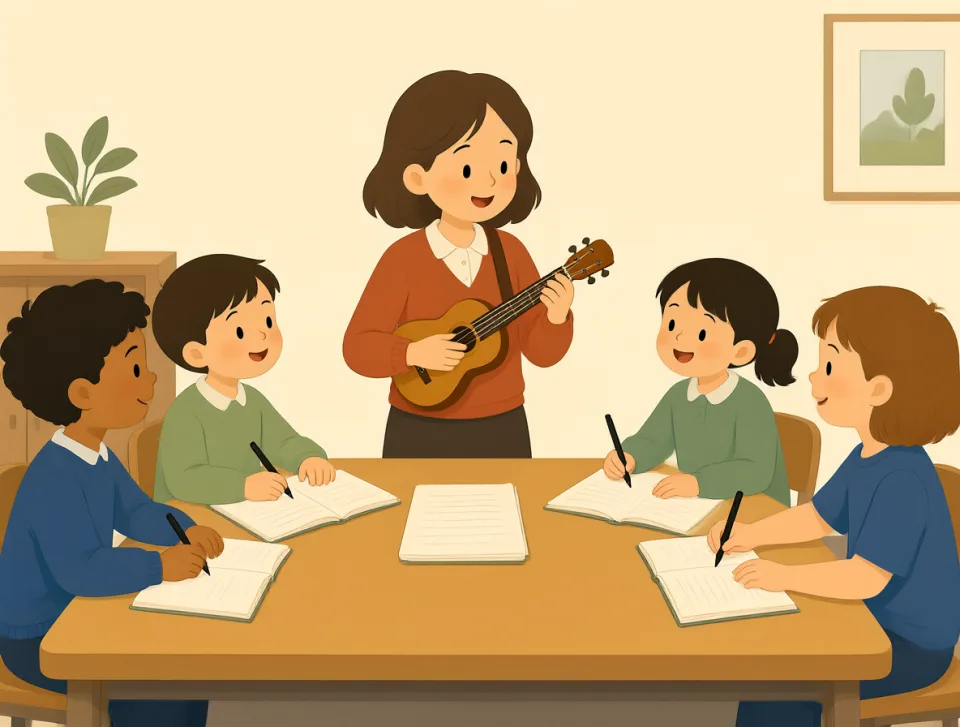
The school integrates music into its language lessons.
مدرسه موسیقی را در درسهای زبانش میگنجاند.
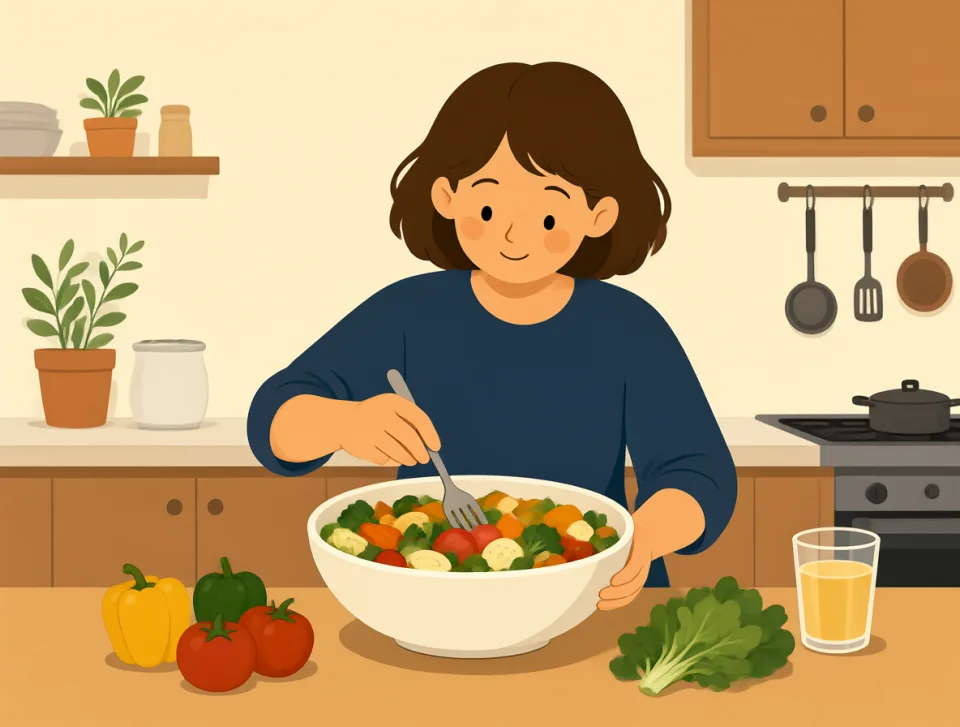
We are integrating more vegetables into our family meals.
داریم سبزیجات بیشتری را در وعدههای غذایی خانوادهمان میگنجانیم.
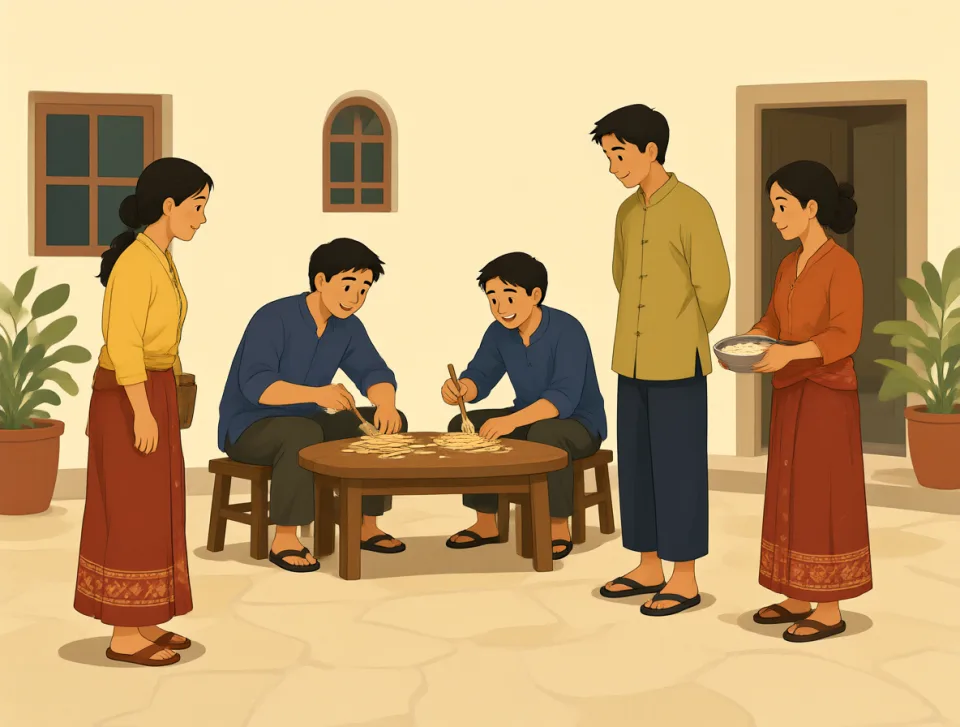
The hotel integrates local traditions into its guest activities.
این هتل سنتهای محلی را در فعالیتهای مهمانانش میگنجاند.
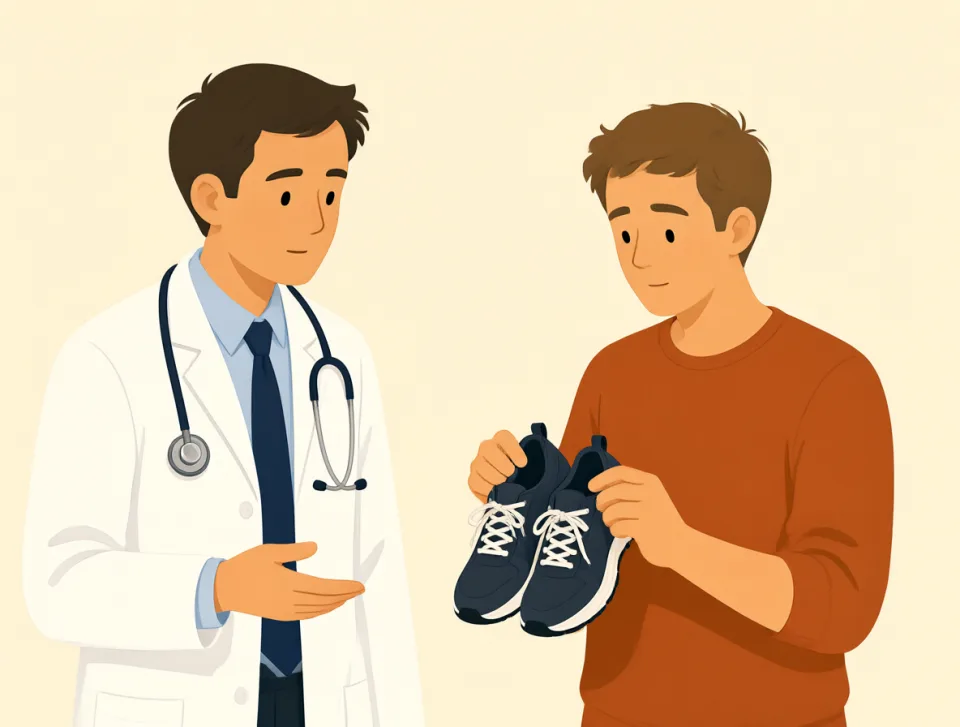
The doctor helped him integrate exercise into his daily routine.
دکتر به او کمک کرد ورزش را در برنامهٔ روزانهاش بگنجاند.

criticism
#1956noun
انتقاد
An opinion that points out the good and bad parts of something.
نظری که به نکات خوب و بد چیزی اشاره میکند.
She received criticism for arriving late to work every day.
او بهخاطر اینکه هر روز دیر سرِ کار میرسید، مورد انتقاد قرار گرفت.
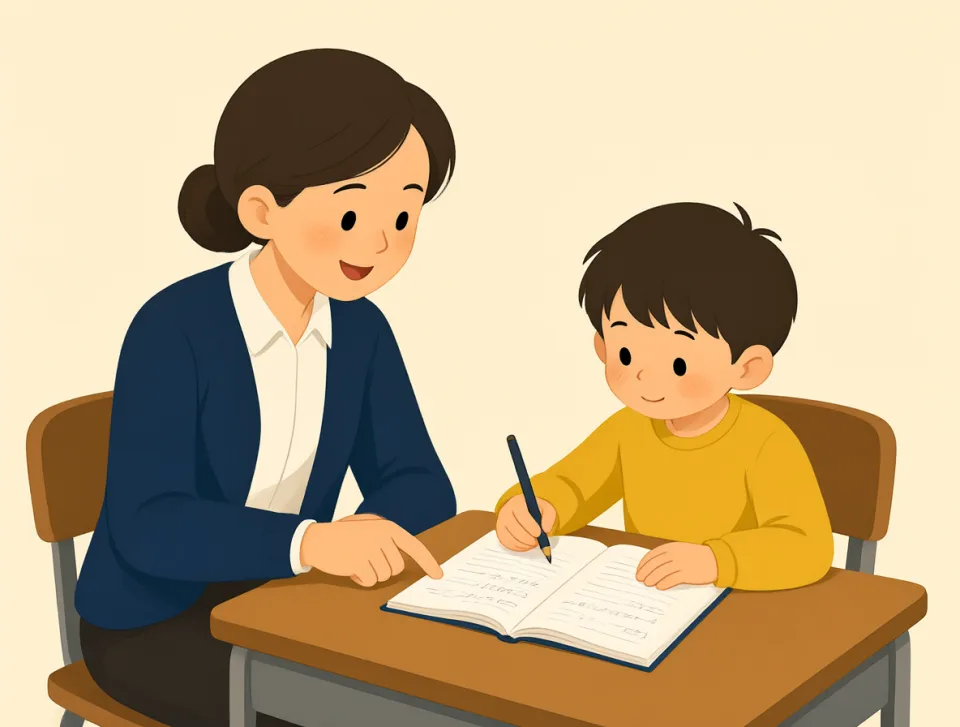
The teacher gave helpful criticism on my English homework.
معلم دربارهٔ تکلیف انگلیسیام انتقادهای مفیدی کرد.
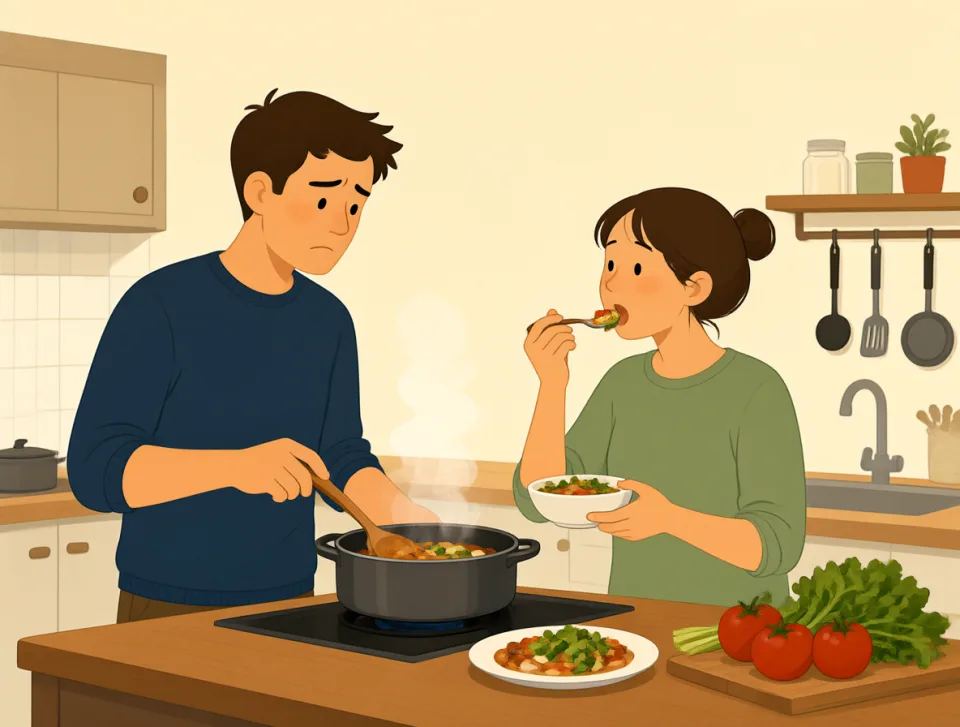
He does not like criticism about his cooking.
او از انتقاد دربارهٔ آشپزیاش خوشش نمیآید.

The new hotel faced criticism from guests about its dirty rooms.
هتل جدید بهخاطر اتاقهای کثیفش با انتقاد مهمانان روبهرو شد.

Try to accept criticism and use it to improve your health.
سعی کن انتقاد را بپذیری و از آن برای بهبود سلامتیات استفاده کنی.
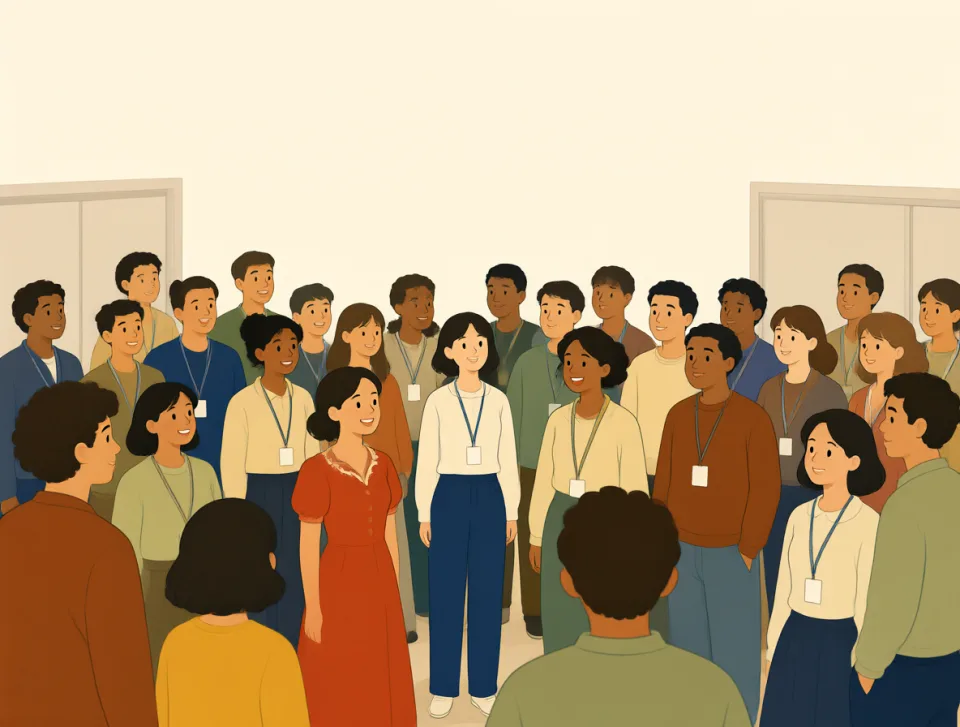
convention
#1957noun
رسم؛ همایش
a usual way of doing something, or a large meeting for people with similar interests
روش معمول انجام کاری، یا گردهمایی بزرگی برای افرادی با علایق مشترک.
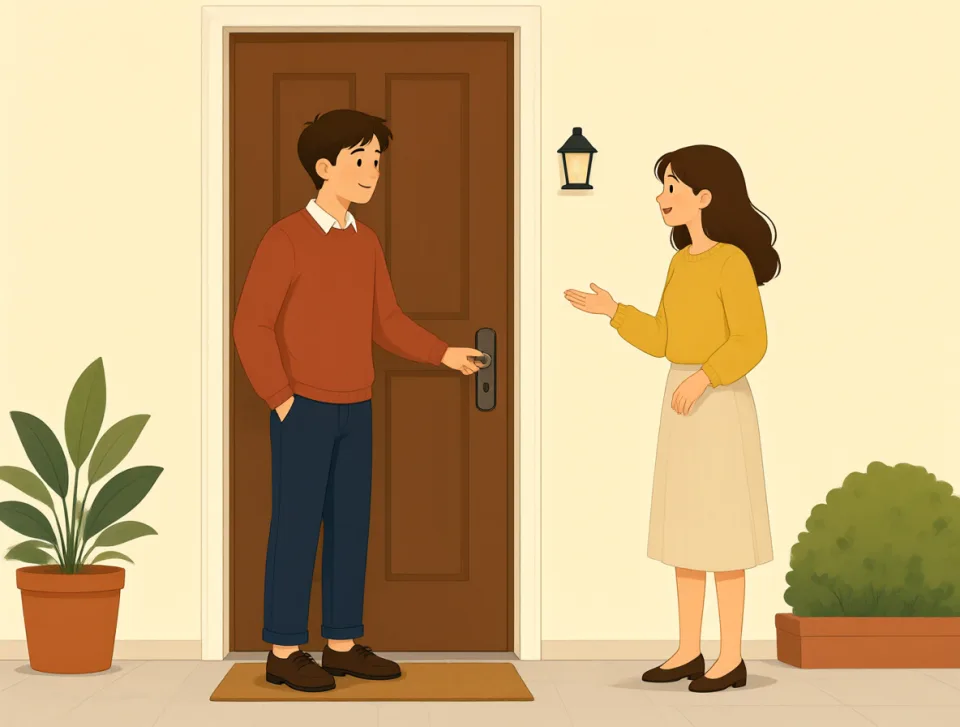
By convention, guests remove their shoes before entering the house.
طبق رسم، مهمانها پیش از ورود به خانه کفشهایشان را درمیآورند.
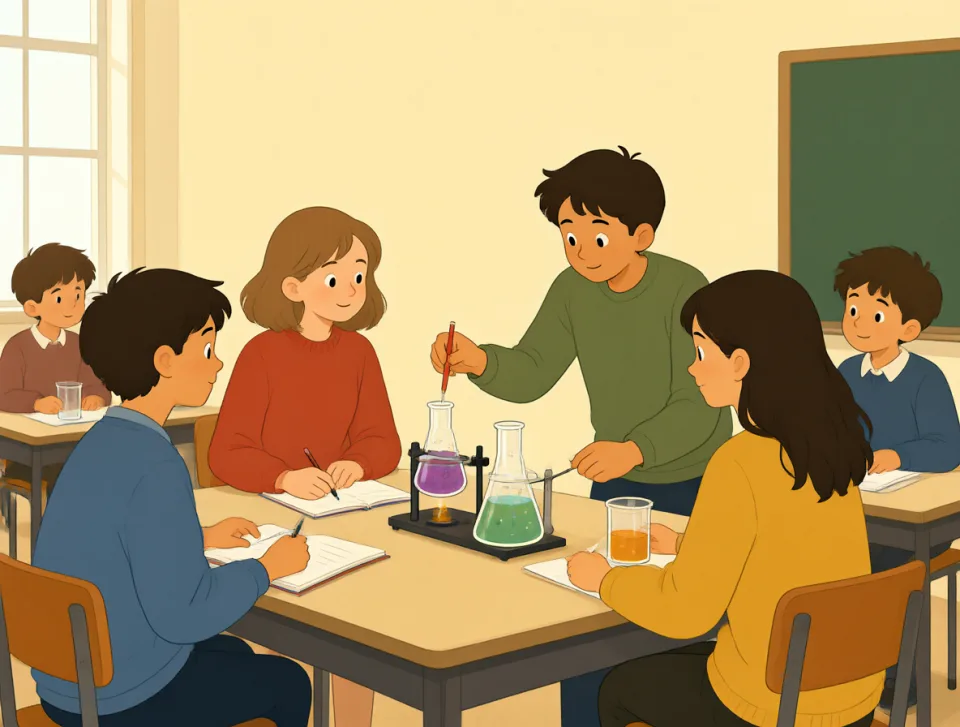
The school held a science convention for students from nearby towns.
مدرسه برای دانشآموزان شهرهای اطراف یک همایش علمی برگزار کرد.

Our company sent three employees to a business convention in Chicago.
شرکت ما سه کارمند را به یک همایش تجاری در شیکاگو فرستاد.
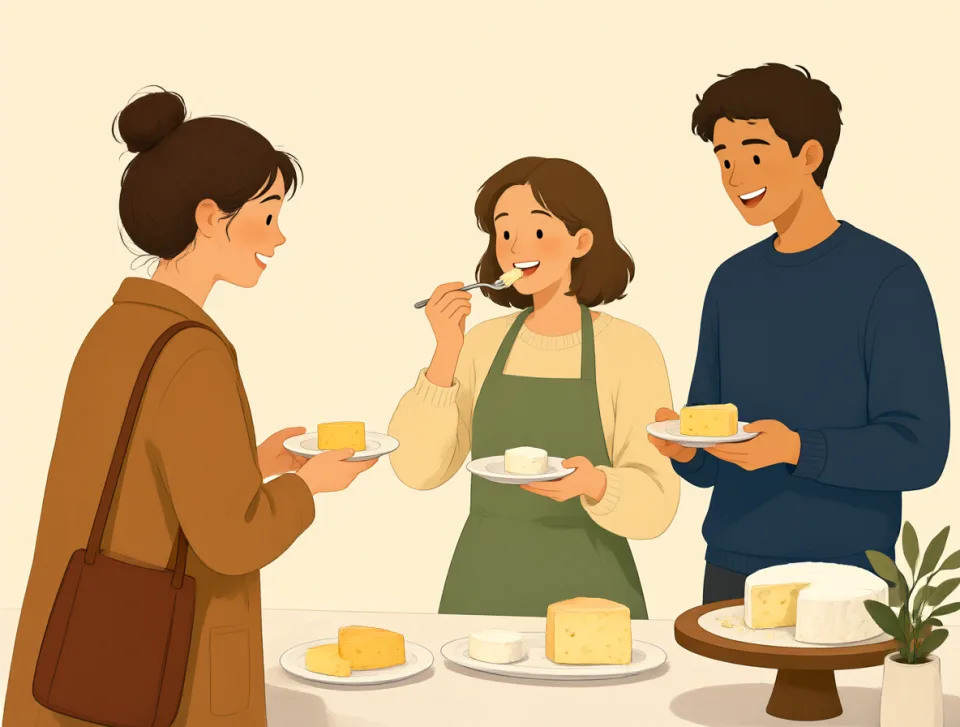
At the food convention, we tasted cheese from several countries.
در همایش مواد غذایی، پنیرهایی از چند کشور را چشیدیم.

The doctor explained a new convention for sharing patient information safely.
پزشک روش جدیدی را برای بهاشتراکگذاشتن امن اطلاعات بیماران توضیح داد.

bet
#1958noun, verb
شرطبندی کردن
To risk money or something valuable on the result of a game or event.
پول یا چیز باارزشی را بر سر نتیجهٔ یک بازی یا رویداد به خطر انداختن.

I bet ten dollars on the blue team to win.
ده دلار شرط بستم که تیم آبی برنده میشود.

We made a bet about who would arrive first.
سرِ اینکه چه کسی زودتر میرسد شرط بستیم.
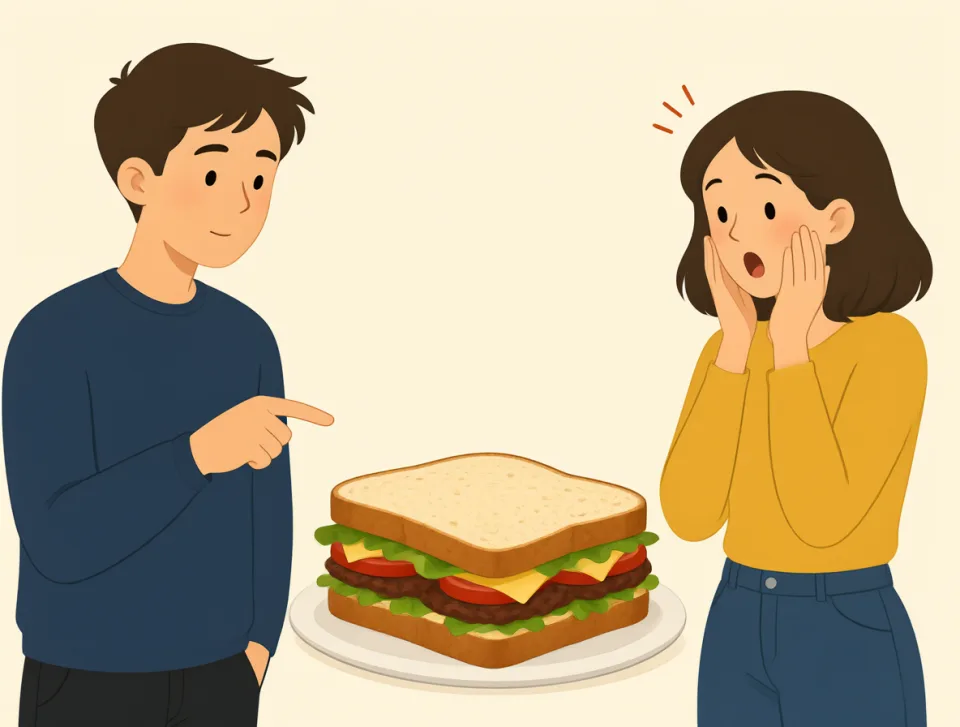
I bet you can't finish this huge sandwich.
شرط میبندم نمیتوانی این ساندویچ بزرگ را تمام کنی.

She bet her brother that it would rain today.
او با برادرش شرط بست که امروز باران میبارد.

I bet he forgot his keys again.
شرط میبندم باز هم کلیدهایش را جا گذاشته.
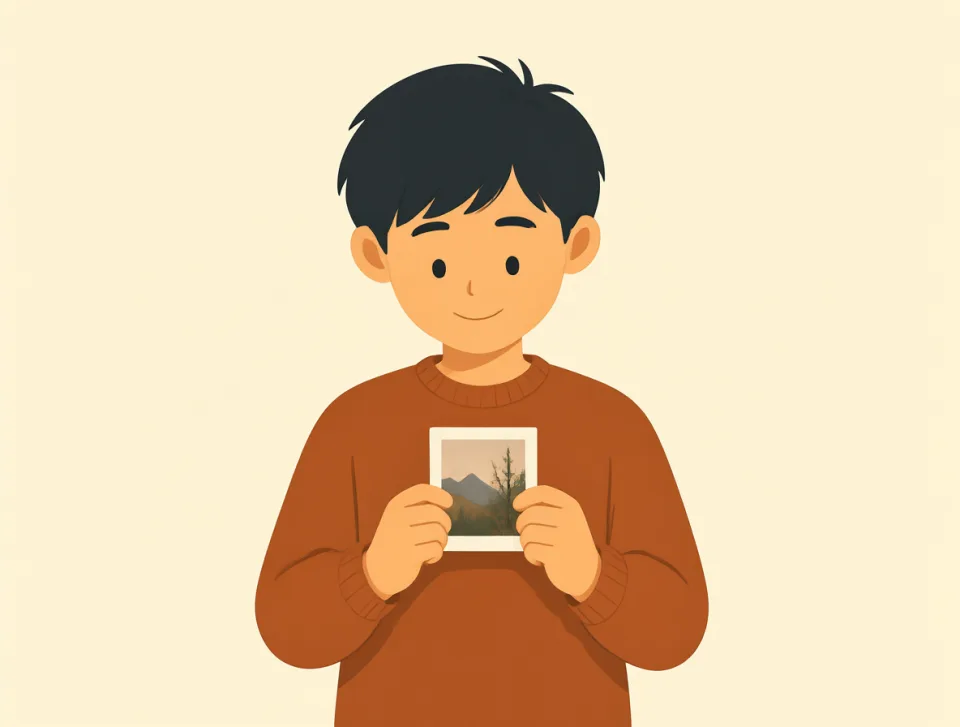
retain
#1959verb
حفظ کردن
to keep something or continue to have it
چیزی را نگه داشتن یا همچنان در اختیار داشتن.
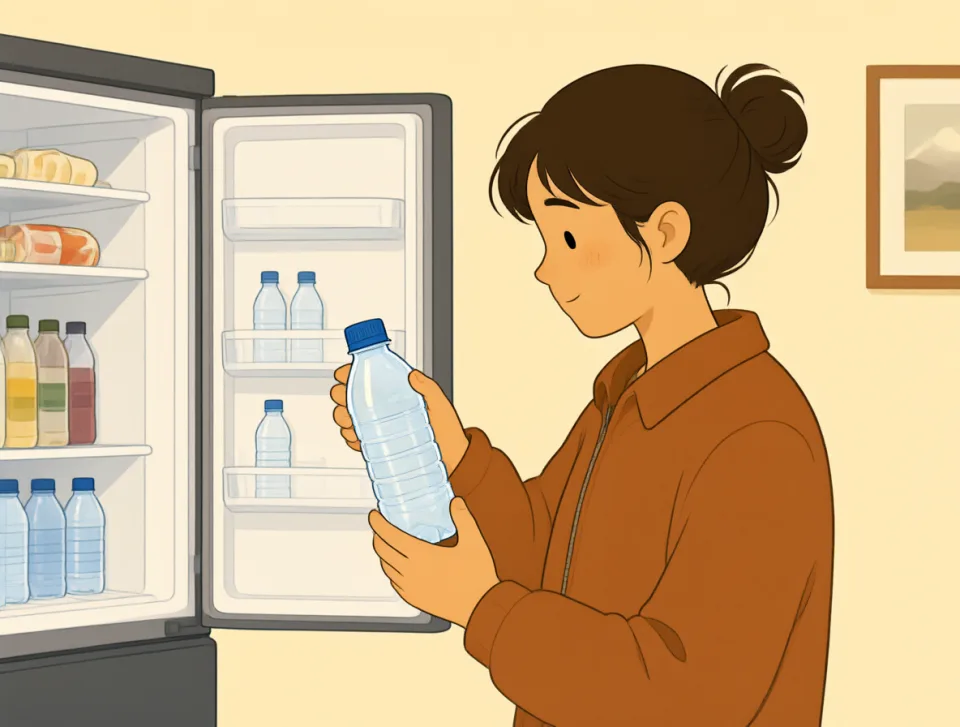
This bottle retains its shape after being frozen.
این بطری بعد از یخزدن هم شکلش را حفظ میکند.

The hotel retains your room until six o'clock.
هتل اتاقتان را تا ساعت شش نگه میدارد.

She retained the information from yesterday's lesson.
او اطلاعات درس دیروز را به خاطر سپرد.
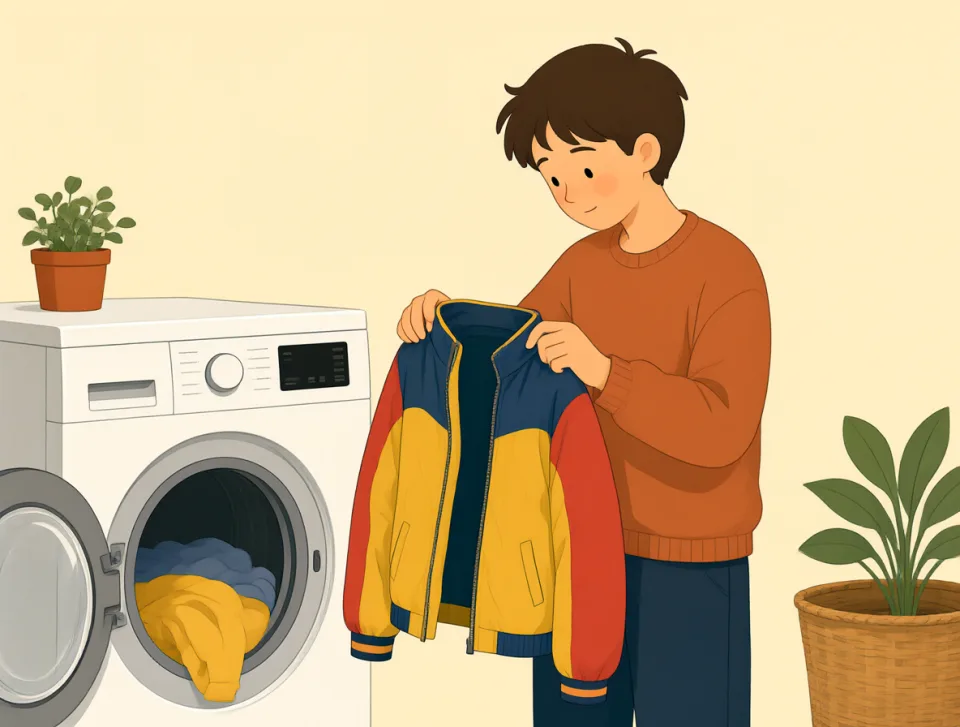
The jacket retained its color after many washes.
رنگ کاپشن بعد از بارها شستن حفظ شد.
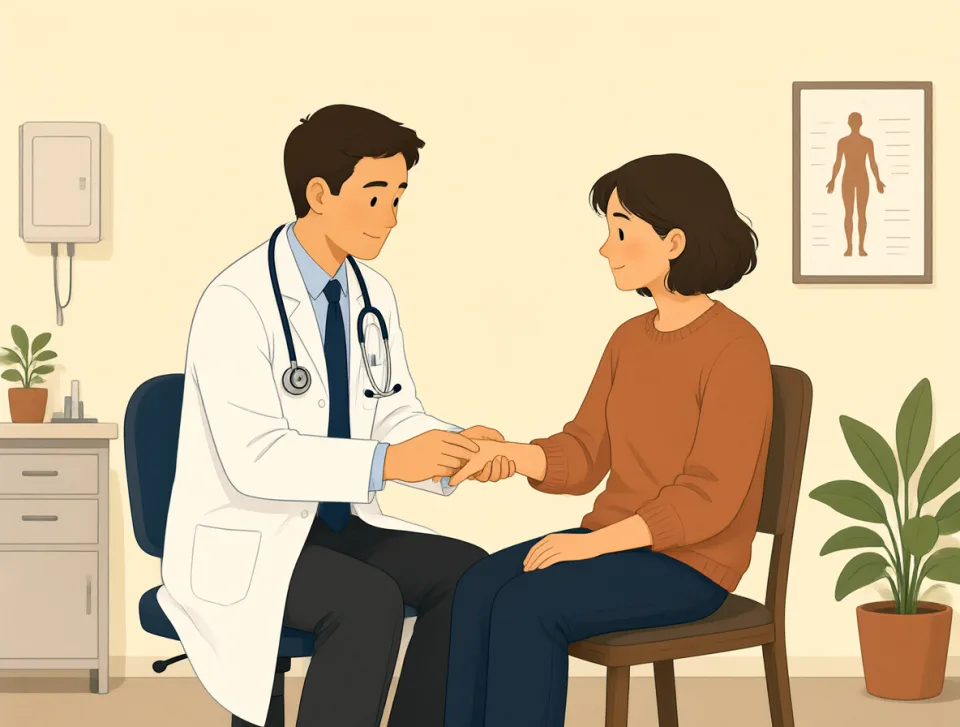
Doctors hope the patient will retain full movement in her hand.
پزشکان امیدوارند بیمار بتواند حرکت کامل دستش را حفظ کند.
sequence
#1960noun
ترتیب
The order in which people or things happen or come one after another.
ترتیبی که افراد یا چیزها در آن رخ میدهند یا یکی پس از دیگری میآیند.
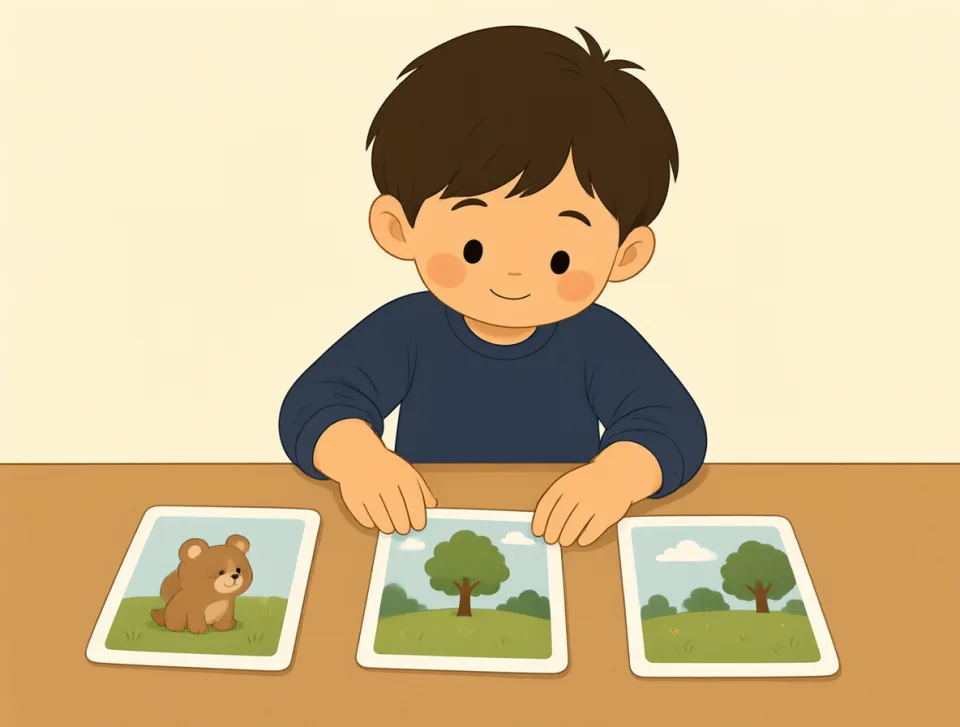
Put the pictures in the correct sequence before telling the story.
پیش از تعریف کردن داستان، عکسها را به ترتیب درست بچین.
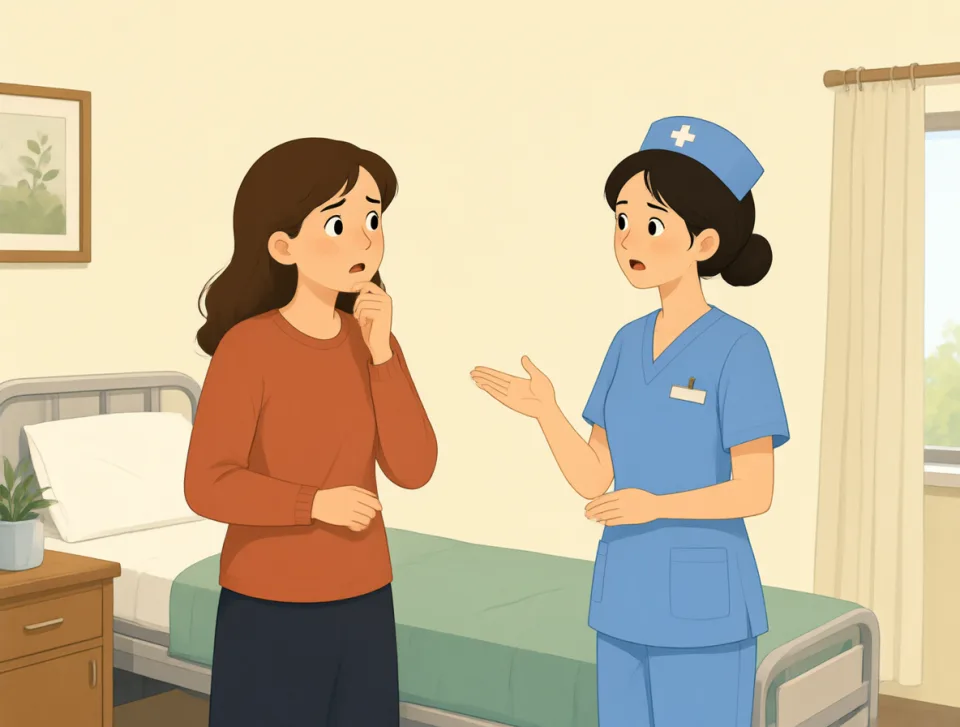
The nurse asked about the sequence of events after the accident.
پرستار دربارهٔ ترتیب رویدادها پس از تصادف پرسید.
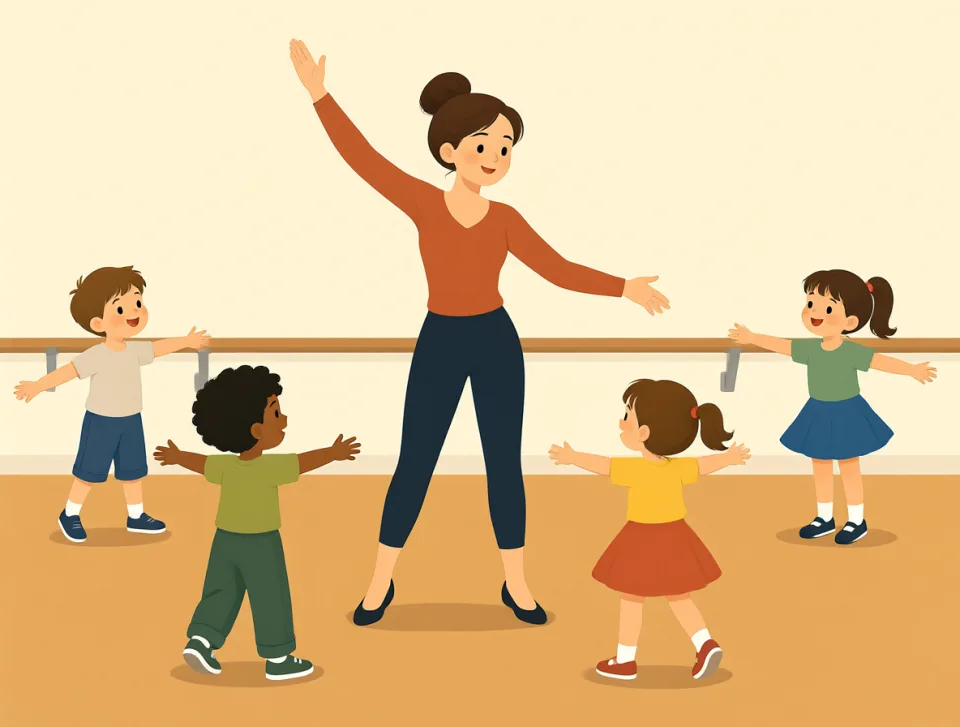
The dance teacher showed us the steps in a simple sequence.
مربی رقص، حرکتها را با ترتیبی ساده به ما نشان داد.
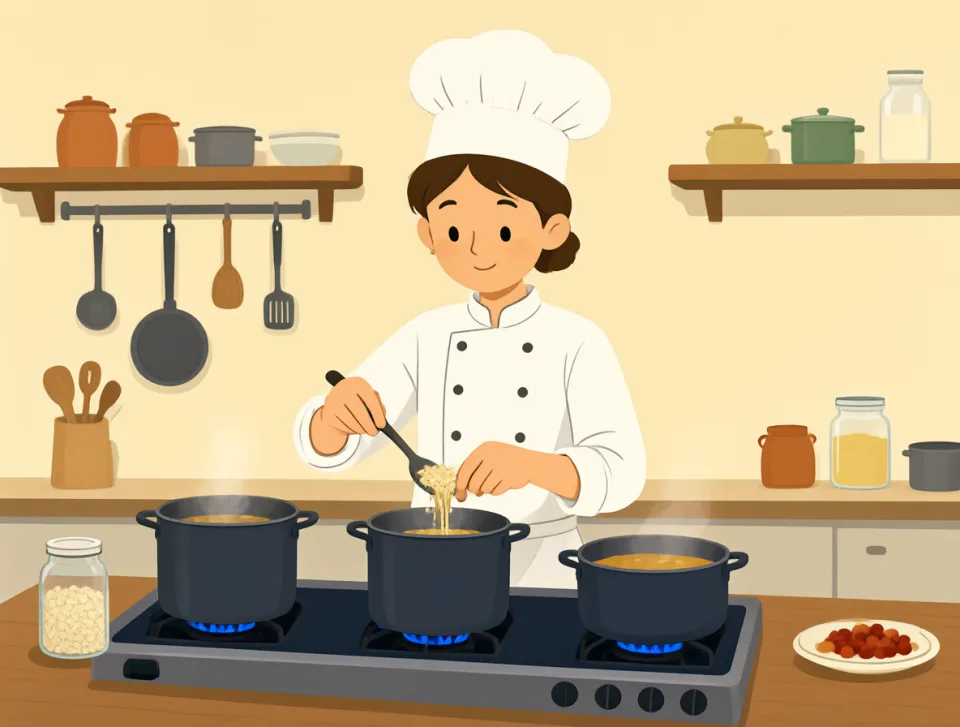
The chef prepared the meal in the right sequence.
آشپز غذا را به ترتیب درست آماده کرد.
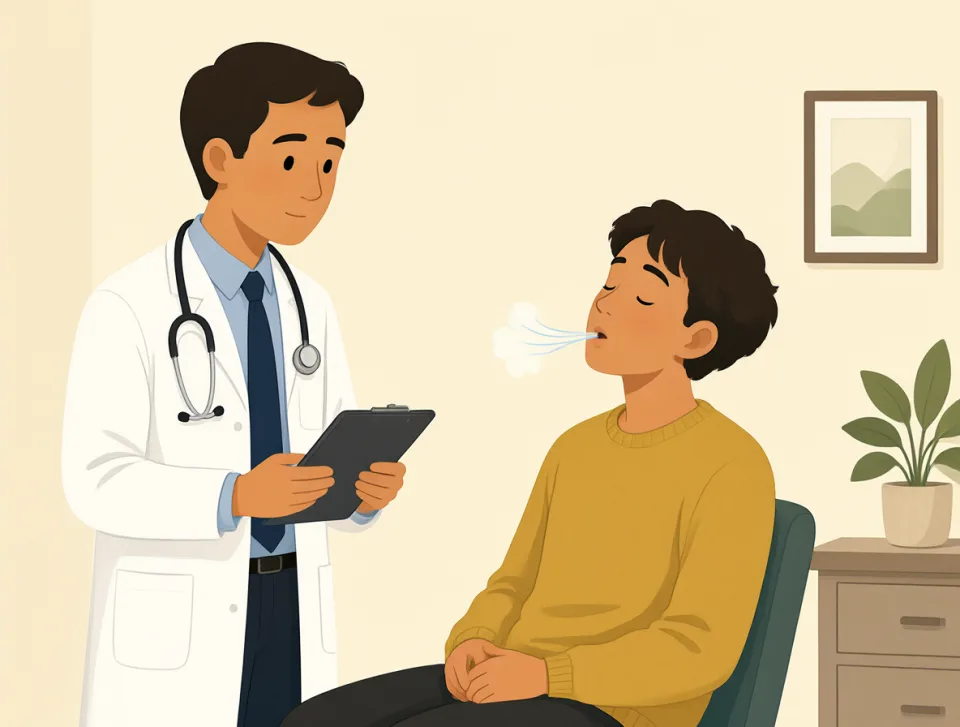
The doctor watched the patient's breathing sequence during the test.
پزشک هنگام آزمایش، الگوی تنفس بیمار را زیر نظر گرفت.