بخش 82
واژههای 1621 تا 1640 · journey, opposition, relief, debt, honor, outcome

journey
#1621noun
سفر
A trip from one place to another, especially a long one.
سفر از جایی به جای دیگر، بهویژه سفری طولانی.

The journey from London to Paris takes about two hours.
سفر از لندن به پاریس حدود دو ساعت طول میکشد.
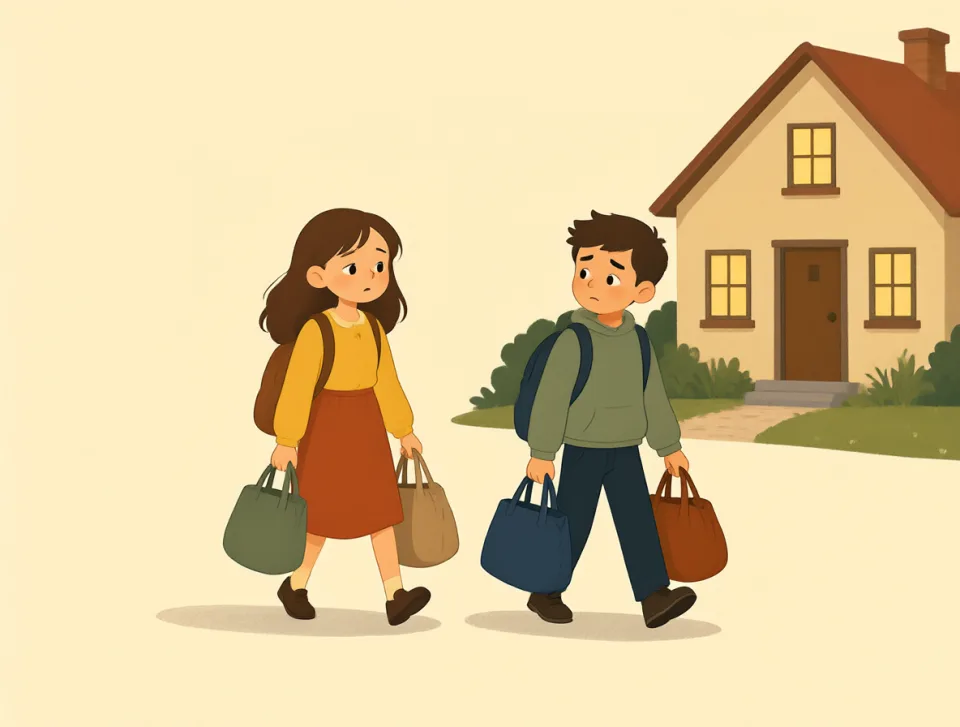
We had a long journey home after the concert.
بعد از کنسرت، مسیر طولانیای برای برگشت به خانه داشتیم.
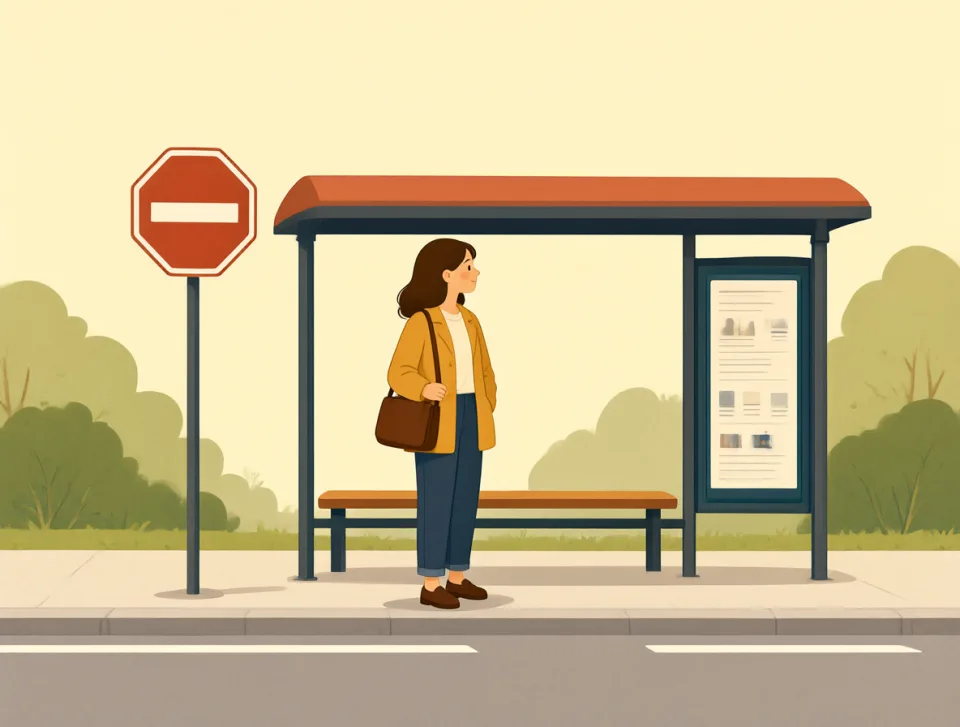
Her journey to work starts with a short bus ride.
مسیر او تا محل کار با یک مسیر کوتاه با اتوبوس شروع میشود.
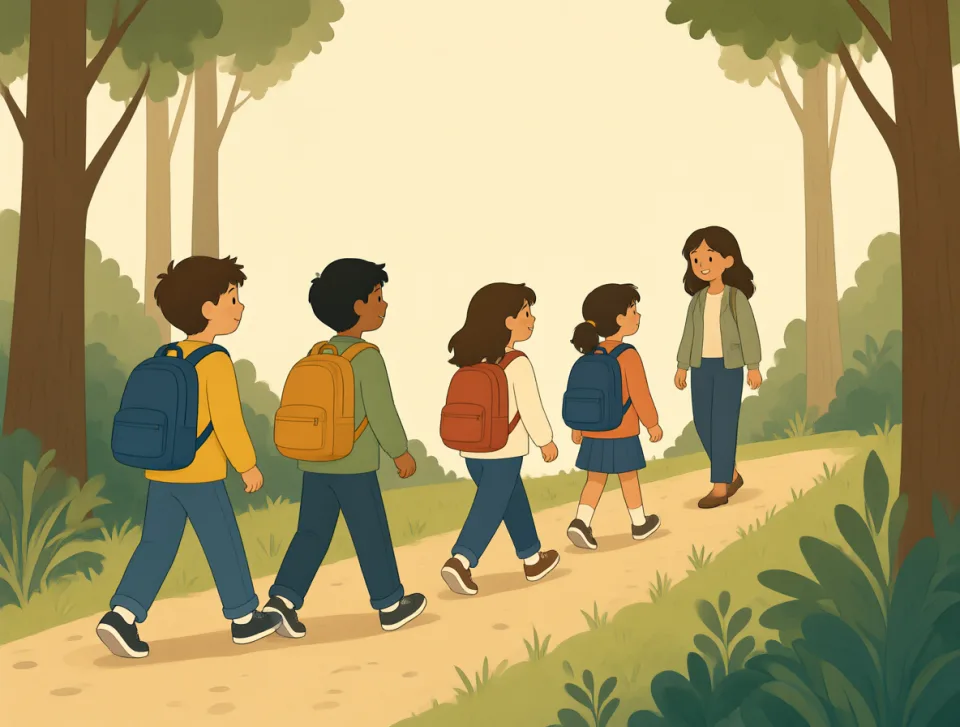
The students wrote about their journey through the forest.
دانشآموزان درباره سفرشان از میان جنگل نوشتند.
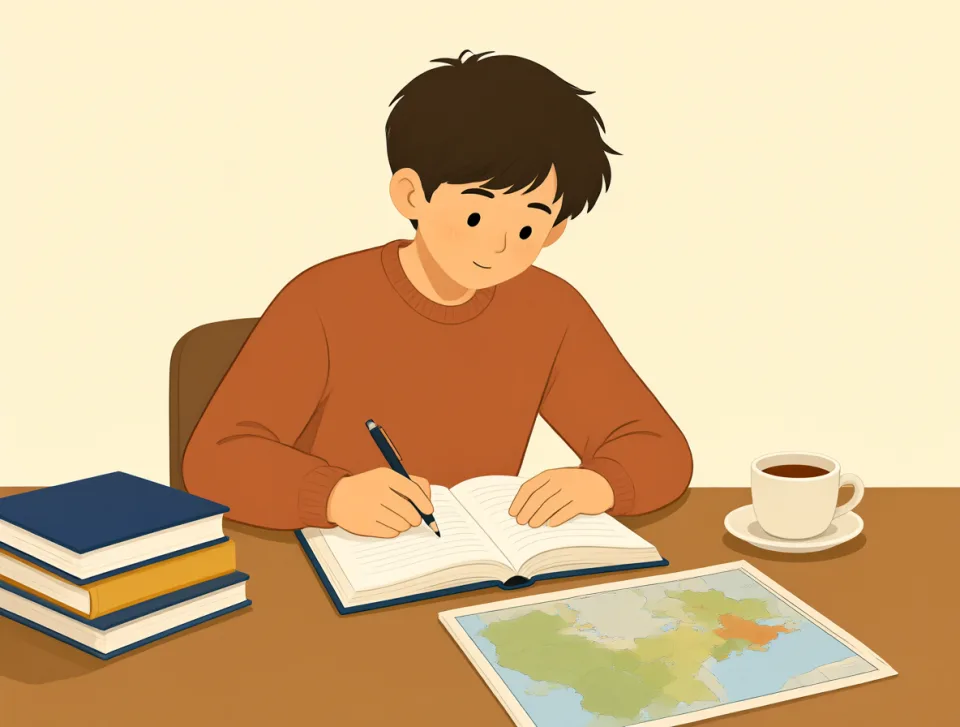
Learning a new language is a difficult but rewarding journey.
یادگیری یک زبان جدید سفری دشوار اما پربار است.
opposition
#1622noun
مخالفت
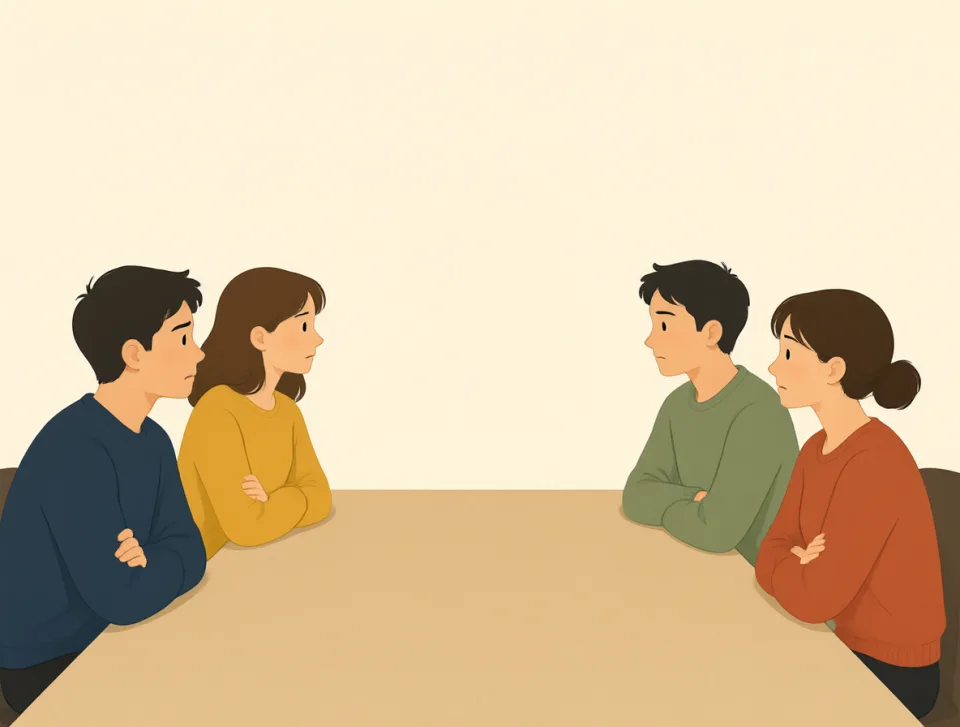
Strong disagreement with a plan, idea, or person, or the people who disagree.
اختلافنظر شدید با یک برنامه، ایده یا شخص، یا افرادی که مخالفت میکنند.
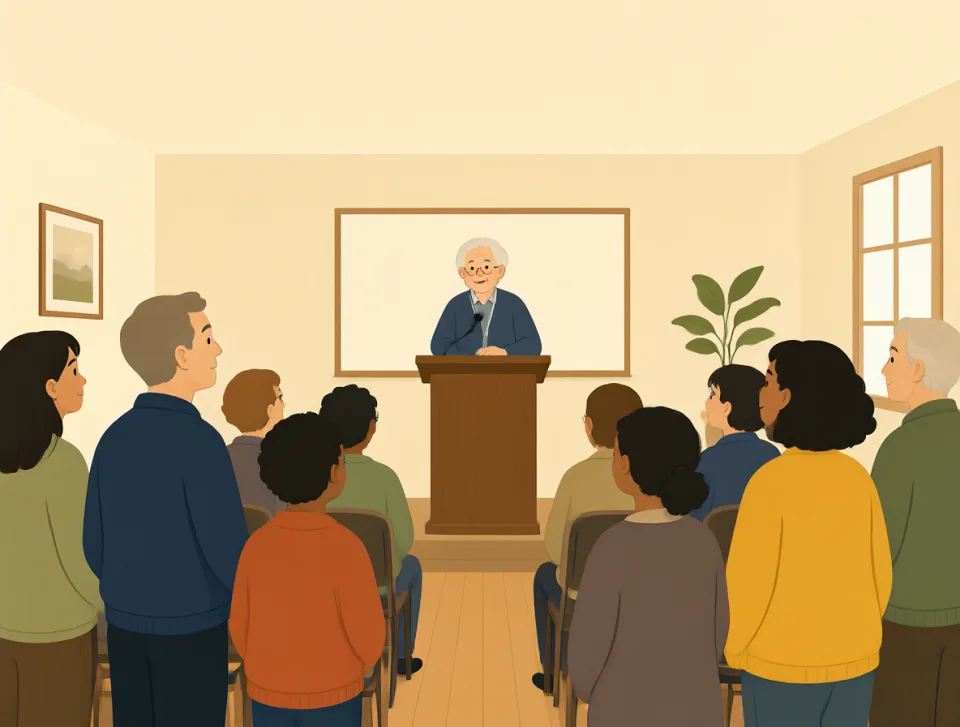
The plan met strong opposition from local residents.
این طرح با مخالفت شدید ساکنان محلی روبهرو شد.
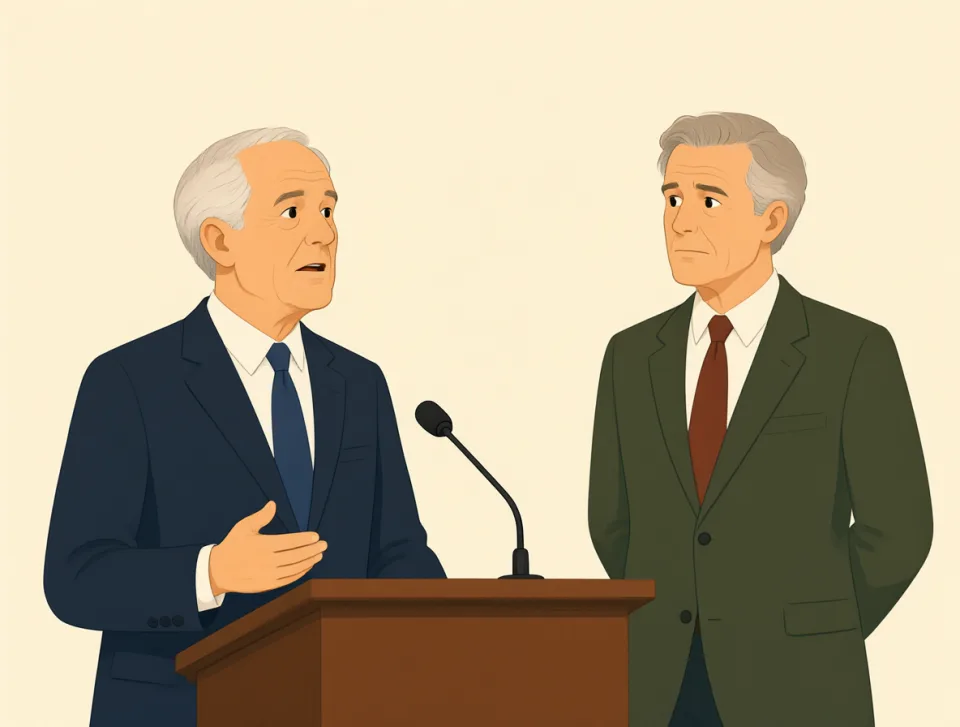
The opposition party criticized the government during the election.
حزب مخالف در جریان انتخابات از دولت انتقاد کرد.
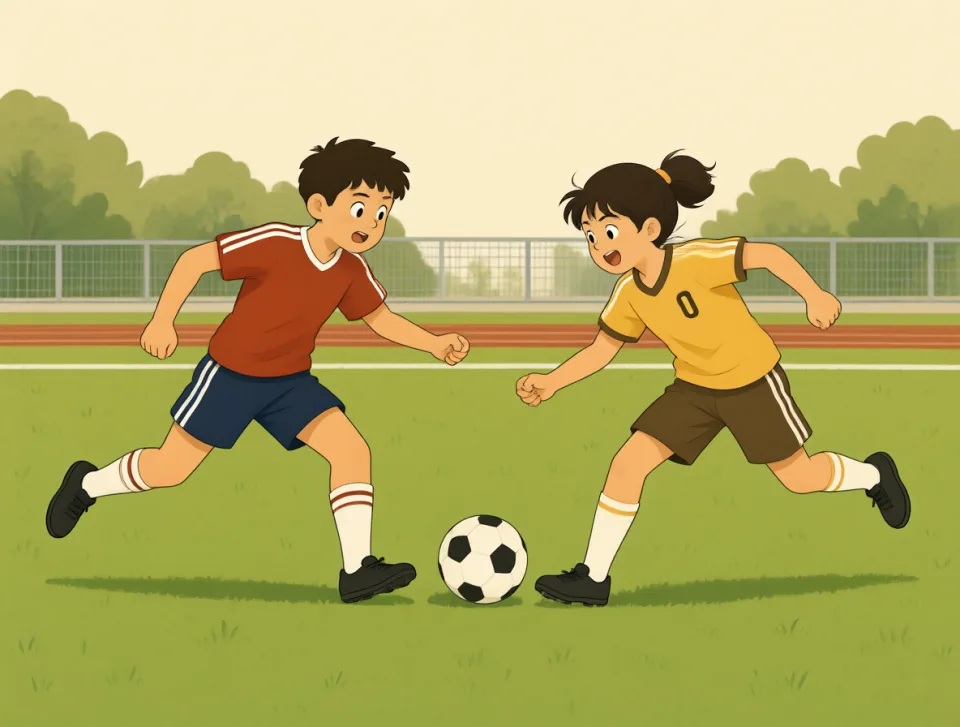
Our team played well despite opposition from the other school.
تیم ما با وجود مخالفت تیم مدرسهی دیگر، خوب بازی کرد.

She faced opposition when she asked for a later work schedule.
وقتی درخواست کرد برنامهی کاریاش دیرتر شروع شود، با مخالفت روبهرو شد.
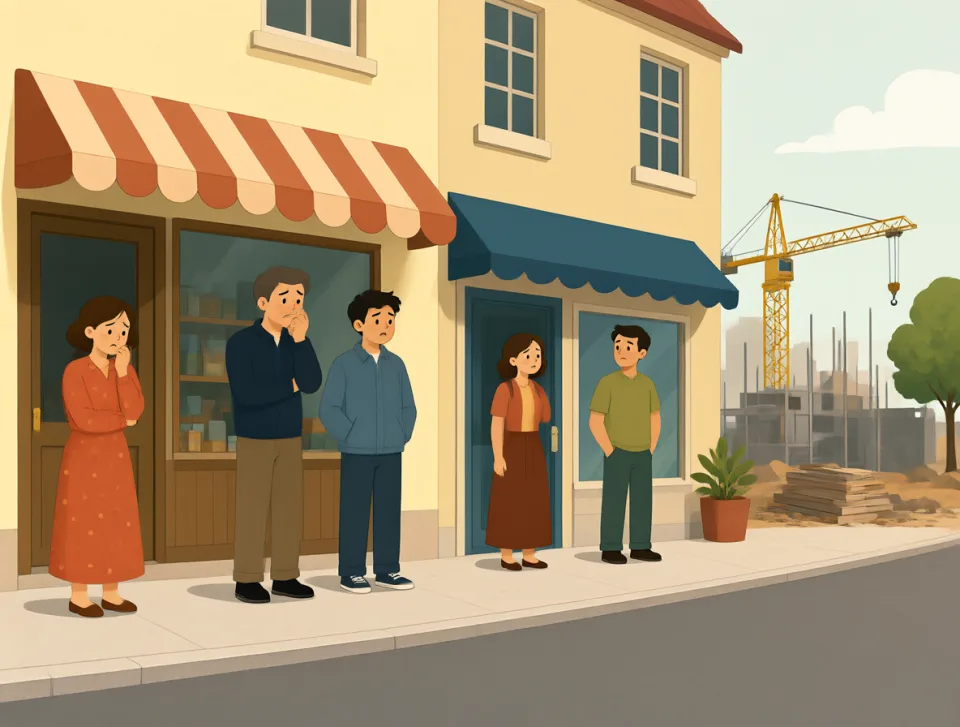
The new shopping center caused opposition from nearby shop owners.
مرکز خرید جدید باعث مخالفت مغازهداران اطراف شد.
relief
#1623noun
آسودگی
A feeling of happiness when something difficult or painful ends.
احساس خوشحالی وقتی چیزی دشوار یا دردناک به پایان میرسد.

She felt great relief when her lost dog came home.
وقتی سگ گمشدهاش به خانه برگشت، احساس آسودگی زیادی کرد.

The medicine brought relief from his terrible headache.
این دارو سردرد وحشتناکش را تسکین داد.

Everyone sighed with relief when the teacher canceled the test.
وقتی معلم امتحان را لغو کرد، همه با آسودگی آه کشیدند.

The cool water gave us relief from the hot summer sun.
آب خنک ما را از گرمای سوزان آفتاب تابستان آسوده کرد.

The store offered relief to shoppers by extending the return period.
فروشگاه با تمدید مهلت بازگرداندن کالا، شرایط را برای خریداران آسانتر کرد.
debt
#1624noun
بدهی
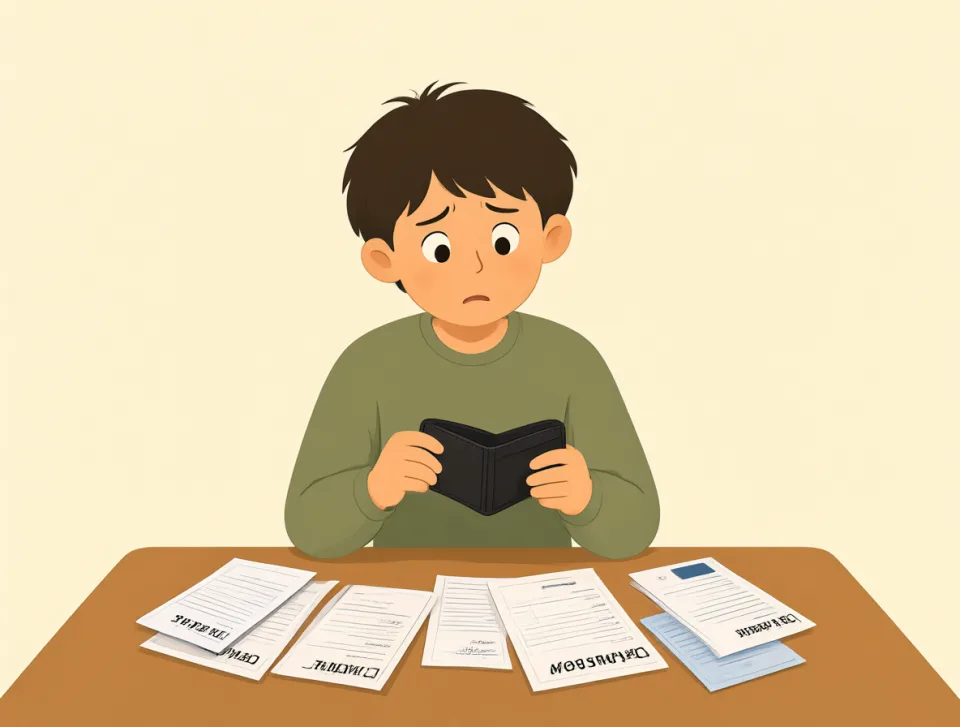
Money that you owe to a person, bank, or business.
پولی که به یک شخص، بانک یا کسبوکار بدهکار هستید.
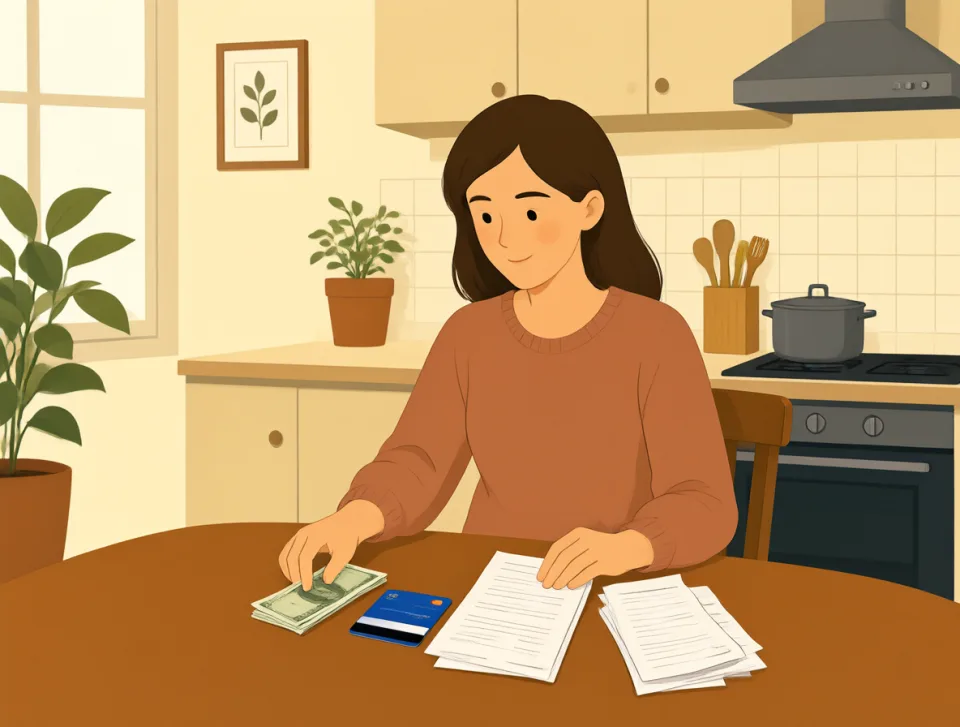
She is trying to pay off her credit card debt.
او دارد تلاش میکند بدهی کارت اعتباریاش را تسویه کند.

The bank refused his loan because he already had too much debt.
بانک درخواست وام او را رد کرد، چون از قبل بدهی زیادی داشت.
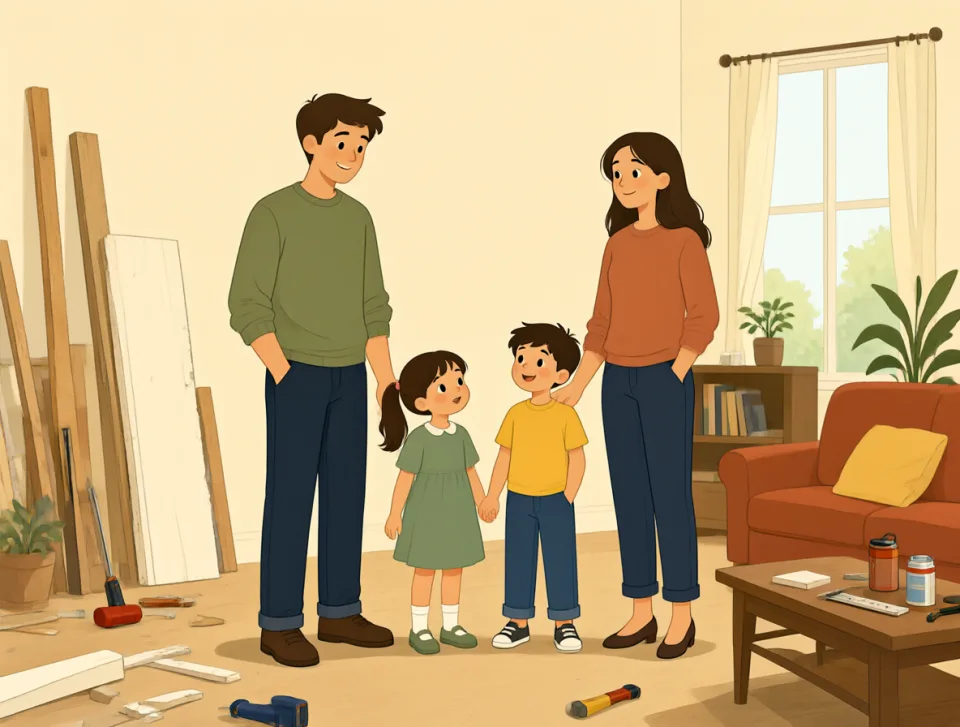
Their family got into debt after repairing the house.
خانوادهی آنها بعد از تعمیر خانه بدهکار شدند.

He borrowed money from a friend and is still in debt.
او از دوستی پول قرض گرفت و هنوز بدهکار است.

The company is working hard to reduce its debt.
شرکت سخت تلاش میکند بدهیاش را کاهش دهد.

honor
#1625noun, verb
احترام
Honor means great respect, or to show respect for someone or something.
Honor یعنی احترام زیاد، یا احترام گذاشتن به کسی یا چیزی.

The award was a great honor for our family.
این جایزه افتخار بزرگی برای خانوادهی ما بود.
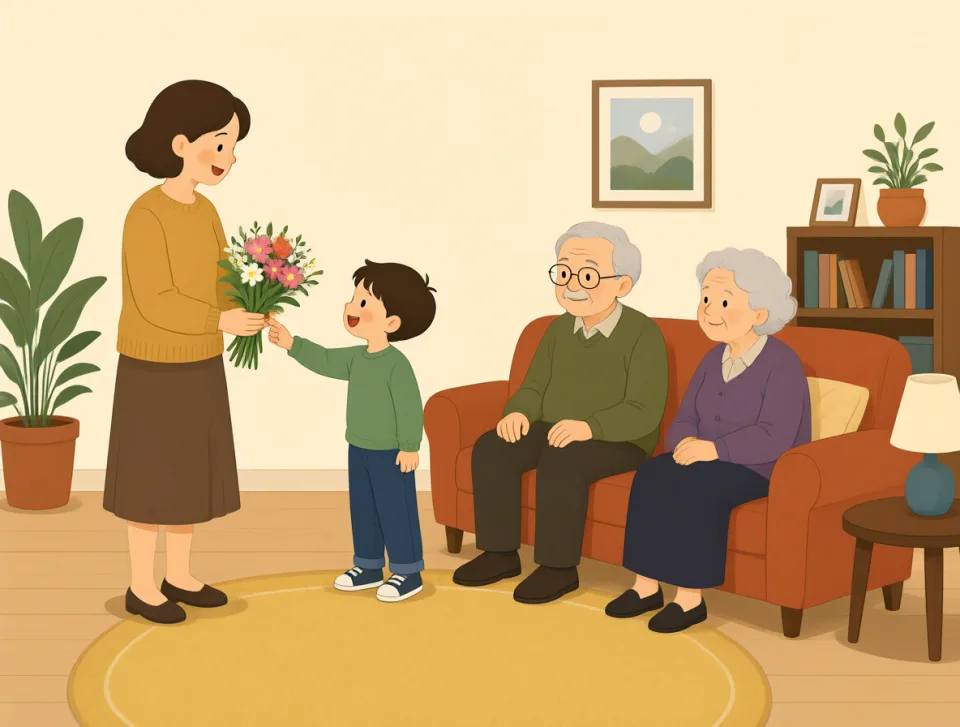
We honor our grandparents by visiting them every Sunday.
ما با دیدار پدربزرگ و مادربزرگمان در هر یکشنبه به آنها احترام میگذاریم.

The school honored Maya for helping younger students.
مدرسه از مایا بهخاطر کمک به دانشآموزان کمسنتر تقدیر کرد.

It is an honor to meet the famous chef.
دیدار با آن سرآشپز معروف افتخار بزرگی است.
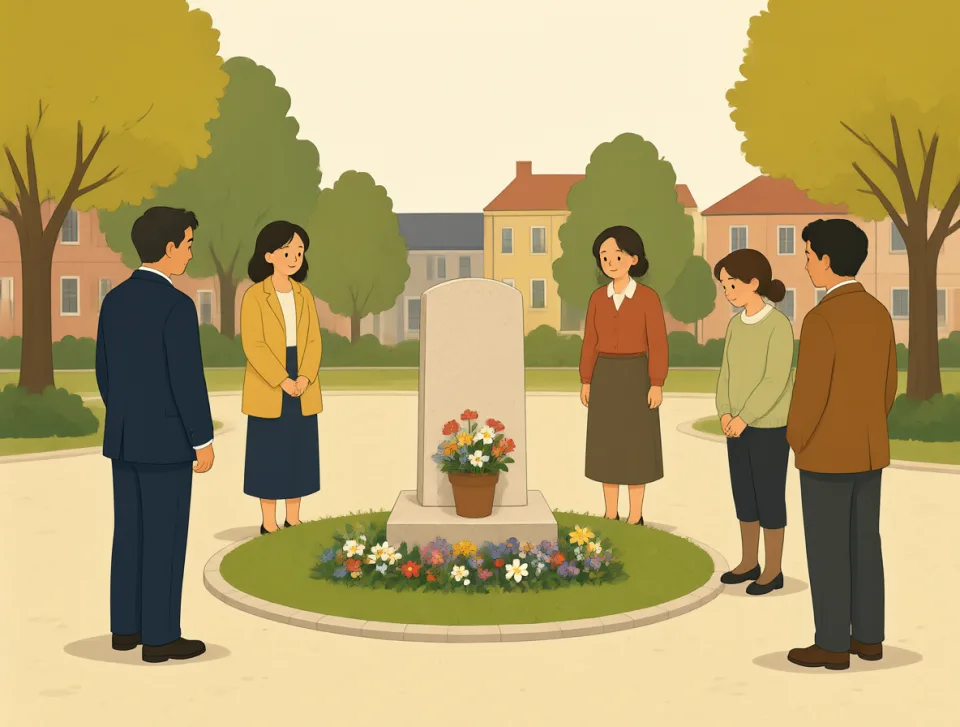
The town held a ceremony to honor fallen soldiers.
شهر مراسمی برای بزرگداشت سربازان کشتهشده برگزار کرد.

outcome
#1626noun
نتیجه
The final result of an action, event, or situation.
نتیجهٔ نهایی یک عمل، رویداد یا وضعیت.
We are waiting to hear the outcome of the meeting.
منتظریم از نتیجهٔ جلسه باخبر شویم.
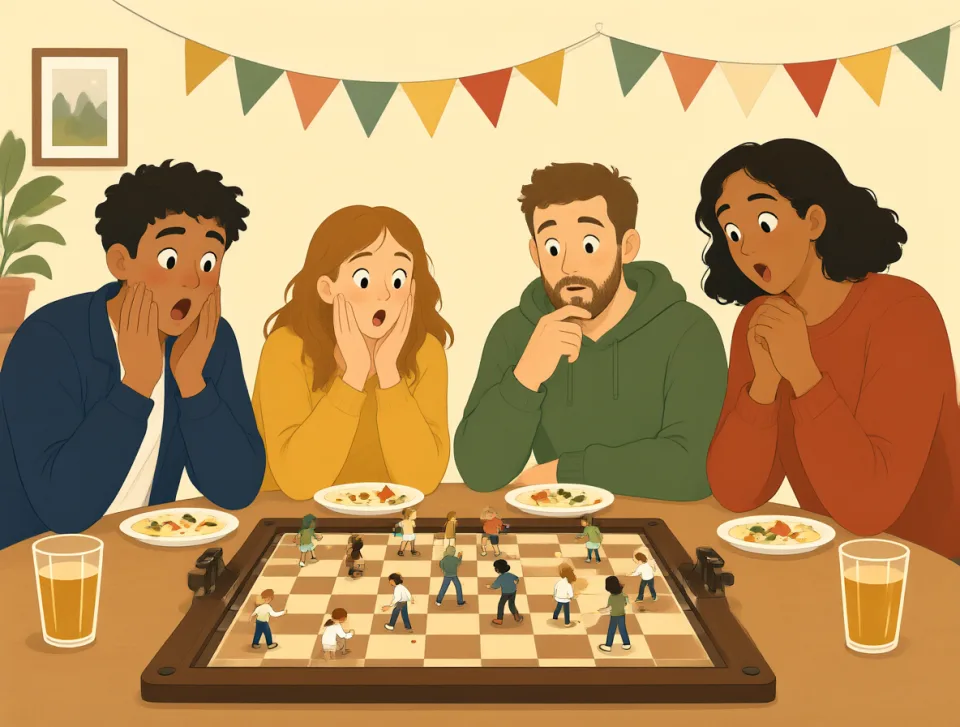
The outcome of the game surprised everyone at the party.
نتیجهٔ بازی همه را در مهمانی غافلگیر کرد.

Hard work usually leads to a better outcome at school.
تلاش و پشتکار معمولاً در مدرسه به نتیجهٔ بهتری منجر میشود.

The doctor explained the possible outcomes of the treatment.
پزشک نتایج احتمالی درمان را توضیح داد.
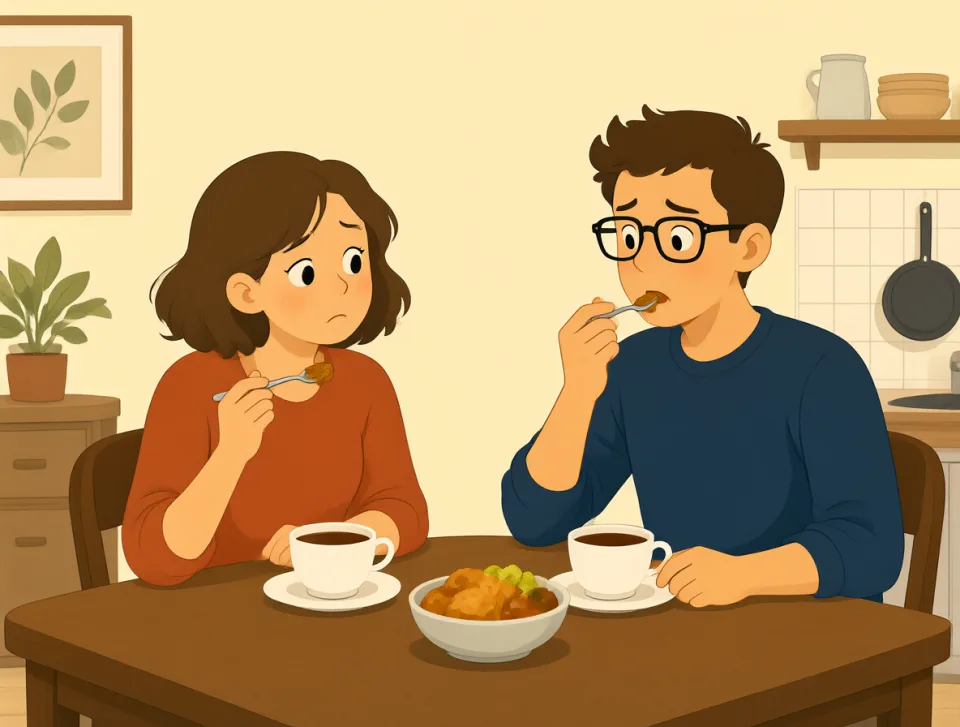
The meal had a disappointing outcome because we forgot the salt.
غذا نتیجهٔ ناامیدکنندهای داشت، چون نمک را فراموش کرده بودیم.
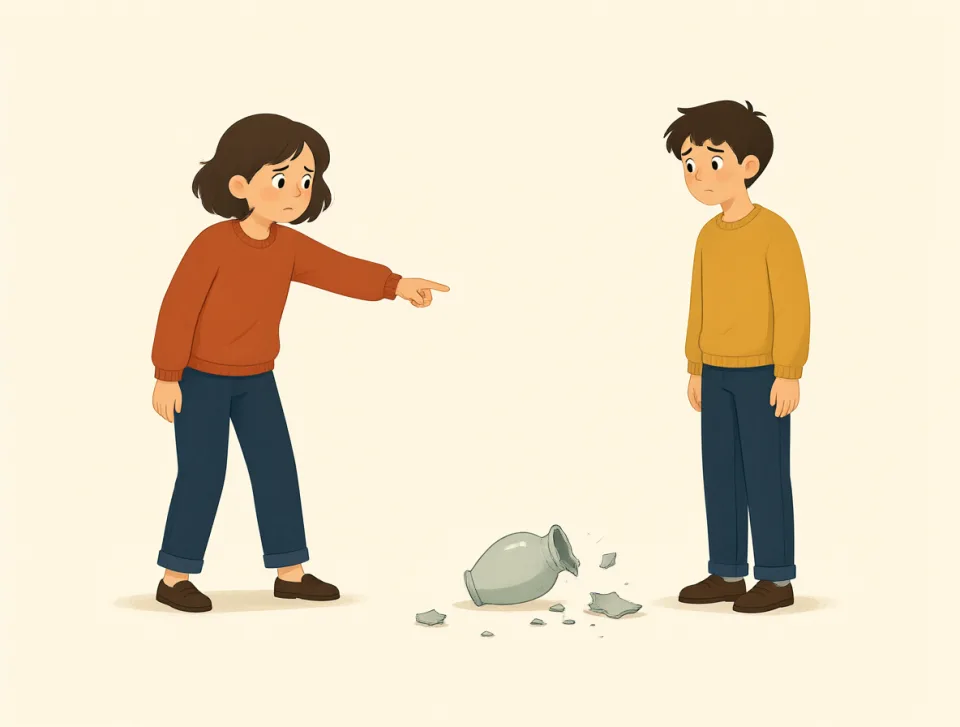
blame
#1627noun, verb
مقصر دانستن
To say or believe that someone caused a problem or did something wrong.
گفتن یا باور داشتن اینکه کسی باعث مشکلی شده یا کار اشتباهی کرده است.

Do not blame me for the broken window.
من را بهخاطر شکستن پنجره سرزنش نکن.
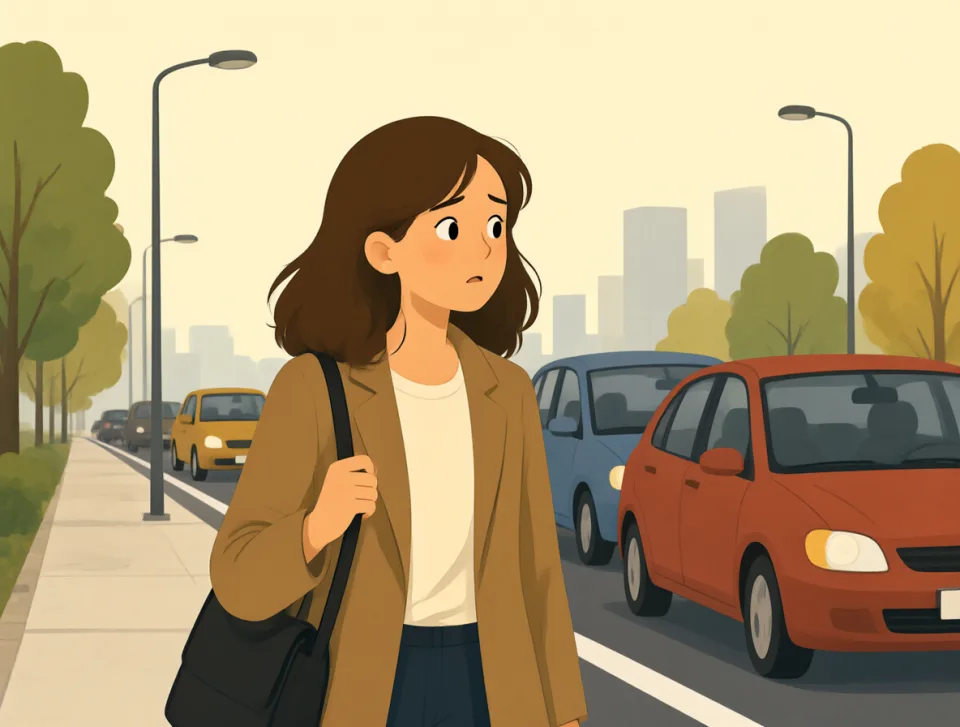
She blamed the traffic for arriving late.
او دیر رسیدنش را به ترافیک نسبت داد.
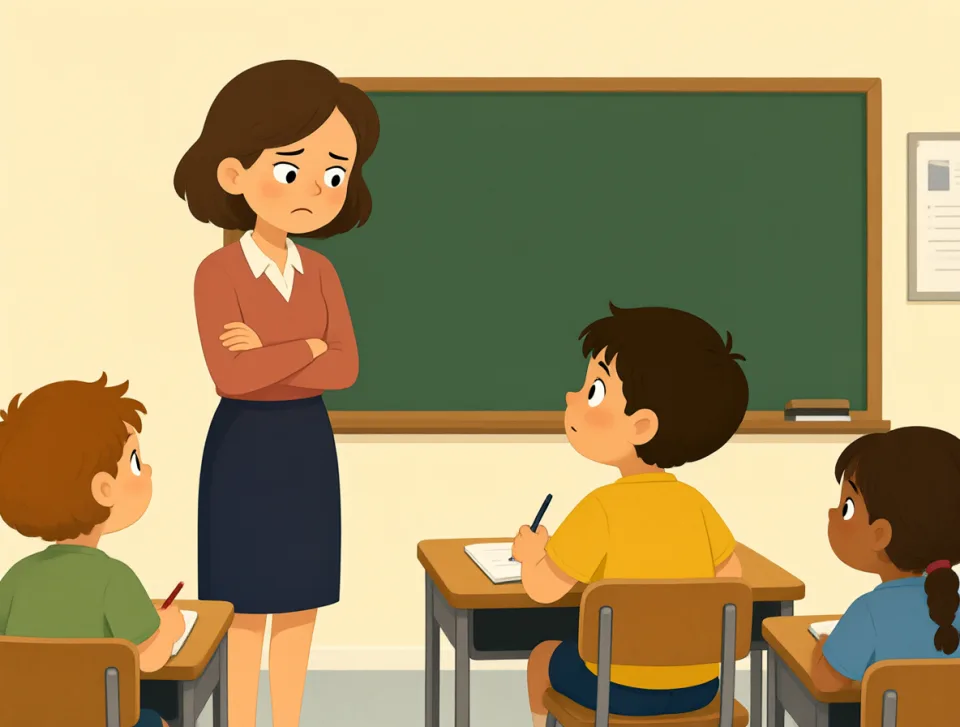
The teacher blamed Tom for making too much noise.
معلم تام را بهخاطر سروصدای زیاد سرزنش کرد.

I take the blame for forgetting your birthday.
مسئولیت فراموشکردن تولدت را میپذیرم.

The doctor said stress was partly to blame for his headaches.
پزشک گفت استرس تا حدی باعث سردردهای او بوده است.
explanation
#1628noun
توضیح
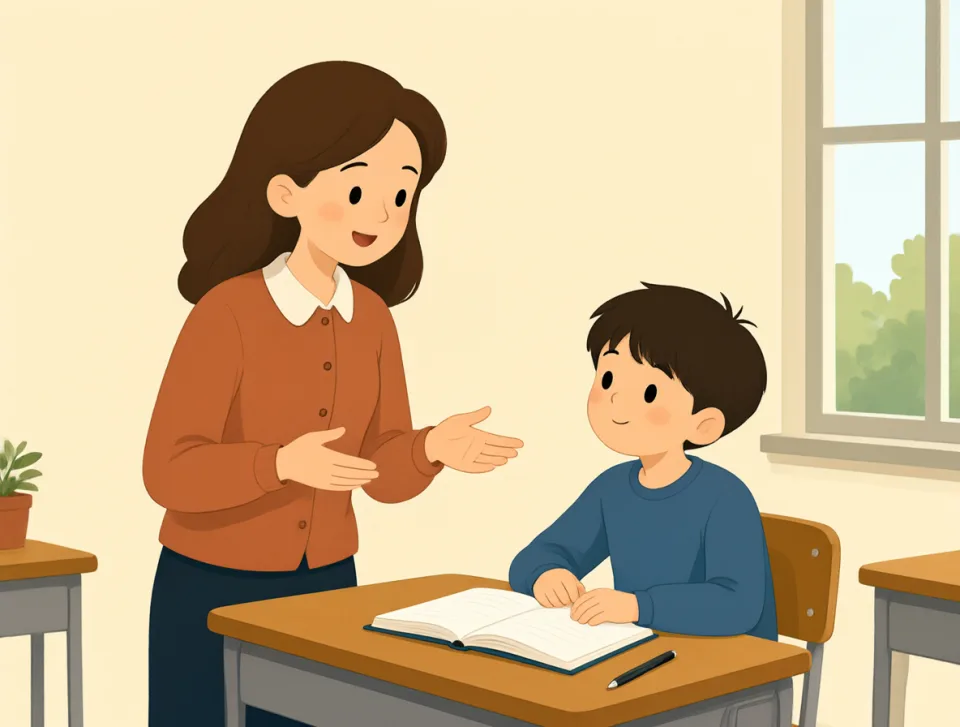
A statement that makes something clear or tells why it happened.
بیانی که موضوعی را روشن میکند یا میگوید چرا اتفاقی افتاده است.
The teacher gave a simple explanation of the new rule.
معلم توضیح سادهای دربارهٔ قانون جدید داد.

Can you give me an explanation for the late delivery?
میتوانی دربارهٔ دیر رسیدن سفارش توضیحی بدهی؟
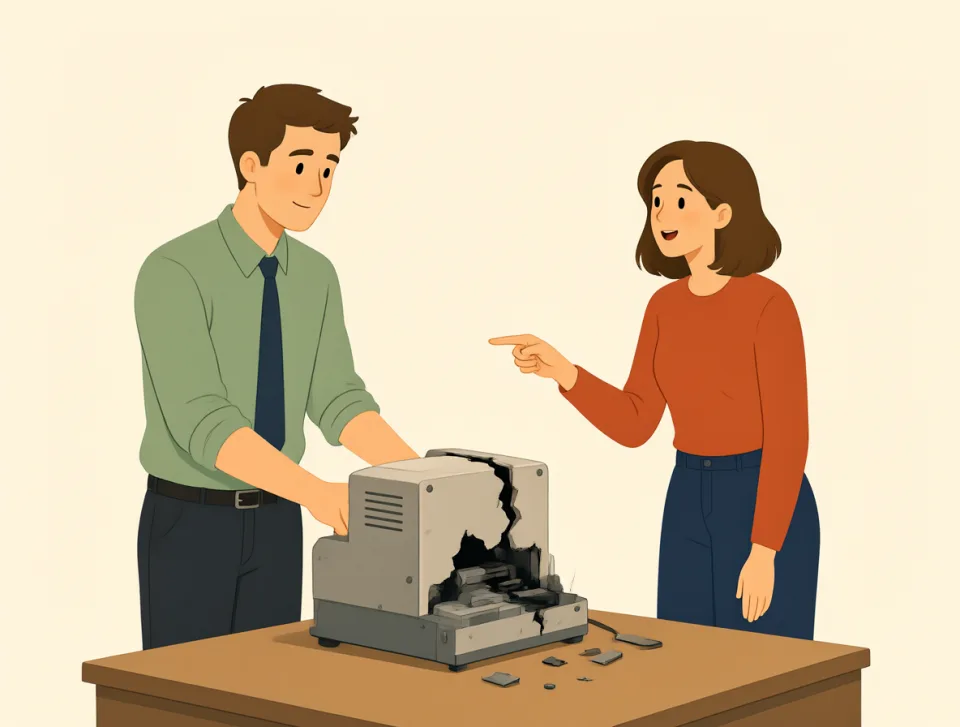
His explanation of the problem helped us find a solution.
توضیح او دربارهٔ مشکل به ما کمک کرد راهحلی پیدا کنیم.

She asked the doctor for an explanation of her test results.
او از پزشک خواست نتایج آزمایشهایش را برایش توضیح دهد.
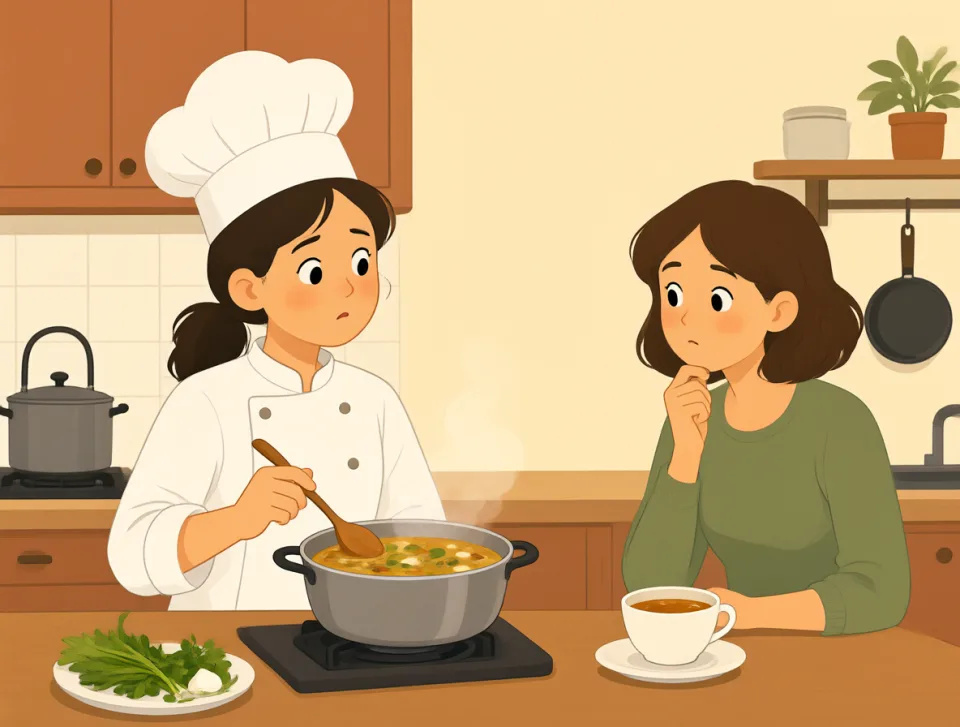
There is no easy explanation for why the soup tastes so salty.
برای اینکه چرا سوپ اینقدر شور است، توضیح سادهای وجود ندارد.
arise
#1629verb
پیش آمدن
To happen, especially unexpectedly or as a problem or need.
اتفاق افتادن، بهویژه بهشکلی غیرمنتظره یا در قالب یک مشکل یا نیاز.

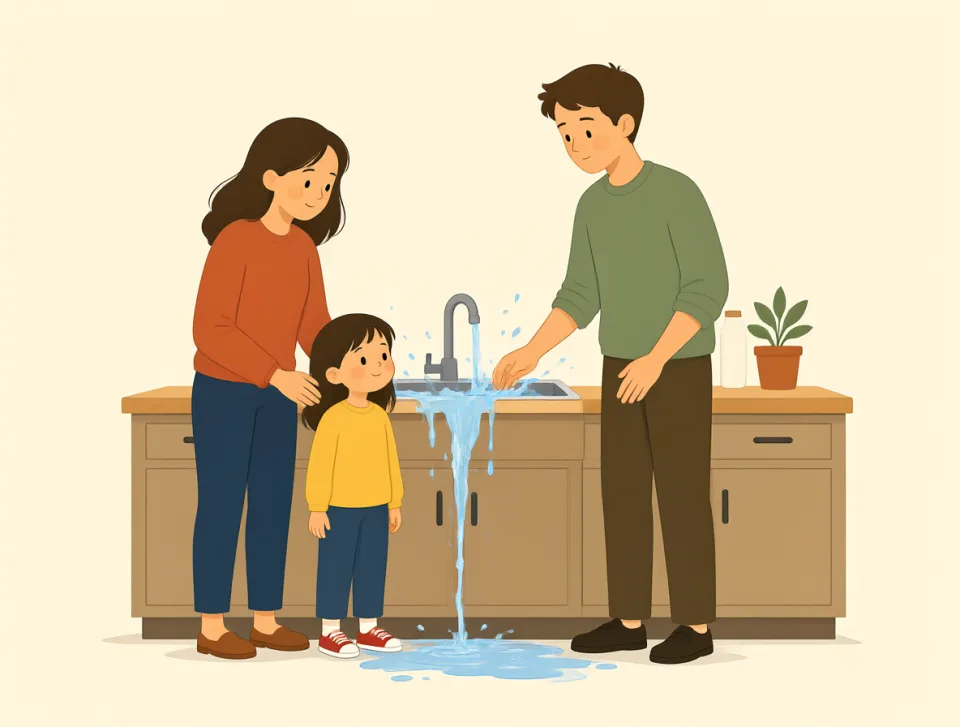
Several problems arose during the meeting this morning.
امروز صبح در طول جلسه چند مشکل پیش آمد.
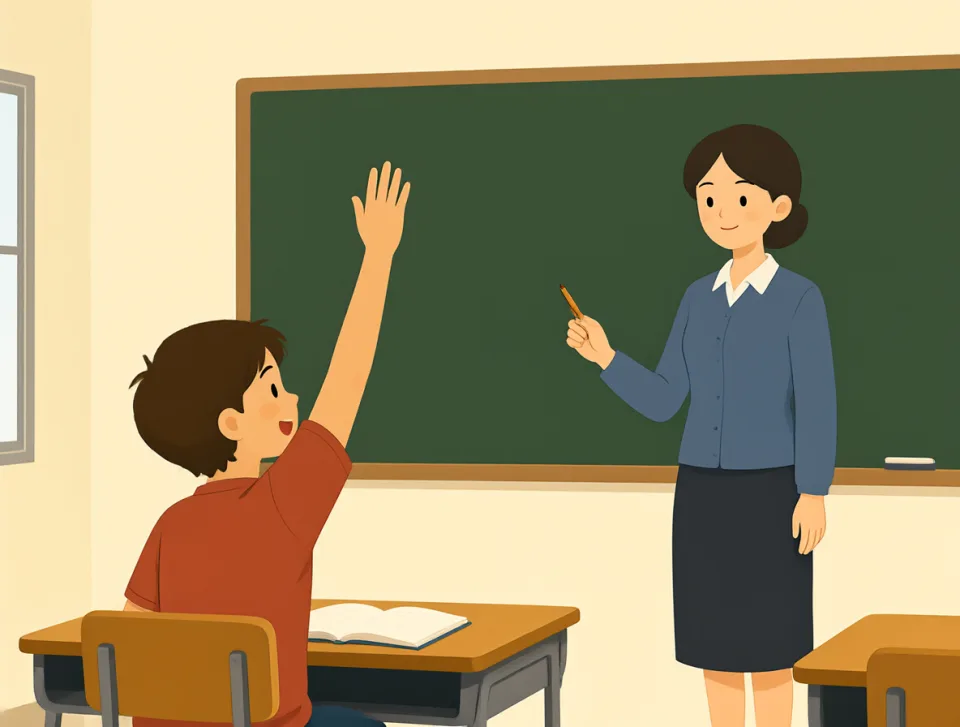
Please call me if any questions arise after class.
اگر بعد از کلاس سؤالی پیش آمد، لطفاً با من تماس بگیر.

A disagreement arose between two friends at dinner.
سر شام بین دو دوست اختلافی پیش آمد.
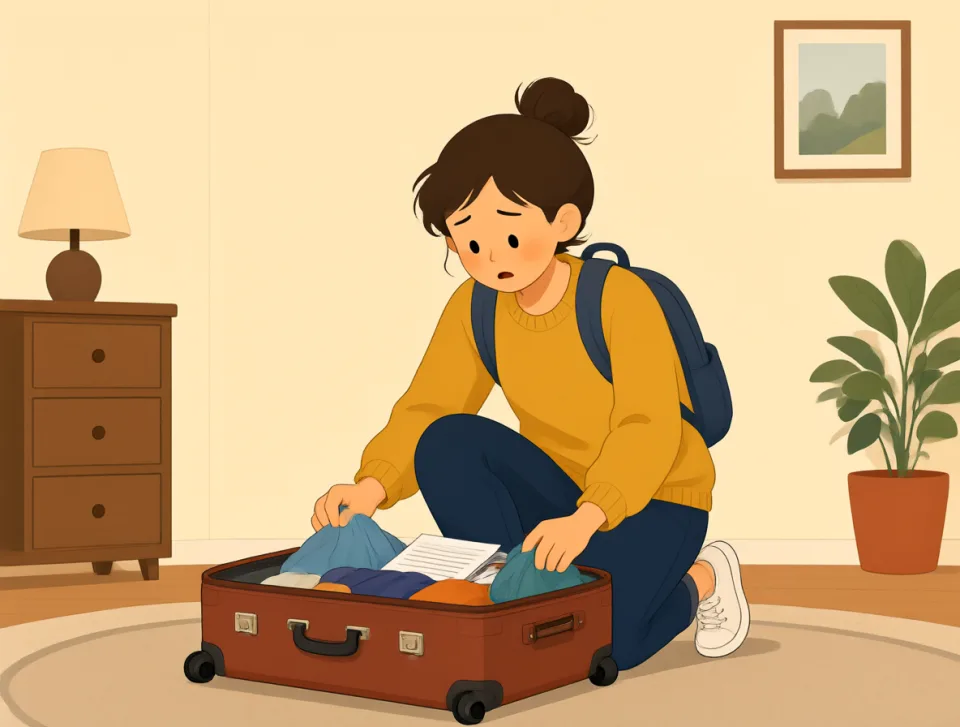
We left early because an urgent problem had arisen.
چون مشکل فوریای پیش آمده بود، زود رفتیم.
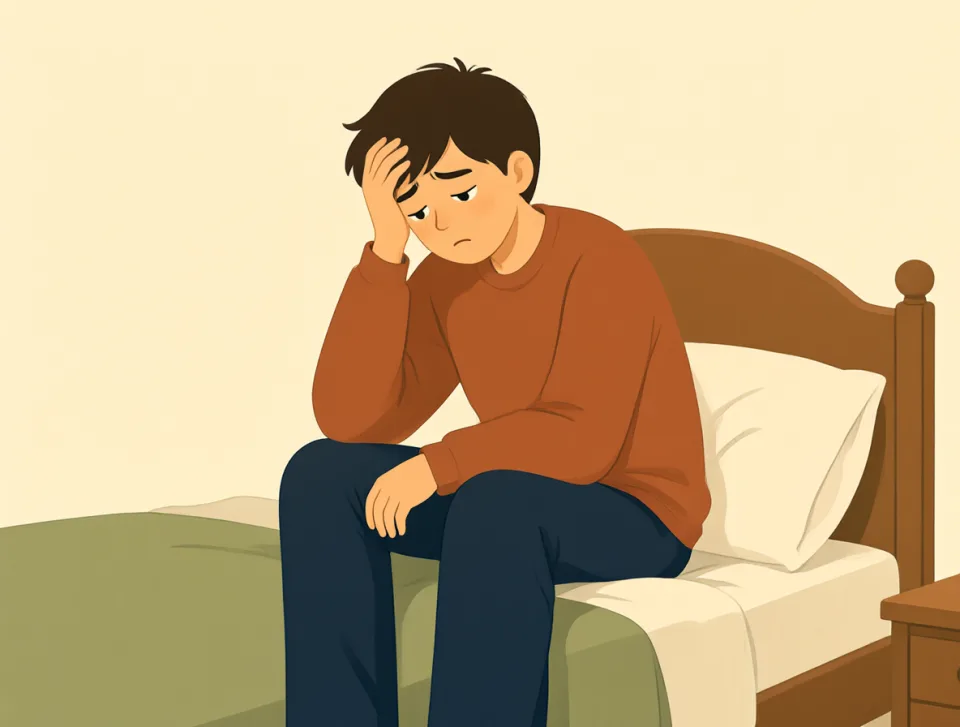
Health problems can arise when people do not sleep enough.
وقتی آدمها بهاندازهٔ کافی نمیخوابند، ممکن است دچار مشکلات سلامتی شوند.

musical
#1630adjective, noun
موسیقایی
Related to music, or a play in which people sing and dance.
مربوط به موسیقی؛ همچنین نمایشی که در آن بازیگران آواز میخوانند و میرقصند.

She has a beautiful musical voice.
او صدای زیبا و موسیقاییای دارد.

We watched a musical at the theater last night.
دیشب در تئاتر یک نمایش موزیکال تماشا کردیم.
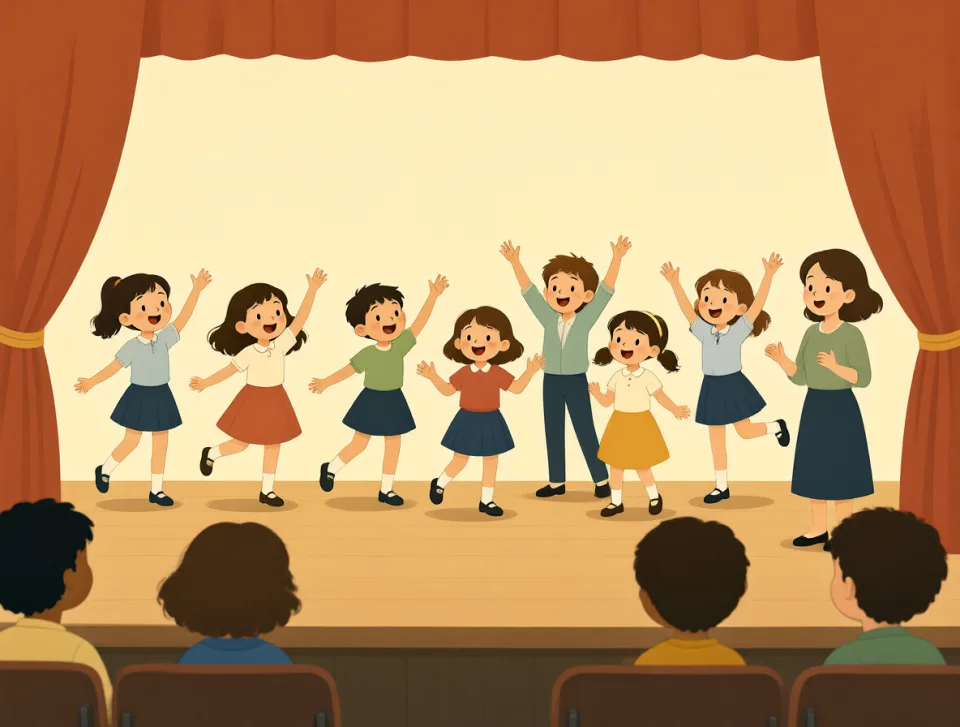
Our school musical starts next Friday.
نمایش موزیکال مدرسهٔ ما جمعهٔ آینده شروع میشود.
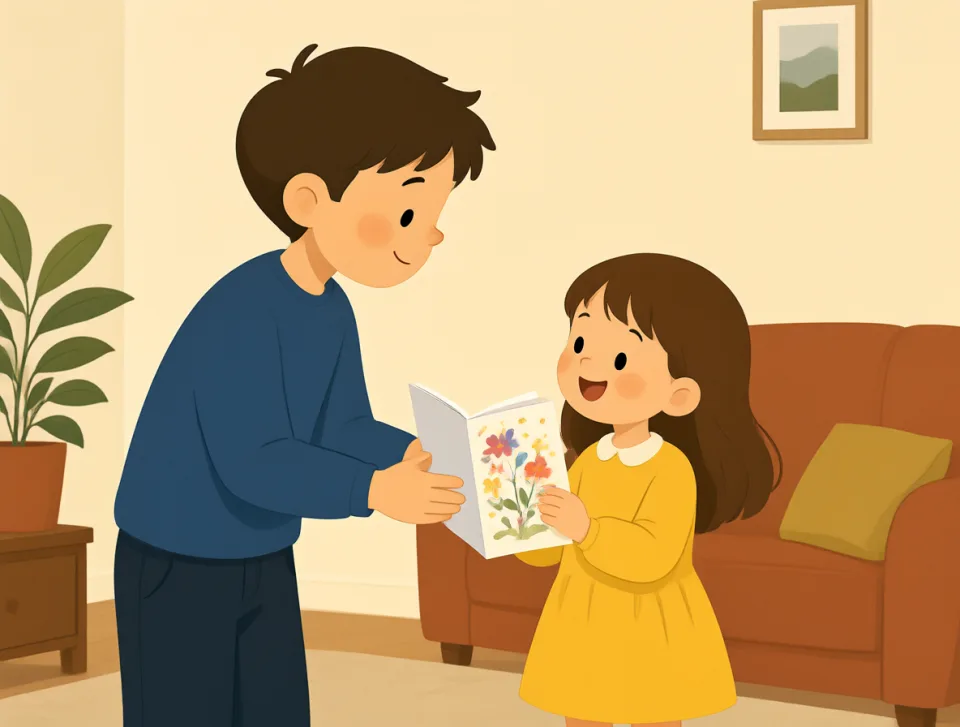
He bought a musical birthday card for his sister.
او برای خواهرش یک کارت تبریک تولد موزیکال خرید.
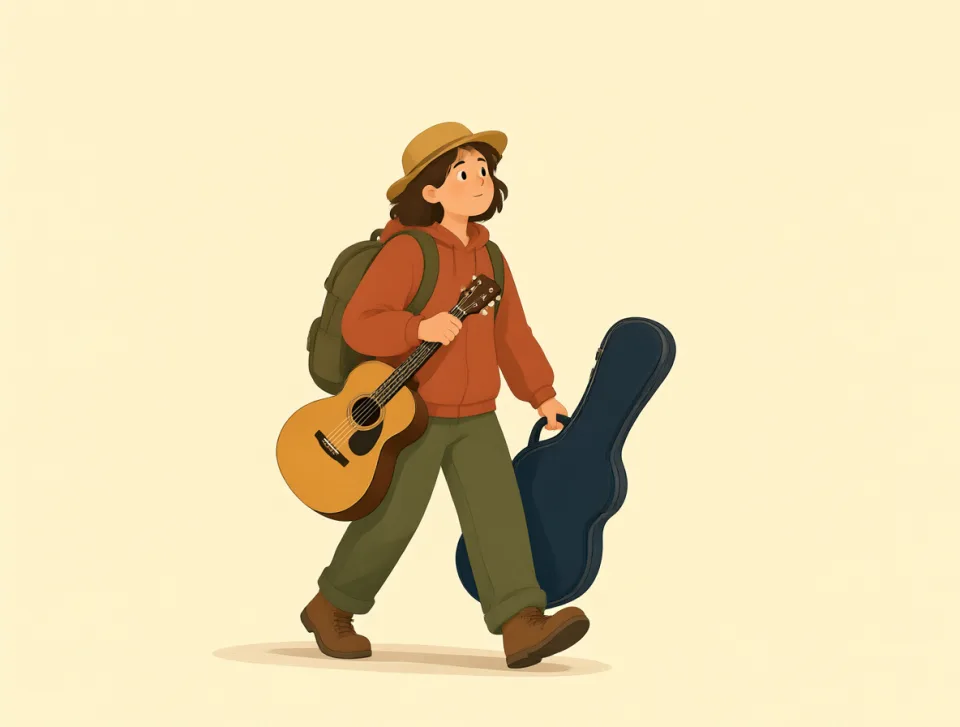
The musical instruments were too heavy to carry.
سازهای موسیقی آنقدر سنگین بودند که نمیشد حملشان کرد.

recover
#1631verb
بهبود یافتن
to become healthy, strong, or normal again after illness, injury, or difficulty
بعد از بیماری، آسیبدیدگی یا دشواری، دوباره سالم، قوی یا به حالت عادی شدن
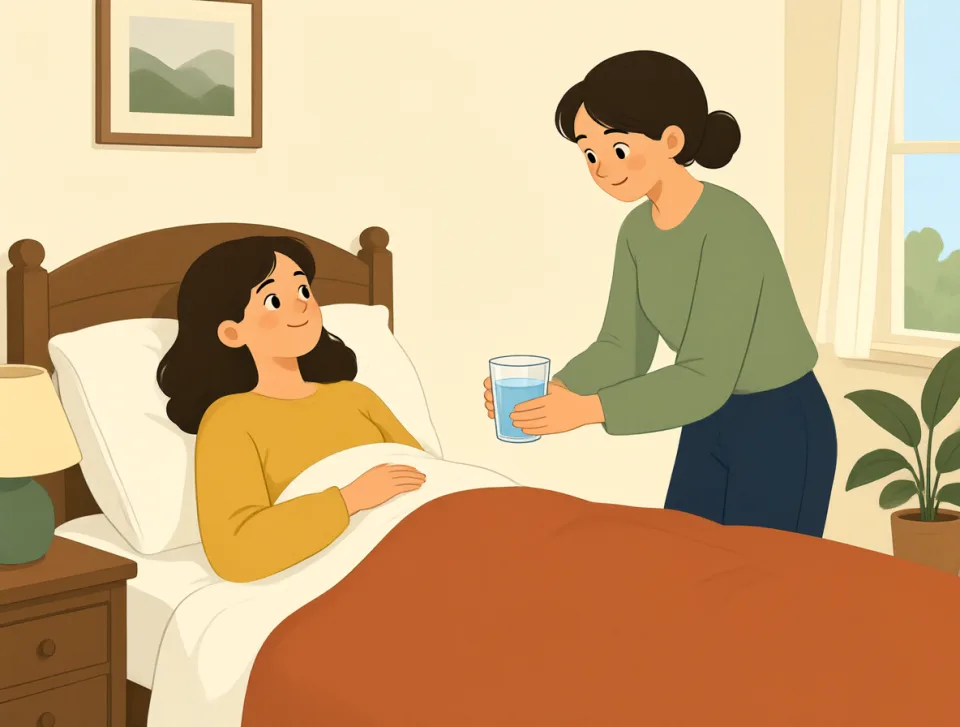
She is recovering well after her operation.
او بعد از عملش بهخوبی در حال بهبودی است.

It took him two weeks to recover from the flu.
دو هفته طول کشید تا او از آنفلوآنزا بهبود پیدا کند.

The company recovered quickly after losing many customers.
شرکت پس از از دست دادن مشتریان زیادی، خیلی زود دوباره رونق گرفت.
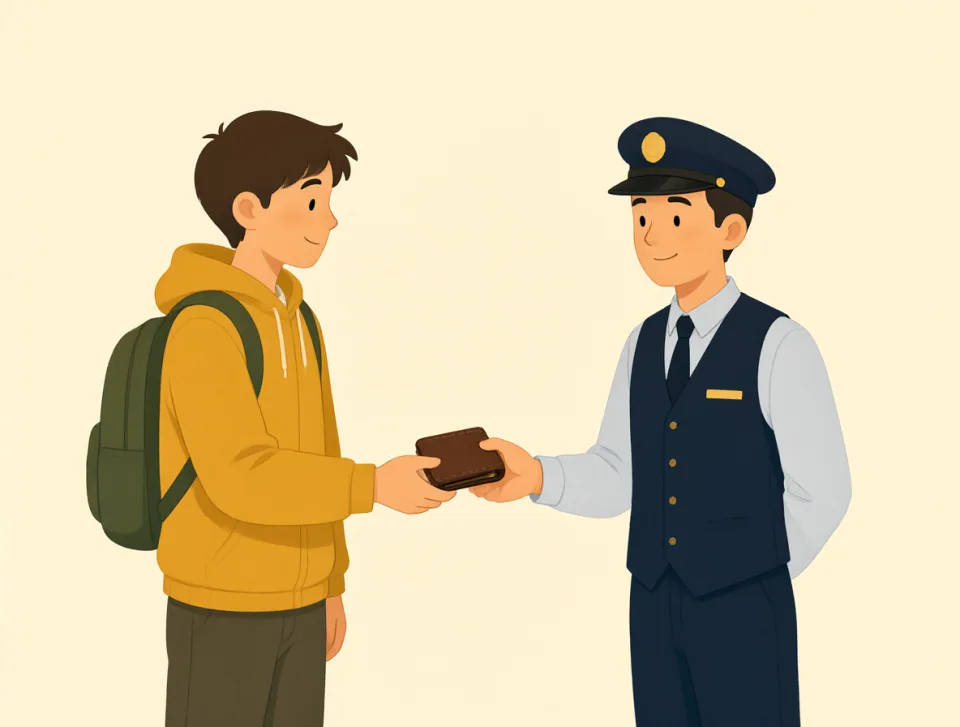
I recovered my lost wallet at the train station.
کیف پول گمشدهام را در ایستگاه قطار پیدا کردم.

The team recovered from a difficult start and won the game.
تیم پس از شروعی دشوار، خودش را جمعوجور کرد و بازی را برد.
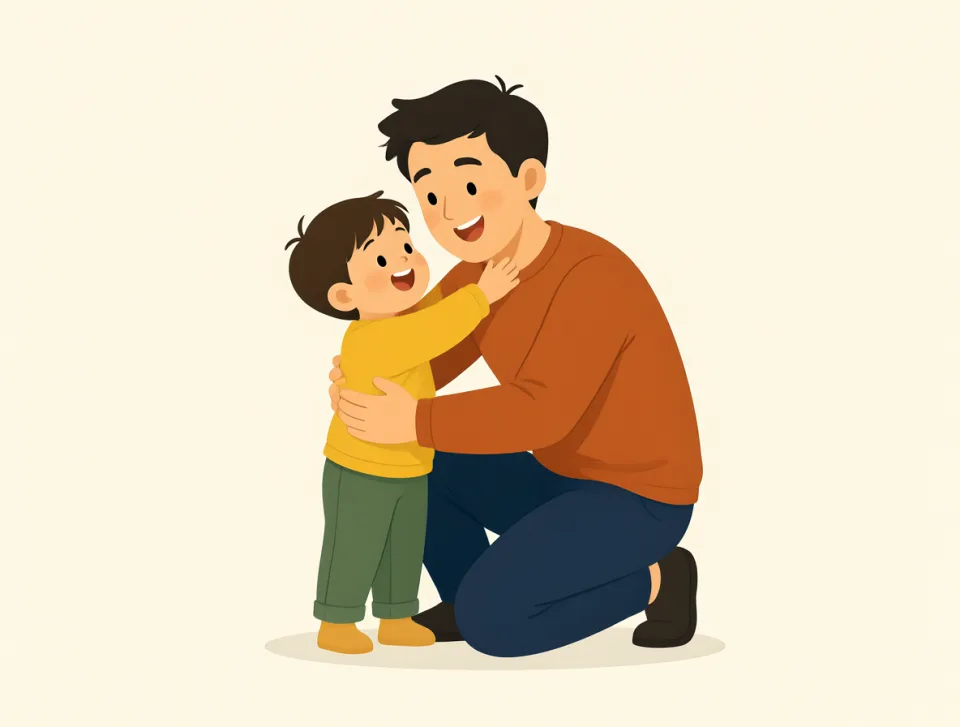
dad
#1632noun
بابا
your father or a familiar way to call a father
پدر شما یا واژهای صمیمانه برای خطاب کردن پدر
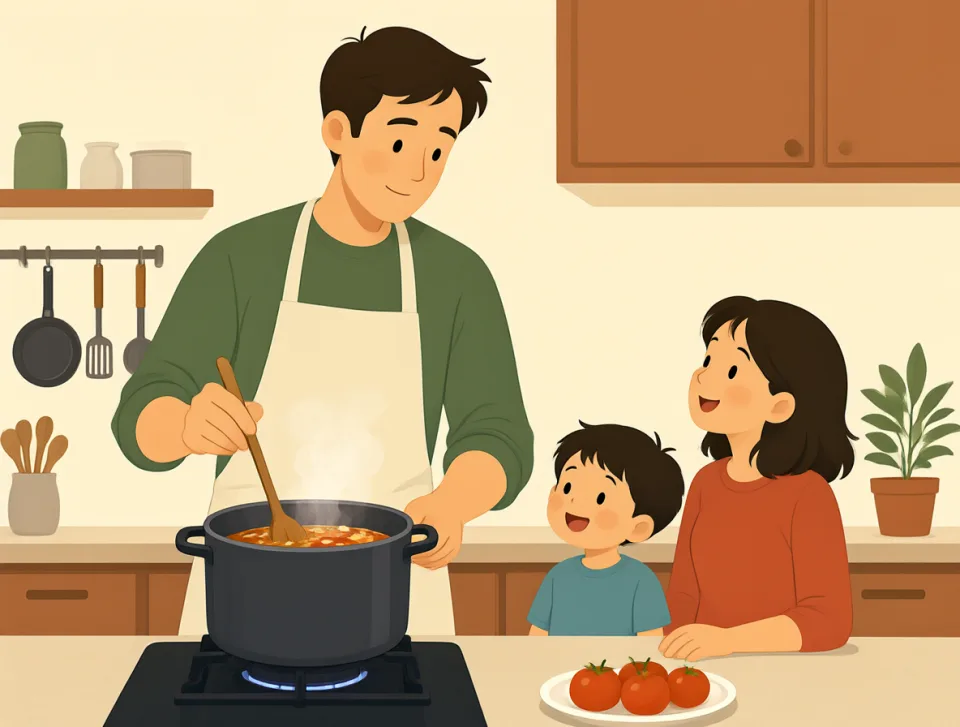
My dad cooks dinner for our family every Friday.
بابایم هر جمعه برای خانوادهمان شام میپزد.
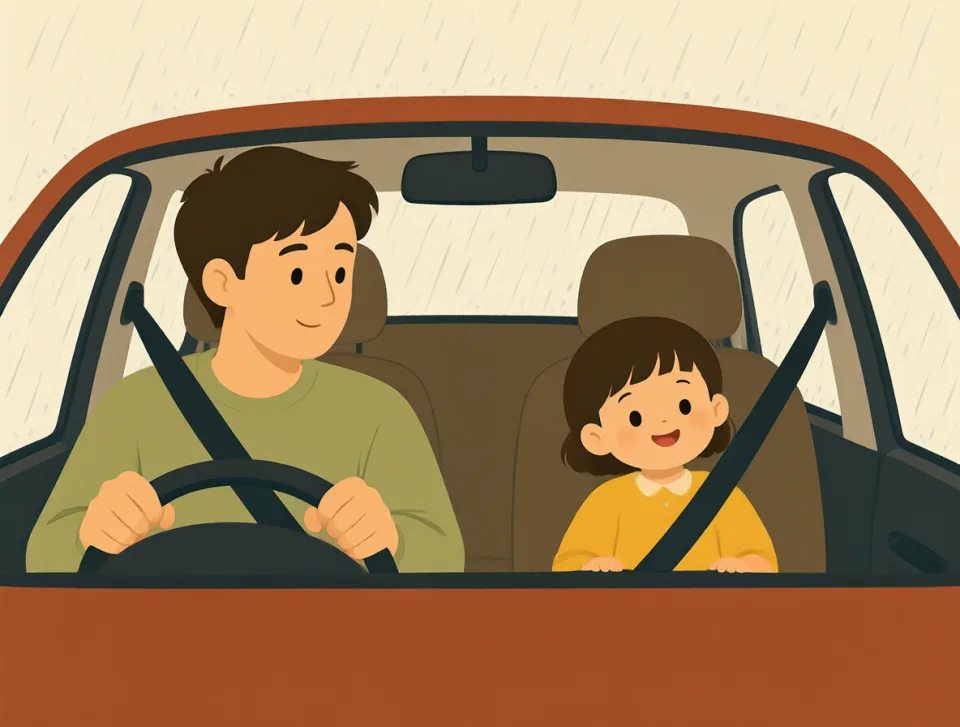
Dad drove me to school because it was raining.
چون باران میبارید، بابا مرا با ماشین به مدرسه برد.
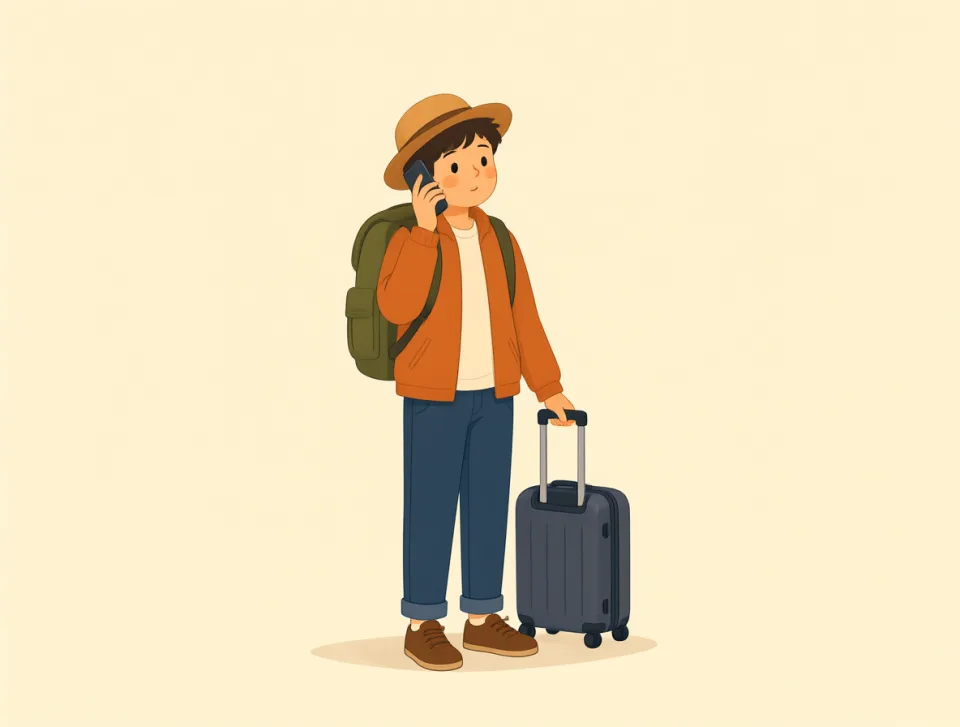
I called my dad after I arrived at the airport.
بعد از رسیدن به فرودگاه به بابایم زنگ زدم.
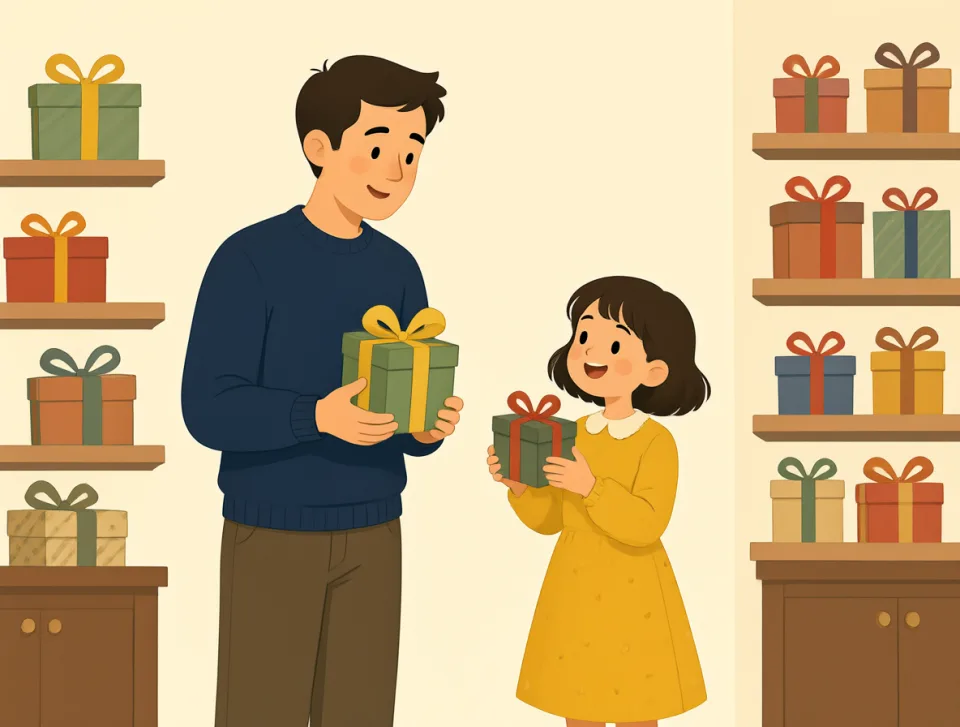
Her dad helped her choose a birthday present.
بابایش به او کمک کرد برای تولدش هدیهای انتخاب کند.
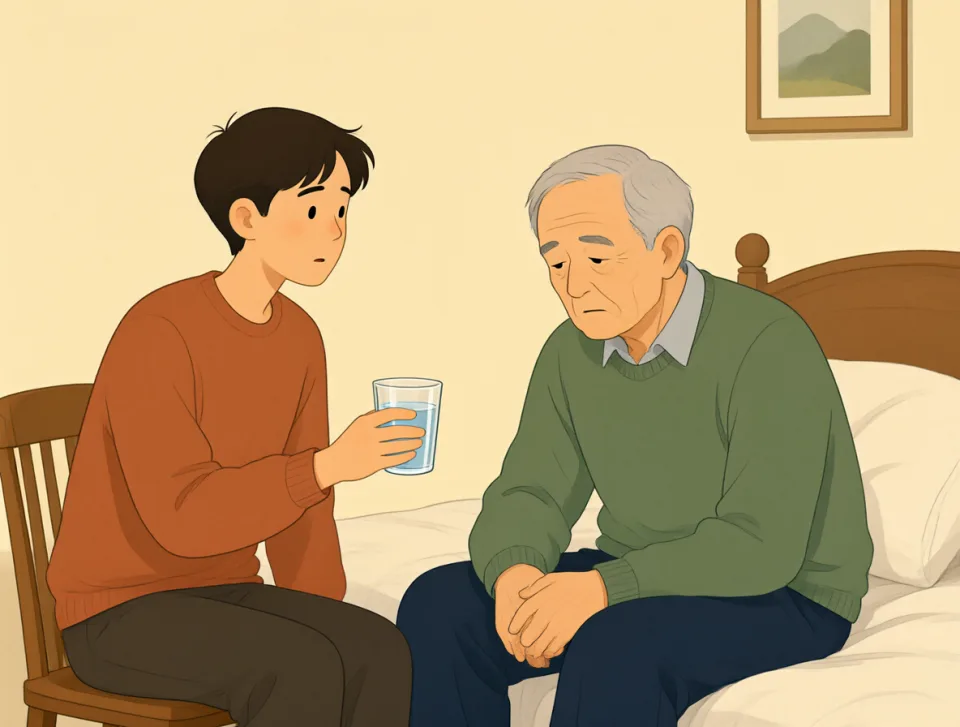
The doctor told his dad to rest at home.
دکتر به پدرش گفت که در خانه استراحت کند.

stretch
#1633verb, noun
کش دادن
to make something longer or wider, or to extend your body or arm
چیزی را بلندتر یا پهنتر کردن، یا بدن یا دستتان را دراز کردن
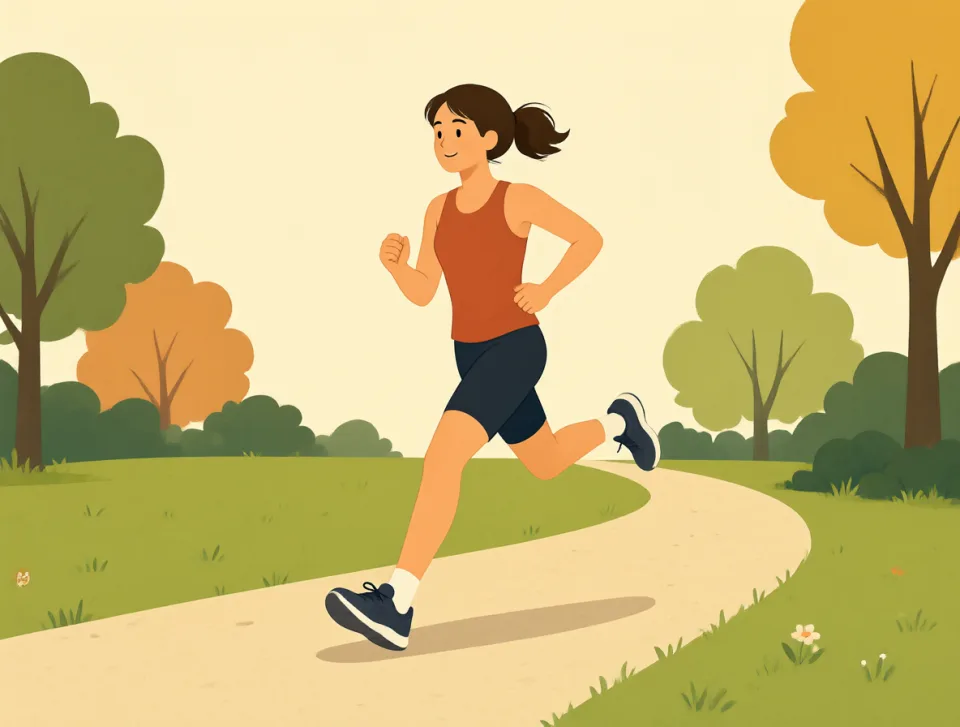
I stretch my legs before I go for a run.
قبل از دویدن، پاهایم را میکشم.
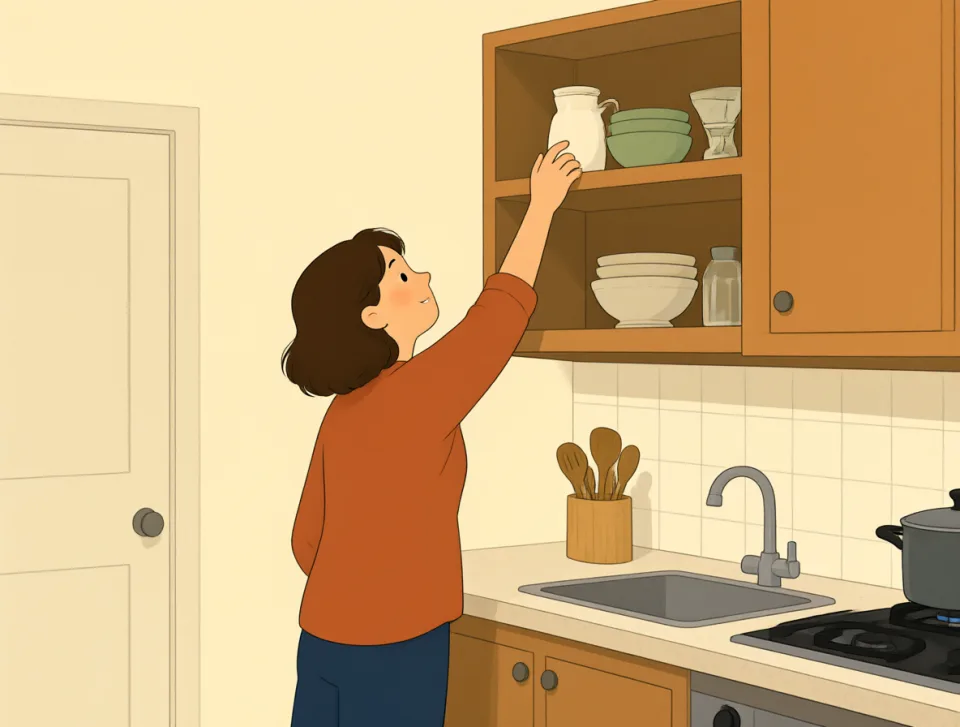
She stretched her arms to reach the top shelf.
او دستهایش را دراز کرد تا به قفسهی بالایی برسد.
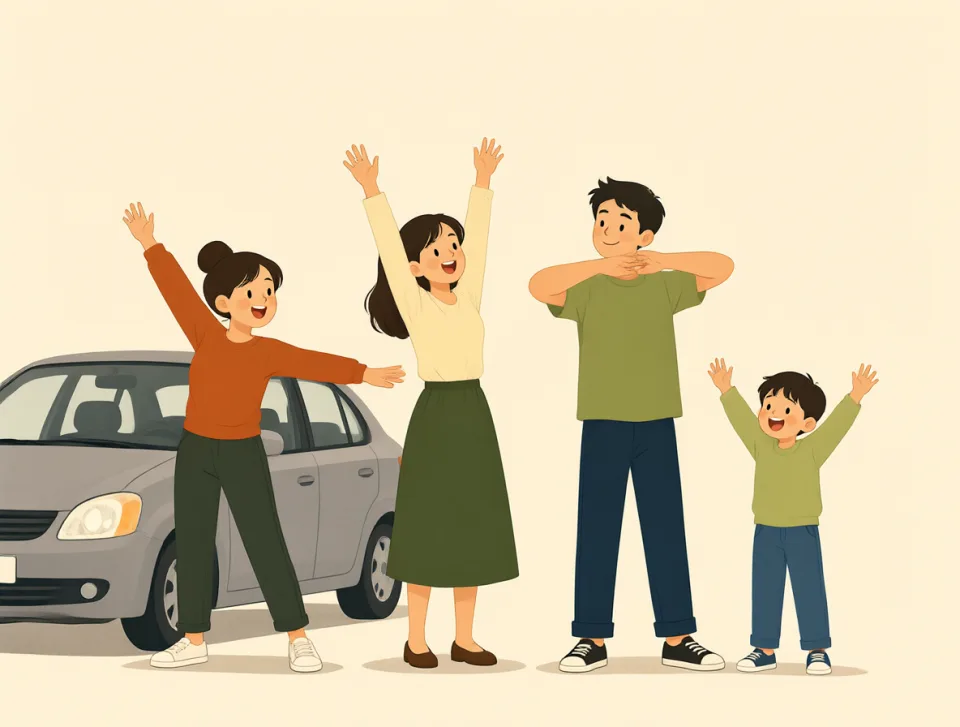
We stopped to stretch during the long car journey.
در طول مسیر طولانی با ماشین توقف کردیم تا کمی بدنمان را بکشیم.
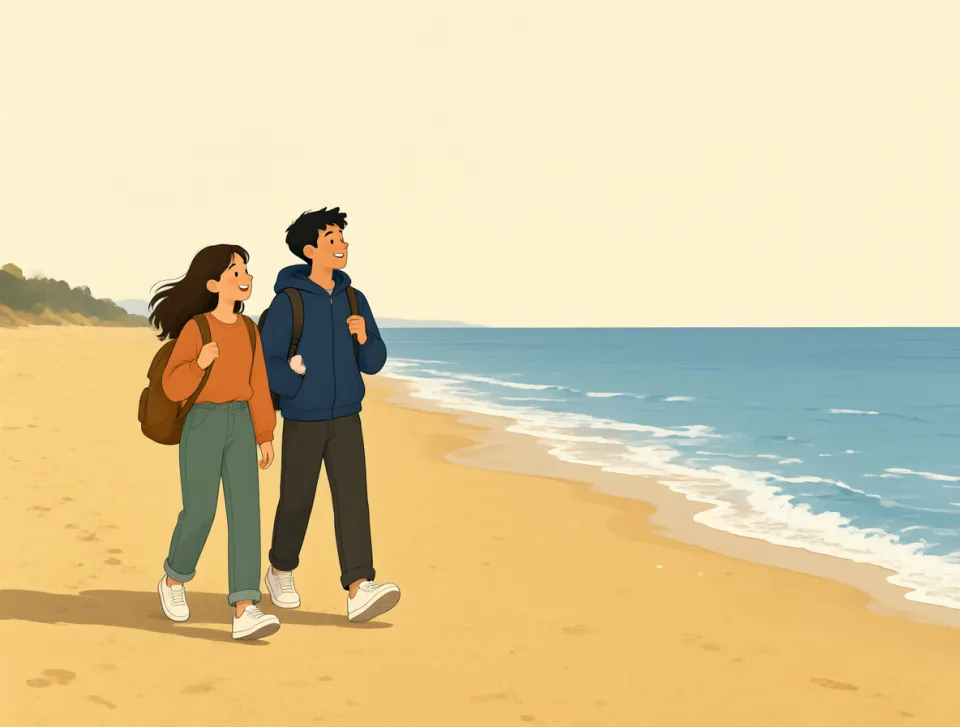
They walked along a quiet stretch of beach.
آنها در امتداد بخش آرامی از ساحل قدم زدند.

The repair took a long stretch of the afternoon.
تعمیر، بخش زیادی از بعدازظهر را گرفت.

declare
#1634verb
اعلام کردن
To say something clearly and officially, or to make it known publicly.
چیزی را بهروشنی و بهطور رسمی گفتن یا آن را بهصورت عمومی اعلام کردن
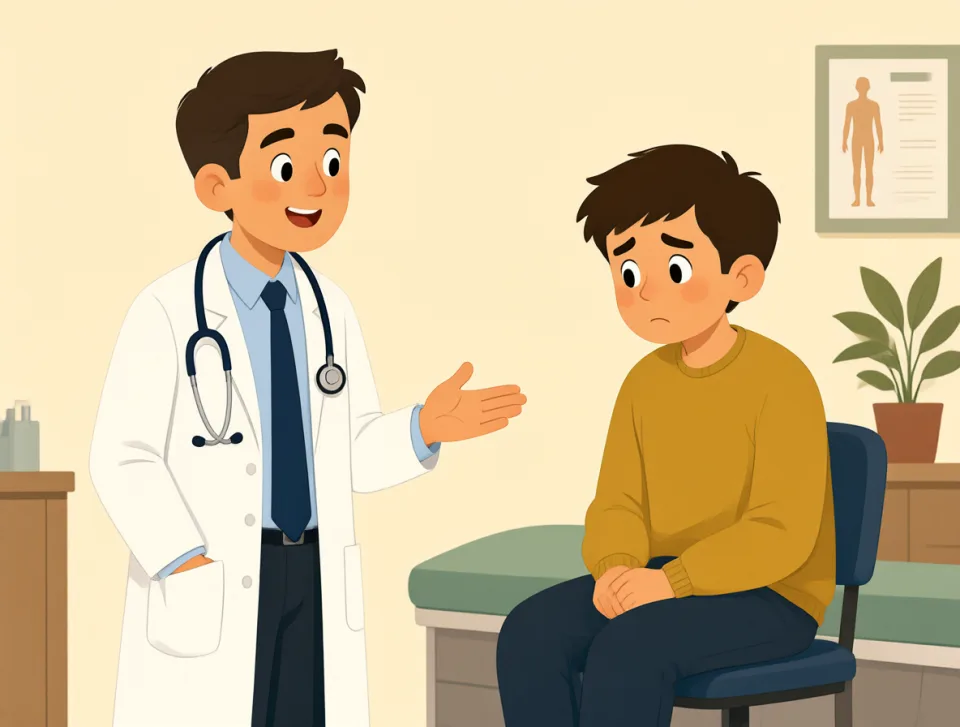
The doctor declared that the patient was healthy again.
دکتر اعلام کرد که بیمار دوباره سالم شده است.

Maya declared her love for the city after her visit.
مایا بعد از سفرش، عشقش را به آن شهر ابراز کرد.
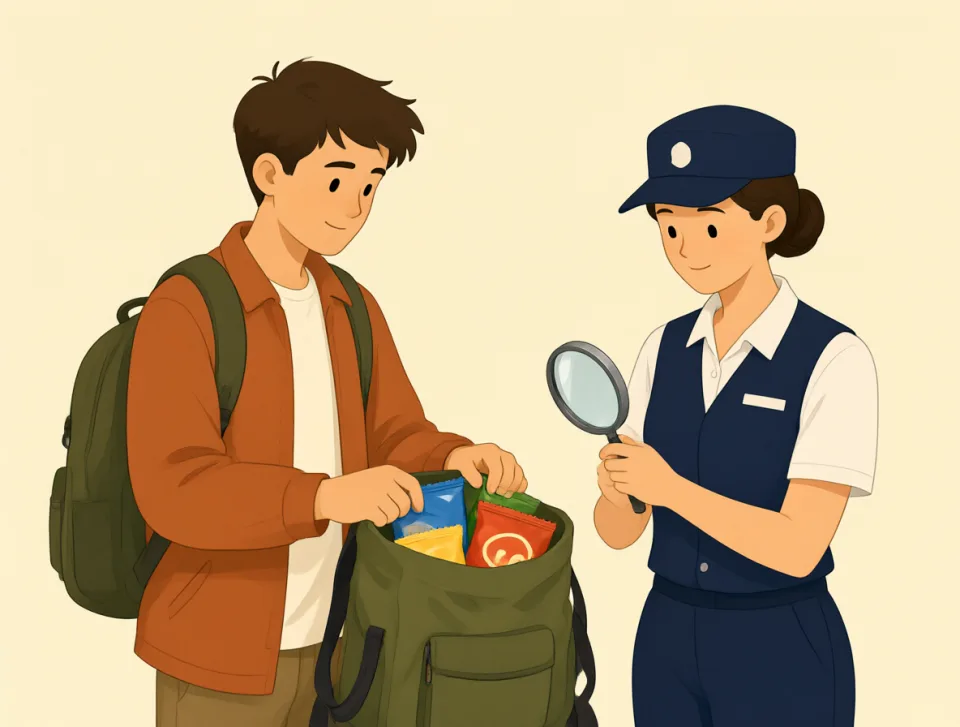
We must declare all our food at the airport.
باید همهی خوراکیهایمان را در فرودگاه اظهار کنیم.
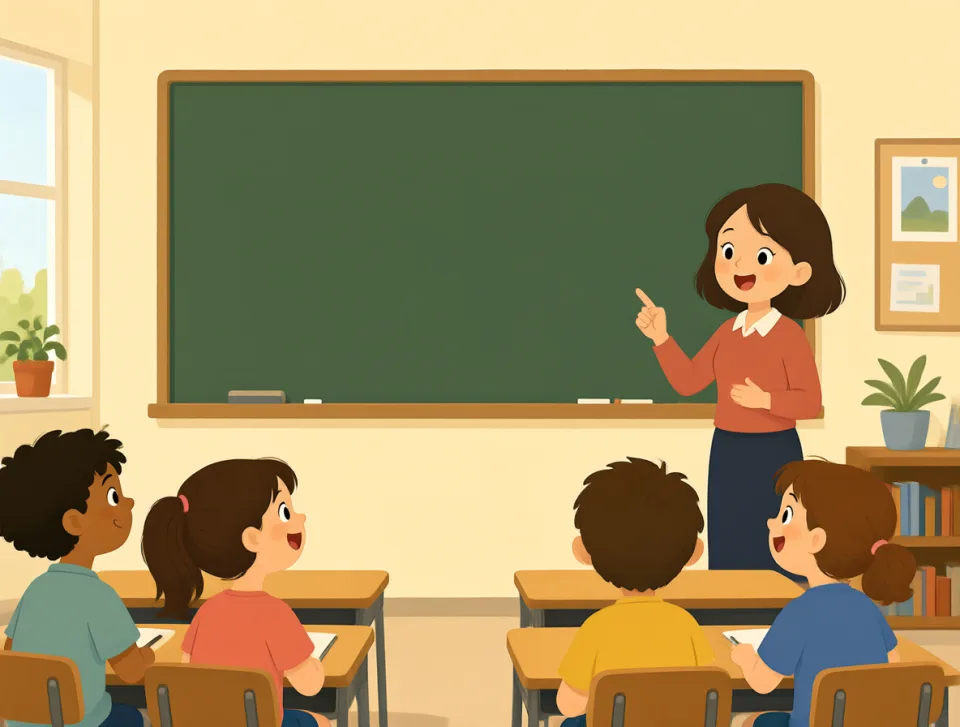
The school declared Friday a holiday for every student.
مدرسه اعلام کرد که جمعه برای همهی دانشآموزان تعطیل است.

He declared his new phone at customs before entering the country.
او پیش از ورود به کشور، تلفن جدیدش را در گمرک اظهار کرد.
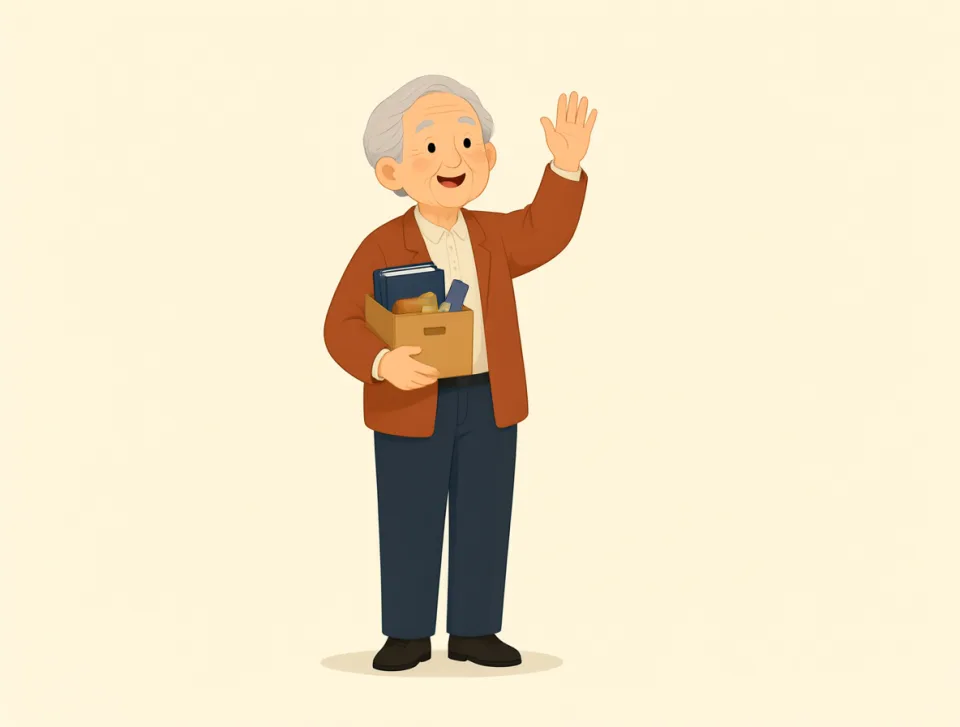
retire
#1635verb
بازنشسته شدن
To stop working permanently, usually because you are old enough to receive a pension.
برای همیشه دست از کار کشیدن، معمولاً چون به سن دریافت مستمری رسیدهاید
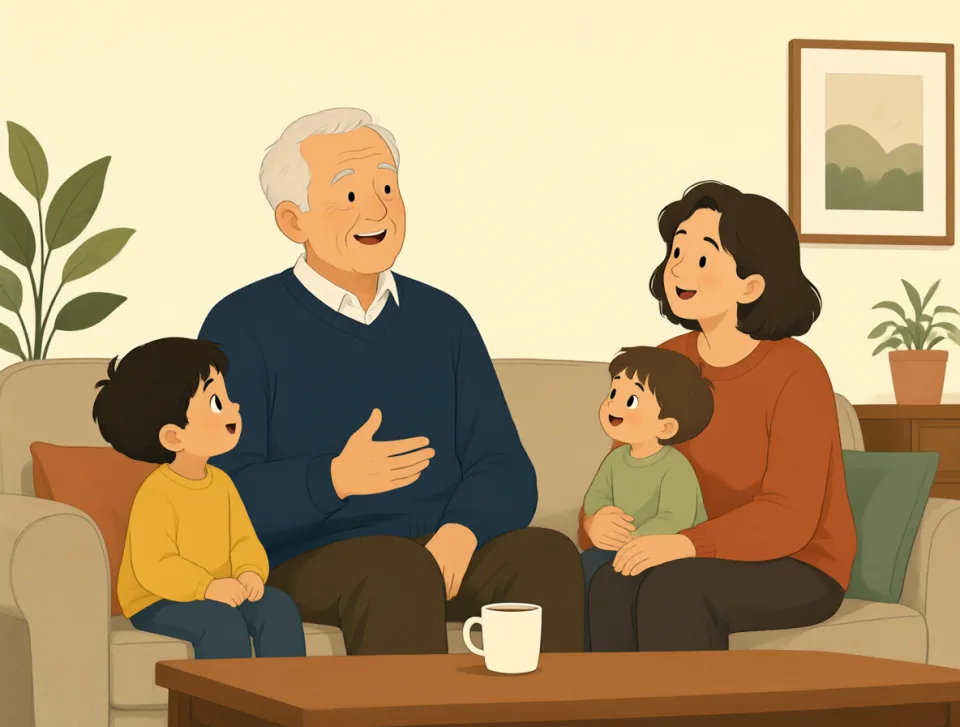
My father plans to retire next year.
پدرم قصد دارد سال آینده بازنشسته شود.
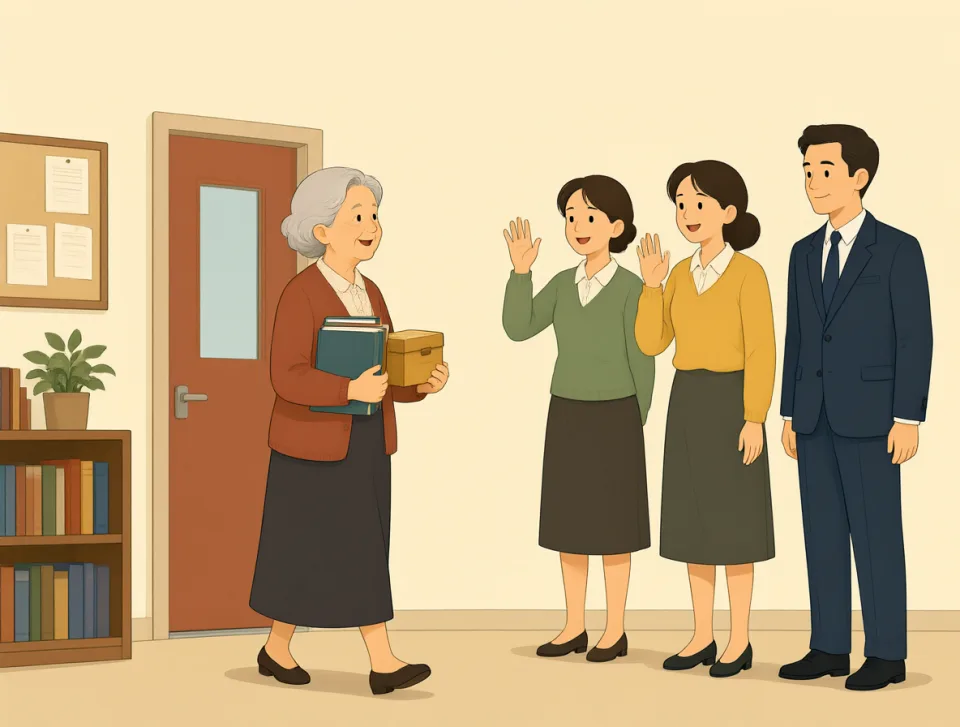
She retired from teaching after thirty years.
او بعد از سی سال تدریس بازنشسته شد.
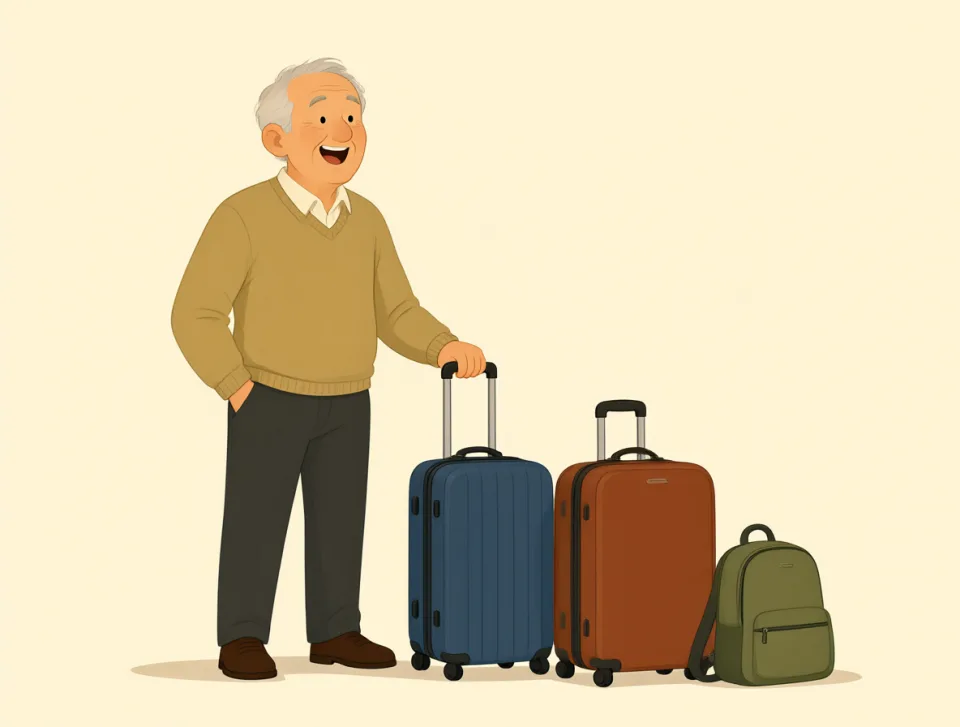
He retired early to travel around the world.
او زود بازنشسته شد تا دور دنیا سفر کند.
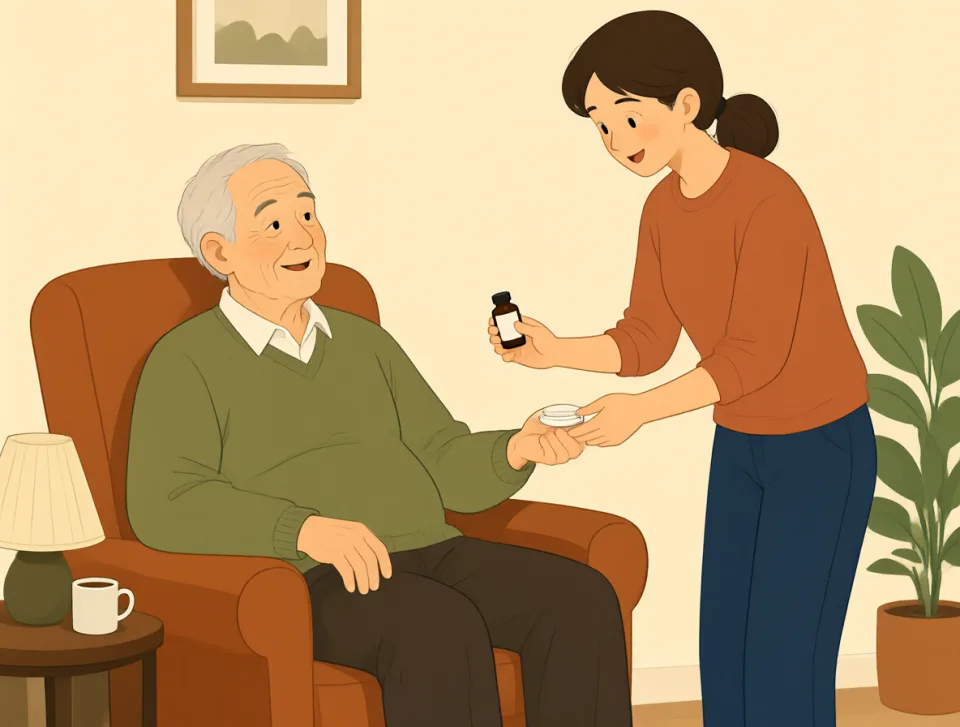
My grandfather retired because of health problems.
پدربزرگم بهخاطر مشکلات سلامتی بازنشسته شد.
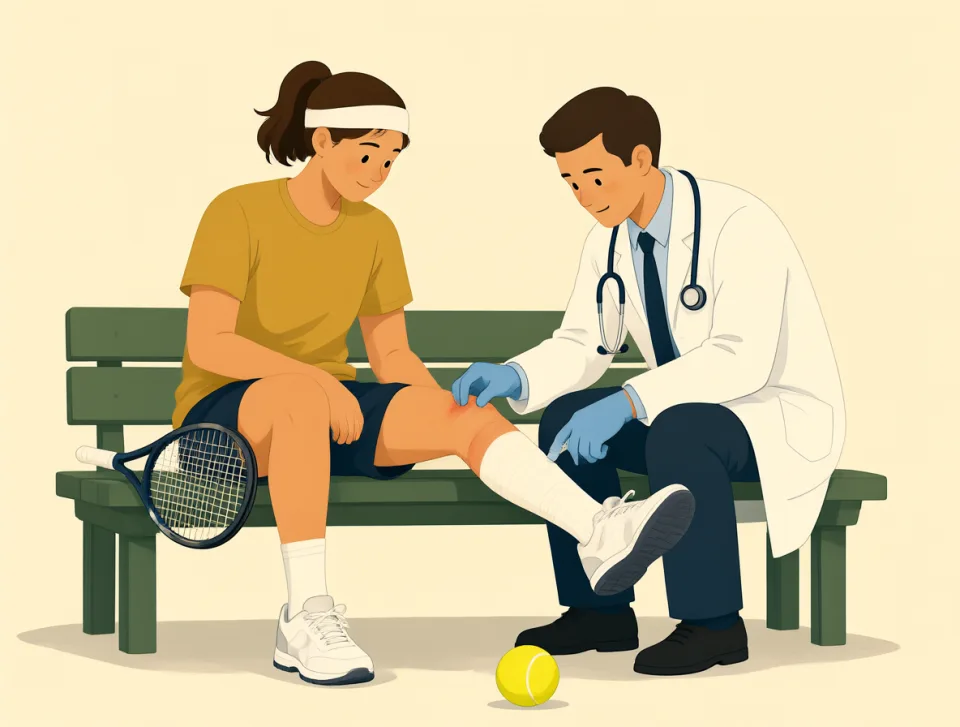
The tennis player retired from the match with an injury.
تنیسباز بهدلیل مصدومیت از ادامهی مسابقه کنارهگیری کرد.
tiny
#1636adjective
ریز
Very small in size or amount.
از نظر اندازه یا مقدار بسیار کوچک.

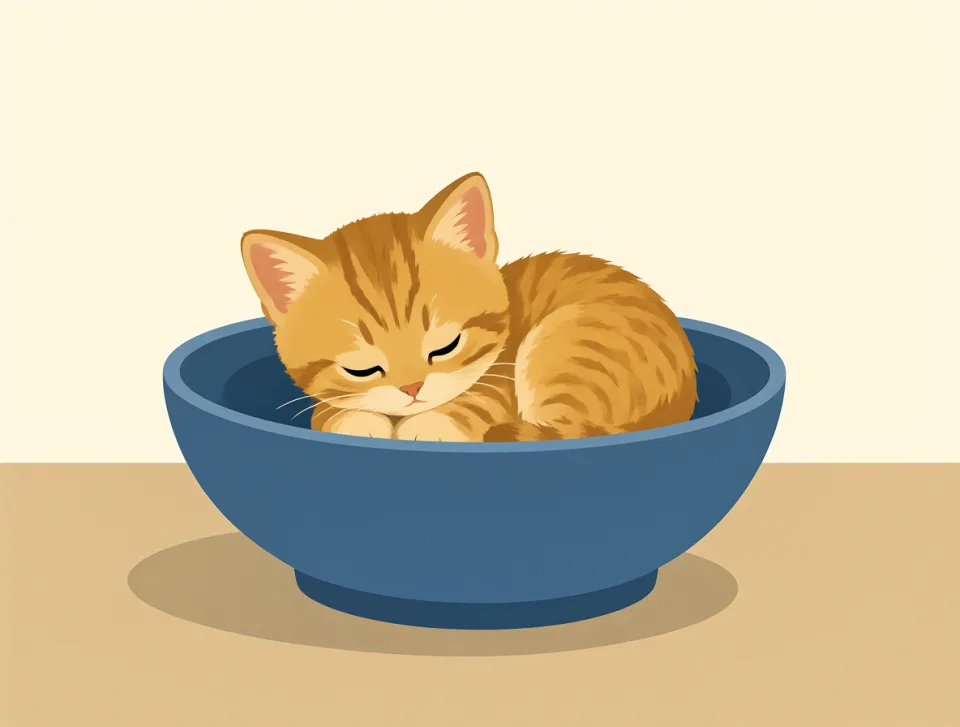
The kitten slept in a tiny basket beside the warm stove.
بچهگربه در سبد کوچکی کنار اجاق گرم خوابید.
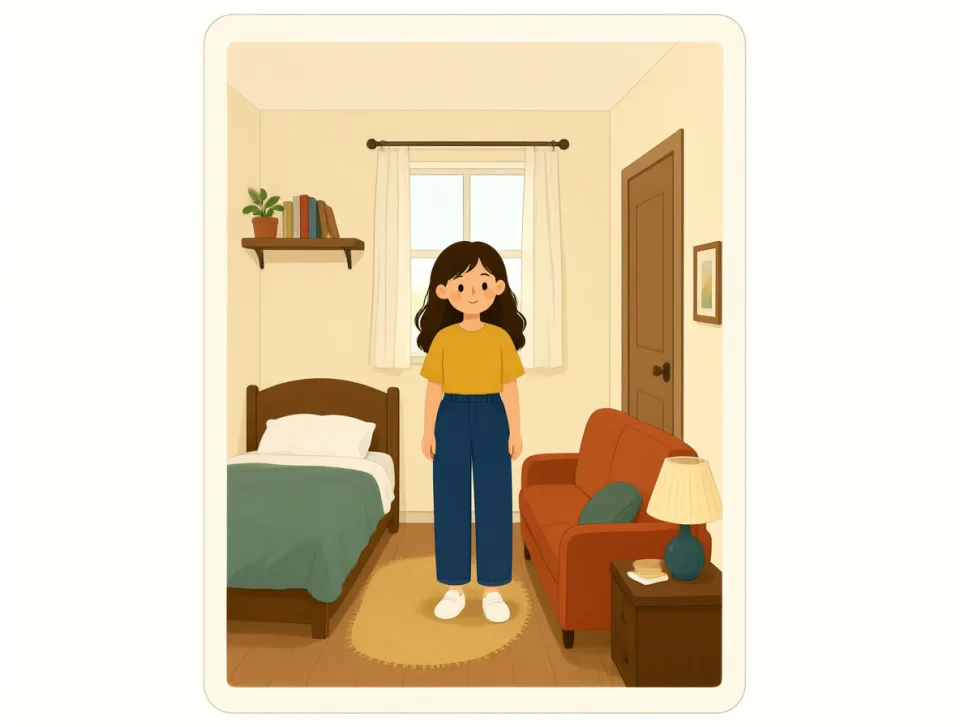
She lives in a tiny apartment near the train station.
او در آپارتمان کوچکی نزدیک ایستگاه قطار زندگی میکند.
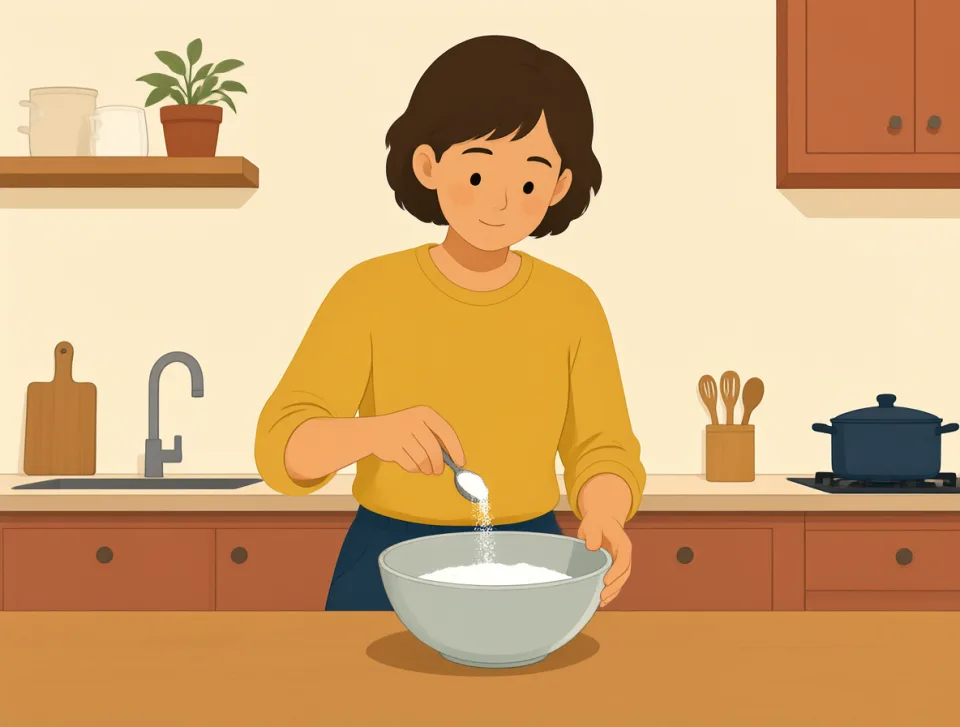
We only need a tiny bit of sugar for this recipe.
برای این دستور غذا فقط به مقدار کمی شکر نیاز داریم.
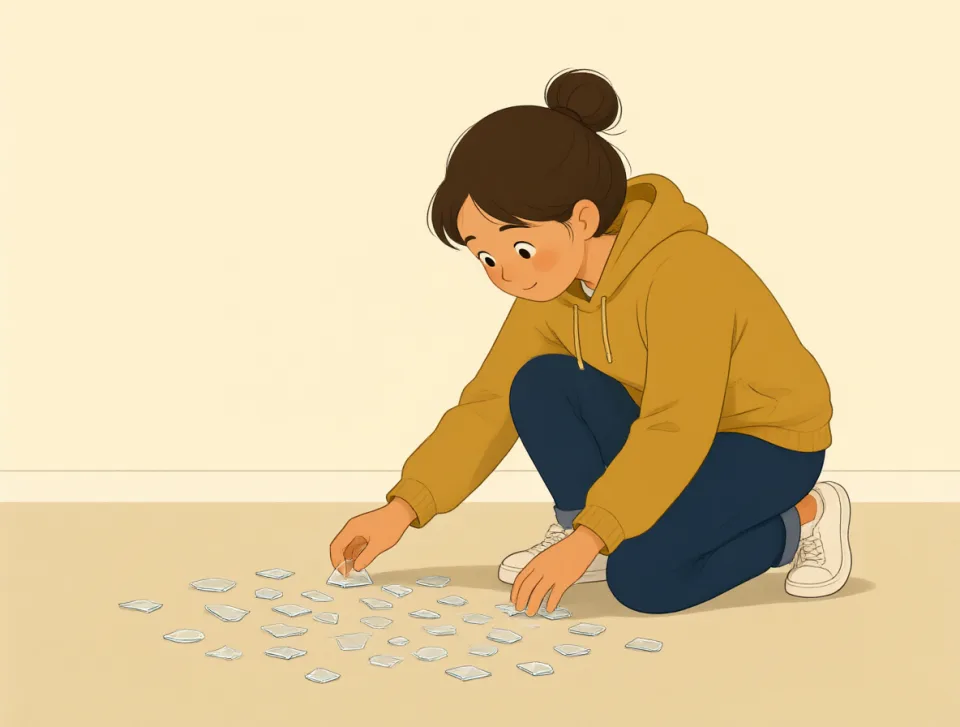
Look at the tiny pieces of glass on the floor.
به تکههای ریز شیشه روی زمین نگاه کن.
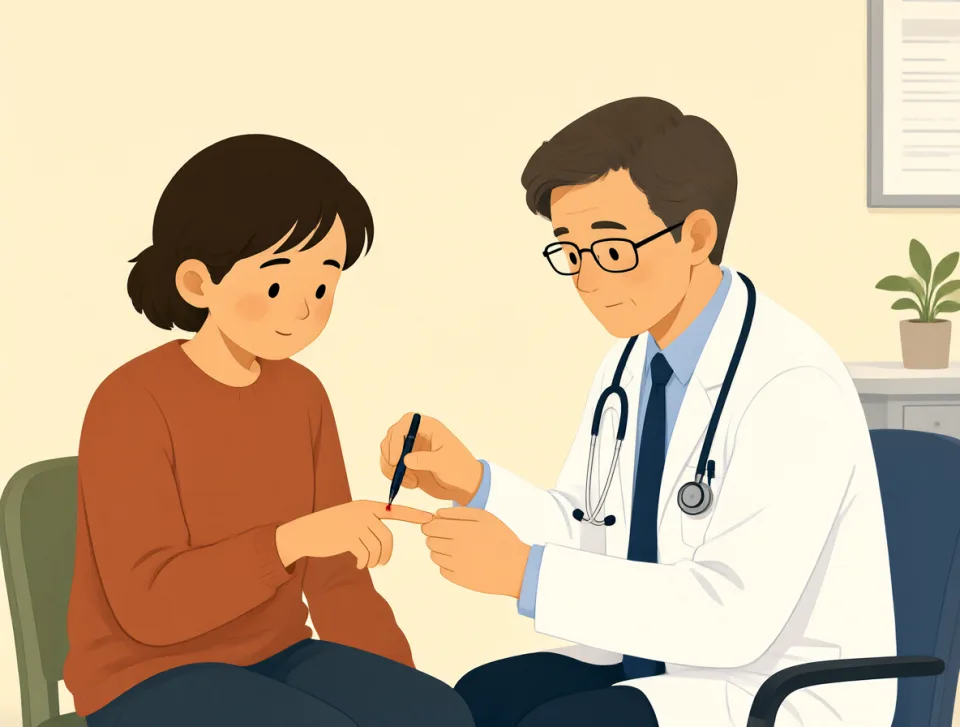
The doctor found a tiny cut on his finger.
دکتر بریدگی کوچکی روی انگشت او پیدا کرد.
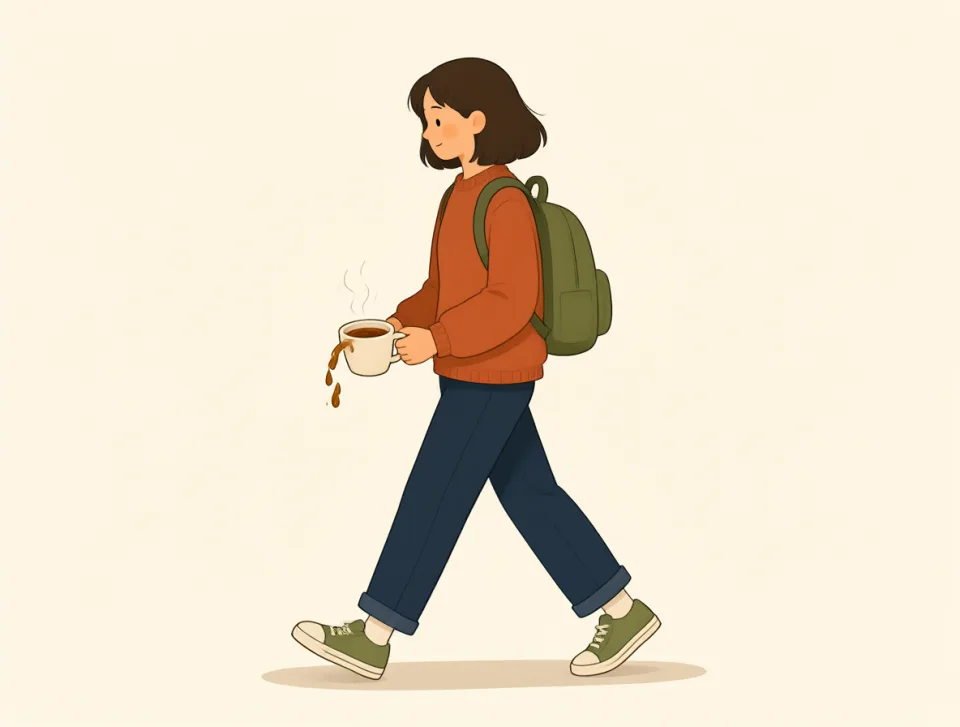
careful
#1637adjective
محتاط
Giving attention to avoid danger, mistakes, or damage.
با دقت رفتار کردن تا از خطر، اشتباه یا آسیب جلوگیری شود.
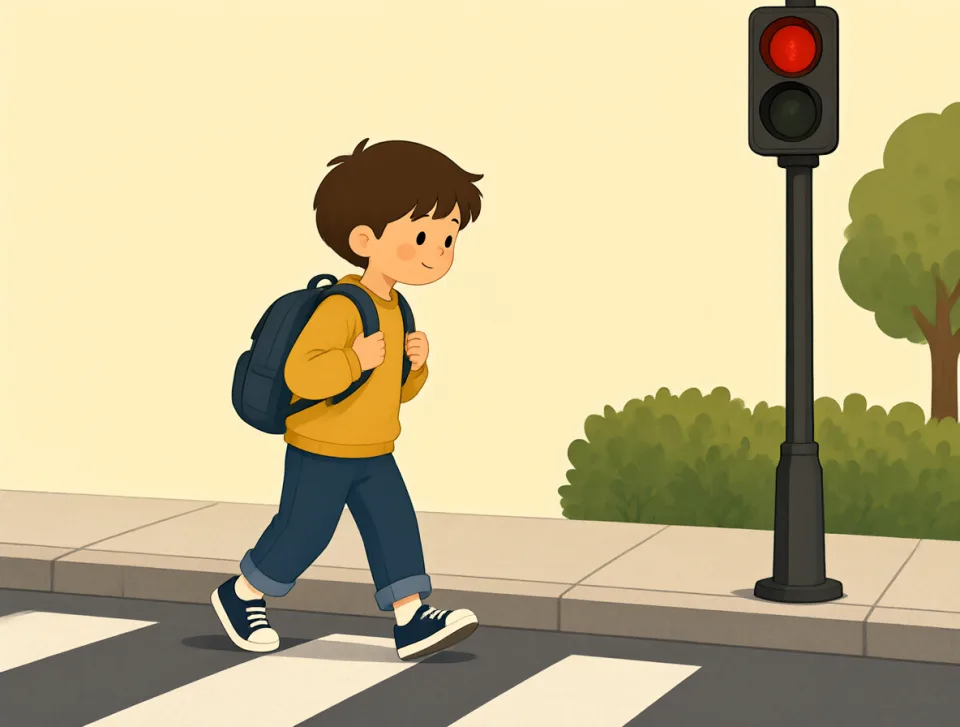
Be careful when you cross the busy street.
وقتی از خیابان شلوغ رد میشوی، احتیاط کن.

She was careful not to spill coffee on her new shirt.
او مراقب بود قهوه روی پیراهن نویش نریزد.
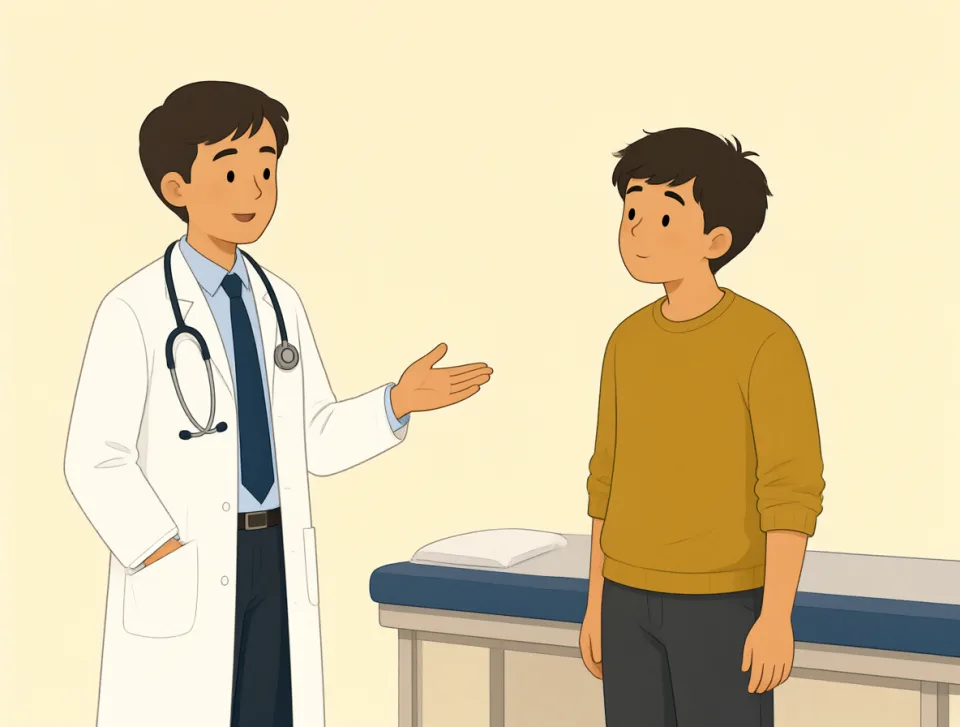
The doctor told him to be careful with his sore back.
دکتر به او گفت با کمر دردناکش مراقب باشد.
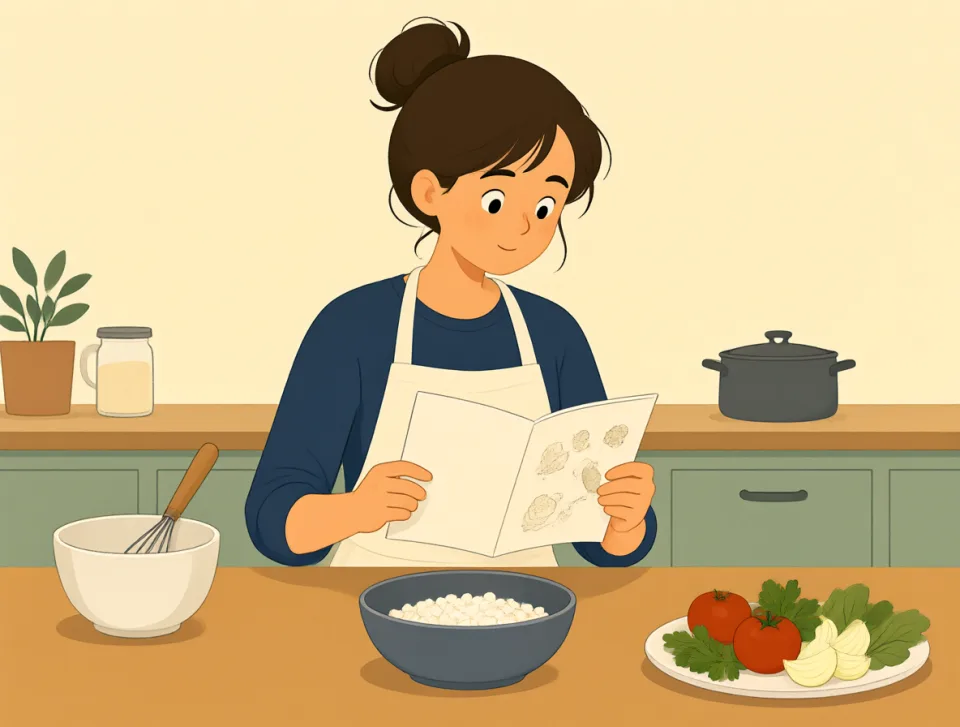
Please read the recipe carefully before you start cooking.
لطفاً پیش از شروع آشپزی، دستور غذا را با دقت بخوانید.

We need to be careful when we choose a hotel for our trip.
برای انتخاب هتلِ سفرمان باید دقت کنیم.

suitable
#1638adjective
مناسب
right or good for a particular person, purpose, or situation
درست یا خوب برای شخص، هدف یا موقعیتی خاص.
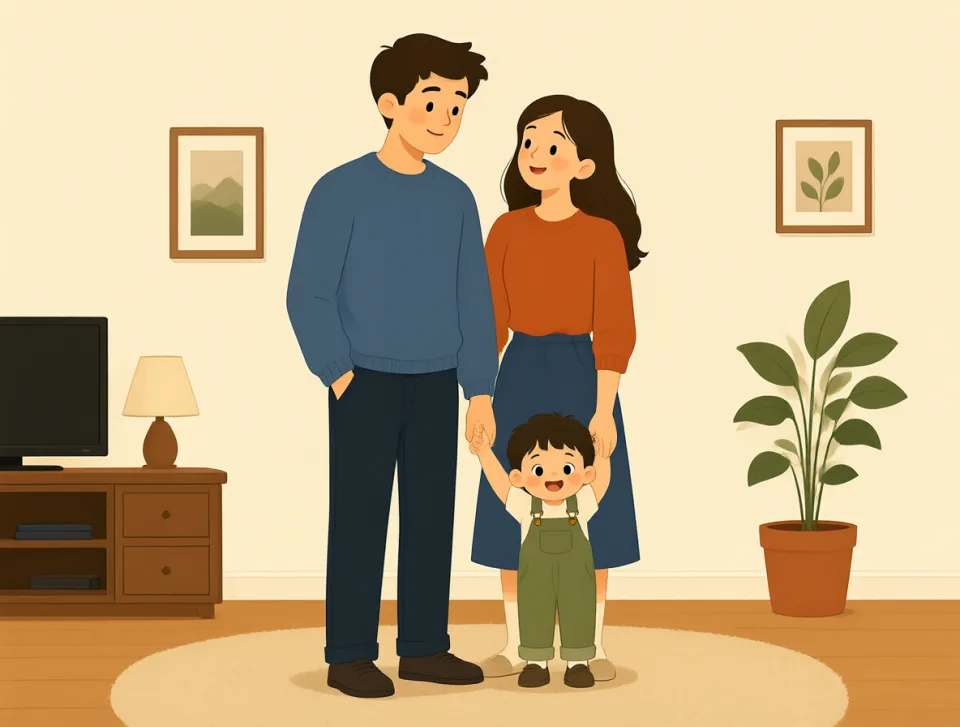
This room is suitable for a small family.
این اتاق برای یک خانوادهٔ کمجمعیت مناسب است.
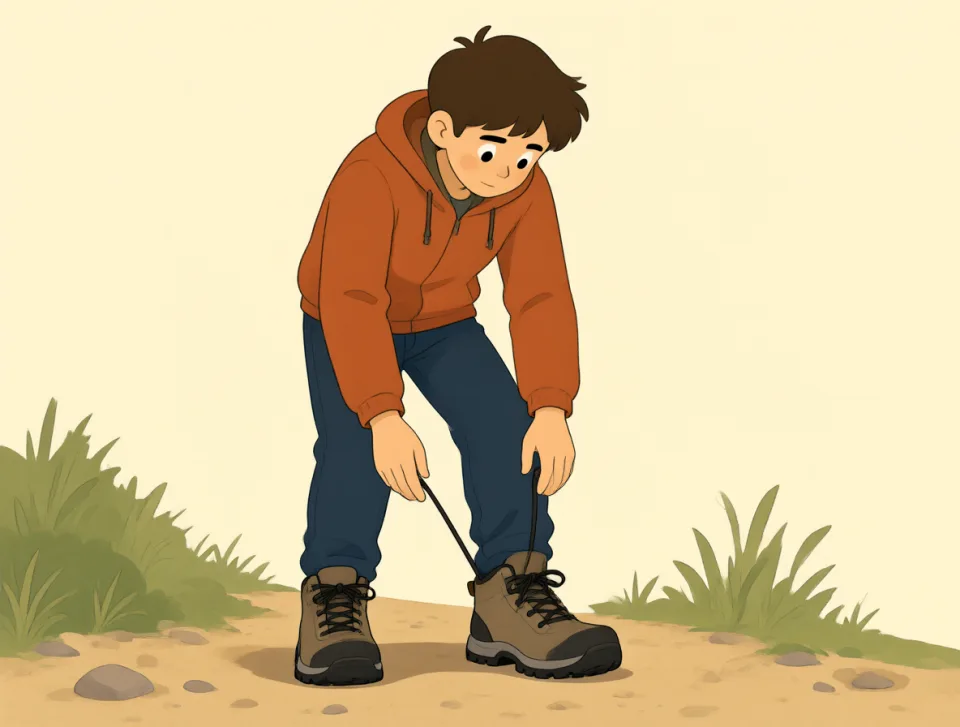
Wear suitable shoes for the long walk.
برای پیادهروی طولانی کفش مناسب بپوشید.
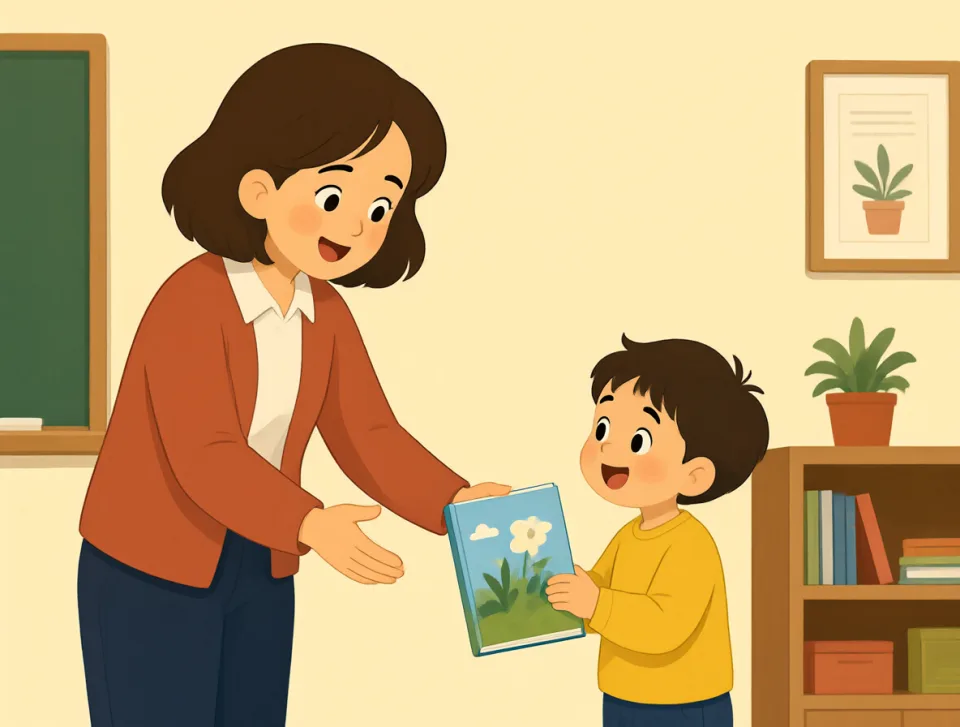
The teacher chose a suitable book for the class.
معلم کتاب مناسبی برای کلاس انتخاب کرد.

Is this time suitable for a quick meeting?
این زمان برای یک جلسهٔ کوتاه مناسب است؟

The doctor recommended suitable food after her illness.
دکتر پس از بیماریاش غذای مناسبی به او توصیه کرد.
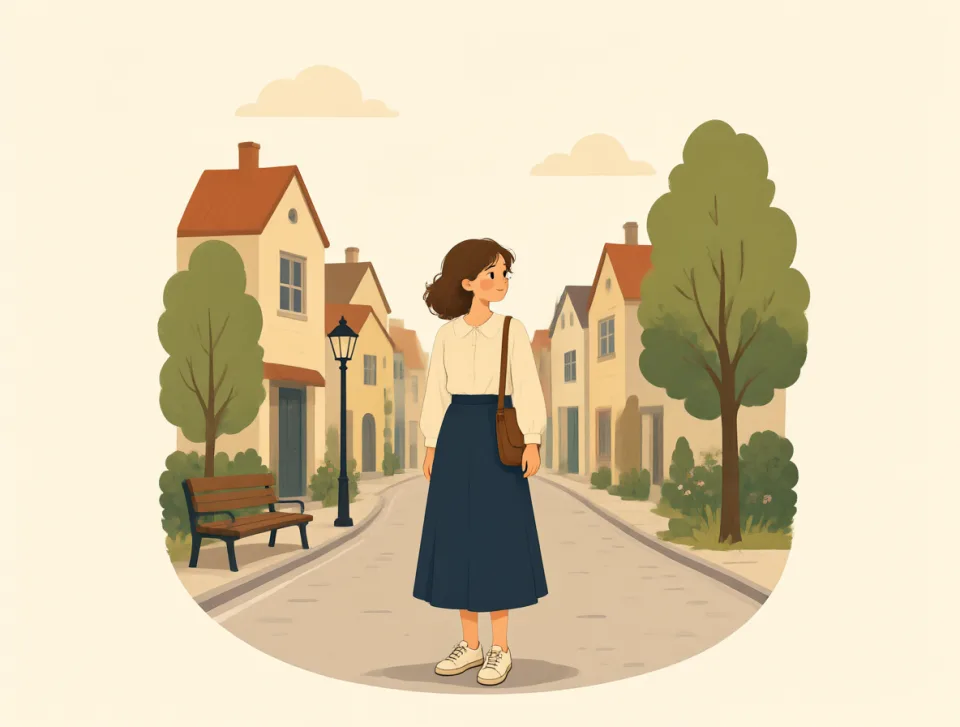
native
#1639adjective, noun
بومی
Native describes someone born in a place or a language learned from birth.
«بومی» به کسی گفته میشود که در جایی به دنیا آمده، یا به زبانی که از کودکی آموخته است.

She is a native speaker of Spanish.
او گویشور بومی زبان اسپانیایی است.
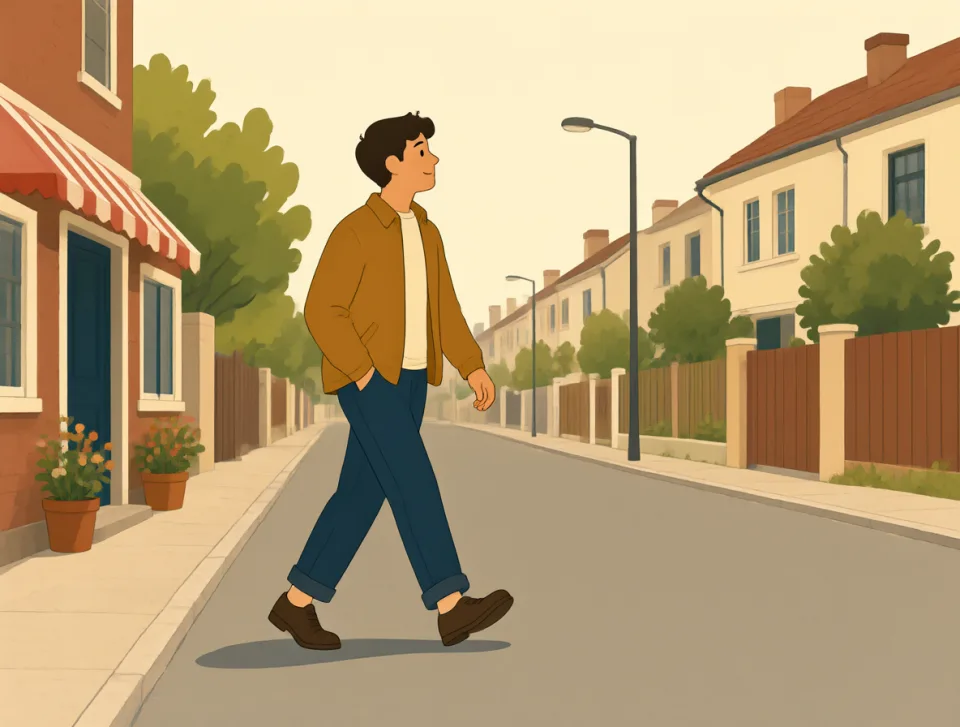
He is a native of this small town.
او اهل این شهر کوچک است.
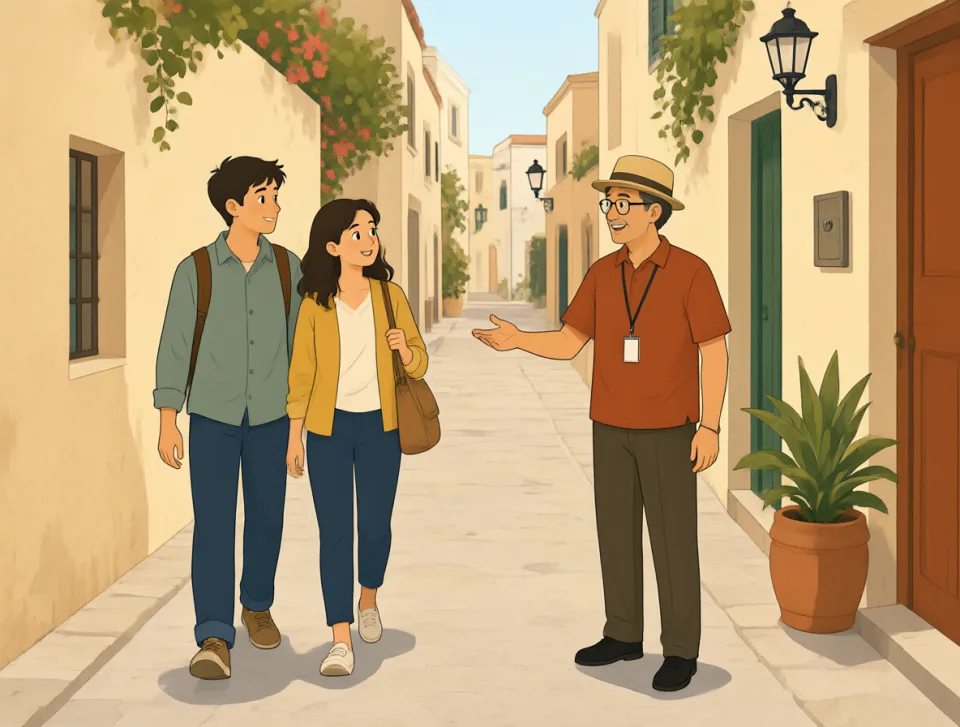
We asked a native guide to show us the old town.
از یک راهنمای بومی خواستیم شهر قدیمی را به ما نشان دهد.

The garden is full of native plants and flowers.
باغ پر از گیاهان و گلهای بومی است.

I want to sound more like a native speaker.
میخواهم بیشتر شبیه یک گویشور بومی صحبت کنم.
fruit
#1640noun
میوه
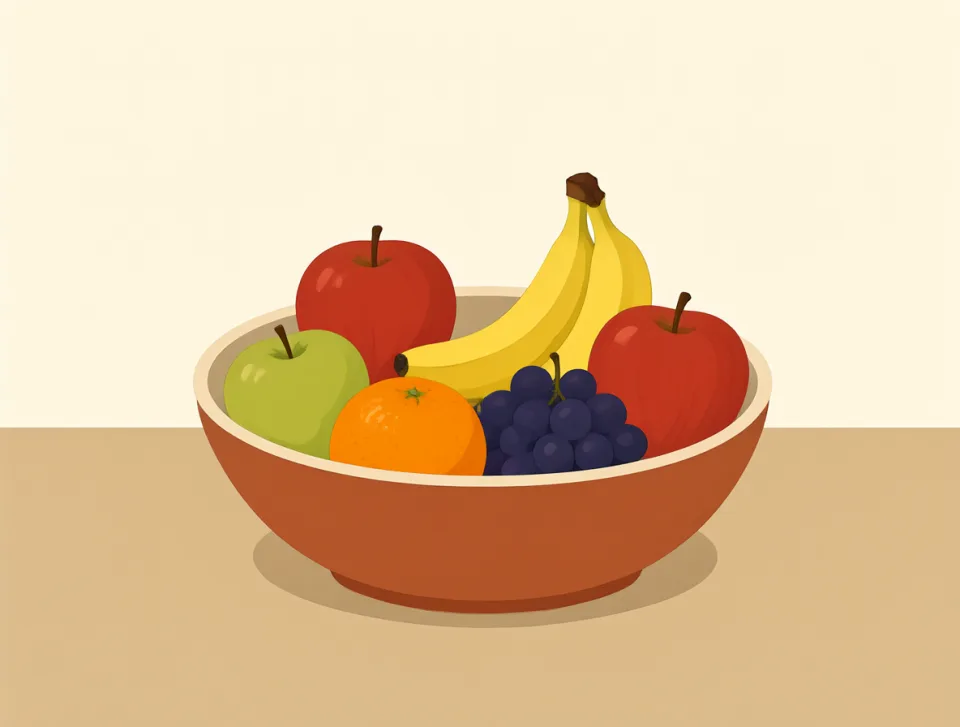
The sweet, edible part of a plant, such as an apple, banana, or orange.
بخش خوراکی و شیرین گیاه، مثل سیب، موز یا پرتقال.
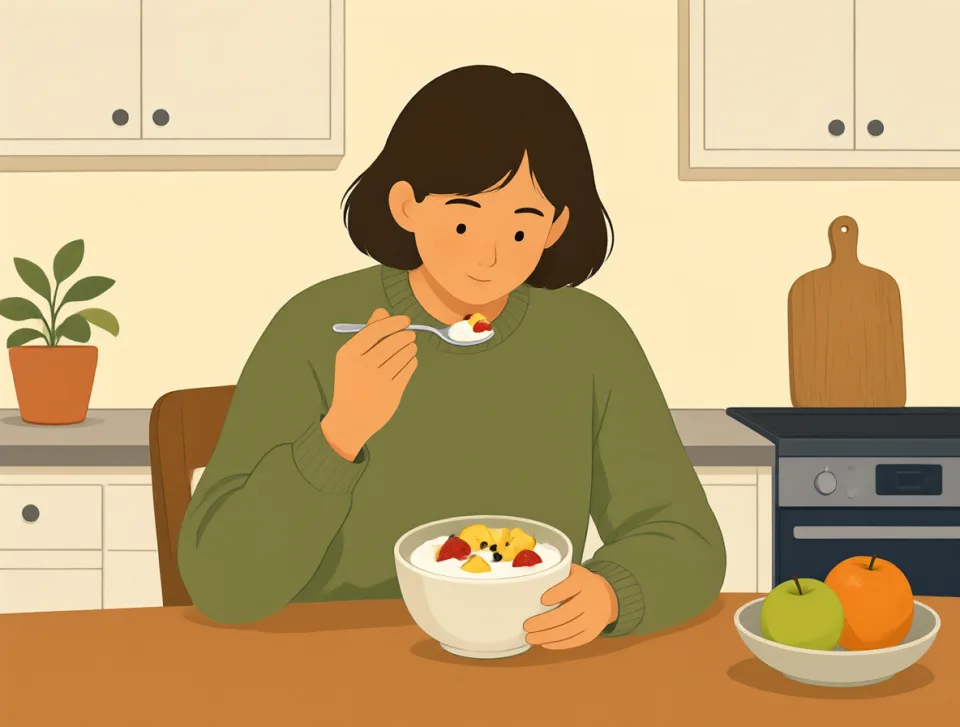
I eat fresh fruit with yogurt for breakfast every morning.
هر روز صبحانه، میوهٔ تازه را با ماست میخورم.
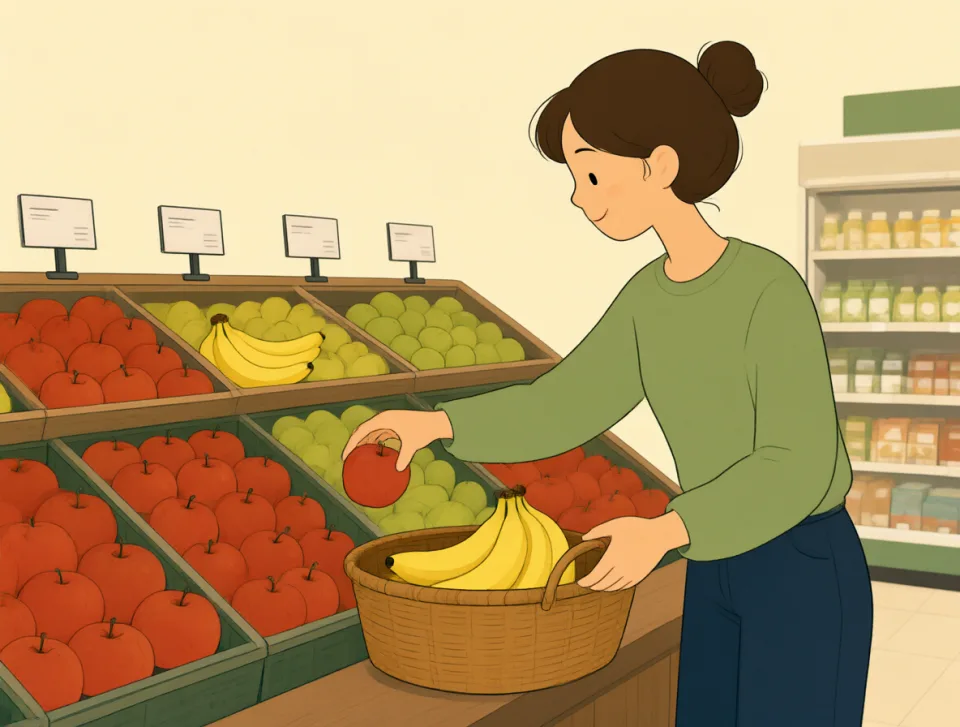
Please buy some fruit when you go to the supermarket.
لطفاً وقتی به سوپرمارکت میروید، کمی میوه بخرید.
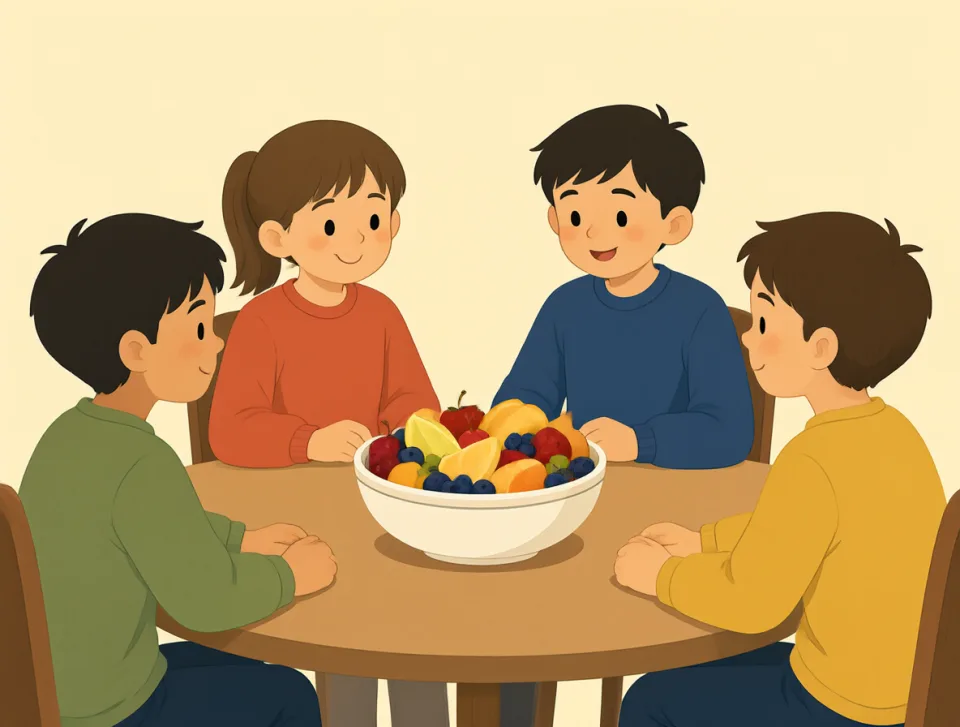
The children shared a large bowl of fruit after school.
بچهها بعد از مدرسه یک کاسهٔ بزرگ میوه را با هم تقسیم کردند.
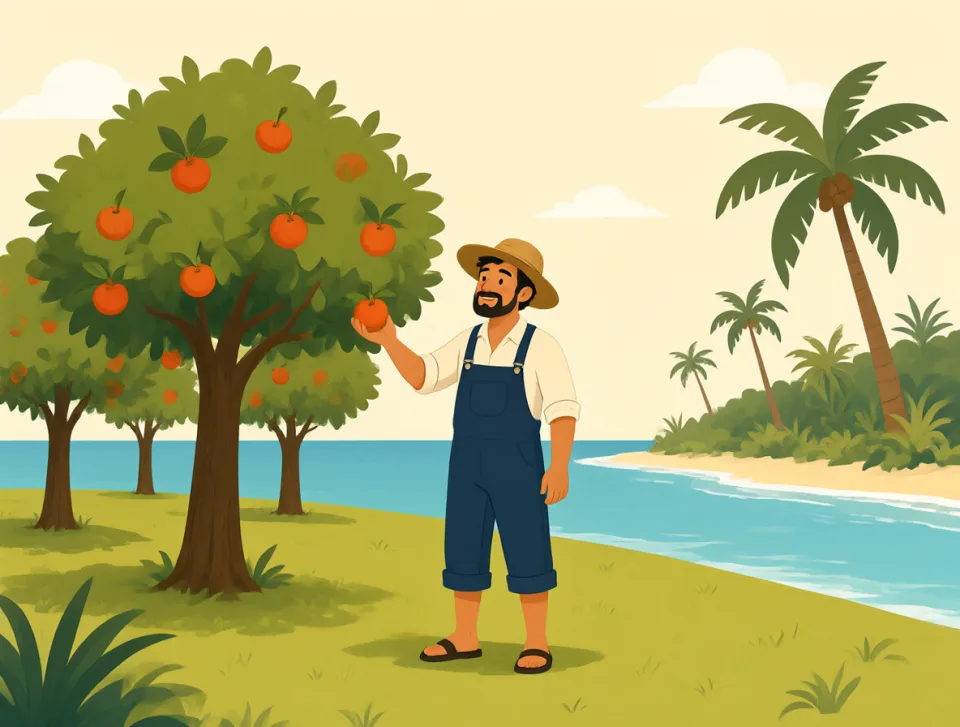
This tropical island grows fruit all year round.
در این جزیرهٔ گرمسیری، تمام سال میوه میروید.

The doctor advised me to eat more fruit for better health.
دکتر برای حفظ سلامتی بهتر به من توصیه کرد میوهٔ بیشتری بخورم.