Zestaw 93
Słowa 1841–1860 · maximum, effectively, elsewhere, bother, initiative, sharp

maximum
#1841noun, adjective
maksimum
The greatest amount or highest level that is possible or allowed.
Największa możliwa lub dozwolona ilość albo najwyższy możliwy lub dozwolony poziom.

The elevator can carry a maximum of eight people.
Winda może pomieścić maksymalnie osiem osób.
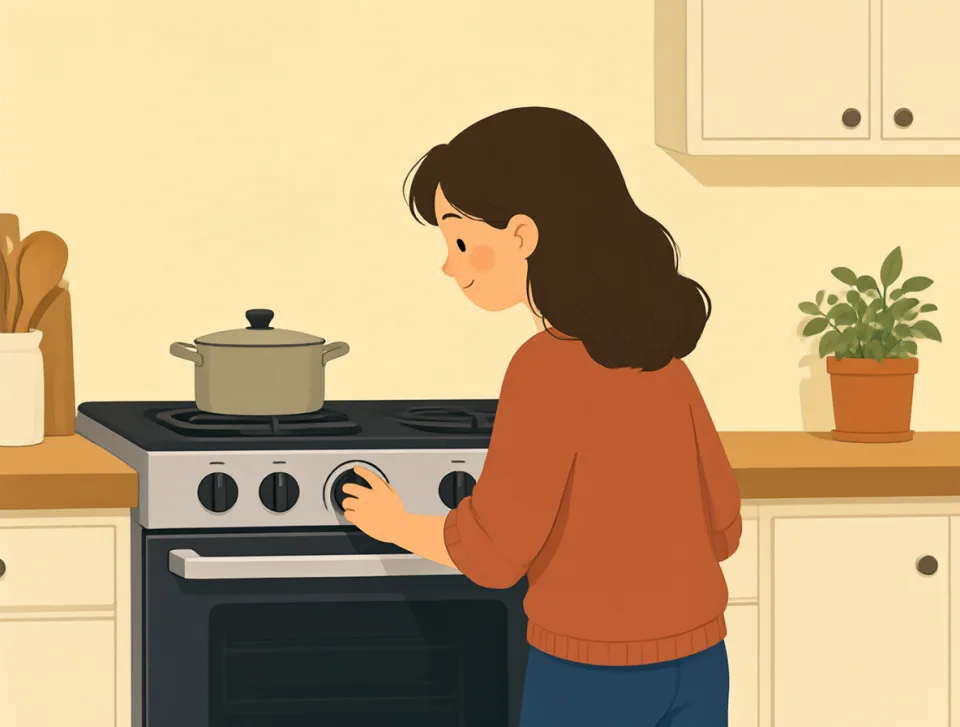
Please set the oven to the maximum temperature for pizza.
Ustaw piekarnik na maksymalną temperaturę do pieczenia pizzy.

You can borrow a maximum of three books today.
Możesz dziś wypożyczyć maksymalnie trzy książki.

The hotel offers maximum comfort after a long day of travel.
Hotel zapewnia maksymalny komfort po długim dniu podróży.
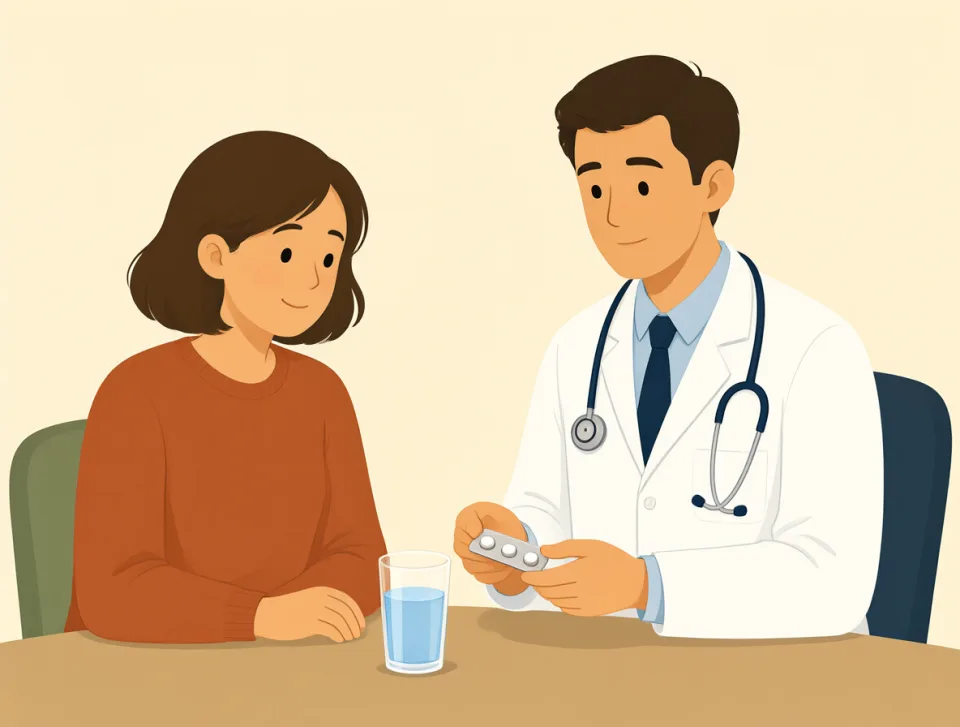
The doctor told him to take a maximum of two tablets daily.
Lekarz powiedział mu, żeby przyjmował maksymalnie dwie tabletki dziennie.

effectively
#1842adverb
skutecznie
In a way that produces the wanted result.
W sposób, który przynosi oczekiwany rezultat.
She organized the files effectively before the meeting.
Przed spotkaniem sprawnie uporządkowała pliki.
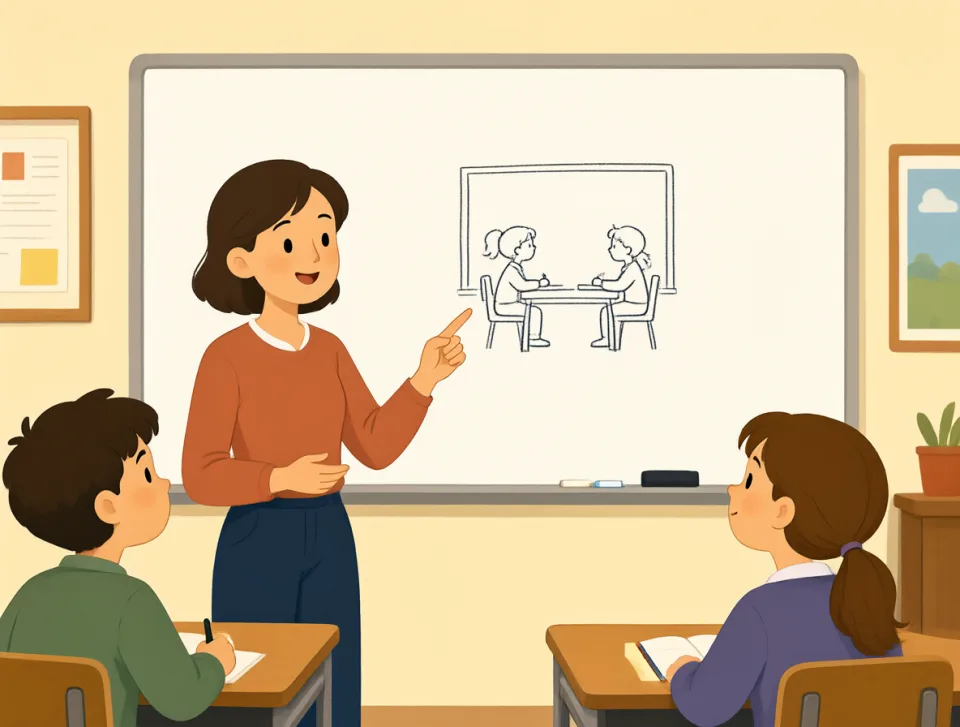
The teacher explained the difficult lesson effectively.
Nauczyciel skutecznie wyjaśnił trudną lekcję.
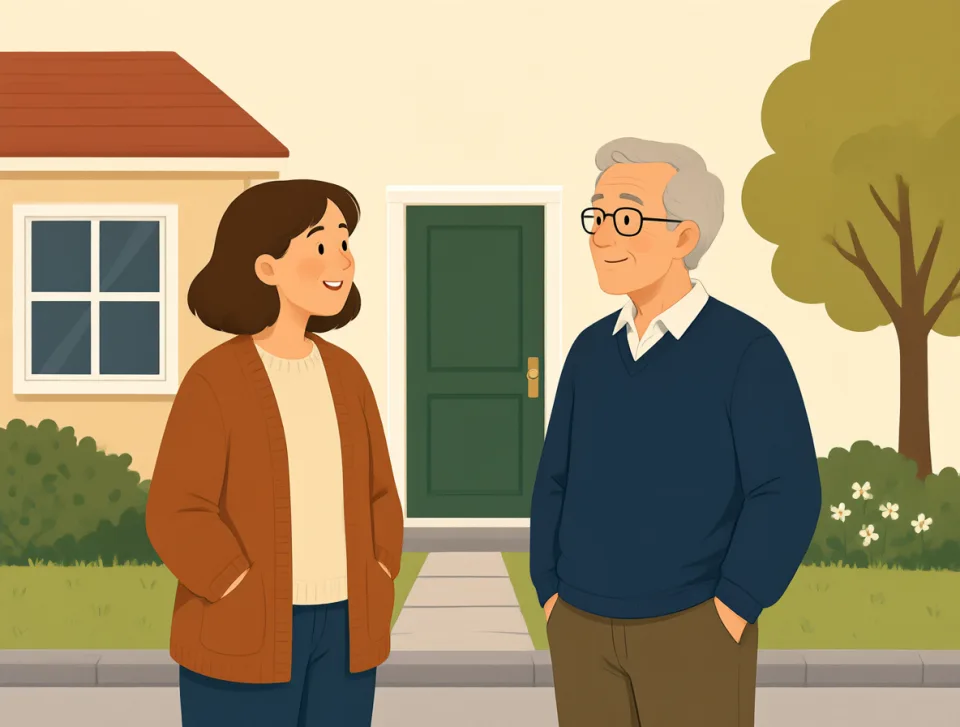
We need to communicate effectively with our new neighbors.
Musimy skutecznie porozumiewać się z naszymi nowymi sąsiadami.
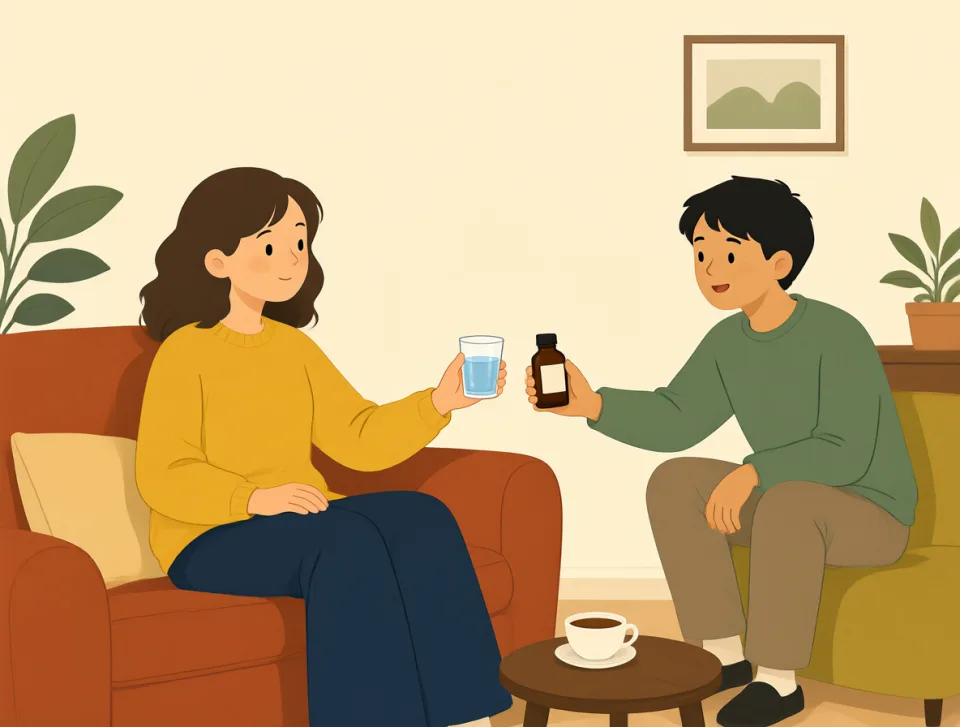
This medicine effectively reduces pain within a few hours.
Ten lek skutecznie łagodzi ból w ciągu kilku godzin.
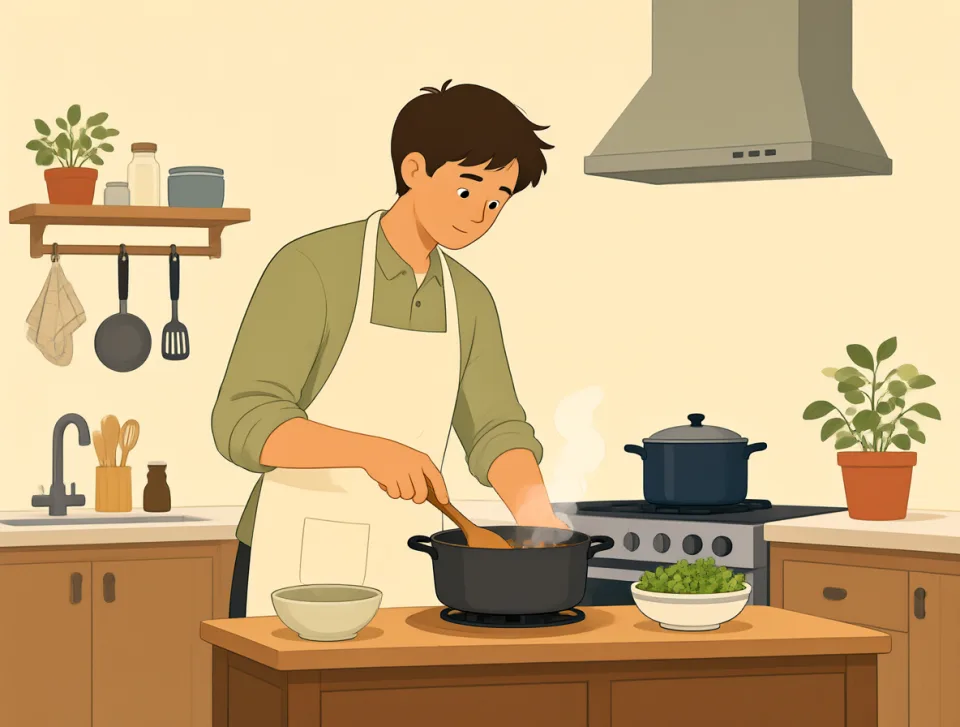
He used the small kitchen effectively to cook dinner.
Dobrze wykorzystał małą kuchnię, żeby przygotować kolację.
elsewhere
#1843adverb
gdzie indziej
in, at, or to another place
W innym miejscu lub do innego miejsca.

The shop was closed, so we went elsewhere for lunch.
Sklep był zamknięty, więc poszliśmy gdzie indziej na lunch.
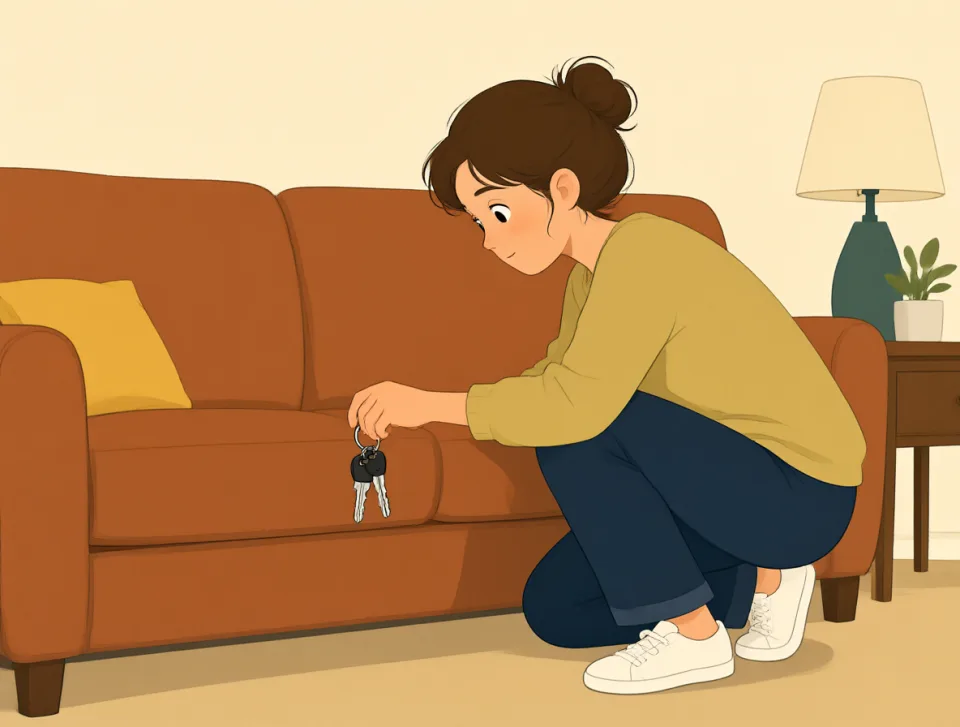
I left my keys somewhere else, but I cannot remember where.
Zostawiłem klucze gdzieś indziej, ale nie pamiętam gdzie.
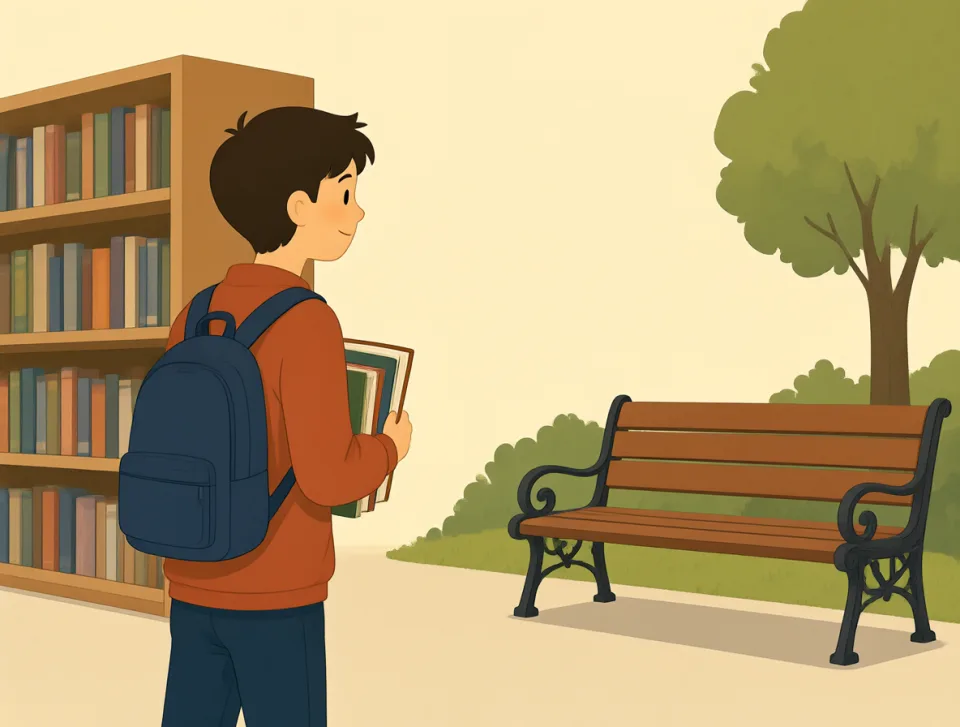
Many students study elsewhere when the library becomes too noisy.
Wielu studentów uczy się gdzie indziej, gdy w bibliotece robi się zbyt głośno.
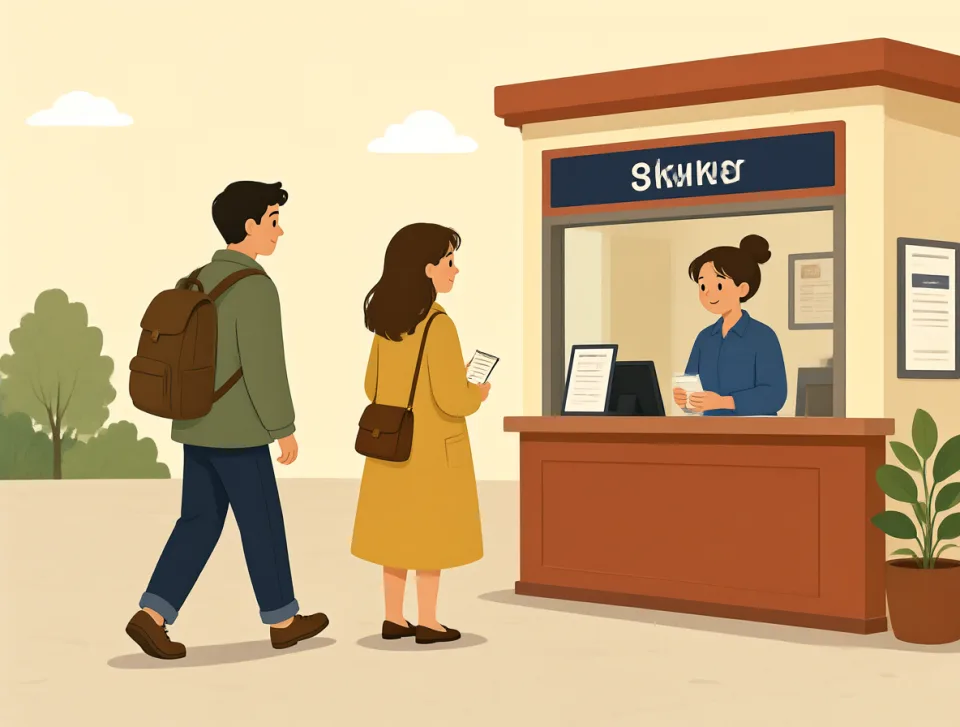
You can buy cheaper train tickets elsewhere in the city.
W innych miejscach w mieście można kupić tańsze bilety kolejowe.
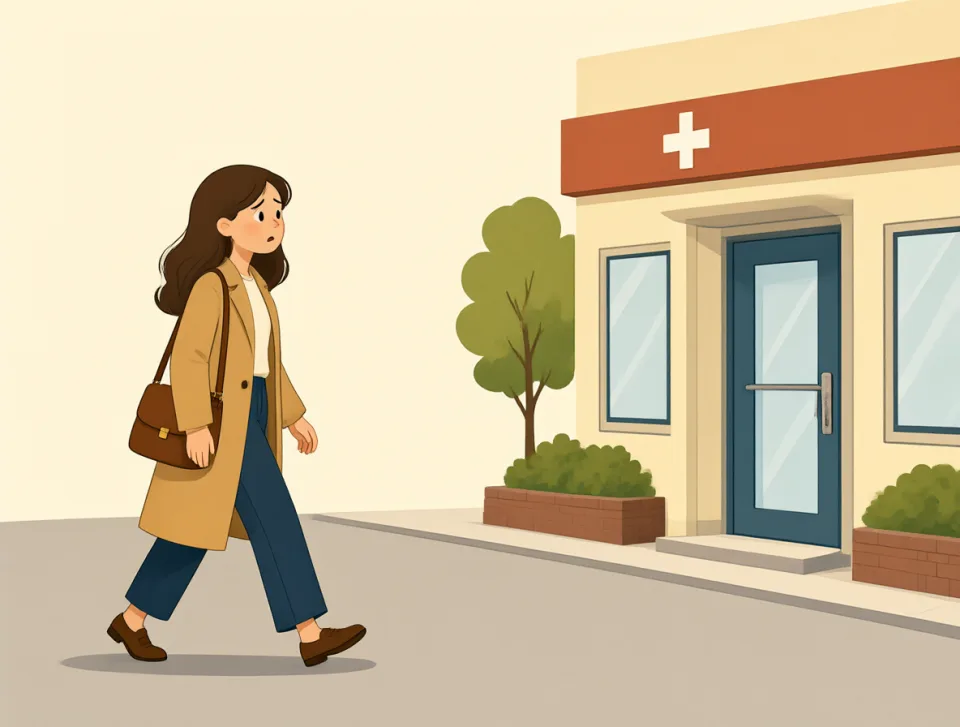
The doctor could not help, so she went elsewhere for treatment.
Lekarz nie mógł pomóc, więc poszła gdzie indziej na leczenie.
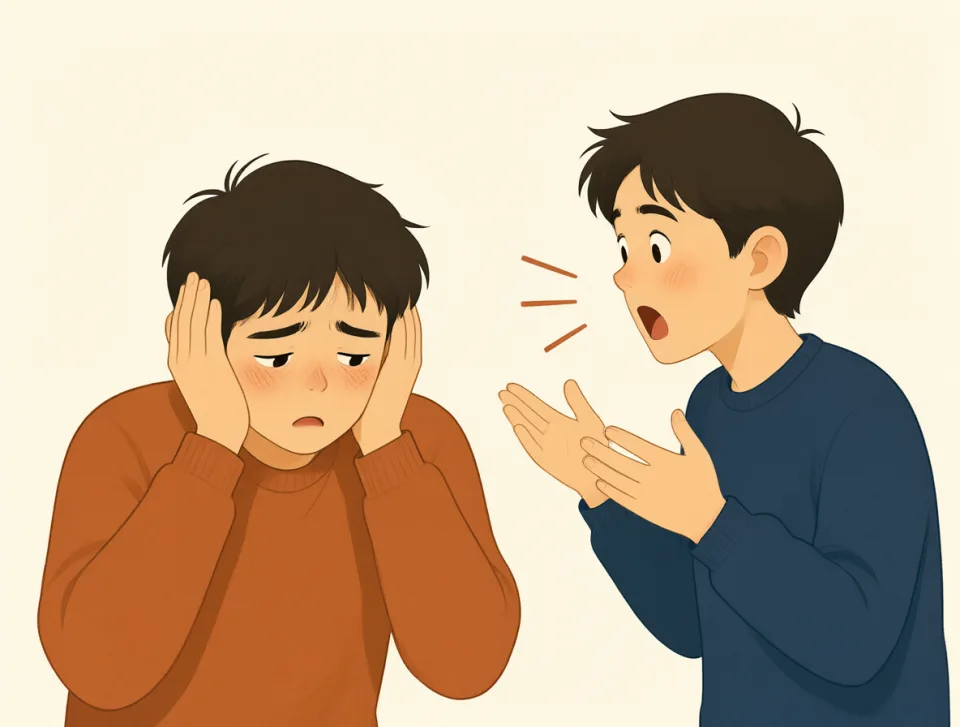
bother
#1844verb, noun
przeszkadzać; zawracać głowę
To annoy someone, or to make an effort to do something.
Irytować kogoś lub podjąć wysiłek, żeby coś zrobić.
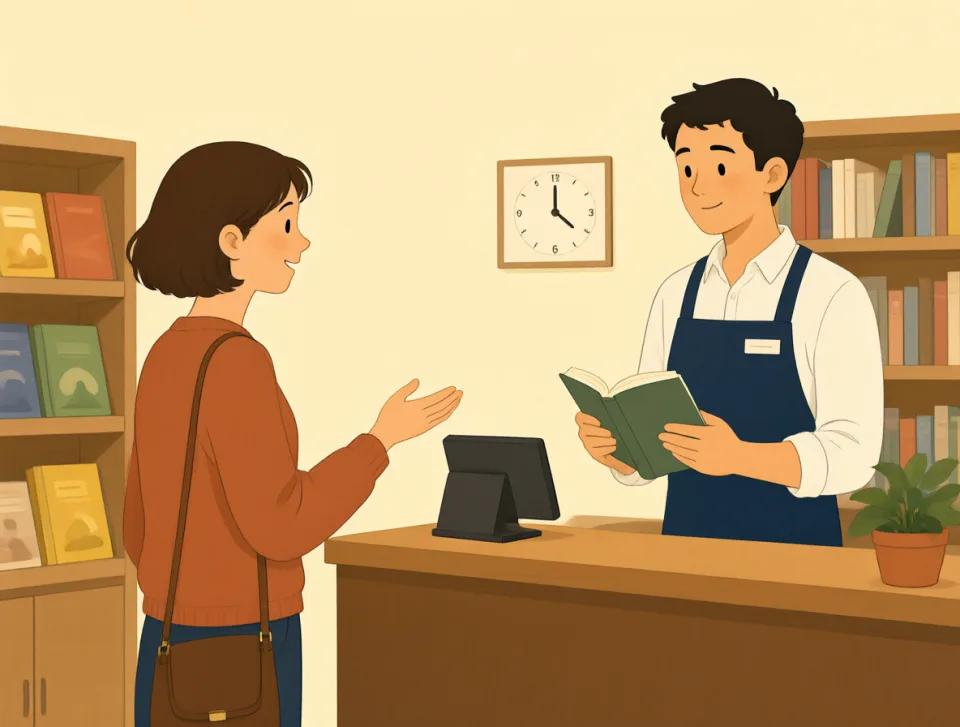
Sorry to bother you, but could you help me find this book?
Przepraszam, że zawracam głowę, ale czy może mi Pan pomóc znaleźć tę książkę?
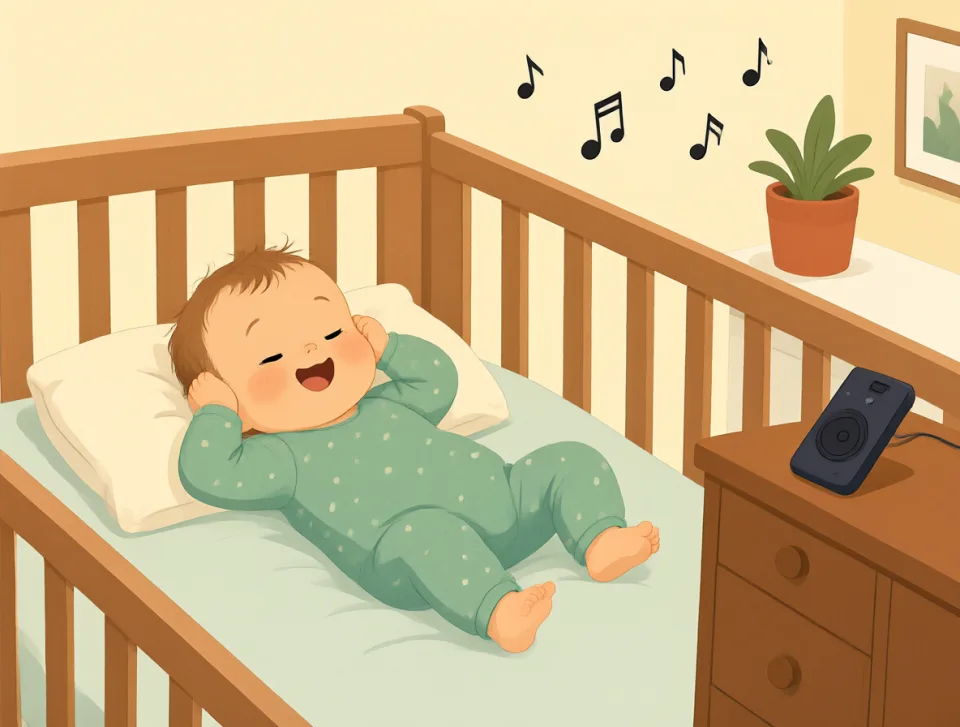
The loud music bothered our baby while she was trying to sleep.
Głośna muzyka przeszkadzała naszemu dziecku, gdy próbowało zasnąć.
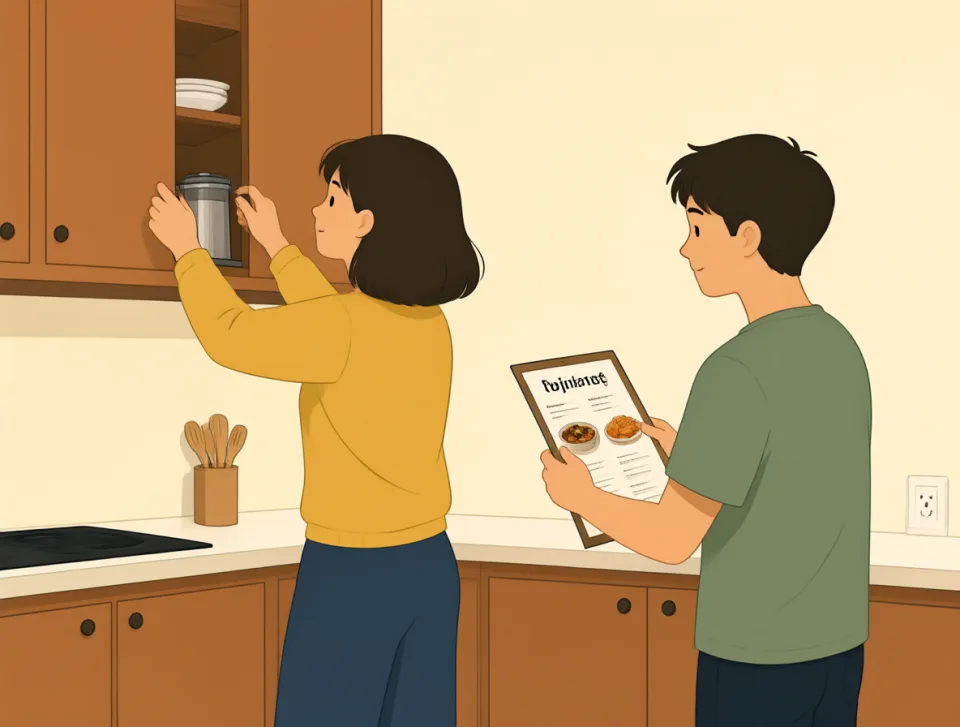
Don't bother cooking tonight; we can order some food.
Nie zawracaj sobie dziś głowy gotowaniem; możemy zamówić coś do jedzenia.
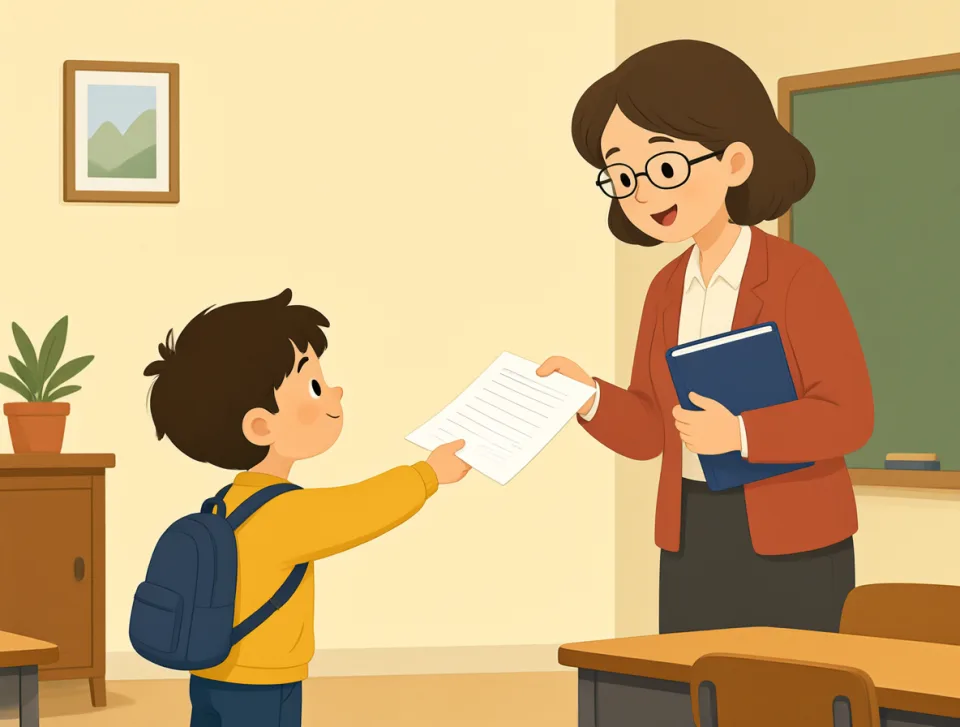
He never bothers to check his answers before handing in homework.
Nigdy nie zadaje sobie trudu, żeby sprawdzić odpowiedzi przed oddaniem pracy domowej.

It doesn't bother me when my friends arrive a little late.
Nie przeszkadza mi, gdy moi znajomi spóźniają się trochę.
initiative
#1845noun
inicjatywa
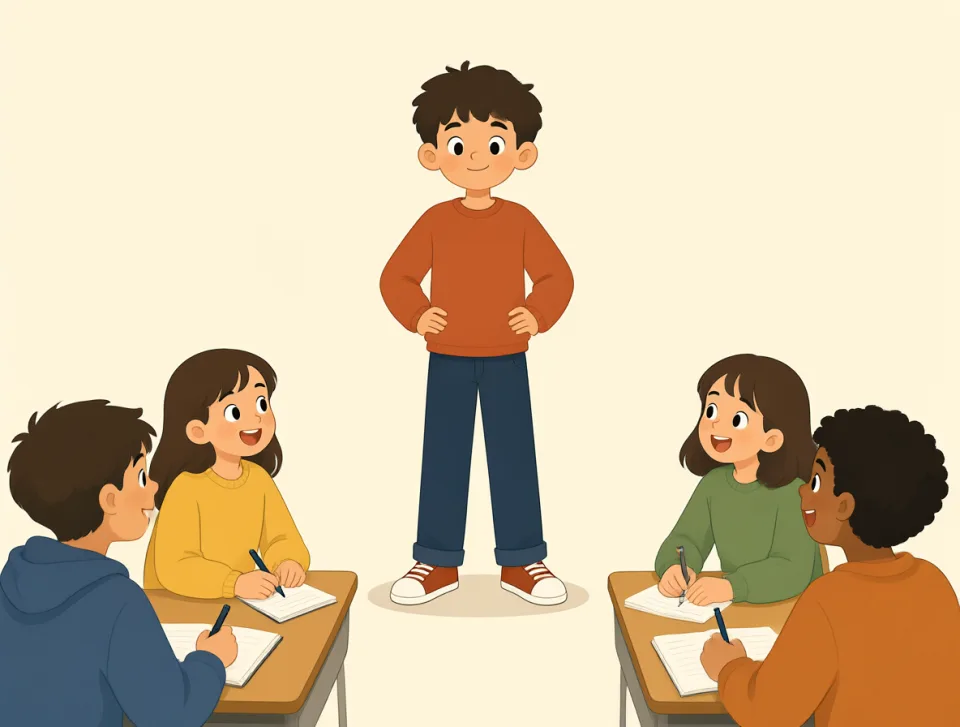
The ability to decide and act without waiting for someone to tell you what to do.
Umiejętność samodzielnego podejmowania decyzji i działania bez czekania, aż ktoś powie ci, co masz robić.
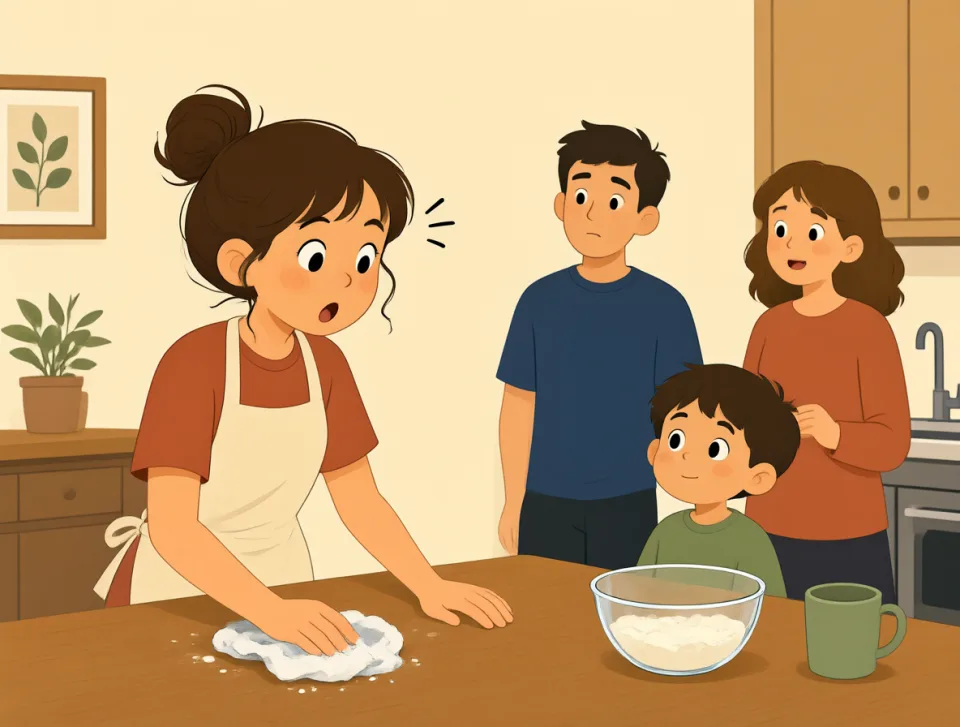
She showed initiative by cleaning the kitchen before anyone asked.
Wykazała się inicjatywą i posprzątała kuchnię, zanim ktokolwiek ją o to poprosił.

Our manager praised Tom for taking the initiative at work.
Nasz menedżer pochwalił Toma za wykazanie się inicjatywą w pracy.
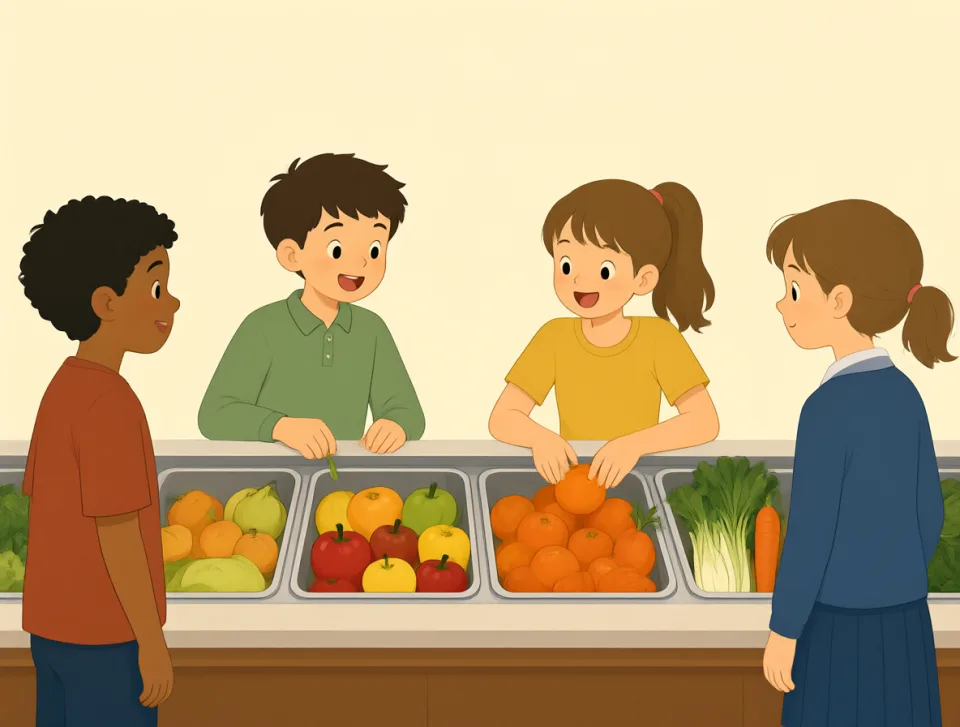
The school started an initiative to help students eat healthier food.
Szkoła rozpoczęła program, który ma pomóc uczniom zdrowiej się odżywiać.
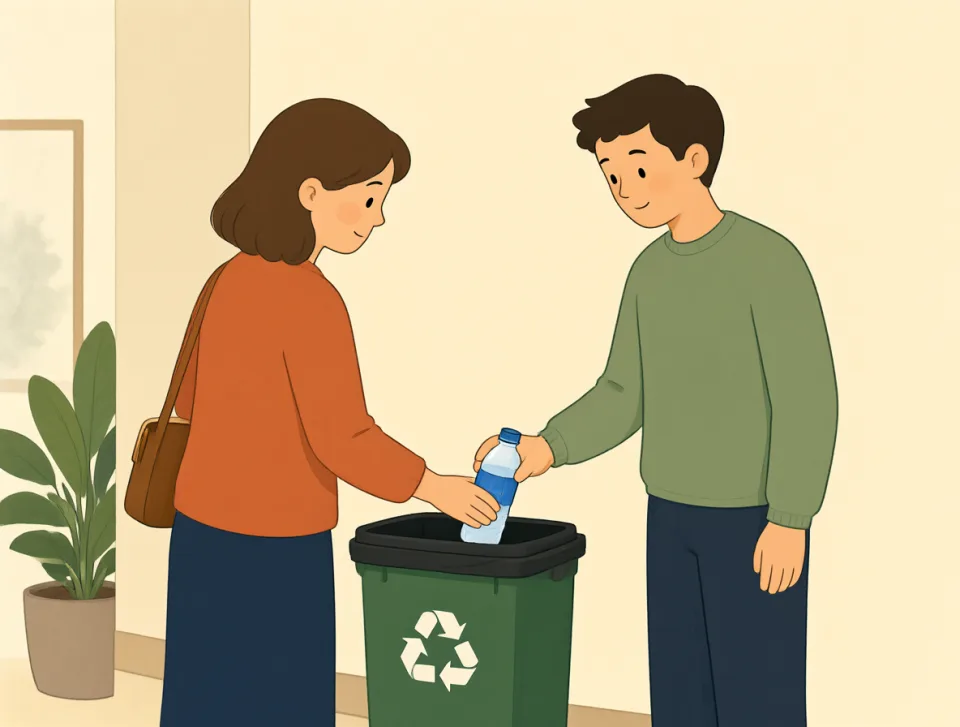
The hotel offered a new recycling initiative for all guests.
Hotel zaproponował wszystkim gościom nowy program recyklingu.
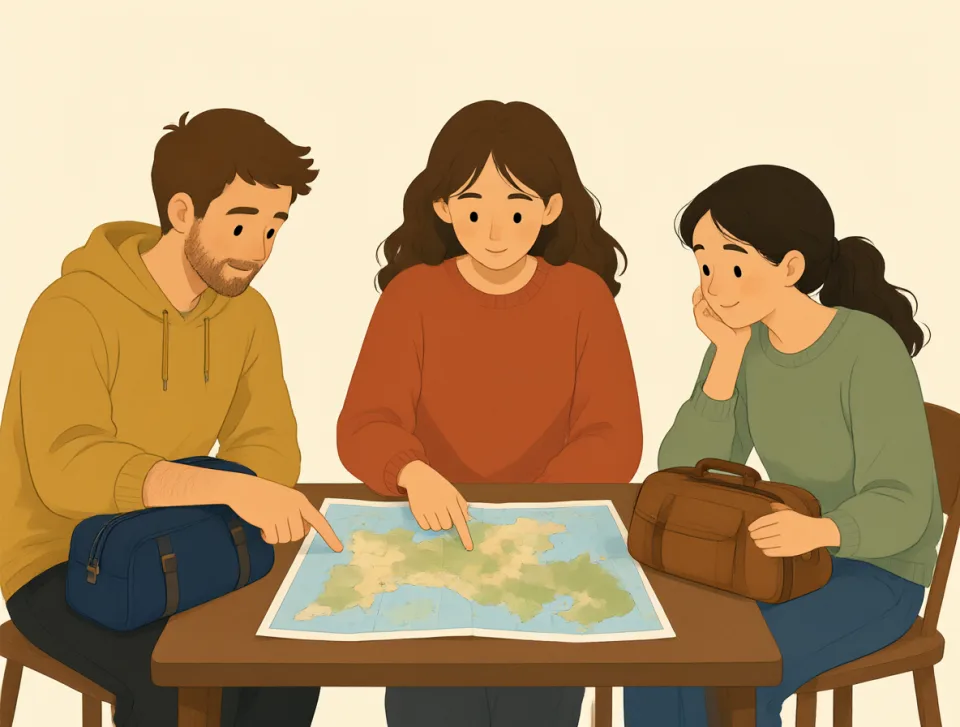
Friends took the initiative and planned a weekend trip together.
Znajomi wzięli sprawy w swoje ręce i zaplanowali wspólny weekendowy wyjazd.
sharp
#1846adjective, adverb, noun, verb
ostry
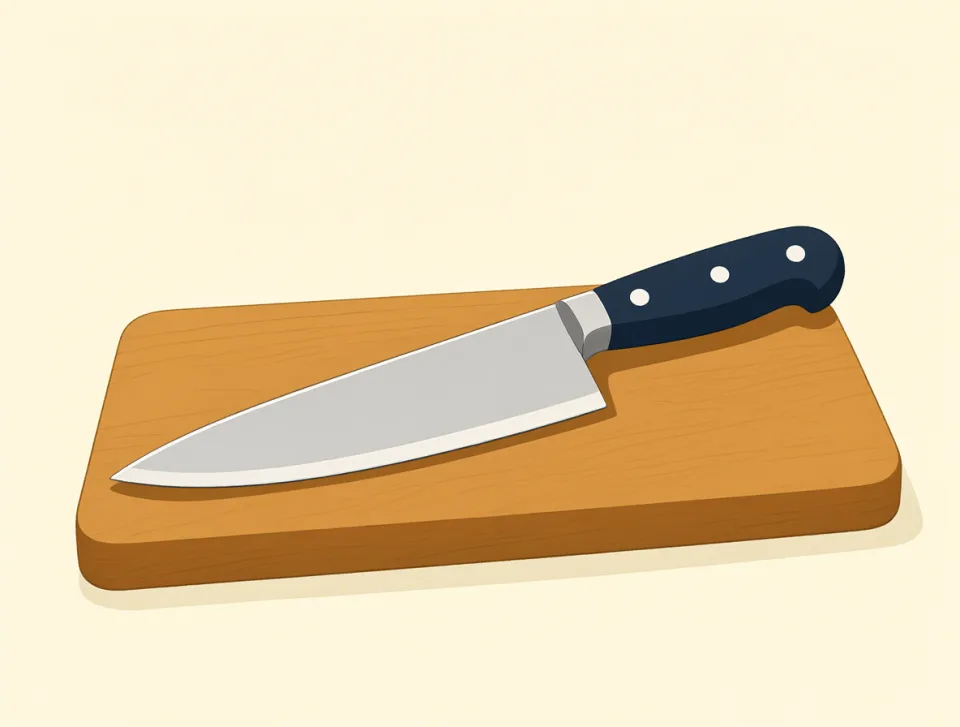
Having a thin edge that can cut; quick to understand; exactly at a stated time.
Mający cienką krawędź, która może ciąć; szybko rozumiejący; dokładnie o podanej godzinie.
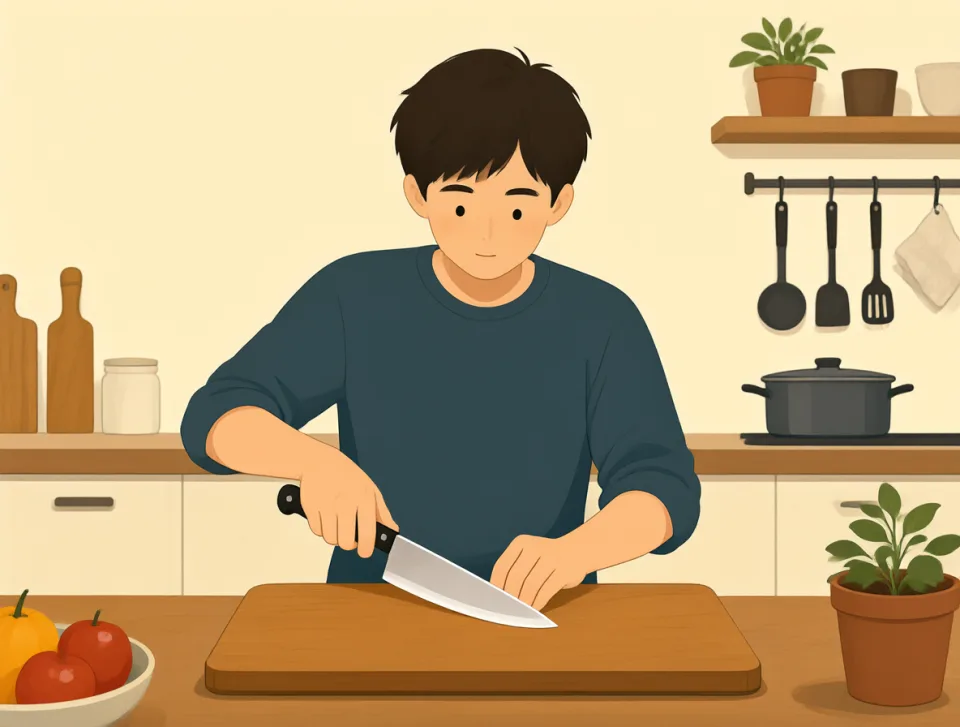
Be careful; this knife is very sharp.
Uważaj; ten nóż jest bardzo ostry.
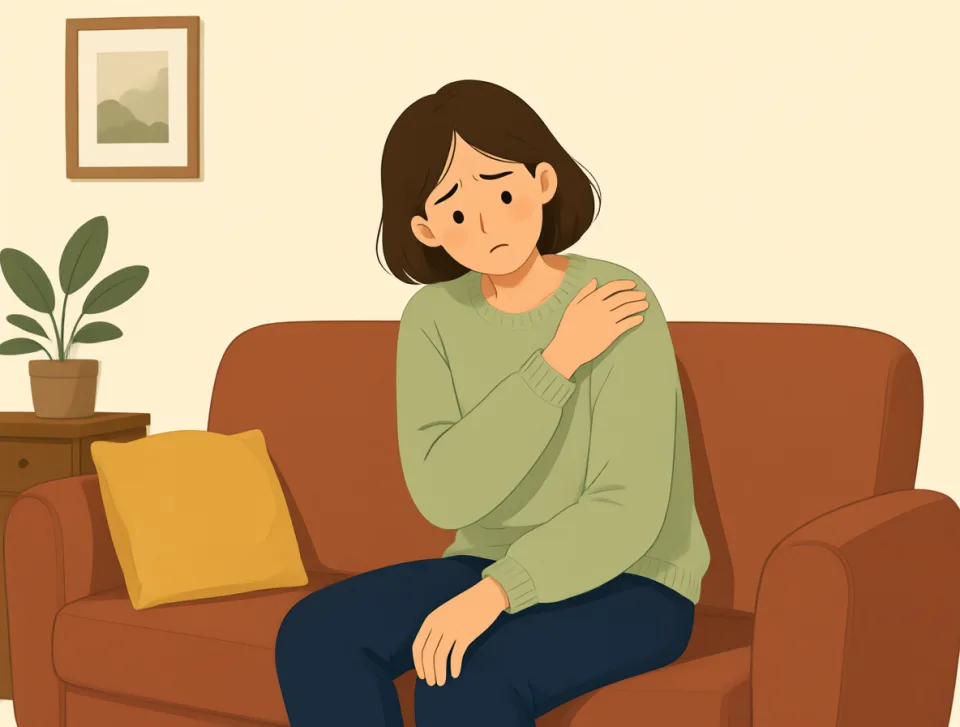
She felt a sharp pain in her shoulder.
Poczuła ostry ból w ramieniu.

He is sharp and learns new skills quickly.
On jest bystry i szybko uczy się nowych umiejętności.

The bus leaves at six sharp tomorrow morning.
Jutro rano autobus odjeżdża dokładnie o szóstej.
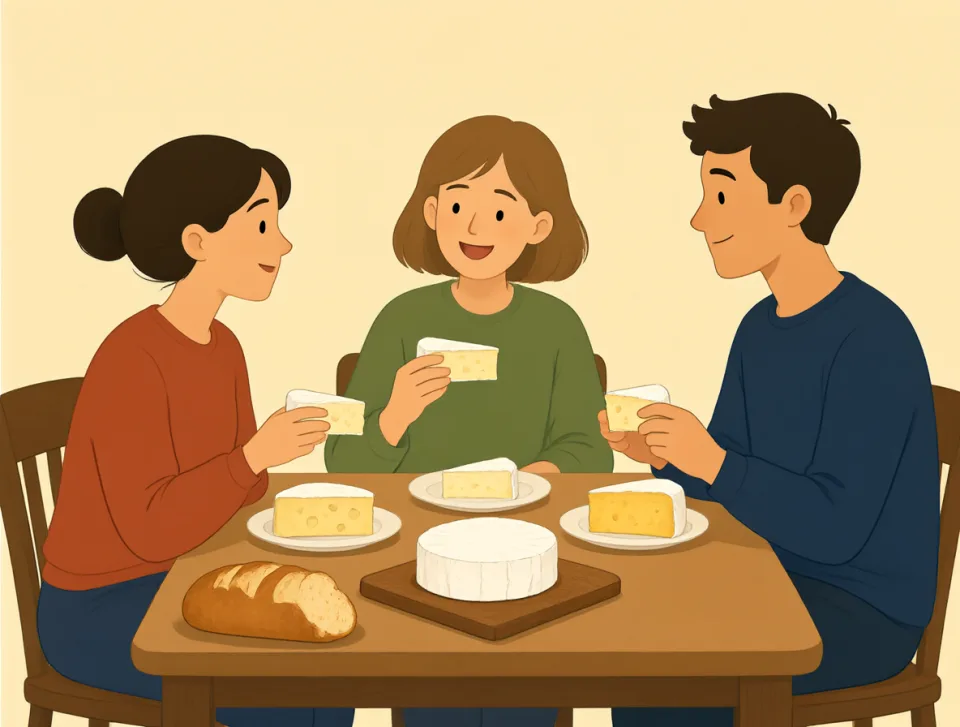
The sharp cheese tasted delicious with fresh bread.
Ostry ser smakował wyśmienicie ze świeżym chlebem.
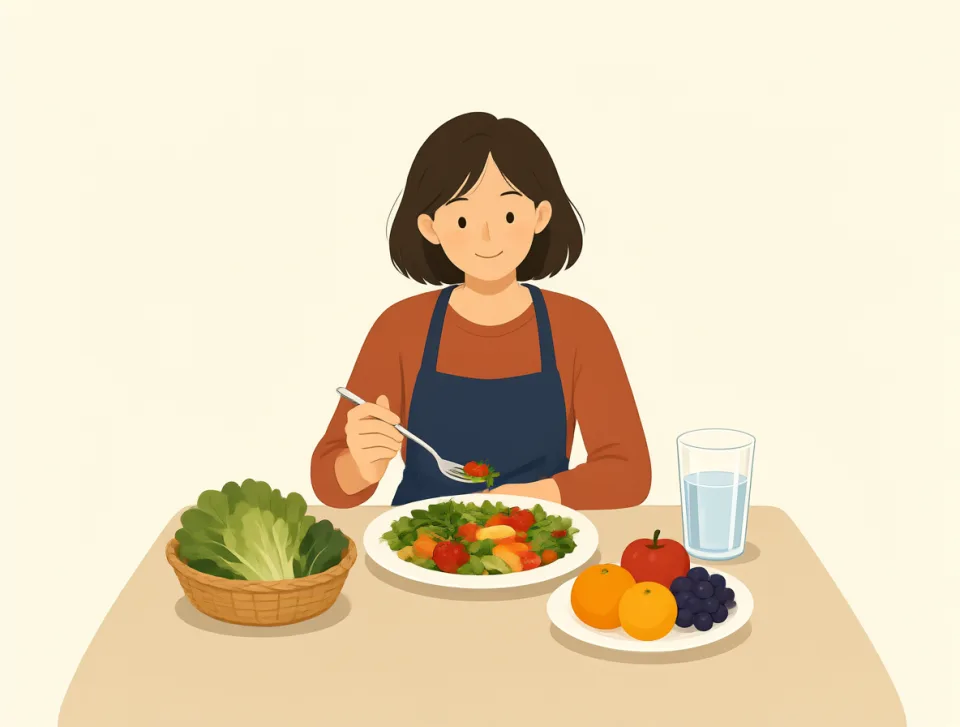
diet
#1847noun, verb
dieta
The food and drink someone usually has, or a plan to eat less or healthier food.
Jedzenie i napoje, które ktoś zwykle spożywa, albo plan odżywiania polegający na jedzeniu mniejszej ilości lub zdrowszych produktów.
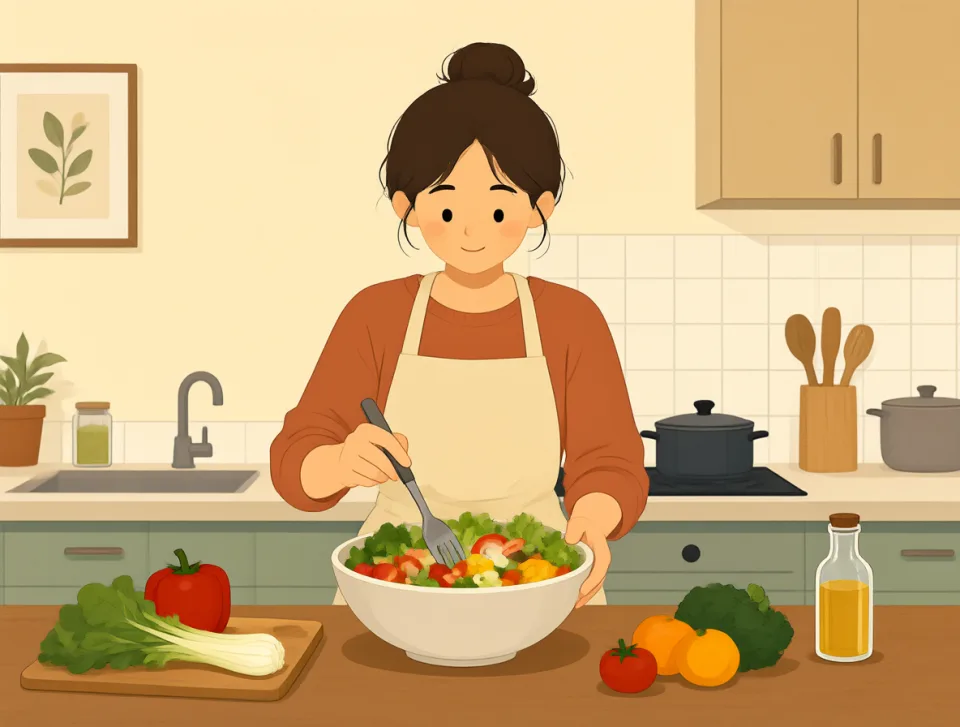
I try to eat a healthy diet with plenty of fresh vegetables.
Staram się stosować zdrową dietę, jedząc dużo świeżych warzyw.
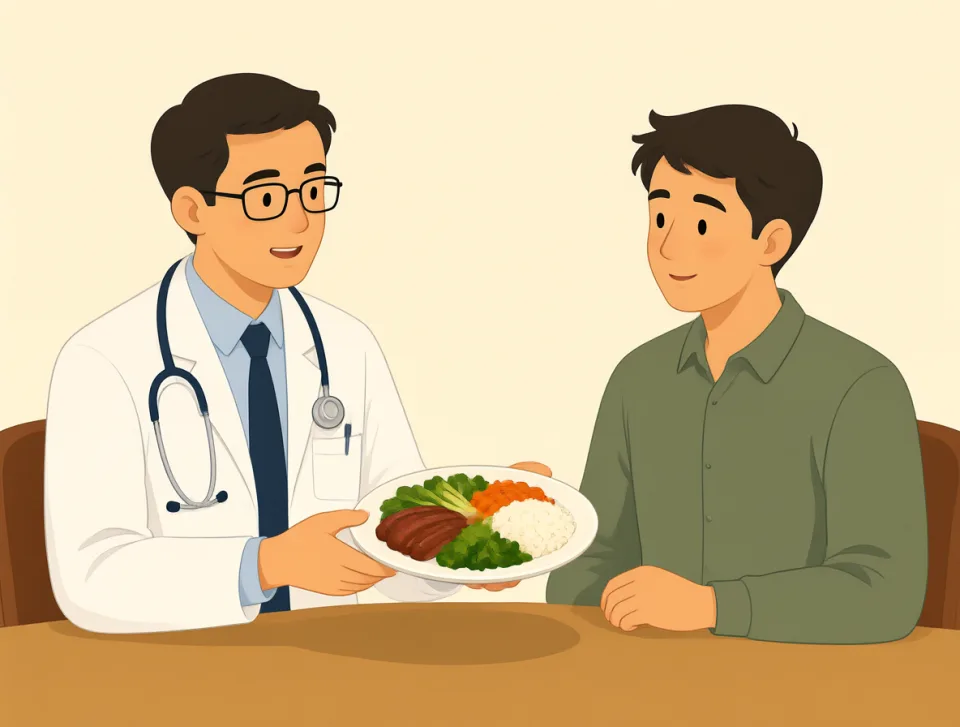
The doctor put him on a low-salt diet for his heart.
Lekarz zalecił mu dietę niskosodową ze względu na serce.
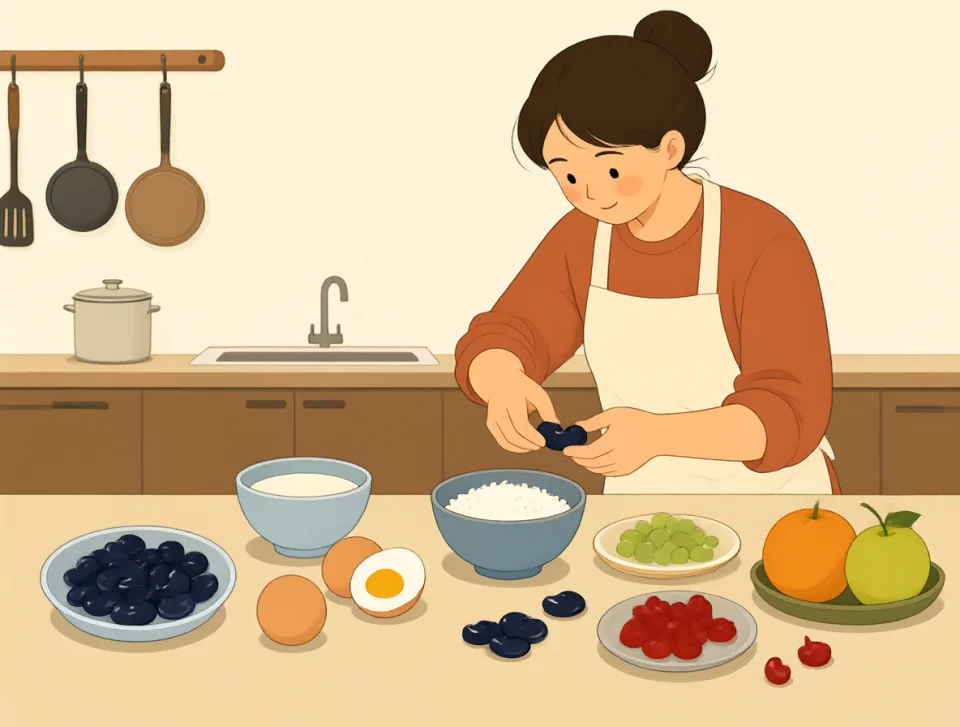
My vegetarian diet includes beans, rice, eggs, and lots of fruit.
Moja dieta wegetariańska obejmuje fasolę, ryż, jajka i mnóstwo owoców.
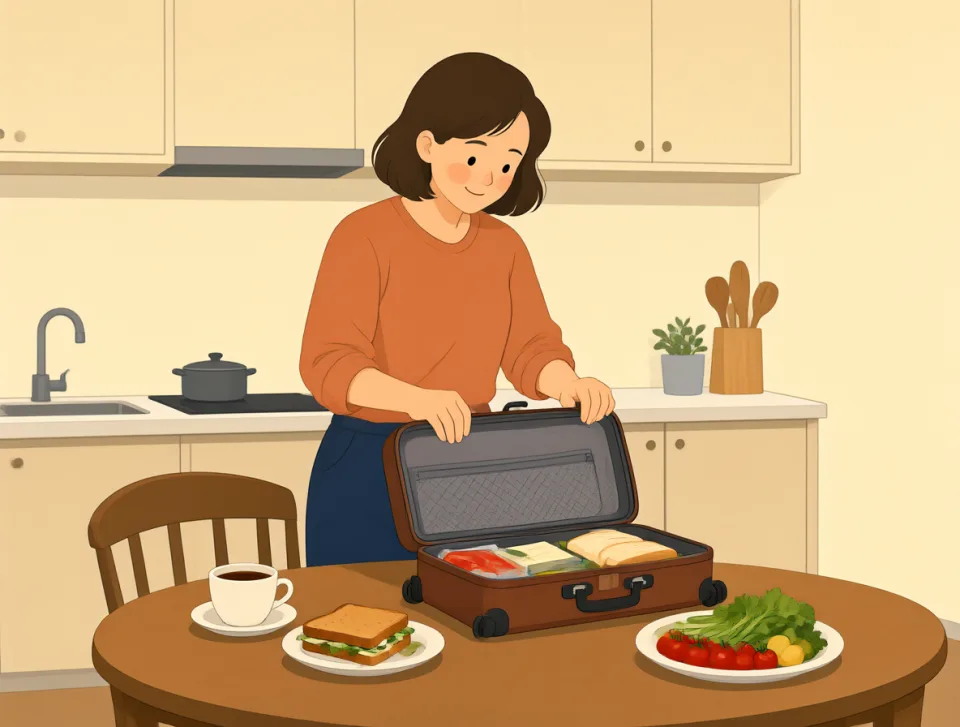
She started a diet before her holiday at the beach.
Zaczęła stosować dietę przed wakacjami nad morzem.
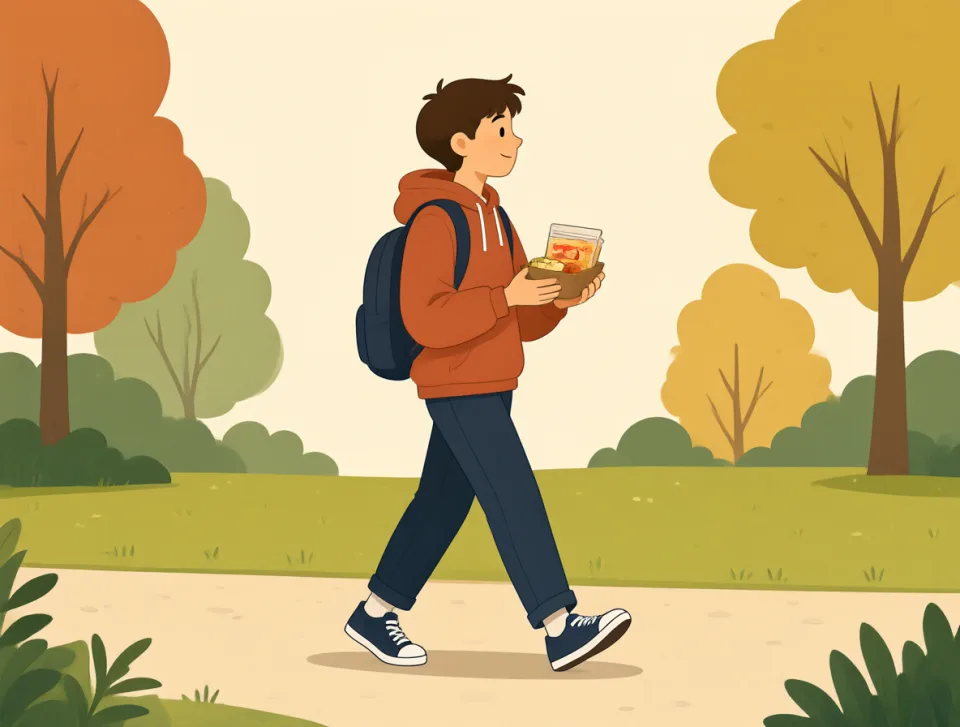
Some people diet by eating smaller meals and walking every day.
Niektórzy odchudzają się, jedząc mniejsze posiłki i codziennie spacerując.

motion
#1848noun, verb
ruch
Movement or a movement, especially in a particular direction or to show an idea.
Poruszanie się lub ruch, zwłaszcza w określonym kierunku albo w celu pokazania jakiejś idei.
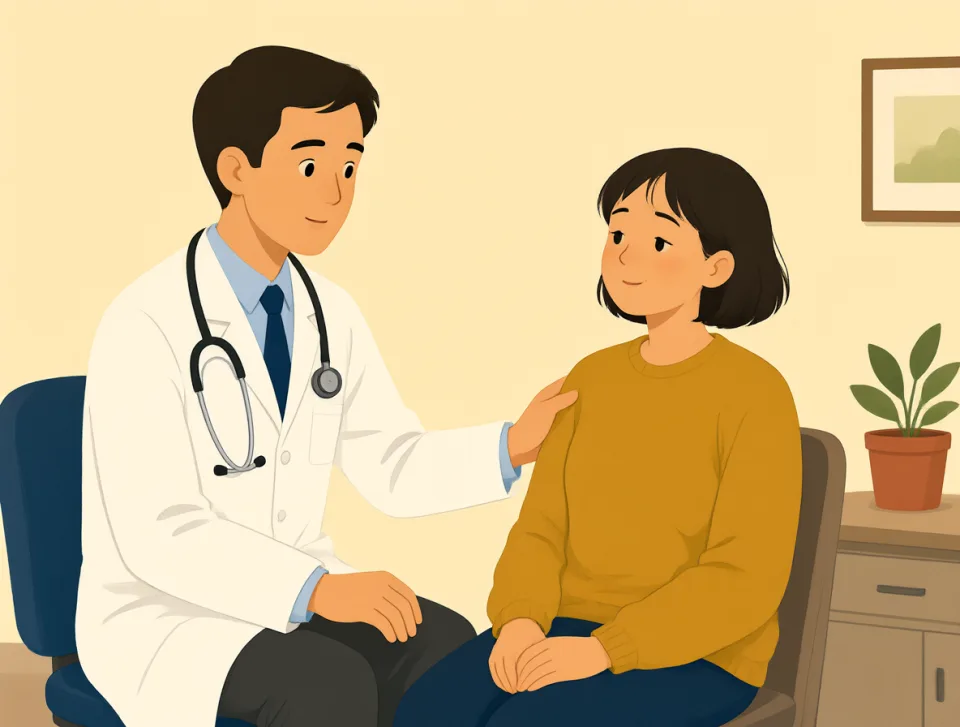
The doctor watched the motion of the patient's chest.
Lekarz obserwował ruch klatki piersiowej pacjenta.
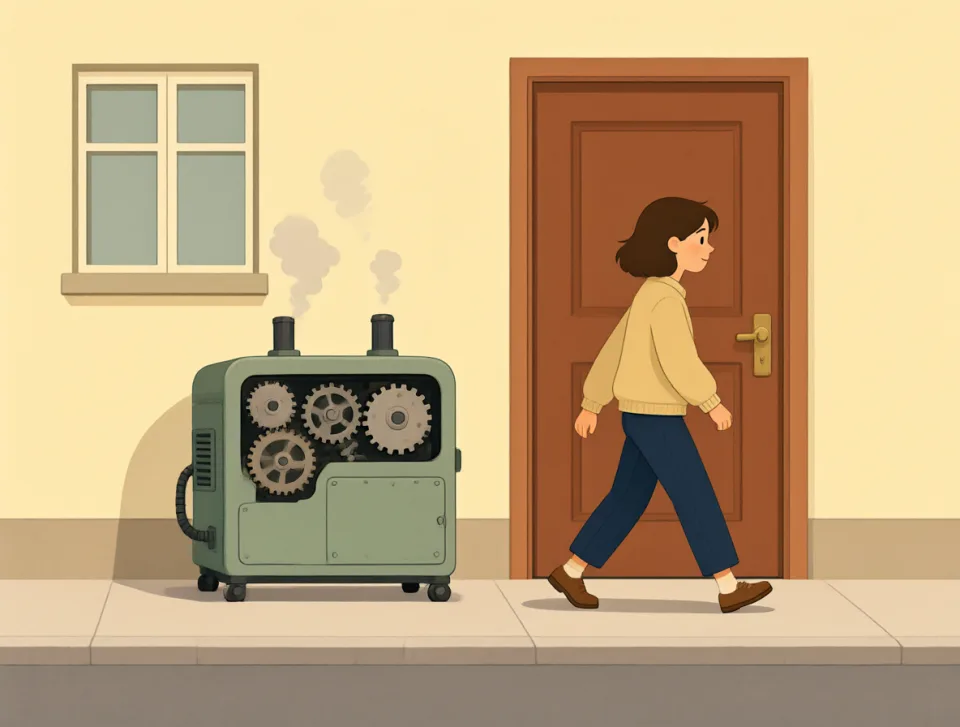
The machine stops when it detects sudden motion.
Maszyna zatrzymuje się, gdy wykryje nagły ruch.

She made a motion for us to come inside.
Wykonała gest, żebyśmy weszli do środka.
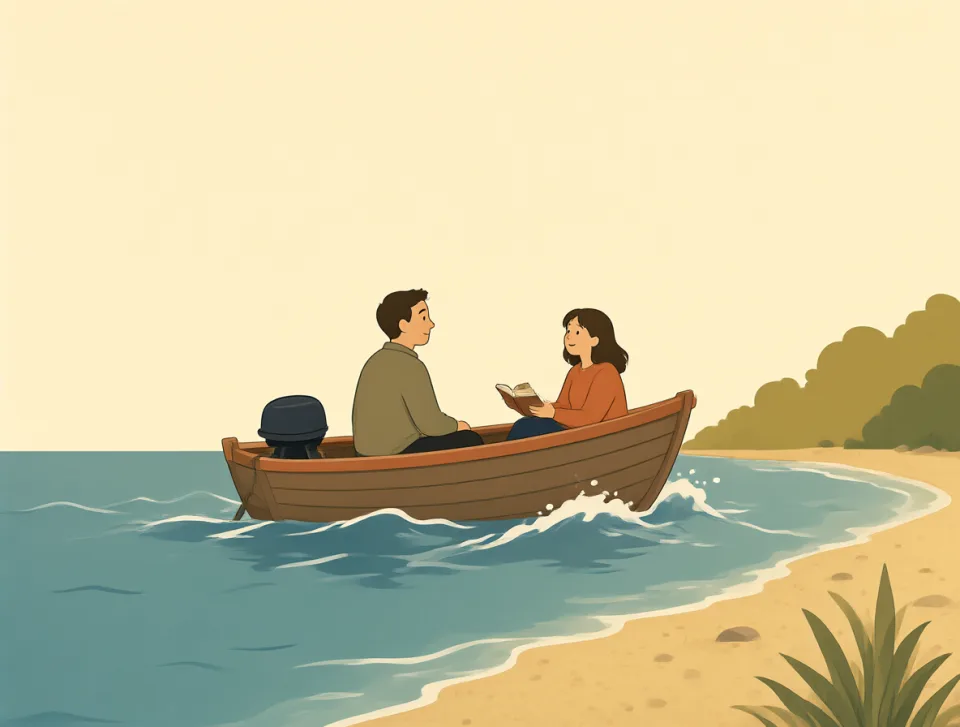
The boat rocked with the motion of the waves.
Łódź kołysała się wraz z ruchem fal.

The committee voted to approve the motion.
Komisja zagłosowała za przyjęciem wniosku.

gray
#1849adjective, noun
szary
having a color between black and white
Mający kolor pośredni między czernią a bielą.
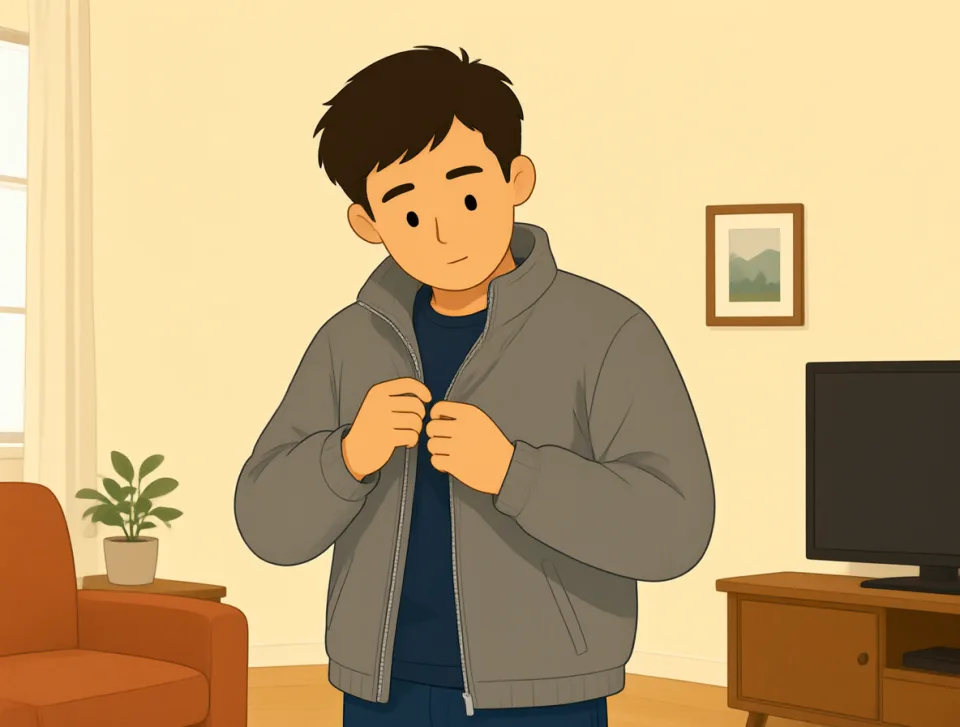
He wore a gray jacket on the cold morning.
W chłodny poranek miał na sobie szarą kurtkę.
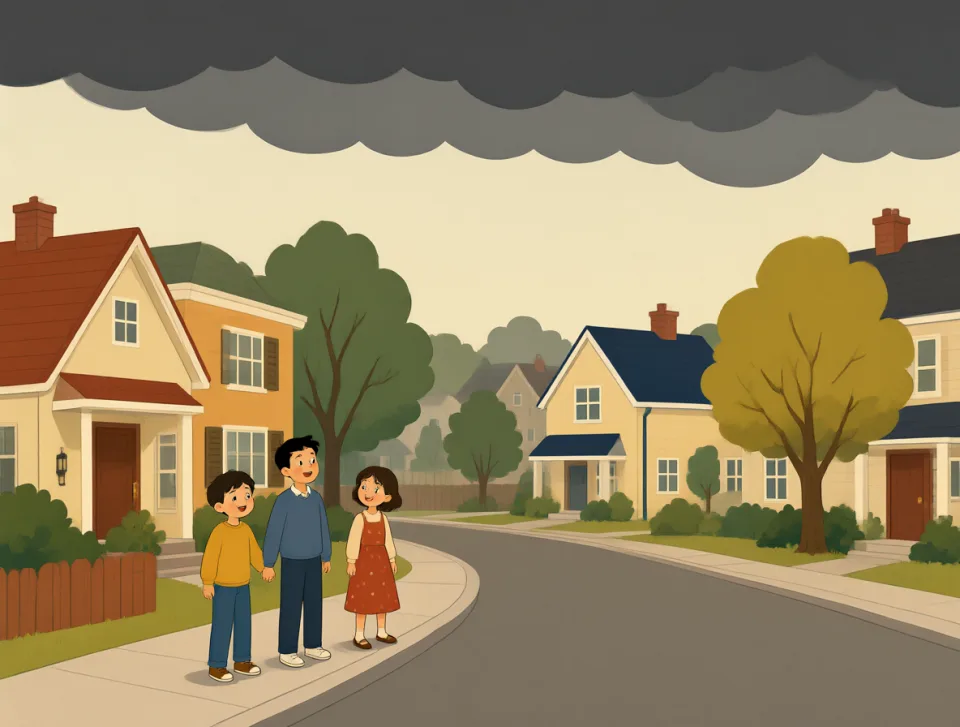
The sky turned gray before the rain started.
Niebo poszarzało, zanim zaczął padać deszcz.

She bought a gray sofa for the living room.
Kupiła szarą sofę do salonu.
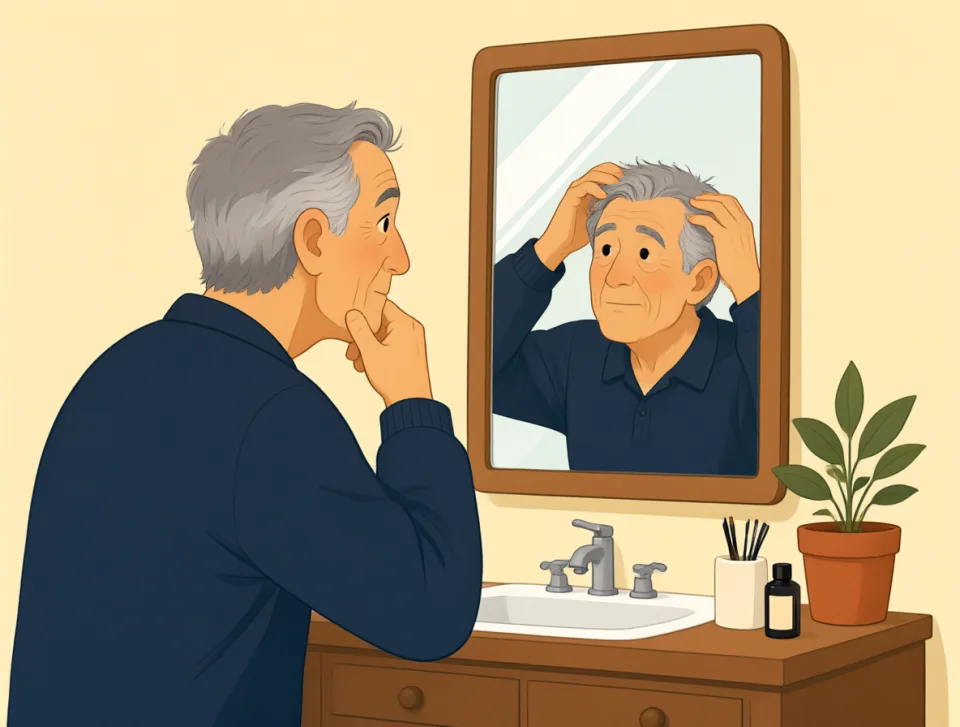
My grandfather's hair is turning gray.
Włosy mojego dziadka siwieją.
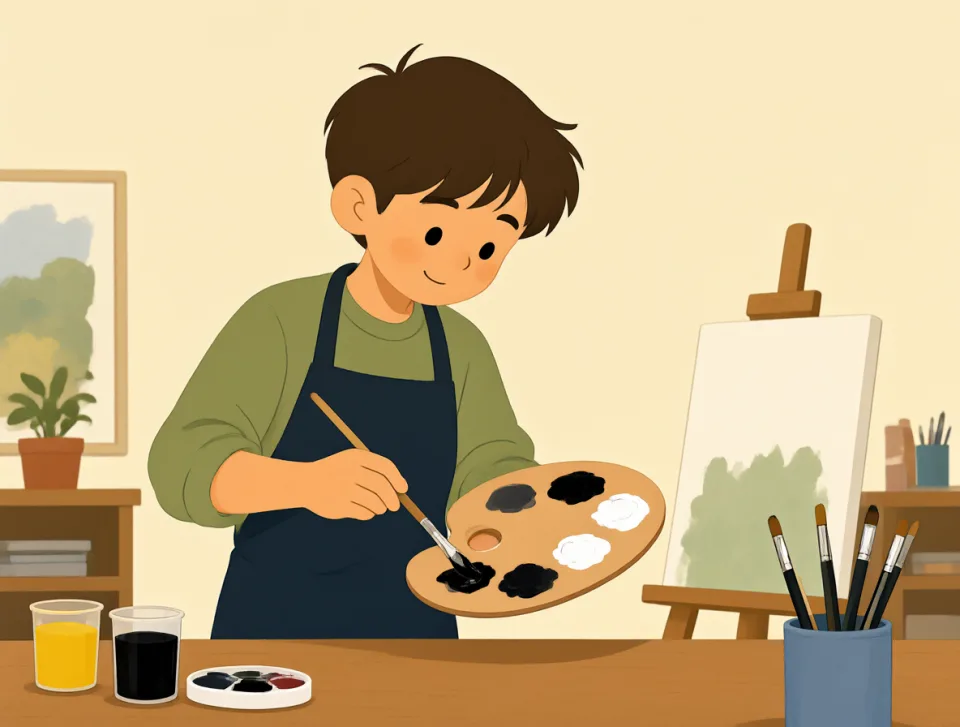
The artist mixed black and white to make gray.
Artysta zmieszał czerń i biel, żeby uzyskać szary kolor.
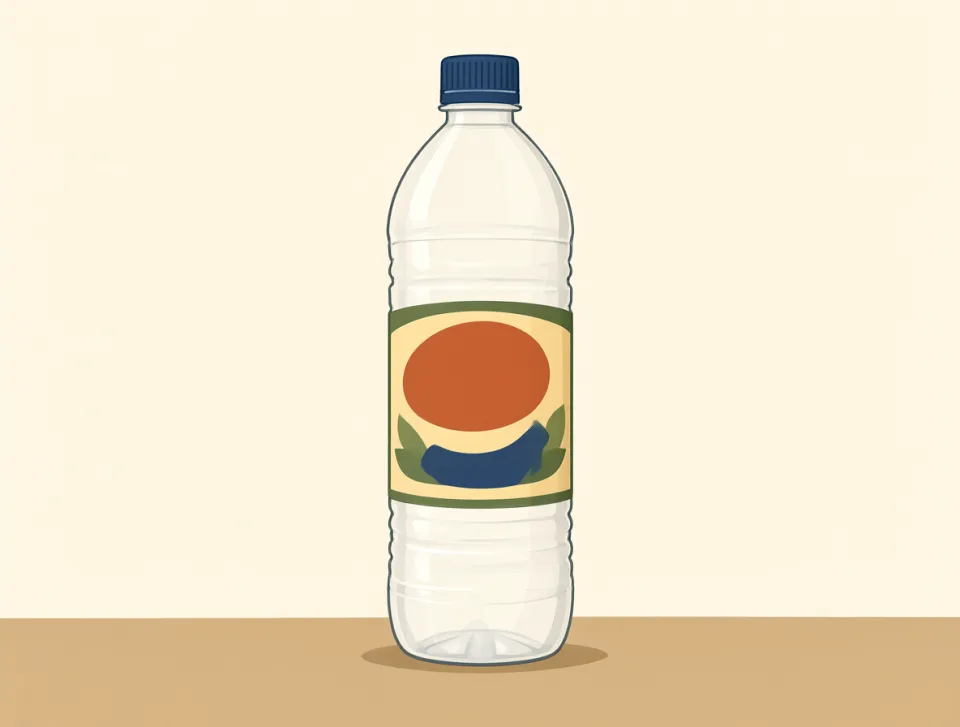
plastic
#1850noun, adjective
plastik
A light, strong material made from chemicals, often used to make containers and bags.
Lekki i wytrzymały materiał wytwarzany z substancji chemicznych, często używany do produkcji pojemników i toreb.
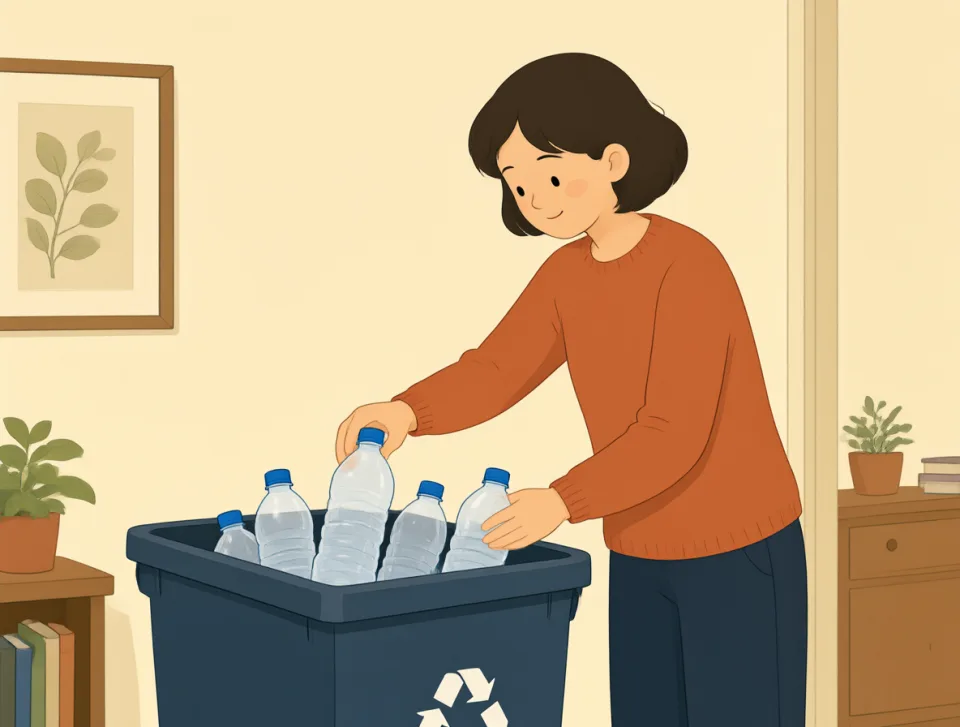
Please put the plastic bottles in the recycling bin.
Proszę wrzucać plastikowe butelki do pojemnika na odpady przeznaczone do recyklingu.
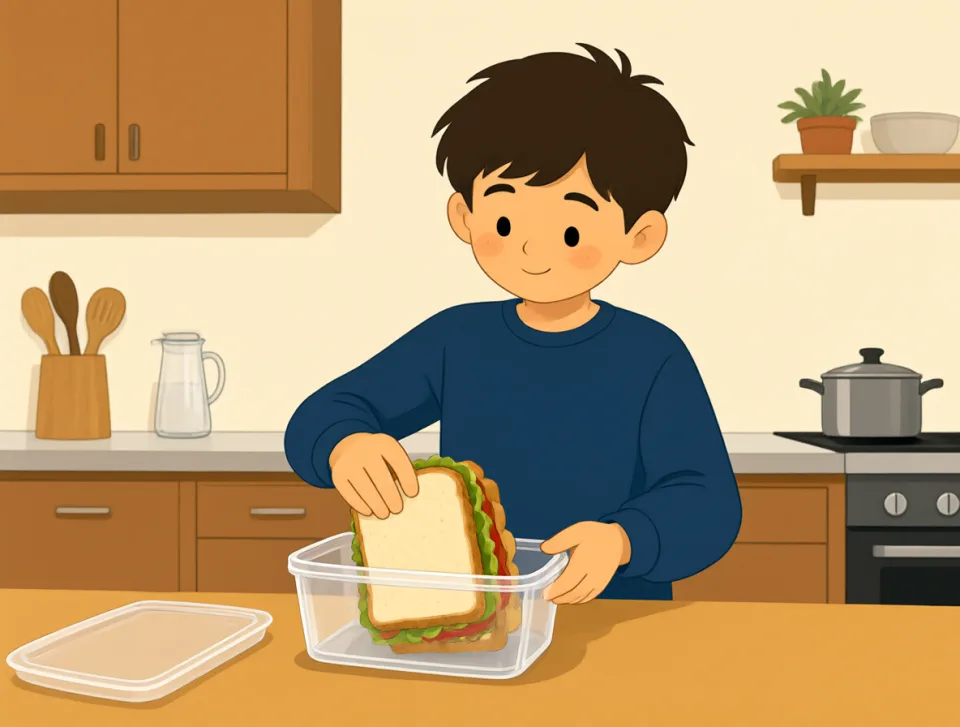
She packed her lunch in a plastic container.
Spakowała lunch do plastikowego pojemnika.

The shop gives customers a plastic bag for their purchases.
Sklep daje klientom plastikową torbę na zakupy.
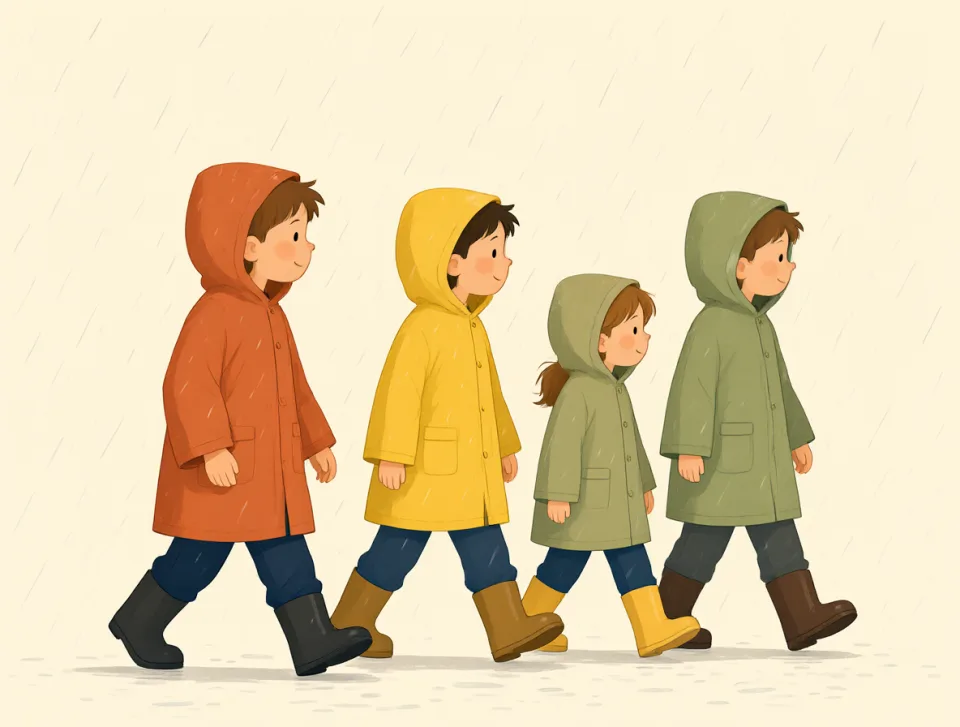
The children wore plastic raincoats during the school trip.
Podczas wycieczki szkolnej dzieci miały na sobie plastikowe płaszcze przeciwdeszczowe.
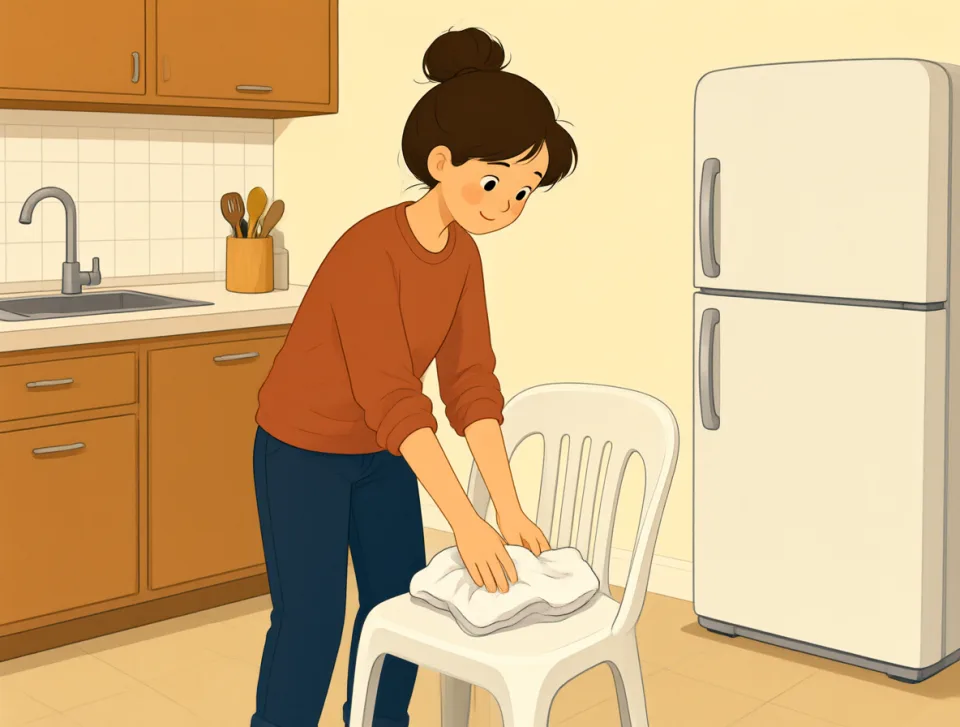
This chair is made of strong plastic and is easy to clean.
To krzesło jest wykonane z wytrzymałego plastiku i łatwo je wyczyścić.
complicate
#1851verb
komplikować
to make something more difficult or confusing than it needs to be
sprawiać, że coś staje się trudniejsze lub bardziej skomplikowane, niż to konieczne
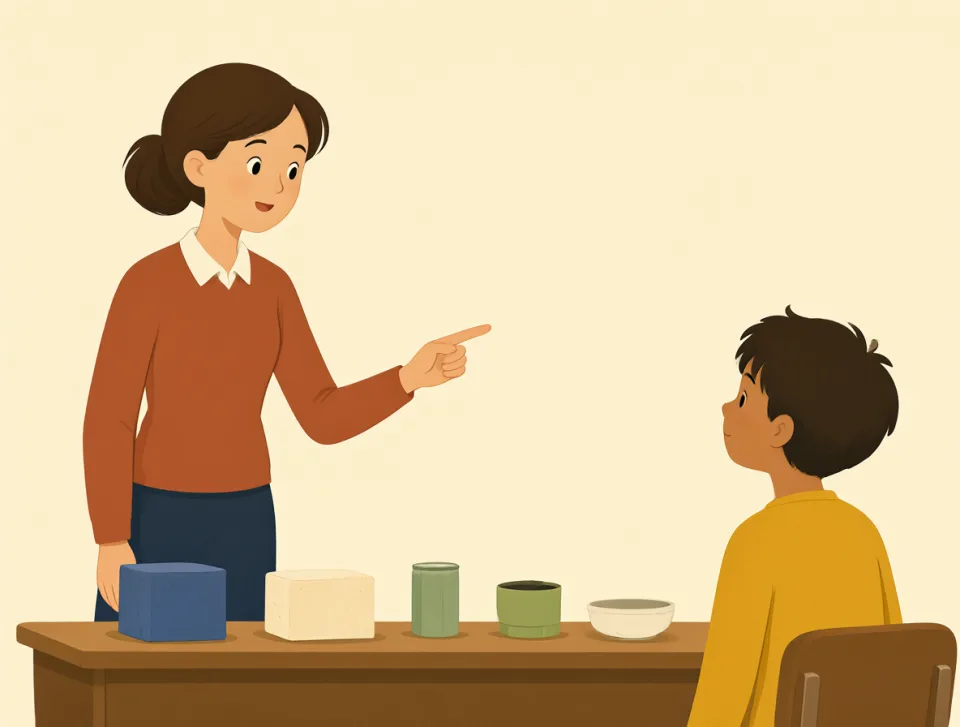
Don't complicate the problem; follow these simple steps.
Nie komplikuj problemu; postępuj zgodnie z tymi prostymi wskazówkami.
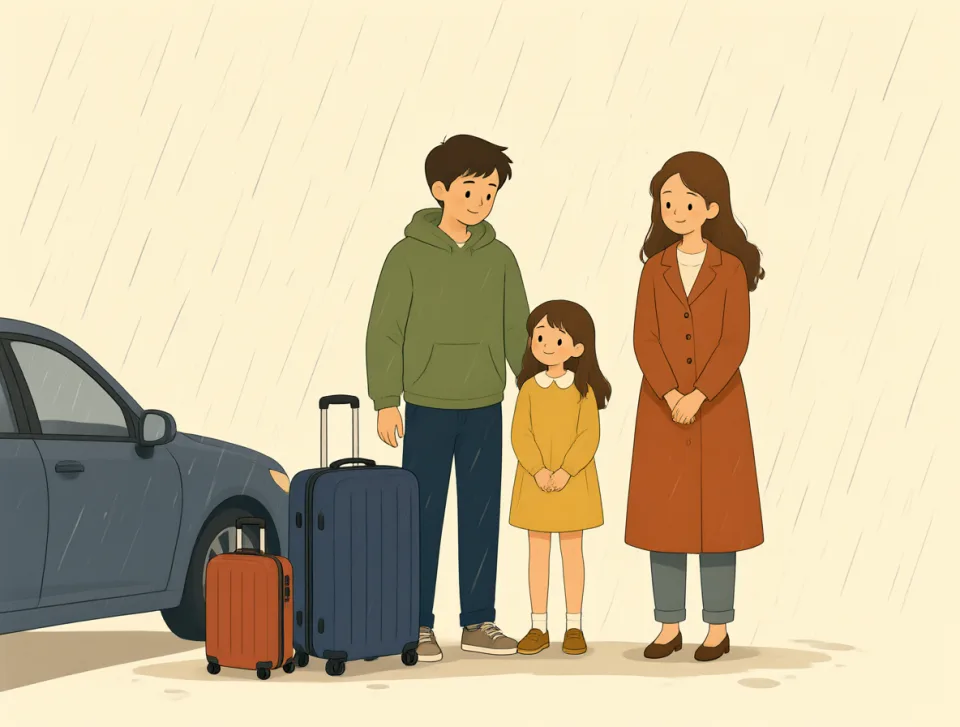
The bad weather complicated our travel plans.
Zła pogoda skomplikowała nasze plany podróży.

Too many rules can complicate the hiring process.
Zbyt wiele zasad może skomplikować proces rekrutacji.
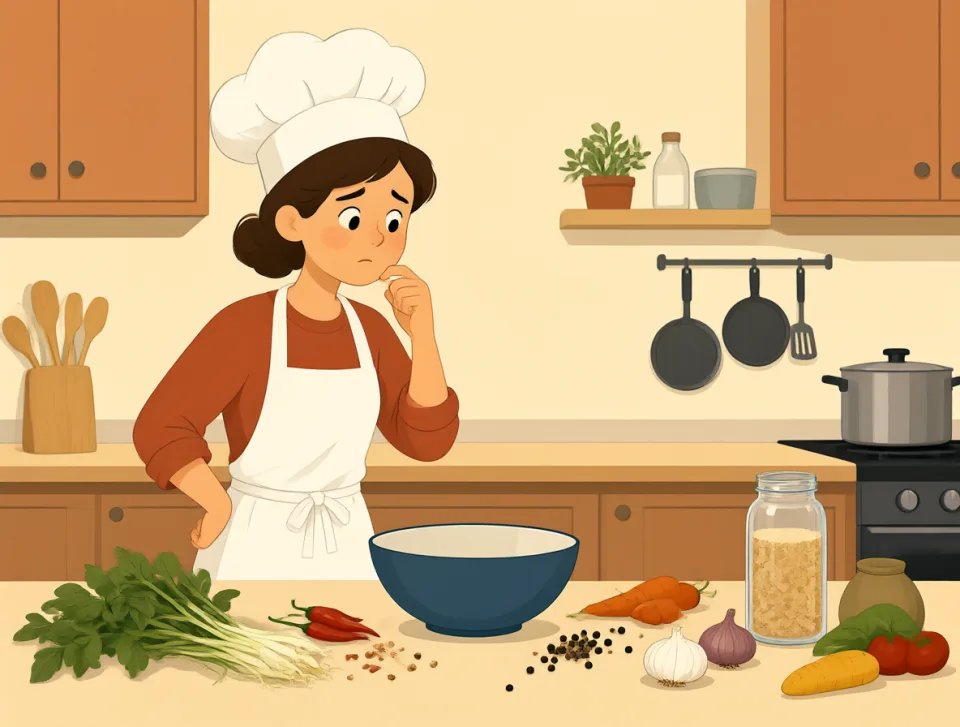
Adding more ingredients complicated the recipe.
Dodanie większej liczby składników skomplikowało przepis.
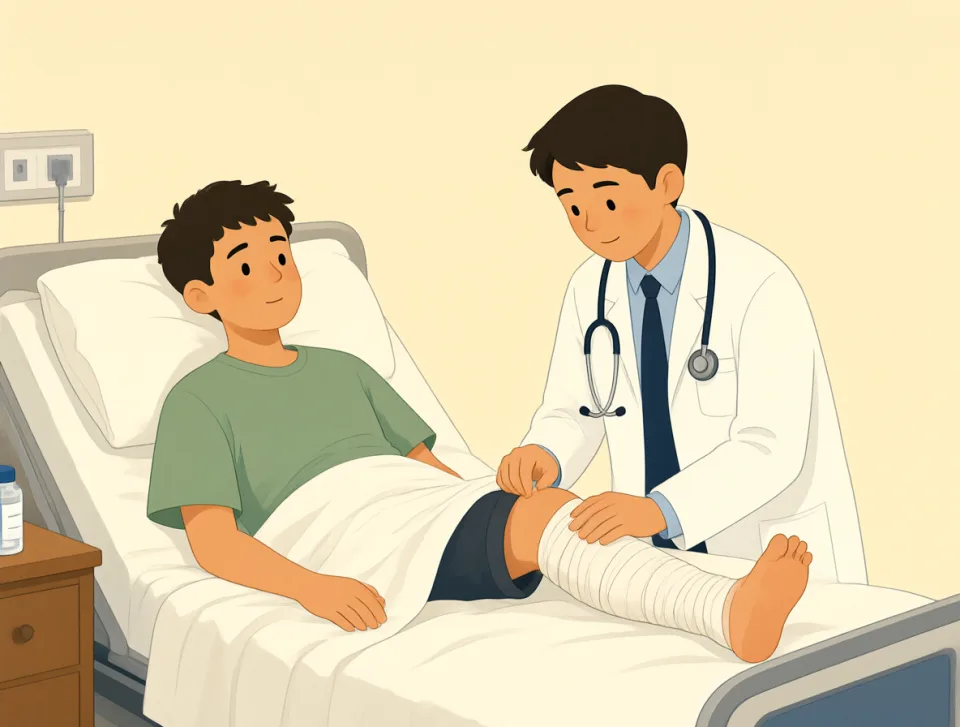
His injury complicated his recovery after the accident.
Jego uraz skomplikował powrót do zdrowia po wypadku.

discipline
#1852noun, verb
dyscyplina
Training yourself to follow rules and control your behavior to reach a goal.
Samodyscyplina, czyli trzymanie się zasad i kontrolowanie swojego zachowania, by osiągnąć cel.
Learning a new language takes discipline and regular practice.
Nauka nowego języka wymaga dyscypliny i regularnych ćwiczeń.
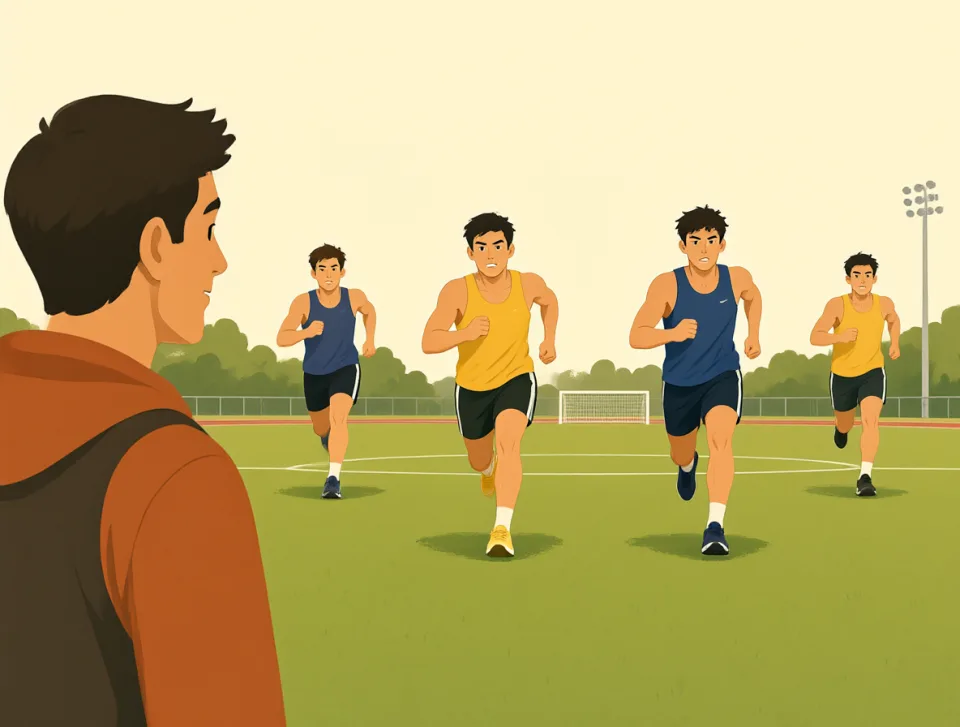
The coach praised the team for showing discipline during training.
Trener pochwalił drużynę za dyscyplinę podczas treningu.
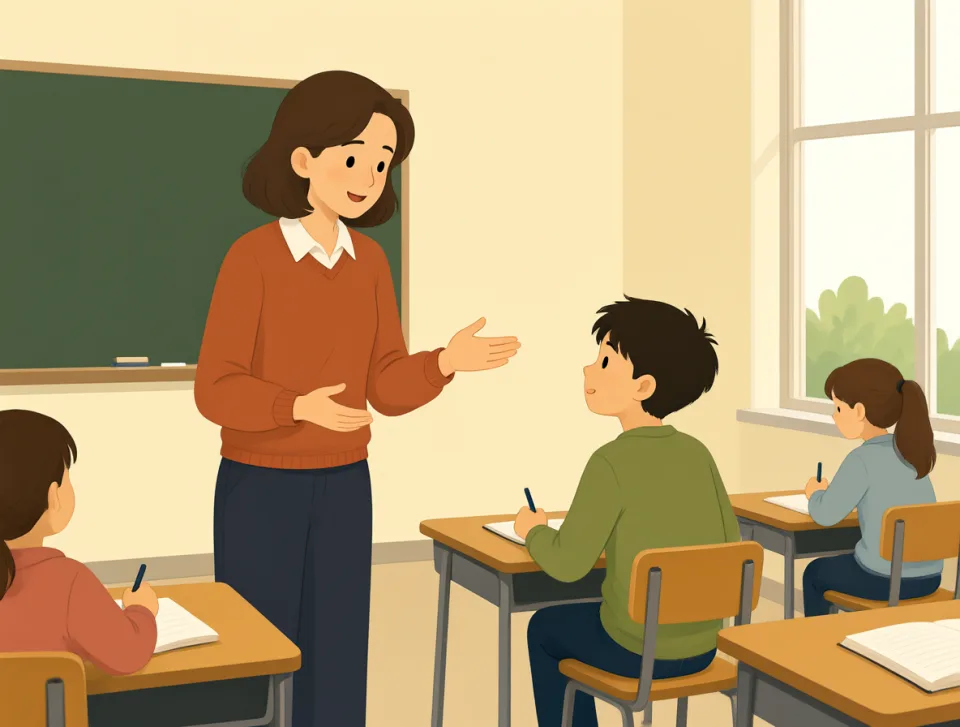
The school uses discipline to help students behave well.
Szkoła stosuje dyscyplinę, by pomagać uczniom właściwie się zachowywać.

Good financial discipline helped us save enough money for our holiday.
Dobra dyscyplina finansowa pomogła nam zaoszczędzić dość pieniędzy na wakacje.
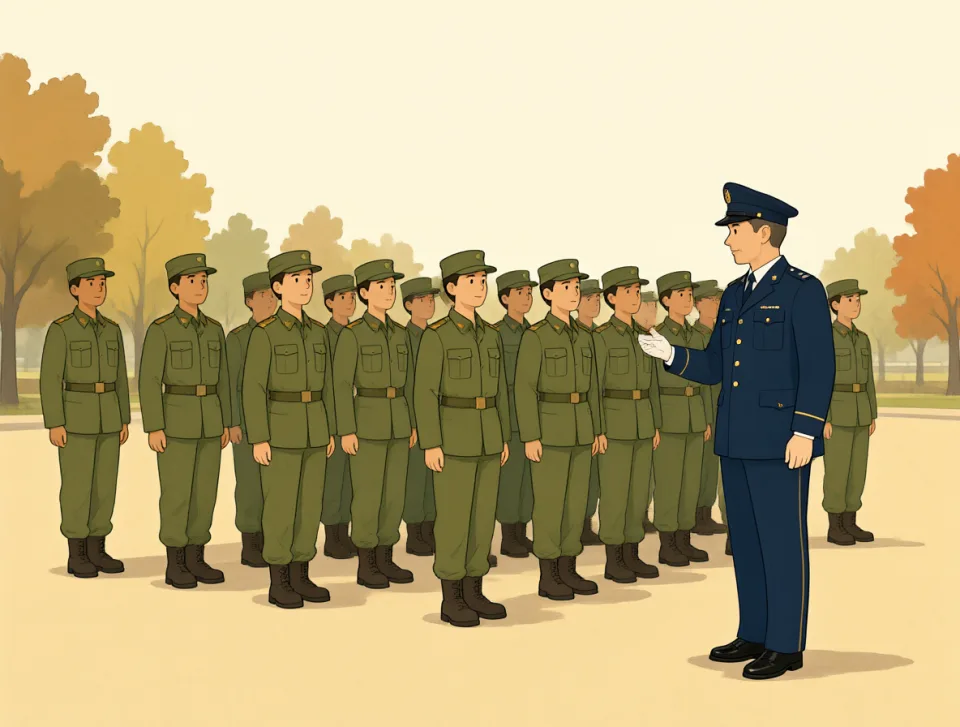
The army disciplined the new soldiers during their first month.
Armia szkoliła nowych żołnierzy w dyscyplinie podczas ich pierwszego miesiąca służby.
disappoint
#1853verb
rozczarować
To make someone feel unhappy because something was not as good as expected.
Sprawić, że ktoś poczuje się niezadowolony, bo coś nie było tak dobre, jak się spodziewał.
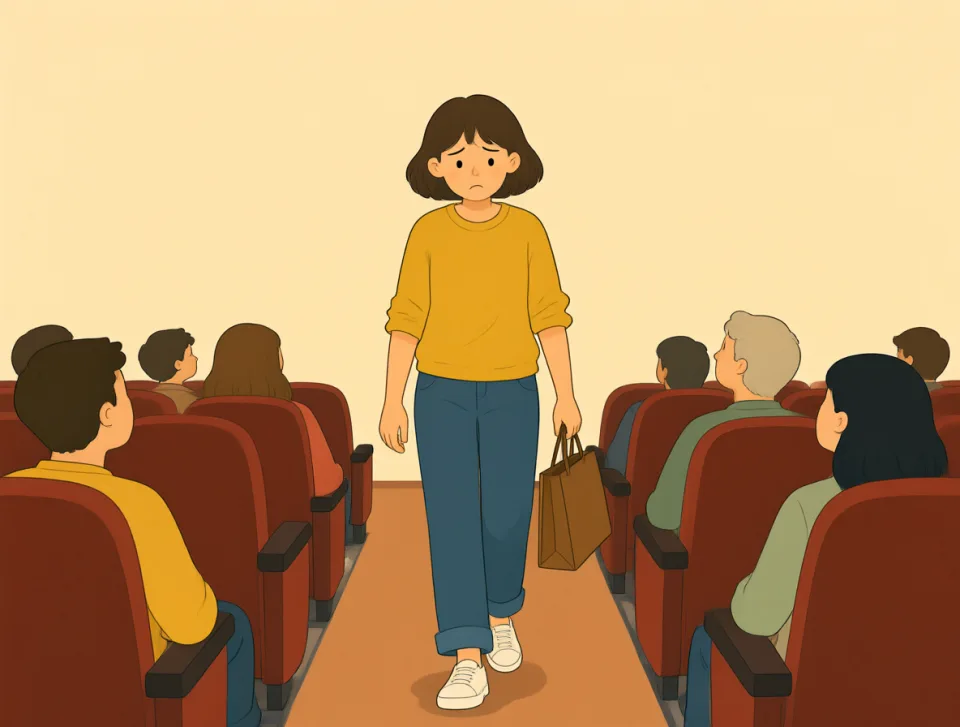
The movie disappointed me, so I left before the end.
Film mnie rozczarował, więc wyszedłem przed końcem.
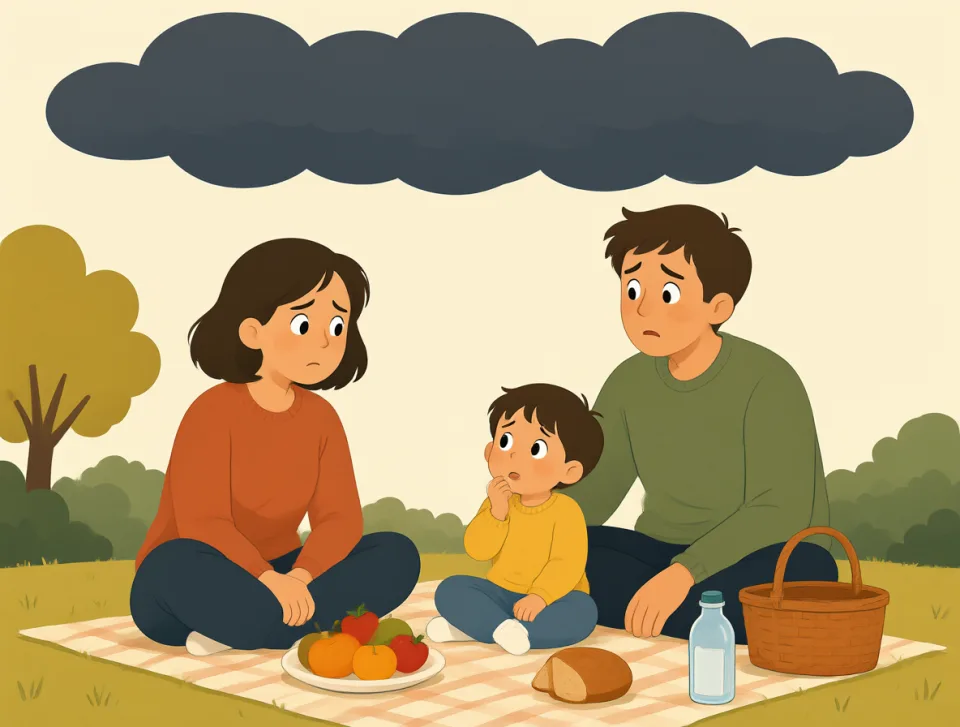
I hope the weather does not disappoint us tomorrow.
Mam nadzieję, że jutro pogoda nas nie rozczaruje.
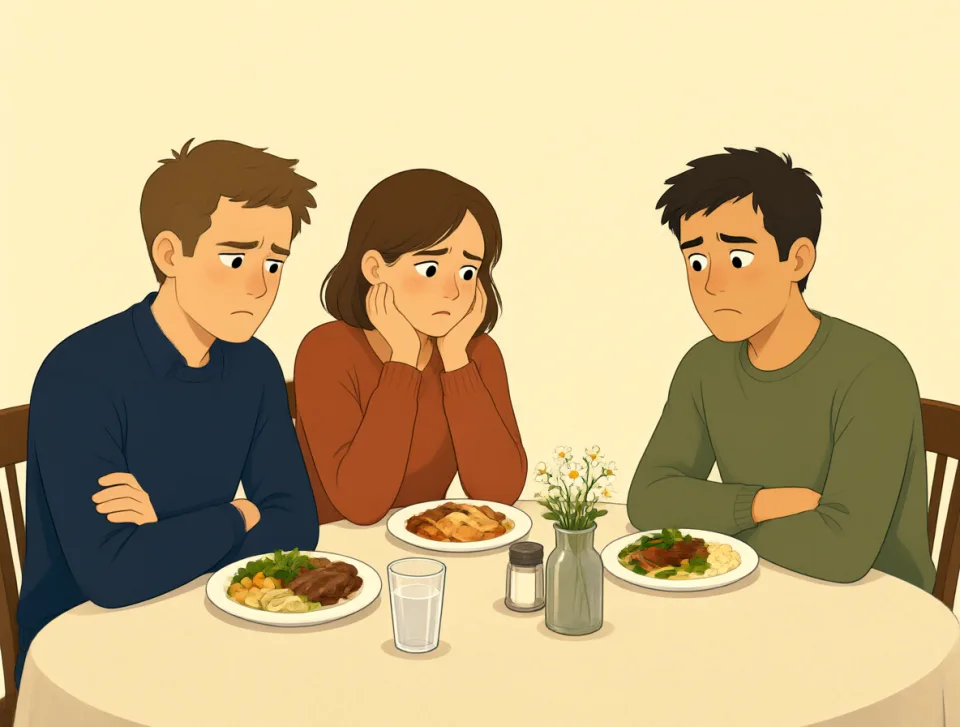
The restaurant disappointed us with cold food and slow service.
Restauracja nas rozczarowała zimnym jedzeniem i powolną obsługą.
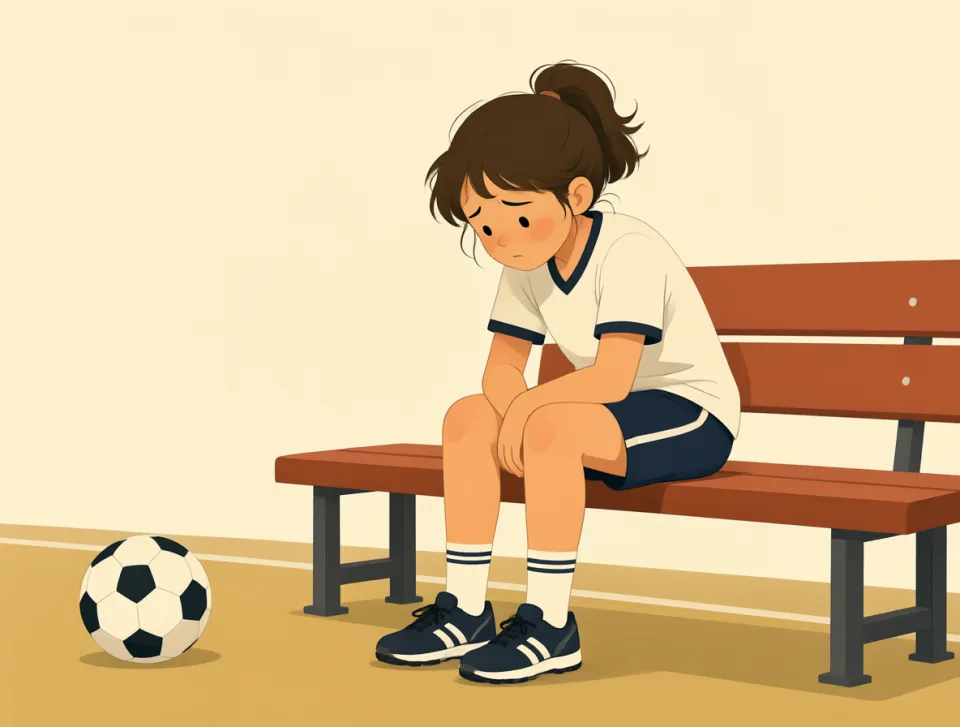
She was disappointed when her team lost the final game.
Była rozczarowana, gdy jej drużyna przegrała finałowy mecz.
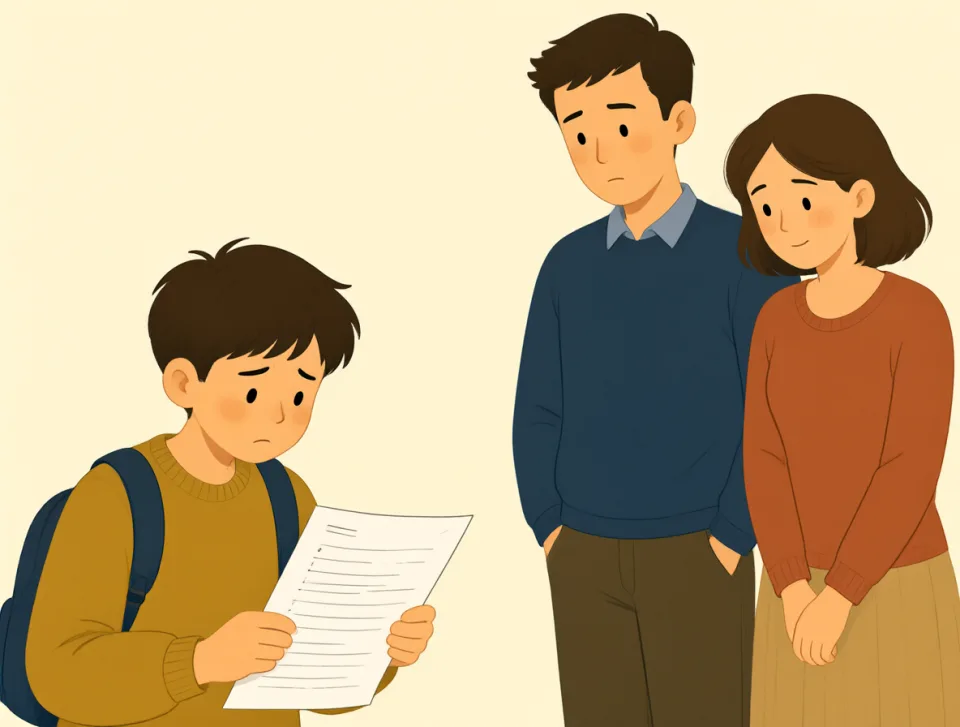
He hates disappointing his parents when he gets poor grades.
Nie znosi rozczarowywać rodziców, kiedy dostaje słabe oceny.

boss
#1854noun, verb
szef
A person who is in charge of a workplace or tells others what to do.
Osoba kierująca miejscem pracy lub mówiąca innym, co mają robić.

My boss asked me to finish the report before lunch.
Mój szef poprosił mnie, żebym skończył raport przed lunchem.

I need to talk to my boss about taking Friday off.
Muszę porozmawiać z szefem o wzięciu wolnego w piątek.

Our new boss is friendly and listens to everyone's ideas.
Nasz nowy szef jest przyjazny i słucha pomysłów wszystkich.
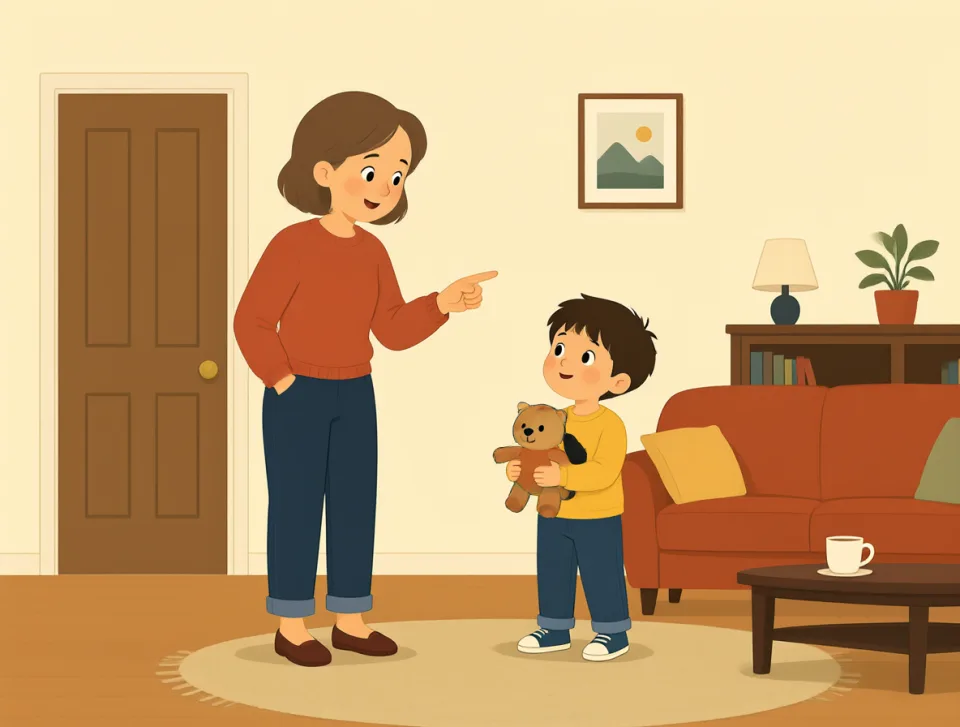
She bosses her little brother around when their parents are away.
Kiedy ich rodziców nie ma, ustawia swojego młodszego brata.
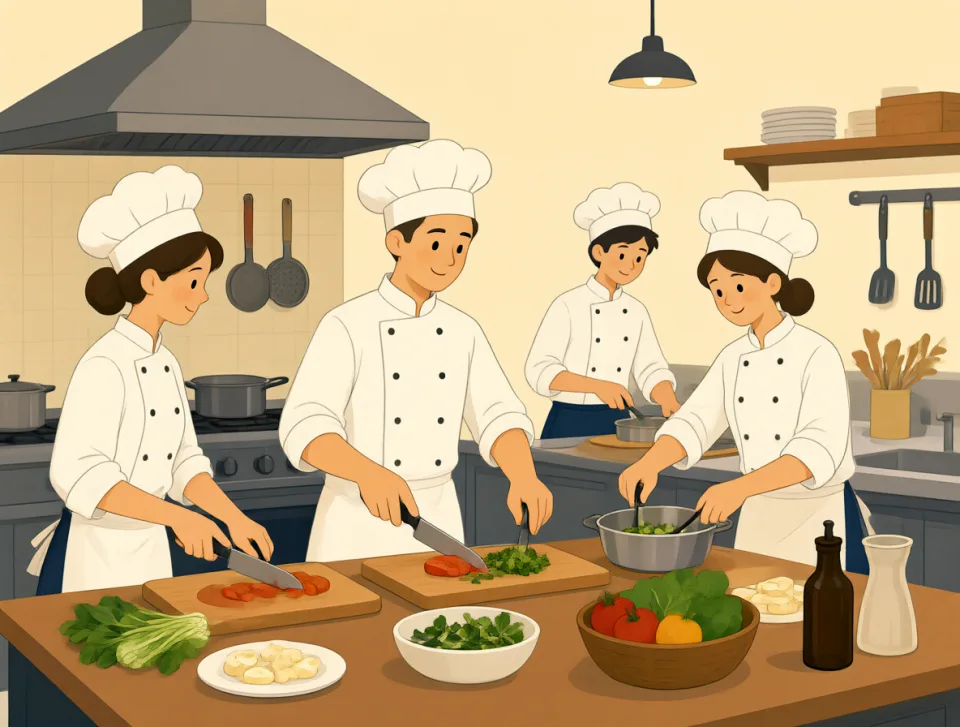
The chef bossed the kitchen during the busy dinner service.
Szef kuchni kierował pracą kuchni podczas ruchliwej kolacji.
assumption
#1855noun
założenie
A belief that something is true, even though you have no proof.
Przekonanie, że coś jest prawdą, mimo że nie ma się na to dowodów.
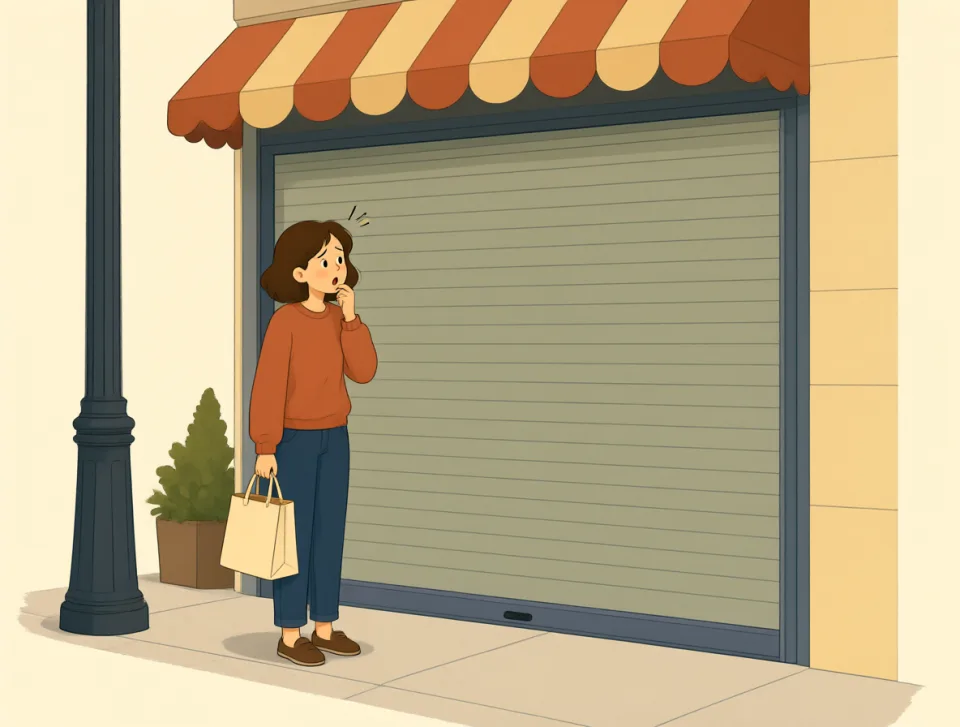
My assumption that the store was open was wrong.
Moje założenie, że sklep jest otwarty, było błędne.

Do not make assumptions about people before meeting them.
Nie wyrabiaj sobie opinii o ludziach, zanim ich poznasz.
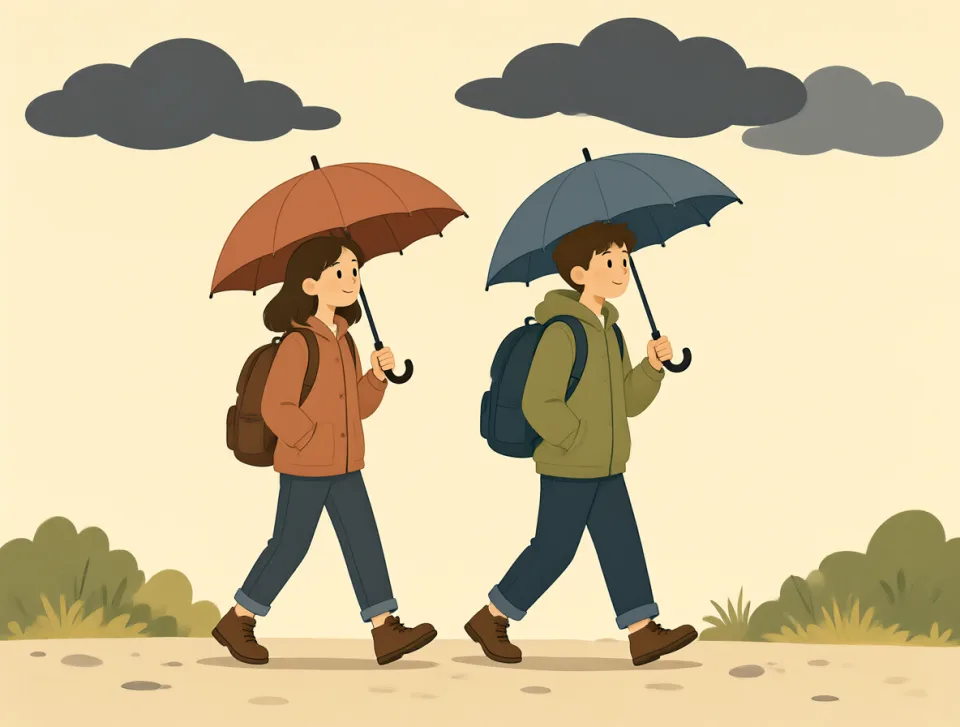
On the assumption that it would rain, we brought umbrellas.
Zakładając, że będzie padać, zabraliśmy parasole.
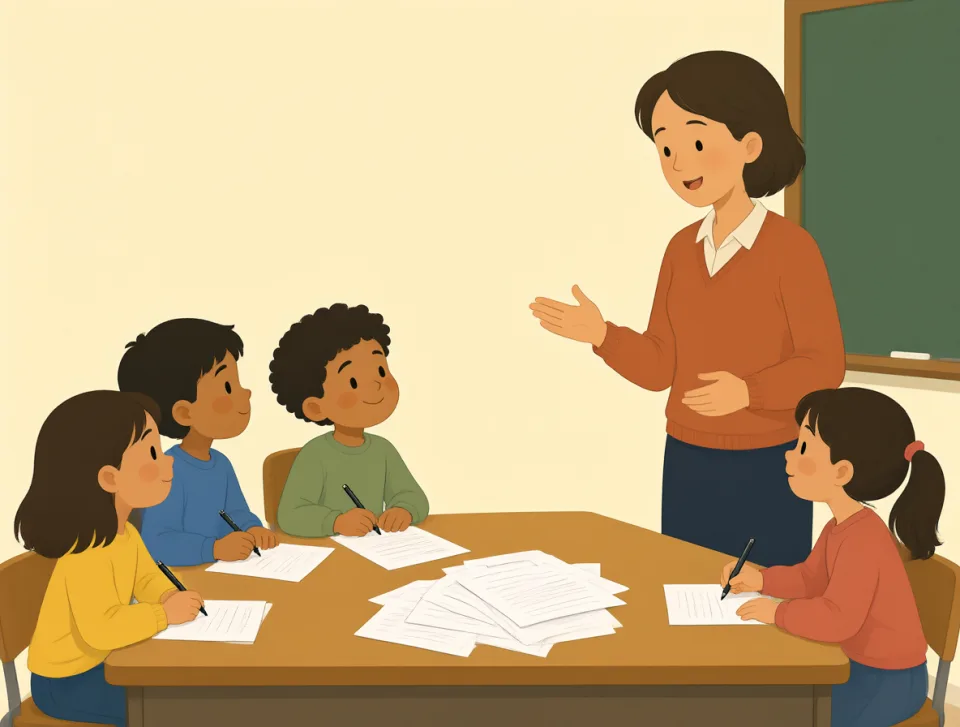
The teacher corrected our assumption that the test would be easy.
Nauczyciel poprawił nasze błędne założenie, że test będzie łatwy.
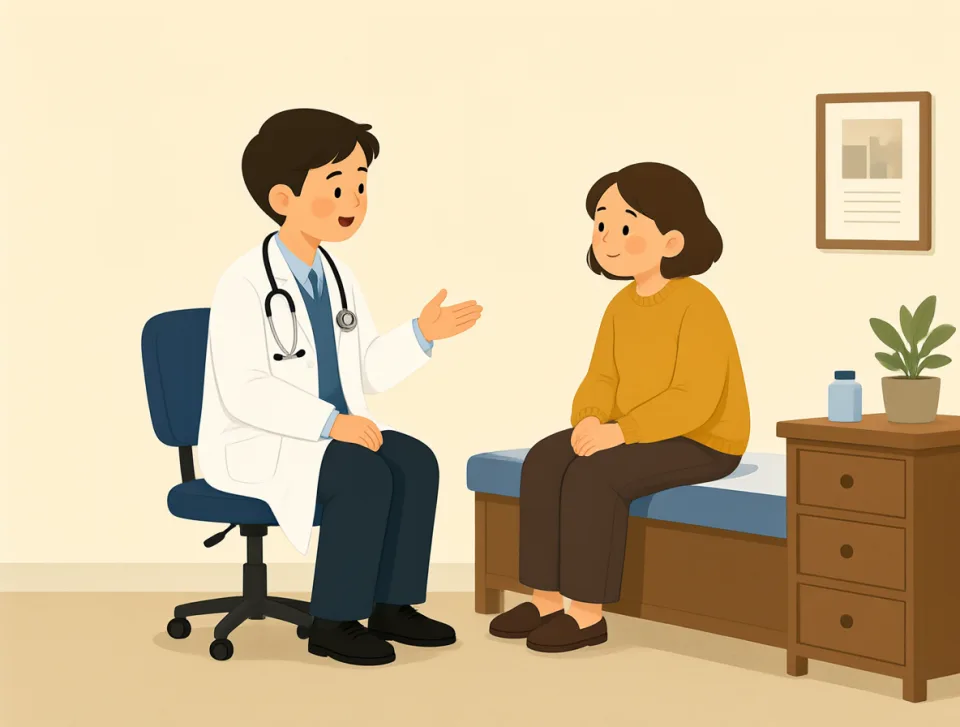
The doctor rejected my assumption that a cold needed antibiotics.
Lekarz odrzucił moje założenie, że przeziębienie wymaga antybiotyków.

freeze
#1856verb, noun
zamarzać
to become very cold and turn into ice, or to stop moving suddenly
bardzo się ochłodzić i zamienić w lód albo nagle przestać się poruszać
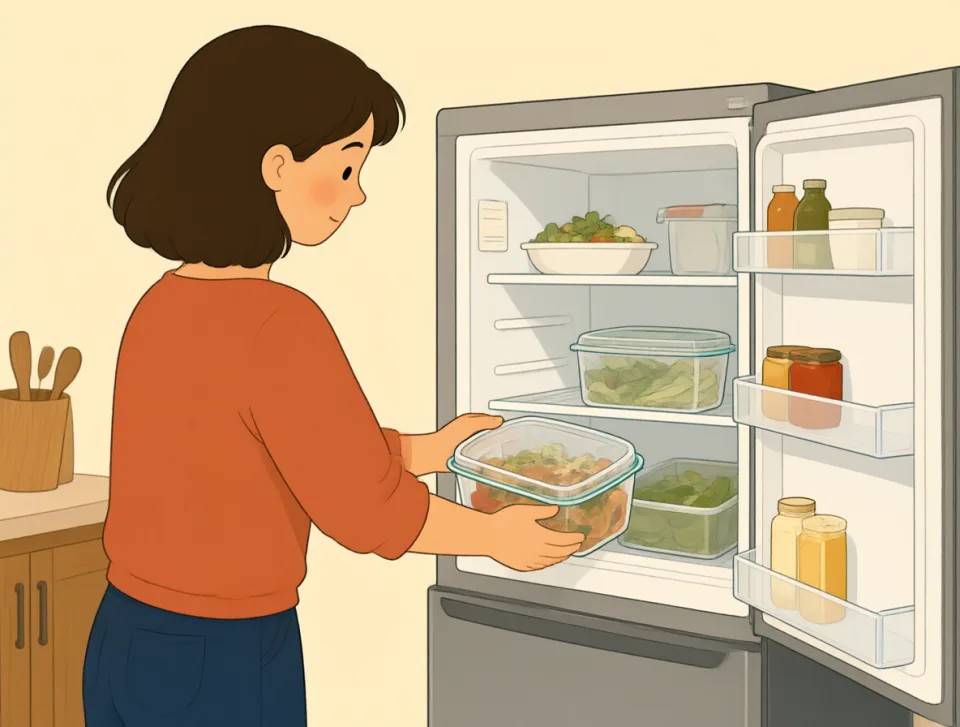
Please freeze the leftovers before they go bad.
Proszę zamrozić resztki, zanim się zepsują.
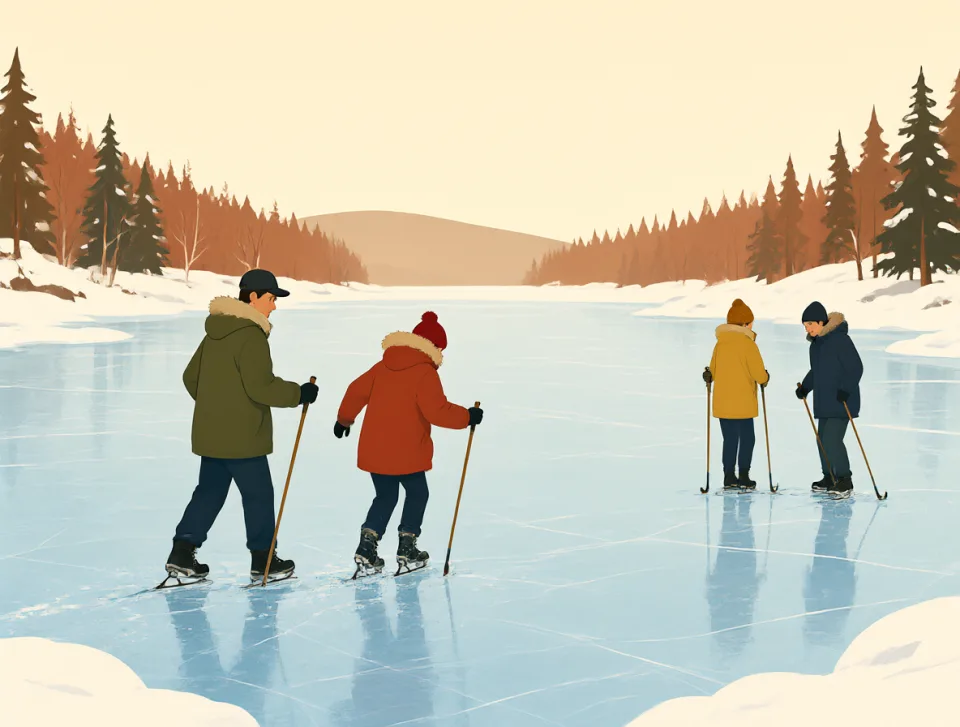
The lake freezes every winter when temperatures fall below zero.
Jezioro zamarza każdej zimy, gdy temperatura spada poniżej zera.
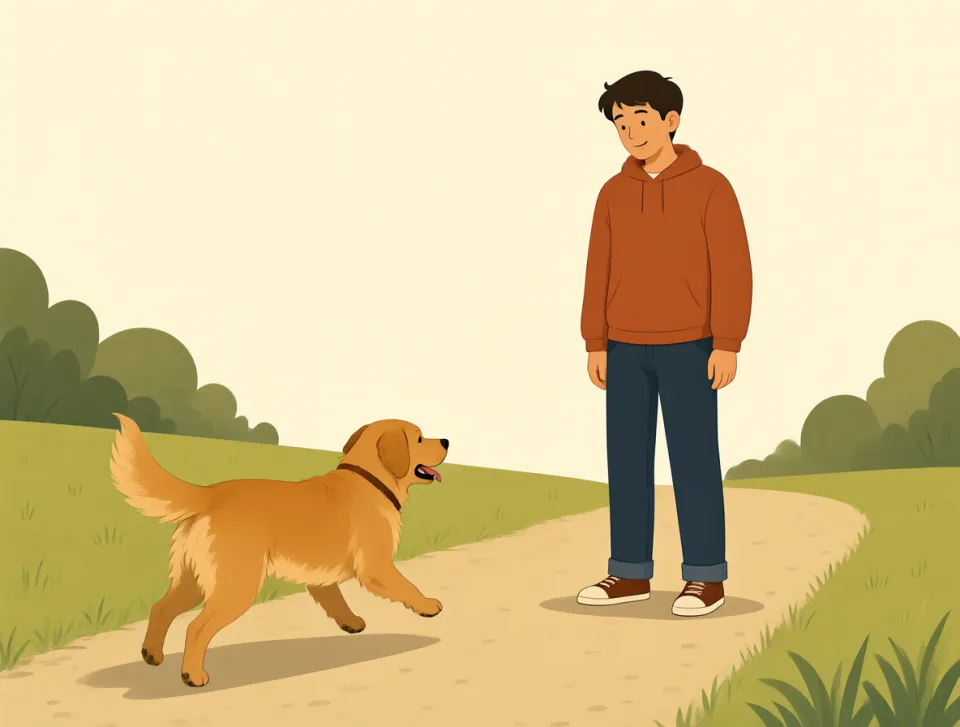
I froze when I saw the large dog running toward me.
Zastygłem w bezruchu, gdy zobaczyłem dużego psa biegnącego w moją stronę.
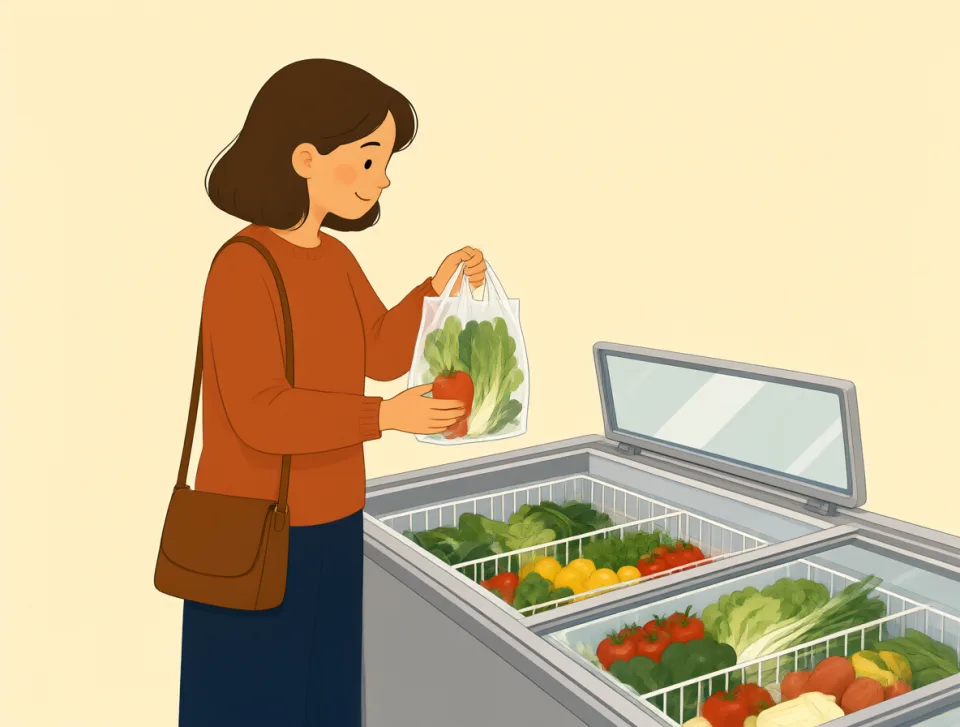
The supermarket sells frozen vegetables in the back aisle.
W supermarkecie mrożone warzywa są w alejce z tyłu.
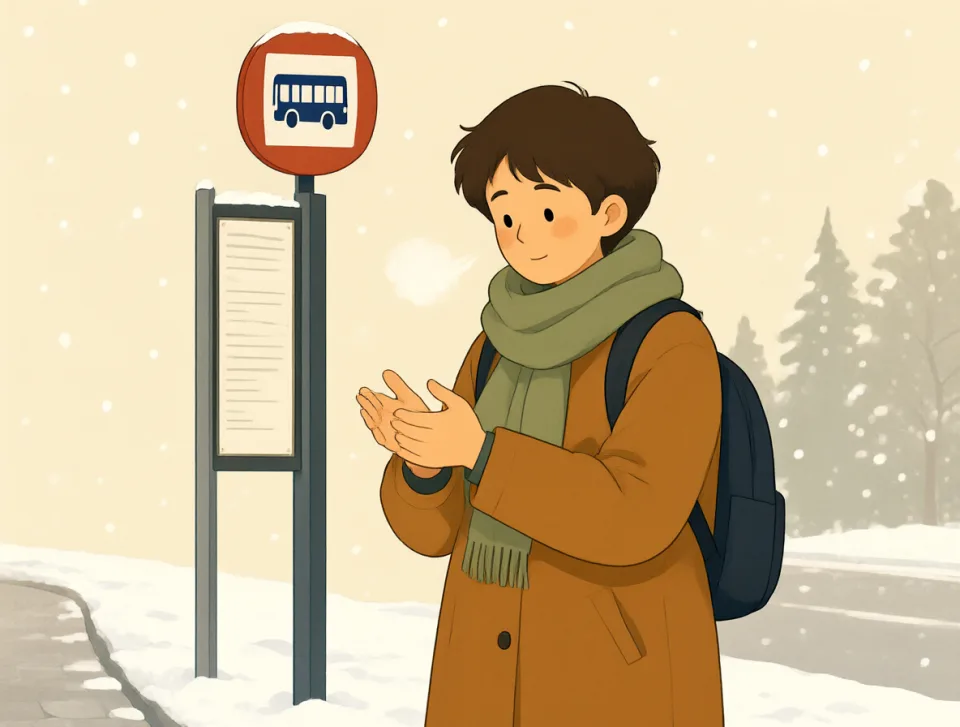
My hands froze while I waited for the bus in winter.
Zmarzły mi ręce, gdy zimą czekałem na autobus.

extreme
#1857adjective, noun
skrajny
Very great or serious; the greatest possible amount or degree.
Bardzo duży lub poważny; największy możliwy pod względem ilości lub stopnia.

The hikers faced extreme weather on their way back.
Podczas drogi powrotnej wędrowcy musieli zmierzyć się ze skrajnymi warunkami pogodowymi.
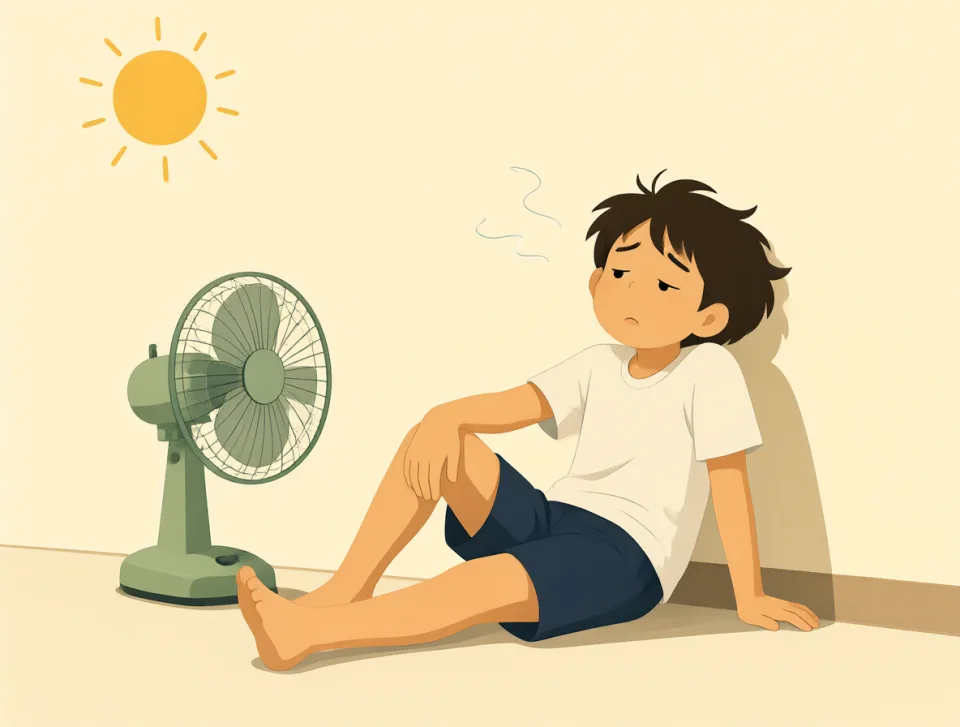
Extreme heat can make people feel tired and sick.
Ekstremalne upały mogą sprawić, że ludzie będą zmęczeni i źle się poczują.
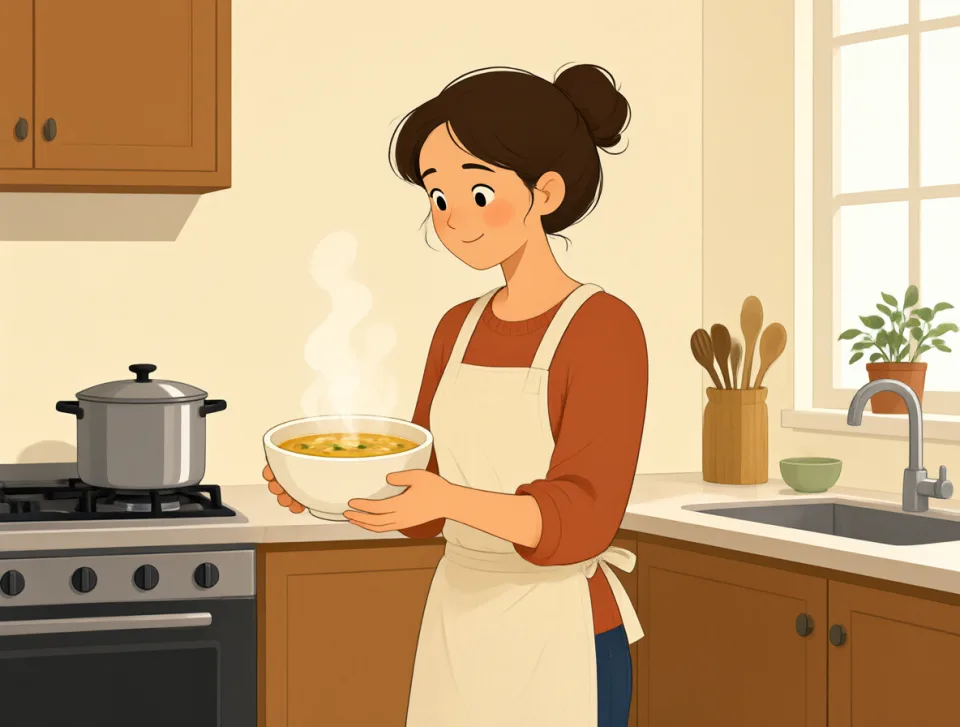
She took extreme care when carrying the hot soup.
Niosąc gorącą zupę, zachowała wyjątkową ostrożność.
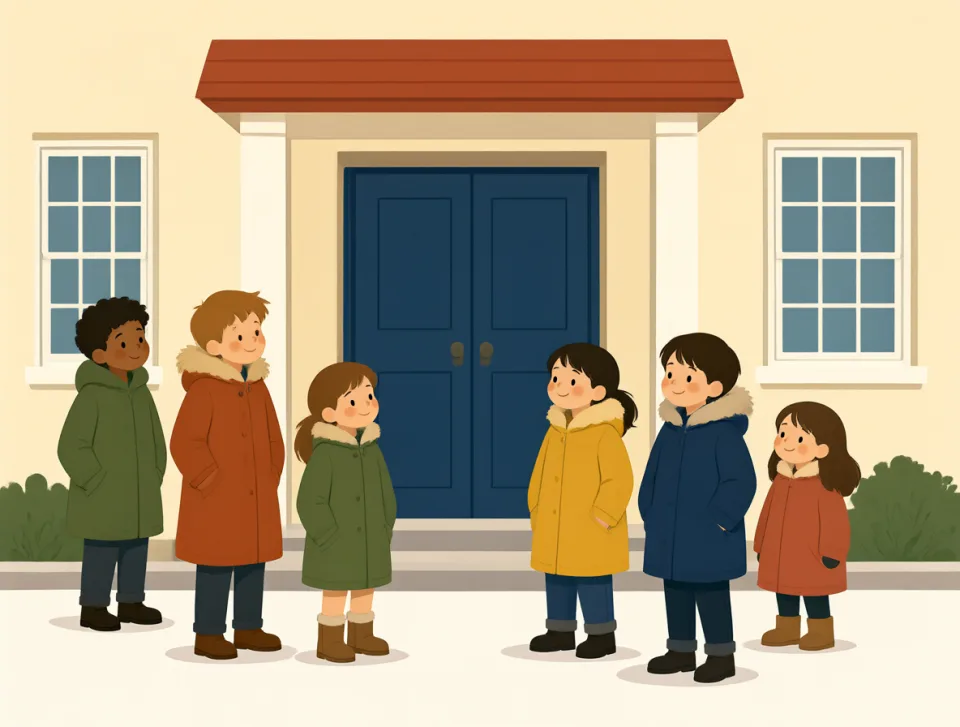
The school closed because of the extreme cold.
Szkołę zamknięto z powodu skrajnego mrozu.
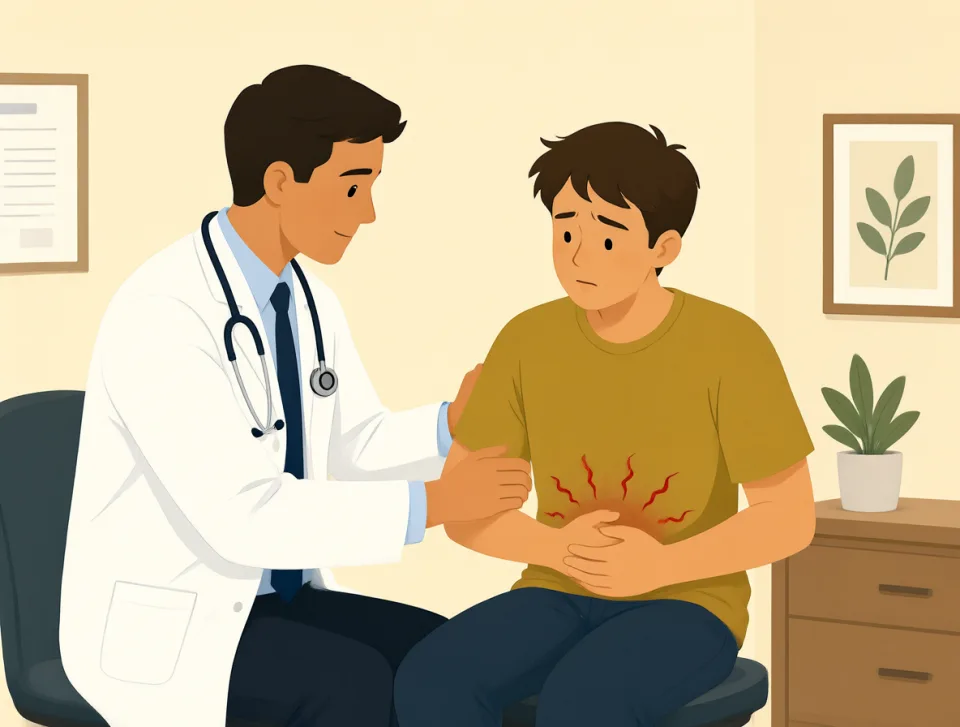
The doctor said his extreme pain needed immediate treatment.
Lekarz powiedział, że jego silny ból wymaga natychmiastowego leczenia.
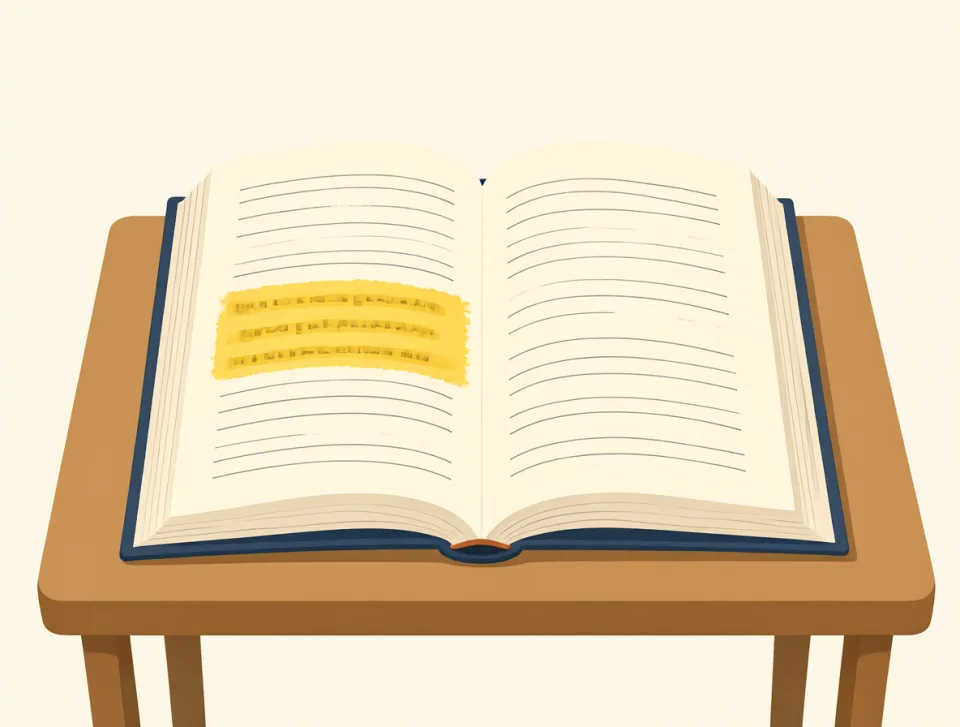
passage
#1858noun
fragment
a short part of a book, speech, or piece of writing
krótki fragment książki, przemówienia lub innego tekstu
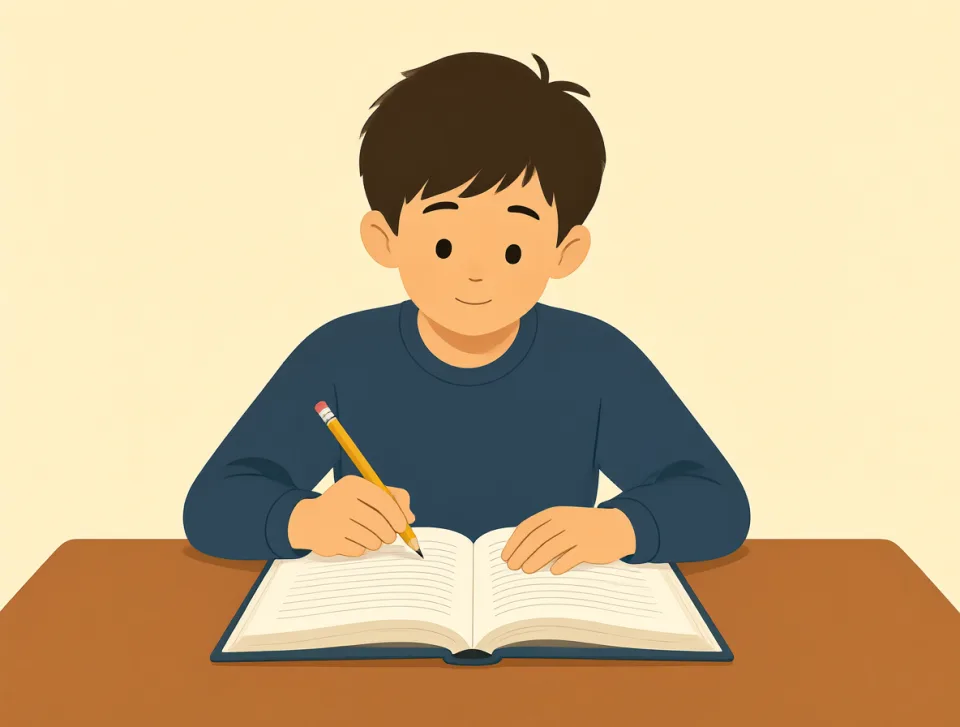
Please read this passage and answer the questions below.
Proszę przeczytać ten fragment i odpowiedzieć na poniższe pytania.

The guide told us about a narrow passage through the mountains.
Przewodnik opowiedział nam o wąskim przejściu przez góry.
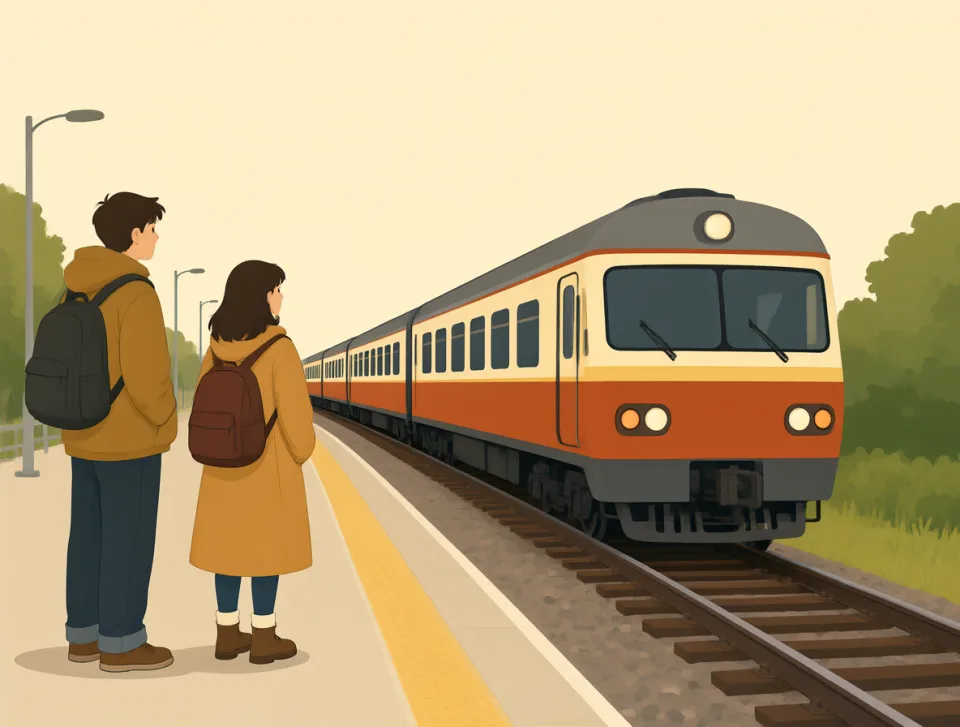
We had to wait for the passage of the train.
Musieliśmy poczekać, aż pociąg przejedzie.
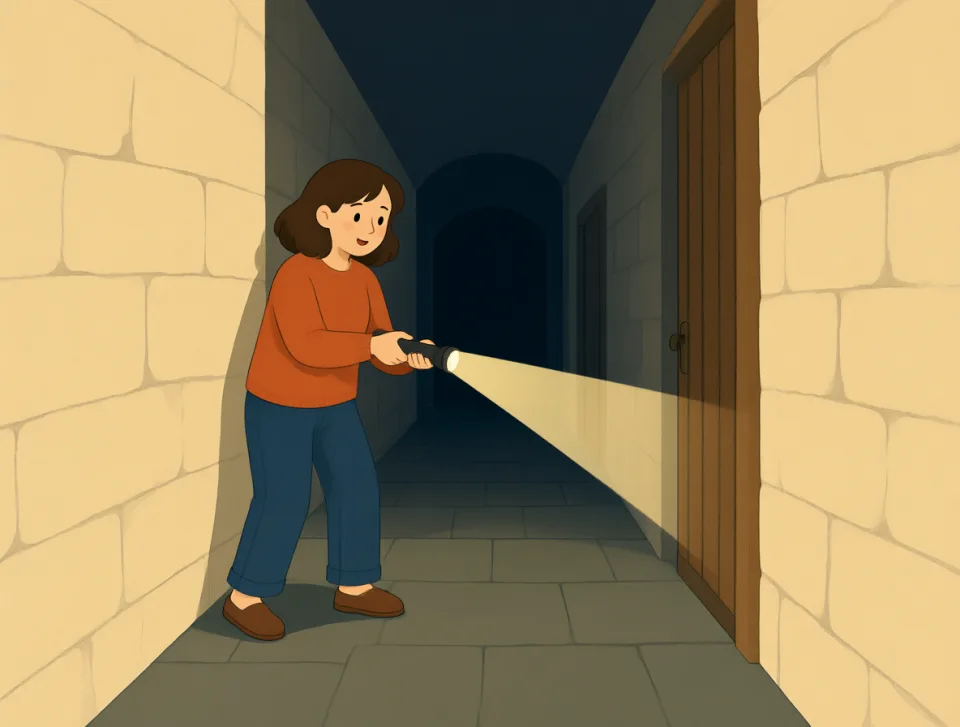
She looked through the passage before entering the old building.
Zajrzała do przejścia, zanim weszła do starego budynku.

The doctor checked the passage in his patient's blocked nose.
Lekarz zbadał przewód w zatkanym nosie pacjenta.
reputation
#1859noun
reputacja
What people generally think about someone or something based on past actions.
To, co ludzie zazwyczaj myślą o kimś lub o czymś na podstawie wcześniejszych działań.
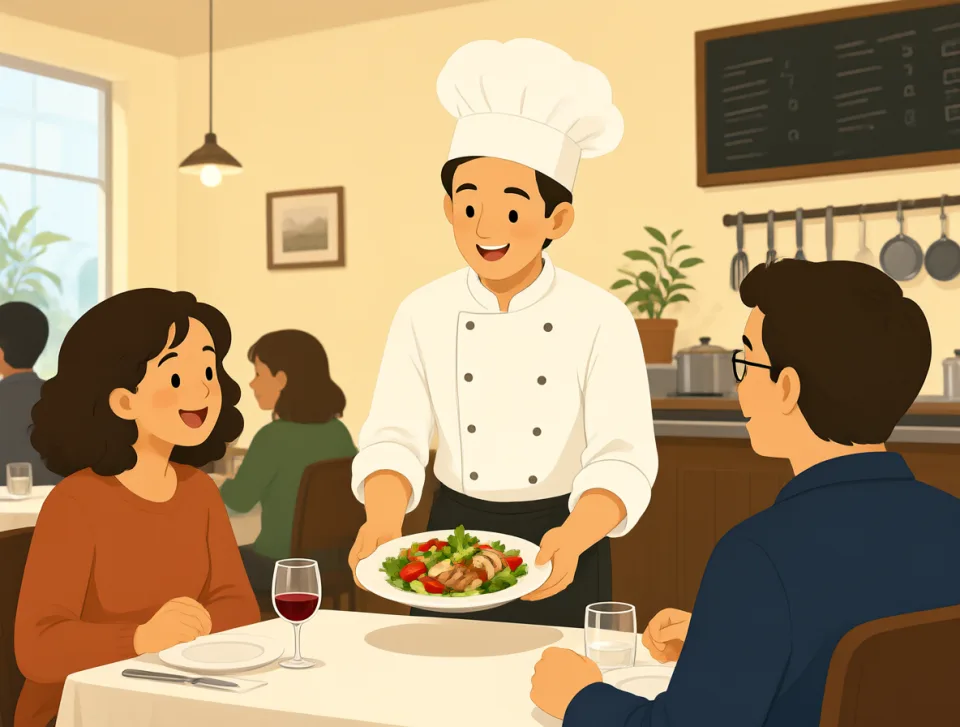
The restaurant has a good reputation for fresh food.
Restauracja cieszy się dobrą opinią dzięki świeżym produktom.

She built a strong reputation as a reliable worker.
Wyrobiła sobie opinię rzetelnej pracownicy.

The hotel’s reputation suffered after several guests complained.
Reputacja hotelu ucierpiała po tym, jak kilku gości złożyło skargi.

His reputation for kindness made new students feel welcome.
Jego opinia człowieka życzliwego sprawiała, że nowi uczniowie czuli się mile widziani.

The doctor has an excellent reputation among local families.
Lekarz cieszy się doskonałą opinią wśród miejscowych rodzin.
forth
#1860adverb
naprzód
Forward or onward; used in expressions such as “back and forth” and “and so forth.”
Do przodu lub dalej; występuje w wyrażeniach takich jak „back and forth” i „and so forth”.
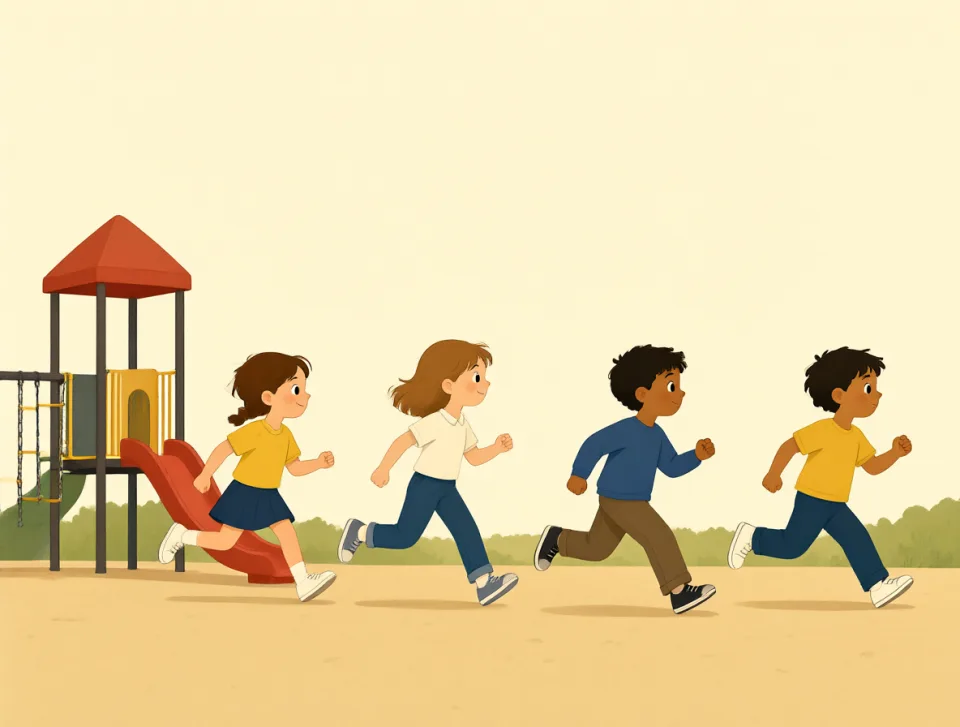
The children ran back and forth across the playground.
Dzieci biegały tam i z powrotem po placu zabaw.
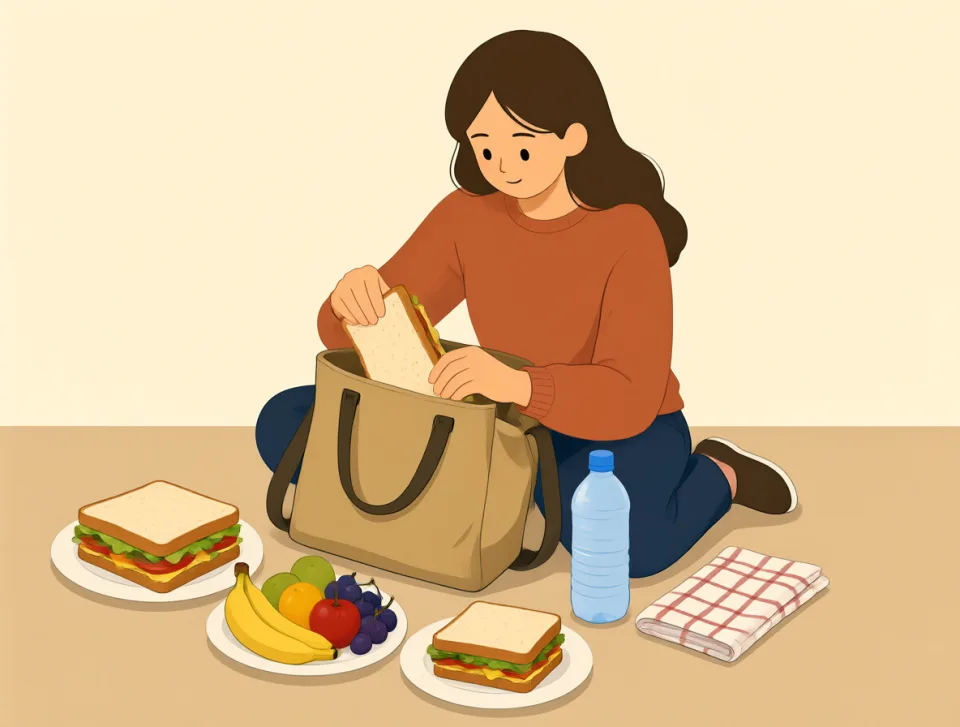
Please pack sandwiches, fruit, water, and so forth for our trip.
Proszę spakować kanapki, owoce, wodę i tym podobne rzeczy na naszą wycieczkę.

The hikers set forth before sunrise to reach the village.
Wędrowcy wyruszyli przed wschodem słońca, żeby dotrzeć do wioski.

She put forth great effort to finish the project on time.
Włożyła wiele wysiłku w to, by ukończyć projekt na czas.
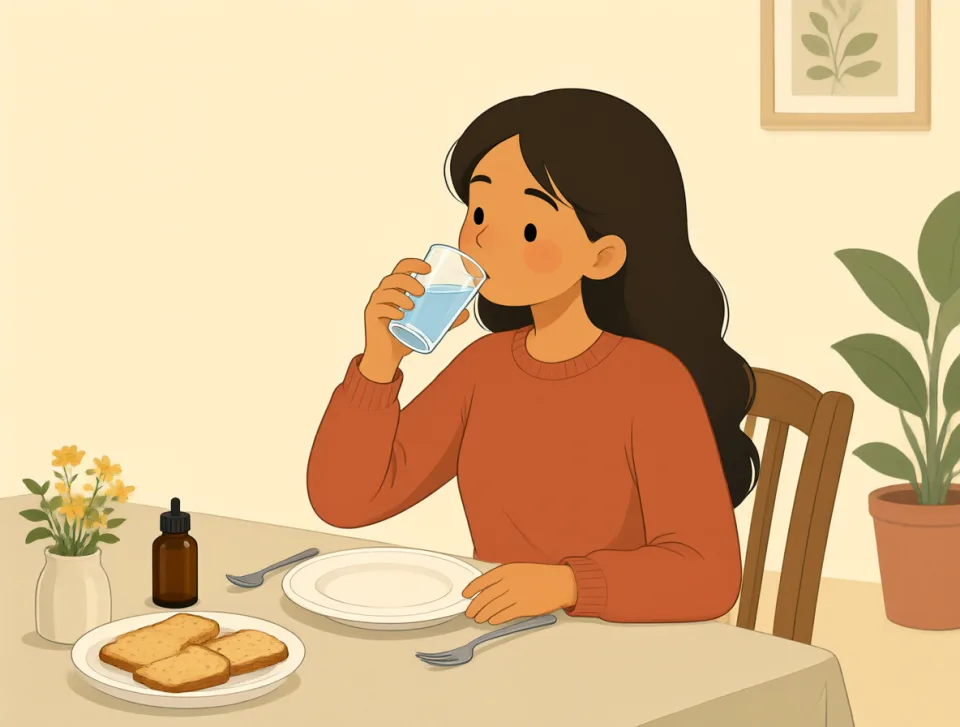
From this day forth, Maya will take her medicine after breakfast.
Od dziś Maya będzie przyjmować lekarstwa po śniadaniu.