單元 93
單字 1841–1860 · maximum, effectively, elsewhere, bother, initiative, sharp

maximum
#1841noun, adjective
最大值;最高限度;最多
The greatest amount or highest level that is possible or allowed.
可能達到或允許達到的最大數量或最高水平。

The elevator can carry a maximum of eight people.
這部電梯最多能載八個人。

Please set the oven to the maximum temperature for pizza.
請把烤箱調到最高溫度來烤披薩。

You can borrow a maximum of three books today.
你今天最多可以借三本書。

The hotel offers maximum comfort after a long day of travel.
經過漫長的一天旅途後,這家酒店能為你提供最大的舒適度。

The doctor told him to take a maximum of two tablets daily.
醫生告訴他每天最多服用兩片藥。

effectively
#1842adverb
有效地;高效地
In a way that produces the wanted result.
以能夠達到預期結果的方式。
She organized the files effectively before the meeting.
她在會議前高效地整理好了檔案。

The teacher explained the difficult lesson effectively.
老師有效地講解了這堂難懂的課。

We need to communicate effectively with our new neighbors.
我們需要和新鄰居有效溝通。

This medicine effectively reduces pain within a few hours.
這種藥能在幾小時內有效緩解疼痛。

He used the small kitchen effectively to cook dinner.
他充分利用了狹小的廚房來做晚飯。

elsewhere
#1843adverb
在別處;到別處
in, at, or to another place
在、於或到另一個地方

The shop was closed, so we went elsewhere for lunch.
那家店關門了,所以我們去了別處吃午飯。

I left my keys somewhere else, but I cannot remember where.
我把鑰匙放在別的地方了,但想不起放在哪兒。

Many students study elsewhere when the library becomes too noisy.
圖書館變得太吵時,許多學生會去別處學習。
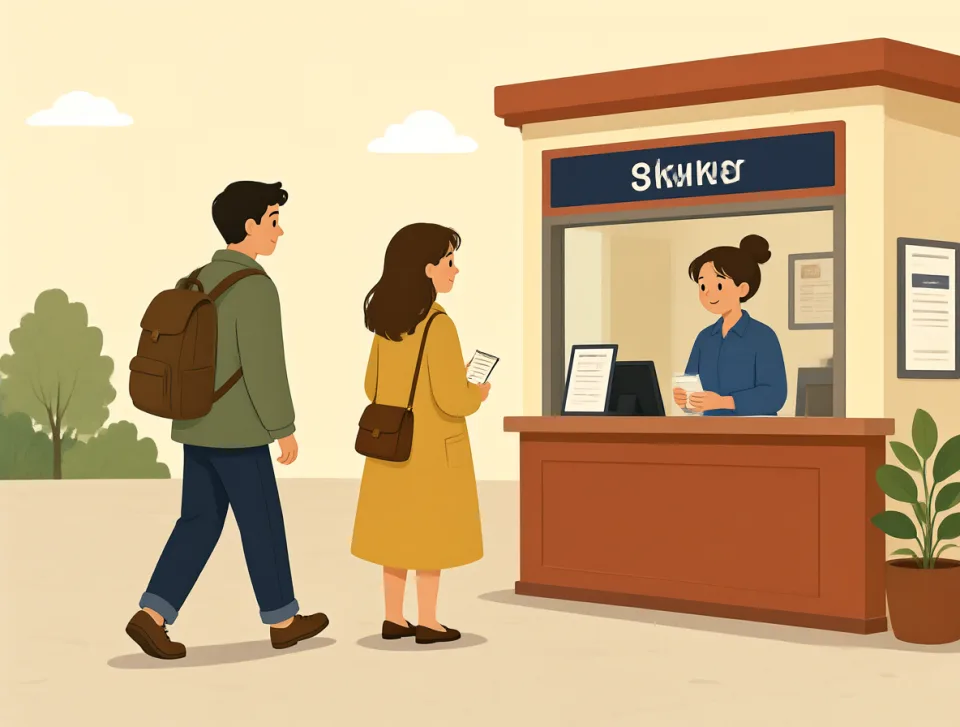
You can buy cheaper train tickets elsewhere in the city.
在城裡的其他地方可以買到更便宜的火車票。
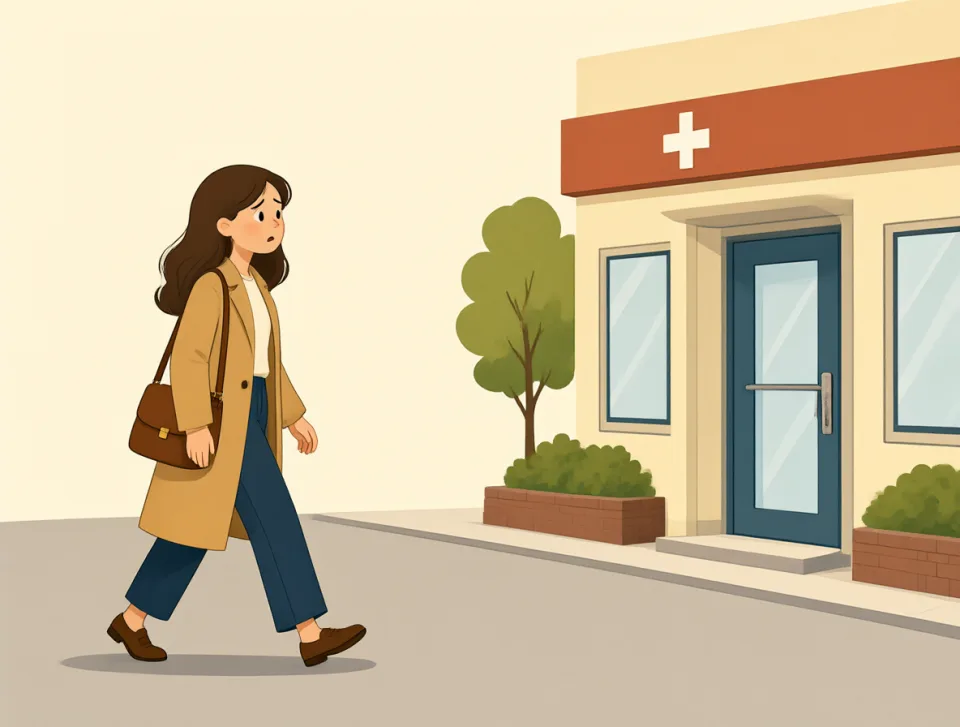
The doctor could not help, so she went elsewhere for treatment.
醫生幫不了她,所以她去了別處接受治療。
bother
#1844verb, noun
打擾;使煩惱;費心;麻煩
To annoy someone, or to make an effort to do something.
使某人感到煩惱,或費力去做某事。

Sorry to bother you, but could you help me find this book?
不好意思打擾一下,你能幫我找找這本書嗎?

The loud music bothered our baby while she was trying to sleep.
寶寶想睡覺時,嘈雜的音樂吵得她很煩。

Don't bother cooking tonight; we can order some food.
今晚別費心做飯了,我們可以點些吃的。

He never bothers to check his answers before handing in homework.
他交作業前從來不檢查答案。

It doesn't bother me when my friends arrive a little late.
朋友們晚到一會兒不會讓我覺得煩。

initiative
#1845noun
主動性;倡議
The ability to decide and act without waiting for someone to tell you what to do.
不等別人告訴你該做什麼,就能自己做決定並採取行動的能力。
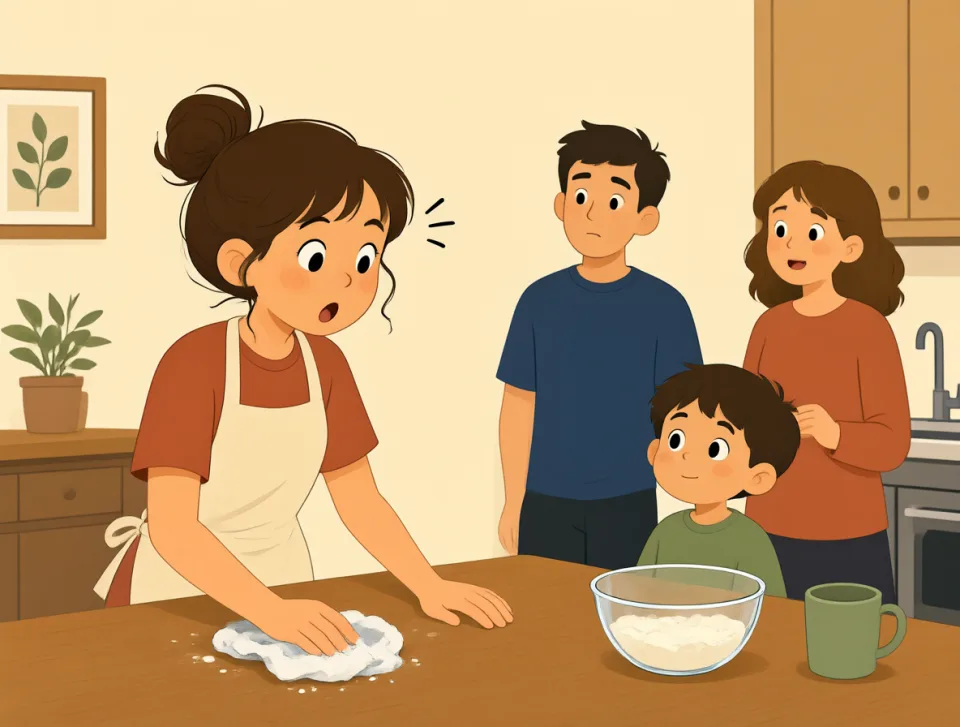
She showed initiative by cleaning the kitchen before anyone asked.
她在沒人要求之前就把廚房打掃乾淨了,表現出了主動性。

Our manager praised Tom for taking the initiative at work.
我們的經理表揚了湯姆在工作中主動採取行動。
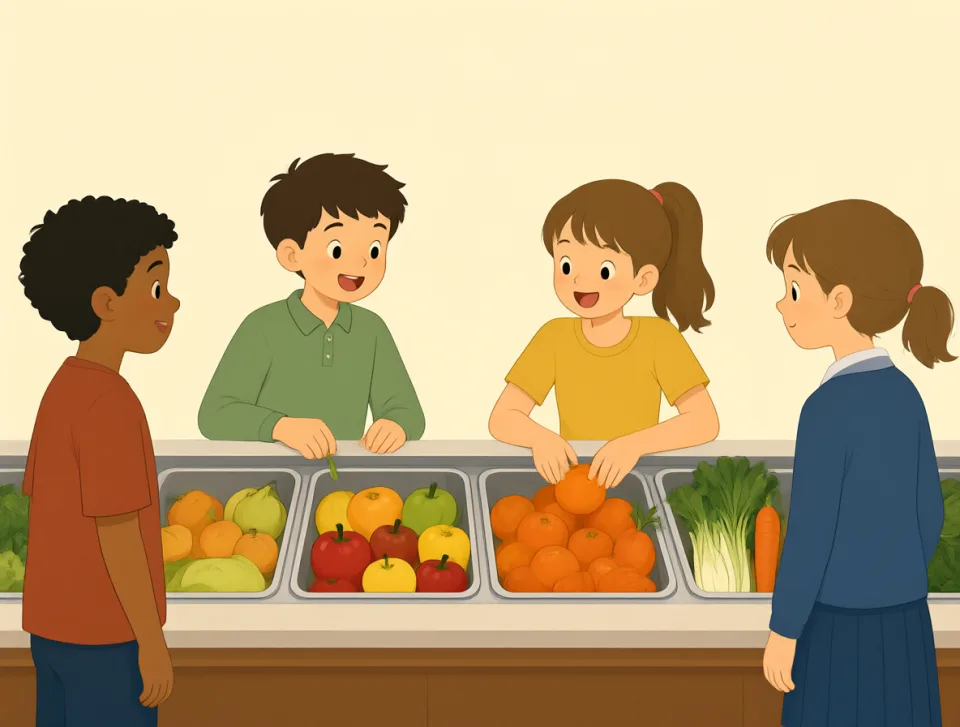
The school started an initiative to help students eat healthier food.
學校發起了一項倡議,幫助學生吃得更健康。
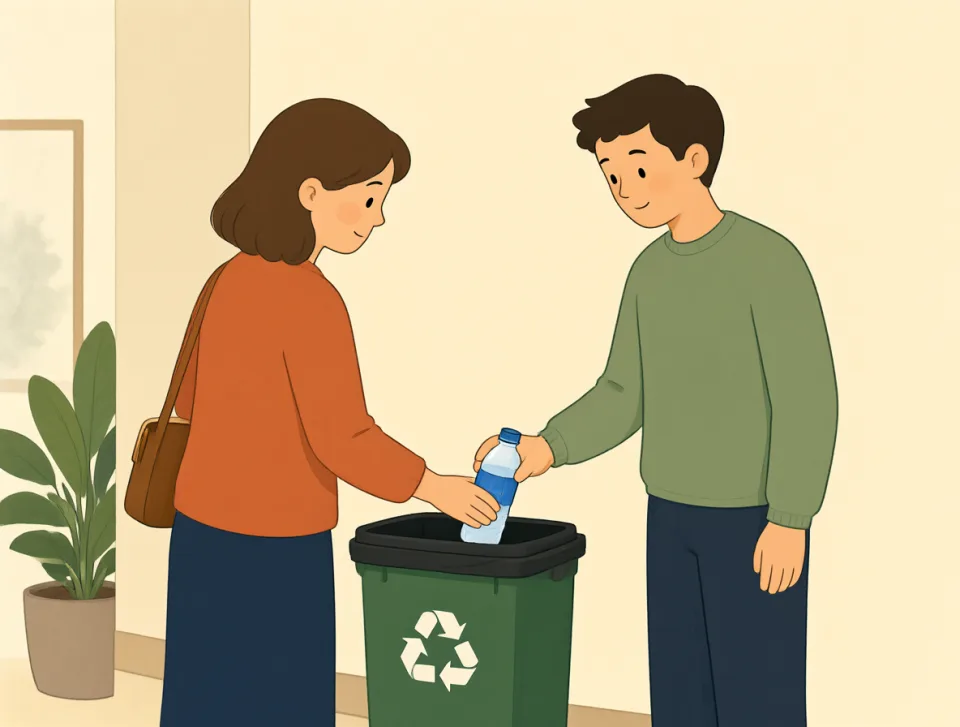
The hotel offered a new recycling initiative for all guests.
這家酒店推出了一項面向所有賓客的新回收倡議。
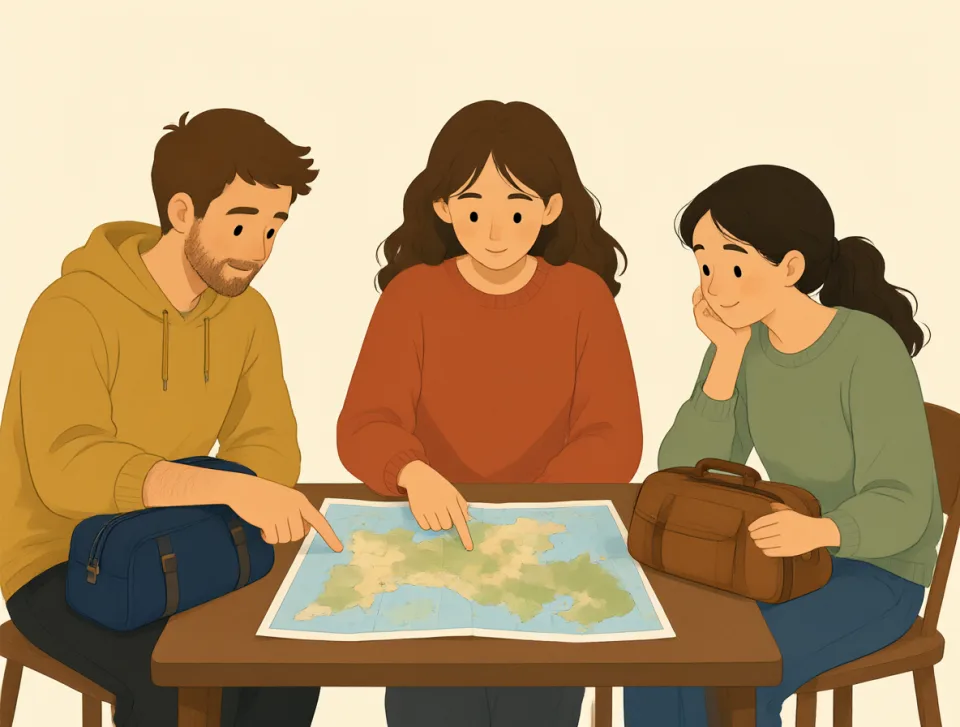
Friends took the initiative and planned a weekend trip together.
朋友們主動做了安排,一起計劃了一次週末旅行。
sharp
#1846adjective, adverb, noun, verb
鋒利的;劇烈的;聰明的;準時
Having a thin edge that can cut; quick to understand; exactly at a stated time.
有能切割的薄刃;理解能力強;恰好在所說的時間

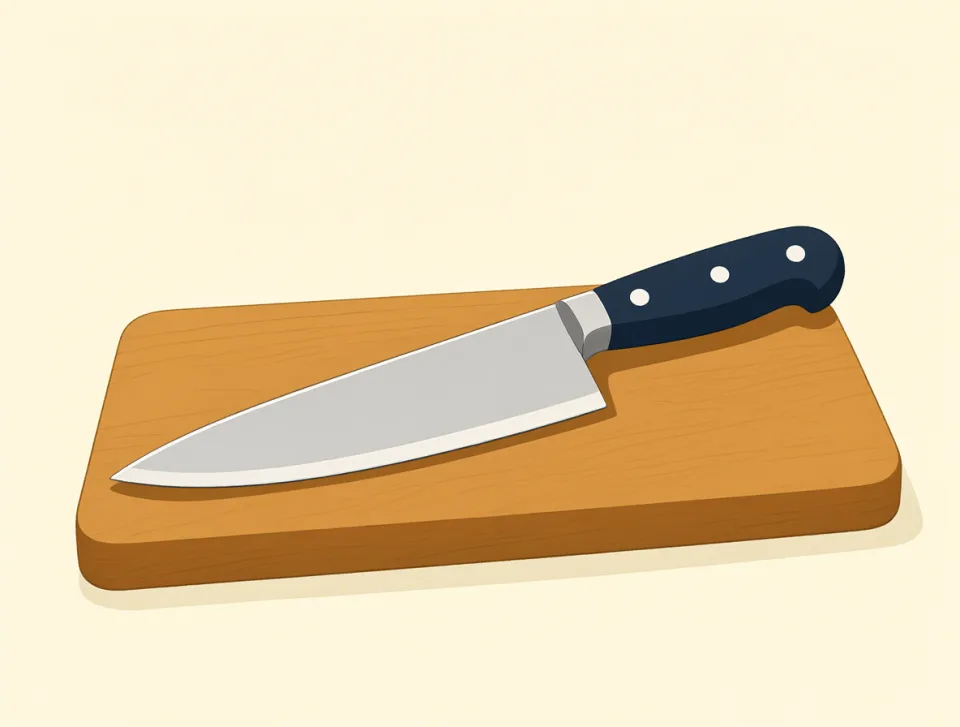
Be careful; this knife is very sharp.
小心,這把刀非常鋒利。

She felt a sharp pain in her shoulder.
她感到肩膀一陣劇痛。

He is sharp and learns new skills quickly.
他很聰明,學新技能學得很快。

The bus leaves at six sharp tomorrow morning.
公交車明天早上六點準時出發。
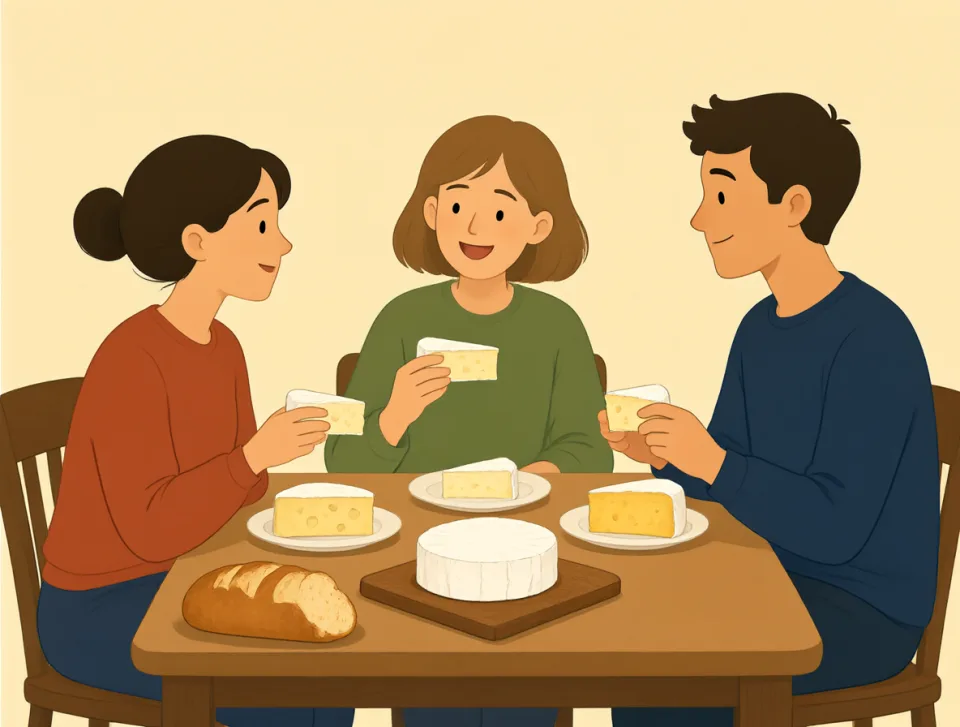
The sharp cheese tasted delicious with fresh bread.
這種味道濃郁的乳酪配新鮮麵包吃起來很美味。
diet
#1847noun, verb
飲食;飲食計劃;節食
The food and drink someone usually has, or a plan to eat less or healthier food.
某人平時吃喝的食物,或為了少吃或吃得更健康而制定的飲食計劃。

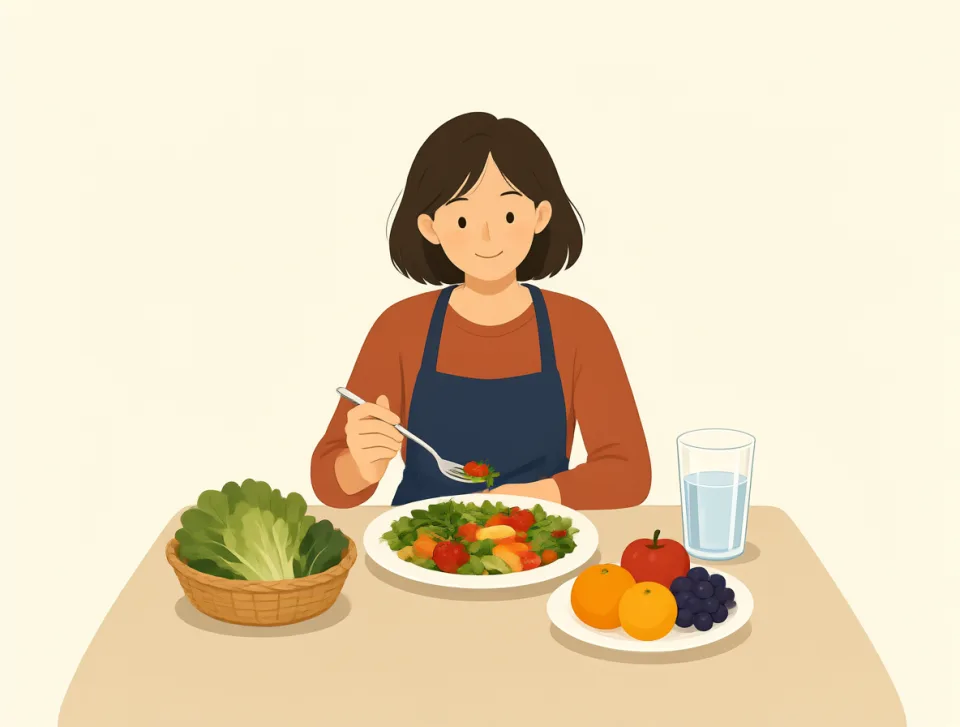
I try to eat a healthy diet with plenty of fresh vegetables.
我儘量吃得健康,多吃新鮮蔬菜。
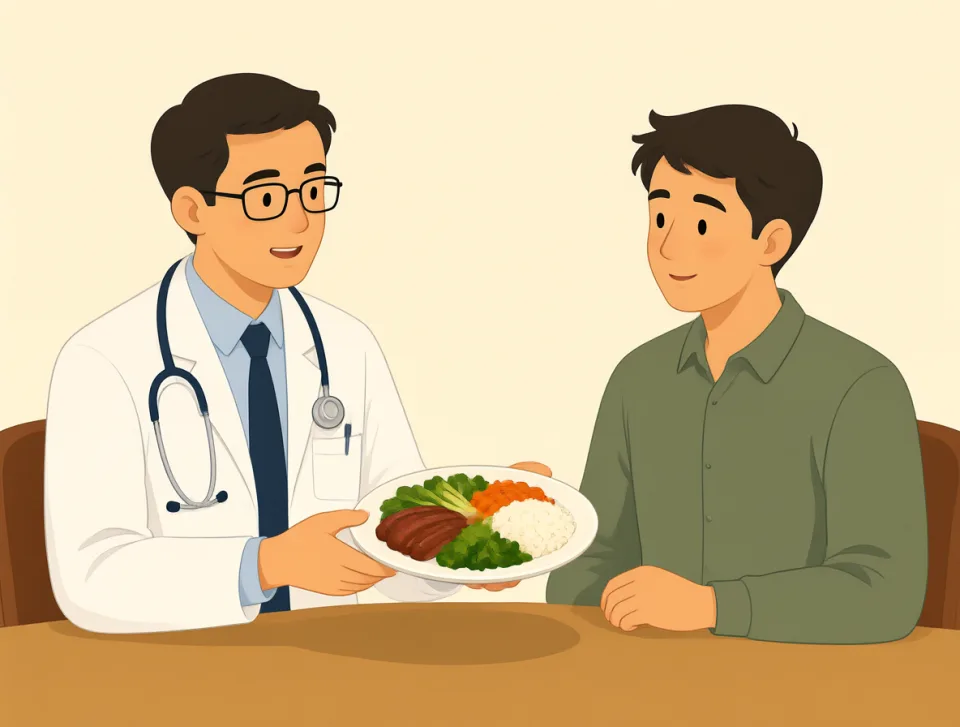
The doctor put him on a low-salt diet for his heart.
醫生讓他為了心臟健康採用低鹽飲食。
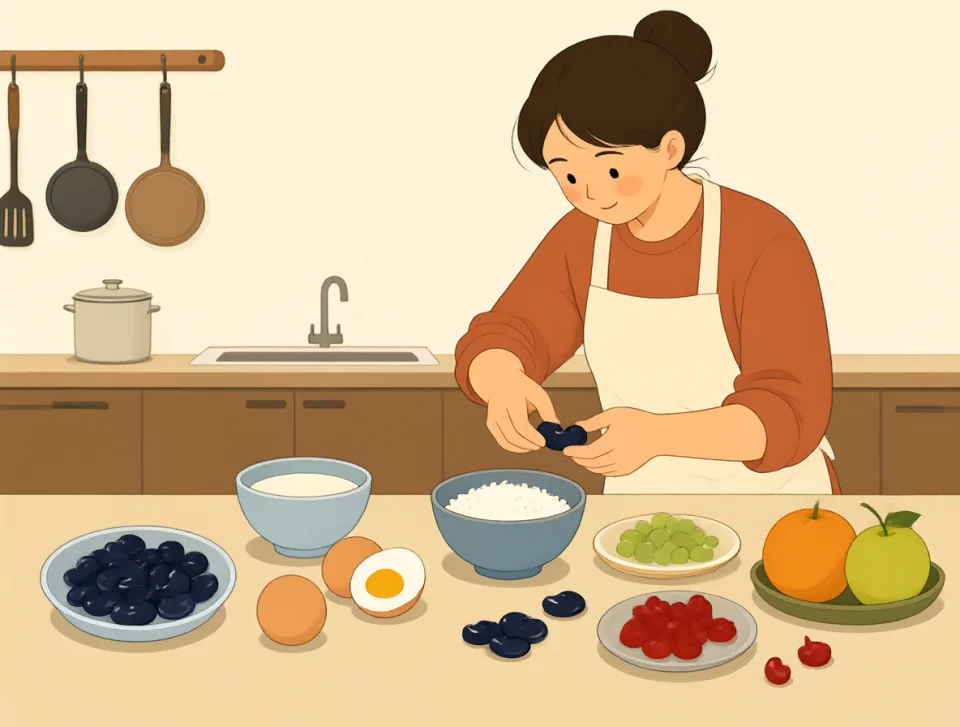
My vegetarian diet includes beans, rice, eggs, and lots of fruit.
我的素食飲食包括豆類、米飯、雞蛋和很多水果。
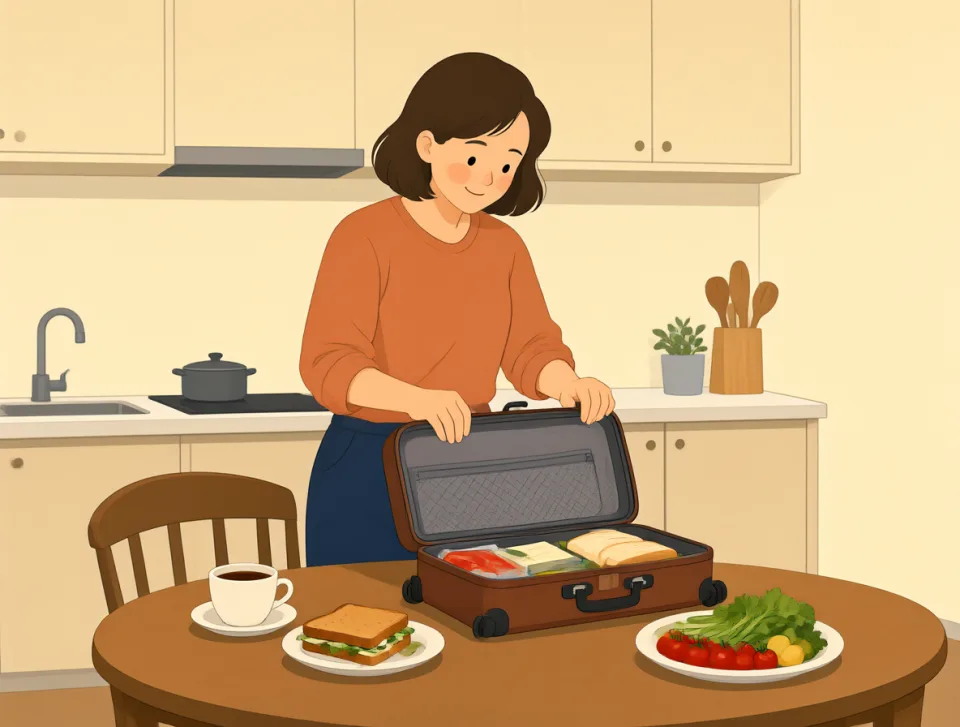
She started a diet before her holiday at the beach.
她在海濱度假前開始節食。

Some people diet by eating smaller meals and walking every day.
有些人透過少吃多餐、每天散步來減肥。

motion
#1848noun, verb
運動;動作;動議
Movement or a movement, especially in a particular direction or to show an idea.
運動或動作,尤其是朝特定方向的運動,或用來表示某種意思的動作。

The doctor watched the motion of the patient's chest.
醫生觀察著病人胸部的起伏。
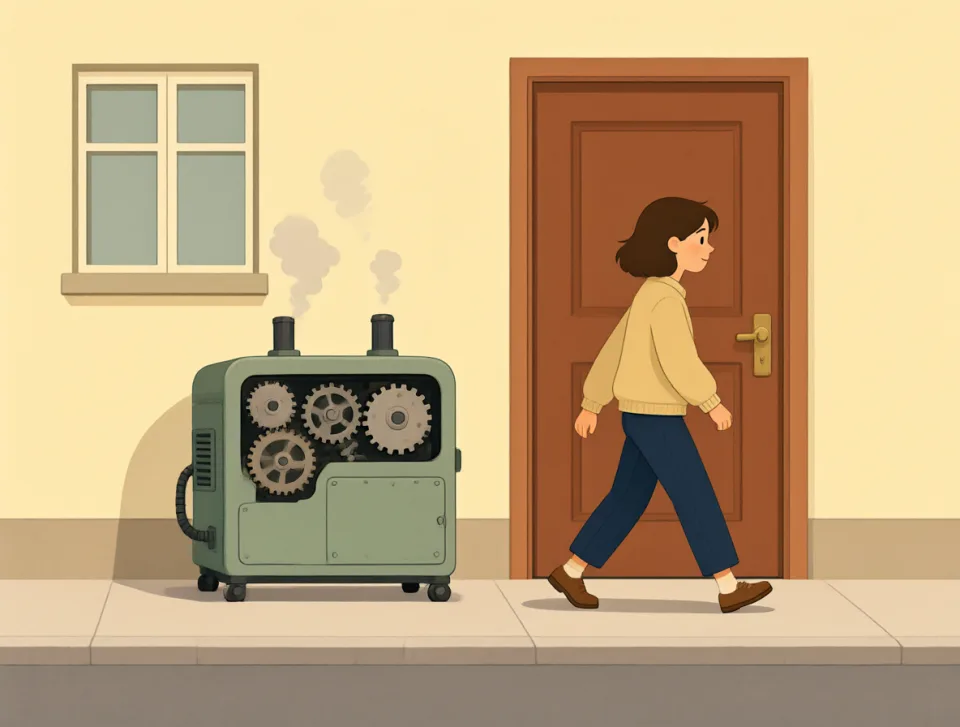
The machine stops when it detects sudden motion.
機器檢測到突然的運動時就會停止。

She made a motion for us to come inside.
她示意我們進去。

The boat rocked with the motion of the waves.
船隨著海浪的運動搖晃著。

The committee voted to approve the motion.
委員會投票透過了這項動議。
gray
#1849adjective, noun
灰色;灰白色
having a color between black and white
呈黑色和白色之間的顏色

He wore a gray jacket on the cold morning.
那個寒冷的早晨,他穿了一件灰色夾克。
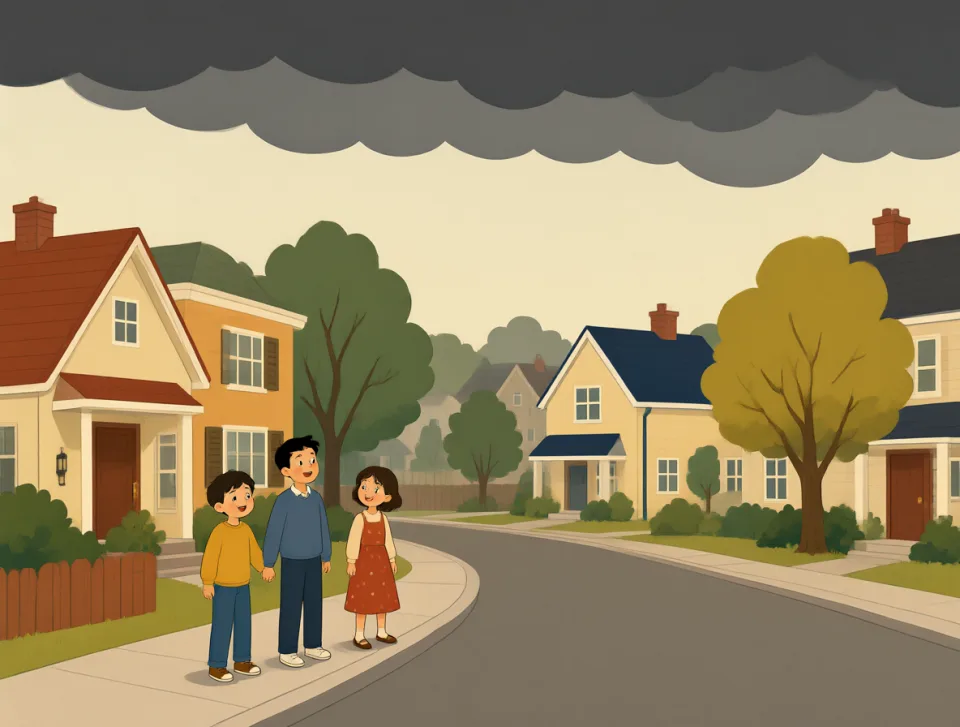
The sky turned gray before the rain started.
下雨前,天空變成了灰色。

She bought a gray sofa for the living room.
她為客廳買了一張灰色沙發。

My grandfather's hair is turning gray.
我爺爺的頭髮正在變白。

The artist mixed black and white to make gray.
這位藝術家把黑色和白色混合在一起,調出了灰色。
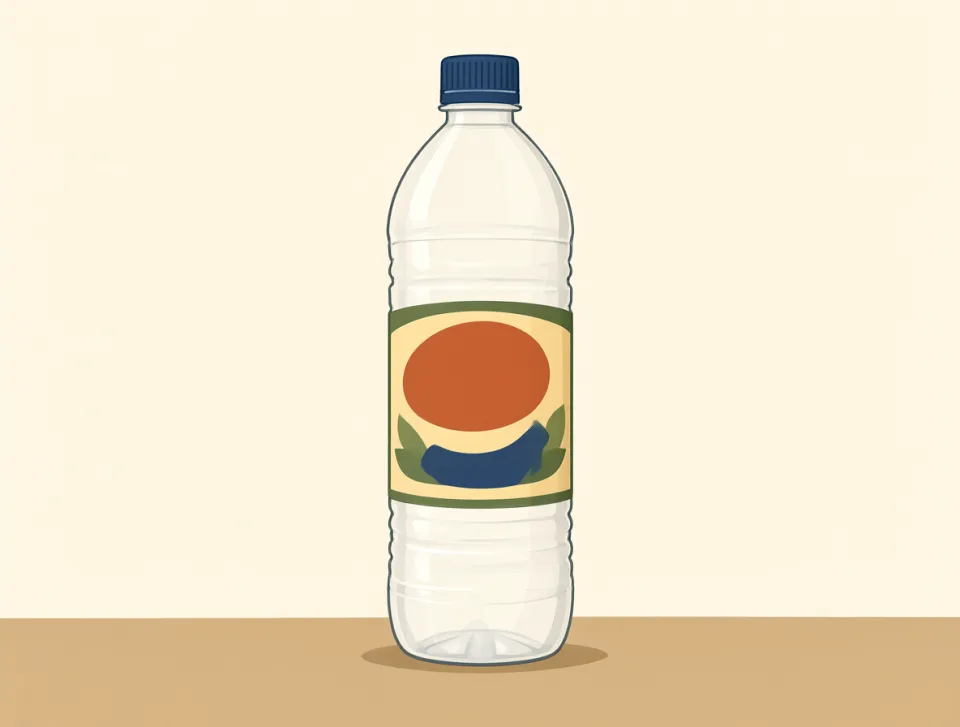
plastic
#1850noun, adjective
塑膠;塑膠製品
A light, strong material made from chemicals, often used to make containers and bags.
一種由化學物質製成的輕質堅固材料,常用於製作容器和袋子。
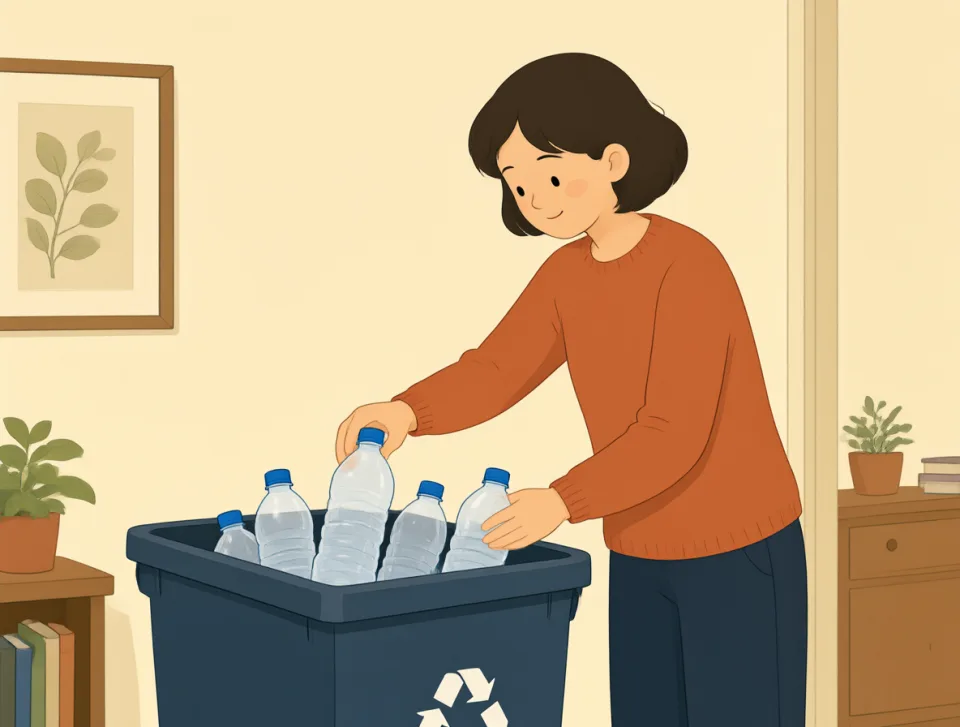
Please put the plastic bottles in the recycling bin.
請把塑膠瓶放進回收箱。
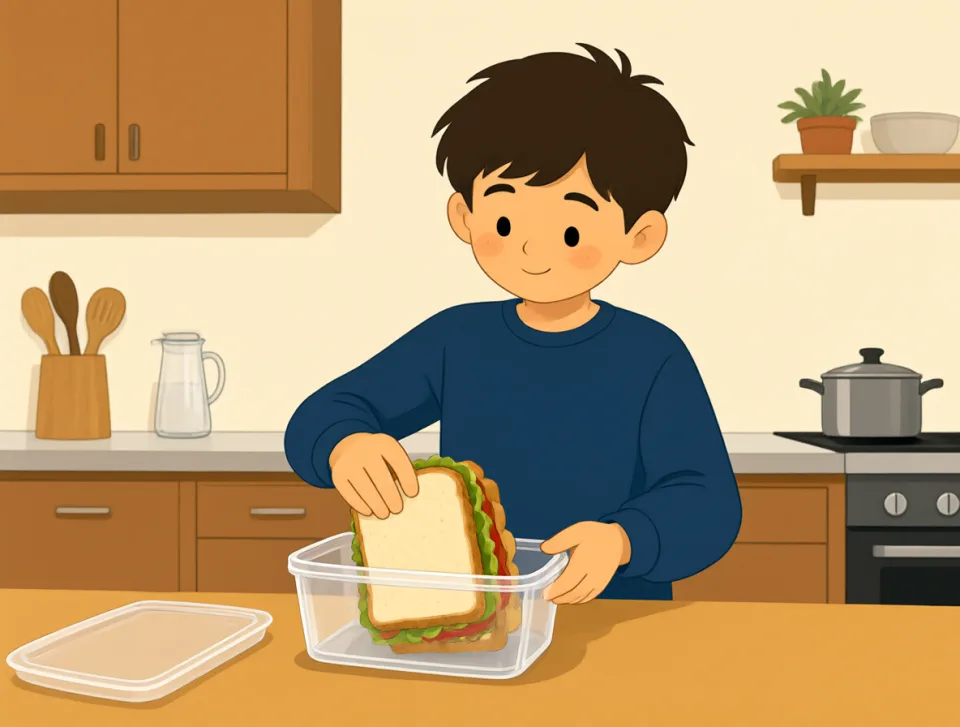
She packed her lunch in a plastic container.
她把午餐裝在塑膠容器裡。

The shop gives customers a plastic bag for their purchases.
商店會給顧客一個塑膠袋來裝所購買的東西。

The children wore plastic raincoats during the school trip.
郊遊期間,孩子們穿著塑膠雨衣。

This chair is made of strong plastic and is easy to clean.
這把椅子是用堅固的塑膠製成的,很容易清潔。
complicate
#1851verb
使複雜;使難辦
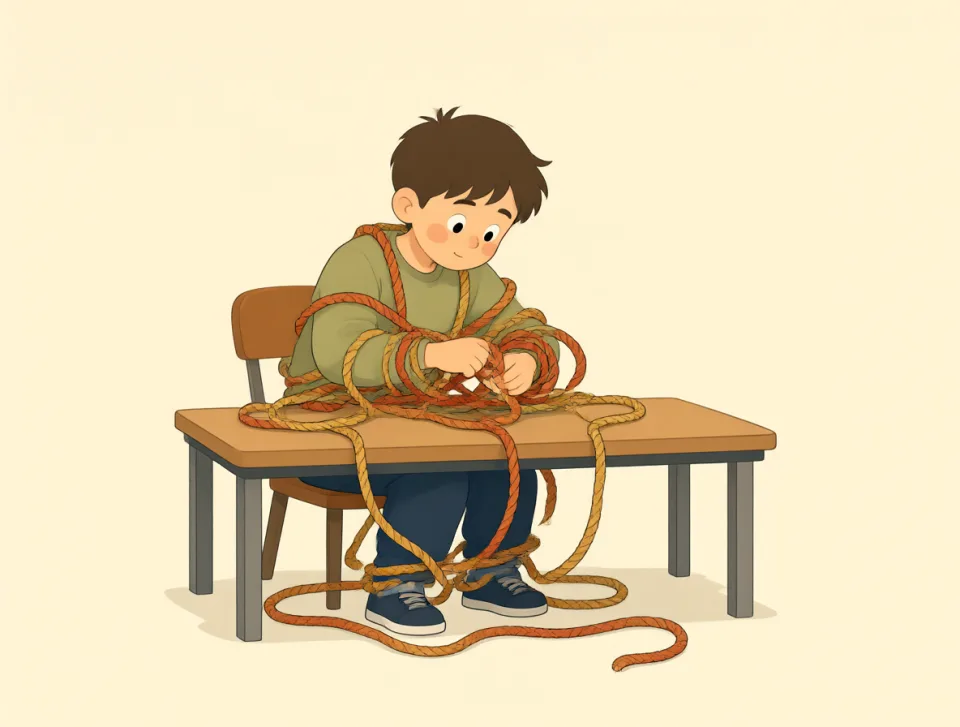
to make something more difficult or confusing than it needs to be
讓某件事變得比原本更困難或更令人困惑
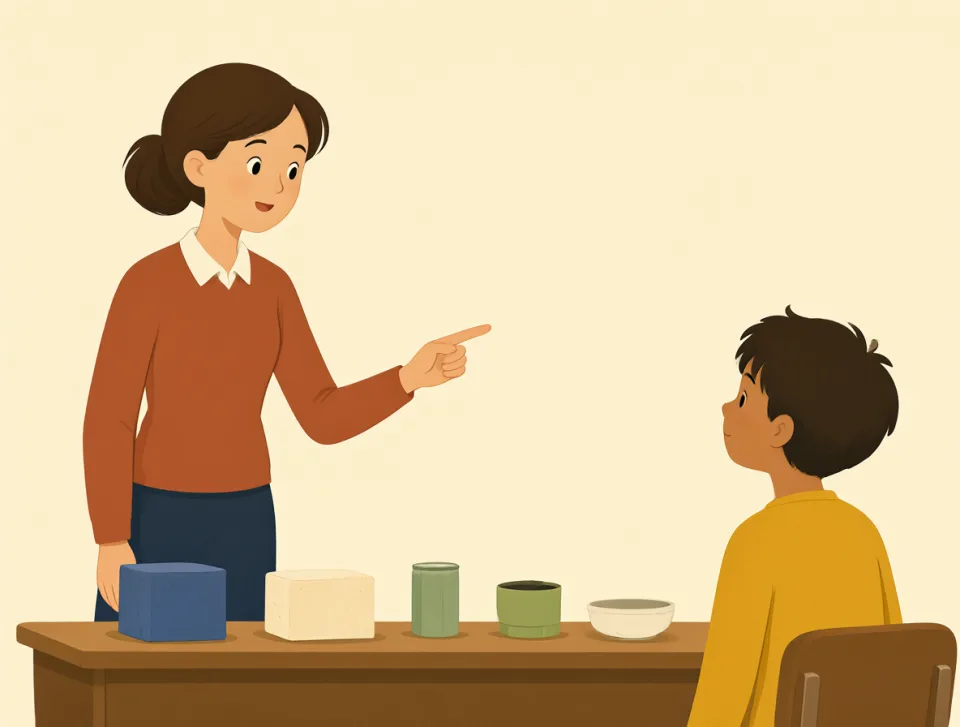
Don't complicate the problem; follow these simple steps.
別把問題複雜化;照著這幾個簡單的步驟做就行。
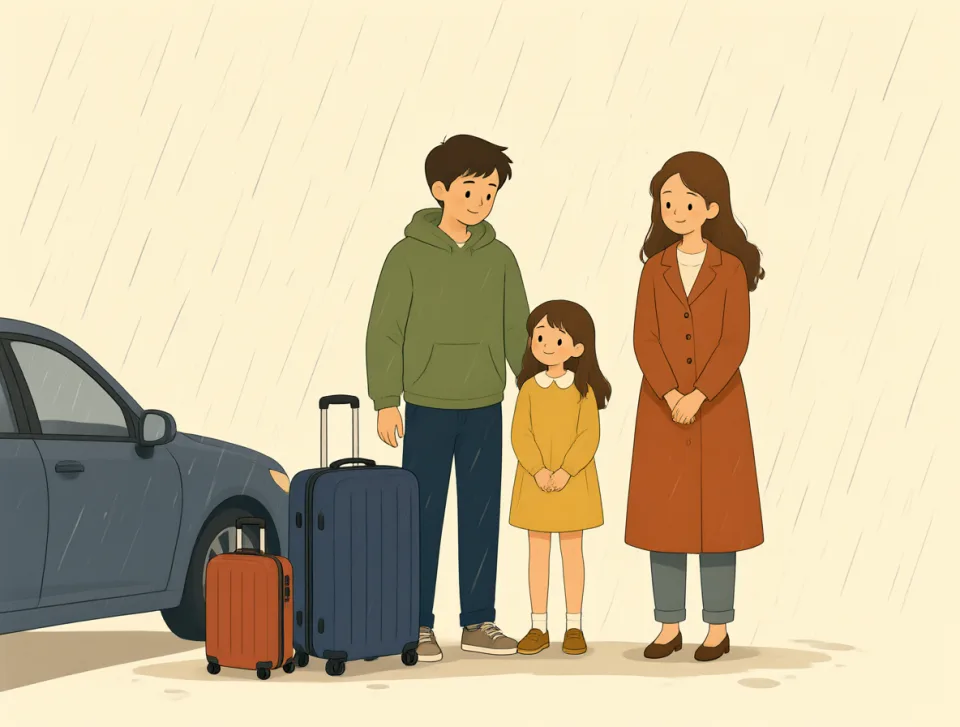
The bad weather complicated our travel plans.
惡劣的天氣讓我們的旅行計劃變得複雜起來。

Too many rules can complicate the hiring process.
規章太多會讓招聘流程變得複雜。

Adding more ingredients complicated the recipe.
新增更多食材讓這道菜的做法複雜了起來。
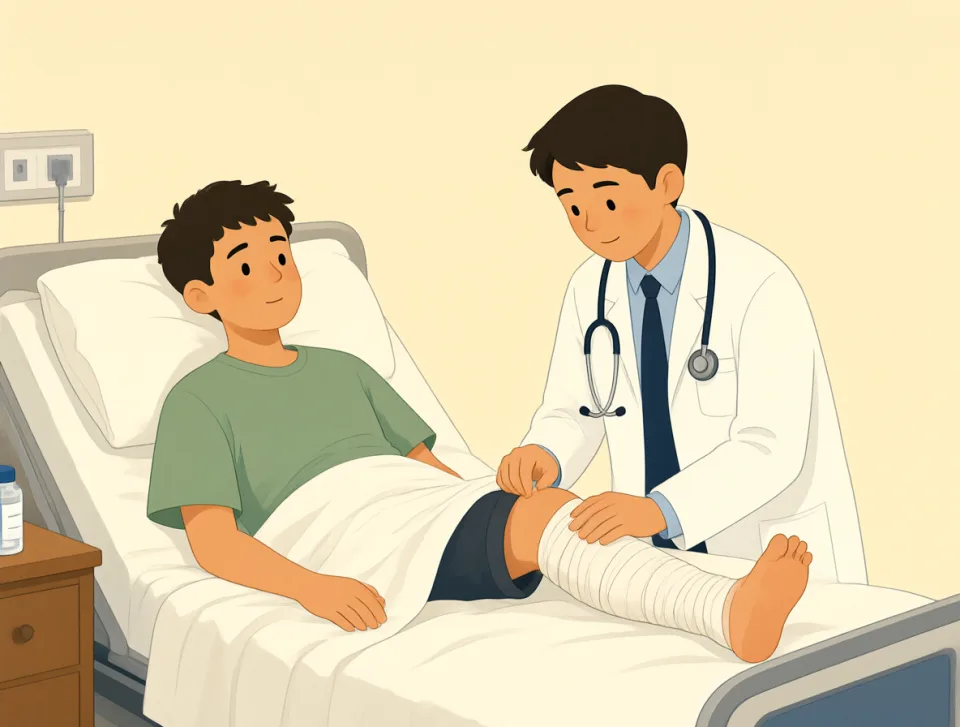
His injury complicated his recovery after the accident.
他受的傷讓他在事故後的康復過程變得更加複雜。

discipline
#1852noun, verb
自律;紀律;訓練;懲罰
Training yourself to follow rules and control your behavior to reach a goal.
訓練自己遵守規則、控制行為,以實現目標。
Learning a new language takes discipline and regular practice.
學習一門新語言需要自律和經常練習。

The coach praised the team for showing discipline during training.
教練稱讚這支球隊在訓練中表現出了良好的紀律性。

The school uses discipline to help students behave well.
學校透過紀律教育幫助學生規範行為。

Good financial discipline helped us save enough money for our holiday.
良好的理財自律幫助我們存夠了度假的錢。
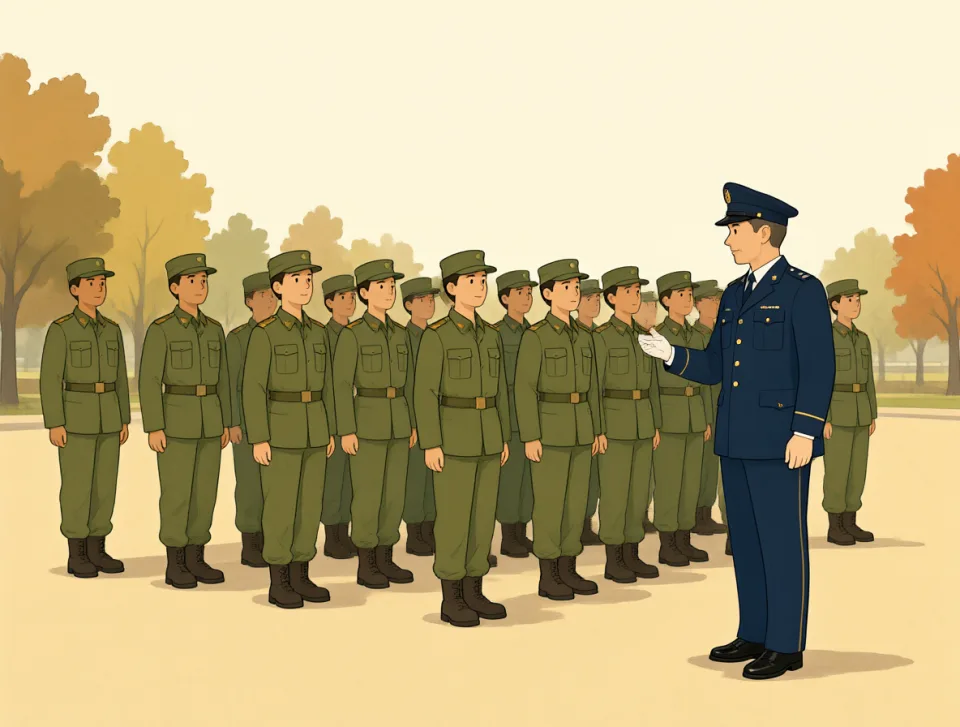
The army disciplined the new soldiers during their first month.
軍隊在新兵入伍的第一個月對他們進行了訓練和紀律教育。
disappoint
#1853verb
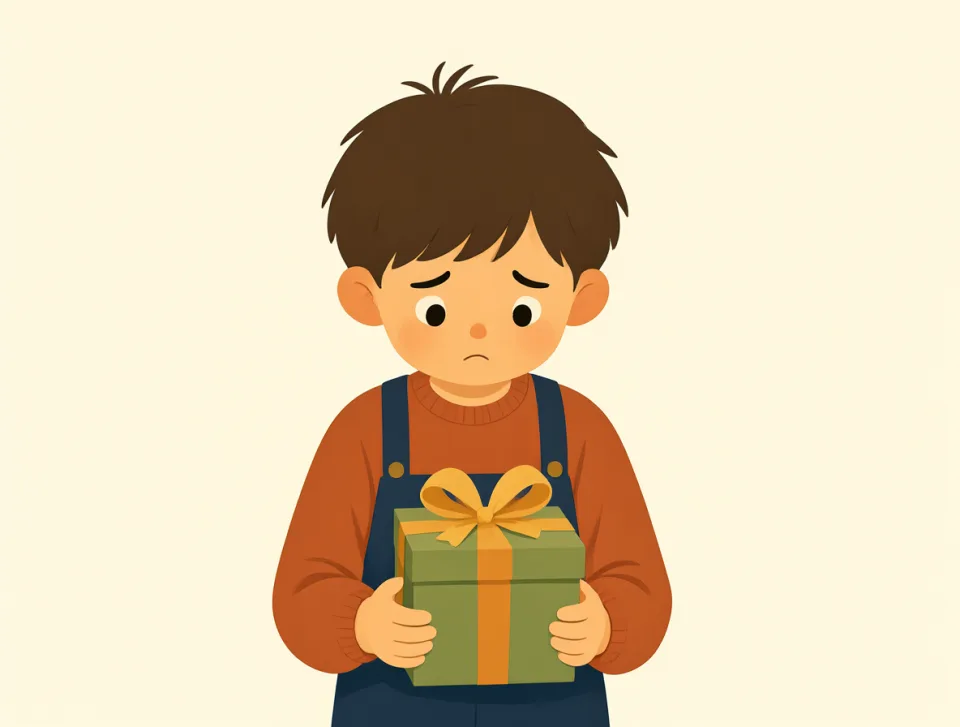
使失望; 讓人失望
To make someone feel unhappy because something was not as good as expected.
因為某件事沒有達到預期而讓某人感到不開心。

The movie disappointed me, so I left before the end.
這部電影讓我失望,所以我沒看完就離開了。
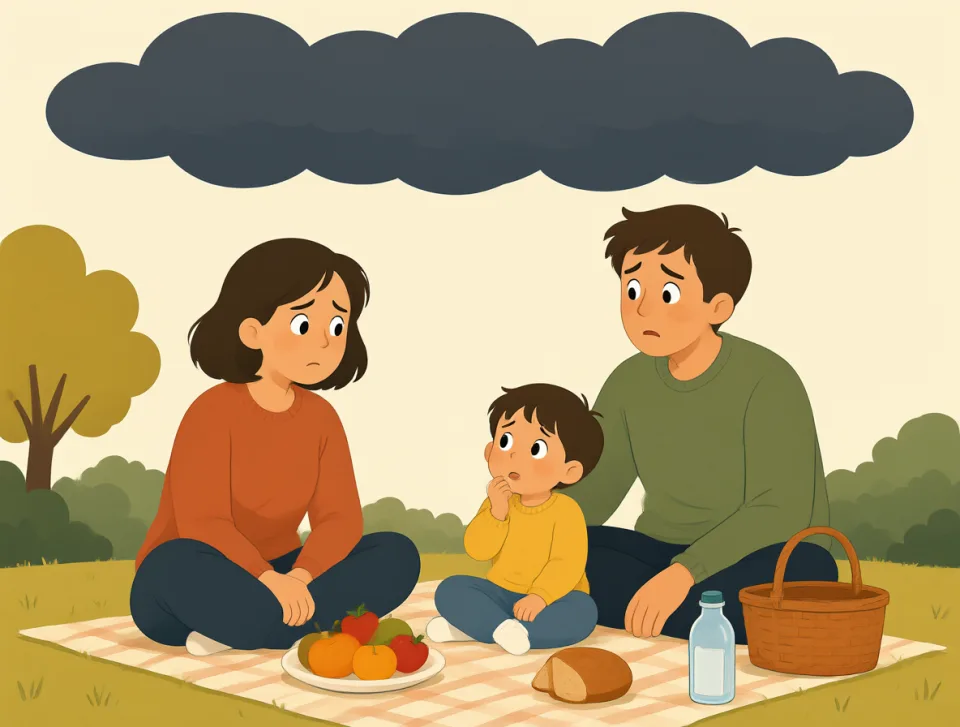
I hope the weather does not disappoint us tomorrow.
我希望明天的天氣不會讓我們失望。

The restaurant disappointed us with cold food and slow service.
這家餐廳端上來的食物是冷的,服務又慢,讓我們很失望。

She was disappointed when her team lost the final game.
她的球隊輸掉決賽時,她感到很失望。

He hates disappointing his parents when he gets poor grades.
他成績不好時讓父母失望,這讓他很難受。

boss
#1854noun, verb
老闆;上司;指揮
A person who is in charge of a workplace or tells others what to do.
負責管理某個工作場所或指使別人做事的人。

My boss asked me to finish the report before lunch.
我的老闆讓我午飯前把報告完成。

I need to talk to my boss about taking Friday off.
我得跟老闆談談週五請假的事。

Our new boss is friendly and listens to everyone's ideas.
我們的新老闆很友善,也願意聽取每個人的想法。
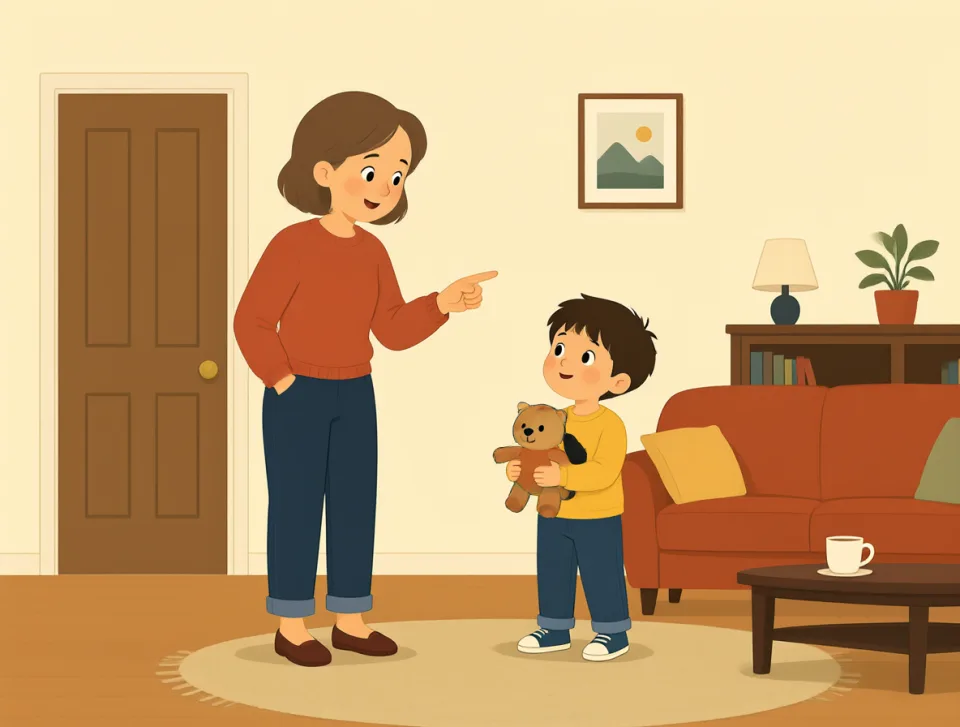
She bosses her little brother around when their parents are away.
父母不在家的時候,她總是對弟弟呼來喝去。

The chef bossed the kitchen during the busy dinner service.
晚餐高峰時,主廚在廚房裡指揮大家忙碌地工作。

assumption
#1855noun
假設;推測;看法
A belief that something is true, even though you have no proof.
認為某件事是真的,儘管你沒有證據。
My assumption that the store was open was wrong.
我以為商店開門了,但這個假設是錯的。

Do not make assumptions about people before meeting them.
在見到別人之前,不要妄自揣測。
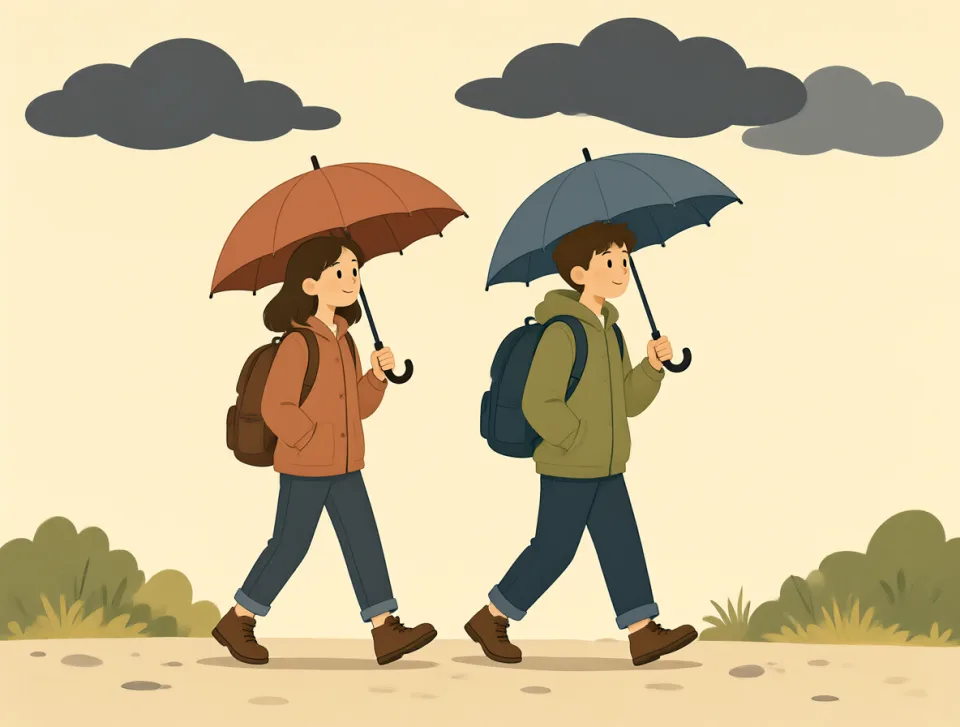
On the assumption that it would rain, we brought umbrellas.
我們以會下雨為前提,帶了雨傘。
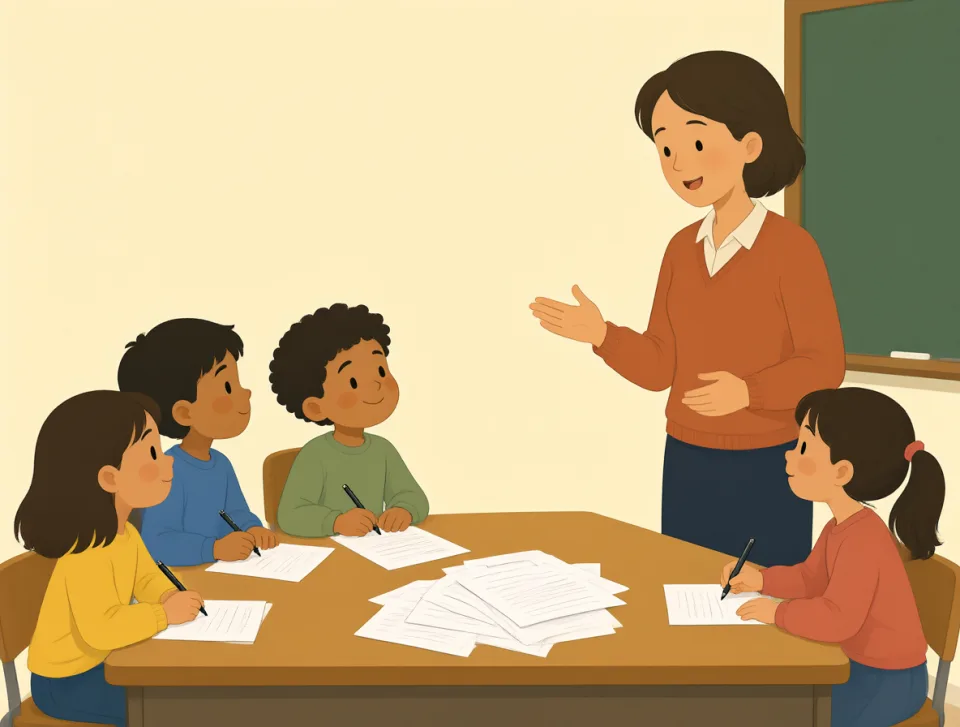
The teacher corrected our assumption that the test would be easy.
老師糾正了我們認為考試會很容易的錯誤想法。

The doctor rejected my assumption that a cold needed antibiotics.
我以為感冒需要用抗生素,但醫生否定了這一看法。

freeze
#1856verb, noun
冷凍;結冰;愣住
to become very cold and turn into ice, or to stop moving suddenly
變得非常冷並結成冰,或突然停止移動
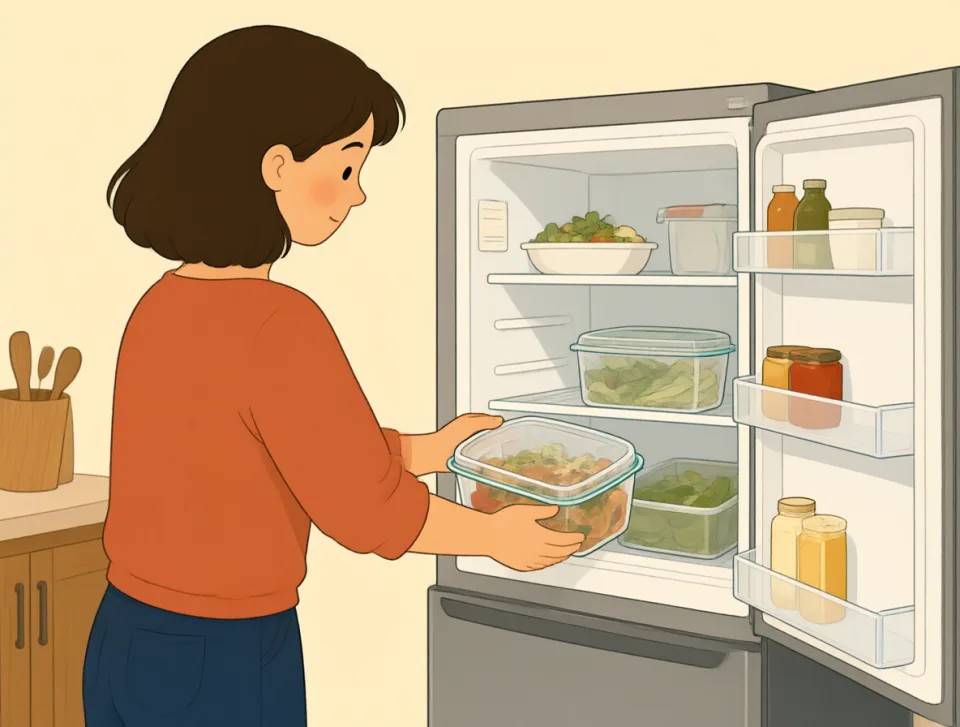
Please freeze the leftovers before they go bad.
請在剩菜變質之前把它們冷凍起來。

The lake freezes every winter when temperatures fall below zero.
每年冬天氣溫降到零度以下時,湖面都會結冰。
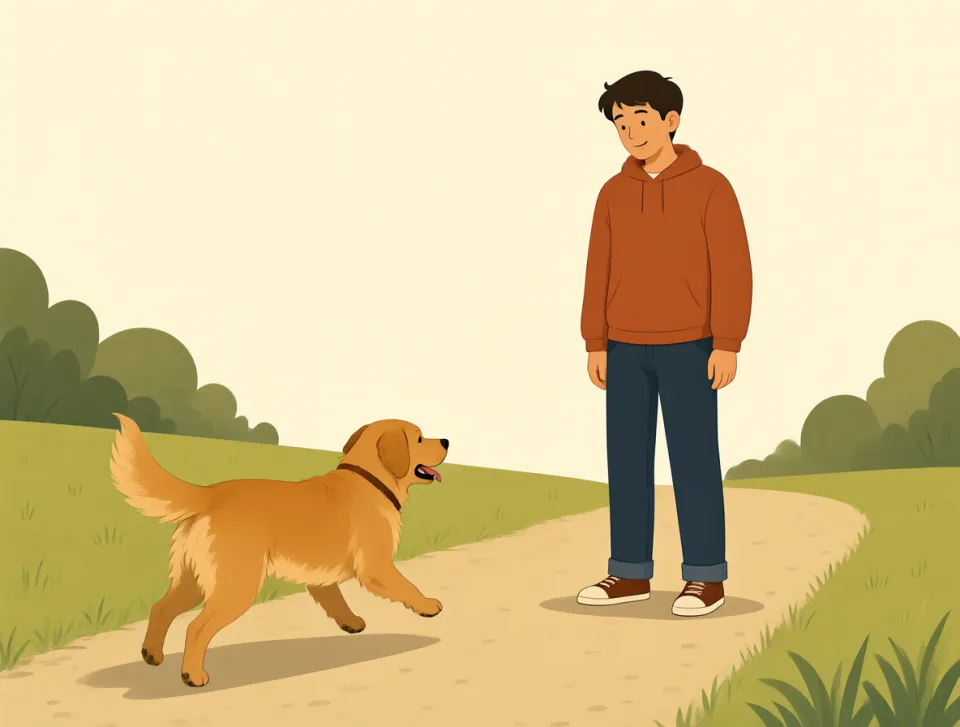
I froze when I saw the large dog running toward me.
看到那隻大狗朝我跑來時,我嚇得愣住了。
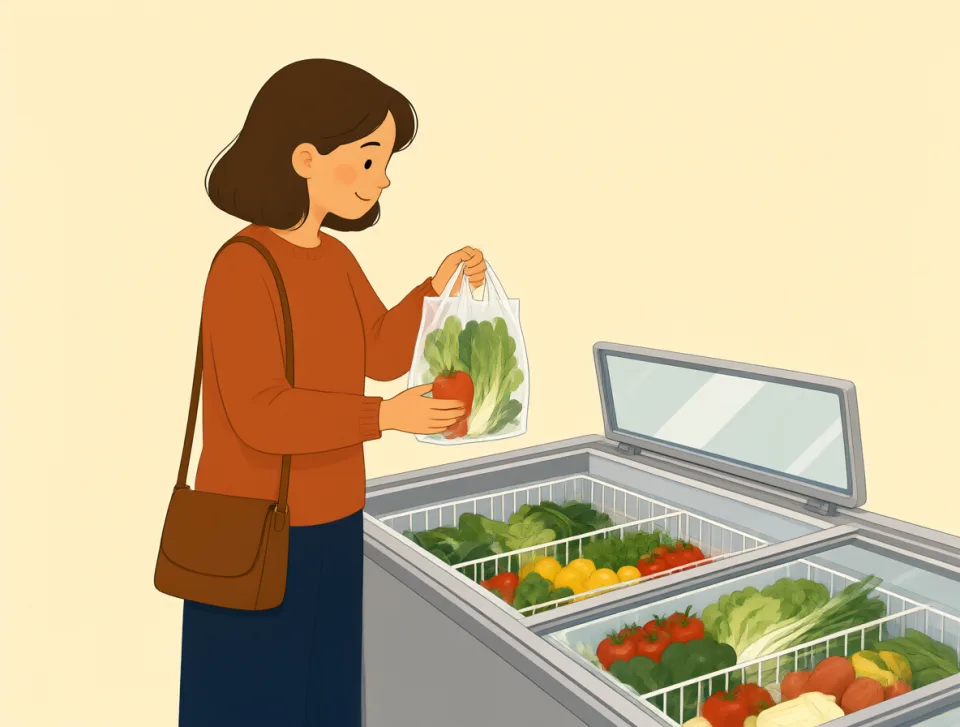
The supermarket sells frozen vegetables in the back aisle.
超市在後面的過道出售冷凍蔬菜。

My hands froze while I waited for the bus in winter.
冬天我等公交車時,雙手都凍僵了。

extreme
#1857adjective, noun
極端的;非常的;極度的
Very great or serious; the greatest possible amount or degree.
非常嚴重或程度很高的;達到可能的最大數量或程度的。

The hikers faced extreme weather on their way back.
徒步旅行者在返程途中遇到了極端惡劣的天氣。
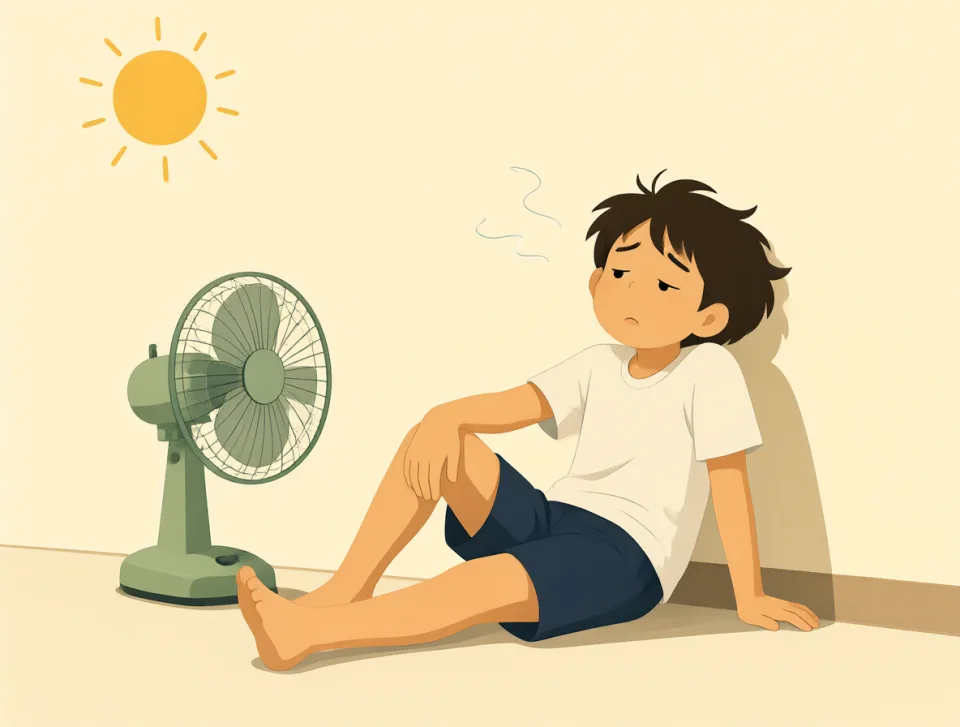
Extreme heat can make people feel tired and sick.
極端高溫會讓人感到疲倦和不適。

She took extreme care when carrying the hot soup.
她端著熱湯時格外小心。

The school closed because of the extreme cold.
學校因為極端寒冷的天氣而停課。
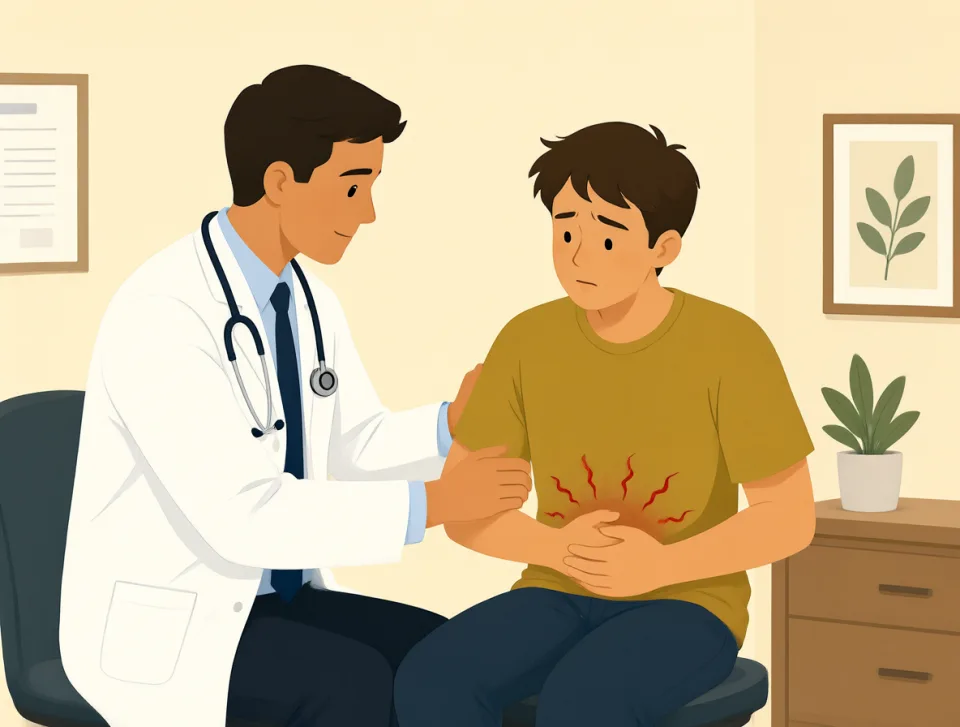
The doctor said his extreme pain needed immediate treatment.
醫生說他的劇烈疼痛需要立即治療。
passage
#1858noun
段落;通道;透過
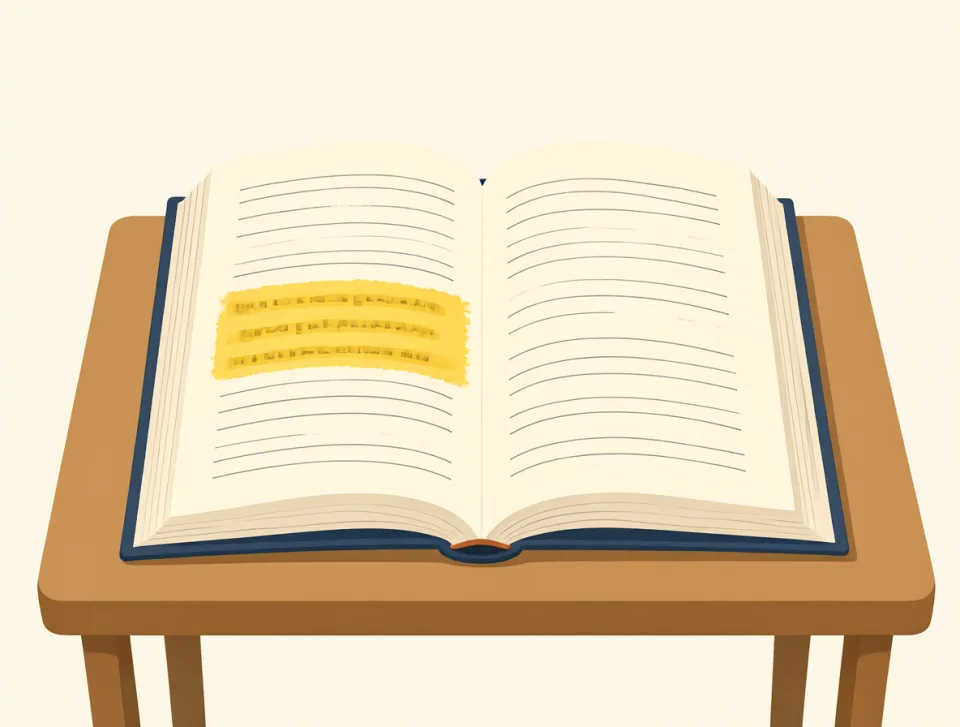
a short part of a book, speech, or piece of writing
書籍、演講或文章中的一小段內容

Please read this passage and answer the questions below.
請閱讀這段文字並回答下面的問題。

The guide told us about a narrow passage through the mountains.
導遊給我們講了山間一條狹窄通道的情況。
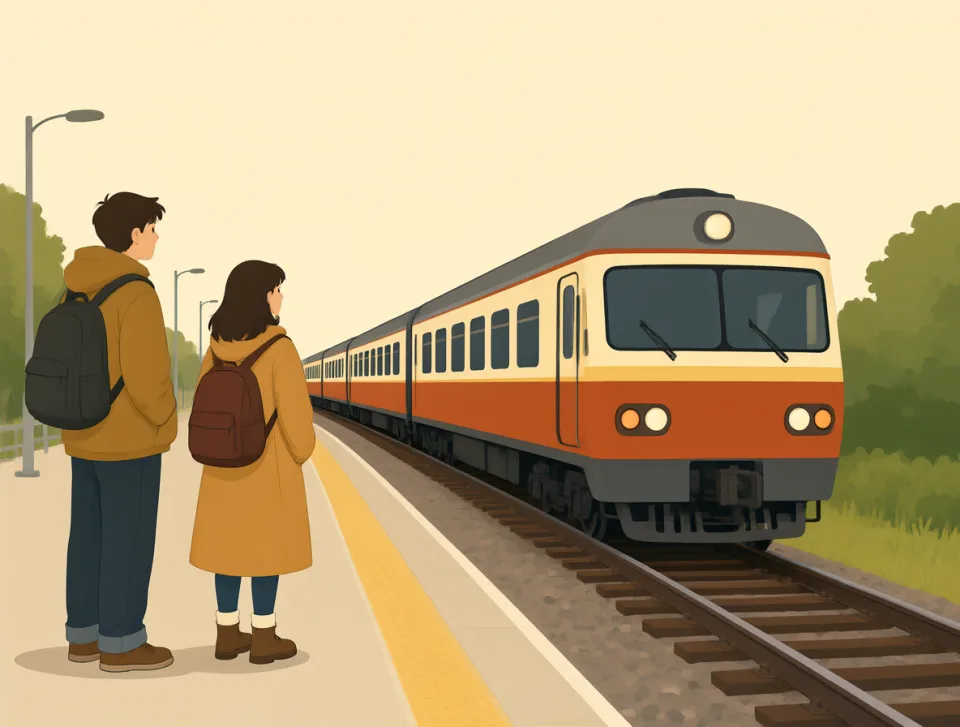
We had to wait for the passage of the train.
我們不得不等火車透過。

She looked through the passage before entering the old building.
進入那棟老建築前,她仔細檢視了通道。

The doctor checked the passage in his patient's blocked nose.
醫生檢查了病人鼻子裡堵塞的通道。

reputation
#1859noun
聲譽;名聲
What people generally think about someone or something based on past actions.
人們根據某人或某事過去的行為形成的普遍看法。
The restaurant has a good reputation for fresh food.
這家餐廳以食材新鮮而享有良好聲譽。

She built a strong reputation as a reliable worker.
她透過工作可靠,樹立了良好的口碑。

The hotel’s reputation suffered after several guests complained.
幾位客人投訴後,這家酒店的聲譽受到了影響。

His reputation for kindness made new students feel welcome.
他為人友善的名聲讓新生感到賓至如歸。

The doctor has an excellent reputation among local families.
這位醫生在當地家庭中享有極好的聲譽。
forth
#1860adverb
向前;向外;以後;等等
Forward or onward; used in expressions such as “back and forth” and “and so forth.”
向前或繼續向前;用於“來回”和“等等”之類的表達中。
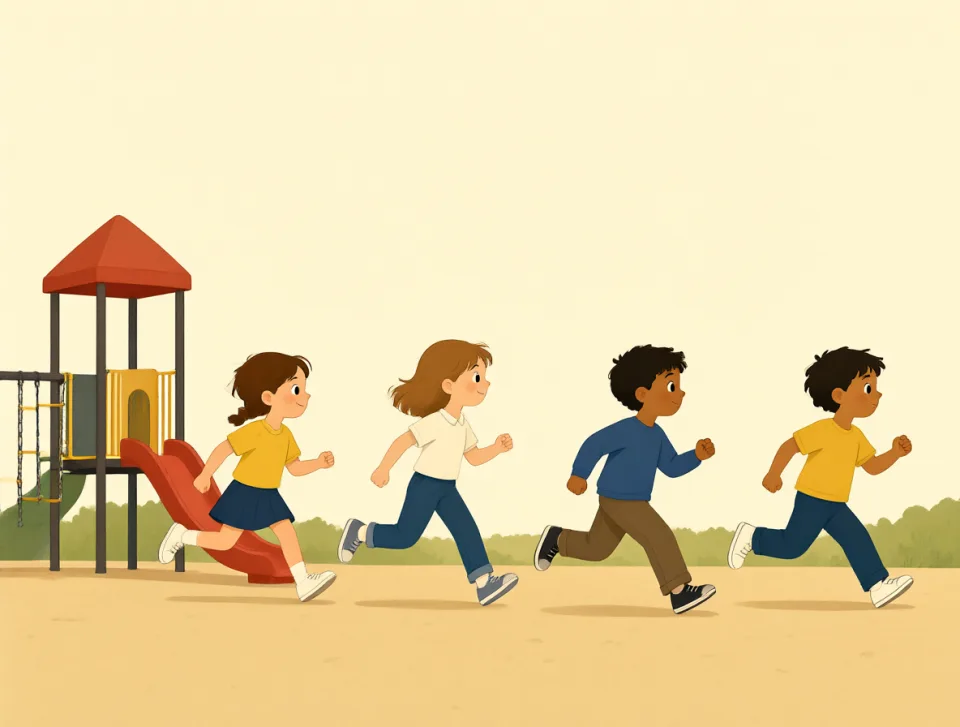
The children ran back and forth across the playground.
孩子們在操場上跑來跑去。
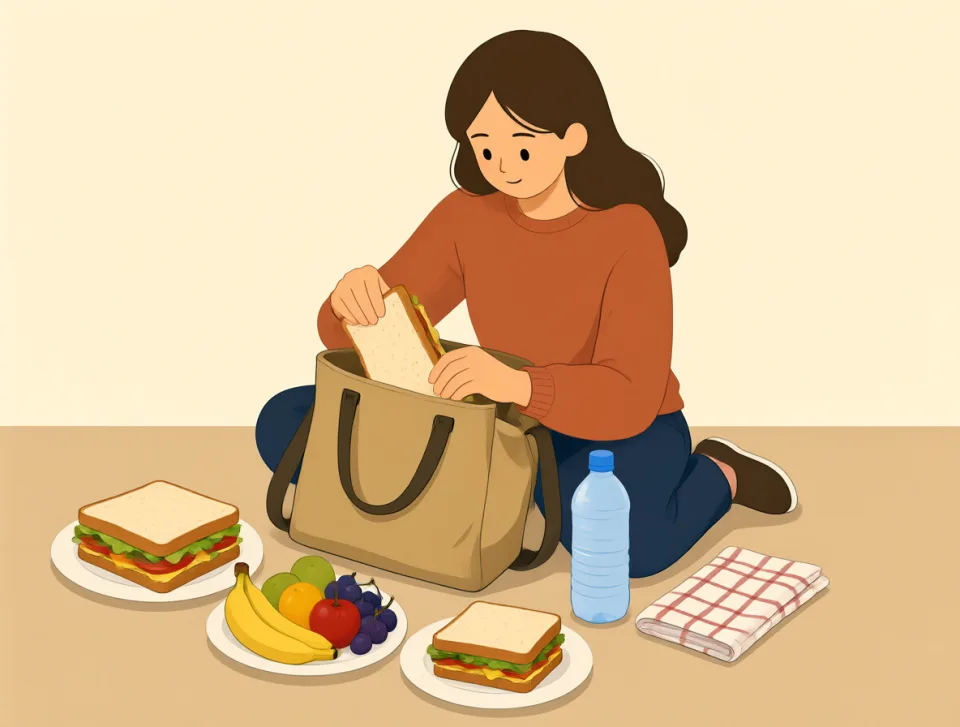
Please pack sandwiches, fruit, water, and so forth for our trip.
請為我們的旅行準備好三明治、水果、水,還有諸如此類的東西。

The hikers set forth before sunrise to reach the village.
徒步旅行者們在日出前出發,前往那個村莊。

She put forth great effort to finish the project on time.
她付出了很大的努力,按時完成了專案。
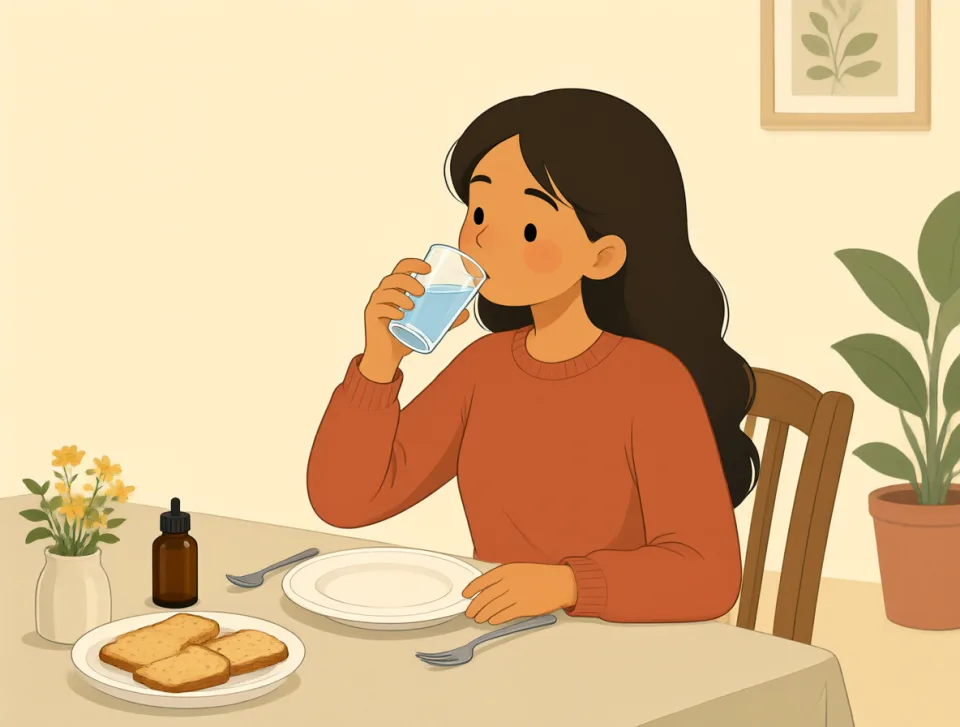
From this day forth, Maya will take her medicine after breakfast.
從今天起,Maya要在早餐後服藥。