ইউনিট 93
শব্দ 1841–1860 · maximum, effectively, elsewhere, bother, initiative, sharp

maximum
#1841noun, adjective
সর্বোচ্চ
The greatest amount or highest level that is possible or allowed.
যে পরিমাণ বা স্তর সম্ভব কিংবা অনুমোদিত, তার মধ্যে সবচেয়ে বেশি।

The elevator can carry a maximum of eight people.
লিফটে সর্বোচ্চ আটজন যেতে পারে।

Please set the oven to the maximum temperature for pizza.
পিজ্জা বানাতে ওভেনটি সর্বোচ্চ তাপমাত্রায় সেট করুন।

You can borrow a maximum of three books today.
আজ আপনি সর্বোচ্চ তিনটি বই ধার নিতে পারবেন।

The hotel offers maximum comfort after a long day of travel.
দীর্ঘ ভ্রমণের পর হোটেলটি সর্বোচ্চ আরাম দেয়।

The doctor told him to take a maximum of two tablets daily.
ডাক্তার তাকে দিনে সর্বোচ্চ দুটি ট্যাবলেট খেতে বলেছেন।

effectively
#1842adverb
কার্যকরভাবে
In a way that produces the wanted result.
কাঙ্ক্ষিত ফল পাওয়ার মতো করে।
She organized the files effectively before the meeting.
মিটিংয়ের আগে সে ফাইলগুলো গুছিয়ে রেখেছিল।

The teacher explained the difficult lesson effectively.
শিক্ষক কঠিন পাঠটি কার্যকরভাবে বুঝিয়ে দিয়েছিলেন।

We need to communicate effectively with our new neighbors.
আমাদের নতুন প্রতিবেশীদের সঙ্গে কার্যকরভাবে যোগাযোগ করতে হবে।

This medicine effectively reduces pain within a few hours.
এই ওষুধ কয়েক ঘণ্টার মধ্যেই কার্যকরভাবে ব্যথা কমায়।

He used the small kitchen effectively to cook dinner.
রাতের খাবার রান্না করতে সে ছোট রান্নাঘরটি ভালোভাবে কাজে লাগিয়েছিল।

elsewhere
#1843adverb
অন্য কোথাও
in, at, or to another place
অন্য কোনো জায়গায়, অন্য কোনো স্থানে বা অন্য কোনো জায়গার দিকে।

The shop was closed, so we went elsewhere for lunch.
দোকানটি বন্ধ ছিল, তাই আমরা দুপুরের খাবার খেতে অন্য কোথাও গেলাম।

I left my keys somewhere else, but I cannot remember where.
আমি চাবিগুলো অন্য কোথাও রেখেছি, কিন্তু কোথায় রেখেছি মনে করতে পারছি না।

Many students study elsewhere when the library becomes too noisy.
লাইব্রেরি খুব কোলাহলপূর্ণ হয়ে উঠলে অনেক শিক্ষার্থী অন্য কোথাও পড়াশোনা করে।
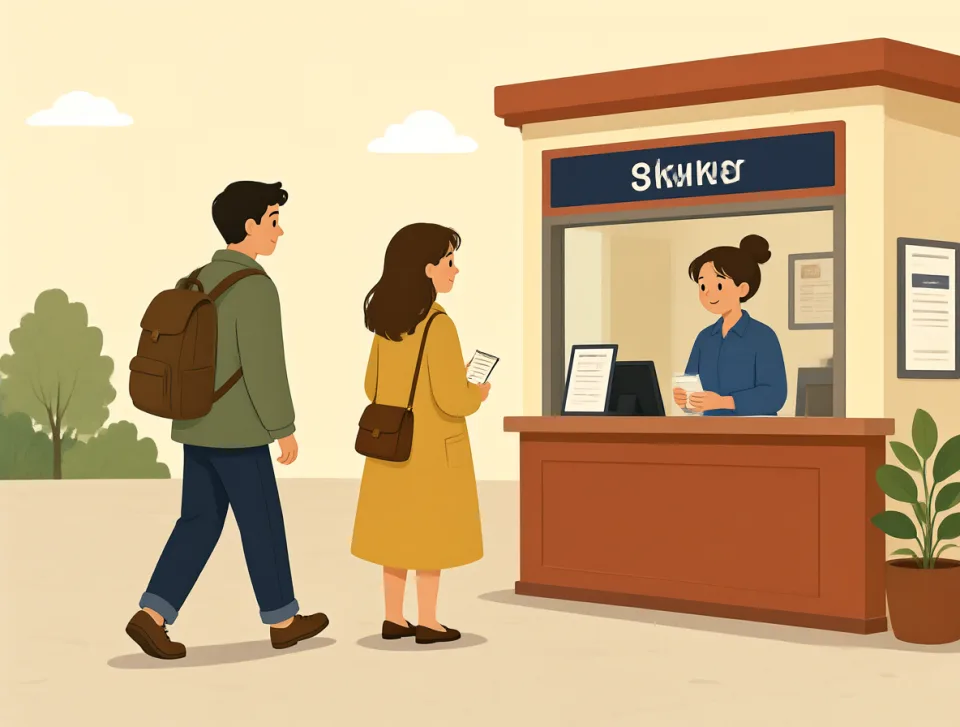
You can buy cheaper train tickets elsewhere in the city.
শহরের অন্য কোথাও আরও সস্তায় ট্রেনের টিকিট কিনতে পারবেন।
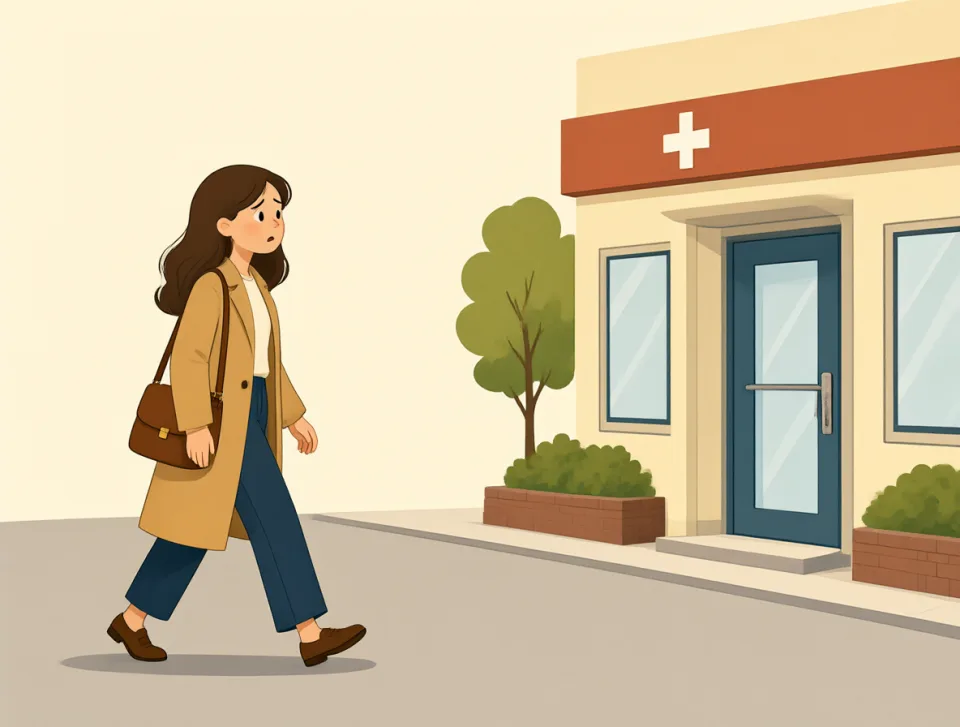
The doctor could not help, so she went elsewhere for treatment.
ডাক্তার সাহায্য করতে পারেননি, তাই সে চিকিৎসার জন্য অন্য কোথাও গেল।
bother
#1844verb, noun
বিরক্ত করা; কষ্ট করে করা
To annoy someone, or to make an effort to do something.
কাউকে বিরক্ত করা, অথবা কোনো কাজ করার জন্য চেষ্টা করা।

Sorry to bother you, but could you help me find this book?
বিরক্ত করার জন্য দুঃখিত, এই বইটি খুঁজে পেতে কি আমাকে সাহায্য করবেন?

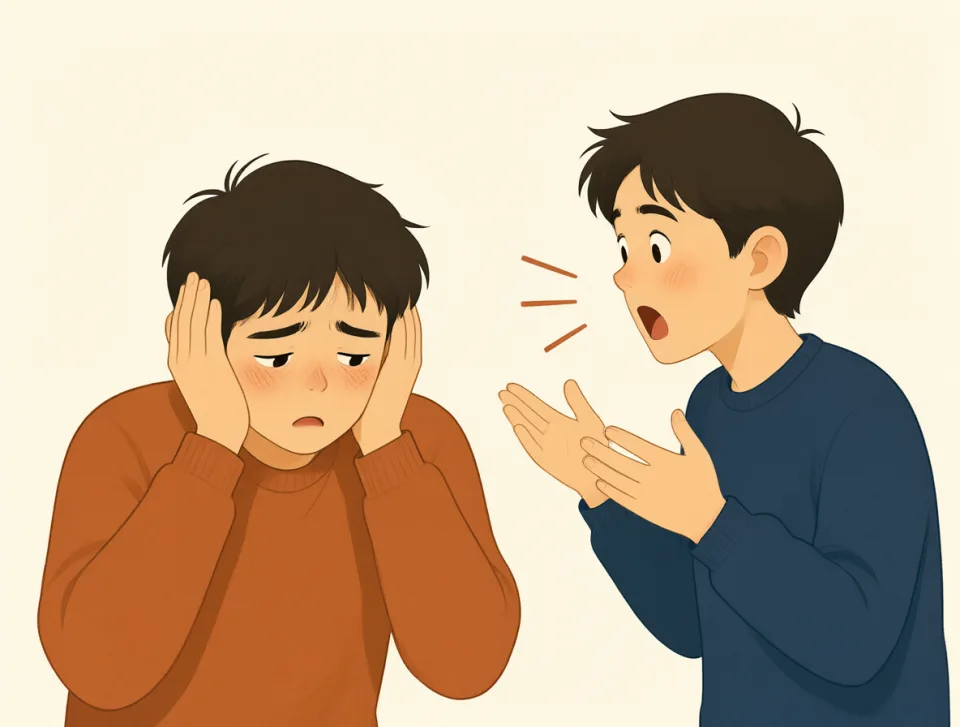
The loud music bothered our baby while she was trying to sleep.
আমাদের বাচ্চাটি ঘুমানোর চেষ্টা করার সময় জোরে গান বাজায় সে বিরক্ত হয়েছিল।

Don't bother cooking tonight; we can order some food.
আজ রাতে রান্না করতে হবে না; আমরা খাবার অর্ডার করতে পারি।

He never bothers to check his answers before handing in homework.
বাড়ির কাজ জমা দেওয়ার আগে সে কখনোই উত্তরগুলো যাচাই করার ঝামেলা করে না।

It doesn't bother me when my friends arrive a little late.
আমার বন্ধুরা একটু দেরিতে এলে আমার কিছু যায় আসে না।
initiative
#1845noun
উদ্যোগ
The ability to decide and act without waiting for someone to tell you what to do.
কেউ কী করতে হবে বলে দেওয়ার অপেক্ষা না করে নিজে সিদ্ধান্ত নেওয়া ও কাজ করার ক্ষমতা।
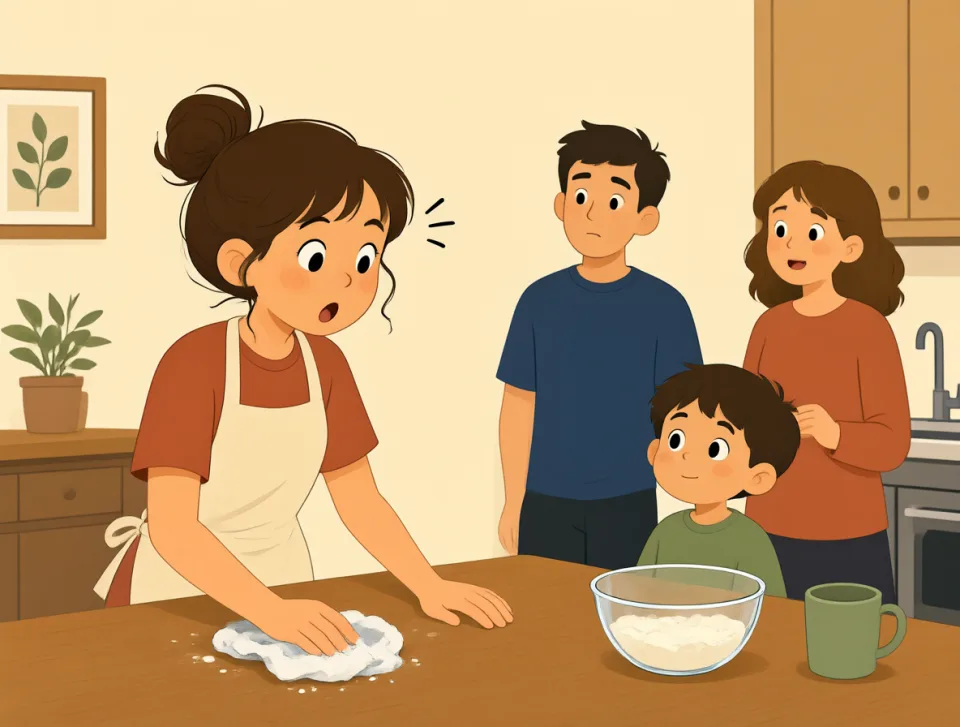
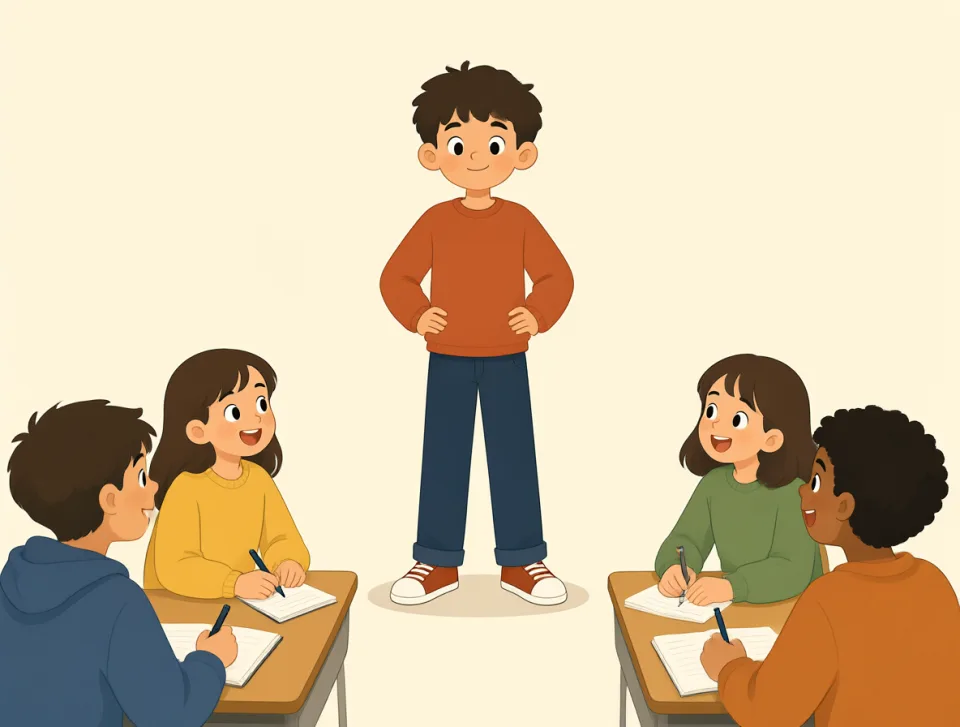
She showed initiative by cleaning the kitchen before anyone asked.
কেউ বলার আগেই রান্নাঘর পরিষ্কার করে সে উদ্যোগ দেখিয়েছিল।

Our manager praised Tom for taking the initiative at work.
কাজে উদ্যোগ নেওয়ার জন্য আমাদের ম্যানেজার টমের প্রশংসা করেছিলেন।
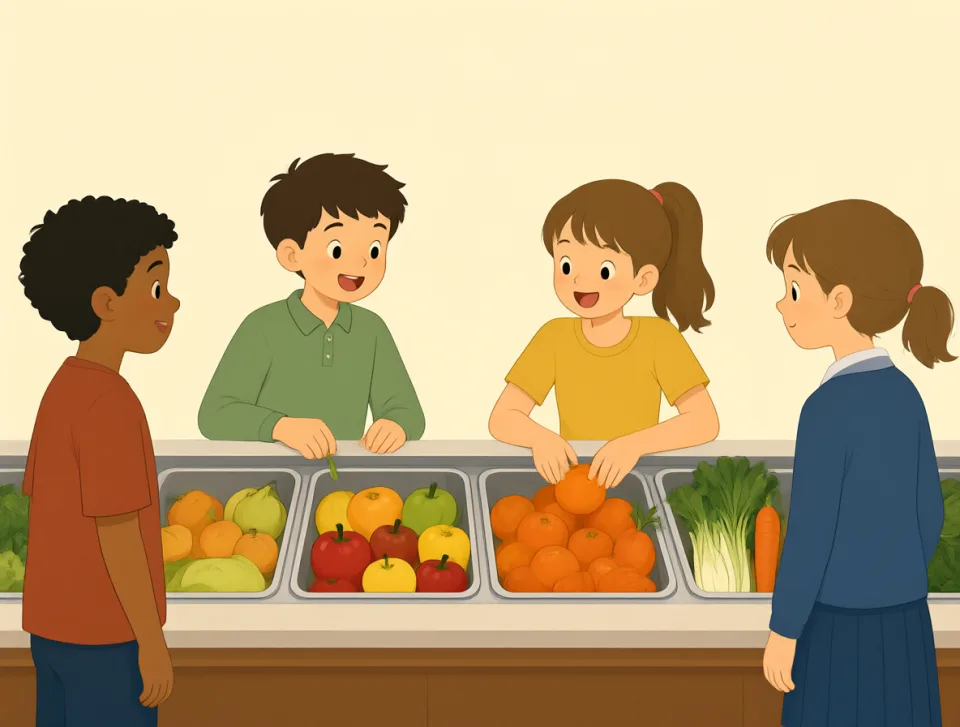
The school started an initiative to help students eat healthier food.
শিক্ষার্থীদের আরও স্বাস্থ্যকর খাবার খেতে সাহায্য করার জন্য স্কুলটি একটি উদ্যোগ শুরু করেছিল।
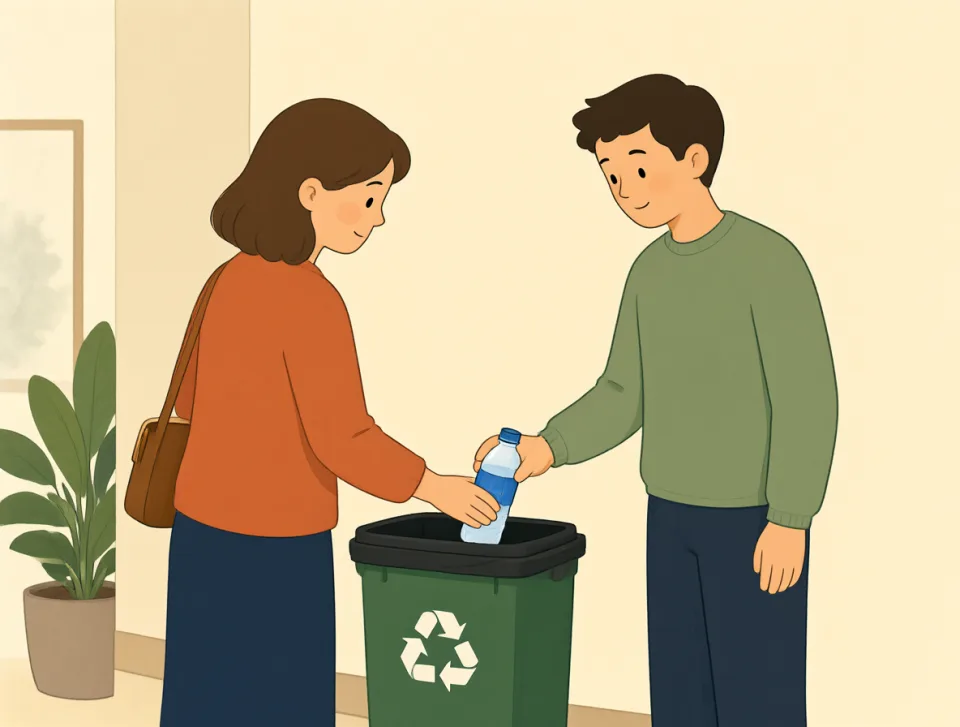
The hotel offered a new recycling initiative for all guests.
হোটেলটি সব অতিথির জন্য নতুন একটি পুনর্ব্যবহার উদ্যোগ চালু করেছিল।

Friends took the initiative and planned a weekend trip together.
বন্ধুরা উদ্যোগ নিয়ে একসঙ্গে সপ্তাহান্তে বেড়াতে যাওয়ার পরিকল্পনা করেছিল।

sharp
#1846adjective, adverb, noun, verb
ধারালো
Having a thin edge that can cut; quick to understand; exactly at a stated time.
যার পাতলা ধার কেটে ফেলতে পারে; দ্রুত বুঝতে সক্ষম; নির্দিষ্ট সময়ে ঠিক ঠিক।

Be careful; this knife is very sharp.
সাবধানে থেকো; এই ছুরিটা খুব ধারালো।

She felt a sharp pain in her shoulder.
তার কাঁধে তীব্র ব্যথা অনুভূত হলো।

He is sharp and learns new skills quickly.
সে বুদ্ধিমান এবং নতুন দক্ষতা দ্রুত শিখে ফেলে।

The bus leaves at six sharp tomorrow morning.
আগামীকাল সকালে বাসটি ঠিক ছয়টায় ছাড়বে।
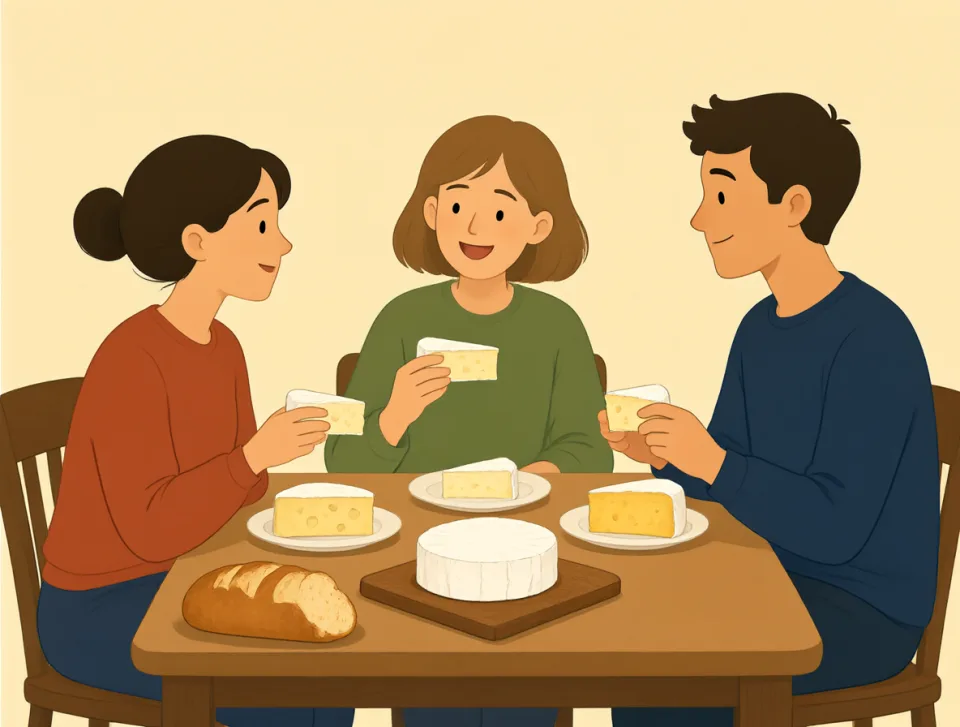
The sharp cheese tasted delicious with fresh bread.
তাজা রুটির সঙ্গে ধারালো স্বাদের চিজটি দারুণ সুস্বাদু লেগেছিল।
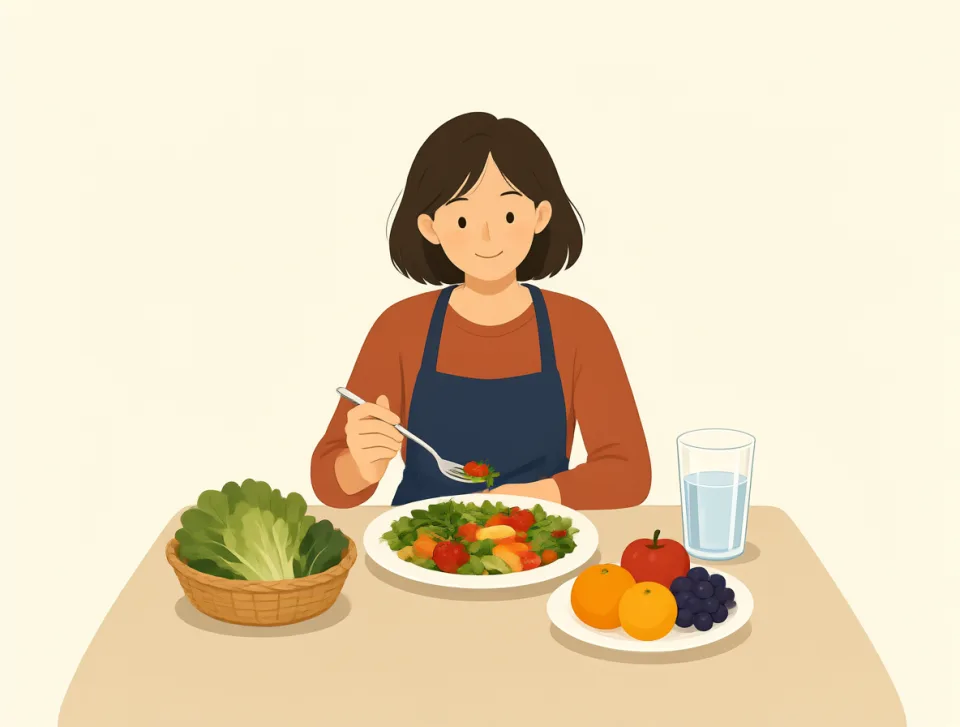
diet
#1847noun, verb
খাদ্যাভ্যাস; ডায়েট
The food and drink someone usually has, or a plan to eat less or healthier food.
কেউ সাধারণত যে খাবার ও পানীয় গ্রহণ করেন, অথবা কম বা স্বাস্থ্যকর খাবার খাওয়ার পরিকল্পনা।

I try to eat a healthy diet with plenty of fresh vegetables.
আমি প্রচুর তাজা সবজি দিয়ে স্বাস্থ্যকর খাদ্যাভ্যাস মেনে চলার চেষ্টা করি।

The doctor put him on a low-salt diet for his heart.
হৃদ্যন্ত্রের জন্য ডাক্তার তাকে কম লবণযুক্ত খাদ্যাভ্যাস মেনে চলতে বলেছেন।
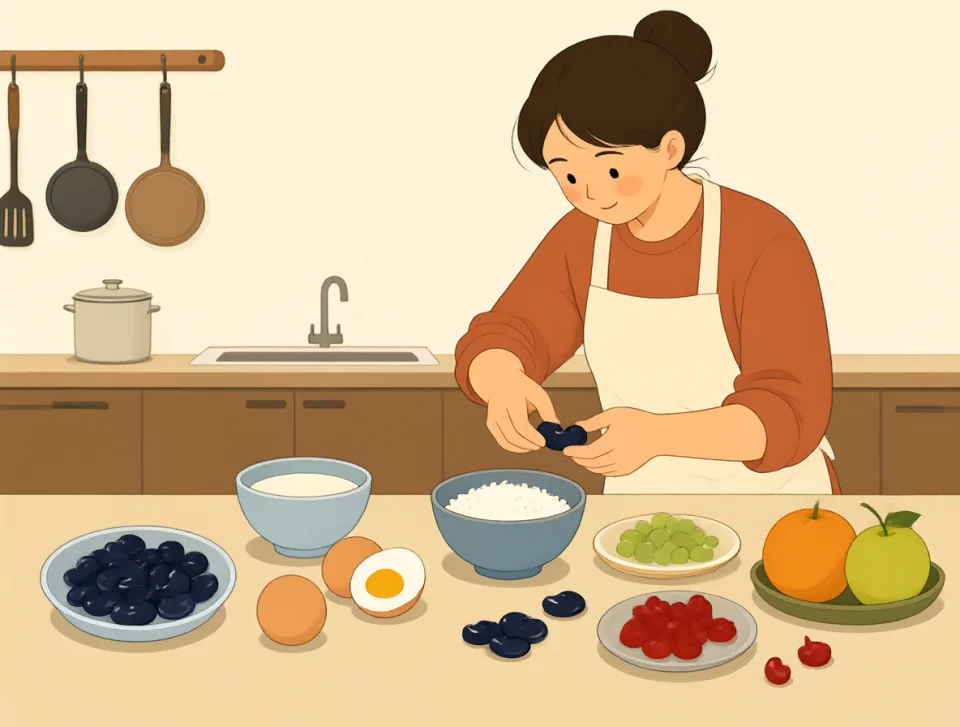
My vegetarian diet includes beans, rice, eggs, and lots of fruit.
আমার নিরামিষ খাদ্যাভ্যাসে শিম, ভাত, ডিম এবং প্রচুর ফল থাকে।
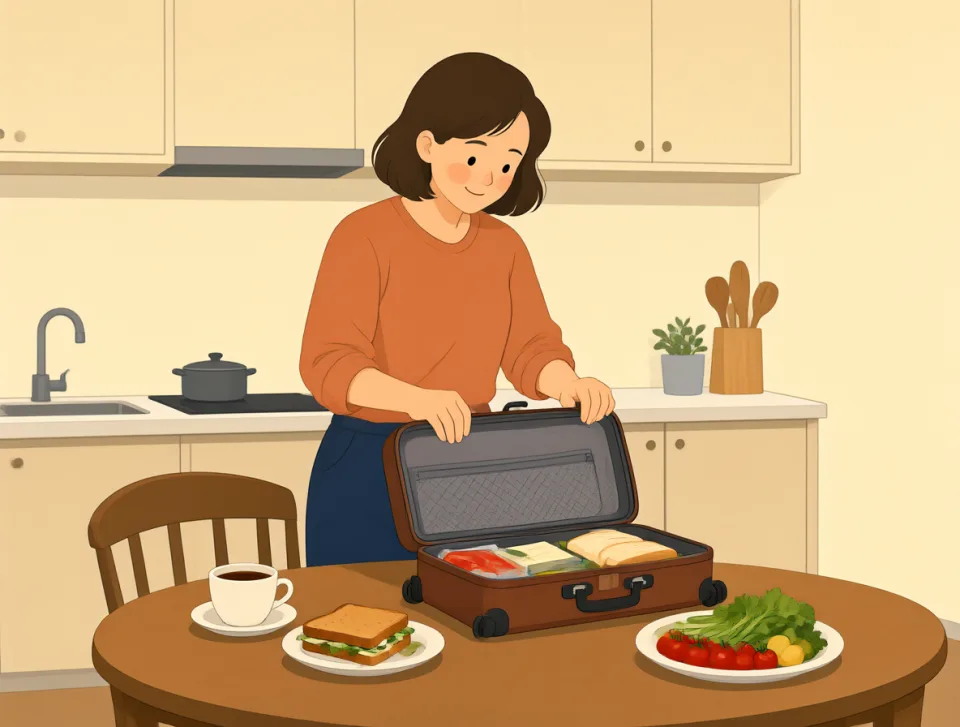
She started a diet before her holiday at the beach.
সমুদ্রসৈকতে ছুটি কাটাতে যাওয়ার আগে সে ডায়েট শুরু করেছিল।

Some people diet by eating smaller meals and walking every day.
কিছু মানুষ ছোট ছোট খাবার খেয়ে এবং প্রতিদিন হাঁটাহাঁটি করে ডায়েট করেন।

motion
#1848noun, verb
নড়াচড়া; প্রস্তাব
Movement or a movement, especially in a particular direction or to show an idea.
কোনো নড়াচড়া, বিশেষ করে নির্দিষ্ট দিকে করা নড়াচড়া বা কোনো ভাবনা প্রকাশের জন্য করা অঙ্গভঙ্গি।

The doctor watched the motion of the patient's chest.
ডাক্তার রোগীর বুকের নড়াচড়া লক্ষ করলেন।
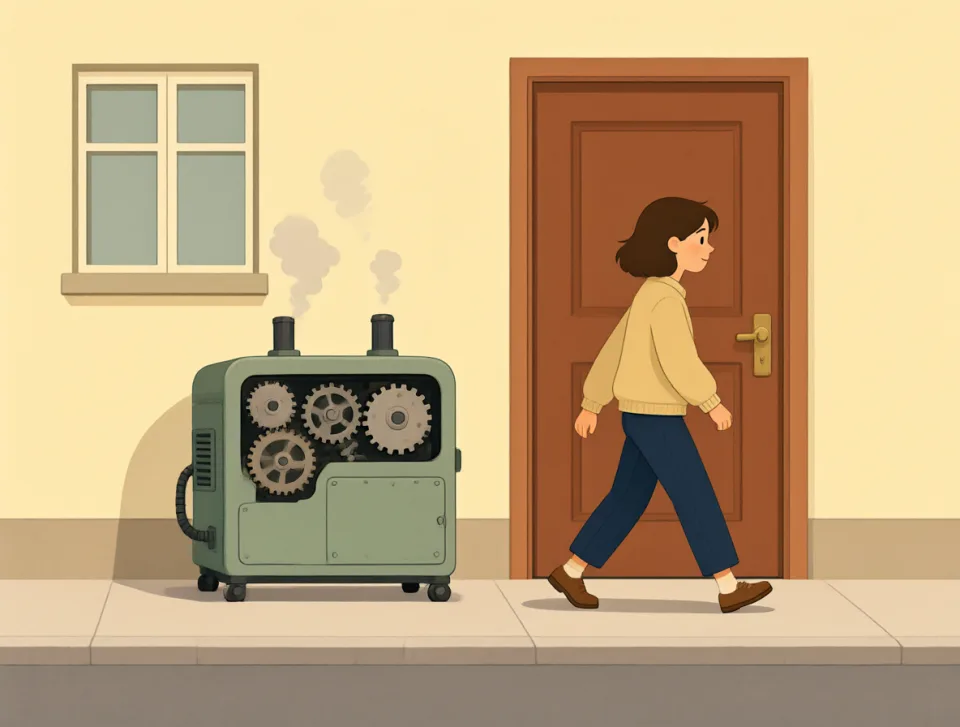
The machine stops when it detects sudden motion.
যন্ত্রটি হঠাৎ কোনো নড়াচড়া শনাক্ত করলে থেমে যায়।

She made a motion for us to come inside.
সে আমাদের ভেতরে আসার ইঙ্গিত করল।

The boat rocked with the motion of the waves.
ঢেউয়ের নড়াচড়ায় নৌকাটি দুলছিল।

The committee voted to approve the motion.
কমিটি প্রস্তাবটি অনুমোদনের পক্ষে ভোট দিল।

gray
#1849adjective, noun
ধূসর
having a color between black and white
কালো ও সাদার মাঝামাঝি রঙের।

He wore a gray jacket on the cold morning.
ঠান্ডা সকালে সে একটি ধূসর জ্যাকেট পরেছিল।
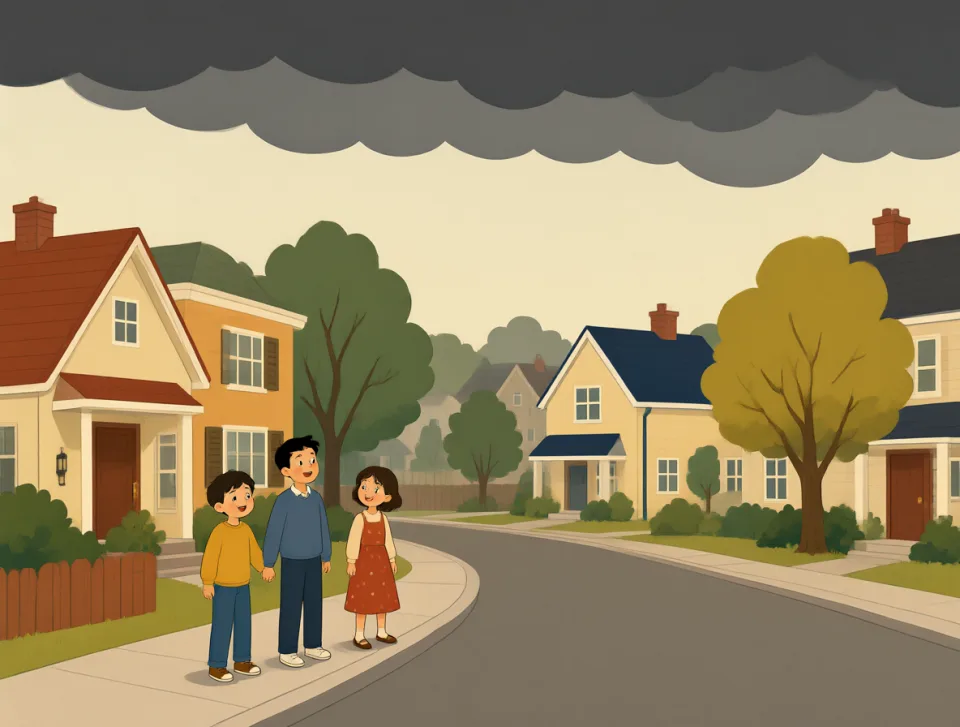
The sky turned gray before the rain started.
বৃষ্টি শুরু হওয়ার আগে আকাশ ধূসর হয়ে গেল।

She bought a gray sofa for the living room.
সে বসার ঘরের জন্য একটি ধূসর সোফা কিনেছিল।

My grandfather's hair is turning gray.
আমার দাদুর চুল ধূসর হয়ে যাচ্ছে।

The artist mixed black and white to make gray.
শিল্পী ধূসর রং তৈরি করতে কালো ও সাদা মিশিয়েছিলেন।
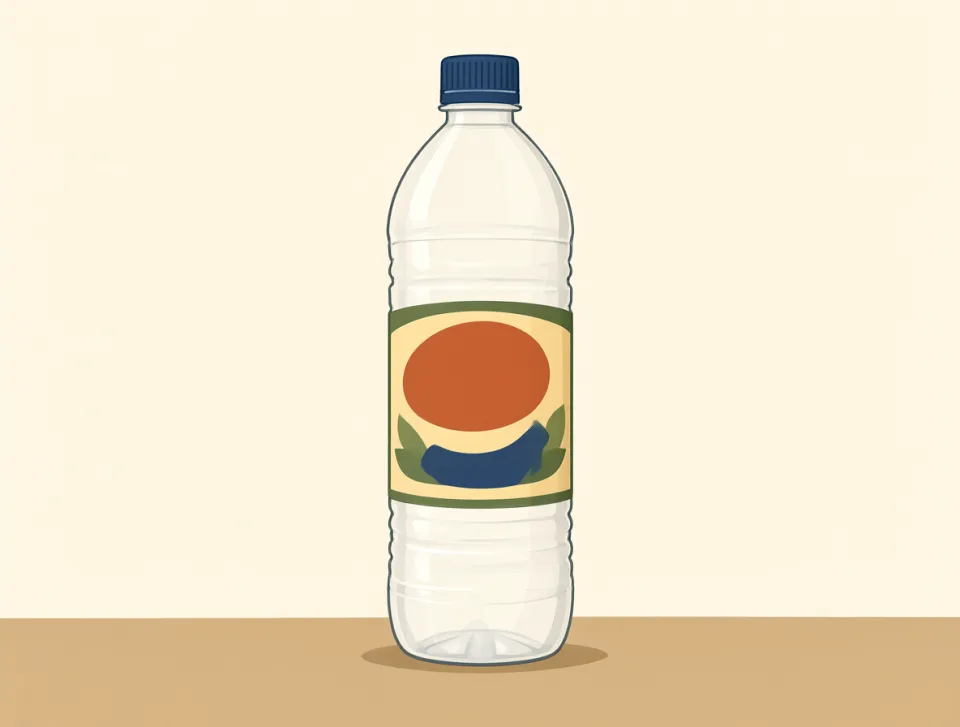
plastic
#1850noun, adjective
প্লাস্টিক
A light, strong material made from chemicals, often used to make containers and bags.
রাসায়নিক পদার্থ থেকে তৈরি হালকা ও শক্ত উপাদান, যা প্রায়ই পাত্র ও ব্যাগ তৈরিতে ব্যবহৃত হয়।
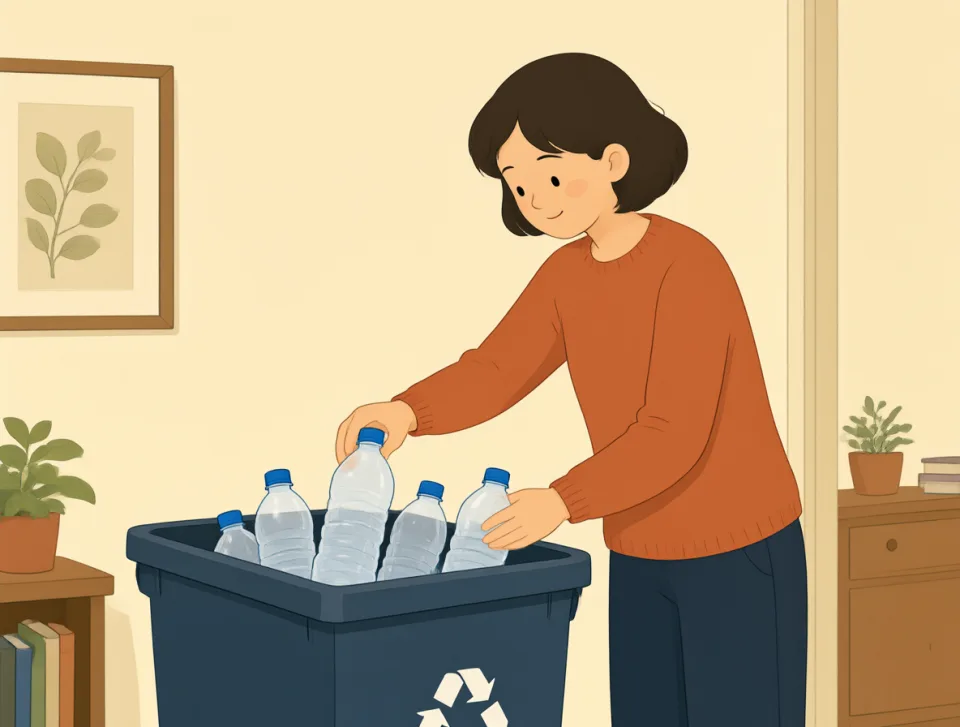
Please put the plastic bottles in the recycling bin.
দয়া করে প্লাস্টিকের বোতলগুলো পুনর্ব্যবহারের বাক্সে রাখুন।
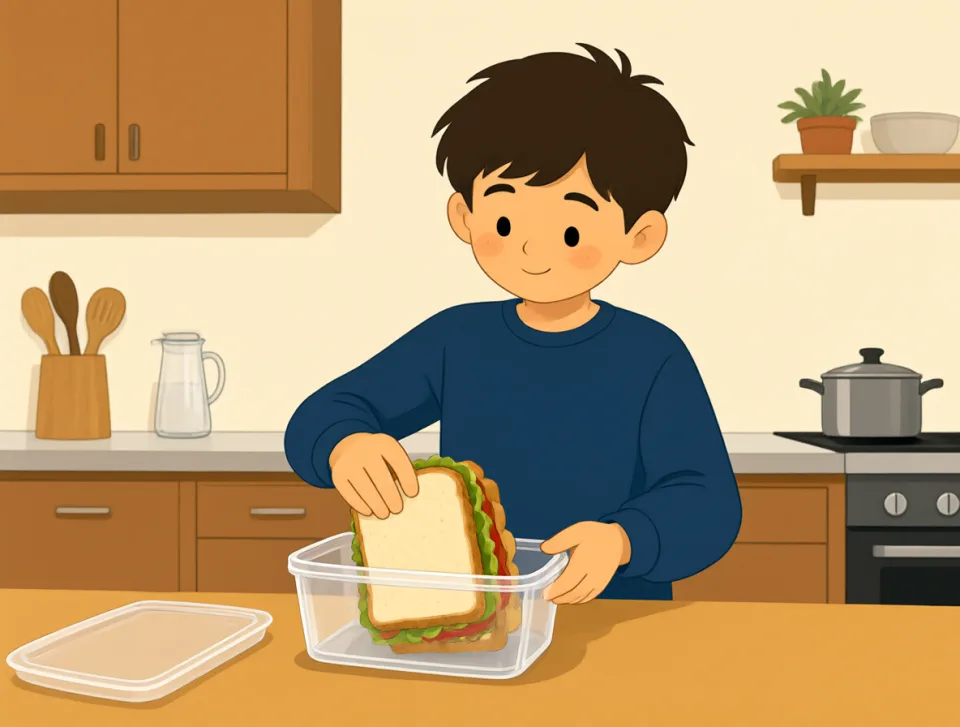
She packed her lunch in a plastic container.
সে একটি প্লাস্টিকের পাত্রে নিজের দুপুরের খাবার ভরেছিল।

The shop gives customers a plastic bag for their purchases.
দোকানটি ক্রেতাদের কেনাকাটার জিনিসের জন্য একটি প্লাস্টিকের ব্যাগ দেয়।

The children wore plastic raincoats during the school trip.
শিক্ষাসফরের সময় শিশুরা প্লাস্টিকের রেইনকোট পরেছিল।

This chair is made of strong plastic and is easy to clean.
এই চেয়ারটি শক্ত প্লাস্টিক দিয়ে তৈরি এবং পরিষ্কার করাও সহজ।
complicate
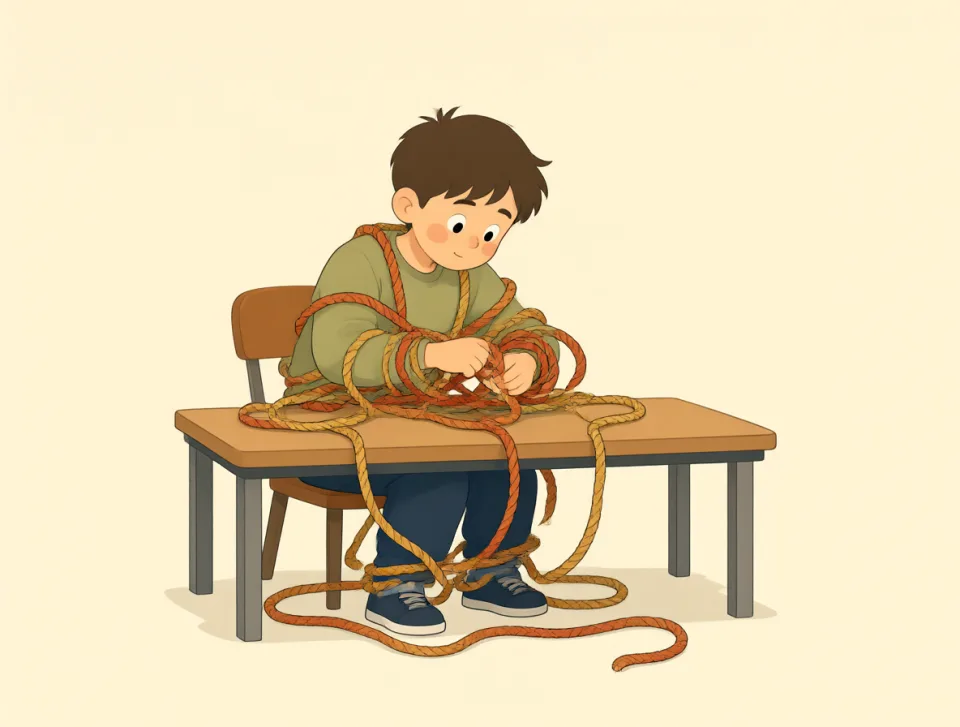
#1851verb
জটিল করা
to make something more difficult or confusing than it needs to be
কোনো কিছুকে প্রয়োজনের চেয়ে বেশি কঠিন বা বিভ্রান্তিকর করে তোলা
Don't complicate the problem; follow these simple steps.
সমস্যাটিকে জটিল কোরো না; এই সহজ ধাপগুলো অনুসরণ করো।

The bad weather complicated our travel plans.
খারাপ আবহাওয়া আমাদের ভ্রমণের পরিকল্পনা জটিল করে তুলেছিল।

Too many rules can complicate the hiring process.
অতিরিক্ত নিয়ম নিয়োগের প্রক্রিয়াকে জটিল করে তুলতে পারে।

Adding more ingredients complicated the recipe.
আরও উপকরণ যোগ করায় রেসিপিটি জটিল হয়ে গেল।

His injury complicated his recovery after the accident.
তার চোট দুর্ঘটনার পর সুস্থ হয়ে ওঠার প্রক্রিয়াকে জটিল করে তুলেছিল।

discipline
#1852noun, verb
আত্মনিয়ন্ত্রণ
Training yourself to follow rules and control your behavior to reach a goal.
লক্ষ্যে পৌঁছানোর জন্য নিয়ম মেনে চলা এবং নিজের আচরণ নিয়ন্ত্রণ করার অভ্যাস।
Learning a new language takes discipline and regular practice.
নতুন ভাষা শিখতে আত্মনিয়ন্ত্রণ ও নিয়মিত অনুশীলন লাগে।

The coach praised the team for showing discipline during training.
প্রশিক্ষণের সময় শৃঙ্খলা দেখানোর জন্য কোচ দলটির প্রশংসা করলেন।

The school uses discipline to help students behave well.
শিক্ষার্থীরা যেন ভালো আচরণ করে, সে জন্য স্কুলে শৃঙ্খলা বজায় রাখা হয়।

Good financial discipline helped us save enough money for our holiday.
ভালো আর্থিক শৃঙ্খলার কারণে ছুটিতে যাওয়ার জন্য আমরা যথেষ্ট টাকা জমাতে পেরেছিলাম।
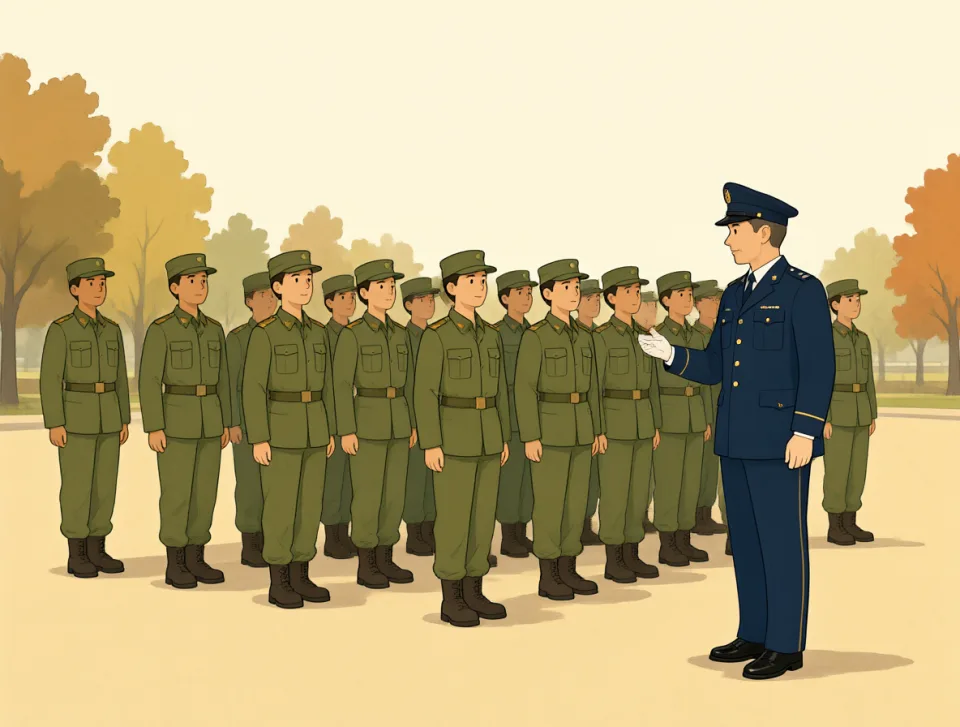
The army disciplined the new soldiers during their first month.
সেনাবাহিনী প্রথম মাসে নতুন সৈন্যদের শৃঙ্খলাবদ্ধ করেছিল।
disappoint
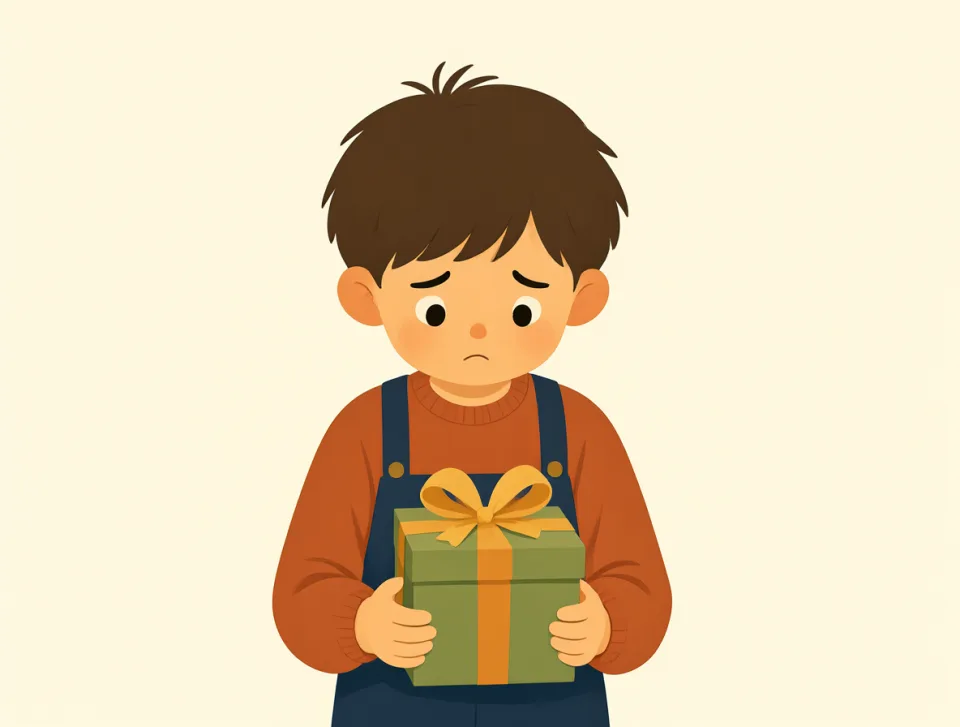
#1853verb
হতাশ করা
To make someone feel unhappy because something was not as good as expected.
কোনো কিছু প্রত্যাশামতো না হওয়ায় কাউকে মন খারাপ করানো।

The movie disappointed me, so I left before the end.
সিনেমাটি আমাকে হতাশ করেছিল, তাই শেষ হওয়ার আগেই চলে গিয়েছিলাম।
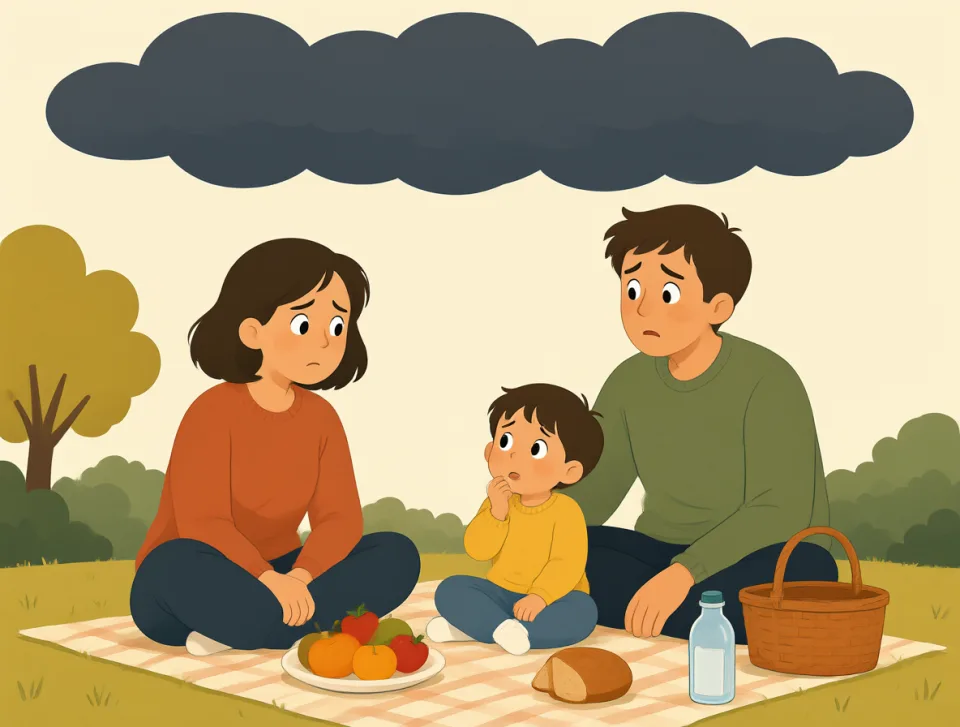
I hope the weather does not disappoint us tomorrow.
আশা করি কাল আবহাওয়া আমাদের হতাশ করবে না।

The restaurant disappointed us with cold food and slow service.
ঠান্ডা খাবার আর ধীরগতির পরিষেবা দিয়ে রেস্তোরাঁটি আমাদের হতাশ করেছিল।

She was disappointed when her team lost the final game.
ফাইনাল খেলায় তার দল হেরে যাওয়ায় সে হতাশ হয়েছিল।

He hates disappointing his parents when he gets poor grades.
পরীক্ষায় খারাপ নম্বর পেলে সে তার বাবা-মাকে হতাশ করতে ঘৃণা করে।

boss
#1854noun, verb
বস
A person who is in charge of a workplace or tells others what to do.
কর্মক্ষেত্রের দায়িত্বে থাকা বা অন্যদের কী করতে হবে তা বলে দেওয়া ব্যক্তি।

My boss asked me to finish the report before lunch.
আমার বস আমাকে দুপুরের খাবারের বিরতির আগে প্রতিবেদনটি শেষ করতে বলেছেন।

I need to talk to my boss about taking Friday off.
শুক্রবার ছুটি নেওয়ার বিষয়ে আমার বসের সঙ্গে কথা বলা দরকার।

Our new boss is friendly and listens to everyone's ideas.
আমাদের নতুন বস বন্ধুসুলভ এবং সবার মতামত শোনেন।
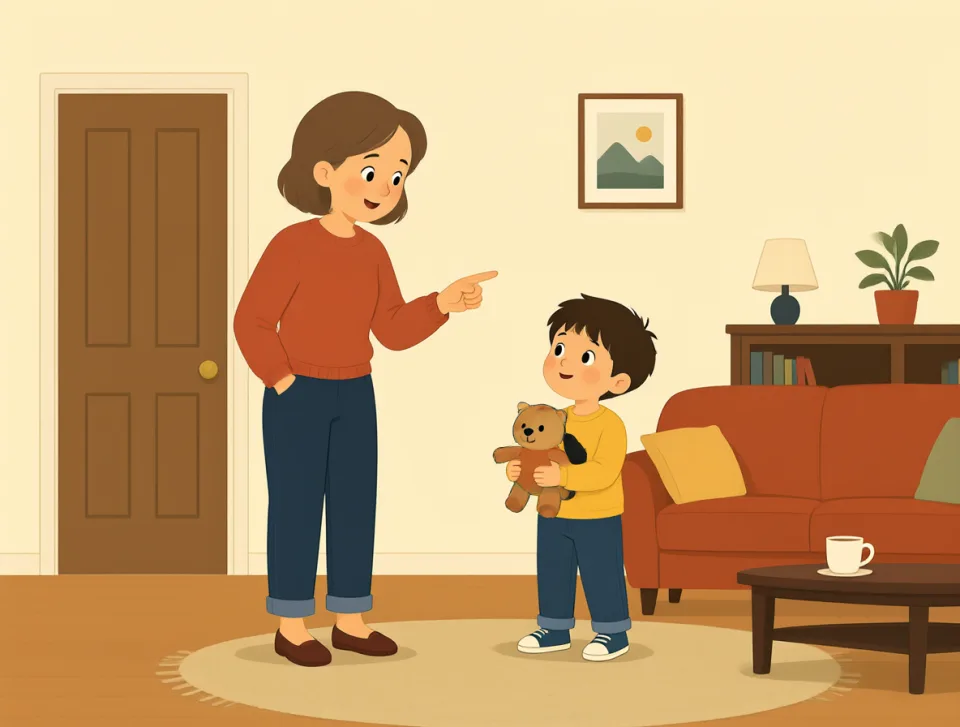
She bosses her little brother around when their parents are away.
বাবা-মা বাড়িতে না থাকলে সে তার ছোট ভাইকে হুকুম করে।

The chef bossed the kitchen during the busy dinner service.
ব্যস্ত রাতের খাবারের সময় শেফ রান্নাঘরের কাজকর্ম সামলেছিলেন।

assumption
#1855noun
ধারণা
A belief that something is true, even though you have no proof.
কোনো প্রমাণ না থাকা সত্ত্বেও কোনো কিছু সত্য বলে বিশ্বাস করা।
My assumption that the store was open was wrong.
দোকানটি খোলা আছে—আমার এই ধারণা ভুল ছিল।

Do not make assumptions about people before meeting them.
কারও সঙ্গে পরিচিত হওয়ার আগে তাকে নিয়ে কোনো ধারণা কোরো না।

On the assumption that it would rain, we brought umbrellas.
বৃষ্টি হবে ধরে নিয়ে আমরা ছাতা এনেছিলাম।
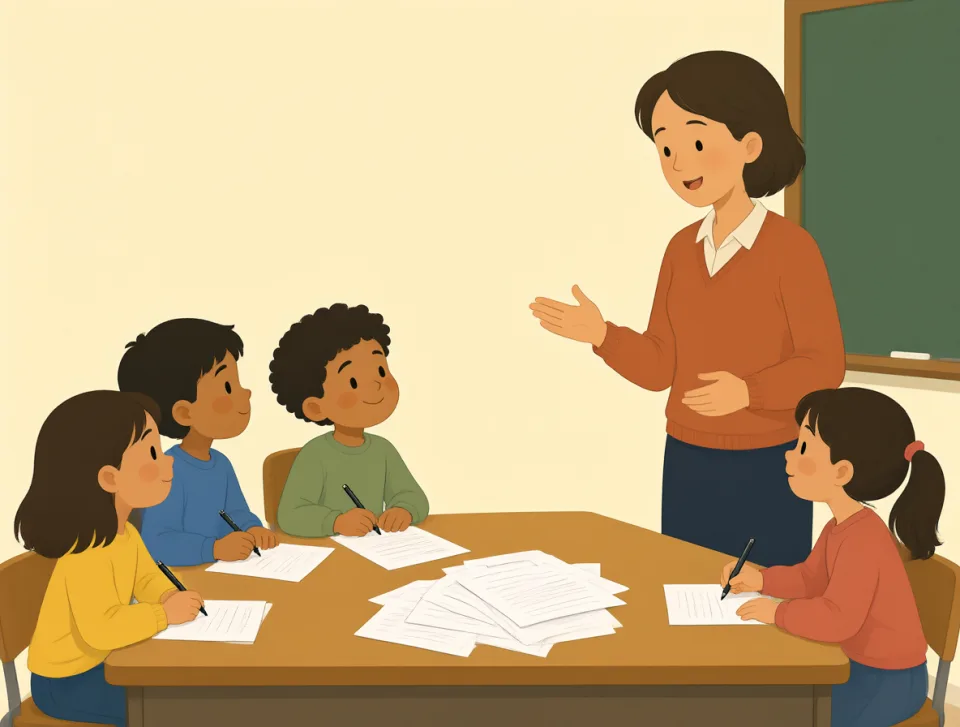
The teacher corrected our assumption that the test would be easy.
পরীক্ষাটি সহজ হবে—আমাদের এই ধারণা শিক্ষক সংশোধন করে দিলেন।

The doctor rejected my assumption that a cold needed antibiotics.
সর্দি-কাশিতে অ্যান্টিবায়োটিক লাগে—আমার এই ধারণা ডাক্তার নাকচ করে দিলেন।

freeze
#1856verb, noun
জমে বরফ হওয়া; হঠাৎ স্থির হয়ে যাওয়া
to become very cold and turn into ice, or to stop moving suddenly
খুব ঠান্ডা হয়ে বরফে পরিণত হওয়া, অথবা হঠাৎ নড়াচড়া বন্ধ করে দেওয়া
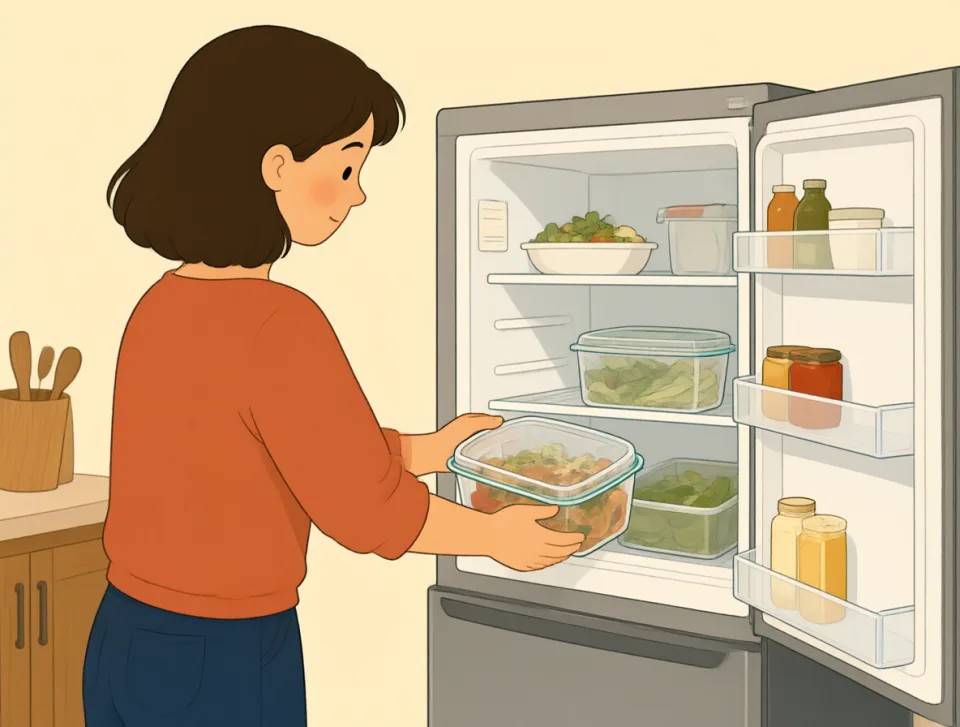
Please freeze the leftovers before they go bad.
নষ্ট হওয়ার আগে বেঁচে যাওয়া খাবারগুলো ফ্রিজে জমিয়ে রাখুন।

The lake freezes every winter when temperatures fall below zero.
শীতকালে তাপমাত্রা শূন্যের নিচে নামলে হ্রদটি জমে যায়।
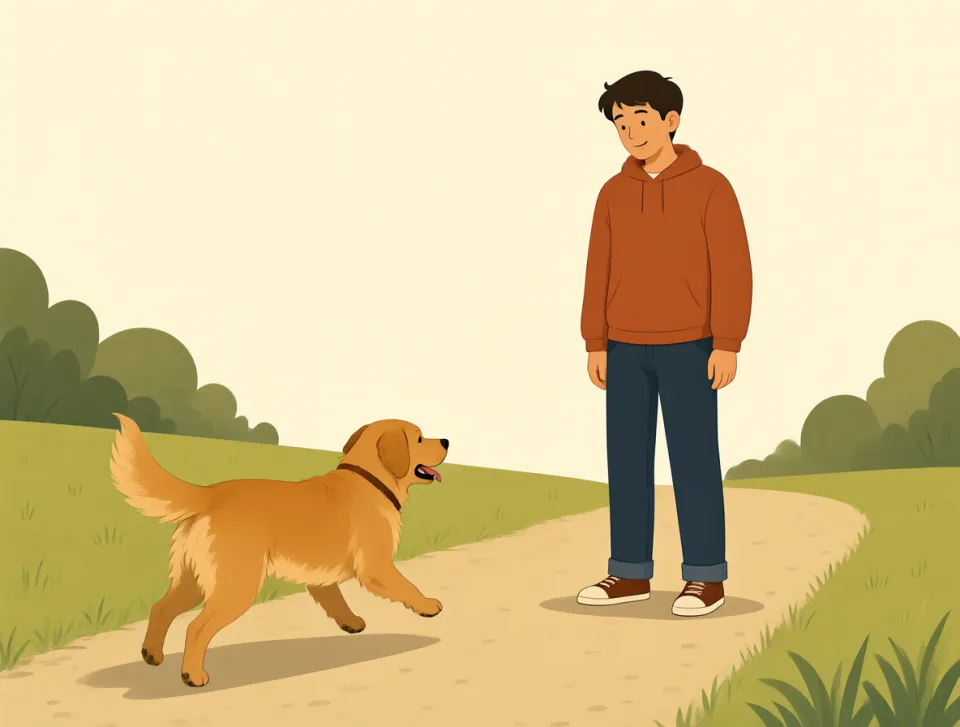
I froze when I saw the large dog running toward me.
বড় কুকুরটিকে আমার দিকে ছুটে আসতে দেখে আমি স্থির হয়ে গিয়েছিলাম।
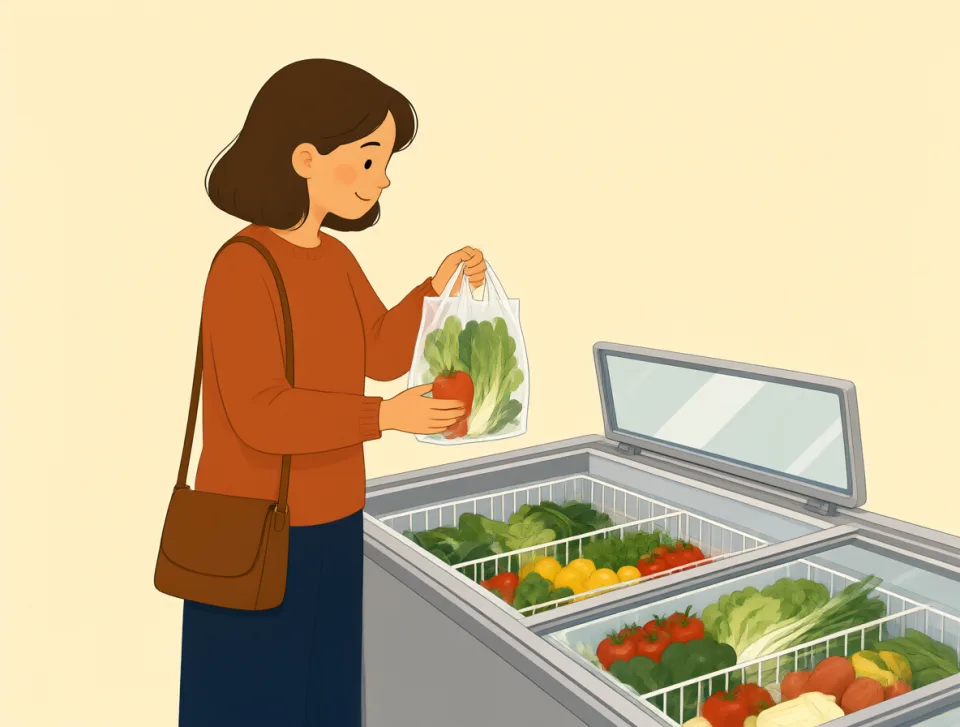
The supermarket sells frozen vegetables in the back aisle.
সুপারমার্কেটের পেছনের সারিতে হিমায়িত সবজি বিক্রি হয়।

My hands froze while I waited for the bus in winter.
শীতকালে বাসের জন্য অপেক্ষা করতে করতে আমার হাত জমে গিয়েছিল।

extreme
#1857adjective, noun
চরম; অত্যন্ত
Very great or serious; the greatest possible amount or degree.
খুব বেশি বা গুরুতর; কোনো কিছুর সর্বোচ্চ সম্ভাব্য পরিমাণ বা মাত্রা।

The hikers faced extreme weather on their way back.
ফিরে আসার পথে পর্বতারোহীরা চরম আবহাওয়ার মুখোমুখি হয়েছিলেন।
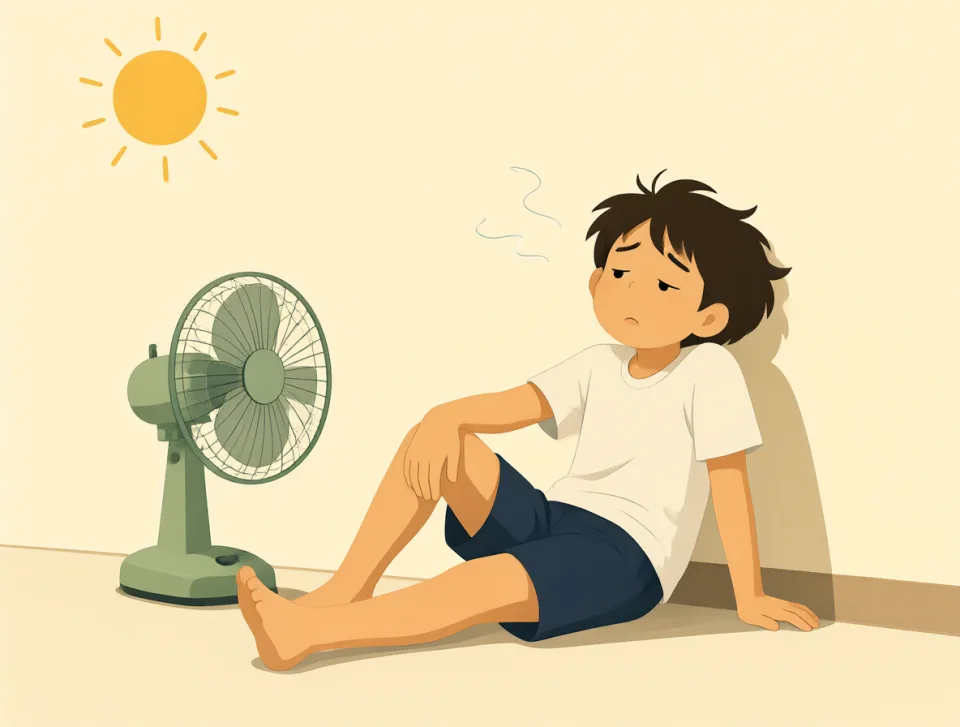
Extreme heat can make people feel tired and sick.
প্রচণ্ড গরমে মানুষ ক্লান্ত ও অসুস্থ বোধ করতে পারে।

She took extreme care when carrying the hot soup.
গরম স্যুপ বহন করার সময় সে অত্যন্ত সাবধানতা অবলম্বন করেছিল।

The school closed because of the extreme cold.
প্রচণ্ড ঠান্ডার কারণে স্কুল বন্ধ ছিল।

The doctor said his extreme pain needed immediate treatment.
ডাক্তার বলেছিলেন, তার তীব্র ব্যথার জন্য অবিলম্বে চিকিৎসা দরকার।
passage
#1858noun
অংশ; অনুচ্ছেদ
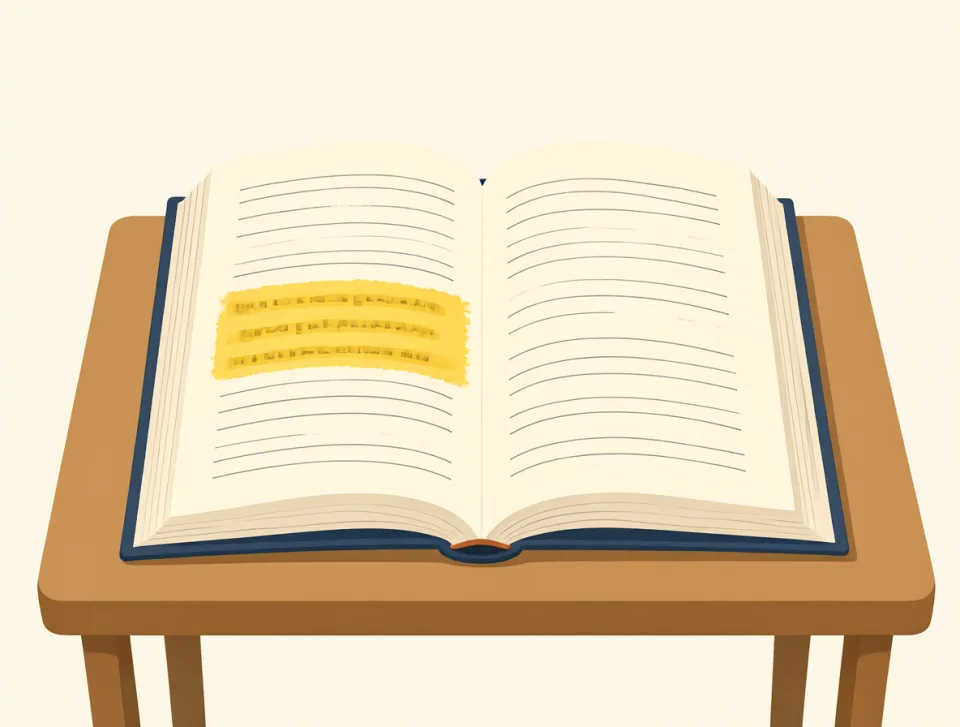
a short part of a book, speech, or piece of writing
বই, বক্তৃতা বা কোনো লেখার ছোট একটি অংশ

Please read this passage and answer the questions below.
দয়া করে এই অনুচ্ছেদটি পড়ুন এবং নিচের প্রশ্নগুলোর উত্তর দিন।

The guide told us about a narrow passage through the mountains.
পাহাড়ের মধ্য দিয়ে যাওয়া একটি সরু পথের কথা গাইড আমাদের বলেছিলেন।
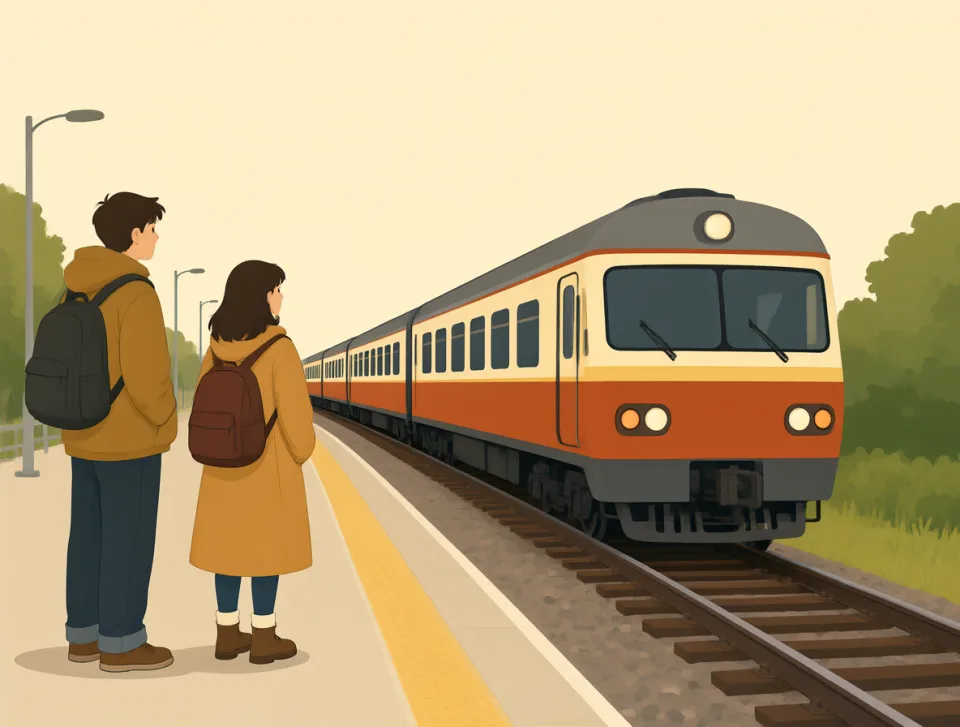
We had to wait for the passage of the train.
ট্রেনটি চলে যাওয়া পর্যন্ত আমাদের অপেক্ষা করতে হয়েছিল।

She looked through the passage before entering the old building.
পুরোনো ভবনটিতে ঢোকার আগে সে সরু পথটি দিয়ে উঁকি দিয়েছিল।

The doctor checked the passage in his patient's blocked nose.
রোগীর বন্ধ নাকের ভেতরের পথটি ডাক্তার পরীক্ষা করেছিলেন।

reputation
#1859noun
সুনাম; খ্যাতি
What people generally think about someone or something based on past actions.
আগের কাজকর্মের ভিত্তিতে কোনো ব্যক্তি বা বিষয় সম্পর্কে সাধারণ মানুষের ধারণা।
The restaurant has a good reputation for fresh food.
তাজা খাবারের জন্য রেস্তোরাঁটির সুনাম ভালো।

She built a strong reputation as a reliable worker.
নির্ভরযোগ্য কর্মী হিসেবে সে ভালো সুনাম গড়ে তুলেছিল।

The hotel’s reputation suffered after several guests complained.
কয়েকজন অতিথি অভিযোগ করার পর হোটেলটির সুনাম ক্ষতিগ্রস্ত হয়েছিল।

His reputation for kindness made new students feel welcome.
তার সদয় স্বভাবের সুনামের কারণে নতুন শিক্ষার্থীরা স্বাগত বোধ করেছিল।

The doctor has an excellent reputation among local families.
স্থানীয় পরিবারগুলোর কাছে ডাক্তারটির খুব ভালো সুনাম রয়েছে।
forth
#1860adverb
সামনে; অগ্রসর হয়ে
Forward or onward; used in expressions such as “back and forth” and “and so forth.”
সামনে বা এগিয়ে; “back and forth” এবং “and so forth”-এর মতো অভিব্যক্তিতে ব্যবহৃত হয়।
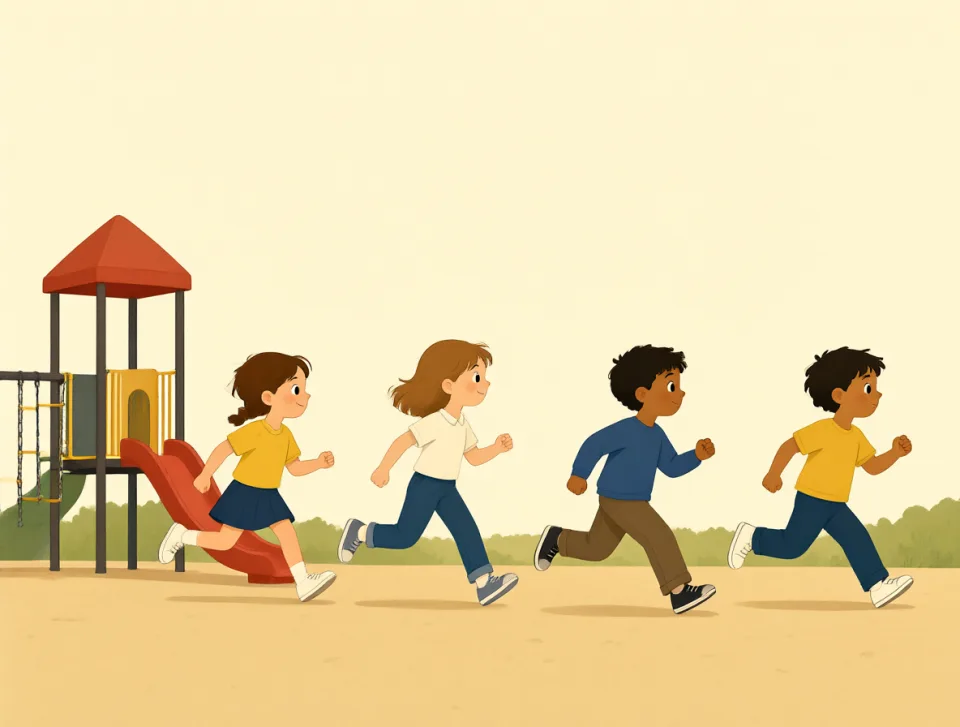
The children ran back and forth across the playground.
শিশুরা খেলার মাঠজুড়ে এদিক-ওদিক দৌড়াচ্ছিল।
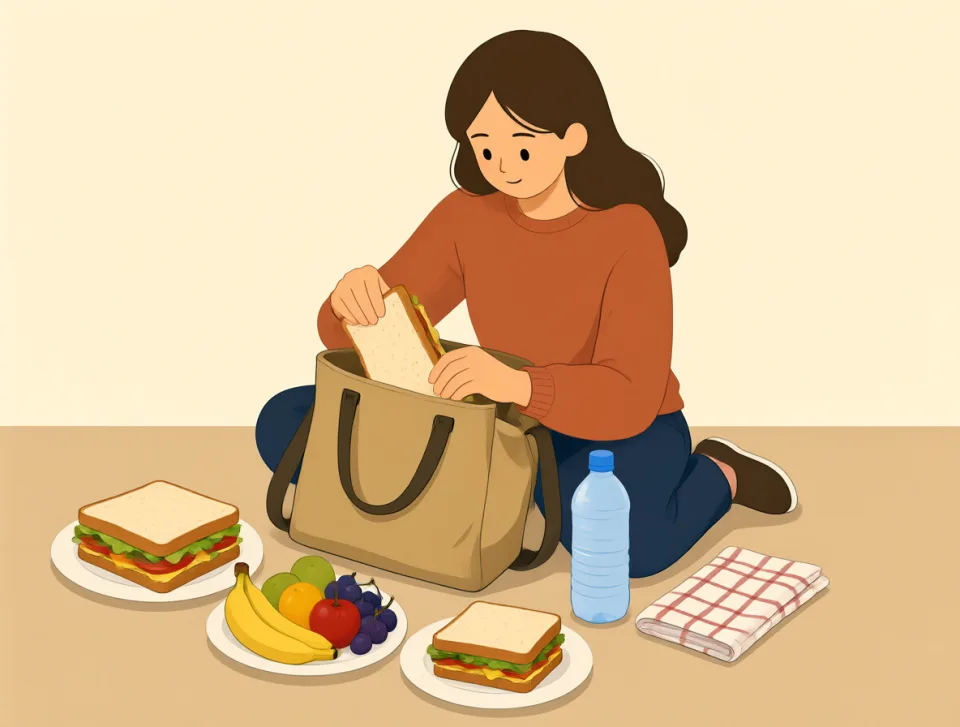
Please pack sandwiches, fruit, water, and so forth for our trip.
আমাদের ভ্রমণের জন্য স্যান্ডউইচ, ফল, পানি ইত্যাদি গুছিয়ে নিন।

The hikers set forth before sunrise to reach the village.
গ্রামে পৌঁছানোর জন্য পর্বতারোহীরা সূর্য ওঠার আগেই রওনা হয়েছিলেন।

She put forth great effort to finish the project on time.
সময়মতো প্রকল্পটি শেষ করতে সে অনেক পরিশ্রম করেছিল।

From this day forth, Maya will take her medicine after breakfast.
আজ থেকে মায়া নাশতার পর ওষুধ খাবে।