Đơn vị 121
Từ 2401–2420 · dare, barrier, rid, divorce, ruin, bury

dare
#2401verb, noun
dám; thách
to be brave enough to do something difficult or dangerous; a challenge to do it
Đủ can đảm làm điều gì đó khó khăn hoặc nguy hiểm; hoặc lời thách ai đó làm việc ấy.

I dare you to jump into the pool before dinner.
Tớ thách cậu nhảy xuống hồ bơi trước bữa tối đấy.

She didn't dare ask her manager for another day off.
Cô ấy không dám xin quản lý cho nghỉ thêm một ngày.

He wouldn't dare drive after drinking at the party.
Anh ấy chẳng đời nào dám lái xe sau khi uống rượu ở bữa tiệc.
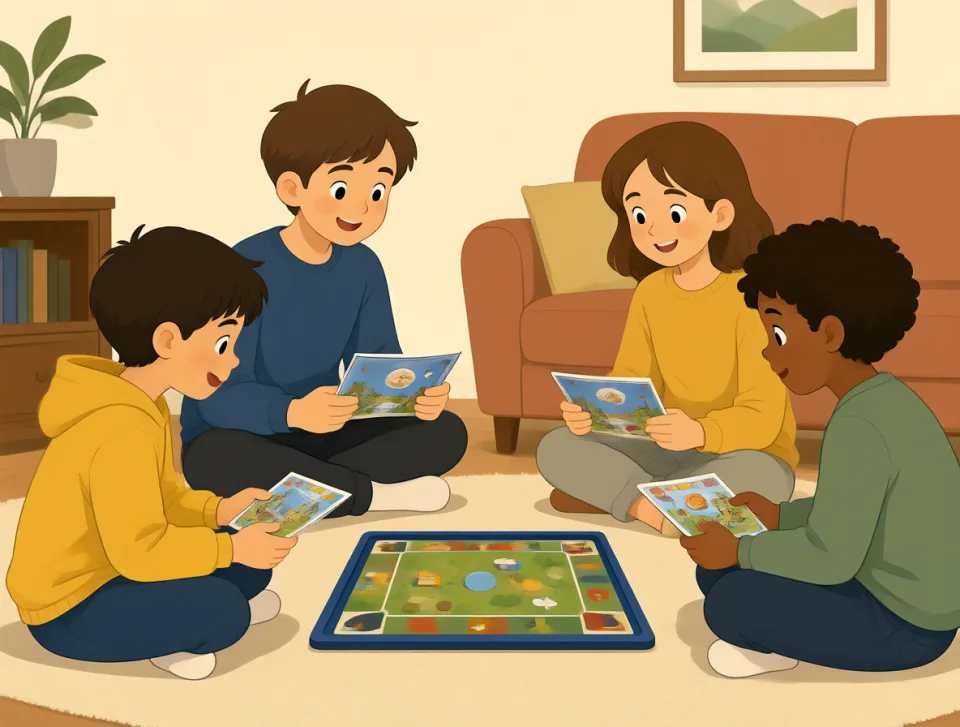
The children played truth or dare after finishing their homework.
Làm xong bài tập, bọn trẻ chơi trò thật hay thách.

I took a dare and ate the very spicy chili.
Tớ nhận lời thách và ăn quả ớt cay xé lưỡi.
barrier
#2402noun
rào cản
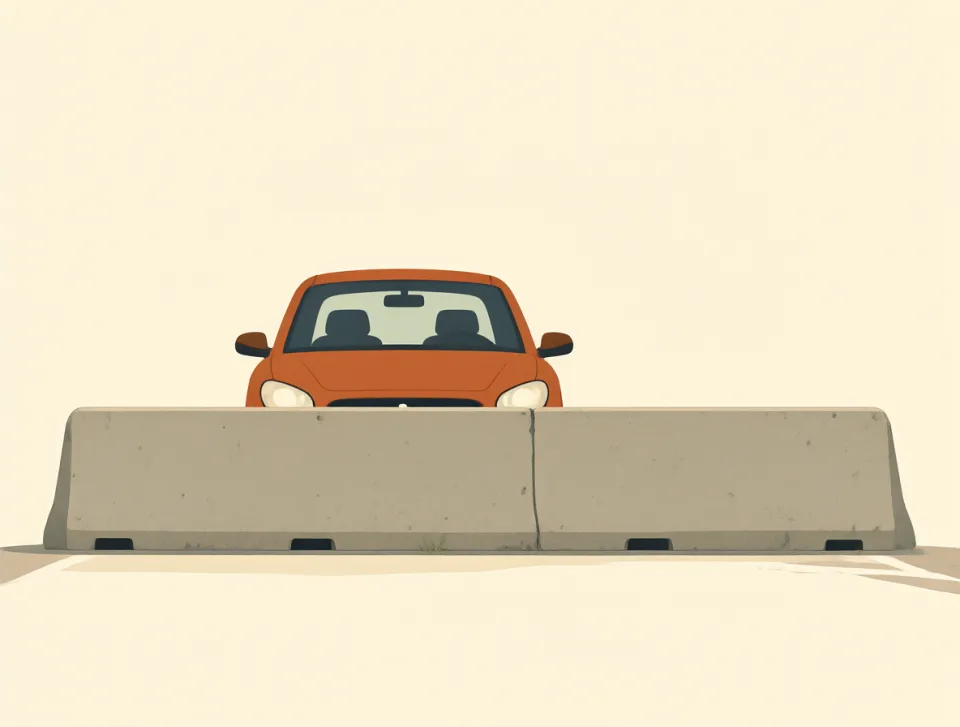
Something that blocks movement, progress, or communication between people or places.
Điều cản trở sự di chuyển, tiến bộ hoặc giao tiếp giữa người với người hay giữa các địa điểm.
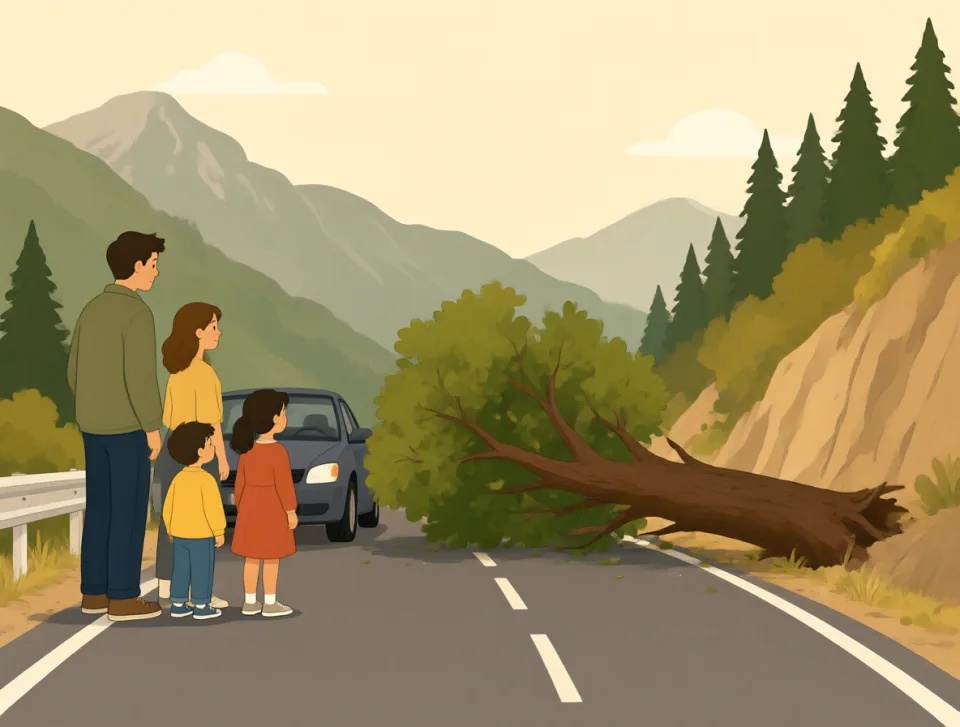
A fallen tree created a barrier across the mountain road.
Một cái cây đổ chắn ngang con đường núi.

Cost is often a barrier to buying fresh food every day.
Chi phí thường là rào cản khiến người ta khó mua thực phẩm tươi mỗi ngày.

Language barriers made it difficult for the tourists to ask for directions.
Rào cản ngôn ngữ khiến khách du lịch khó hỏi đường.
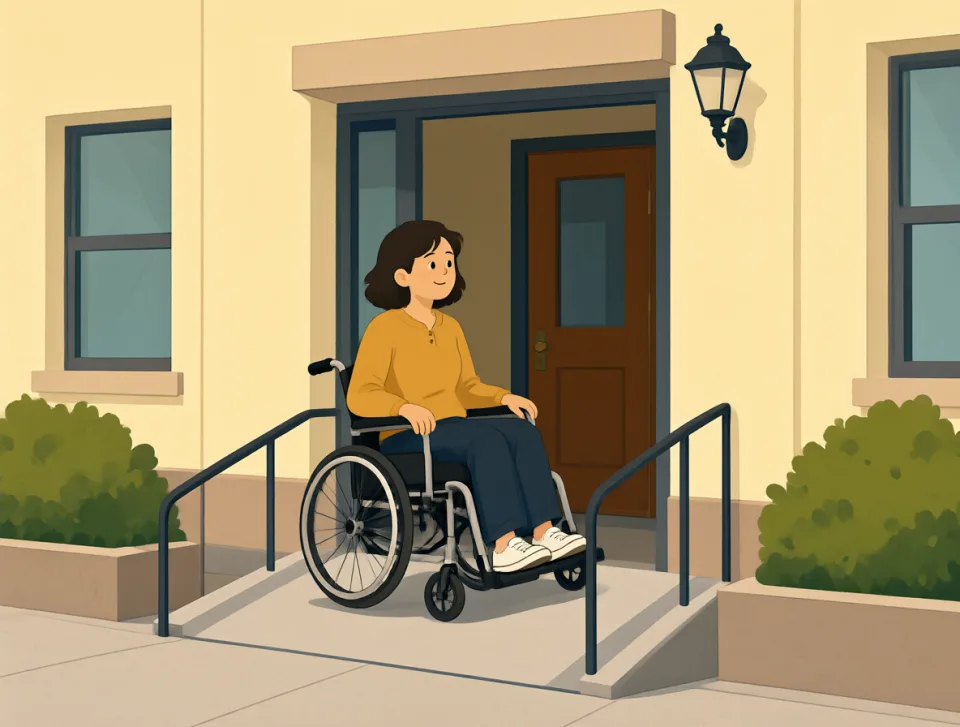
The wheelchair ramp removes a barrier for people entering the building.
Đường dốc dành cho xe lăn giúp người khuyết tật dễ vào tòa nhà hơn.

Fear can become a barrier when students try to speak English in class.
Nỗi sợ có thể trở thành rào cản khi học sinh cố gắng nói tiếng Anh trong lớp.

rid
#2403verb
loại bỏ
to make someone or something free from an unwanted person, thing, or problem
Khiến ai đó hoặc thứ gì đó không còn bị vướng bận bởi một người, sự vật hay vấn đề không mong muốn.
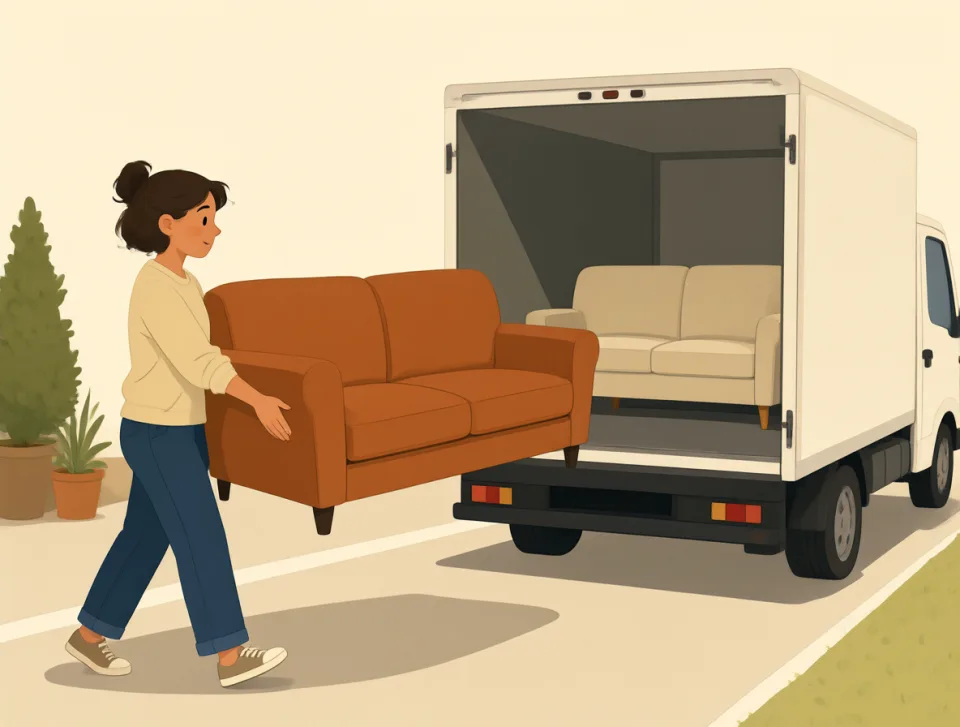
She finally got rid of the old sofa after buying a comfortable new one.
Cuối cùng cô ấy cũng bỏ được chiếc ghế sofa cũ sau khi mua một chiếc mới thật êm.

Please get rid of these empty boxes before our guests arrive tonight.
Làm ơn bỏ mấy cái thùng rỗng này đi trước khi khách đến tối nay nhé.

The medicine helped him get rid of his headache before the important meeting.
Thuốc giúp anh ấy hết đau đầu trước cuộc họp quan trọng.
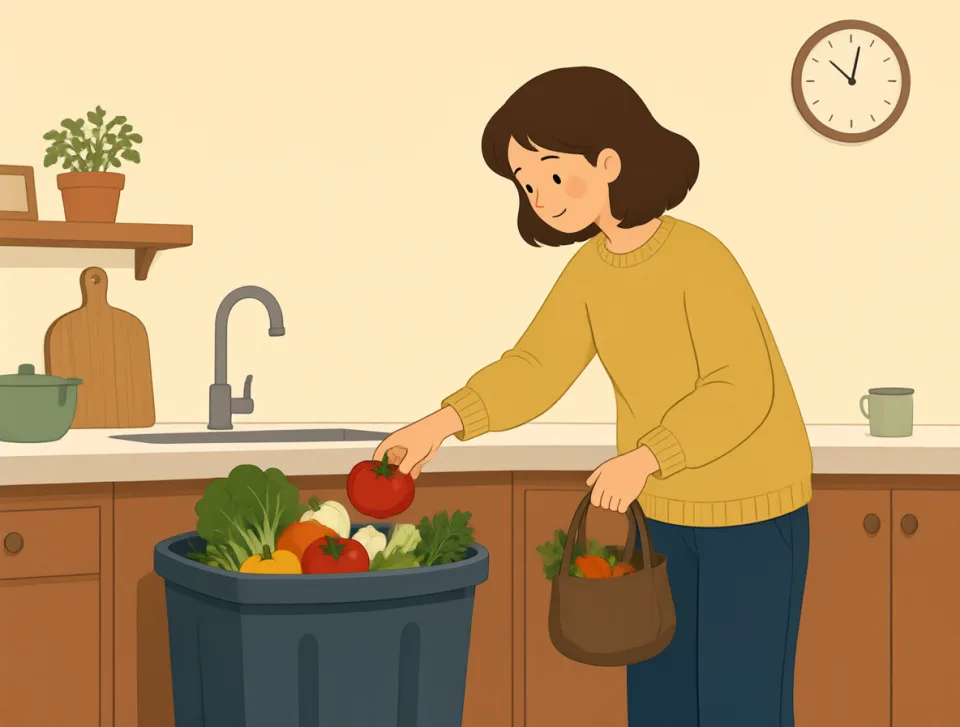
We need to get rid of these spoiled vegetables before cooking dinner.
Chúng ta cần bỏ mấy loại rau đã hỏng này trước khi nấu bữa tối.
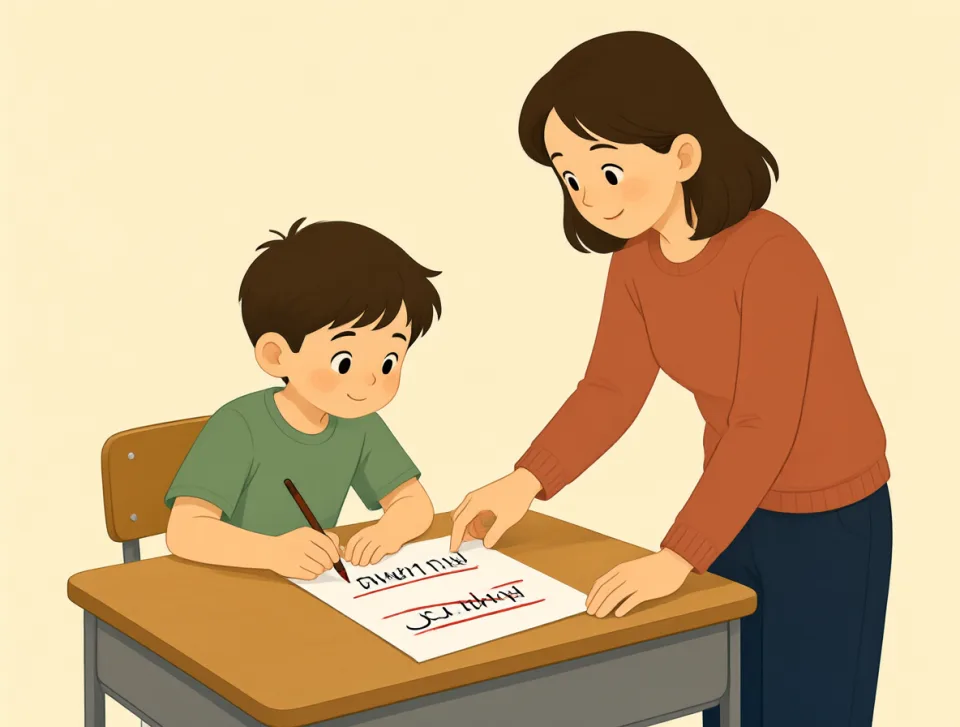
The teacher asked students to get rid of unnecessary words in their essays.
Giáo viên yêu cầu học sinh bỏ những từ không cần thiết trong bài luận.

divorce
#2404noun, verb
ly hôn
The legal end of a marriage, or to legally end a marriage.
Việc chấm dứt hôn nhân về mặt pháp lý, hoặc hành động chấm dứt hôn nhân theo pháp luật.

They got a divorce after twenty years of marriage.
Họ ly hôn sau hai mươi năm chung sống.
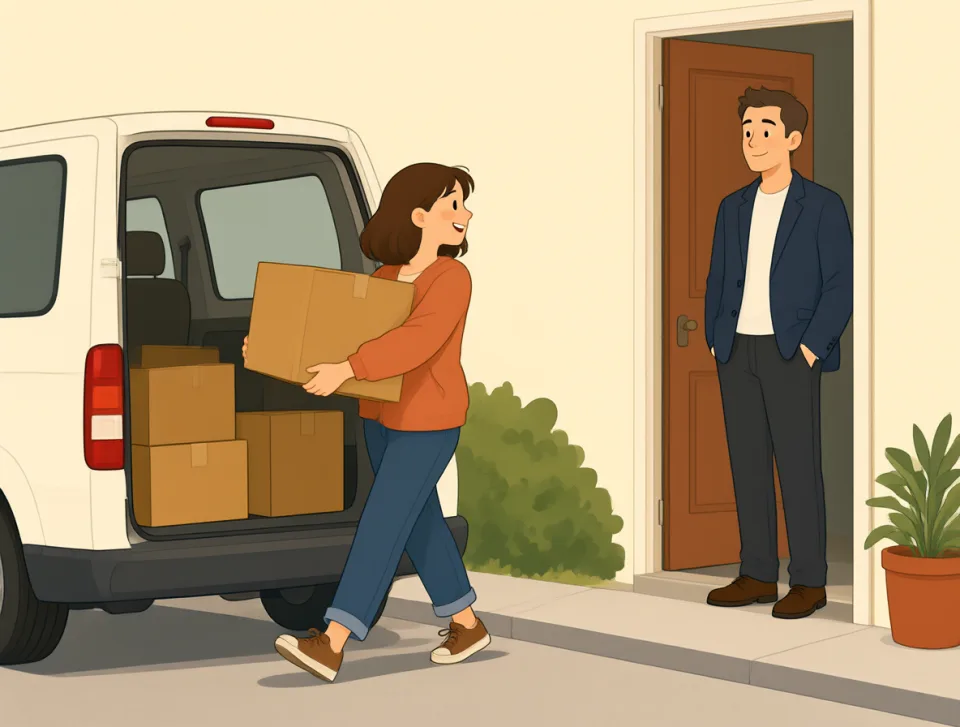
She divorced her husband and moved to another city.
Cô ấy ly hôn với chồng rồi chuyển đến một thành phố khác.
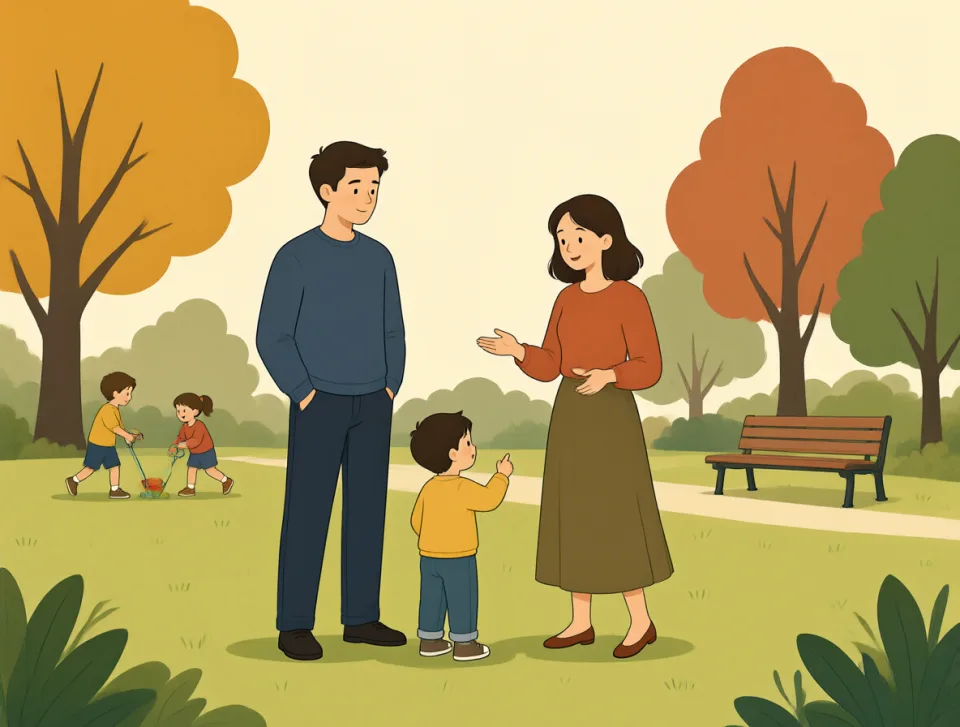
Their divorce was difficult, but they stayed friendly for their children.
Cuộc ly hôn của họ rất khó khăn, nhưng họ vẫn giữ quan hệ hòa thuận vì các con.

My friend is going through a divorce and needs someone to listen.
Bạn mình đang trải qua một cuộc ly hôn và cần có người lắng nghe.

The children felt sad when their parents decided to divorce.
Bọn trẻ buồn khi bố mẹ quyết định ly hôn.

ruin
#2405noun, verb
phá hỏng
to damage something badly, or to spoil a good situation completely
Làm hư hại nghiêm trọng thứ gì đó hoặc phá hỏng hoàn toàn một tình huống tốt đẹp.
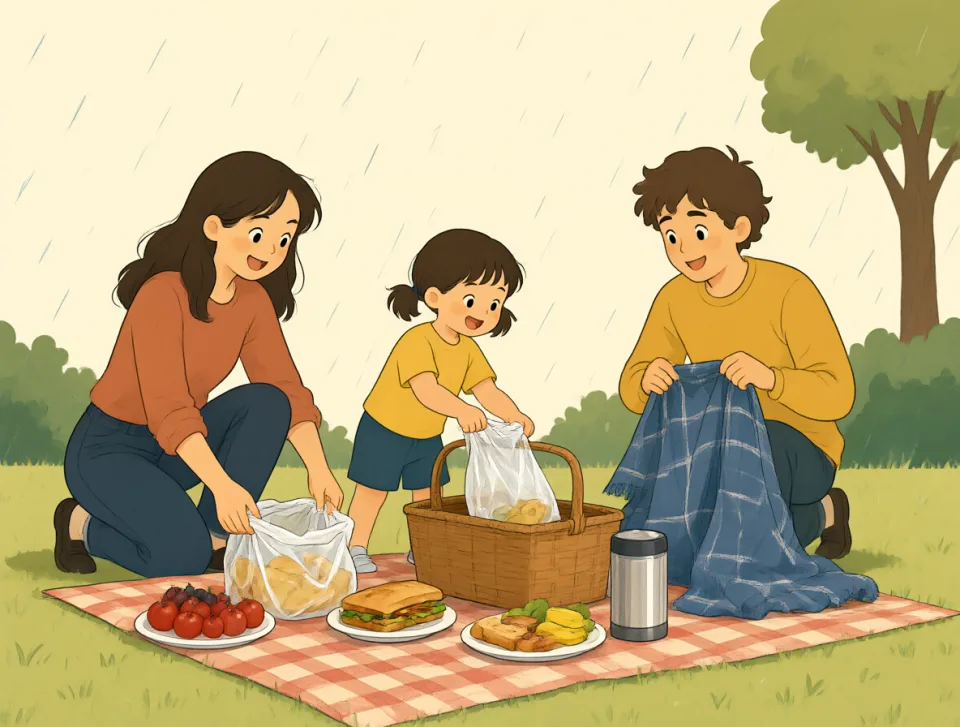
The heavy rain ruined our picnic, so we went home early.
Mưa lớn làm hỏng buổi dã ngoại nên chúng tôi về nhà sớm.
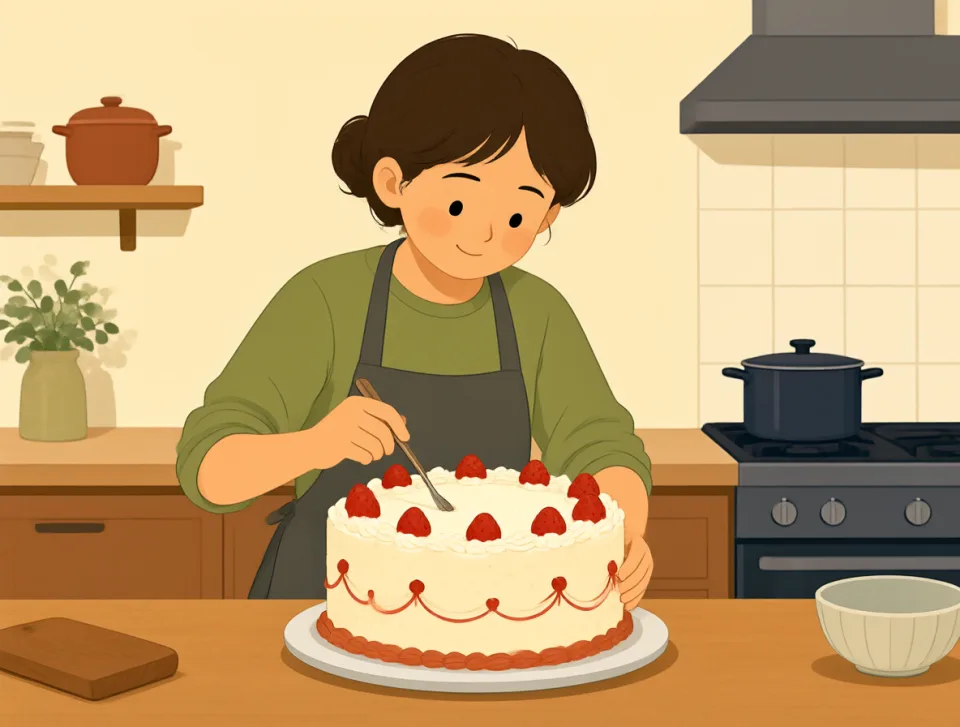
Please keep the cake covered, or the heat will ruin it.
Làm ơn đậy kín bánh lại, nếu không sức nóng sẽ làm hỏng bánh đấy.
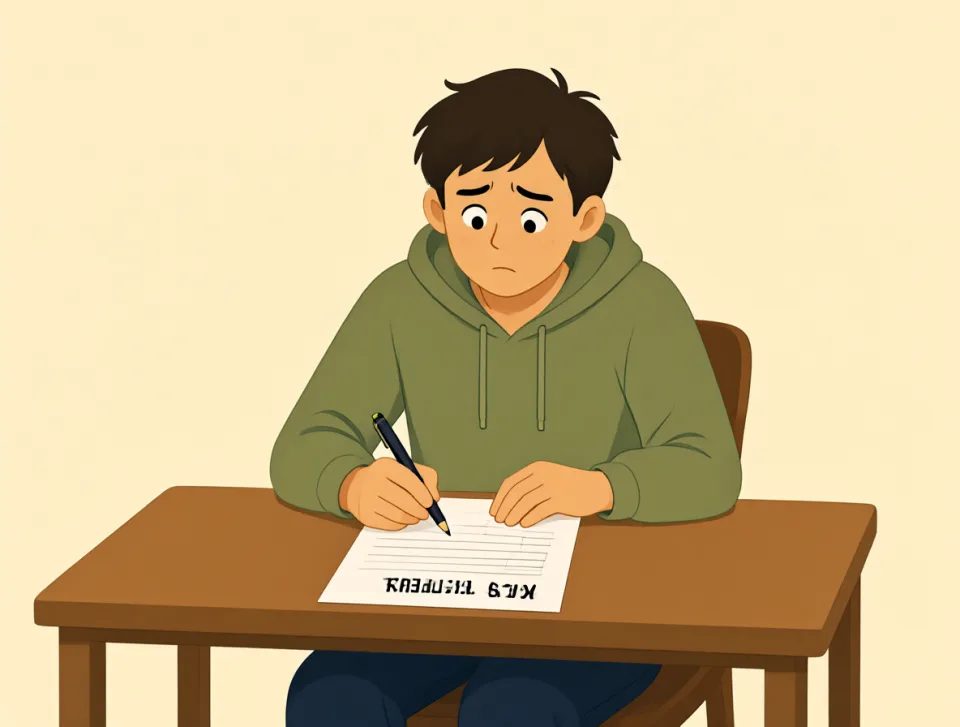
One careless mistake could ruin your chances of getting the job.
Chỉ một sai lầm bất cẩn cũng có thể phá hỏng cơ hội được nhận việc của bạn.

We explored the ruins of an old castle during our holiday.
Trong kỳ nghỉ, chúng tôi khám phá tàn tích của một lâu đài cổ.

The doctor said too much sun had ruined the skin on his face.
Bác sĩ nói rằng phơi nắng quá nhiều đã làm tổn thương da mặt anh ấy.
bury
#2406verb
chôn
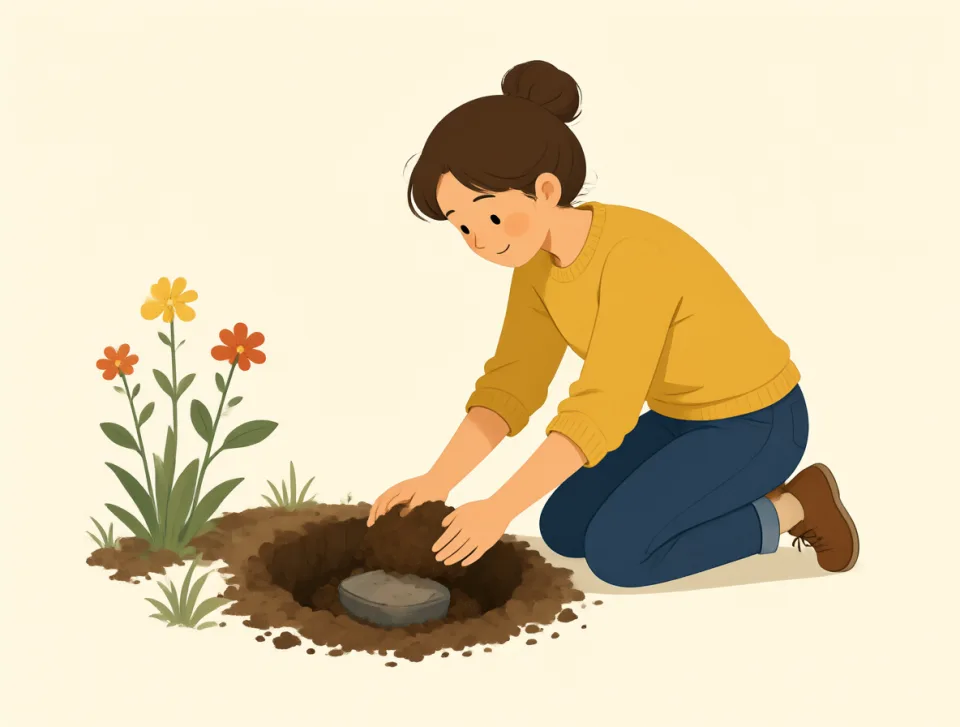
to put something in the ground and cover it with earth
đặt một vật xuống đất rồi phủ đất lên
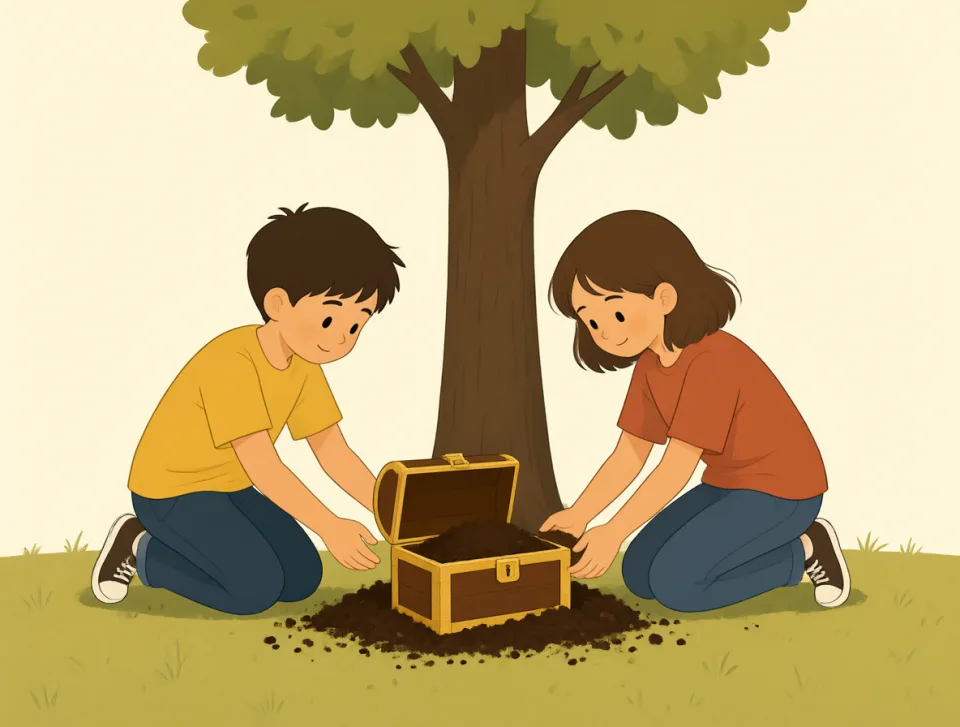
They buried the treasure under a large tree in the garden.
Họ chôn kho báu dưới một cây lớn trong vườn.

The dog buried its bone in the soft ground.
Con chó chôn khúc xương của nó xuống lớp đất mềm.
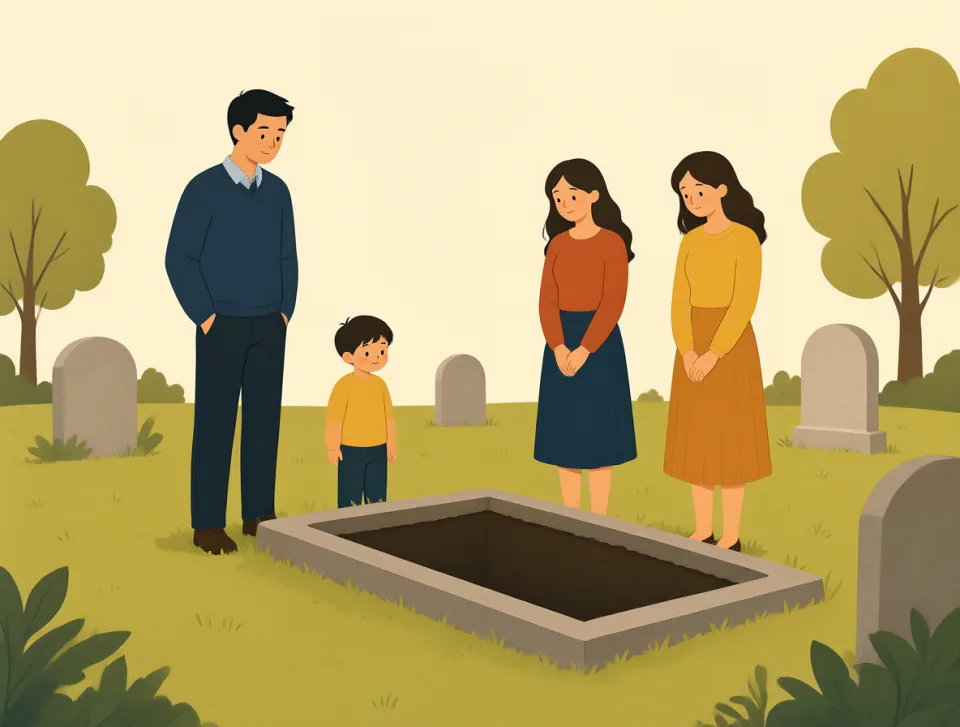
The family buried their grandfather in the village cemetery.
Gia đình đã chôn cất ông của họ tại nghĩa trang trong làng.
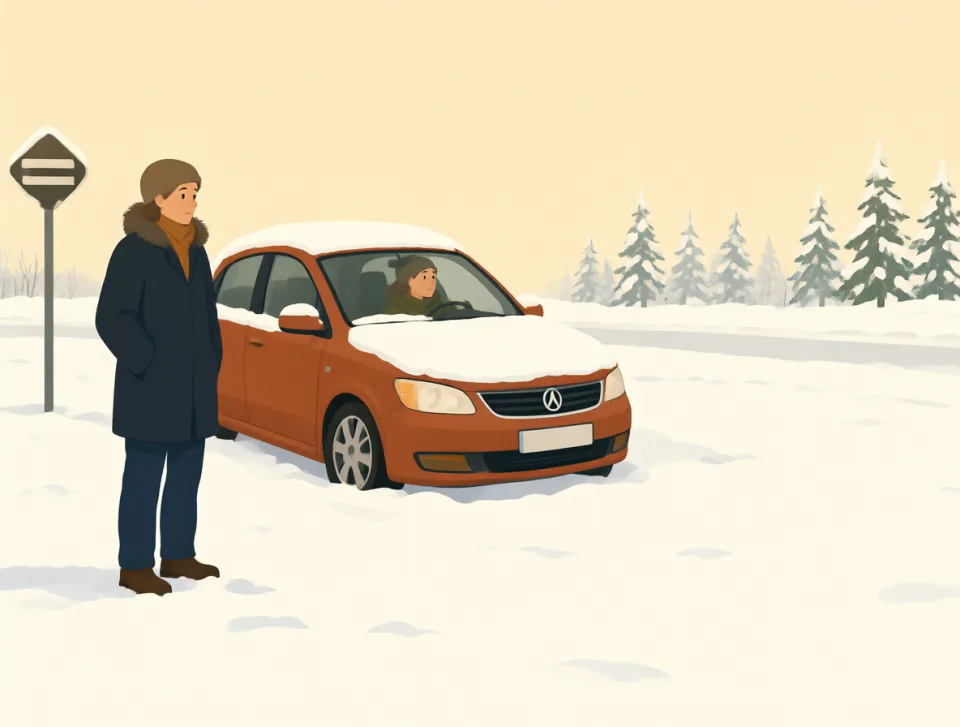
Heavy snow buried the roads and stopped us from traveling.
Tuyết dày vùi lấp các con đường và khiến chúng tôi không thể đi lại.
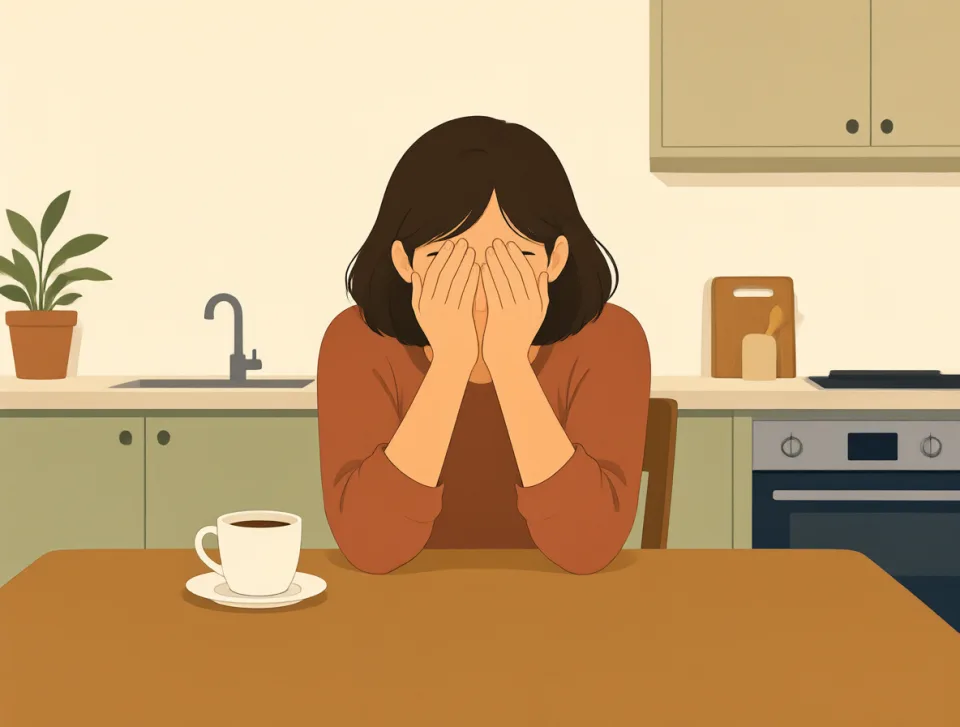
She buried her face in her hands after hearing the sad news.
Cô ấy vùi mặt vào hai bàn tay sau khi nghe tin buồn.

counsel
#2407noun, verb
lời khuyên
advice about what to do, especially from a lawyer or other trained person
lời khuyên về việc nên làm gì, đặc biệt là lời khuyên từ luật sư hoặc người được đào tạo chuyên môn

She sought legal counsel before signing the agreement.
Cô ấy đã tìm lời khuyên pháp lý trước khi ký thỏa thuận.

The school counselor counseled him about choosing a suitable career.
Cố vấn học đường đã tư vấn cho cậu ấy về việc chọn nghề nghiệp phù hợp.

My doctor counseled me to exercise regularly and eat less sugar.
Bác sĩ khuyên tôi tập thể dục đều đặn và ăn ít đường hơn.

The manager counseled the employee after several customers complained.
Người quản lý đã góp ý cho nhân viên sau khi một số khách hàng phàn nàn.

Friends counseled her to wait before buying the expensive coat.
Bạn bè khuyên cô ấy chờ thêm rồi hãy mua chiếc áo khoác đắt tiền đó.
tendency
#2408noun
xu hướng
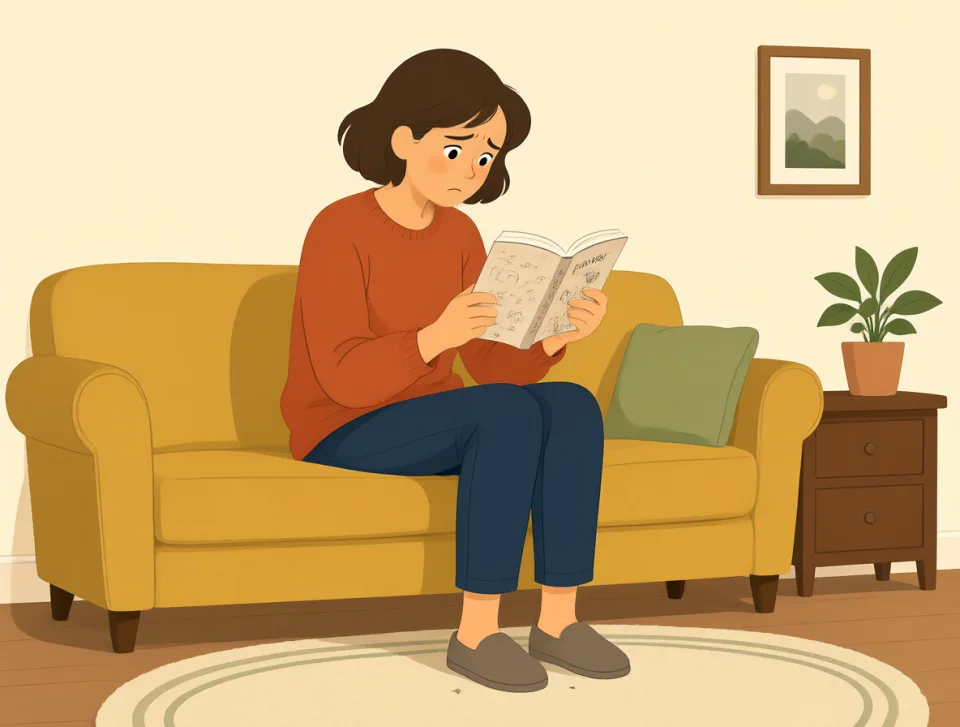
A tendency is a usual way of behaving or a tendency to do something.
Xu hướng là cách cư xử thường thấy hoặc khuynh hướng làm một việc nào đó.
She has a tendency to worry about small problems.
Cô ấy có xu hướng lo lắng về những vấn đề nhỏ.

His tendency to arrive late annoys his coworkers.
Việc anh ấy có xu hướng đến muộn khiến đồng nghiệp khó chịu.

There is a tendency for prices to rise before holidays.
Giá cả thường có xu hướng tăng trước các dịp lễ.
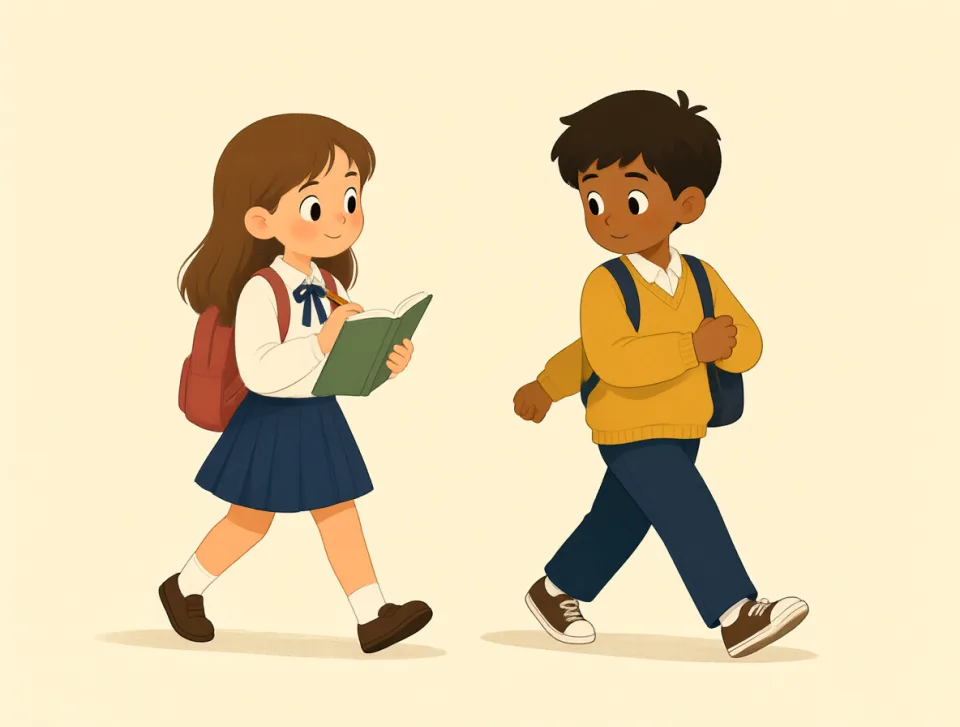
Children often show a tendency to copy their friends.
Trẻ em thường có xu hướng bắt chước bạn bè.
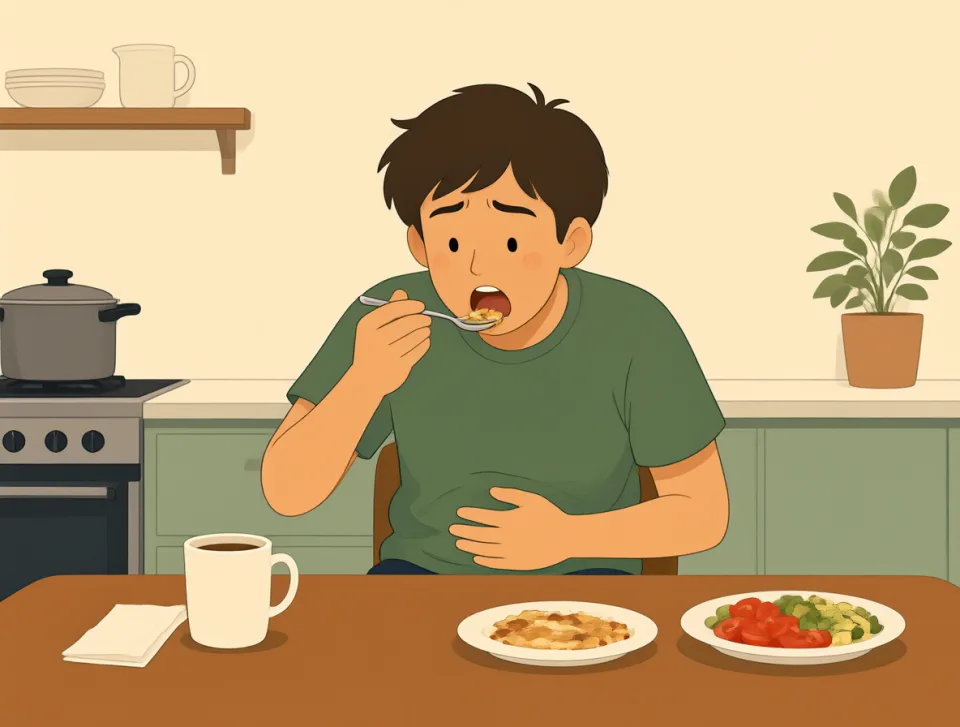
My tendency to eat too quickly causes stomach pain.
Thói quen ăn quá nhanh của tôi gây đau bụng.
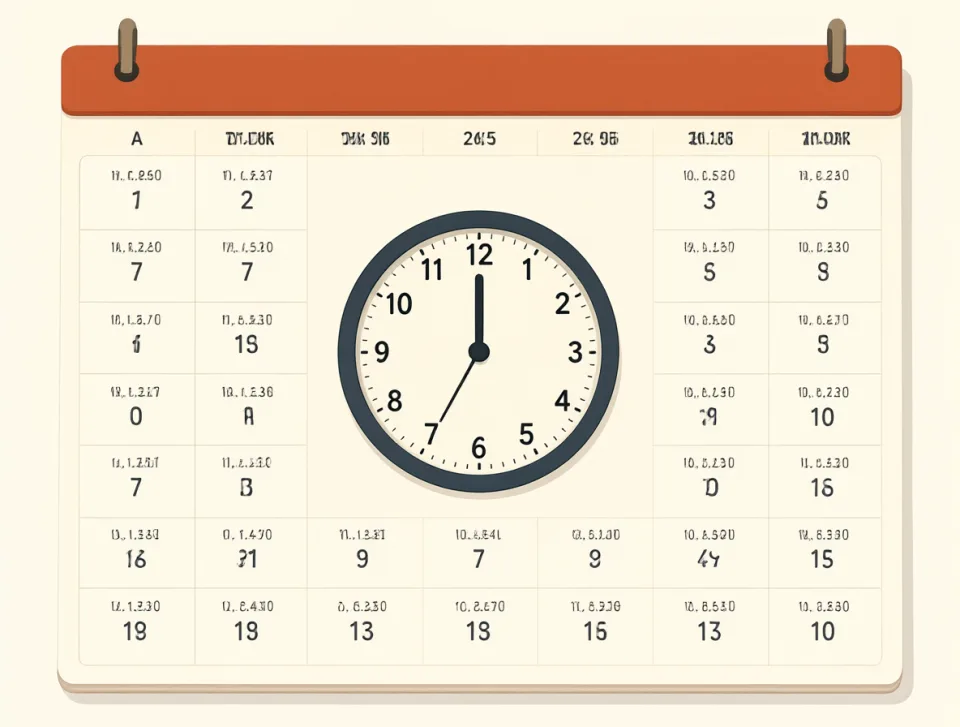
frequent
#2409adjective
thường xuyên
happening often or regularly
xảy ra thường xuyên hoặc đều đặn
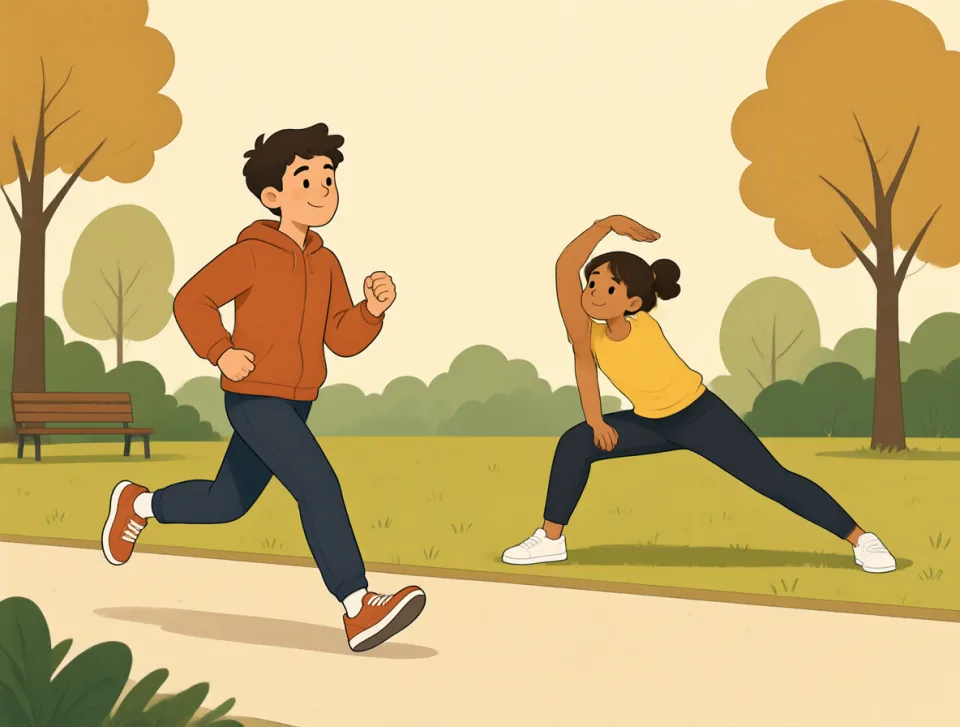
Frequent exercise can help you sleep better and feel less stressed.
Tập thể dục thường xuyên có thể giúp bạn ngủ ngon hơn và bớt căng thẳng.

She is a frequent visitor to the small café near her office.
Cô ấy thường xuyên ghé quán cà phê nhỏ gần văn phòng.
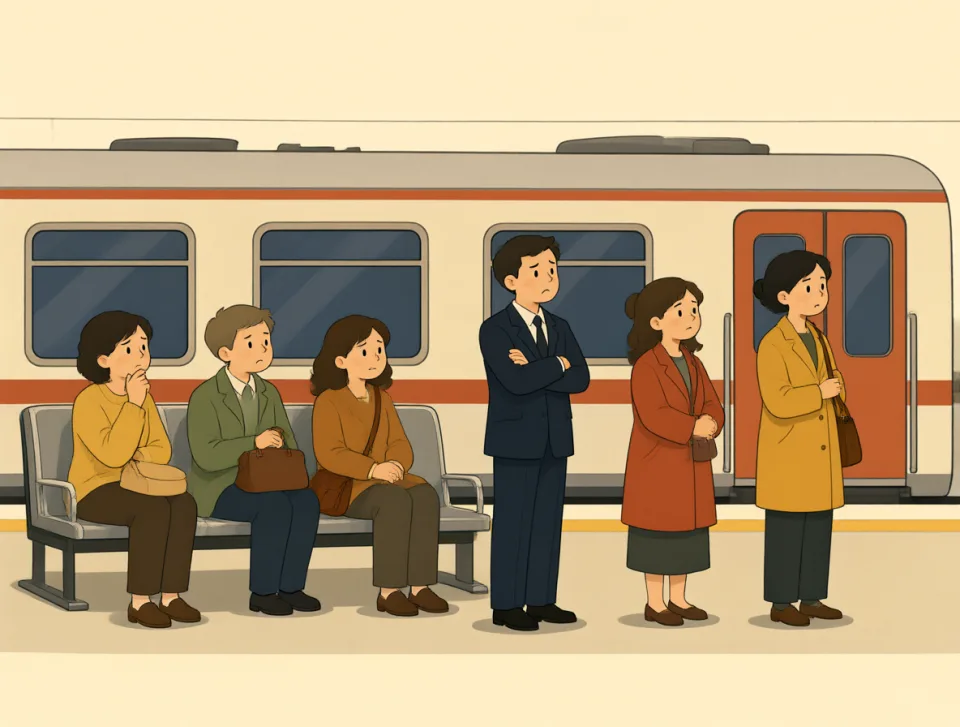
Frequent delays made the train journey much longer than expected.
Những lần trì hoãn thường xuyên khiến hành trình tàu hỏa dài hơn nhiều so với dự kiến.

The doctor asked about his frequent headaches during the past month.
Bác sĩ hỏi về những cơn đau đầu thường xuyên của anh ấy trong tháng vừa qua.

We receive frequent deliveries because our family orders groceries online.
Gia đình chúng tôi thường xuyên nhận hàng giao đến vì hay đặt thực phẩm trực tuyến.
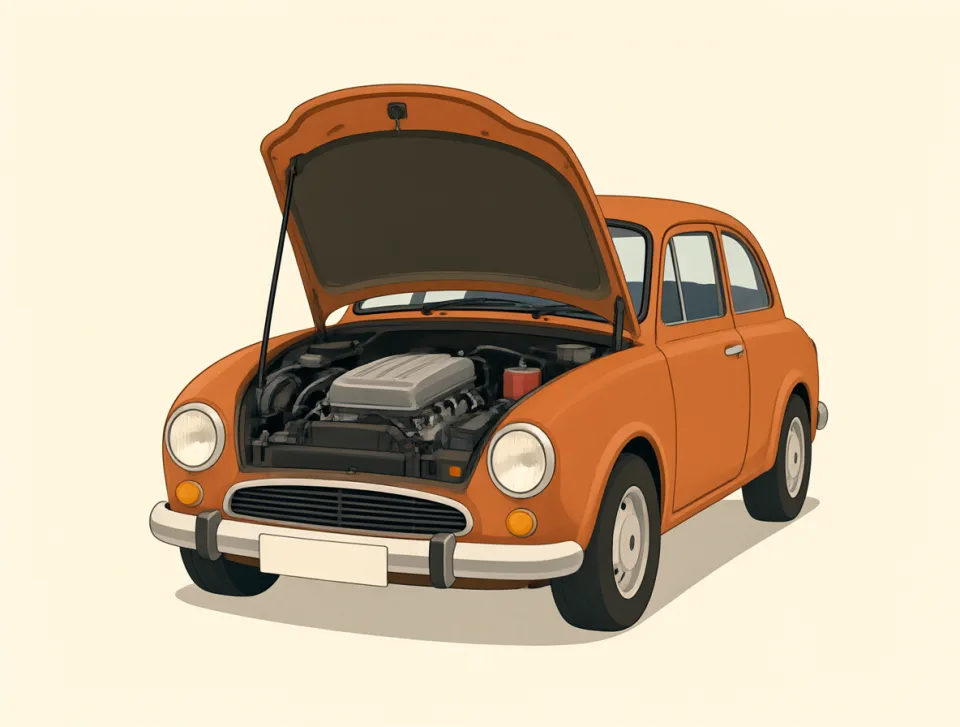
motor
#2410noun
động cơ
a machine that uses energy to make a vehicle or other machine move
máy móc sử dụng năng lượng để làm cho phương tiện hoặc máy móc khác chuyển động
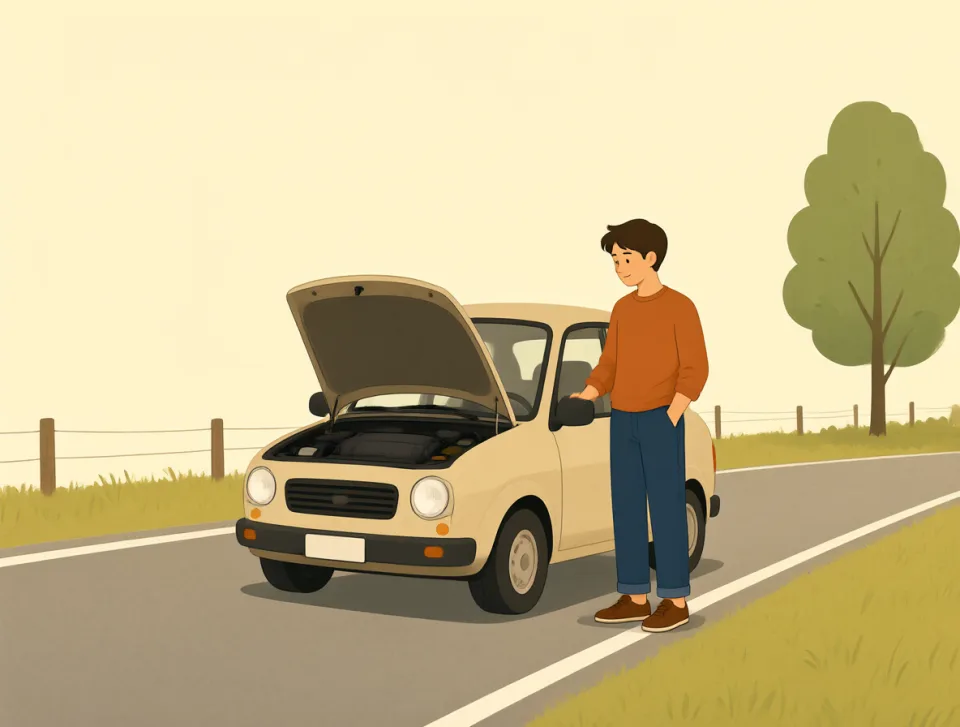
The car's motor stopped suddenly on the way home.
Động cơ ô tô đột nhiên ngừng hoạt động trên đường về nhà.
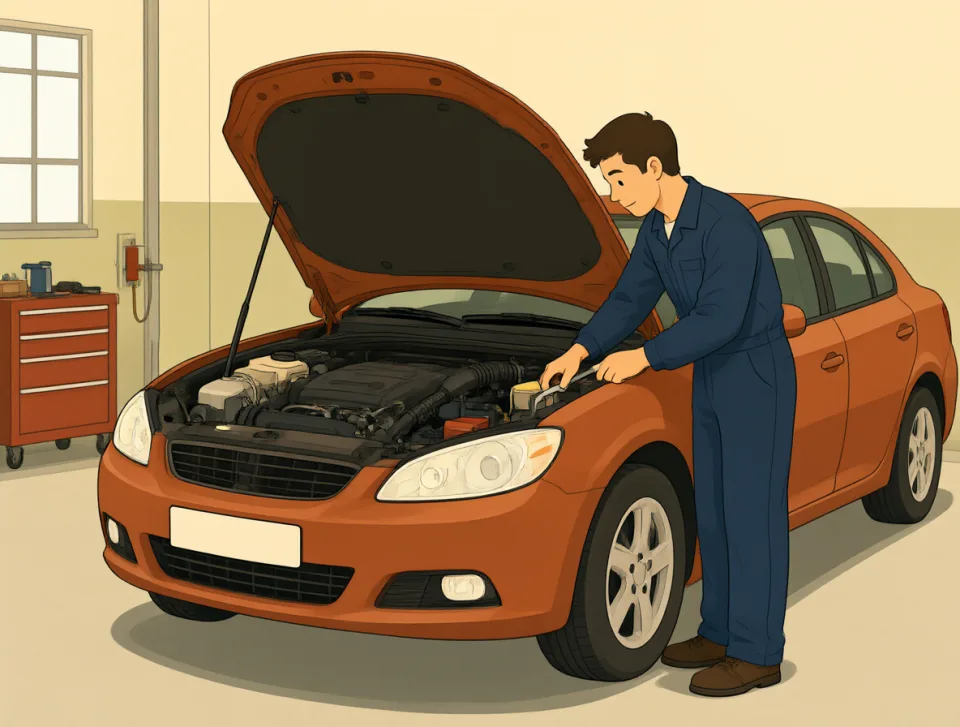
The mechanic checked the motor before returning the car.
Thợ sửa xe đã kiểm tra động cơ trước khi trả lại xe.

The boat has a powerful motor for traveling across the lake.
Con thuyền có động cơ mạnh để đi qua hồ.

I could hear the motor running behind the office wall.
Tôi có thể nghe thấy tiếng động cơ đang chạy phía sau bức tường văn phòng.
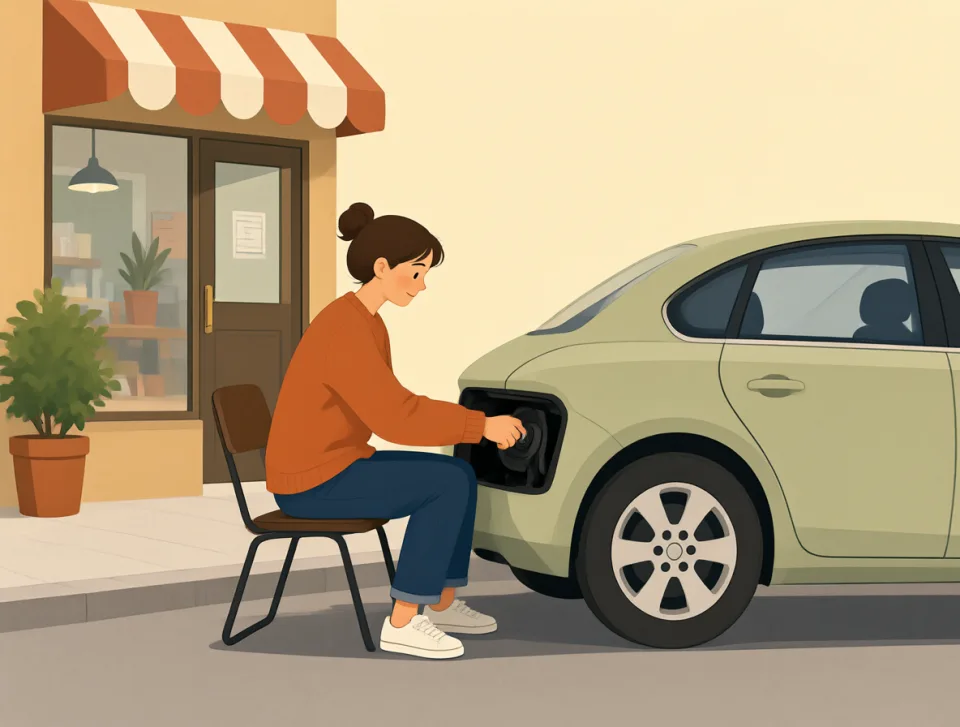
She turned off the motor while waiting outside the store.
Cô ấy tắt động cơ trong lúc chờ bên ngoài cửa hàng.

survival
#2411noun
sự sống còn
The ability to continue living or existing, especially through danger or difficulty.
Khả năng tiếp tục sống hoặc tồn tại, nhất là khi gặp nguy hiểm hay khó khăn.

Clean water and warm clothing are essential for survival in cold weather.
Nước sạch và quần áo ấm rất cần thiết để sống sót trong thời tiết lạnh.

The doctor said her survival depended on getting treatment quickly.
Bác sĩ nói rằng khả năng sống sót của cô ấy phụ thuộc vào việc được điều trị kịp thời.

The team learned basic survival skills before exploring the jungle.
Cả nhóm học các kỹ năng sinh tồn cơ bản trước khi khám phá rừng rậm.
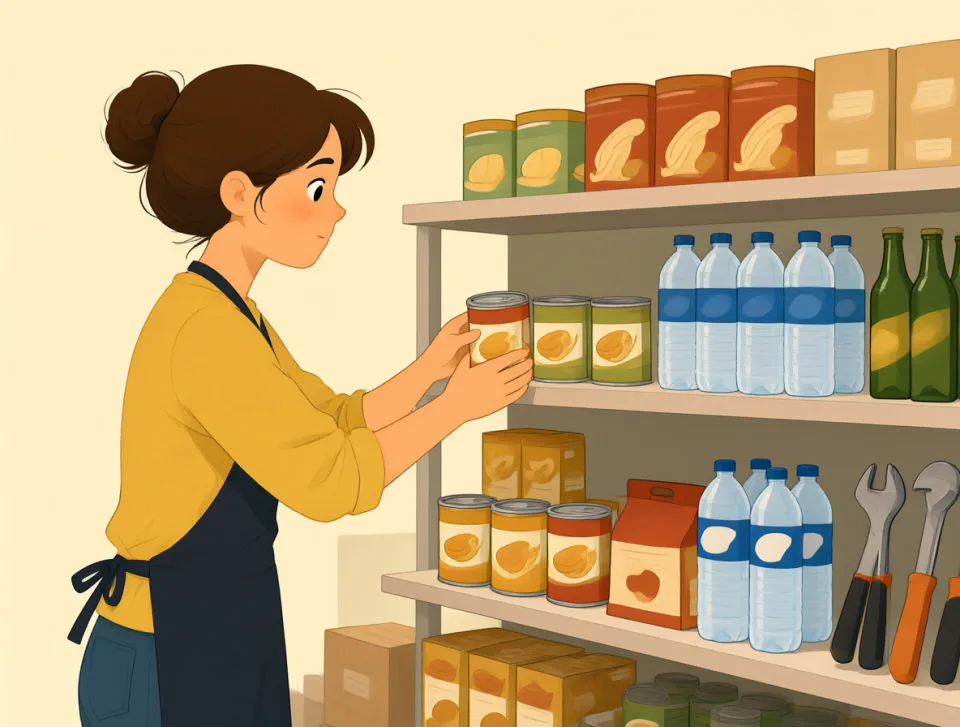
The small shop sells food and tools for everyday survival.
Cửa hàng nhỏ bán thức ăn và dụng cụ cần thiết cho cuộc sống hằng ngày.
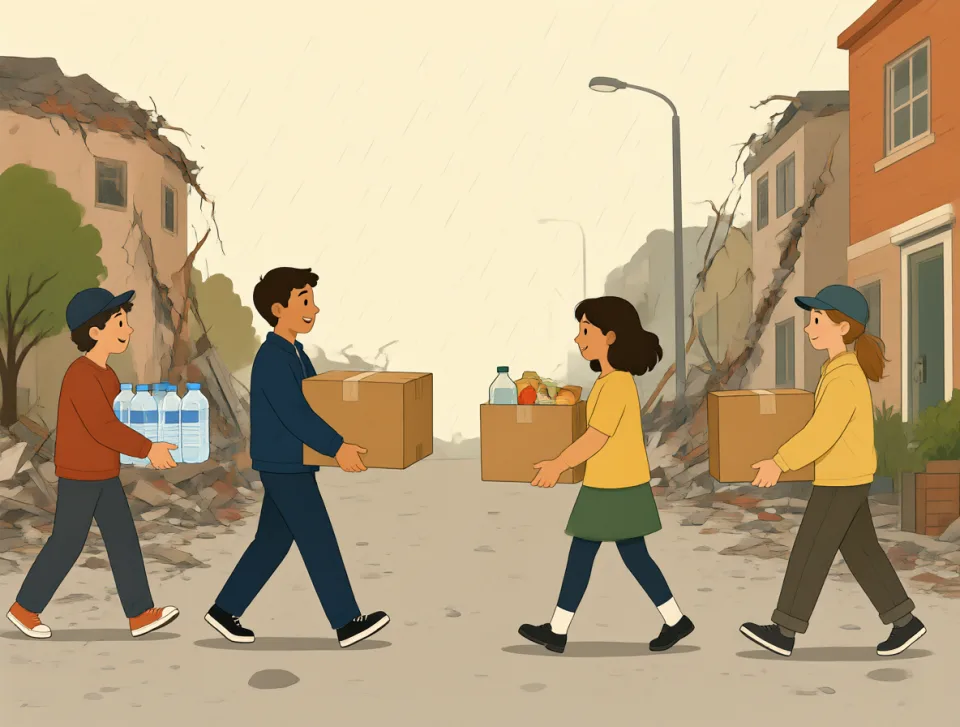
After the storm, our survival depended on helping each other.
Sau cơn bão, chúng tôi chỉ có thể sống sót nếu giúp đỡ lẫn nhau.
counter
#2412noun, verb
quầy; chống lại
A long flat surface for serving food or doing work, or to act against something.
Một mặt phẳng dài dùng để phục vụ đồ ăn hoặc làm việc; hoặc hành động chống lại điều gì đó.
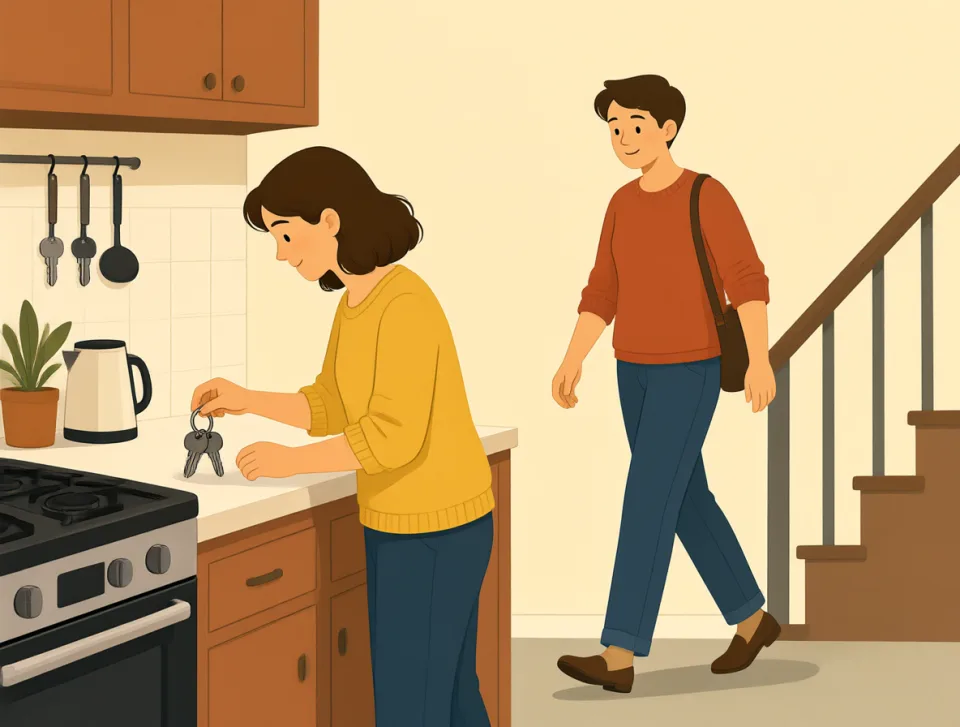
She left the keys on the kitchen counter before going upstairs.
Cô ấy để chìa khóa trên quầy bếp trước khi lên lầu.

We ordered sandwiches at the counter and found a table outside.
Chúng tôi gọi bánh mì kẹp ở quầy rồi tìm một chiếc bàn bên ngoài.
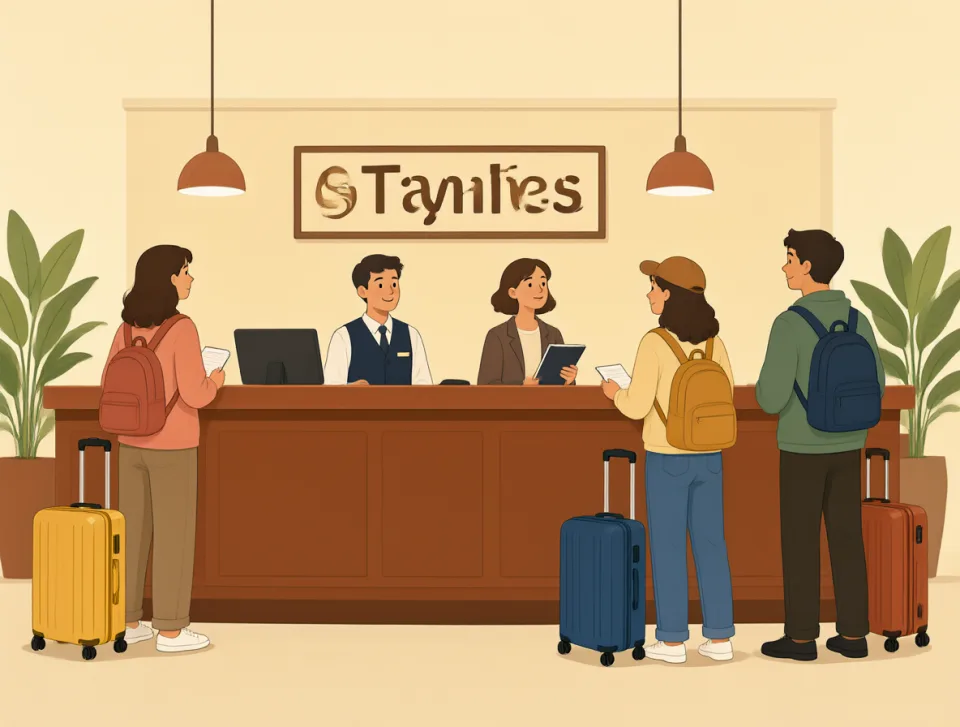
The hotel counter was busy, so we waited quietly with our bags.
Quầy lễ tân khách sạn đang đông, nên chúng tôi yên lặng chờ cùng với hành lý.

The new evidence counters the argument that the treatment is unsafe.
Bằng chứng mới bác bỏ lập luận cho rằng phương pháp điều trị này không an toàn.
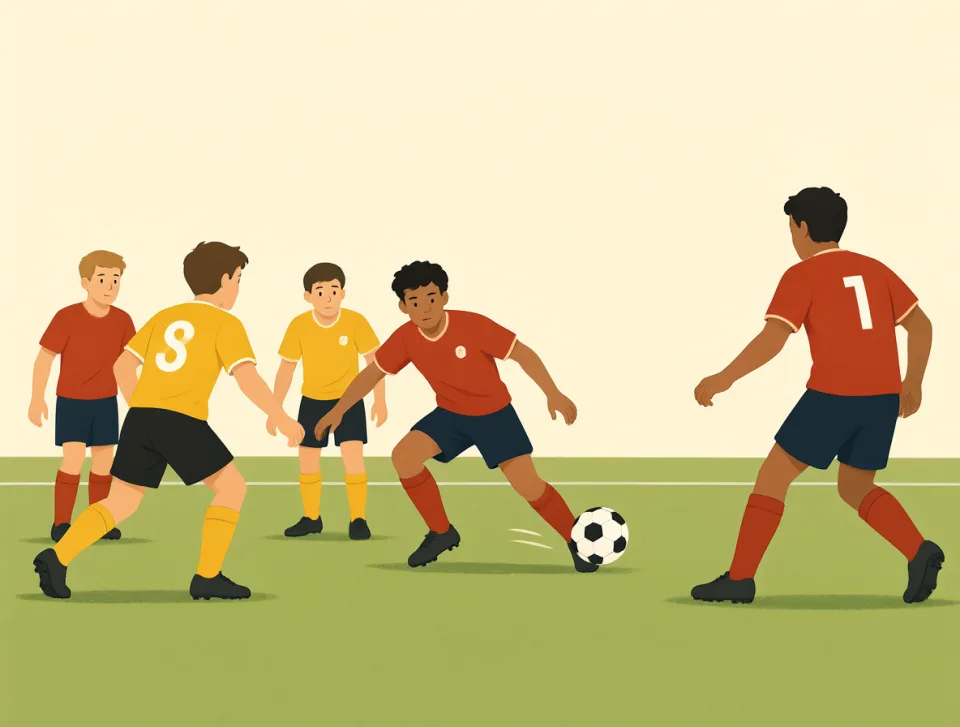
The team is countering the opponent's attack with a quick pass.
Cả đội đang chống đỡ đợt tấn công của đối thủ bằng một đường chuyền nhanh.

possess
#2413verb
sở hữu
to have something as your own or to have a particular quality
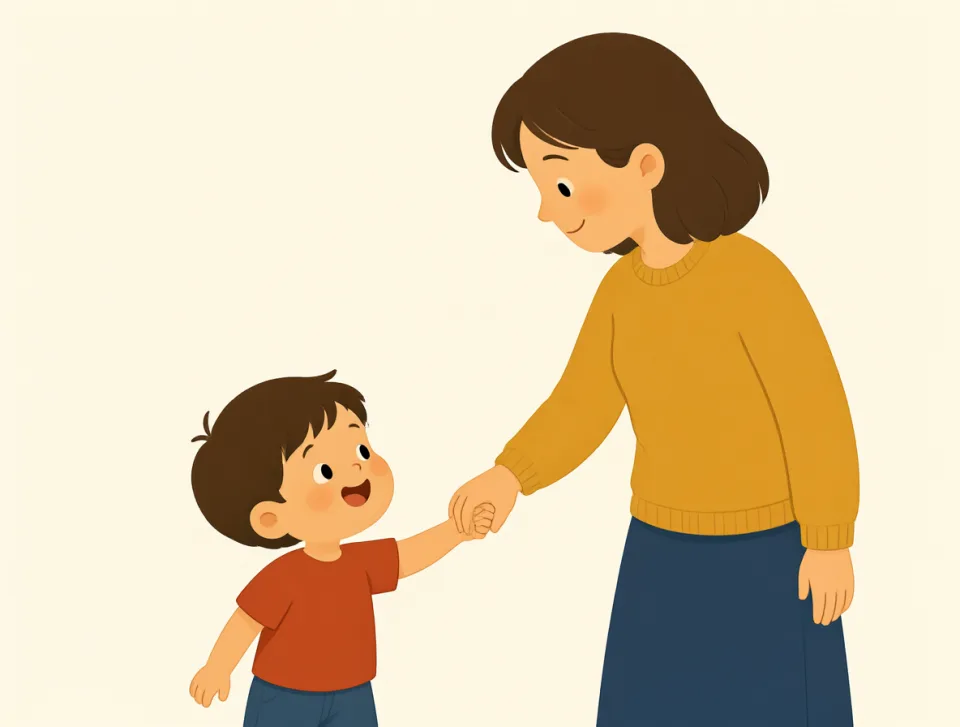
có thứ gì đó thuộc về mình hoặc có một phẩm chất nhất định

She possesses excellent communication skills and works well with people.
Cô ấy có kỹ năng giao tiếp xuất sắc và làm việc rất tốt với mọi người.
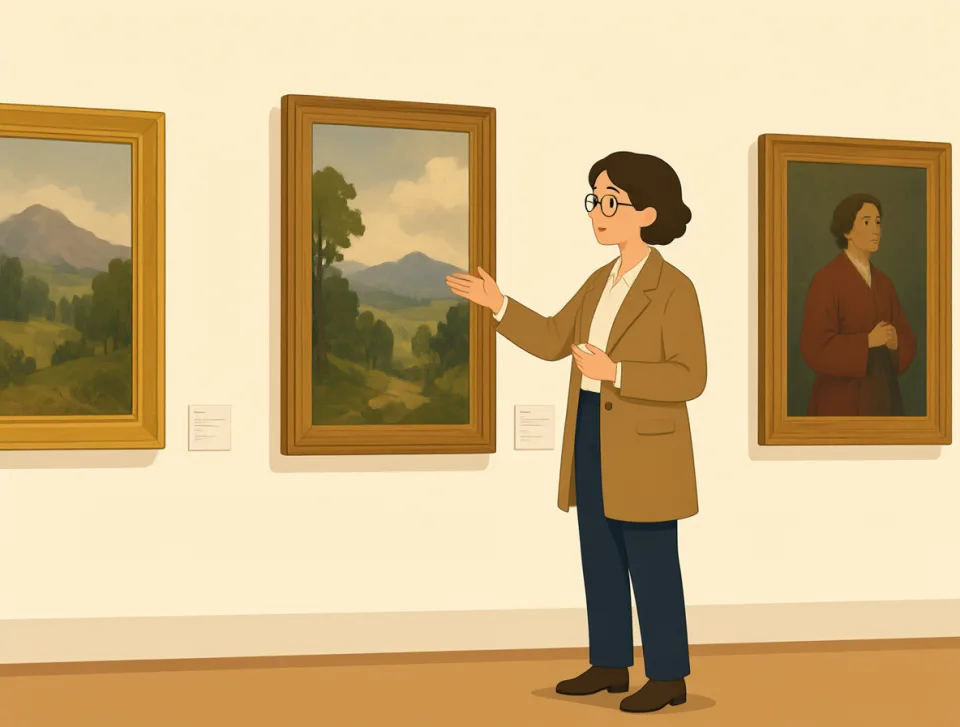
The museum possesses several paintings by famous local artists.
Bảo tàng sở hữu một số bức tranh của các họa sĩ nổi tiếng trong vùng.
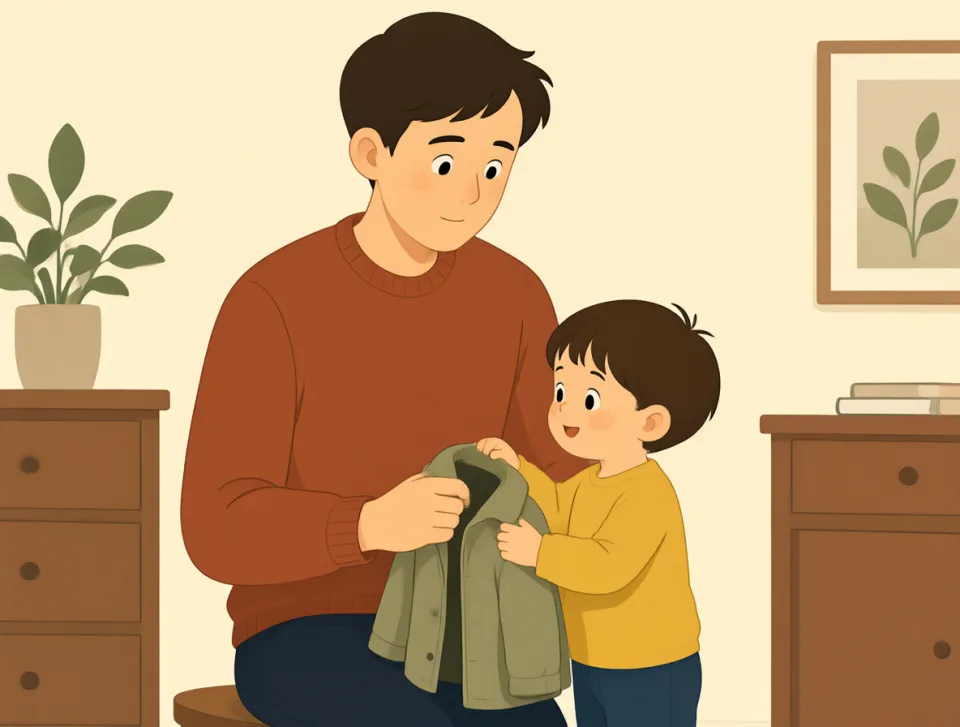
He possesses the patience needed to care for young children.
Anh ấy có sự kiên nhẫn cần thiết để chăm sóc trẻ nhỏ.

The new phone possesses a powerful camera and a long-lasting battery.
Chiếc điện thoại mới có camera mạnh mẽ và pin dùng được lâu.

Only experienced climbers possess the strength to reach the mountain’s highest point.
Chỉ những người leo núi giàu kinh nghiệm mới có đủ sức lên đến đỉnh cao nhất của ngọn núi.
permission
#2414noun
sự cho phép
If you have permission, someone allows you to do something.
Nếu được cho phép, nghĩa là có người đồng ý để bạn làm điều gì đó.
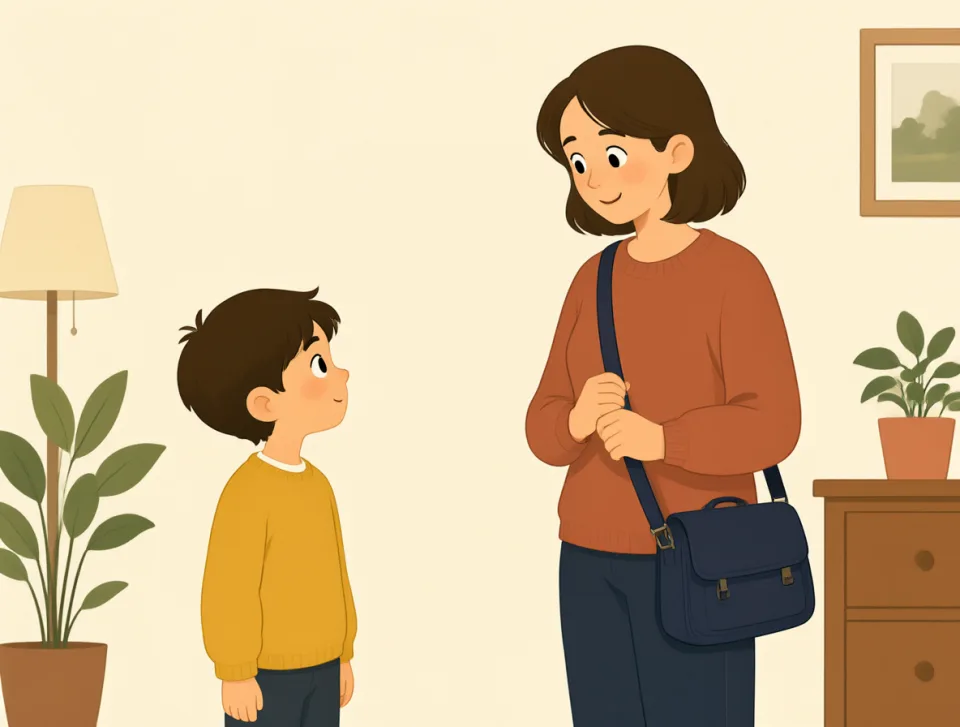
You need your parents' permission before going on the school trip.
Bạn cần được bố mẹ cho phép trước khi tham gia chuyến đi của trường.

I asked my manager for permission to leave work early.
Tôi xin quản lý cho phép tan làm sớm.

The teacher gave us permission to use our phones during the break.
Giáo viên cho phép chúng tôi dùng điện thoại trong giờ giải lao.

We could not enter the restaurant without permission from the owner.
Chúng tôi không thể vào nhà hàng nếu chưa được chủ quán cho phép.

The doctor gave him permission to return to work next week.
Bác sĩ cho phép anh ấy trở lại làm việc vào tuần tới.

valley
#2415noun
thung lũng
A low area of land between hills or mountains, often with a river running through it.
Vùng đất thấp nằm giữa các ngọn đồi hoặc núi, thường có sông chảy qua.

The small village lies in a beautiful valley between two mountain ranges.
Ngôi làng nhỏ nằm trong một thung lũng tuyệt đẹp giữa hai dãy núi.

We drove through the valley until we reached the town before sunset.
Chúng tôi lái xe băng qua thung lũng cho đến khi tới thị trấn trước hoàng hôn.
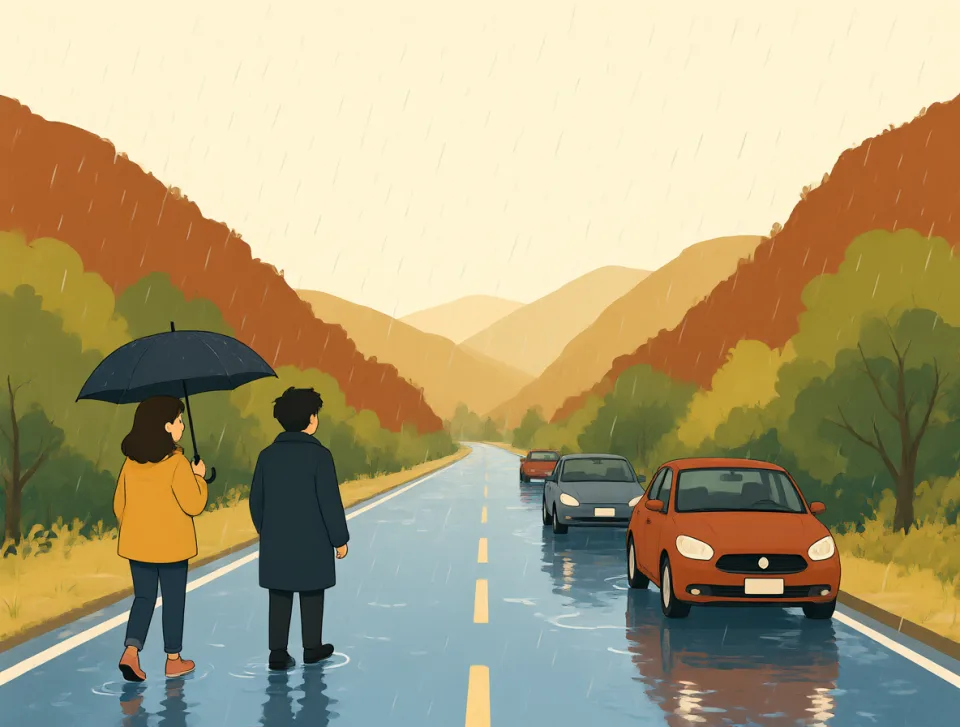
Heavy rain filled the valley with water and blocked the main road.
Mưa lớn làm nước dâng ngập thung lũng và chặn con đường chính.

From the top of the hill, we could see the entire valley below.
Từ trên đỉnh đồi, chúng tôi có thể nhìn thấy toàn bộ thung lũng bên dưới.
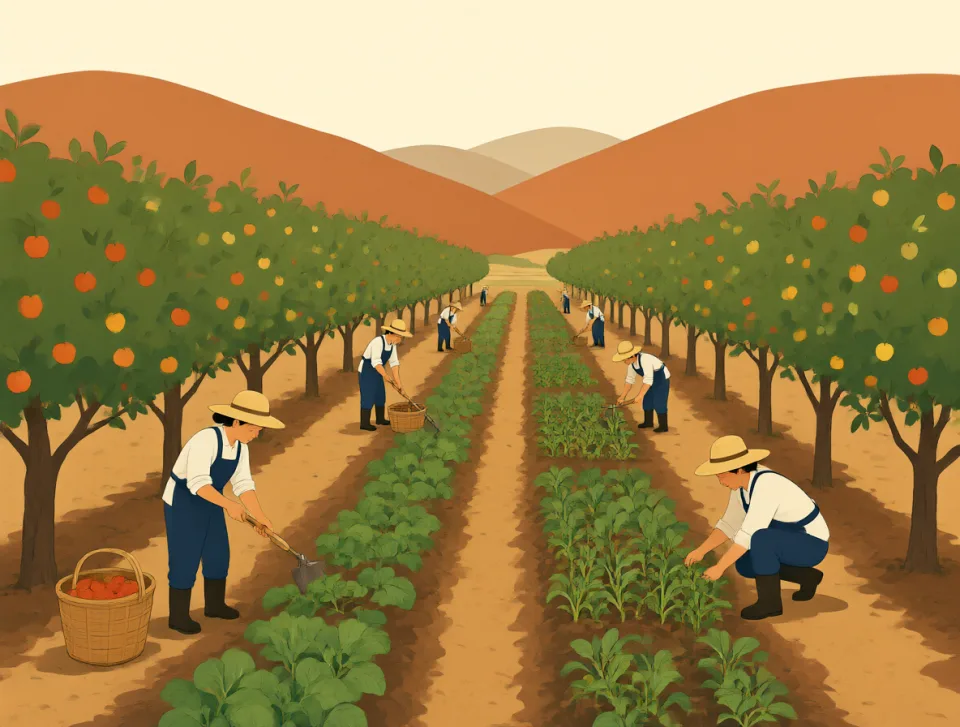
Farmers grow fruit and vegetables on the valley floor.
Nông dân trồng trái cây và rau củ trên vùng đất bằng phẳng dưới đáy thung lũng.

float
#2416verb, noun
nổi
to stay on the surface of water or another liquid without sinking
ở trên bề mặt nước hoặc chất lỏng khác mà không chìm

The leaves floated gently on the surface of the pond.
Những chiếc lá nhẹ nhàng trôi trên mặt ao.

She floated on her back while relaxing in the swimming pool.
Cô ấy nằm ngửa nổi trên mặt nước để thư giãn trong hồ bơi.

A small boat was floating near the beach after the storm.
Một chiếc thuyền nhỏ trôi gần bãi biển sau cơn bão.
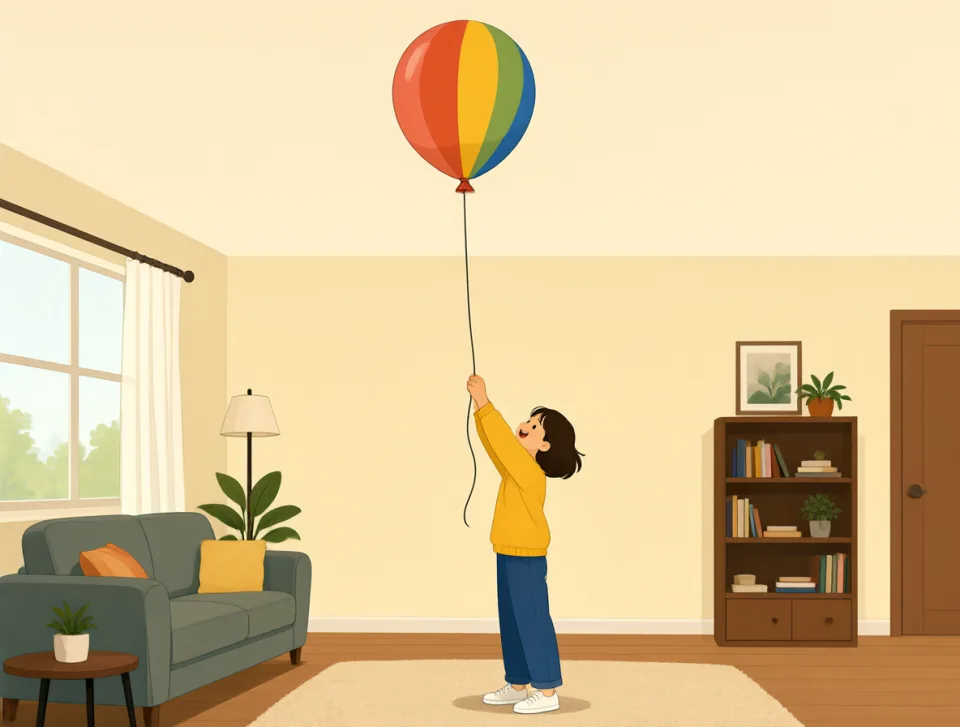
The balloon floated up to the ceiling during the birthday party.
Quả bóng bay từ từ bay lên trần nhà trong bữa tiệc sinh nhật.

We bought a comfortable float for the children at the water park.
Chúng tôi mua một chiếc phao thoải mái cho bọn trẻ ở công viên nước.
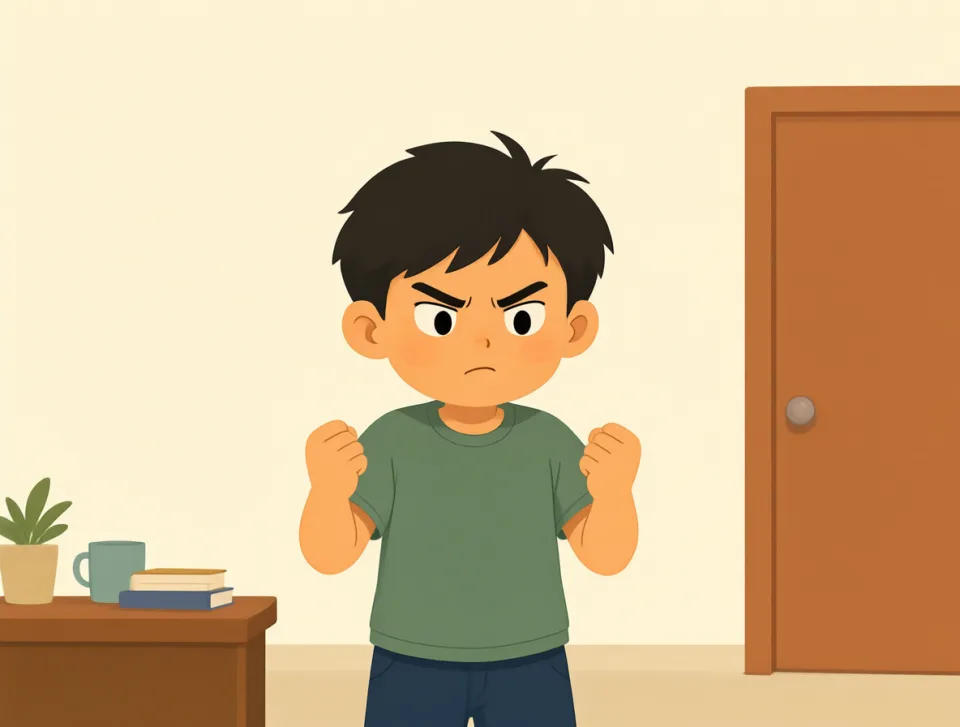
mad
#2417adjective
tức giận
angry, annoyed, or mentally ill, depending on the situation
tức giận, bực mình hoặc mắc bệnh tâm thần, tùy vào ngữ cảnh

She was mad at me for forgetting her birthday.
Cô ấy giận tôi vì tôi quên sinh nhật của cô ấy.

My dad gets mad when people leave dirty dishes in the sink.
Bố tôi nổi giận khi mọi người để bát đĩa bẩn trong bồn rửa.
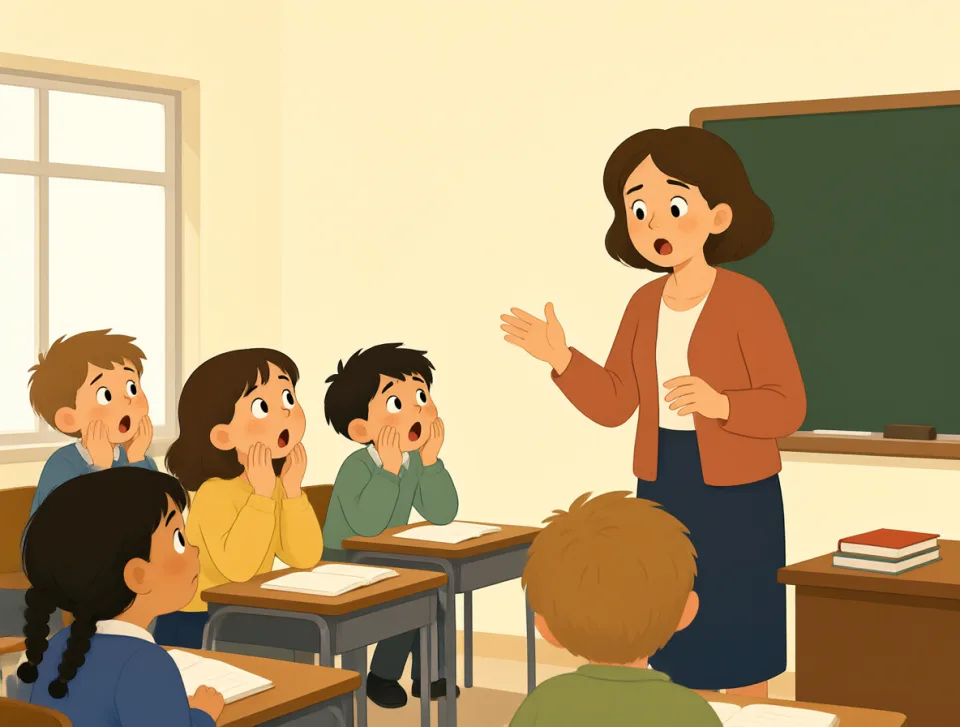
The children went mad when the teacher canceled their trip.
Bọn trẻ tức điên lên khi giáo viên hủy chuyến đi của chúng.

He must be mad to drive so fast on this narrow mountain road.
Anh ta hẳn là điên mới lái xe nhanh như vậy trên con đường núi hẹp này.

The dog went mad with excitement when its owner came home.
Con chó phấn khích tột độ khi chủ về nhà.

greatly
#2418adverb
rất nhiều
Very much; to a great degree.
Ở mức độ cao; rất nhiều.
The new medicine greatly improved my grandmother’s health.
Loại thuốc mới đã cải thiện đáng kể sức khỏe của bà tôi.

We greatly enjoyed our weekend trip to the mountains.
Chúng tôi đã tận hưởng chuyến đi cuối tuần lên núi rất nhiều.
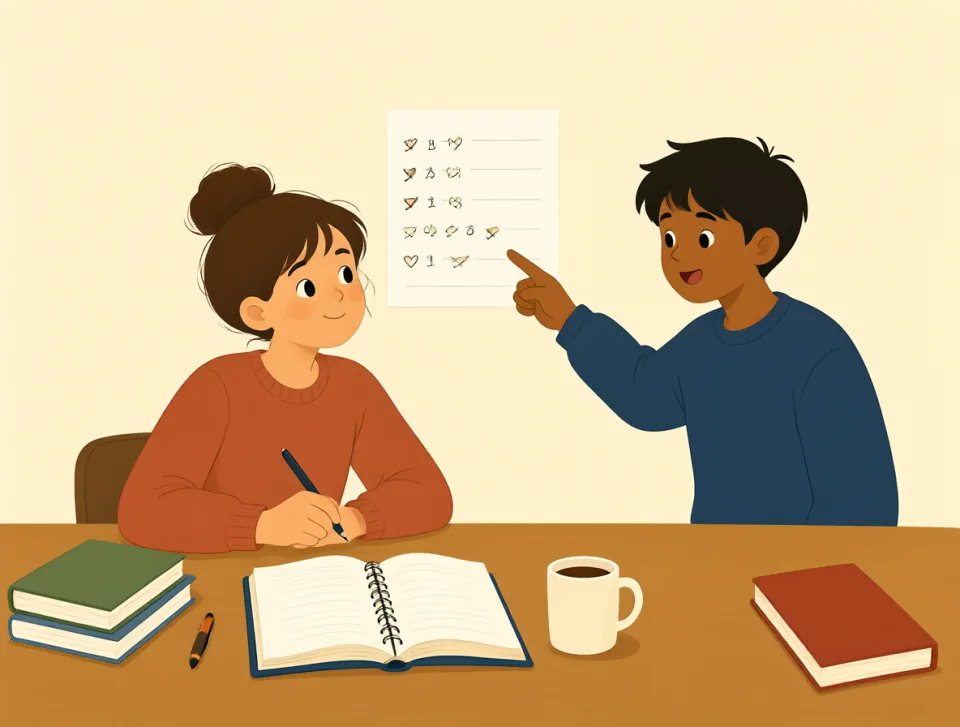
Your advice greatly helped me prepare for the difficult exam.
Lời khuyên của bạn đã giúp tôi rất nhiều trong việc chuẩn bị cho kỳ thi khó.

The store’s lower prices greatly increased the number of customers.
Giá thấp hơn của cửa hàng đã làm số lượng khách hàng tăng lên đáng kể.

I was greatly surprised when my friends brought me a birthday cake.
Tôi vô cùng bất ngờ khi bạn bè mang bánh sinh nhật đến cho tôi.
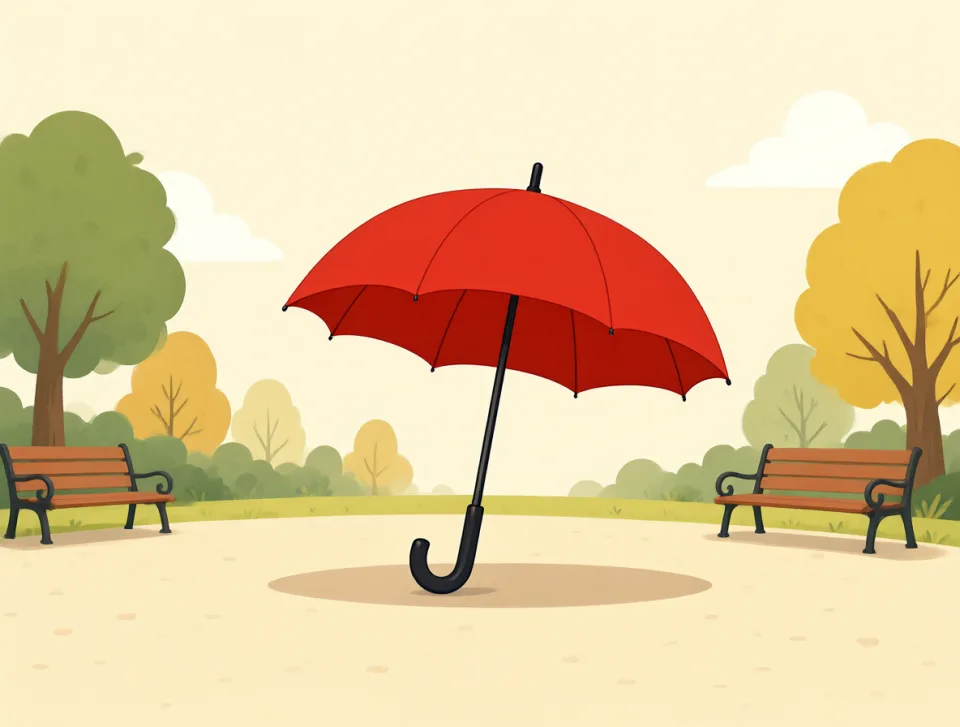
visible
#2419adjective
có thể nhìn thấy
Able to be seen or noticed.
Có thể nhìn thấy hoặc nhận ra.

The mountains were clearly visible from our hotel window.
Có thể nhìn rõ những ngọn núi từ cửa sổ khách sạn của chúng tôi.
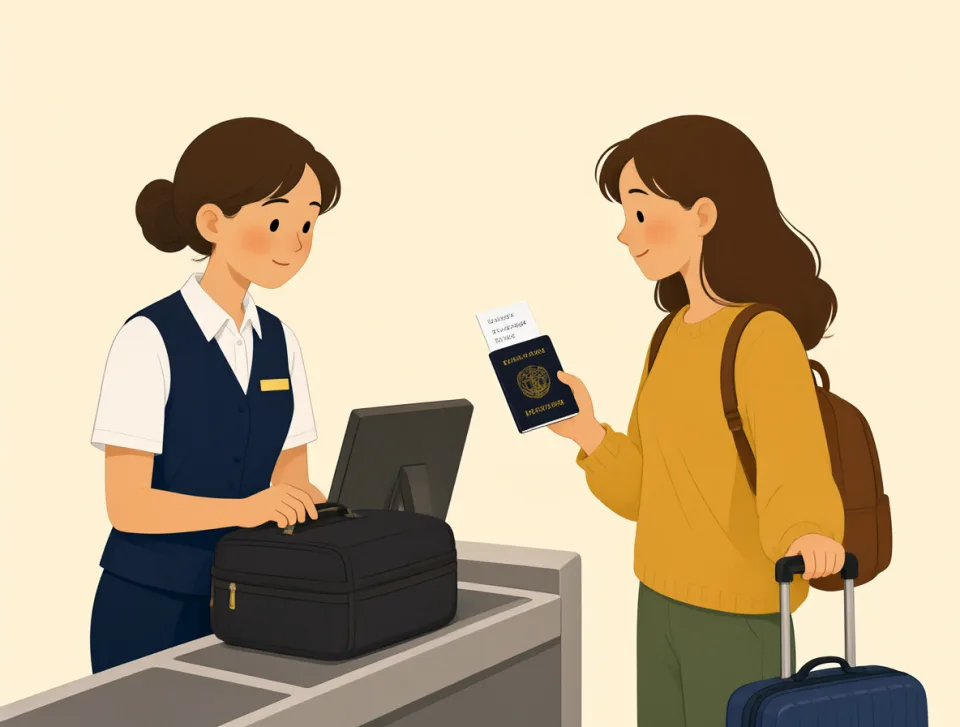
Please keep your passport visible while we check your bags.
Vui lòng để hộ chiếu ở nơi dễ thấy trong khi chúng tôi kiểm tra hành lý của bạn.

The doctor found no visible signs of infection.
Bác sĩ không thấy dấu hiệu nhiễm trùng nào có thể nhìn thấy được.

Her excitement was visible when she opened the birthday gift.
Cô ấy tỏ rõ vẻ phấn khích khi mở món quà sinh nhật.

The stars became visible after the clouds moved away.
Những ngôi sao hiện ra sau khi mây tan.
electric
#2420adjective
dùng điện
using or producing electricity
sử dụng hoặc tạo ra điện
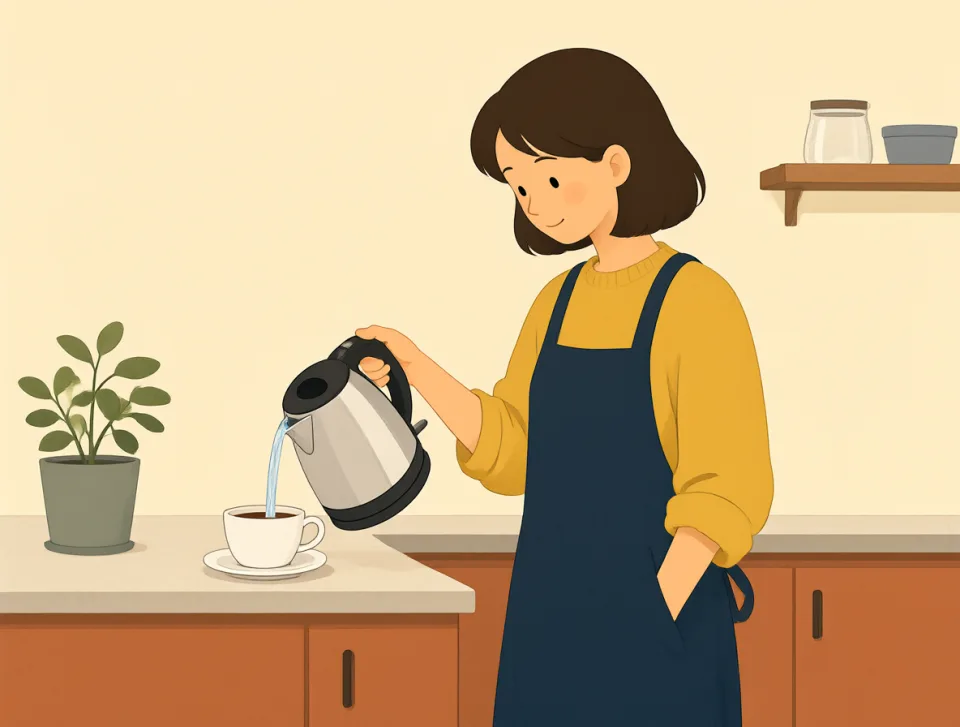
We bought an electric kettle to boil water quickly in the morning.
Chúng tôi mua một chiếc ấm đun nước bằng điện để đun nước nhanh vào buổi sáng.
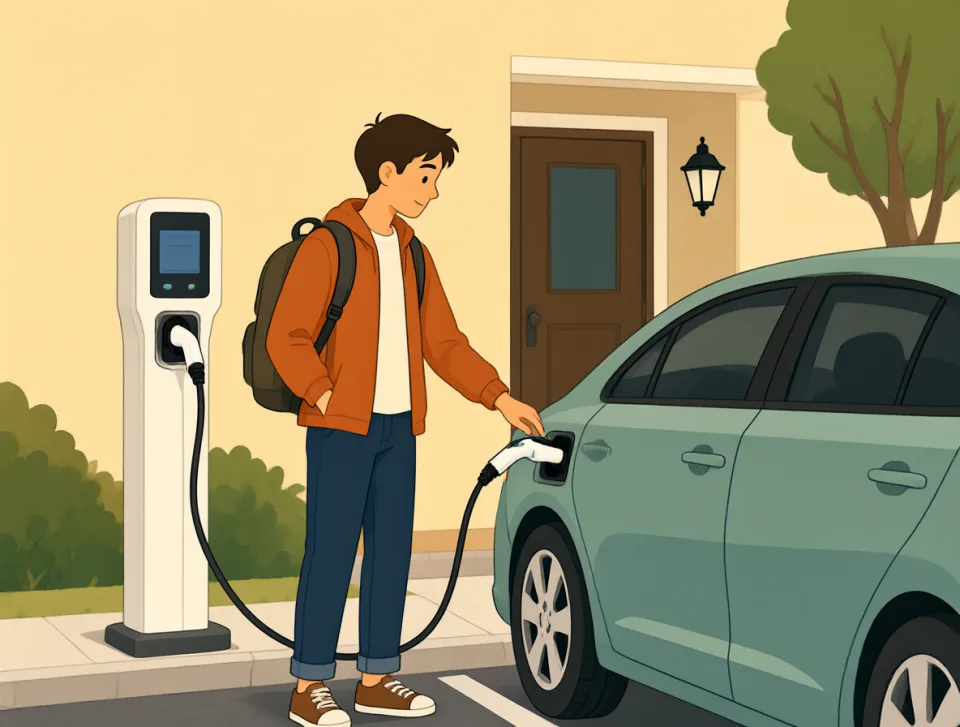
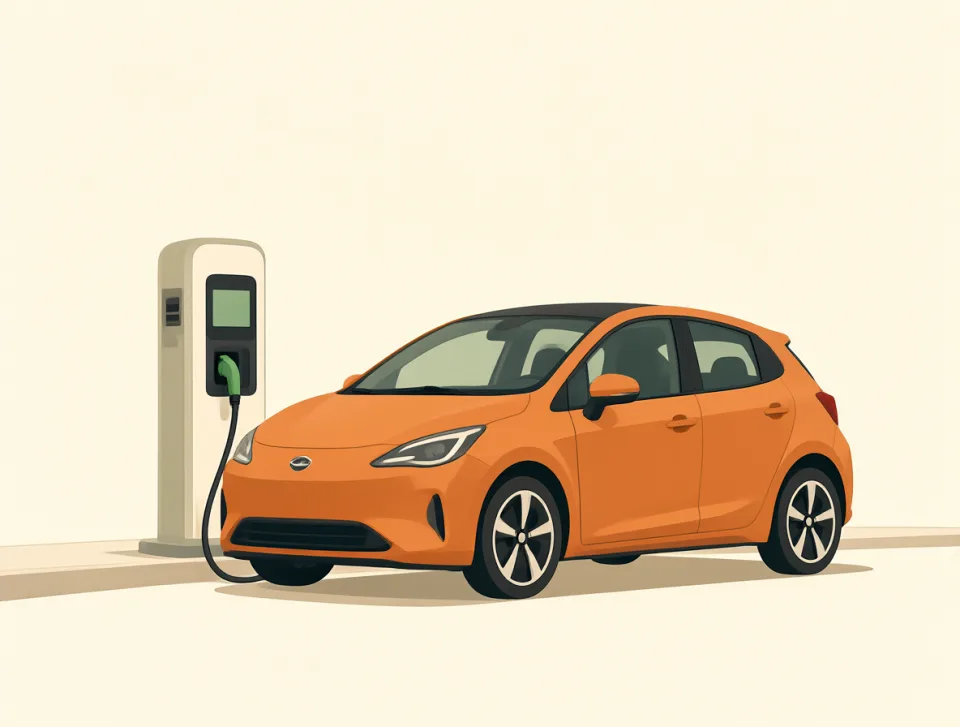
The electric car needs charging before we drive to the airport.
Ô tô điện cần được sạc trước khi chúng tôi lái ra sân bay.
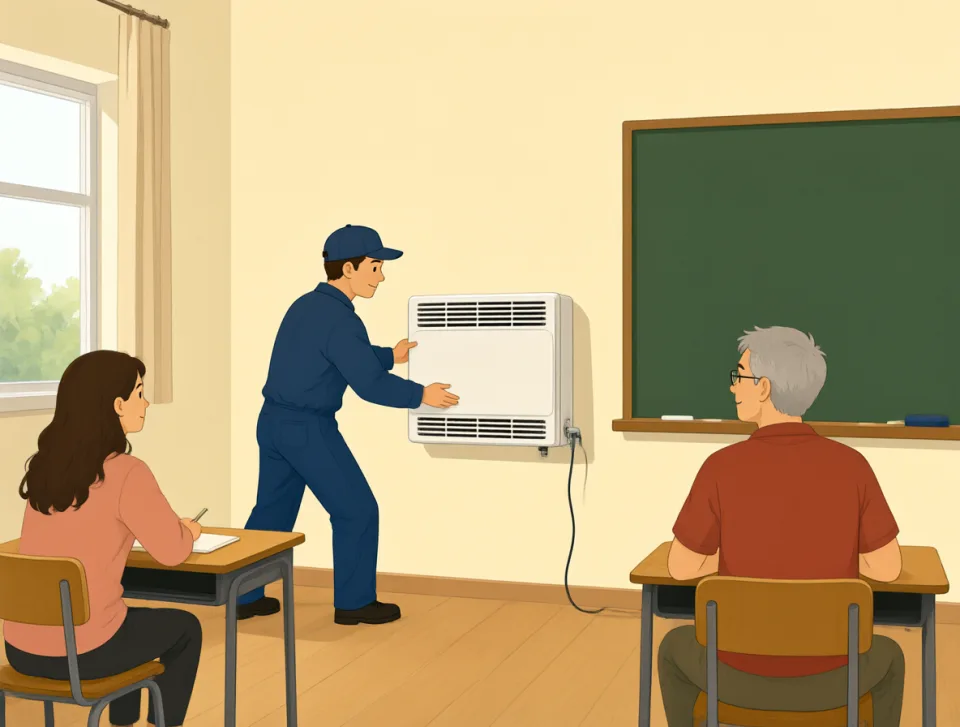
The school replaced its old heating system with an electric one.
Trường học đã thay hệ thống sưởi cũ bằng một hệ thống chạy bằng điện.

The dentist used an electric toothbrush to clean my teeth.
Nha sĩ dùng bàn chải đánh răng điện để làm sạch răng cho tôi.
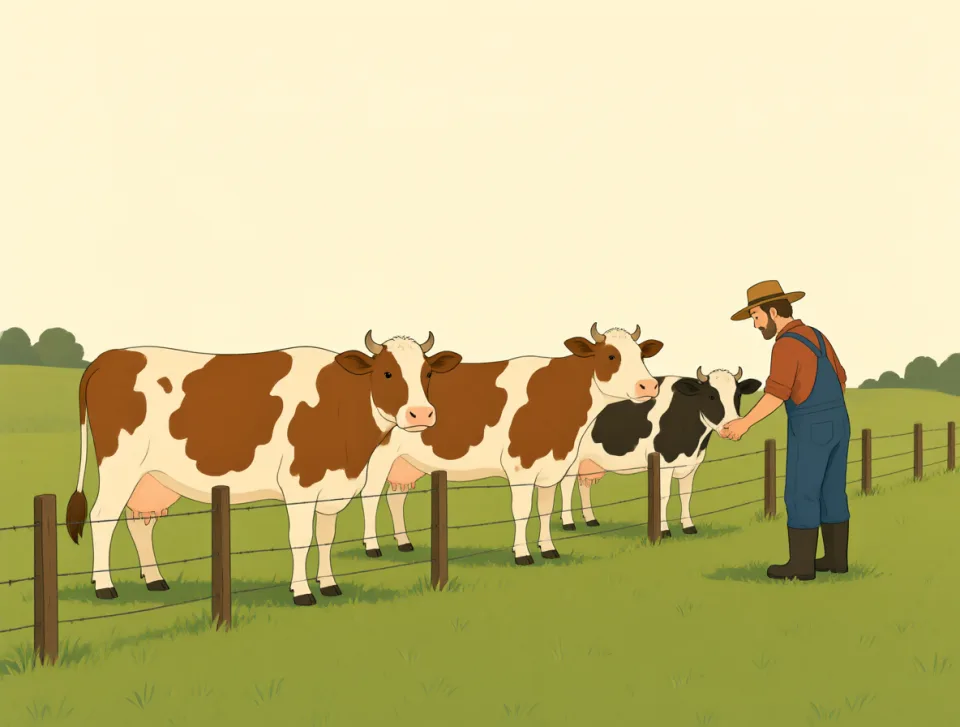
An electric fence keeps the animals safely inside the field.
Hàng rào điện giúp giữ các con vật an toàn bên trong cánh đồng.