Блок 121
Слова 2401–2420 · dare, barrier, rid, divorce, ruin, bury

dare
#2401verb, noun
осмелиться; вызов
to be brave enough to do something difficult or dangerous; a challenge to do it
Набраться смелости, чтобы сделать что-то трудное или опасное; предложить кому-то сделать это на спор.

I dare you to jump into the pool before dinner.
Спорим, ты не прыгнешь в бассейн до ужина.

She didn't dare ask her manager for another day off.
Она не решилась попросить начальника дать ей ещё один выходной.

He wouldn't dare drive after drinking at the party.
Он ни за что не сел бы за руль после того, как выпил на вечеринке.
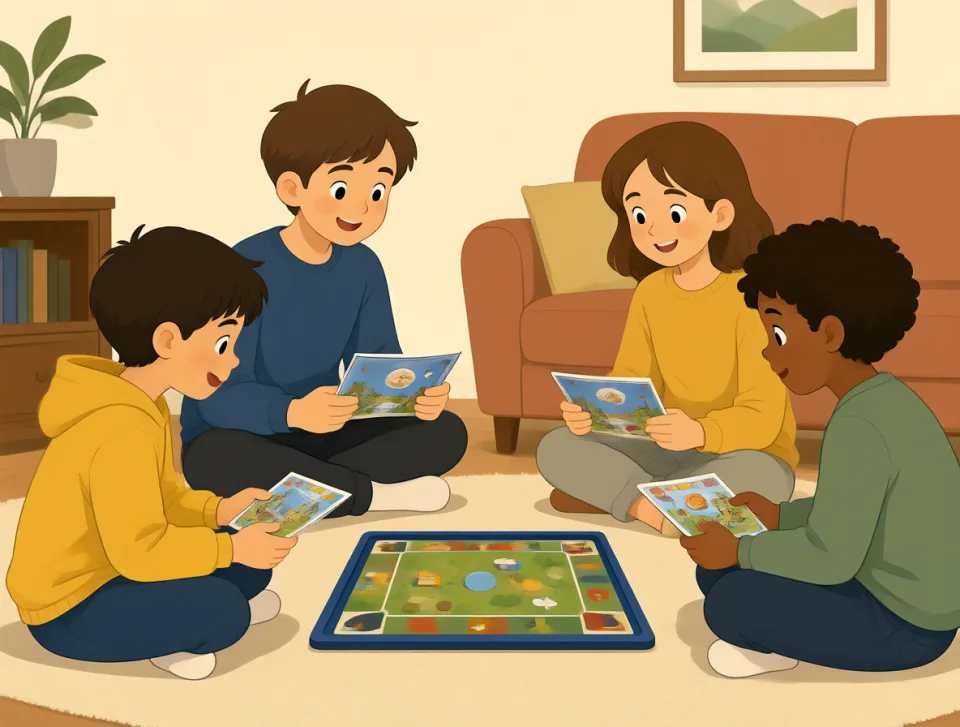
The children played truth or dare after finishing their homework.
После того как дети сделали уроки, они сыграли в «Правду или действие».

I took a dare and ate the very spicy chili.
Я принял вызов и съел очень острый перец чили.
barrier
#2402noun
барьер; препятствие
Something that blocks movement, progress, or communication between people or places.
То, что мешает движению, прогрессу или общению между людьми или местами.

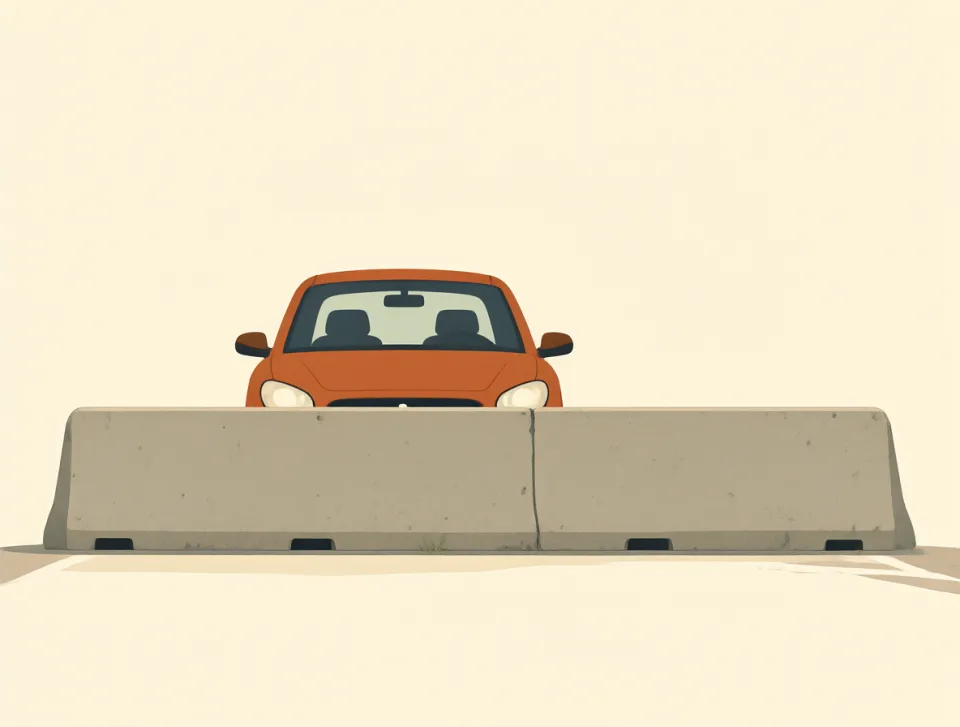
A fallen tree created a barrier across the mountain road.
Упавшее дерево перегородило горную дорогу.

Cost is often a barrier to buying fresh food every day.
Цена часто становится препятствием для ежедневной покупки свежих продуктов.

Language barriers made it difficult for the tourists to ask for directions.
Из-за языкового барьера туристам было трудно спрашивать дорогу.
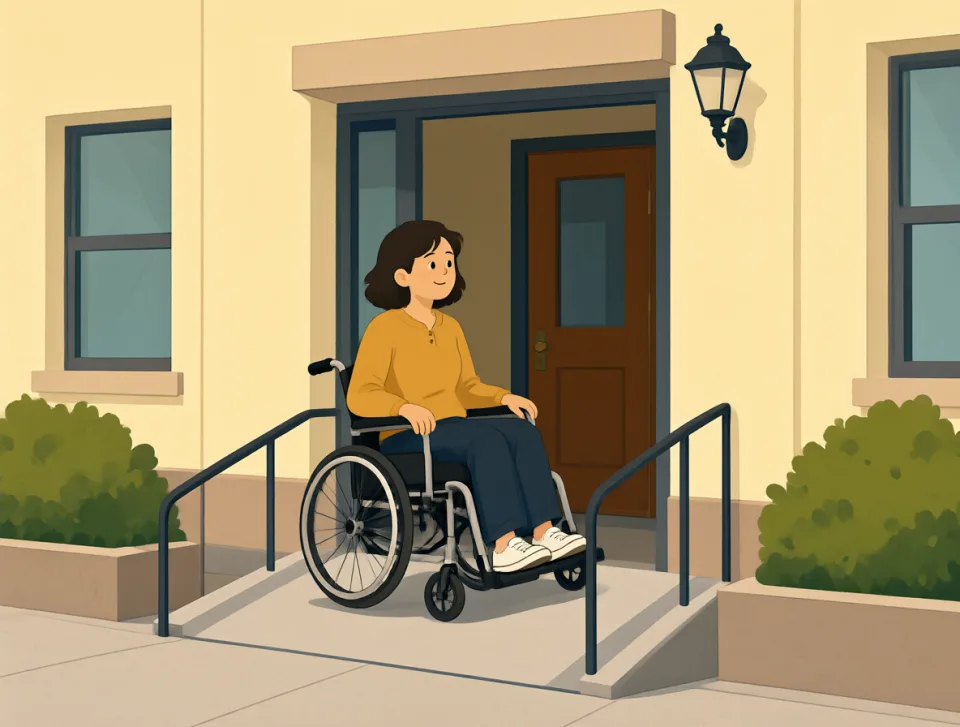
The wheelchair ramp removes a barrier for people entering the building.
Пандус для инвалидных колясок устраняет препятствие для входящих в здание.

Fear can become a barrier when students try to speak English in class.
Страх может стать препятствием, когда ученики пытаются говорить по-английски на уроке.

rid
#2403verb
избавить
to make someone or something free from an unwanted person, thing, or problem
Избавить кого-то или что-то от нежелательного человека, предмета или проблемы.
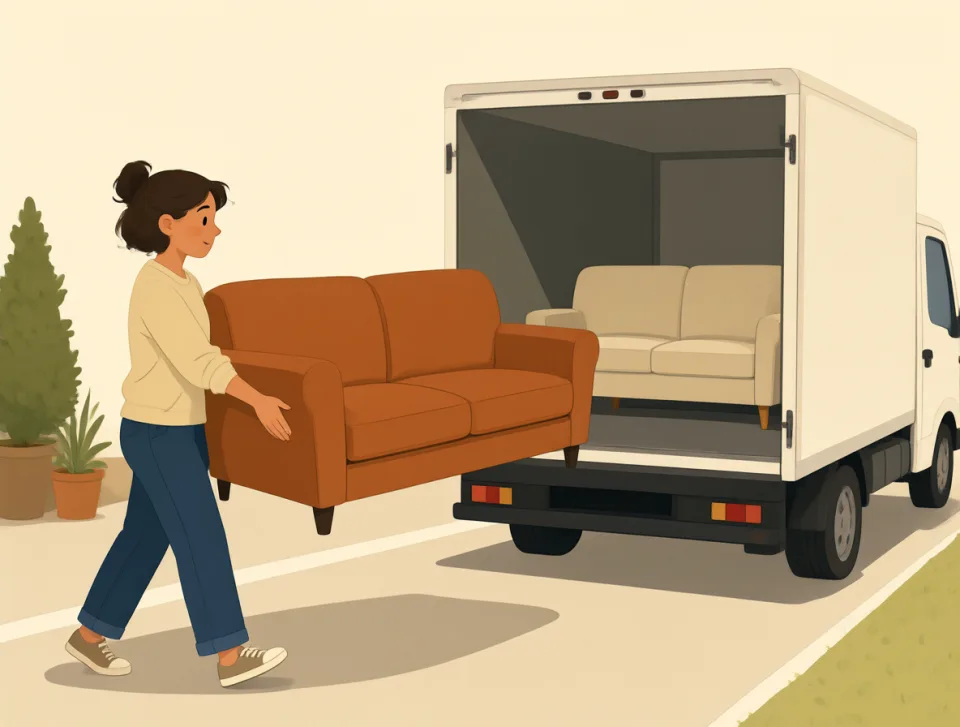
She finally got rid of the old sofa after buying a comfortable new one.
Купив удобный новый диван, она наконец избавилась от старого.

Please get rid of these empty boxes before our guests arrive tonight.
Пожалуйста, избавьтесь от этих пустых коробок до прихода гостей сегодня вечером.
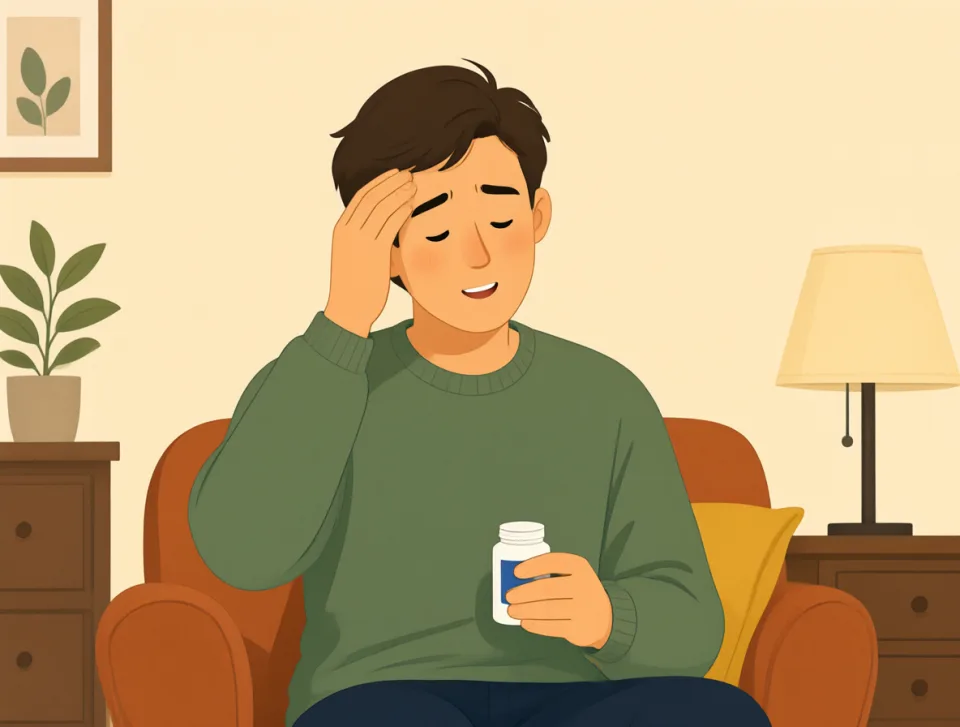
The medicine helped him get rid of his headache before the important meeting.
Лекарство помогло ему избавиться от головной боли перед важной встречей.
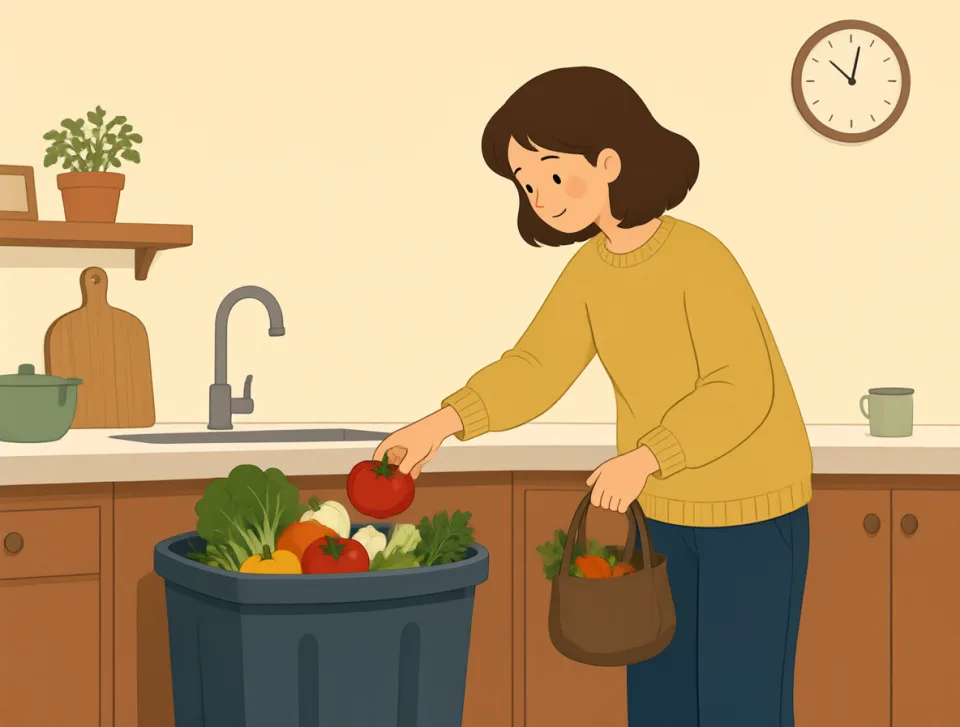
We need to get rid of these spoiled vegetables before cooking dinner.
Нам нужно избавиться от этих испорченных овощей, прежде чем готовить ужин.
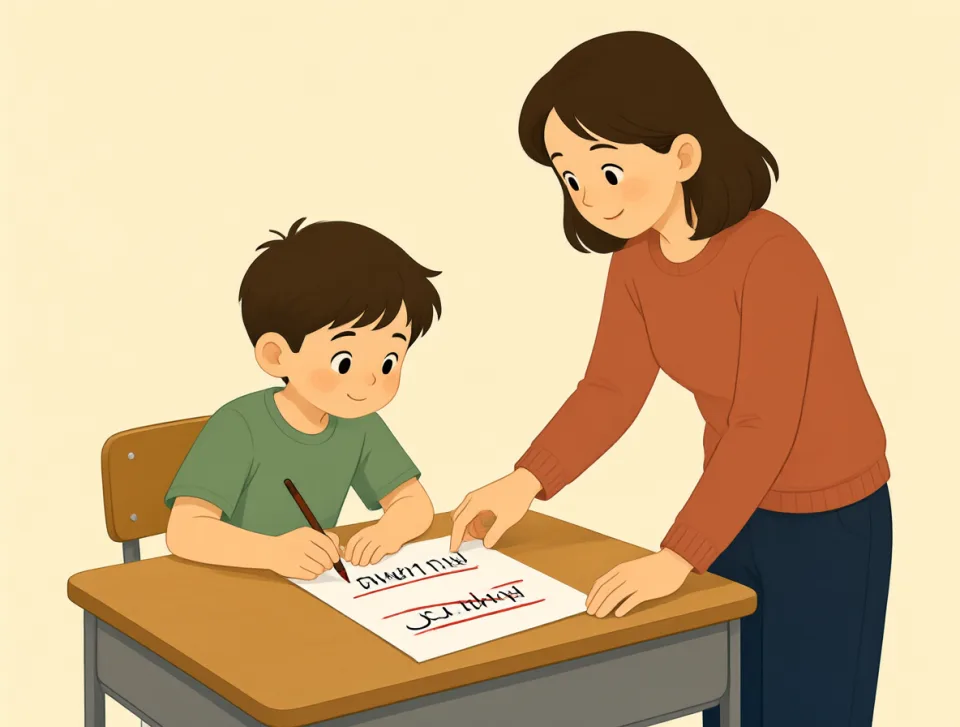
The teacher asked students to get rid of unnecessary words in their essays.
Учитель попросил учеников убрать из сочинений лишние слова.

divorce
#2404noun, verb
развод; разводиться
The legal end of a marriage, or to legally end a marriage.
Официальное расторжение брака или расторгнуть брак официально.

They got a divorce after twenty years of marriage.
После двадцати лет брака они развелись.

She divorced her husband and moved to another city.
Она развелась с мужем и переехала в другой город.
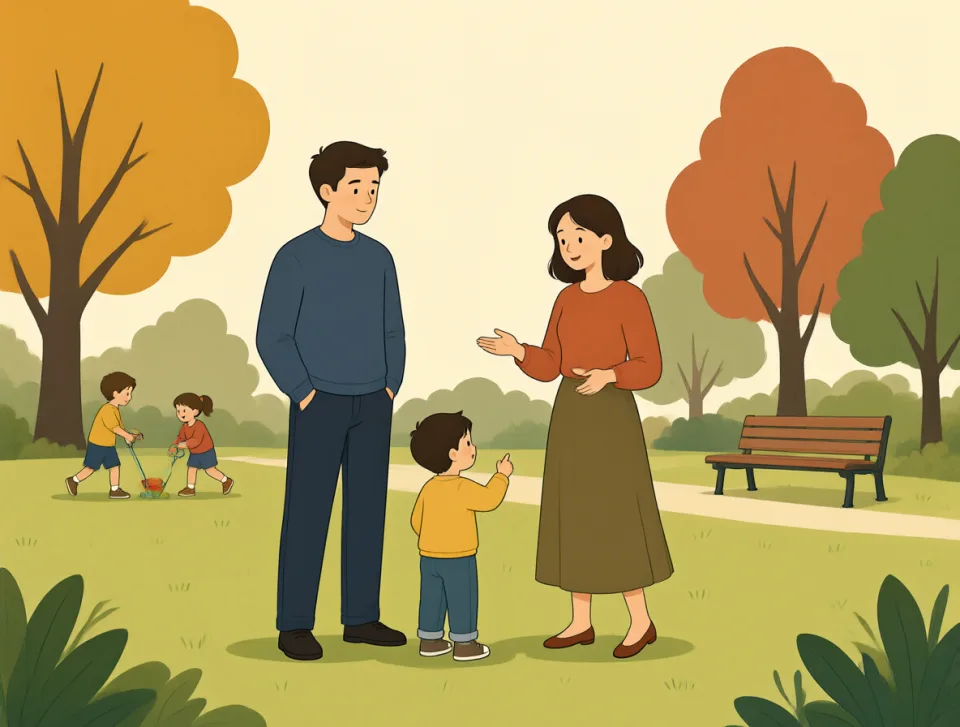
Their divorce was difficult, but they stayed friendly for their children.
Их развод был тяжёлым, но ради детей они сохранили хорошие отношения.

My friend is going through a divorce and needs someone to listen.
Мой друг разводится, и ему нужен кто-то, кто готов его выслушать.

The children felt sad when their parents decided to divorce.
Детям было грустно, когда родители решили развестись.

ruin
#2405noun, verb
испортить; разрушить
to damage something badly, or to spoil a good situation completely
Сильно повредить что-либо или полностью испортить хорошую ситуацию.
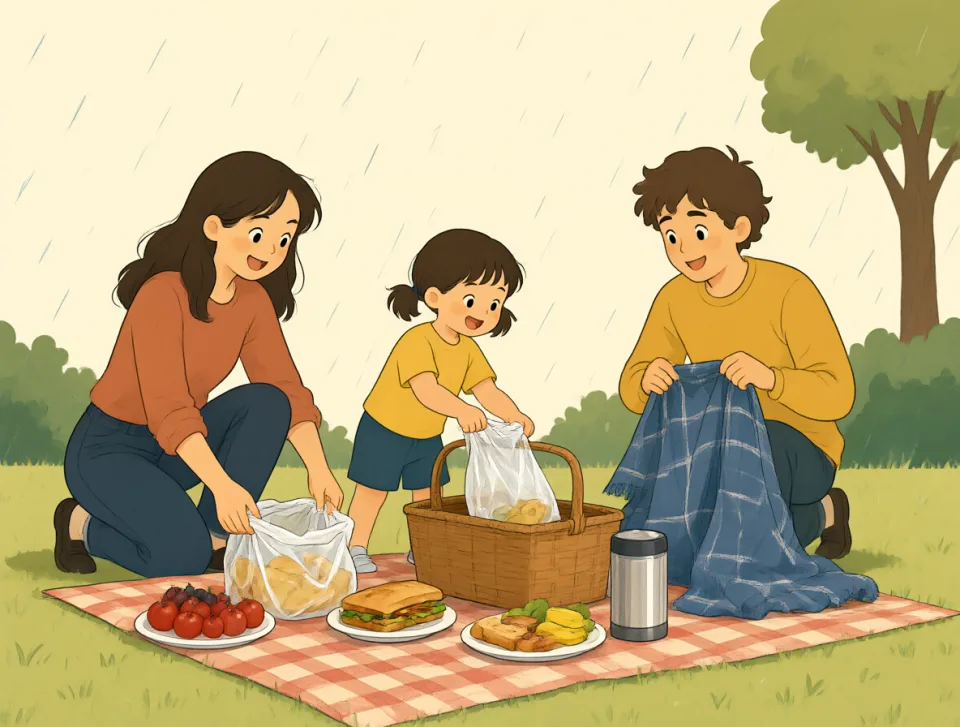
The heavy rain ruined our picnic, so we went home early.
Сильный дождь испортил наш пикник, и мы рано поехали домой.
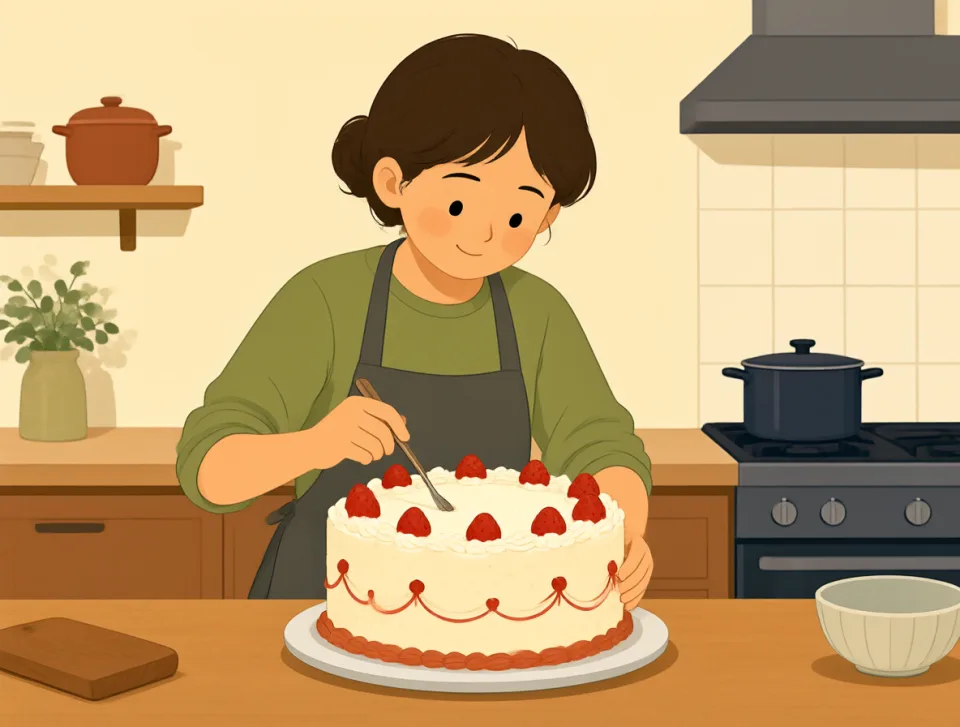
Please keep the cake covered, or the heat will ruin it.
Пожалуйста, накройте торт, иначе жара его испортит.

One careless mistake could ruin your chances of getting the job.
Одна неосторожная ошибка может лишить тебя шансов получить эту работу.

We explored the ruins of an old castle during our holiday.
Во время отпуска мы исследовали руины старого замка.
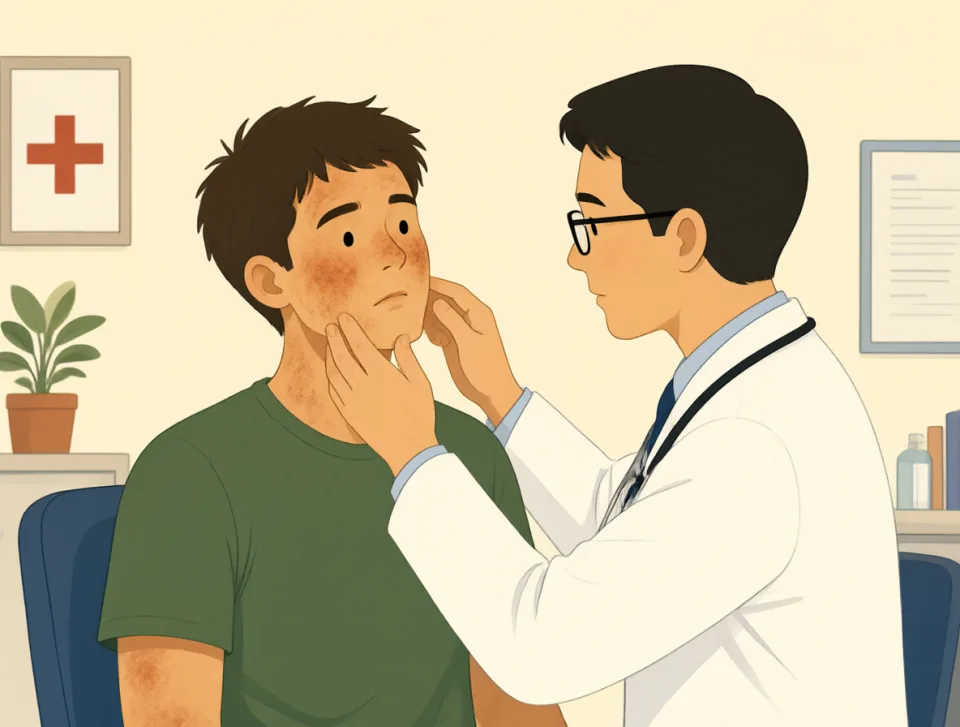
The doctor said too much sun had ruined the skin on his face.
Врач сказал, что из-за слишком долгого пребывания на солнце кожа на лице у него сильно испортилась.
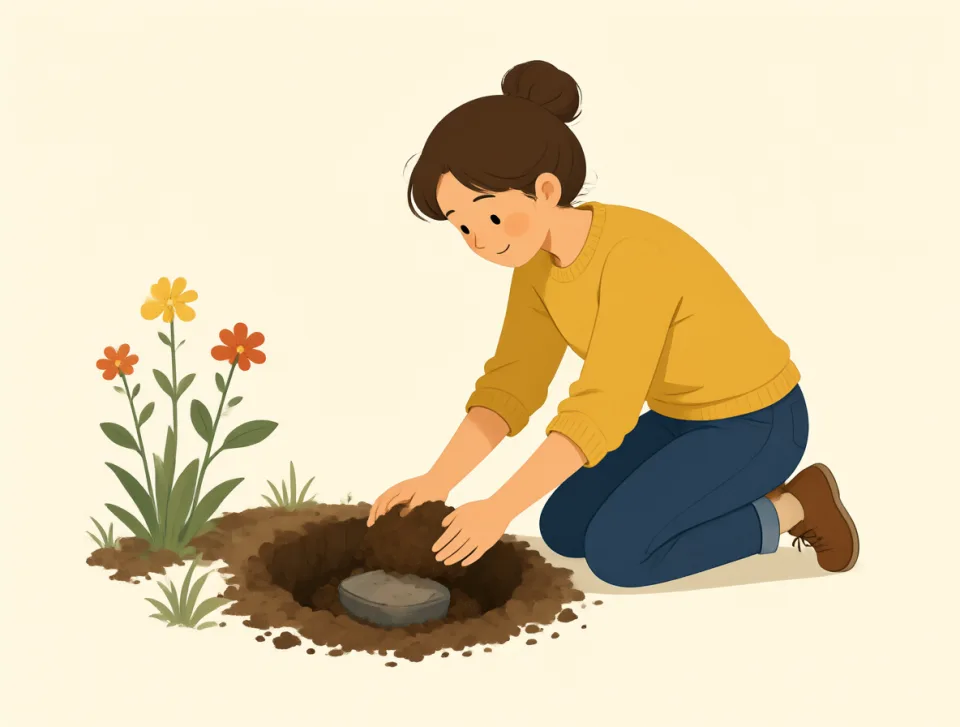
bury
#2406verb
зарывать
to put something in the ground and cover it with earth
положить что-либо в землю и засыпать землёй
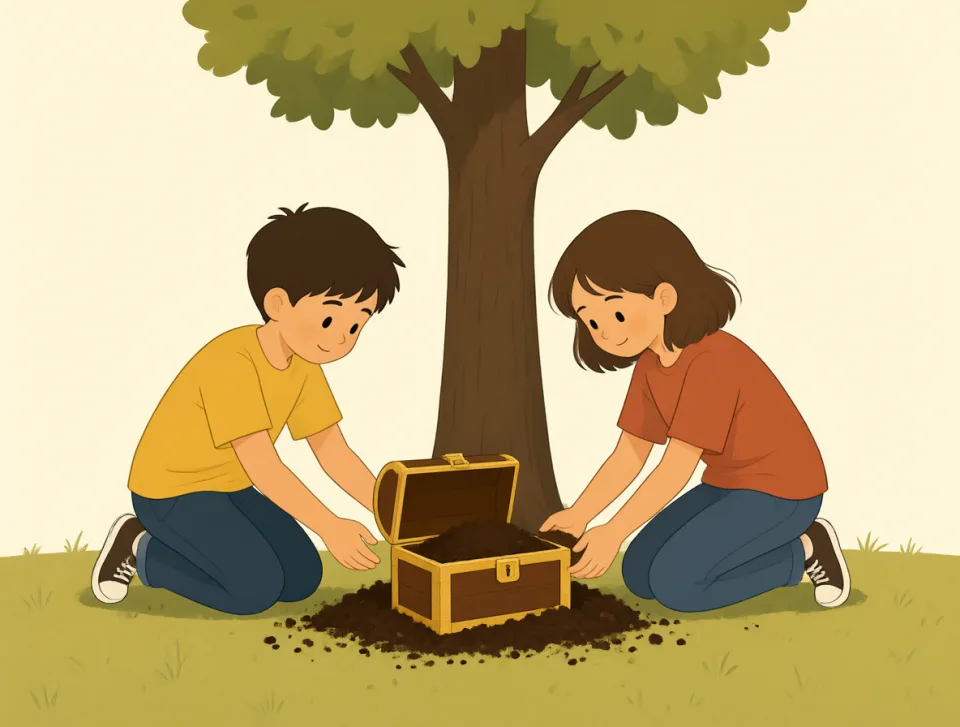
They buried the treasure under a large tree in the garden.
Они закопали сокровище под большим деревом в саду.

The dog buried its bone in the soft ground.
Собака закопала кость в мягкую землю.
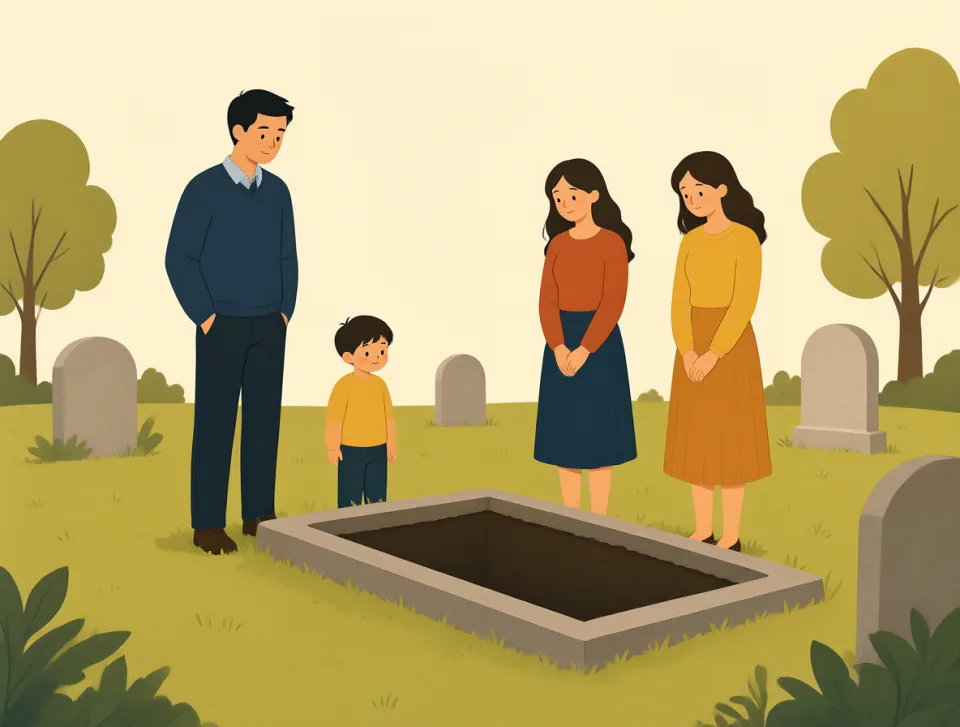
The family buried their grandfather in the village cemetery.
Семья похоронила дедушку на деревенском кладбище.
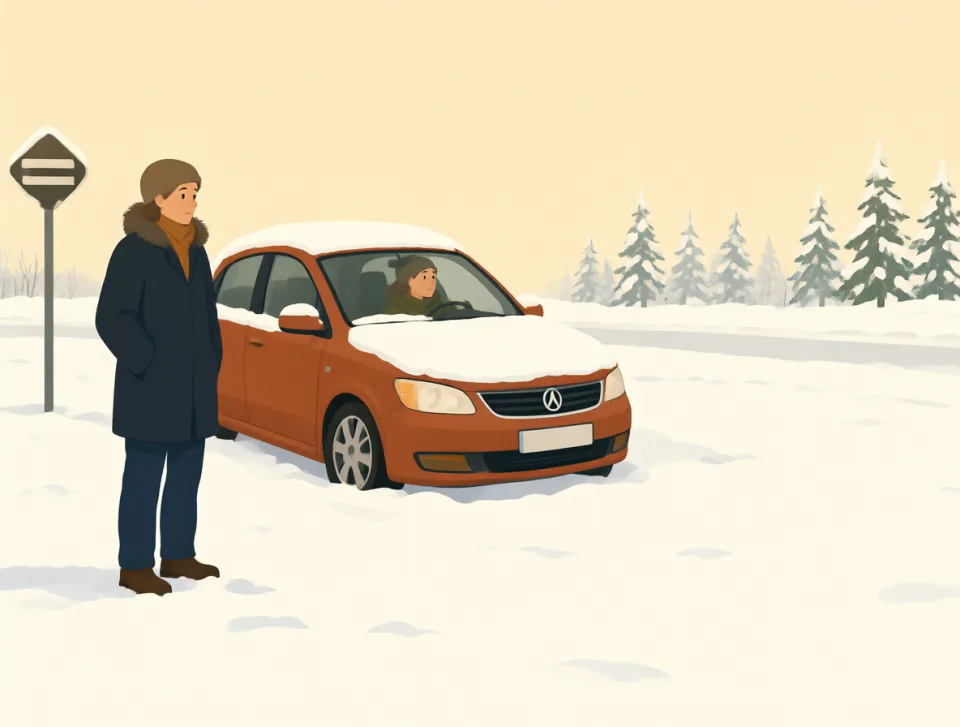
Heavy snow buried the roads and stopped us from traveling.
Сильный снегопад занёс дороги и помешал нам путешествовать.
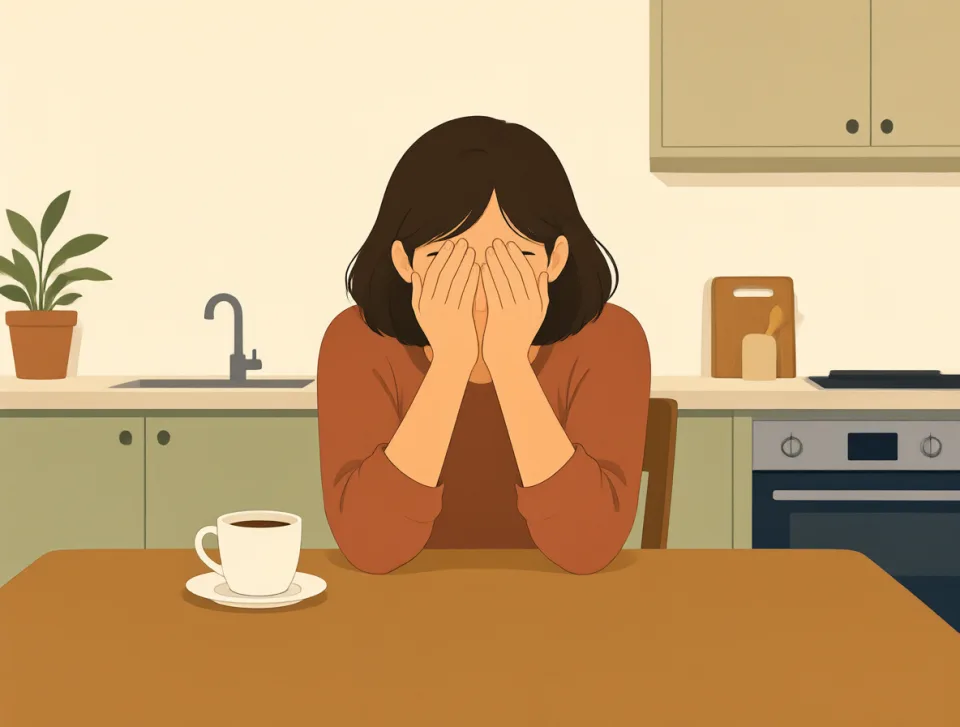
She buried her face in her hands after hearing the sad news.
Услышав печальную новость, она закрыла лицо руками.

counsel
#2407noun, verb
консультация
advice about what to do, especially from a lawyer or other trained person
совет о том, что делать, особенно от юриста или другого специалиста

She sought legal counsel before signing the agreement.
Перед тем как подписать соглашение, она обратилась за юридической консультацией.

The school counselor counseled him about choosing a suitable career.
Школьный консультант помог ему советом при выборе подходящей профессии.

My doctor counseled me to exercise regularly and eat less sugar.
Мой врач посоветовал мне регулярно заниматься спортом и есть меньше сахара.

The manager counseled the employee after several customers complained.
Менеджер провёл беседу с сотрудником после нескольких жалоб от клиентов.

Friends counseled her to wait before buying the expensive coat.
Друзья посоветовали ей подождать, прежде чем покупать дорогое пальто.
tendency
#2408noun
склонность
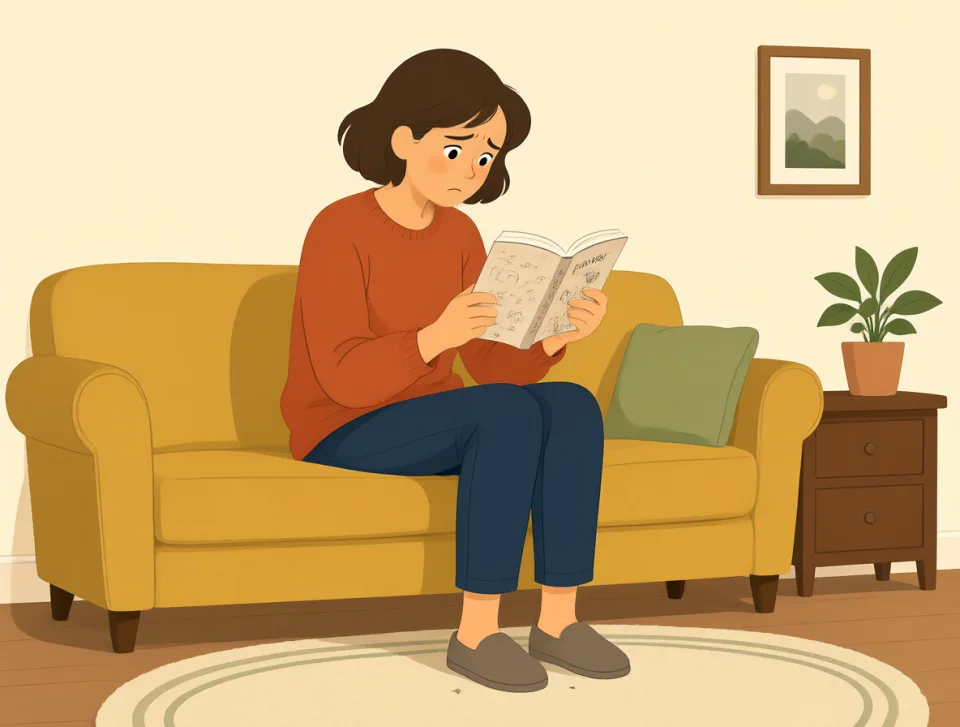
A tendency is a usual way of behaving or a tendency to do something.
Склонность — это обычная манера поведения или предрасположенность делать что-либо.
She has a tendency to worry about small problems.
Она склонна переживать из-за мелких проблем.

His tendency to arrive late annoys his coworkers.
Его привычка опаздывать раздражает коллег.

There is a tendency for prices to rise before holidays.
Перед праздниками цены обычно растут.

Children often show a tendency to copy their friends.
Дети часто стремятся копировать друзей.
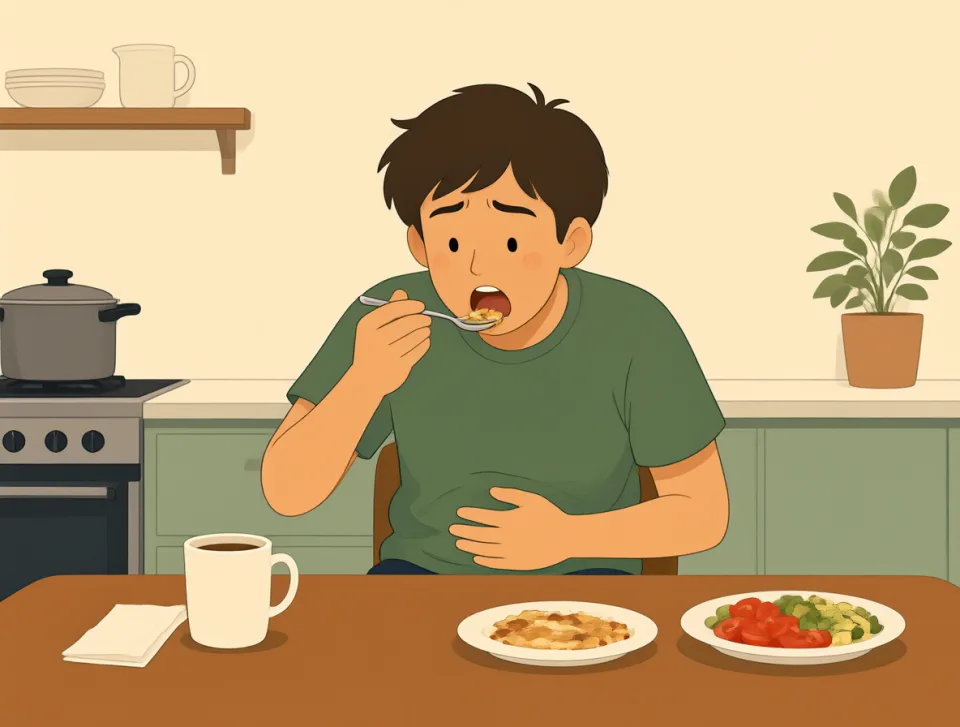
My tendency to eat too quickly causes stomach pain.
Из-за моей привычки есть слишком быстро у меня болит живот.
frequent
#2409adjective
частый
happening often or regularly
происходящий часто или регулярно
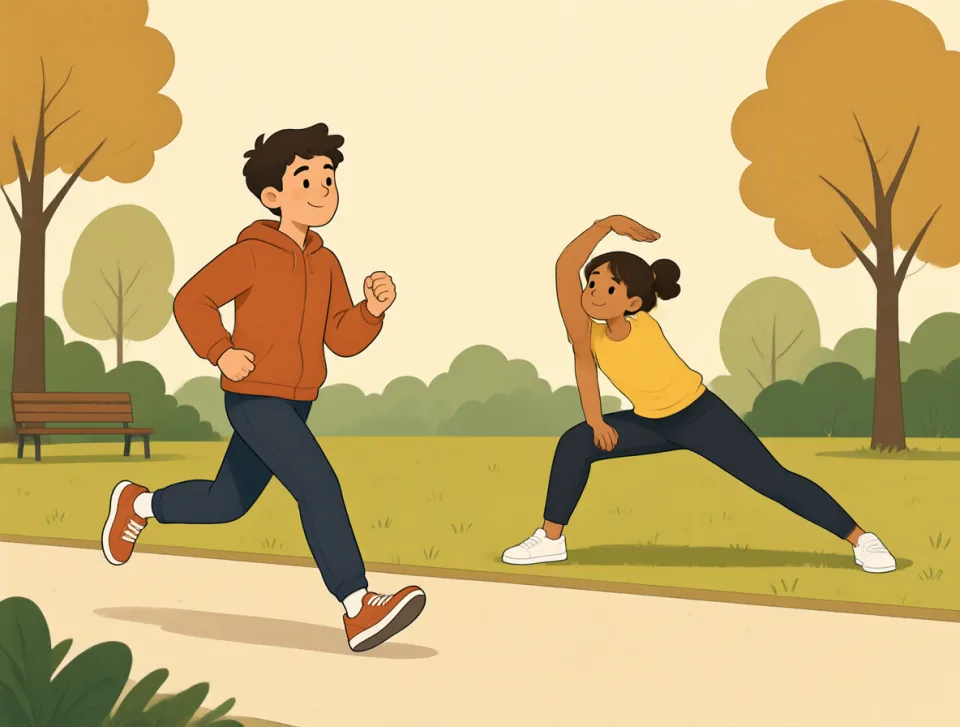
Frequent exercise can help you sleep better and feel less stressed.
Регулярные физические упражнения помогут вам лучше спать и меньше нервничать.
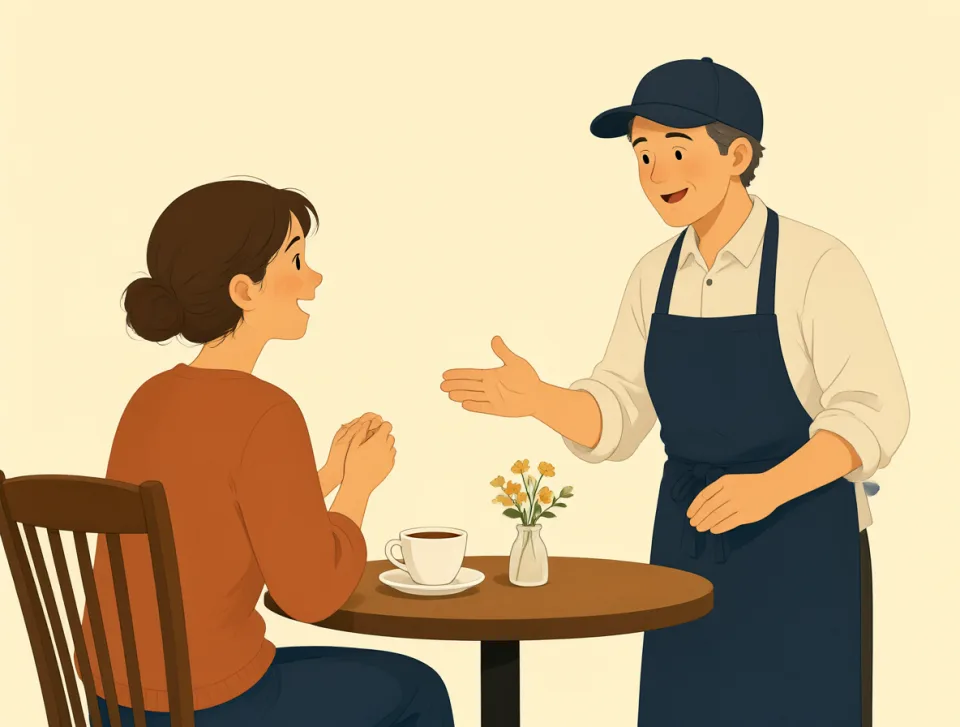
She is a frequent visitor to the small café near her office.
Она часто бывает в маленьком кафе рядом со своим офисом.
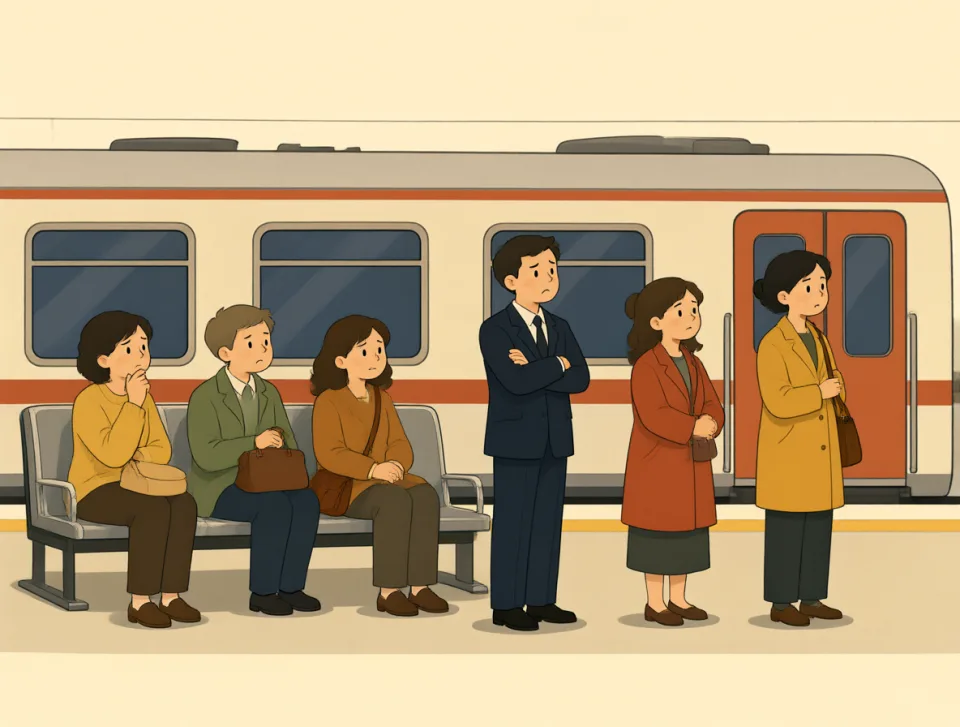
Frequent delays made the train journey much longer than expected.
Из-за частых задержек поездка на поезде заняла намного больше времени, чем ожидалось.

The doctor asked about his frequent headaches during the past month.
Врач спросил о частых головных болях, которые беспокоили его в течение последнего месяца.

We receive frequent deliveries because our family orders groceries online.
Нам часто доставляют продукты, потому что наша семья заказывает их онлайн.
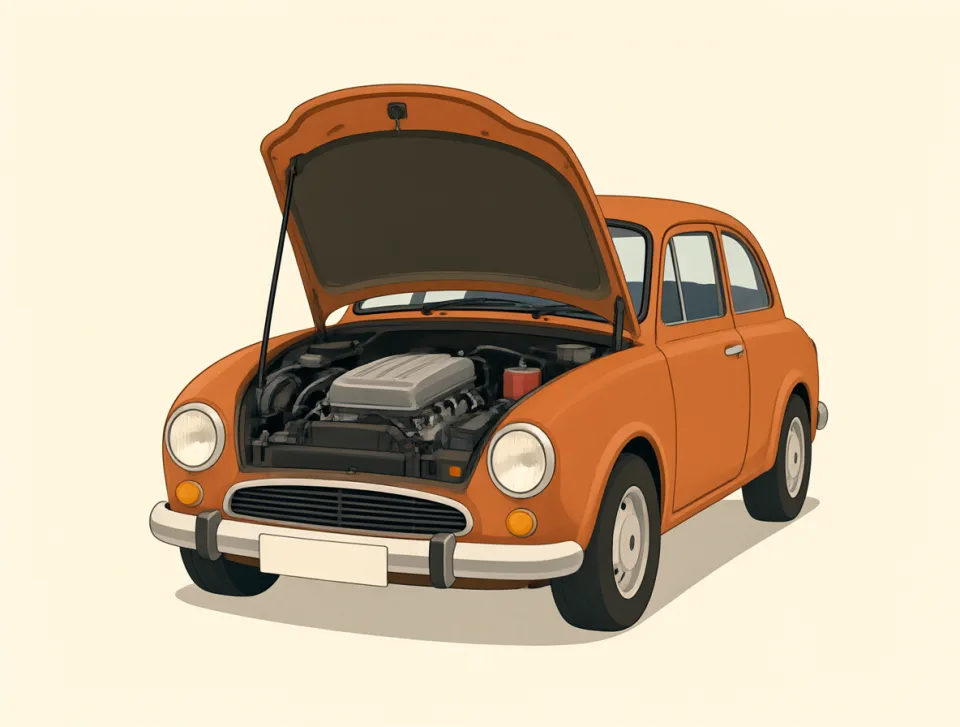
motor
#2410noun
двигатель
a machine that uses energy to make a vehicle or other machine move
машина, которая использует энергию, чтобы приводить в движение транспортное средство или другой механизм
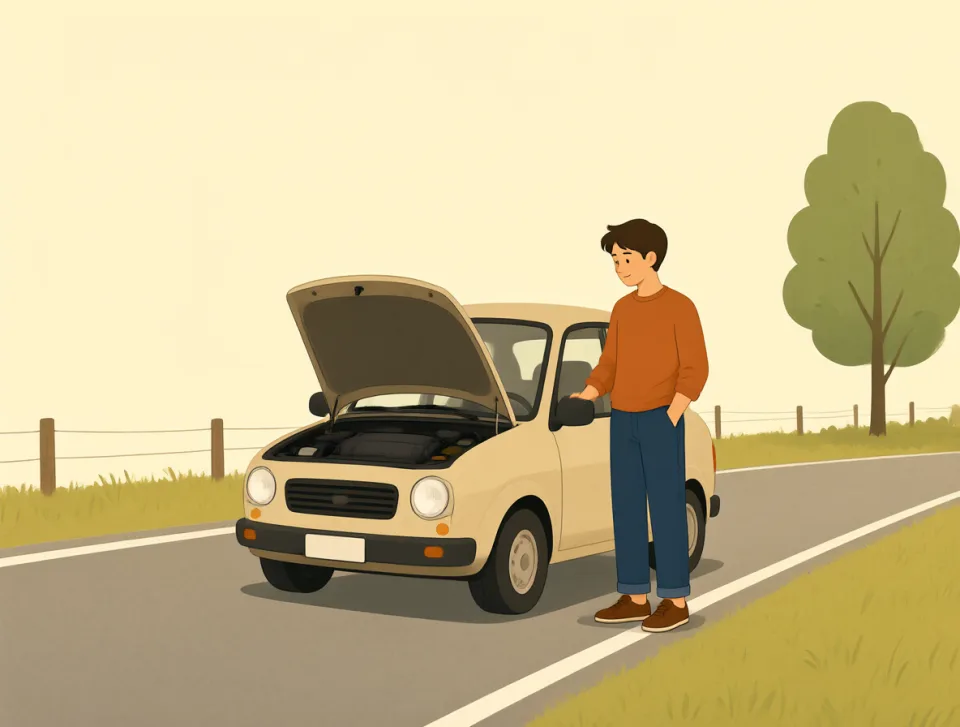
The car's motor stopped suddenly on the way home.
По дороге домой двигатель машины внезапно заглох.
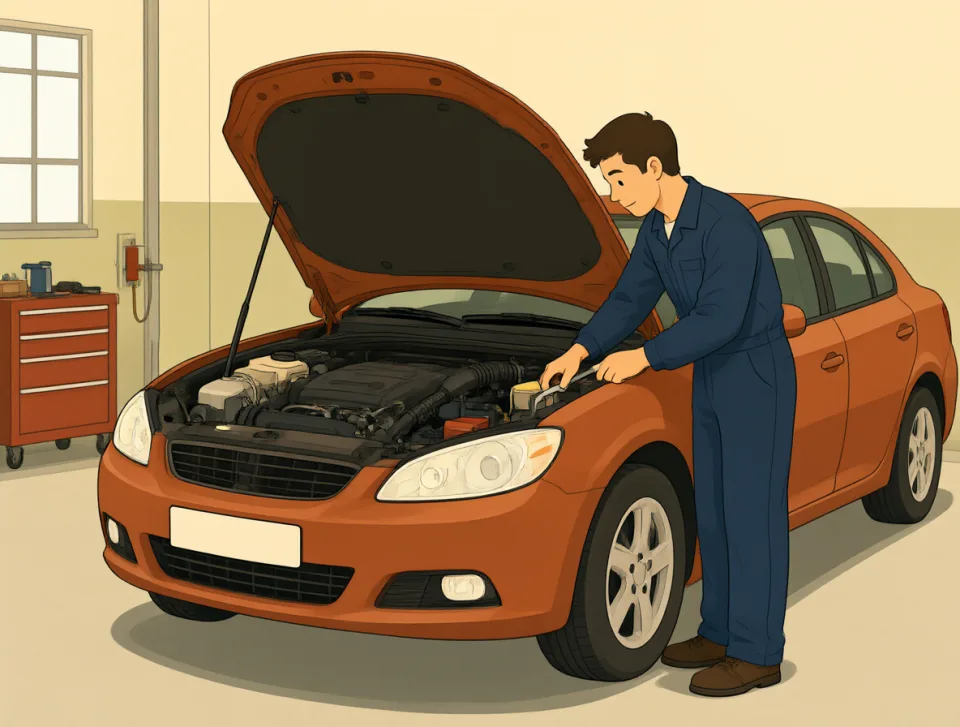
The mechanic checked the motor before returning the car.
Механик проверил двигатель, прежде чем вернуть машину.

The boat has a powerful motor for traveling across the lake.
У лодки мощный двигатель, позволяющий пересекать озеро.

I could hear the motor running behind the office wall.
Я слышал, как за стеной офиса работал двигатель.
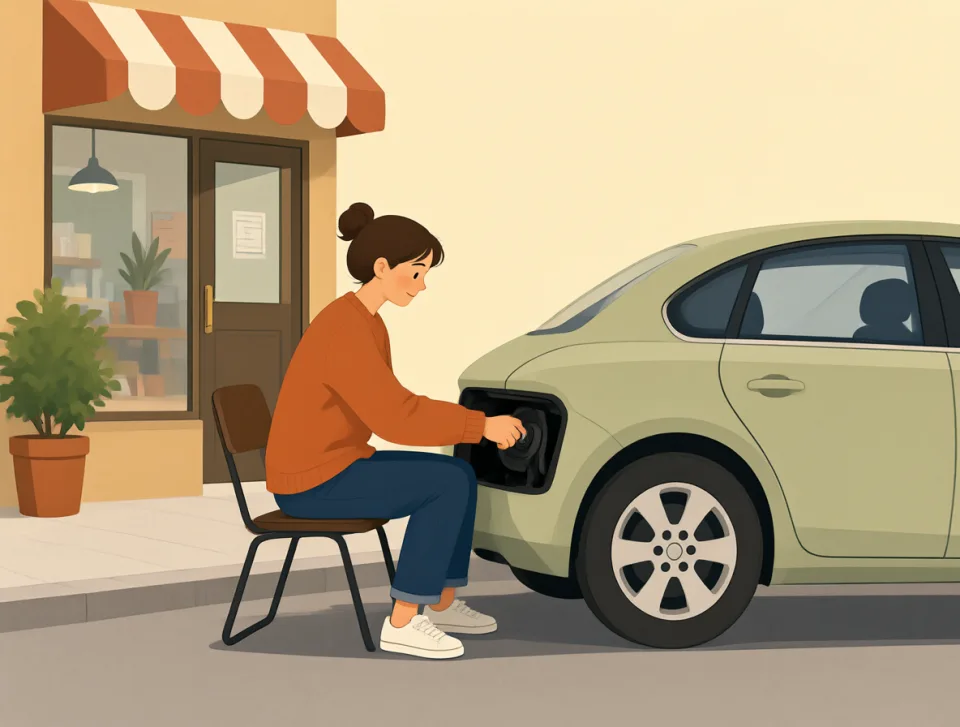
She turned off the motor while waiting outside the store.
Ожидая у магазина, она выключила двигатель.

survival
#2411noun
выживание
The ability to continue living or existing, especially through danger or difficulty.
Способность продолжать жить или существовать, особенно в опасных или трудных условиях.

Clean water and warm clothing are essential for survival in cold weather.
В холодную погоду чистая вода и тёплая одежда необходимы для выживания.
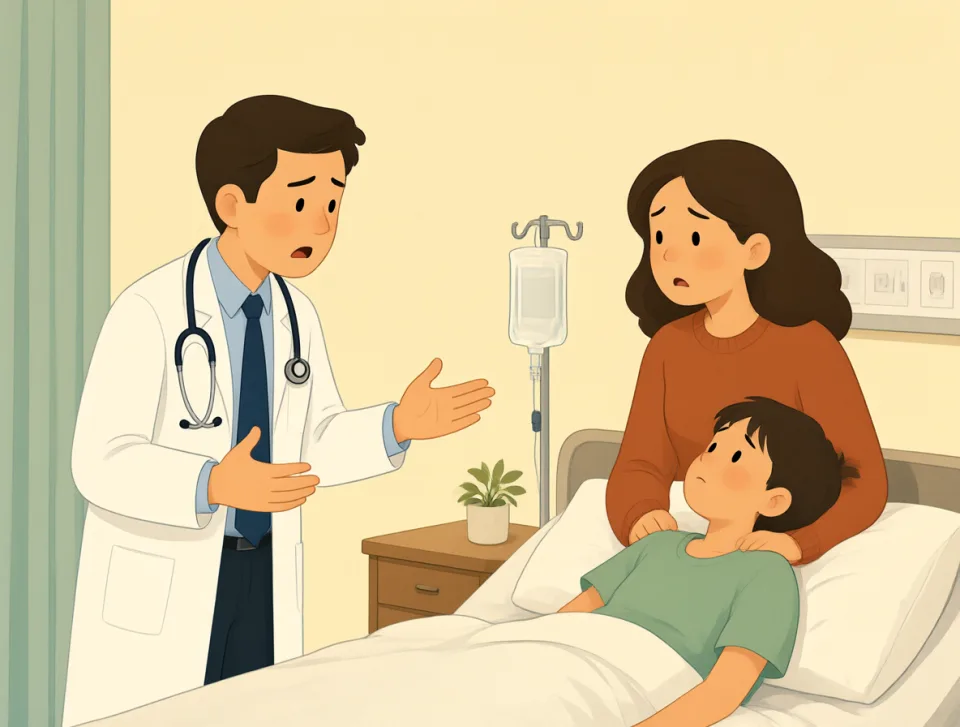
The doctor said her survival depended on getting treatment quickly.
Врач сказал, что её выживание зависит от того, насколько быстро она получит лечение.

The team learned basic survival skills before exploring the jungle.
Перед исследованием джунглей команда освоила основные навыки выживания.
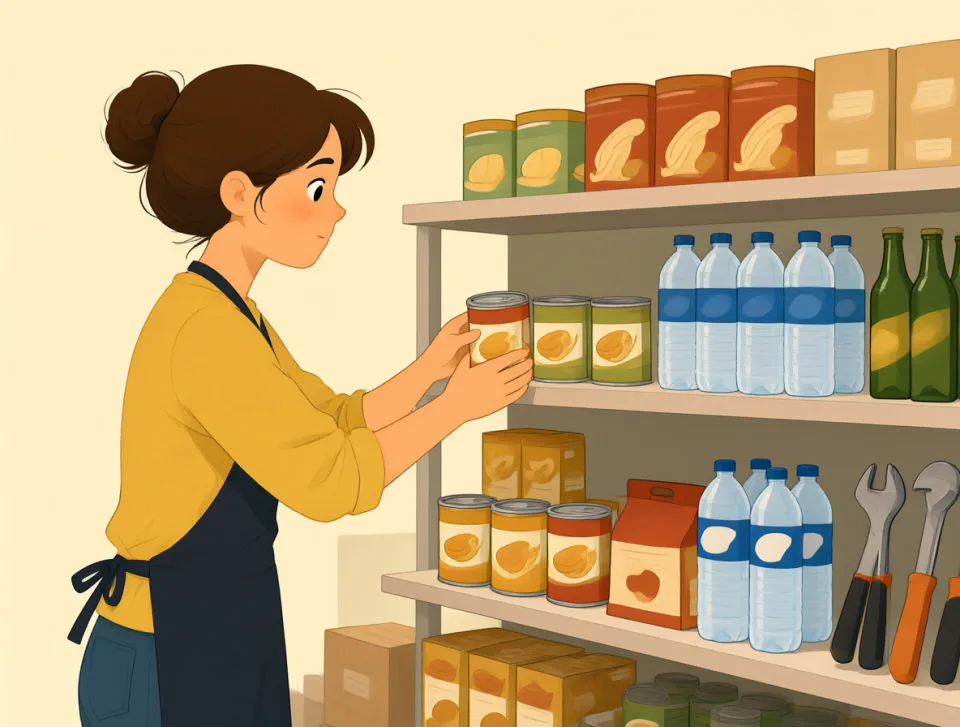
The small shop sells food and tools for everyday survival.
В небольшом магазине продаются продукты и инструменты, необходимые для повседневной жизни.
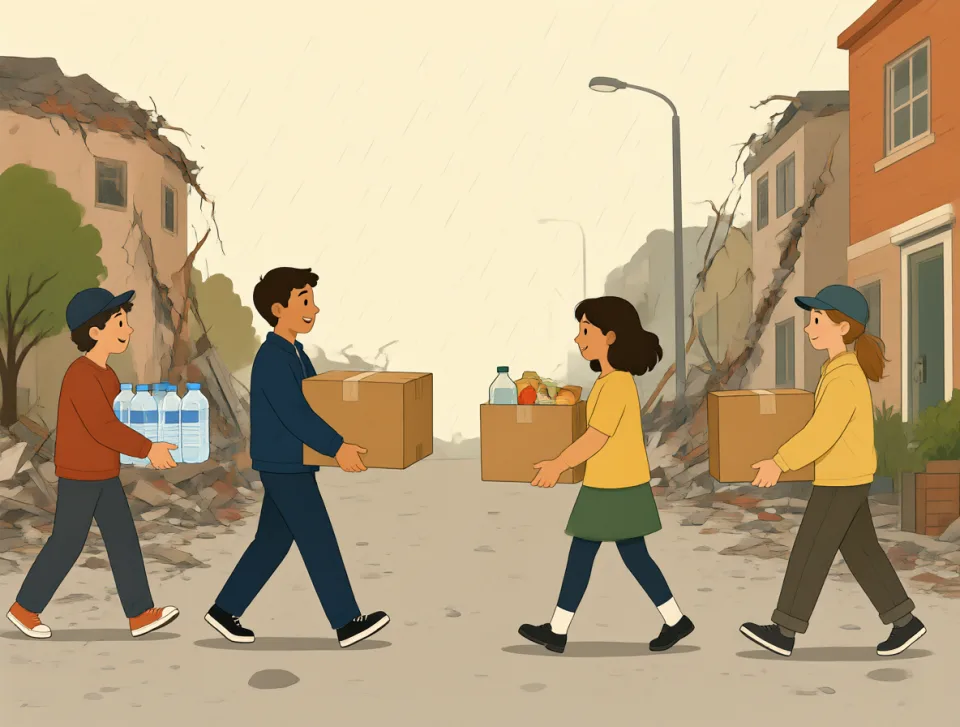
After the storm, our survival depended on helping each other.
После шторма наше выживание зависело от того, помогаем ли мы друг другу.
counter
#2412noun, verb
стойка; противодействовать
A long flat surface for serving food or doing work, or to act against something.
Длинная плоская поверхность, на которой подают еду или работают; также — действовать против чего-либо.
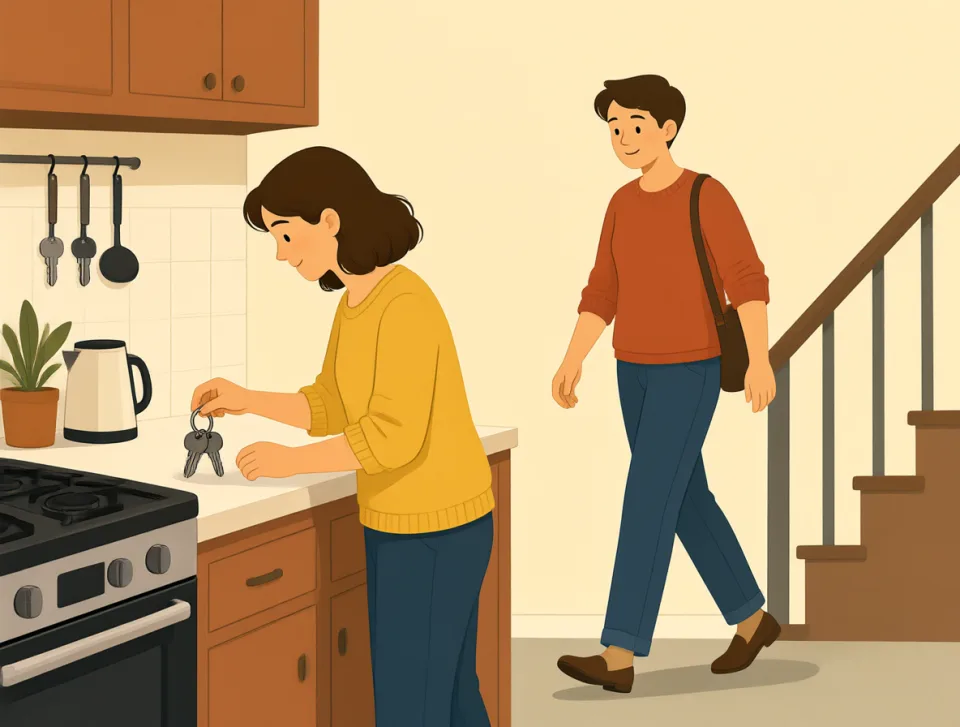
She left the keys on the kitchen counter before going upstairs.
Перед тем как подняться наверх, она оставила ключи на кухонной столешнице.

We ordered sandwiches at the counter and found a table outside.
Мы заказали сэндвичи у стойки и нашли столик на улице.

The hotel counter was busy, so we waited quietly with our bags.
У стойки в отеле было много людей, поэтому мы молча ждали с сумками.

The new evidence counters the argument that the treatment is unsafe.
Новые данные опровергают утверждение о том, что лечение небезопасно.
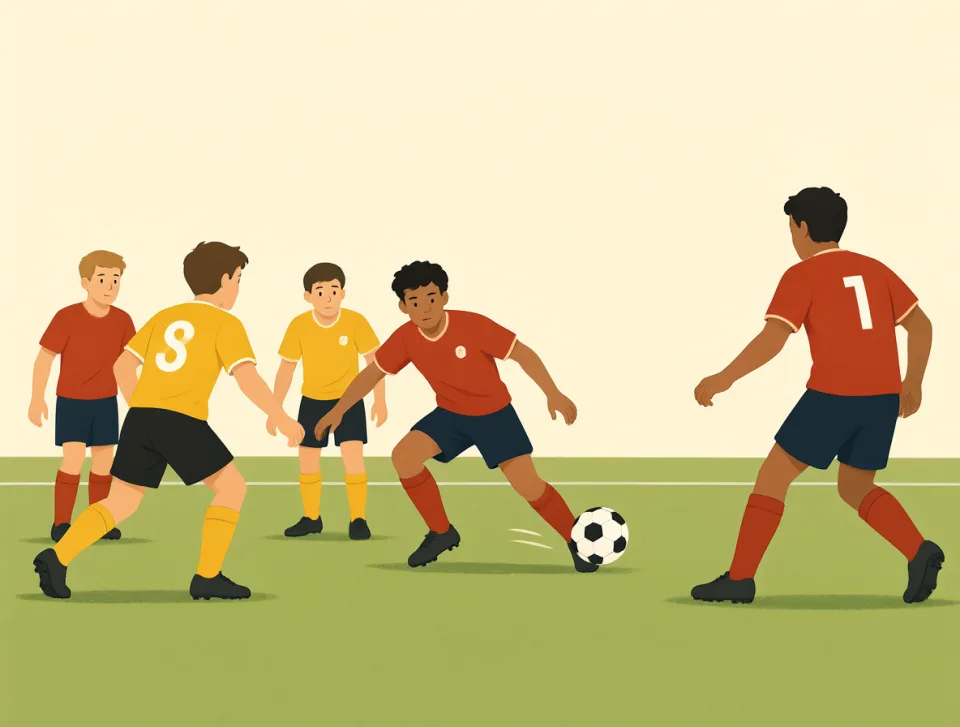
The team is countering the opponent's attack with a quick pass.
Команда отражает атаку соперника быстрым пасом.

possess
#2413verb
обладать
to have something as your own or to have a particular quality
Иметь что-либо в собственности или обладать определённым качеством.

She possesses excellent communication skills and works well with people.
Она обладает отличными навыками общения и легко находит общий язык с людьми.
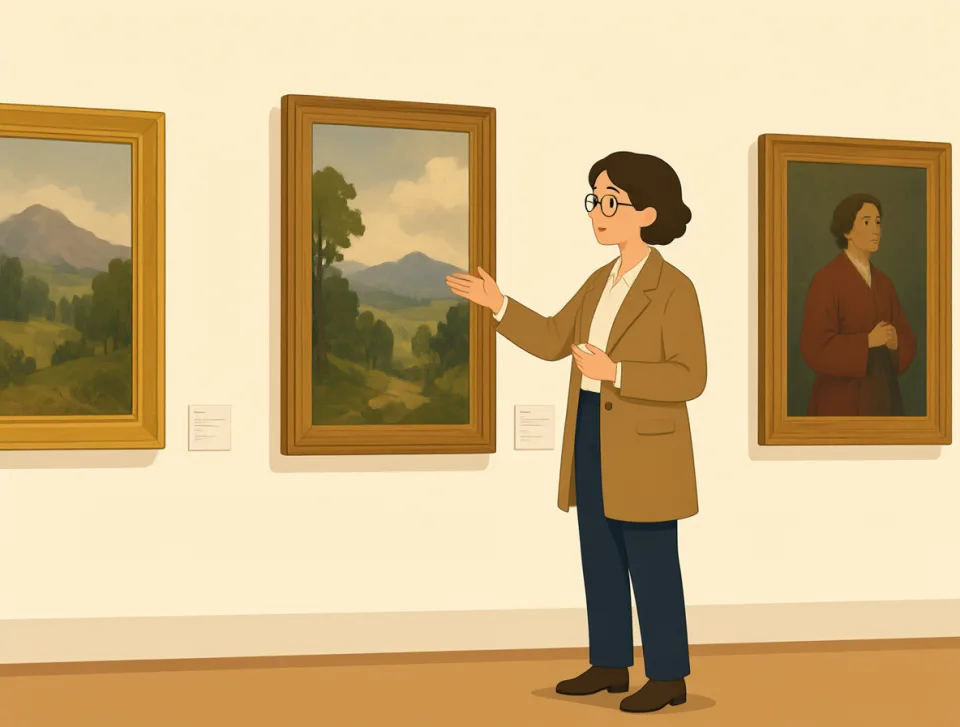
The museum possesses several paintings by famous local artists.
В музее есть несколько картин известных местных художников.
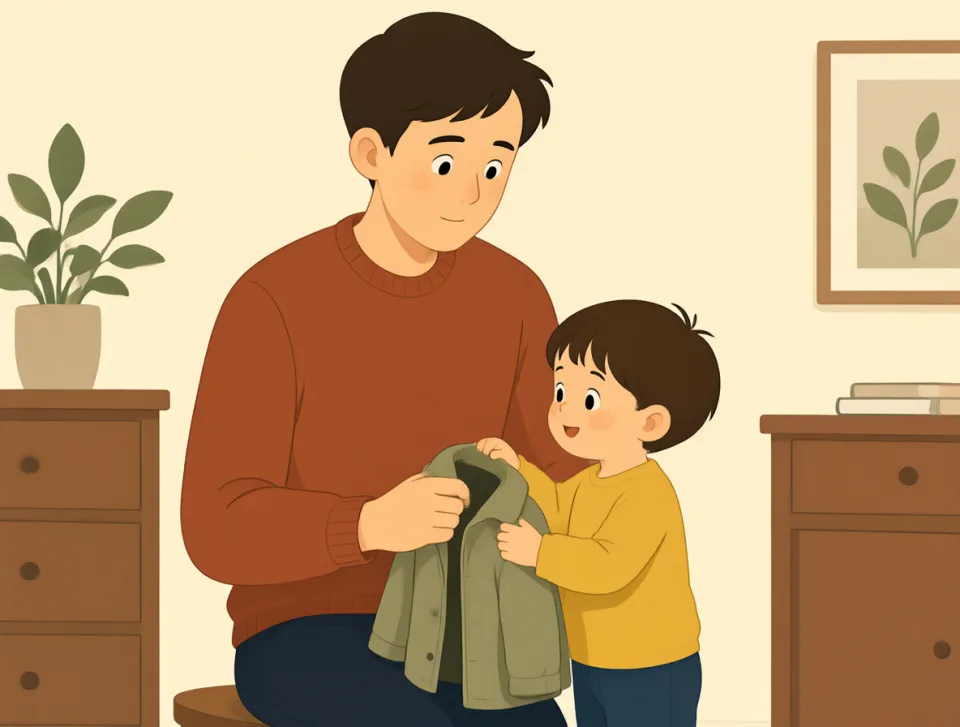
He possesses the patience needed to care for young children.
Он обладает терпением, необходимым для заботы о маленьких детях.

The new phone possesses a powerful camera and a long-lasting battery.
У нового телефона мощная камера и аккумулятор с долгим сроком службы.

Only experienced climbers possess the strength to reach the mountain’s highest point.
Только опытные альпинисты обладают силой, необходимой, чтобы добраться до самой высокой точки горы.
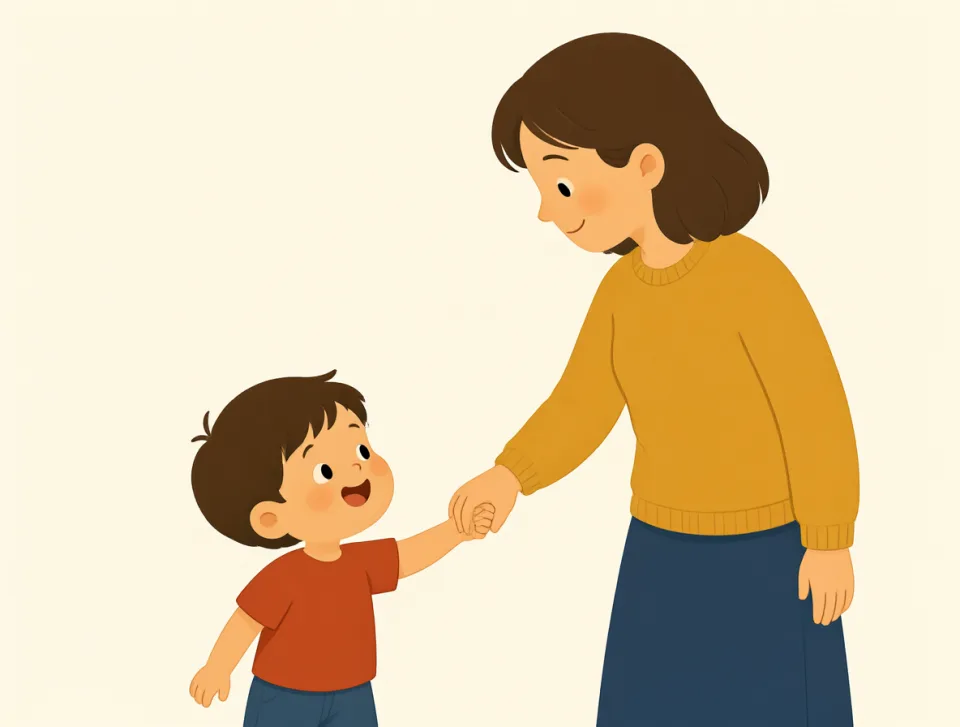
permission
#2414noun
разрешение
If you have permission, someone allows you to do something.
Если у вас есть разрешение, значит, кто-то позволил вам что-либо сделать.
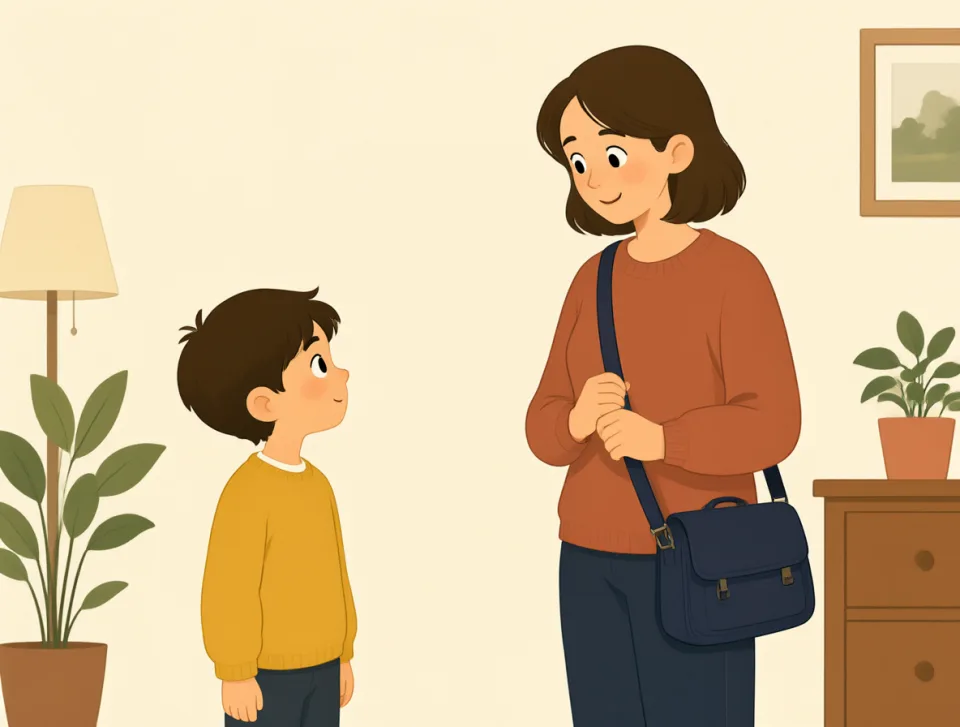
You need your parents' permission before going on the school trip.
Перед школьной экскурсией тебе нужно разрешение родителей.

I asked my manager for permission to leave work early.
Я попросил у руководителя разрешения уйти с работы пораньше.
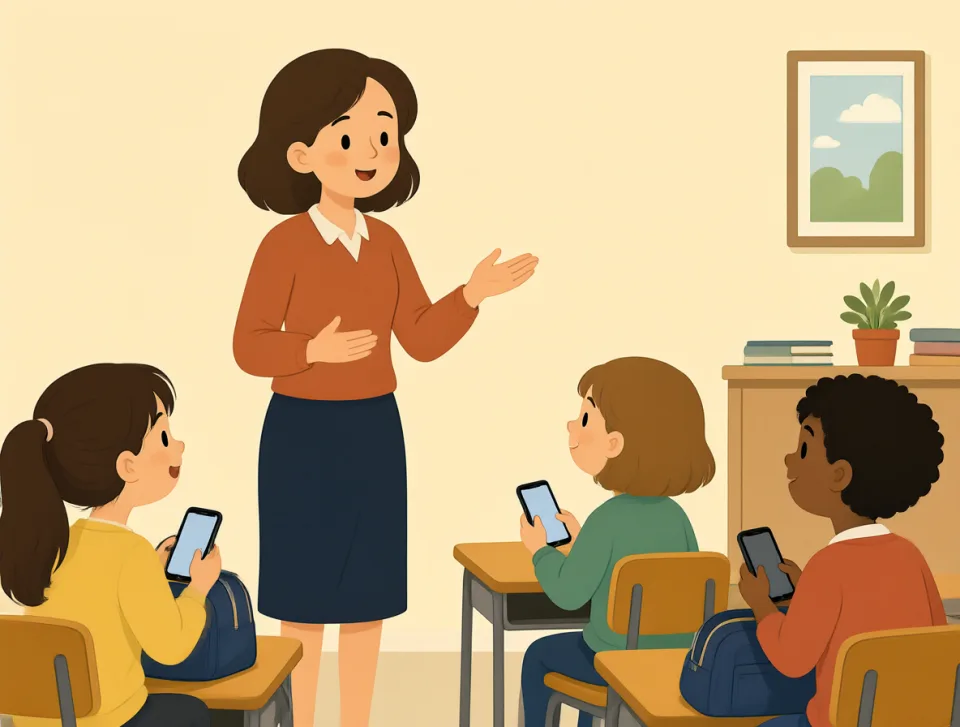
The teacher gave us permission to use our phones during the break.
Учитель разрешил нам пользоваться телефонами во время перемены.

We could not enter the restaurant without permission from the owner.
Мы не могли войти в ресторан без разрешения владельца.

The doctor gave him permission to return to work next week.
Врач разрешил ему вернуться к работе на следующей неделе.

valley
#2415noun
долина
A low area of land between hills or mountains, often with a river running through it.
Низменная местность между холмами или горами, часто с протекающей по ней рекой.

The small village lies in a beautiful valley between two mountain ranges.
Небольшая деревня расположена в красивой долине между двумя горными хребтами.

We drove through the valley until we reached the town before sunset.
Мы ехали по долине, пока не добрались до города до захода солнца.

Heavy rain filled the valley with water and blocked the main road.
Из-за сильного дождя долина наполнилась водой, а главная дорога оказалась перекрыта.

From the top of the hill, we could see the entire valley below.
С вершины холма мы могли видеть всю долину внизу.
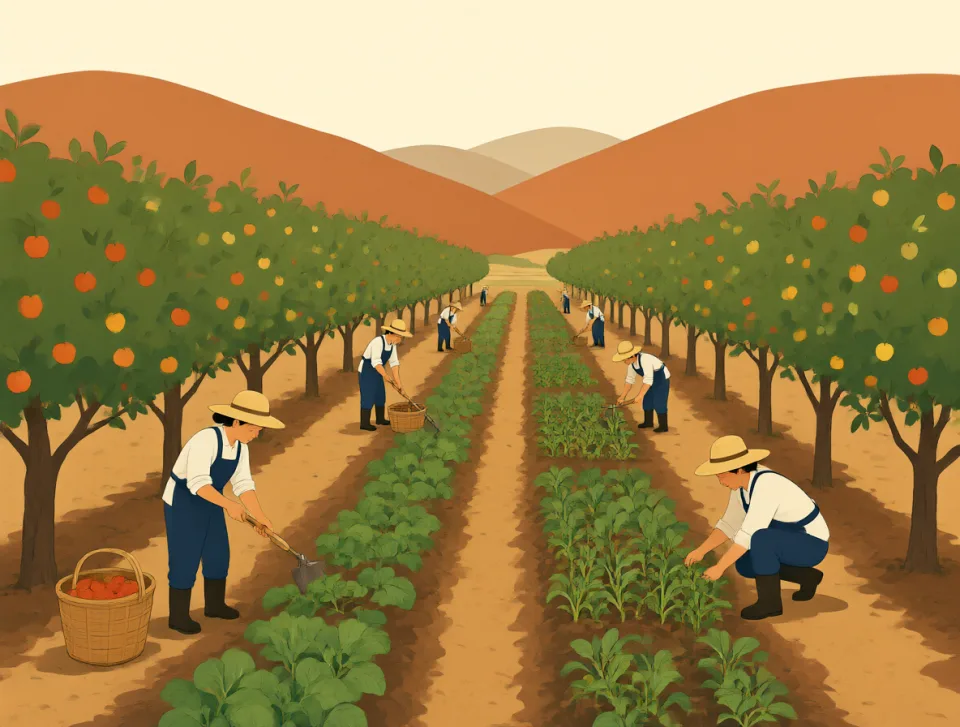
Farmers grow fruit and vegetables on the valley floor.
Фермеры выращивают фрукты и овощи на дне долины.

float
#2416verb, noun
плавать на поверхности
to stay on the surface of water or another liquid without sinking
Оставаться на поверхности воды или другой жидкости, не тонуть.

The leaves floated gently on the surface of the pond.
Листья плавно плыли по поверхности пруда.

She floated on her back while relaxing in the swimming pool.
Она расслаблялась в бассейне, лежа на спине и держась на воде.

A small boat was floating near the beach after the storm.
После шторма у берега плавала небольшая лодка.
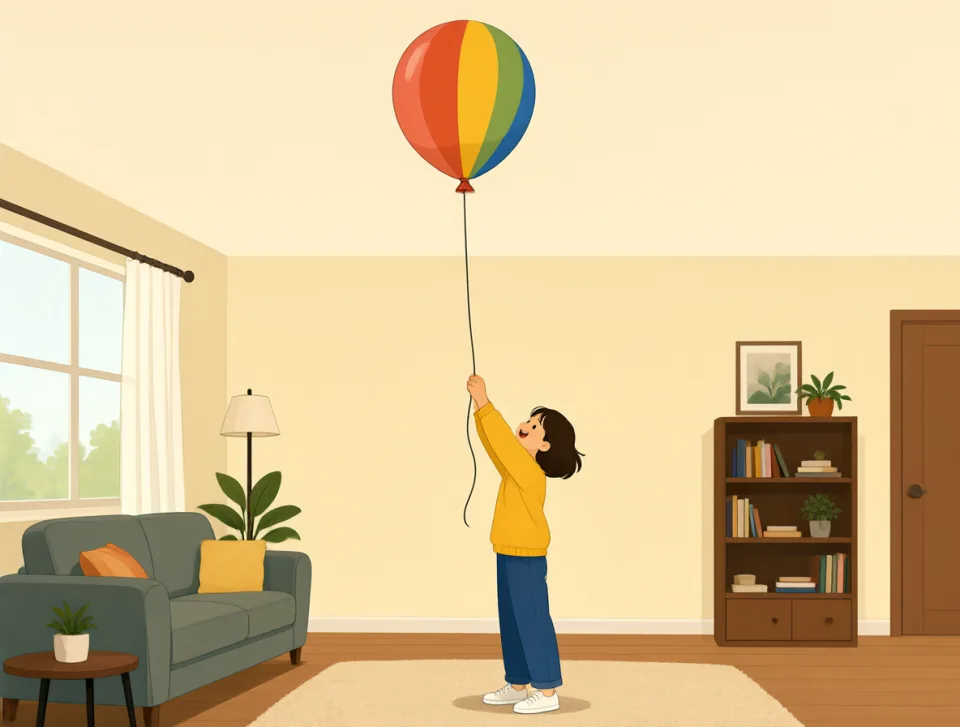
The balloon floated up to the ceiling during the birthday party.
Во время празднования дня рождения воздушный шар поднялся к потолку.
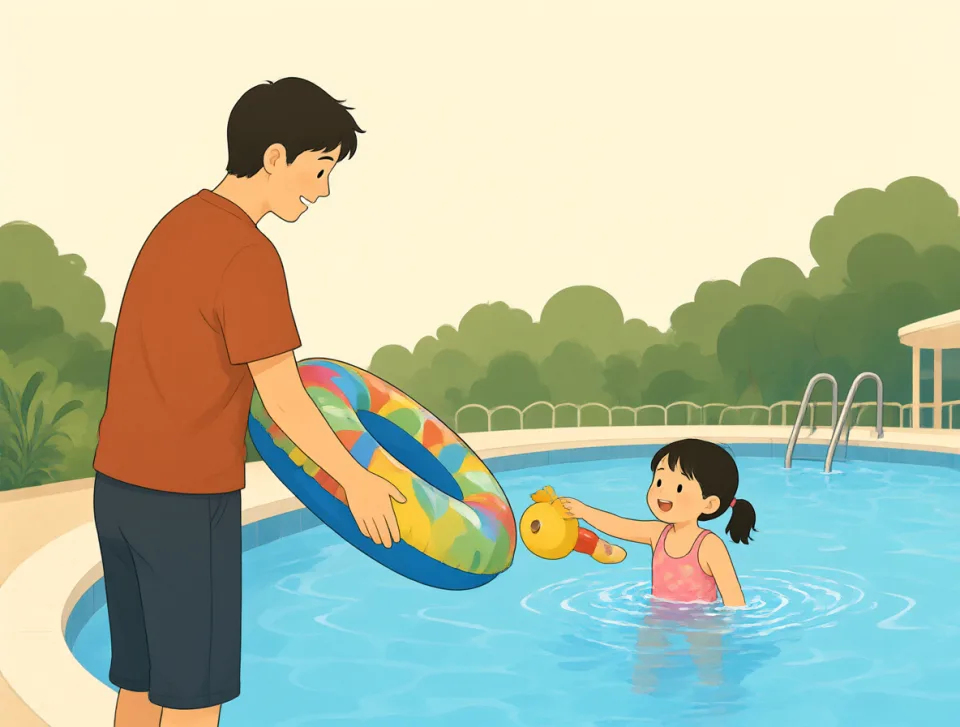
We bought a comfortable float for the children at the water park.
Мы купили детям удобный надувной матрас для аквапарка.
mad
#2417adjective
сердитый; злой; ненормальный
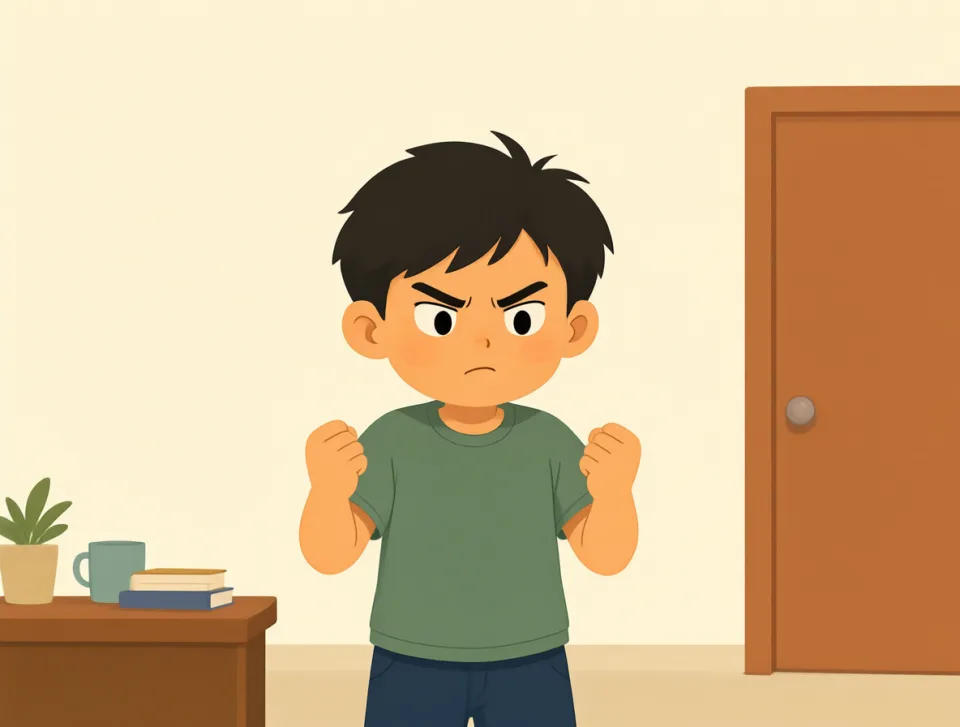
angry, annoyed, or mentally ill, depending on the situation
В зависимости от ситуации это слово может означать «сердитый», «раздражённый» или «психически нездоровый».

She was mad at me for forgetting her birthday.
Она разозлилась на меня за то, что я забыл о её дне рождения.

My dad gets mad when people leave dirty dishes in the sink.
Папа сердится, когда люди оставляют грязную посуду в раковине.
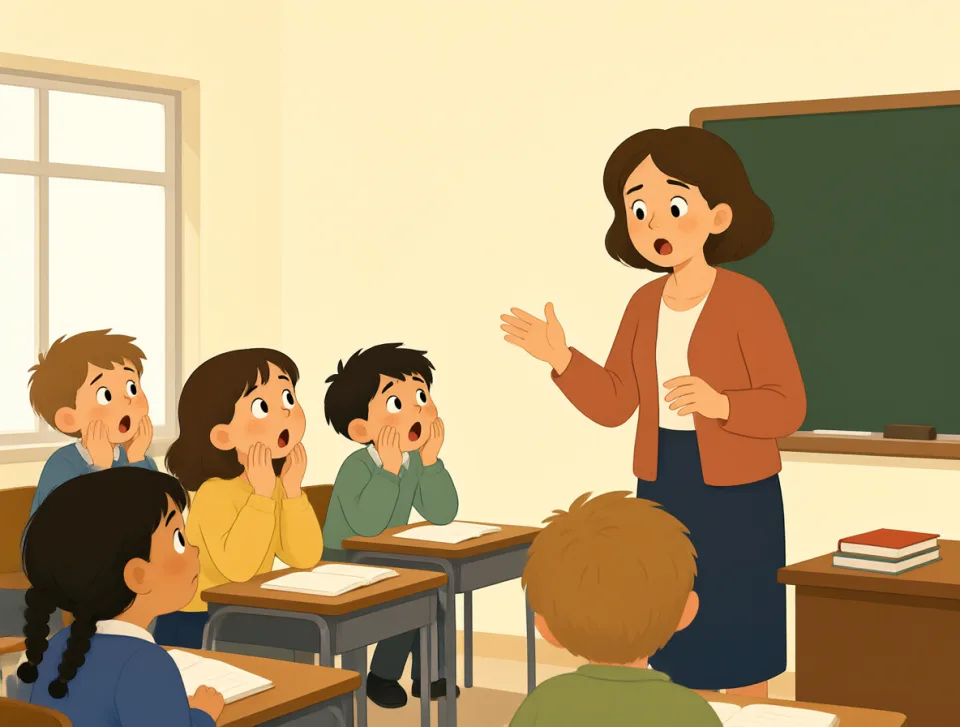
The children went mad when the teacher canceled their trip.
Дети пришли в ярость, когда учитель отменил их поездку.

He must be mad to drive so fast on this narrow mountain road.
Надо быть сумасшедшим, чтобы так быстро ехать по этой узкой горной дороге.
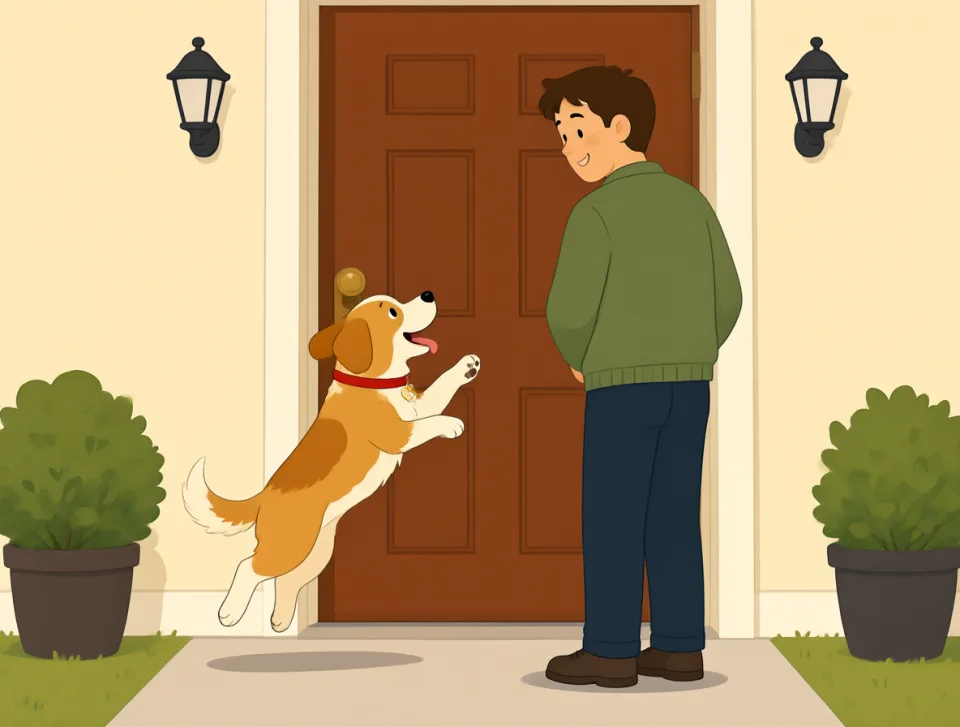
The dog went mad with excitement when its owner came home.
Собака обезумела от радости, когда хозяин вернулся домой.

greatly
#2418adverb
значительно
Very much; to a great degree.
В значительной степени; очень сильно.
The new medicine greatly improved my grandmother’s health.
Новое лекарство значительно улучшило здоровье моей бабушки.

We greatly enjoyed our weekend trip to the mountains.
Нам очень понравилась поездка в горы на выходные.
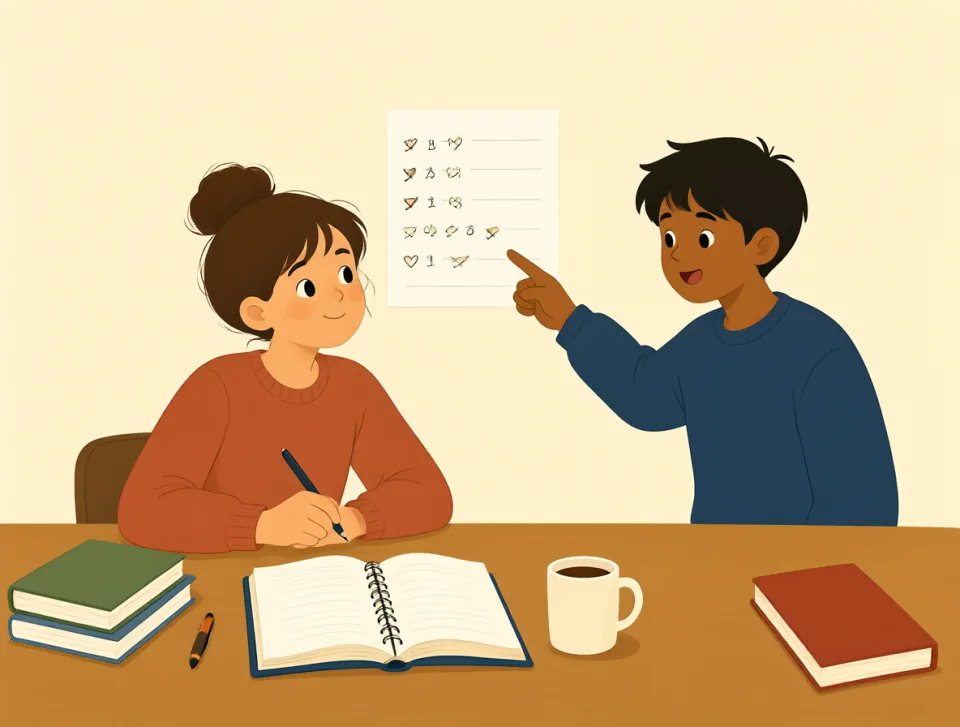
Your advice greatly helped me prepare for the difficult exam.
Твой совет очень помог мне подготовиться к сложному экзамену.

The store’s lower prices greatly increased the number of customers.
Из-за более низких цен в магазине число покупателей значительно выросло.

I was greatly surprised when my friends brought me a birthday cake.
Я был очень удивлён, когда друзья принесли мне праздничный торт.

visible
#2419adjective
видимый; заметный
Able to be seen or noticed.
Такой, который можно увидеть или заметить.

The mountains were clearly visible from our hotel window.
Горы были хорошо видны из окна нашего отеля.
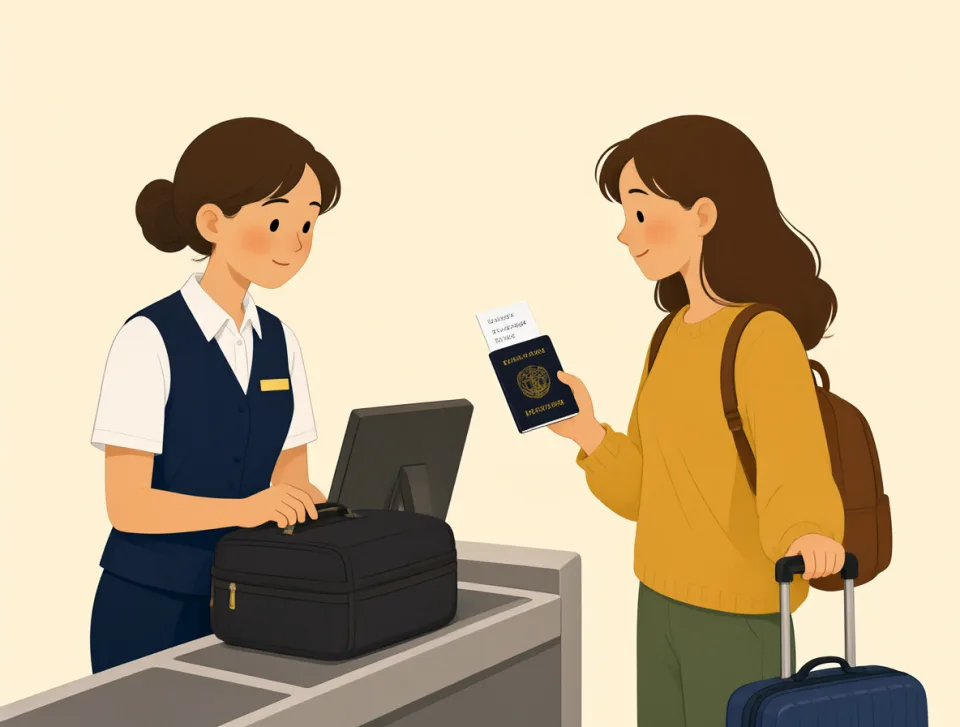
Please keep your passport visible while we check your bags.
Пожалуйста, держите паспорт на виду, пока мы проверяем ваши сумки.
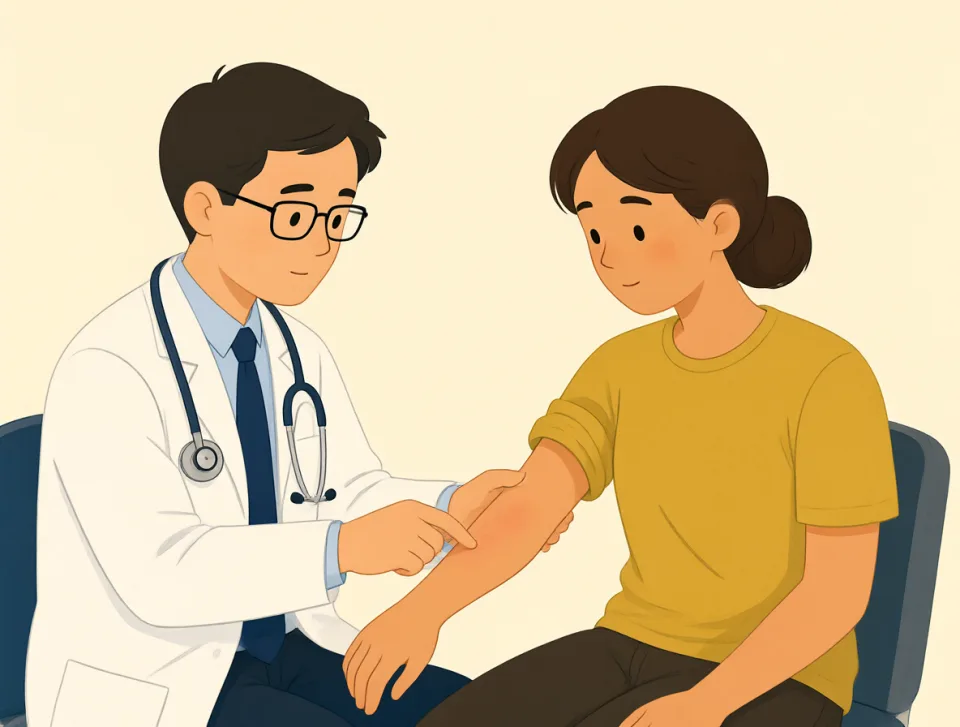
The doctor found no visible signs of infection.
Врач не обнаружил видимых признаков инфекции.
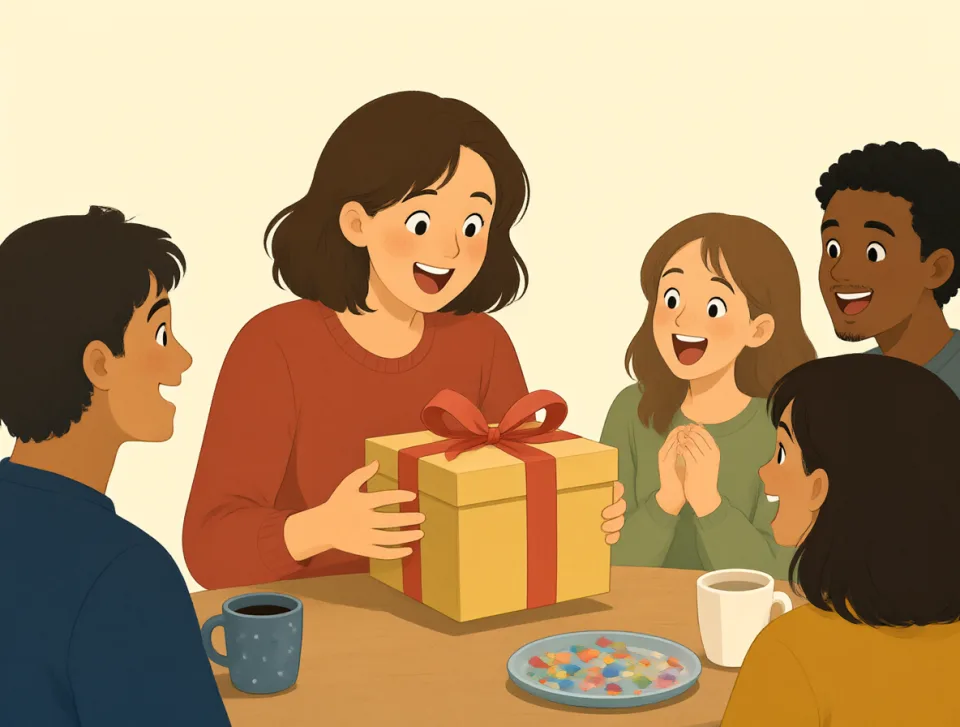
Her excitement was visible when she opened the birthday gift.
Когда она открыла подарок на день рождения, её восторг был заметен.

The stars became visible after the clouds moved away.
Когда тучи рассеялись, стали видны звёзды.

electric
#2420adjective
электрический
using or producing electricity
Работающий на электричестве или вырабатывающий электричество.
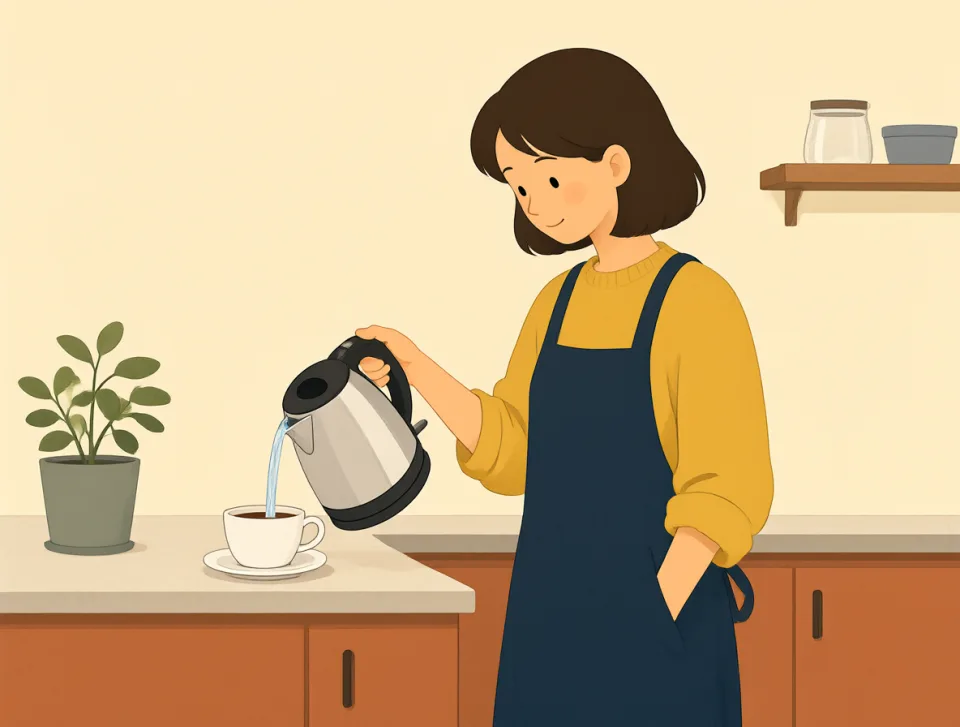
We bought an electric kettle to boil water quickly in the morning.
Утром мы купили электрический чайник, чтобы быстро кипятить воду.

The electric car needs charging before we drive to the airport.
Электромобиль нужно зарядить, прежде чем мы поедем в аэропорт.
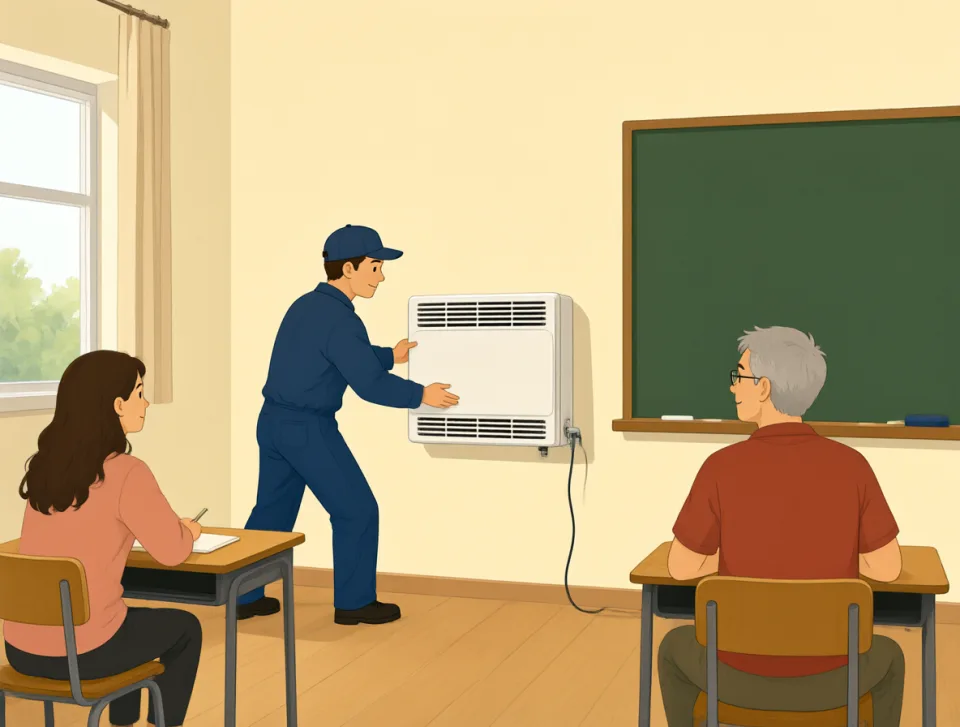
The school replaced its old heating system with an electric one.
В школе заменили старую систему отопления на электрическую.

The dentist used an electric toothbrush to clean my teeth.
Стоматолог почистил мне зубы электрической зубной щёткой.
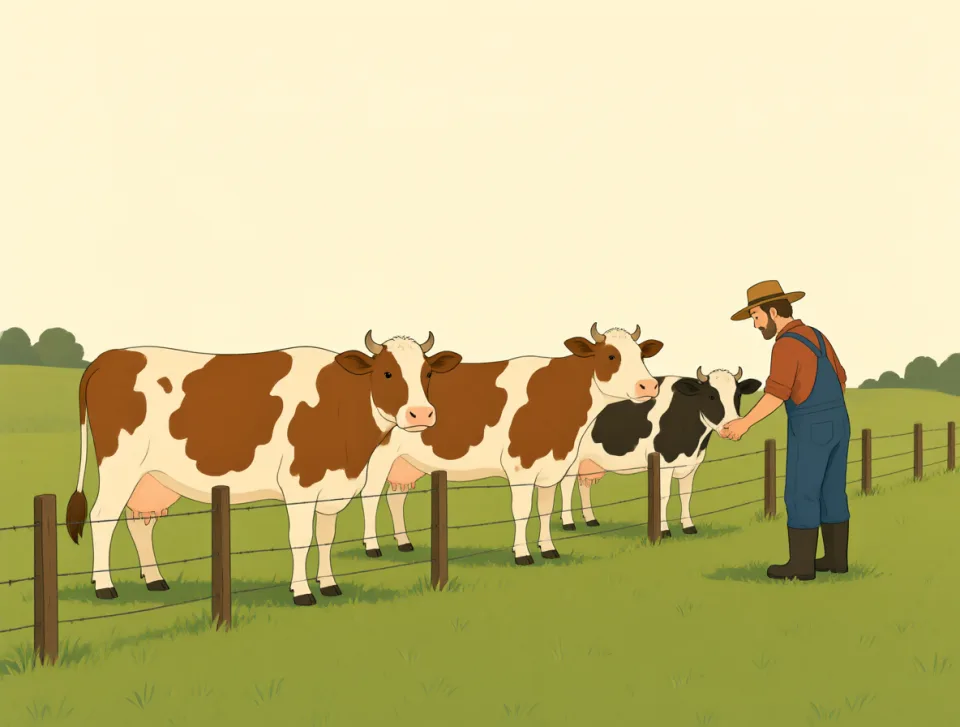
An electric fence keeps the animals safely inside the field.
Электрический забор не даёт животным выбраться с поля.