ইউনিট 118
শব্দ 2341–2360 · virus, precisely, rival, offense, detect, teenager

virus
#2341noun
ভাইরাস
A very small living thing that can cause illness in people, animals, or plants.
অতি ক্ষুদ্র এক ধরনের জীব, যা মানুষ, প্রাণী বা উদ্ভিদের অসুস্থতার কারণ হতে পারে।
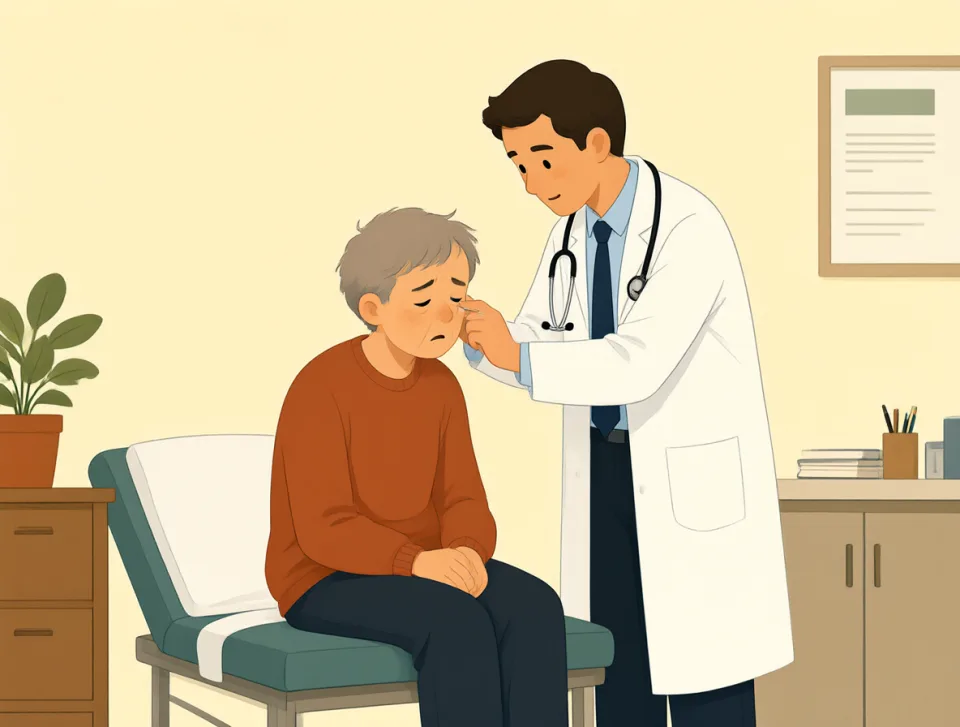
The doctor said a virus was causing my fever and sore throat.
ডাক্তার বললেন, আমার জ্বর ও গলাব্যথার কারণ একটি ভাইরাস।

Please wash your hands often to help prevent the virus from spreading.
ভাইরাসের ছড়িয়ে পড়া ঠেকাতে দয়া করে ঘন ঘন হাত ধুয়ে নিন।
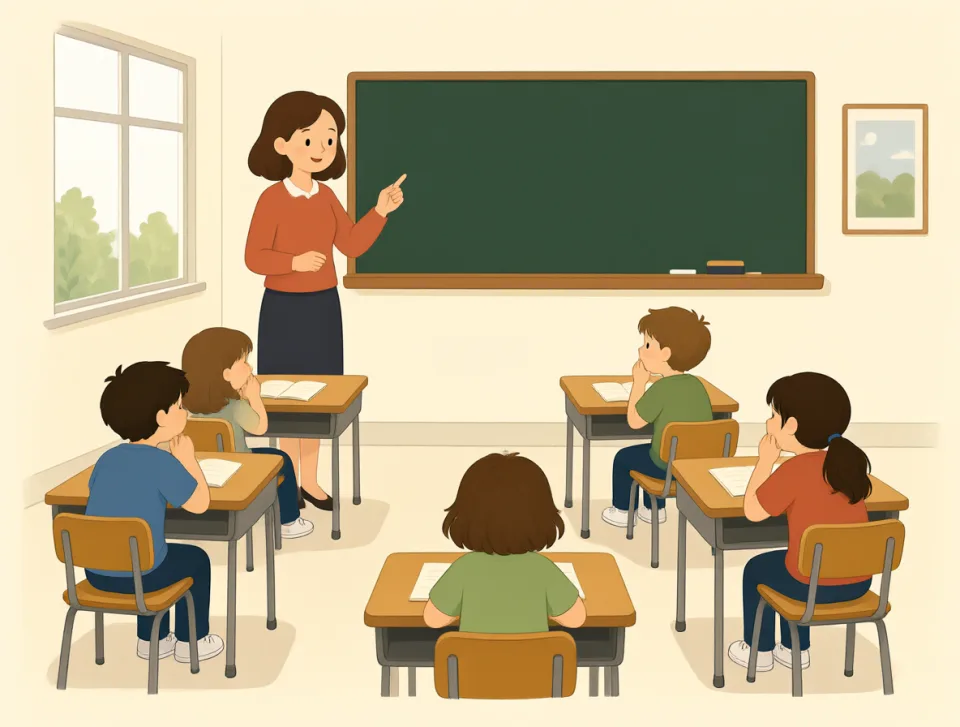
Several students stayed home because a stomach virus was spreading at school.
স্কুলে পেটের ভাইরাস ছড়িয়ে পড়ায় কয়েকজন শিক্ষার্থী বাড়িতে ছিল।

My computer caught a virus after I opened a suspicious email attachment.
সন্দেহজনক একটি ইমেইলের সংযুক্তি খোলার পর আমার কম্পিউটারে ভাইরাস ঢুকেছিল।
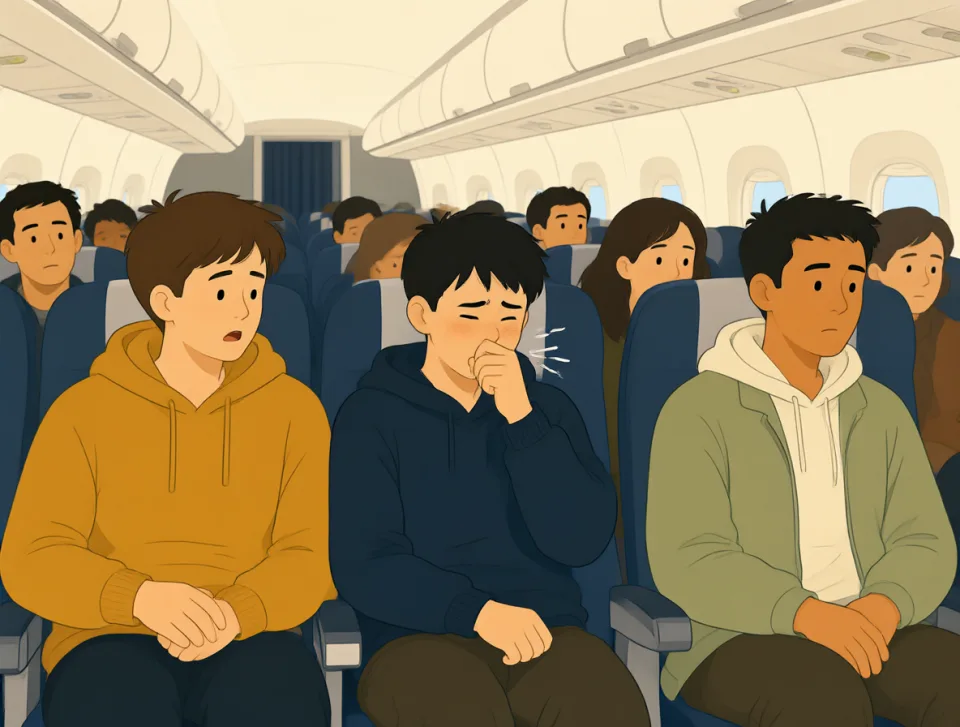
The flu virus can spread quickly when people travel on crowded airplanes.
ভিড়ভাট্টার বিমানে মানুষ যাতায়াত করলে ফ্লুর ভাইরাস দ্রুত ছড়াতে পারে।

precisely
#2342adverb
ঠিকঠাকভাবে
Exactly, accurately, or in a very clear and specific way.
একদম ঠিকভাবে, নির্ভুলভাবে বা খুব স্পষ্ট ও নির্দিষ্টভাবে।

The train leaves precisely at eight o'clock every morning.
ট্রেনটি প্রতিদিন সকালে ঠিক আটটায় ছাড়ে।

Please tell me precisely what happened during the meeting.
সভায় ঠিক কী ঘটেছিল, দয়া করে আমাকে বলুন।

The package arrived precisely when the delivery driver promised.
ডেলিভারির চালক যে সময়ের কথা বলেছিলেন, পার্সেলটি ঠিক তখনই এসে পৌঁছাল।
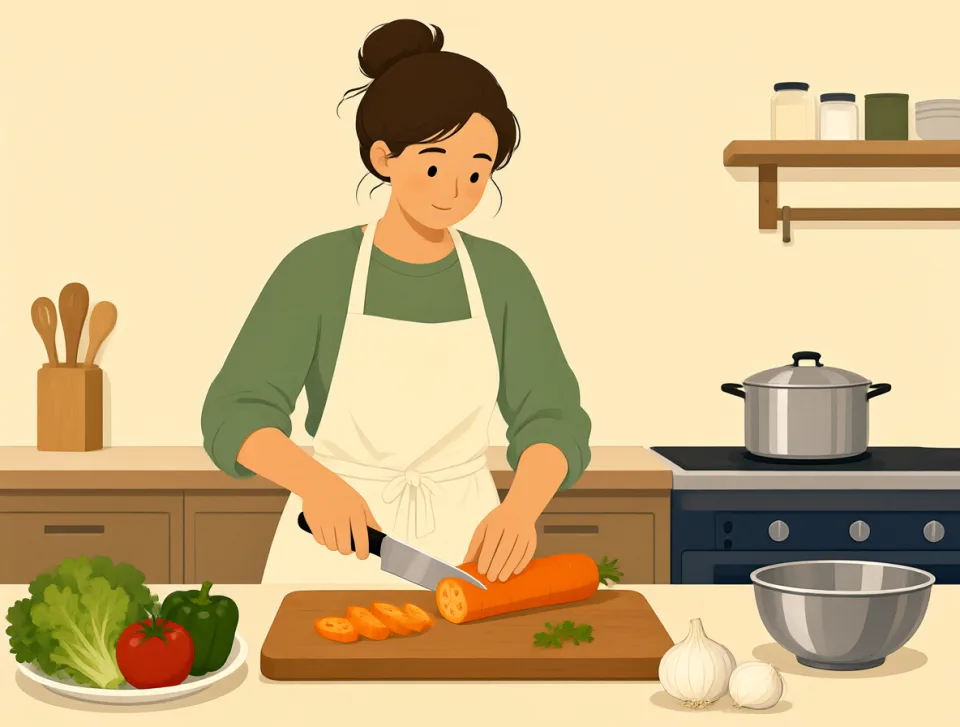
Cut the vegetables precisely the same size so they cook evenly.
সবজিগুলো ঠিক একই আকারে কাটুন, যাতে সেগুলো সমানভাবে সেদ্ধ হয়।

The doctor explained precisely how to take the medicine each day.
ডাক্তার প্রতিদিন কীভাবে ওষুধ খেতে হবে, তা বিস্তারিতভাবে বুঝিয়ে দিলেন।

rival
#2343noun, verb, adjective
প্রতিদ্বন্দ্বী
A person, team, or company competing against another; to compete with someone or something.
অন্য কোনো ব্যক্তি, দল বা প্রতিষ্ঠানের সঙ্গে প্রতিযোগিতা করে এমন কেউ; কারও বা কিছুর সঙ্গে প্রতিযোগিতা করা।

Our biggest rival opened a new store across the street.
আমাদের সবচেয়ে বড় প্রতিদ্বন্দ্বী রাস্তার উল্টো পাশে একটি নতুন দোকান খুলেছে।
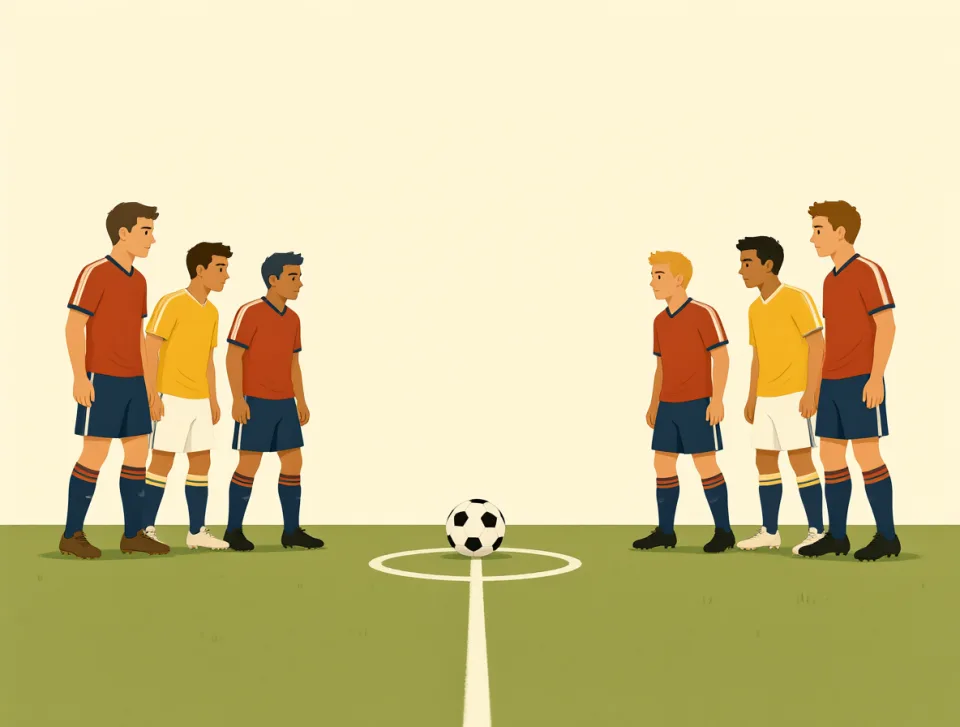
The two teams have been rivals since they first played football together.
দুটি দল একসঙ্গে প্রথম ফুটবল খেলার সময় থেকেই প্রতিদ্বন্দ্বী।
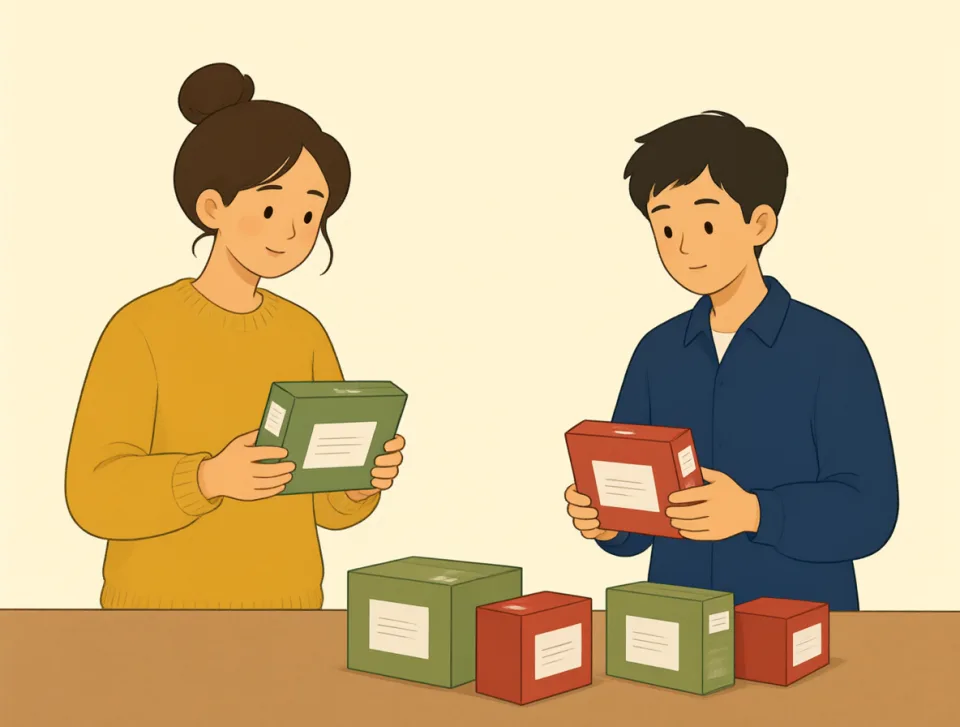
Our company is trying to rival the market leader with cheaper products.
সস্তা পণ্য দিয়ে বাজারের শীর্ষস্থানীয় প্রতিষ্ঠানের সঙ্গে পাল্লা দেওয়ার চেষ্টা করছে আমাদের কোম্পানি।

She rivaled her brother in cooking, and both prepared excellent meals.
রান্নায় সে তার ভাইয়ের সঙ্গে পাল্লা দিয়েছিল, আর দুজনেই দারুণ খাবার তৈরি করেছিল।

The new hotel rivals the best places we visited during our trip.
নতুন হোটেলটি আমাদের ভ্রমণে দেখা সেরা জায়গাগুলোর সঙ্গে পাল্লা দেয়।
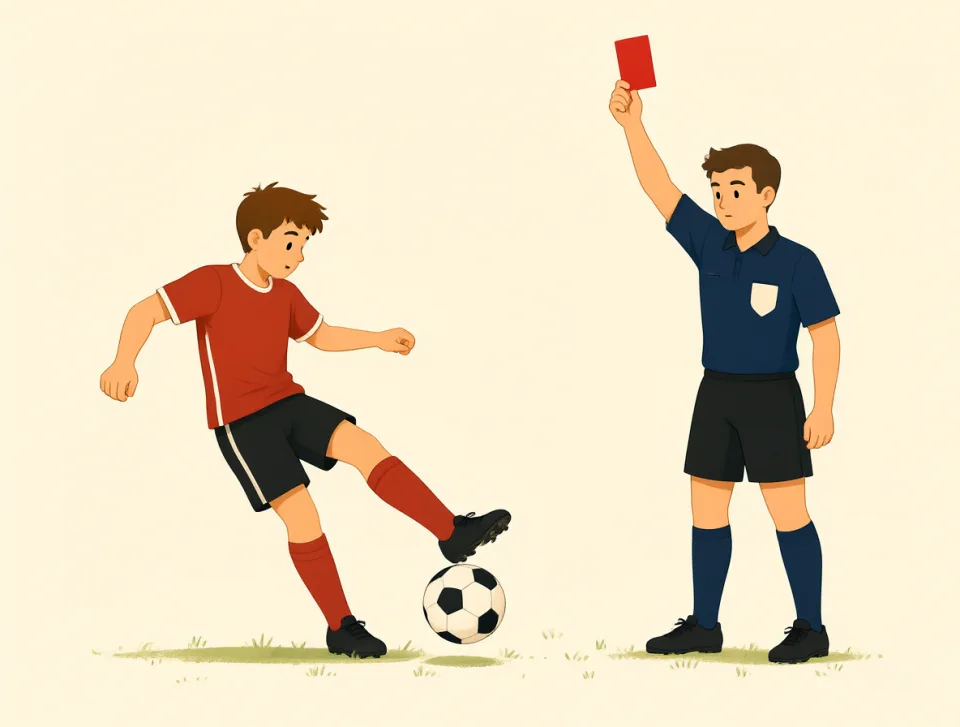
offense
#2344noun
অপরাধ
An illegal act or behavior that breaks a law or rule.
আইন বা নিয়ম ভঙ্গ করে এমন বেআইনি কাজ বা আচরণ।

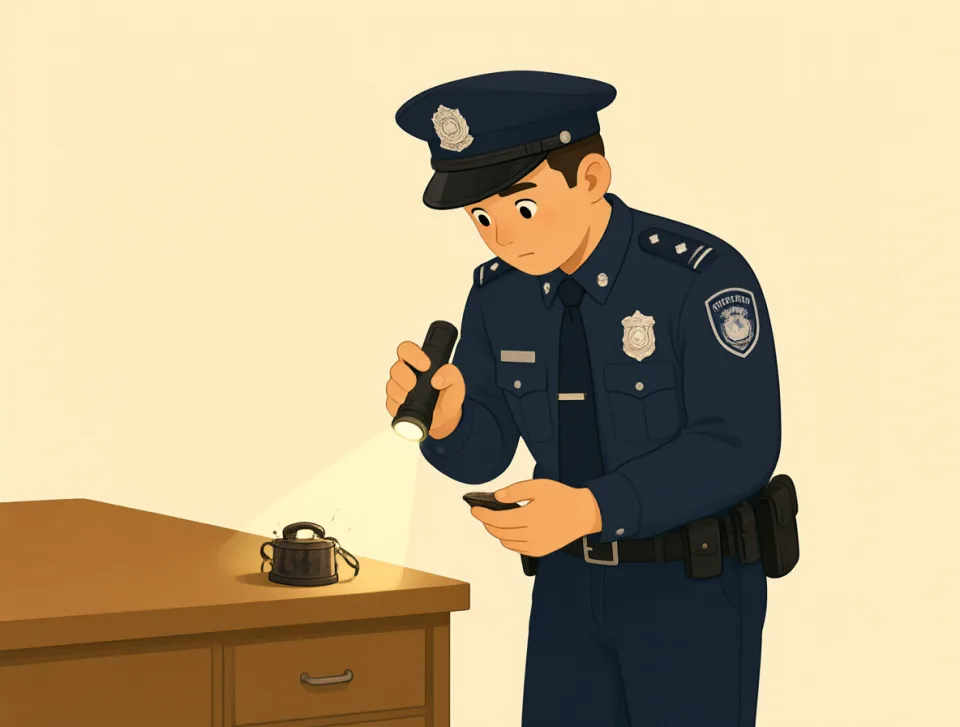
The police charged him with a serious offense after the store robbery.
দোকানে ডাকাতির পর পুলিশ তার বিরুদ্ধে গুরুতর অপরাধের অভিযোগ আনল।
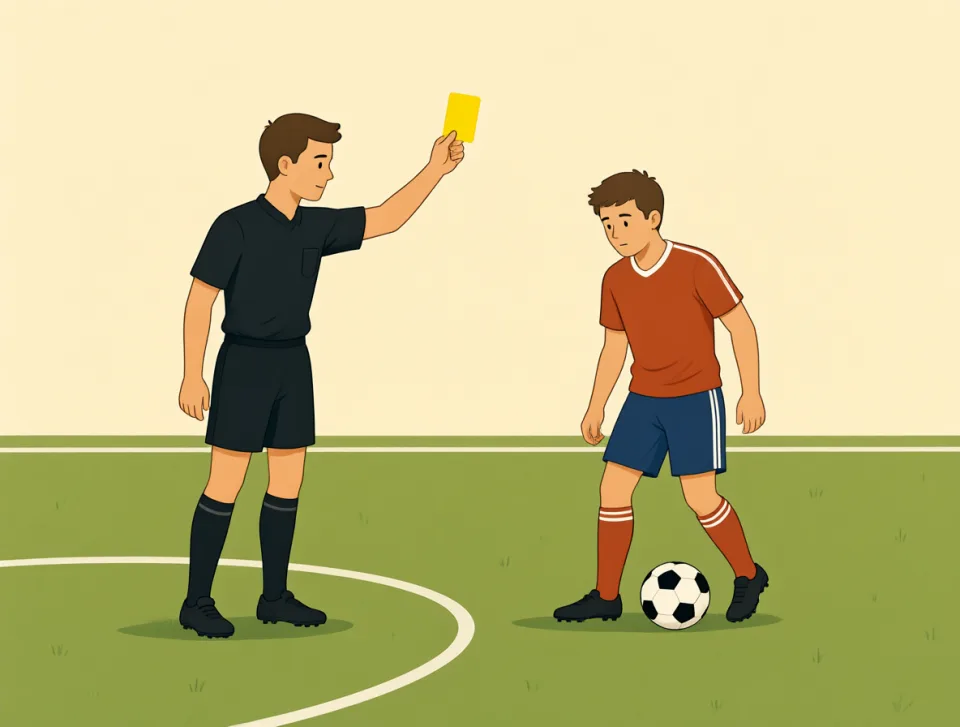
The player received a yellow card for a dangerous offense during the match.
ম্যাচে বিপজ্জনক ফাউল করায় খেলোয়াড়টি হলুদ কার্ড পেয়েছিল।
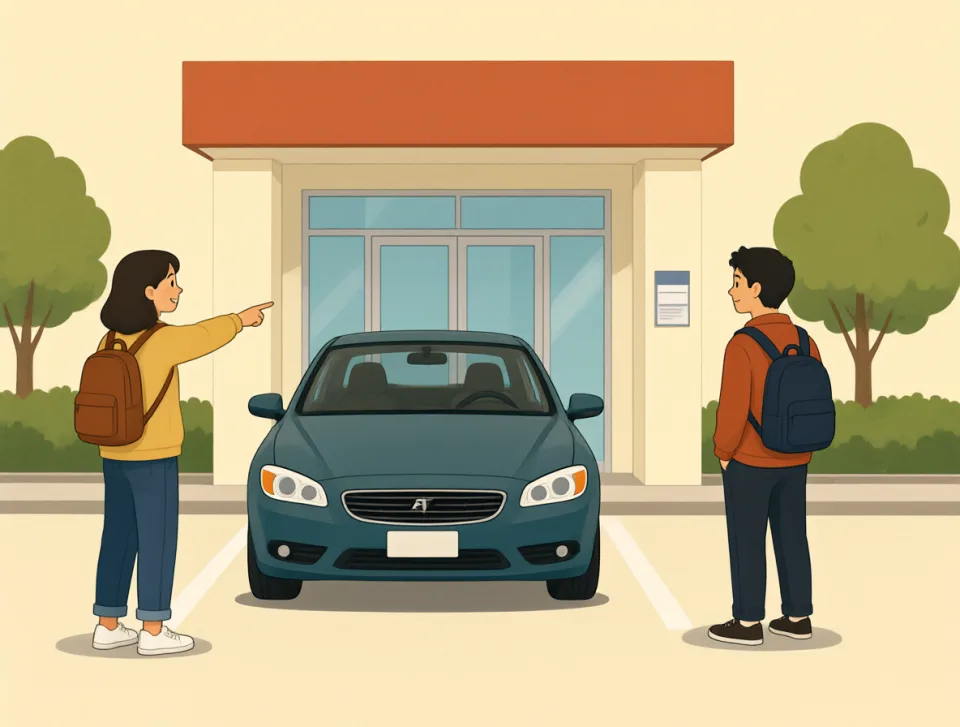
Parking in front of the hospital entrance is a traffic offense.
হাসপাতালের প্রবেশপথের সামনে গাড়ি পার্ক করা ট্রাফিক আইন লঙ্ঘন।
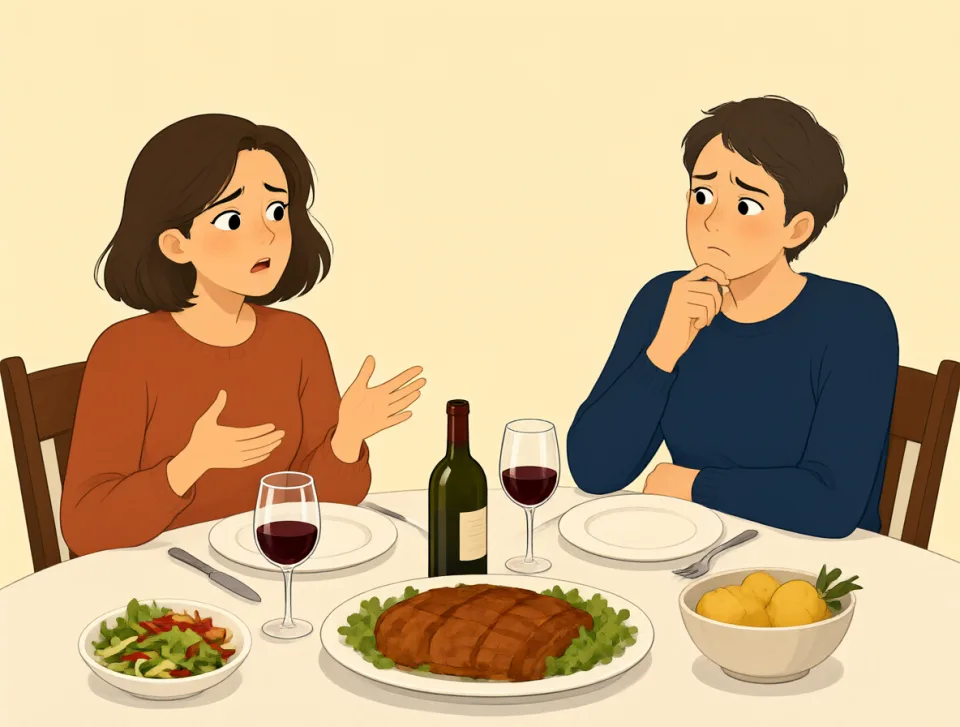
She worried that her rude comment might cause offense at dinner.
রাতের খাবারের সময় তার অভদ্র মন্তব্যে কেউ অপমানিত হতে পারে ভেবে সে চিন্তিত ছিল।
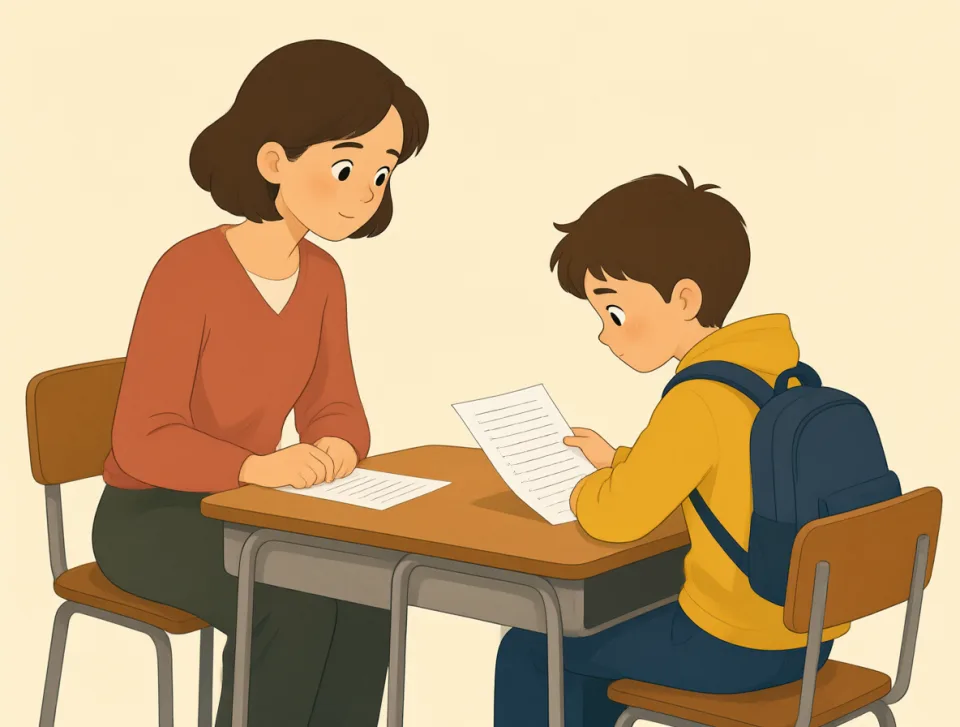
The school treats cheating on exams as a serious offense.
পরীক্ষায় নকল করাকে স্কুলটি গুরুতর অপরাধ বলে গণ্য করে।
detect
#2345verb
শনাক্ত করা
to notice or discover something, especially something that is difficult to see or hear
কোনো কিছু, বিশেষ করে যা দেখা বা শোনা কঠিন, খেয়াল করা বা খুঁজে বের করা।

The doctor detected a small problem during my routine health check.
নিয়মিত স্বাস্থ্য পরীক্ষার সময় ডাক্তার একটি ছোট সমস্যা শনাক্ত করলেন।

Our smoke alarm detected a fire before anyone noticed the smoke.
কেউ ধোঁয়া দেখতে পাওয়ার আগেই আমাদের ধোঁয়ার অ্যালার্ম আগুন শনাক্ত করেছিল।

The teacher detected several mistakes in my science project.
শিক্ষক আমার বিজ্ঞান প্রকল্পে কয়েকটি ভুল খুঁজে পেলেন।
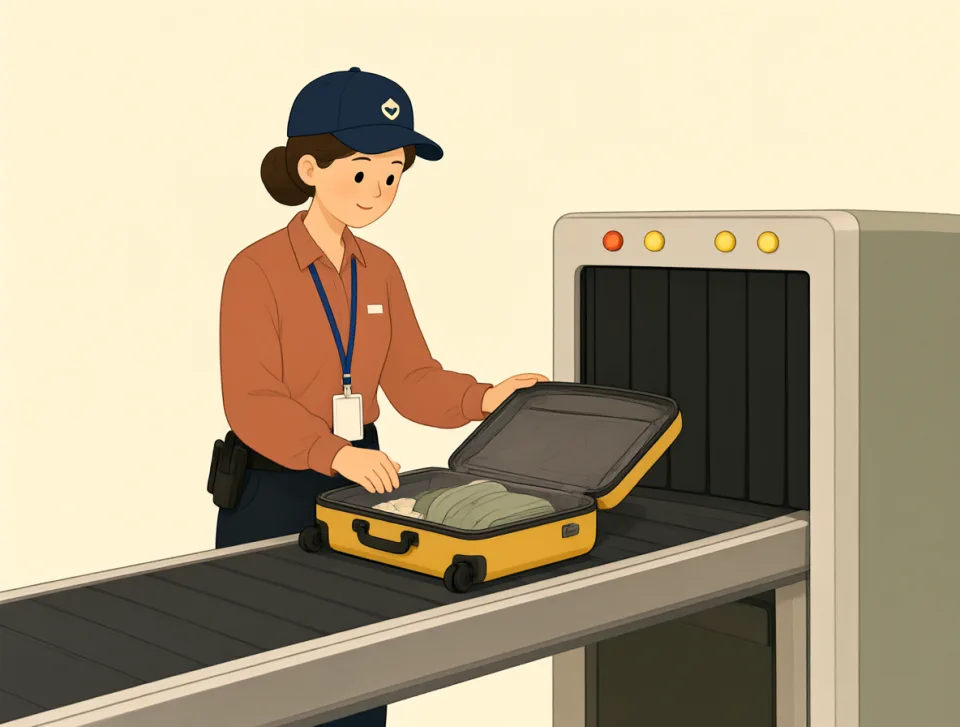
The airport scanner detected something unusual inside the traveler's suitcase.
বিমানবন্দরের স্ক্যানারটি যাত্রীর স্যুটকেসের ভেতরে অস্বাভাবিক কিছু শনাক্ত করল।
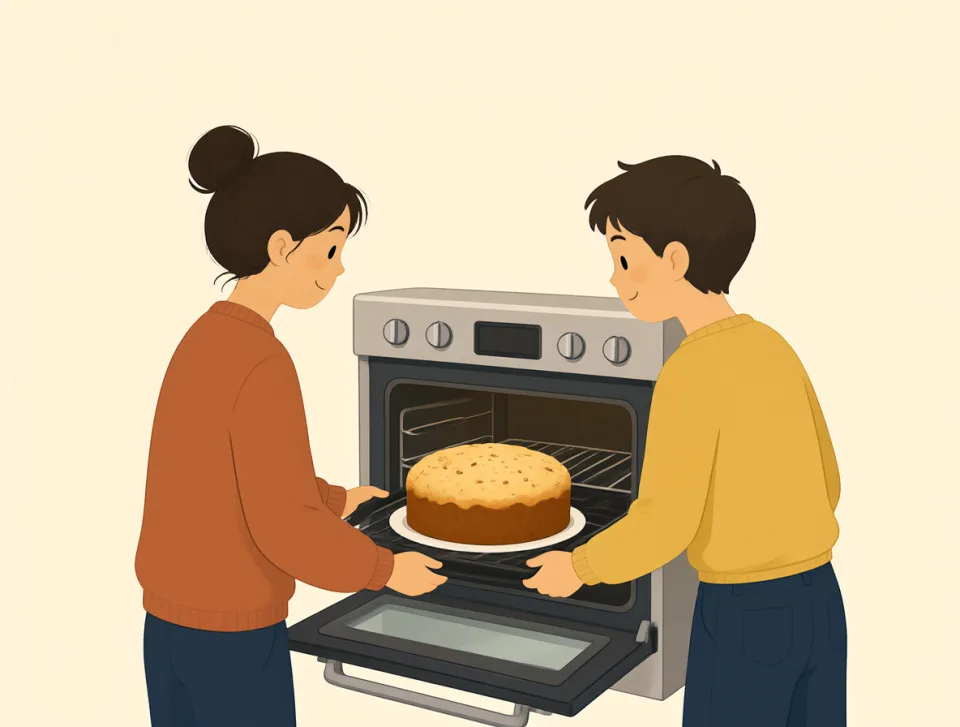
I detected a sweet smell coming from the oven.
আমি ওভেন থেকে মিষ্টি একটা গন্ধ আসতে টের পেলাম।

teenager
#2346noun
কিশোর-কিশোরী
A person aged between thirteen and nineteen years old.
তেরো থেকে উনিশ বছর বয়সী ব্যক্তি।

The teenager walked home from school with two close friends.
কিশোরটি স্কুল থেকে দুই ঘনিষ্ঠ বন্ধুর সঙ্গে হেঁটে বাড়ি ফিরল।
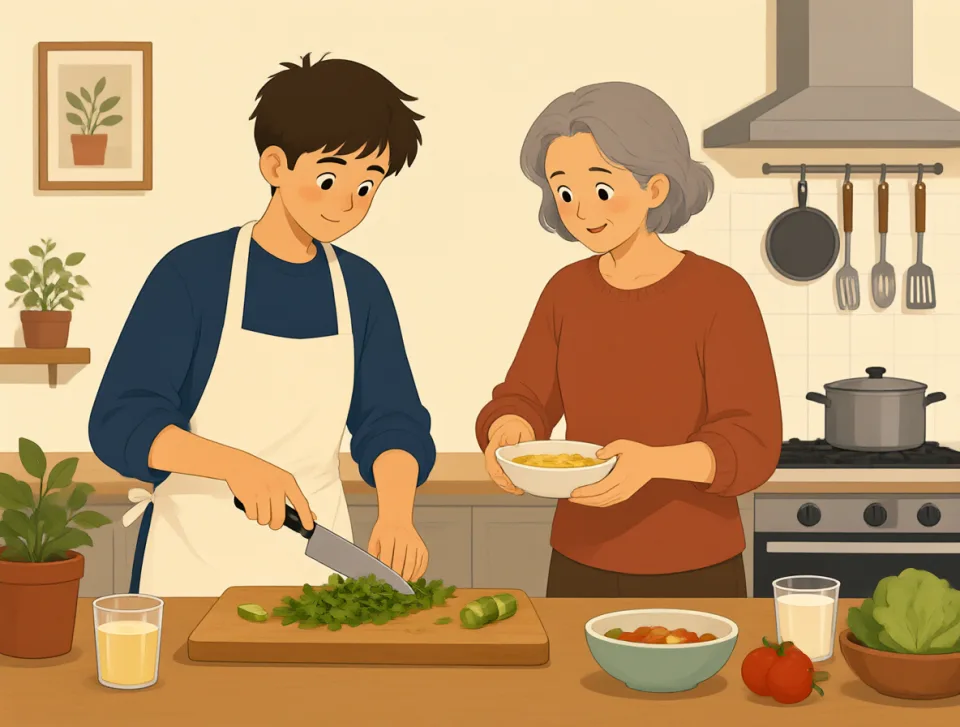
Her teenage son helps prepare dinner for the family every evening.
তার কিশোর ছেলে প্রতিদিন সন্ধ্যায় পরিবারের জন্য রাতের খাবার তৈরিতে সাহায্য করে।

The teenager found a part-time job at a local supermarket.
কিশোরটি স্থানীয় একটি সুপারমার্কেটে খণ্ডকালীন চাকরি পেল।

A teenager asked the bus driver for directions to the city center.
এক কিশোর বাসচালকের কাছে শহরের কেন্দ্রের পথ জানতে চাইল।

The doctor advised the teenager to get more sleep and exercise.
ডাক্তার কিশোরটিকে আরও ঘুমাতে ও ব্যায়াম করতে পরামর্শ দিলেন।
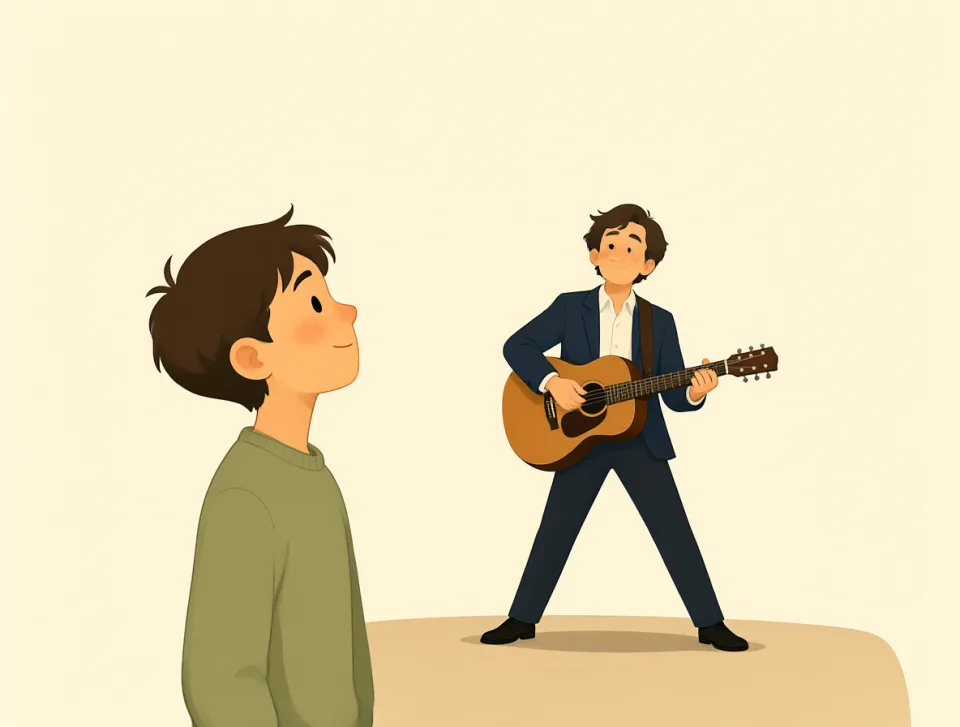
admire
#2347verb
প্রশংসা করা
to respect and like someone or something because of their good qualities
কারও বা কোনো কিছুর ভালো গুণের জন্য তাকে বা সেটিকে সম্মান করা ও পছন্দ করা।

I really admire my mother for working hard and caring for our family.
কঠোর পরিশ্রম করে আমাদের পরিবারের যত্ন নেওয়ার জন্য আমি সত্যিই আমার মায়ের প্রশংসা করি।
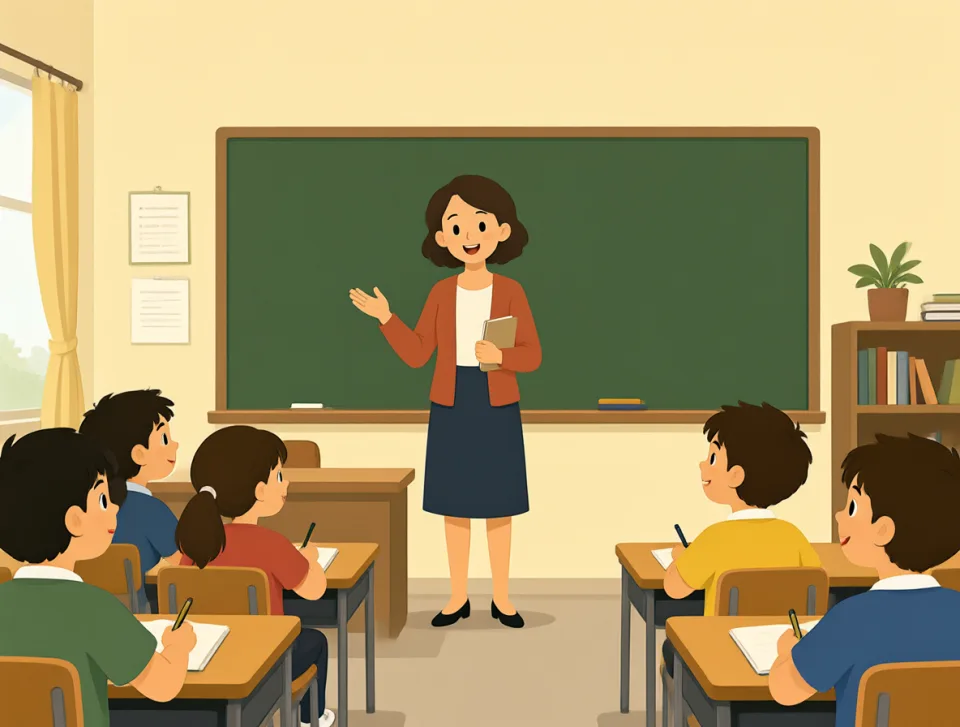
Many students admire their teacher because she makes difficult lessons easy.
অনেক শিক্ষার্থী তাদের শিক্ষিকাকে শ্রদ্ধা করে, কারণ তিনি কঠিন পাঠ সহজ করে বোঝান।

We stopped to admire the beautiful view from the mountain road.
পাহাড়ি রাস্তা থেকে সুন্দর দৃশ্যটি উপভোগ করতে আমরা থামলাম।

She admired the elegant dress in the shop window but did not buy it.
দোকানের জানালায় রাখা মার্জিত পোশাকটি তার খুব ভালো লেগেছিল, কিন্তু সে সেটি কেনেনি।

He admired his friend’s courage during the difficult health problem.
স্বাস্থ্যসংক্রান্ত কঠিন সমস্যার সময় বন্ধুর সাহস দেখে সে মুগ্ধ হয়েছিল।
moderate
#2348adjective, verb, noun
মাঝারি
Not extreme; average in amount, strength, or level.
পরিমাণ, তীব্রতা বা মাত্রায় চরম নয়; গড়পড়তা।

The weather will be moderate tomorrow, so we can eat lunch outside.
আগামীকাল আবহাওয়া মাঝারি থাকবে, তাই আমরা বাইরে দুপুরের খাবার খেতে পারি।

Please use moderate heat when cooking the vegetables so they stay crisp.
সবজিগুলো মচমচে রাখতে রান্নার সময় মাঝারি আঁচ ব্যবহার করুন।

She exercises moderately three times a week to stay healthy.
সুস্থ থাকার জন্য সে সপ্তাহে তিনবার পরিমিত ব্যায়াম করে।
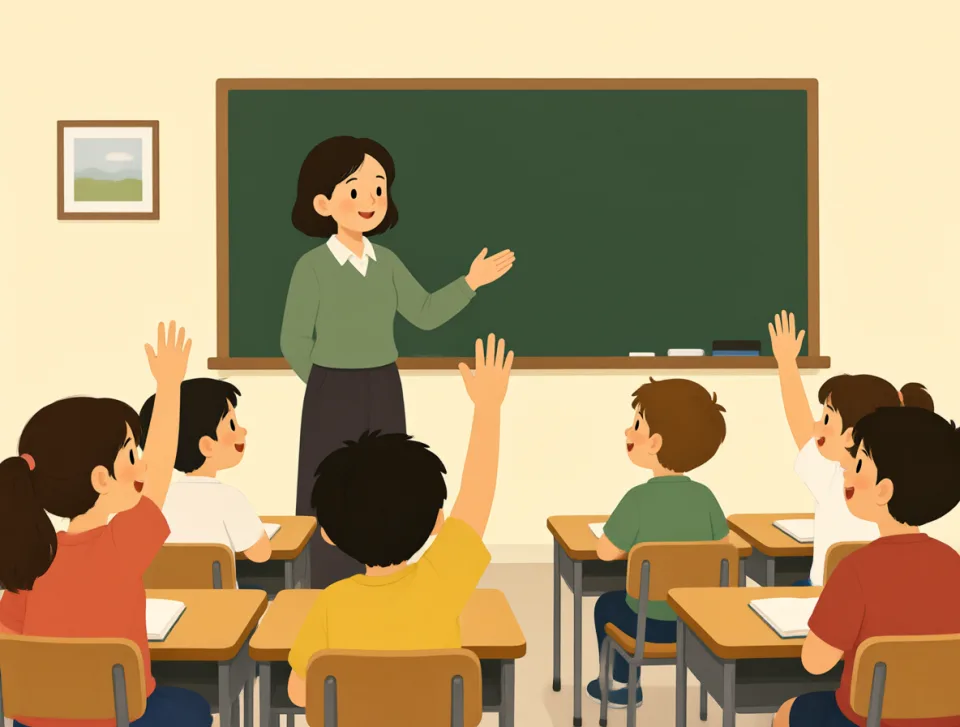
The teacher moderated the discussion so every student had time to speak.
শিক্ষক আলোচনাটি পরিচালনা করলেন, যাতে প্রত্যেক শিক্ষার্থী কথা বলার সময় পায়।

The moderator asked both guests to explain their opinions clearly.
সঞ্চালক দুই অতিথিকেই নিজেদের মতামত স্পষ্ট করে ব্যাখ্যা করতে বললেন।

surgery
#2349noun
অস্ত্রোপচার
Medical treatment that involves cutting open the body to repair or remove something.
কোনো কিছু মেরামত বা অপসারণের জন্য শরীর কেটে করা চিকিৎসা।
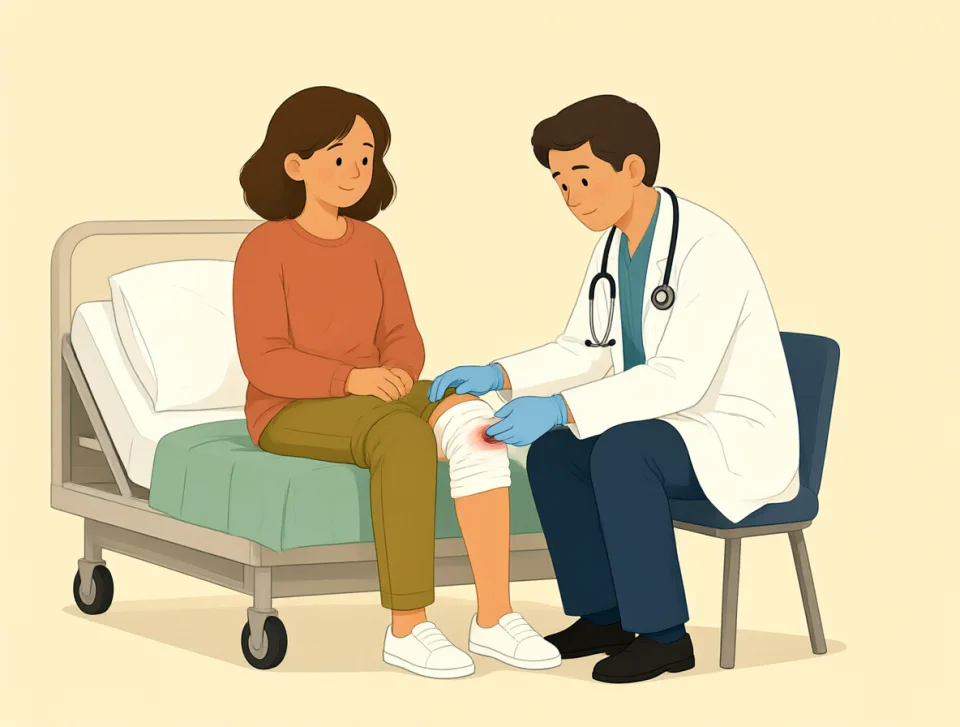
She needs surgery to repair her injured knee after the accident.
দুর্ঘটনায় আহত হাঁটু সারাতে তার অস্ত্রোপচার করাতে হবে।

The surgery went well, and he returned home two days later.
অস্ত্রোপচার ভালোভাবে সম্পন্ন হয়েছিল, আর দুদিন পর সে বাড়ি ফিরে আসে।

My doctor recommended surgery because the pain had become much worse.
ব্যথা অনেক বেড়ে যাওয়ায় আমার ডাক্তার অস্ত্রোপচারের পরামর্শ দিয়েছেন।
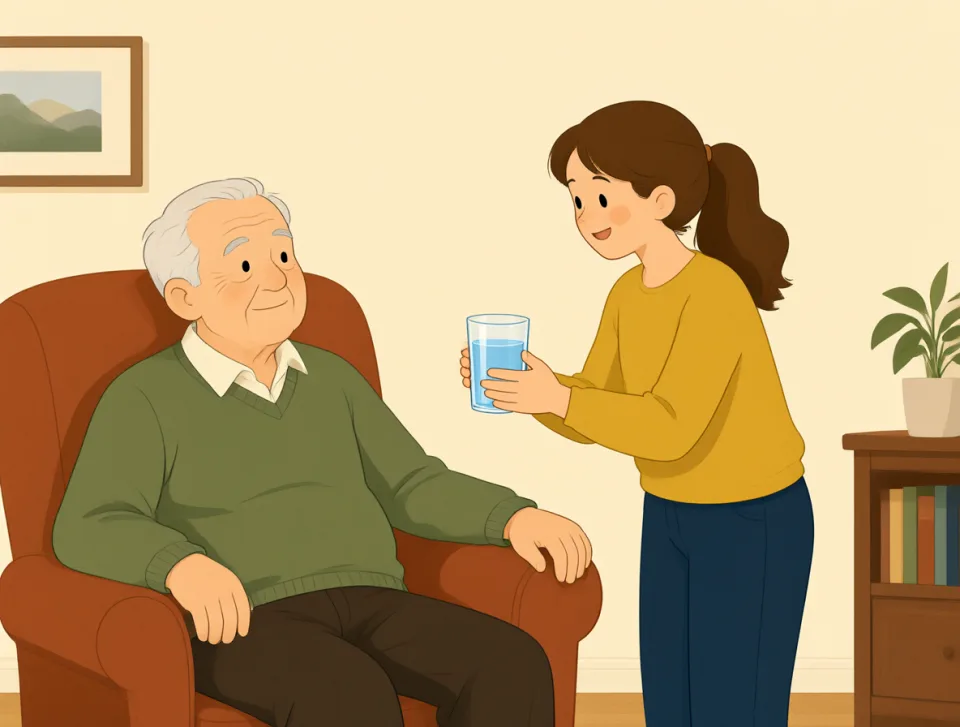
Her father is recovering from surgery and needs help at home.
তার বাবা অস্ত্রোপচারের পর সেরে উঠছেন এবং বাড়িতে তাঁর সাহায্য দরকার।
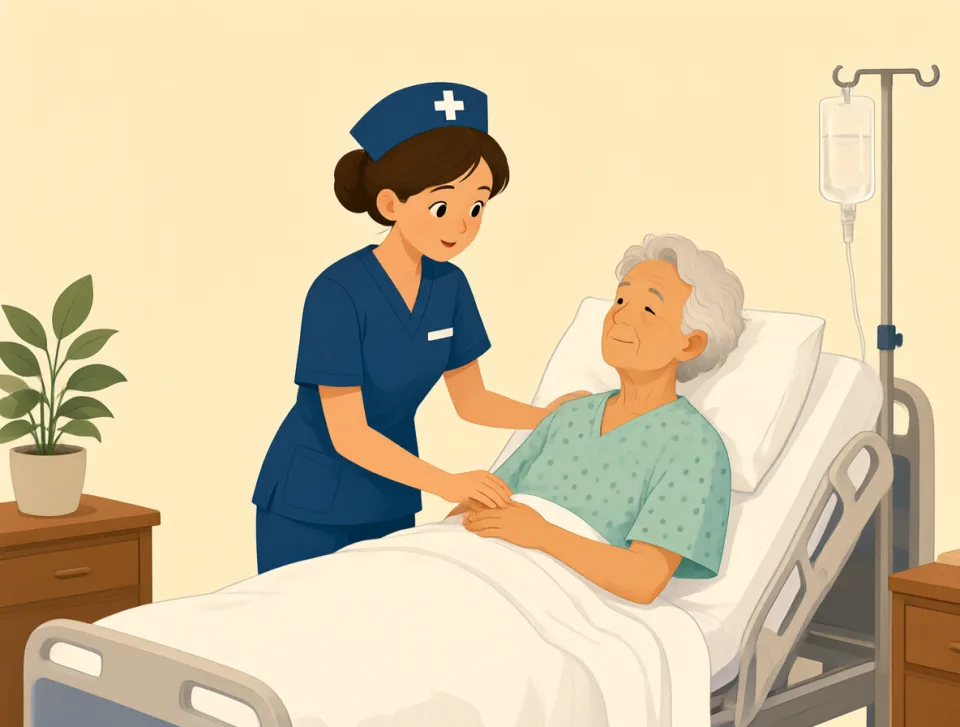
The hospital scheduled his surgery for early Monday morning.
হাসপাতাল তাঁর অস্ত্রোপচারের সময় সোমবার ভোরে নির্ধারণ করেছে।
musician
#2350noun
সঙ্গীতশিল্পী
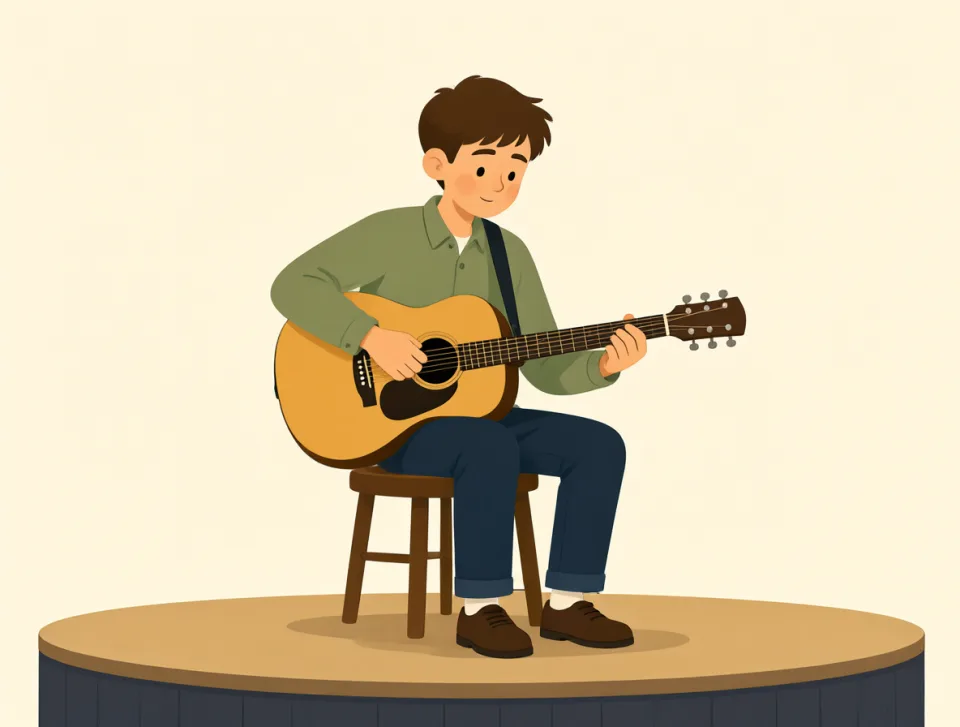
A person who plays or writes music, especially as a job.
যিনি সঙ্গীত বাজান বা রচনা করেন, বিশেষত পেশা হিসেবে।

The musician played beautiful songs at our wedding last weekend.
গত সপ্তাহান্তে আমাদের বিয়ের অনুষ্ঠানে সঙ্গীতশিল্পীটি সুন্দর গান বাজিয়েছিলেন।

My brother wants to become a professional musician after college.
আমার ভাই কলেজের পর পেশাদার সঙ্গীতশিল্পী হতে চায়।
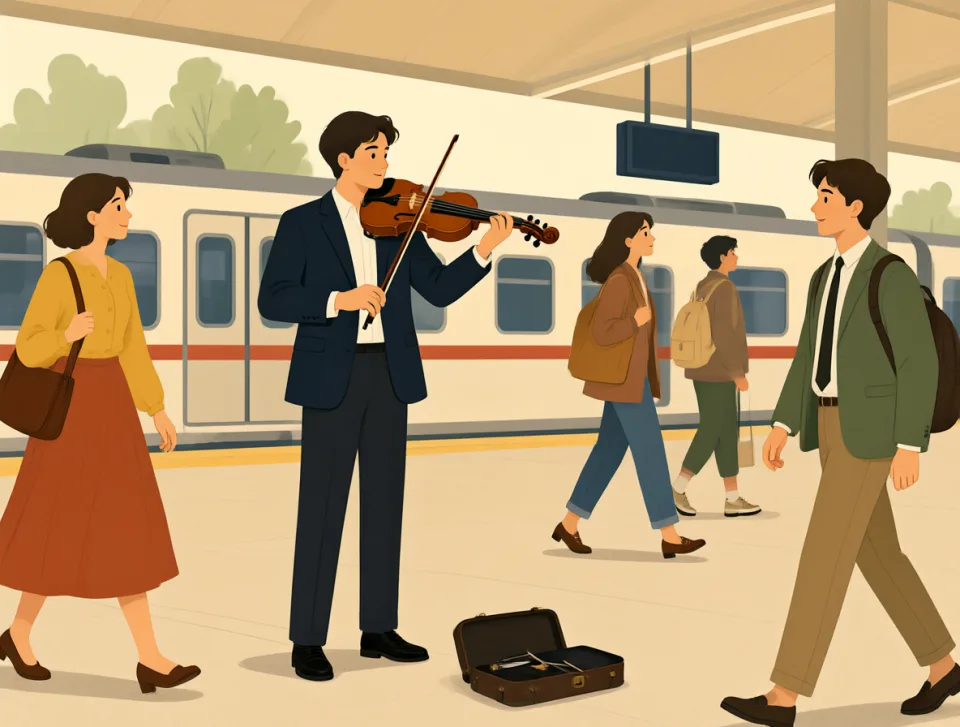
We met a street musician playing violin outside the train station.
ট্রেন স্টেশনের বাইরে বেহালা বাজানো এক পথসঙ্গীতশিল্পীর সঙ্গে আমাদের দেখা হয়েছিল।
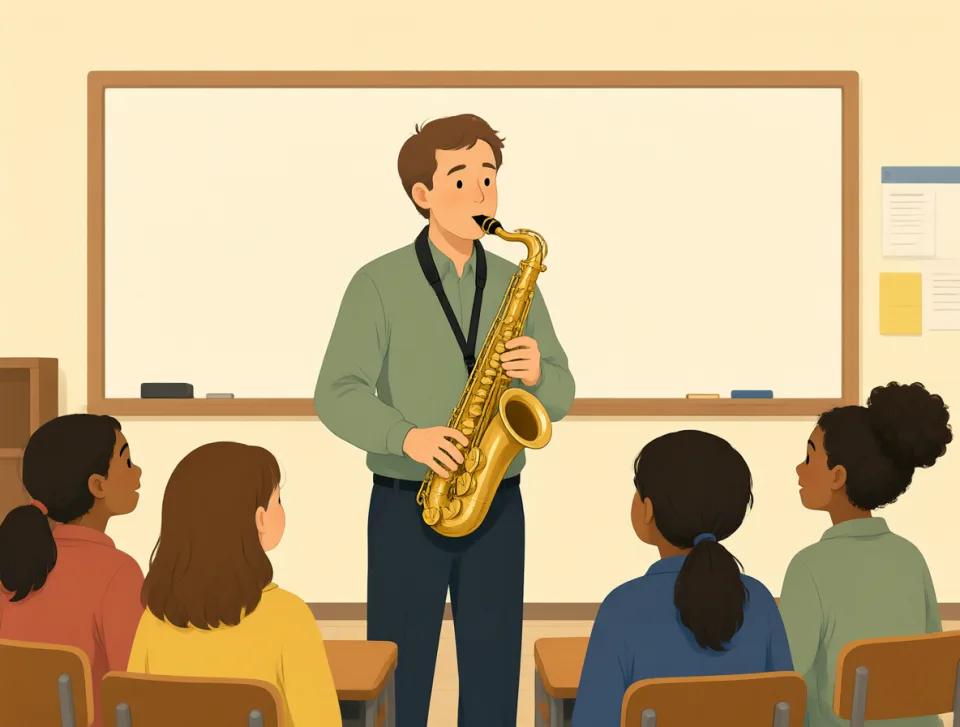
The school invited a local musician to teach students about jazz.
জ্যাজ সম্পর্কে শিক্ষার্থীদের শেখাতে স্কুলটি স্থানীয় এক সঙ্গীতশিল্পীকে আমন্ত্রণ জানিয়েছিল।

The musician recorded a new album in a quiet studio.
সঙ্গীতশিল্পীটি একটি নিরিবিলি স্টুডিওতে নতুন অ্যালবাম রেকর্ড করেছিলেন।

significance
#2351noun
তাৎপর্য
the importance or meaning of something
কোনো কিছুর গুরুত্ব বা অর্থ
The teacher explained the significance of the final exam for our grades.
শিক্ষক পরীক্ষার ফলাফলের জন্য চূড়ান্ত পরীক্ষার গুরুত্ব বুঝিয়ে দিলেন।

We discussed the significance of this discovery during the science lesson.
বিজ্ঞান ক্লাসে আমরা এই আবিষ্কারের তাৎপর্য নিয়ে আলোচনা করেছিলাম।
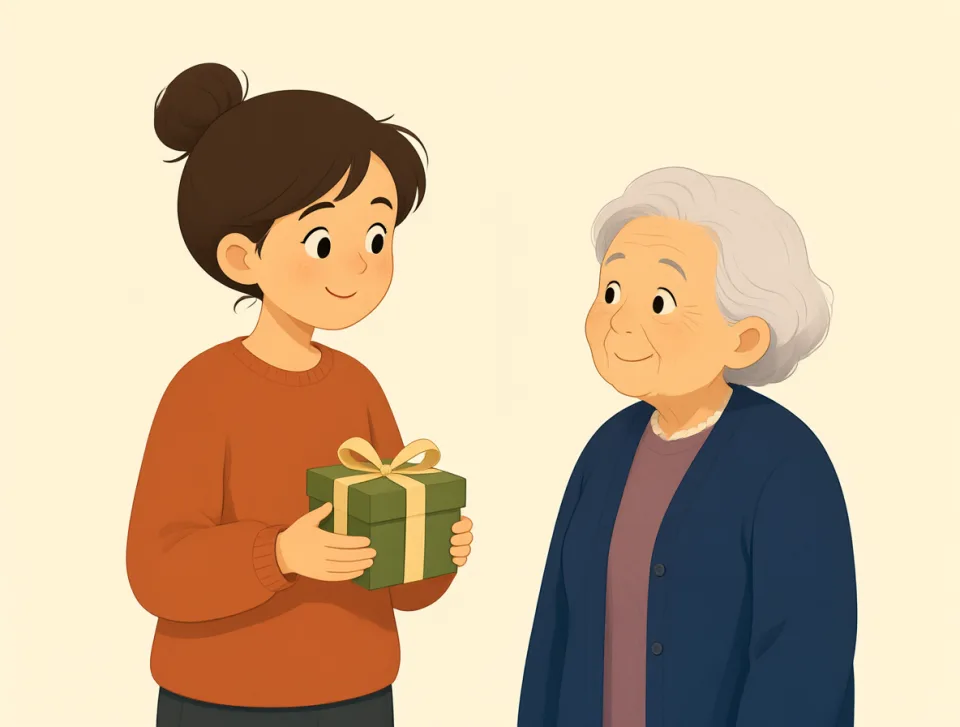
The small gift had great significance because it came from my grandmother.
ছোট্ট উপহারটির অনেক তাৎপর্য ছিল, কারণ এটি আমার দাদি দিয়েছিলেন।

The doctor explained the significance of my test results carefully.
ডাক্তার আমার পরীক্ষার ফলাফলের গুরুত্ব সতর্কভাবে বুঝিয়ে দিলেন।

Many visitors do not understand the historical significance of this old building.
অনেক দর্শনার্থী এই পুরোনো ভবনটির ঐতিহাসিক তাৎপর্য বোঝেন না।
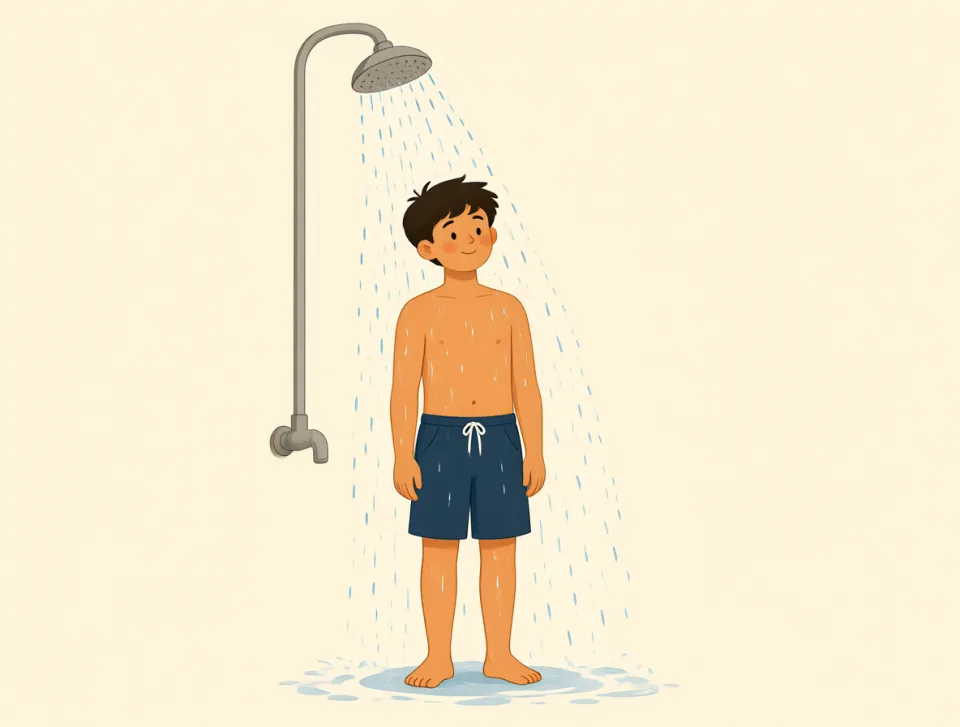
shower
#2352noun, verb
ঝরনা
A place or time when you wash your body under falling water.
যে জায়গায় বা সময়ে পড়ন্ত পানির নিচে শরীর ধোয়া হয়।
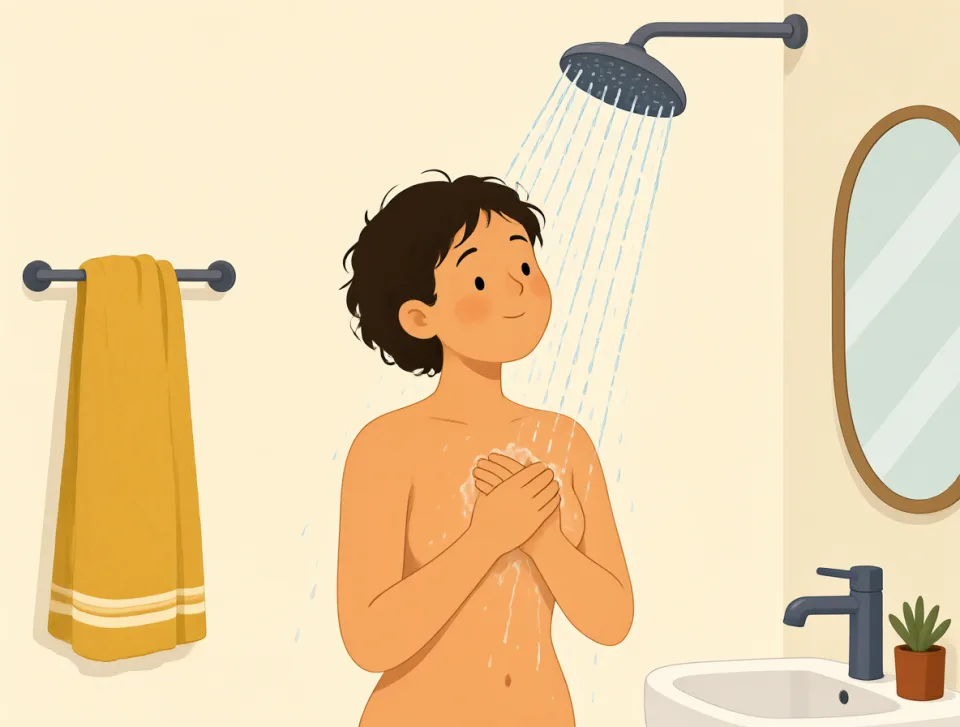
I usually take a quick shower before I leave for work.
কাজে বেরোনোর আগে আমি সাধারণত তাড়াতাড়ি গোসল করে নিই।

She showered after exercising because she was hot and sweaty.
ব্যায়াম করার পর সে গোসল করেছিল, কারণ তার গরম লাগছিল আর ঘেমে গিয়েছিল।

The hotel has a large shower next to the bathtub.
হোটেলটিতে বাথটাবের পাশে একটি বড় শাওয়ার আছে।

We got caught in a sudden shower while walking through the park.
পার্কের মধ্য দিয়ে হাঁটার সময় হঠাৎ বৃষ্টিতে আমরা ভিজে গিয়েছিলাম।
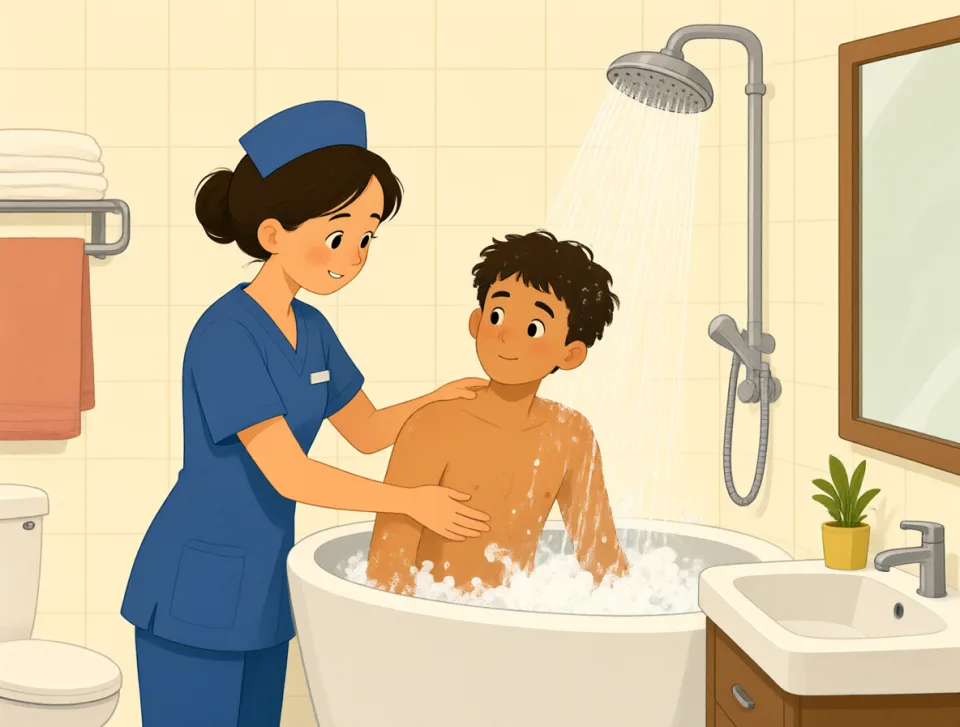
The nurse gave the patient a shower after the operation.
অস্ত্রোপচারের পর নার্স রোগীকে গোসল করিয়ে দিয়েছিলেন।
illegal
#2353adjective
অবৈধ
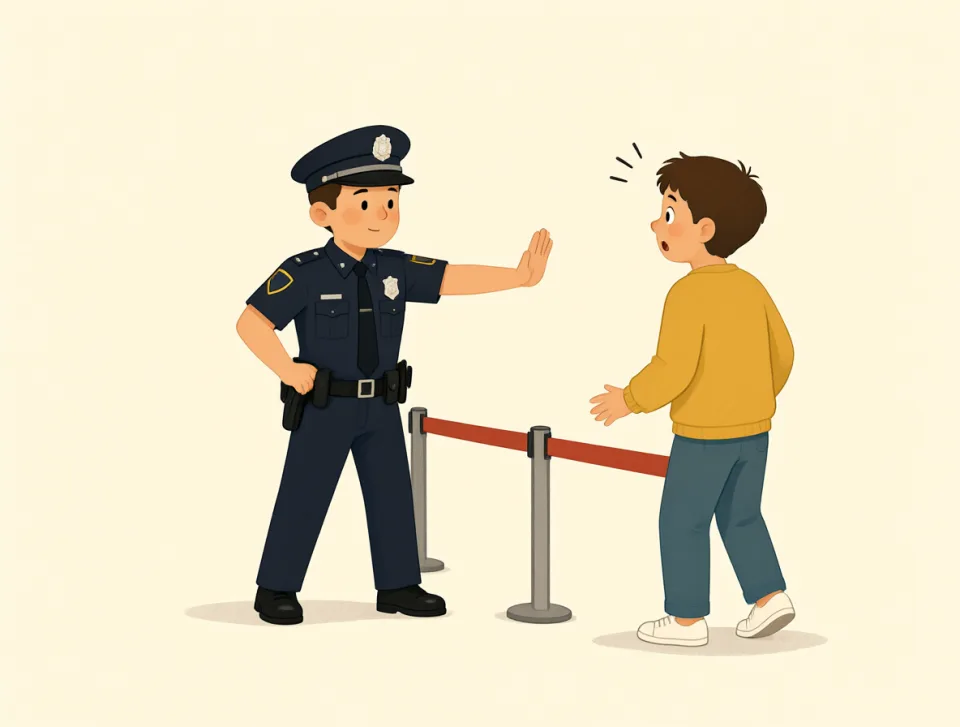
Not allowed by law or official rules.
আইন বা সরকারি নিয়মে যা নিষিদ্ধ।
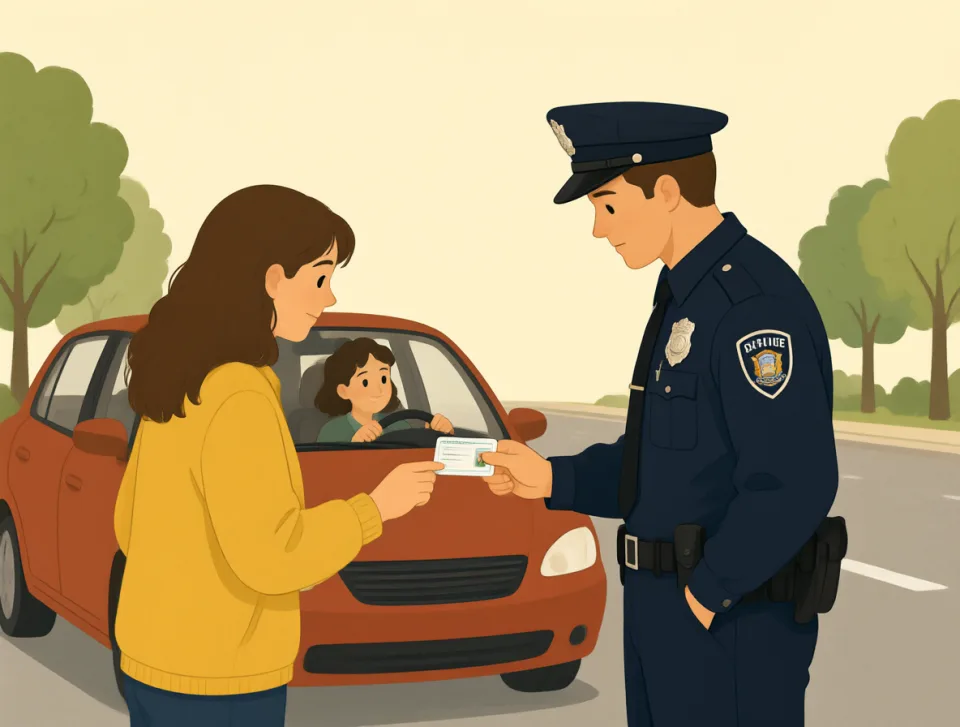
It is illegal to drive without a license in this country.
এই দেশে লাইসেন্স ছাড়া গাড়ি চালানো অবৈধ।

The store was selling illegal copies of popular movies.
দোকানটি জনপ্রিয় সিনেমার অবৈধ নকল বিক্রি করছিল।
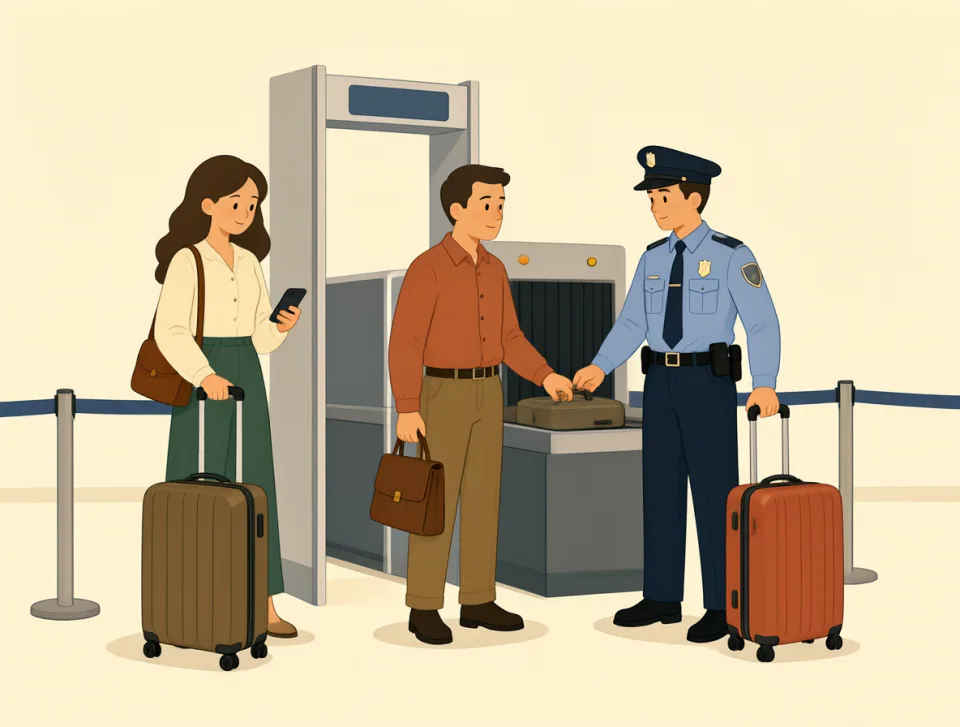
They were arrested for carrying illegal drugs through the airport.
বিমানবন্দর দিয়ে অবৈধ মাদক বহন করার অপরাধে তাদের গ্রেপ্তার করা হয়েছিল।
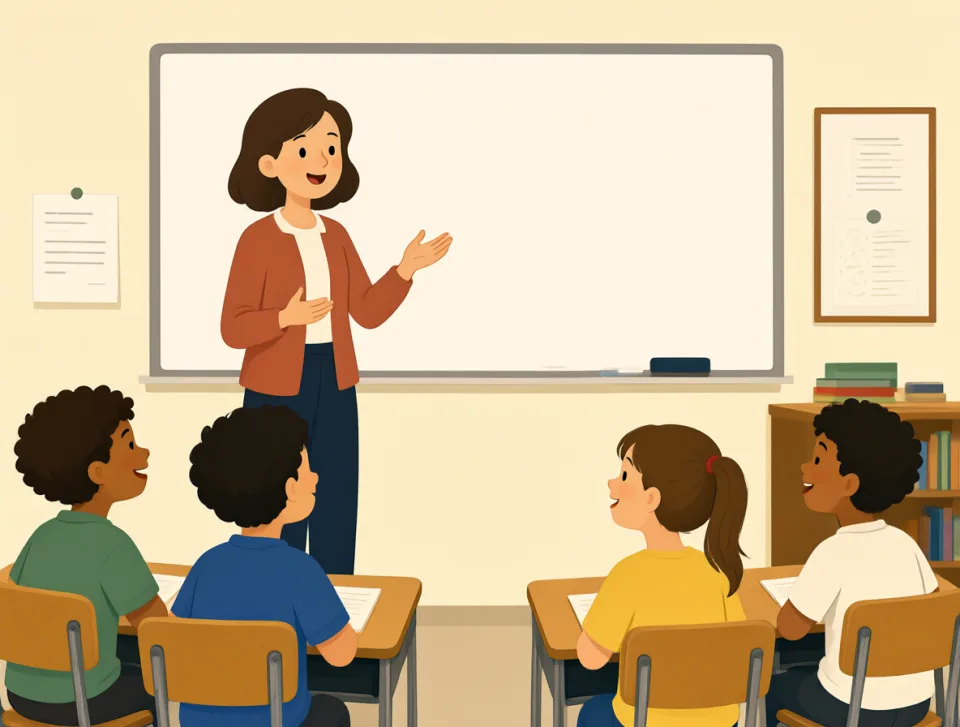
The teacher explained why downloading music illegally can hurt artists.
শিক্ষক বুঝিয়ে দিলেন, বেআইনিভাবে গান ডাউনলোড করলে শিল্পীদের কীভাবে ক্ষতি হতে পারে।

Our neighbors built an illegal room without getting permission first.
আগে অনুমতি না নিয়েই আমাদের প্রতিবেশীরা একটি অবৈধ ঘর তৈরি করেছিলেন।

charity
#2354noun
দাতব্য সংস্থা; দাতব্য কাজ
An organization or money given to help people who are poor, sick, or in need.
দরিদ্র, অসুস্থ বা অসহায় মানুষকে সাহায্য করার জন্য গঠিত সংস্থা, অথবা তাদের সাহায্যে দেওয়া অর্থ।
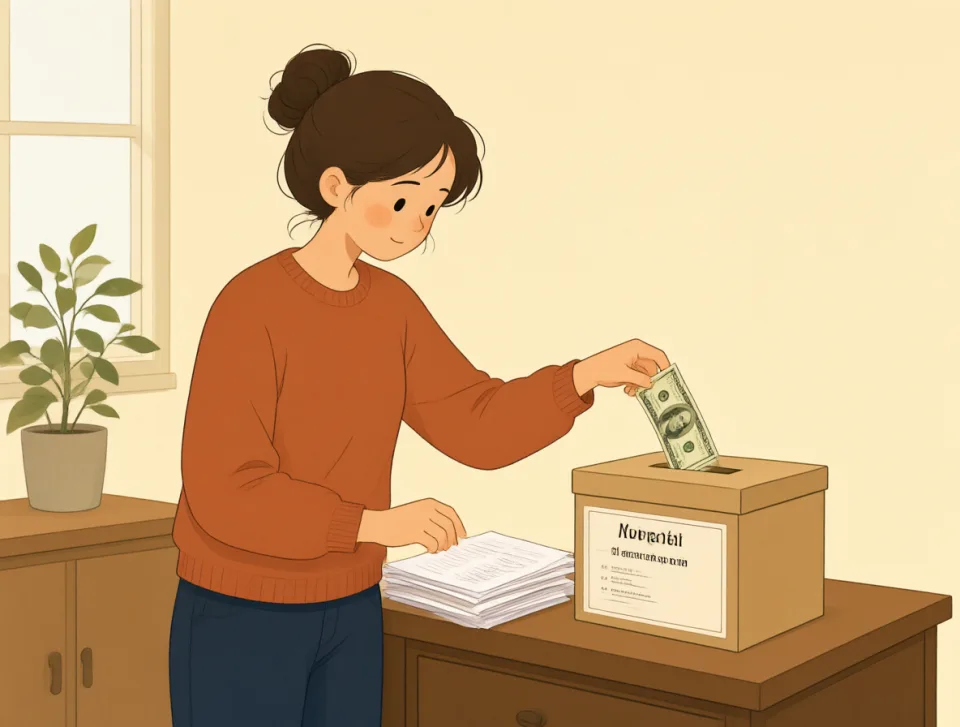
She gives part of her salary to charity every month.
সে প্রতি মাসে তার বেতনের একটা অংশ দাতব্য কাজে দান করে।
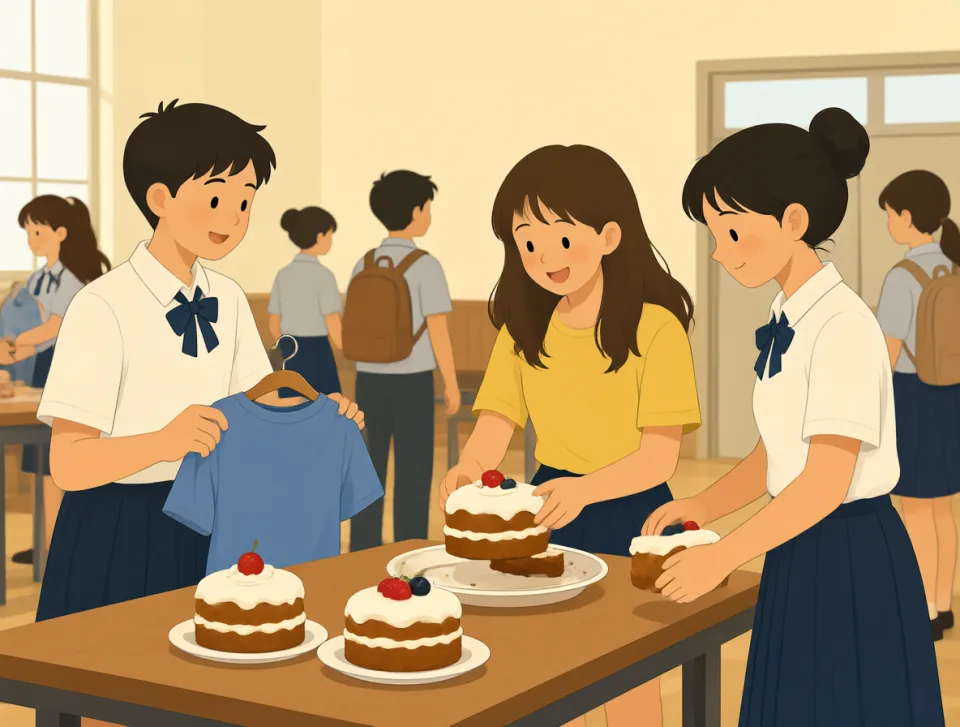
The school held a charity sale to help families after the flood.
বন্যার পর পরিবারগুলোকে সাহায্য করার জন্য স্কুলে একটি দাতব্য বিক্রির আয়োজন করা হয়েছিল।

We bought these books from a charity shop near the station.
স্টেশনের কাছে একটি দাতব্য দোকান থেকে আমরা এই বইগুলো কিনেছিলাম।

Our office organized a charity run for the local hospital.
আমাদের অফিস স্থানীয় হাসপাতালের জন্য একটি দাতব্য দৌড়ের আয়োজন করেছিল।
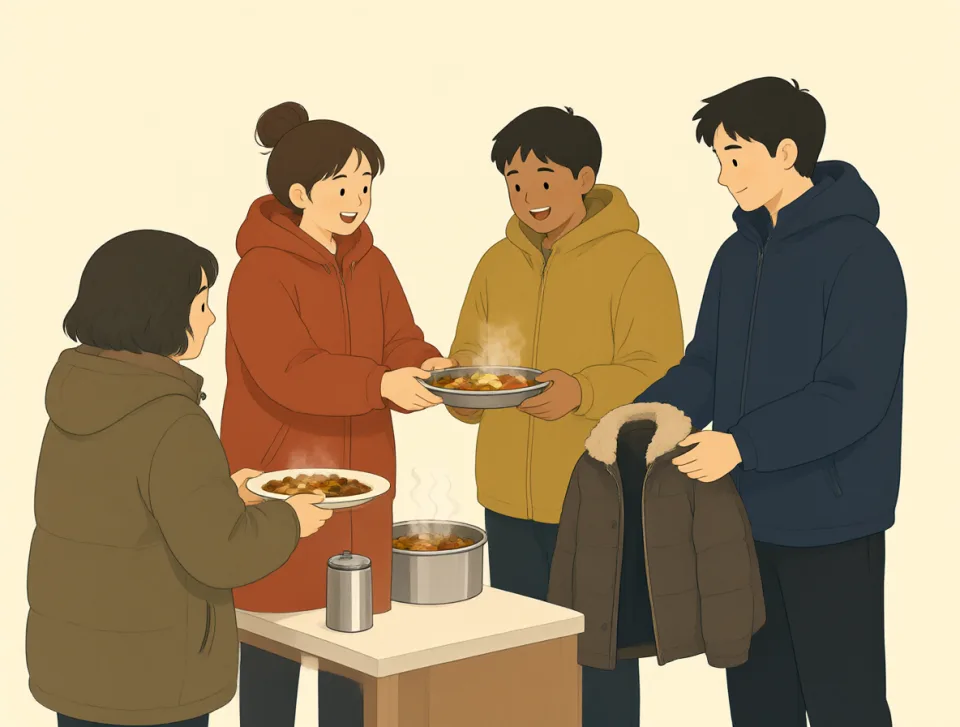
The charity provides free meals and warm clothes for homeless people.
দাতব্য সংস্থাটি গৃহহীন মানুষদের বিনা মূল্যে খাবার ও গরম কাপড় দেয়।

universal
#2355adjective
সর্বজনীন
Including everyone or everything; found or used in all parts of the world.
যা সবাই বা সবকিছুকে অন্তর্ভুক্ত করে; বিশ্বের সব জায়গায় পাওয়া যায় বা ব্যবহৃত হয়।
The company hopes to create a universal design for people of all ages.
সব বয়সের মানুষের জন্য সর্বজনীন নকশা তৈরি করার আশা করছে কোম্পানিটি।
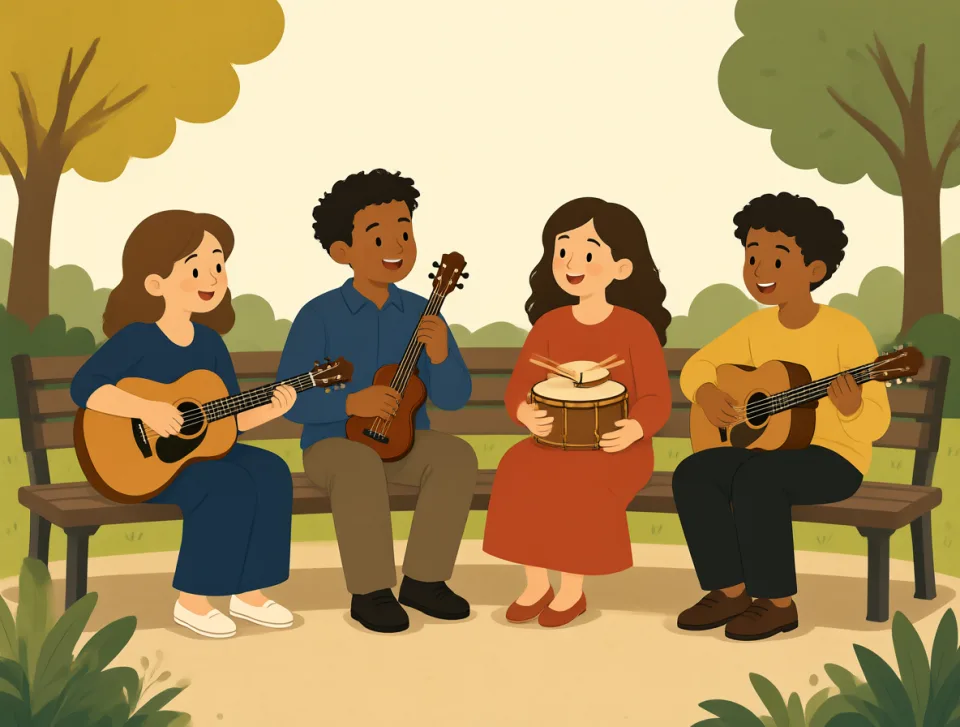
Music is a universal language that brings people together across cultures.
সংগীত একটি সর্বজনীন ভাষা, যা বিভিন্ন সংস্কৃতির মানুষকে একত্র করে।
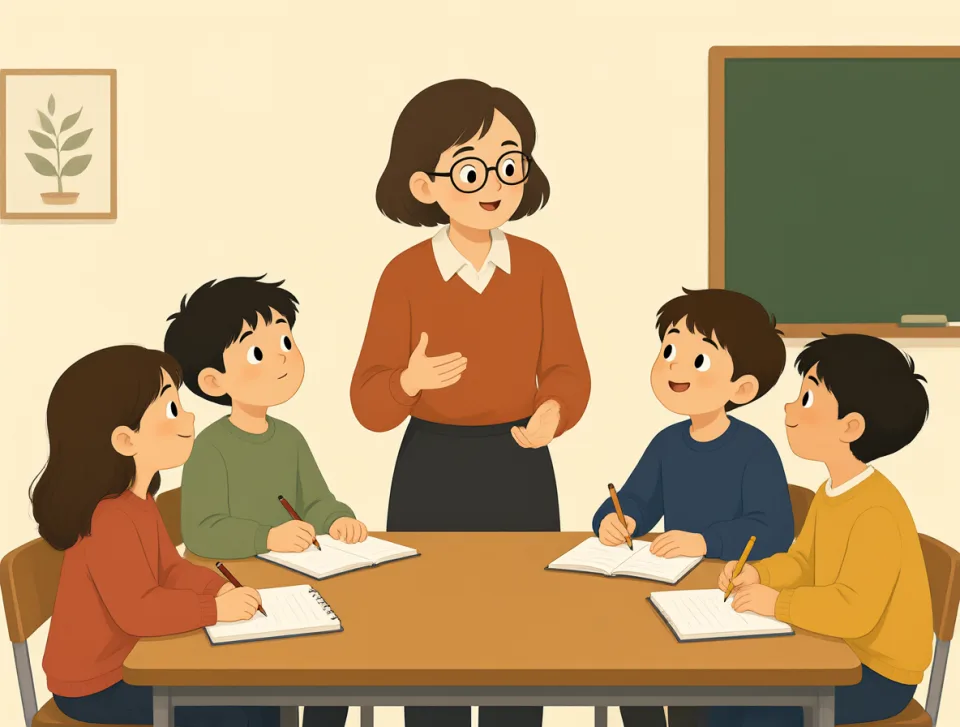
The teacher explained that there is no universal answer to this question.
শিক্ষক বুঝিয়ে দিলেন যে এই প্রশ্নের কোনো সর্বজনীন উত্তর নেই।
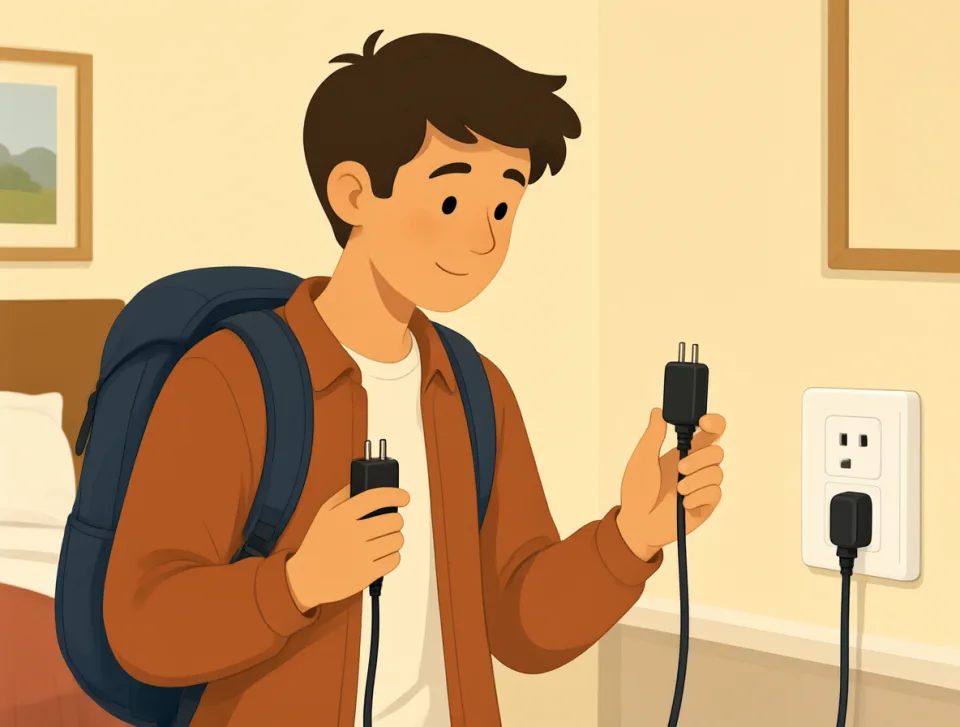
The new phone charger has a universal plug for different countries.
নতুন ফোন চার্জারটিতে বিভিন্ন দেশের জন্য উপযোগী একটি সর্বজনীন প্লাগ রয়েছে।

The hospital offers universal health coverage to every resident in the area.
হাসপাতালটি এলাকার প্রত্যেক বাসিন্দাকে সর্বজনীন স্বাস্থ্যসেবার আওতায় আনে।

cigarette
#2356noun
সিগারেট
a thin paper tube filled with tobacco that people smoke
তামাক ভরা কাগজের সরু নল, যা মানুষ ধূমপানের জন্য জ্বালায়

He went outside to smoke a cigarette after lunch.
দুপুরের খাবারের পর সে সিগারেট খেতে বাইরে গেল।
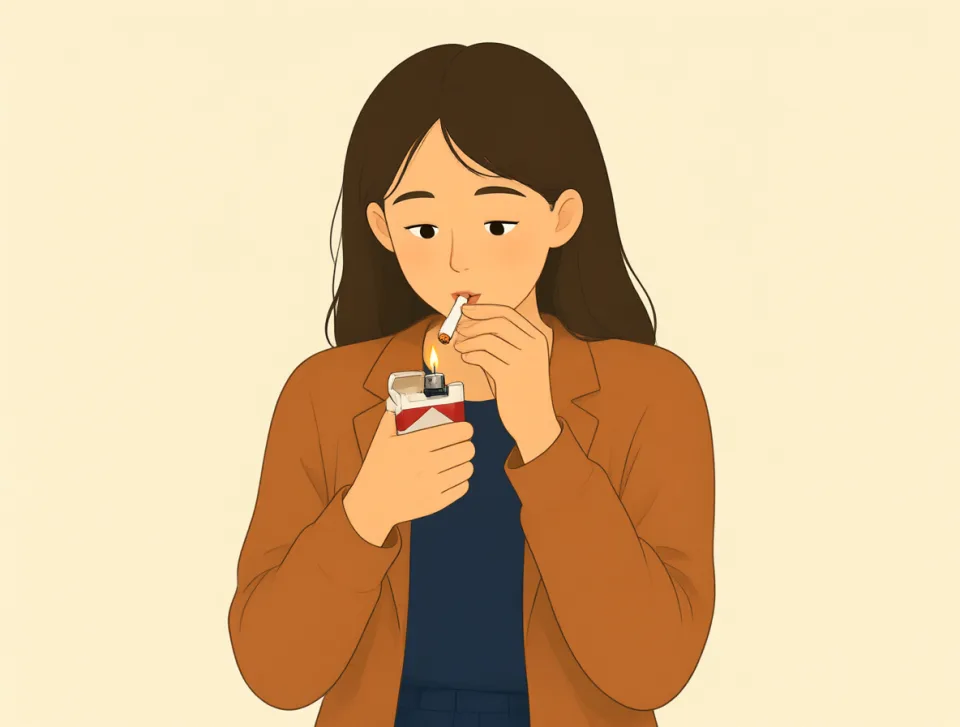
She took a cigarette from the pack and lit it.
সে প্যাকেট থেকে একটি সিগারেট বের করে ধরাল।

My doctor told me to stop smoking cigarettes for my health.
আমার ডাক্তার স্বাস্থ্যের কথা ভেবে আমাকে সিগারেট খাওয়া বন্ধ করতে বলেছেন।

Someone left a cigarette burning in the kitchen ashtray.
কেউ রান্নাঘরের অ্যাশট্রেতে একটি জ্বলন্ত সিগারেট ফেলে গেছে।

The hotel room smelled strongly of cigarette smoke.
হোটেলের ঘরটিতে সিগারেটের ধোঁয়ার তীব্র গন্ধ ছিল।

constitute
#2357verb
গঠন করা
To form or make up something as part of a whole.
কোনো কিছুর অংশ হিসেবে একটি সম্পূর্ণ জিনিস গঠন করা বা তৈরি করা।
Women constitute more than half of the students at this university.
এই বিশ্ববিদ্যালয়ের শিক্ষার্থীদের অর্ধেকেরও বেশি নারী।

These three parts constitute the basic structure of the machine.
এই তিনটি অংশ মিলে যন্ত্রটির মূল কাঠামো গঠন করে।

Local businesses constitute an important part of the town’s economy.
স্থানীয় ব্যবসাপ্রতিষ্ঠানগুলো শহরের অর্থনীতির একটি গুরুত্বপূর্ণ অংশ।

The committee is constituted of teachers, parents, and community leaders.
কমিটিটি শিক্ষক, অভিভাবক ও সম্প্রদায়ের নেতাদের নিয়ে গঠিত।
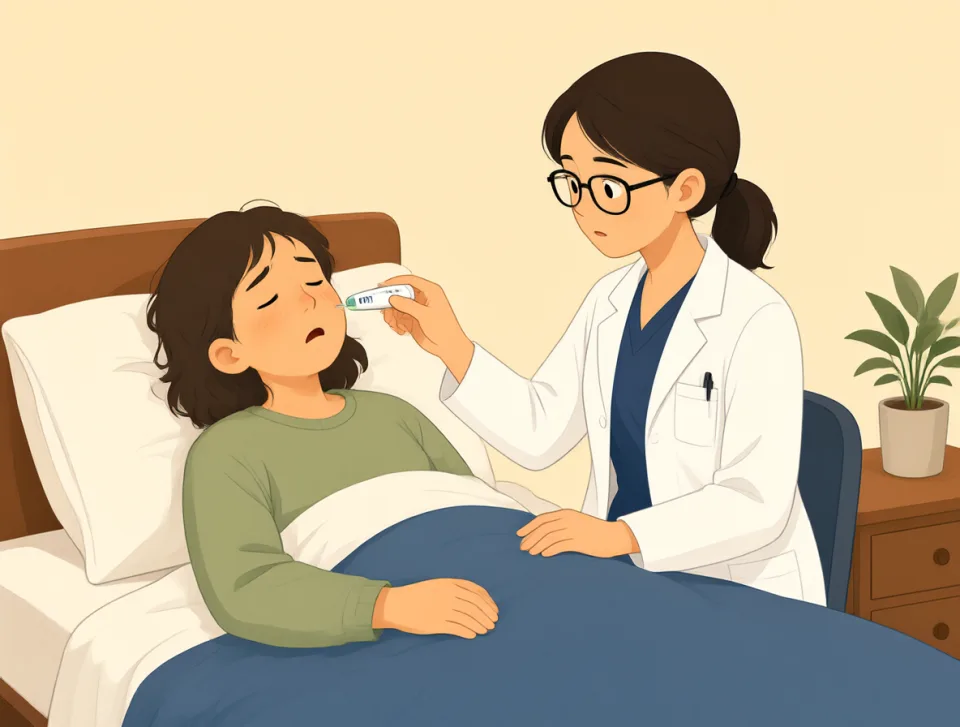
High fever and severe tiredness can constitute signs of an infection.
উচ্চ জ্বর ও প্রচণ্ড ক্লান্তি সংক্রমণের লক্ষণ হতে পারে।

adequate
#2358adjective
যথেষ্ট
Good enough for a particular purpose or need
কোনো নির্দিষ্ট উদ্দেশ্য বা প্রয়োজন মেটানোর মতো যথেষ্ট ভালো।

The hotel room was small, but it was adequate for one night.
হোটেলের ঘরটি ছোট ছিল, তবে এক রাত থাকার জন্য যথেষ্ট ছিল।

We need adequate time to finish the project before Friday.
শুক্রবারের আগে প্রকল্পটি শেষ করতে আমাদের যথেষ্ট সময় দরকার।

The jacket provides adequate protection from the cold winter wind.
জ্যাকেটটি শীতের ঠান্ডা বাতাস থেকে যথেষ্ট সুরক্ষা দেয়।
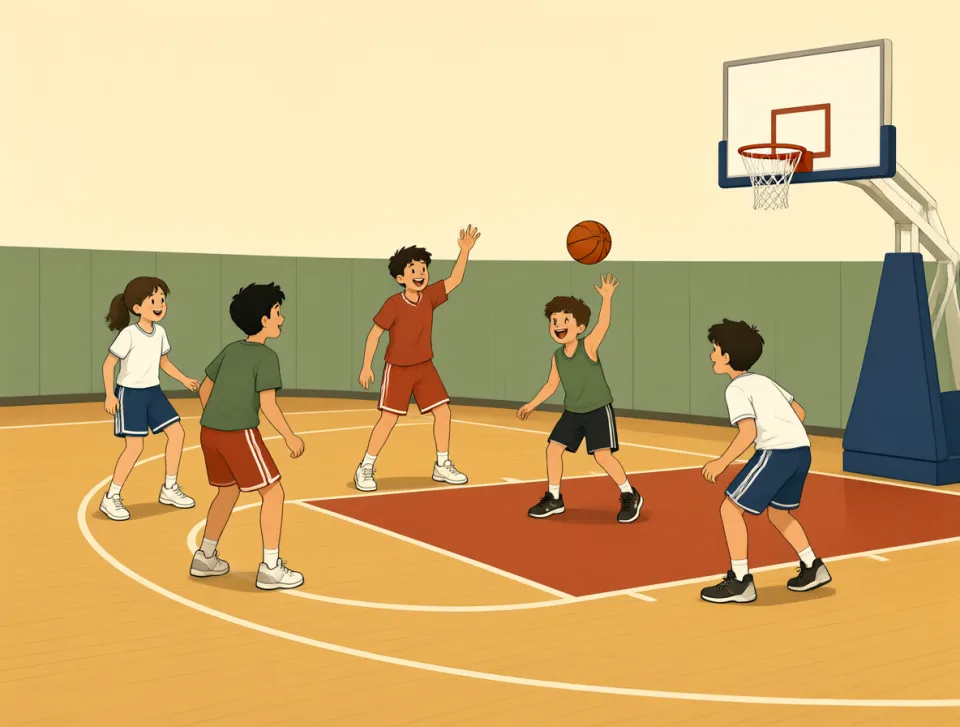
The school has adequate facilities for sports and other activities.
স্কুলটিতে খেলাধুলা ও অন্যান্য কার্যকলাপের জন্য পর্যাপ্ত সুযোগ-সুবিধা রয়েছে।

Make sure you eat an adequate amount of food before the long journey.
দীর্ঘ যাত্রার আগে যথেষ্ট পরিমাণ খাবার খেয়ে নাও।

consultant
#2359noun
পরামর্শক
an expert who gives advice to a person or organization
কোনো ব্যক্তি বা প্রতিষ্ঠানকে পরামর্শ দেন এমন বিশেষজ্ঞ।

The company hired a consultant to improve its customer service.
গ্রাহকসেবা উন্নত করতে কোম্পানিটি একজন পরামর্শক নিয়োগ করেছিল।

We asked a travel consultant to help us plan our holiday.
ছুটির পরিকল্পনা করতে আমরা একজন ভ্রমণ পরামর্শকের সাহায্য নিয়েছিলাম।

The school invited an education consultant to train its teachers.
শিক্ষকদের প্রশিক্ষণ দিতে স্কুলটি একজন শিক্ষা পরামর্শককে আমন্ত্রণ জানিয়েছিল।

My doctor sent me to a health consultant about my diet.
খাদ্যাভ্যাস নিয়ে পরামর্শের জন্য আমার ডাক্তার আমাকে একজন স্বাস্থ্য পরামর্শকের কাছে পাঠিয়েছিলেন।

The kitchen consultant helped us choose new cupboards and appliances.
রান্নাঘরবিষয়ক পরামর্শক আমাদের নতুন আলমারি ও সরঞ্জাম বেছে নিতে সাহায্য করেছিলেন।

historian
#2360noun
ইতিহাসবিদ
A person who studies and writes about events and people from the past.
অতীতের ঘটনা ও মানুষ নিয়ে গবেষণা করেন এবং লেখেন এমন ব্যক্তি।

The historian wrote a book about the city's early history.
ইতিহাসবিদ শহরটির প্রাচীন ইতিহাস নিয়ে একটি বই লিখেছিলেন।
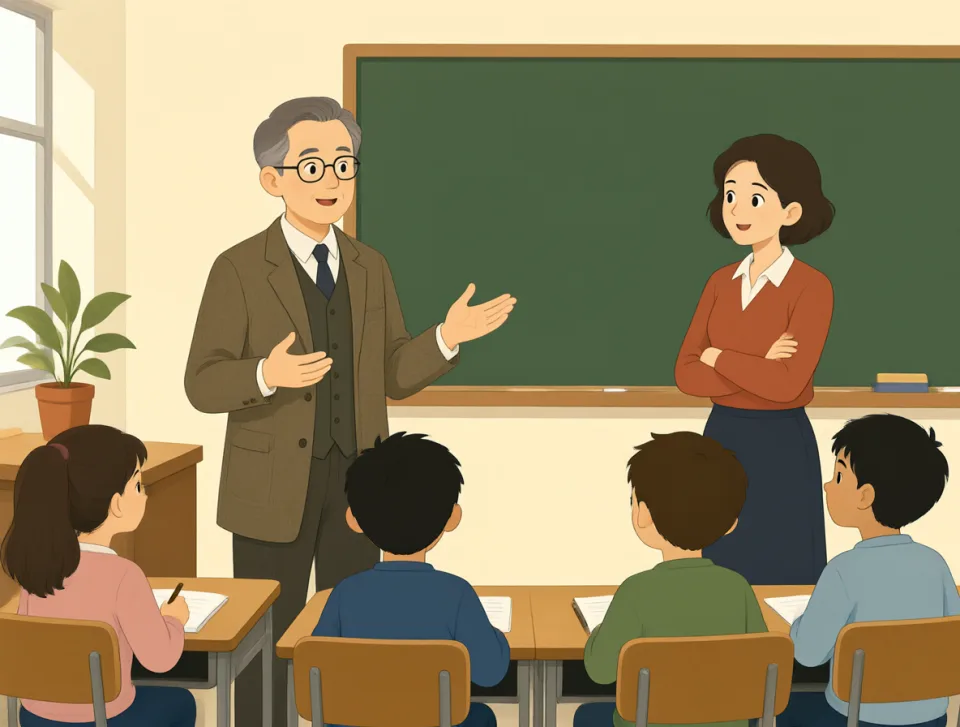
Our history teacher invited a historian to speak to the class.
আমাদের ইতিহাসের শিক্ষক ক্লাসে কথা বলার জন্য একজন ইতিহাসবিদকে আমন্ত্রণ জানিয়েছিলেন।

The historian examined old letters to learn what people really experienced.
মানুষেরা আসলে কী অভিজ্ঞতার মধ্য দিয়ে গিয়েছিল, তা জানতে ইতিহাসবিদ পুরোনো চিঠিগুলো পরীক্ষা করেছিলেন।

My friend wants to become a historian after studying history at university.
বিশ্ববিদ্যালয়ে ইতিহাস পড়ার পর আমার বন্ধু ইতিহাসবিদ হতে চায়।
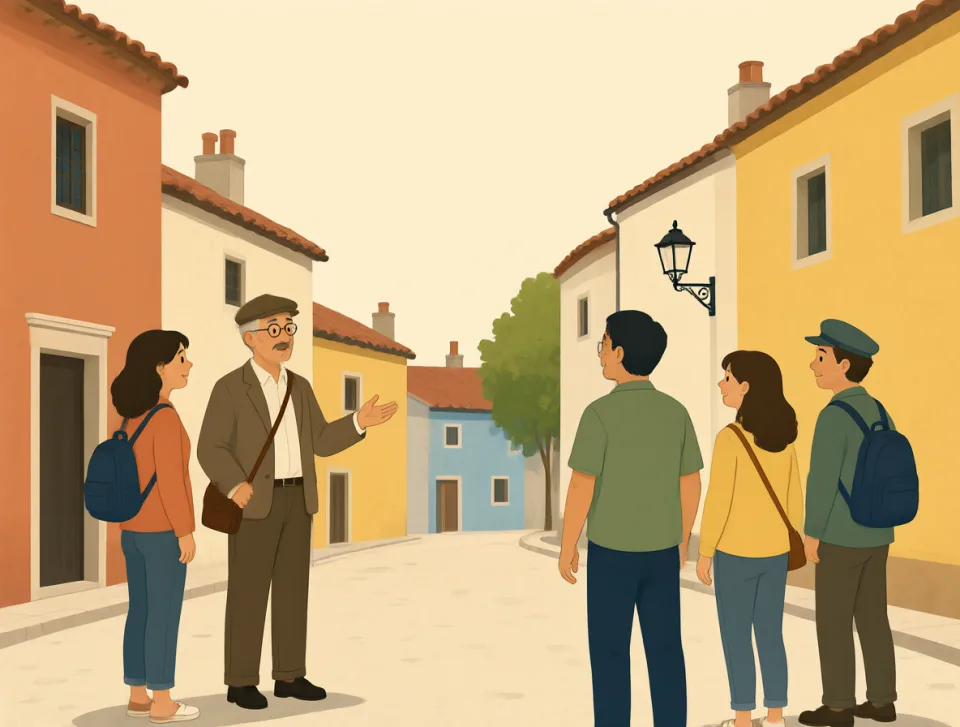
A local historian showed tourists the oldest buildings in town.
একজন স্থানীয় ইতিহাসবিদ পর্যটকদের শহরের সবচেয়ে পুরোনো ভবনগুলো দেখিয়েছিলেন।